Categories
Central Coast Oregon Oregon Coast

Oregon Coast Aquarium – 05/05/2026

With us taking a staycation due to my current physical limitations, instead of house sitting for us, our son Dominique stayed with us for the first half of the week. He’d joined us on a Star Wars Day hike at Fernhill Wetlands (post) and in lieu of a hike the following day we headed to Newport and the Oregon Coast Aquarium. While we aren’t counting this as a hike, we did spend the better part of four hours on our feet wandering around the aquarium and watching the animals. This was another good test for how my PT was progressing, and while my lower back was protesting mightily by the end of our visit, I woke up today feeling better than I have in months.

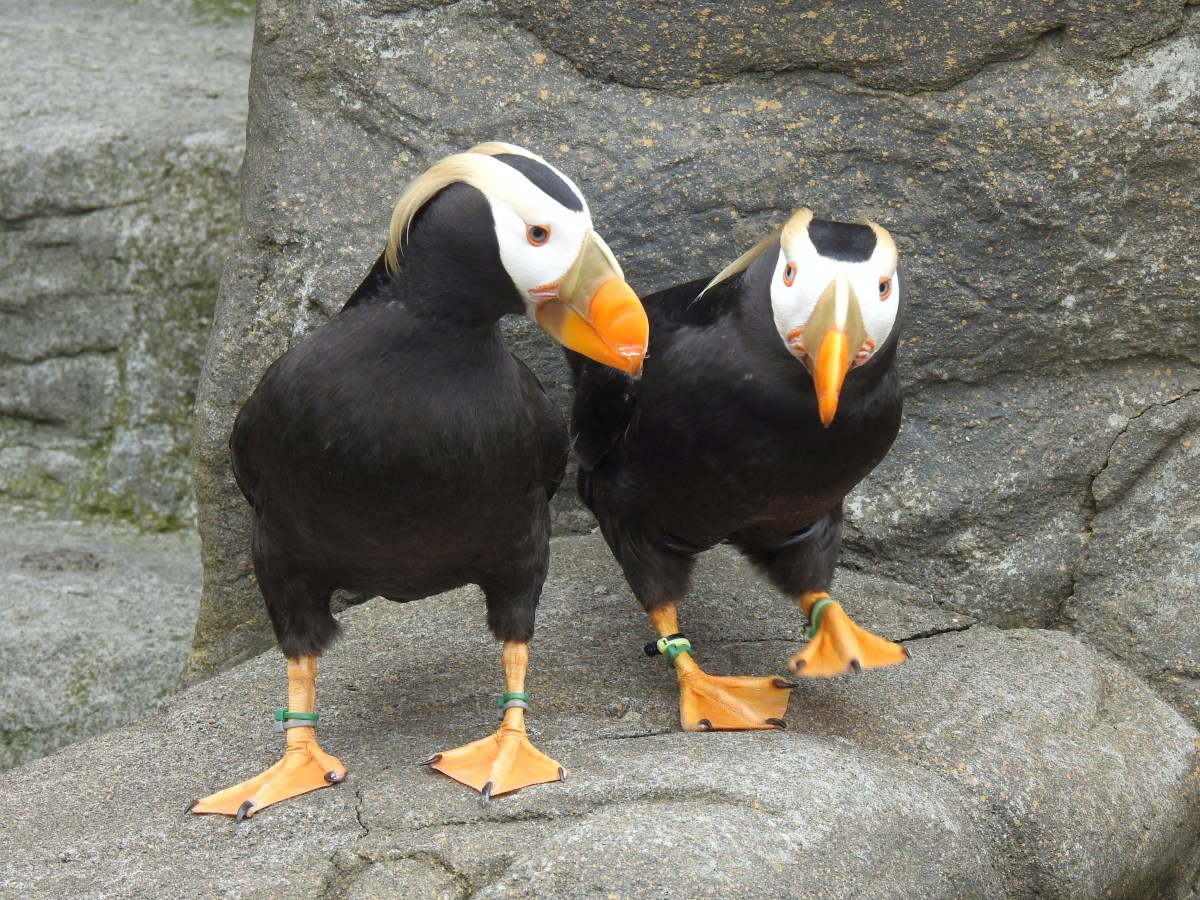
It had been many years since we’d visited the aquarium, and I was very excited to see the puffins. In the wild tufted puffins visit Haystack Rock (post) off the Oregon Coast from about mid-April through July, but we haven’t visited during their nesting season. Occasional sightings have occurred at Coquille Point and Face Rock in Bandon (post), Netarts Bay (post), Cape Perpetua (post), and Yaquina Head (post). Even when the puffins are present spotting them can be difficult and is at a distance requiring binoculars or a strong zoom lens. The aquarium however has a number of tufted puffins as well as a few horned puffins in its aviary where the birds can be viewed up close.

We were at the aquarium when it opened at 10am and left a little after 2pm. During our visit we got to see feedings of the California sea lions, sea otters, and the birds in the aviary. The feedings are accompanied by an informative talk about the animals and some pretty impressive demonstrations by the sea lions and otters. We also listened to a pelican talk while a brown pelican did a little performing of her own. There is also an interactive tidepool where guests can touch all of the sea creatures. Following are a few of the photos from our visit.
DSCN8353

DSCN8495
Aquarium map

DSCN8354
Moon jellyfish in the main building.

DSCN8364
Yaquina Bay from a viewing platform.

DSCN8361
Mallard in Yaquina Bay.

DSCN8367
Open Sea exhibit where you can walk through glass tubes surrounded by sharks and various species of fish.

DSCN8400

DSCN8376

DSCN8397

DSCN8399

DSCN8409

DSCN8405

DSCN8410
Fringecup flowering along the path to the aviary.

DSCN8415
The six types of birds in the aviary.

One of the volunteers mentioned that we had missed the pair of rhinoceros auklets by about half an hour. He said that these birds were very shy so when he sees someone with a “real camera” he tries to point them out if they make an appearance. While they didn’t come out during our first stop in the aviary one did briefly show itself during the afternoon feeding. The other five bird species were easily spotted though.
DSCN8434
Black oyster catcher

DSCN8416
Common murre

DSCN8459
Pigeon guillemots

DSCN8435
Horned puffin

DSCN8456
Tufted puffin

After spending some time in the aviary, we made our way over to the seal and sea lion exhibit for the sea lion feeding.
DSCN8460
The glass made getting pictures tricky.

DSCN8464
One of the California sea lions.

We followed that up with a visit to the sea otters and brief stop to admire the turkey vulture before heading to the pelican talk at 11:30am.
DSCN8475
Two of three resident sea otters.

DSCN8471

DSCN8478
Turkey vulture

DSCN8484

It turned out to be a good time of the year to visit because the birds were in their breeding plumage and the brown pelican really showed it.
DSCN8485

DSCN8492

After a quick bite to eat we spent some time in the indoor exhibits, including the tidepool. We interrupted this to return to the sea otters for their feeding then finished up the indoor exhibits before the bird feeding in the aviary. Inside there are a number of different enclosures hosting a large number of species.
DSCN8510

DSCN8511

DSCN8526

DSCN8535
This large snail could really move.

DSCN8543

DSCN8546

DSCN8551

DSCN8553

DSCN8558

DSCN8566

DSCN8560
Interactive tidepool

DSCN8568
Interactive tidepool

DSCN8571
Interactive tidepool

DSCN8574
Red abalone in the interactive tidepool.

DSCN8582

DSCN8596

DSCN8621

DSCN8626

DSCN8628

The birds were much more active in the aviary, we assumed in anticipation of the feeding.
DSCN8633
Horned and tufted puffins

DSCN8642
Common murres

DSCN8643
Tufted puffins in the water. We got splashed a couple of times by incoming birds landing in the water just in front of us.

DSCN8658
Pigeon guillemots having a lively discussion.

DSCN8666
Juvenile puffin

DSCN8674
A posing pigeon guillemot

DSCN8676
The rhinoceros auklet during its brief appearance.

After the feeding and a visit to the souvenir shop we said our goodbyes. On the way to the car we spotted a whimbrel in Yaquina Bay which was the end of our wildlife encounters for the day.
DSCN8683

The aquarium is enjoyable for any age and while its size would allow someone to see everything in about an hour, to really appreciate it and take things in you’d want to spend few hours at least. There are also several hikes nearby that could easily be done on the same day including the Yaquina Head or Yaquina Bay Lighthouses (post), Forest Park Trail (post), the Estuary Trail, Mike Miller Park, South Beach (post for the three previous hikes), or for a longer hike the Yakona Nature Preserv (post).
Screenshot 2026-05-06 075401

Happy Trails!

Flickr: Oregon Coast Aquarium
Categories
Central Coast Hiking Oregon Oregon Coast Trip report

Yaquina Bay and Yaquina Head

It’s become tradition to take a shortish hike on the Oregon Coast the morning of our annual family reunion in Gleneden Beach, OR. This year we decided to visit a pair of lighthouses near Newport.

A 5am start got us to our first stop at Yaquina Bay State Recreation Site a little before 7.
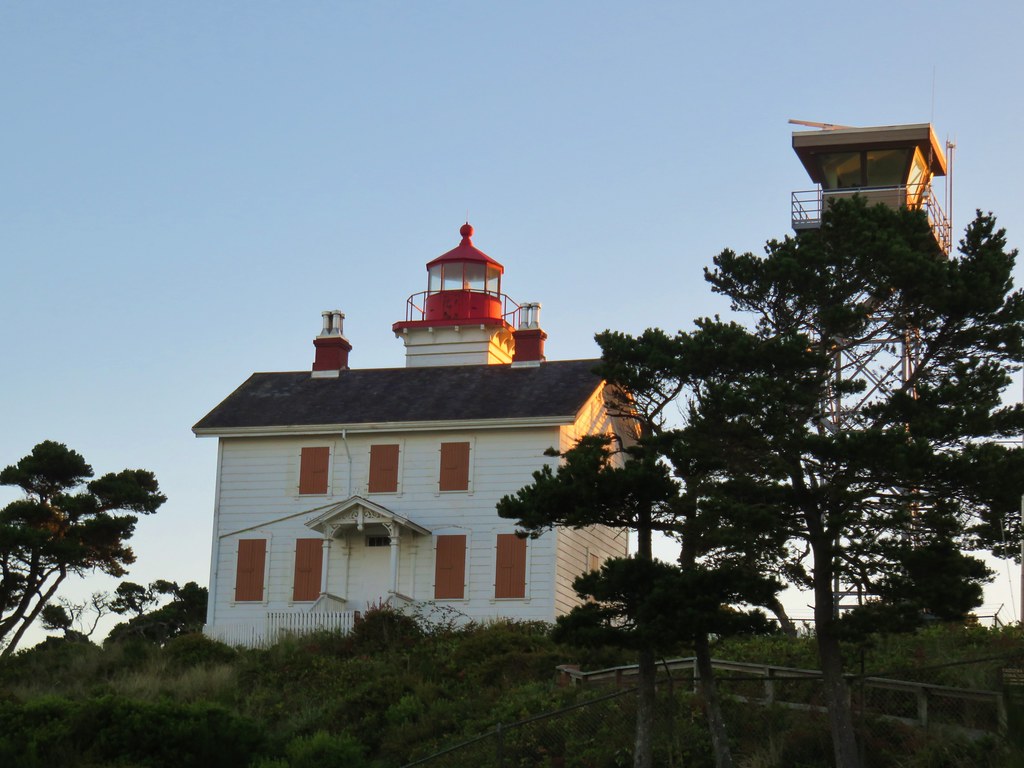
Home to the 1871 Yaquina Bay Lighthouse the 32 acre park also offers access to an approximately 4 mile stretch of beach between the Yaquina River and Yaquina Head.

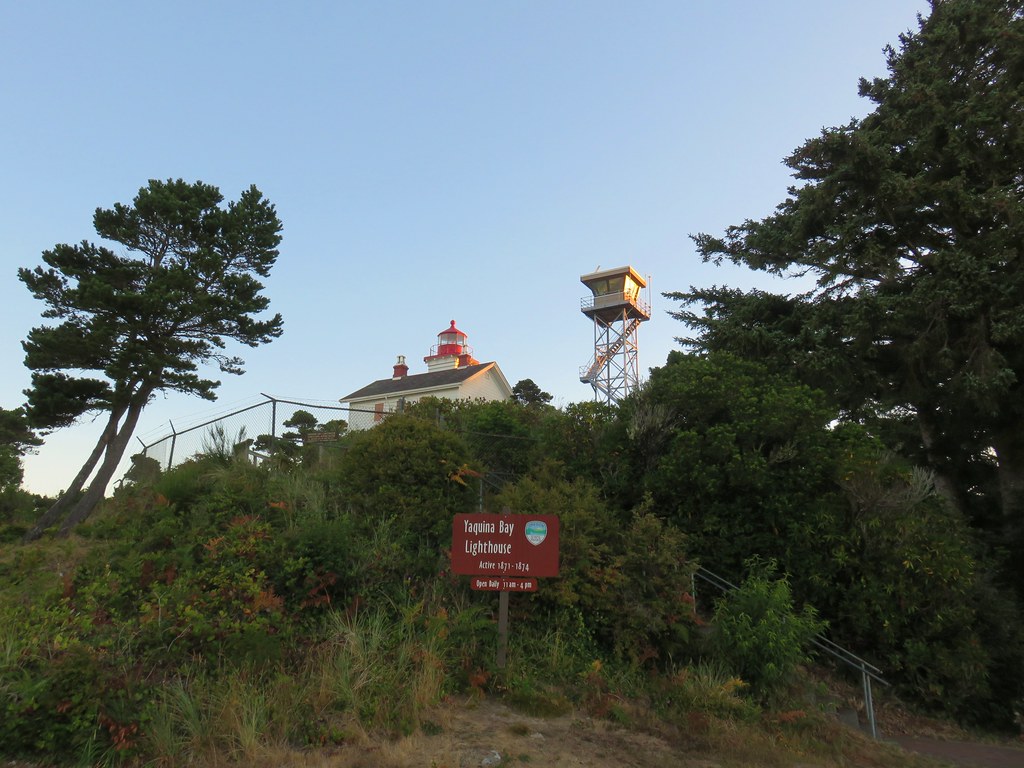
We parked below the lighthouse, which operated only three years before being replaced by the Yaquina Head Lighthouse.
Yaquina Bay Lighthouse

Yaquina Bay Lighthouse

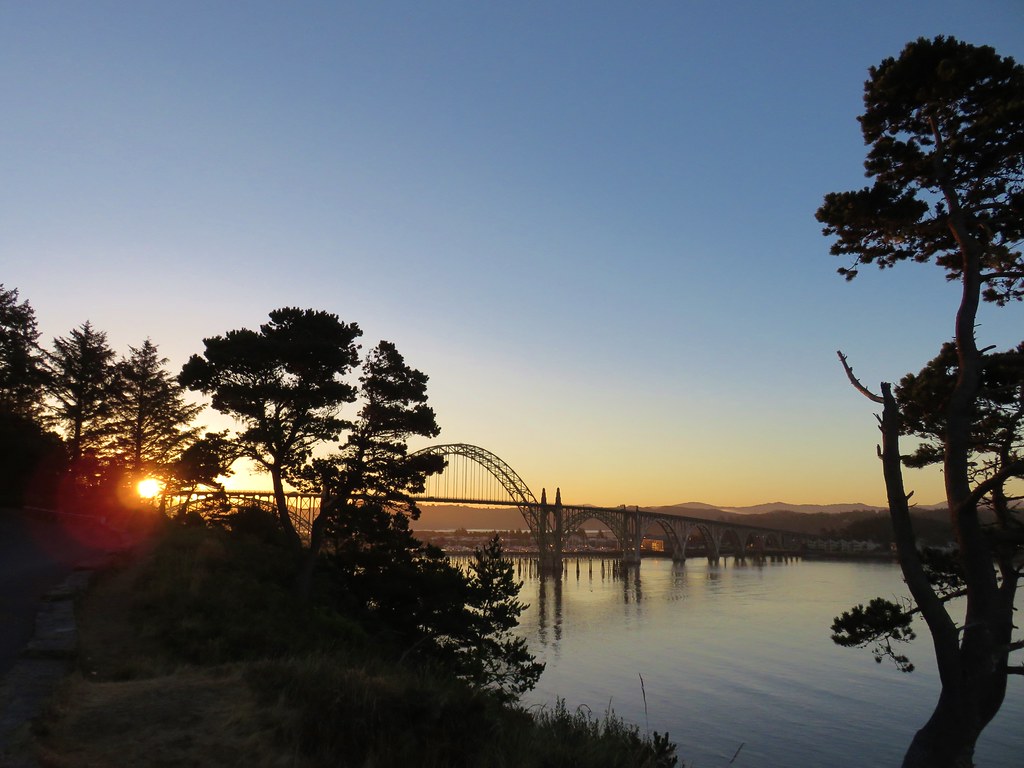
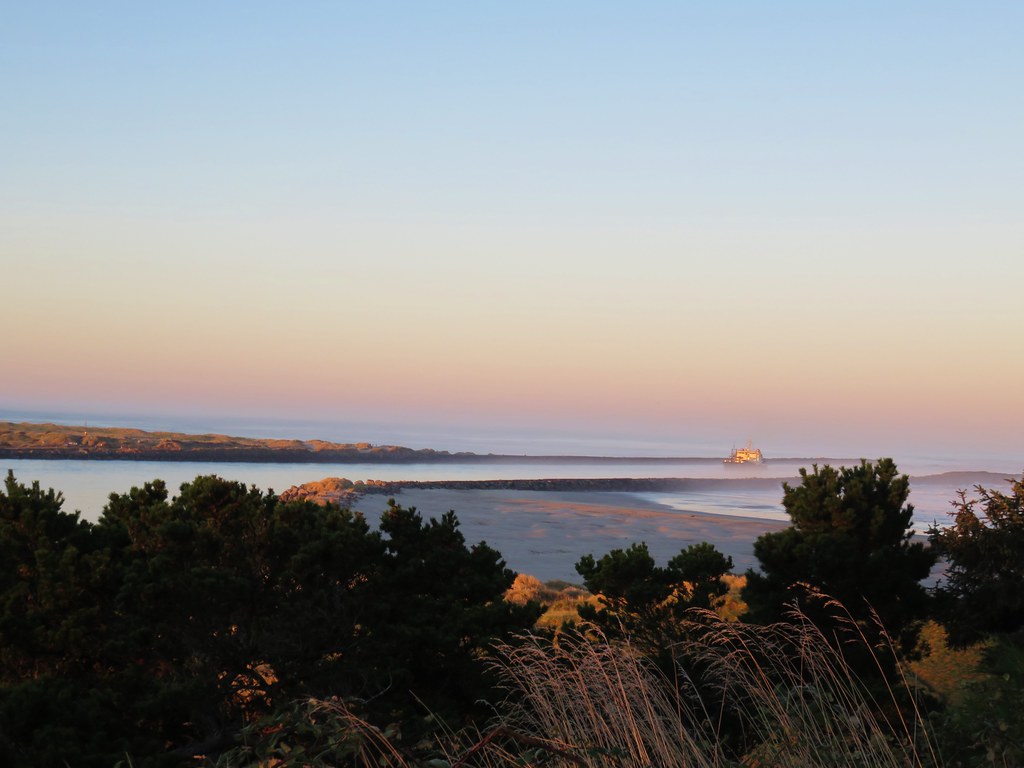
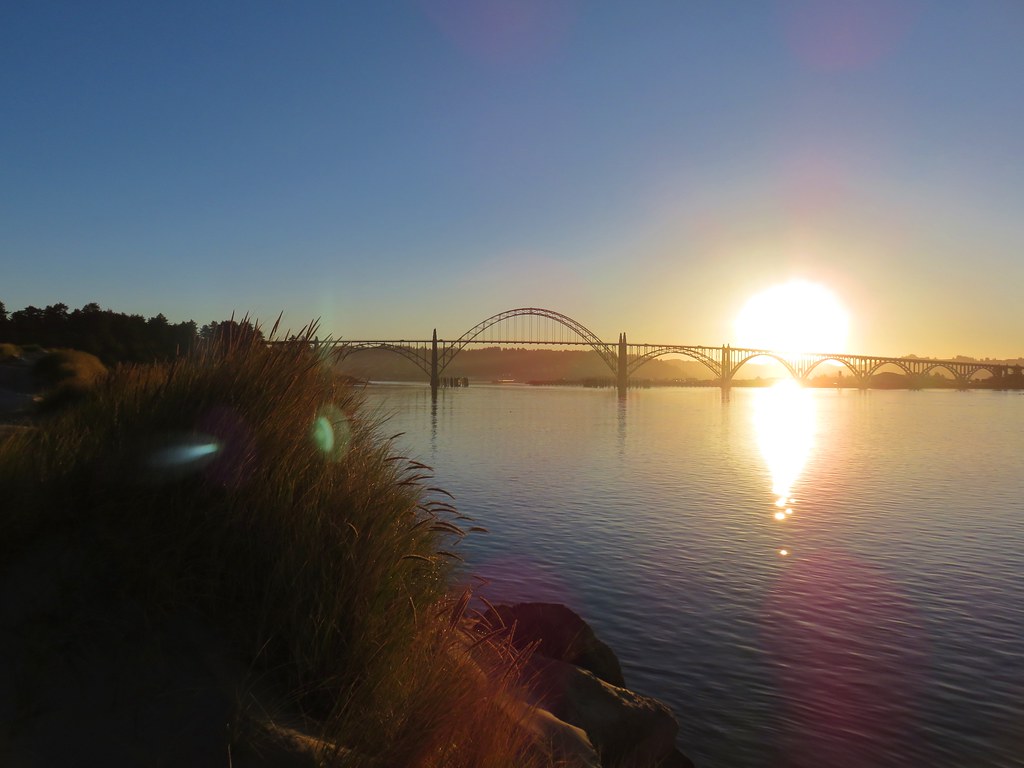
From a viewpoint in the parking lot we could see the Yaquina Bay Bridge and watch boats heading out to sea.
Yaquina Bay Bridge

Yaquina Bay Jetty

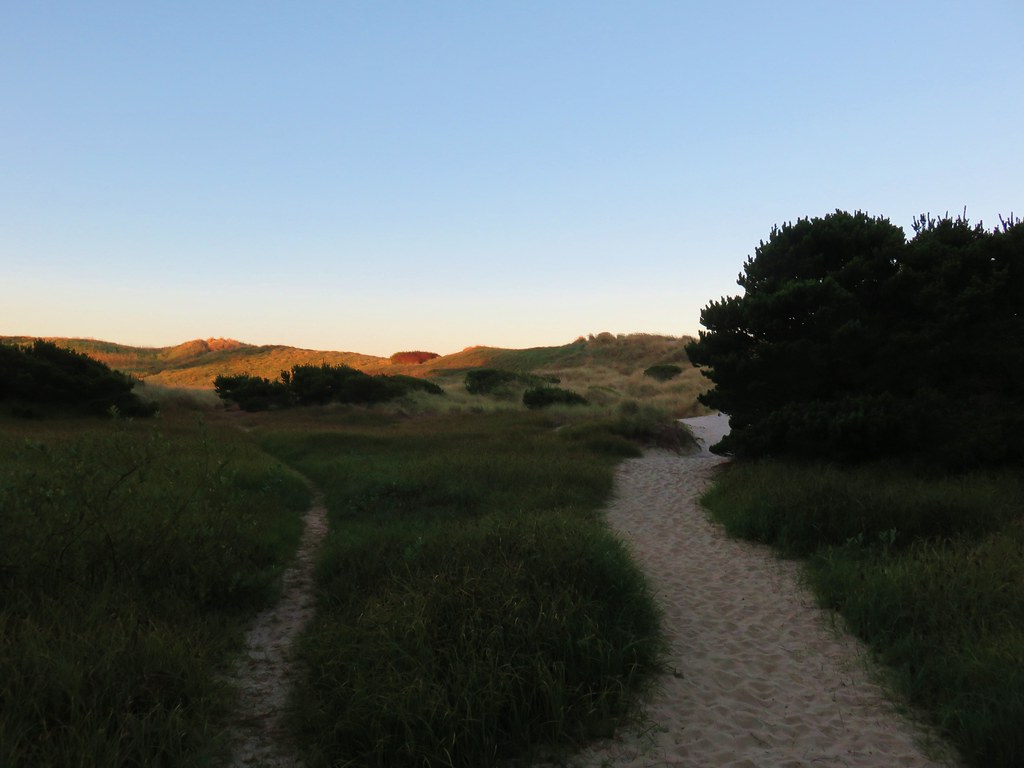
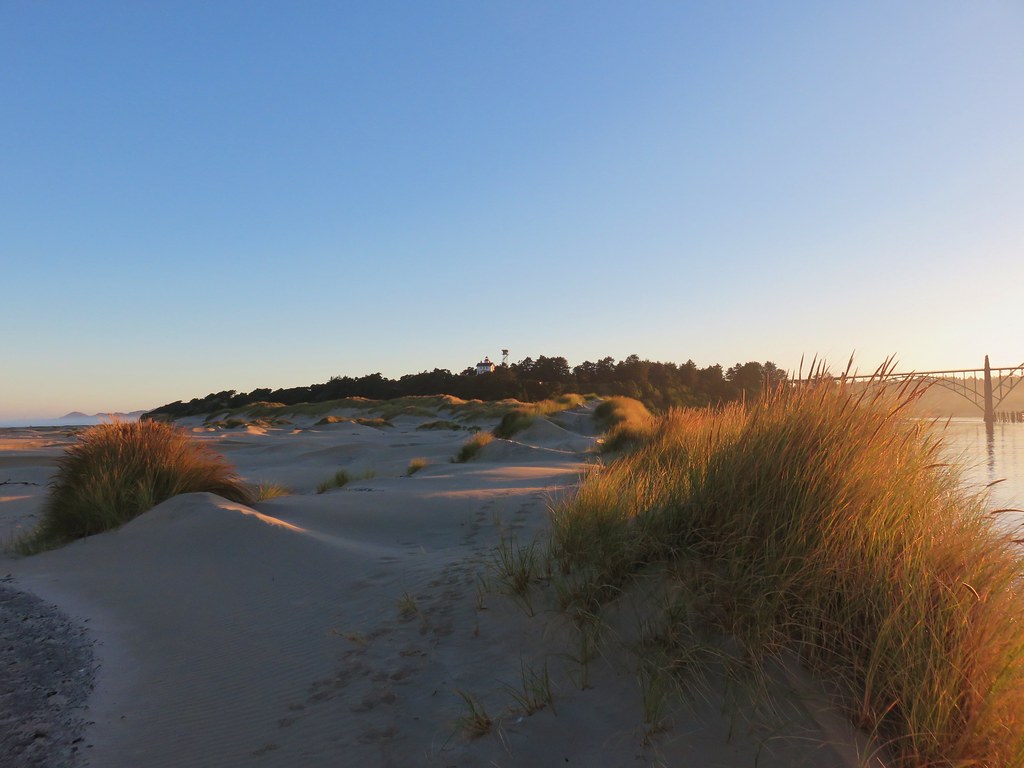
A paved path led down the bluff to a sandy path in the deflation zone behind a small foredune.
Trail from Yaquina Bay Lightouse to the ocean

Heading to the Pacific Ocean

We passed over the foredune and turned left toward the Yaquina River.
Yaquina Bay Jetty

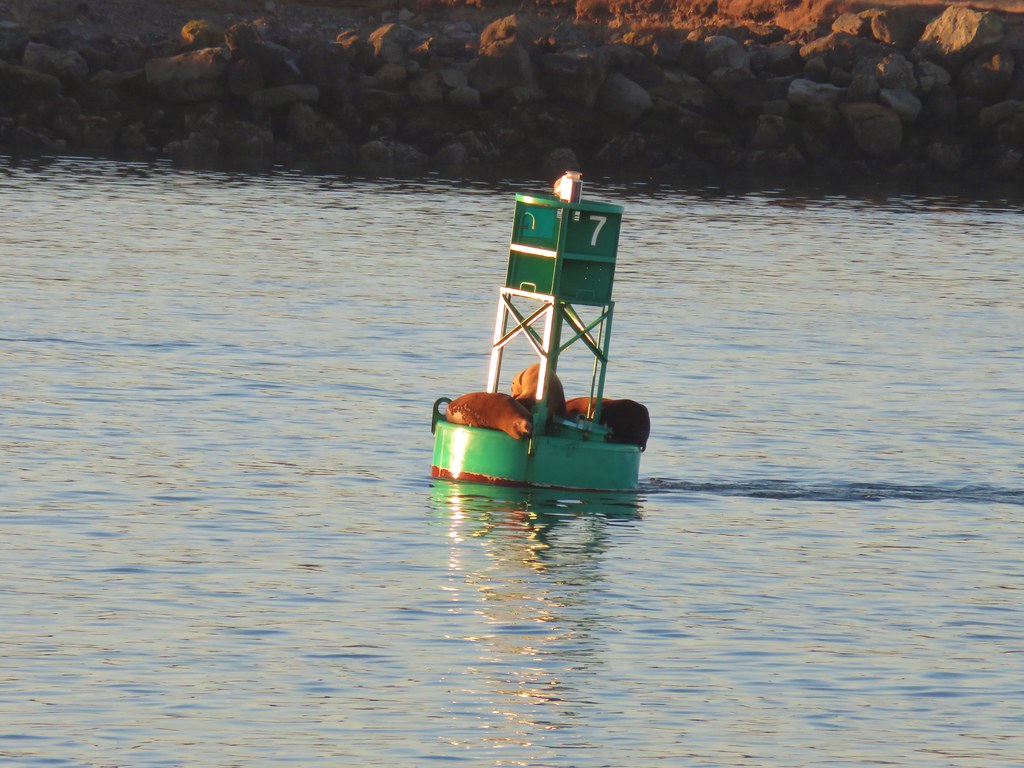
The sound of sealions in the bay greeted us as we approached the jetty where we spotted some squatters on a buoy.
Yaquina Bay Lighthouse

Yaquina Bay Bridge

Seals on a bouy

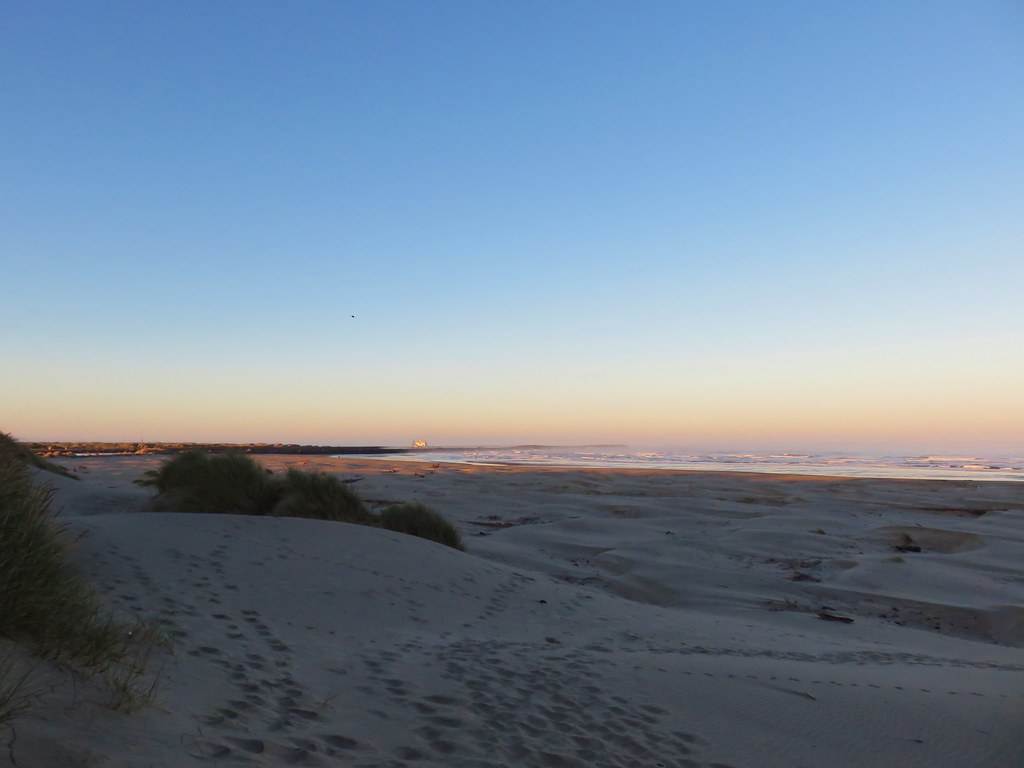
We turned around and headed north along the beach. It was an interesting beach with many small dune like formations.
Yaquina Bay Recreation Site

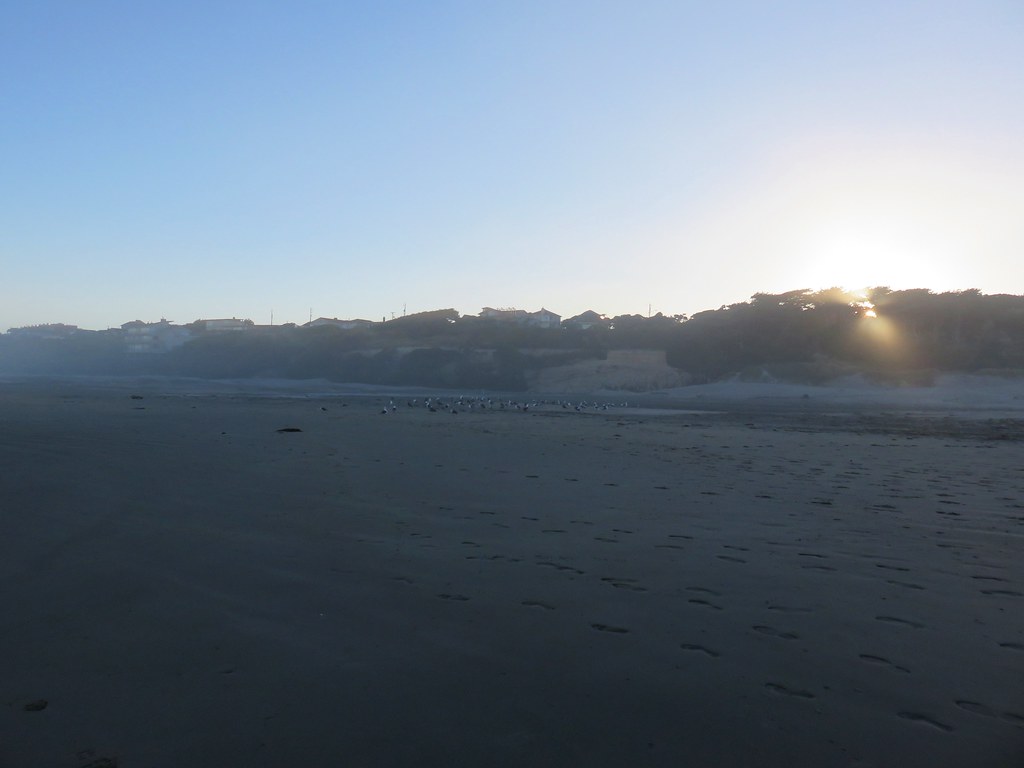
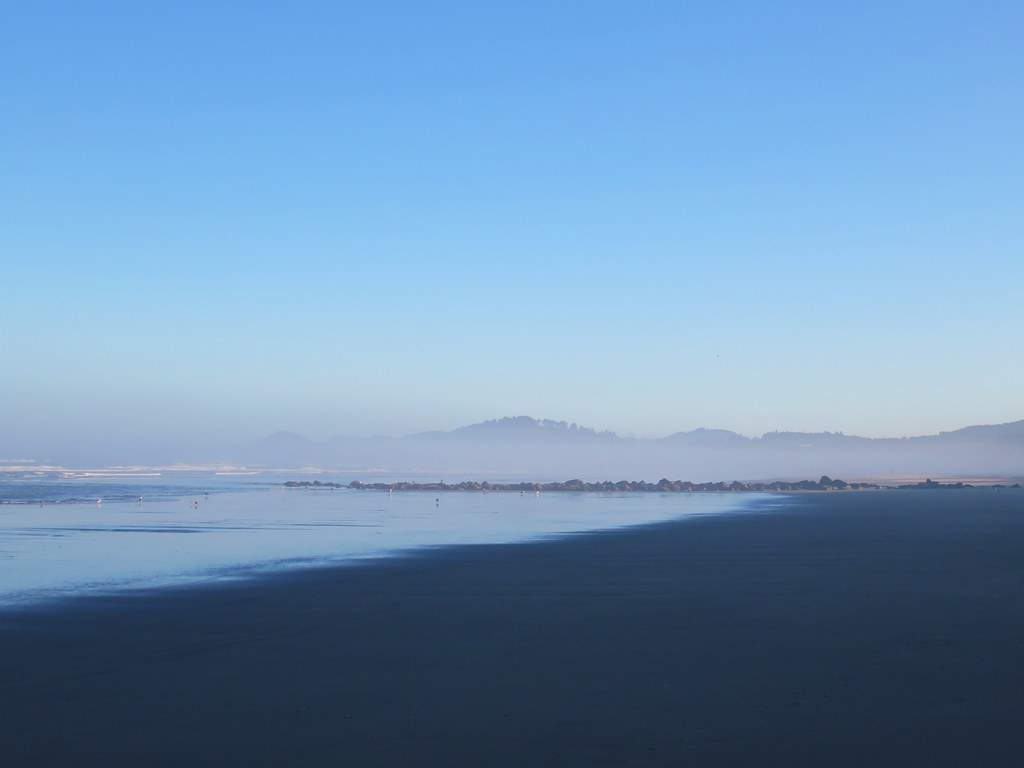
It was a typical summer morning on the coast with patches of marine layer clouds along the way.
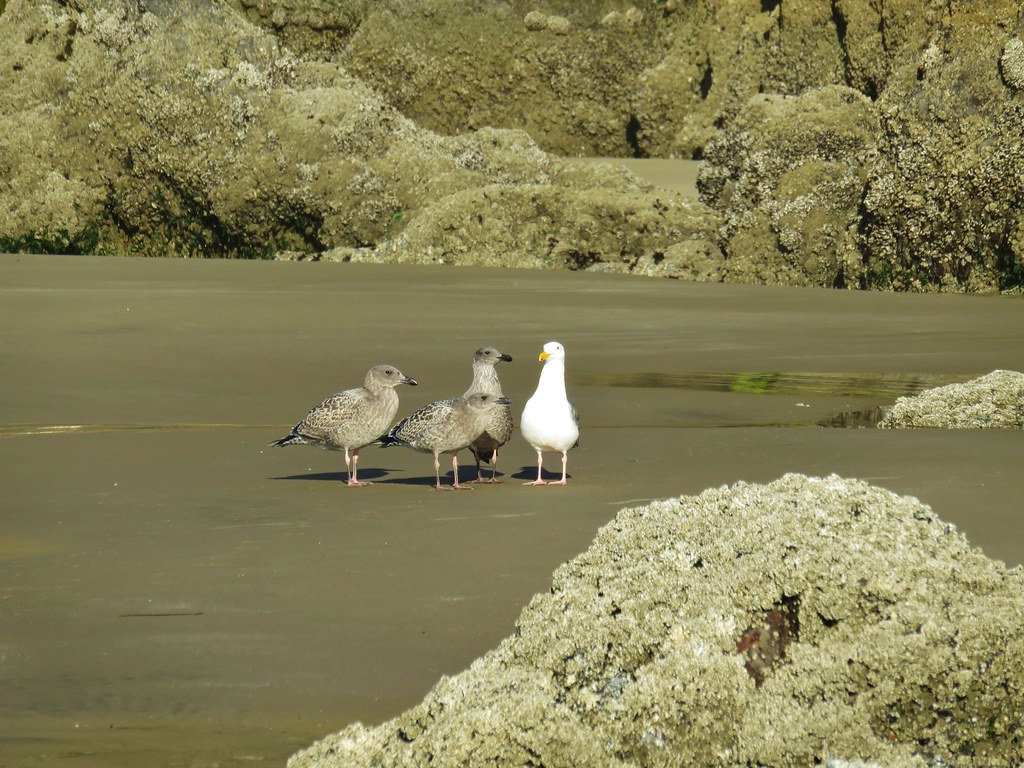
Seagulls at Yaquina Bay Recreation Site

Yaquina Head in the fog

Yaquina Head

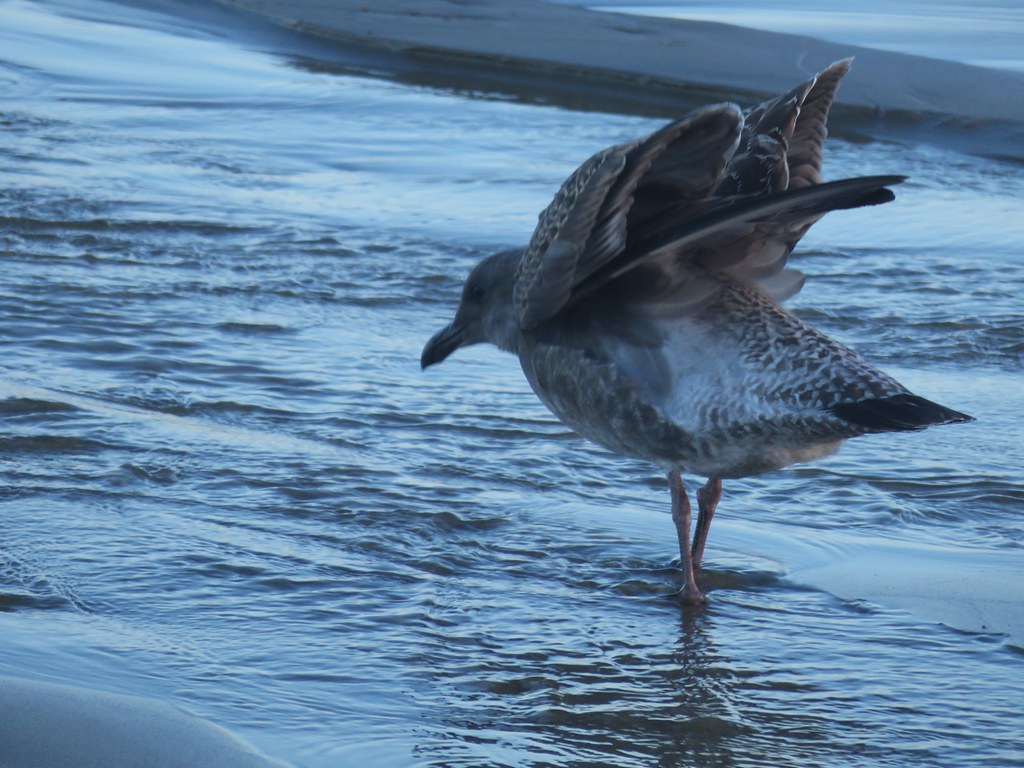
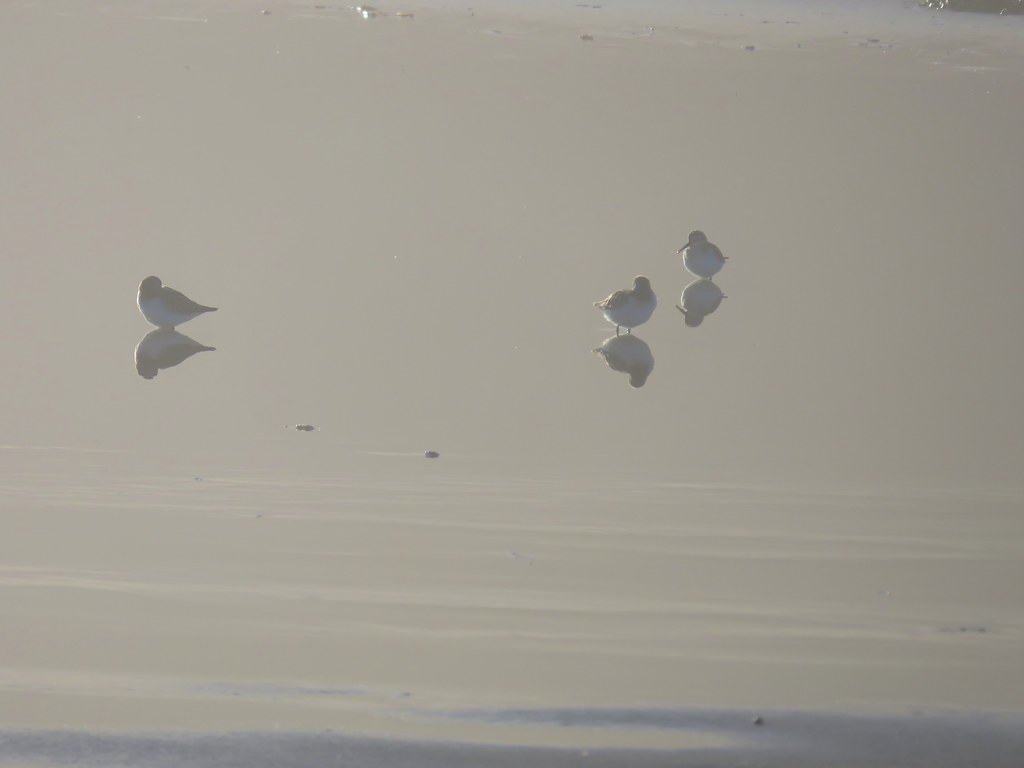
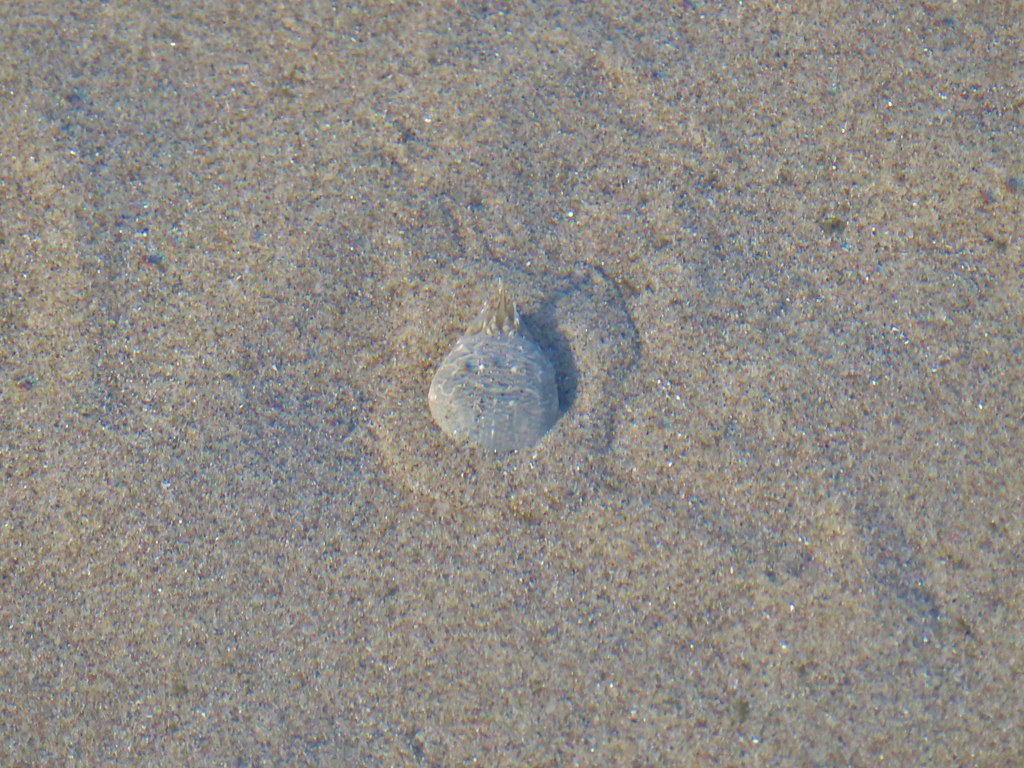
Wildlife along the way consisted of seagulls and shore birds as well as a couple of small tide pools where we spotted anemones and some sand crabs.
Seagull

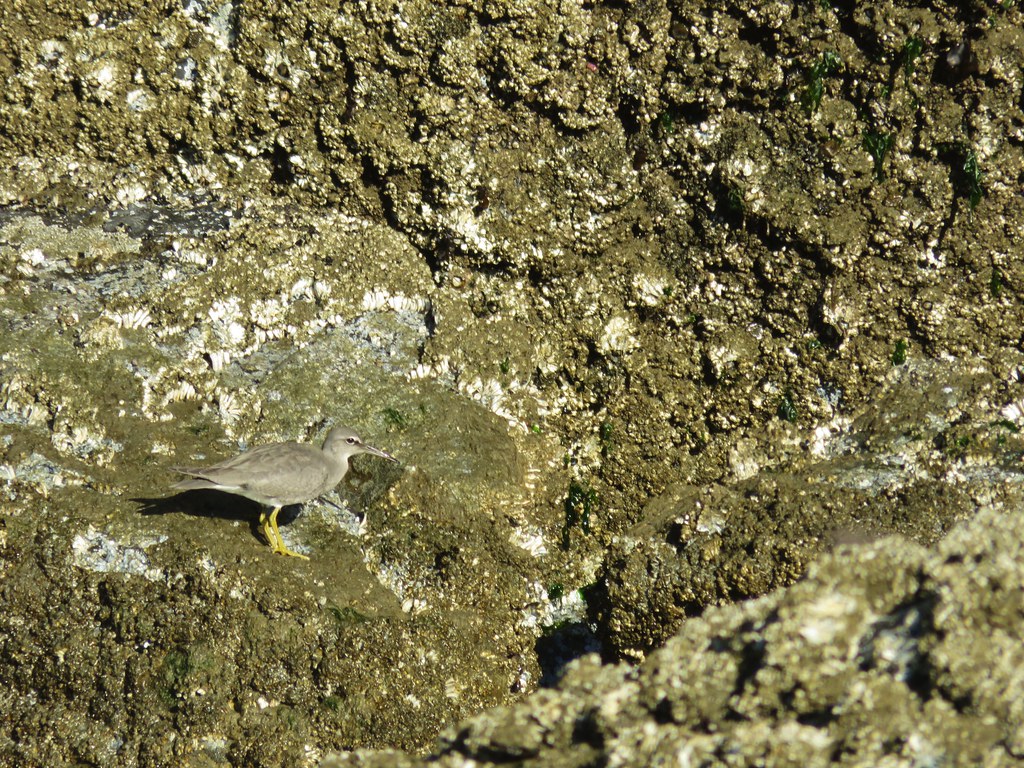
Shore birds

Anemones

Anemones

Sand crab

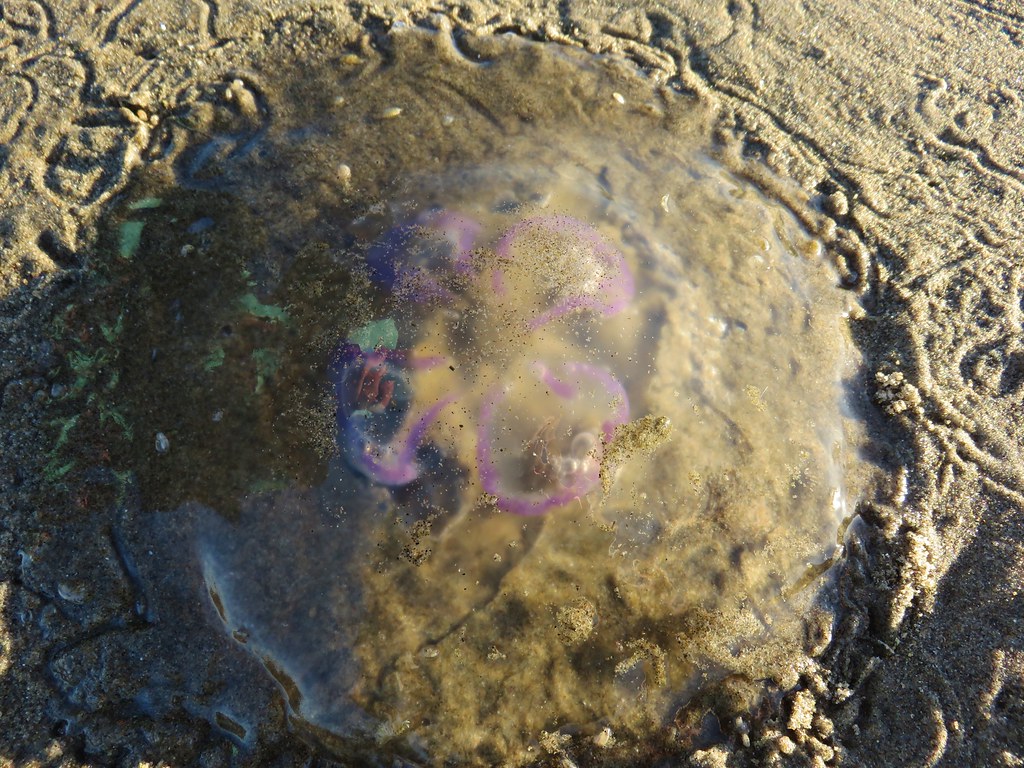
Of particular interest were a couple of jellyfish with some sort of colorful lines.
Jellyfish

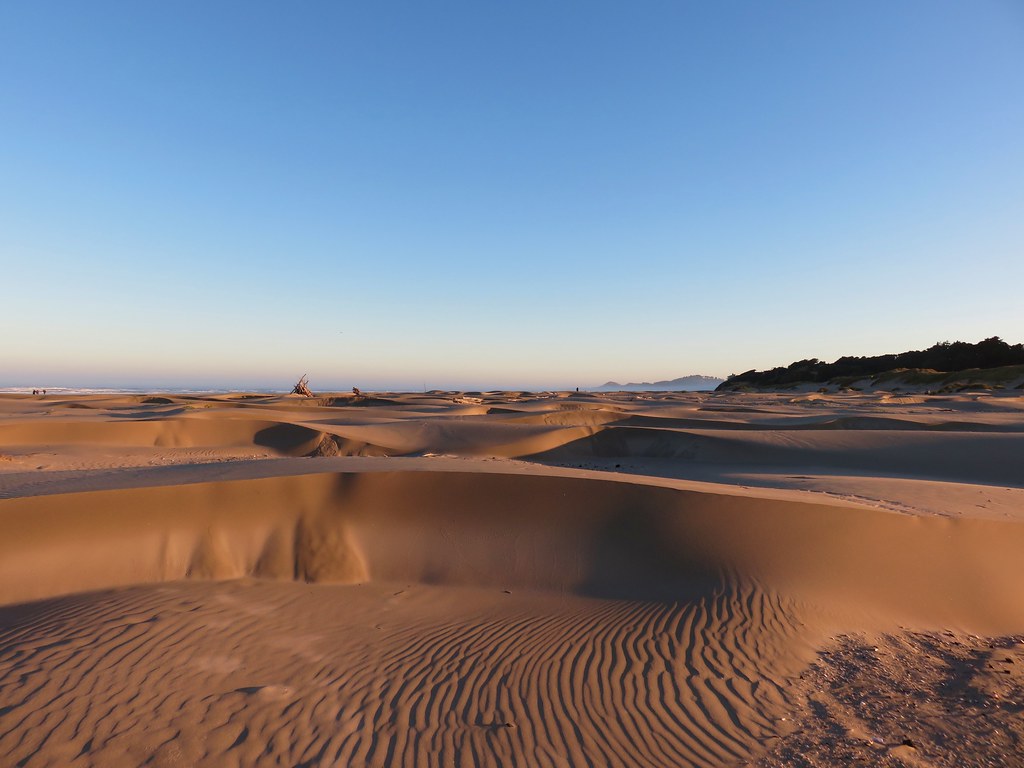
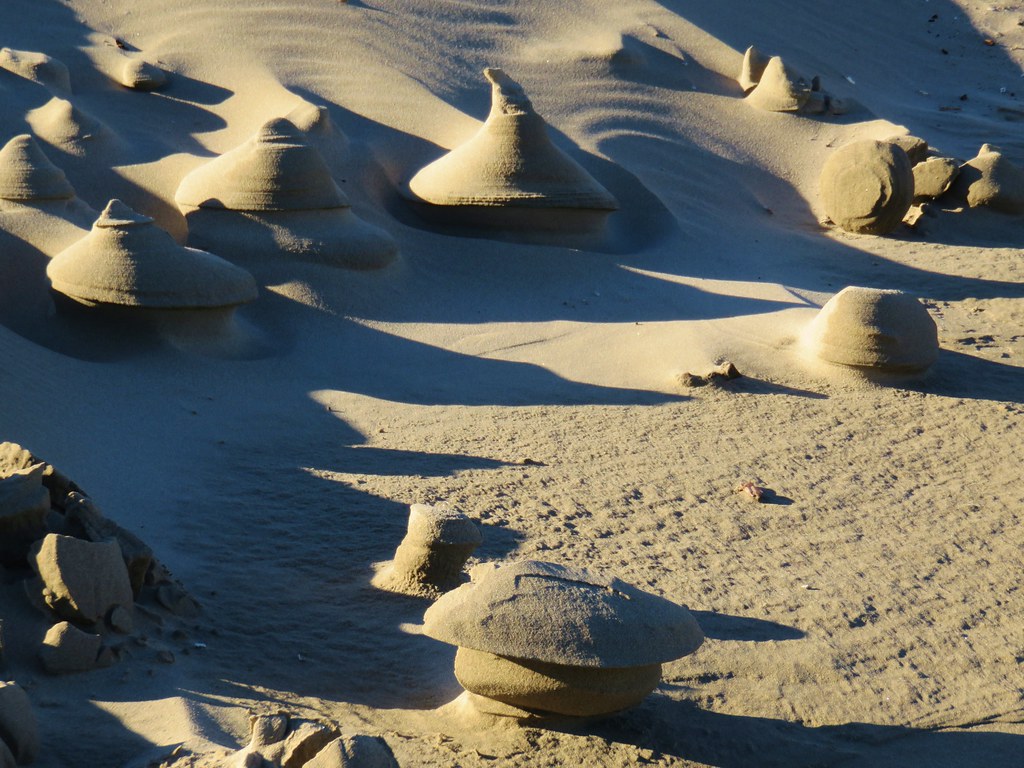
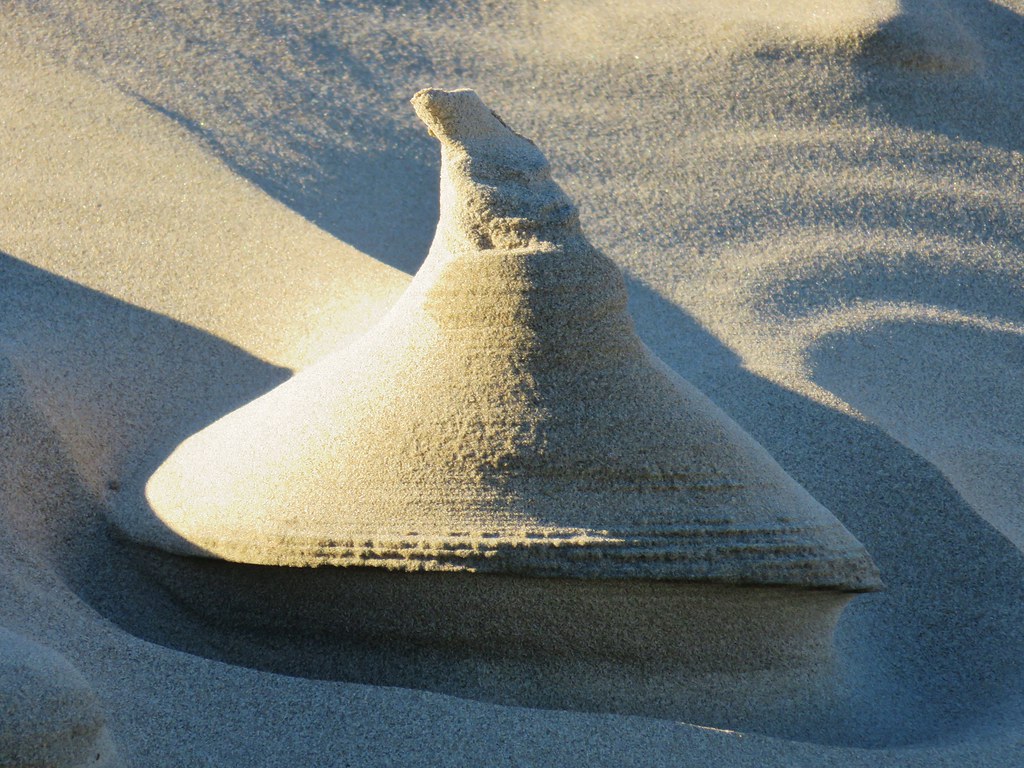
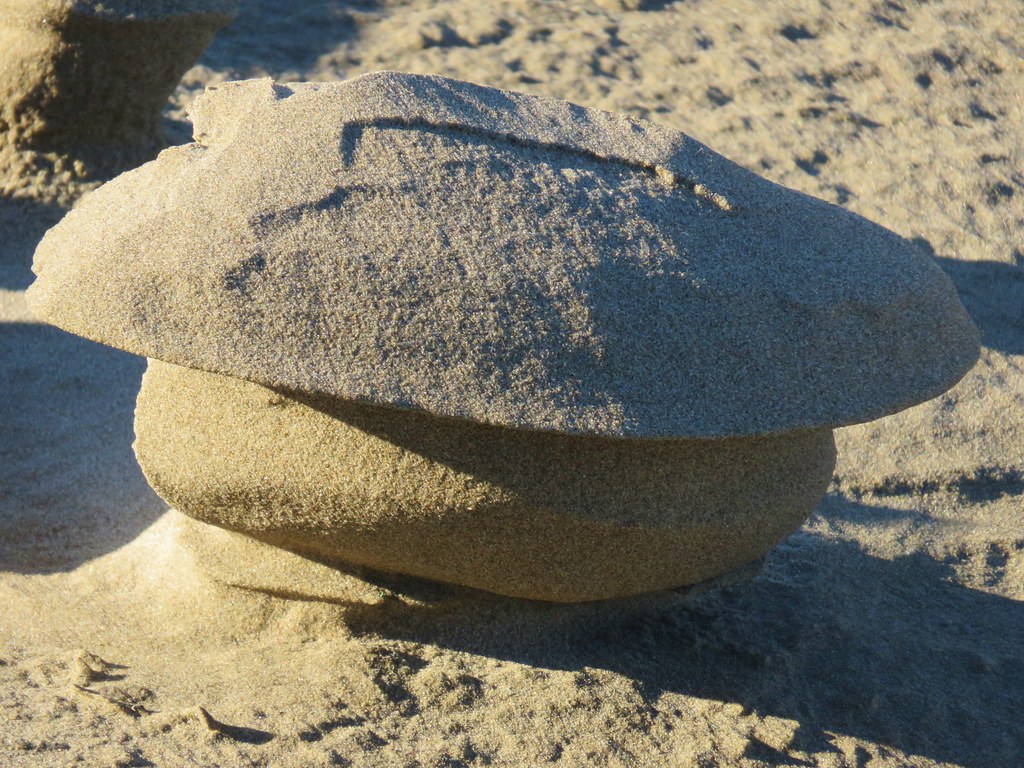
Another peculiar sight along the way were some sand formations that reminded us of clay sculptures.
Interesting sand formations

Interesting sand formations

Interesting sand formation

Interesting sand formation

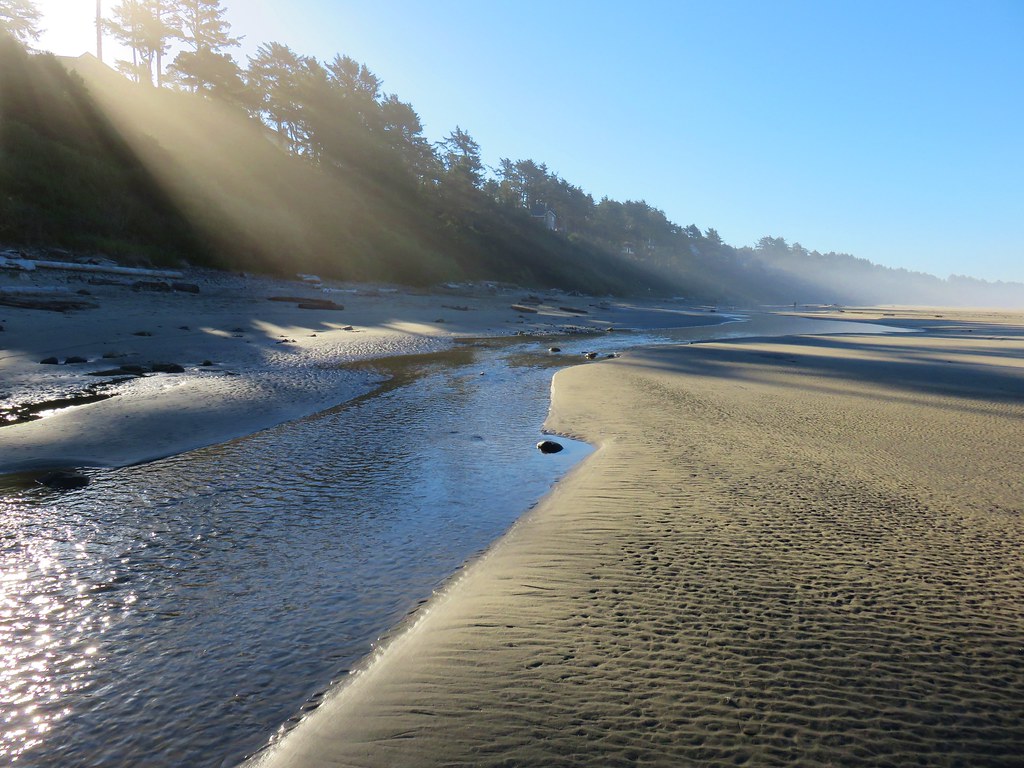
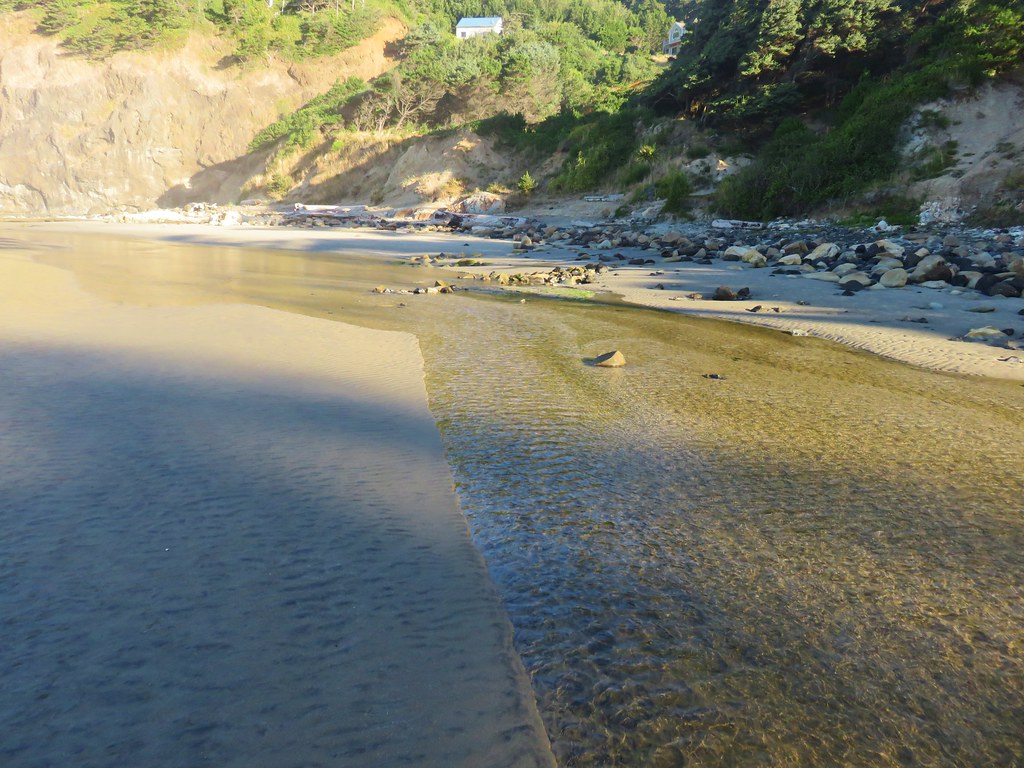
The beach began to narrow as we neared Yaquina Head and we soon came to Little Creek which was running parallel to the ocean.
Yaquina Head

Little Creek at Agate Beach

Yaquina Head forced the creek to finally turn toward the ocean and we followed it along the cliffs as it emptied into the Pacific.
Little Creek at Agate Beach

Little Creek at Agate Beach

Little Creek emptying into the Pacific

Pacific Ocean

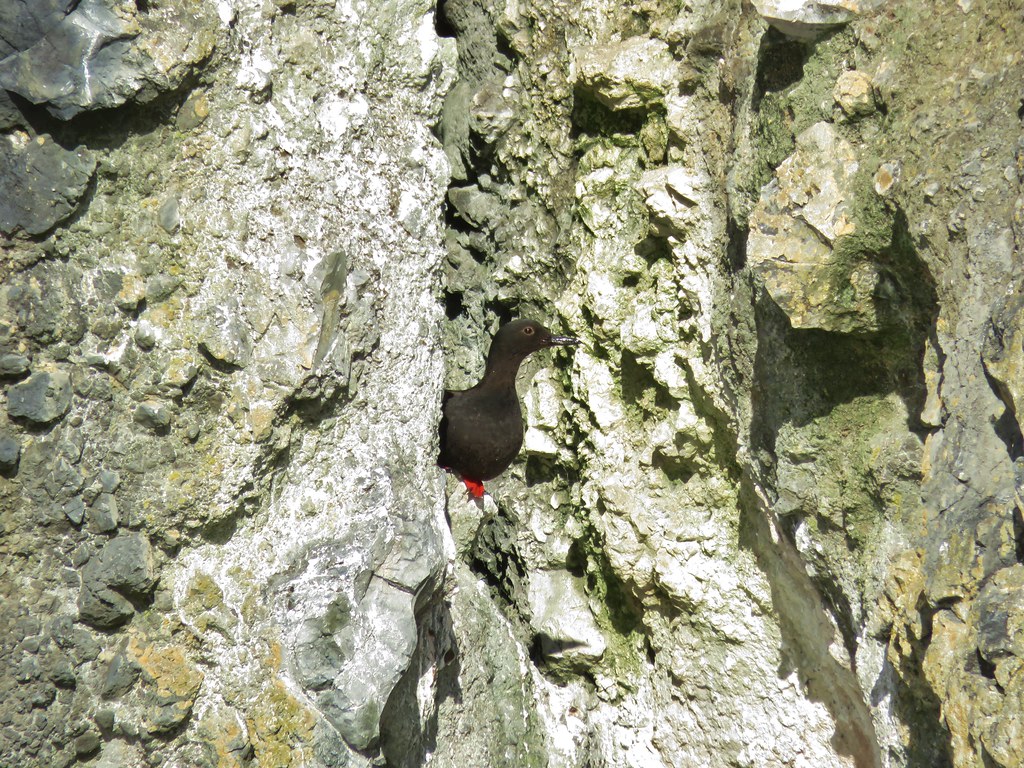
We passed various birds along the creek including a pigeon guillemot which was a bird we were unfamiliar with.
Seagulls

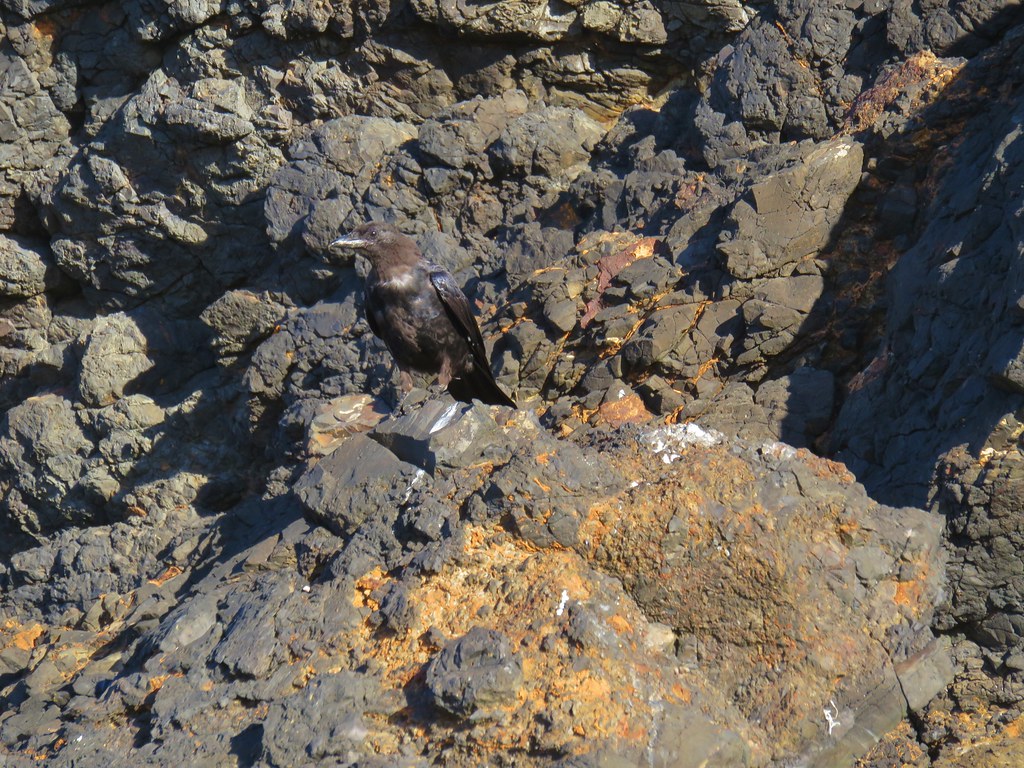
Crow

Bird near Little Creek

Pigeon guillemot
Pigeon guillemot

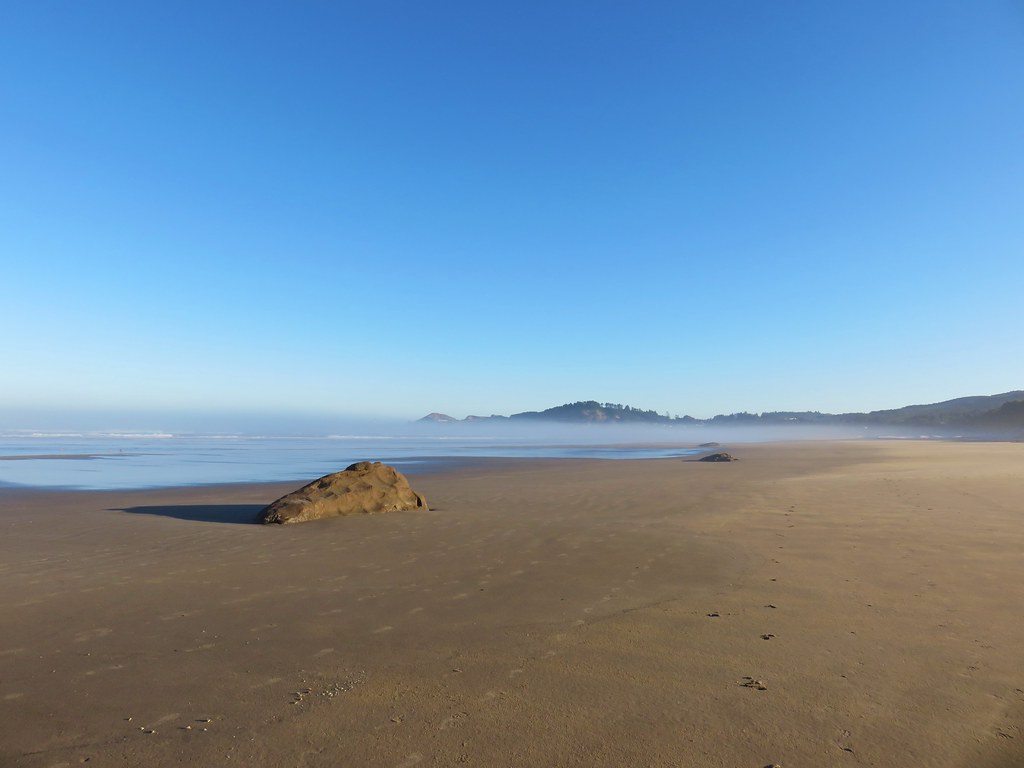
We headed back south along the beach staying closer to the ocean which brought us to a crossing of some tide water. In our infinite wisdom we waded through the water soaking our shoes and socks before realizing that this was not one of our typical stream crossings. The rocks in mountain creeks and rivers make crossing barefoot a bad idea but on the beach we could have easily taken them off before wading through.
Looking south from Agate Beach

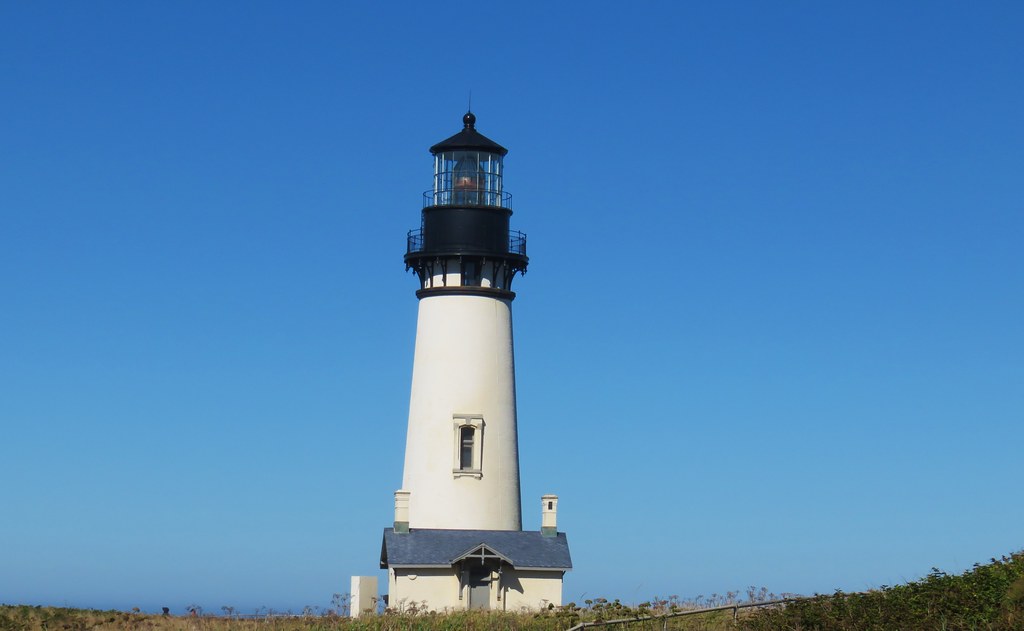
We were back at our car by 9:45 so we had plenty of time to make a second stop at the Yaquina Head Lighthouse (even after stopping at the Newport Safeway to pick up some cilantro). Located on Yaquina Head 4.5 miles north of Newport the Yaquina Head Outstanding Natural Area has a lot to offer. Oregon’s tallest lighthouse, tide pools, several trails, and an interpretive center (which wasn’t there the last time we visited) make the $7/car pass seem reasonable, especially given the pass is valid for three days.

We didn’t have a lot of time so we drove past the interpretive center and parked at the end of the road near the lighthouse.
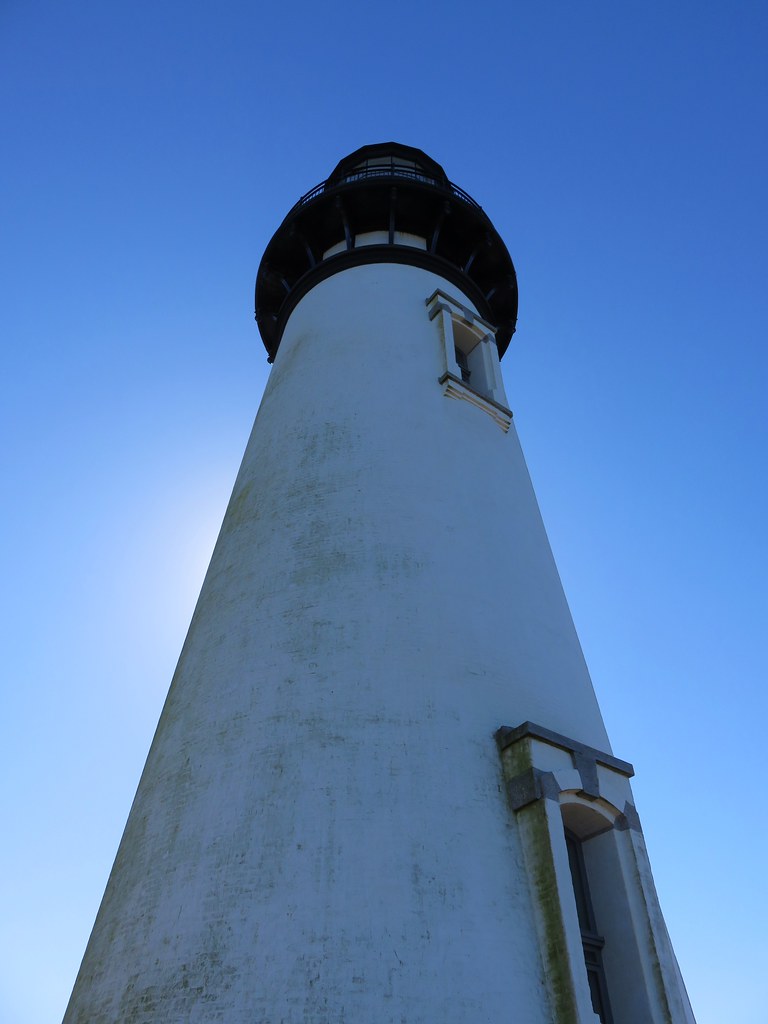
Yaquina Head Lighthouse

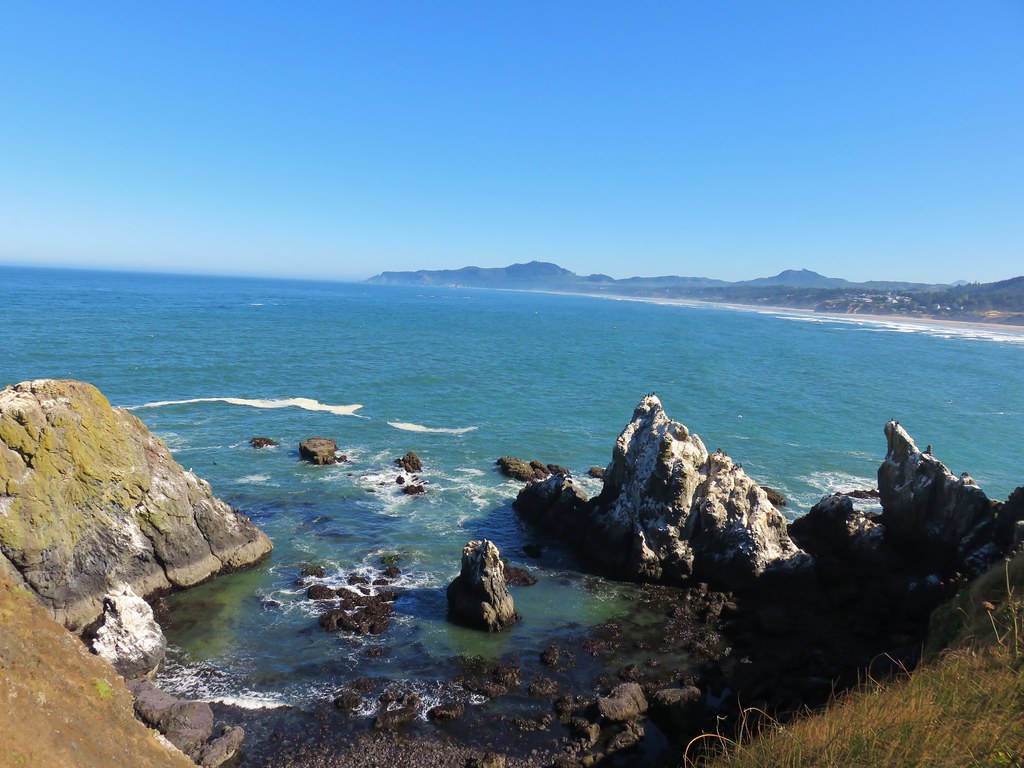
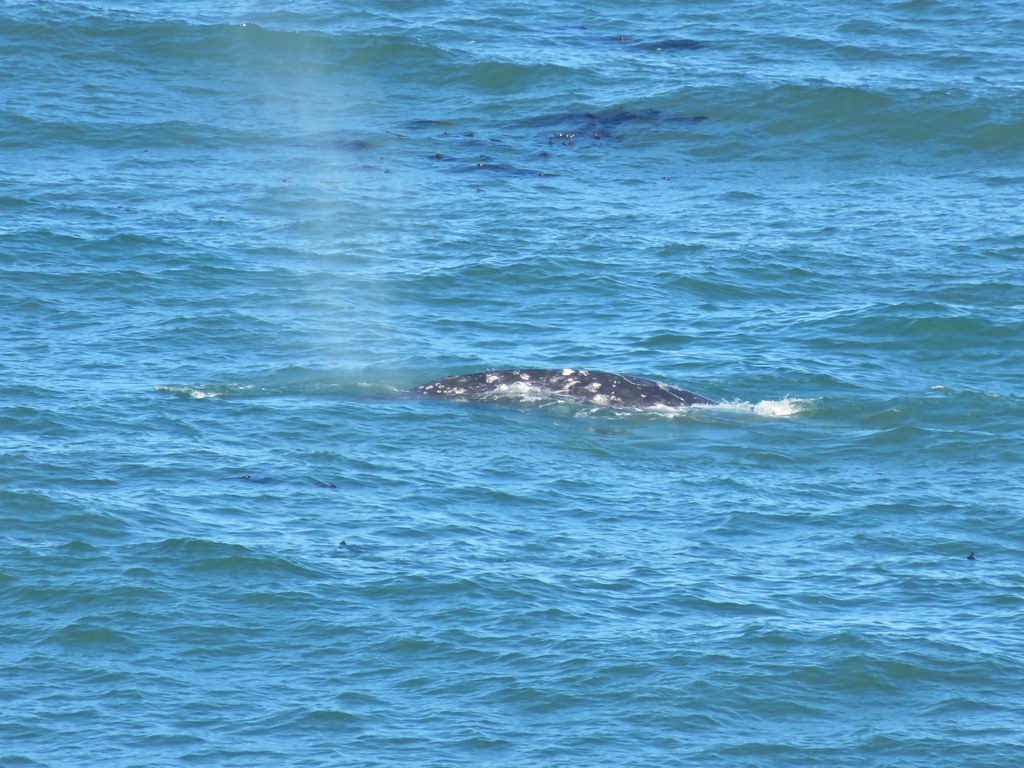
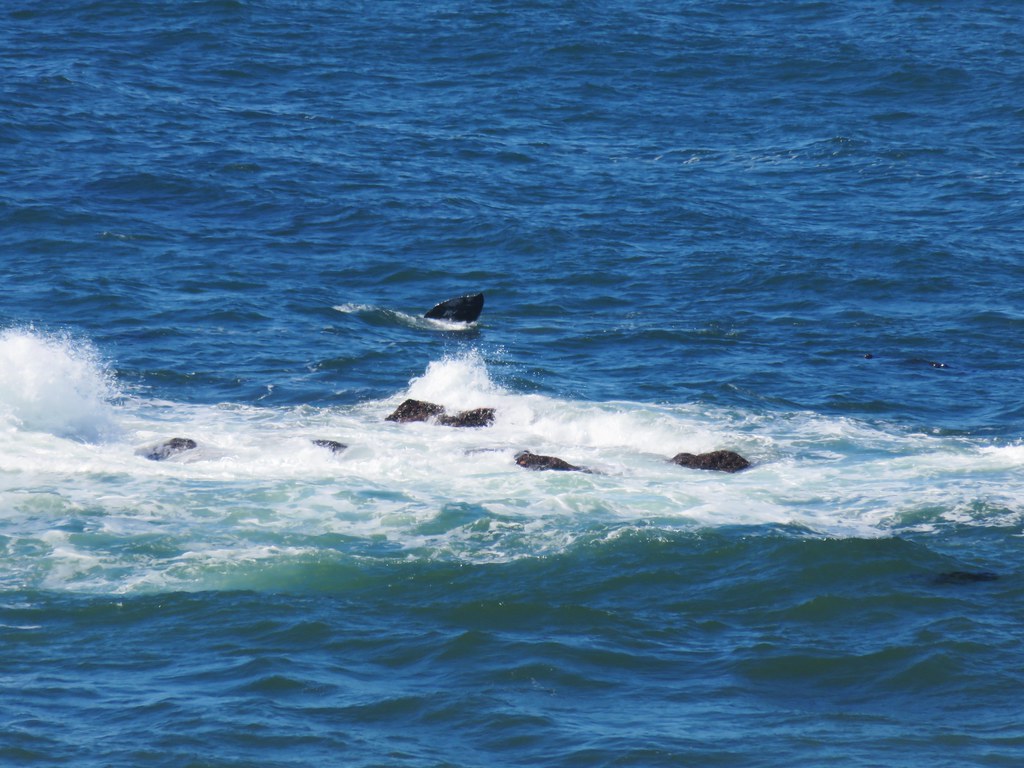
We walked to the lighthouse first stopping at viewpoints along the way. Several grey whales could be seen surfacing and blowing water into the air.
Yaquina Head Lighthouse

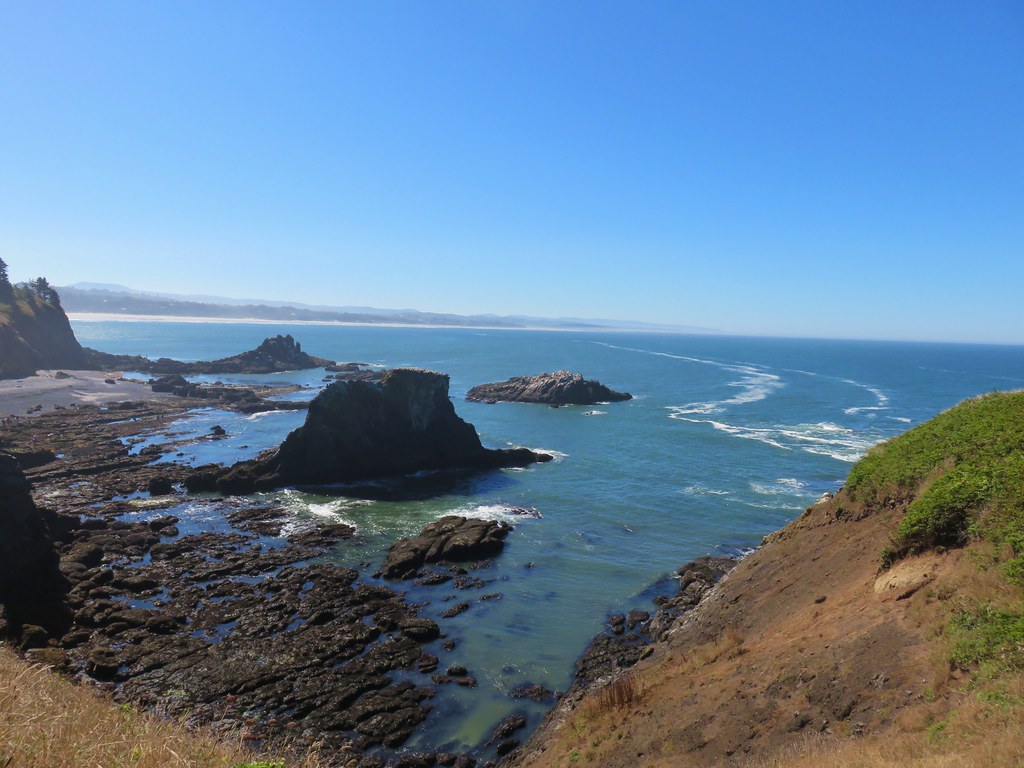
Looking north to Cape Foulweather

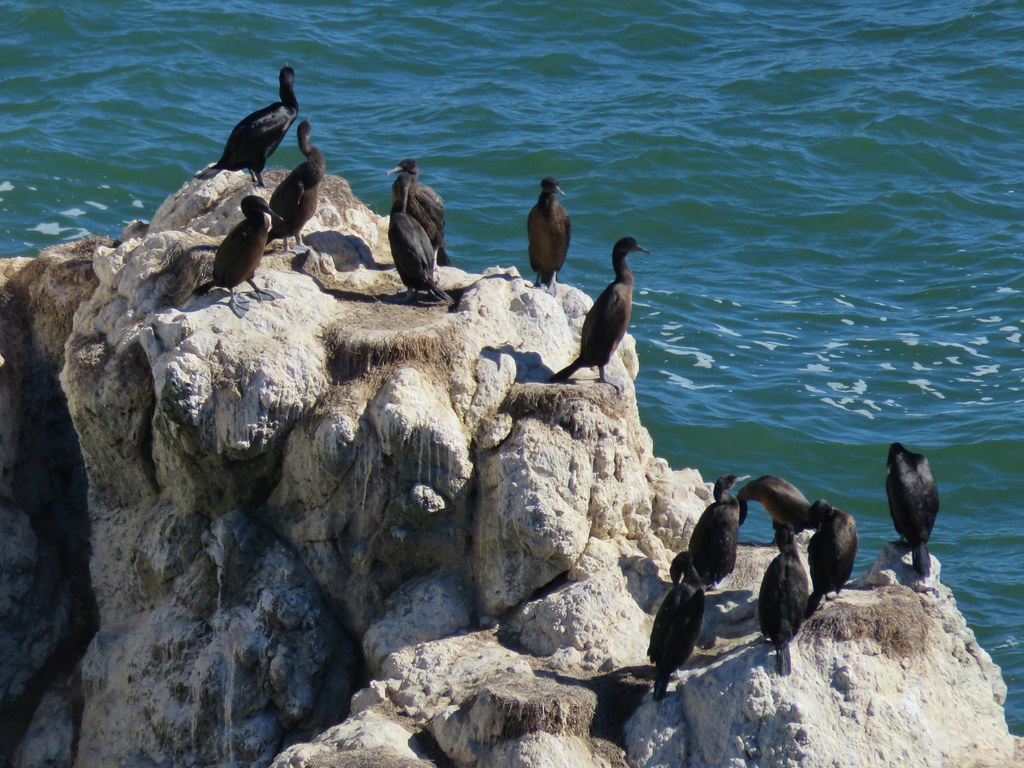
Cormorants

Whale spout

Grey back whale seen from Yaquina Head

Grey back whale seen from Yaquina Head

After watching the whales for a bit we continued around the lighthouse and then headed for nearby Cobble Beach.
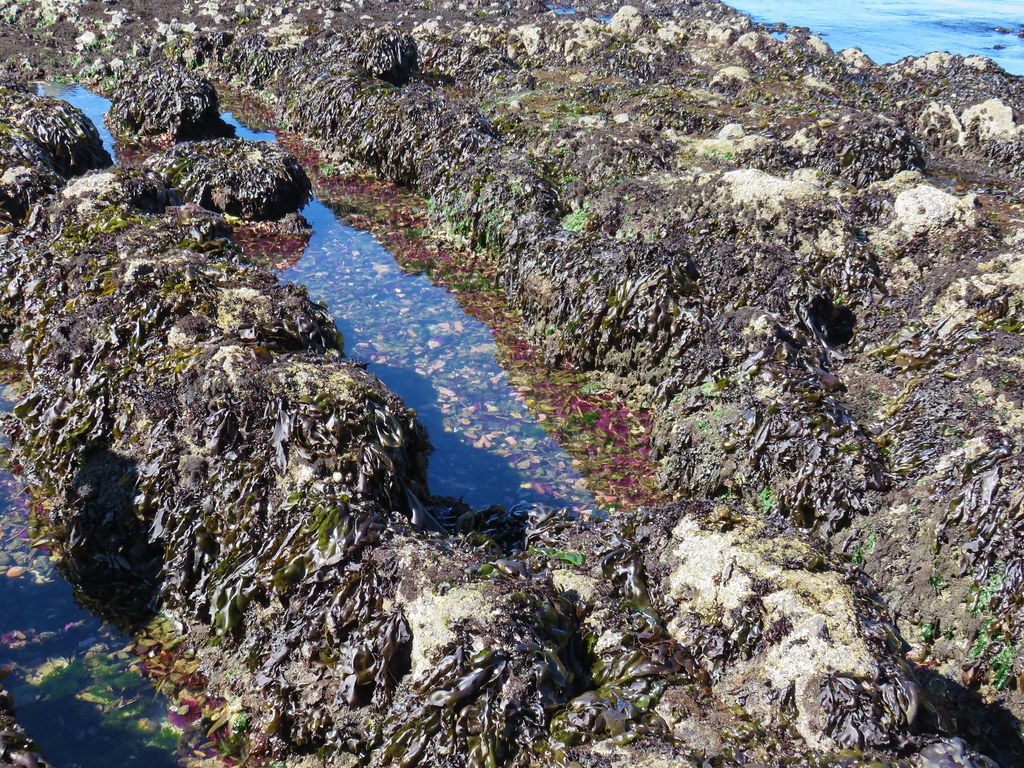
Tide pools at Yaquina Head

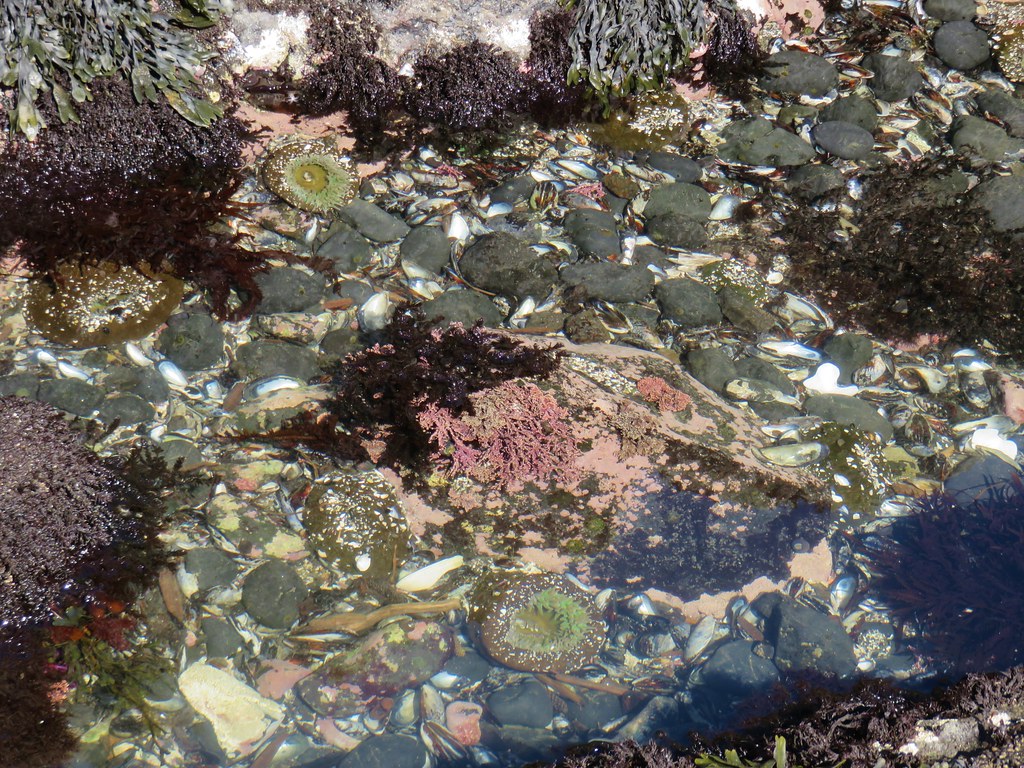
The beach is home to some very good tide pools and the tide was out far enough for some of them to be revealed.
Tide pools at Yaquina Head

We took the wooden staircase down toward the beach and after some last minute rules and instructions from rangers at the bottom of the stairs we began exploring the pools. Touching anything but the starfish (the rangers informed us that they were dealing with some sort of illness) was allowed but no picking up.
Tide pool at Cobble Beach - Yaquina Head Outstanding Natural Area

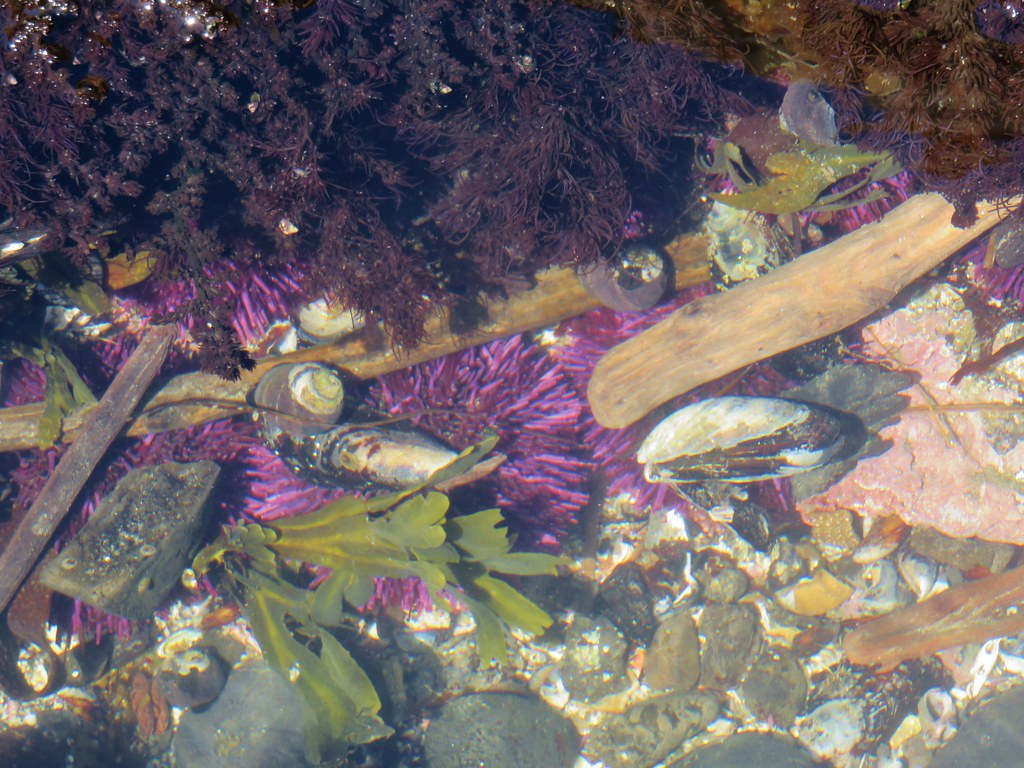
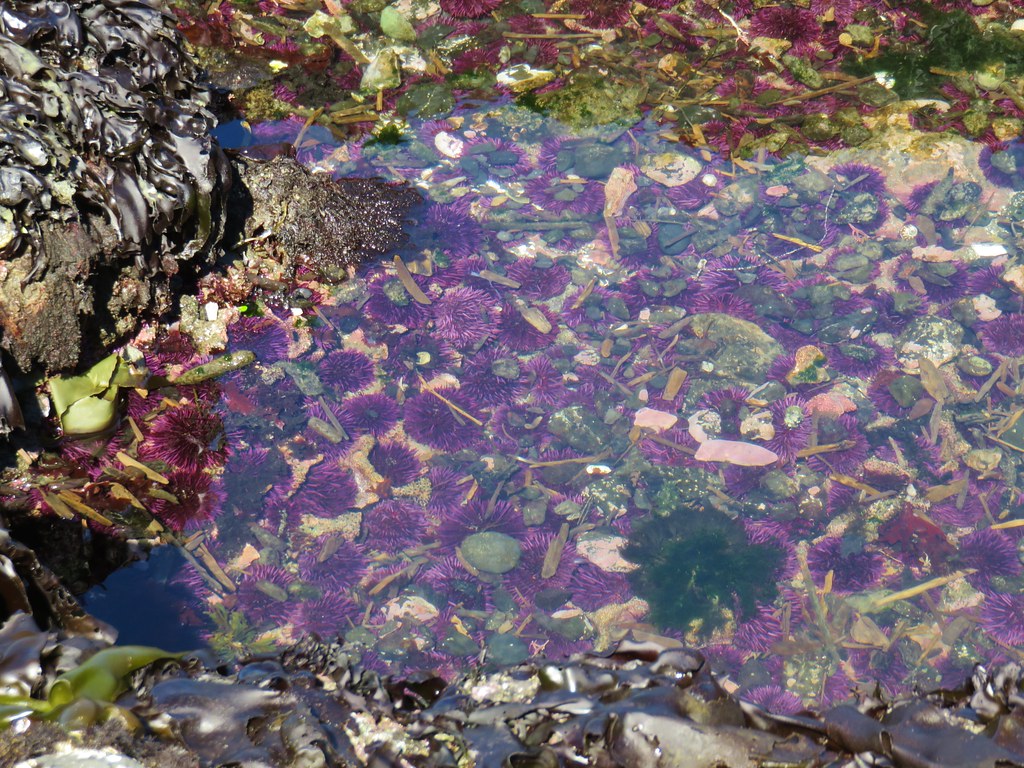
Sea urchins, snails and mussles

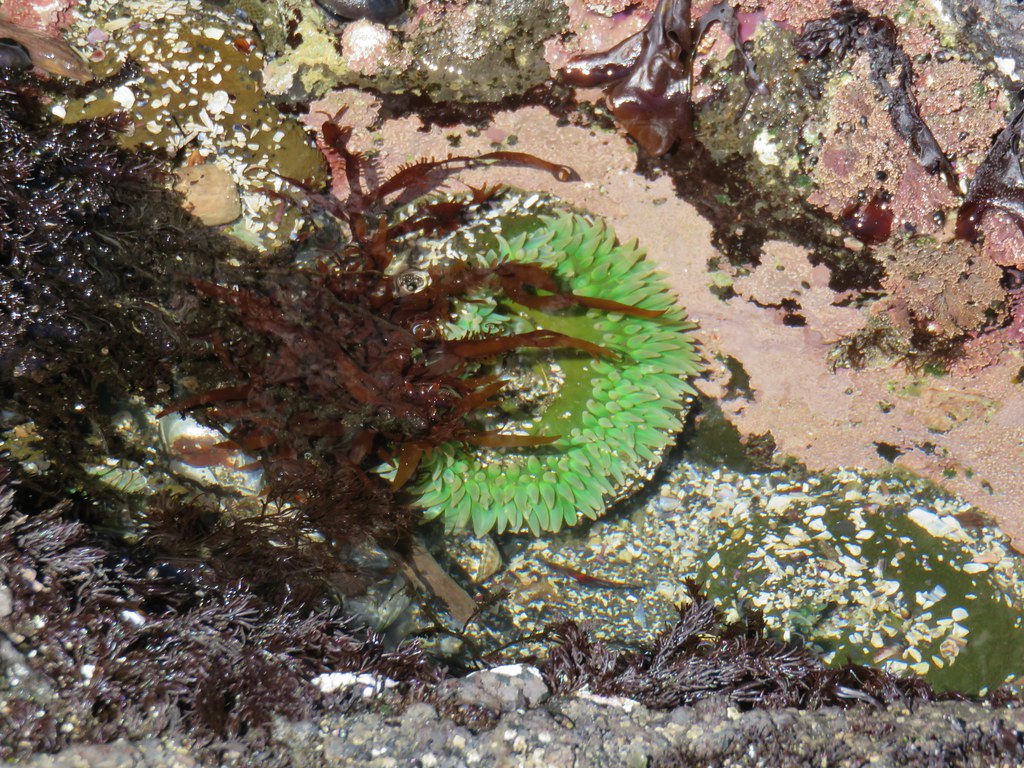
Anemone

Tide pool at Cobble Beach - Yaquina Head Outstanding Natural Area

Tide pool at Cobble Beach - Yaquina Head Outstanding Natural Area

Sea urchins

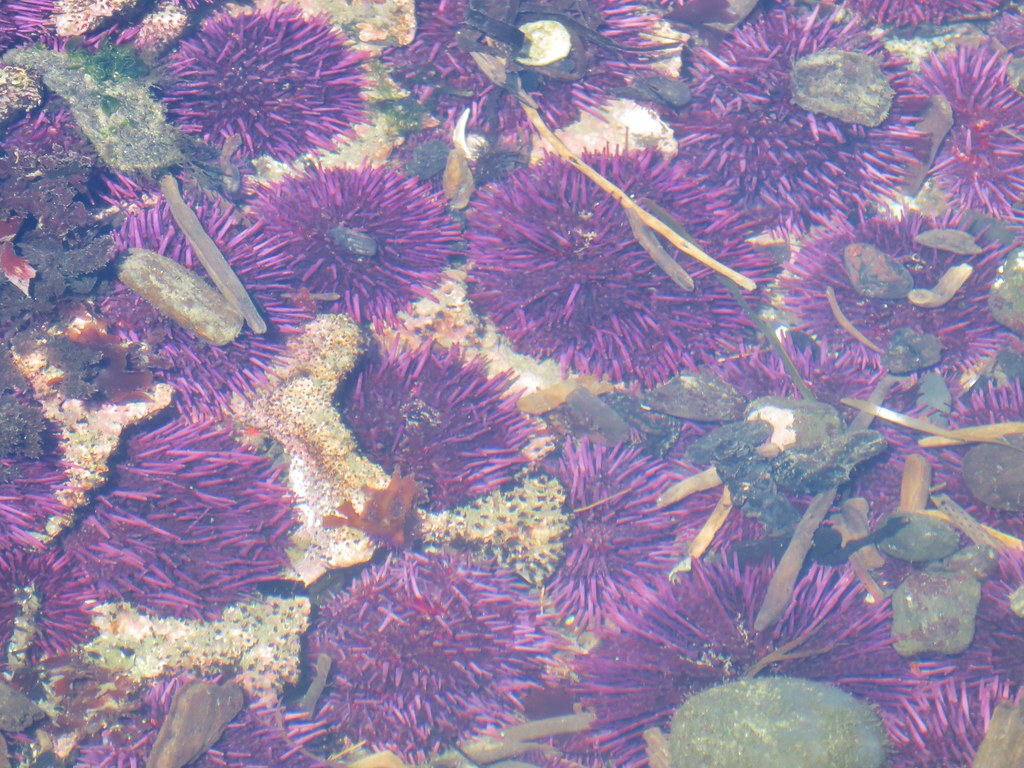
Sea urchins

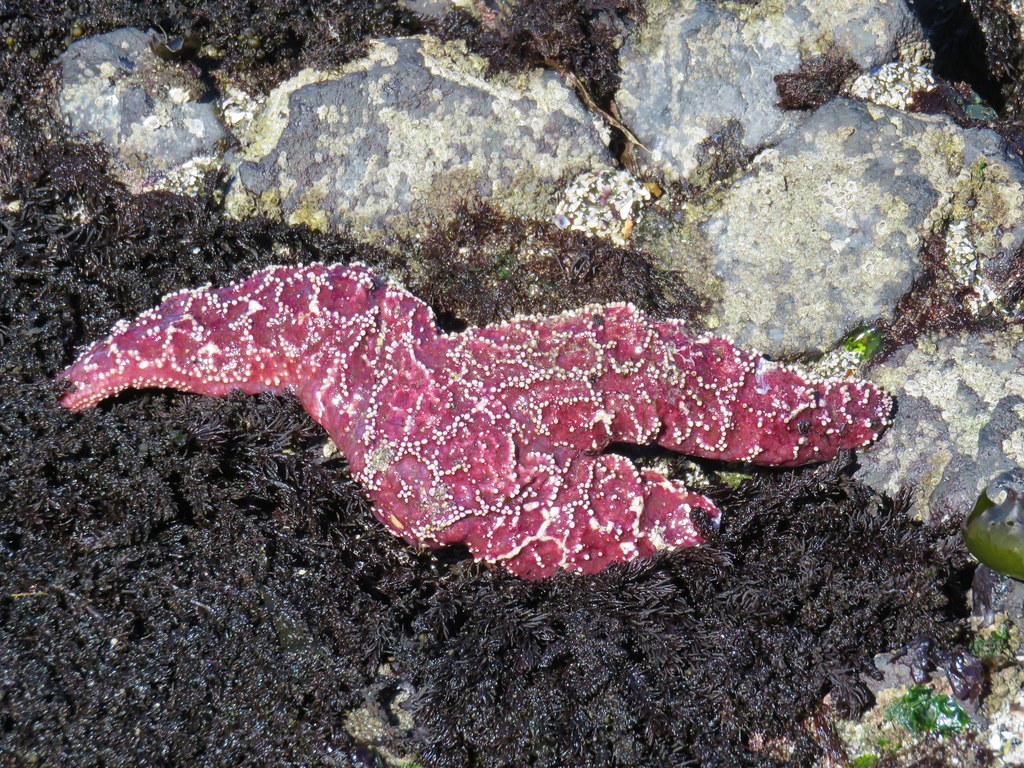
Star fish

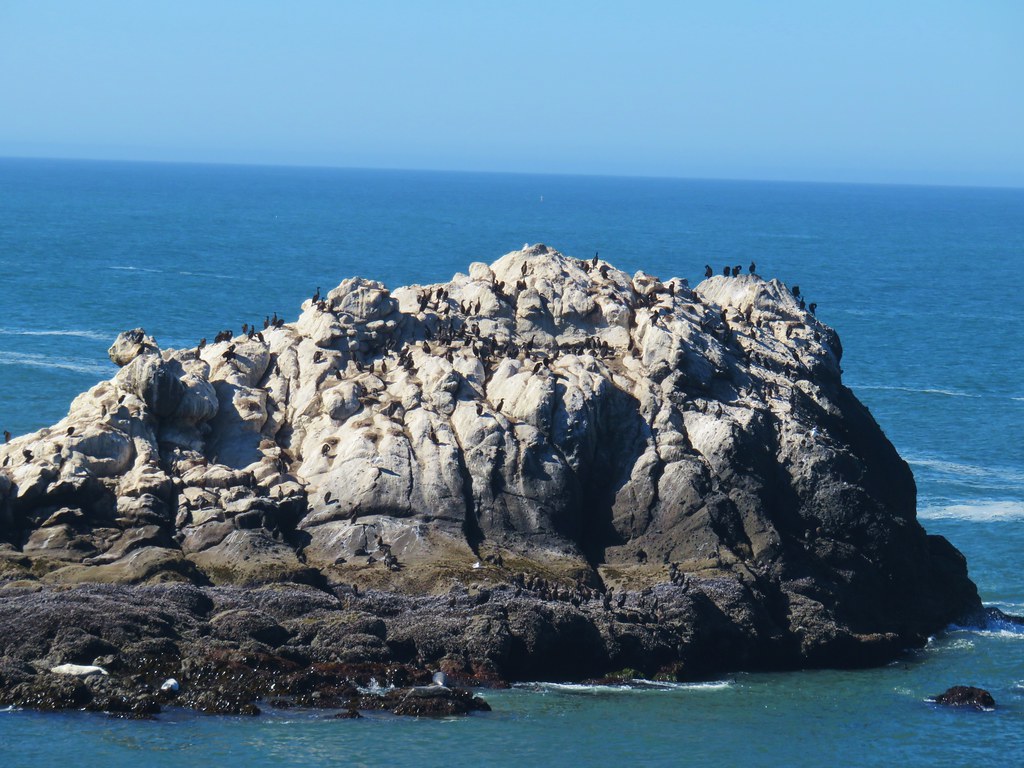
Large sea rocks just beyond the tide pools are part of the Oregon Islands National Wildlife Refuge, one of only tow wilderness areas in Oregon closed to humans.
Signboard for the Oregon Islands National Wildlife Refuge

Oregon Islands National Wildlife Refuge

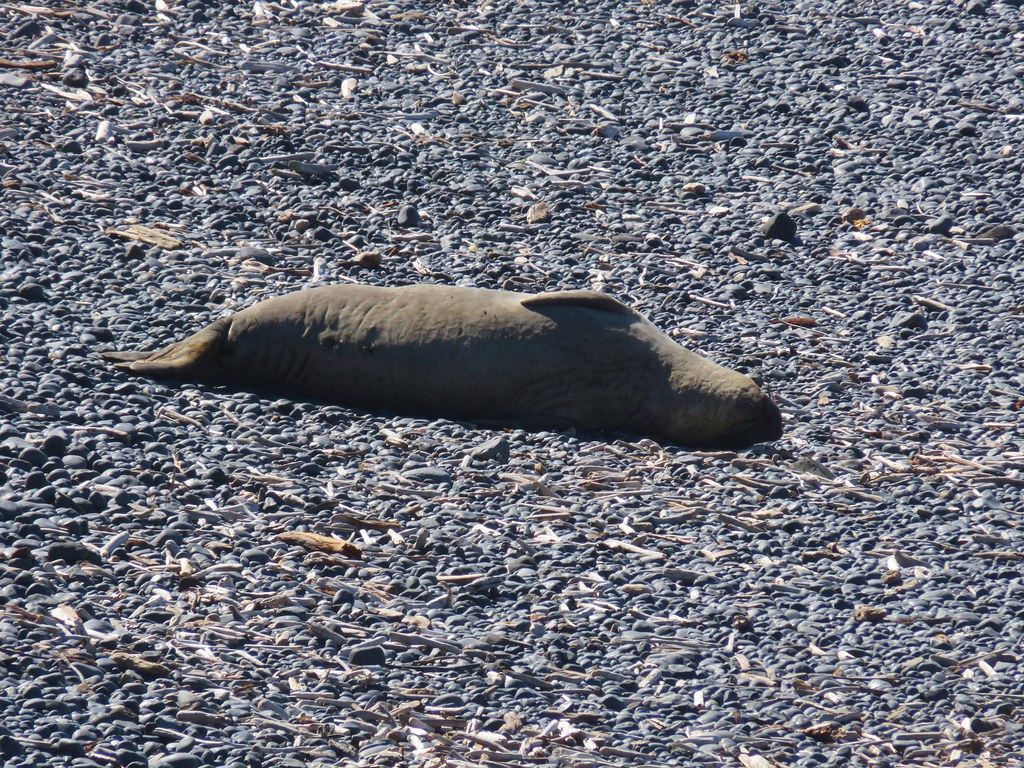
Not all the wildlife stuck to the islands though as a section of Cobble Beach was closed off due to a resting seal.
Seal on Cobble Beach

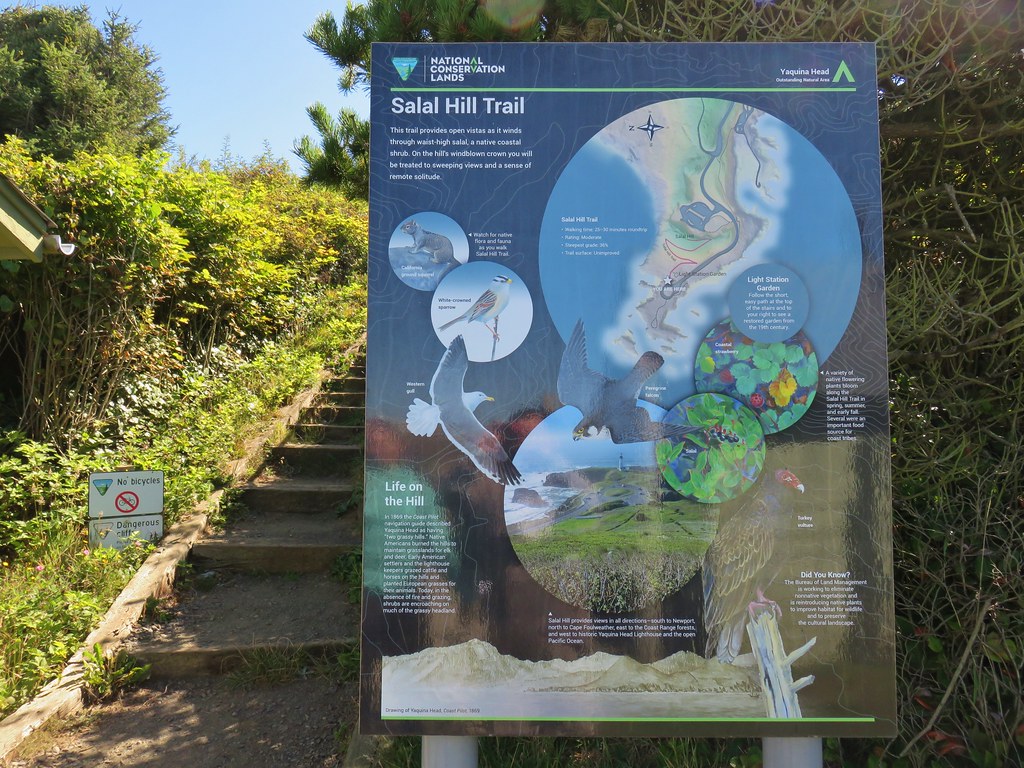
After making our way around the pools we headed back up the stairs. It was still a bit early to head for the reunion so we decided to check out the short trail up Salal Hill which began at the lot where we had parked.
Salal Hill Trailhead

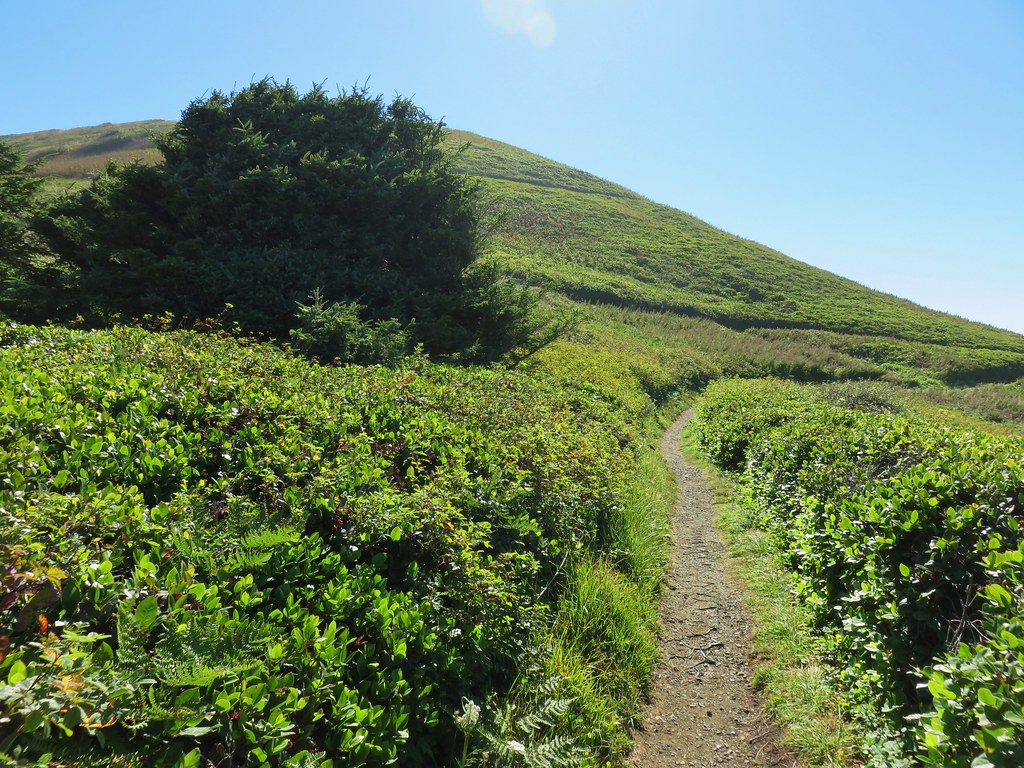
The .4 mile path switchbacked up the small hill at a nice gradual grade.
Salal Hill

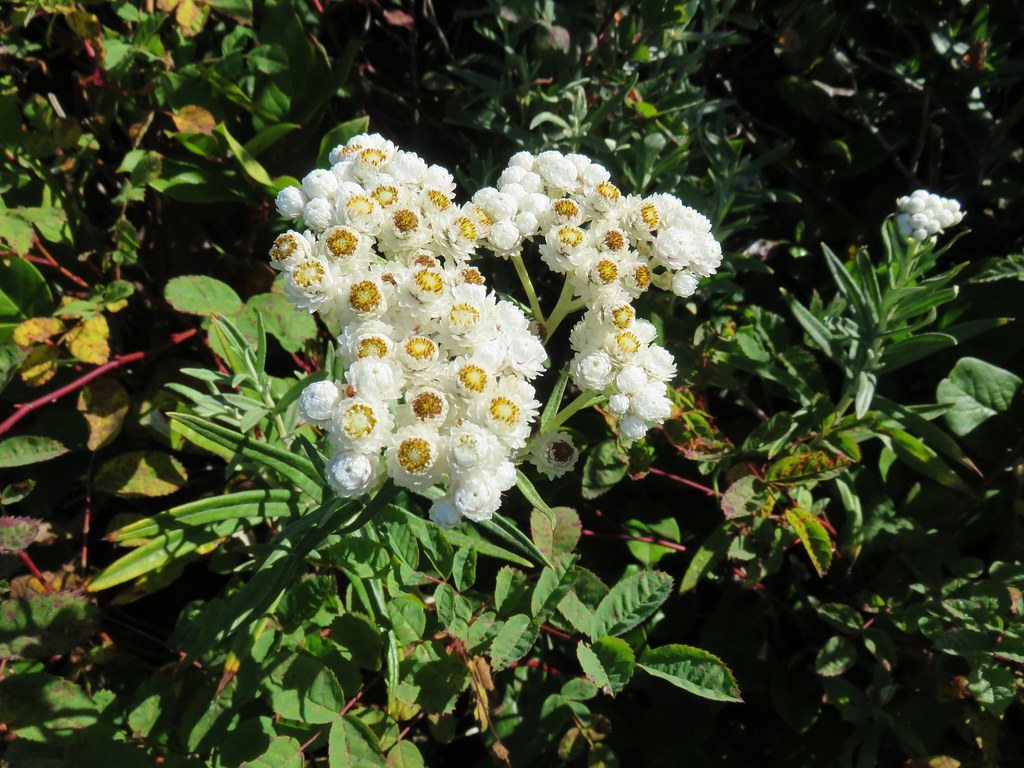
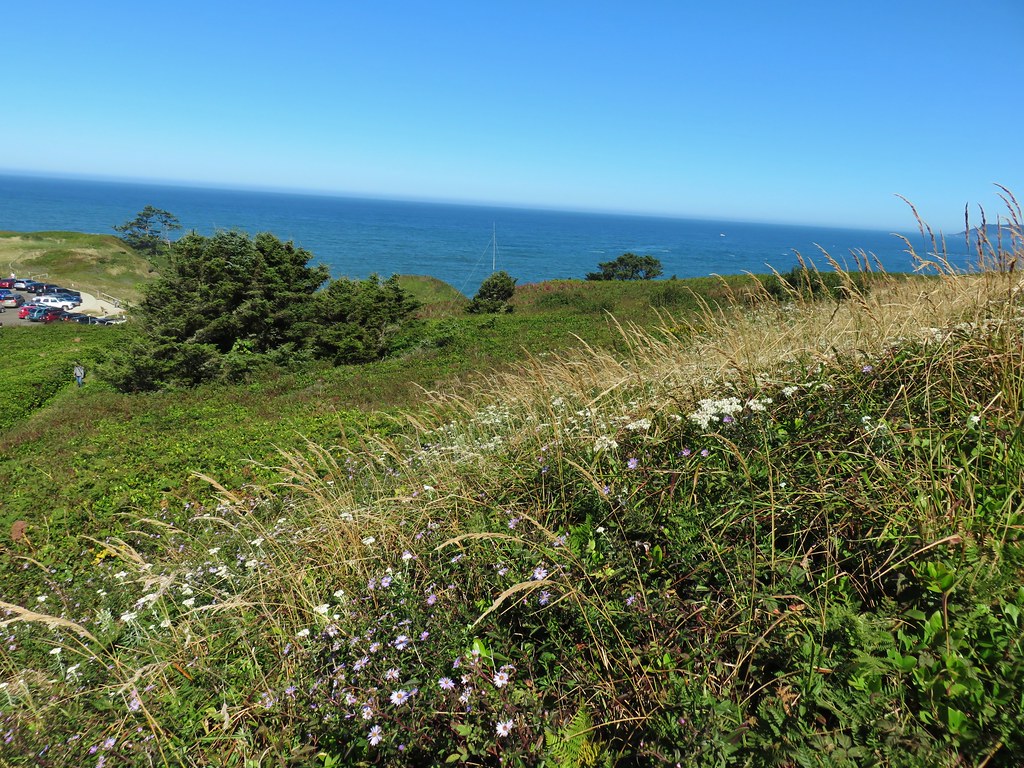
Some lingering flowers showed that there was more to the hill than just salal bushes.
Pearly everlasting

Aster

Salal Hill Trail

Wildflowers along the Salal Hill Trail

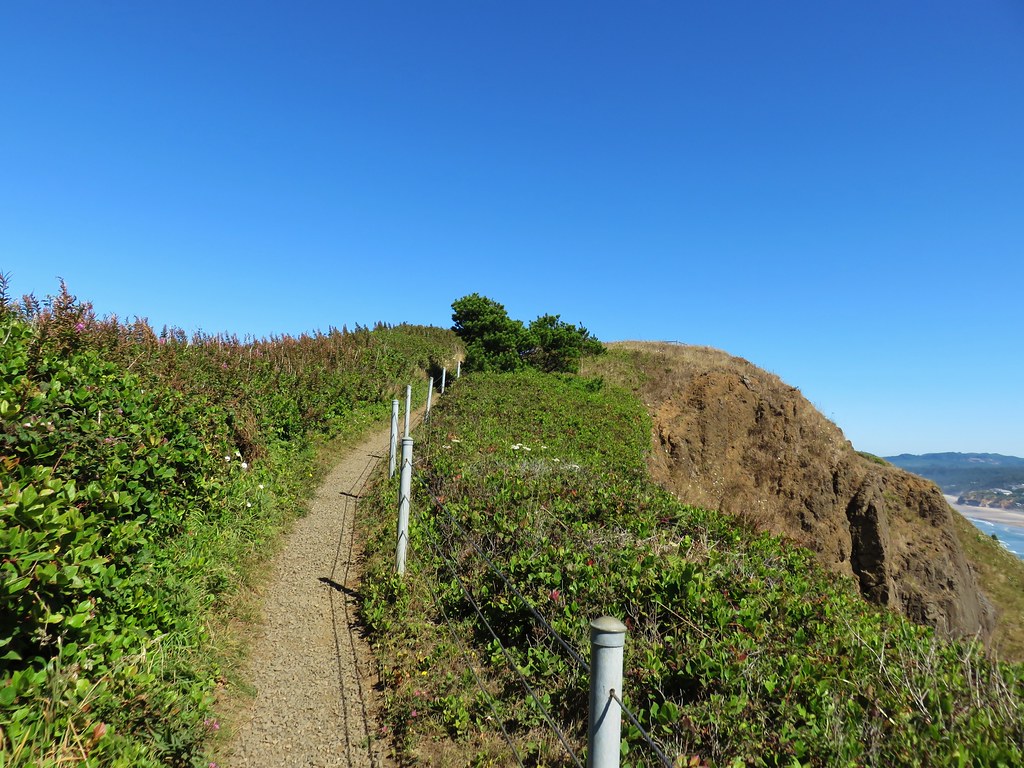
The trail passed above the interpretive center before arriving at the small, flat summit.
The interpretive center below the Salal Hill Trail

Salal Hill Trail

From the summit we had a nice view north to Cape Foulweather.
Looking north from the Salal Hill Trail

To the west was the Yaquina Head Lighthouse and the Pacific Ocean.
Yaquina Head Lighthouse from the Salal Hill Trail

We headed down after a short stay since it was now time to make our way to the reunion. We could have spent a lot more time exploring the area so we’ll have to go back again sometime. As we were coming down the hill we spotted another whale which we watched for a moment. It seemed to be giving us a goodbye wave, what a polite way to end our hike. Happy Trails!
Grey back whale

Flickr: Yaquina Bay and Yaquina Head