Categories
Hiking Oregon Trip report Willamette Valley

Wapato Lake National Wildlife Refuge – 02/10/2024

While we didn’t have another hike scheduled for February a decent forecast was too much to pass up. We were looking for something nearby (less than an hour from Salem) on the shorter side that would be more of a leisurely stroll than a hike. We decided it would be a good day to check out the Wapato Lake National Wildlife Refuge . Originally added (2007) as part of the Tualatin River National Wildlife Refuge (post) the Wapato Lake National Wildlife Refuge was designated in 2013. Eight years later the refuge was opened to public use and now has approximately 2.85 miles of trail. The trails are currently open from Feb 1st through Nov 30th each year (note the 1.3-miles of natural surface is closed to hiking starting Sept 1st). Also of note is that during periods of heavy rains the access trail may become flooded, but the Refuge website has a link to the USGS Monitoring Tool where you can easily check to see if the creek’s level is over 7.5 feet.

The trailhead is adjacent to Brown Park in the city of Gaston, OR and includes two ADA parking spaces and a restroom. What it lacks is signage from Highway 47. The parking area can be accessed from that highway or via Onion Lane by turning South off of E Main Street/SW Gaston Road. A paved trail begins at an informational signboard where you can also pick up a brochure.
Map and Informational signboard at the Wapato Lake National Wildlife Refuge Trailhead

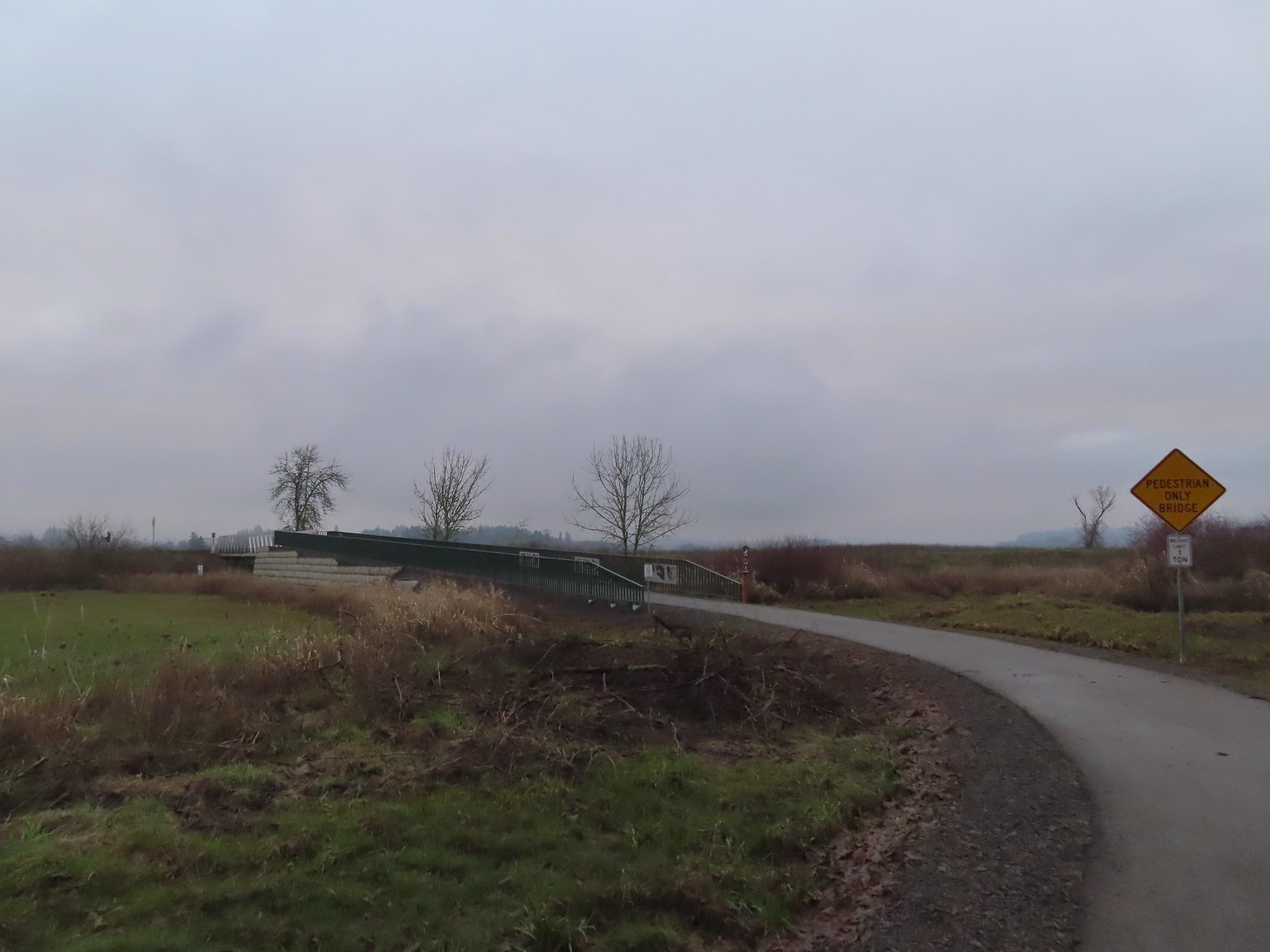
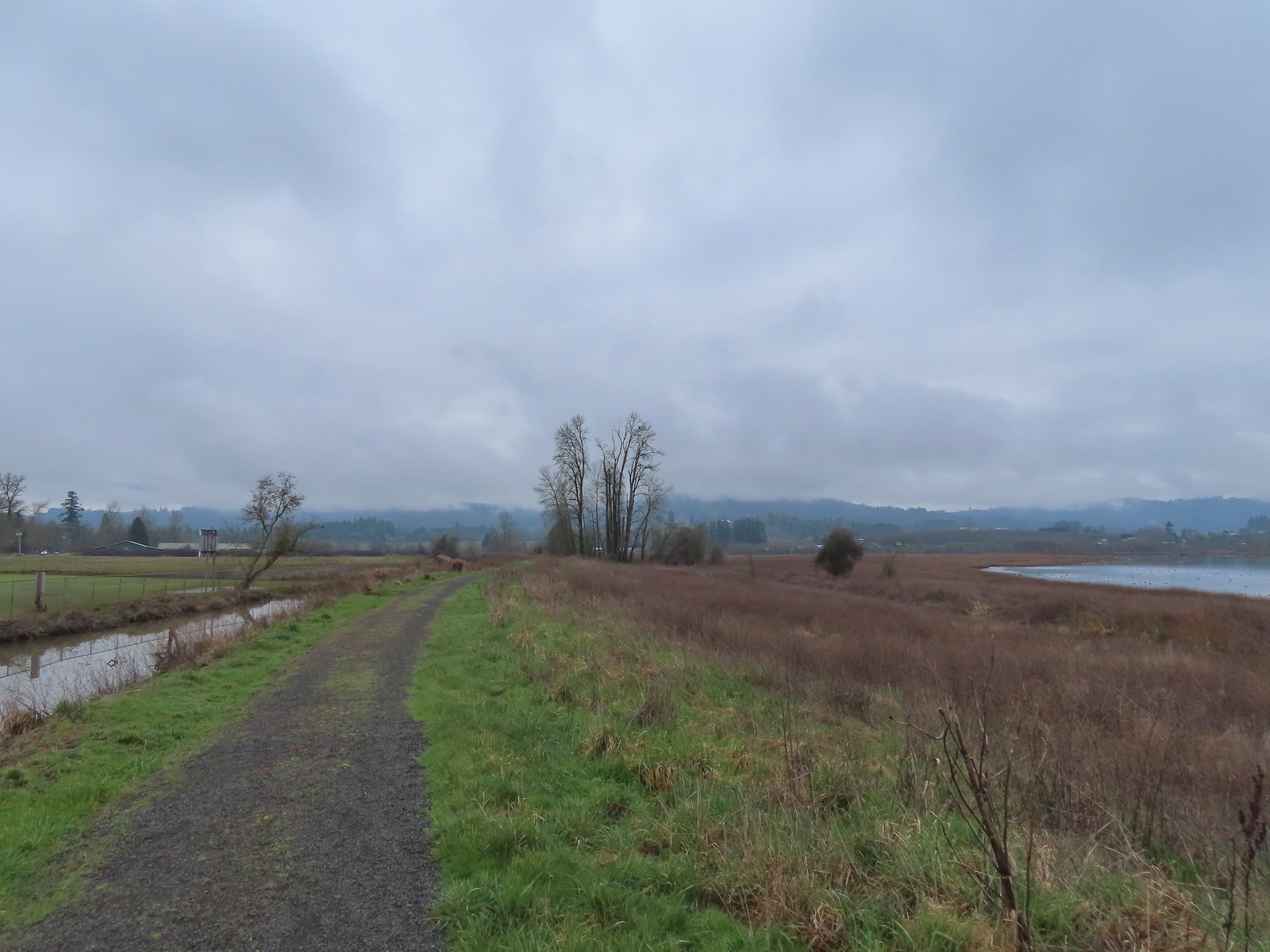
It was a little cloudier than we’d hopped as we set off on the paved path. We followed the path to a footbridge over Wapato Creek to the levee that partially surrounds the lakebed. We faced a choice of heading left for 0.6-miles or right for up to 2-miles. Another person had just turned left so we opted to go right.
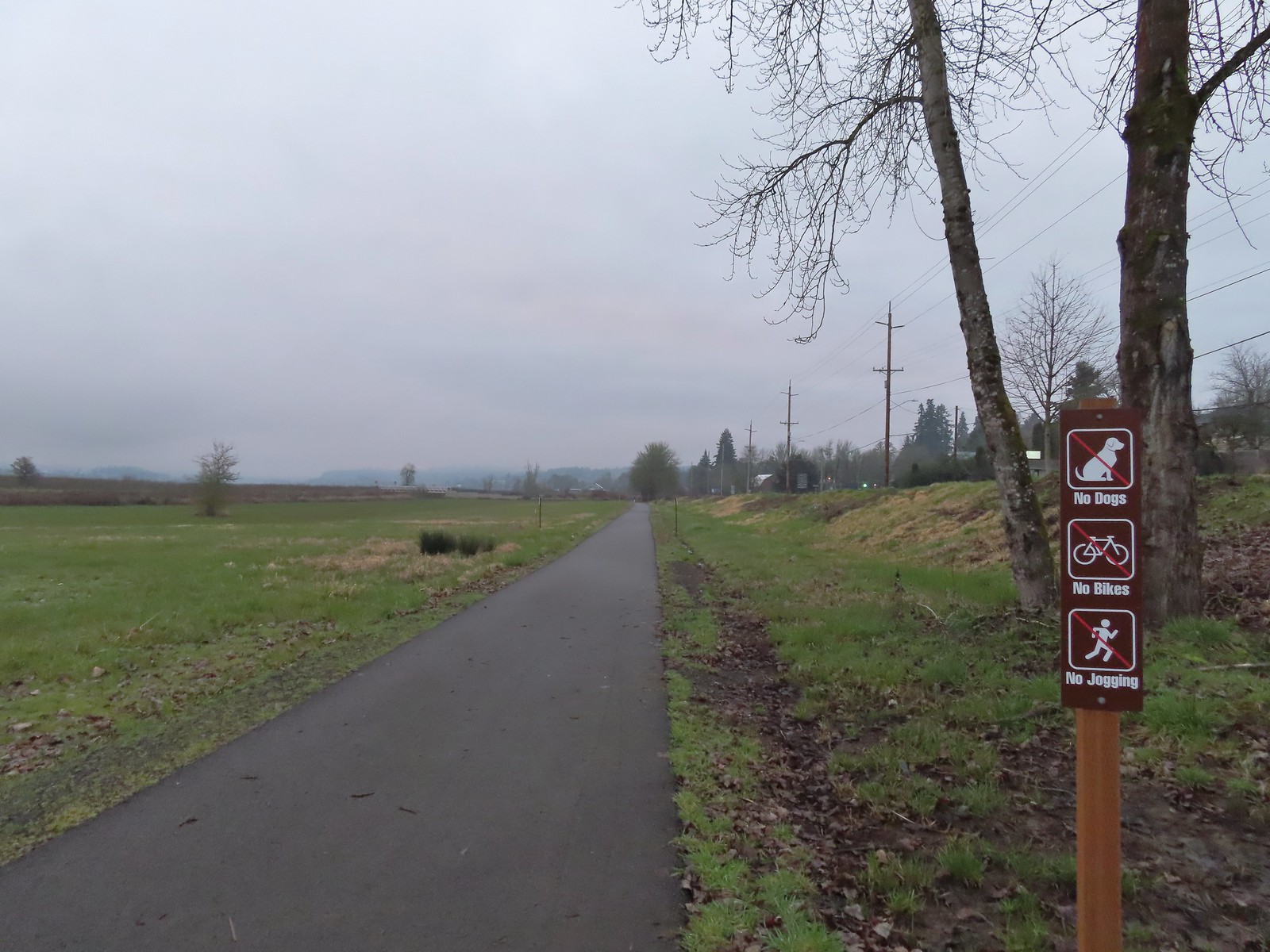
Trail at the Wapato Lake National Wildlife Refuge

Pedestrian bridge over Wapato Creek

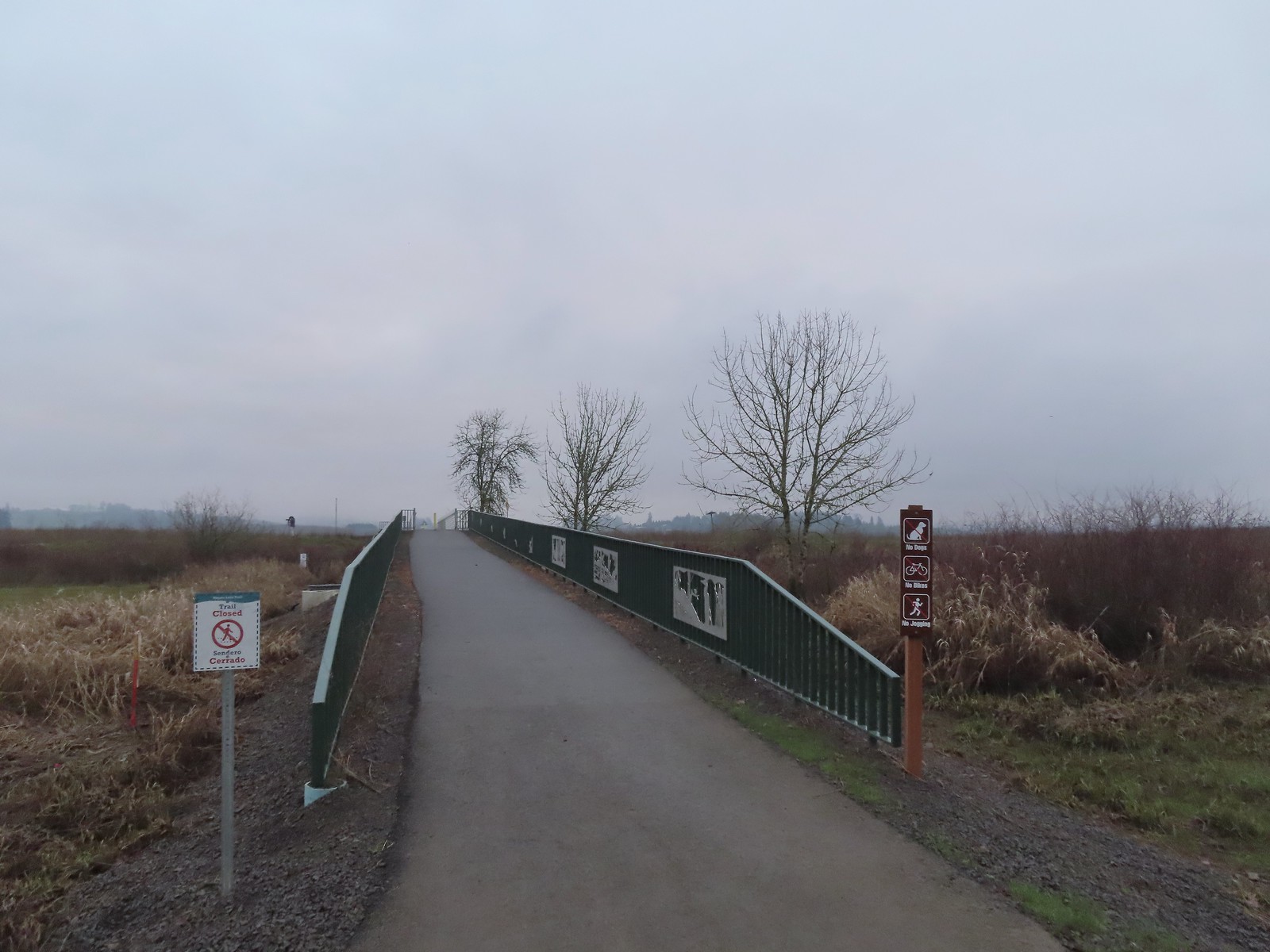
Pedestrian bridge over Wapato CreekWe were a little confused by the sign on the left here stating the trail was closed. The website and signboard had said nothing about a closure and the gate at the far end of the bridge was open and others were already out on the levee. We assume they just hadn’t taken the sign down after the seasonal closure period.
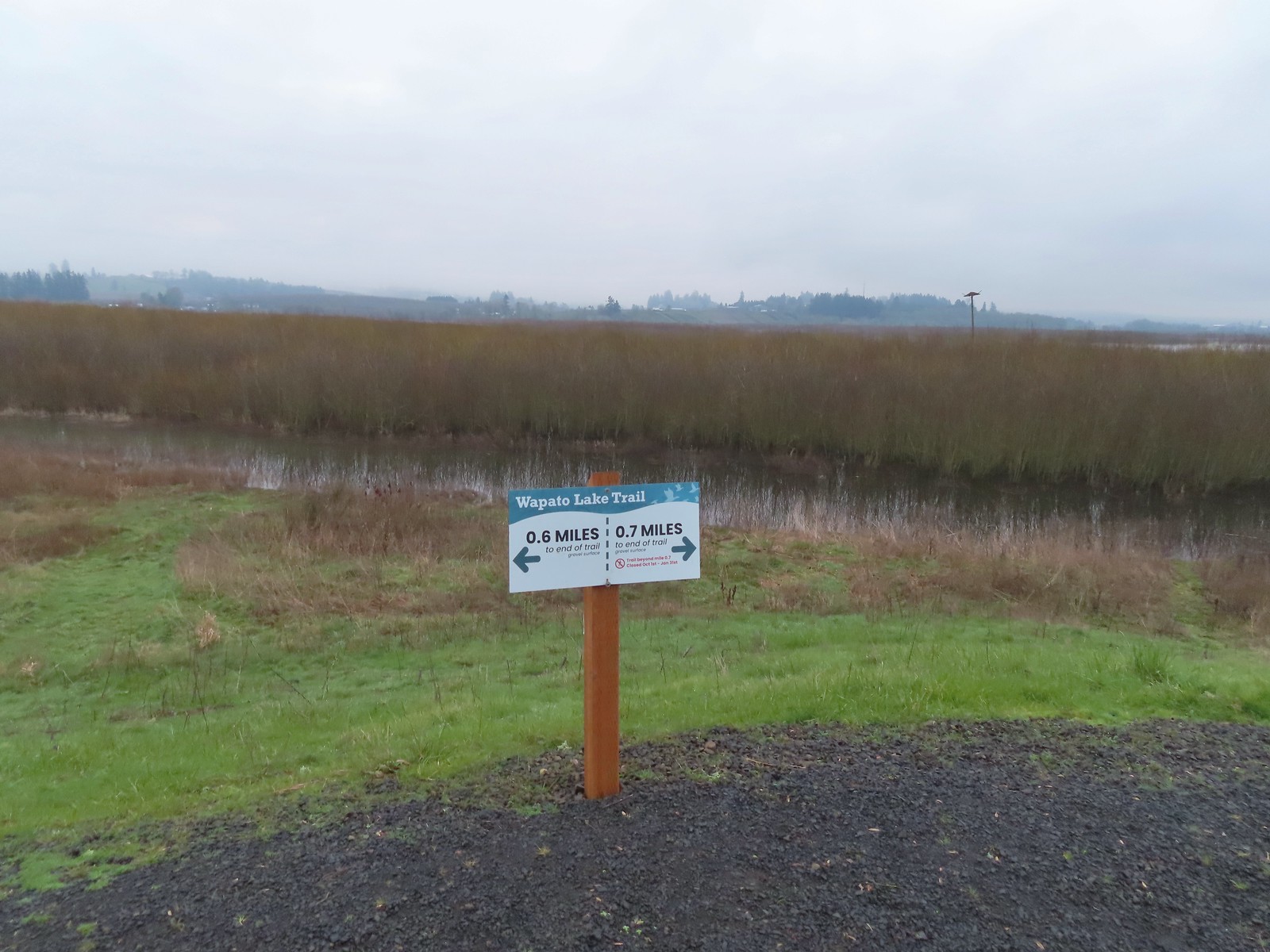
Trail pointers along Wapato LakePointers on the levee.

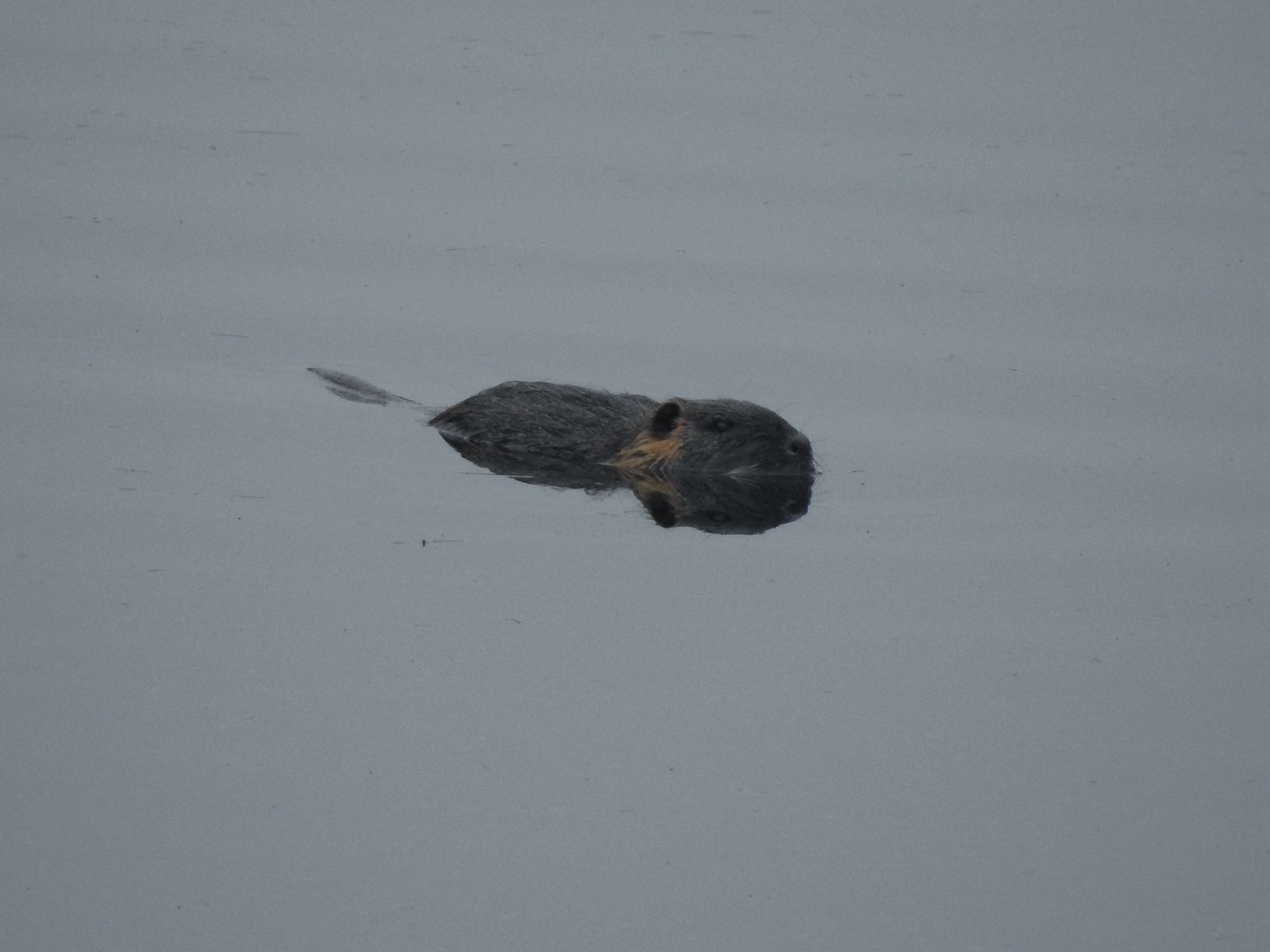
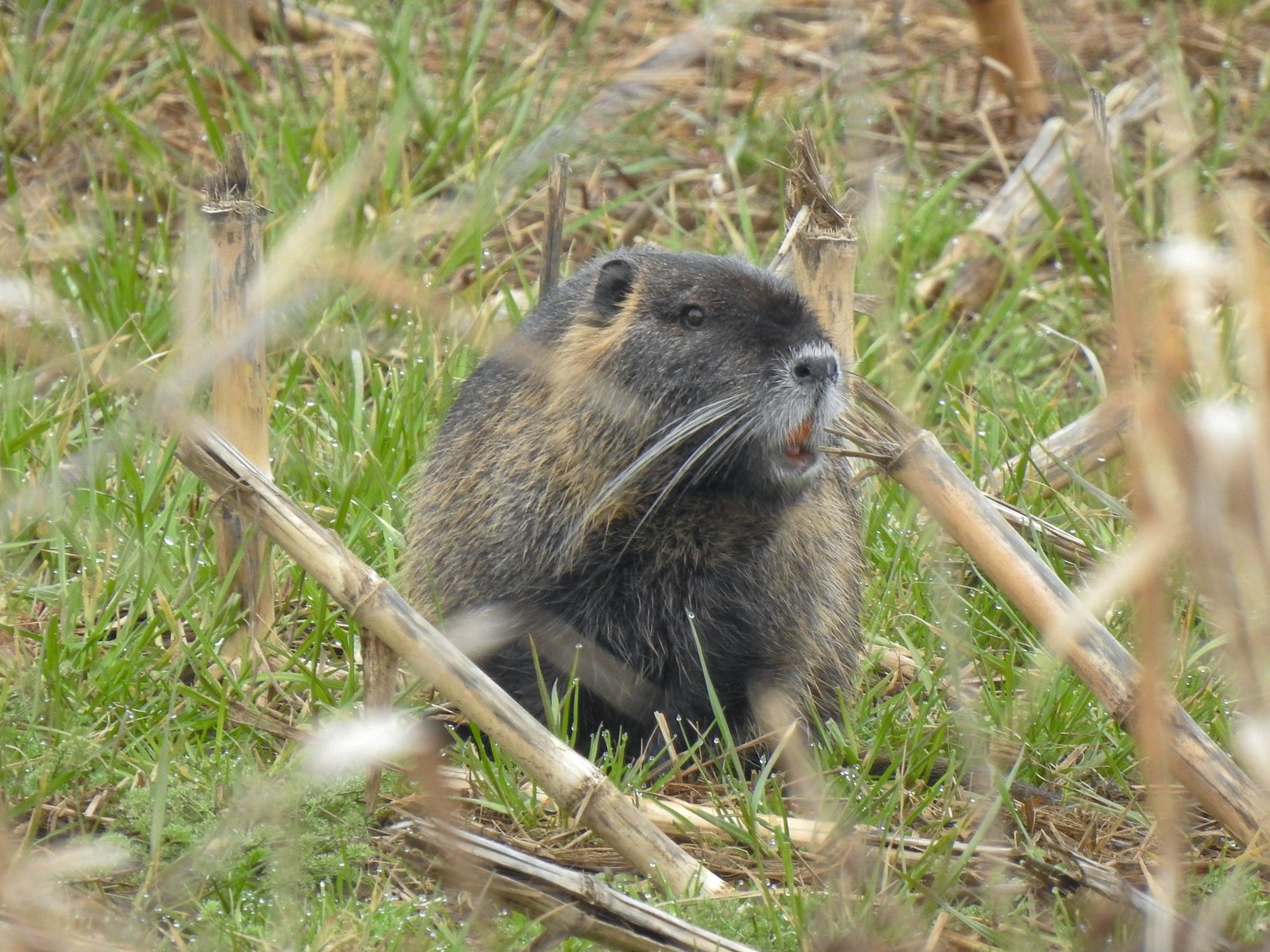
NutriaNutria (sigh). We had hopped it was a beaver but alas the whiskers give it away.
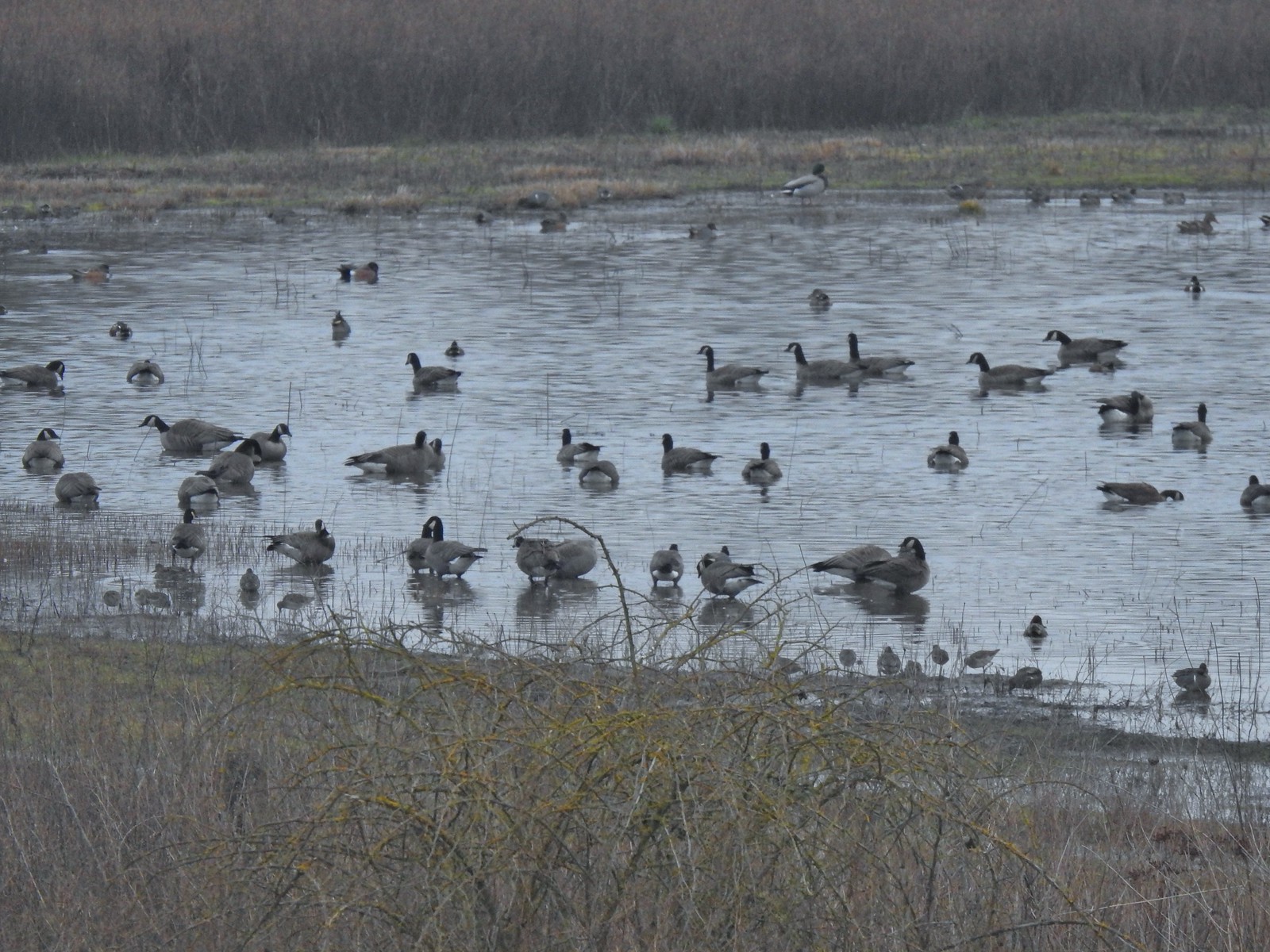
Geese, ducks, and shorebirds at Wapato Lake National Wildlife RefugeGeese, several species of ducks, and some shore birds.

From the bridge to the right the levee’s surface is good gravel. We took our time as we strolled south trying to discern which types of ducks we were seeing.
Wapato CreekA great blue heron along Wapato Creek.

Great blue heronGreat blue heron

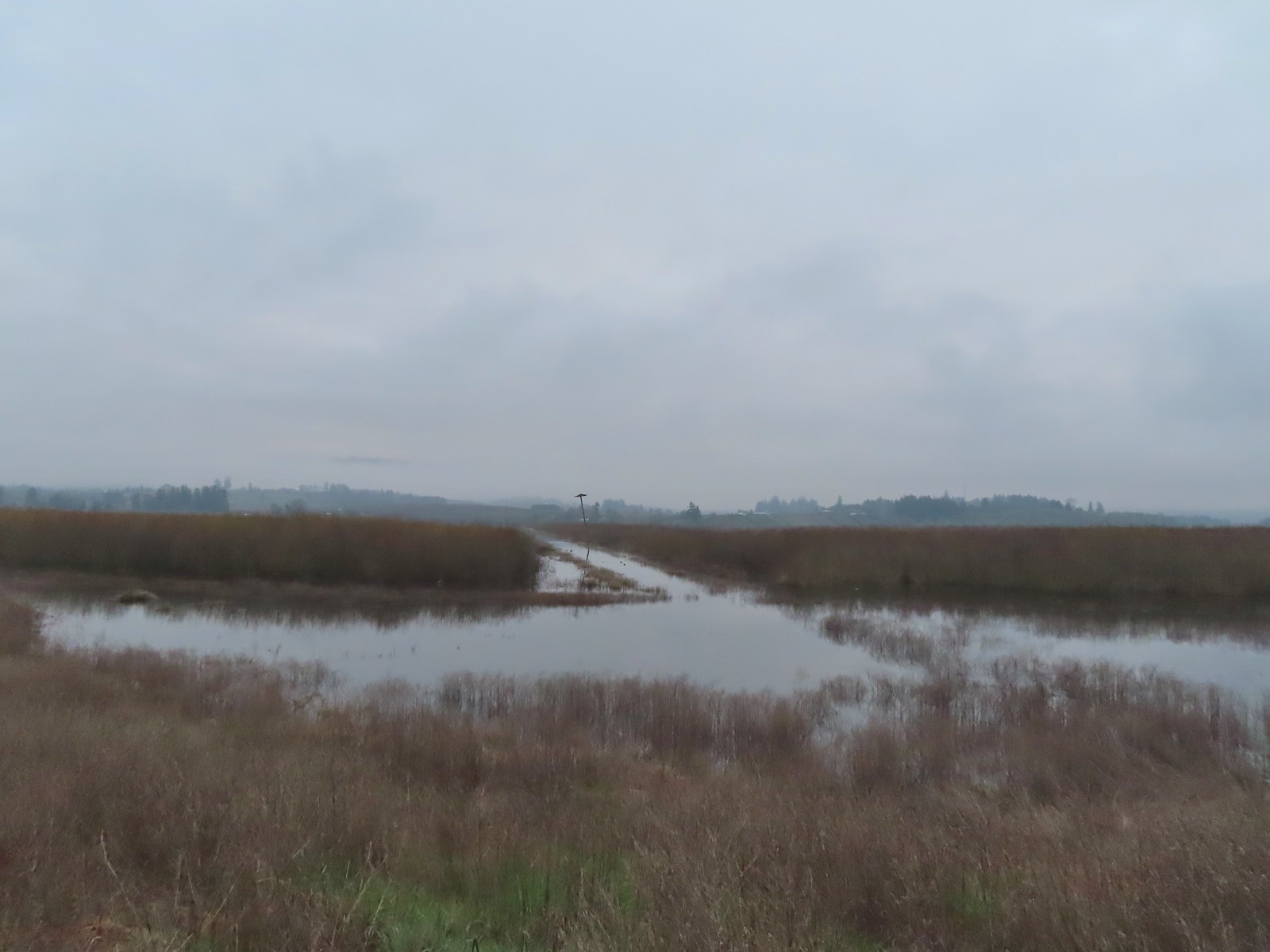
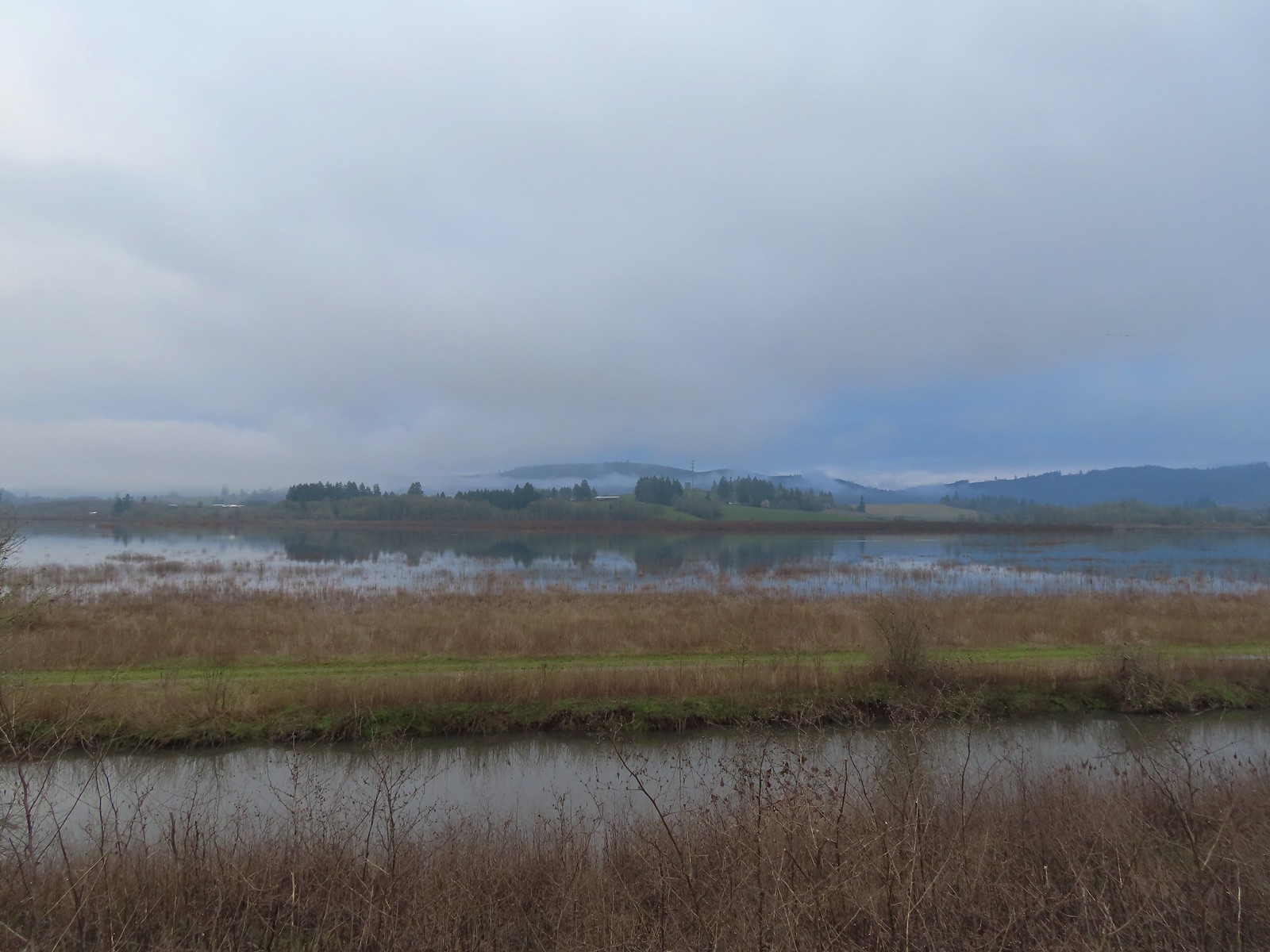
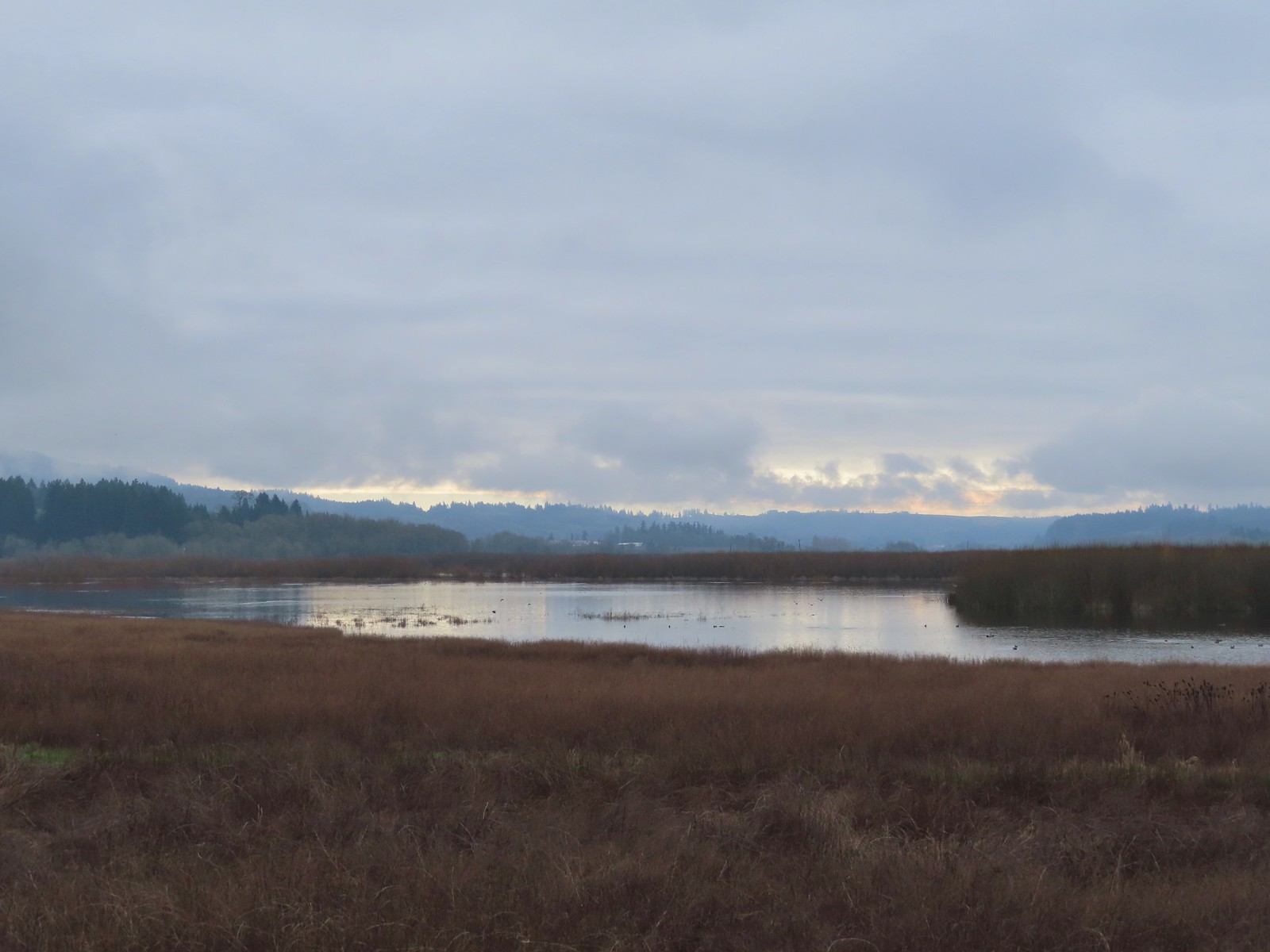
Wapato Lake National Wildlife RefugeWapato Lake

Beaver lodgeBeaver lodge

Wapato Lake National Wildlife Refuge

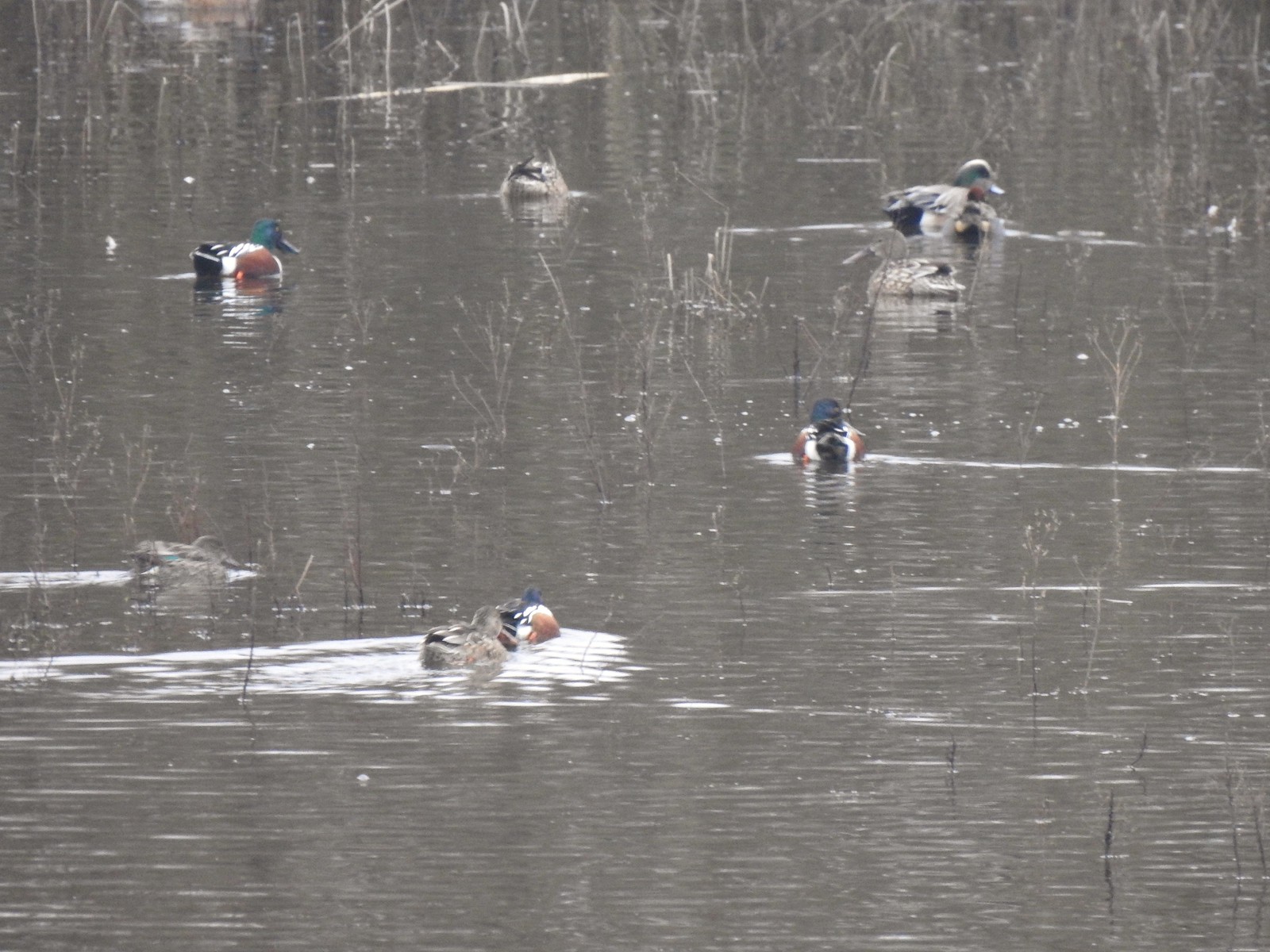
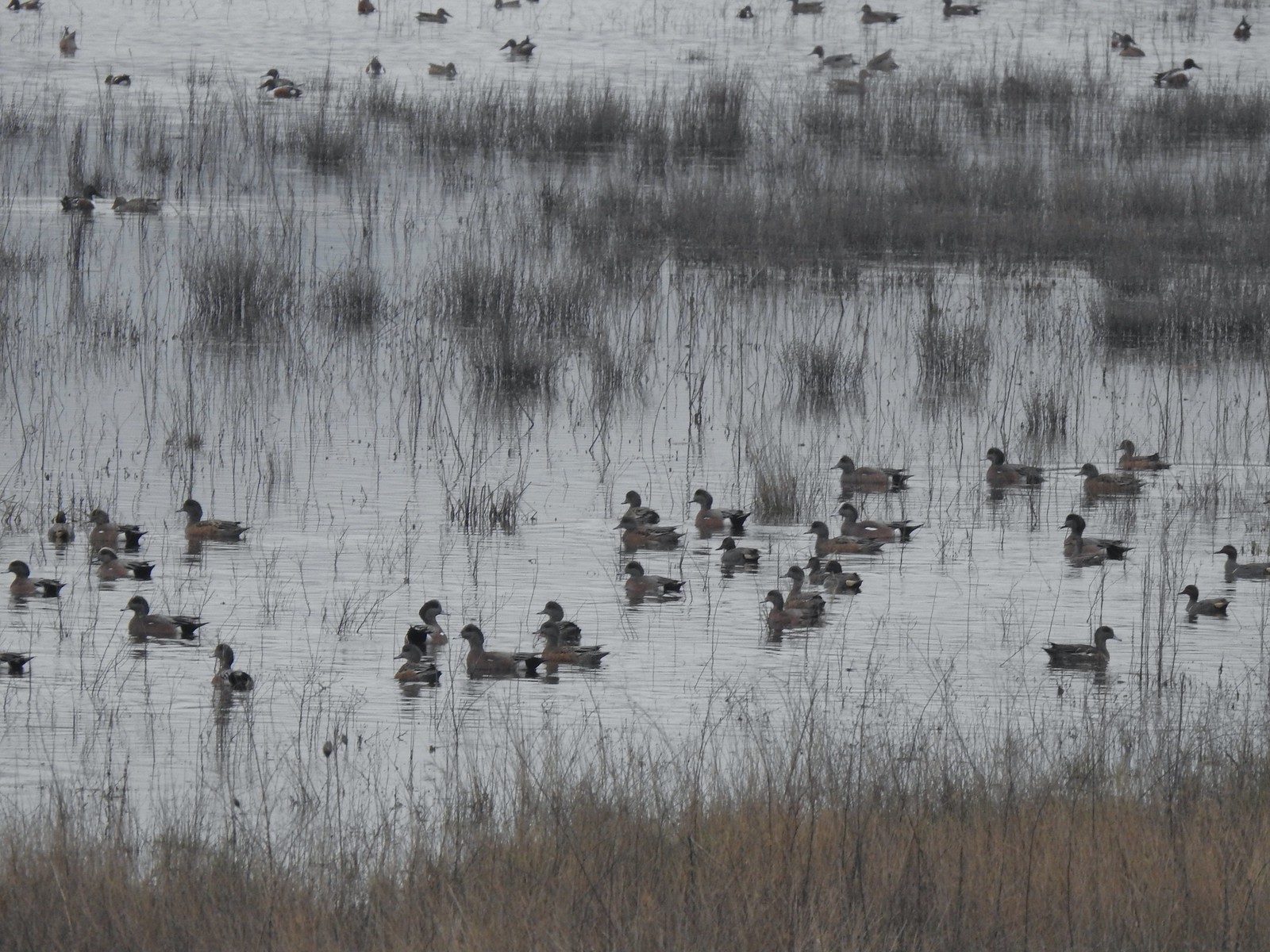
Ducks at Wapato Lake National Wildlife RefugeNorthern shovelers and an American wigeon
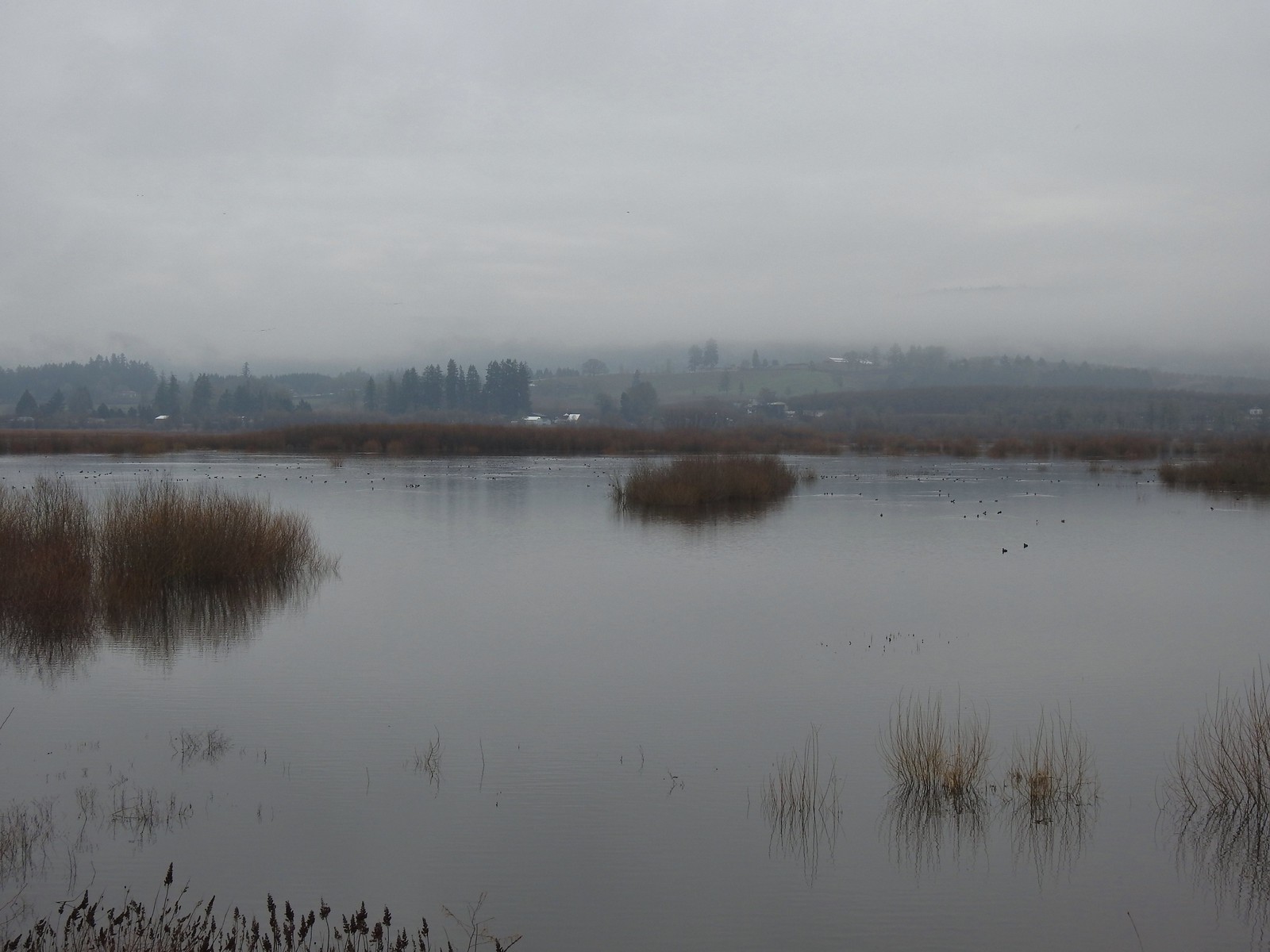
Wapato Lake National Wildlife RefugeOf course we forgot to bring binoculars making it even harder to make out which types of ducks were out there.
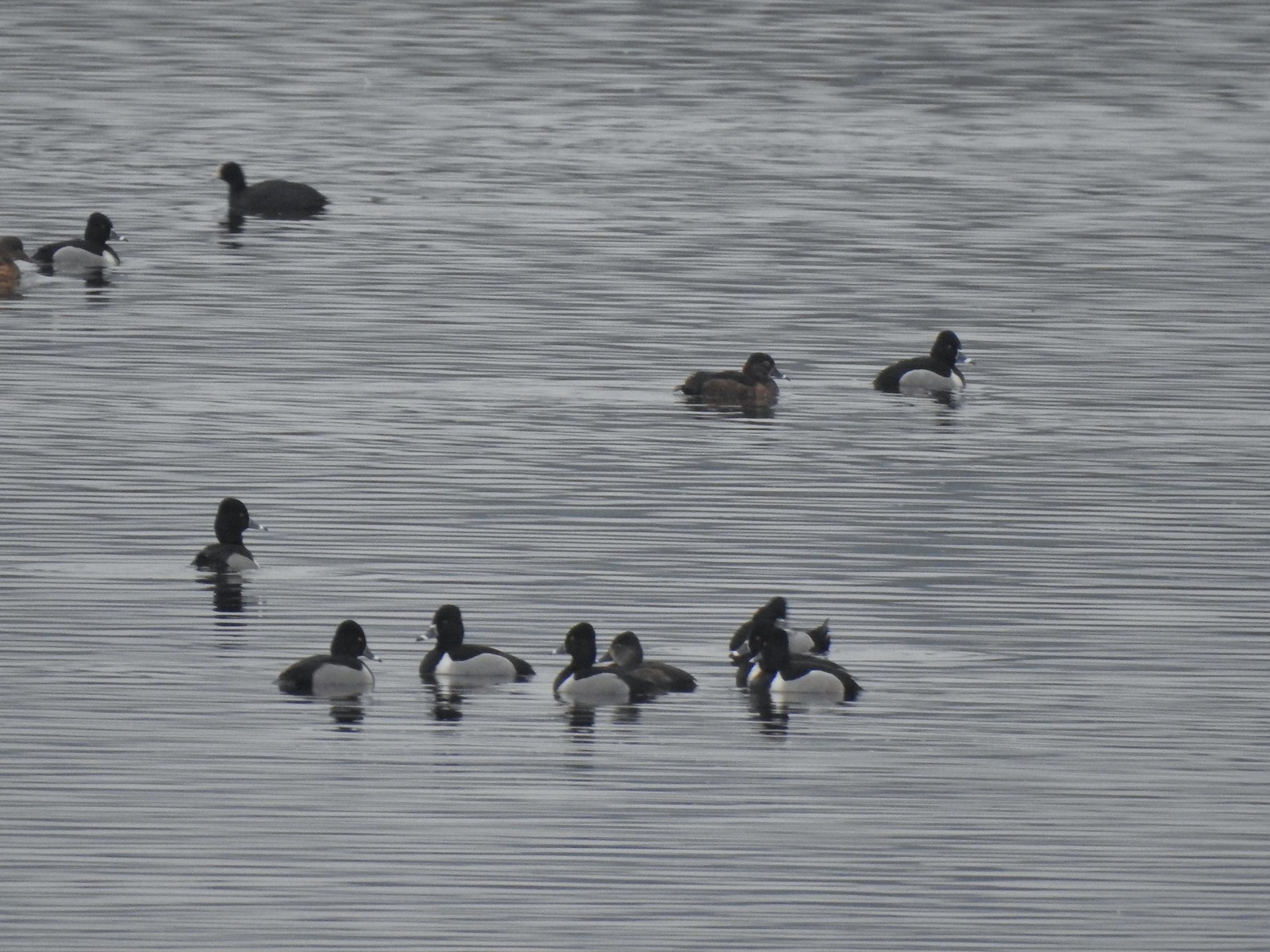
Ring-necked ducks and a cootRing-necked ducks with an American coot in the background.

Wapato Lake National Wildlife Refuge

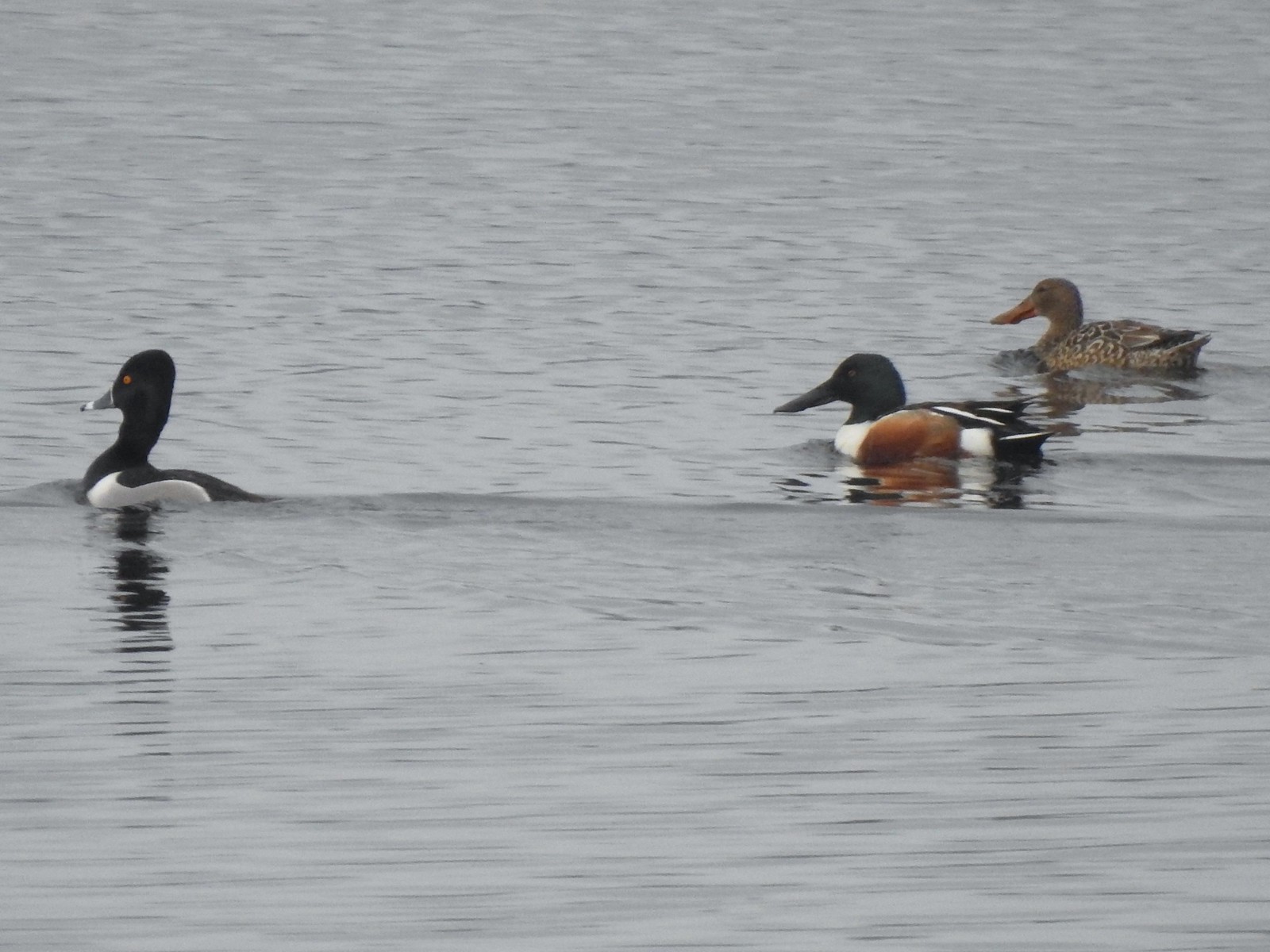
Ring-necked duck and northern shovelersRing-necked duck and northern shovelers
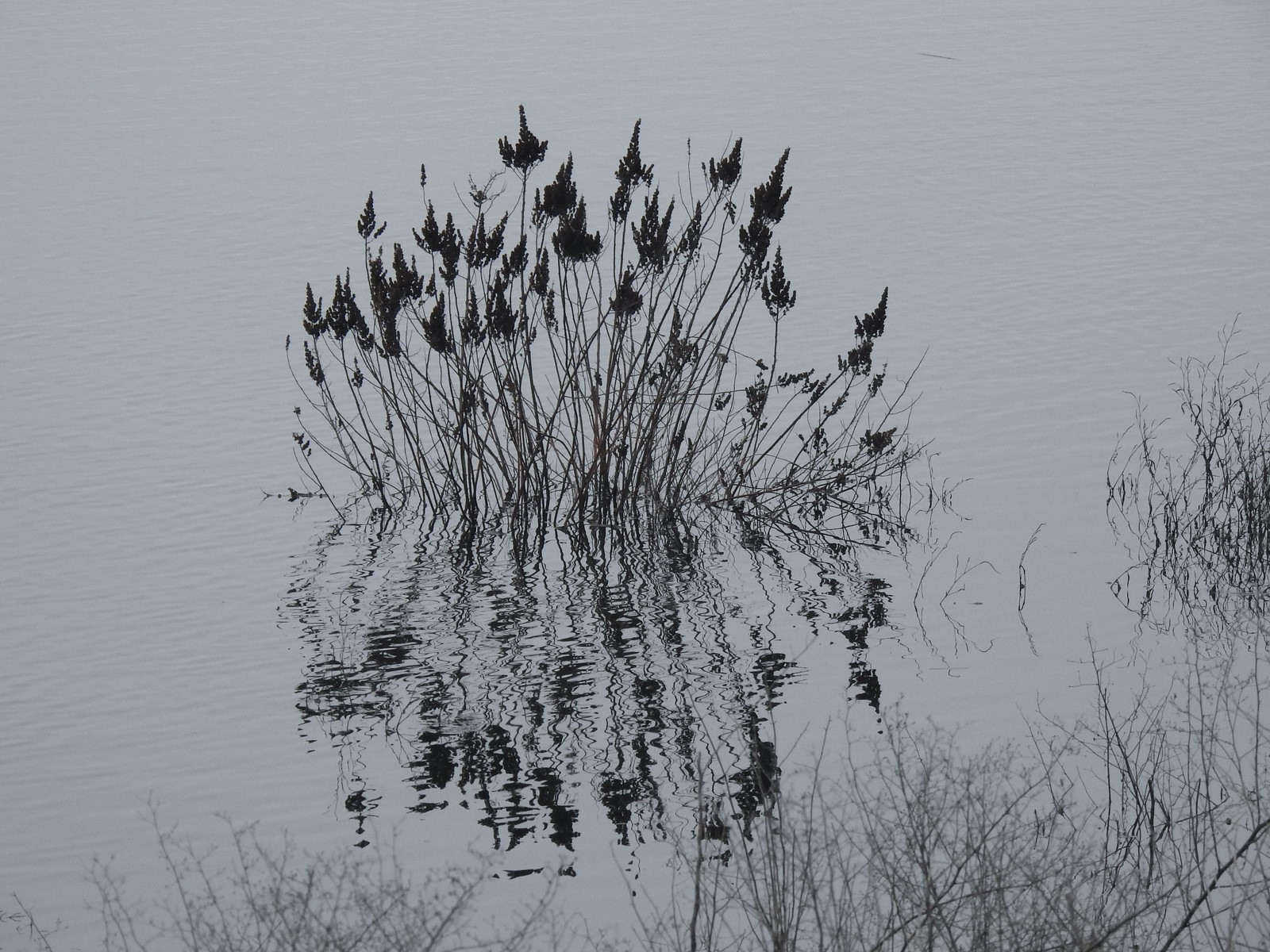
Reflections in Wapato LakeReflections in Wapato Lake

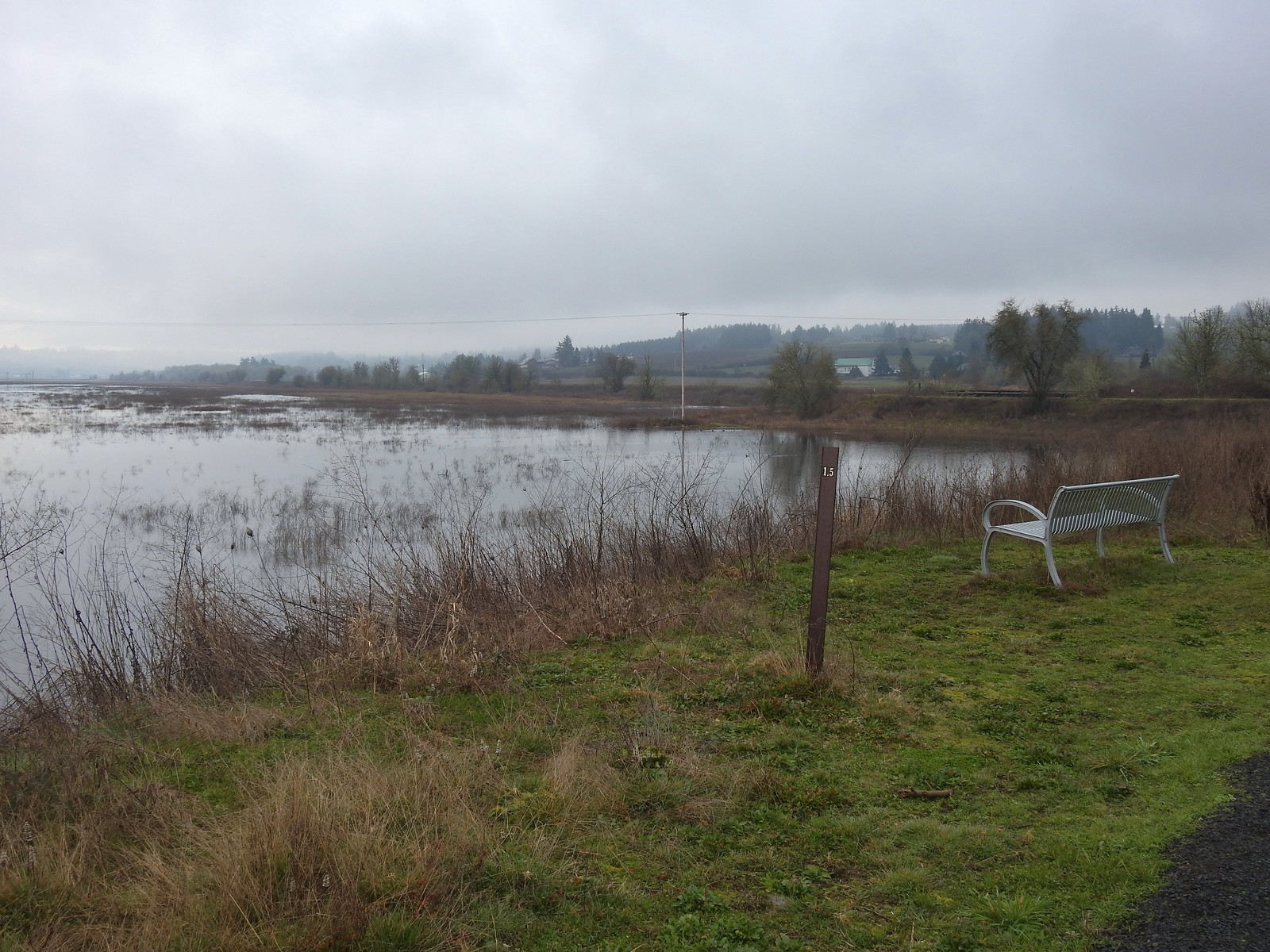
Bench along Wapato LakeThere is virtually no shade along the lake which wasn’t an issue today but could be in the heat of Summer. There are however three benches along the levee allowing for a place to sit and watch the birds.
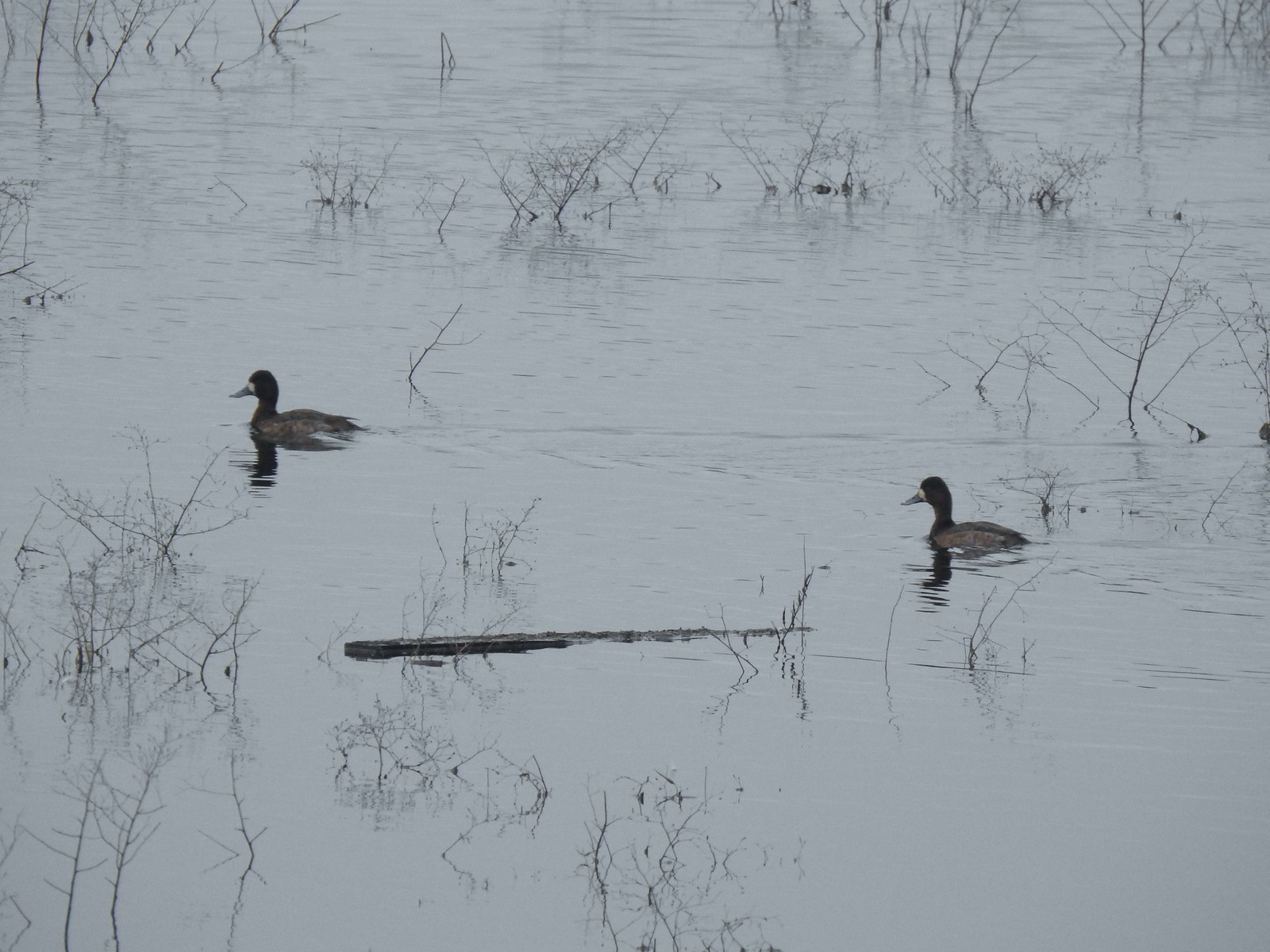
Lesser scaupsLesser scaups

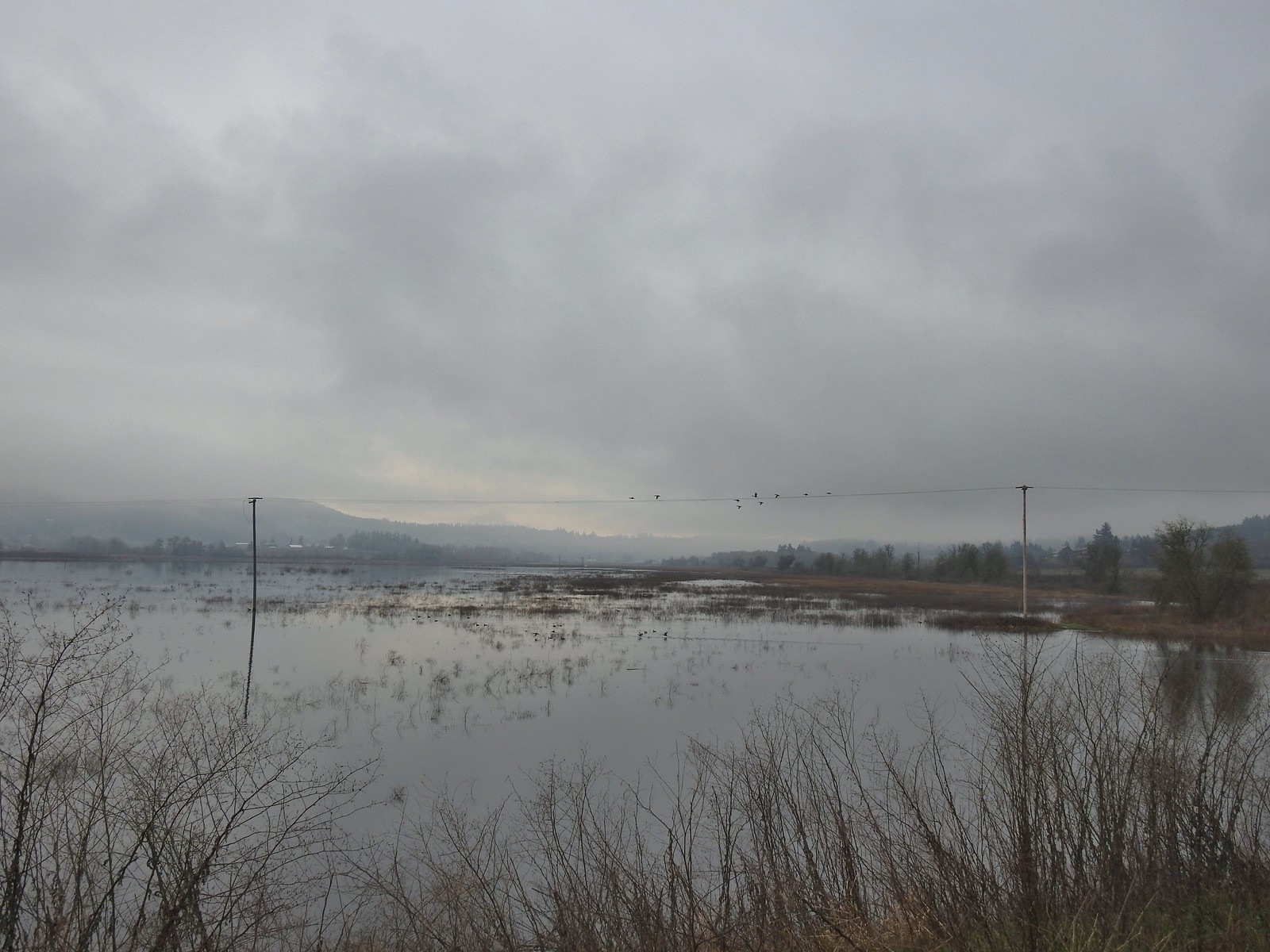
Wapato Lake National Wildlife RefugeDucks flying over the lake.

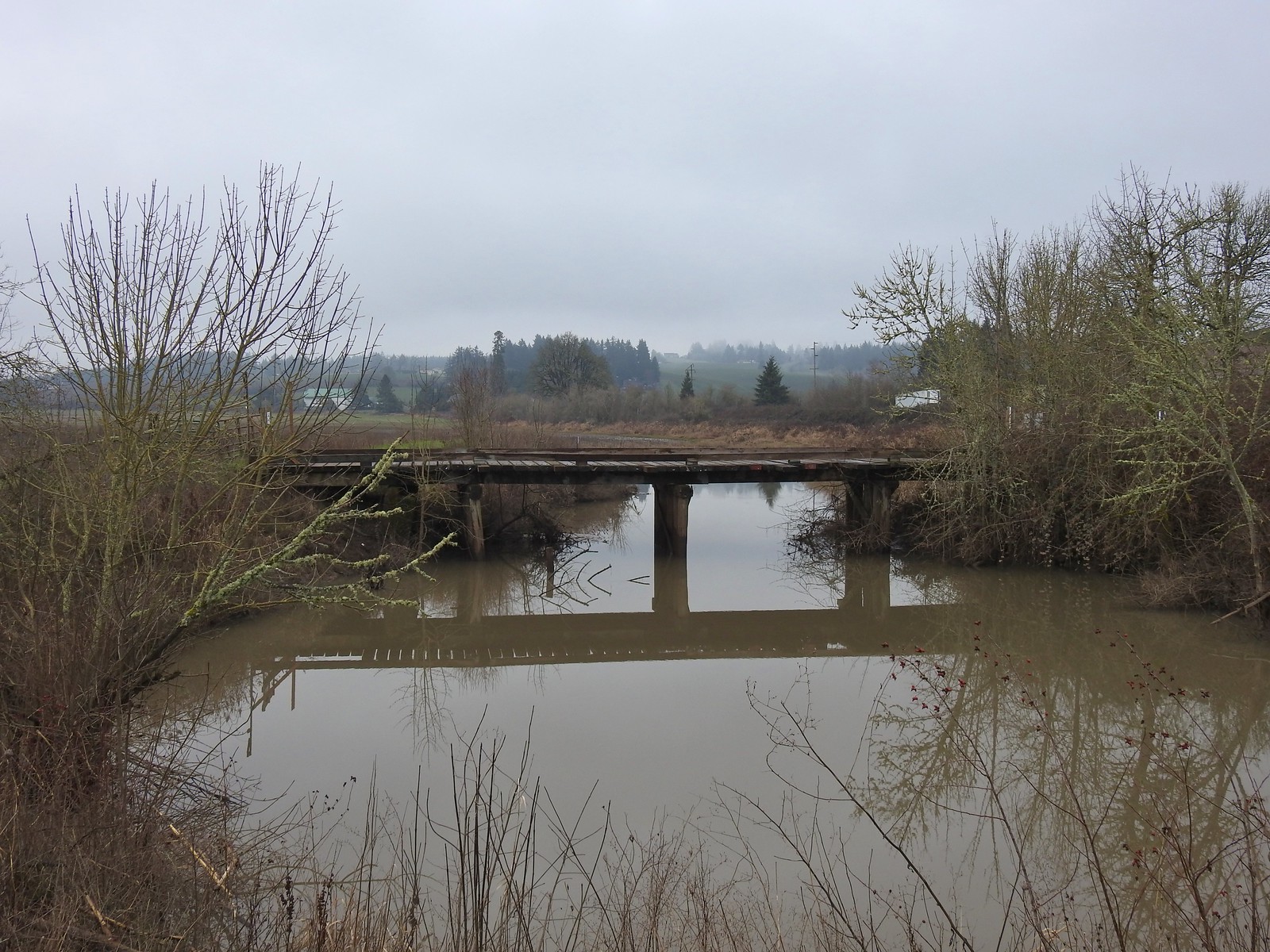
Wapato CreekOld bridge over Wapato Creek. The gravel surface ended at this bridge.

After 0.7 miles of gravel the levee continued as a natural surface. The unevenness of the natural surface was a stark difference to the gravel.
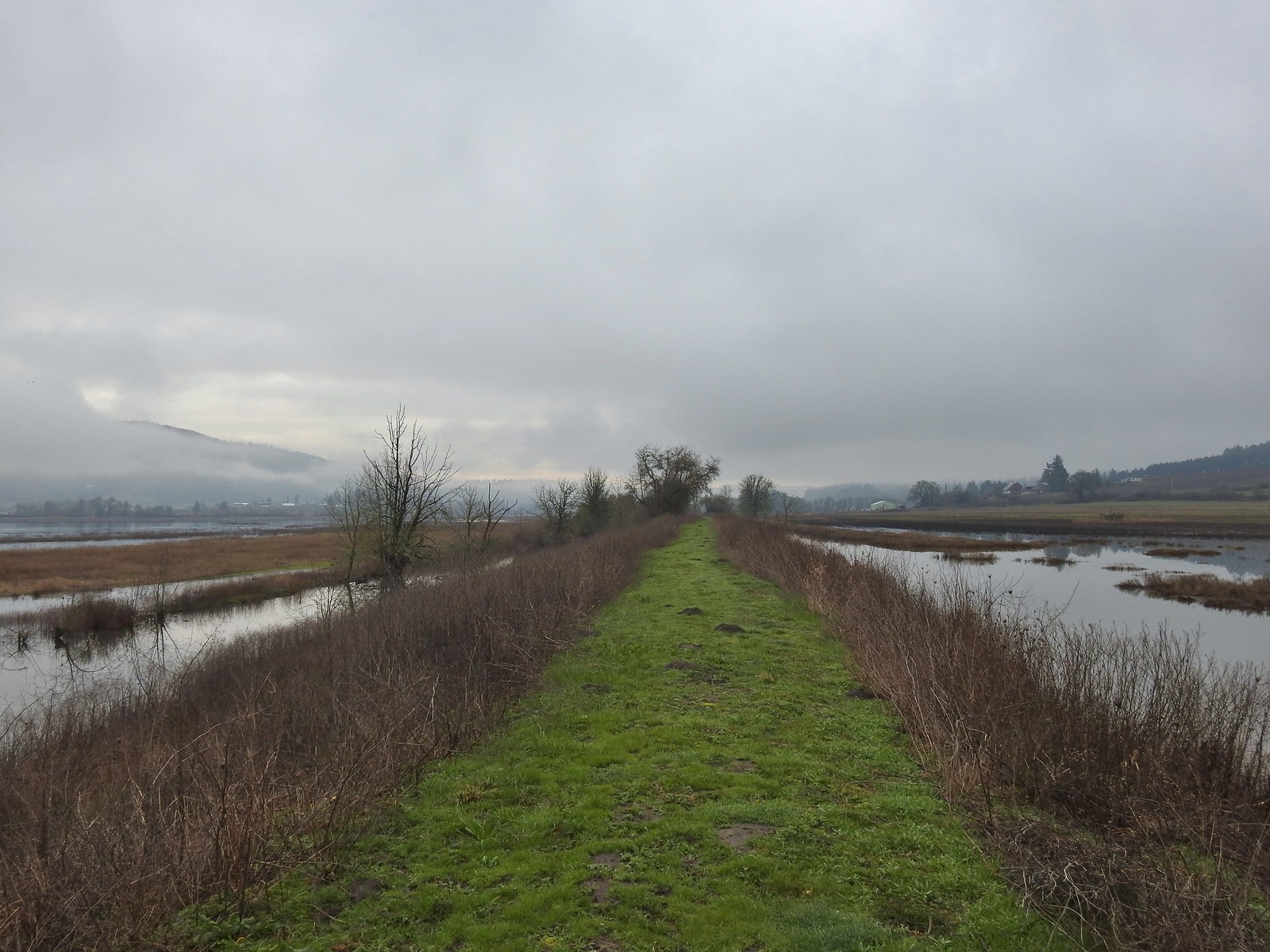
Wapato Lake National Wildlife Refuge

We continued on the natural surface another three quarters of a mile to a gate at another old bridge. Across the lake we could see some tundra swans which were a first for us, and we startled a coyote that raced off through the brush along the lakebed.
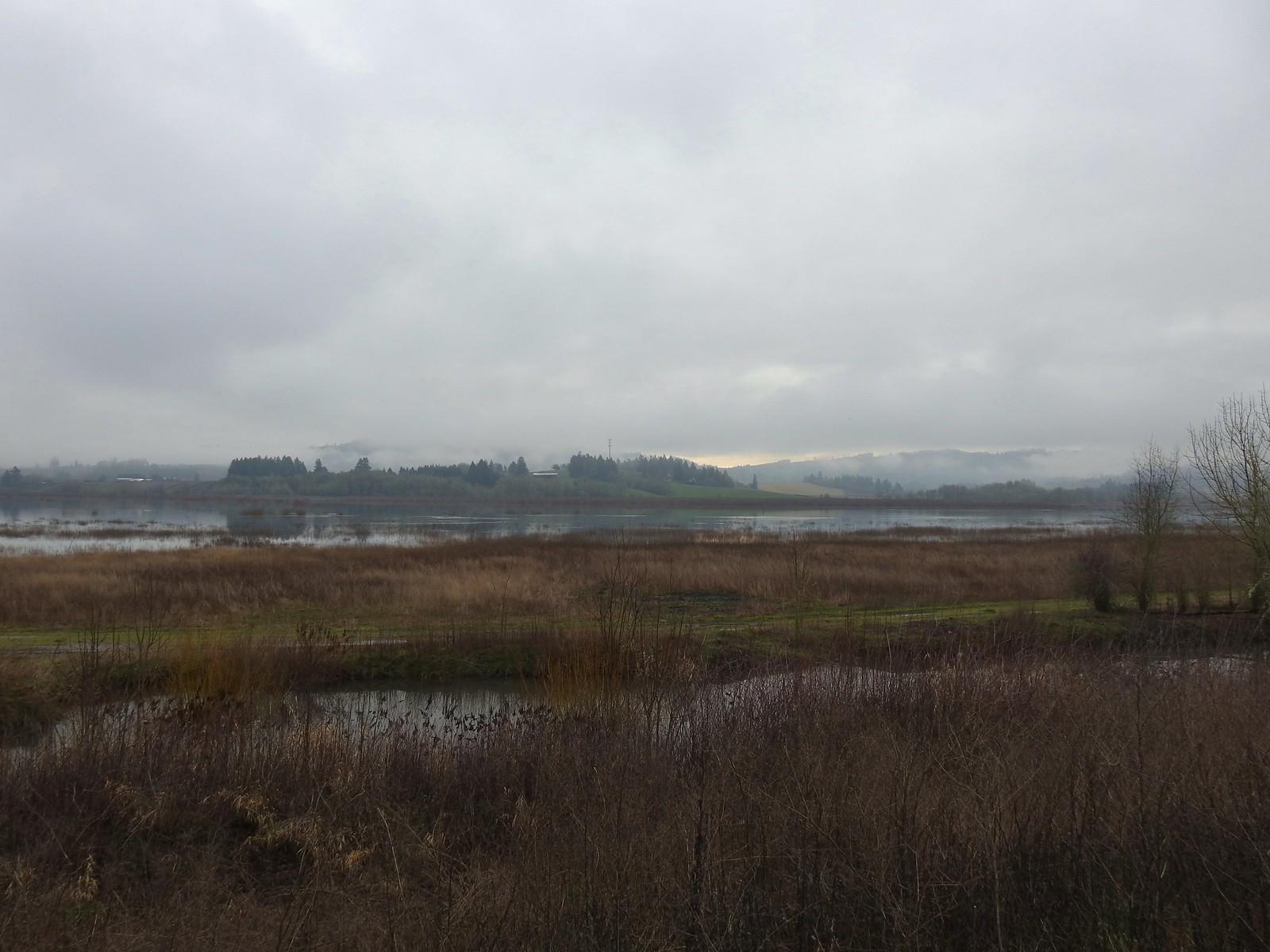
Wapato Lake National Wildlife Refuge

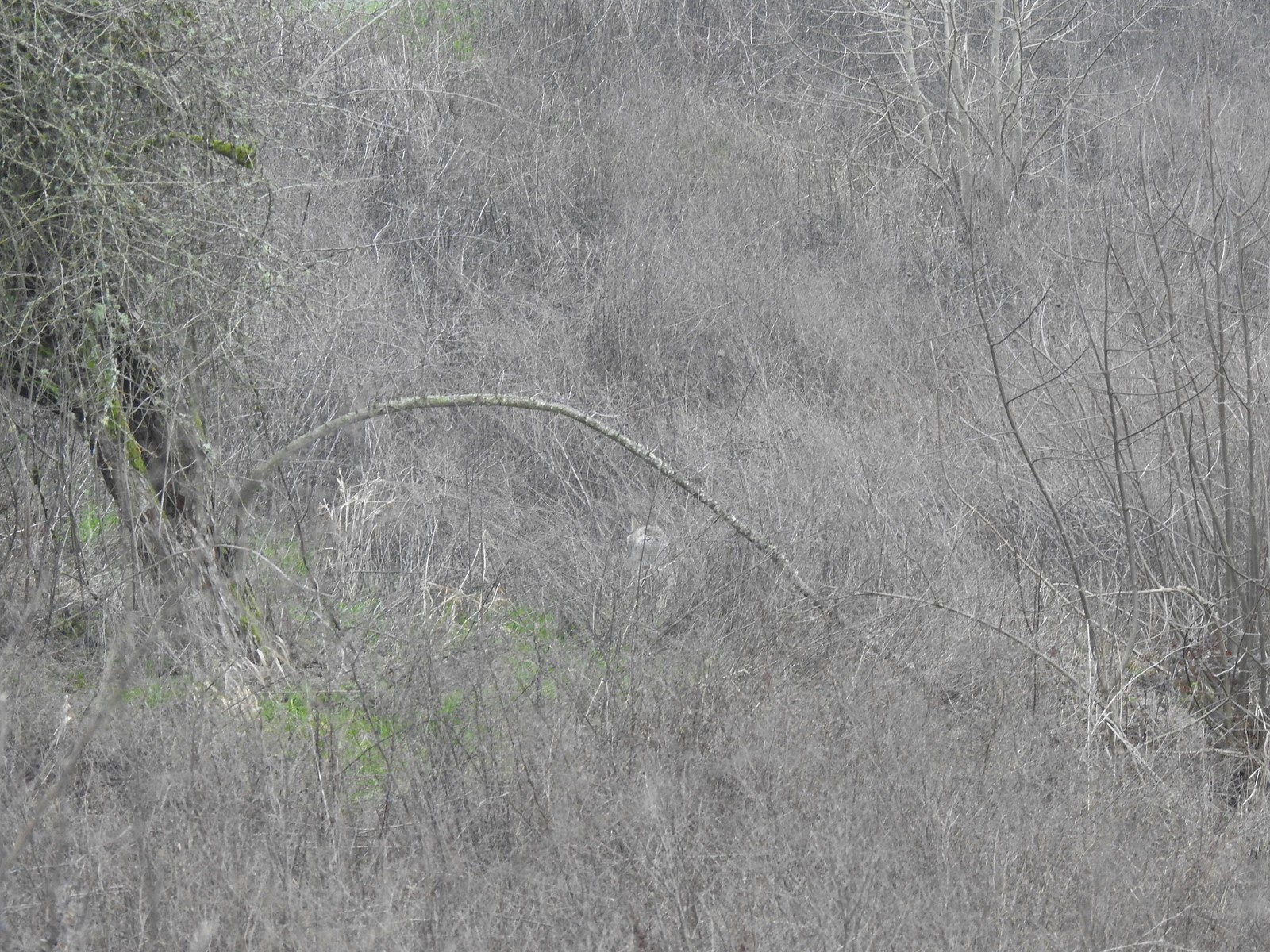
Coyote in the burshThe coyote running off through the brush.
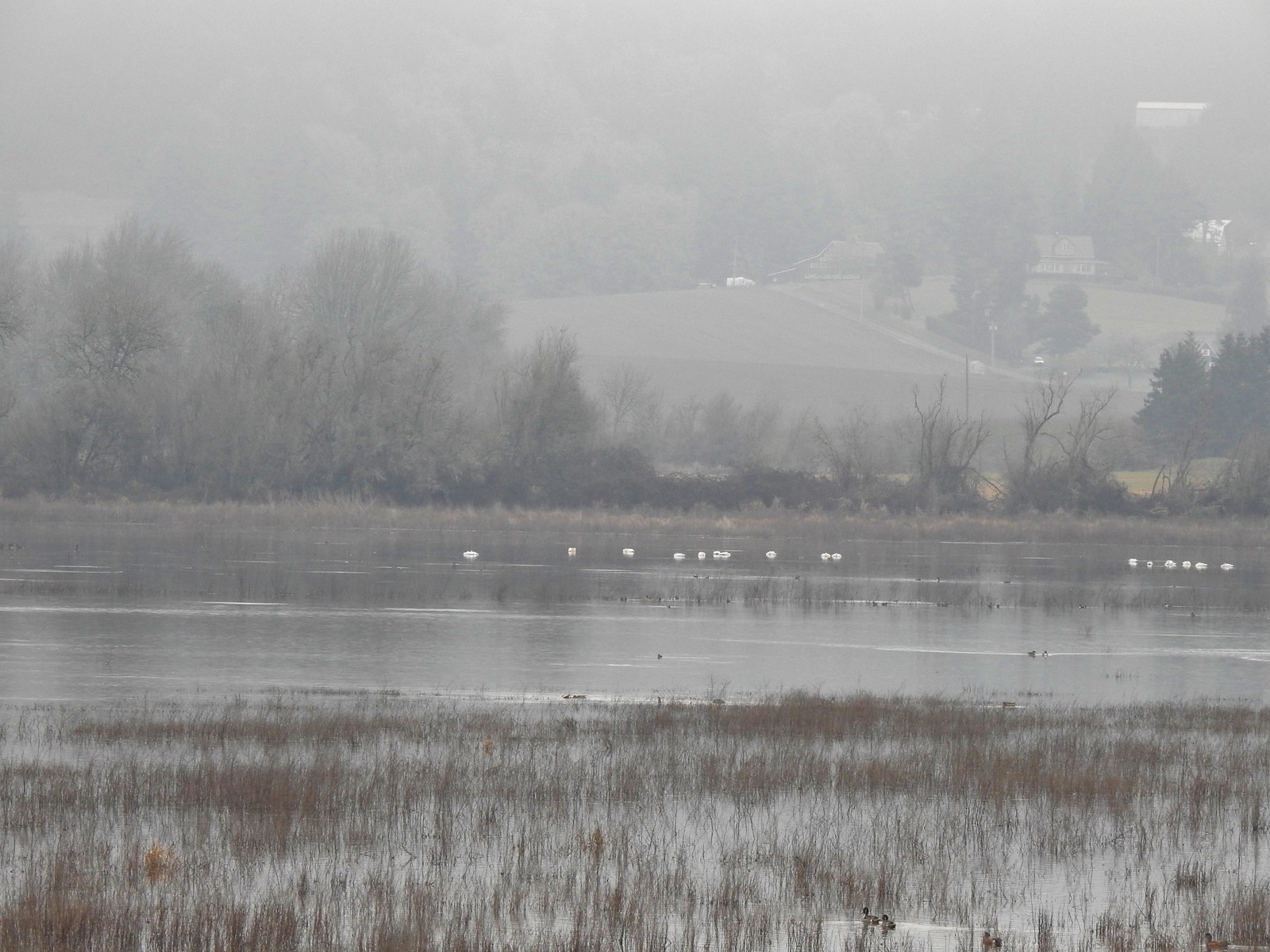
Tundra swansTundra swans

Ducks at Wapato Lake National Wildlife Refuge

Tundra swansTundra swans

Wapato Lake National Wildlife RefugeWe decided to turn around at this bridge even though the levee continued. It appeared that the water was further away from the levee going forward and we hadn’t planned on going much more than 3-miles today.

We were hoping that the partly sunny skies that had been forecast would make an appearance as we made our way back, but that never happened. Nevertheless, we were enjoying trying to identify the different ducks and birds we were seeing.
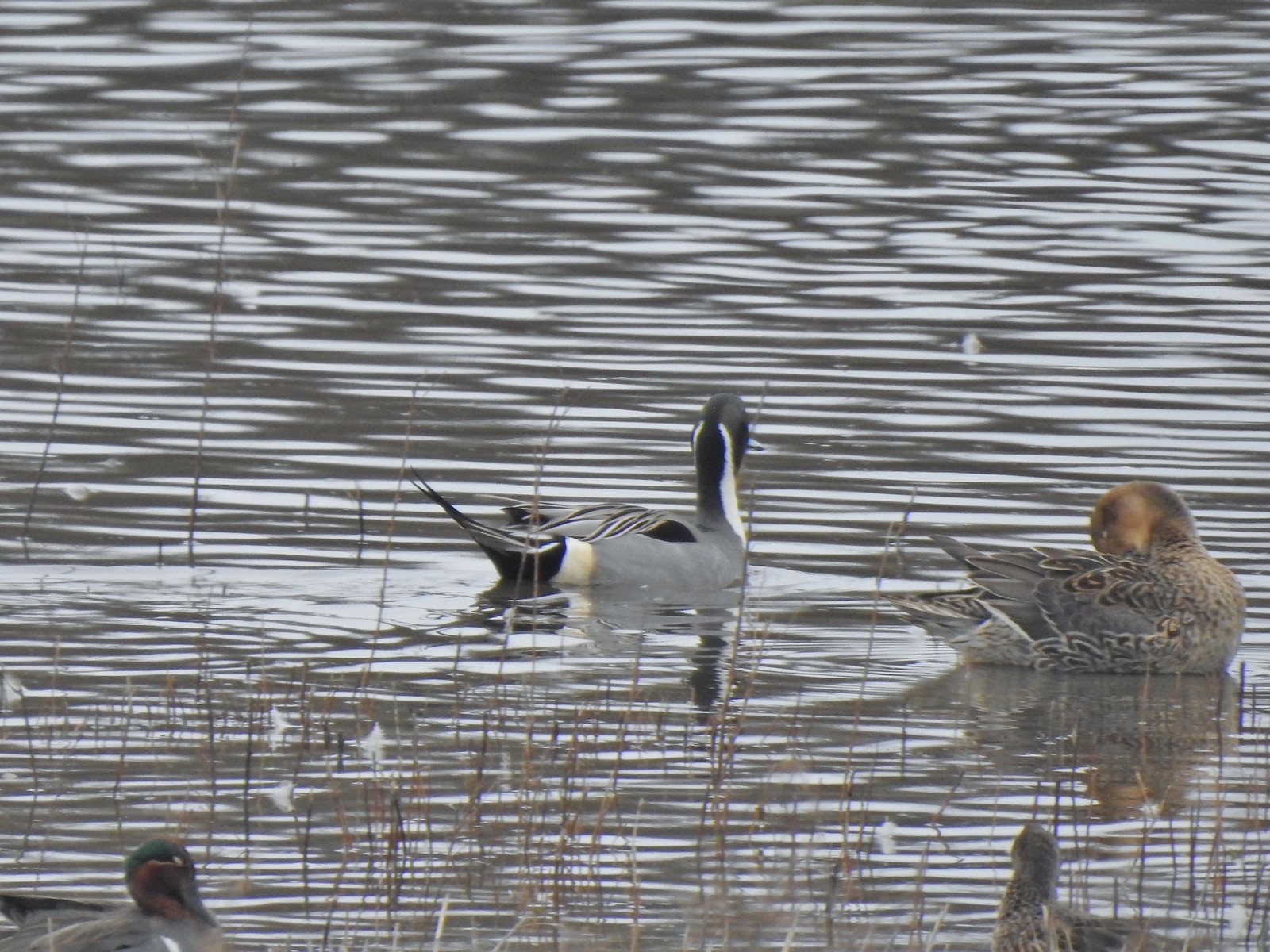
Northern pintailsNorthern pintails and some green-winged teals.
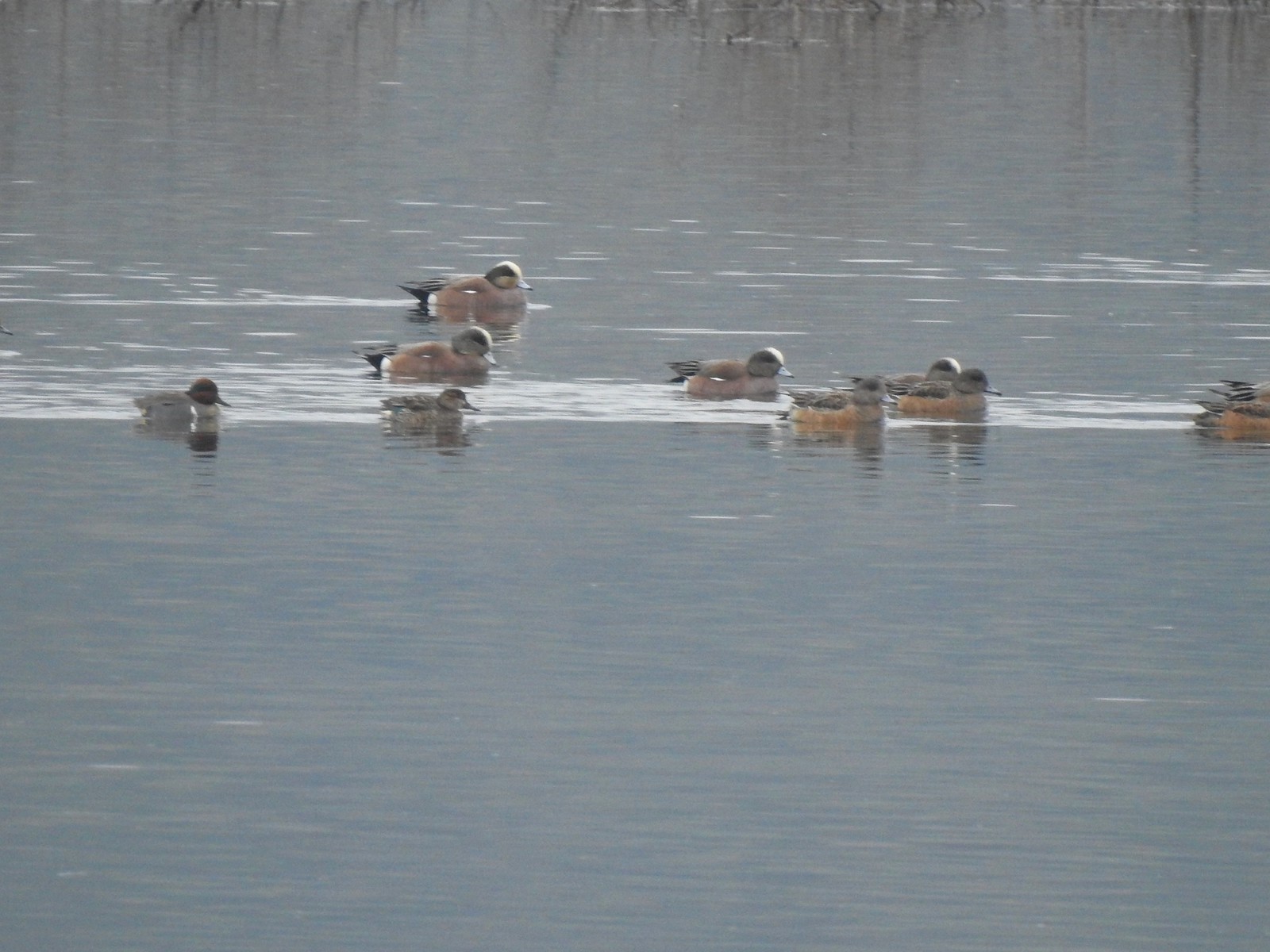
Green-winged teals and American wigeonsAmerican wigeons and a pair of green-winged teals.

Wapato Lake National Wildlife RefugeThere were a couple of times that blue sky seemed imminent.
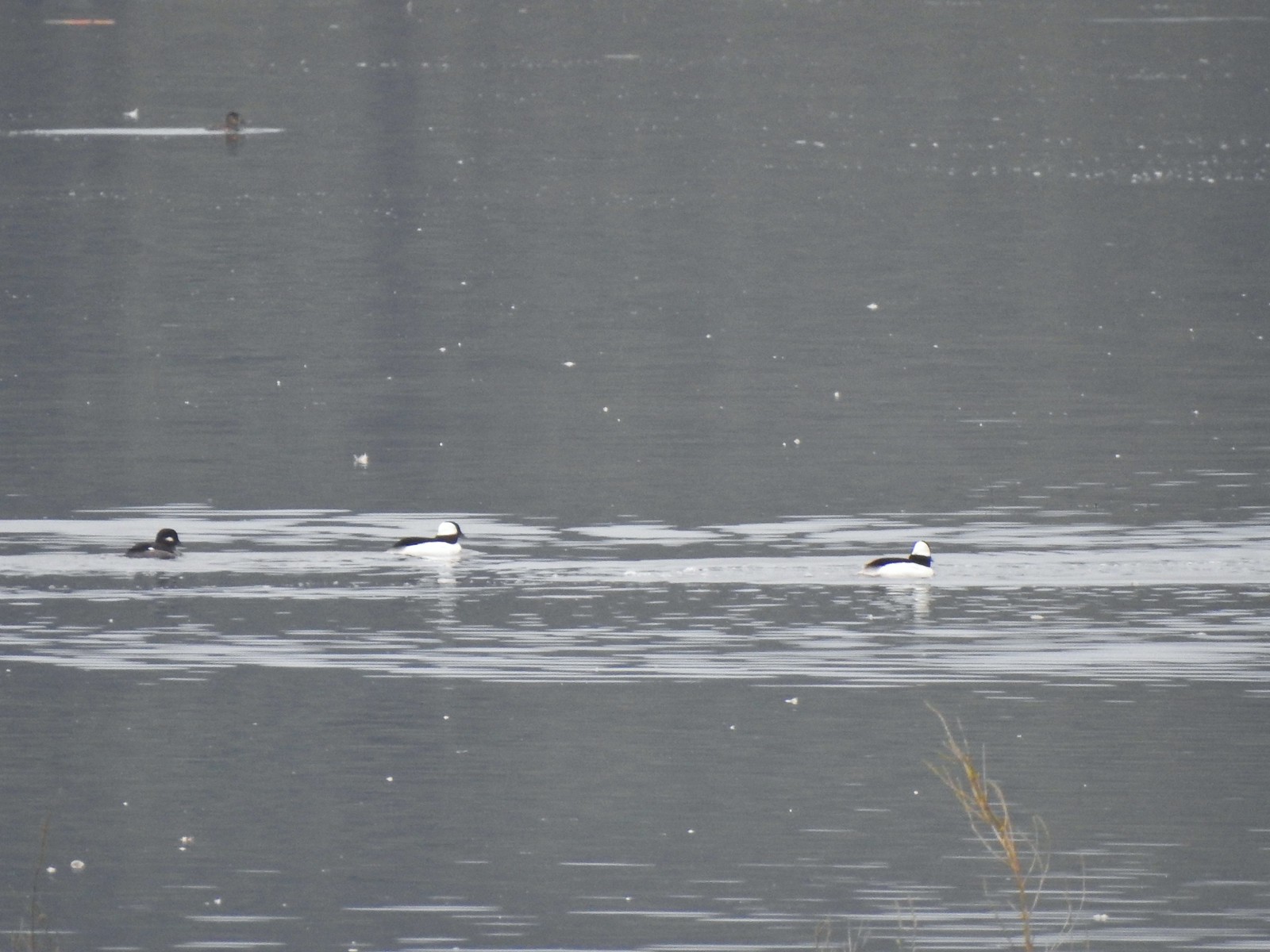
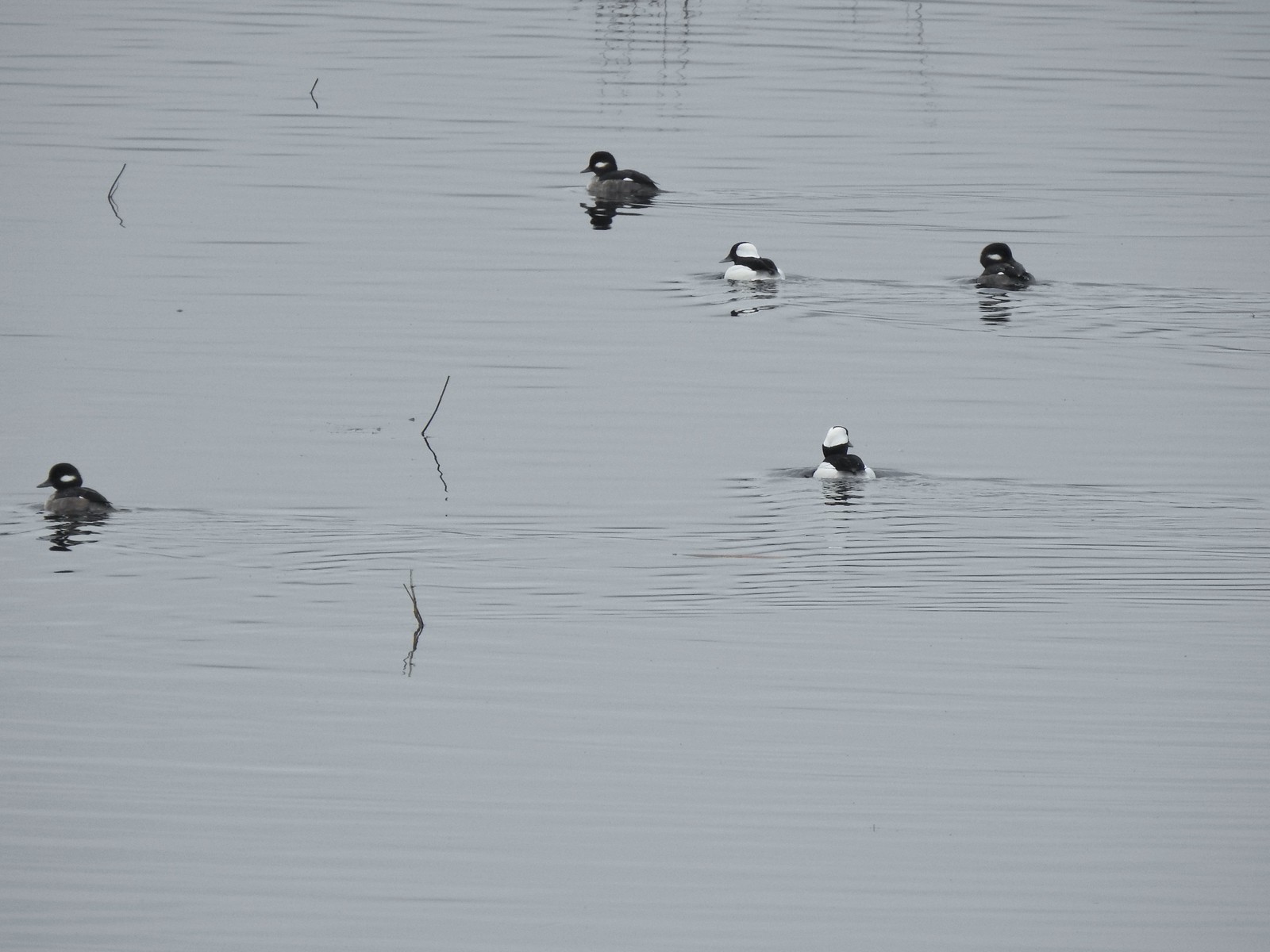
BuffleheadsBuffleheads

Wapato Lake National Wildlife RefugeIowa Hill (post) across the lake.

Wapato Lake National Wildlife Refuge

BuffleheadsMore buffleheads

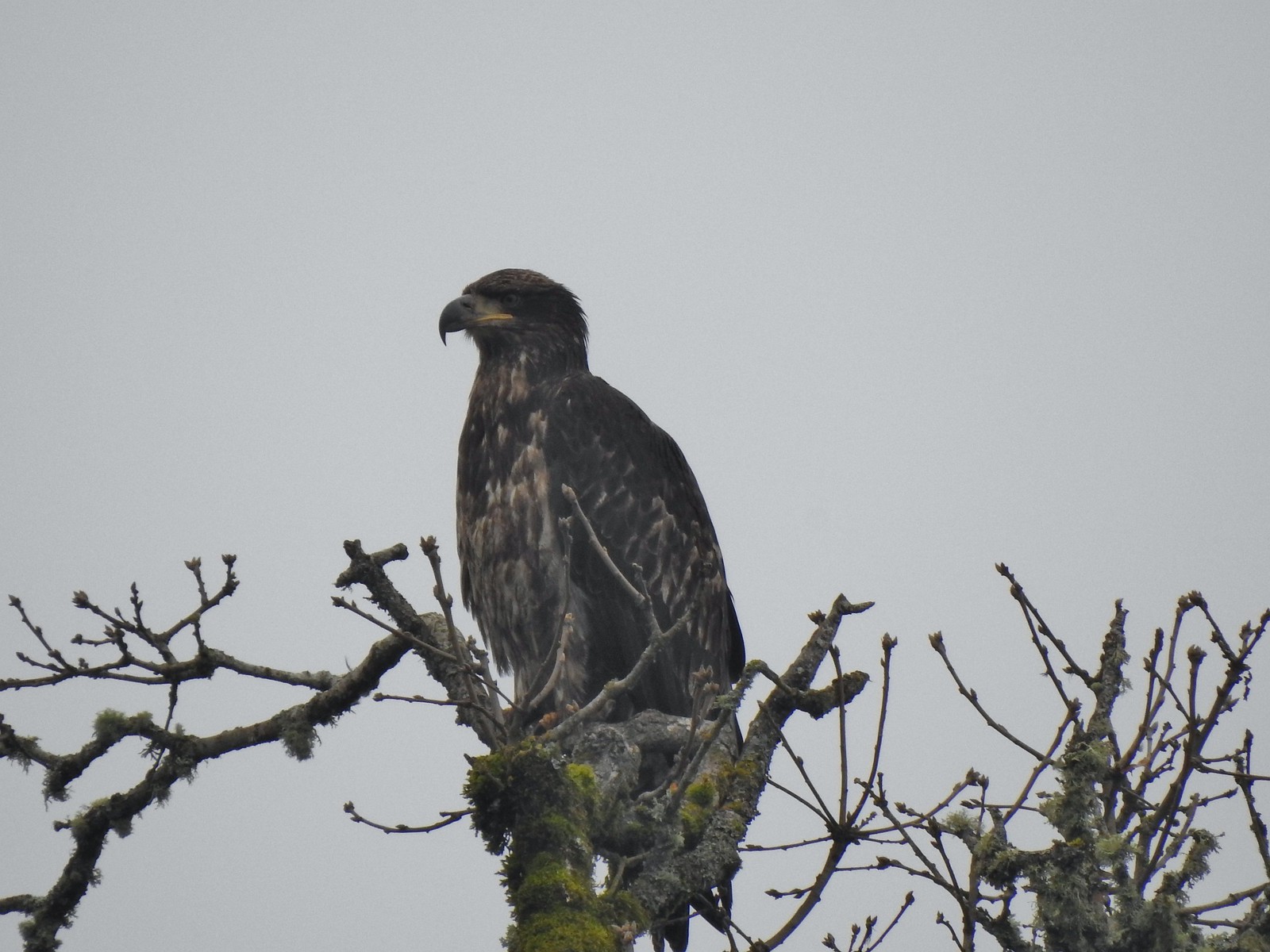
Immature bald eagleImmature bald eagle

SparrowSparrow

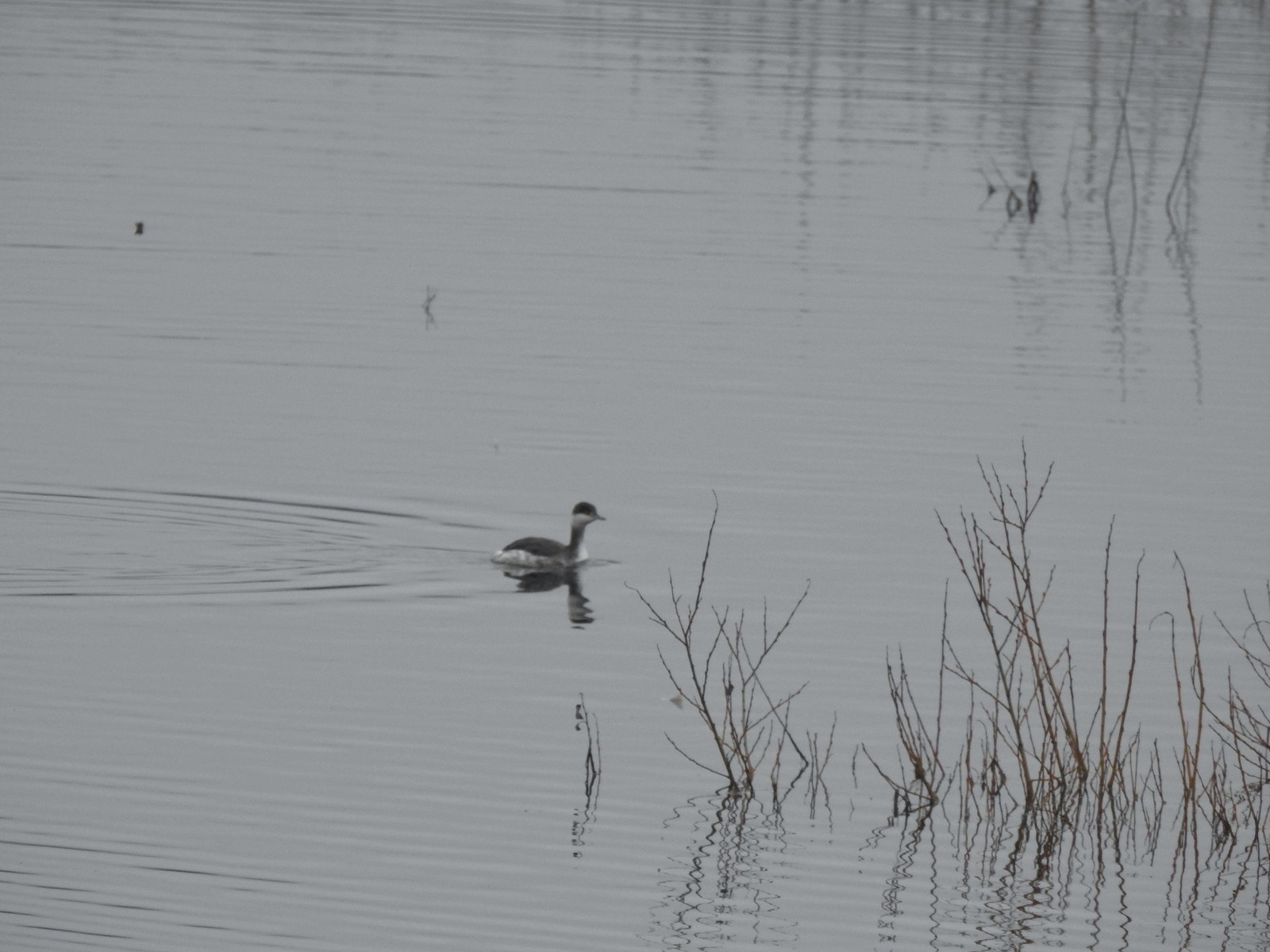
Horned grebeHorned grebe

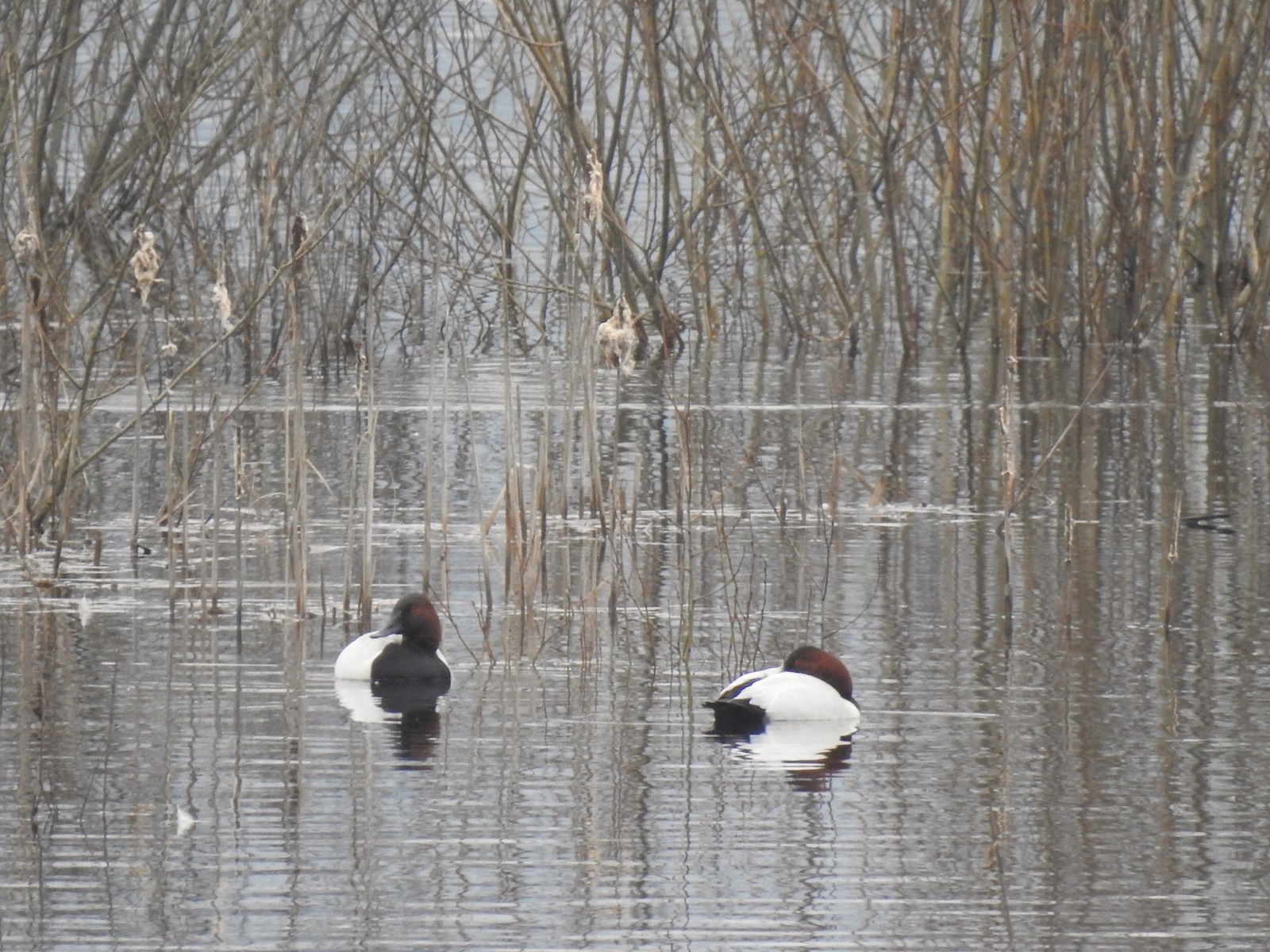
CanvasbacksCanvasbacks, another first for us.

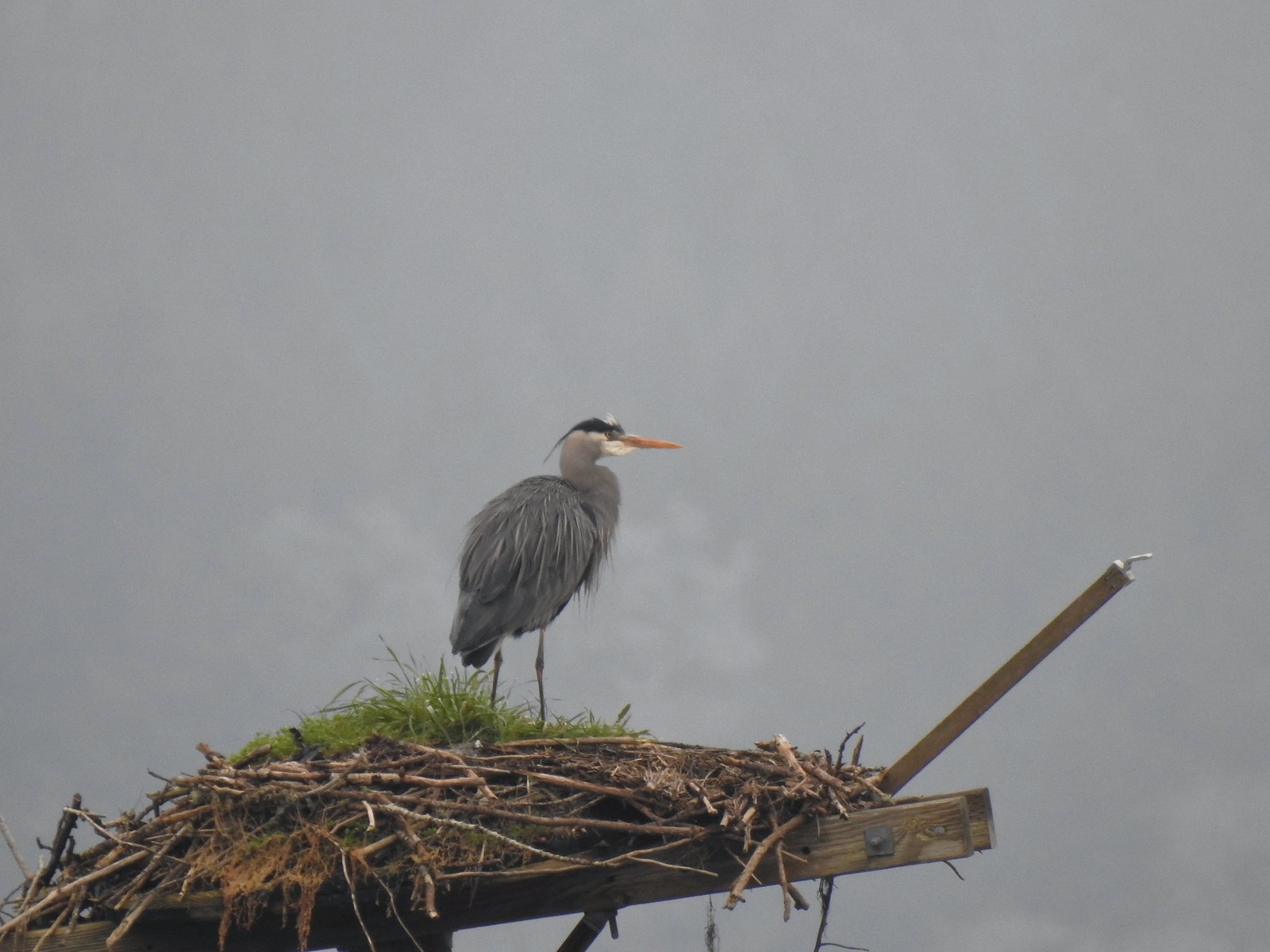
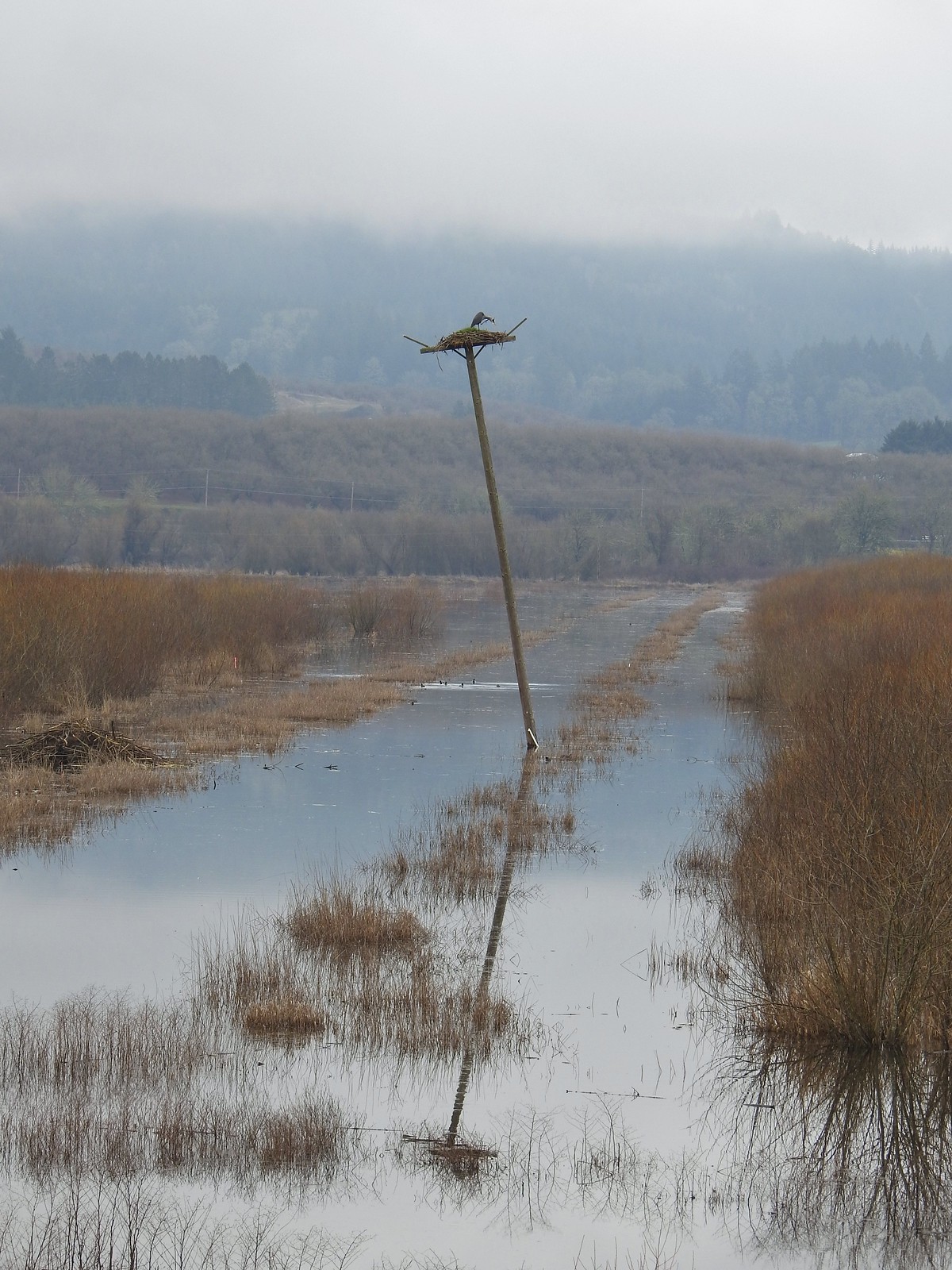
Great blue heronGreat blue heron on the osprey nest.

Great blue heron on an osprey nestTher heron on the nest.

When we arrived back at the bridge over Wapato Creek we stayed straight on the level and followed the gravel path north 0.6-miles to a gate where we turned around and returned to our car.
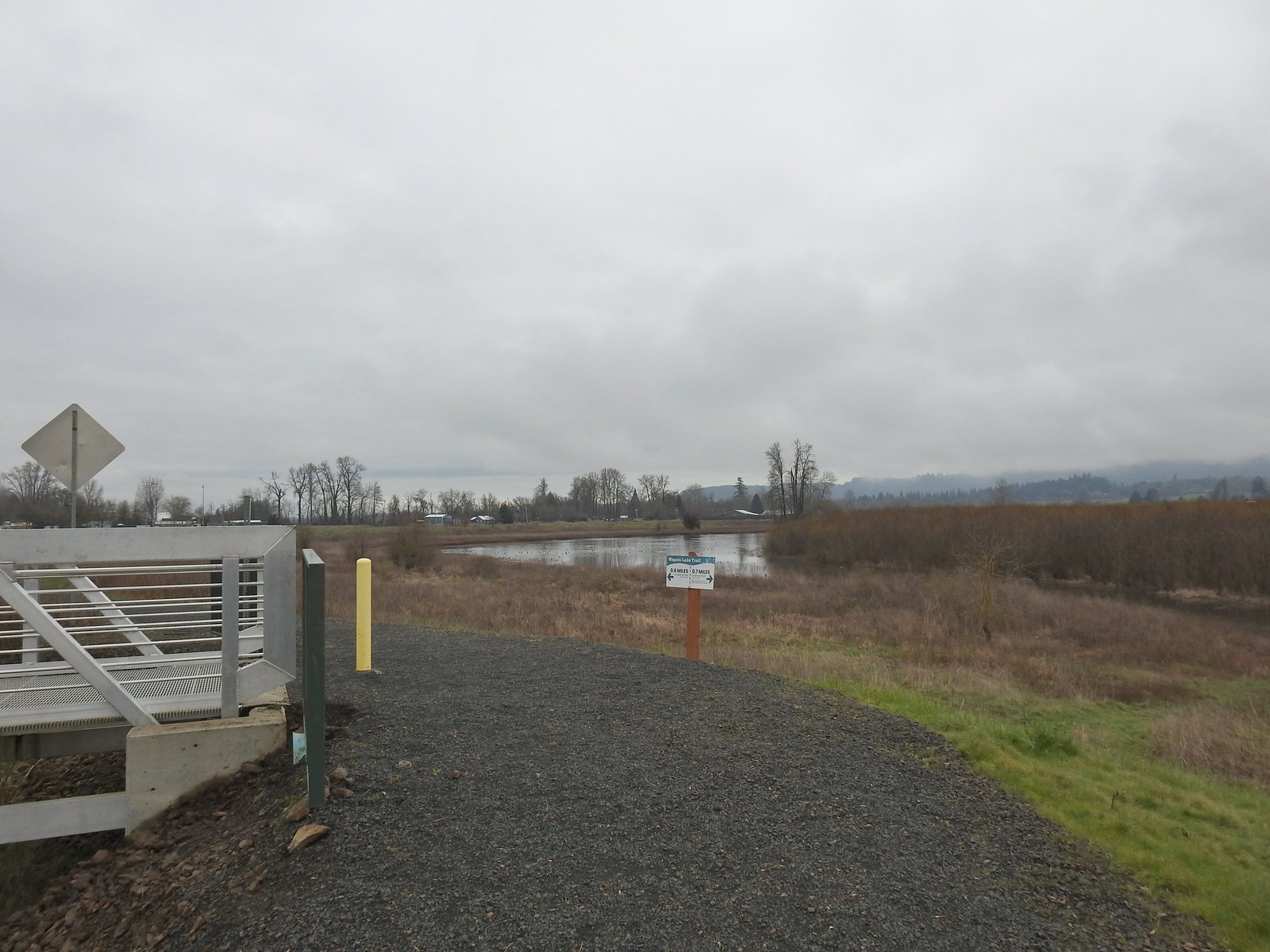
Wapato Lake National Wildlife Refuge

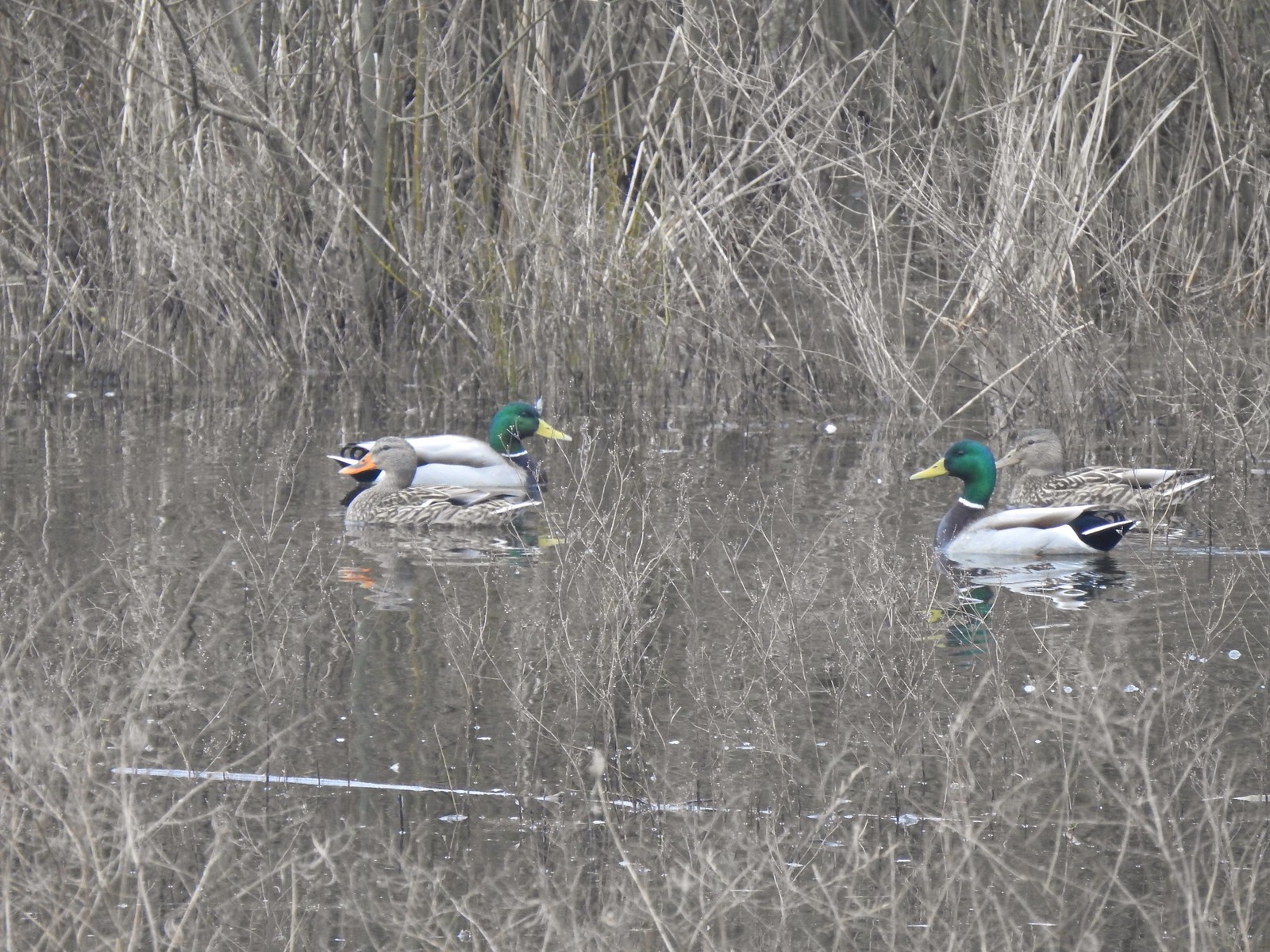
MallardsMallards

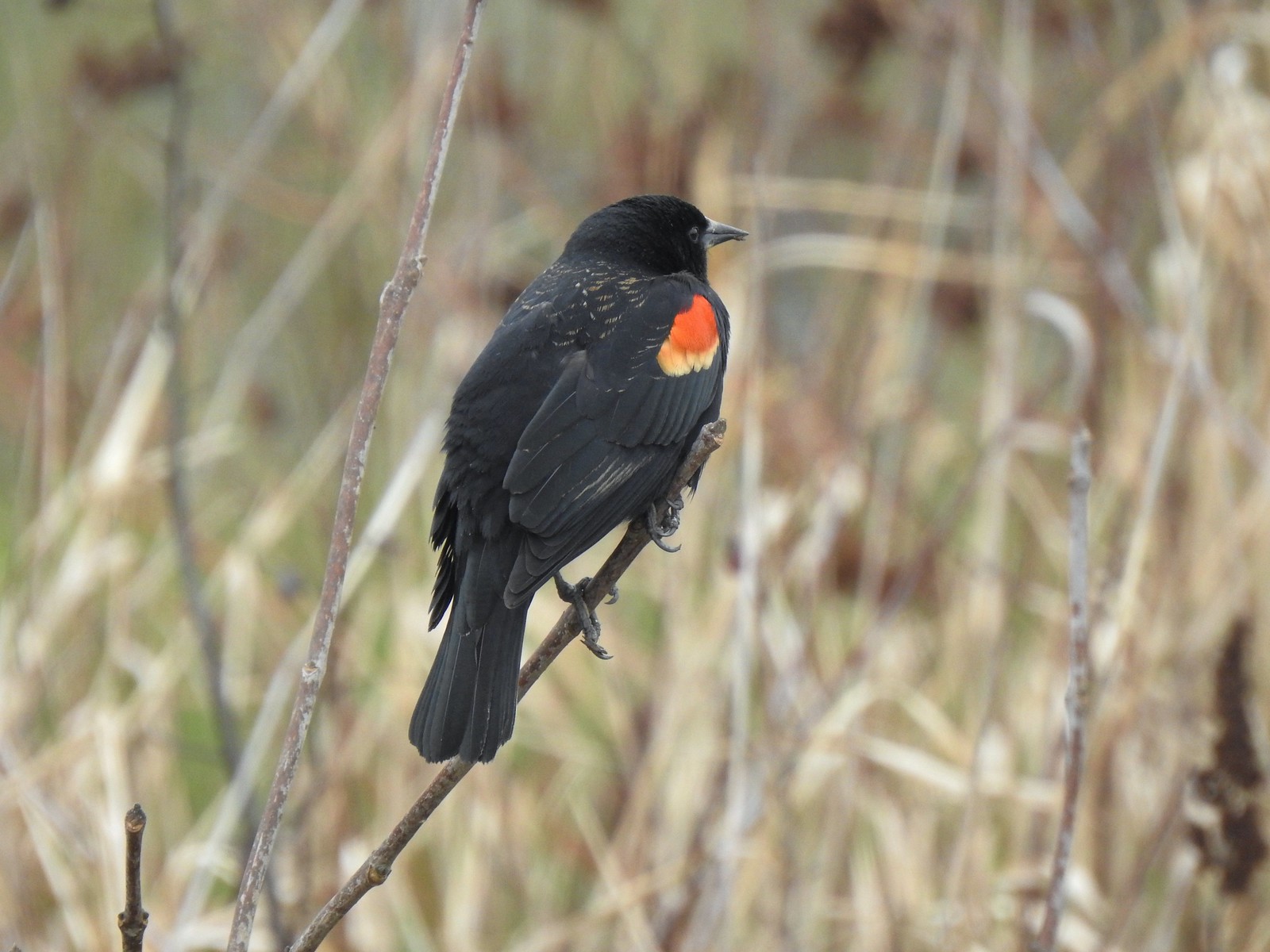
Red-winged blackbirdRed-winged blackbird

Wapato Lake National Wildlife Refuge

Bald eagleBald eagle

Wapato Lake National Wildlife Refuge

NutriaNutria

Wapato Lake National Wildlife Refuge

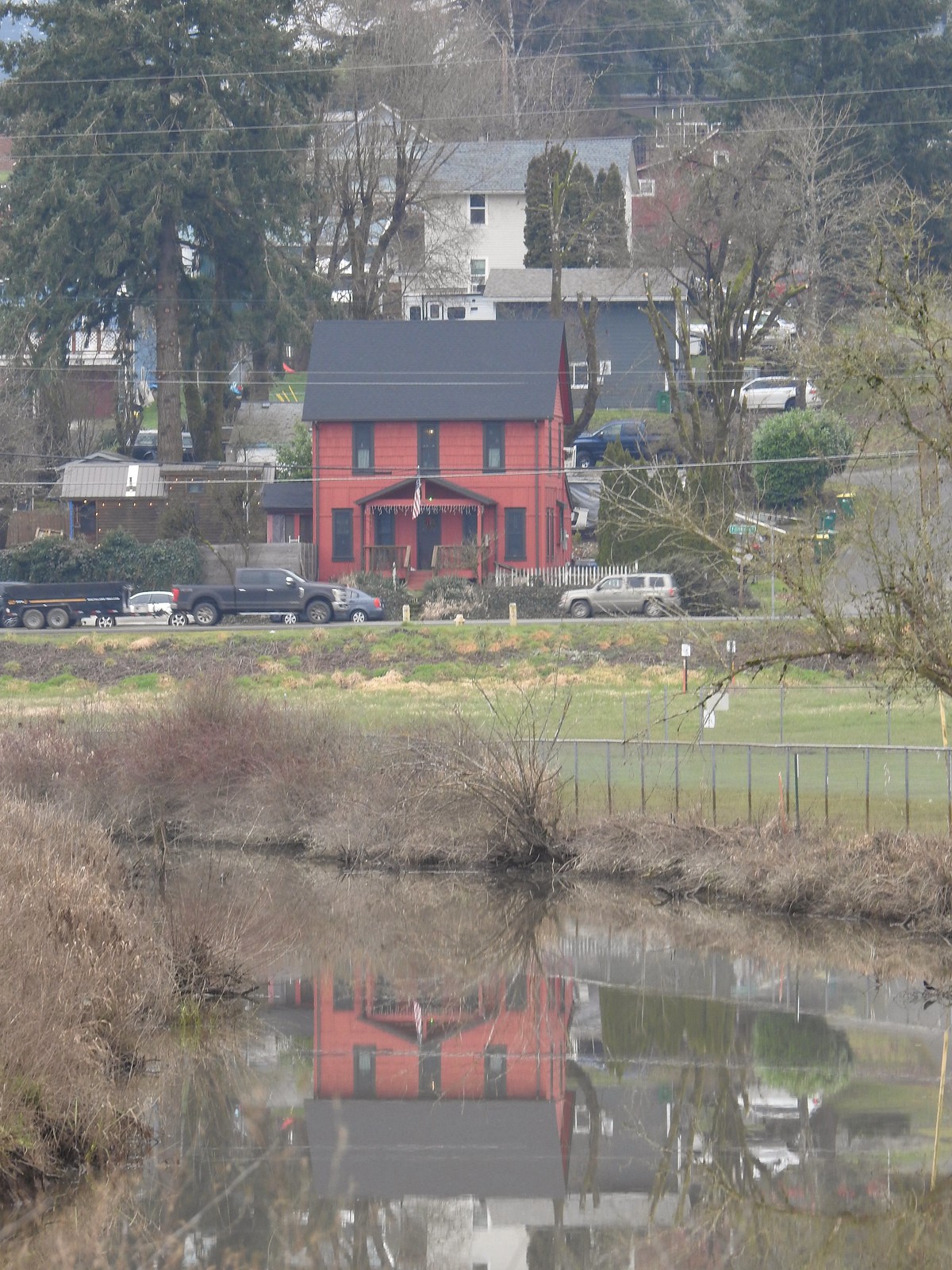
Gaston from Wapato Lake National Wildlife RefugeGaston from the refuge.

Green-winged tealsGreen-winged teals

Northern pintailsNorthern pintails

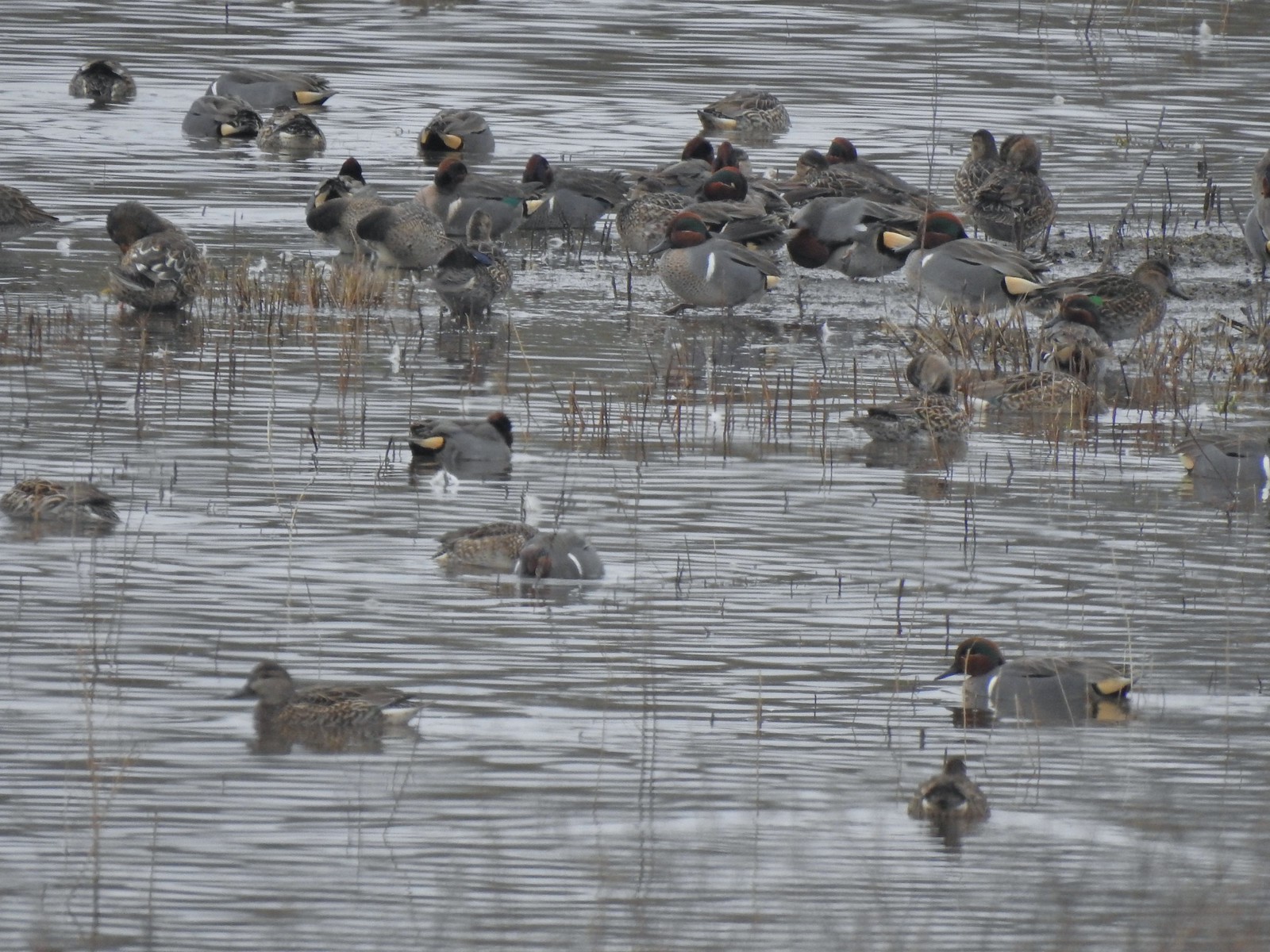
Ducks at Wapato Lake National Wildlife RefugeMostly American wigeons and green-winged teals
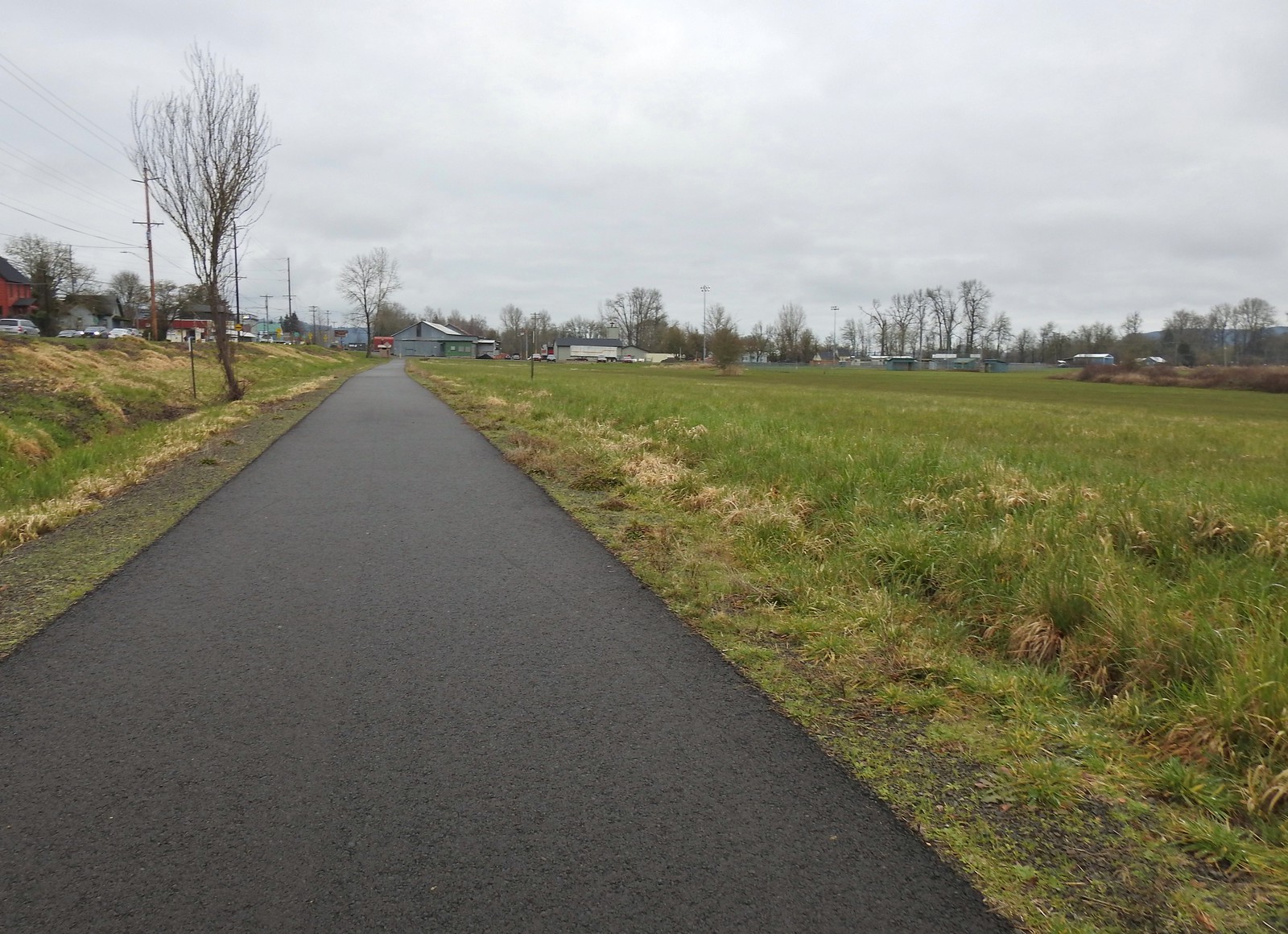
Wapato Lake National Wildlife RefugeOn the paved path back to the parking lot.

We wound up going a total of 4.8-miles (according to both our GPS units) which was a little further than we’d planned, but we got to see a lot of wildlife without much effort on the level trails.

This was an enjoyable visit and given its relative proximity to Salem one that we’ll likely revisit down the line. Happy Trails!
Flickr: Wapato Lake National Wildlife Refuge

Categories
Hiking Oregon SE Oregon Trip report

Malheur Wildlife Refuge, Diamond Craters, and the Peter French Round Barn – SE Oregon Vacation Day 2

Day 2 of our SE Oregon vacation was set to be more of a driving day as we headed from Bend to our next destination which we had originally intended to be Jordan Valley. Instead we ended the day in Caldwell, Idaho but we’ll get to that later.

When I was planning this trip I was looking for a hike between Bend and Jordan Valley to do along the way. We had done the Oregon Badlands twice (post post) and Pine Mountain (post) previously. These were the only hikes that were listed in our “100 Hikes/Travel Guide Eastern Oregon” guidebook but the travel guide for Burns pointed us toward the Malheur National Wildlife Refuge.
Having reopened after the occupation we were eager to visit the refuge and show our support for our Public Lands.

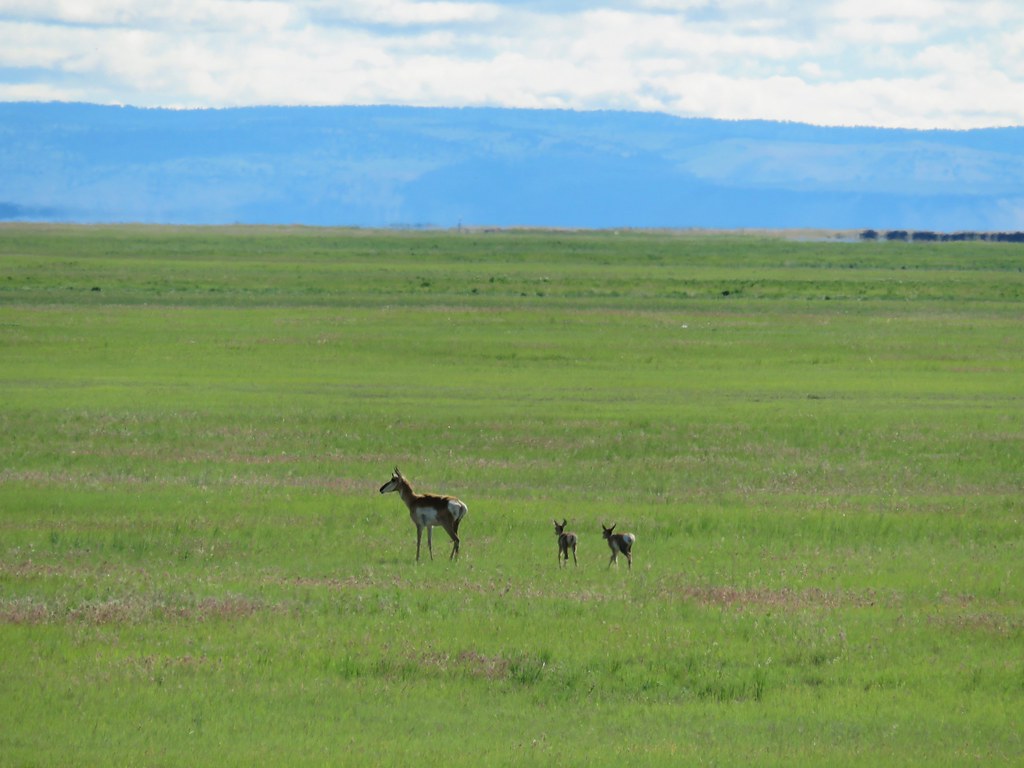
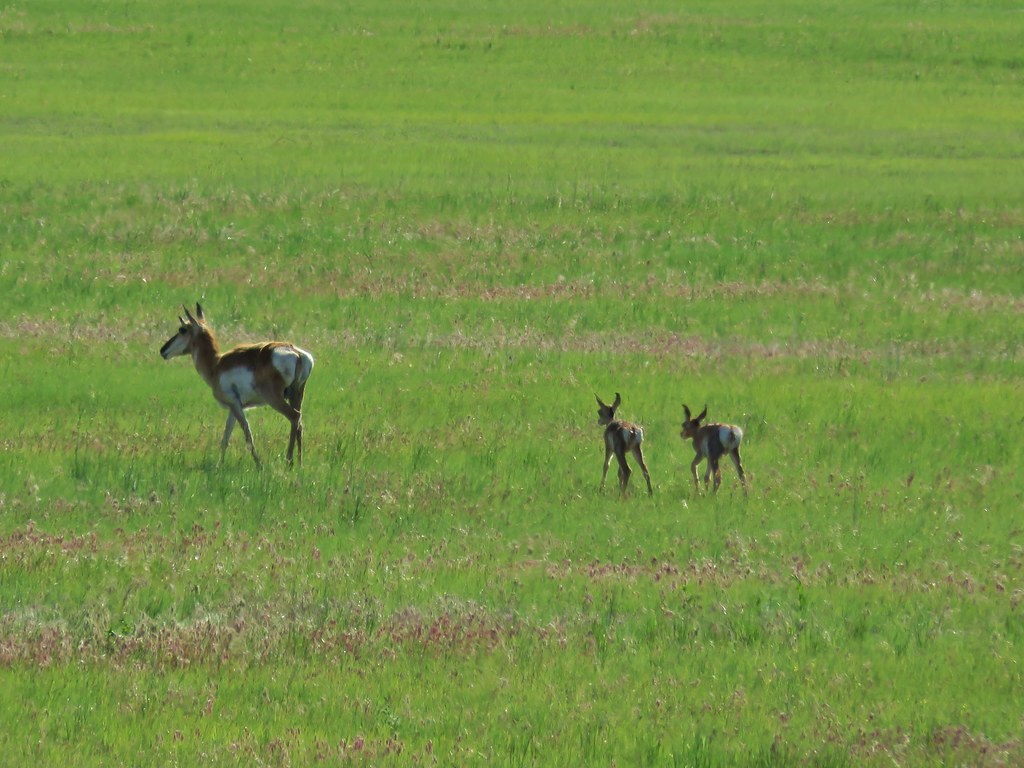
We left Bend bright and early and drove east on Highway 20 to Burns then followed signs to the refuge. We were quickly rewarded when we spotted a prong horn with two little ones in tow.
IMG_5294

IMG_5298

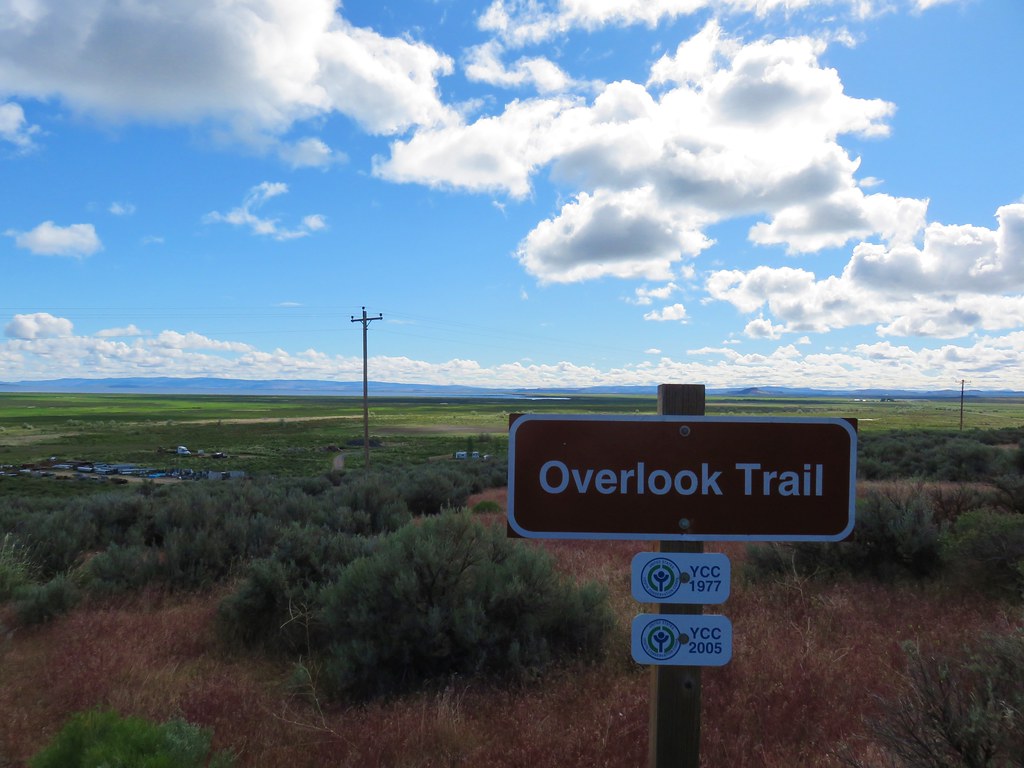
We suspended some of our usual rules for this trip such as taking some photos from the car of wildlife and having our driving time exceed our hiking time several of the days, but when you’re that far from home you have to be flexible. We did plan on doing a little hiking on our visit to the refuge though so we parked at the Overlook Trail just beyond the turnoff for the park headquarters.
IMG_5306

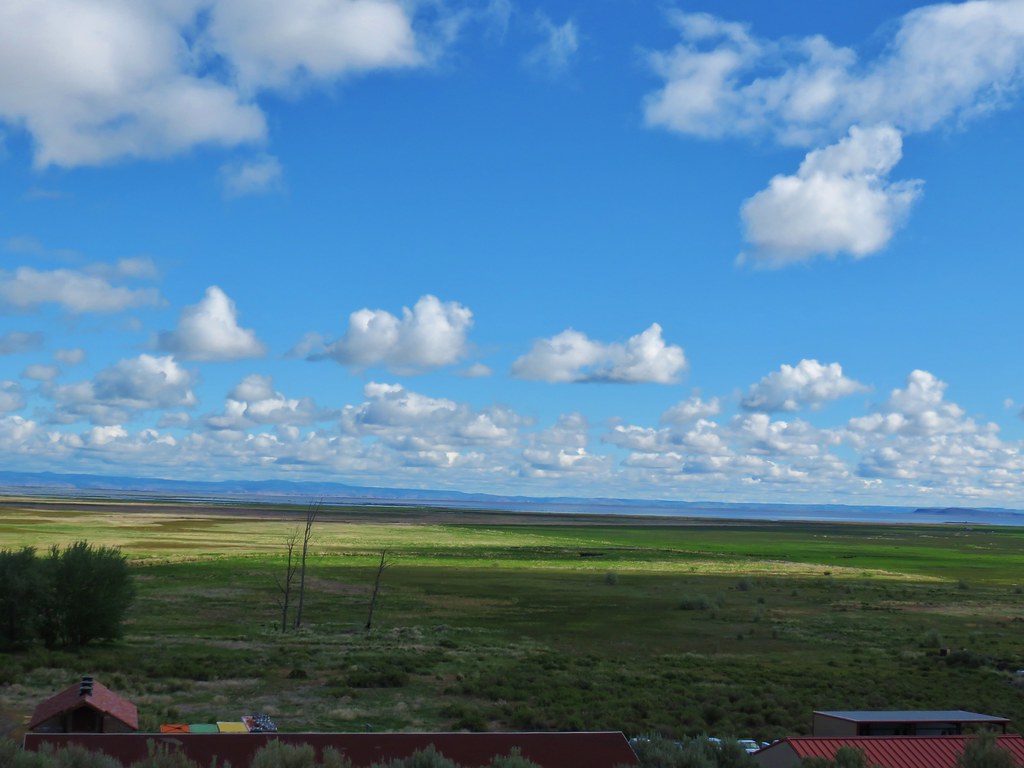
The headquarters lay a half mile below the overlook which looked out over Malheur Lake in the distance.
IMG_5304

IMG_5308

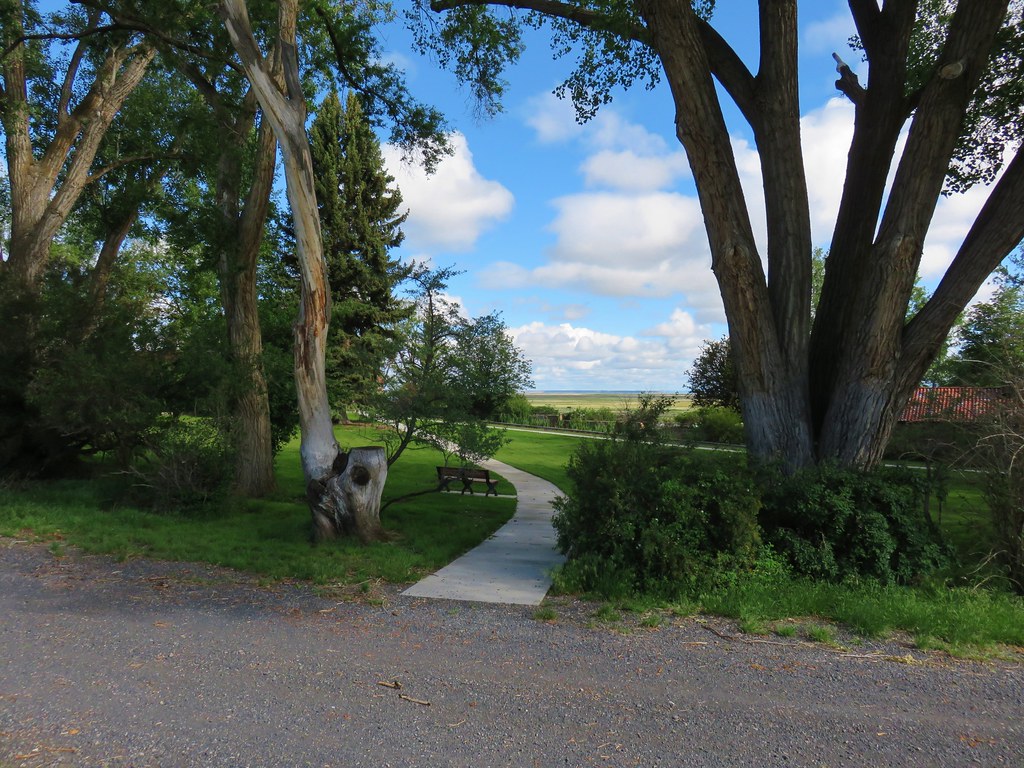
We followed the trail down to the headquarters.
IMG_5312

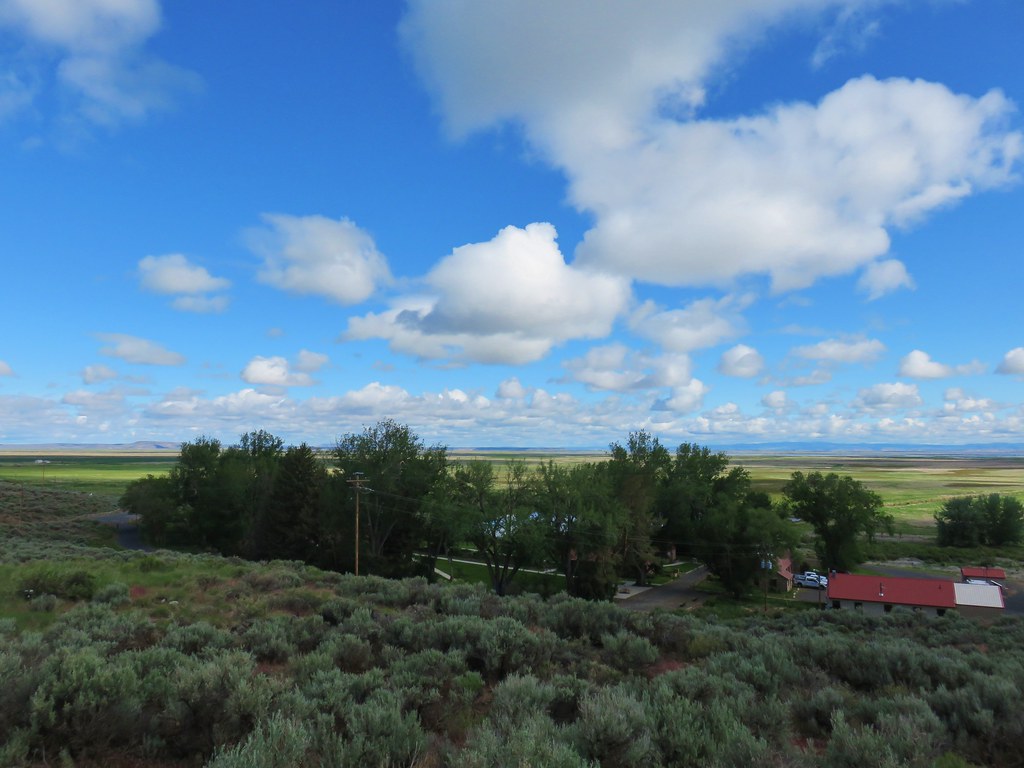
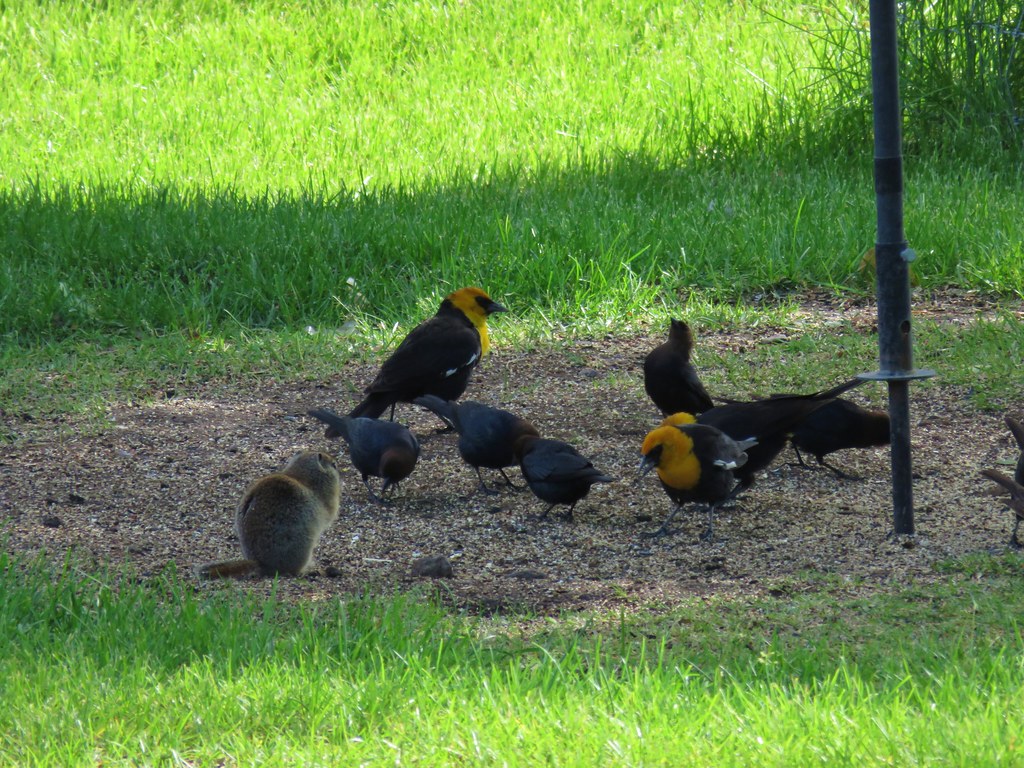
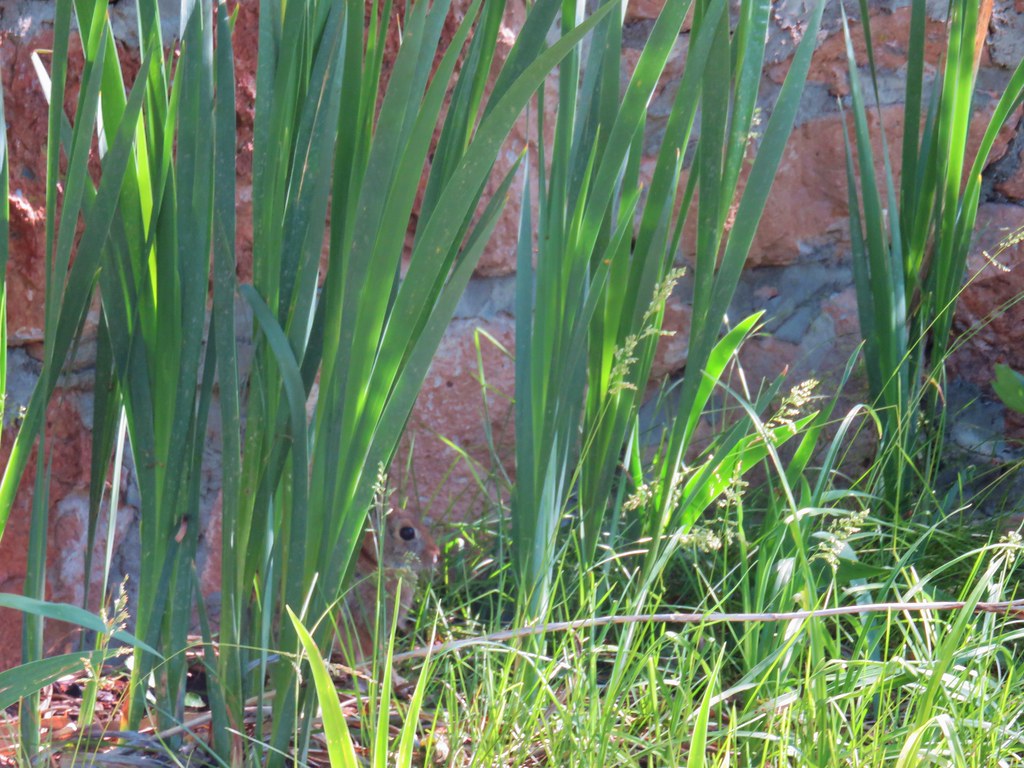
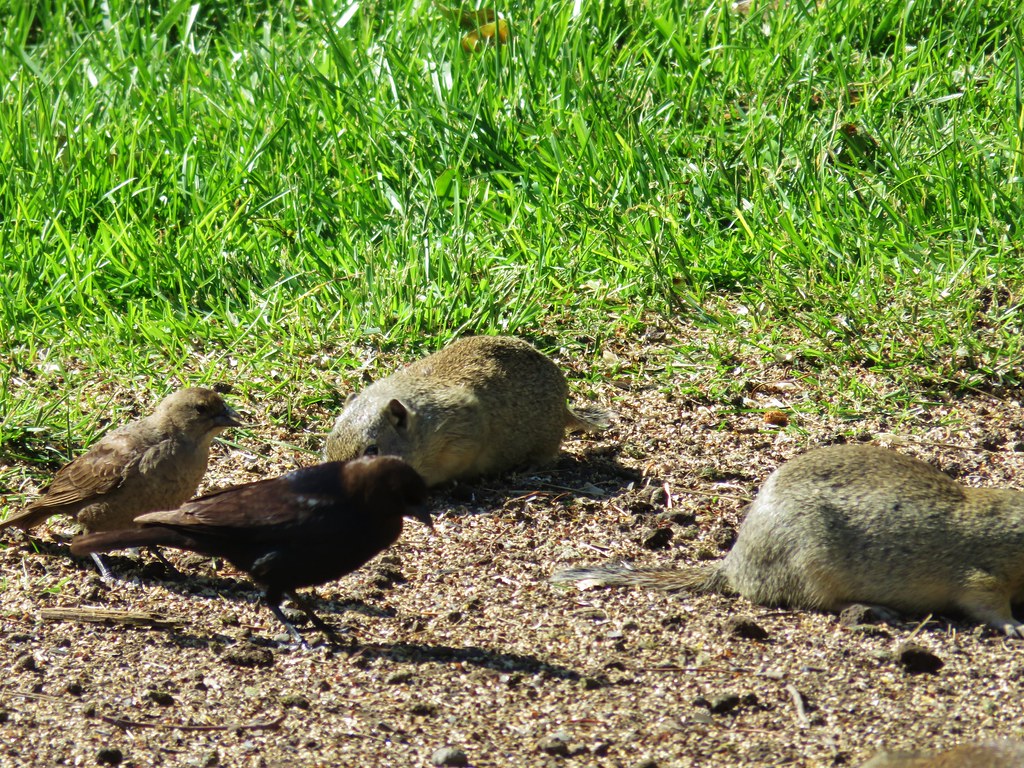
It was a beautiful morning and the headquarters was full of birds, ground squirrels and even a rabbit.
IMG_5318

IMG_5320Rabbit behind the plants

IMG_5326

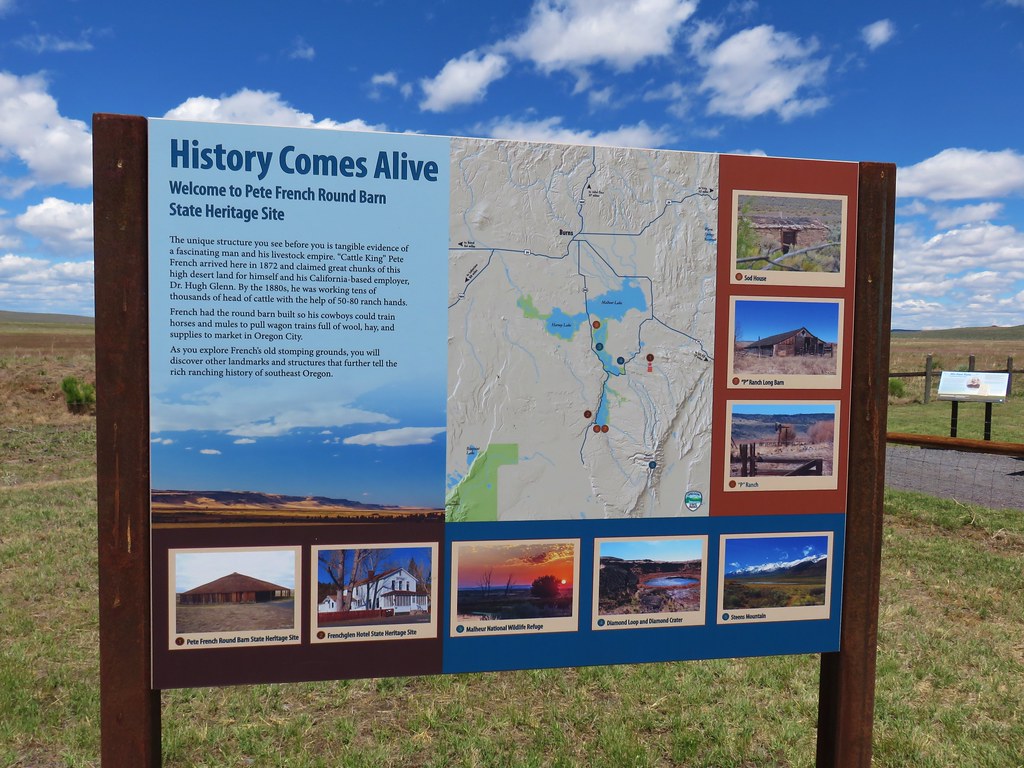
We stopped in the visitors center where a helpful volunteer gave us several brochures and told us about the 43 mile auto-tour as well as mentioning the Diamond Craters Outstanding Natural Area and the Peter French Round Barn State Heritage Site. These last two sites aren’t part of the refuge but they were along the route we’d be taking to Jordan Valley so she recommended we stop and check them out. After getting this helpful information we walked over to the Museum.
IMG_5327

IMG_5328

The small building held a wealth of information as well as displays of the birds, bats and many of the insects that can be seen at the refuge. We spent quite a while there before moving on to the short Marsh Trail.
IMG_5339

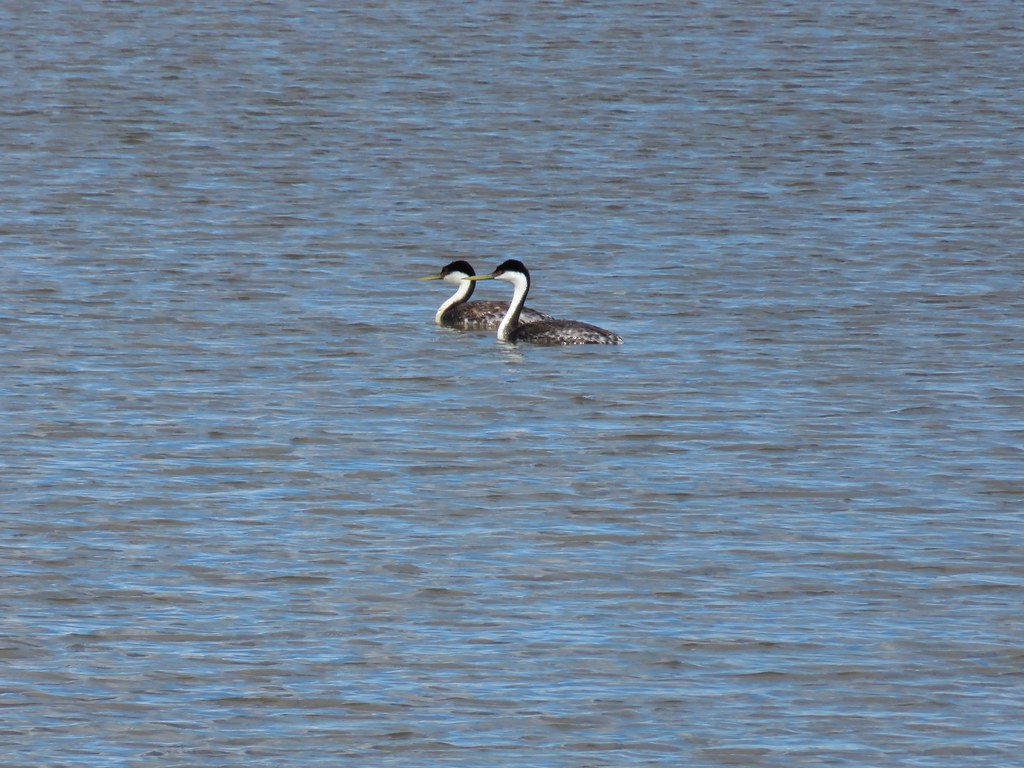
We stopped in the photo blind and even though there weren’t many birds on the water we did see a pair of horned grebes.
IMG_5340

IMG_5350

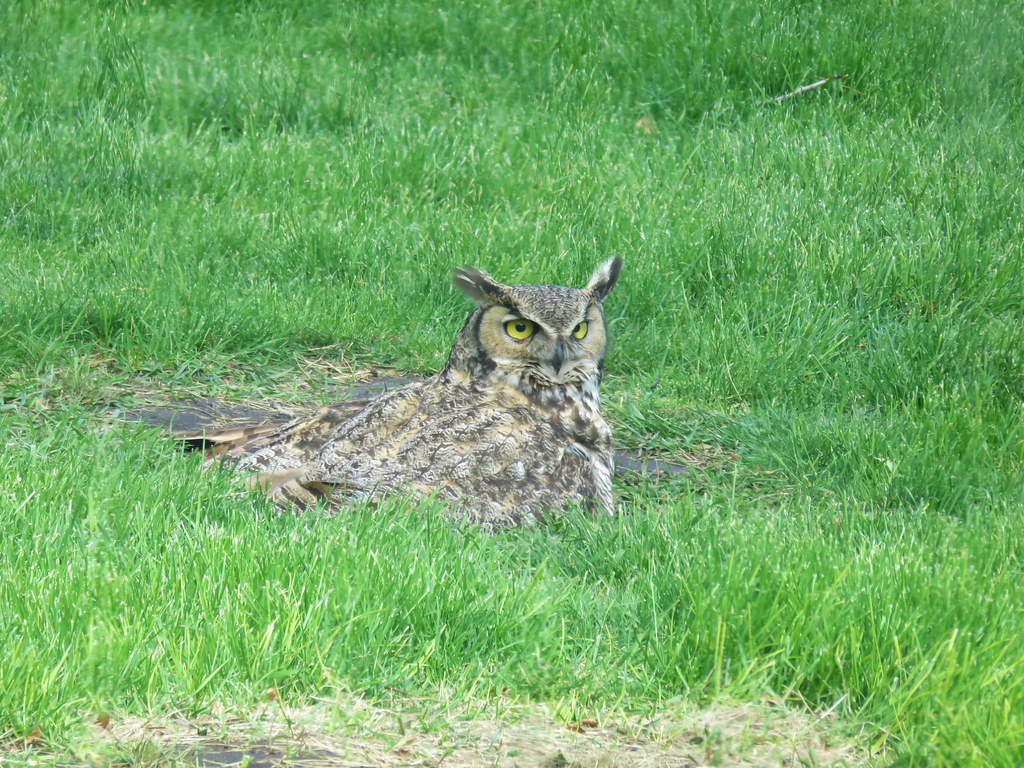
After completing the short loop we visited the gift shop. While we were inside I happened to look out the window and noticed something in the grass. I thought it was a cat but the fur didn’t look right, then it turned it’s head and I realized it was a great horned owl.
IMG_5352

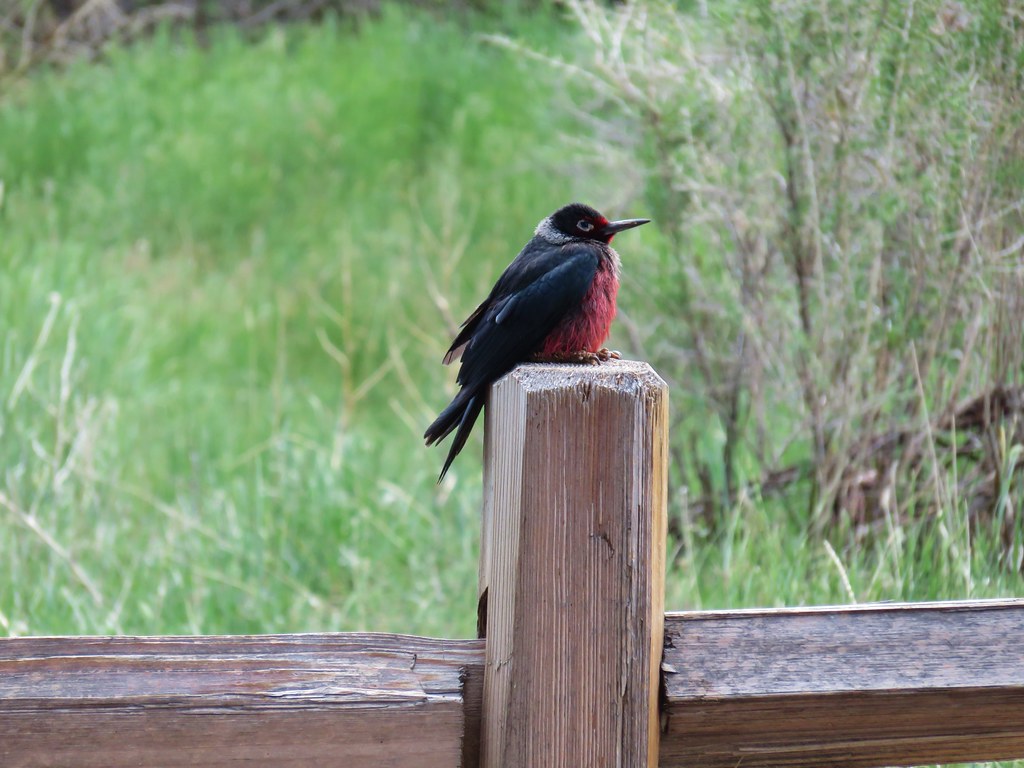
By the time I got Heather it had disappeared. From the gift shop we returned to the Overlook Trail and climbed back to our car. Before we reached the Overlook Trail though we spotted a Lewis’s Woodpecker sitting on a post.
IMG_5354

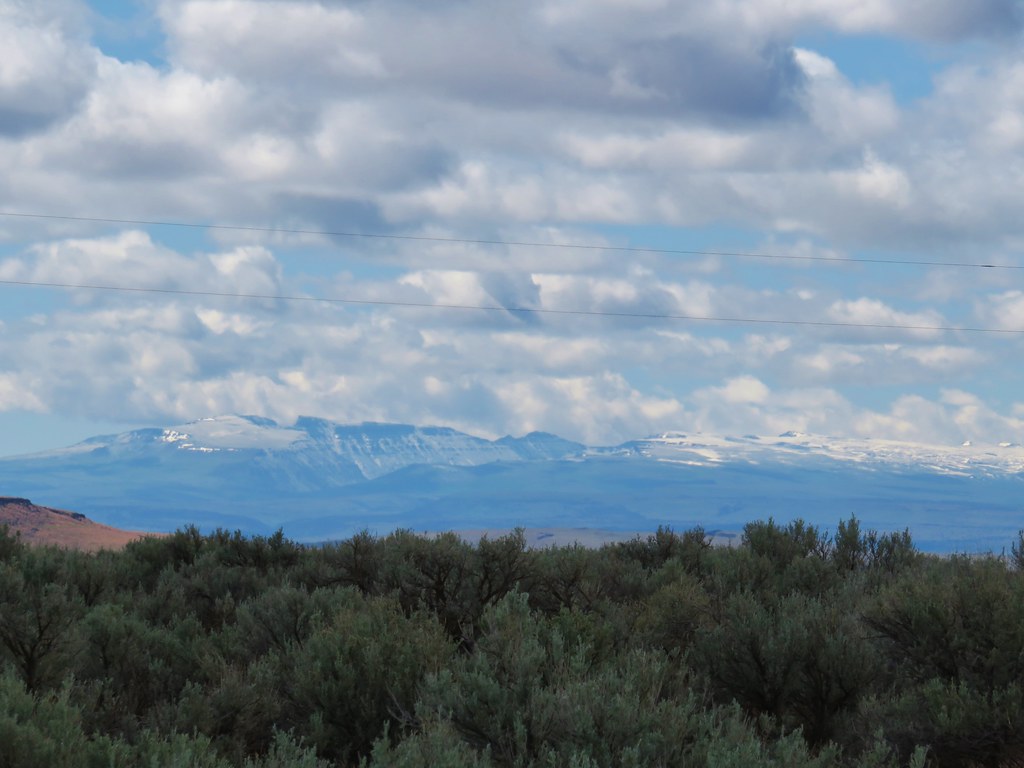
When we got back to where we had parked we noticed that we could see Steens Mountain off to the SE. This was our first time viewing the 50 mile long fault block mountain.
IMG_5358

IMG_5360

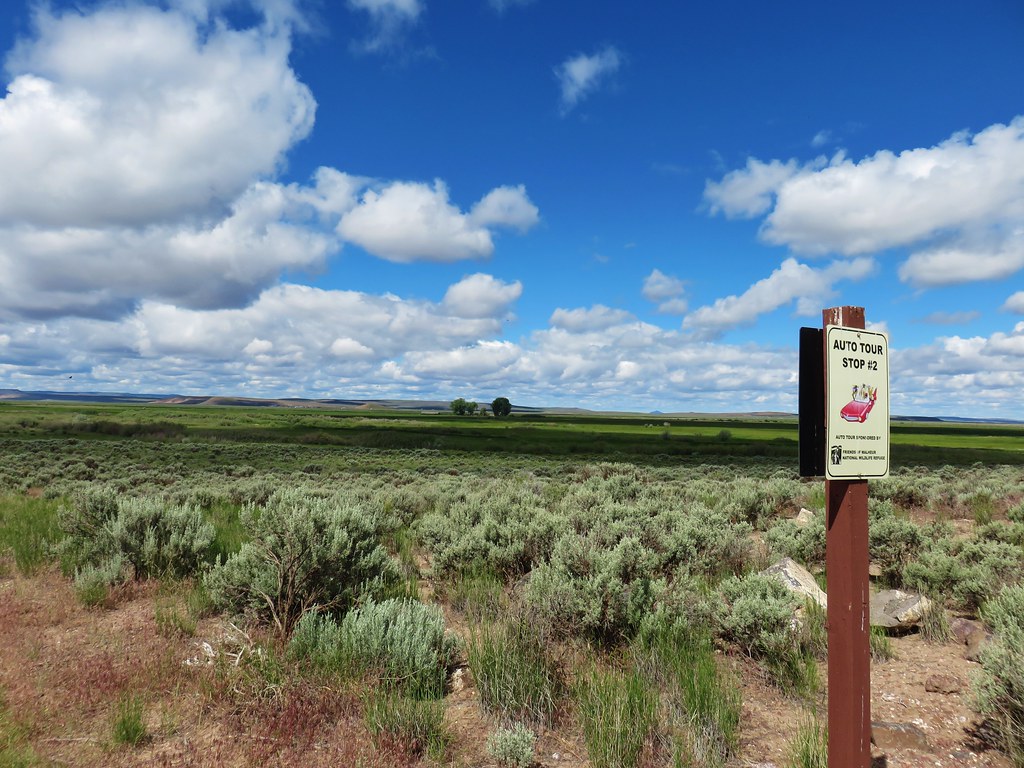
Based on the information given to us in the visitors center we decided to do part of the 42 mile auto tour. There are 19 “stops” along the route. We picked up the route from the Overlook Trail (which is stop 1) and started down the gravel road. Sign posts marked the suggested stops that corresponded with the brochure given to us at the headquarters.
IMG_5365 Stop 2 – Sod House Ranch

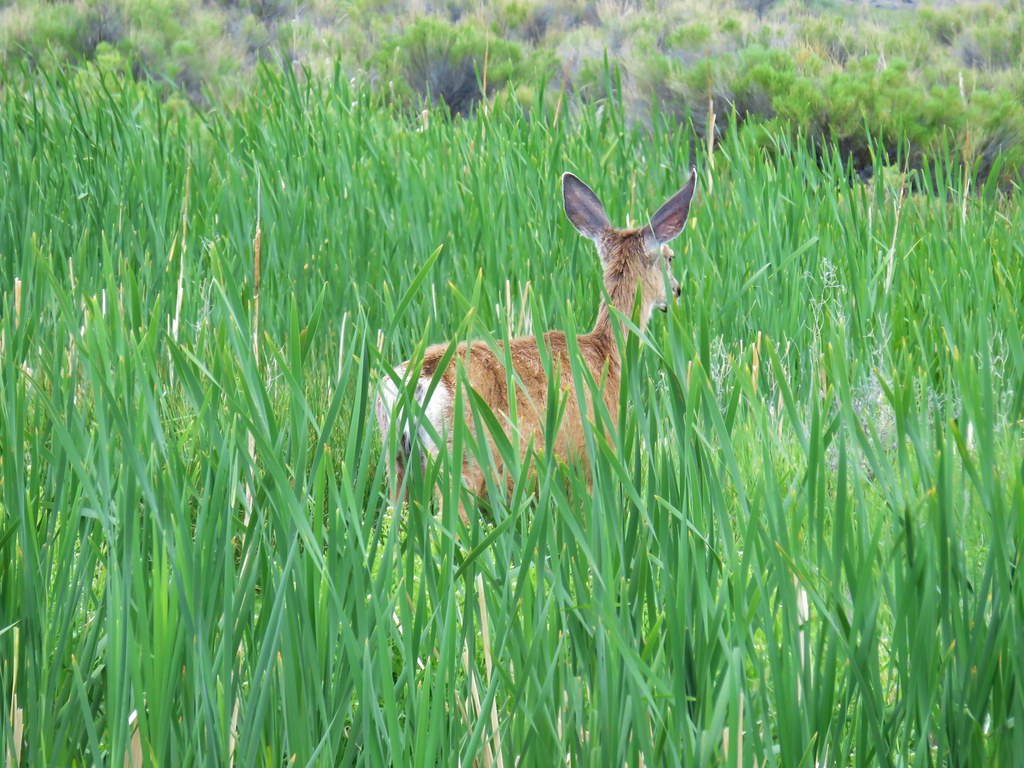
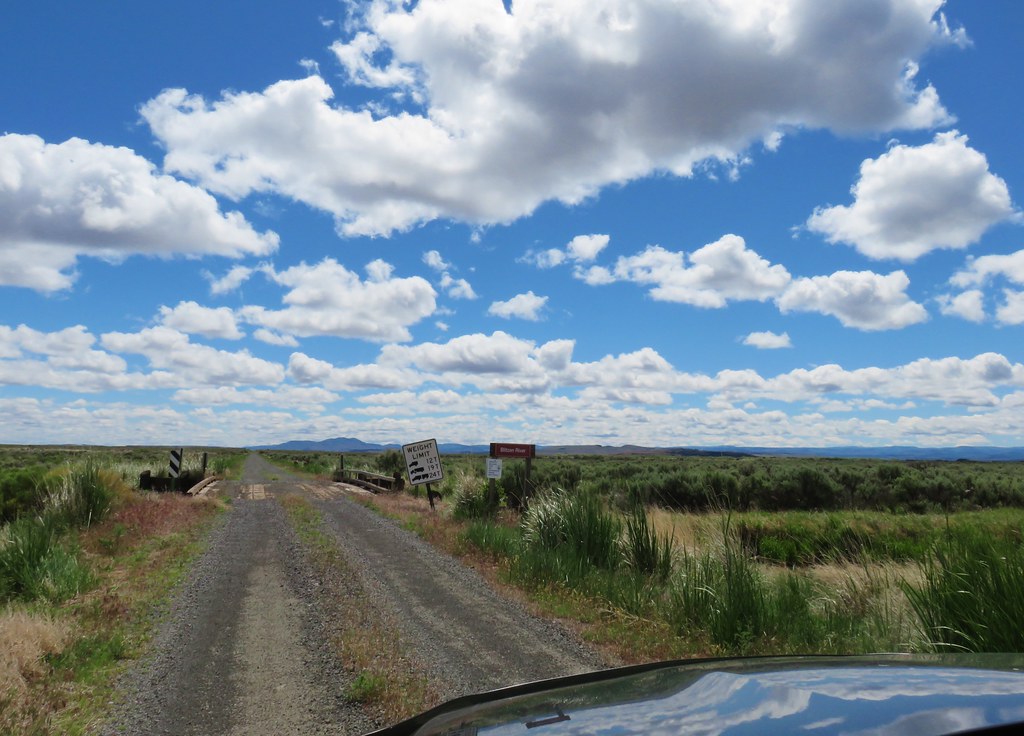
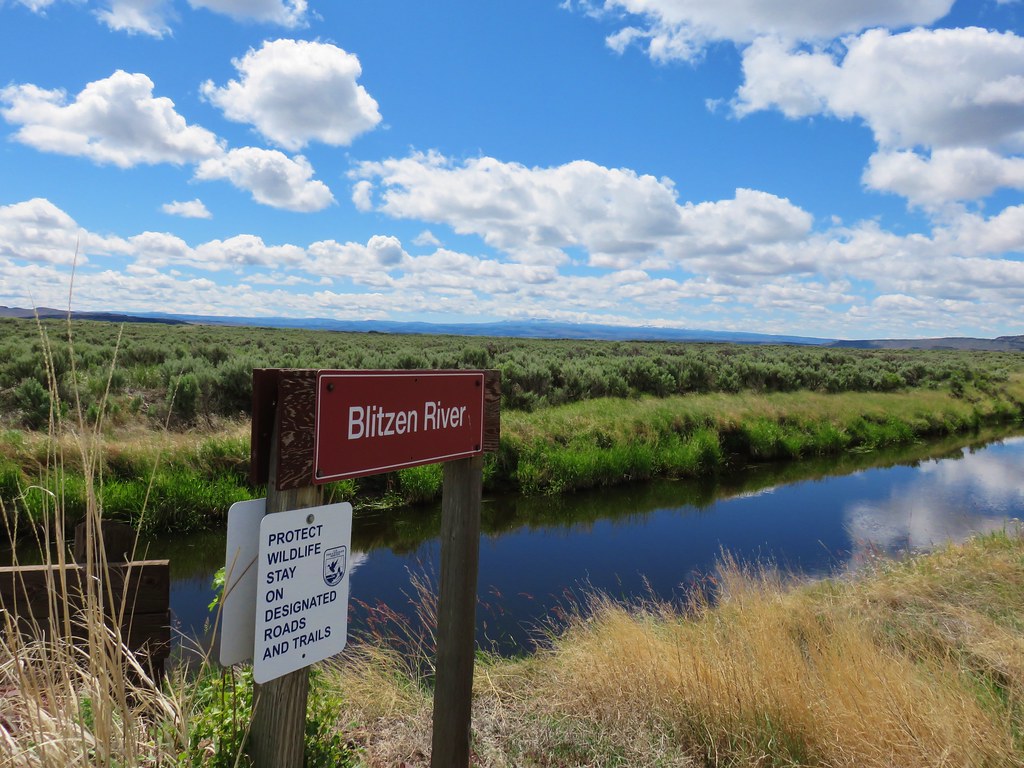
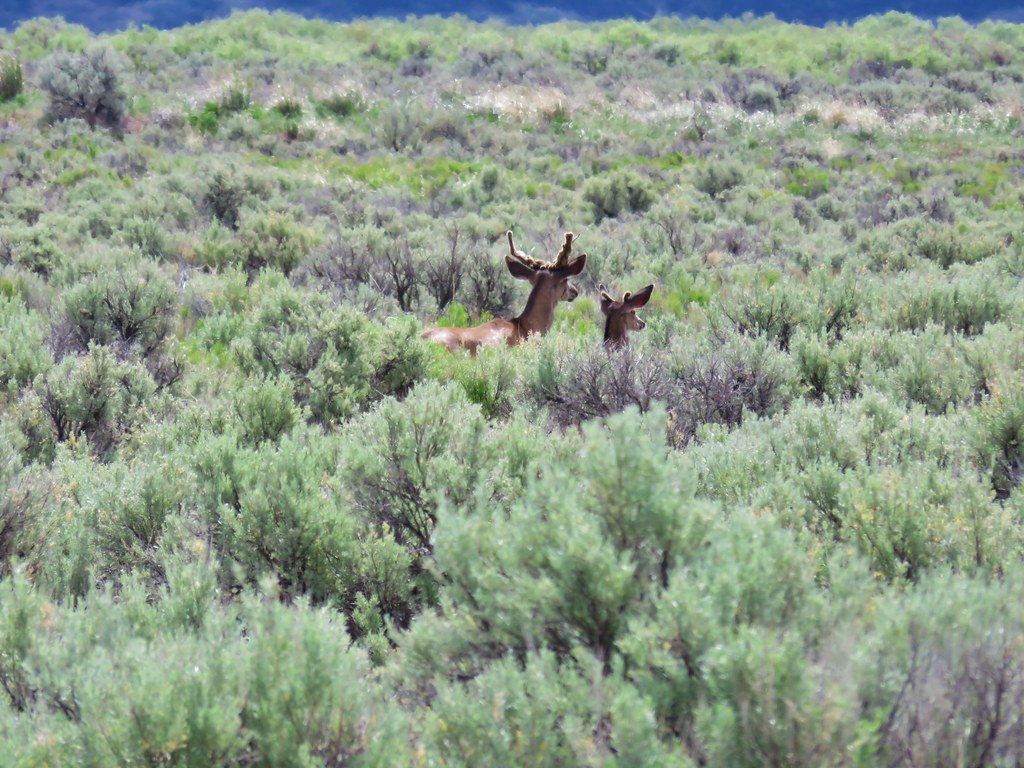
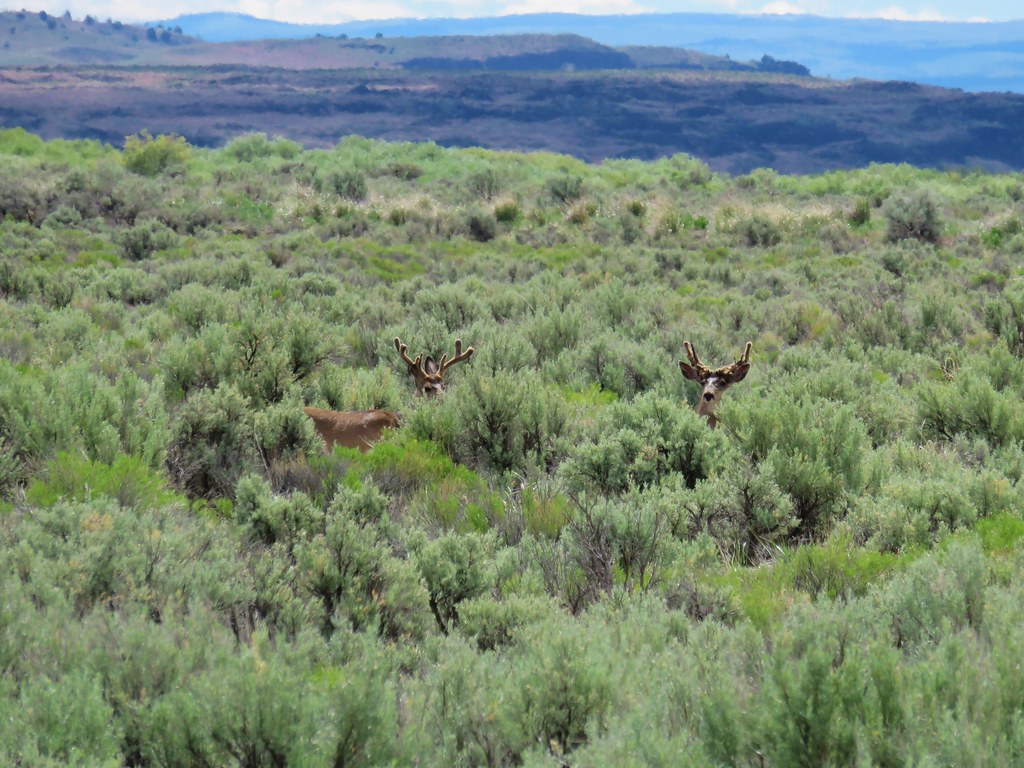
We followed the route for 15.8 miles passing stops 2-8. The wildlife were the stars of the drive though as we spotted various birds and several deer including three bucks near the crossing of the Blitzen River.
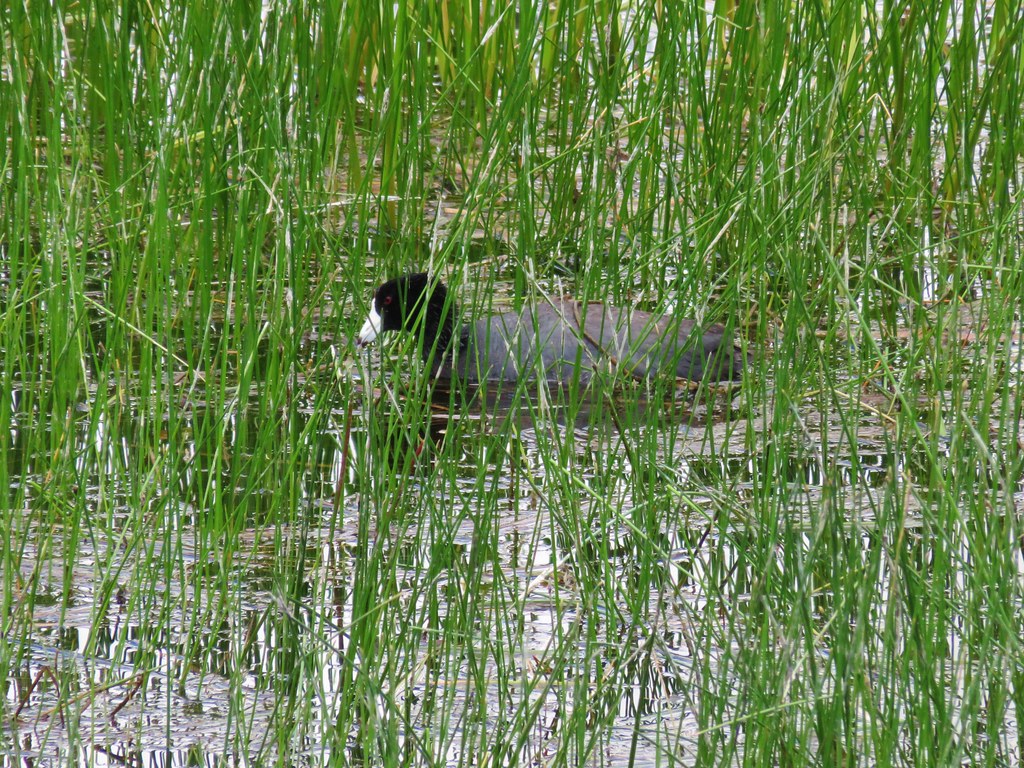
American CootAmerican Coot

White Faced IbisWhite Faced Ibis

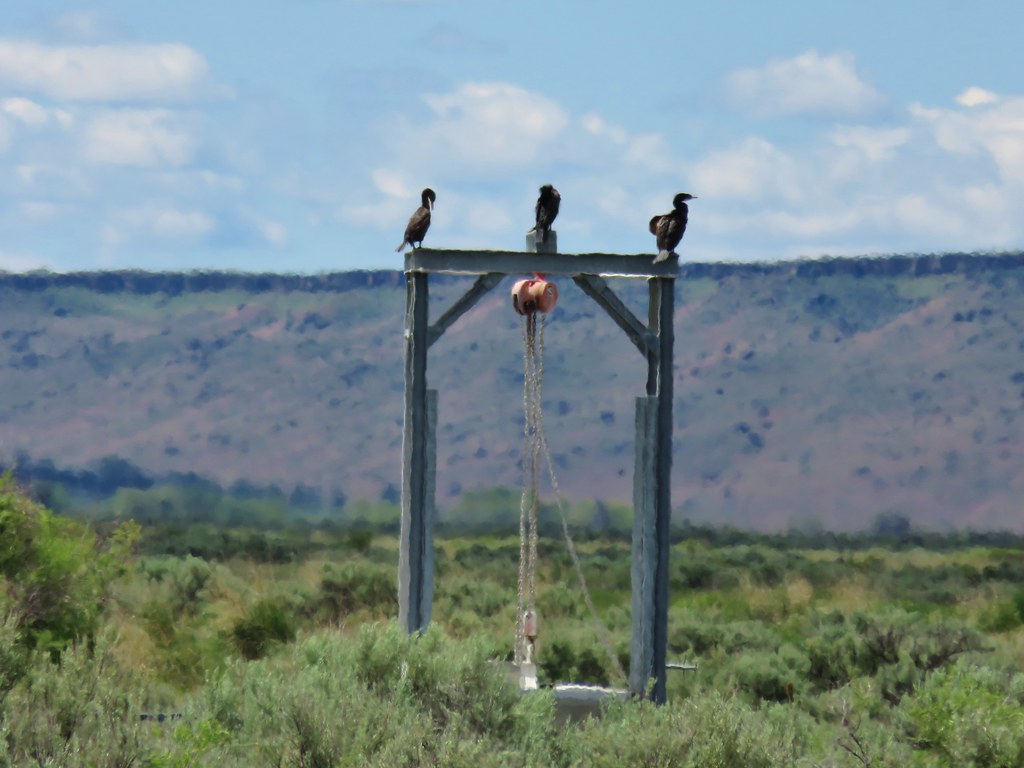
IMG_5418Cormorants

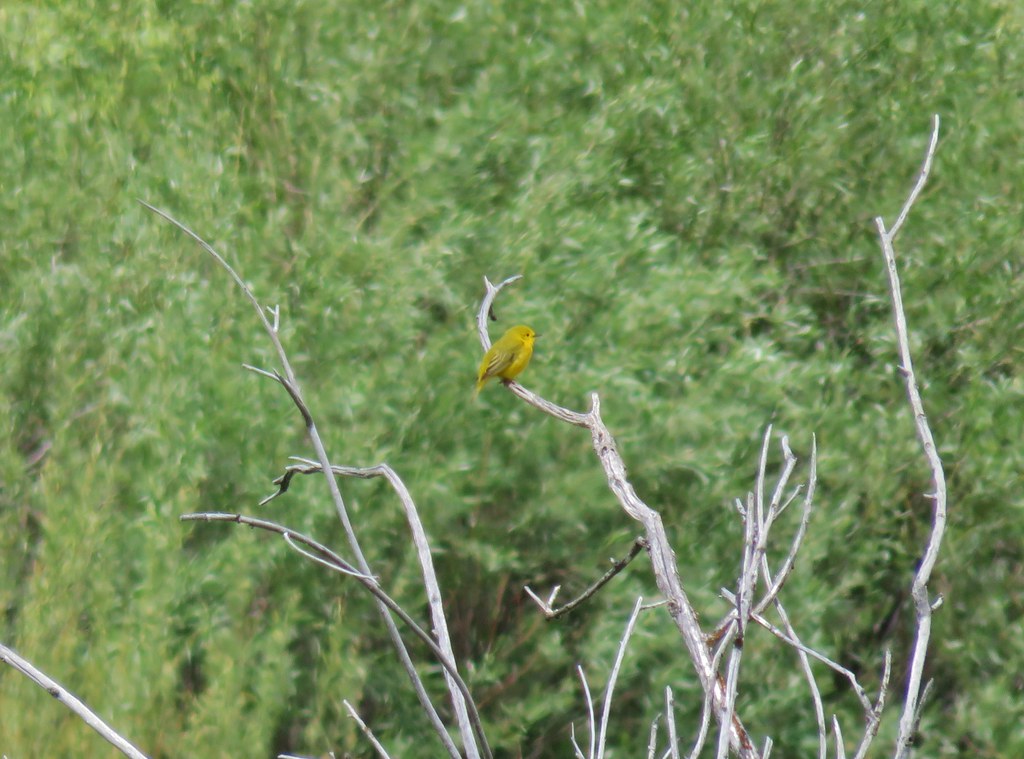
IMG_5424Yellow Warbler?

IMG_5432Western Meadowlark
IMG_5392

IMG_5401

IMG_5408

IMG_5411

IMG_5404

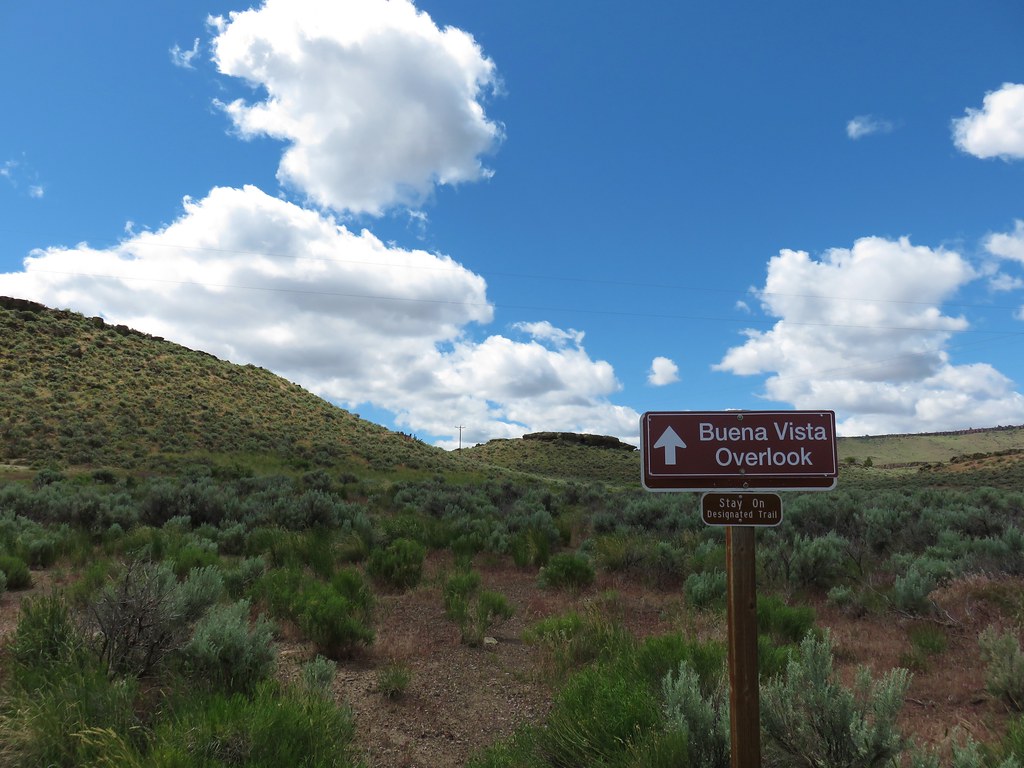
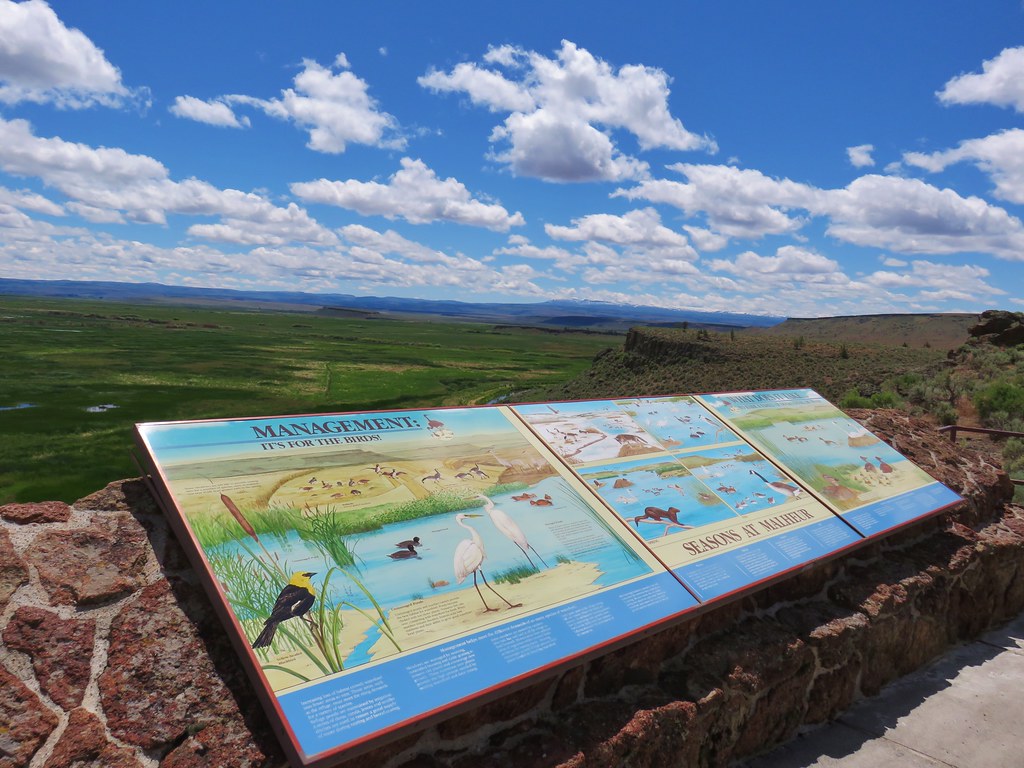
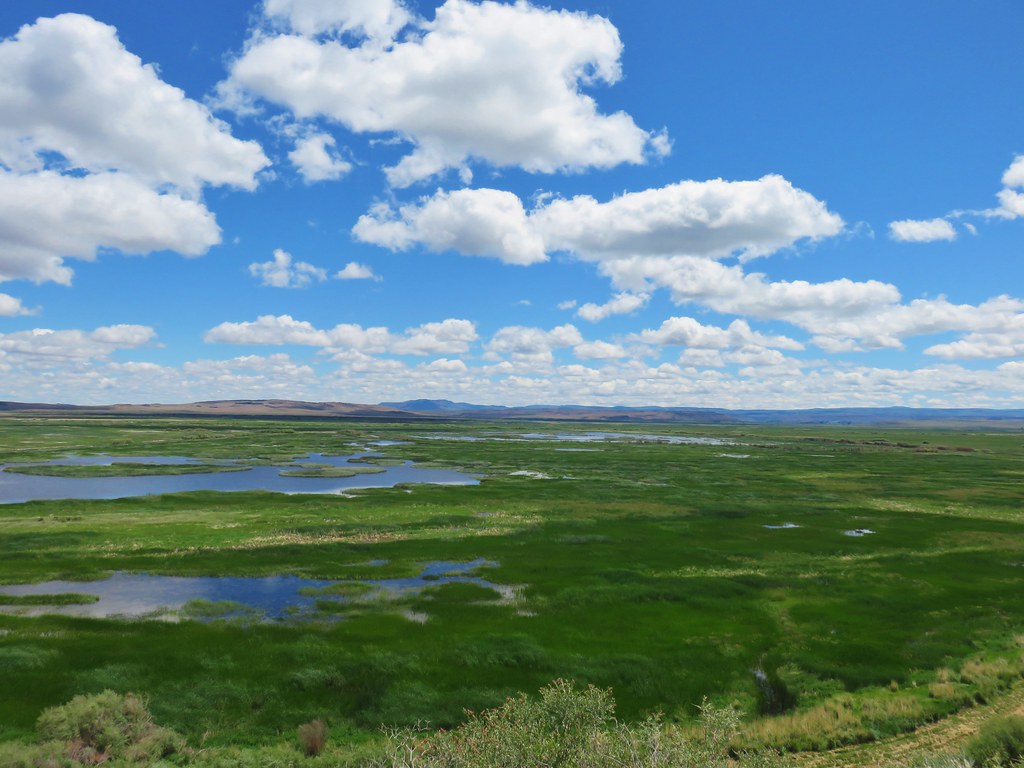
After stop 8 (Buena Vista Ponds) we turned right toward stop 9 which is the Buena Vista Overlook. Here there was an option to hike up to the overlook on a .3 mile trail.
IMG_5434

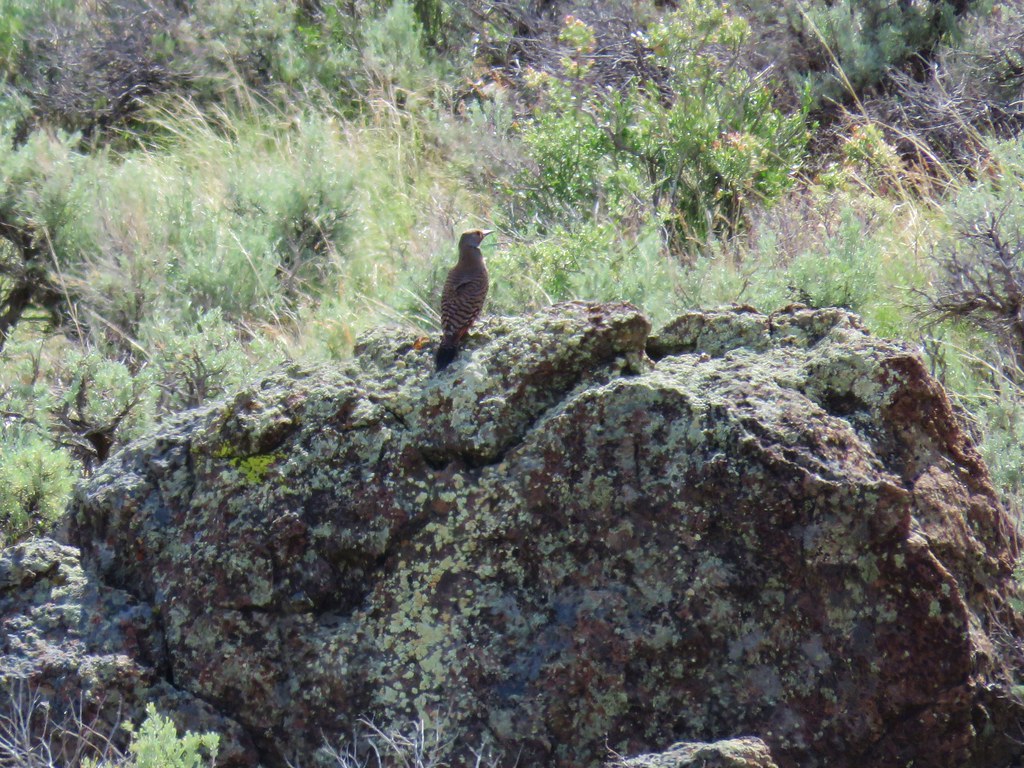
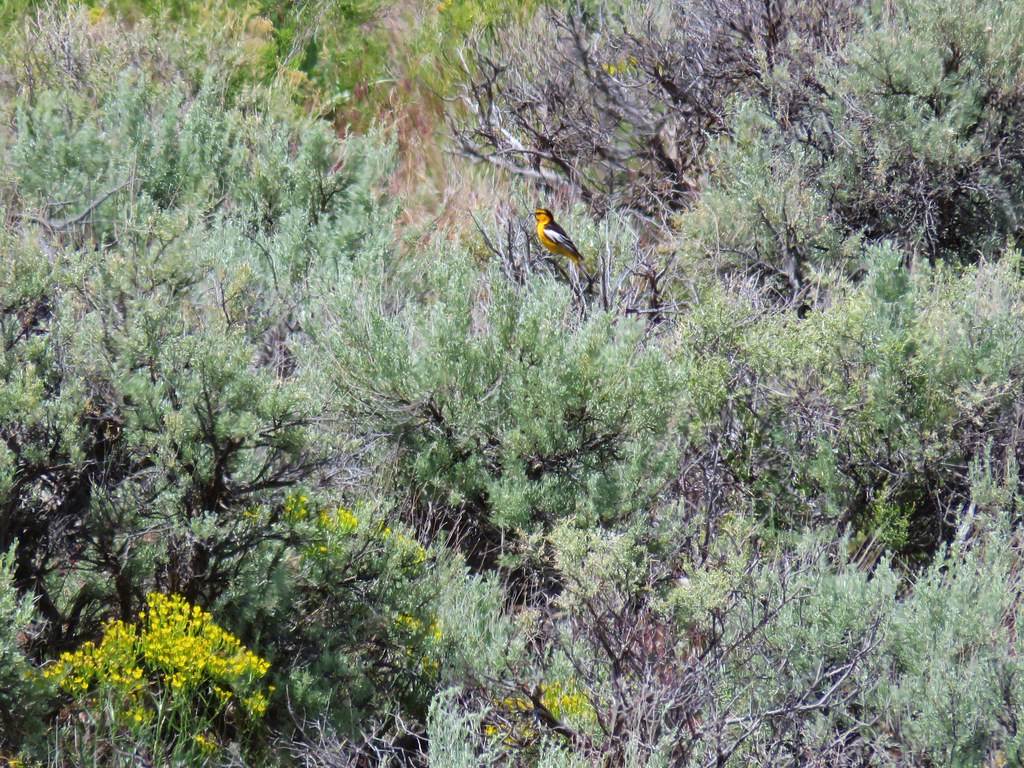
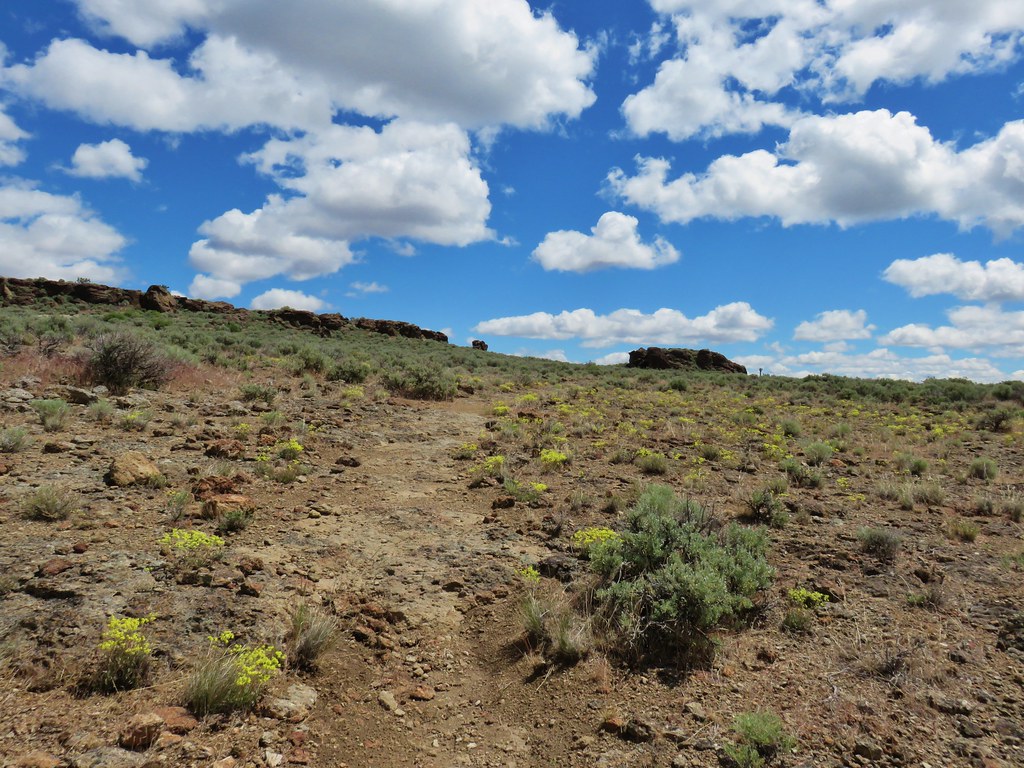
We chose this option and headed uphill through the sagebrush where we spotted a northern flicker and a bullock’s oriole.
IMG_5443

IMG_5453

IMG_5457

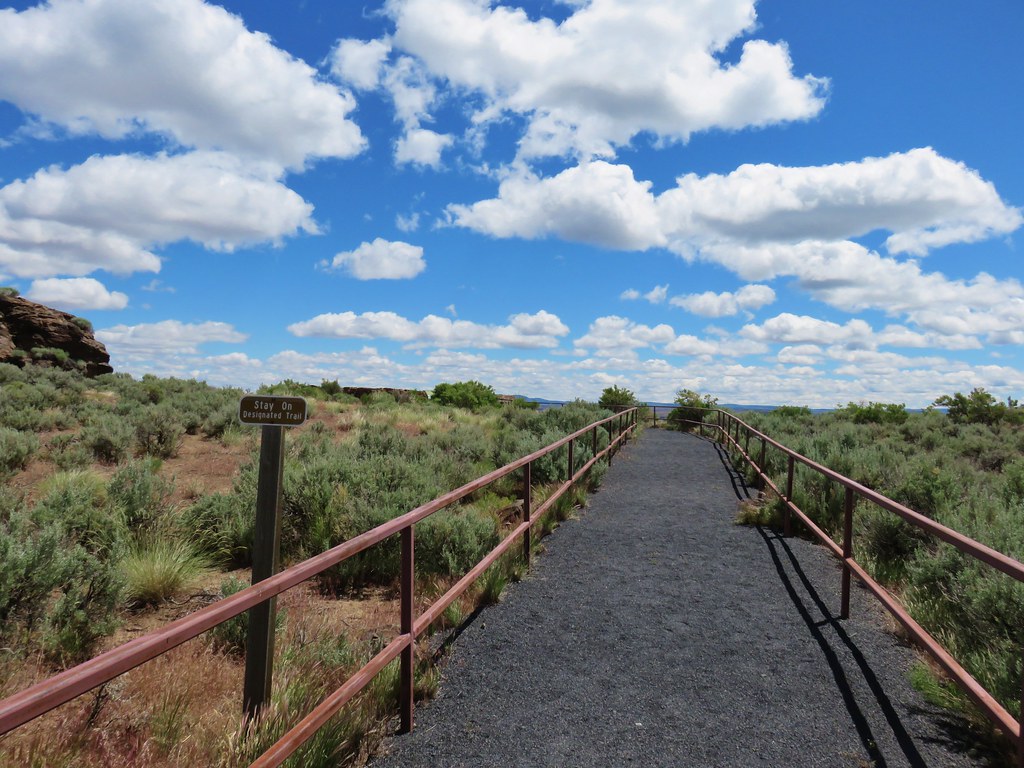
From the parking area on top we followed a gravel path to the overlook.
IMG_5468

We had forgotten to bring our binoculars up with us so we had to settle for listening to the birds below in the ponds.
IMG_5471

IMG_5472

IMG_5474

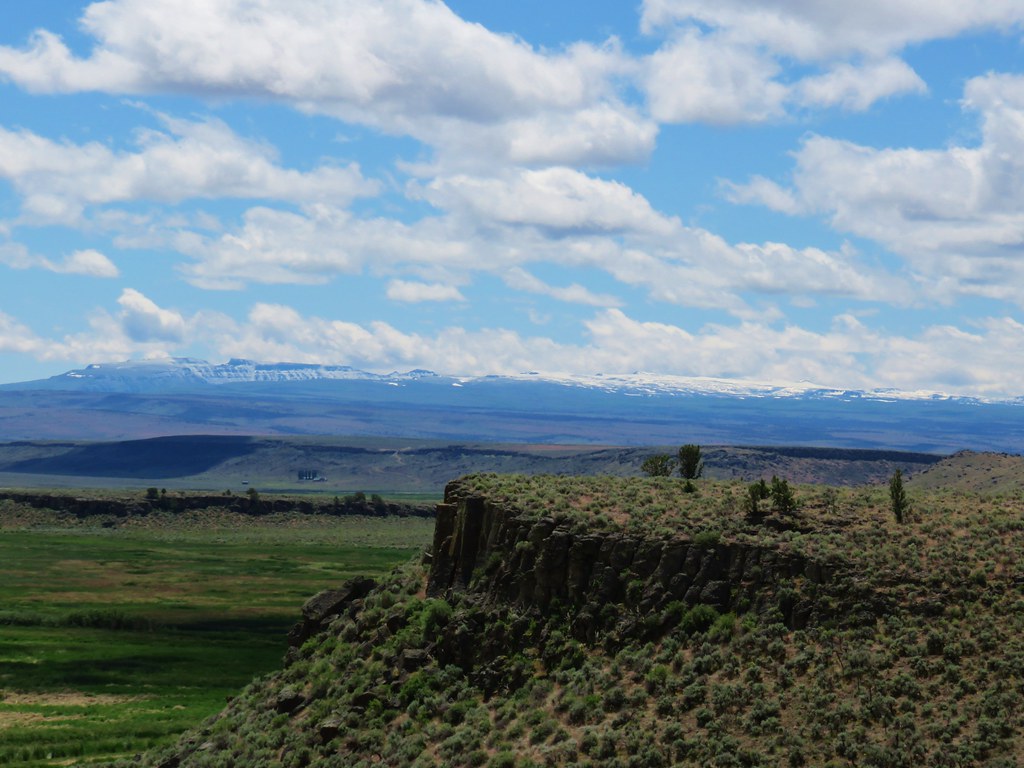
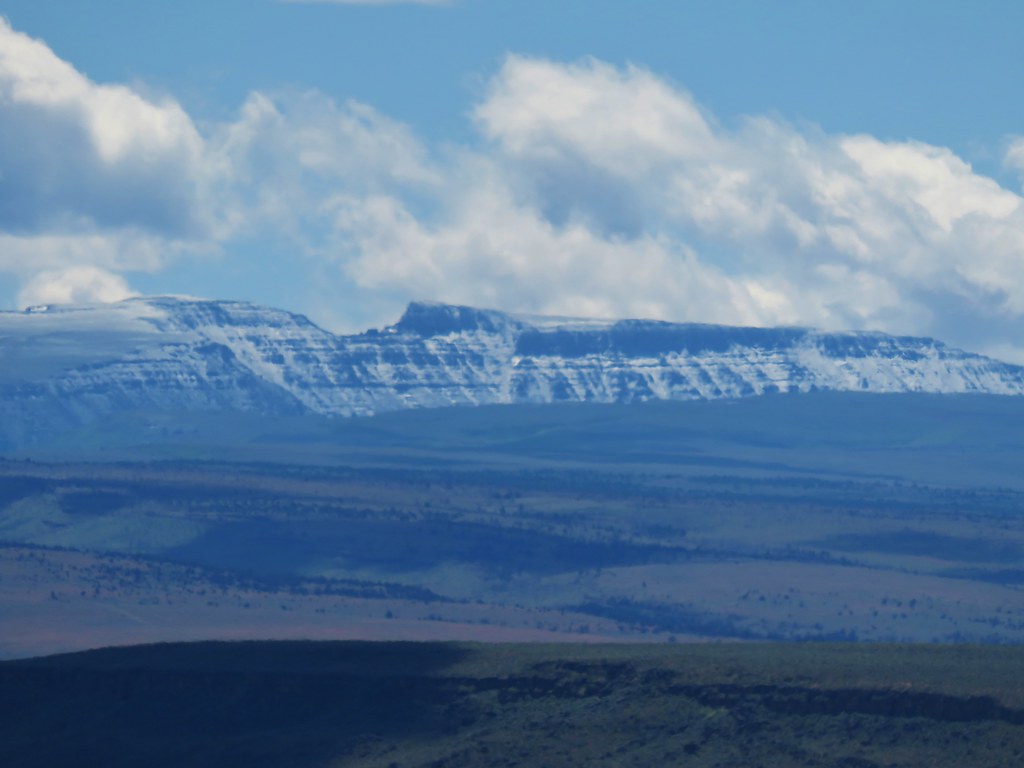
Once again Steens Mountain was visible on the horizon.
IMG_5476

IMG_5477

IMG_5478

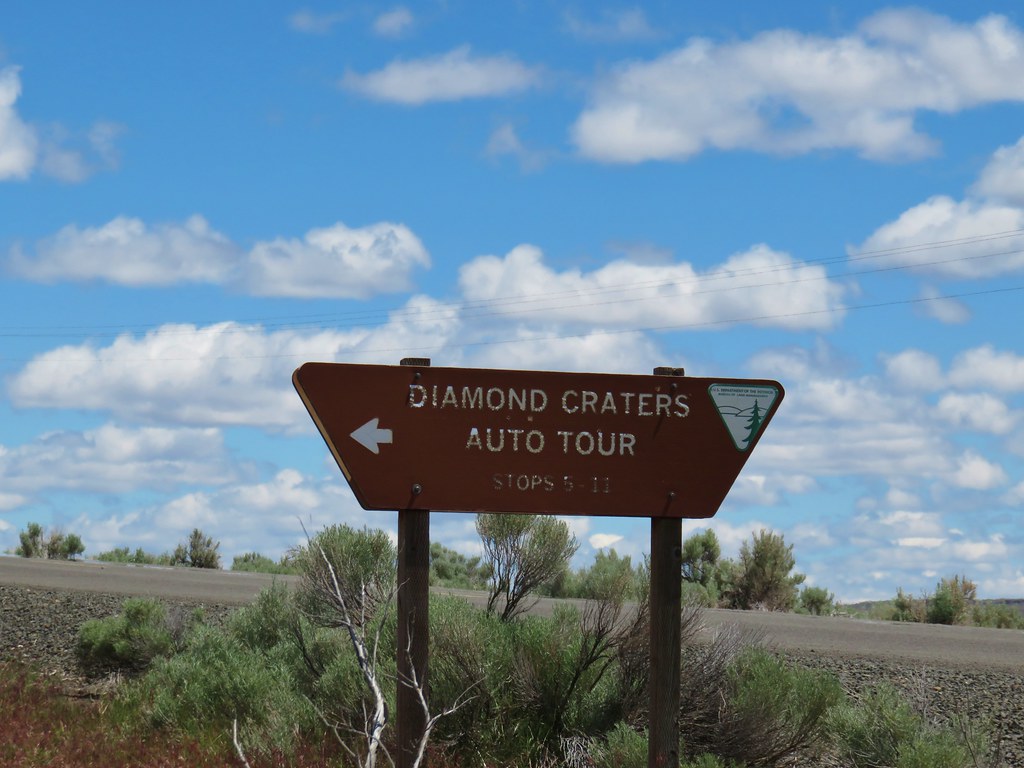
We hiked down the road to make a 1.1 mile loop out of the hike and then left the auto tour which would have had us back track to where we turned off and continue south to Frenchglen. Instead we drove west to Highway 205 and turned left for 1.9 miles to Diamond Lane. Here we turned left crossing the auto tour route at stop 10 (Diamond Lane) and continued east for a total of 10 miles to a sign for the Diamond Craters Auto Tour Stops 5-11.
IMG_5491

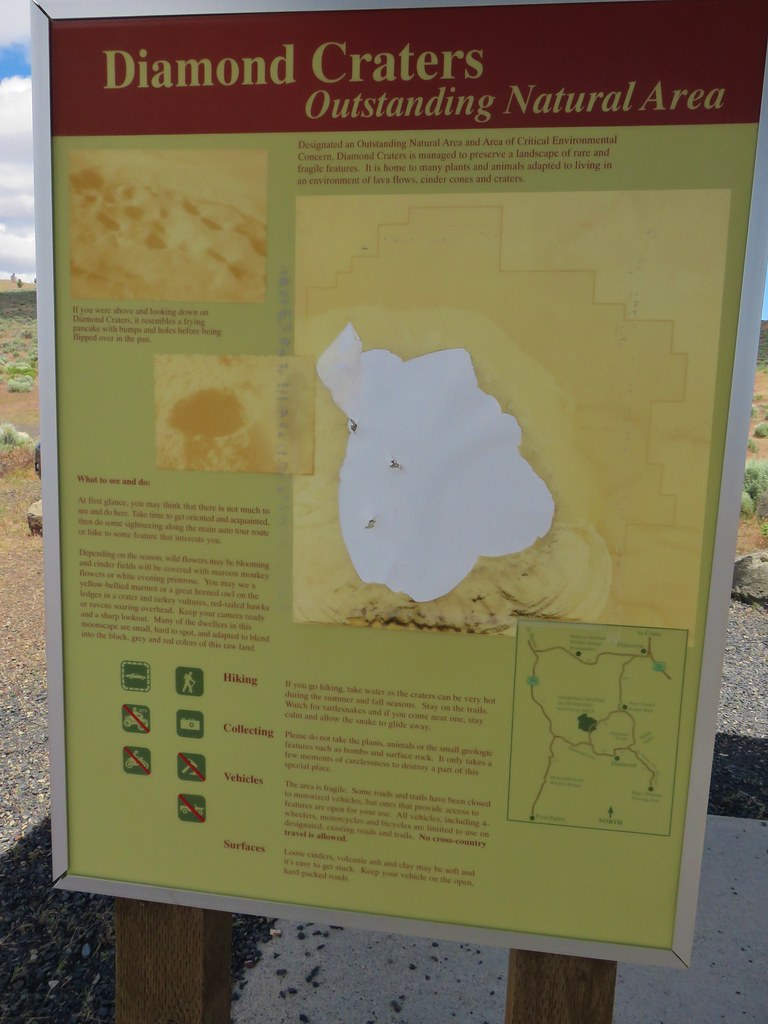
Prior to speaking with the volunteer at the refuge we had not planned on stopping here and had little information other than the small brochure she’d given us. We parked at a signboard where the one map had been vandalized.
IMG_5495

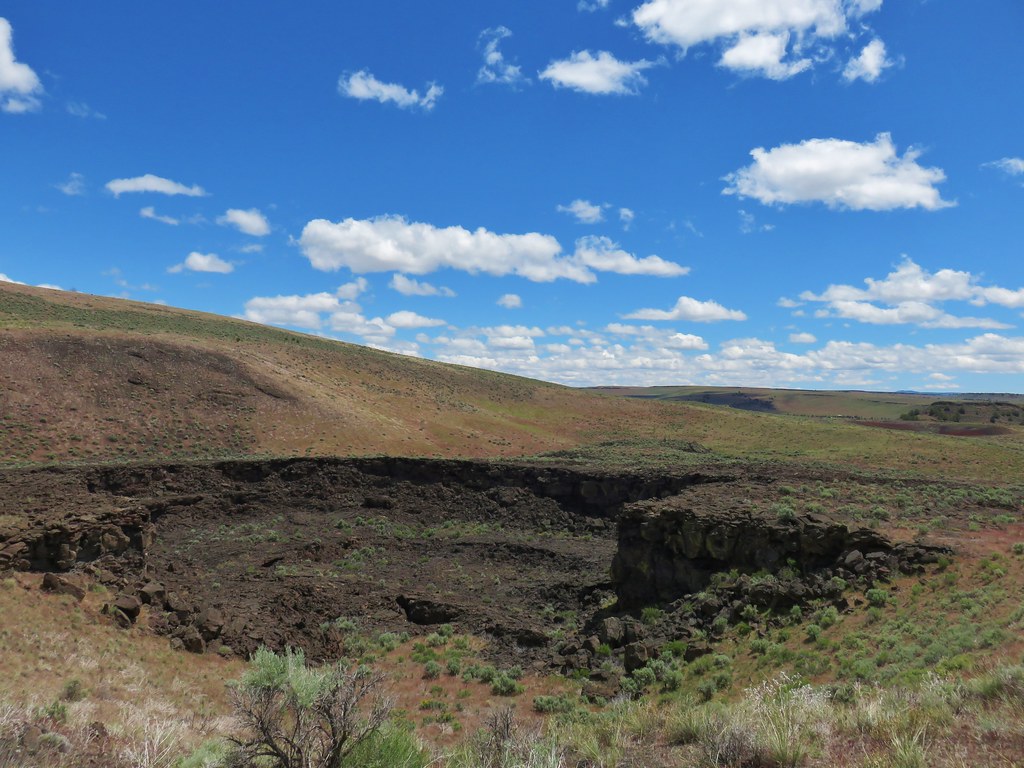
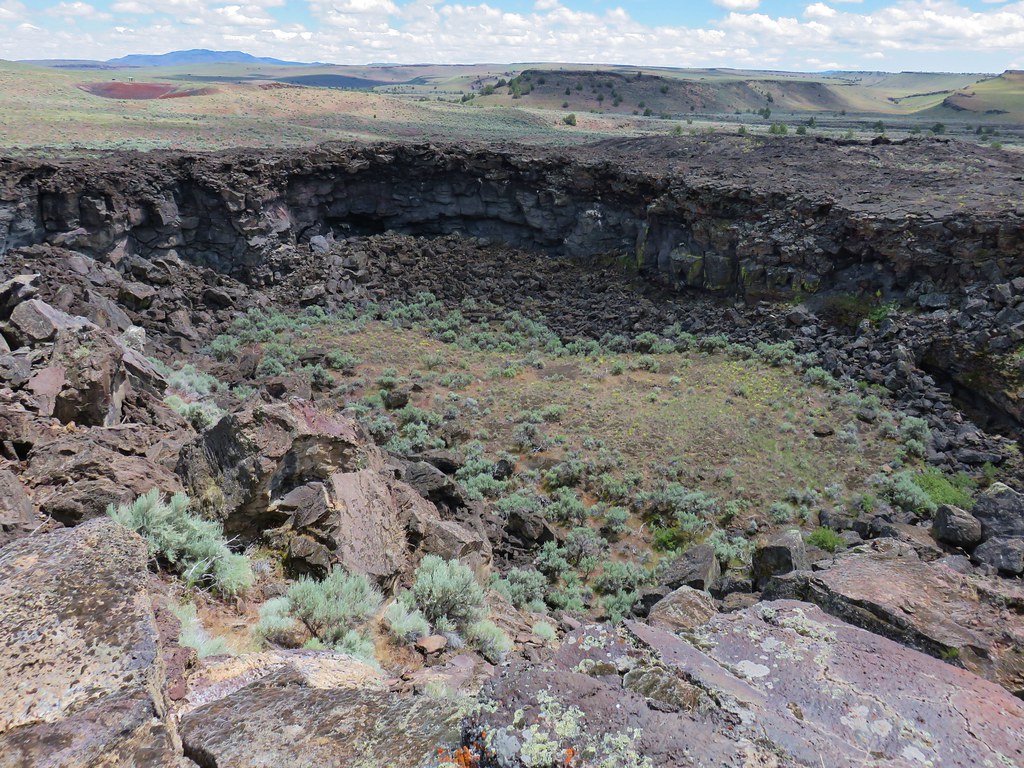
We decided to give hiking a try and followed a path toward Crater 5 aka Big Bomb Crater.
IMG_5497

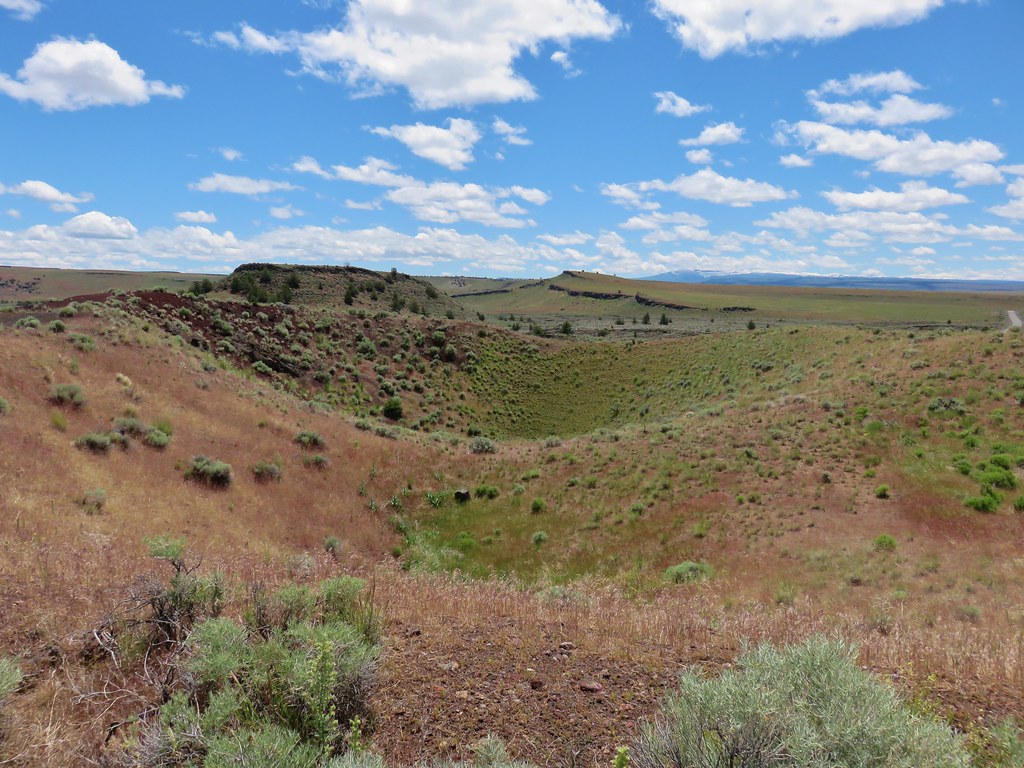
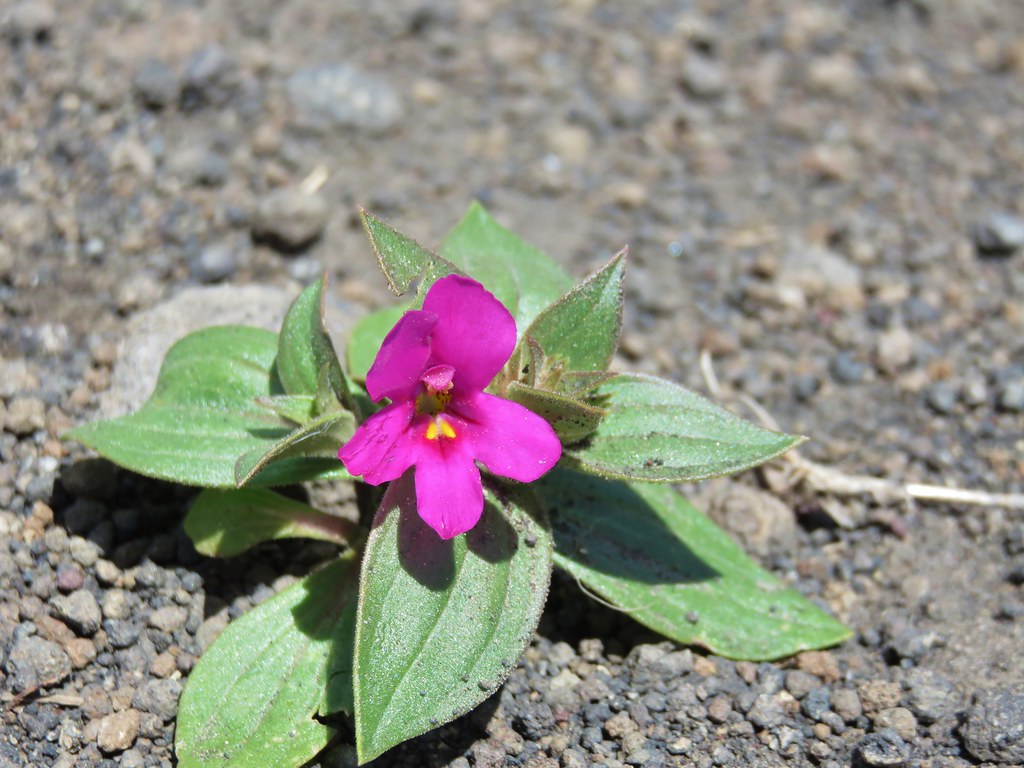
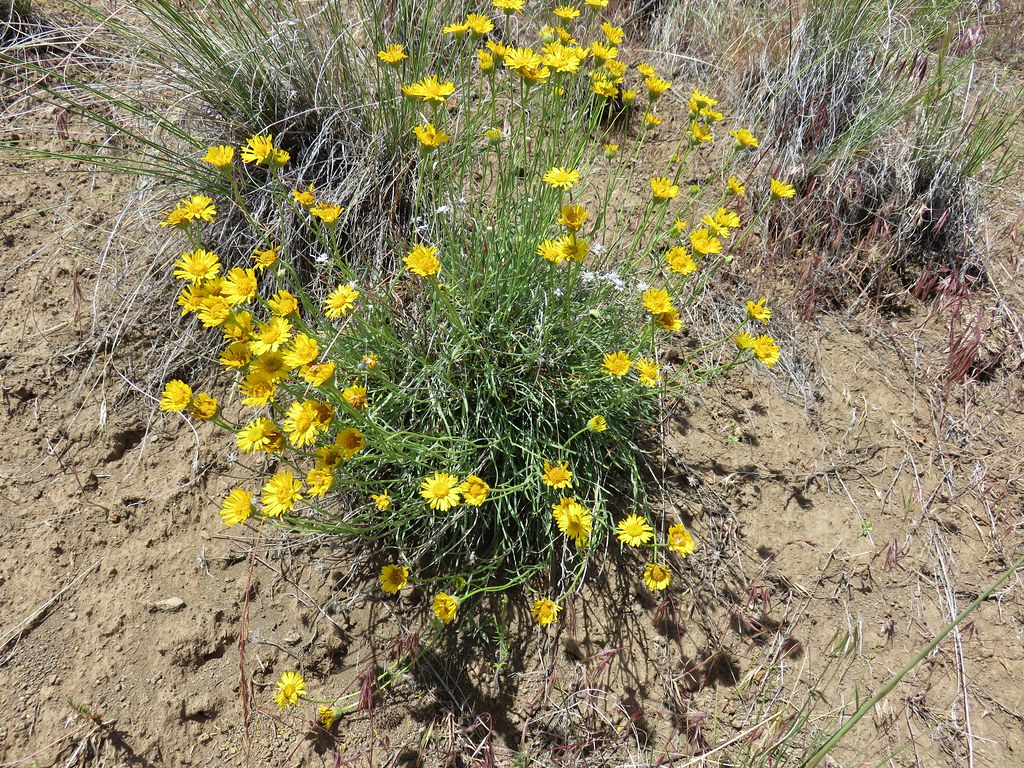
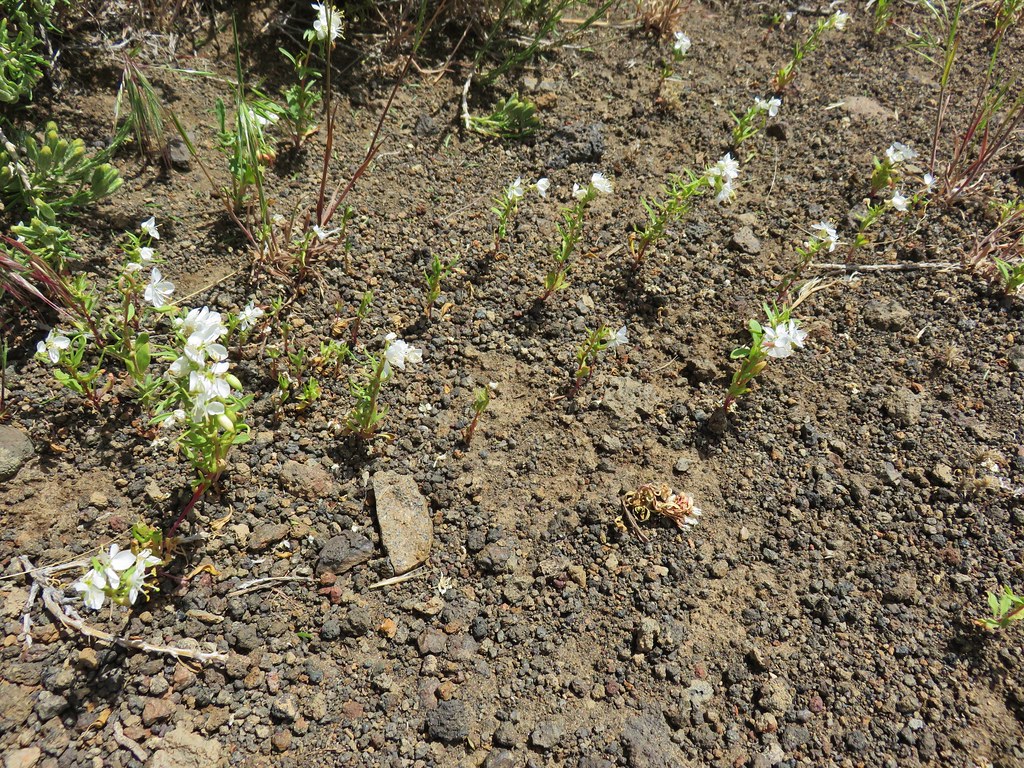
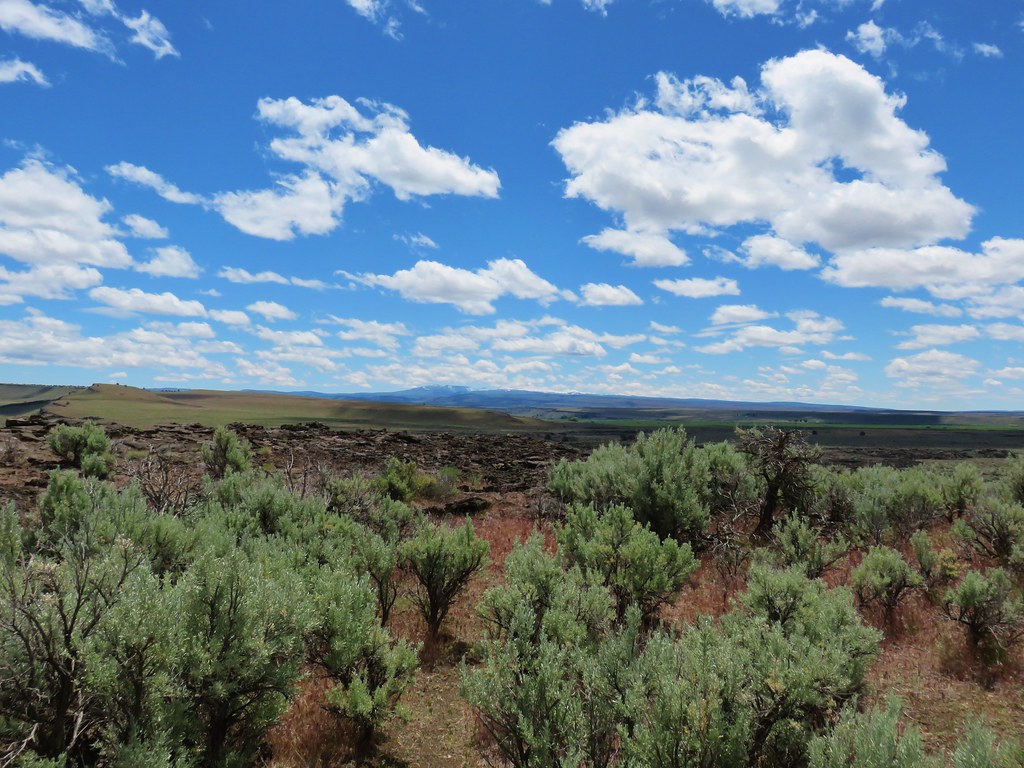
The trail petered out near the bowl so we backtracked to where we’d parked and decided to hike up the road a bit to the next crater which was ahead on our right. We passed a few small desert flowers along the way before reaching a view of the crater known as the Keyhole Explosion Crater.
IMG_5503

IMG_5511

IMG_5515

IMG_5508

IMG_5513

The road had split before we had arrived at this crater and ahead it continued to climb uphill.
IMG_5514

Not knowing what lay ahead we opted to avoid the climb in the heat of the day and headed back to the split where we took the left hand fork to another crater, the Lava Point Crater.
IMG_5519

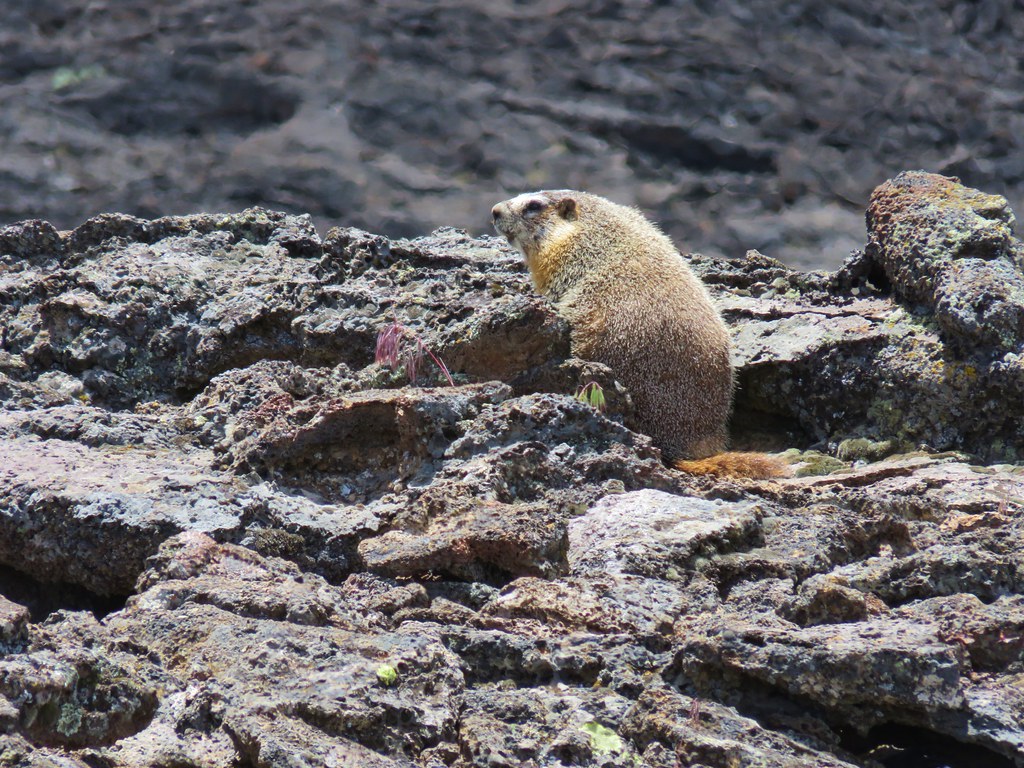
A marmot was admiring this crater when we arrived.
IMG_5525

IMG_5528

We ended our hike here and returned to our car. A short 1.7 mile jaunt had given us a sample of what the Diamond Craters Outstanding Natural Area had to offer. We hope to go back some day with better information and visit more of the area.

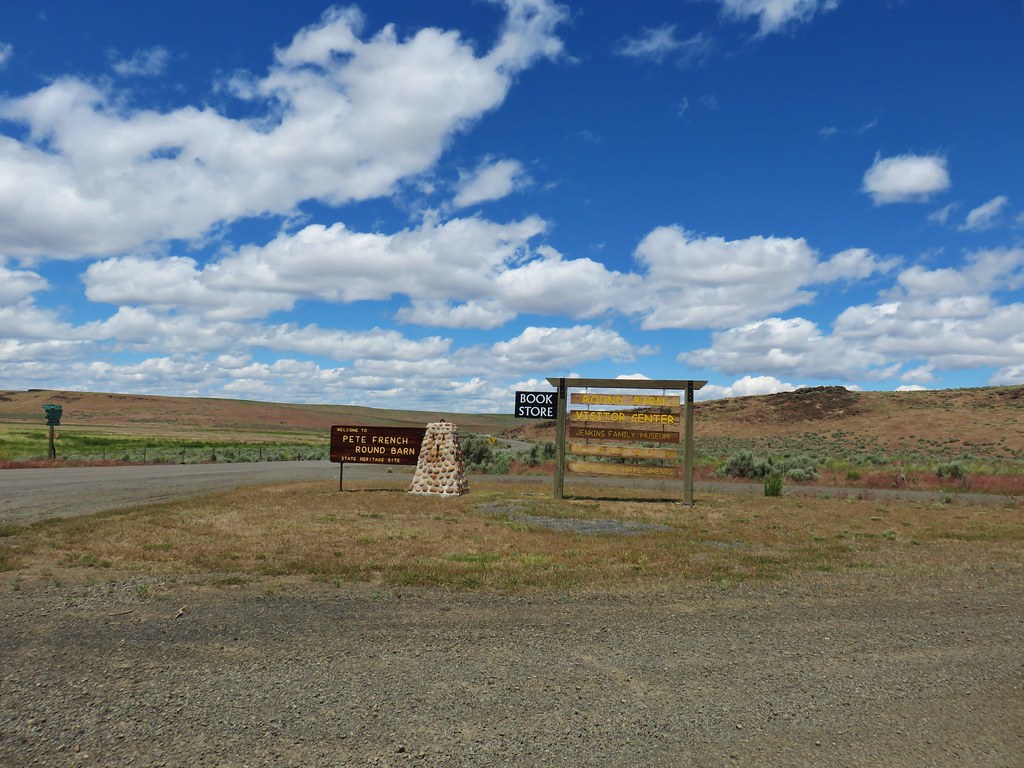
After leaving the area we continued NE on what had started as Diamond Lane then become Lava Beds Road and was now Diamond Craters Road. Just over six and a half miles from where we’d parked we turned right at a sign for the Peter French Round Barn State Heritage Area.
IMG_5533

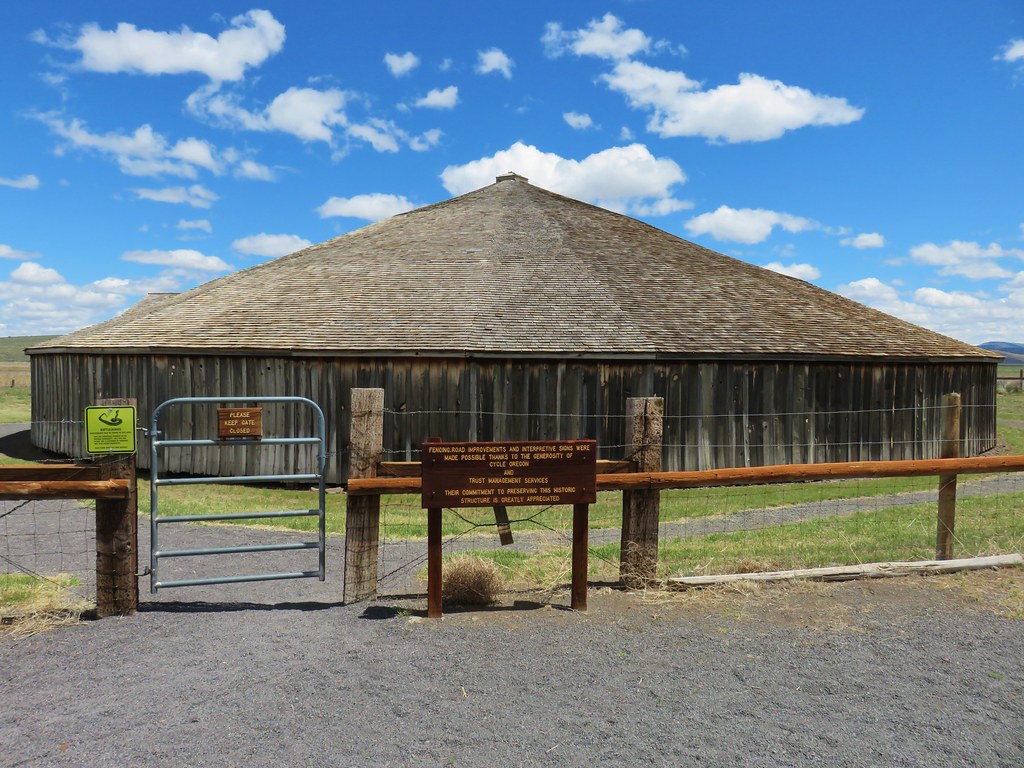
We skipped the visitors center here and headed straight for the round barn.
IMG_5538

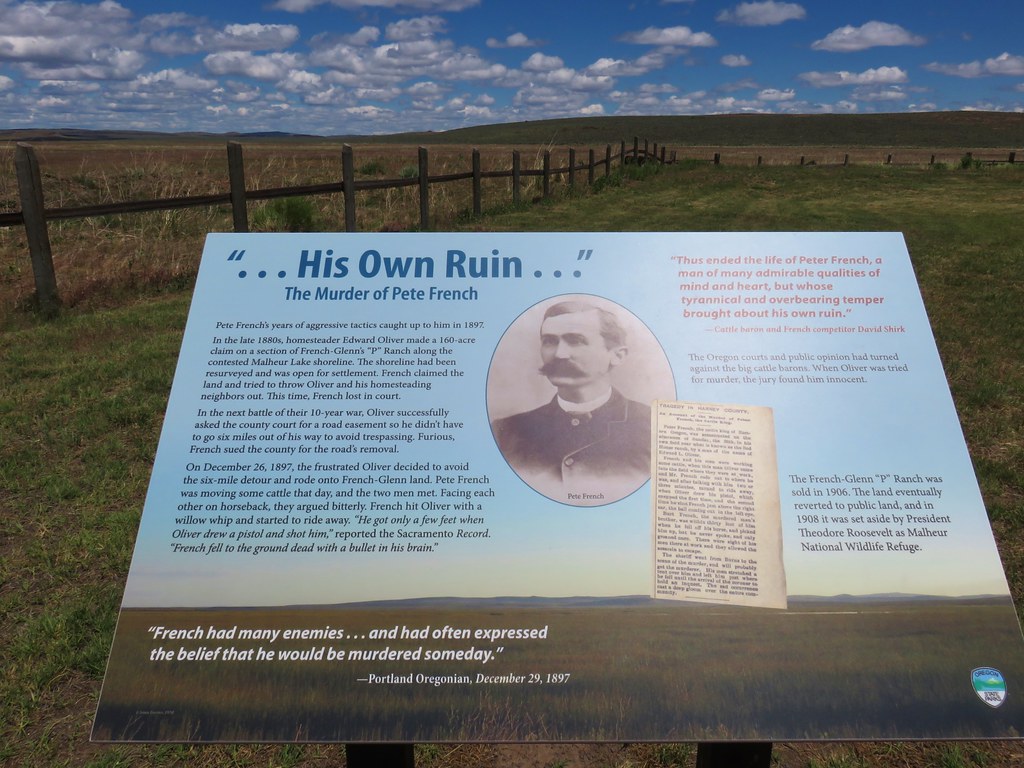
Information signs told the story of this unique structure and of Peter French who had amassed quite an empire before being shot.
IMG_5535

IMG_5540

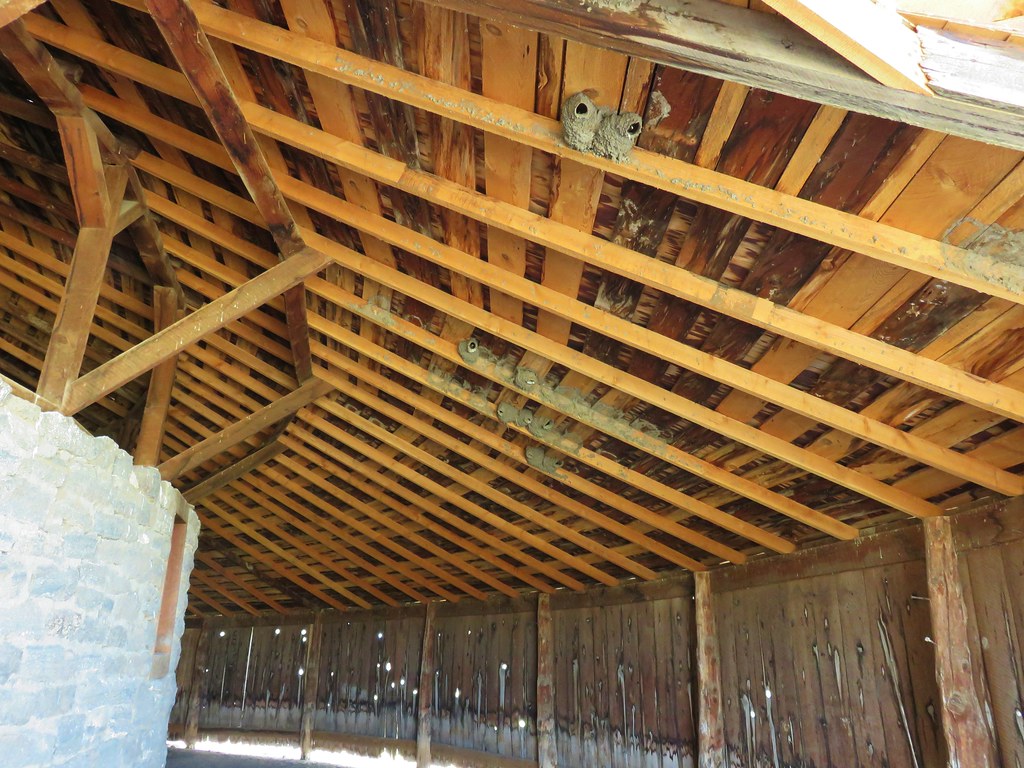
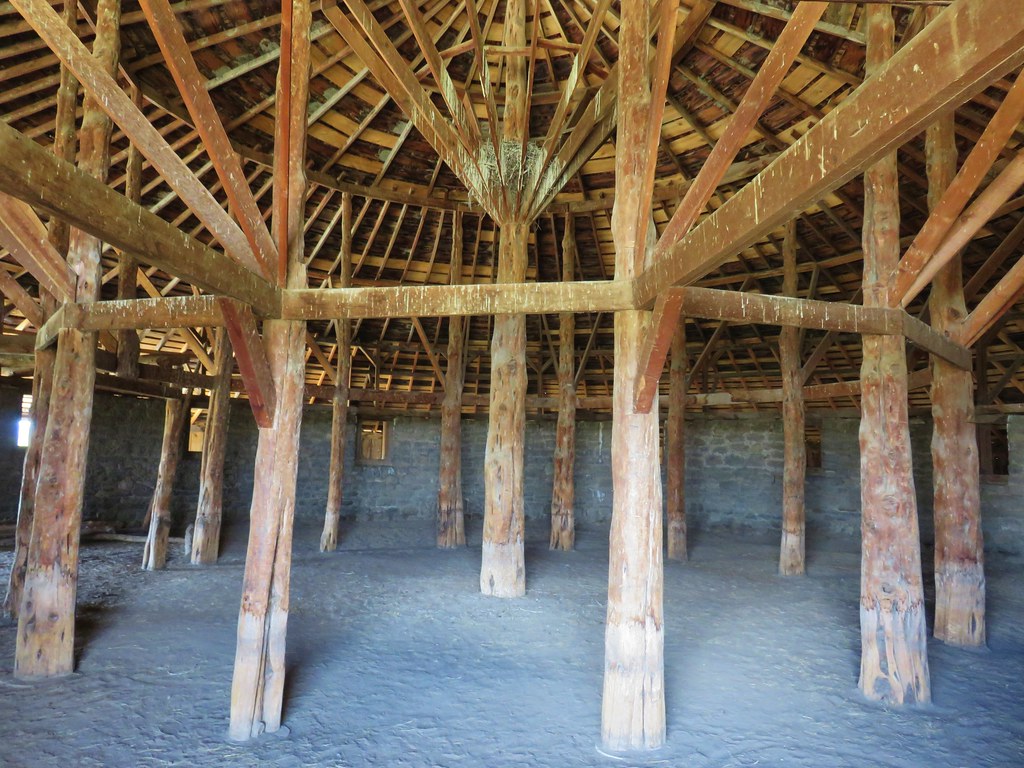
While there are no trails at this park we did walk around and through the barn.
IMG_5546

IMG_5548

IMG_5550

IMG_5553

It was another interesting and worthwhile stop. From the Round Barn we continued on to Highway 78 where we turned right following it to Highway 95 where we turned left toward Jordan Valley. As we got closer to Jordan Valley we began to talk ourselves into possibly staying in Marsing, ID instead thinking that it was a larger city and might have amenities that we wouldn’t have in Jordan Valley such as cell coverage. By the time we passed the loan motel in Jordan Valley we had pretty much made up our minds to continue on to Marsing thinking that it was only 20 miles to the north. That was a miscalculation as it was actually close to 50 miles further and when we did finally get cell reception we found that there were no real options in Marsing for places to stay. We had to continue on for another 15 miles to Caldwell, ID where we wound up staying in a hotel just off I84 which we had been on the day before when we’d driven from Salem to the Deschutes Recreation Area.

It had turned into a long day of driving with three short hikes and a couple of stops mixed in. We decided to stay in Caldwell for two nights and then go back to our original plan of staying in Jordan Valley. Things were really shaping up for this to be one adventurous vacation. Happy Trails!

Flickr: SE Oregon Road Trip Day 2