Categories
Eugene Hiking Oregon Trip report Willamette Valley

Thurston Hills, Jasper, and Elijah Bristow Parks – 04/19/2025

As we continue to look for hikes/trails that we have yet to visit we turned to the Eugene-Springfield area. There are numerous parks and natural areas offering hikes of varying lengths in or near these cities. We’ve visited a number of them in past and this outing would add three more to our list of places visited.

We began our day at Thurston Hills Natural Area. The trailhead, located within the city limits of Springfield, opens at 6am (restrooms at 7am).
IMG_8737

Opened in 2017 the area offers trails for hikers and mountain bikers. The bike only trails are closed during the wet season which making it a quieter time for hiking. We set off on the gravel Mossy Maple Trail and began a gradual climb.
IMG_8740

IMG_8743The trails were well marked with plenty of reminders which users were allowed on them.

There was a variety of Spring wildflowers blooming in the forest as we made our way up the trail.
IMG_8750Giant white wakerobin (Trillium albidum)

IMG_8751The only columbine we spotted.

IMG_8757Fairy lanterns

IMG_8770In addition to identifying the trails by name, several had mile markers.

IMG_8772Trillium

IMG_8776

IMG_8781

IMG_8783Solomon’s seal

IMG_8786Toothwort

IMG_8788Largeleaf sandwort

IMG_8806Bleeding heart

At 1.9-miles the trail crossed a gravel road (Mossy Maple Connector) and leveled out as it traversed a forested hillside.
IMG_8808

IMG_8813

IMG_8825Old fungus

IMG_8827Oregon grape

IMG_8829The 2.5-mile marker on the Mossy Maple Trail.

IMG_8830Seasonal closure sign and map at the upper junction with the bike only Yee-Haw Trail.

IMG_8832Pacific hound’s tongue

IMG_8837Fairy slippers

IMG_8838Star flowered solomon’s seal

IMG_8839Iris

IMG_8841Vetch

IMG_8845

IMG_8847Fringecup

After approximately three miles on the Mossy Maple Trail we arrived at a junction with the Basalt Rim Trail. The Basalt Rim Trail would be our return route so for now we turned left and climbed a small hill to a meadow in a wide saddle.
IMG_8852

IMG_8851Strawberry

IMG_8854Shooting star

IMG_8855Spotted towhee

We crossed the saddle (and an access road) to pick up the Camas Crest Trail.
IMG_8856

IMG_8857

IMG_8862Small-flowered woodland-stars

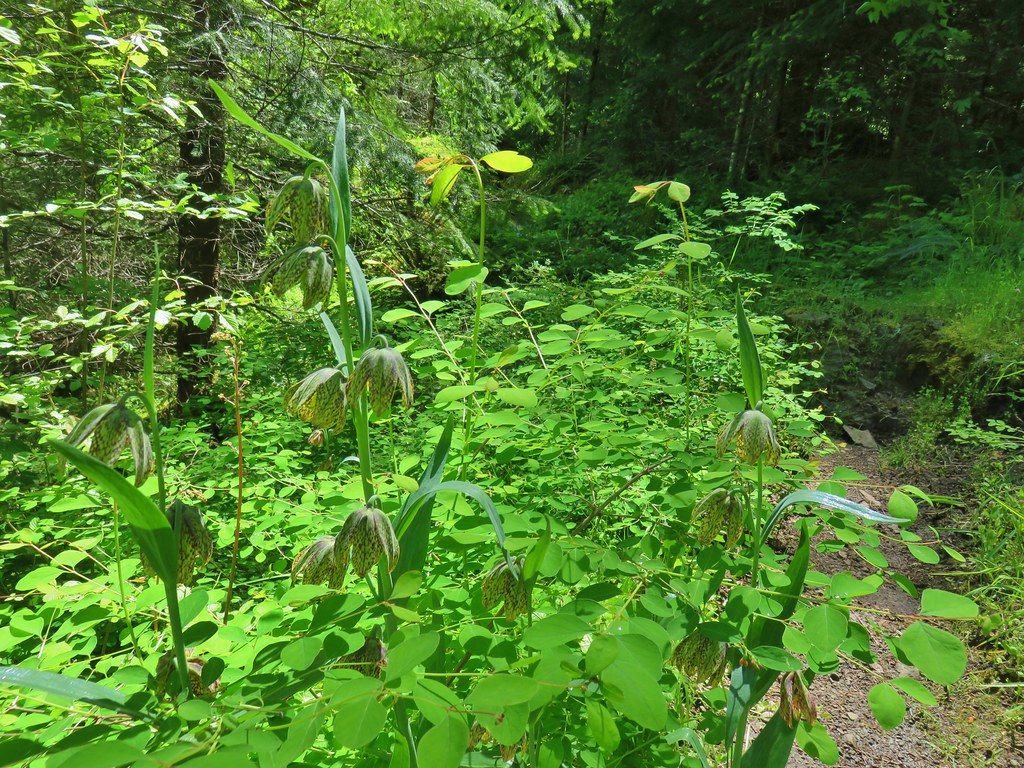
IMG_8863Checker lily and baby blue eyes (Nemophila menziesii)

IMG_8871Manroot

IMG_8878Red-flowering currant

The Camas Crest Trail joined the humorously named Cervus Road briefly where we went left for 100 yards to find the Basalt Rim Trail.
IMG_8881

IMG_8884Dogwood

IMG_8885On the Cervus Road passing an old quarry on the right.

IMG_8889The Basalt Rim Trail.

IMG_8890The lupine is still a week or so away from blooming.

IMG_8892Basalt columns

We climbed up the Basalt Rim Trail to a junction with the Cascadian Thumb Trail on the right.
IMG_8893

IMG_8898

Warning signs along this hiker only trail cautioned trail users of dangerous cliffs and the risk of falling.
IMG_8900

IMG_8909Fawn lily

IMG_8910Springfield from the trail.

IMG_8911There is a short one-way loop at the top.

The loop passes several rocky viewpoints, and a lot of poison oak.
IMG_8914Looking down from one of the viewpoints.

IMG_8912The highest peak to the left in the distance is Mount June (post) and the peak in the center is Bear Mountain.

IMG_8913Mt. Pisgah (post) just across the Middle Fork Willamette River with Spencer Butte (post) behind to the right.

IMG_8916Biscuitroot

IMG_8921Another viewpoint along the loop.

IMG_8927The peak with two humps is Mount Nebo. With the naked eye we could just make out Tidbits Mountain (post) in the distance to the right.

IMG_8928Camas (and poison oak) near the viewpoint.

IMG_8929Finishing the loop.

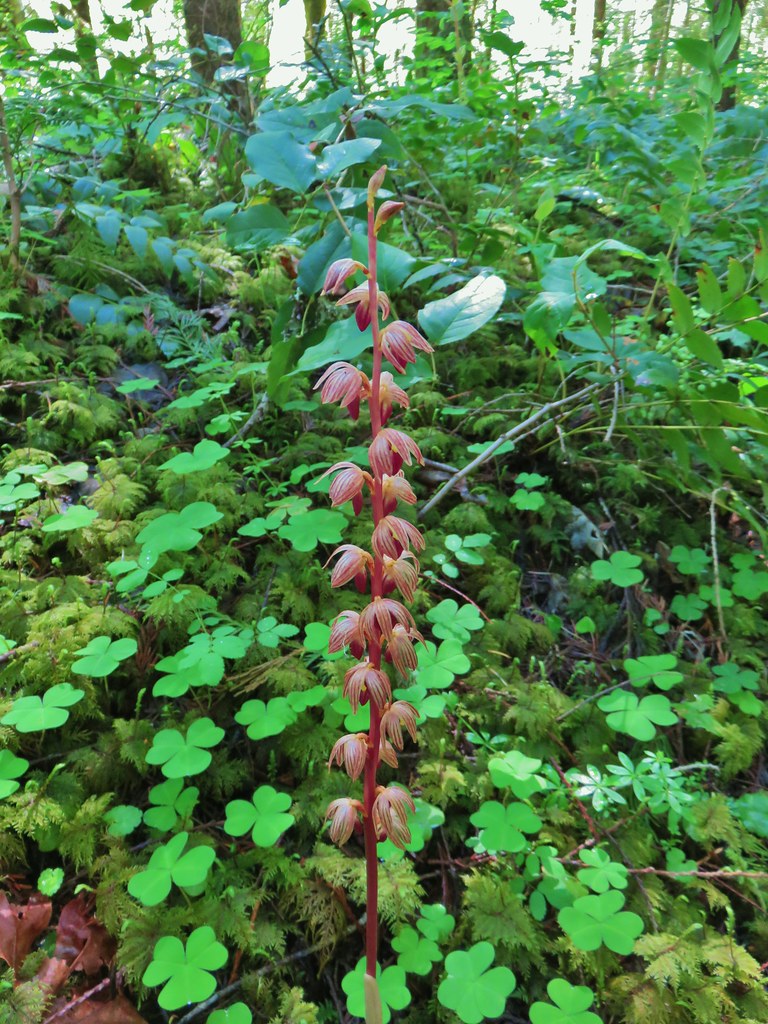
IMG_8931Stripped coralroot.

After completing the loop we returned to the Basalt Rim Trail and turned right and made our way back to the Mossy Maple Trail.
IMG_8935Switchbacks leading down to the Basalt Rim Trail.

IMG_8938

IMG_8941Wren

IMG_8942Violets

IMG_8950Basalt outcrops

IMG_8953

IMG_8958Ginger

IMG_8964Arriving back at the Mossy Maple Trail.

On the way back down we took the Mossy Maple Connector Trail which was simply a fairly steep gravel road but otherwise retraced our steps to the trailhead.
IMG_8969

IMG_8967Starflower

Dunn's salamanderDunn’s salamander

IMG_8983Mossy Maple Connector Trail (left).

IMG_8984The Yee-Haw Trail coming down from the left to the Mossy Maple Connector Trail.

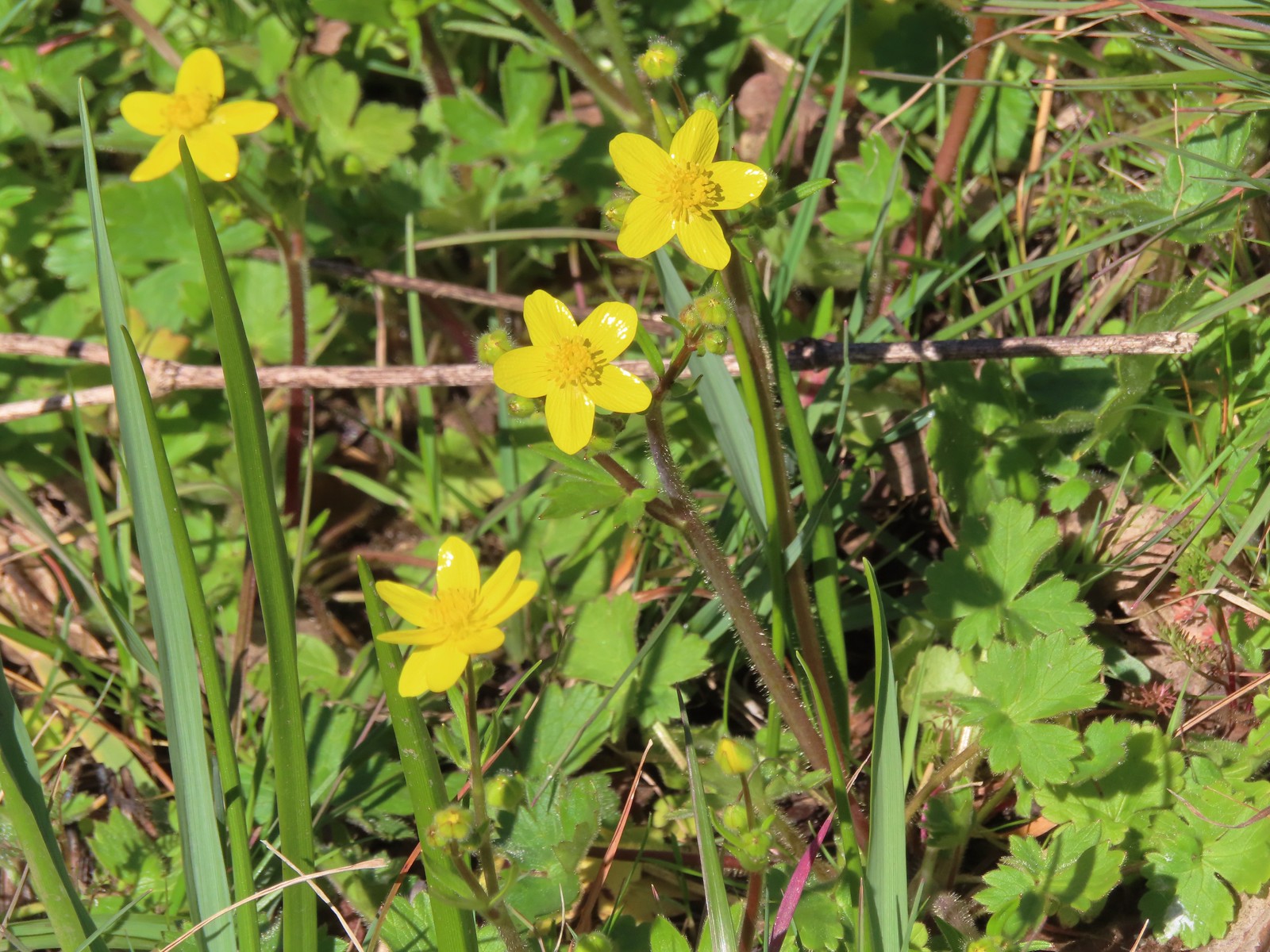
IMG_8999Buttercups

20250419_101555Fairy bells

IMG_9000Meadow near the trailhead.

The hike here came in just under 8 miles with 1215′ of elevation gain, by far the most strenuous stop of our day.
Screenshot 2025-04-19 183312

From Thurston Hills it was just a 15-minute drive to our next stop at Jasper State Recreation Site. This is one of the 25 State Park fee sites requiring a $10.00 day use fee. This year we purchased a $30.00 annual pass, so this stop was in part to make use of the pass and get our money’s worth. The hike description (or lack thereof) was from AllTrails so it was no surprise when we were immediately confused as to where to go from the parking area.
IMG_9002

There was no obvious path down to the picnic shelters so we simply headed down to a gravel road where we turned right. After passing an impressive display of Menzies’ larkspur we found an actual trail and wound up making a short (0.6-mile) loop through the woods.
IMG_9003

IMG_9004Menzies’ larkspur

IMG_9012Western meadowrue

IMG_9018

IMG_9021Bleeding heart and purple deadnettle

IMG_9025Completing the loop.

AllTrails showed a 1.6-mile loop that not only went through the woods but also the picnic areas of the park. Aside from a few service roads there weren’t many obvious paths/trails that we could see so we made up our route which stuck mostly to a faint grassy track along the Middle Fork Willamette River.
IMG_9027

IMG_9029Faint grassy path.

IMG_9030Golden crowned sparrow

IMG_9032A section of obvious trail.

IMG_9034The faint path disappeared near the fenced off-leash dog area. The AllTrails loop appeared to turn around here, but since we couldn’t see even a faint path leading back around closer to the parking areas we turned around and followed the river back.
IMG_9035We did find this short section of what appears to have been a paved path in the grass.

This was an odd little hike but the park itself was nice. There was some playground equipment, nice picnic shelters, the off-leash dog area, and some disc golf holes. We managed to get 1.5-miles of walking in and saw some really nice larkspur along the way.
Screenshot 2025-04-19 183348

A 10-minute drive took us from the Jasper State Recreation Site to Elijah Bristow State Park. Currently this is not a fee park, which was a bit surprising to us given it has wide range of activities to offer. There are over 10-miles of trails open to hikers, equestrians, and mountain bikers along with access to the Middle Fork Willamette River for anglers and kayakers. There are several trailheads to choose from, but we parked at the Lost Creek Trailhead.
IMG_9037

The trails here were well maintained and all official junctions were marked with posts consisting of pointers and symbols representing the trail names. That being said having a copy of the map handy was very helpful because the trail names, such as the Elk Trail, can apply to multiple spurs in the same area.
IMG_9038

We set off past the signboard on the Elk Trail and soon found ourselves hiking along Lost Creek.
IMG_9039

IMG_9043

IMG_9044An example of the posts. Every directional arrow, including the far side that you can’t see, was for the “Elk Trail”.

IMG_9046Cedar along the Elk Trail.

We simply stayed left at posted junctions which brought us to the River Trail and the Middle Fork Willamette.
IMG_9051

IMG_9053Candy flower and woodland buttercups

IMG_9054

IMG_9056Picnic tables near Lost Creek.

IMG_9058Lost Creek

IMG_9059Not a signed junction so this is the one time we veered right.

IMG_9061Middle Fork Willamette River.

The River Trail turned eastward and ran parallel to the Middle Fork for a mile. For much of the mile the river was not visible however there were a few opportunities to reach the river bank.
IMG_9063

IMG_9066I was hoping that there might be a turtle hiding in this photo but alas it does not appear that is the case.

IMG_9069We veered left here leaving the River Trail briefly to actually get a view of the river.
IMG_9073

IMG_9071We hadn’t noticed the goslings in the grass until seeing the picture of the parents.

IMG_9075

IMG_9078Another look at the river shortly before the River Trail turned away.

IMG_9080Barrow’s goldeneye

When we reached a post for the Angler’s Trail we turned right.
IMG_9081

We stayed left again at the next junction then right at the following two. For the remainder of the hike we stayed left back to the park entrance road across from the Lost Creek Trailhead.
IMG_9082Left here as right led to a picnic area at the end of the entrance road.

IMG_9084Signpost at the second junction where we kept right.

IMG_9085The clouds had been stubborn all morning but by early afternoon they had mostly burned off.

IMG_9088We stayed left on the trail near the entrance road (across from the Channel Lake Trailhead).

IMG_9089

IMG_9090

IMG_9091ADA accessible path to a brushy wildlife viewing spot along a backwater channel.

IMG_9092

IMG_9095Bufflehead and at least three turtles on the logs behind.

IMG_9102

IMG_9105The Lost Creek Trailhead on the far side of the entrance road.

Our loop here came to 3.2-miles with less than 50′ of elevation gain.
Screenshot 2025-04-19 183424

A look at the relative proximity of our three stops.
Screenshot 2025-04-19 183501

On the day we wound up hiking 12.6-miles with approximately 1250′ of elevation gain, nearly all of which came at Thurston Hills. Thurston Hills was a great hike with a lot more varied scenery and wildflowers than we had expected. We are already planning on returning to Elijah Bristow to check out more of the trails there at some point. Jasper State Recreation Area was a pleasant addition to the stops, but it wouldn’t be a place that we would visit again if we were simply looking for a hike. It did however seem to be a great place to have a picnic with the family and spend a day along the river. Happy Trails!

Categories
Eugene Hiking Oregon Willamette Valley

Middle Fork Path – Dorris Ranch to Clearwater Park – 03/16/2024

March began with a couple of weeks of wet weather including several days with snow mixed in with the rain. Things finally changed this week and by the weekend temperatures in the Willamette Valley were entering the low 70’s which meant it was time for our March hike. Dorris Ranch had been on the schedule for March 2024 since 2022 following a February hike by my parents there. They’d been a little too early for any flowers, so March seemed like a good time for us to give the ranch a try.

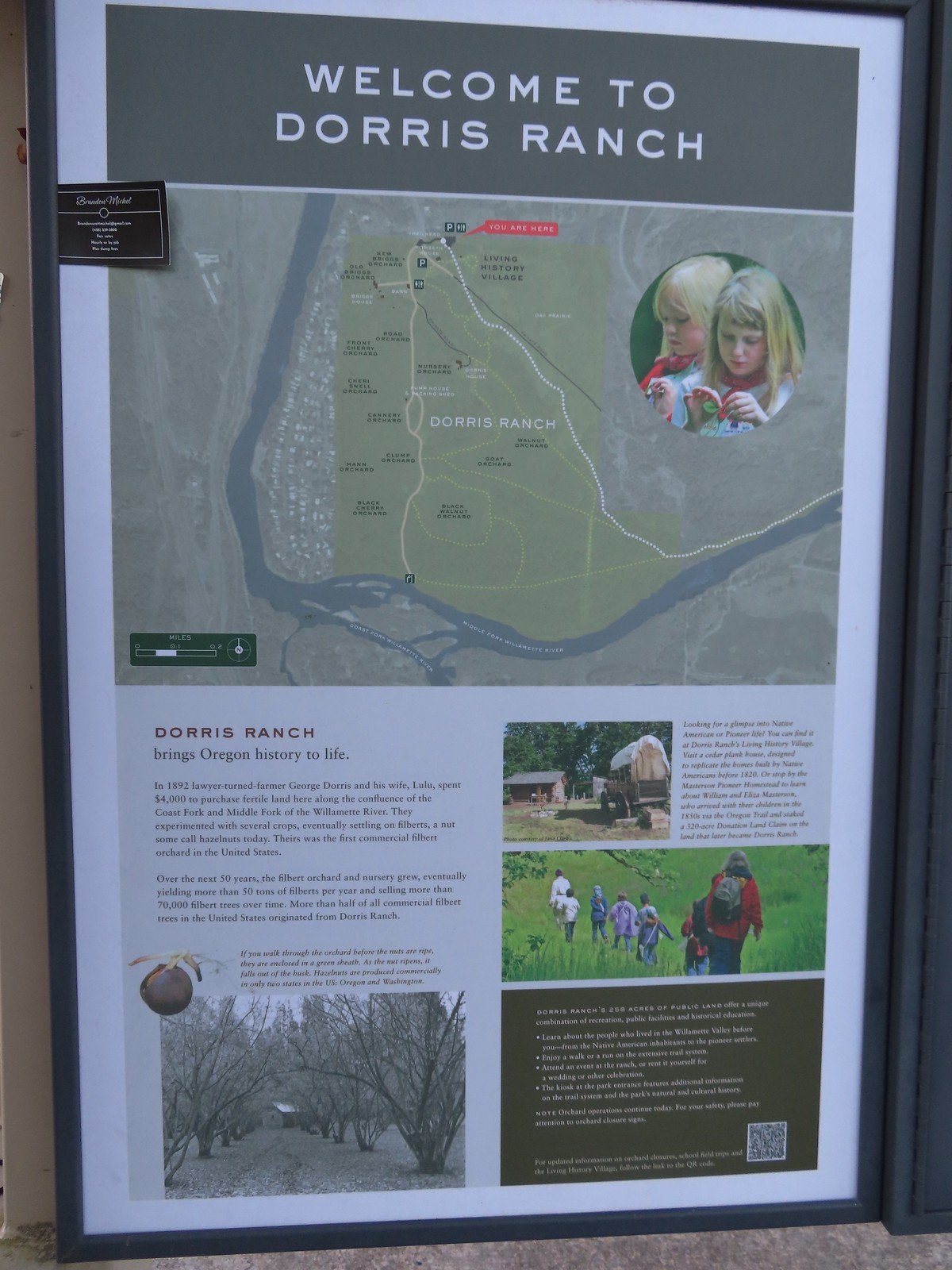
The 268-acre Dorris Ranch (est. 1892) is located in Springfield, OR and is recognized as the first commercial filbert (hazelnut) orchard in the United States. Listed on the National Register of Historic Places, it is reported that over 50% of the commercial filbert trees growing in the U.S. today originated from the Ranch’s nursery stock.

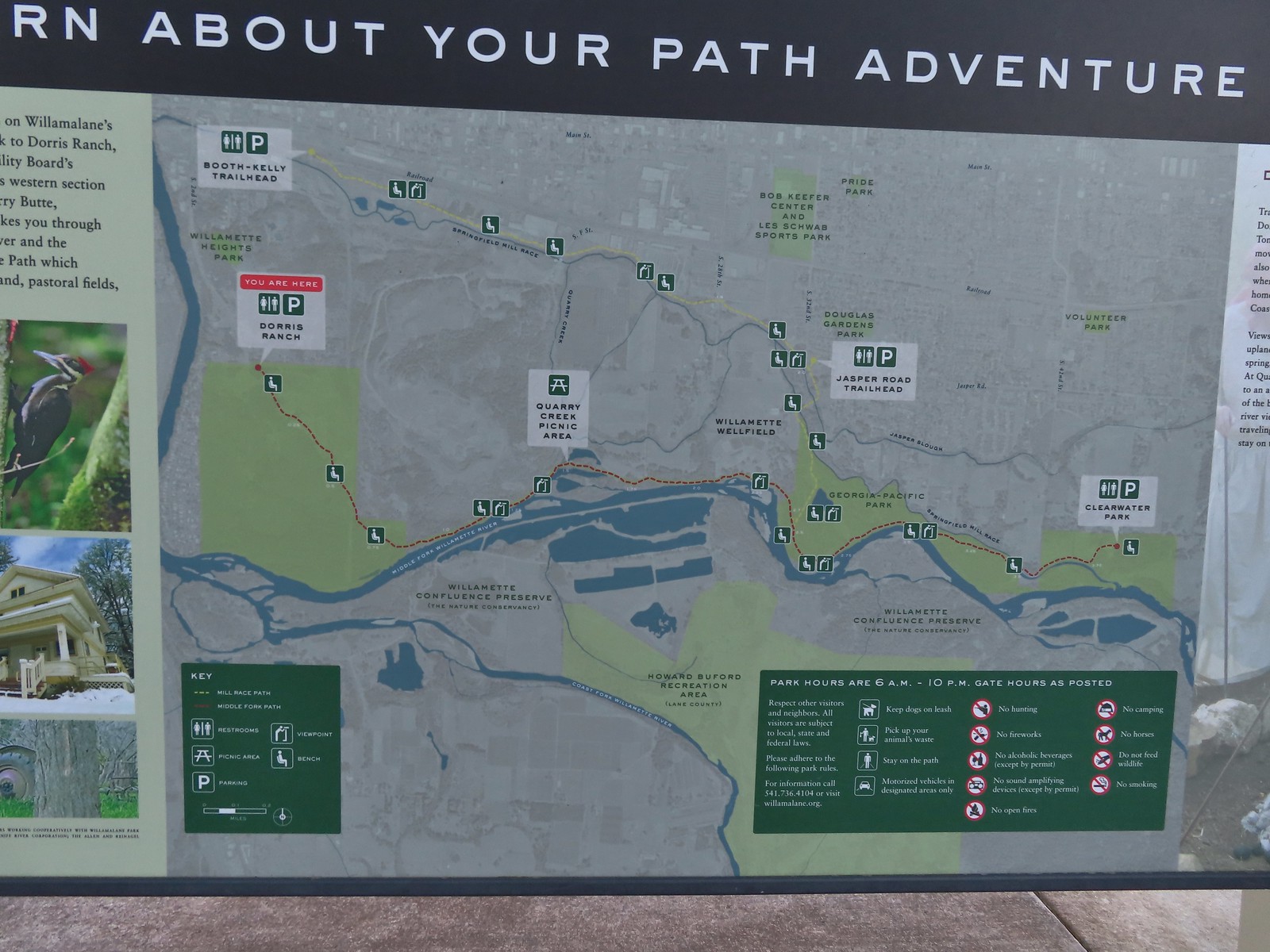
Trails crisscross the ranch ranging from the paved Middle Fork Path to gravel and natural surface paths. We parked at the Middle Fork Path Trailhead at Dorris Ranch. Our plan was to begin by hiking through the orchards to the confluence of the Coast Fork and Middle Fork Willamette Rivers then continue on to the Middle Fork Path and follow it to its end at Clearwater Park and then return to the trailhead via the Middle Fork Path.
Signboard for the Middle Fork Willamette River Path at Dorris RanchSignboard at the trailhead.

Dorris Ranch information and mapMap of the trails at Dorris Ranch.

Map of the Middle Fork Willamette River PathMap of the Middle Fork Path (red) and Mill Race Path (yellow).

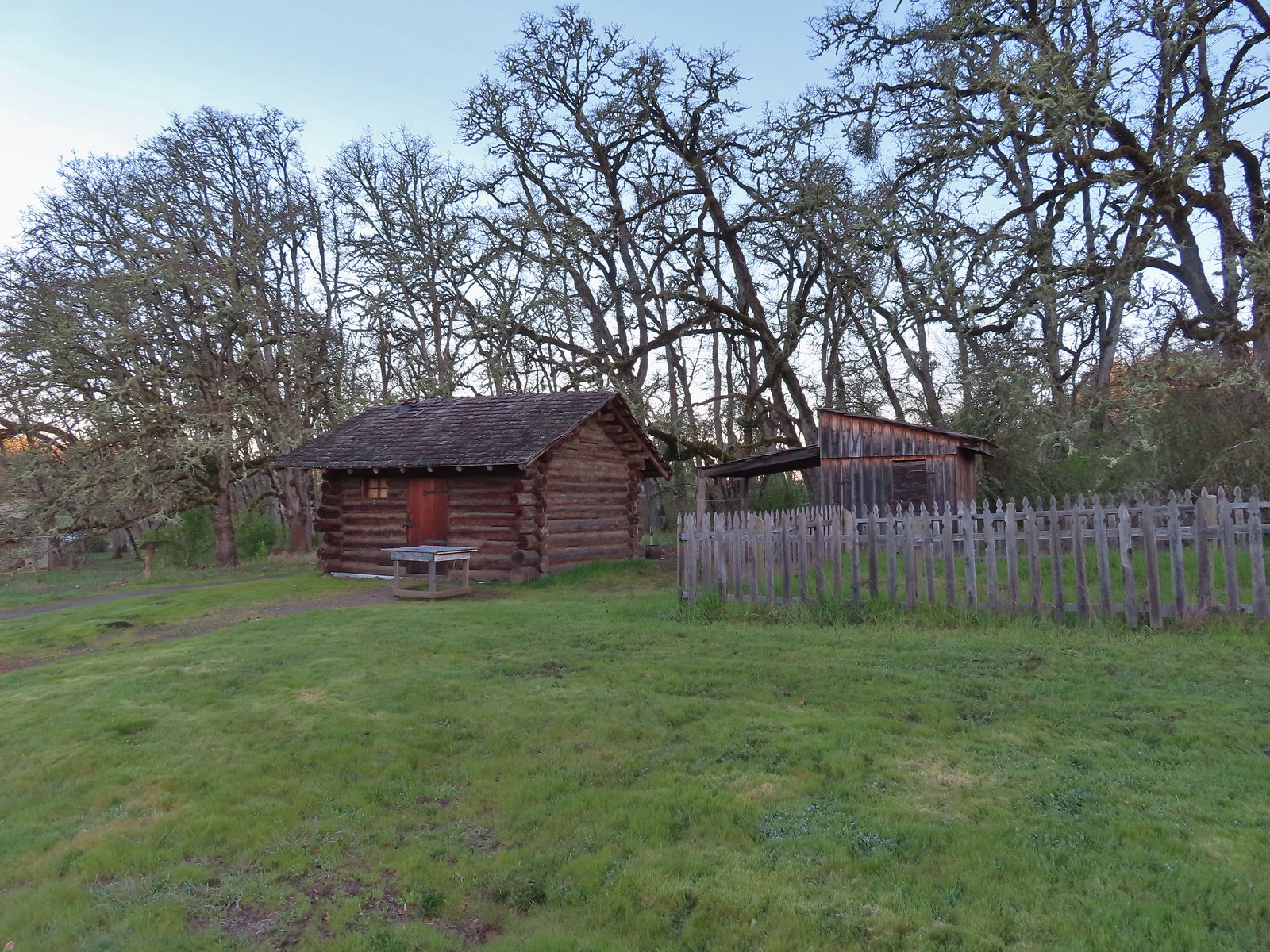
Before heading for the rivers we visited the Living History Village. Replicas of the 1850’s buildings built by the Masterson family built prior to selling the land to the Dorris family are located along a short loop and is used for school field trips.
Living History Village at Dorris RanchThe Masterson cabin replica. They were a family of ten when they moved out.
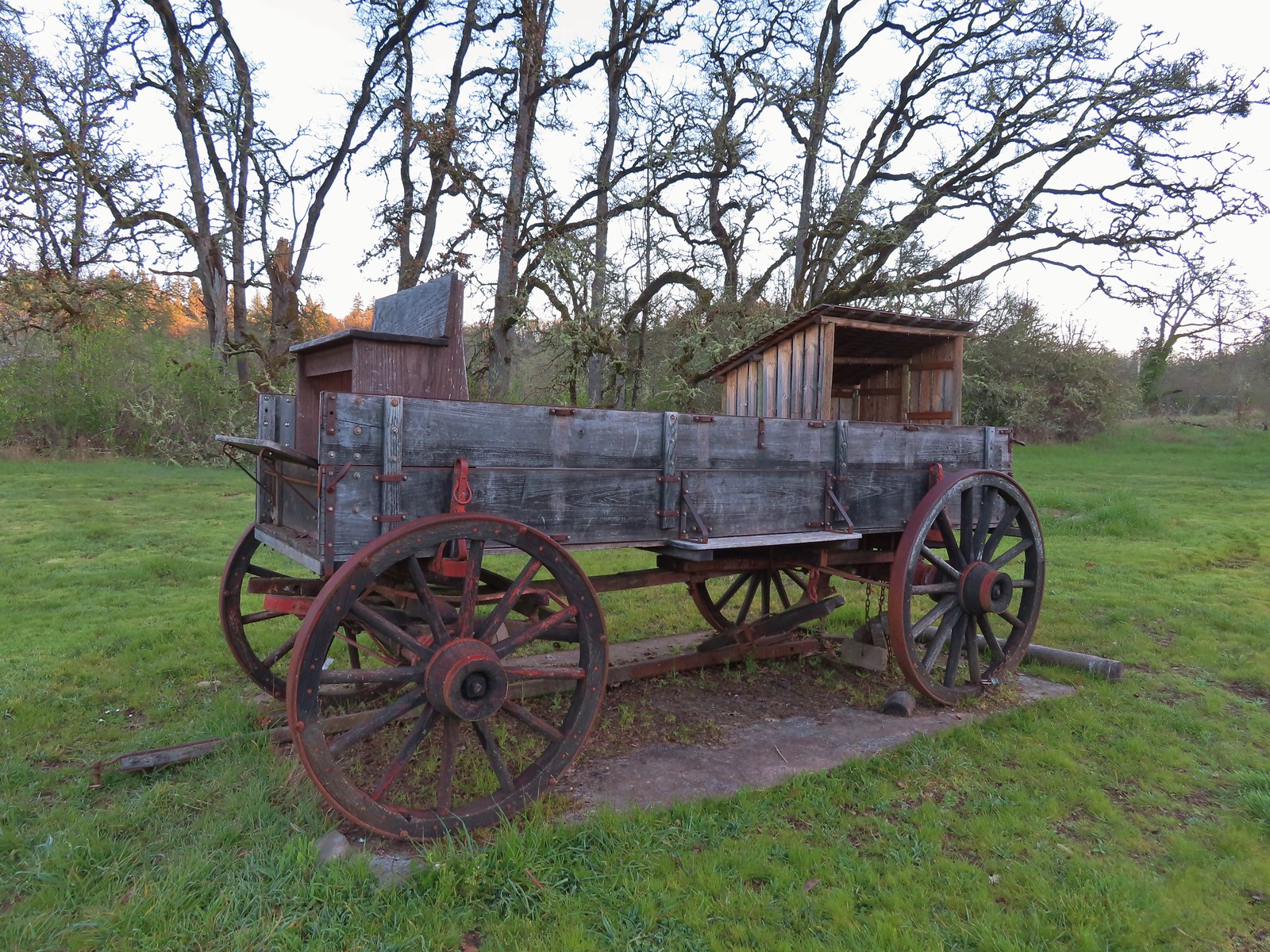
Wagon at Dorris Ranch

Living History Village at Dorris Ranch

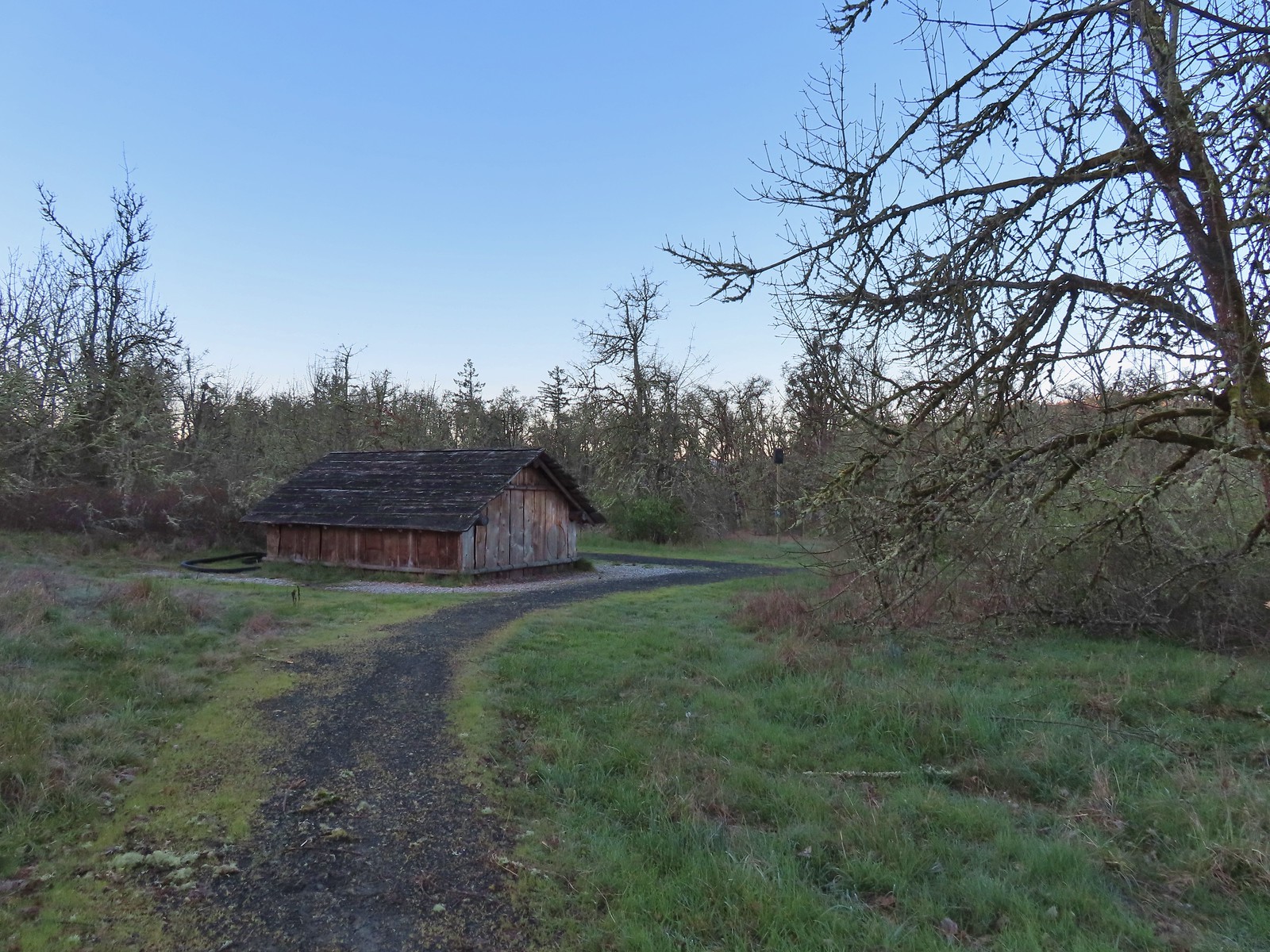
After checking out the Living History Village we headed downhill to the Dorris Ranch Barn.
Dorris Ranch

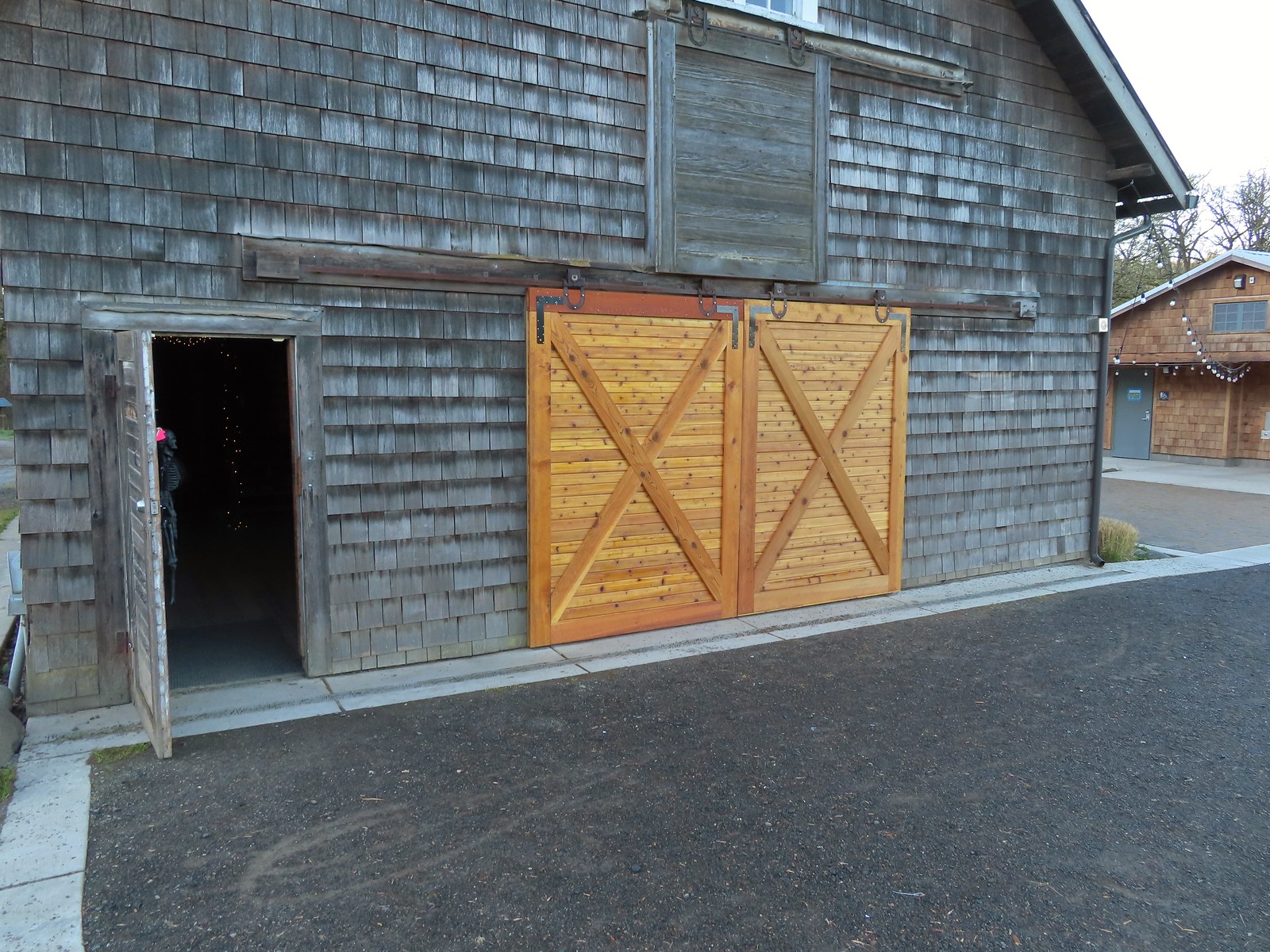
New cedar doors on the barn at Dorris RanchThese cedar doors were installed earlier this month replacing a broken door.
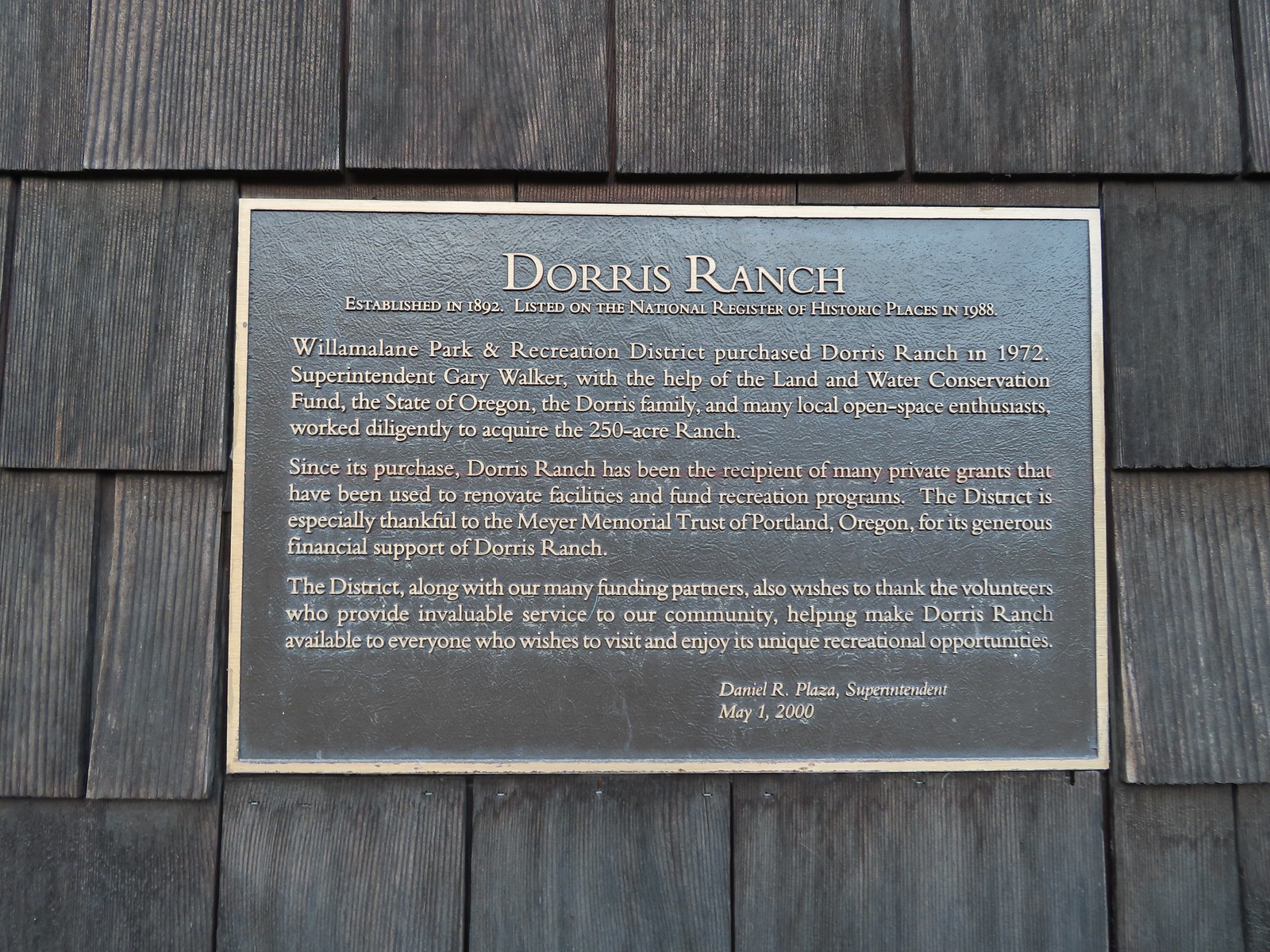
Dorris Ranch informationPlaque on the barn.

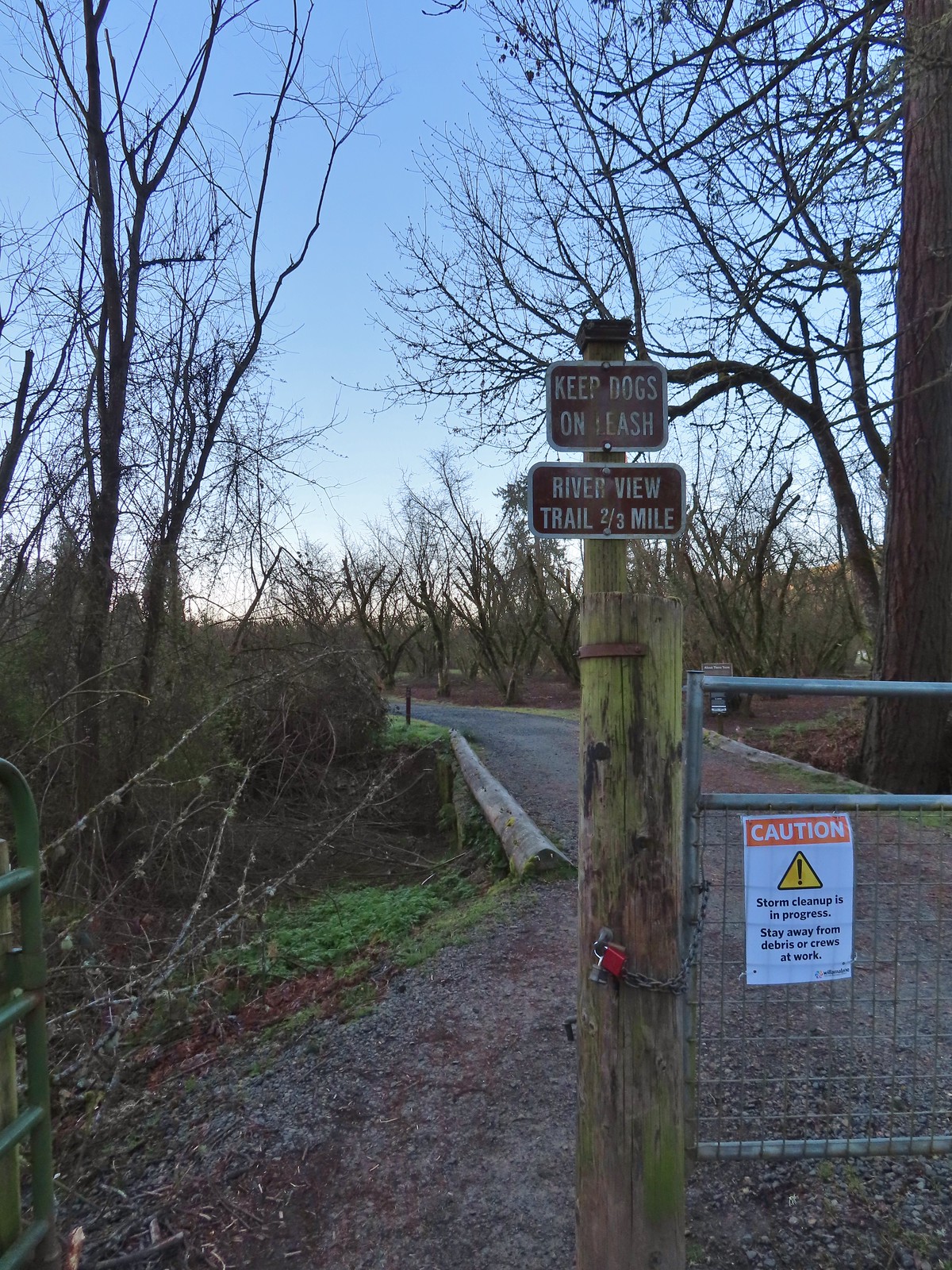
From the barn we took a wide gravel path past a gate to the orchards.
Trail at Dorris Ranch

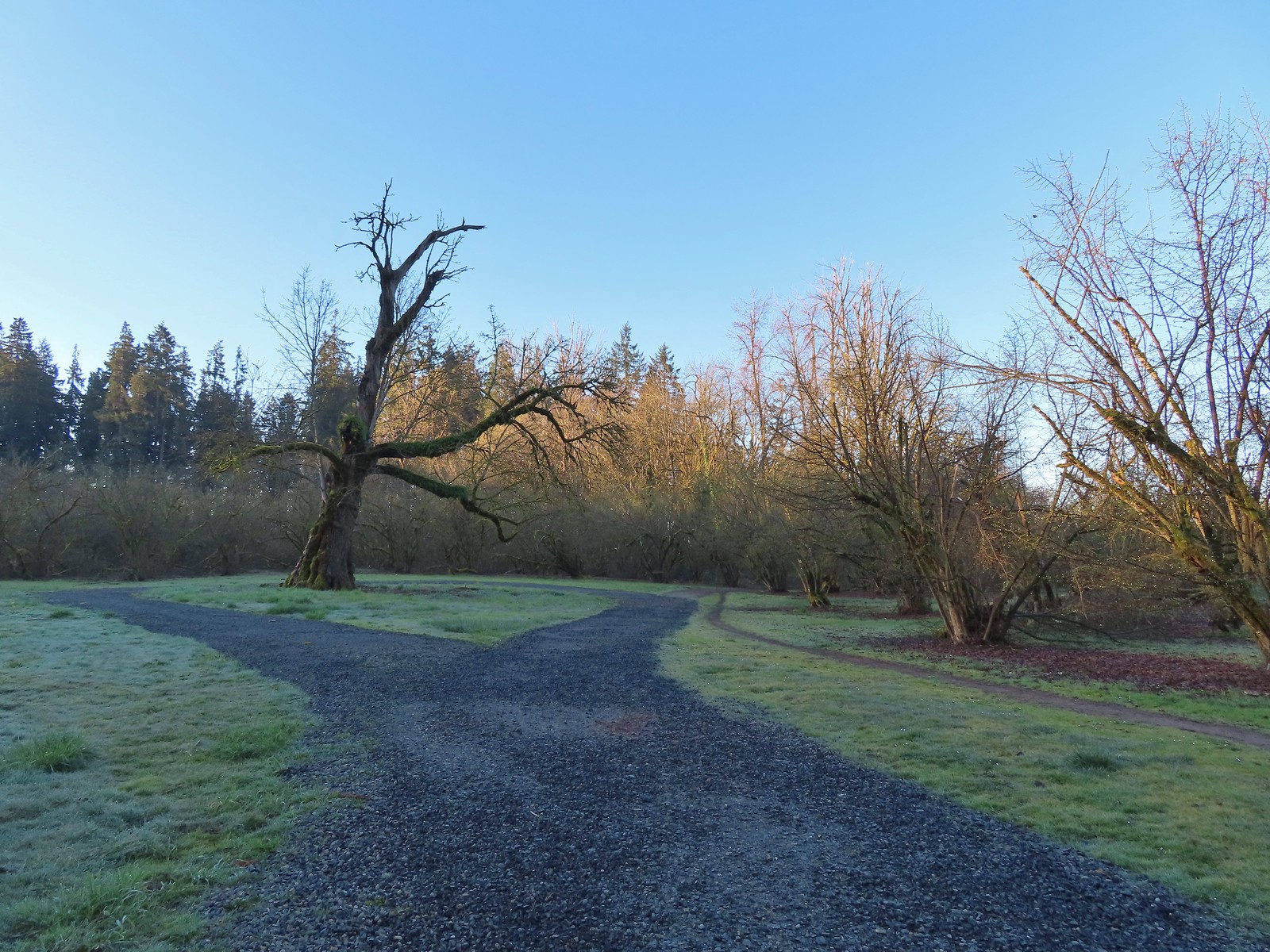
Trail at Dorris RanchA January 16th ice storm hit the area hard and damaged a number of trees at the ranch and along the Middle Fork Path.
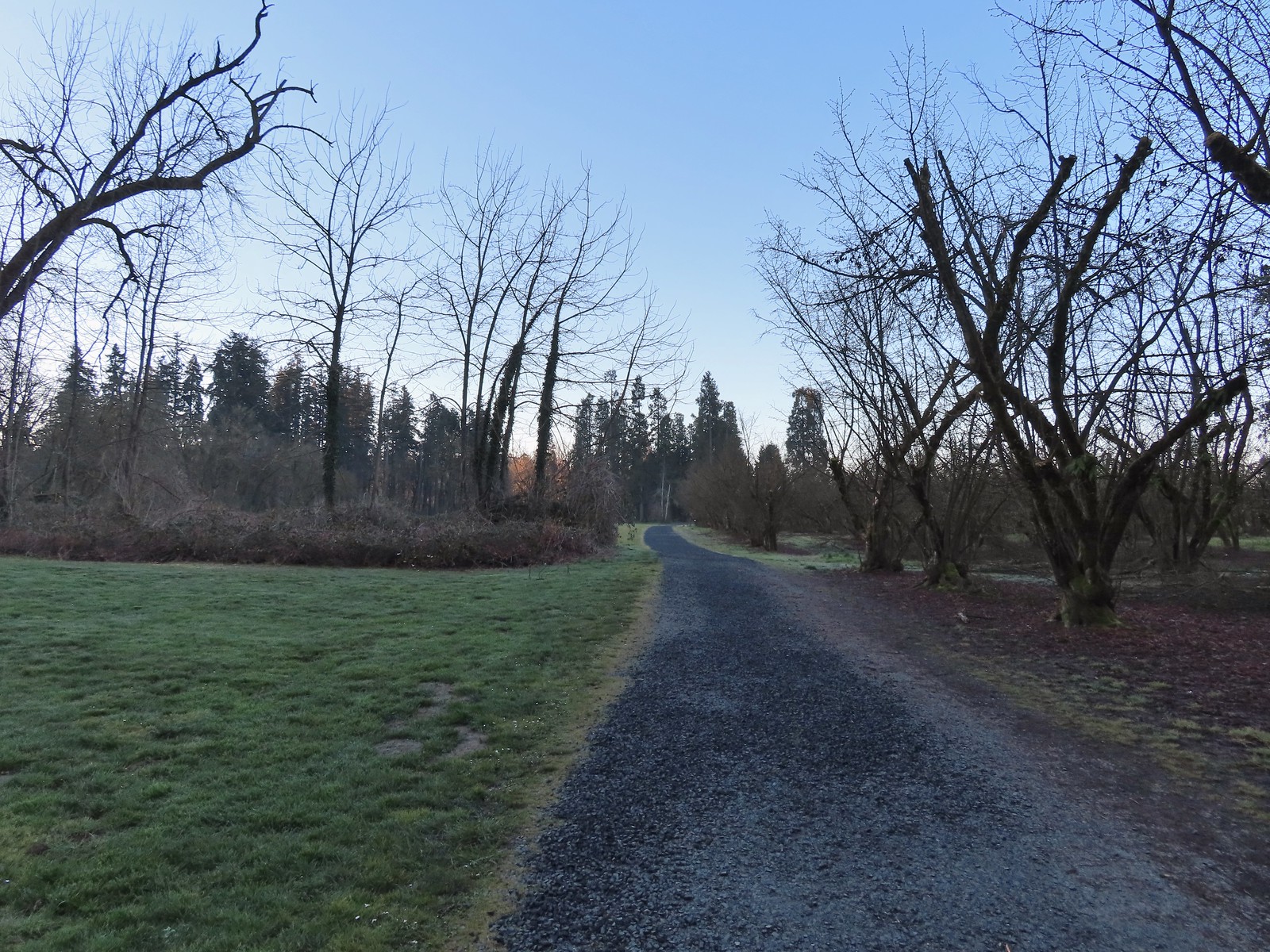
Trail at Dorris Ranch

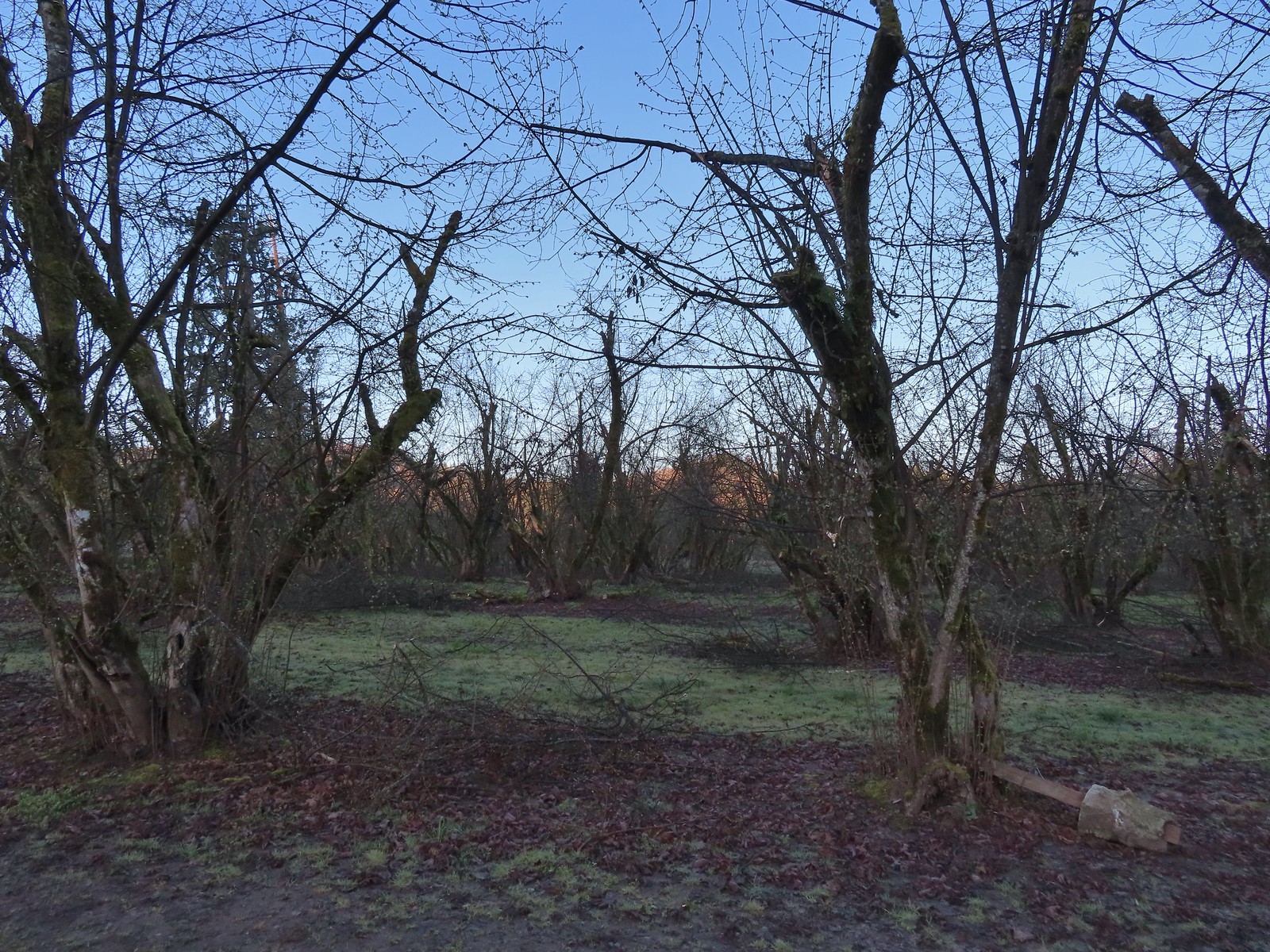
Orchard at Dorris RanchSome signs of the ice storm damage.

Trail at Dorris RanchLarge trees around the pump house and packing shed.

American kestrel with breakfast (frog)An American kestrel with an unlucky frog atop a tall tree.

Oregon grapeOregon grape near the packing shed.

Old oak treeOld oak tree along the path.

Purple deadnettlePurple deadnettle beneath the old oak.

Black walnut orchardBlack walnut orchard just past the oak tree.
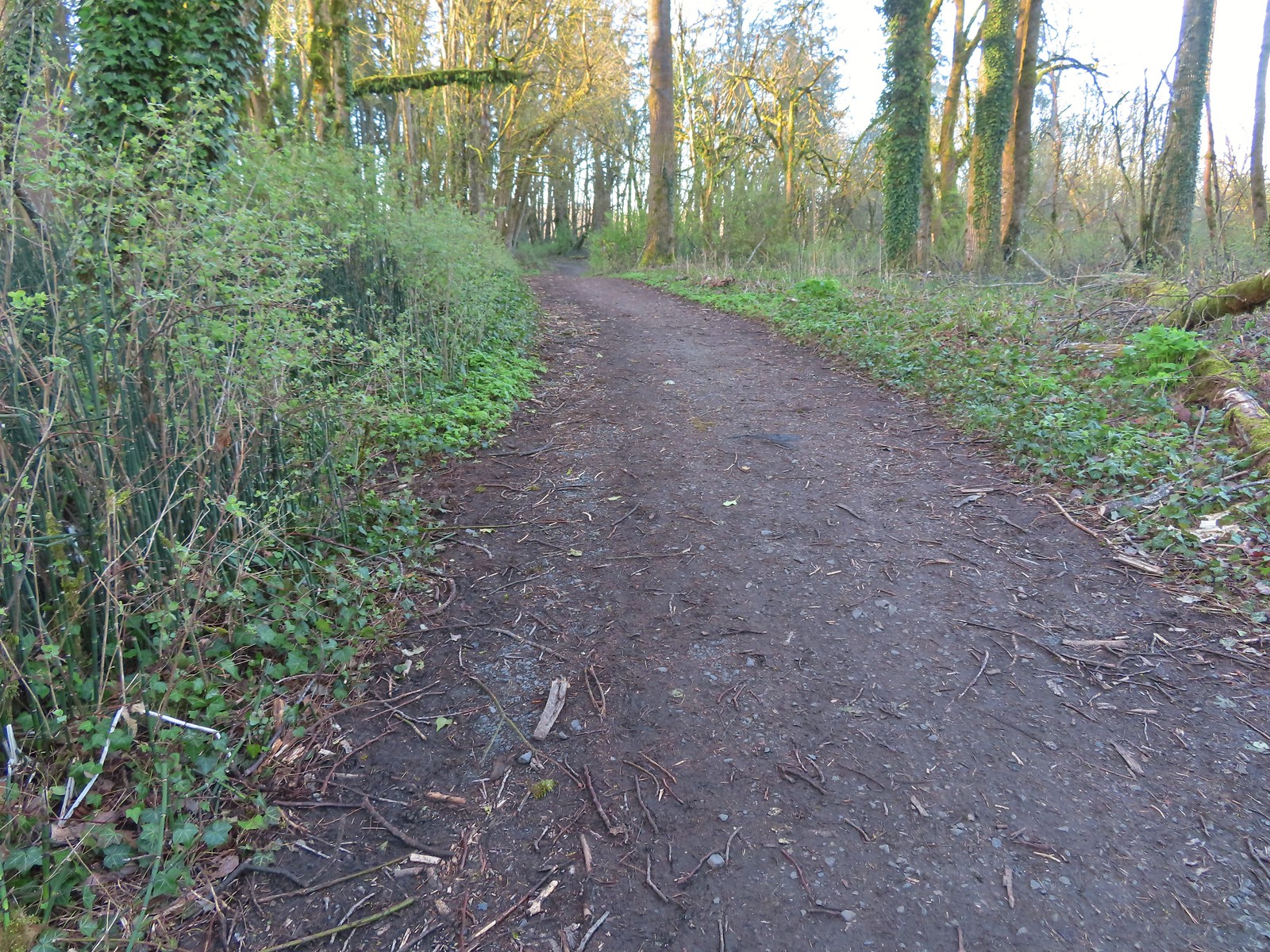
At the black walnut orchard the gravel gave way to a natural surface trail.
Trail at Dorris Ranch

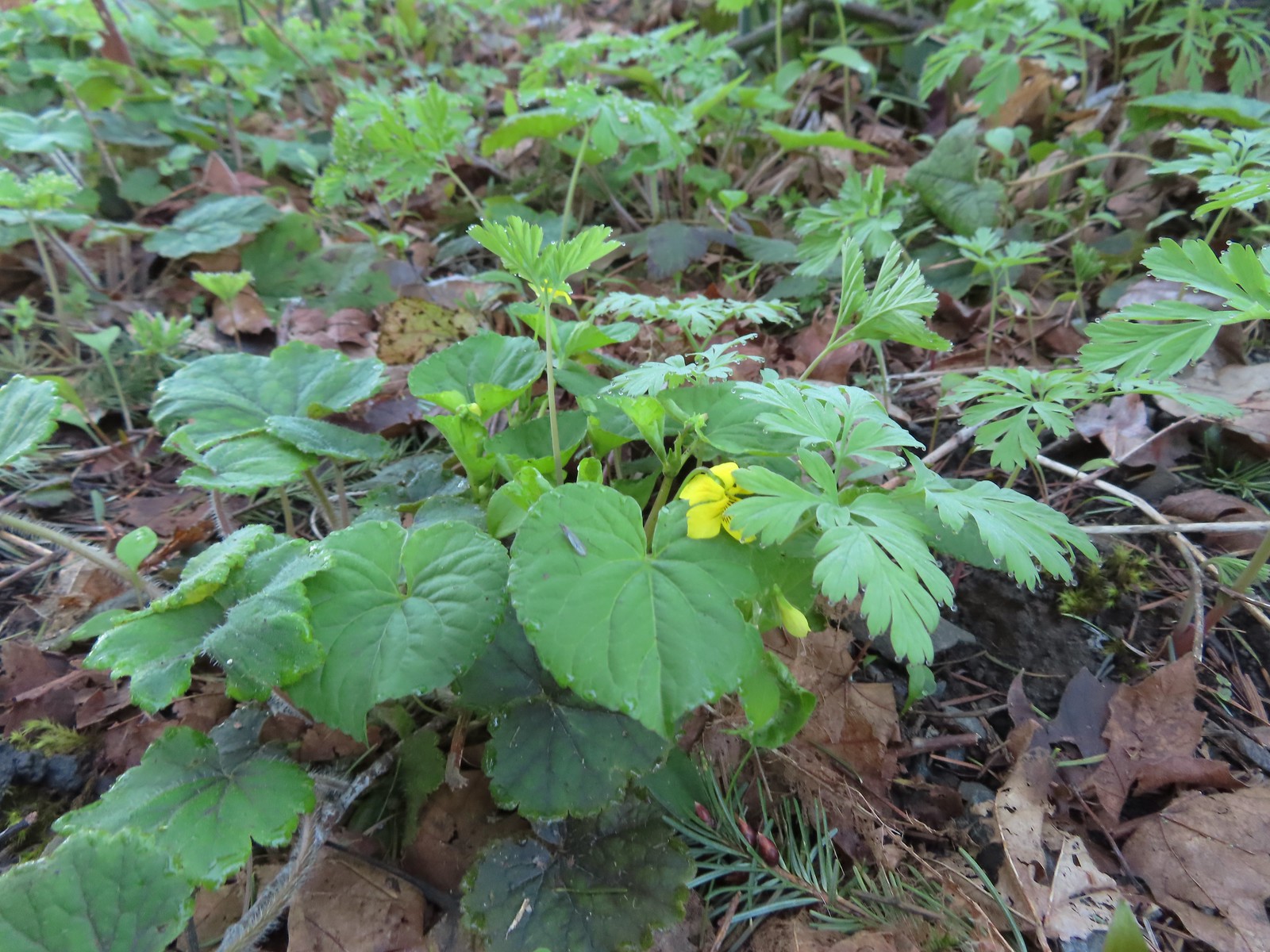
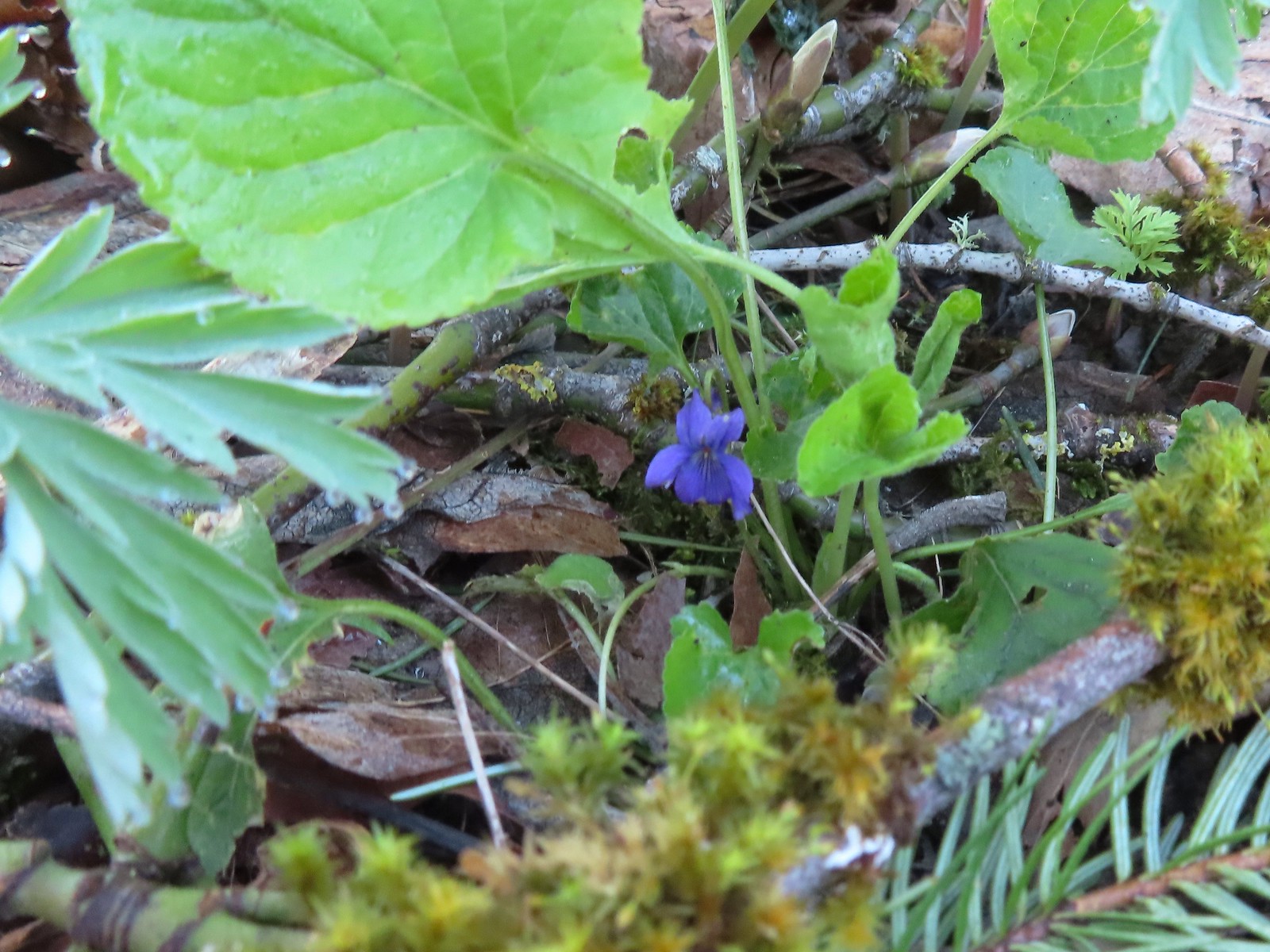
VioletViolet

VioletViolet

The trail arrived at a bench overlooking the confluence of the Coast Fork and Middle Fork Willamette Rivers.
Confluence of the Coast and Middle Fork Willamette RiversThe confluence.

Middle Fork WillametteMiddle Fork Willamette River

From the confluence the trail turned left passing through a forest before arriving at the Middle Fork Path after half a mile.
Trail at Dorris Ranch

MallardsMallards

Hooded merganserHooded mergansers

ToothwortSlender toothwort

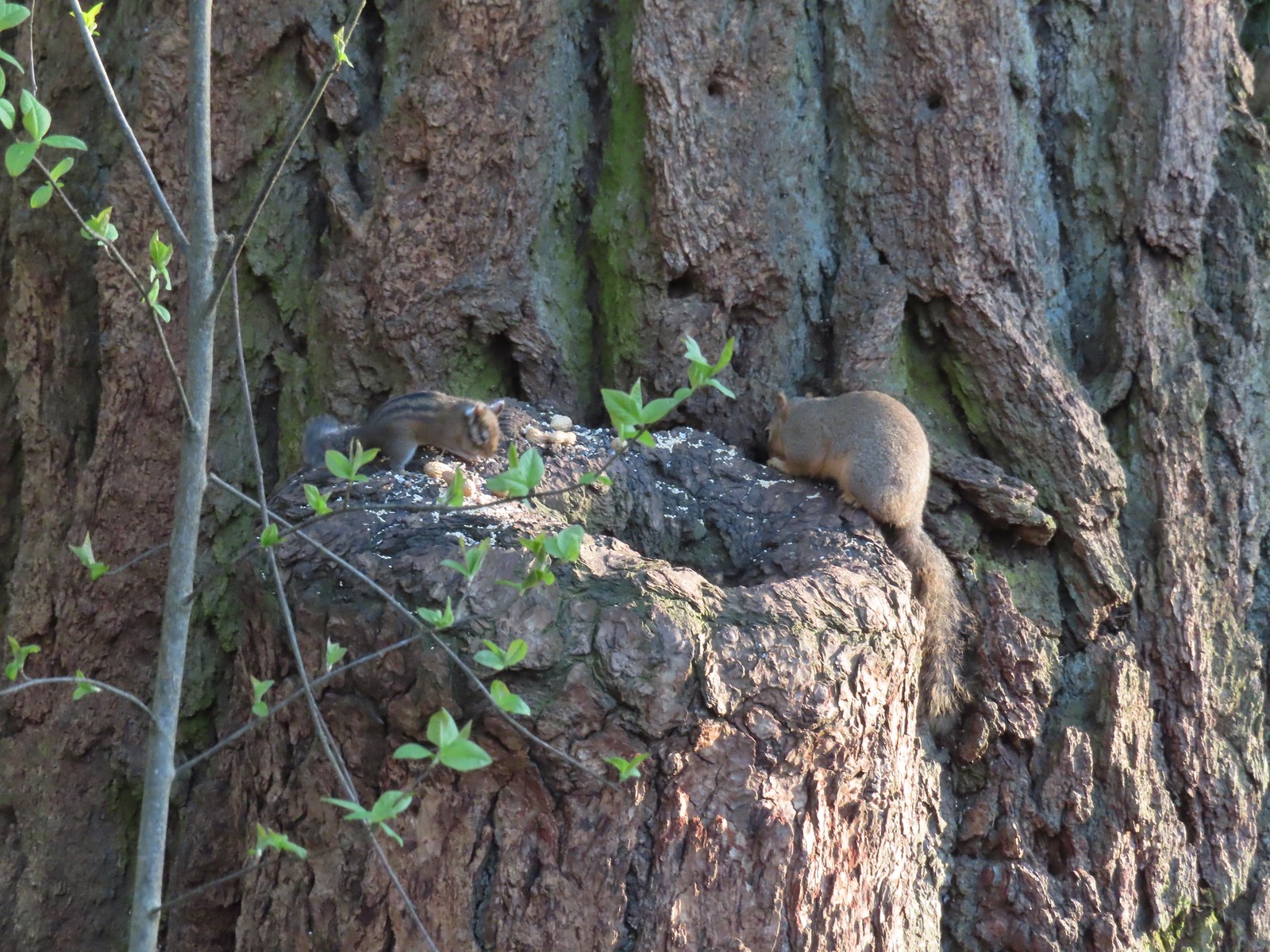
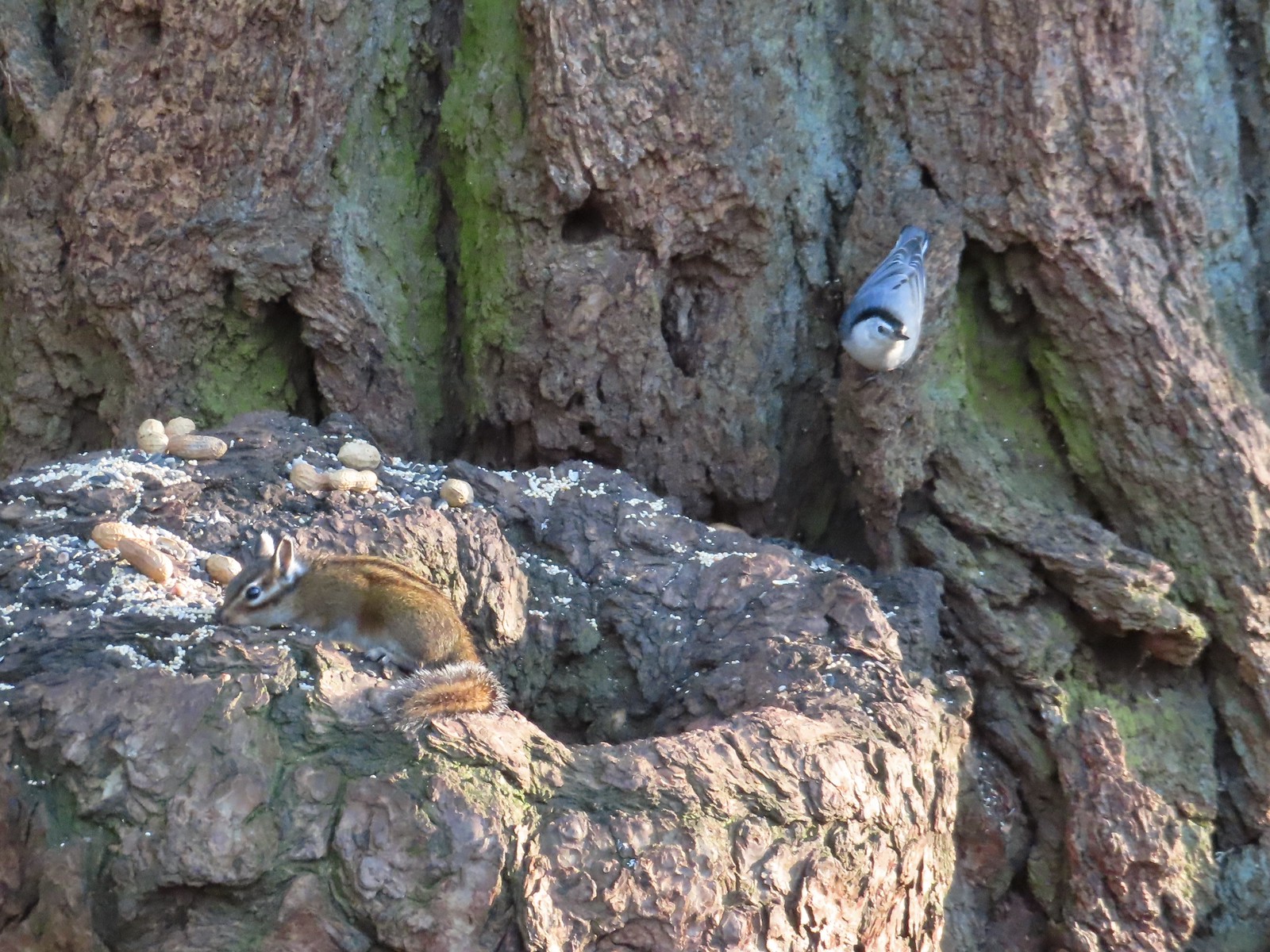
Breakfast buffetSomeone had left some seeds and nuts on this tree. While it’s not LNT compliant it was attracting a variety of wildlife.
Chipmunk and a squirrelChipmunk and squirrel

Chipmunk and a white-breasted nuthatchChipmunk and white-breasted nuthatch

Giant White Wakerobin, Trillium albidumGiant White Wakerobin, Trillium albidum

Middle Fork Willamette River Path from the Dorris Ranch trailThe paved Middle Fork Path dead ahead.

We turned right onto the Middle Fork Path and followed it for three and a quarter mile to the parking lot at Clearwater Park.
Middle Fork Willamette River Path

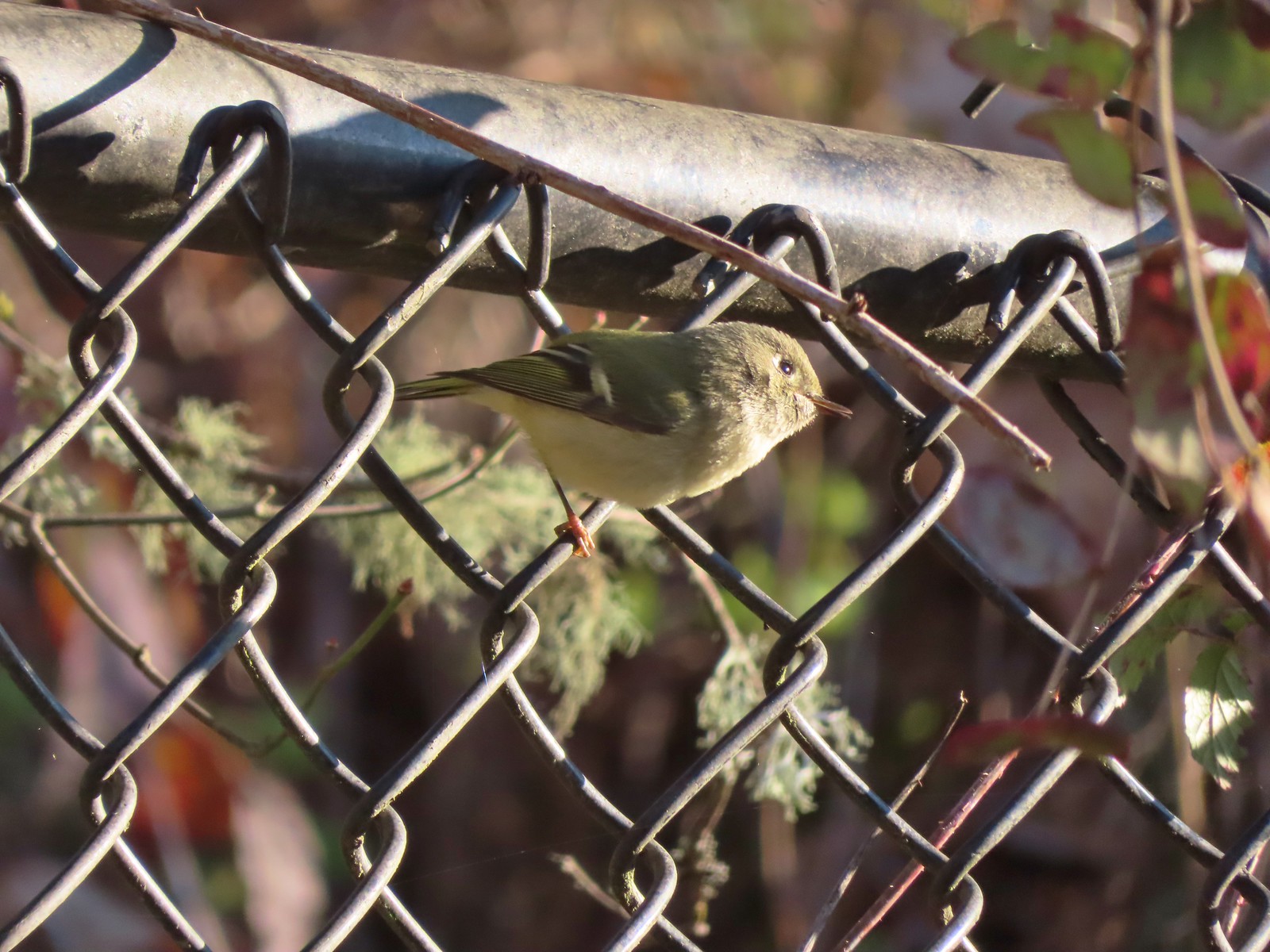
Ruby-crowned kingletRuby-crowned kinglet

WrenWren

Middle Fork Willamette RiverMiddle Fork Willamette River

Middle Fork Willamette River Path

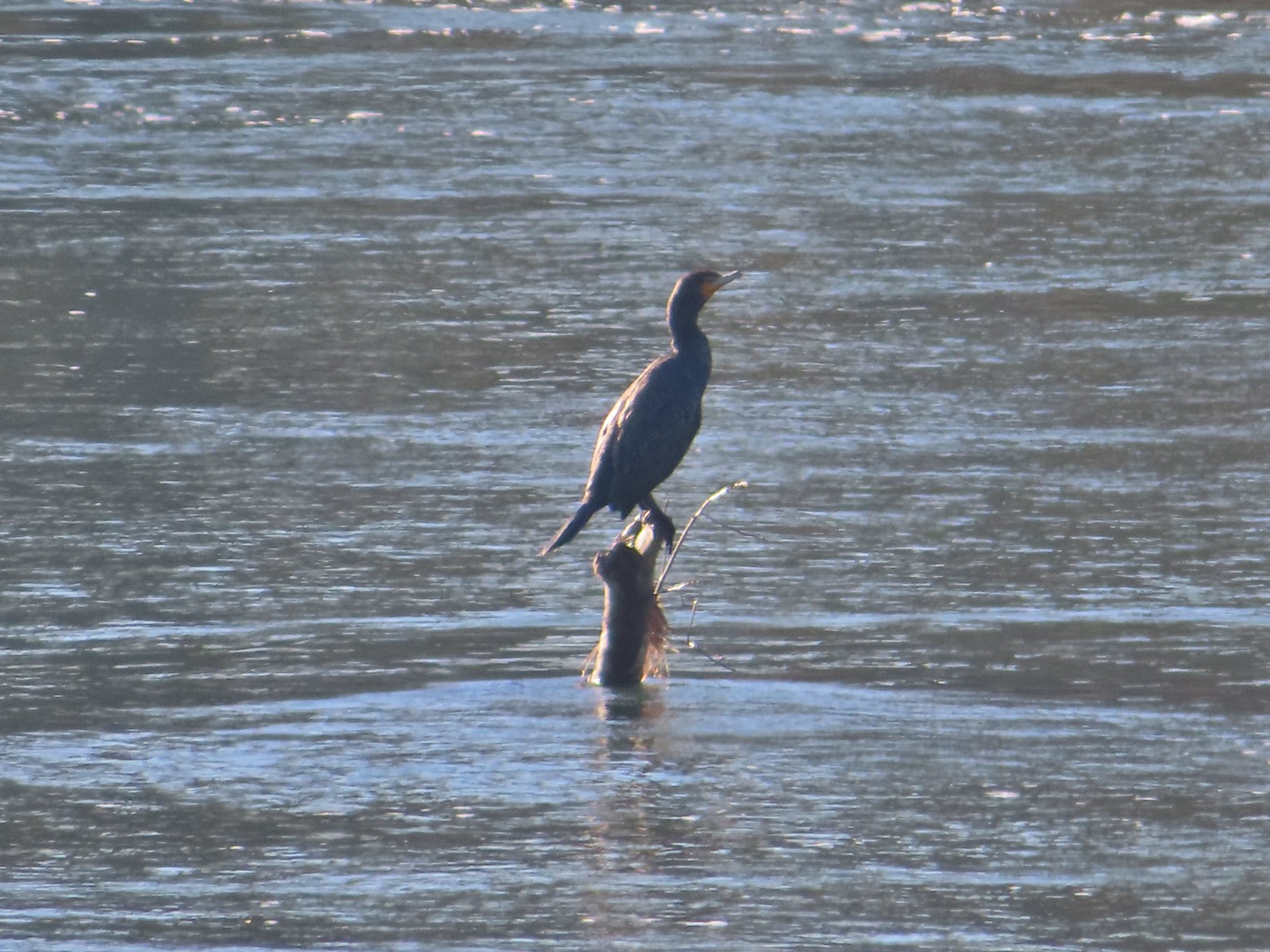
CormorantDouble-breasted cormorant

HoundstonguePacific hound’s tongue

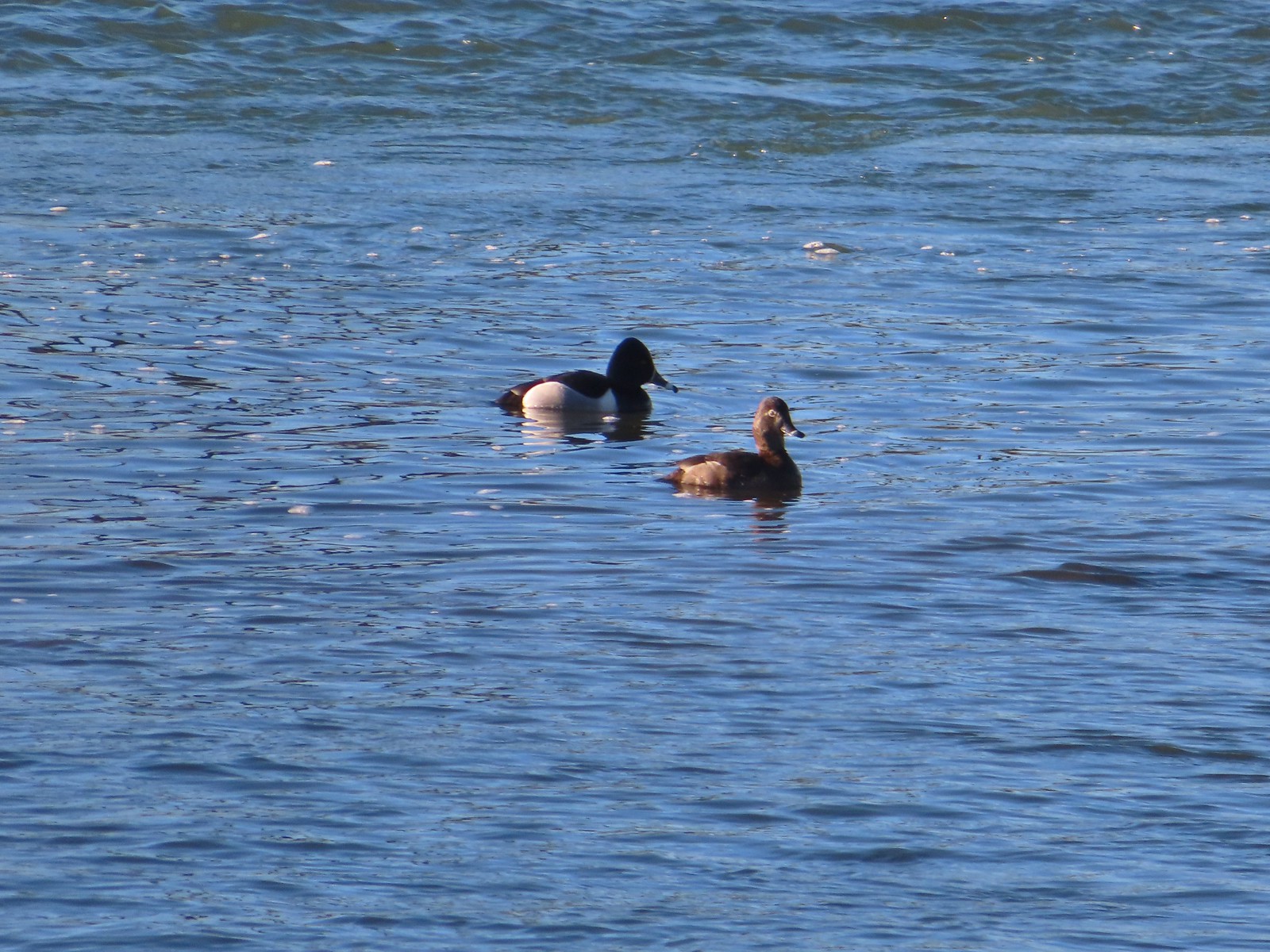
Ring-necked ducksRing-necked ducks

GooseGoose

Quarry CreekArriving at the Quarry Creek picnic area.

Spencer Butte from the Middle Fork Willamette River PathLooking back at Spencer Butte (post).

Middle Fork Willamette RiverA goose and a couple of common mergansers in the river.

Common merganserCommon merganser drake

Middle Fork Willamette River

Middle Fork Willamette River Path junction with the Mill Race PathApproximately 2.75-miles from Dorris Ranch we came to the junction with the 3-mile-long Mill Race Path. An adventure for another day.
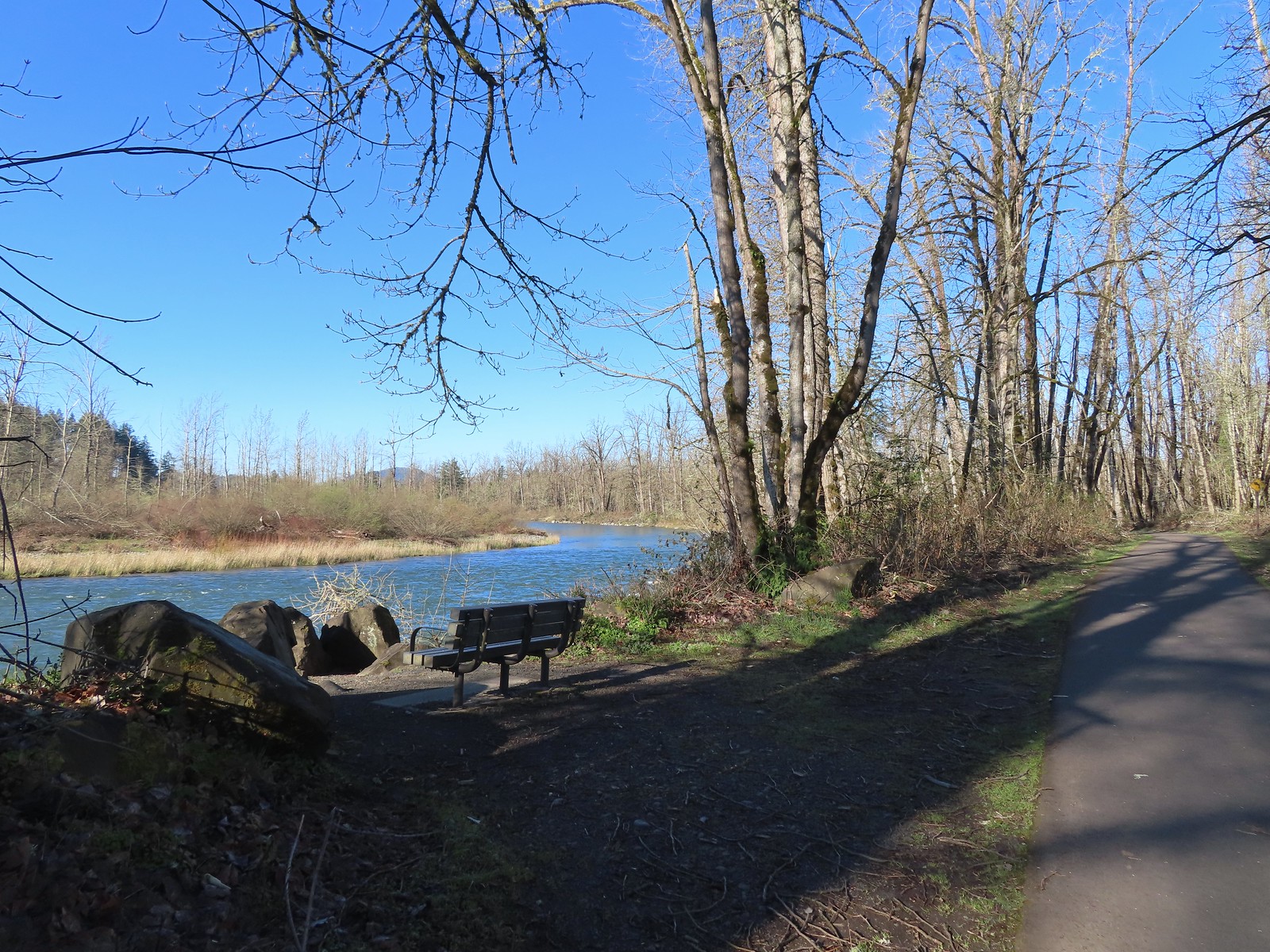
Middle Fork Willamette River PathThere were plenty of benches along the path.
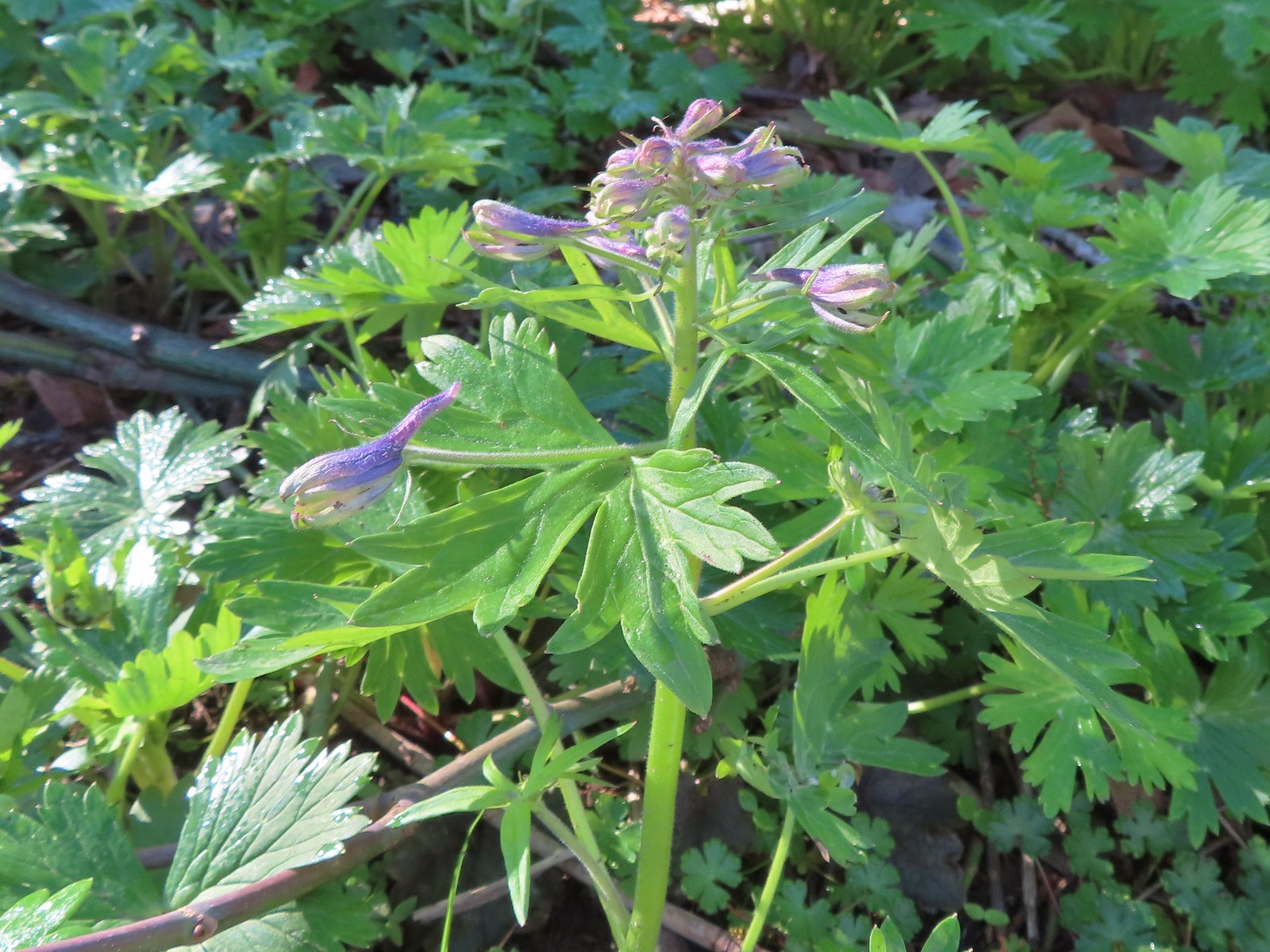
Columbian larkspurLarkspur starting to bloom.

Springfield Mill RaceSpringfield Mill Race

Mt. Pisgah through the treesMt. Pisgah (post) through the trees across the Middle Fork Willamette.

Clearwater ParkDisc golf course at Clearwater Park.

Middle Fork Willamette River PathNearing the parking lot at Clearwater Park.
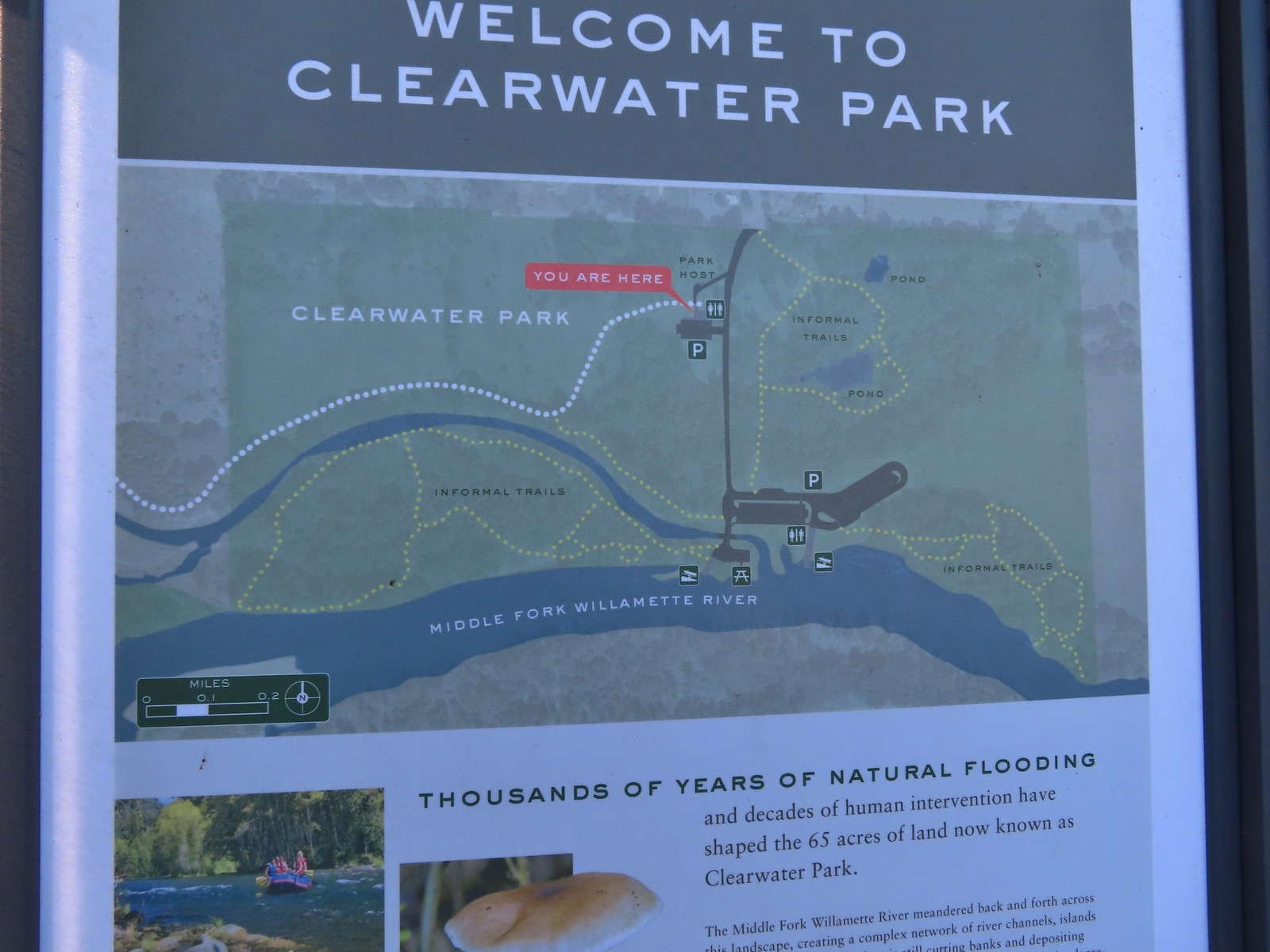
Map at Clearwater ParkMap of the trails at Clearwater Park.

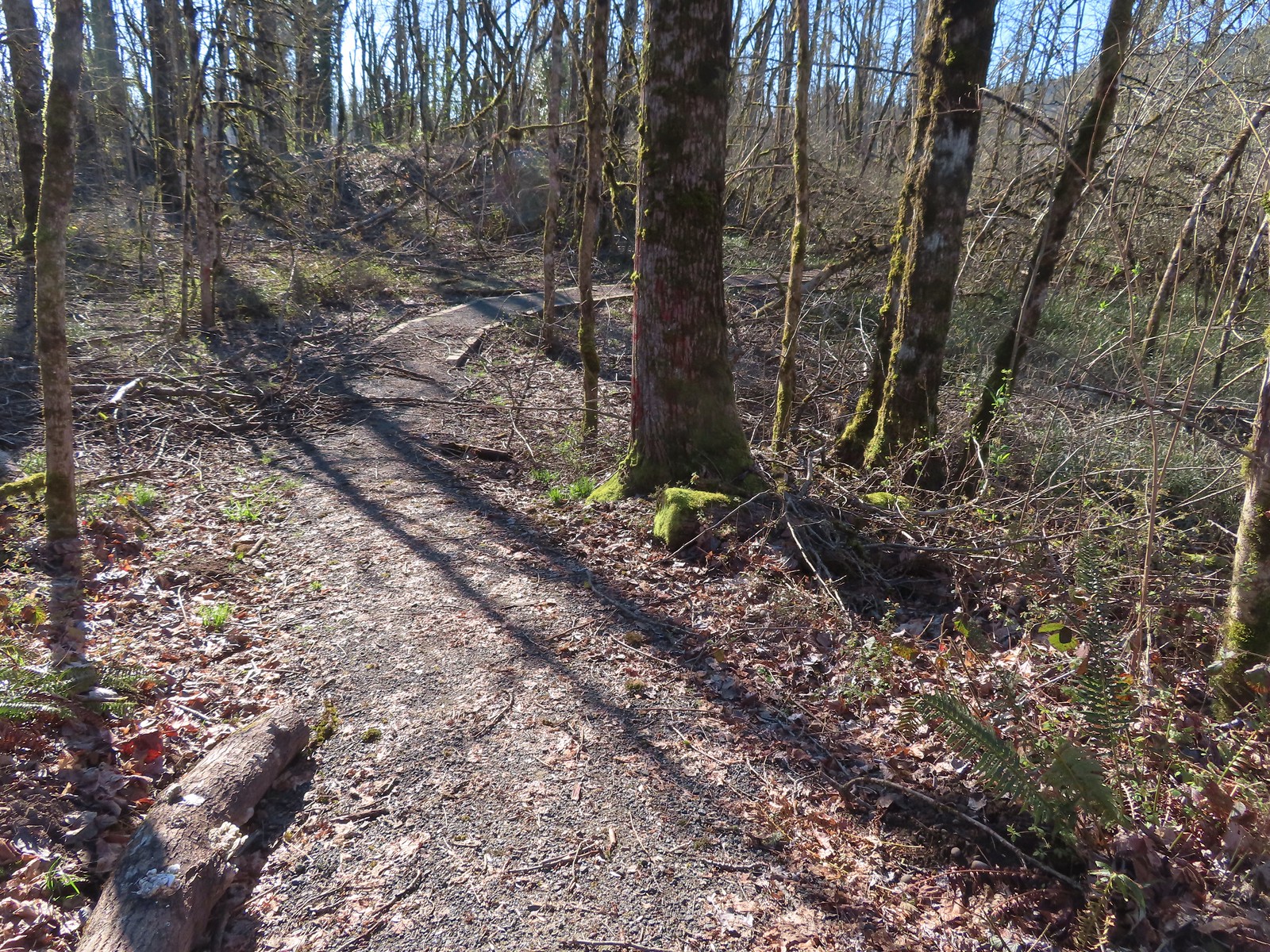
We weren’t aware of the informal trails shown on the map at Clearwater Park, but the prospect of seeing a couple of ponds piqued our interest so we crossed the park entrance road and followed a narrow gravel path into the woods.
Informal trail at Clearwater Park

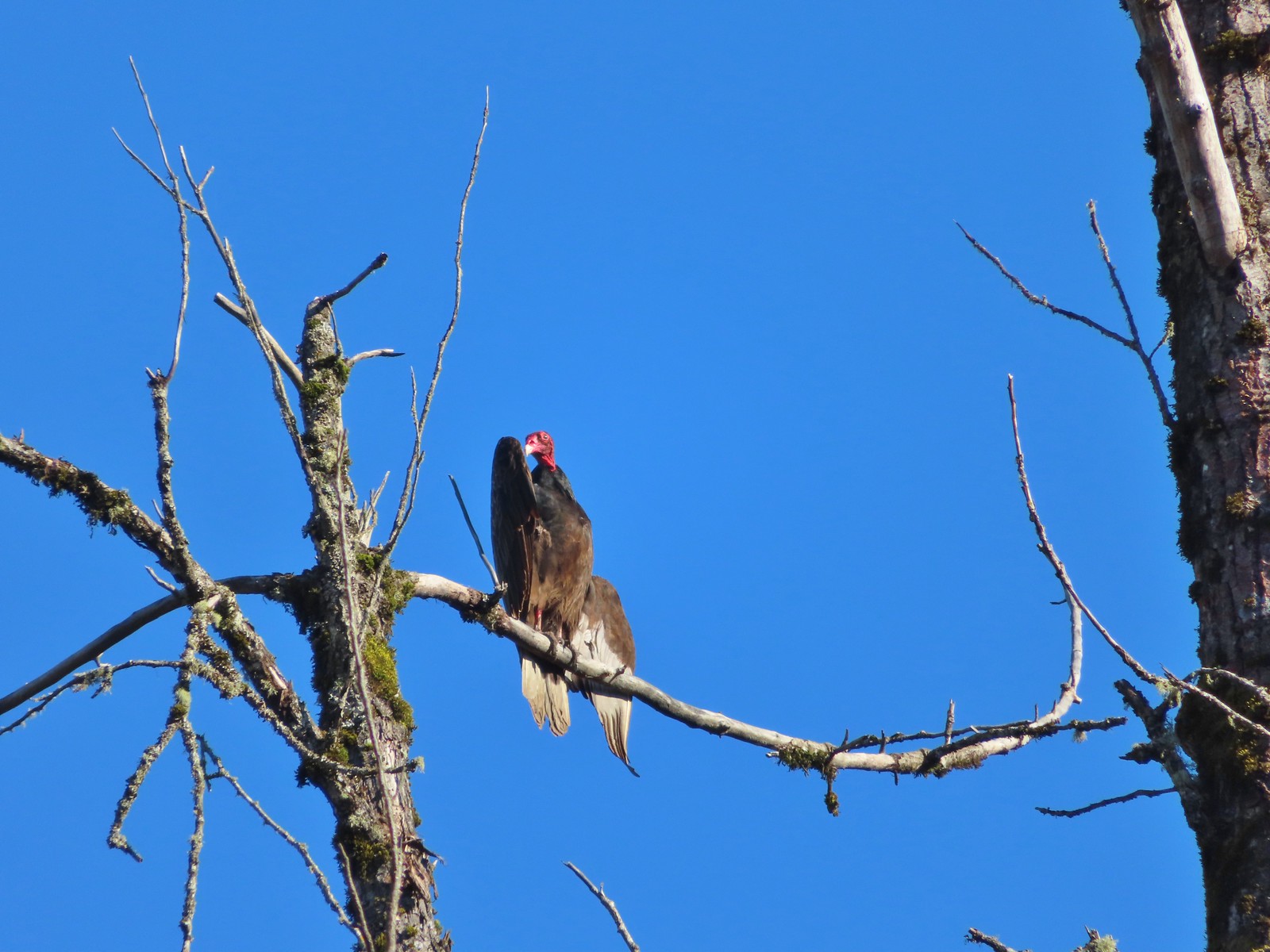
Turkey vulturesTurkey vultures. We’d seen our first turkey vulture of the year a little earlier on the Middle Fork Path. I’d been on the lookout for one of these scavengers for the last couple of weeks knowing that their arrival in the Willamette Valley coincides with the onset of Spring.
Informal trail at Clearwater Park

We didn’t get far on the informal trails before ice storm damage turned us back.
Storm damage blocking the informal trail at Clearwater Park

We backtracked and took a different informal path to the parking area near the boat launch and then followed a dirt path back to the Middle Fork Path.
Turkey vulture warming upTurkey vulture enjoying the sunshine.

Clearwater Park and LandingArriving at the boat launch area.

Informal trail at Clearwater ParkHeading back to the Middle Fork Path.

We followed the Middle Fork Path back to Dorris Ranch, sticking to the paved trail all the way back to the trailhead.
Middle Fork Willamette River Path

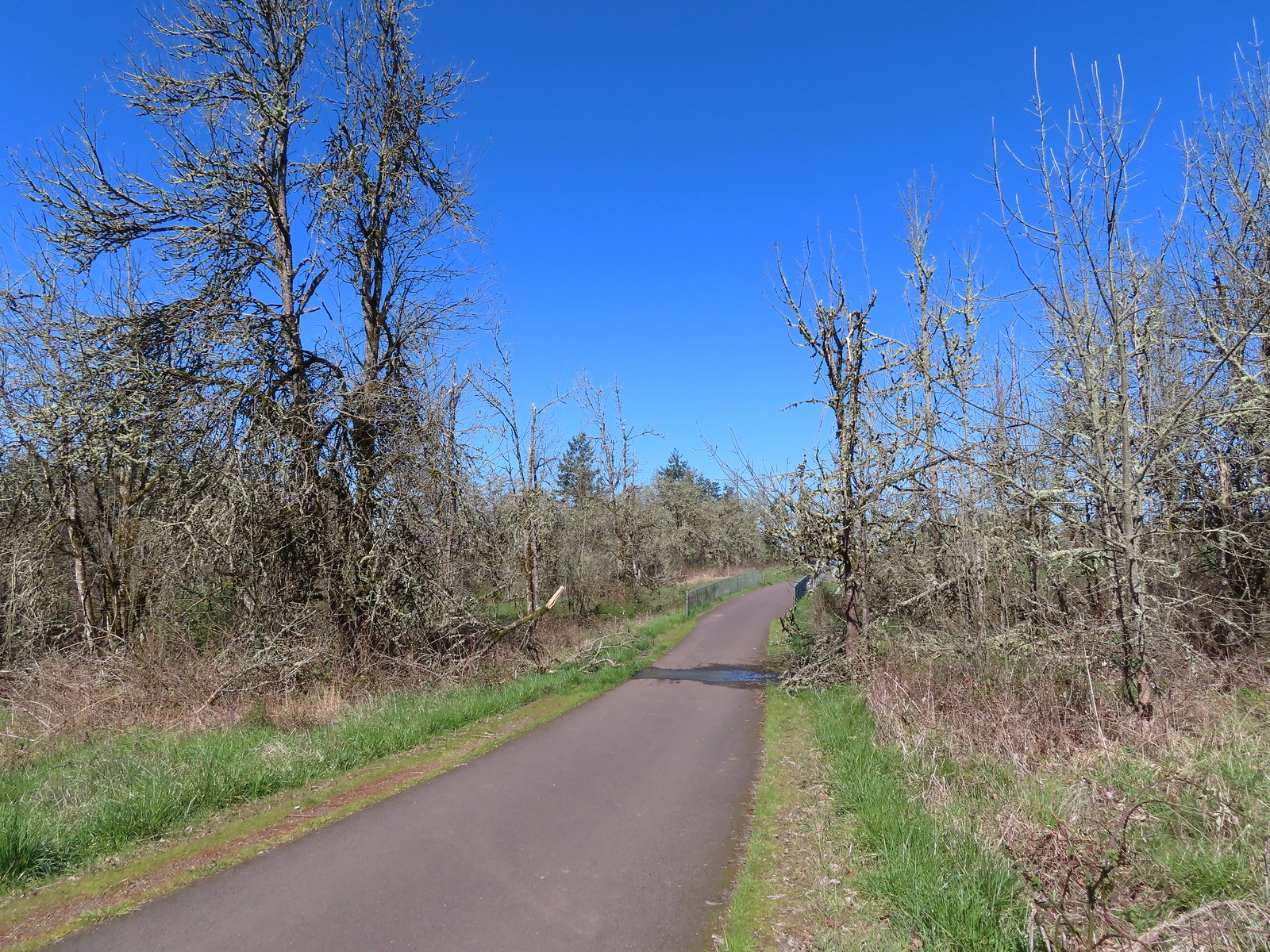
Middle Fork Willamette River Path at Dorris RanchBack at Dorris Ranch. The trail we’d taken earlier that morning is to the left just before the bench.
Middle Fork Willamette River Path at Dorris Ranch

Western bluebirdsWestern bluebirds

Cooper's HawkI believe this is a Cooper’s hawk.

Middle Fork Willamette River Path at Dorris Ranch

Western buttercupsWestern buttercups

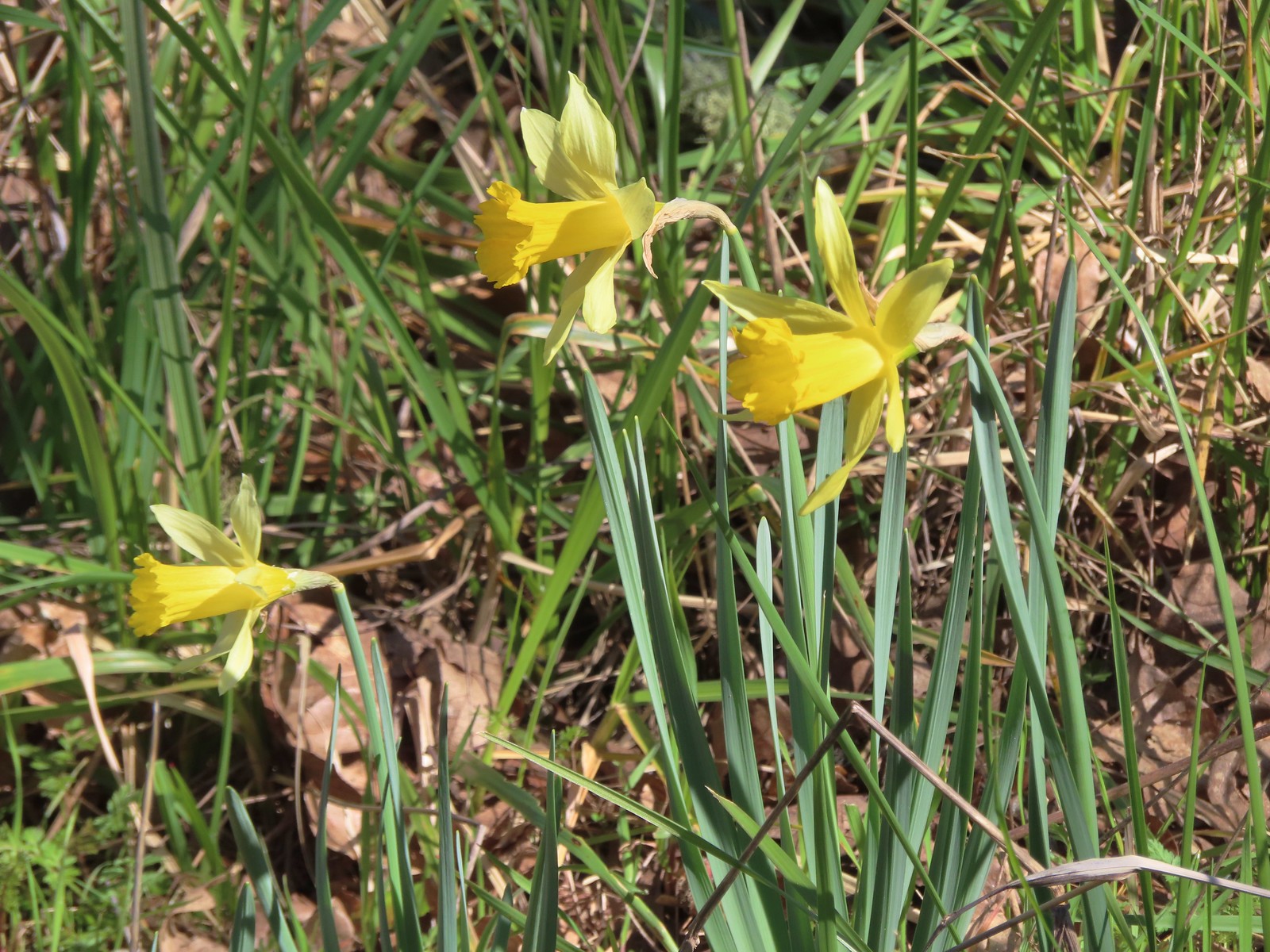
DaffodilsDaffodils

While we saw a few more flowers than my parents had in February we were still a week or two early, but at least we did see a few of the early bloomers. There was abundant wildlife though and the fairly level trails made for a relaxing hike. Our GPS units both showed this as a 9.2-mile hike which was just right for our feet this time of year given we were primarily on paved trails.

After the hike we met up with our Son for lunch at Ubon Thai Kitchen before heading back to Salem. As to close a perfect late Winter hike as you can get. Happy Trails!

Flickr: Middle Fork Path

Categories
Hiking Oakridge Area Old Cascades Oregon Trip report

Middle Fork Trail Backpack Days 2 & 3 – 5/24 & 5/25/2020

**Note the 2024 208 MF Fire burned the area around Indigo Springs and the 2025 Emigrant is currently burning near Chuckle Springs in the 2009 fire scar.**

After the 14.5 mile hike to find our campsite the day before (post) we woke up a little before 6am and ate breakfast by the river. We were excited to spend a day without our full packs. Based on my calculations we were anticipating the mileage for the day to be close to 14 miles (it was more but we’ll get to that later) so a lighter weight pack was welcome.

We set off just after 7am and the trail began to climb away from the river not far from where we’d camped.Middle Fork Trail

There was still a bit of that pesky poison oak present when the conditions were just right but we could tell we were gaining elevation by the change in the forest and some of the flowers we were starting to see.Vanilla leaf along the Middle Fork Trail

Vanilla leaf

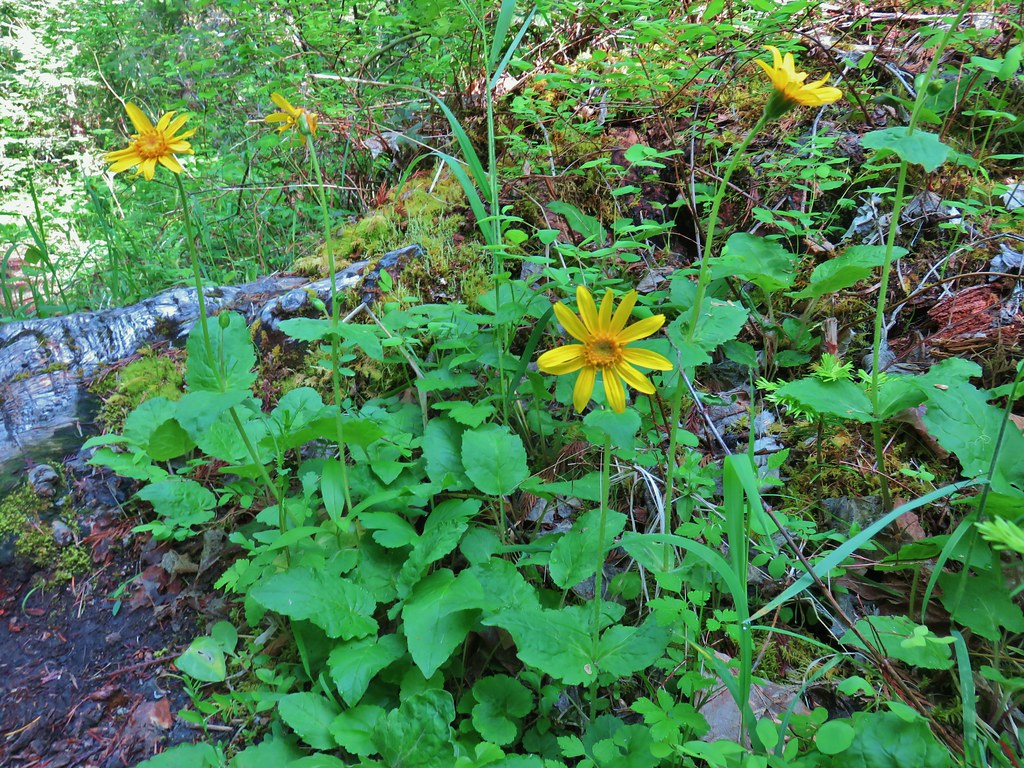
Arnica

Arnica

Middle Fork Trail

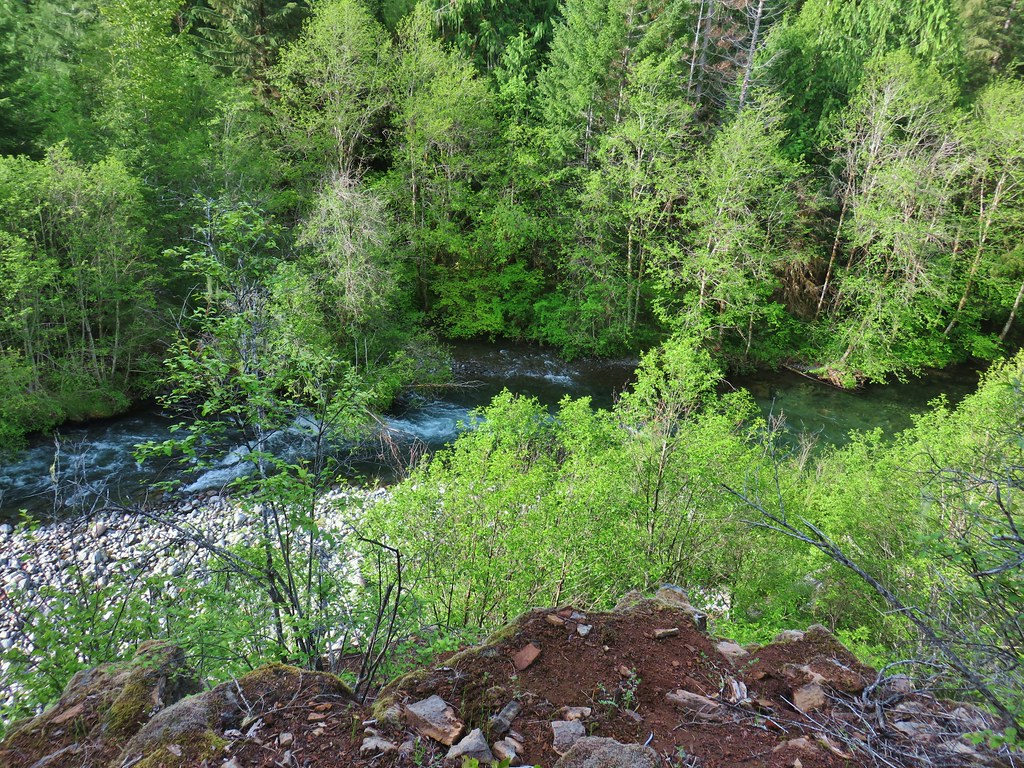
Middle Fork Willamette River from the Middle Fork Trail

Viewpoint above the river.

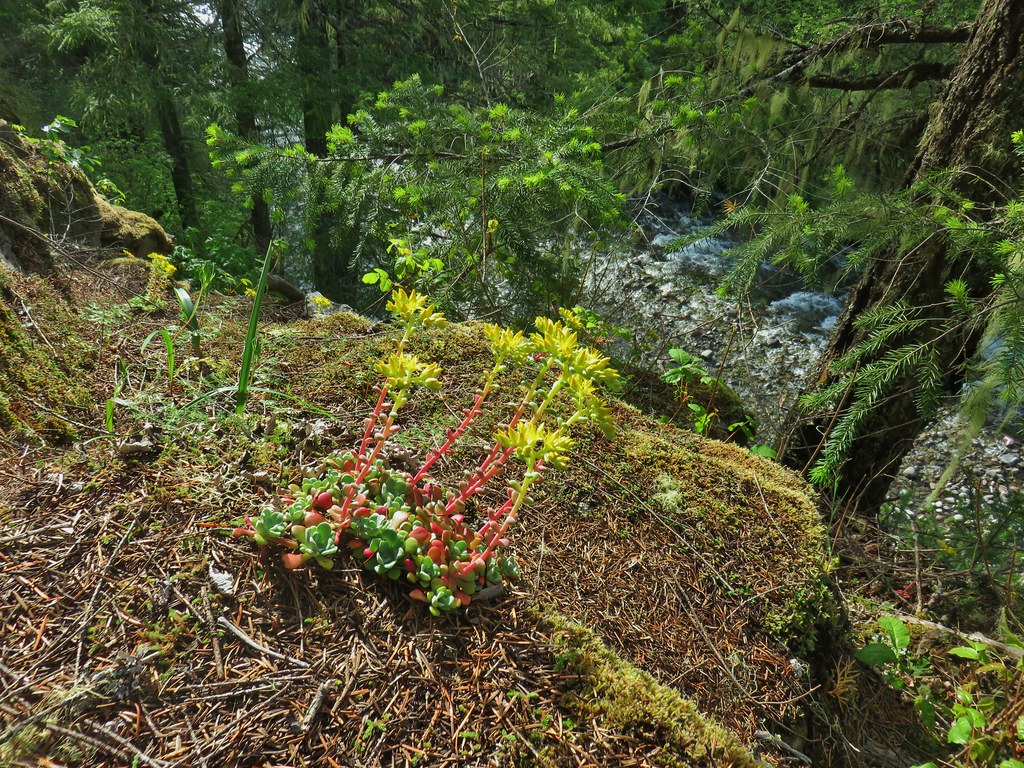
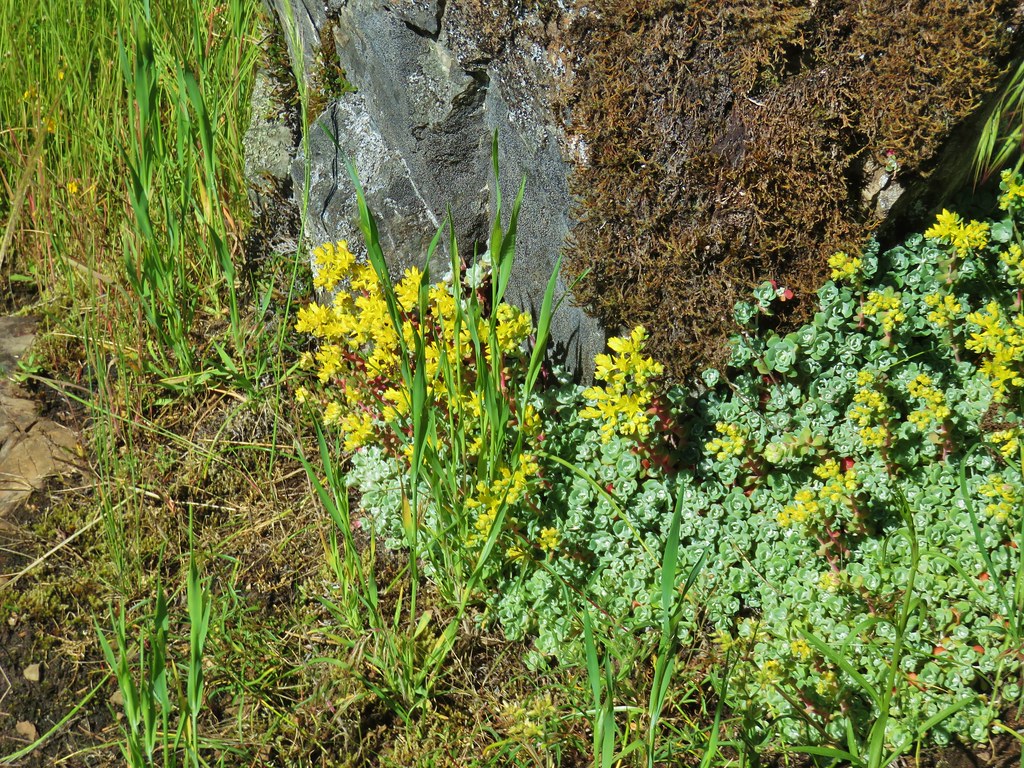
Stonecrop

Stonecrop

Stonecrop

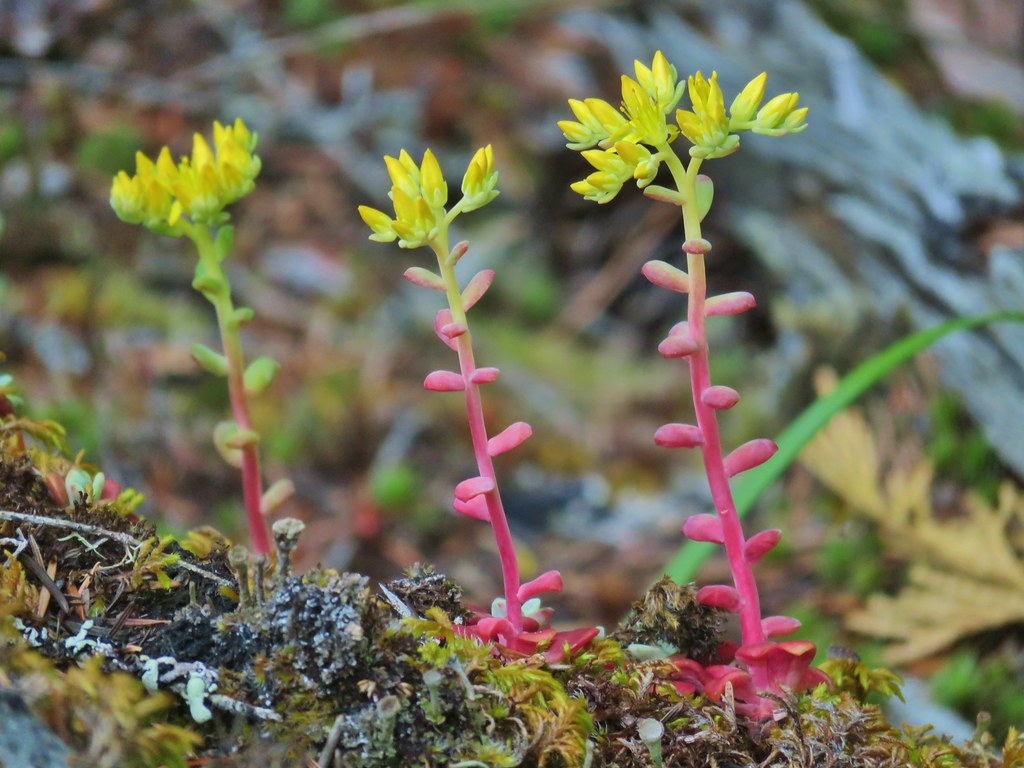
Closer look at some stonecrop.

Just under 2.5 miles from camp we arrived at the lovely Rigdon Meadows near Sacandaga Campground (which I had begun referring to as Scandinavia because I couldn’t figure out how it was supposed to be pronounced).Rigdon Meadows

Western buttercup and camasCamas and buttercups at Rigdon Meadows.

The campground remained closed due to COVID-19 and the road was gated but there were several campers parked near the meadows.Middle Fork Trail

Gate at the closed entrance to Sacandaga Campground.

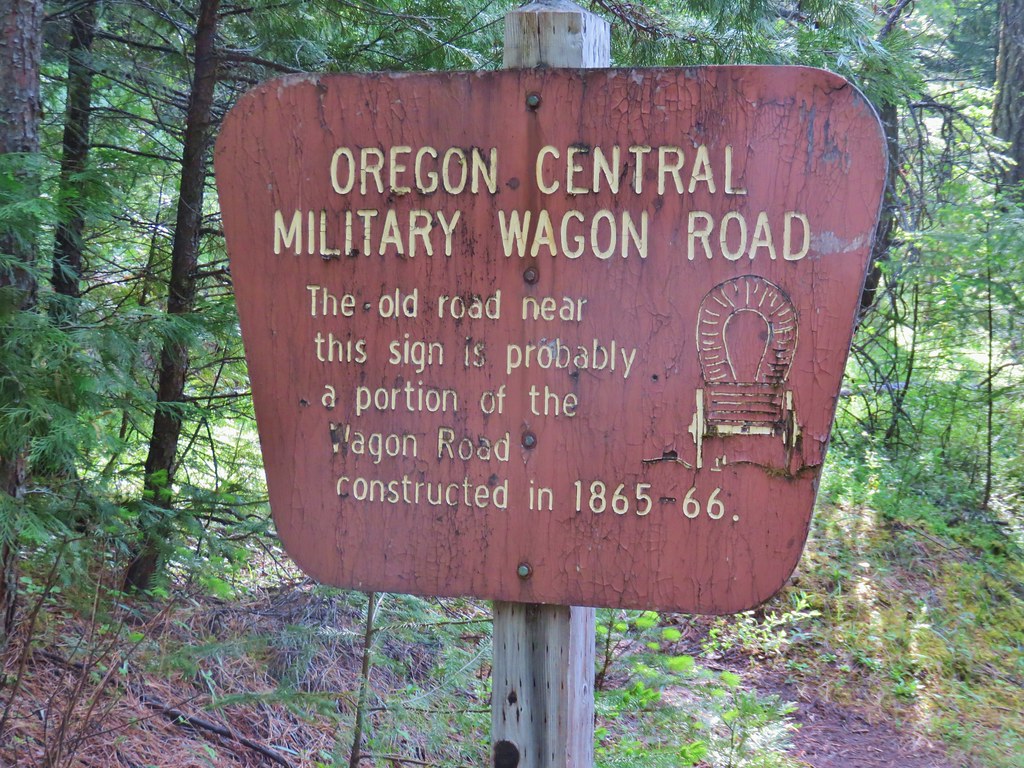
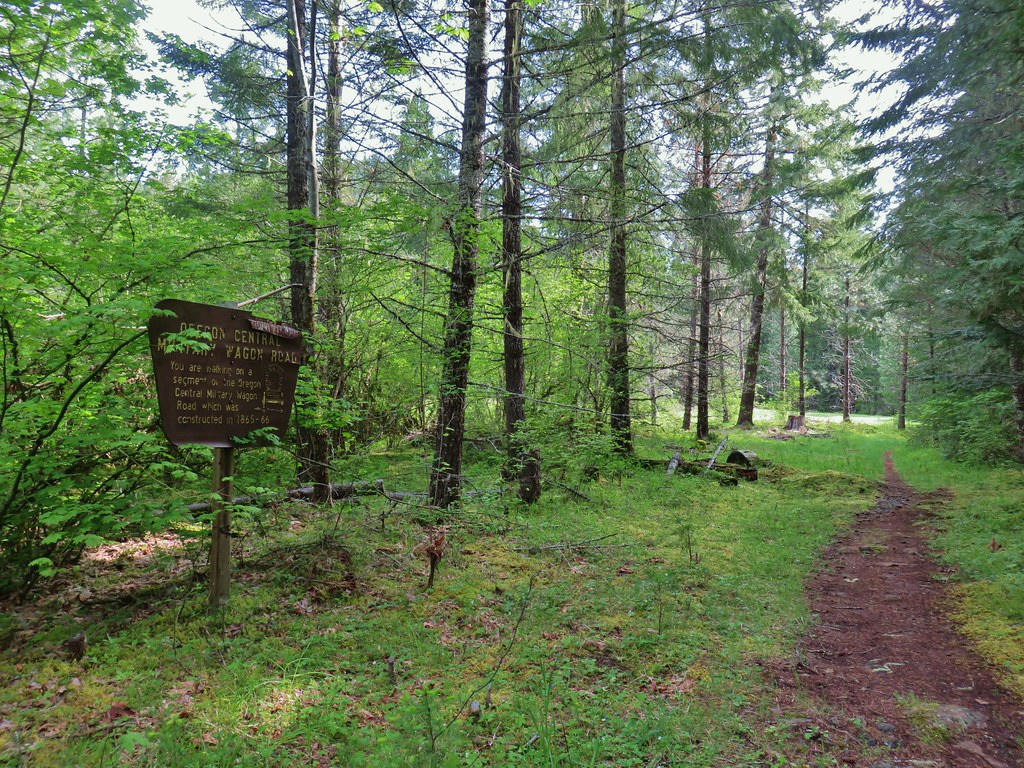
We picked up the trail on the other side of the gate where it joined the route of the Oregon Central Military Wagon Road.Middle Fork Trail at the start of the Oregon Central Military Wagon Road

Oregon Central Military Wagon Road

The wagon road was planned to stretch from Eugene, OR to Fort Boise in Idaho but much of it was nothing more than a rudimentary trail (Wikipedia) that allowed private companies to acquire public lands along the stretches of road that they “completed”.

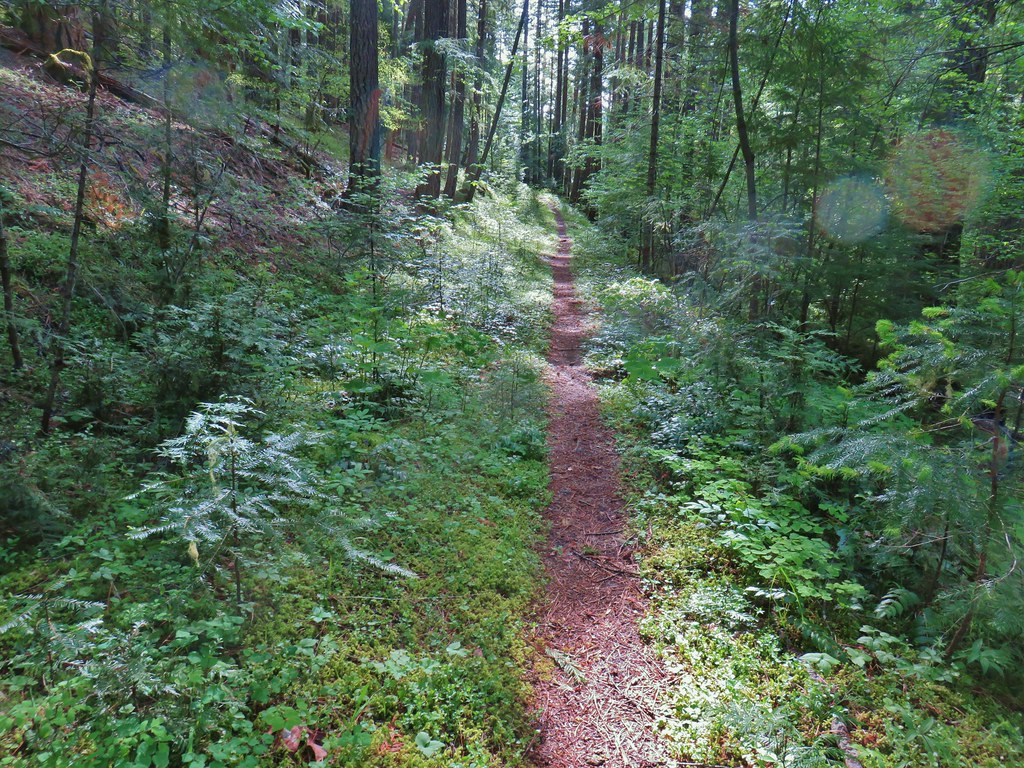
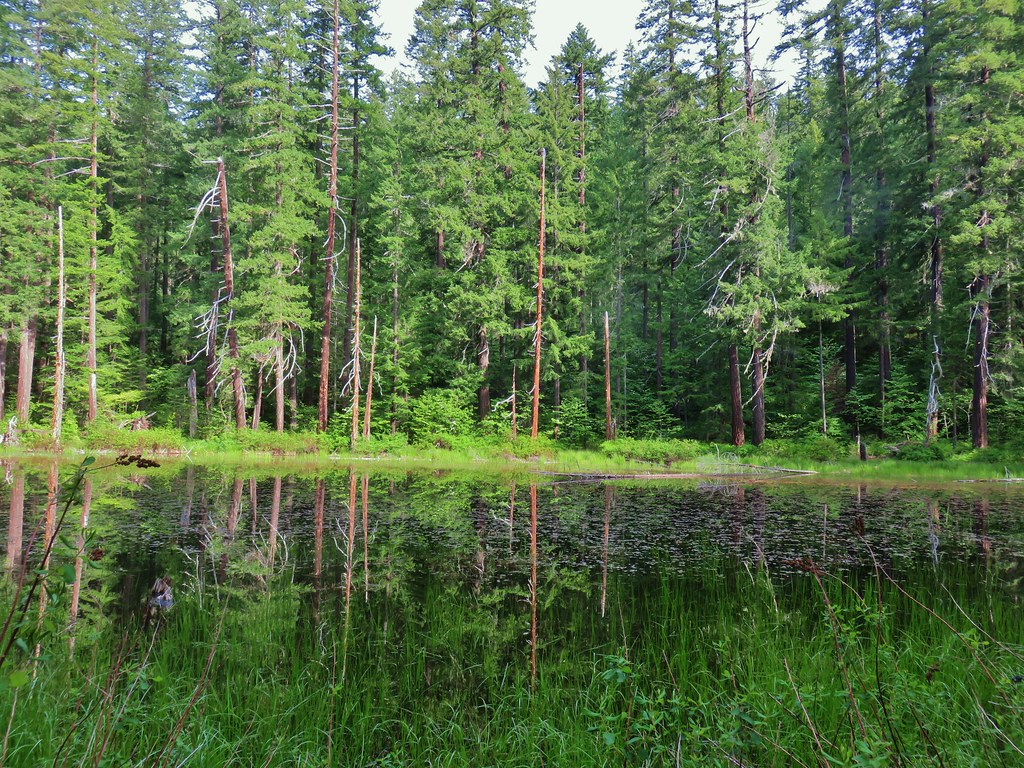
This 1.2 mile section of the wagon road passed a small unnamed lake near its crest.Oregon Central Military Wagon Road

Unnamed lake along the Oregon Central Military Wagon Road

The other end of this portion of the wagon road was located near a meadow where some idiot had driven onto the grass from a nearby forest road.Oregon Central Military Wagon Road

Middle Fork Trail

About a half mile after crossing the road the trail crossed Noisy Creek.Unnamed Creek

A short distance later we crossed another muddy forest road and then came to a decent sized creek that wasn’t on either our paper or GPS maps.Middle Fork Trail

Noisy Creek

After the mystery creek we came to the signed Swift Creek which was the widest creek we’d crossed on the trip.Footbridge over Swift Creek

Swift Creek

Swift Creek

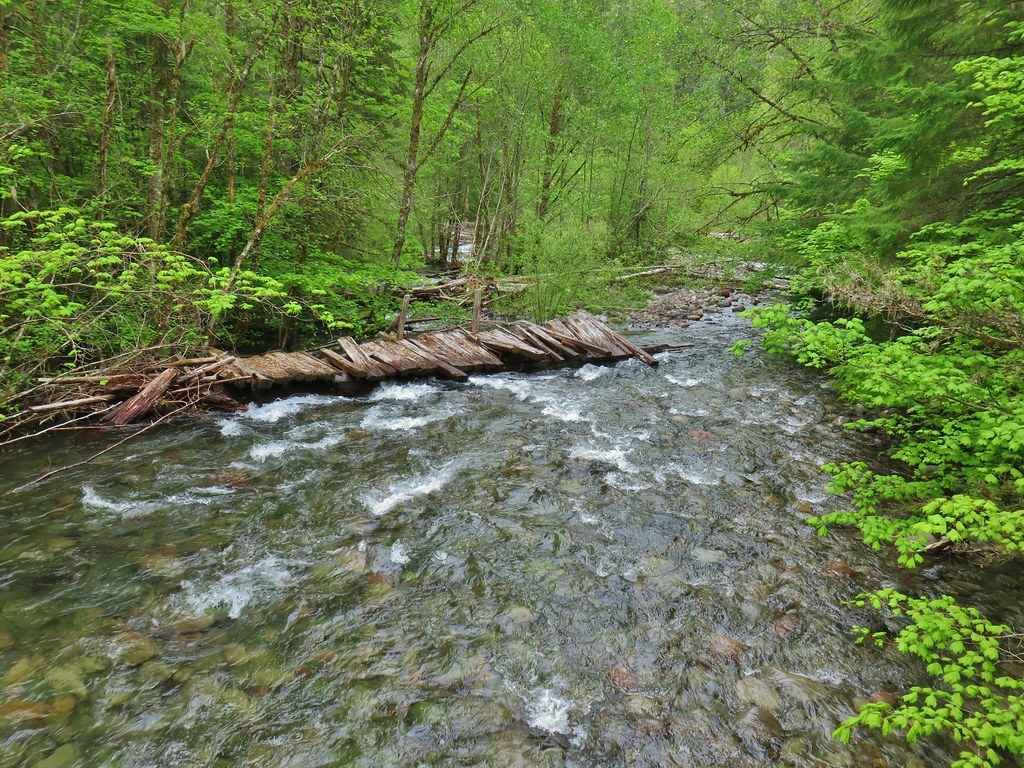
Former bridge over Swift Creek.

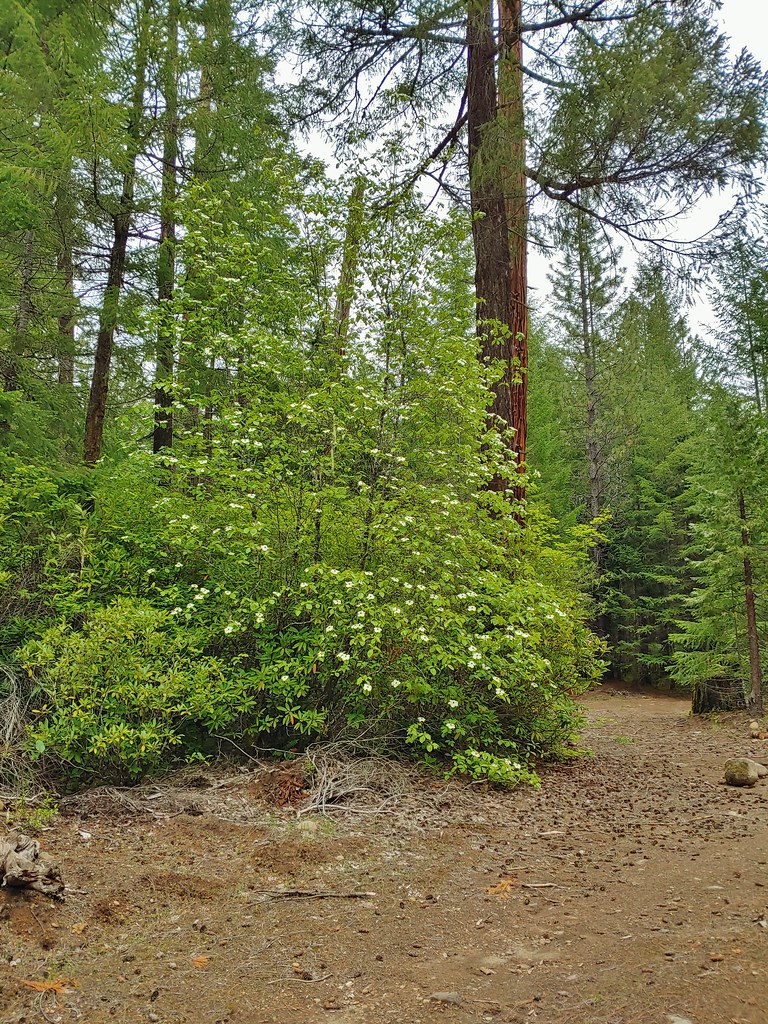
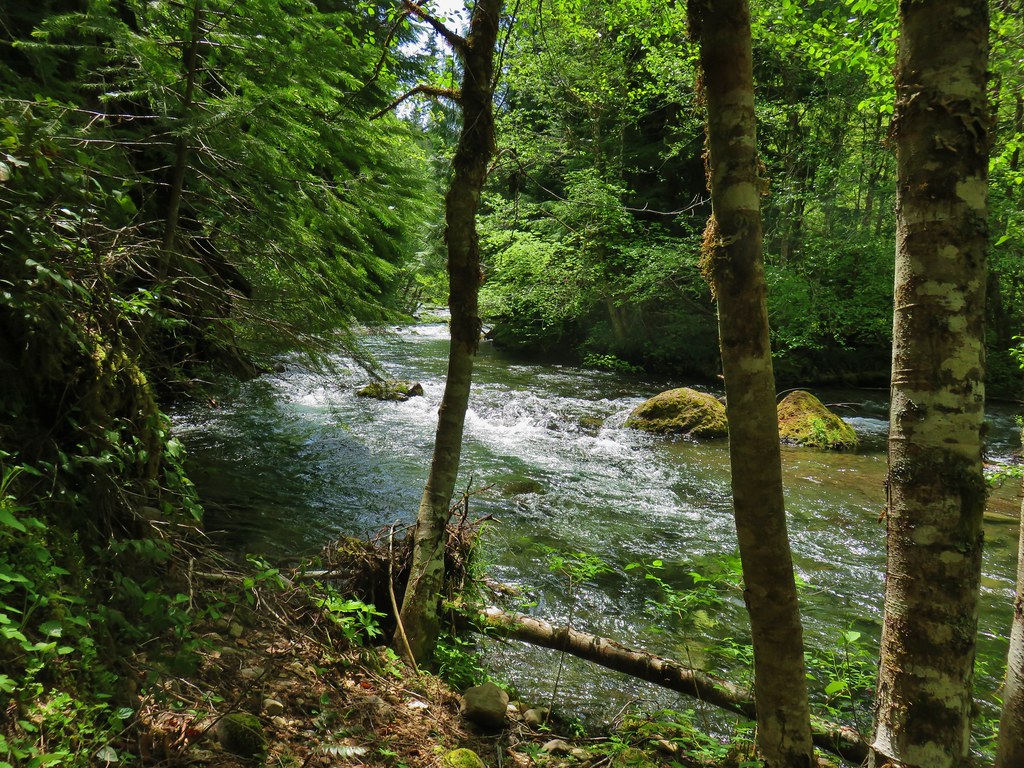
The scenery really began changing beyond Swift Creek. We hadn’t seen any poison oak since the wagon road and now we were in a drier forest with huge ponderosa pines and cedars. We were also high enough now to see some blooming rhododendrons. I did manage to pick up my second tick of the trip somewhere in this area.Dogwood along the Middle Fork Trail
Ponderosa behind a dogwood tree.

Rhododendron

Rhododendron near the dogwood tree.

Tall cedars along the Middle Fork Trail

Cedar

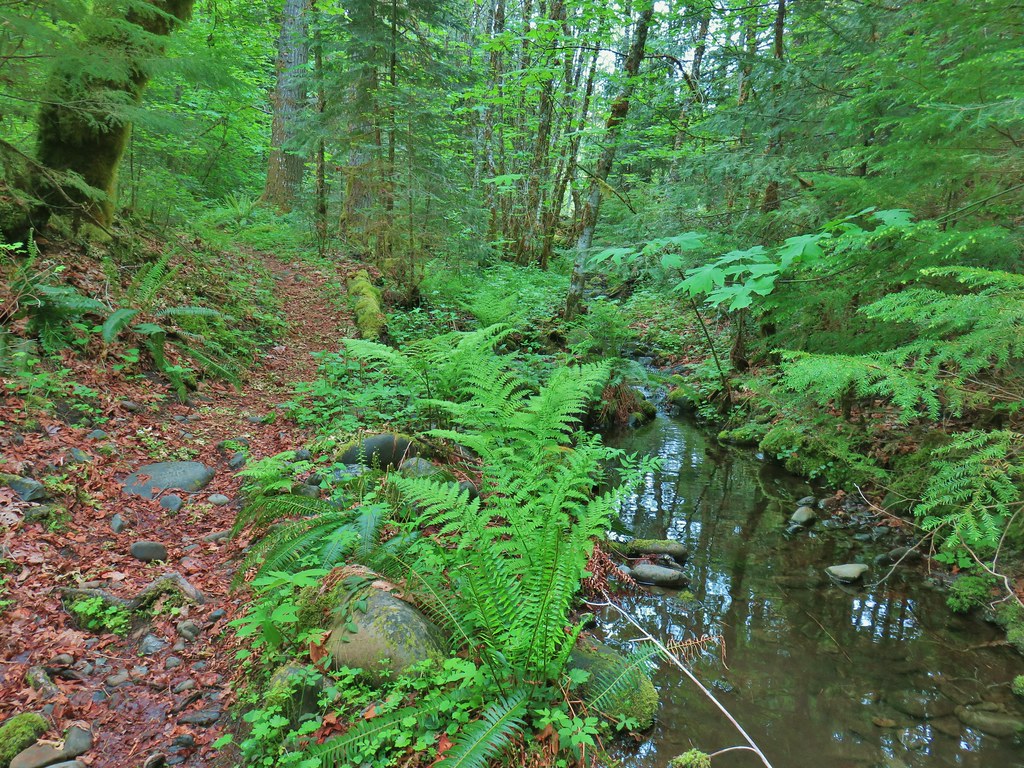
The trail dropped down towards the river to a wetter area between Skunk and Found Creeks.Skunk Creek

Skunk Creek

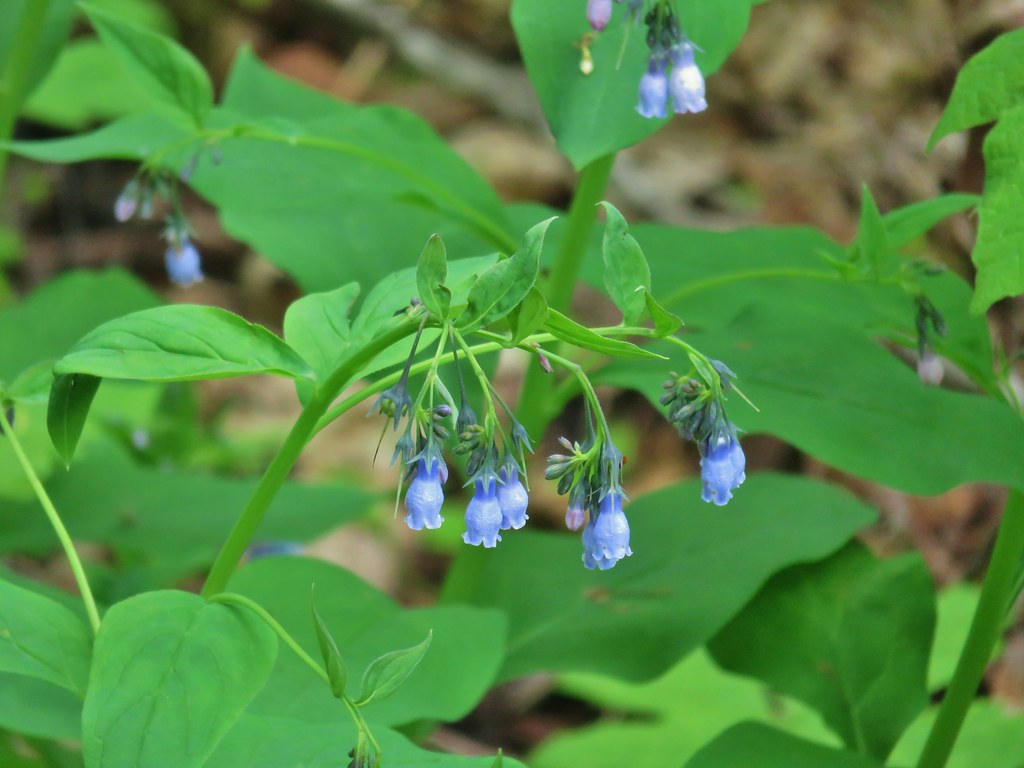
Tall bluebells

Tall bluebells

Middle Fork Trail

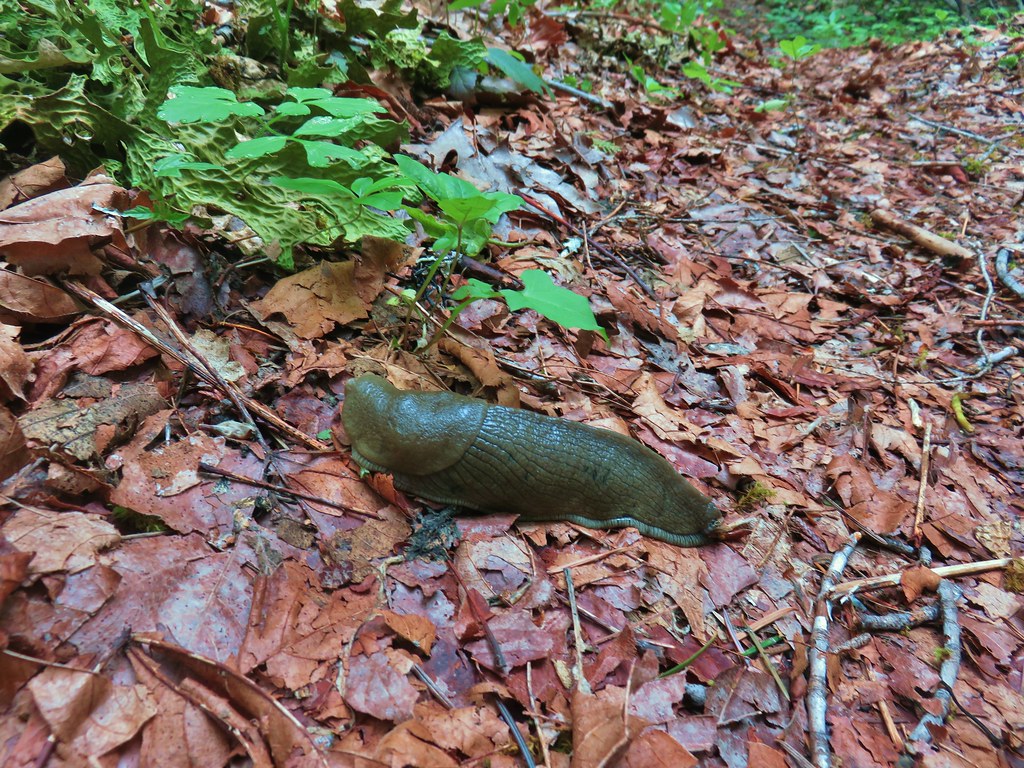
Slug

The Middle Fork Willamette River was a narrower here and doing it’s best to erode the riverbank.Erosion along the Middle Fork Trail

Middle Fork Willamette River

The narrower Middle Fork Willamette River

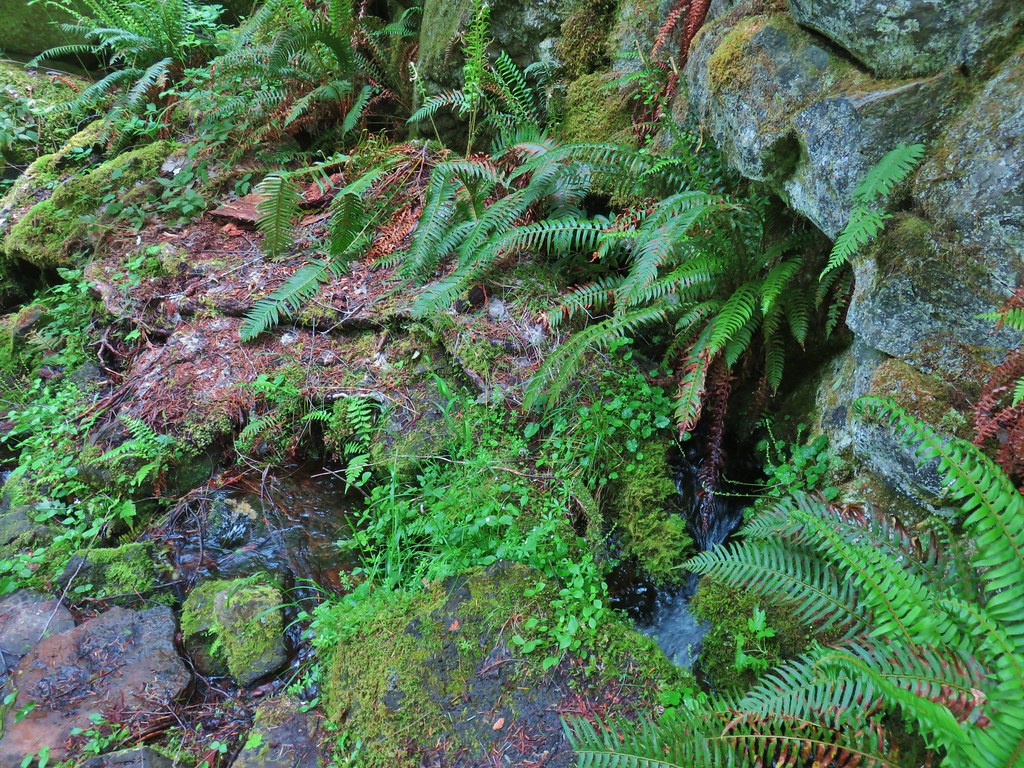
The trail soon began to climb above the river along some basalt cliffs where several springs flowed out from the rocks earning the moniker of Cliff Springs.Cliff Springs

Cliff Springs

Middle Fork Trail near Cliff Springs

On the far side of the springs the trail dropped again to a crossing of Indigo Creek.Middle Fork Trail

Before reaching the creek we stopped to listen to a wren signing.Wren

Bridge over Indigo Creek

Bridge over Indigo Creek.

Indigo Creek flowing into the Middle Fork Willamette River

Indigo Creek empyting into the Middle Fork Willamette River.

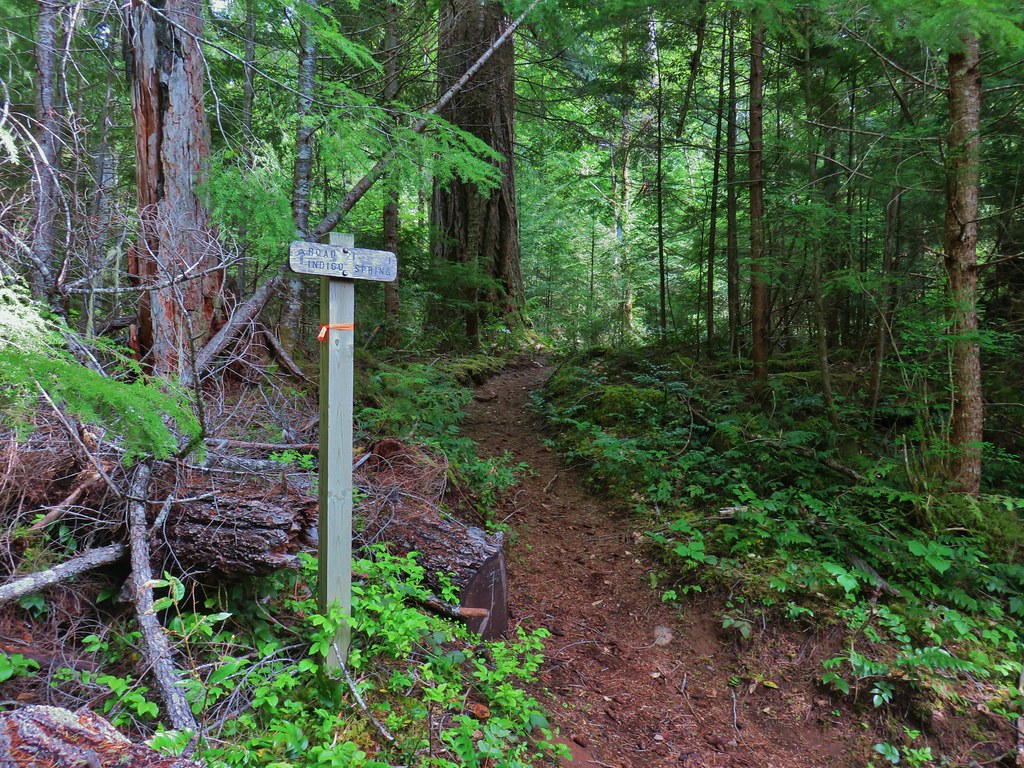
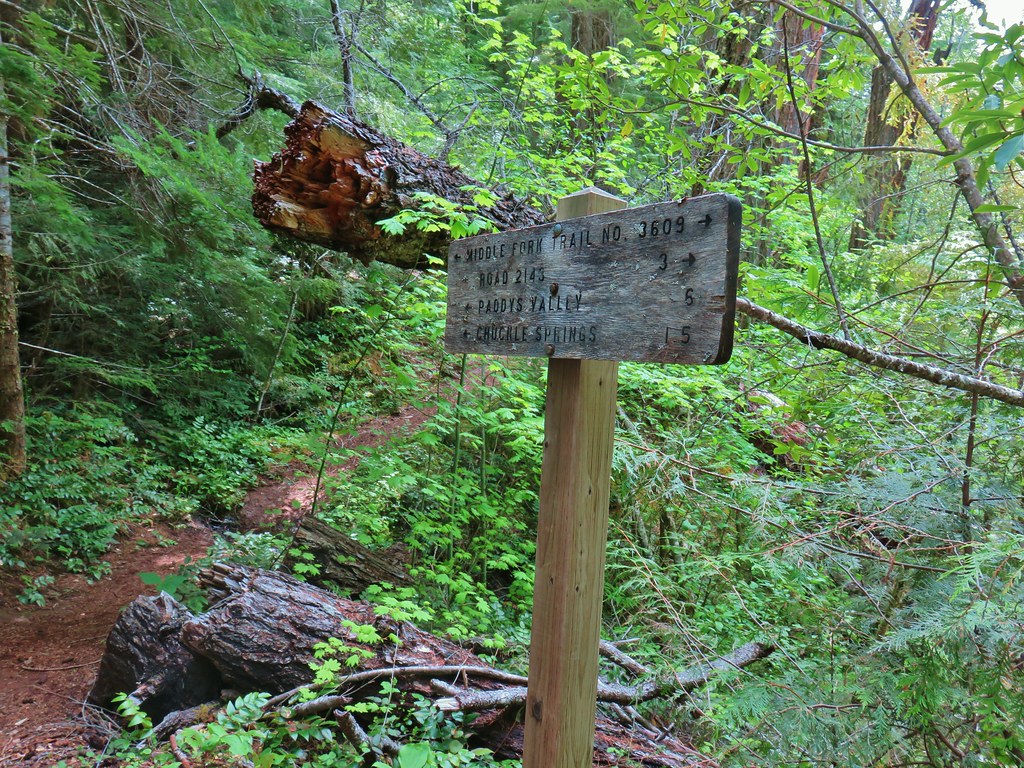
About a tenth of a mile from Indigo Creek we arrived at a junction where a trail to the left had a pointer for Indigo Springs.Trail to Indigo Springs

We turned up this short trail and climbed to FR 21 where we again turned left and followed the paved road a short distance to the entrance of Indigo Springs Campground.Heading toward Indigo Springs

Coming to FR 21.

The status of this particular area was a bit hazy. The 3 site campground was closed as well as the restrooms, but the Willamette National Forest had opened all day-use trailheads (not the restrooms at those with toilets). We walked up the access road to the 1 parking spot trailhead (which was occupied with a second car nearby). We were proceeding under the understanding that trails and trailheads were open and it was only using the campsites, restrooms, and picnic tables that was still prohibited so we followed the 0.2 mile loop clockwise around Indigo Springs.Indigo Sprngs Trail

Indigo Sprngs

Indigo Creek

There were several springs feeding the creek amid mossy green rocks.Indigo Sprngs

Indigo Sprngs

Indigo Springs

Apparently the route of the wagon road passed here too.Another portion of the Oregon Central Military Wagon Road

After admiring the springs we returned to the Middle Fork Trail and continued up river toward Chuckle Springs.Middle Fork Trail

The trail dropped down to the river and spent a good deal of time right along it with a few easy access points, something that there hadn’t been many of thus far during our trip.Middle Fork Trail

Middle Fork Willamette River

Fariy slippers

Fairy slippers

There was a bit of an up and down though and we encountered the one significant tree down of the entire trip along one of the ups.Blowdown over the Middle Fork Trail

Large tree down

Luckily it wasn’t too difficult to get around and we were soon headed back down to the riverbank.

Middle Fork Willamette River

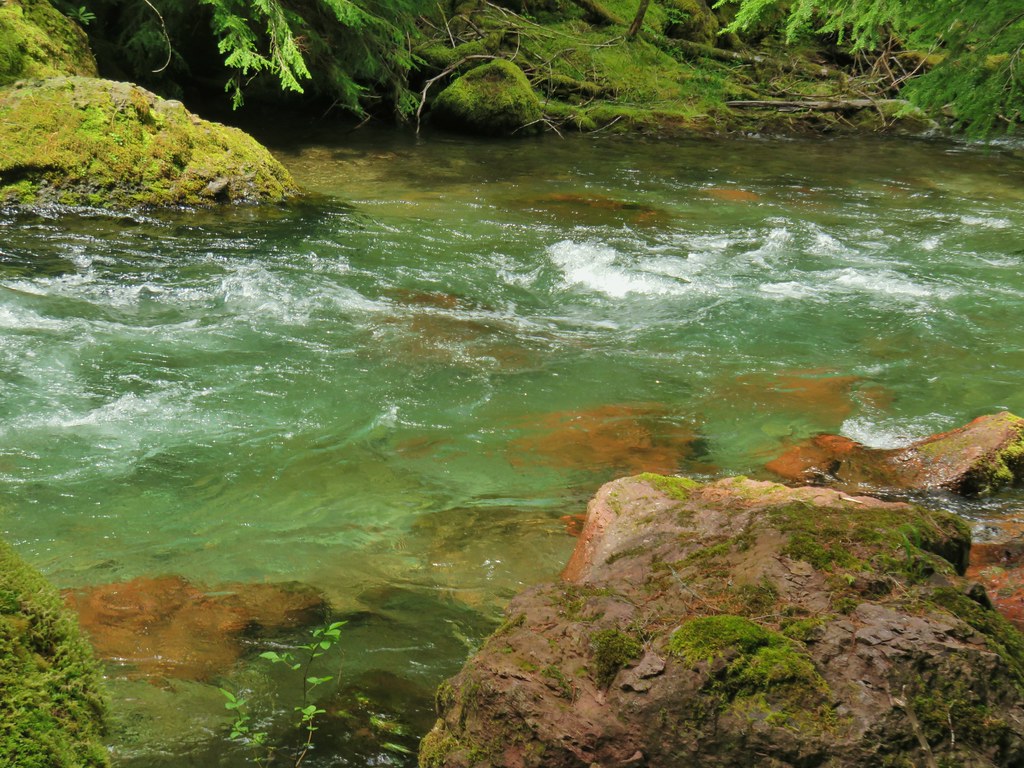
Red rocks in the Middle Fork Willamette River

Middle Fork Trail

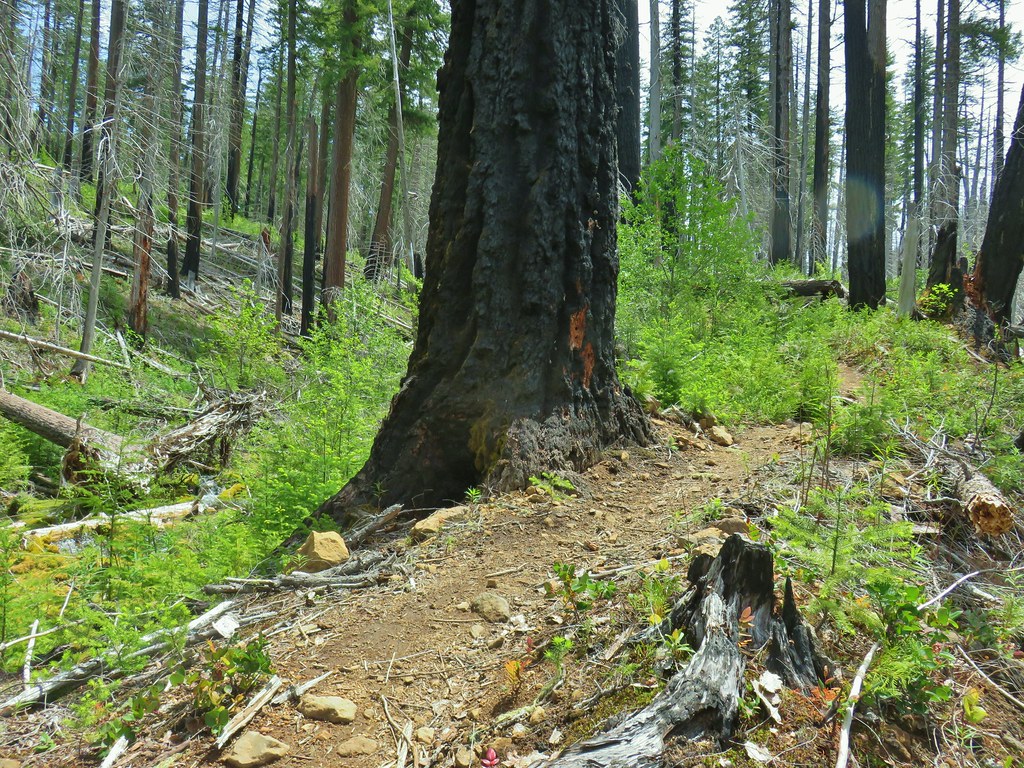
After just over a mile we began to enter the scar of a 2010 fire.Middle Fork Trail entering the scar of a 2010 fire

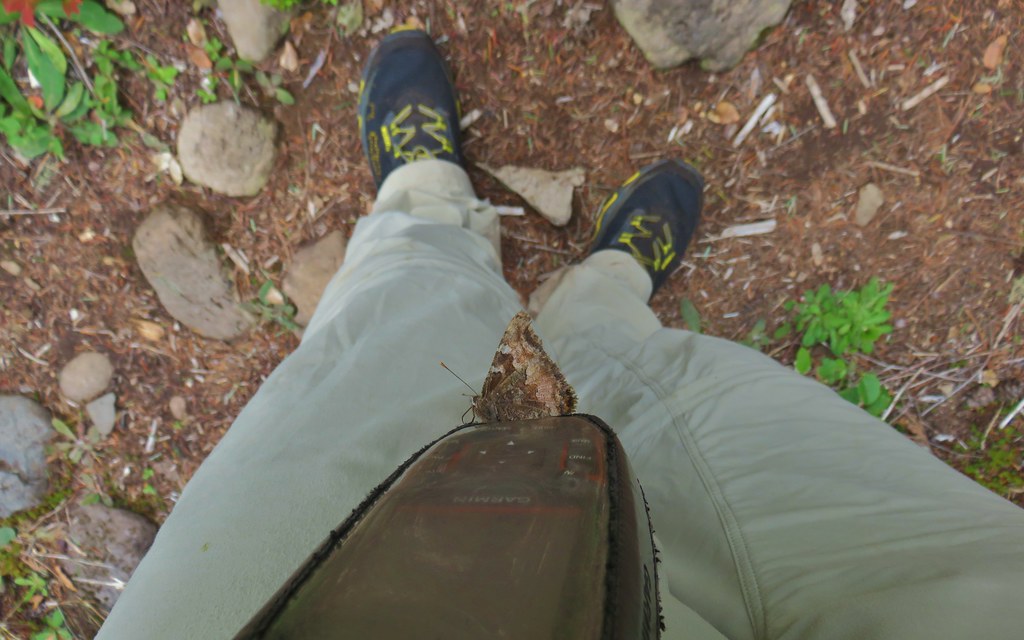
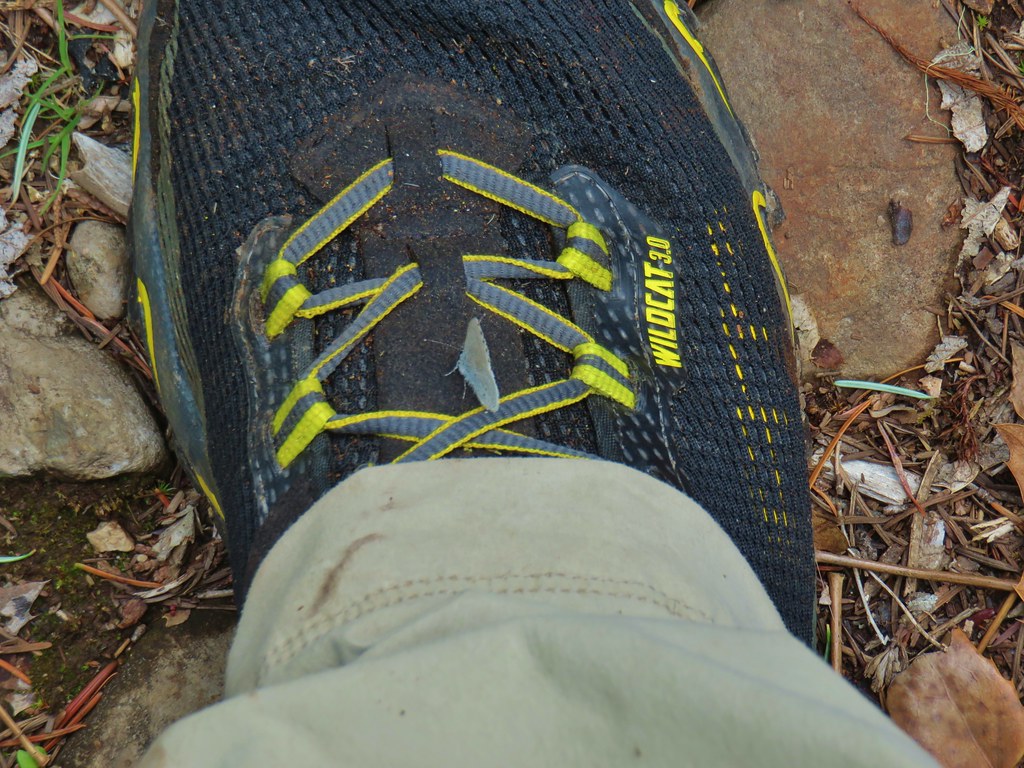
Just after entering the fire scar a butterfly landed on the Garmin followed by a second landing on my right shoe.Butterfly hitching a ride

Butterfly hitching a ride

Butterfly hitching a ride

These were much nicer insects to have on me than the ticks.

The trail had split here at one time but the right hand fork along the river was now blocked by a small log and appeared possibly abandoned although a footbridge remained in place.Closed alternate route of the Middle Fork Trail

The way to Chuckle Springs was to the left though so we headed left and soon began climbing up a narrow ridge above Chuckle Creek.Chuckle Creek

We crossed the creek on a footbridge and continued up the ridge alongside the creek.Chuckle Creek

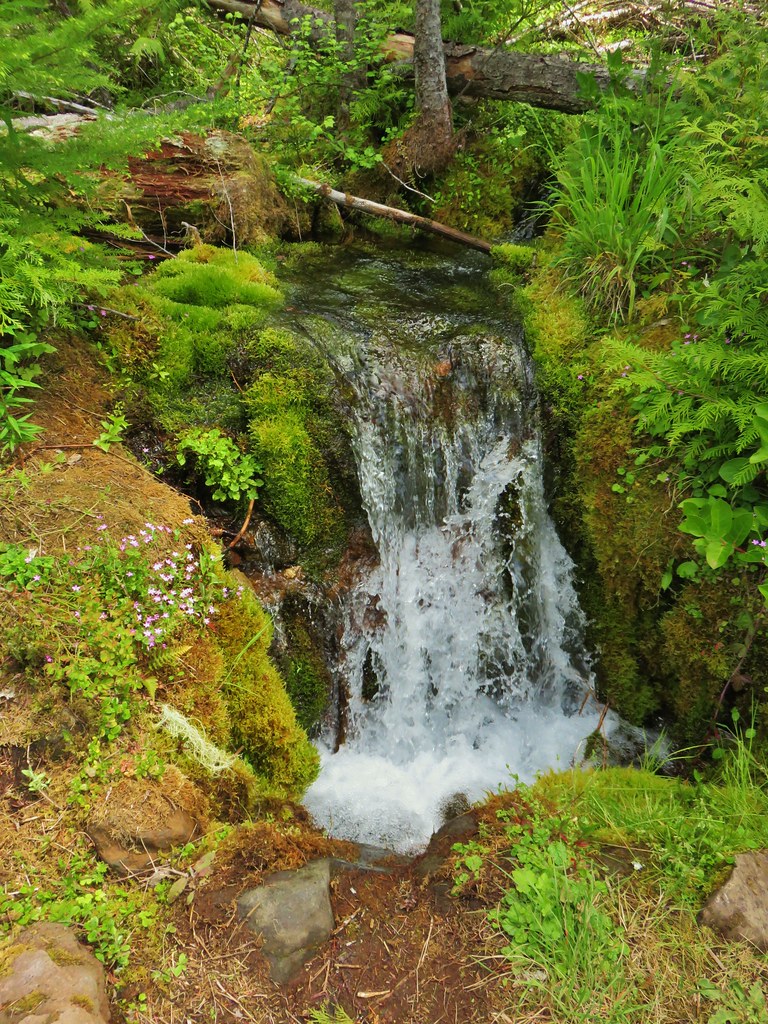
Cascade along Chuckle Creek

Middle Fork Trail

A quarter mile from the fork we arrived at another fork where the Chuckle Springs Trail joined from the left.Middle Fork Trail junction with the Chuckle Springs Trail

A very short trail led down to a picnic table where there were two groups of people talking. We had encountered two of them before reaching Cliff Springs and the other 3 were new to us. Given social distancing guidance we took a seat on some logs near the junction and waited for them to depart before heading down to the springs.Picnic table near Chuckle Springs

Sign for Chuckle Creek

Chuckle Springs

Not quite as impressive as Indigo Springs these were still a nice green oasis amid the burn area. We didn’t stay long just in case others were on their way and sure enough we ran into another couple on their way to the springs at the junction. We left the spring to them and headed back to camp.

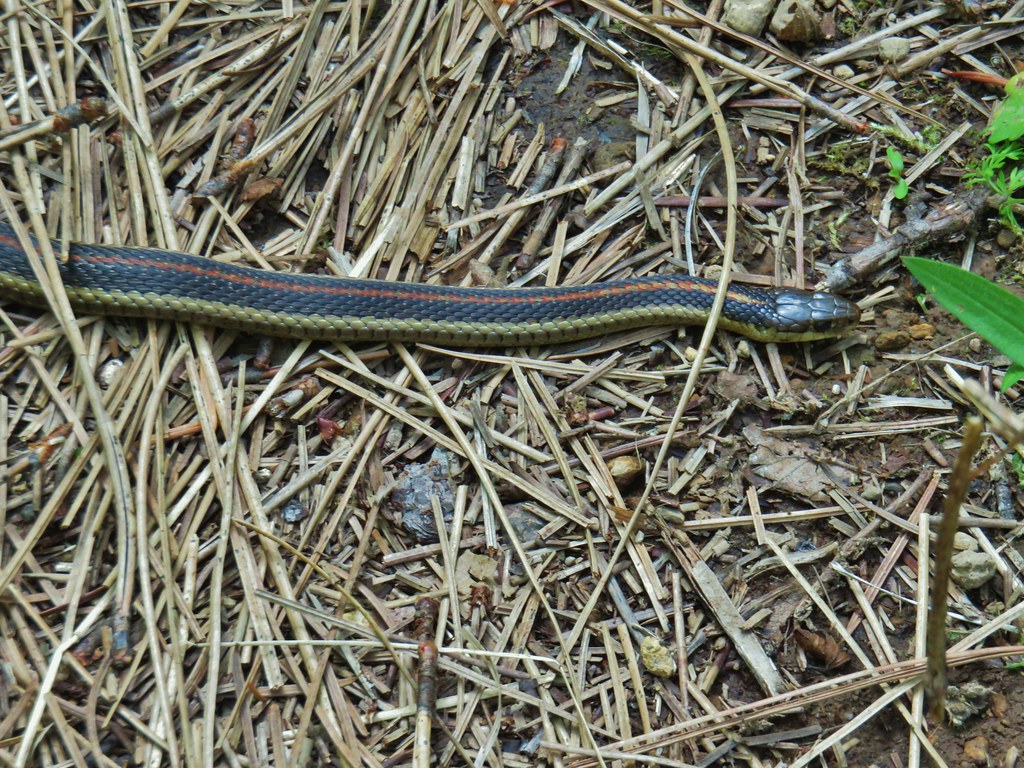
The return trip was livened up by a couple of snakes. Heather is not the biggest snake person but she does pretty well with them all things considered. The first snake was a garter snake stretched across the trail in one of the ponderosa pine areas.Snake in the trail

Garter snake

This snake had no intention of moving to the point that we thought it might have been dead (it wasn’t).

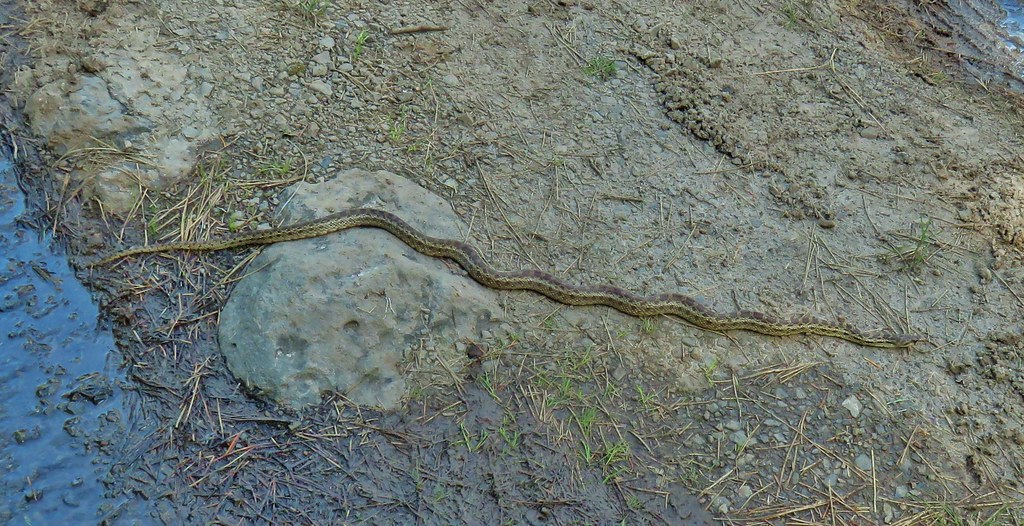
Then as we were passing Rigdon Meadows I walked right by a good sized gopher snake laying in the middle of the road bed. Heather spied it though and stopped in her tracks.Gopher snake

Gopher snake

Gopher snake

This snake also seemed intent to stay put until Heather started to go around it. Every time she took a step it would move just a bit closer to her. After about 3 rounds of this game I moved forward and the snake took its cue to head off into the grass and let Heather pass.

We stopped about one and a quarter miles from camp along the river to cook dinner and refill our water supply which had gotten fairly low. I had managed to miscalculate the distance for the day which we had clued into on the way back. For some reason, I apparently was unable to double the first portion of our hike from camp to Sacandaga Campground. I had estimated that we were roughly 2 miles from the campground and by not doubling those 2 miles I was coming up with 13.8 miles instead of 15.8. We were actually closer to 2.5 miles from the campground which would have boosted the mileage to 16.8. Add in a little extra wandering and we wound up just over 17 miles for the day.

The spot we’d found by the river had a nice view and we were joined by a caterpillar and had a brief visit from an ouzel.Middle Fork Willamette River

Caterpillar

Ouzel

We were pooped by the time we made it back to camp and we both had developed some impressive blisters. My best was on my right pinky toe and Heather’s was on one of her big toes. It was clear that we’d be spending some time applying moleskin and bandages in the morning before heading back to the car.

We turned in for the night thinking about the long hike out. I was thinking about the way we were feeling, the extra distance due to the reroute, and the ford of Indian Creek and worrying that by the time we got to that ford the combination of the sore feet and tired legs would make it even more difficult than it had been on Saturday. Additionally coming from the opposite direction might also be trickier. On Saturday getting into the creek was fairly easy and the trickiest part was just after passing the center (and strongest current) there were several large rocks which we had to step up onto. Coming from the other direction we would need to drop off of those rocks into the strongest current. I wasn’t loving that idea so Heather and I started talking about options. Both the reroute and the fords were along the same section of trail between FR 2134 and FR 2127. We got the idea to see if it looked like road walking FR 21 between the two bridges would be any shorter and from the look of it on the maps it would be so we decided that was our plan for the hike out.

We woke up at first light and packed up our little campsite and then ate breakfast along the river before throwing our packs on and heading back.Leaving our breakfast site on the last day of our trip

Our little meal site along the river.

We stuck to the plan and when we arrived at FR 2134 we hopped up onto the shoulder of FR 21 and started pounding the pavement.FR 21 at FR 2134

The road walk was pretty brutal on our already sore feet, but there wasn’t a whole lot of traffic and we got to see some different things this way. It was also close to 2 miles shorter than if we had stuck to the trail.Youngs Rock Trail at FR 21

Youngs Rock Trail – A hike for another time.

Middle Fork Willamette River

Oregon geranium

Oregon geraniums

Oregon sunshine

Oregon sunshine

Plectritis and larkspur

Plectritis and the only larkspur we spotted all trip.

Boulder Creek Falls

Boulder Creek Falls

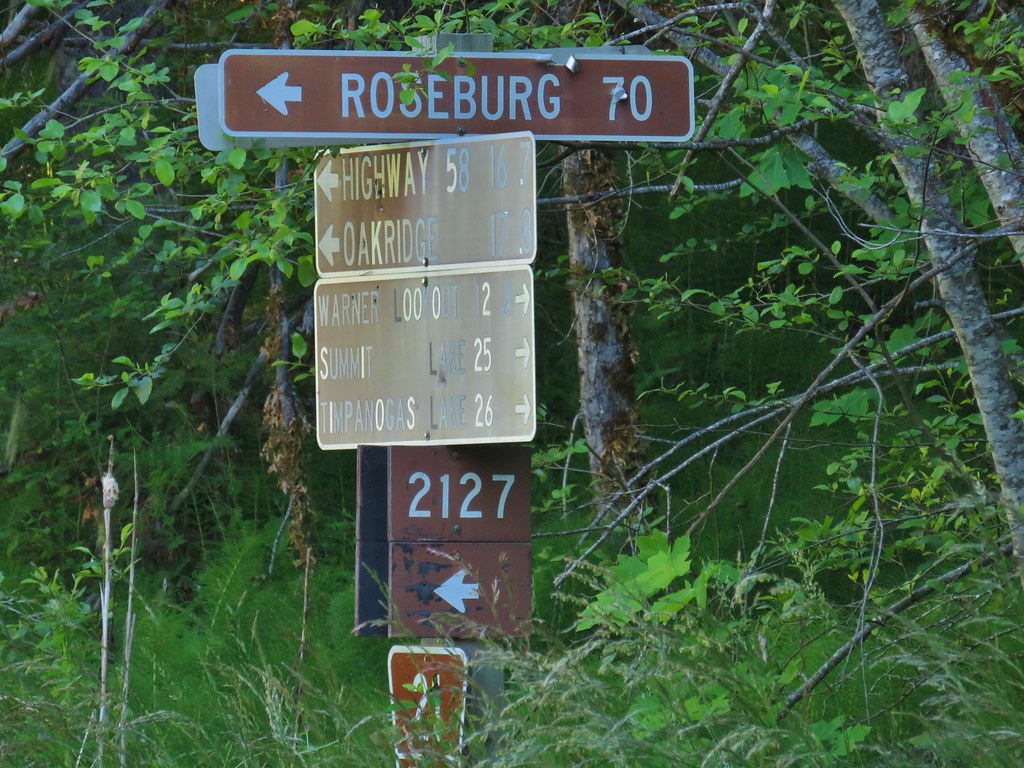
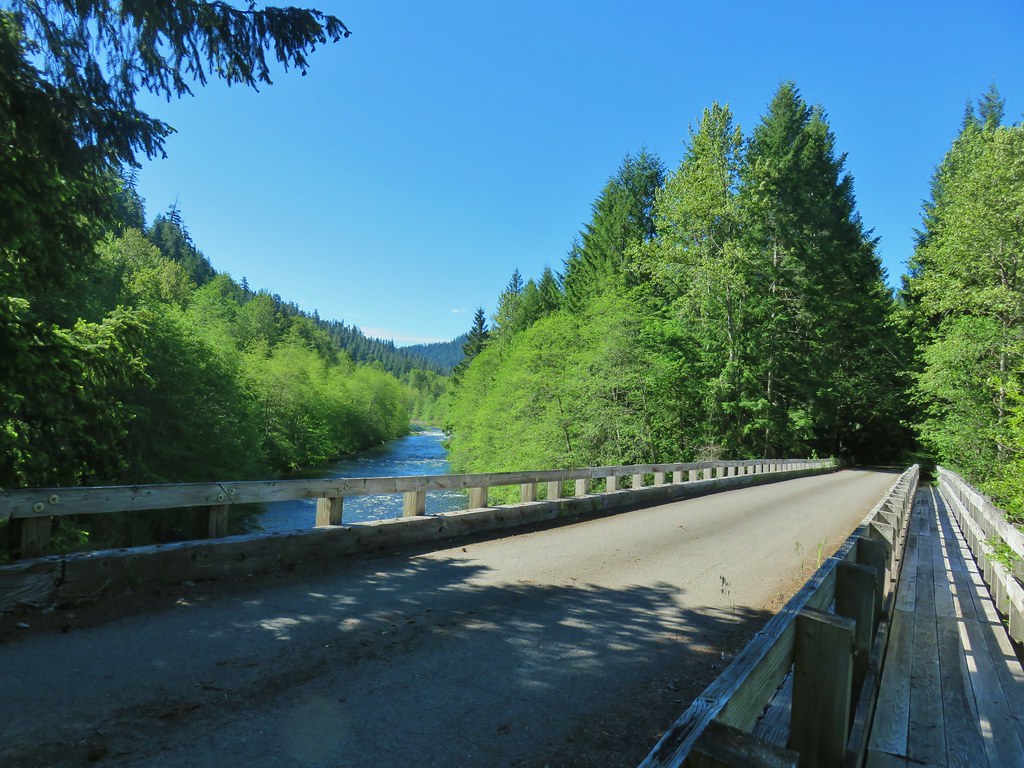
When we finally arrived at FR 2127 we took a break on the bridge.Road signs along FR 21

Middle Fork Willamette River from FR 2127

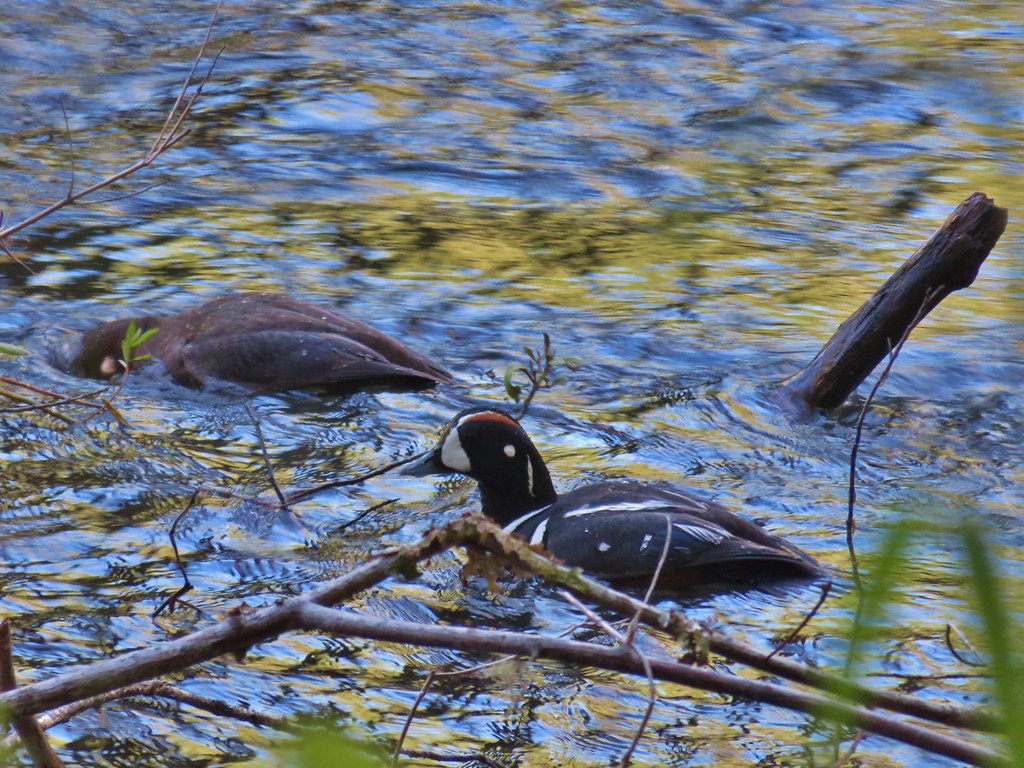
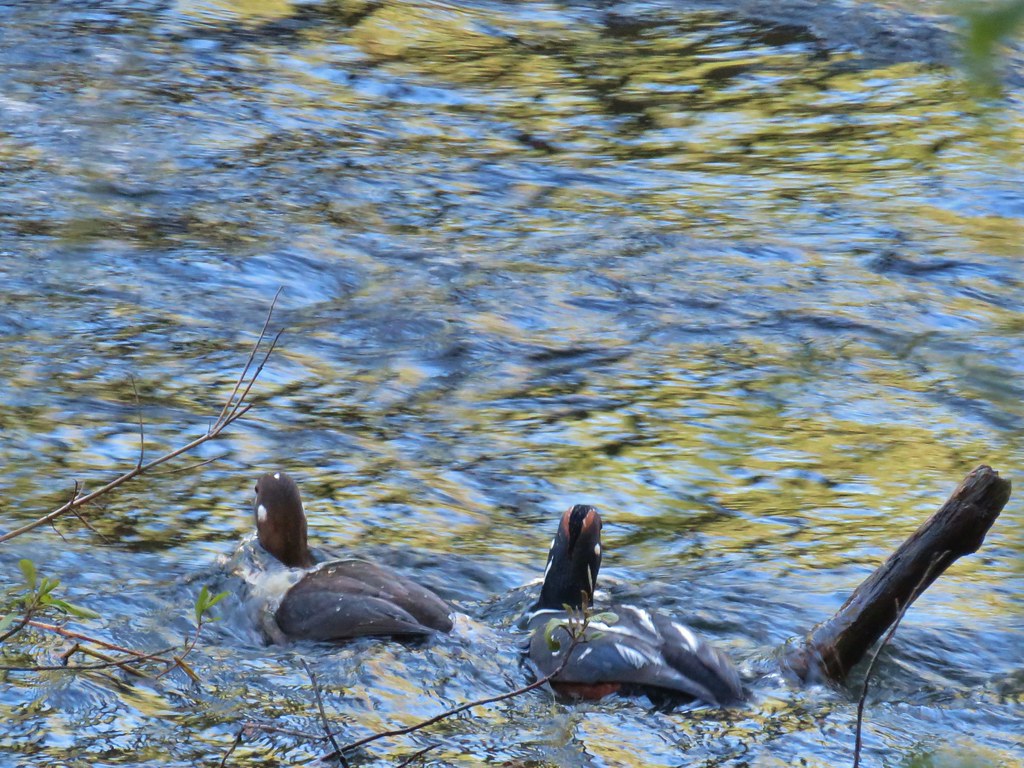
The highlight of the final leg of our hike was spotting a pair of harlequin ducks floating on the river. It’s only the second time we’ve seen these colorful ducks.Harlequin ducks

Harlequin ducks

Our distance for this final day was 12.1 miles giving us a total of 43.7 miles over the three days. I said to Heather “Leave it to me to turn a 4.4 mile easy hike into a nearly 44 mile hike.” I’m not sure if she found that as funny as I did. 😄

If I were to do it over (and the bridge over Indian Creek was replaced) I would have started at FR 2127 instead of 2120. That first 5+ miles didn’t have quite the scenery of the other sections, and it had the most poison oak. It also would have allowed us to camp closer to the springs making that day more reasonable. The view at Little Pine Openings sure was nice though.Middle Fork Willamette River

Overall though it was a good trip and it was just nice to be out again. Happy Trails!

Flickr: Day 2 & Day 3

Categories
Hiking Oakridge Area Old Cascades Oregon

Middle Fork Trail Backpack Day 1 – 5/23/2020

We continued to adjust our hiking plans to allow us our best chances of social distancing and visiting areas that are actually open. In January our plans for the three day weekend had been to stay in Roseburg and take day hikes along Highway 138. With staying in motels not the greatest way to socially distance, those plans were a no-go so we looked next to our 2021 plans. Those plans were a three day backpacking trip along the 30+ mile Middle Fork Trail SE of Oakridge to complete one of Sullivan’s featured hikes in his Central Cascades book, Indigo and Chuckle Springs (hike #83 in the 5th edition). This would be our first backpacking trip together since early September 2018 having skipped 2019 so that we could take care of our ill cat Buddy. (Heather did an overnight trip with some friends to Elk Lake Creek so she had been out once in 2019.)

The hike he describes is an easy 4.4 miles starting at the trailhead by Indigo Springs Campground. Doing the hike that he describes would have violated a couple of our self imposed rules. First the driving time to that trailhead for us would have been over 3 hours and secondly the amount of time spent hiking would have been less than the driving time (by a lot). My solution was to turn it into a backpacking trip by starting just south of the Sand Prairie Campground near milepost 12 of Rigdon Road (Forest Road 21). The plan was to hike around 13 miles on Saturday and then set up a base camp. Sunday we would hike the remaining distance to Indigo and Chuckle Springs and the return to camp and hike back out Monday morning. Our itinerary remained the same for the trip, but for reasons I’ll get to later the distances were not quite what we had planned on.

The Middle Fork National Recreation Trail stretches from Sand Prairie Campground to Timpanogas Lake (post).
There are a number of trailheads and access points for the Middle Fork Trail and we chose to start at the FR 2120 Trailhead.
Middle Fork Trail south of Sand Prairie Campground

A short distance from the trailhead we crossed Buck Creek on a nice bridge.
Buck Creek

For the first 5 miles the trail was relatively flat with a few ups and downs. This section was to the east of the Middle Fork Willamette River and to the west of Rigdon Road (FR 21). There were occasional glimpses of the river as well as some time spent along and on FR 21.
Middle Fork TrailMiddle Fork Trail along FR 21.

Middle Fork Willamette RiverOne of only a couple of spots where we were able to get to the river.
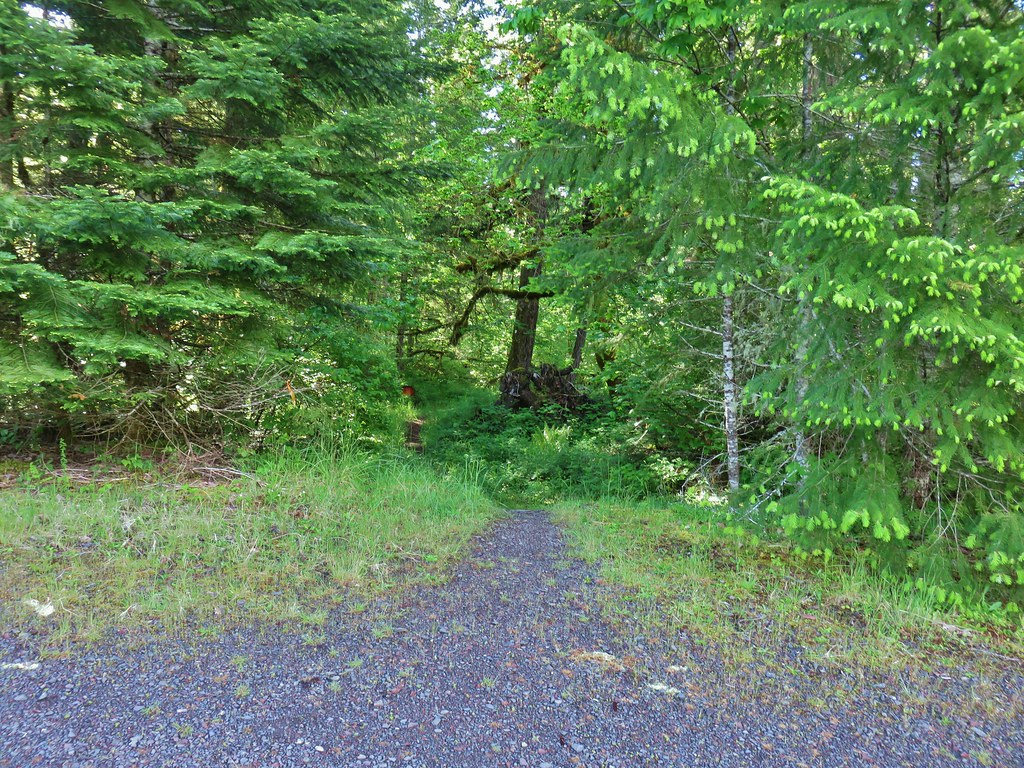
Where the trail crossed roads either signs or flagging were present to identify the continuation of the trail.
Middle Fork TrailOrange flagging on the left after crossing a gravel road.
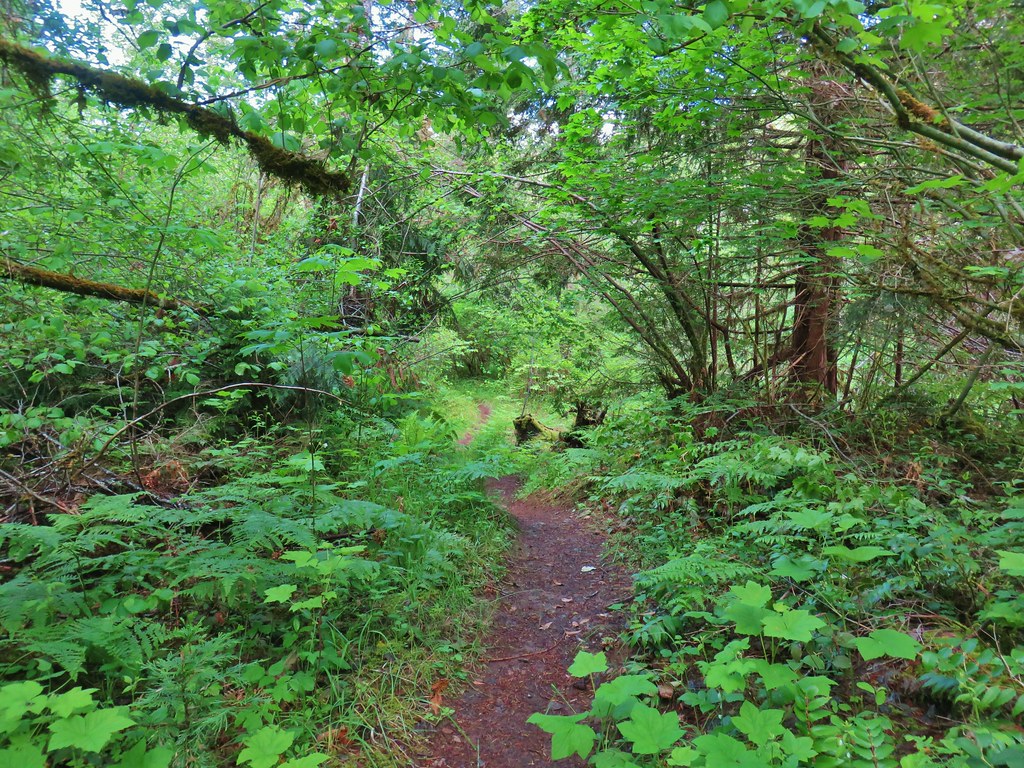
The scenery was mostly green forest with a few meadows and a couple of creek crossings along the way. There were a few woodland flowers present as well as some patches of poison oak.
Middle Fork Trail

ThimbleberryThimbleberry

Cone CreekCone Creek

AnemonesAnemones

Bills CreekFootbridge over Bills Creek

Queen's cupQueen’s cup

Middle Fork Trail

Middle Fork Willamette River

Columbine along the Middle Fork TrailColumbine

Middle Fork TrailYellowleaf iris along the Middle Fork Trail.

Pine CreekPine Creek – At first it looked like they put the bridge in the wrong spot, but there was another branch to the creek.

View from the Middle Fork TrailSmall meadow along the trail.

At the 4.4 mile mark the trail popped us onto FR 21 for a little over a quarter mile before resuming along the river.
Middle Fork Trail popping onto FR 21 for a bit

Middle Fork Trail leaving FR 21

Middle Fork Willamette River

This was short lived though as we quickly found ourselves back on FR 21 near its junction with FR 2127.
Middle Fork Trail at FR 2127

Here the trail crossed the river on the bridge.
FR 2127 crossing the Middle Fork Willamette River

Middle Fork Willamette River from FR 2127

Common merganserCommon merganser on the river below the bridge.

The bridge crossing marked the start of what Sullivan’s map showed to be a 5.2 mile section along the western side of the Middle Fork Willamette River before recrossing on bridge at FR 2134 (our Adventure Maps, Inc. Oakridge Oregon Trial Map showed the section as 5.4 miles).
Middle Fork Trail Sign at the Road 2127 Trailhead.

With FR 21 now on the opposite side of the river this section was a little quieter and more scenic. There was still occasional poison oak to keep an eye out for and somewhere along this stretch a tick hitched a momentary ride on my pant leg before being flicked off.
Middle Fork Trail

Middle Fork TrailMossy stump along the trail.

Middle Fork TrailLots of grass along portions of the trail, one of these areas was probably where the tick hopped on.

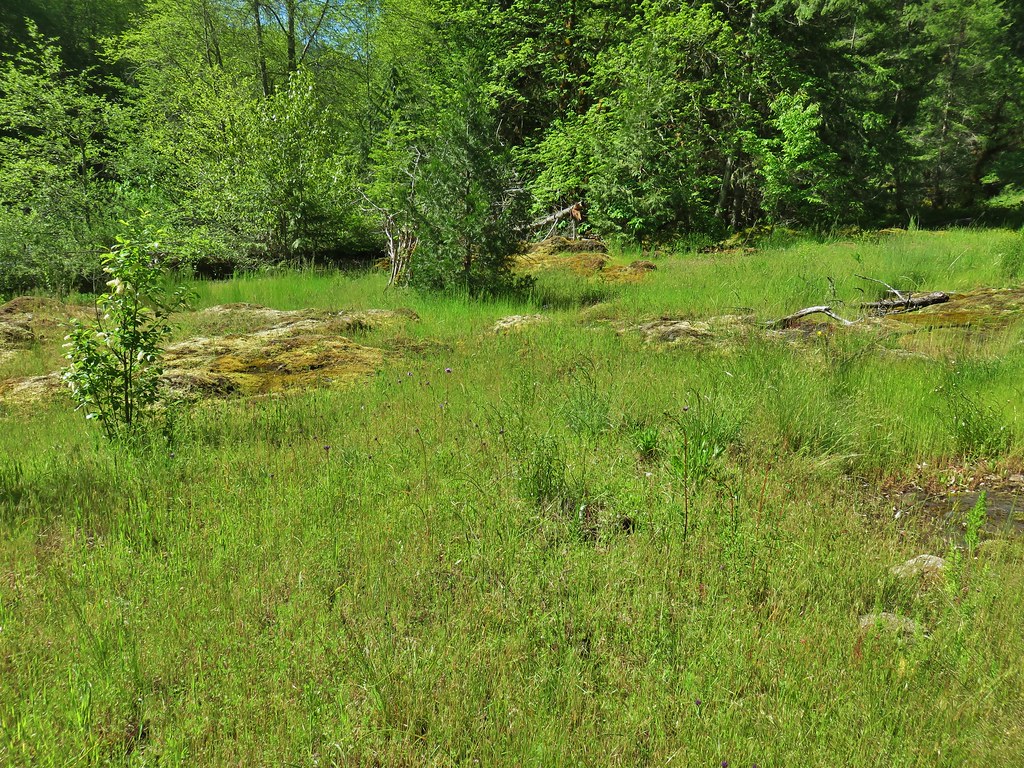
A highlight of the section was a series of rocky seeps long the river where patches of wildflowers were blooming.
Middle Fork Trail

Middle Fork Willamette River

Ookow along the Middle Fork TrailThe ookow wasn’t quite blooming yet.

Tolmie's mariposa lilyTolmie’s mariposa lily

MonkeyflowerMonkeyflower and tomcat clover

StonecropStonecrop

Plectritis and giant blue-eyed MaryPlectritis and giant blue-eyed Mary

Meadow along the Middle Fork Trail

Giant blue-eyed MaryGiant blue-eyed Mary

Western buttercupsButtercups

Meadow along the Middle Fork Trail

The trail reentered the forest where we spotted a couple of different coralroots.
Middle Fork Trail

Spotted coralrootSpotted coralroot (with a caterpillar)

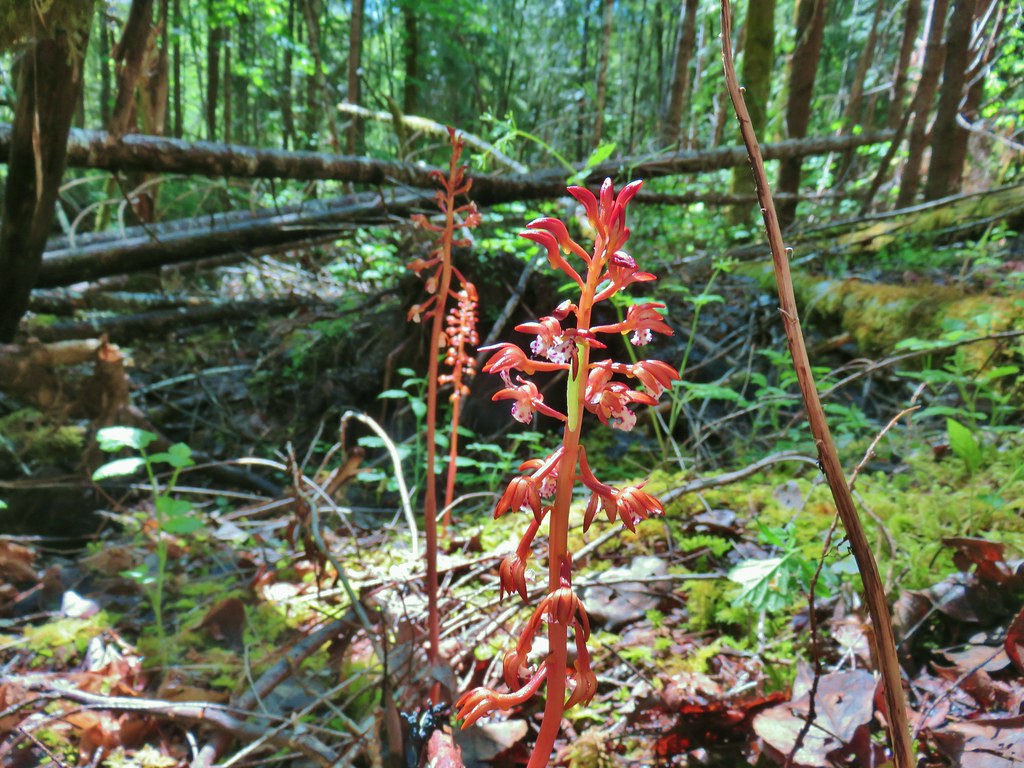
Striped coralrootStriped coralroot

Two miles into this section we came to our first real obstacle of our trip. I had watched a series of Youtube videos from Hike Oregon of the trail including this section (video and in her video from a few years ago there was a footbridge over Indian Creek. No such bridge existed now. The water was flowing pretty quickly and although it looked doable it didn’t look like the easiest ford we’d done. We went ahead and gave it a go.
Fording Indian Creek

We managed to get across and continued on to find a second ford a short distance later. This one was just through some very slow moving water though.
Water covering the Middle Fork Trail

It was pretty smooth sailing for the next two miles but then we came to a sign announcing a trail closure and reroute.
Middle Fork Trail

Clear water along the Middle Fork Trail

Middle Fork Willamette River

Chocolate liliesChocolate lilies

Sign for a reroute of the Middle Fork Trail

The reroute sent us away from the river to FR 201 where we crossed Coal Creek on a bridge to FR 2133. The Forest Service map for the reroute showed that the trail will eventually continue on the other side of FR 2133 extending to FR 2134 but for now the reroute followed FR 2133 for one and a quarter miles to FR 2134.
Middle Fork TrailCompleted section of the reroute.

Signage for the Middle Fork TrailMore signs at FR 201

Sign for the Middle Fork TrailFR 201 crossing Coal Creek.

Coal CreekCoal Creek

FR 2133Road walking on FR 2133

Once we made it to FR 2134 we were back on the original route of the Middle Fork Trail as it once again crossed the river, this time using FR 2134’s bridge.
Bridge over the Middle Fork Willamette River

Middle Fork Willamette River

The reroute had added a mile to our hike for the day and we weren’t done yet. The next section of trail between FR 2134 and Sacandaga Campground was listed as just under 5 miles and we were hoping to find a camp site close to the middle of the section.

The trail picked up at the north end of the bridge (the river had turned and was now flowing east to west as opposed to the first section when it was flowing to the north).
Middle Fork Trail

Simpson CreekSimpson Creek

Northern phloxNorthern phlox

Folded fungusDon’t know what type of fungus this is but it looked neat.
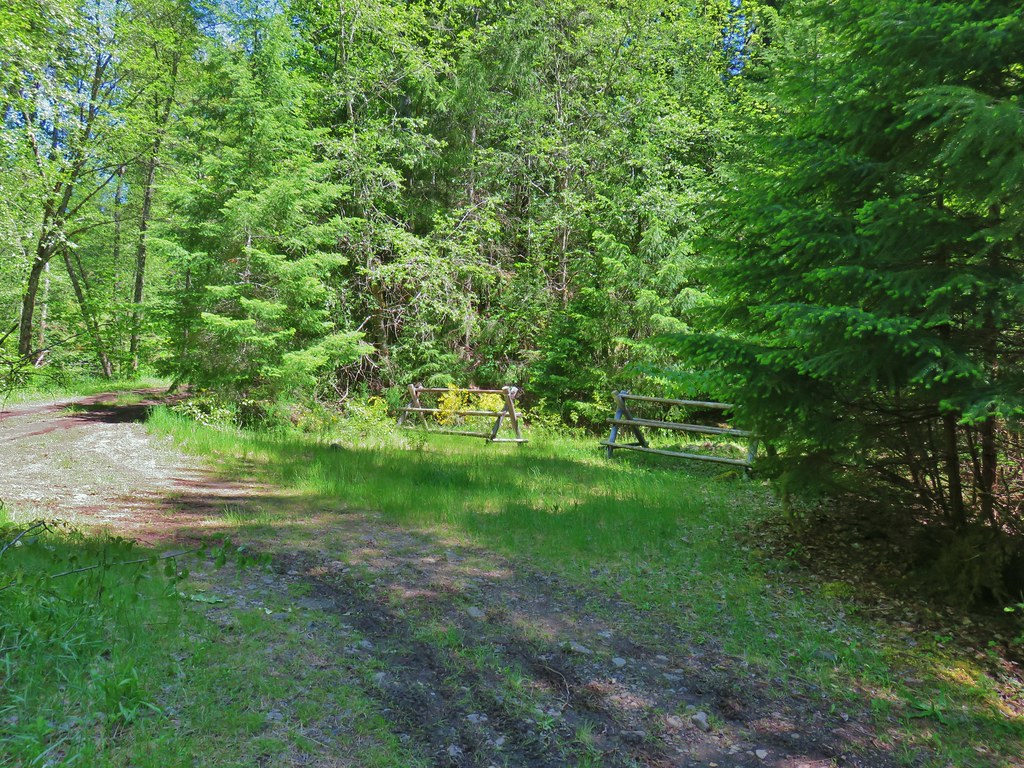
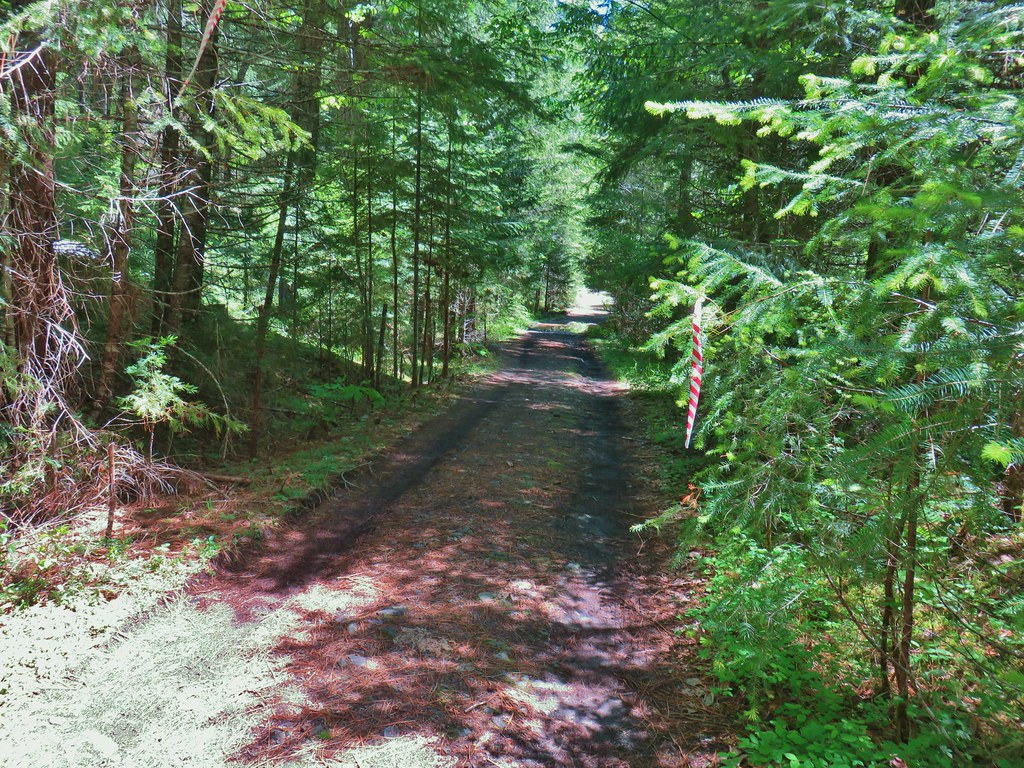
We were once again between the river and FR 21 and crossed several primitive forest roads.
Middle Fork Trail

Middle Fork Trail

After 2 miles it began to veer away from the road a bit to what appeared on the topographical map as a wide relatively flat area where we were hoping to find our camp site. We hadn’t passed many established (or even semi-established sites). We had seen one near Indian Creek and we had also seen one tent set up on an rocky island separated from the trail by a small channel of the river.

We passed up a couple of possible sites along decommissioned road beds hoping to be a bit closer to the river than they had been so when we did get back along the river we started looking.
Middle Fork Trail along the Middle Fork Willamette River

There wasn’t much, the trees and underbrush was thick enough that there weren’t many areas with enough room for a tent. Heather spotted a more open area in the trees about 2.8 miles from FR 2134 that looked promising but I stubbornly continued for another quarter of a mile before turning back because her spot appeared to be the best choice. We set up camp amid the trees on the opposite side of the trail from the river.
Campsite along the Middle Fork Trail

There was a nice little opening along the river nearby where we were able to cook our meals and watch the river flow by.
Middle Fork Willamette River from our dinner/breakfast spot

Our plan for a 13 mile first day turned into 14.5 miles due to the extra mile added by the reroute and my continuing past our eventual campsite a quarter mile and having to come back to it. The lower portions of the trail had been a bit of a mixed bag. We hadn’t expected as much poison oak as we’d seen along the way and the reroute had been a bit of a bummer since road walking, even if it’s dirt/gravel is a lot harder on us than a nice trail. The scenery was nice and there had been quite a few wildflowers but being so close to paved FR 21 for much of the hike and having a large number of other road crossings where car campers were present didn’t allow for much of a remote feeling. The middle section (prior to the reroute) was probably the nicest, but having to ford Indian Creek probably isn’t for everyone.

On the plus side we only encountered one other hiker on the trail and our campsite turned out to be pretty comfortable with a nice thick layer of cushy duff to sleep on. Happy Trails!

Flickr: Middle Fork Trail Day 1