A day after my long hike at William L. Finley National Wildlife Refuge (post) I dialed it back a little. For day 5 of my “Wildlife Week” vacation I had two short hikes planned to revisit a pair of wildlife areas along the Tualatin River the Tualatin River National Wildlife Refuge and Jackson Bottom Wetlands Preserve.
First up was the Tualatin River NWR. We’d visited this refuge twice previously, first in March 2019 and then again in May 2023. The seasonal trails at this refuge are closed from October 1st through April 30th so today was the first day the Wetlands Loop would be open this year.
I parked at the Roy Rogers Road Trailhead as we had done in 2023 primarily because it was a little closer to Jackson Bottom.
My route utilized portions of the seasonal Wetland Trail and the River Trail to make a loop with a short out-and-back on the Ridgetop Trail. It came to 4.7-miles with about 100′ of elevation gain, most of which was on the Ridgetop Trail. The orange track is a portion of the Wetland Trail that I had not previously hiked.
Mt. Hood from the Wetlands Trail.
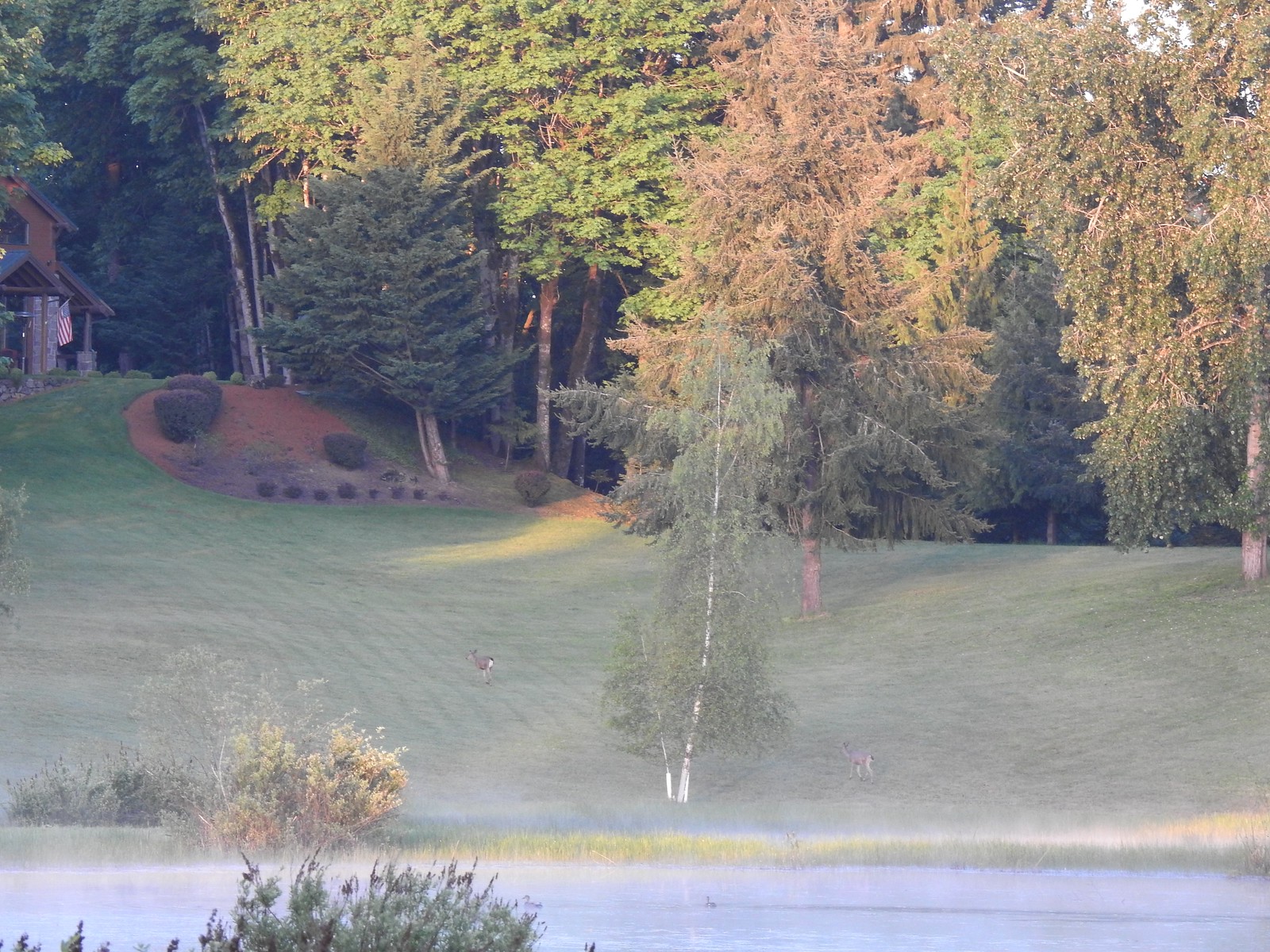
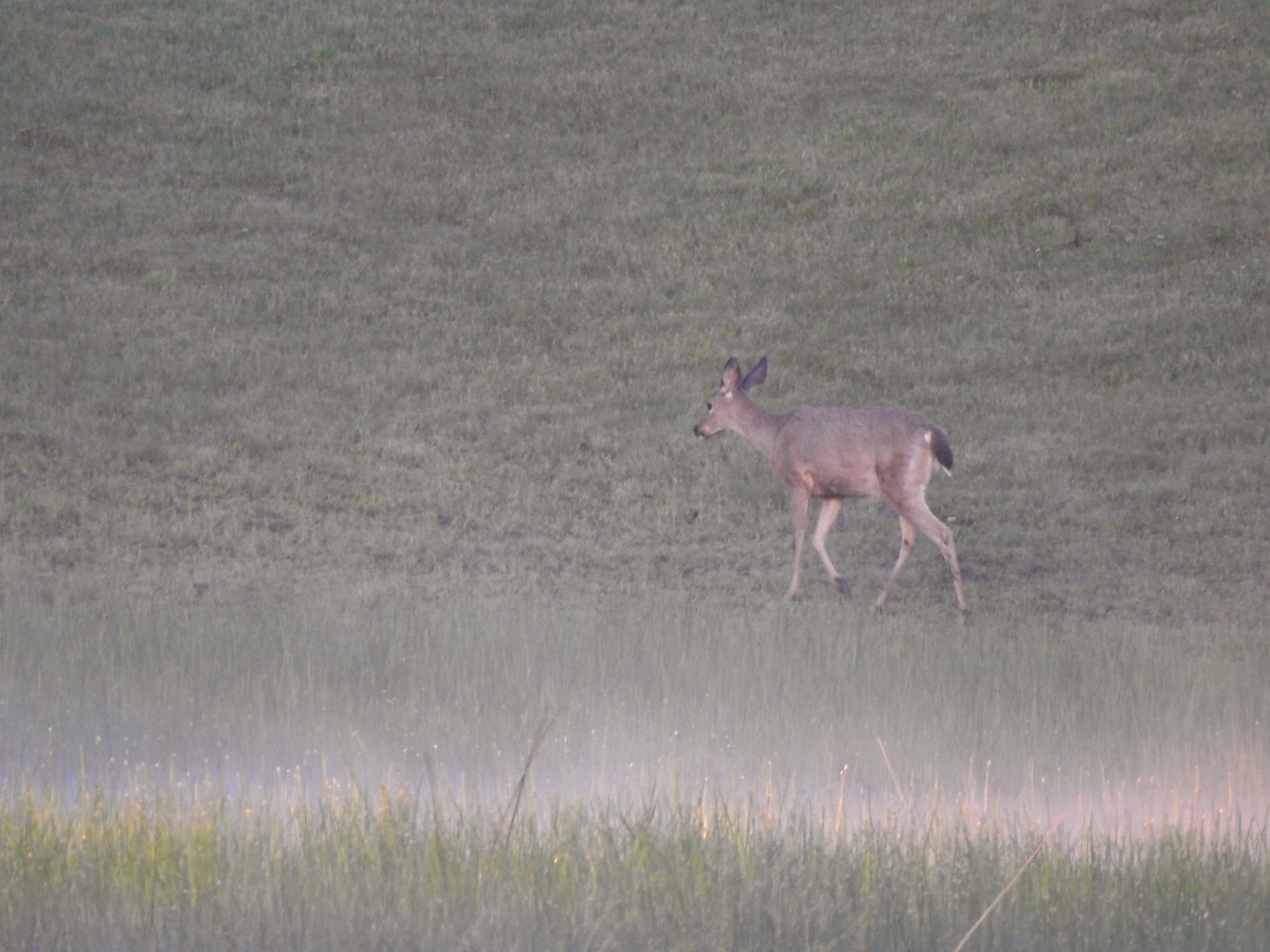
I spotted a couple of deer shortly after setting out.
I believe this is a savannah sparrow.
Geese families
Killdeer
It was just under 40 degrees Fahrenheit when I started, but the forecast called for temperatures to reach 80 by the afternoon.
Geese, goslings, and goose eggs.
Sandpiper
Not sure what type of fish this is but they were thrashing about near the shoreline, and I had seen similar behavior the day before in McFadden Marsh at Finley NWR.
Duck and ducklings
Sleeping nutria
Purple martins and a swallow (bottom left).
Egrets and a great blue heron.
Closer look at the egrets and heron.
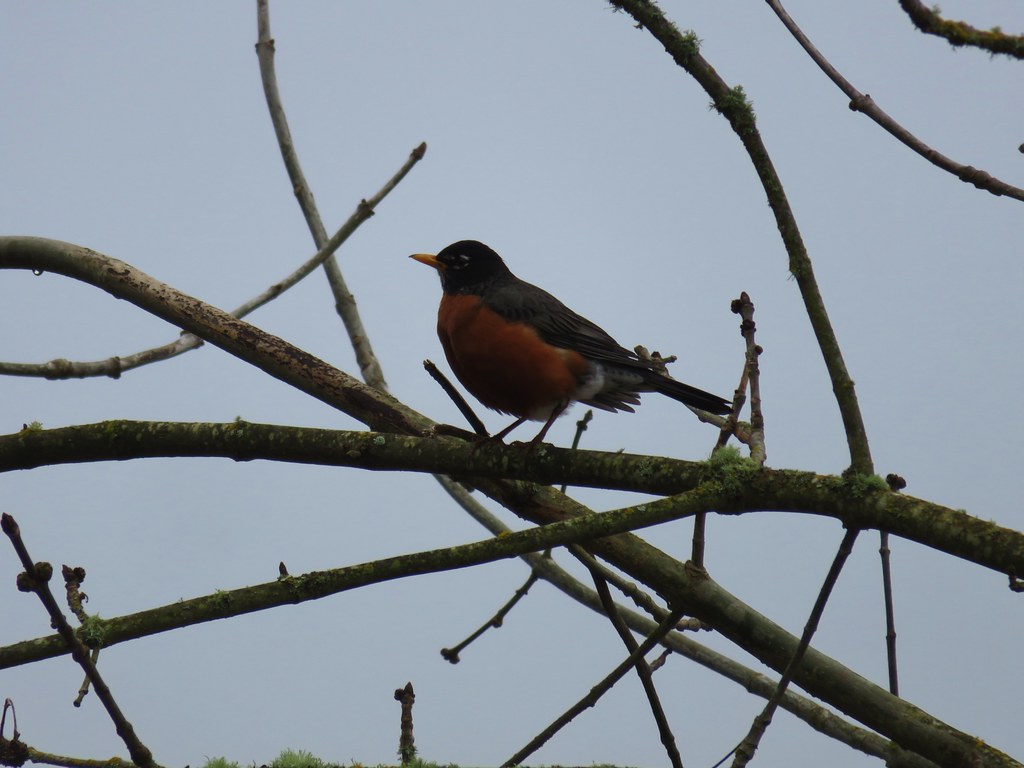
Robin
I stopped at the Refuge Headquarters to use the facilities, and this pair of bald eagles arrived at the same time.
The eagles on the tree behind the headquarters.
Mallard
Sandpipers
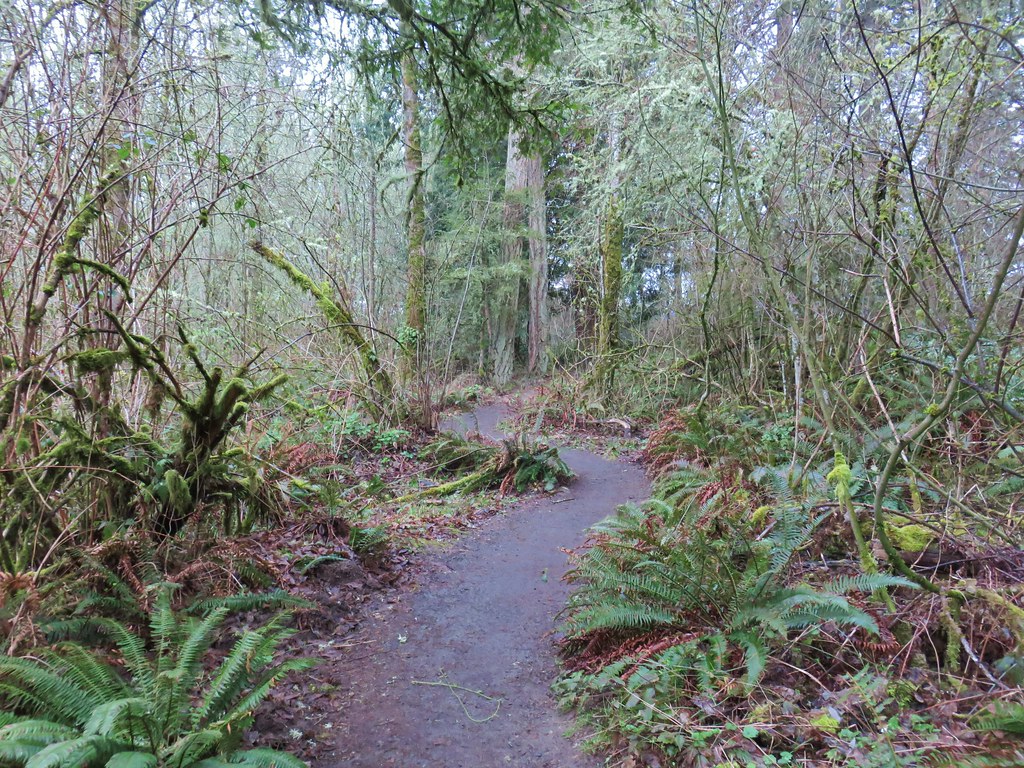
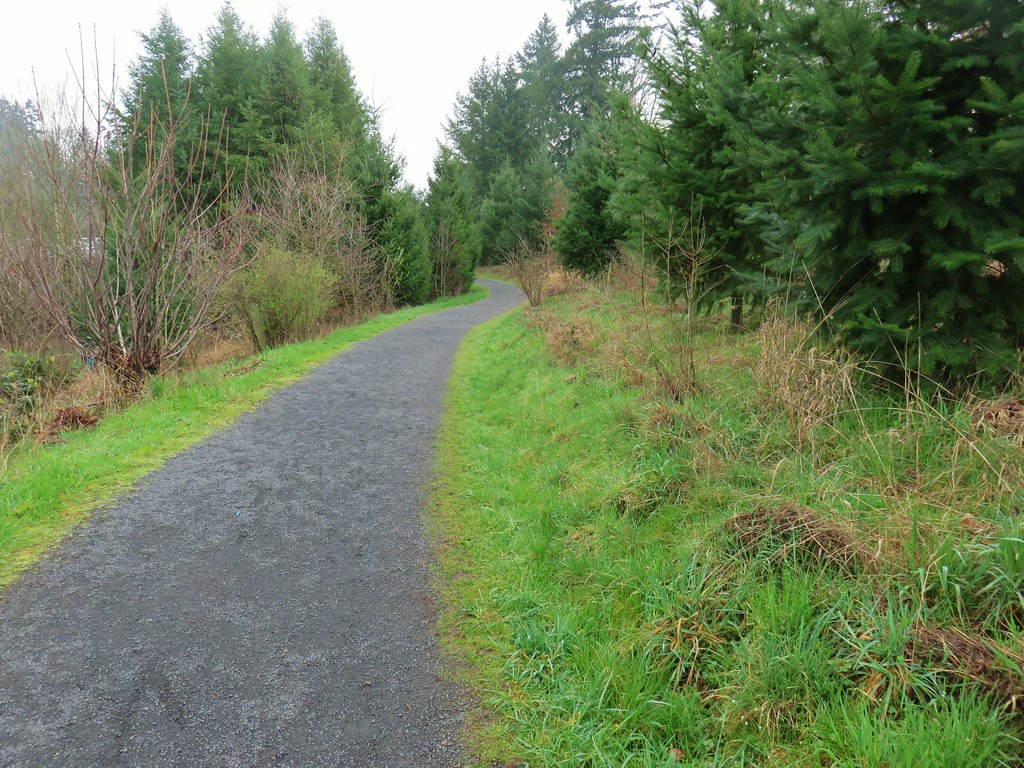
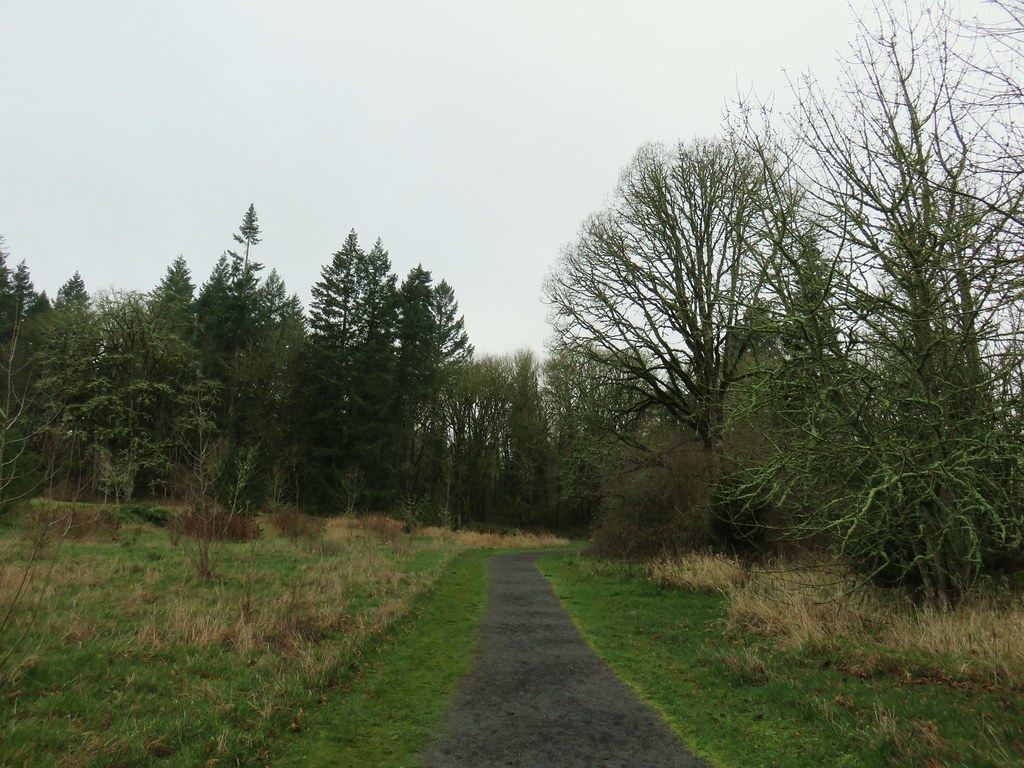
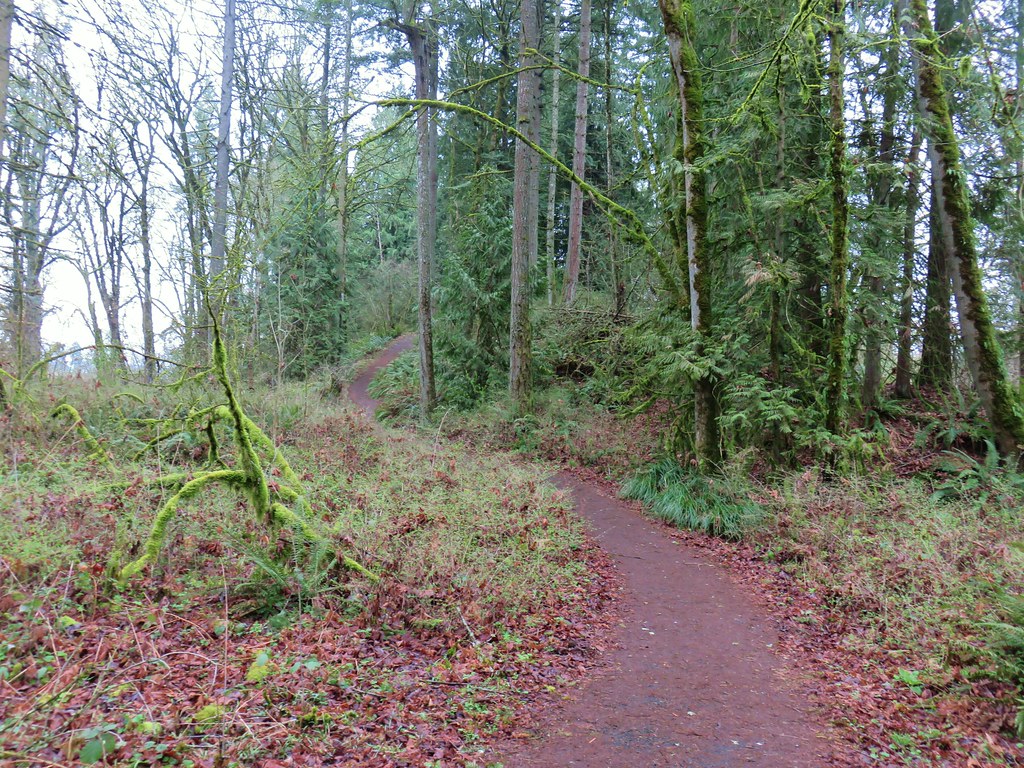
Riverside Trail
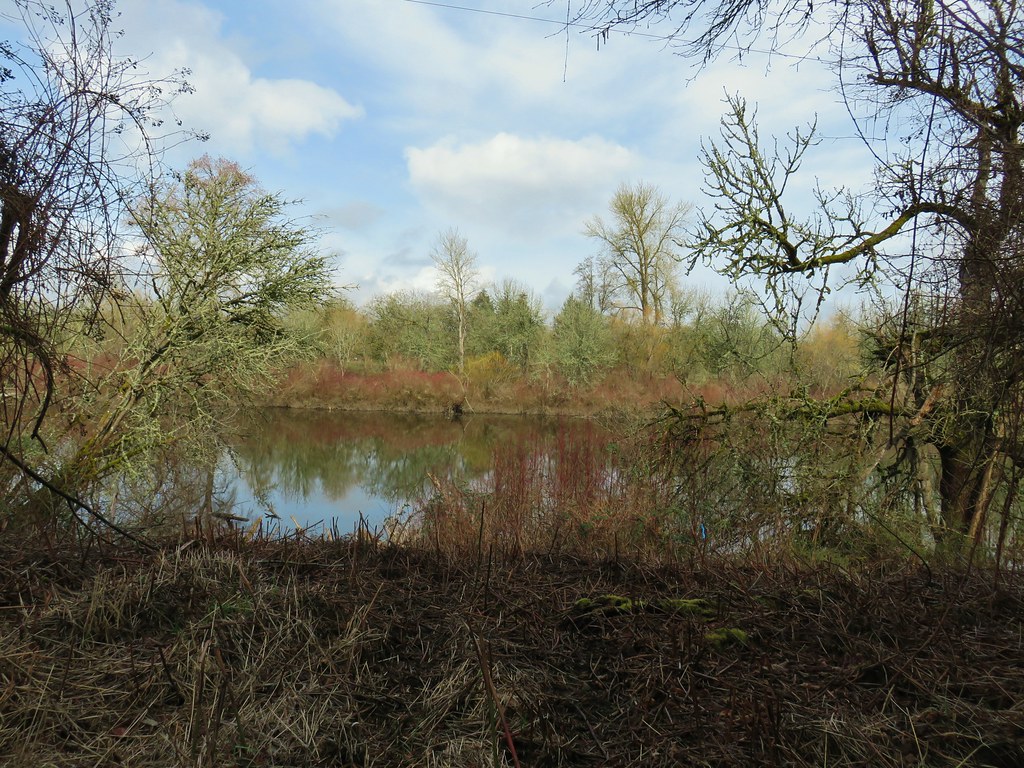
Tualatin River
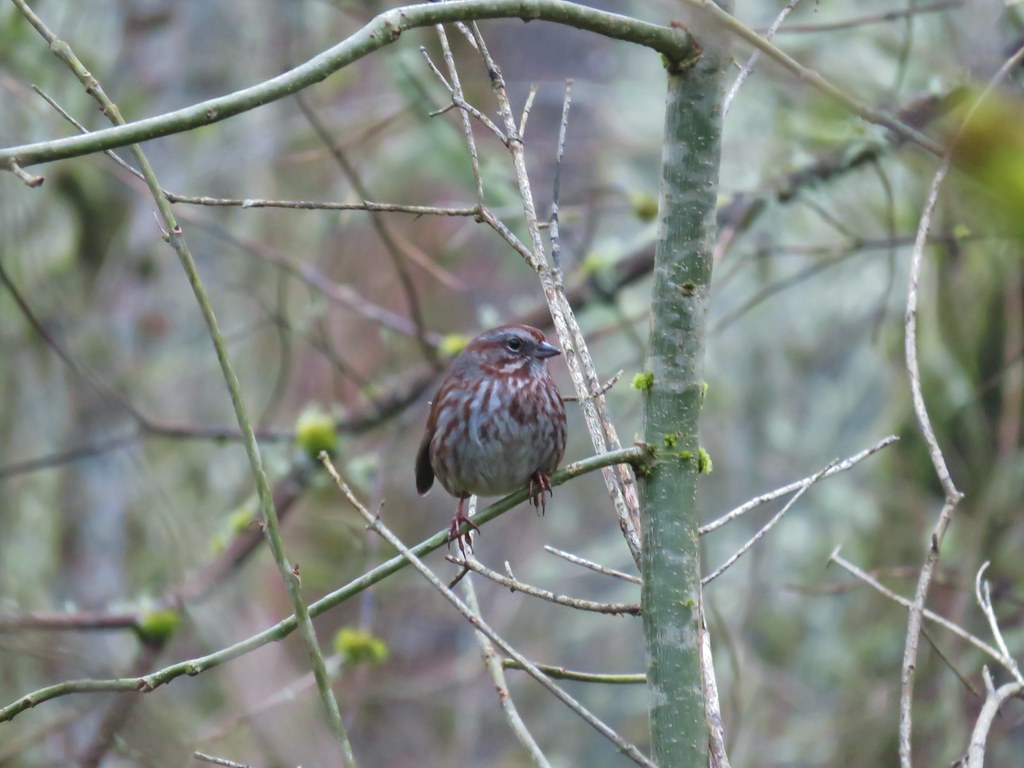
Song sparrow
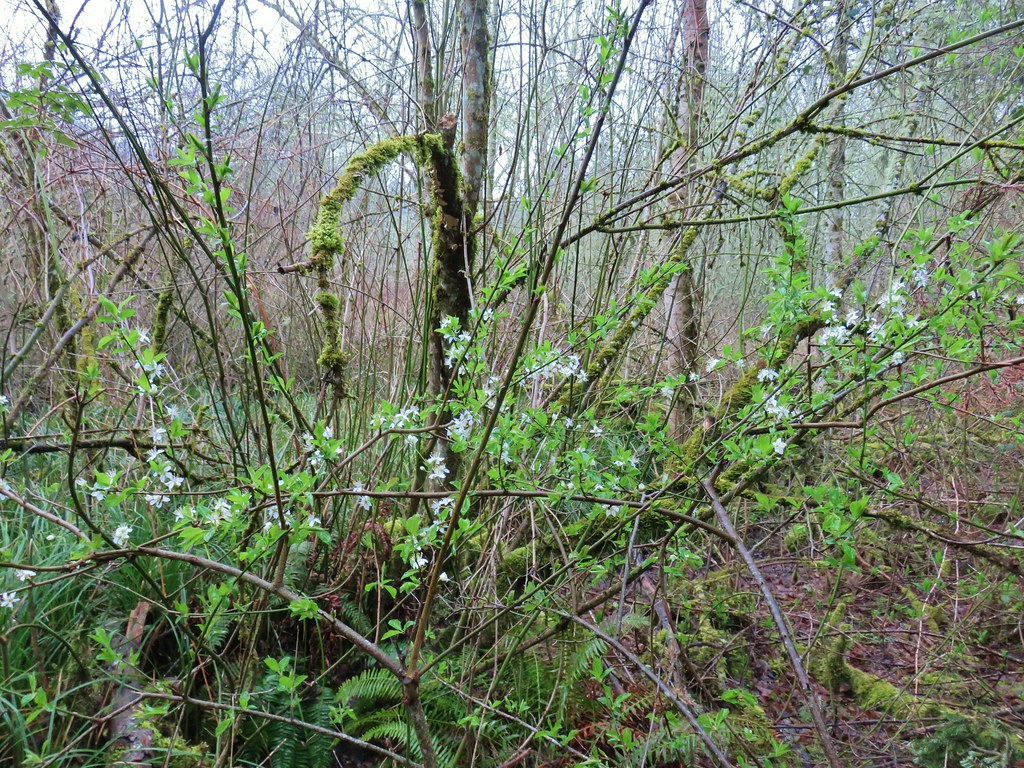
Inside-out flower
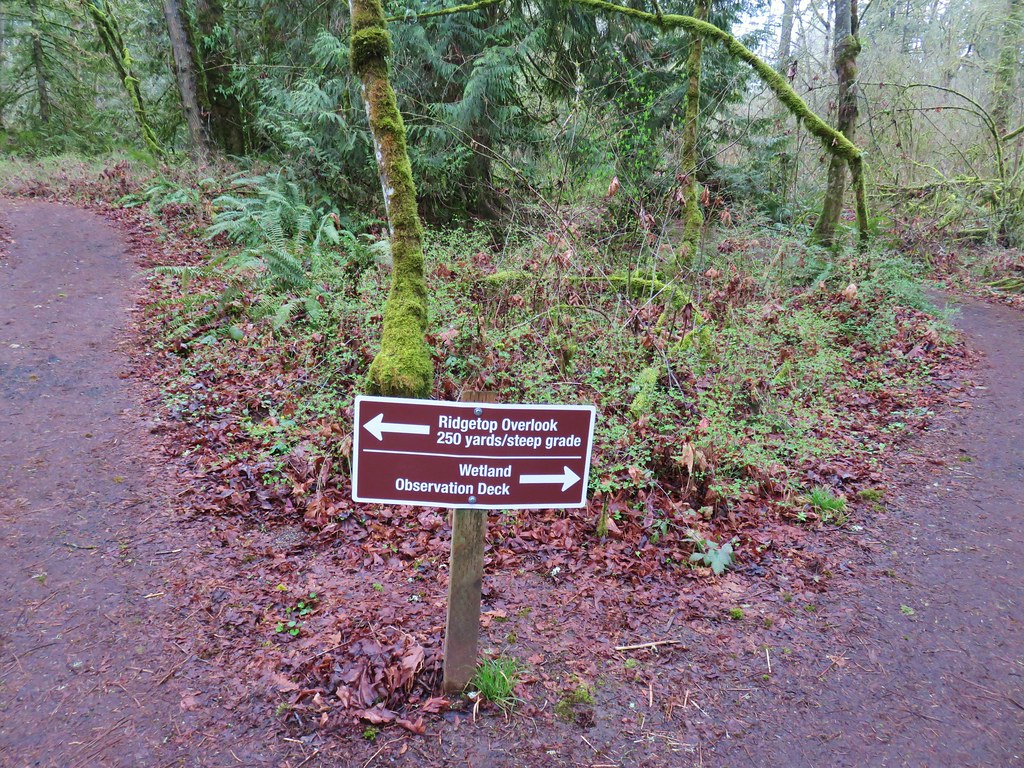
The Ridgetop Trail to the left. There is a bench and railed overlook but the view is blocked by trees. If there hadn’t been any leaves there may have been a view but today there wasn’t.
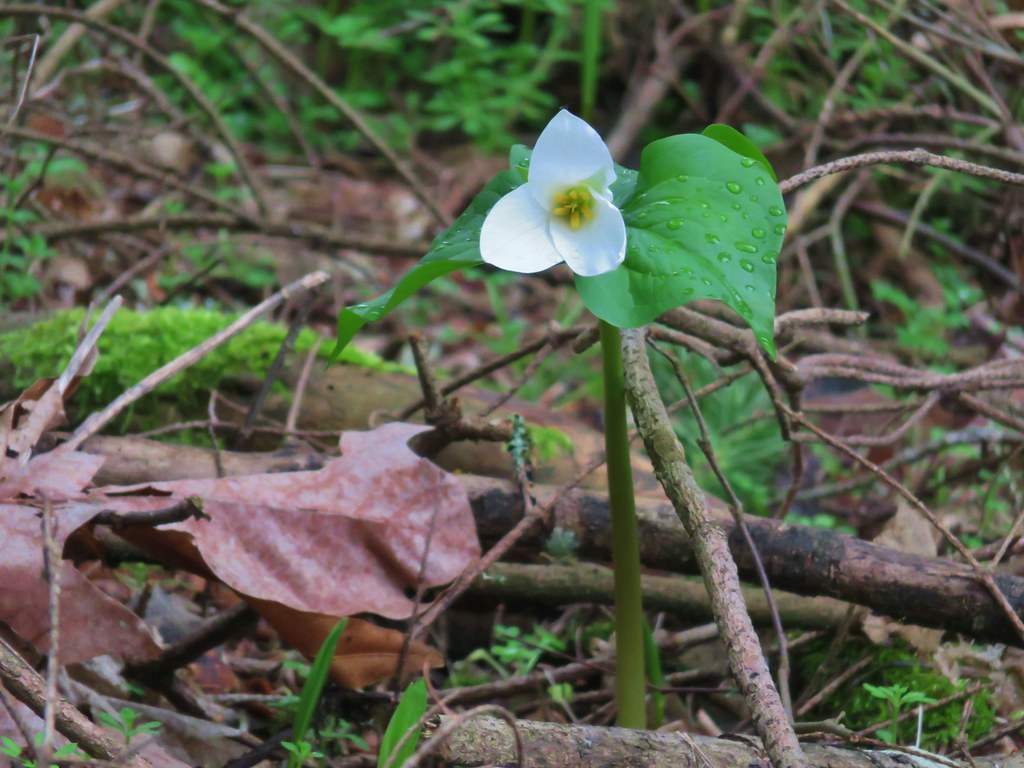
The only trillium I saw with any petals left.
Bleeding heart
Northern flicker
I spotted an American kestrel in this snag. I had been hoping to see one during this week’s hikes.
American kestrel
Crow
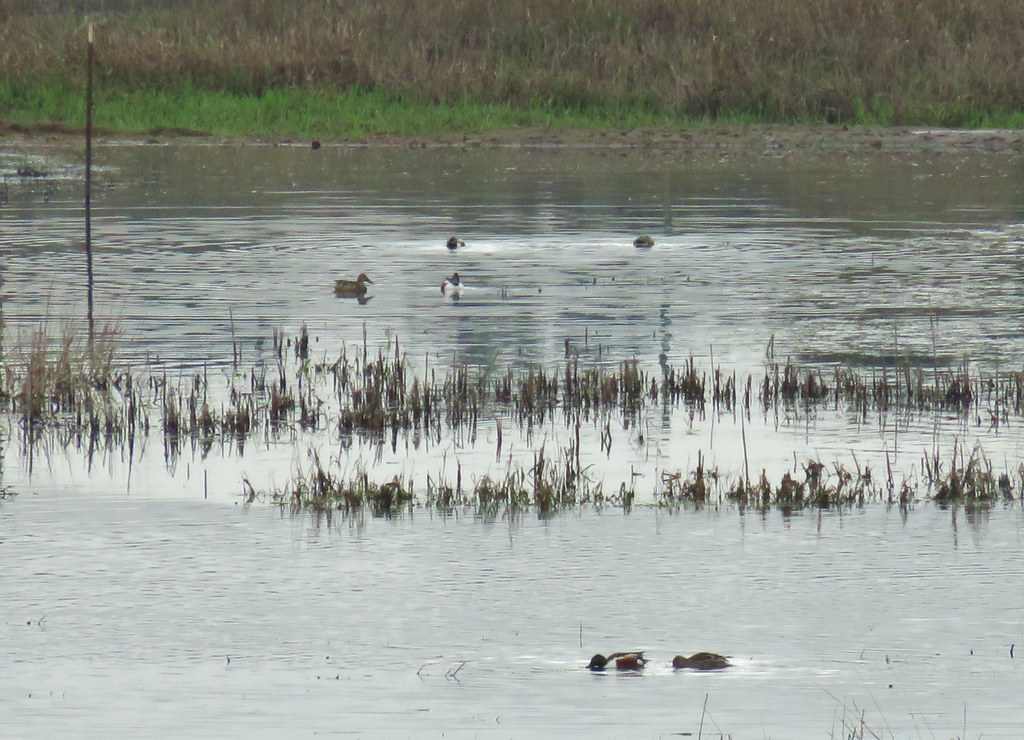
Northern shoveler
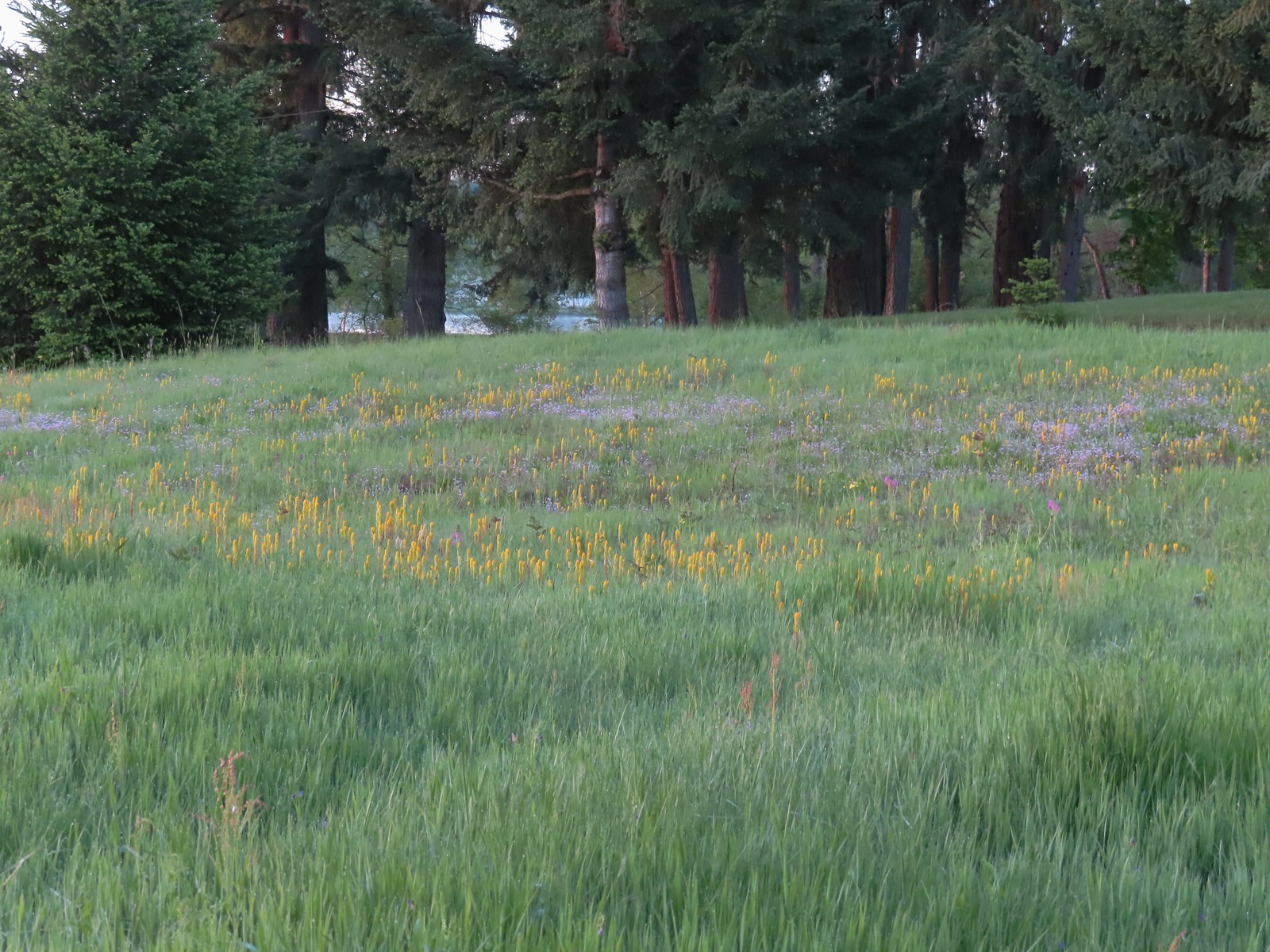
Wildflowers near the trailhead.
Lupine, plectritis, checkerbloom, and golden paintbrush.
Not a huge amount of wildlife here today but the kestrel was a nice addition to the list of species seen this week. This was by far the busiest hike of the week, possibly due to it being the first day of the seasonal trails being open. I was done with the hike at 8am so not only was it busy, they were early birds.
It was a 20-minute drive from the refuge to Jackson Bottom Wetland so it was still fairly early when I arrived at the trailhead.
Our previous visit here was last April (post) and we hiked the majority of trails here during that visit, so this was a near repeat except I went in the opposite direction (clockwise). This route came to 4.4-miles and just 35′ of elevation gain.
In addition to wildlife the preserve has some nice flower gardens near the visitor center.
Camas
Larkspur
Not a native wildflower but pretty.
Columbine
Rabbit
The look on their faces seems to indicate they were not expecting to see me there.
Going back the other way.
Karaoke
Helpful maps and/or pointers are located at trail junctions.
Swallow
Swallows
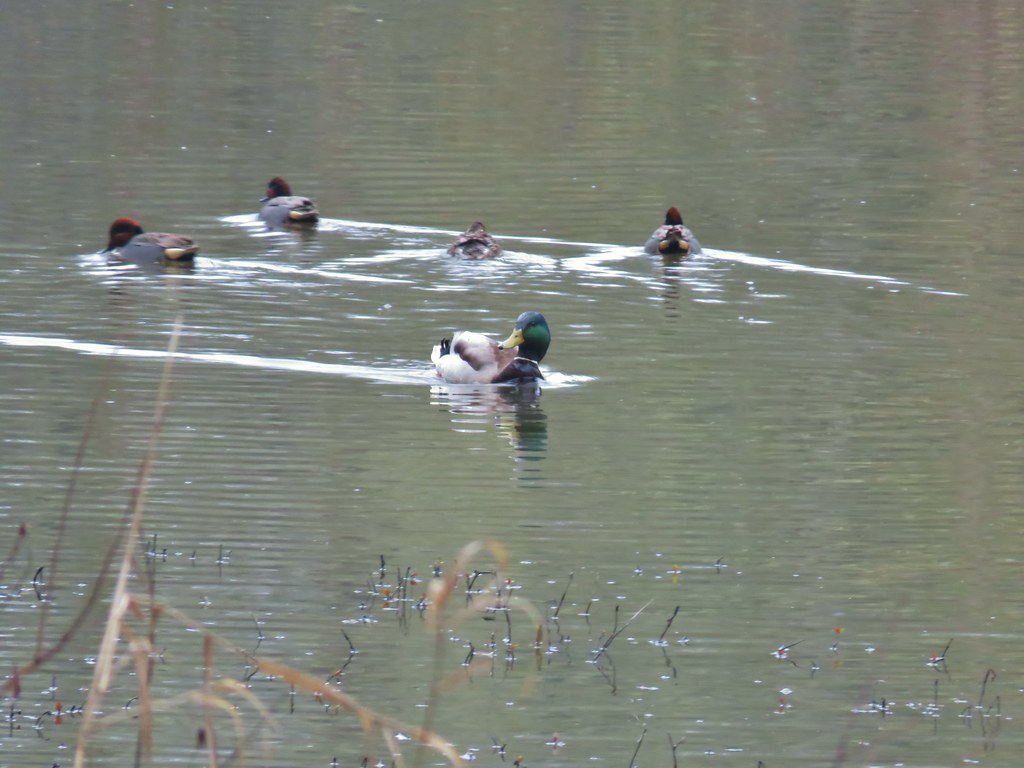
Cinnamon Teal
Ring-necked ducks
Purple martins
Canada geese
Jackson Bottom Wetlands Trail passing Oak Island Marsh.
Crow harassing an osprey over Oak Island Marsh.
I thought flamingos were pink.
American coot in NW Pond.
Another napping nutria.
Robin
Gadwall
Egrets at Wapato Marsh.
Great blue heron in Pintail Pond.
Lupine along the trail.
Green winged teal
Heading toward Salamander Slough.
Two turtles and a mallard.
Long billed dowitcher
Cabbage white?
Checkerbloom along the Coyote Hill Trail.
Common yellowthroat
Savannah sparrow
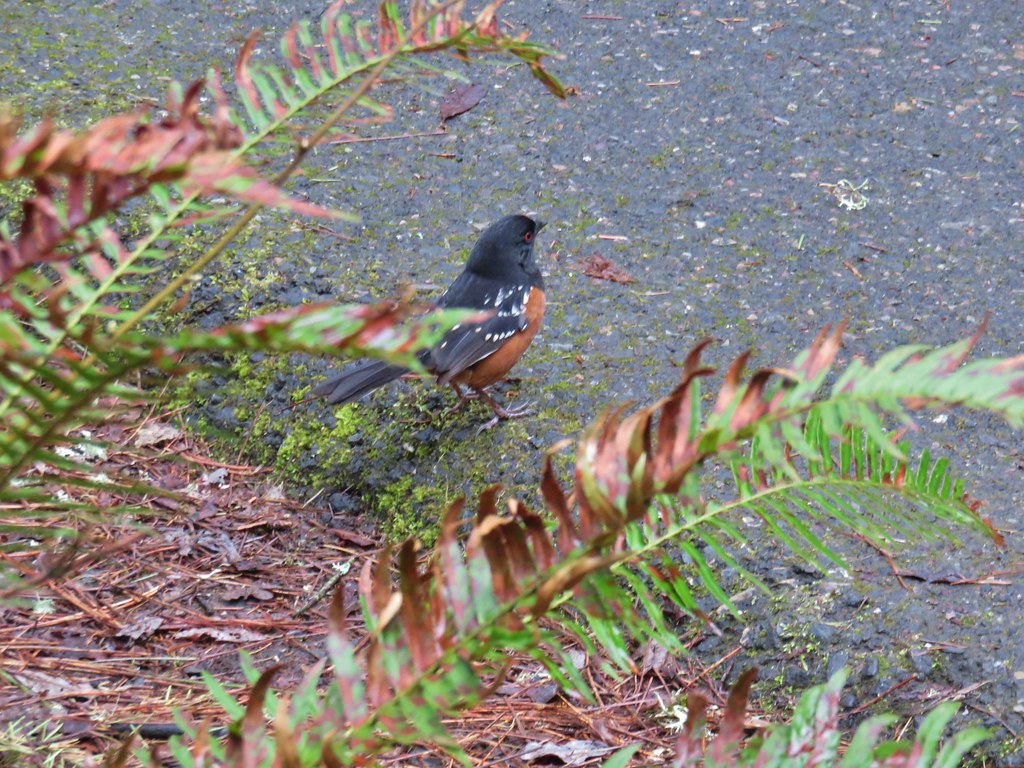
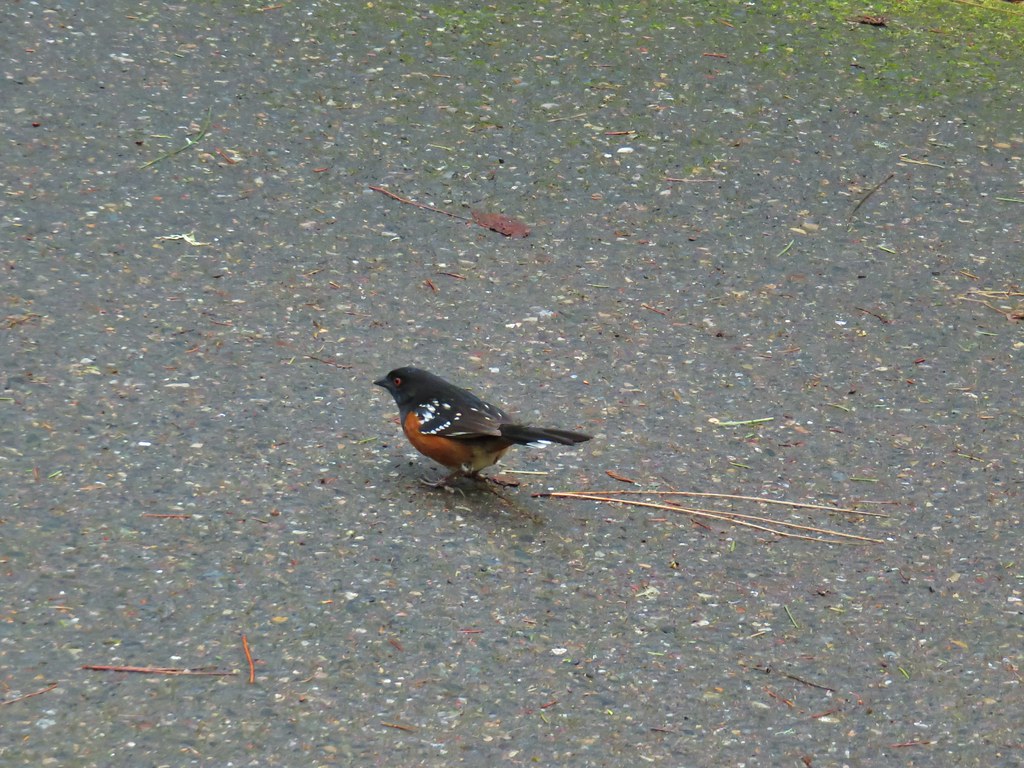
Spotted towhee
Tualatin River
Deer crossing Pintail Pond. I think these are the same three I saw earlier.
I’ve been spotted.
Rabbit on the left along the River Trail.
Salmonberry
Western meadowrue
Wild rose
Stairs leading to the trail on the River Trail.
Jackson Bottom was noticeably less busy than the refuge had been. It was a nice hike with a fairly steady supply of wildlife. These are both good destinations and were a nice addition to wildlife week. Happy Trails!
While Spring has largely been a no-show so far this year, Summer decided to make an early appearance with a weekend forecast for temperatures topping 90 degrees. We’ve been lucky to hit 60 so we’ve had no time to adjust to that kind of heat. In the past when temperatures have soared, we’ve opted to adjust our planned hike to minimize the impact. That wasn’t necessary this time though as our planned outing was to take three short hikes, each less than an hour North of Salem.
We started our morning by re-visiting the Tualatin River National Wildlife Refuge. We’d stopped here in March of 2019 (post) but could only hike the River Trail at that time of the year. The longer Wetland Trail loop is closed from October 1st through April 30th so we’d scheduled this May visit to check out the loop. We started from the Roy Rogers Trailhead where we found a nice patch of wildflowers to greet us. The refuge is open from dawn to dusk. We arrived at a quarter to six to get an early start and avoid being out during the hottest parts of the day.
The patch of wildflowers.
A checker-mallow surrounded by golden paintbrush.
Plectritis amid the golden paintbrush.
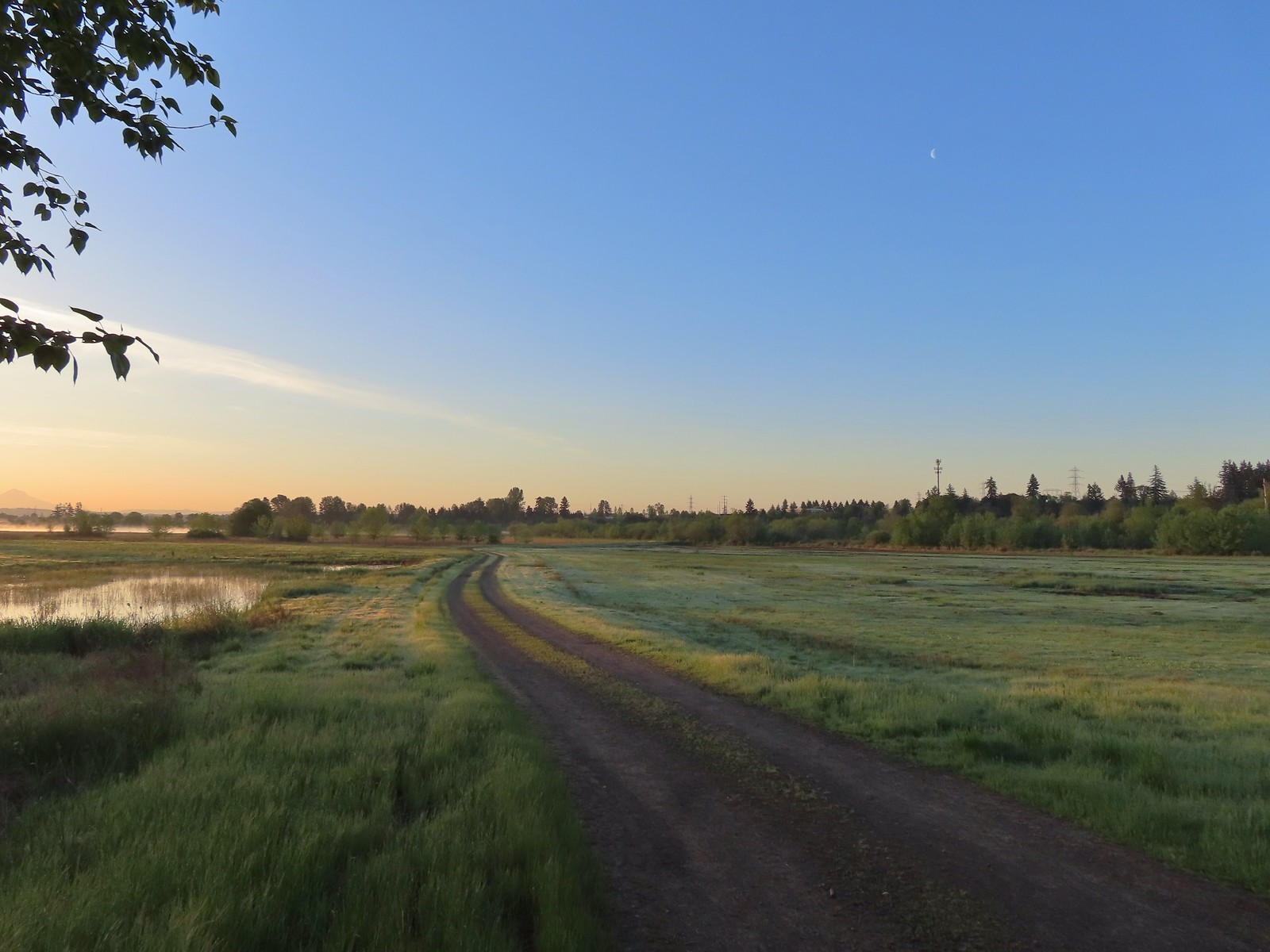
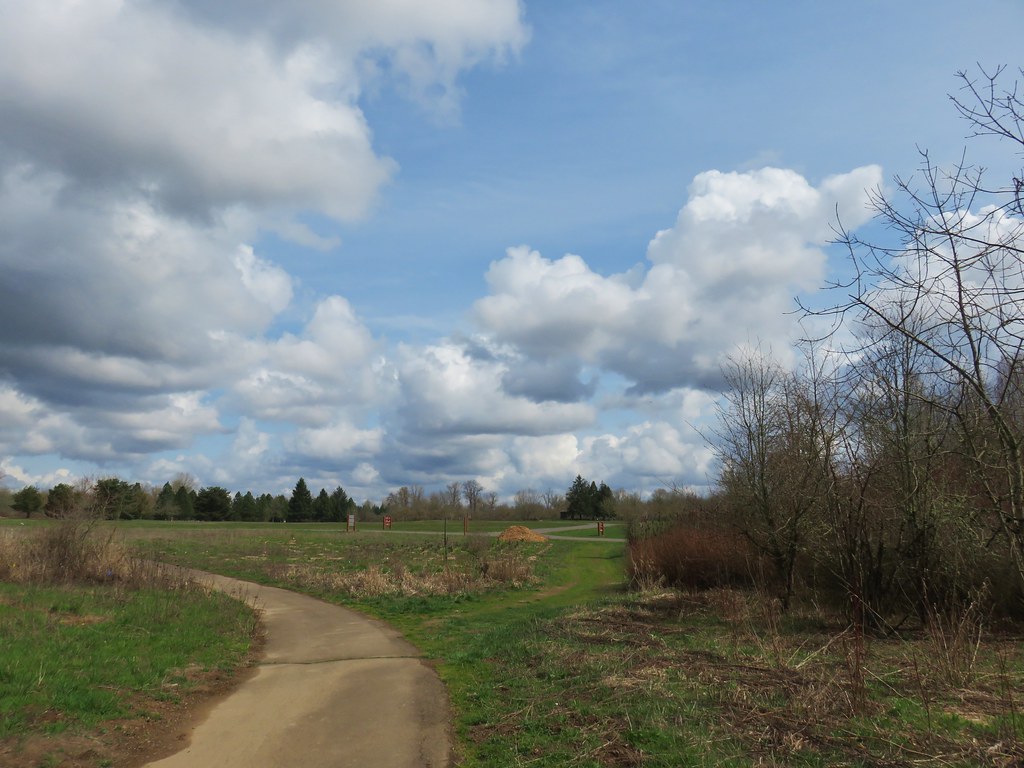
We decided to go counterclockwise and forked right across Chicken Creek on a bridge. We had a pretty good view of Mt. Hood.
The Wetland Trail follows a service road around the refuge. We began seeing wildlife almost immediately with a family of geese and a pair of deer hanging out on some private property adjacent to the refuge.
It was approximately 1.5-miles from the Roy Rogers Trailhead to the Refuge Headquarters and Wildlife Center. It was slow going as we kept stopping to watch the wildlife.
Mallards
Greater yellowlegs
Mourning dove
Great blue heron
An egret and some ducks
More families of geese
Swallows flying above the Wetland Trail.
Northern shoveler, scaups (leaning toward greater), and a bufflehead.
Mallards
Northern shoveler
Ruddy duck
Gadwalls
Spotted sandpiper
Purple martins
Killerdeer
Cinnamon teals
Nutria, one of several of these non-native rodents that we saw.
Nap time (or just a late sleeper).
Ducklings
Song sparrow
Common yellowthroat
Wildlife Center
We took in the view from the overlook next to the Wildlife Center before continuing on with the loop.
Great blue heron watching from a little island.
We followed the Wetland Trail until we came to the River Overlook where we cut over to the River Trail (the trails are less than a yard apart in this area) to check in on the Tualatin River.
Anna’s hummingbird
The same Anna’s hummingbird. When catching light their head/throat is bright pink but appear black when not.
River Overlook
Tualatin River
Robin
From the overlook we stuck to the River Trail following it through a short section of forest before rejoining the Wetland Trail. The Wetland and River Trails running parallel.
Spotted towhee
Rabbit
Pacific waterleaf
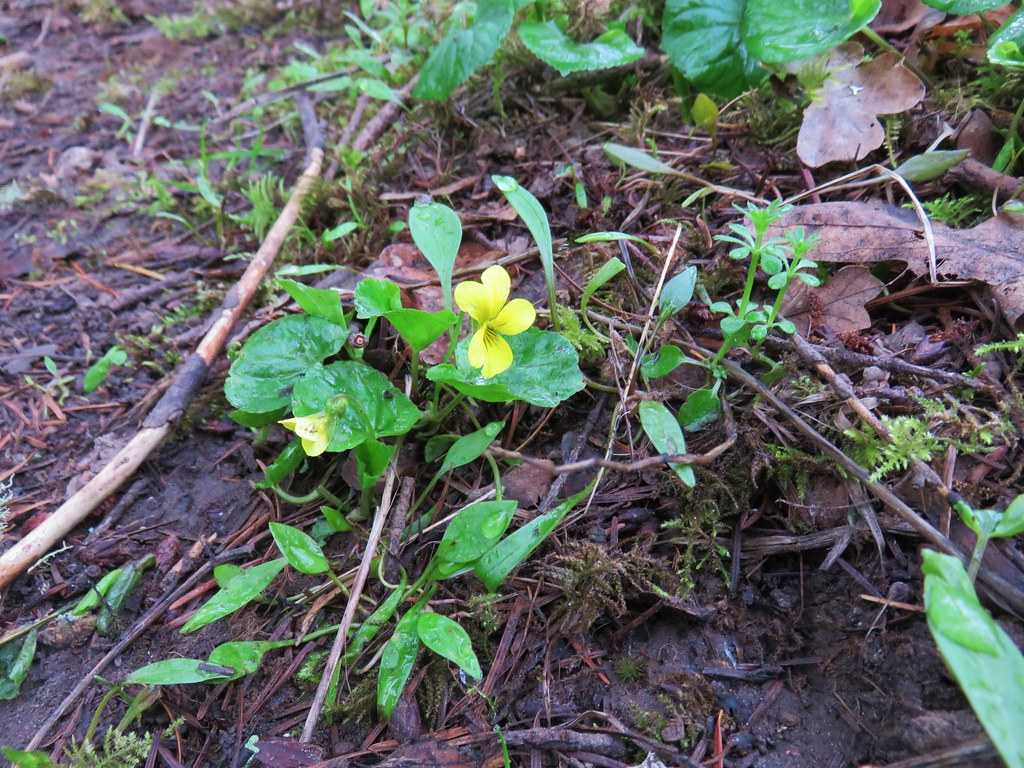
Violets and fringecup along the River Trail.
Bleeding heart
We skipped the spur trail to the Ridgetop Overlook since we’d done that on our previous visit.
Chicken Creek
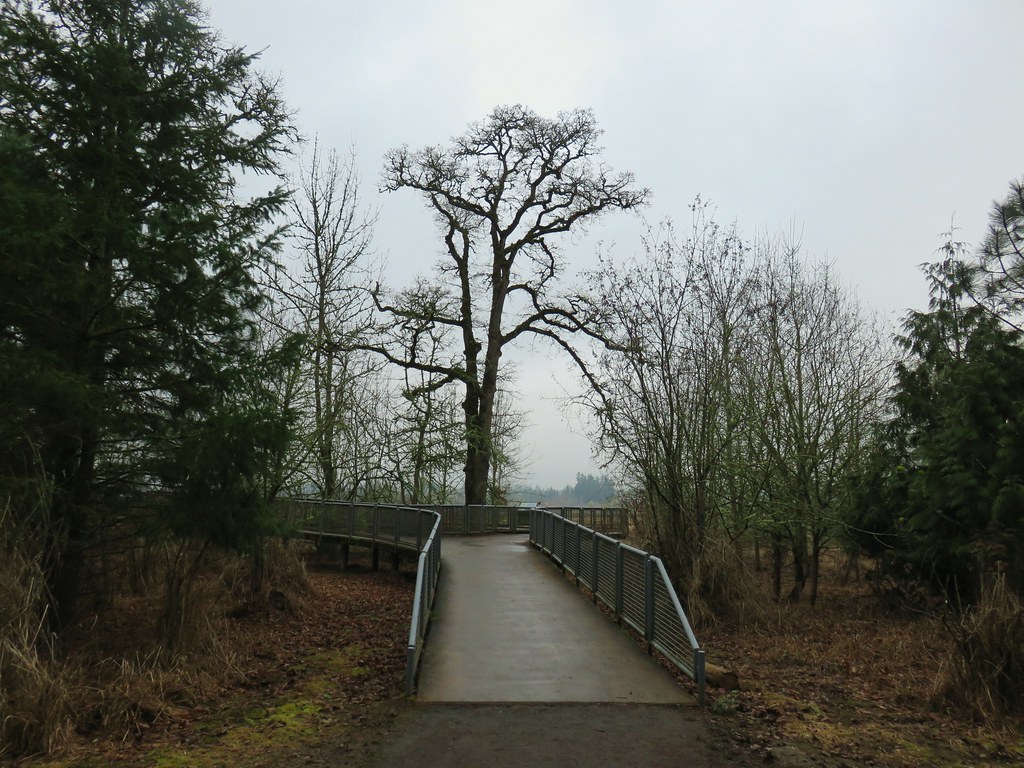
The River Trail meets the Wetland Trail across from the Weland Observation Platform.
We didn’t observe much from the platform on this visit. We continued on with our loop back on the Wetland Trail.
Great white egrets
There were some impressively tall trees along this portion of the loop.
The trail made a 90-degree turn just before another branch of Chicken Creek and headed in a near straight line back toward the Roy Rogers Trailhead.
Another egret
More egrets across Chicken Creek.
Red-winged blackbird
Savannah sparrow
Checker-mallow
A parsley
While our loop was only 3.6-miles it was packed full of sights, a great start to our morning. From the refuge we made the roughly 10-minute drive to our next stop at the Cooper Mountain Nature Park, yet another park managed by Oregon Metro. The park hosts a little over three miles of trails which start at a nice little playground.
Our planned route was to go right on the Little Prairie Loop to the Cooper Mountain Loop and then stay right on that loop (with a detour to hike the Larkspur Loop) to Blacktail Way. We’d then take Blacktail Way back to the Little Prairie Loop and turn right again to finish that loop and return to the trailhead.
The view from Cooper Mountain Nature Park.
The trail system heads downhill from the trailhead so keep in mind that all hikes here end with on an uphill.
Metro is currently running an odd little trial with very short “photo loops”. Mowed paths just off the main trails for photography. We took the first loop just to check it out and they were not kidding when they said the surface may be uneven.
One of two trial photo loops.
The idea is to limit the negative effects of off trail hiking. It’s an interesting idea but it would be easier if people could follow simple rules. We quickly found ourselves back on the Little Prairie Loop and forking right.
The second trial loop. You can see how short this one is by the signboard just downhill marking its other end.
There were several interpretive signs and benches along the trails.
White-crowned sparrow
Anna’s hummingbird
Star flower
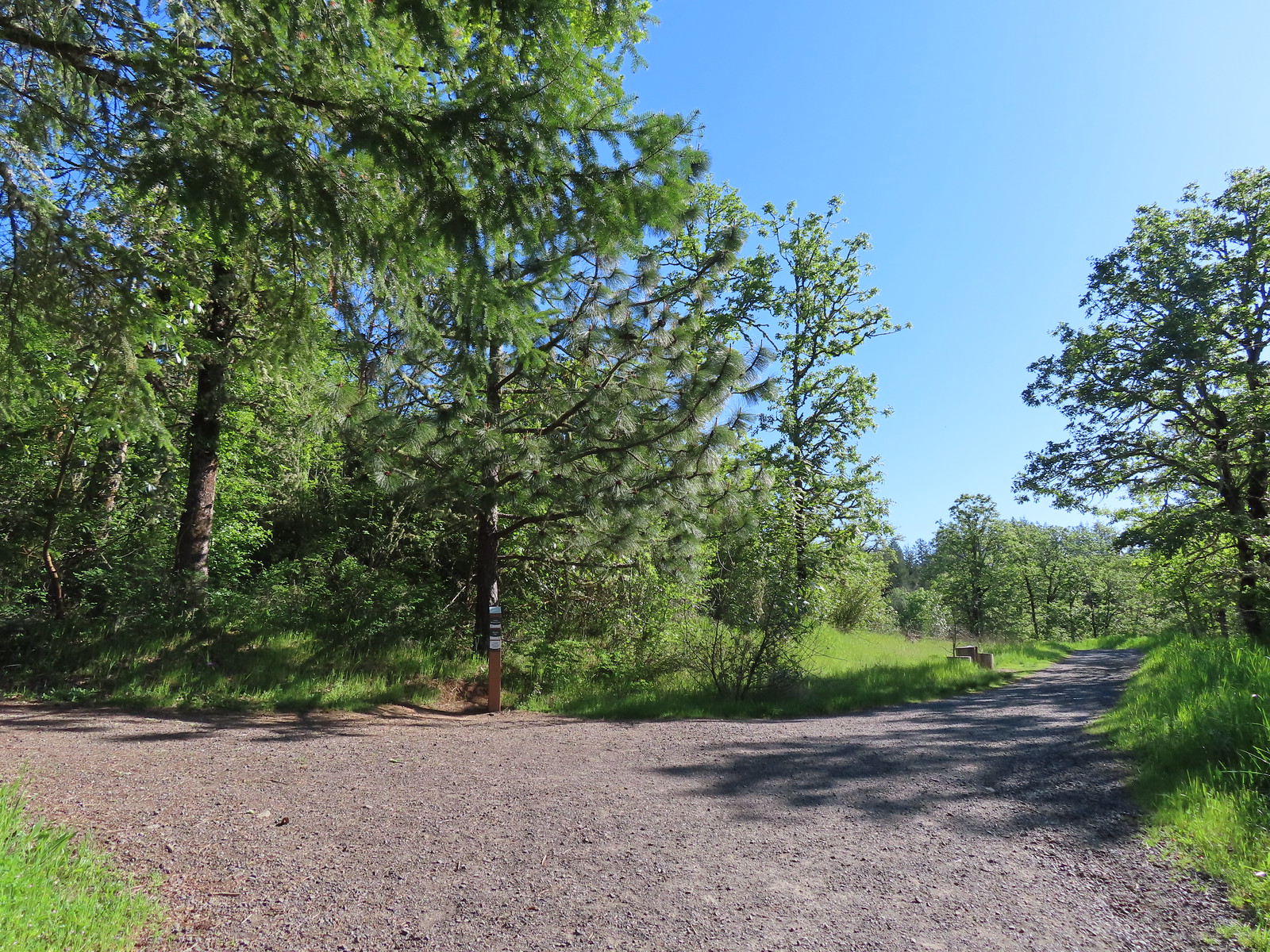
As usual Metro had the trail junctions well marked with little maps on top of the posts. This is the Cooper Mountain Loop junction with the lower end of the Outback Trail.
Camas
Tough-leaved iris
Serviceberry
Honeysuckle
Looking back uphill to some wildflowers.
Monkeyflower
Tomcat clover
Spotted towhee
Bench along a pond filling an old quarry.
The pond. Red-legged frogs apparently breed here. We didn’t see any frogs but there was a mallard hanging out in the brush.
Iris on the hillside above the quarry.
The Larkspur Loop continuing straight from the Cooper Mountain Loop which turns uphill at the junction.
An endangered species of larkspur, pale larkspur (Delphinium leucophaeum), typically blooms in the park in late Spring into June. With everything running late this year we didn’t spot any yet this year as we completed the 0.7-mile lollipop loop. Prior to the loop the Larkspur Loop dips to cross a creek in the trees.
The little creek.
View from the Larkspur Loop.
While watching for the larkspur I noticed these giant blue-eyed Mary.
We returned to the Cooper Mountain Loop which made a steep climb to its junction with Blacktail Way.
Blacktail Way to the right.
Map at the junction.
Blacktail Way climbed more gradually on its way to the Little Prairie Loop. The “earphone” next to the bench here was neat. There was also one at the trailhead and they really allowed you to isolate the sounds of the woods.
The Little Prairie Loop.
We turned right onto the loop and then quickly detoured to the Little Prairie Overlook.
The pale larkspur also grows in this area but again we were too early.
These were the only woodland-stars we spotted.
After checking out Little Prairie we finished the loop and returned to our car. This stop came to 3.1 miles with 300′ of elevation gain.
From Cooper Mountain we drove 18 miles south to our final stop of the day at Graham Oaks Nature Park. Another one of Metro’s parks Graham Oaks also hosts approximately three miles of trails. Unlike many of the other Metro parks we’ve visited recently this one allows bikes and dogs (on leash) albeit limited to the Tonquin Trail.
Our planned route here was another counterclockwise loop starting on the Tonquin Trail. We would follow that trail to the hiker only Oak Woodland Walk and then turn onto Coyote Way then take the Legacy Creek Trail returning to Coyote Way just before its end at the Tonquin Trail. Then we would simply follow the Tonquin Trail back to the trailhead.
Despite this being our third stop, the early start had gotten us here shortly after 10am, it was already over 70 degrees when we set off on the Tonquin Trail. Luckily for us there was an occasional breeze that helped cool things off a bit. Heading toward Acron Plaza on the Tonquin Trail.
Interpretive sign at Acorn Plaza.
There were large amounts of large camas blooming along the trail along with yellow buttercups and some patches of lupine. Lupine and buttercups
Lupine
Meadow checker-mallow
We detoured to Elder Plaza at a trail marker.
The “elder” oak is between 150-200 years old.
We watched this American Kestral hover on a near vertical line for what felt like quite a while. It eventually dove and attempted to catch something in the grass. We couldn’t tell if it had been successful.
We continued down the Tonquin Trail and made a second detour to visit the Wetland Overlook.
Mylitta crescent
We made a third detour when we reached a 4-way junction with the Oak Woodland Walk and Arrowhead Creek Trails. We turned right onto the Arrowhead Creek Trail to see what the creek might look like since we could see a little footbridge from the junction.
Footbridge over Arrowhead Creek.
There wasn’t really any water flowing in the creek bed and we turned around after crossing and returned to the 4-way junction where we crossed the Tonquin Trail onto the Oak Woodland Walk.
The Lycaenidae family of butterflies remains a mystery to me. This appears to be an Eastern Tailed Blue based on the ventral spots.
Snow in the Cascade foothills. If you look really closely behind the bigger snow patch to the far-right, you can just barely make out Mt. Jefferson.
We turned onto Coyote Way and quickly spotted several species of birds. Starling
Northern flicker
This scrub jay would not come out from behind the oak leaves.
Coyote Way eventually entered some trees and crossed a boardwalk.
There was a lot of candy flower beneath the trees.
We turned onto the Legacy Creek Trail and found ourselves under a much denser canopy of trees. This extra shade made this feel like the coolest section of trail we’d been on all day which was welcome because it was now over 80 degrees in the Sun.
Mushrooms along the Legacy Creek Trail.
Violets, candy flower and the invasive herb robert (pink).
We left the trees and quickly arrived back at Coyote Way where we took a right followed by another right on the Tonquin Trail after 200′. Coming up to Coyote Way.
Back on the Tonquin Trail and heading for the trailhead.
This was our shortest stop of the day coming in at just 2.7 miles. For the day we logged 9.4 miles with approximately 400′ of cumulative elevation gain, primarily from our stop at Cooper Mountain. These were all enjoyable stops and each provided a different experience. Happy Trails!
For our March outing we decided to stick relatively close to home and visit three nearby hikeable areas. Our first stop, and furthest from Salem at just under an hour away, was at the Tualatin Hills Nature Park in Beaverton.
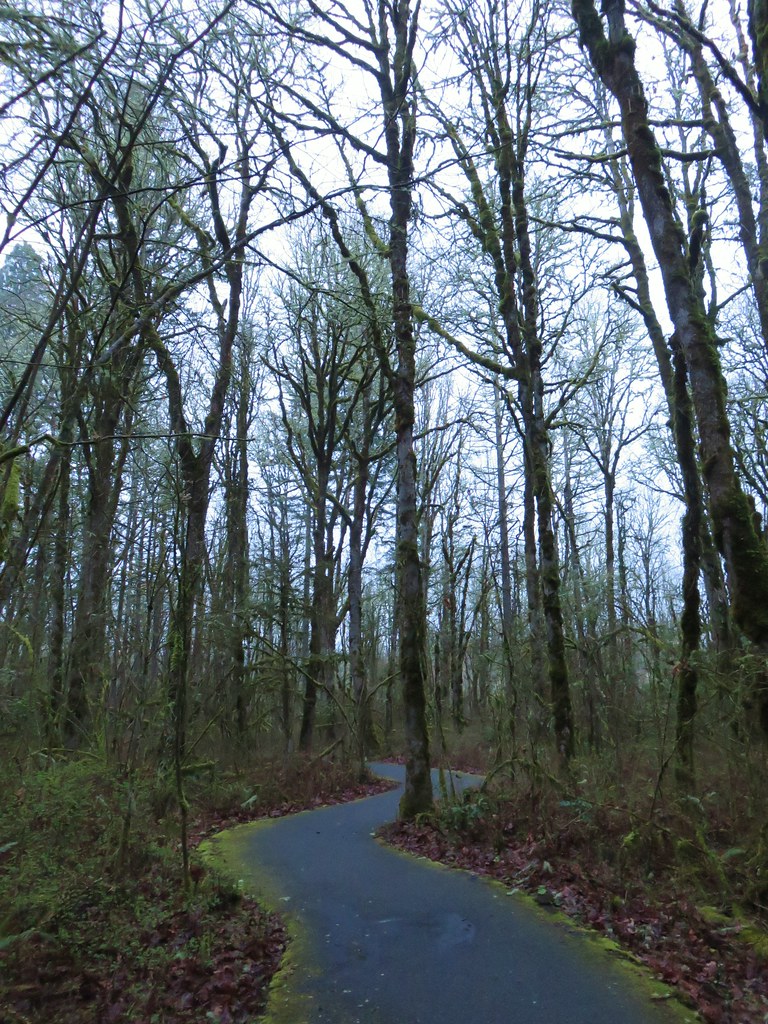
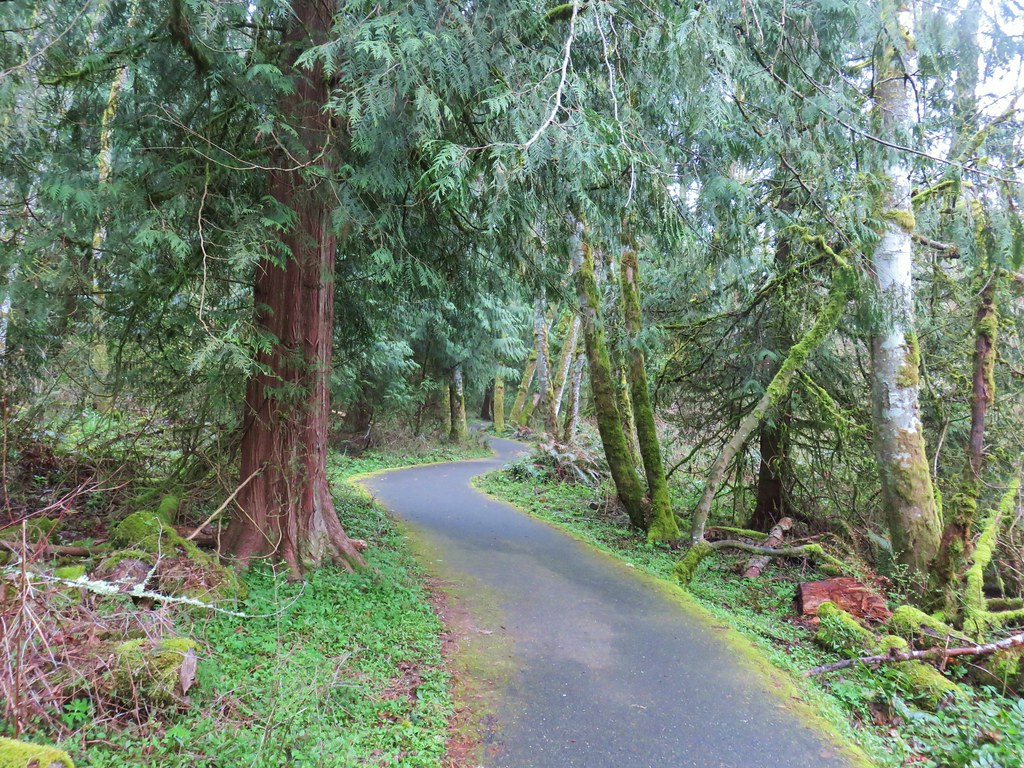
The Nature Center is currently open from 8:30am-5pm M-F and 9am-5pm Sat. & Sun. while the park itself is open everyday from dawn to dusk. We arrived at dawn and set off on the paved Vine Maple Trail between the Nature Center and restrooms.
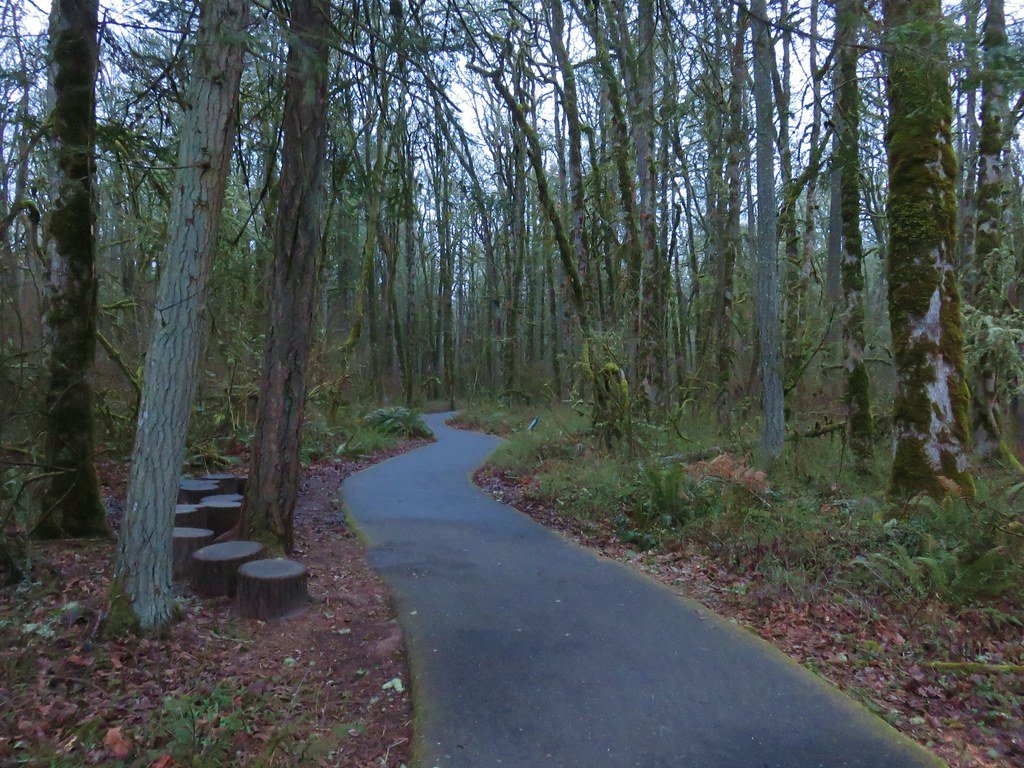
We quickly turned right onto the signed Oak Trail which was also paved.
In a third of a mile we detoured briefly at a sign for the Tadpole Ponds.
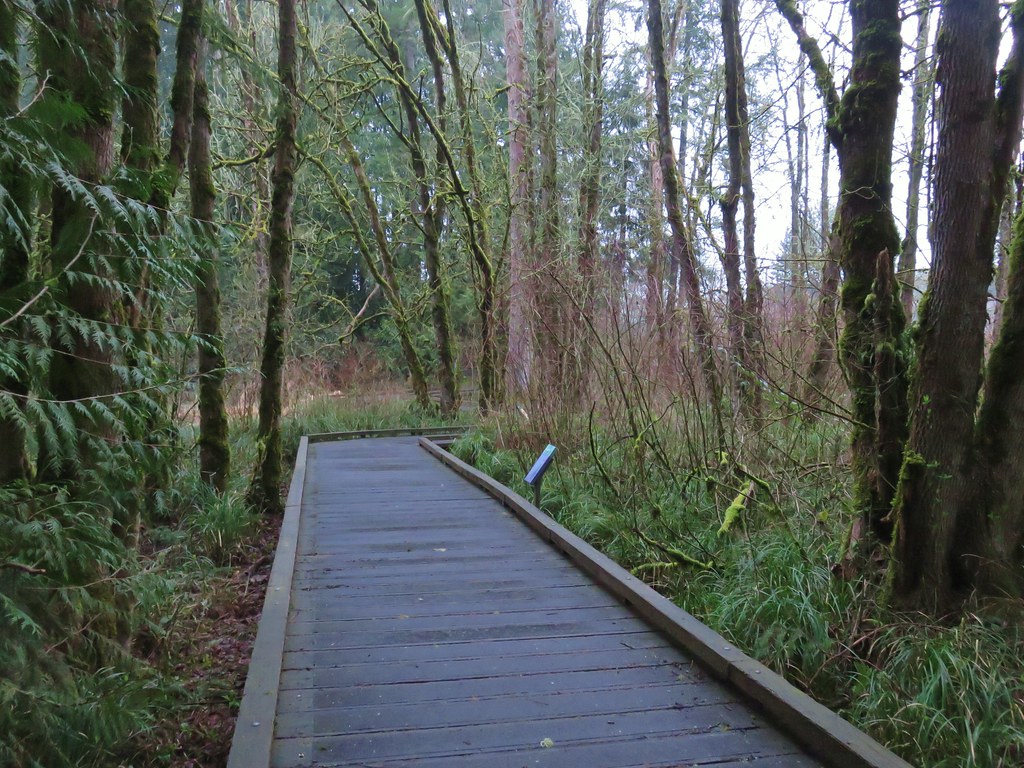
Although we didn’t see any tadpoles, or other wildlife here, the sounds of birds had not stopped all morning so we knew there were plenty of animals around. We returned to the Oak Trail which passed by Cattail Marsh on the second of three boardwalks.
Beyond the marsh we soon came to the third boardwalk which crossed over Cedar Mill Creek.
One of the many birds that we’d been listening to was kind enough to pose for a moment as we stood on the boardwalk.
On the far side of the boardwalk was a trail junction where the Oak Trail veered right to the Merlo Rd/158th Ave Max light rail station. To the left was the Old Wagon Trail, a dirt path closed to bikes.
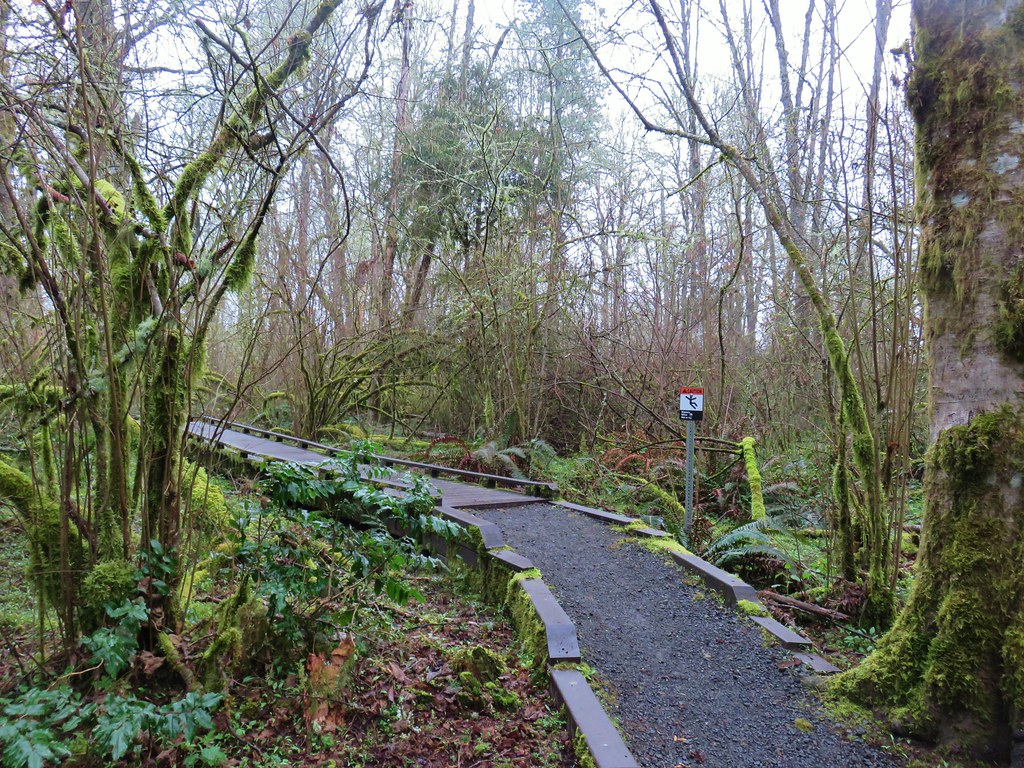
We followed this trail through a forest that was starting to show signs of Spring for a third of a mile to a junction with the Mink Path.
Trail pointer at the Mink Path junction. We appreciated the fact that all of the junctions were signed and those signs were easy to read but placed in such a way that they were unobtrusive.
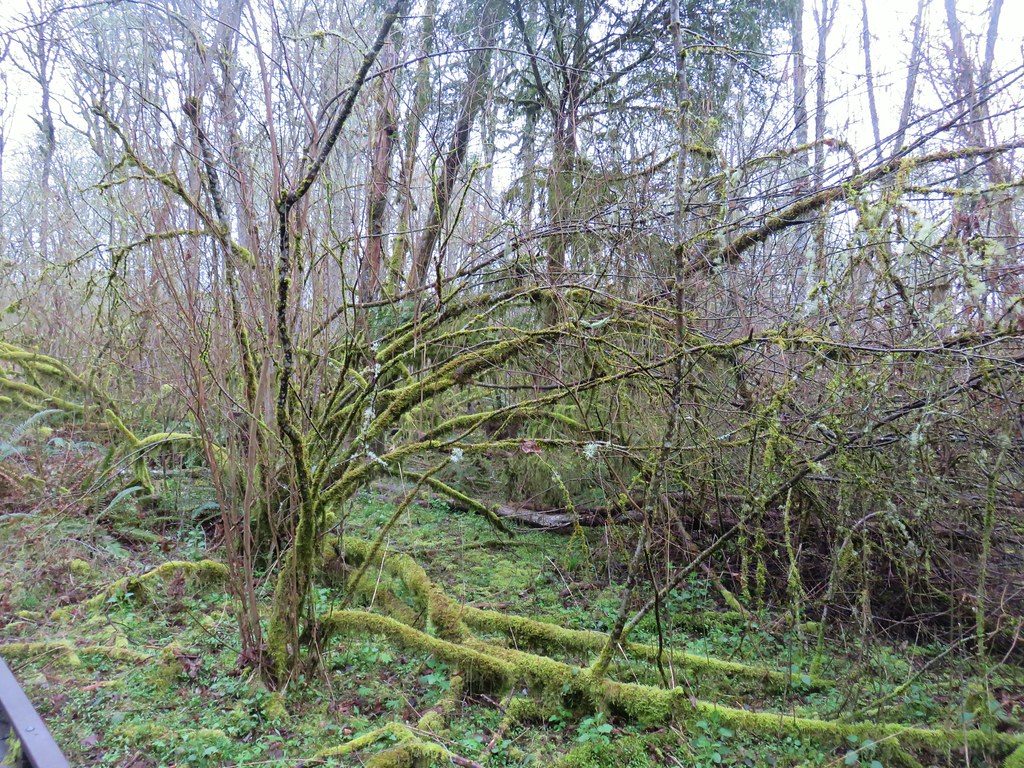
The Mink Path is a .1 mile connector between the Old Wagon Trail and Vine Maple Trail allowing for a shorter loop back to the Nature Center. We opted to stay on the Old Wagon Trail though and continued to the start of another boardwalk where we stopped so I could try and take a photo of a robin that was hopping around on the trail. As I was working on getting a picture Heather spotted a deer just a bit off the trail. Can you see the deer?
I thought she was seeing things but then I noticed it move. How about now?
She turned and watched us as I attempted to get the camera to focus on her and not the branches in the foreground.
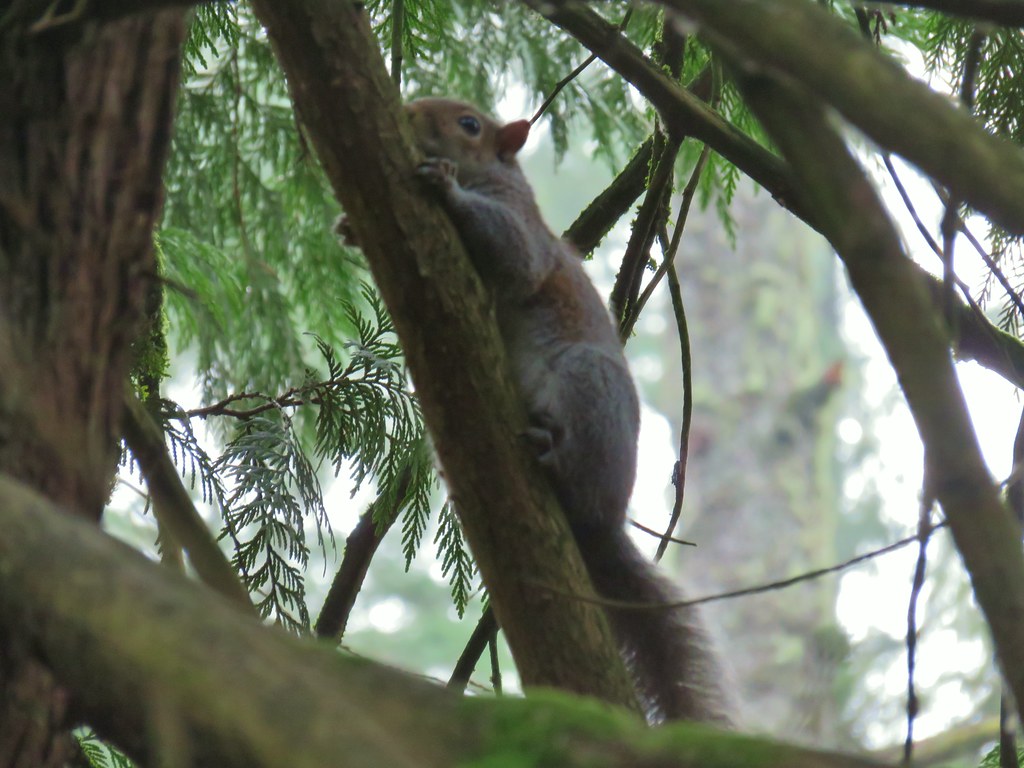
Not far from the deer we spotted a squirrel trying to become one with a limb.
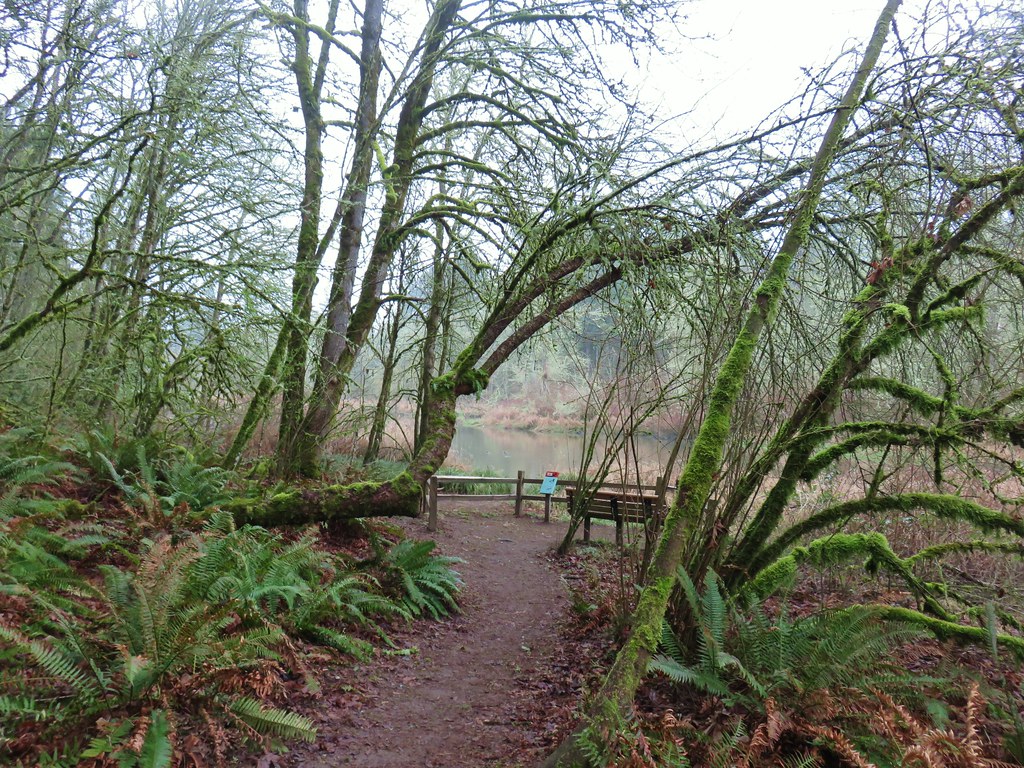
At a “Y” in the boardwalk we veered left keeping on the Old Wagon Trail until we reached a junction with the Vine Maple Trail a total of .4 miles beyond the Mink Path junction. We turned left onto the Vine Maple Trail and then took a right at a pointer for the Lily Pond.
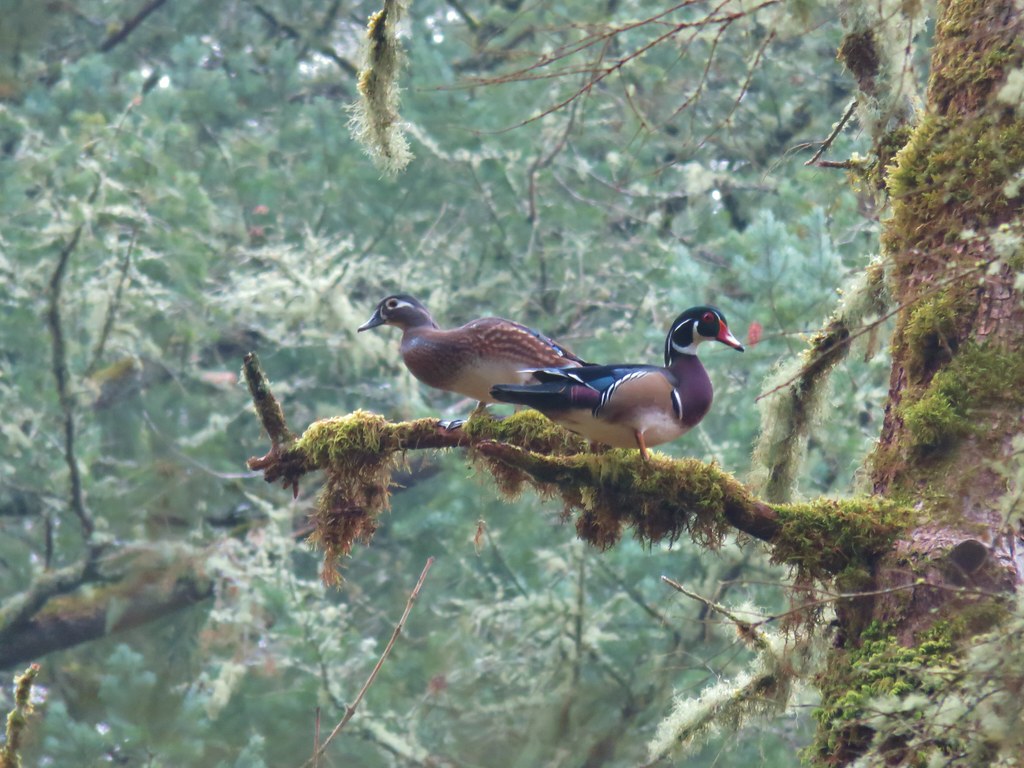
A short path led down to the pond but before we had reached it a pair of wood ducks took flight and landed in a nearby tree.
As we were admiring the wood ducks a pileated woodpecker was busy with its breakfast.
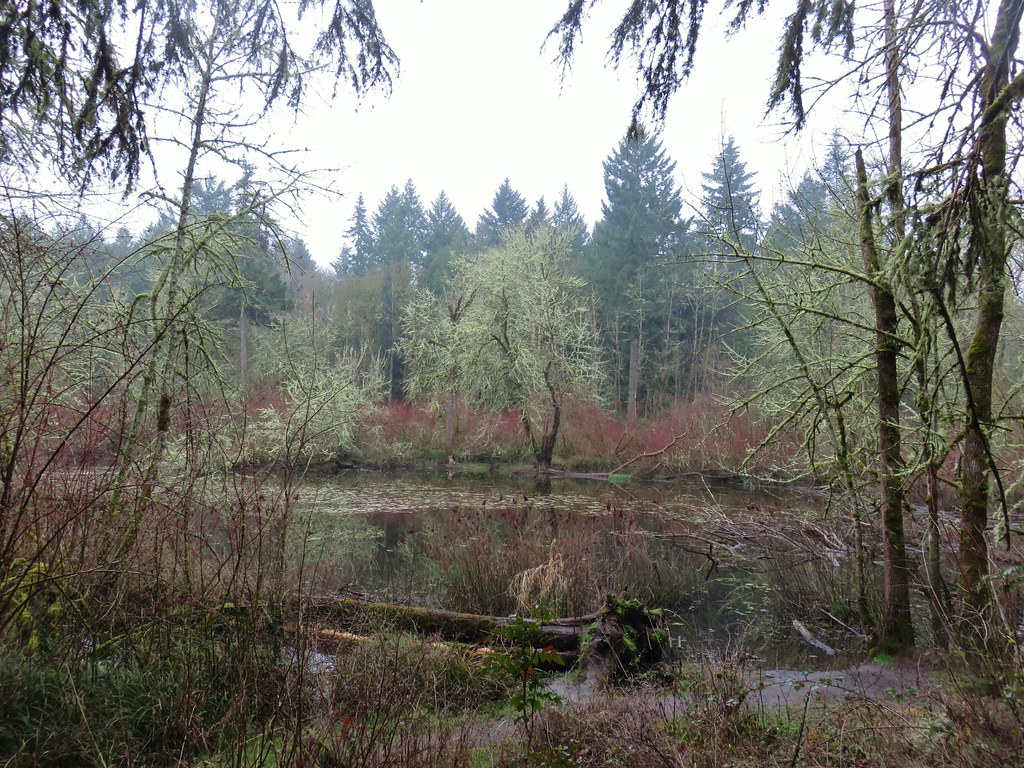
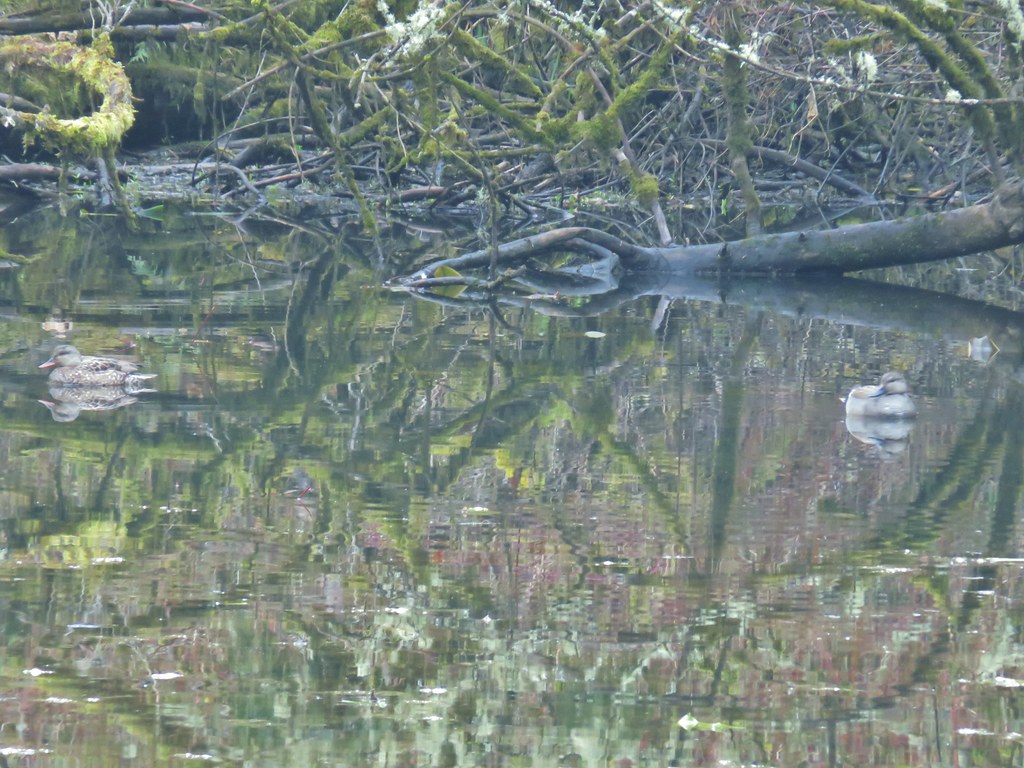
We eventually made it down to the pond where a few ducks remained in the water including what appeared to be a pair of gadwalls.
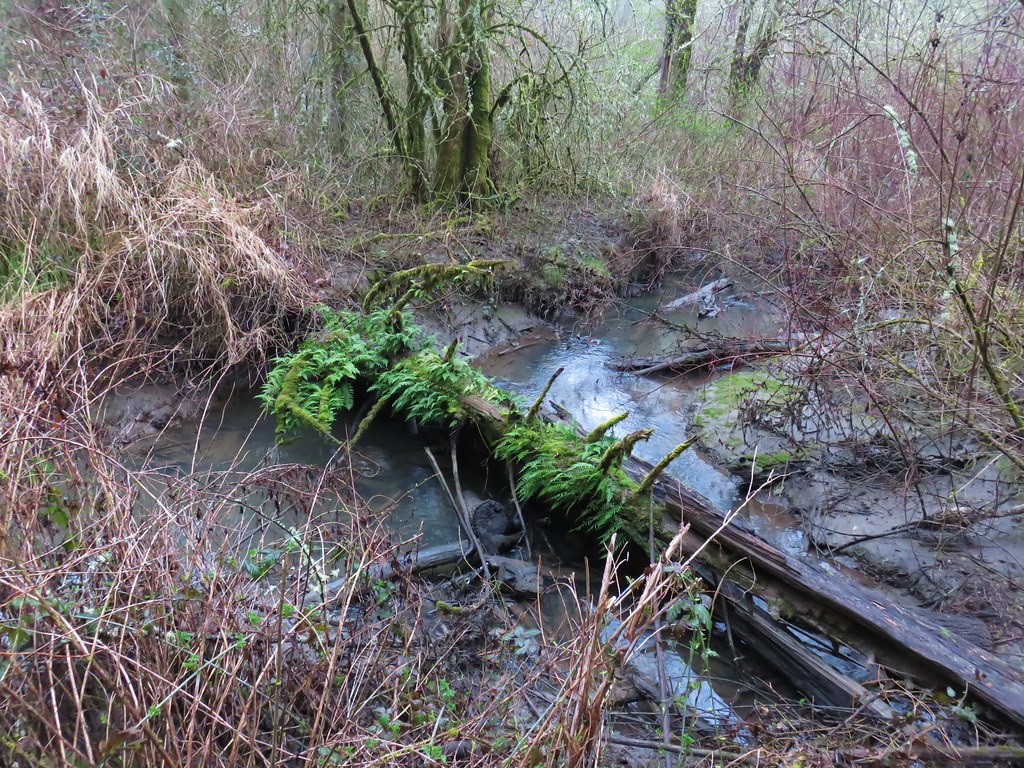
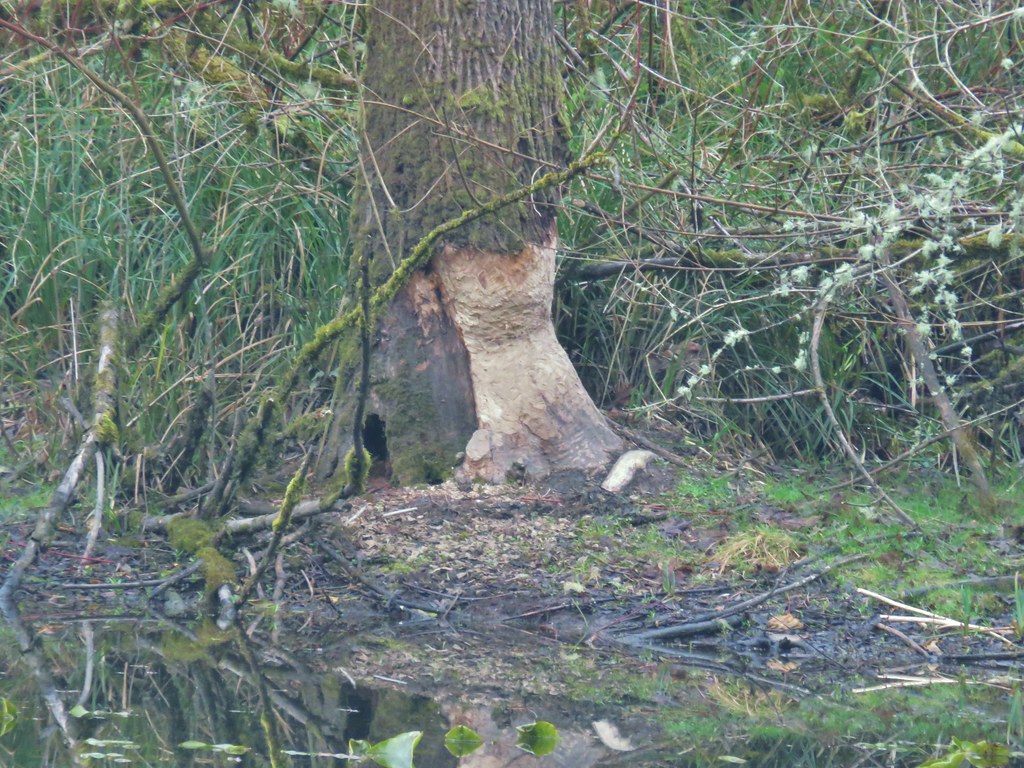
There were also signs of beaver activity but we’ve yet to actually see one in the wild.
After visiting the pond we returned to the Vine Maple Trail which was now paved and followed it past its junction with the Mink Path and across Cedar Mill Creek.
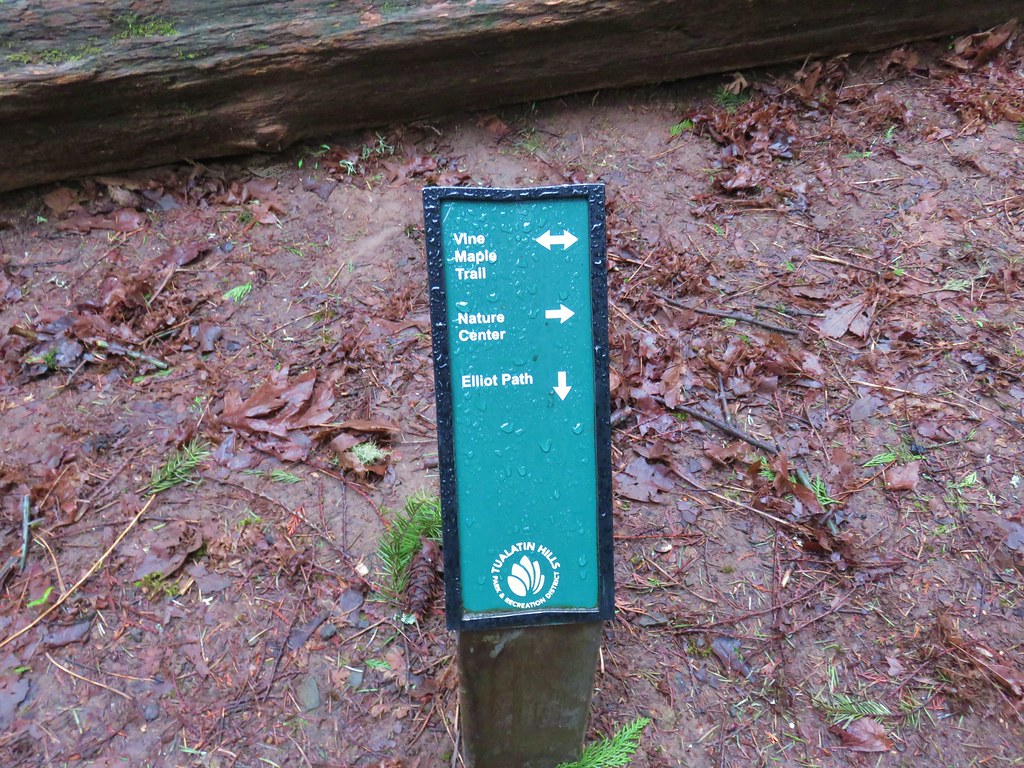
Shortly after crossing the creek we faced another choice. The Nature Center lay a third of a mile away via the Vine Maple Trail but more loop options were available by taking the Elliot Path.
We took the .1 mile Elliot Path to a “T” shaped junction with the Big Fir Trail. Here again was a choice. Left headed back toward the Nature Center while right would take us to the Chickadee and Ash Loops and a short spur to Big Pond. We headed right and then turned left onto the spur to Big Pond.
There were plenty of ducks here as well. It appeared that most were mallards and green-winged teals.
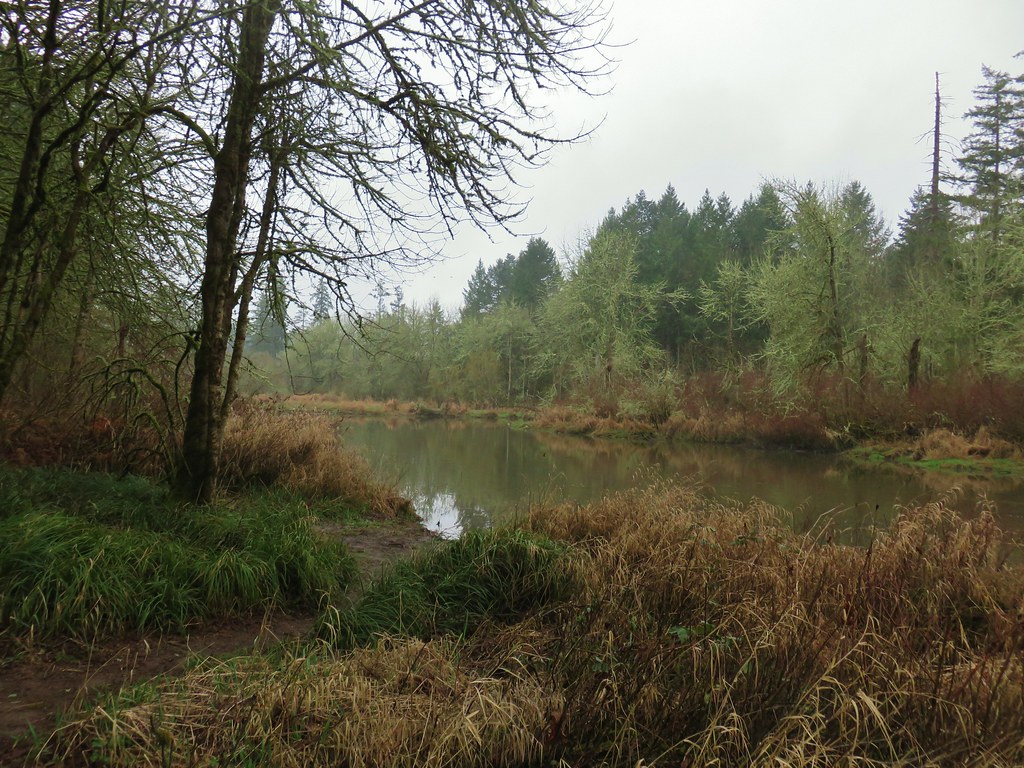
We returned to the Big Fir Trail and continued on crossing Beaverton Creek before arriving at a four way junction. Beaverton Creek
More choices! The Big Fir Trail kept straight while the Chickadee Loop was to the right and the Ash Loop to the left. We began by heading right on the quarter mile Chickadee Loop which had a nice long section of boardwalk.
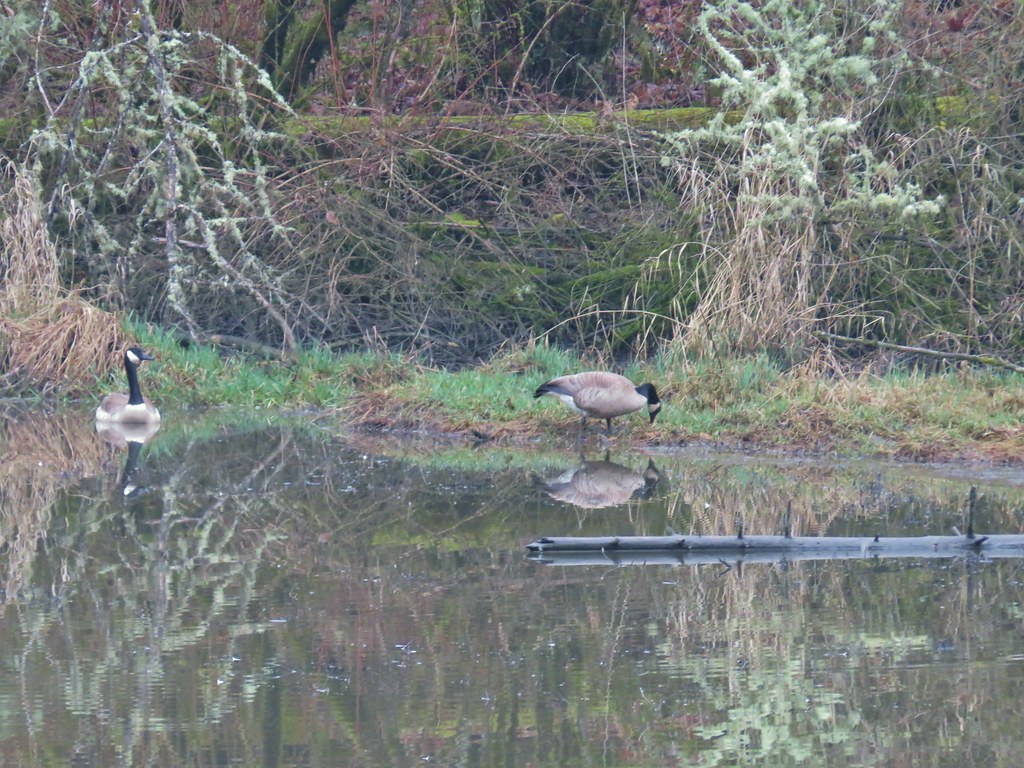
After the quarter mile we were back at the Big Fir Trail where we turned right briefly before making a left onto the Ash Loop. The Ash Loop passed some wetlands where a pair of Canada Geese were enjoying the morning.
After .3 miles on the Ash Loop we found ourselves back at the four way junction where we turned right and recrossed Beaverton Creek and returned to the junction with the Elliot Path. Staying straight on the Big Fir Trail for just .05 miles we then turned right onto the .2 mile Trillium Loop. Oddly we didn’t see many of signs of trilliums along this short loop but we had seen several beginning to bloom along other trails. After completing the Trillium Loop we turned right again onto the Big Fir Trail for another .1 miles to the start of the half mile Ponderosa Loop.
We took the Ponderosa Loop where we spotted more trillium and our first wood violets of the year.
At the end of the Ponderosa Loop we were once again turning right onto the Big Fir Trail. This time it was for less than a tenth of mile and then we were back at the Vine Maple Trail. Several spotted towhees and a couple of chickadees were foraging near this junction. The chickadees wouldn’t sit still but the towhees were a little more cooperative.
A right turn onto the Vine Maple Trail followed by another .2 miles of hiking brought us back to the parking lot at the Nature Center. The total distance for our hike with all the extra loops was still just 4.2 miles. When we had arrived we were only the second car but the lot was now full as it was just a bit after 9am. We had passed the first volunteer led tour as we were finishing up the along the Ponderosa Trail and another group was preparing to set off shortly.
One of the reasons we had chosen to start our day with this hike was that we knew the park would get busy as the morning progressed which isn’t a bad thing but we always prefer to avoid the crowds when possible. It really was a first rate park though so the popularity is warranted.
We parked at the Visitor Center along Highway 99W. The majority of hikeable paths in the refuge are closed from October 1st trough April 30th but the one mile River Trail and the very short Ridge Trail are open year round so we made those the target of this visit.
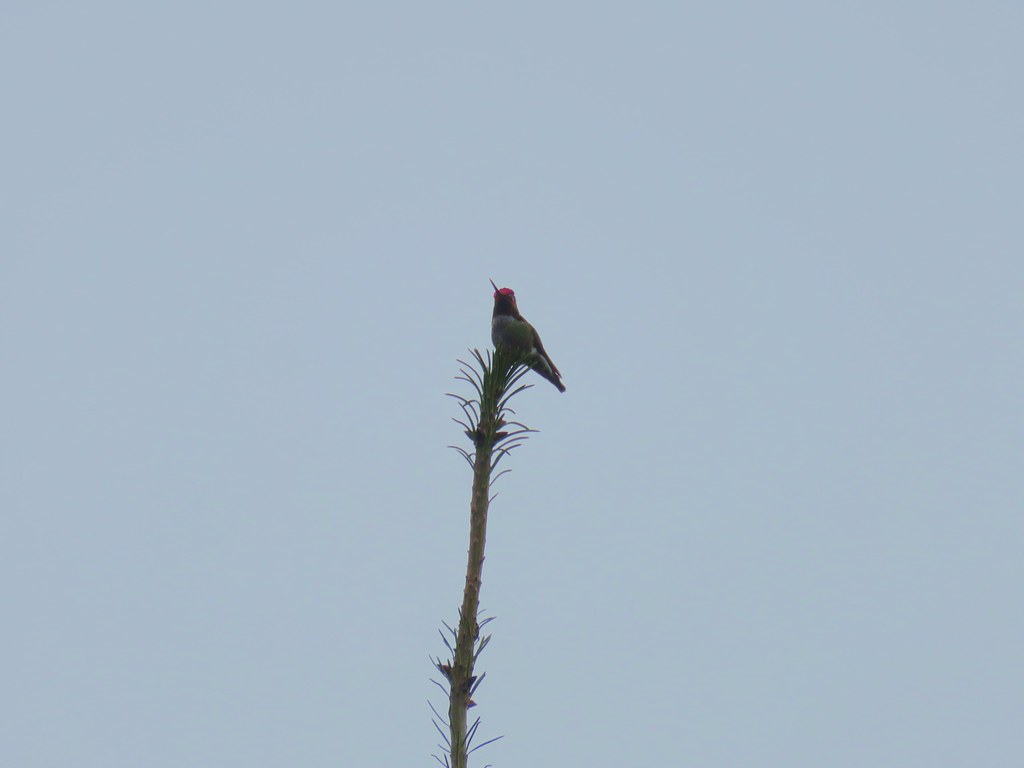
We set off on the River Trail and immediately spotted a hummingbird perched atop a tree.
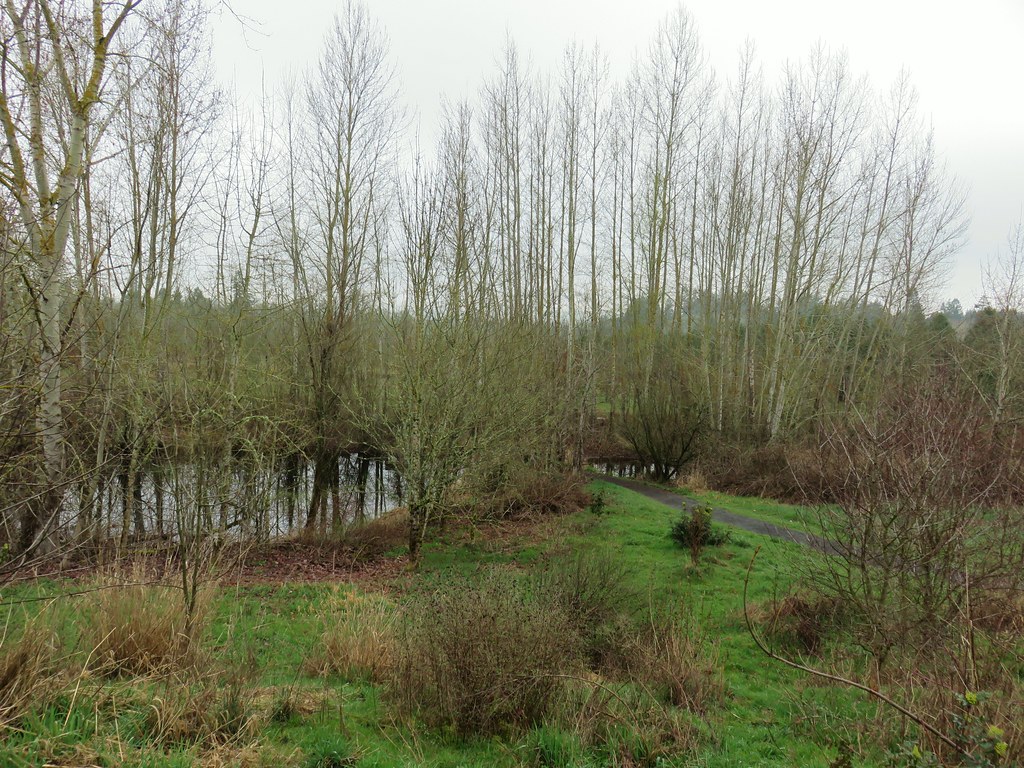
The trail led downhill between a pair of small ponds.
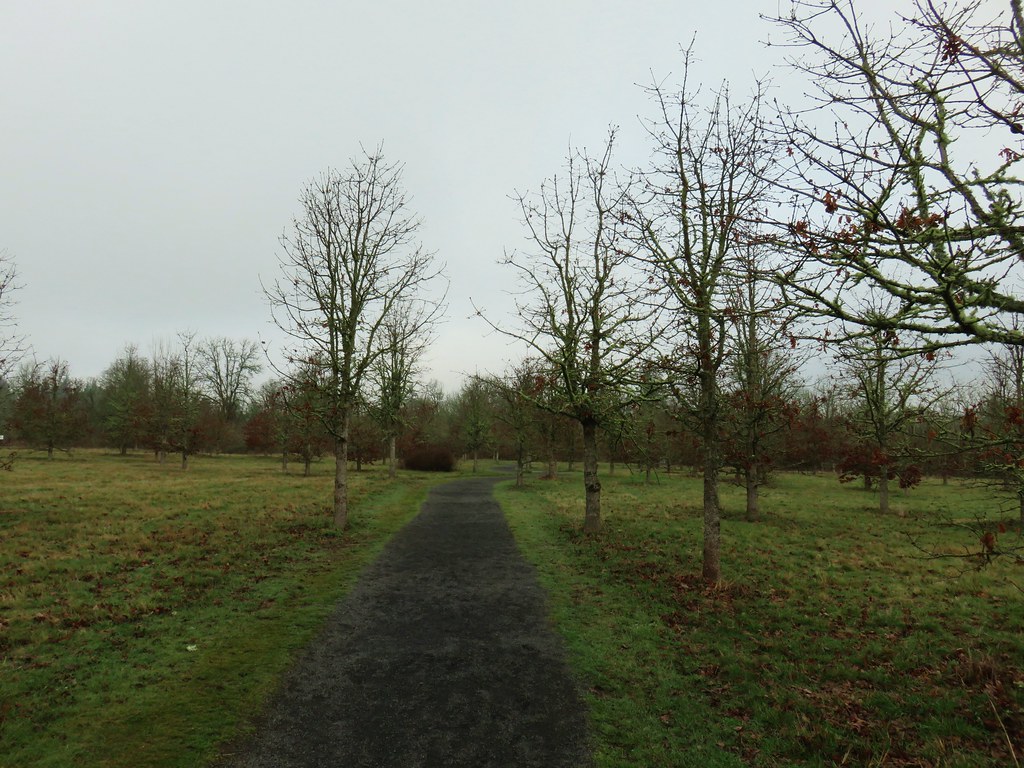
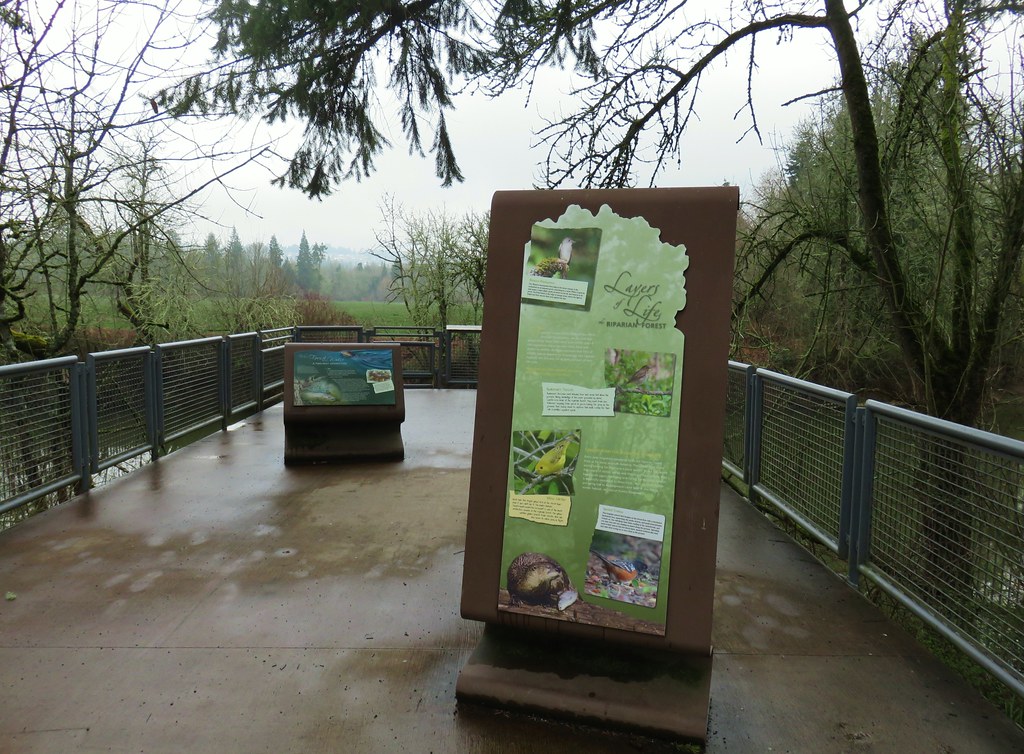
The trail passes through a restored oak savannah before arriving at an observation deck above the Tualatin River a half mile from the parking lot.
Beyond the deck the trail continues briefly though the restored savannah before entering a forest.
The trail splits in the trees with the Ridge Trail leading left to a viewpoint and the River Trail continuing right to the Wetlands Observation Deck.
We stayed right visiting the observation deck first.
There were a few geese and ducks visible in the distance and a few robins closer by.
We returned to the junction with the Ridge Trail and turned right onto it to climb to the viewpoint. The Visitor Center was visible across the refuge and a number of ducks and other birds could be seen in the water below. At least some of the ducks looked to be northern shovelers.
We returned to the parking lot after an easy 2.1 mile hike. We plan on returning in the future when the other trails are open to explore more of the refuge and check out the Visitor Center.
The site of the former Willamette Mission the 1600 acre park offers a number of activities besides hiking. The mission was established in 1834 by Rev. Jason Lee and marked the first organized religious enterprise in Oregon.
We had originally intended on a 2.7 mile hike here as described by William L. Sullivan in his “100 Hikes in Northwest Oregon & Southwest Washington” 3rd edition guidebook. Heather had put the book in her pack for the Tualatin Hills Nature Park hike as it was also featured in the guidebook. We hadn’t taken it back out of her pack so we weren’t exactly sure where we were supposed to park for the described hike so after paying the $5 day use fee at the entrance booth we immediately turned right into a parking area with a hiker symbol.
The lot serves as a trailhead for the Willamette Vision Education Trail, which was not where our book called for us to start but we were already parked so we decided to improvise.
We followed a bark path .1 miles to the start of a loop where we turned right.
The trail followed a road bed for half a mile around a field before arriving at Mission Lake. Along the way we spotted a coyote that quickly disappeared back into the vegetation.
A little over a mile from the trailhead we arrived at the nations largest black cottonwood.
While we were admiring the tree an osprey landed in it and while we were watching the osprey we noticed a squirrel in the upper branches as well.
The osprey and the squirrel (upper right hand corner).
A short distance from the cottonwood the loop crossed the park entrance road. In order to do the hike that we had originally intended to do we turned right and walked along the shoulder of the road for a quarter of a mile to a boat launch and pet exercise area where we picked up the Mission Trail.
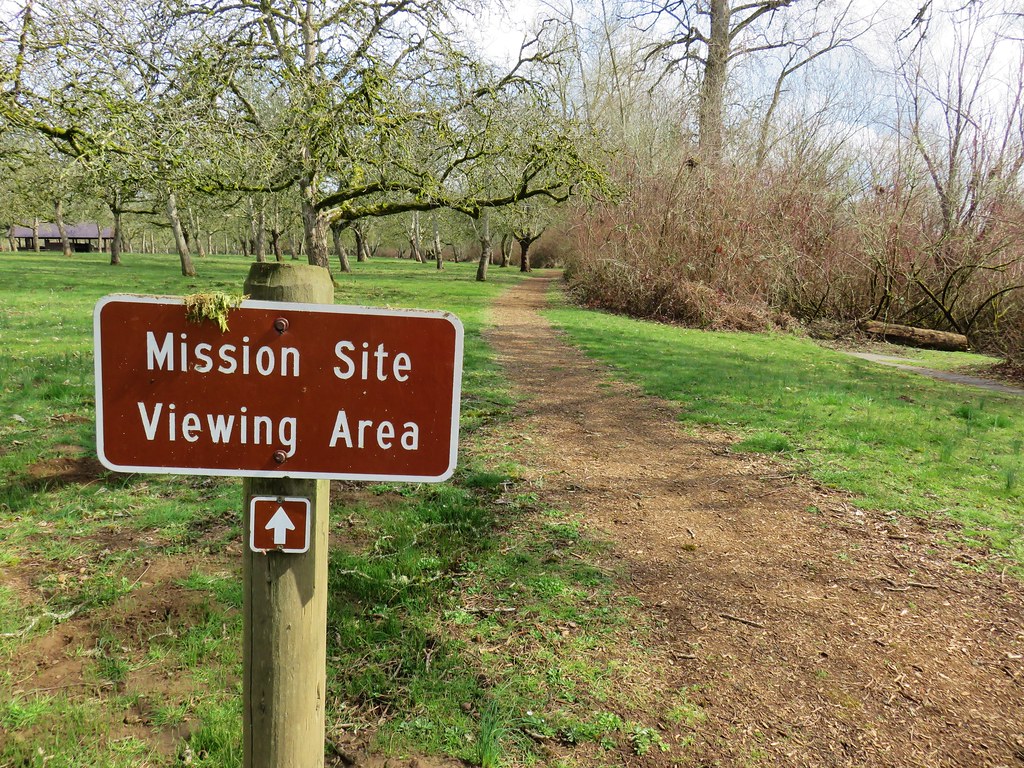
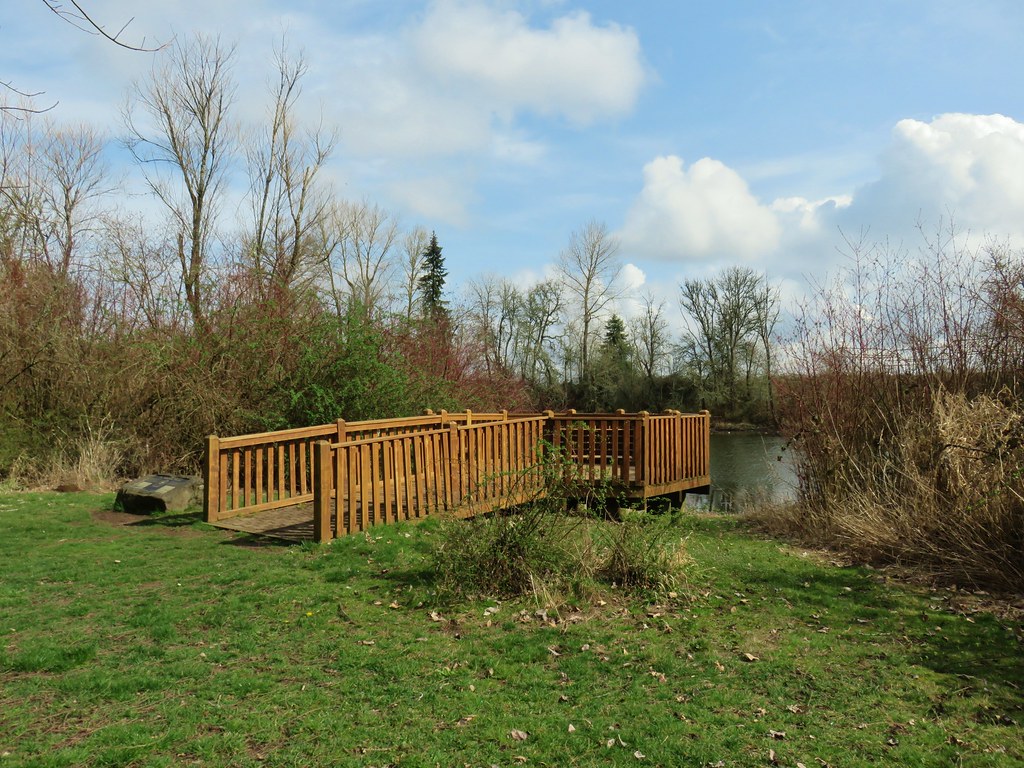
The Mission Trail followed the bank of Mission Lake for .6 miles to the Mission View Site, an observation deck looking across the lake to the site of the former mission.
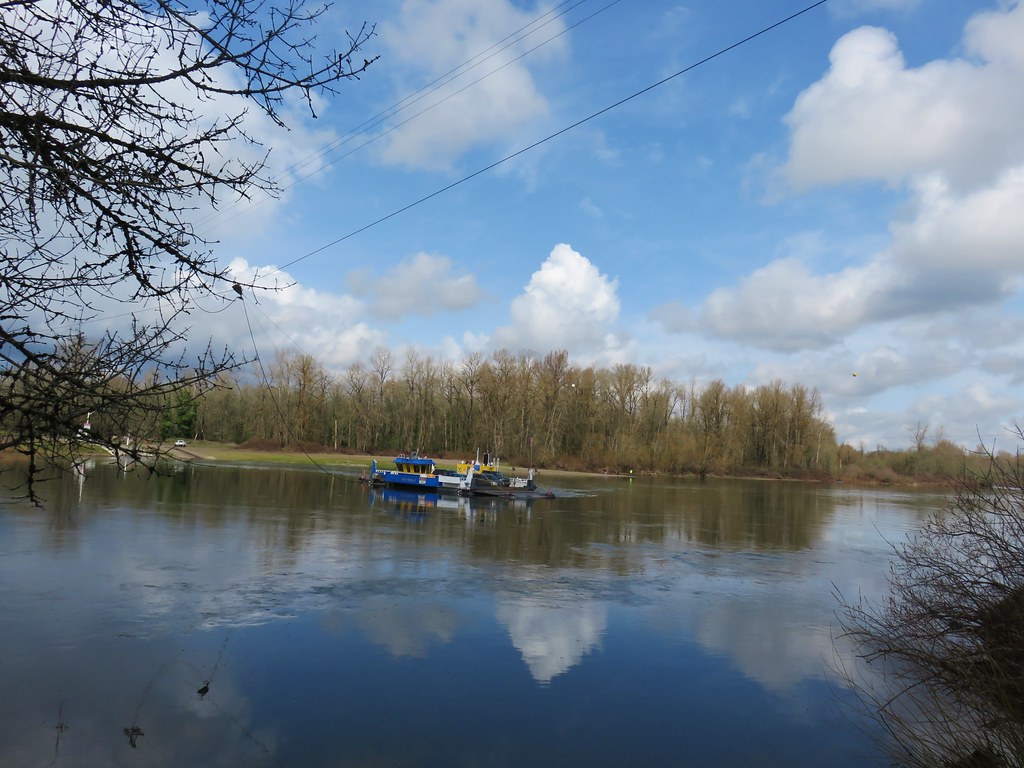
We continued on past the Mission Site for another quarter mile before arriving at a the end of the Mission Trail at a paved bike path. We turned right detouring a quarter mile off the loop to visit the Wheatland Ferry crossing on the Willamette River.
After watching the ferry cross once we headed back along the bike path and followed it along the Willamette River for almost a mile and a half before veering right onto an equestrian trail. Although the bike path paralleled the river there were no real views to speak of due to a strip of trees and vegetation between the path and the water.
We opted to follow the multi-use dirt path instead of the paved bike path since pavement seems to be a lot harder on the feet. Despite being a bit muddy in spots the equestrian trail did finally provide a nice view up and down the Willamette.
Just prior to reaching the high water channel the equestrian trail came near to the bike path. Staying on the equestrian trail would have taken us to the start of a three mile loop with no opportunity to get back to our car so we hopped back onto the bike path here.
We then followed the bike path back to the park entrance road.
On our way back to the car we did complete the Willamette Vision Education Trail loop but that final 1.4 mile segment was fairly uneventful. The trail loops around a field with views back toward the center of the park. By that time we were passing the 13 mile mark for the day (we had planned on doing 9.2) and I was more focused on my feet than taking pictures. Not only had we started at the wrong spot but the guidebook would have had us cut out some of the bike path and all of the equestrian trail. Instead of 2.7 miles for this stop we had flipped the numbers and done 7.2.
We enjoyed all three stops but the Tualatin Hills Nature Park was definitely our favorite. With that being said they all would be suitable for hikers of all ages and abilities and each offers something unique. We’re lucky to have so many options within an hour of Salem and there are many more that we have yet to visit. Happy Trails!


 The orange track is a portion of the Wetland Trail that I had not previously hiked.
 Mt. Hood from the Wetlands Trail.
 I spotted a couple of deer shortly after setting out.

 I believe this is a savannah sparrow.
 Geese families
 Killdeer
 It was just under 40 degrees Fahrenheit when I started, but the forecast called for temperatures to reach 80 by the afternoon.
 Geese, goslings, and goose eggs.
 Sandpiper
 Not sure what type of fish this is but they were thrashing about near the shoreline, and I had seen similar behavior the day before in McFadden Marsh at Finley NWR.
 Duck and ducklings
 Sleeping nutria
 Purple martins and a swallow (bottom left).
 Egrets and a great blue heron.
 Closer look at the egrets and heron.
 Robin
Robin


 Mallard
 Sandpipers
 Riverside Trail
 Tualatin River
 Song sparrow
 Inside-out flower
 The Ridgetop Trail to the left. There is a bench and railed overlook but the view is blocked by trees. If there hadn’t been any leaves there may have been a view but today there wasn’t.
 The only trillium I saw with any petals left.
 Bleeding heart
 Northern flicker
 I spotted an American kestrel in this snag. I had been hoping to see one during this week’s hikes.
 American kestrel
 Crow
Crow Northern shoveler
 Wildflowers near the trailhead.
 Lupine, plectritis, checkerbloom, and golden paintbrush.
 This route came to 4.4-miles and just 35′ of elevation gain.
 Camas
Camas
 Larkspur
 Not a native wildflower but pretty.
 Columbine
 Rabbit
 The look on their faces seems to indicate they were not expecting to see me there.
 Going back the other way.
 Karaoke
 Helpful maps and/or pointers are located at trail junctions.
 Swallow
 Swallows
 Cinnamon Teal
 Ring-necked ducks
 Purple martins
 Canada geese
 Jackson Bottom Wetlands Trail passing Oak Island Marsh.
 Crow harassing an osprey over Oak Island Marsh.
 I thought flamingos were pink.
 American coot in NW Pond.
 Another napping nutria.
 Robin
Robin Gadwall
 Egrets at Wapato Marsh.
 Great blue heron in Pintail Pond.
 Lupine along the trail.
 Green winged teal
 Heading toward Salamander Slough.
 Two turtles and a mallard.
 Long billed dowitcher
 Cabbage white?
 Checkerbloom along the Coyote Hill Trail.
 Common yellowthroat
 Savannah sparrow
 Spotted towhee
 Tualatin River
 Deer crossing Pintail Pond. I think these are the same three I saw earlier.
 I’ve been spotted.
 Rabbit on the left along the River Trail.
 Salmonberry
 Western meadowrue
 Wild rose
 Stairs leading to the trail on the River Trail.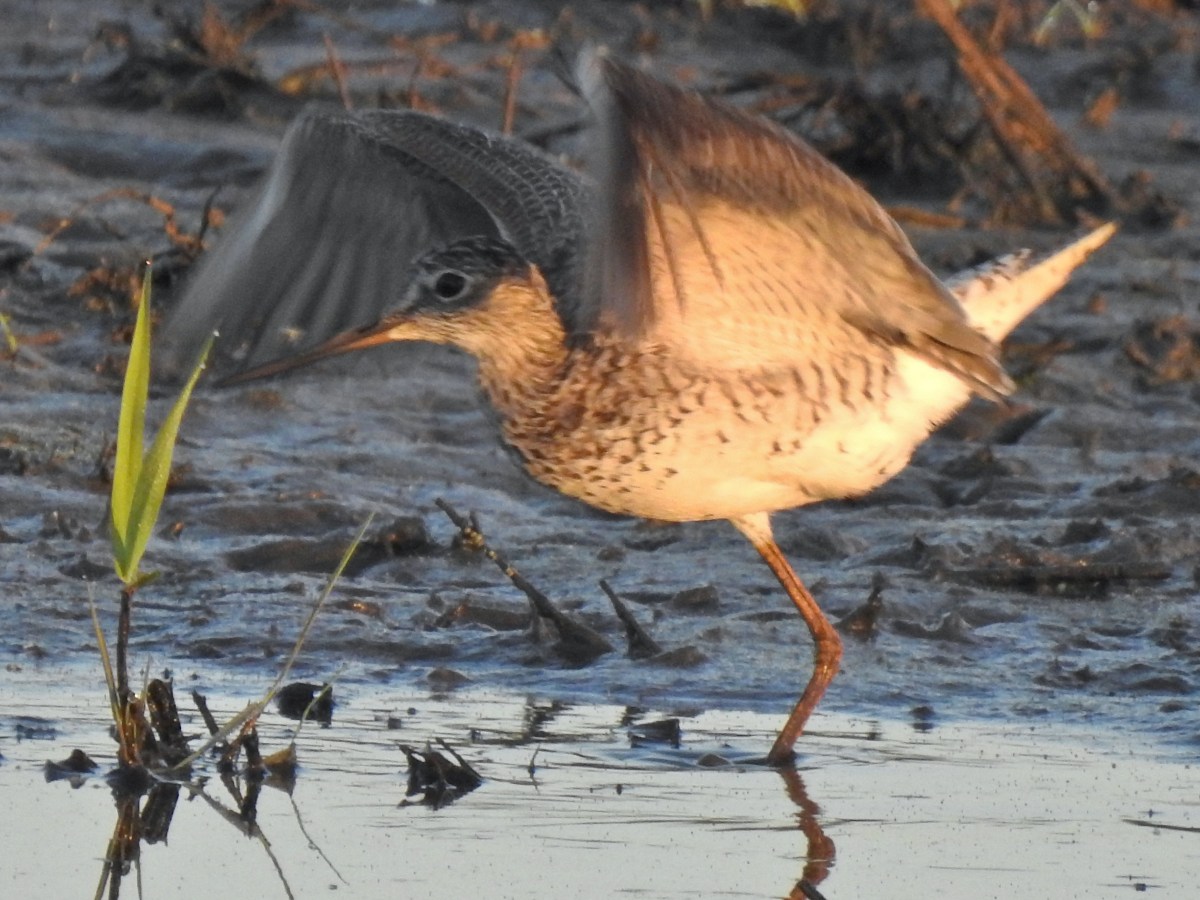
 The refuge is open from dawn to dusk. We arrived at a quarter to six to get an early start and avoid being out during the hottest parts of the day.
 The patch of wildflowers.
 A checker-mallow surrounded by golden paintbrush.
 Plectritis amid the golden paintbrush.
 We had a pretty good view of Mt. Hood.
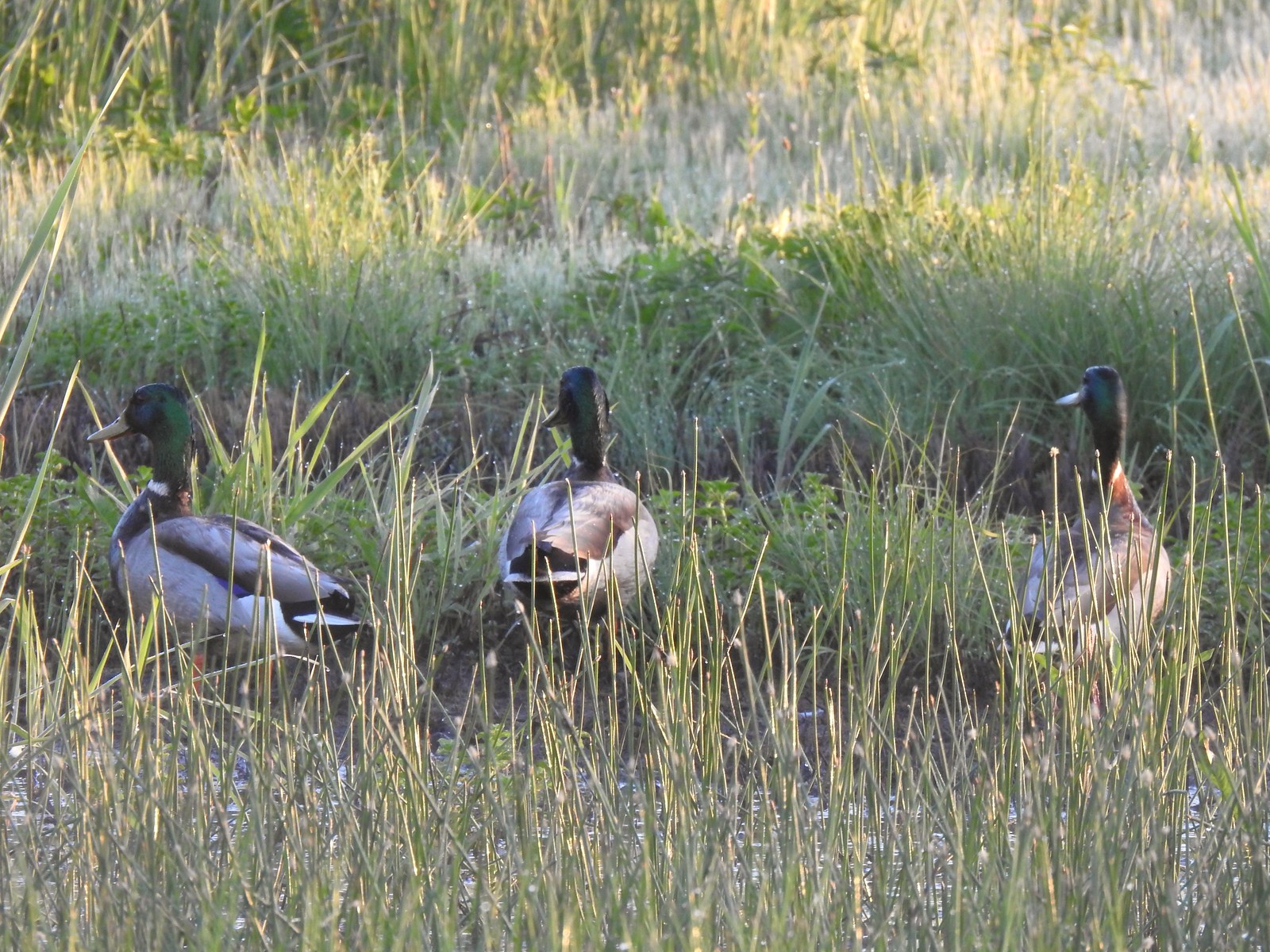 Mallards
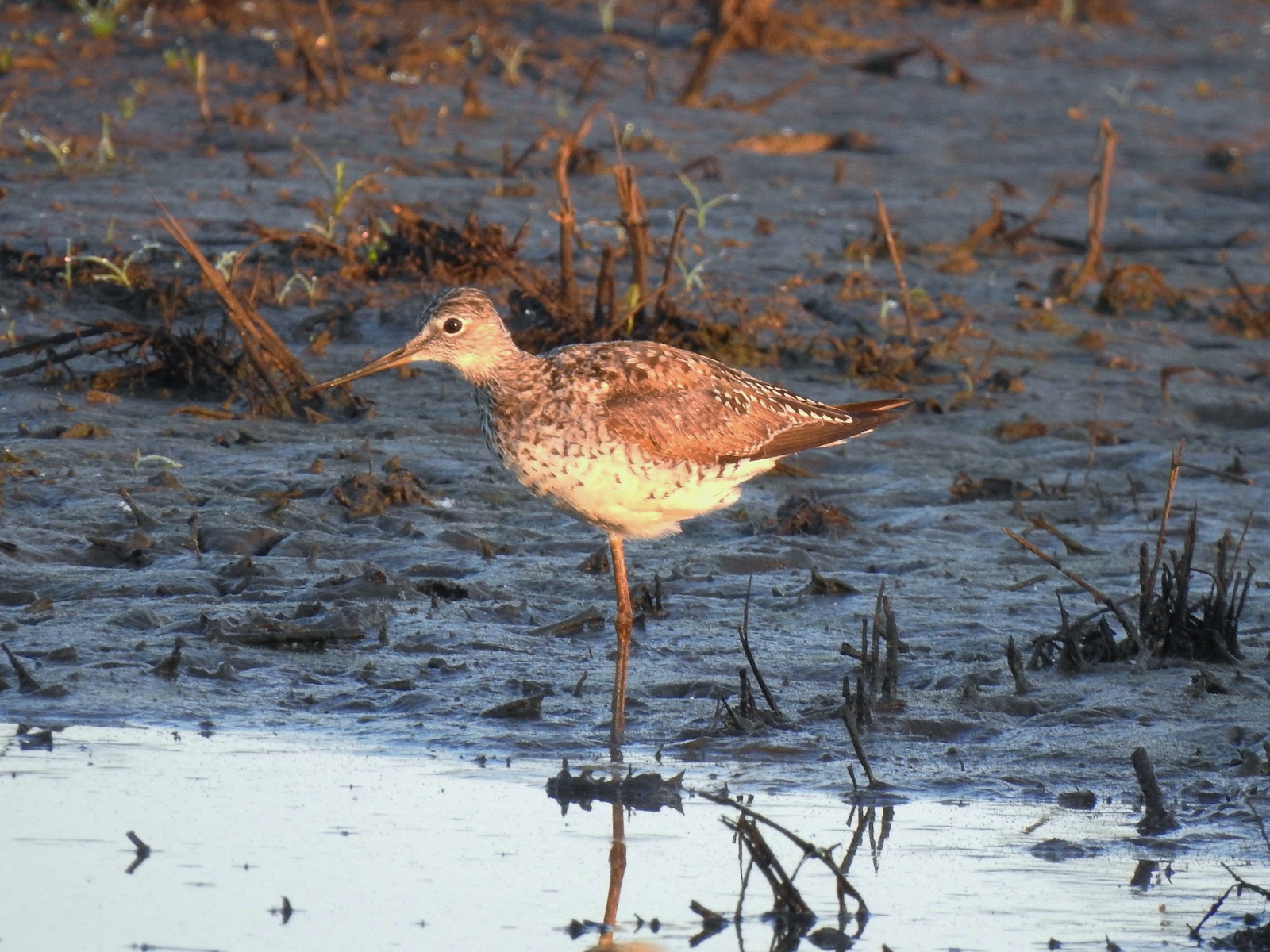 Greater yellowlegs
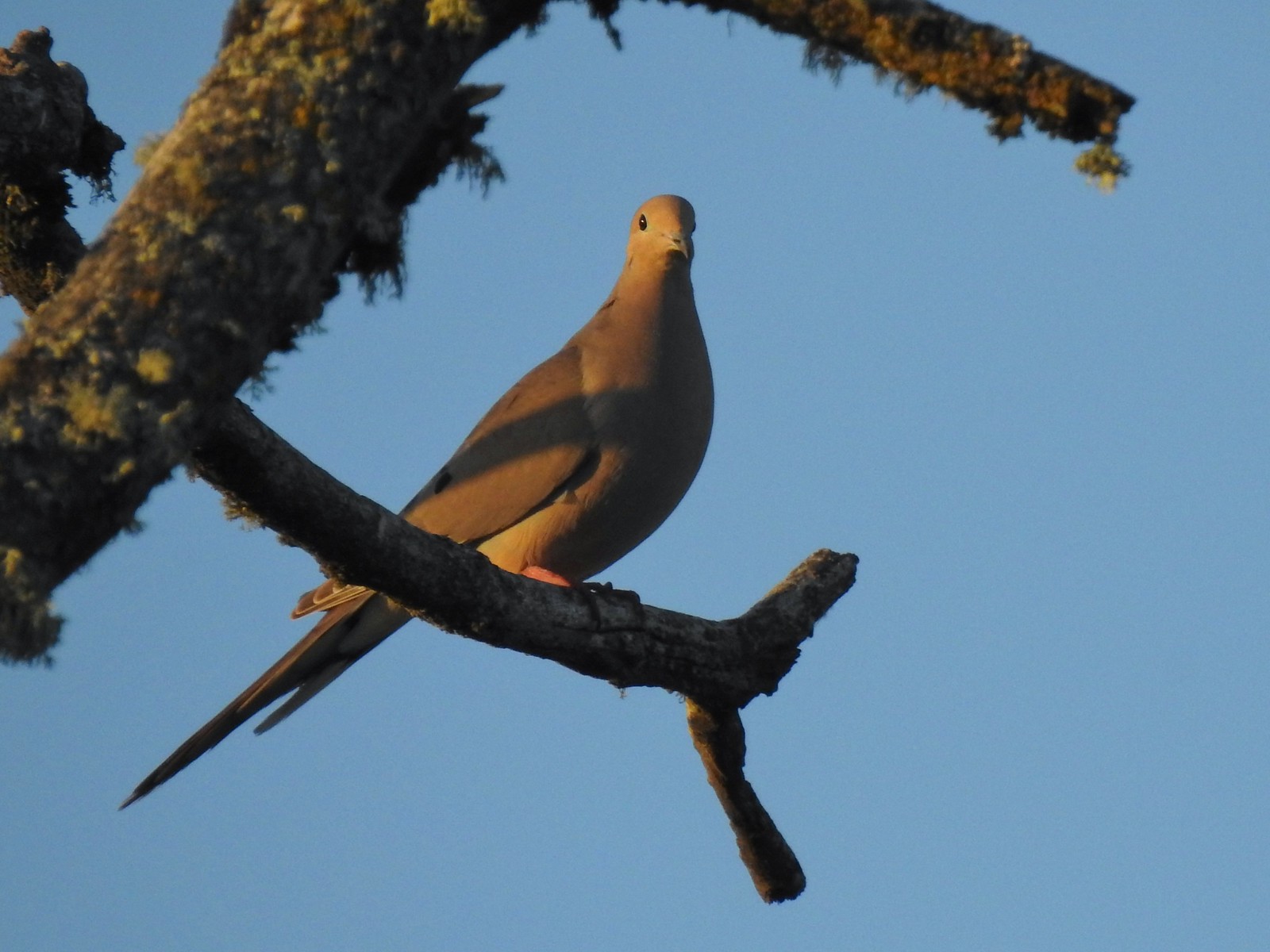 Mourning dove
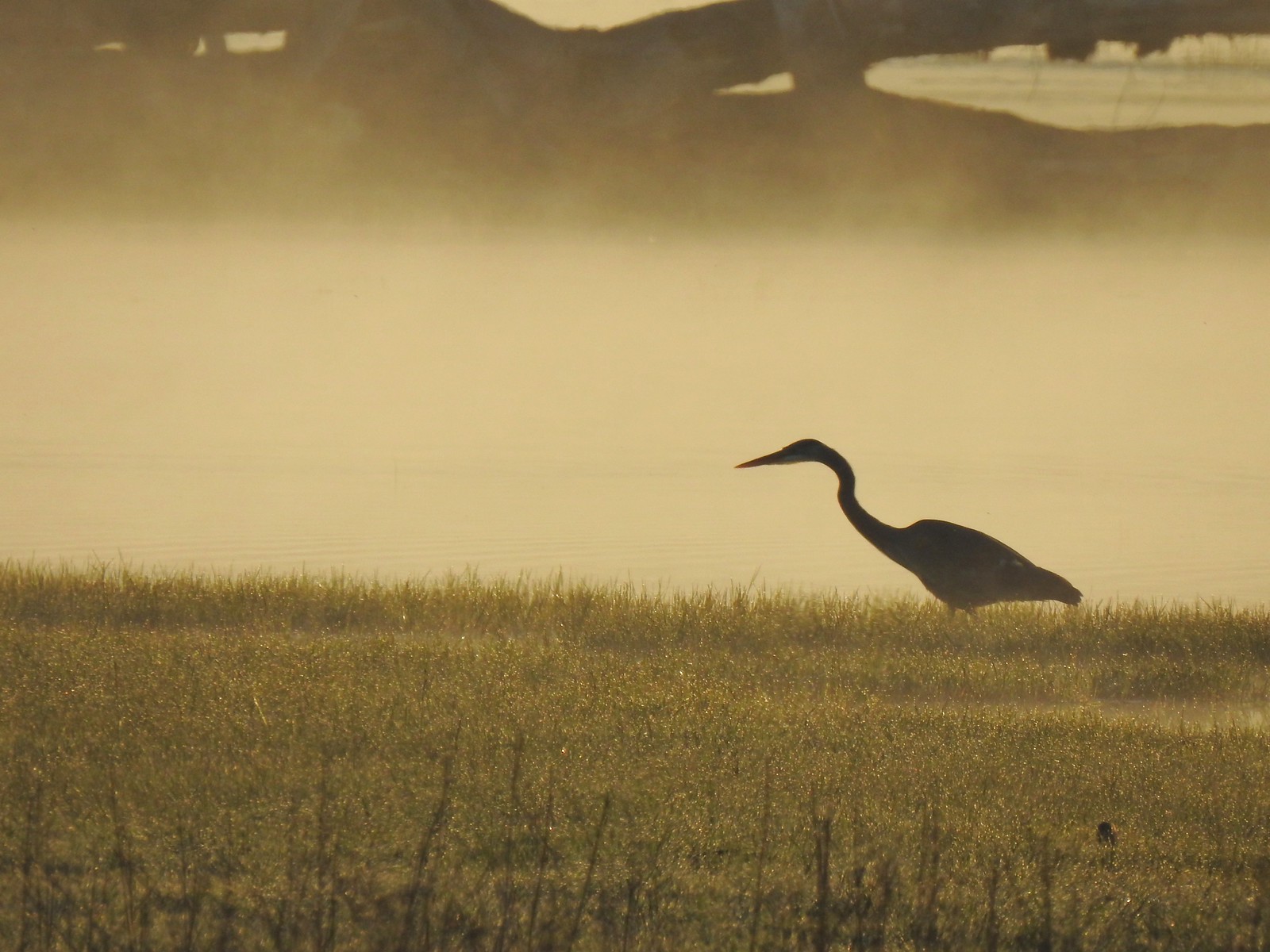 Great blue heron
 An egret and some ducks
 More families of geese
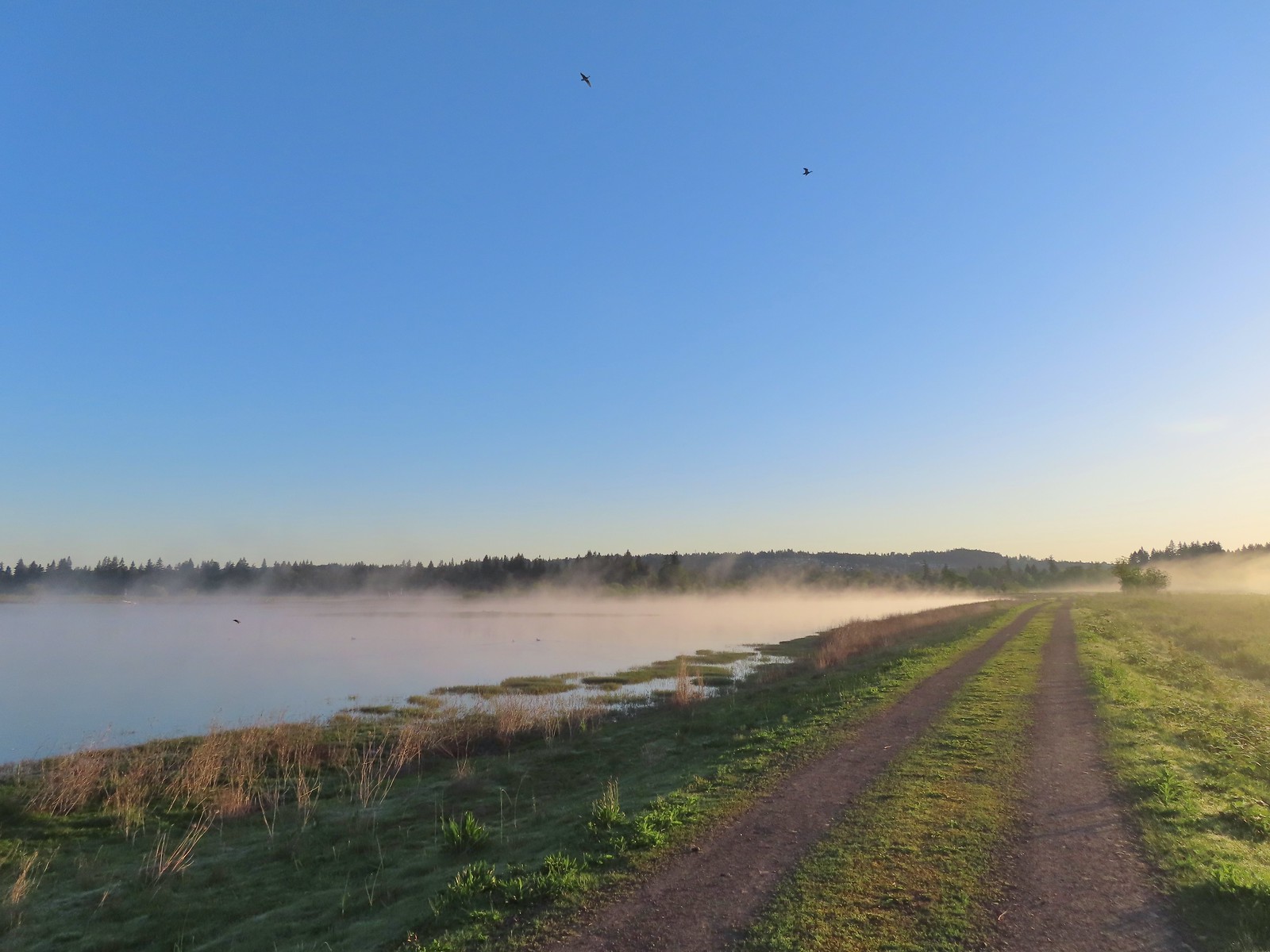 Swallows flying above the Wetland Trail.
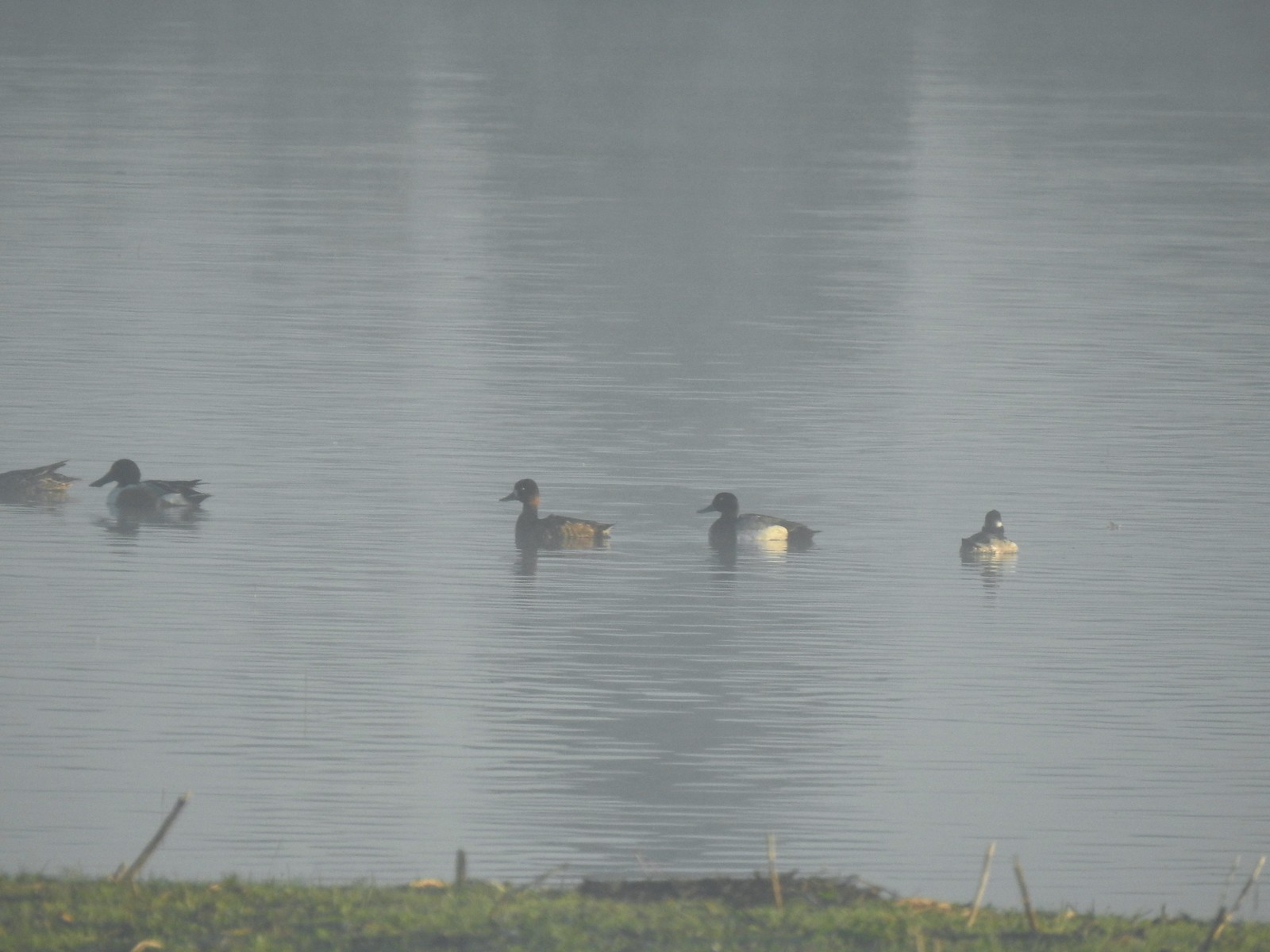 Northern shoveler, scaups (leaning toward greater), and a bufflehead.
 Mallards
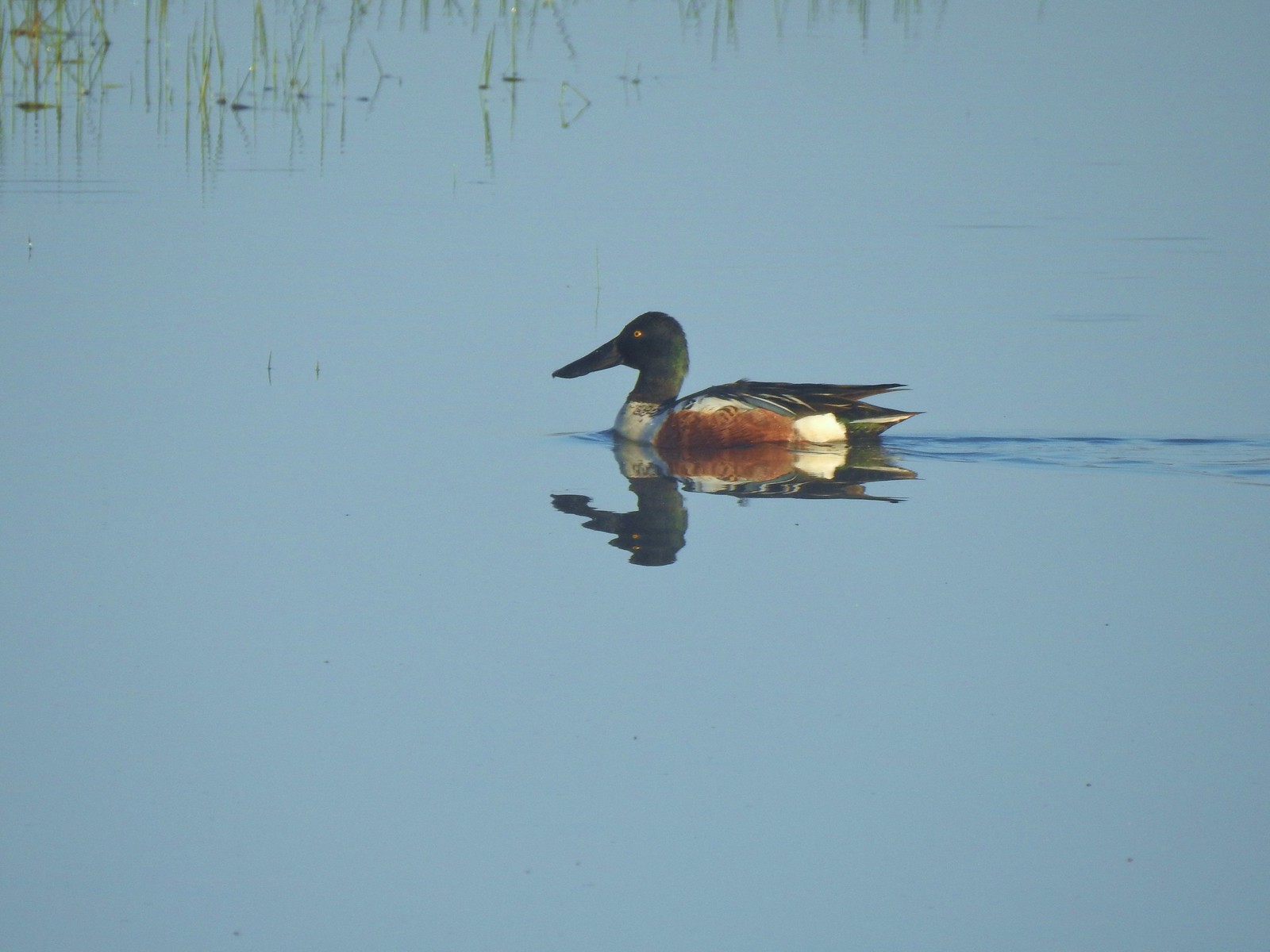 Northern shoveler
 Ruddy duck
 Gadwalls
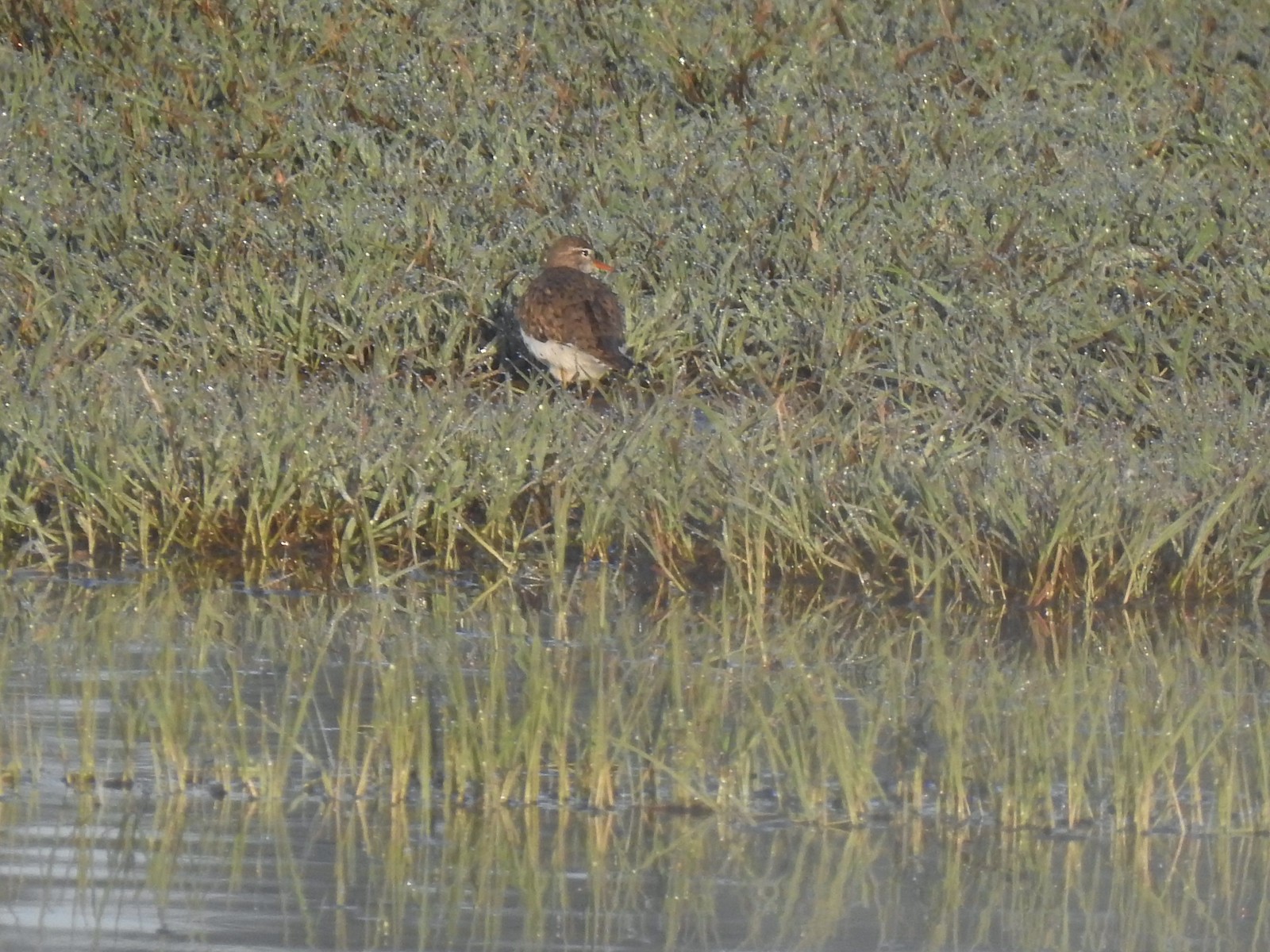 Spotted sandpiper
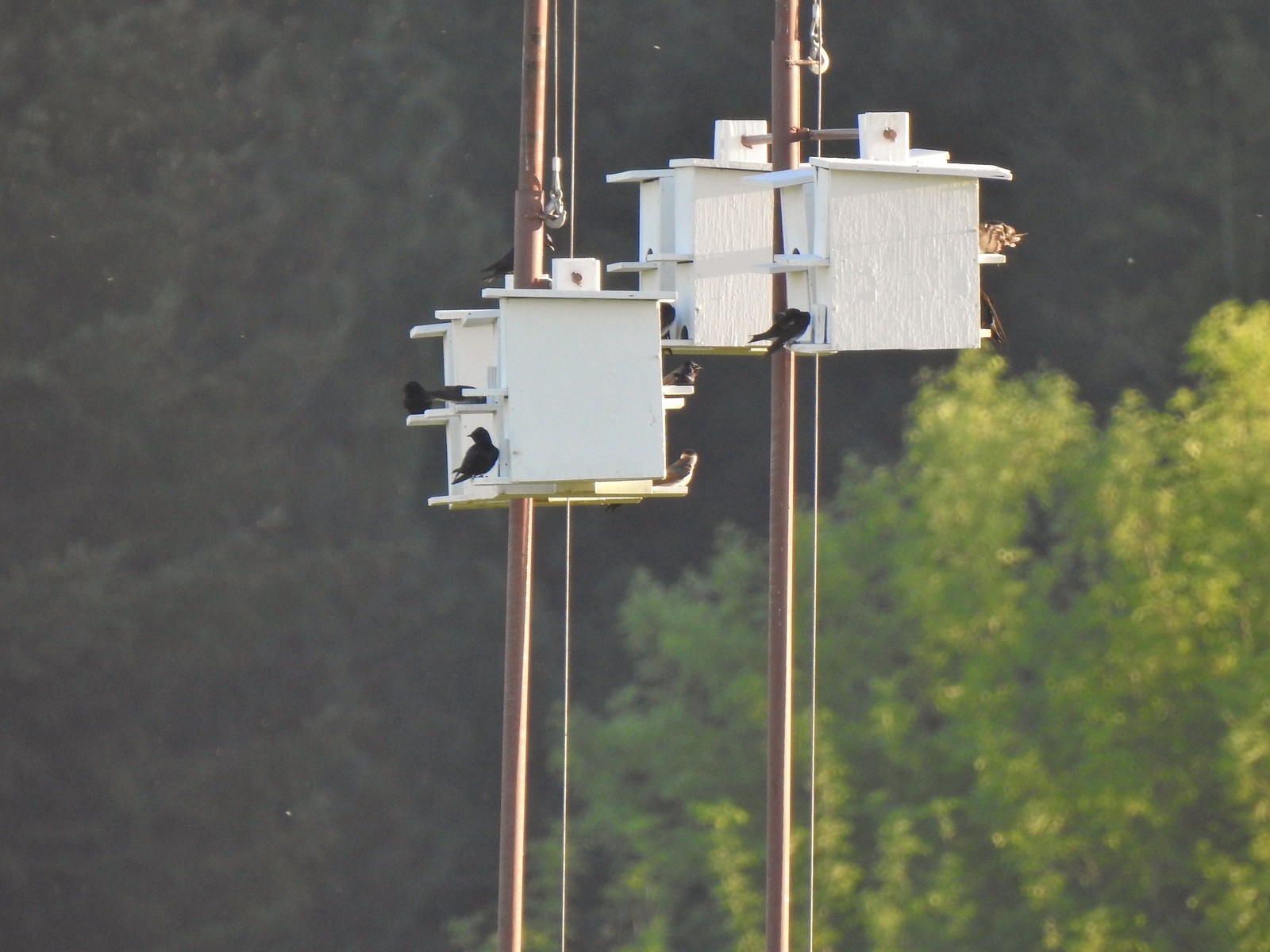 Purple martins
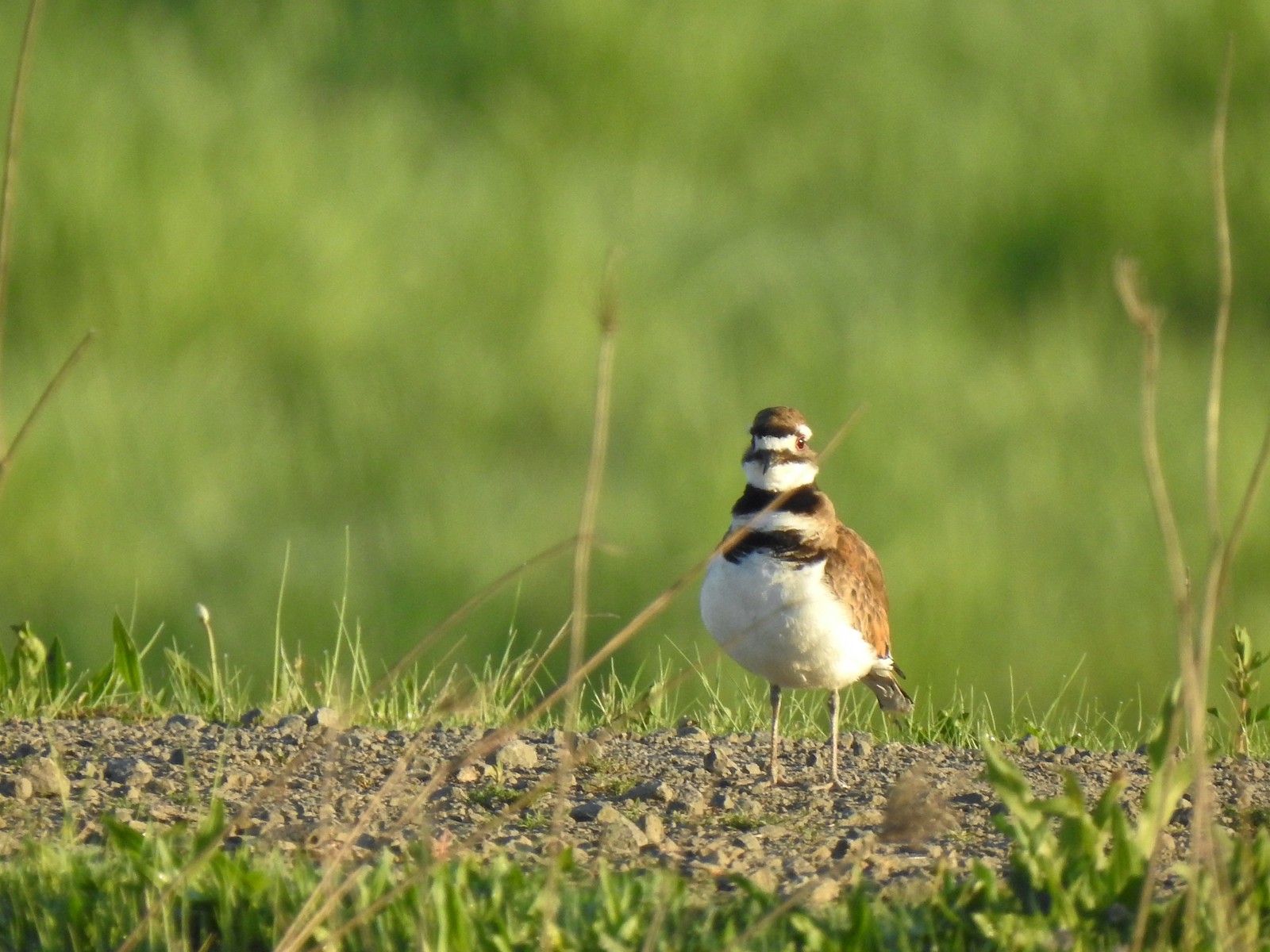 Killerdeer
 Cinnamon teals
 Nutria, one of several of these non-native rodents that we saw.
 Nap time (or just a late sleeper).
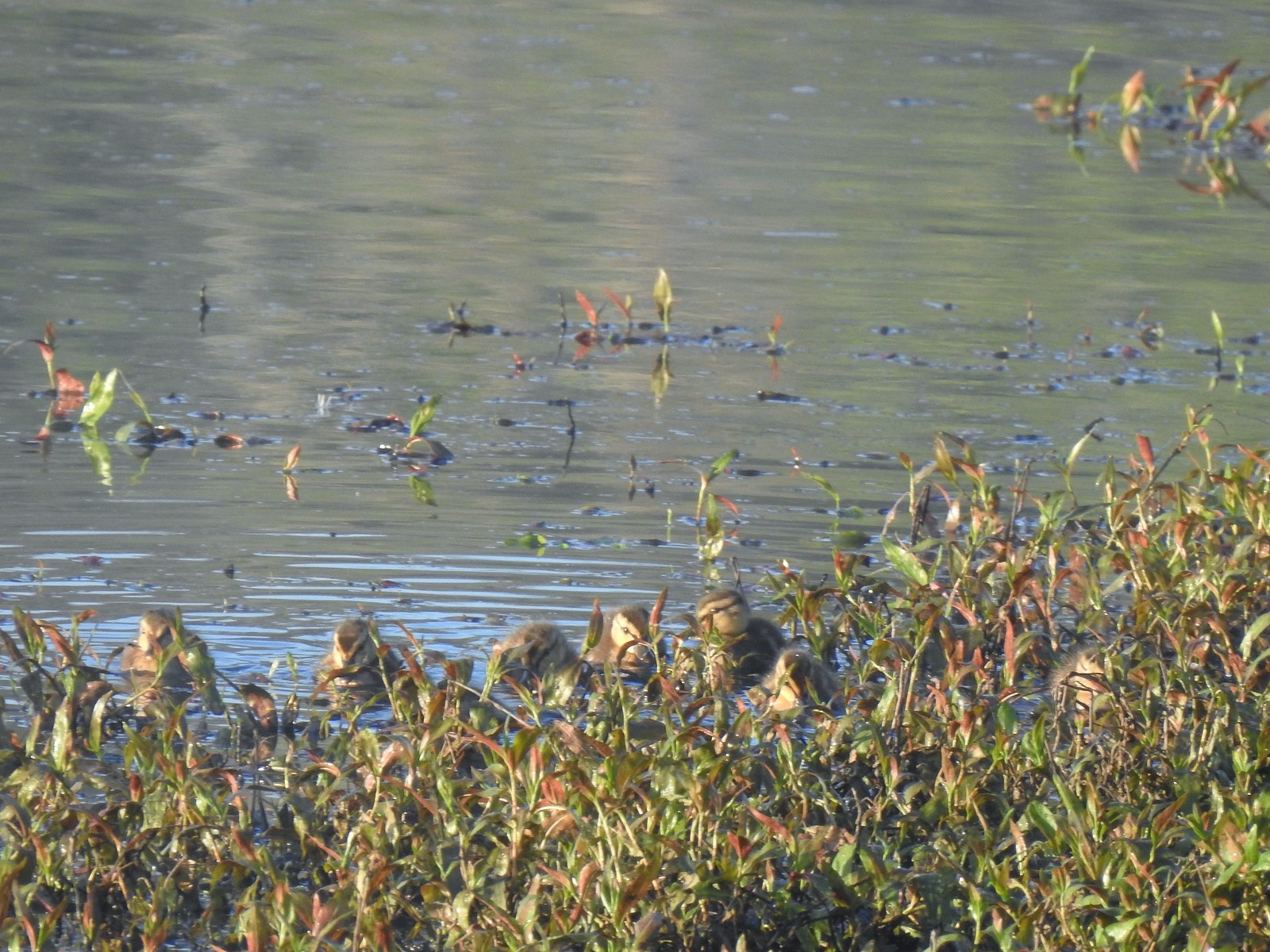 Ducklings
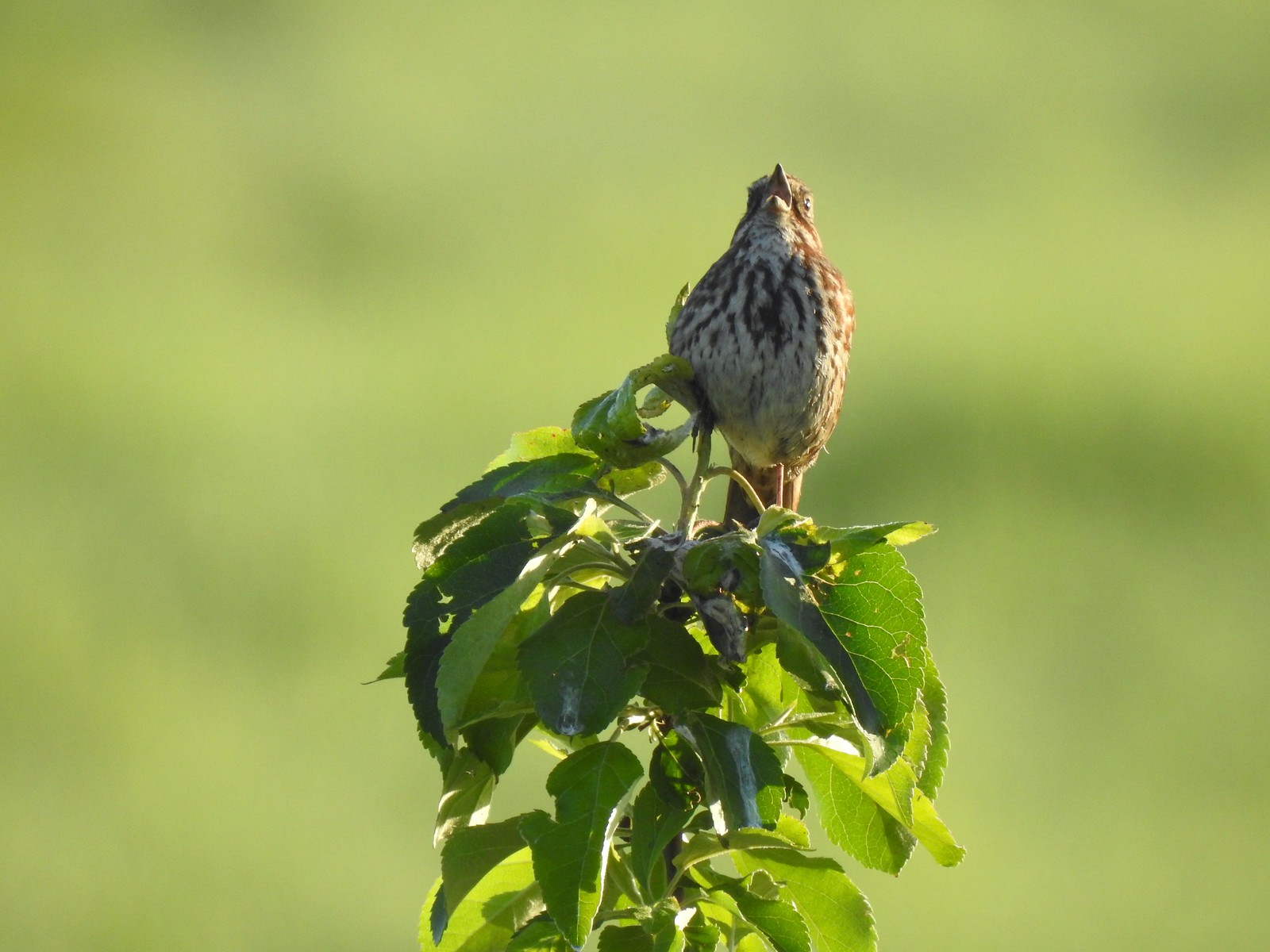 Song sparrow
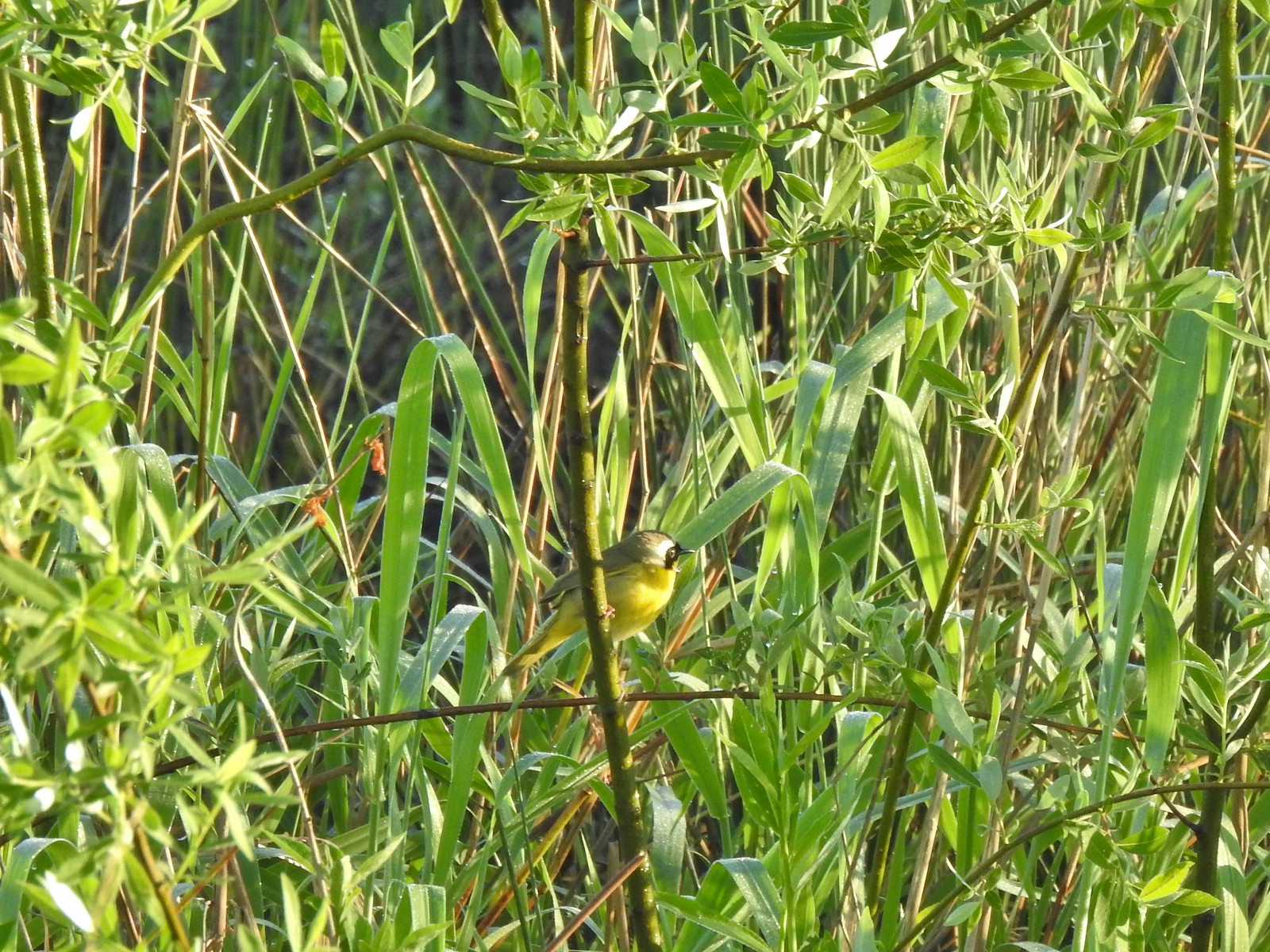 Common yellowthroat
 Wildlife Center
 Great blue heron watching from a little island.

 Anna’s hummingbird
 The same Anna’s hummingbird. When catching light their head/throat is bright pink but appear black when not.
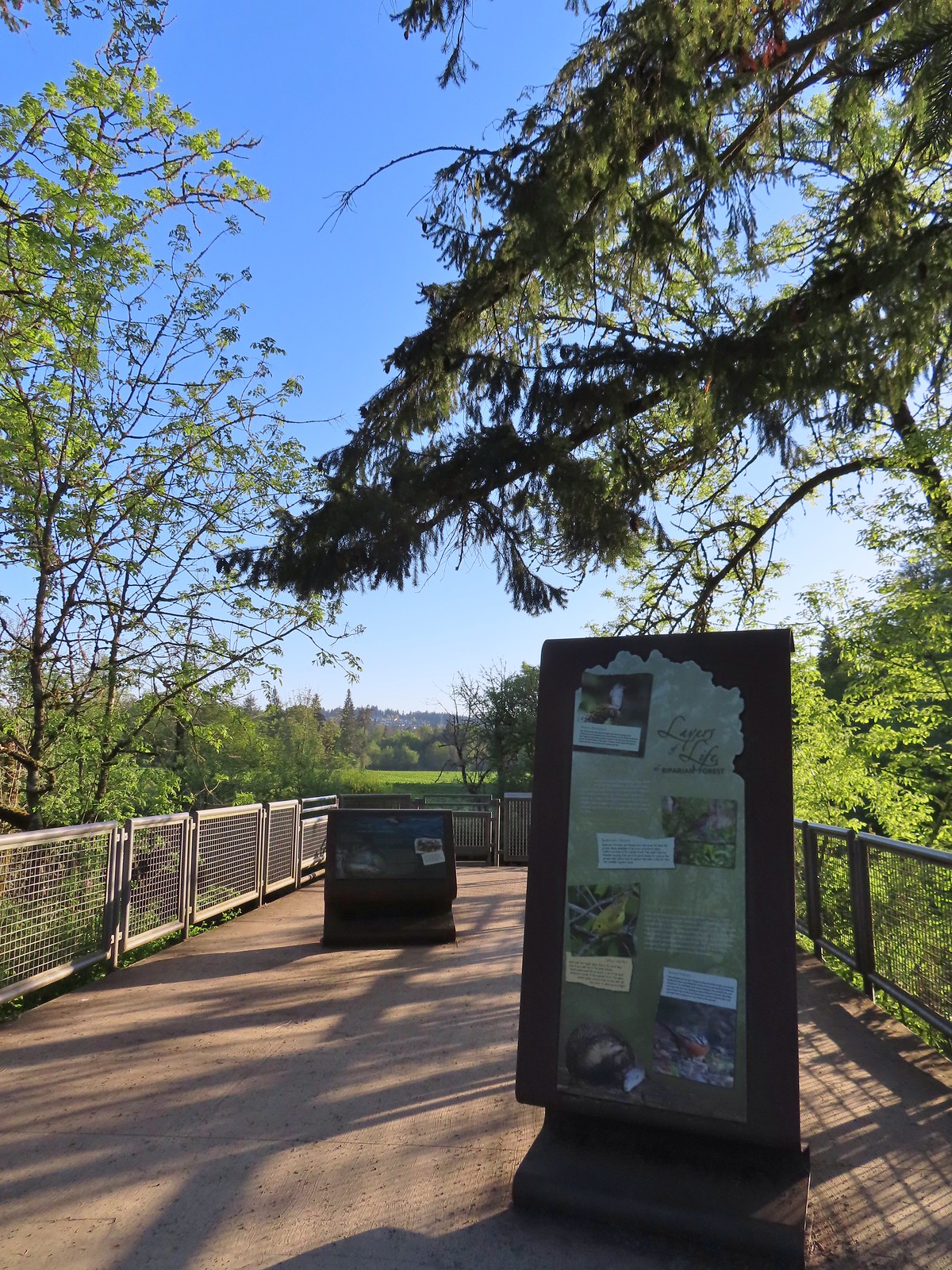 River Overlook
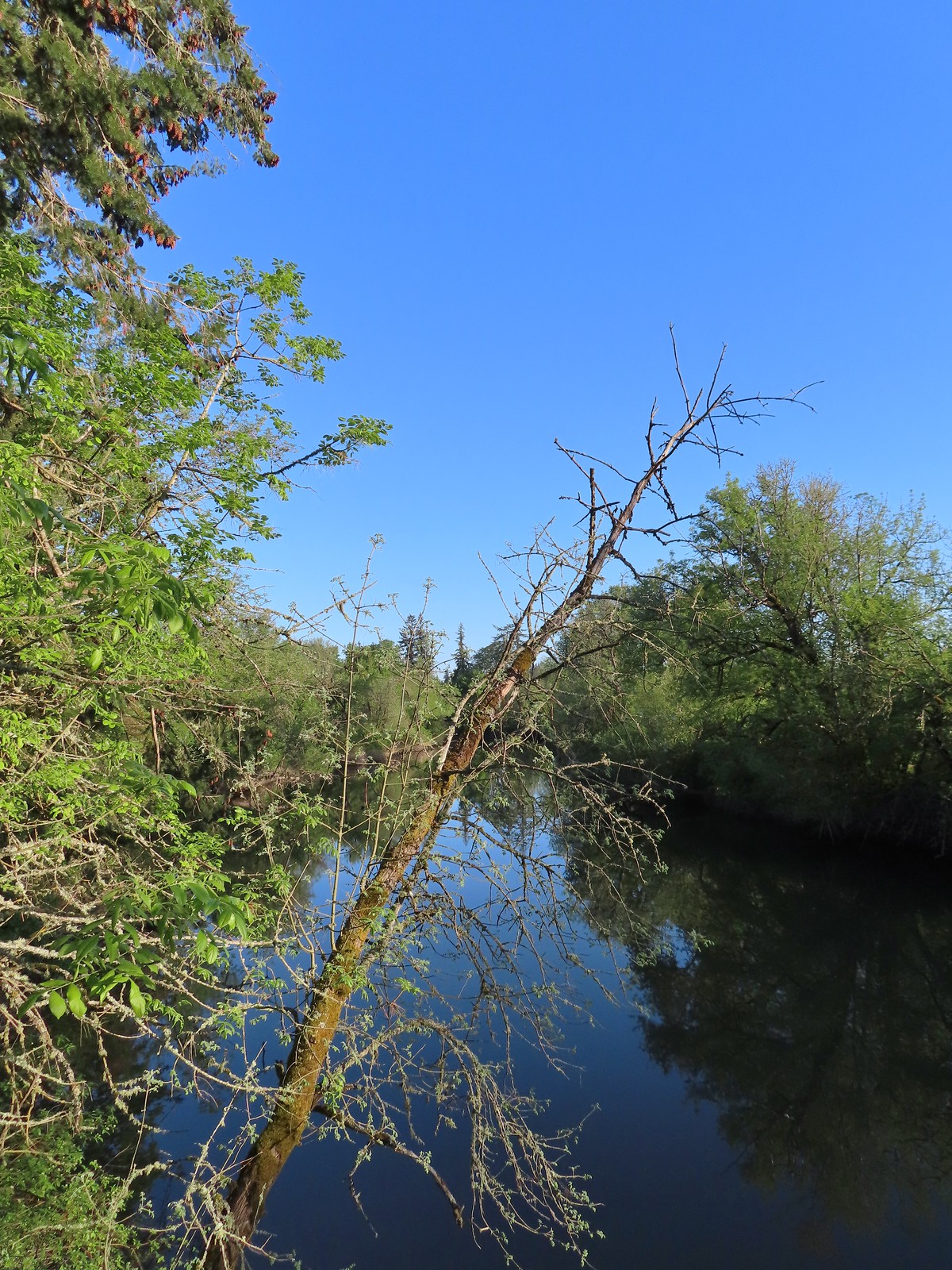 Tualatin River
 Robin
Robin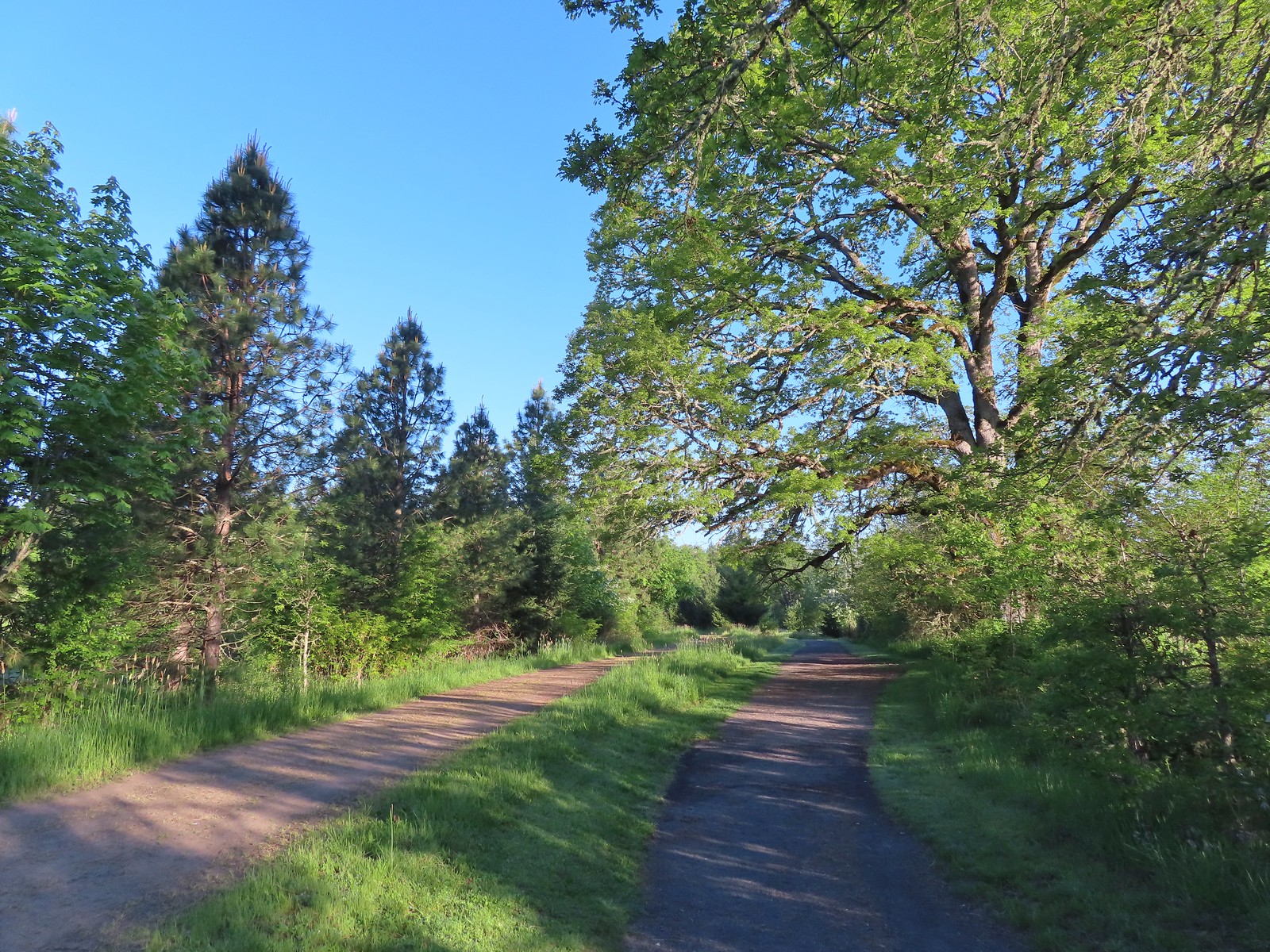 The Wetland and River Trails running parallel.
 Spotted towhee
 Rabbit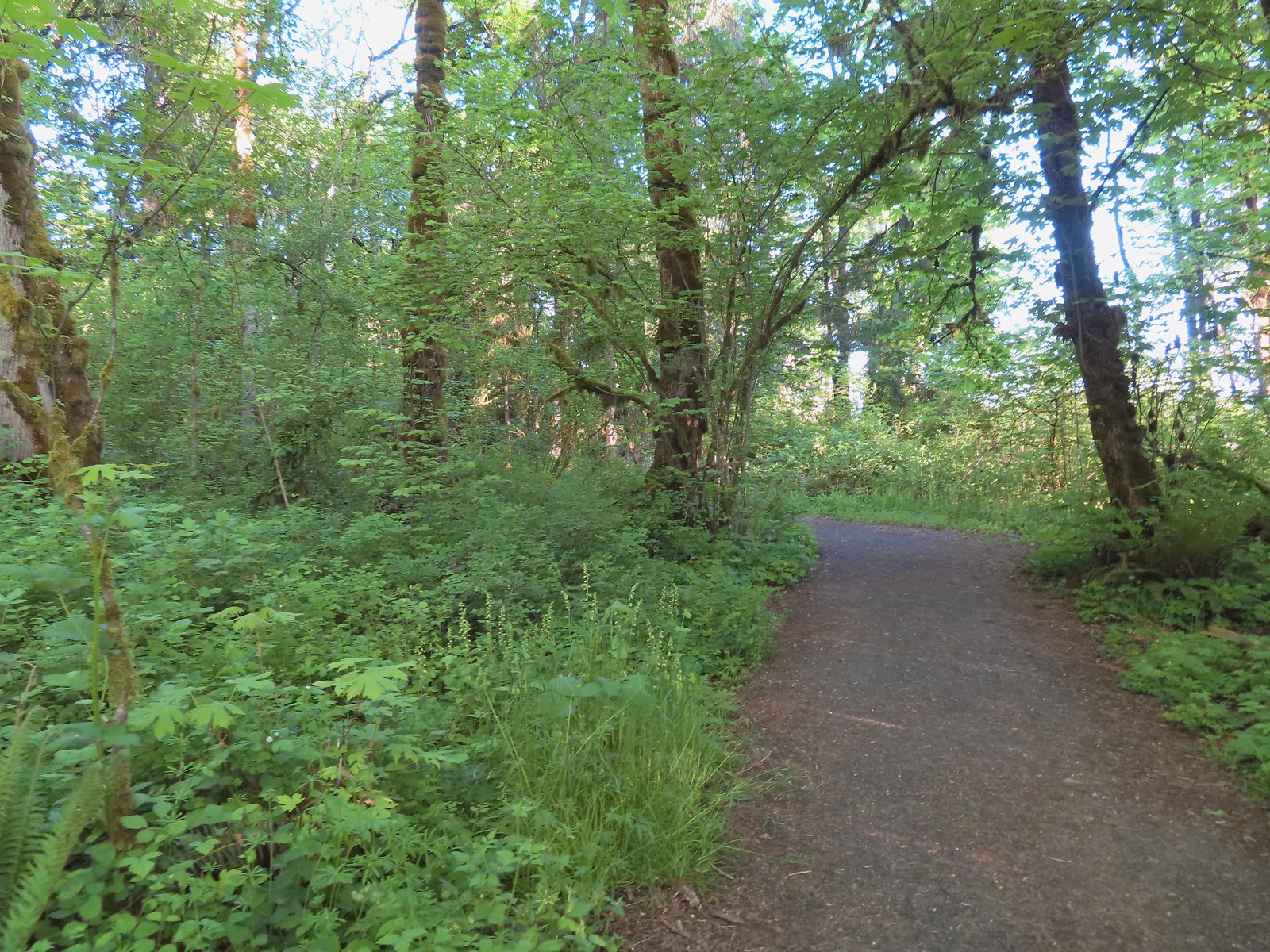
 Pacific waterleaf
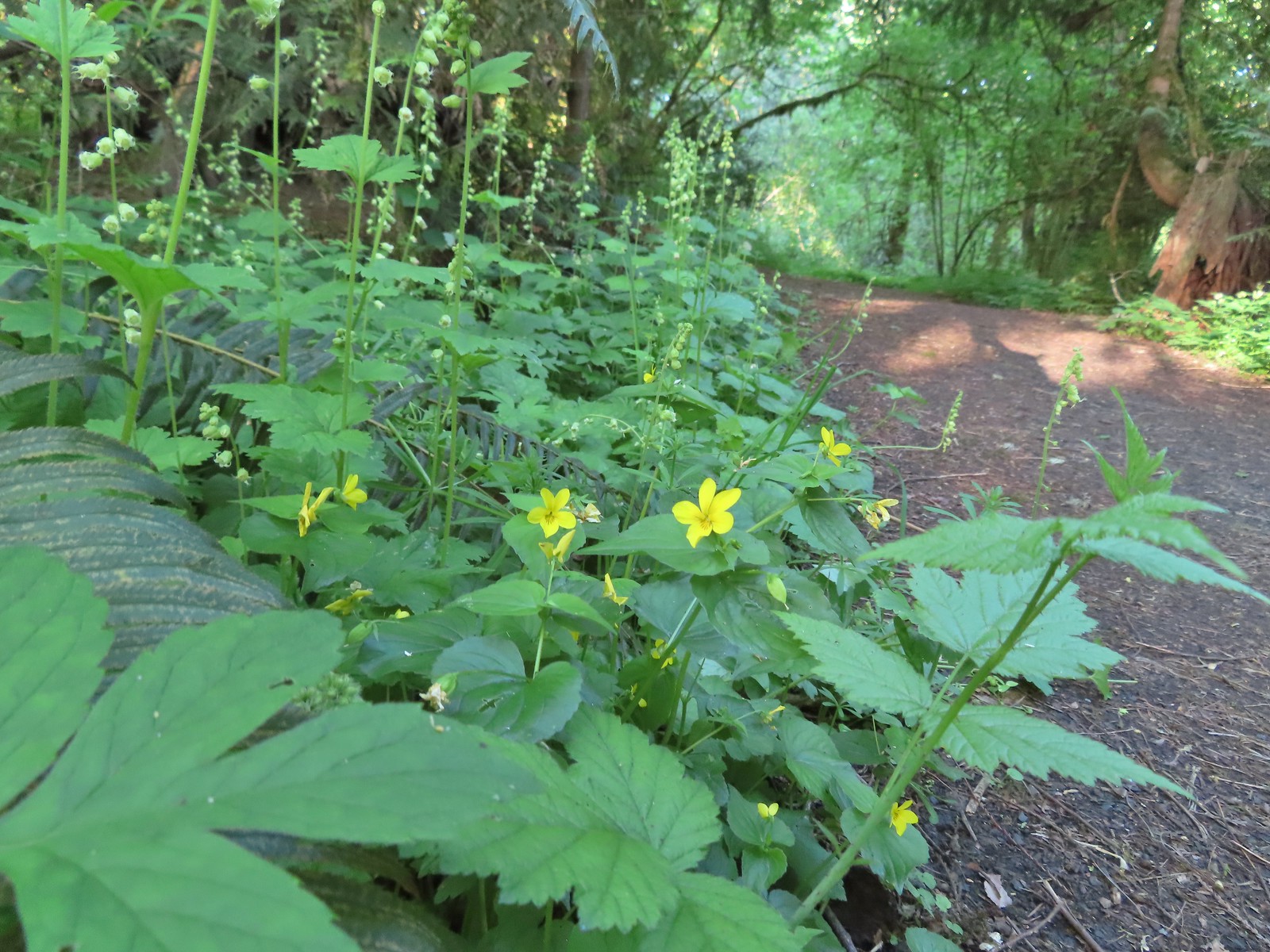 Violets and fringecup along the River Trail.
 Bleeding heart
 We skipped the spur trail to the Ridgetop Overlook since we’d done that on our previous visit.
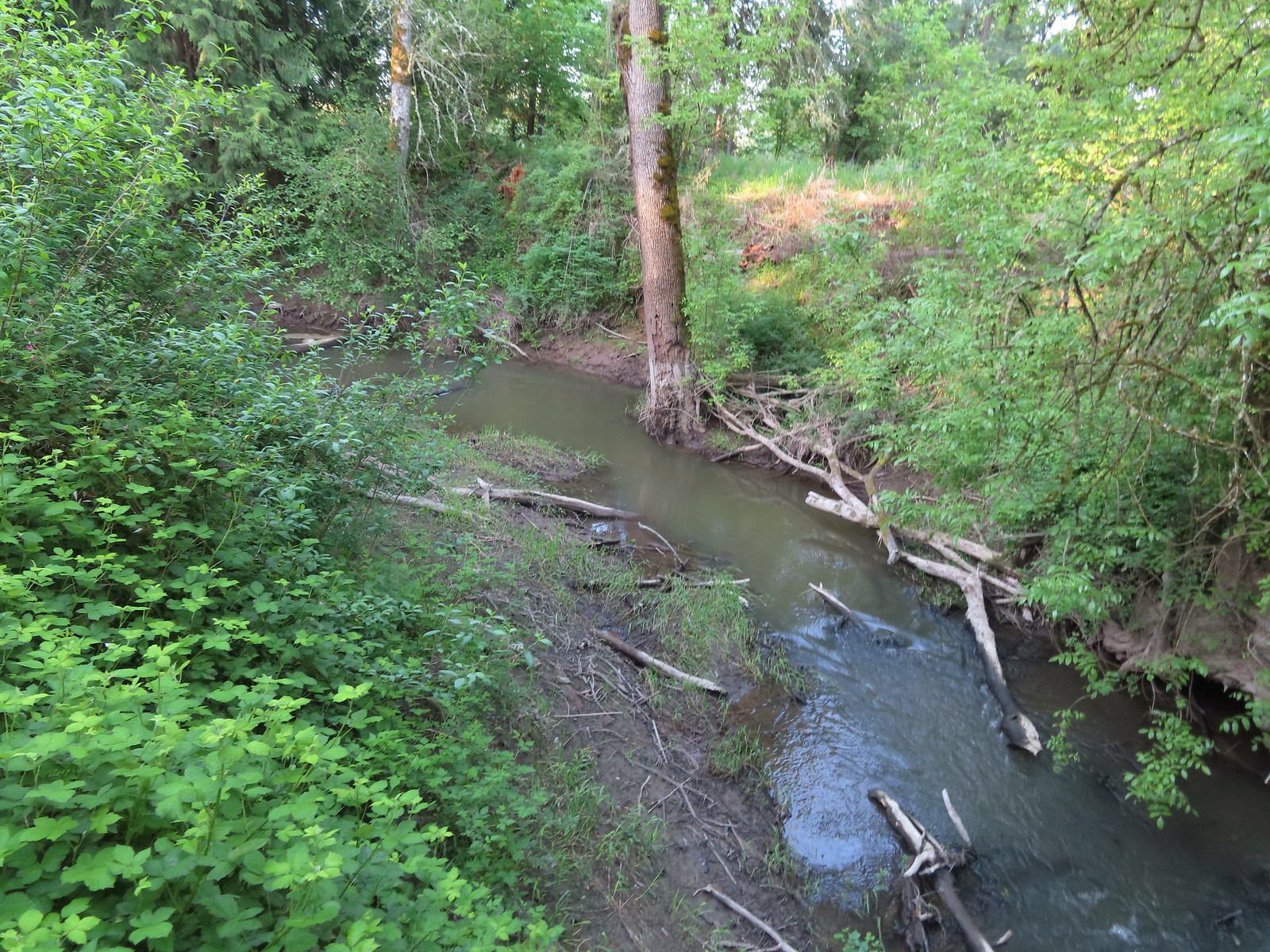 Chicken Creek
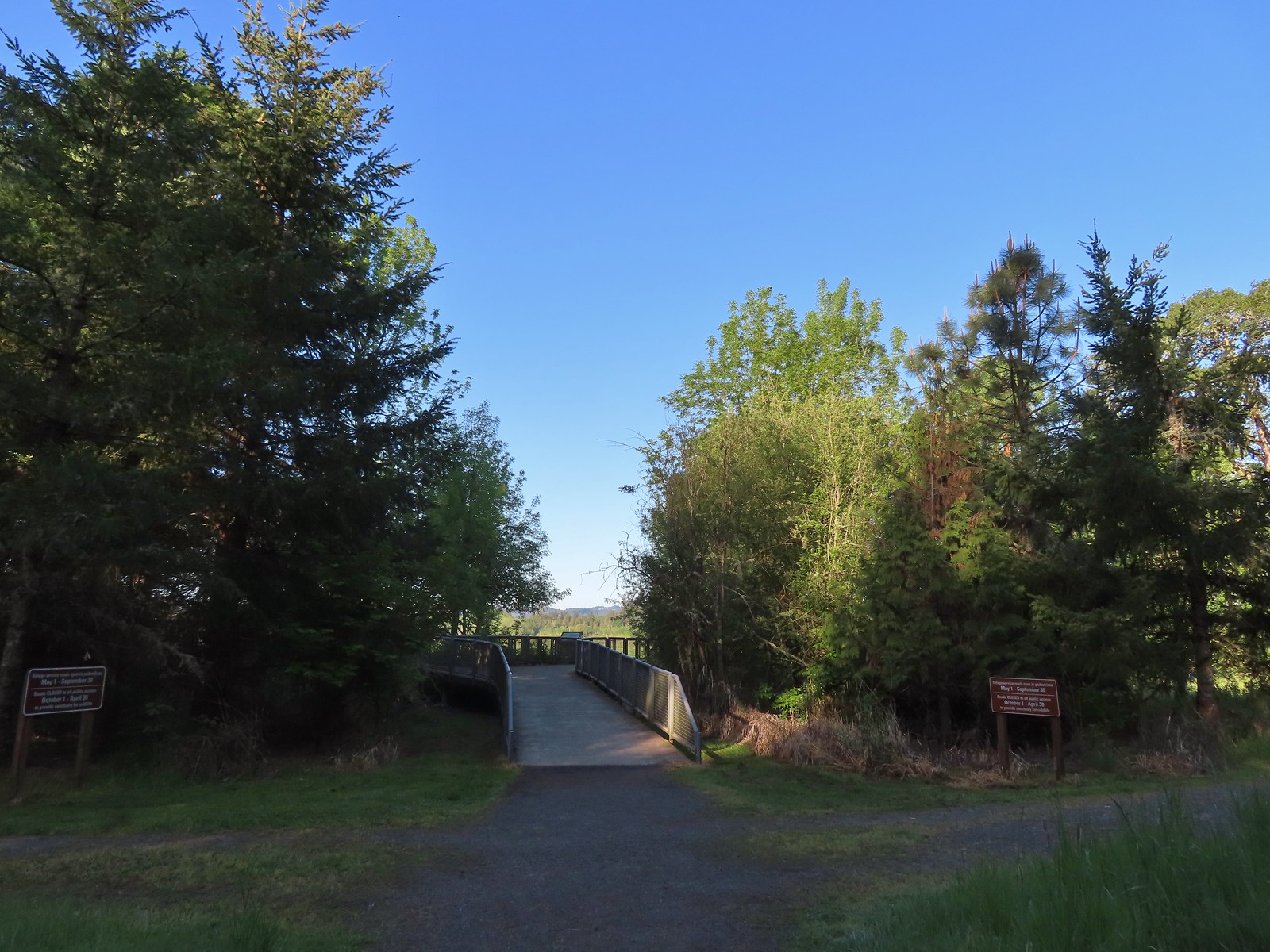 The River Trail meets the Wetland Trail across from the Weland Observation Platform.
 Great white egrets
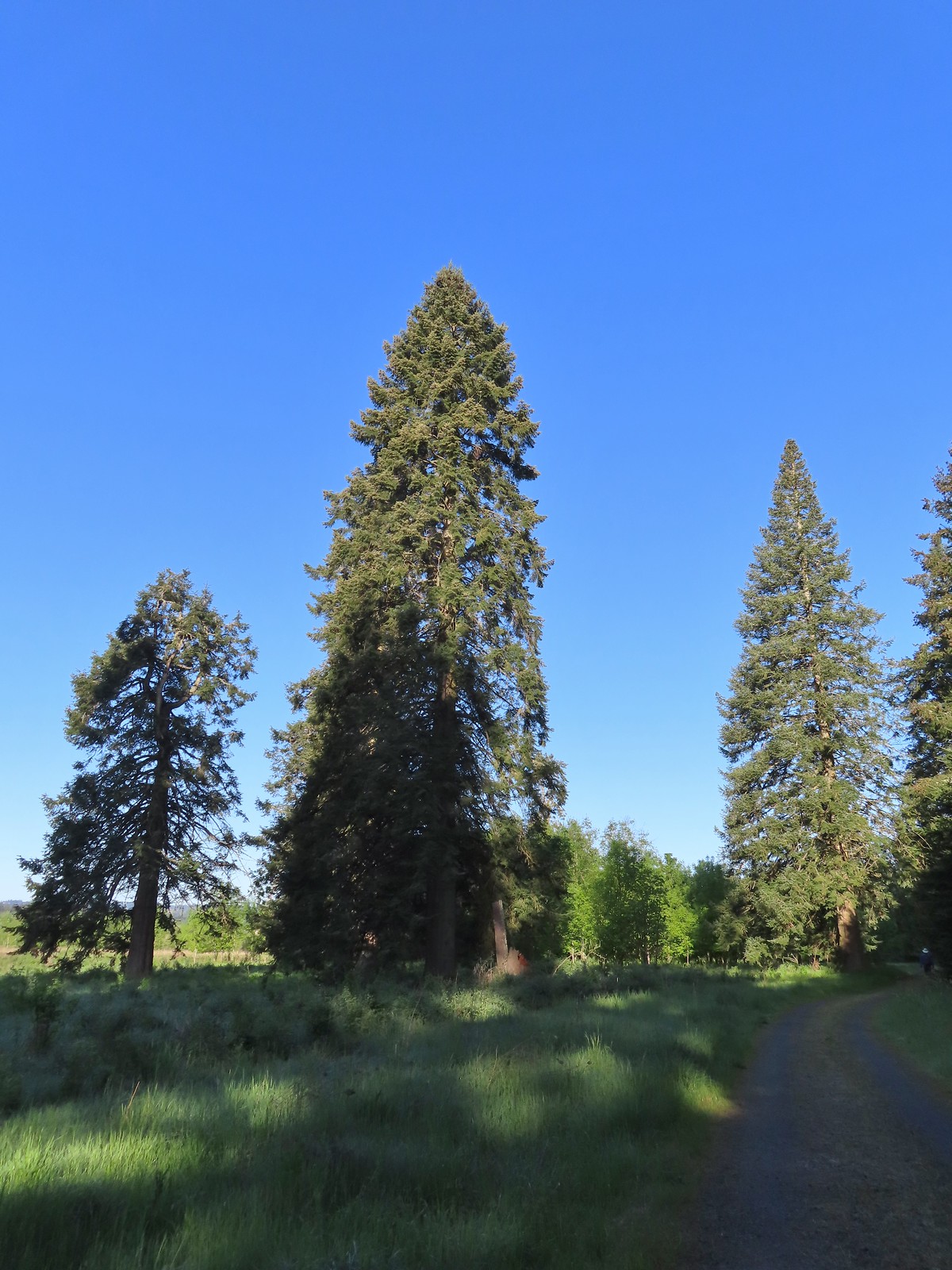 There were some impressively tall trees along this portion of the loop.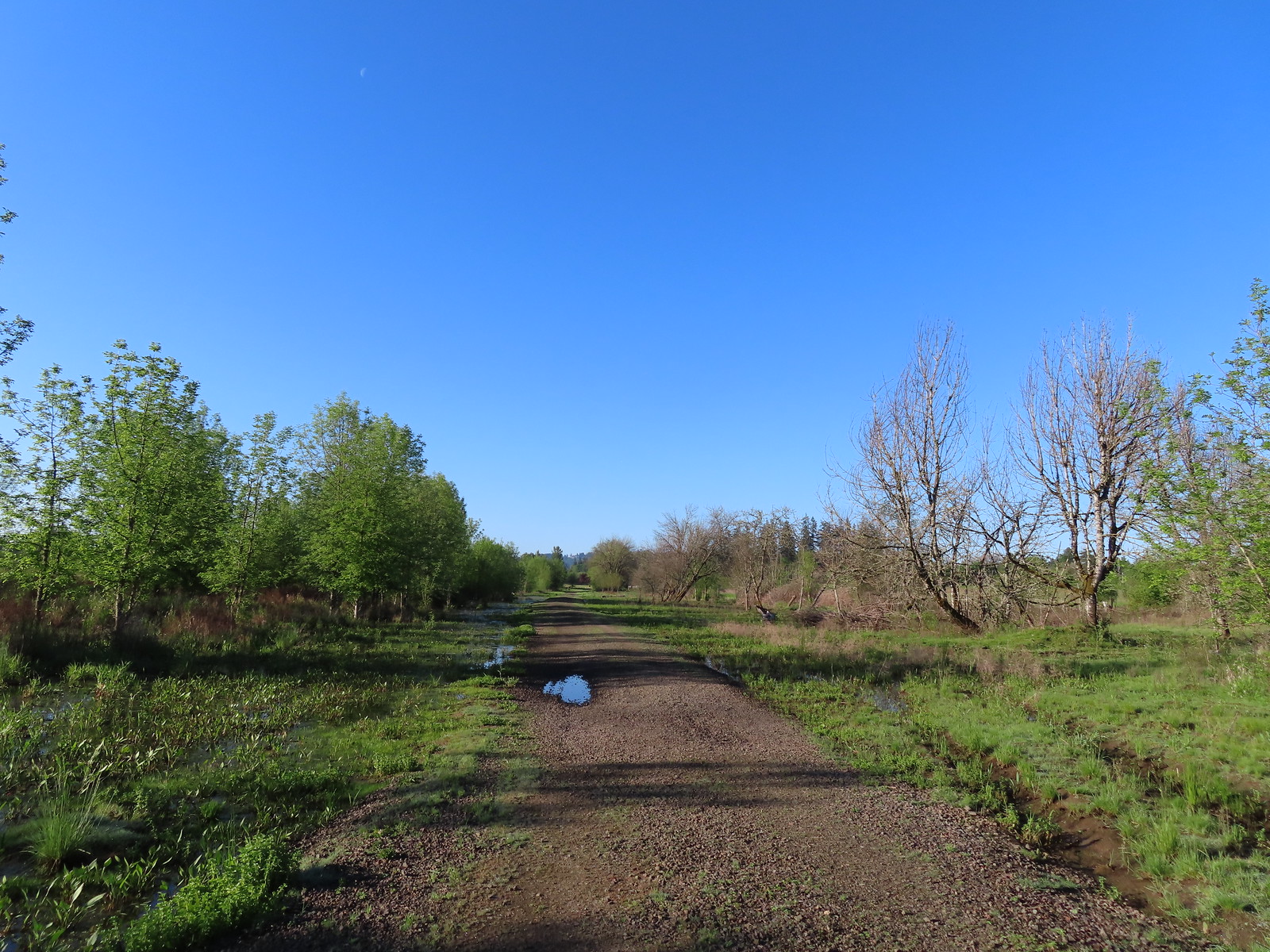
 Another egret
 More egrets across Chicken Creek.
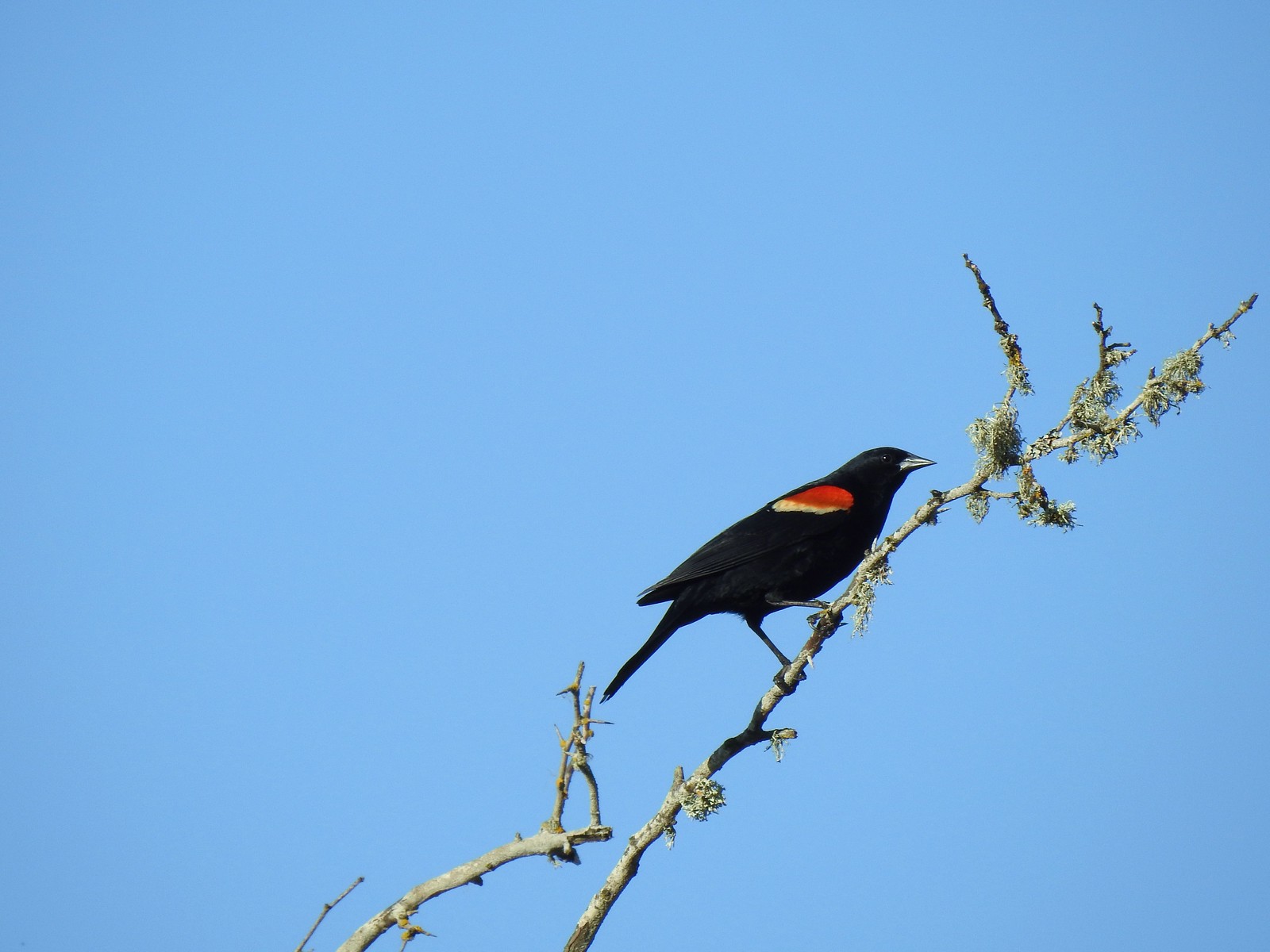 Red-winged blackbird
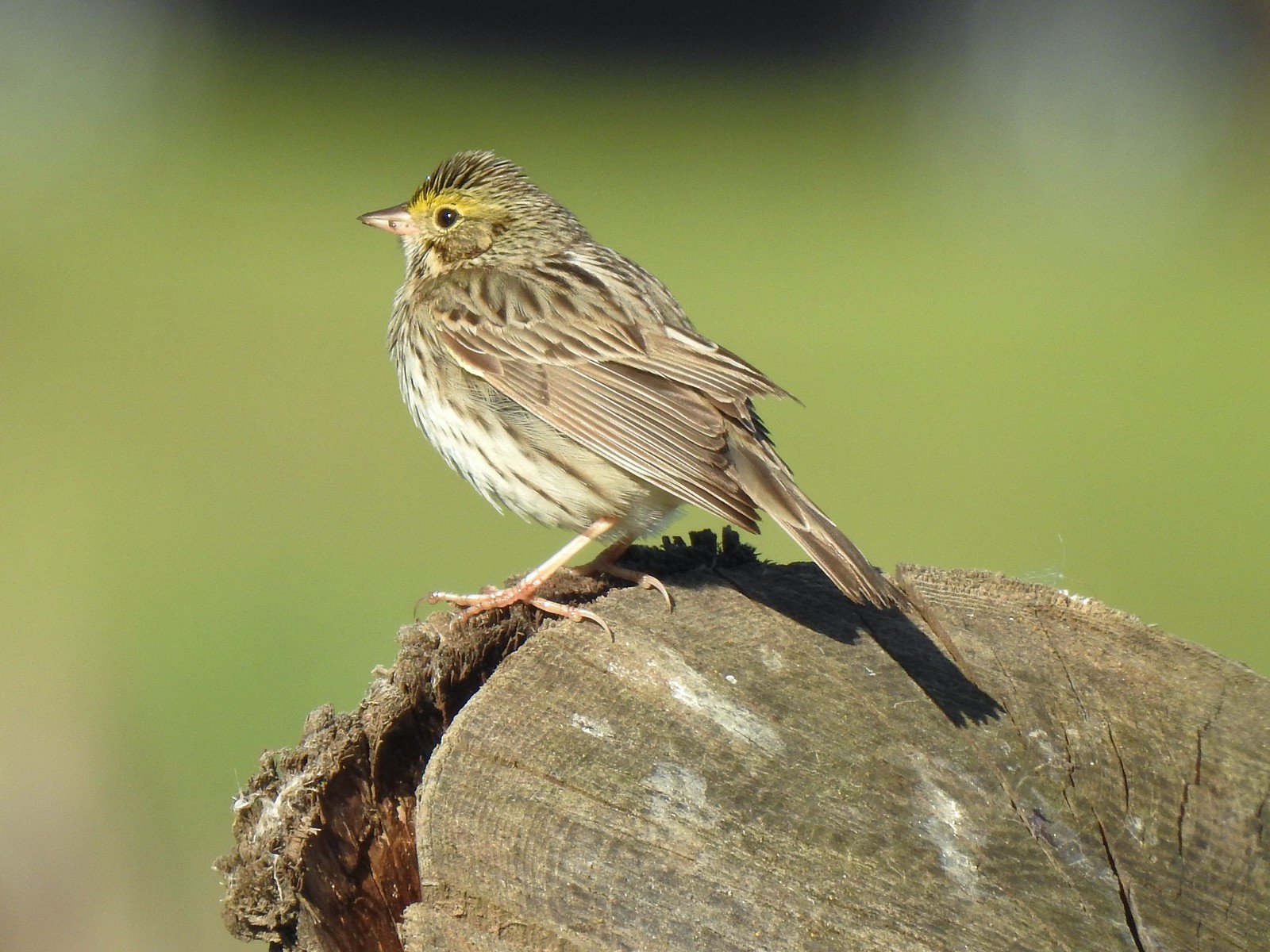 Savannah sparrow
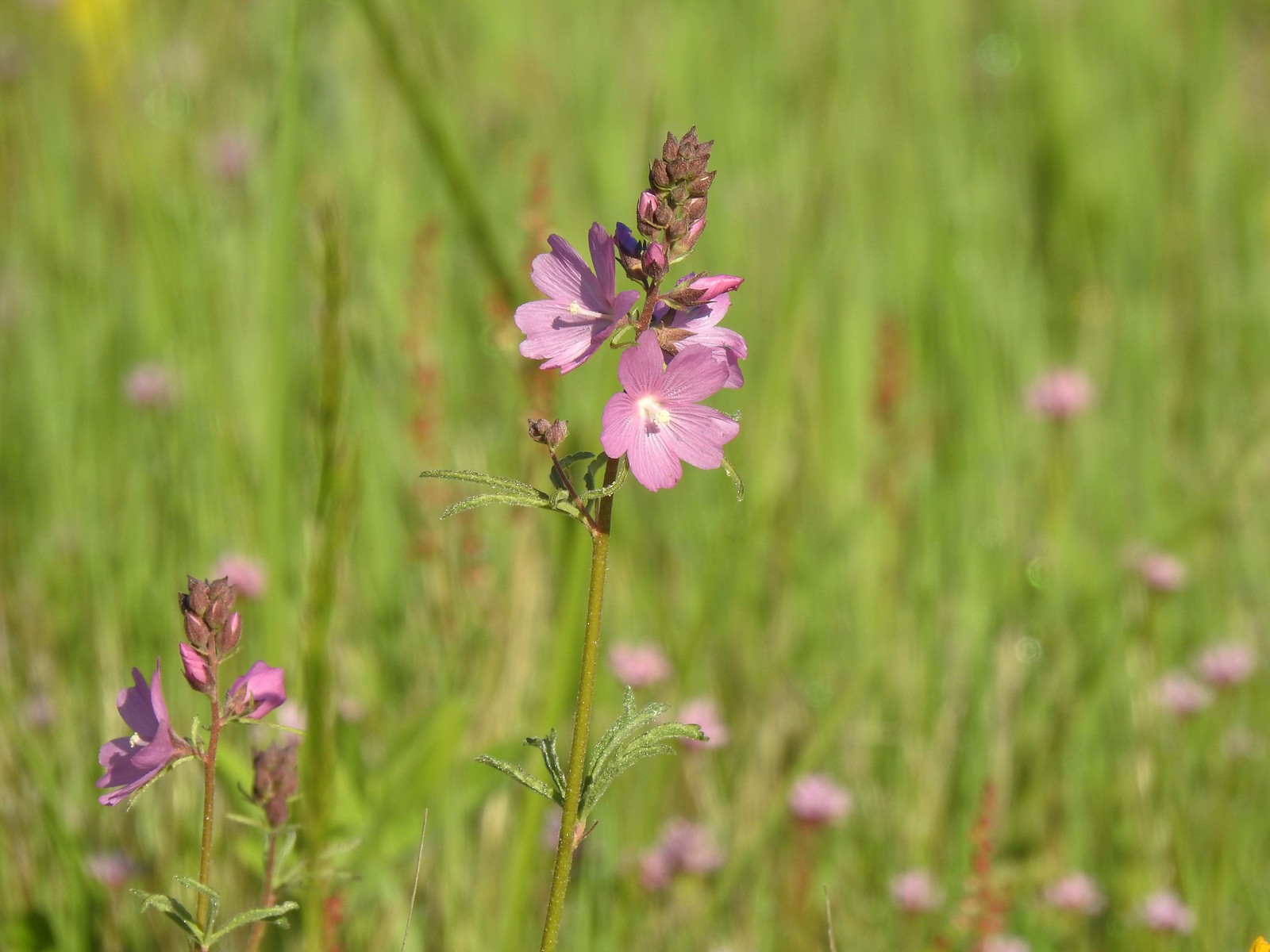 Checker-mallow
 A parsley
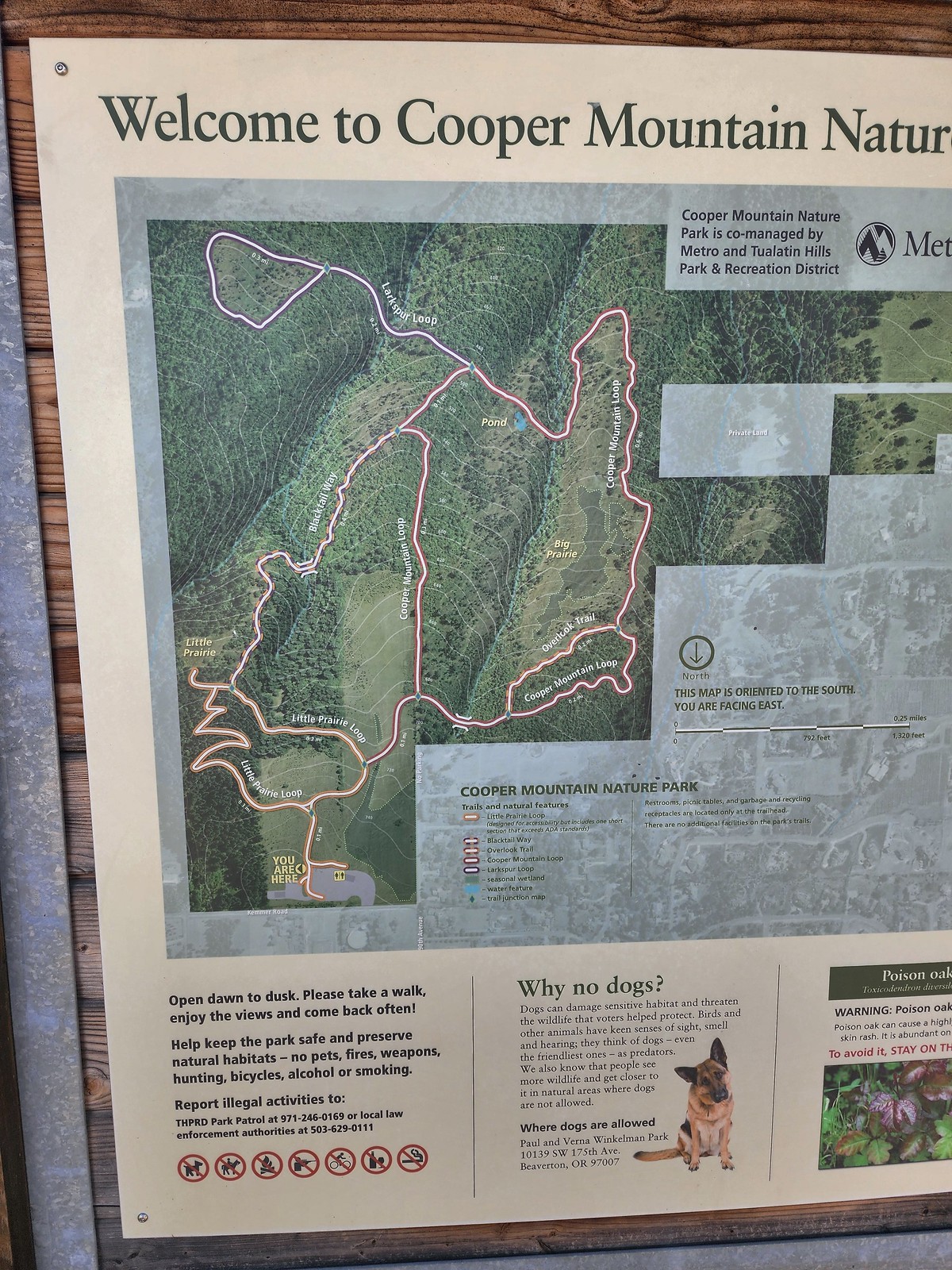 Our planned route was to go right on the Little Prairie Loop to the Cooper Mountain Loop and then stay right on that loop (with a detour to hike the Larkspur Loop) to Blacktail Way. We’d then take Blacktail Way back to the Little Prairie Loop and turn right again to finish that loop and return to the trailhead.
 The view from Cooper Mountain Nature Park.
 Metro is currently running an odd little trial with very short “photo loops”. Mowed paths just off the main trails for photography. We took the first loop just to check it out and they were not kidding when they said the surface may be uneven.
 One of two trial photo loops.
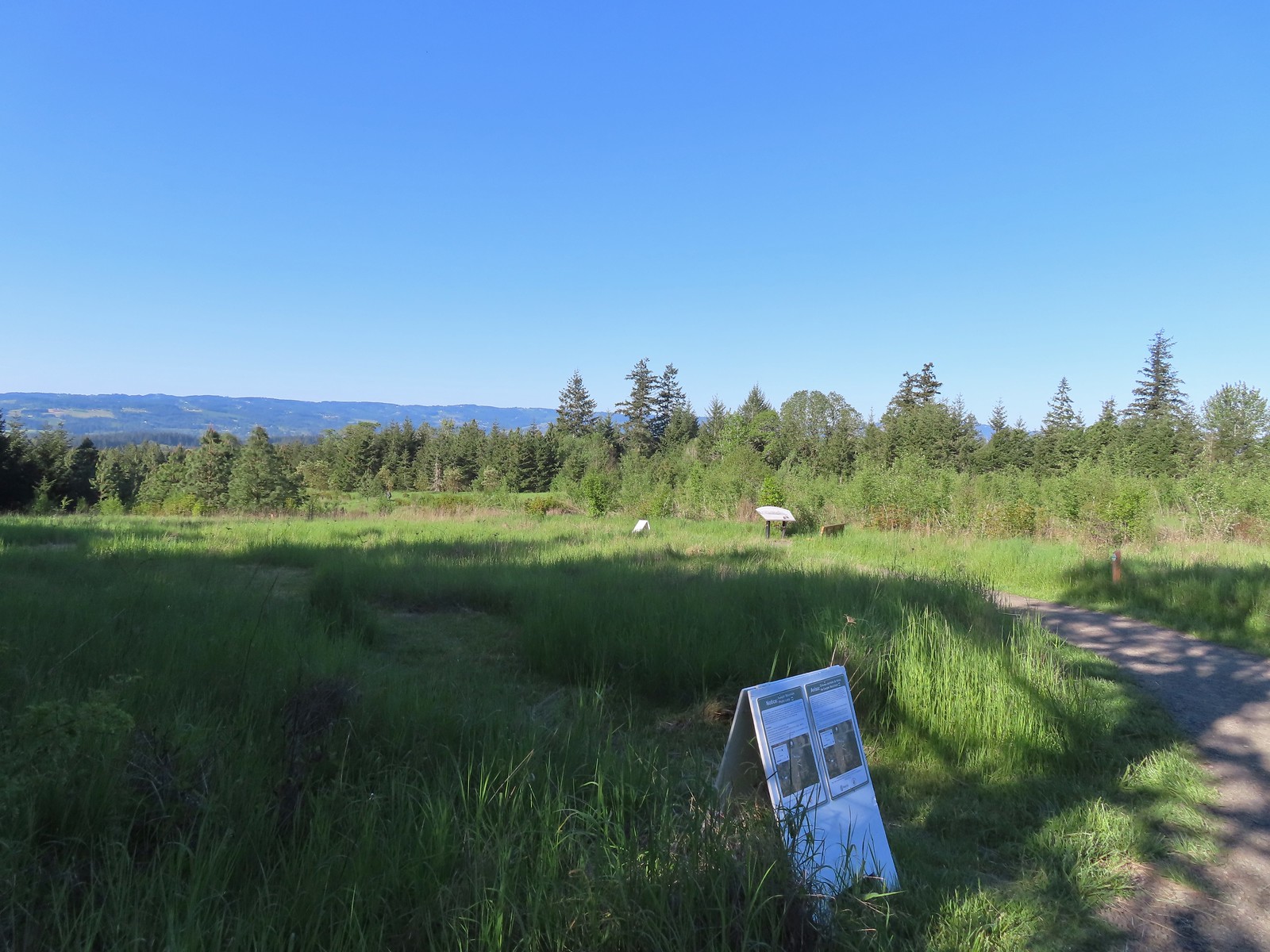 The second trial loop. You can see how short this one is by the signboard just downhill marking its other end.
 There were several interpretive signs and benches along the trails.
 White-crowned sparrow
 Anna’s hummingbird
 Star flower
 As usual Metro had the trail junctions well marked with little maps on top of the posts. This is the Cooper Mountain Loop junction with the lower end of the Outback Trail.
 Camas
Camas
 Tough-leaved iris
 Serviceberry
 Honeysuckle
 Looking back uphill to some wildflowers.
 Monkeyflower
 Tomcat clover
 Spotted towhee
 Bench along a pond filling an old quarry.
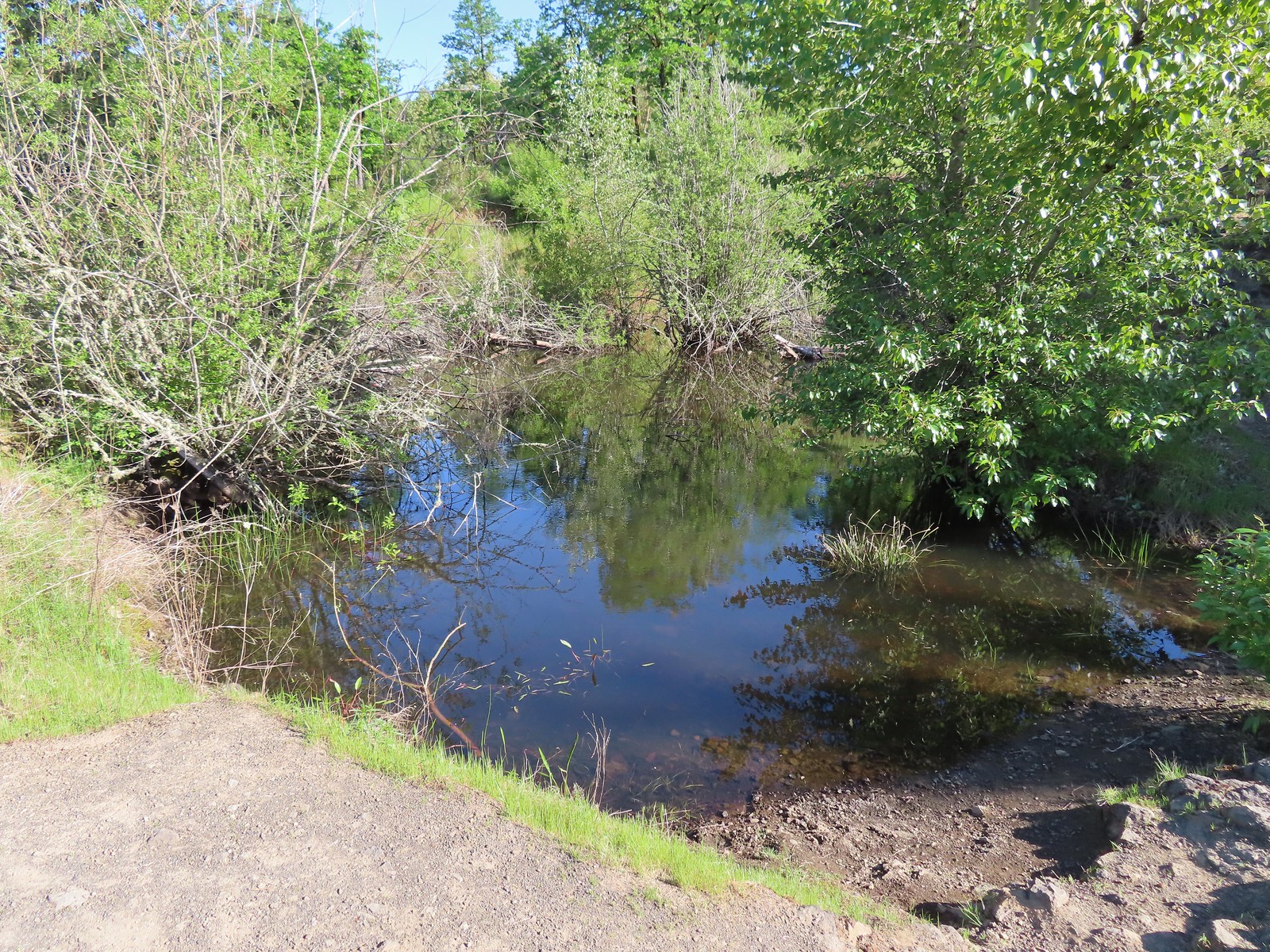 The pond. Red-legged frogs apparently breed here. We didn’t see any frogs but there was a mallard hanging out in the brush.
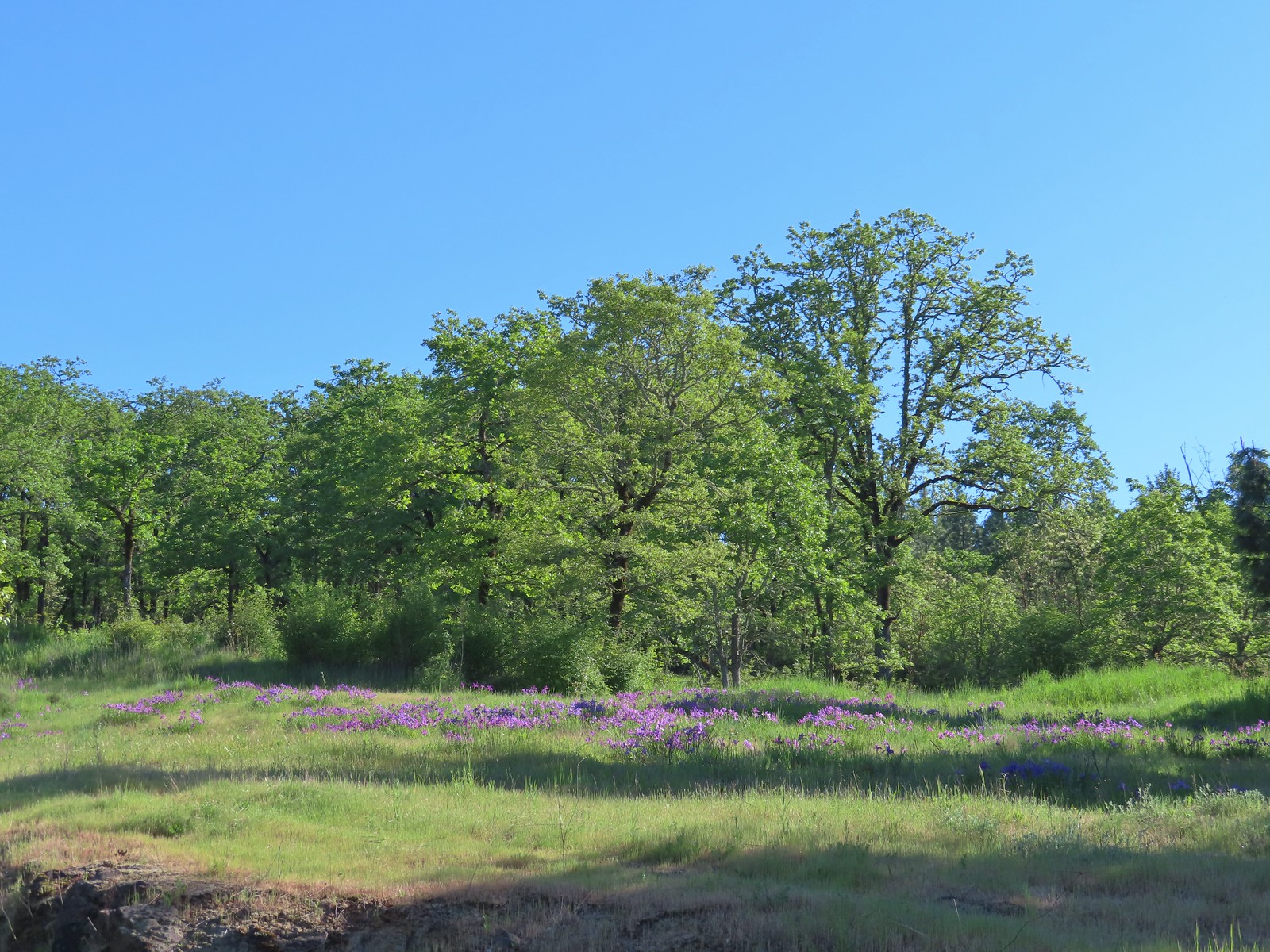 Iris on the hillside above the quarry.
 The Larkspur Loop continuing straight from the Cooper Mountain Loop which turns uphill at the junction.
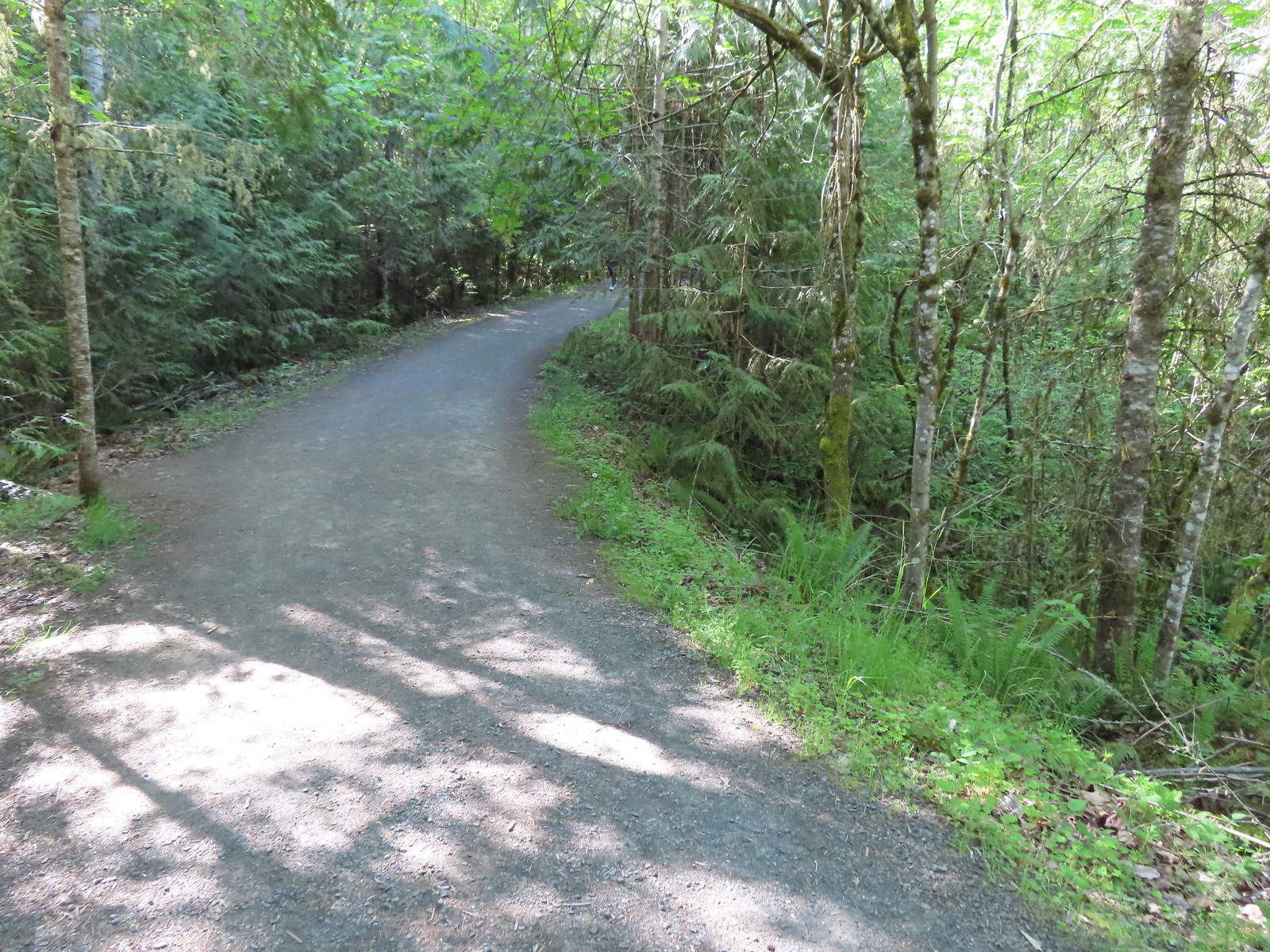 Prior to the loop the Larkspur Loop dips to cross a creek in the trees.
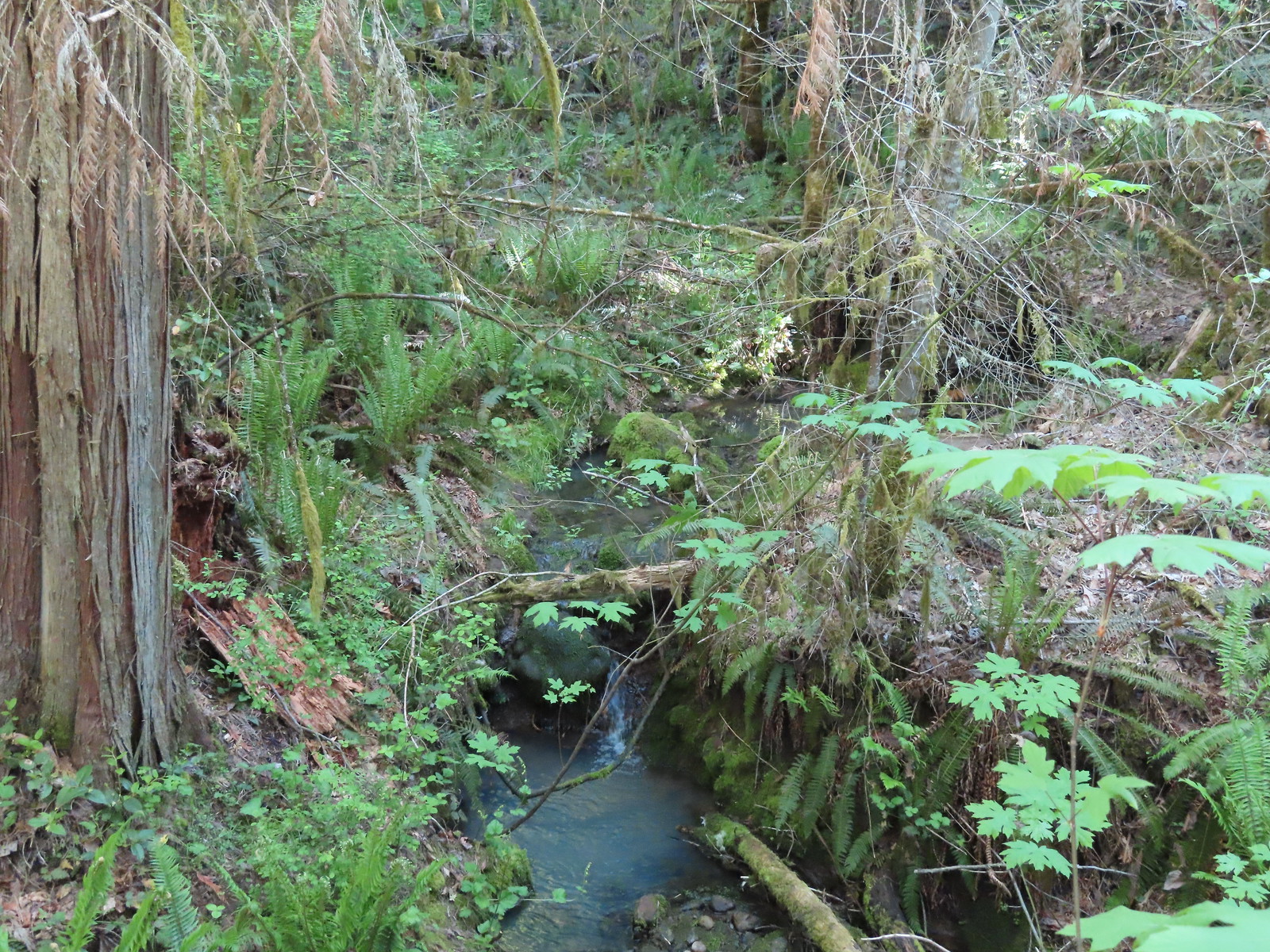 The little creek.
 View from the Larkspur Loop.
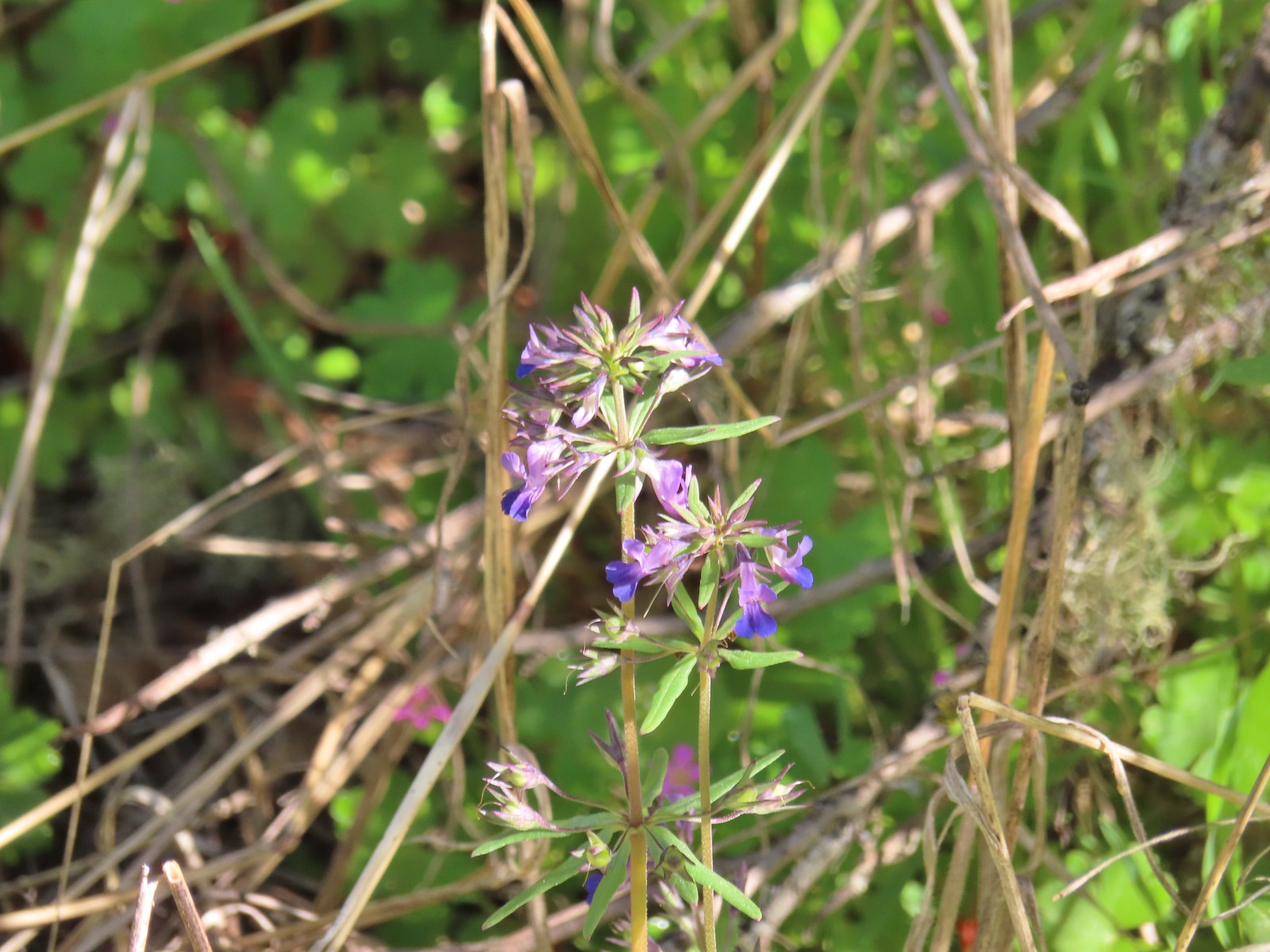 While watching for the larkspur I noticed these giant blue-eyed Mary.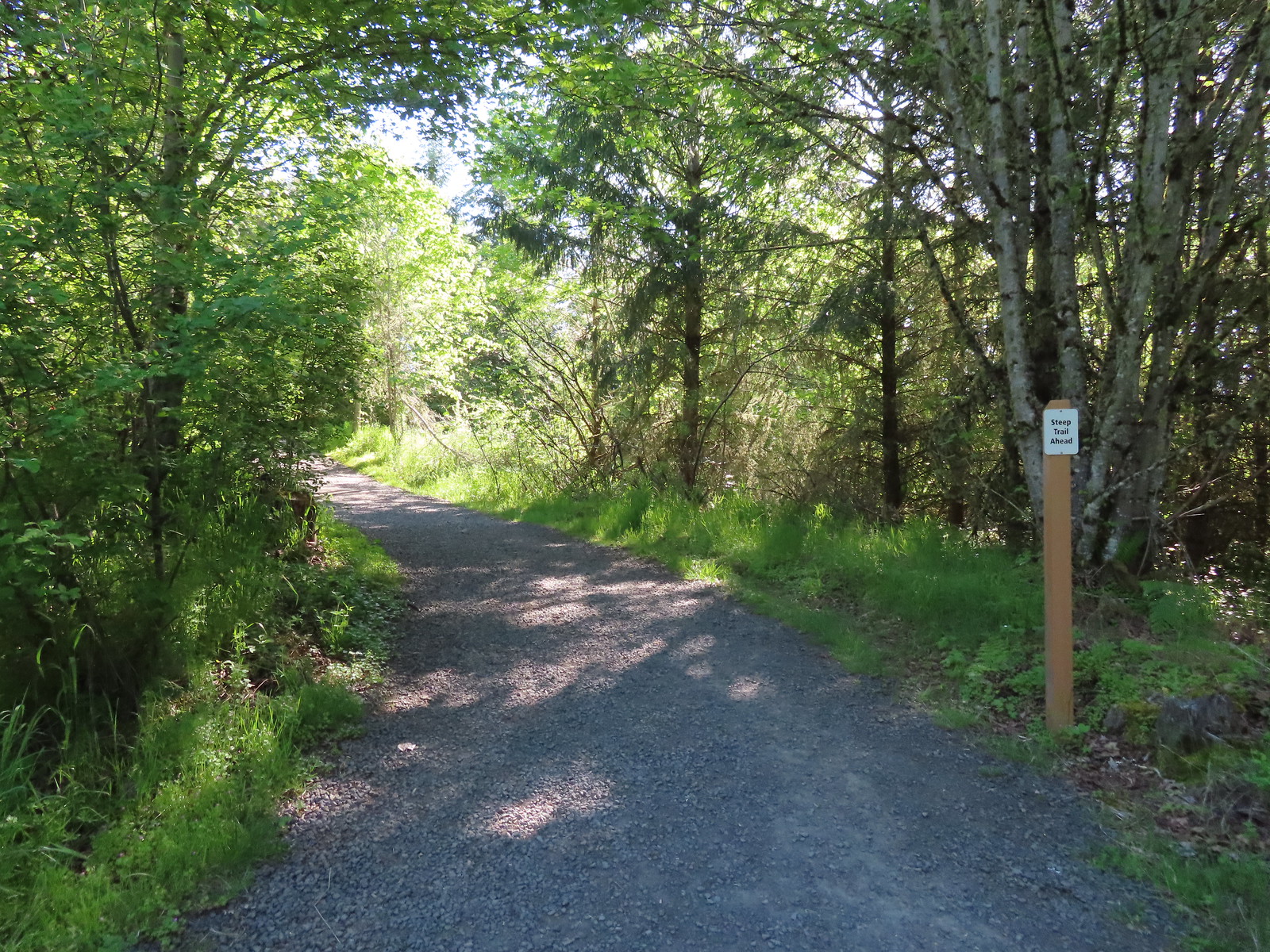
 Blacktail Way to the right.
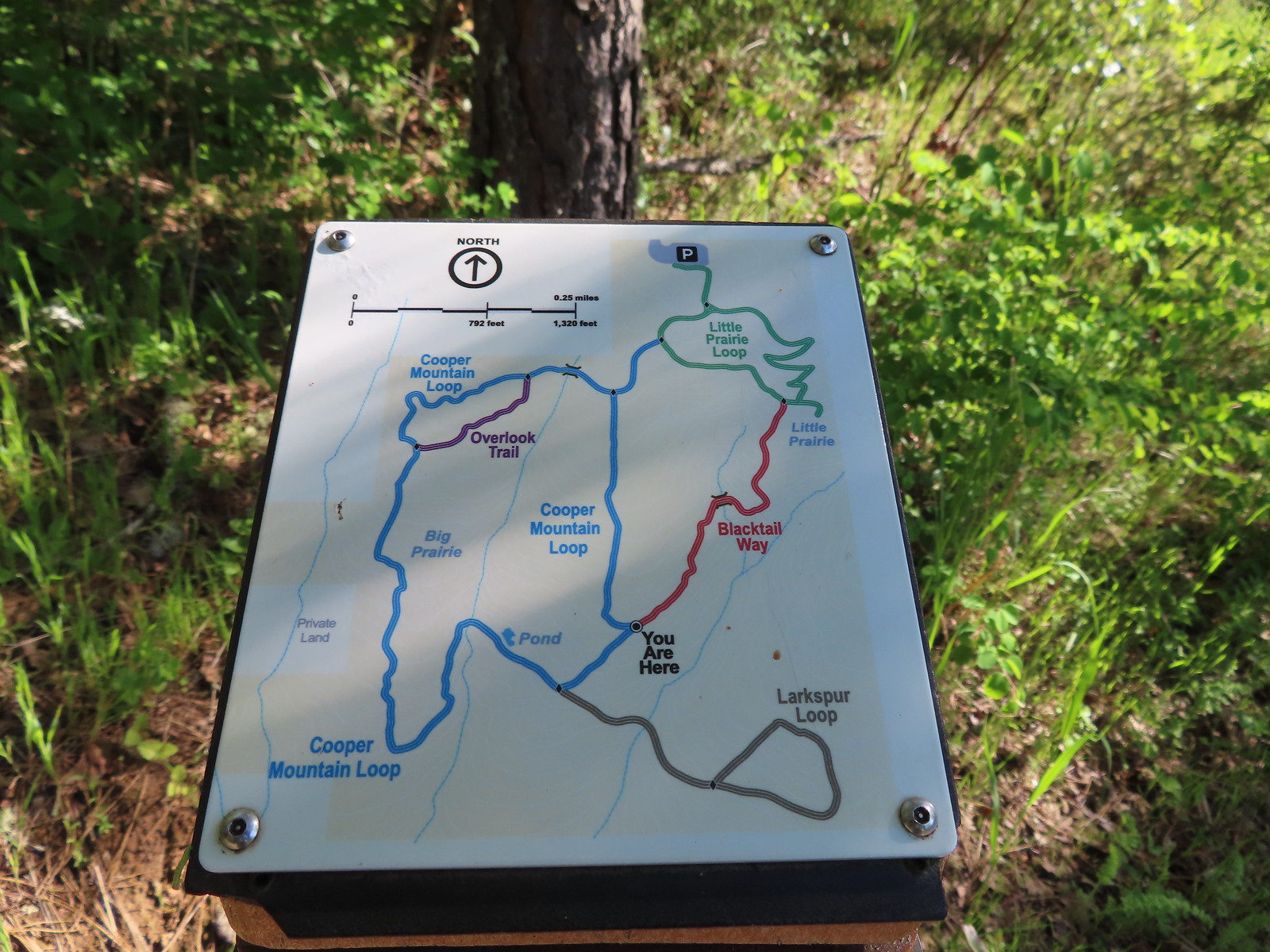 Map at the junction.
 The “earphone” next to the bench here was neat. There was also one at the trailhead and they really allowed you to isolate the sounds of the woods.
 The Little Prairie Loop.
 The pale larkspur also grows in this area but again we were too early.
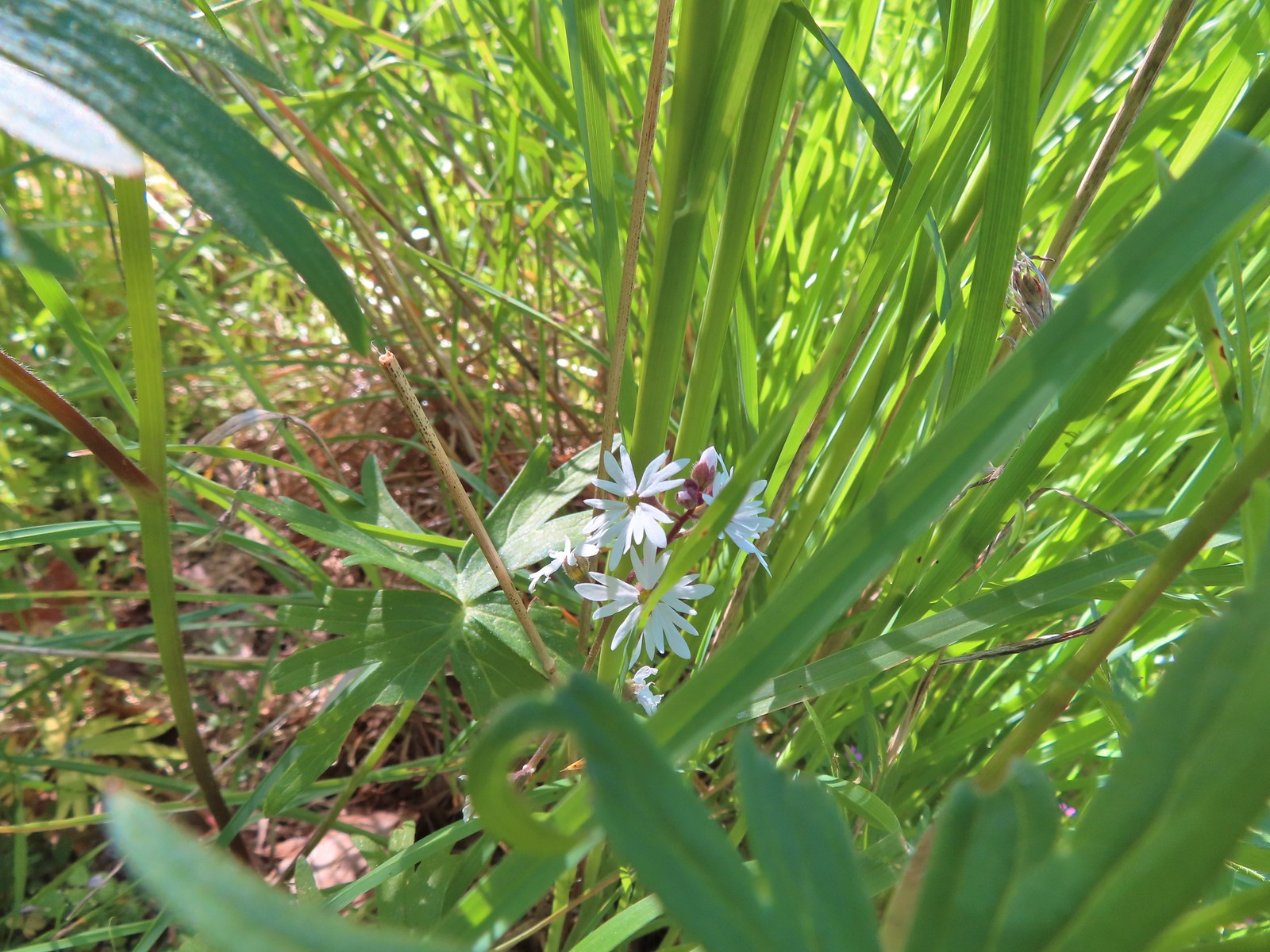 These were the only woodland-stars we spotted.

 Heading toward Acron Plaza on the Tonquin Trail.
 Interpretive sign at Acorn Plaza.
 Lupine and buttercups
 Lupine
 Meadow checker-mallow
 The “elder” oak is between 150-200 years old.

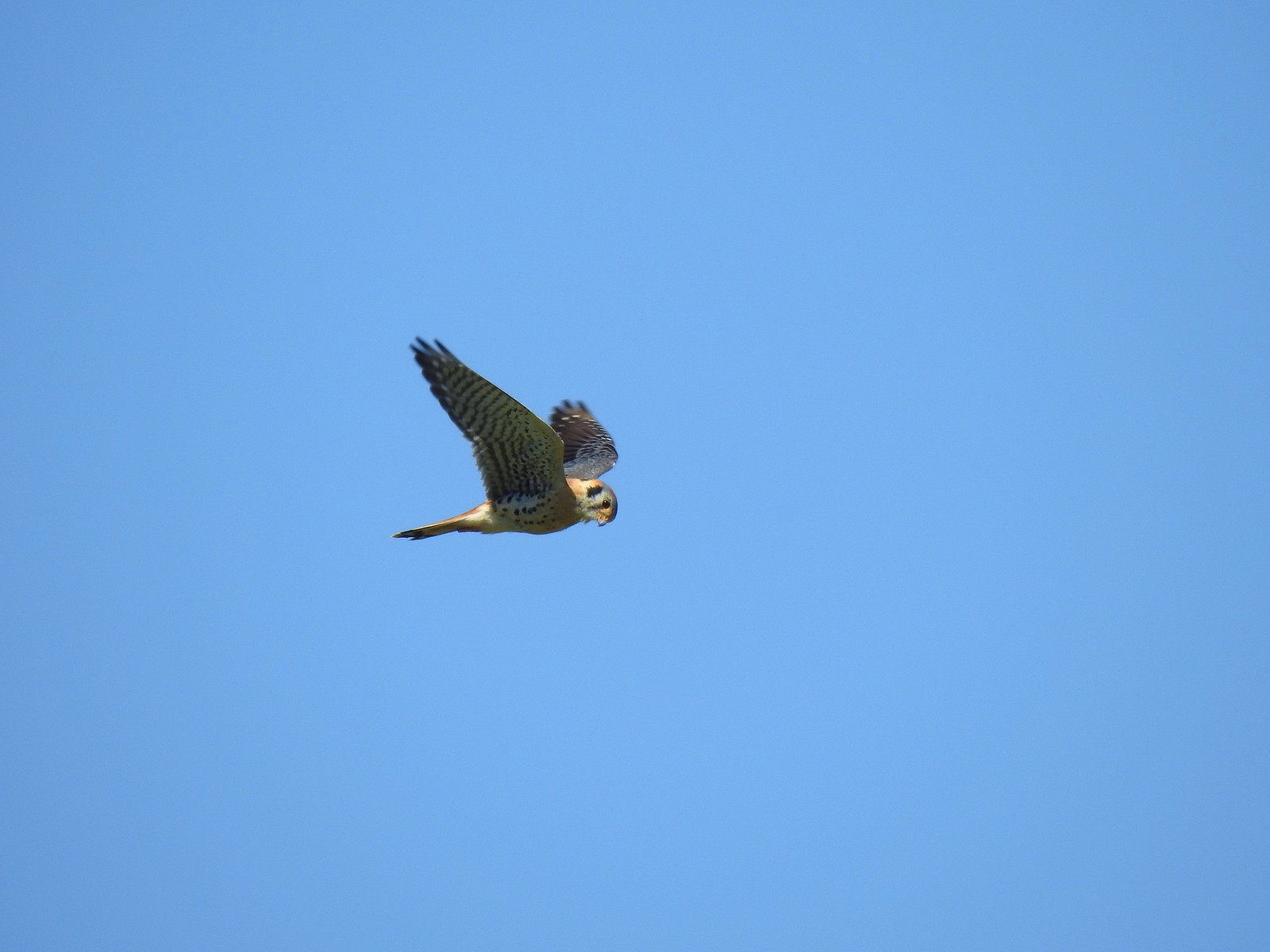 We watched this American Kestral hover on a near vertical line for what felt like quite a while. It eventually dove and attempted to catch something in the grass. We couldn’t tell if it had been successful.
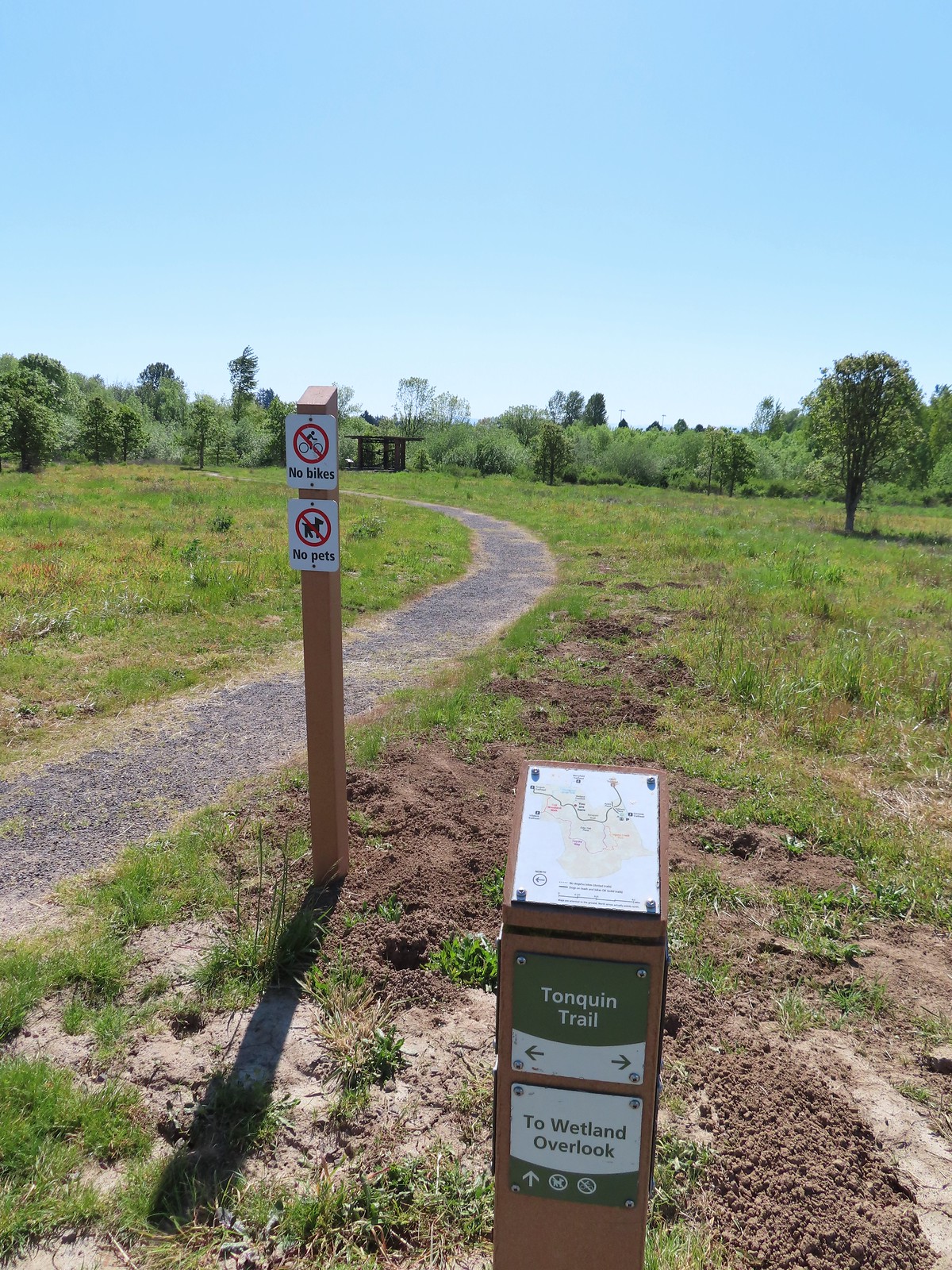

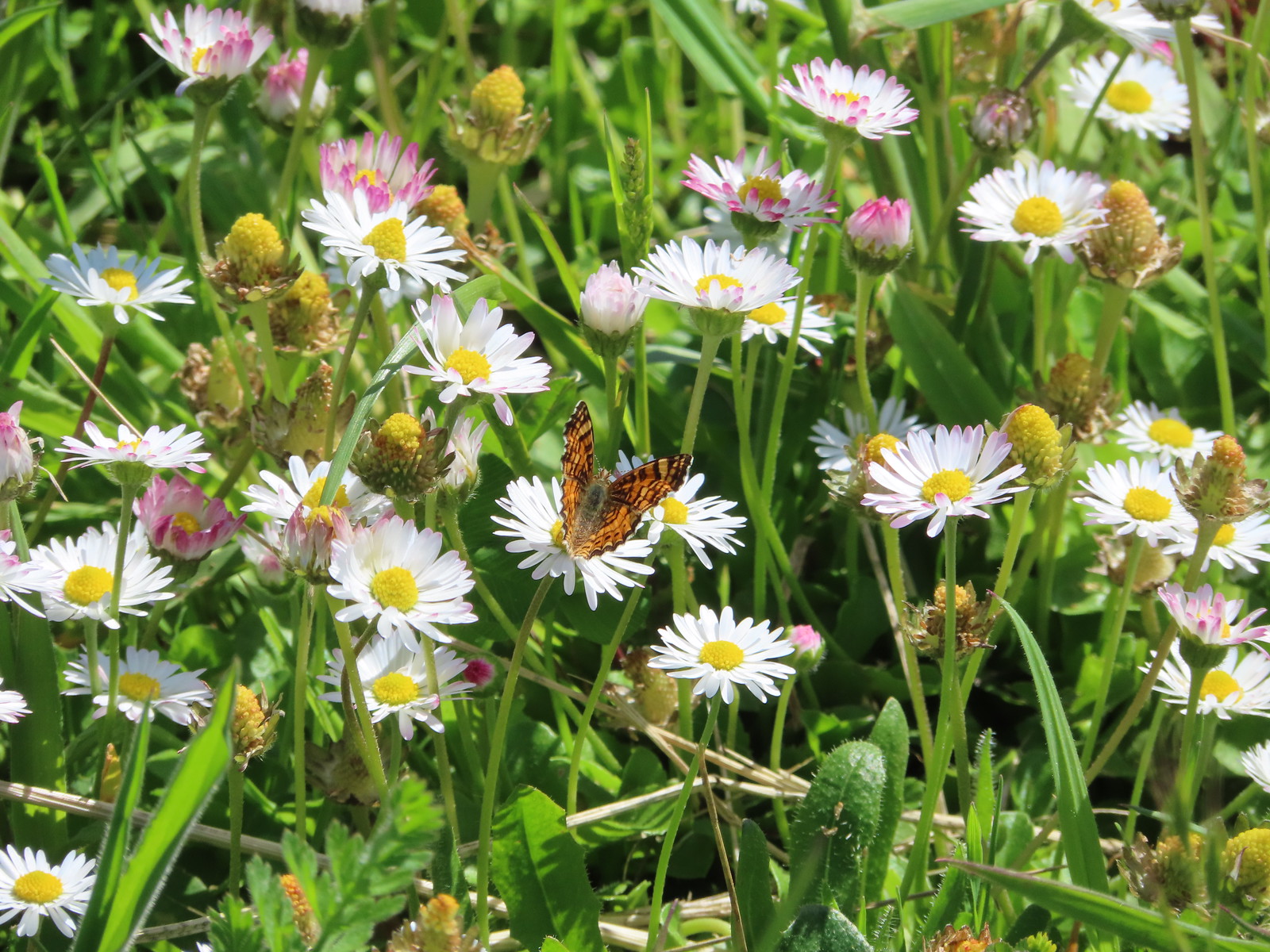 Mylitta crescent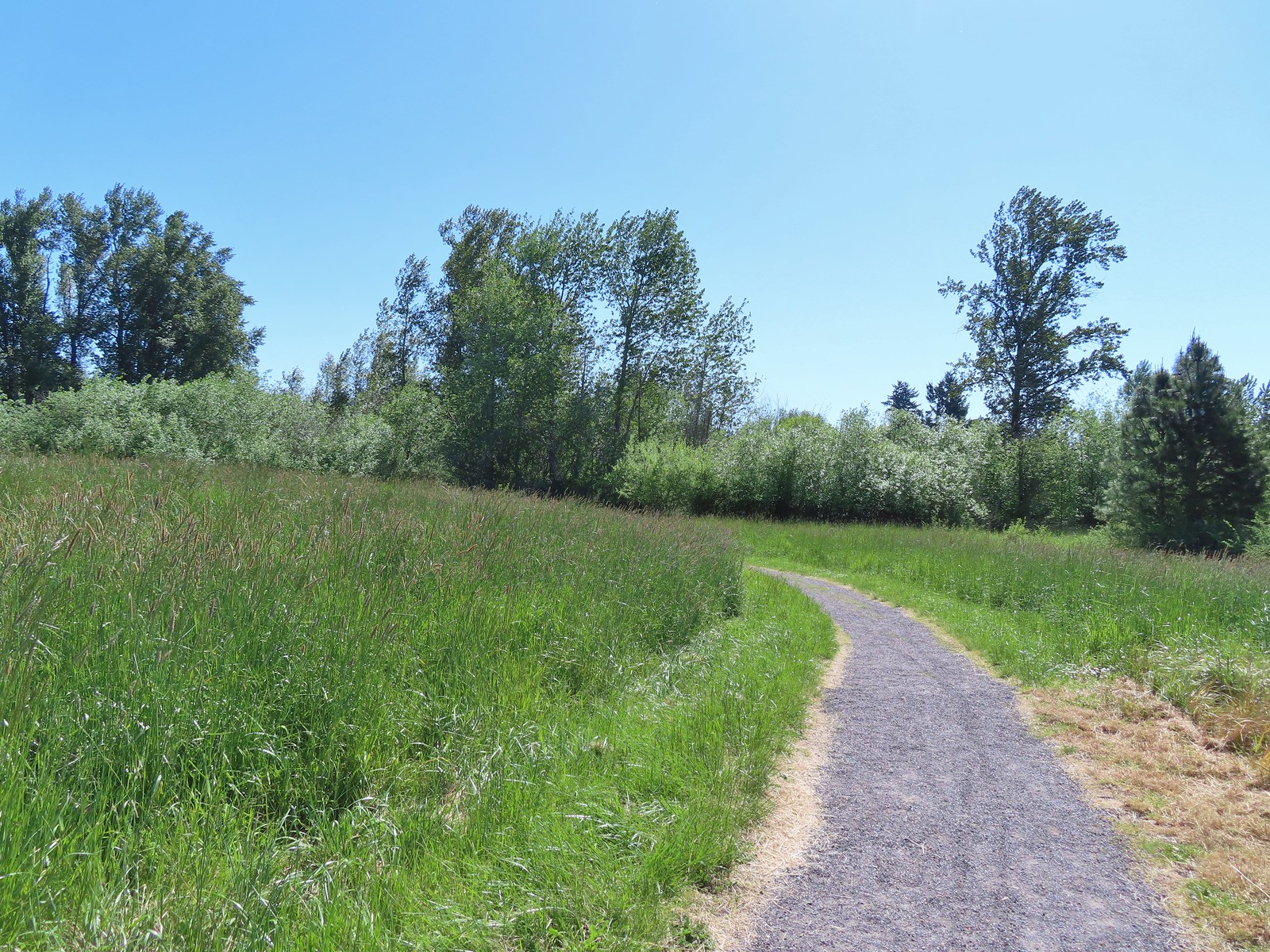
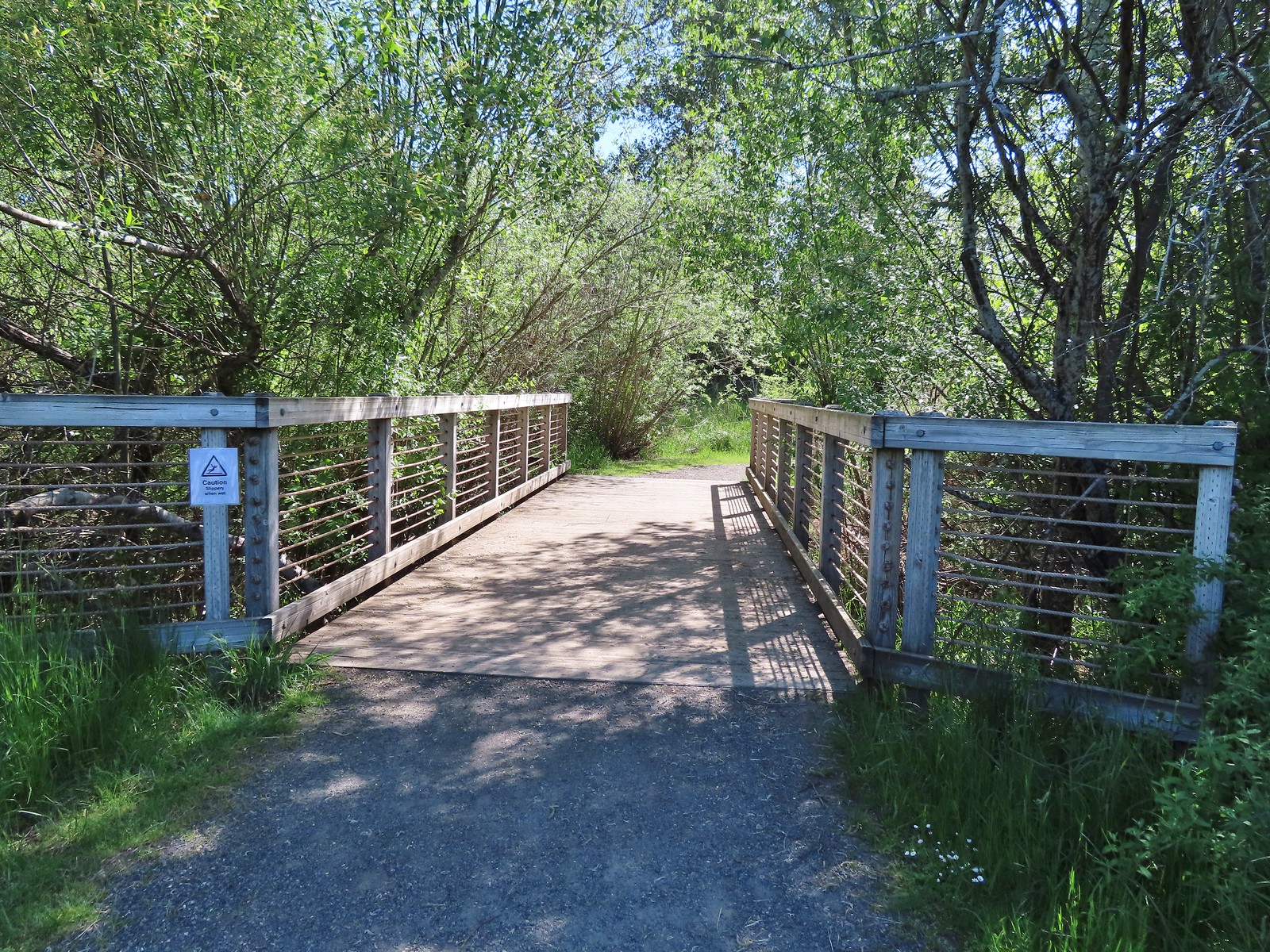 Footbridge over Arrowhead Creek.

 The Lycaenidae family of butterflies remains a mystery to me. This appears to be an Eastern Tailed Blue based on the ventral spots.
 Snow in the Cascade foothills. If you look really closely behind the bigger snow patch to the far-right, you can just barely make out Mt. Jefferson.
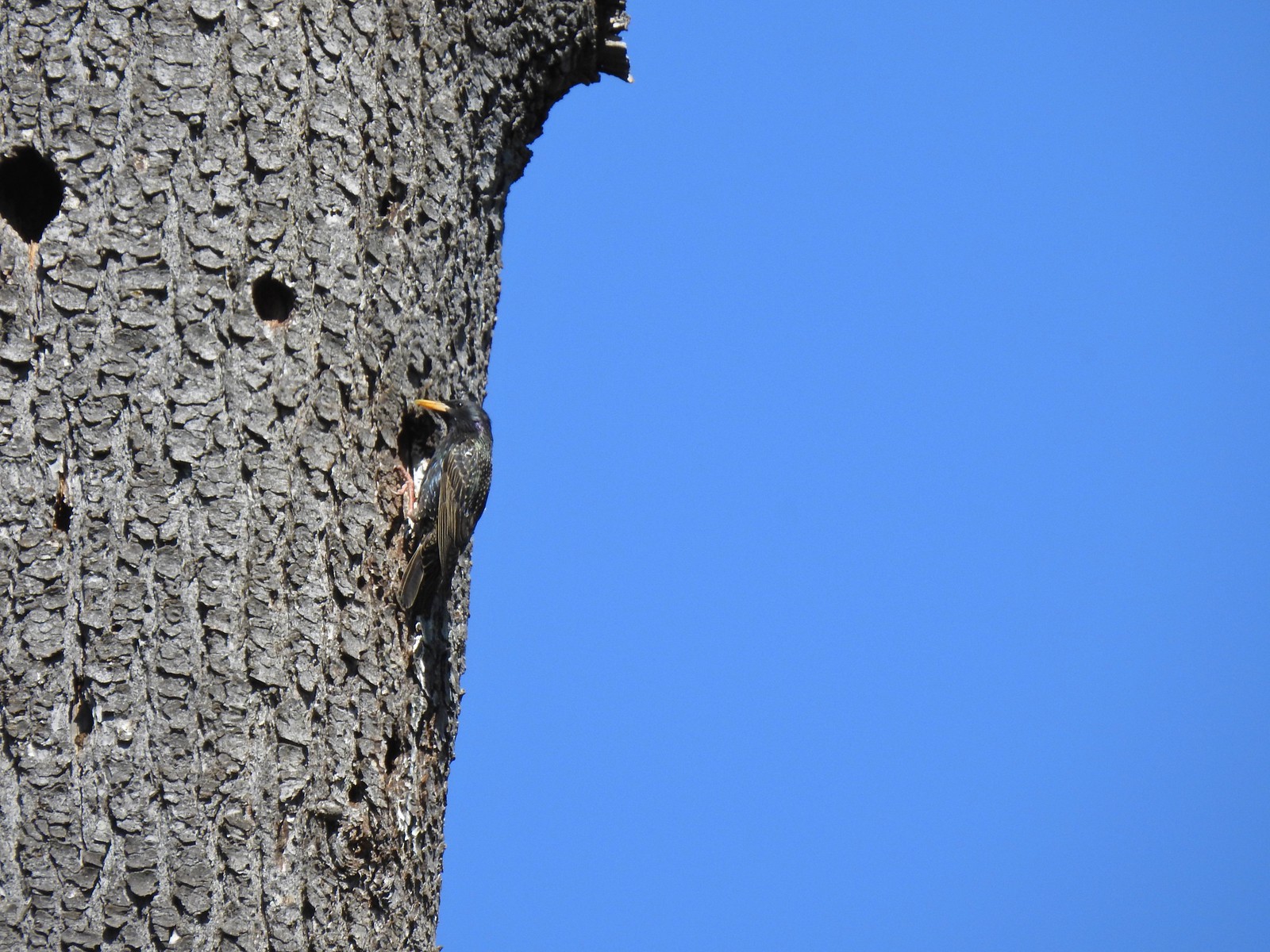 Starling
 Northern flicker
 This scrub jay would not come out from behind the oak leaves.
 There was a lot of candy flower beneath the trees.


 Mushrooms along the Legacy Creek Trail.
 Violets, candy flower and the invasive herb robert (pink).
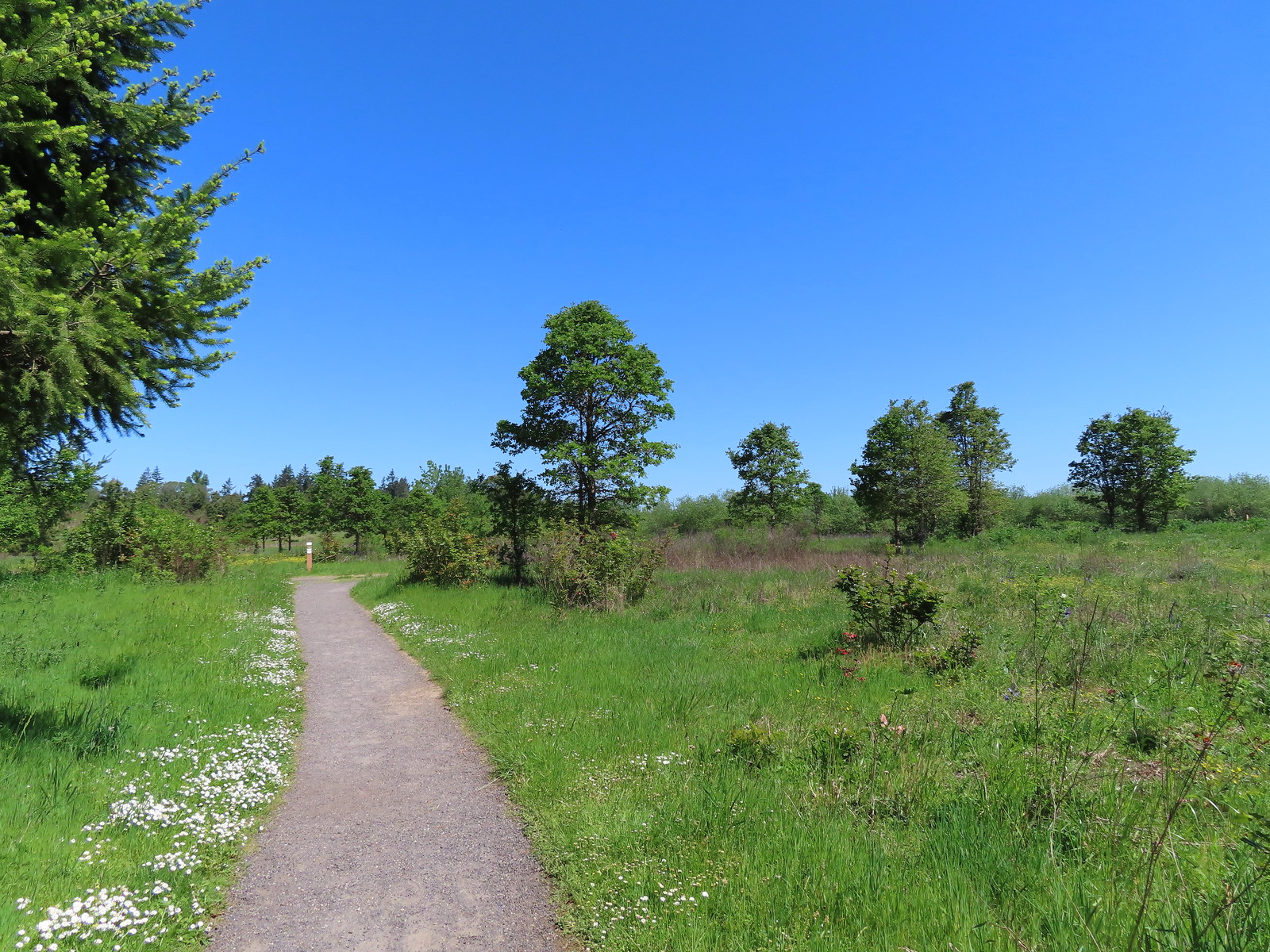 Coming up to Coyote Way.
 Back on the Tonquin Trail and heading for the trailhead.







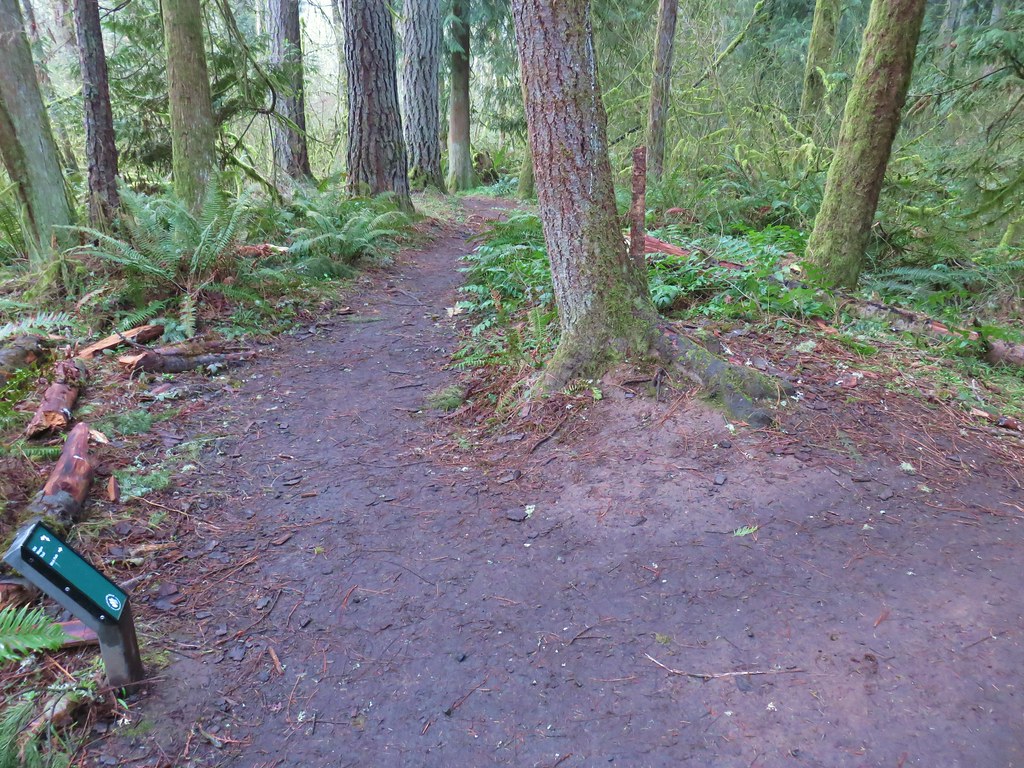 Trail pointer at the Mink Path junction. We appreciated the fact that all of the junctions were signed and those signs were easy to read but placed in such a way that they were unobtrusive.
 Can you see the deer?
 How about now?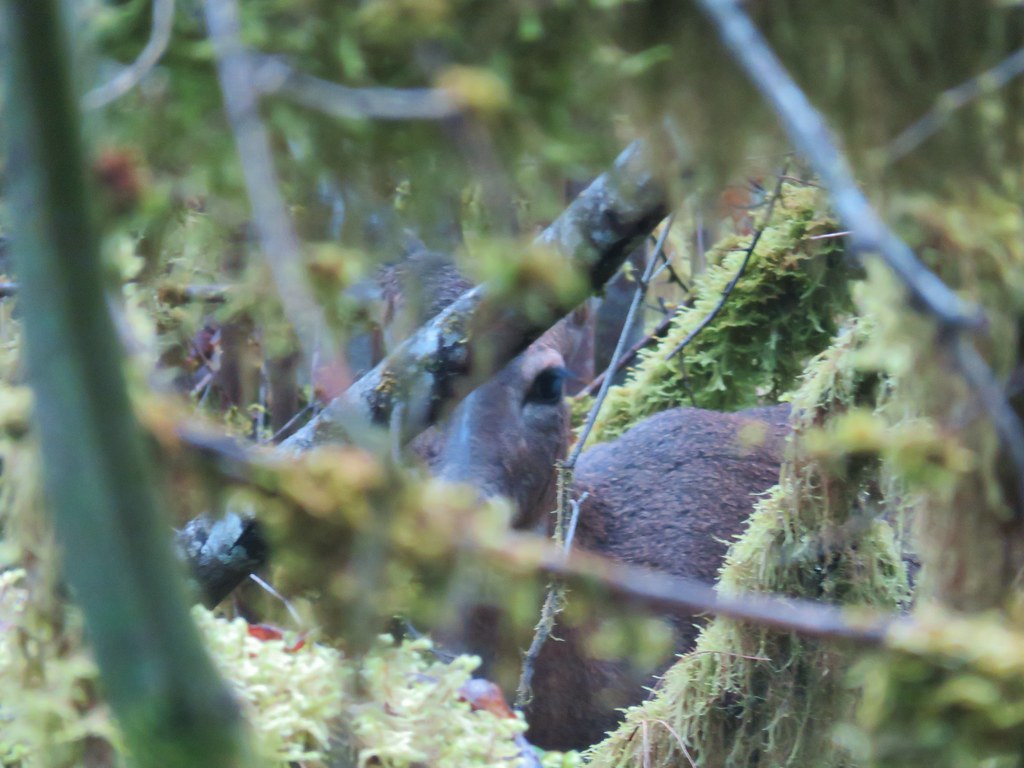



 Beaverton Creek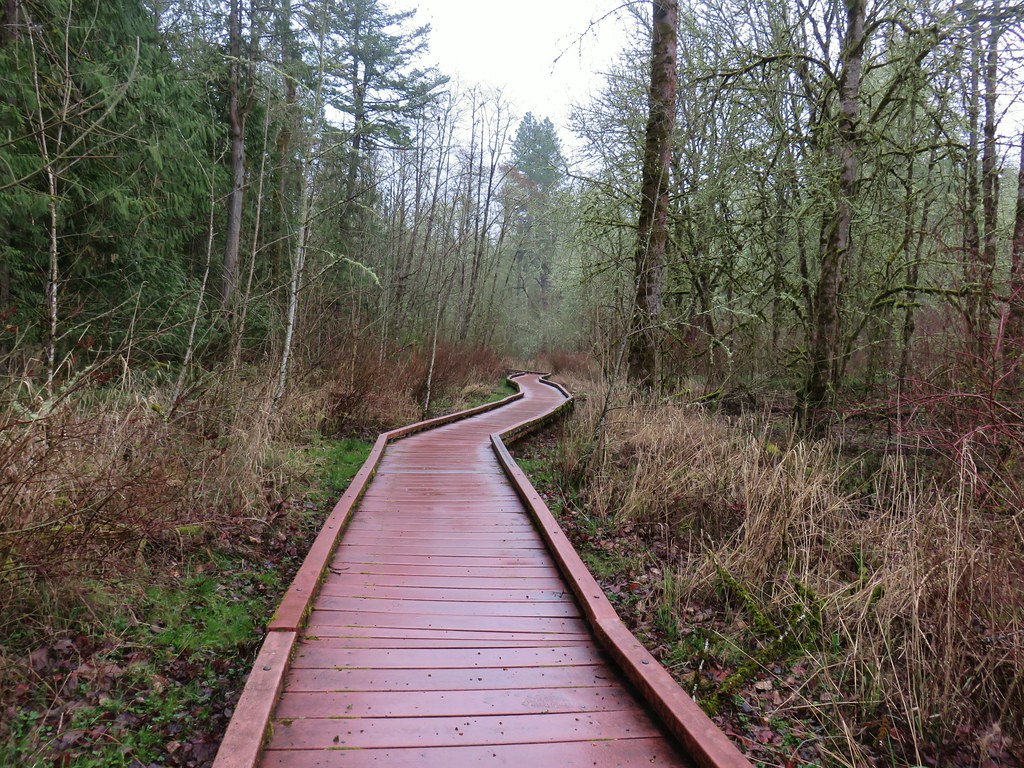










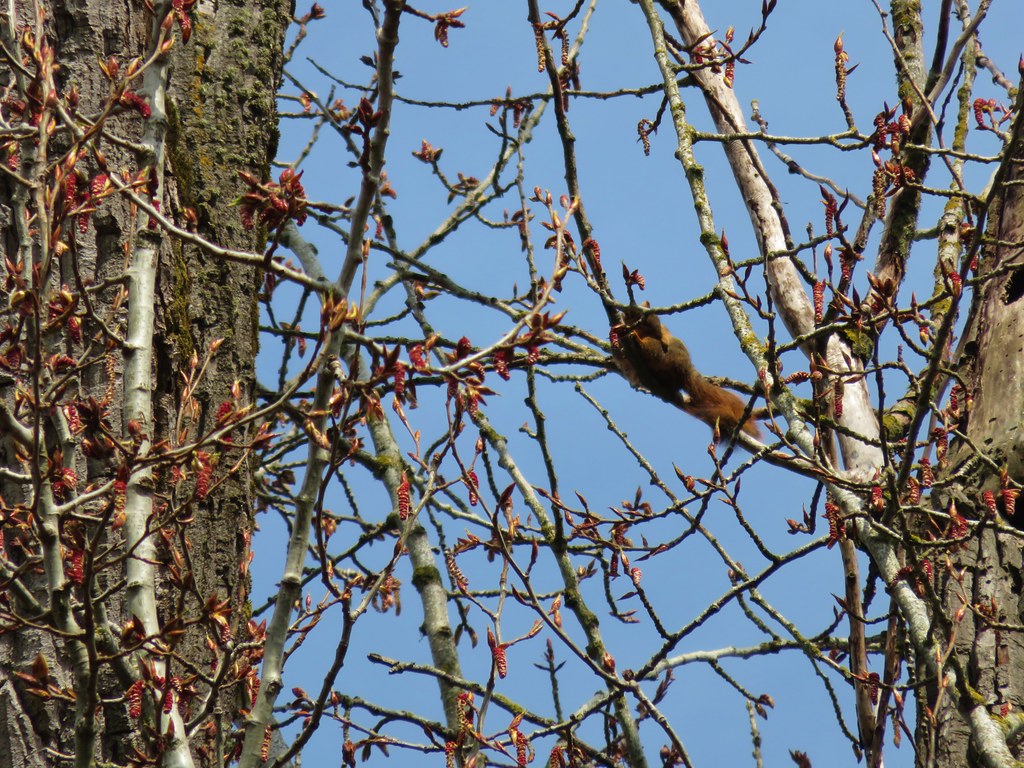
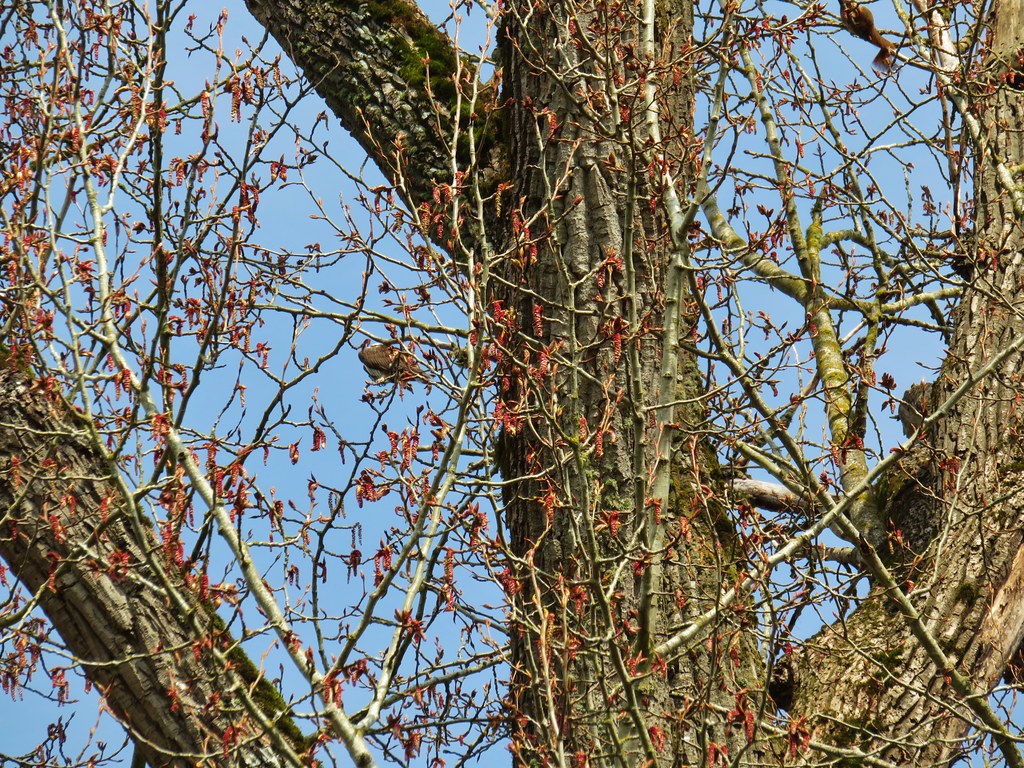 The osprey and the squirrel (upper right hand corner).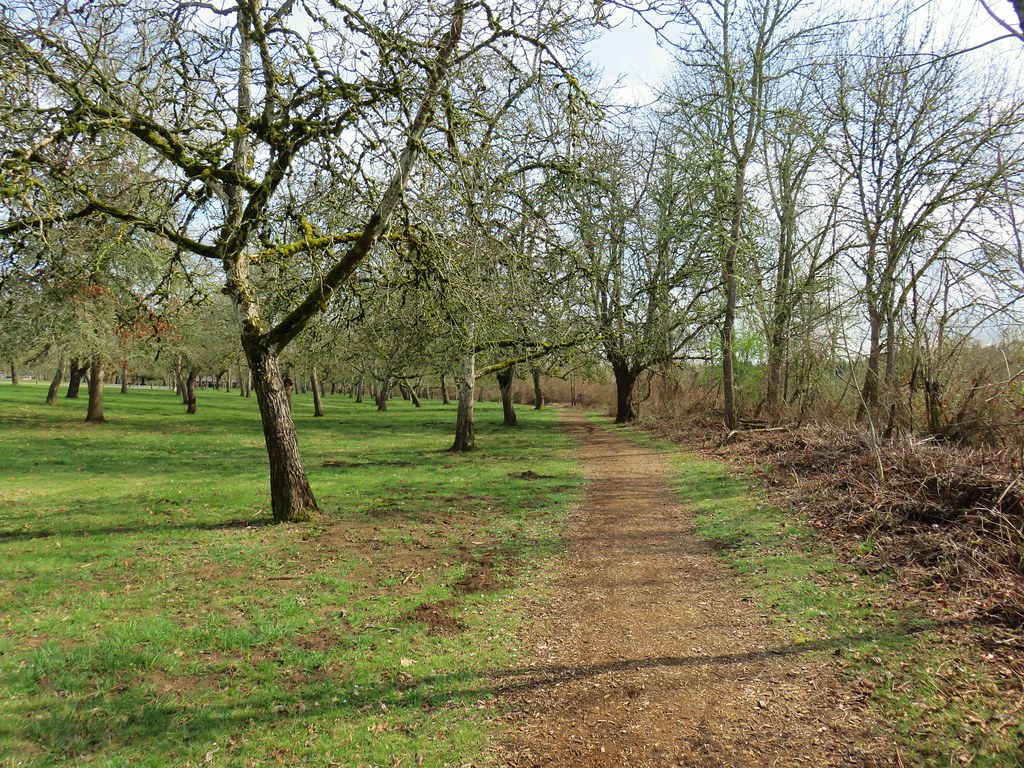



 wanderingyuncks