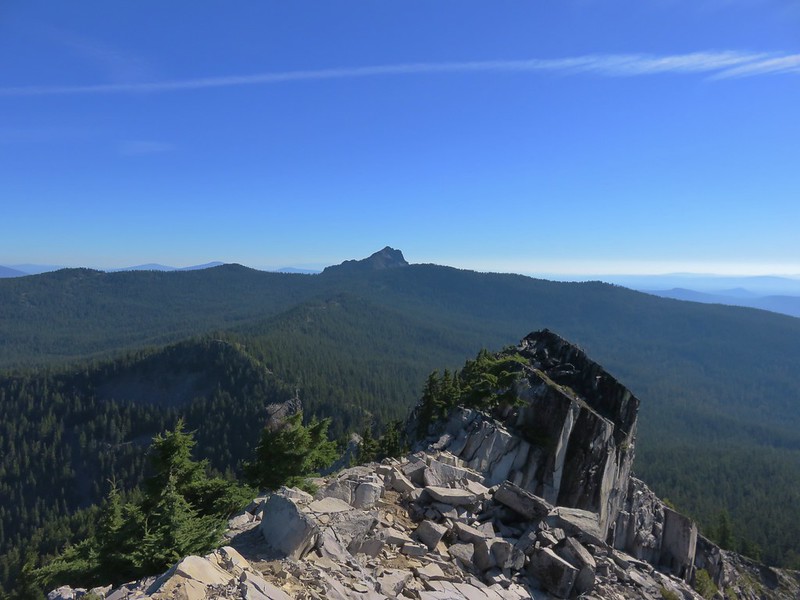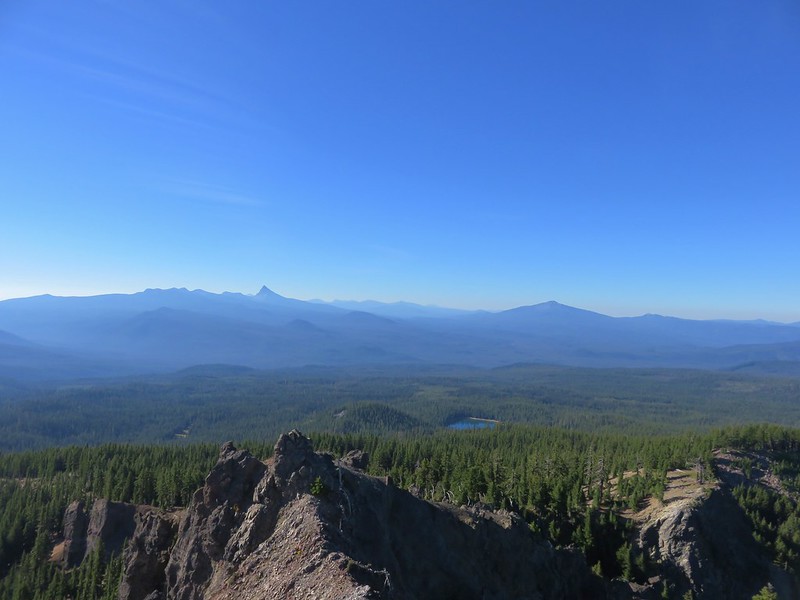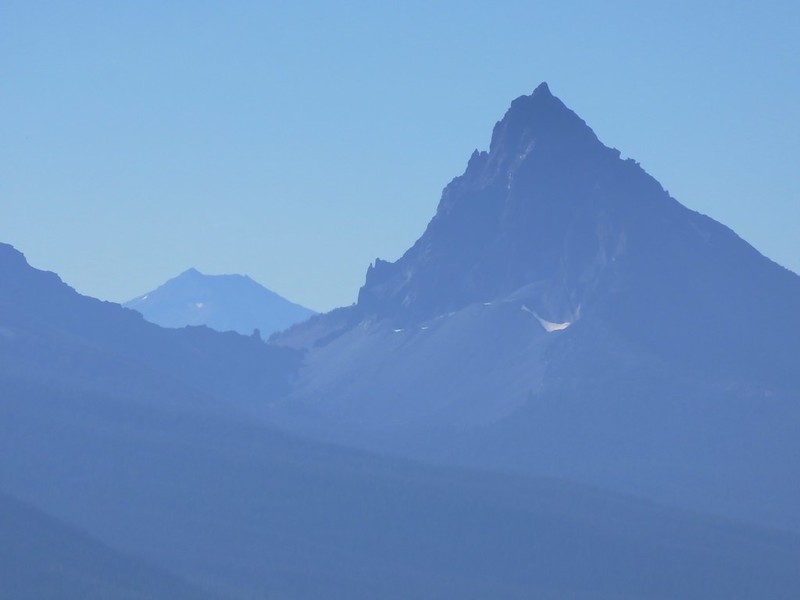
Categories
Hiking Mt. St. Helens Trip report Washington Washington Cascades

June Lake to Ape Canyon – 09/20/2025

After a few solo hikes we were able to hit the trail together to wrap up my final week of vacation for 2025. The hike I’d penciled in at the beginning of the year was out due to a road closure blocking access to the trailhead and my plan B was also out due to a closure for hazard tree removal. I turned to my list of “extra” hikes that were not currently on the schedule, which runs through 2029, and the one that jumped out was June Lake in the Mt. St. Helens National Volcanic Monument. I checked the weather/smoke forecast, and it was clear skies with a high in the low 60s. That was enough to convince us.

This would be our second visit to June Lake with the first having been in July of 2014 (post). The hike to June Lake is just 1.3-miles (2.6-miles round trip with 410′ of elevation gain) so during our 2015 visit we continued past the lake 0.3-miles to the Loowit Trail which circumnavigates Mt. St. Helens. We turned left (clockwise) on that trail for nearly 5-miles before turning around. Our plan for this outing was to go right (counterclockwise), possibly as far as Ape Canyon (post).

We parked at the June Lake Trailhead and set off just after 7am.
IMG_1224

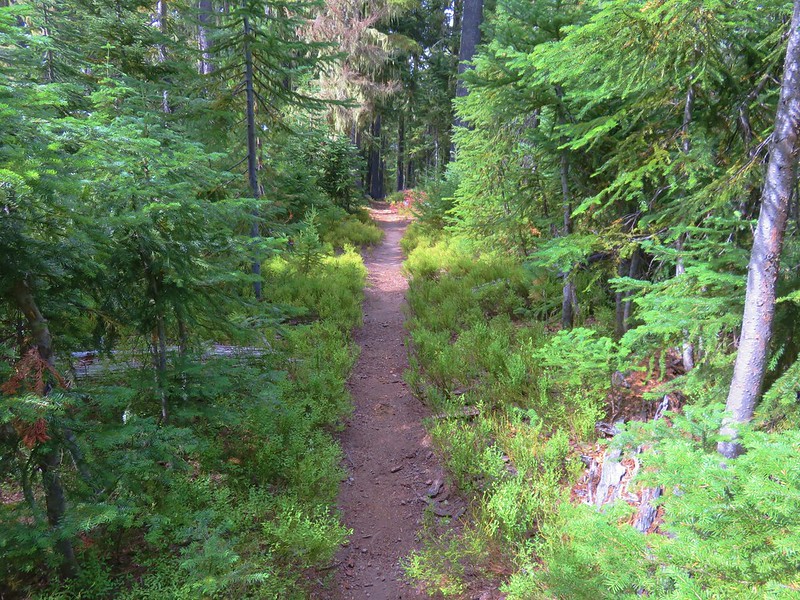
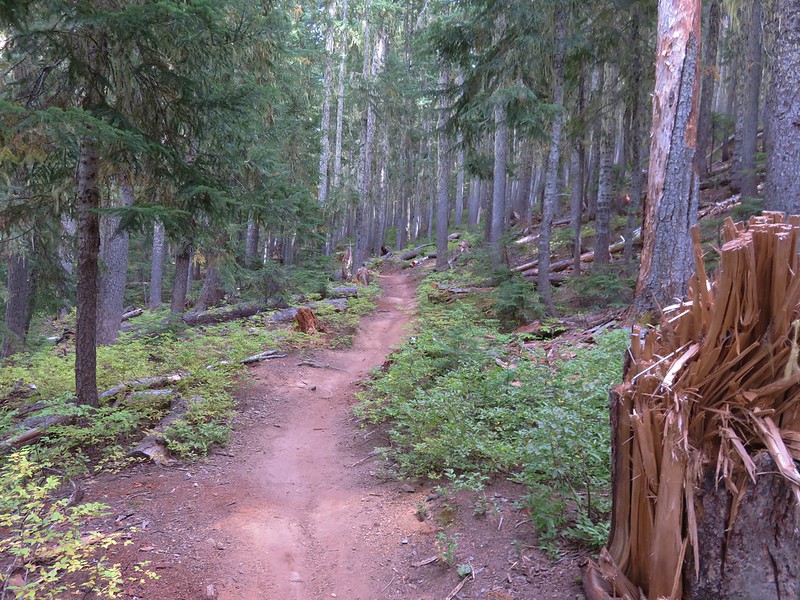
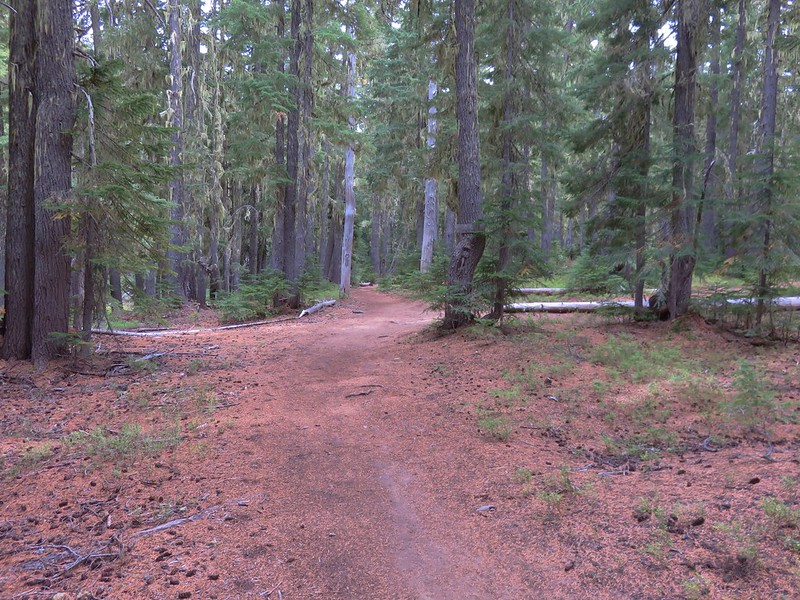
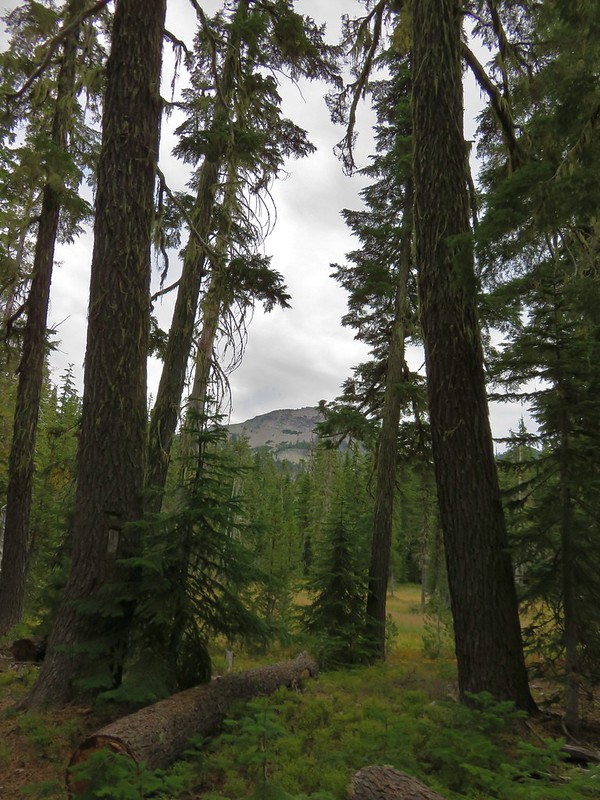
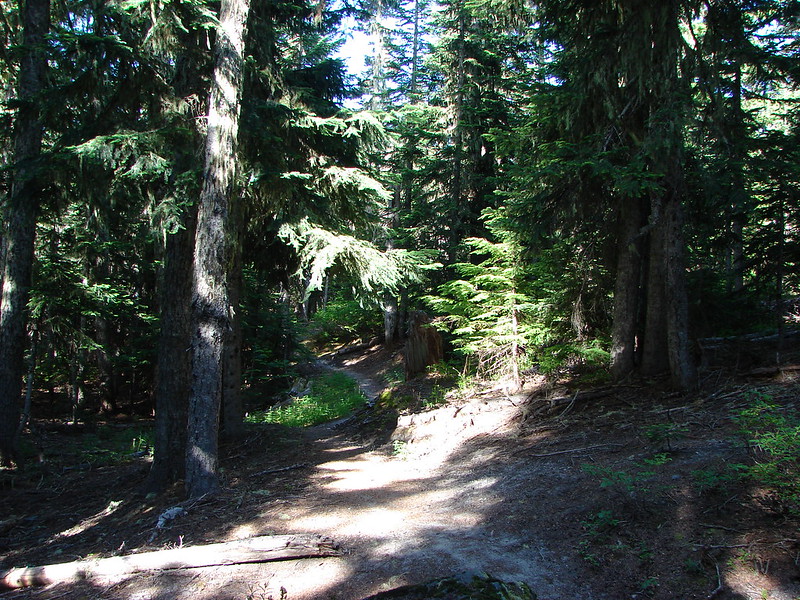
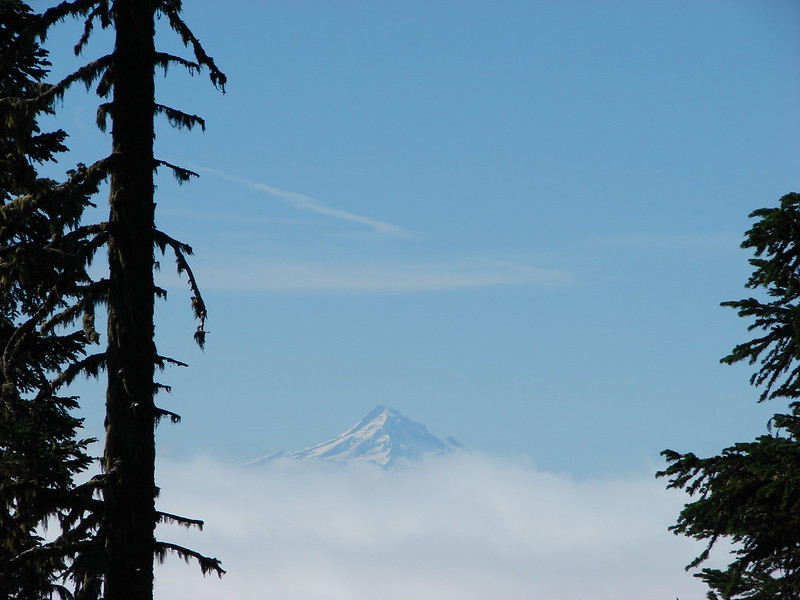
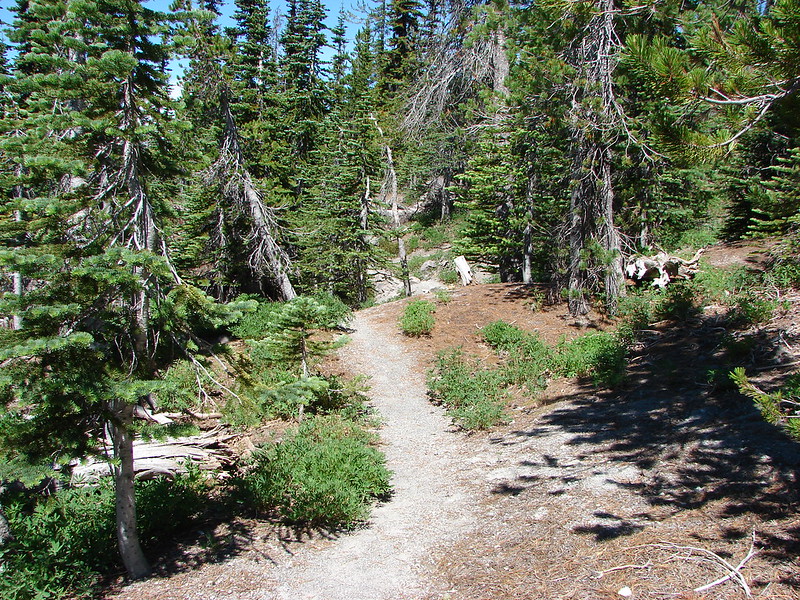
The trail briefly follows June Creek with some views of the top of Mt. St. Helens before veering away to climb through the forest.
IMG_1228

IMG_1231

IMG_1234

IMG_1242

The trail nears the creek again to cross it on a footbridge then arrives in an open flat where June Lake lies hidden behind bushes on the right.
IMG_1247
June Creek

IMG_1249

IMG_1251

The first path we followed through the bushes led to a view of the lake but not the waterfall that flows into the lake.
IMG_1252

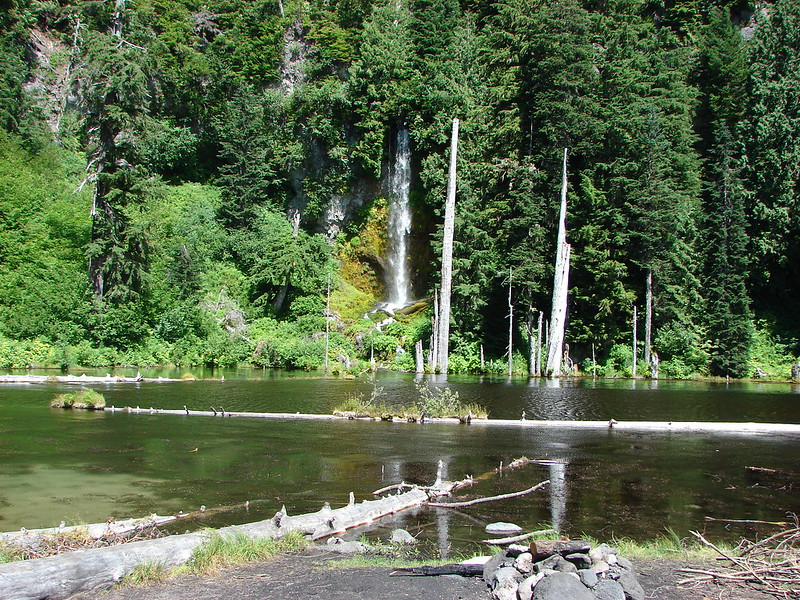
We ducked down a second path to get a view of the falls.
IMG_1253

IMG_1254

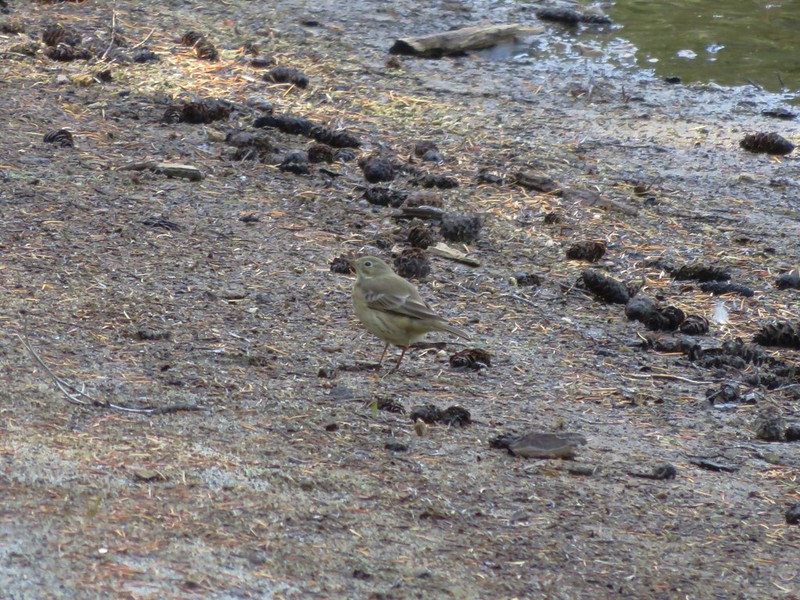
Aside from a few dragonflies and an American dipper we were alone at the lake and took a short break there to enjoy the scenery and sound of the waterfall.
IMG_1262

IMG_1267

From the lake we made the stiff climb up to the Loowit Trail and headed toward Ape Canyon.
IMG_1274
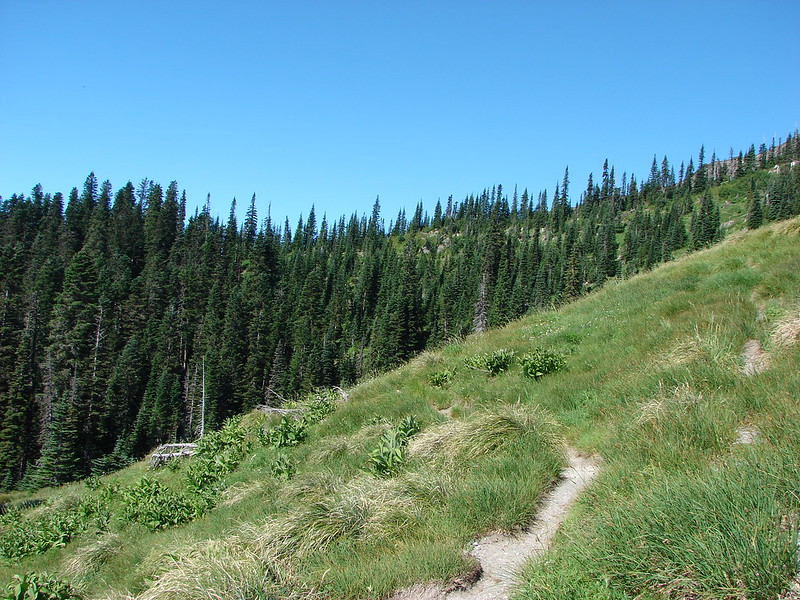
It’s hard to tell in the photo but this section was both steep and loose. We both used the trees/roots on the left as handholds going up and when we came back down.

IMG_1278
The trail leveled out some as it neared the junction.

IMG_1279
The trail sign at the Loowit Trail junction said the Ape Canyon Trail was 5-miles. From the Ape Canyon Trail the canyon itself is a little over an additional half mile.

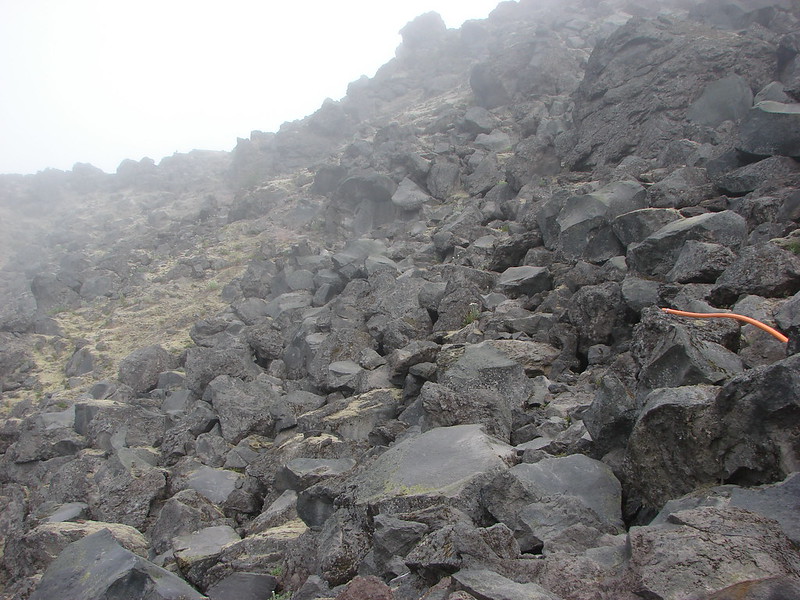
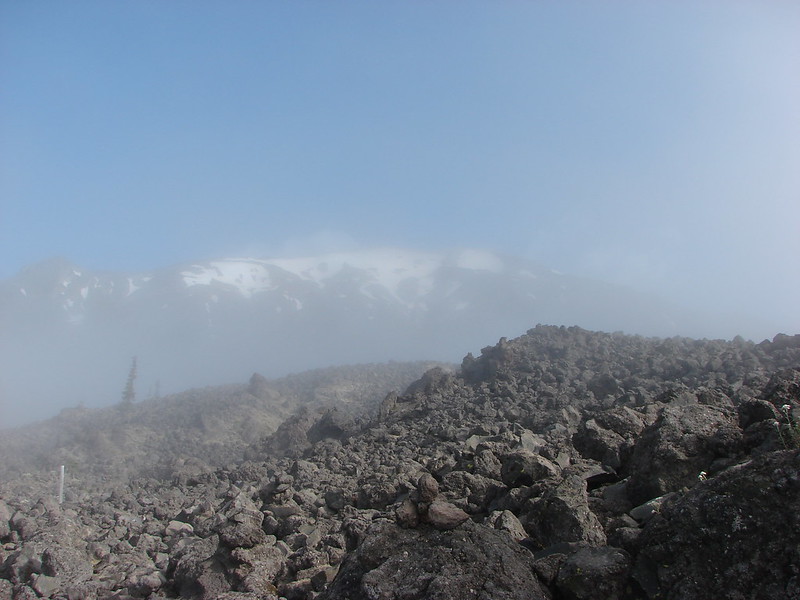
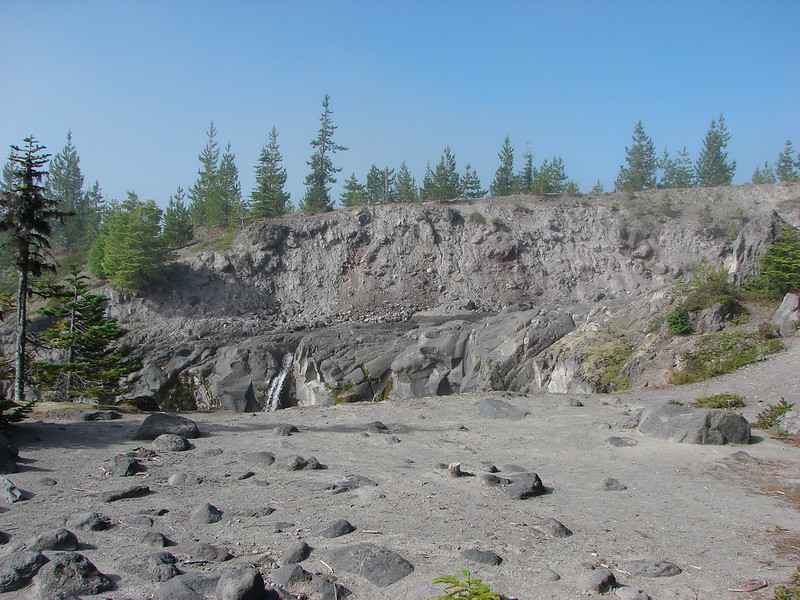
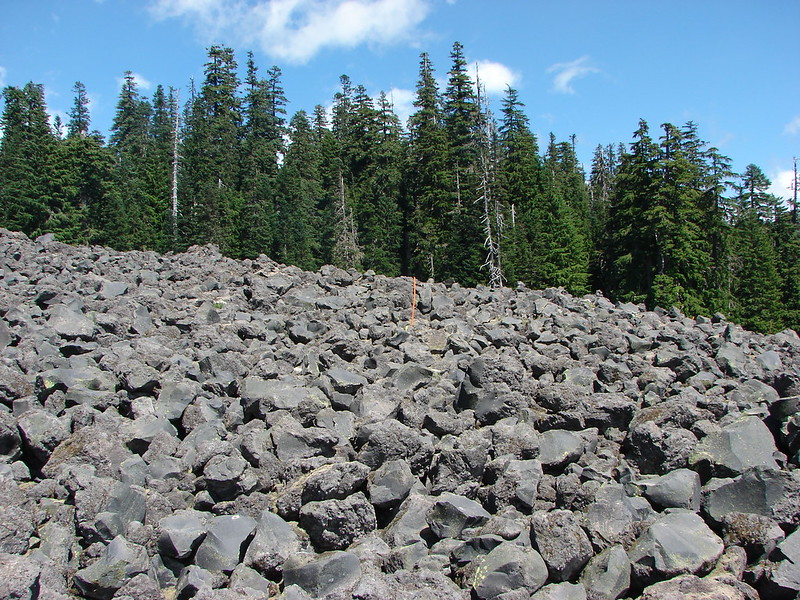
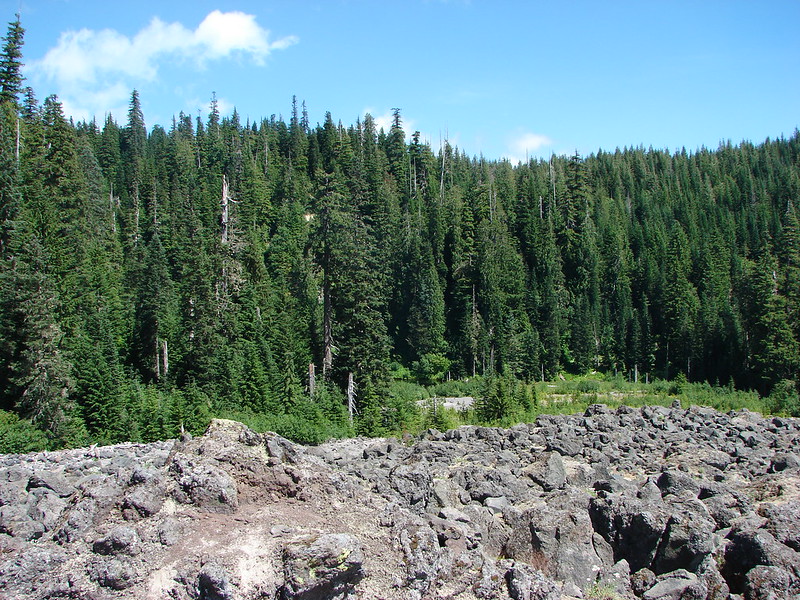
The Loowit Trail crossed a lava flow then spent a little time in the forest and along the lava flow before climbing into the rocks.
IMG_1283
Various poles and posts mark the trails when they are passing over the lava flows.

IMG_1294

IMG_1297

IMG_1304

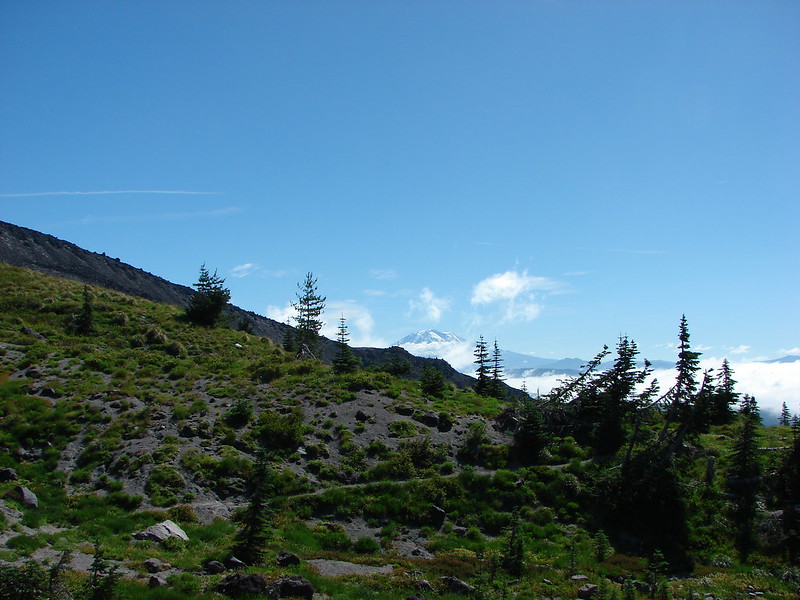
The trail made a pretty significant climb (approx. 200′) when it reentered the lava flow gaining a view of Mt. Adams to the east and Mt. Hood to the south.
IMG_1307

IMG_1309
Marble Mountain is the closest peak, and Mt. Hood is behind to the left through some smokey haze.

IMG_1313
A little better look at Mt. Hood.

IMG_1316
Pink mountain heather

IMG_1319
Heading up.

IMG_1322
The Loowit Trail to the left crossing over the large rock with Mt. Adams in the distance.

IMG_1324
Looking back down from near the top of the climb.

We were still about 3.2-miles from the Ape Canyon Trail at this point. From this crest the Loowit Trail would make a series of ups and downs as it crossed a half dozen gullies/canyons of various depths including several forks of the Muddy River. We momentarily lost the trail at one of the first gullies when we missed a hairpin turn around a post marking the route and instead headed straight following footprints along a rocky ridge.
IMG_1333
The trail passing between large rocks.

Mt. Adams was visible for much of this stretch and Mt. Rainier occasionally made an appearance to the north.
IMG_1334

IMG_1337
Mt. Rainier over the trees.

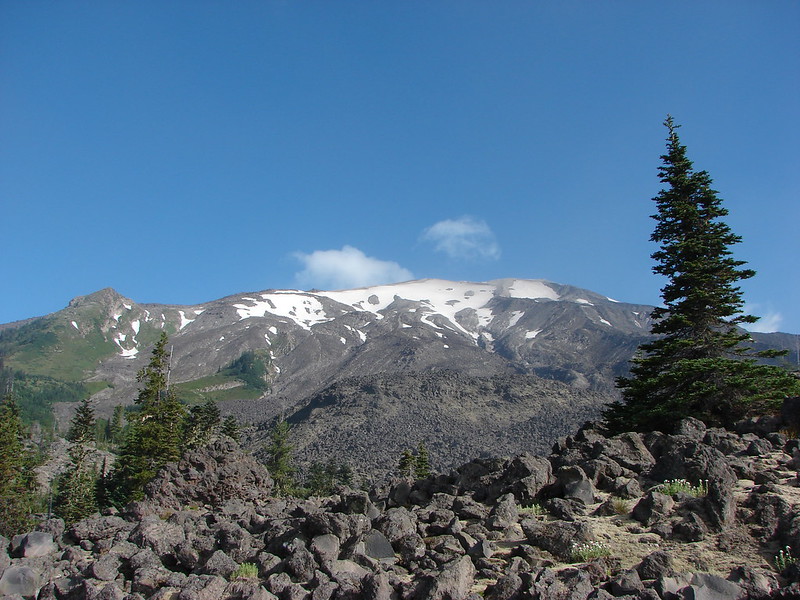
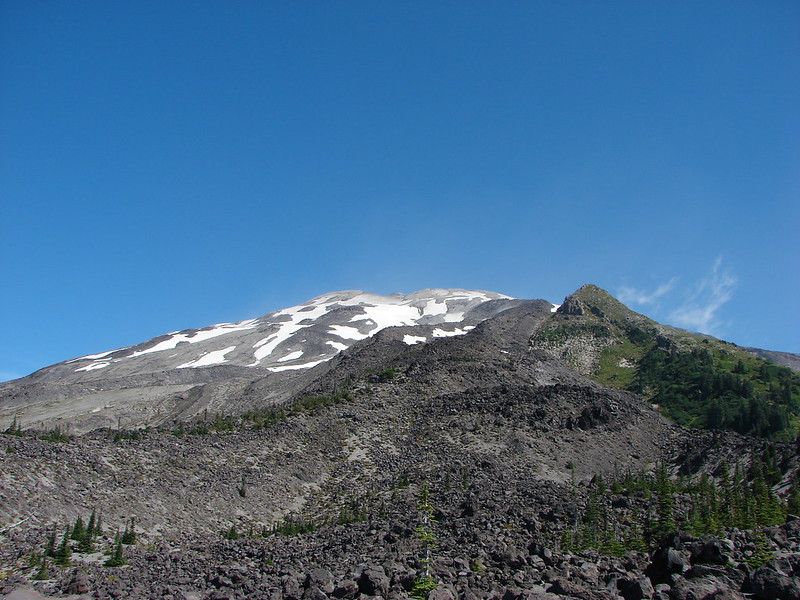
There were also plenty of great views of Mt. St. Helens.
IMG_1347

IMG_1351
Mt. Adams from one of the posts.

IMG_1352

IMG_1361

IMG_1362
This is where we missed the turn and were following footprints along this ridge.

When we finally spotted a post and the trail way down in the gully below we checked the GPS and confirmed we were off the actual trail. A little scrambling connected us back up to the correct path.
IMG_1364
Mt. Adams from the ridge. The post is barely visible between some trees ahead to the left, but we didn’t want to try to recross the top of the ridge as there were some large gaps that were almost too sketchy for us on the first pass.

IMG_1366
A little downclimbing to the actual trail below.

IMG_1370
Passing the post we had seen from above.

IMG_1385
Dropping into another gully. At this point Heather decided she was not going to try and push for Ape Canyon and sent me ahead while she would take her time and turn around when she felt like it.

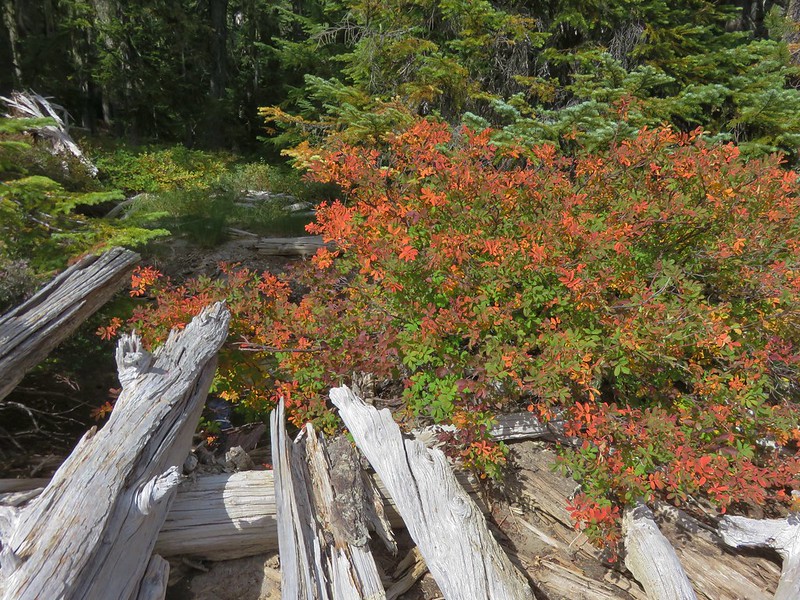
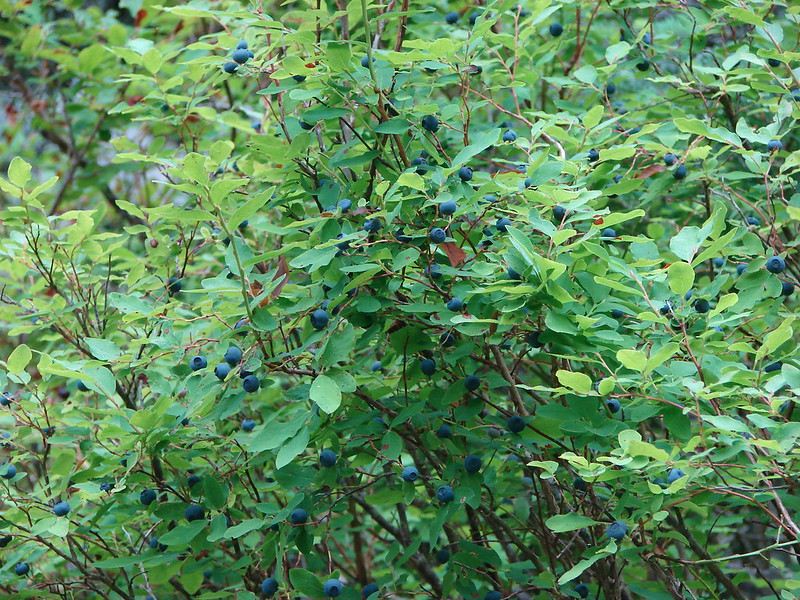
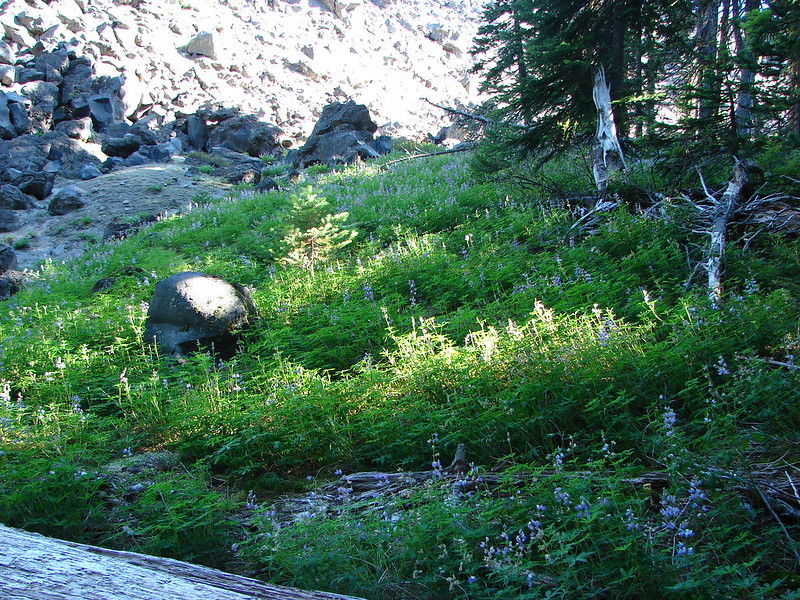
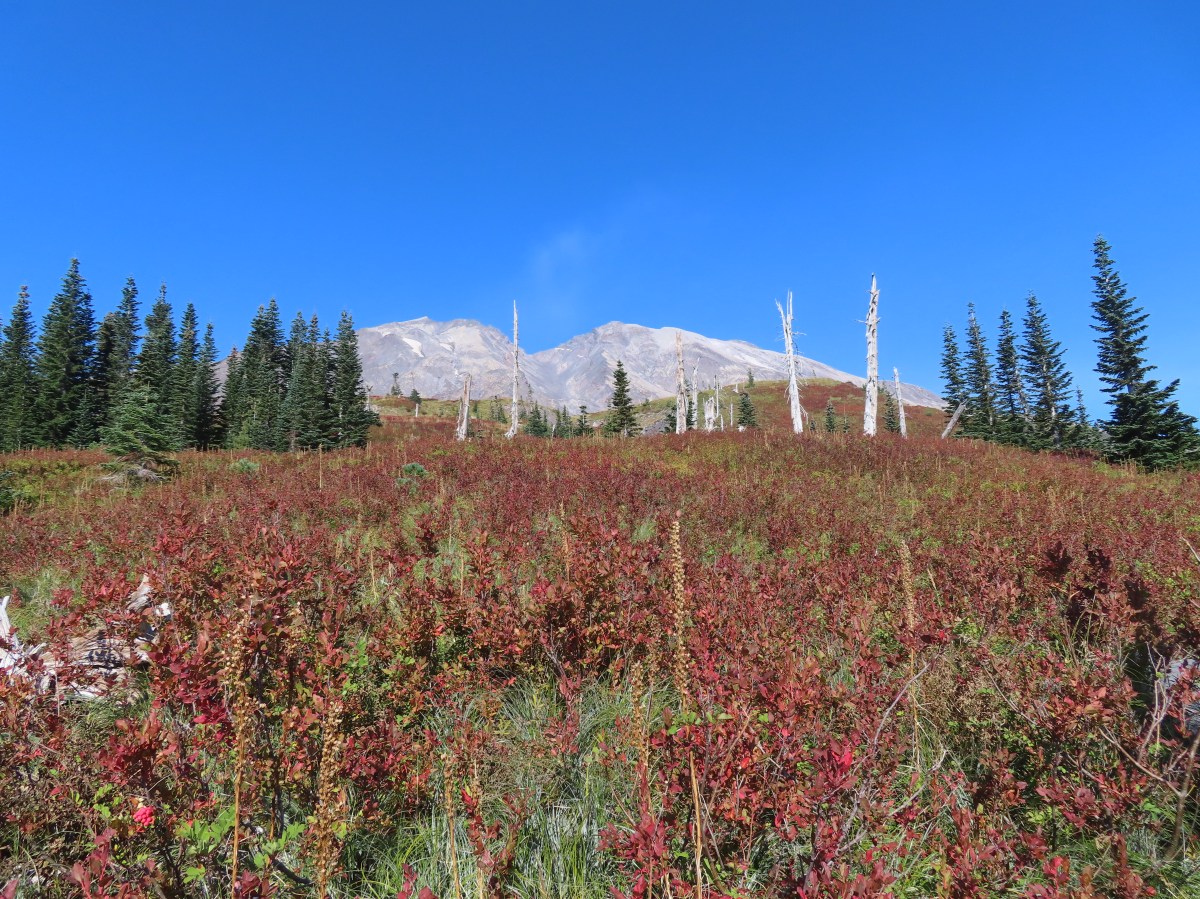
The trail briefly left the rocky landscape to traverse up and along a hillside with a few trees and a lot of huckleberry bushes that were sporting their fall colors.
IMG_1386

IMG_1393

IMG_1395
Looking back at Mt. Hood and the direction we’d come.

IMG_1407
Mt. Adams and a lot of huckleberry bushes.

IMG_1408
Mt. Rainier in the distance.

IMG_1414
Mt. Rainier behind Pumice Butte.

IMG_1421

IMG_1424
Ripe serviceberries mixed in with the huckleberries.

IMG_1428

After traversing the huckleberry covered hillside it crossed another tributary of the Muddy River.
IMG_1439

IMG_1440
Closer look at Mt. St. Helens.

IMG_1445
Heading for the next post.

IMG_1449
Mt. Rainier became more visible as I continued north.

IMG_1452
One of the larger canyons of the Muddy River. The entire route was dry this late in the year.

IMG_1456
Dry waterfall above the trail.

IMG_1458
Looking down the canyon toward Mt. Adams.

IMG_1462
Mt. Hood and a layer of haze behind one of the posts.

IMG_1466
The trail turning uphill before the next canyon.

IMG_1468
The Loowit Trail climbing out of another canyon to a post with Mt. Rainier in the distance.

IMG_1479
Mt. Rainier and Little Tahoma

IMG_1483
Dwarf lupine

The next ravine was the main channel of the Muddy River and it proved to be the trickiest as the trail climbing out was not obvious.
IMG_1484
There was a post visible on the far side poking up from a patch of green but no visible path leading to it.

IMG_1486
It almost looked like there might be a path on the shelf above the dry riverbed, but I didn’t see a clear path to it, nor did it appear to lead anywhere near the post on the ridge above.

Once I was in the riverbed I spotted two small rock cairns, one with a pink ribbon so I headed for those.
IMG_1487

That brought me to the far side but there was still no clear tread that I could see.
IMG_1488
The post is uphill just to my left. There were some prints leading up from here so I angled uphill toward the trees above.

This route quickly turned into a class 3 scramble. I had to be very careful which rocks I used as hand and footholds due to how loose the hillside was. I momentarily considered turning around but I was closer to the top than the bottom and wasn’t sure I could safely downclimb, so I continued. I finally managed to climb out near the snags.
IMG_1489
The post is hiding back behind the snags here.

After gathering myself I continued on figuring that it should be easier to follow the correct path down starting from the post on the way back. The Loowit trail now began a nearly three-quarter mile long descent.
IMG_1491
Mt. Rainier to the left and the Loowit Trail ahead to the right.

IMG_1499
The Ape Canyon Trail was visible climbing along the ridge below.

The trail leveled out shortly before arriving at the junction with the Ape Cayon Trail at a post with a great view of Pumice Butte.
IMG_1502

I almost called it quits here. In addition to a great view of Mt. St. Helens I could see the Loowit Trail below in the distance as it bowed out and around toward Ape Canyon which was on the far side of Pumice Butte.
IMG_1505
The Loowit Trail is visible on the right-hand side about halfway up the photo.

IMG_1506
The trail then bent around to climb the ridge in the distance on the far side of the butte.

The deciding factor was that on our previous two visits Mt. Adams had not been visible from the viewpoint above Ape Canyon. Despite there being a little haze today I knew Mt. Adams would be visible, so I sallied forth.
IMG_1508

IMG_1510
Heading toward Pumice Butte now. If you look closely, on the left-hand side toward the top, there are several mountain goats. At this point I had dismissed them as fallen snags and hadn’t bothered looking closely.

IMG_1511
Passing through yet another gully.

IMG_1514
Paintbrush

IMG_1517

The trail passes the top of Ape Canyon and crosses what is sometimes a small spring fed stream.
IMG_1519

IMG_1520
No water, just a little bit of mud. Speaking to backpackers there were few sources of water available this late in the year.

IMG_1533
Success! Mt. Adams from Ape Canyon

Ape Canyon
This was the 2013 view.

Ape Canyon
And the 2015 view.

I took a break on a rock and had a snack and changed into dry socks before starting back.
IMG_1525
The rock I used as a bench.

It was while I was heading back that I realized it was mountain goats on Pumice Butte and not stumps/downed trees.
IMG_1537

IMG_1538
Looking north toward Windy Pass where the Loowit Trail passes between the mountain and the butte ahead.

IMG_1545
Mt. Adams, Pumice Butte, and mountain goats.

IMG_1540

I returned the way I’d come, except for the two places that I’d lost the trail on the way to Ape Canyon. As the sun moved overhead the view of Mt. Adams improved a bit and the view of Mt. Hood became hazier.
IMG_1559

IMG_1563
Mt. Hood was barely visible now.

When I reached the post above the Muddy River I followed the path as it began to descend the side that I’d scrambled up.
IMG_1578

IMG_1579
The section of trail that I had thought I’d seen from the other side was visible below but again there was no clear route to it. I believe it is a remanent of a previous route through the canyon that has since washed out.

The route down made a switchback and basically led me back to where I had begun my scramble up. There was a pretty good drop near the bottom though. It was significant enough that I sat down and slowly lowered myself by sliding down the loose pumice. Looking back, I am sure I considered that as a possible route up but the drop, or climb going up, seemed pretty daunting and since I wasn’t positive it was indeed the current trail I veered right instead. Once I was done with the butt slide, I found myself in the riverbed at the cairns I had followed earlier. It was a little perplexing at the time, but I was through the worst section now and could enjoy the rest of the hike back.
IMG_1588
Dust kicking up from a rockfall on the mountain.

IMG_1595

IMG_1598
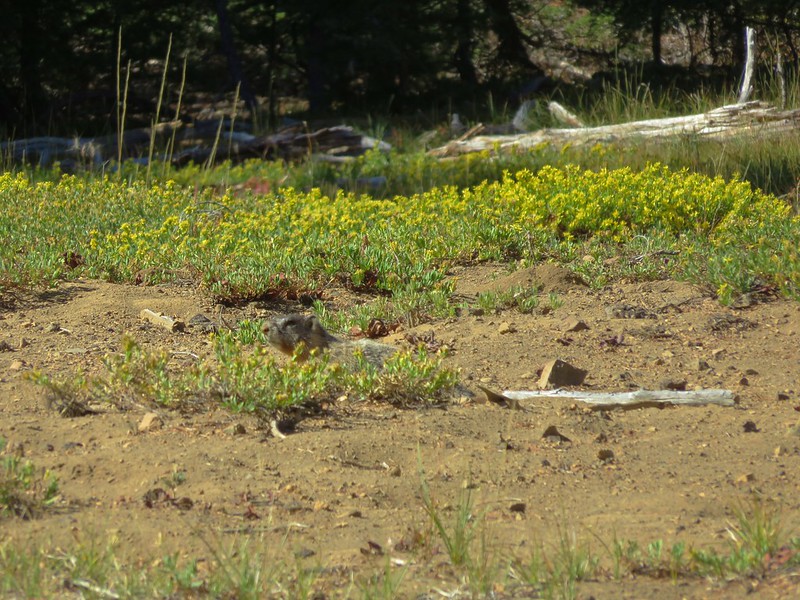
Golden-mantled grounds squirrel. I heard a few pikas along the way but never saw any, just the golden-mantles and some chipmunks.

IMG_1602

IMG_1616
Coming up to the post on the ridge where we’d lost the trail earlier.

IMG_1621

IMG_1625
Mt. Adams near the end of the hike.

IMG_1628
The trail below in the rocks.

IMG_1633
Back on the June Lake Trail.

I caught up to Heather a little before reaching June Lake. She had gone through the huckleberries and stopped at the edge of one of the big canyons and taken a nice long break before taking her time on her way back. We stopped at June Lake again for a final look at the waterfall then returned to the car.
IMG_1636

IMG_1637
Ouzel with a snack.

IMG_1641

IMG_1648

The hike to Ape Canyon came in at 14.4-miles on my GPS. I am just guessing on elevation, but I’d say it was in the 2500′ range due to all the ups and downs.
Screenshot 2025-09-20 183410

Screenshot 2025-09-22 183938
This little orange section is my scramble out of the Muddy River Canyon.

Mt. St. Helens never disappoints. This might have been my favorite hike we’ve done at the mountain to date but it’s hard to say. Happy Trails!

Flickr: June Lake to Ape Canyon
Categories
Diamond Peak Area High Cascades Hiking Oregon Trip report

Sawtooth Mountain and June Lake

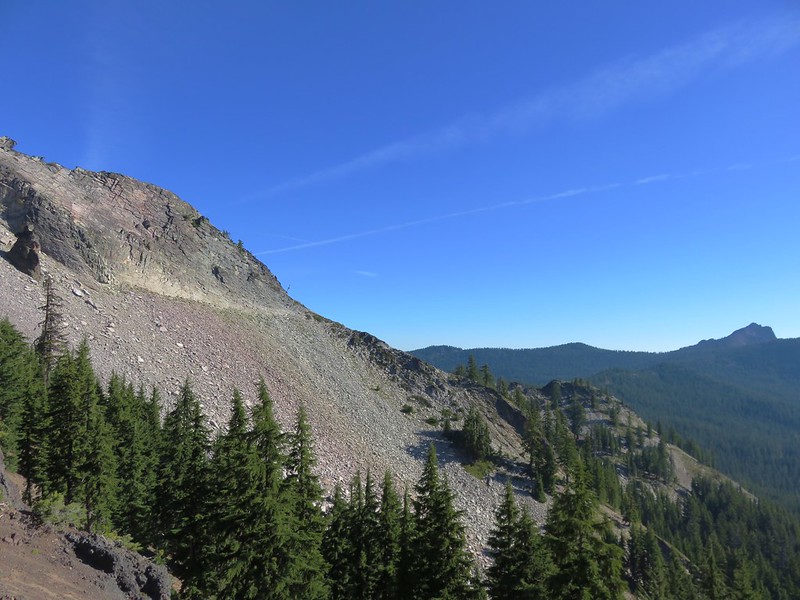
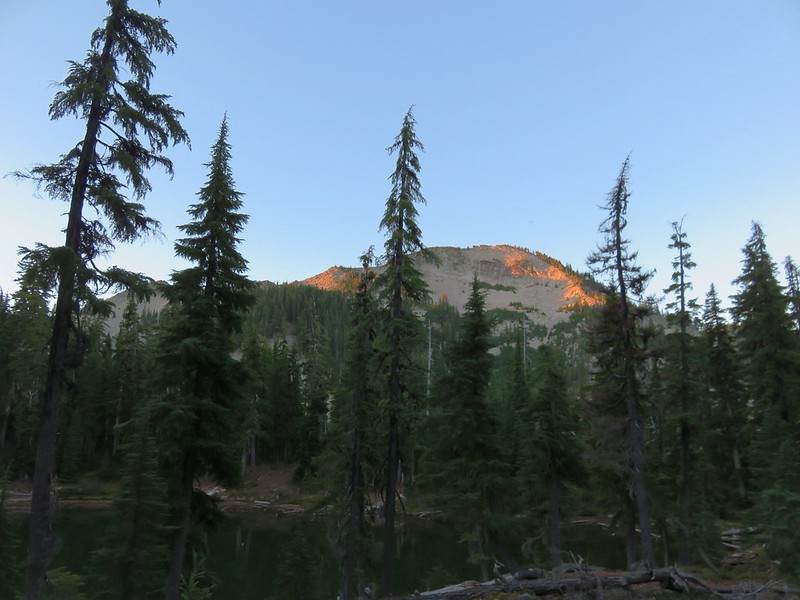
Our second day in the Oregon Cascades Recreation Area was a day hike from our base camp at the little green lake above Indigo Lake. Our plan was to do a loop around Sawtooth Mountain (with a side trip up to the summit). Before completing the loop we also planned to to take another side trip to visit nearby June Lake.
IMG_6181

We chose to go around Sawtooth Mountain in a clockwise direction. Heather had pointed out that this was a shorter route to the summit from where we were camped which would mean we’d be climbing in cooler temperatures and it also would allow us to visit June Lake later in the day when we would likely be welcoming a nice break.

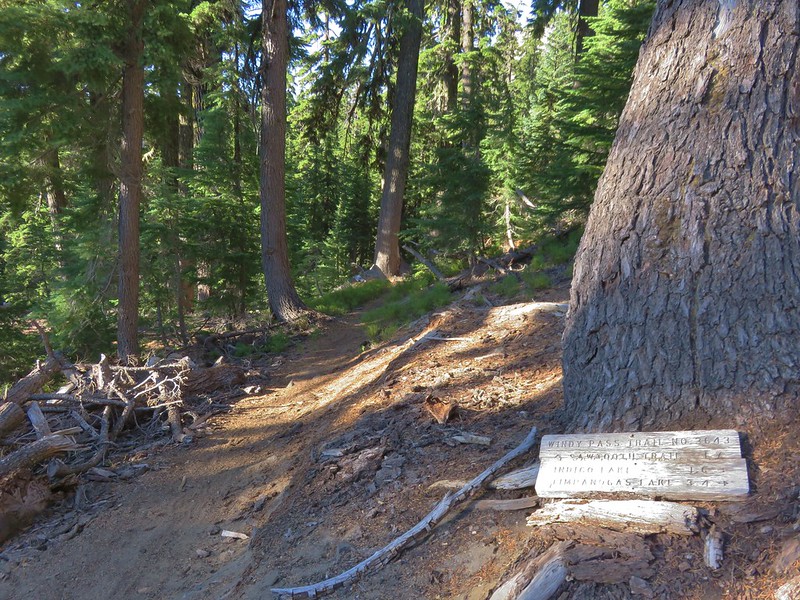
We left the lake and returned to the Indigo Extension Trail which we took uphill to the junction with the Windy Pass Trail.
IMG_6184

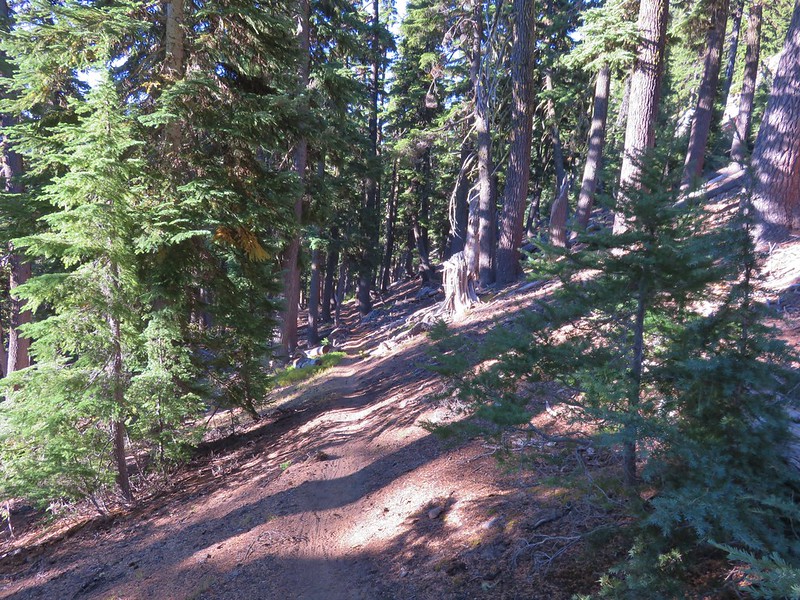
Here we turned right onto the Windy Pass Trail and began a downhill traverse behind Sawtooth Mountain.
IMG_6185

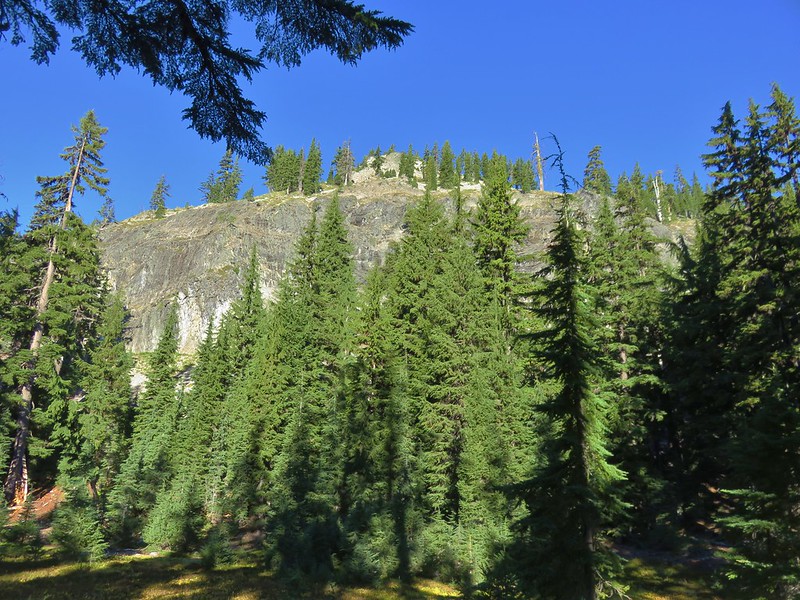
The downhill meant more climbing to get to the 7301′ summit so we weren’t overly thrilled as we continued to lose elevation. The trail eventually began to climb after descending to an elevation of approximately 6350′. The climb was quite a bit steeper than the descent had been. We did have occasional views up through the forest to various rock formations on Sawtooth Mountain but not of the summit itself.
IMG_6188

IMG_6191

IMG_6194

We also saw the only deer we’d encounter on the entire trip along this section when a doe and her fawn ran down a gully toward seasonal Bradley Creek.

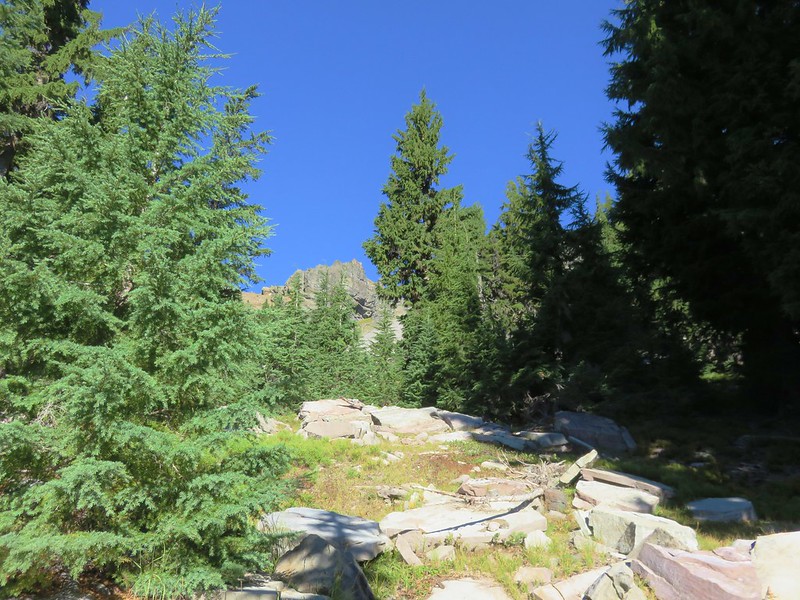
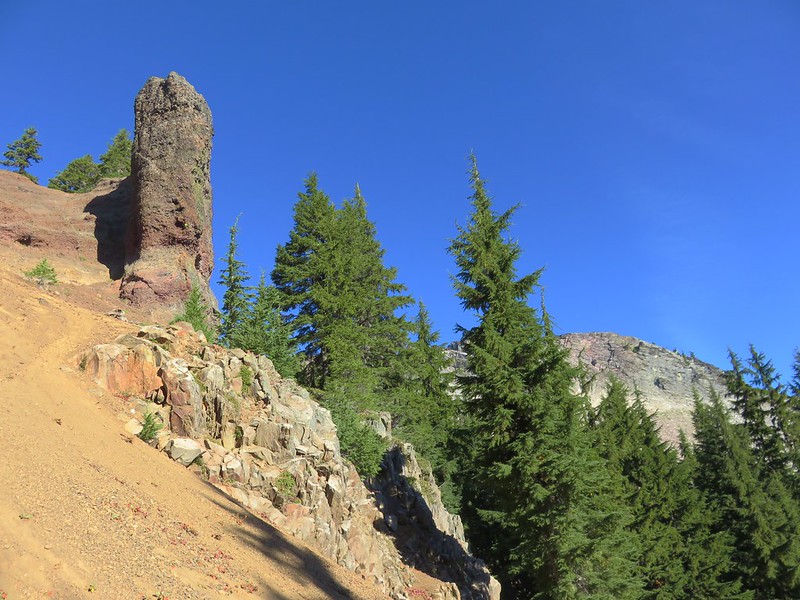
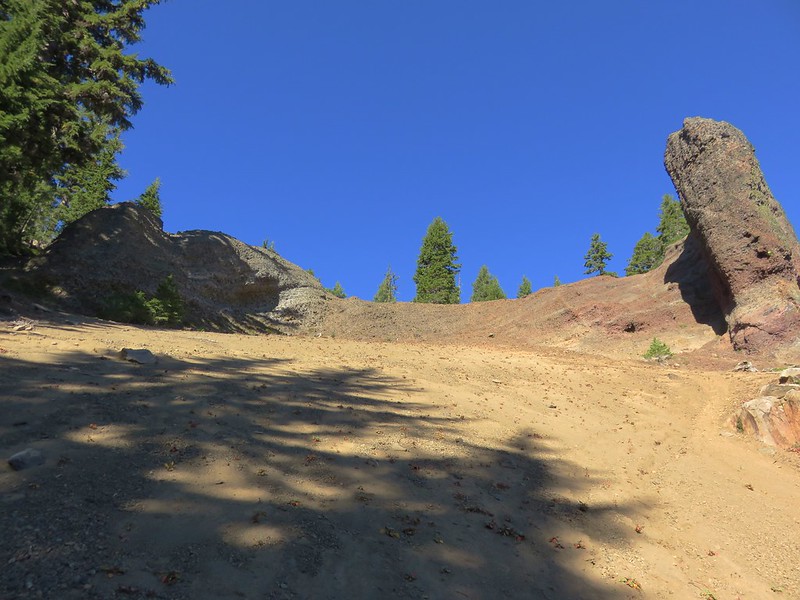
The trail really steepened in very loose dirt below an interesting pillar, where we also got a good look our goal, which we had now worked our way around.
IMG_6195

IMG_6198

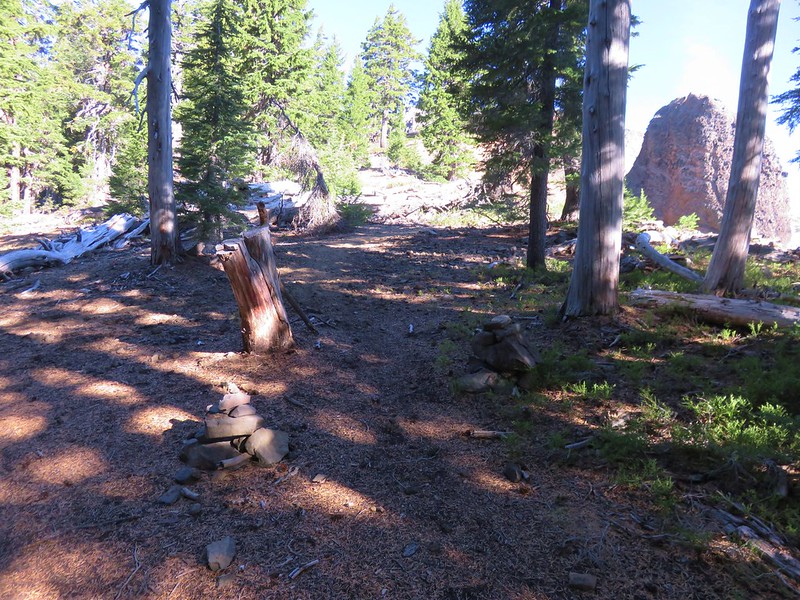
We found the .4 mile scramble trail to the summit a very short distance after climbing past the pillar. The trail was marked with rock cairns.
IMG_6202

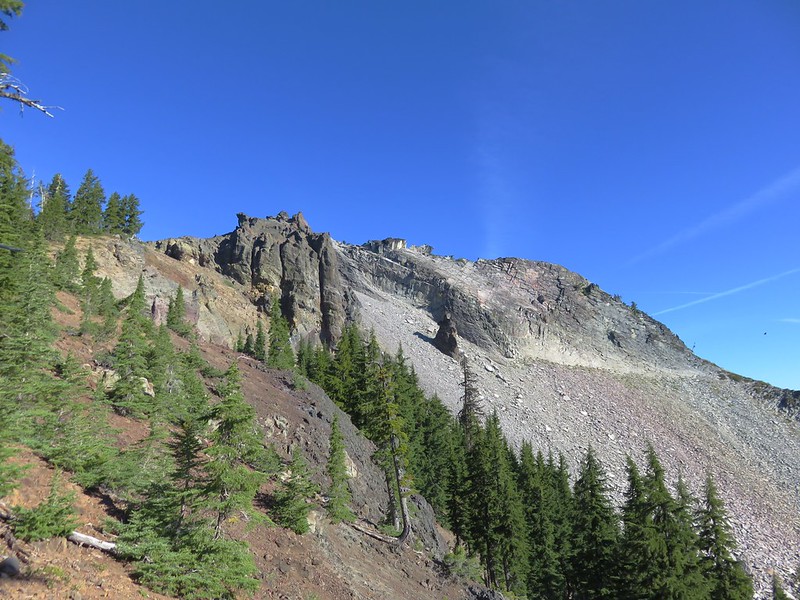
From the beginning of the scramble trail we could get a little idea of our route but the view turned out to be pretty deceiving.
IMG_6206

Beyond Sawtooth Mountain was Cowhorn Mountain which we had climbed the previous day.
IMG_6208

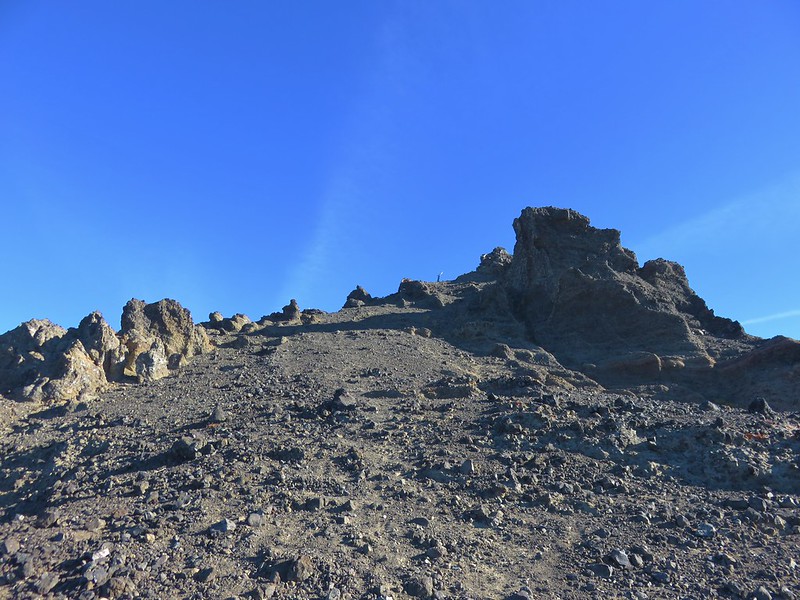
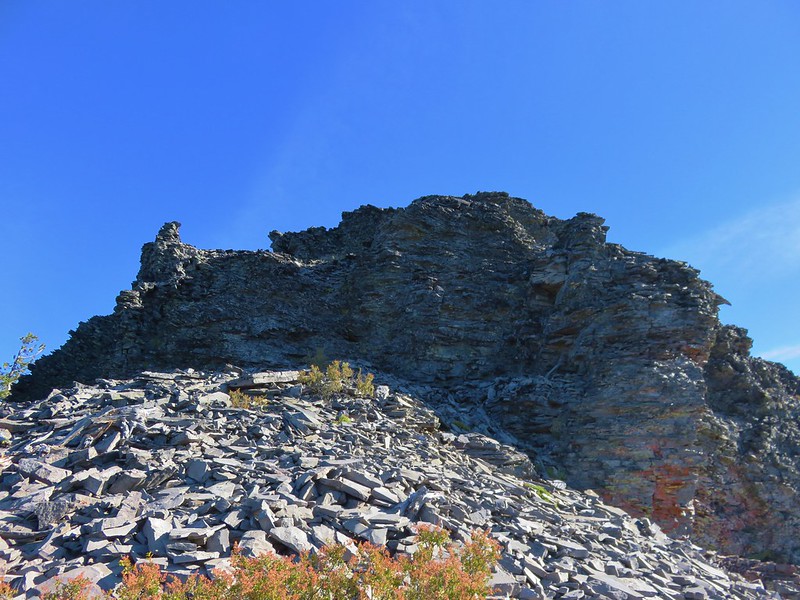
The climb up Sawtooth Mountain was not as steep as the climb up Cowhorn Mountain had been but it had it’s own challenges. The first tenth of a mile or so was an easy to follow dirt path along a ridge. The dirt gave way to rock and we were soon climbing more steeply up a scree slope to a dark rock outcrop.
IMG_6220

A second outcrop lay a couple hundred feet further along the ridge.

Looking back to the first outcrop from the second.
IMG_6221

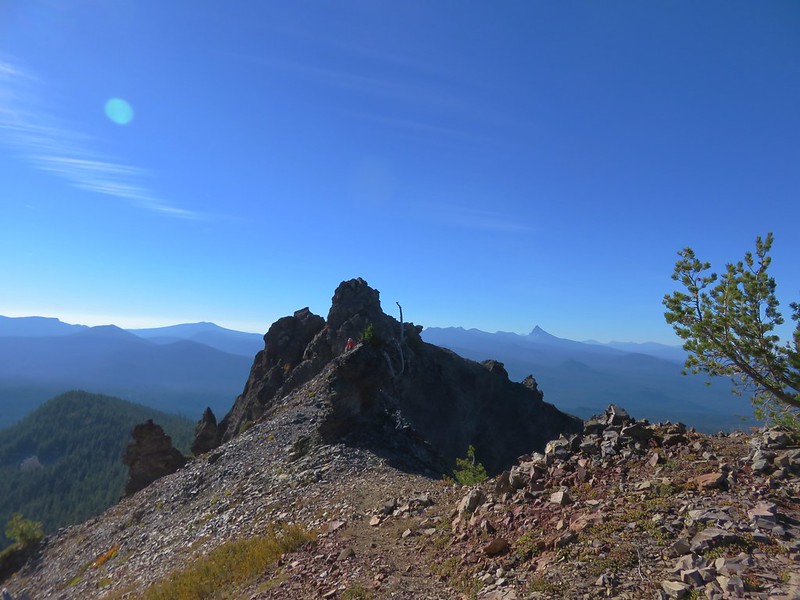
Hidden behind the second outcrop the ridge continued on but it was much narrower.
IMG_6222

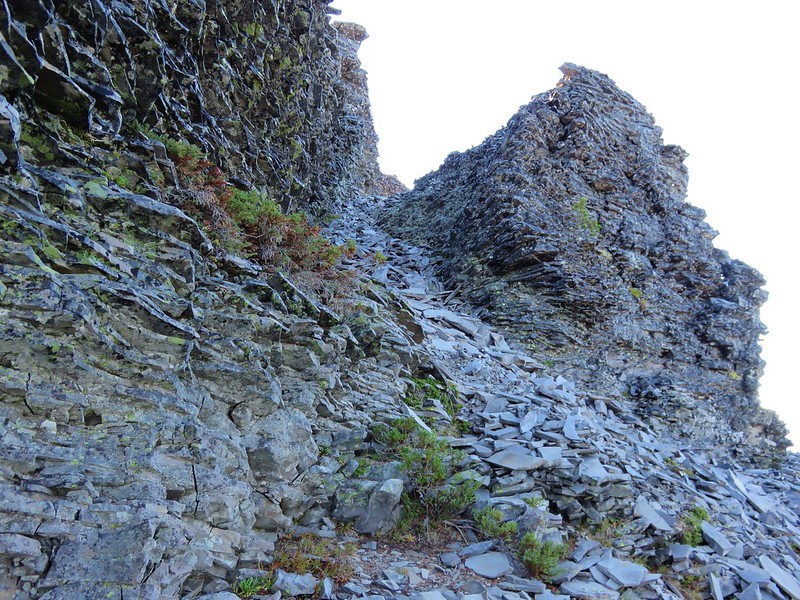
It was narrow enough that there was a moment of hesitation before stepping out and heading across. To make things just a little more challenging there was a small rock spire toward the end of the narrow section to navigate around.
IMG_6223

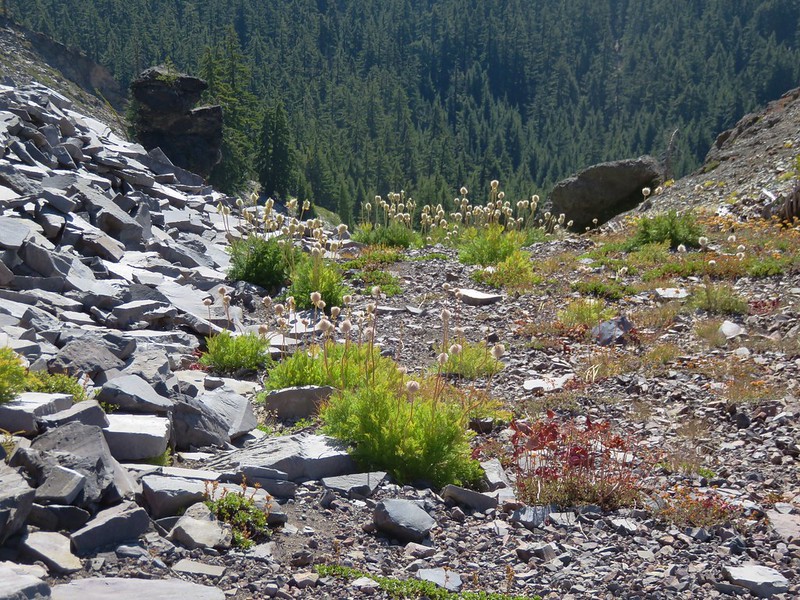
At the far end of the ridge was a patch of western pasque flowers.
IMG_6224

The route headed to the left along a scree field below the mountains craggy summit.
IMG_6227

After passing a narrow chute filled with loose rock we scrambled up to the summit from the NW side.
IMG_6228

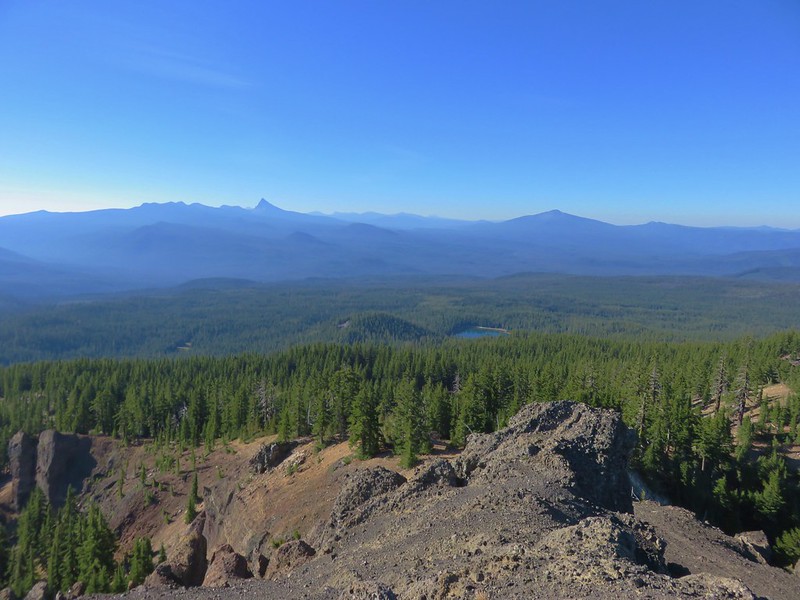
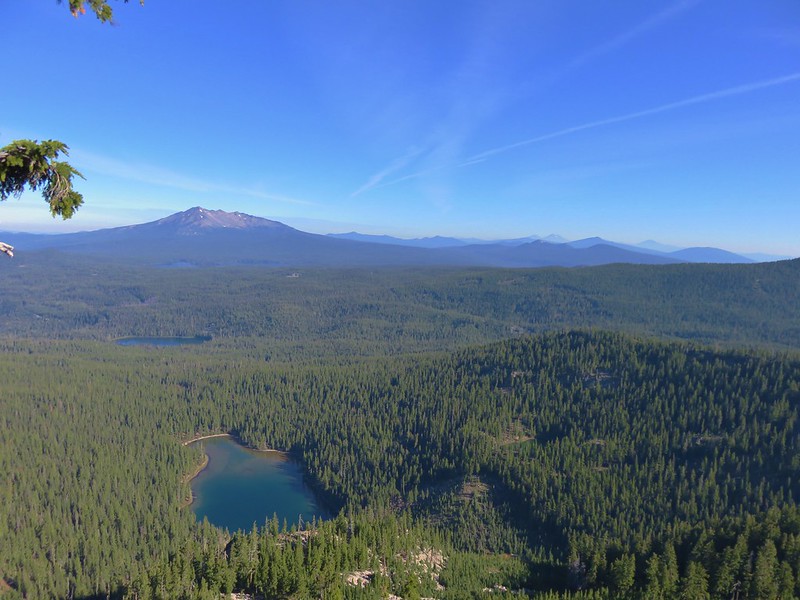
Despite this peak being 350′ shorter than Cowhorn Mountain we felt the views were a bit better. Indigo Lake lay almost directly below and several mountains that we had not been able to see from Cowhorn Mountain were visible from this summit.

Looking north
IMG_6229

Indigo Lake
IMG_6271

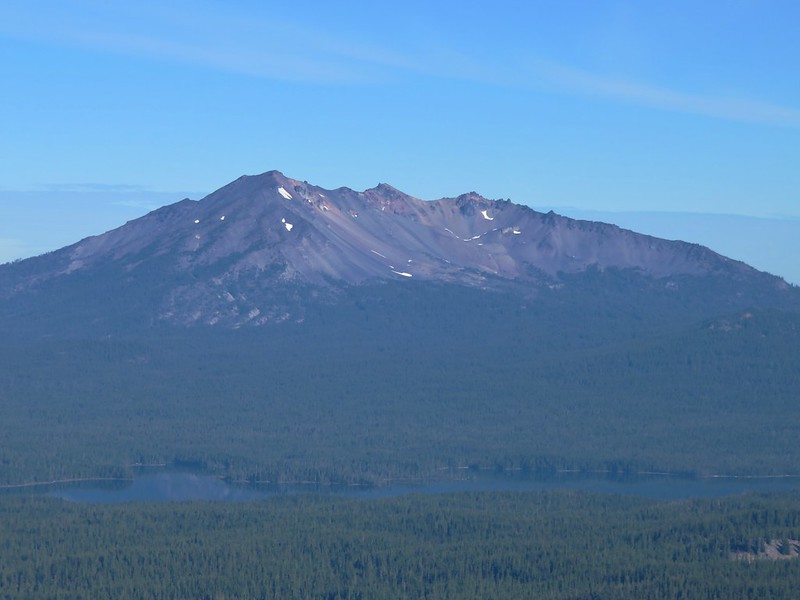
Diamond Peak and Summit Lake
IMG_6244

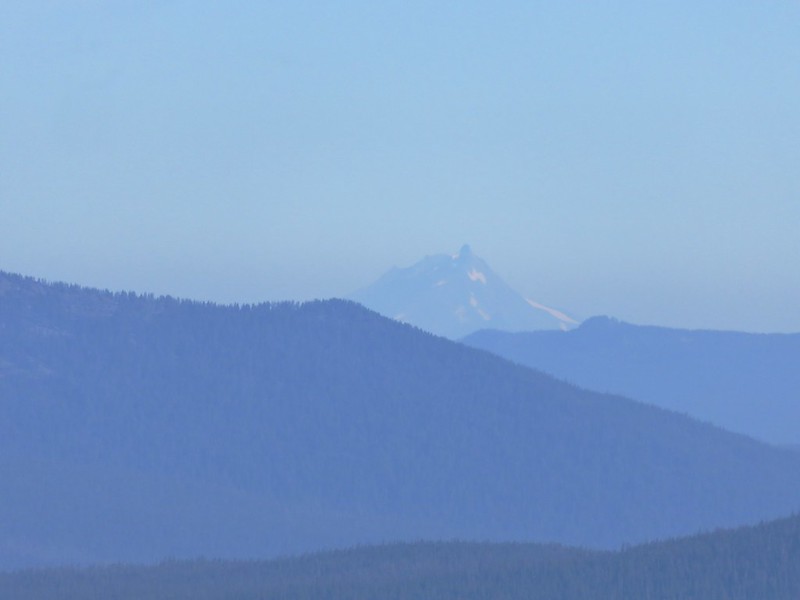
Mt. Jefferson
IMG_6232

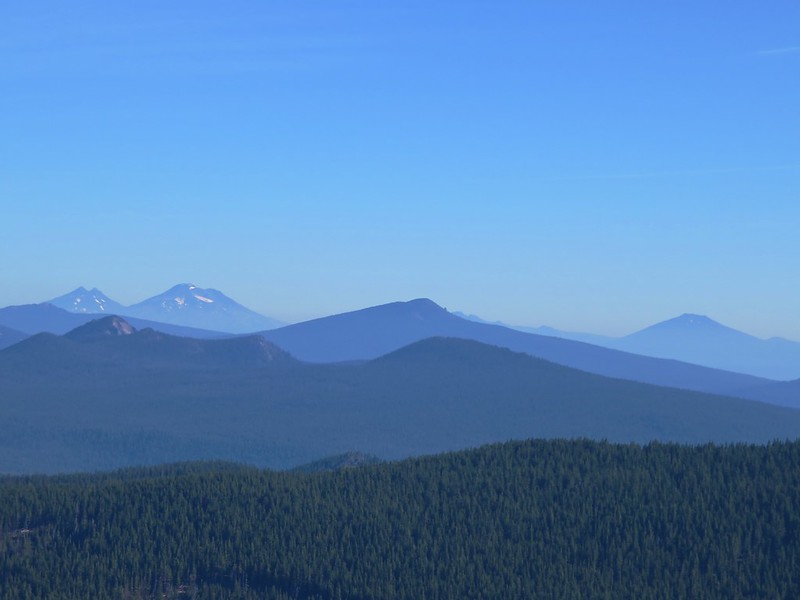
The Three Sisters, Broken Top and Mt. Bachelor behind Maiden Peak
IMG_6233

To the east was Cowhorn Mountain
IMG_6238

View south
IMG_6236

Mt. Scott behind Mt. Thielsen
IMG_6255

Union Peak and Mt. McLouglin
IMG_6257

Mt. Bailey
IMG_6259

There also didn’t seem to be as many yellow jackets flying around (just a bunch of flies)which allowed me to be a little more relaxed as we took a break and ate some food. On the way back to the Windy Pass Trail we spotted a marmot foraging in the dirt. We’d seen it on the way up but it had run off as we approached but now it didn’t seem to be too worried about us.
IMG_6287

IMG_6290

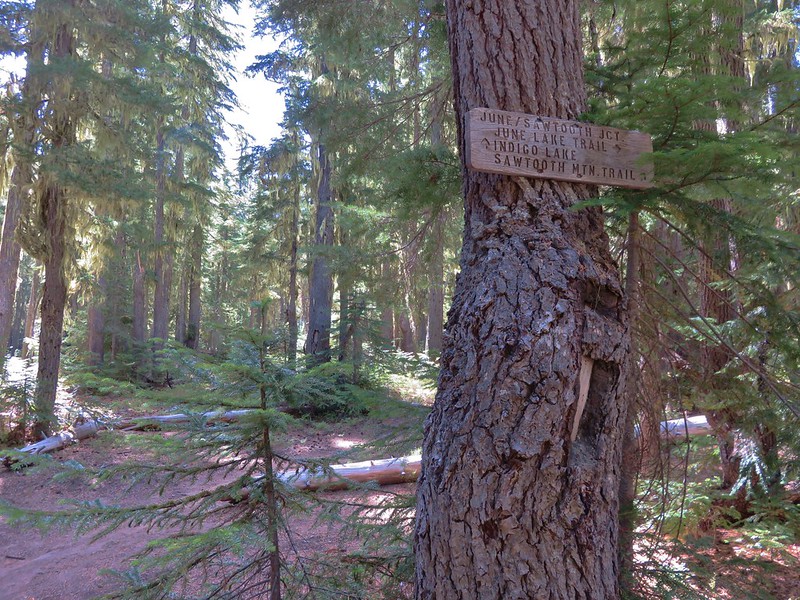
Approximately 1.2 miles after starting back on the Windy Pass Trail we came to a junction with the Sawtooth Mountain Trail.
IMG_6302

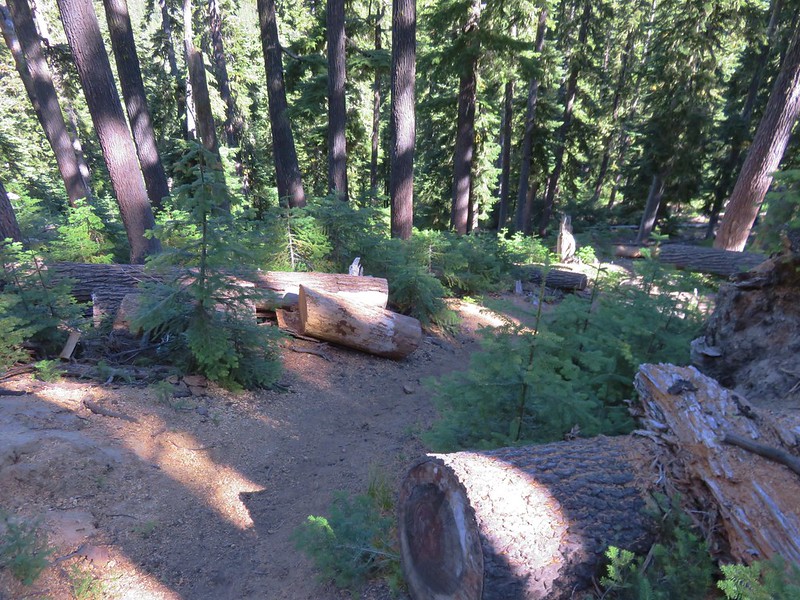
The Windy Pass Trail continues 2 more miles to Forest Road 770 but according to the forest service that section of trail is no longer maintained. Our route took us onto the Sawtooth Mountain Trail though. We followed this path downhill through the forest for approximately 2.25 miles. At times the trail was rather steep and it was evident why it appeared to be popular with mountain bikers.
IMG_6304

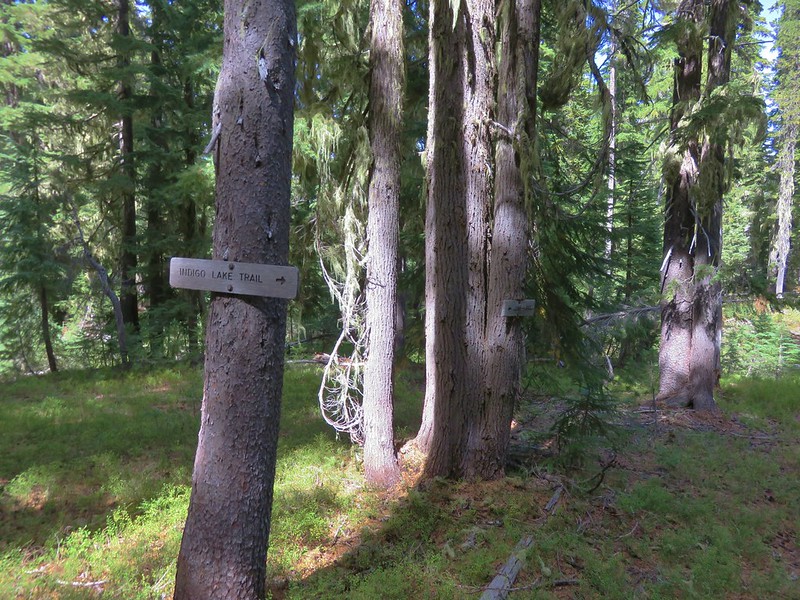
After the 2.25 miles we arrived at a trail junction with the Indigo Lake and June/Indigo Tie Trails.
IMG_6317

To get back to our camp we would need to head toward Indigo Lake but first we wanted to visit June Lake so we made a sharp left turn onto the tie trail.
IMG_6318

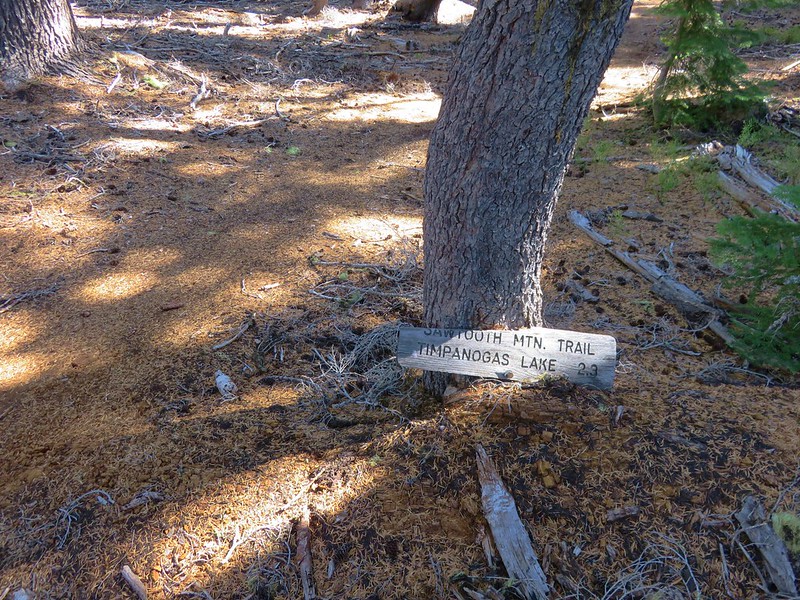
After about half a mile the tie trail met the June Lake Trail coming up from a trailhead near the Timpanogs Lake Campground.
IMG_6321

IMG_6322

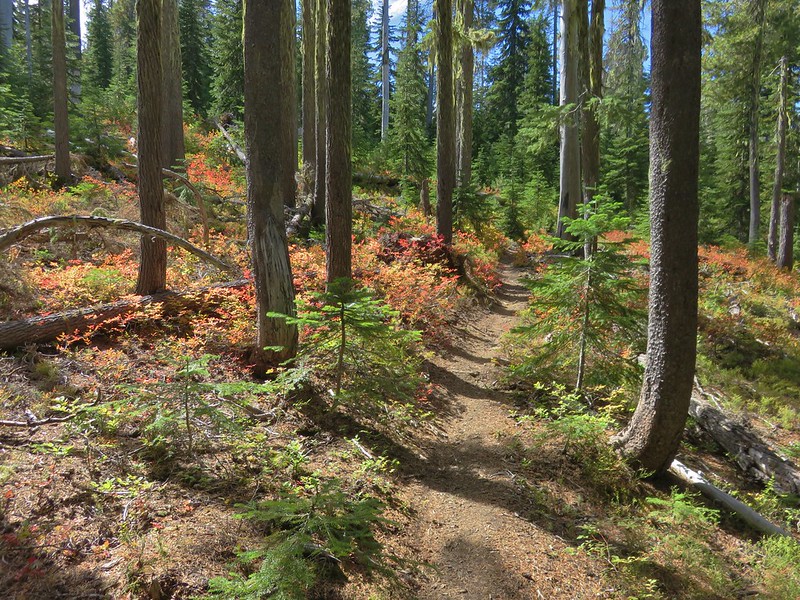
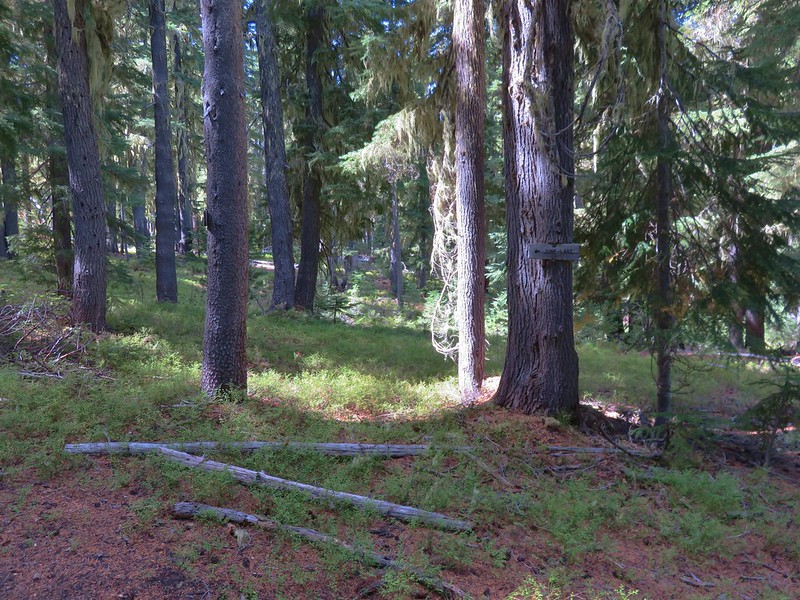
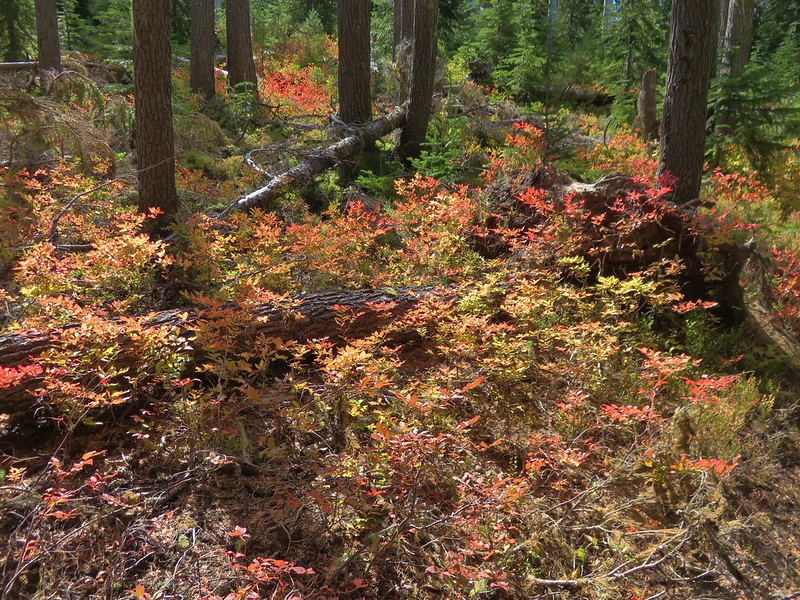
The hike to June Lake was nearly flat, especially in relation to what we’d just come down. Sections of the trail were also lined with colorful huckleberry bushes.
IMG_6323

IMG_6325

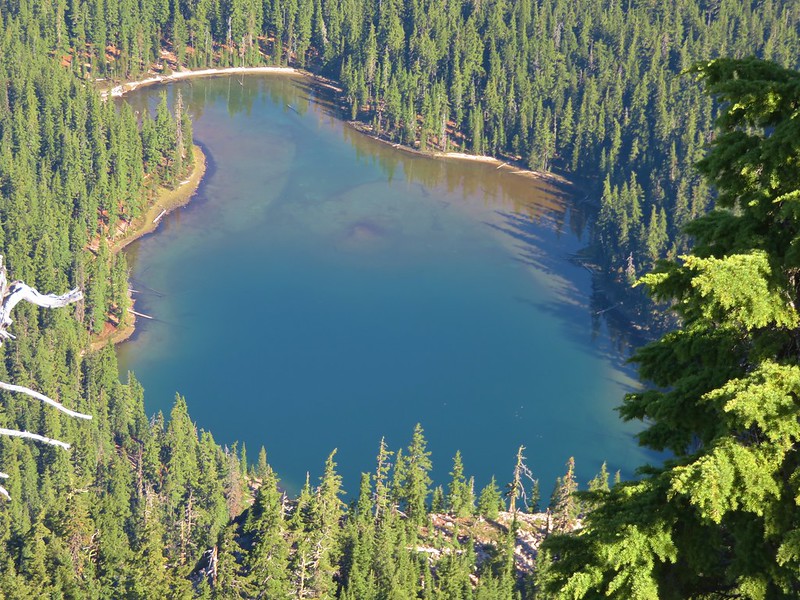
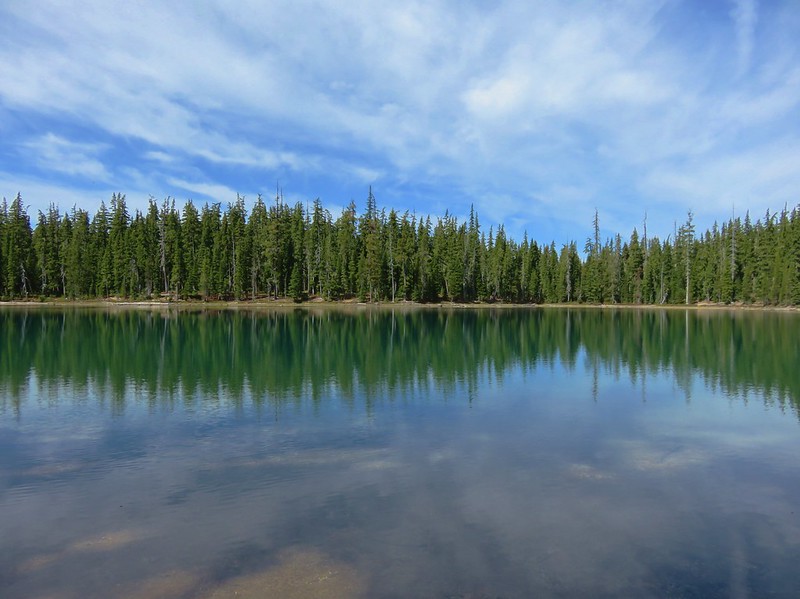
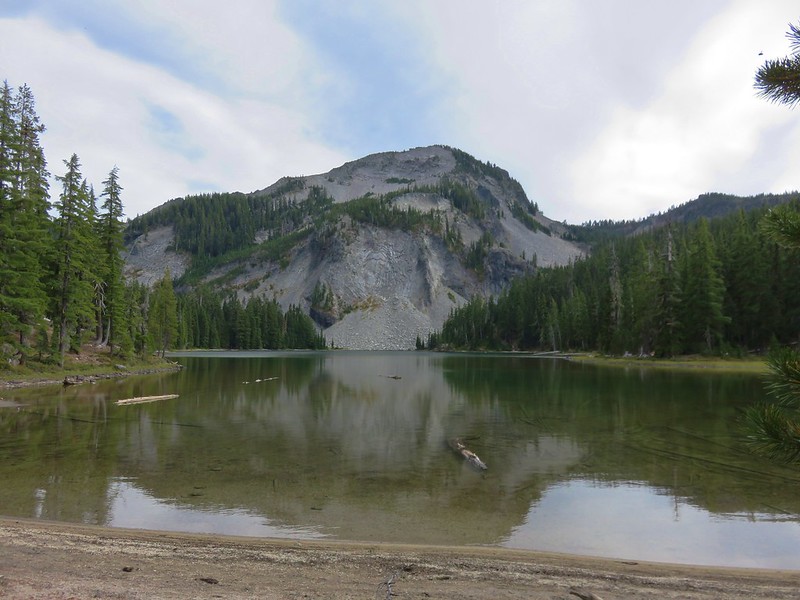
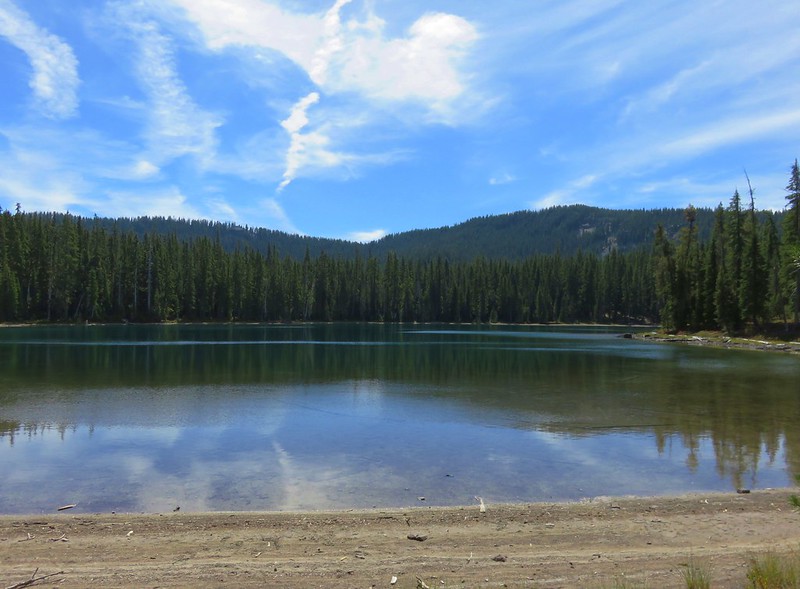
June Lake was a little bigger than we expected and, like the other lakes in the area, very colorful. The only thing it seemed to lack was a mountain view.
IMG_6332

IMG_6335

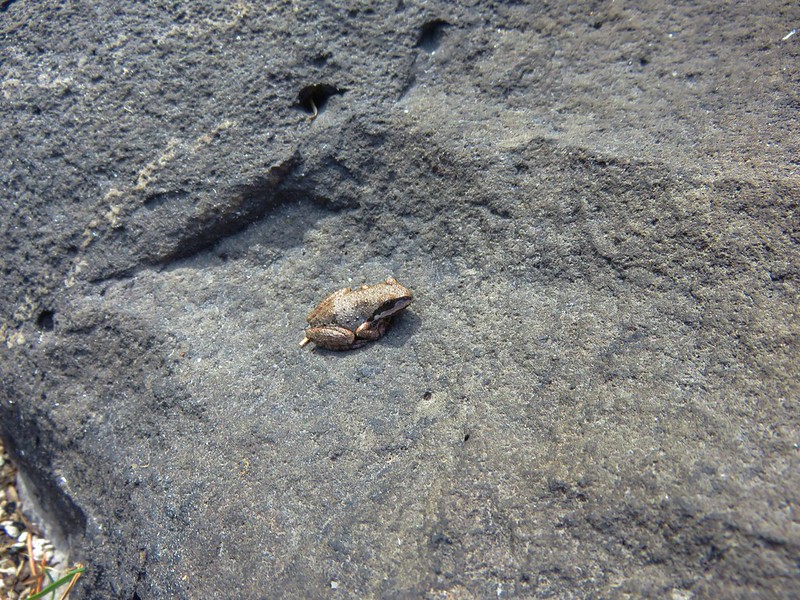
We walked around the lake stopping on the far side to sit on some rocks along the shore. We had to watch where we sat because we weren’t the only ones enjoying the rocks.
IMG_6343

IMG_6344

As we rested we watched busy birds and butterflies along the lakes sandy shore.
IMG_6336

IMG_6337

We had gone around the lake clockwise and near the end of the loop we came to the lakes now dry outlet creek.
IMG_6348

IMG_6351

We stopped for a moment to ponder what might have once been on a small signboard that was nearby.
IMG_6349

After completing the loop we followed the June Lake Trail back to the junction with the tie trail where we decided not to turn onto the tie trail but instead take the .7 mile trail down to the trailhead.
IMG_6352

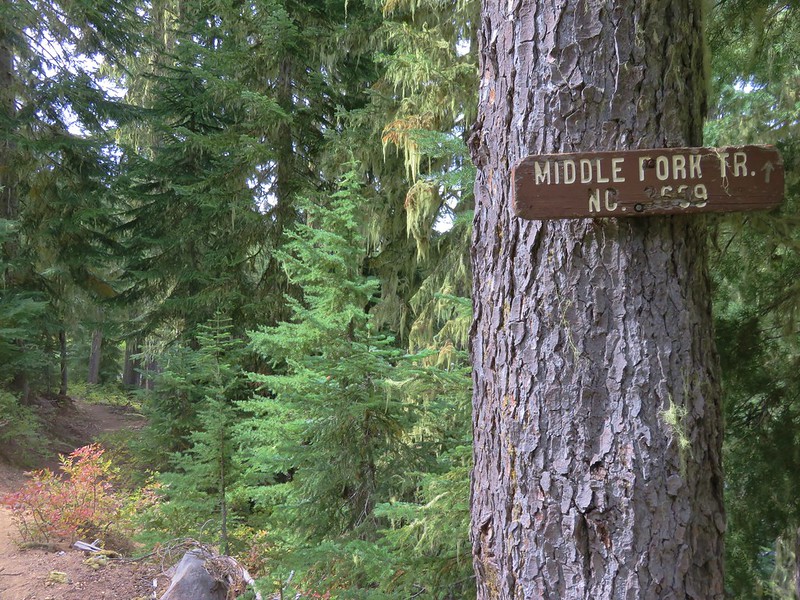
This section of trail lost about 200′ of elevation as it descended to a junction with the Middle Fork Trail.
IMG_6354

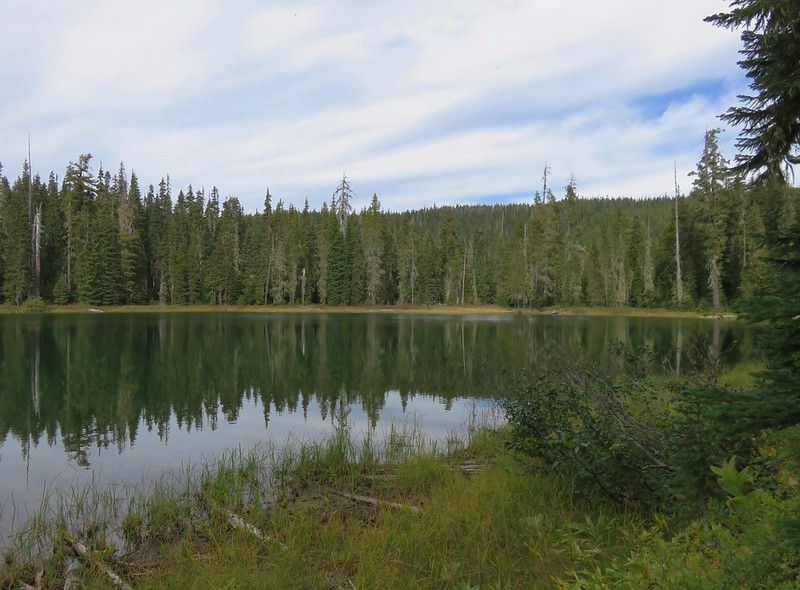
The 33.1 mile Middle Fork Trail follows the Middle Fork Willamette River from the Sand Prairie Campgound near Hills Creek Reservoir near Oakridge up to the trailhead near Timpanogas Lake. Just before the trailhead it passes Lower Timpanogas Lake. In order to get a decent look at that lake we had to hike 100′ down the Middle Fork Trail.
IMG_6355

IMG_6356

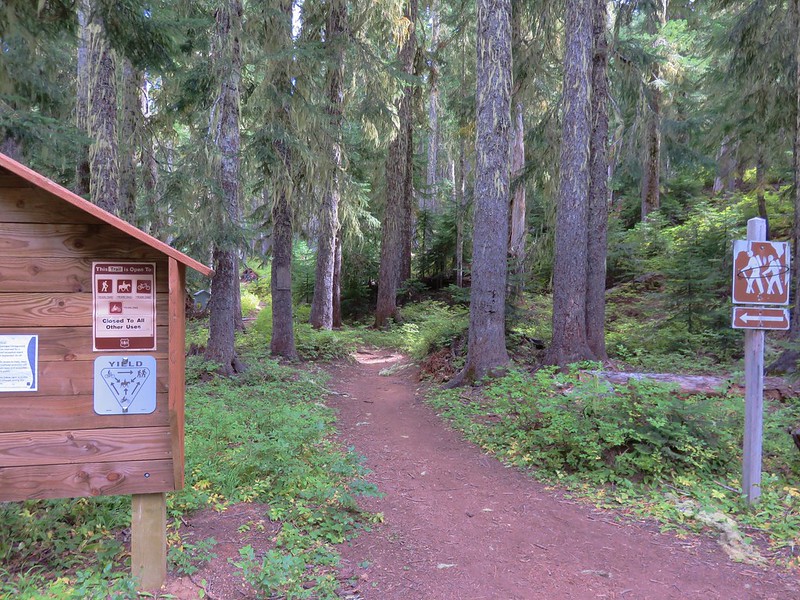
To be honest it was the least impressive of the lakes we’d visited on the trip so far but Heather did see some good sized fish swimming in the water. We walked back up to the junction and turned left onto what was now an old roadbed leading to the trailhead. At the trailhead we headed up the Indigo Lake Trail.
IMG_6357

We climbed for .7 miles back to the junction where we had taken the June/Indigo Tie Trail then continued on the Indigo Lake Trail an additional 1.2 miles uphill to Indigo Lake.
IMG_6358

IMG_6359

IMG_6361

IMG_6364

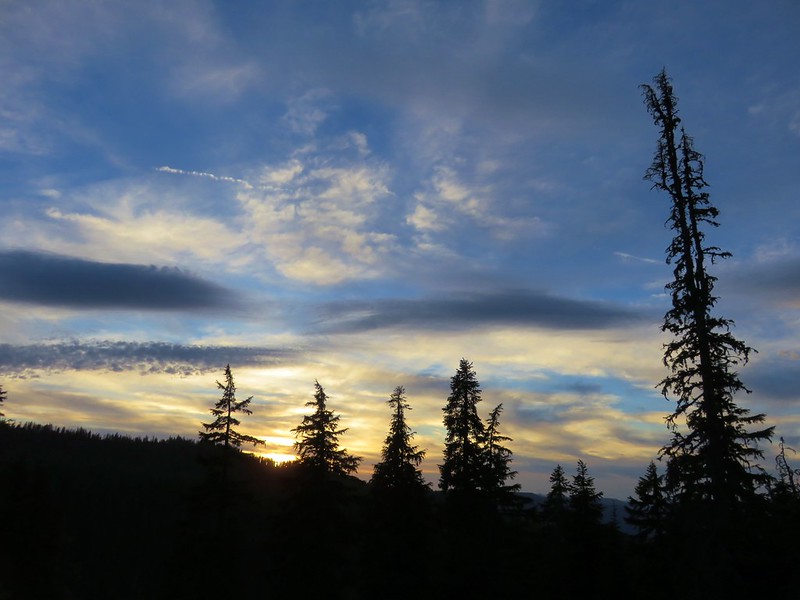
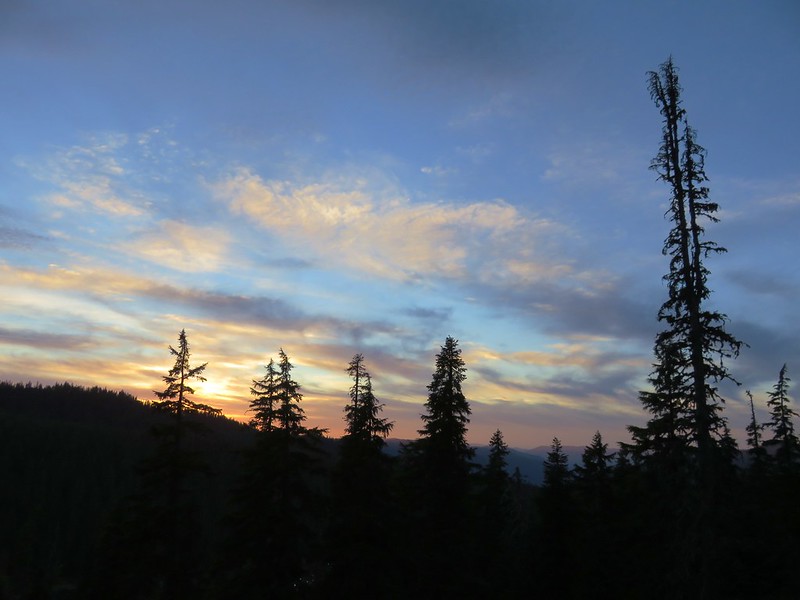
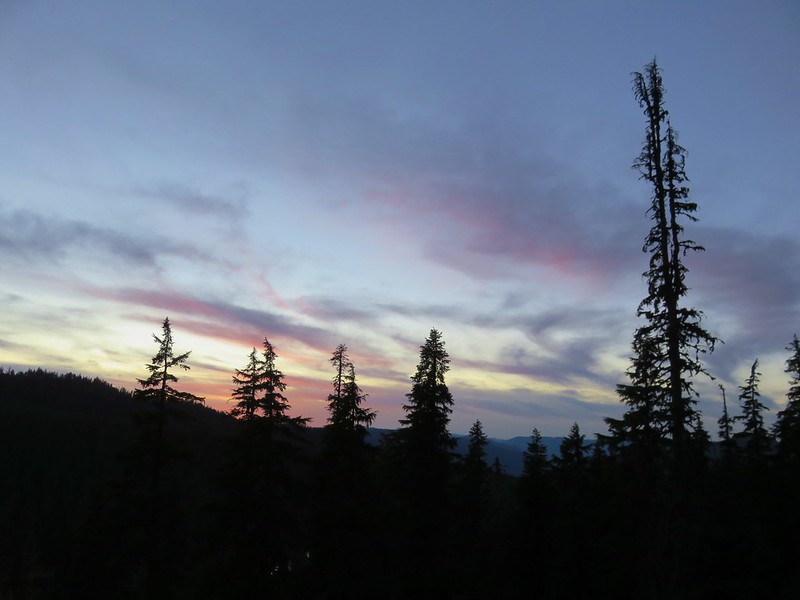
After a brief stop at one of the picnic tables along Indigo Lake we made our way back up to our campsite where we had dinner and watched the sky change colors as the sunset.
IMG_6367

IMG_6370

IMG_6371

We would be packing up in the morning and saying goodbye to the little unnamed lake, but for one more night it was home. Happy Trails!

Flickr: https://www.flickr.com/photos/9319235@N02/albums/72157672828693740

Categories
Hiking Mt. St. Helens Trip report Washington Washington Cascades

June Lake

One of the things that makes for a good hike is variety. We have often commented on how much variety can be packed into just several miles of hiking. The terrain, vegetation, wildlife and views can vary drastically in a relatively short distance. That was the case on our most recent hike in the Mt. St. Helens National Volcanic Monument.

We had toyed with the idea of making this an overnight trip but the uncertainty of suitable water sources gave us pause so we amended our plans to make a day hike out of it. We stuck with our original plan to start at the June Lake trail head and headed up to the Loowit Trail from there. Originally we planed on turning right on the Loowit and heading over to the Plains of Abraham to find a camp spot and then explore further on down to Loowit Falls, but that would be too far for a day hike so instead we decided to go left and check out Dryer Creek Meadows.

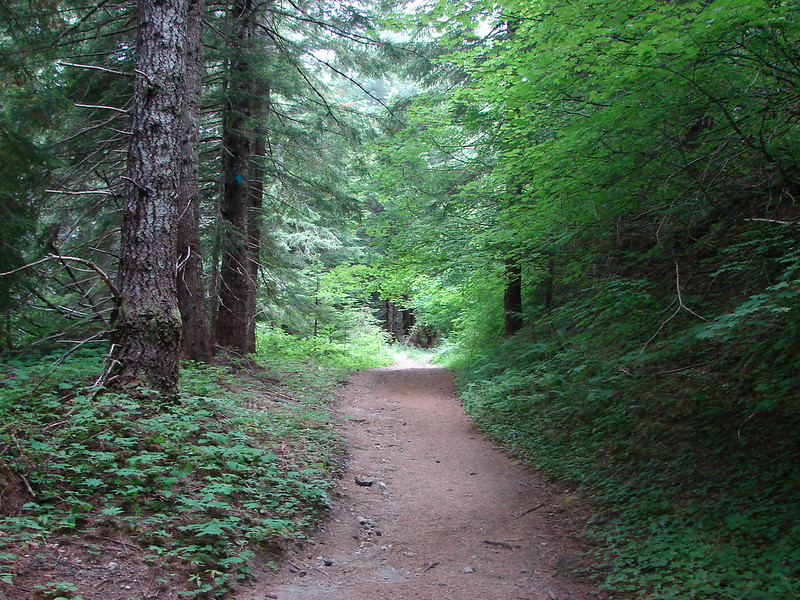
It was a cloudy morning as we set off on the June Lake Trail. From the trail head it was a mere 1.3 miles to June Lake on a nice wide trail that gently climbed through a forest with plenty of ripe berries to snack on.
DSC01371
DSC01354

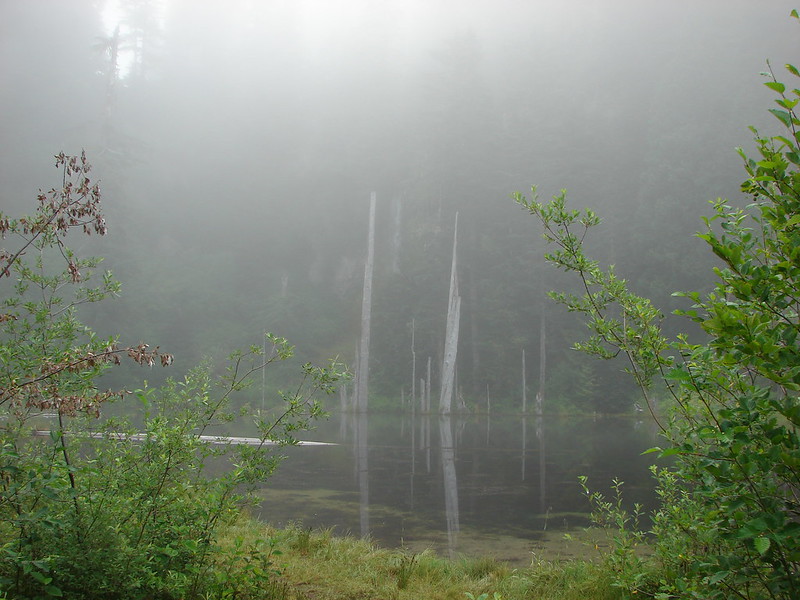
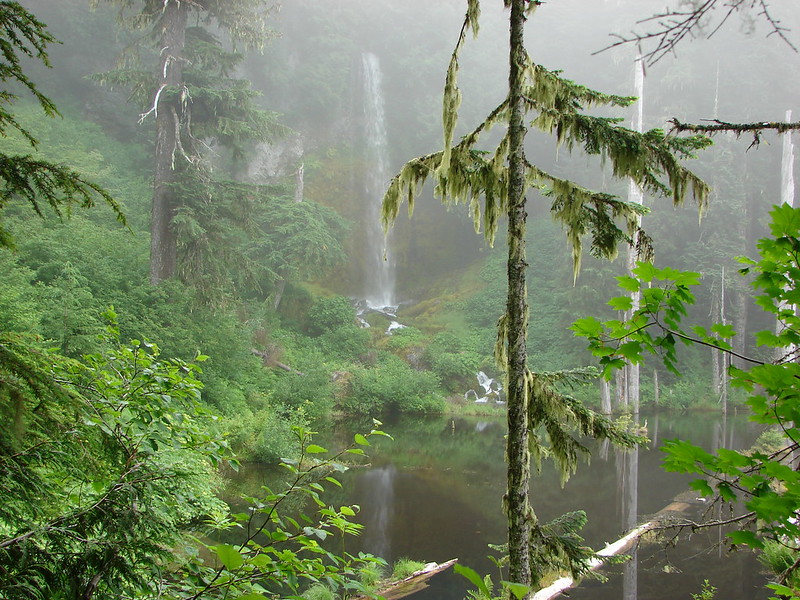
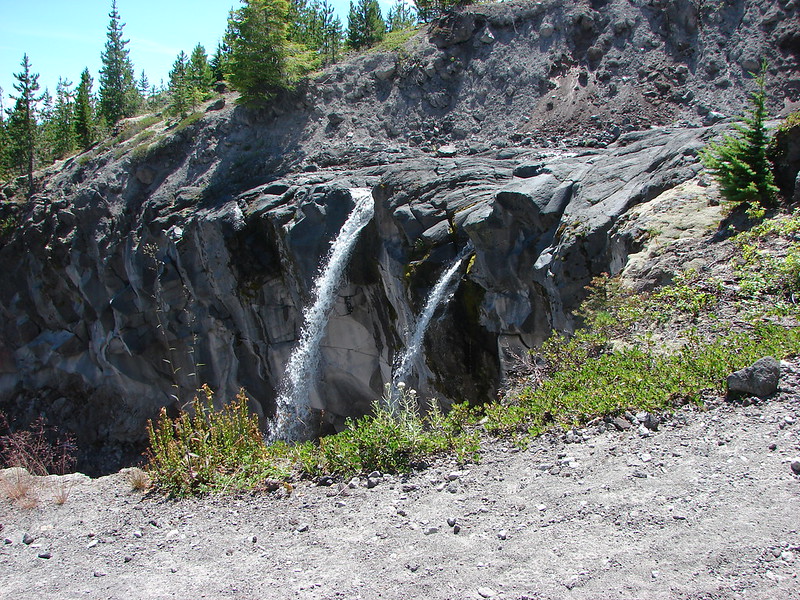
We were surrounded by fog when we arrived at June Lake which made it difficult to get a good view of the 40′ waterfall that falls on the far shore of the lake.
DSC01385

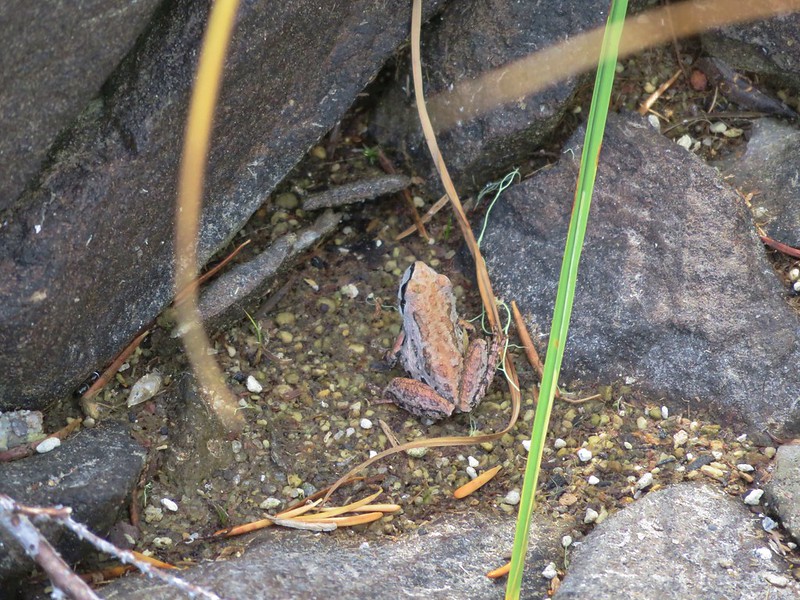
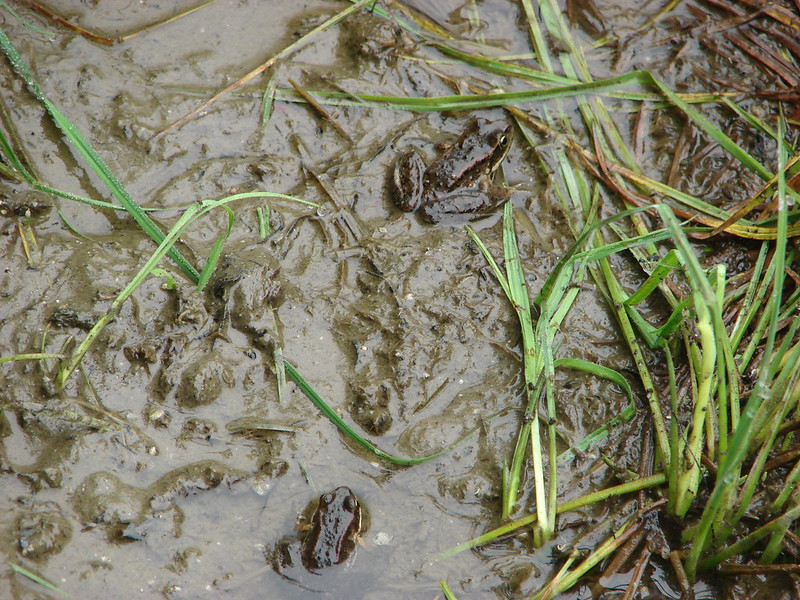
While exploring the small lakes shore we spotted a couple of frogs in the muddy water.
Frogs at June Lake

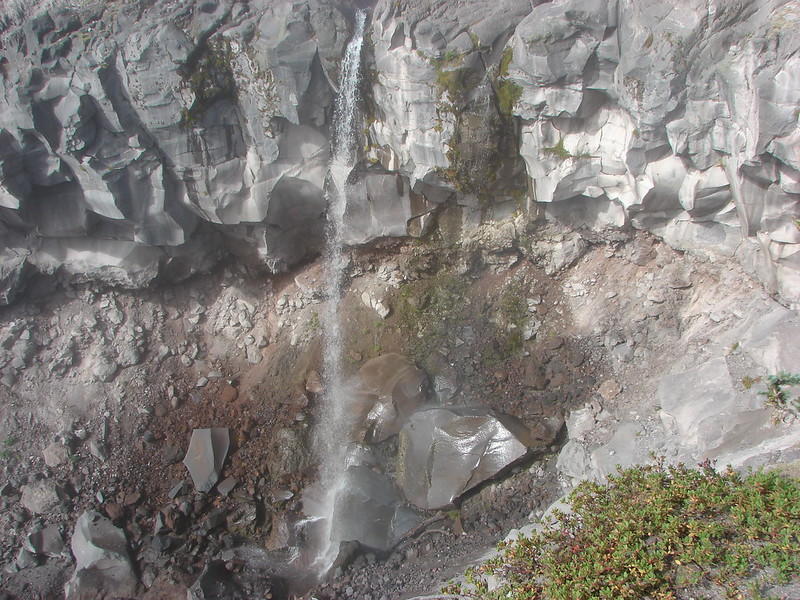
The best view of the falls came from a side trail at the north end of the lake shortly after a switchback. The reflection of the falls created the illusion of water both falling and rising to the surface of the lake.
DSC01396

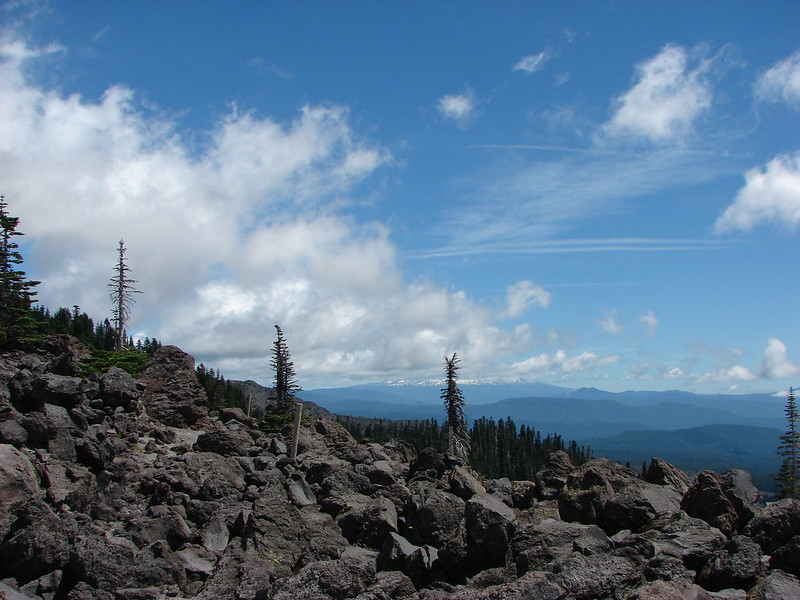
About a quarter mile from the side trail we arrived at the junction with the Loowit Trail which circles the entire mountain on a 29.5 mile loop. We turned right and quickly emerged from the forest and began crossing the first of three lava flows that make up the “Worm Flows”. Unlike some of the other lava fields we have hiked over there was no visible trail in many places, just a series of posts and rock cairns to aim for.
DSC01408

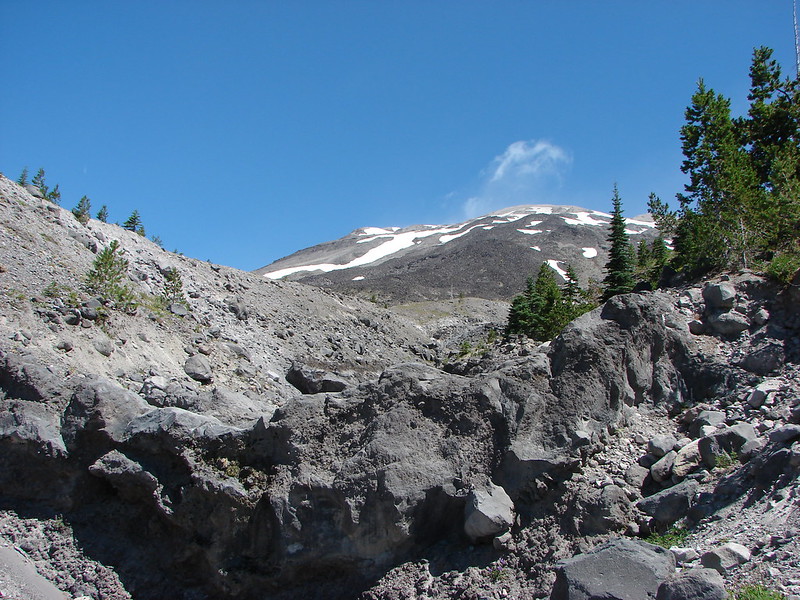
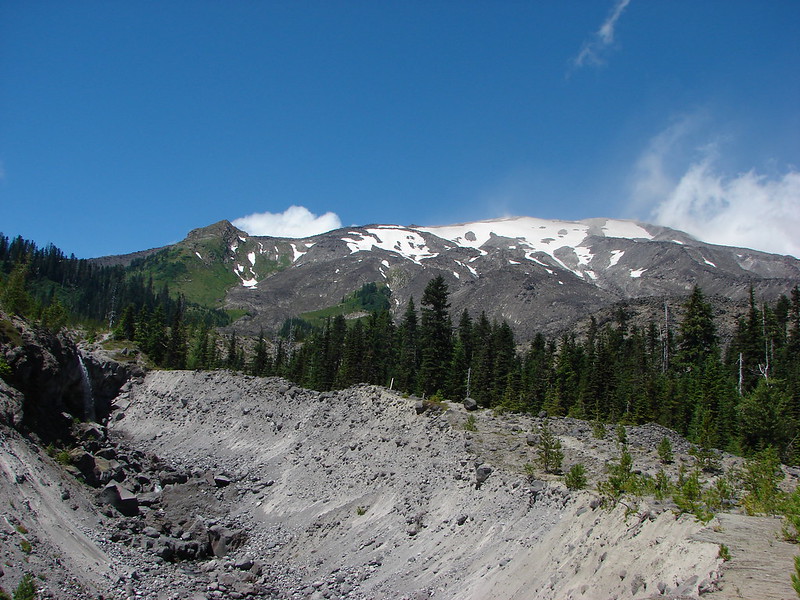
It meant a lot of rock hopping and scouting for the best looking route to the next marker. While we were working on making our way over the lava the clouds began to give way and we were treated to a clear view of Mt. St. Helens.
DSC01432
Mt. St. Helens

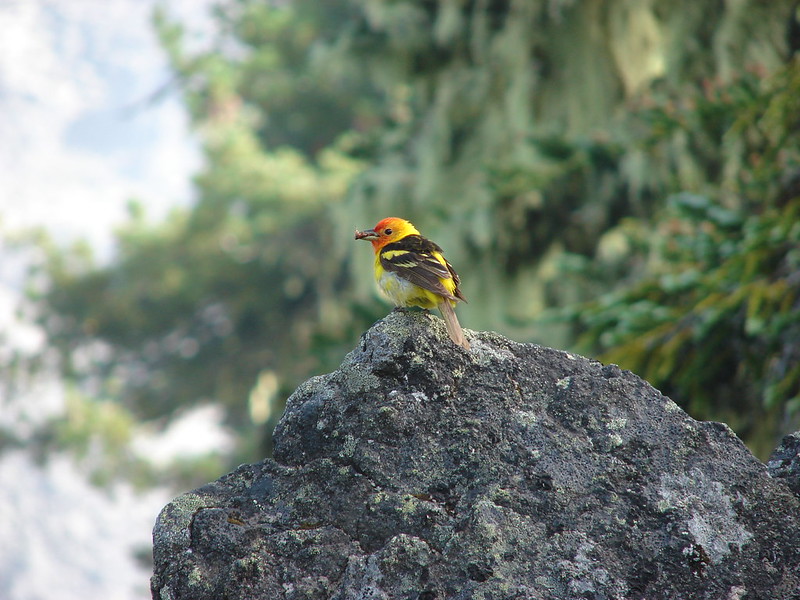
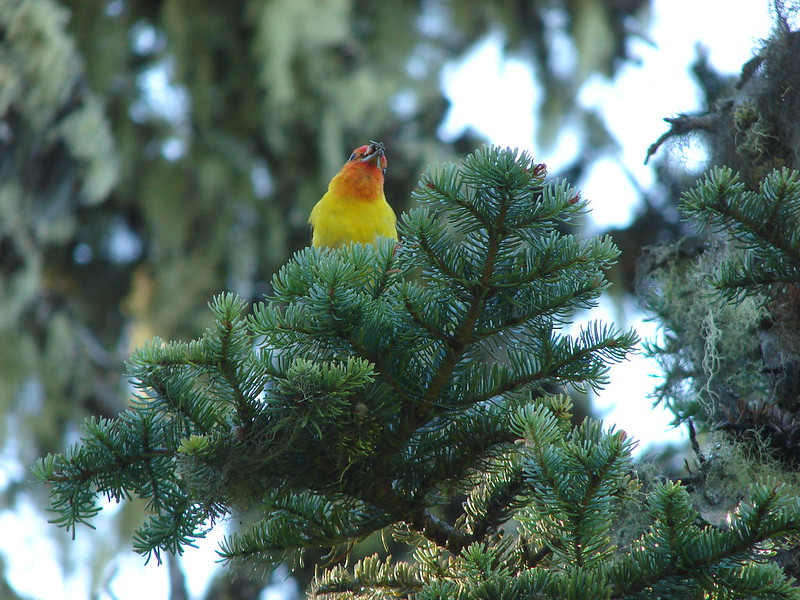
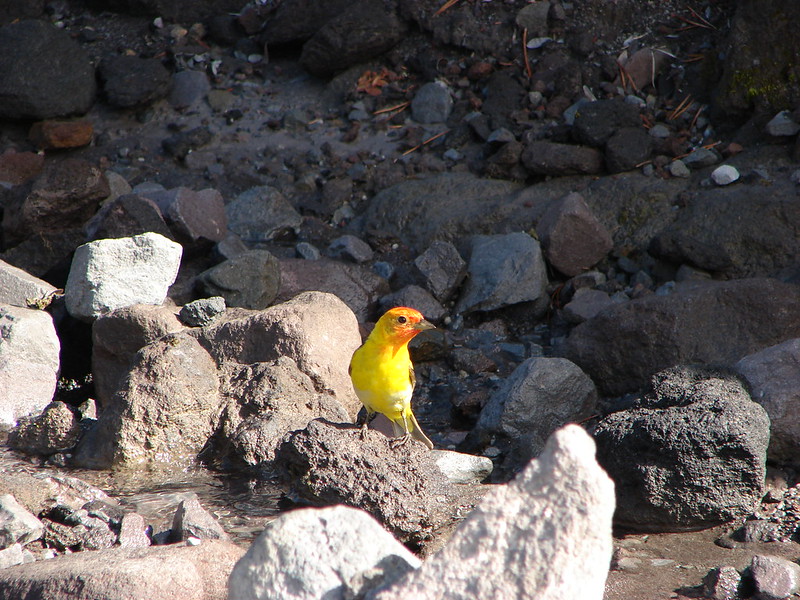
After crossing the Worm Flows the trail began descending into Swift Creeks canyon where we would find Chocolate Falls. On our way down a colorful western tanager posed for some pictures.
Western Tanager
DSC01474

Before reaching swift creek we passed through a small pocket of vegetation.
DSC01479
DSC01478

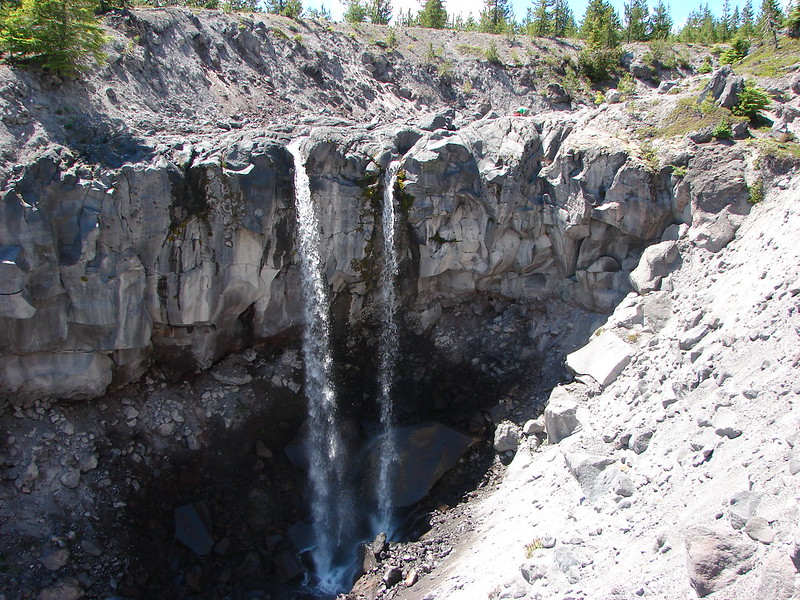
We were happy to find water flowing over Chocolate Falls as Swift Creek often dries up overnight and doesn’t begin flowing again until after 11AM on some days.
DSC01481
DSC01482

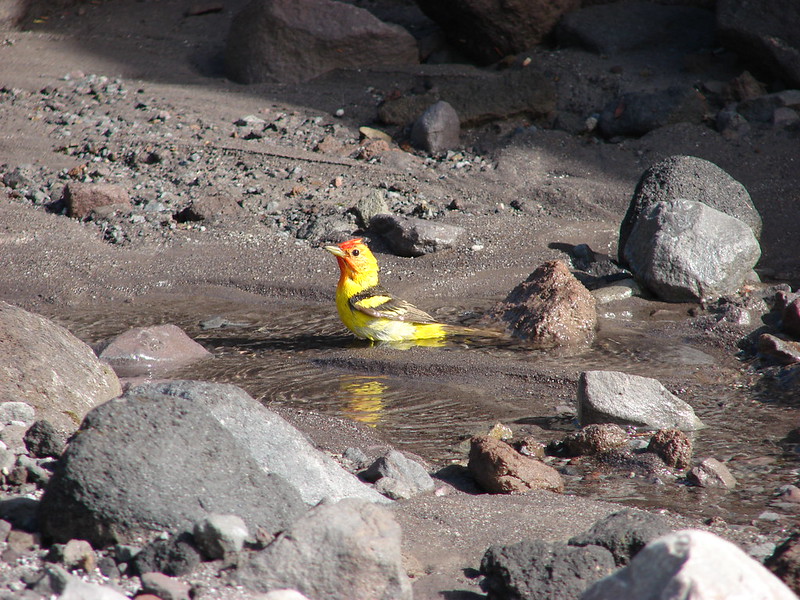
We took a snack break at the falls and while we were relaxing we were joined by what I think was the same western tanager who decided it was time for a bath.
Western Tanager
Western Tanager

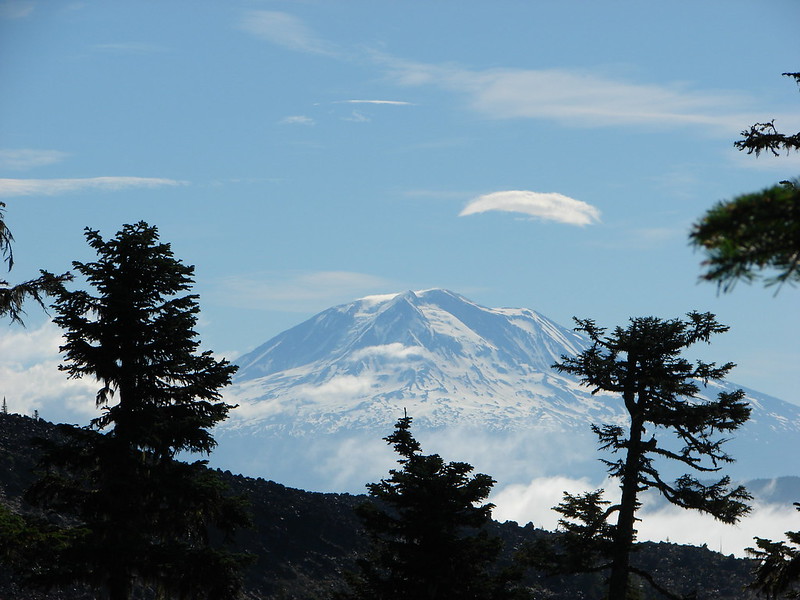
We continued on the Loowit Trail from Swift Creek and began a steep climb that passed through forest and meadows. We also were treated to a great view of Mt. Adams and a descent view of Mt. Hood looming above the clouds.
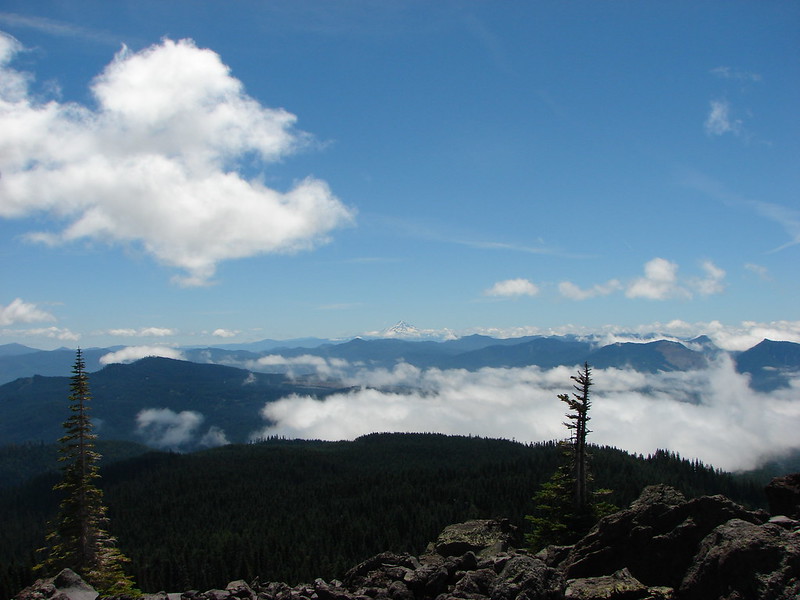
Mt. Adams
Mt. Adams
Mt. Hood
DSC01550
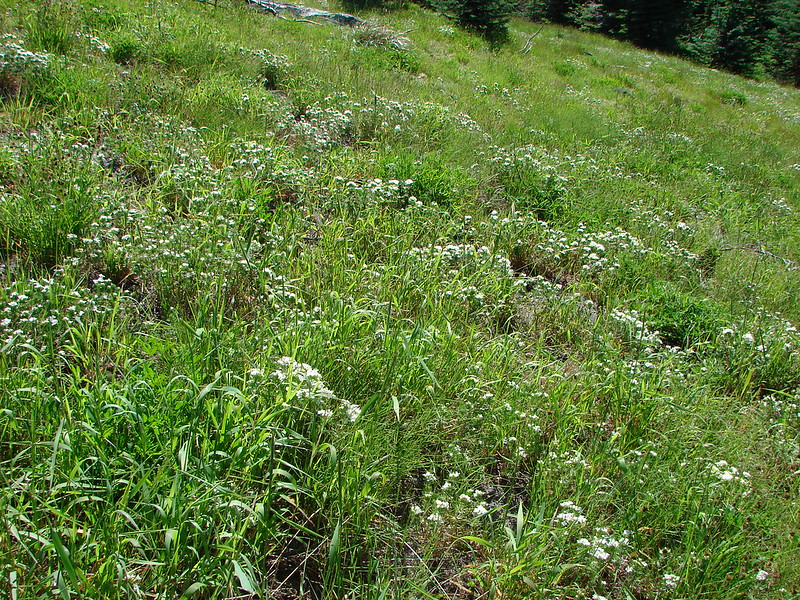
Meadow filled with nuttall’s linanthus
DSC01585
Mt. Adams from one of the meadows
DSC01611
Passing through a meadow
DSC01612
Mt. Hood from the meadow
DSC01613
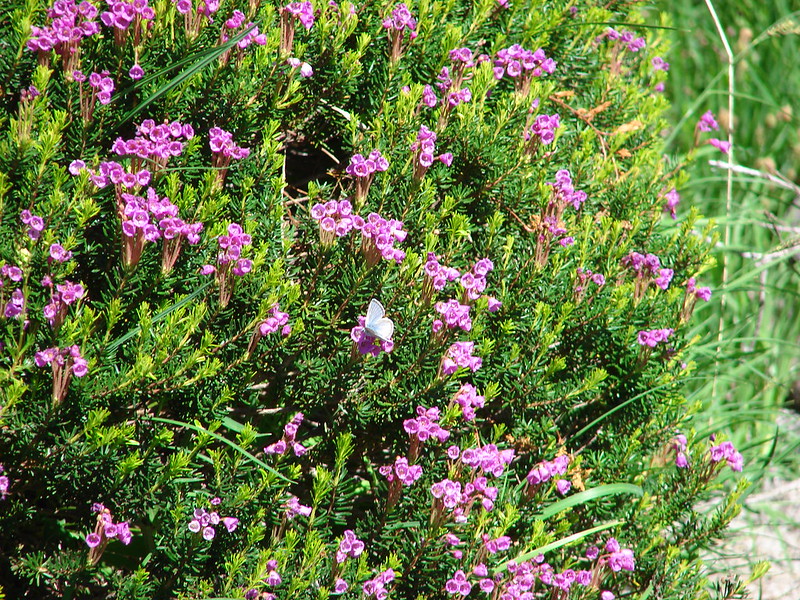
Mountain heather and a blue copper butterfly
DSC01608

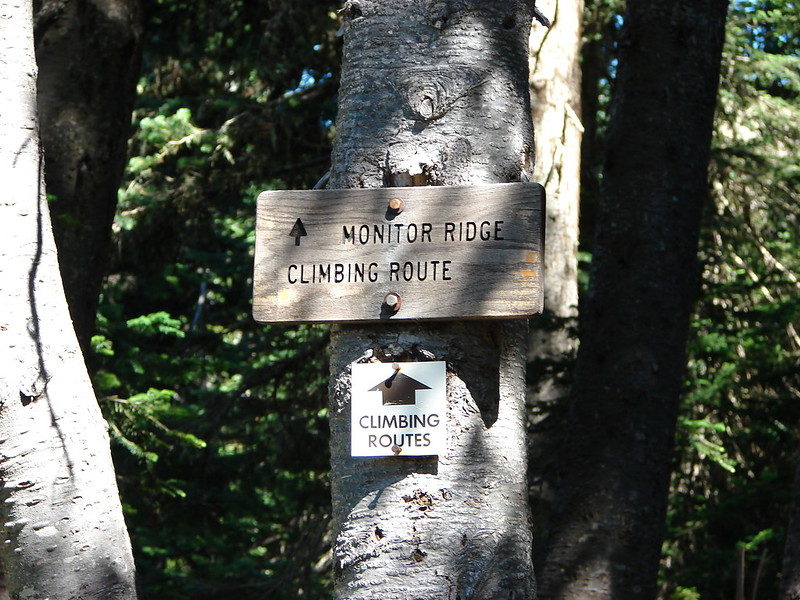
Two miles from Chocolate Falls we crossed the Ptarmigan Trail which climbs up Monitor Ridge to the Rim of Mt. St. Helens.
DSC01620
We have a date with that trail later this year.

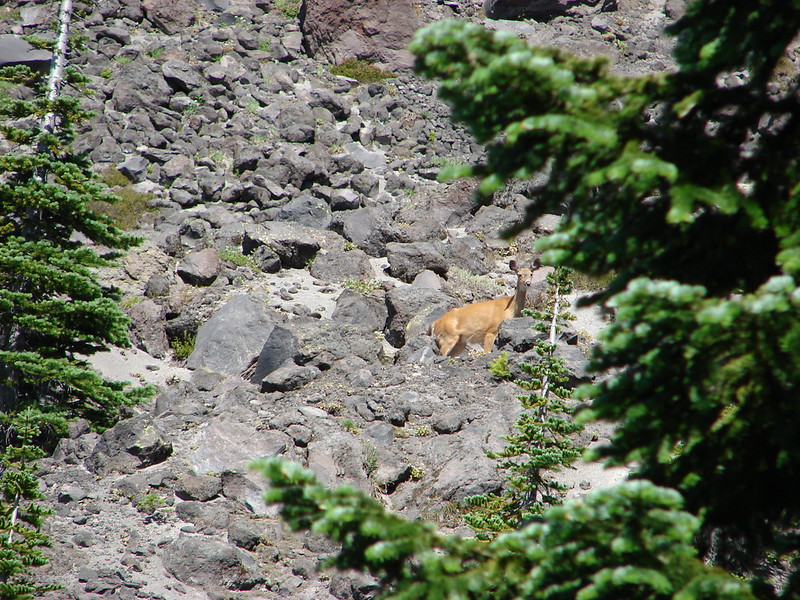
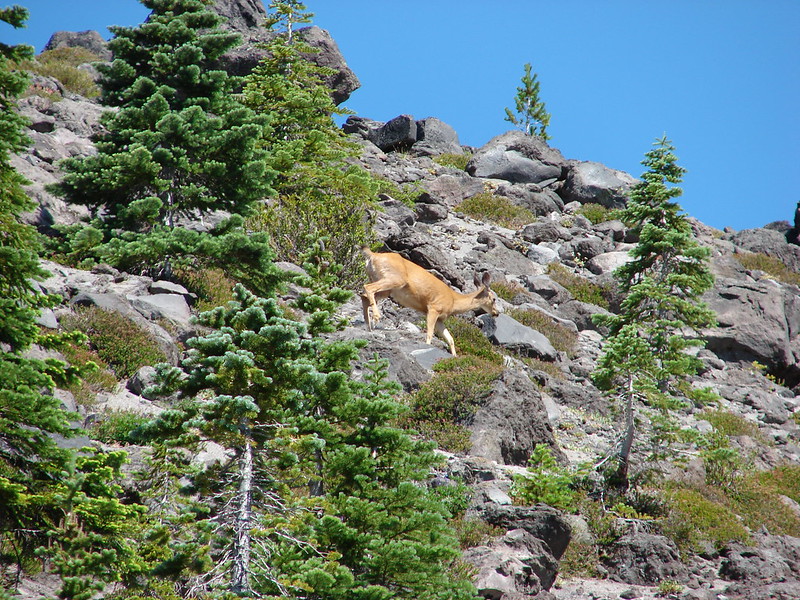
We crossed the trail and shortly came to the edge of another lava flow. A doe was making her way up toward Monitor Ridge showing off her superior rock hopping skills.
Doe
DSC01635

This crossing was .9 miles of post to post travel.
DSC01646
From this section we had a great view of Mt. St. Helens, Monitor Ridge, and the Green Knob.
DSC01648

After navigating the lava flow we were once again in a forest. This one was drier and the trees more sparse than the previous sections we’d passed through. Cicadas chirped loudly from the pine trees and scattered flowers dotted the sandy landscape.
DSC01664
DSC01665
DSC01666

The trail then began alternating between trees and meadows.
DSC01673
DSC01674

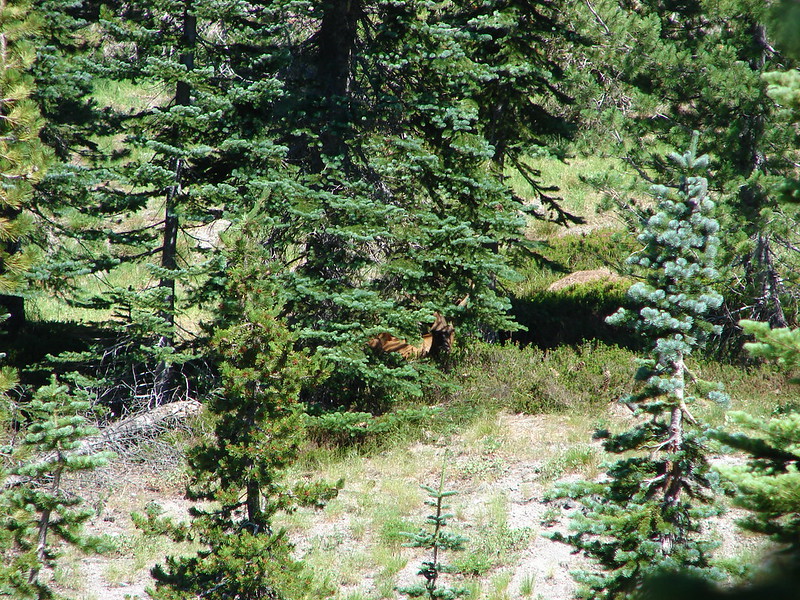
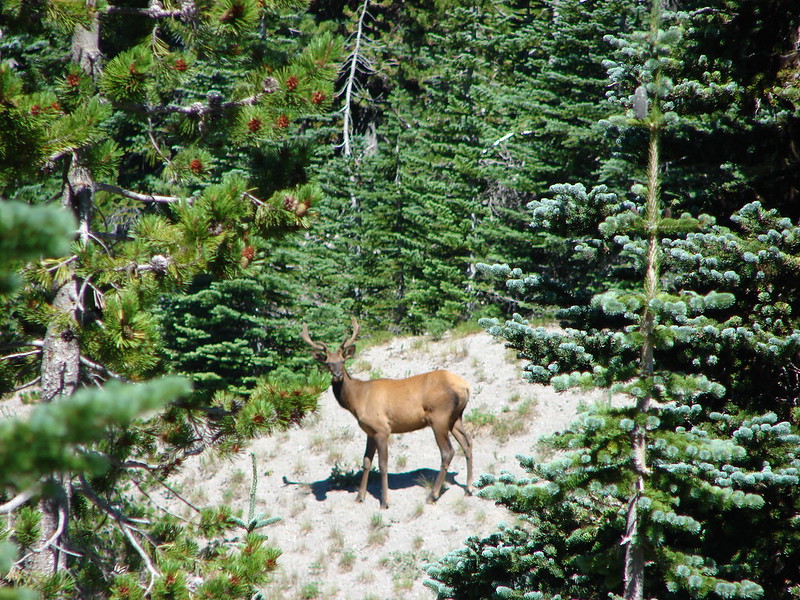
As we came around a corner I noticed something peering out of a tree further up along the trail.
DSC01680
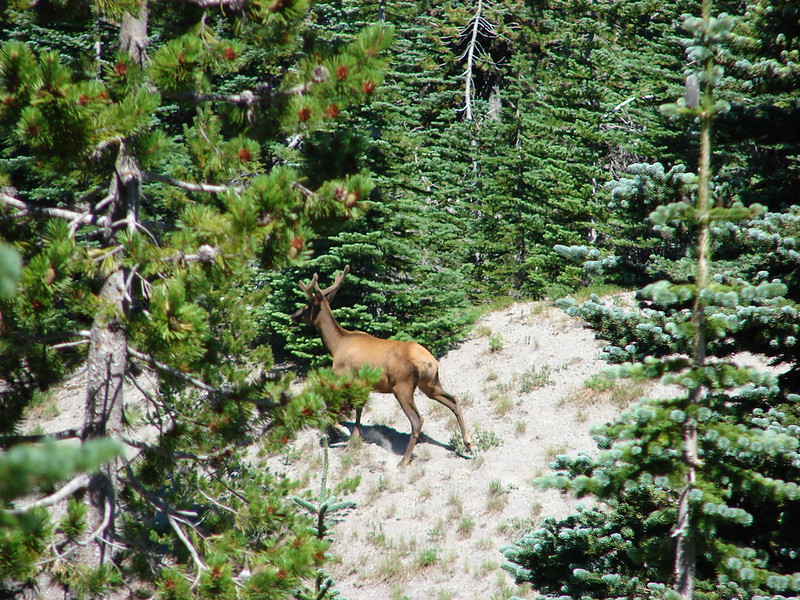
A bull elk emerged and gave us a quick look before heading downhill deeper into the trees.
DSC01683
Elk

We turned around at the dry Dryers Creek and retraced our steps back toward Chocolate Falls.
Mt. St. Helens from the dry bed of Dryers Creek
DSC01692

Mt. Adams had been hidden by clouds while Mt. Hood had nearly fully emerged from them.
DSC01715
DSC01716

There was evidence of the increased afternoon snow melt when we arrived back at Chocolate Falls.
DSC01740
Chocolate Falls
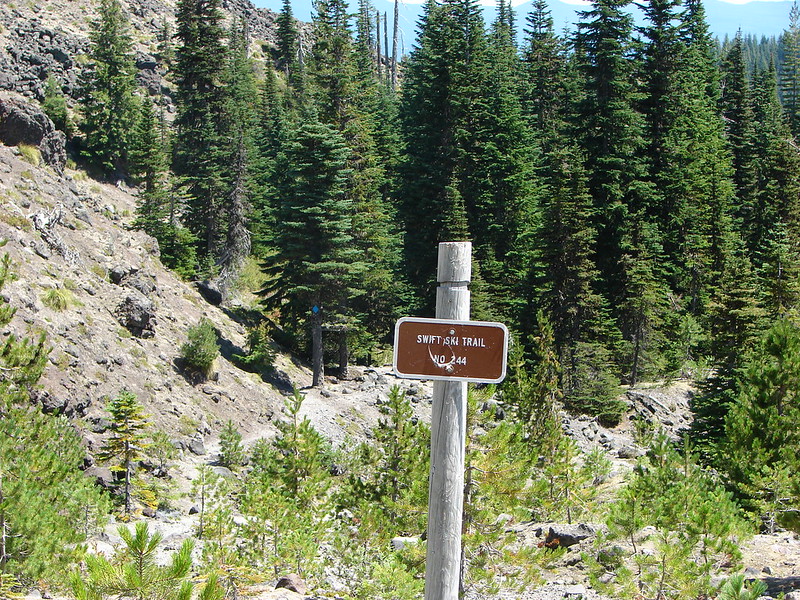
We took our shoes and socks off and soaked our feet for a bit in the creek before setting off from the falls. When we did get going we left the Loowit Trail and turned right along Swift Creek on the Swift Ski Trail.
DSC01754
Chocolate Falls and Mt. St. Helens

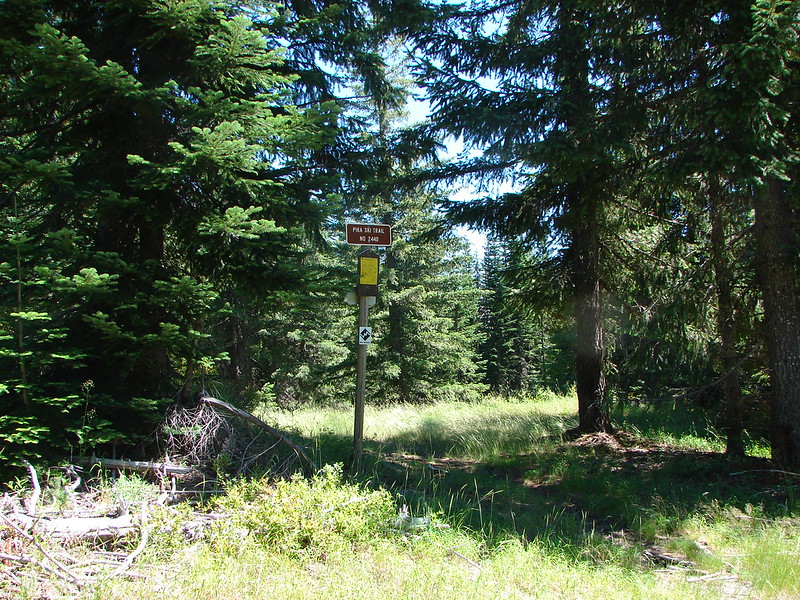
It was an easy trail to follow and we quickly descended .5 miles to the Pika Ski Trail which we took and headed back toward June Lake.
DSC01764

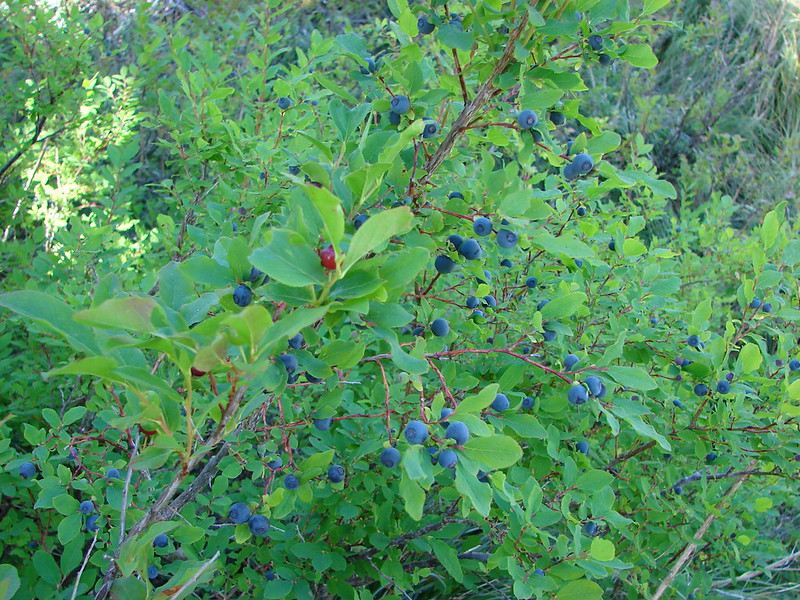
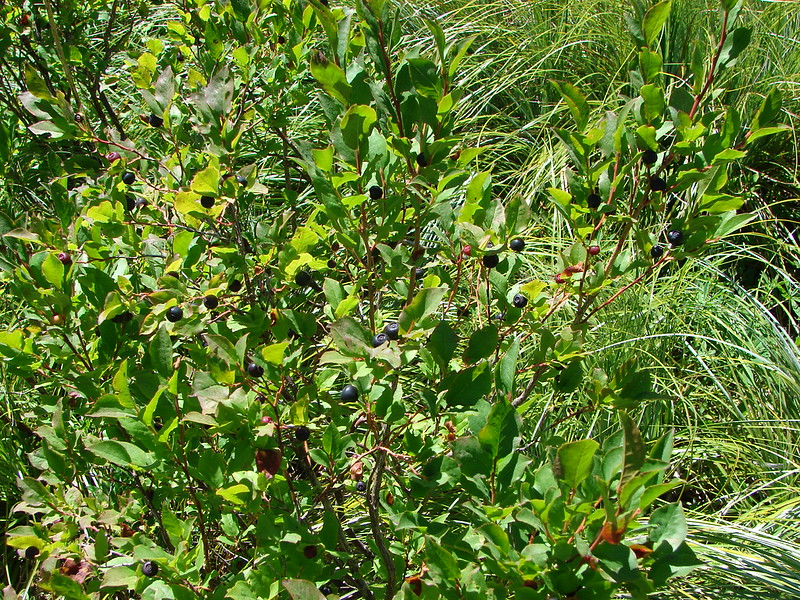
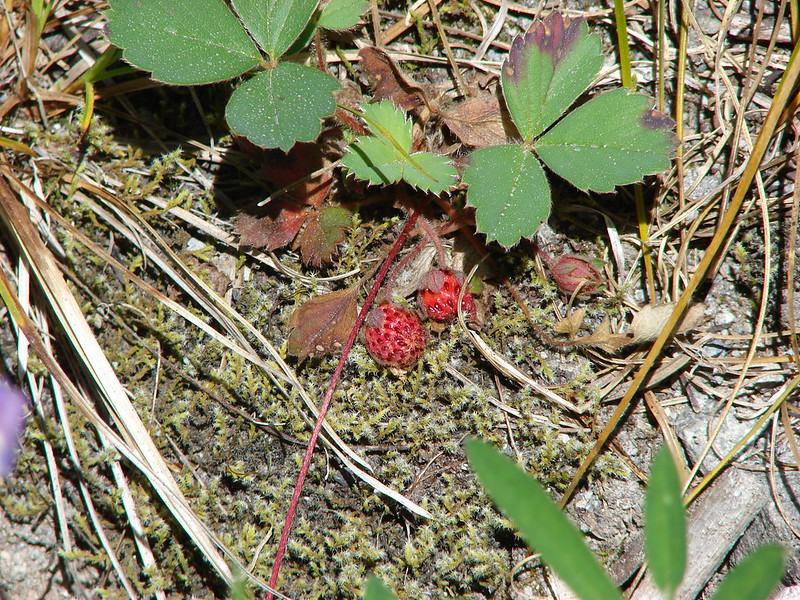
The Pika Trail was easy to follow for the first few tenths of a mile plus it was lined with ripe blueberries, huckleberries, and a few strawberries.
DSC01770
DSC01772
DSC01761

The easy trail didn’t last long though as we still had to cross part of the Worm Flows to return to June Lake. The crossing here was the most difficult of the day as there was no sign of any trail at all and the few orange poles ended halfway across the lava flow.
DSC01774

Luckily from the final pole June Lake was visible on the other side of the flow.
DSC01776

We headed for the lake and eventually made it down to the sandy bed of a dry creek which we climbed out of and returned to the June Lake Trail. The lake was clear now so we stopped to get some unobstructed photos of the waterfall and lake before beginning the final leg of our hike.
June Lake

We took our time on the final 1.3 miles partly due to being tired from all the rock hopping and partly because we were picking berries as we went. The hike had totaled 13.4 miles and in that distance we’d passed two waterfalls, a lake, several creeks (dry and flowing), through several sections of forest, multiple meadows, and over four different lava flows. We’d seen an elk, a deer, chipmunks, golden-mantled squirrels, frogs, and various birds. We sampled at least 6 different kinds of berries, saw a variety of wildflowers, and had views of three cascade volcanoes. It had been worth the effort. Happy Trails!

flickr: https://www.flickr.com/photos/9319235@N02/sets/72157645372723387/
Facebook: https://www.facebook.com/media/set/?set=a.10204499327590388.1073741894.1448521051&type=1