Categories
Hiking Mt. Adams Trip report Washington Washington Cascades

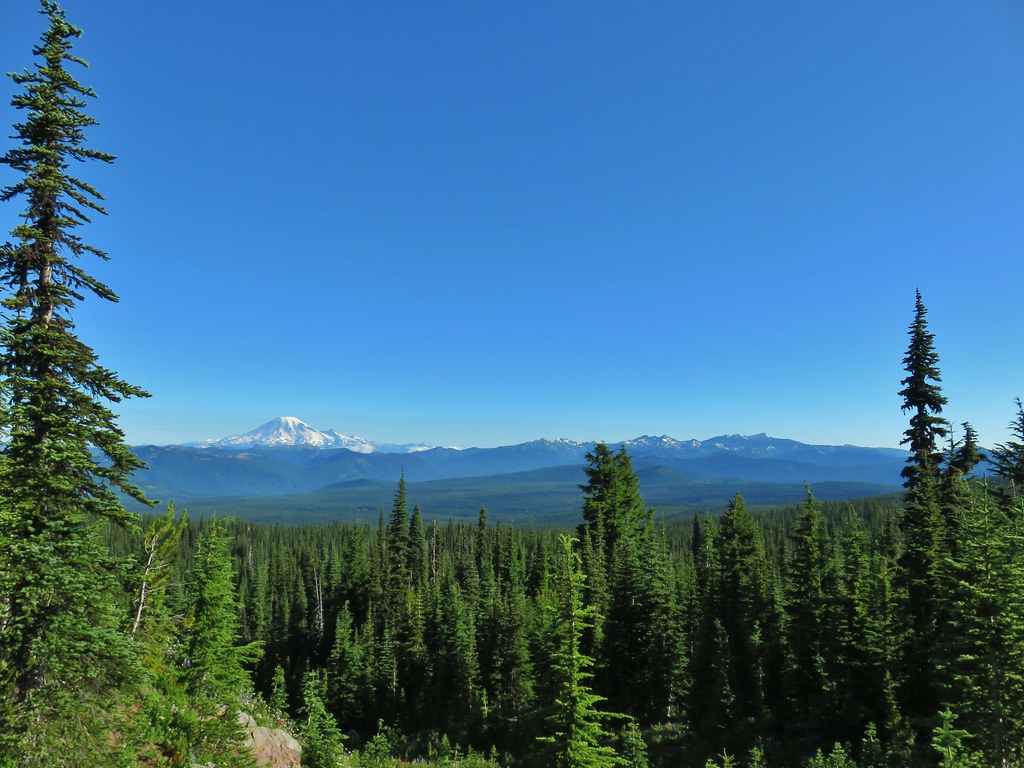
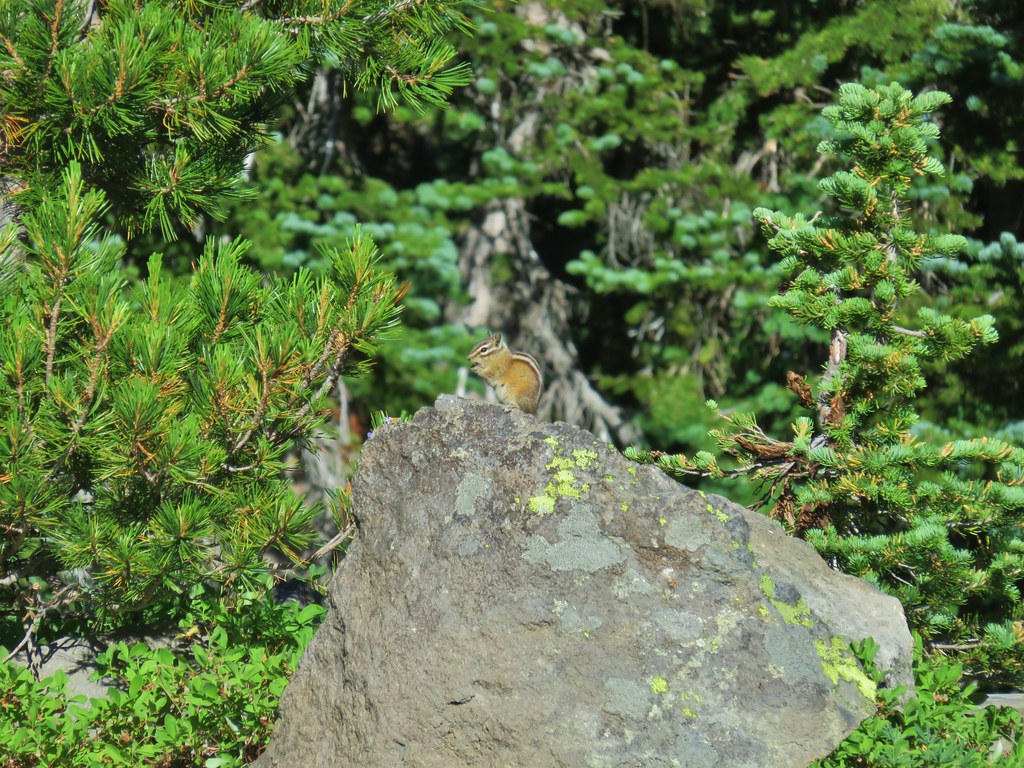
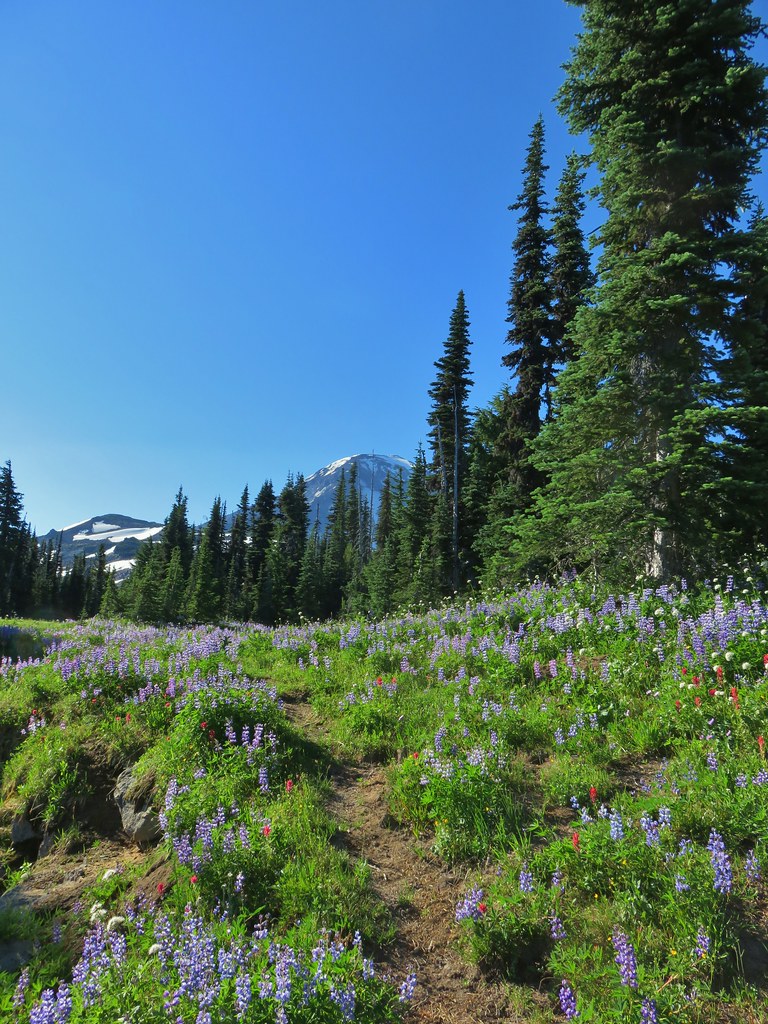
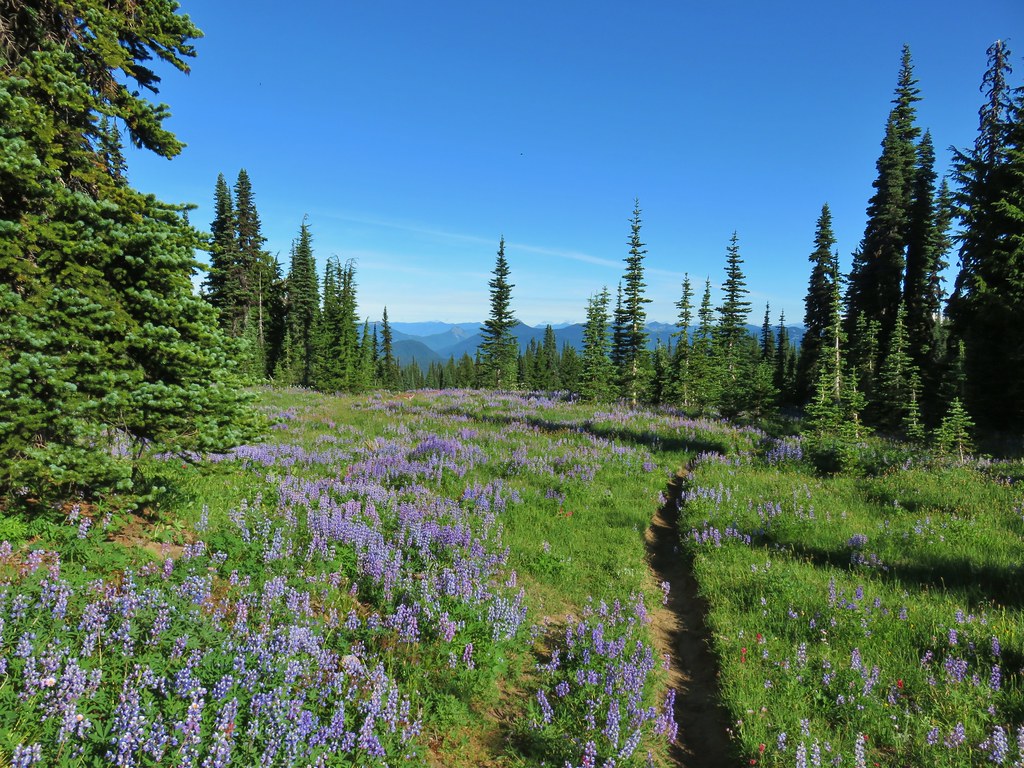
Sleeping Beauty & Foggy Flat Backpack Day One- 08/01/2020

Our first backpacking trip of the year was over Memorial Day weekend (post) but since then we hadn’t had an opportunity to break out our tent. Sleeping Beauty, a 3 mile featured hike in Sullivan’s “100 Hikes/Travel Guide Northwest Oregon & Southwest Washington” (4th edition), gave us a reason to put the tent to use again.

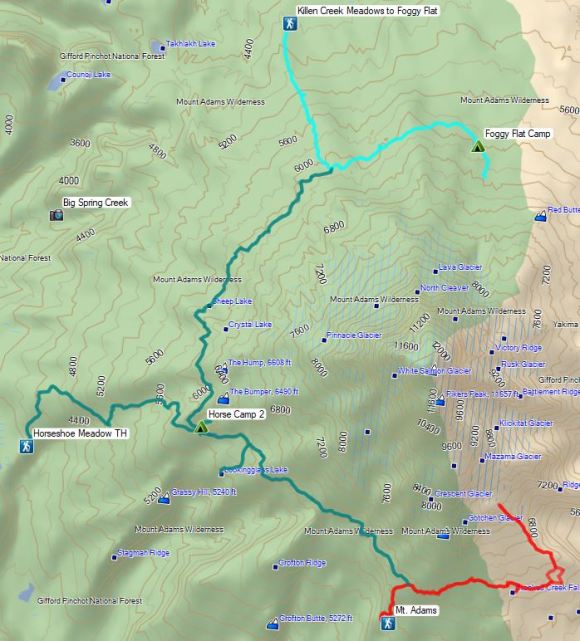
It wasn’t because the hike to the top of Sleeping Beauty was backpackable, but rather the 2:45 drive time to the trailhead was too long for this to be a stand alone hike for us. To make the trip worth the drive we decided to continued to nearby Mt. Adams and do a hike to Foggy Flat from Matt Reeder’s “PDX Hiking 365” guidebook.

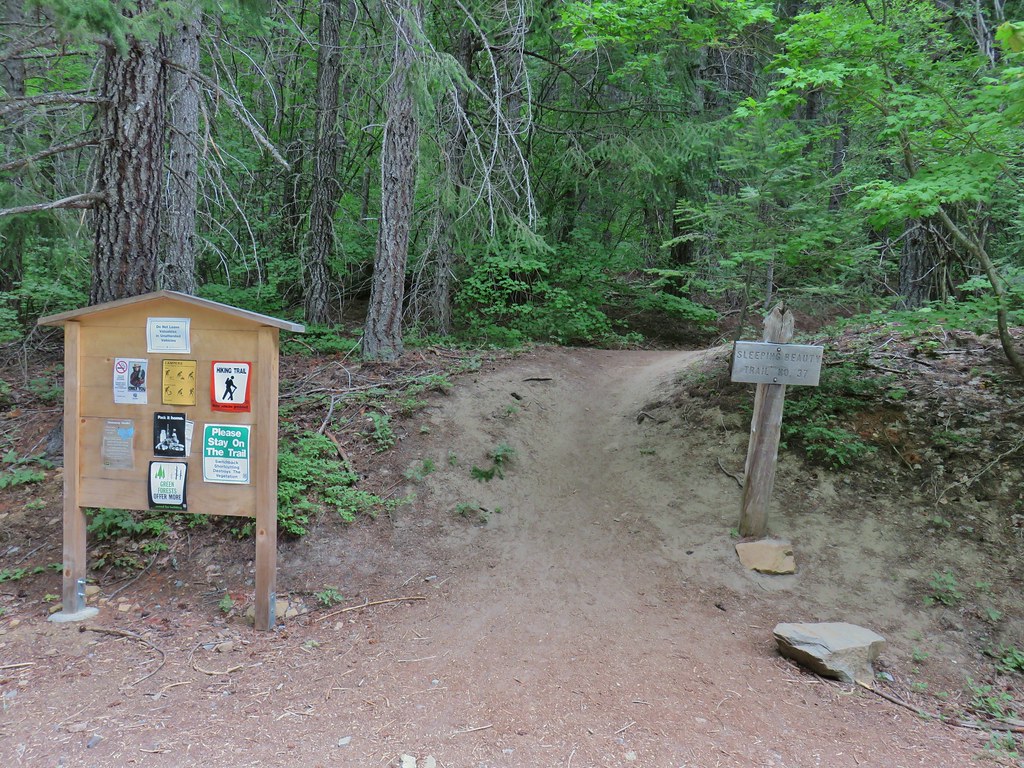
We began our trip by driving to Trout Lake, WA then continued on to the Sleeping Beauty Trailhead.
IMG_2359

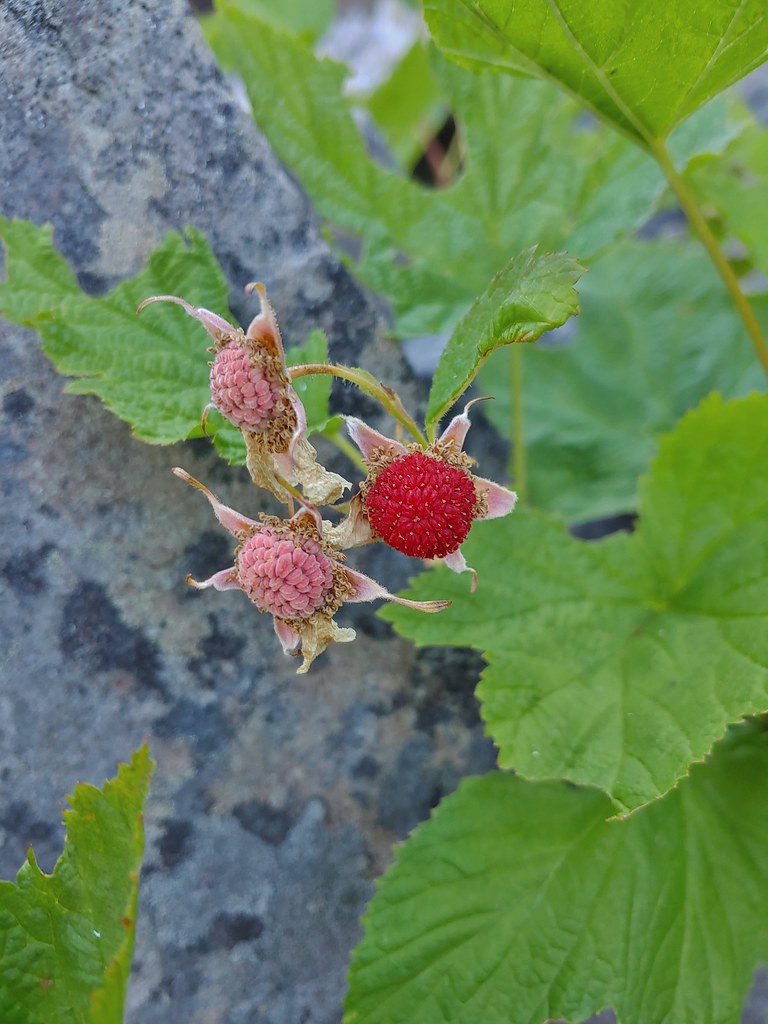
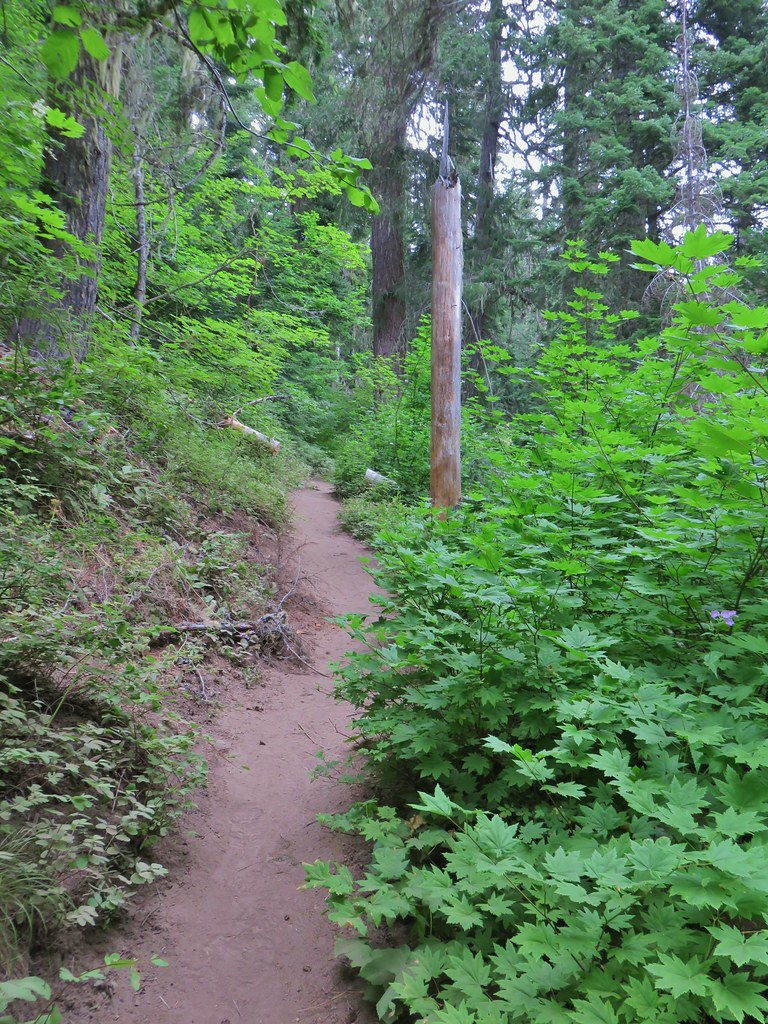
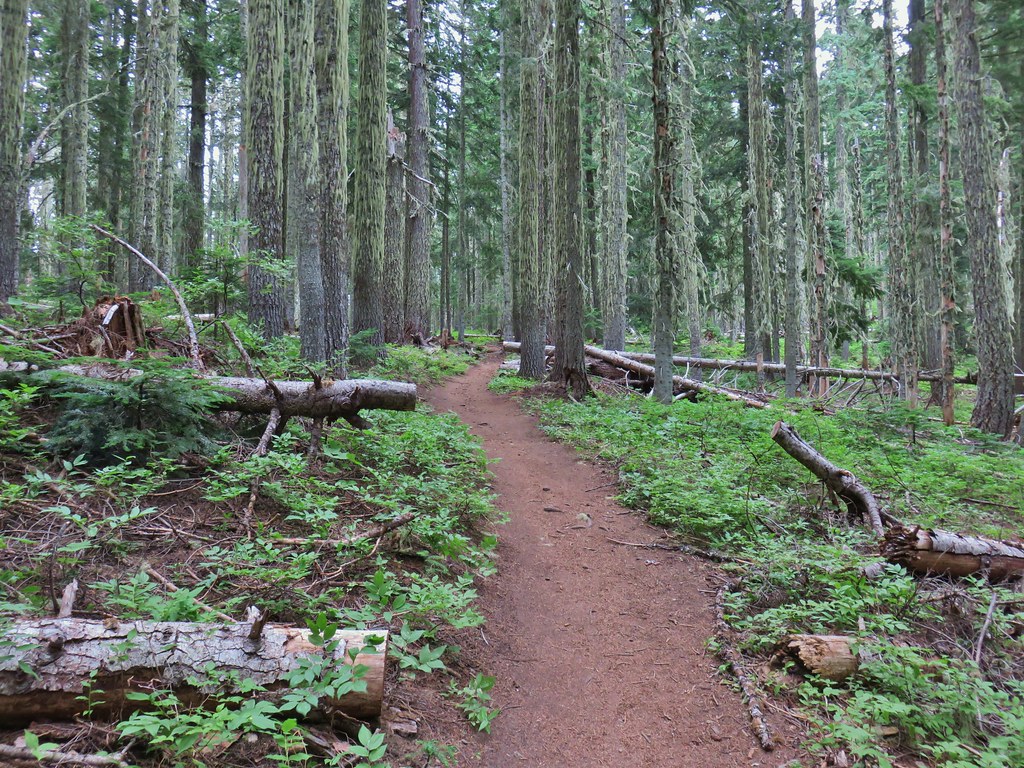
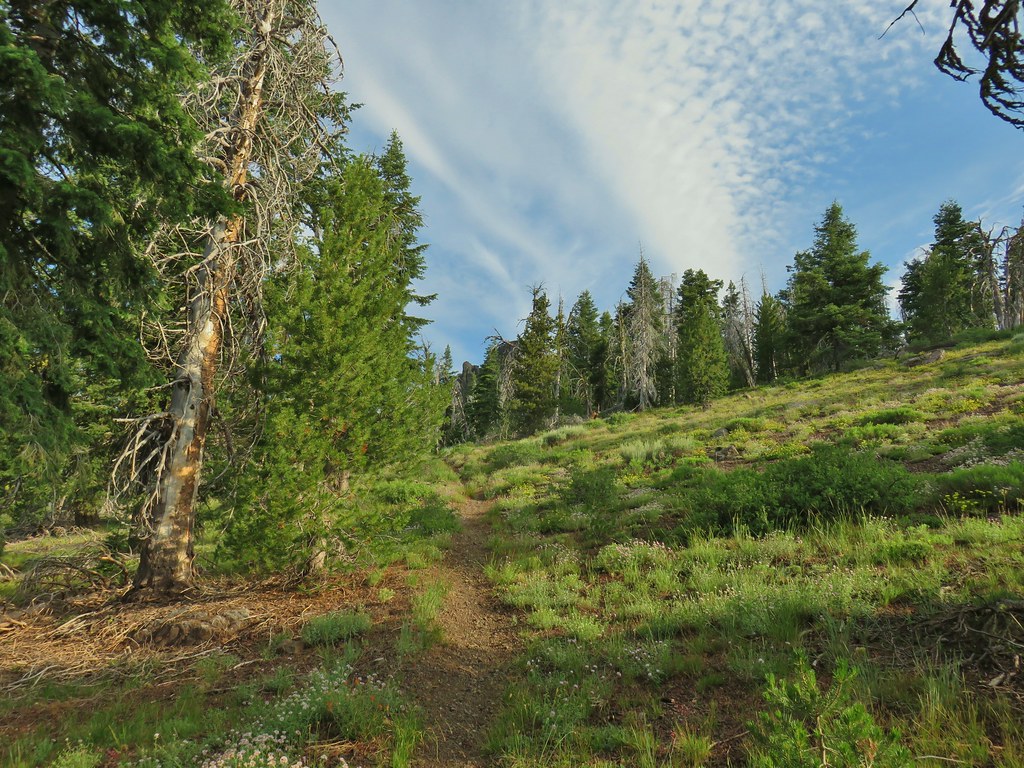
The trail climbed steeply up through a green forest for a mile to a forested saddle. Most of the flowers had passed but a few lingered and the pearly everlasting was getting started. Thimbleberries weren’t quite ripe but we did find a few strawberries to snack on.
IMG_2374

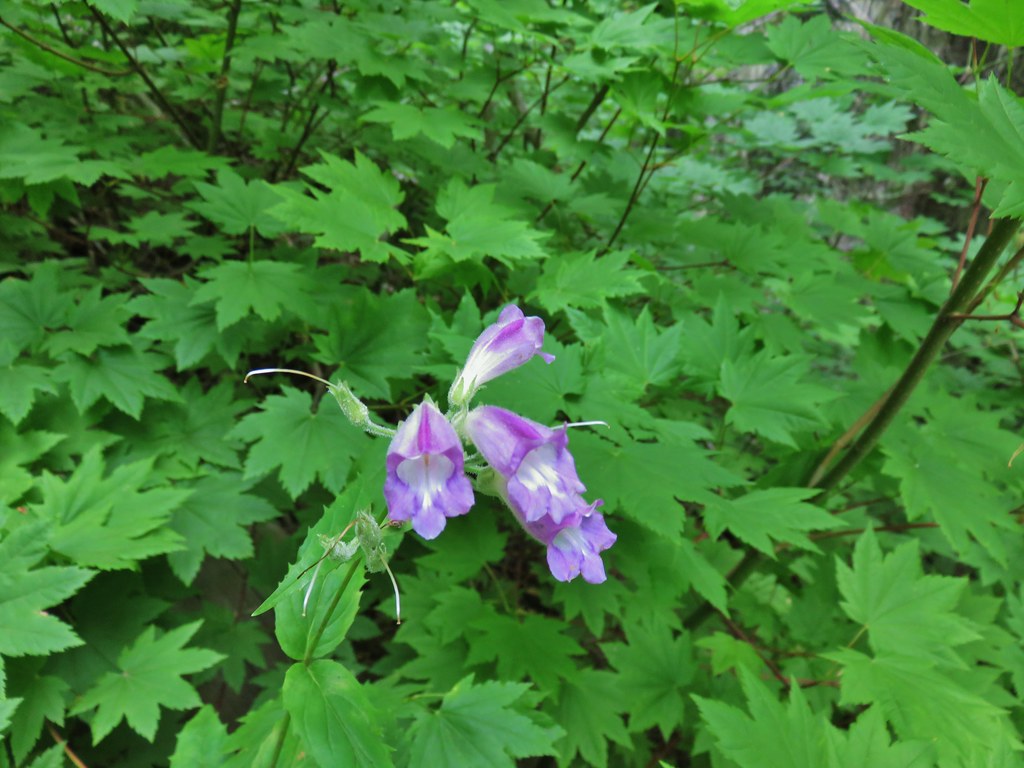
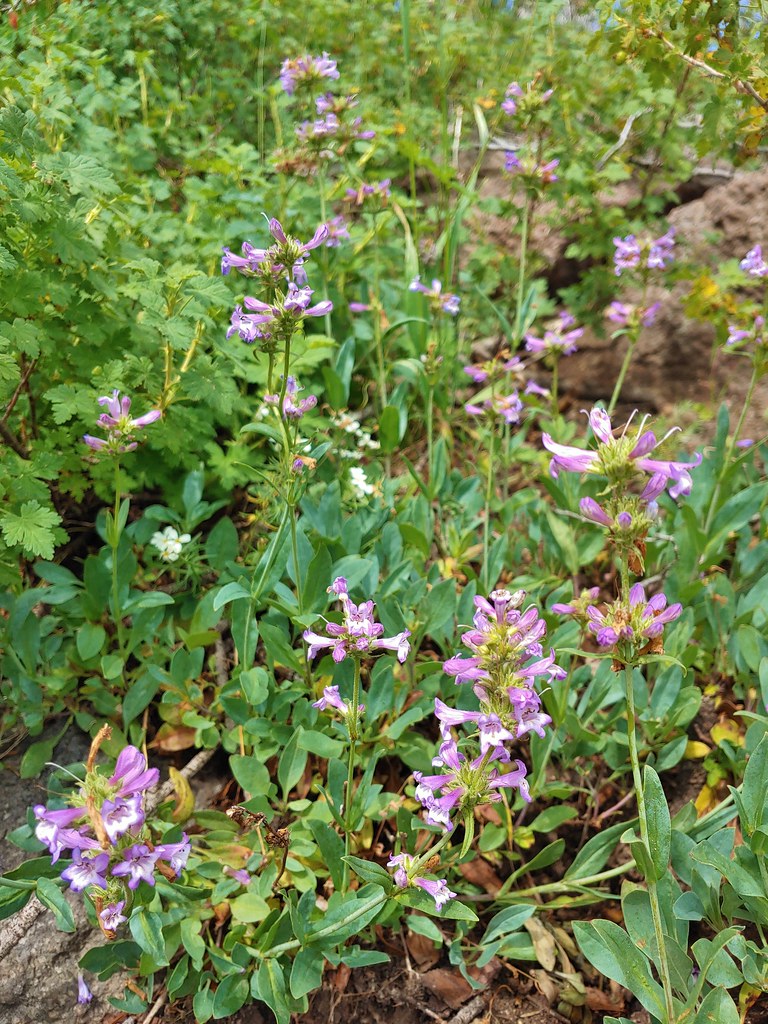
IMG_2376Beardstongue

IMG_2377Pearly everlasting next to thimbleberry bushes.

IMG_2371Not quite ready yet.

IMG_2381

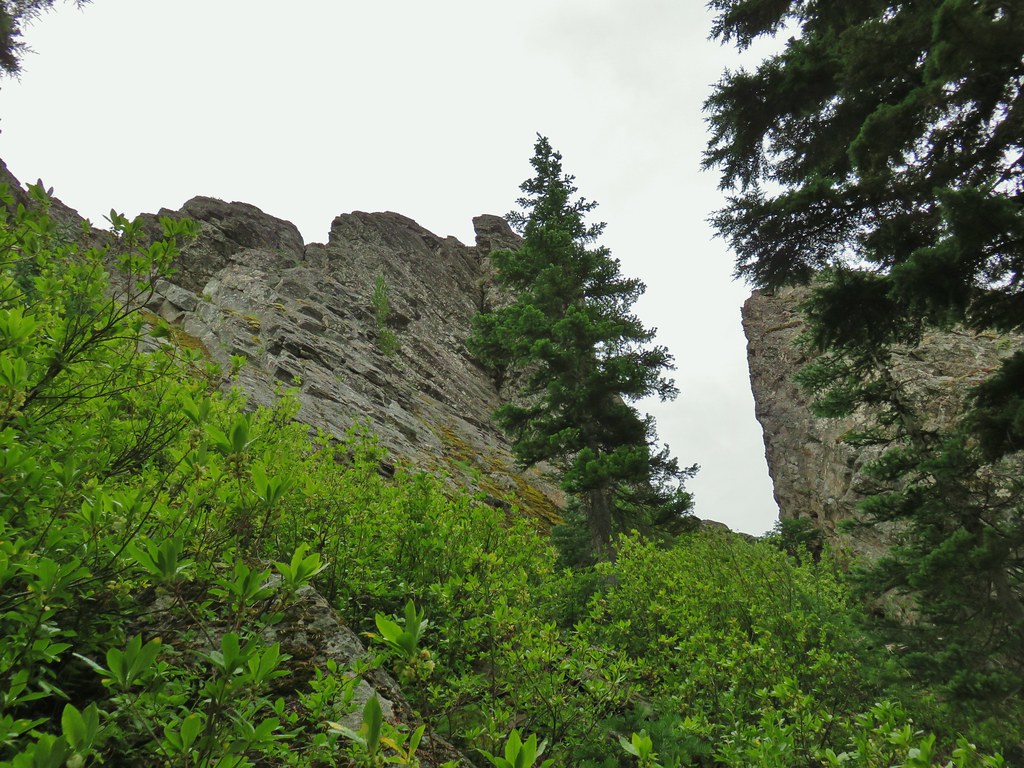
Near the saddle we got our first look at the rock feature that is Sleeping Beauty from the trail (it is visible on the drive).
IMG_2392

The trail bends to the right (ignore a fainter trail heading left) at the saddle continuing through the trees.
IMG_2394

Another bit of climbing brought us beneath the rocks.
IMG_2411

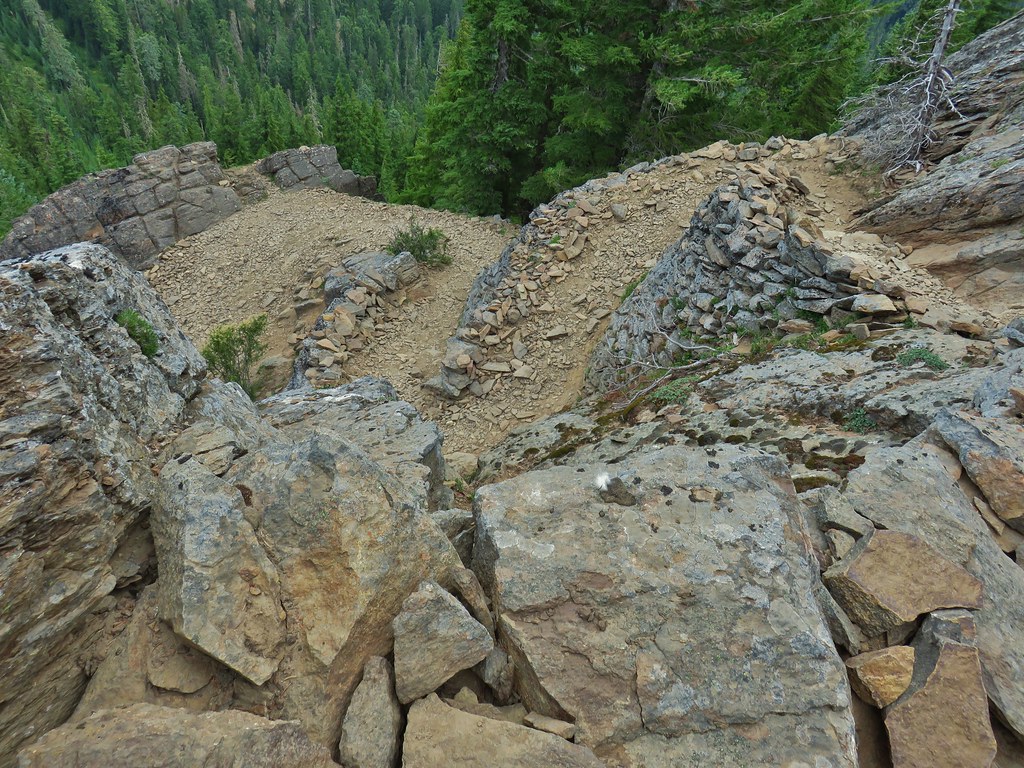
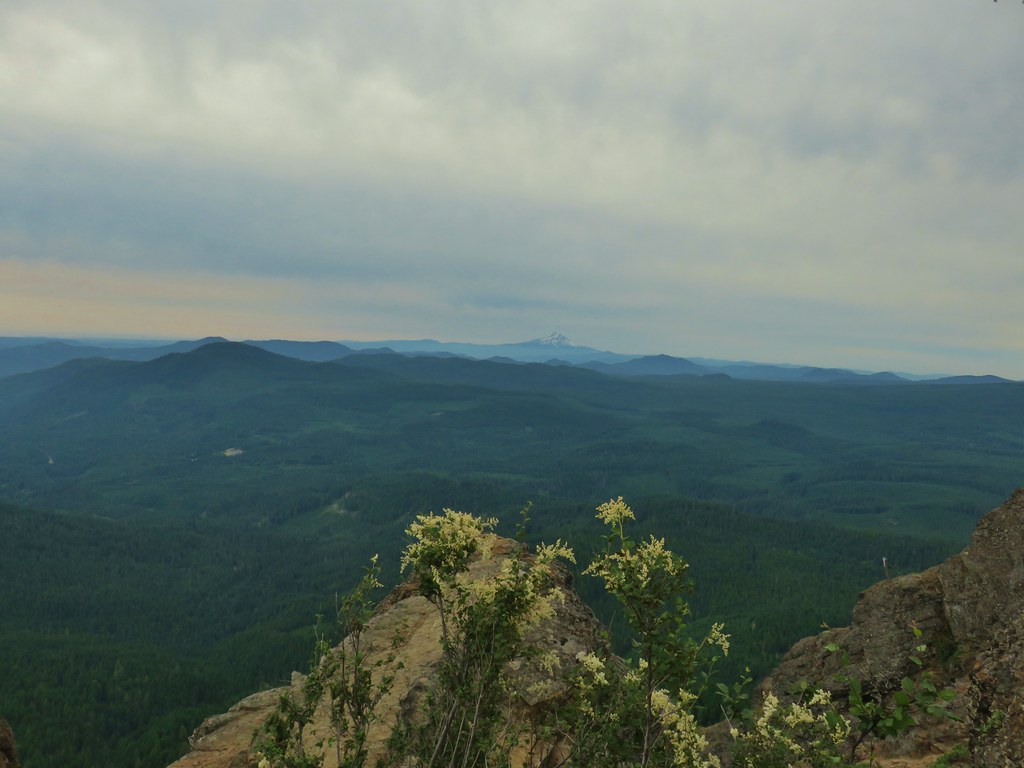
The trail switchbacked its way up amid the rocks up stonework ramps gaining views of the surrounding Cascade mountains along the way.
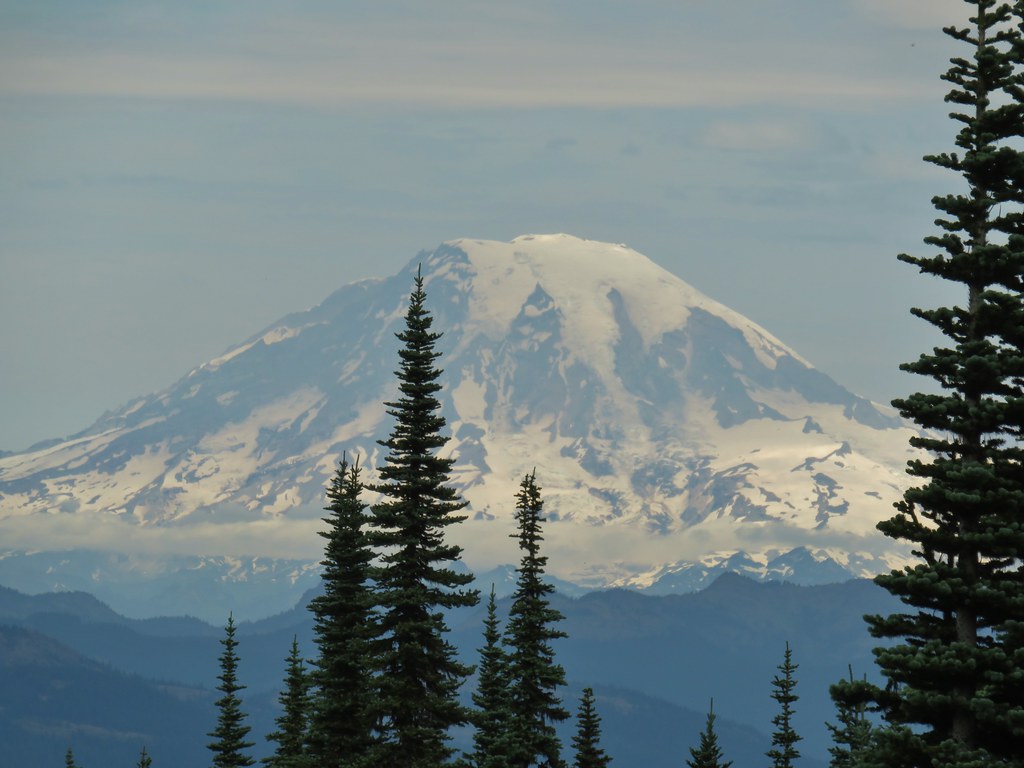
IMG_2414Mt. Adams

IMG_2415Goat Rocks (post) to the left beyond Mt. Adams

IMG_2417Looking down at some of the switchbacks.

IMG_2419Mt. St. Helens in the distance.

IMG_2424The top of Mt. Rainier.

IMG_2426Mt. Hood to the South.

IMG_2431_stitchMt. St. Helens, Mt. Rainier, Goat Rocks and Mt. Adams.

IMG_2448Indian Heaven Wilderness

It was fairly windy up on the rocks, just windy enough to make us a little nervous when we got to the saddle near the top as we had to push back a bit against it. Luckily the top is fairly wide and there was a least one place behind a rock where the wind was non-existent.
IMG_2430Looking east over the top of Sleeping Beauty.
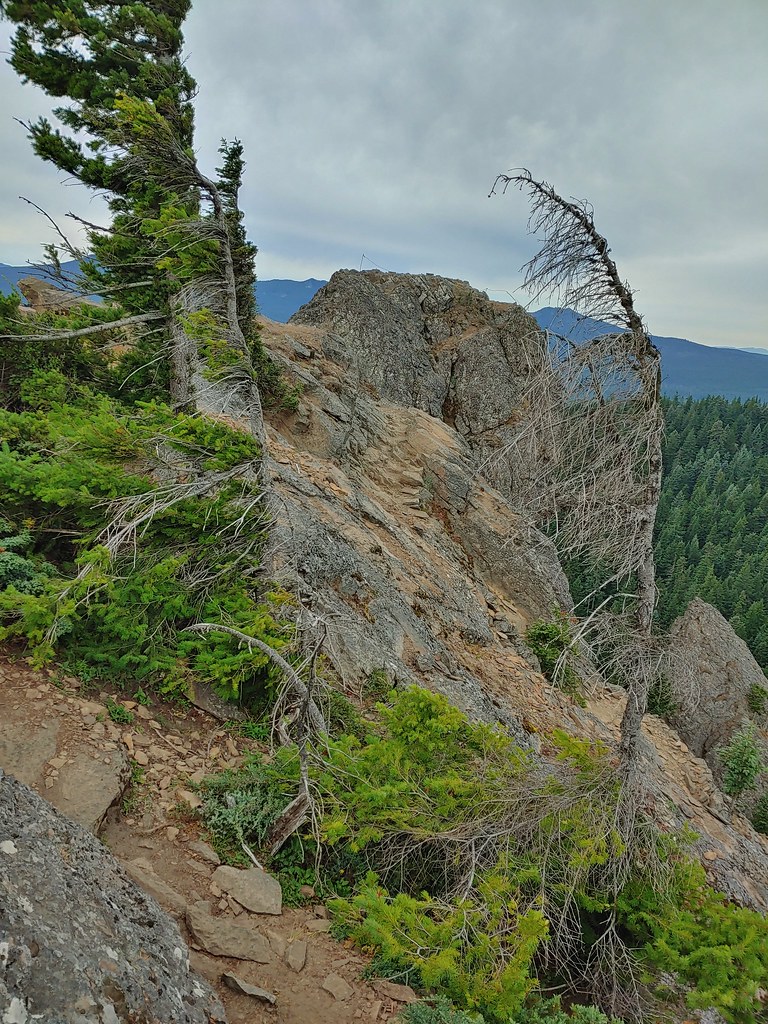
20200801_084405_HDRLooking west to the true summit where a lookout once stood.

We were hoping to see a mountain goat as they do live here but alas we only saw some fur on a rock and a couple of bushes. The views would have to do and they did just fine. I scrambled over to the former lookout site after deciding it looked safe enough while Heather waited at the saddle.
IMG_2443

IMG_2455Mt. Hood from the foundation of the former lookout.
After a good long time exploring the area and enjoying the views we headed back down. We passed several groups of hikers heading up (just about everyone had a mask) so we were once again glad we’d gotten the early start to have the top to ourselves.

From the trailhead we drove back to Trout Lake and turned left onto Mount Adams Road aka Forest Road 23. (Google would have had us continue on the forest road we had been on to reach the Killen Creek Trailhead, but Google doesn’t always know the condition of the Forest Roads and I don’t either so we played it safe.)

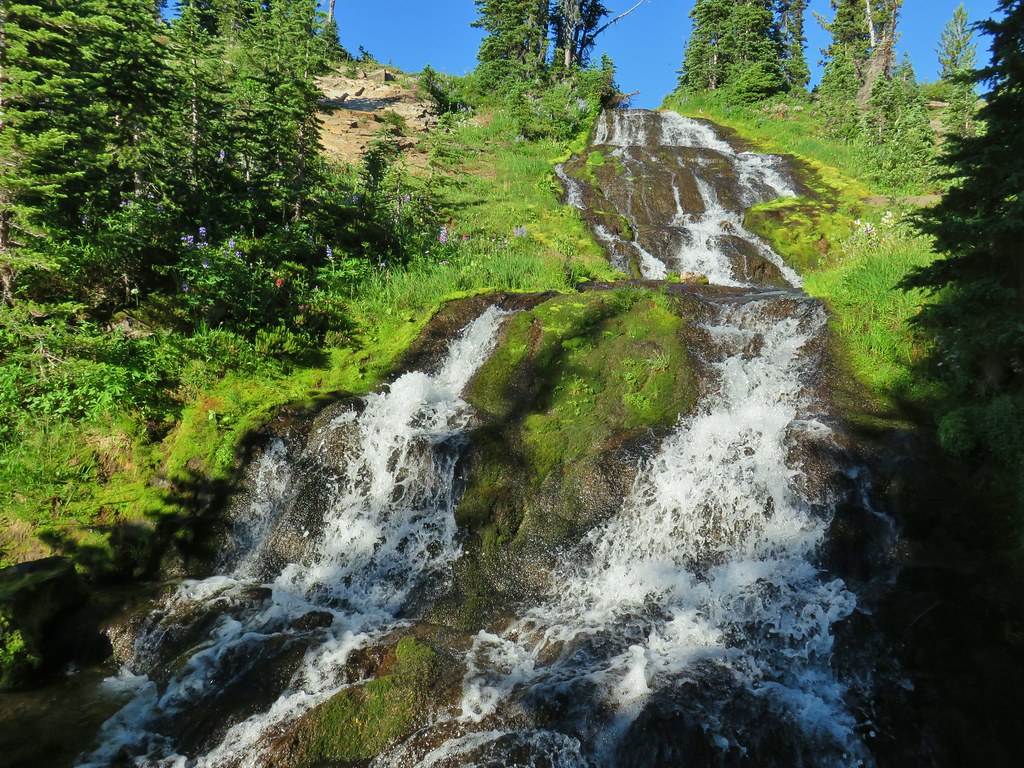
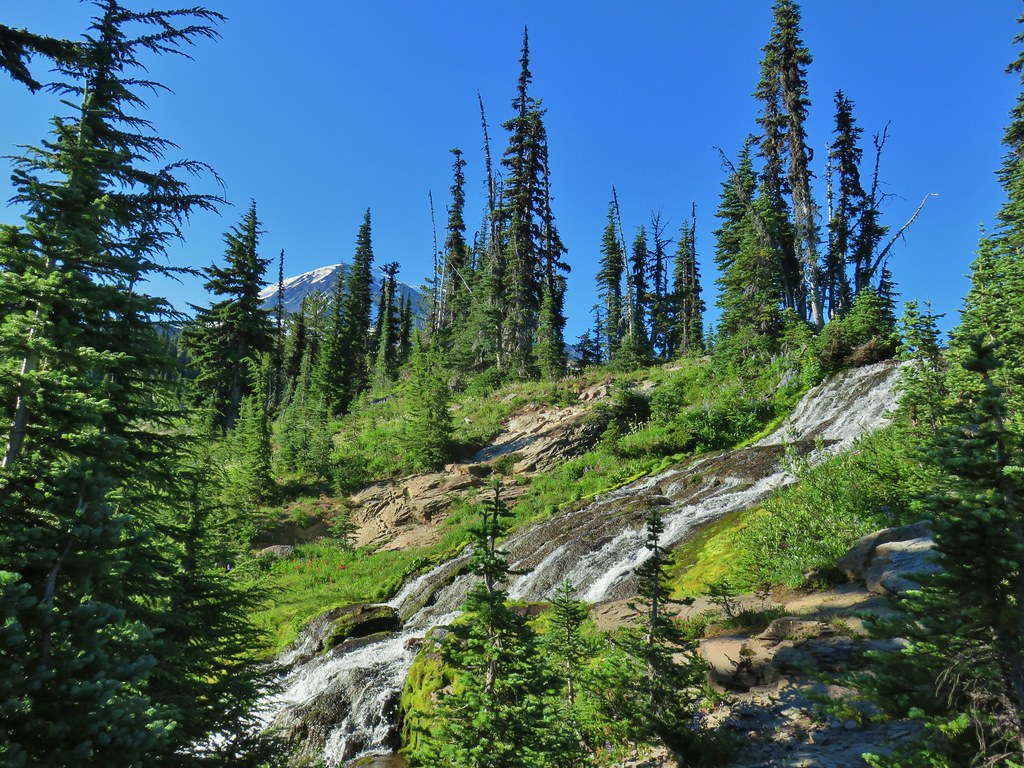
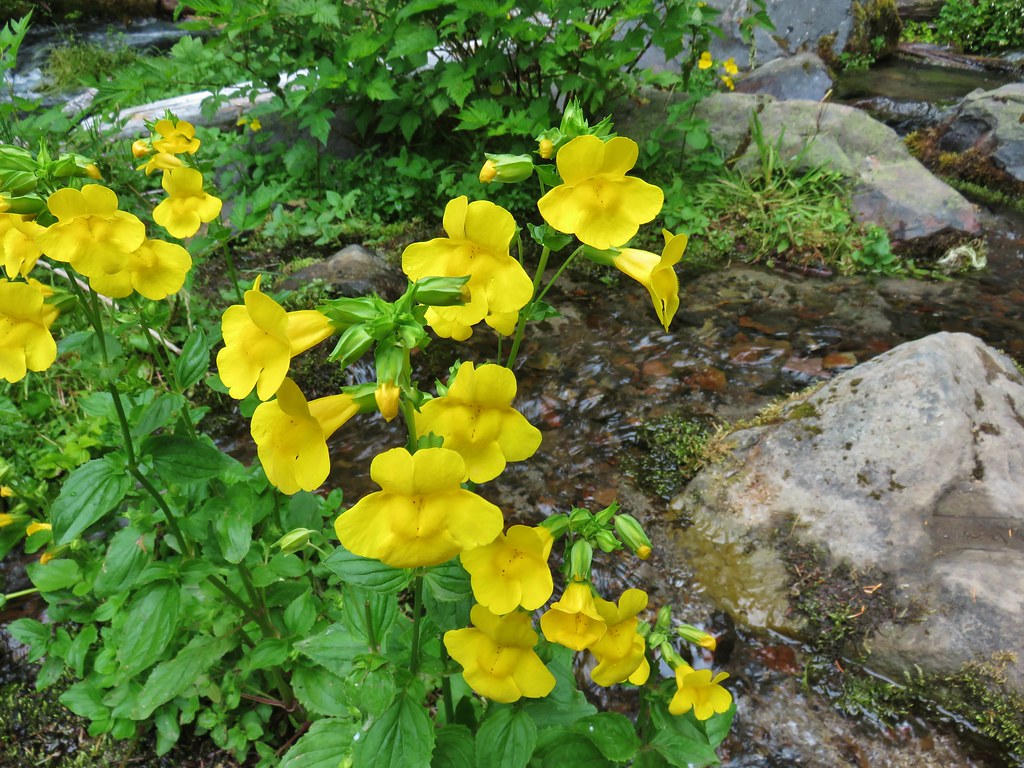
We then followed Reeder’s direction to the Killen Creek Trailhead stopping along the way when Heather spotted a nice waterfall on Big Spring Creek.
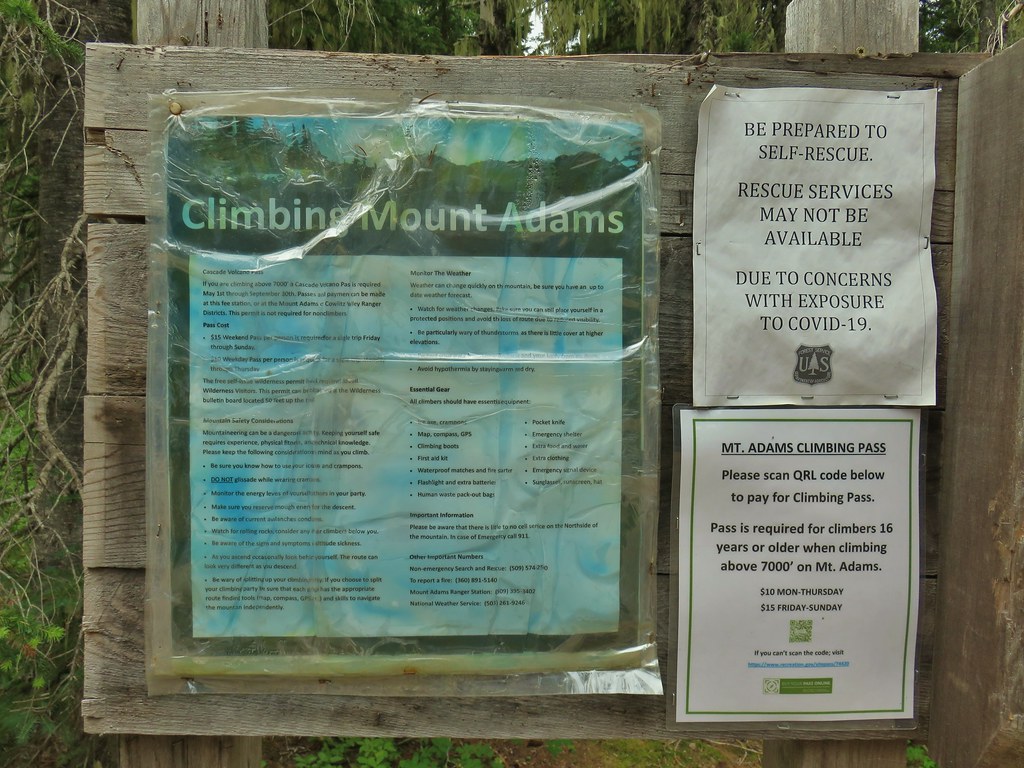
IMG_2469Sign at a pullout along FR 23.

IMG_2471These were huge yellow monkeyflowers.

IMG_2476Big Spring Creek

After the brief stop we drove on. The final 9 miles on FR 23 was gravel but wide and not too bad. We turned off of the gravel onto the narrow, paved FR 2329 which was a nice break, but beyond the turn for Takhalakh Lake Campground this road also turned to gravel. It was not in the best condition and was fairly narrow and busy which made for a bit of a tedious final 6 miles to the Killen Creek Trailhead.
IMG_2479

IMG_2478

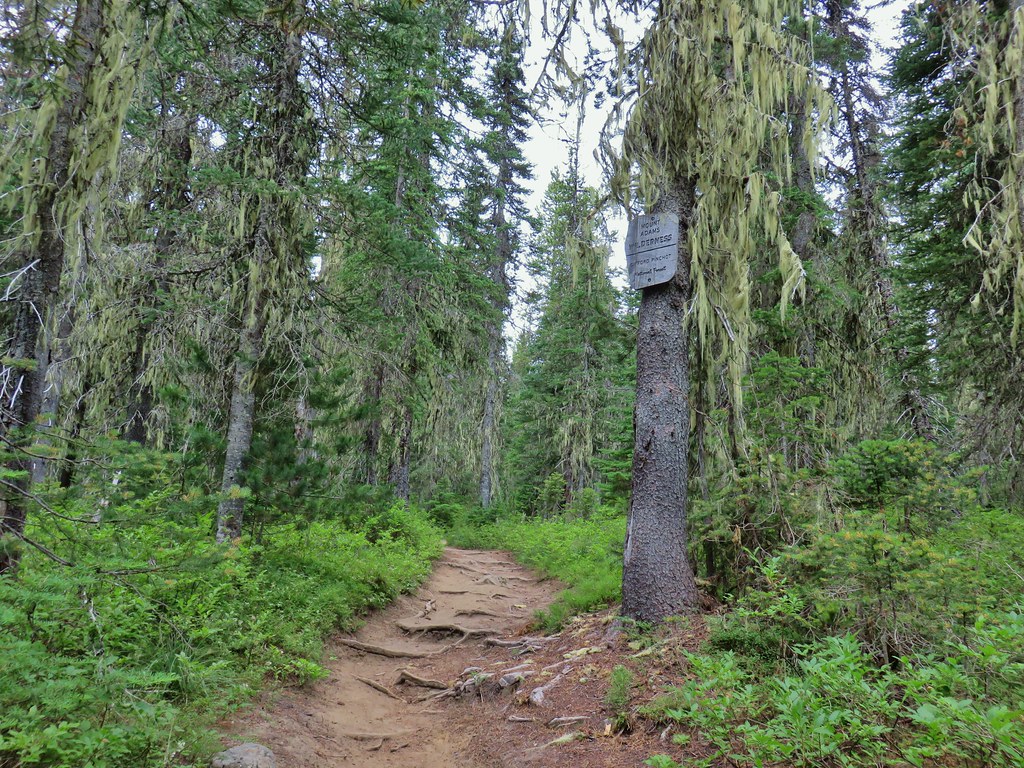
After attempting some gear repair (a hole in some clothing) we set off and quickly entered the Mt. Adams Wilderness.
IMG_2485

This was only our third visit to the wilderness with our first having been a hike from the South Climb Trailhead to Iceberg Lake in 2014 (post) and the second an overnight stay at Horseshoe Meadows in 2017 (post). (Apparently this is an every three year thing.)

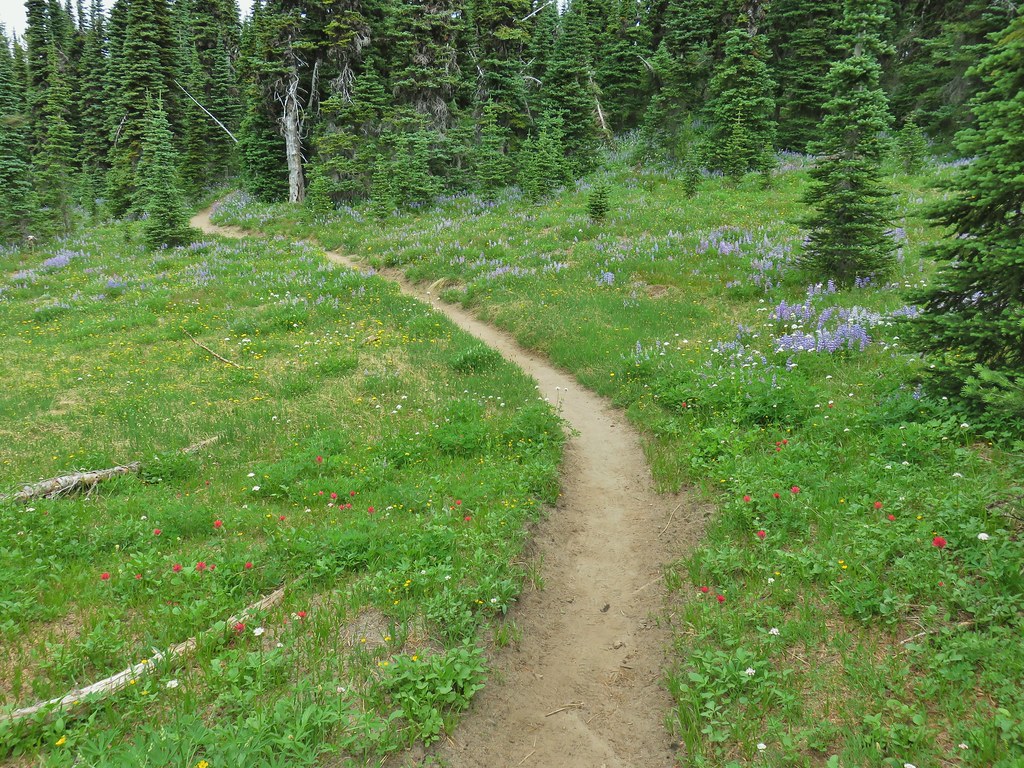
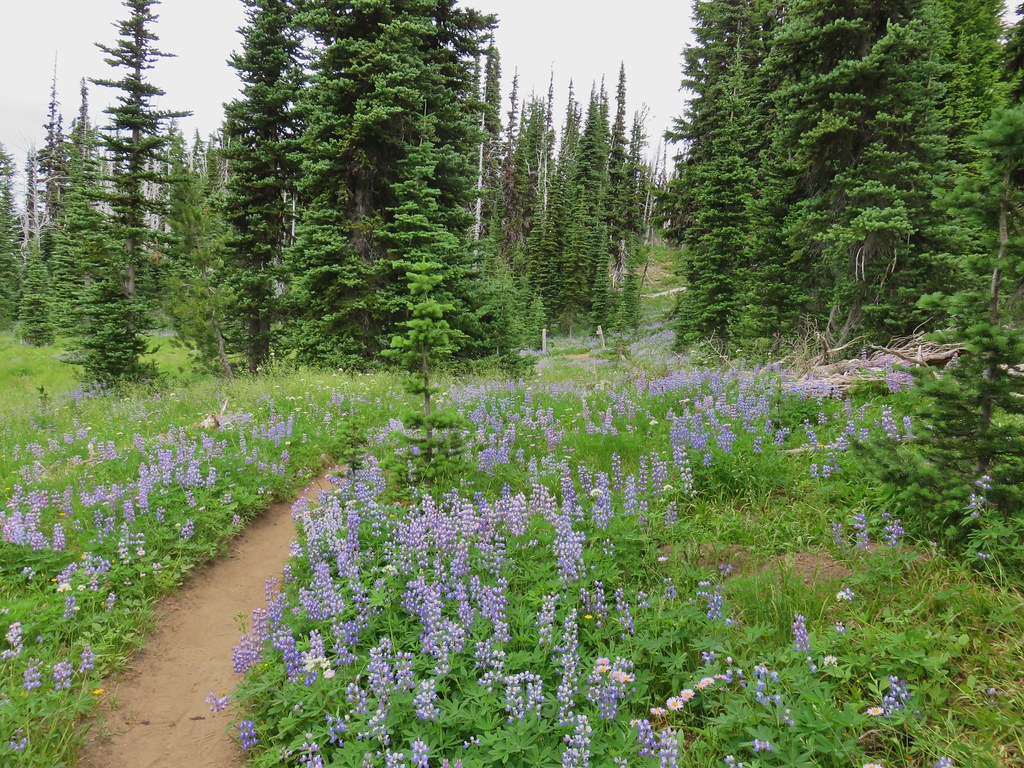
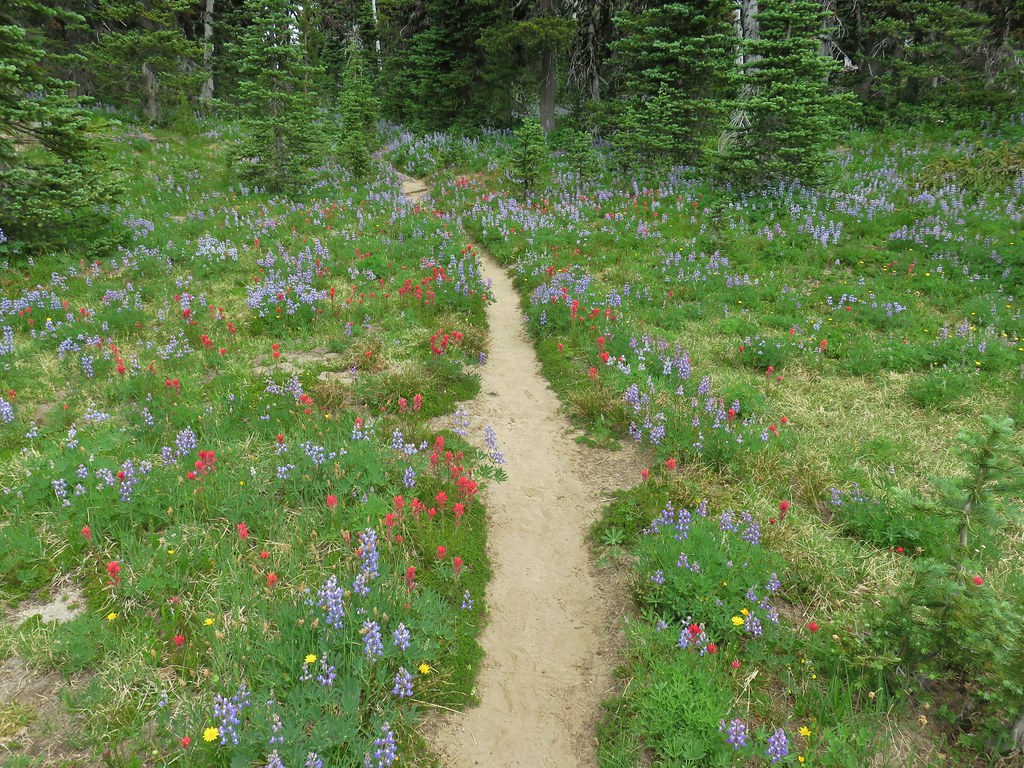
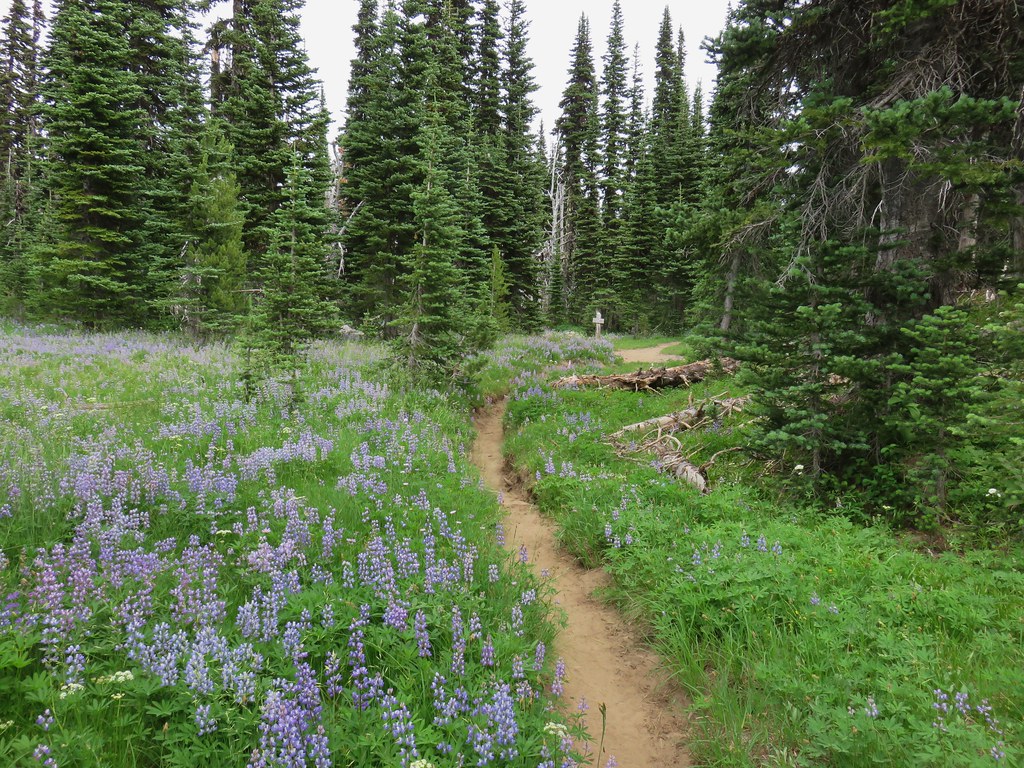
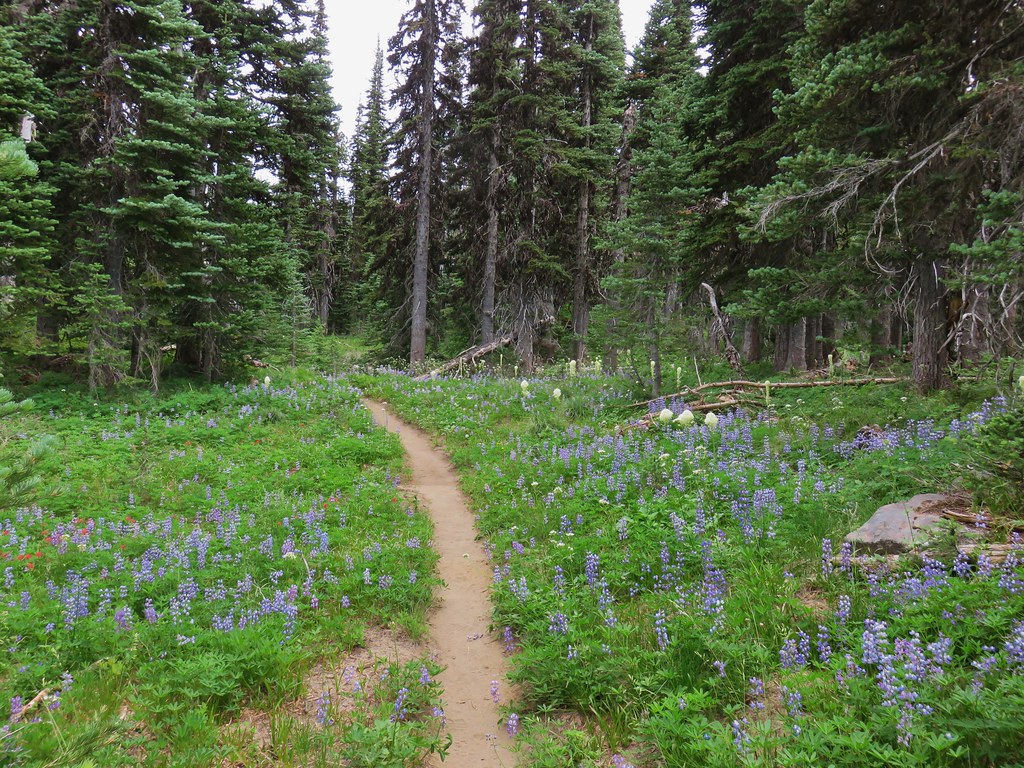
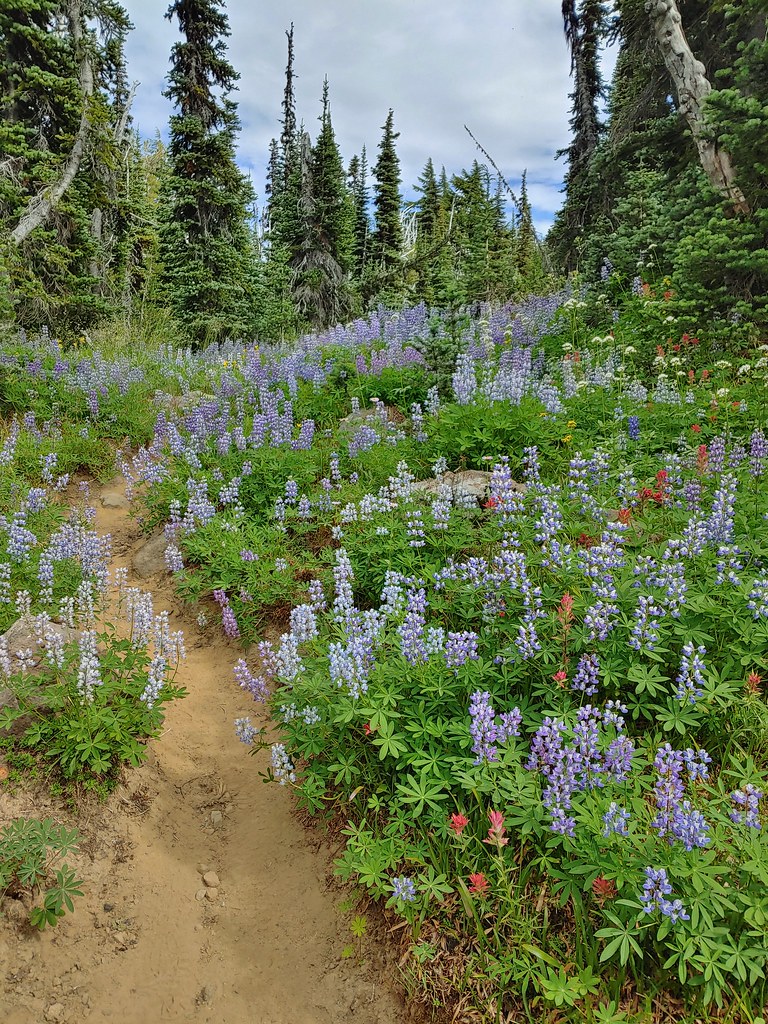
The Killen Creek Trail climbed through the forest where we were pleased to find quite a few flowers were blooming. Little did we know what was coming.
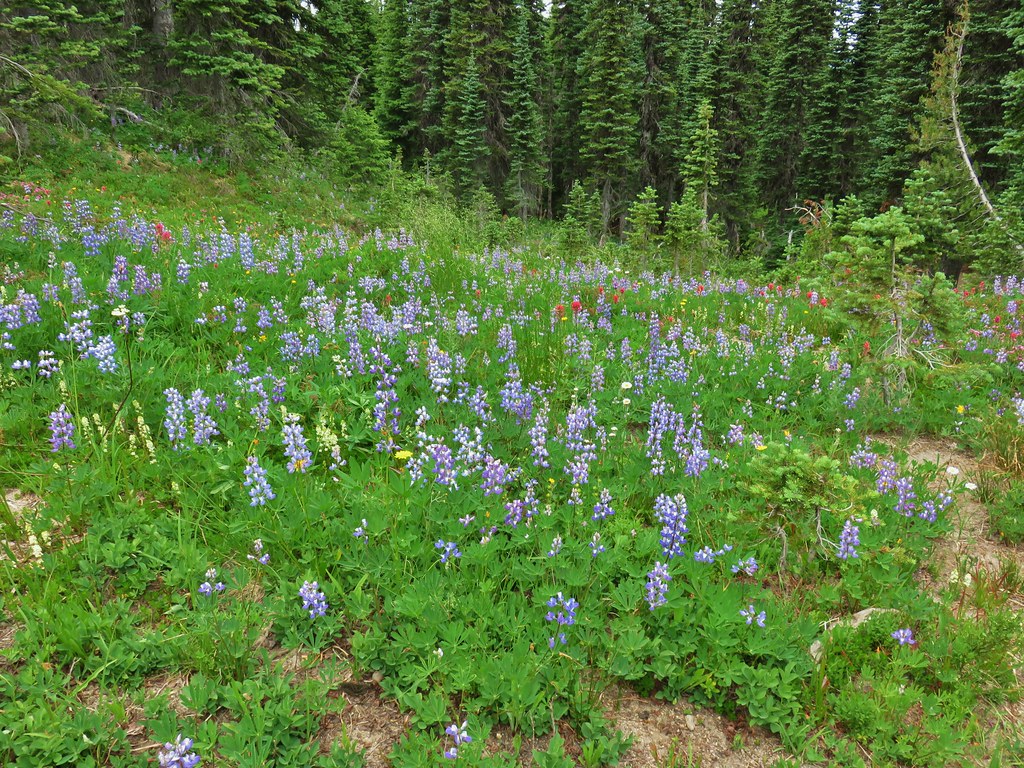
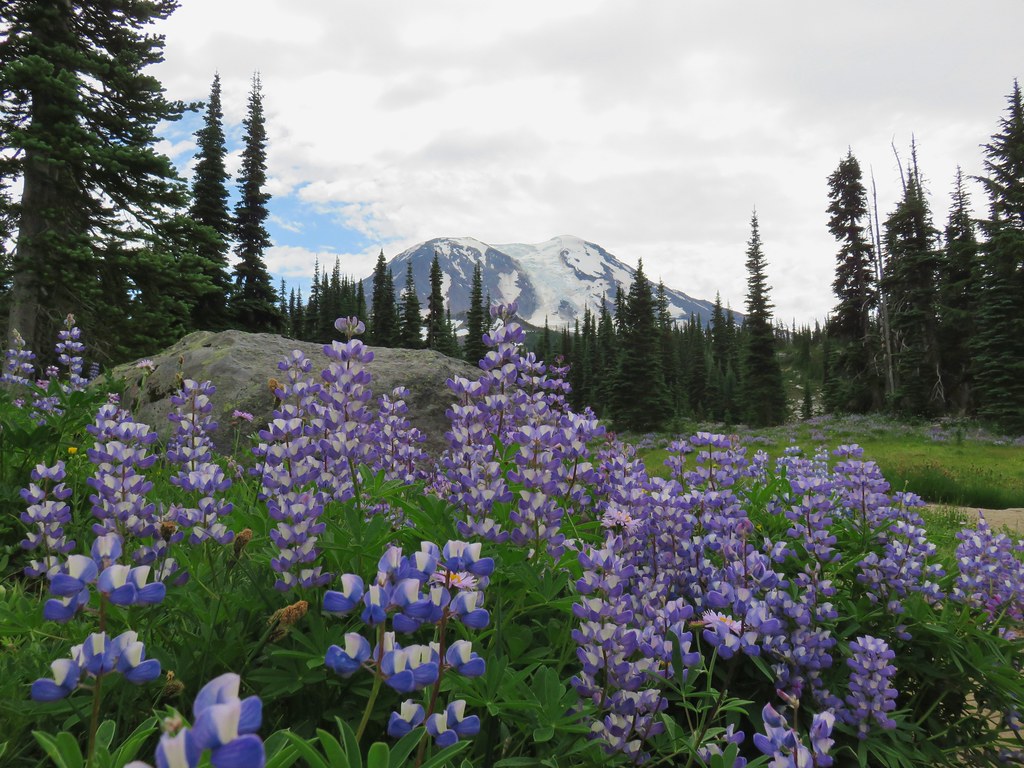
IMG_2493Lupine along the trail.

IMG_2500

IMG_2501Arnica

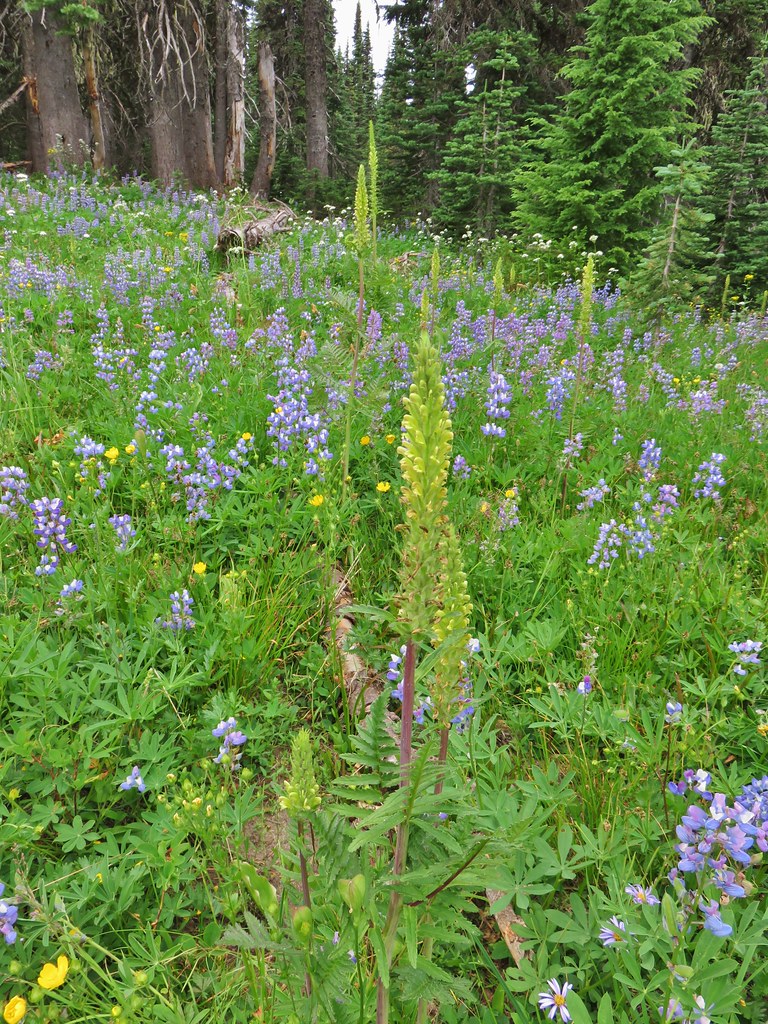
IMG_2504Lousewort

IMG_2505More lupine along the trail.

IMG_2506Partridge foot and lupine.

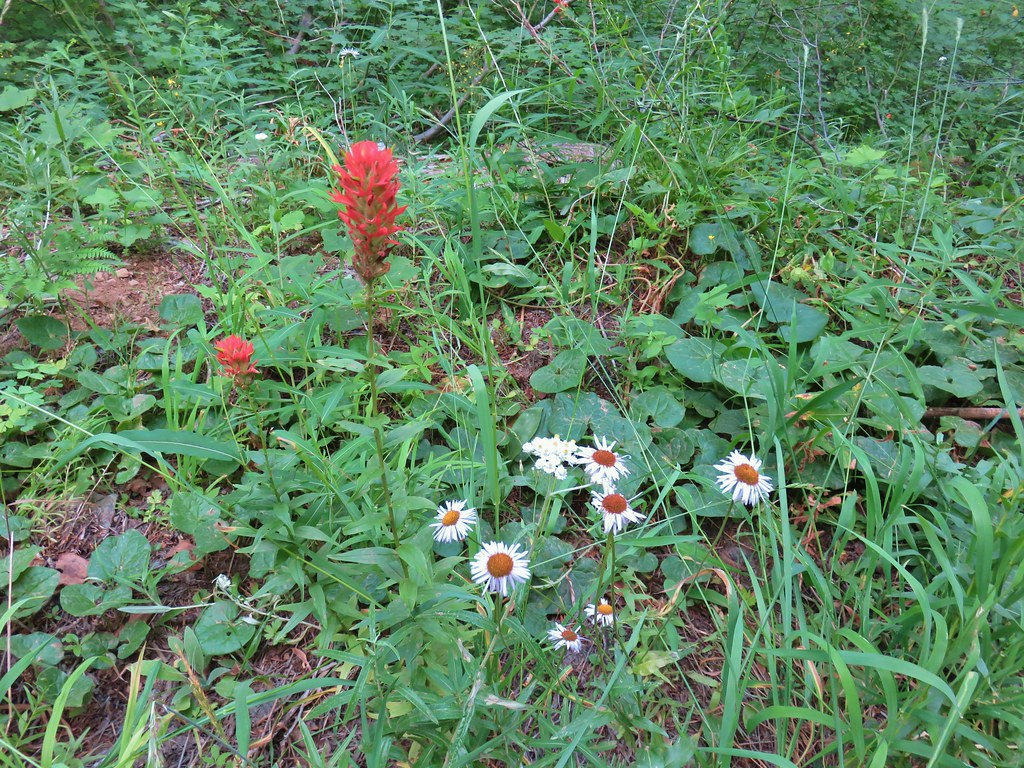
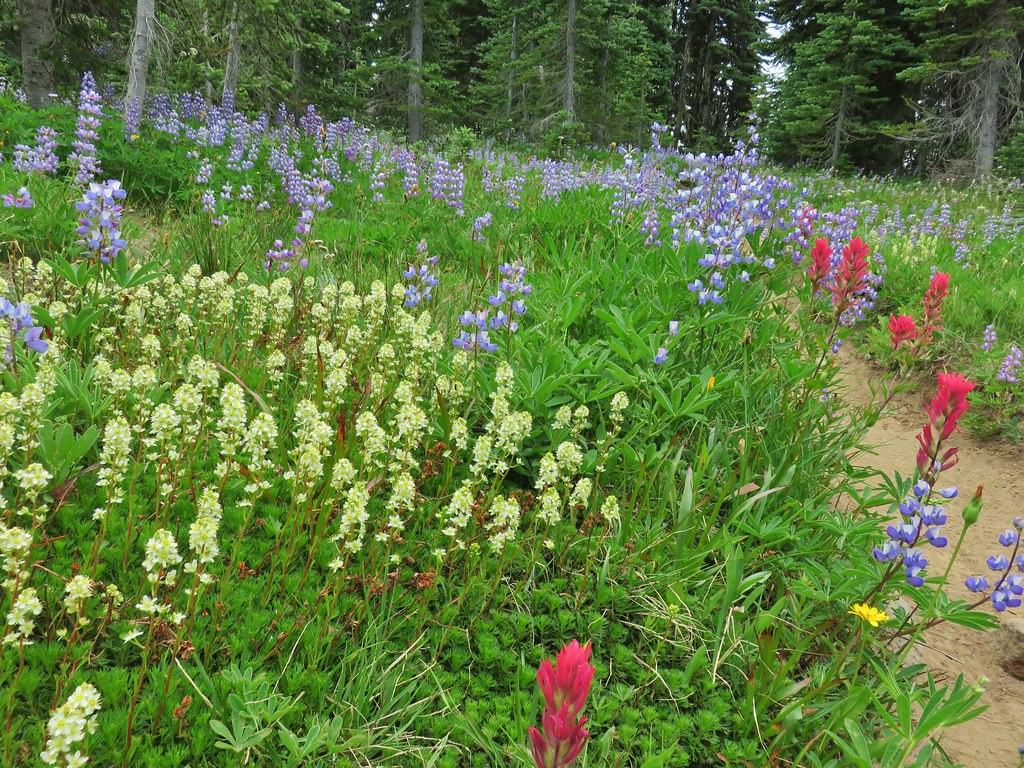
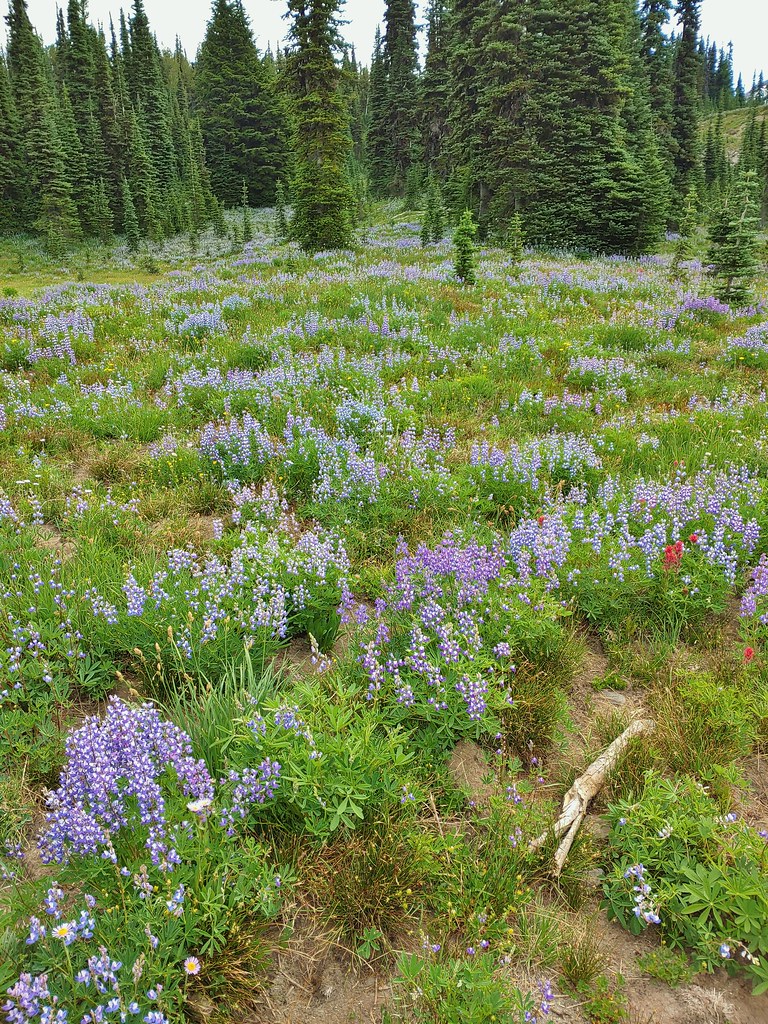
IMG_2514Lupine, paintbrush and valerian.

IMG_2523Lupine along the trail which sees a good amount of equestrian use.

IMG_2526Mountain heather.

IMG_2529

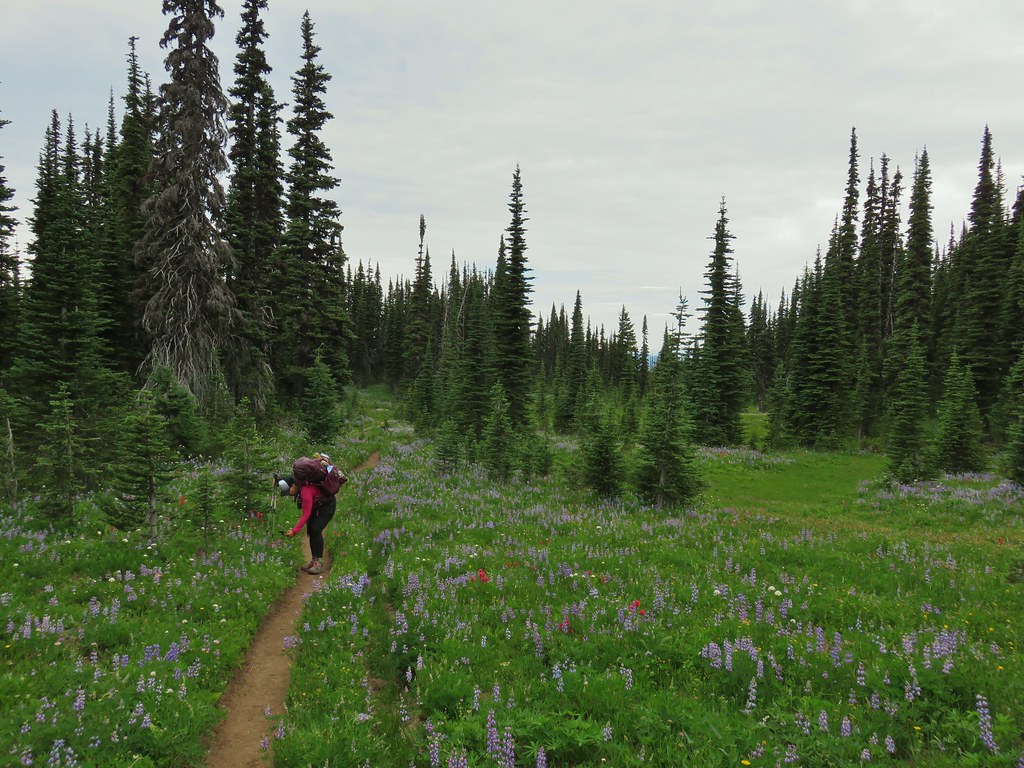
As we continued to climb the number and types of flowers we were seeing kept increasing.
IMG_2536Yellow buttercups mixed in with the lupine, paintbrush and valerian.

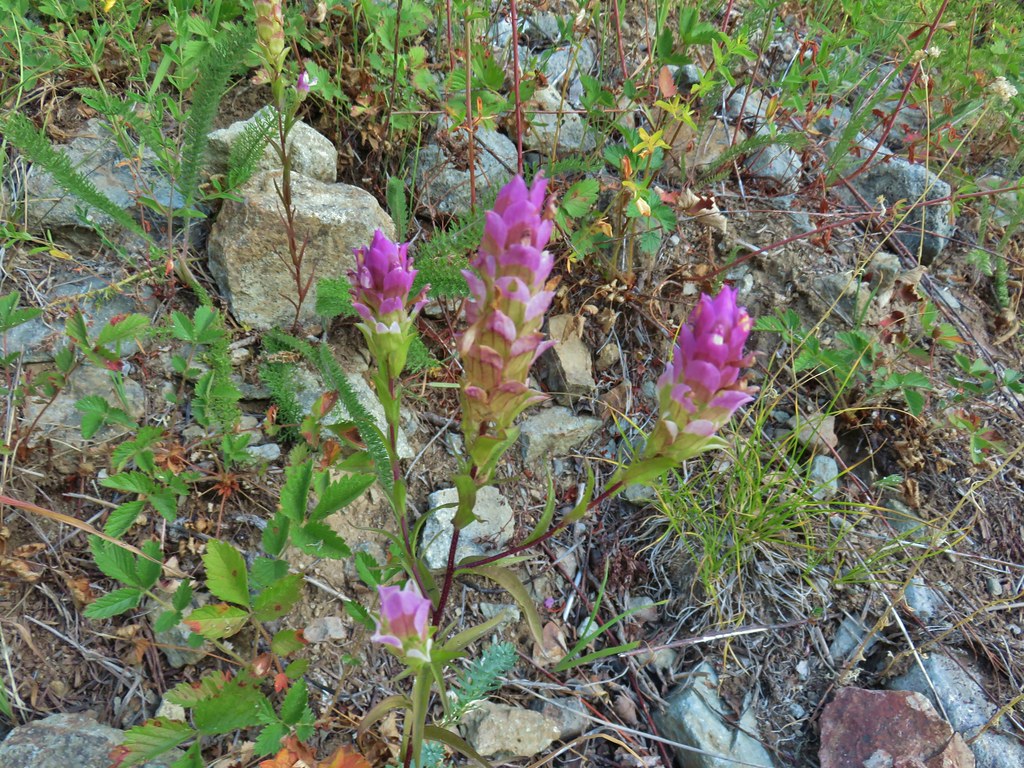
IMG_2542Beardstongue, arnica and lupine.

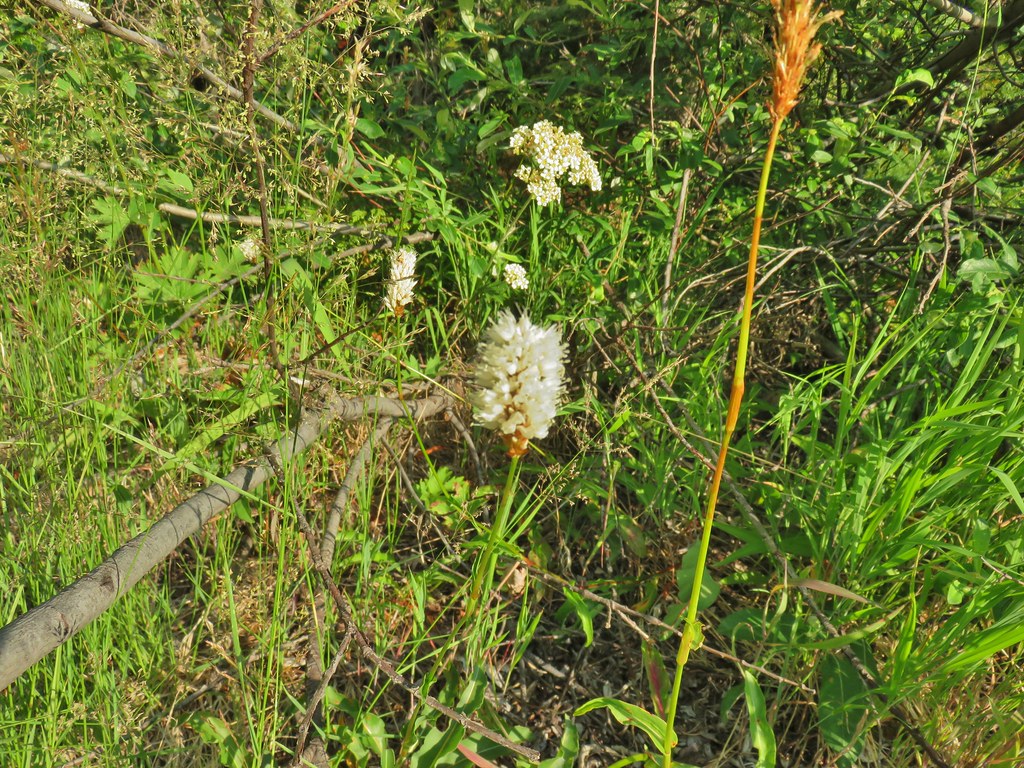
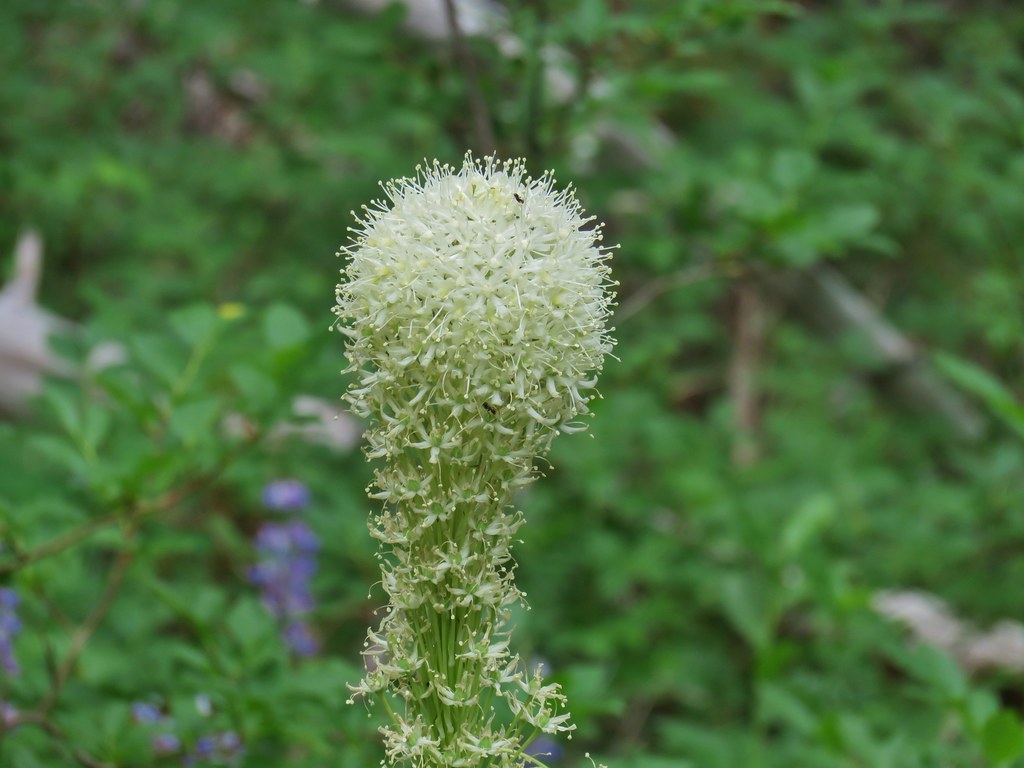
IMG_2544Beargrass

Approximately 2.5 miles up the trail the flowers really started to explode as the trail began to level out a bit.
IMG_2553

IMG_2555

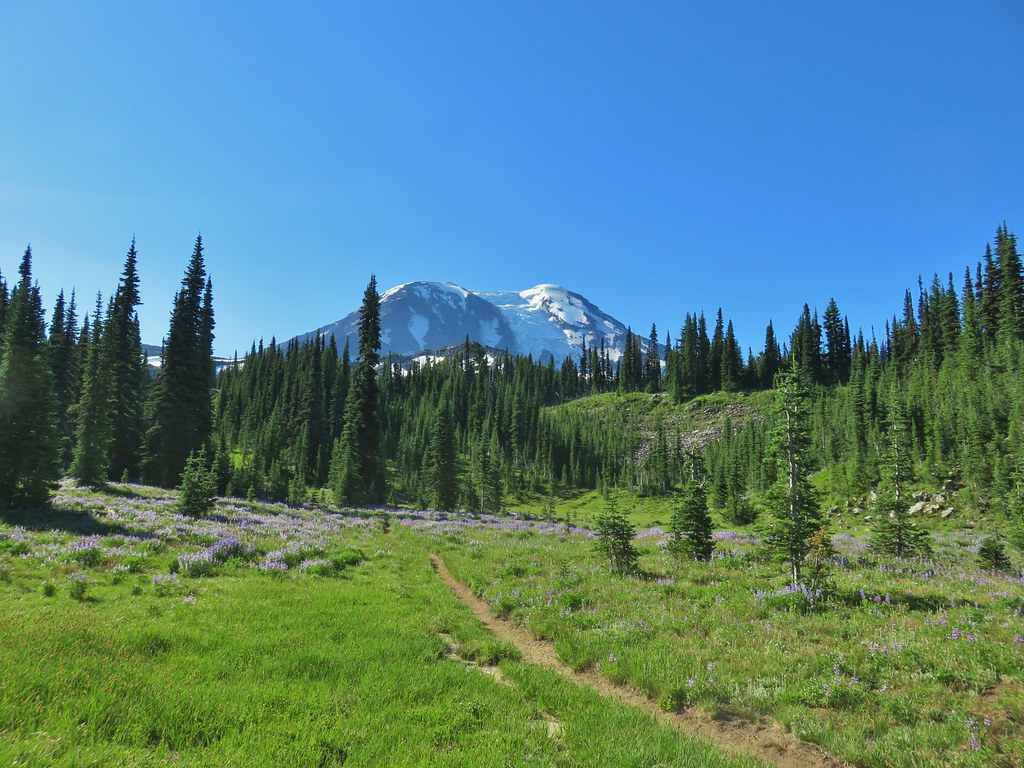
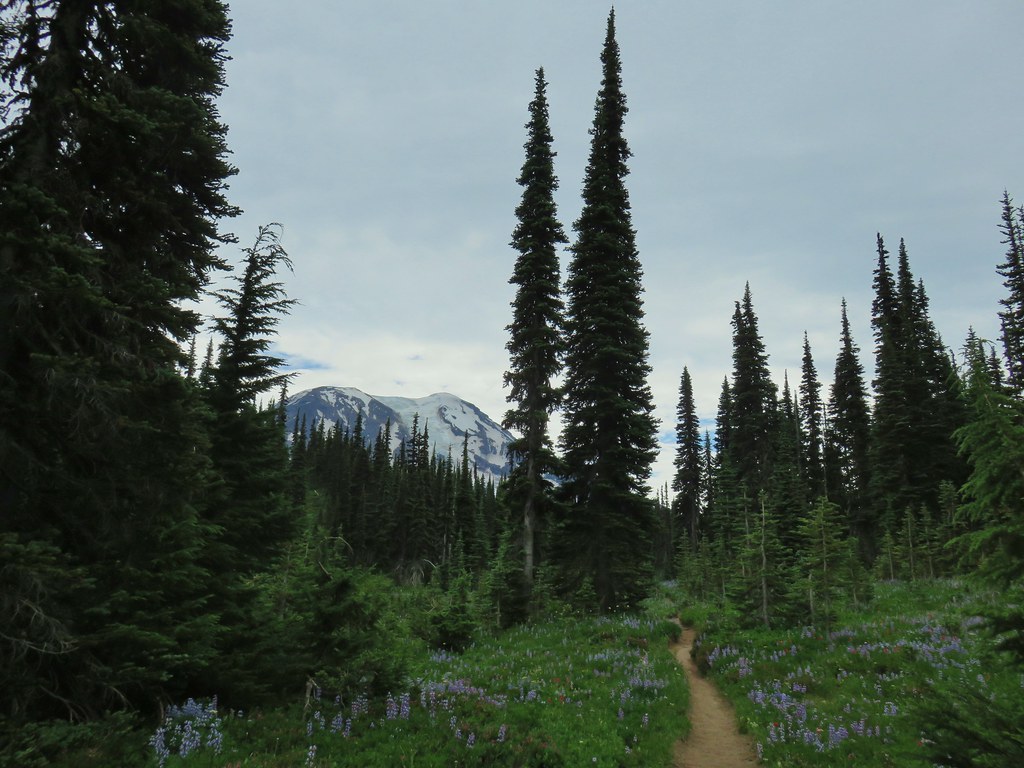
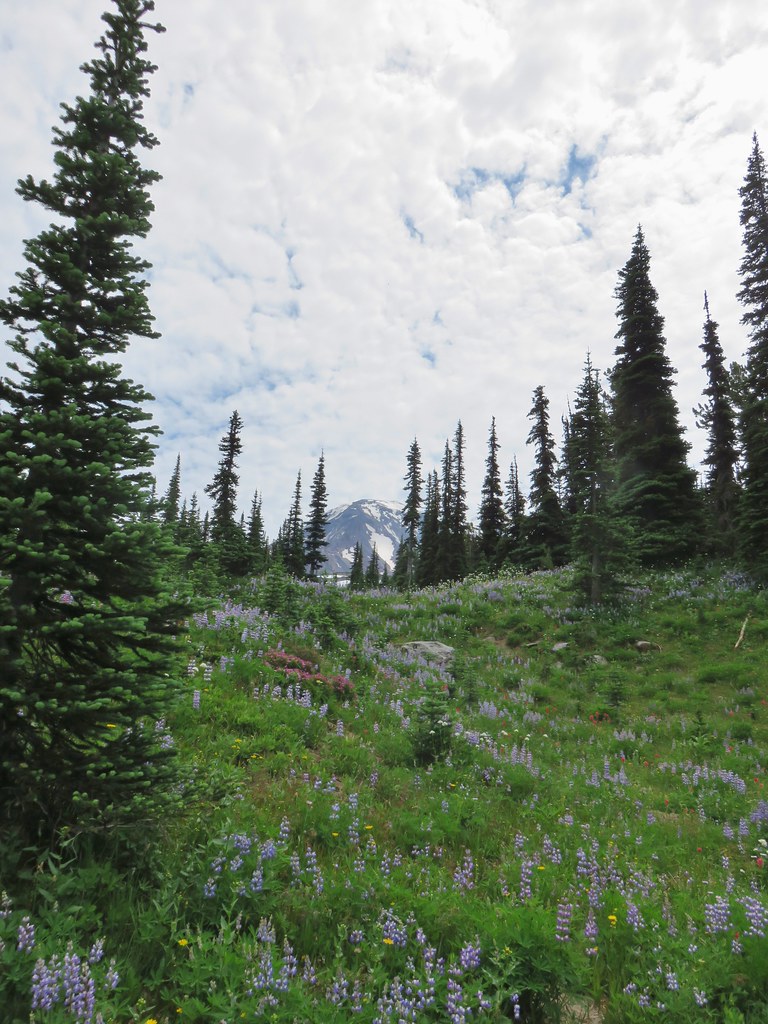
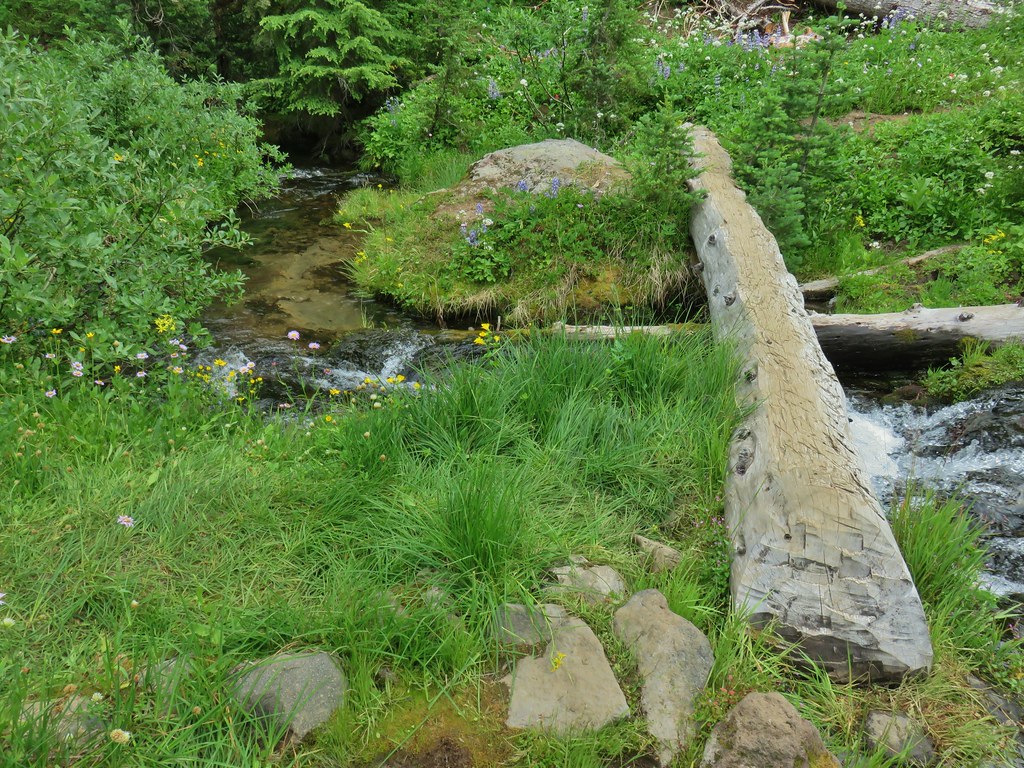
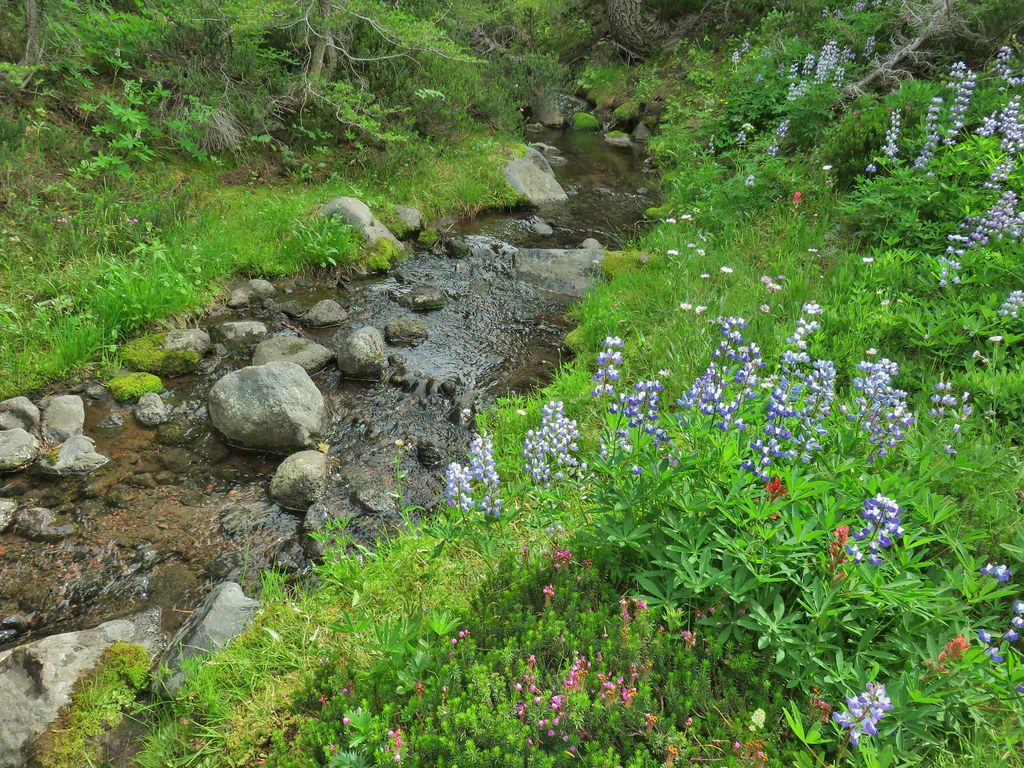
Over the next mile we gained views of Mt. Adams and crossed a small alpine stream all while being mesmerized by the flowers.
IMG_2563

IMG_2571

IMG_2582Lousewort

IMG_2586

IMG_2591

IMG_2595Elephants head near the stream.

IMG_2604Elephants head and a shooting star.

IMG_2601

IMG_2608

IMG_2612

20200801_125034Mountain heather

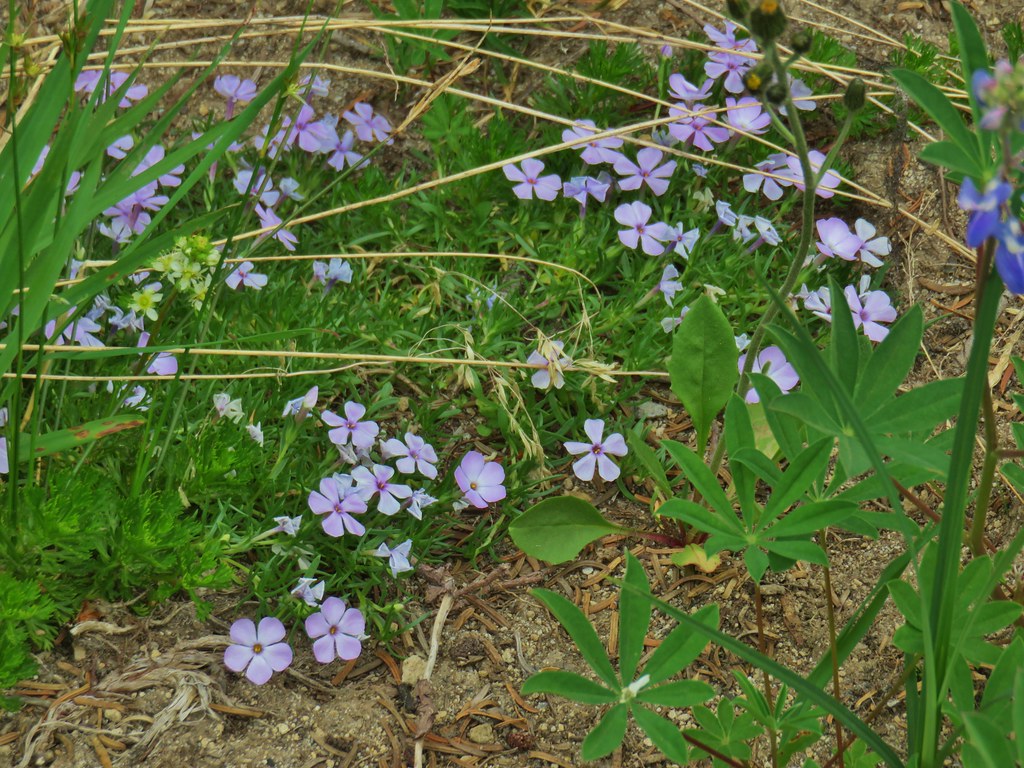
IMG_2620Phlox

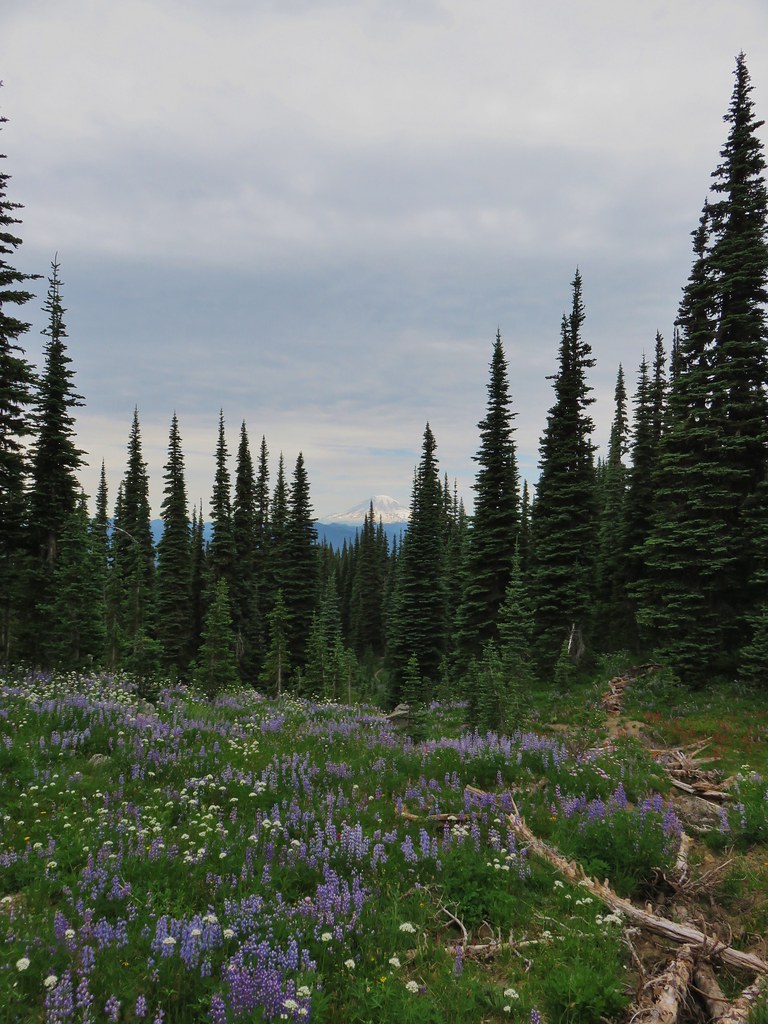
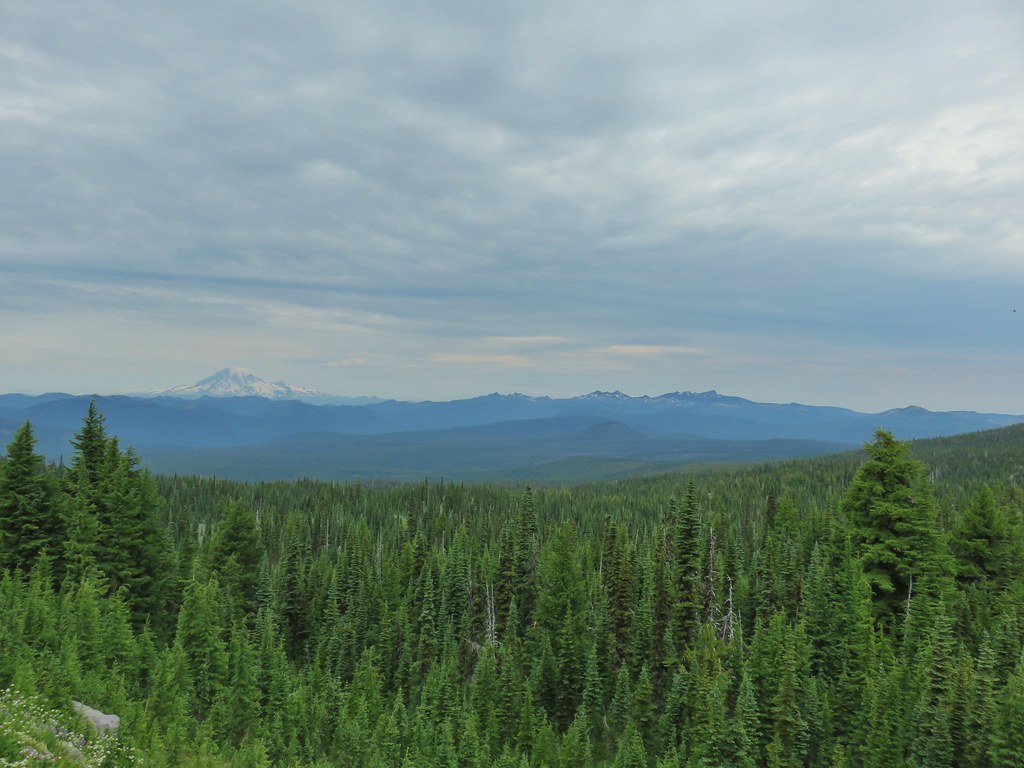
As we gained elevation we also began to get glimpses of Mt. Rainier to the NW.
IMG_2626

IMG_2631

The views and flowers just kept getting better as we went.
IMG_2646

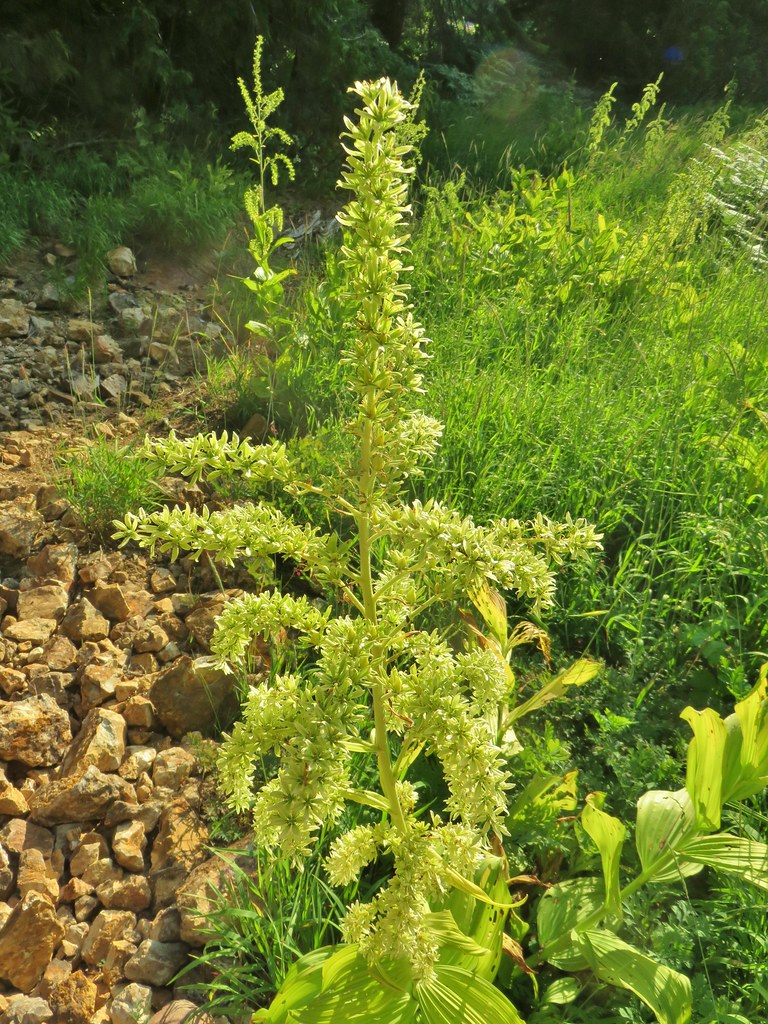
IMG_2652False hellebore amid the lupine.

20200801_130422

IMG_2665Paintbrush framed by trees.

IMG_2675Woolly pussytoes

After a little over 3.25 miles the Killen Creek Trail ended at the Pacific Crest Trail.
IMG_2685

We had been to this junction in 2017 when we had hiked the PCT north from Horseshoe Meadows. We had continued a few hundred feet before realizing that Killen Creek was still almost a mile away. This time we would be hiking beyond Killen Creek and so we turned left on the PCT and continued on.
IMG_2689

Where the Killen Creek Trail was heading for Mt. Adams the PCT was bending around the mountain. This made for more up and down hiking as opposed to steady climbing. Mt. Adams occasionally made an appearance over our right shoulders and the flowers continued to be amazing.
IMG_2692

IMG_2696

20200801_131817Cinquefoil

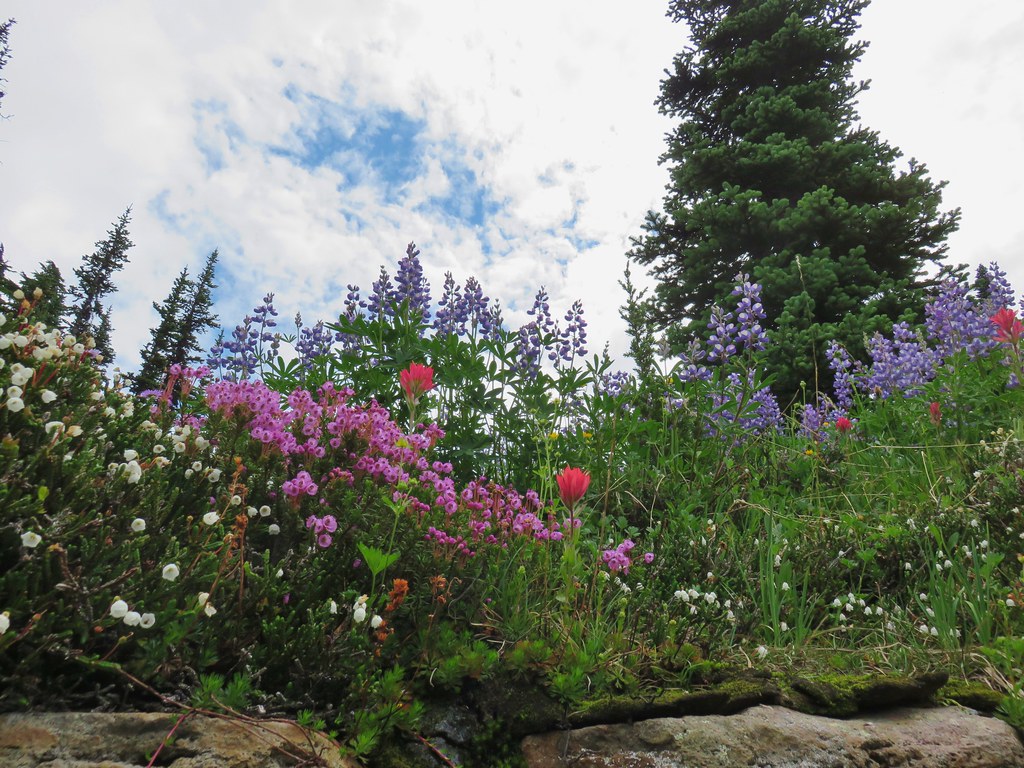
IMG_2702White and pink mountain heather, paintbrush and lupine above the PCT.

IMG_2706Shooting star

IMG_2733Violets

IMG_2737Coming in for a landing on groundsel.

IMG_2731

IMG_2739Aster

The Goat Rocks was soon fully visible between us and Mt. Rainier.
IMG_2744

IMG_2746_stitchGoat Rocks

A little under a mile from the Killen Creek Trail junction the PCT began a descent to Killen Creek Meadows.
IMG_2756

IMG_2761Aster and white seed heads

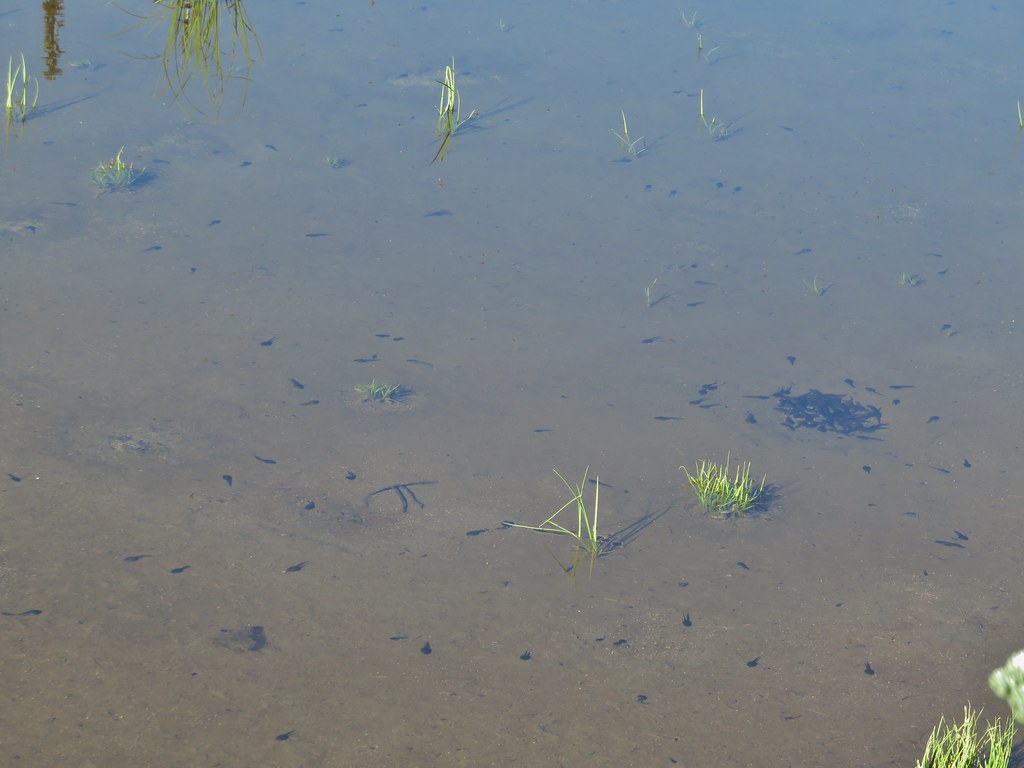
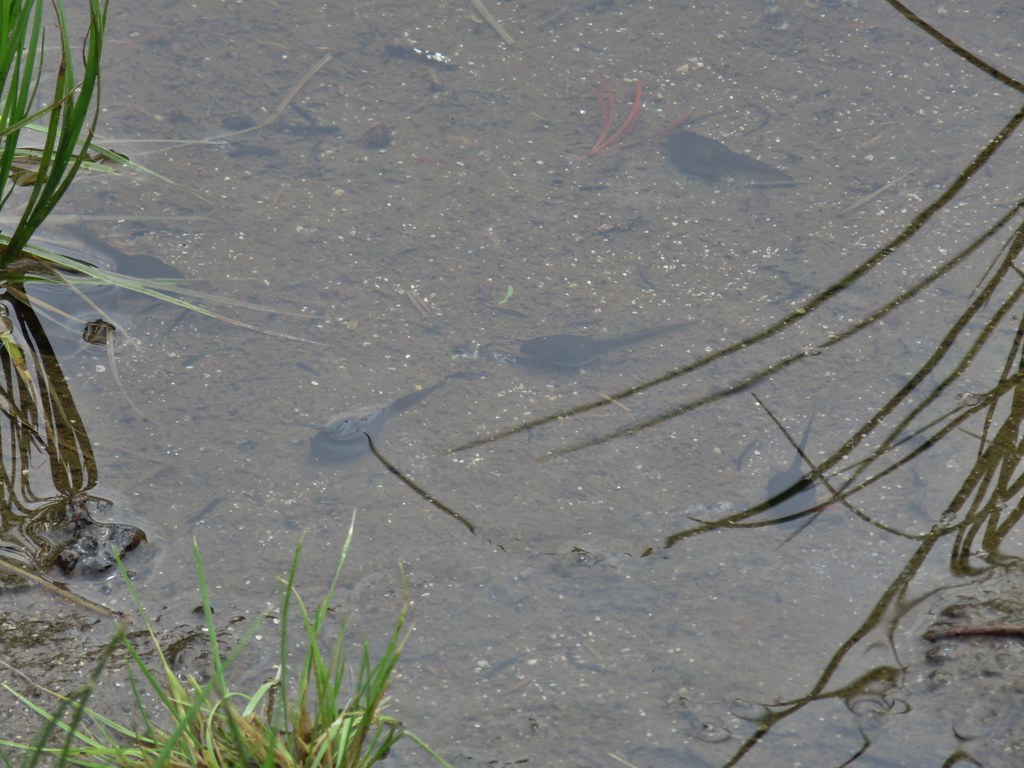
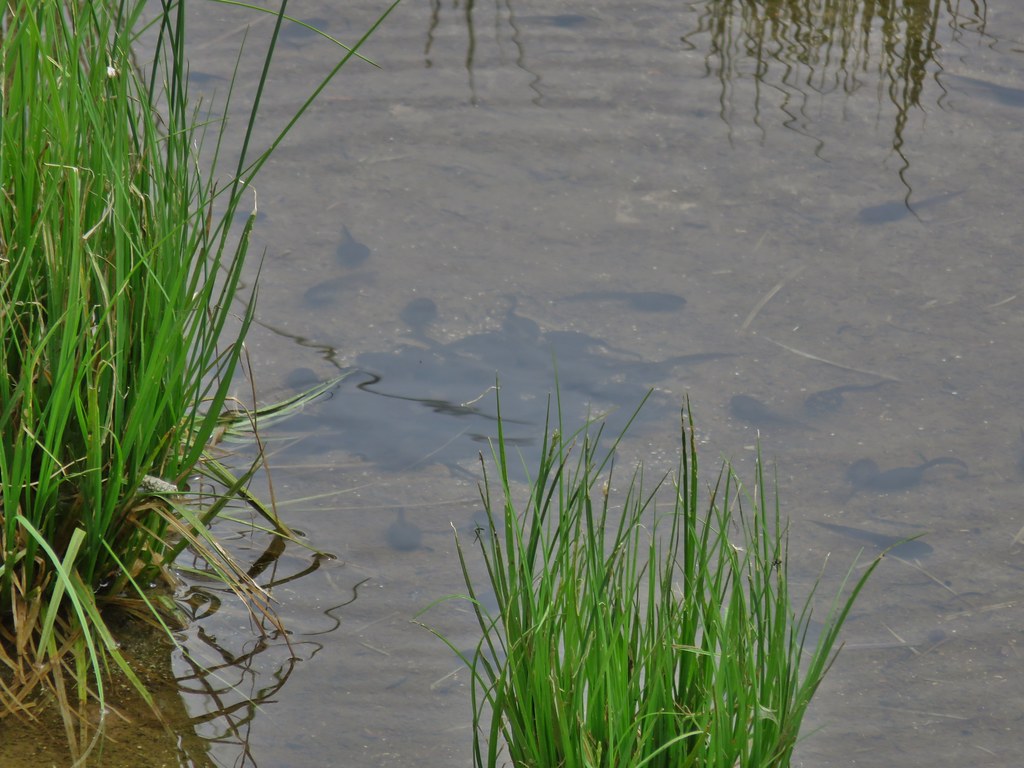
There were a couple of small ponds still holding water in the meadows and we noticed a lot of ripples in the water as we approached.
IMG_2764

It turned out to be pollywogs, and a lot of them.
IMG_2768

IMG_2772

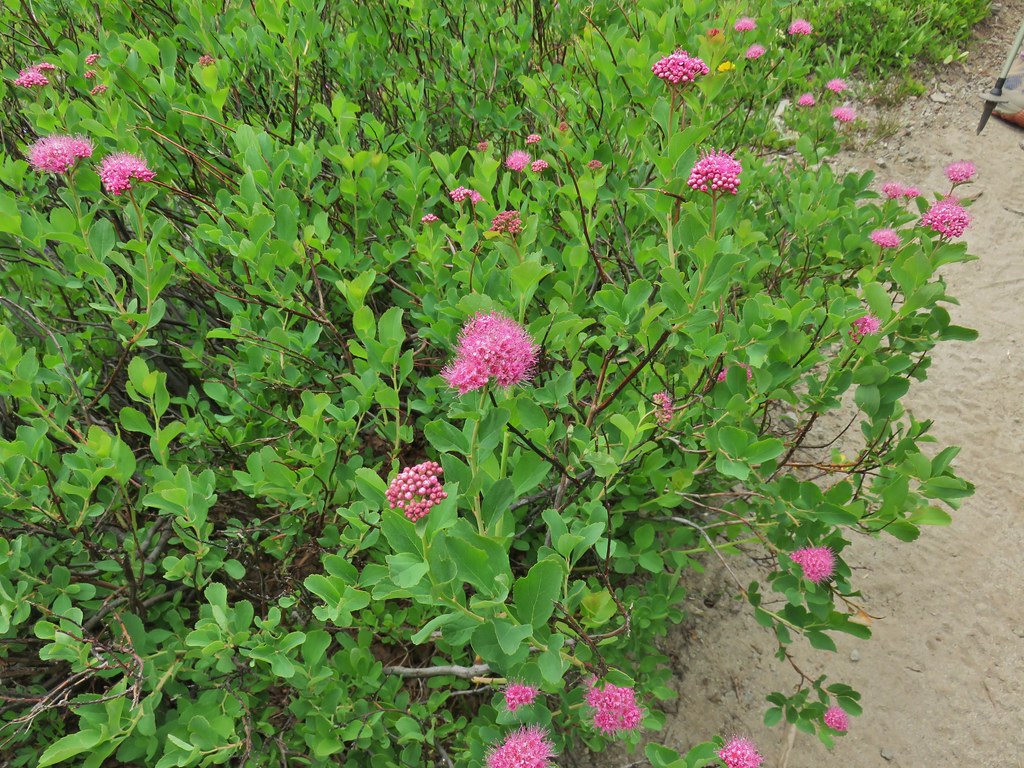
IMG_2775Spirea

The PCT crossed Killen Creek on a footbridge just above a waterfall.
IMG_2781

IMG_2782Killen Creek and Mt. Adams.

There was a steep path down on this side of the falls but it looked like the PCT might have a good view of it on the other side of the creek so we opted not to head down. We figured the worst case scenario was that there wouldn’t be a view and we could just go down on the way back out.
IMG_2780

As we started to cross the bridge we noticed something in the creek nearby, it was an ouzel.
IMG_2785

There wasn’t a great view of the waterfall on the other side.
IMG_2791The waterfall from the PCT.

The PCT descended to a lower meadow where a trail led out to a campsite and another possible vantage point for the waterfall but the view was obscured so we put it on the to do list for the next day.
IMG_2792

From Killen Creek it was .2 flower filled miles to a junction with the Highline Trail.
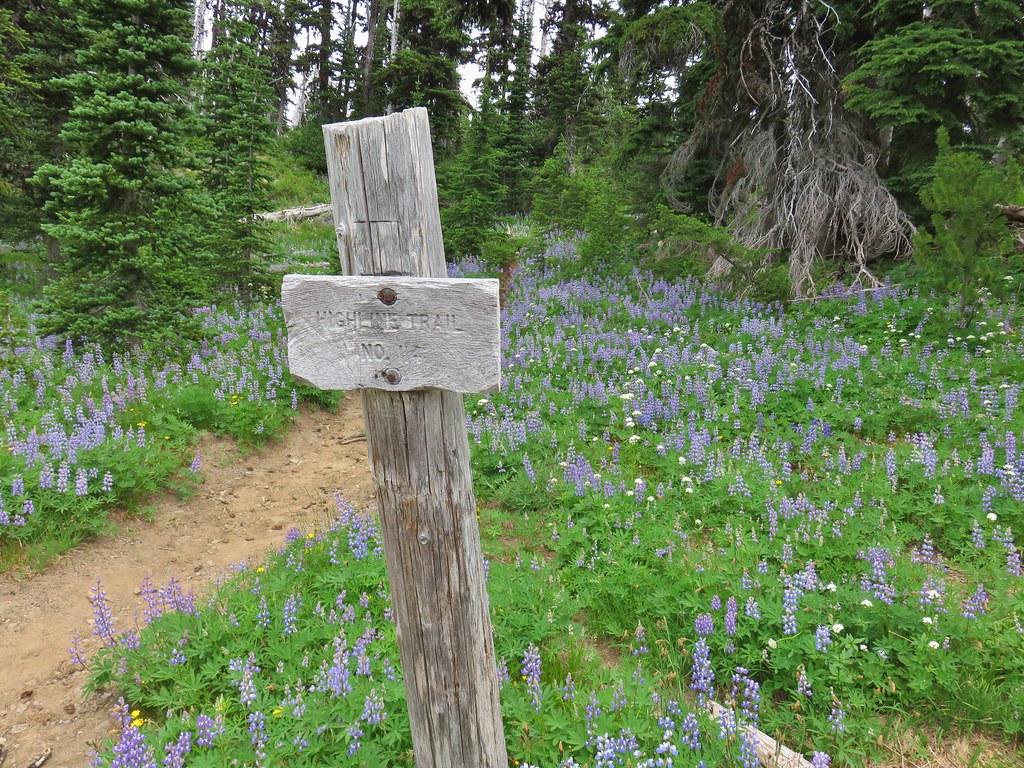
IMG_2800Highline Trail ahead.

IMG_2801

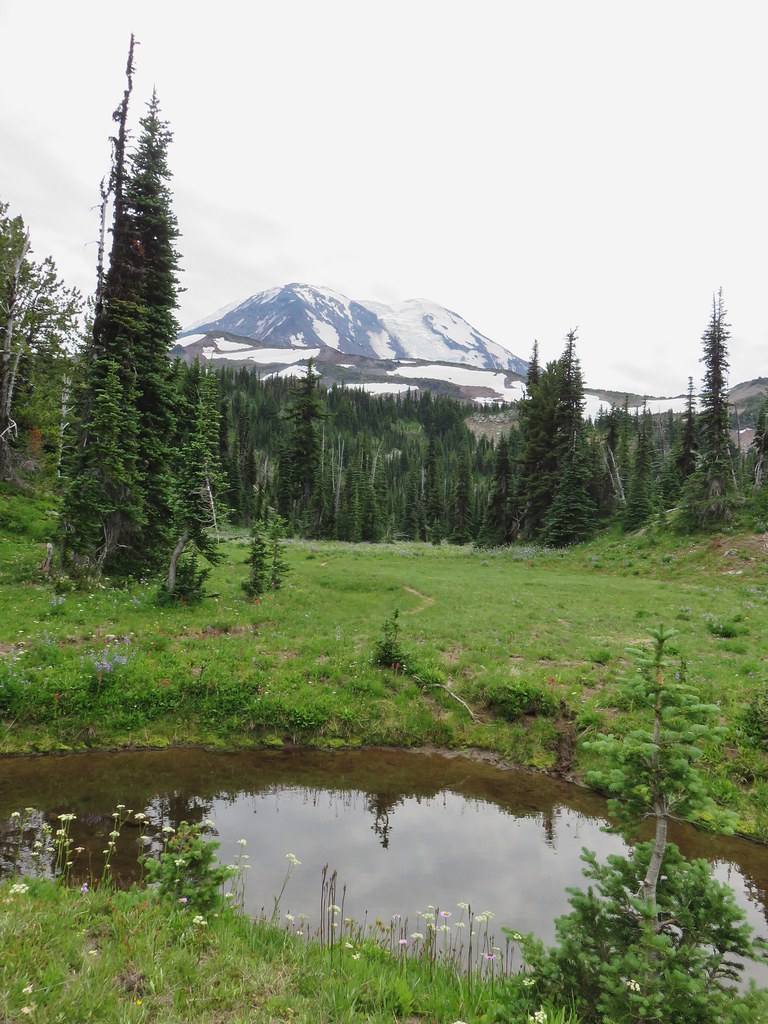
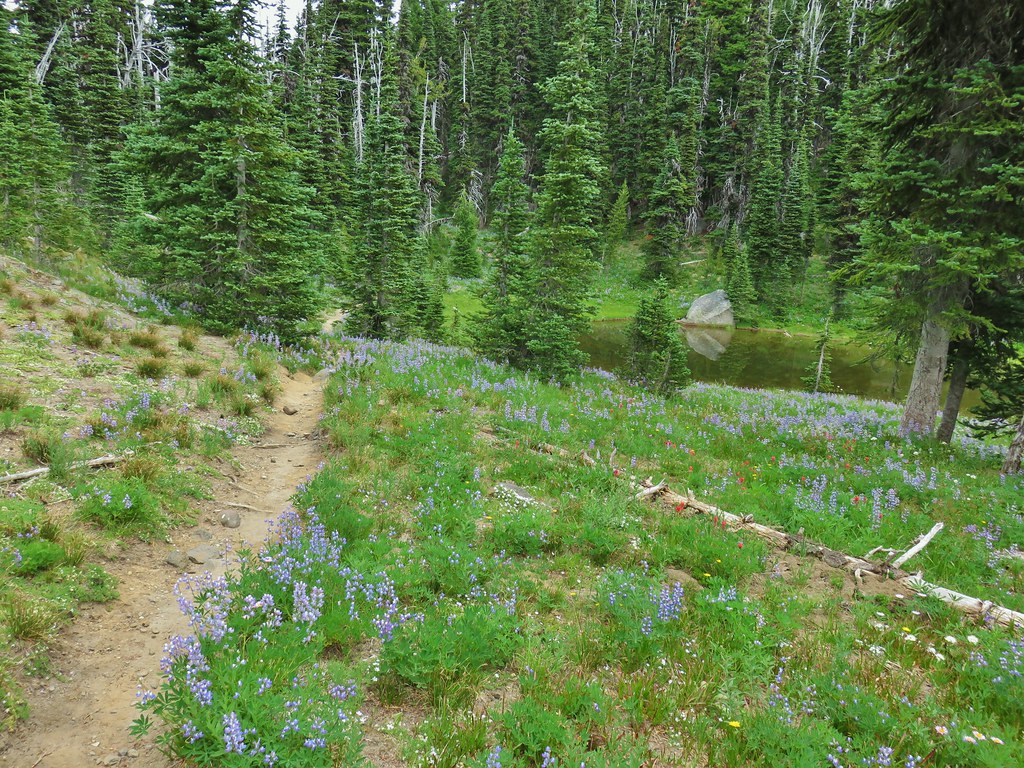
Here we left the PCT as it continued on its way to Goat Rocks and beyond and turned up the Highline Trail. Not far from the junction we arrived at an unnamed lake with a reflection of Mt. Adams.
IMG_2804

IMG_2805

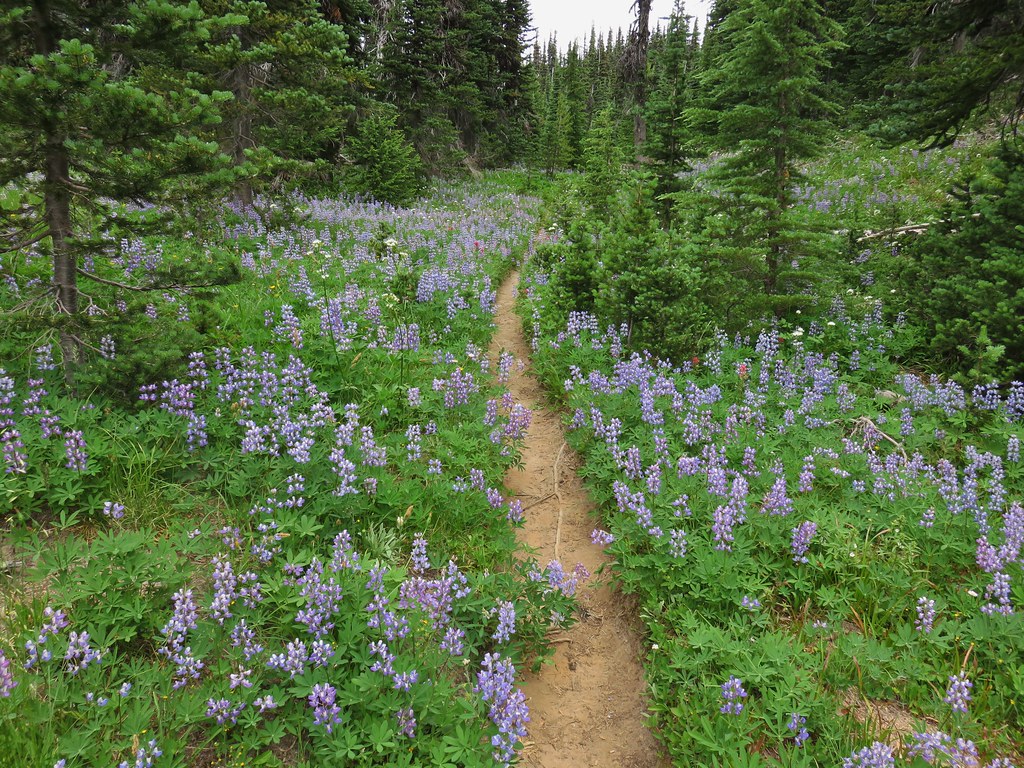
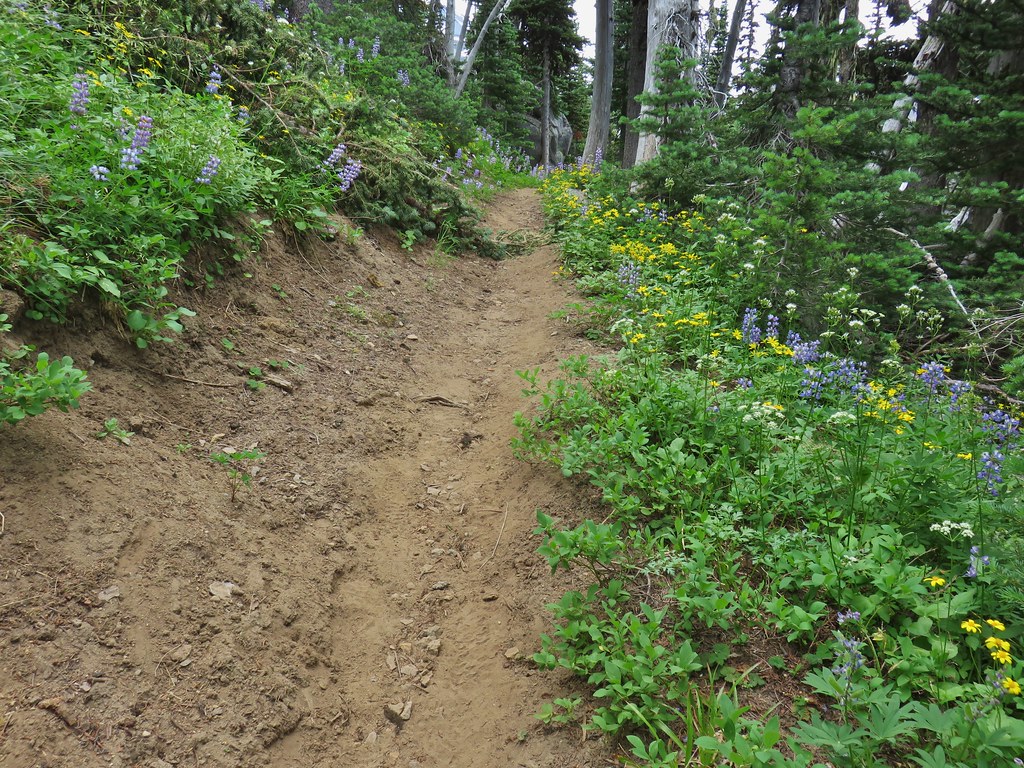
The wildflowers had been impressive thus far but the Highline Trail took it up a notch.
IMG_2809

IMG_2812Yellow arnica along the trail.

IMG_2813Beargrass in full bloom.

IMG_2818

IMG_2830

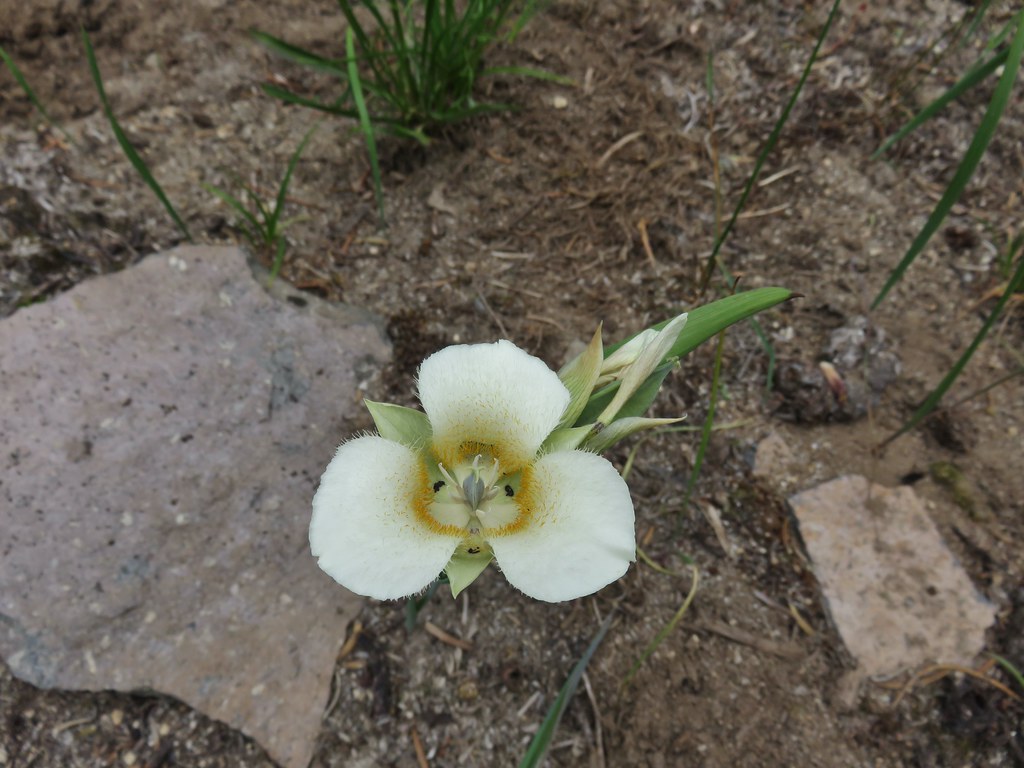
IMG_2836Subalpine mariposa lily

After a total of 1.7 miles on this trail we arrived at another junction. This time it was the Muddy Meadows Trail.
IMG_2838

IMG_2840Look more lupine that way.

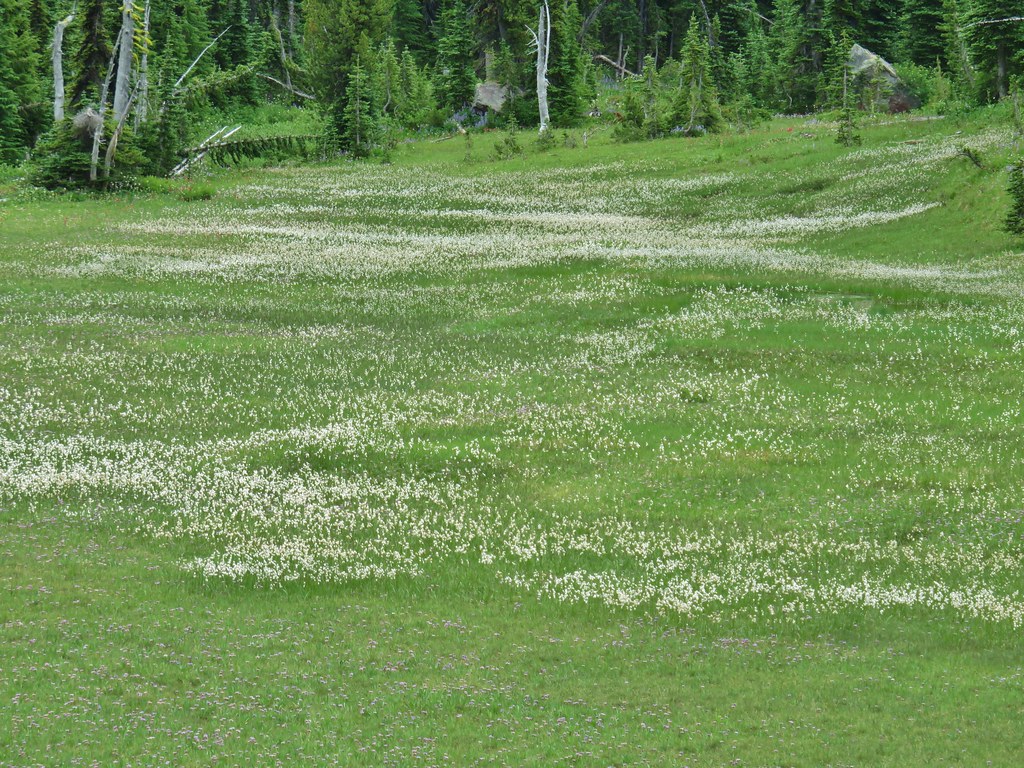
We continued on the Highline Trail another mile before reaching Foggy Flat, a wet meadow near an unnamed creek.
IMG_2844Still tons of flowers.

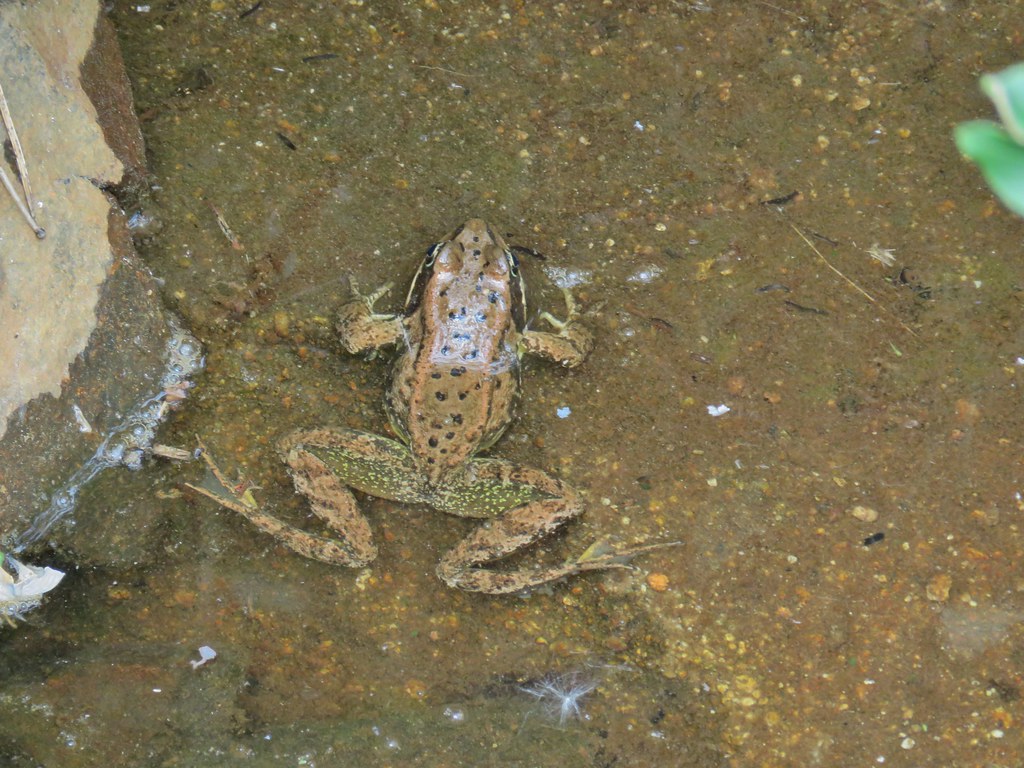
IMG_2856Frog near Foggy Flat

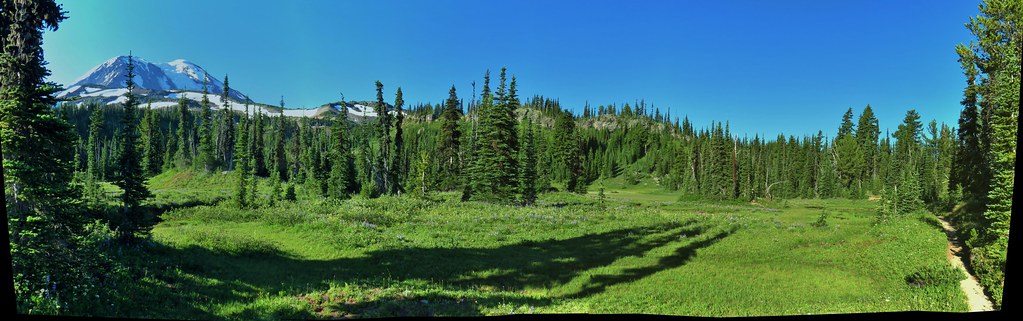
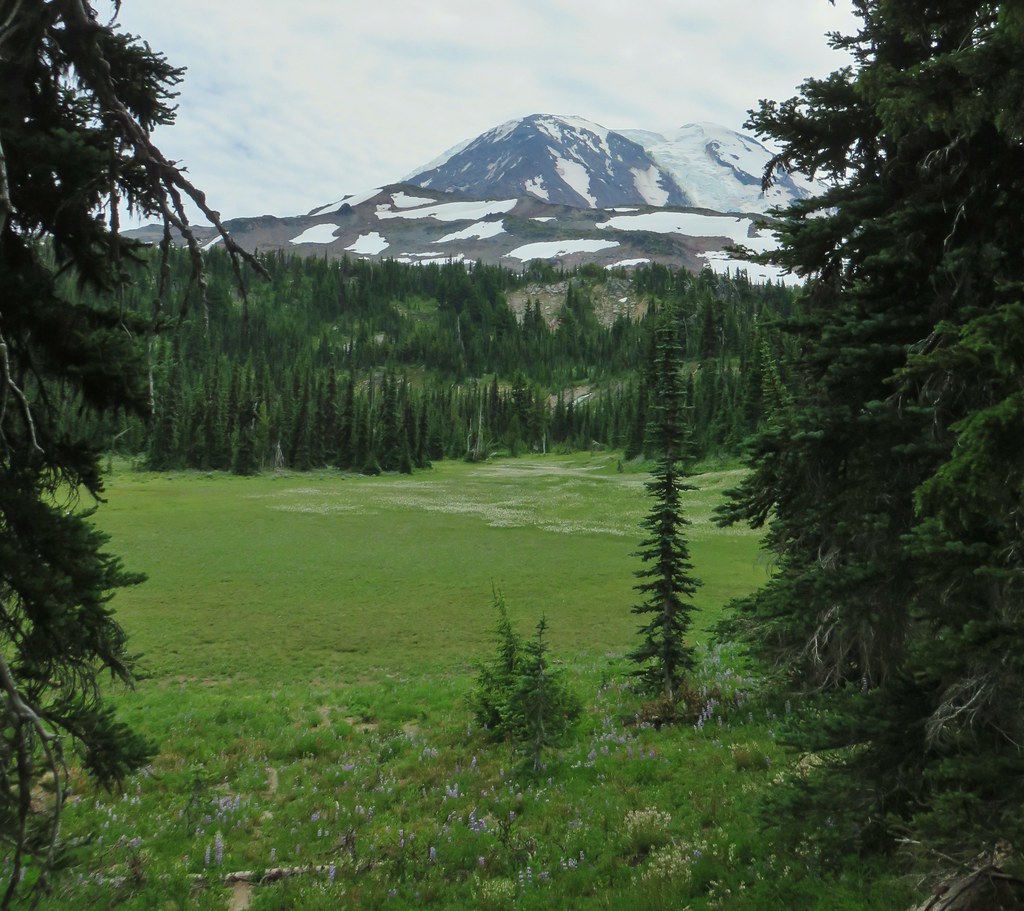
IMG_2862Mt. Adams from Foggy Flat

IMG_2869Frog in a little stream at Foggy Flat.

IMG_2868Zoomed in

We walked along the meadow to the far end where the creek was located looking for tent sites. There was one occuppied site along the trail across from the meadow but that was about all we saw at first.
IMG_2874

The Highline Trail crossed the creek on a footbridge but then launched steeply uphill so we turned around and decided to check around the meadow more thoroughly for a suitable site.
IMG_2875

IMG_2881

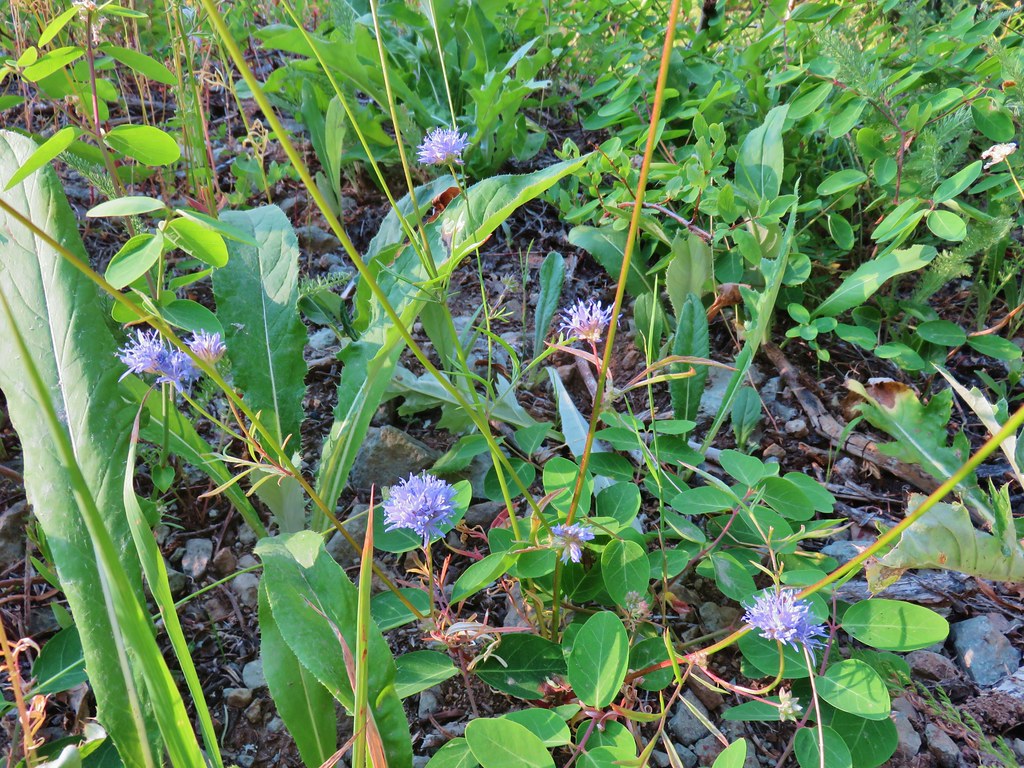
IMG_2878Gentian

IMG_2884Elephants Head

We are fairly picky about our campsites. We do not like to camp on any vegetation, especially in meadows and we do our best to maintain a proper distance from water and trails. Unfortunately we are in the minority and it was obvious from the fire rings and smashed grasses that many others aren’t as selective (not to mention the TP – come on people). We finally managed to find an acceptable spot tucked into some trees.
IMG_2889

With camp established we took our daypacks out put our essentials plus dinner and the stove into them and set off across the creek on the Highline Trail. Reeder described the trail beyond Foggy Flat as having “incredible views” but also “difficult creek crossings”. Our plan was to go as far as the Muddy Fork crossing and unless it looked really easy turn back there.
IMG_2897Monkeyflower and willowherb along the creek.

The climb up from the creek was indeed steep and we were happy to just have our daypacks on.
IMG_2902Mt. Rainier behind us.

20200801_161001_HDR

IMG_2911The trail dropping steeply behind us on one of the steeper sections.
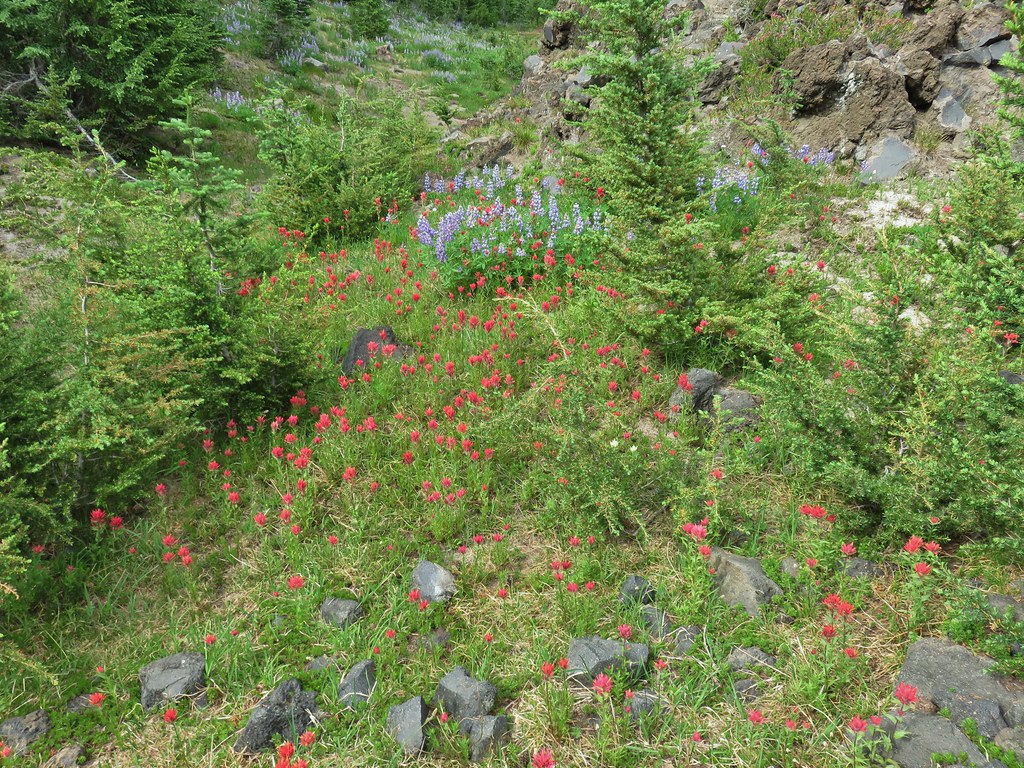
We passed several nice campsites as the terrain became more level at the edge of a lava flow. A couple of the sites were occupied. Despite the rockier conditions due to the lava flow the flower show continued.
IMG_2914Can you spot the yellow paintbrush?

Shortly after crossing another little creek we found ourselves in the lava field with an excellent view of Mt. Adams. We had been waiting for the clouds to break up all day and now they were starting to oblige.
IMG_2923

IMG_2926

IMG_2933

IMG_2934Buckwheat

We continued to follow the Highline Trail through the lava and past snow fields.
IMG_2942

IMG_2946

The lava also provided great views of Mt. Rainier and Goat Rocks.
IMG_2944

IMG_2949Goat Creek falling from Goat Lake.

IMG_2955_stitchRed Butte and Mt. Adams

IMG_2961Red Butte, a neat looking cinder cone.

IMG_2959Flower amid the rocks.

We did indeed stop at Muddy Fork. It was a little more of a crossing than we wanted to tackle at that point.
IMG_2969

IMG_2970

IMG_2978

We backed track a bit to rise where we had seen a great looking spot for dinner (or a tent). We cooked our dinner there and then explored a bit on the ridge above the spot where we found a few flowers amid the rocks and more amazing views.
IMG_2984Paintbrush

IMG_2993Cutleaf daisy

IMG_2999Dwarf alpinegold

IMG_2992?

IMG_3003_stitch

20200801_175828

We eventually headed back to Foggy Flat under the watchful eyes of the locals.
IMG_3024

We were momentarily distracted below one of the snow fields as we watched a stream forming in front of our eyes.
IMG_3028Water in the upper portions of the snowmelt stream.
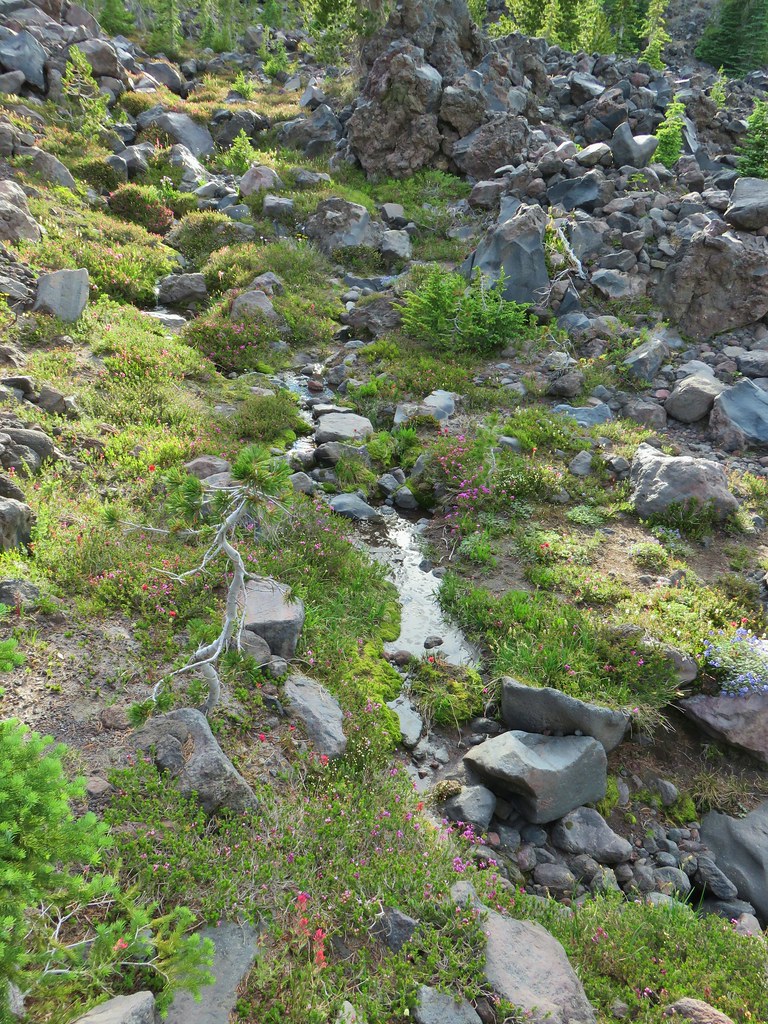
IMG_3030The same stream 3 minutes later.
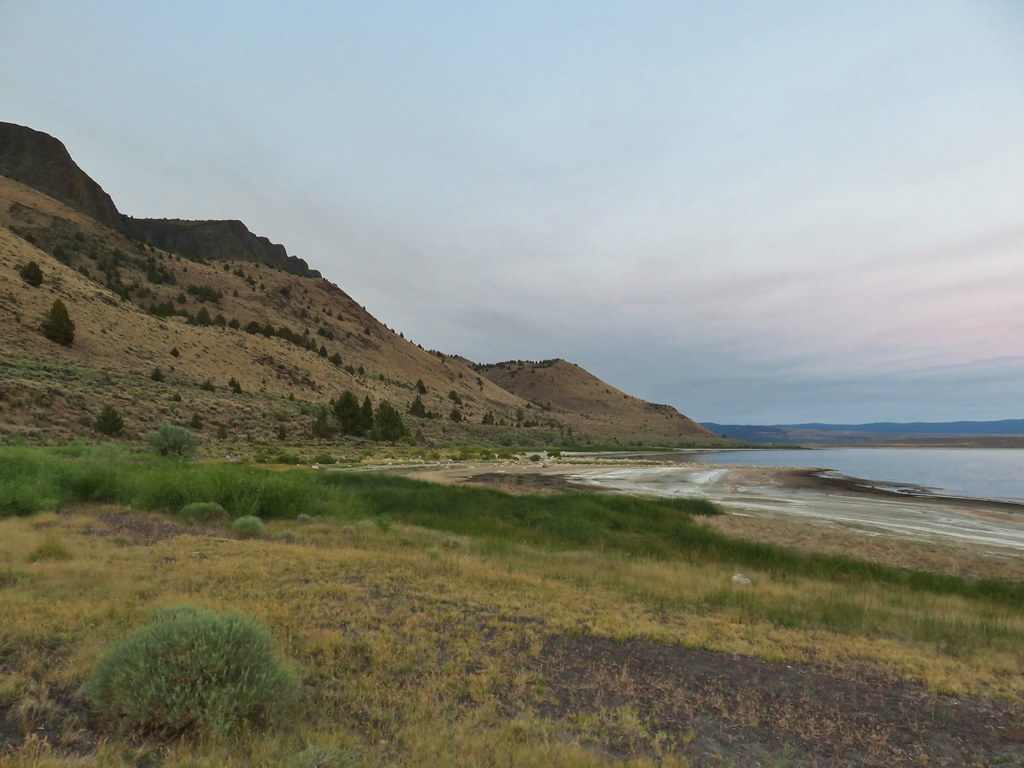
When the water reached a large hole that would take some time to fill we managed to pull ourselves away and continue back to our campsite. We stopped at the creek to get water for the next day and turned in fairly quickly. There were just enough mosquitoes about to be a nuisance making the confines of the tent that much more appealing.

Combining this hike with our previous two visits we’ve managed to cover quite a bit of the trails that wrap around the mountain. The east side of Mt. Adams is on part of the Yakima Indian Reservation and is largely trail less. Special permits are required to enter the Reservation with the exception of Bird Creek Meadows on the SE side of the mountain.
Mt. Adams Tracks

From every angle that we’ve seen it Mt. Adams continues to impress us. It’s truly a special place. Happy Trails!
20200801_191051_HDR

Categories
Central Oregon Hiking Lakeview Oregon Trip report

Lake Abert and Summer Lake – 07/24/2020

Our time in Lakeview had come to an end and we were ready to head home after a week of hot, challenging, but enjoyable hiking. Before we went home though we had planned two more stops on the way. The second stop was to do the final featured hike in William L. Sullivan’s “100 Hikes/Travel Guide Easter Oregon” 3rd edition in the Klamath Falls section. That hike was at the Summer Lake Wildlife Area but before that hike we had originally planned to hike to the top of Abert Rim.

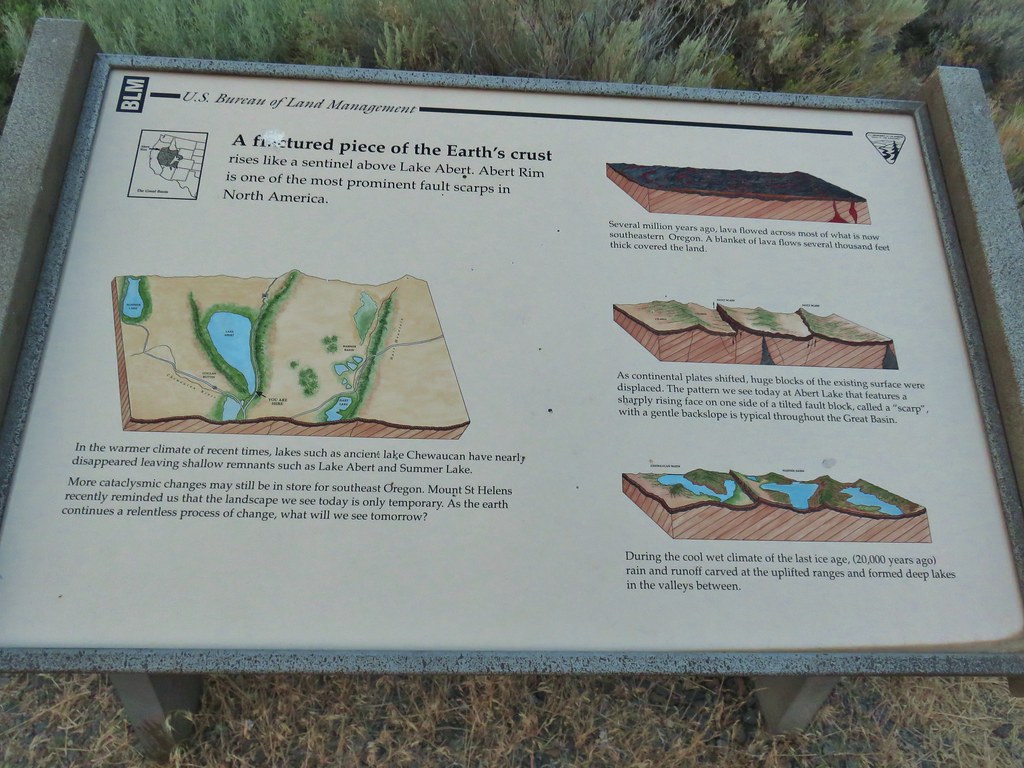
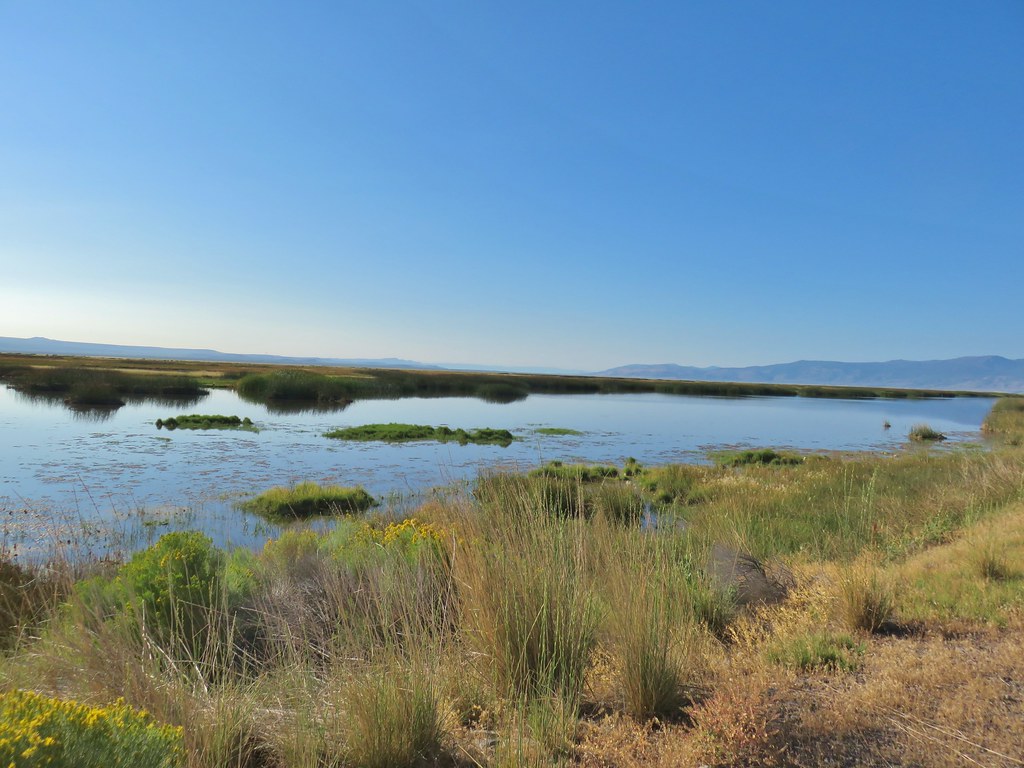
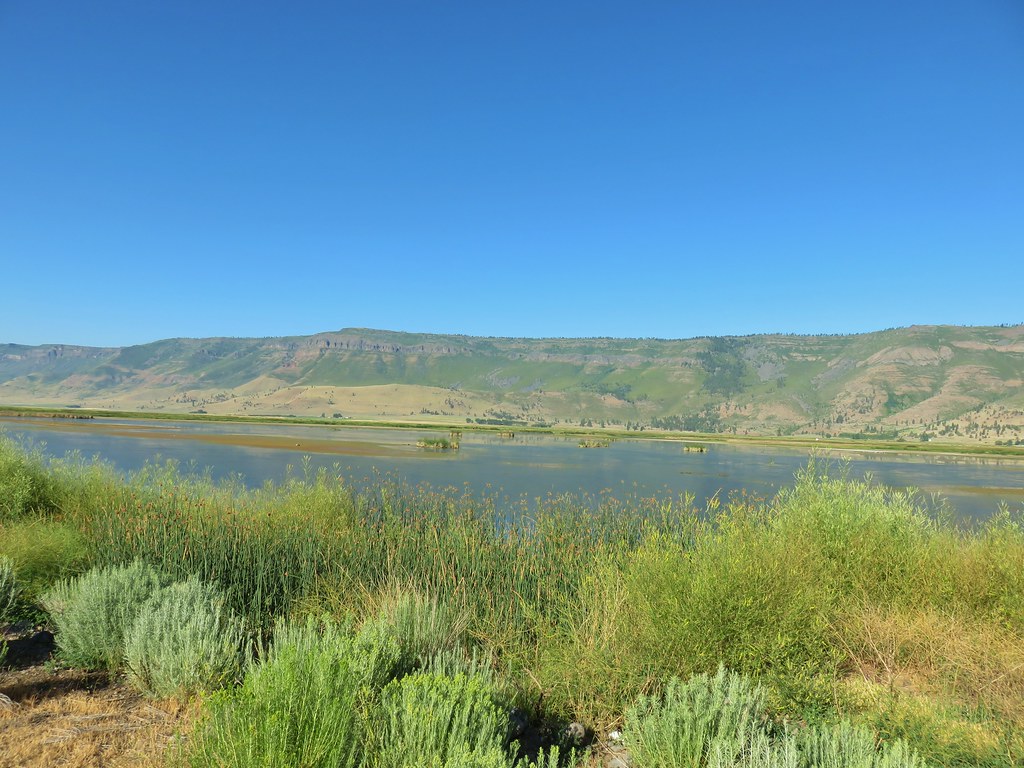
The Abert Rim hike had been a featured hike in the 2nd edition of Sullivan’s book but was now relegated to an “additional” hike. The hike to Abert Rim entails a 1.6 mile, 2100′ elevation gain climb entirely off-trail. By this point of our trip we just weren’t up for another off-trail adventure let alone one that gained 2100′ in 1.6 miles. We decided that instead of climbing Abert Rim we would park at the wildlife viewing area where the hike would begin and walk down to Abert Lake. We parked at a signed pullout between mile posts 84 & 85 of Highway 395.
IMG_2061

After reading the interpretive signs at the pullout we headed down a steep trail (we missed the dirt road that led down at a much gentler grade).
IMG_2067

IMG_2068

IMG_2074

IMG_2078

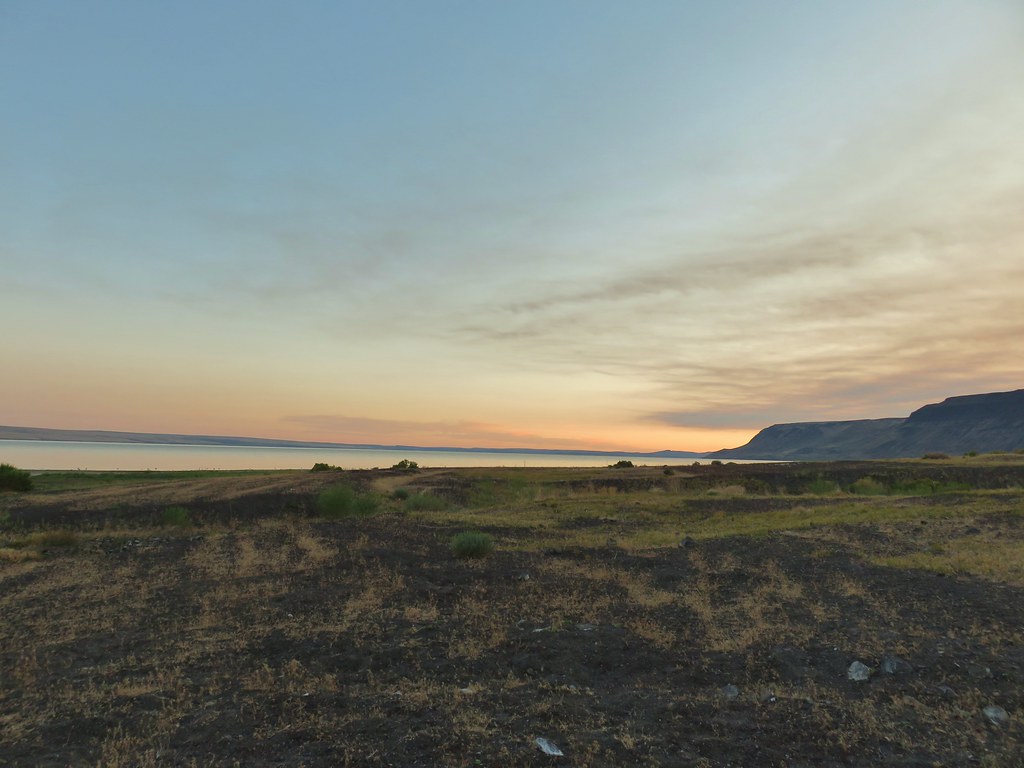
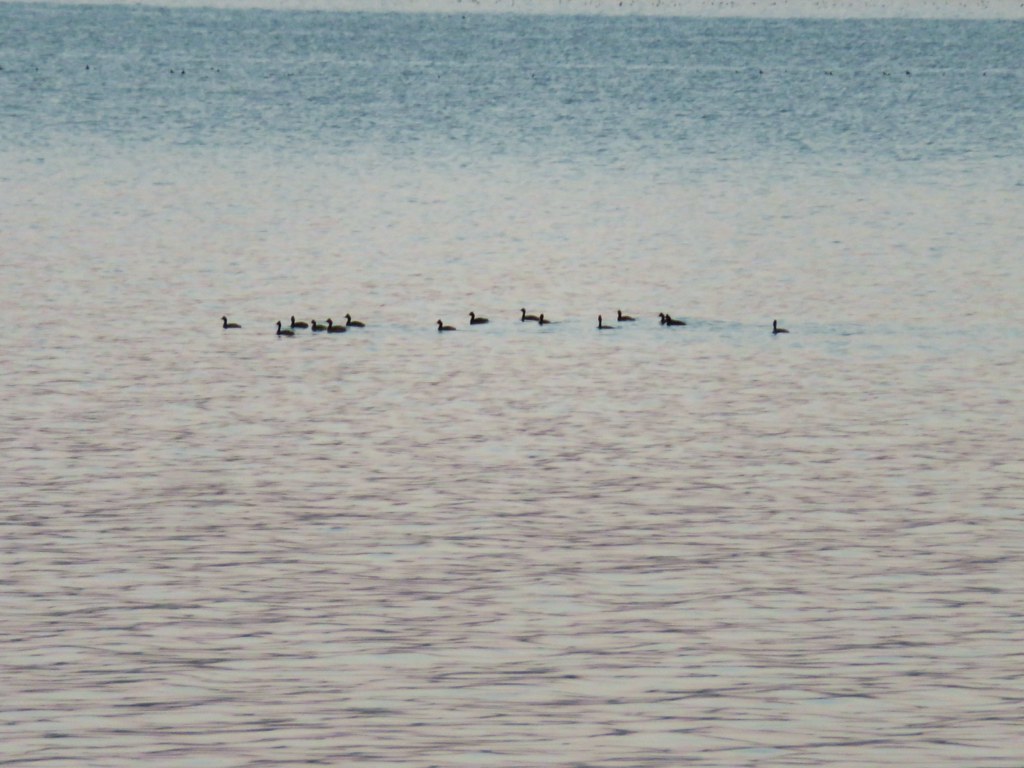
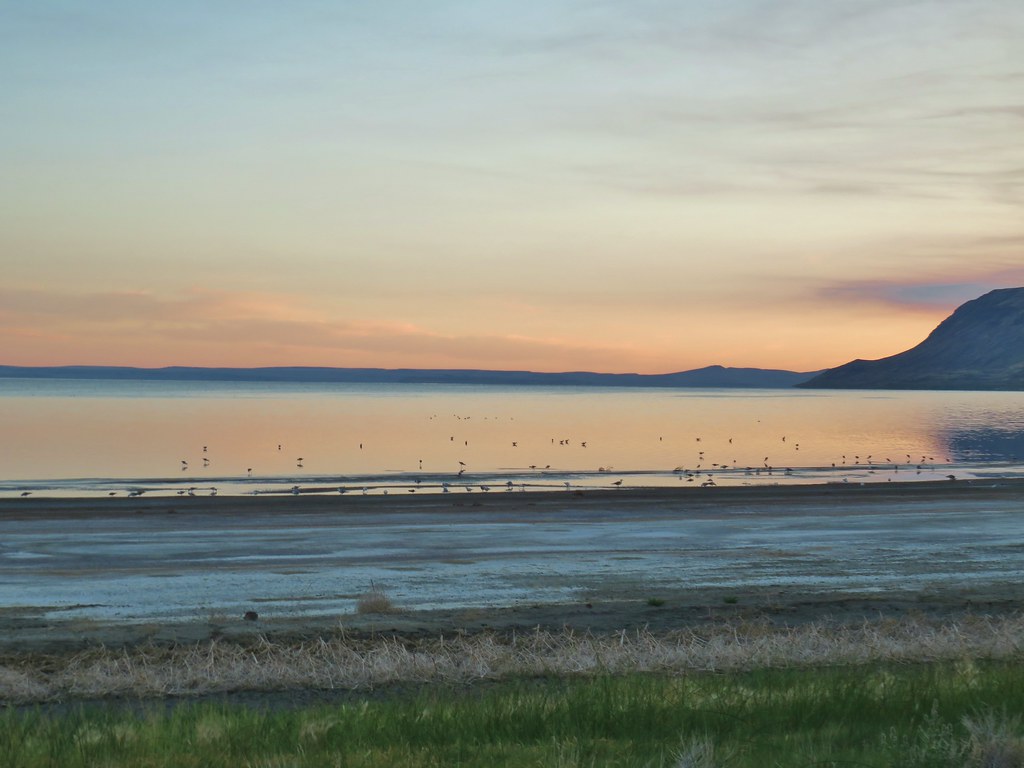
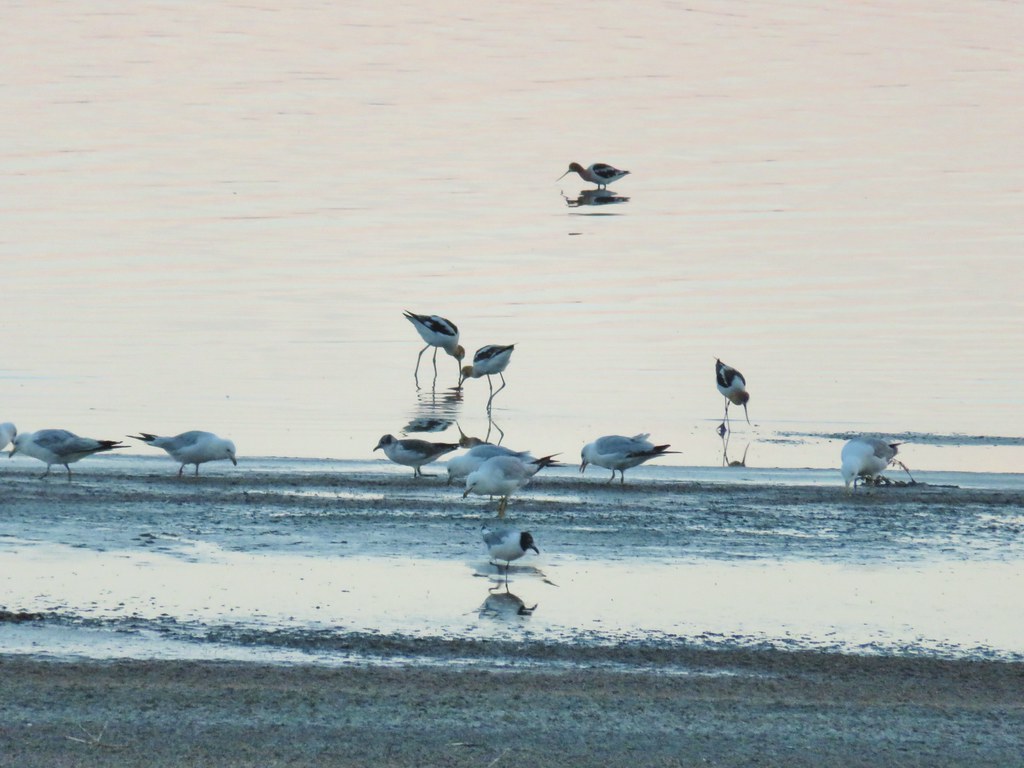
Once we were down the steep little hill we found the dirt road and followed it right along the lake watching the birds and the sunrise.
IMG_2084

IMG_2085

IMG_2088

IMG_2096

IMG_2098

IMG_2113

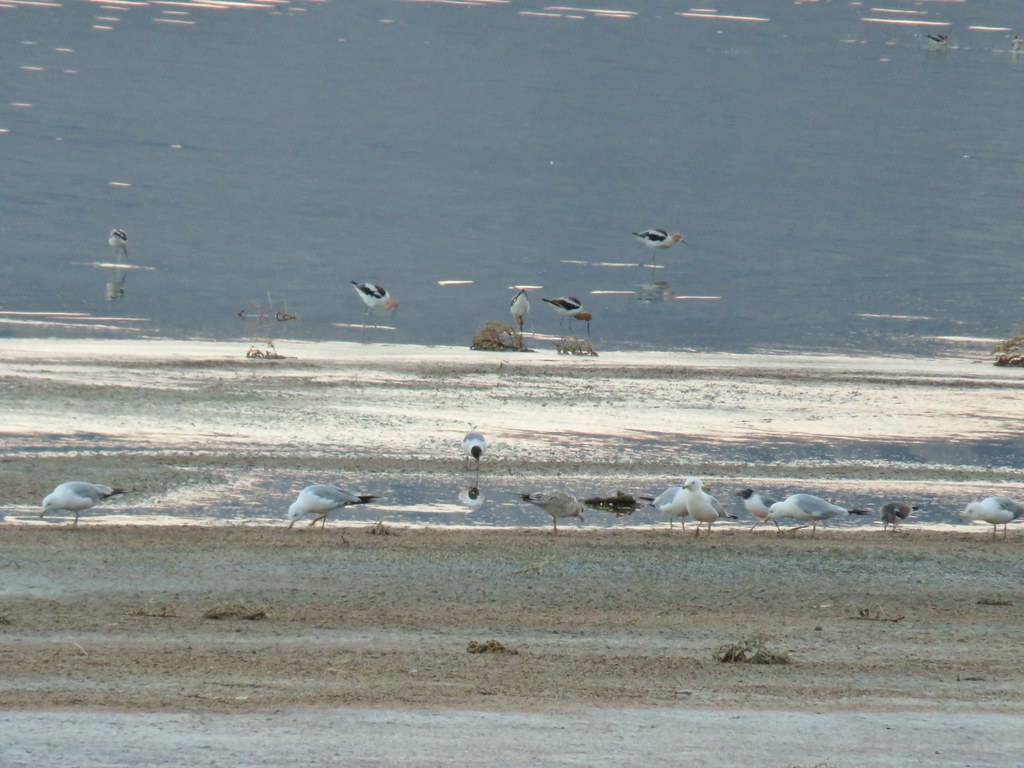
IMG_2114Gulls and avocets

IMG_2117

IMG_2124

IMG_2140American avocets

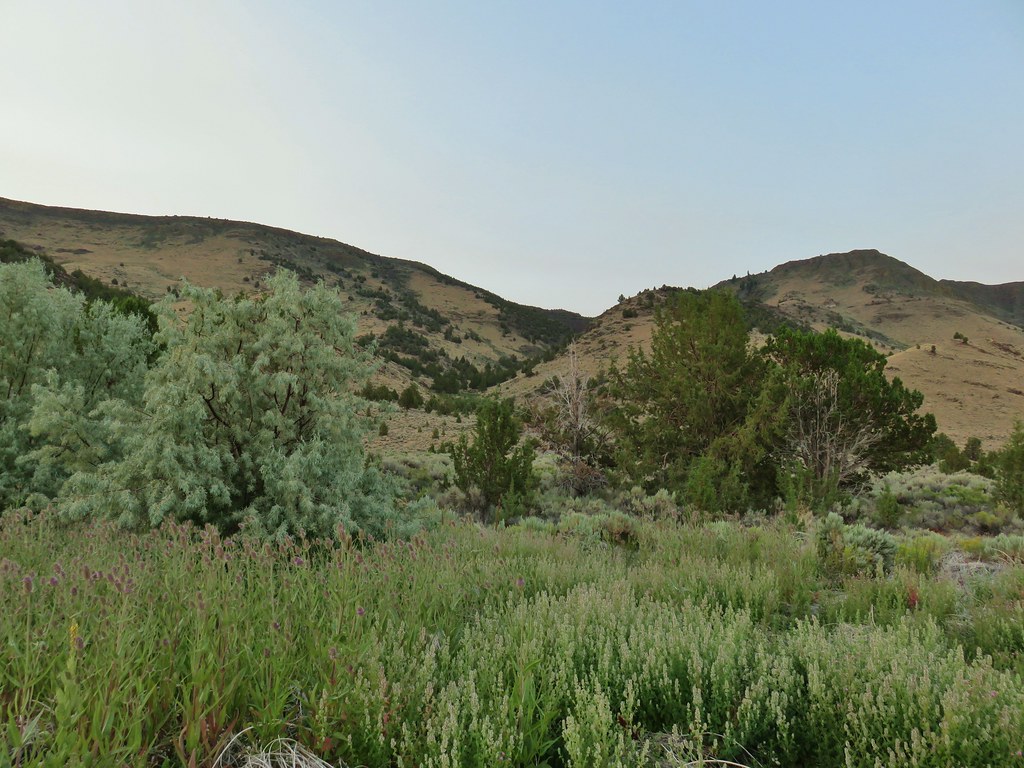
We walked down the shore until we reached a brushy area which was likely Juniper Creek. From here we had a good look across the highway at Juniper Gulch which would have been where we bushwacked up to the rim.
IMG_2126

IMG_2127

To get back to our car we followed the dirt road up from the lakeshore.
IMG_2142

We wound up doing a short .7 mile loop which was perfect. From there we drove back south on Hwy 395 to Hwy 31 and turned right (NW). We turned into the wildlife area headquarters (near milepost 70) and followed a pointer fot a “Wildlife Viewing Loop”. After 1.6 miles at a junction we turned right and followed this road to its end at the Windbreak Campground (a $10 parking permit is required, we purchased ours online prior to our trip).
IMG_2155

When planning the trip we had been worried about mosquitoes but for the most part they had been a non-issue. They were a bit of a nuisance along South Fork Crooked Creek (post) and behind Barnhardi Cabin (post) but that had been it. I had received one bite (I think) while Heather had not been quite as lucky, her shoulders were pretty bumpy with just a few on the legs. Our luck ran out at Summer Lake with it’s marshes and ponds it was the prefect recipe for the little buggers. Deet was applied quickly but not before Heather had a 20+ new bites.

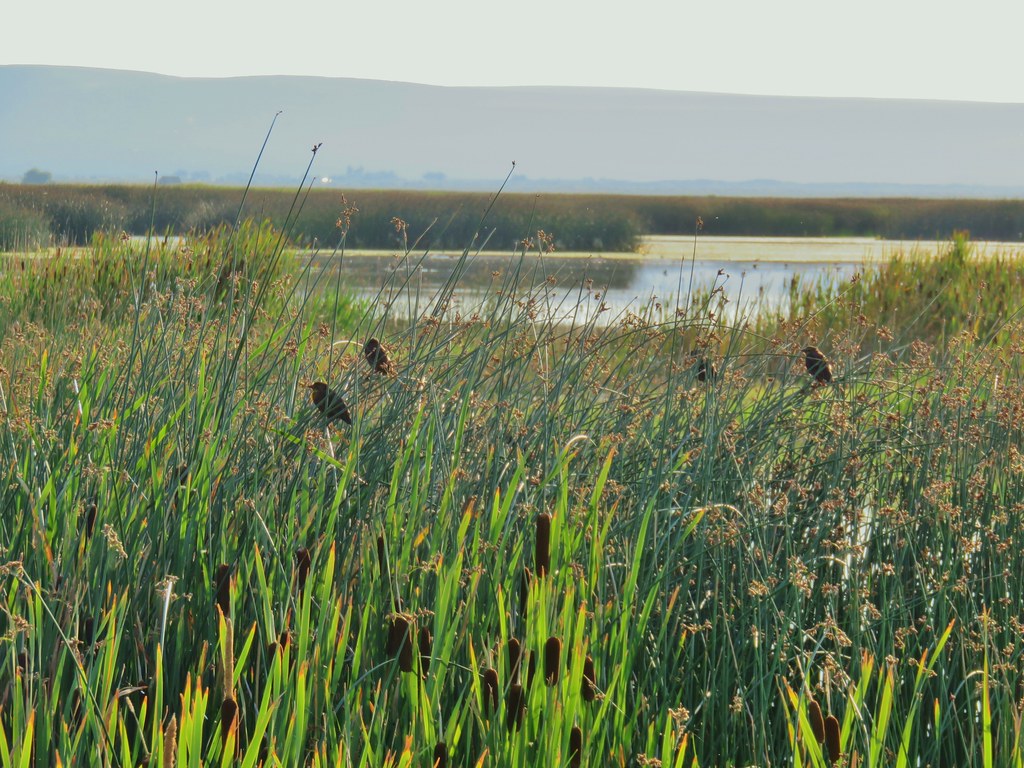
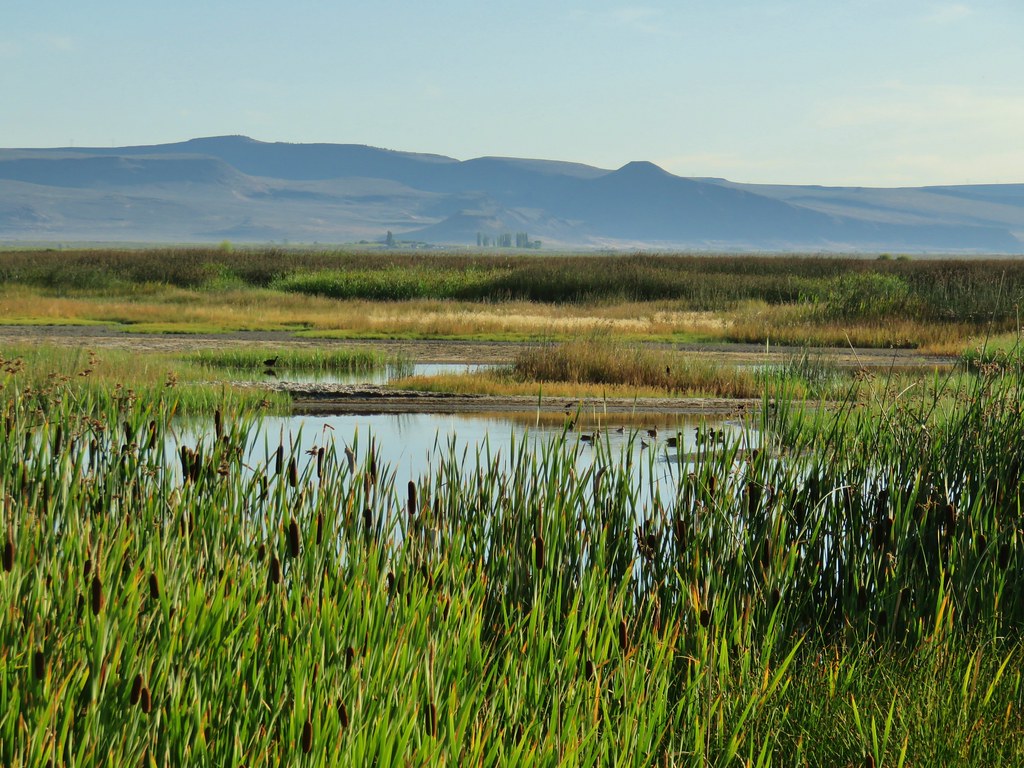
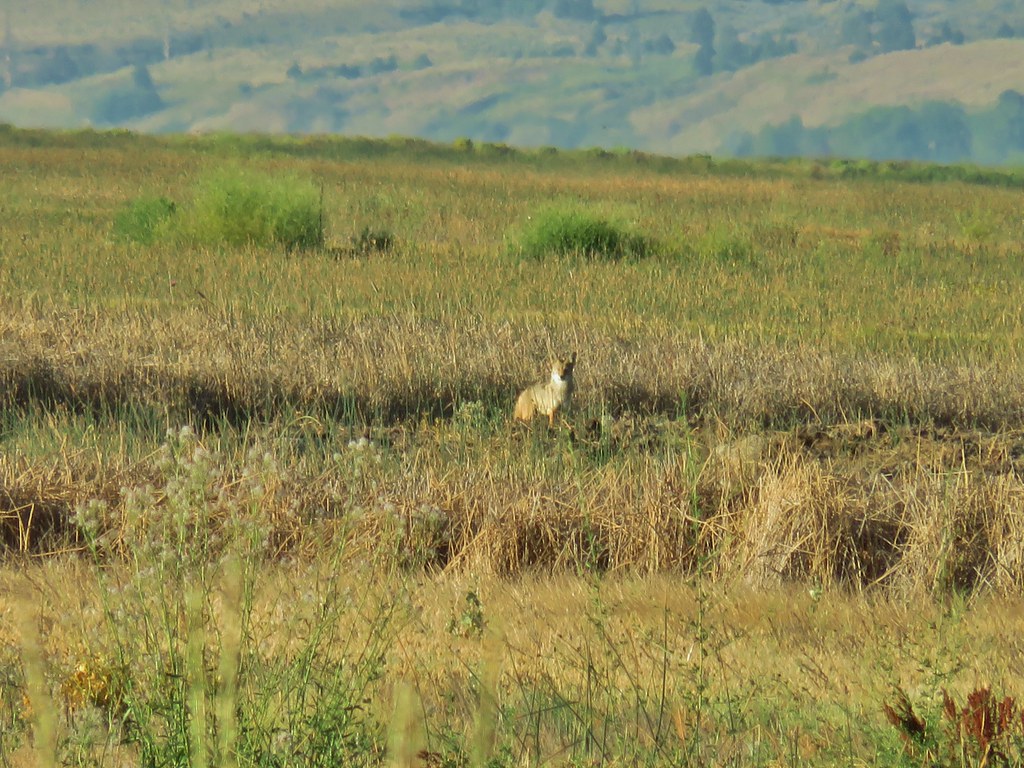
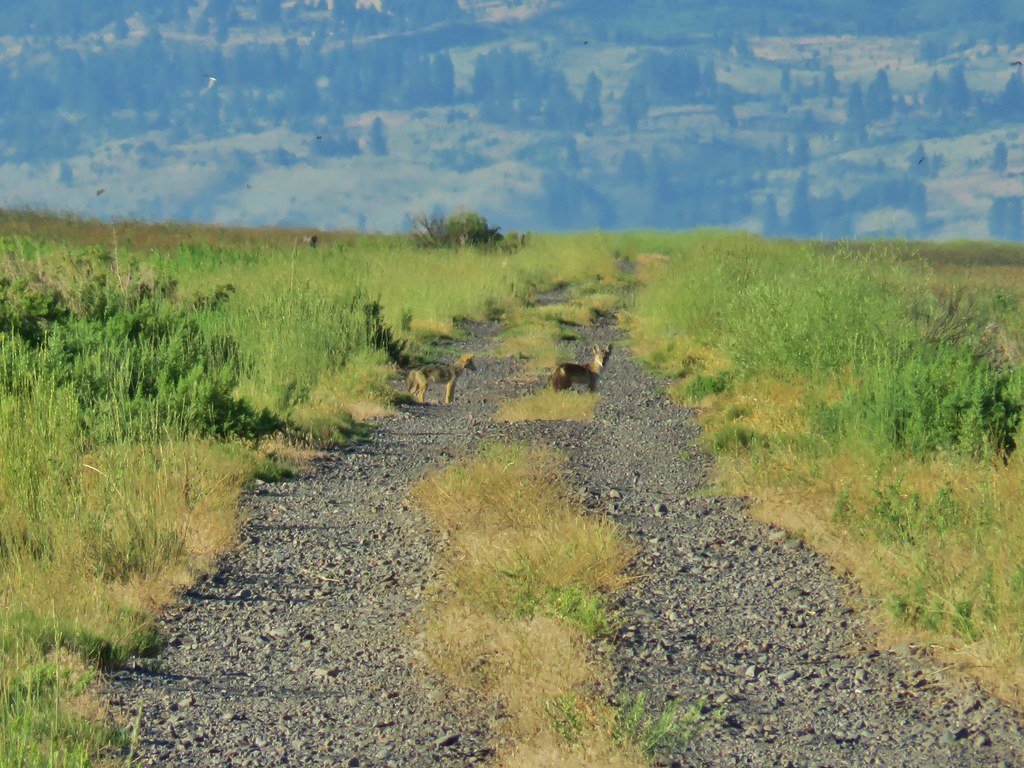
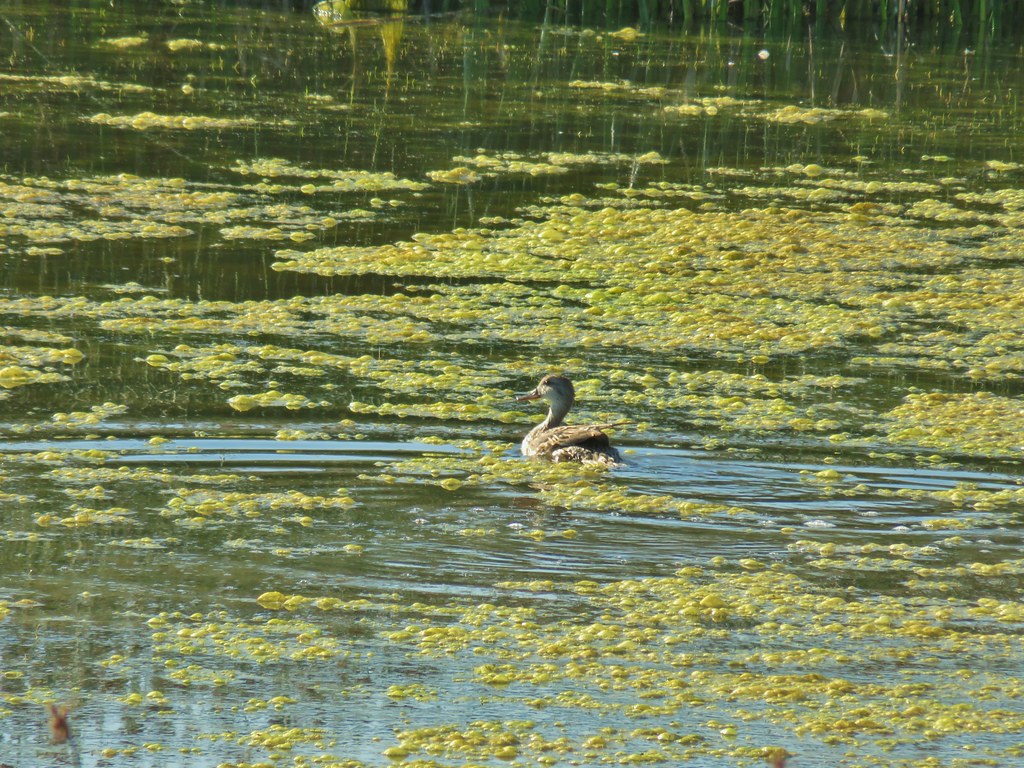
Despite that the hike here was nice, it was flat following dikes for 2.3 miles which meant no elevation gain. Birds were almost as plentiful as mosquitoes but boy are they skittish. Most of the ducks flew off before we really got a chance to focus on them. The white faced ibis were more photogenic and we got to see another sandhill crane. We also spotted a coyote and two pups crossing the dike.
IMG_2165

IMG_2157

IMG_2168

IMG_2172A white faced ibis and some ducks.

IMG_2182

IMG_2183

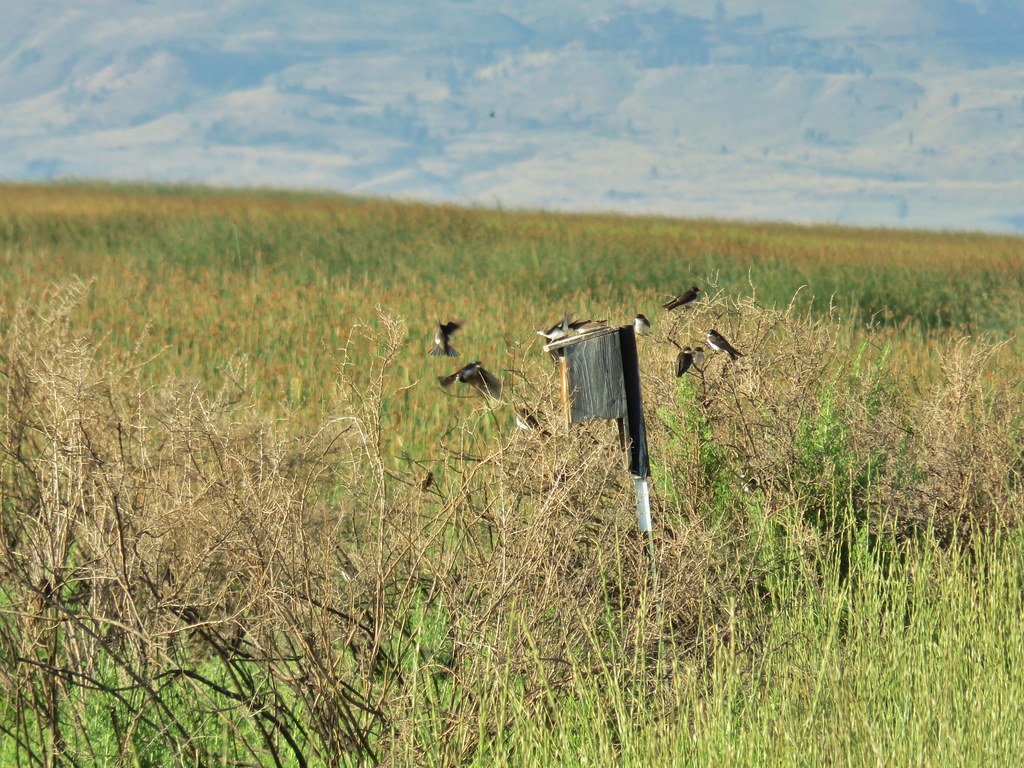
IMG_2187Swallow rave

IMG_2195

IMG_2209

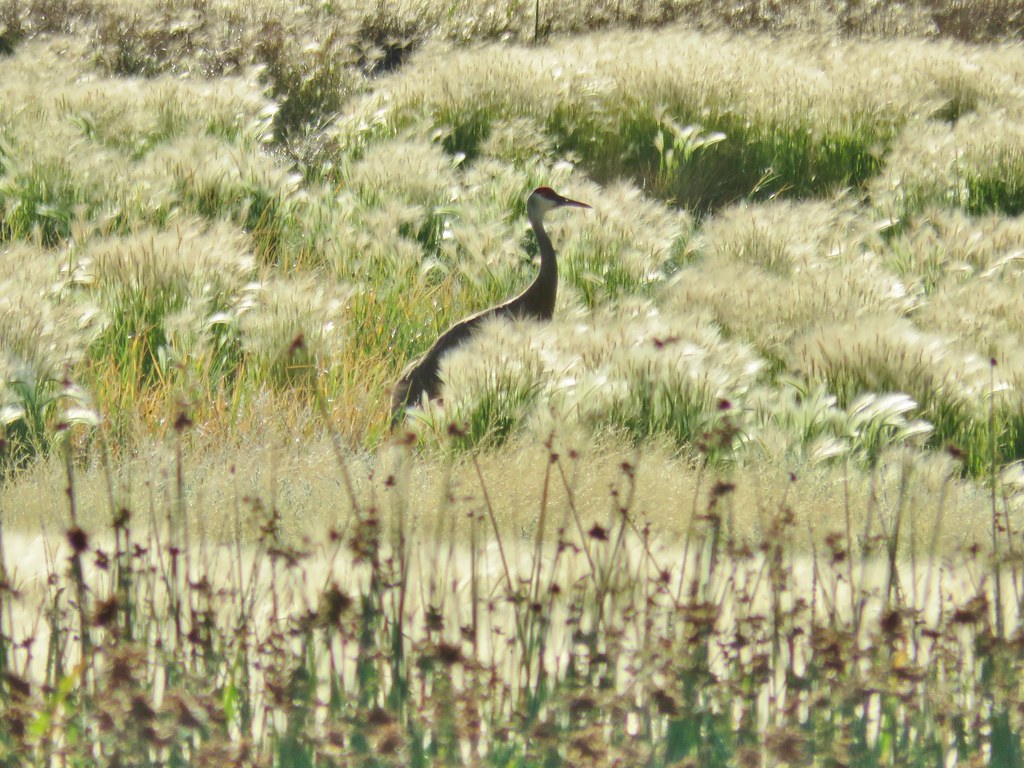
IMG_2218Sandhill crane

IMG_2220Look more ducks!

IMG_2226White faced ibis coming in for a landing.
IMG_2252

IMG_2257

IMG_2272Looking out over Summer Lake

IMG_2294White faced ibis

IMG_2300

IMG_2312Black-neck stilt

IMG_2335Killdeer

IMG_2347

IMG_2319Great blue heron in flight.

IMG_2349

After 2 miles the dike made a hard right and .3 miles later (at a tractor) we reached private land and turned back.
IMG_2338

The dike also provided a good view of Winter Ridge where we had started our Lakeview area hikes (post).
IMG_2307

We double timed it back to the car in an attempt to keep the bugs at bay. We could have done without those pests but c’est la vie. It had been a fun week but our feet were done and by the time we had gotten back to the car we were even happier with our decision to save Abert Rim for another time. Happy Trails!

Flickr: Lake Abert and Summer Lake

Categories
Central Oregon Hiking Lakeview Oregon Trip report

Gearhart Mountain – 07/23/2020

**Note the 2021 Bootleg Fire burned the entire Gearhart Mountain Wilderness.**

Thursday marked our sixth straight day of hiking and promised to be one of the longer, if not longest hikes of our trip. The weather had cooperated and after a couple of afternoons with possible thunderstorms the forecast for Gearhart Mountain was for mostly sunny skies. We were hoping to reach the 8370′ summit of the mountain which is located in the Gearhart Mountain Wilderness, one of 6 Oregon wilderness areas we had yet to visit (we are trying to visit all 46 of the wilderness areas in Oregon open to people post).

This visit would also check off another of William L. Sullivan’s featured hikes (we are trying to hike all of those as well post). The hike begins at the Lookout Rock Trailhead. Sullivan’s entry for this hike described the final half mile of the road to the trailhead as rough and steep. The Forest Service website linked above shows the trailhead before that final half mile of road listing it as closed. I had learned my lesson regarding trailhead roads the day before (post) so we parked at a pullout after about a mile on FR 012.
IMG_1639

We set off up the road which aside from one short stretch with a pretty good runoff channel looked to be in pretty good shape and there was nothing to indicate that the road was actually closed (it continues beyond a gate at the trailhead to the Lookout Rock fire tower).
IMG_1640

IMG_1642The gate on the right through the trees.

In hindsight the drive to this trailhead would have been much easier than the .5 miles to the DeGarmo Canyon Trailhead. Regardless we reached the start of the actual trail, filled out a wilderness questionnaire, and set off on the Gearhart Mountain Trail.
IMG_1643

I was momentarily disappointed when we passed a post that looked like it used to sport a wilderness sign (I like to get photos of signs for each wilderness we enter) but a little further up the trail my spirits were lifted when we spotted one of the signs.
IMG_1652

IMG_1654

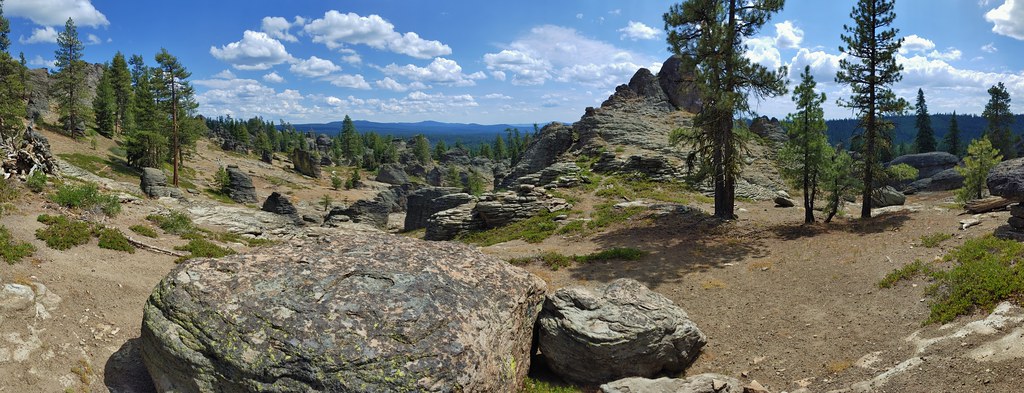
After .7 miles we came to The Palisades, a group of andesite formations of different shapes and sizes.
IMG_1658

IMG_1664

IMG_1676

IMG_1677

IMG_1680

IMG_1683

IMG_1688

IMG_1701

It took us quite a while to get through this section of the trail. I’m not sure what we had expected but The Palisades really blew us away and we could have spent quite a bit more time exploring the area. Beyond The Palisades the trail lost a bit of elevation as it began a forested stretch.
IMG_1702

IMG_1704

IMG_1707

Approximately 2 miles in on the trail we came to a spring in a small meadow.
IMG_1715

IMG_1713

We began to see a few more flowers beyond the spring as the trail gradually climbed for .4 miles to a switchback that was not shown on our GPS maps.
IMG_1724Mountain coyote mint and paintbrush along the trail.

IMG_1734Starting the switchback.

IMG_1737

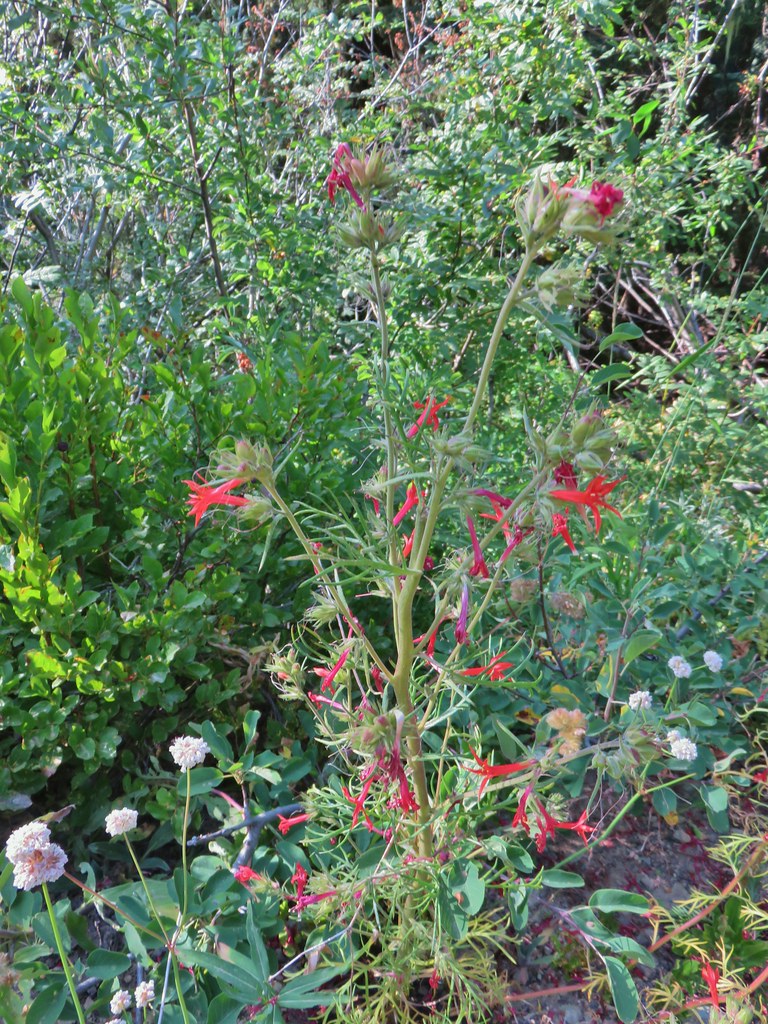
IMG_1744Scarlet gilia

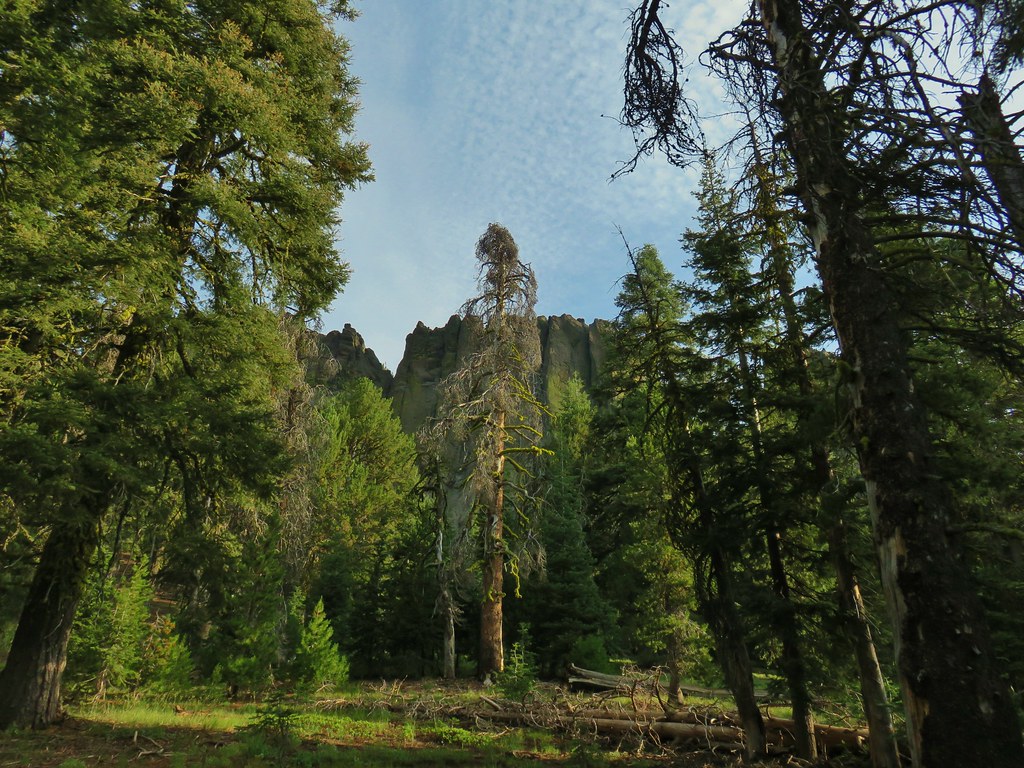
The switchback brought us beneath another interesting rock formation.
IMG_1746

As we walked below the rocks we came to a small stream that was home to some other types of flowers and flowed past a good sized meadow.
IMG_1760Columbine

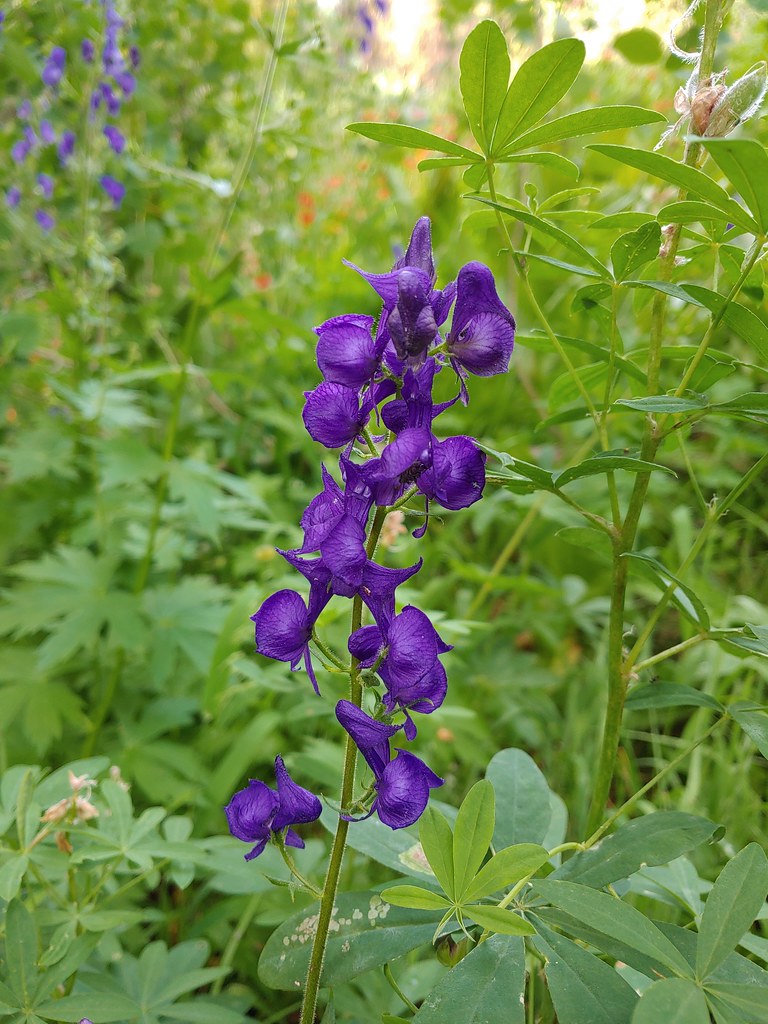
IMG_1763Monkshood and California corn lily

IMG_1766

20200723_074949Monkshood

20200723_075220Orange agoseris

IMG_1772More rocks above the trail.

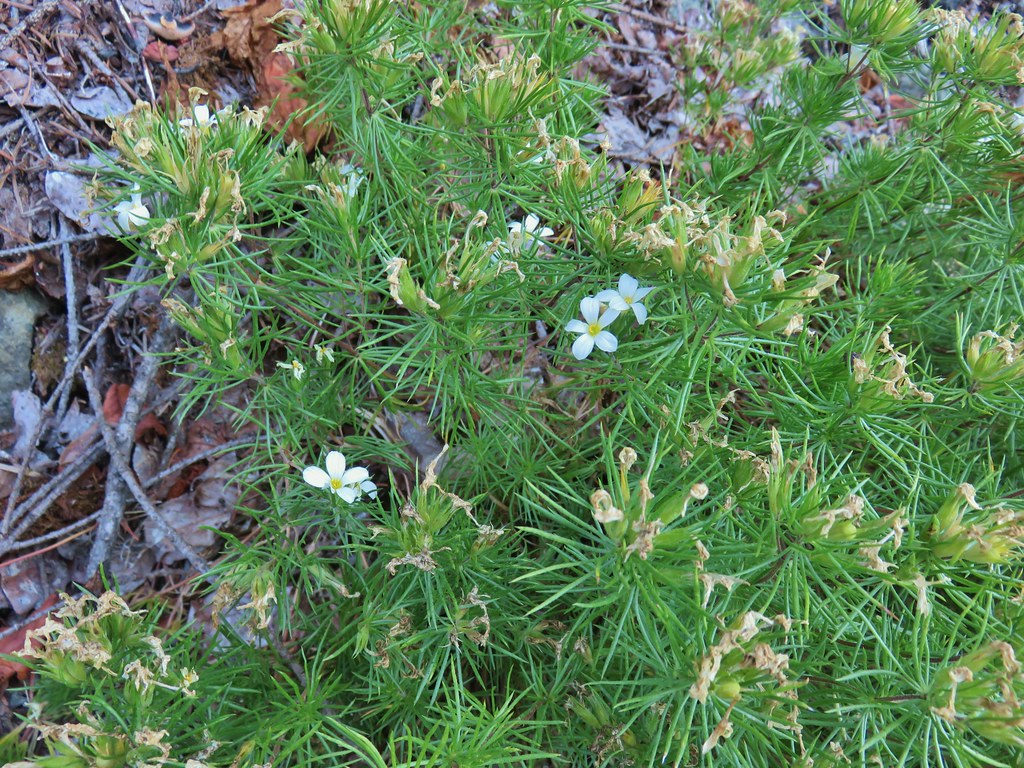
The trail continued to climb beyond the meadow along more open hillsides where pink mountain coyote mint and white Nuttall’s linanthus were abundant. Other flowers included paintbrush and a few balsamroot blossoms.
IMG_1780

IMG_1785

IMG_1789

IMG_1793

IMG_1794

IMG_1797

After 4.5 miles we arrived at a saddle where we faced a choice.
IMG_1800Just about to the saddle.

To reach the summit of Gearhart Mountain we would need to strike out cross-country to the east for approximately 1.5 miles. The trail headed NE from the saddle dropping down to a series of meadow before climbing steeply to “The Notch” below the summit and continuing to Blue Lake in 4 miles and it’s end at FR 015 in 6.8. We were hoping to reach the summit and then would decide if we felt up to continuing to the meadows and The Notch. Sullivan’s description of the hike to the summit mentions a “scramble to the left 0.2 mile to the mountain’s long Ridgecrest”. He also says to “look for a break in the cliffs”. From the saddle it was easy to see the cliffs he was referring to.
IMG_1804

IMG_1806Gearhart Mountain from the saddle.

IMG_1807Gearhart Mountain, The Notch to the right, and meadows below.

IMG_1813Penstemon in the rocks at the saddle.

We took a brief break and studied the cliffs before setting off through the white bark pines to find a break in the cliffs.
IMG_1811

IMG_1815

We found a reasonable break where the manzanita was our biggest obstacle and climbed up through the rocks.
IMG_1818

Above the rocks the terrain leveled out a bit.
IMG_1819

We made a slight miscalculation here as we veered uphill thinking that we had gotten past the cliffs and were on the long Ridgecrest portion of the mountain.
IMG_1820

IMG_1821A fire pit also made us think we were on the right course.

We were following a ridge but the ridge kept getting narrower and rockier and after .4 miles (from where we had come up through the cliffs) we found ourselves on top of more cliffs. Luckily we only had to backtrack 150′ to find a spot where we were able to scramble down the east side of the rocks to a much easier walk through open forest.
IMG_1836

We began to notice a snowy mountain to the east which after some debate we determined to be Mt. McLoughlin (post).
IMG_1822You can’t make the mountain out in the picture but it was out there.

IMG_1824Now you can sort of see it.

IMG_1823A little blurry but there is Mt. McLoughlin
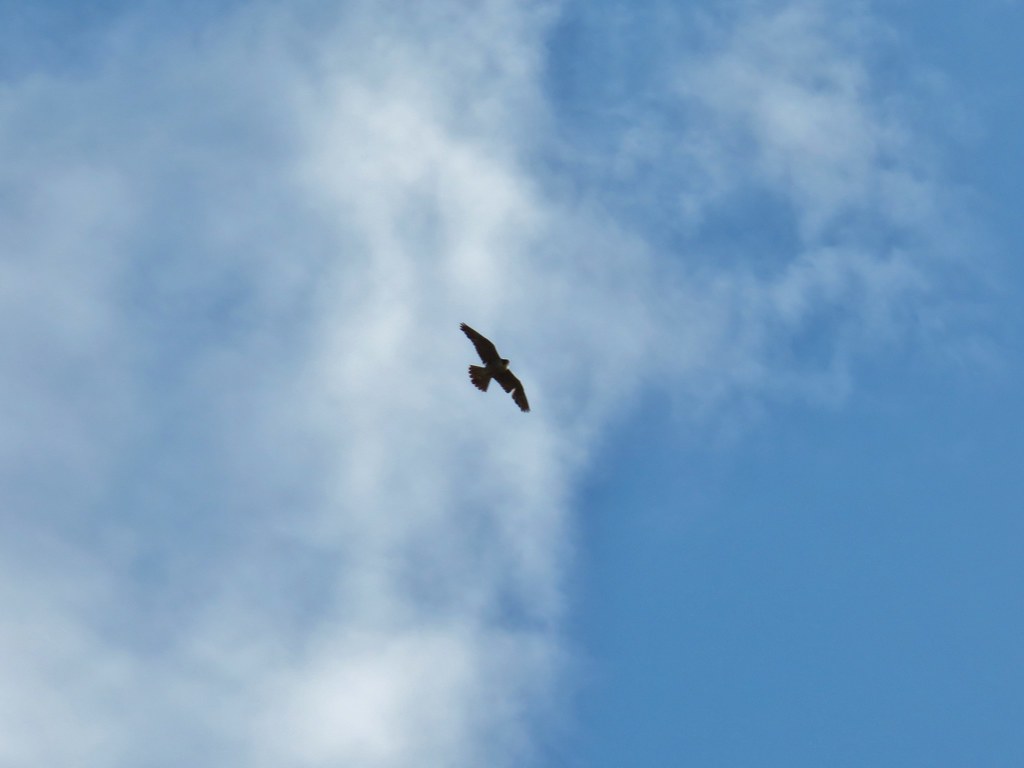
We startled a few grouse along the way (and they startled us right back) and our presence seemed to also be annoying a pair of raptors. They were noisily circling overhead and we assumed that they must have had a nest somewhere on the cliffs.
IMG_1842

IMG_1851

We did our best to stay as far away from the rocks as possible to lessen the disturbance.

The last couple hundred feet to the summit was very easy walking on a the fairly flat top of the mountain.
IMG_1843

IMG_1846The final little uphill on the left.

IMG_1850Summit of Gearhart Mountain

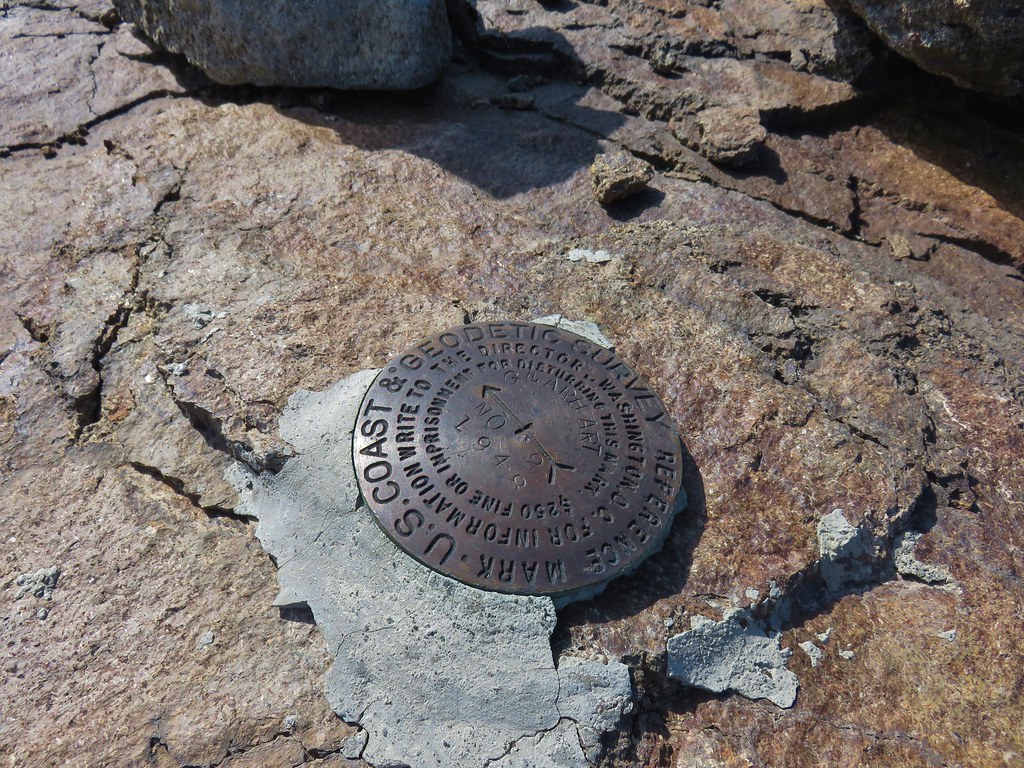
IMG_1853Survey marker

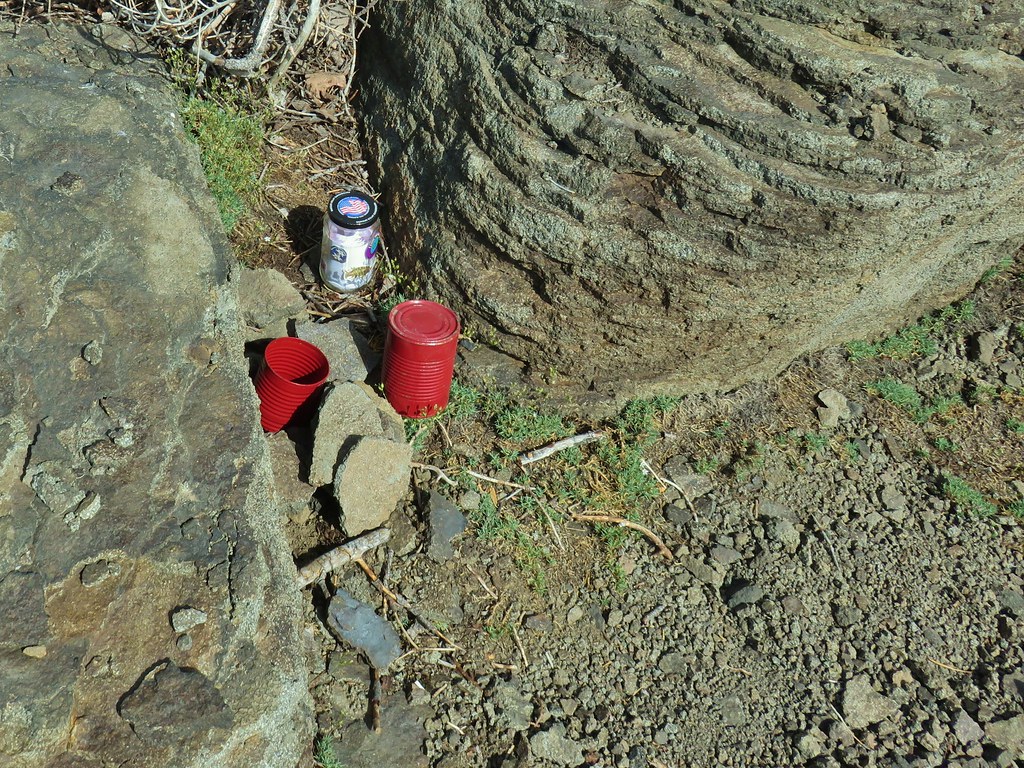
IMG_1869Summit register

It was a nice day with blue skies overhead but smoke from fires in California and some remaining clouds and haze along the skyline limited the views of the surrounding area. On a clearer day we would have had a good view of Mt. Shatsa and been able to see all the way to Mt. Jefferson to the NW. As it was with the help of binoculars we could just make out some snowy features on the horizon but other than Mt. McLoughlin we couldn’t be sure which of the Cascade peaks we were seeing.
IMG_1854The Notch is below to the right hidden by the cliffs.

IMG_1865West toward Mt. McLoughlin which is still hard to make out.

IMG_1876If you squint really hard you can make out a couple of snowy peaks on the horizon.

IMG_1879NNE view.

IMG_1882South back along the ridge.

IMG_1885East down to the meadows below and a second survey marker.

After our summit break we headed back. This time we stayed below the rocky Ridgecrest remaining in the easier to navigate trees.
IMG_1894

The key with this was not swinging out too wide and getting too far below where we had come up from the saddle. Numerous GPS checks kept us from getting to far astray and led us back to the spot where we had come up between the cliffs.
IMG_1895Getting ready to drop down toward the saddle.
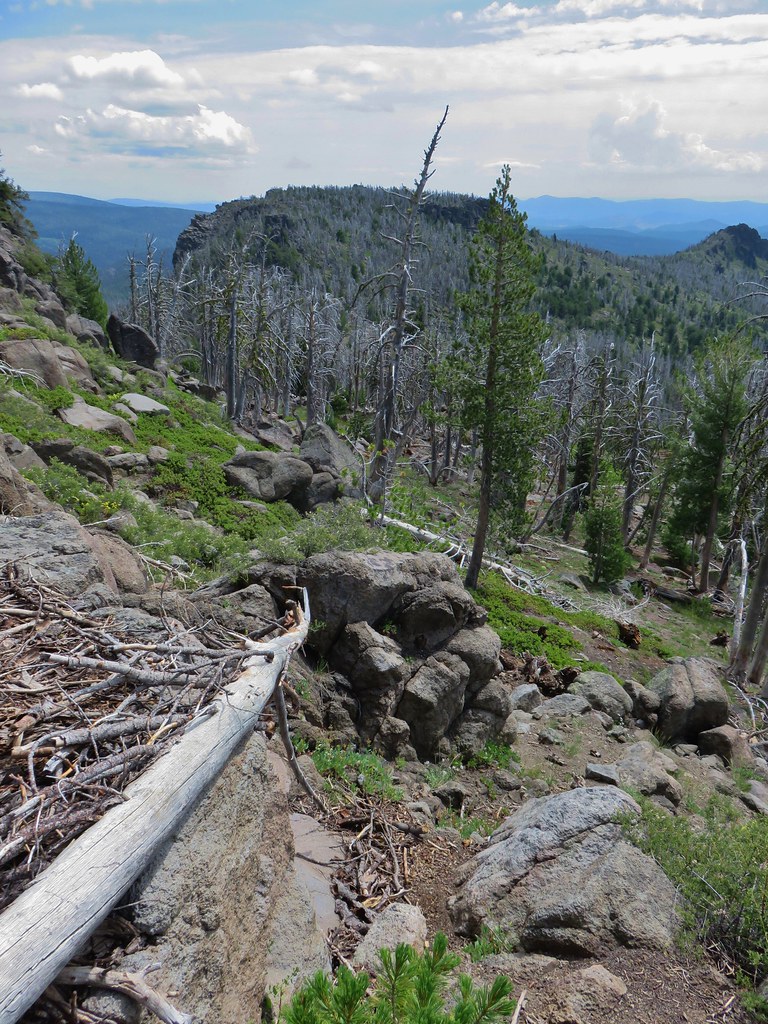
IMG_1897Heading down

At the summit we had debated on whether or not to go to the meadows and on to The Notch. Heather was concerned about mosquitoes around the meadows and from the summit it didn’t appear that there was much in the way of flowers down there. Going all the way to the Notch would have added almost 2.5 miles to the days hike which was already going to be around 13 miles if we went straight back to the trailhead. By the time we reached the saddle though we decided to at least check out the meadows, Heather could stop and turn around if the bugs got bad and we didn’t know when we might find ourselves back here. It also helped that the trail shown on the GPS unit didn’t appear to lose much elevation remaining at the 7900′ elevation except for a slight dip to 7800′ near The Notch. We had talked ourselves into it and down the trail we went.
IMG_1900

We quickly discovered that this was one of those cases where the actual trail was not really anywhere near where it was shown on the map and we had fairly quickly lost almost 200′. It appeared that perhaps most people stop at the saddle as there was noticeably more blowdown along this portion of the trail and it was faint at some points even when it wasn’t passing through the edge of a meadow.
IMG_1913

The good news was that it wasn’t long before we encountered the first strip of lush green along the trail and there were in fact a good number of wildflowers (and not many mosquitoes).
IMG_1914

IMG_1915

IMG_1917

IMG_1920

IMG_1924Paintbrush, monkshood, lupine and California corn lily
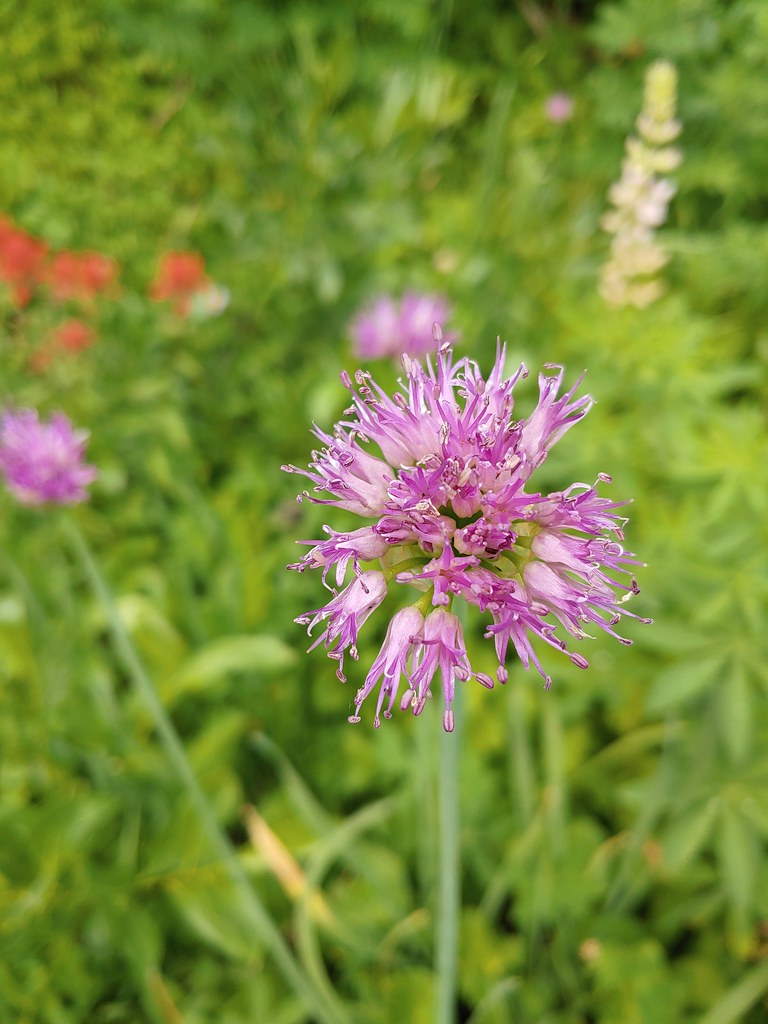
20200723_113900Swamp onion

IMG_1930

20200723_113954The remnants of a shooting star.

20200723_114157Penstemon

IMG_1934Gearhart Mountain from the trail below.

We were pleased to find that even near the largest meadow where water was visible we didn’t have much of an issue with mosquitoes.
IMG_1943

IMG_1945Bistort

IMG_1947Mountain heather next to the stream.

IMG_1948The last of an elephant’s head.

IMG_1950Bog orchids

IMG_1956California corn lilies below Gearhart Mountain.

We followed the trail to the end of the big meadow which was near the start of the climb to The Notch and sat on some rock beneath Gearhart Mountain.
IMG_1963

20200723_121756

20200723_121437_stitch

We decided that this would be as far as we would go. We didn’t see the point in climbing 200′ in the next tenth or two miles for a view that was simply lower than the one that we’d had at the summit. We had a snack and located a small patch of lingering snow beneath the cliffs before heading back.
IMG_1984

The hike back up to the saddle wasn’t as bad as we’d feared and soon we were heading down the other side. Going in this direction we got a better look at The Dome, another rock feature roughly 1.75 miles from the saddle.
IMG_2025

The Dome from the trail.

IMG_2026

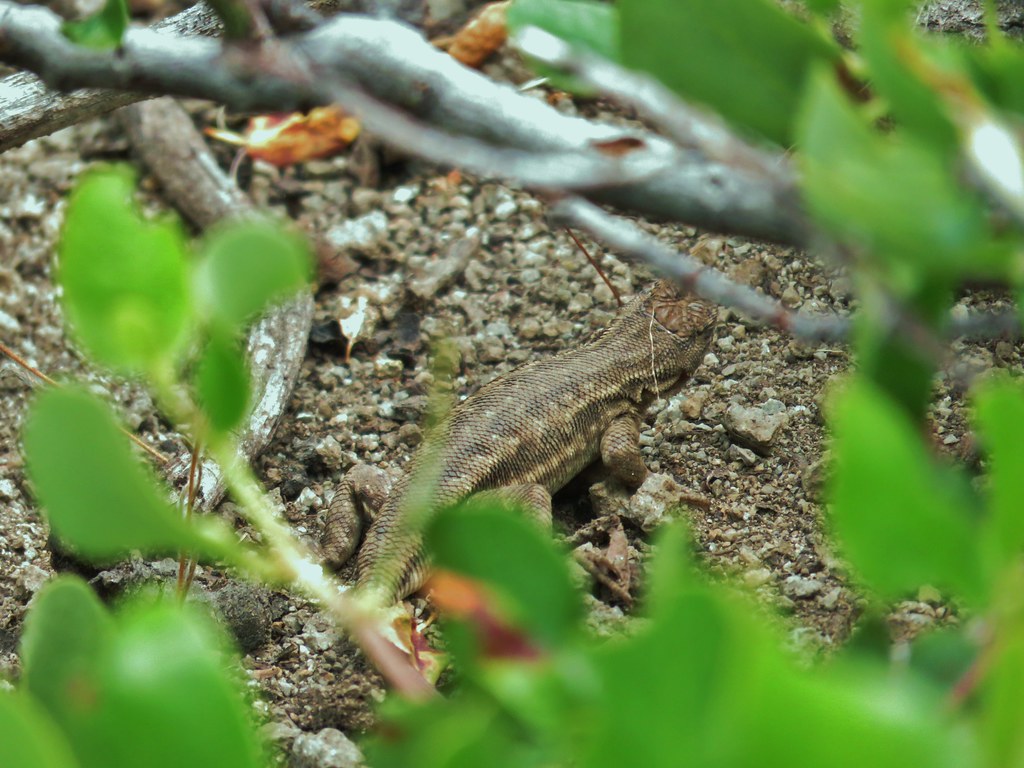
We spent more time admiring the Palisades on the way back and met a couple of sagebrush lizards in the process.
20200723_143216

IMG_2050

IMG_2055

Despite a couple of tents set up along the road to the trailhead we saw no one all day on the trail. My Garmin put the hike at 15.7 miles. (Heather had less on hers but she also didn’t wander around like a fool while off trail like someone else may have.) It was a good hike to cap off our stay in Lakeview although we were planning on a couple of stops on the way home the next day so it wasn’t the last hike of our vacation. Happy Trails!

Flickr: Gearhart Mountain

Categories
Central Oregon Hiking Lakeview Oregon Trip report

Petroglyph Lake, Warner Valley Overlook, and DeGarmo Canyon – 07/22/2020

**Note the 2024 Warner Peak Fire burned over the Warner Overlook.**

We took our second outing to the Hart Mountain National Antelope Refuge in three short hikes. The temperatures were still expected to be high and Wednesday also provided the best chance for afternoon thunderstorms so we wanted to be done early for the day.

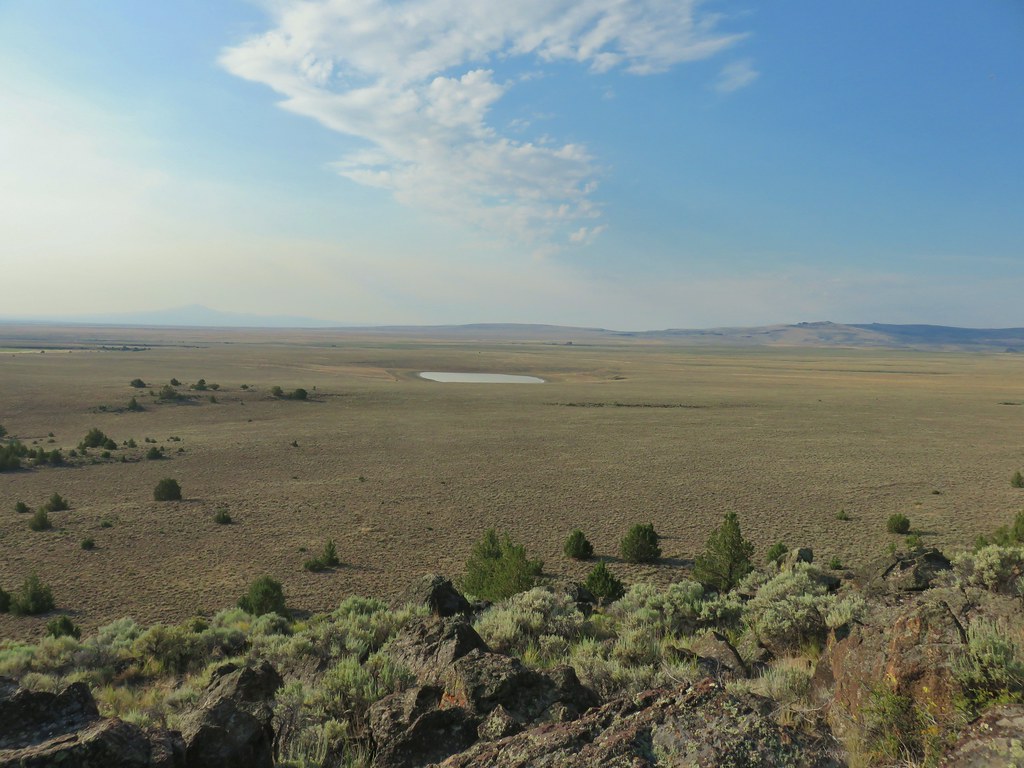
Our first hike for the day was Petroglyph Lake. As I mentioned in our previous post the Petroglyph Lake Road was closed so we had to decide how we wanted to get there. The easiest choice would have been to walk the closed road for 1.6 miles to visit the lake but Sullivan described a 5 mile off trail loop that not only visited the lake but also a viewpoint along Poker Jim Ridge. We picked the loop and parked along Hart Mountain Road near the signed Hill Top Reservoir Road.
IMG_1257

Looking across Hart Mountain Road we could see the small juniper covered knoll along Poker Jim Ridge that we were going to be aiming for.
IMG_1258The knoll is the lower rise to the left.

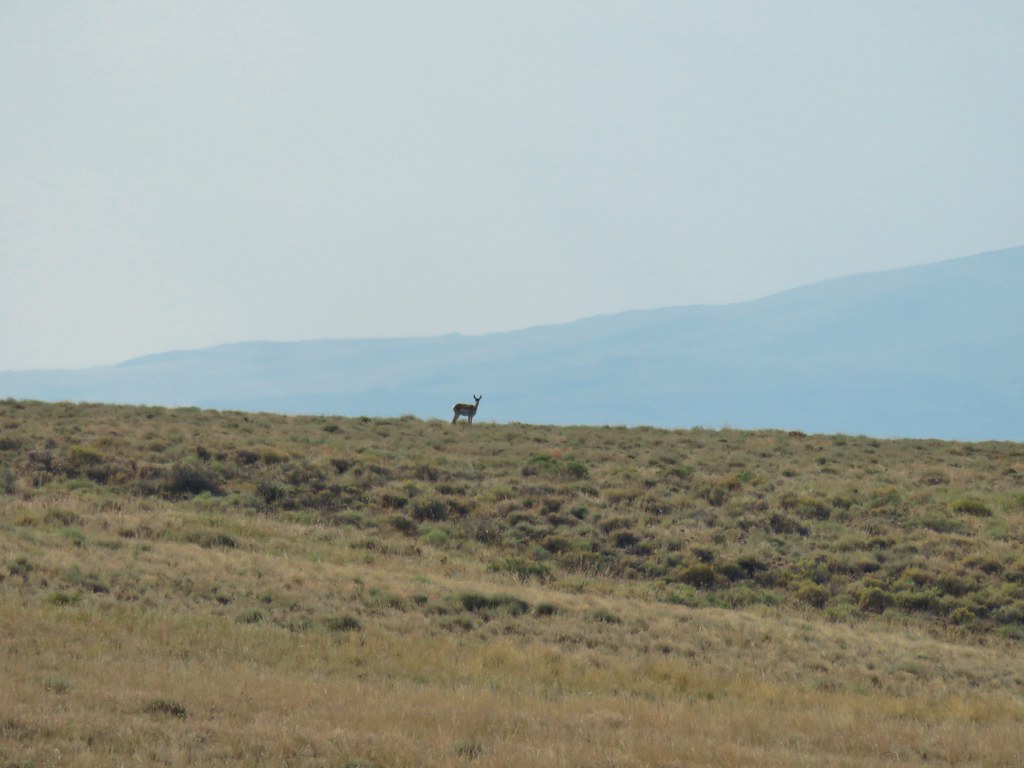
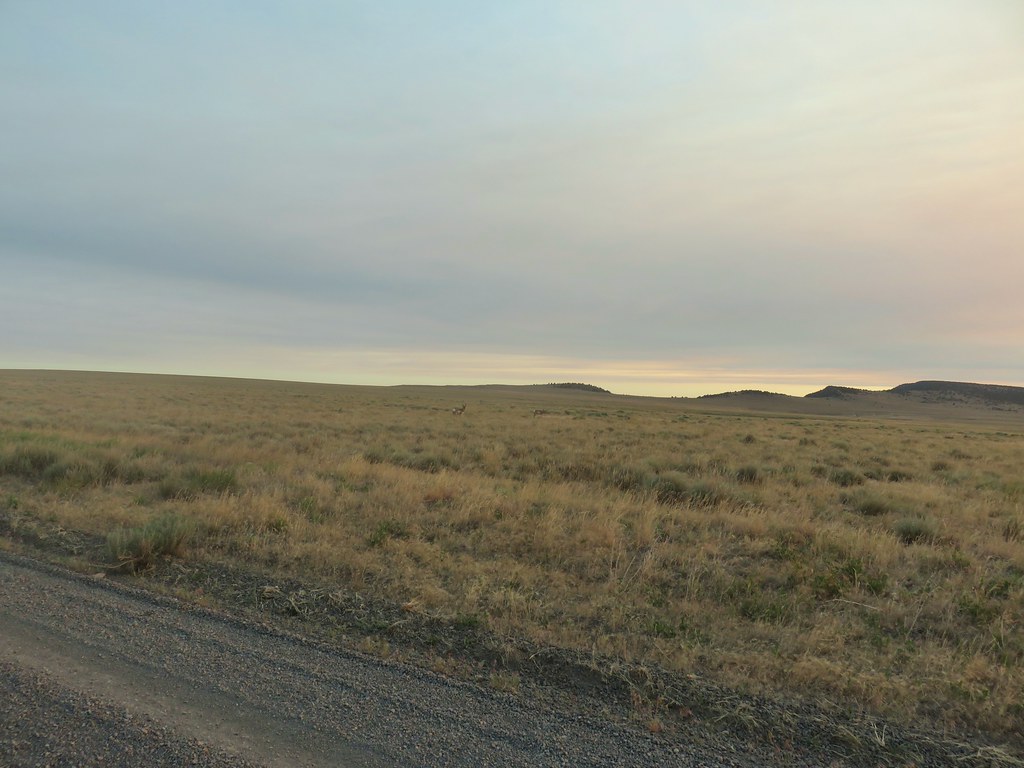
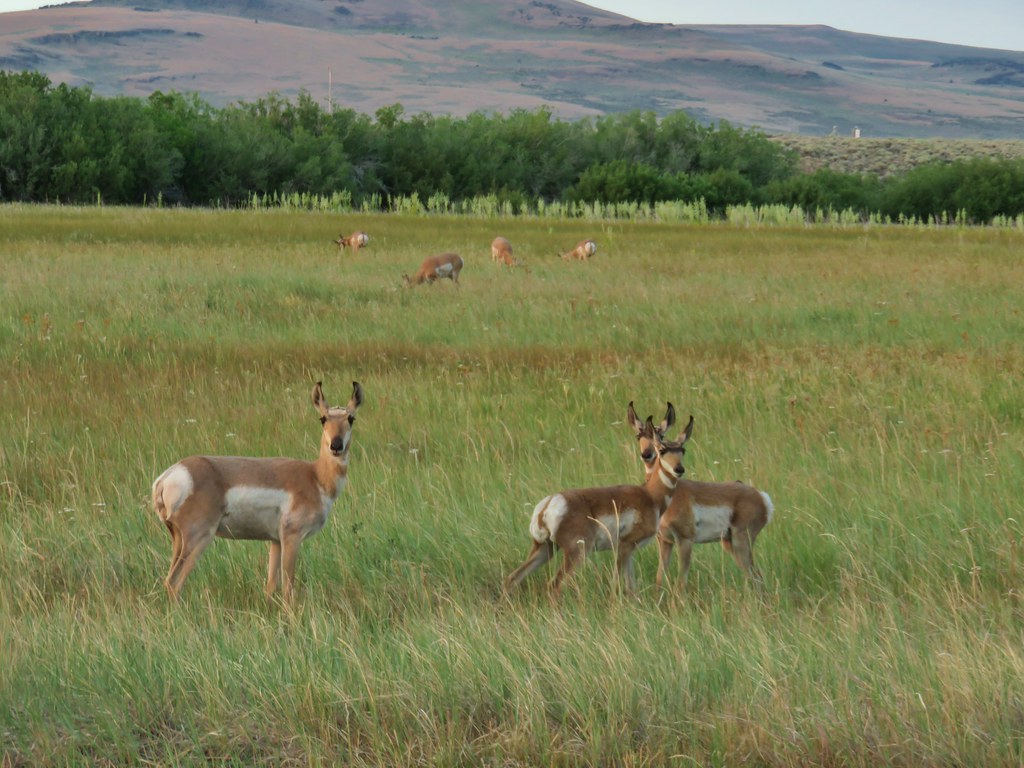
There was a lone pronghorn grazing in the morning light.
IMG_1259

We set off across through the sagebrush angling for the rim.
IMG_1267

IMG_1268From left to right: Flagstaff Lake, Upper Campbell Lake, and Campbell Lake.

IMG_1271Hart Mountain Road climbing up to the plateau.

IMG_1272

IMG_1273Campbell Lake

We followed the rim north toward the knoll.
IMG_1276

IMG_1277

IMG_1282An Orobanche

IMG_1284

IMG_1285

IMG_1287

Petroglyph Lake was not visible at first but it lay to the east and we could make out the basin that it was in.
IMG_1291

As we gained elevation the further north that we got we finally could see the lake in the basin.
IMG_1294

We arrived at the knoll a little over 2 miles from where we’d parked.
20200722_073355

IMG_1301White pelicans and seagulls on Campbell Lake.
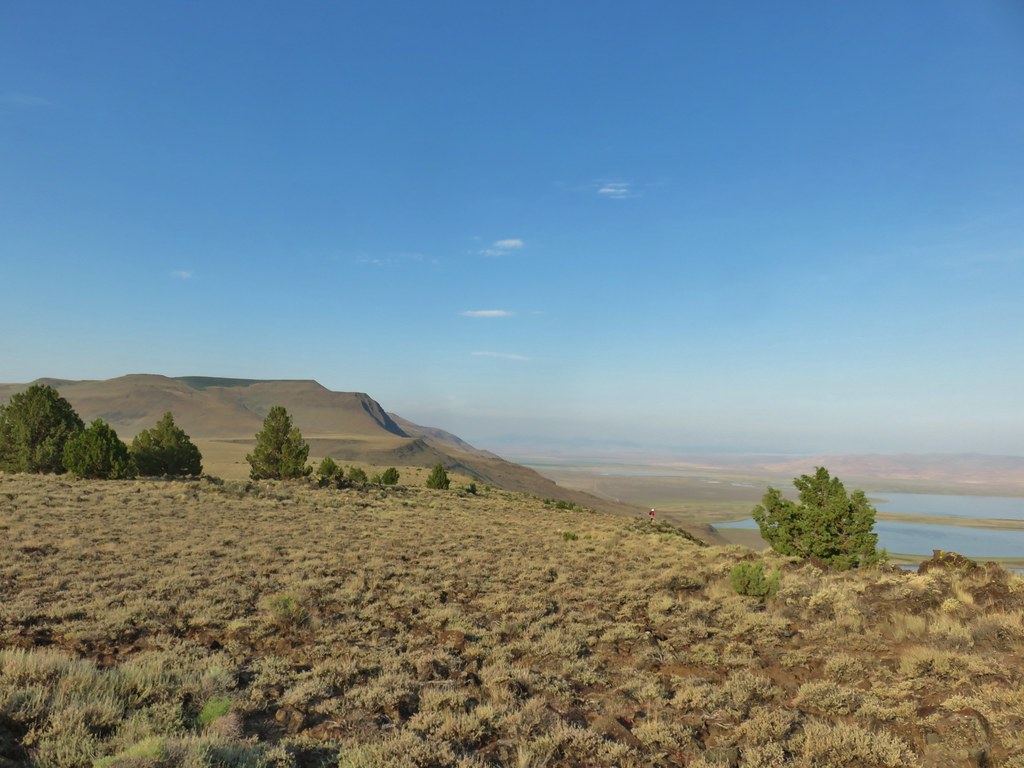
IMG_1305Looking south along Poker Jim Ridge

IMG_1307Looking north along Poker Jim Ridge

IMG_1308Junipers on the knoll

We made our way to the north end of the knoll to get a better view in that direction.
IMG_1312Bluejoint Lake below the ridge.

IMG_1313Stone Corral Lake

To reach Petroglyph Lake we had to backtrack to the south on the knoll to avoid a rocky descent.
IMG_1320

IMG_1321

When we found a suitable spot to descend we could see the lake clearly but we knew that we would lose sight of it again once we were down off the knoll so we picked out some other features to use as reference points. When we were able to see the lake again we aimed for the left side knowing that a rock ledge rimmed its right side.
IMG_1331

IMG_1338

IMG_1345Pronghorn above the lake.

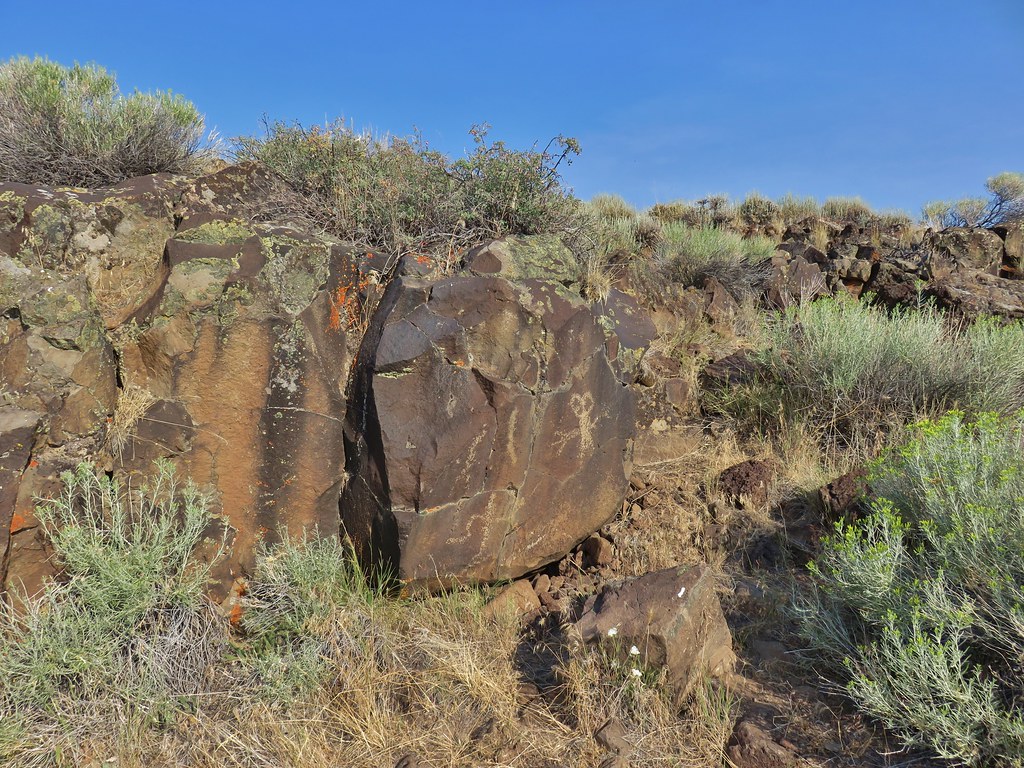
As we neared the lake we got below the rim rock and turned right to explore along it as this is where the petroglyphs are.
IMG_1352

It was approximately a half mile to Petroglyph Lake Road at the far end of the lake and most of that distance was along the cliffs looking at the petroglyphs.
IMG_1363

IMG_1366

IMG_1368

IMG_1369

IMG_1376

IMG_1379

IMG_1390Dragon fly

IMG_1398Western fence lizard

IMG_1410Yellow bellied marmot

IMG_1412

IMG_1414

When the cliffs began to fade we followed a clear path along the lake to the road where we encountered the first other hikers since the previous Saturday (we’d been passed by a single mountain biker the day before).
IMG_1421

After a brief (6 foot) conversation with them we were ready to continue on but we faced a choice. Sullivan’s loop would have had us setting of cross country for 1.5 miles back to the hill top where our car was parked. We could also walk Petroglyph Lake Road to Hart Mountain Road and then walk up that road back to the car. This second option doubled the mileage but it also took us to within a mile of the refuge headquarters where we’d seen the bulk of the pronghorn the day before and it was road walking and not bushwhacking which we were both about done with for a while. The road it was.
IMG_1427

The road walk was fine, there were several flowers, a plethora of butterflies, and we did see a few more pronghorn, albeit at a distance.
IMG_1431

IMG_1433Some type of primrose I think.

IMG_1438

IMG_1441

IMG_1445Lupine

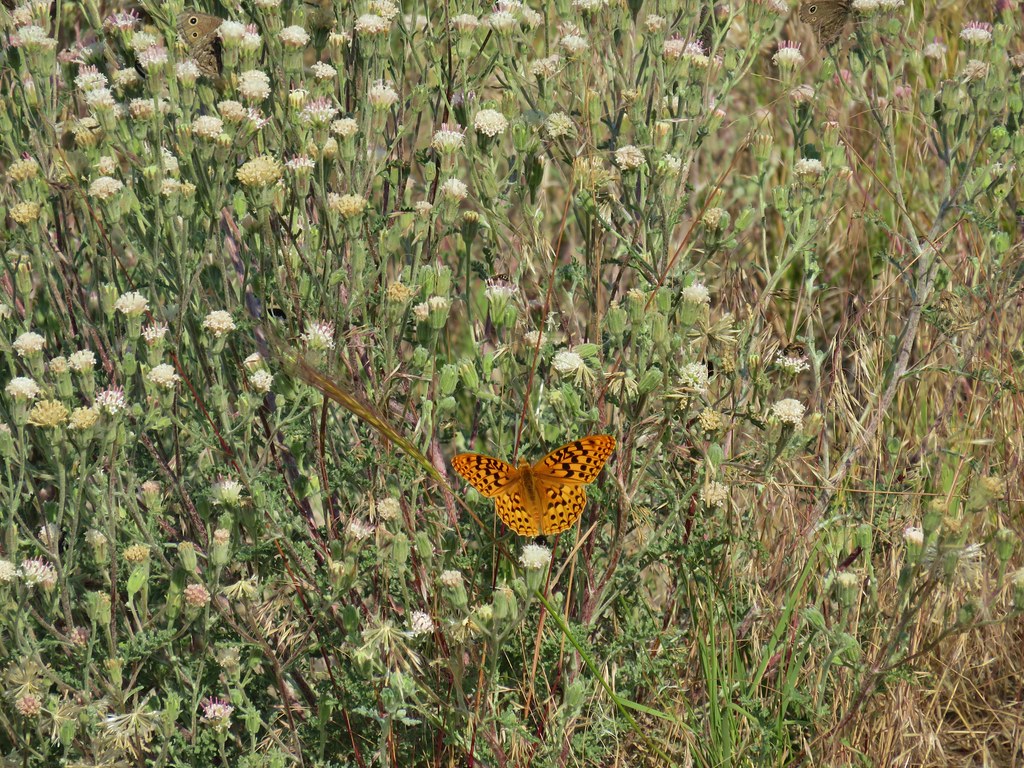
IMG_1460There were dozens of butterflies and other pollinators on this rabbitbrush.
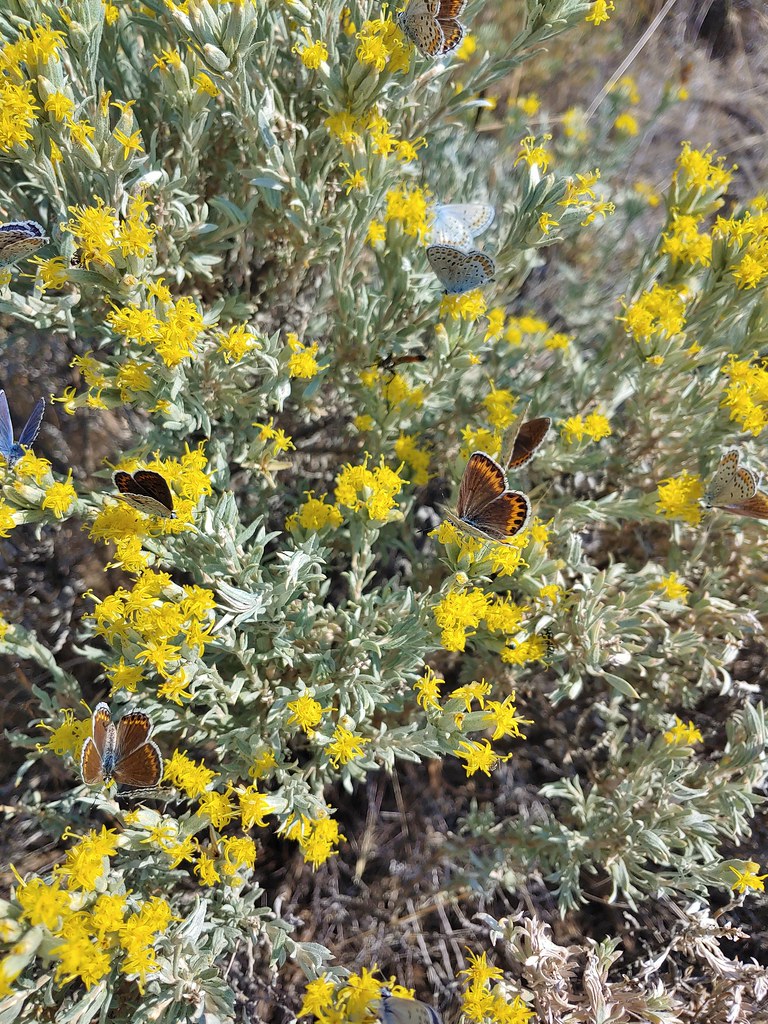
20200722_093355

IMG_1451

IMG_1475

IMG_1483The gate at Petroglyph Lake Road

IMG_1485Hart Mountain Road

IMG_1489The juniper knoll along Poker Jim Ridge and yes there are a few pronghorn out there.

IMG_1498Pronghorn keeping their distance from us.
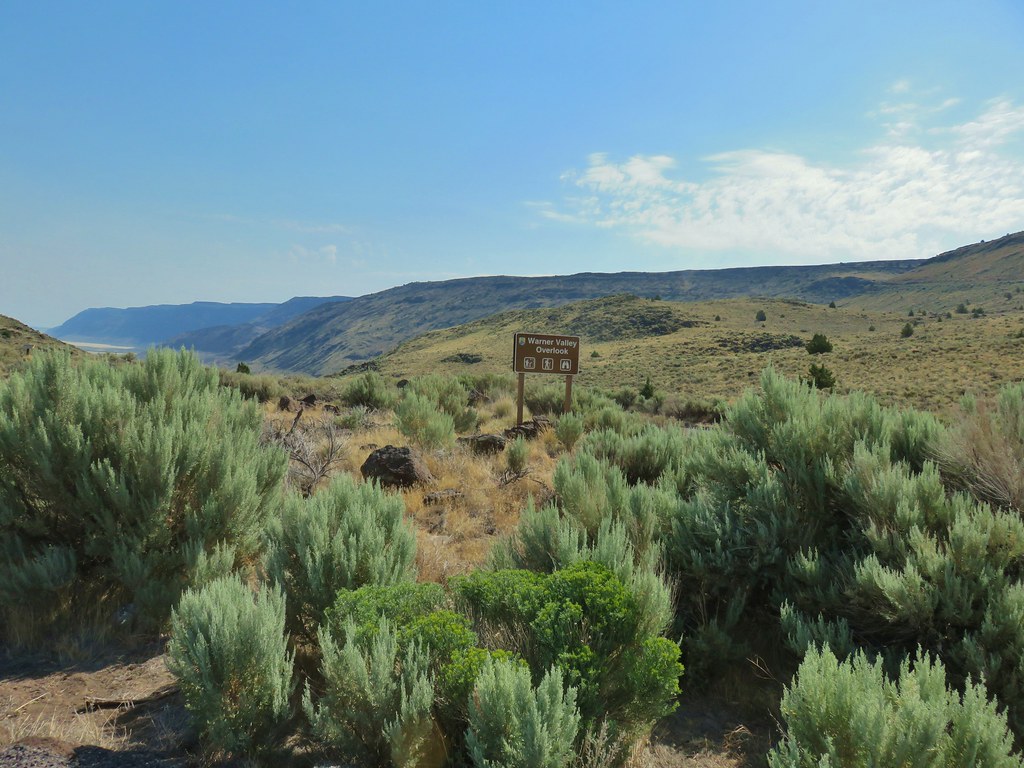
After making it back to our car we drove just under 2 miles back down Hart Mountain Road to a small pullout with a Warner Mountain Overlook sign and a short (.4 mile) loop trail. We weren’t aware of this little interpretive loop until we drove past it the day before but it looked interesting so we added it to this days itinerary.
IMG_1505Sign for the overlook.

IMG_1506View from the pullout back up toward Hart Mountain.

IMG_1509The start of the loop trail.

Since we had already been up to the juniper knoll which looked this same direction the views from the overlook were not much different from those, but the half dozen interpretive signs along the route were interesting and worth the quick stop.
IMG_1511We like interpretive signs like this where we can see with our own eyes what is being described.
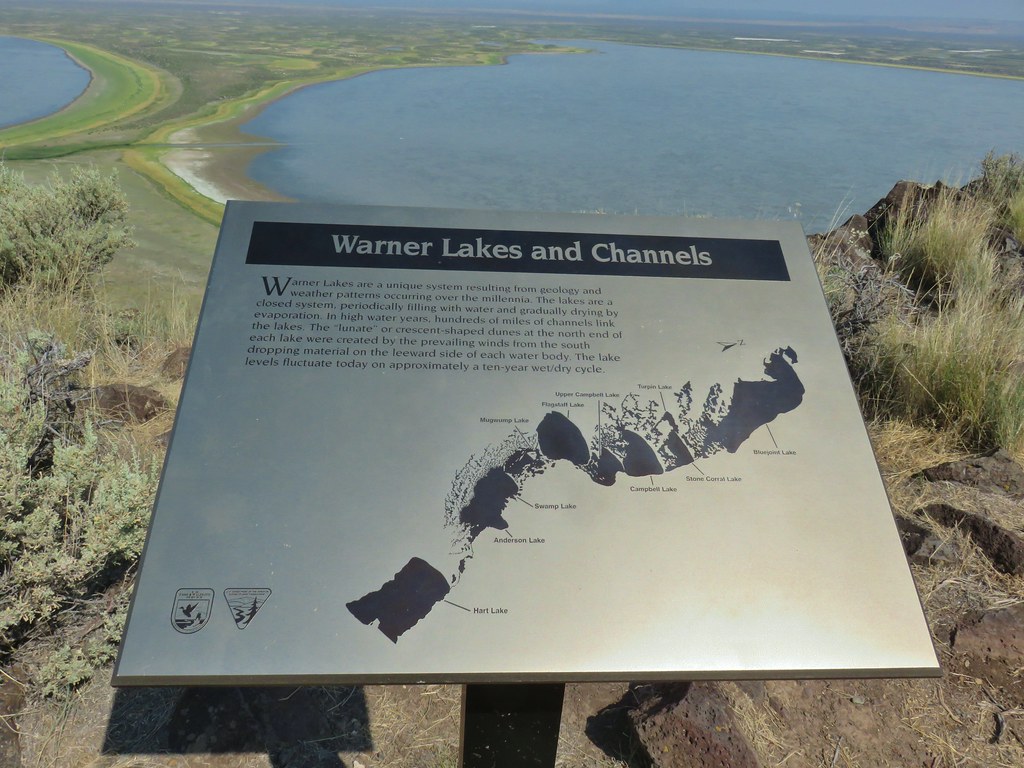
IMG_1518This one helped with identifying the different lakes plus provided the history.

IMG_1524Another of our favorites are the ones that identify the various hills and peaks.
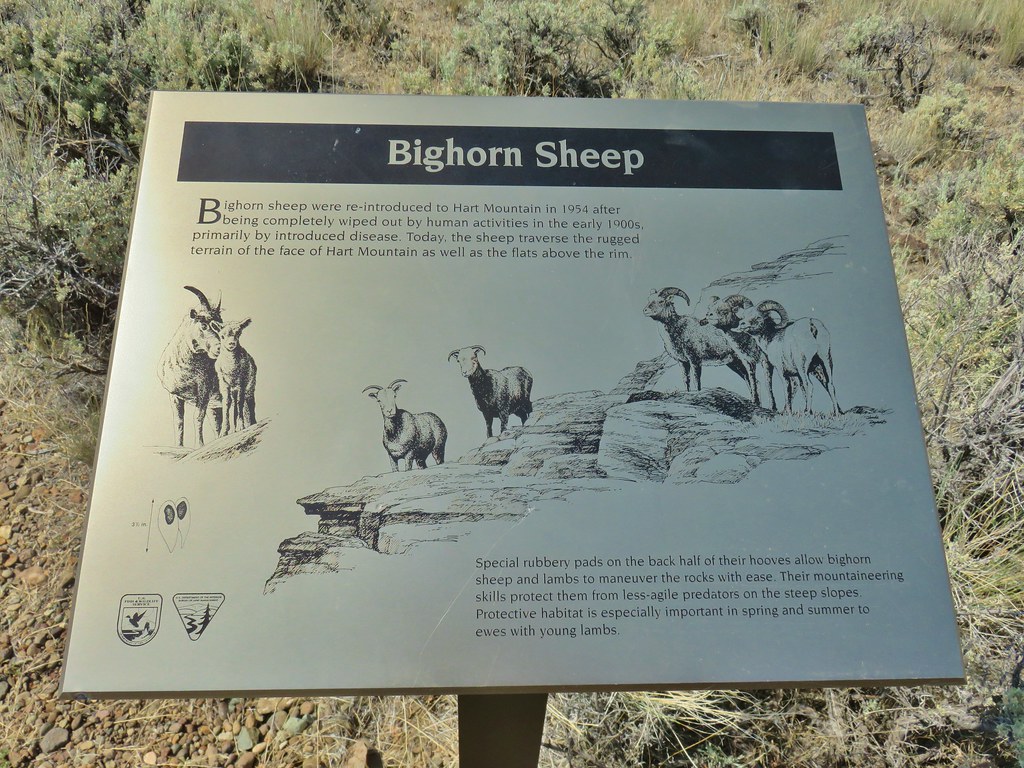
IMG_1527We worked really hard on spotting some big horn sheep on this trip to no avail. There was so much space that they could be in it was like looking for a needle in a haystack.
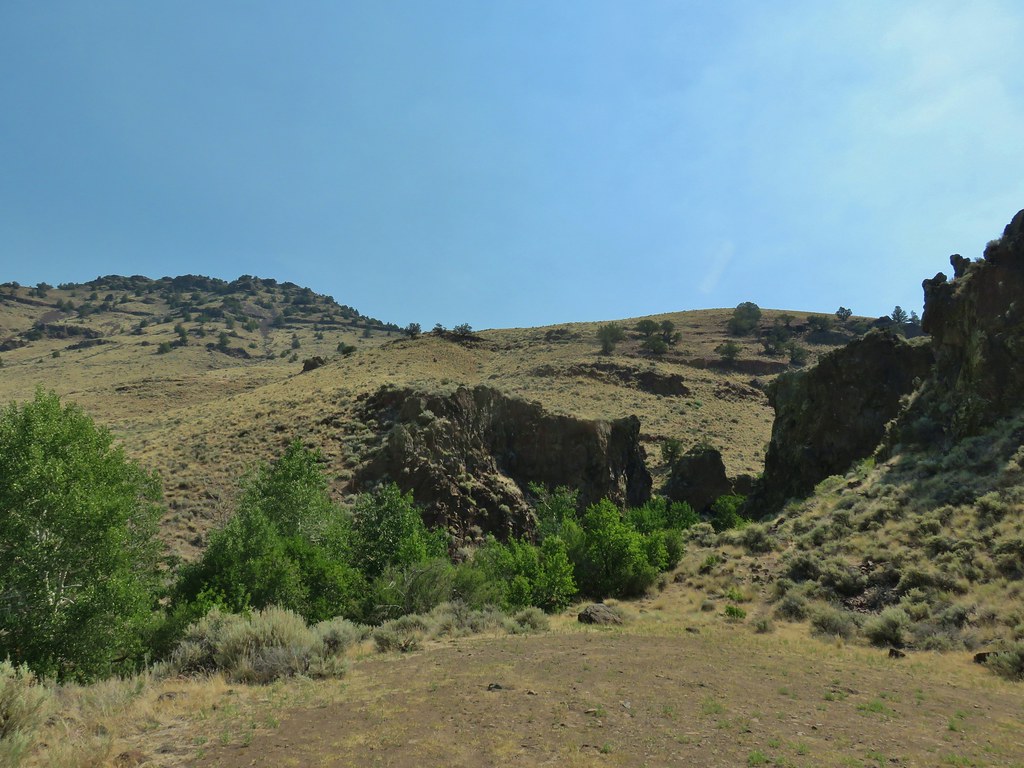
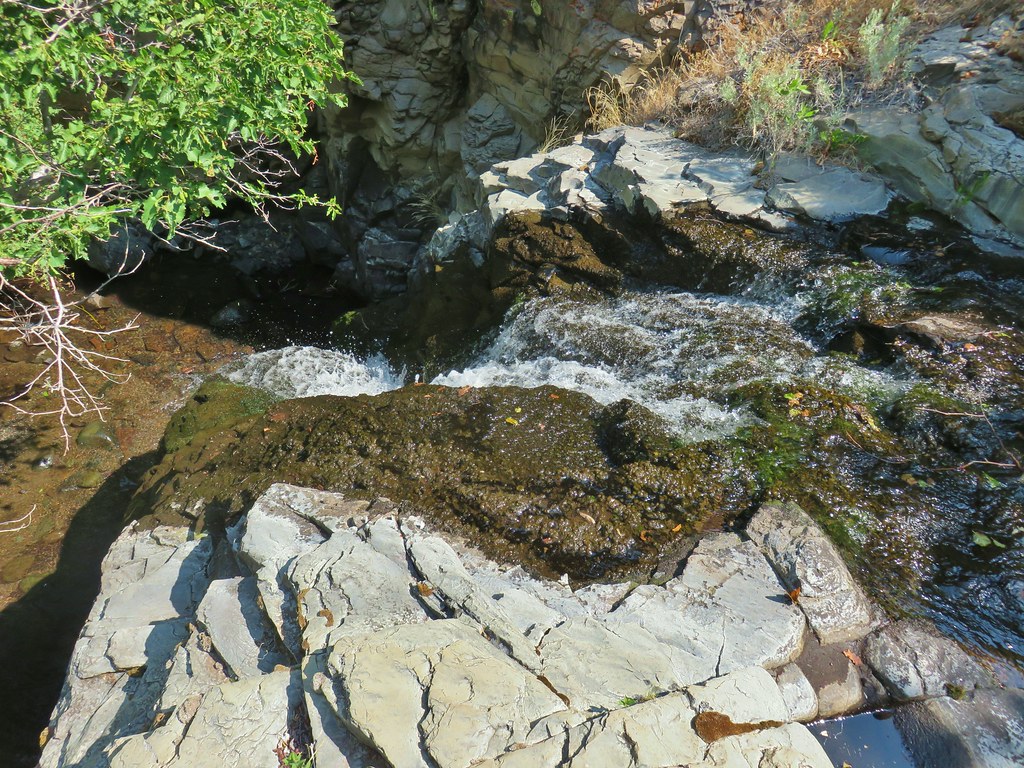
After completing the loop we continued our drive back toward Lakeview on Hart Mountain Road. We turned off once more at a small pointer for DeGarmo Canyon (4.5 miles after pavement resumed in this direction or 9.4 miles from Plush). Sullivan described the half mile dirt road as very rough and requiring a high clearance vehicle, otherwise he suggested parking along Hart Mountain Road and walking to the trailhead. Typically we heed these warning from him but for some reason I decided to test the road with our Outback. It wasn’t pretty but we did make it to the parking area and I vowed not to make that mistake again.
IMG_1531

Sullivan lists three possible hikes with with some additional optional side trips. He has a 1.4 mile out and back to a 35′ waterfall, a 2.6 mile loop, and a 9.4 mile hike to DeGarmo Notch. If you make it to DeGarmo Notch it’s only 2 more miles (4 round trip) to Warner Peak. When our vacation started my plan had been the 9.4 mile hike with the optional trek up Warner Peak. As the week progressed we wound up hiking to Warner Peak the day before from Barnhardi Basin (post) so we didn’t need to do that anymore. We had toyed with the idea of still hiking up to DeGarmo Notch but we had seen that feature the day before as well and we were hot, tired, and a little sick of bushwacking which the 9.4 mile hike had some more of. That left us with the 1.4 mile out and back or 2.6 mile loop, both of which visited the waterfall.

Before we decided which option we would be doing we needed to get across DeGarmo Creek. Sullivan had warned of a dangerous crossing just above a 10′ waterfall and recommended following a rock ledge 50′ upstream to an easier crossing. Given the time of year the creek wasn’t flowing very strongly and vegetation was crowding the rock ledge so we opted to cross above the 10′ waterfall despite the warning.
IMG_1533It’s not visible in this photo but there were dry rocks close enough on the far side to simply step over the water onto. The wet rock would have been very slippery and certainly dangerous.

We followed a path upstream and found the location of Sullivan’s recommended crossing.
IMG_1539

A steep trail led up around the vegetation along the creek into a wider canyon that had some very interesting rock formations. It was also extremely warm as it was directly in the sun and there was no breeze.
IMG_1557

IMG_1554

IMG_1559

IMG_1561

We had our eyes out for snakes but only saw a couple of lizards.
IMG_1566

The 35′ waterfall was just .7 miles up the canyon and it came into view well before we arrived at it.
IMG_1572

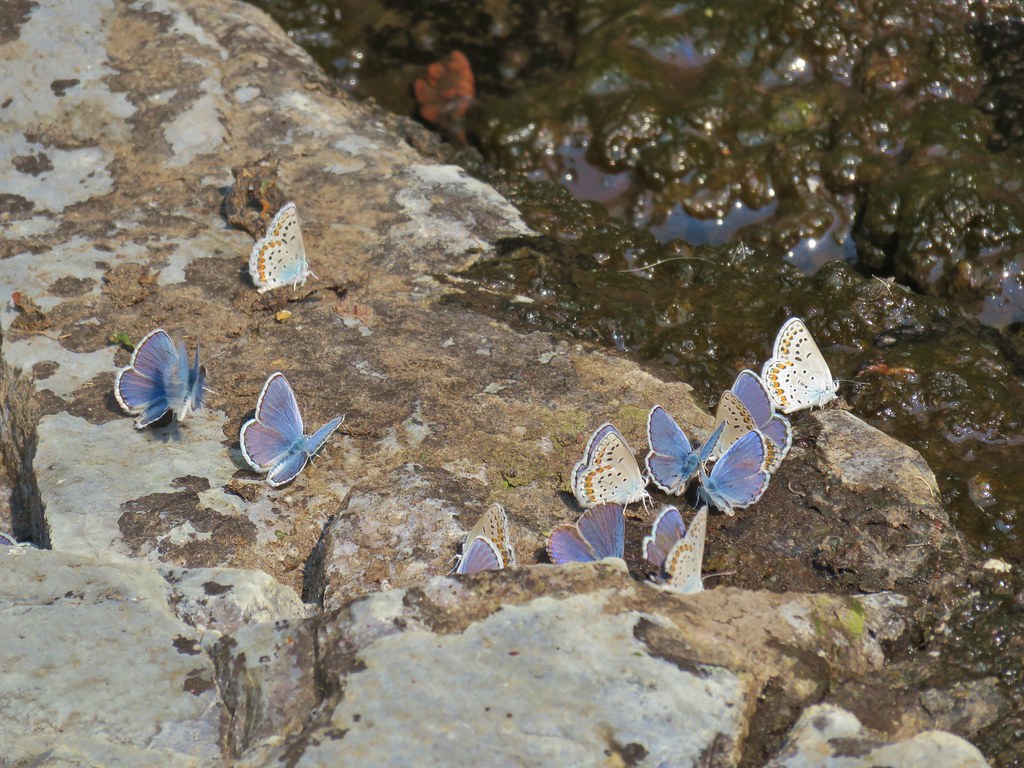
The temperature at the falls was much more pleasant and was a popular spot with the local butterflies.
IMG_1576

IMG_1579

IMG_1581

IMG_1597

IMG_1598

20200722_112717

We took a relaxing break at the falls surrounded by the butterflies. When it was time to continue our hike we both agreed that neither one of us was up for what it would take to do any of the options other than the 1.4 mile out and back. In order to do any of the longer hikes, even the 2.6 mile loop, we would have needed to follow a steep scramble route 200′ before the falls up around some cliffs. We had both spied the route on our way to the falls and both thought “not today”.
IMG_1619The scramble route is at the base of the cliff to the right.
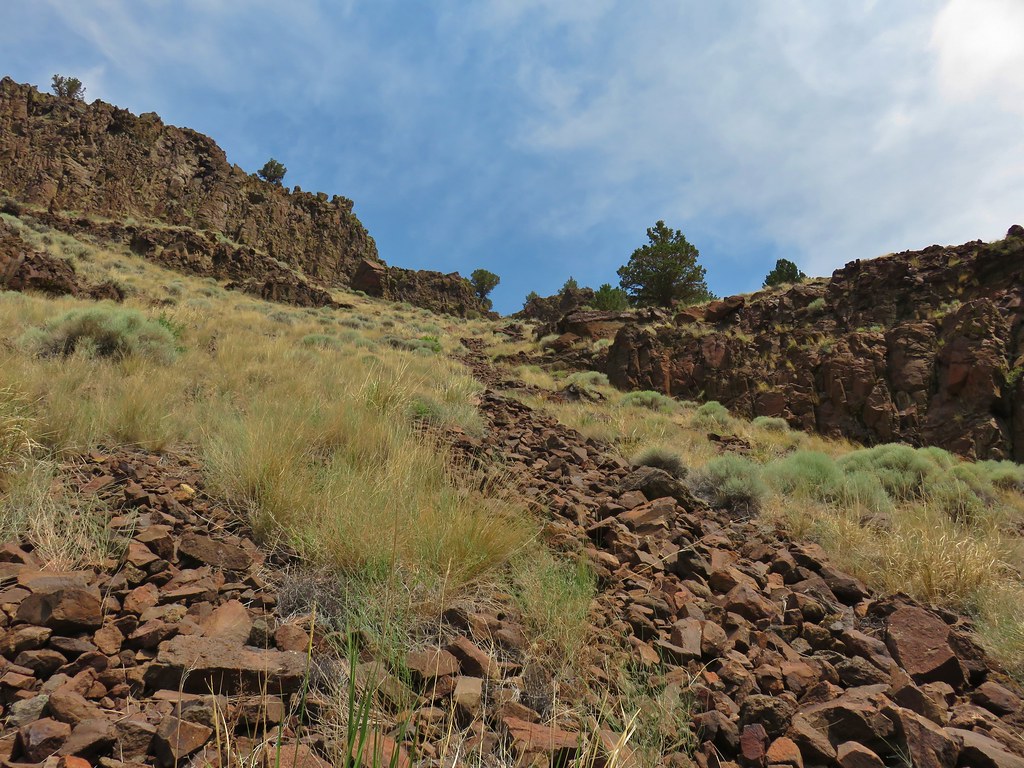
IMG_1620Looking up from the trail at where the scramble route was heading.
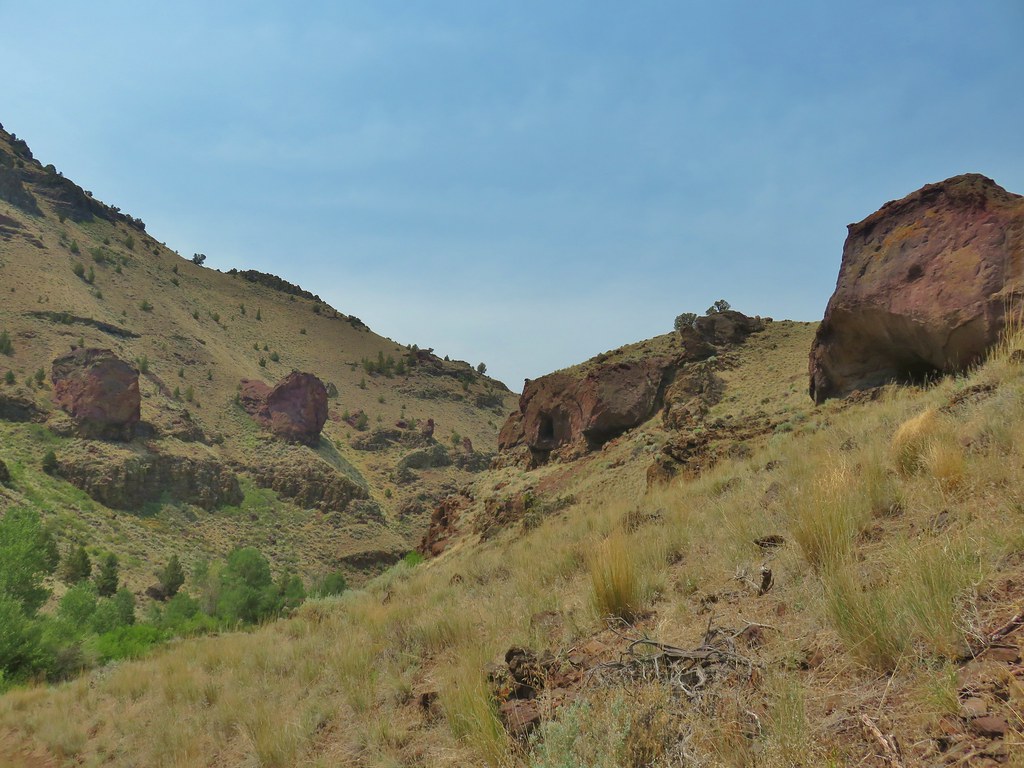
We were happy with our choice and ready to get out of the heat so we retraced our steps back to the 10′ water fall.
IMG_1623

IMG_1627

The smaller waterfall had been invaded by butterflies too.
IMG_1629

IMG_1632

After carefully driving the wretched half mile to Hart Mountain Road we headed back to Lakeview to treat ourselves to burgers and milkshakes from the Burger Queen drive thru. It was our shortest day so far of the vaction at 8.7 miles (6.8 at Petroglyph Lake, 0.4 at the overlook, and 1.5 at DeGarmo Canyon) but that was plenty. Thursday’s hike had the potential of being the longest of our trip as we were set to visit one of the six remaining wilderness areas in Oregon that we had yet to hike in, the Gearhart Mountain Wilderness. Happy Trails!

Flickr: Petroglyph Lake, Warner Valley Overlook, and DeGarmo Canyon

Categories
Central Oregon Hiking Lakeview Oregon Trip report

Flook Lake and Hart Mountain Hot Springs – 07/21/2020

**Note the 2024 Warner Peak Fire burned much of the Hart Mountain Hot Springs Hike.**

Tuesday marked the start of a short stretch of possible showers and thunder storms but not until Tuesday night so we had decided the night before to start the day at Flook Lake in the Hart Mountain National Antelope Refuge. Originally we had planned on doing hikes at Flook Lake, Petroglyph Lake, and Hart Mountain Hot Springs all in the same day, but that plan had changed. We wanted to do Flook Lake before any possible showers because Flook Lake road can become dangerously muddy when wet. We had also moved a side trip to Warner Peak, the high point in the refuge, to our Hart Mountain Hot Springs stop instead of tacking it onto our DeGarmo Canyon hike. The reason for that move was to avoid being exposed at an elevation over 7000′ if a thunder storm rolled in which looked possible both Wednesday and Thursday afternoons. Finally we believed that the road to Petroglyph Lake had been closed adding at least 3 miles to that hike which would have been a little too much distance for one day. If that road turned out to be open we were still planning on doing it along with Flook Lake and the hot springs, but if it was indeed closed we planned on doing it first thing Wednesday morning before DeGarmo Canyon.

We left Lakeview at 5am and headed northeast to Plush stopping along county road 3-13 to admire the sunrise.
IMG_0804Hart Mountain in the morning.

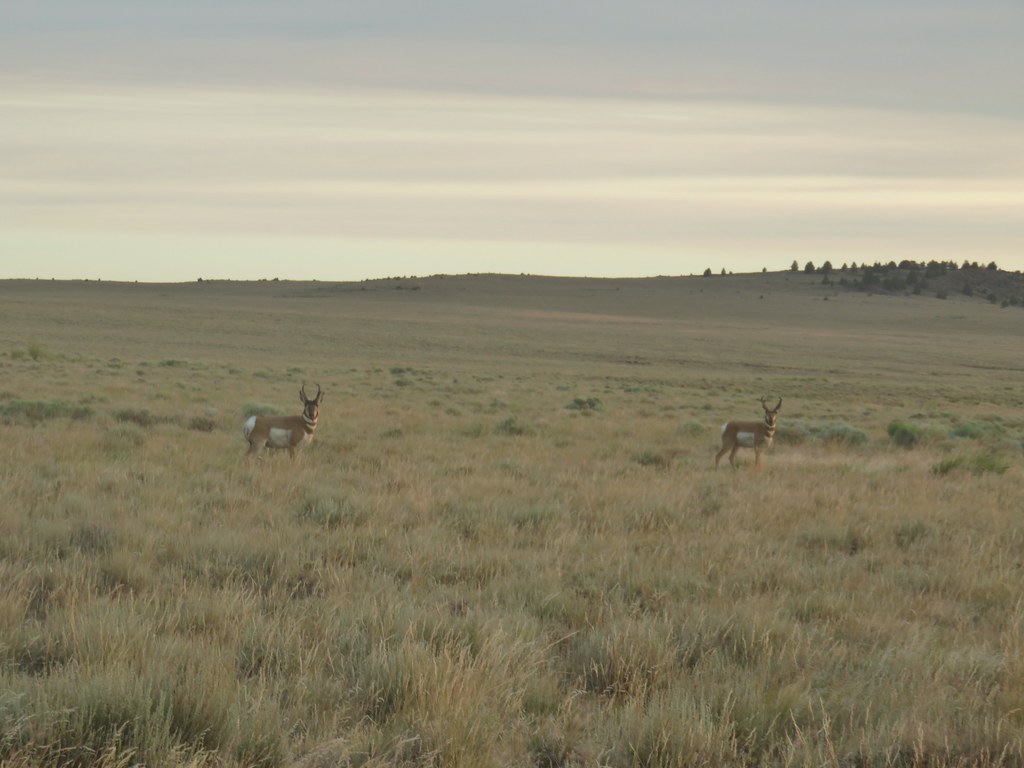
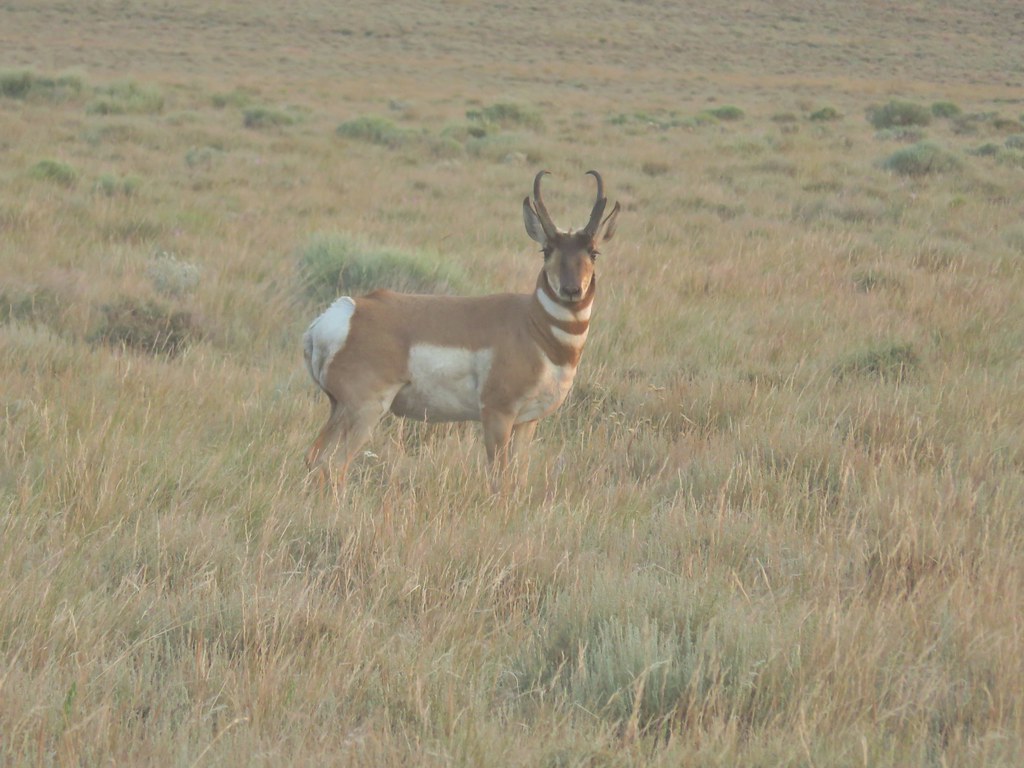
After passing through plush we continued on county road 3-12 (Hart Mountain Road) climbing past the rim of Hart Mountain where we spotted our first pronghorn.
IMG_0809

IMG_0810

IMG_0811

We continued on past Petroglyph Lake Road which was, as we suspected, closed to cars.
IMG_1483(photo from the next day)

A mile past Petroglyph Lake Road (24 miles from Plush) we came to the refuge headquarters which was closed to visitors due to COVID-19. There were numerous pronghorn antelope near the headquarters.
IMG_0822Just a few of the many pronghorn.

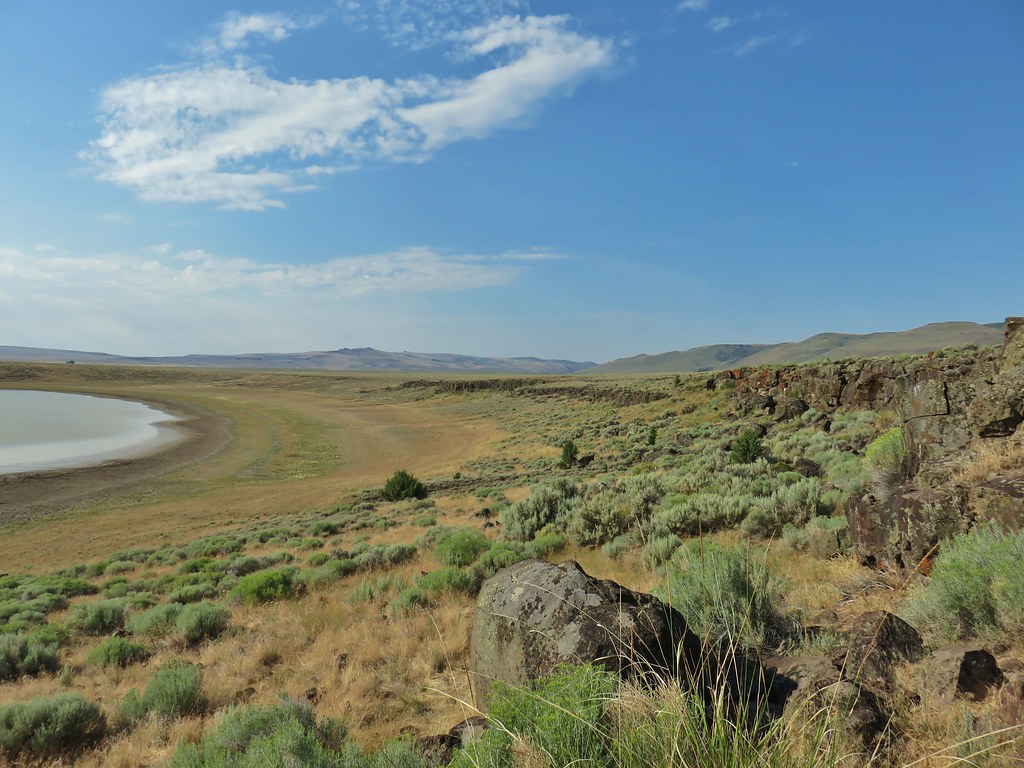
At the far end of the headquarters we veered left following pointers for Frenchglen for 6.7 miles to Flook Lake Road. We turned right onto this rocky dirt track for 1.8 miles (the final 6 on Flook Lake’s former lake bed, now an alkali flat) parking next to a dry reservoir.
IMG_0825Flook Lake Road continuing on with Beatys Butte in the distance.

IMG_0824The reservoir

IMG_0828Steens Mountain on the horizon to the east through smoky skies.
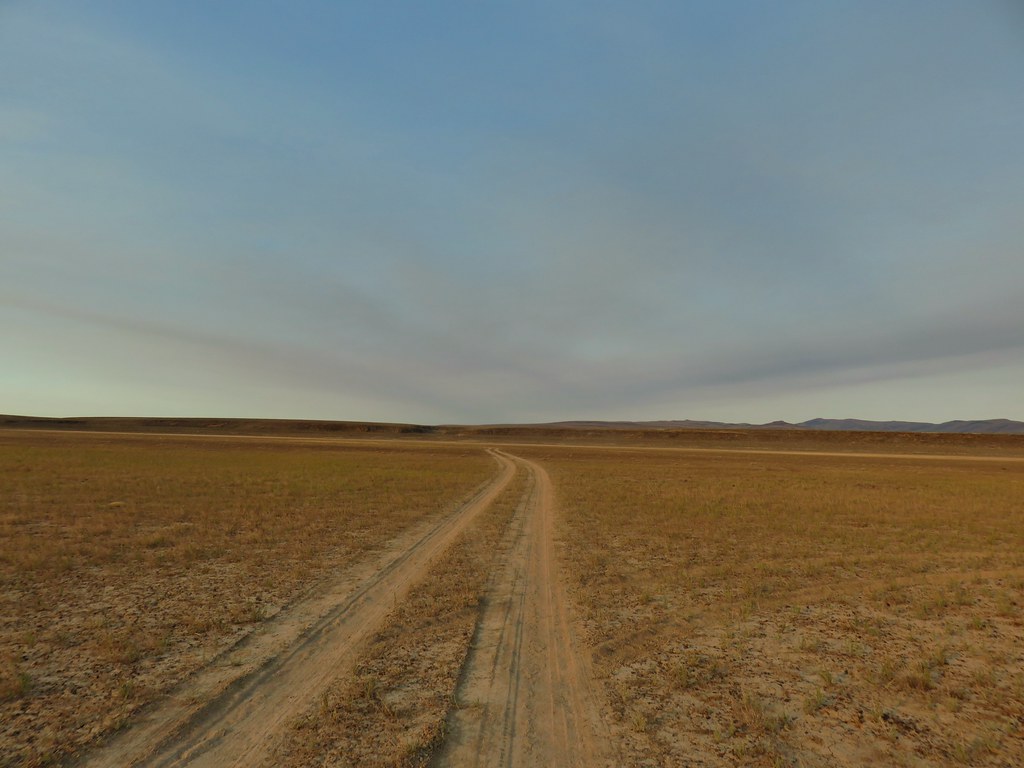
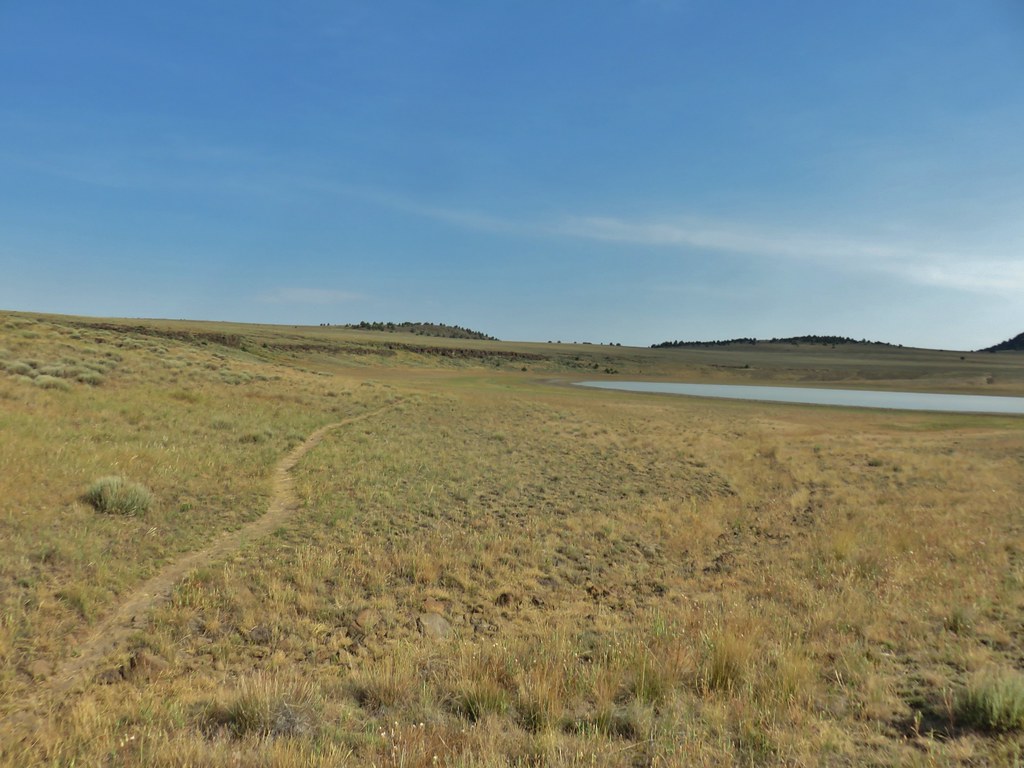
It was going to be another 90 degree day and even with our early start it was already warm as we set off toward a canyon SW of where we had parked. We expected to have to walk cross country for nearly a mile to reach the mouth of the canyon but well worn tire tracks allowed for a little easier walking. (I’m not sure if the road was official or the result of illegal off-road driving which would be very disappointing.)
IMG_0829The canyon we were aiming for from near our car.

IMG_0830Zoomed in a bit.

The track we were following eventually faded out along an outwash channel.
IMG_0833

After a short stint walking through sagebrush we picked up another track that went right past a closed to motor vehicles sign.
IMG_0835

This track didn’t appear to enter the canyon though and it was cross country through the canyon which was busy with wildlife.
IMG_0839

IMG_0838

IMG_0843Rabbit #1

IMG_0851Rabbit #2

IMG_0855Rabbit #3

IMG_0857A lone juniper in the canyon.

IMG_0860Rabbit #4

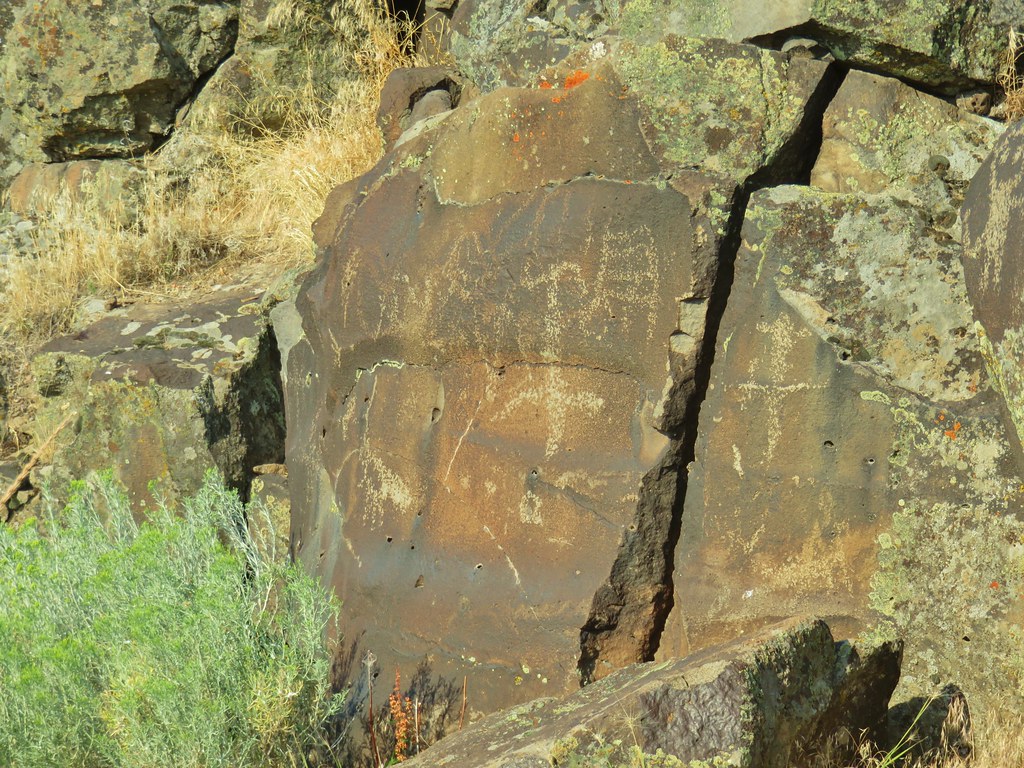
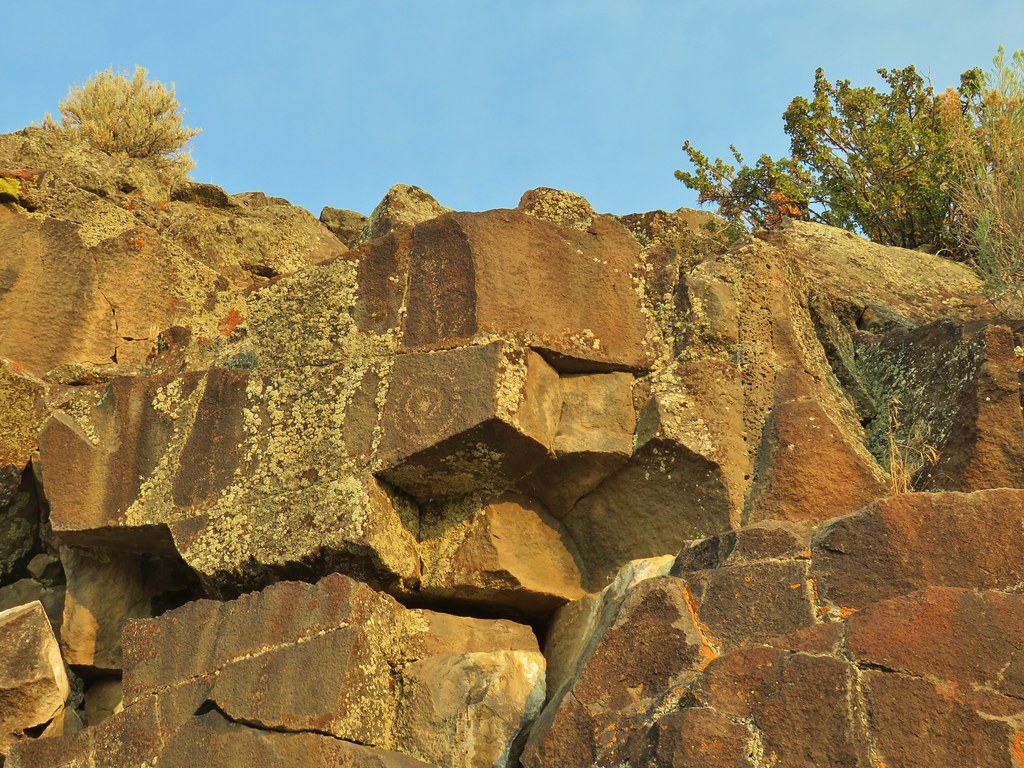
Near the end of this half mile canyon there are some Petroglyphs which are currently being guarded by a yellow bellied marmot.
IMG_0862

IMG_0871

IMG_0879

IMG_0884

After looking at (and NOT TOUCHING) the petroglyphs we continued to the canyon’s end at Antelope Spring.
IMG_0887

IMG_0893

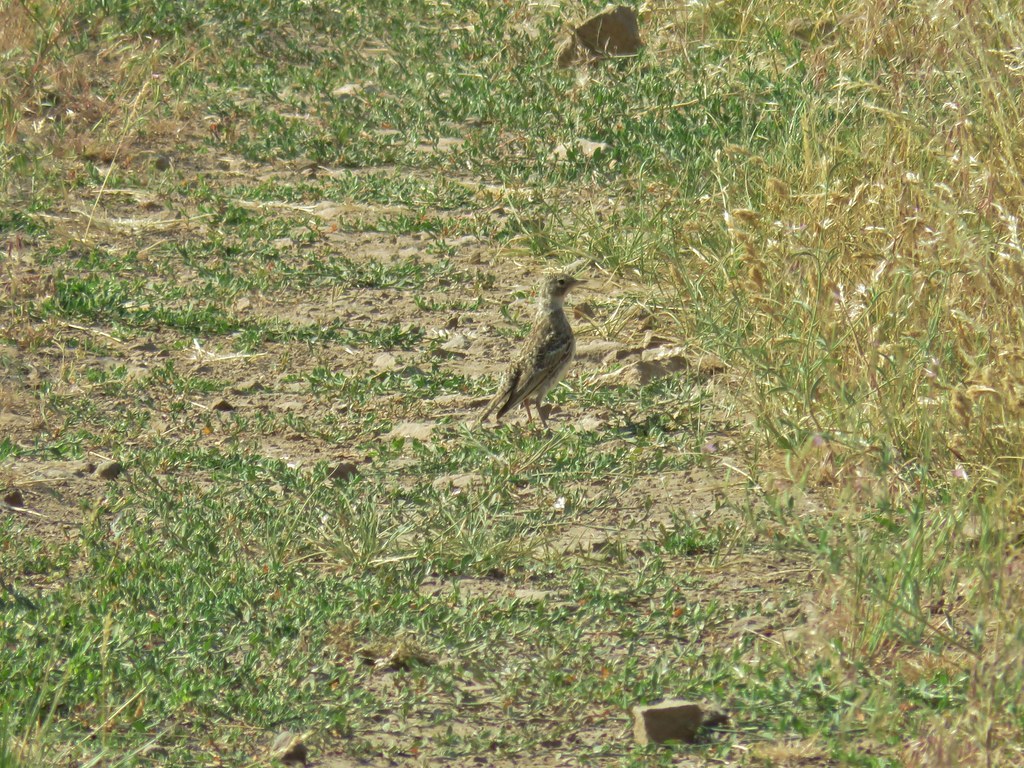
IMG_0892Horned lark near the spring.

We returned the way we’d come commenting on how far way our car still looked from the mouth of the canyon.
20200721_075341

IMG_0906Rabbit #5, this one was a jack rabbit.
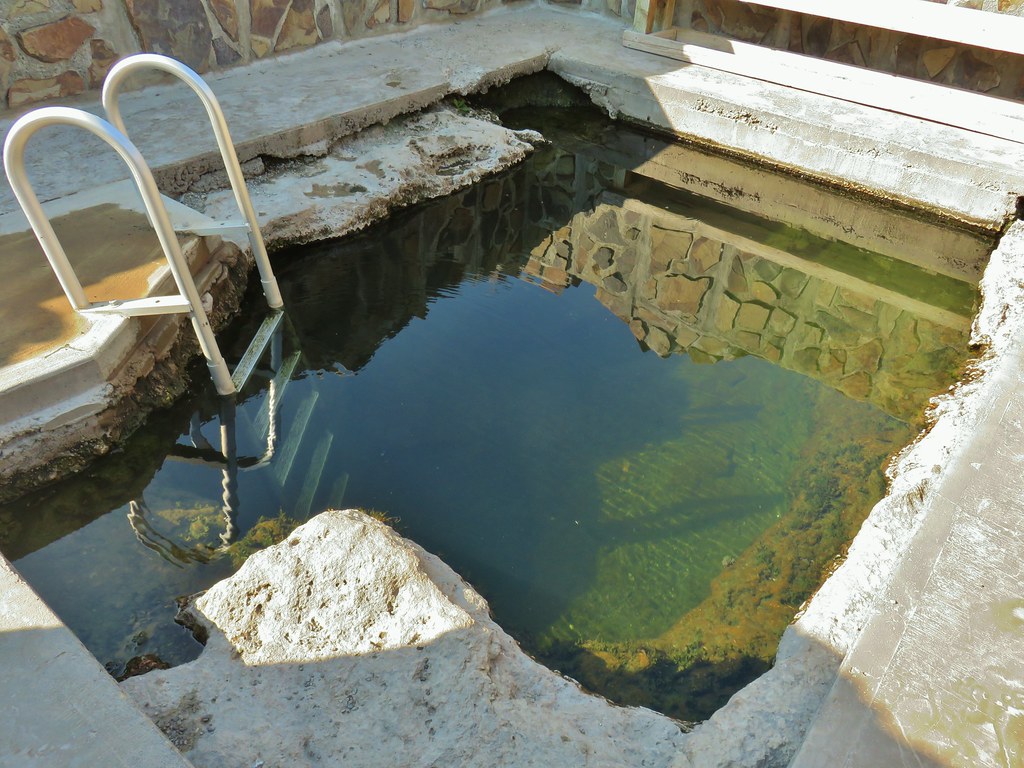
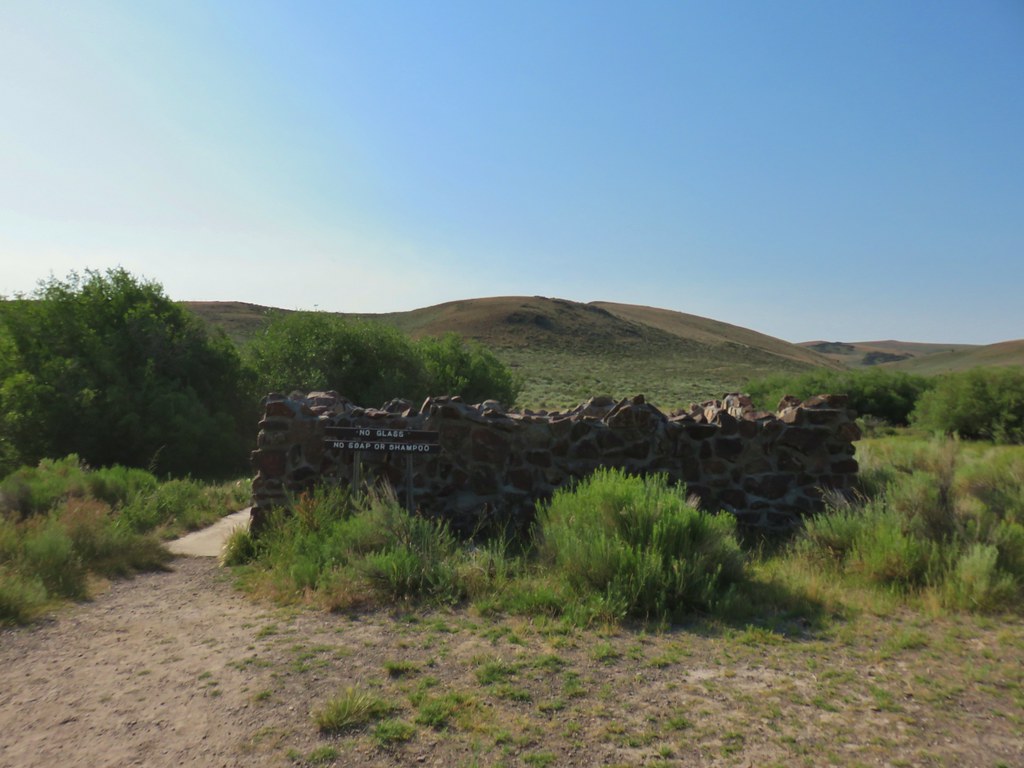
After returning to our car we drove back through the refuge headquarters staying straight following pointers for the hot springs. Keeping right for 4.5 miles brought us to a parking area next to the hot springs.
IMG_0909

IMG_0910

IMG_0911

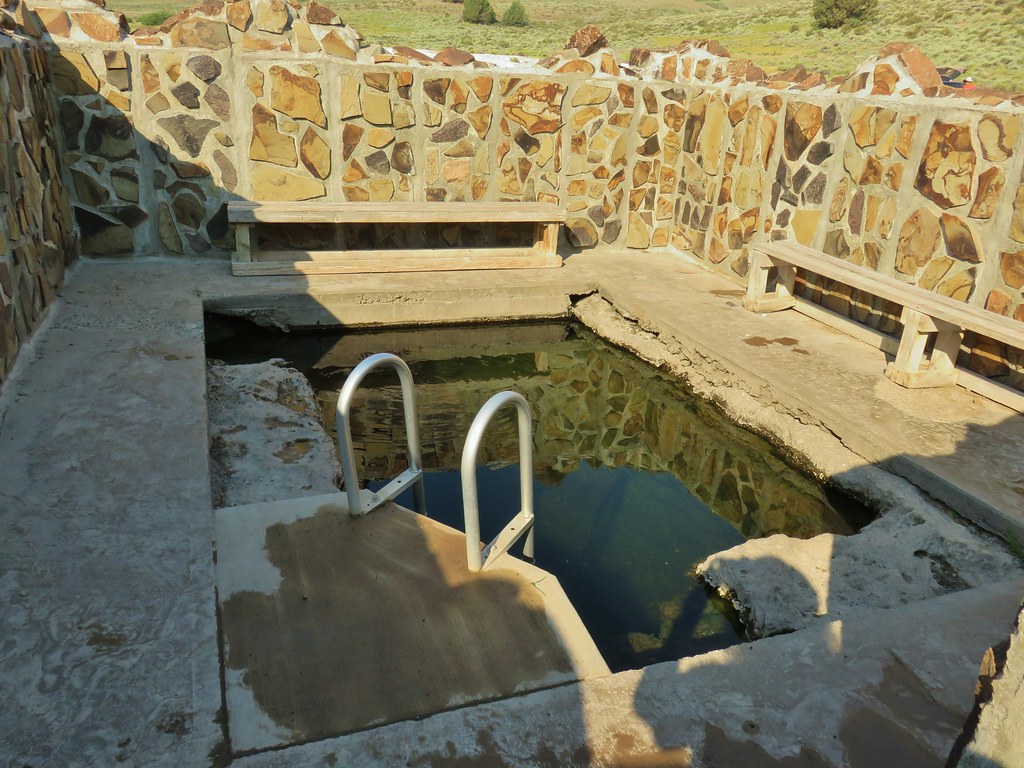
We saved the soak in the 102 degree hot spring for after our hike and set off from the parking lot along a gated road toward the Hot Springs Campground.
IMG_0917

IMG_0918

This road passed another hot spring before arriving at Barnhardi Road in half a mile near the campground.
IMG_0923

IMG_0927Hawk hanging out near the hot springs.

IMG_0930Butterfly on dusty maiden.

IMG_0942Barnhardi Road

IMG_0943Campground across Rock Creek.

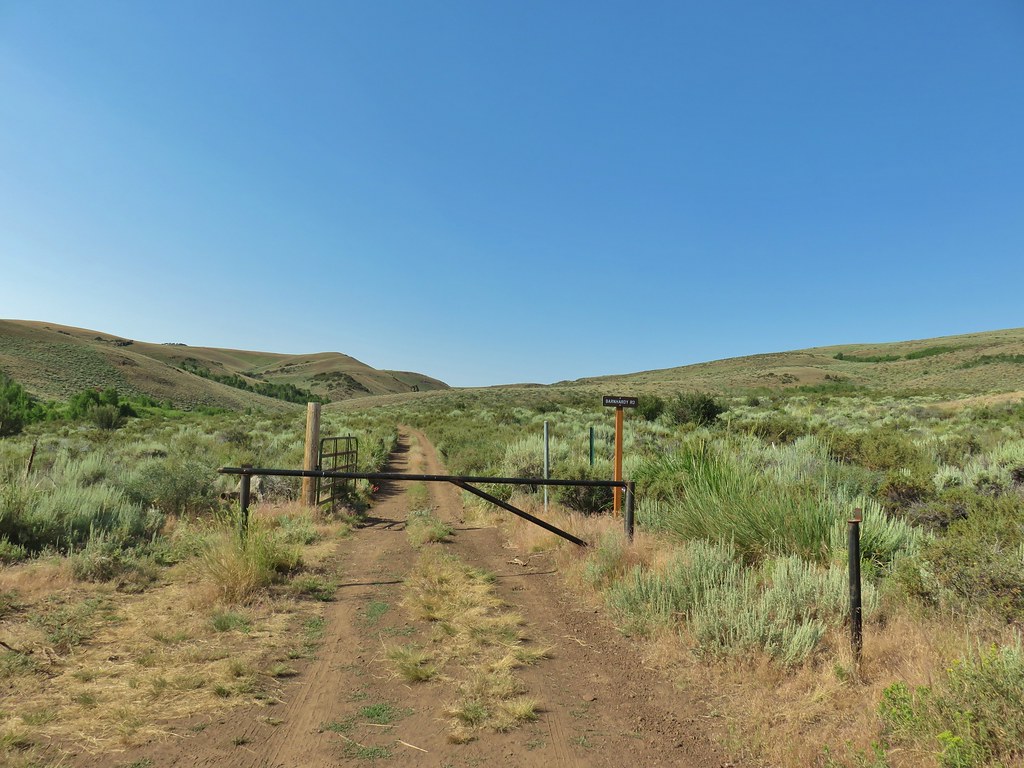
We turned right on Barnhardi Road for .3 miles to a gate.
IMG_0944Becker’s white

IMG_0947Paintbrush

IMG_0950Sagebrush mariposa lily

IMG_0948

We walked past the gate continuing on the road for almost two miles ignoring a road on the right at the 1 mile mark atop a crest.
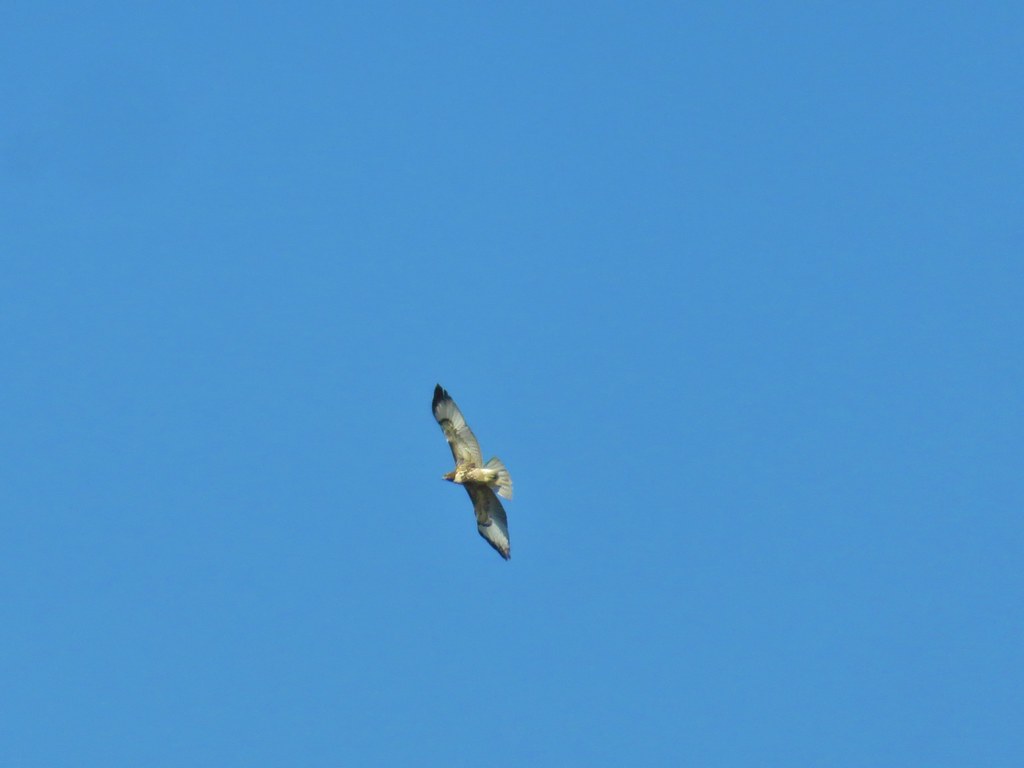
IMG_0957Hawk overhead

IMG_0973Balsamroot in the sagebrush.

IMG_0983Wild roses in a quaking aspen stand.

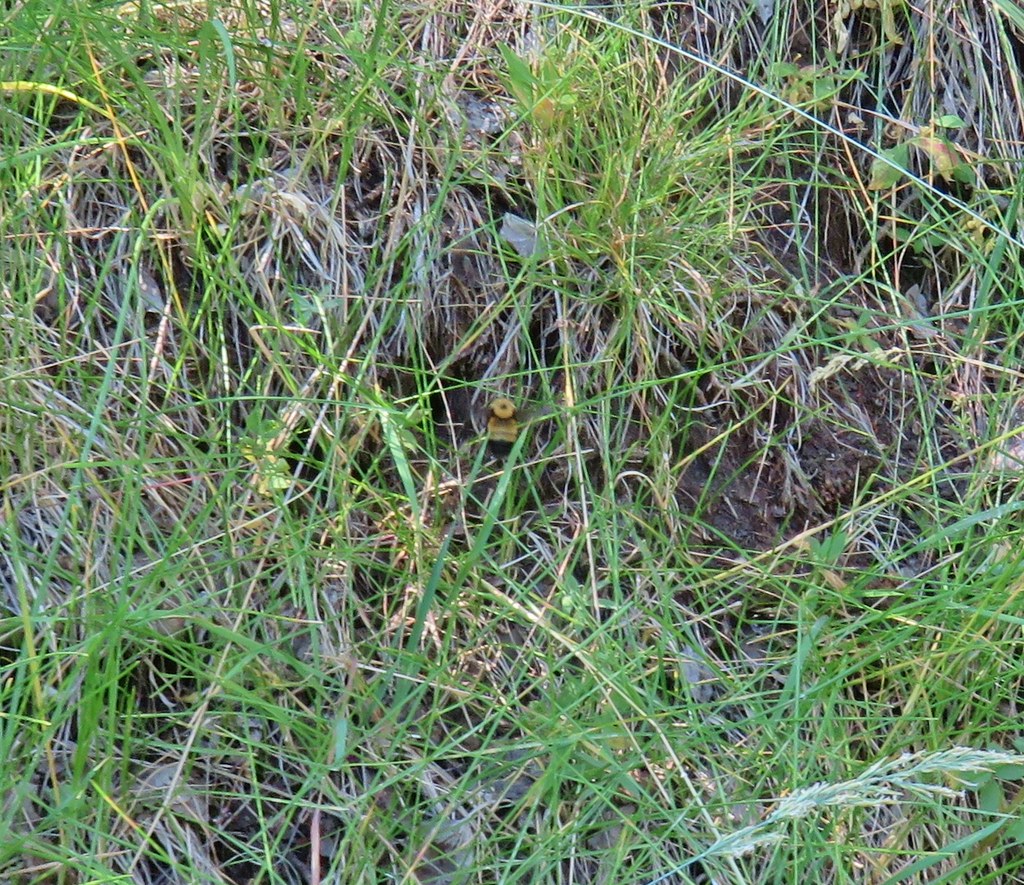
IMG_0985Biggest bumble bee either of us had ever seen.
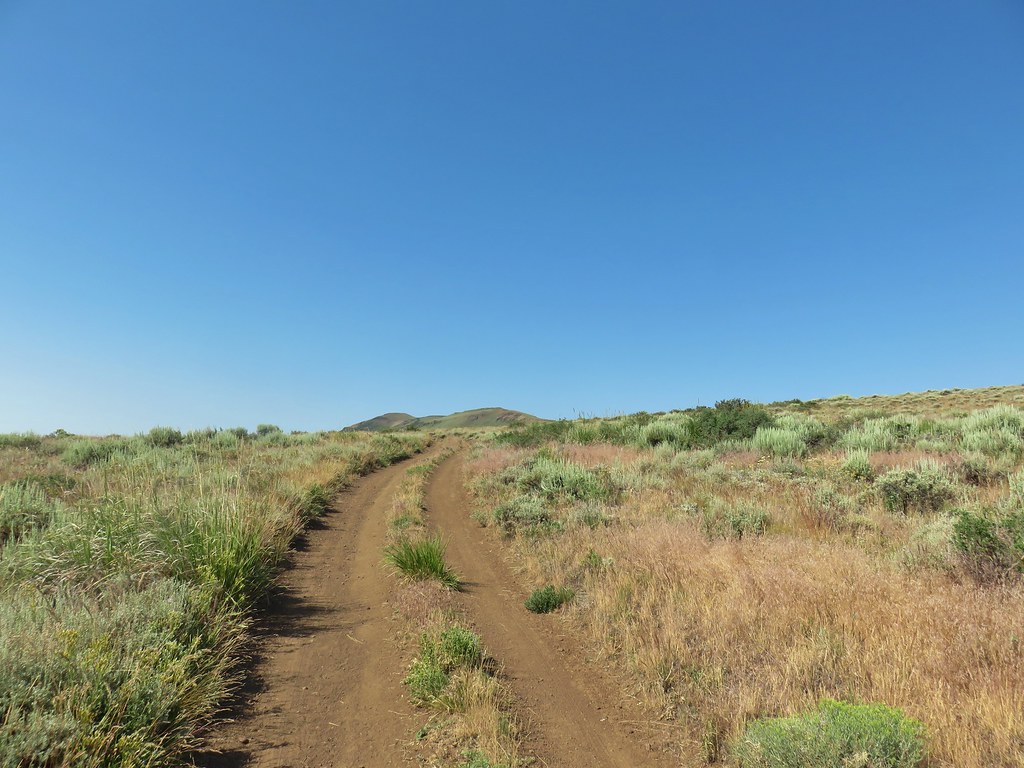
IMG_0997Coming up on the crest at the 1 mile mark.

IMG_0998_stitchView after the crest heading down to Barnhardi Basin.
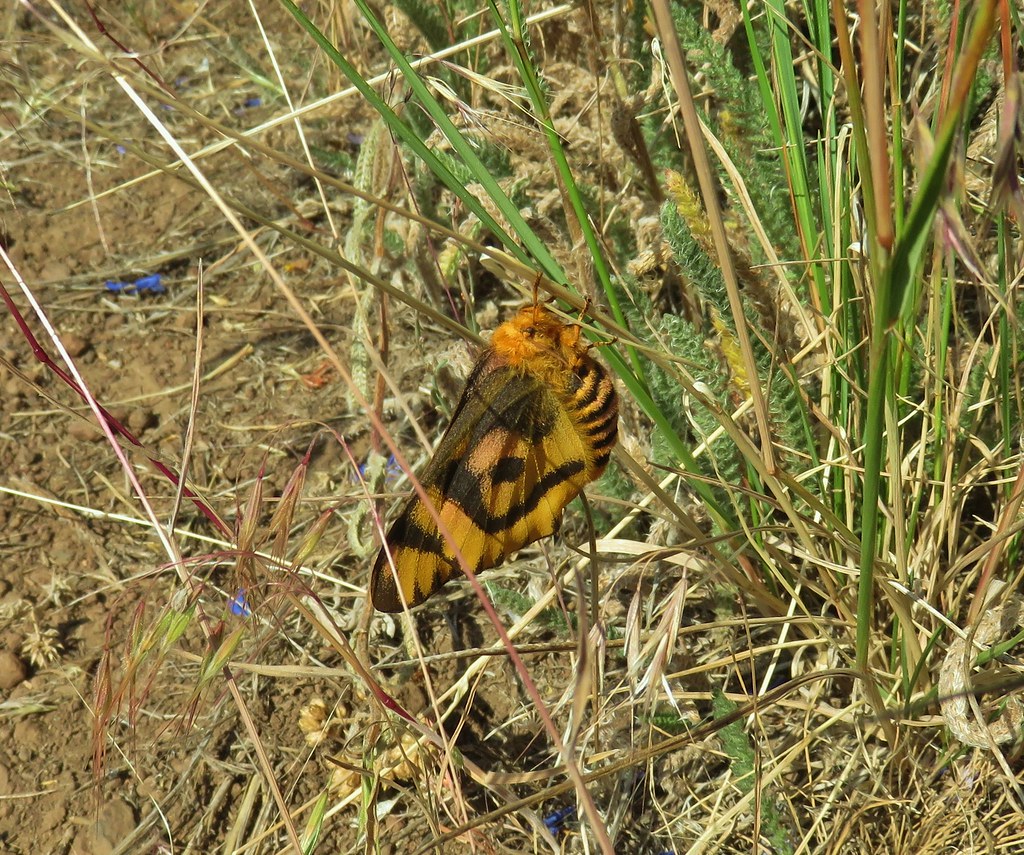
IMG_1010Sheep moth

Almost two miles from the gate we arrived at a post marking a trail to the collapsing Barnhardi Cabin.
IMG_1014

We followed the faint path through a wet meadow filled with mosquitoes to the cabin.
IMG_1016Lewis flax blooming in the meadow.

IMG_1020Barnhardi Cabin

Our plan was to hike up to Warner Peak from the cabin following a route described by Sullivan. Our first misstep was not going back a bit from the cabin and getting well away from the marshy area behind the cabin. Instead we simply angled away from the cabin. This led us through the marshy area where there were some nice flowers but also a ton of mosquitoes.
IMG_1022

IMG_1023

We took a hard right following game trails through the wet area and out a grassy area where a faint path was visible.
IMG_1026

Sullivan’s directions were to follow a little creek up through aspen groves to DeGarmo Notch but after fighting through the vegetation and mosquitoes along the creek behind the cabin we decided to try and skirt the aspen groves in the sagebrush. Growing up in the Bend/Redmond area I was used to walking through sagebrush but here the sagebrush was much taller and thicker than I was used to.
IMG_1028

20200721_101324Another sheep moth

It was tough going but we were making progress and came to a spring with yellow monkeyflowers. Near the spring we both thought we heard a rattle although neither of us saw a snake or were 100% sure that it was really what we’d heard.
IMG_1035The spring.

IMG_1038White triteleia

We headed away form the spring loudly just in case there were snakes about and decided to cross the creek in a gap between aspen groves. Sullivan’s map showed the route crossing to the other side at some point and we felt this was as good a time as any.
IMG_1039

The next obstacle was a rocky knoll to the left of the creek and more aspen. We veered between a bit of a gap in the aspen and sidehilled around the knoll.
IMG_1044

IMG_1045Barnhardi Basin from the side of the knoll.

IMG_1046View across the creek.

IMG_1047The knoll was steeper and brushier than it had appeared from below but we managed to make it around.

IMG_1056Hawk flying around above us.

From the other side of the knoll we got a good look at the next leg of our uphill bushwhack.
IMG_1059High Point is the peak ahead.

We were being watched from the hillside above as we tried to figure out are next move.
IMG_1069

IMG_1063

Looking at the map in the guidebook and checking the elevation on our GPS units showed that we were actually above DeGarmo Notch which was shown on the map with an elevation of 6970′ and we were around 7150′ which was fine with us because we would have had to climb up eventually. To get to the notch as shown on the map we would have needed to continue to follow the aspen to their end. From where we were we could see the spot and it would have added needless distance and climbing.
IMG_1198DeGarmo Notch

We were now heading south west toward High Point as we traversed across the hillside above Barnhardi Basin.
IMG_1080Paintbrush

IMG_1084We had to drop under this.

IMG_1088Warner Peak is straight ahead with a tower on top beyond the line of trees in the distance.

IMG_1090Barnhardi Basin getting further away.

IMG_1092Looking back toward DeGarmo Notch.

When we could see beyond High Point we could see that the terrain did some up and down on it’s way to Warner Peak. Our plan was to climb as gradually as possible to avoid having to lose elevation and make it back up later.
IMG_1095We first aimed for the the small rock outcrop beyond High Point then bent to the right to pass the larger rock outcrop before climbing up to the trees in the distance.
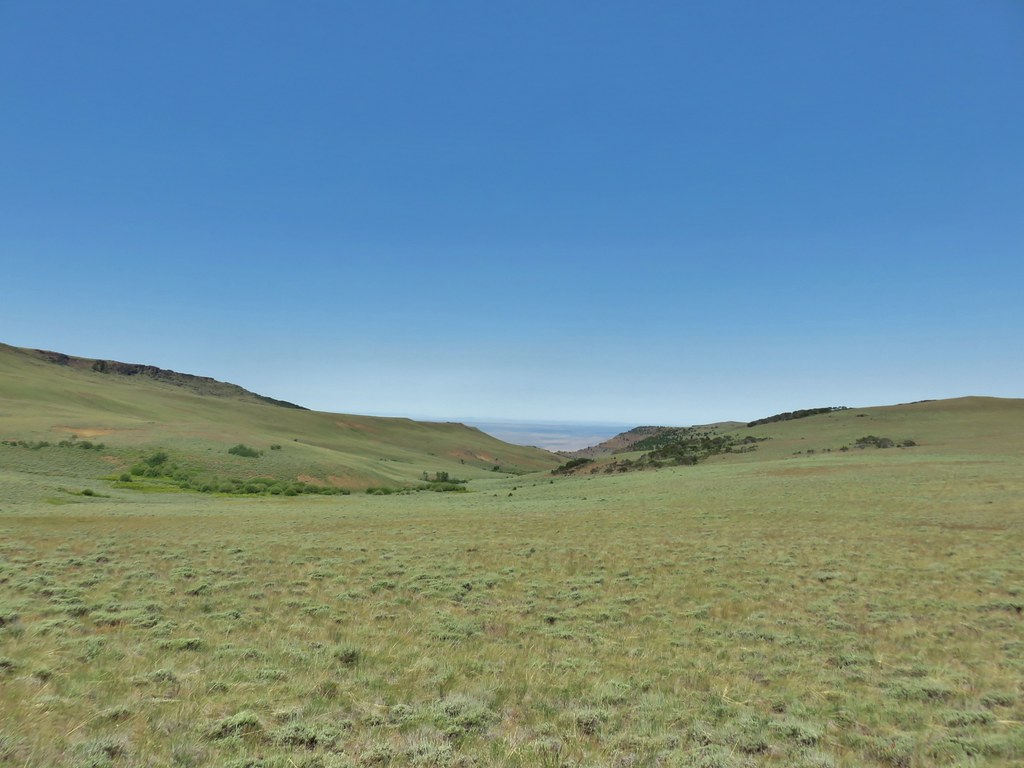
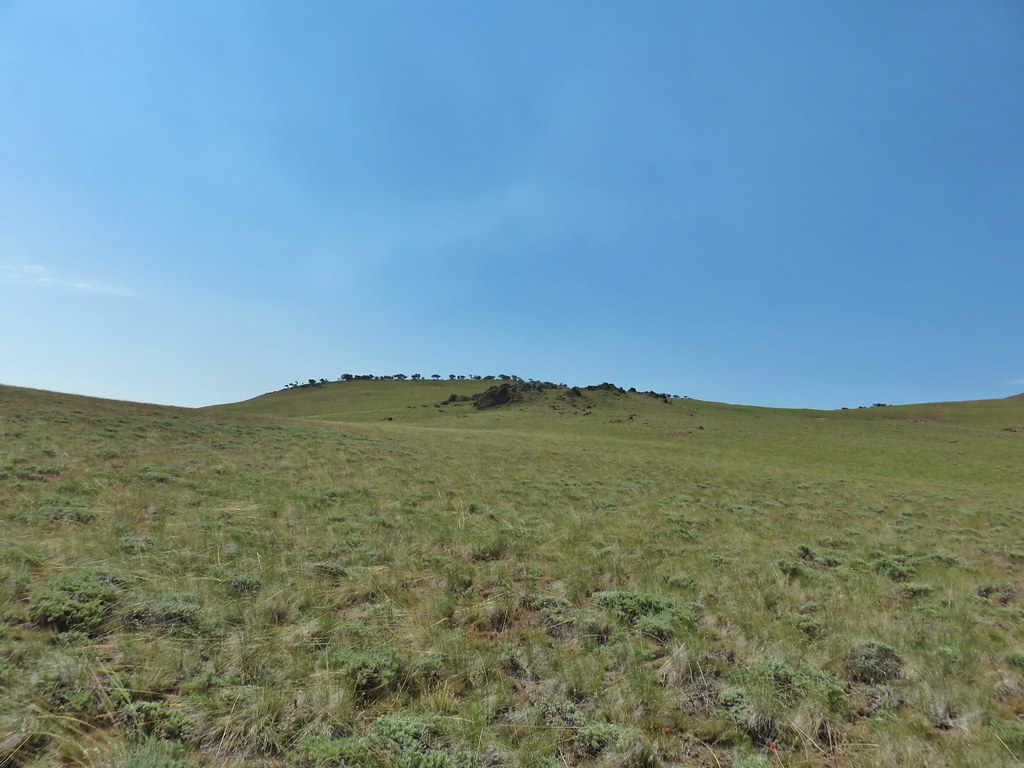
IMG_1101Passing another canyon coming up from the west.

IMG_1106Made it past the first outcrop and heading for the right side of the second.
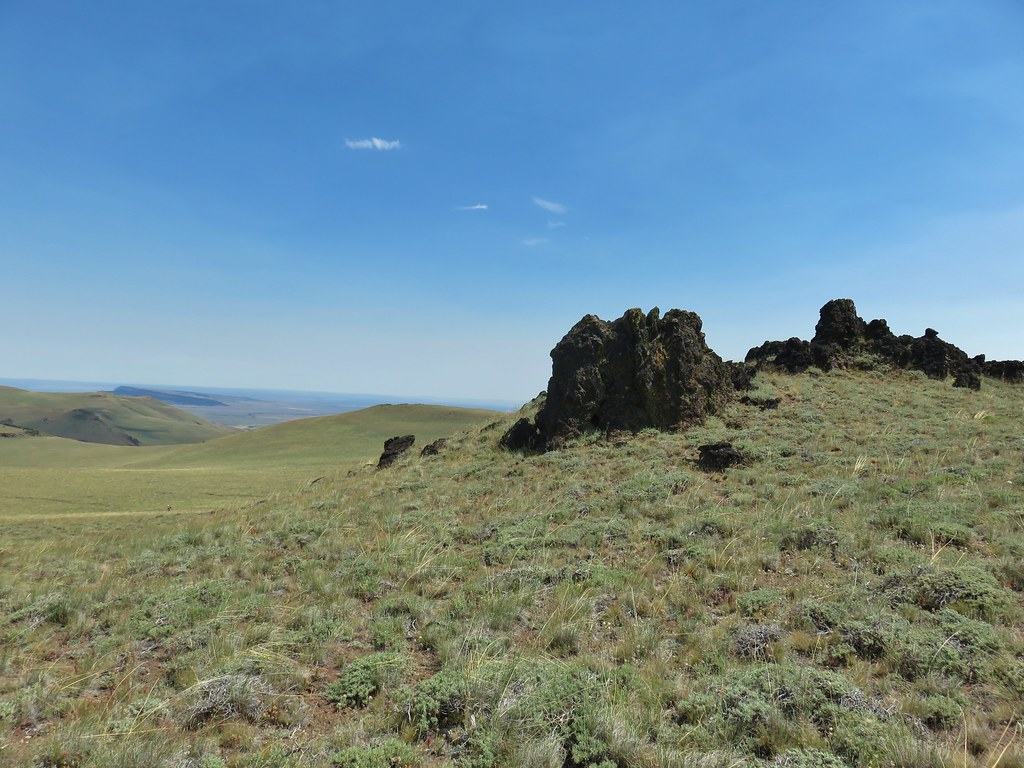
IMG_1107At the second outcrop.

It was a fairly steep climb from the second outcrop to the trees. I arrived first and was greeted by a doe.
IMG_1110

IMG_1113

I waited for Heather here to plot the final climb to Warner Peak which was now fully revealed.
IMG_1117

It was a fairly level walk from the trees to the start of the final steep climb that brought us to Hart Mountain’s highest point.
IMG_1132

From Warner Peak we could see the parking area by the Hot Springs and much of the route we’d taken to get to the summit.
IMG_1143The white patch in the distance to the right just beyond the shadow is the parking area.
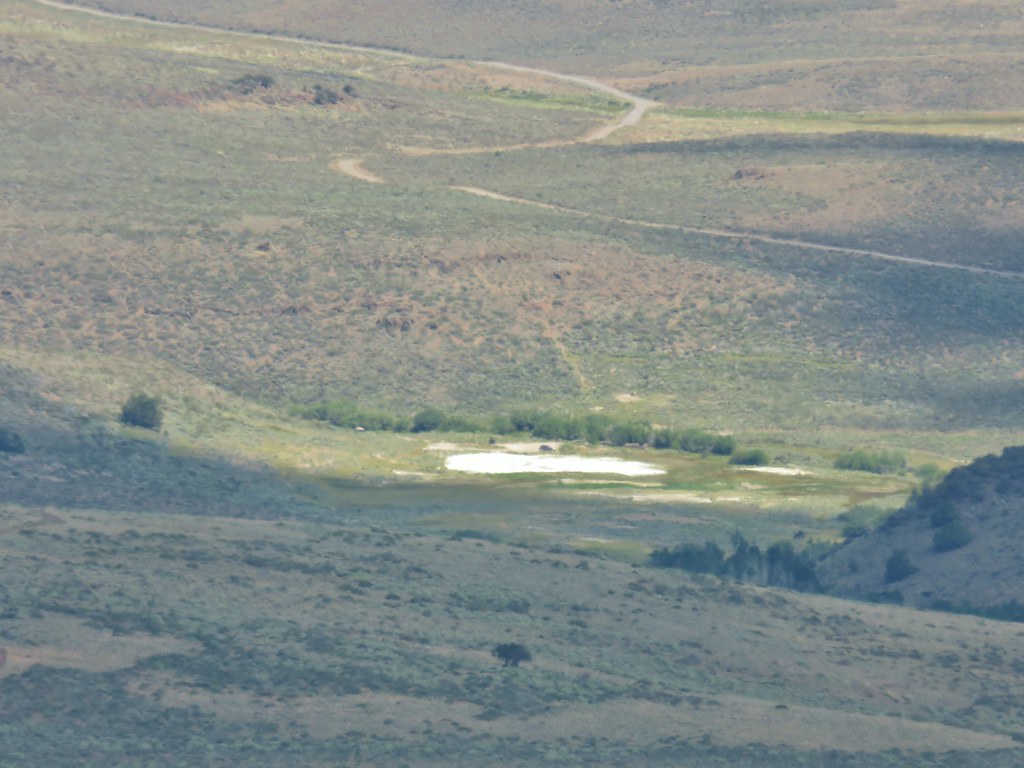
IMG_1147Our car was still there.

IMG_1137View south over Hart Mountain.

IMG_1158SW to Drake Peak with part of Hart Lake visible below the cliffs.
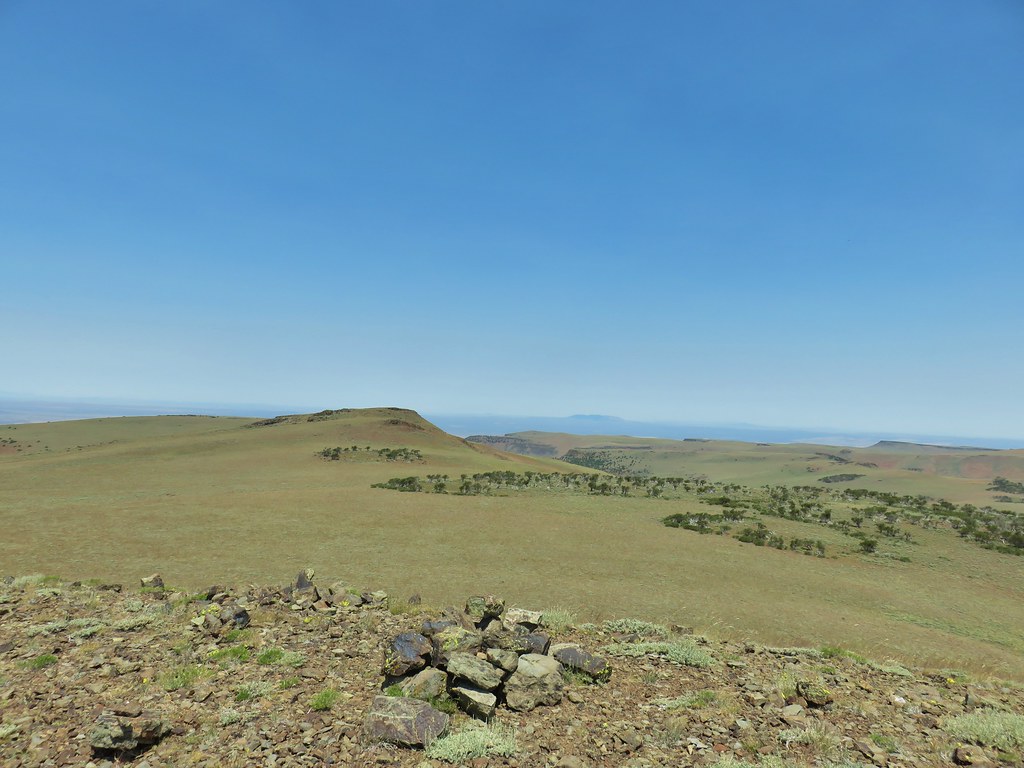
IMG_1134Looking north toward Juniper Mountain.

IMG_1133East toward Steens Mountain

After a nice long break we started back down. It was easier going since we weren’t climbing anymore and we knew that we could follow our track up to get back down. The more relaxed walk back allowed us to better enjoy the flowers that were around.
IMG_1162Prairie smoke

20200721_124500Balloon pod milk vetch

IMG_1167Paintbrush

IMG_1171Lupine

IMG_1190Mountain coyote mint

IMG_1200Police car moth on hyssop

We avoided the marshy area around the cabin this time and didn’t hear anything that sounded like a rattle. We did however get a good look at an American kestral.
IMG_1210

We had considered doing a loop from the cabin that Sullivan describes by following Rock Creek back to the Hot Springs Campground. It was only .3 miles longer but much of it was trailless and we were hot and tired of bushwhacking so we opted to just walk back on Barnhardi Road. As we got back to that road the clouds were moving in quickly.
IMG_1222

We shuffled along the road in the heat looking forward to soaking in the Hot Springs before leaving but we still stopped occassionally for photos.
IMG_1227

IMG_1233Butterflies on rabbitbrush

IMG_1238Sagebrush mariposa lily

IMG_1243

As we neared the gate on Barnhardi Road two things happened. First we were passed by a mountain biker, the first person we’d encountered since Daly Lake three days earlier and second we finished off our all our water. We were only about a half mile from the car where we had more but we were thankful when we got to the gate and the biker offered us a cold water bottle. We finished that off on our way back to the car and then had our soak before heading back to Lakeview. We never heard any thunder or saw any lightening but a few raindrops hit our windshield on the way back and the wind had picked up so much that there were white caps on Hart Lake as we drove by.

It was another tough day in the heat (although we did get a little chilly on Warner Peak just before heading down). We did 2.7 miles at Flook Lake and another 10.8 to Warner Peak with a combined elevation gain of roughly 2500′.

That night we decided to amend our plan for the next day even further and do the Petroglyph Lake hike followed by the short Warner Valley Overlook Loop that we had passed on our drive to and from the refuge that day. We then would end the day with the shortest option that Sullivan described for DeGarmo Canyon. It would be a shorter day giving us a little more time to rest and an excuse to swing by the Burger Queen in Lakeview and get milk shakes. Happy Trails!

Flickr: Flook Lake and Hart Mountain Hot Springs

Categories
Central Oregon Hiking Lakeview Oregon Trip report

Crooked Creek – 07/20/2020

We knew which hikes we wanted to do during our stay in Lakeview but the order of the hikes was up in the air due to the chance of some mid-week thunderstorms. Our hikes were somewhat spread out which allowed us to keep an eye on the forecasts for each one and attempt to optimize our experience. Based on what we had seen Sunday night after arriving in Lakeview we decided to make Crooked Creek our outing for Monday. This was the closest hike to Lakeview so it gave us a bit of a break on driving too.

For the hike we started at the Mill Trailhead.
IMG_0367

Like our previous hike at Winter Ridge this hike followed the Fremont National Recreation Trail. We had expected to have to find some rocks or a downed tree to get across Crooked Creek at the trailhead. The trailhead used to be another 2.5 miles further along the road but floods washed it out. We were happy to find a footbridge in place across the creek.
IMG_0369

Beyond this initial crossing the map in our guidebook showed the trail following the old roadbed on the left side of the creek to the original trailhead so we were surprised when we came to a second crossing just .2 miles from the trailhead.
IMG_0373

In another .2 miles we were once again forced to find rocks to hop across the creek on.
IMG_0376

Once we had made it across the creek again we noticed a trail joining on the left.
IMG_0799The trail joining the road after the 3rd creek crossing (picture is from the afternoon).

As it turned out we had walked past a side trail to the left just before reaching the second creek crossing without noticing it. We discovered this when we followed the trail on the way back to the trailhead.
IMG_0801Downed post marking the trail to avoid the creek crossings.
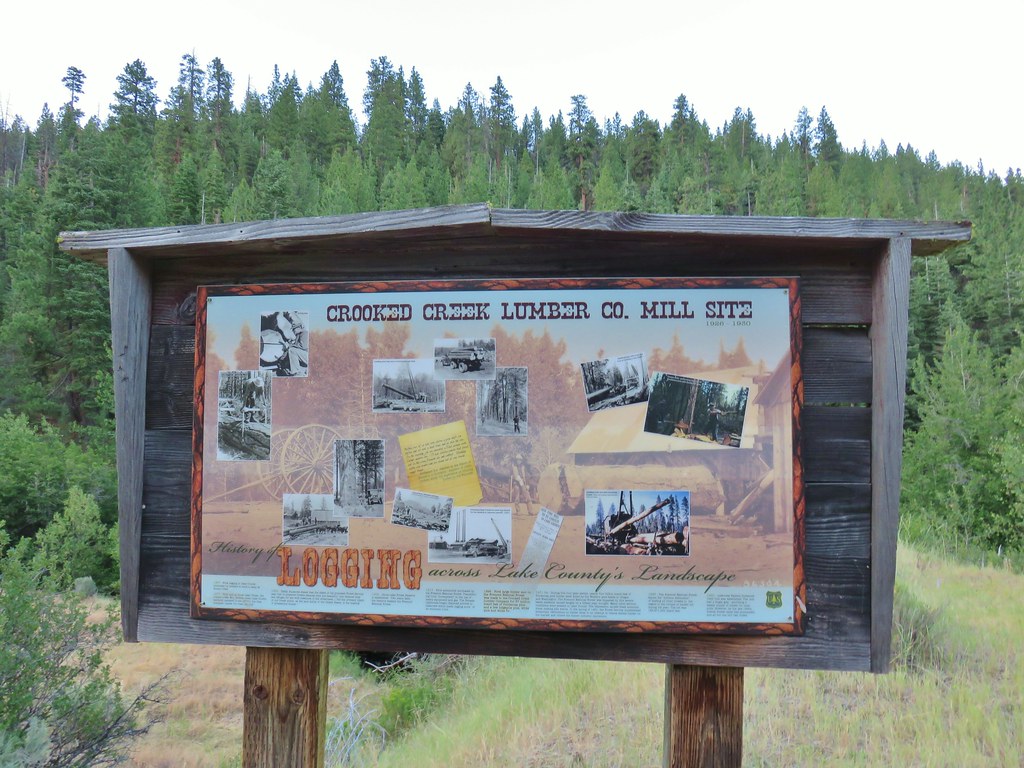
We continued on the road arriving in another .2 miles at a large sign announcing the site of a former sawmill.
IMG_0379

IMG_0382

We continued on noting the vast stark difference in the trees and vegetation on either side of Crooked Creek. The hills on the north side of the creek were mostly juniper trees and sagebrush while pine and fir trees grew on the south side.
IMG_0386

IMG_0394A short stretch where both sides looked similar.
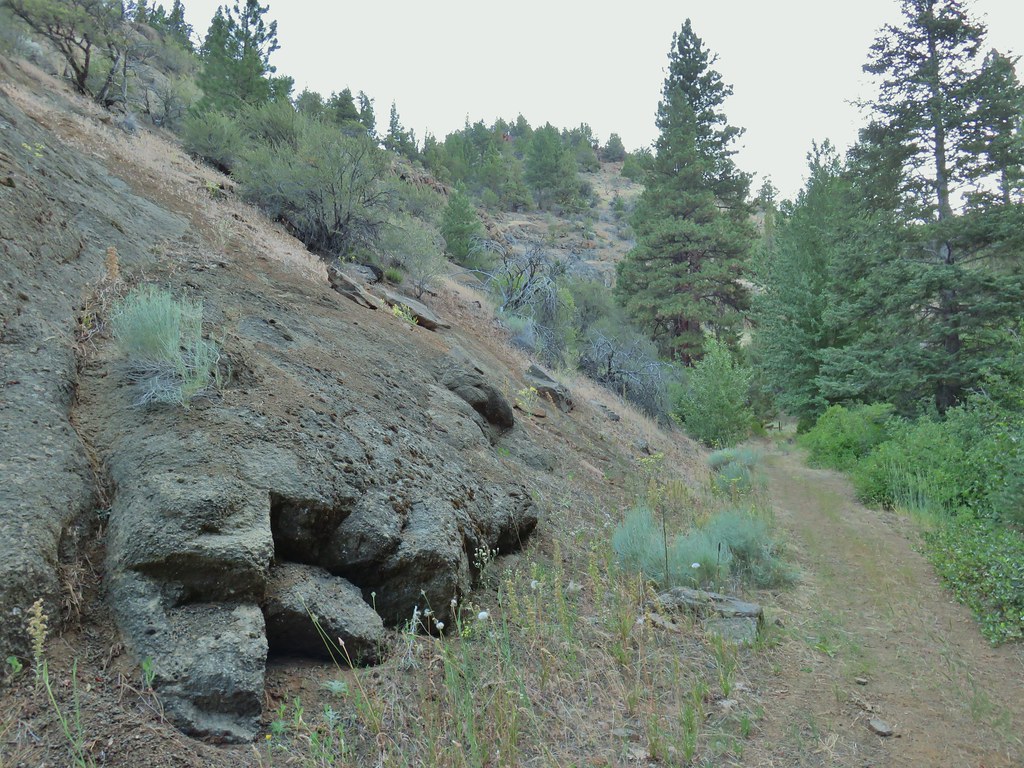
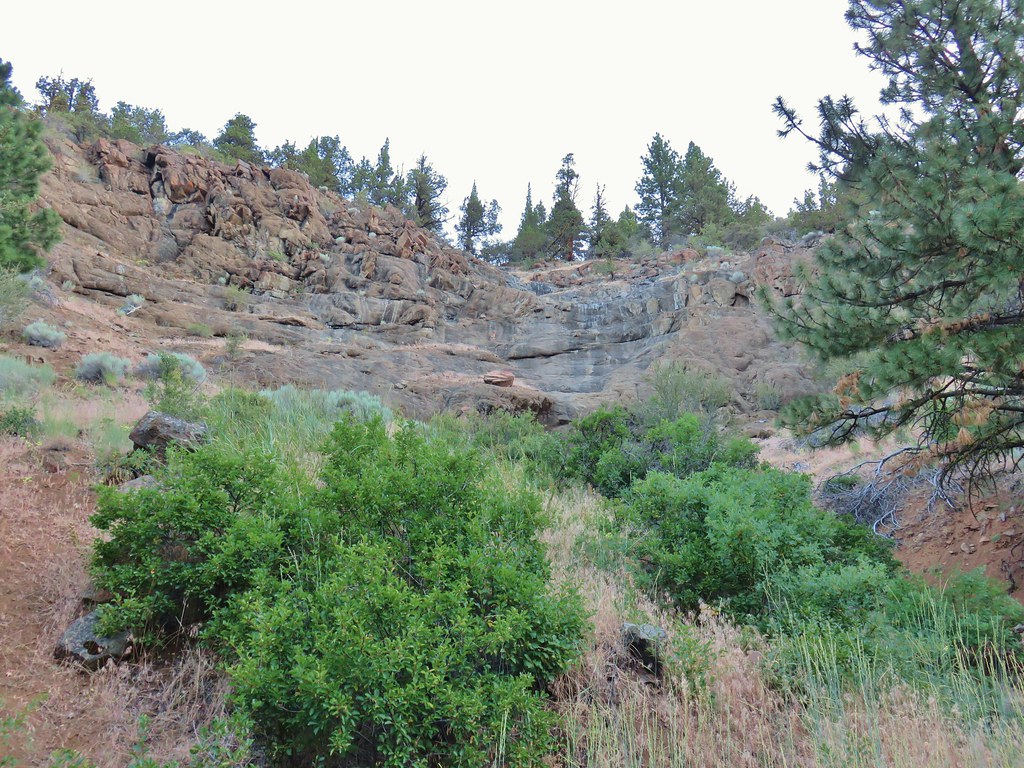
IMG_0402

IMG_0406Dry waterfall

IMG_0405Smooth stemmed blazing star

As we gained some elevation we started seeing more wildflowers.
IMG_0410Oregon sunshine

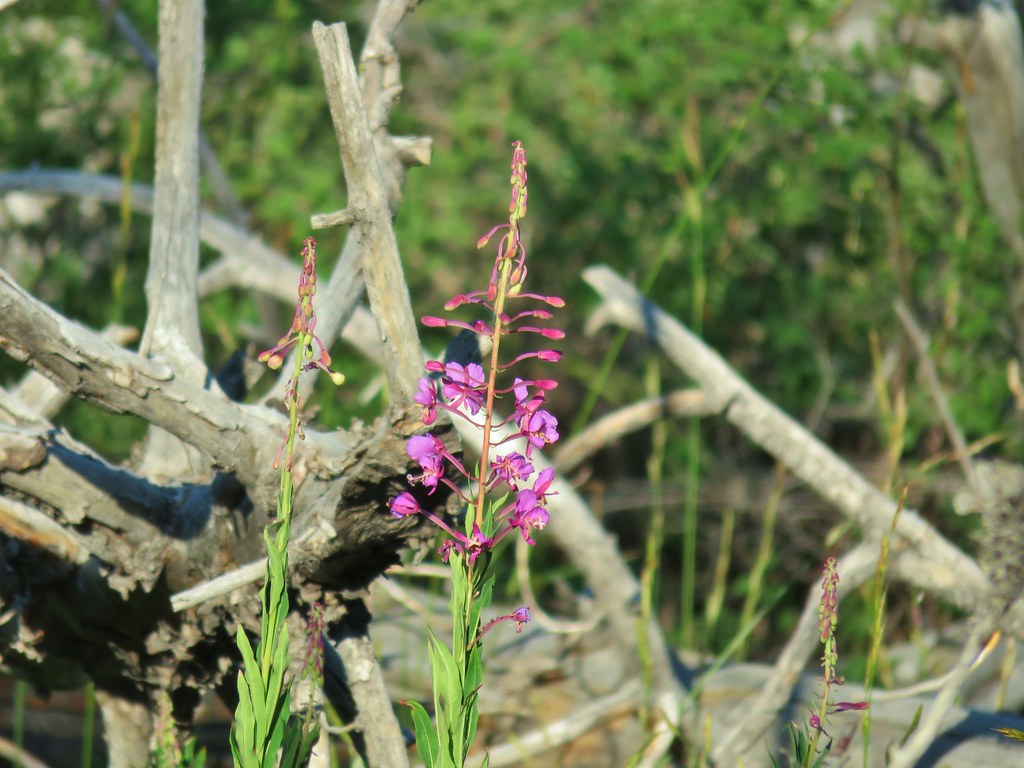
IMG_0413Fireweed

IMG_0417Butterfly sleeping on yarrow

IMG_0419Sticky purple geranium

IMG_0434A mallow

IMG_0438Balsamroot

IMG_0442Rough eyelashweed

IMG_0454Various wildflowers along the road bed.

IMG_0460Monkeyflower

IMG_0463White triteleia

Things got a bit confusing again when we arrived at the old trailhead. Our guidebook showed the Fremont Trail beginning here on the left side of Crooked Creek but the only thing that looked at all like a trail was this.
IMG_0481

We tried following it and wound up next to a pile of tree clippings from what appeared to be recent thinning operations.
IMG_0484

We did some searching along the hillside above the creek thinking that we might have missed the trail heading further up the hillside.
IMG_0488Piles from thinning while we were searching for the trail.
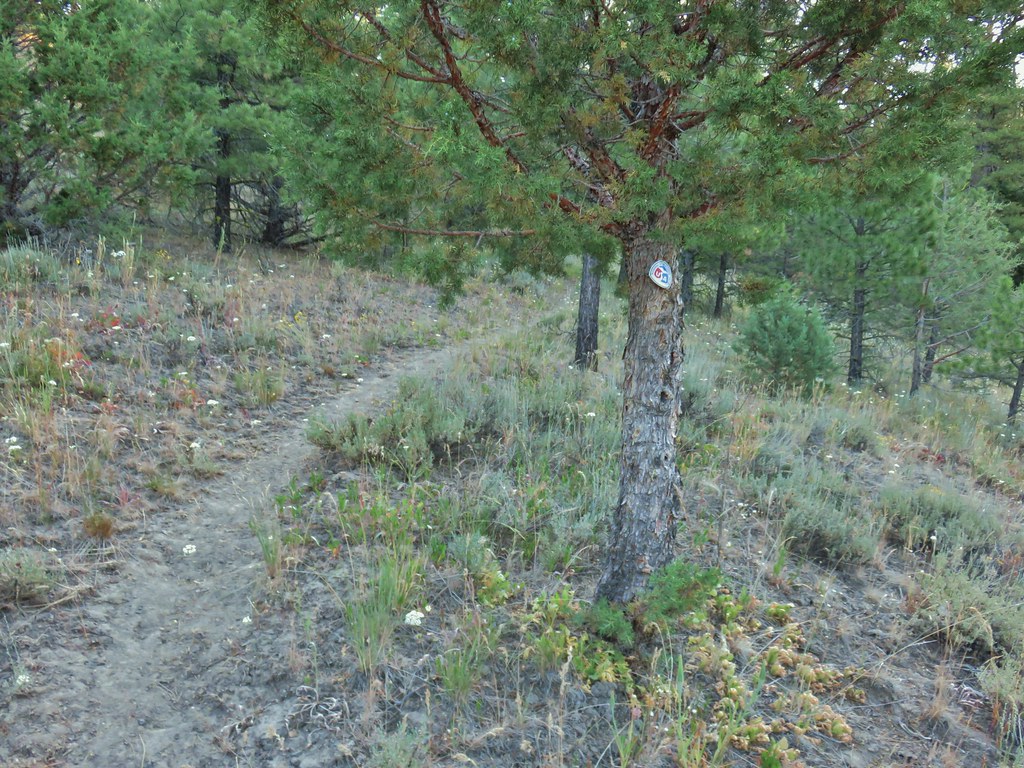
After almost a quarter mile along the hillside we found the trail coming steeply uphill from Crooked Creek. To add to the confusion here there were National Recreation Trail markers on a number of trees in the area, some of which were no where near the trail.
IMG_0493Marker on a juniper heading away from Crooked Creek.
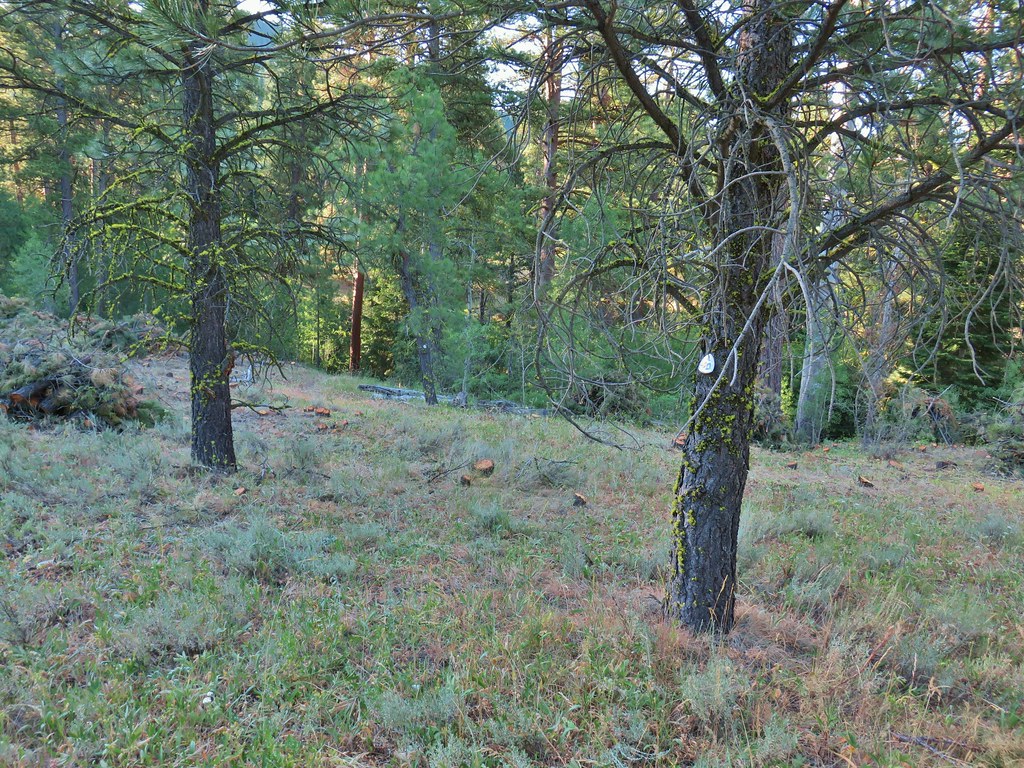
IMG_0490Markers on seemingly random trees.

In any event we had found the trail again. On our return trip we would follow the trail down to Crooked Creek which we crossed to reach a road bed. We then turned right on that roadbed, crossed Big Cove Creek and then Crooked Creek again to arrive at the old trailhead.
IMG_0769Big Cove Creek crossing.

IMG_0770Crooked Creek crossing near the old trailhead.

The Fremont Trail passed through a series of open hillsides which were pretty dry at first but became greener as we climbed up the canyon.
IMG_0503

IMG_0507Sagebrush mariposa lily

IMG_0520

IMG_0518Checker mallows

IMG_0534A wetter meadow

IMG_0535Bog orchids

The trail also spent some time in the forest finally leaving the juniper and sagebrush behind.
IMG_0530

IMG_0540

IMG_0541Blurry doe through the trees.

Just over 5 miles along we reached an easy crossing of the North Fork Crooked Creek.
IMG_0552

The trail then rounded a ridge end and followed the South Fork Crooked Creek for .6 miles before crossing it just below a series of meadows.
IMG_0570

IMG_0573

White water buttercupsWhite water buttercups

The trail skirted the meadows for the next mile and a half which would have been nice if not for the mosquitoes that the meadows were home to. They weren’t anywhere near the worst we’ve seen but we couldn’t stop for long. We eventually were forced to break out the spray but not before Heather had collected a good number of bites (I think I only got one, they like her WAY better).
IMG_0586

Just under a mile along this stretch the trail crossed an old road bed that functions as the Crane Mountain Trail (and a mosquito hatching ground).
IMG_0593

IMG_0595

We did stop for a moment at a second crossing of the creek to admire some pink monkeyflower.
IMG_0600

IMG_0603

At the end of the meadows we arrived at FR 3615 and the South Fork Crooked Creek Trailhead
IMG_0609FR 3615

IMG_0612The trailhead.

IMG_0614Trailhead host

We stopped at the trailhead to decide our next course of action. It was already warm and a break sounded good, but there wasn’t really a spot for one at the trailhead. Heading back down the trail meant going through the mosquito gauntlet again and taking a break along that stretch was out. A third option was to continue uphill .7 miles from the trailhead following a roadbed to Fence Pass at an elevation of 7440′. Sullivan described it as a sagebrush covered hillside with some of the best views of the Drake Peak area. We figured that there wouldn’t be any mosquitoes up there so we headed up a dirt road arriving at a split that wasn’t shown on the guidebook map.
IMG_0621

After consulting our Garmins we discovered that the checkermallow covered roadbed to the right ended shortly near a spring feeding the South Fork Crooked Creek.
IMG_0704

We turned left to stay on the correct roadbed which headed steeply uphill past the continuation of the Fremont Trail.
IMG_0624

IMG_0625Fremont Trail on the left.

The road headed for Twelvemile Peak before veering to the south of that peak to the pass. The hillside was mostly sagebrush as described with a fair number of wildflowers mixed in.
IMG_0627

IMG_0695Oregon sunshine

IMG_0691Grand collomia

IMG_0682Yarrow

IMG_0651A paintbrush

IMG_0635Checkermallow and paintbrush

IMG_0634What had been a Brown’s peony

The views were also as described with Twelvemile Peak on our left (north), Light Peak and Drake Peak on our right and our route up behind us. We made it to Fence Pass where a gentle breeze helped cool us off and the lack of mosquitoes allowed us to take a nice break.
IMG_0643_stitch

IMG_0666Light Peak from Fence Pass

IMG_0656_stitchDrake Peak and Light Peak

IMG_0658The Drake Peak Lookout which is on Light Peak

IMG_0677Twelvemile Peak

IMG_0653Looking back over our route up.

IMG_0661Mt. Shasta off to the SW

IMG_0664Hart Mountain to the SE.

After a nice break we headed back. The mosquitoes weren’t as noticeable on the return trip but the butterflies (and police car moths) were. In addition the sagebrush mariposa lilies had opened up allowing us to see them better.
IMG_0702

IMG_0740

IMG_0743

IMG_0785

IMG_0788

IMG_0787

IMG_0759

20200720_122718

It was another 90+ degree day back at the trailhead and after 15.5 miles and a little over 2500′ of elevation gain it didn’t feel all that great, but the hike had been enjoyable. We headed back to Lakeview and checked the weather again to see what had changed. Based on the ever shifting forecasts we decided to tweak our plans a bit which turned out to be for the best in the long run. For Tuesday we decided to do Flook Lake and Hart Mountain Hot Springs to Warner Peak with an option to also do Petroglyph Lake if the road was open. If it was closed as we suspected we would do that one with DeGarmo Canyon later in the week. Happy Trails!

Flickr: Crooked Creek

Categories
Central Oregon Hiking Lakeview Oregon Trip report

Winter Ridge – 07/19/2020

After a night in Bend we continued on our way to Lakeview making a stop along the way to hike the Fremont Trail at Winter Ridge to do the first of seven planned featured hikes from Sullivan’s “100 Hikes/Travel Guide Eastern Oregon” book.

The Fremont Trail traverses the Fremont National Forest at a distance of almost 150 miles. We had hiked a short section of the Fremont Trail on our visits to Hager Mountain (2013, 2014). For this hike we drove Highway 31 south from Highway 97 for 87 miles turning right on Forest Road 29 at milepost 87. FR 29 climbed from Summer Lake 9.5 miles to Government Harvey Pass. Our excitement started when a bobcat ran across the road right in front of the car. This was one of the animals left on our “yet to see” list. Granted it was from the car but it was on the way to a hike so we still sort of count it. When the road leveled out on Winter ridge at the pass we turned right at a “T” junction onto FR 2901. We parked along the shoulder of this road after a tenth of a mile near a sign on the right marking the crossing of the Fremont Trail.
IMG_0023

IMG_0022

Some cows up the road were watching us closely as we prepared to set off on the trail.
IMG_0024

There was a bit of blowdown along the early portion of the trail but nothing too difficult to navigate.
IMG_0087

IMG_0042

Sullivan indicates that the wildflowers are best here in June but that is also when the mosquitos are at their worst. We were pleasantly surprised to find a number of wildflowers blooming and mosquitos were not an issue.
IMG_0028Prairie smoke (old man’s whiskers)

IMG_0031Yarrow and Oregon sunshine

IMG_0037Pussytoes starting to go to seed.

IMG_0040Paintbrushes

IMG_0049Scarlet gilia

IMG_0059Lupine

IMG_0065Buckwheat

IMG_0077Orange agoseris

IMG_0089Paintbrush

20200719_073911Sticky purple geranium

Sticky sandwortSticky sandwort

IMG_0103Nuttall’s linanthus

IMG_0105Fireweed

IMG_0113Hyssop

The trail spent a good deal of time close enough to the edge of Winter Ridge to allow for short detours to check out the scenery below.
IMG_0052Golden mantled ground squirrel also enjoying the views.

IMG_0051

IMG_0131

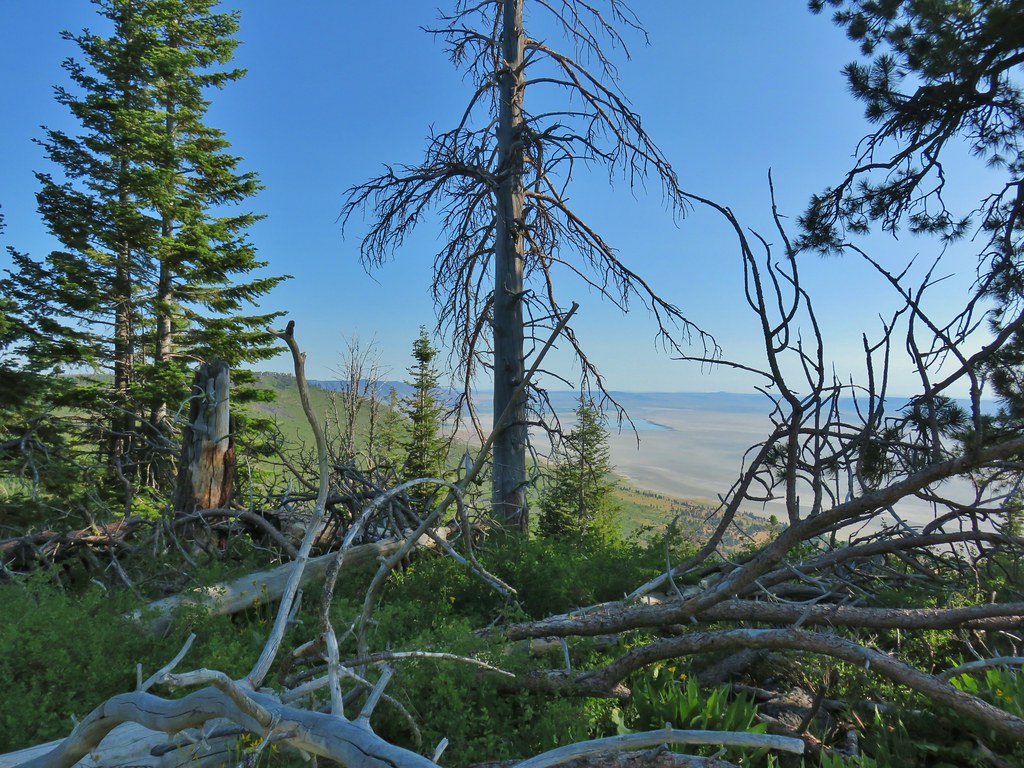
IMG_0132Looking down at Summer Lake

20200719_115435FR 29 coming up the hillside to the right.

In addition to the views and flowers there was some wildlife, but no bobcats, along the way.
IMG_0117Woodpecker

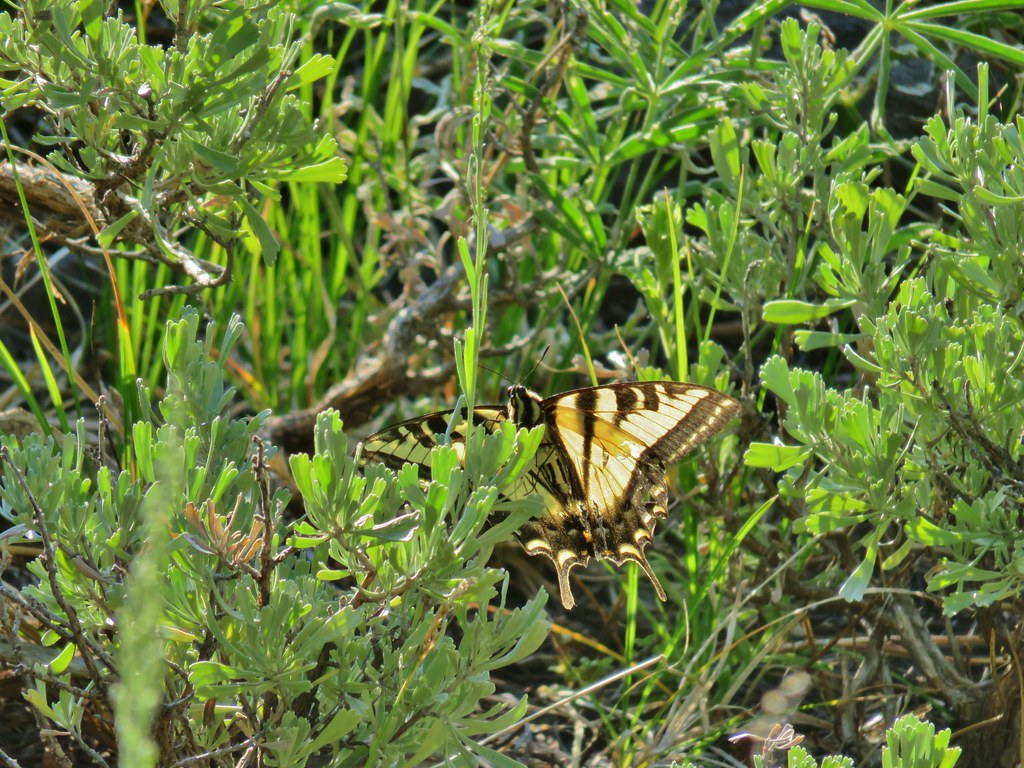
IMG_0122Swallowtail

IMG_0139Fritillary butterfly

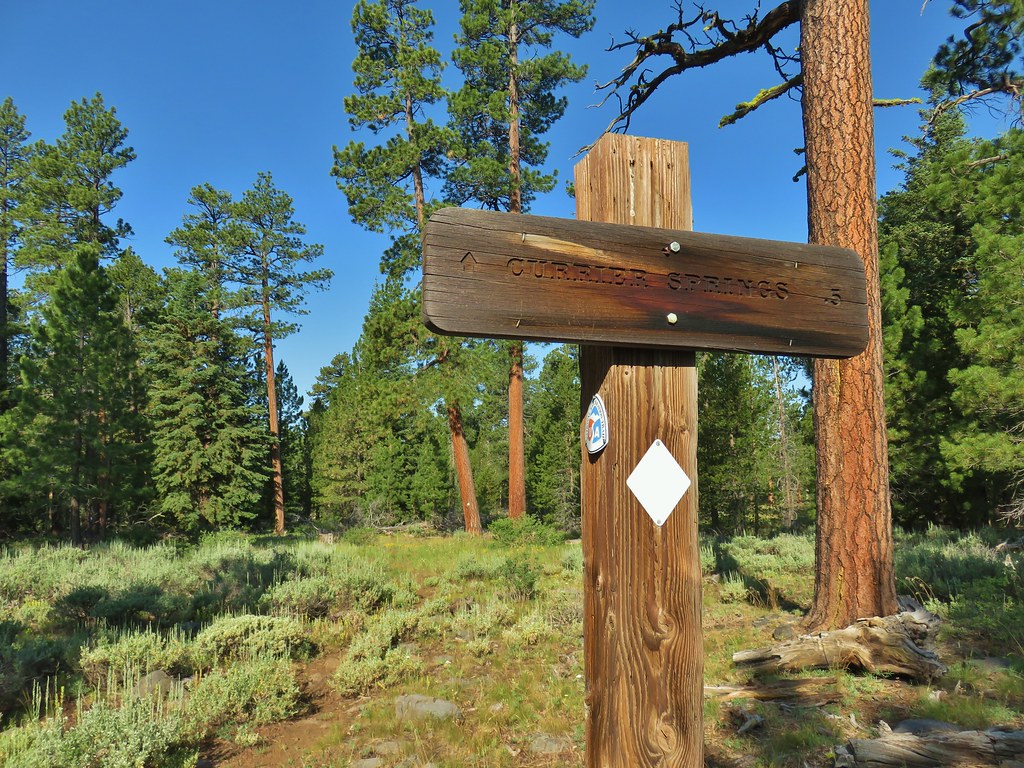
Just under 2.5 miles from FR 2901 we arrived at junction with a side trail to Currier Springs.
IMG_0142

IMG_0143

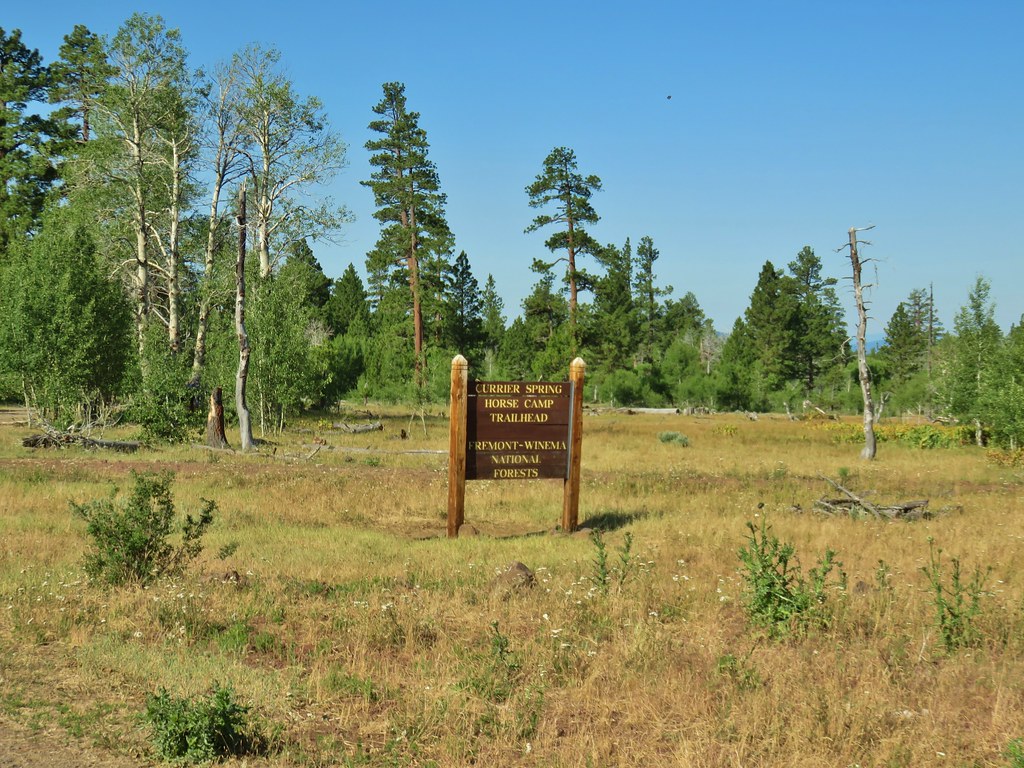
We turned down this sometimes faint trail which led slightly downhill for .3 miles to the Currier Springs Horse Camp Trailhead on FR 3221.
IMG_0150Passing through a grove of quaking aspen.

IMG_0151California corn lily

IMG_0153California corn lily

IMG_0157Chipmunk

IMG_0159More cows at the horse camp.

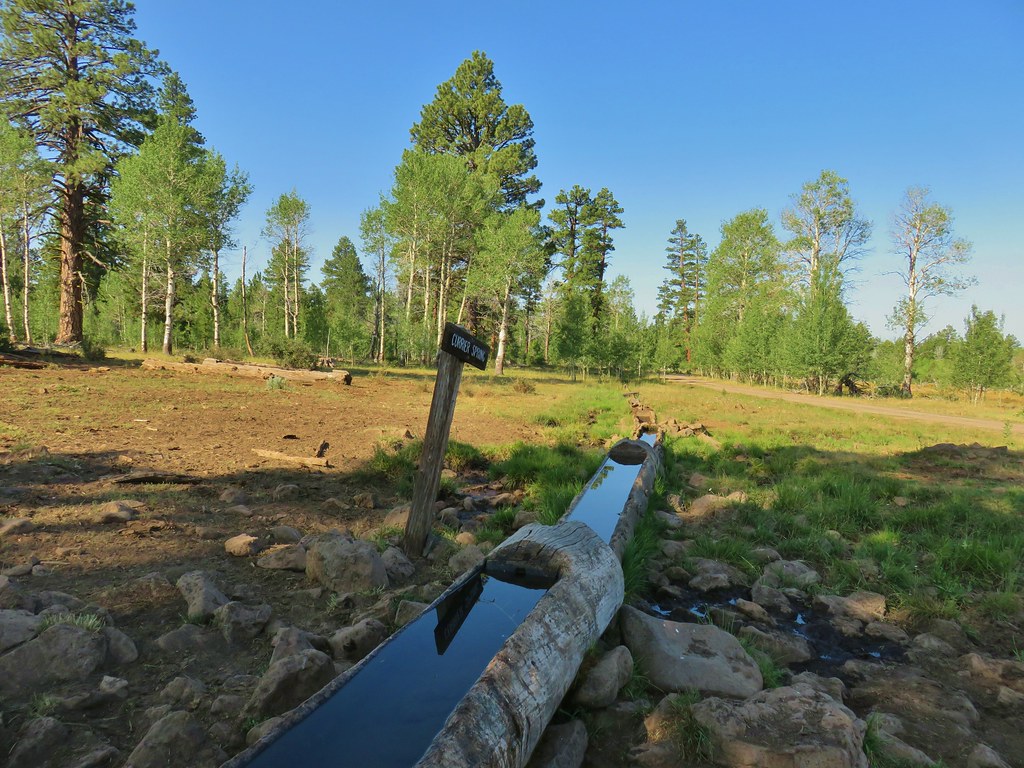
We walked past the large sign for the horse camp to the spring on the left side of the road.
IMG_0166

IMG_0168

IMG_0170

IMG_0173

IMG_0172Brewer’s blackbird

Near the spring we encountered some musk thistle which as far as thistles go was pretty impressive but unfortunately not native.
IMG_0163

In the meadows nearby were some native wildlfowers though.
IMG_0189

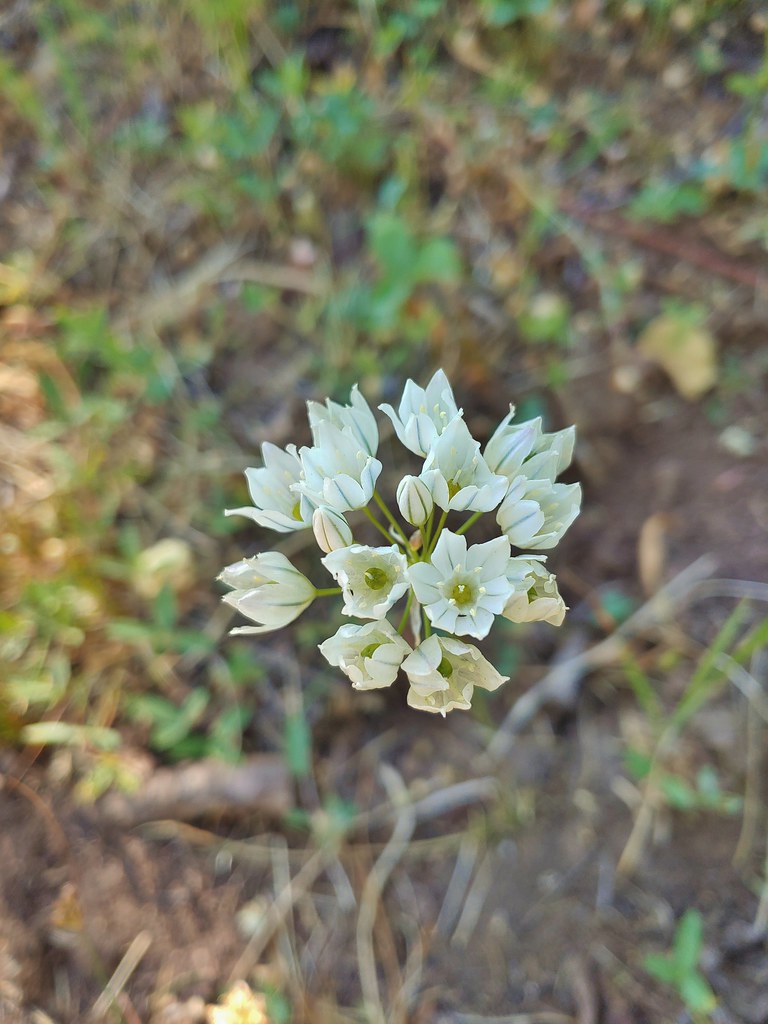
20200719_090205White triteleia

20200719_090226A checkermallow

We returned to the Fremont Trail and continued north past more viewpoints for 1.4 more miles to a sign for another spring, Mud Springs. Here there was no obvious trail and we did not attempt to visit the spring.
IMG_0190A view north along the ridge.

IMG_0194Looking NE from Winter Ridge.

IMG_0198Grand collomia

IMG_0209Hummingbird

IMG_0211Rosy pussytoes

IMG_0212Scouler’s woollyweed (maybe)

IMG_0214Wildflowers along the Fremont Trail

IMG_0222Another viewpoint

IMG_0223Looking south along the ridge.

IMG_0230More musk thistles.

IMG_0233Fremont Trail along Winter Ridge.

IMG_0241Buck watching us through the trees.

IMG_0245The buck heading off.

IMG_0252Sign for Mud Springs.

IMG_0269Western tanager near the junction.

Here Sullivan’s description no longer matched what we were seeing. We had expected the Fremont Trail to continue faintly along the ridge to a point where Sullivan described a “Landside Viewpoint”. Our GPS maps showed the trail following this alignment but not far beyond the Mud Springs sign the trail veered away from the ridge passing through snowbrush that was covering much of the hillside below the point.
IMG_0277

IMG_0274Snowbrush along the trail.

We stayed on the clear trail expecting it to eventually lead us up to the point, but instead after a half mile it turned away from the point heading downhill another quarter mile before reaching the rim of Winter Ridge well below the viewpoint which was to be our turnaround point.
IMG_0279Where we wound up along the rim of the ridge.
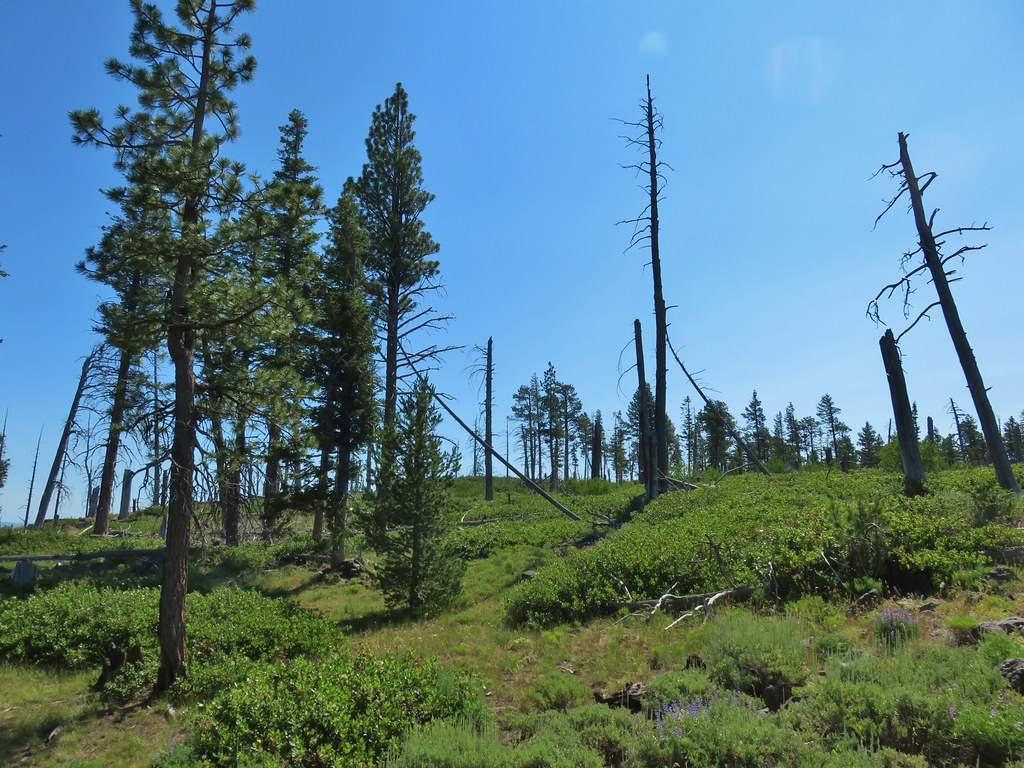
IMG_0282Looking up toward the viewpoint.

We decided to bushwhack our way up to the viewpoint and began a hot and tedious .7 mile cross country adventure. I stayed closer to the edge of the ridge which provided some decent views but became nearly impossible to navigate.
IMG_0287I made it to this rock outcrop which wasn’t the viewpoint I was looking for.
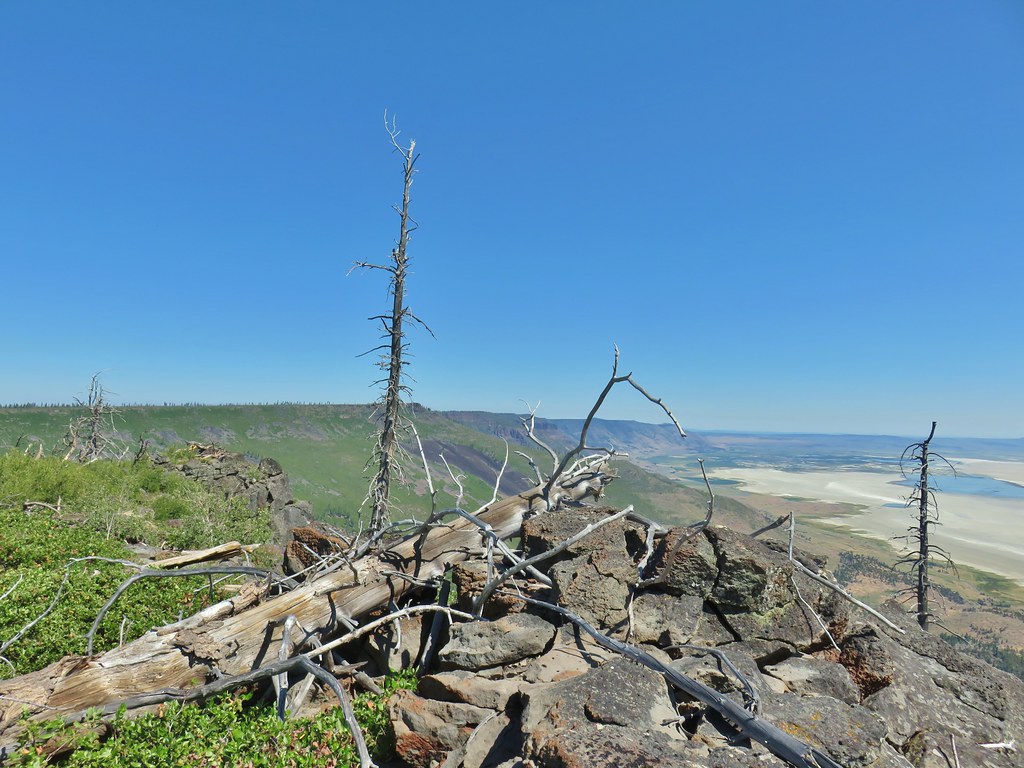
IMG_0288A second rocky viewpoint (with the first down the ridge a bit), still not the viewpoint I was looking for.

IMG_0289Looking up the ridge from the second rock outcrop. The number of snags and thicker snowbrush caused me to abandon the ridge here and follow the line that Heather was taking just a bit in from the rim.
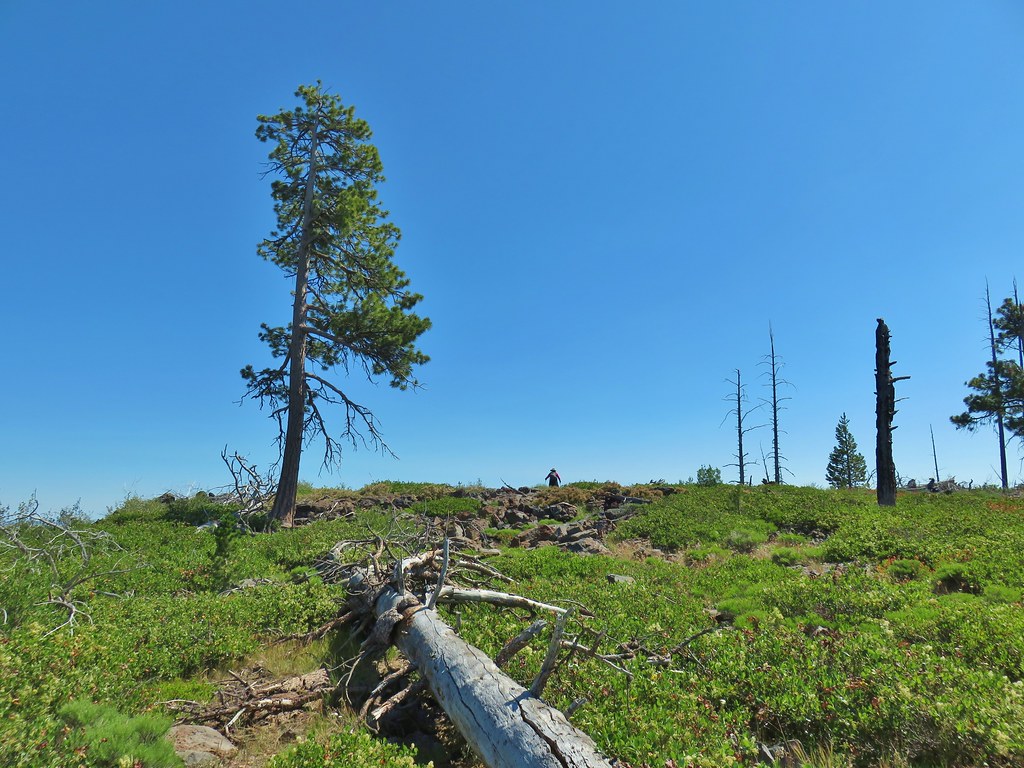
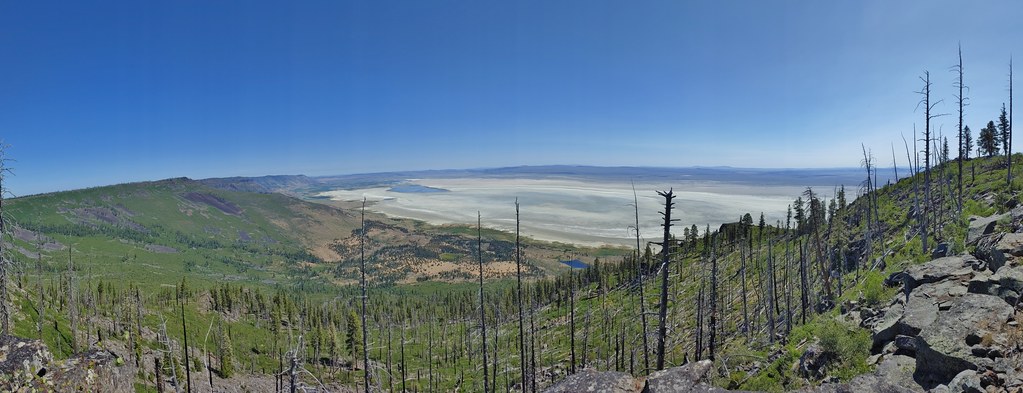
IMG_0292

We eventually managed to reach the viewpiont.
20200719_105548Looking north across the landslide to Summer Lake.

IMG_0309Looking south

IMG_0307Balsamroot near the viewpoint.

After taking a break we debated what route to take back. We weren’t keen on going back down the way we’d come up but we also weren’t certain what the conditions would be if we attempted to follow the rim back toward the Mud Springs junction. In the end we decided to use our GPS and aim for the closest point on our track from earlier when we passed below the viewpoint. This worked out well as it was only a little over a quarter of a mile back to the Fremont Trail and there were far less obstacles to navigate. We followed the Fremont Trail back to where it had veered away from the ridge and looked to see if we had missed something. There was no obvious trail tread but there may have been a cairn (or it might have just been rocks).
IMG_0314

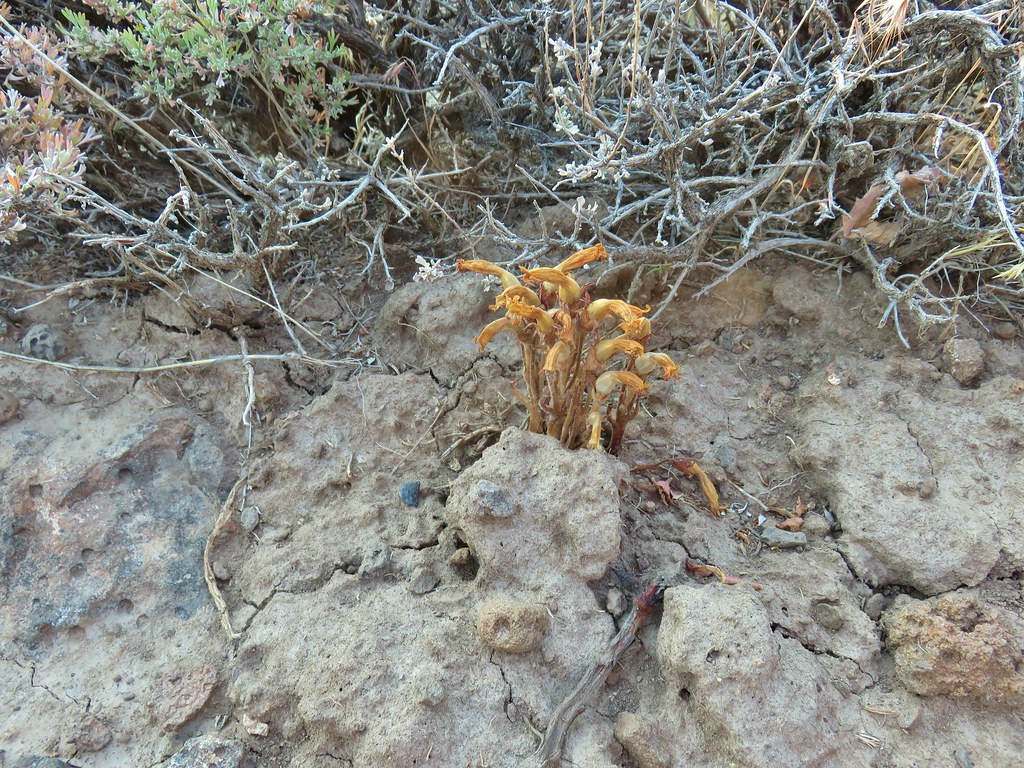
Regardless we had made it to the viewpoint so the hike had been a success. We returned the way we’d come, looking as always for wildlife and things we missed on the first pass. In this case we had missed a large number of Orobanche that we hadn’t noticed earlier.
IMG_0335

IMG_0339

IMG_0320Becker’s white on subalpine fleabane.

Slender cinquefoilSlender cinquefoil

It was around 90 degrees by the time we got back to the car. This hike turned out to be a little longer and more difficult than we had expected due to the bushwhacking. My GPS read 11.3 miles instead of the 9.6 we had planned on. We drove into Lakeview where the temperature nearly hit triple digits. It promised to be an interesting week of hiking and this first hike let us know that it was going to be a challenging one as well. Happy Trails!

Flickr: Winter Ridge

Categories
Hiking Middle Santiam Old Cascades Oregon Trip report

The Three Pyramids and Parrish, Riggs & Daly Lakes – 07/18/2020

When we scheduled our vacation weeks back, in January, we had no idea the issues that Covid-19 would create. We’ve been doing our best to socially distance and wear masks when that isn’t possible, but was going on a trip different? Fortunately for us we’ve stayed healthy and our plans for this vacation had been a trip to the Lakeview, OR area where the number of Covid-19 cases has been low and the likelihood of encountering many (if any) other hikers was low. Before heading to Lakeview we planned on stopping to visit Heather’s parents in Bend. On our way to Bend we stopped for three short hikes.

Our first stop was at the Pyramids Trailhead to check off one more featured hike from William L. Sullivan’s “100 Hikes/Travel Guide Central Oregon Cascades”.
IMG_9329

We had been to this trailhead once before but that was for a backpacking trip to the Middle Santiam Wilderness (post) when we took the South Pyramid Creek Trail. This time after we crossed Park Creek we turned right on the Pyramids Trail.
IMG_9330

IMG_9336

The trail climbed along Park Creek passing a series of small falls before crossing the creek.
IMG_9338

IMG_9347

IMG_9350

IMG_9361

The trail then passed a meadow filled cirque.
20200718_070954

The trail climbed from the cirque via a series of switchbacks to a ridge where the trail turned left heading for the Middle Pyramid. There were several nice wildflower displays along the climb.
20200718_071555Coneflower

IMG_9417

IMG_9413Death camas

IMG_9424

IMG_9426

IMG_9437

IMG_9445Penstemon

20200718_091211Larkspur and penstemon

IMG_9462

IMG_9466

The trail followed the ridge to the cliffs of the Middle Pyramid and wrapped around its north side to a junction 2 miles from the trailhead. Several mountains could be seen from this stretch of trail.
IMG_9465Middle Pyramid from the ridge.

IMG_9477Mt. Washington and the Three Sisters

IMG_9496

IMG_9495

IMG_9501Mt. Jefferson

IMG_9506Valerian and columbine

IMG_9507Mountain bluebells

The junction was with the Old Cascade Crest Trail coming up from the North Pyramid Trailhead three and a half miles away.
IMG_9518

We turned left continuing toward the Middle Pyramid climbing to a saddle just below it’s summit which was to the right.
IMG_9523

IMG_9529Looking up toward the summit from the saddle.

We clambered up a rocky path to the former lookout site atop the peak where a 360 degree view awaited.
IMG_9535Mt. Washington and the Three Sisters

IMG_9538South Pyramid with snowy Diamond Peak to the left in the distance.

IMG_9568Cone Peak and Iron Mountain (post)

IMG_9545Mt. Hood framed between Coffin Mountain and Bachelor Mountain (post) and Mt. Jefferson.

IMG_9562A faint Mt. Adams to the left of Mt. Hood

IMG_9555Meadow from the summit.

We returned the way we’d come and headed for our second stop of the day which was originally going to be the Riggs Lake Trailhead. We had planned on making three more including Riggs Lake (Parrish and Daly Lakes being the other 2) but FR 2266 had a number trees over it beyond the Parrish Lake Trailhead so we decided to park there and walk the 1.2 miles up FR 2266 to the Riggs Lake Trailhead.
IMG_9594

Since we were already at the Parrish Lake Trailhead we started by hiking down the Parrish Lake Trail .6 miles to the lake.
IMG_9601

IMG_9604North Pyramid

IMG_9605

IMG_9608Rough skinned newts

After visiting Parrish Lake we headed down FR 2266 to the Riggs Lake Trailhead. It wasn’t too bad as far as road walks go. It appeared that someone had attempted to do some road maintenance at some point.
IMG_9623

IMG_9624

The trailhead was well signed including what appeared to be a fairly new trail sign.
IMG_9629

The condition of the trail left much to be desired. It was only a half mile to the lake, and after having walked the 1.2 miles on FR 2266 we weren’t about to let some blowdown stop us (it almost did though).
IMG_9632

IMG_9637

IMG_9641

IMG_9645

We managed to make it to Riggs Lake which was actually pretty nice.
IMG_9653

IMG_9655Crab spider on prince’s pine

Once upon a time the trail continued uphill to Don Lake but has been abandoned for some time. Given the condition of the trail up to Riggs Lake we had no thoughts of trying to continue on.
IMG_9663The trail used to continue on the other side of the inlet creek.

We picked our way back through the blowdown and along FR 2266 to the Parrish Lake Trailhead then drove to the nearby Daly Lake Trailhead.
IMG_9669

We had seen three mountain bikers on the Pyramids Trail and four hikers on the Parrish Lake Trail and no one along the Riggs Lake Trail, but there were plenty of people at Daly Lake. We readied our masks as we set off on the short loop around the lake.
IMG_9674

There were a number of tents set up and quite a few people floating on the lake but we didn’t encounter anyone along the loop except for at the end when the trail passed through the campsites.
IMG_9678

IMG_9685Washington lilies

The trail was in need of some maintenance but nowhere near as bad as the Riggs Lake Trail had been.
IMG_9687

IMG_9690Crossing on the outlet creek.

IMG_9691Marsh at the outlet creek.

IMG_9693Bog orchid

Most of the trail lacked views and with the best being closest to the campsites.
IMG_0002

IMG_0019The North Pyramid from Daly Lake

After completing the loop we drove on to Bend and had a nice visit with Heather’s parents before getting up early the next morning to continue our trip. Happy Trails!

Flickr: Three Pyramids and Parrish, Riggs & Daly Lakes

Categories
High Cascades Hiking Mt. Hood Area Oregon Trip report

Hunchback Mountain – 7/11/2020

We extended our streak of 3000+ feet elevation gains and checked off another of Sullivan’s featured hikes with a visit to the Hunchback Trail in the Salmon-Huckleberry Wilderness. We started our hike at the trailhead just off Highway 26 at the Zigzag Ranger Station.
IMG_8982

This trailhead is almost directly across Highway 26 from our previous hike, West Zigzag Mountain (post). Based on the forecast there was a really good chance that we’d get to see similar views of Mt. Hood that we’d missed the week before. Similar to that hike the Hunchback Trail began with a steep climb via a series of switchbacks which brought us into a wilderness area.
IMG_8992

IMG_8998

Pink pyrolaPink pyrola

Unlike the Zigzag Mountain Trail, which was well graded and rarely felt steep, the Hunchback Trail felt quite steep at times.
IMG_9021

IMG_9022Switchback below a rock outcrop.

IMG_9028Looking down the hillside from the trail.

IMG_9055Trail dropping to a saddle.

After nearly 1.75 miles of switchbacks the trail gained the ridge and turned SE following it for the remainder of the hike. After an up and down we gained our first limited view of the day to the south.
Little Cheney Creek drainage across the Salmon River valleyLooking south across the Salmon River valley. The Bonanza Trail (post) climbs the ridge to the right up to Huckleberry Mountain (hidden behind the first tree on the right).

The ridge was a little more open than the forest below allowing for a wider variety of flowers.
IMG_9066Beardstongue (penstemon)

IMG_9075Washington lily

IMG_9078Tiger lily

IMG_9090Penstemon

IMG_9092Sub-alpine mariposa lily (cat’s ear lily)

IMG_9096Yarrow

The first really good view came after just over two miles when the trail climbed steeply up to a catwalk along rimrock cliffs.
IMG_9103Starting the steep climb.

IMG_9105Coming up to the cliffs.

IMG_9115Cliffs along the trail.

Huckleberry MountainHuckleberry Mountain

Salmon Butte (tallest peak on the left and Tumala Mountain (pointy peak furthest back and right)Salmon Butte (post) (tallest peak on the left and Tumala Mountain (post) (pointy peak furthest back and right)

While Mt. Hood was visible through tree branches to the north there wasn’t enough of a view for photos. There were however plenty of flowers to take pictures of.
IMG_9122Blue-head gilia

IMG_9133Blue-eyed Mary

IMG_9137Oregon sunshine, blue-head gilia, penstemon and yarrow.

There was also quite a bit of clarkia present but it was too early in the day for the blossoms to be open so they would have to wait until we came back by later.

At the end of the cliffs the trail dropped back into the forest then almost immediately climbed steeply again arriving at a sign (on the opposite side of a tree) for the Rockpile Viewpoint.
IMG_9119Trail dropping toward the forest.

IMG_9140Trail starting to climb again.

IMG_9141Sign for the viewpoint.

The side trail headed steeply uphill and quickly devolved into a web of possible paths.
IMG_9142

We followed what appeared to be the “best” route uphill for about 60 yards to the base of the “Rockpile”.
IMG_9144

I scrambled up through the rocks enough to see that while it was a great viewpoint for Mt. Hood it was still a little too early for it as the Sun was right above the mountain.
IMG_9148The top of the rocks.

IMG_9146Washed out view of Mt. Hood

I let Heather know it probably wasn’t worth the effort to scramble up right now and we decided to stop on our way back instead.

After scrambling back down to Heather we returned to the Hunchback Trail and continued SE along the ridge. The next mile was the gentlest section of the trail as it continued to do some ups and downs but they were only little rises and drops with some level trail mixed in.
IMG_9156

IMG_9173

The forest here was home to a number of flowers that rely on their relationship to fungi to survive.
IMG_9158Pinesap

IMG_9171Pinedrop

IMG_9175Pacific coralroot

We also got a brief glimpse of Mt. Adams at one point through some trees.
IMG_9192

Approximately 1.1 miles from the side trail to the Rockpile Viewpoint another side trail split off to the right. This one was much fainter and there was no sign where it left the Hunchback Trail but it headed uphill to the right toward some rocks.
IMG_9195

We suspected that this trail led to the Helispot Viewpoint, but we weren’t positive and Sullivan described the view as overgrown so we decided not to follow this path just in case it wasn’t to the viewpoint. A hundred or so feet down the trail we wound up passing a sign (again on the opposite side of a tree) for the Helispot Viewpoint. There didn’t appear to be an actual route from the sign though as it was simply pointing at a hillside covered with rhododendron bushes.
IMG_9261

We decided that on the way back we would take the route we’d seen above and continued on. Over the next mile the trail spent quite a bit of time on the east side of the ridge where the tread was wearing and rhododendron were beginning to encroach on it a bit. There was an short interesting walk on a narrow rocky spine and then there were two steep climbs which brought the trail to a bit over 4000′ in elevation.
IMG_9204Passing a rock outcrop on narrower tread.

IMG_9207Paintbrush

IMG_9218Rocky spine

IMG_9225Columbine

IMG_9228Climbing up the Hunchback Trail.

IMG_9229Heather coming up the trail.

IMG_9234Beargrass near the 4000′ elevation.

After reaching the high point the trail began a steep 400′ drop to another saddle, but luckily our turnaround point was only about 50′ down. That turnaround point was the third signed viewpiont along this stretch of the Hunchback Trail, the Great Pyramid.
IMG_9238Heading down to the viewpoint sign.

IMG_9241Side trail to the Great Pyramid.

The short side path led passed an obscured view SE and some wildflowers along a rock outcrop.
IMG_9242

IMG_9244

IMG_9247

Unfortunately the whole area was overrun with thatching ants. After a few steps out along the rocks there were numerous ants climbing our legs and although their bites aren’t as painful as the all red harvester ants they aren’t fun either so we left the viewpoint to the insects and retreated back up the trail.

We followed the Hunchback Trail back to where we had planned to take the side trip to the Helispot Viewpoint and headed uphill on the faint path.
IMG_9262

A short distance up we noticed a fairly distinct trail coming up from the left which we assumed was the trail that the sign had originally been pointing too. The viewpoint was just as Sullivan had described it, overgrown. Probably not worth the tenth of a mile side trip but there were a few flowers present.
IMG_9265

IMG_9266

IMG_9270

We returned to the Hunchback Trail happy to be on the gentler mile section. We detoured back up to the Rockpile Viewpoint just as some other hikers were leaving it which allowed us to take a nice break there all by ourselves with the improved view of Mt. Hood.
IMG_9280The cliffs of West Zigzag Mountain to the left of Mt. Hood where we’d been the week before (post)

IMG_9289

20200711_113107We weren’t entirely alone as Heather was visited by a butterfly.

After a nice break we made our way back to the rimrock cliffs which were now fully in sunlight opening the clarkia and making for even nicer views.
IMG_9301

20200711_120358

IMG_9308

IMG_9314Looking down into the Salmon River valley

IMG_9317Looking west toward Highway 26

20200711_120439Blue-head gilia

20200711_121116Penstemon

20200711_120700Nevada deervetch

20200711_120246Tiger lilies

20200711_120332Oregon sunshine

IMG_9303Cat’s ear lilies

As we descended the 1500′ from the rimrock viewpoint to the trailhead our knees and feet were letting us know that they were done with three and four thousand elevation gain hikes for awhile. We’ll have to see about that :).

Both Sullivan and the Oregonhikers.org field guide put this hike at 9 miles roundtrip. They vary on elevation with Sullivan showing a 2900′ gain while the field guide showing 3270′. Our Garmin’s came in at 10.1 and 11.2 miles and we never pay attention to the elevation numbers. We were actually running an experiment on this hike regarding the distances shown on the GPS units. We both carry a Garmin GPSmap 62s unit. We’ve looked at the settings and they seem to be the same, but for the majority of hikes Heather’s Garmin reports a noticeable amount more mileage than mine (mine is typically closer to what the information for the hike states). For this hike we swapped units so I was carrying the one she normally does and vice versa. Sure enough the one she carried registered the higher 11.2 mile total. We are at a bit of a loss to explain what causes the discrepancy. On rare occasions the totals have been the same or within a tenth of a mile or two but more often than not the difference is at least a mile and sometimes a couple. Any thoughts out there as to what might cause this? I tend to hike faster, especially uphill but then I spend more time stopped waiting for Heather.

If you couldn’t tell the GPS thing is driving me a bit crazy, so much so that that night as we were going to bed I wondered aloud what would happen if one of us carried both GPS units on a hike? These are the things that keep me up at night :). Happy Trails!

Flickr: Hunchback Mountain

Categories
High Cascades Hiking Mt. Hood Area Oregon Trip report

West Zigzag Mountain – 7/04/2020

We continued our 4th of July tradition of hiking by checking off another of William L. Sullivan’s featured hikes, West Zigzag Mountain (Hike #68 “100 Hikes/Travel Guide Northwest Oregon & Southwest Washington” 4th edition). He actually describes two hikes, a 1.8 mile round trip to Castle Canyon and an 11+ mile round trip to the former West Zigzag lookout site. We chose the longer hike for this visit which starts from Zigzag Mountain Trailhead.
IMG_8644Parking area is just a wide spot in the road.

Two trails start at the trailhead, the Zigzag Mountain Trail heads uphill to the left while the Road 19 Trail follows the closed road to the right. The Road 19 trail connects with the Castle Canyon Trail in 1.1 miles.
IMG_8645

After a short steep climb the Zigzag Mountain Trail arrived at a wilderness permit box and Mt. Hood Wilderness map.
IMG_8648

After filling out one of the self-issue permits we began to climb. Our last two hikes had cumulative elevation gains right around 4000′ so today’s 3100′ was a little better. It also helped that unlike the trails on our previous two climbs the Zigzag Mountain trail utilized a number of switchbacks to keep the grade much more manageable.
IMG_8651Zigzag Mountain Trail entering the Mt. Hood Wilderness.

The climb was forested with a few flowers present at the lower elevations.
IMG_8656Washington lilies

IMG_8662Tiger lilies

IMG_8663Self-heal

IMG_8683

IMG_8696Salal

IMG_8709Candy sticks

IMG_8717Queen’s cup and bunchberry

IMG_8723Anemone

As we climbed we began to see a fair amount of rhododendron in bloom.
IMG_8734

The trail made 15 switchbacks over the first two miles before straightening out for a bit along a ridge.
IMG_8755

We passed a small rock garden with some penstemon along the ridge.
IMG_8757

IMG_8761

IMG_8766

IMG_8772

The ridge was a bit more open and here we found some beargrass and lupine blooming. There were also opportunities for views but it had clouded up overnight and those clouds weren’t burning off very quickly.
IMG_8783Beargrass

IMG_8785Lupine

IMG_8789

IMG_8787

The trail spent little time on the ridge top and instead rose up and down switching sides of the ridge as it passed under rock outcrops.
IMG_8796Trillium along the north facing side of the ridge.

IMG_8798Mushroom

IMG_8803Pinesap

IMG_8806Passing a rock outcrop.

IMG_8814West Zigzag Mountain from the trail.

IMG_8817Back to the north facing side.

IMG_8819Now on the south facing side.

Near the 2.5 mile mark we came to a rocky viewpoint where we had a nice view of West Zigzag Mountain ahead but not of much else due to the clouds.
IMG_8825

IMG_8824

IMG_8828Sub-alpine mariposa lily at the viewpoint.

Another series of switchbacks followed before the trail straightened out following the ridge of Zigzag Mountain near the 3 mile mark. After another three quarters of a mile of climbing the trail began a series of ups and downs along the ridge. This lasted for the final 2.5 miles to the former lookout site although none of them were very long or too steep. While there weren’t any wildflowers meadows on this hike there were quite a few flowers to be seen along the way.
IMG_8850Lupine and paintbrush

IMG_8864Beargrass and rhododendron

IMG_8867Huckleberry

IMG_8871Cliff beardtongue

IMG_8874

IMG_8879Larkspur

IMG_8892

IMG_8897

IMG_8905Phlox

IMG_8909More cliff beardtongue

IMG_8917Penstemon

20200704_095101Larkspur

IMG_8919On the ridge just before reaching the lookout site.

Around the 5.25 mile mark we came to what would have been a great view of Mt. Hood if not for the clouds.
IMG_8862

After crossing the ridge the trail emerged from the forest near some rock outcrops that framed the forest below.
IMG_8921

We followed a short path led to the top of the southern outcrop where we had a view over to the former lookout site.
IMG_8925

IMG_8928Former lookout site in the tress to the left.

We sat on the outcrop and watched the clouds pass by.
IMG_8929

IMG_8927

With the limited views outward we focused our attention down picking out a few flowers that we hadn’t seen on other parts of the hike.
IMG_8930

IMG_8932Tufted saxifrage

IMG_8941Arnica

IMG_8947Lousewort

IMG_8946Some of the rocks in Castle Canyon

When we started to get a little chilly we decided to head back, but first we had to visit the former lookout site to ensure that we connected this hike with our 2012 hike.
IMG_8950

IMG_8952View of the outcrop from the lookout site.

IMG_8955Raceme pussytoes

We returned the way we’d come spotting a few flowers that we’d missed going the other direction.
IMG_8962Valerian

IMG_8964Salmonberry

IMG_8967Bleeding heart

IMG_8972Violet

IMG_8977Monotropa uniflora aka ghost plant

Despite the clouds never burning off (we did eventually see a couple of slivers of blue sky) it was a good day for the hike. The flowers were good and the clouds kept the temperature down and the gradual grade of the trail kept the 11.4 miles from feeling difficult. We wound up passing 8 other hikers on our return trip which is a pretty low number for a Saturday hike on a trail as close to Portland as this one is so that was also a plus as we are still doing our best to practice proper social distancing. We capped off our 4th by watching the fireworks in our neighborhood with our son and my parents. Happy Trails!

Flickr: West Zigzag Mountain