There haven’t been many times in our 10 years of hiking that we haven’t been able to do the hike (or at least the vast majority of it) that we set out to do that day. Many of the failed attempts came early in our hiking years when we didn’t do as much research on current conditions as we do now, but even with the extra research sometimes things just don’t work out. Our attempt to hike the nearly 6 mile long East Fork Trail in the Willamette National Forest happened to be one of these times.
We had switched to this hike earlier in the week due to a rainy weekend forecast. Our plan was for an out-and-back hike starting at the East Fork Lower Trailhead and turning around at the East Fork Upper Trailhead.

The large parking area (with restrooms) for the lower trailhead is located at the NE end of Cougar Reservoir where the East Fork South Fork McKenzie River flows into it.


We set off on the East Fork Trail without looking closely at the signboard where it was clearly posted that the first of two footbridge leading across the river was out.
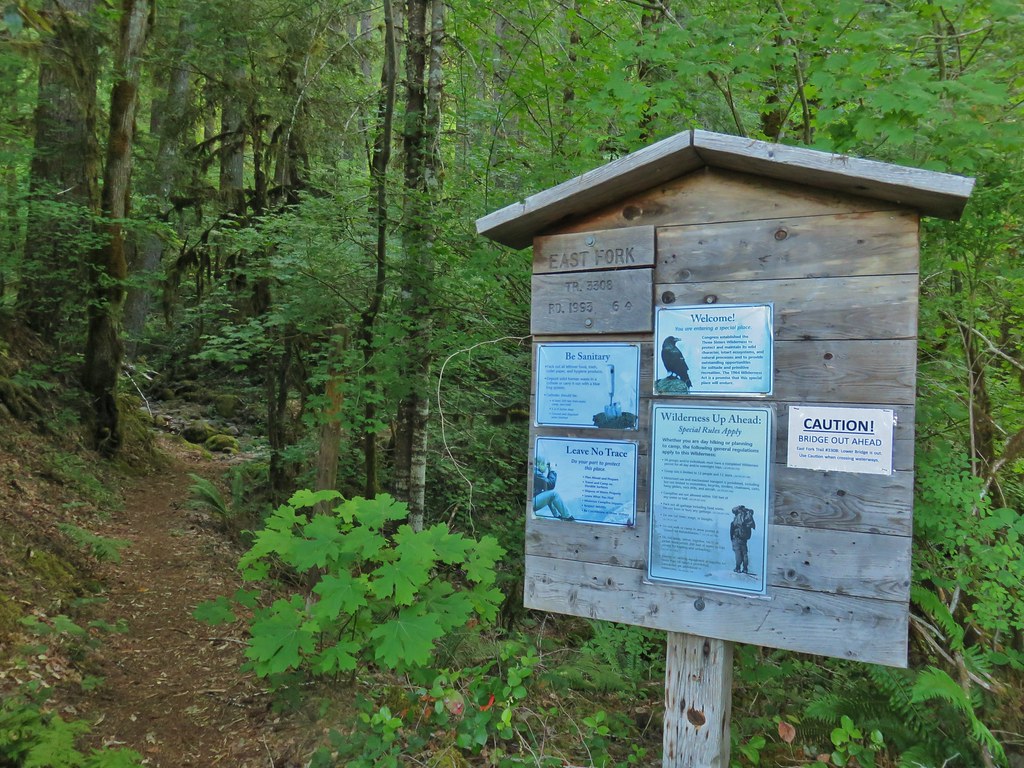
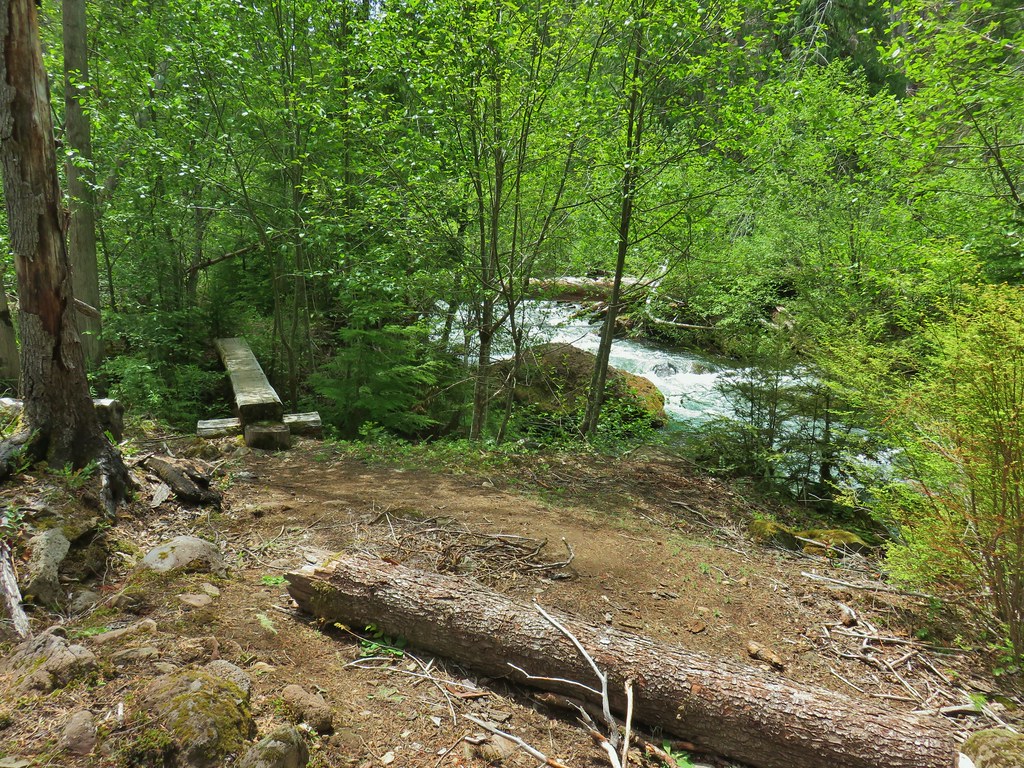
This bridge was only three tenths of a mile from the trailhead so it didn’t take long for us to discover it missing.

Fording the river was an option, it looked like it would have been an easier ford than the Indian Creek ford we had done on our first day backpacking the Middle Fork Willamette River (post). With that being said neither of us were keen on soaking our feet this early in the hike and knowing that the plan had been to go to the upper trailhead and back we simply decided to go back to the car, drive up to the upper trailhead, and hike down from there to the other side of the river and back which would allow us to cover the whole trail sans the missing bridge.
We were familiar with the upper trailhead having parked there in 2018 when we hiked to Horsepasture Mountain using the Saddle Trail (post). While the Saddle Trail headed uphill on the north side of FR 1993 near a small pullout, the East Fork Trail headed downhill on the south side.
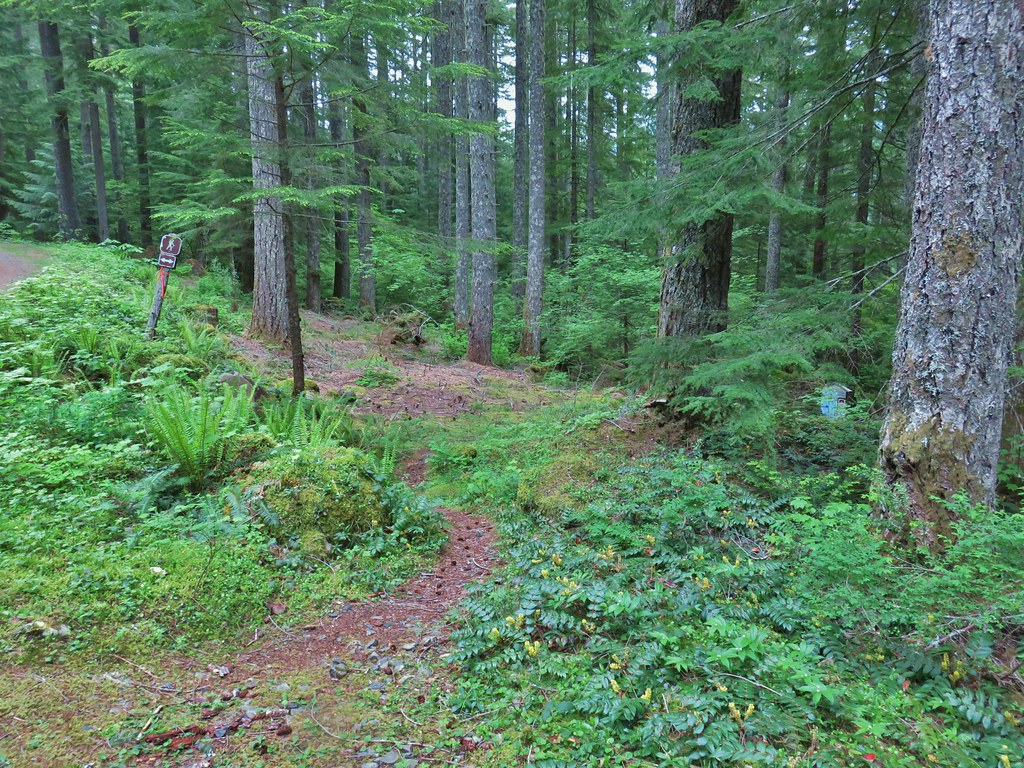
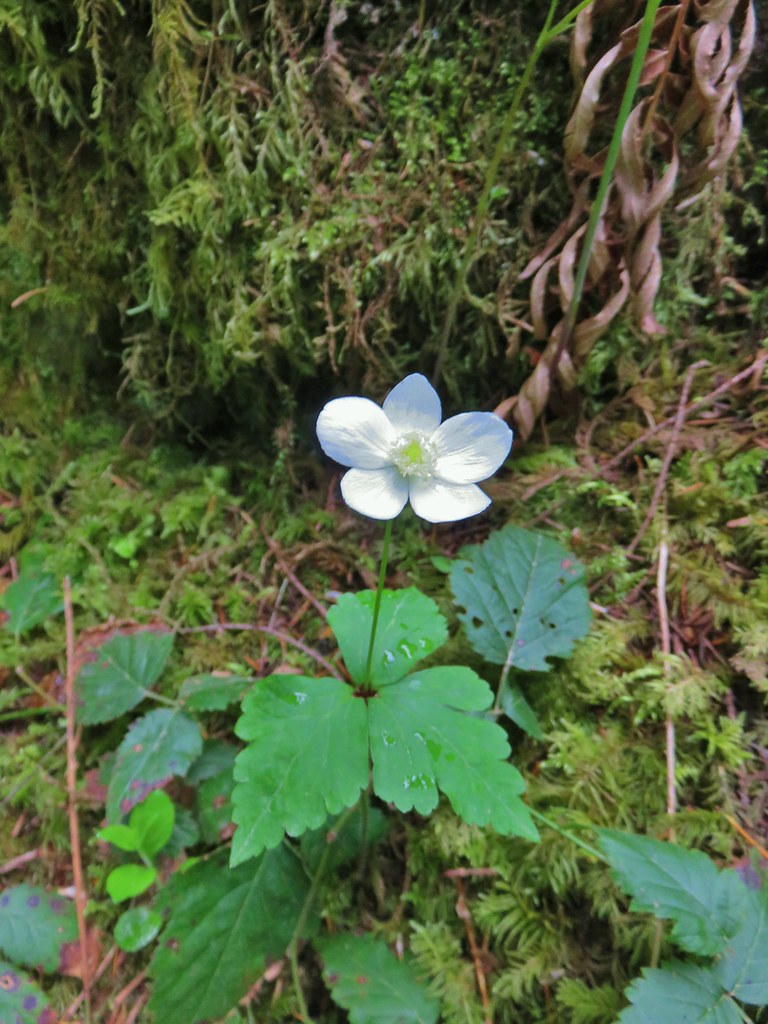
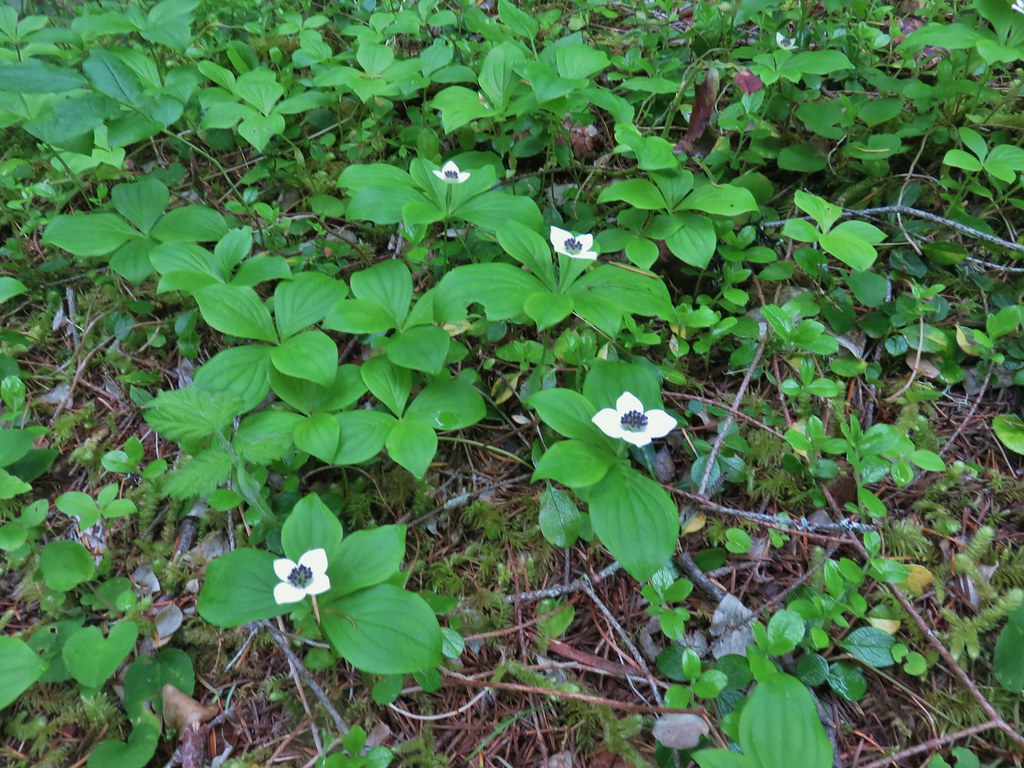
Anemones and bunch berries were blooming near the trailhead.
This time we noticed the caution posted on the trailhead signpost.
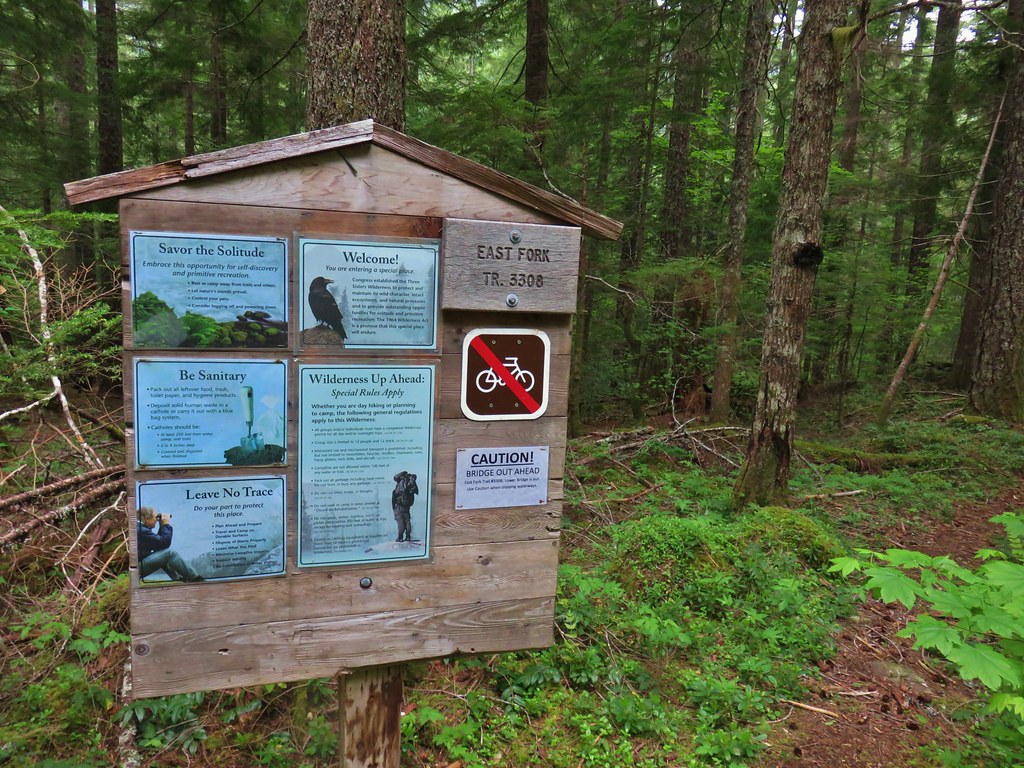
The trail quickly entered the Three Sisters Wilderness.

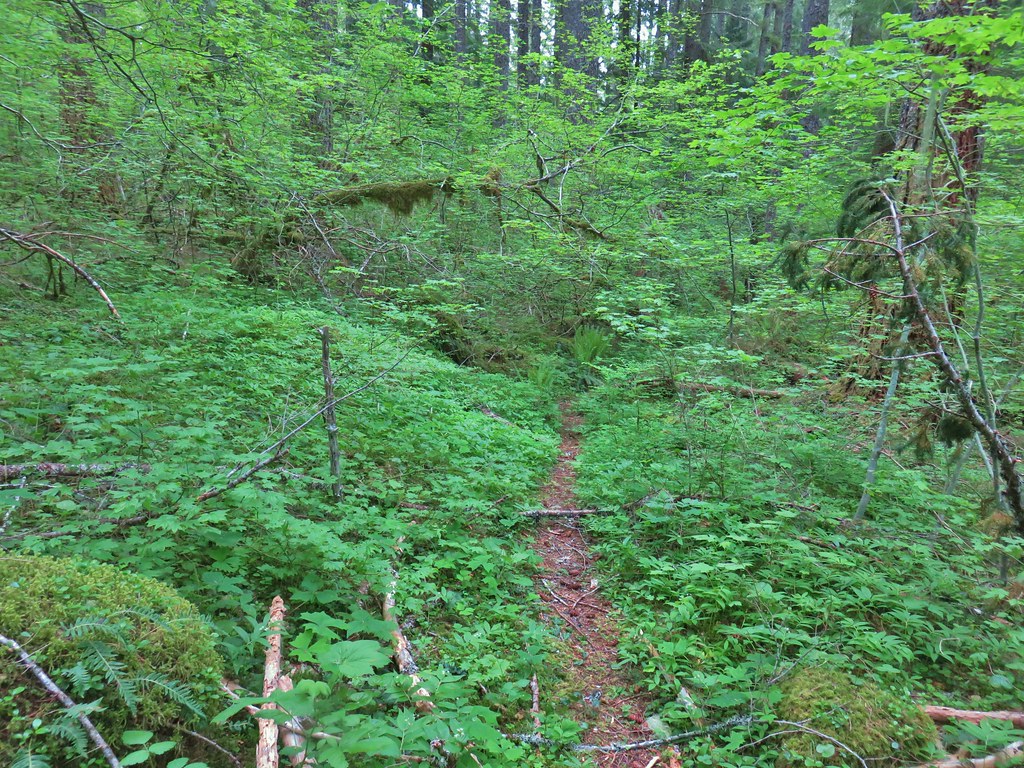
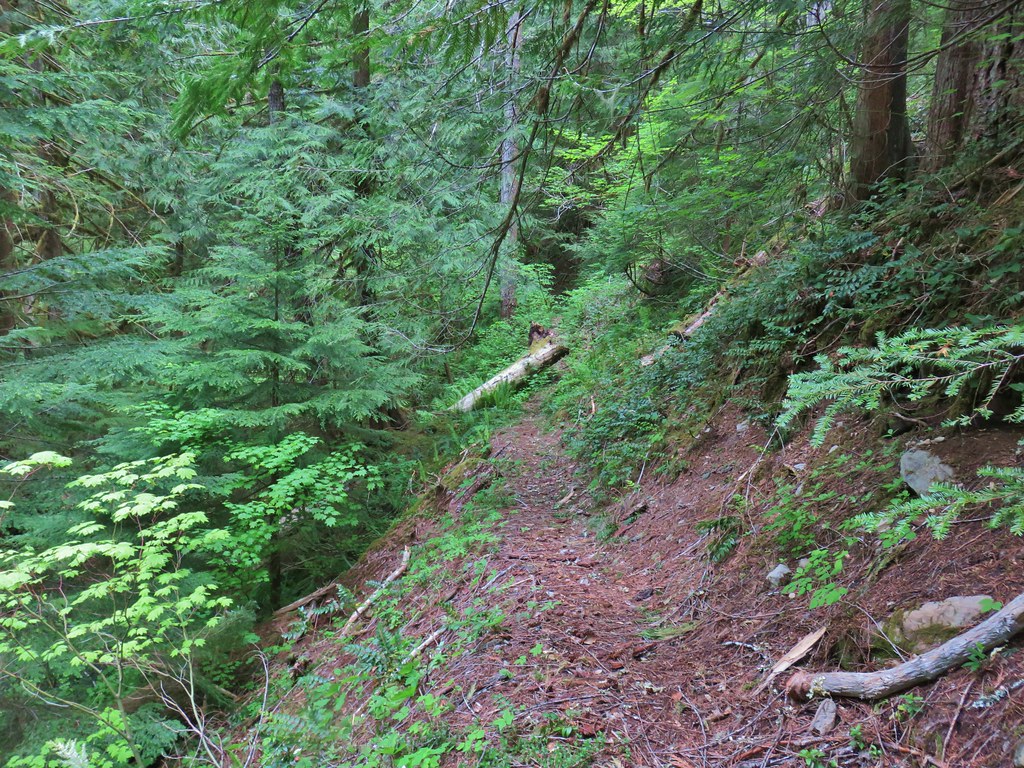
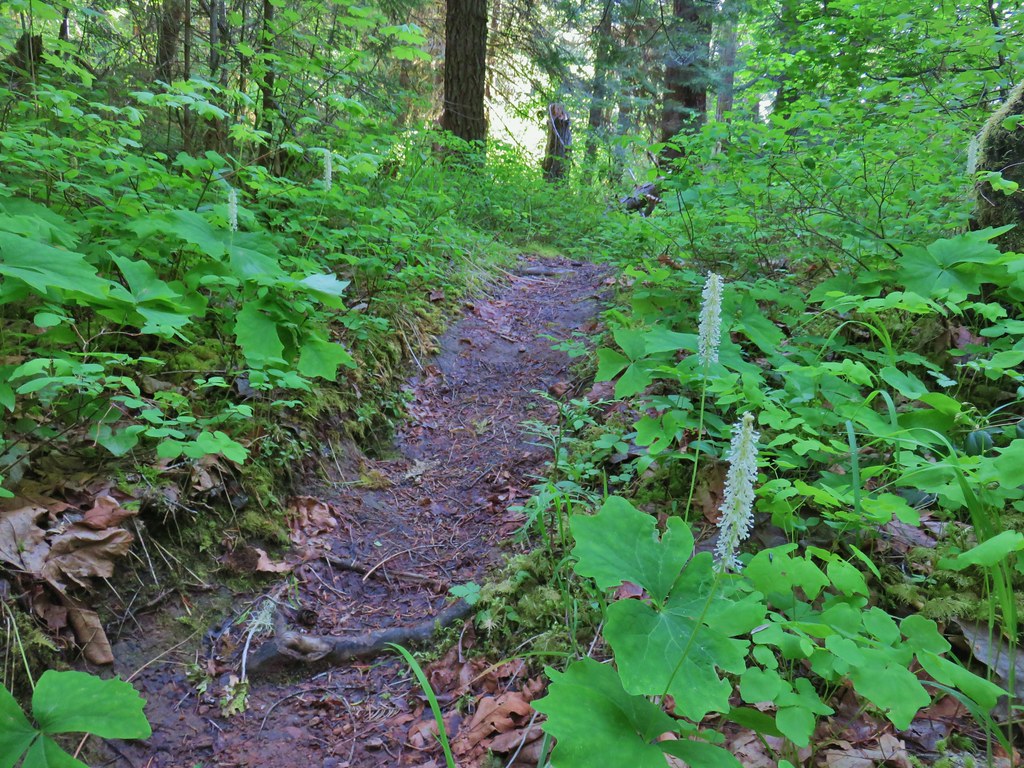
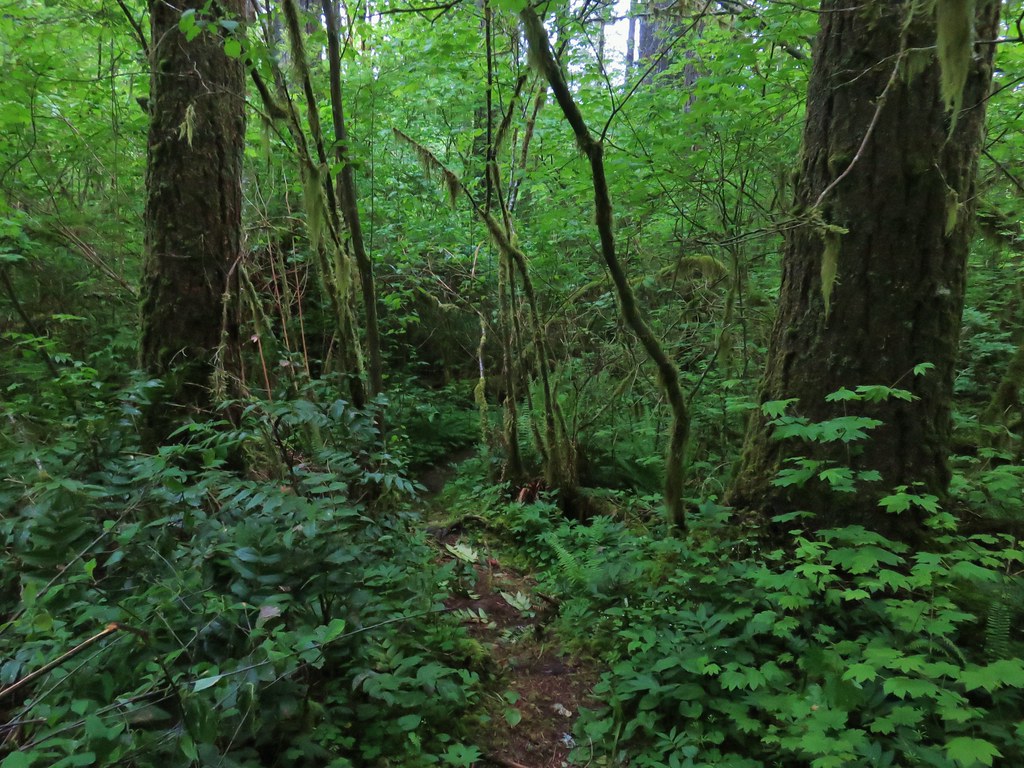
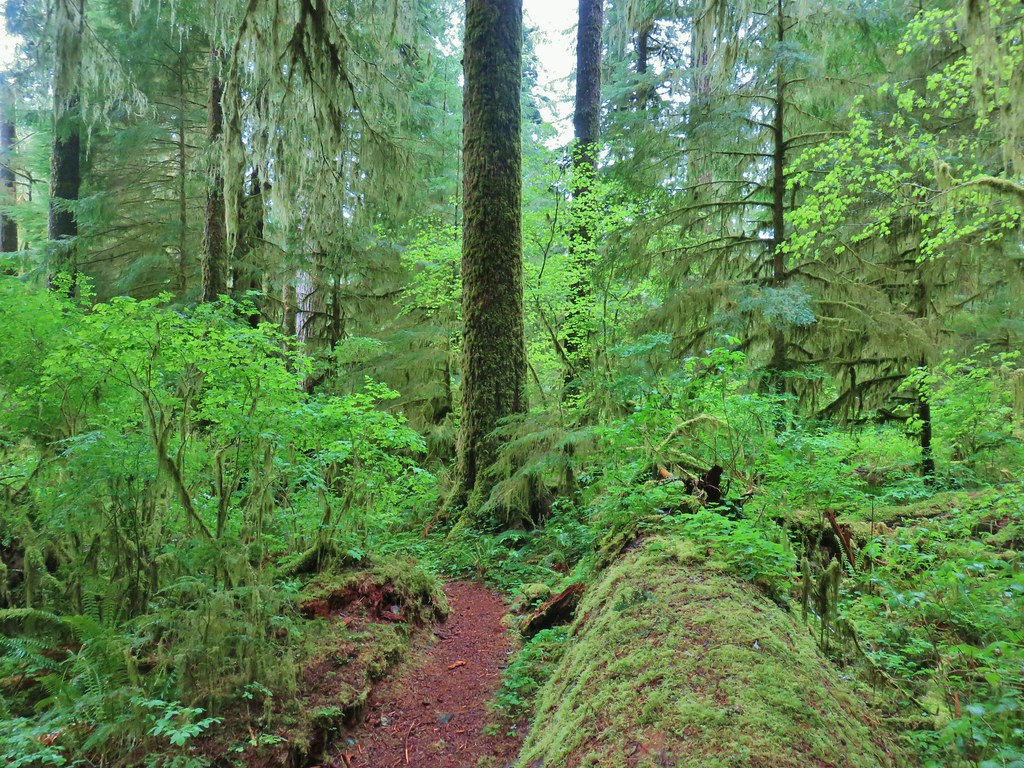
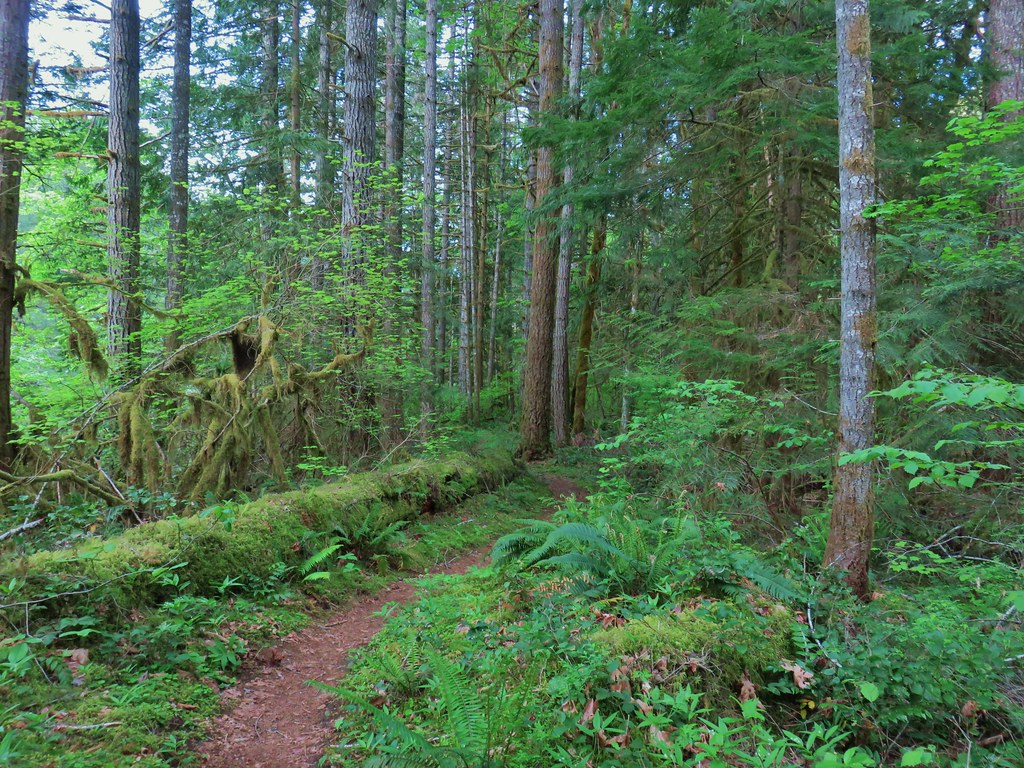
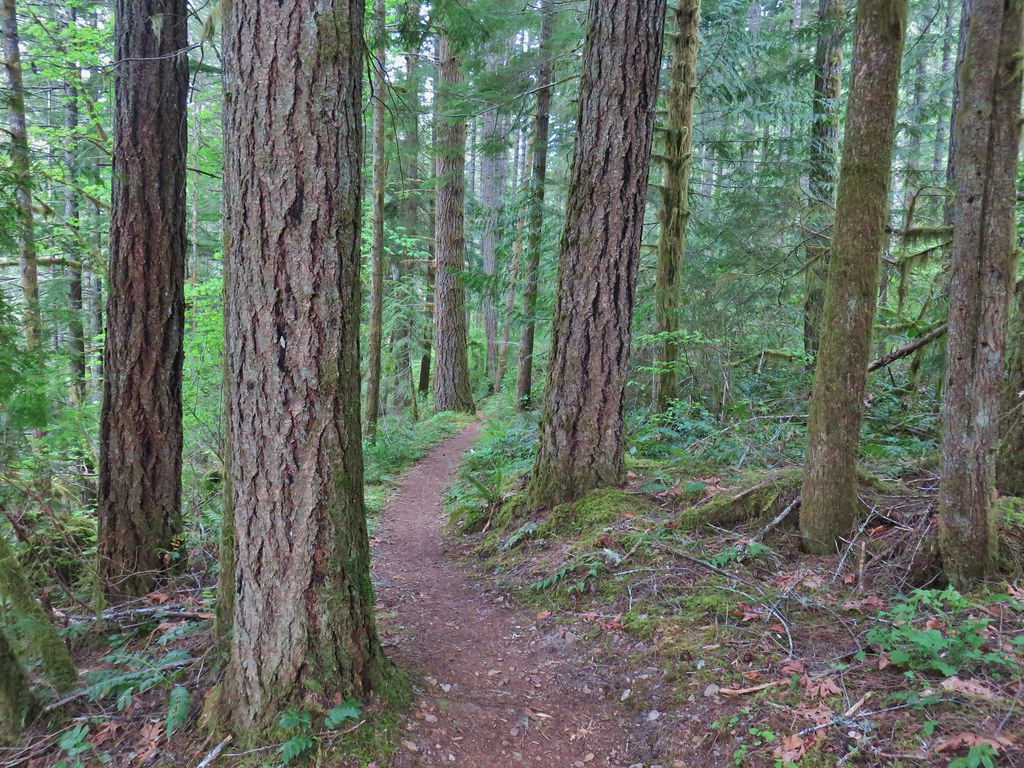
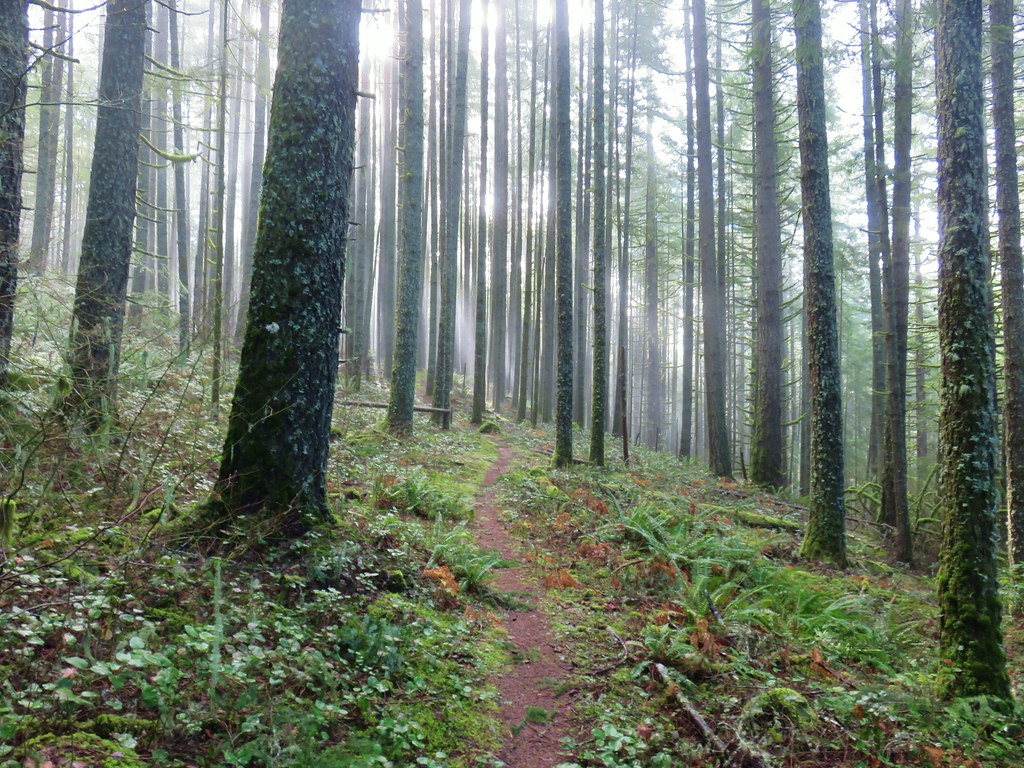
For first .6 miles from the trailhead the East Fork Trail made its way downhill through a green forest before reaching the East Fork South Fork McKenzie River.

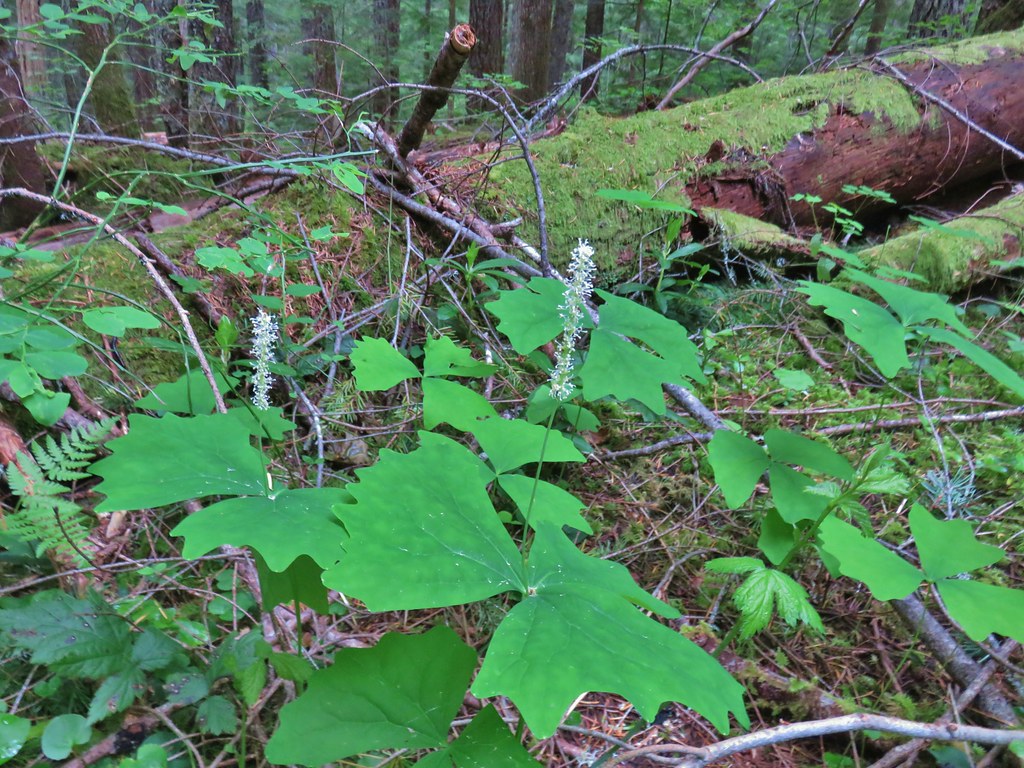 Vanilla leaf
 False solomonseal
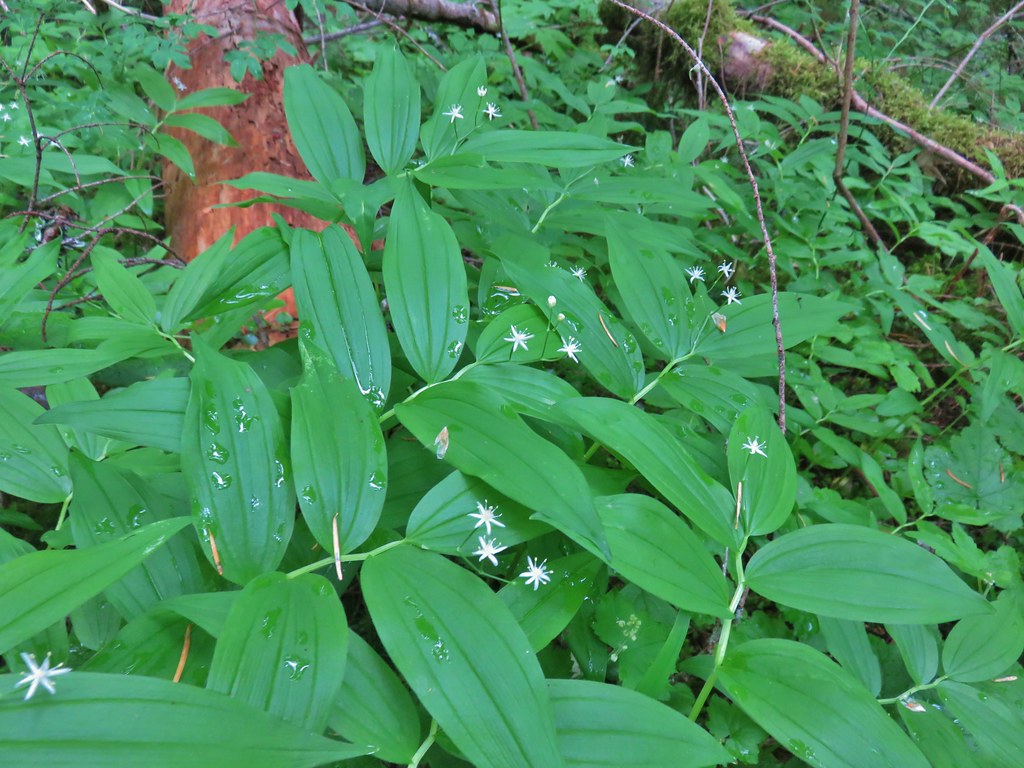 Star-flowered solomonseal
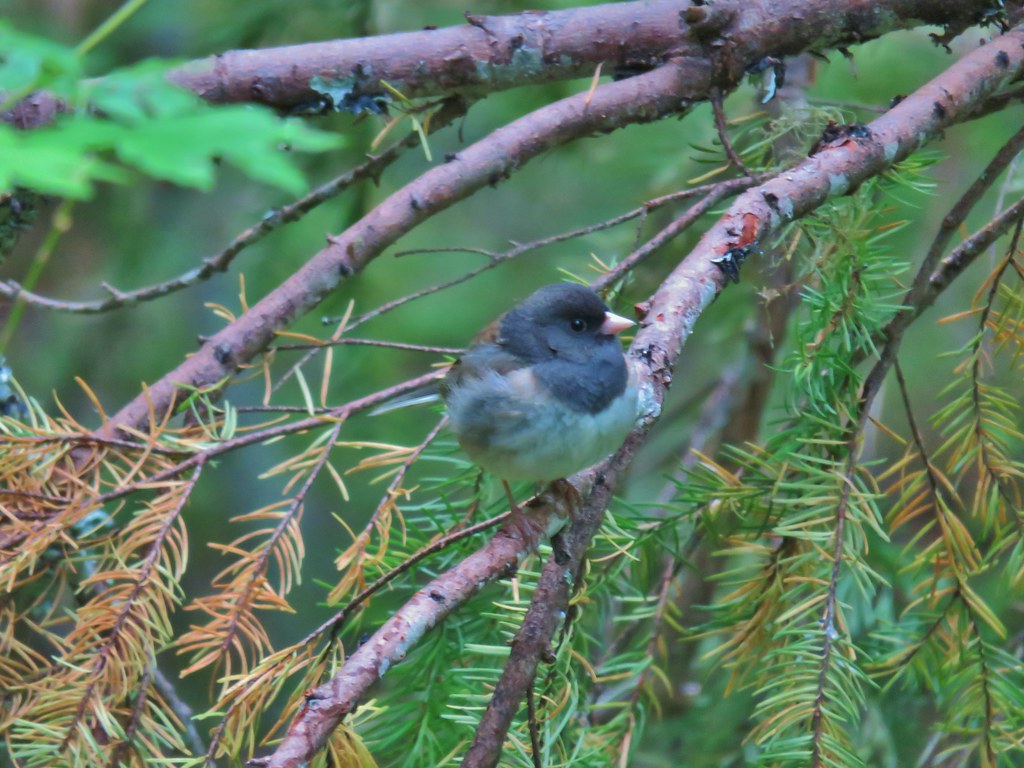 Junco
Junco
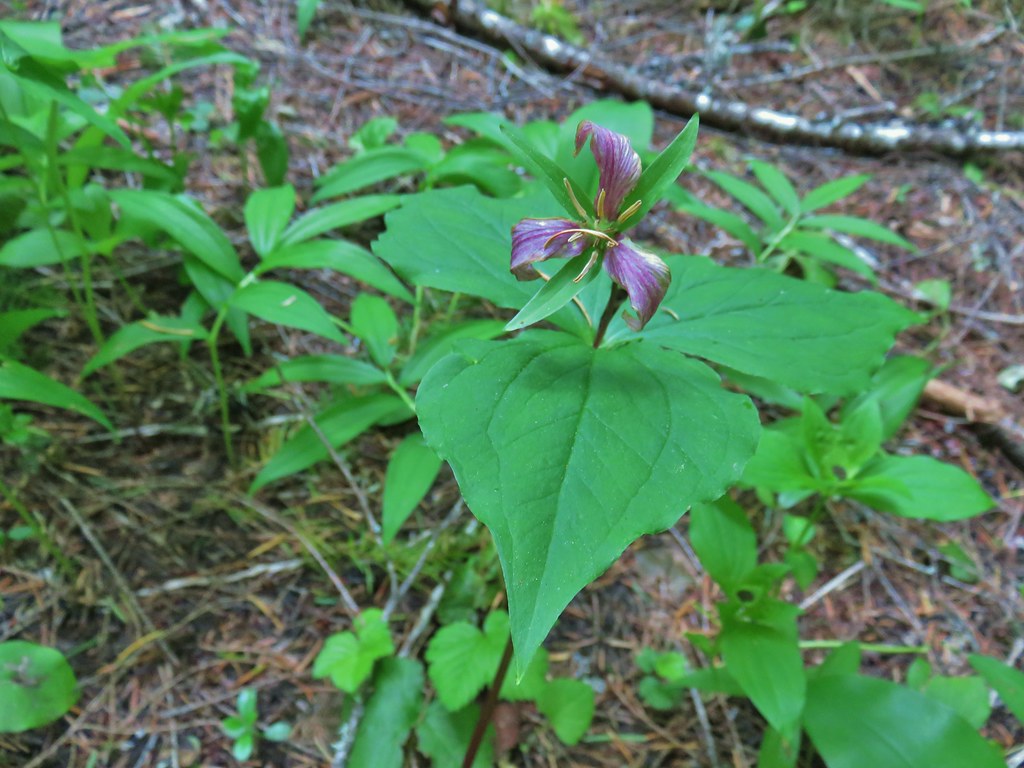 Trillium
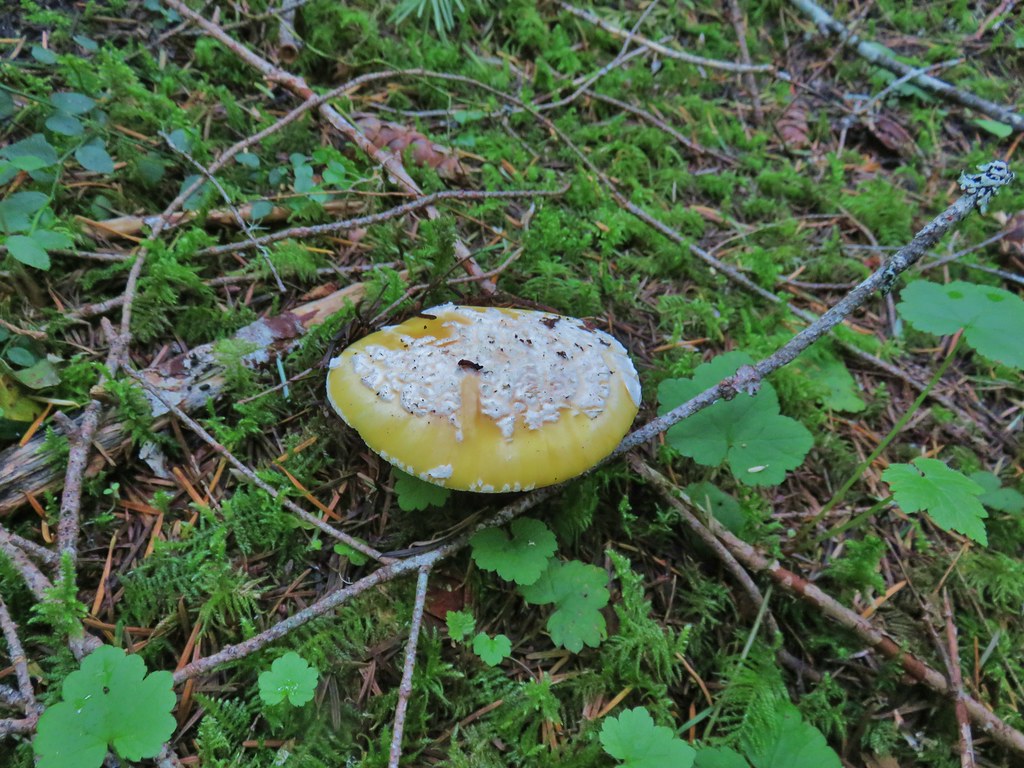 We saw a lot of this type of mushroom.
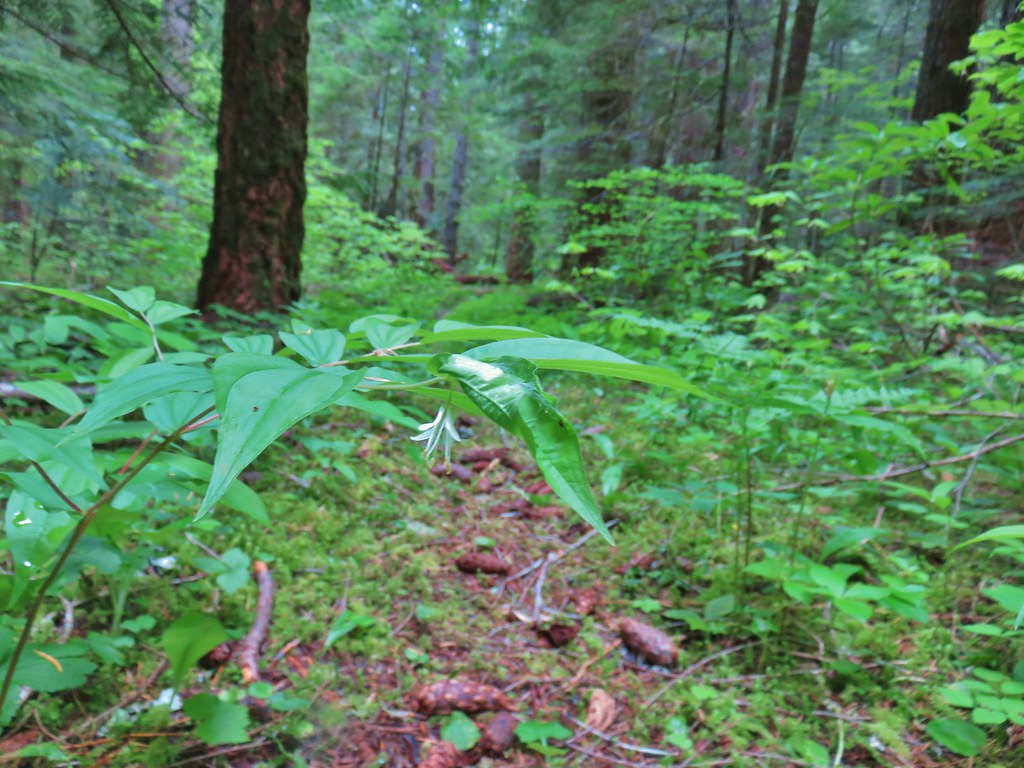 Fairybells
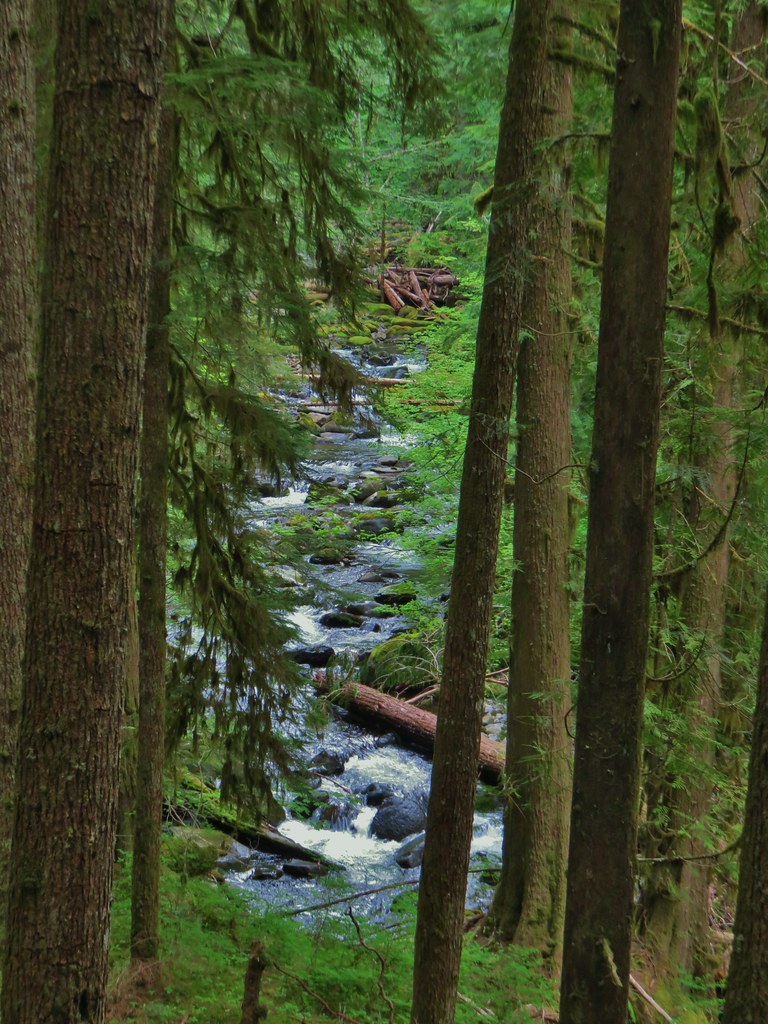
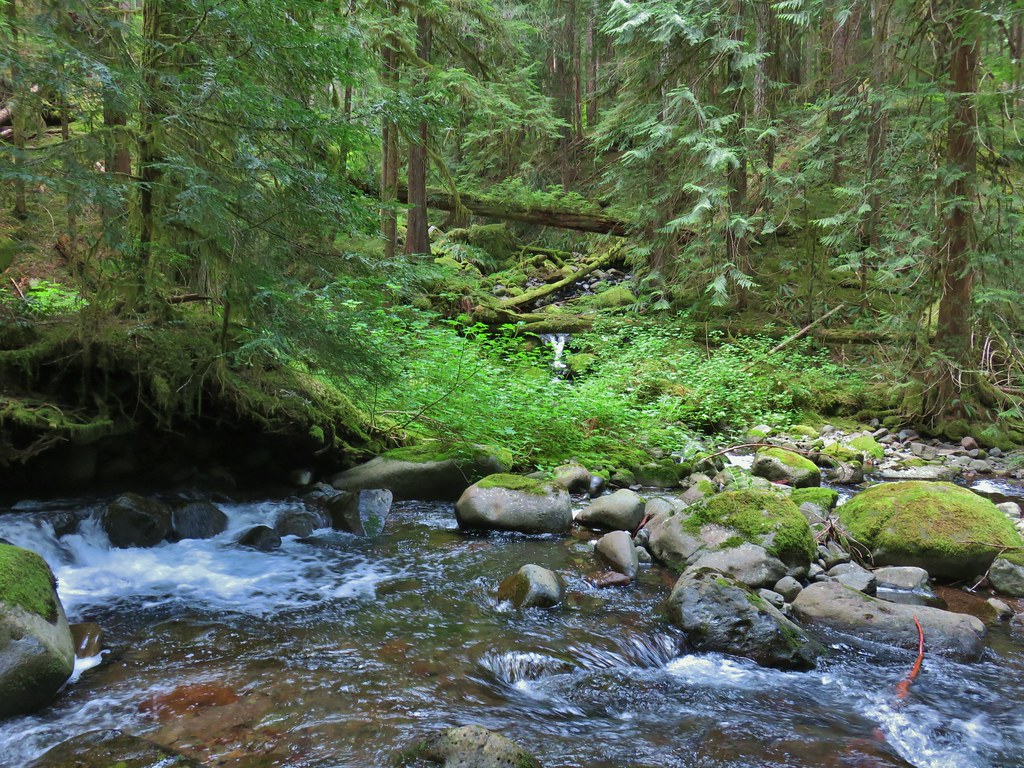
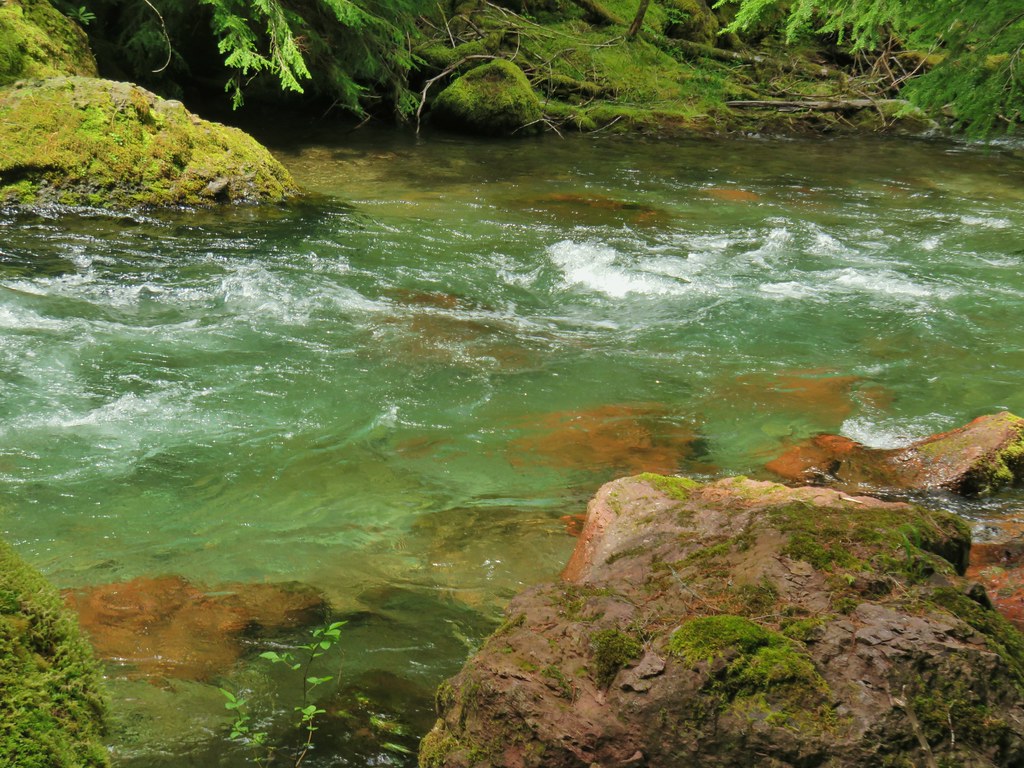
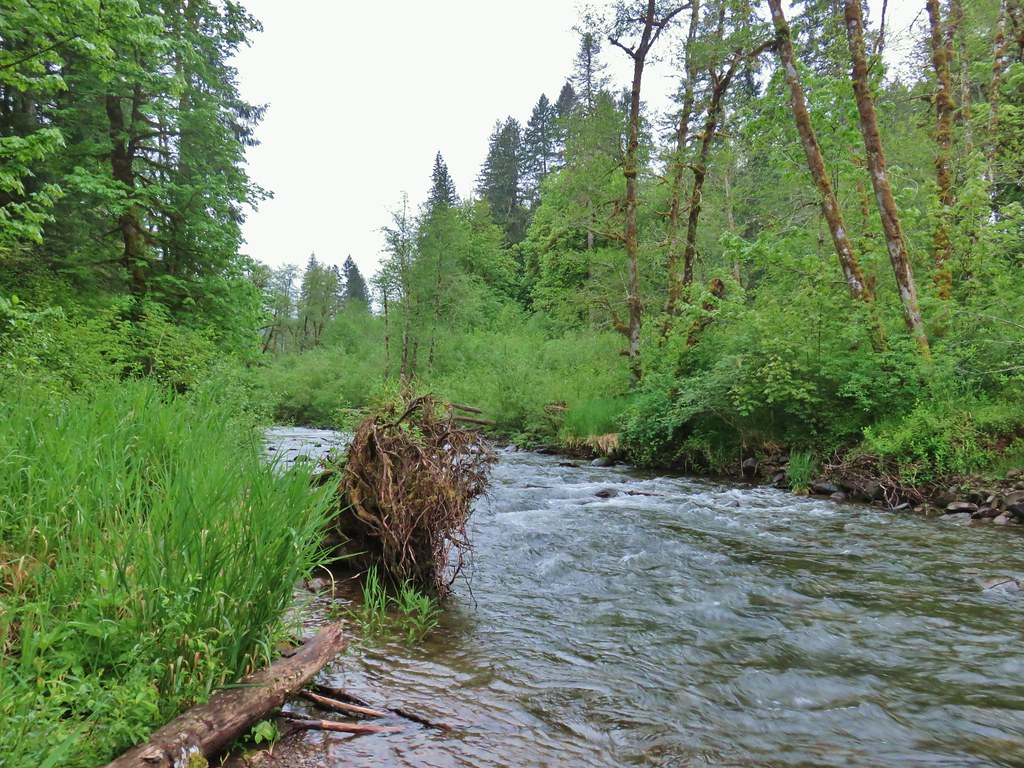
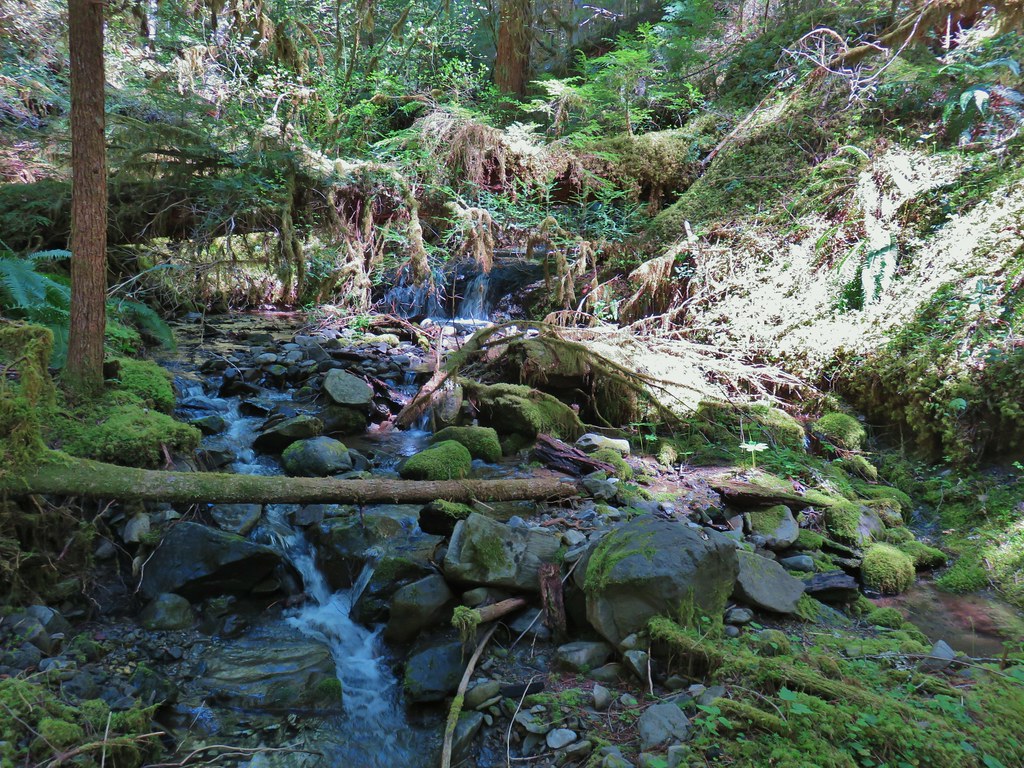
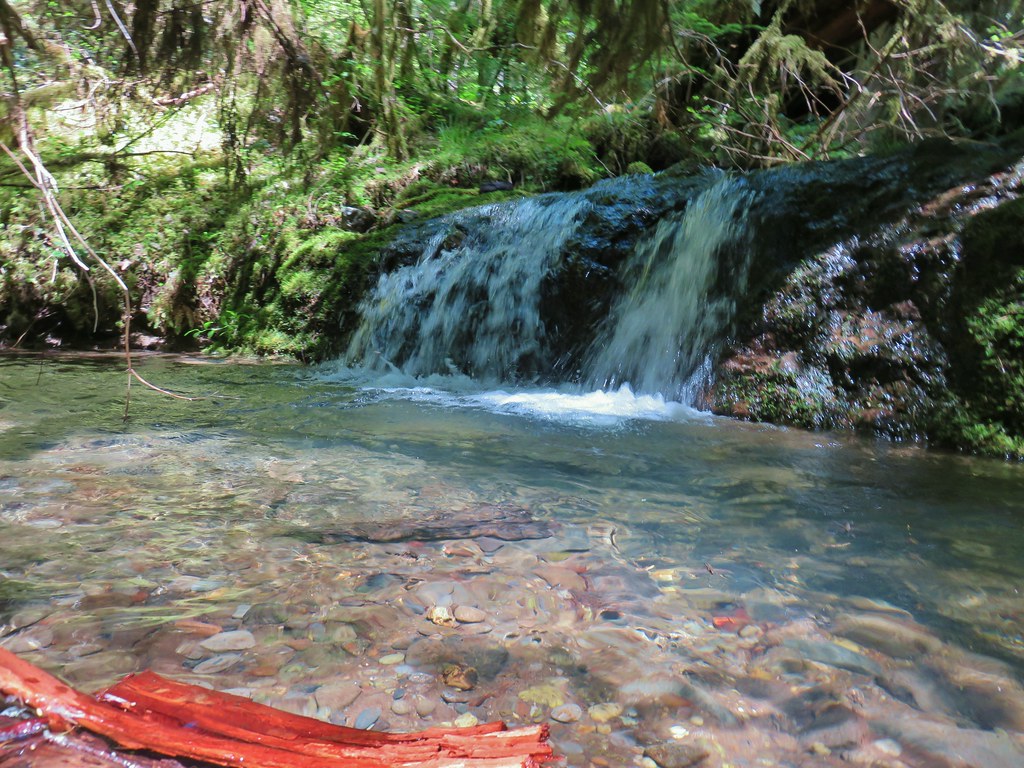
 East Fork South Fork McKenzie River
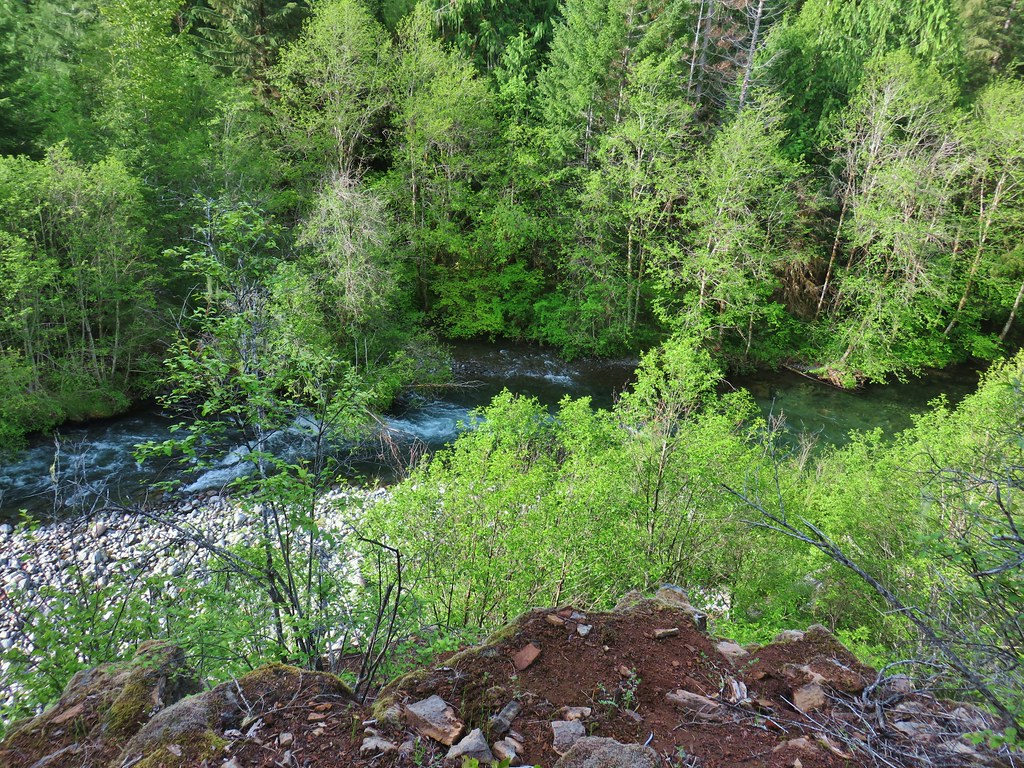
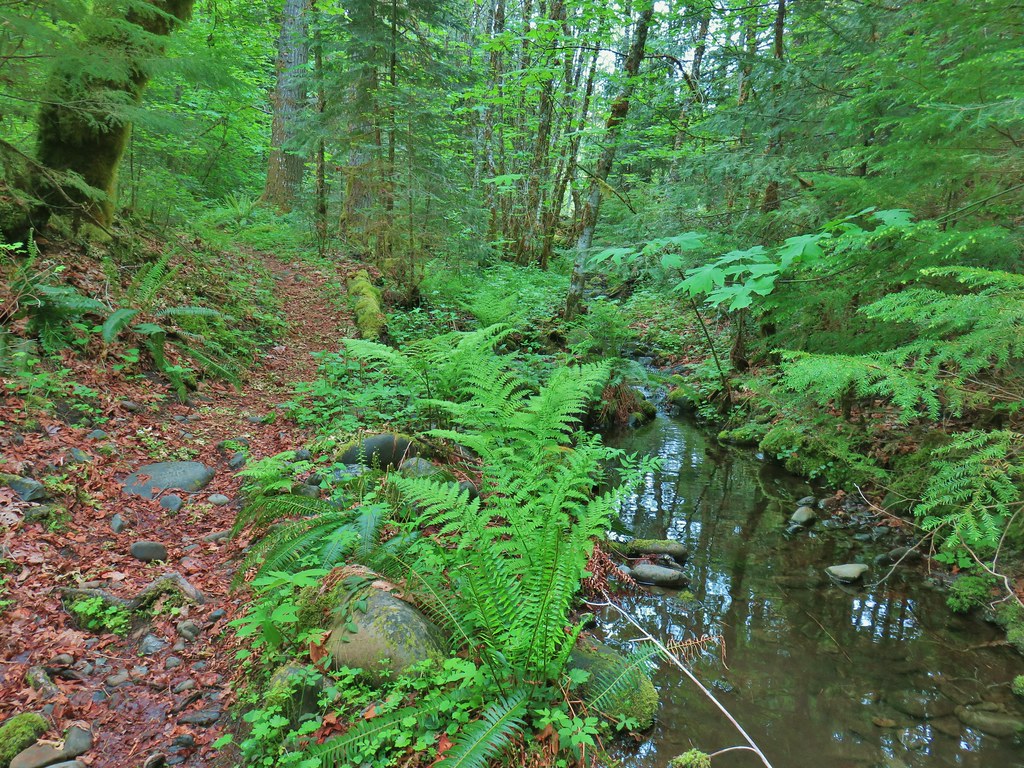
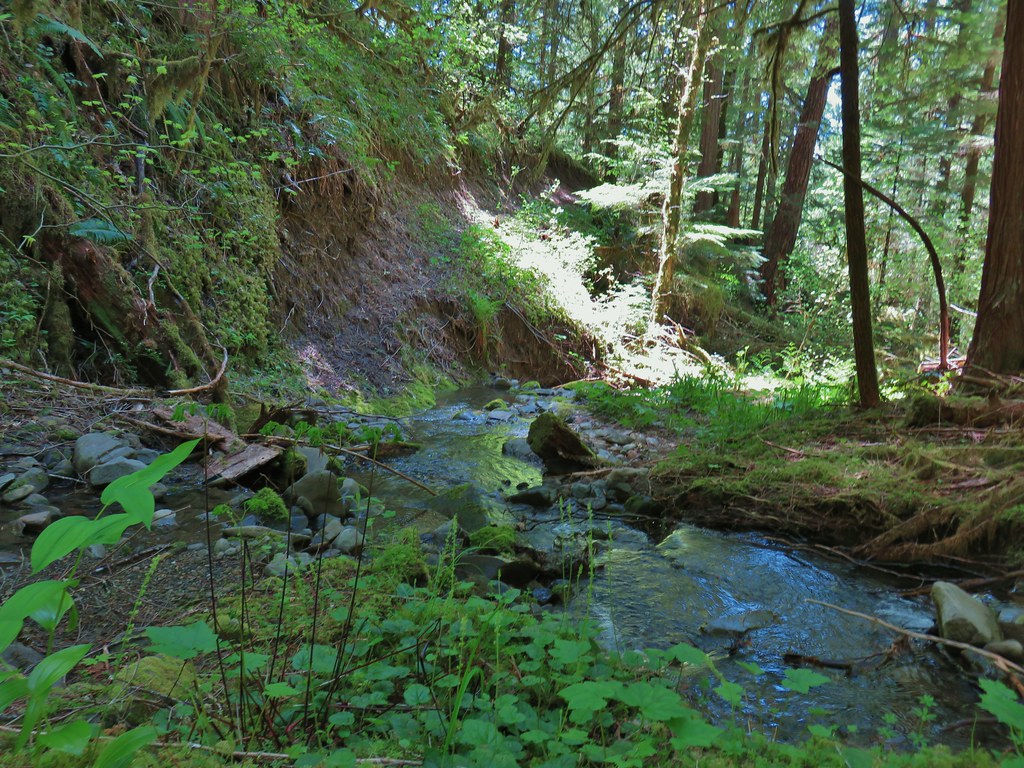
Once we arrived at the river the trail turned west following it downhill toward the reservoir. As is the case for most river trails we were sometimes a ways above it and at other times right along it.




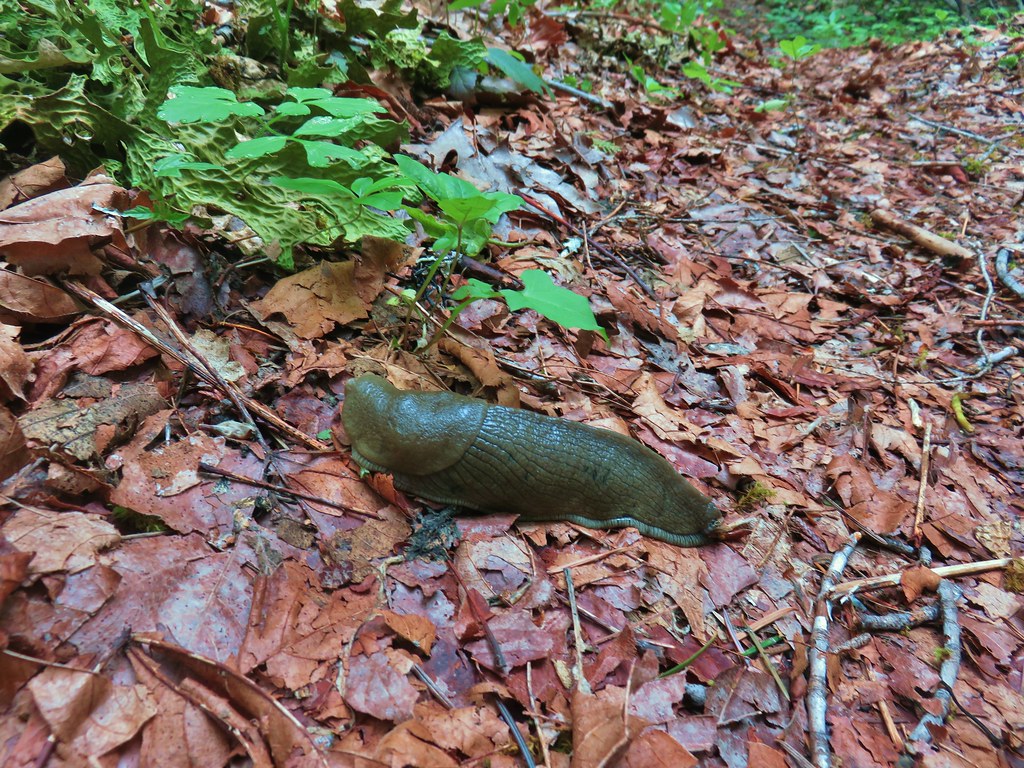
There were a number of woodland flowers in bloom and lots of slugs to watch out for.
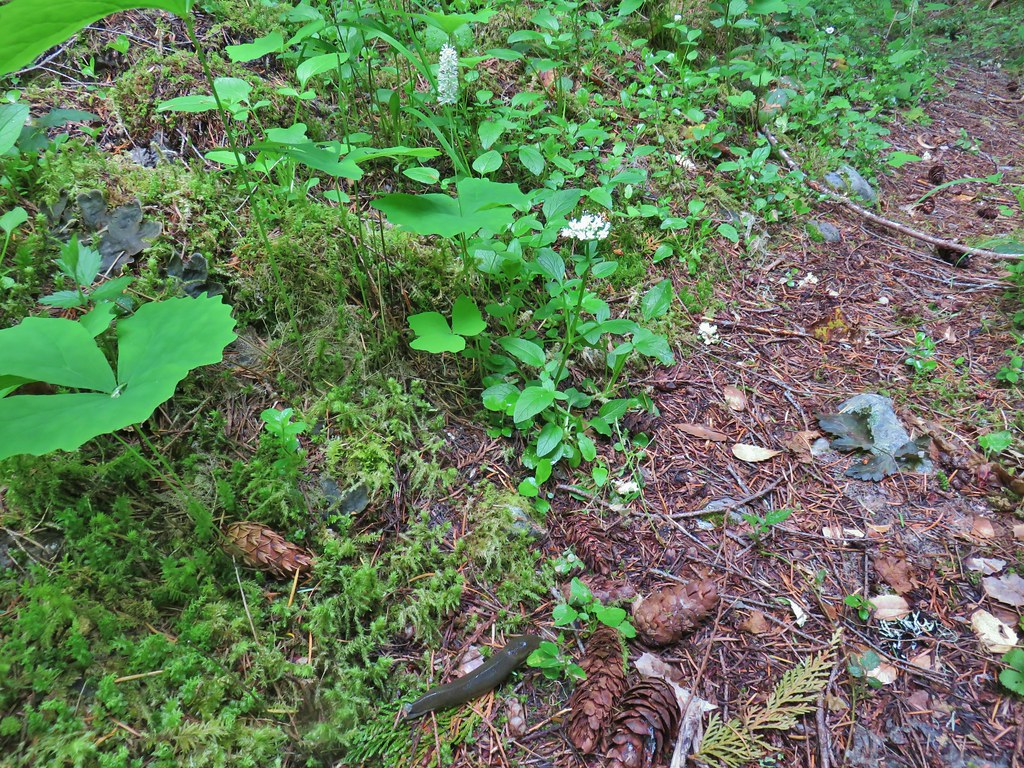 Vanilla leaf, valerian, and a slug.
 Oregon grape
 Salmonberry
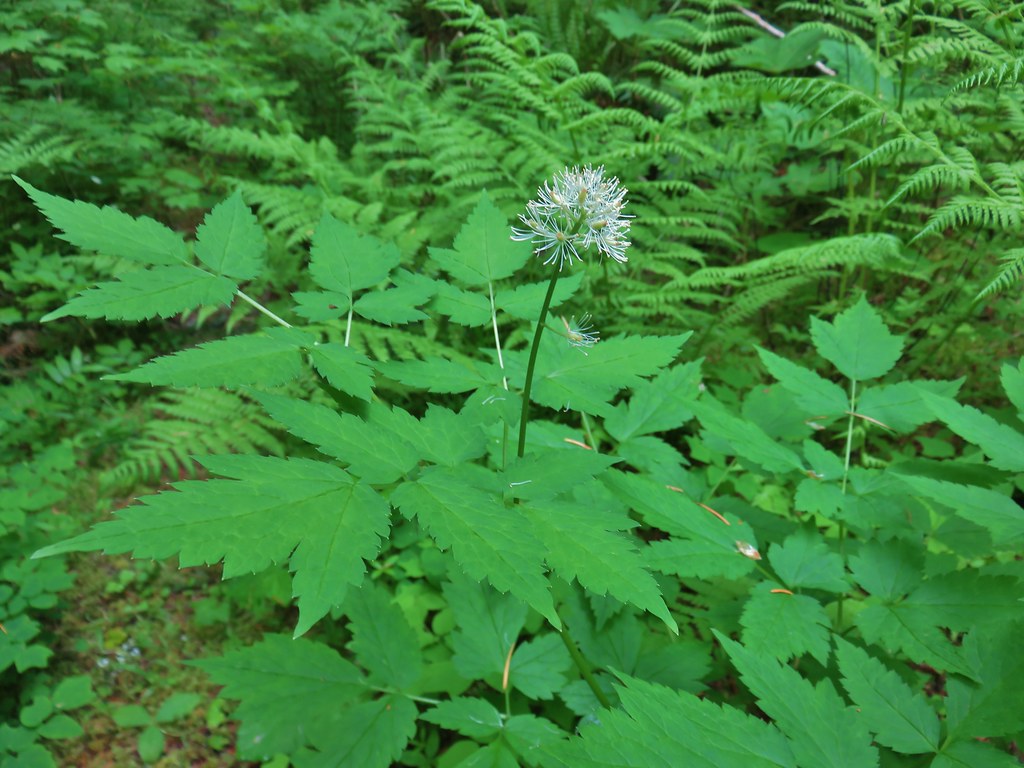 Baneberry
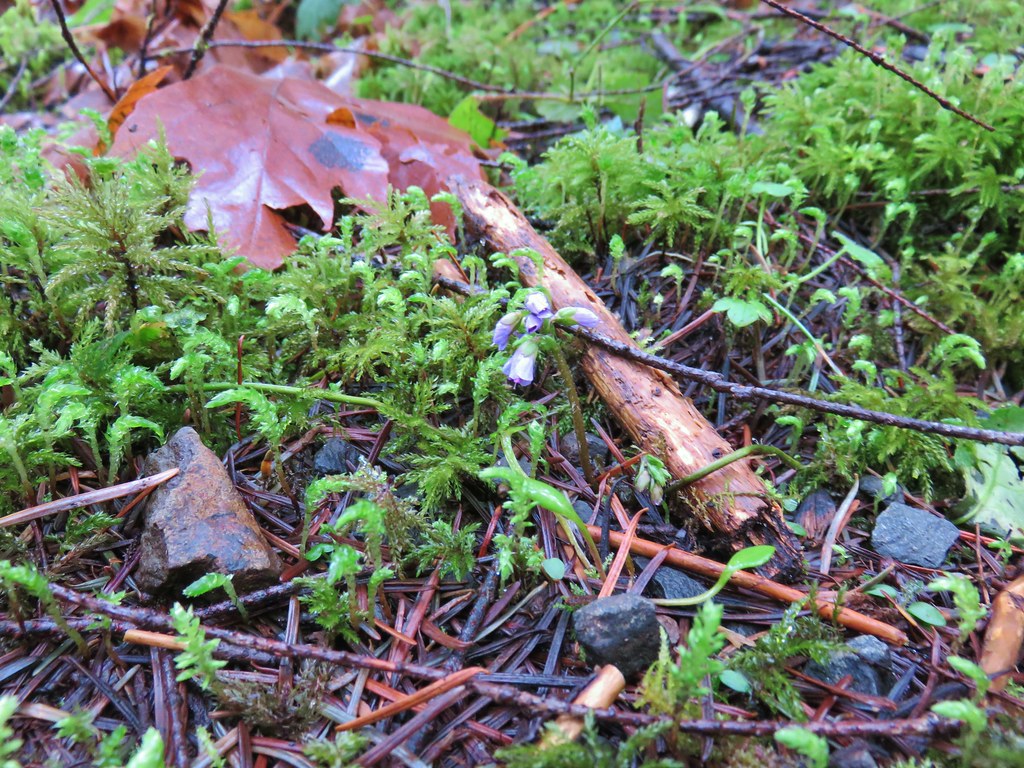
 Violets
 Sour grass
 Queen’s cup
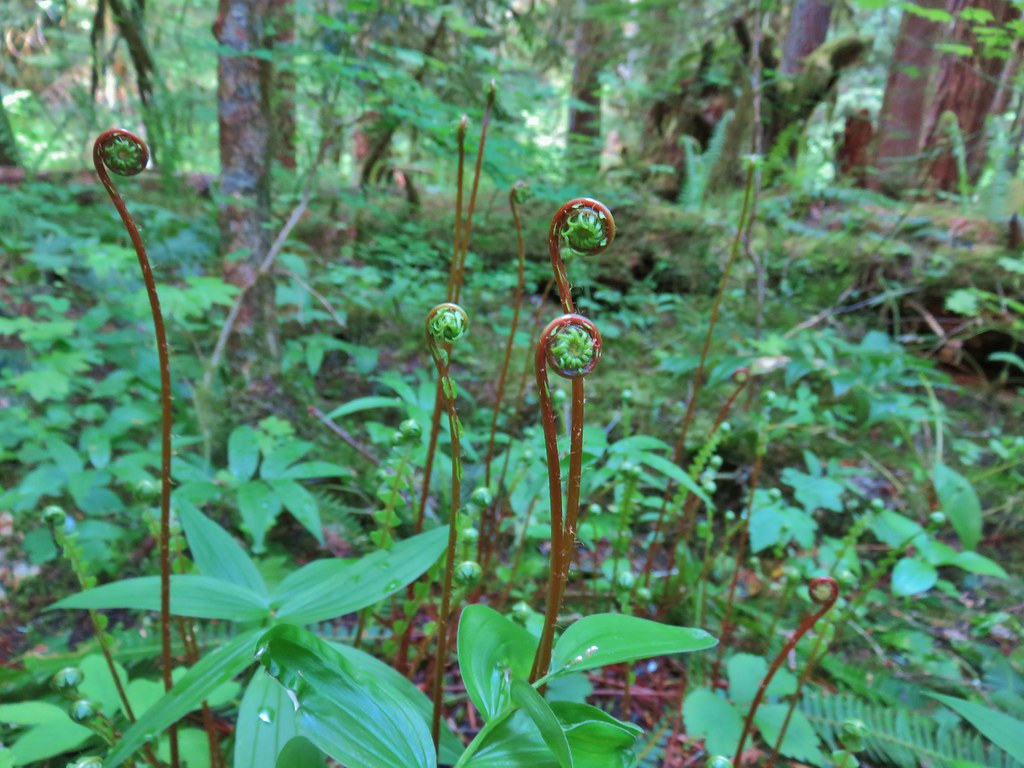 Fern unfolding
 Mushrooms

 Maidenhair ferns
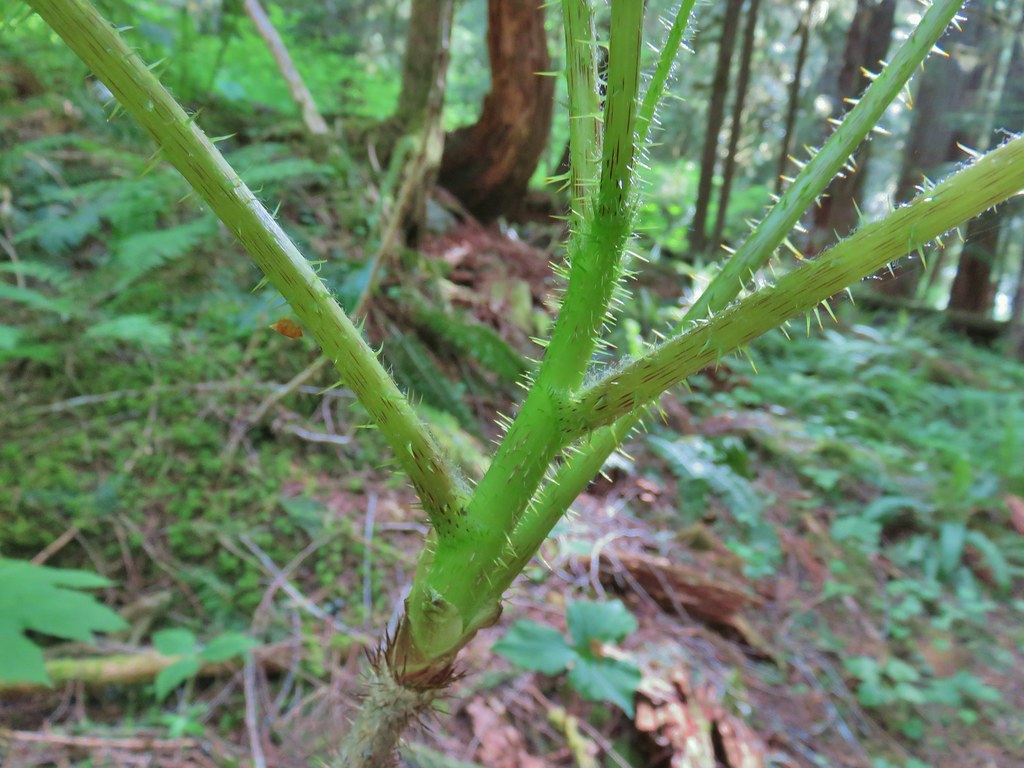 We also watched out for the nasty Devil’s Club and its thorns.
The trail didn’t appear to see much use and was increasingly overgrown and also suffered from a fair amount of blowdown.


We made it approximately 3 miles before the blowdown got us. A large tree was down across the trail as it traversed along a hillside above the river. The tree was far to big to simply step over and there were no limbs or other footholds to assist in getting over. To make matters worse the trail on the opposite side of the tree was washing out a bit. That made it look like it might be difficult to get safely off of the tree if we were able to get over it without sliding down the trunk (they can be surprisingly slippery). We could also see other trees down just a little further up the trail.

Our options were to scramble up and around the root ball that was a good 30 to 40 yards uphill or turn back. The fact that the trail had been getting more and more “wild” didn’t give us any confidence that the going would get any easier, especially considering that if we made it to the upper footbridge the forest on the south side of the river burned in a low intensity fire in 2018. We decided that the smart thing to do was to turn back here so we did.
On the way back we had a bit of excitement when we heard a ruckus off to our left. When we looked over we saw something brown charging down at us through the brush. It stopped several feet away for us which allowed us to identify it as a grouse. She was all ruffled up and yelling at us. We could hear other grouse still uphill so we guessed this was a mother protecting her young. After getting our attention she flew onto the trail then ran ahead in an attempt to lead us away from what we assumed were her young.
 The grouse is the blurry brown thing ahead and to the left of the trail.
She led us for a quite a bit before she was apparently comfortable with the distance and she disappeared into the forest. As we continued we discussed our options for the rest of the day. We decided that as long as the weather held out that we would set a turnaround time and hike up the Saddle Trail a bit since it was right there where we’d parked.
 Start of the Saddle Trail at FR 1993
We gave ourselves an hour as we began climbing this steep trail (1400′ elevatin gain over 2 miles). We were excited when we spotted some blooming beargrass and paintbrush.


 A penstemon starting to bloom
 A line of paintbrush

There were a number of other flowers blooming along the trail.
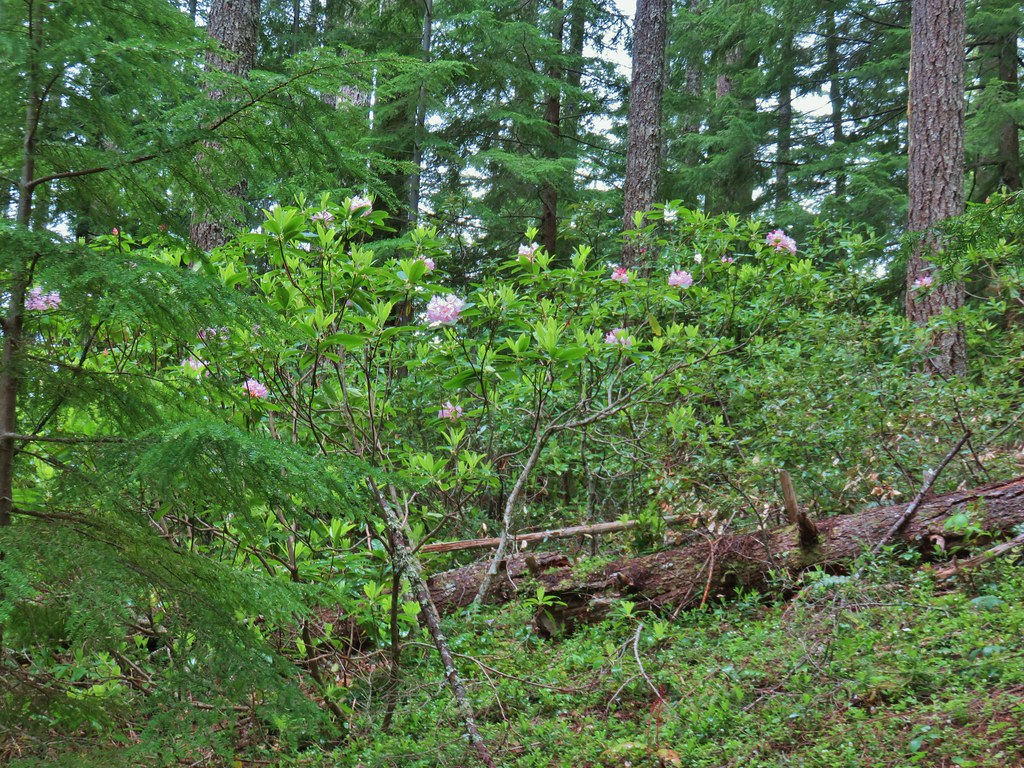 Rhododendron
 Rhododendron
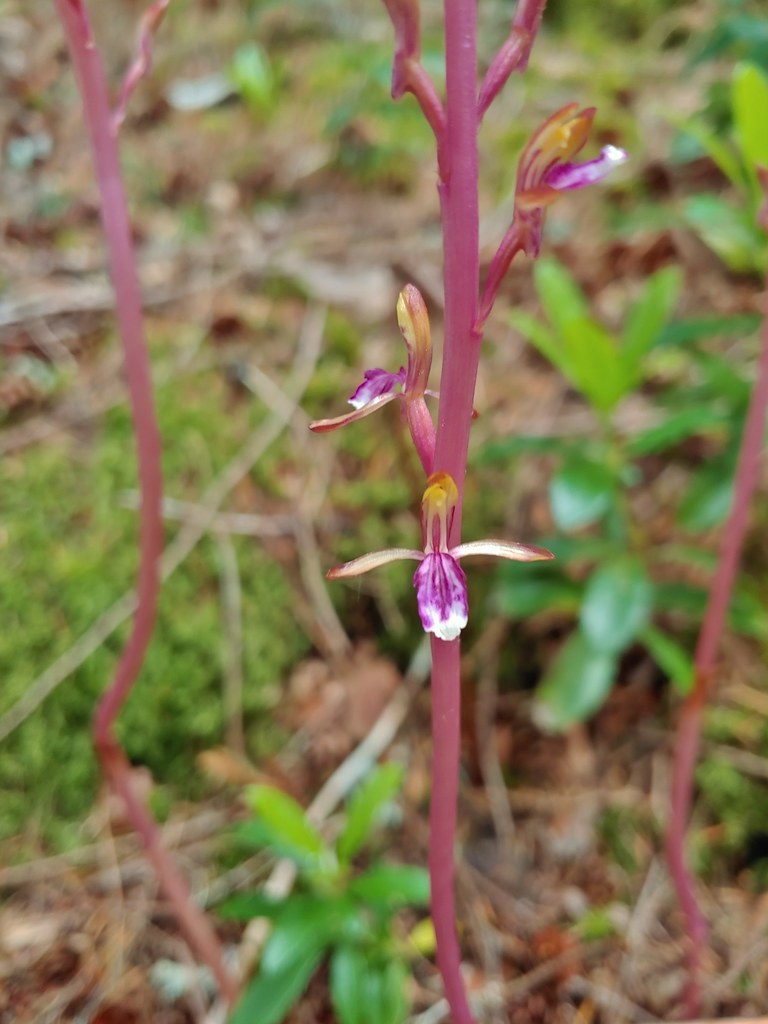 Pacific coralroot
 Northern phlox
 Pinesap (I think)
 Oregon grape
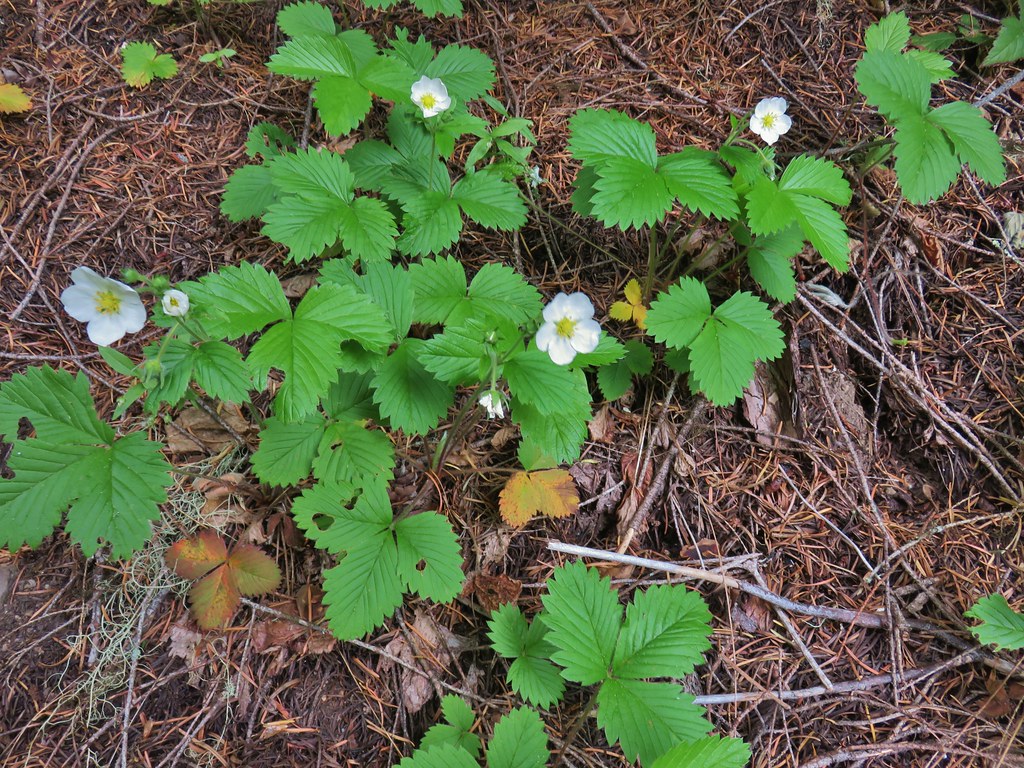 Strawberry
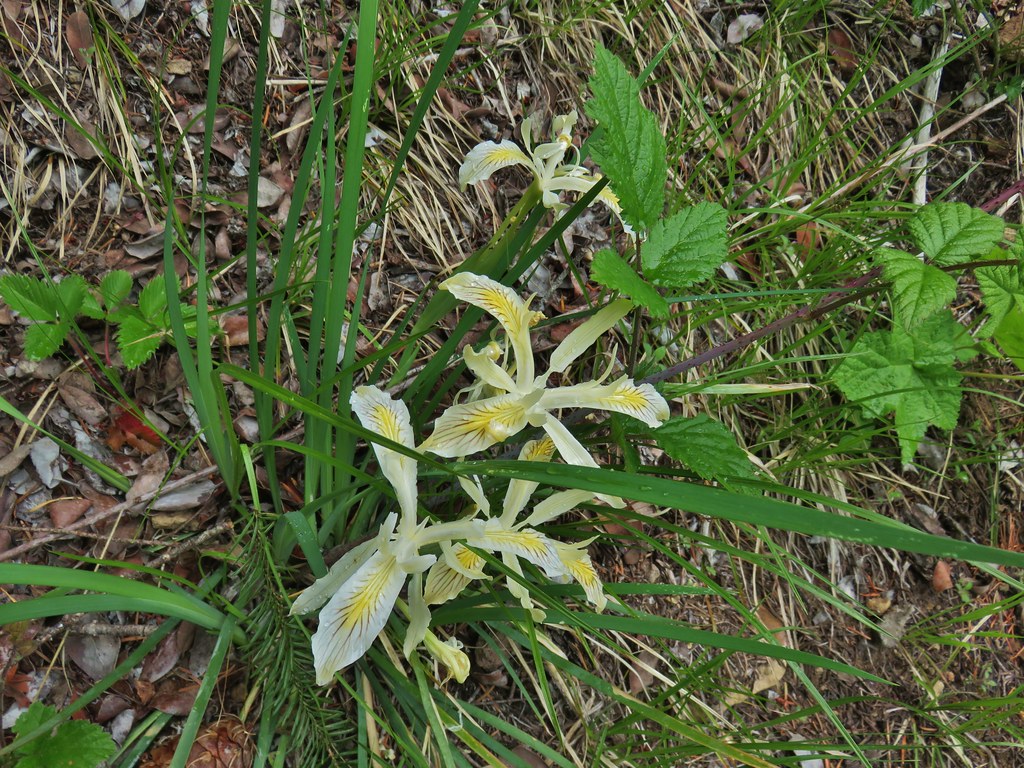 Yellowleaf iris
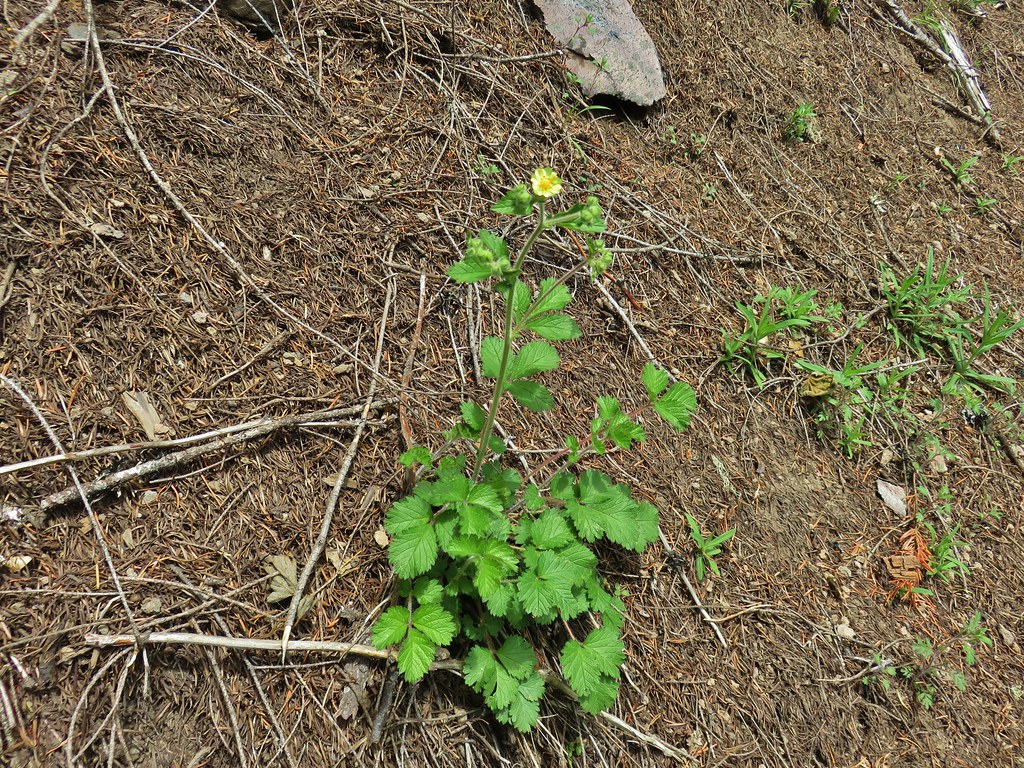 Sticky cinquefoil
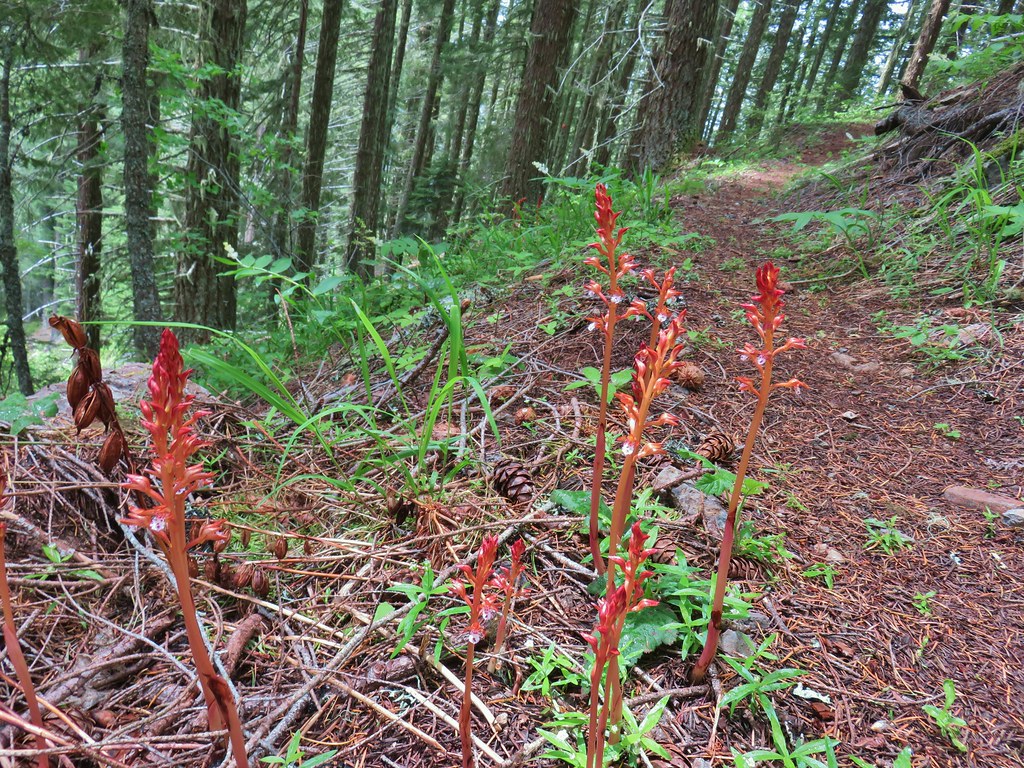 Spotted coralroot
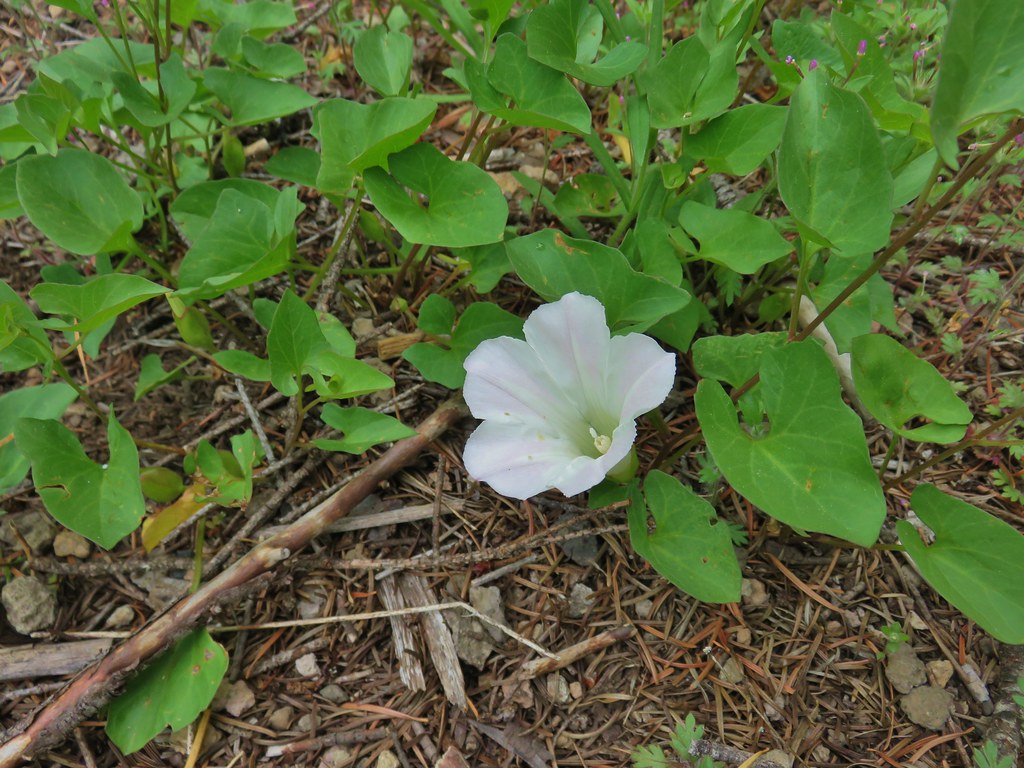 Nightblooming false bindweed
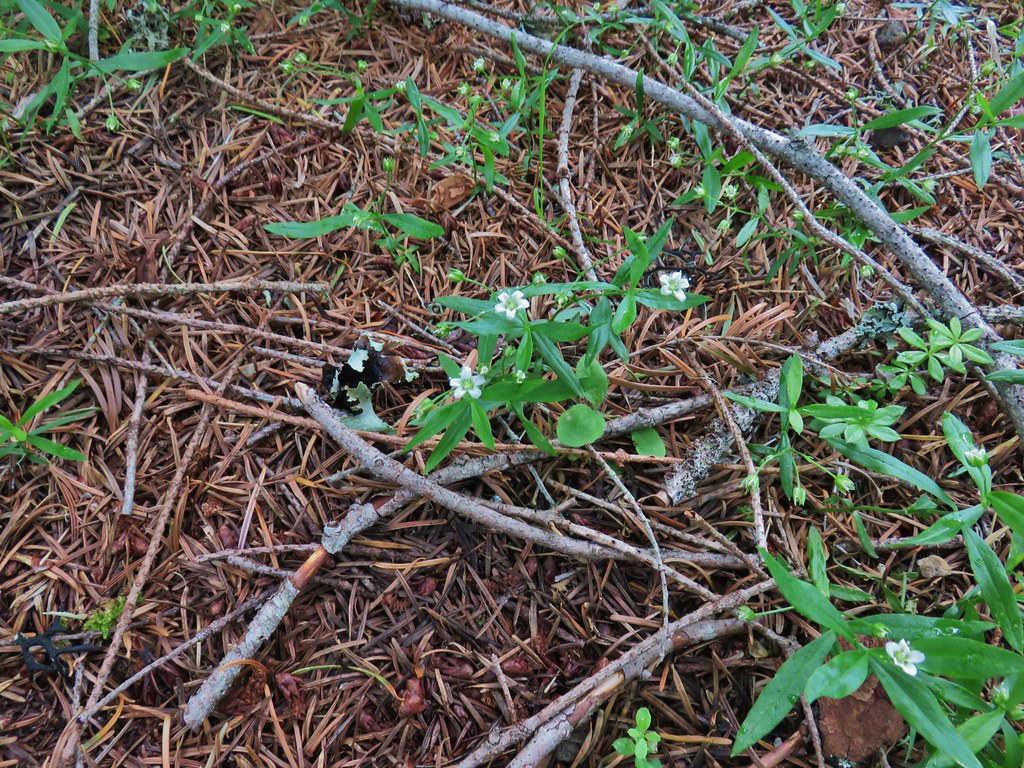 Largeleaf sandwort
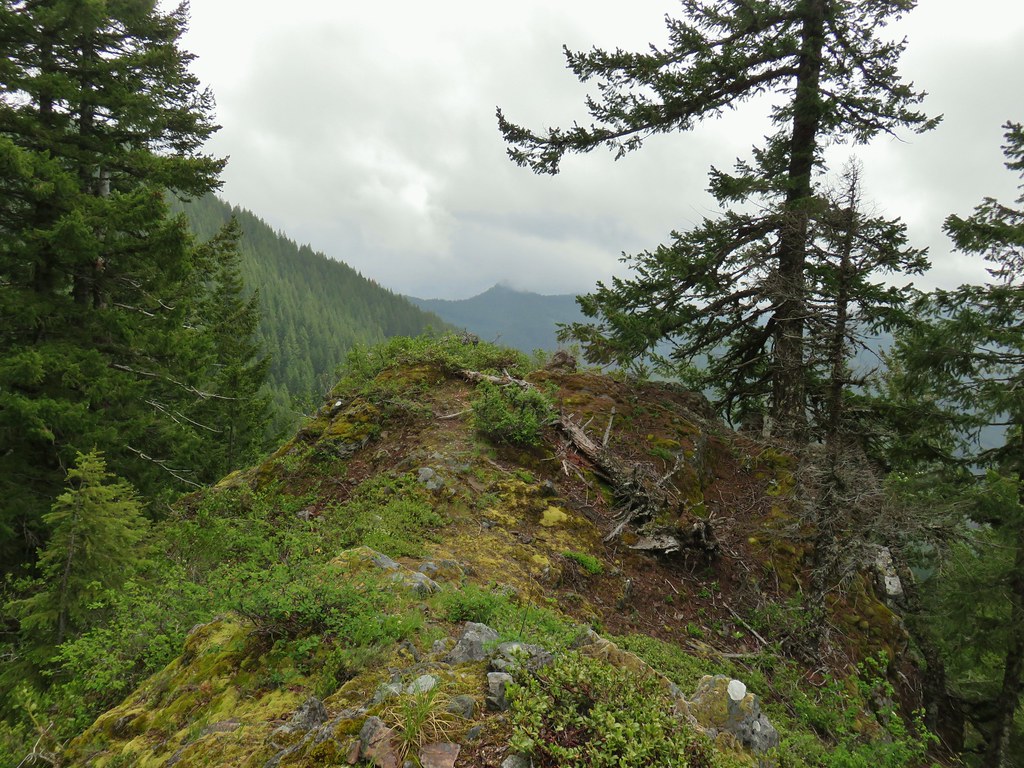
We had made it about 1.5 miles up the trail when our hour was almost up. We were at a switchback which the trail launched steeply up from and Heather decided she was going to call it there. I decided that we were close enough to the end of the trail that I wanted to continue up to the junction with the Olallie Trail so Heather started back down while I continued uphill. Two tenths of a mile where we parted ways I came to a rocky viewpoint off a switchback. The view was not nearly as clear as it had been on our July 2018 visit, but there were flowers present this time that had not been then.

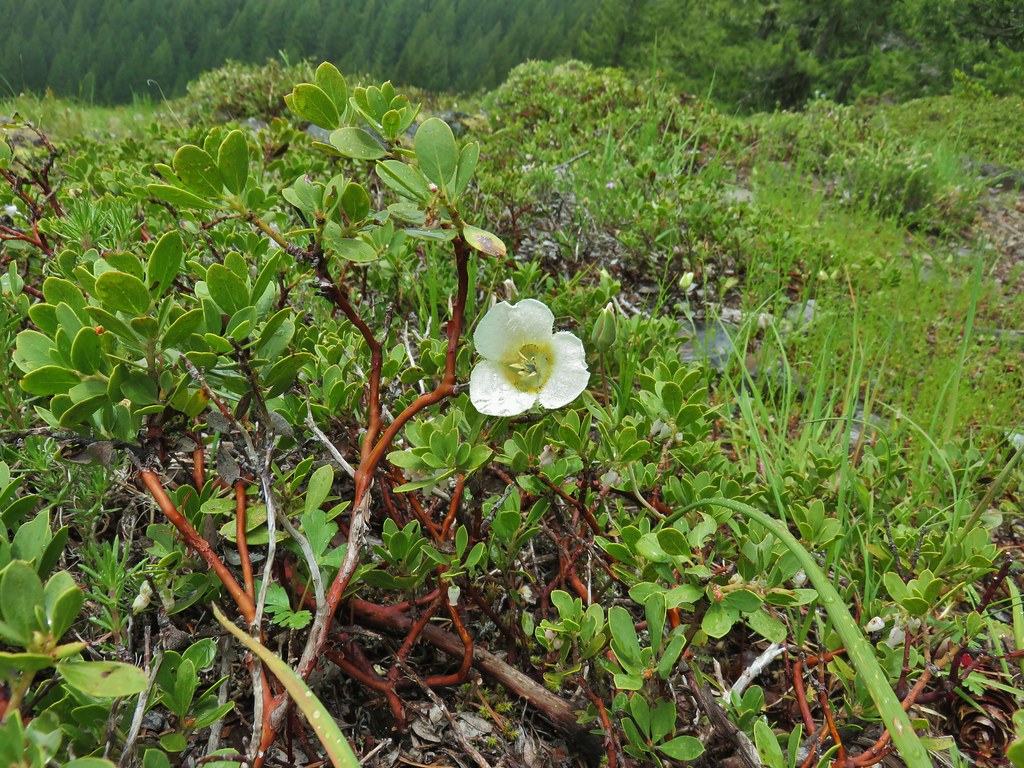 Subalpine mariposa lily
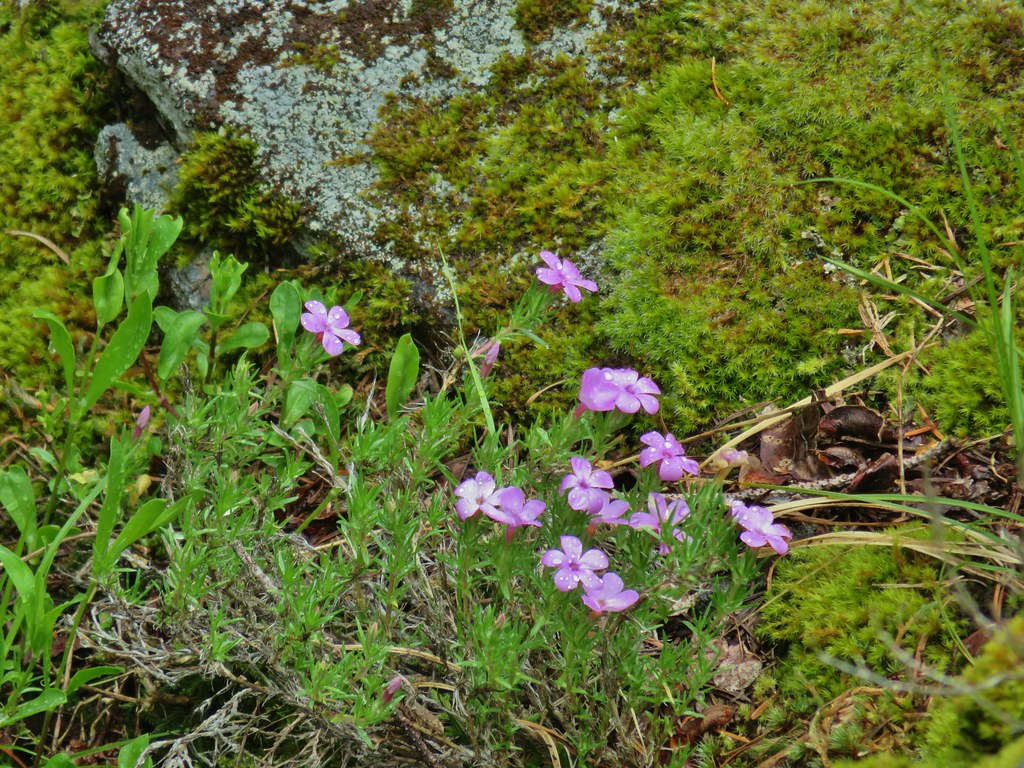 Phlox
Phlox
 Rosy pussytoes
I almost called it at the viewpoint but then remembered that there was a meadow just before the end of the Saddle Trail so I continued uphill hoping that there would be a decent wildflower display. I was not disappointed as there were quite a few flowers in bloom including large swaths of blue-eyed mary.


 Larkspur

 Biscuitroot
 Blue-eyed Mary
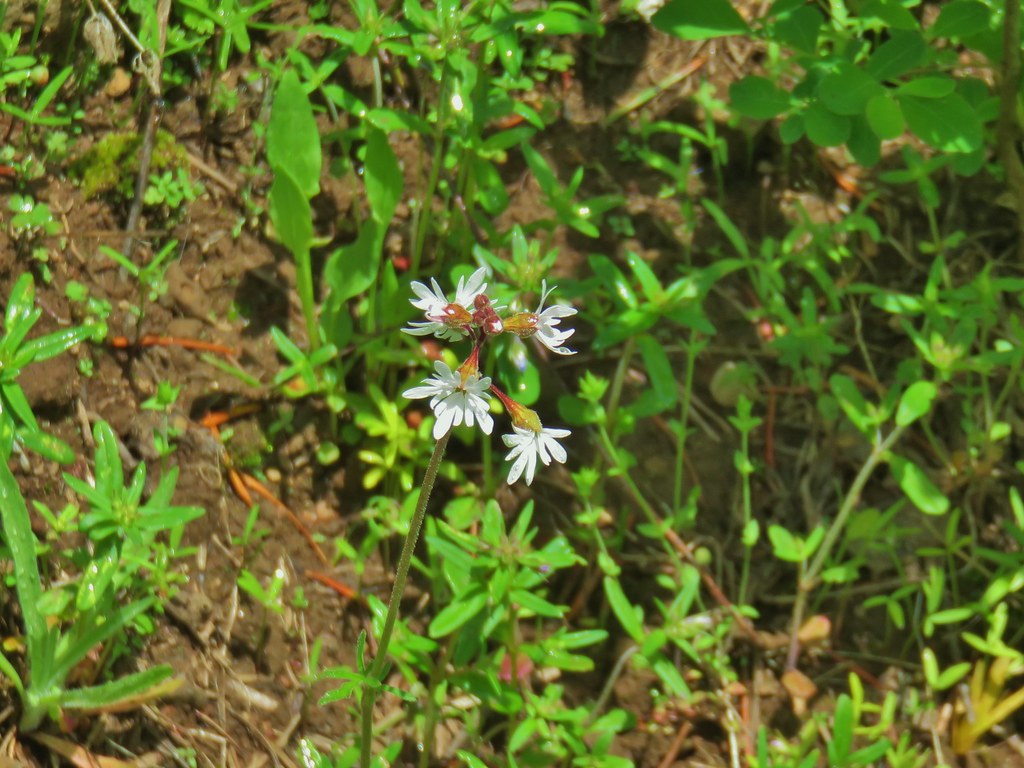 Woodland star
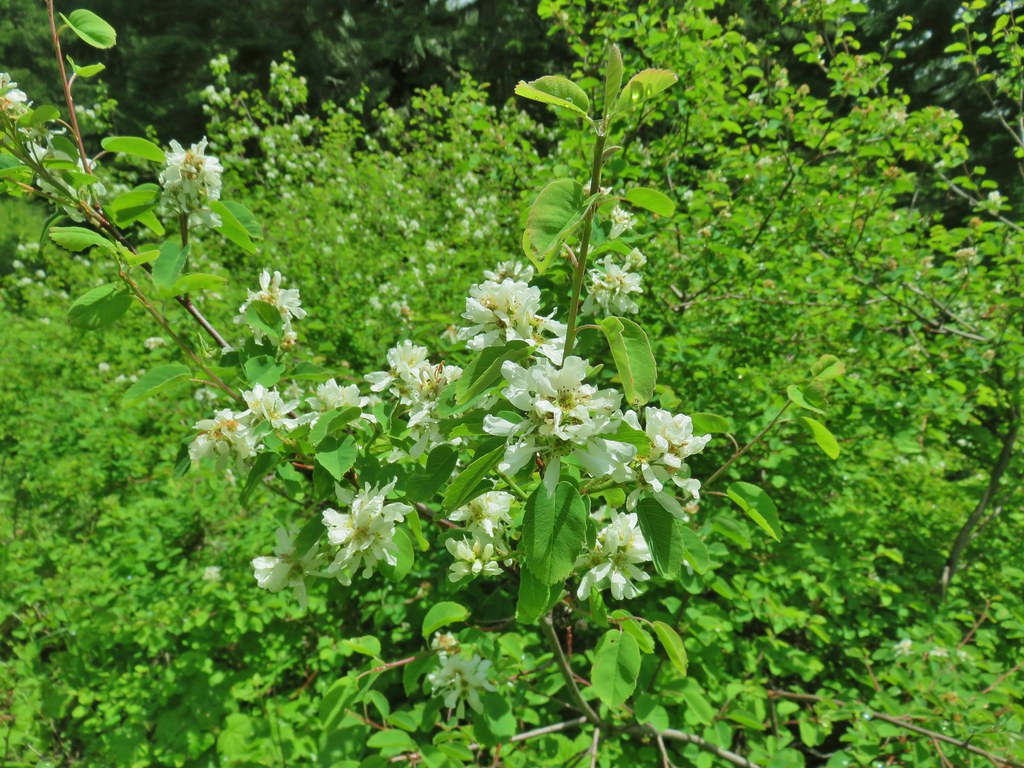 Serviceberry
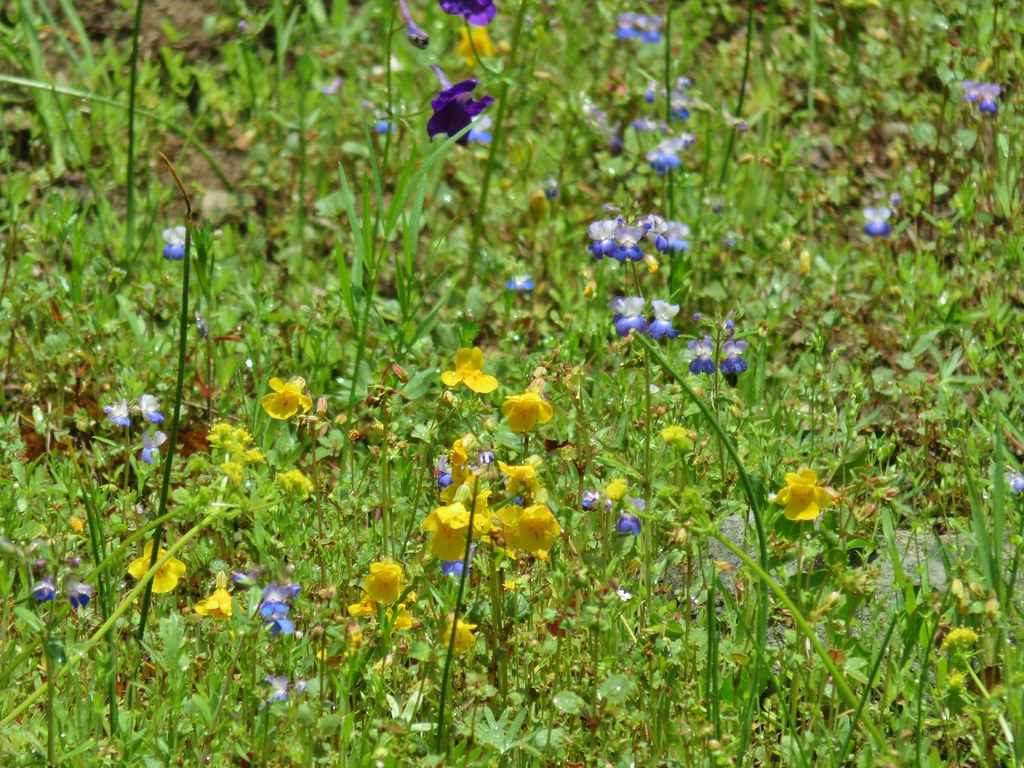 Monkeyflower
 Royal Jacob’s ladder
 Something in the pea family.
 Alpine pennycress
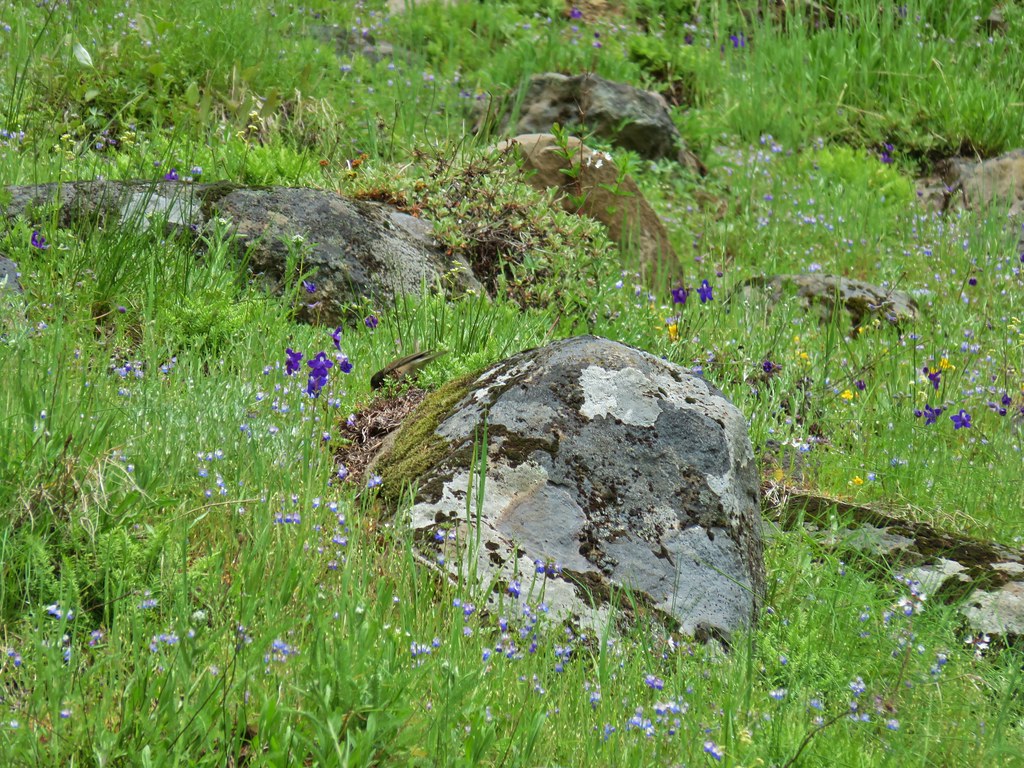 Junco amid the flowers.
 Bear scat in the meadow.
The trail left the meadow then quickly arrived at a saddle and the Olallie Trail.
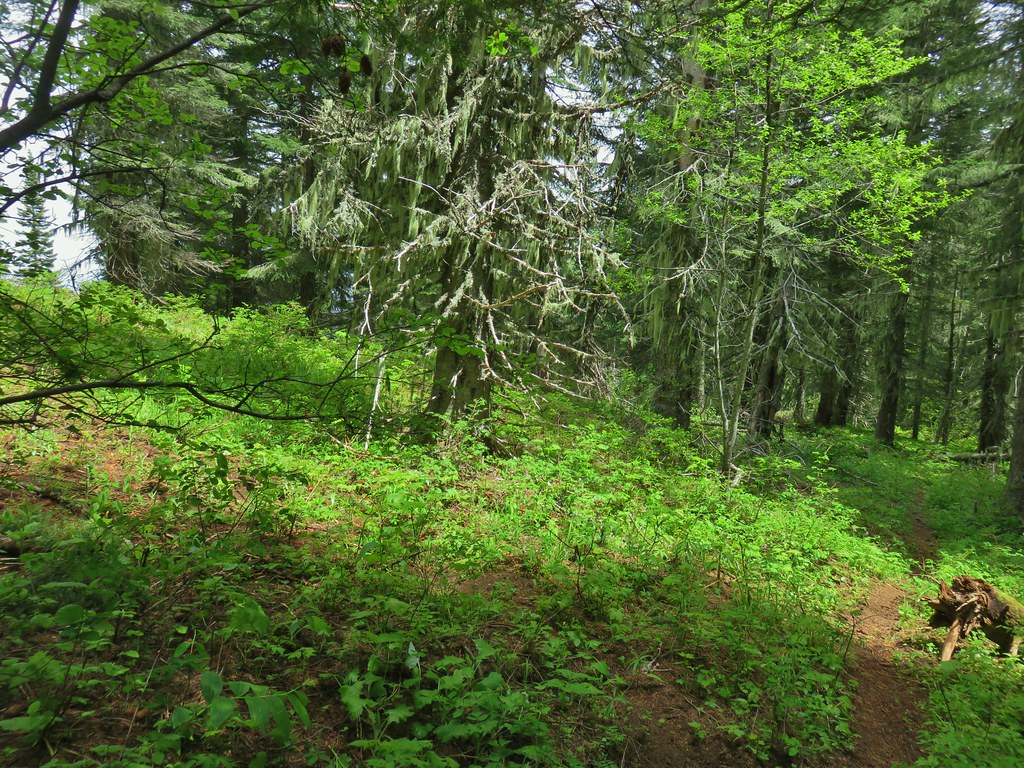
Other flowers bloomed near the junction.
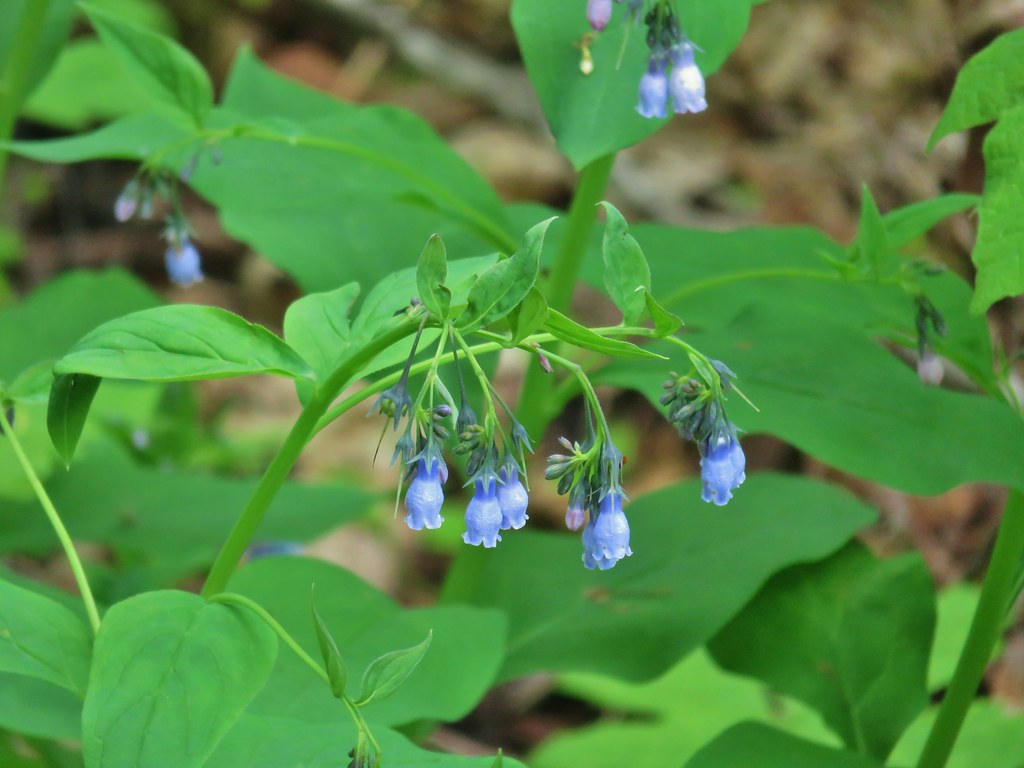
 Tall bluebells
 Trillium
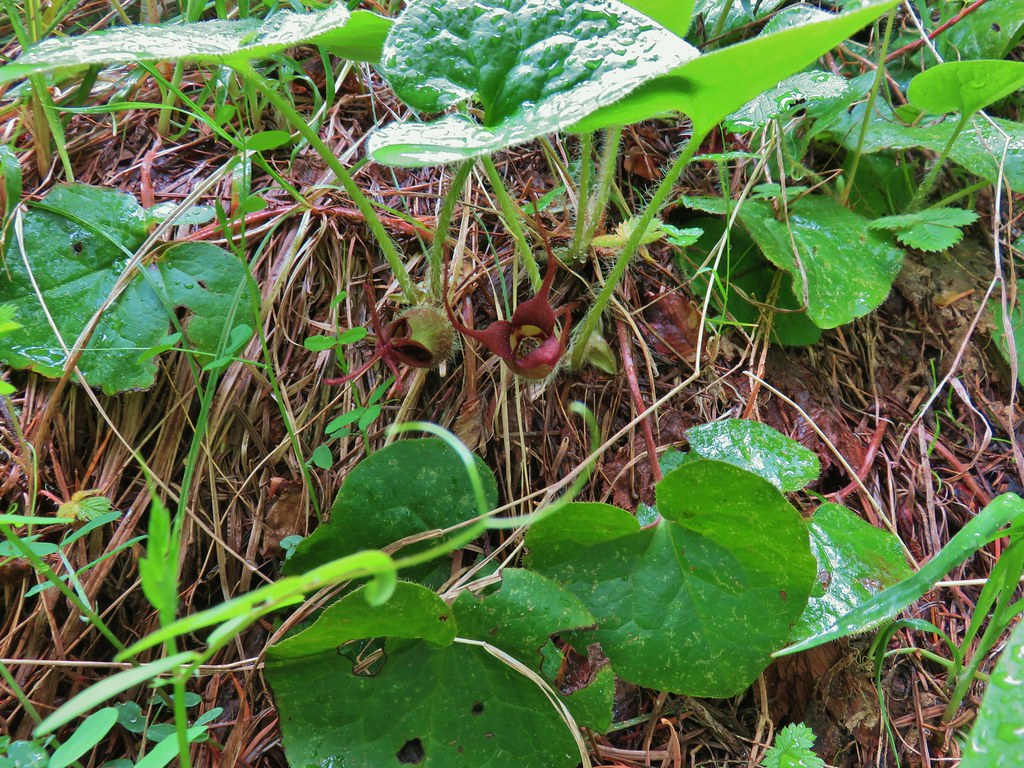 Wild ginger
 Bleeding heart and tall bluebells.
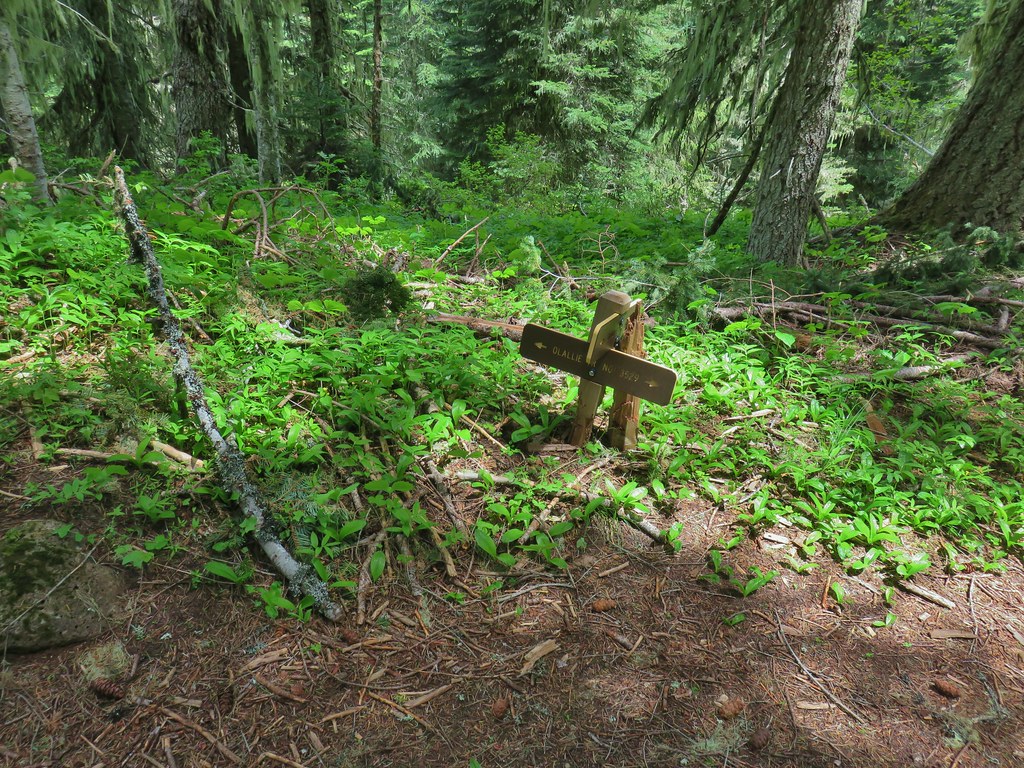 The Olallie Trail
After tagging the junction I headed back down. About halfway down I ran into Heather heading back up, she had been going up and down between switchbacks in an attempt to stay warm as the rainy weather that had been forecast had finally arrived along with a chilling breeze. Even though the day hadn’t gone a planned we managed to get in a little over 11 miles of hiking and enjoyed some nice sights and surprisingly pleasant weather (for the most part). As an added bonus we saw exactly zero other people on the trails which has become a rare occurrence. Happy Trails!
Flickr: East Fork and Saddle Trails



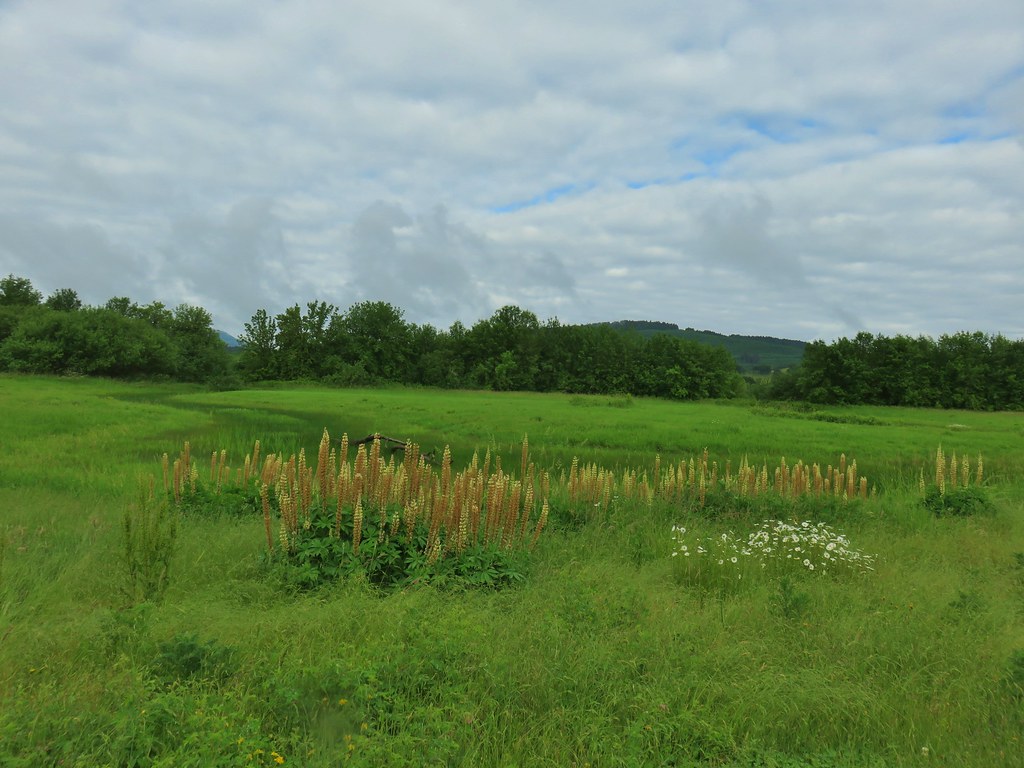
 Lupine along McFadden’s Marsh
 Small bird in the grass.
 I am almost never sure on yellow flowers like these which one it actually is.
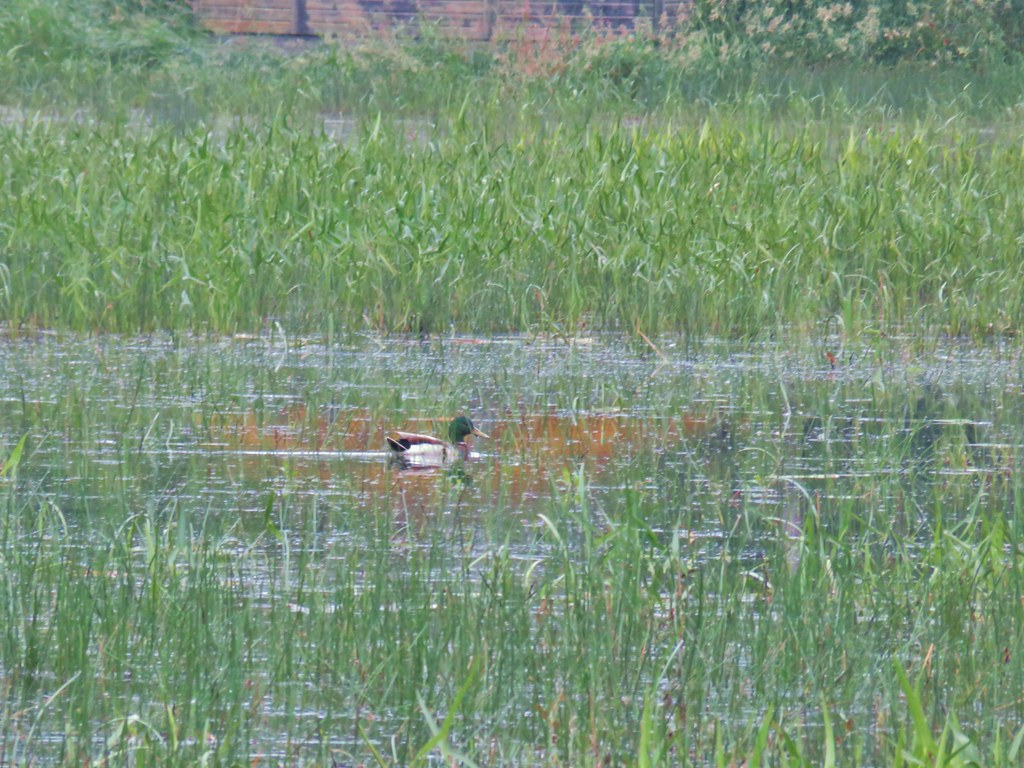 Mallard at McFadden’s Marsh.
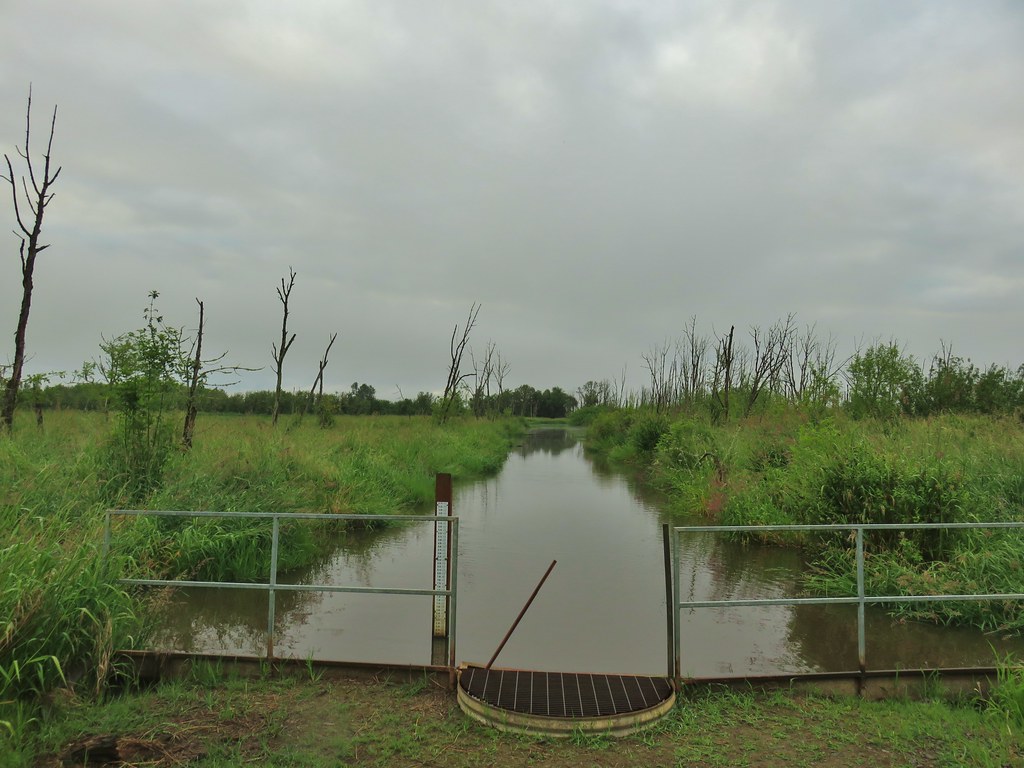 Ditch draining into the marsh.
 Wood duck and duckling speeding away down the ditch.
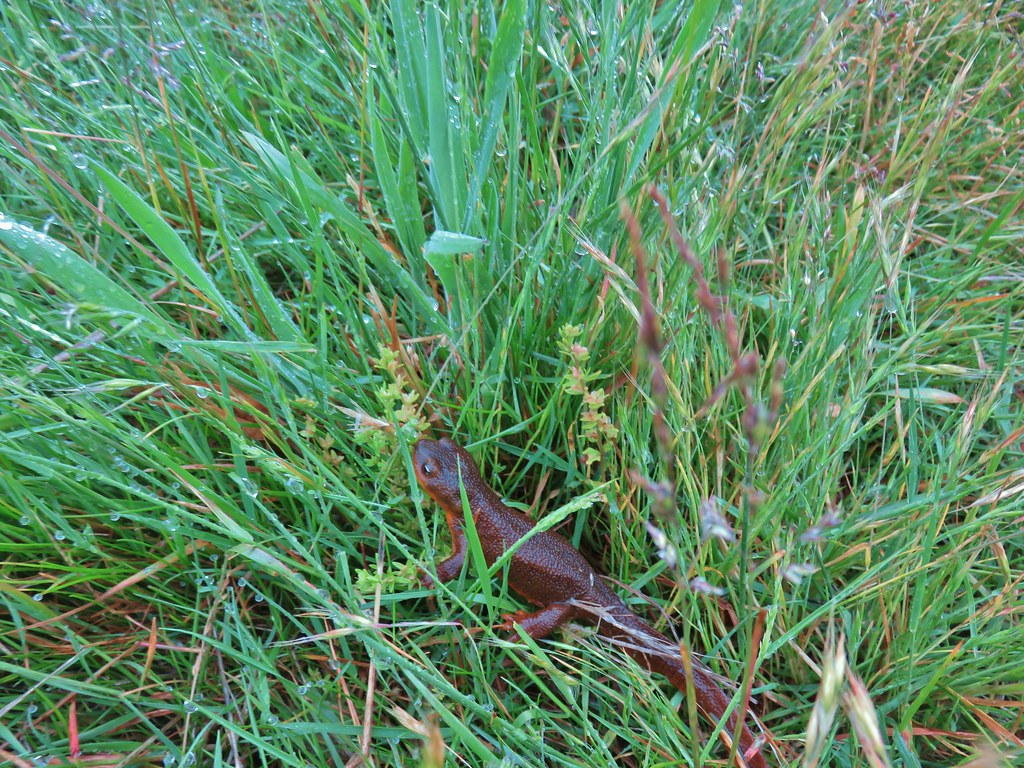 Watch your step in the grass!
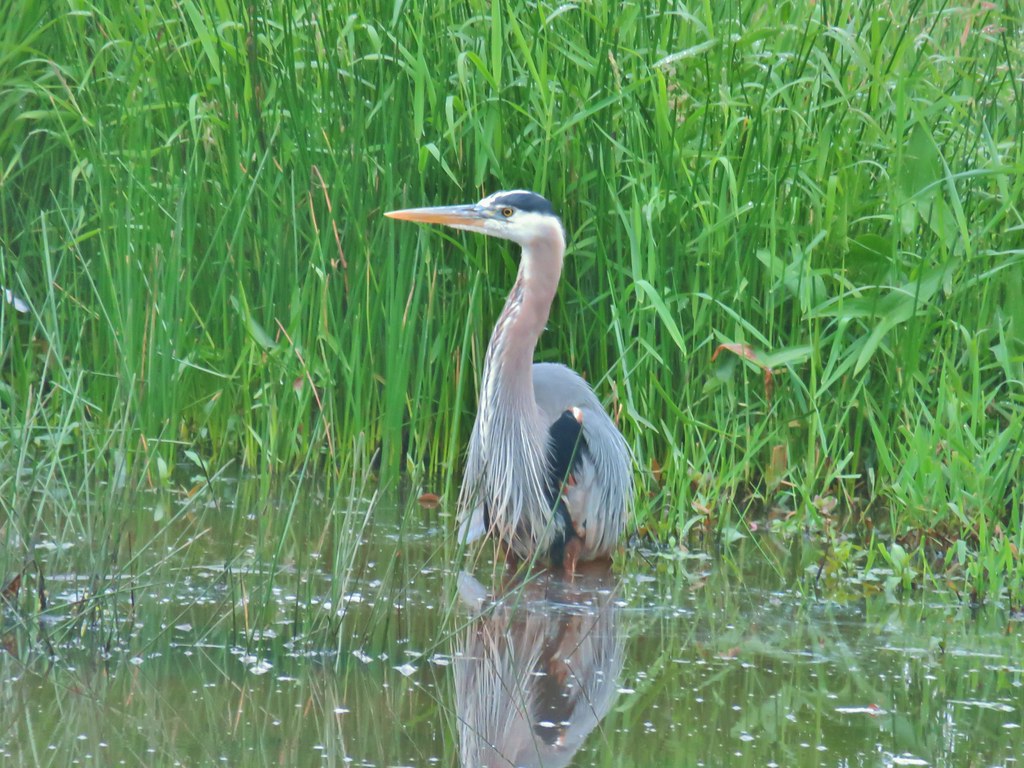
 Another heron standing in the marsh.
 Walking over Muddy Creek on Bruce Road.
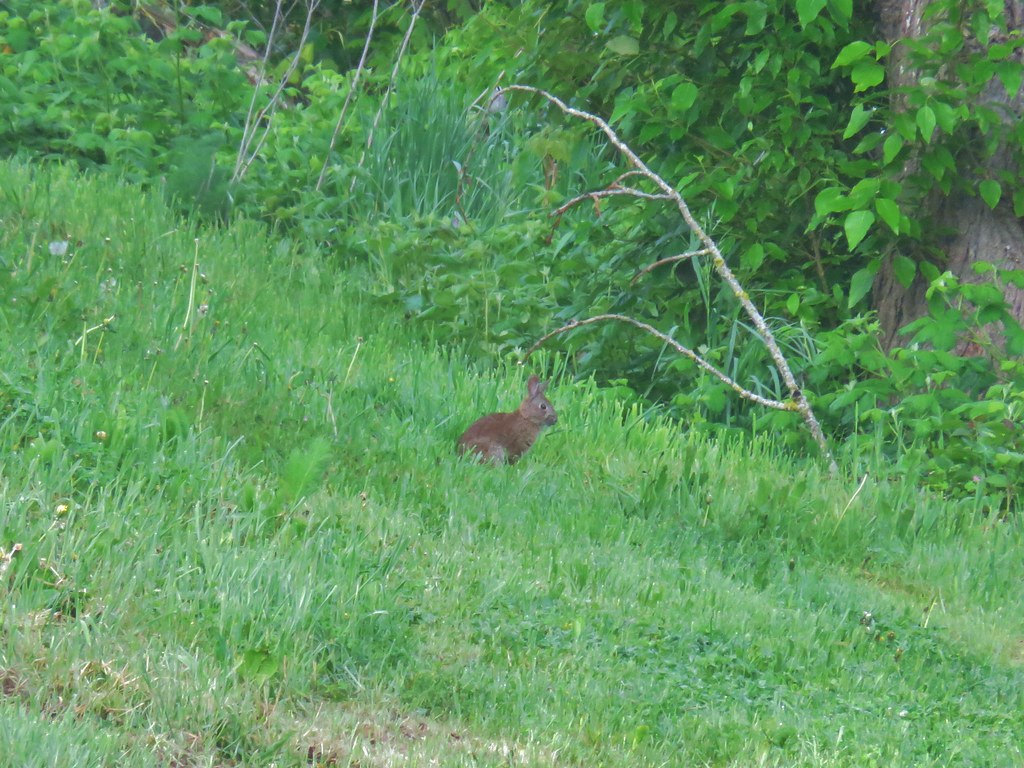
 A pair of California quail and a rabbit on Bruce Road near the Cheadle Marsh Trailhead.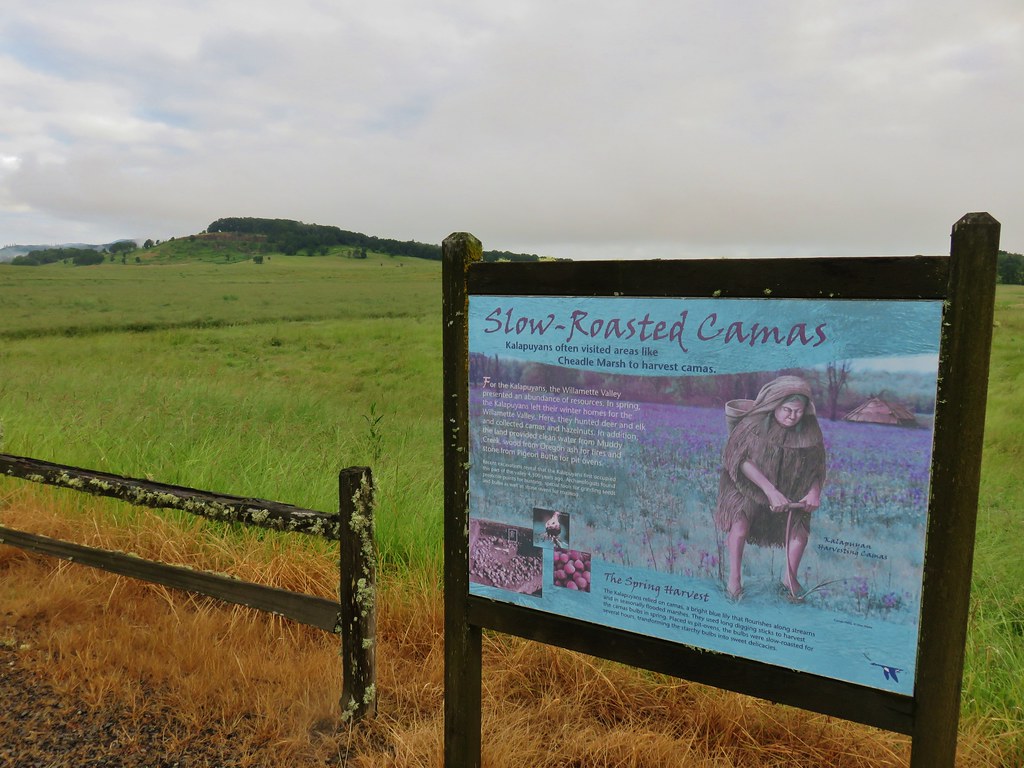

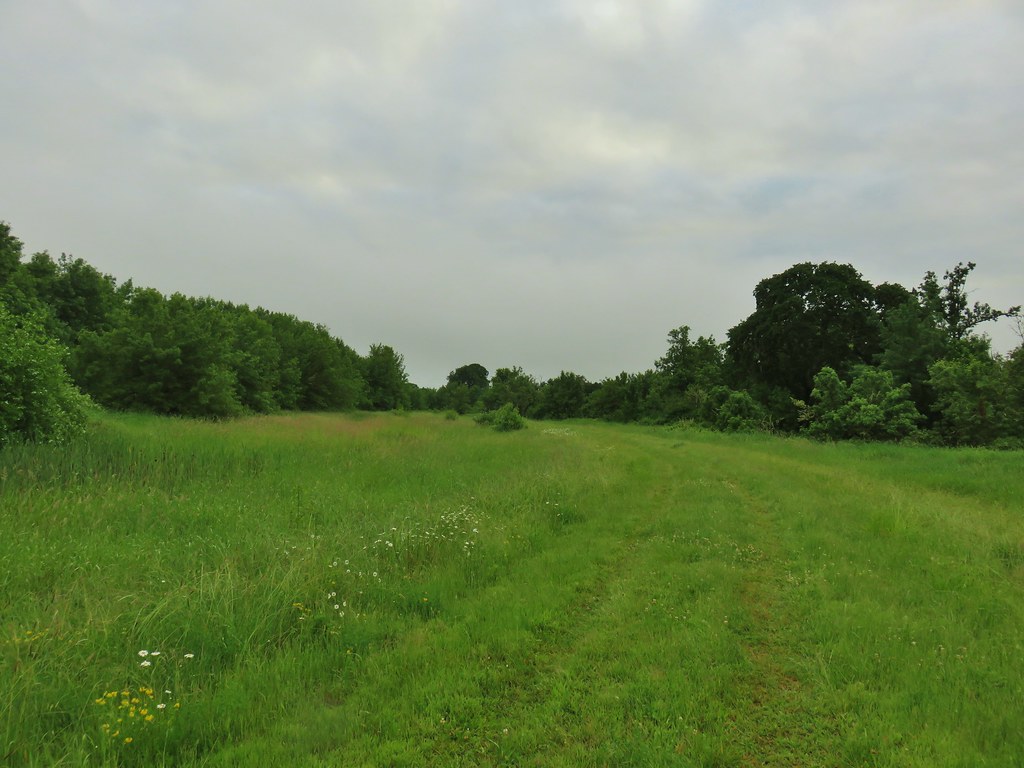

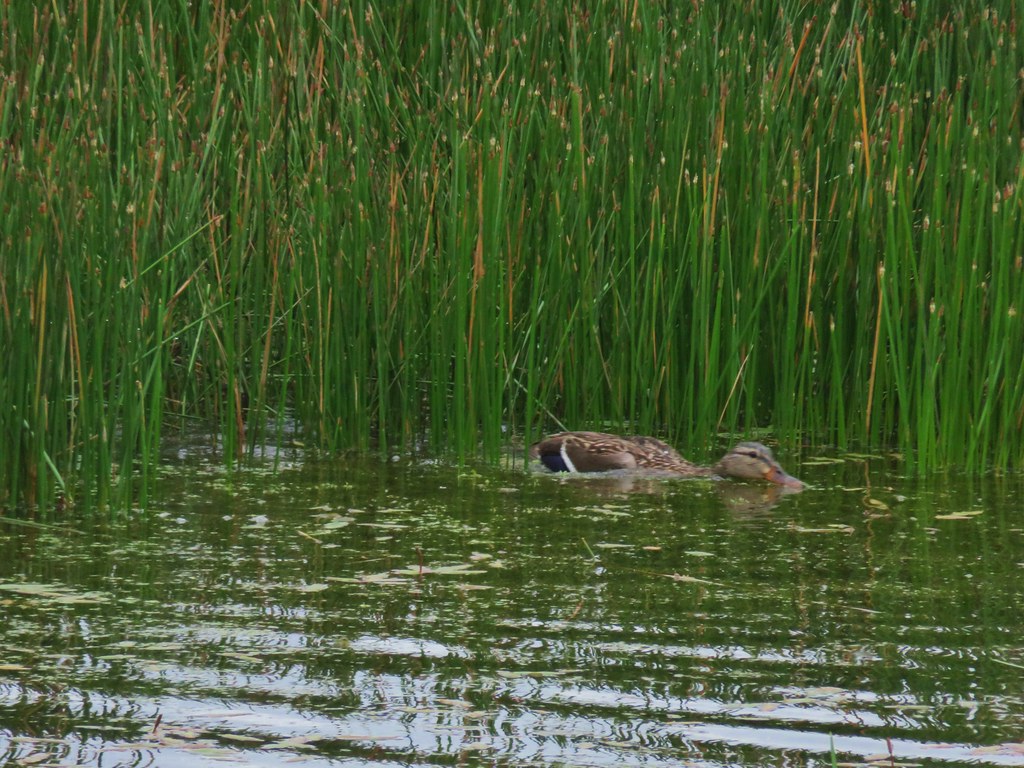
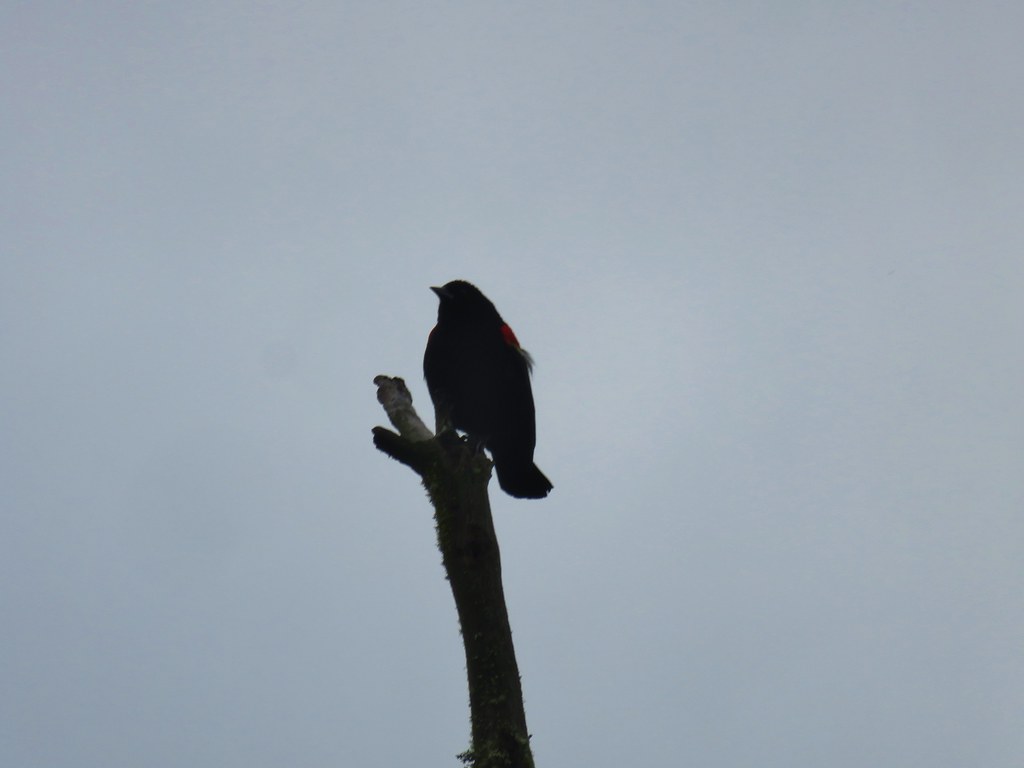 Red-winged blackbird that did pose for a moment.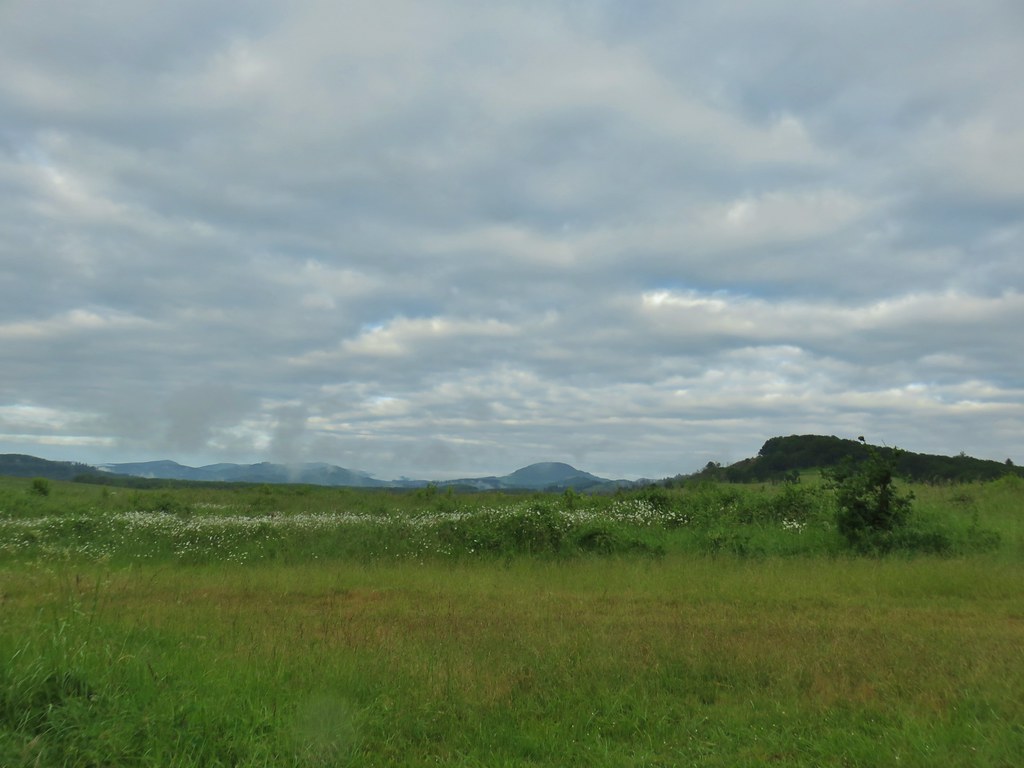
 Note the rabbit in the foreground, this was a theme on the day.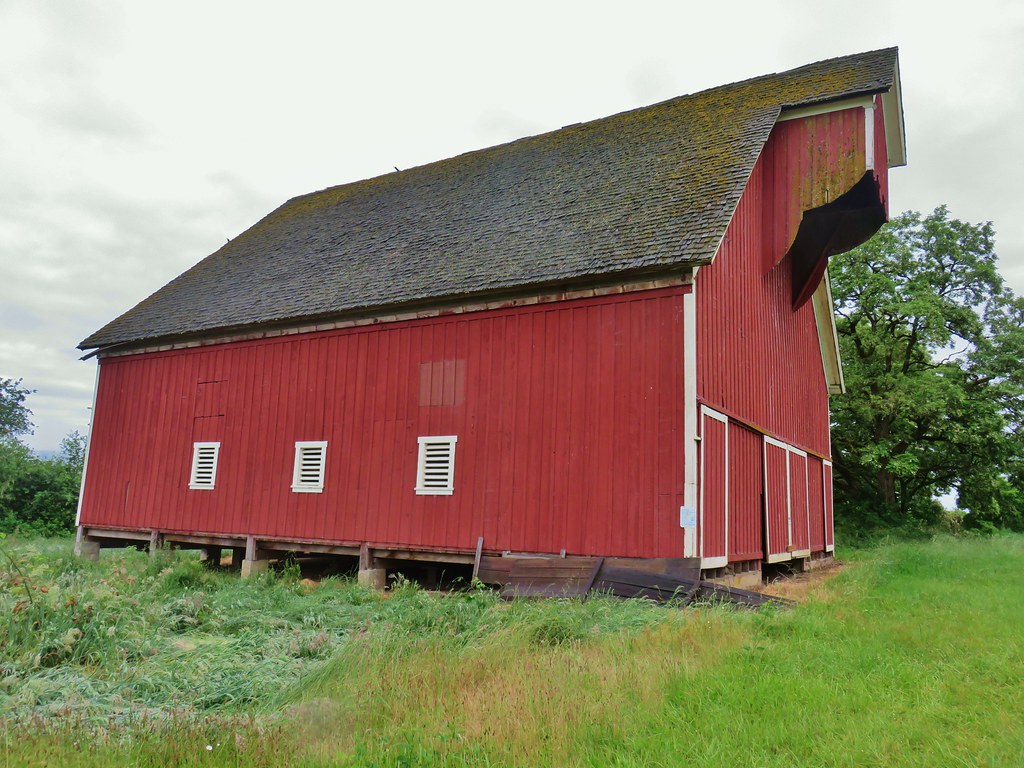
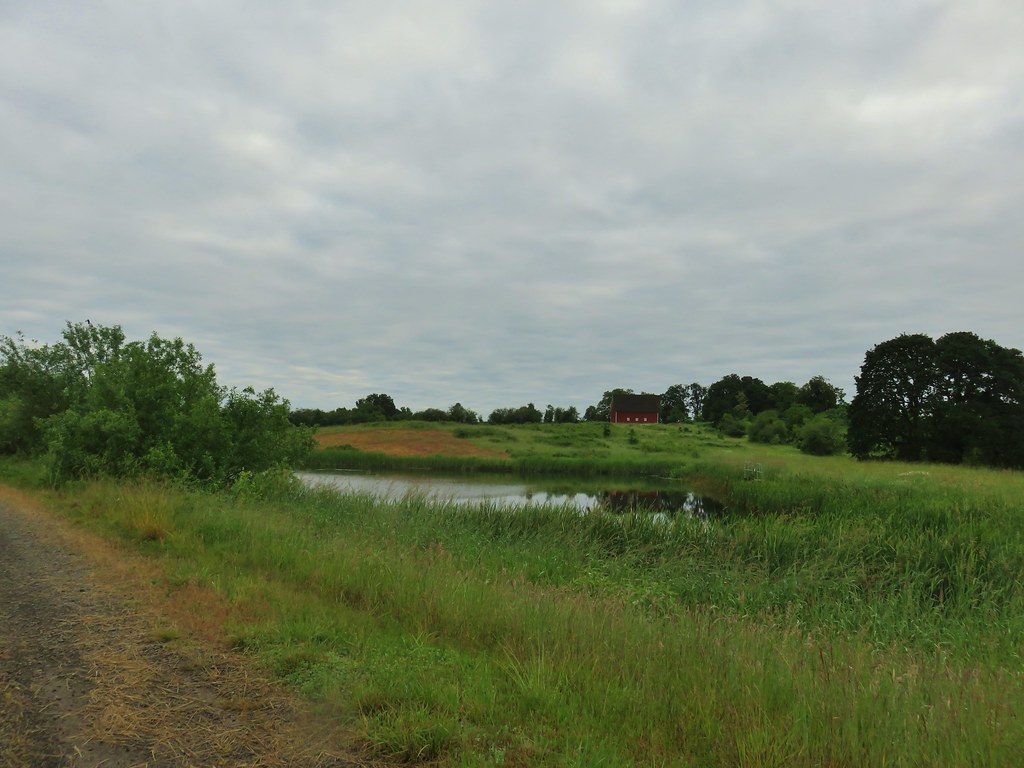 The pond and Cheadle Barn.
 Pied-billed grebe family at the pond.
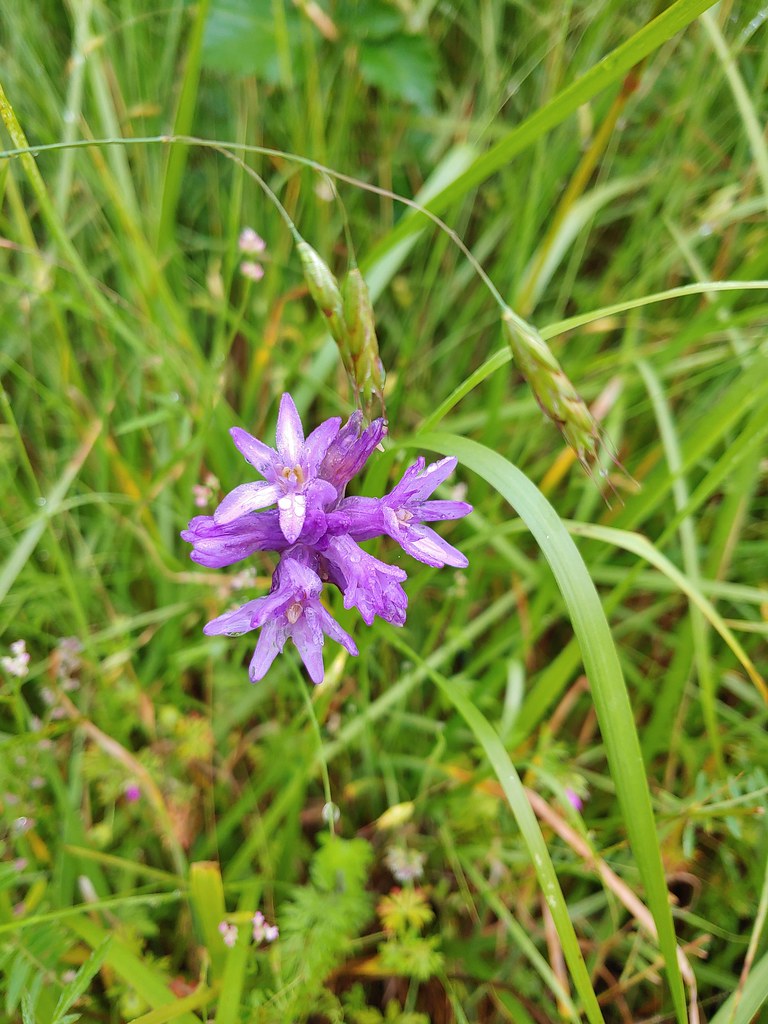 Ookow
Ookow Heading toward Pigeon Butte.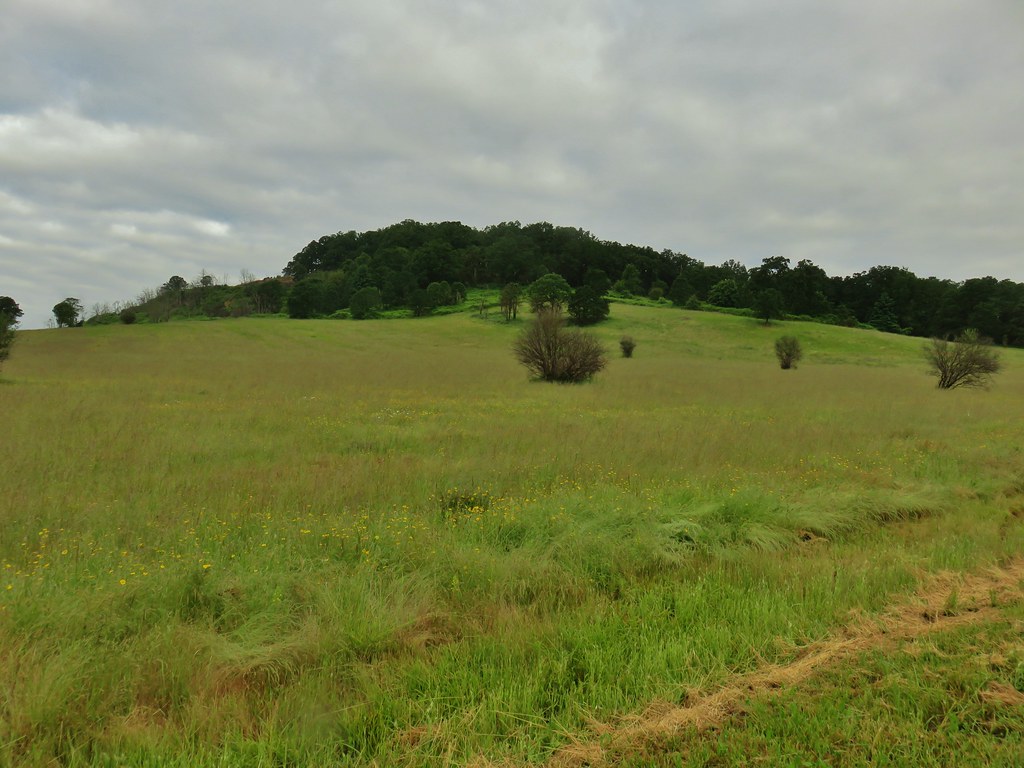
 Snail on a stick.
 Rough-skinned newt
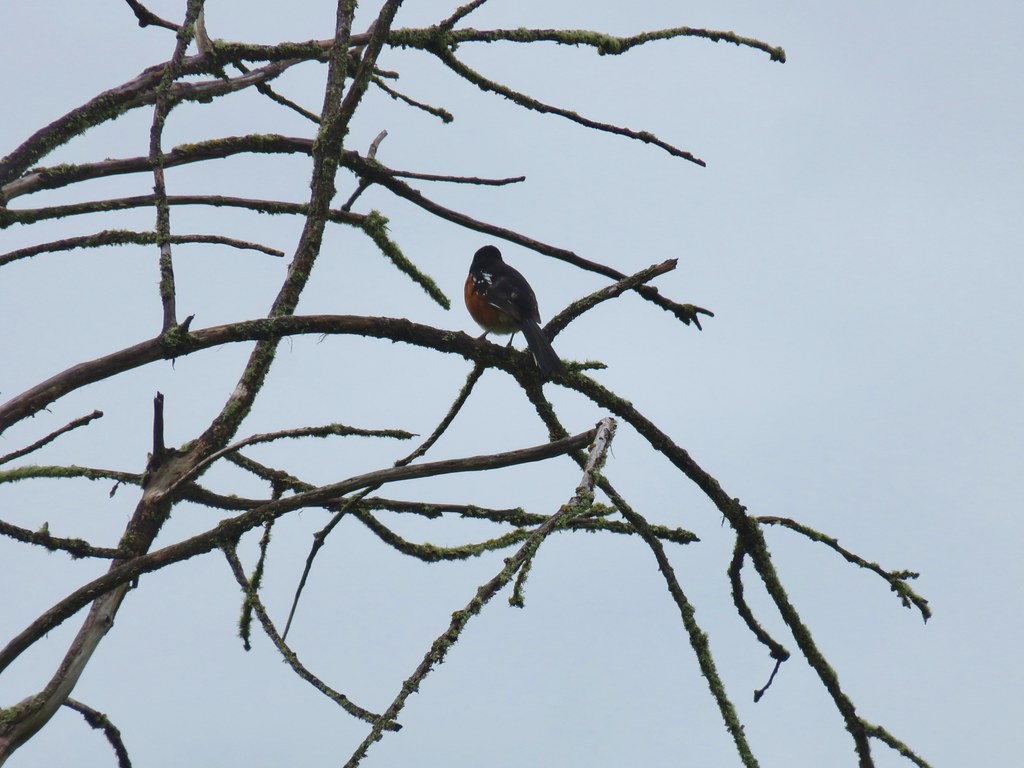 Spotted towhee that wouldn’t look at us.
 Quail on the road near the quarry.

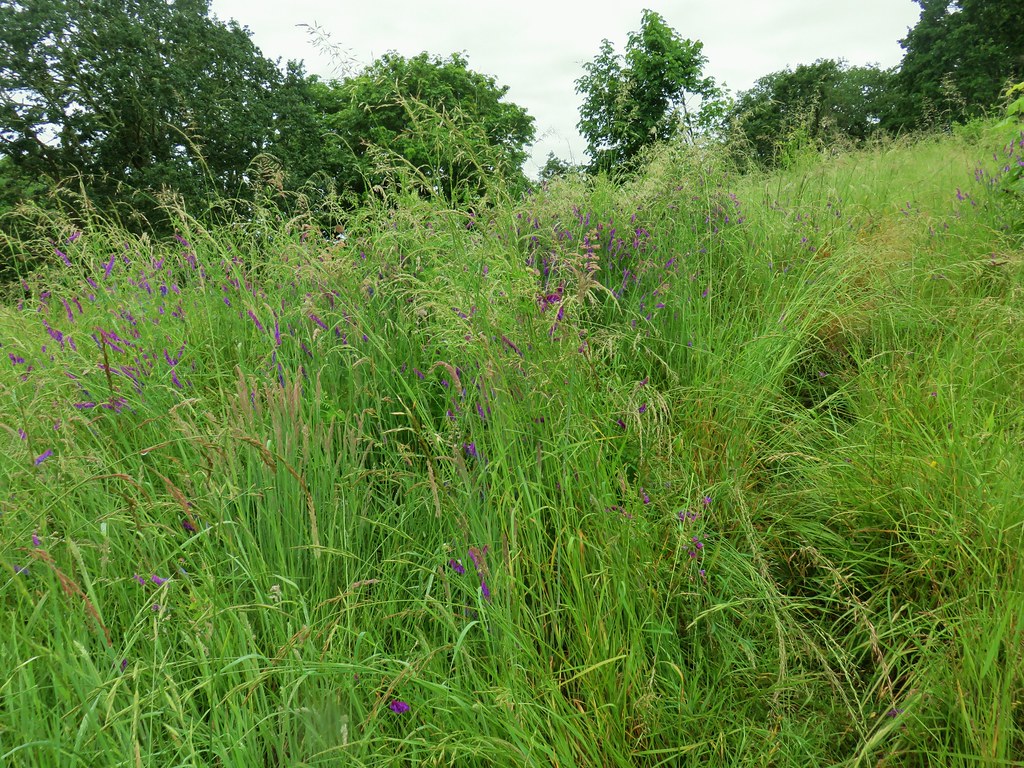 The trail is on the right of the mass of vetch blooming.
 Checkermallow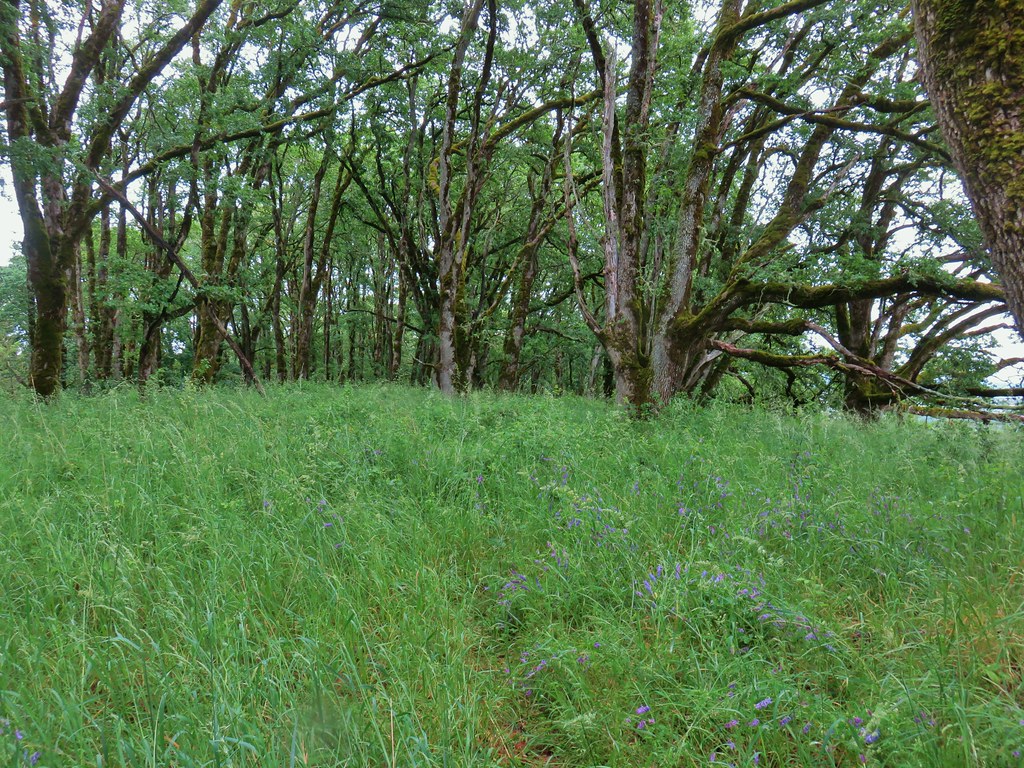

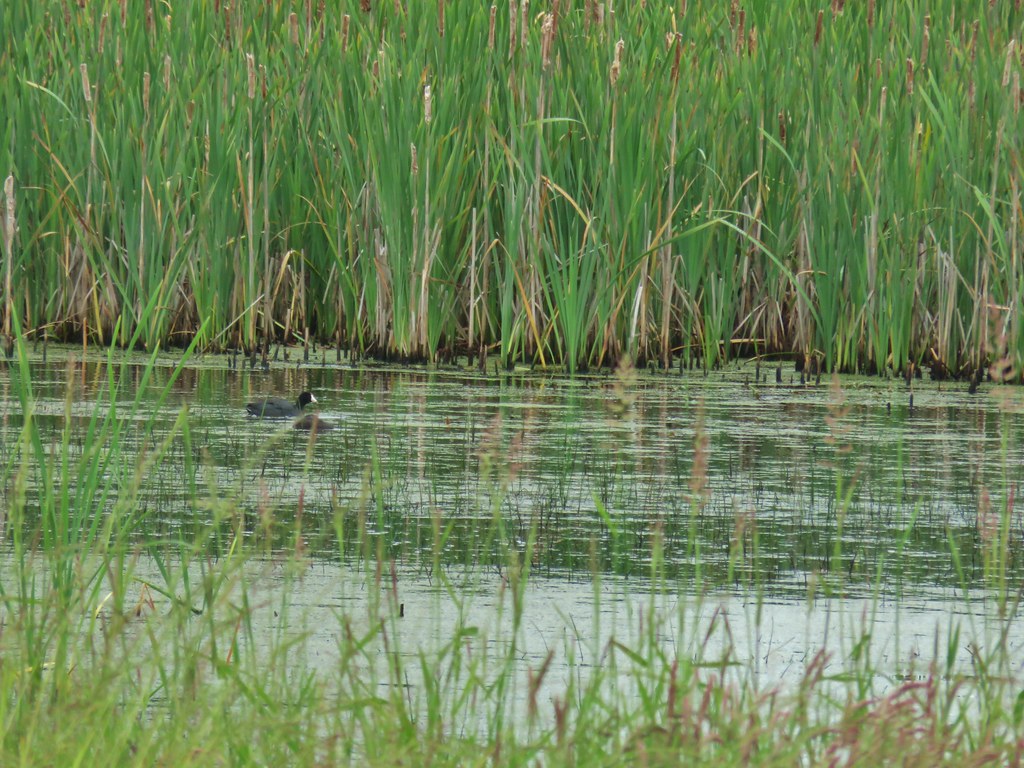
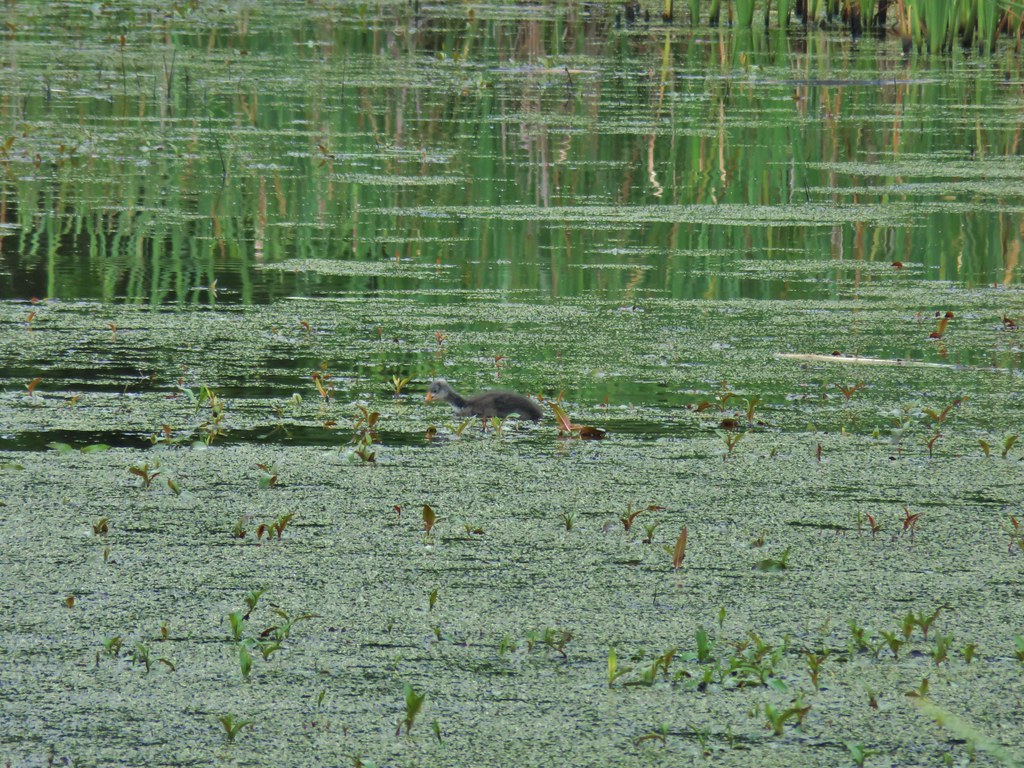




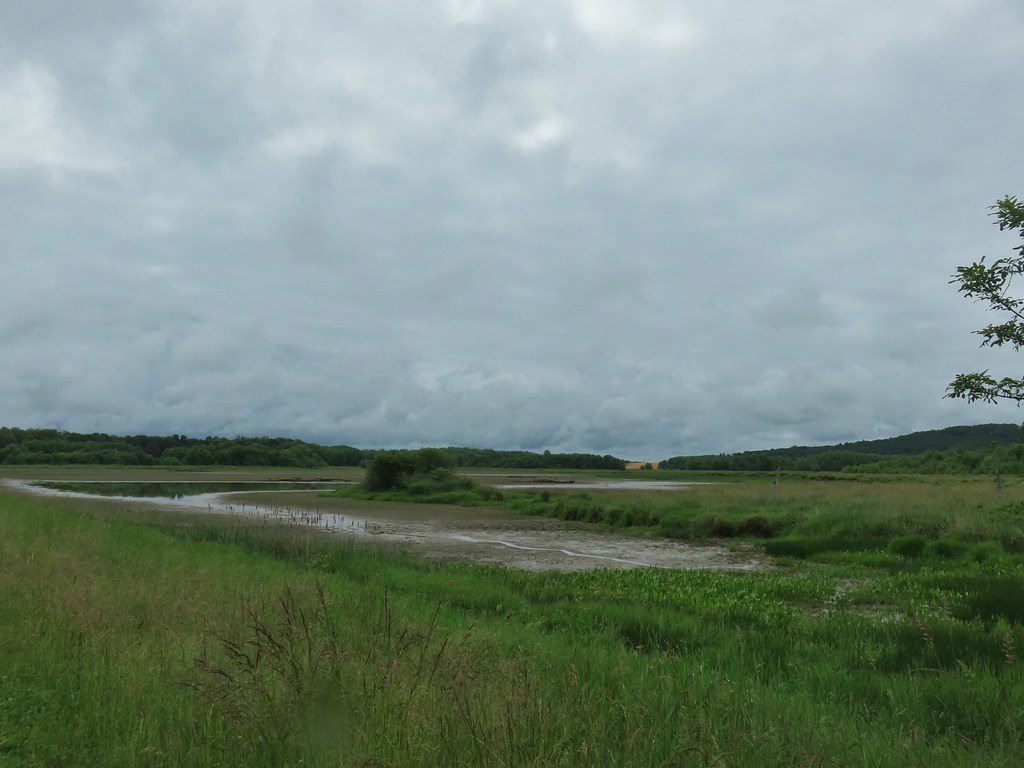
 With so little water there wasn’t really a reason to visit the blind.
 Three rabbits at the parking area.
 Rabbit #1
 Rabbit #2
 Rabbit #3
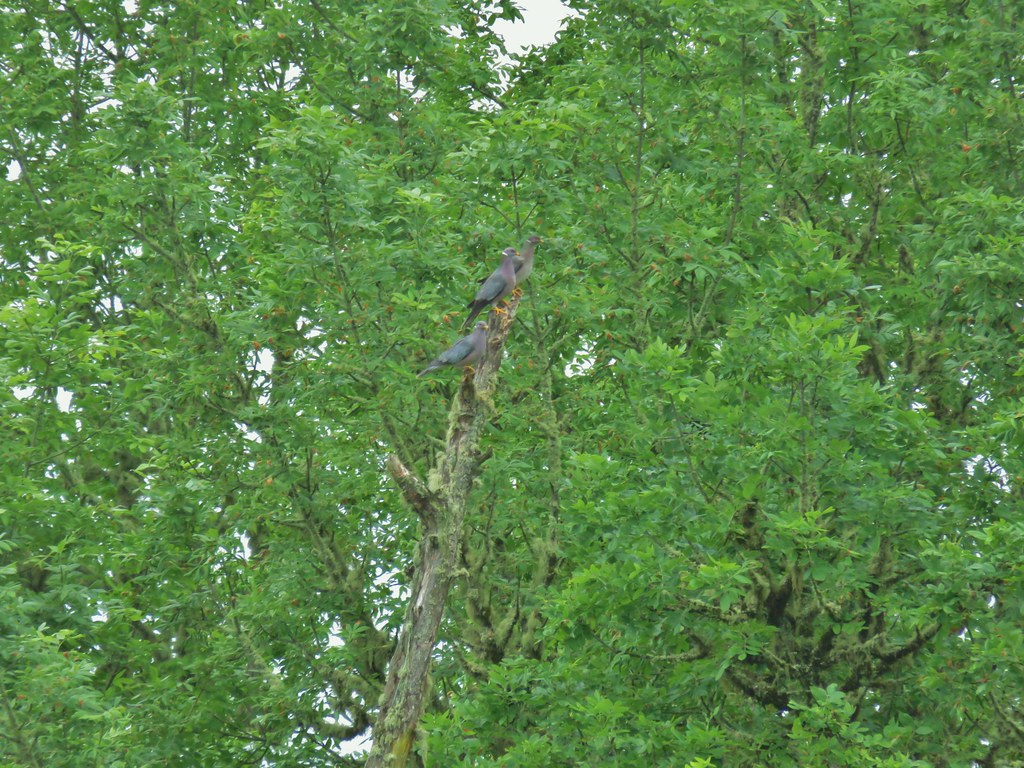 Band-tailed pigeons
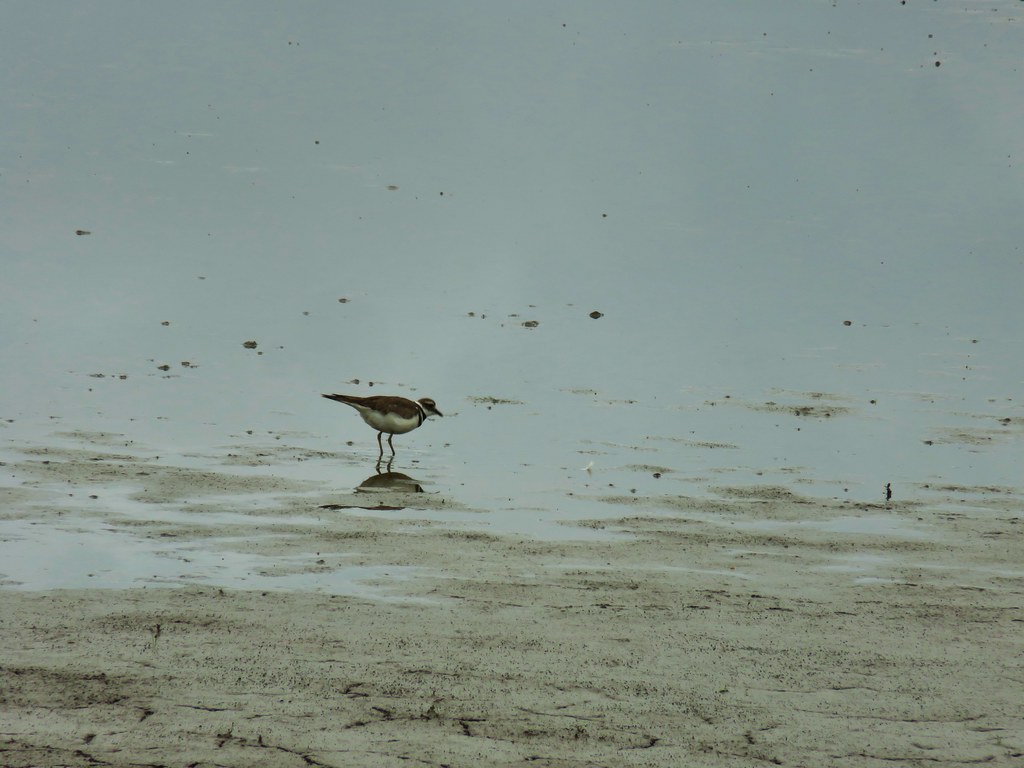 Killdeer
 One of several male American goldfinches we spotted along this stretch.
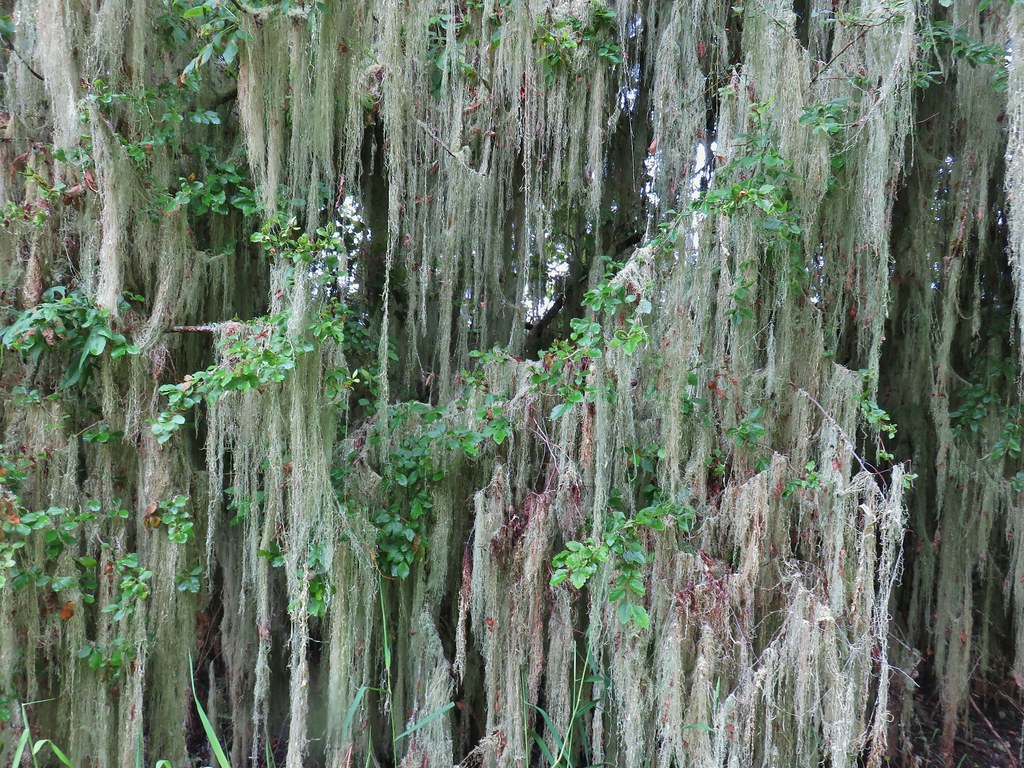 Vegetation along Gray Creek.
 Mushrooms
 Roses along the roadbed.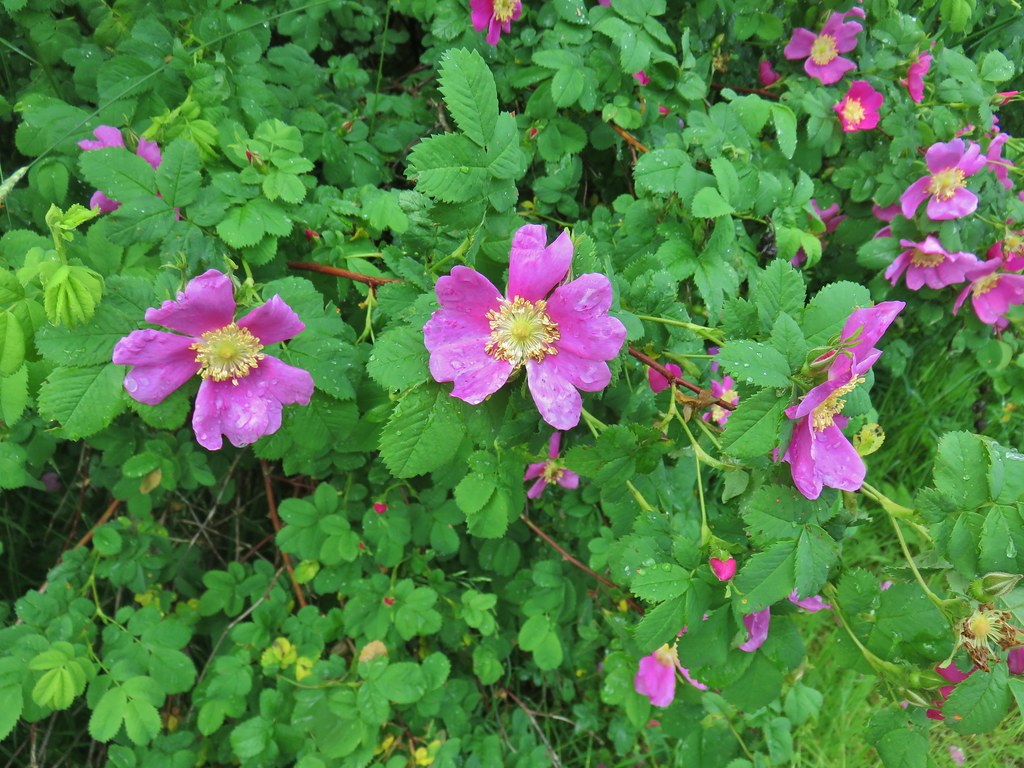
 Slug
Slug Yep, another rabbit.
 We started to think this rabbit wasn’t going to hop into the brush like all the others had.
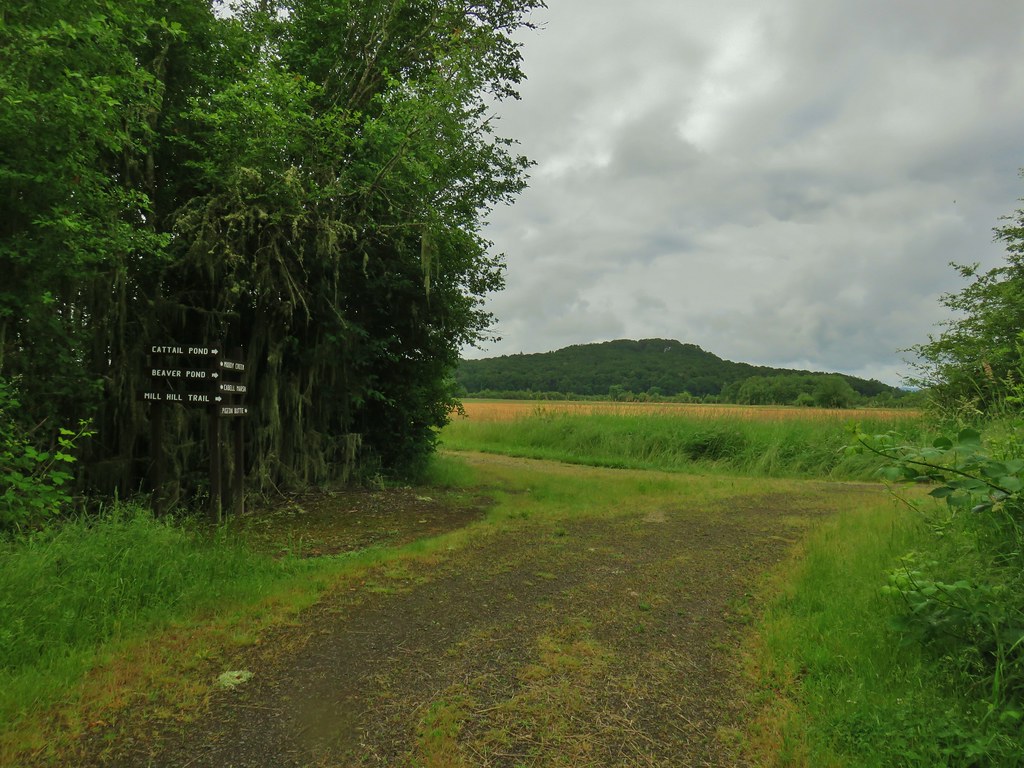
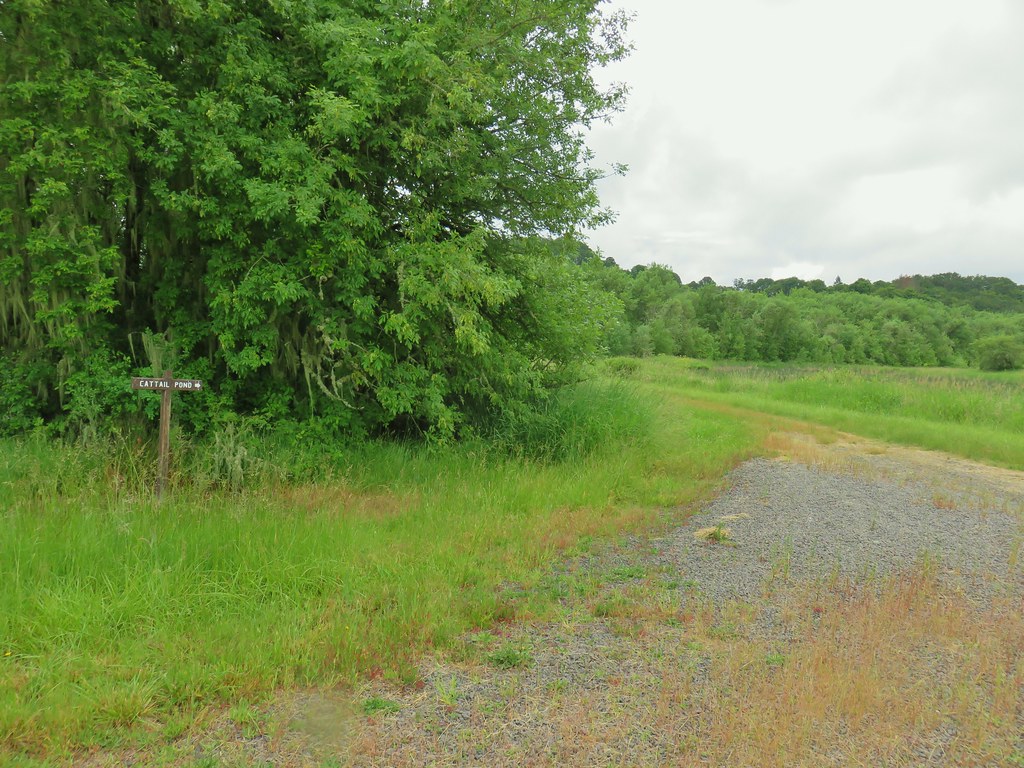 Sign for the Cattail Pond.
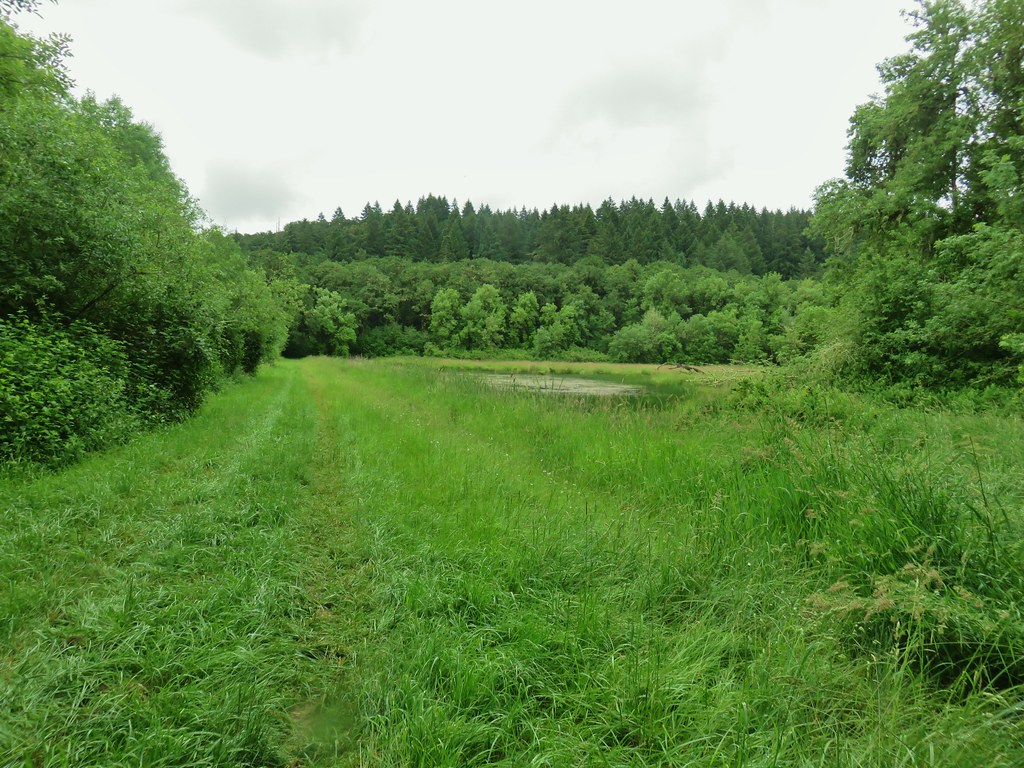
 Cattail Pond from the roadbed.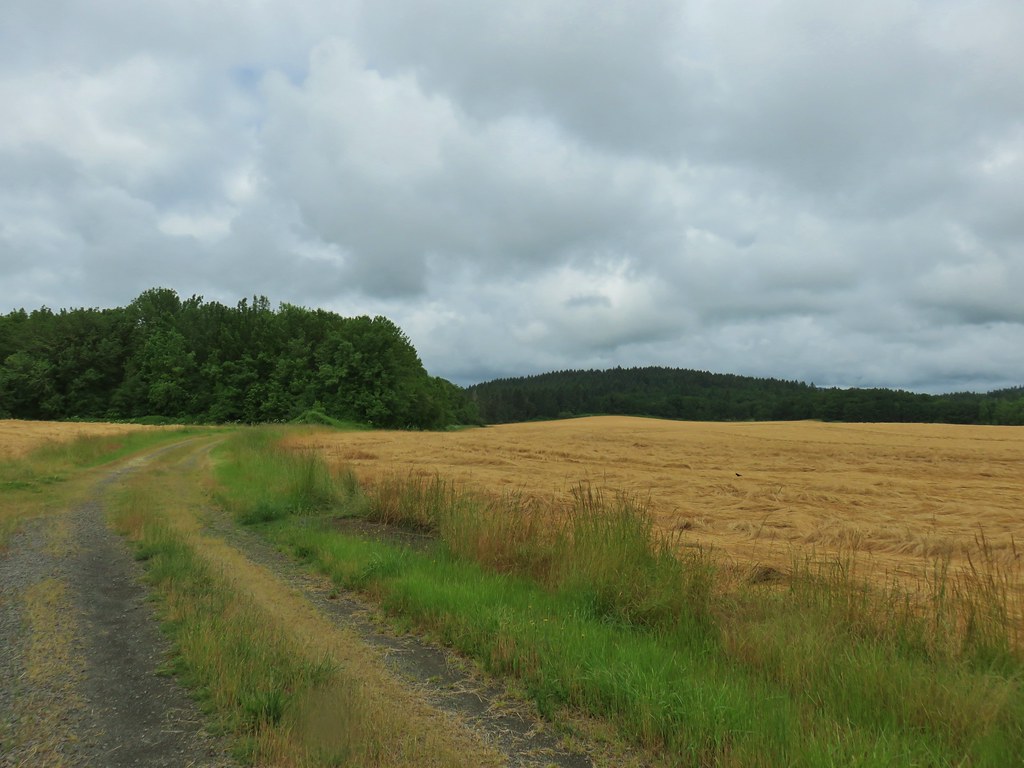
 Common yellowthroat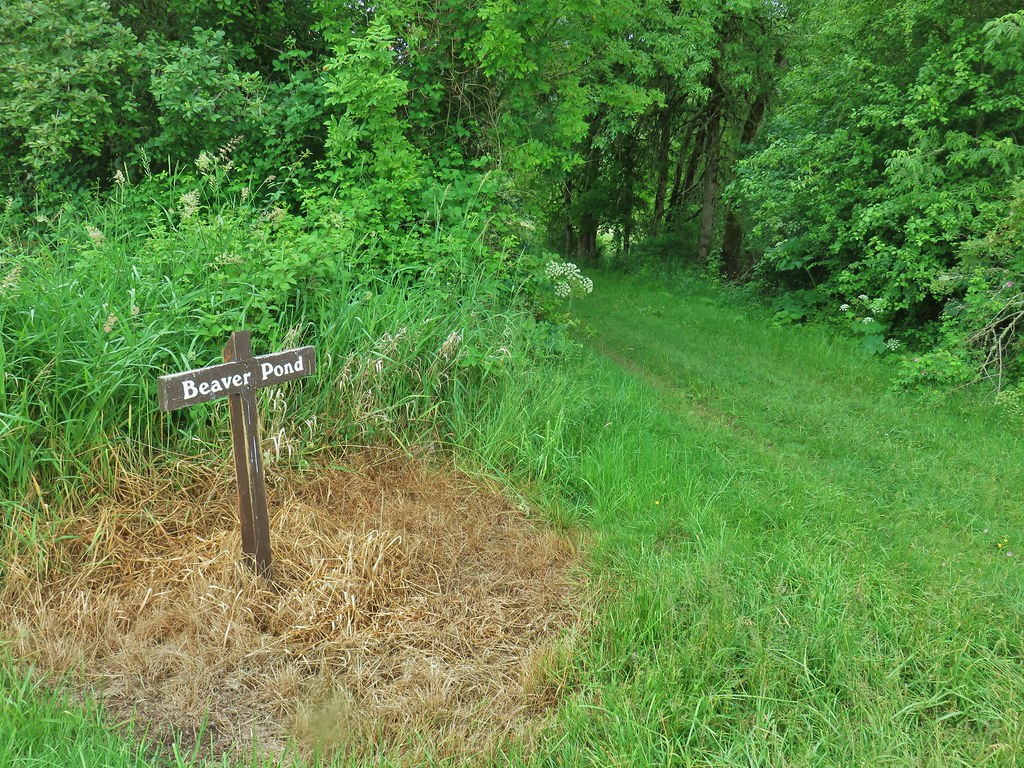


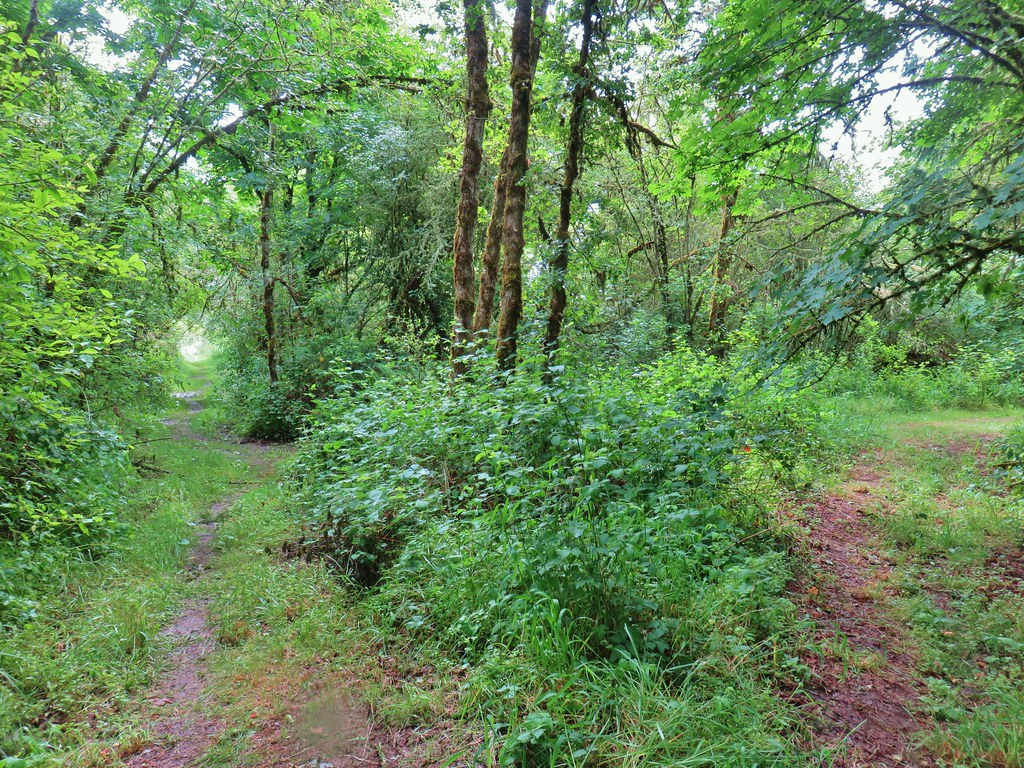 The junction.
 Forest on Maple Knoll’s hillside.
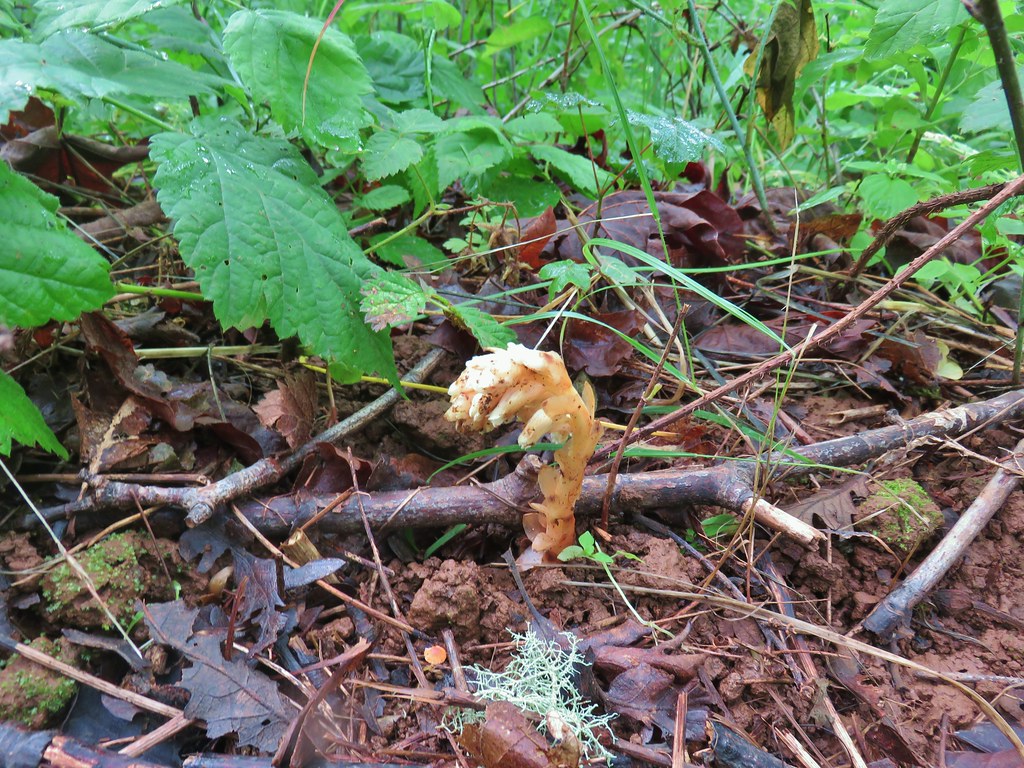 Pinesap
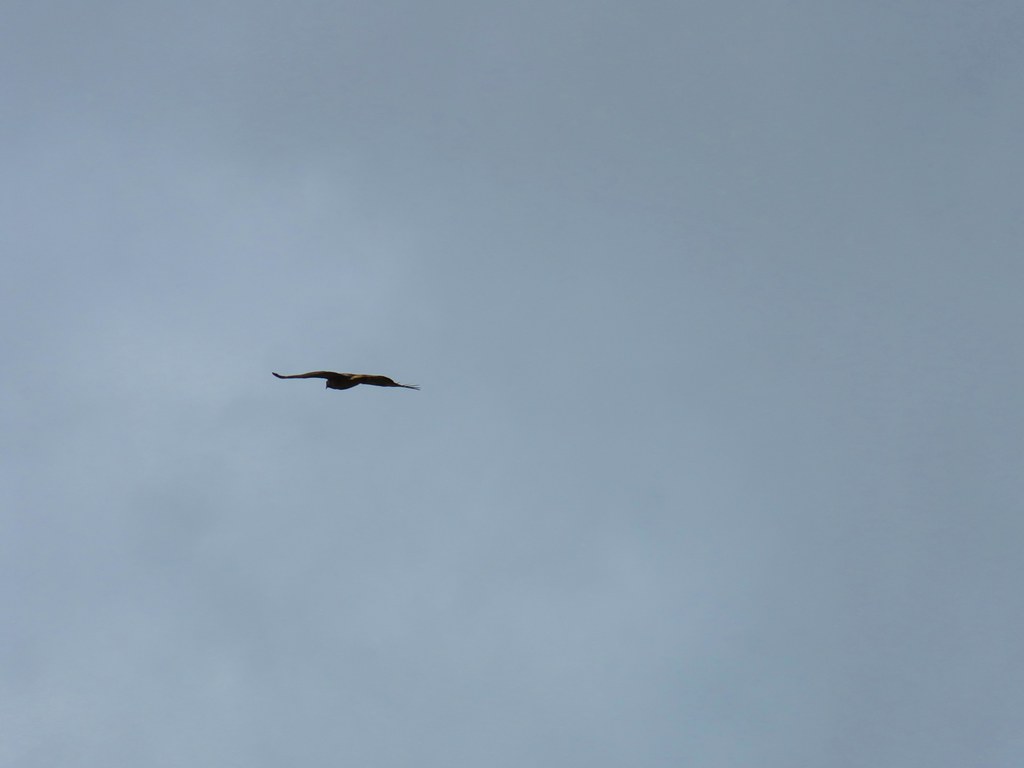


 It’s the one peaking out from behind the stump that had us the most concerned.
 Northern flicker
 Sparrow
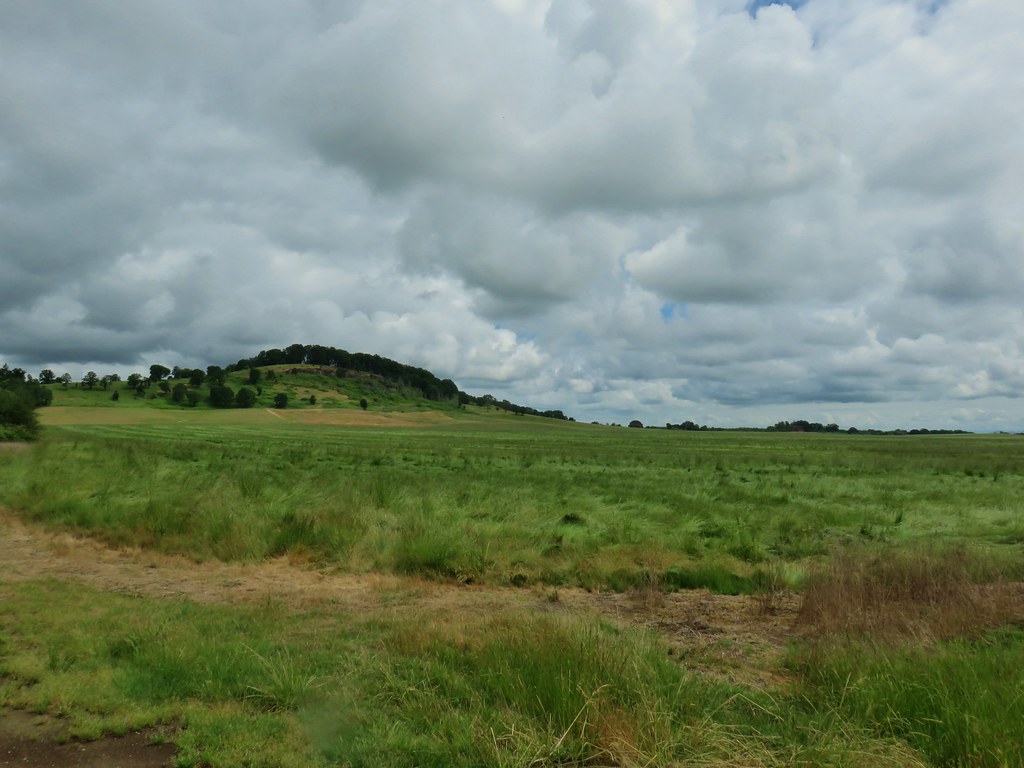 Pigeon Butte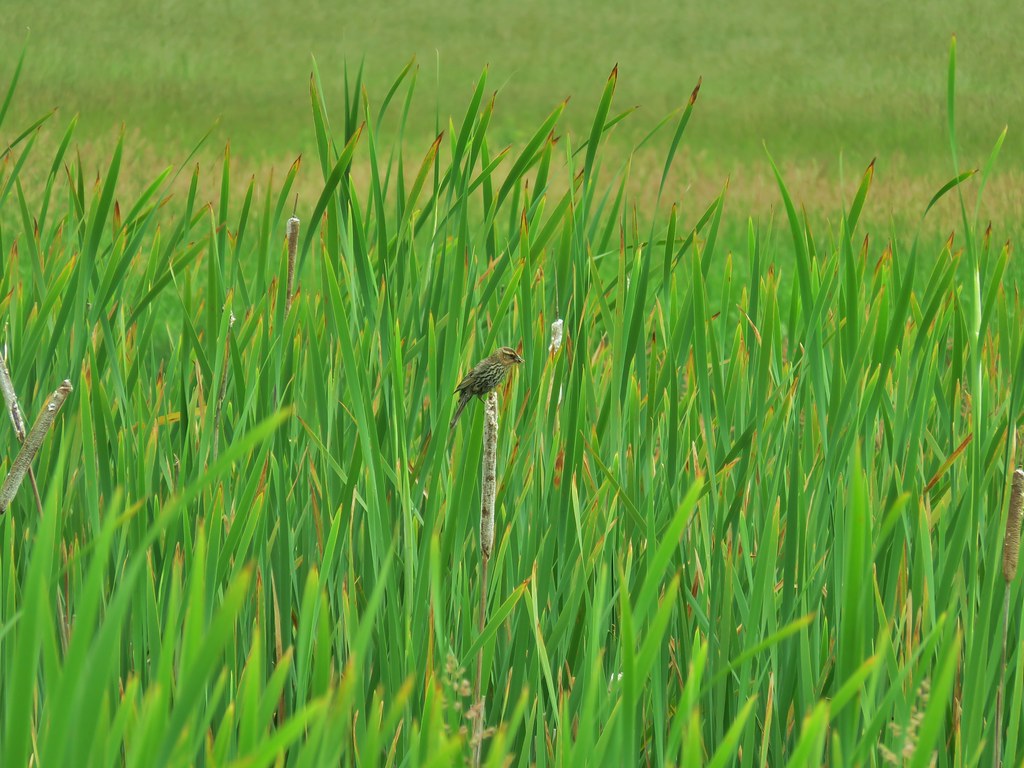
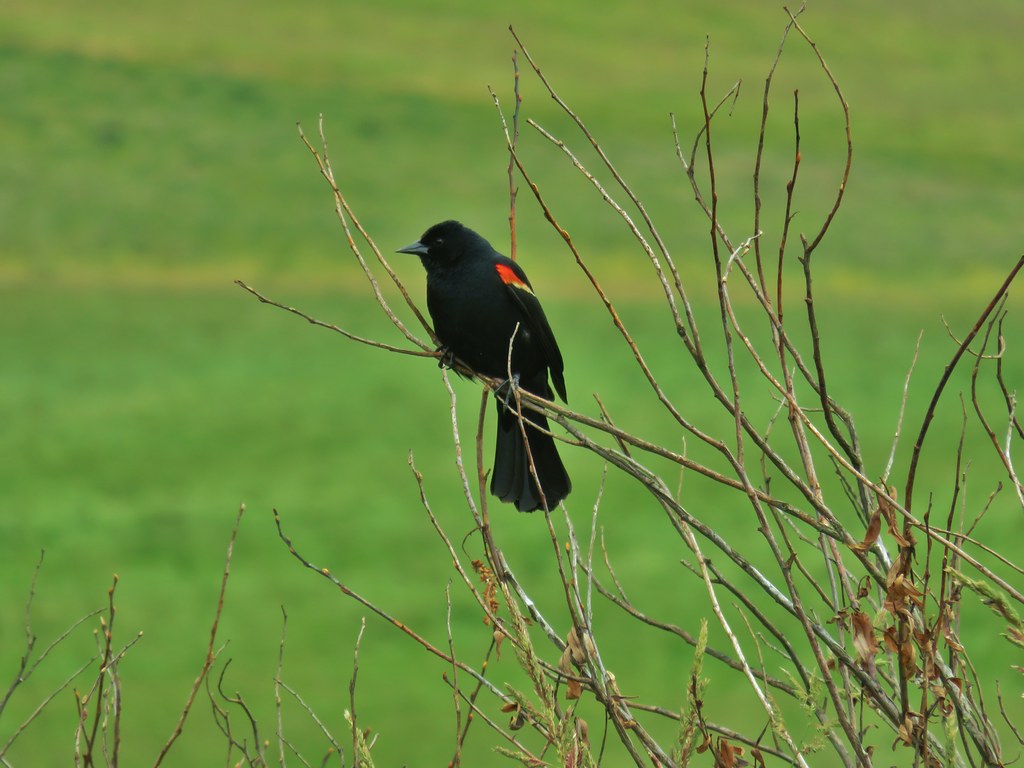 Red-winged blackbird

 Pollinators in a poppy.
 Turkey vulture
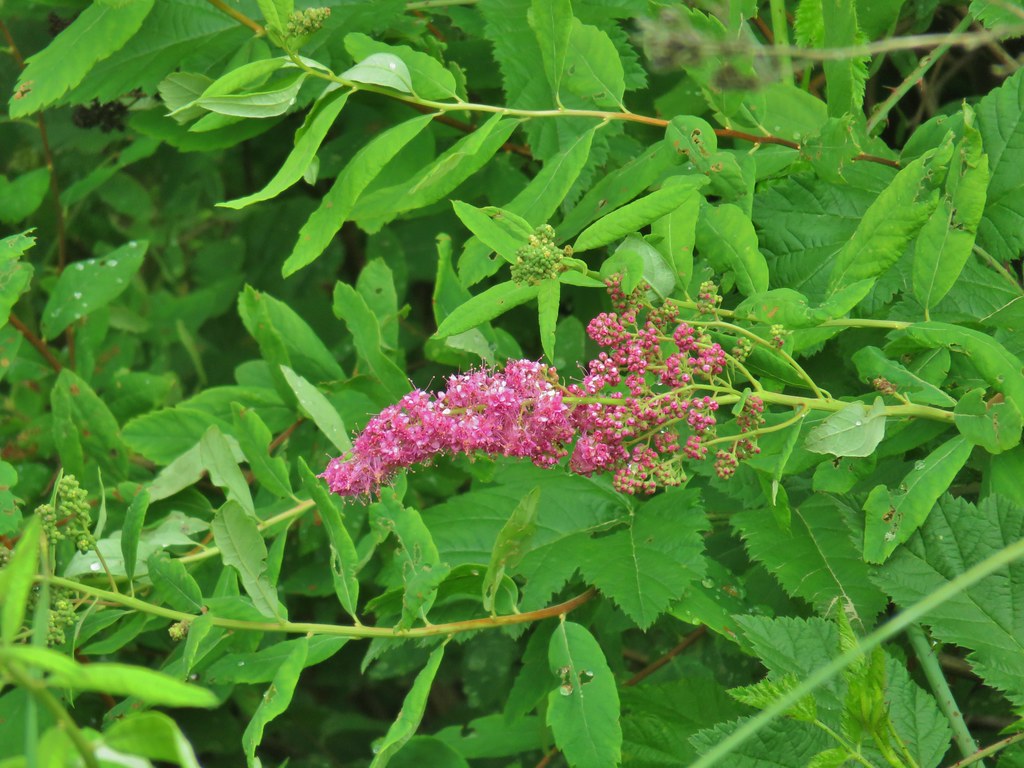 Douglas spirea
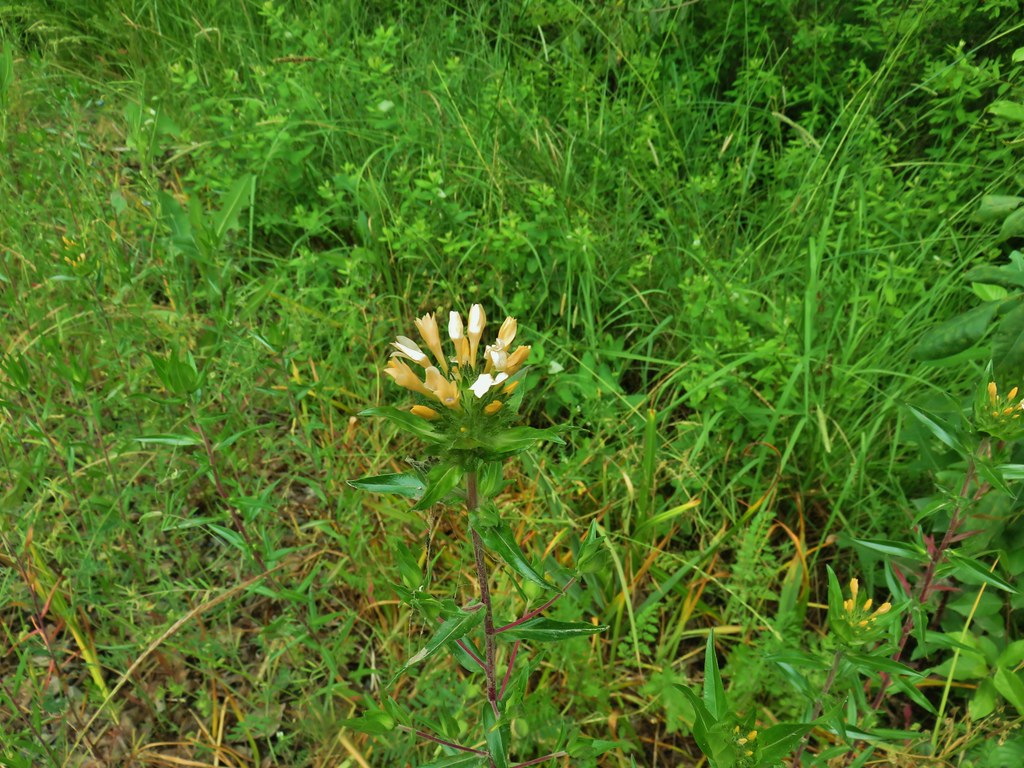 Grand collomia
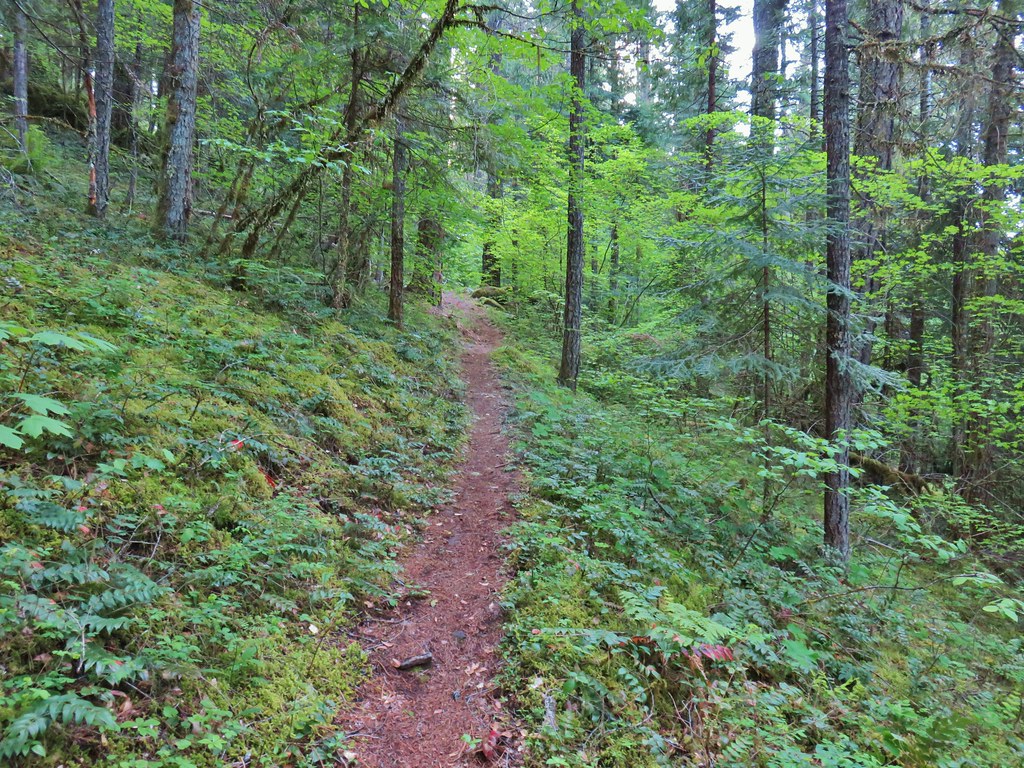


 Camas and buttercups at Rigdon Meadows.

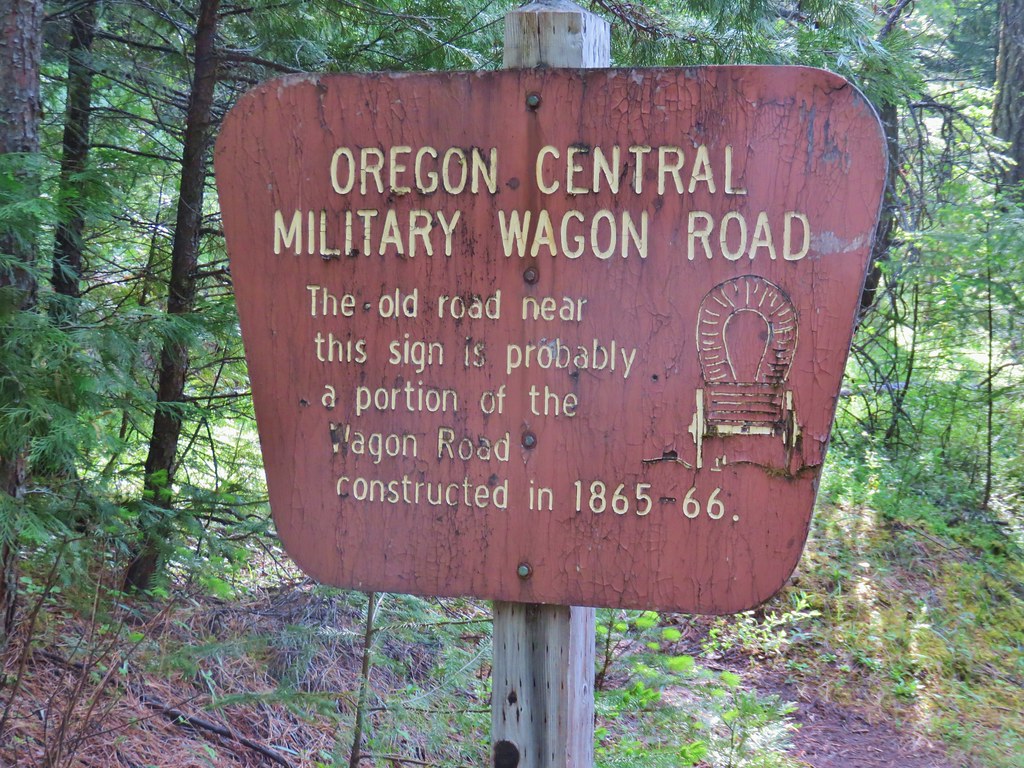
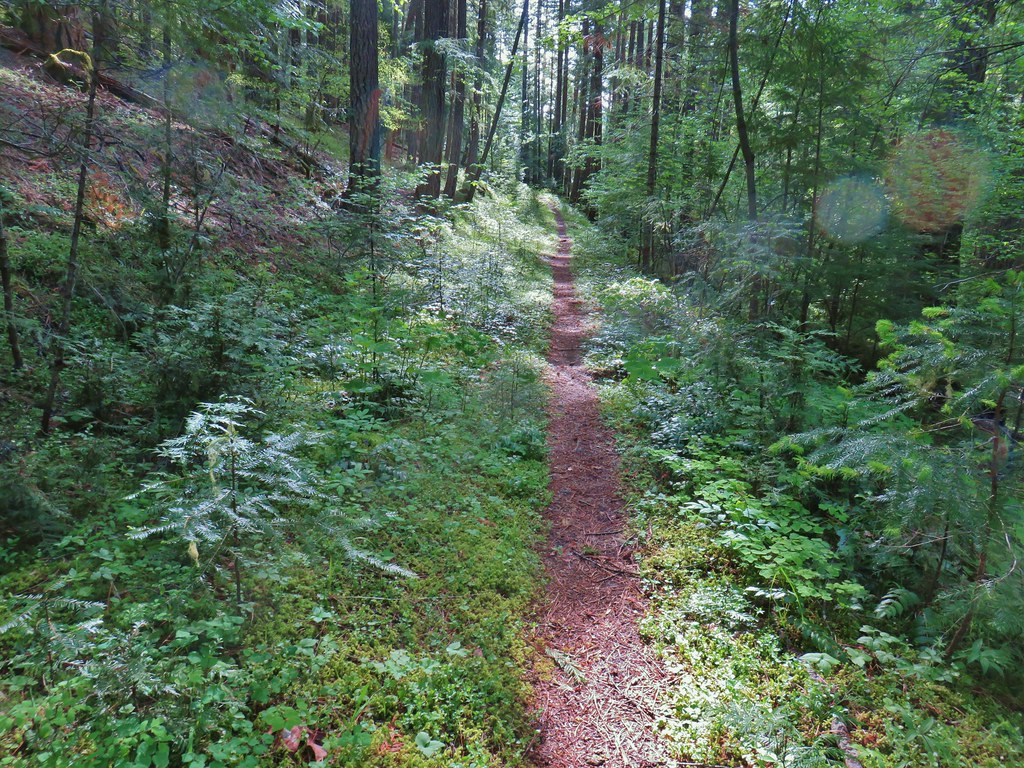
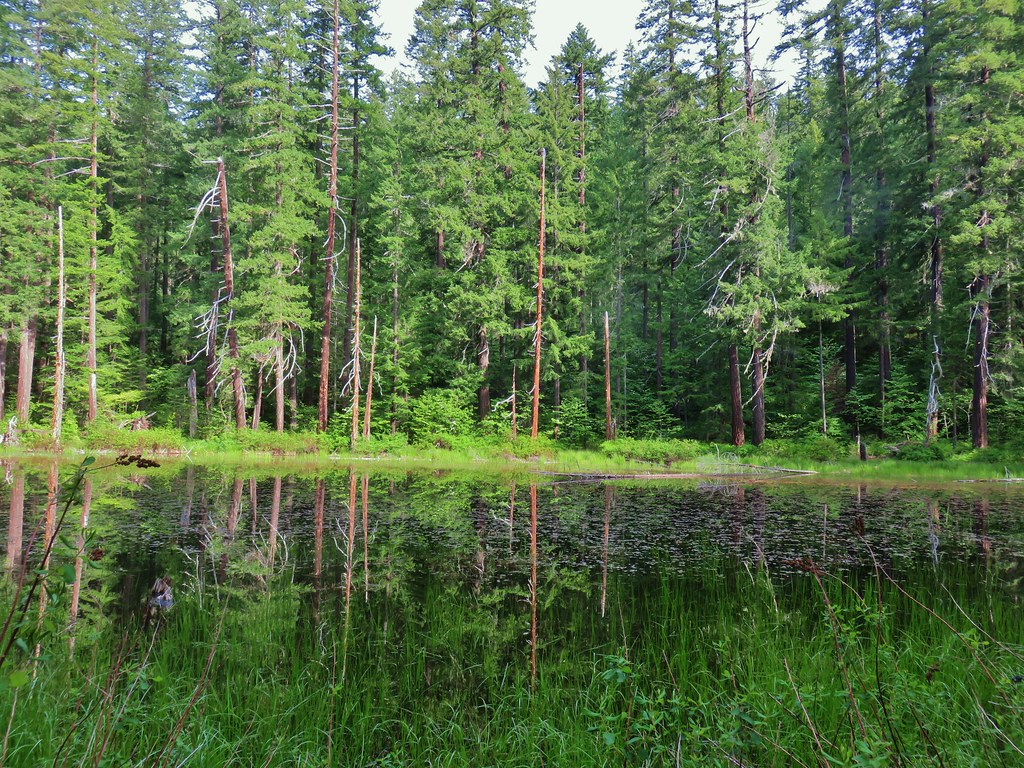
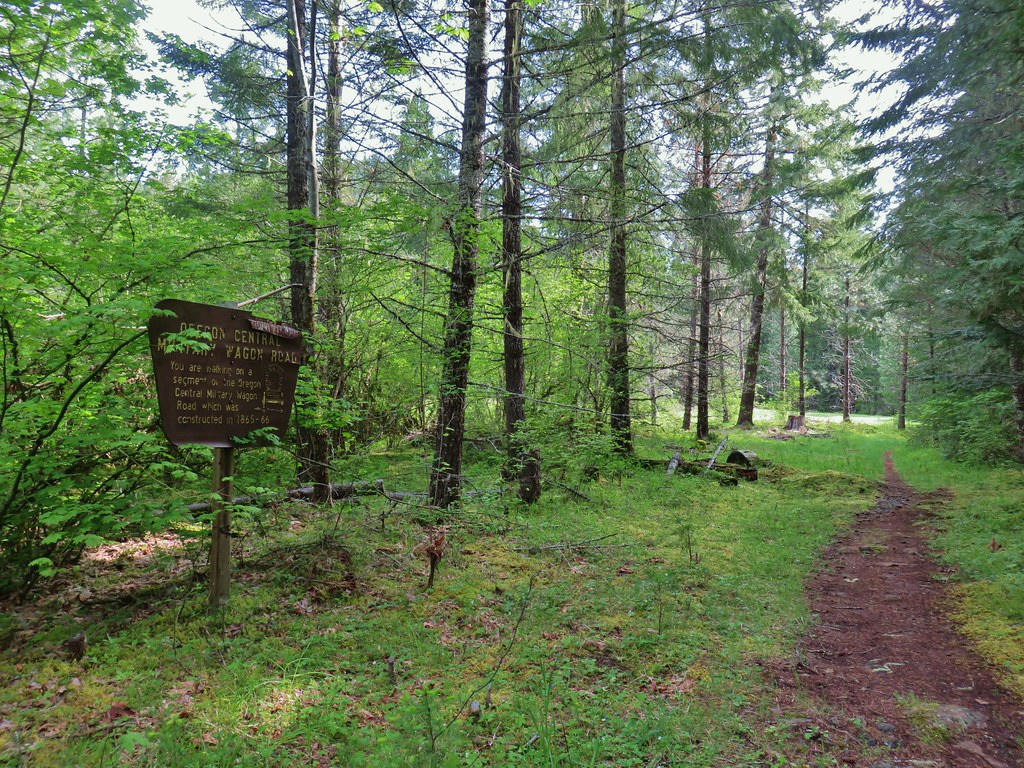

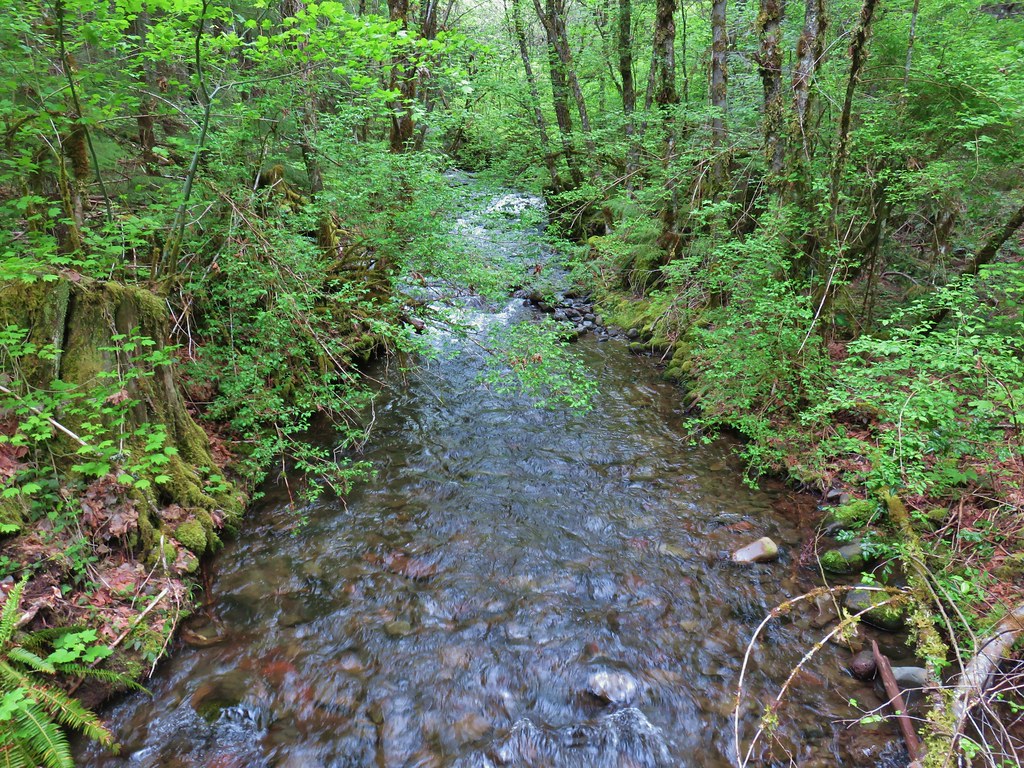

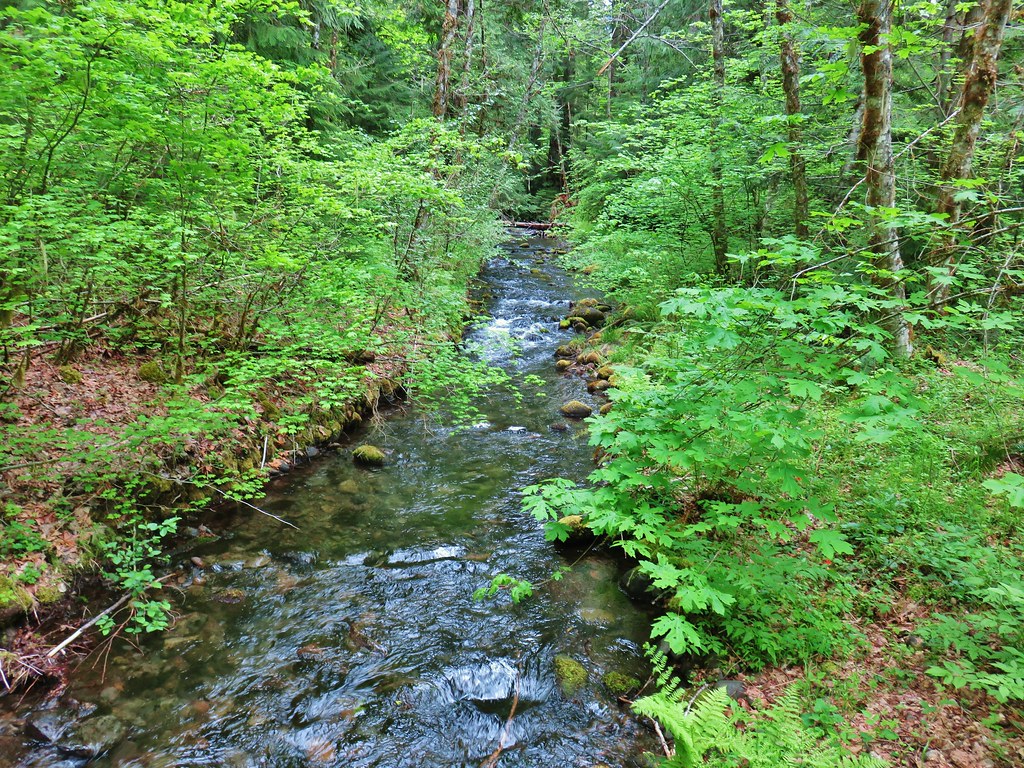


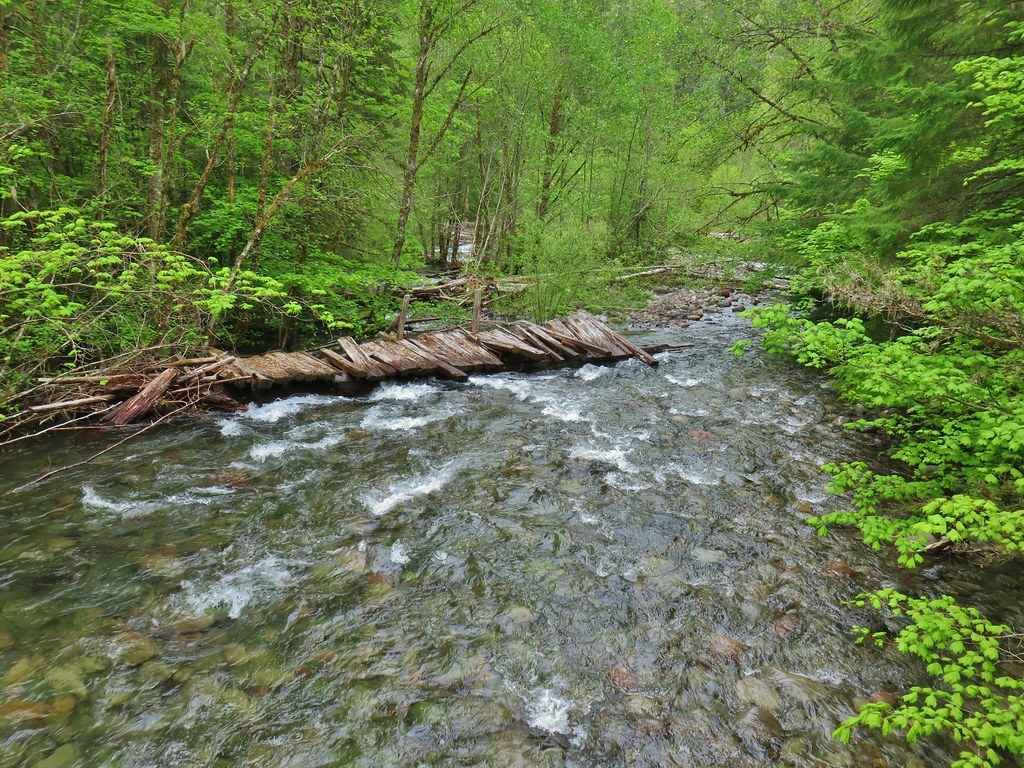




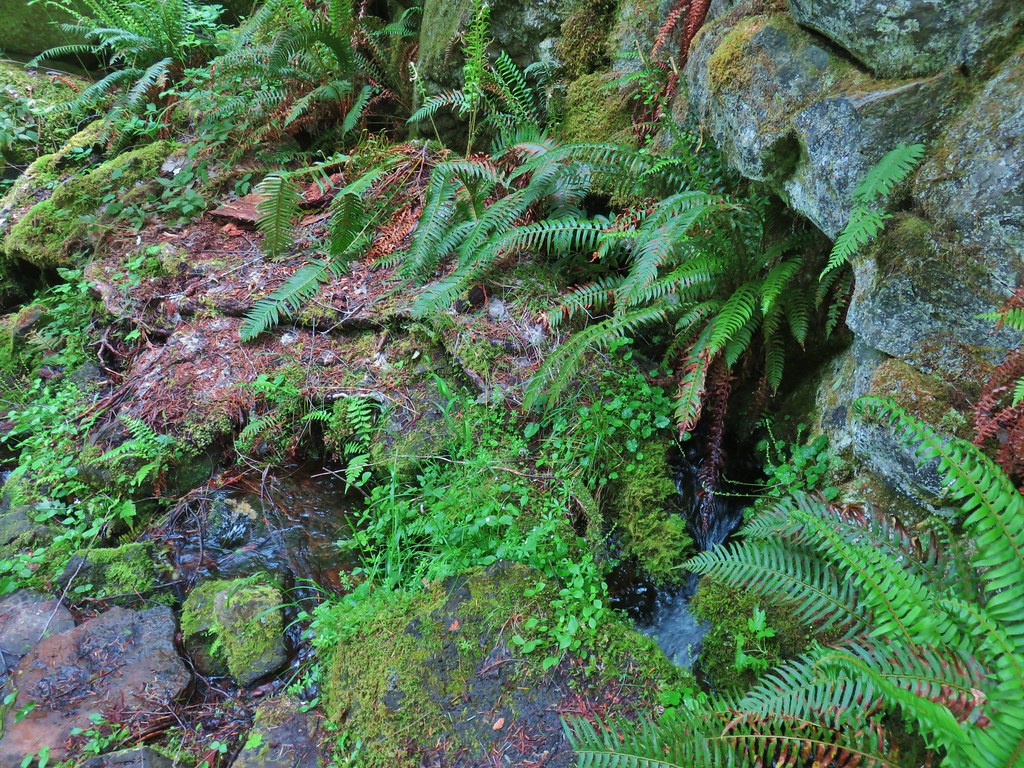


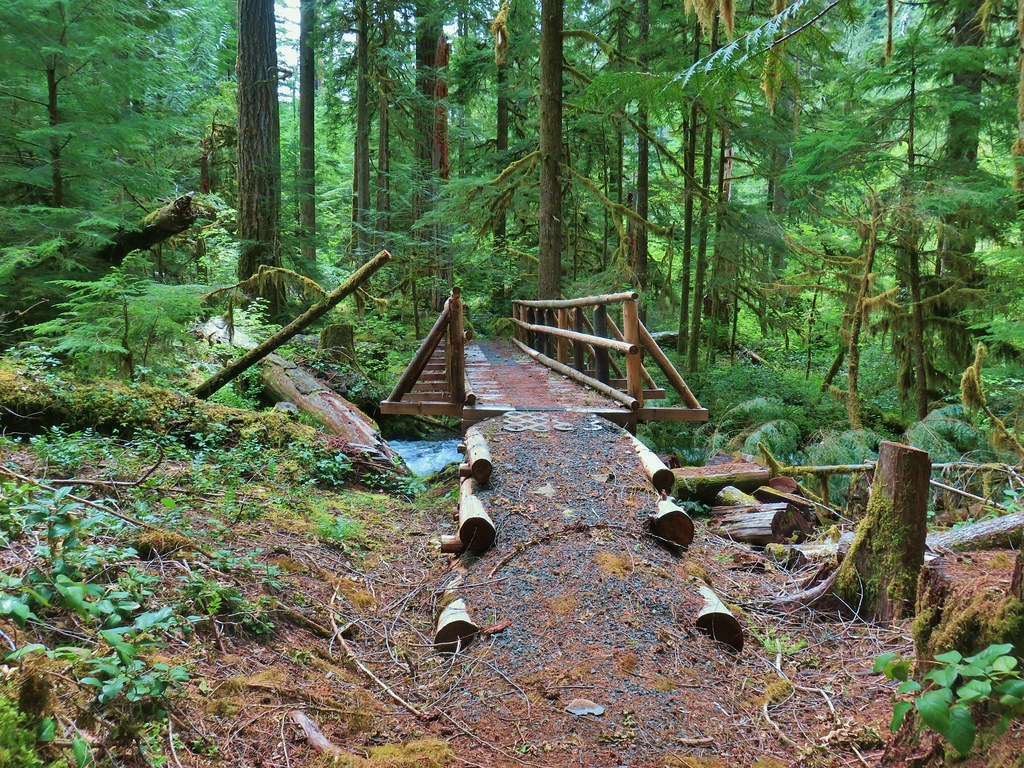
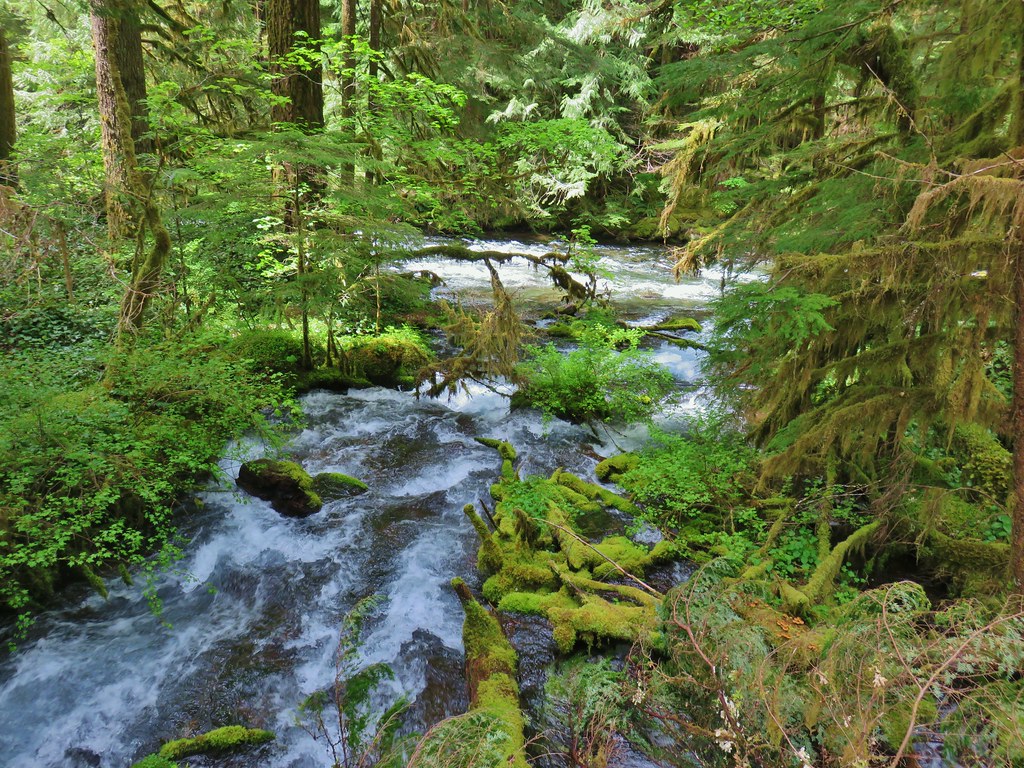
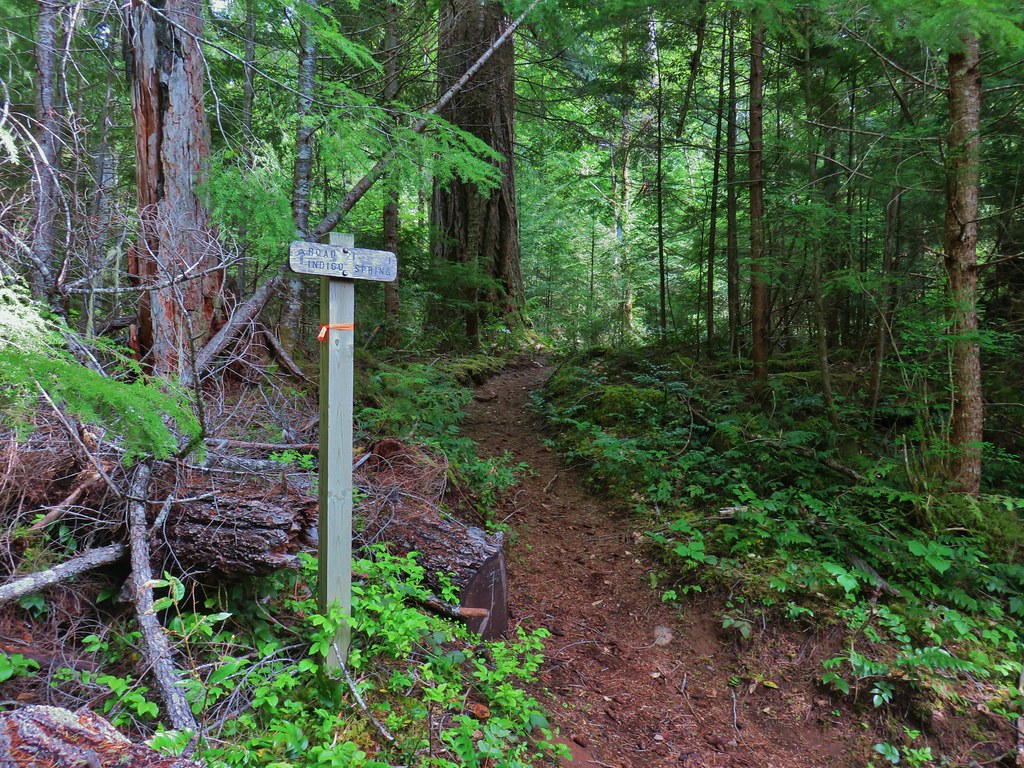
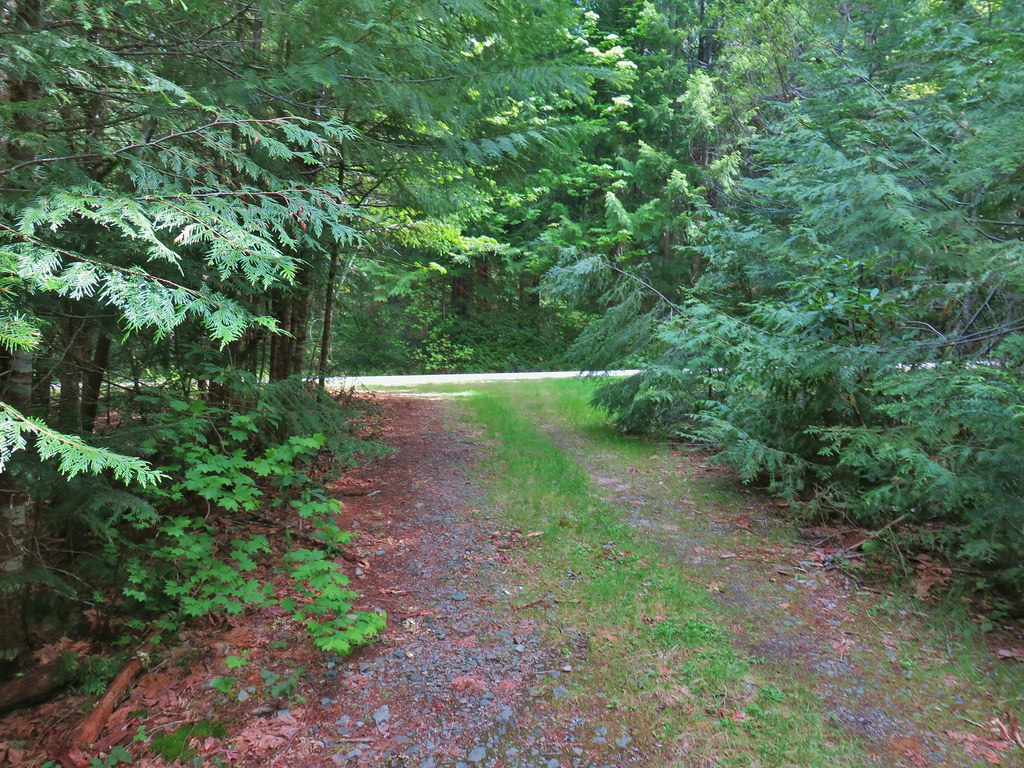

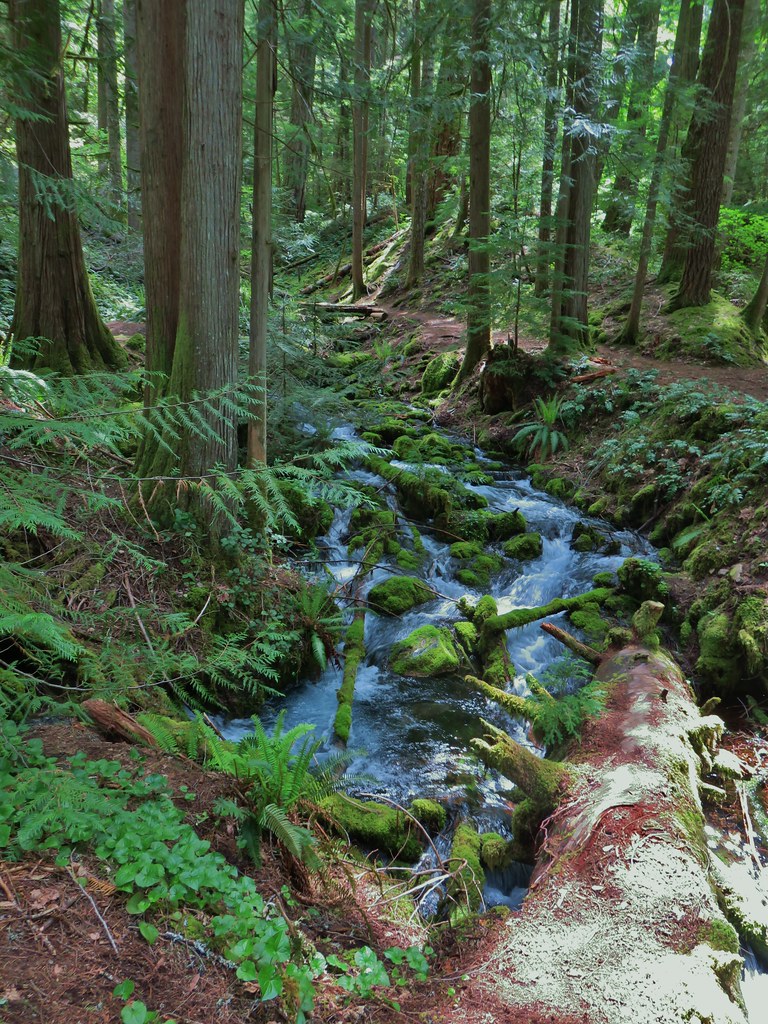


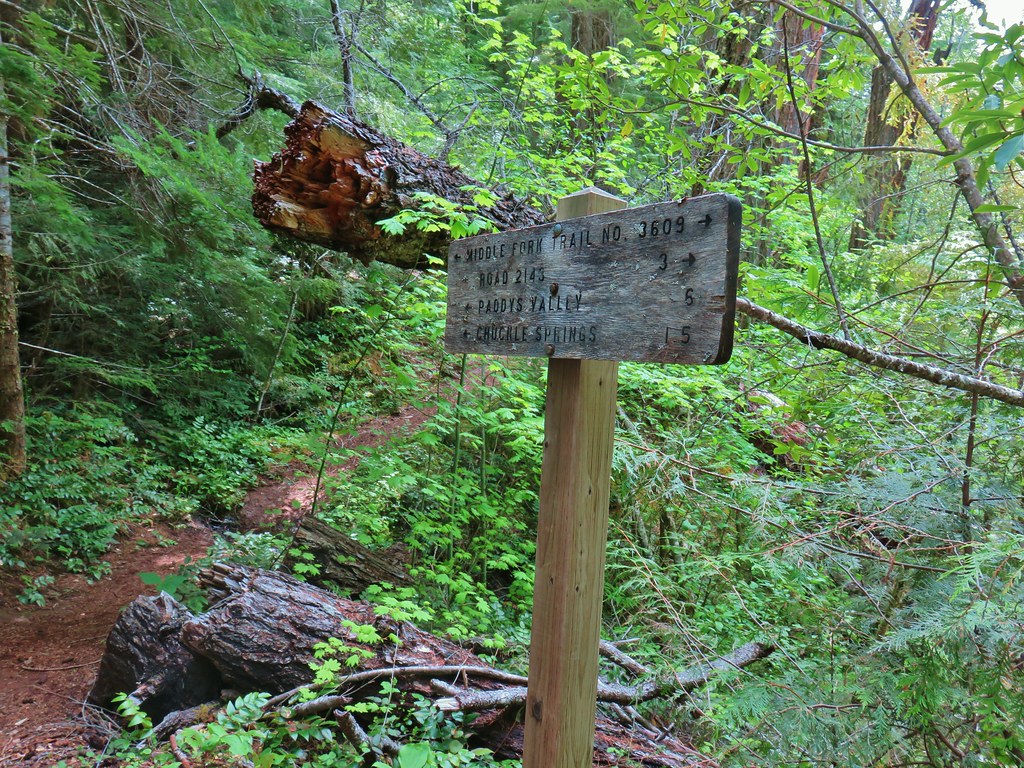






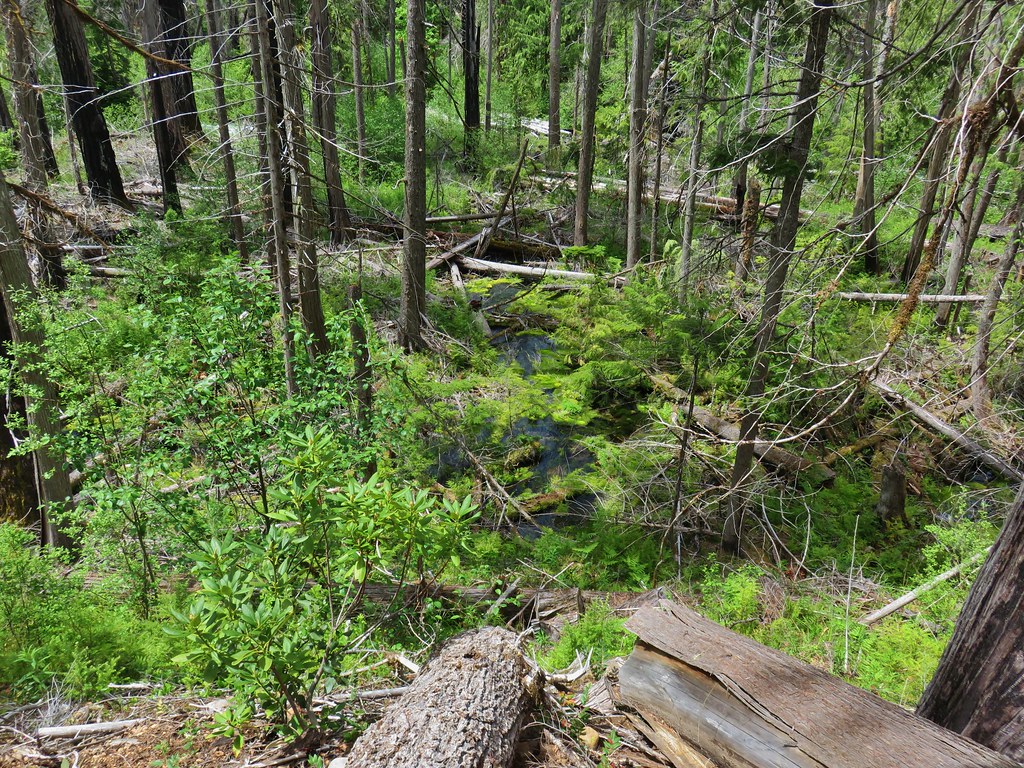
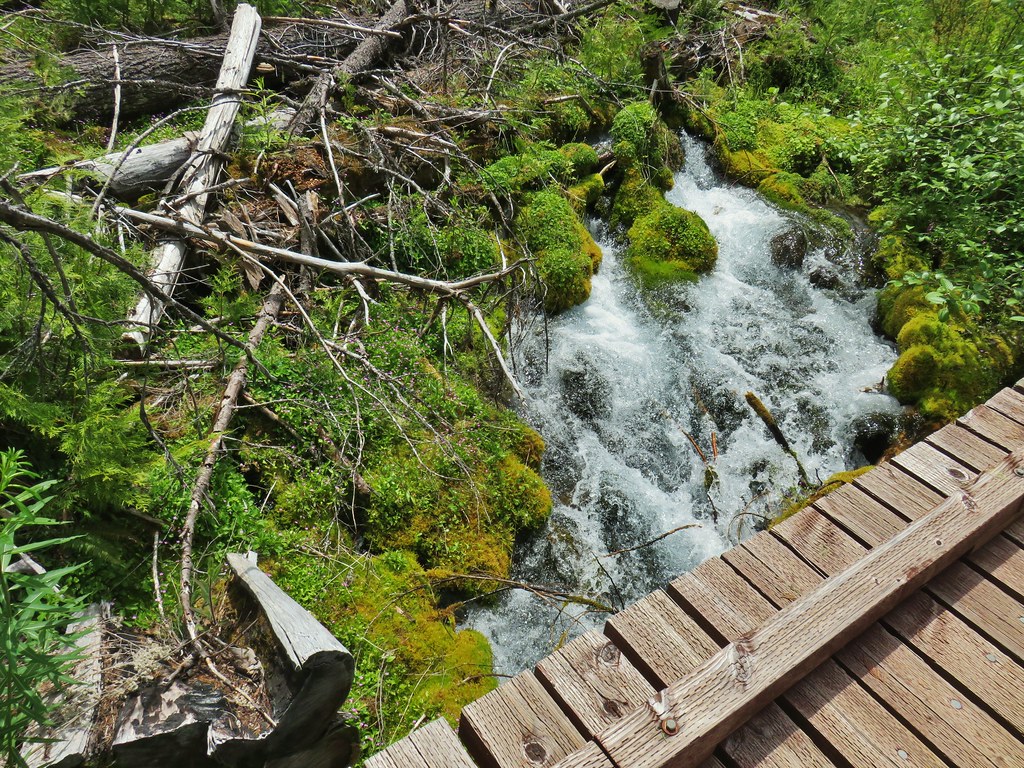
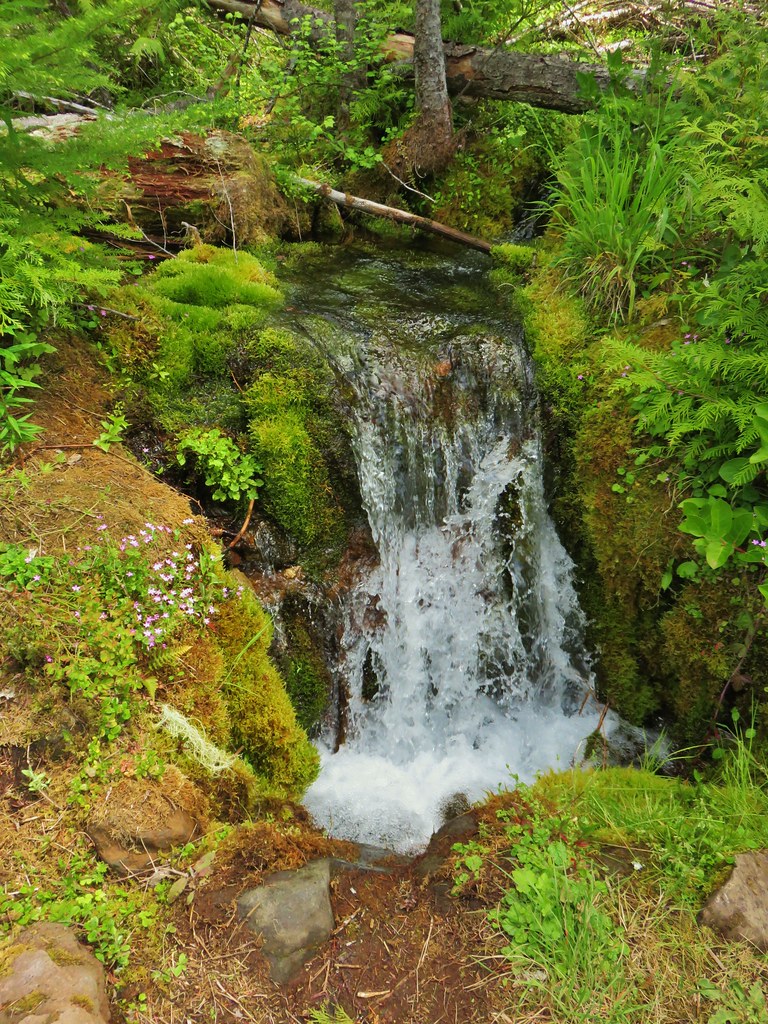
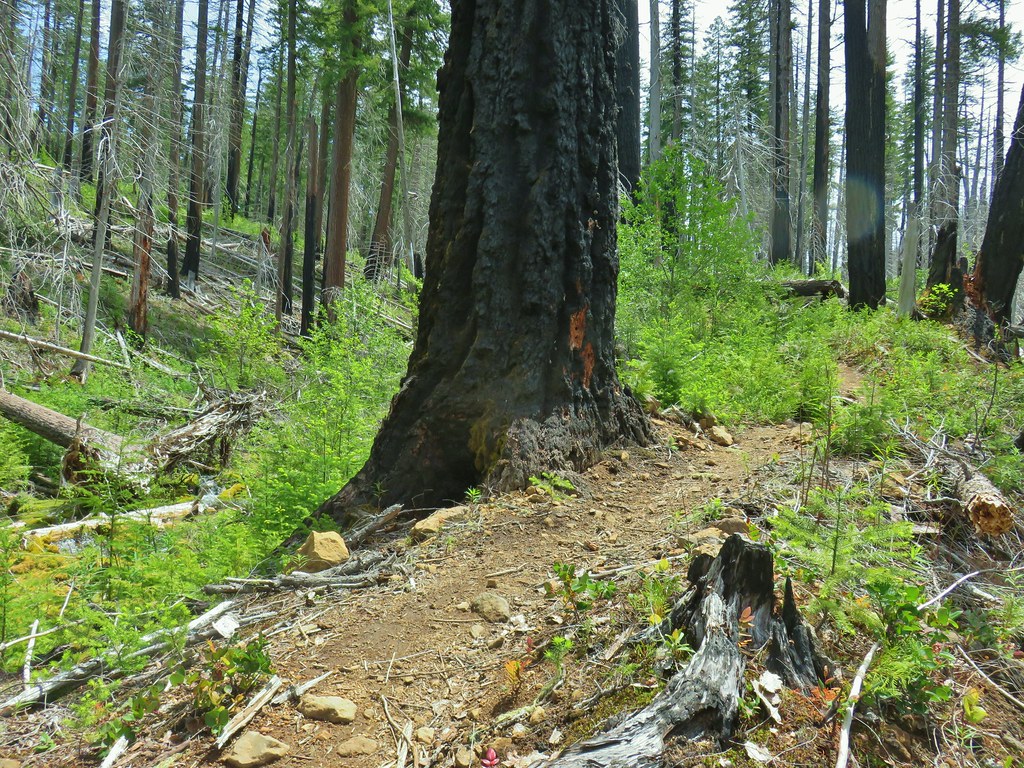


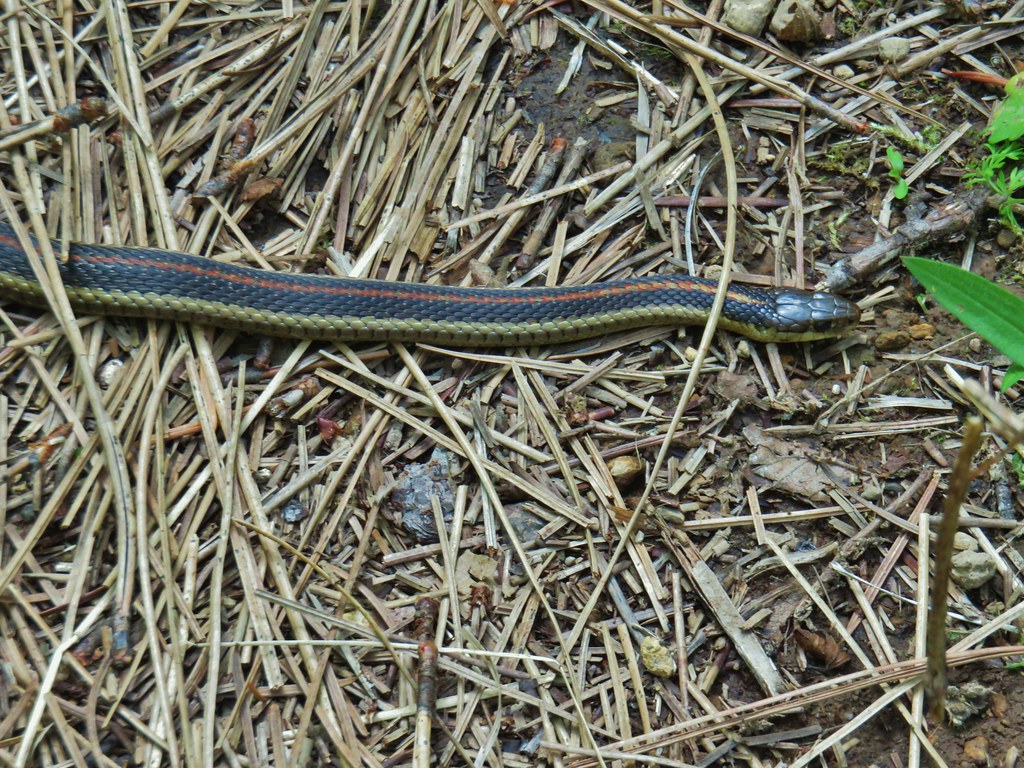

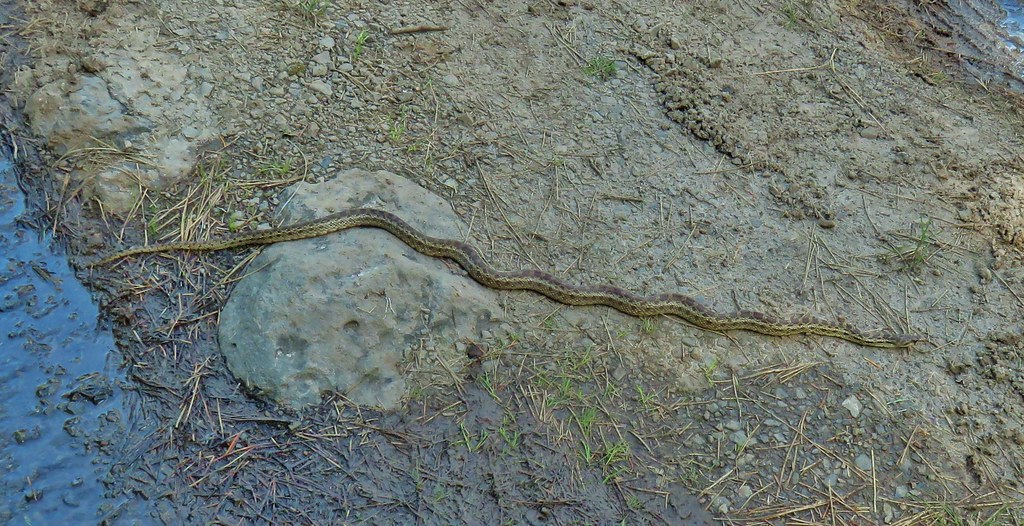

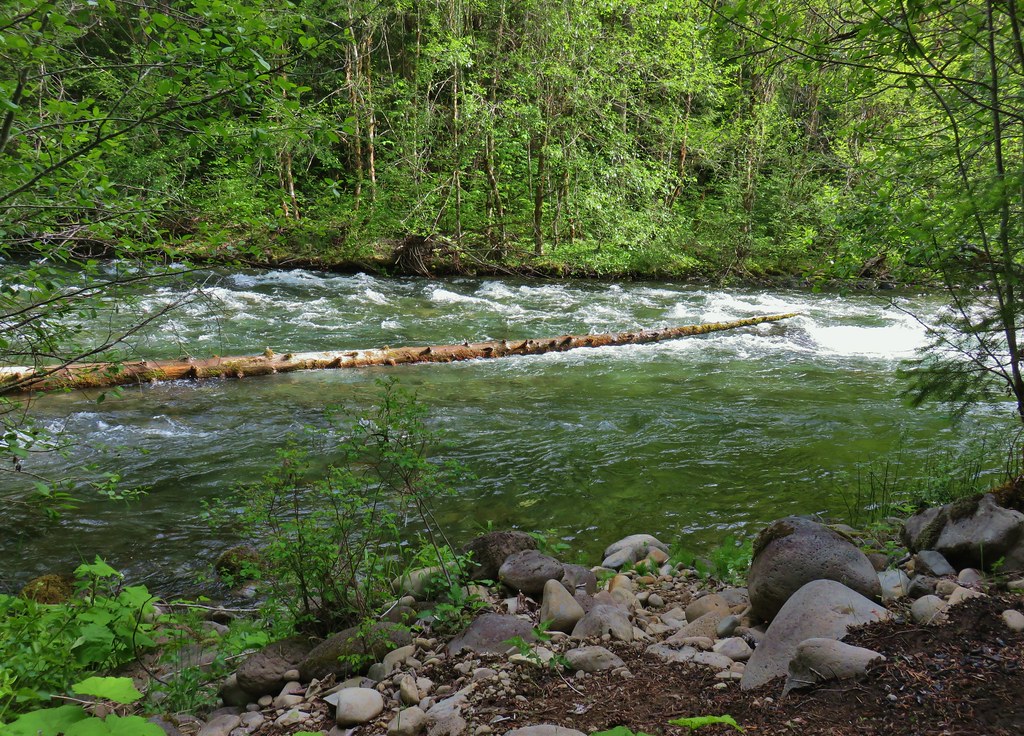


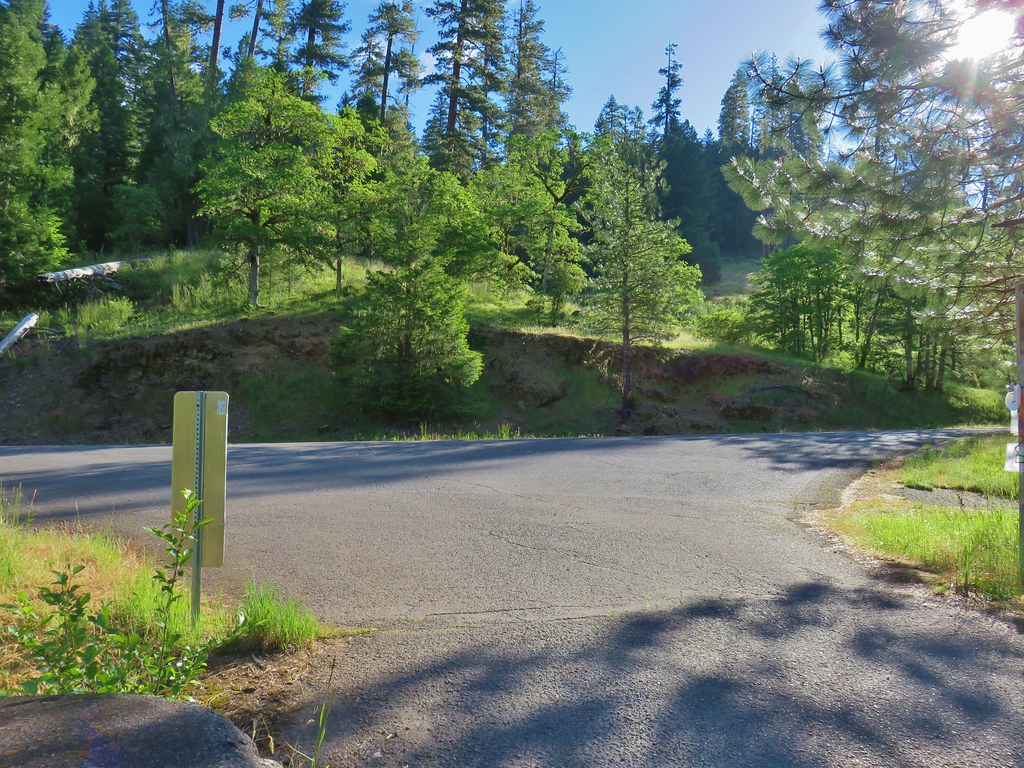


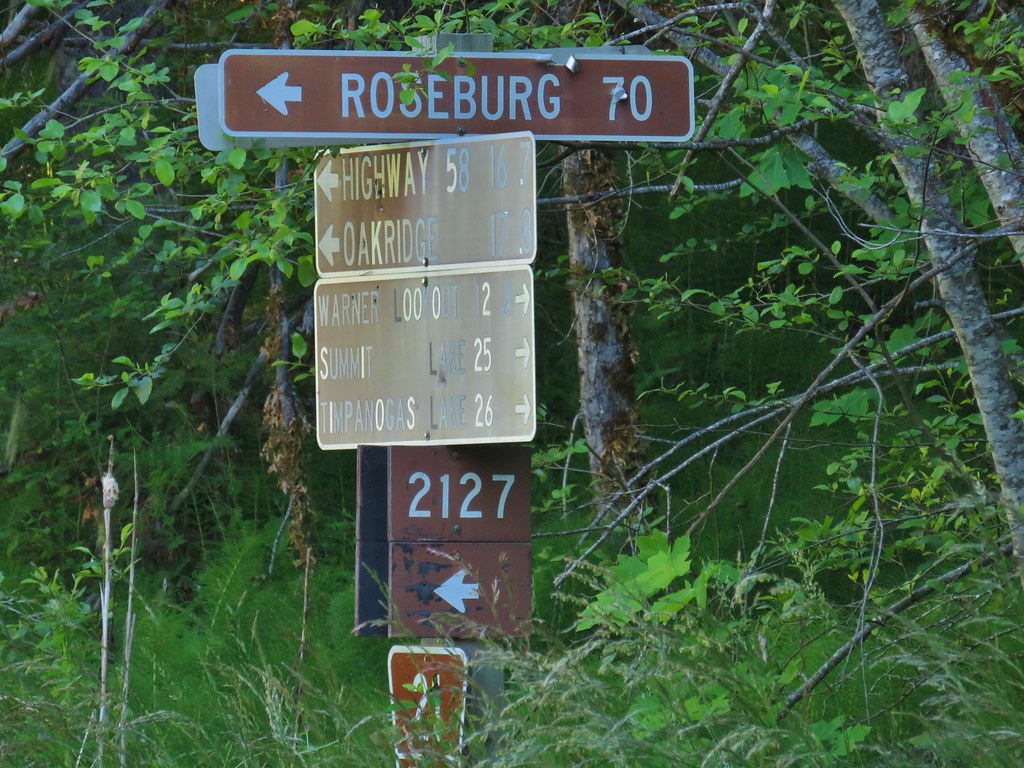
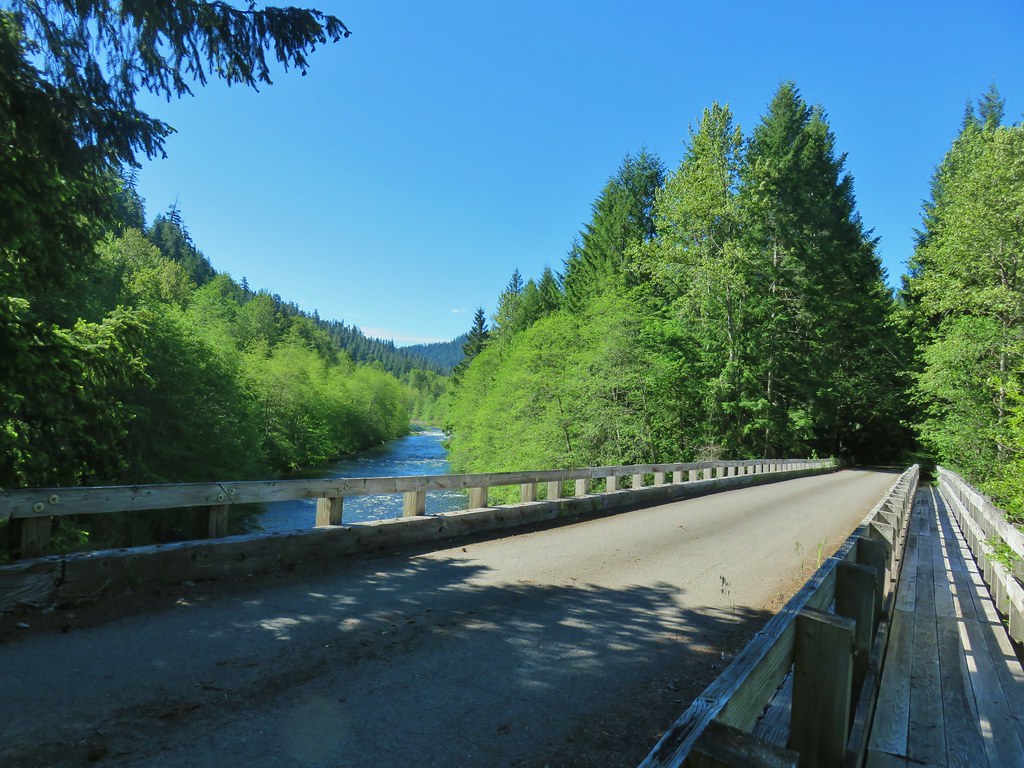
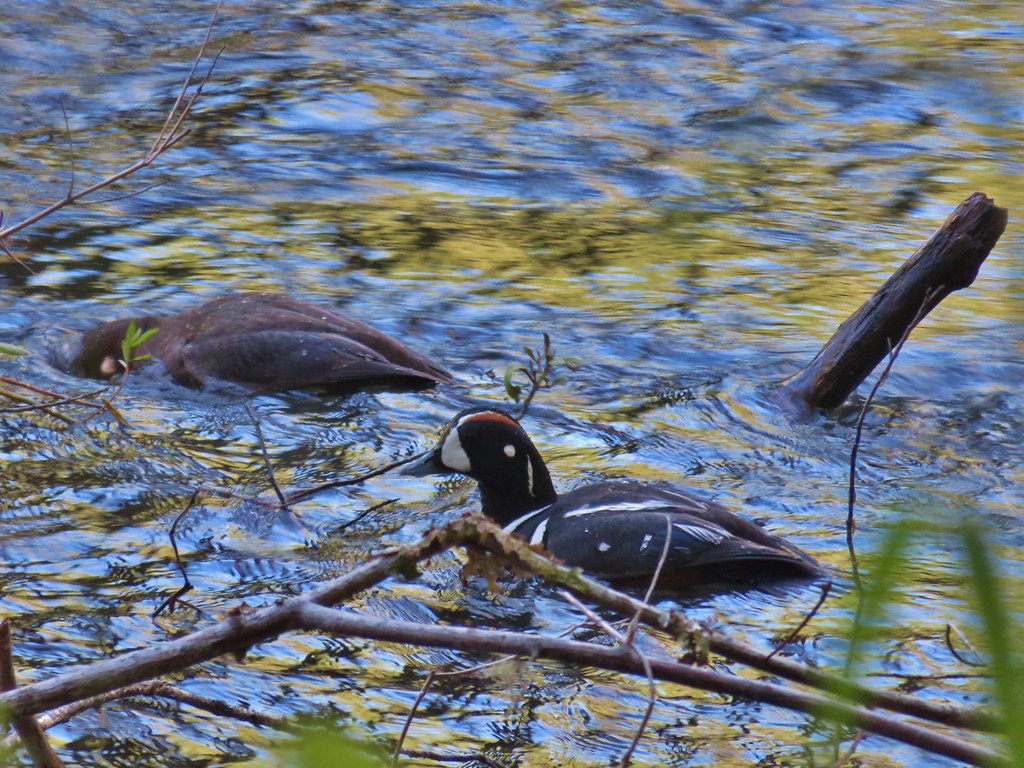
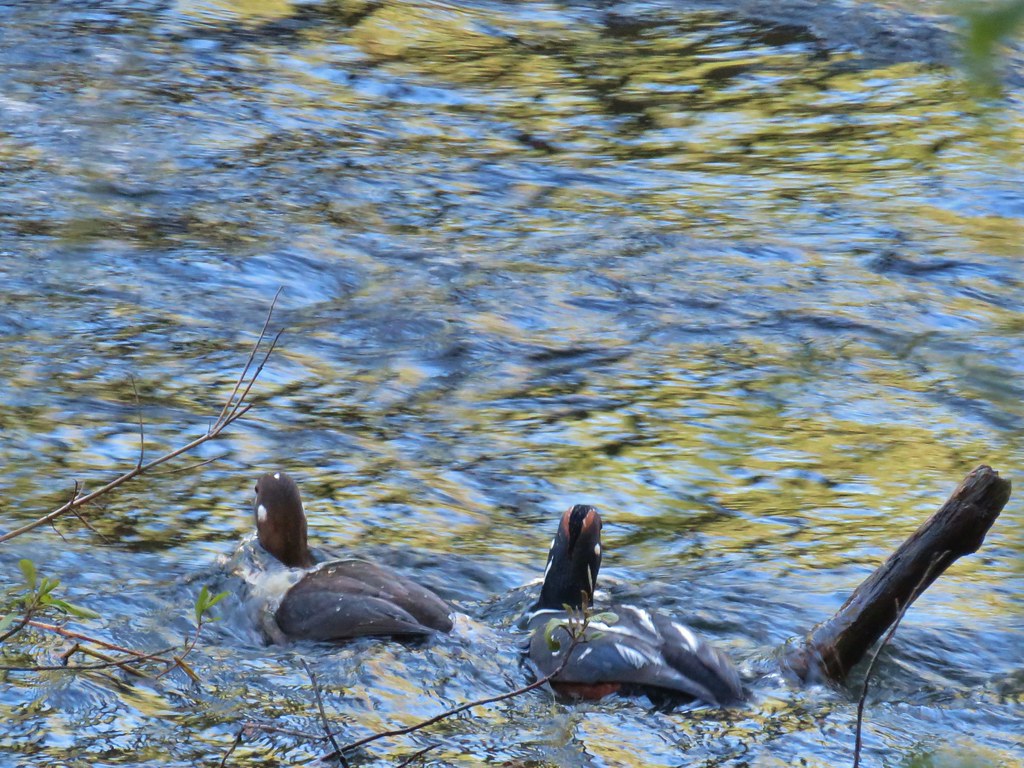
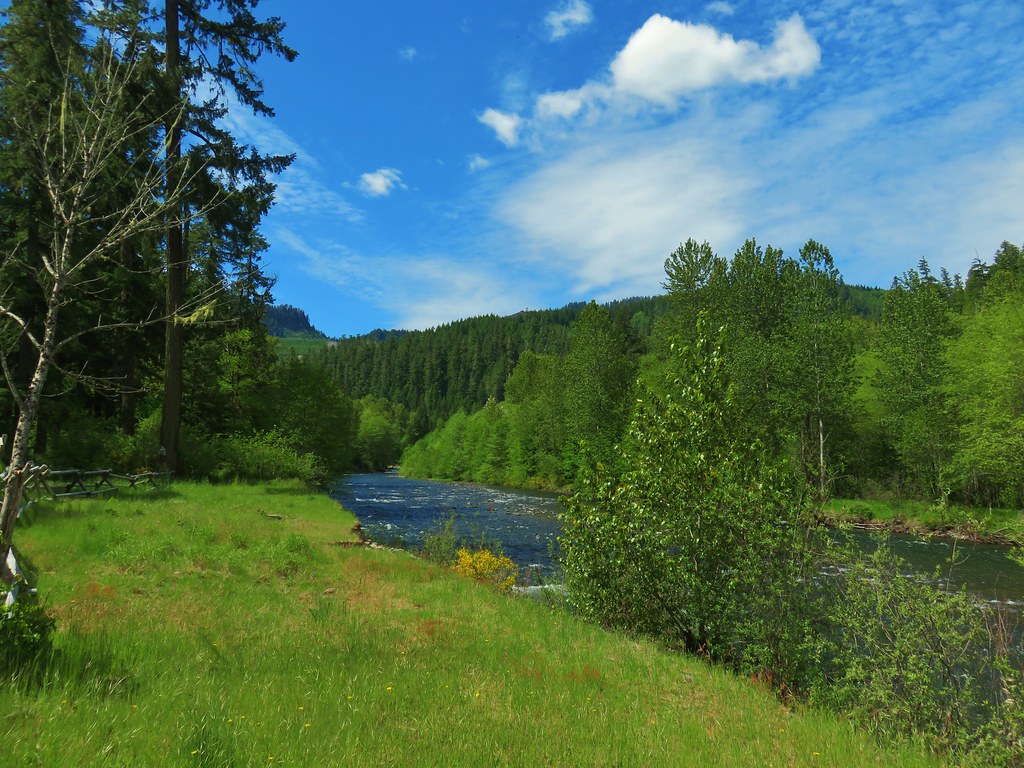
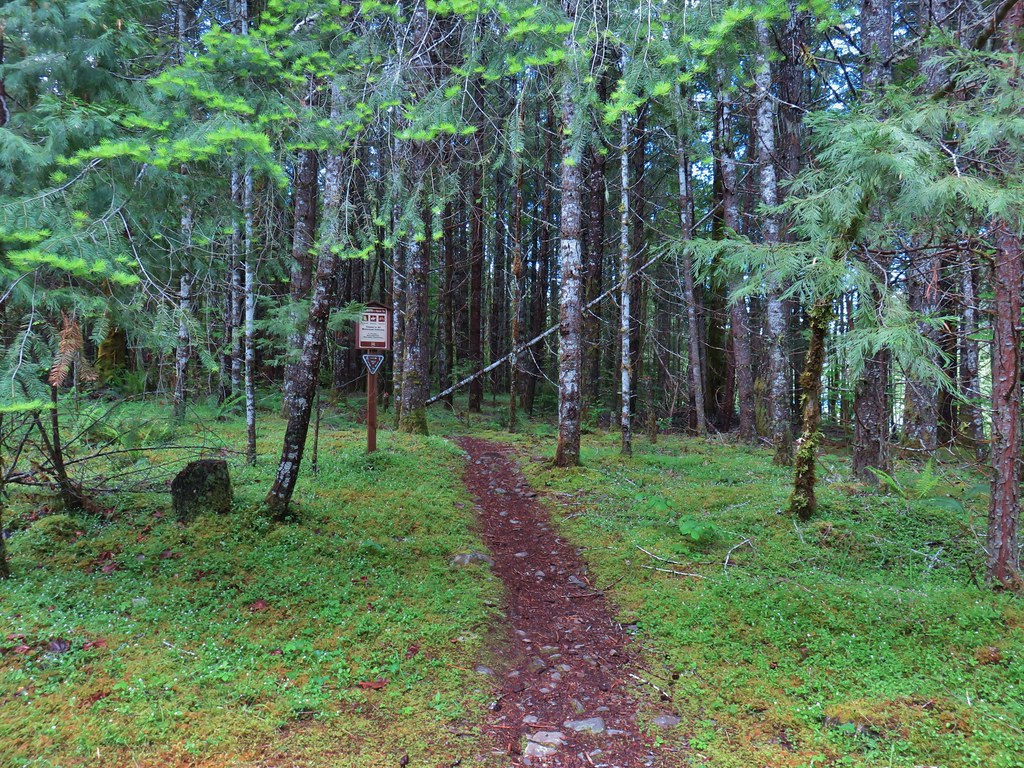
 Middle Fork Trail along FR 21.
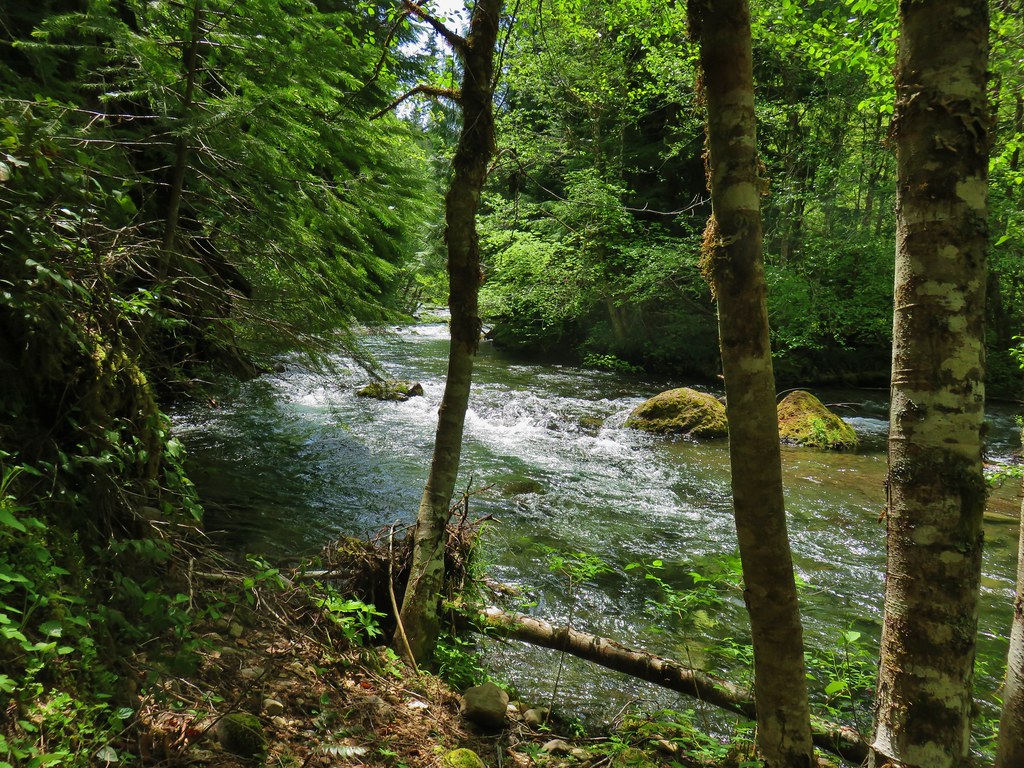
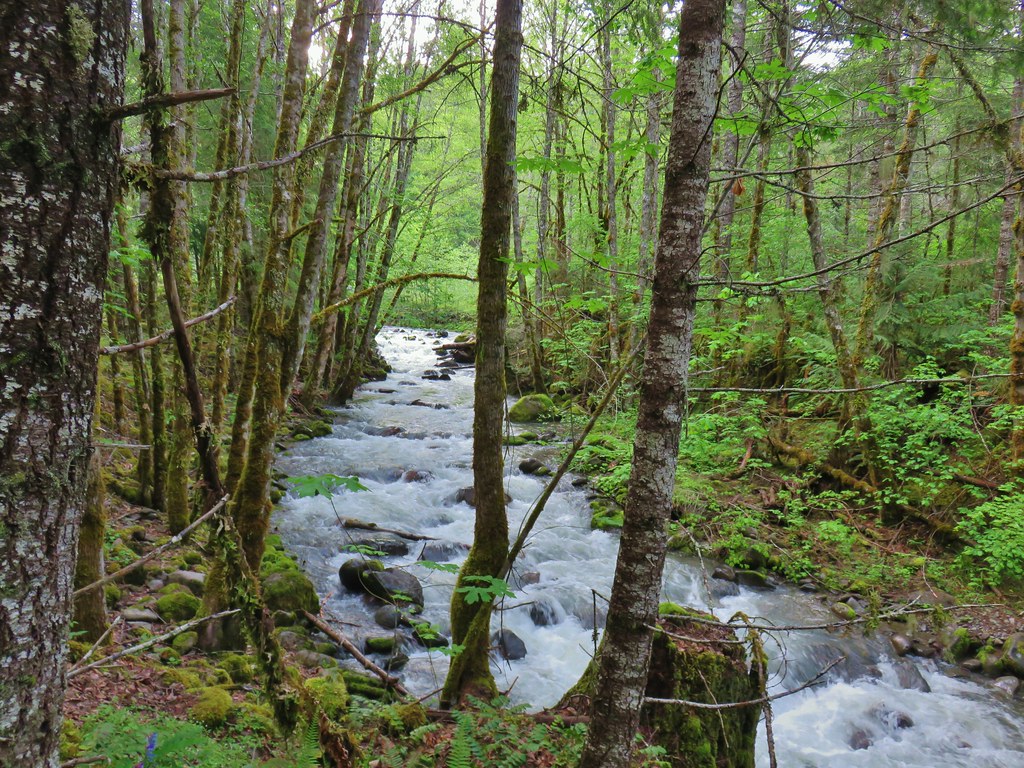
 One of only a couple of spots where we were able to get to the river.
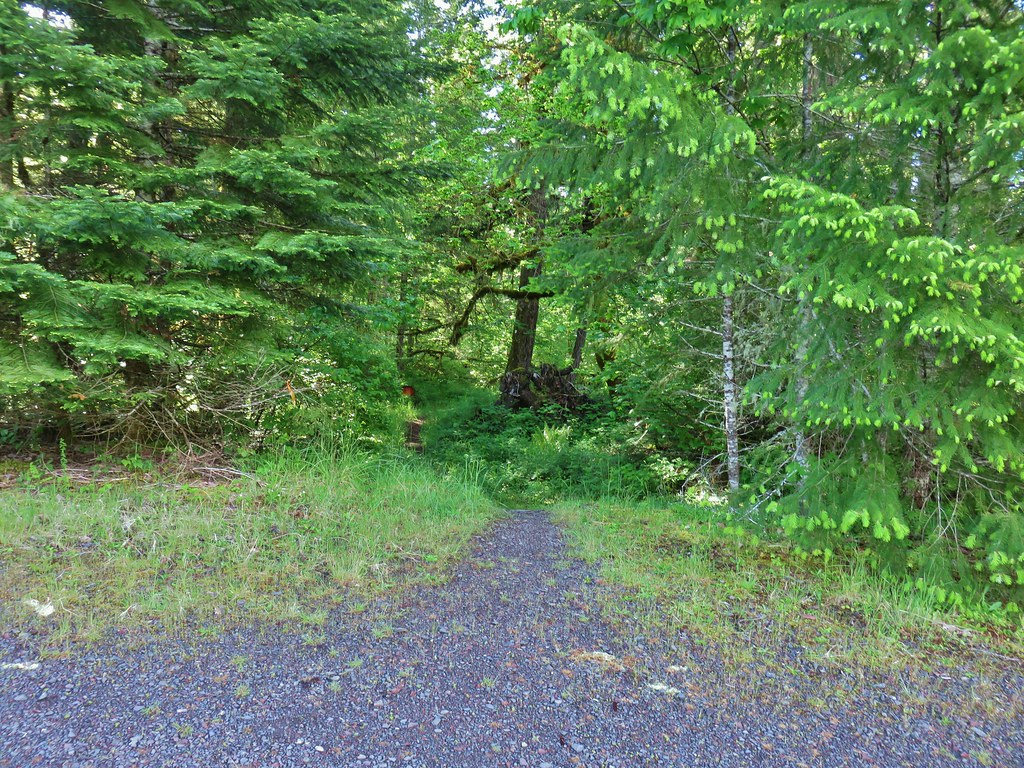 Orange flagging on the left after crossing a gravel road.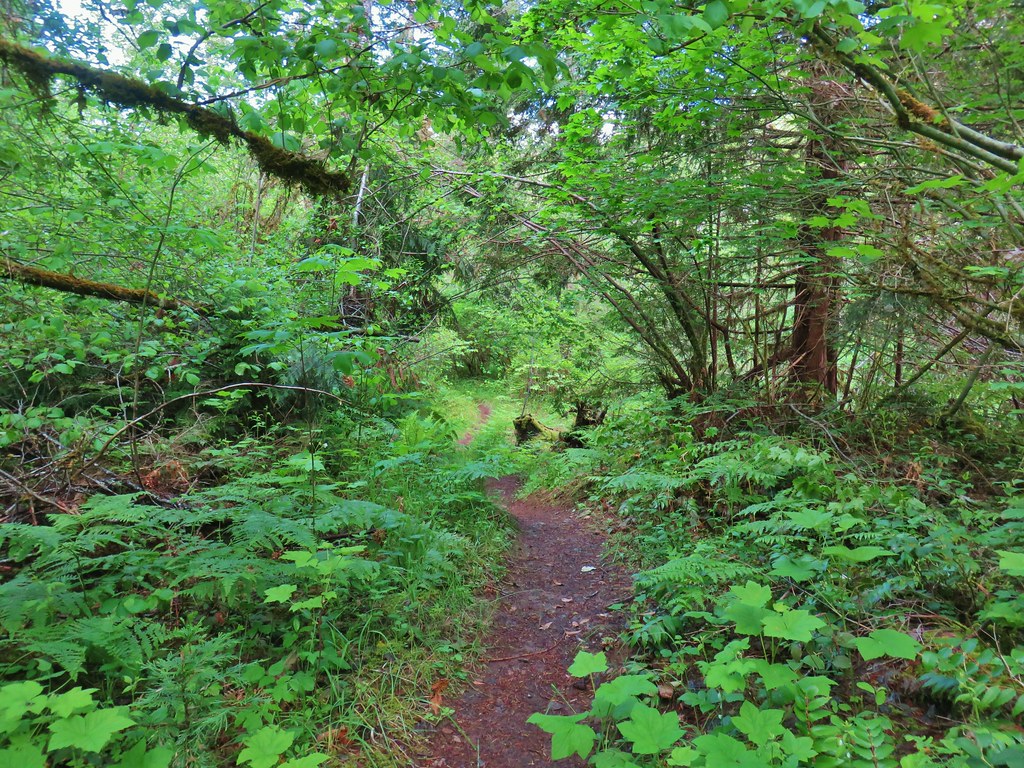
 Thimbleberry
 Cone Creek
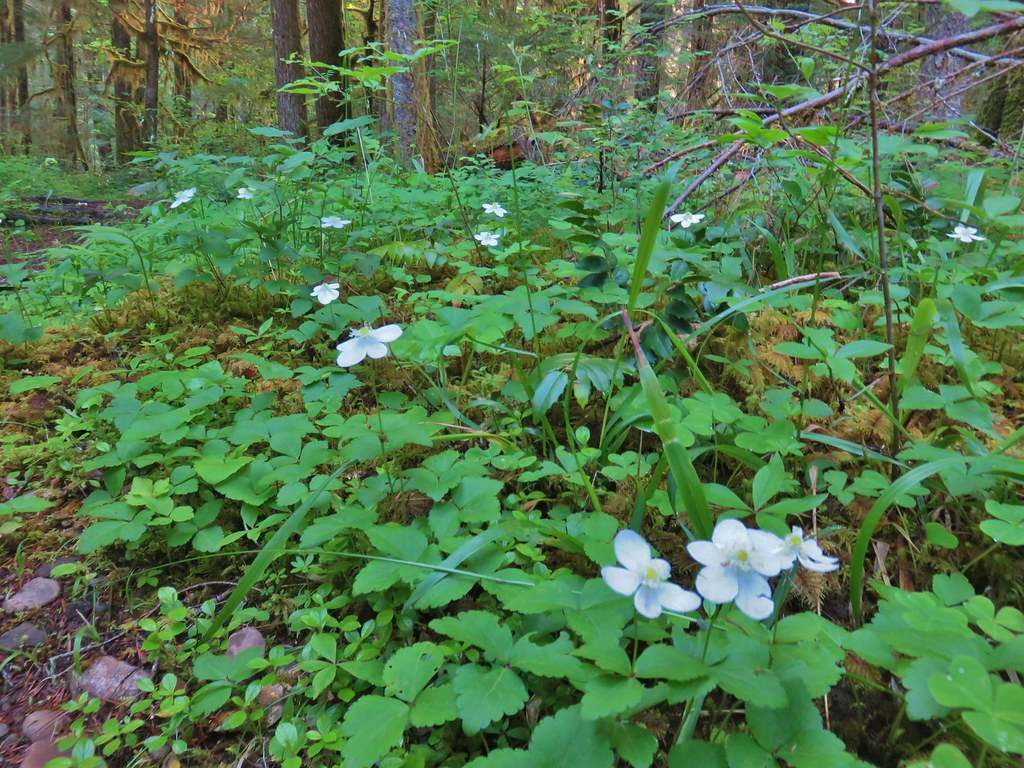 Anemones
 Footbridge over Bills Creek
 Queen’s cup

 Columbine
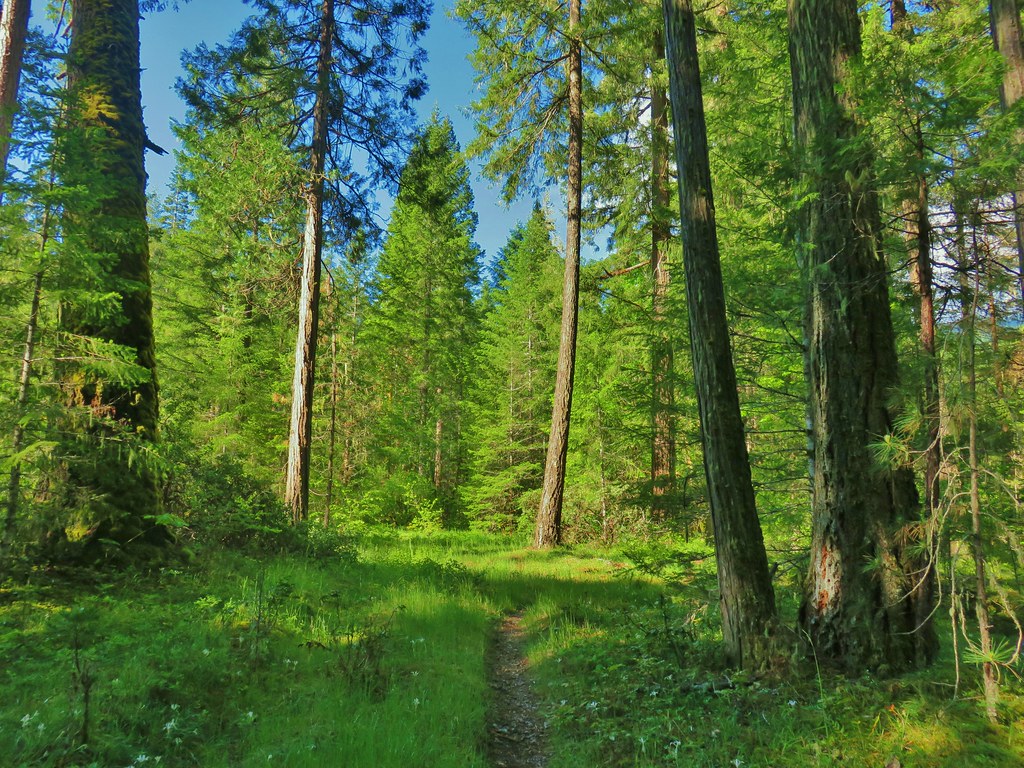 Yellowleaf iris along the Middle Fork Trail.
 Pine Creek – At first it looked like they put the bridge in the wrong spot, but there was another branch to the creek.
 Small meadow along the trail.

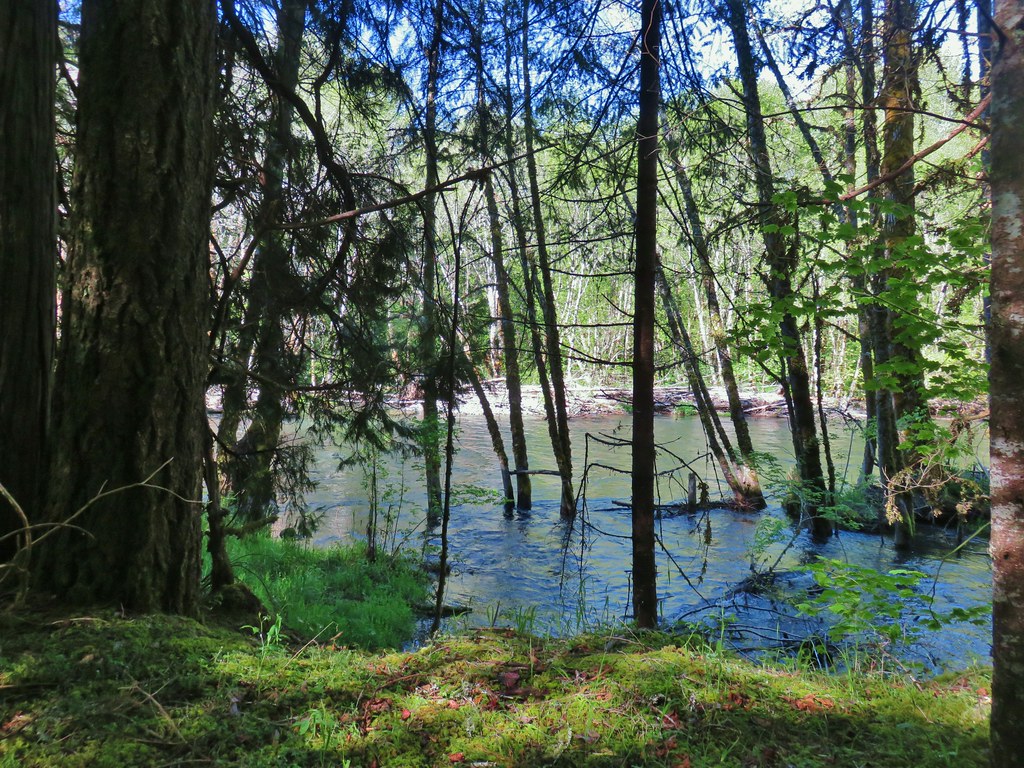


 Common merganser on the river below the bridge.
 Sign at the
 Mossy stump along the trail.
 Lots of grass along portions of the trail, one of these areas was probably where the tick hopped on.

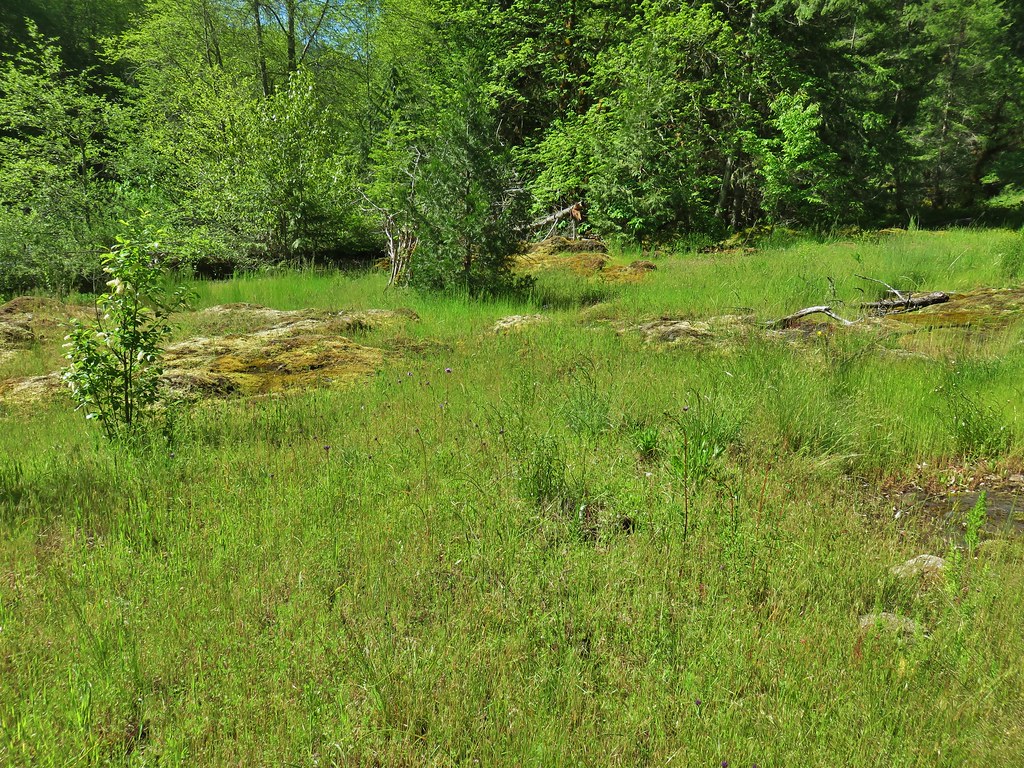 The ookow wasn’t quite blooming yet.
 Tolmie’s mariposa lily
 Monkeyflower and tomcat clover
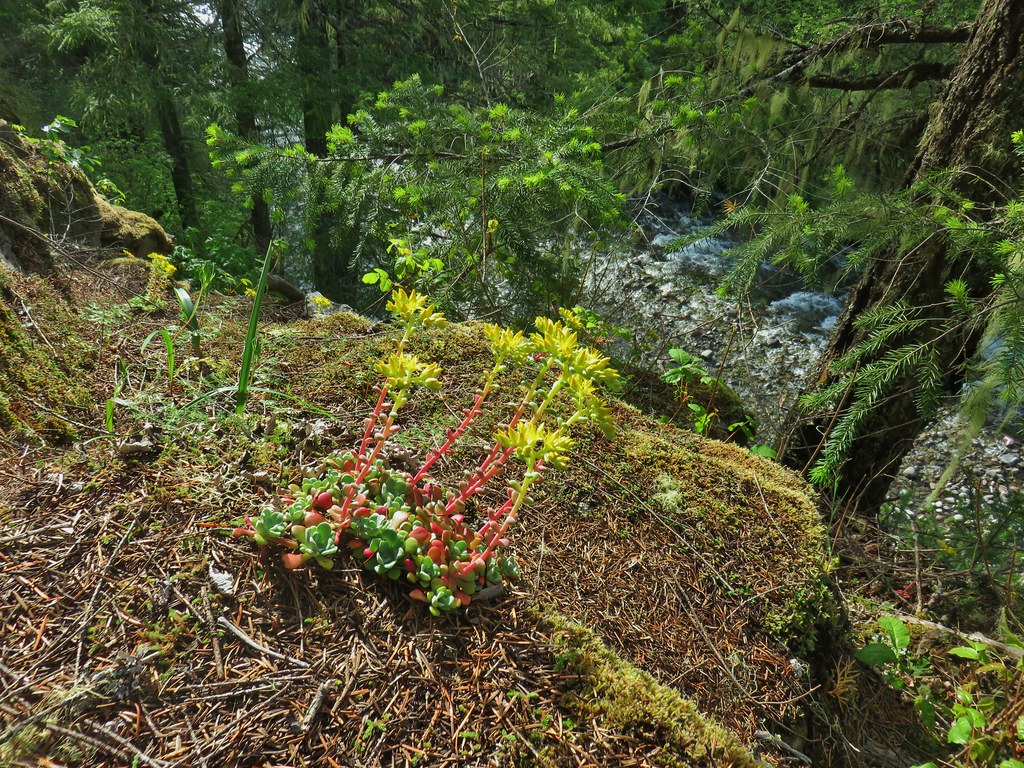
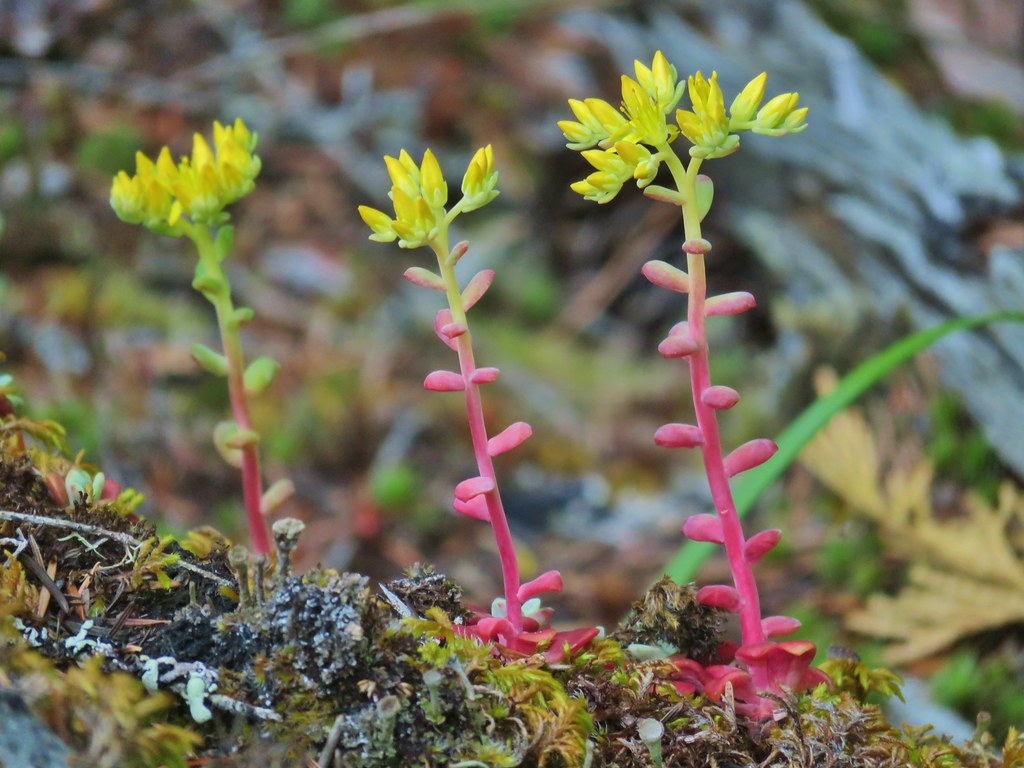
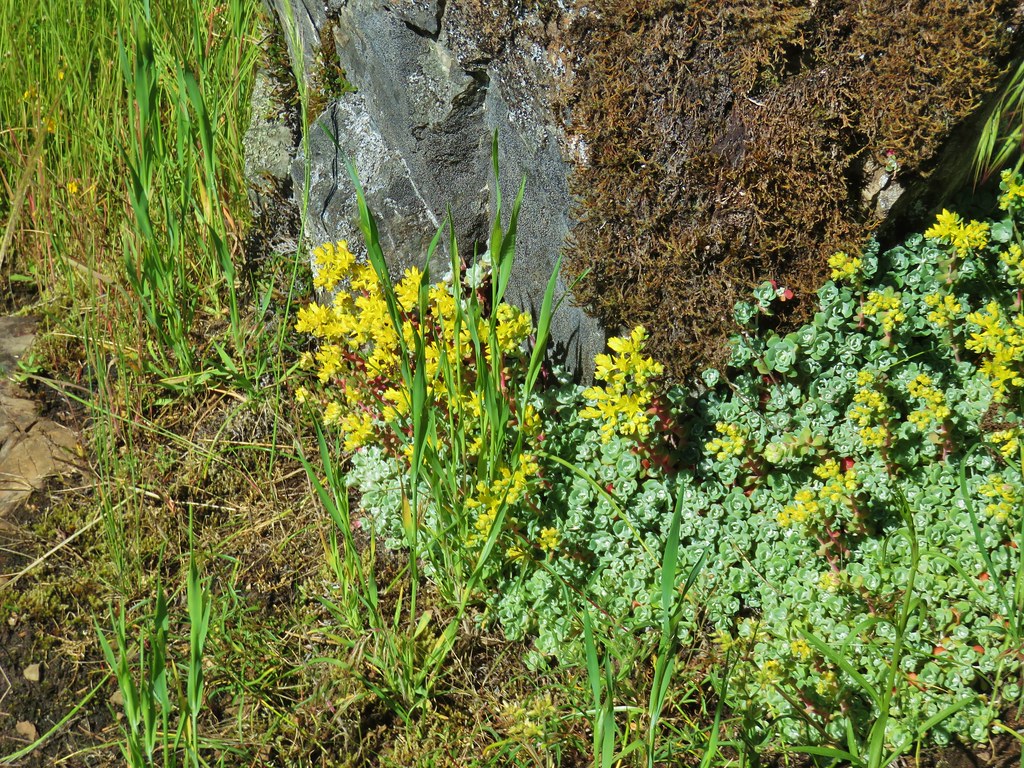 Stonecrop
 Plectritis and giant blue-eyed Mary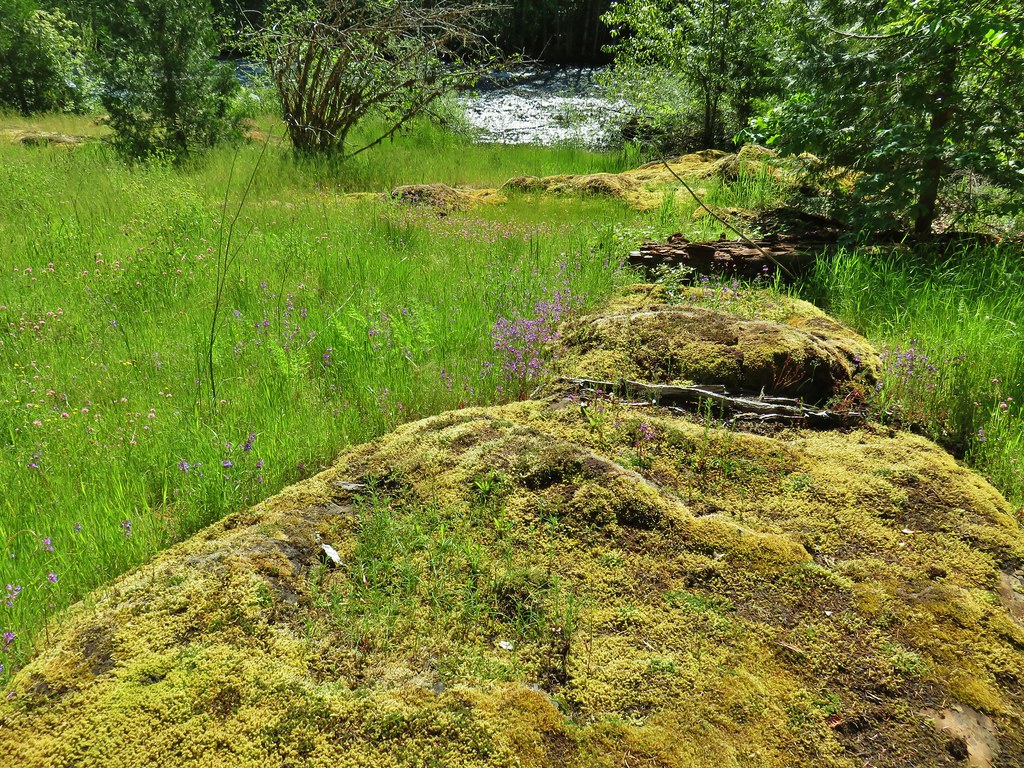
 Giant blue-eyed Mary
 Buttercups
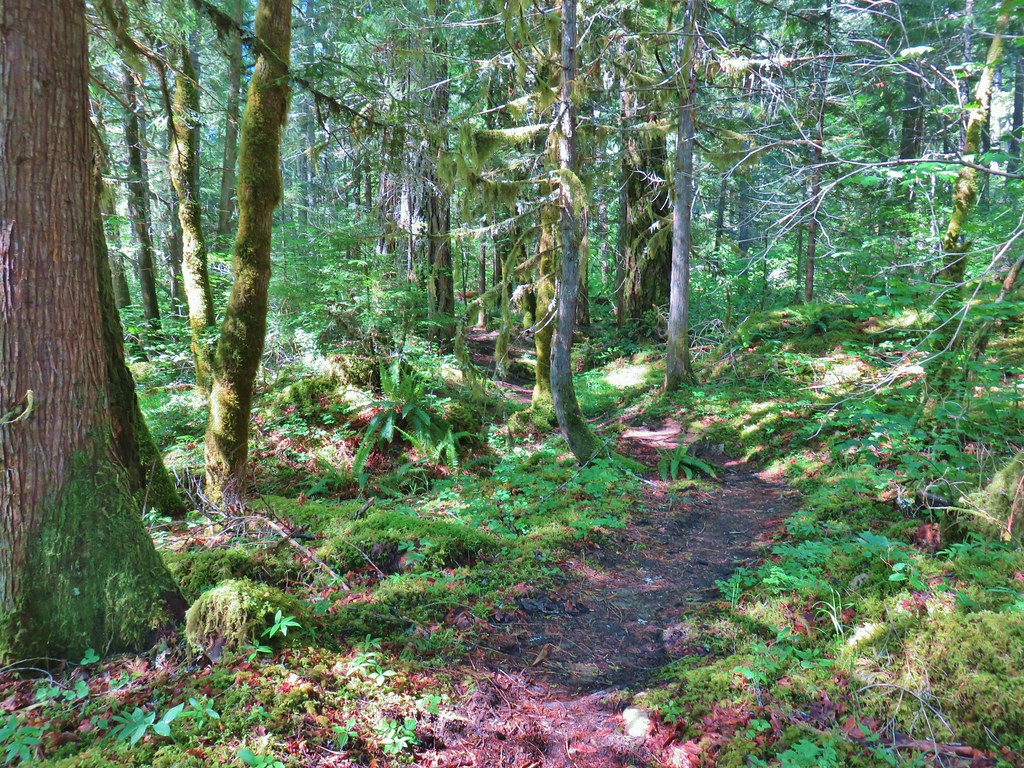
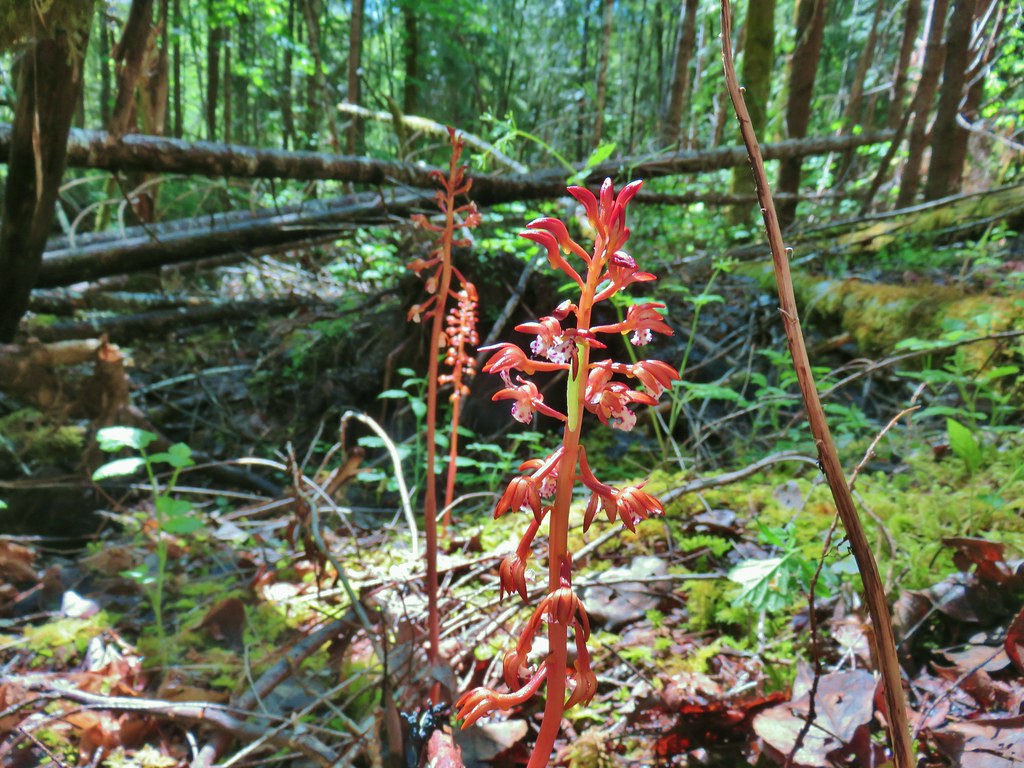 Spotted coralroot (with a caterpillar)
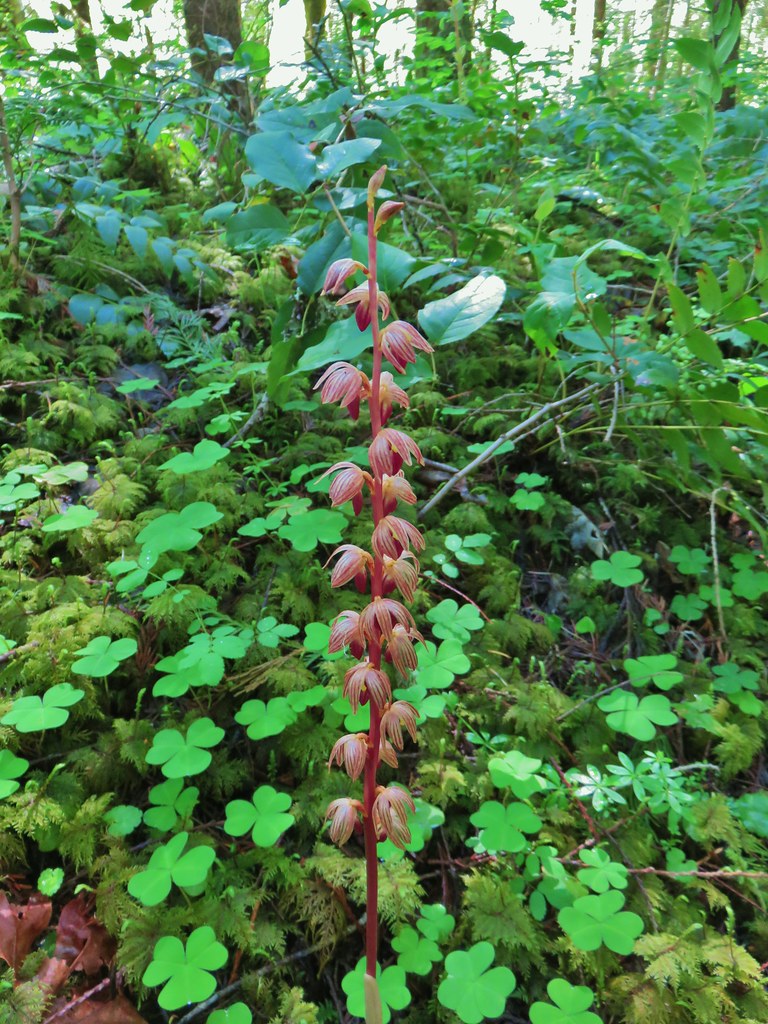 Striped coralroot


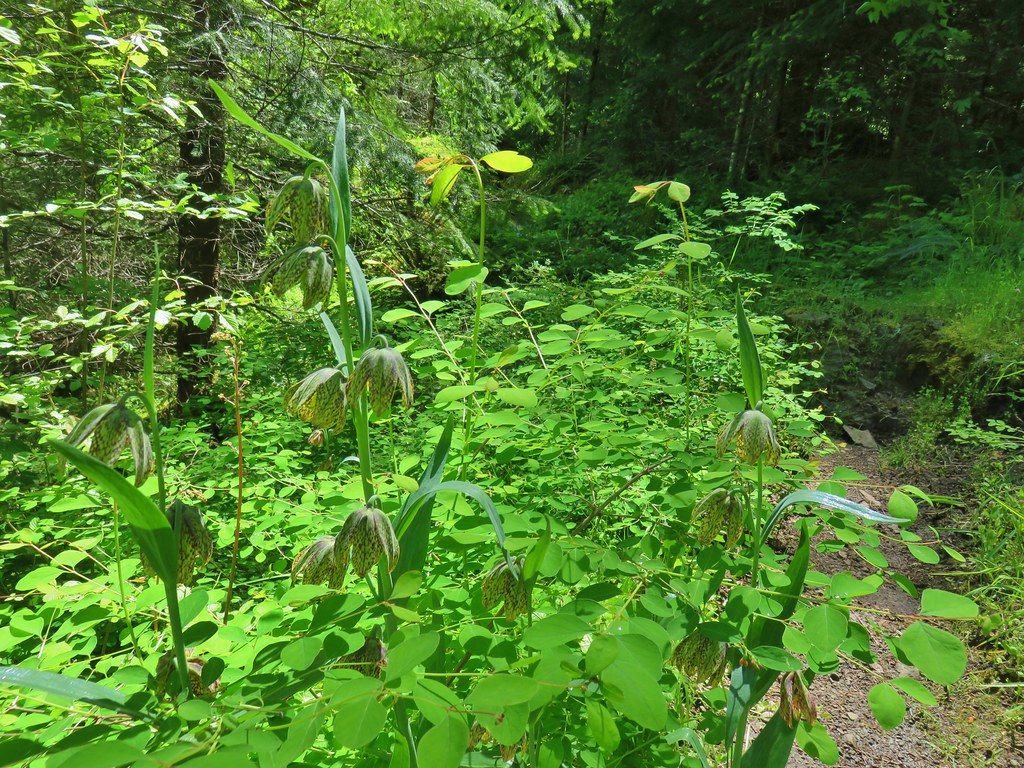 Chocolate lilies
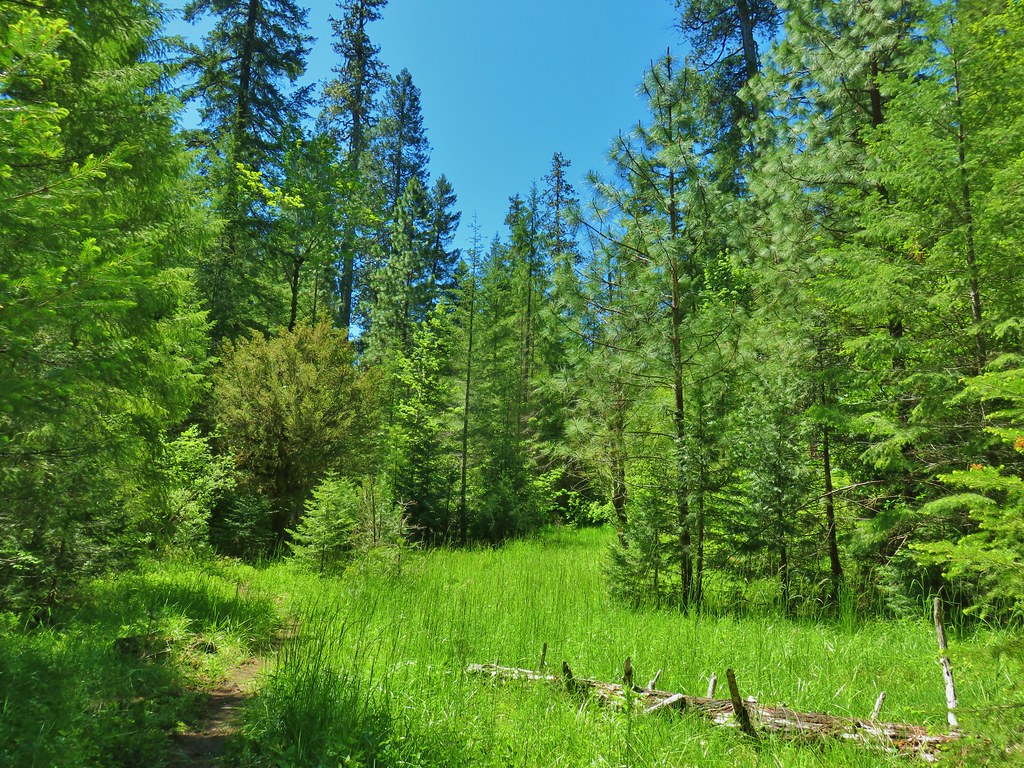 Completed section of the reroute.
 More signs at FR 201
 FR 201 crossing Coal Creek.
 Coal Creek
 Road walking on FR 2133


 Simpson Creek
 Northern phlox
 Don’t know what type of fungus this is but it looked neat.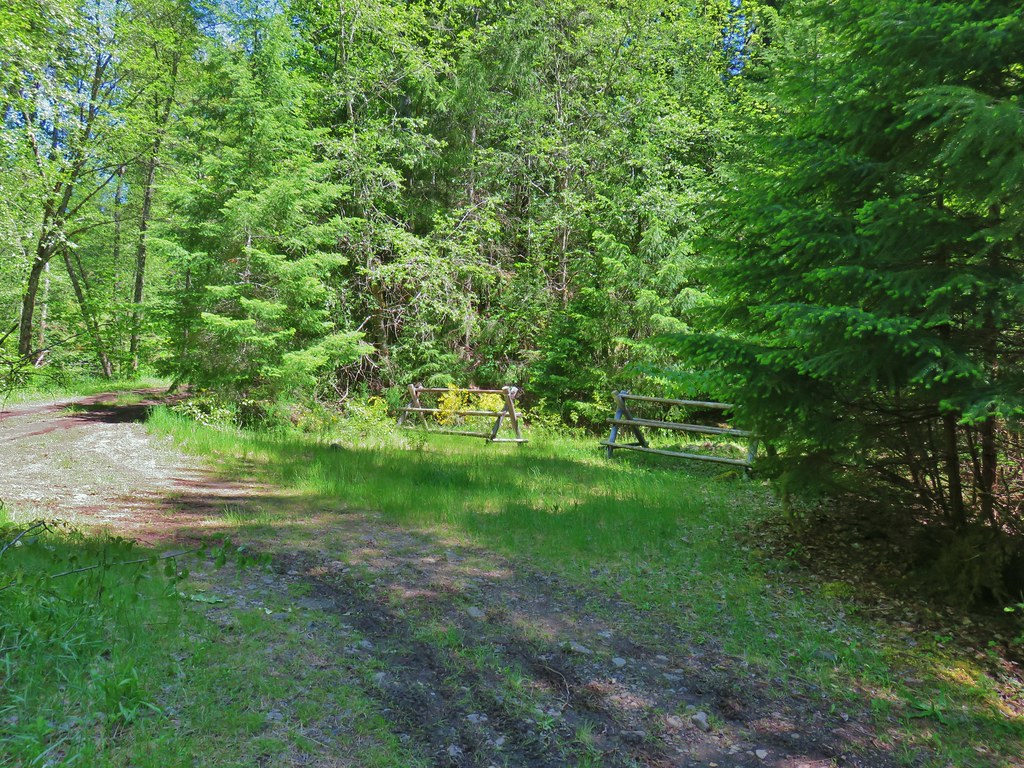
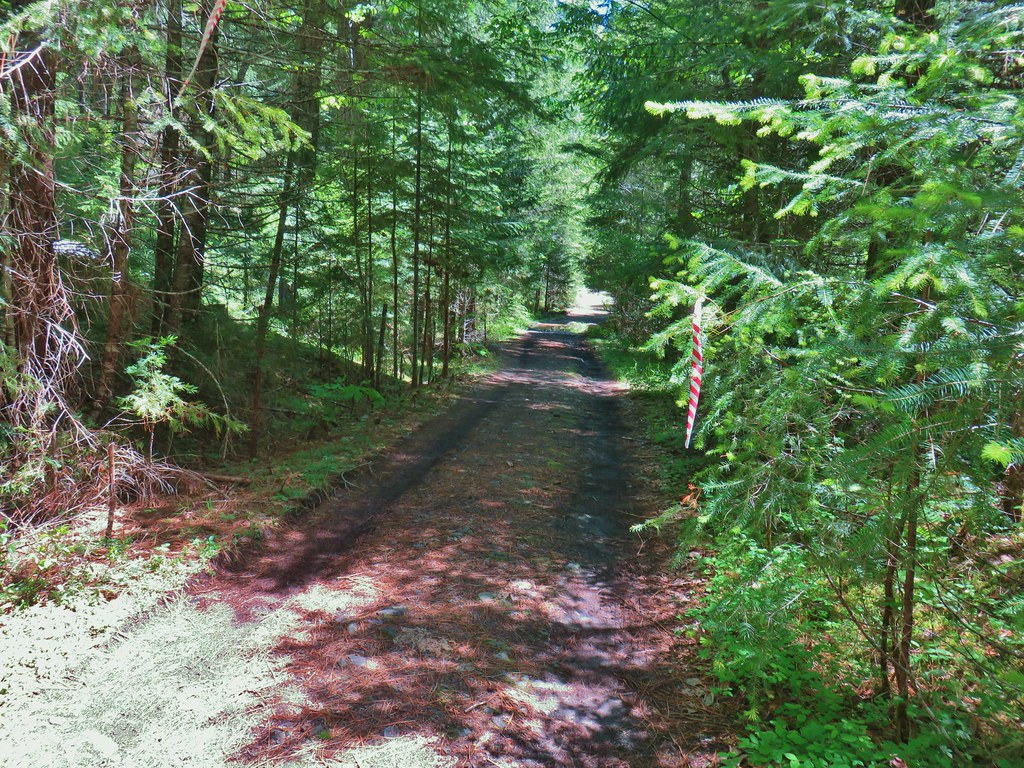
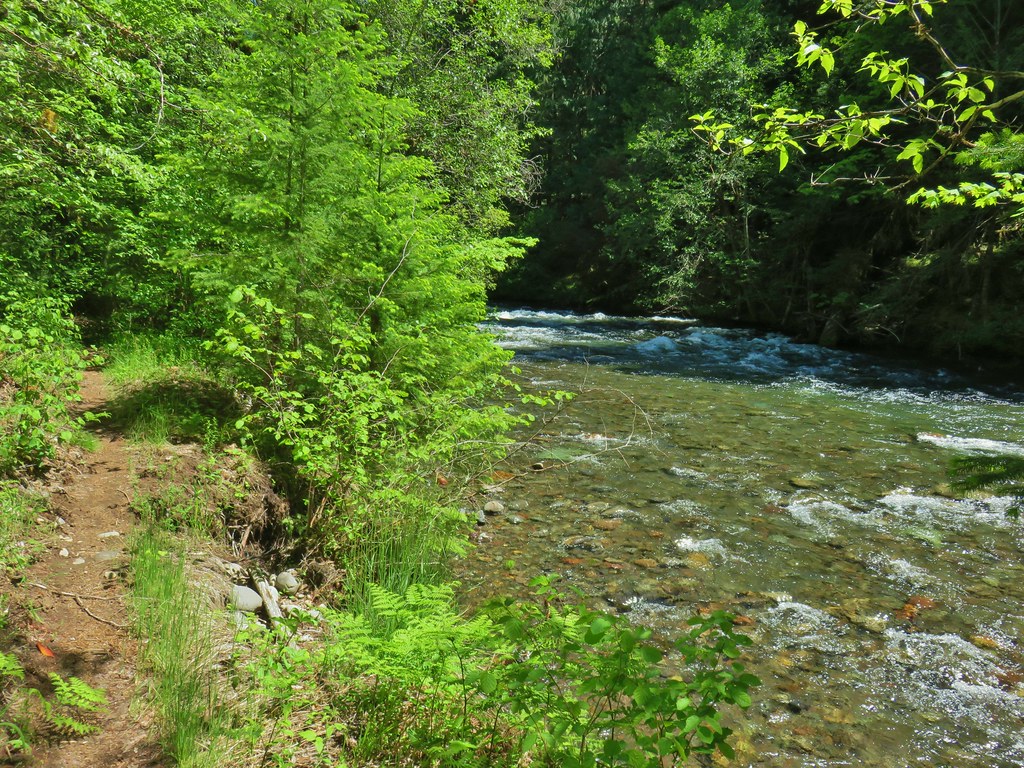


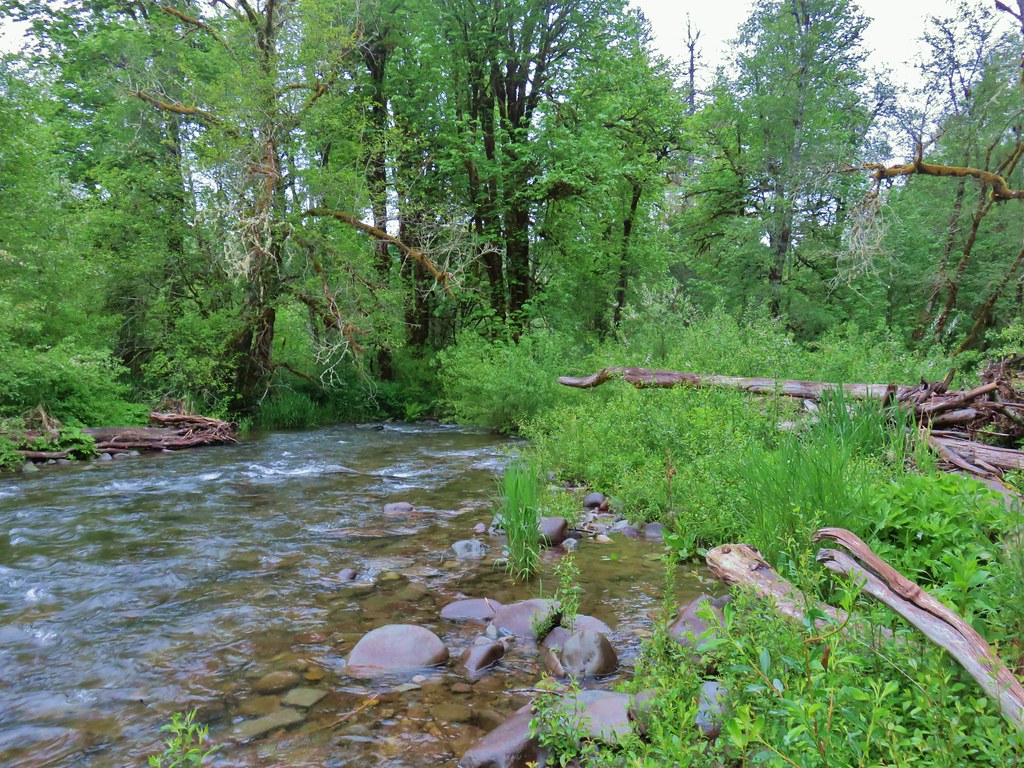
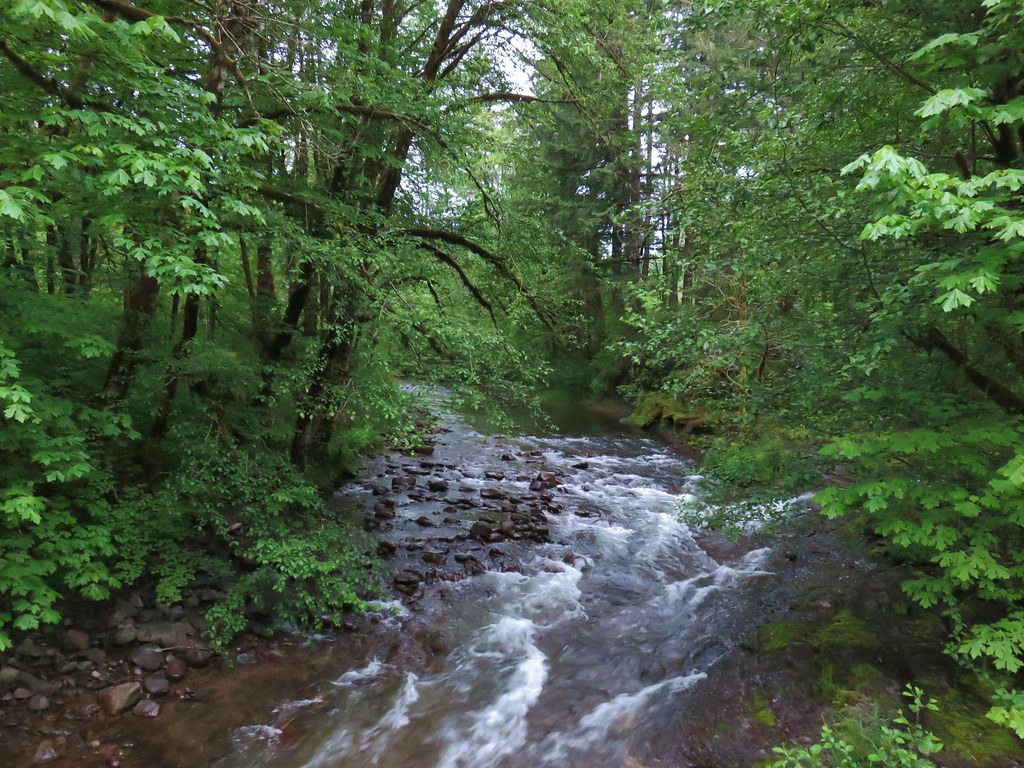 Little Luckiamute River from the bridge.

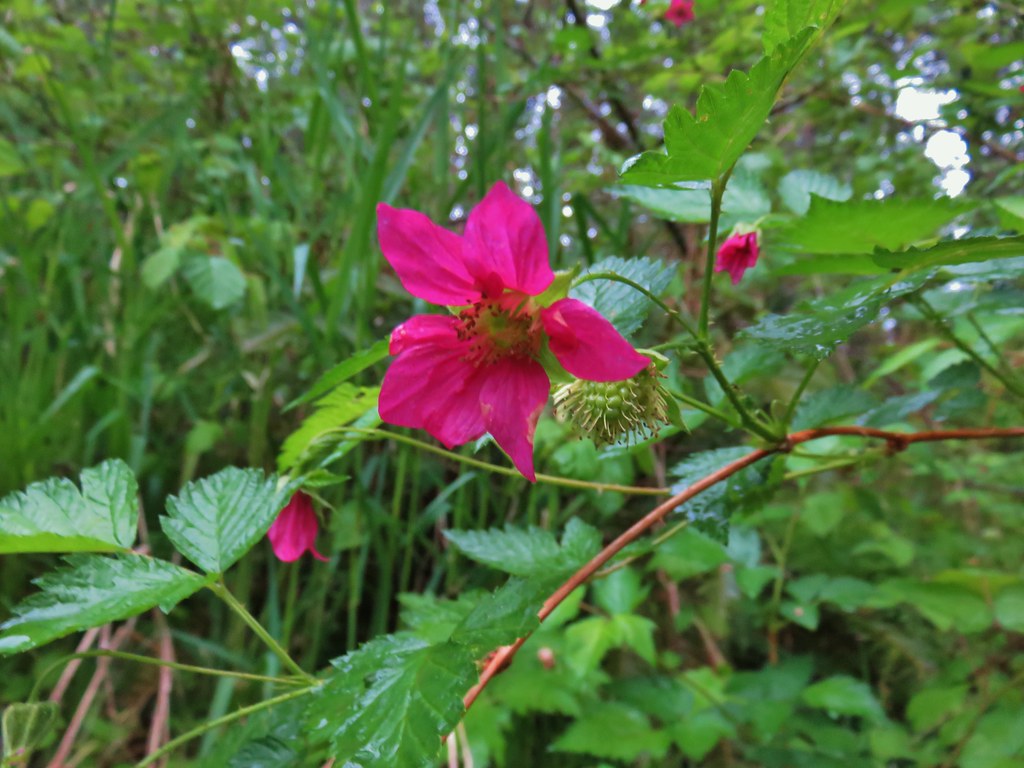 Salmonberry blossoms along the river.
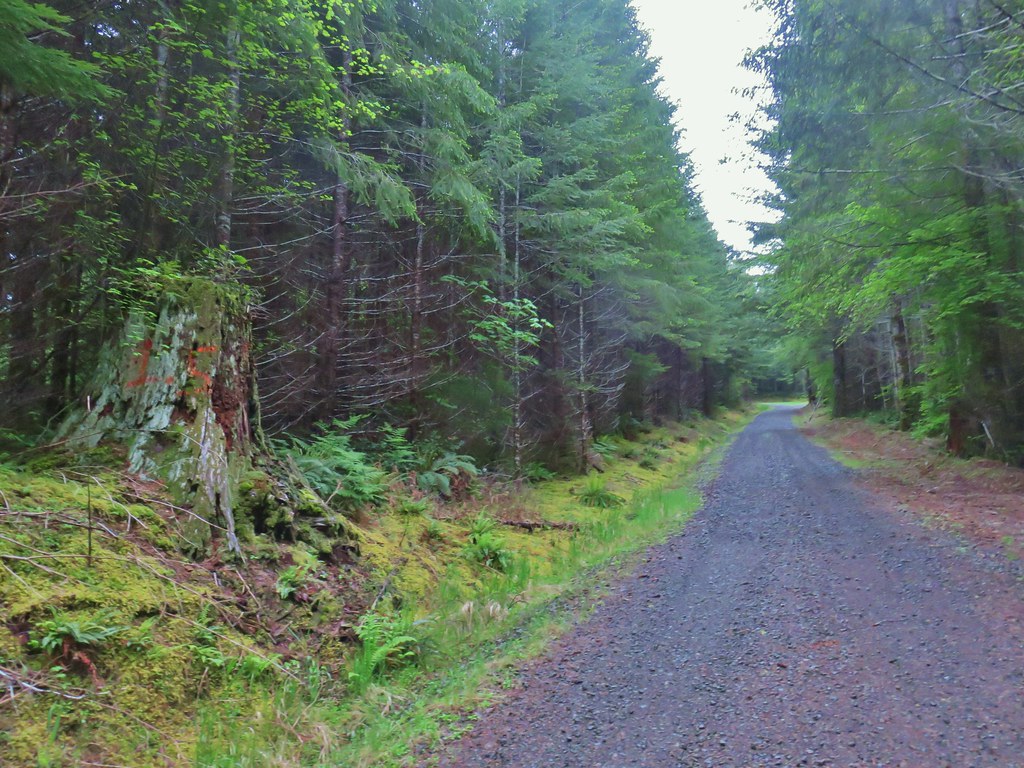 Our turnaround spot.
 Cinquefoil and youth-on-age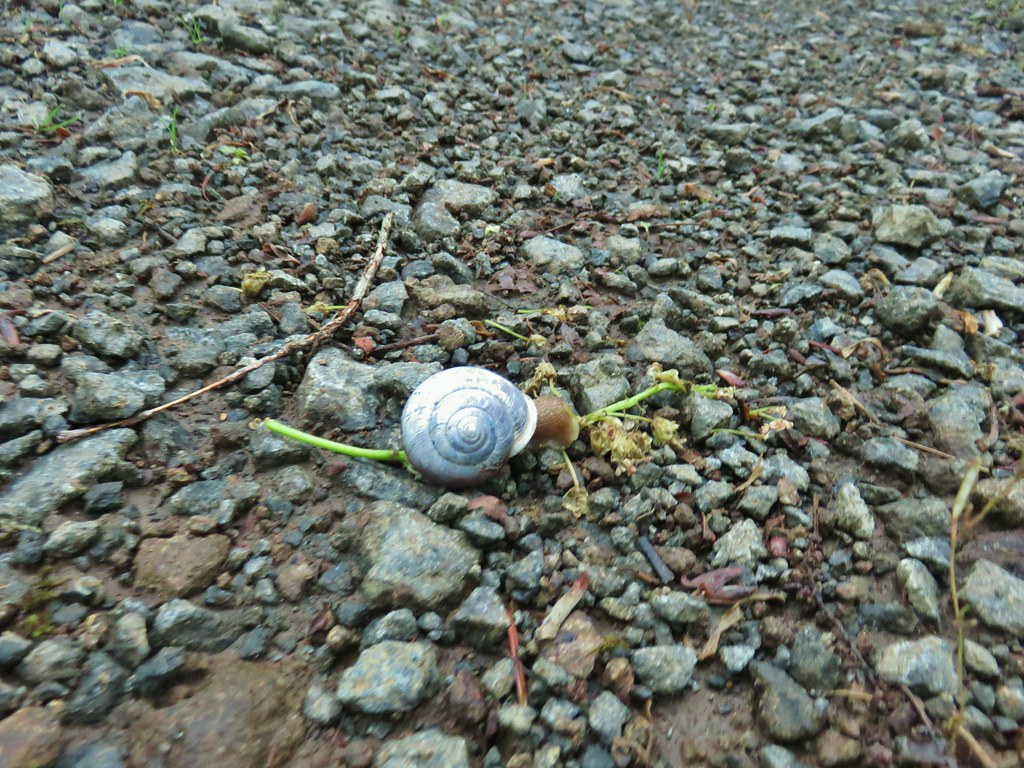
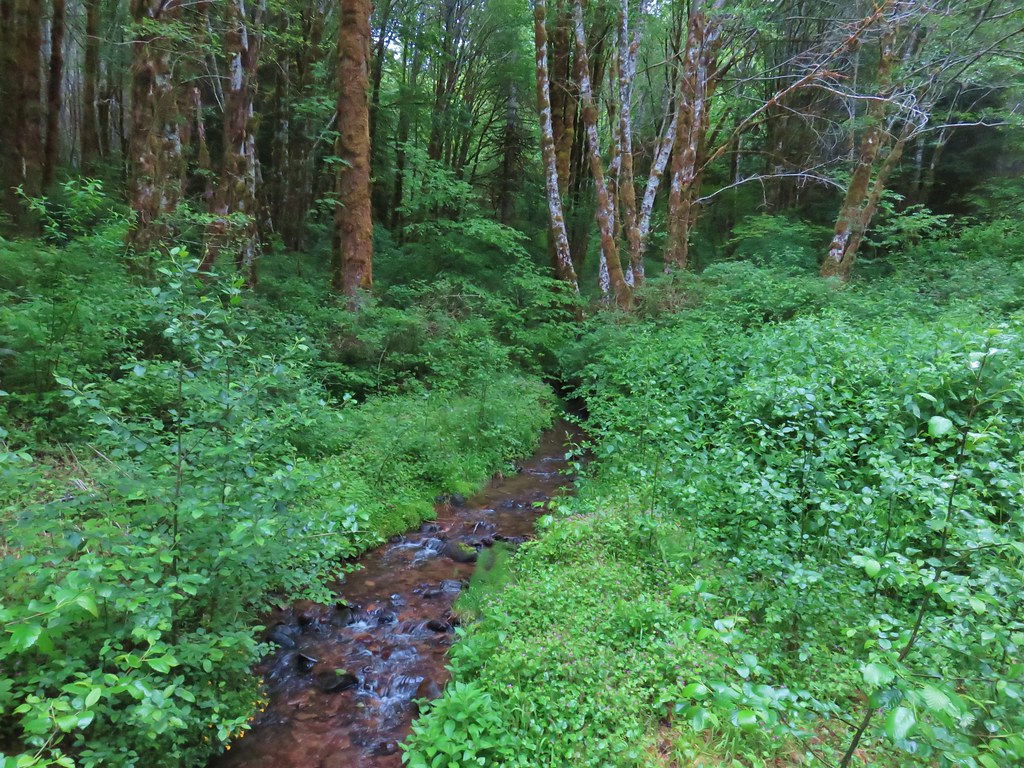 One of several little creeks along the road.
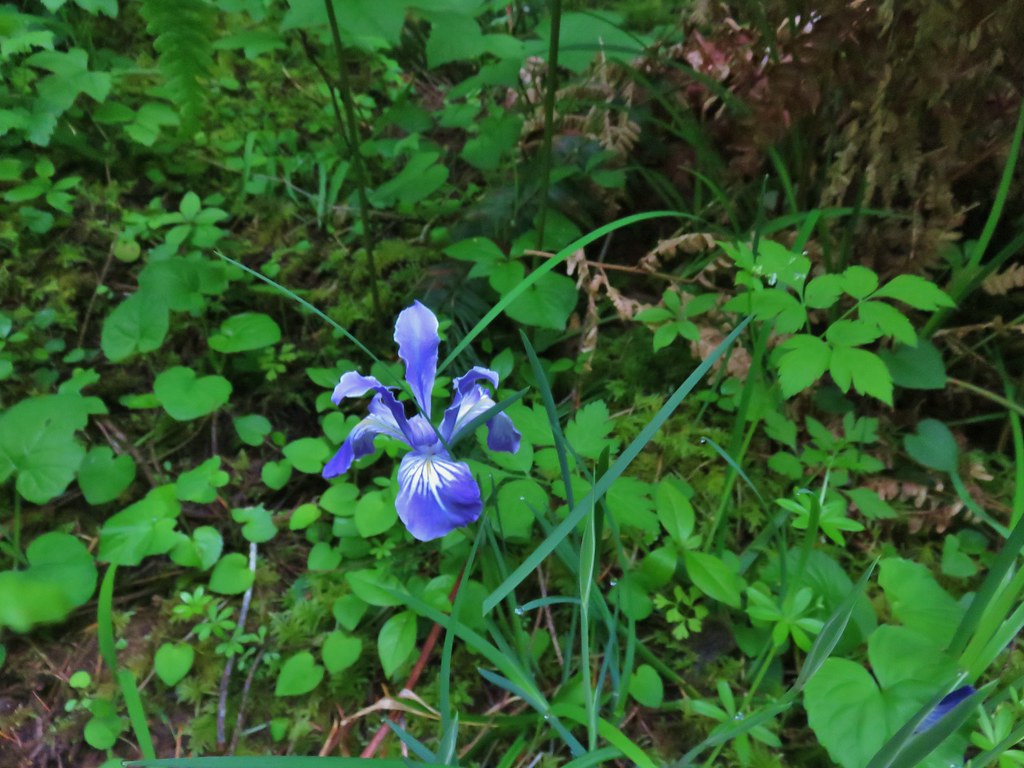 Iris
Iris Fairybells
 Forest along the road.
 Bleeding heart
 Rough skinned newt escaping into the grass.
 Lupine
 Columbine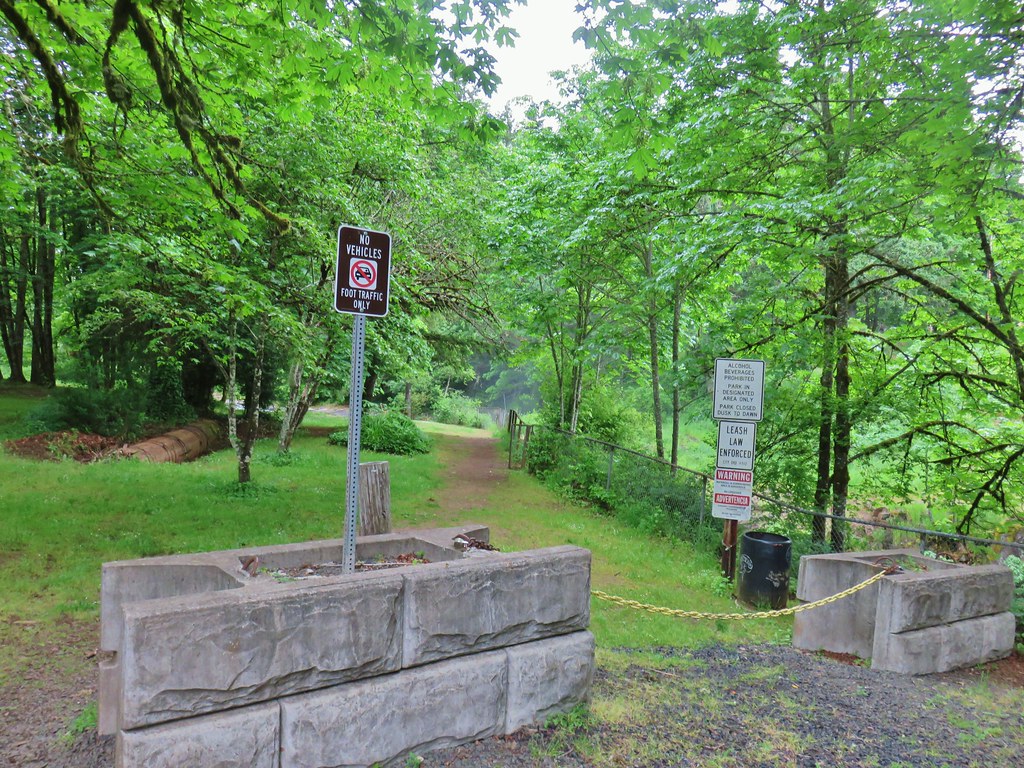
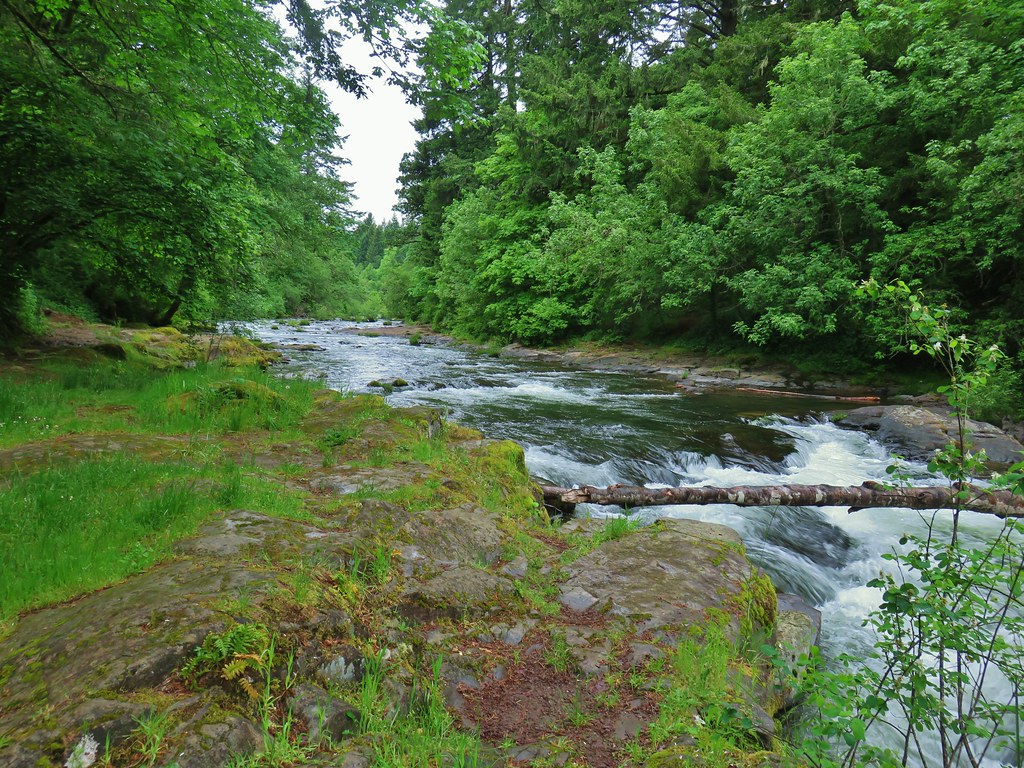 Little Luckiamute above the falls.
 Falls City Falls
 Lower end of Falls City Falls.
 South Fork Siletz River along Valsetz Road.
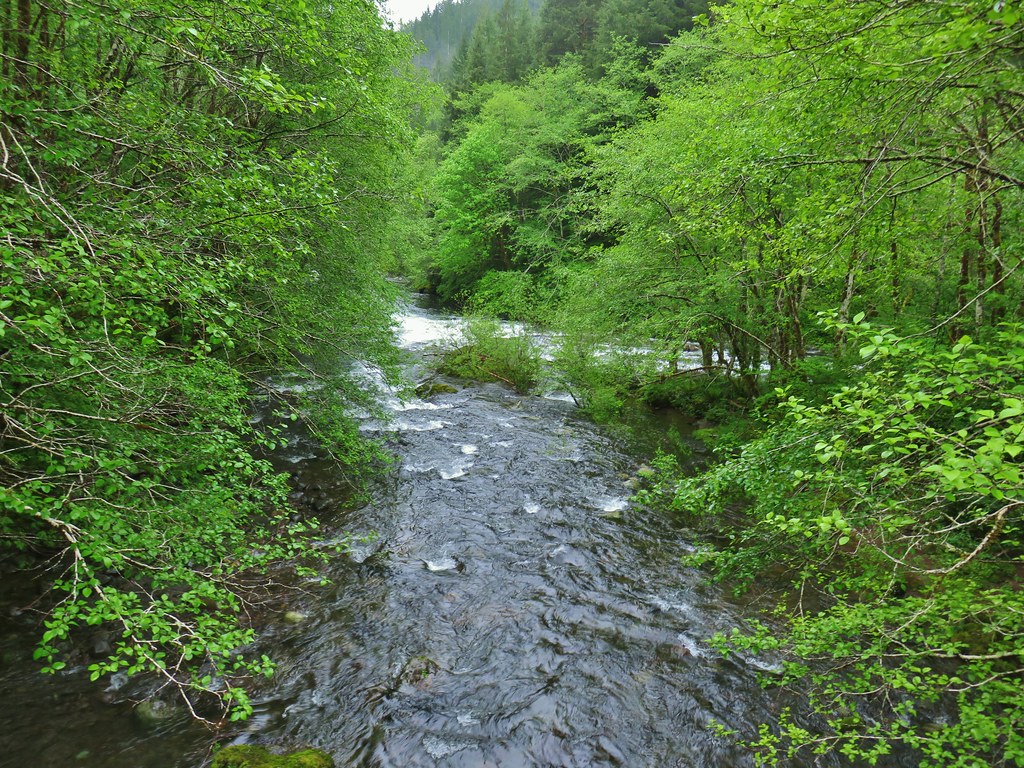 Confluence of the North and South Forks of the Siletz River.
 North Fork Siletz River.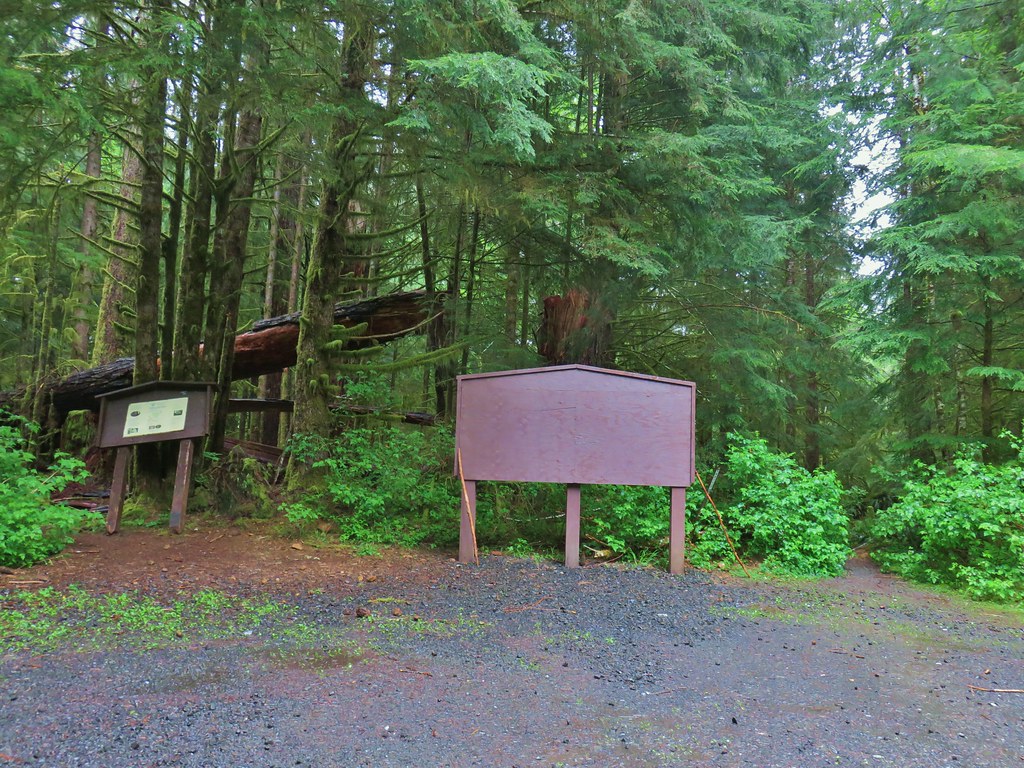
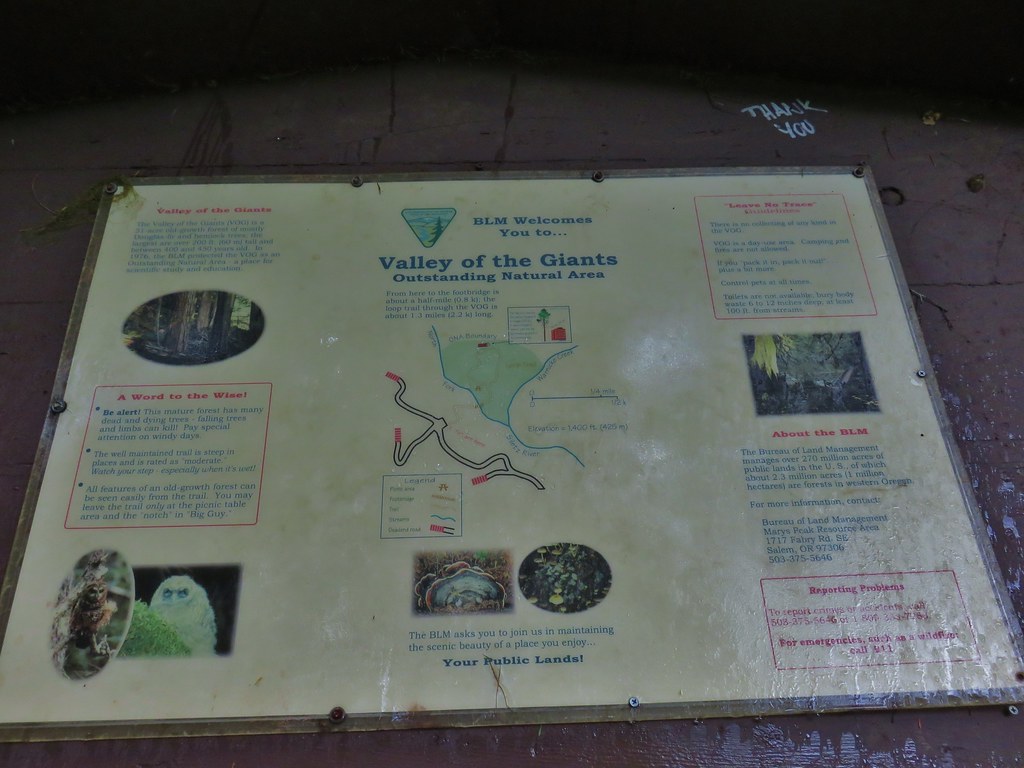
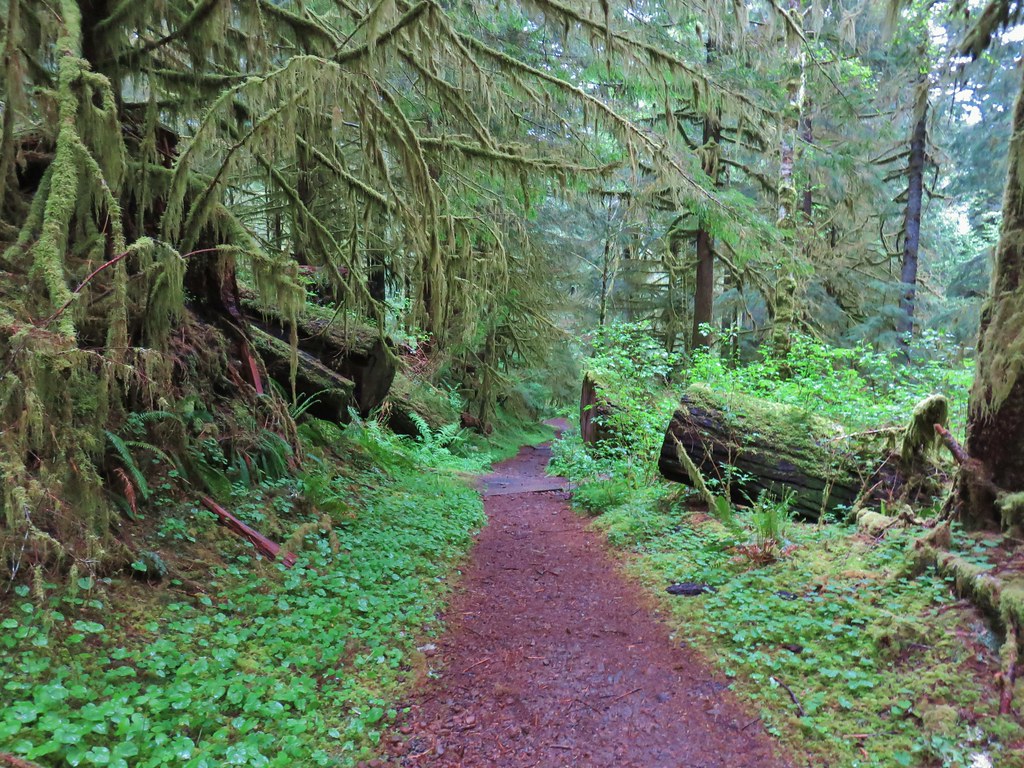
 Bleeding heart
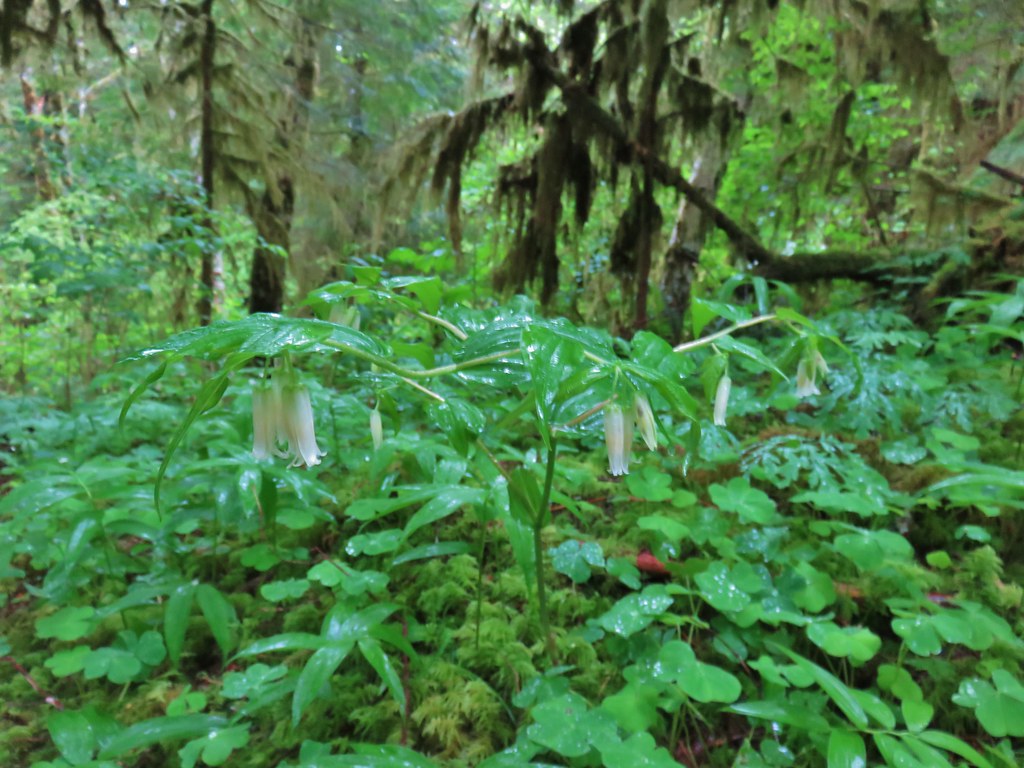 Fairybells
 Star flowered solomonseal and false lily of the valley getting ready to bloom.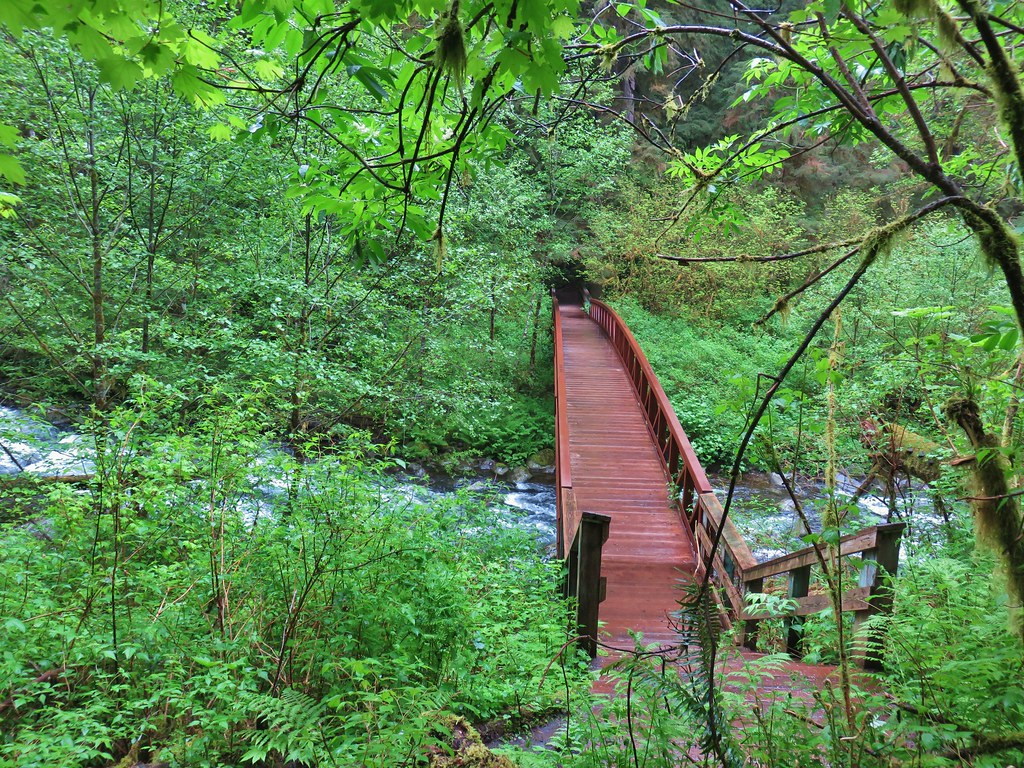

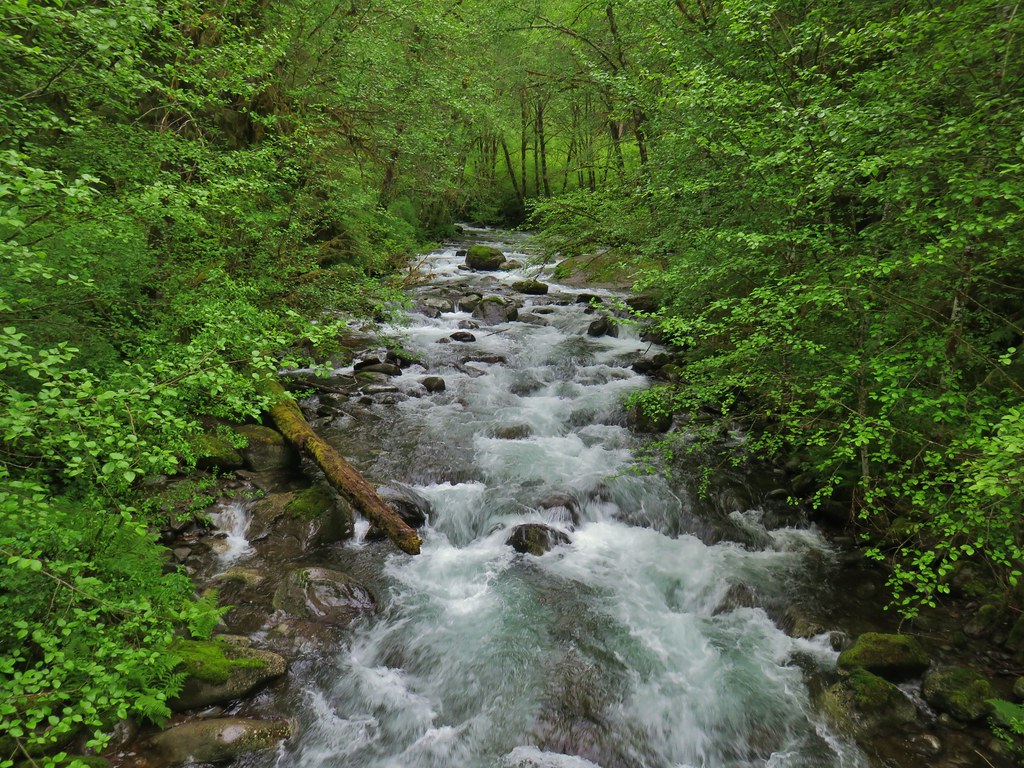


 Old growth giants.
 Another huge Douglas fir.
 Standing among the giants.
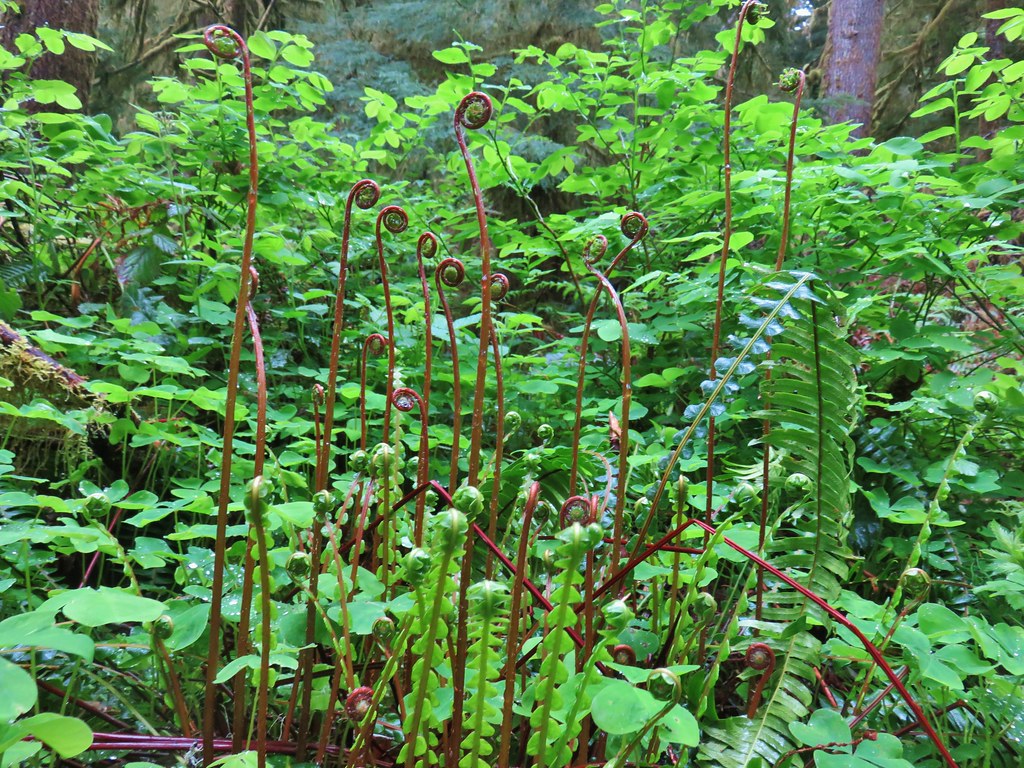 Unfurling ferns.
 “Big Guy”
 Standing in between a cut in “Big Guy”. For reference I am a little under 5’9″.
 Bench at “Big Guy”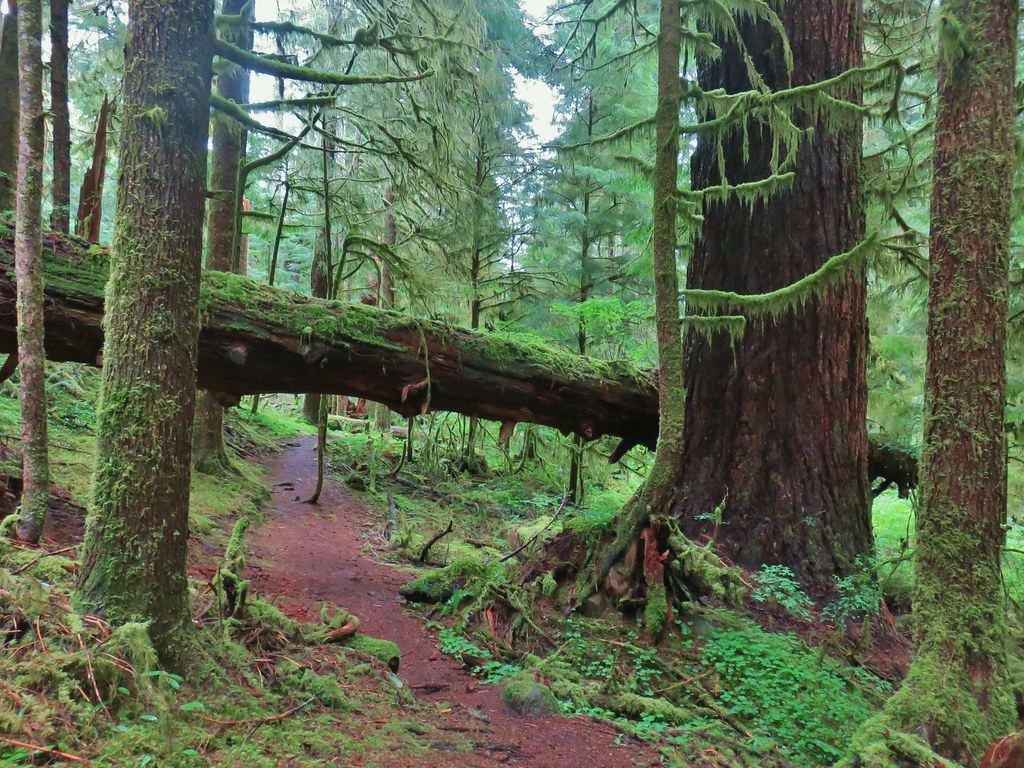
 Oregon grape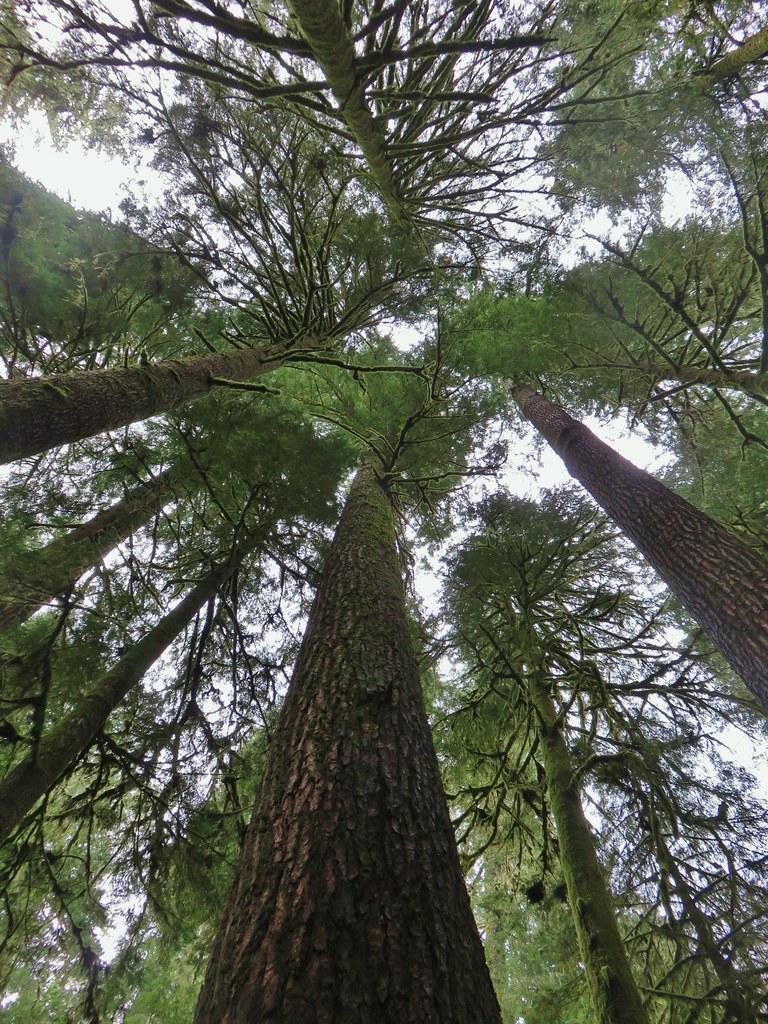
 The only trillium we saw all day that still had any petals.

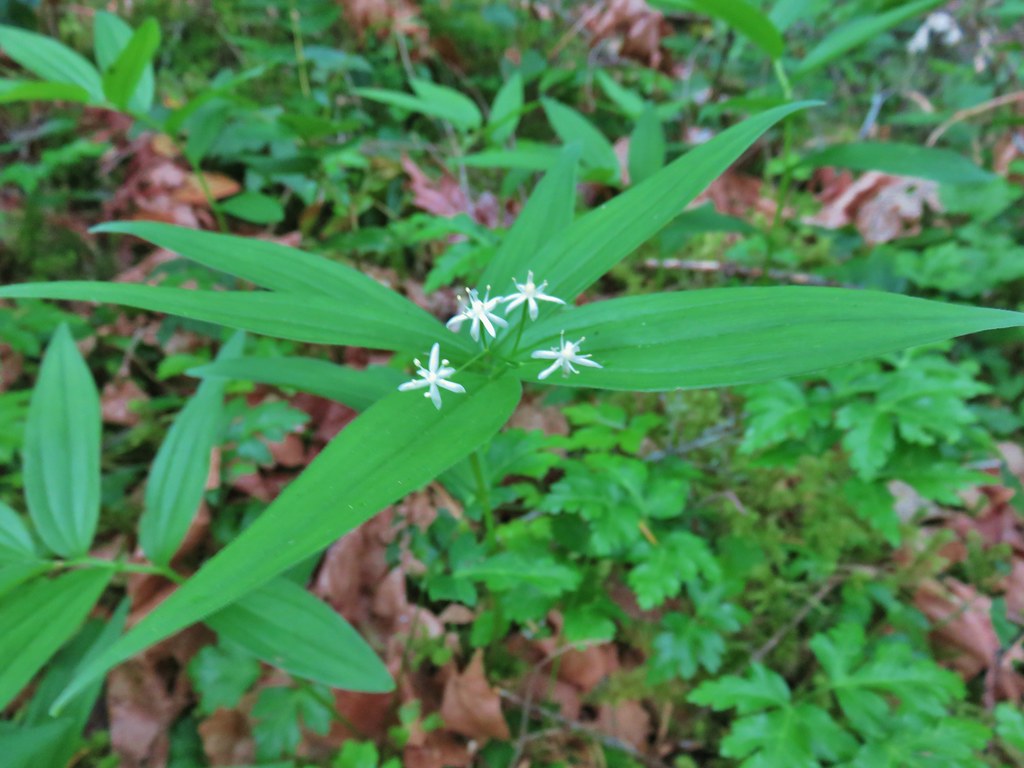 Star-flowered solomonseal
 Anemone
 Trillium
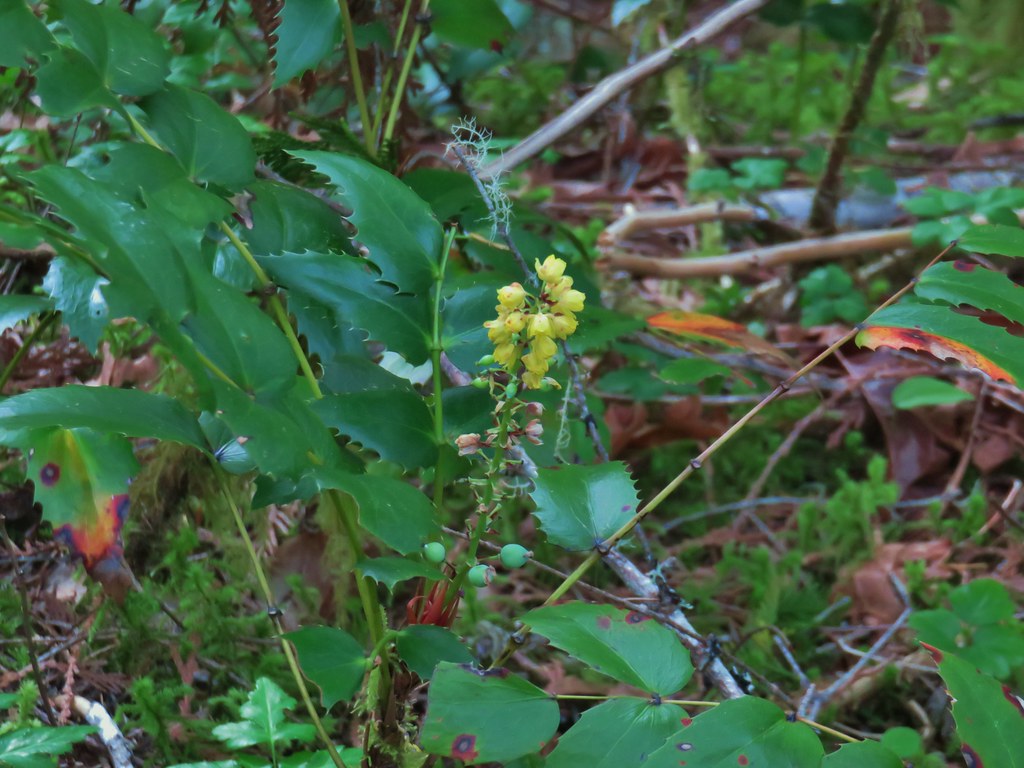 Oregon grape
 Starflower
 Yellowleaf iris
 Looking back at FR 1910’s bridge over the River.

 Valerian
 Spotted coralroot
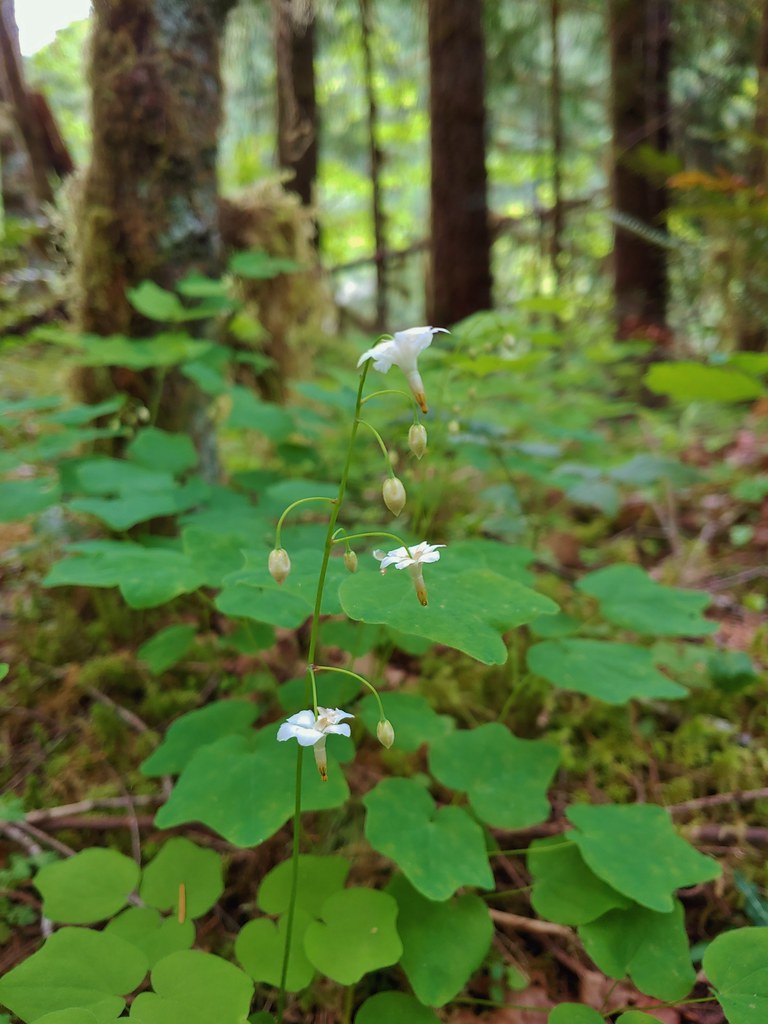 Inside-out flower
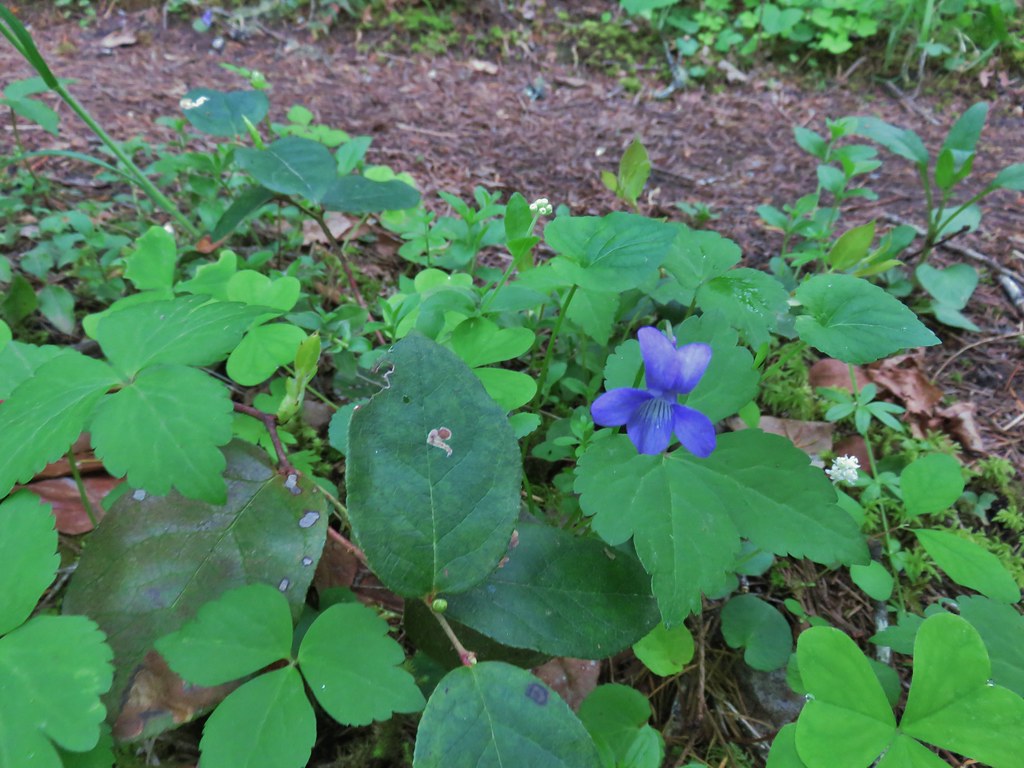 Hookedspur violet
 Fairy slipper
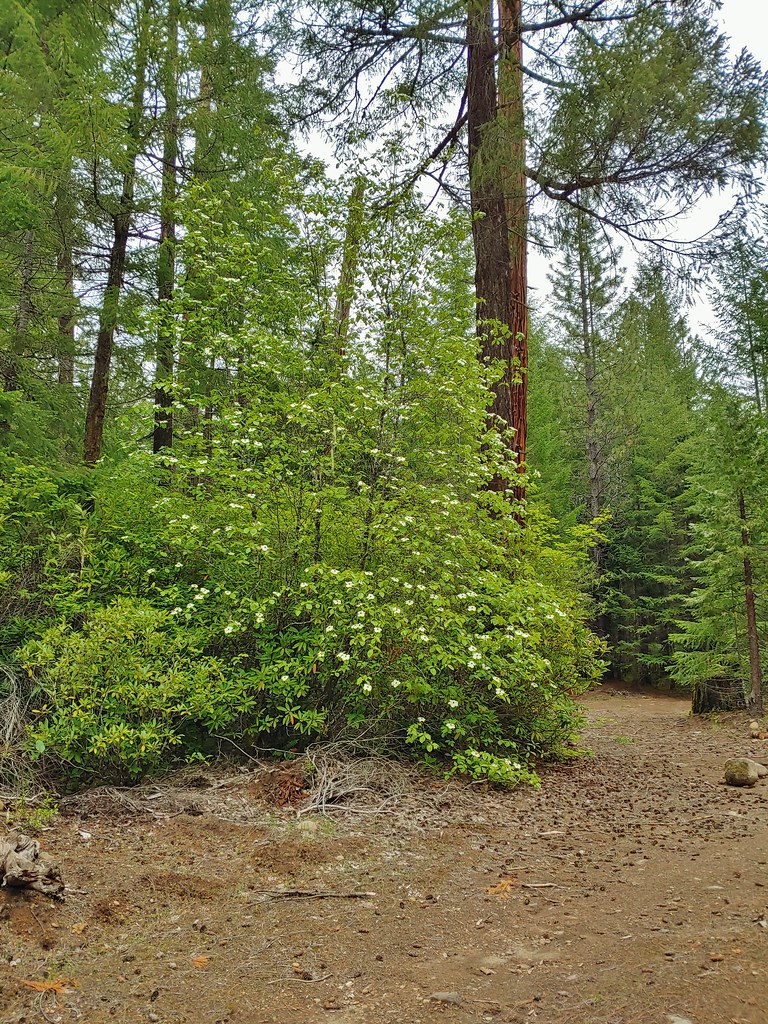
 Dogwood blossom
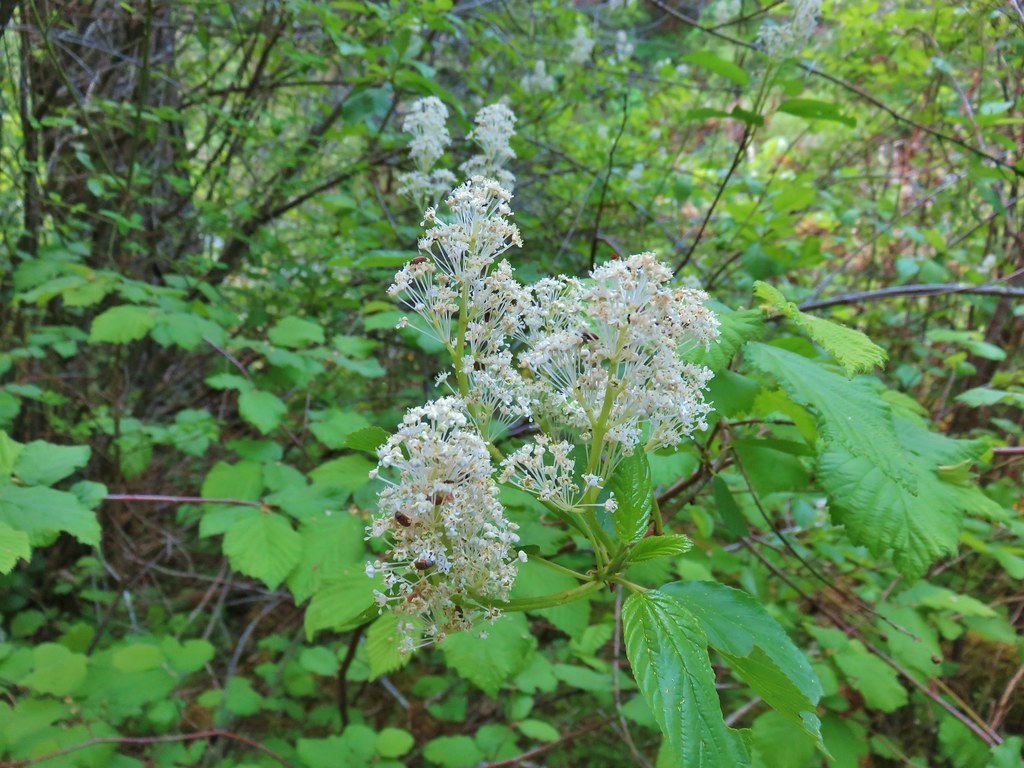 Buck brush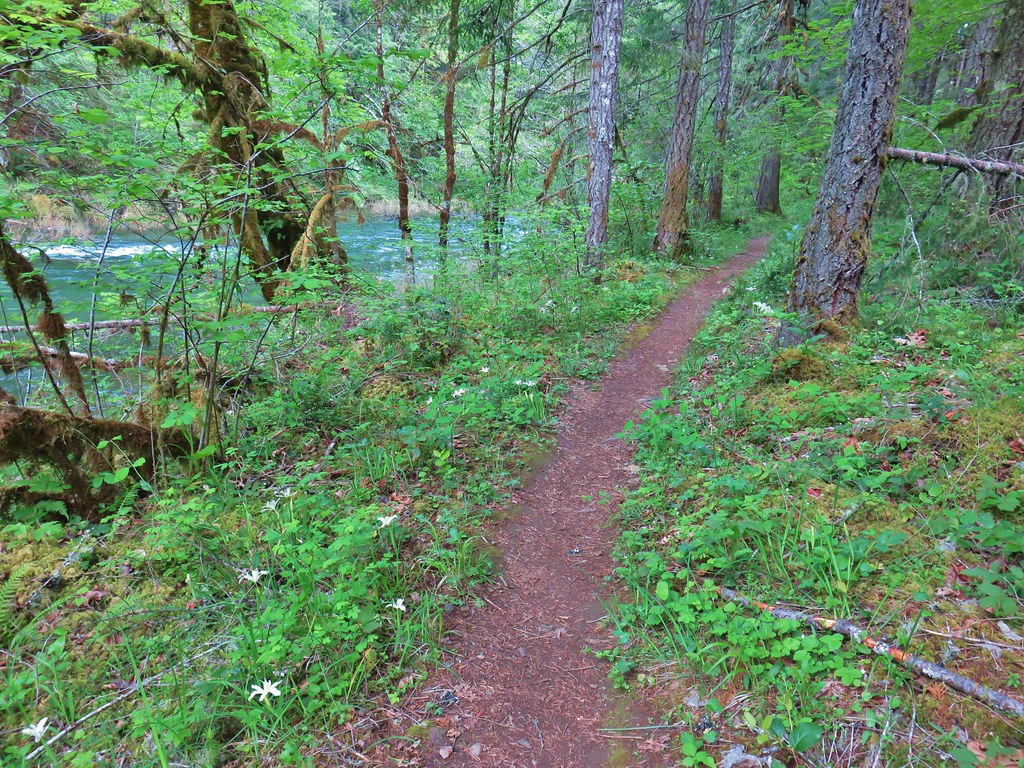

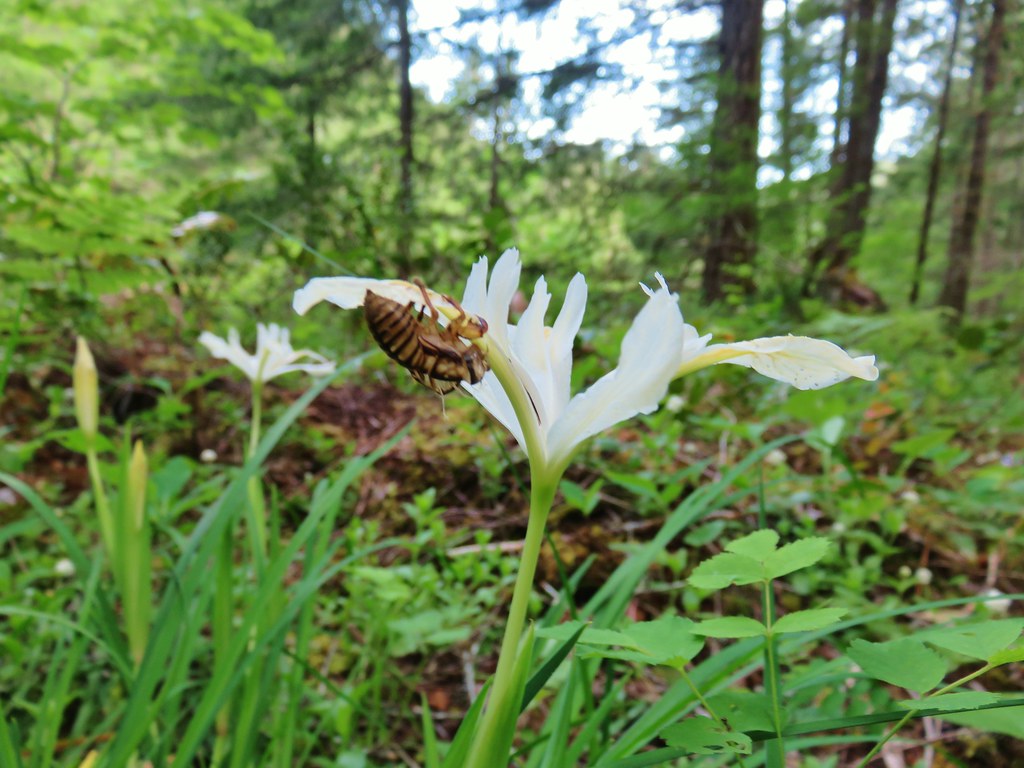 Shed cicada skin
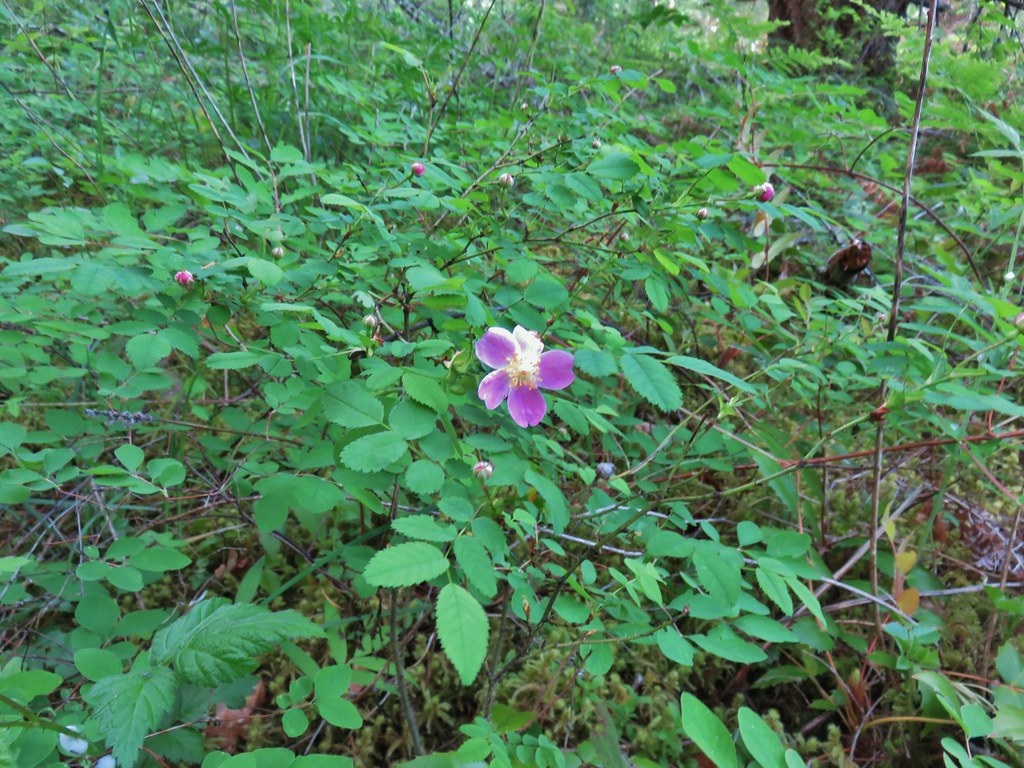 Wood rose
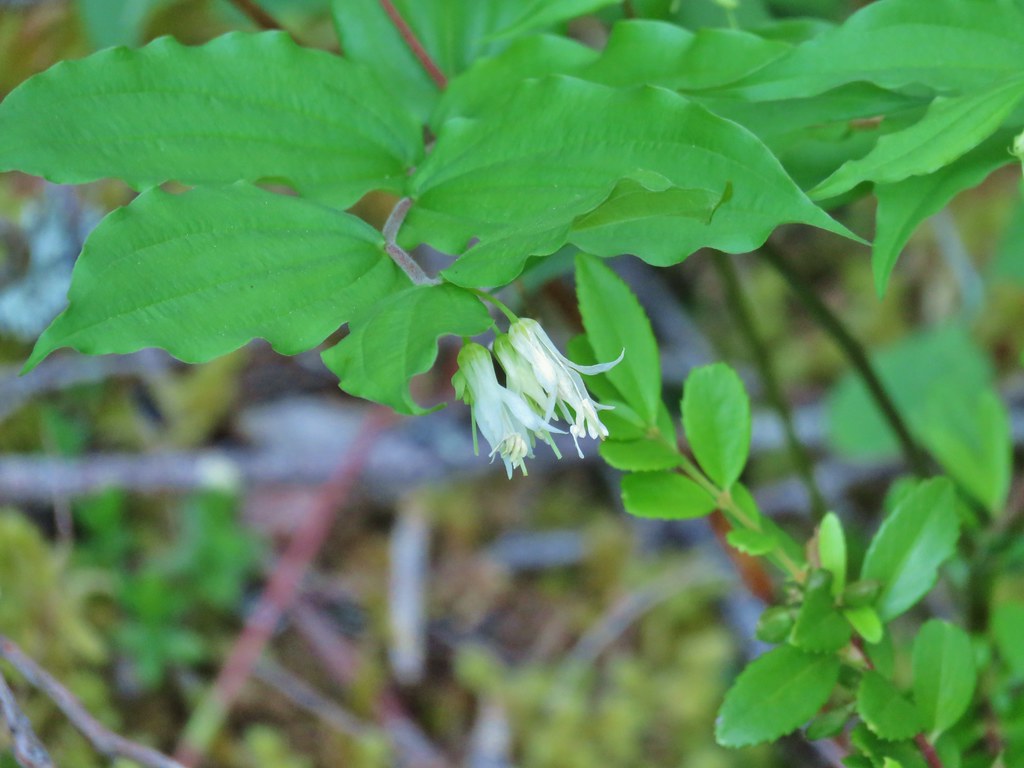 Fairy bells
 Northern phlox
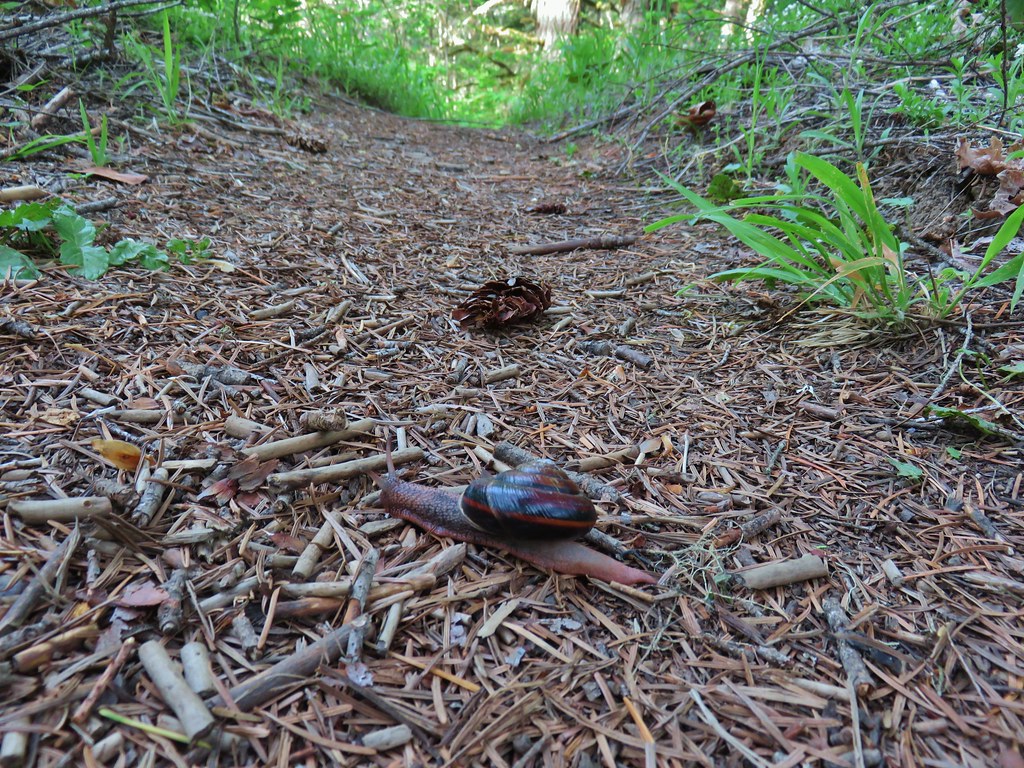 Trail snail
 Honeysuckle
 Columbine
 Lupine
 Youth-on-age
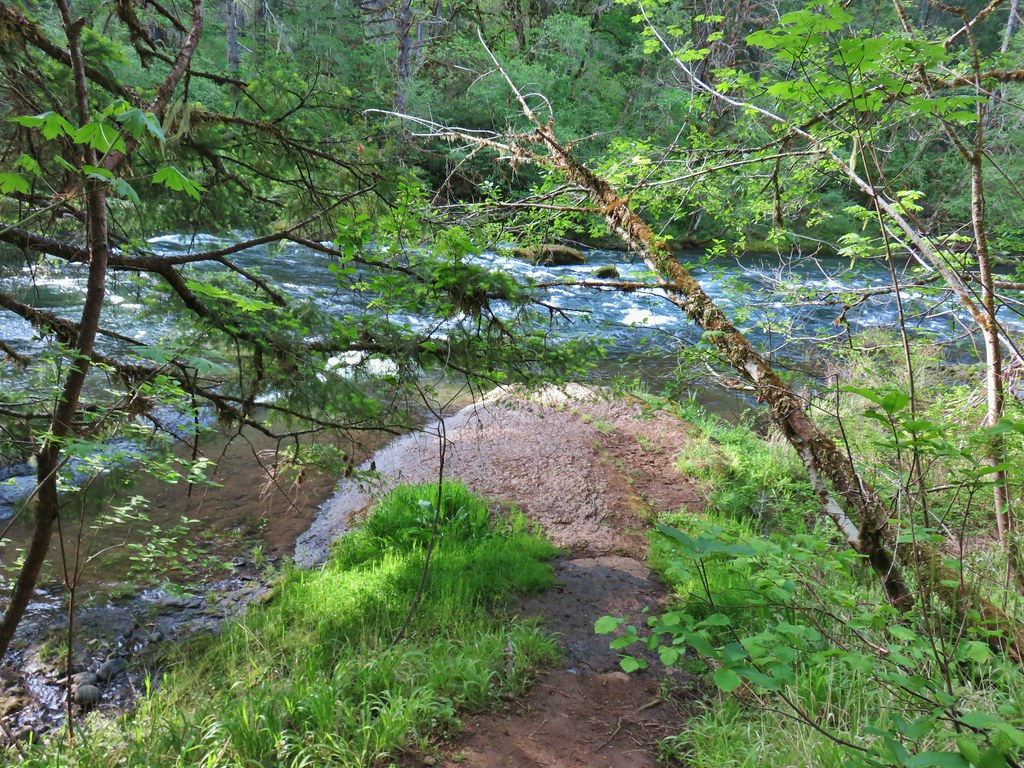 Rock ledge along the river.
 View from the rock ledge.
 Monkey flower
 Camas
Camas
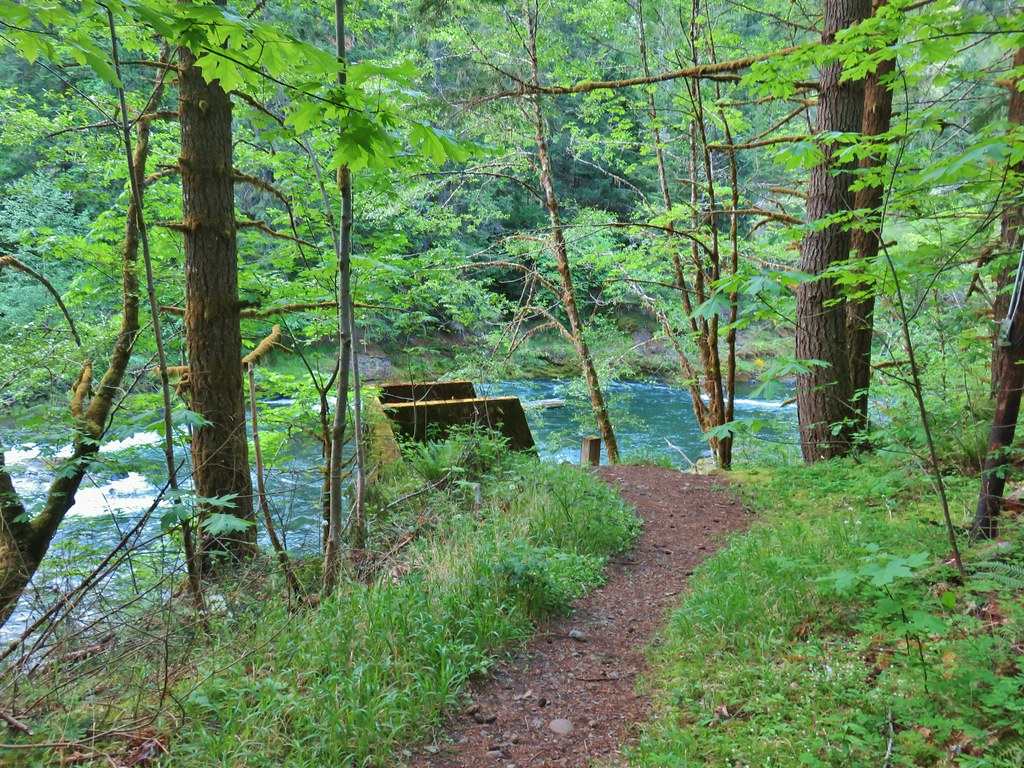 Concrete tower
 Pale flax
 Roadbed near the trailhead.
 Vanilla leaf
 Wild ginger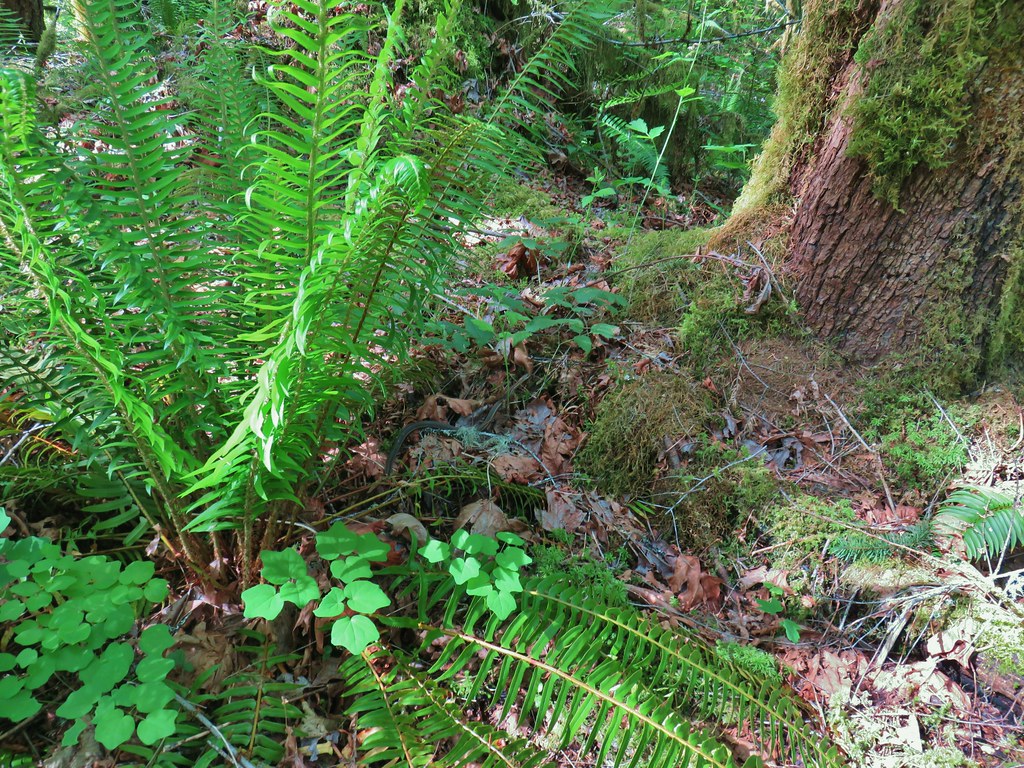
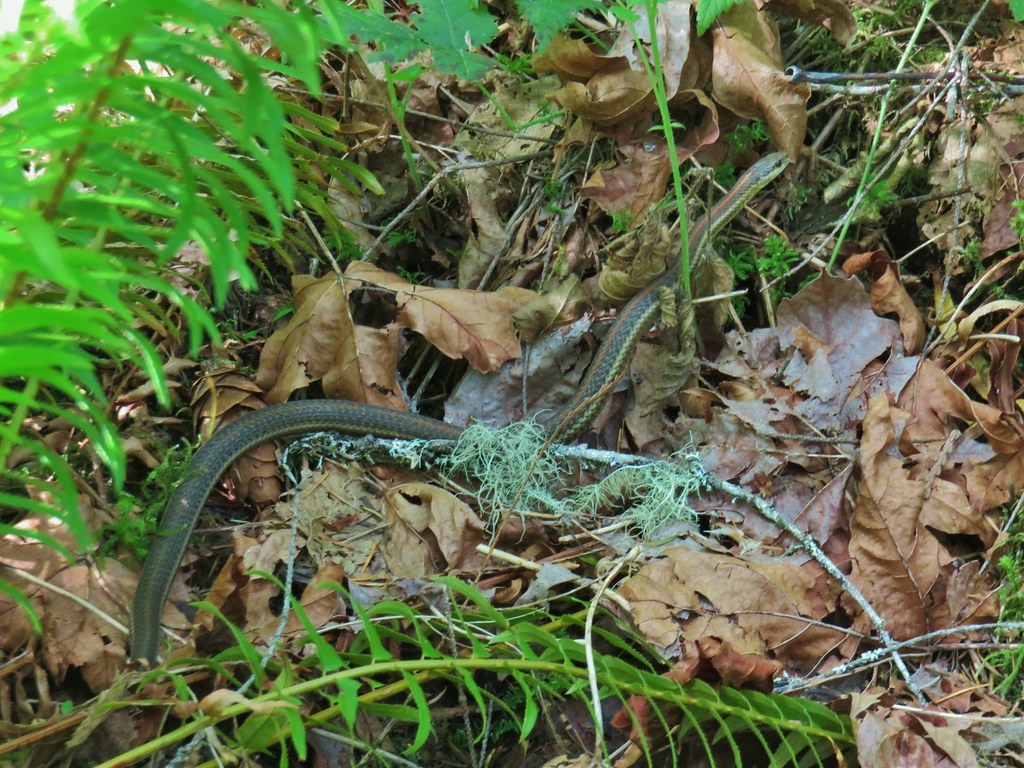


 Candy flower growing out of a mossy tree trunk.
 Western meadowrue
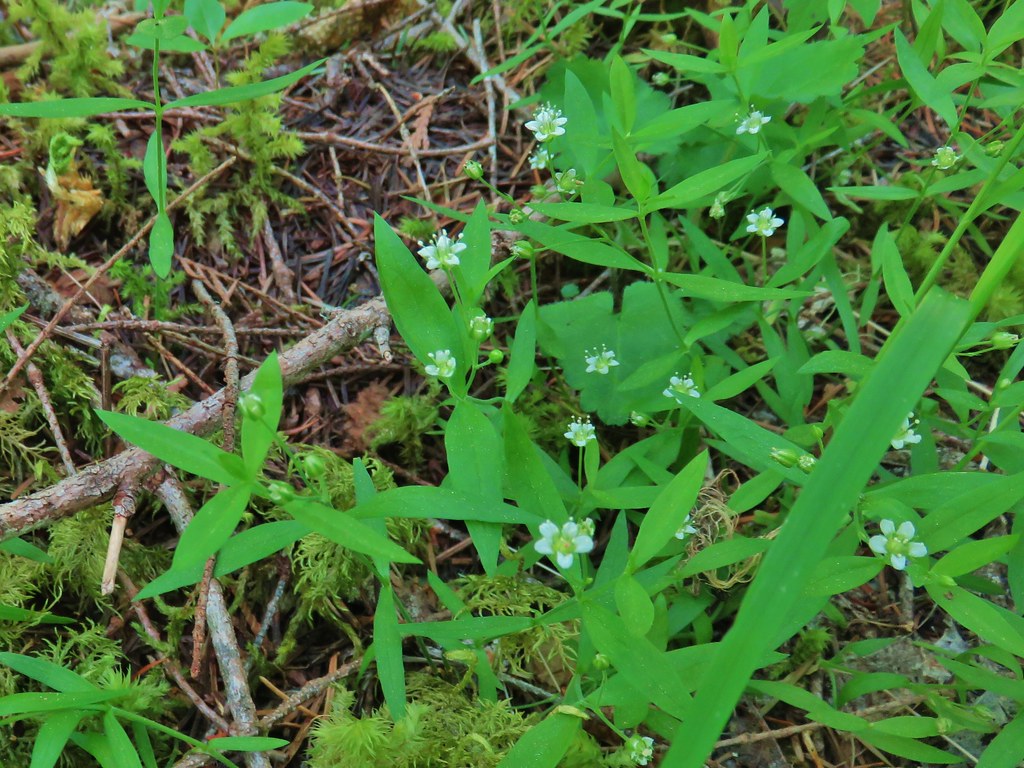 Largeleaf sandwort
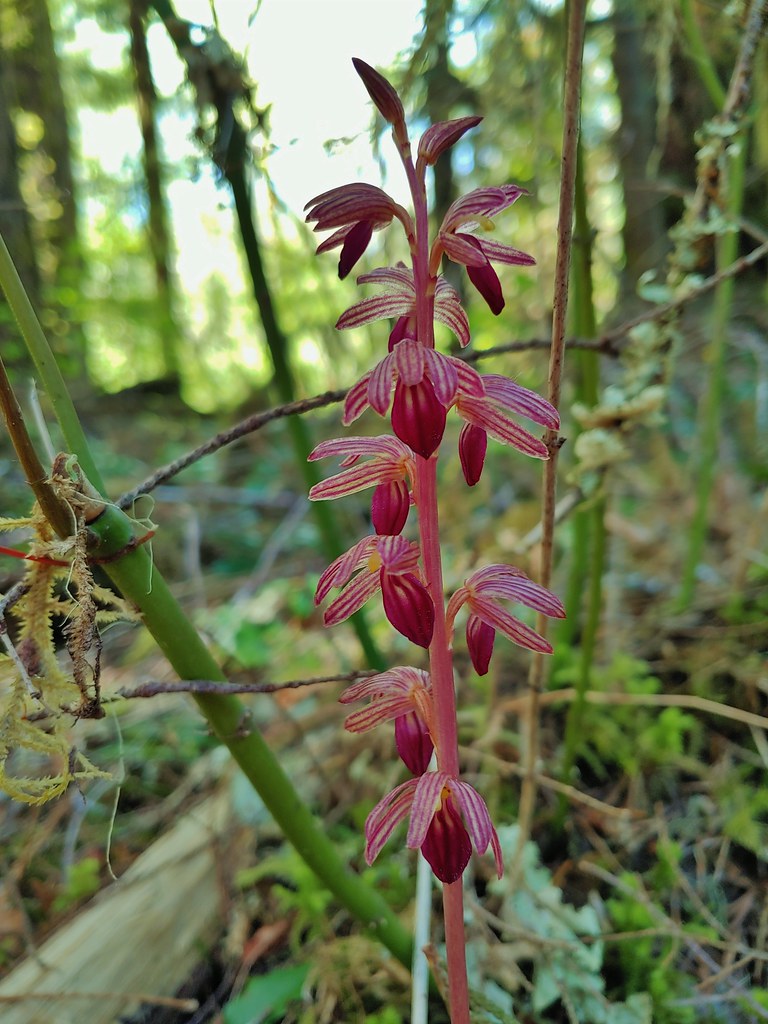 Striped coralroot
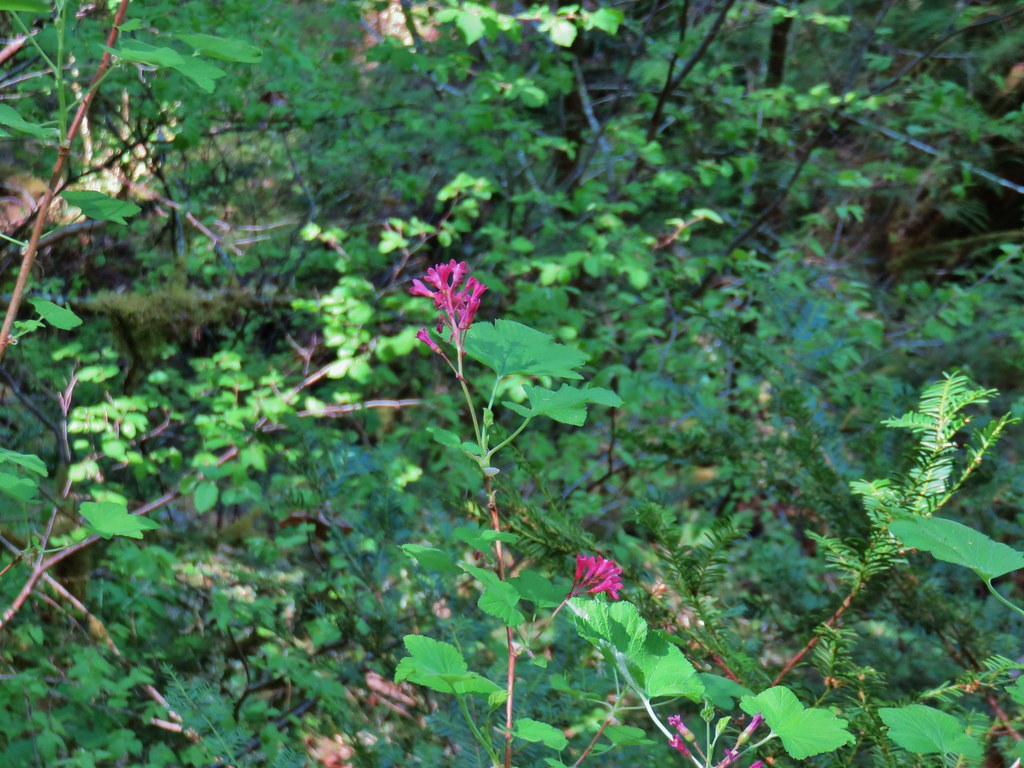 Red flowering currant
 The second creek crossing.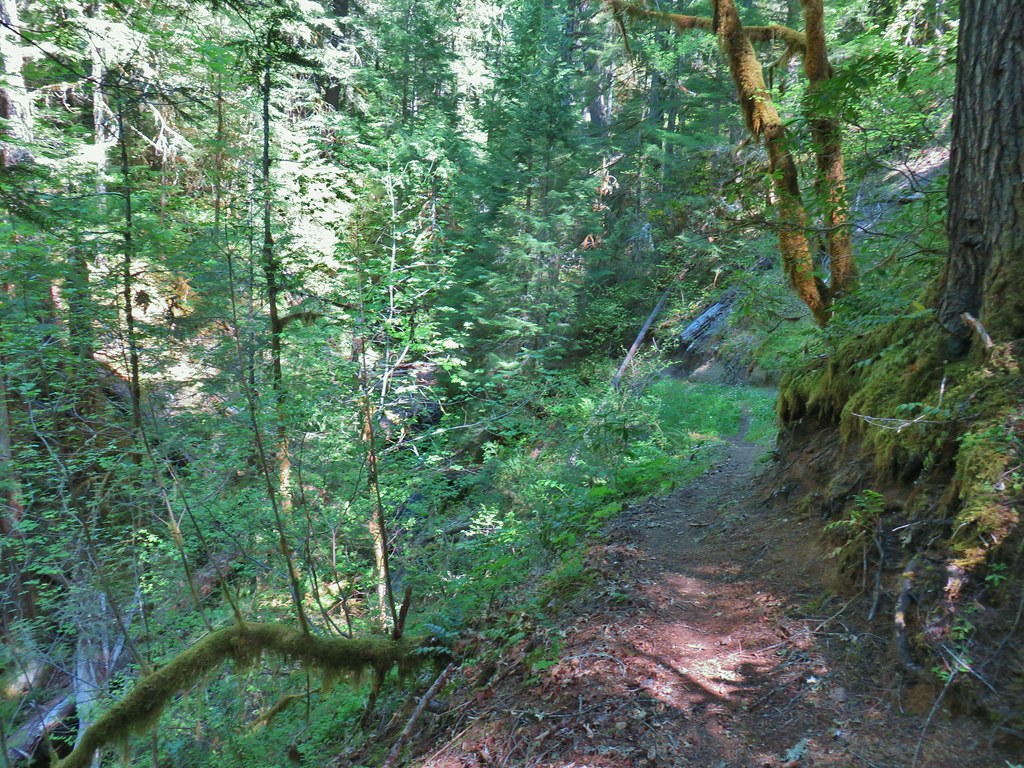


 Coastal manroot
 Sticky cinquefoil
 Popcorn
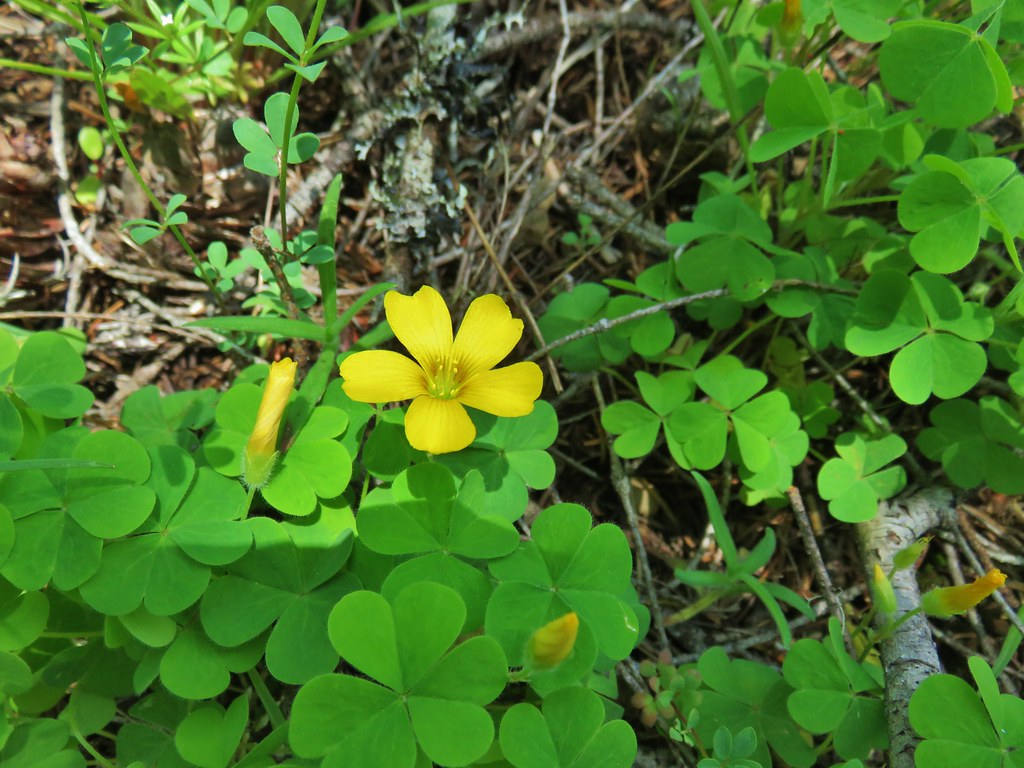 Western yellow oxalis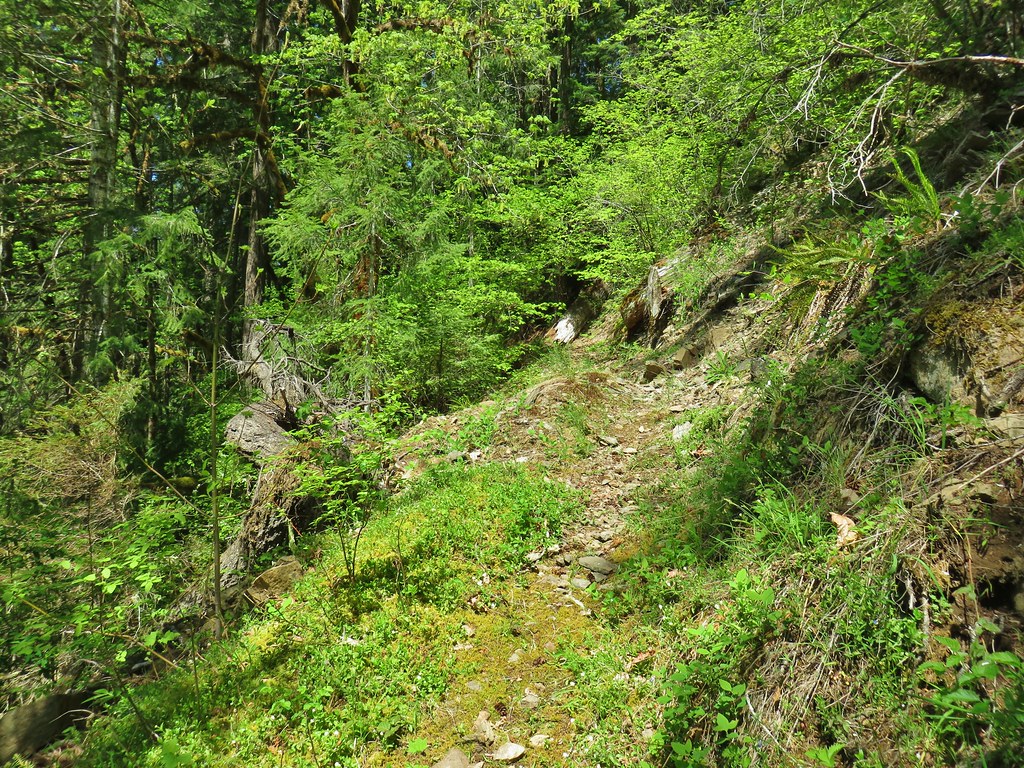

 Variable collomia
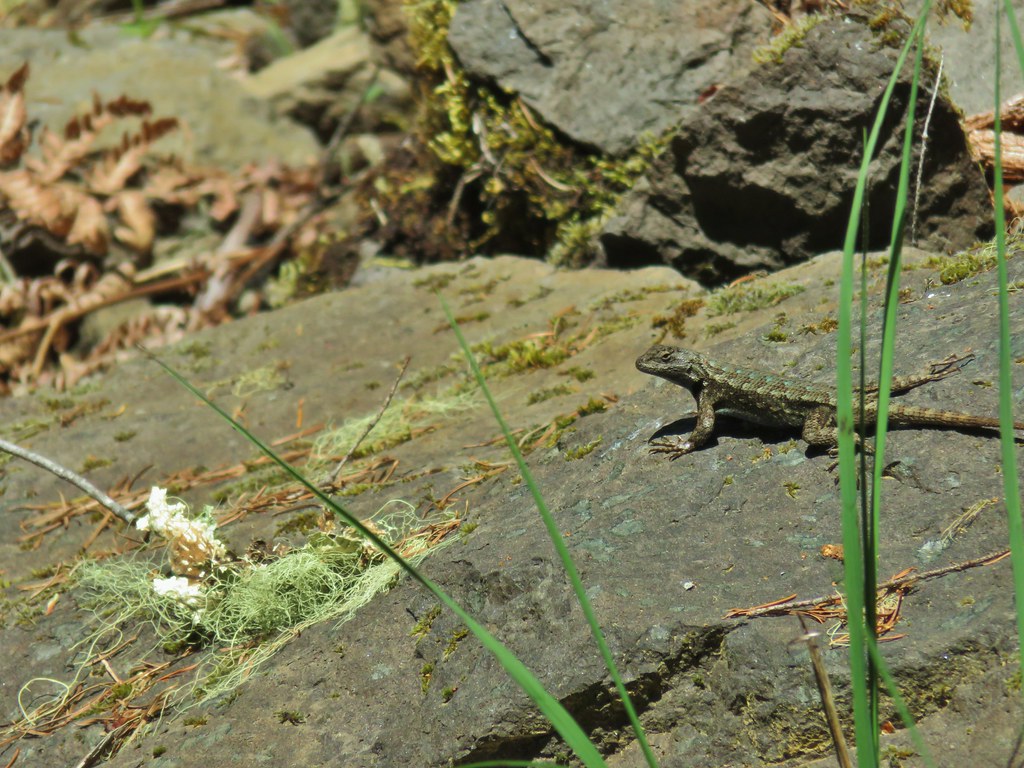 Western fence lizard
 Giant blue-eyed Mary
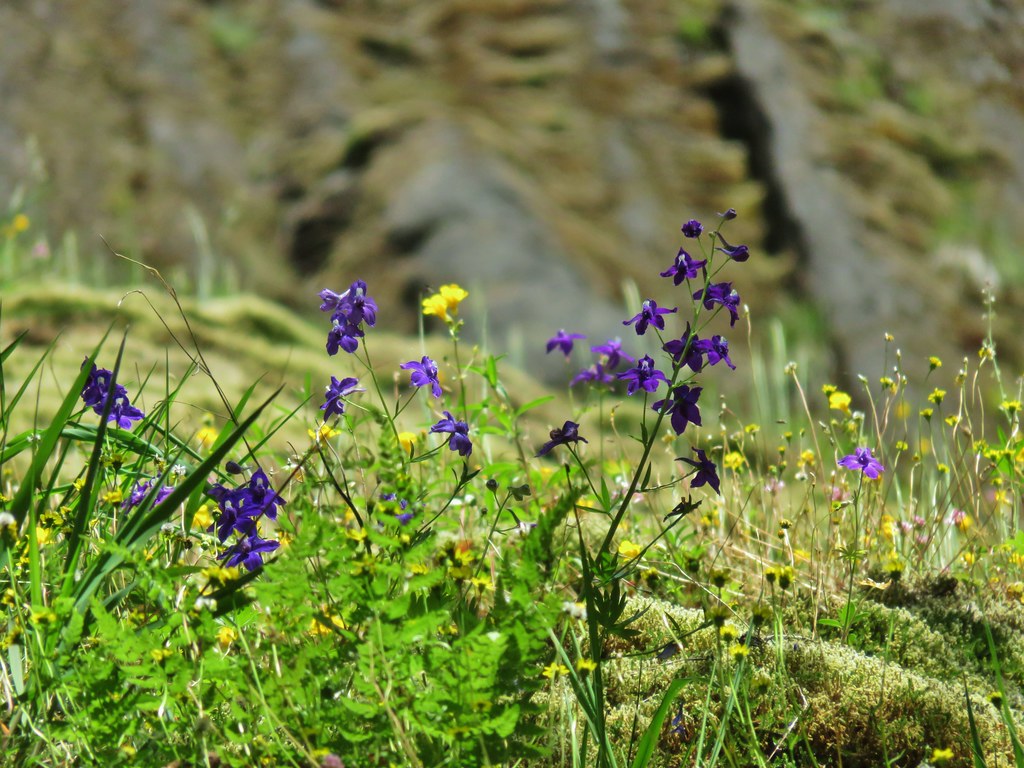 Larkspur
 Had to climb over this on the left side by the standing tree.
 The only choice here was to use this tree as the trail.
 Minor debris on the trail.
 Cuts most likely from the original establishment of the trail.
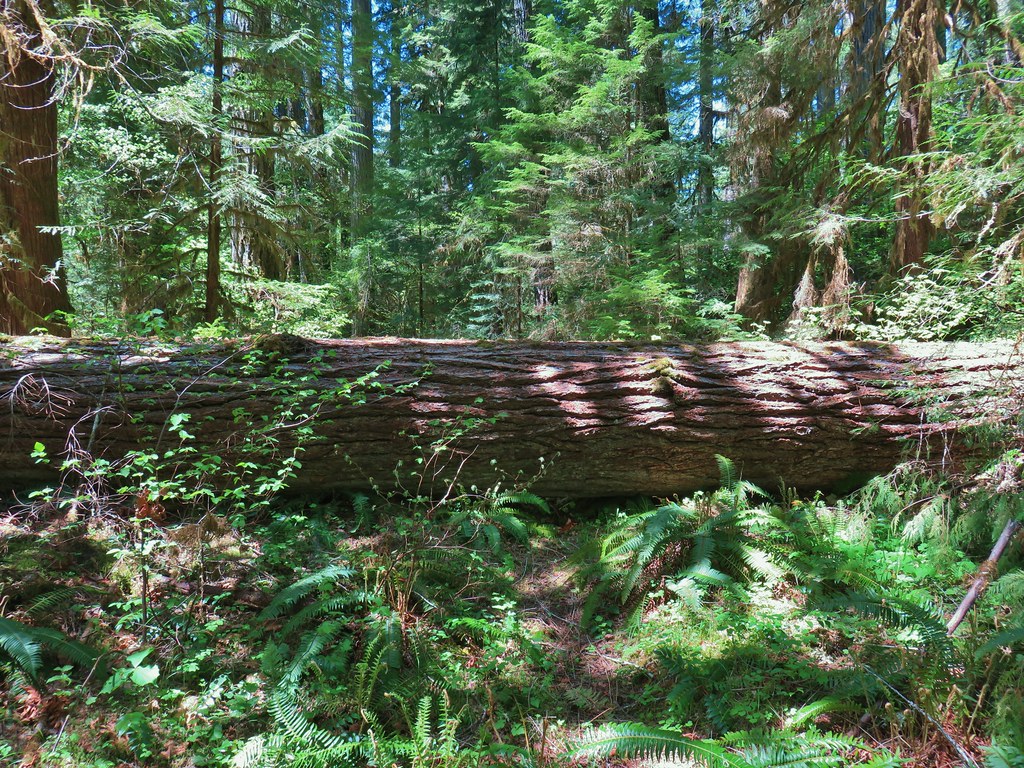 This one required a detour to the right around the end of the tree.
 Forest reclaiming the trail tread.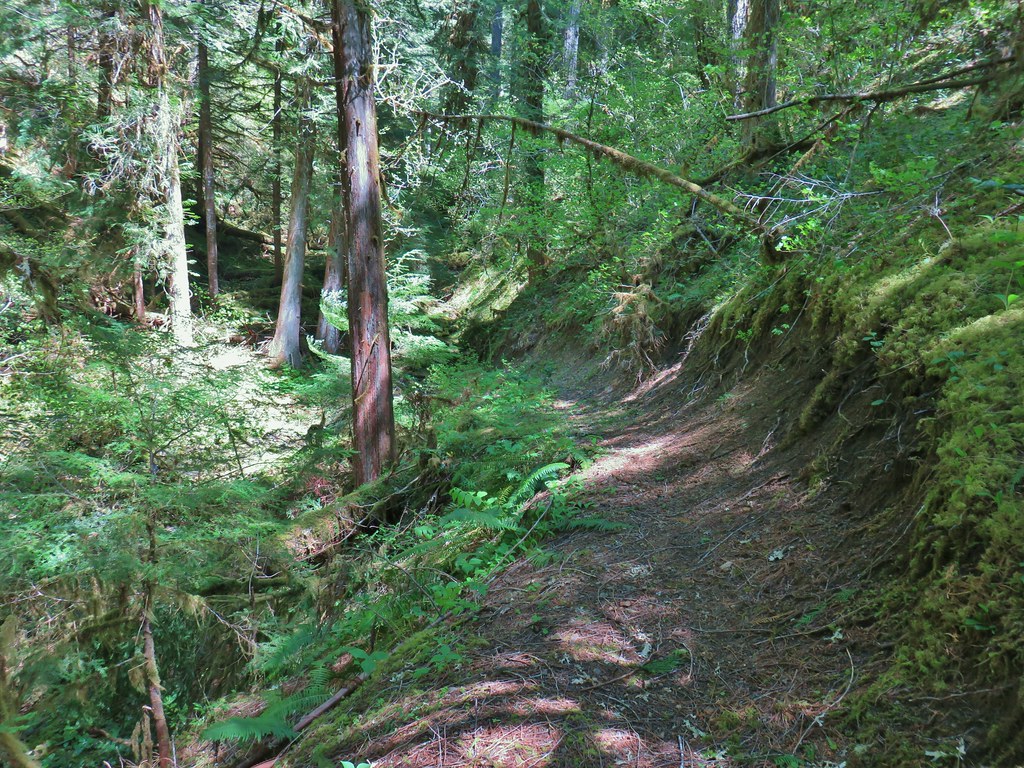




 Mallards
 Crow
Crow Sparrow
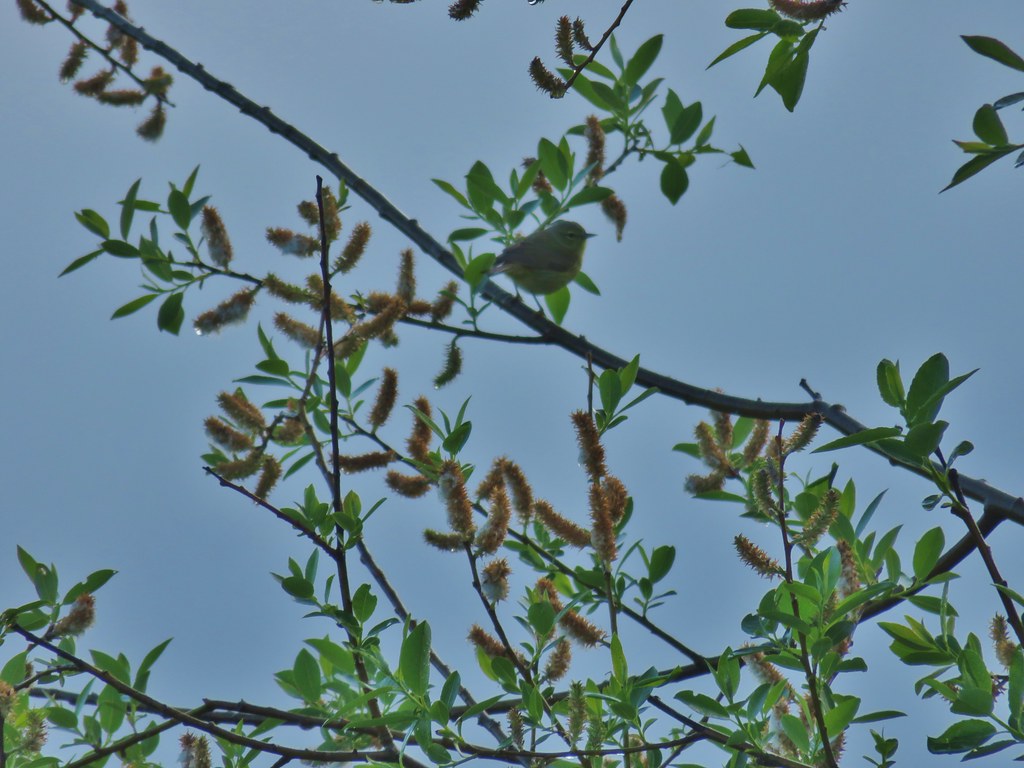 Guessing some sort of warbler
 California quail scattering

 Rabbit with sparrows behind.
 Rabbit with a quail behind.
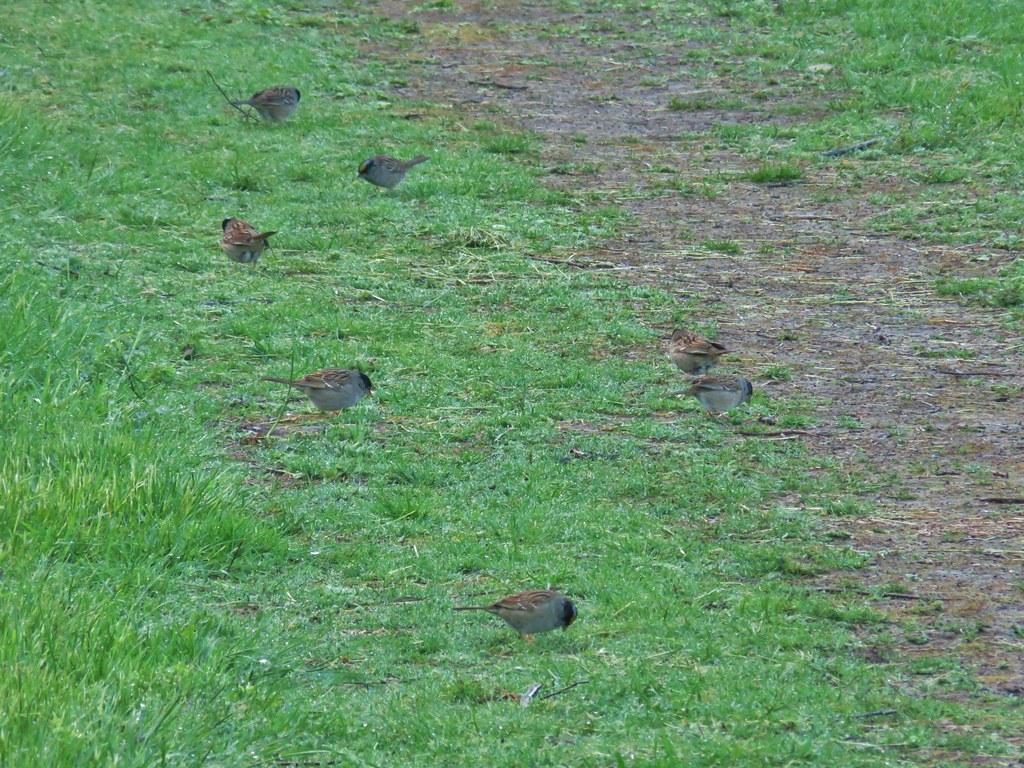 Golden-crowned sparrows
 Most of the rabbits we see run off right away but this little guy was pretty brave.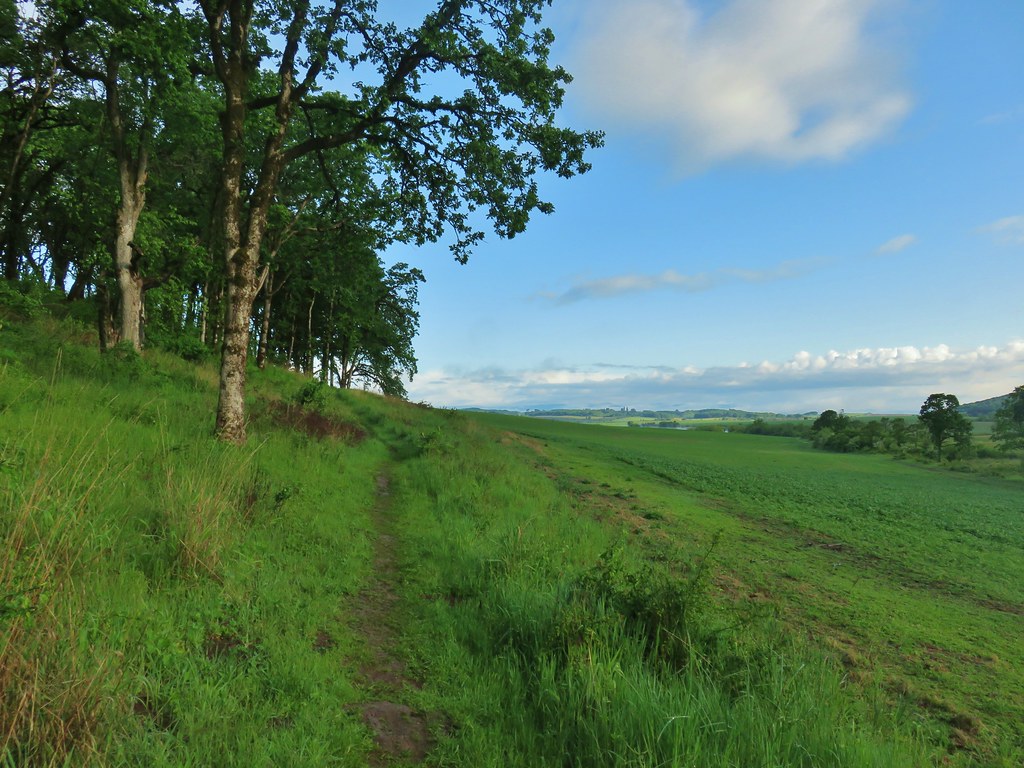
 Meadow checker-mallow
 Tough-leaved iris
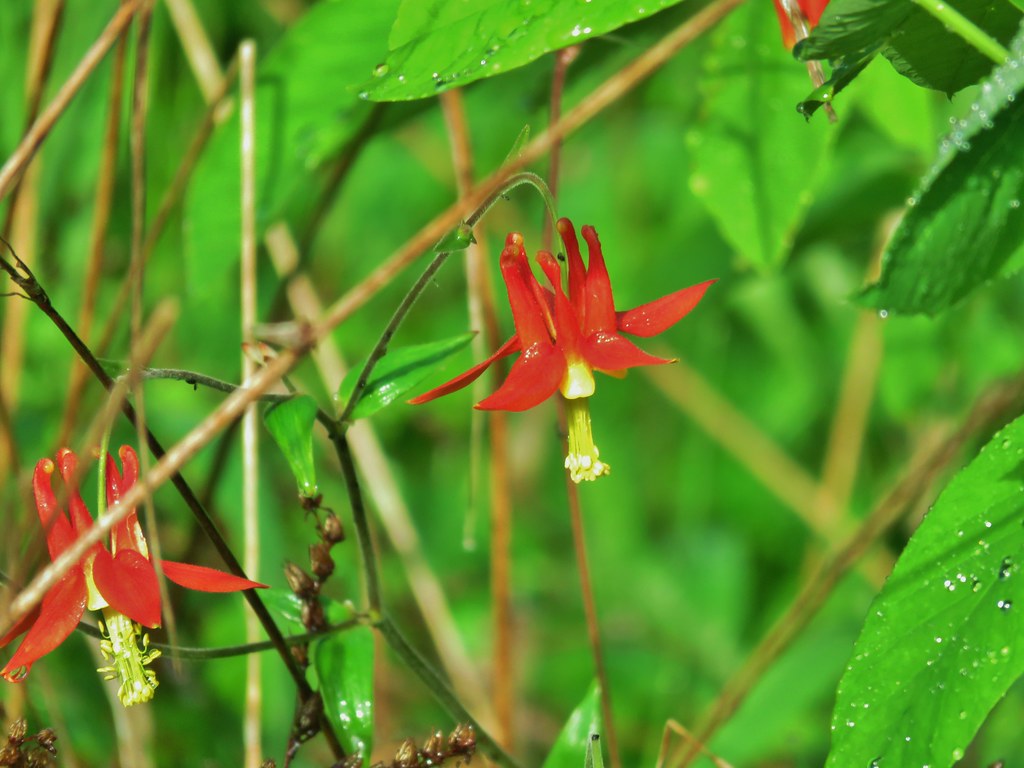 Columbine
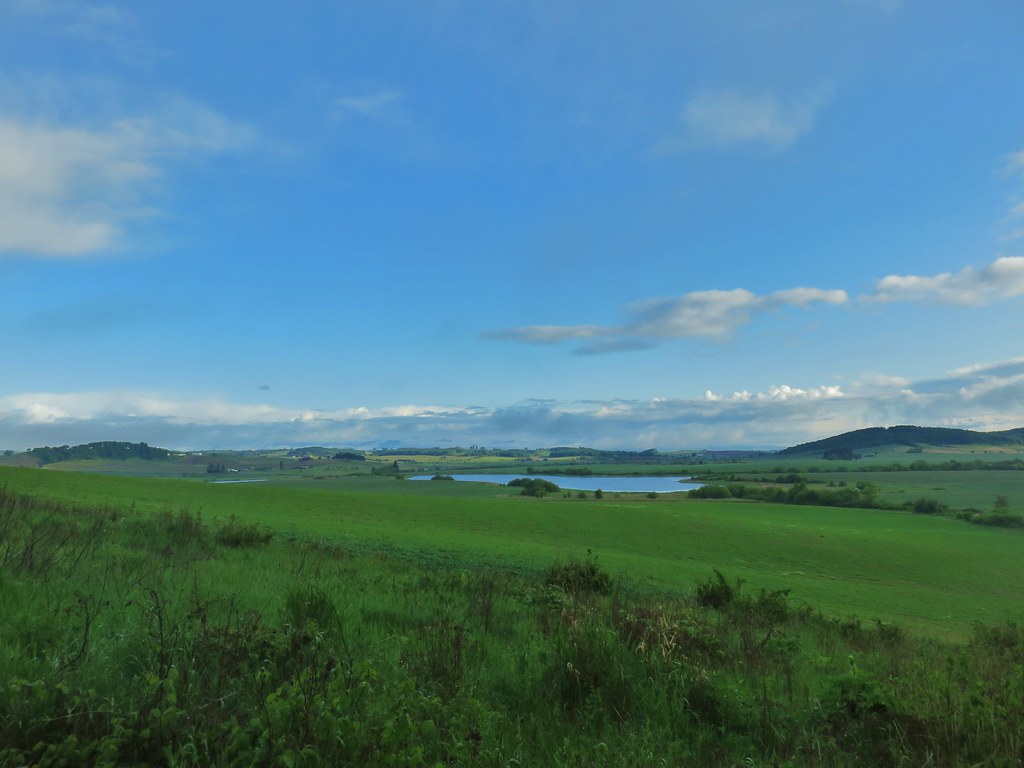 Morgan Lake from the trail.
 Heading into the woods.
 Spotted towhee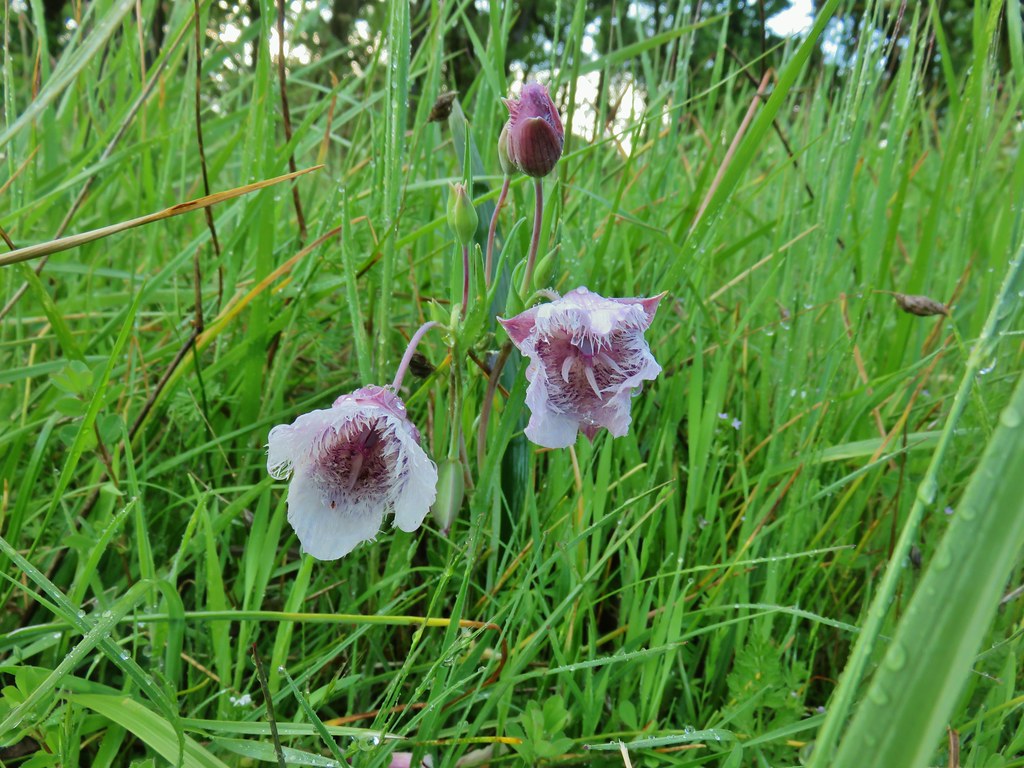

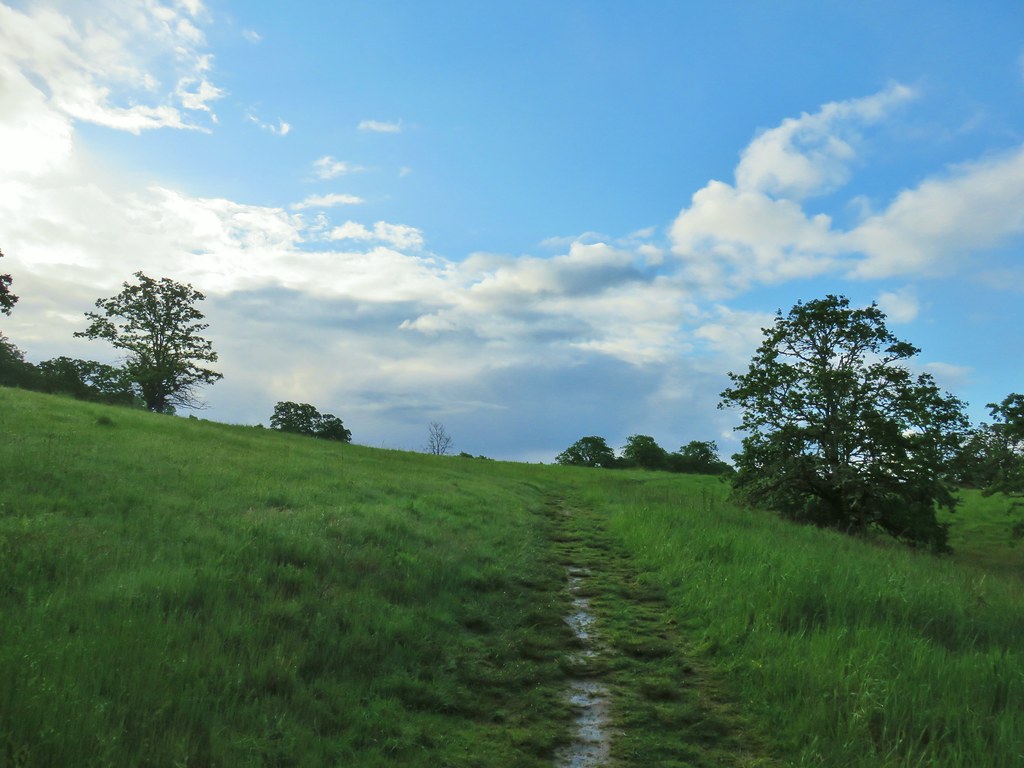


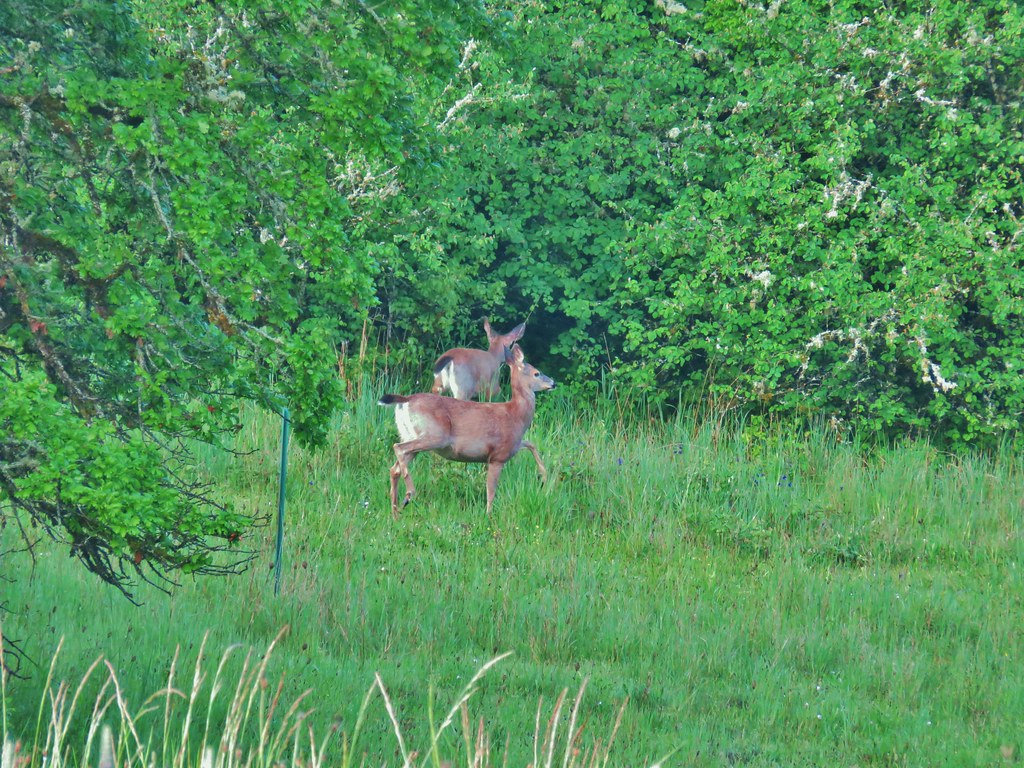

 Old tree trunk
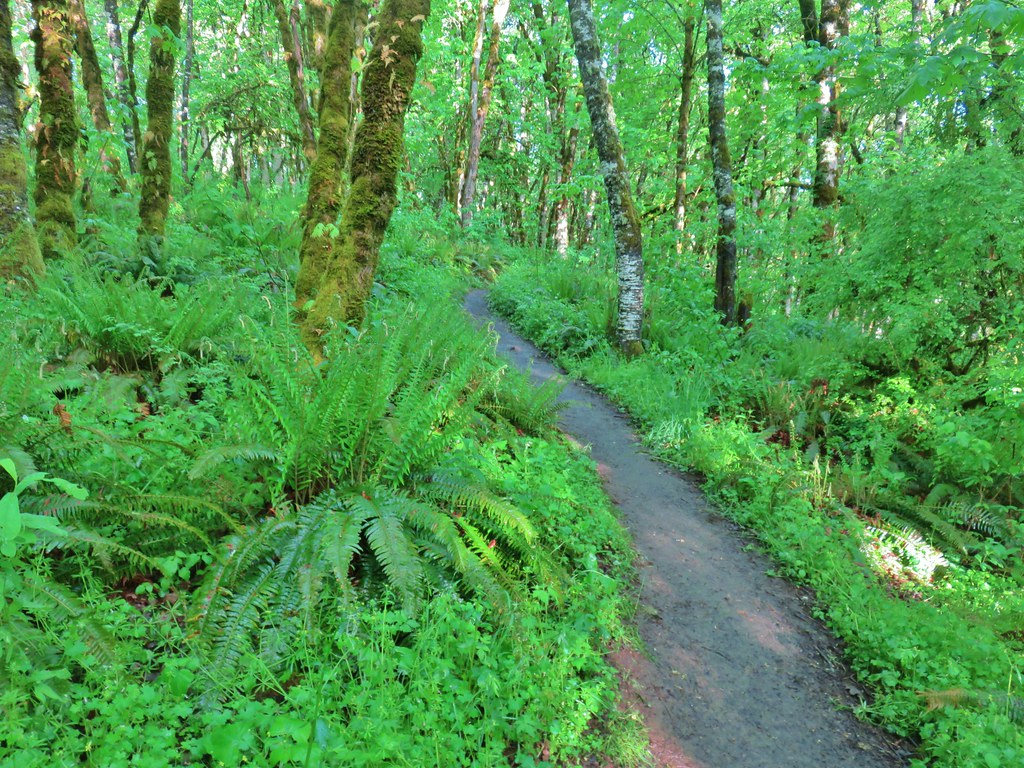 Ferns
Ferns Woodland stars
 Thin-leaf pea (and a spider behind the blossoms)
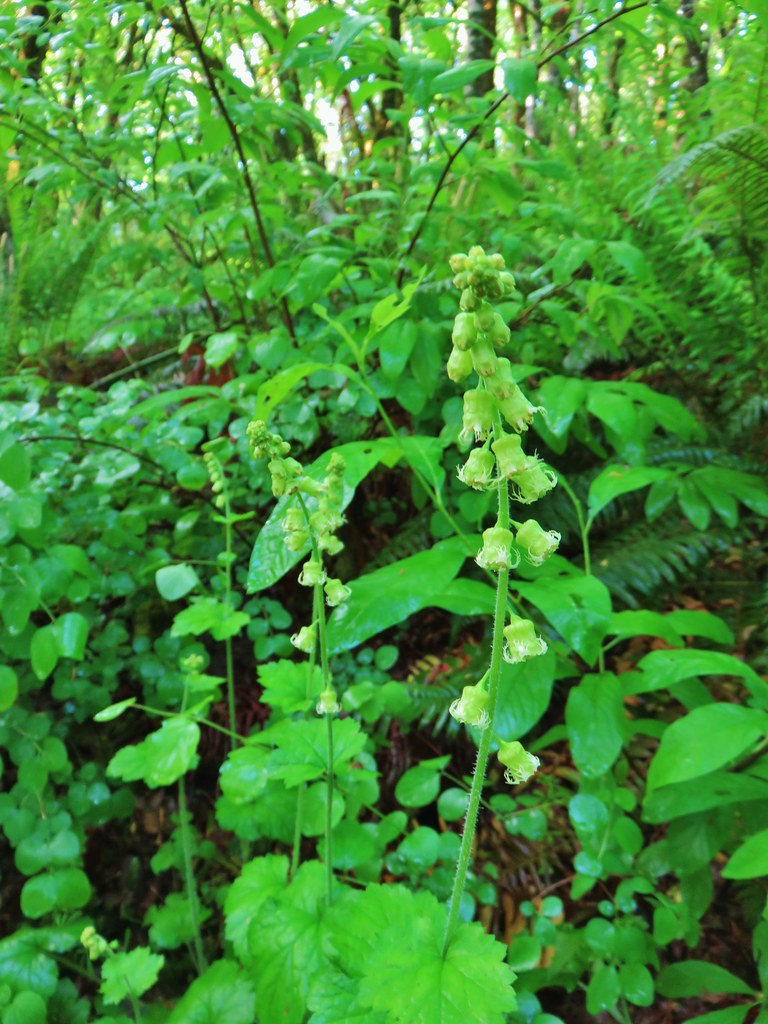 Fringecup
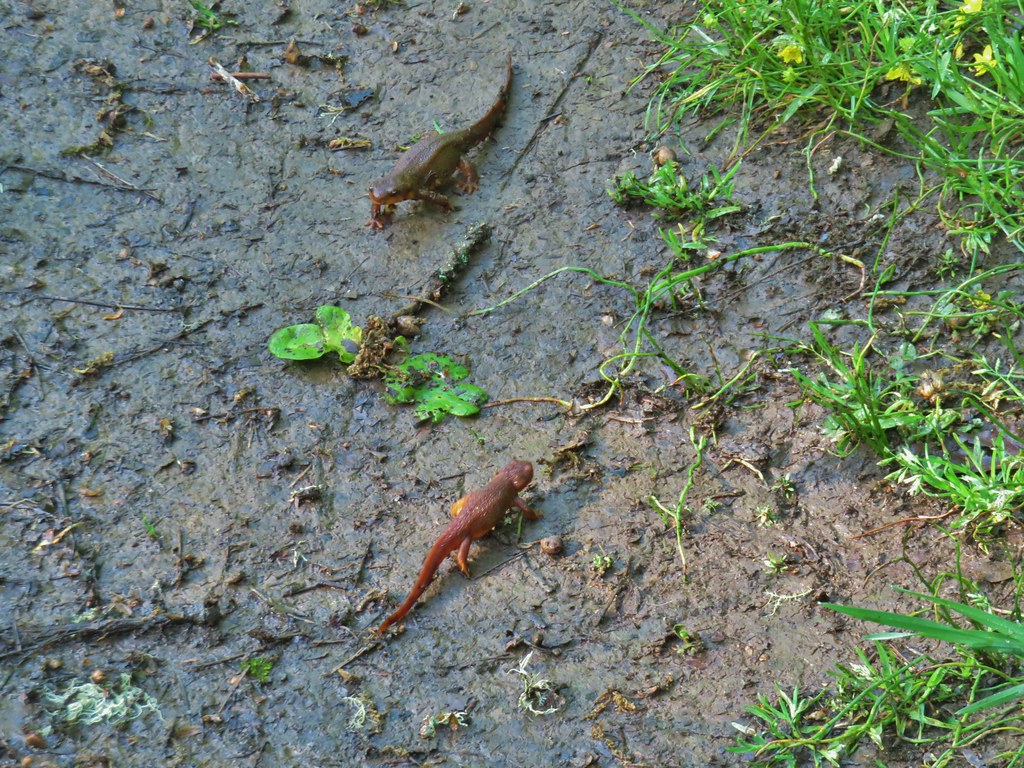 Given their size we believe this was proper social distancing for rough-skinned newts.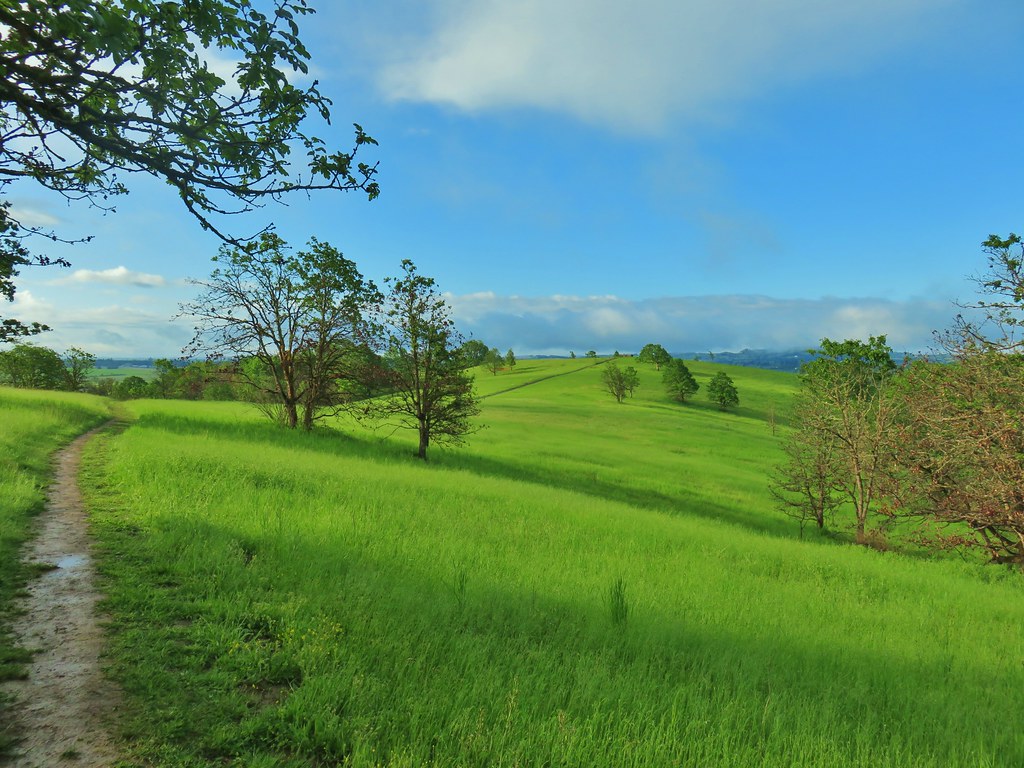
 Western meadowlark
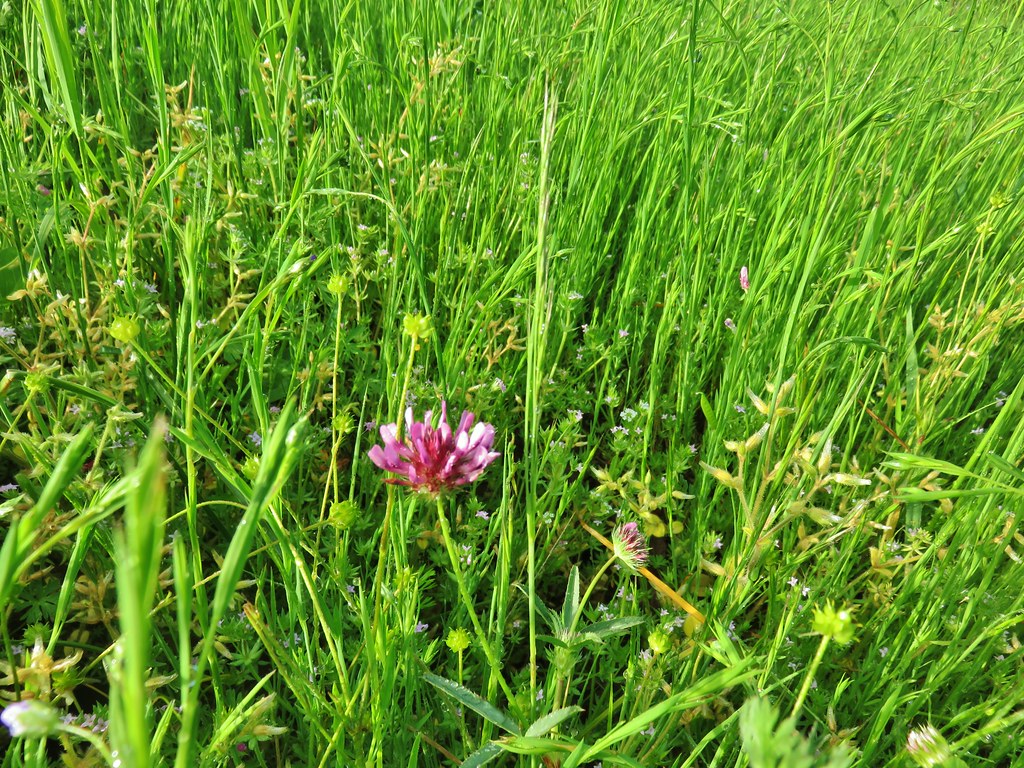 Tomcat clover
 Giant blue-eyed Mary
 A checker-mallow surrounded by pale flax
 Camas
Camas
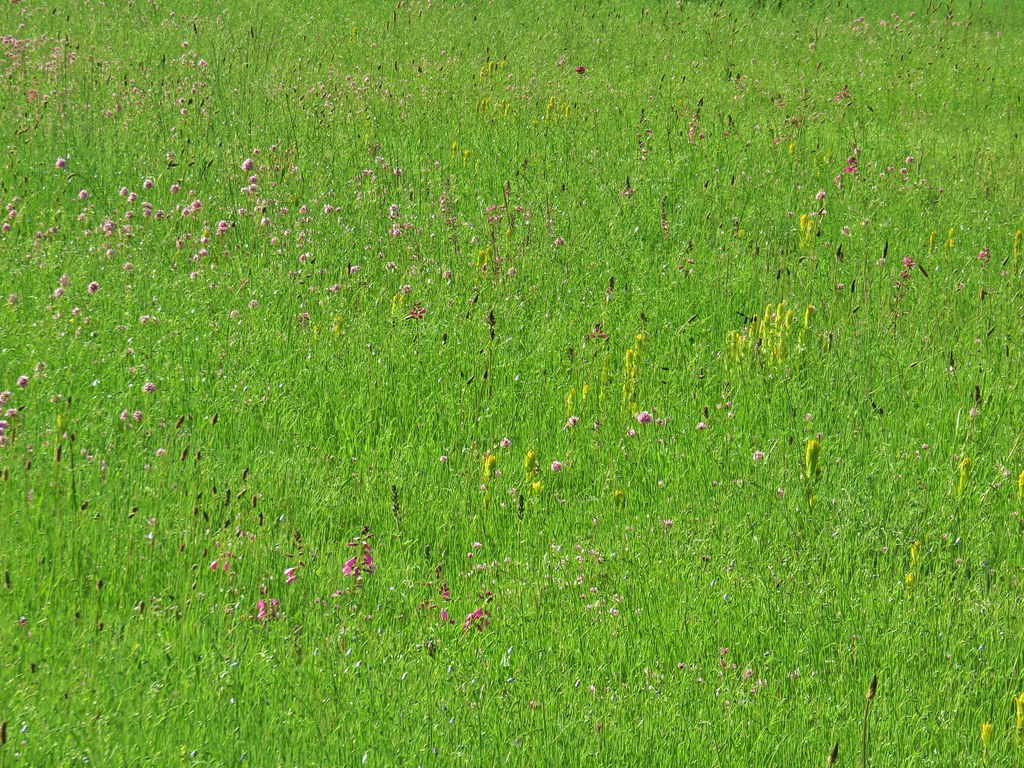
 Plectritis
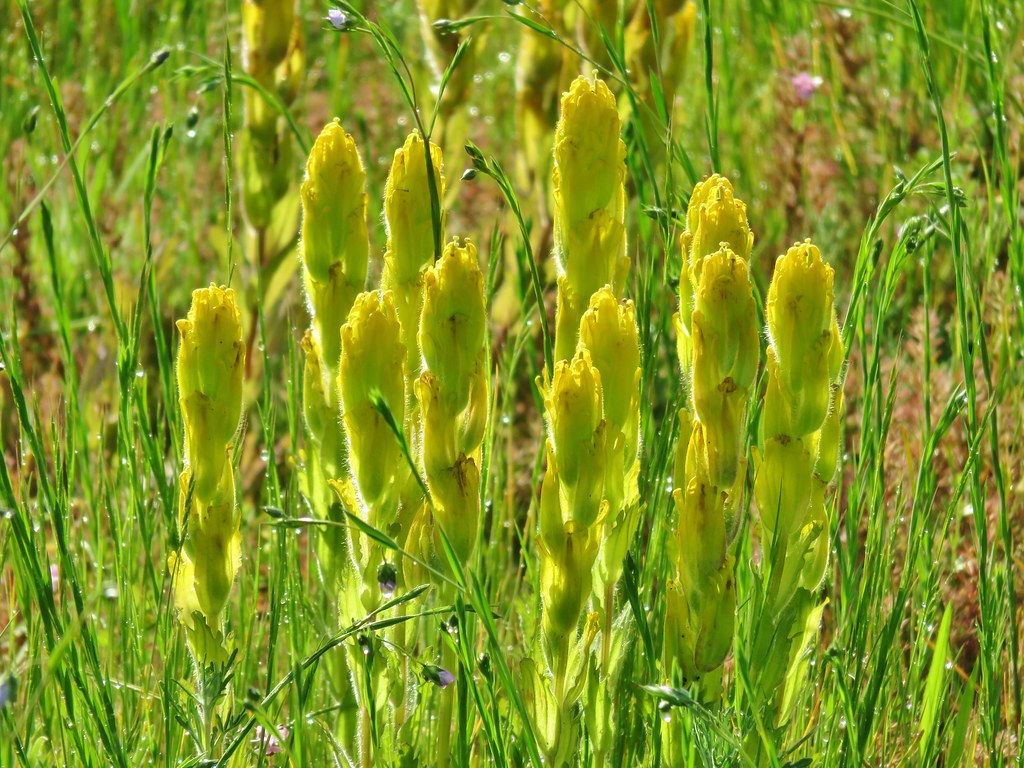 Castilleja levisecta – Golden Paintbrush which historically occurred in the grasslands and prairies of the Willamette Valley. The species had been extirpated from the valley with the last sighting in Oregon occurring in Linn County in 1938. It was reintroduced to various areas starting in 2010 including here at Baskett Slough. In the wetter areas it failed to take but the plant has managed to take hold on Baskett Butte.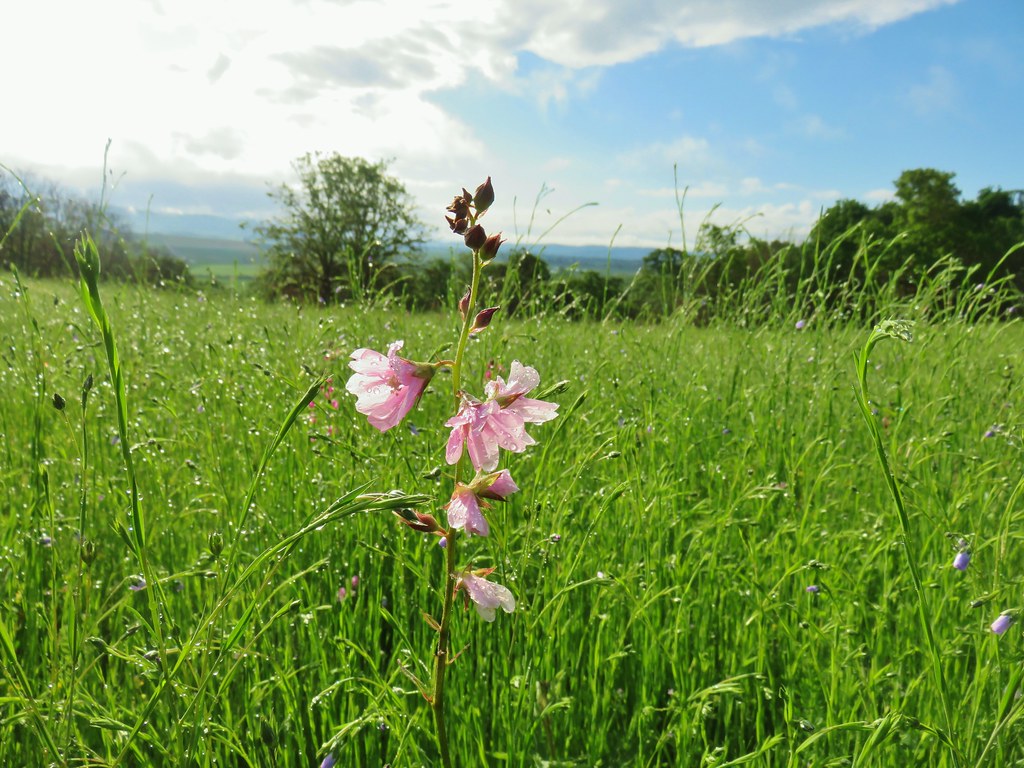

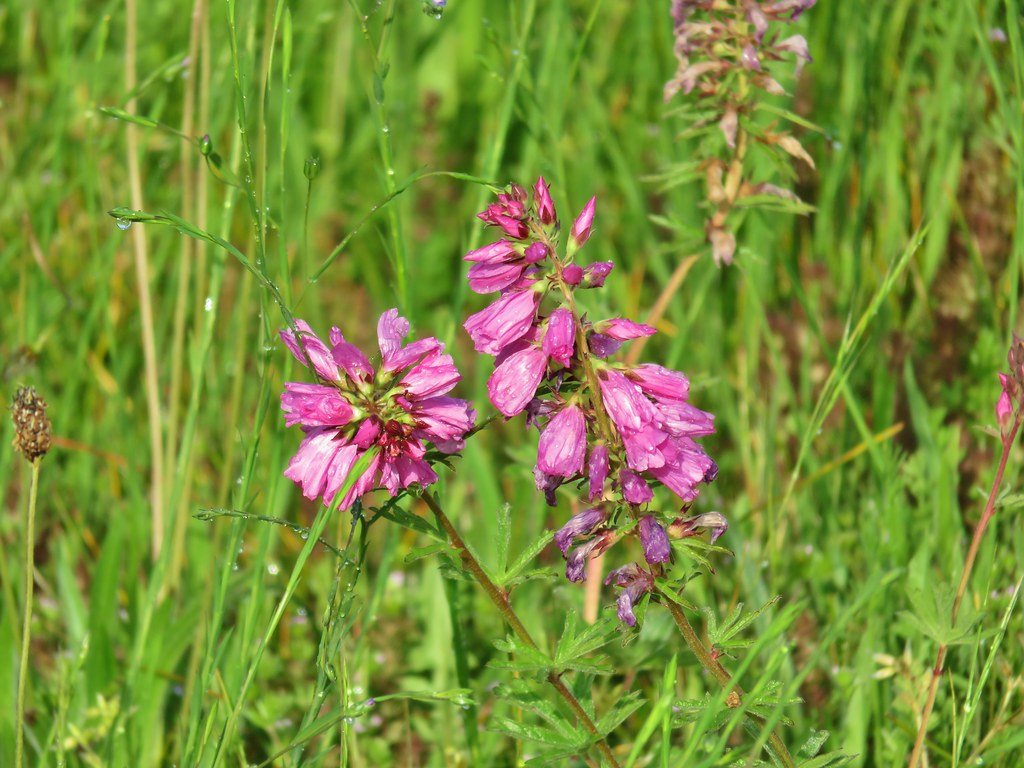
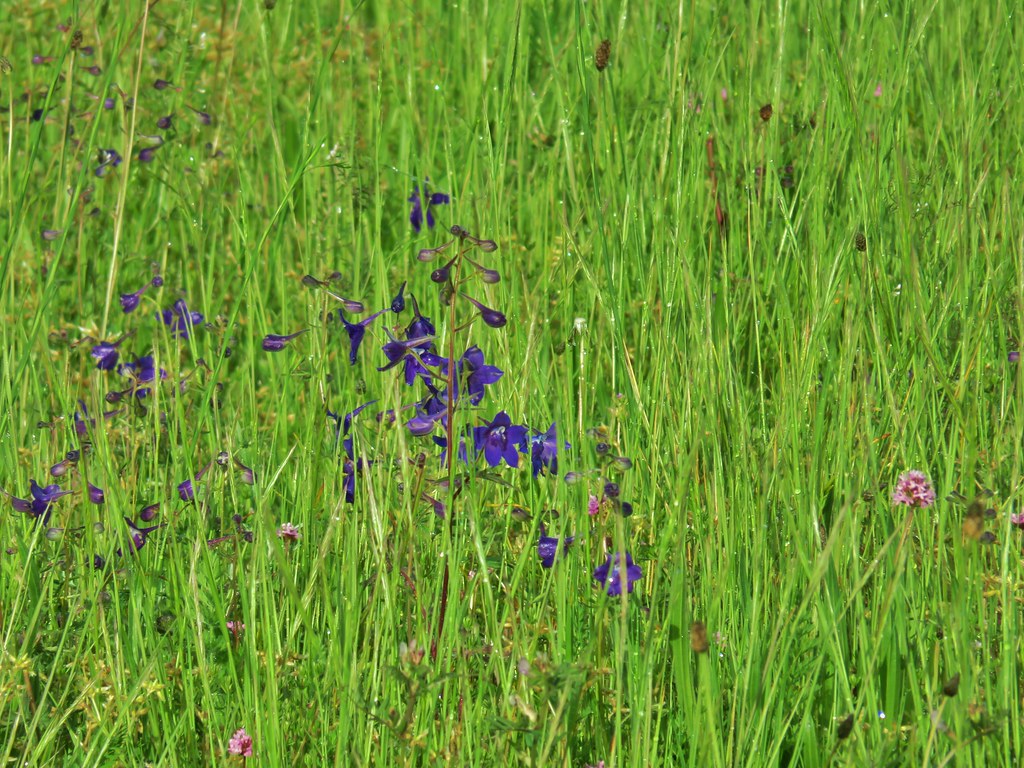 Larkspur
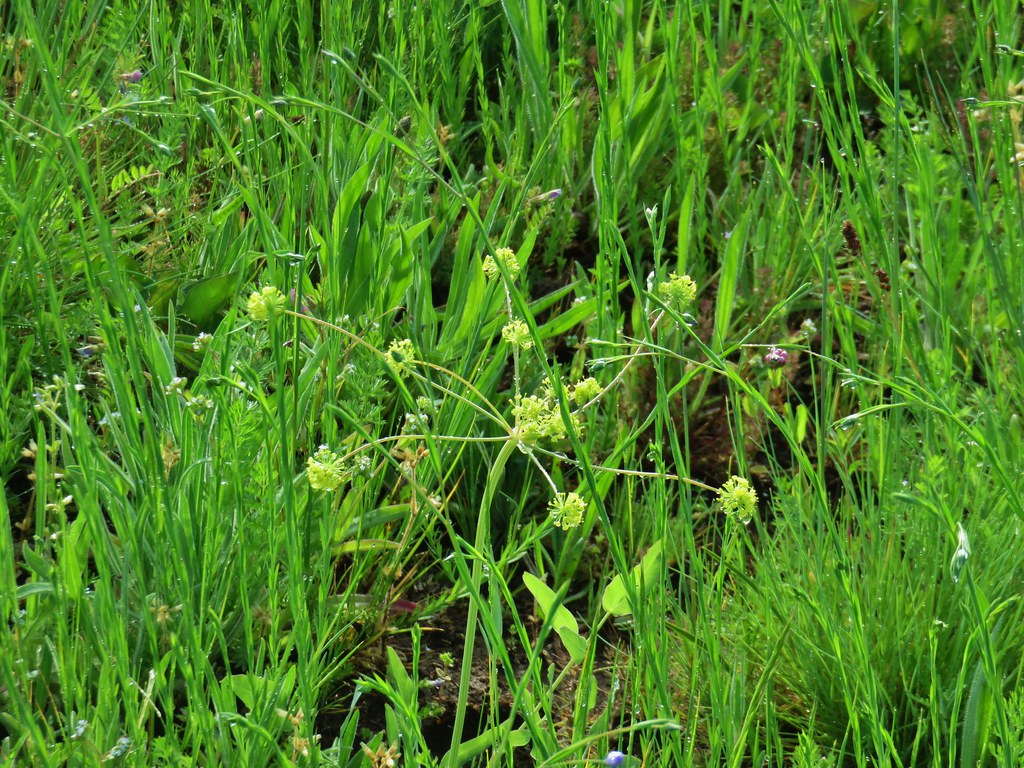 Biscuitroot
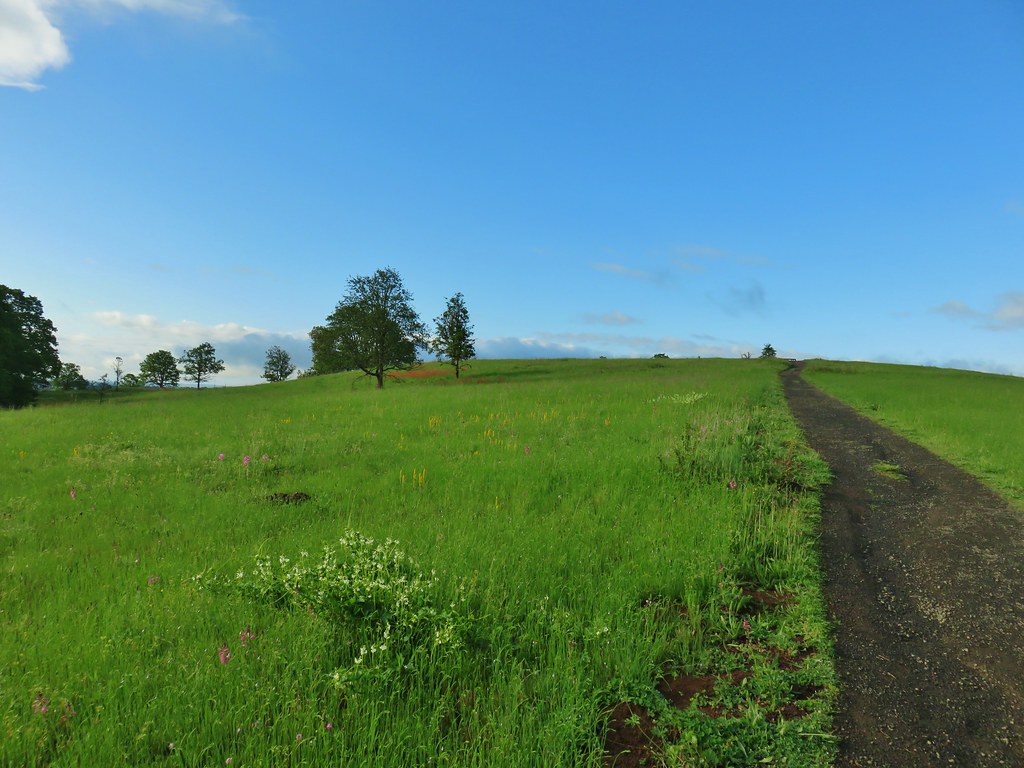 The white patch in the foreground is coastal manroot while the red patch uphill is columbine.
 Some of the mass of columbine.
 Tolmie’s mariposa lilies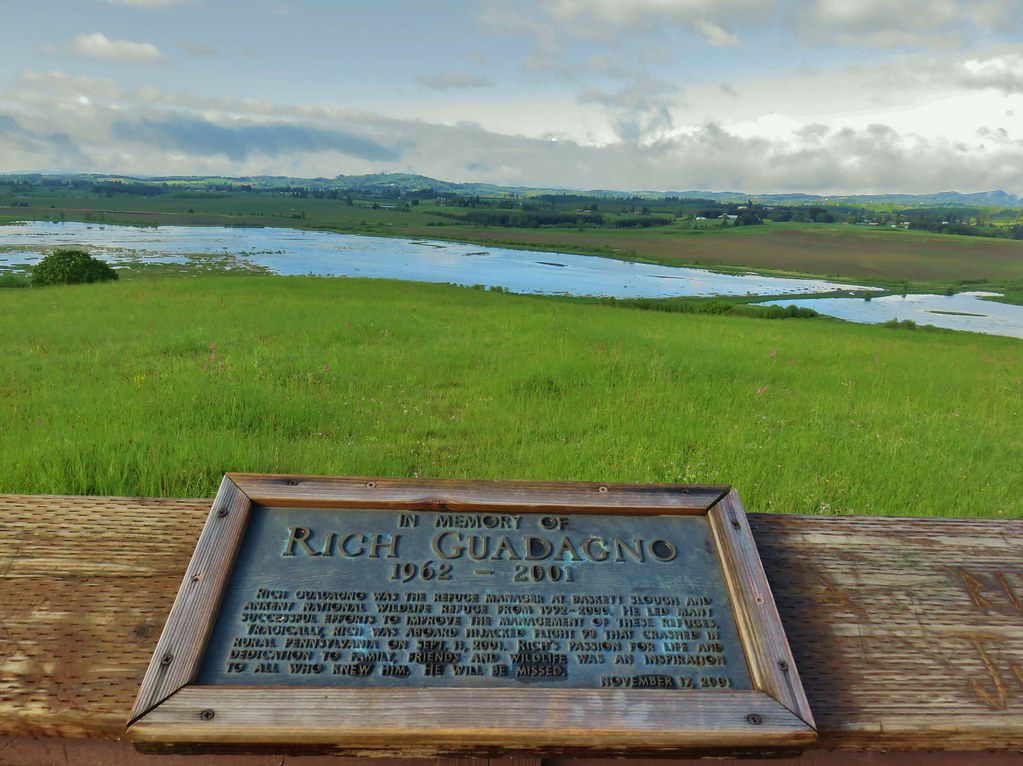

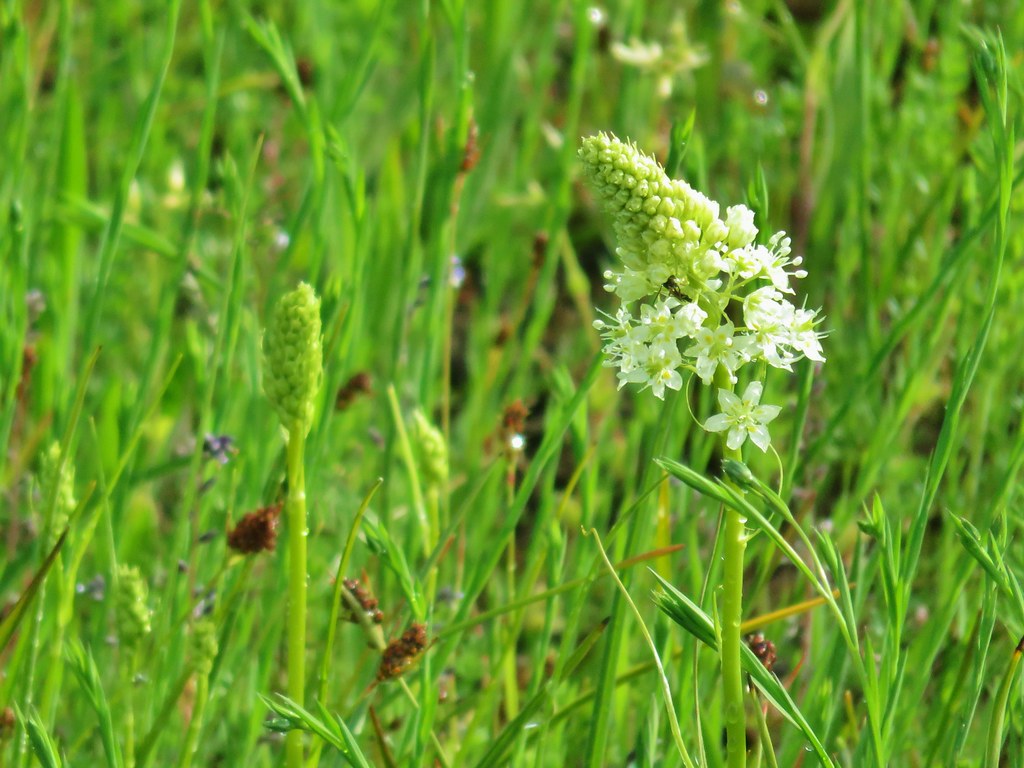 Meadow death camas
 Oregon sunshine
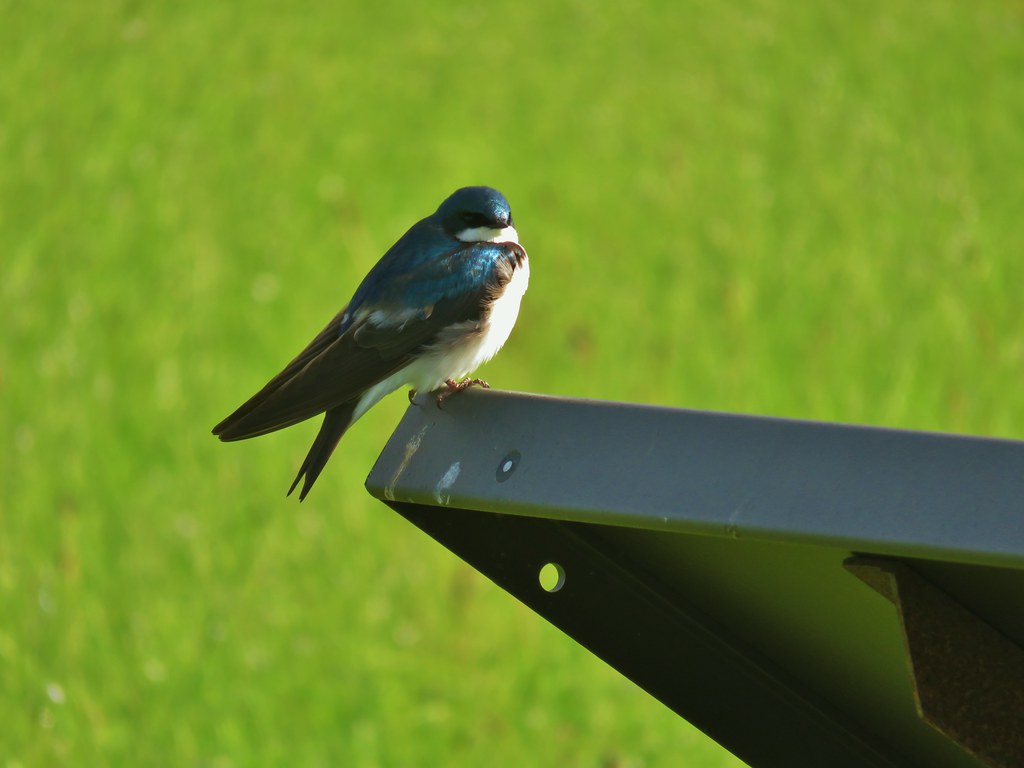
 Hairy vetch
 Purple sanicle

 Yarrow starting to bloom.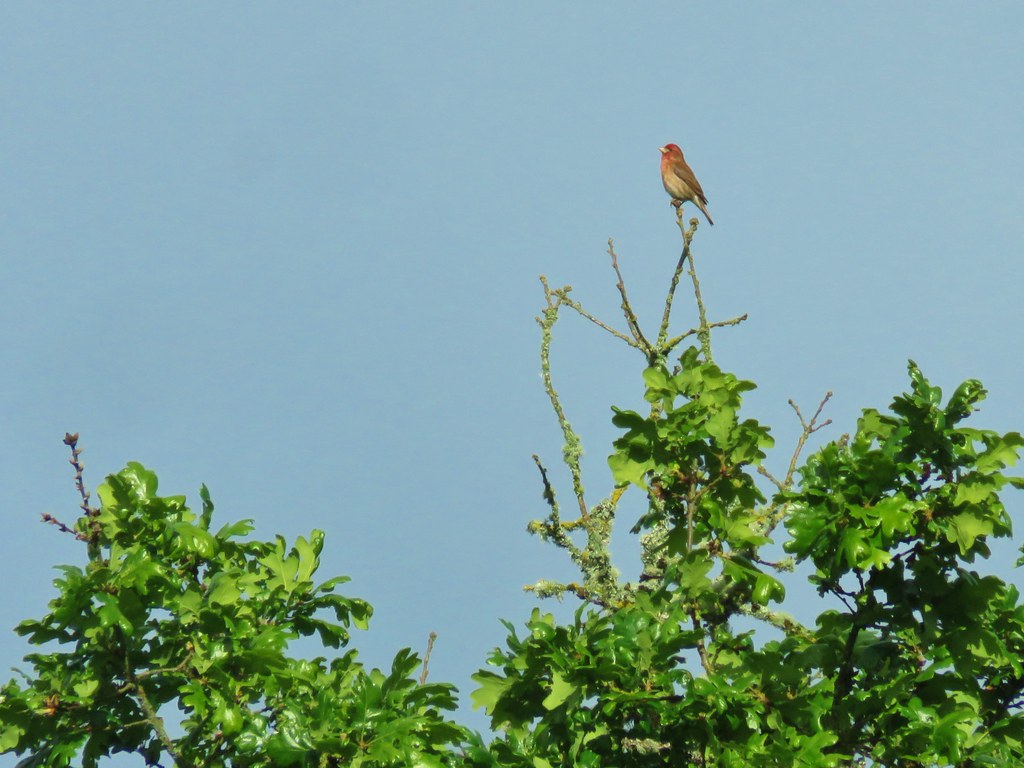

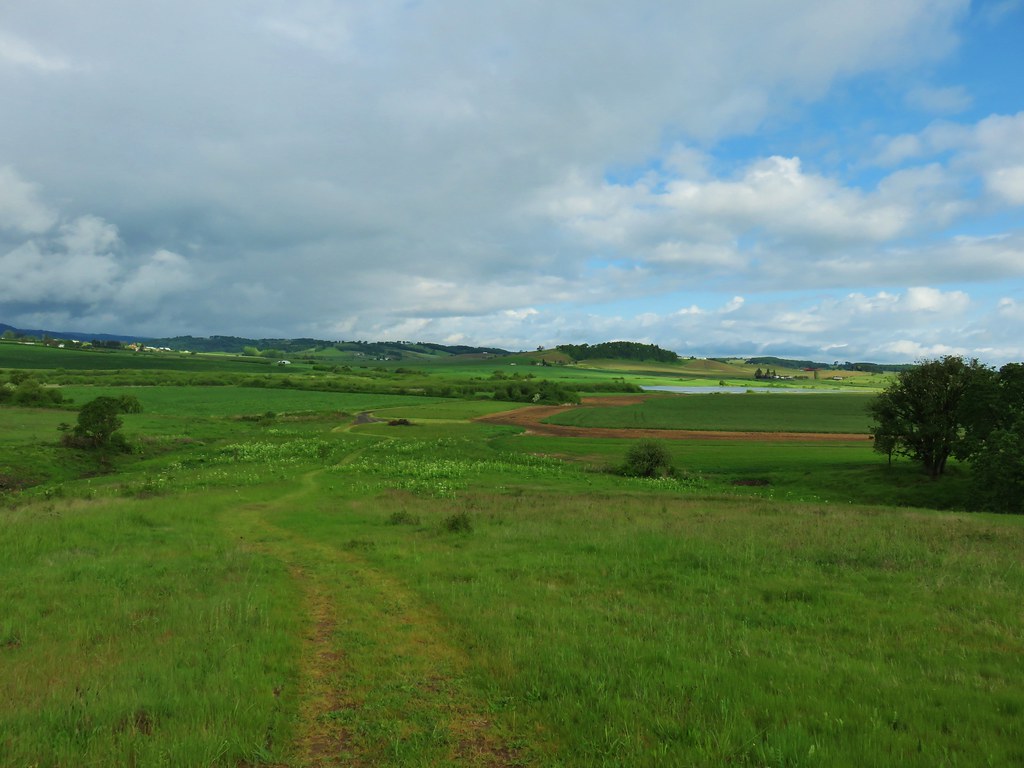
 A pair of American goldfinches
 Silvery blue butterfly
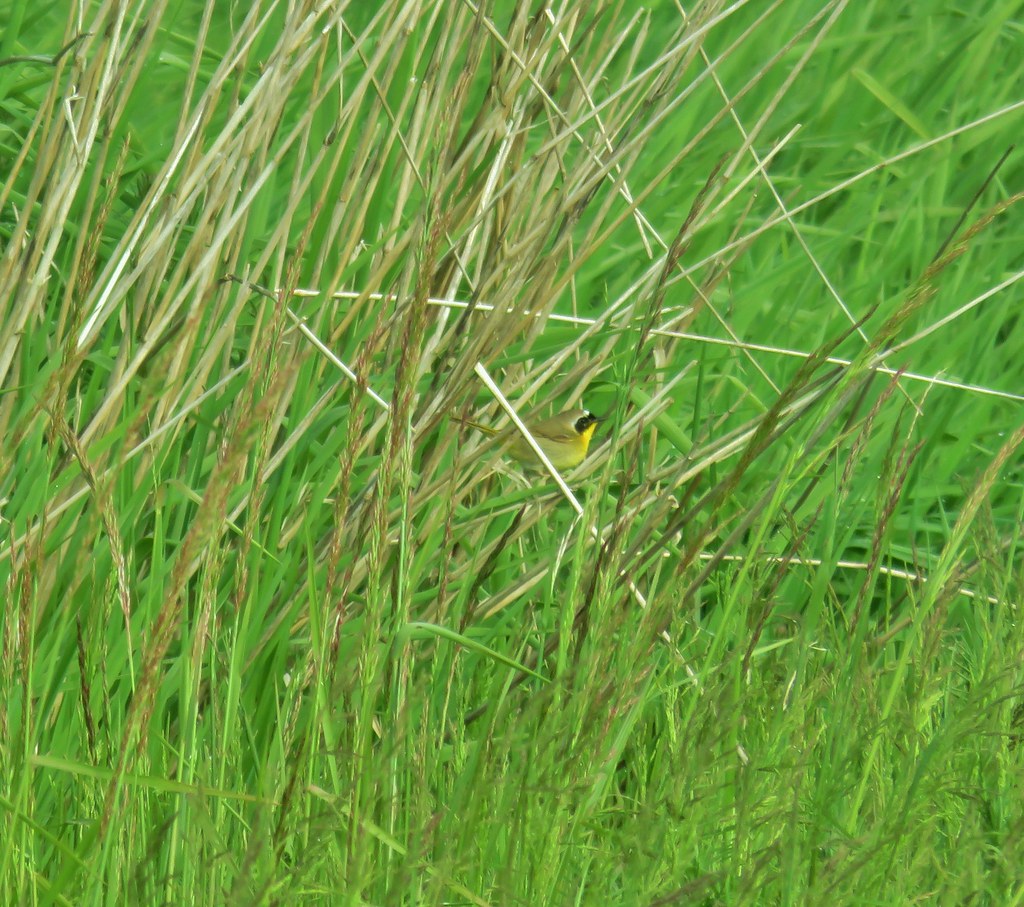 Common yellowthroat
 Moffiti Marsh
 Great blue heron flying over
 Ducks on the water and swallows in the air.
 Northern shoveler on the left.
 A couple different types of ducks.
 Western bluebird
 Female western bluebird gathering items for a nest.
 Wild rose
 Canada geese flying over.
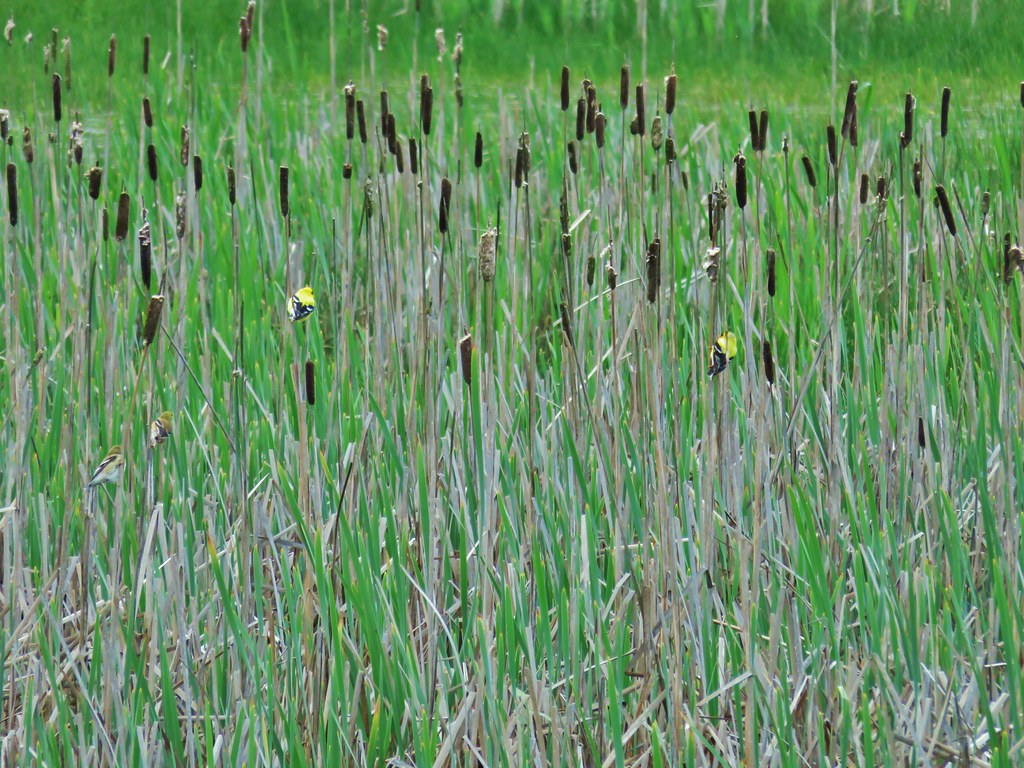 Two pairs of American goldfinches.
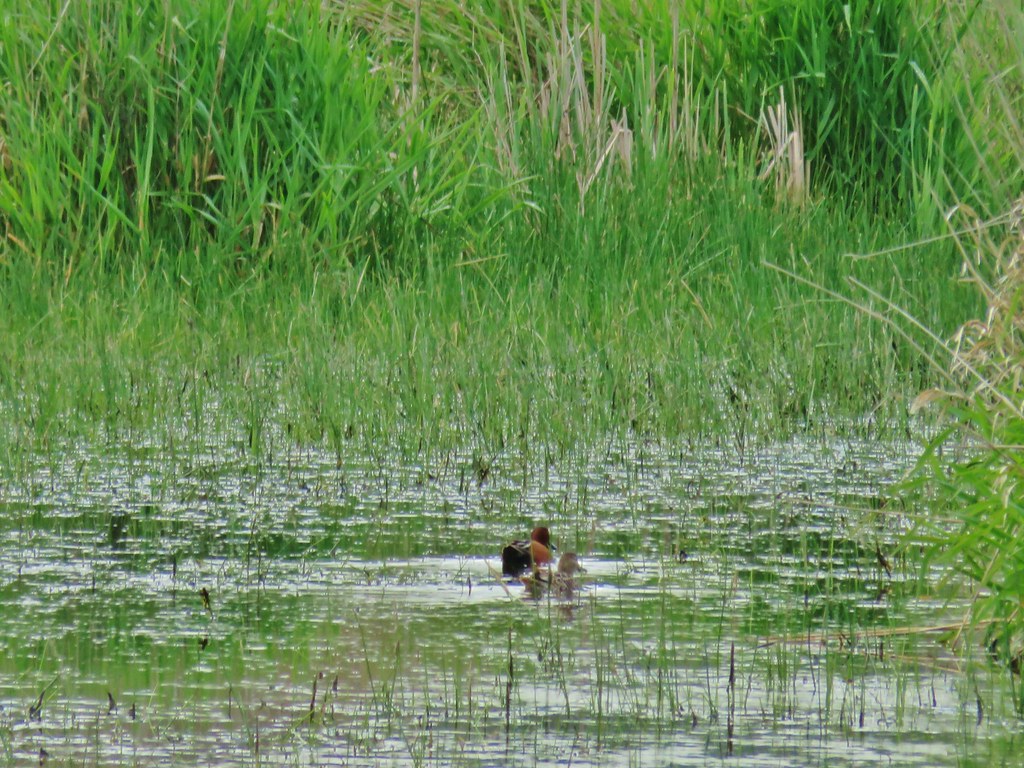 Cinnamon teal
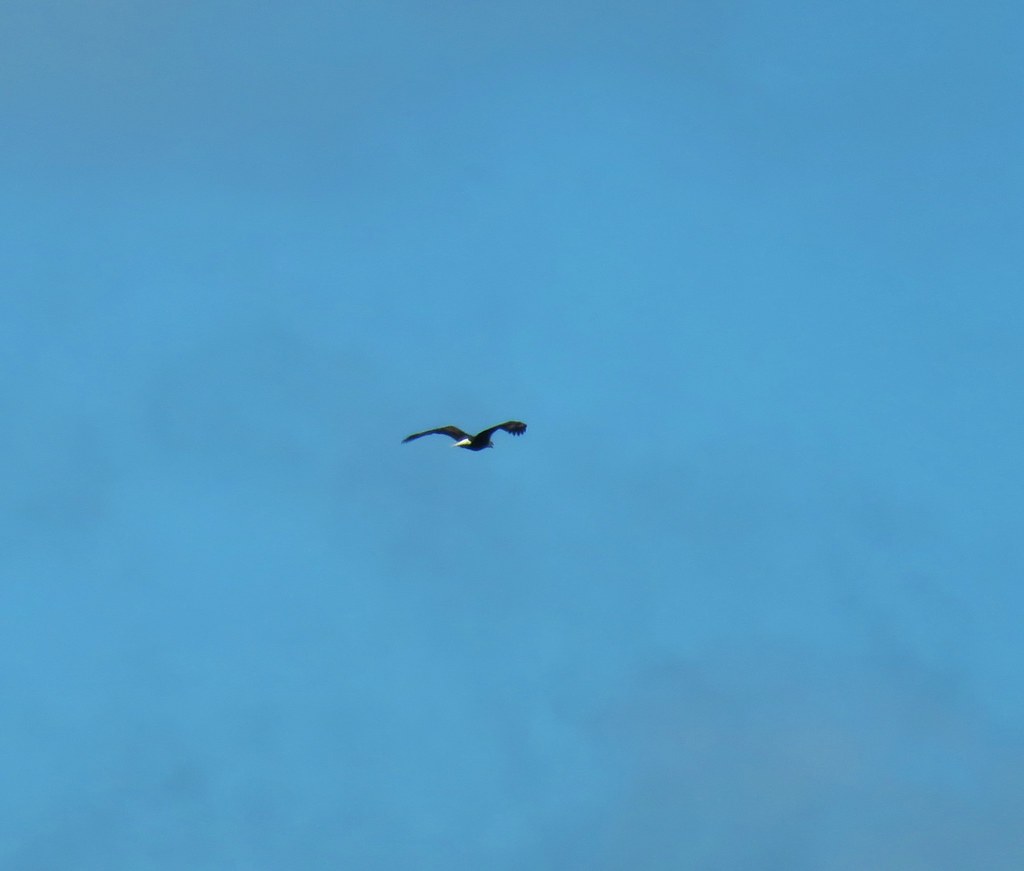 Bald eagle flying overhead
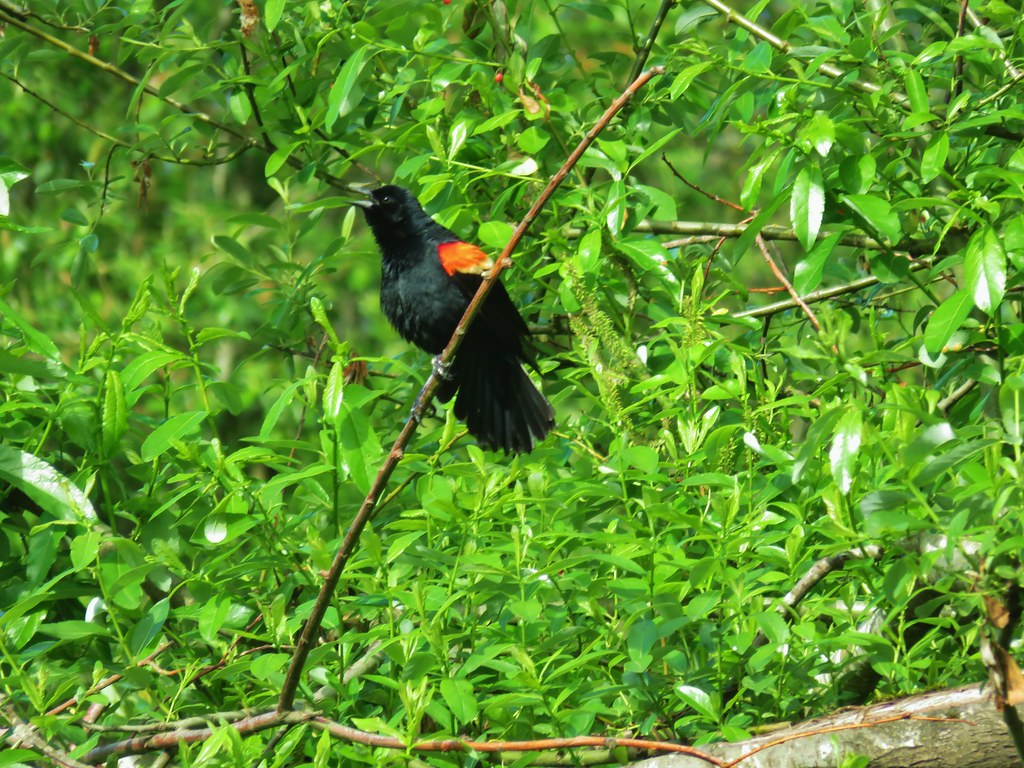 Red-winged blackbird
 Moffiti Marsh


 Wetlands near Eola Ridge Park
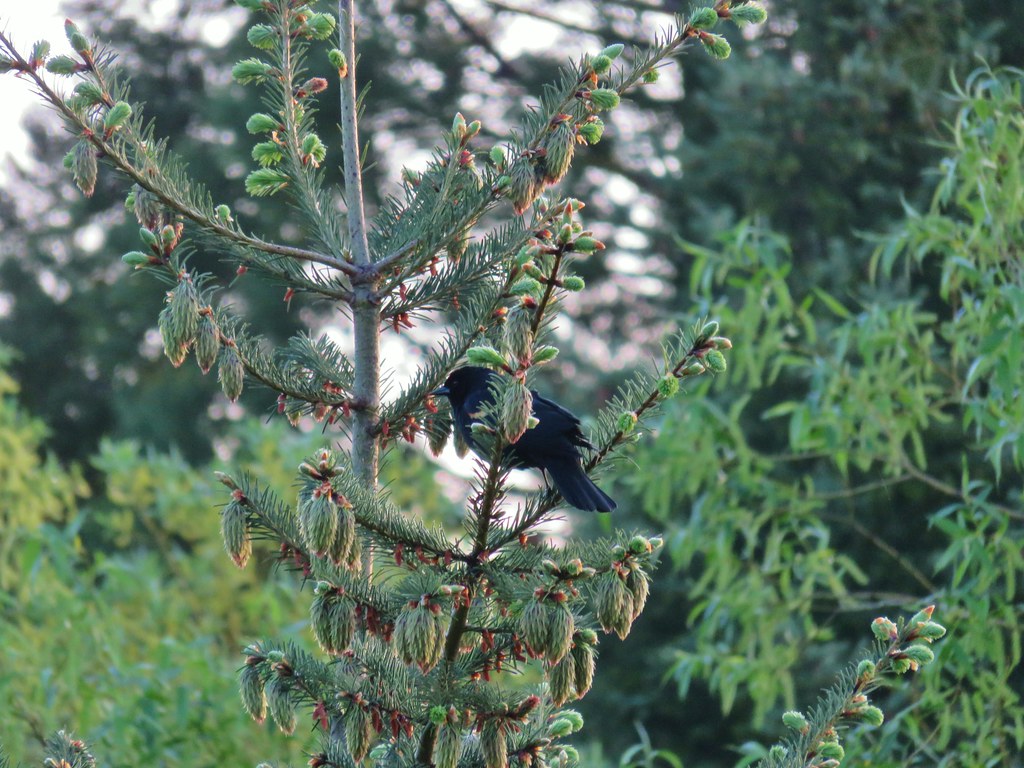 Red-winged blackbird
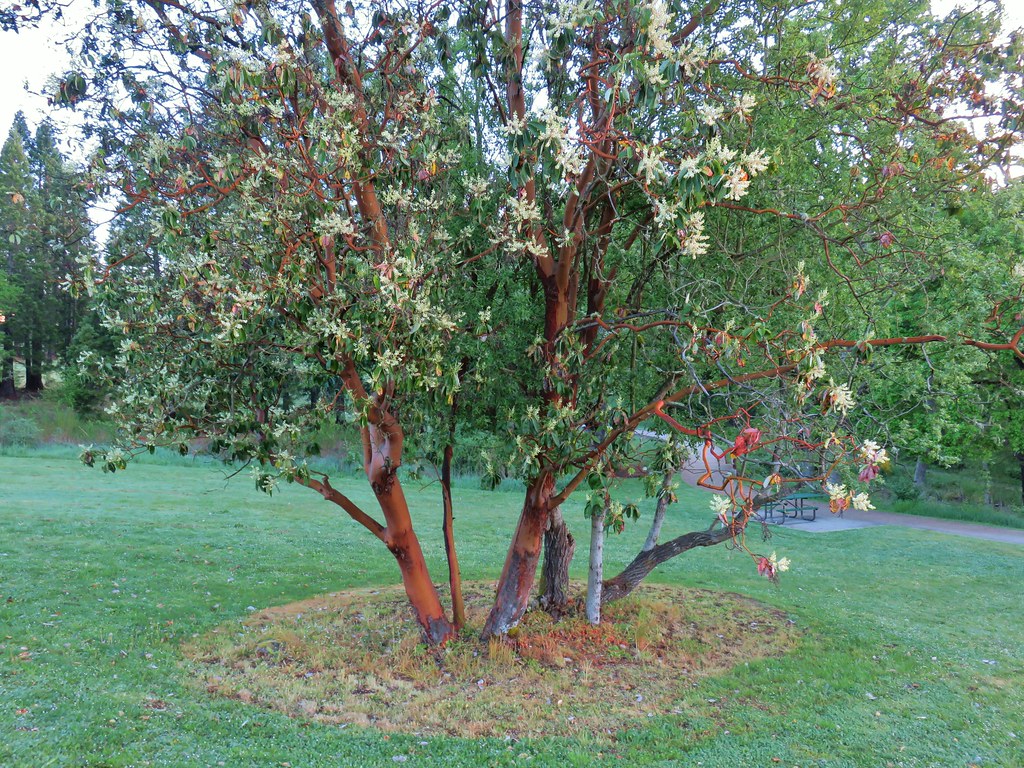 Madrone in Eola Ridge Park
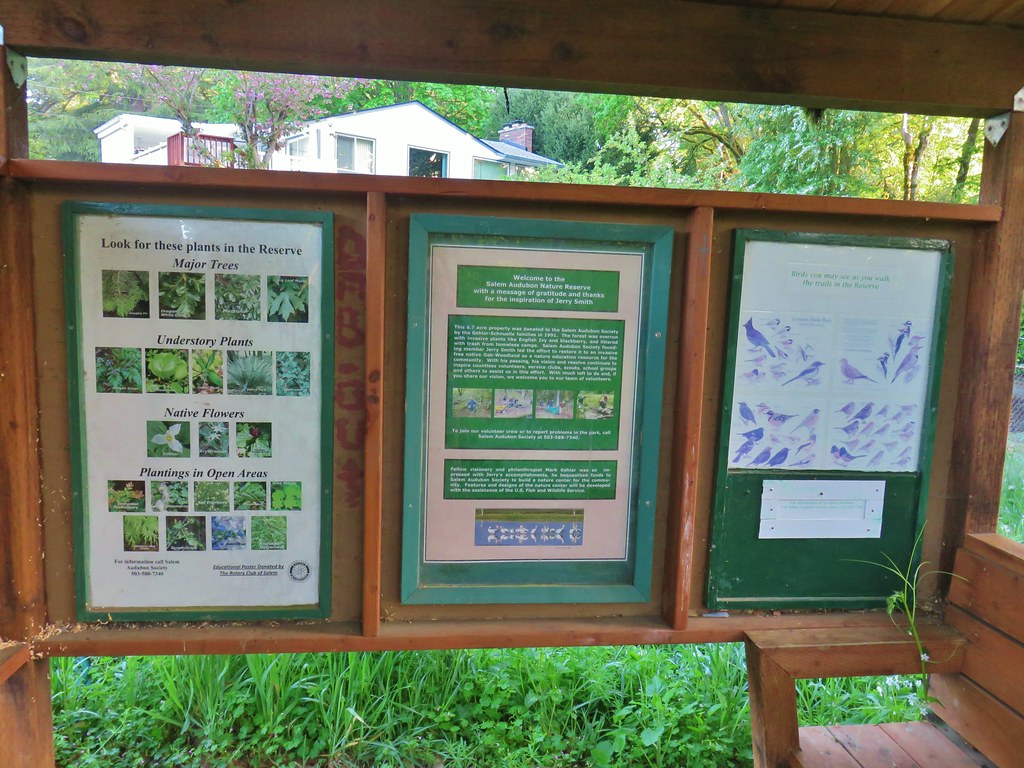
 Bleeding heart and miners lettuce around a small bench.

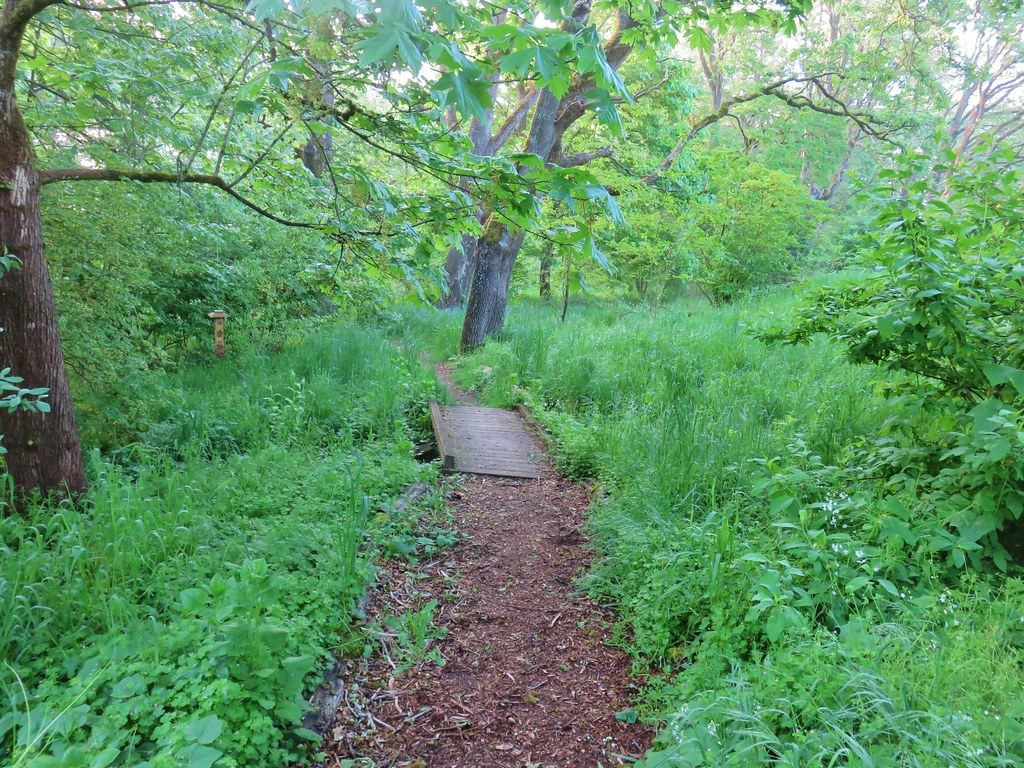
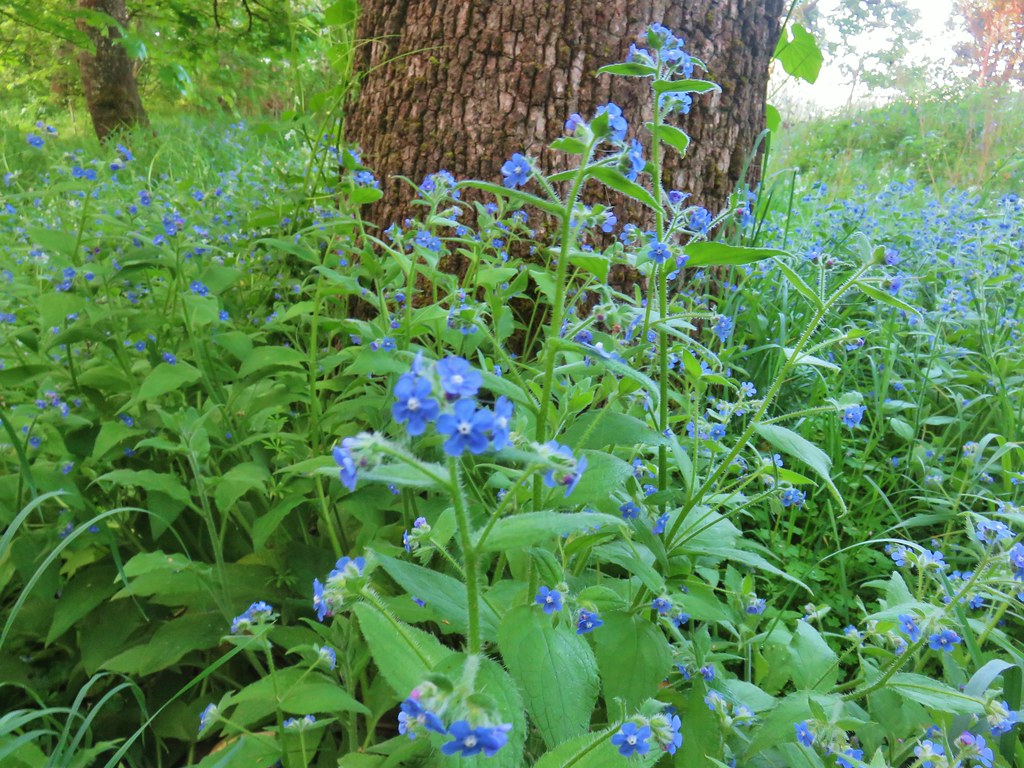 Possibly forget-me-nots.
 Fringecup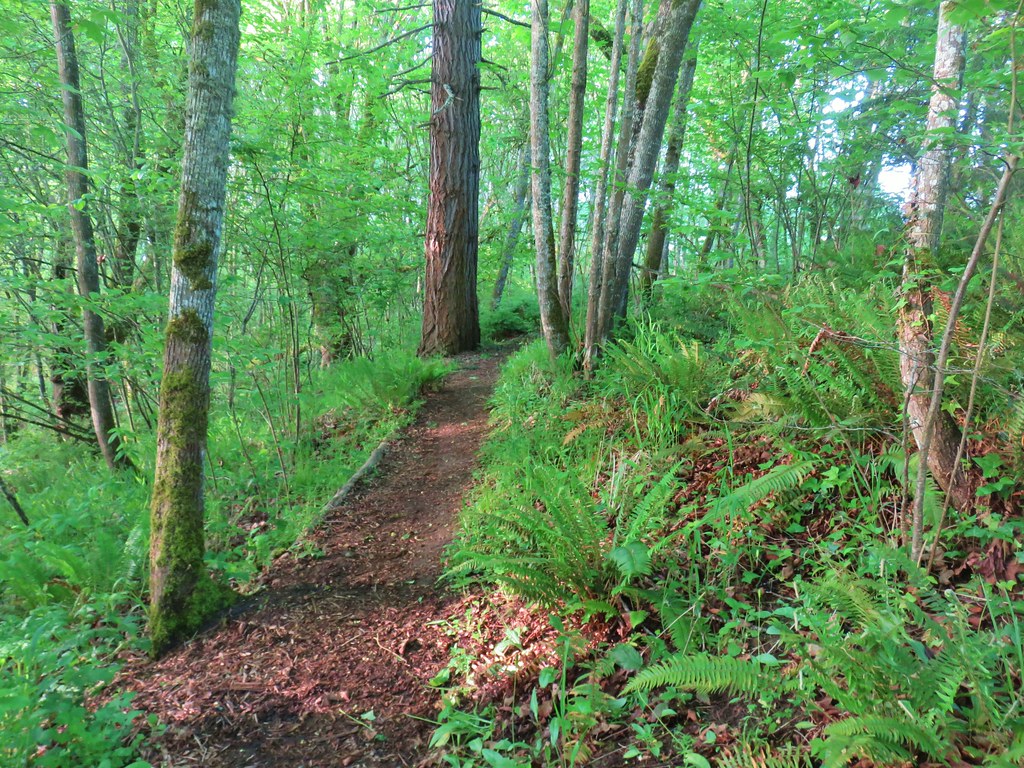
 Giant white wakerobbin
 Coastal manroot and annual honesty
 Blue-bells
 Plummed solomon’s seal
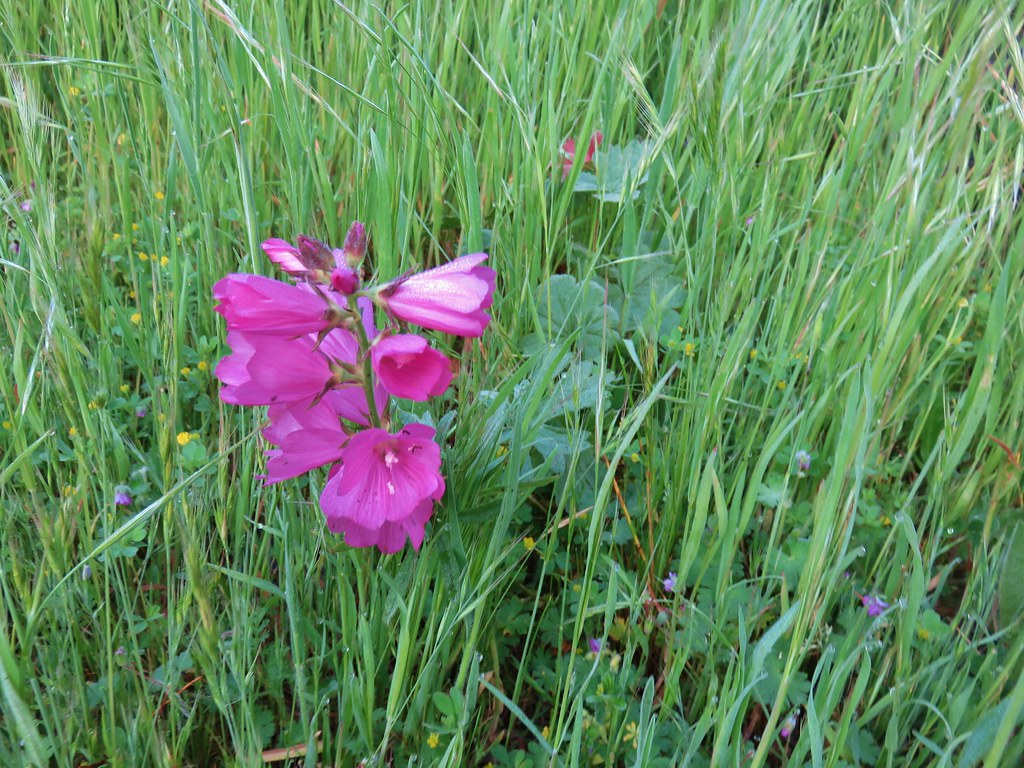 I think this is a checker-mallow but I’m never sure between the checker-mallows and checkerblooms.
 The city has put up a number of these direction pointers all over Salem which are actually really helpful.
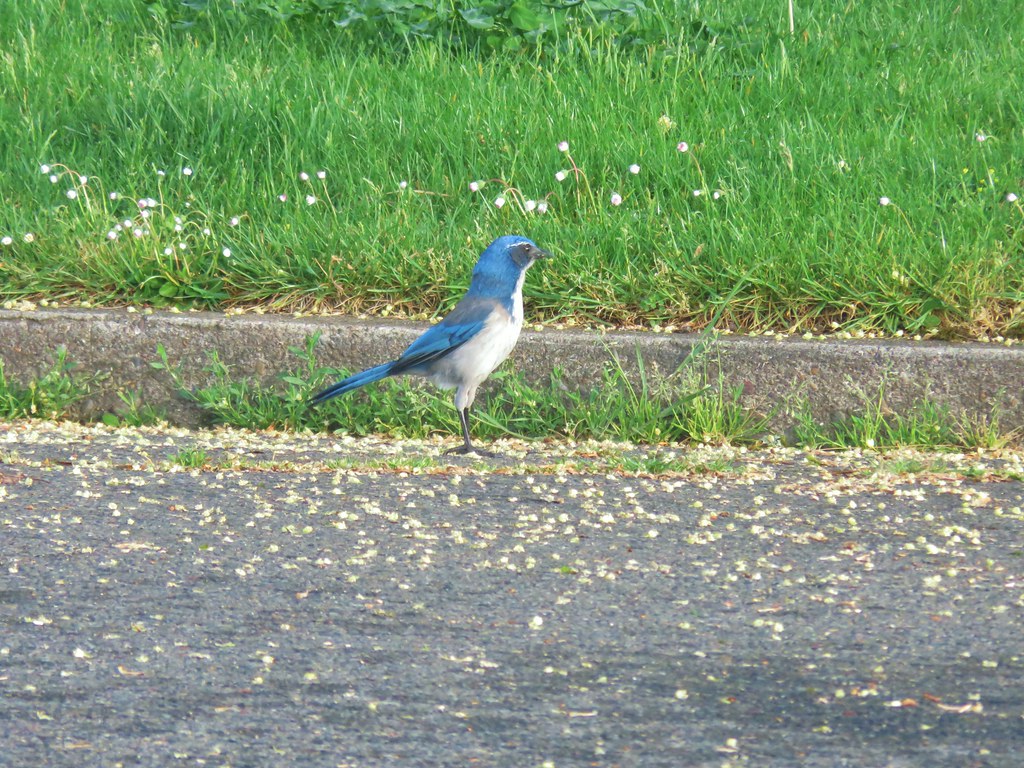 Scrub jay
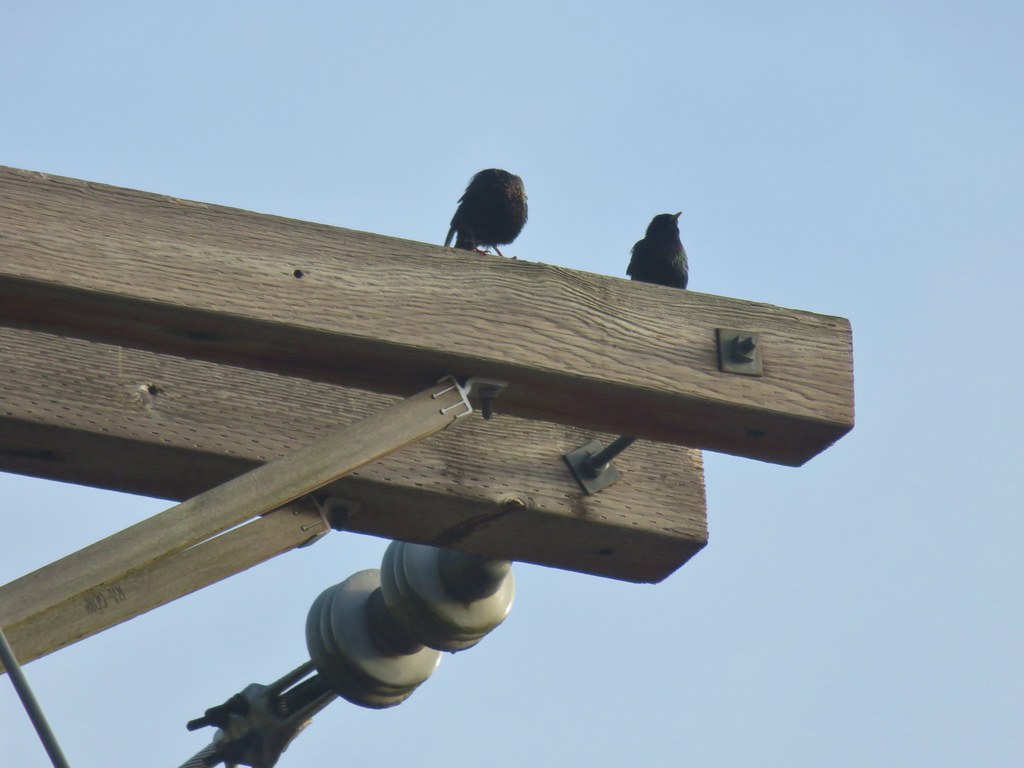 Starlings
 Spotted Towhee
 Path leading to the Union Street Bridge
 Family of geese
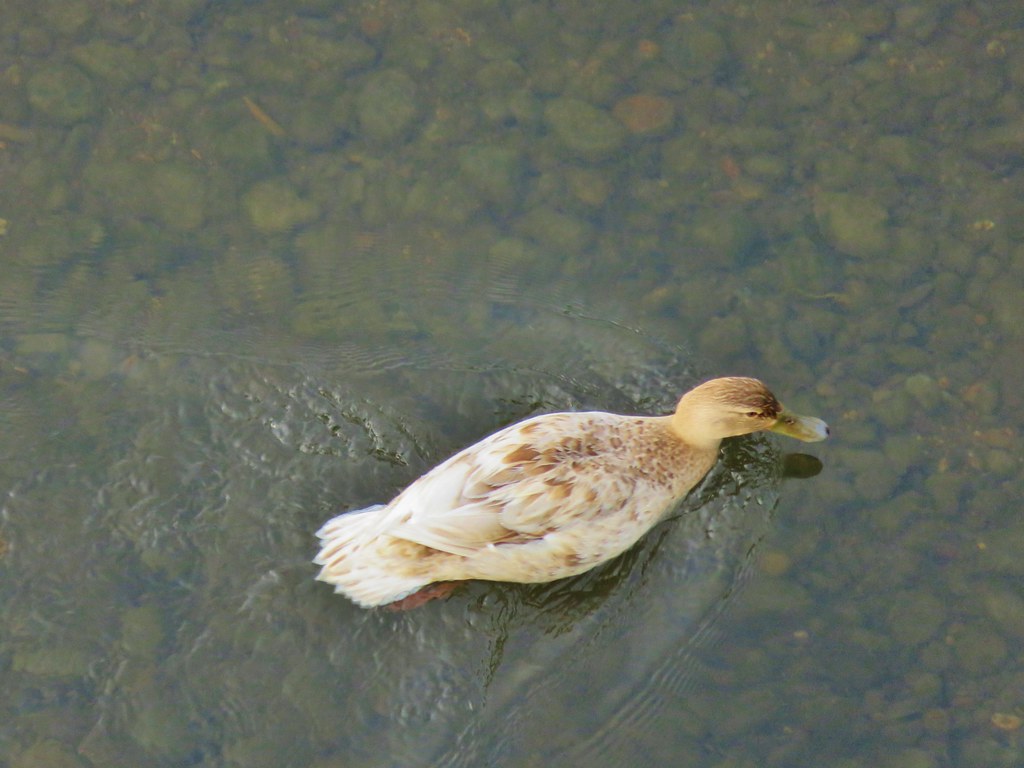 A very light colored mallard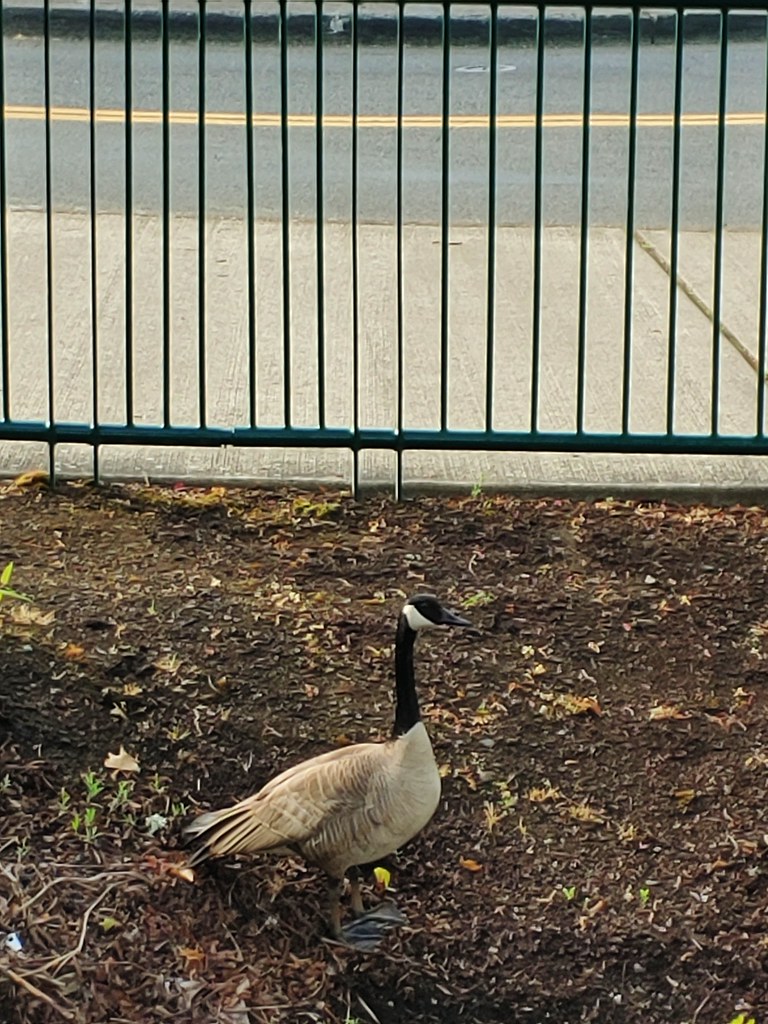

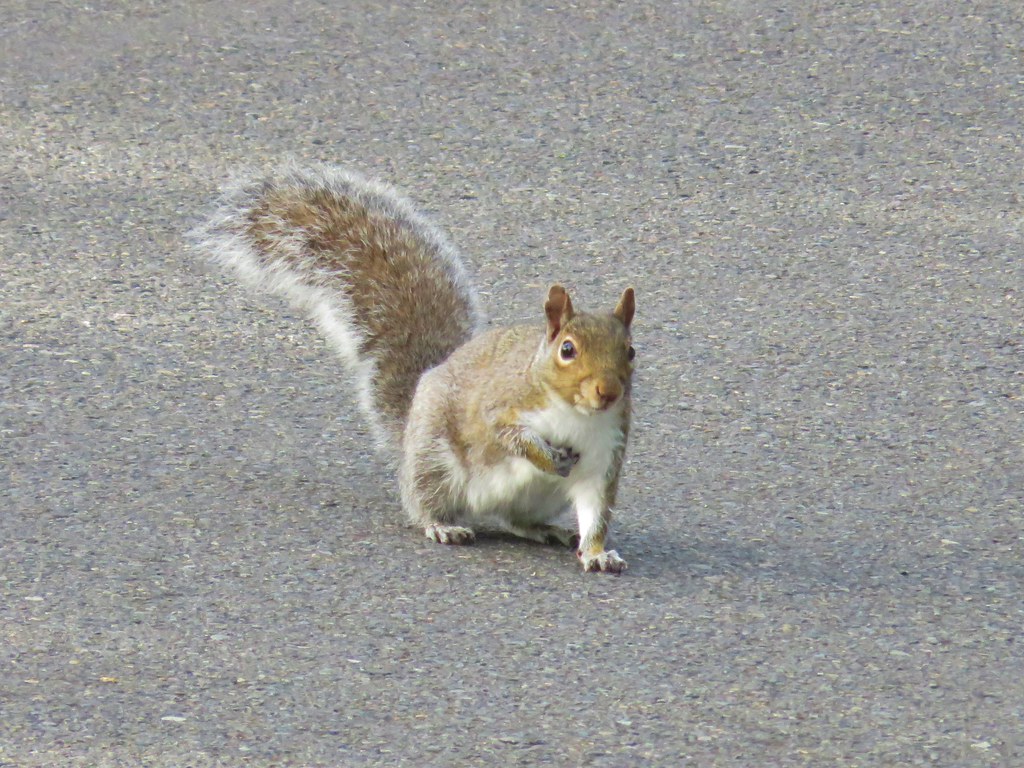
 Two squirrels on a tree.
 This squirrels was vigoursly attacking this bush.
 (We hope this mask was no longer usable because we’d hate to see them wasted, but it did make us chuckle.)
 Pringle Creek from Commercial Street with City Hall in the distance.
 The Mirror Pond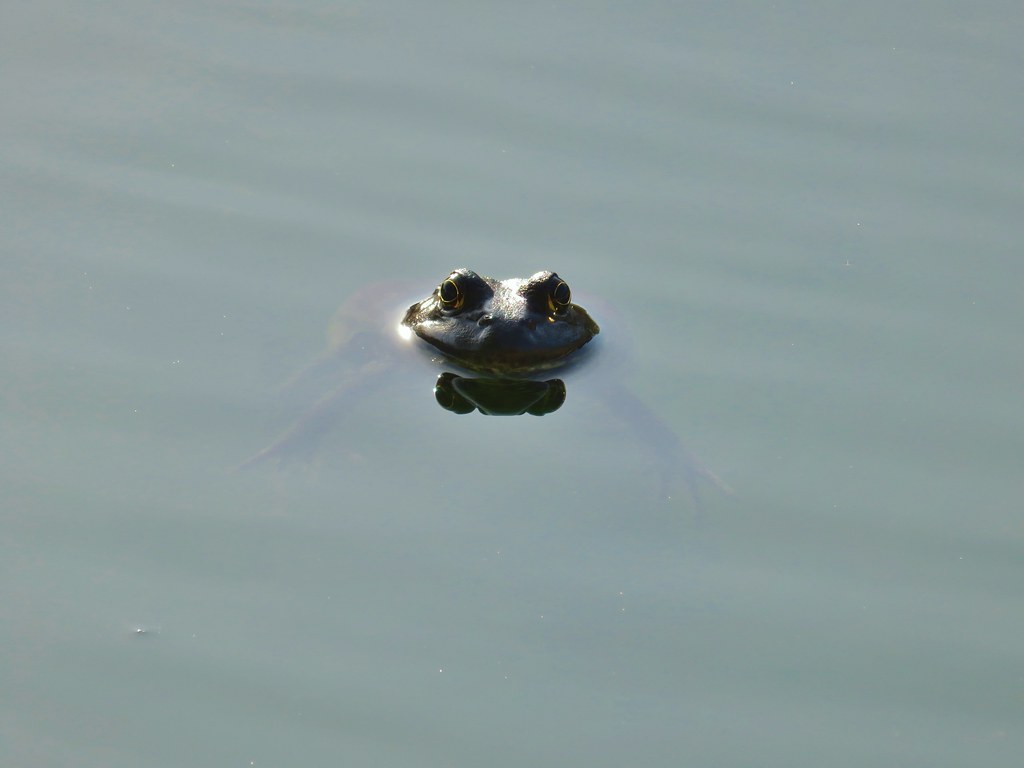

 The heron statue
 Mallards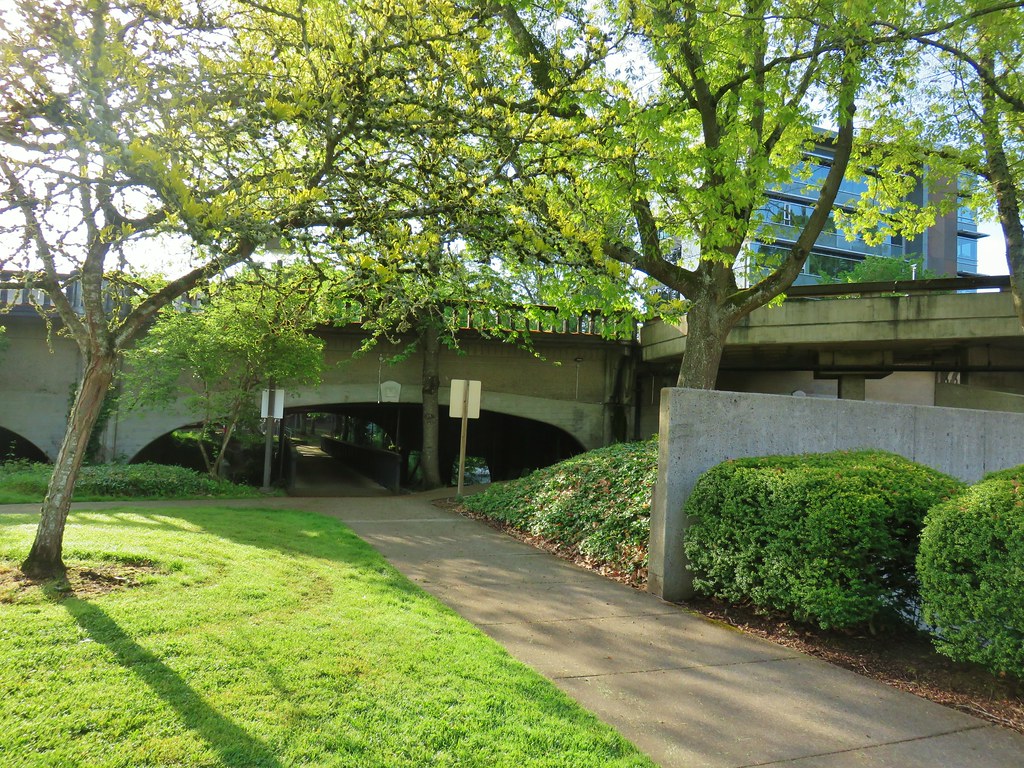


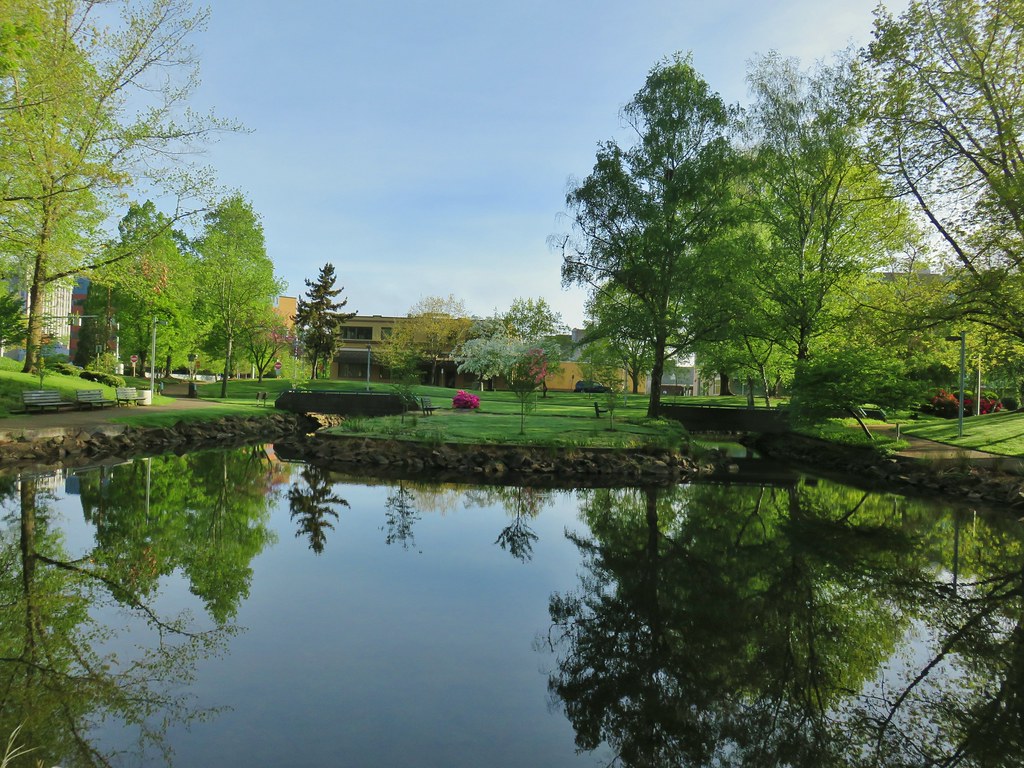

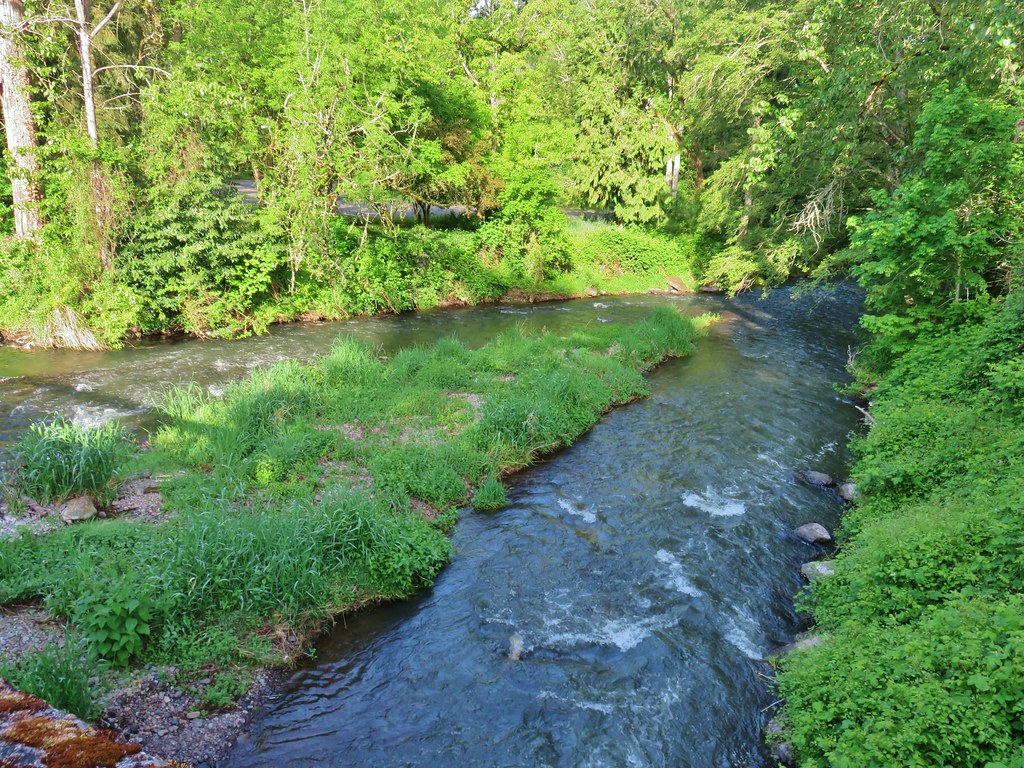 Pringle Creek at Church Street.
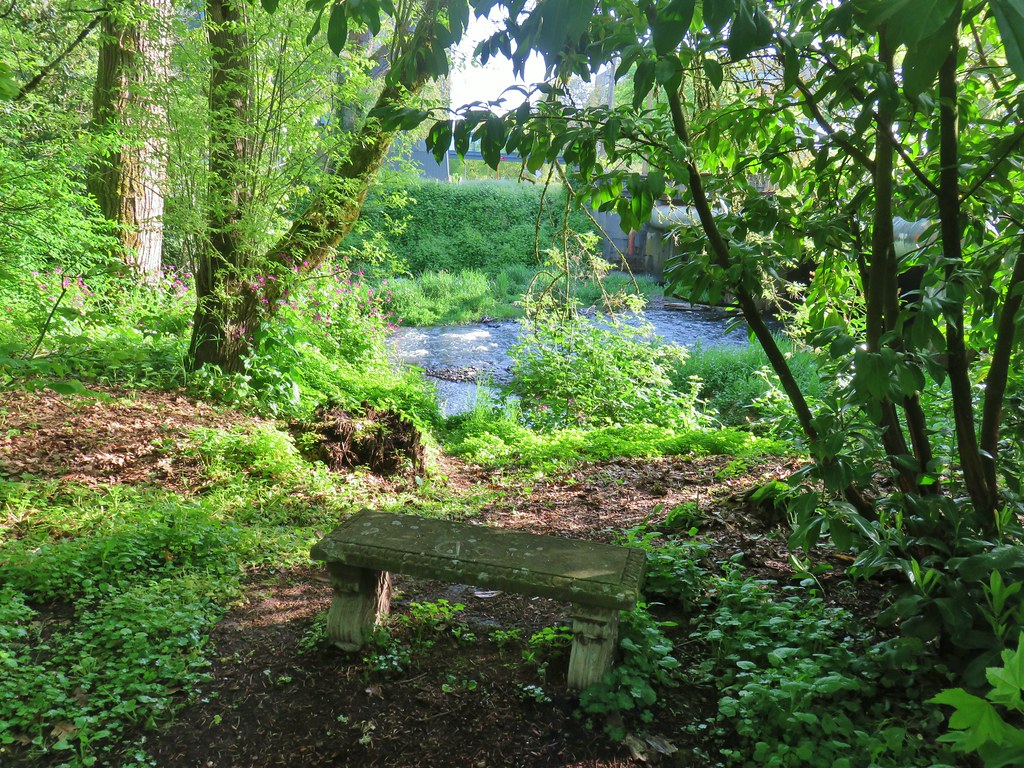
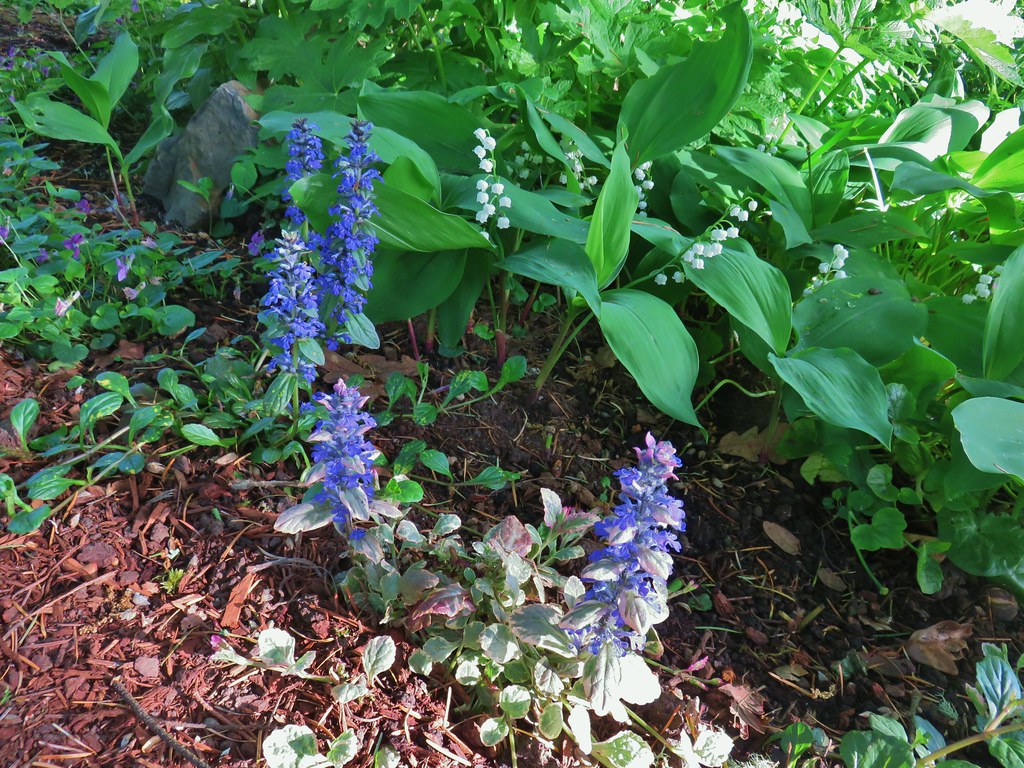
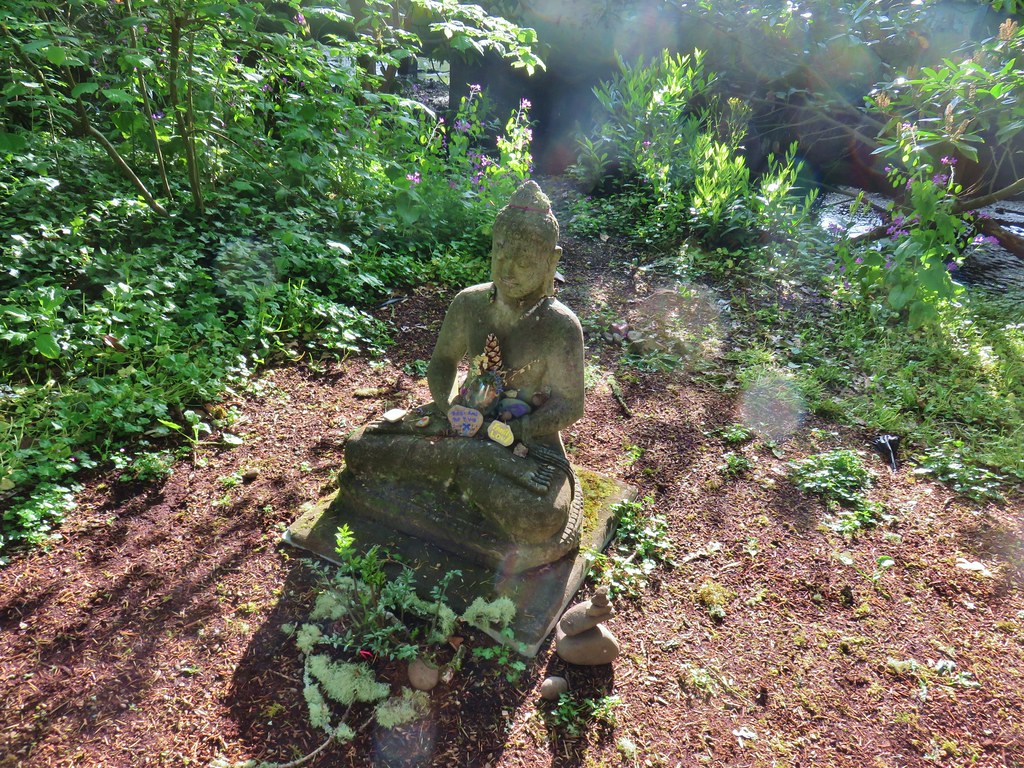
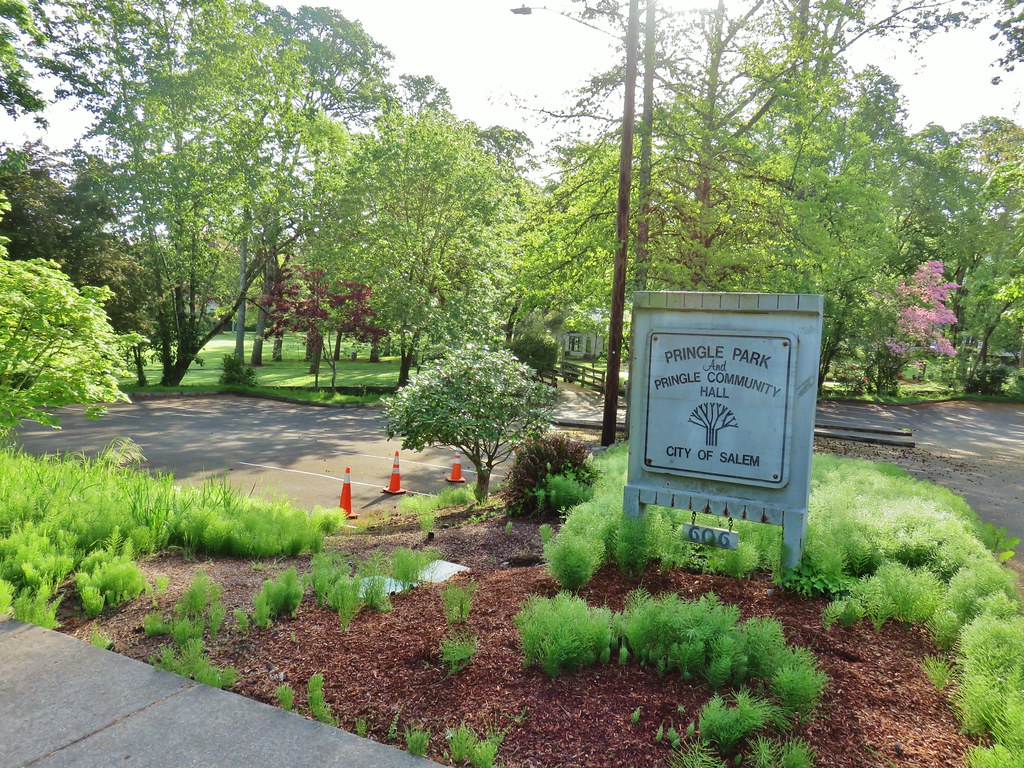
 Passing the
  Sign at Bush Park
 Bush House Museum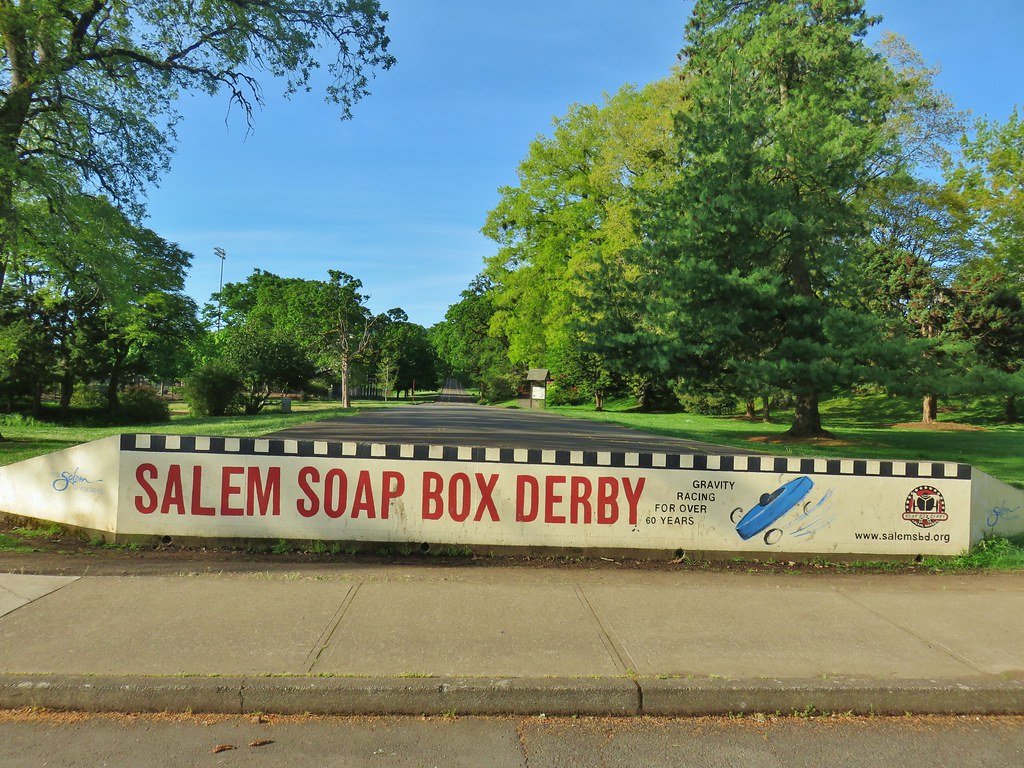


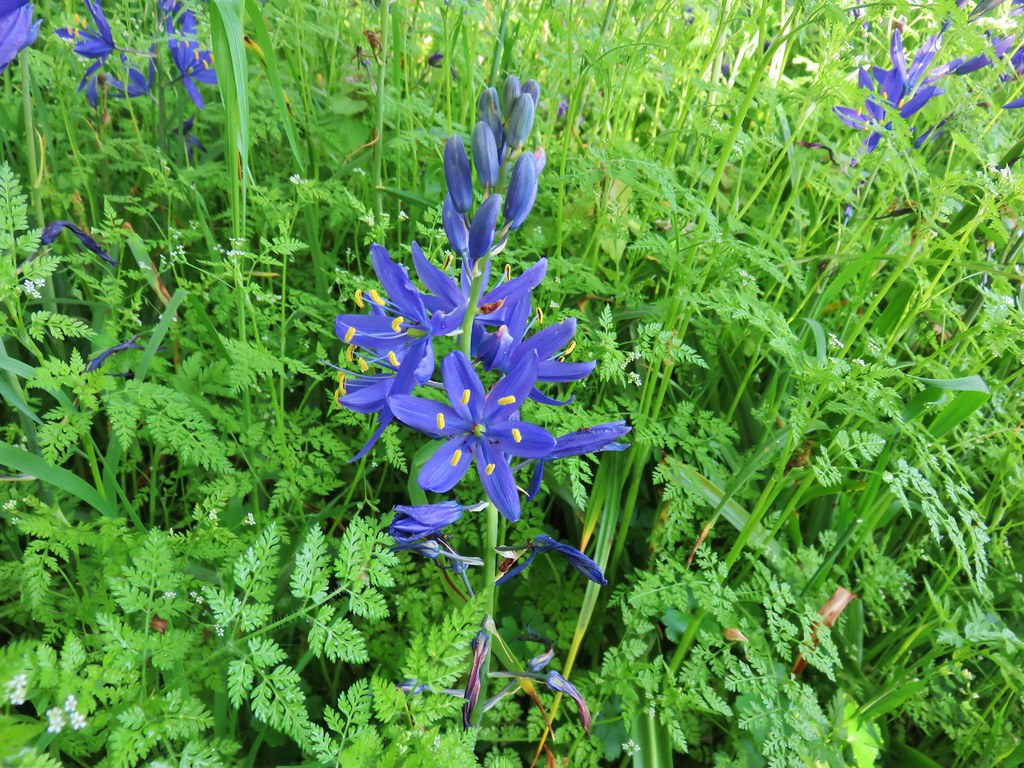


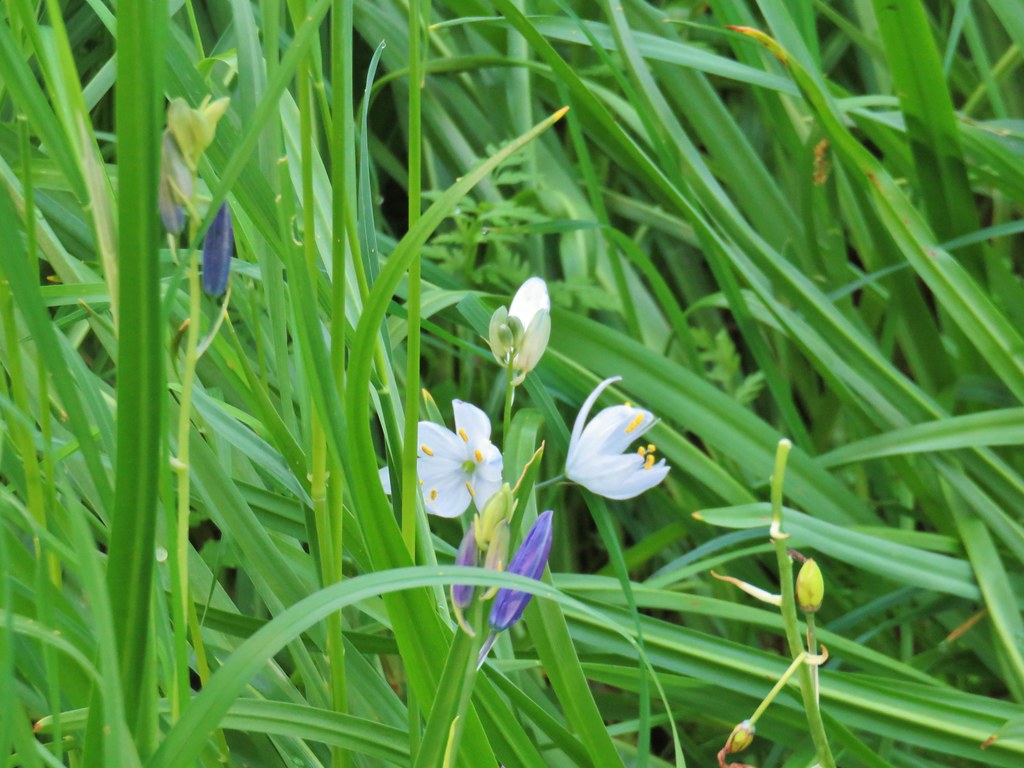 A white camas
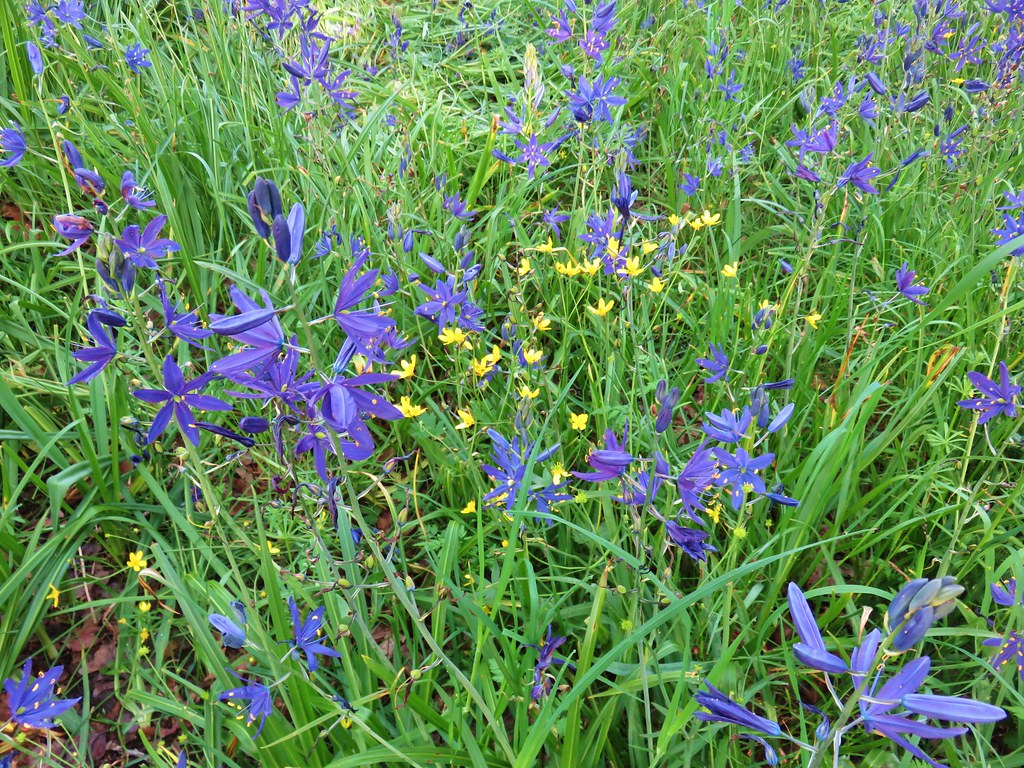 Western buttercups
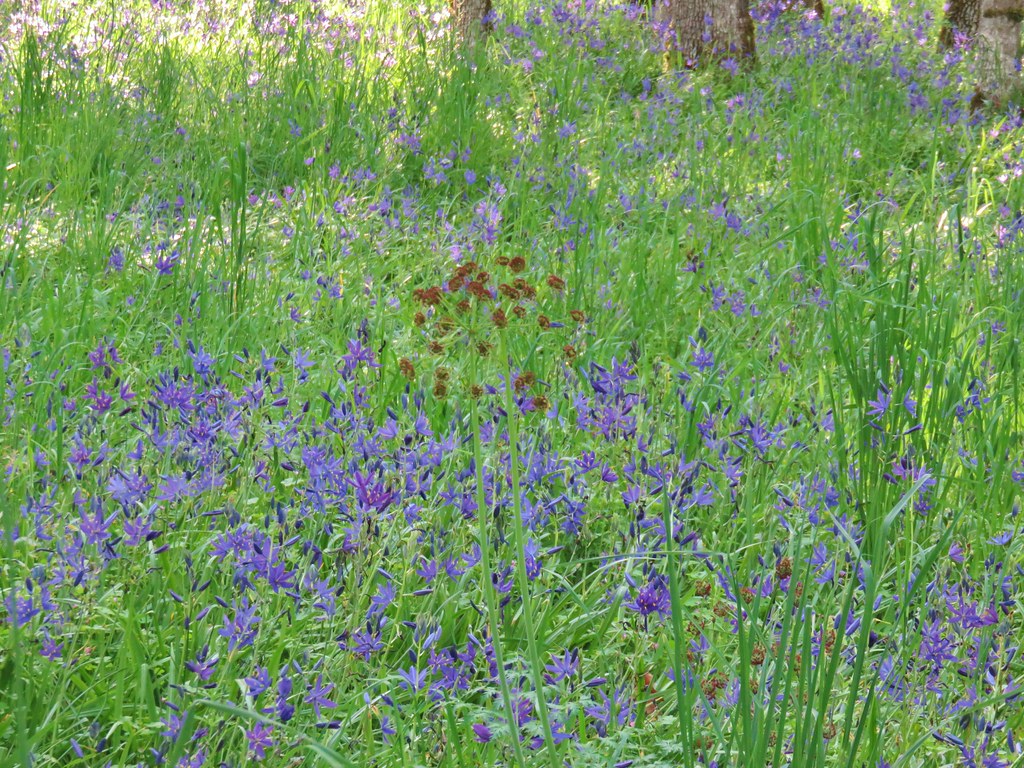 Buscuitroot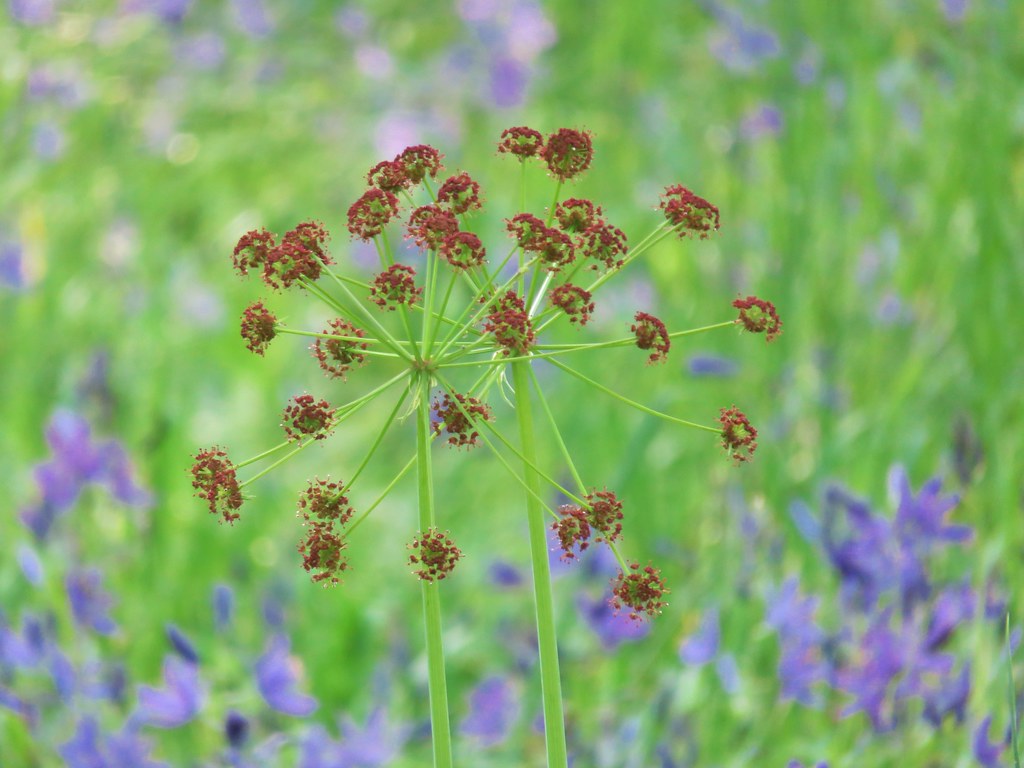

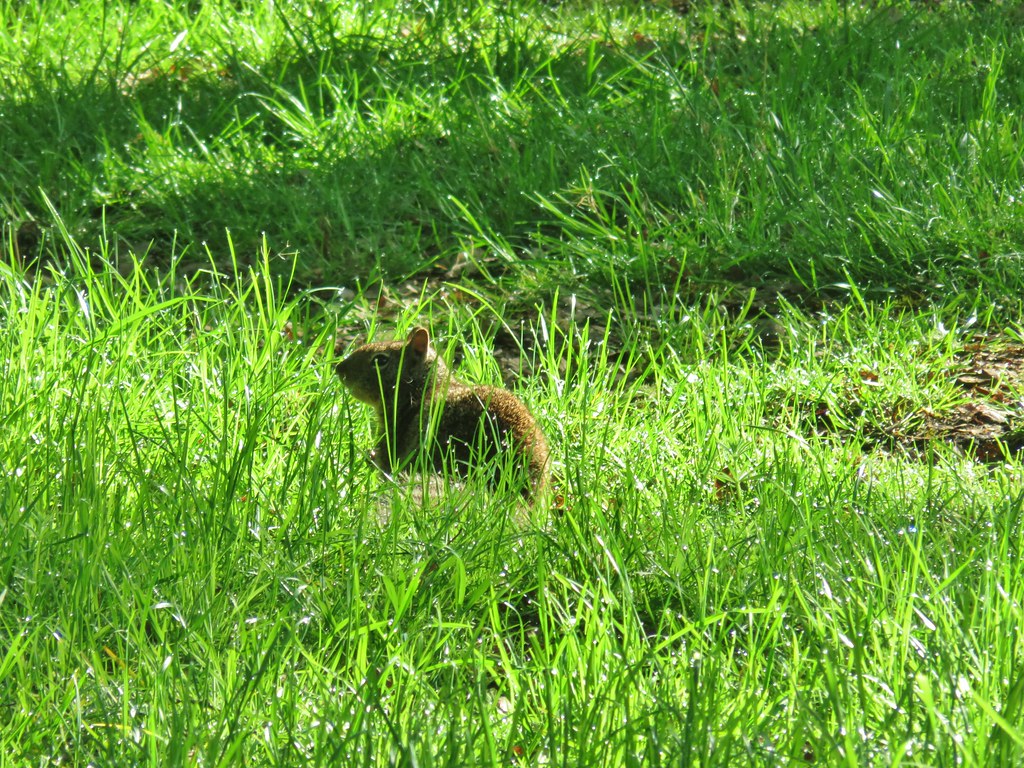 Ground squirrel


 Neat old carraige in a yard.
 Stellars Jay



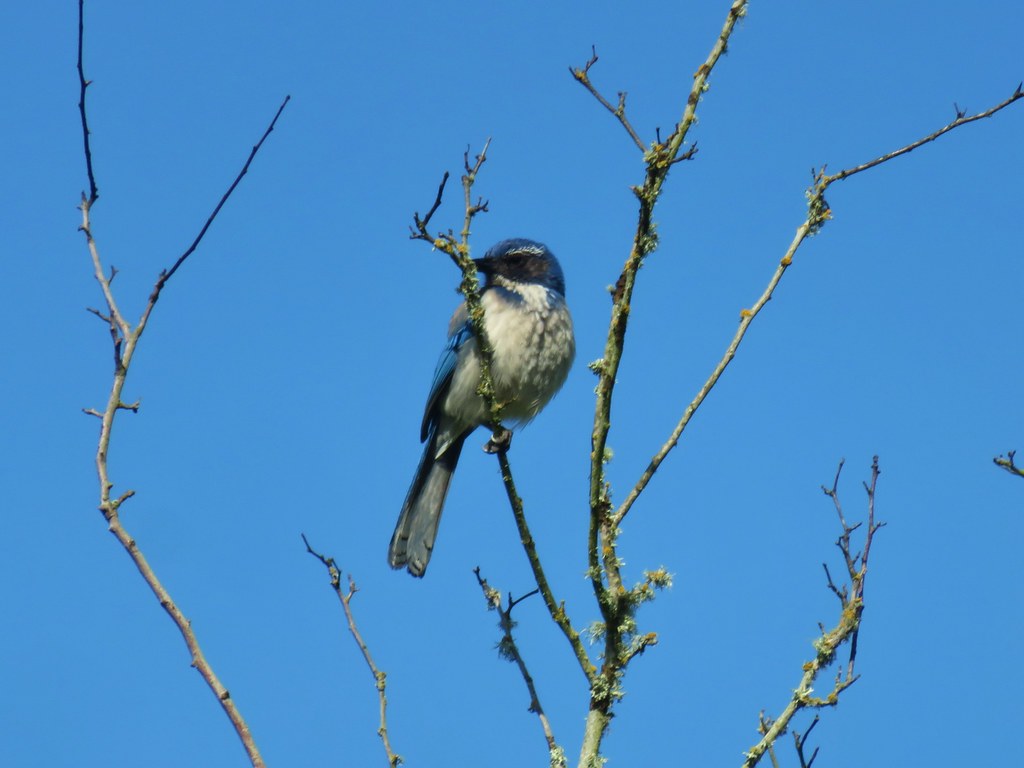 Another scrub jay
 We risked the caution for mud and high water since this was the shortest way to the bridge.
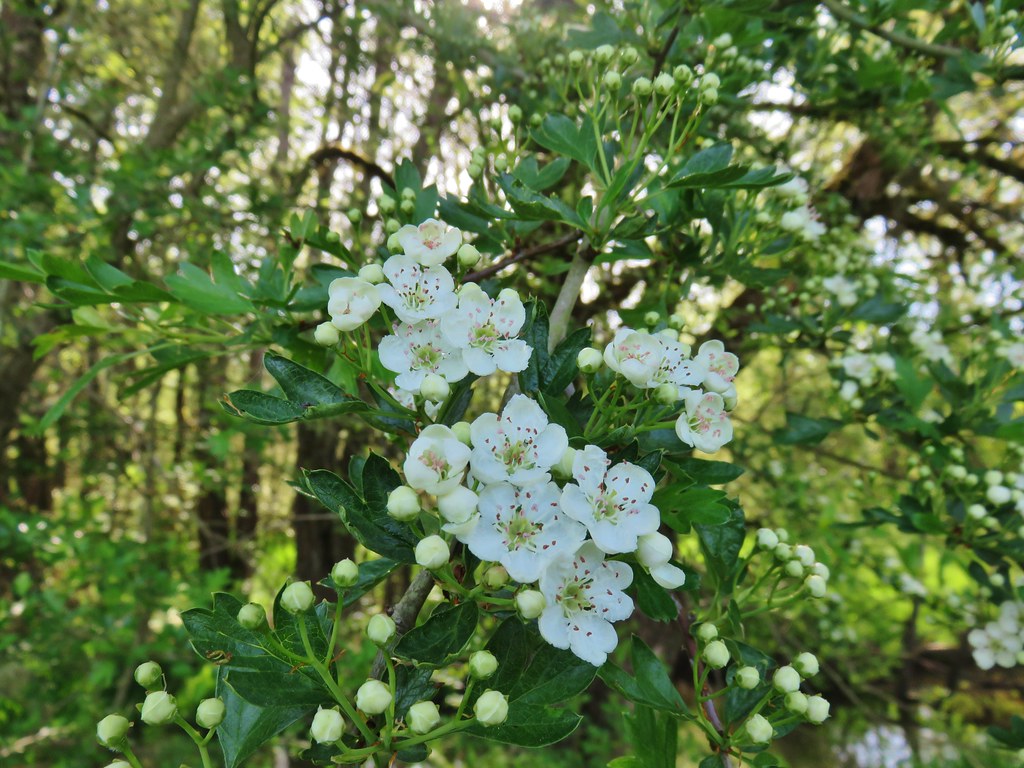 Tree blossoms
 The high water wasn’t an issue, but it was really muddy around that puddle.
 Sparrow
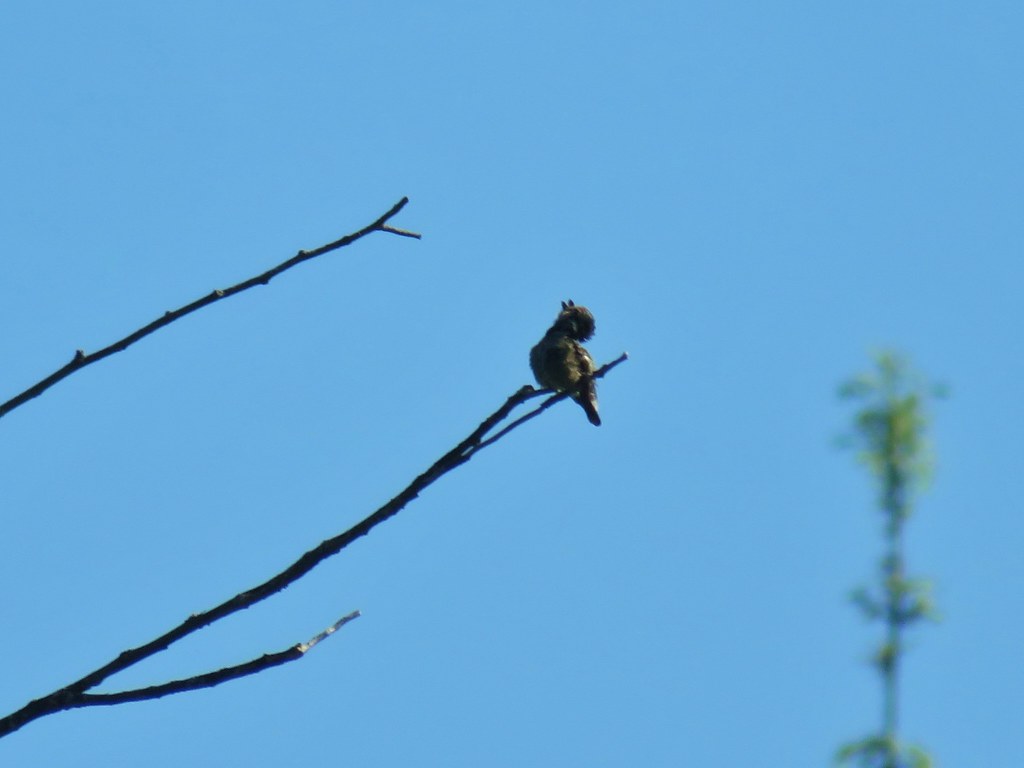 I mistook this small bird for a hummingbird but after looking at the photo it might just be a baby?
 We tried to take our first sit down break of the day here but the bench was still wet from the morning. On to Riverfront it is.
 Looking across a field to West Salem and its green water tower in the hills.
 California poppy
 Red flowering currant
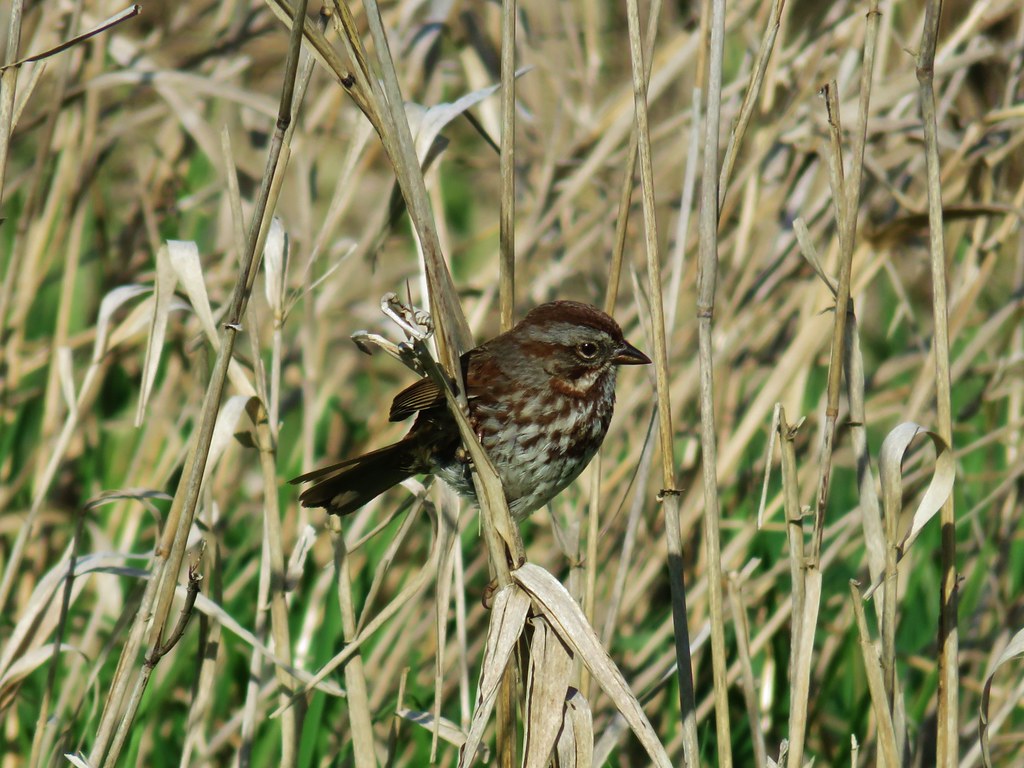 Sparrow
 Western service berry
 Crossing the Peter Courtney Bridge.
 Willamette River from the Union Street Bridge
 More geese
 Perriwinkle
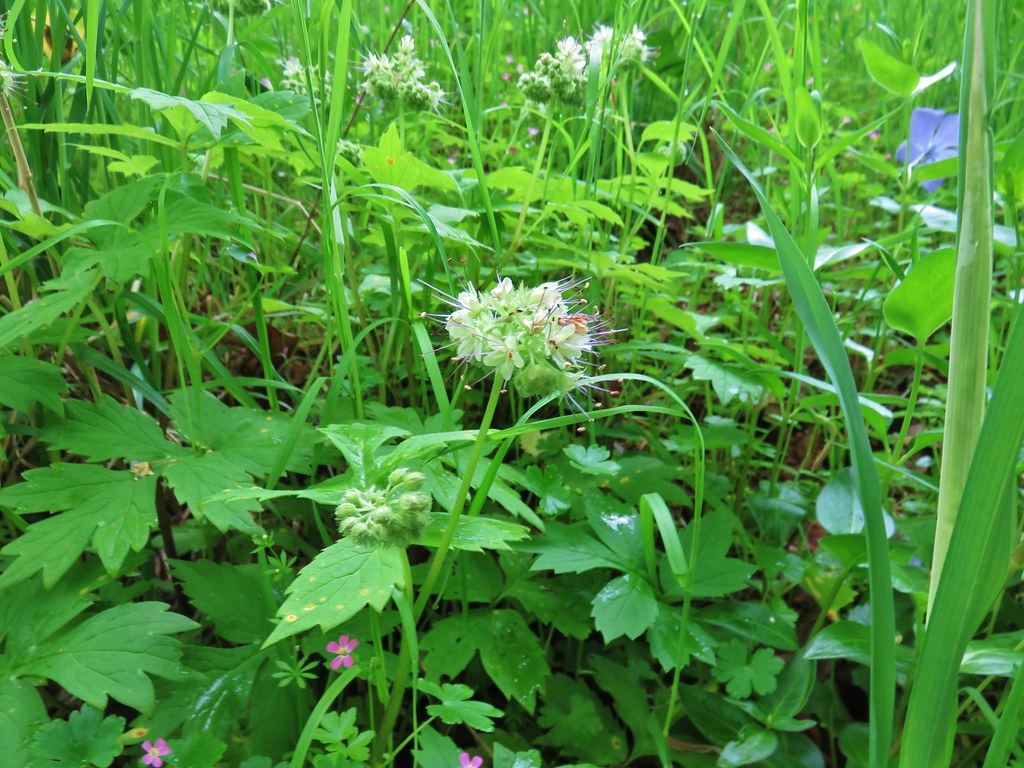 Pacific waterleaf
 Camas
Camas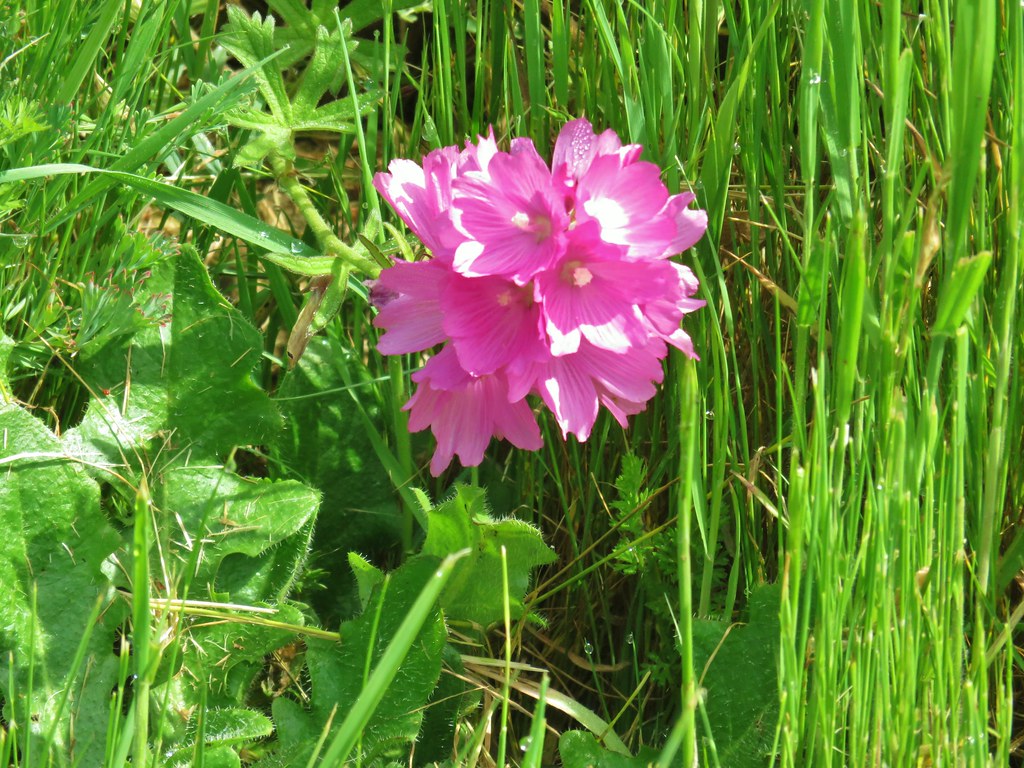 Another checker-mallow(or checkerbloom)
 California poppy
 Haven’t figured this one out yet.

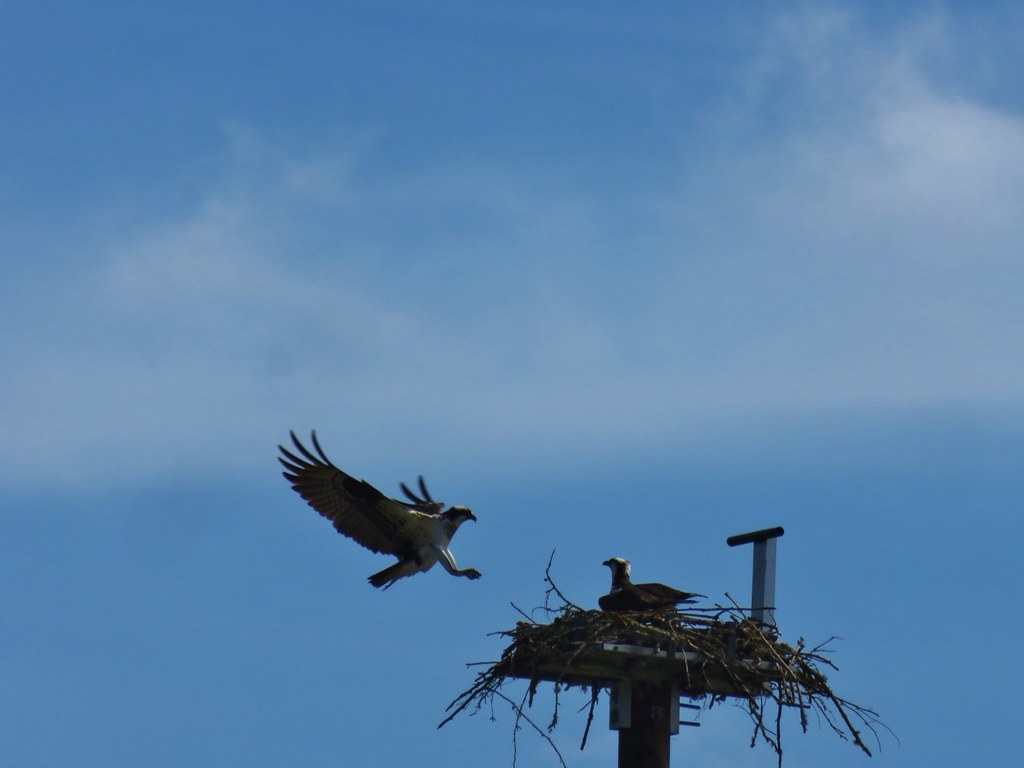

 Mt. Hood beyond the green water tower.
 Mt. Adams through a little haze.
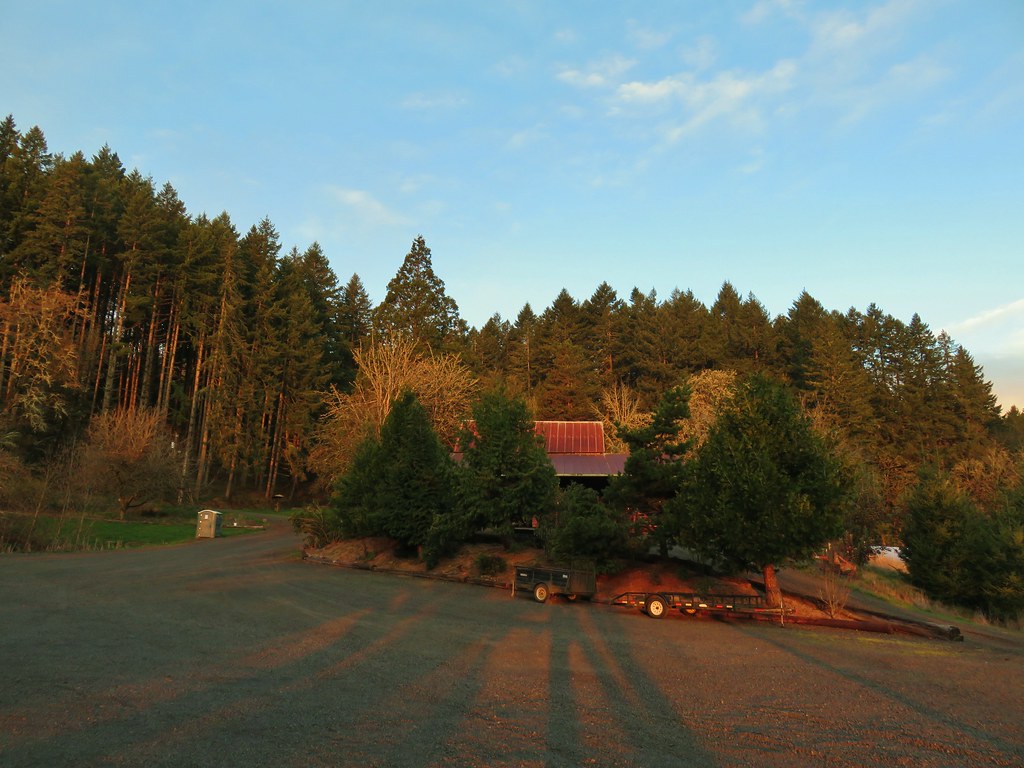
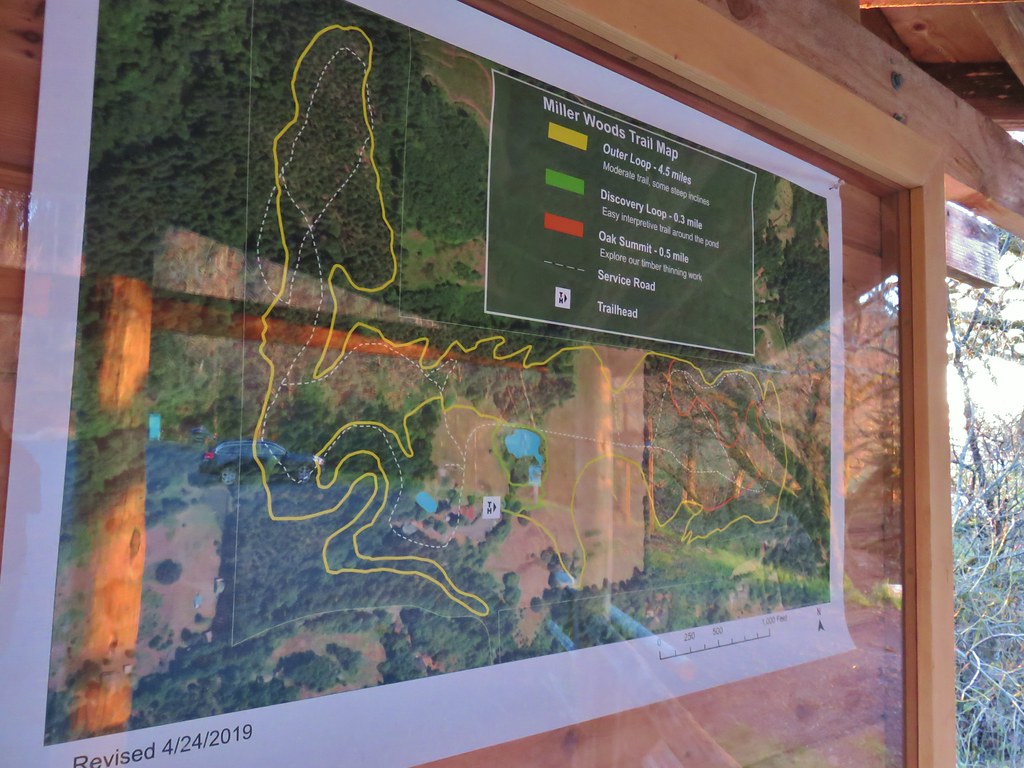


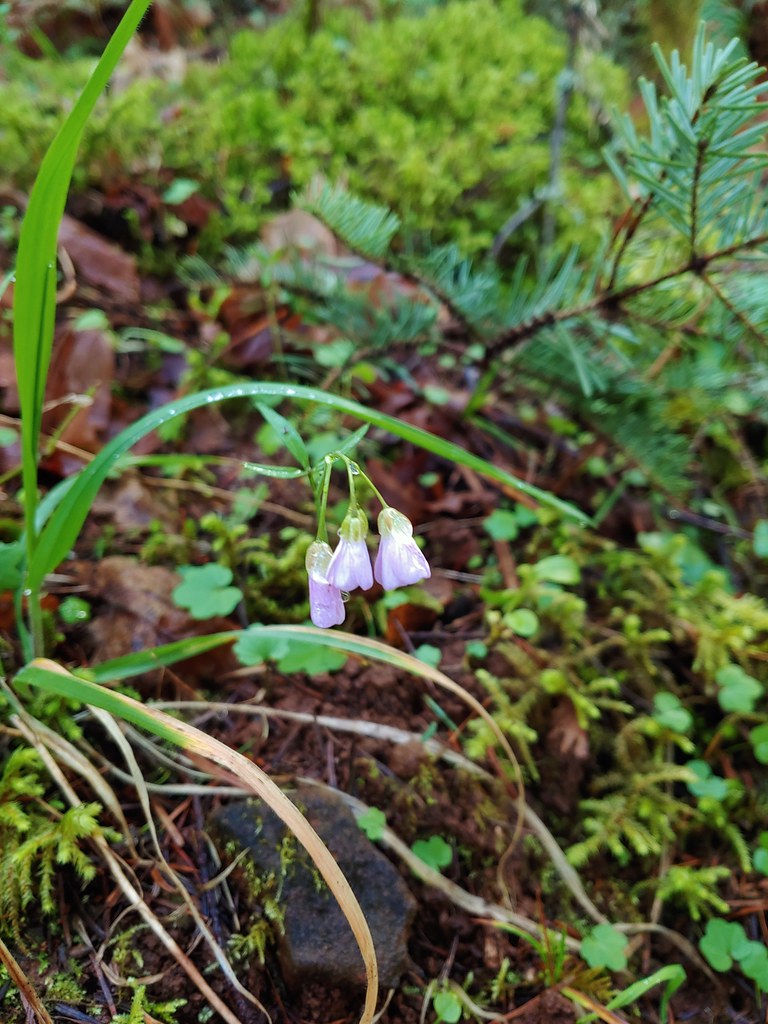 Slender toothwort
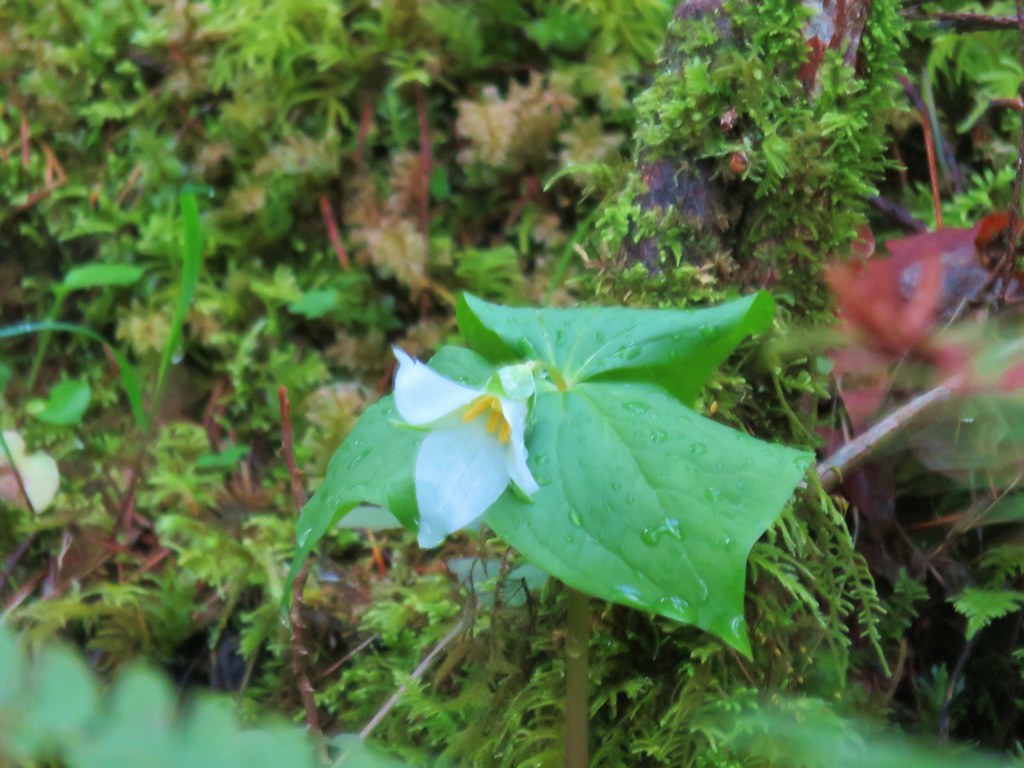 Trillium
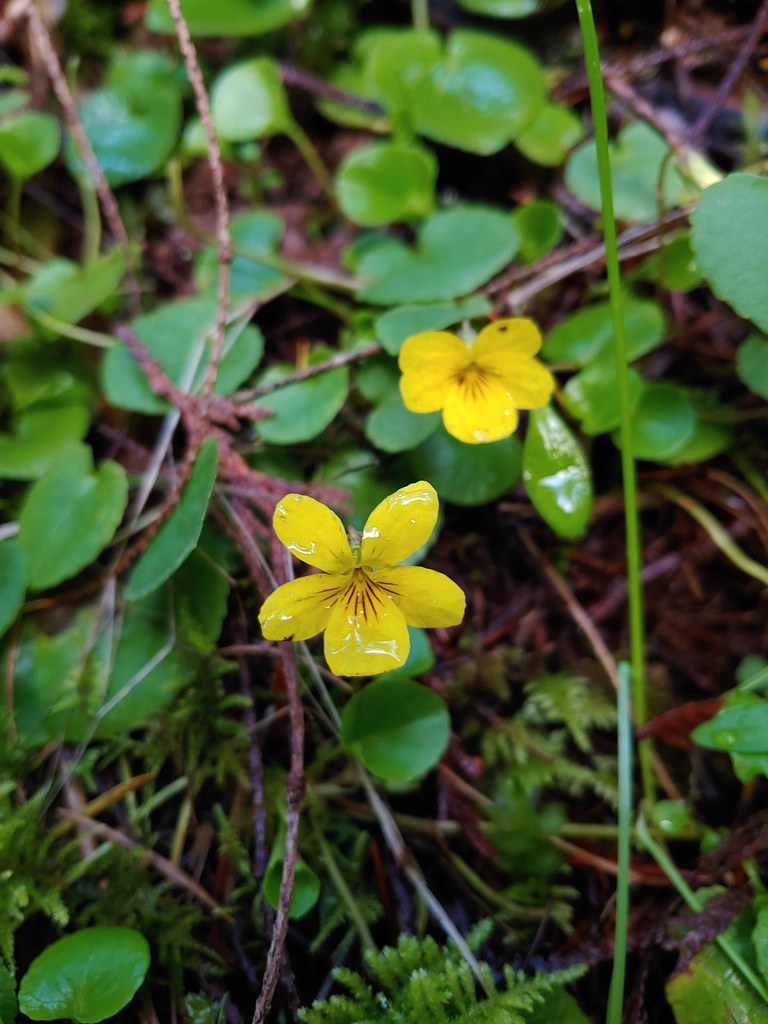 Violets
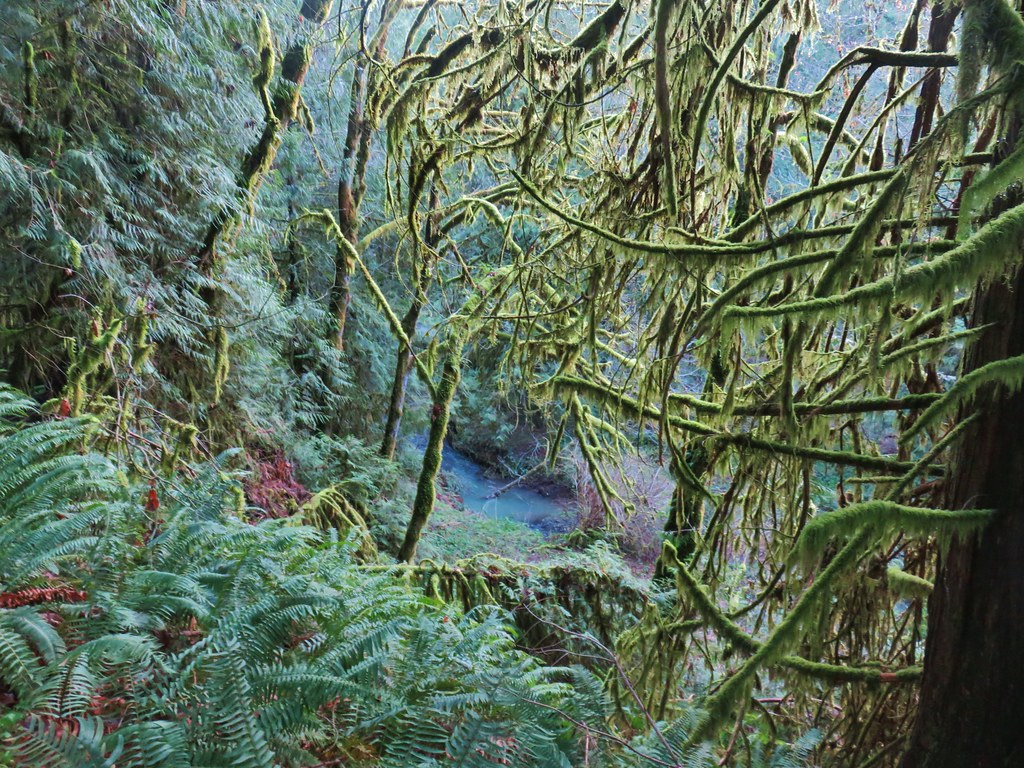 Berry Creek
 Bird’s nest that Heather spotted along the trail.
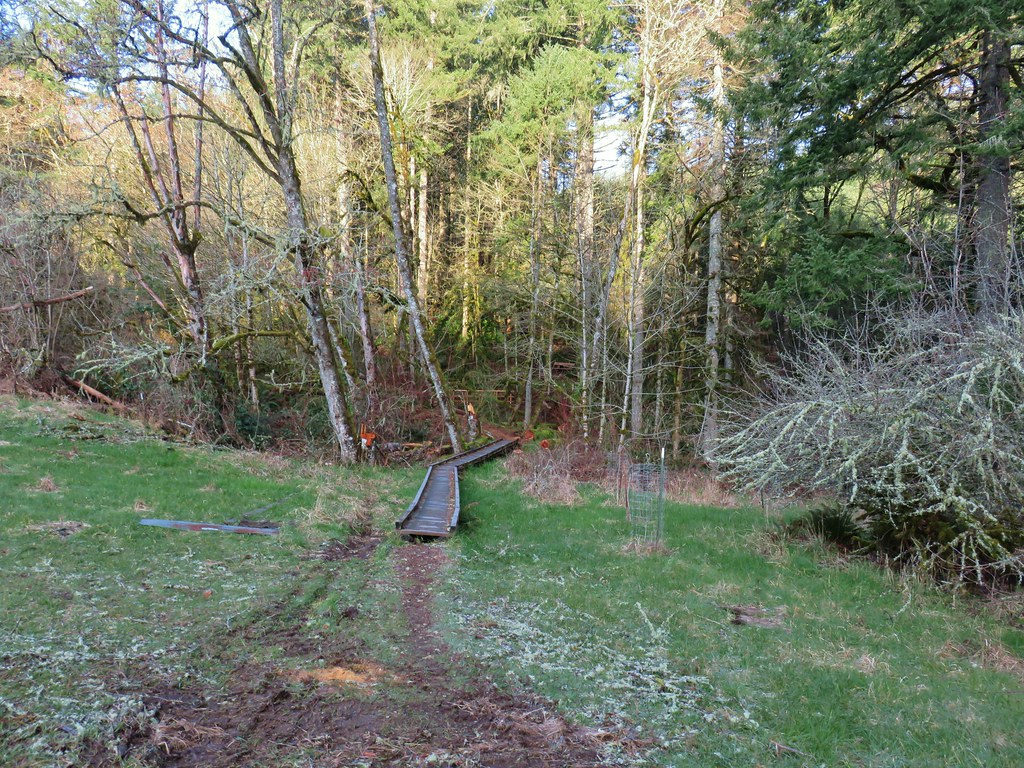


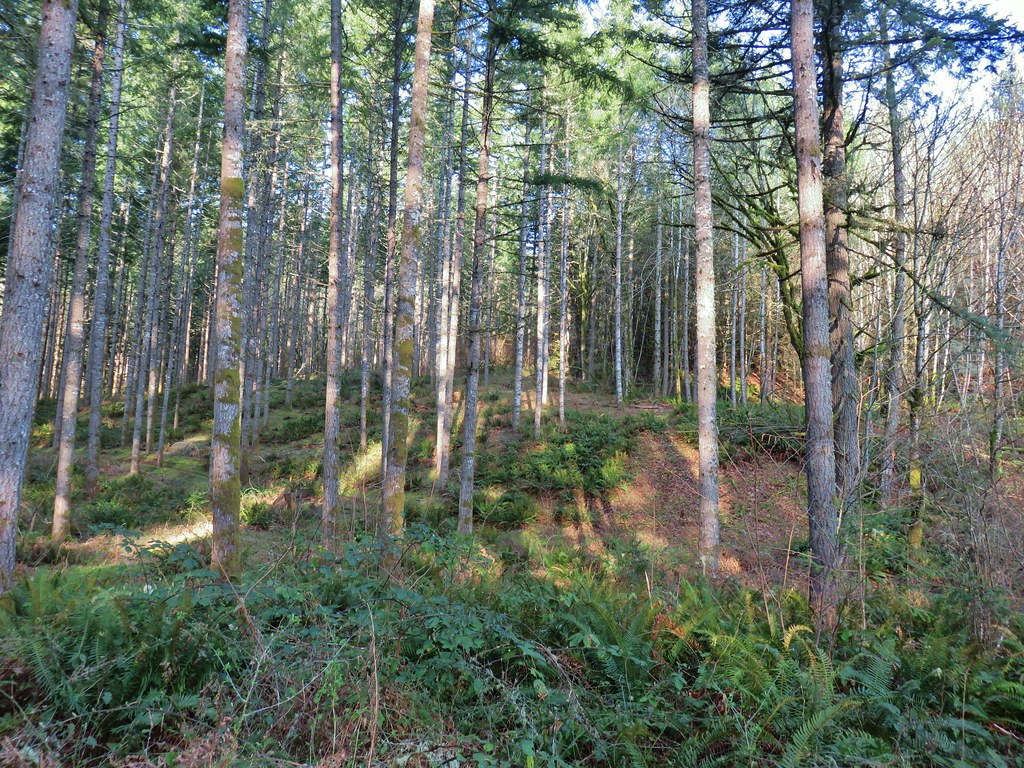 The first deer we spotted (up near the top of the hill at center).
 Zoomed in shot of the second deer at upper left.
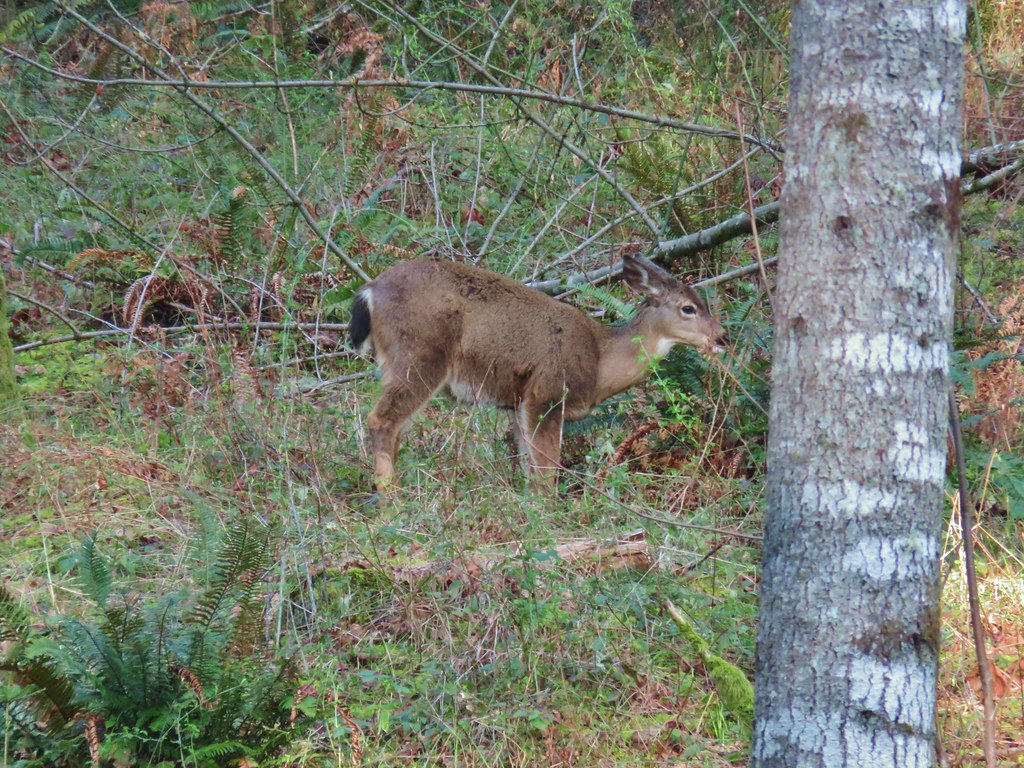 First deer again.
 First deer crossing the trail ahead of us.
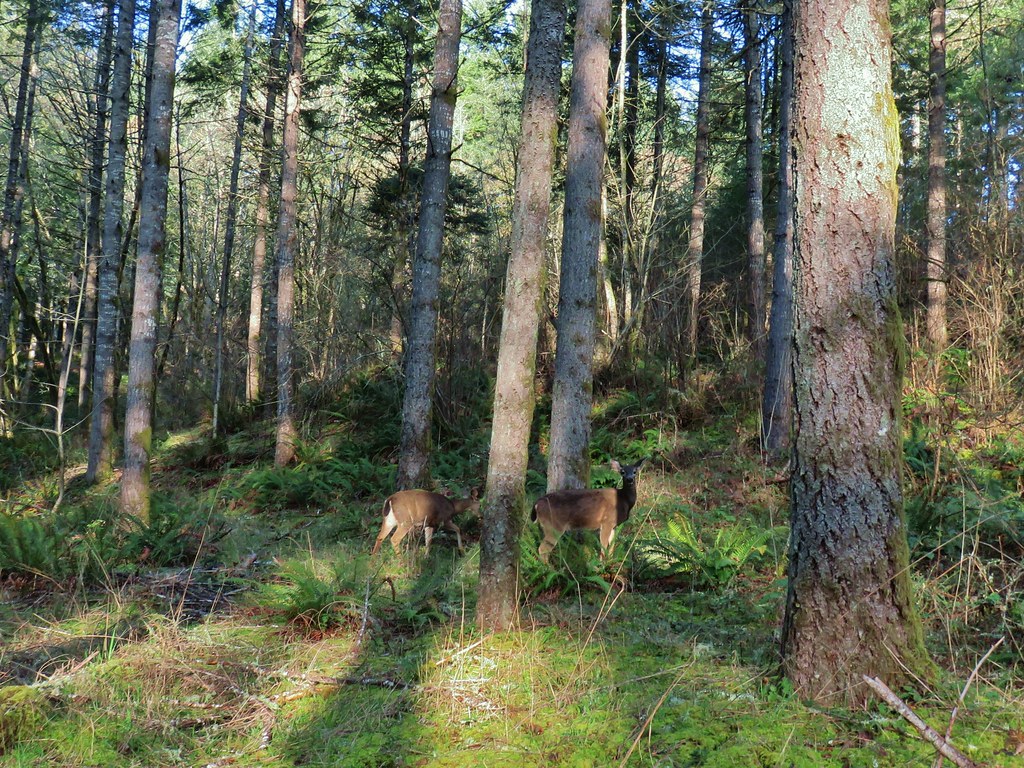 The second and third deer watching us pass.

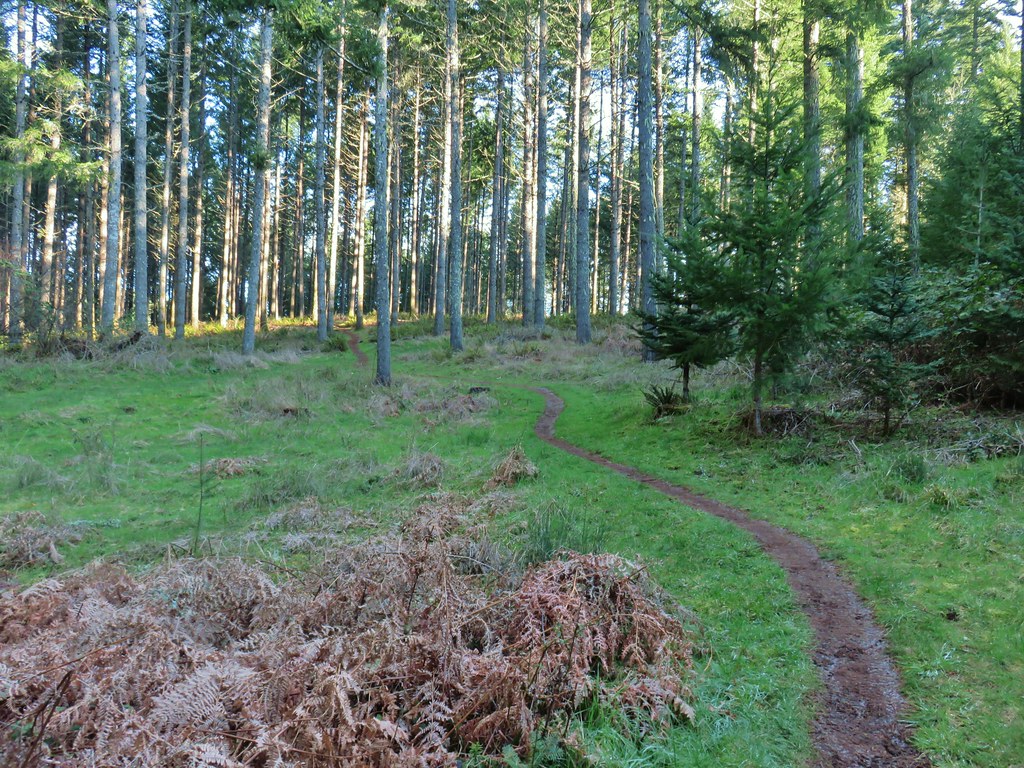

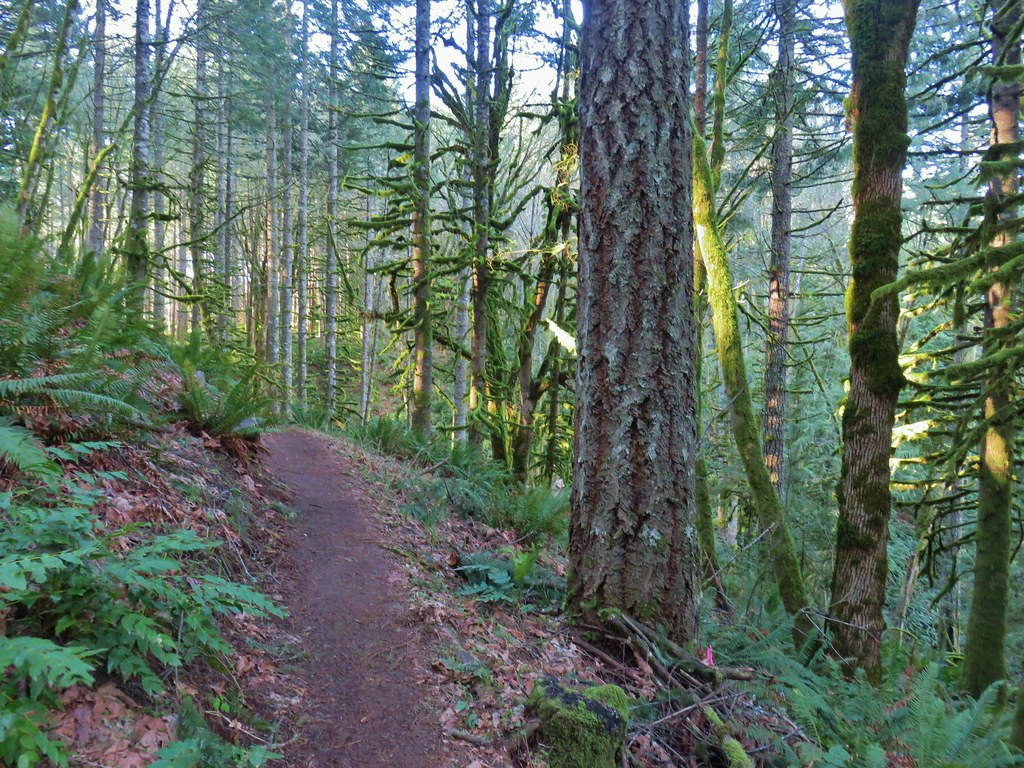
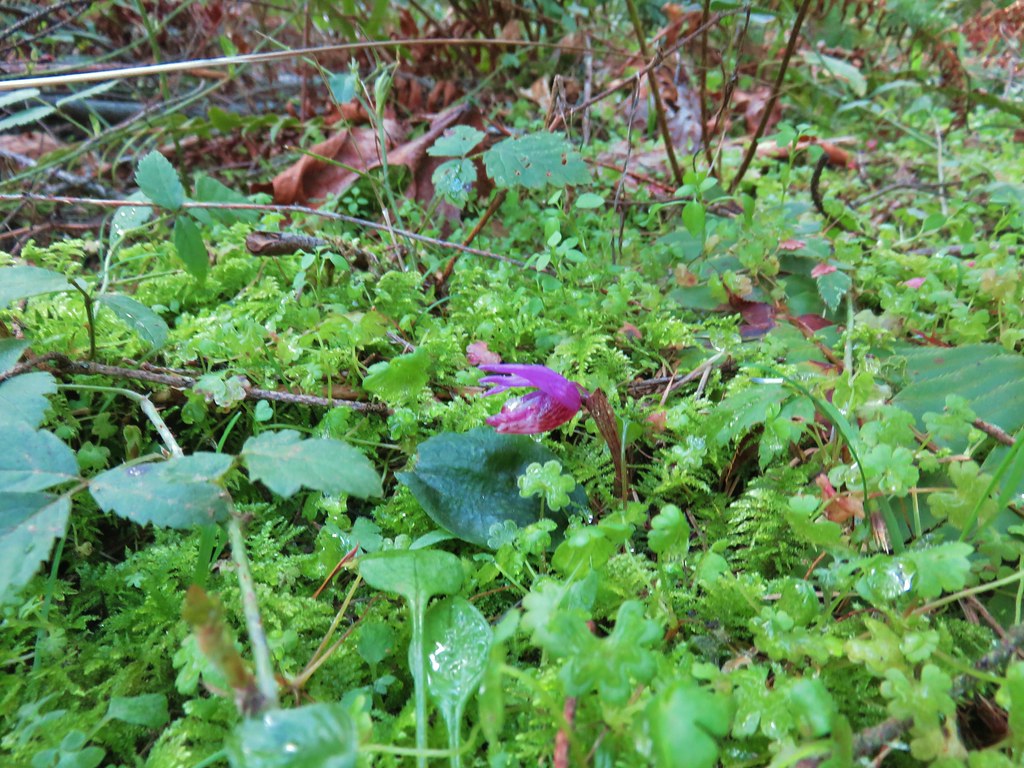

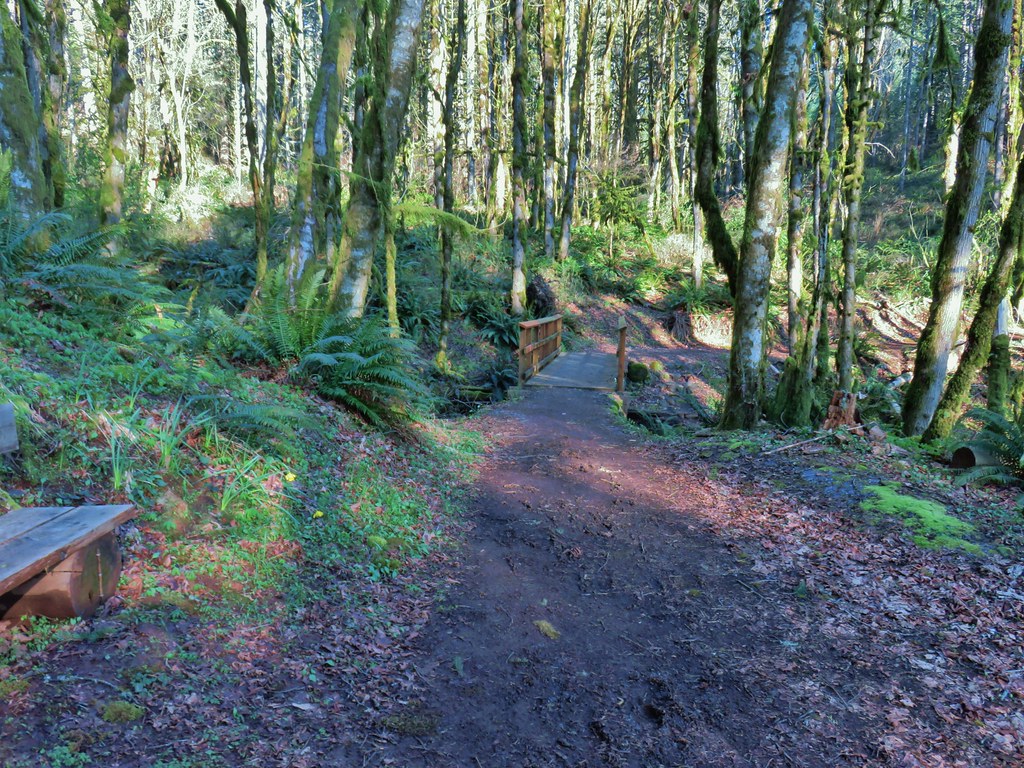

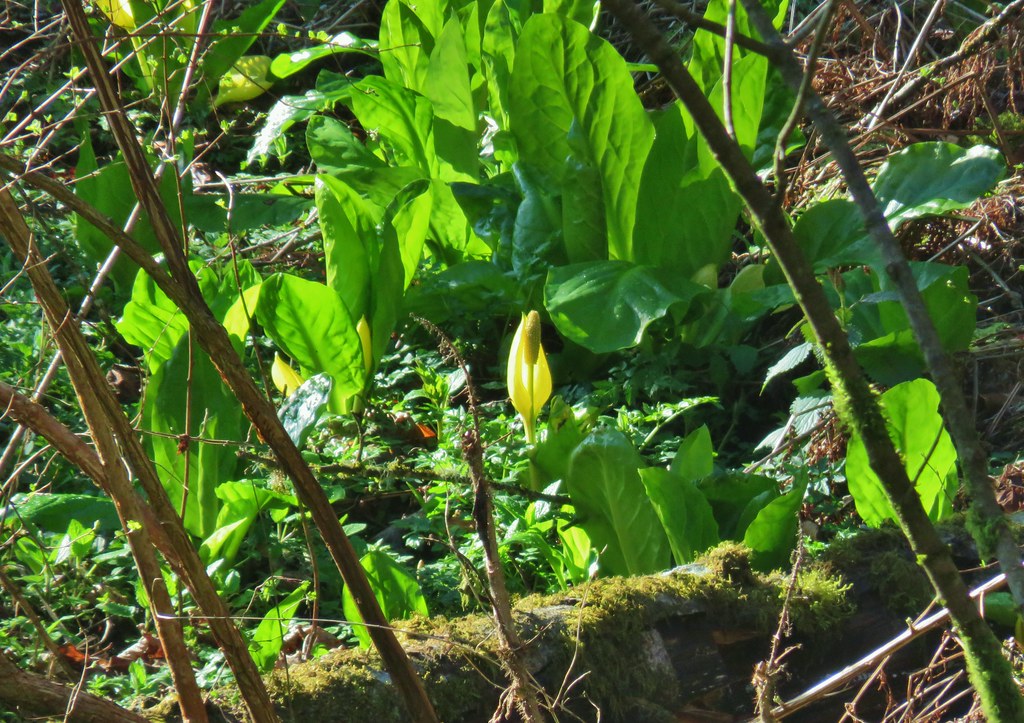

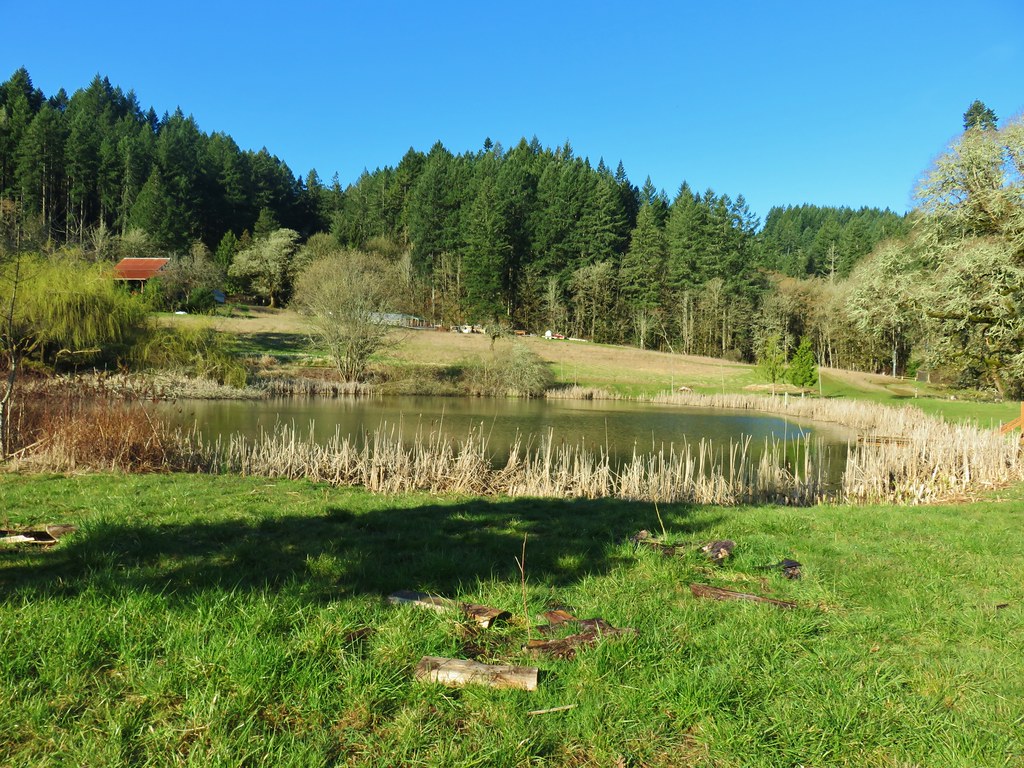
 The area around the pond was popular with the birds.
 There were quite a few robins about.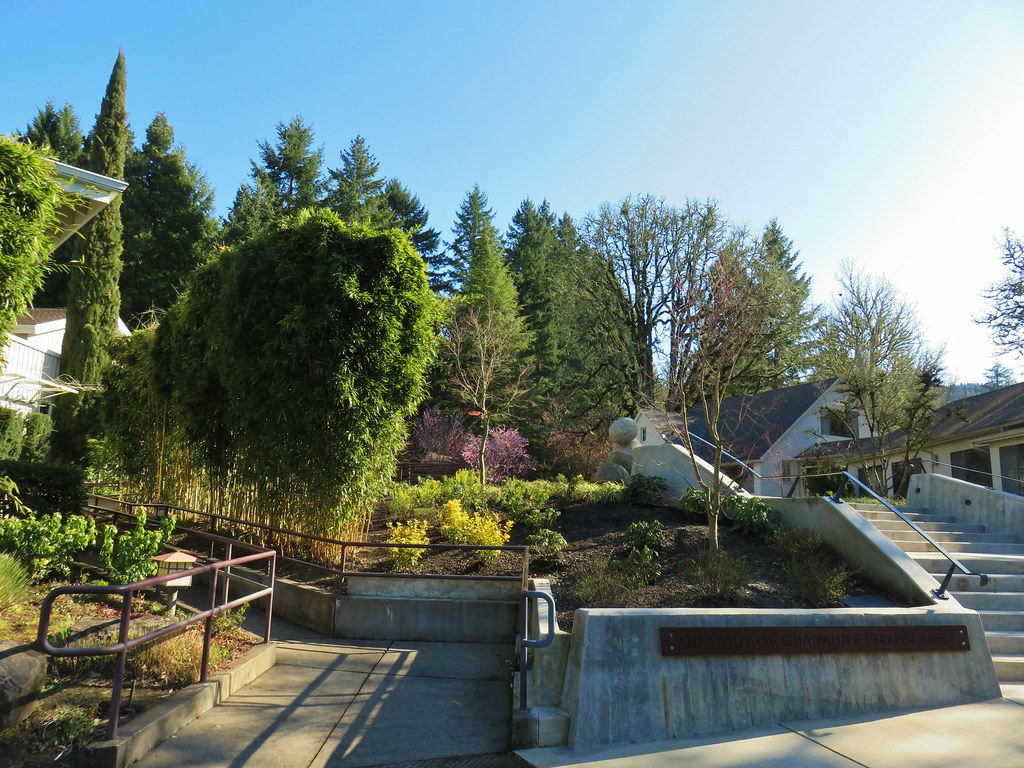
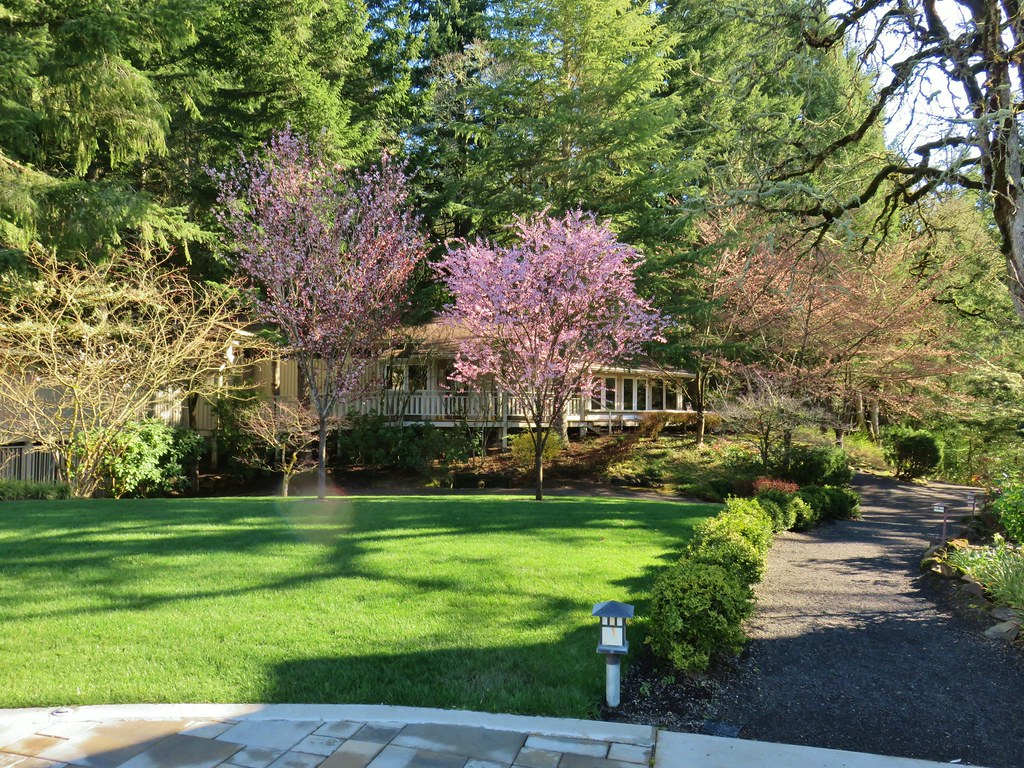
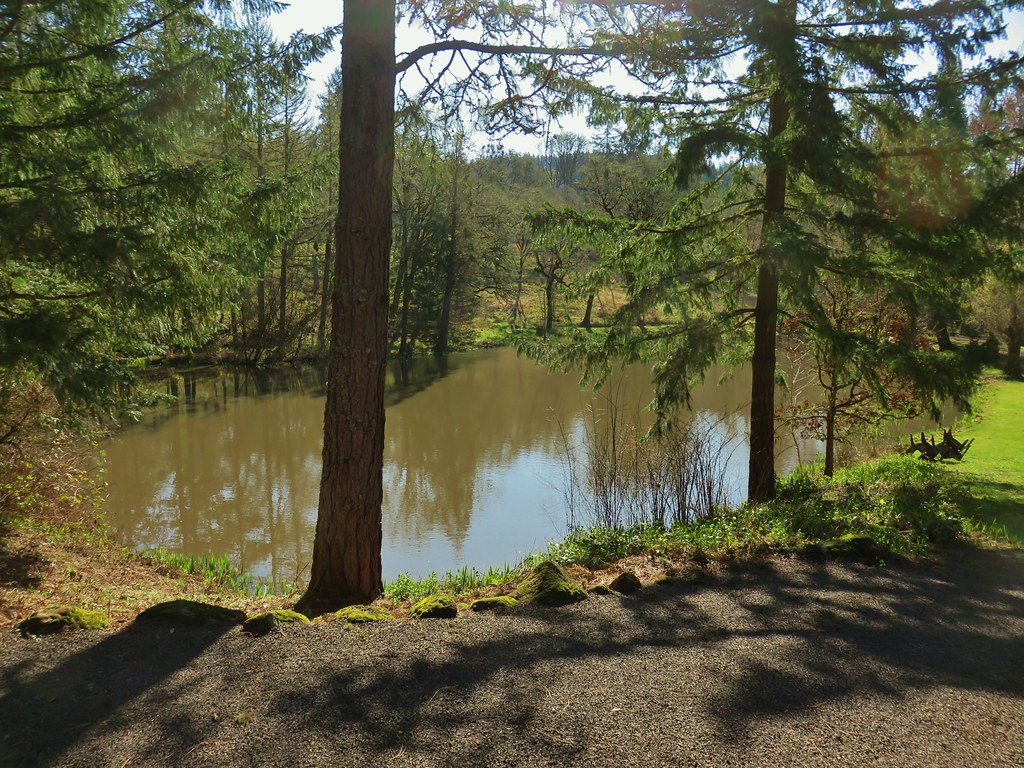 Larger of the two ponds
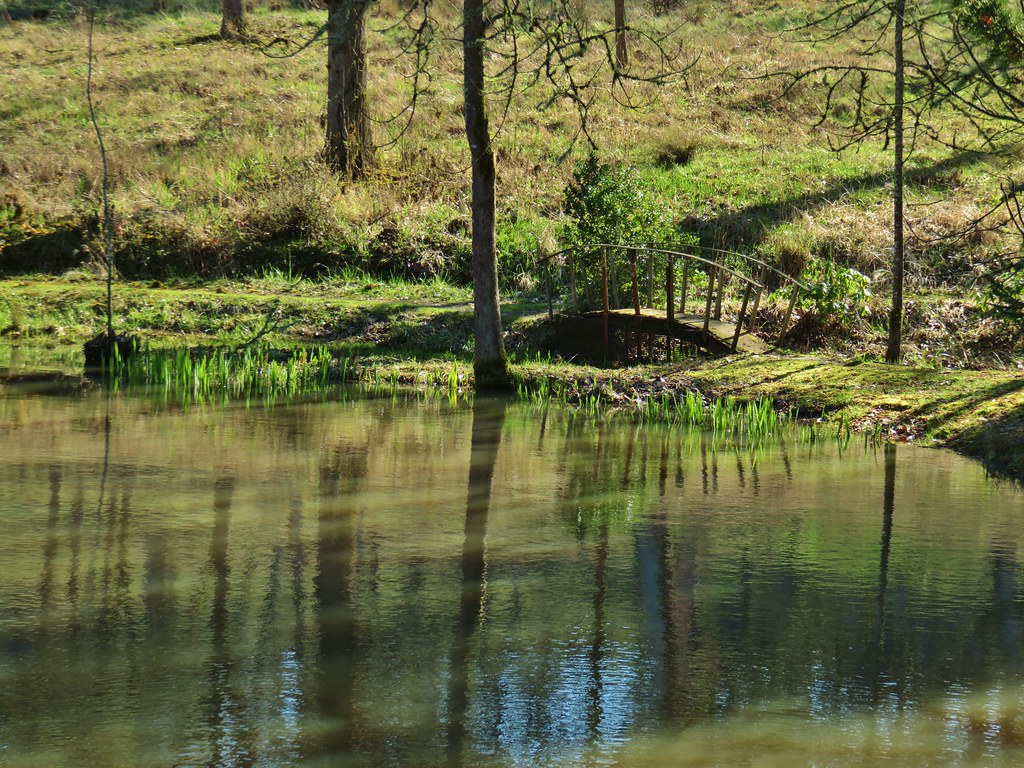 Little footbridge by the large pond
 Smaller pond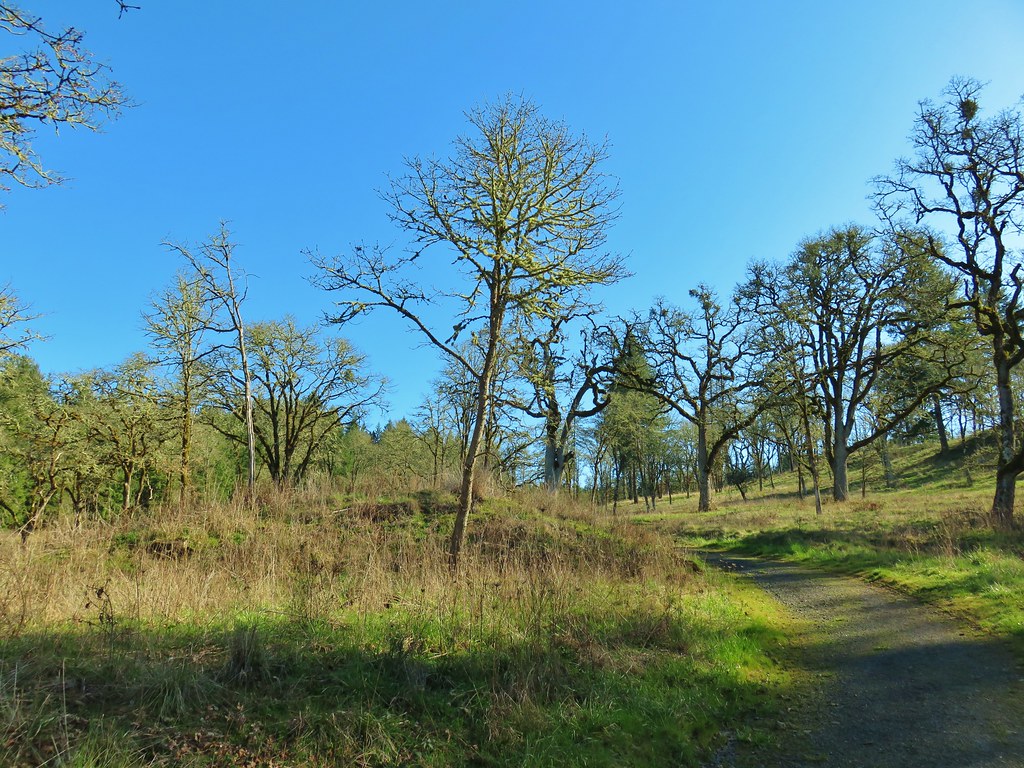
 We ignored the signed trails sticking to the road which was also signed as the “Guadalupe Loop”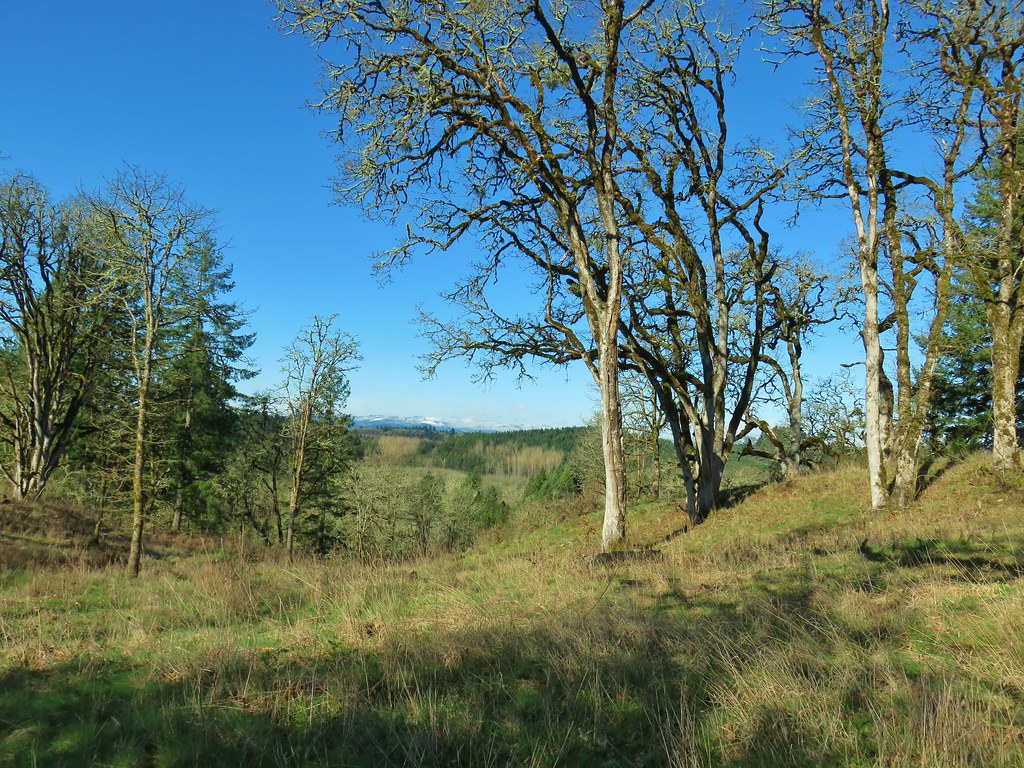

 Acorn woodpecker
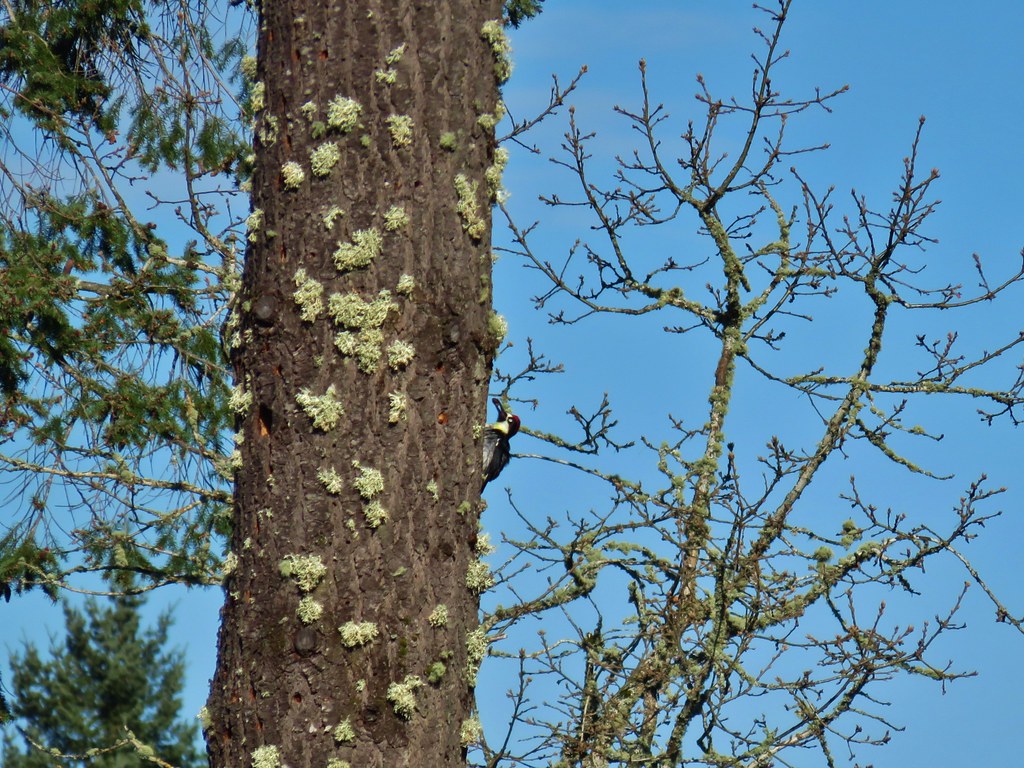 Second acorn woodpecker
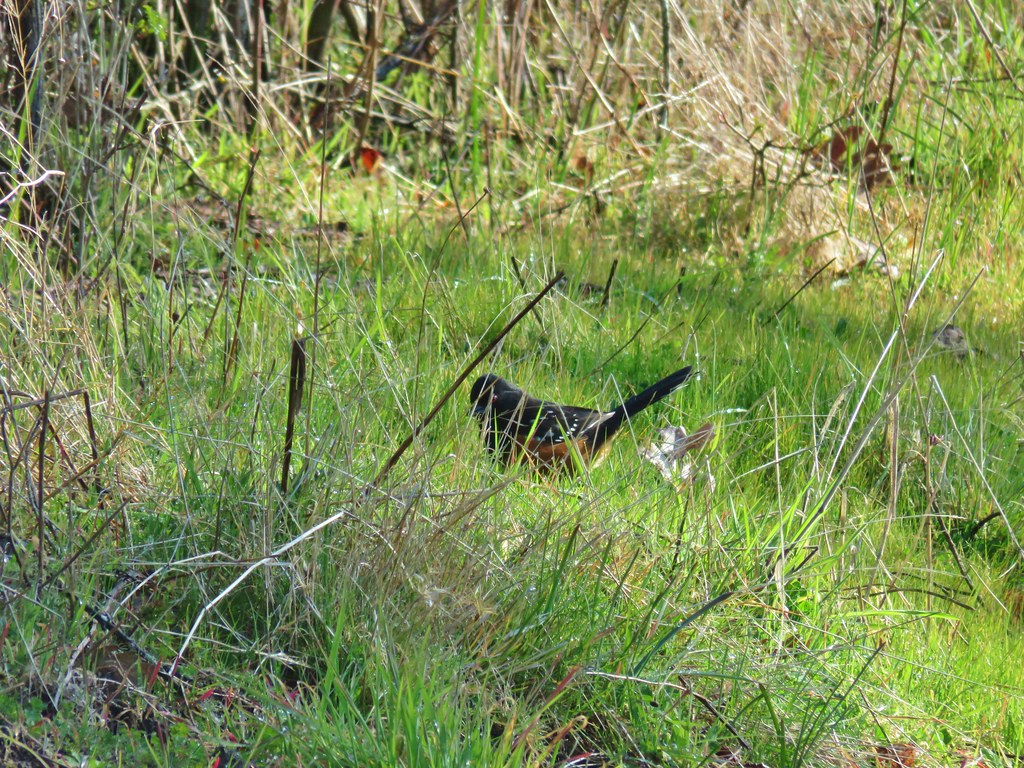 Spotted towhee


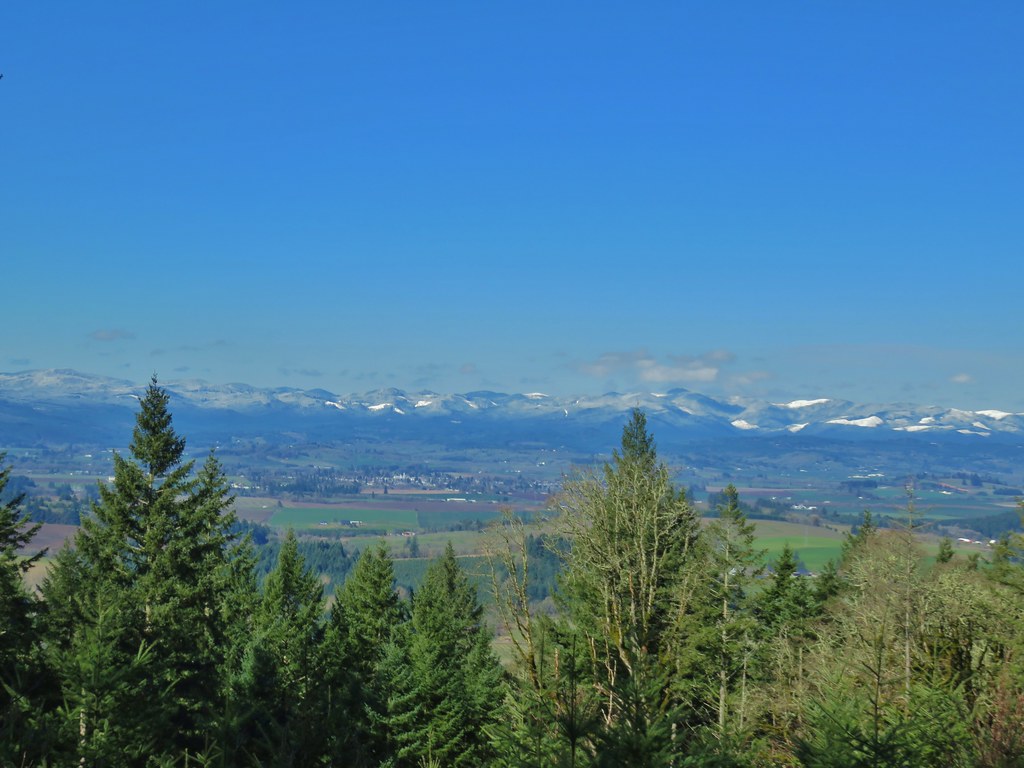
 Snow along the Guadalupe Loop



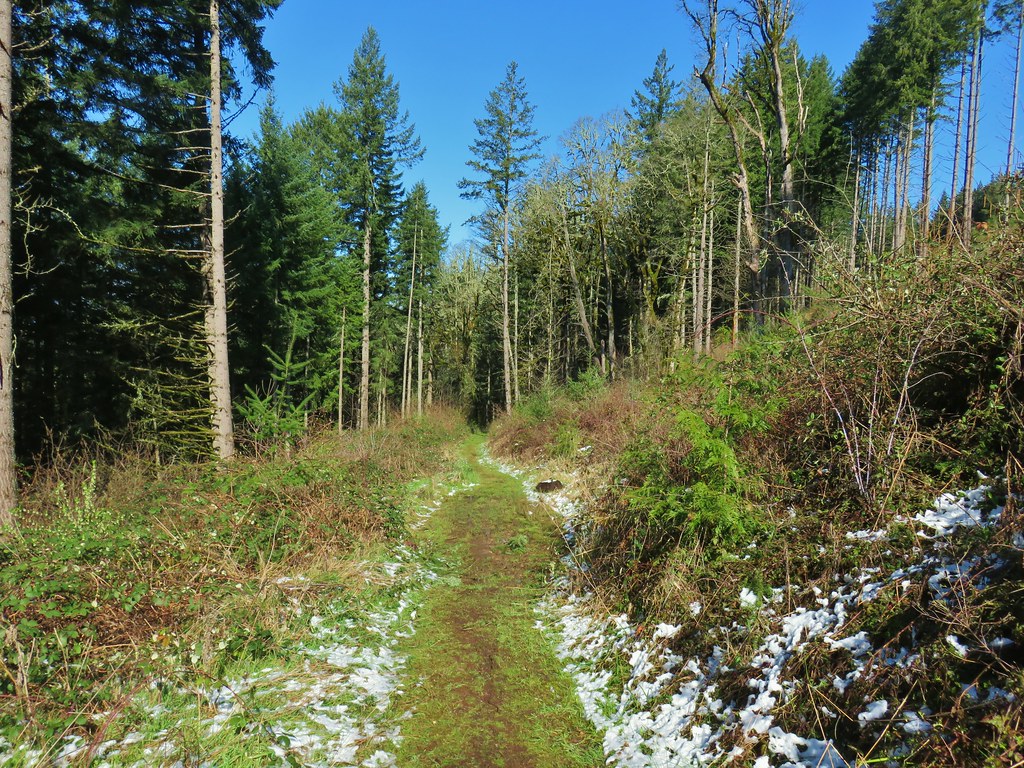
 This chipmunk also caught our attention.


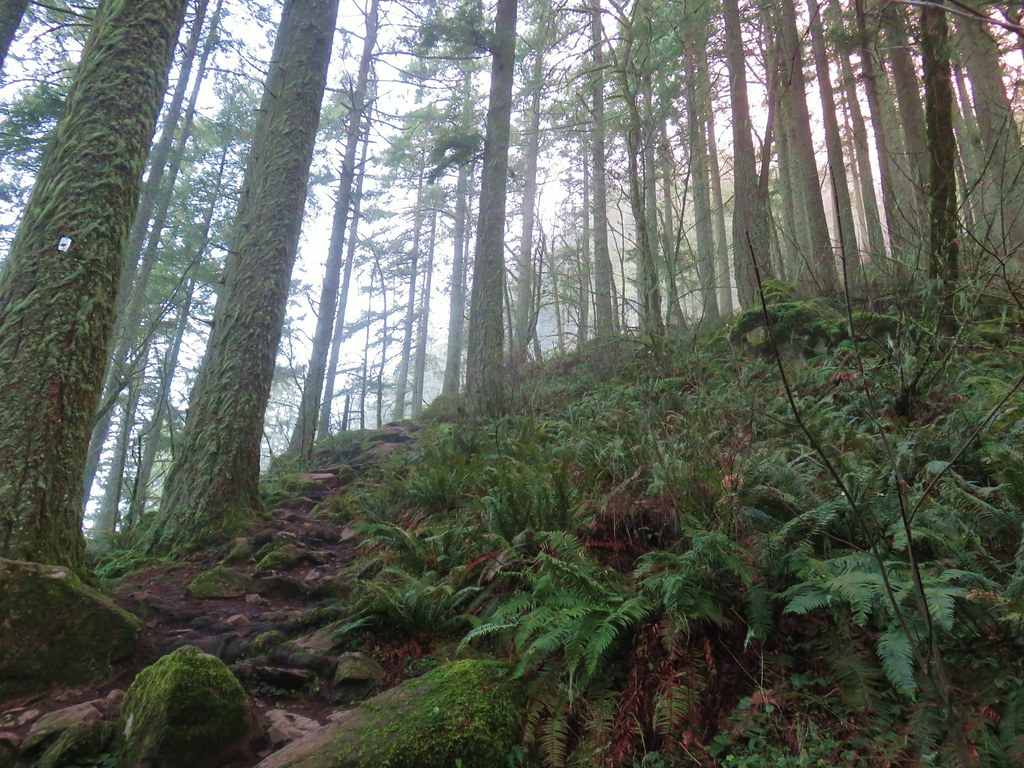


 Spencer Butte’s summit high point.
 View north from the high point towards Mary’s Peak (


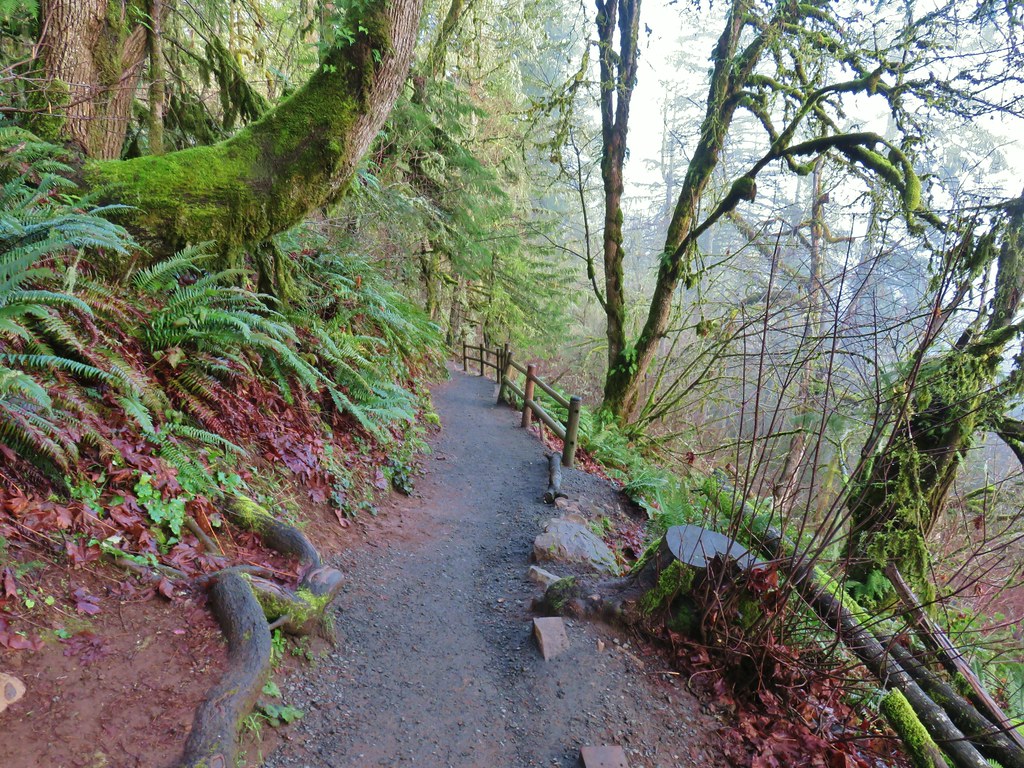






 An older tree along the trail.
 Mushrooms on a trunk near the clear cut view.
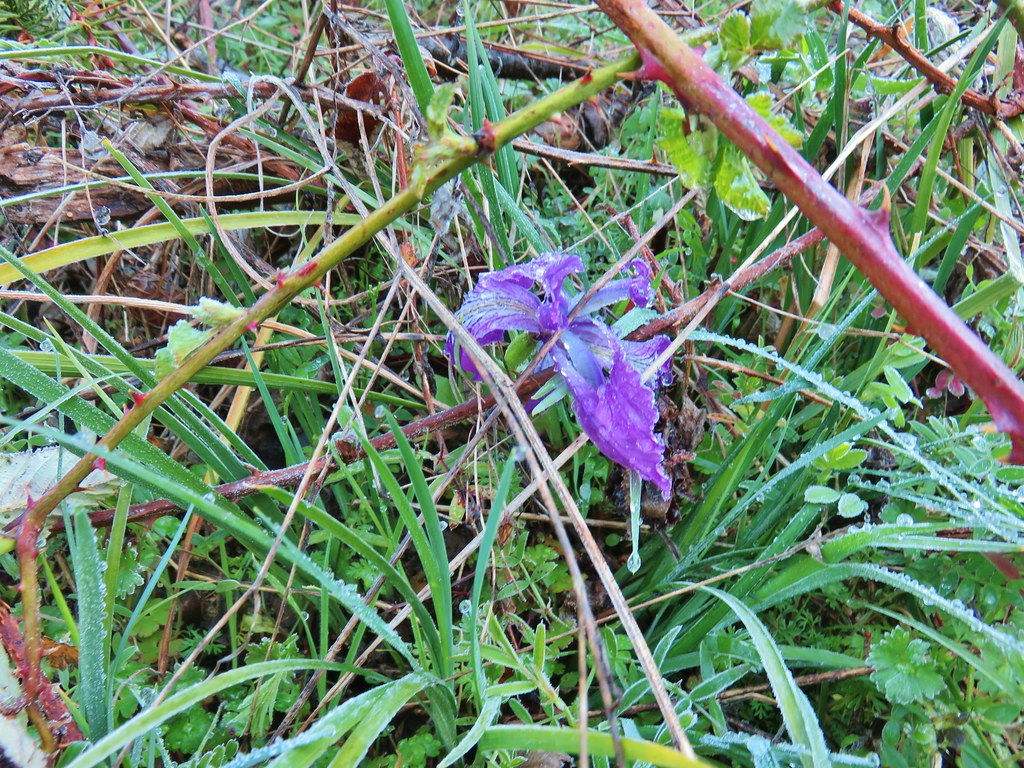
 Violet





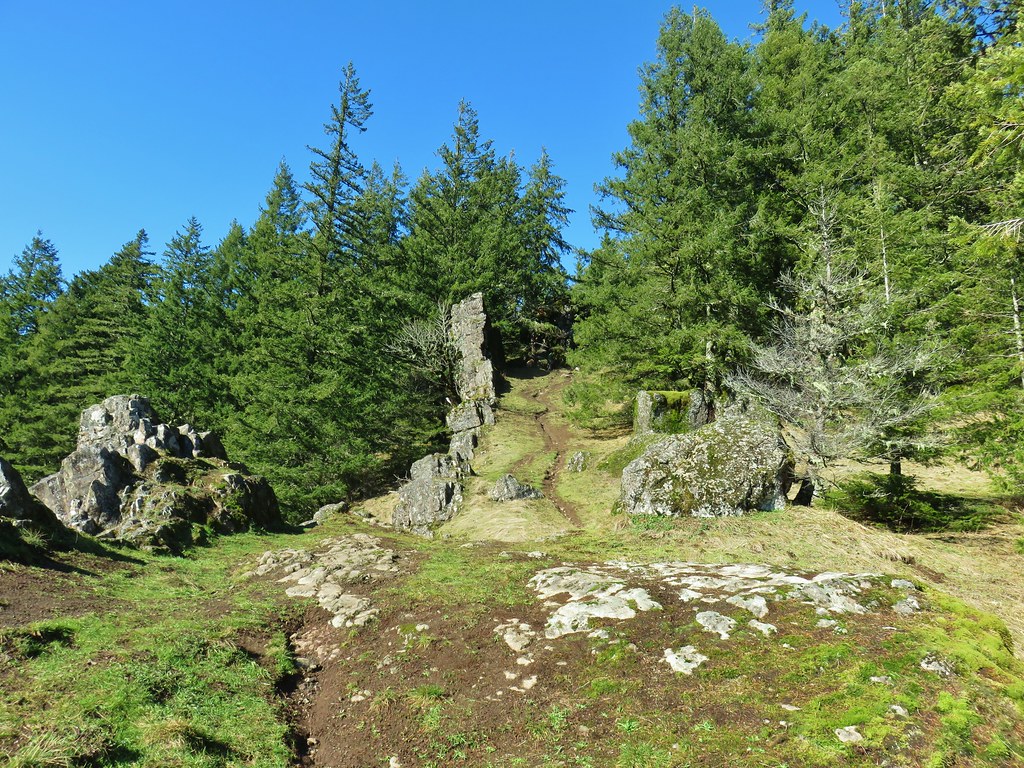
 Heather emerging from behind the outcrop.




 wanderingyuncks