**Note the 2020 Beachie Creek Fire burned the area covered by this hike.**
While 2010 is the year we consider the year we started hiking there were a few outings prior to 2009 that prompted our desire to become hikers. It took us a while to find our groove and 2009 was a good example of this. We were interested in hiking but didn’t really know what we were doing. We had a single guidebook (printed in 2004) that contained 280 hikes throughout the state but was light on the details of each hike. The book did have a very helpful 10 page section on hiking tips though that we took to heart. We had hoped to hike more regularly in 2009 but had a hard time deciding on where to go, often leaving it up to the day before of even the day we were thinking of hiking to decide where to go. That often resulted in a deferral to “next weekend” leaving us with only a couple of outings.
The only 2009 outing that we have photos from was our hike to Henline Falls in the Opal Creek Wilderness. Ironically this hike wasn’t in our guidebook but was suggested by a co-worker. At 2 miles round trip this was a hike we knew we could do, but being new to hiking it didn’t occur to us at the time that a July 27th outing was a little late in the year to see Henline Falls with anywhere near peak water volume.
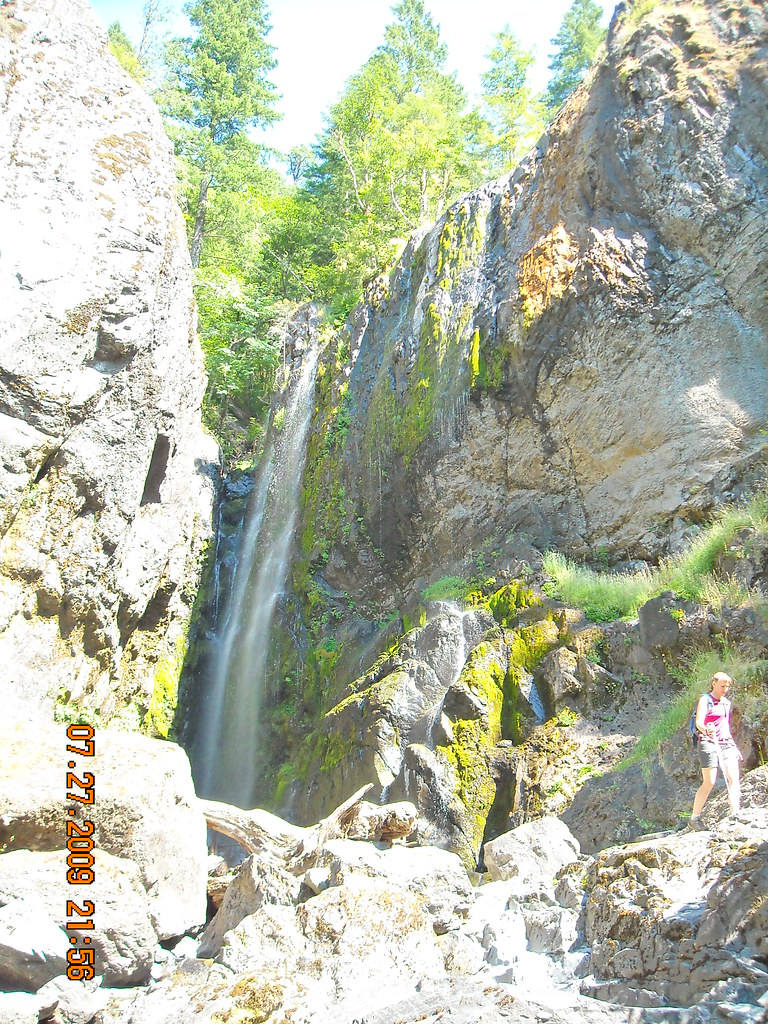
We were less than impressed with the waterfall that day and decided to also try the nearby Henline Mountain Trail which was also mentioned by my co-worker. We didn’t get far up that trail at all before the climb took it’s toll on certain members of our group (I won’t name names but you know who you are. :)) balked at the difficulty and we turned around.
Ten years and 10 1/2 months later it was finally time go back and finish the Henline Mountain Trail and revisit Henline Falls when there would be more water. The forecast called for a 30% chance of showers early, but later in the day for mostly sunny skies. Since starting early is what we do we were ready for some potentially wet conditions but it didn’t seem too bad as we drove through Elkhorn and to the junction of FR 2209 & 2207. The trailheads for Henline Falls and Henline Mountain are on FR 2209 but we had planned on making a quick stop at Sullivan Creek Falls along FR 2207 before starting our hikes.
We turned onto FR 2207 and followed it for 3.8 rough and wet miles to a pullout opposite Sullivan Creek Falls.

There were scramble trails on either side of the cascade with the one on the right hand side leading to a view part way up the falls.

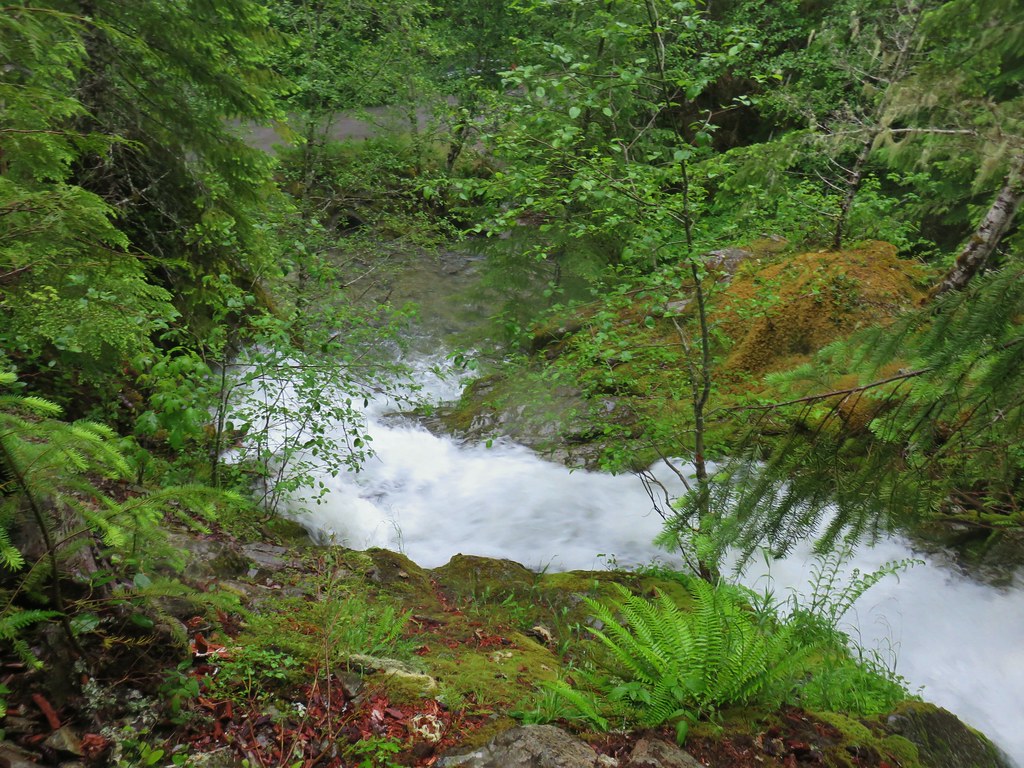
 The scramble trail.
It may have been possible to continue higher but it was really wet and slick so back down to the car I went. Heather was putting on her rain gear which I also did before driving back to FR 2209 and continuing to the Henline Falls Trailhead.

We set off on the Henline Falls Trails which quickly entered the Opal Creek Wilderness.

We were watching for the Ogle Mountain Trail which was approximately a half mile along the Henline Falls Trail. We were thinking of exploring this trail a bit after visiting the falls so we wanted to make sure we knew where it was. After passing a small trail that led into the brush we spotted the obvious Ogle Mountain Trail marked by an orange-red sign with an “X” on it.
 Not the Ogle Mountain Trail.
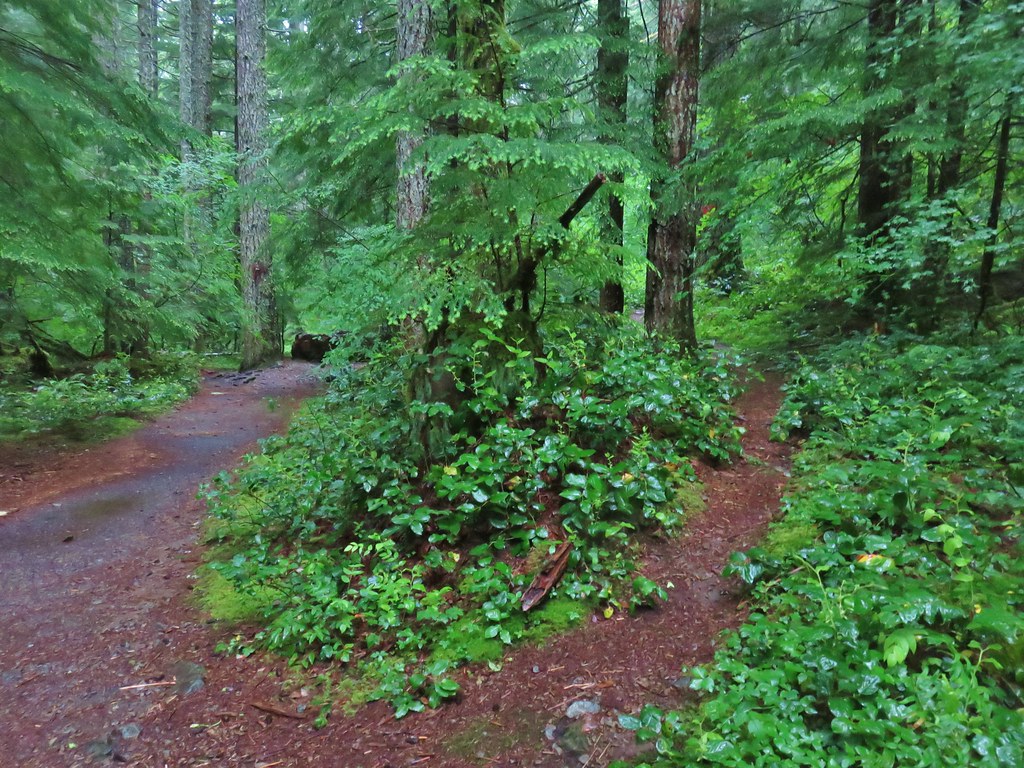 The Ogle Mountain Trail on the right.
For now we kept left and continued another relatively level half mile to Henline Falls.


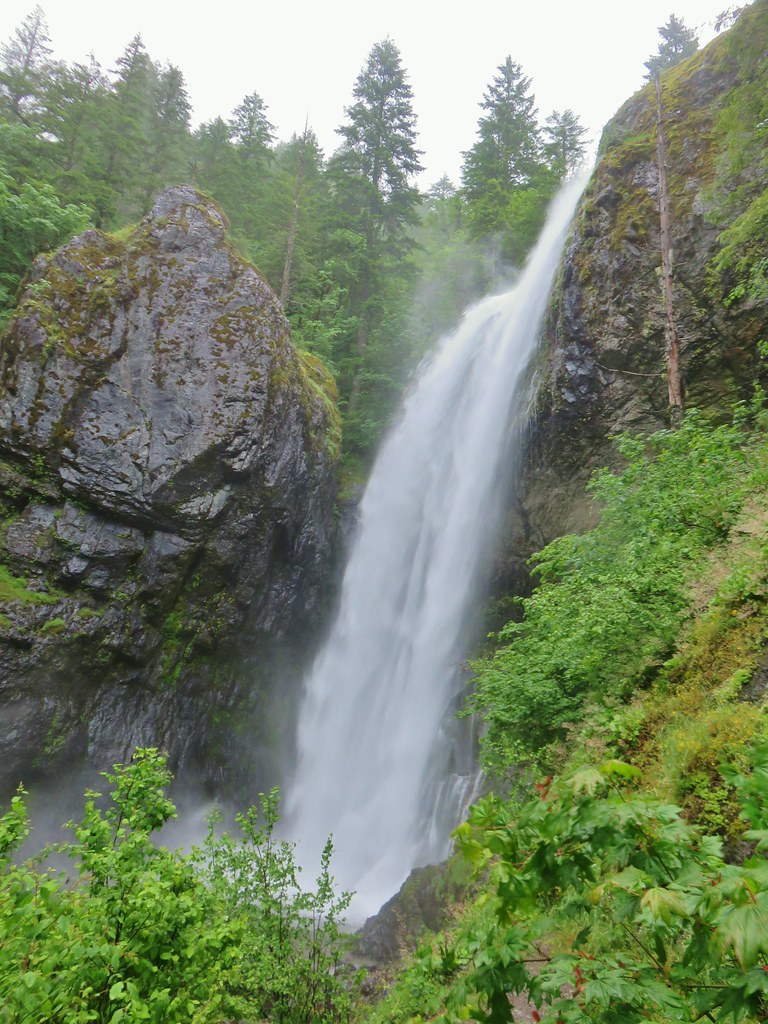
This time we could see why the falls were popular. The water was blasting down into the splash pool generating a lot of wind and mist. We skipped visiting the old mine shaft that is near the fall this time due to the slick rocks.
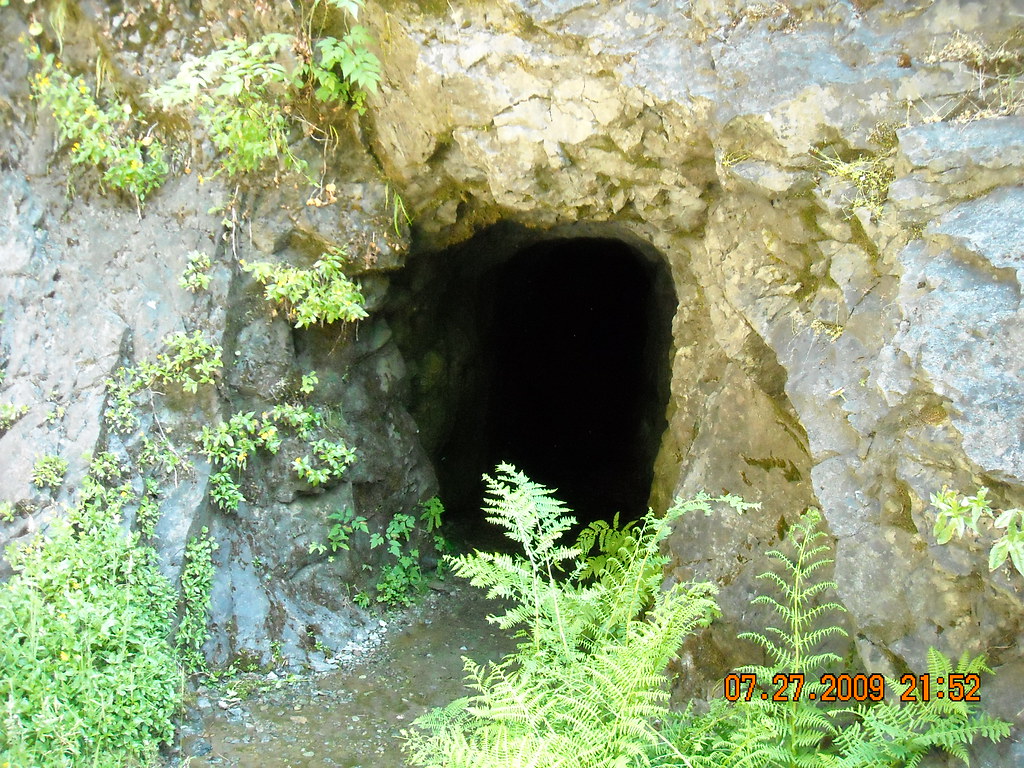
After enjoying the falls we started back, briefly turning uphill on a steep trail that we thought might connect the Henline Falls and Ogle Mountain Trails, but we quickly turned around after consulting our GPS and seeing how much higher up the Ogle Mountain Trail was from where we were. We went back down to the Henline Falls Trail and followed it back to the junction with the Ogle Mountain Trail which we then turned up.
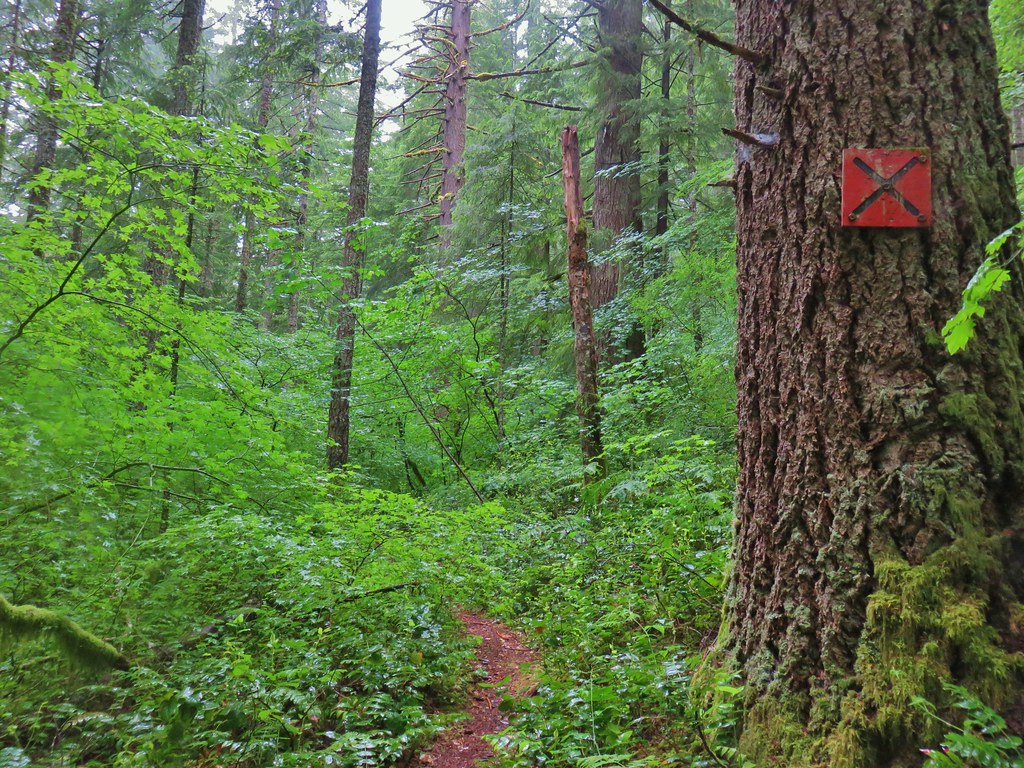
The Ogle Mountain Trail used to extend all the way to the Ogle Mountain, but the mine is on private property and the trail now effectively ends at the forest boundary. We were wanting to scout it out for a possible hike some other time to attempt to visit some of the “Family of Falls” located above Henline Falls on Henline Creek. The trail climbed much more steeply than we had anticipated but we seemed to be starting to level out a bit after .2 miles which is when I spotted a fair amount of poison oak encroaching on the trail. That combined with the climb convinced us to let the Ogle Mountain Trail remain a mystery, at least for now. We retreated to the Henline Falls Trail and returned to our car which we then drove to the Henline Mountain Trailhead.

It was still foggy but the rain had pretty much stopped as we started our climb up the Henline Mountain Trail. While there was some poison oak along the lower half of this trail it wasn’t crowding the trail like it had been on the Ogle Mountain Trial.
 Penstemon with poison oak in the background along the trail near the trailhead.
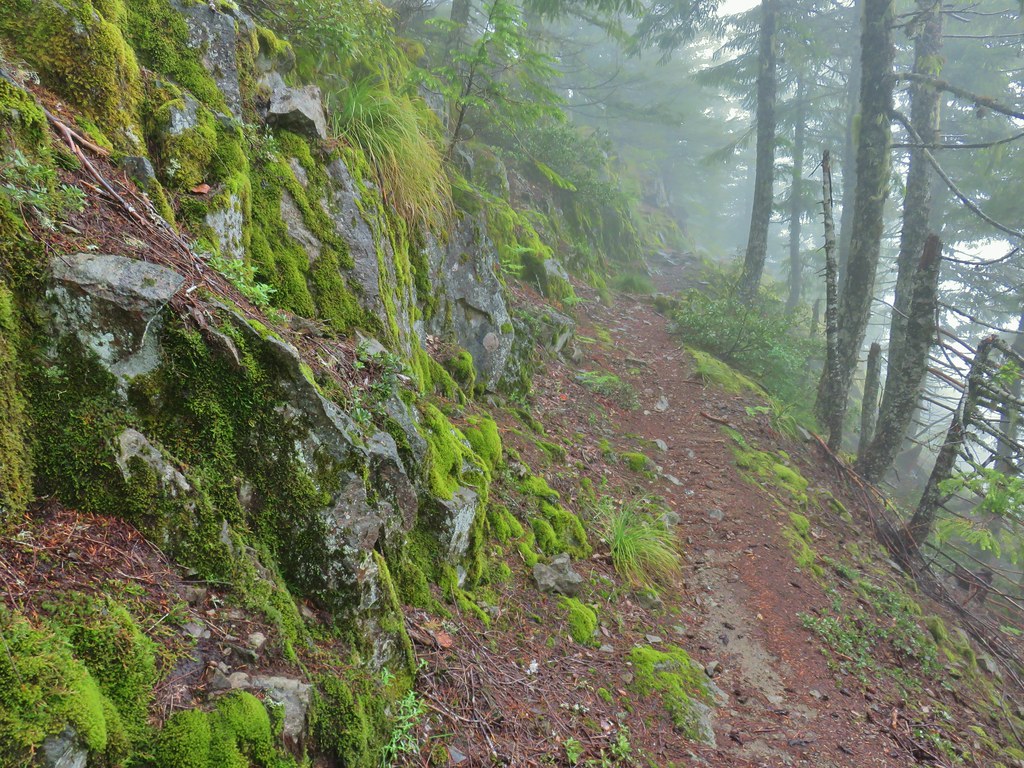
This trail also quickly entered the Opal Creek Wilderness as it climbed relentlessly for 3 miles to the site of a former lookout.

At the lower elevations we spotted a couple of flowers that we had yet to see this year.
 Little prince’s pine
 Twinflower
After a little over three quarters of a mile we came to short spur trail that led to a viewpoint above a talus slope which we had crossed earlier.
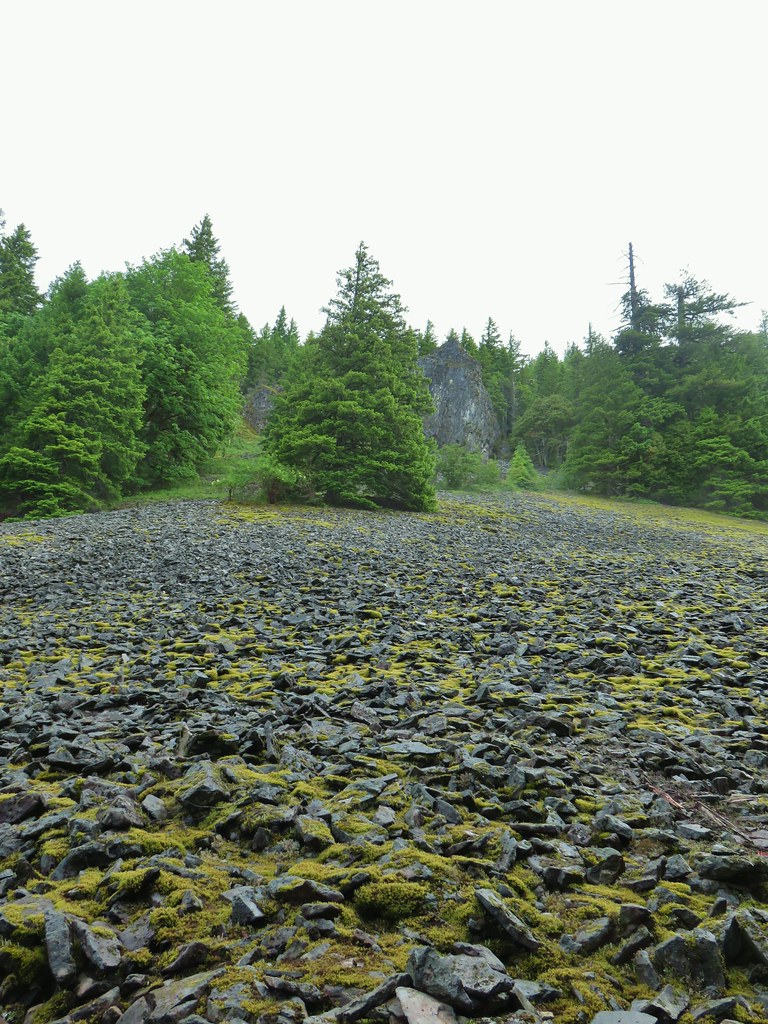 Looking up at the viewpoint from the talus slope.
 Spur trail to the viewpoint.
We still weren’t anywhere near the mostly sunny segment of the day so there was a very limited view from the rocky outcrop.

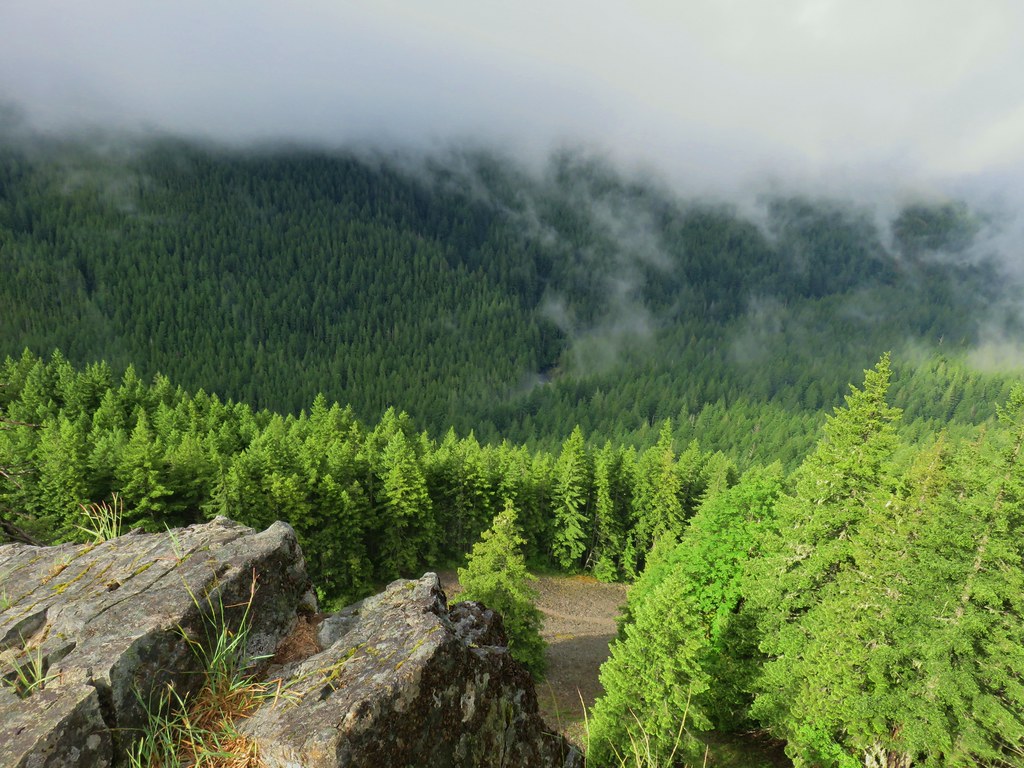 The trail passing through the talus slope below.
A quarter mile later we came to a second, larger viewpoint.
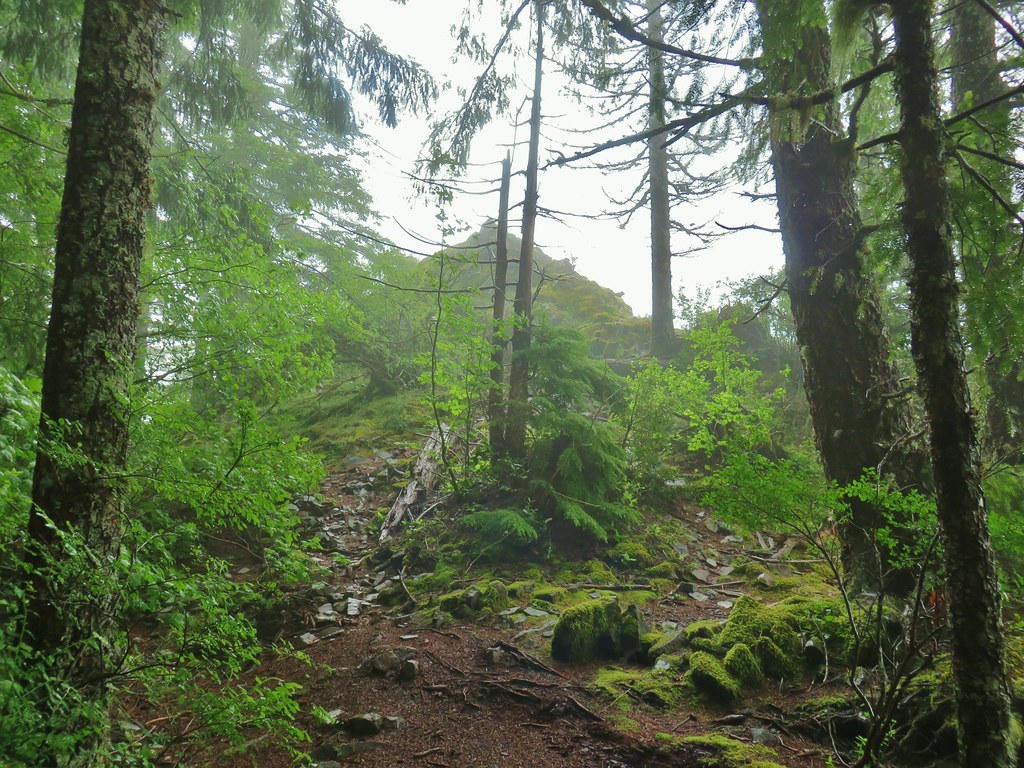
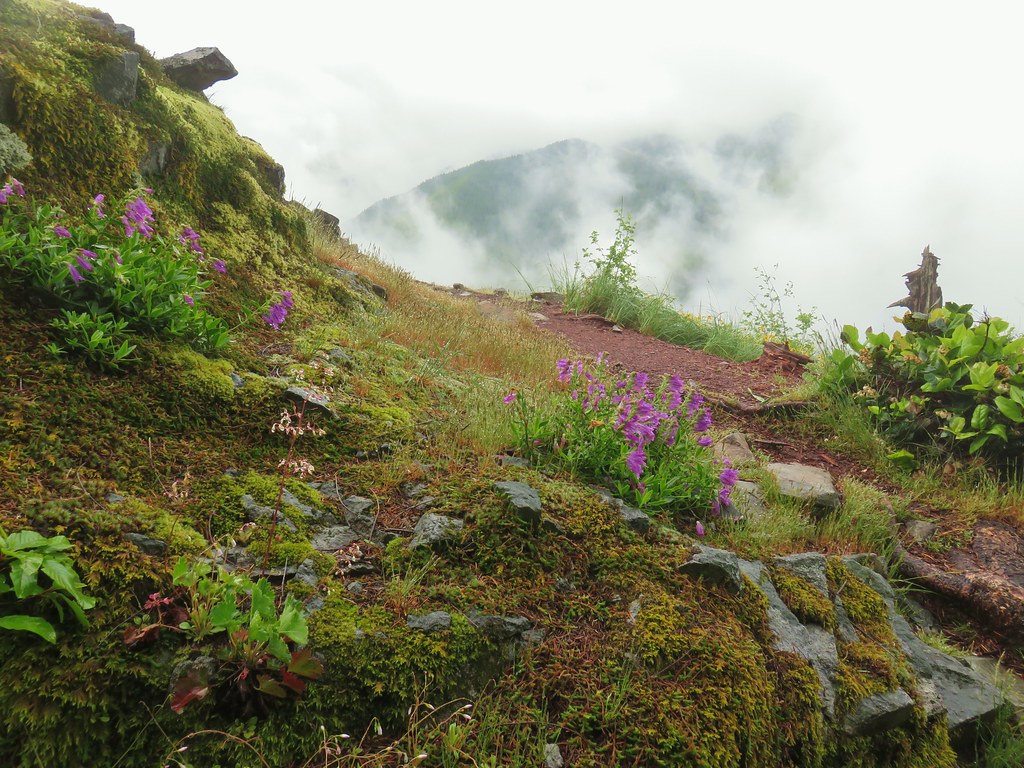 Penstemon at the viewpoint.
 Oregon sunshine
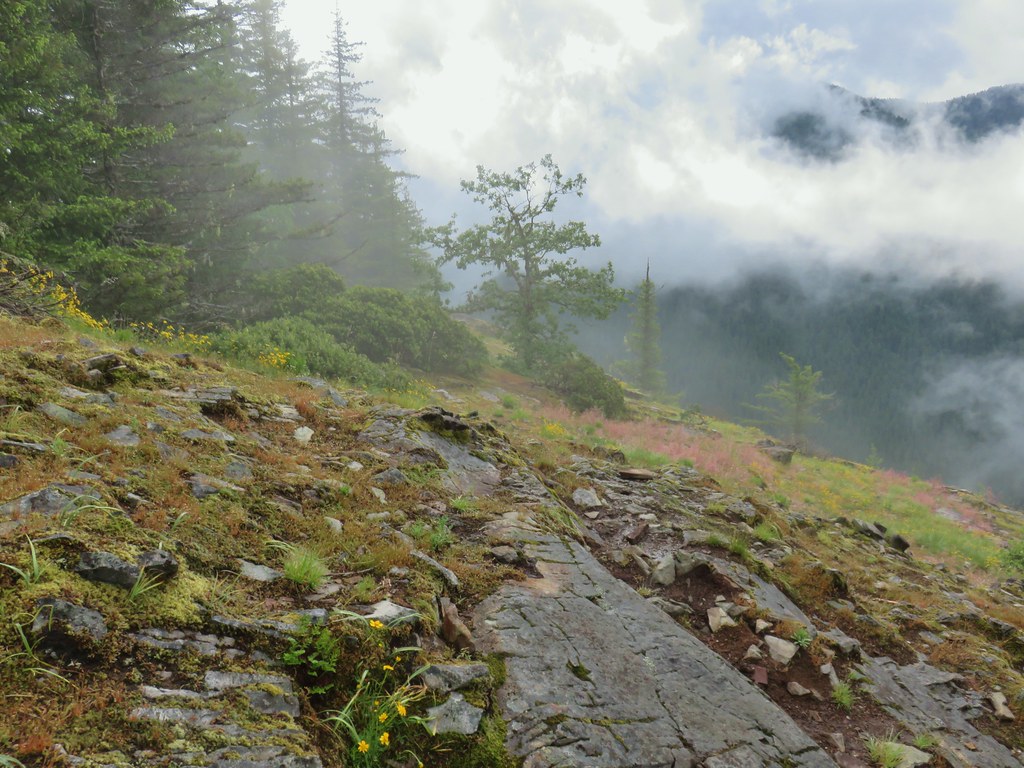
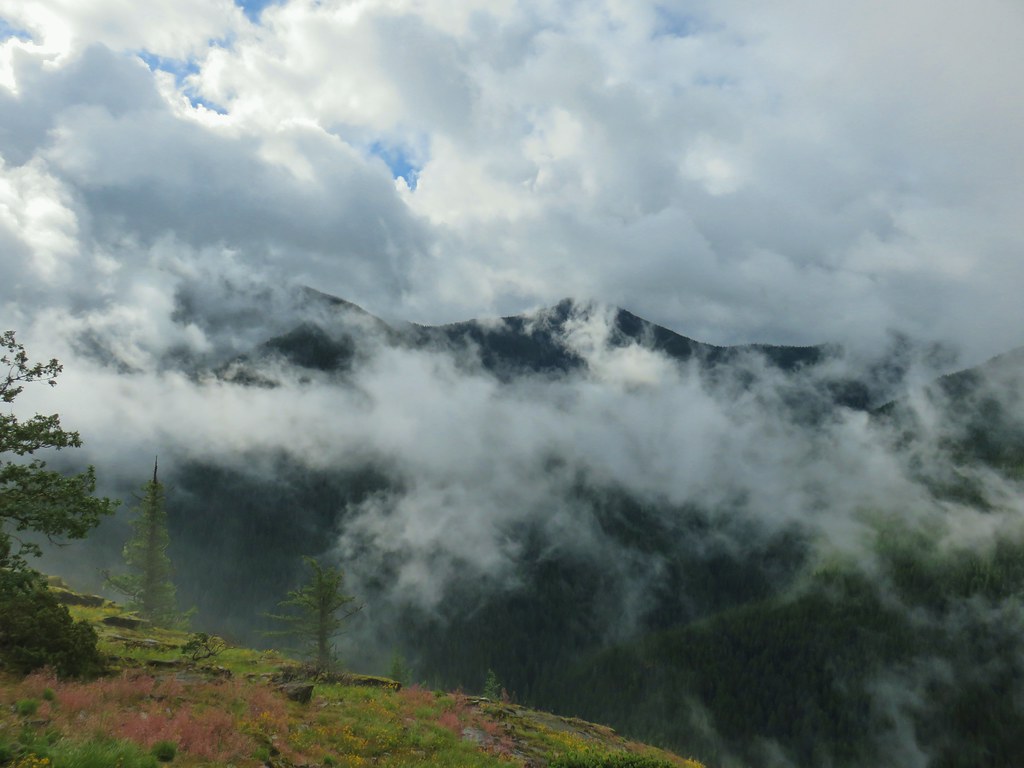 I believe that is Rocky Top behind the clouds.
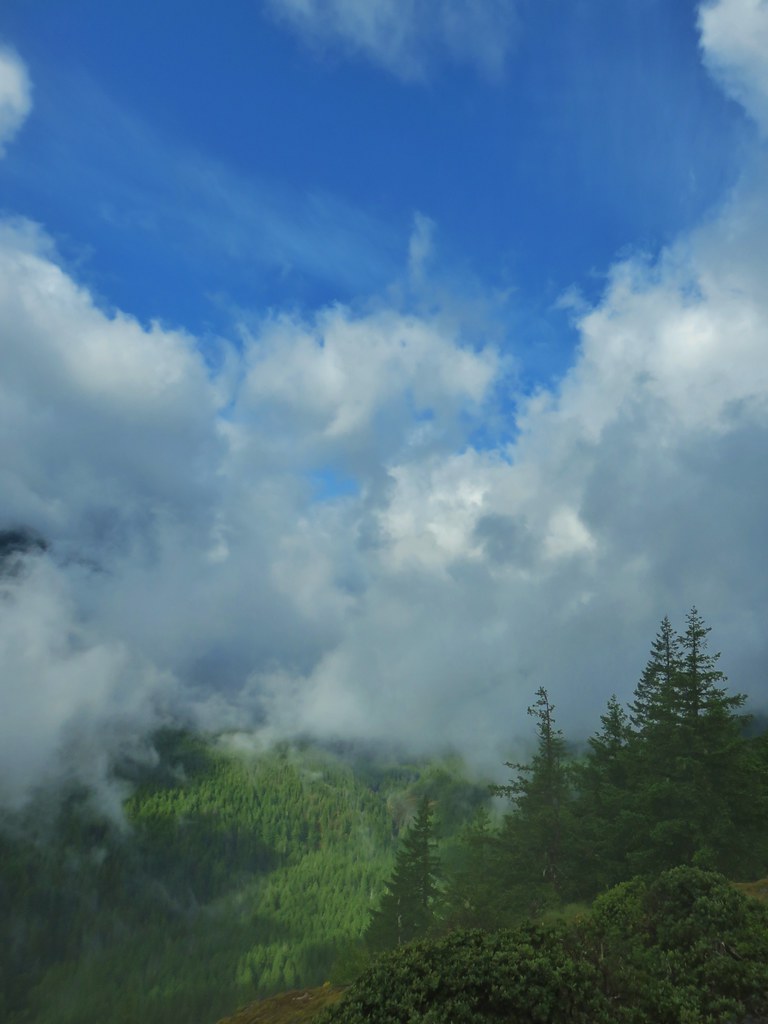 Blue sky to the west.
We continued climbing from this second viewpoint trading the occasional poison oak in for the more enjoyable beargrass and rhododendron blooms.


Despite the Sun making an occasional appearance we remained mostly in fog as we climbed. We kept our eyes out for different flowers along the way.
 Northwestern twayblade

 Penstemon
 Paintbrush
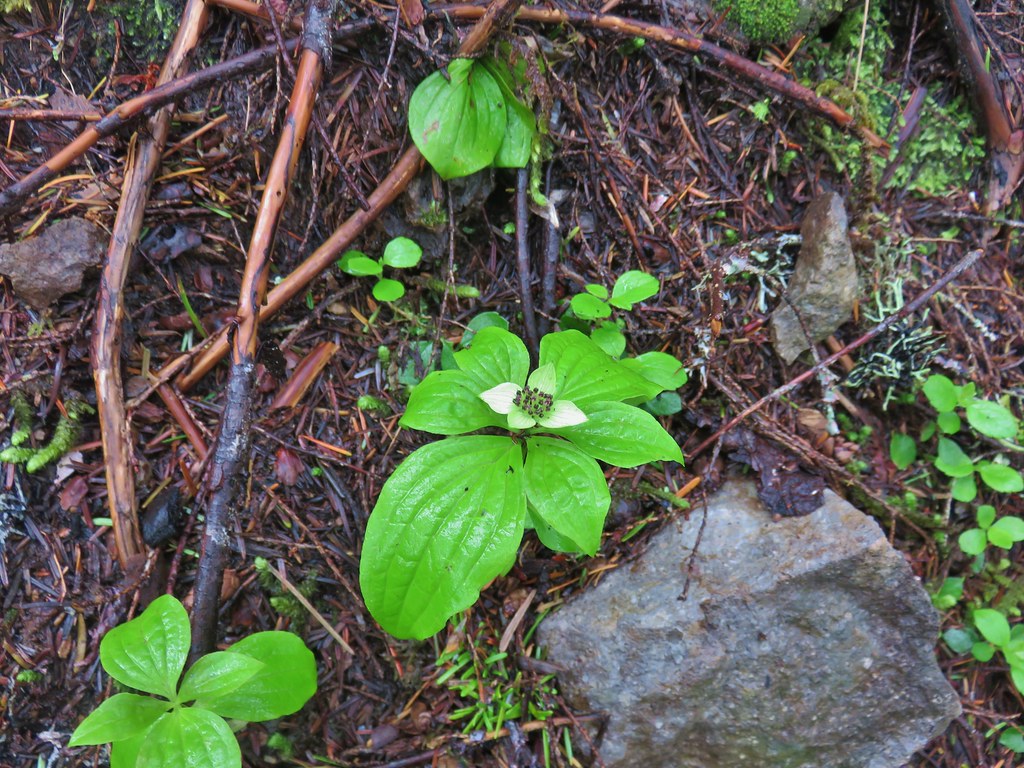 Bunchberry
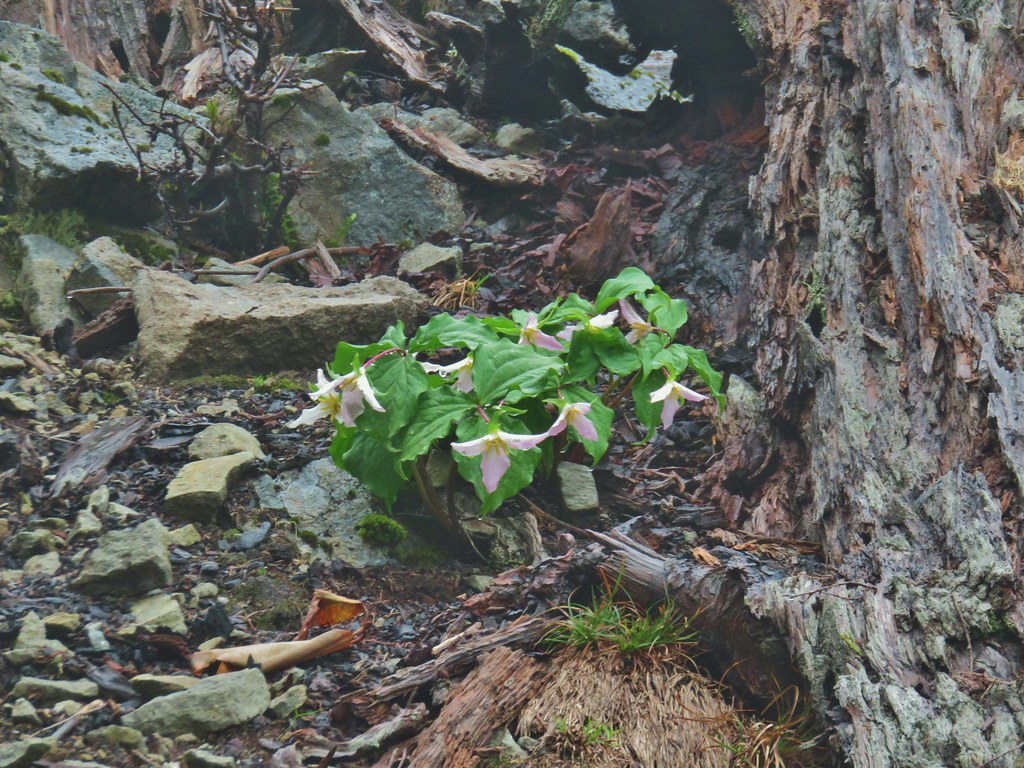 Trillium

 Penstemon (cliff beardtongue)
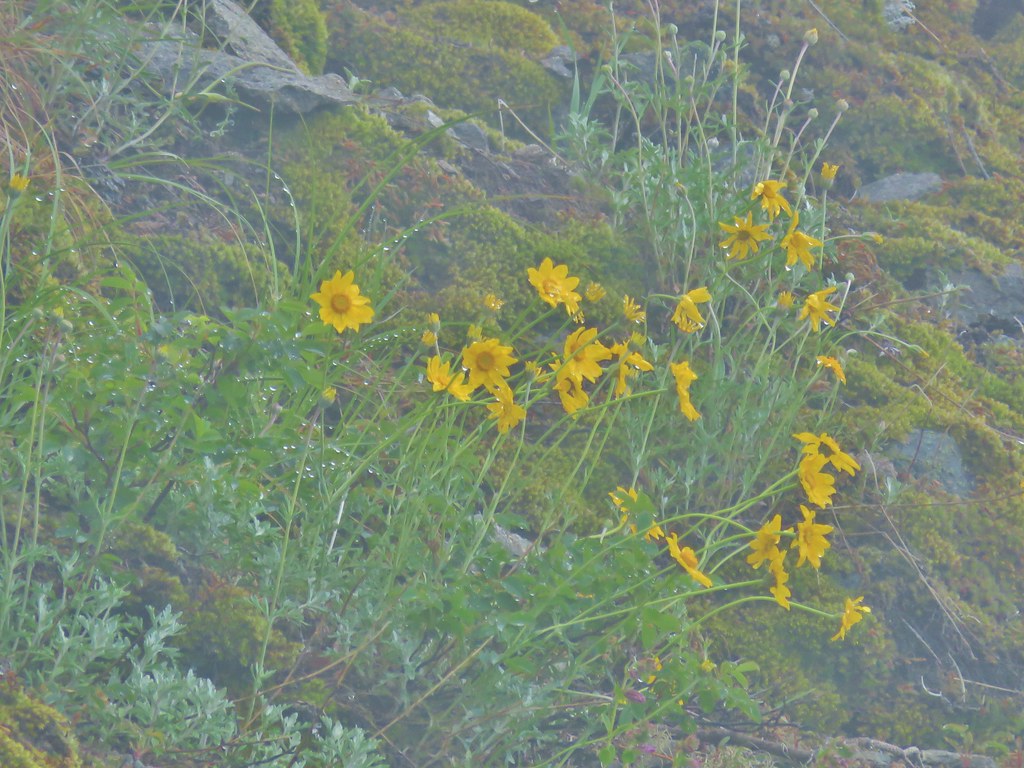 Oregon sunshine
At a switchback at the three mile mark we took a spur trail to the right to the former lookout site.

Instead of sitting at the summit of Henline Mountain the lookout was near a ridge end a mile from the summit and over 400′ lower.
 The ridge end beyond where the lookout was.
 Looking back toward the summit of Henline Mountain (it is beyond and above the visible trees).
There had been increasing breaks in the clouds, enough to give us some good looks at the seasonal Elkhorn Mountain Falls across the valley.
 The falls are obsucred here by the clouds to the lower left.
 Elkhorn Mountain Falls
 Sub-alpine mariposa lily
 Mountain Ash
With no immediate end to the clouds in sight we returned to the Henline Mountain Trail. The official trail ends at the lookout but a volunteer maintained trail continues 1.1 mile to the actual summit so we turned right onto this trail and continued on. This section of trail finally had some downhill sections, which only meant uphill on the way back but we welcomed the change.

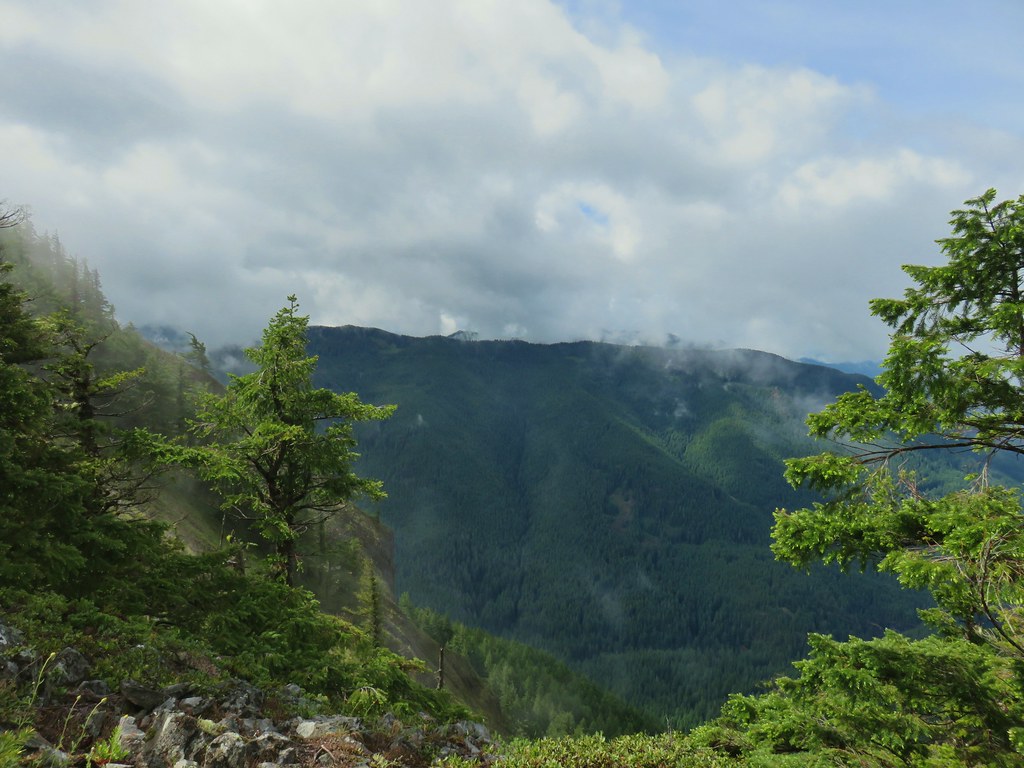
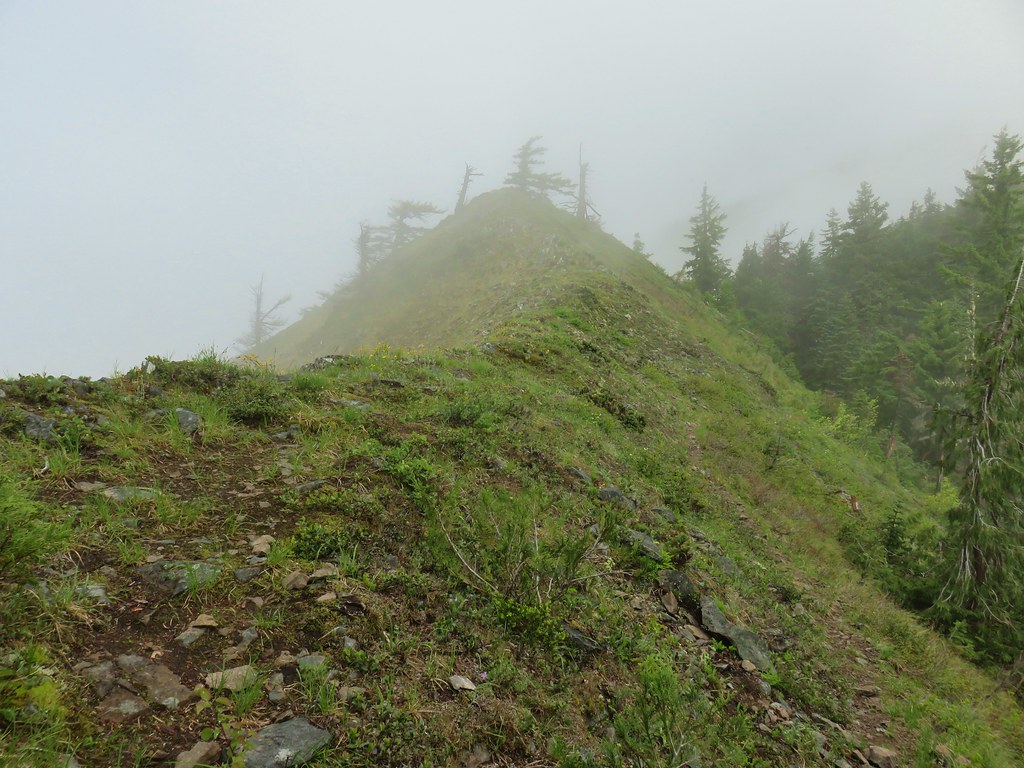
The reason for the ups and downs was that the trail followed a narrow ridge for a half mile. A section of the ridge was open offering views although we were still dealing with the clouds.
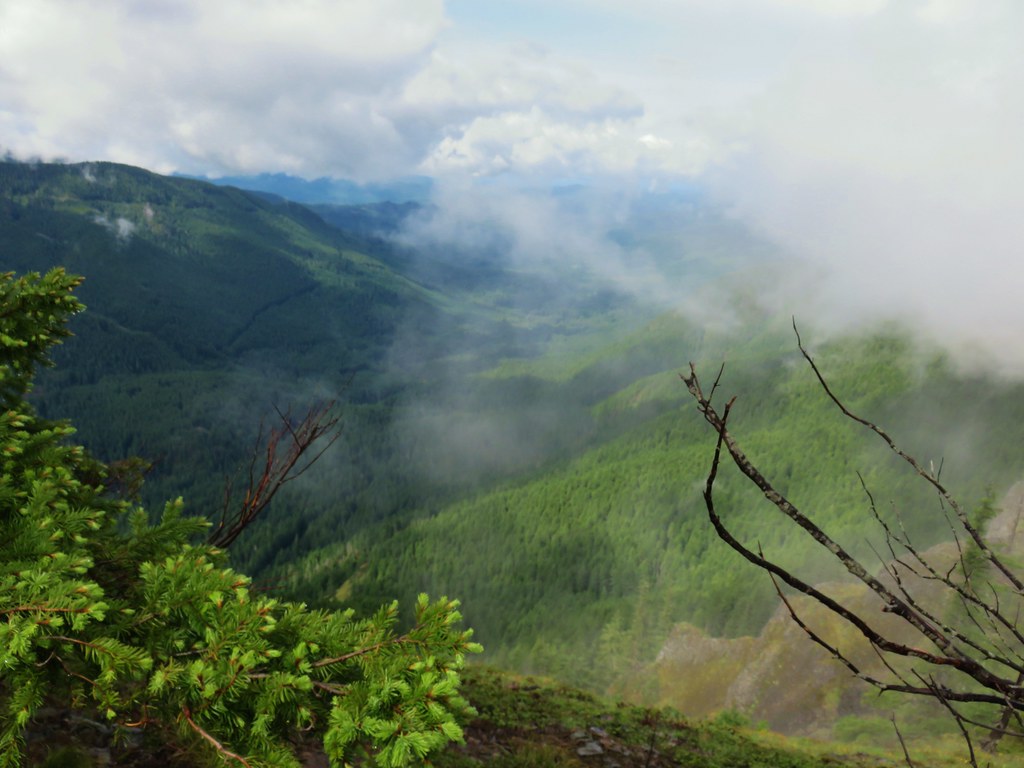
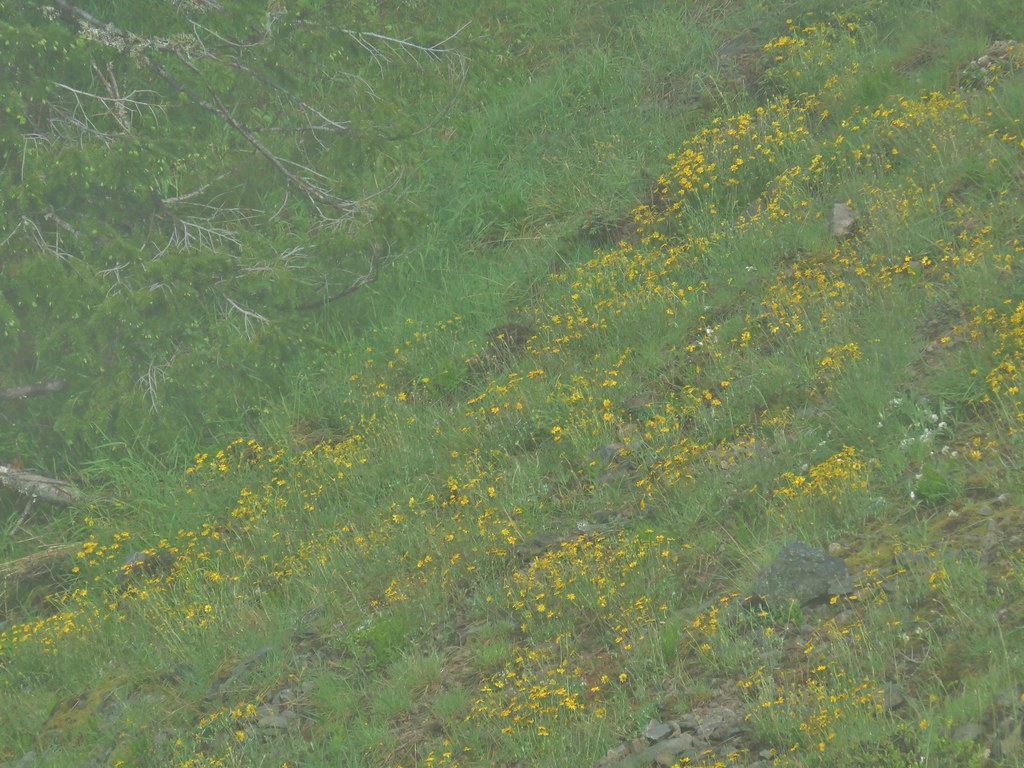 Oregon sunshine and cat’s ear lilies
 Phlox
Phlox
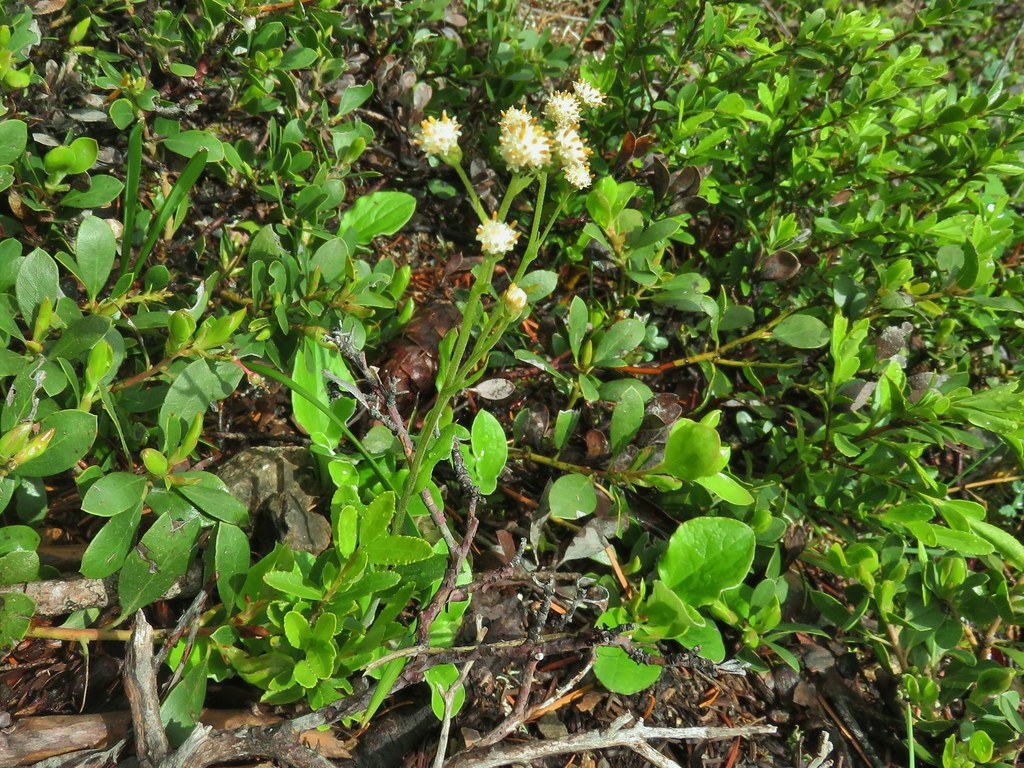 Raceme pussytoes
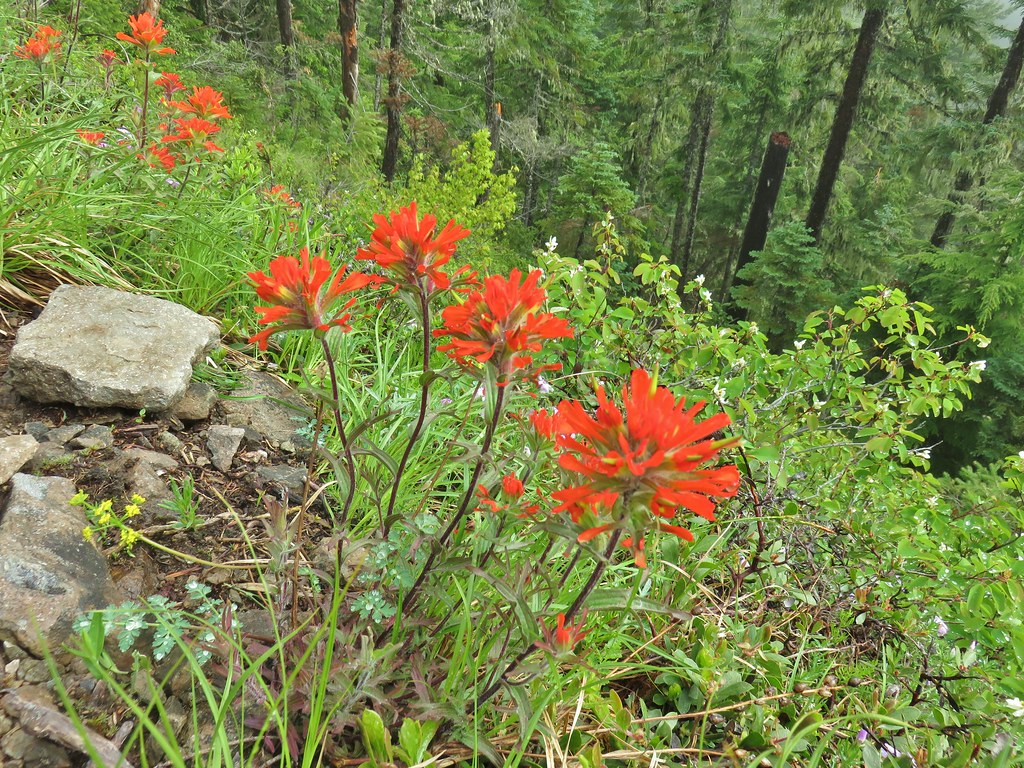 Paintbrush
The trail crossed from the east side of the ridge to the forested west side before crossing again to the east into a little meadow with a fair amount of phlox.
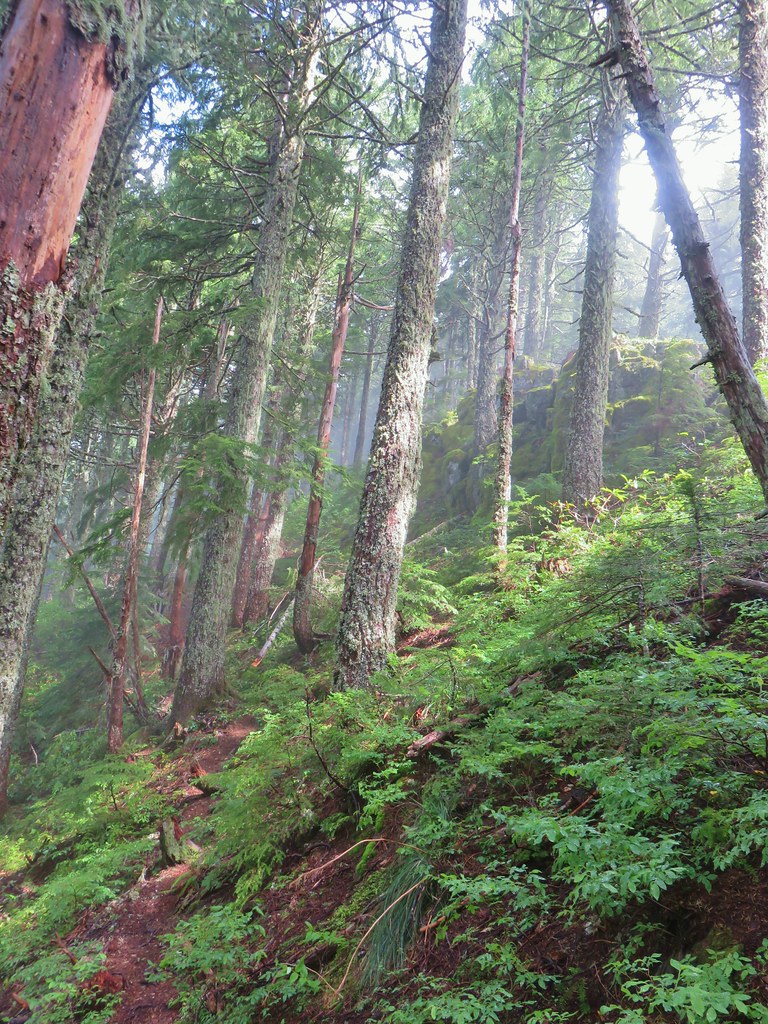

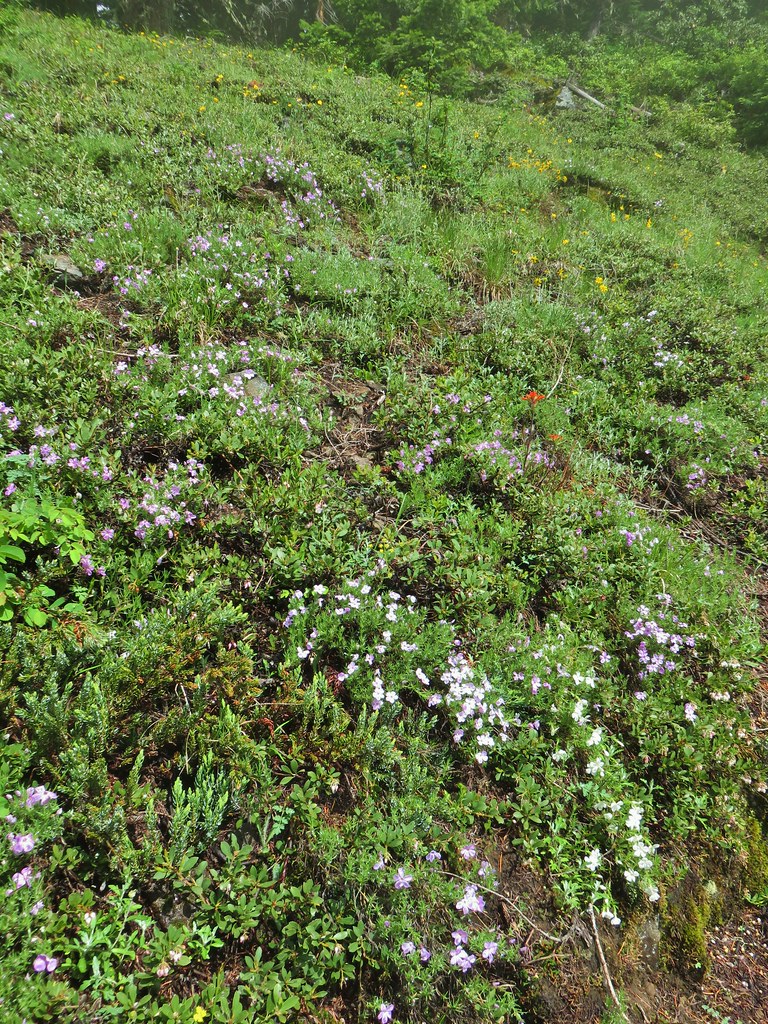

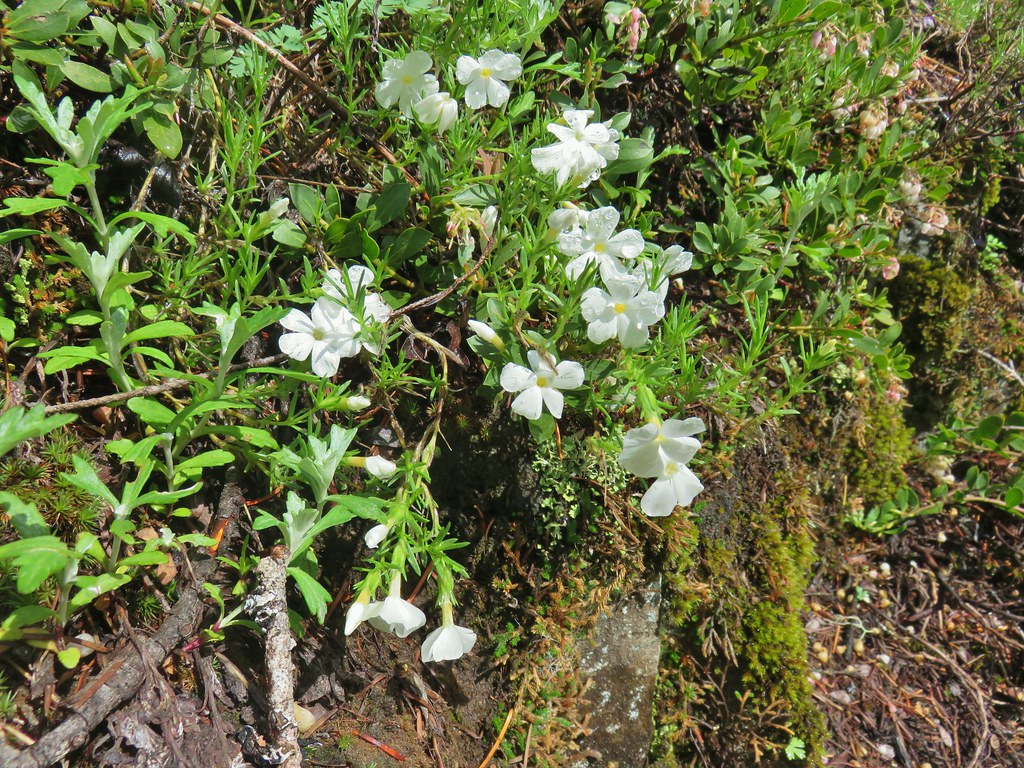
The trail steepened again for a bit before dropping one final time to a saddle before making its final ascent to the summit.
 Heading uphill after the little meadow.
 Snow in a basin below the trail.
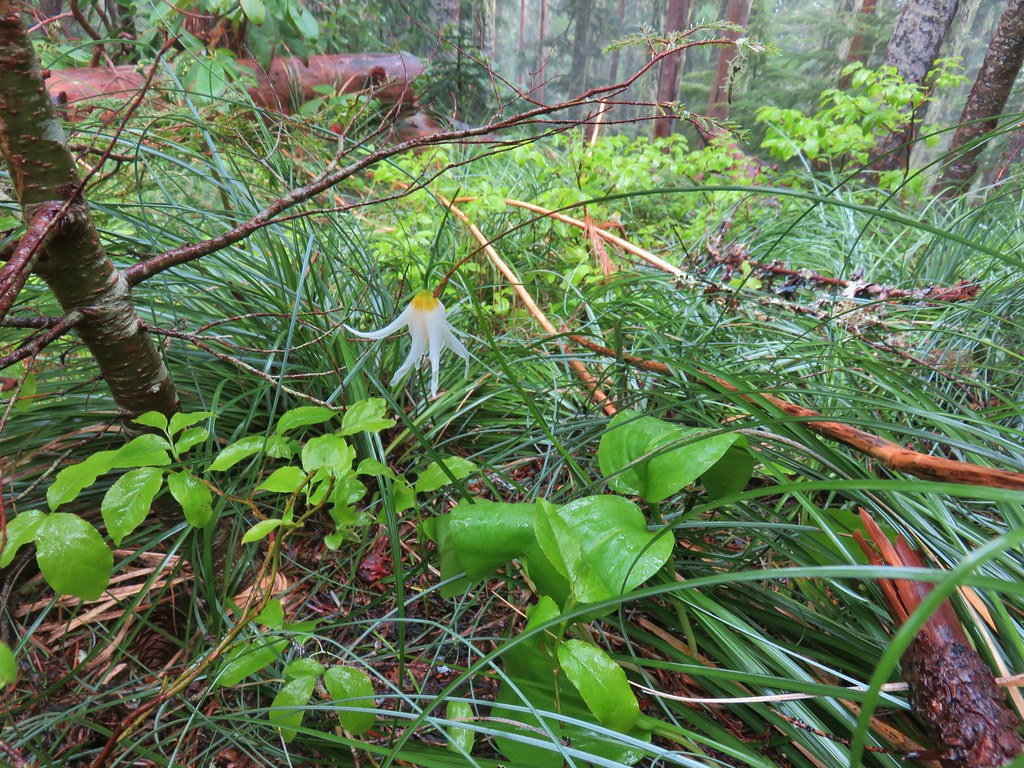 Fawn lily
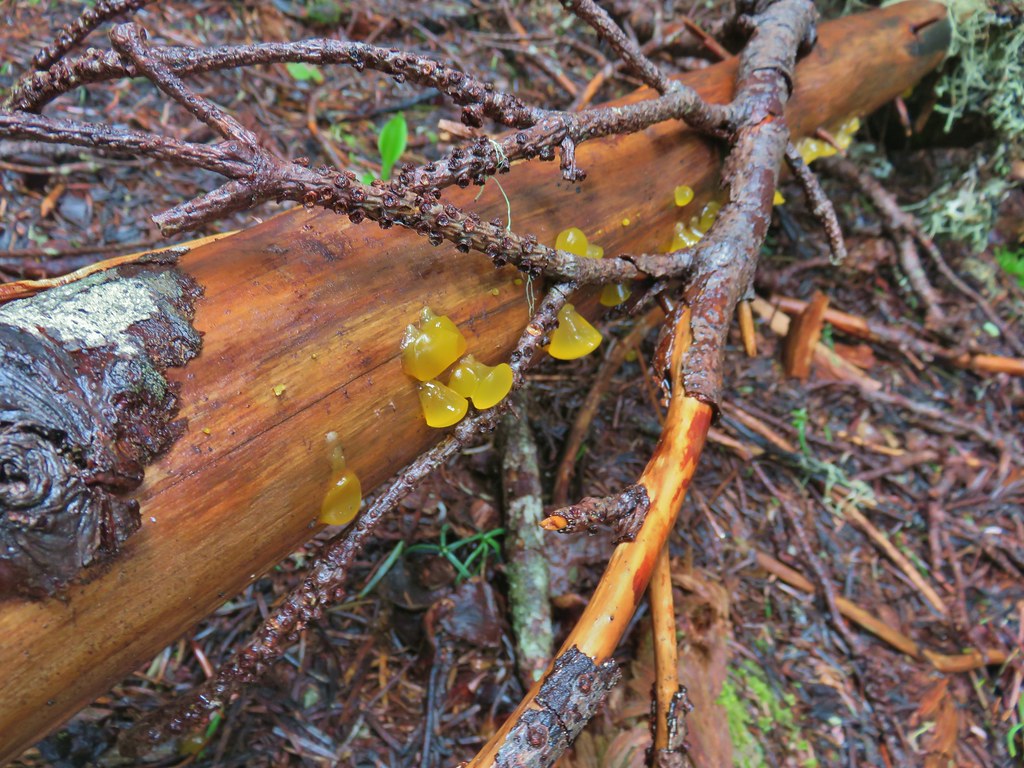 Jelly fungus
 Heading down to the saddle below the summit.
The actual summit of Henline Mountain was a little rocky opening with lots of huckleberry bushes.
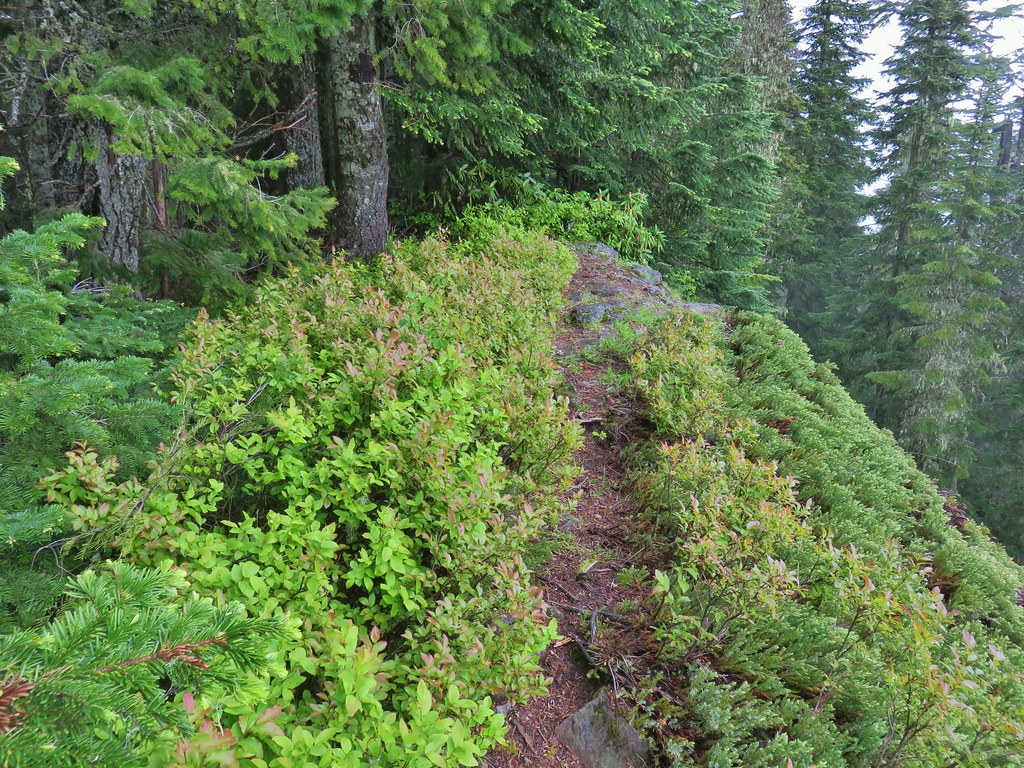
The trail continued an additional two hundred feet before petering out.
 The end of the trail.
 Bleeding heart near the end of the trail.
We took a decent break at the summit and had a snack. As we were just starting to leave a bit of a view broke out. It wasn’t much but it was something.

The cloud situation began to improve quite a bit as we headed back to the lookout site. By the time we arrived at the open section of ridge there was a good deal of blue sky overhead.

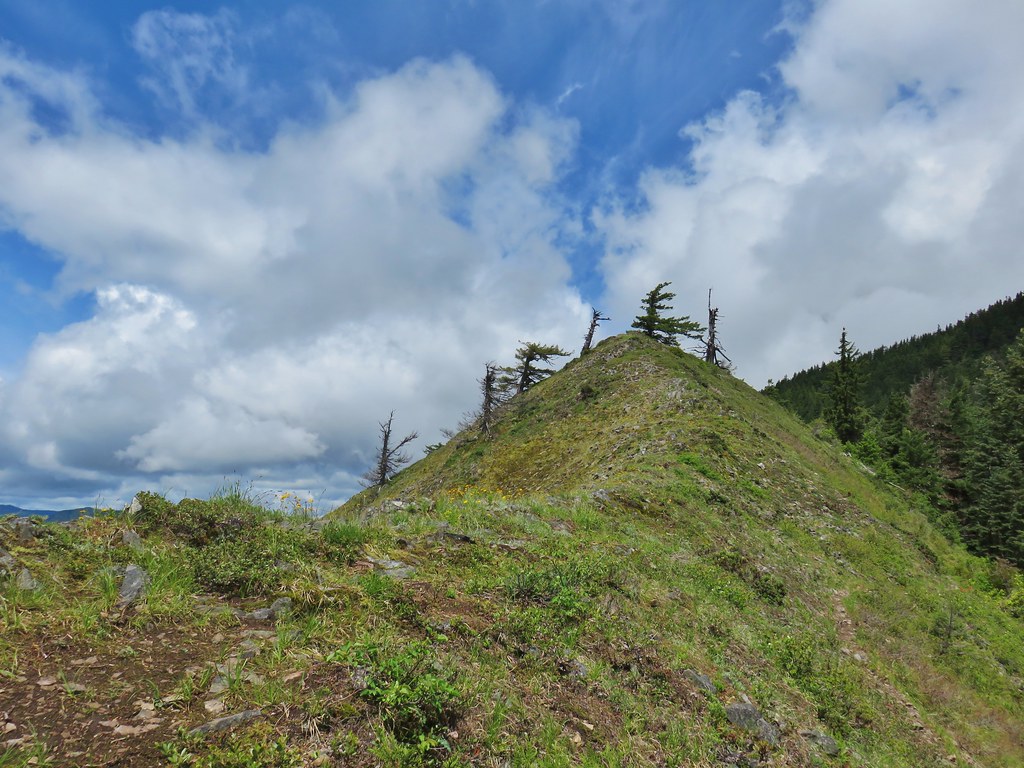
 Looking west down the Little North Santiam River.
 The high point to the left is Whetstone Mountain (post), the flat topped mountain straight ahead is Battle Ax Mountian (post), and to the right the double humps are the Marten Buttes (post)
 Closer look at Battle Ax Mountain.
We stopped at the lookout site again and took another short break now that we could see a little more of the surroundings.
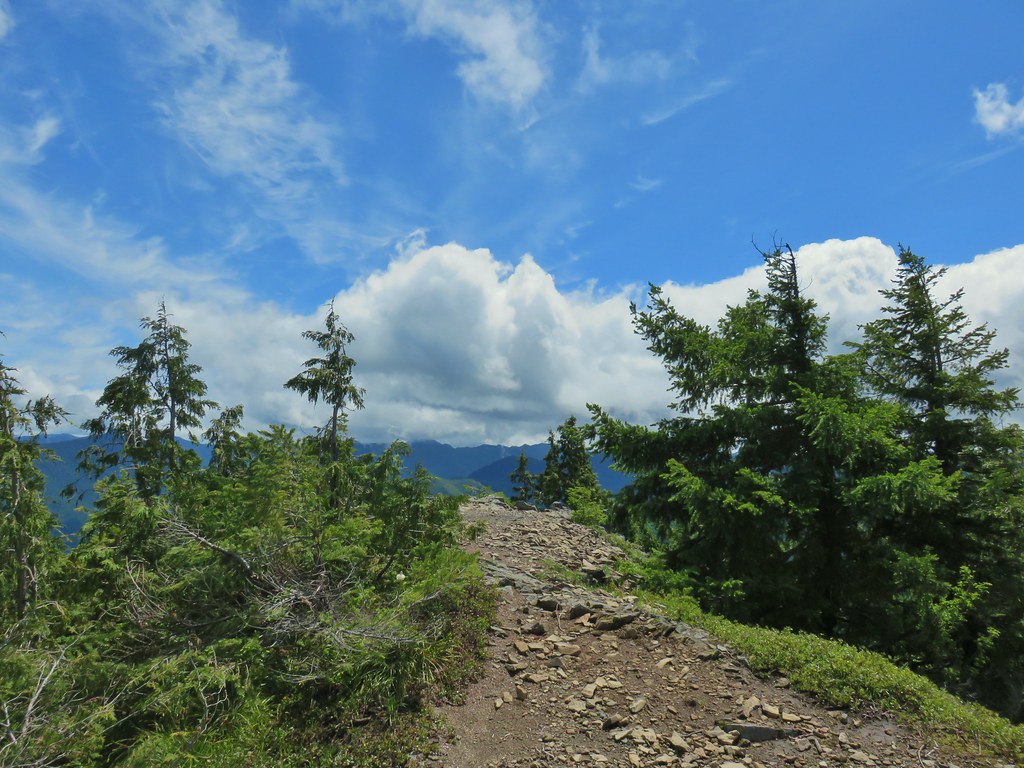
 Rocky Top still with a little cloud and Elkhorn Mountain in the foreground.
 Looking back at Henline Mountain’s summit.
 Whetstone Mountain (center high point) with Bull-of-the Woods (post), Schreiner Peak, and North and South Dickey Peaks over its shoulder to the left.
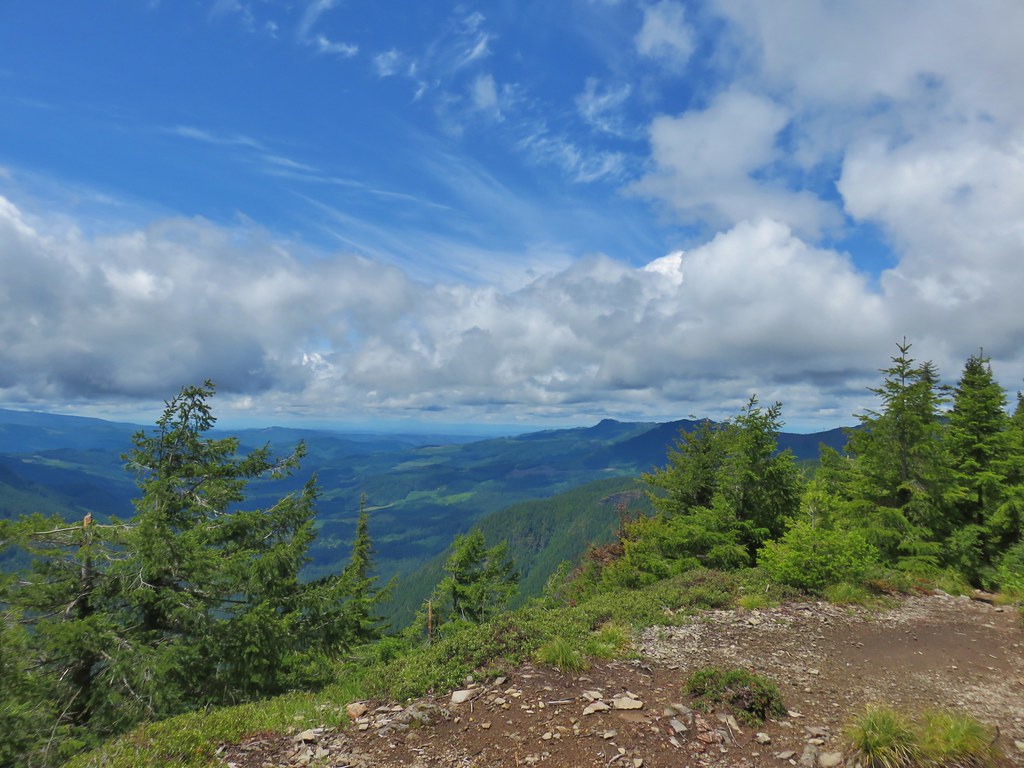 Looking west
 Yellow rumped warbler at the lookout site.
We continued down under increasingly blue skies.
 Looking up at the ridge end of the former lookout site from below.
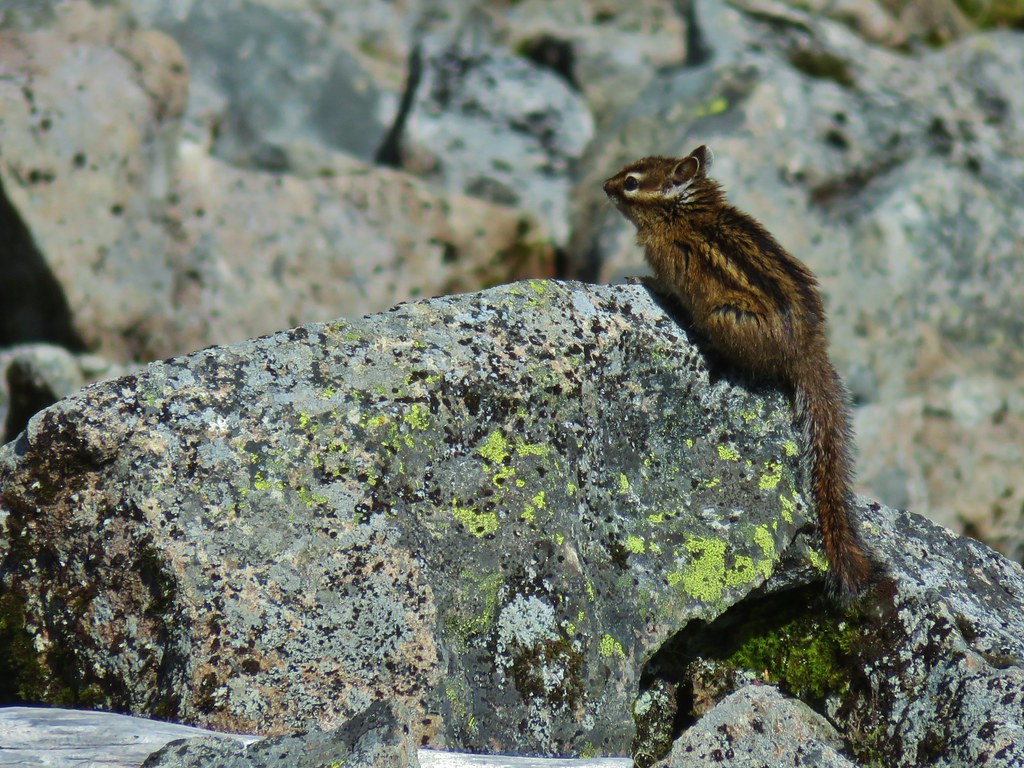 Chipmunk drying out on the rocks.
We also stopped again briefly at the larger viewpoint to see the difference there now.
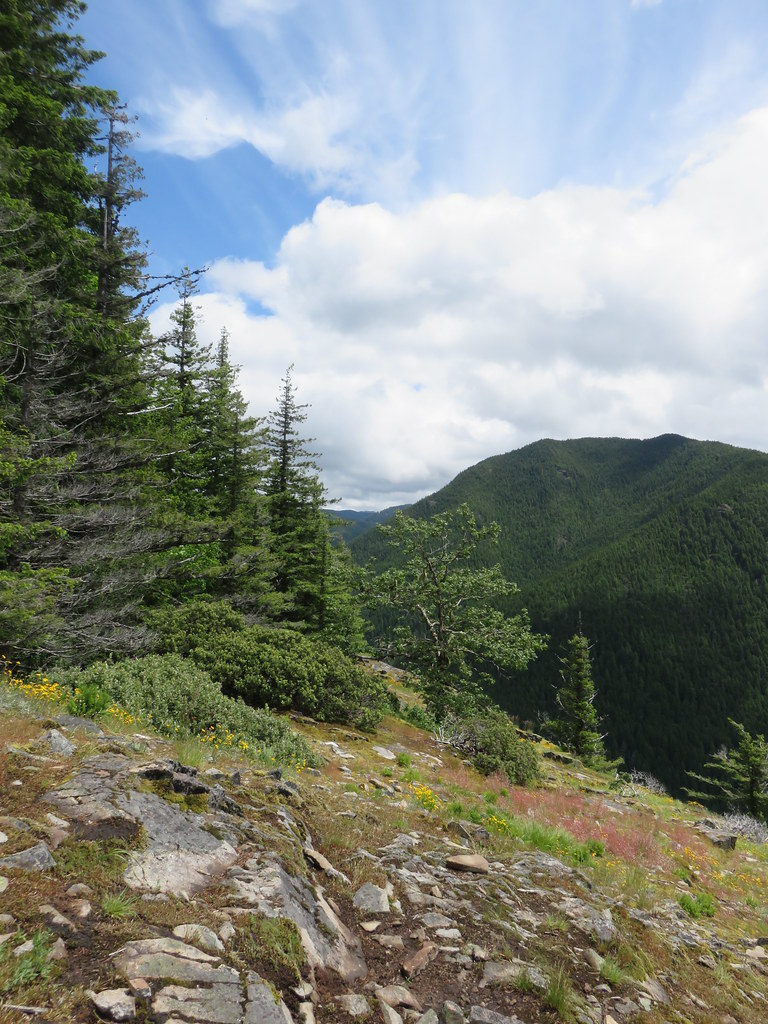 Looking east
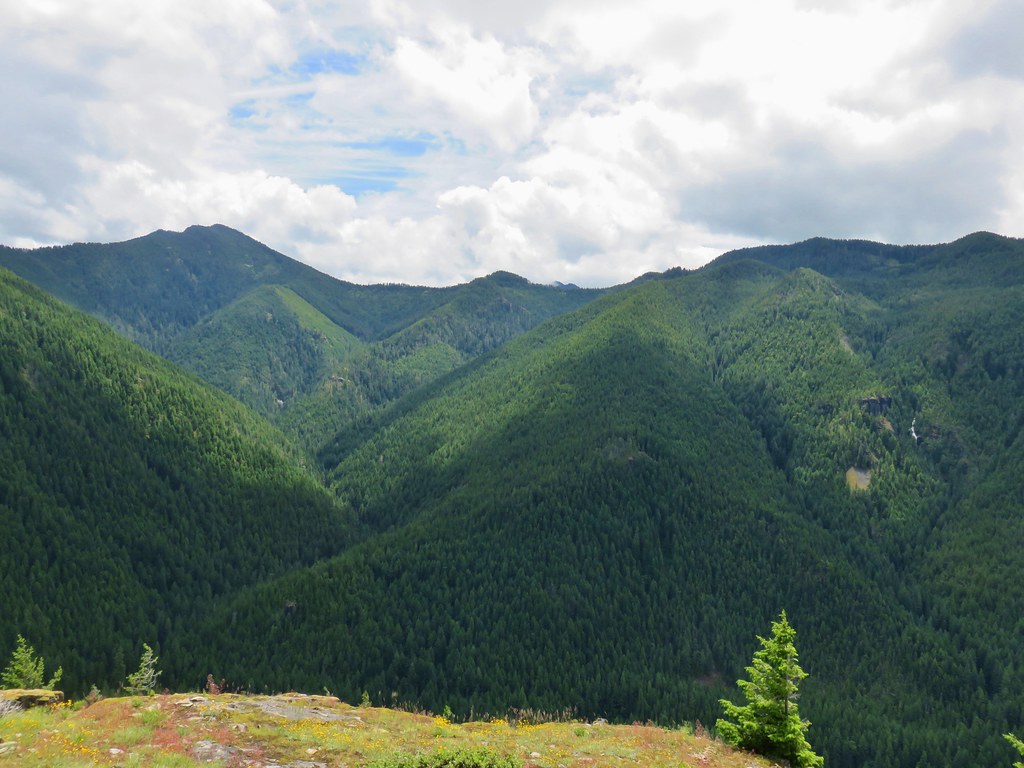 Looking south
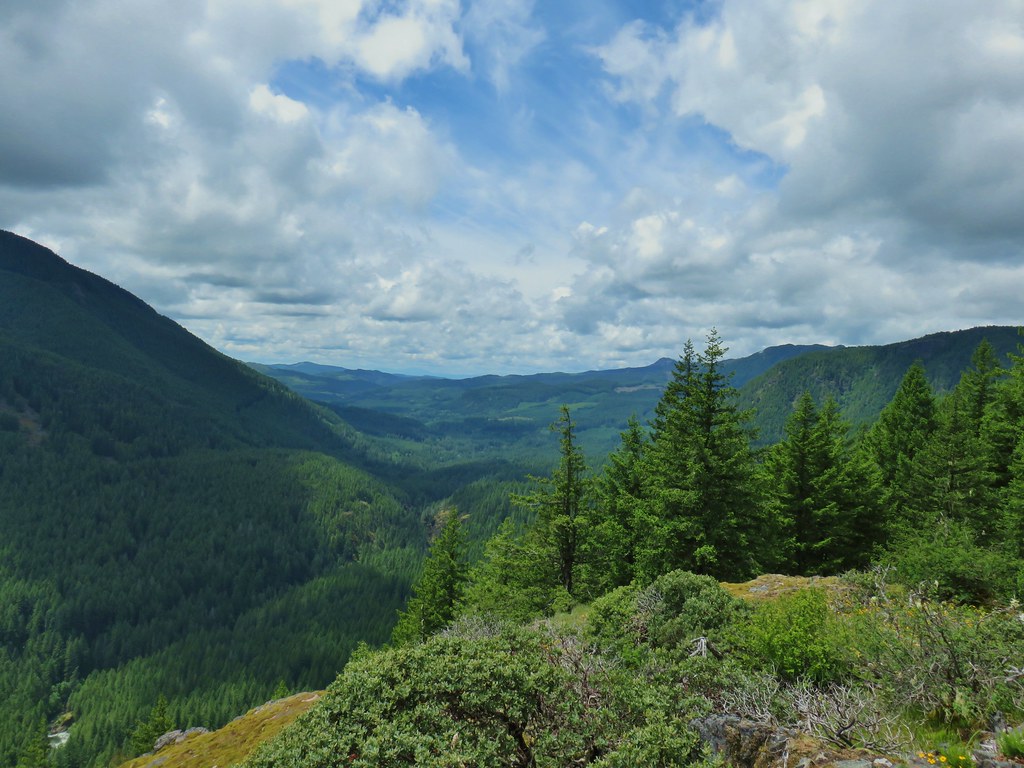 Looking west
 Rusty saxifrage at the viewpoint.
We had encountered three people between the Henline Falls Hike and the summit of Henline Mountain. It was a different story on our way down as we passed a number of hikers coming up. When we got back to the trailhead we noticed several cars illegally parked outside of the designated area along FR 2209 and it was the same at Henline Falls despite the presence of posted signs. It’s disappointing to see how many people are willing to ignore the rules. Please don’t be one of those people, either arrive at your hikes early or have backup plans if things don’t work out at your first choice. Disregarding the rules (even if you think they’re dumb) sets a bad example. Let’s do better. Happy Trails!


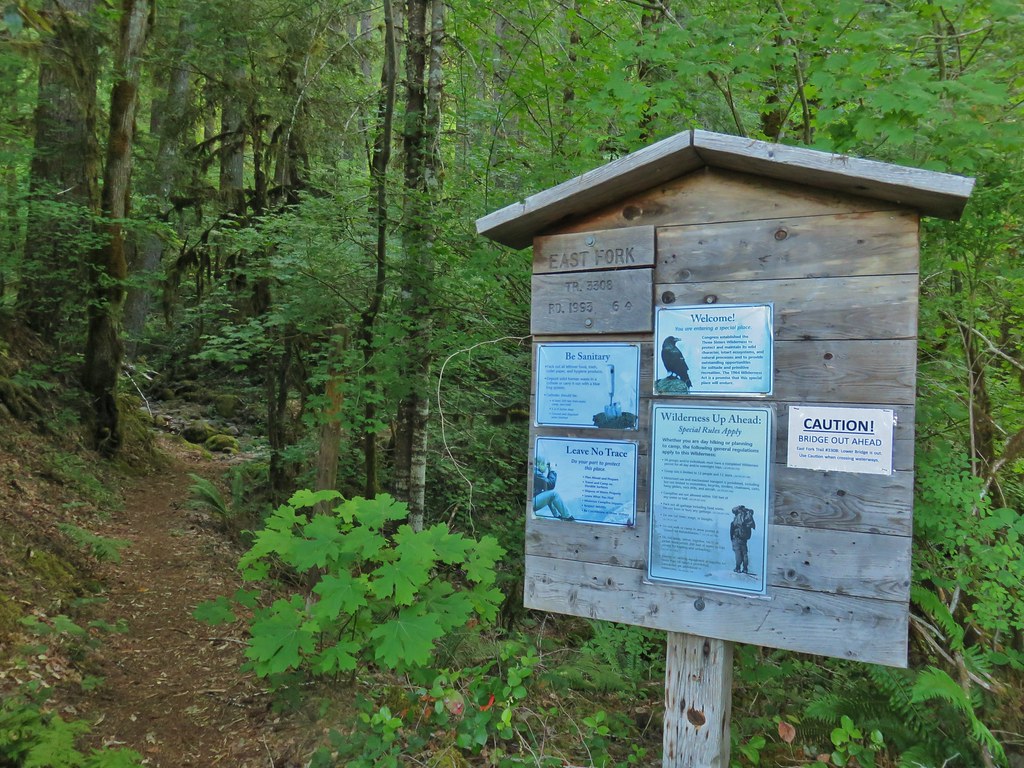

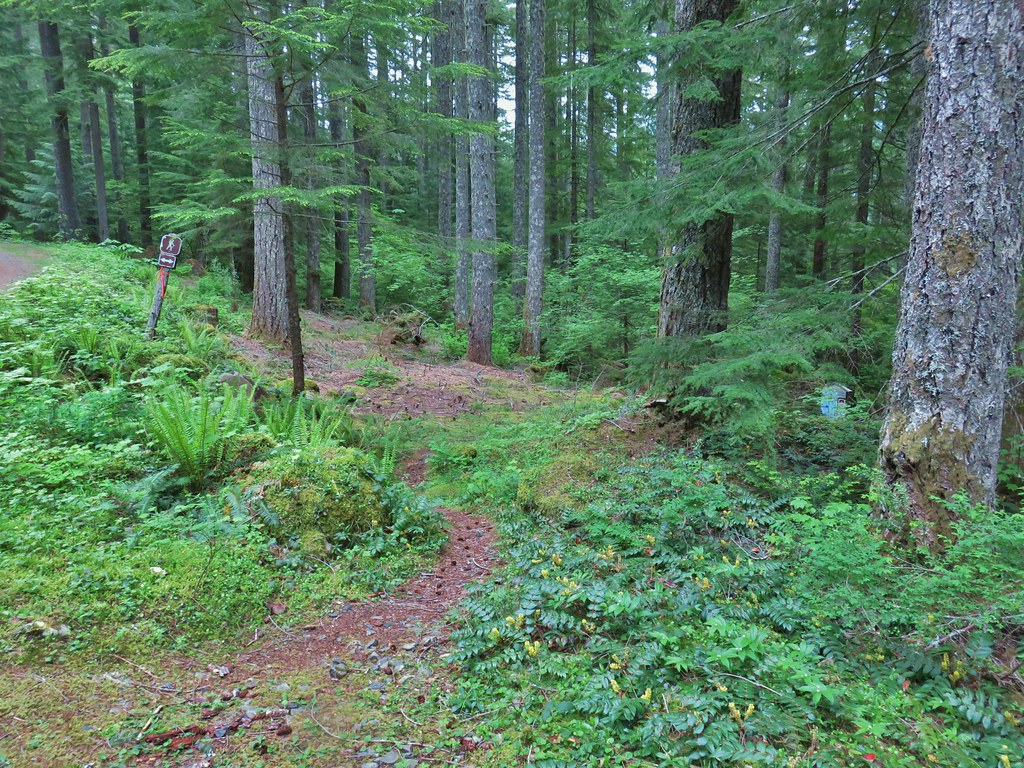
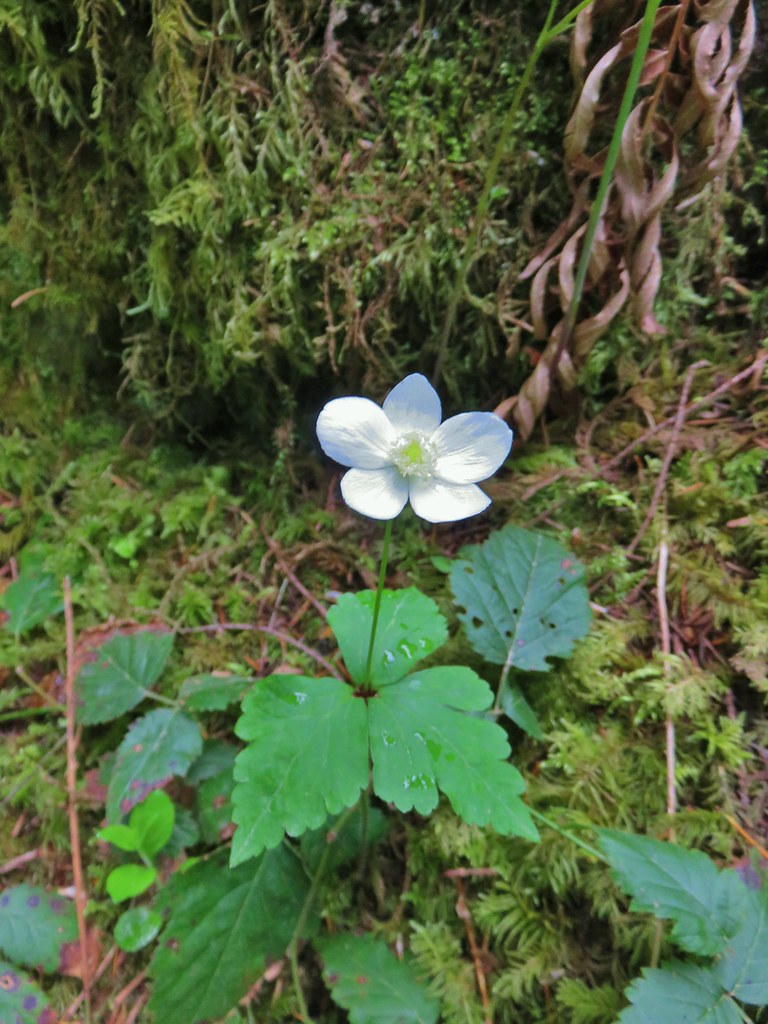
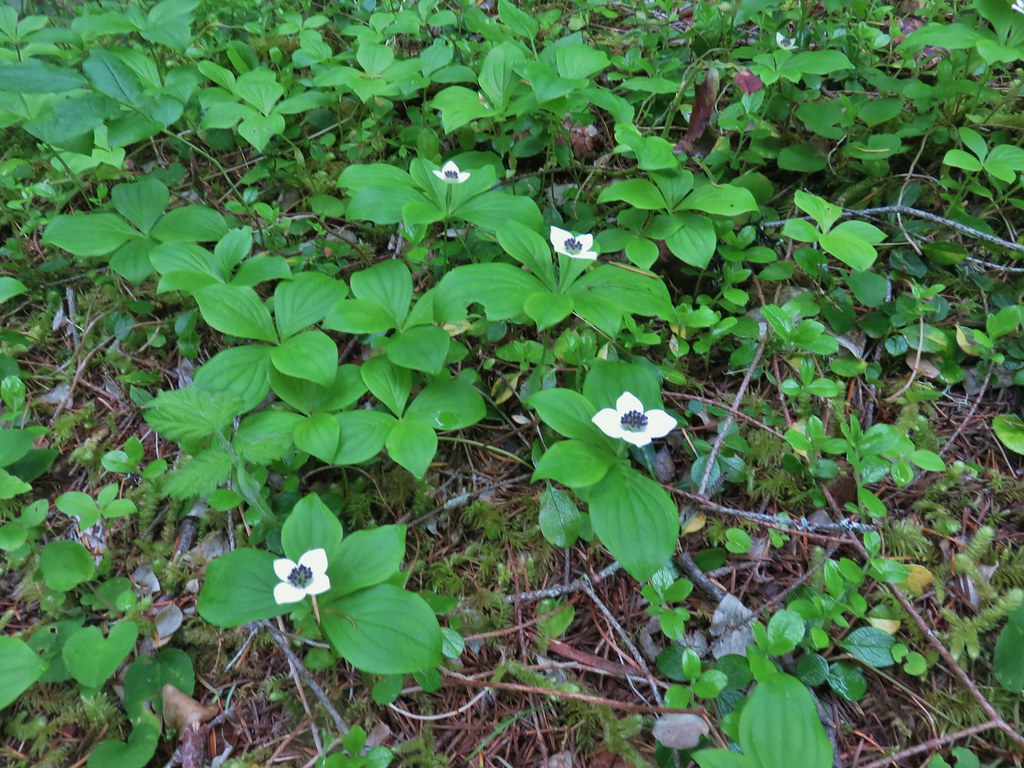


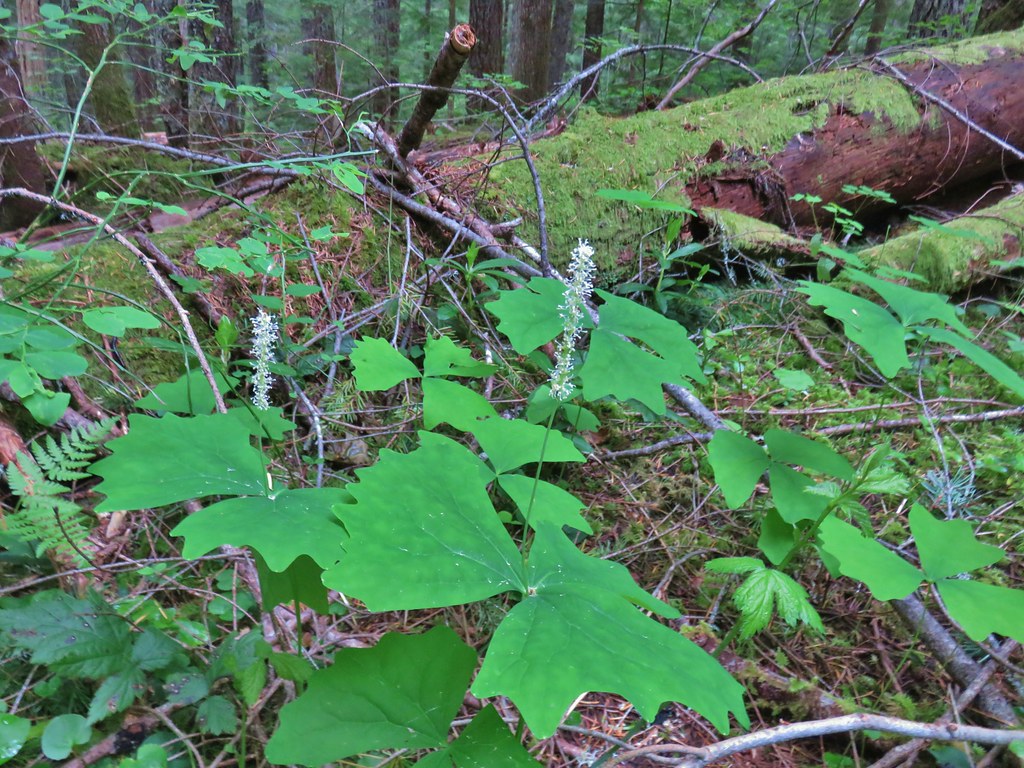 Vanilla leaf
 False solomonseal
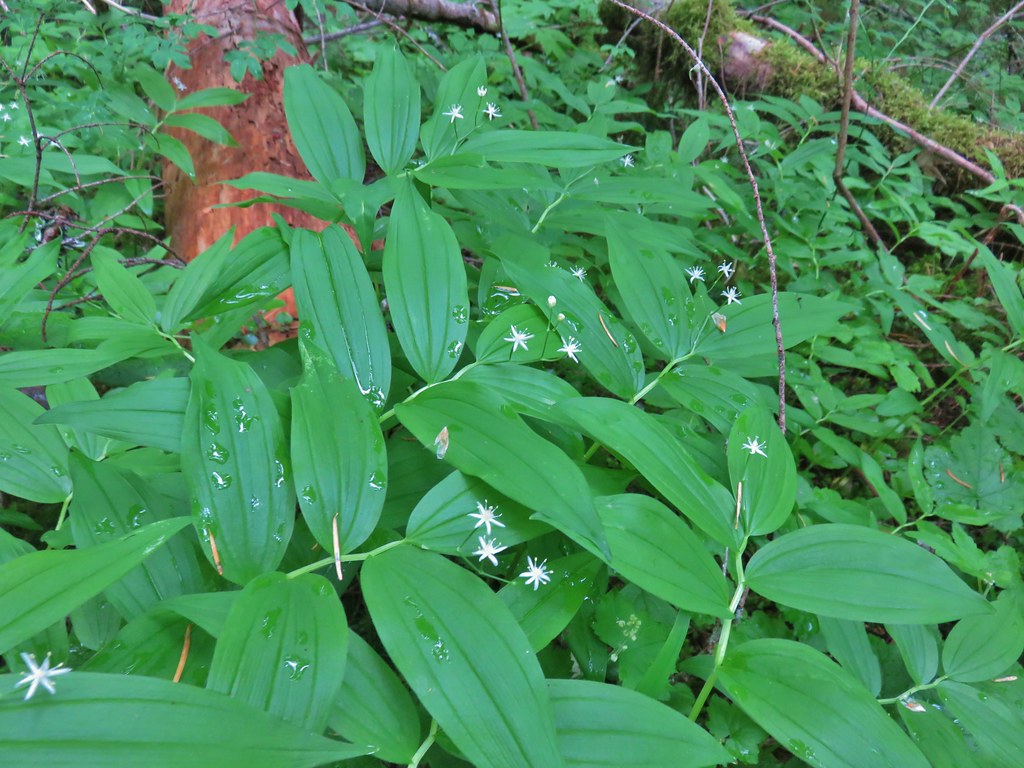 Star-flowered solomonseal
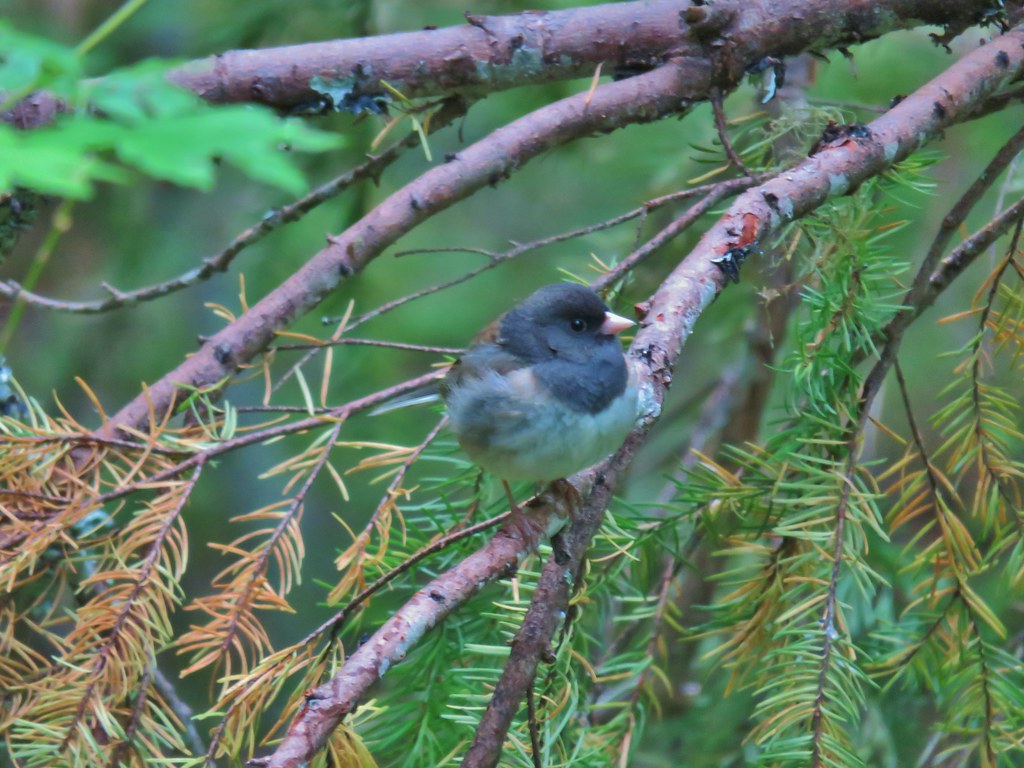 Junco
Junco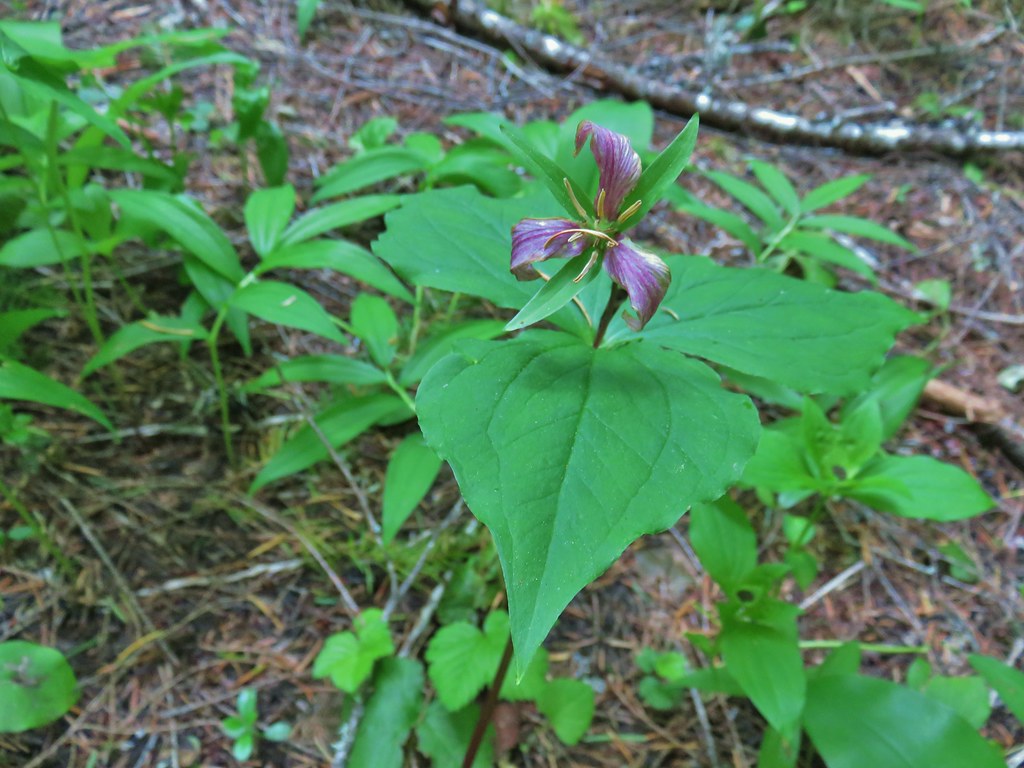 Trillium
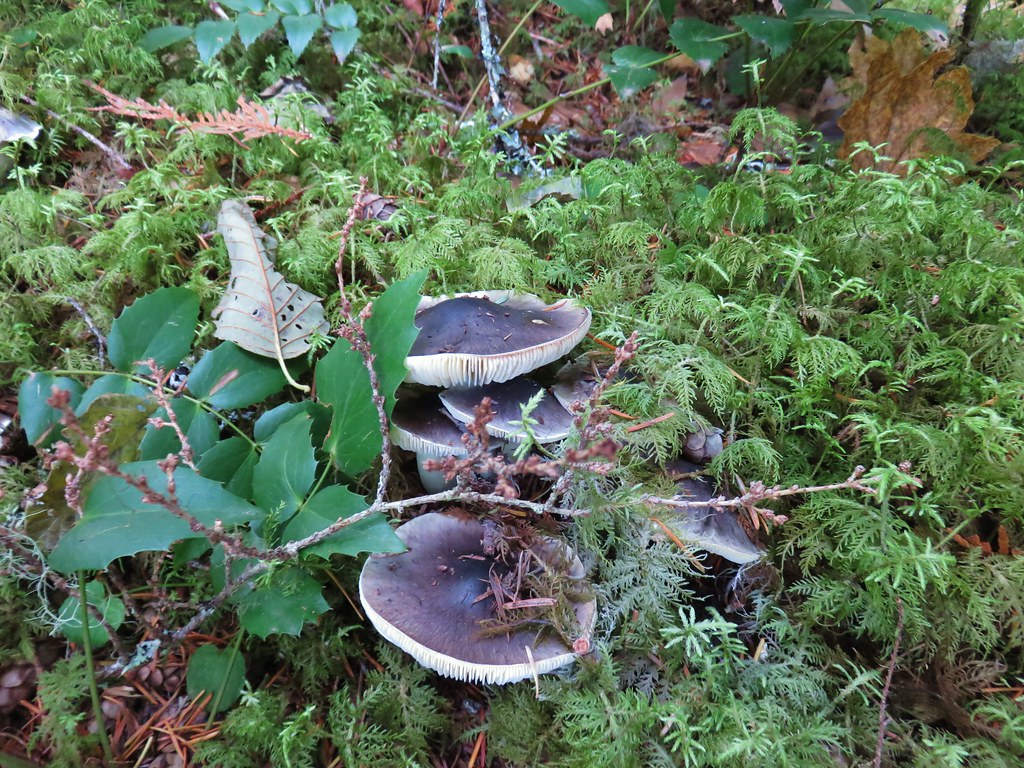
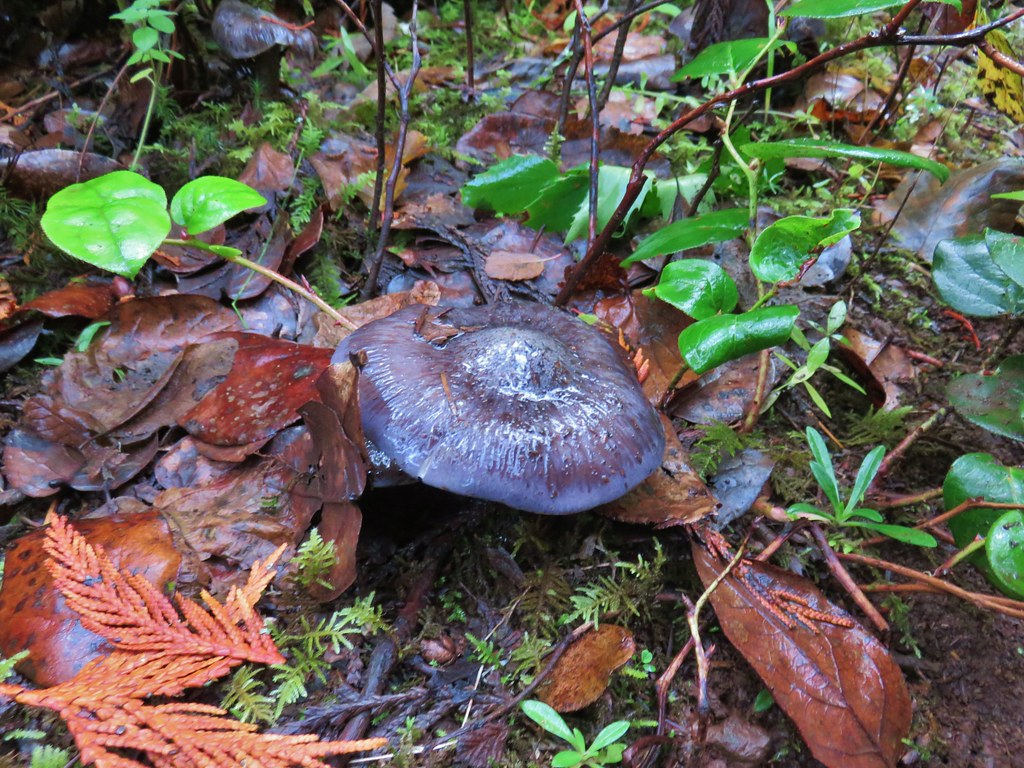
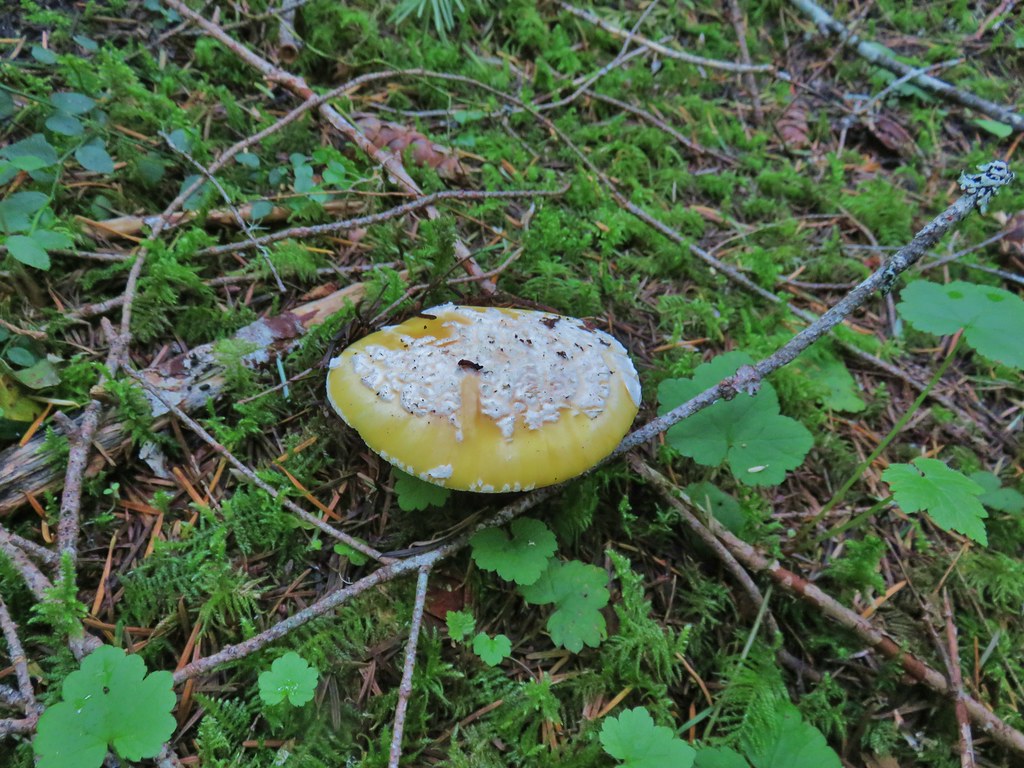 We saw a lot of this type of mushroom.
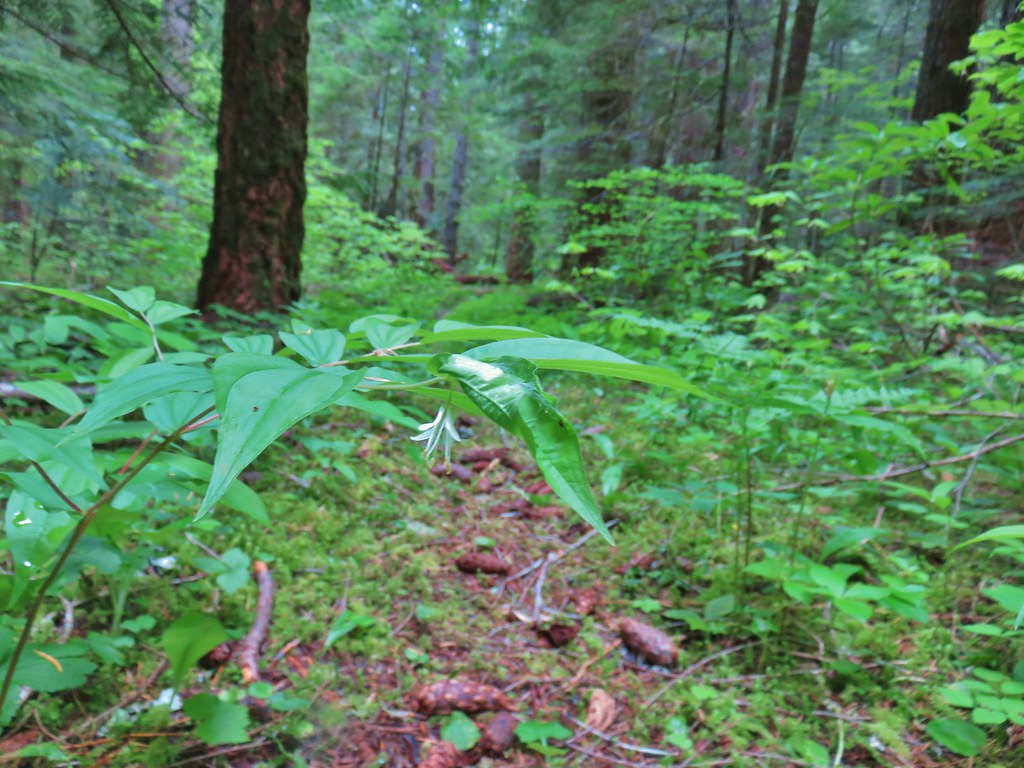 Fairybells
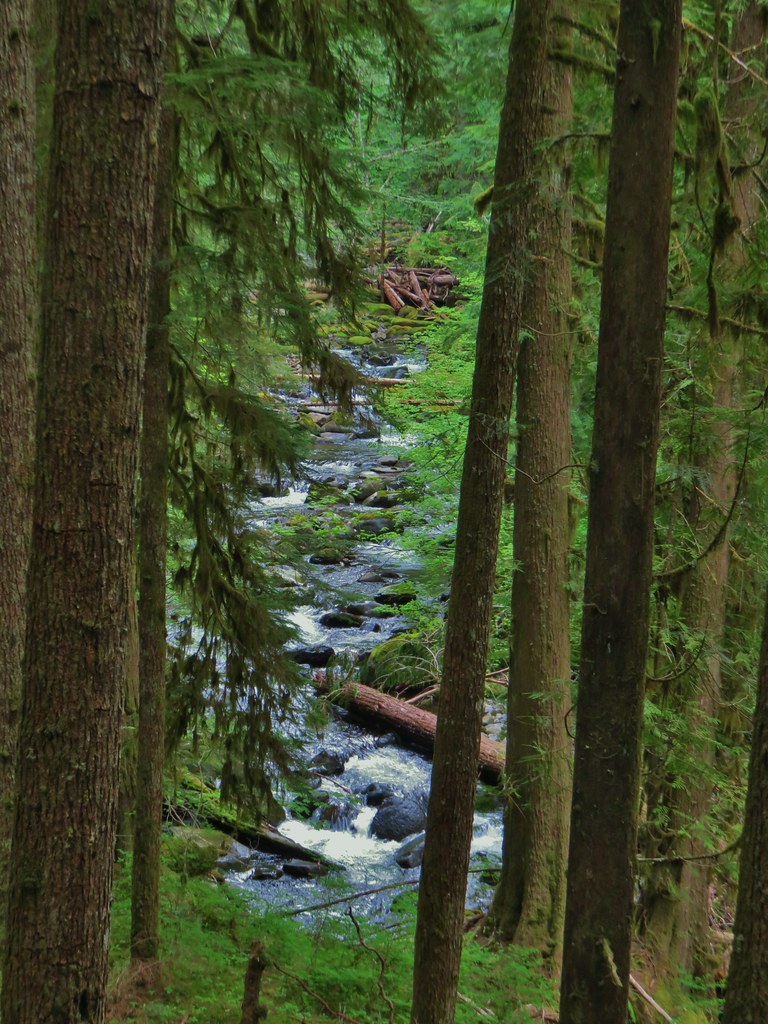
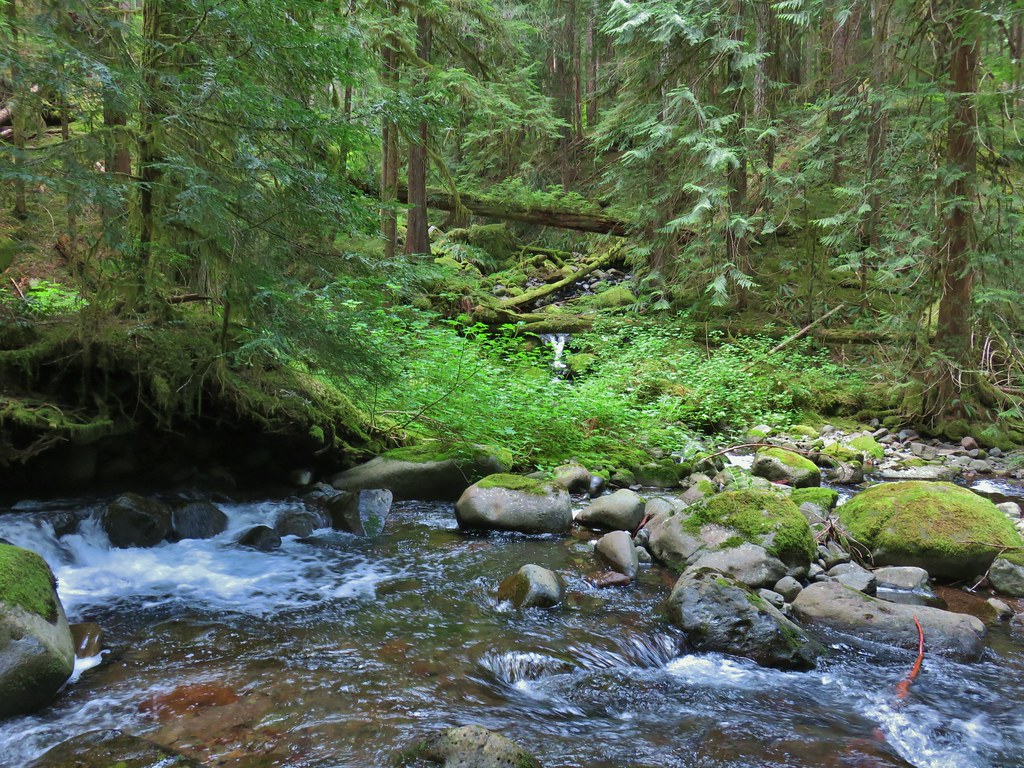
 East Fork South Fork McKenzie River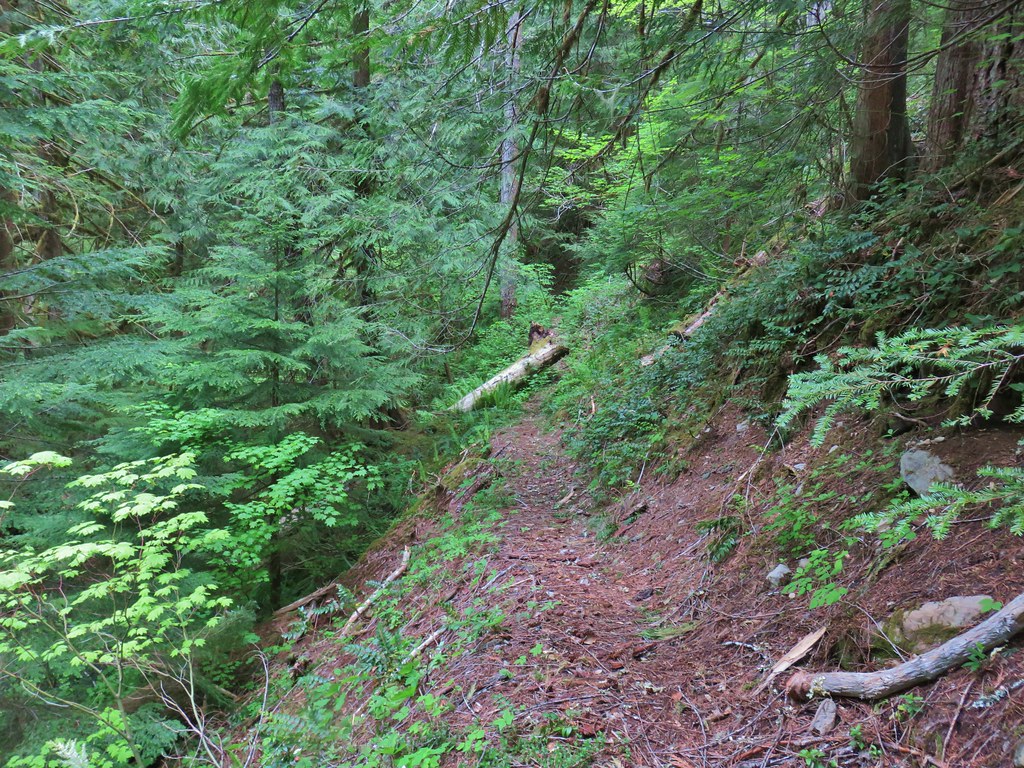




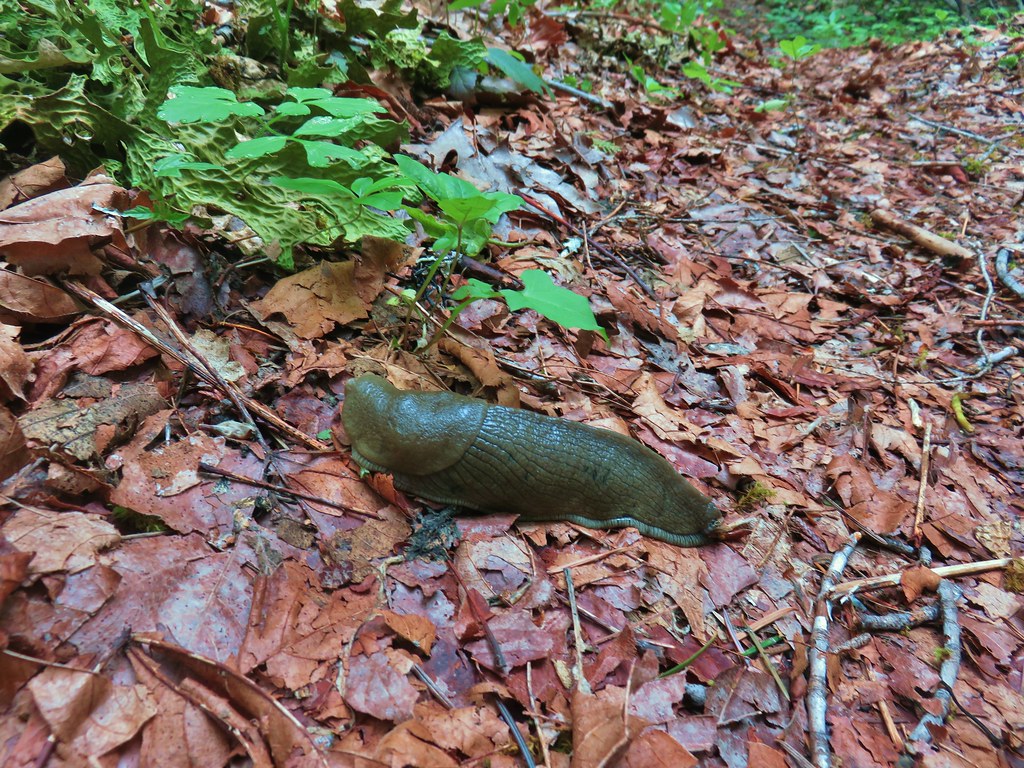
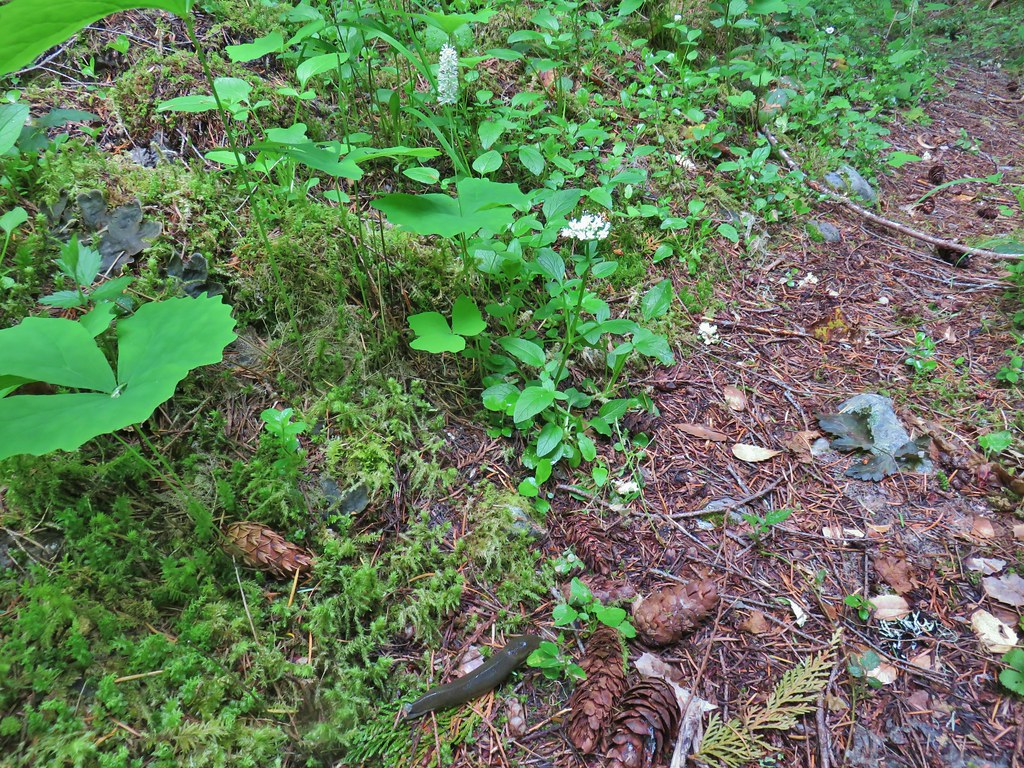 Vanilla leaf, valerian, and a slug.
 Oregon grape
 Salmonberry
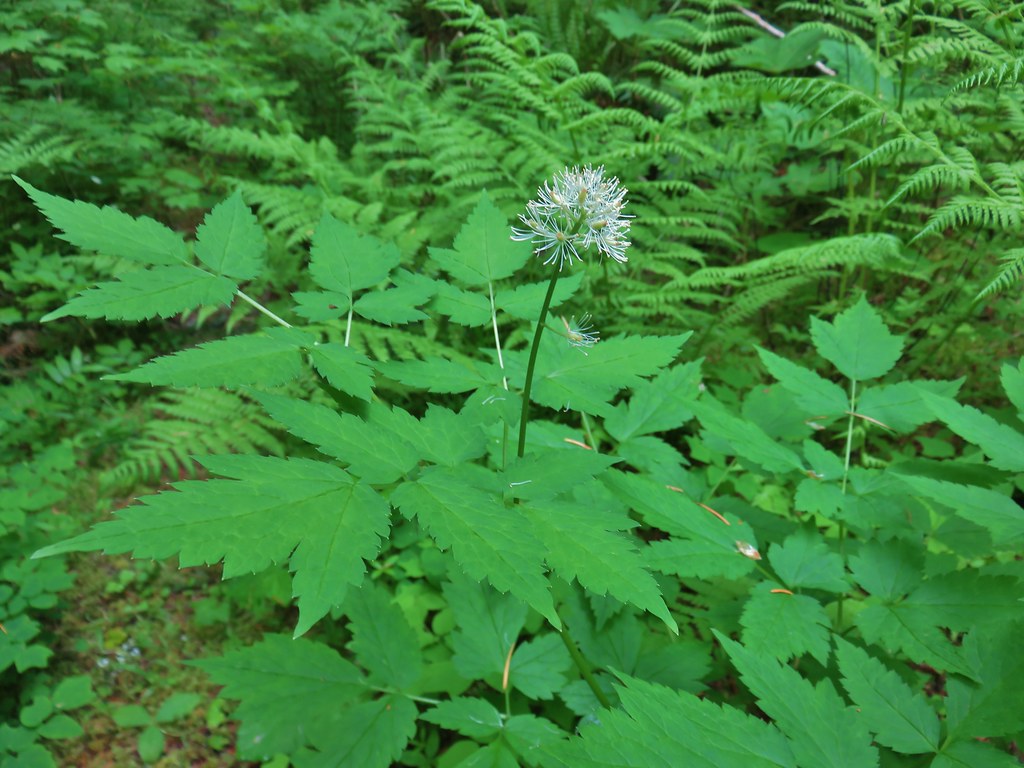 Baneberry
 Violets
 Sour grass
 Queen’s cup
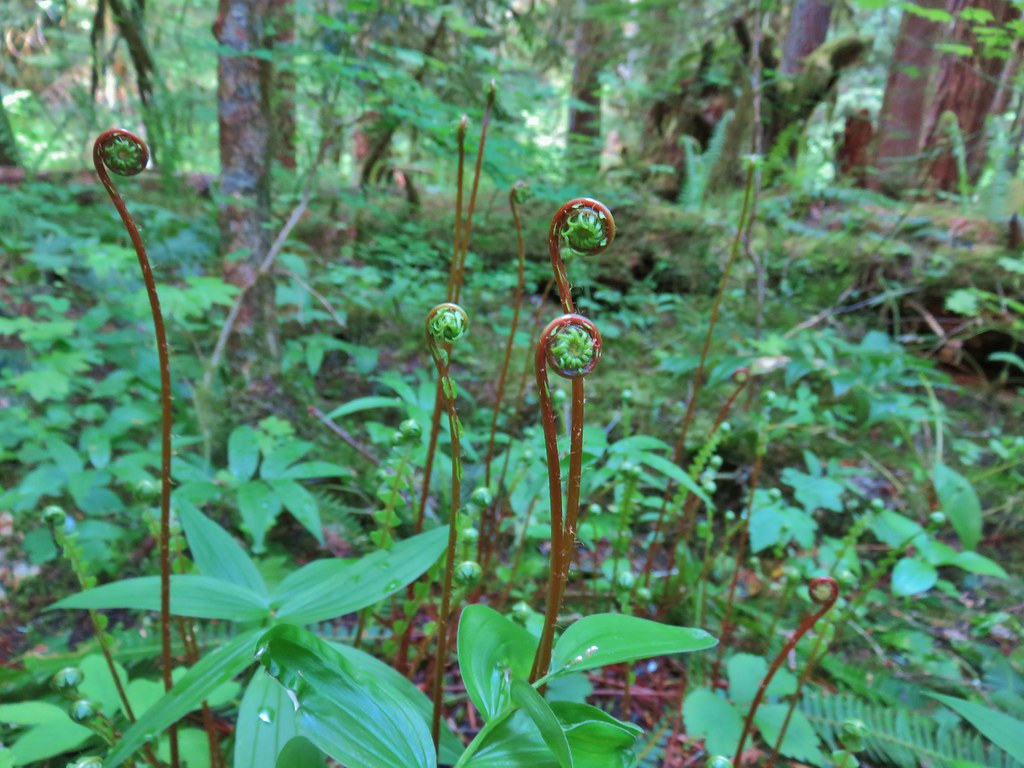 Fern unfolding
 Mushrooms
 Maidenhair ferns
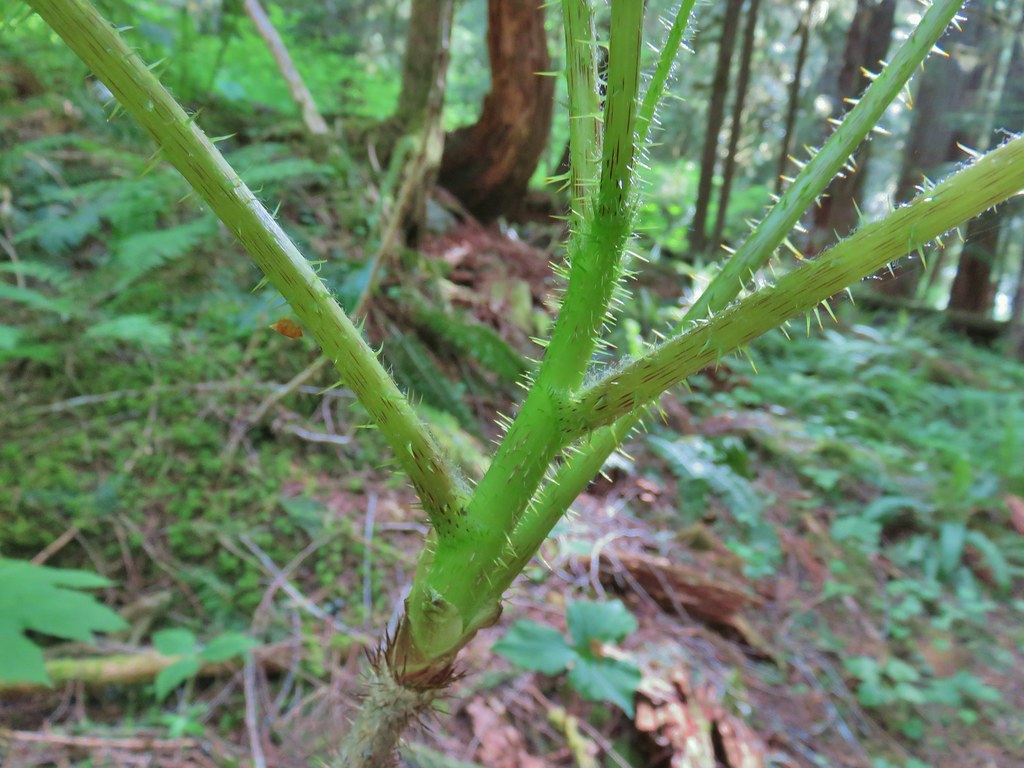 We also watched out for the nasty Devil’s Club and its thorns.


 The grouse is the blurry brown thing ahead and to the left of the trail.
 Start of the Saddle Trail at FR 1993


 A penstemon starting to bloom
 A line of paintbrush
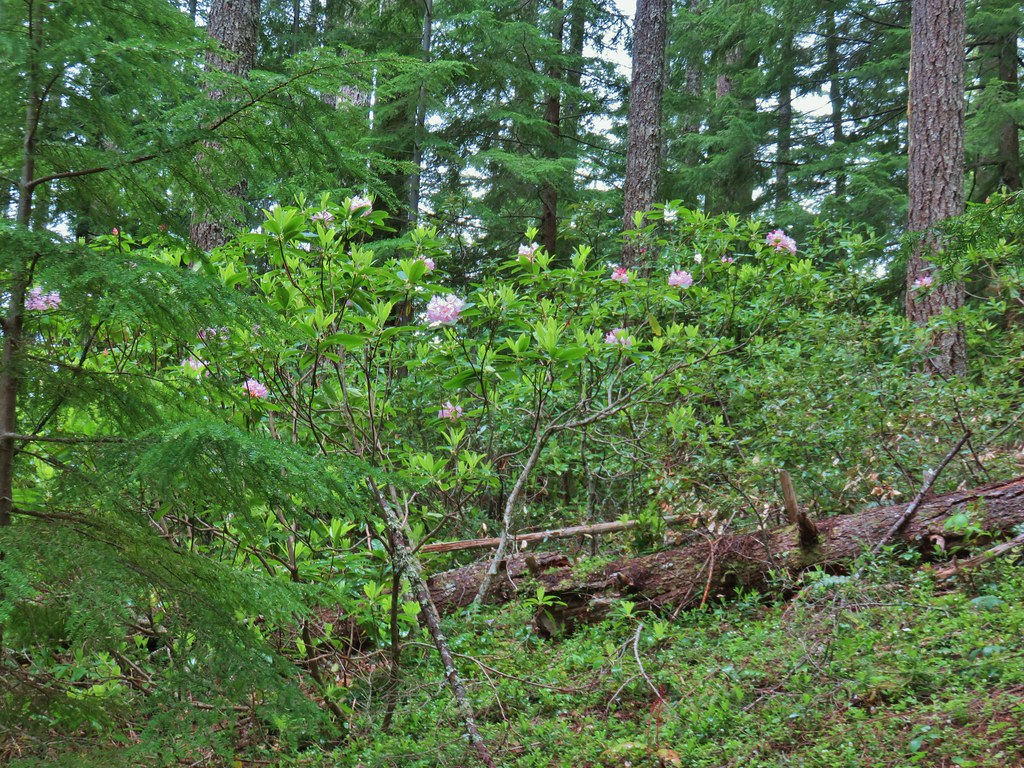 Rhododendron
 Rhododendron
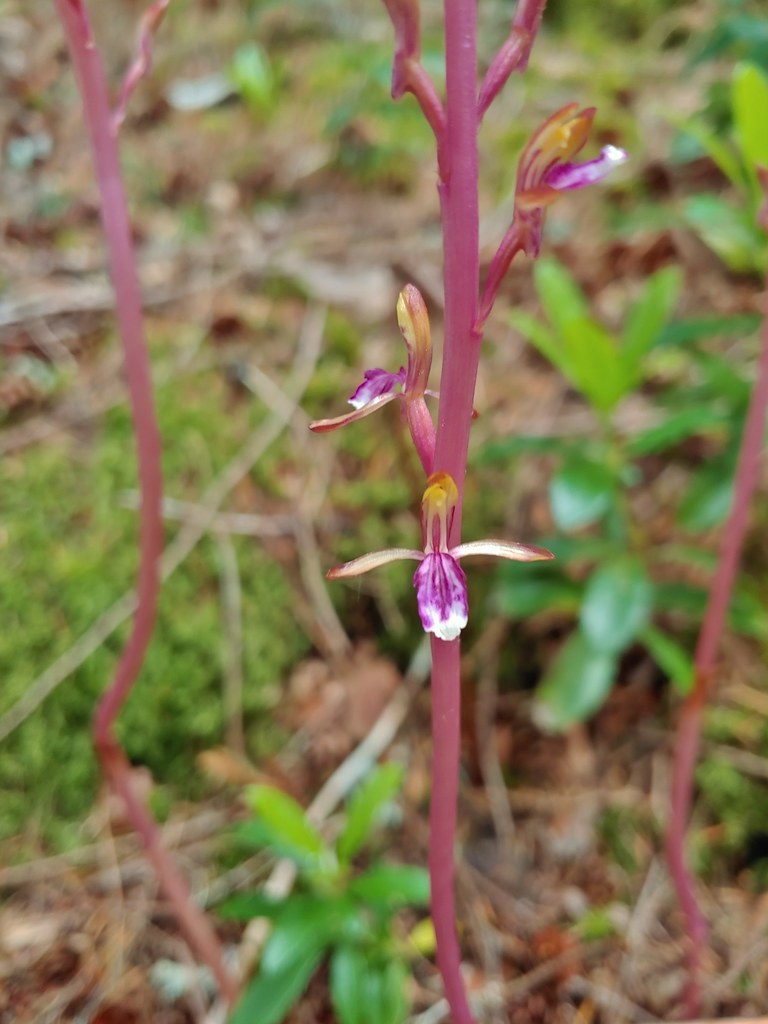 Pacific coralroot
 Northern phlox
 Pinesap (I think)
 Oregon grape
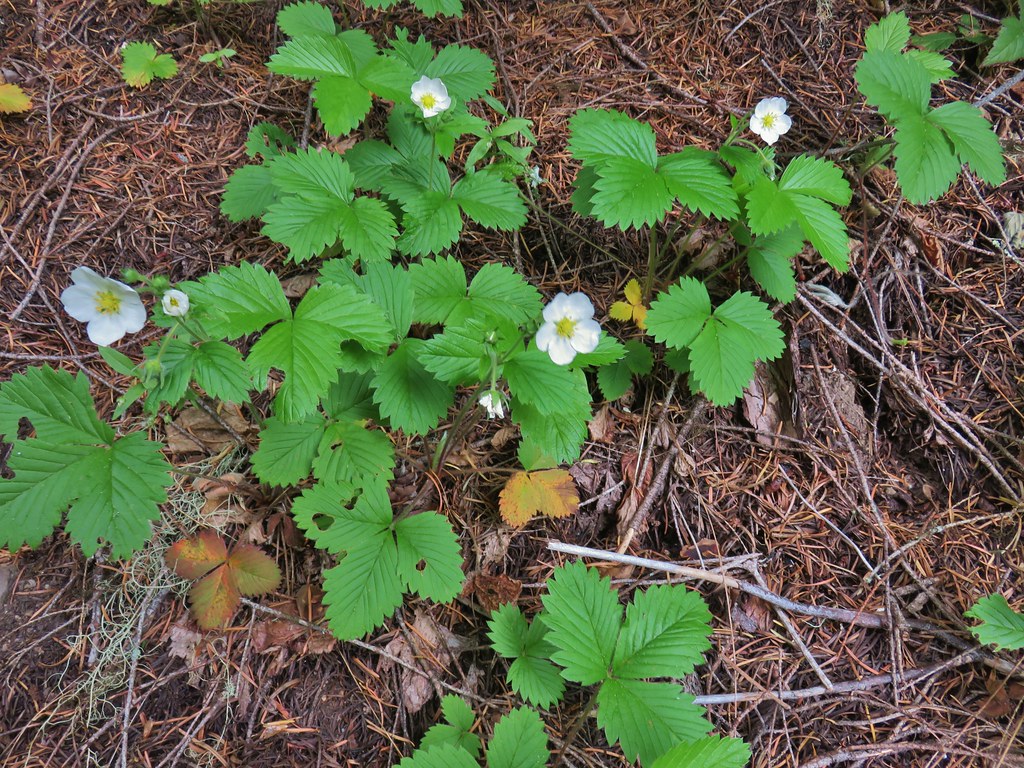 Strawberry
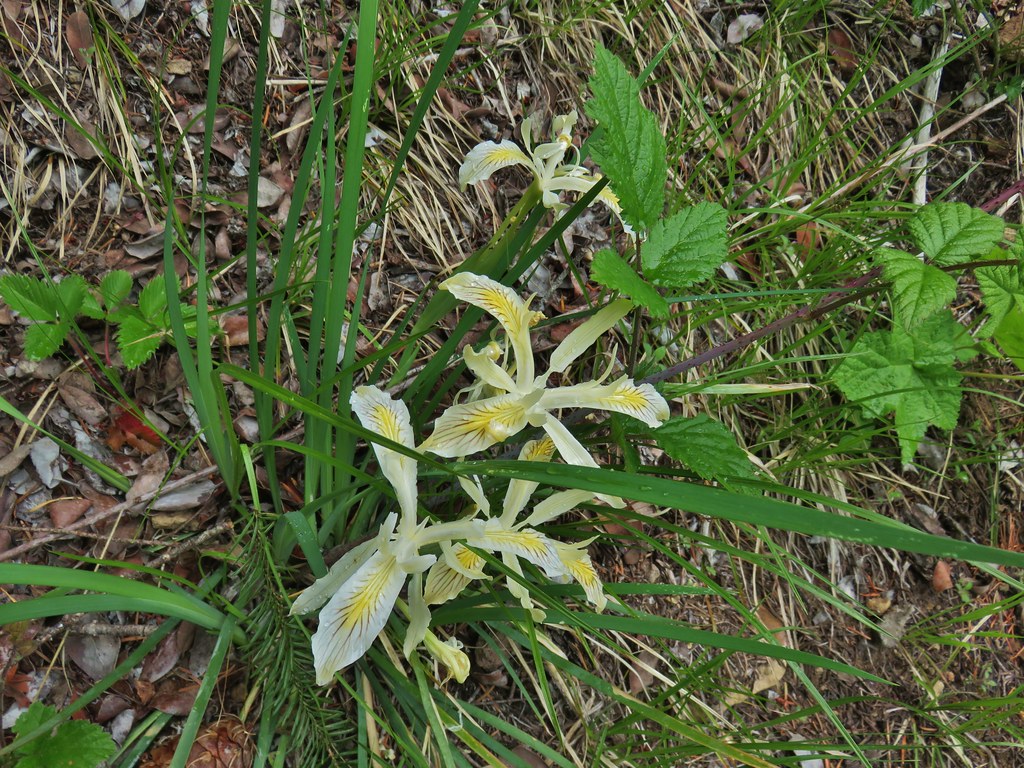 Yellowleaf iris
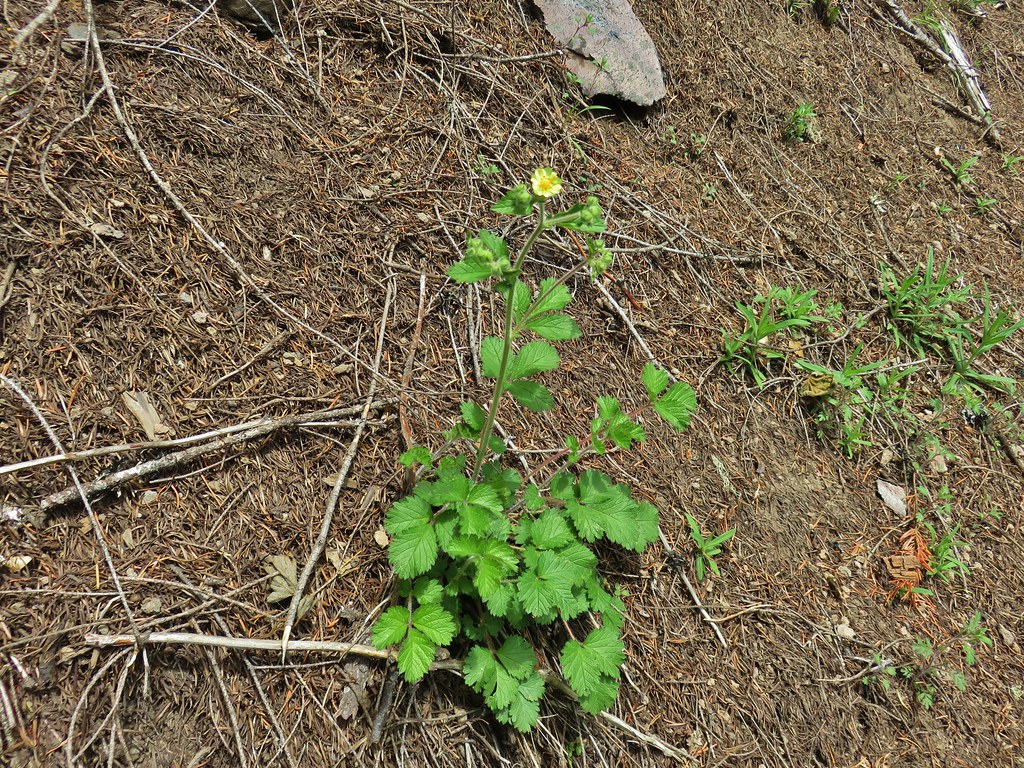 Sticky cinquefoil
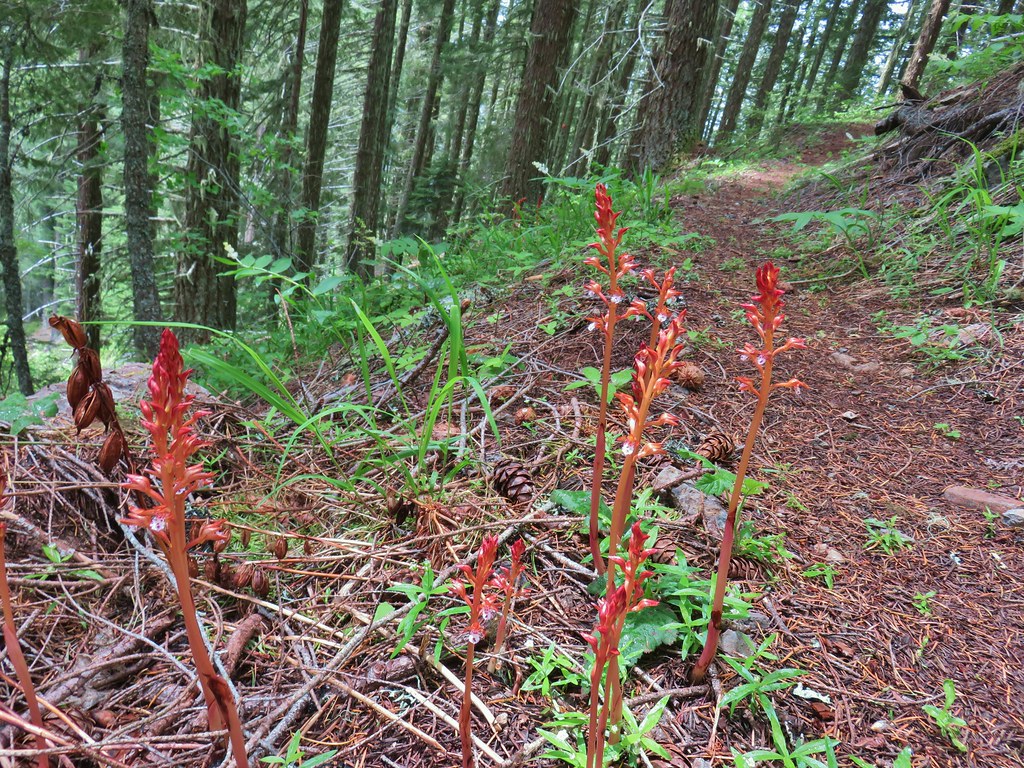 Spotted coralroot
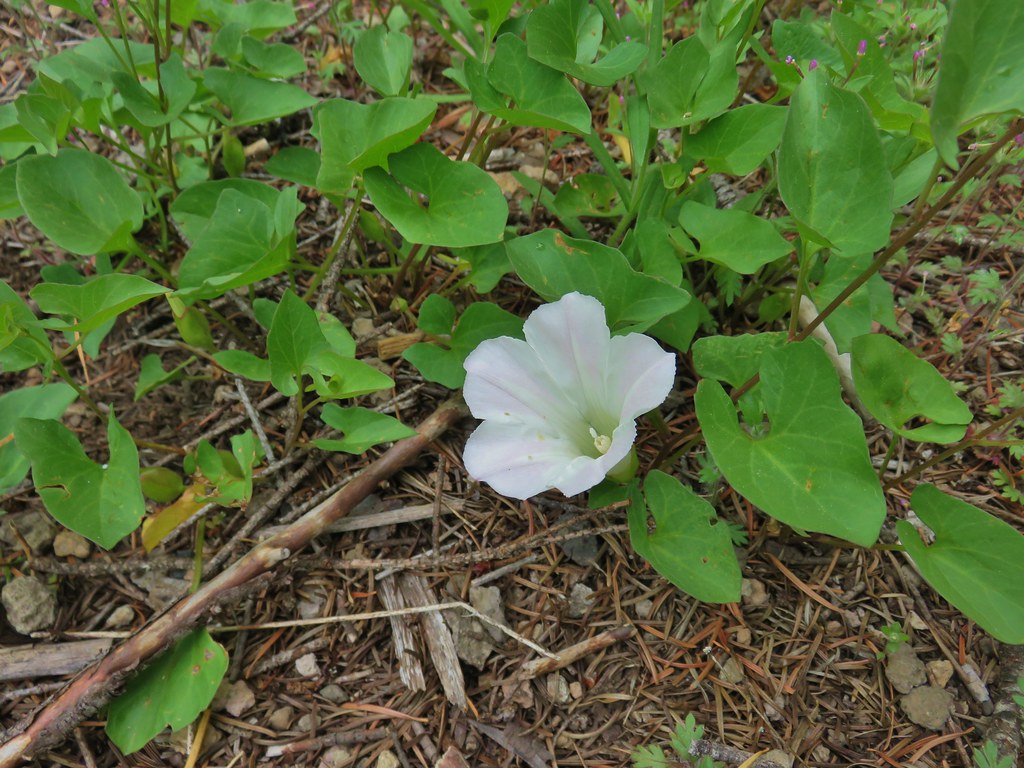 Nightblooming false bindweed
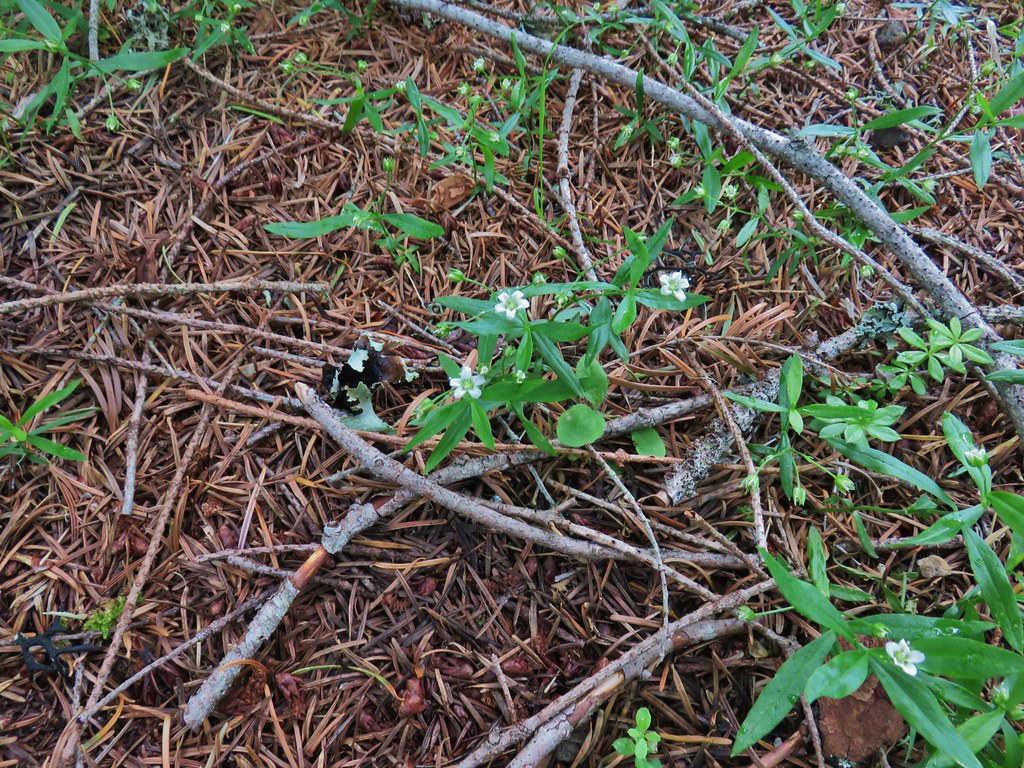 Largeleaf sandwort
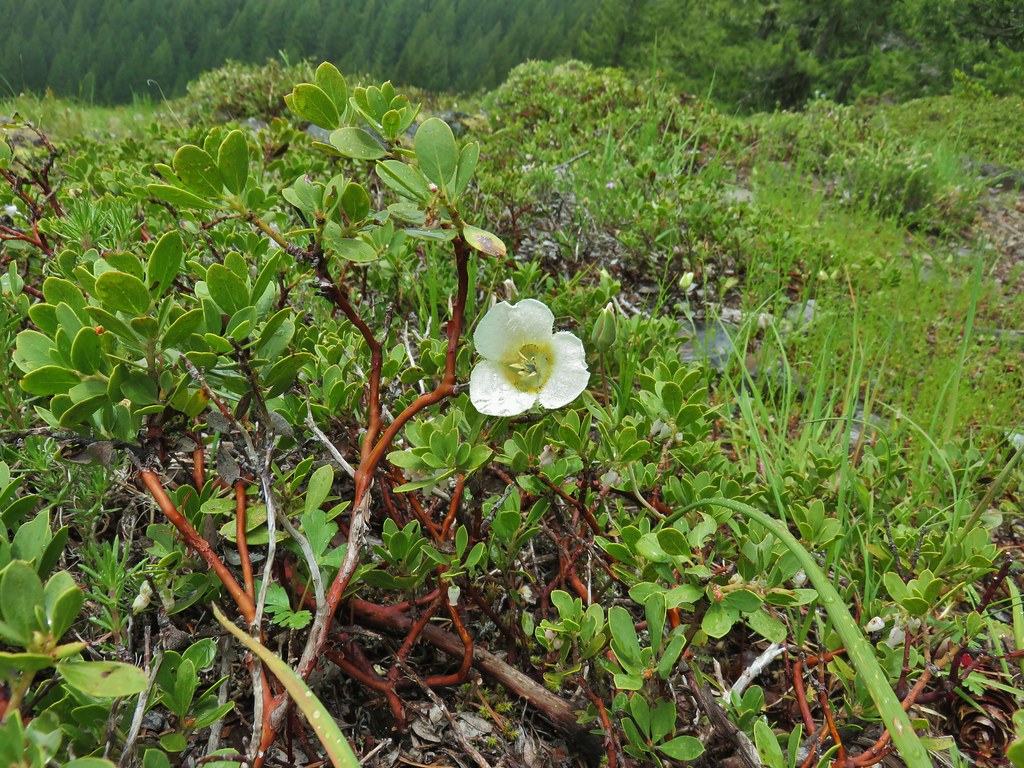 Subalpine mariposa lily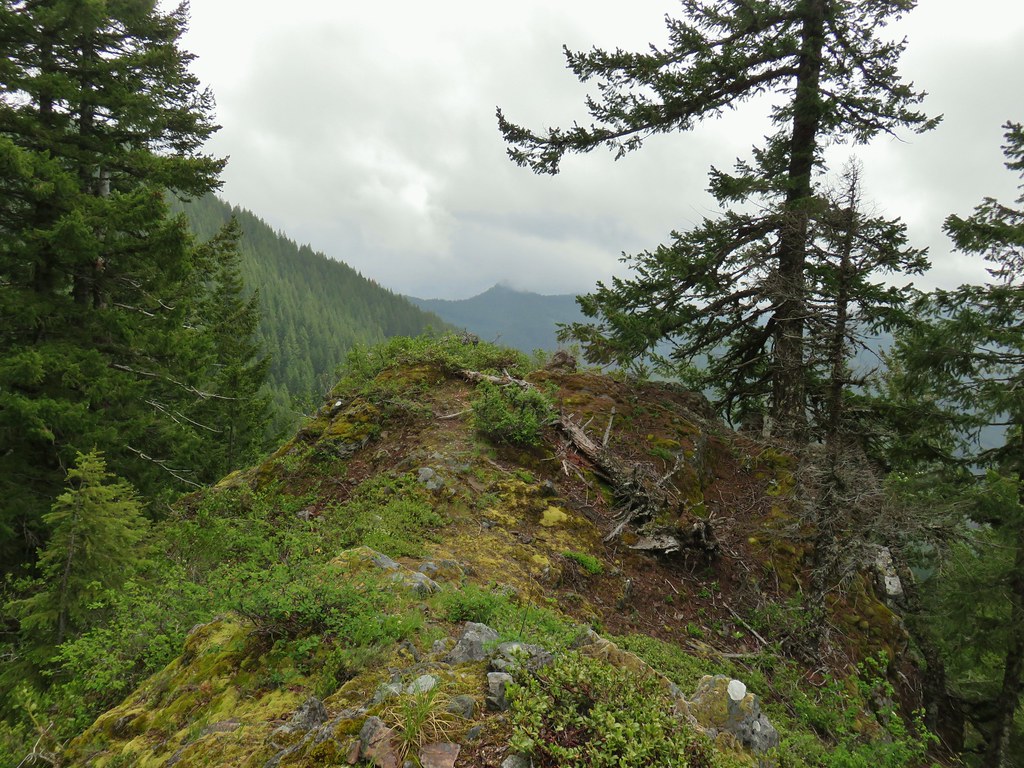
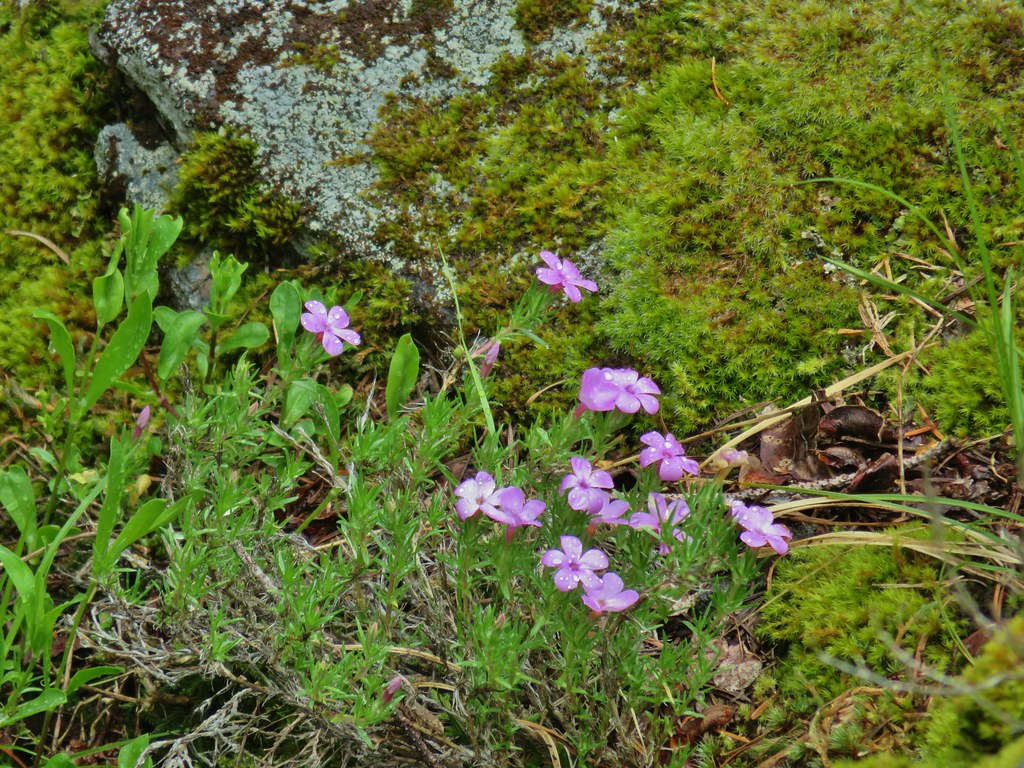 Phlox
Phlox Rosy pussytoes

 Larkspur
 Biscuitroot
 Blue-eyed Mary
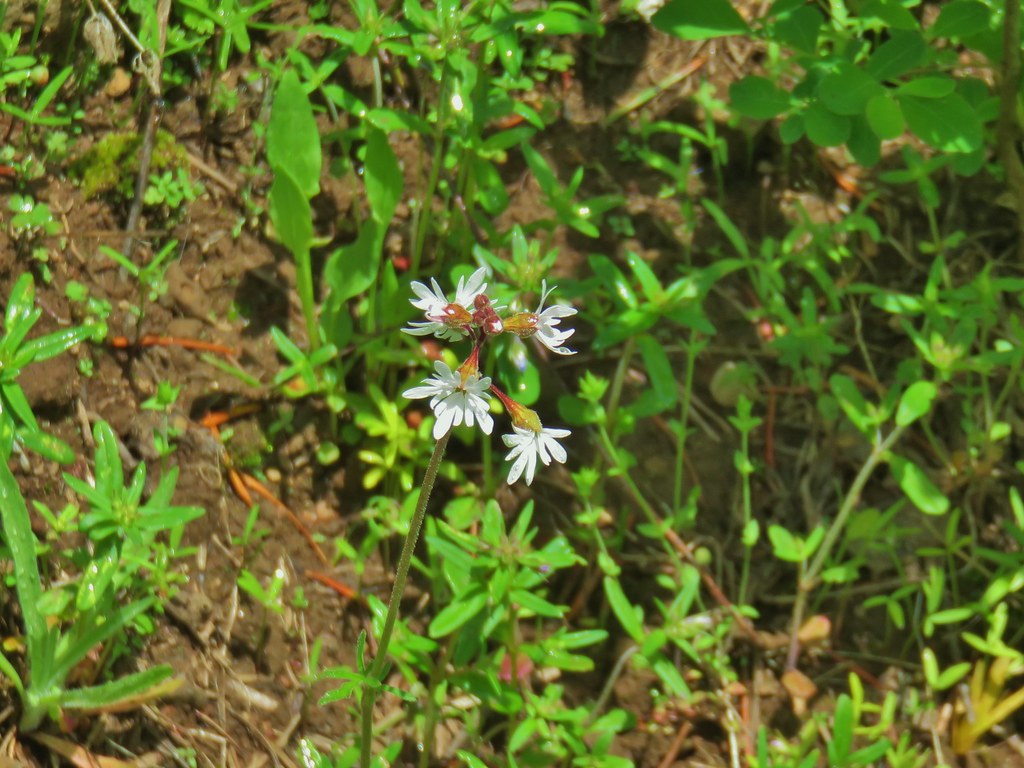 Woodland star
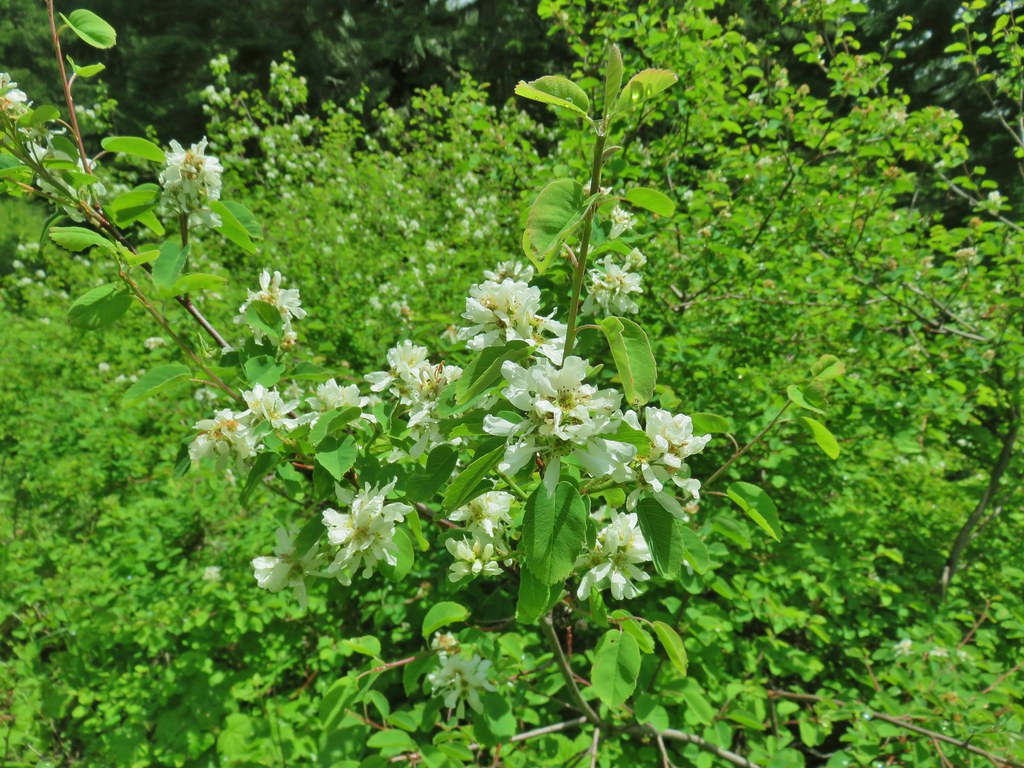 Serviceberry
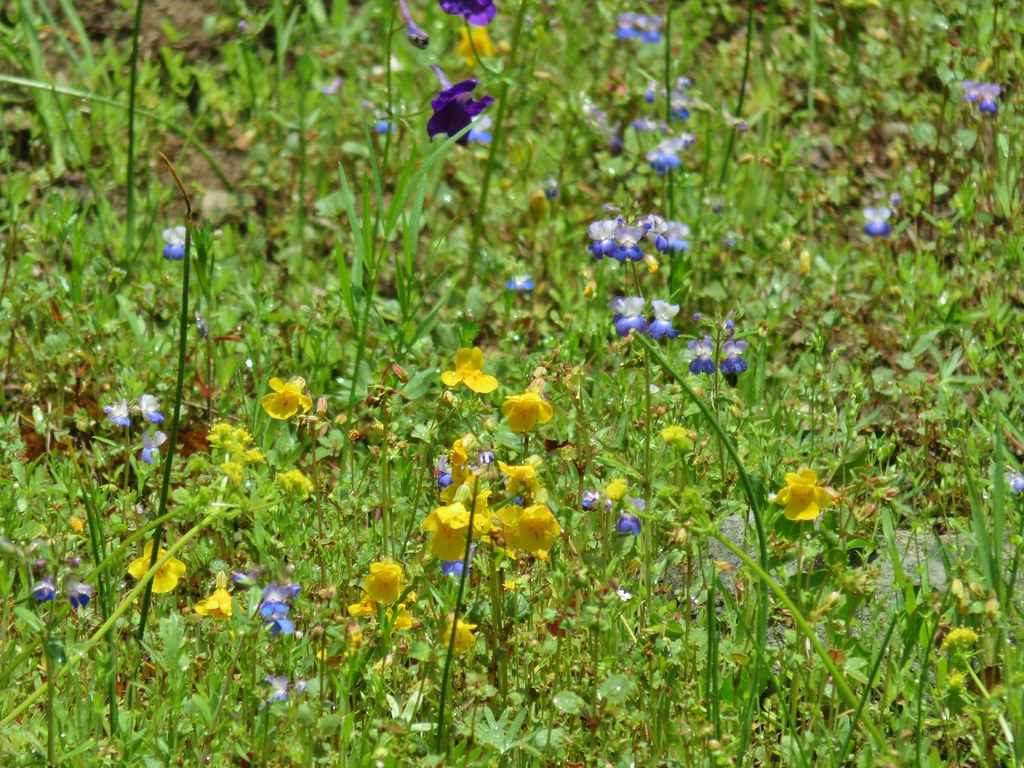 Monkeyflower
 Royal Jacob’s ladder
 Something in the pea family.
 Alpine pennycress
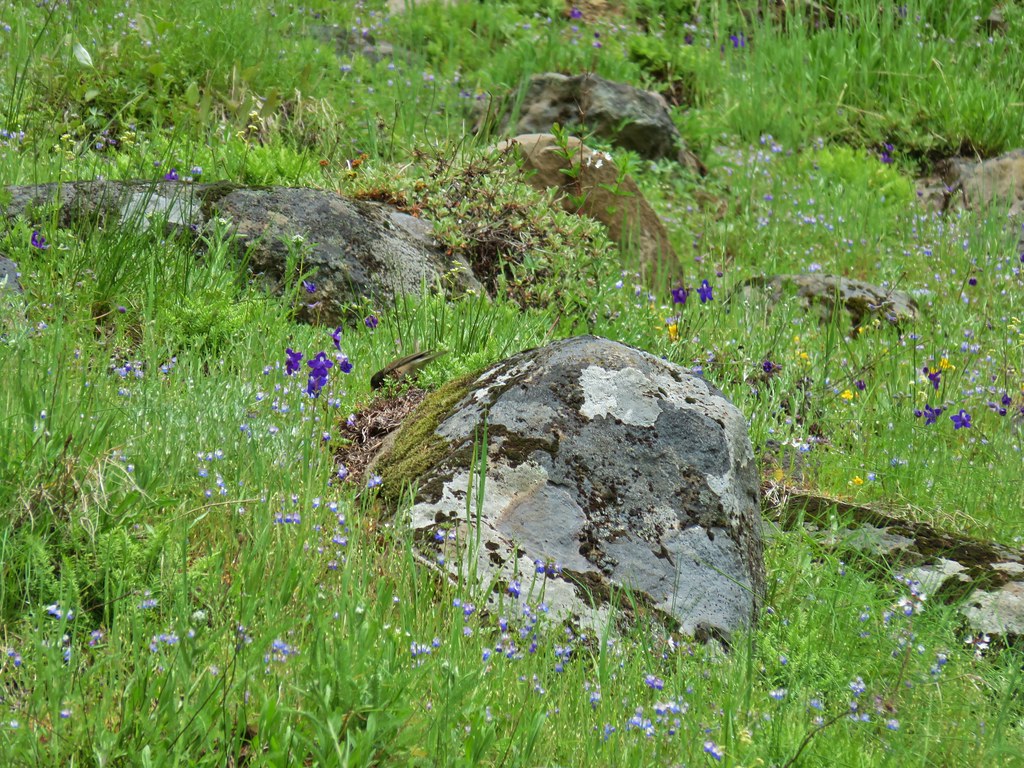 Junco amid the flowers.
 Bear scat in the meadow.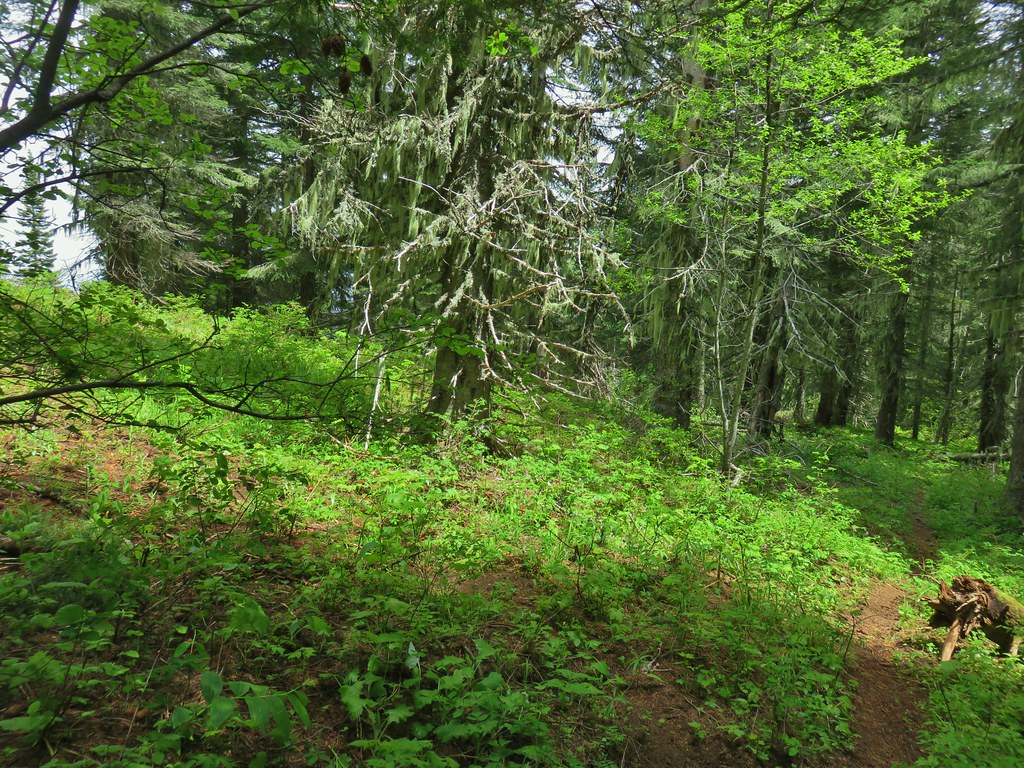
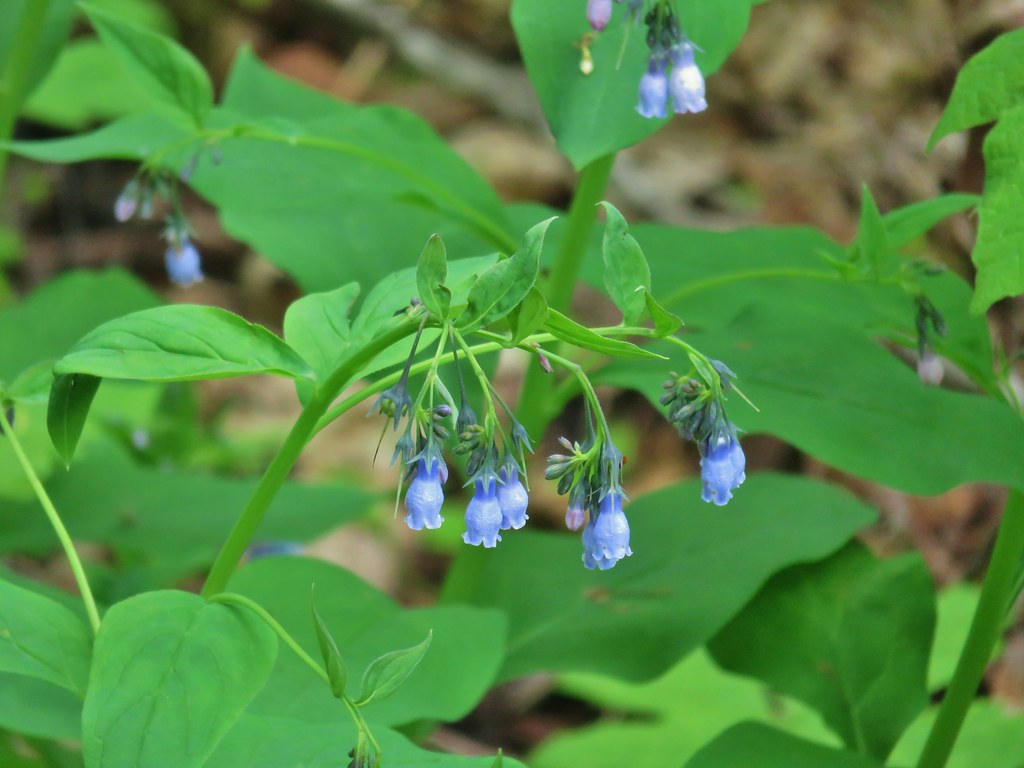
 Tall bluebells
 Trillium
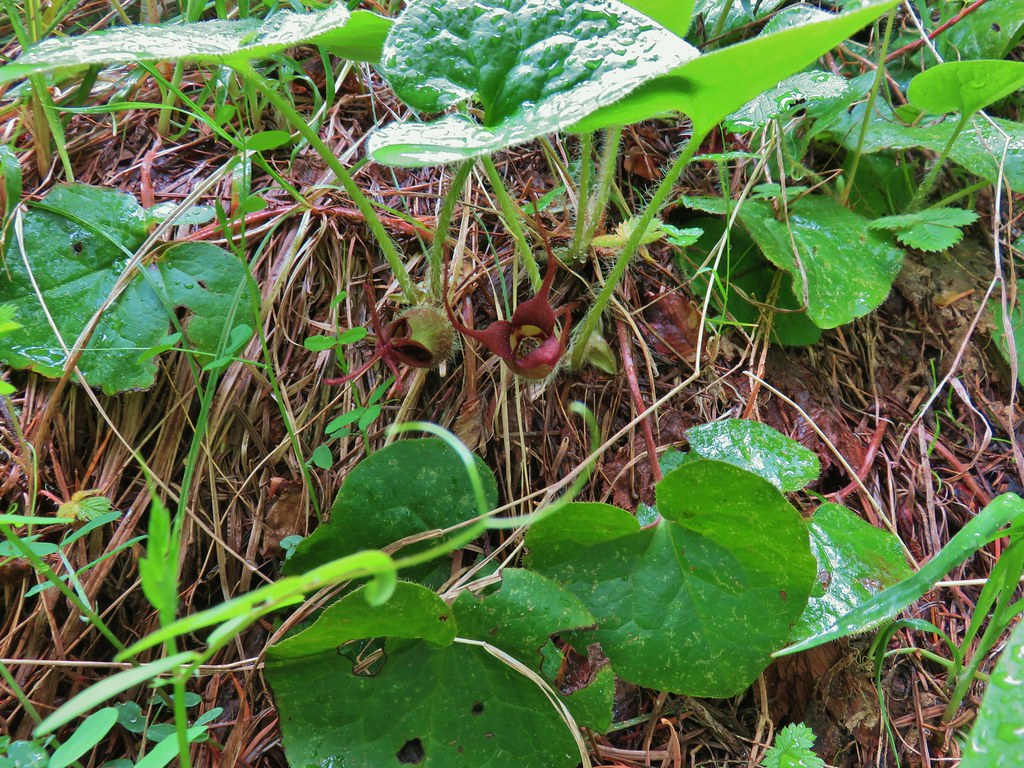 Wild ginger
 Bleeding heart and tall bluebells.
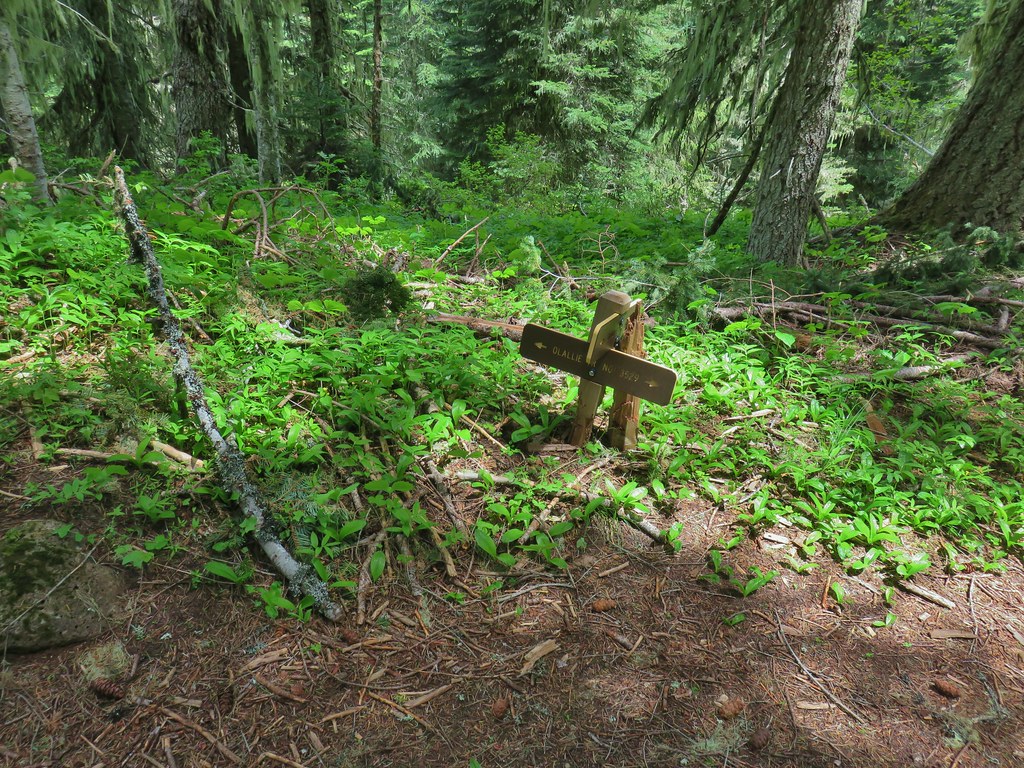 The Olallie Trail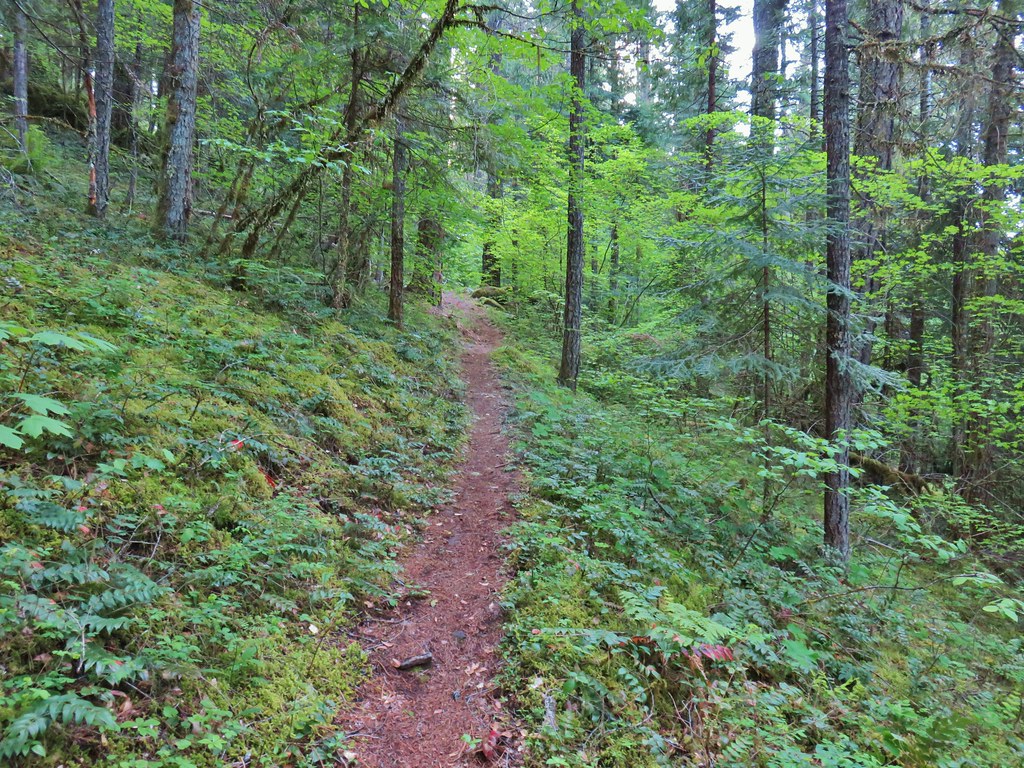
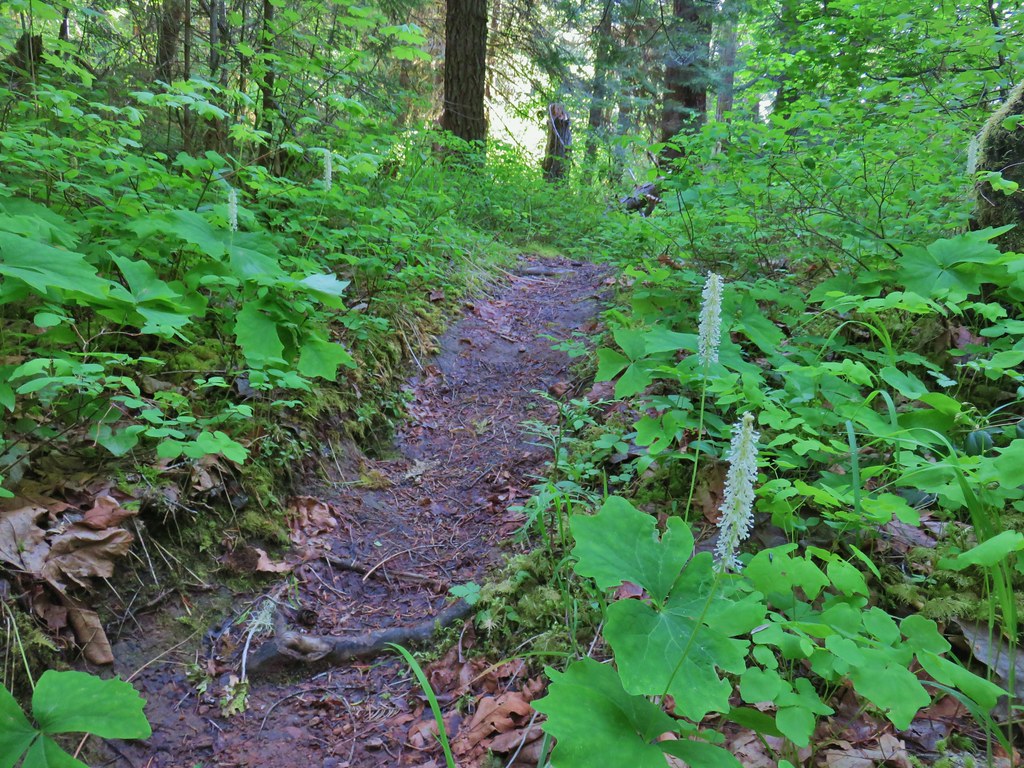
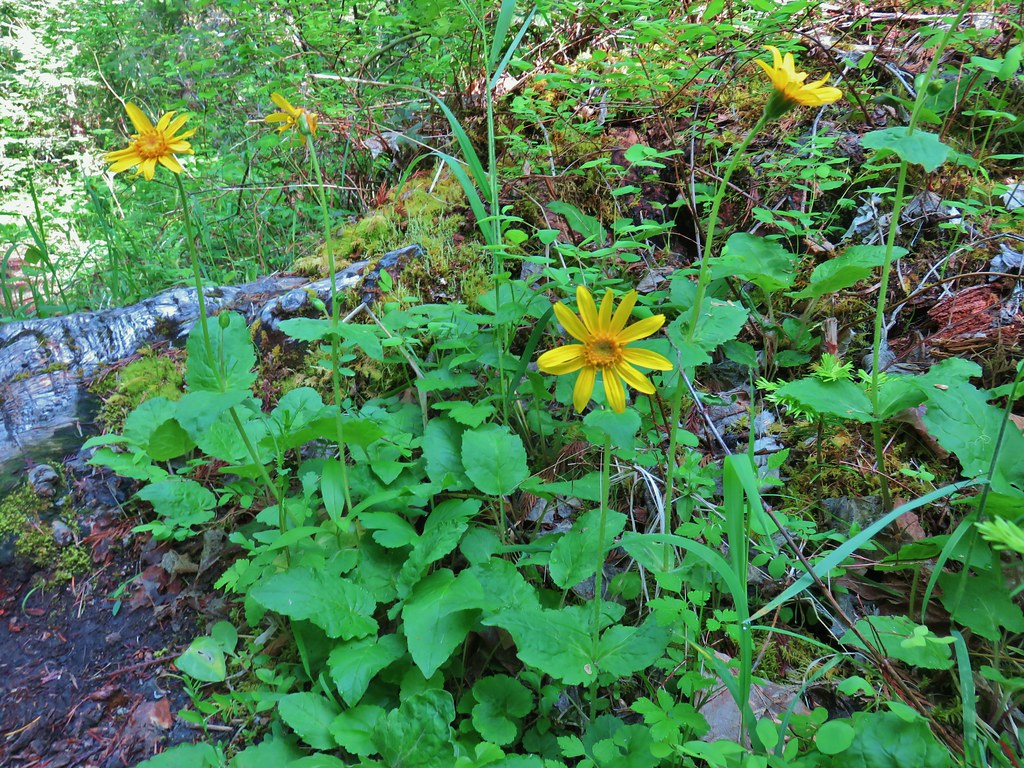


 Camas and buttercups at Rigdon Meadows.

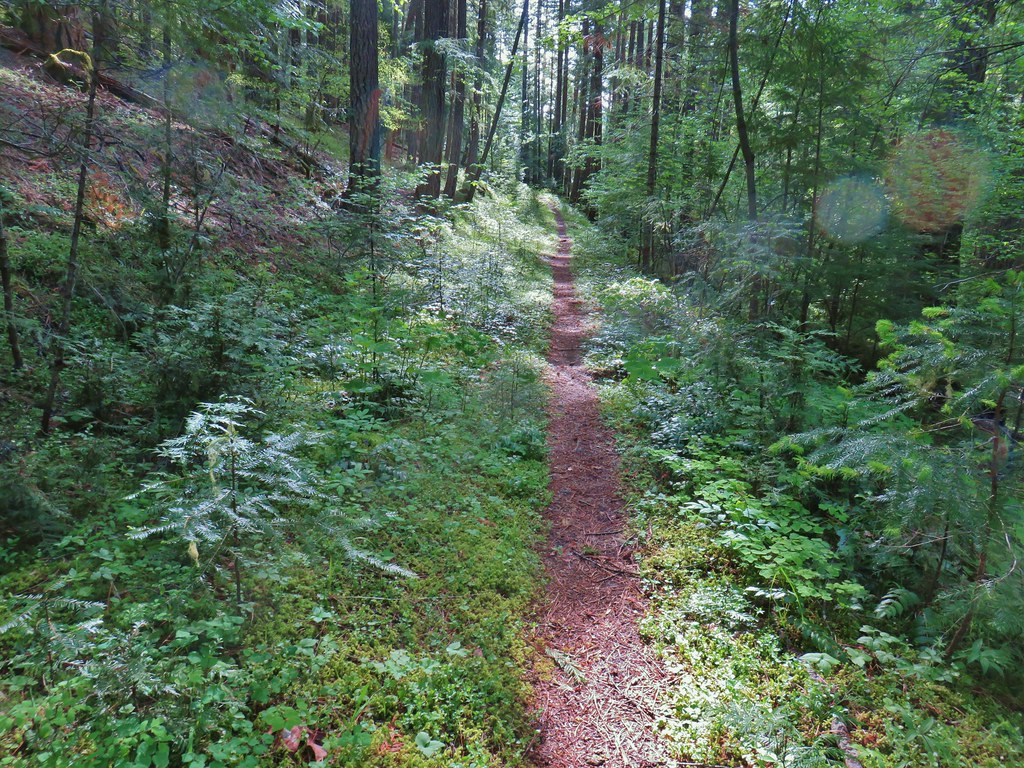
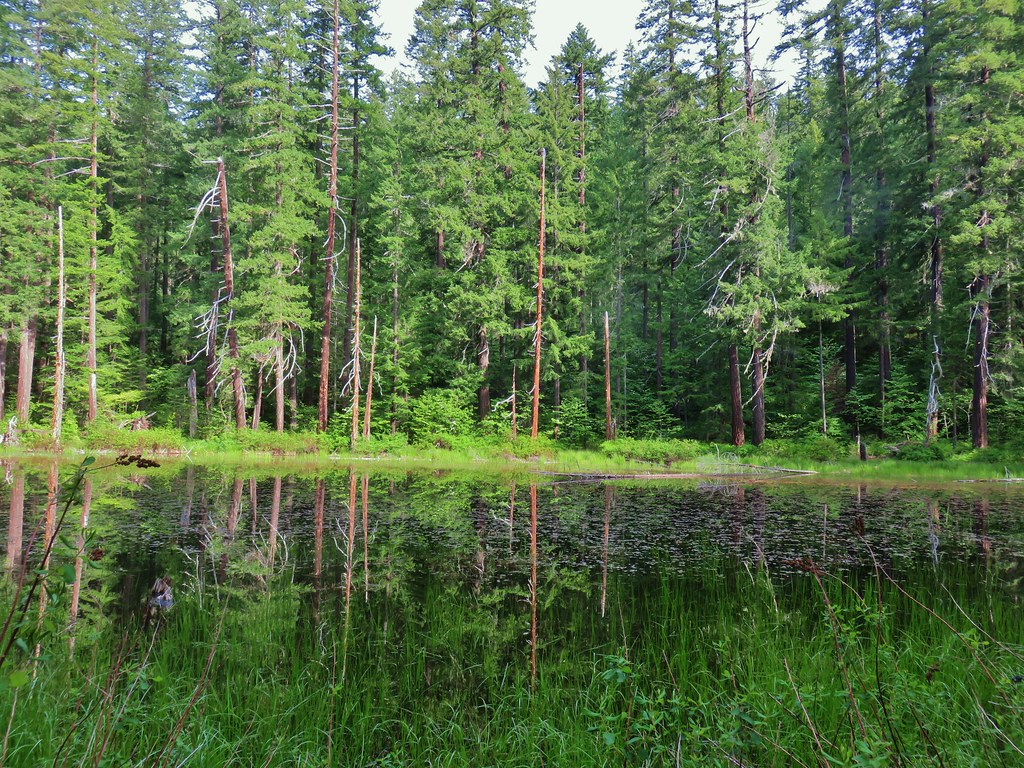
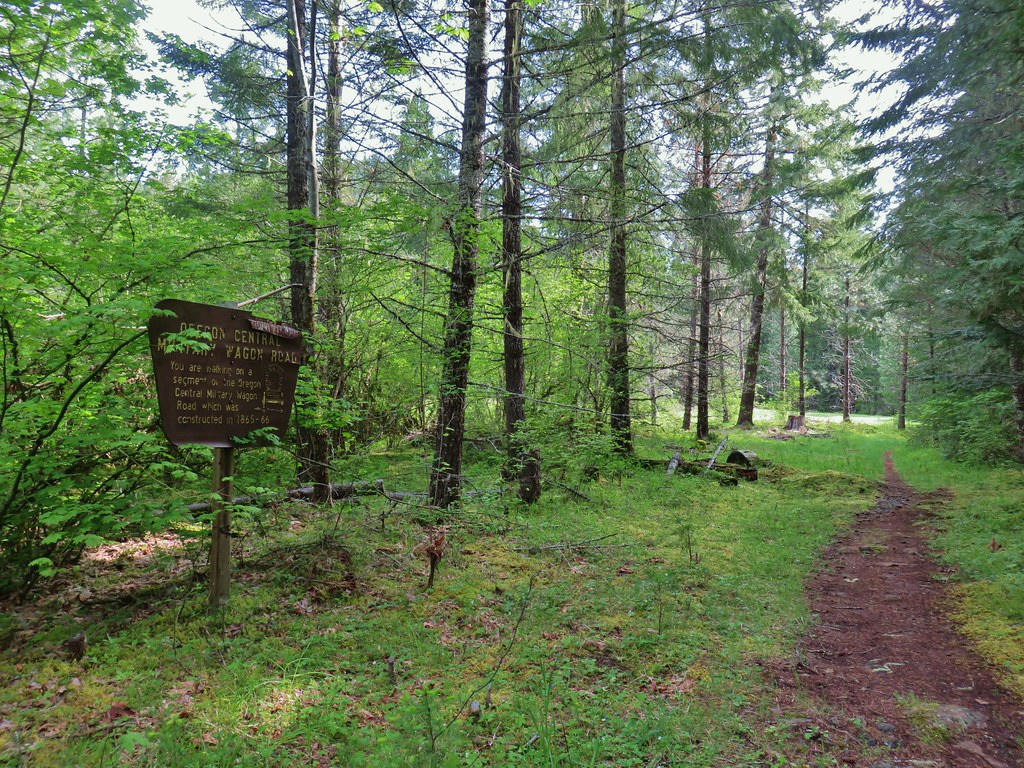

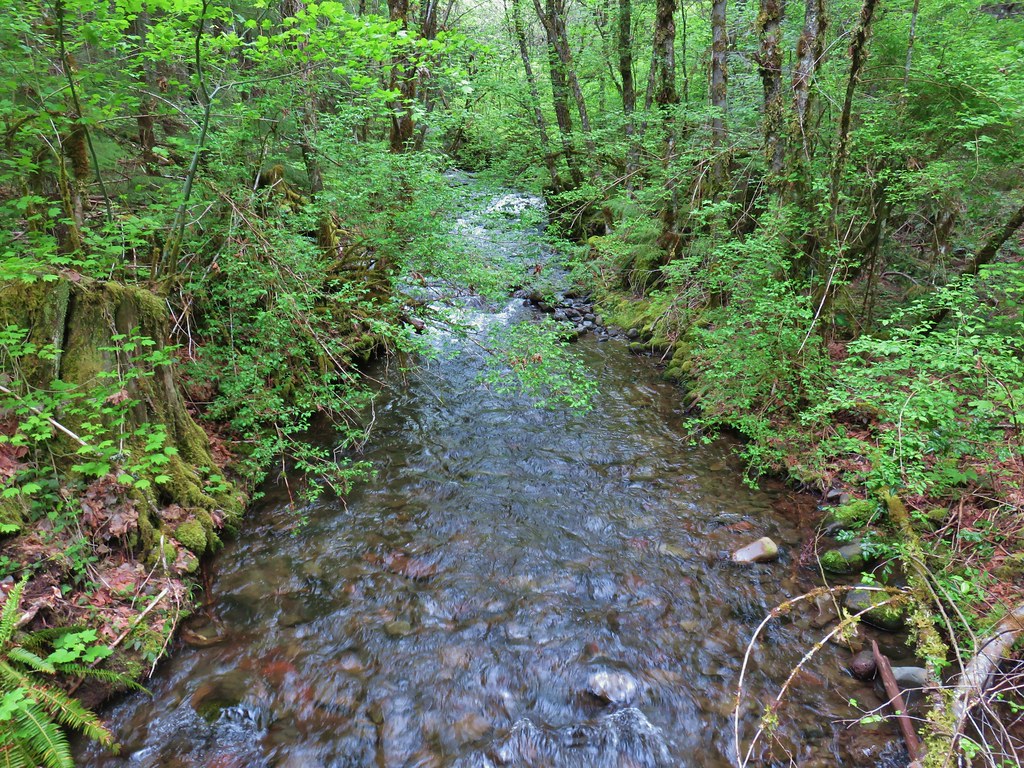

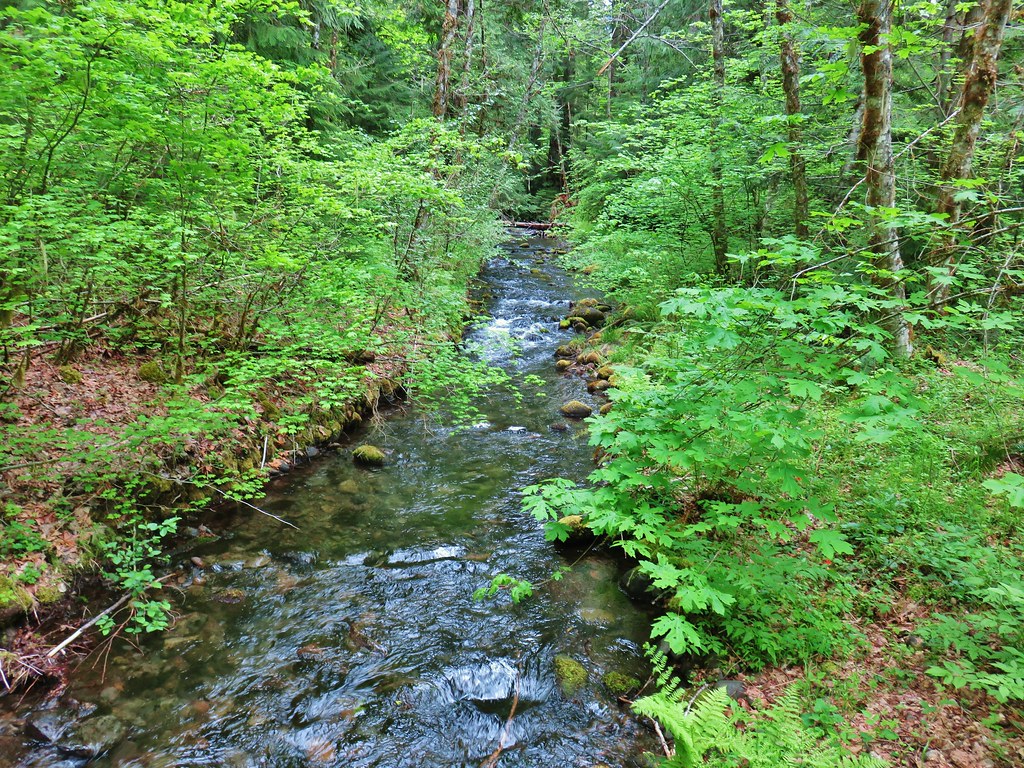


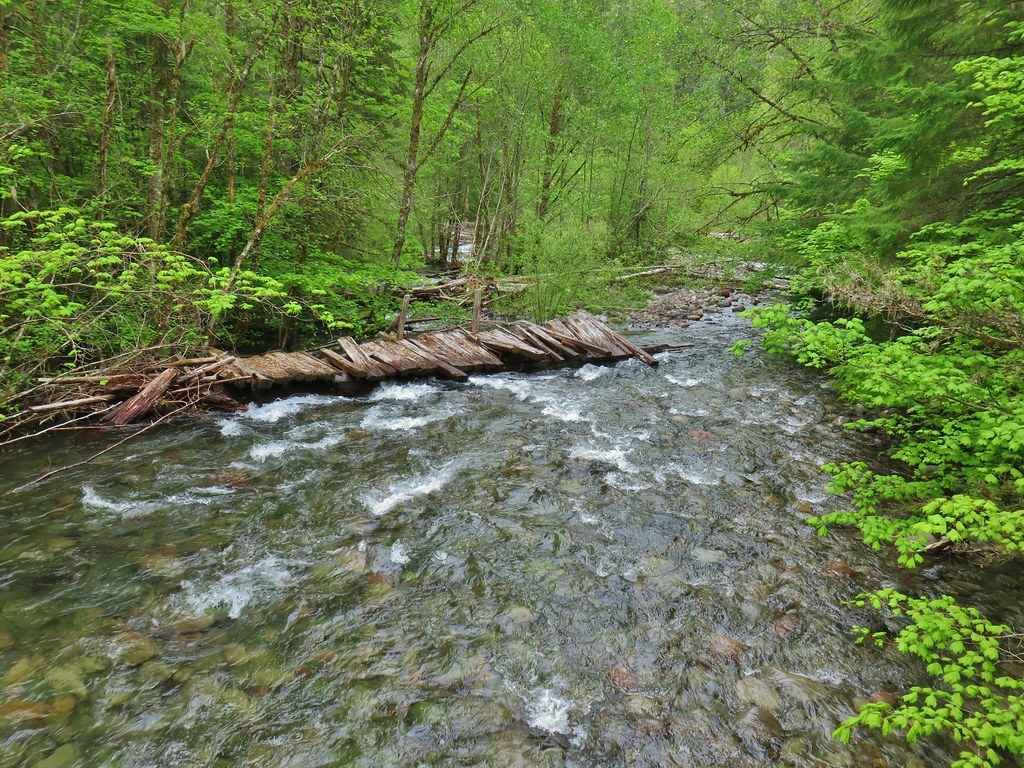


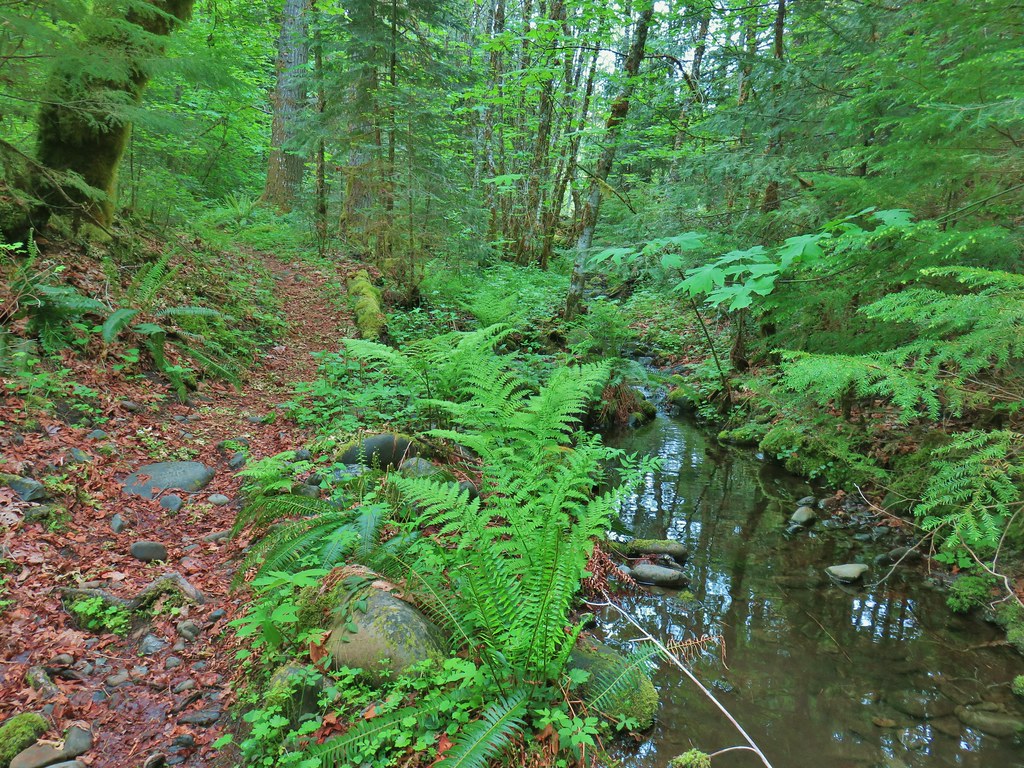




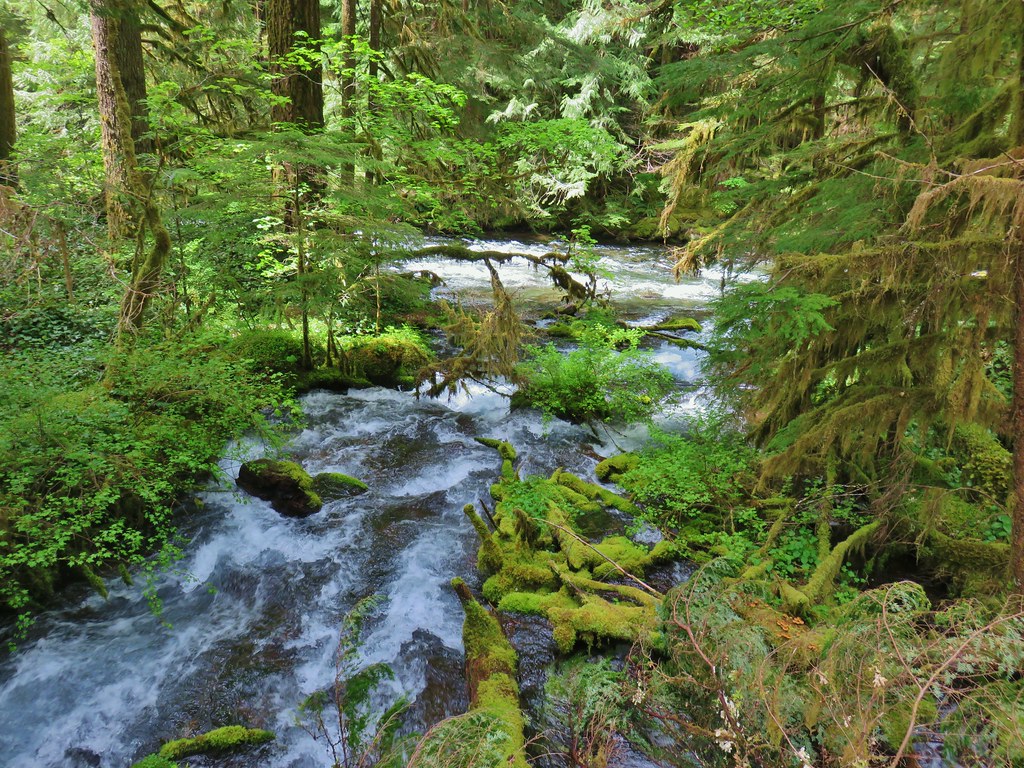
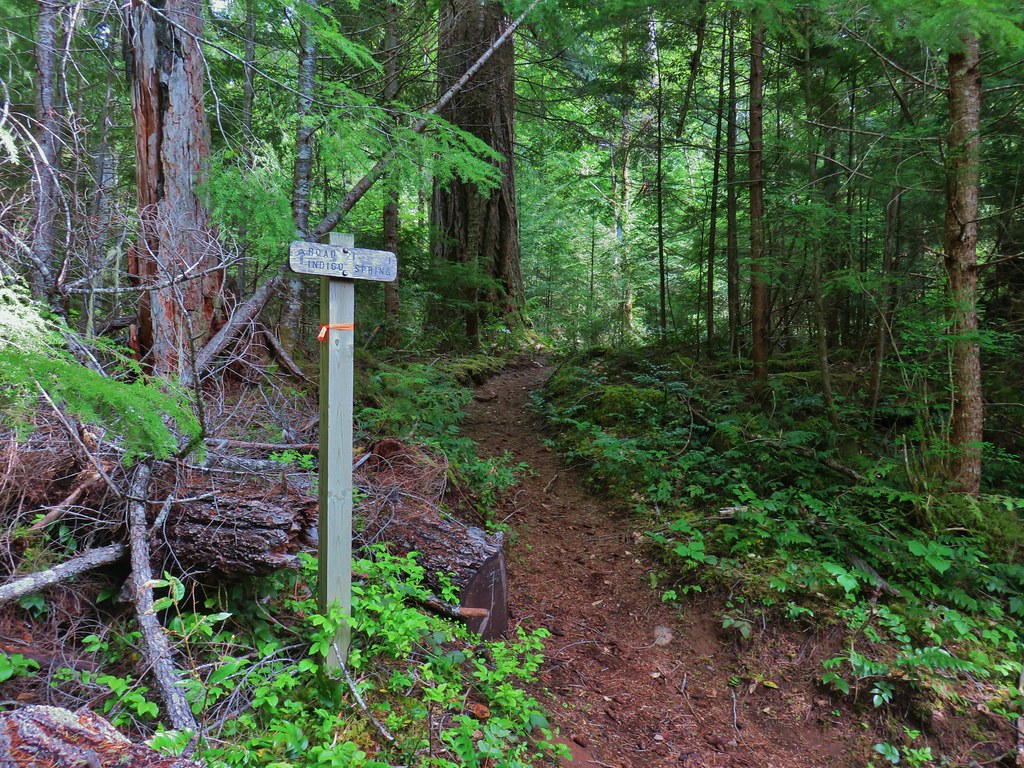
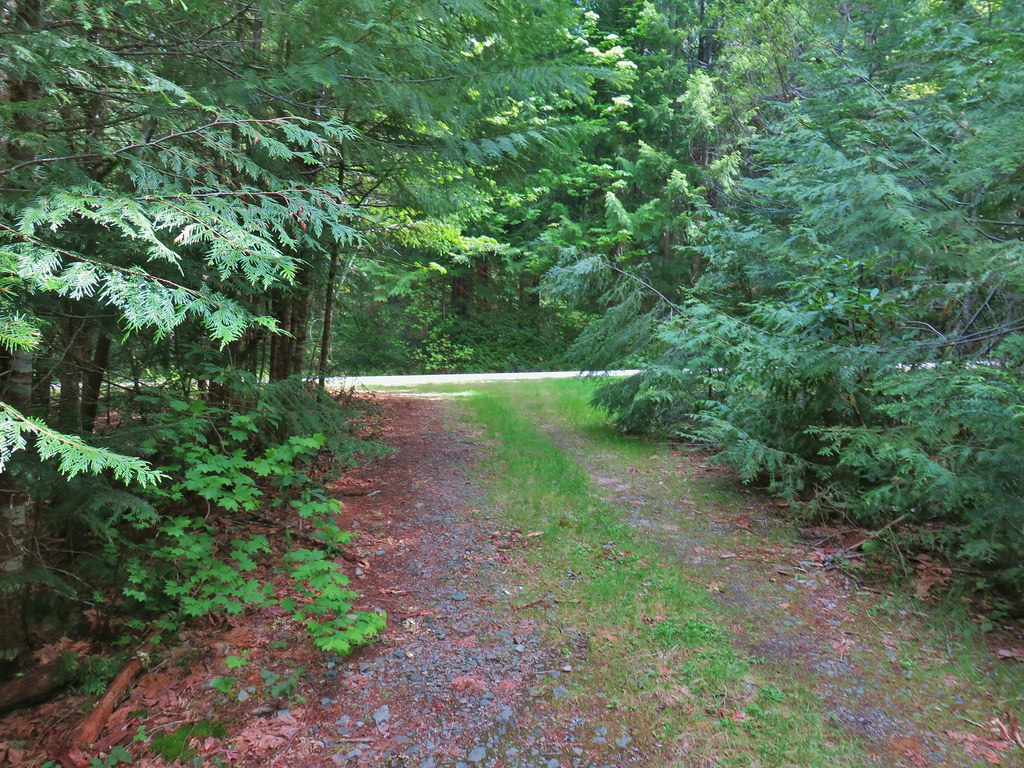

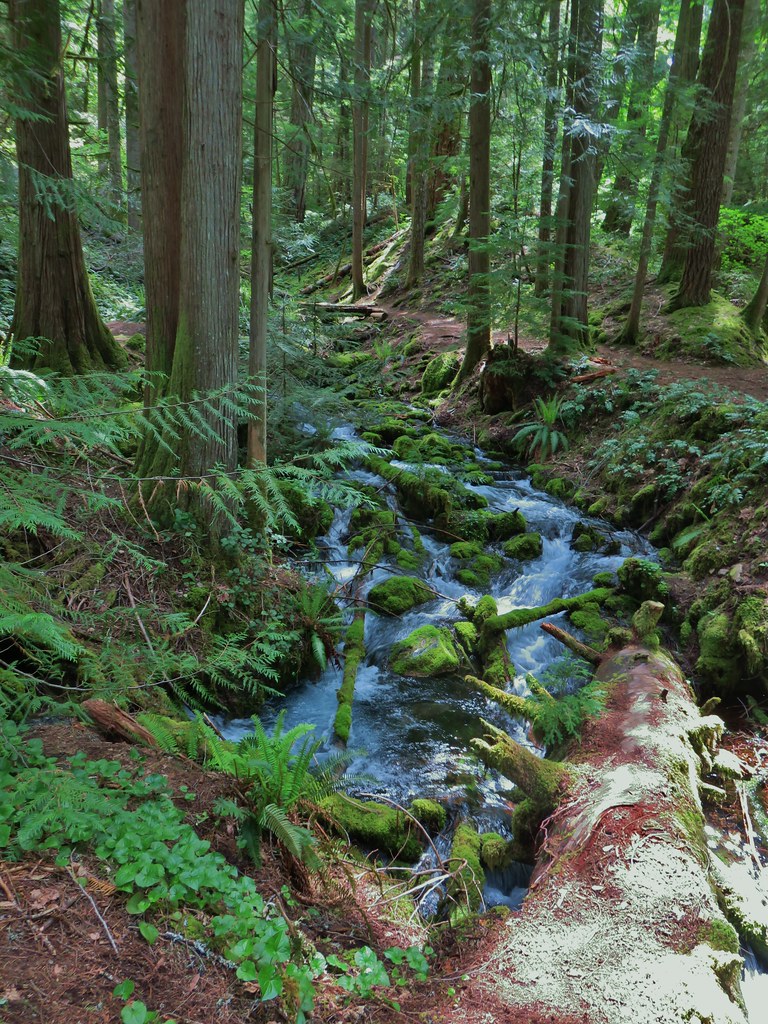


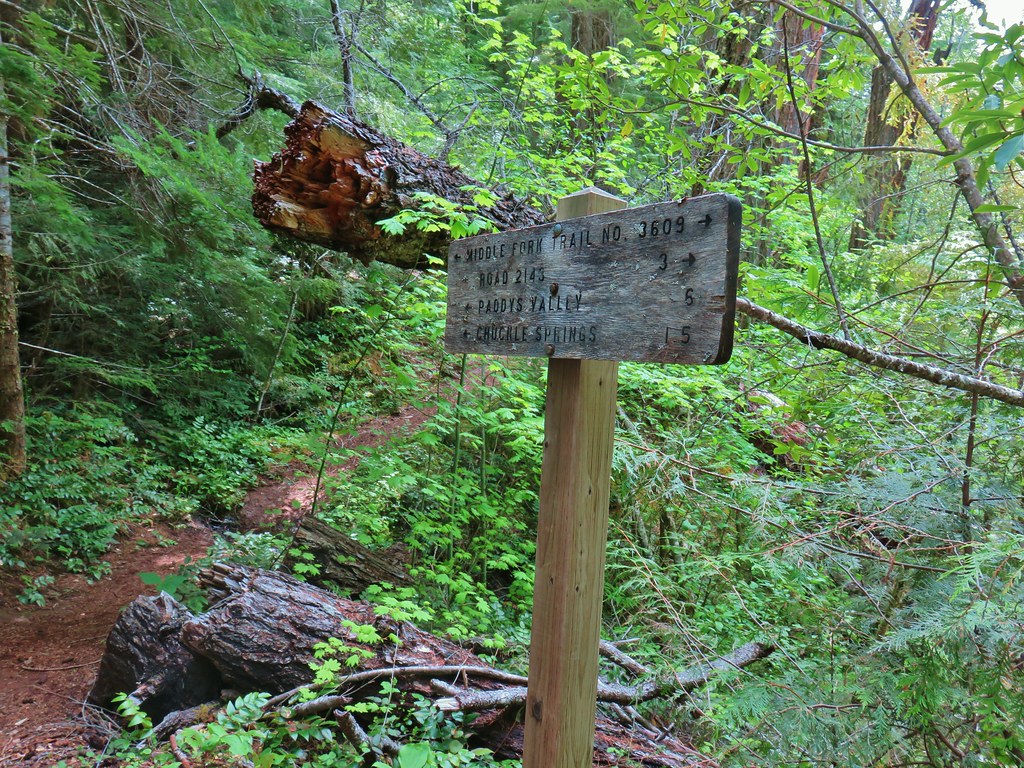






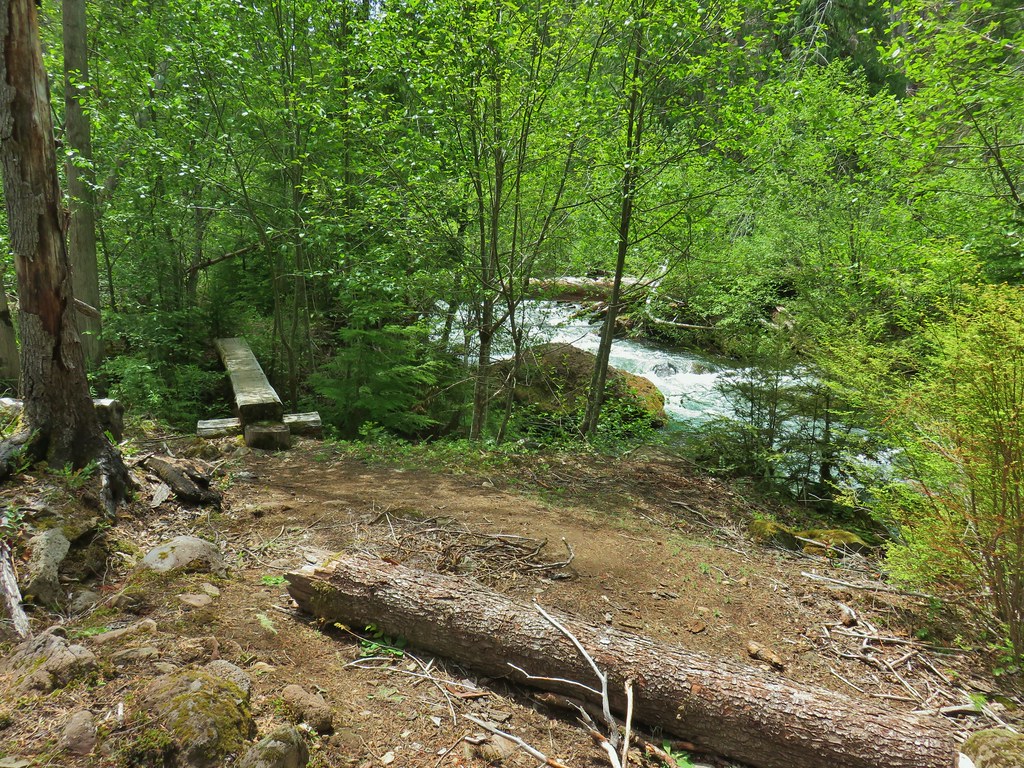
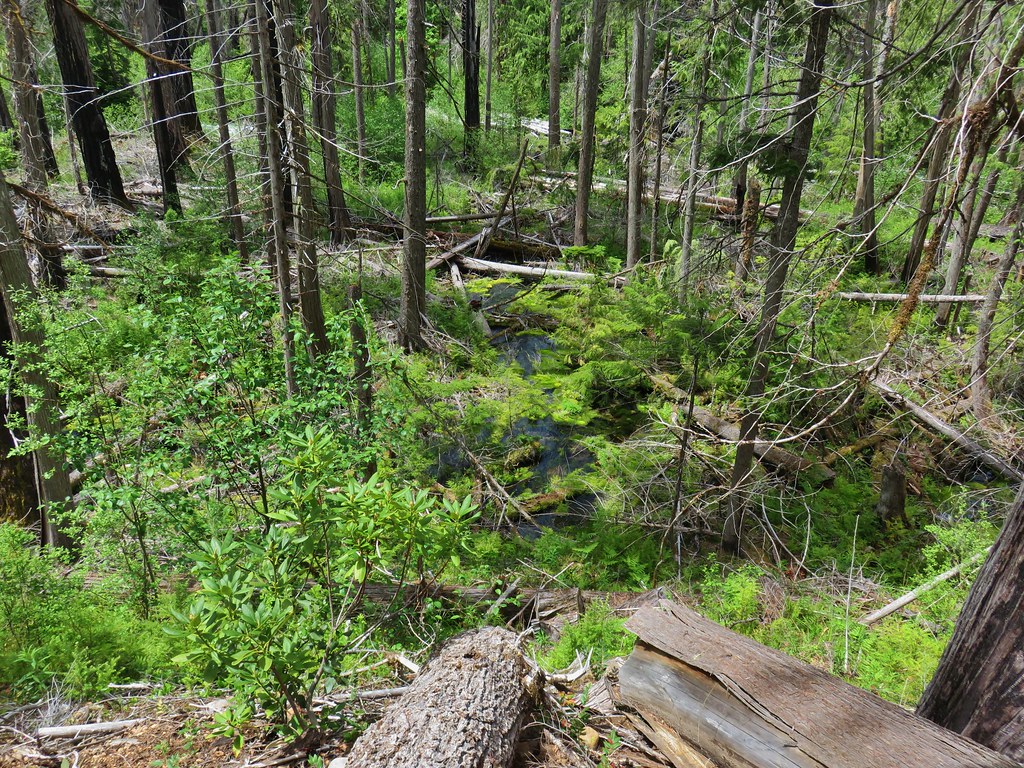
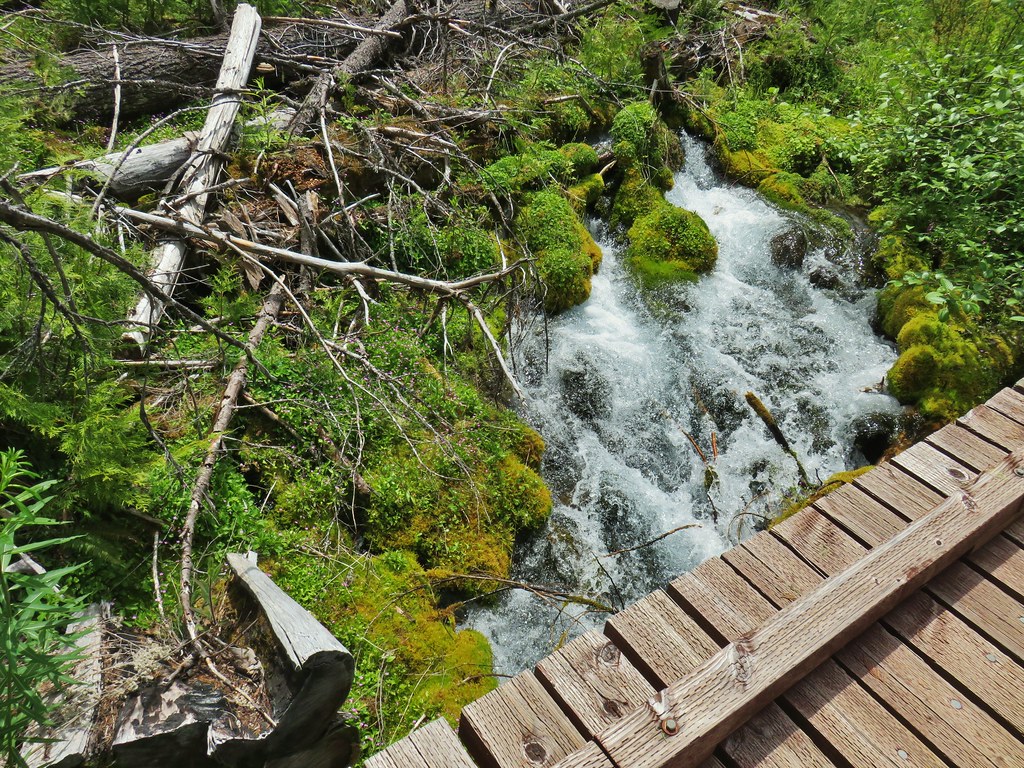




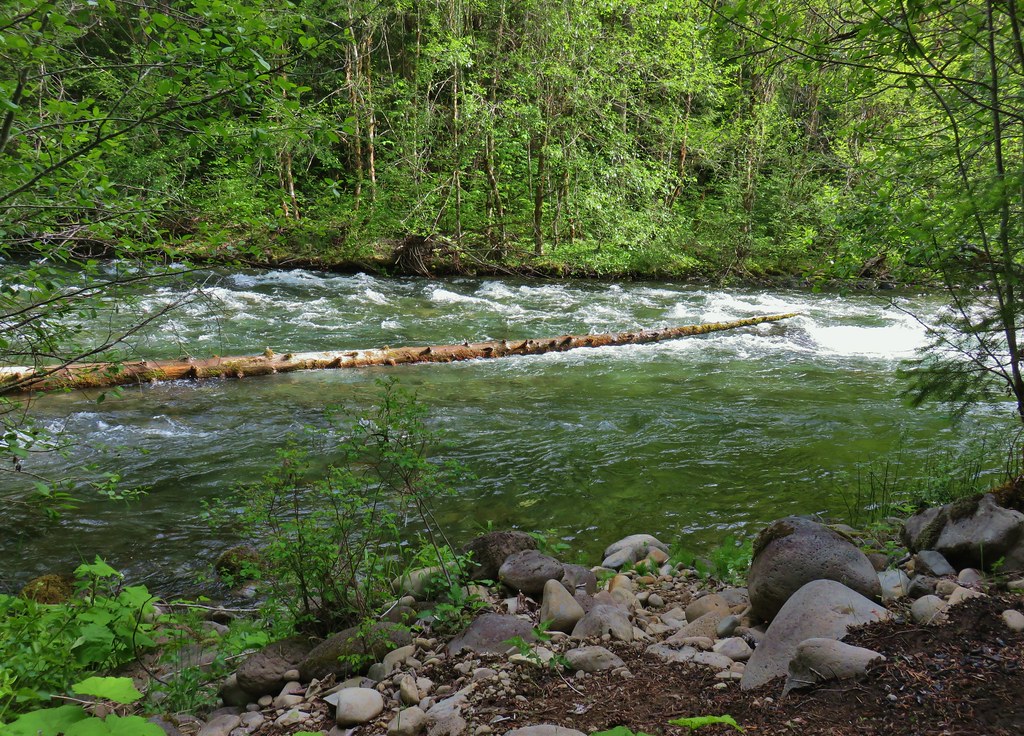




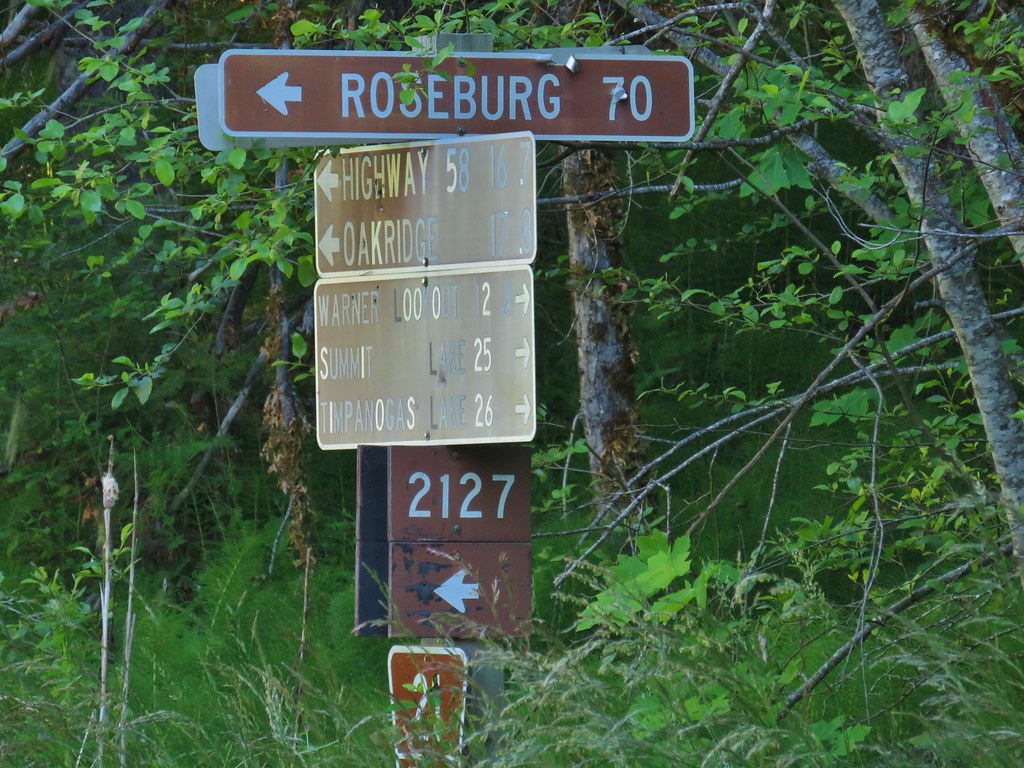
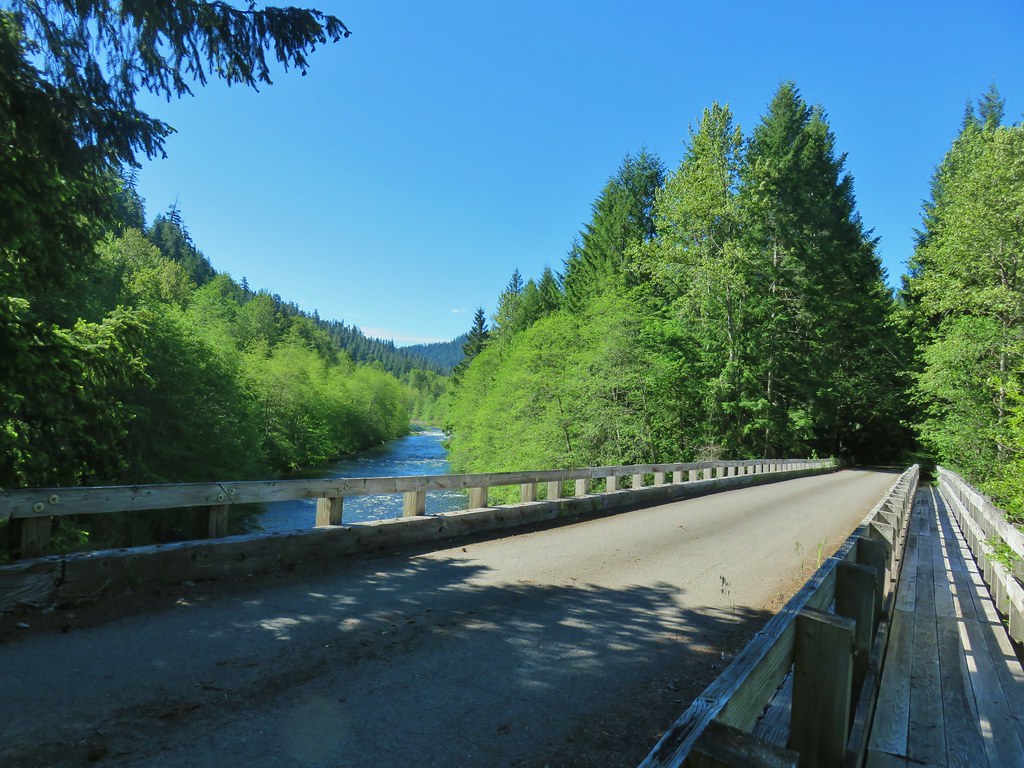
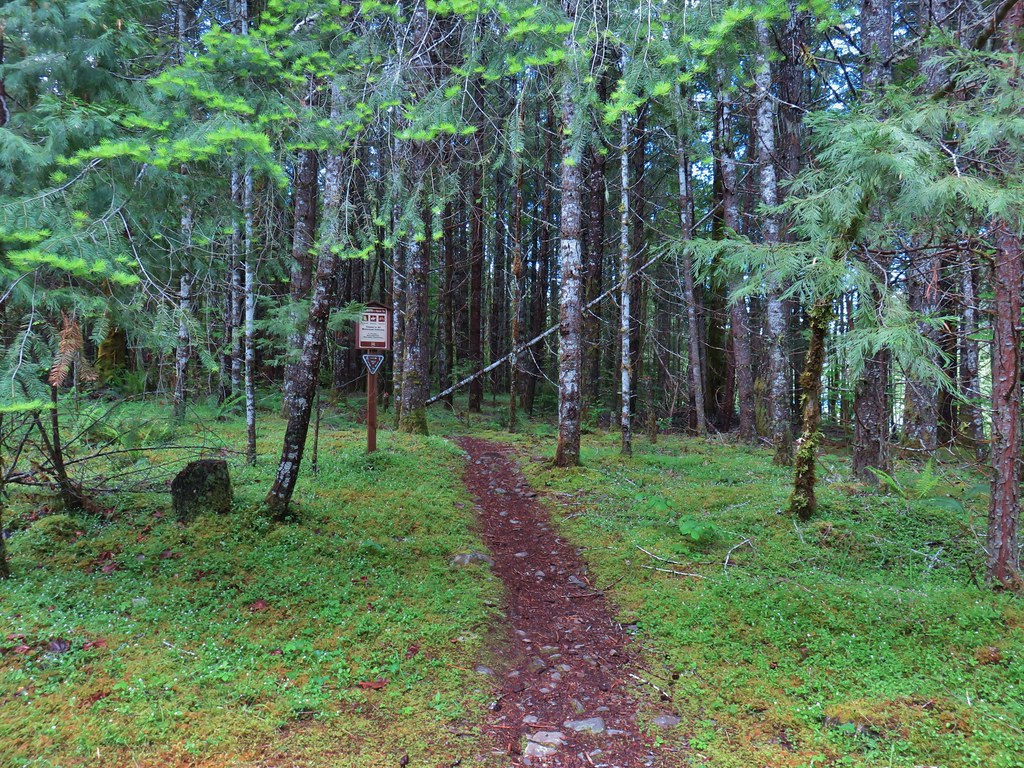
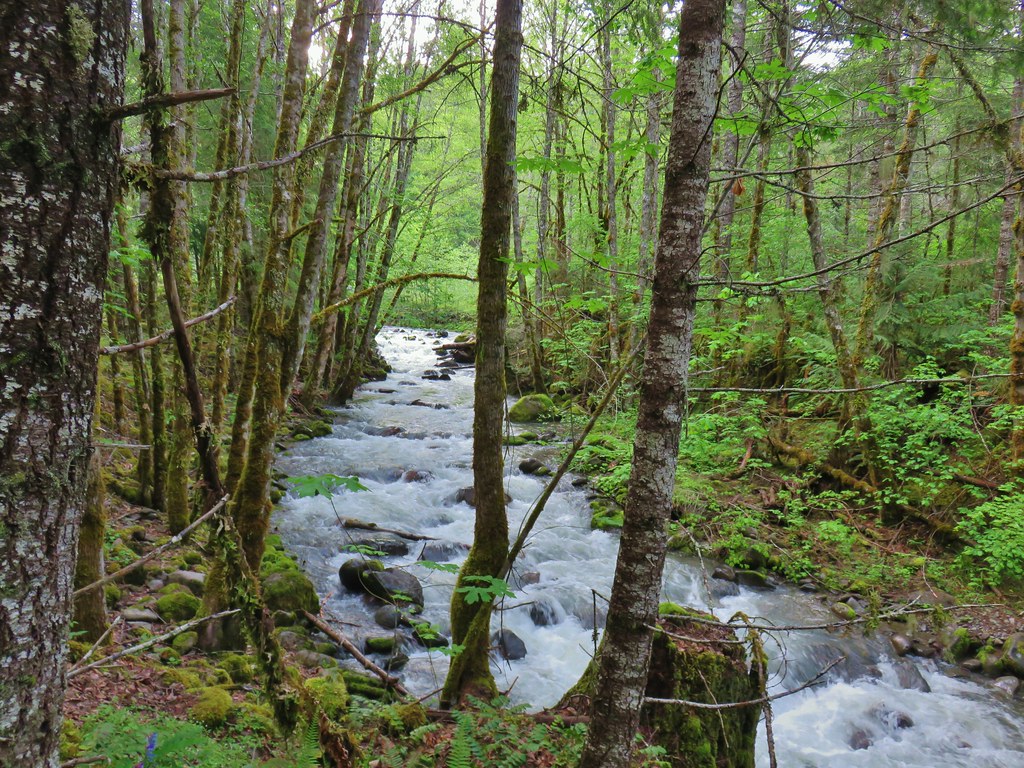
 Middle Fork Trail along FR 21.
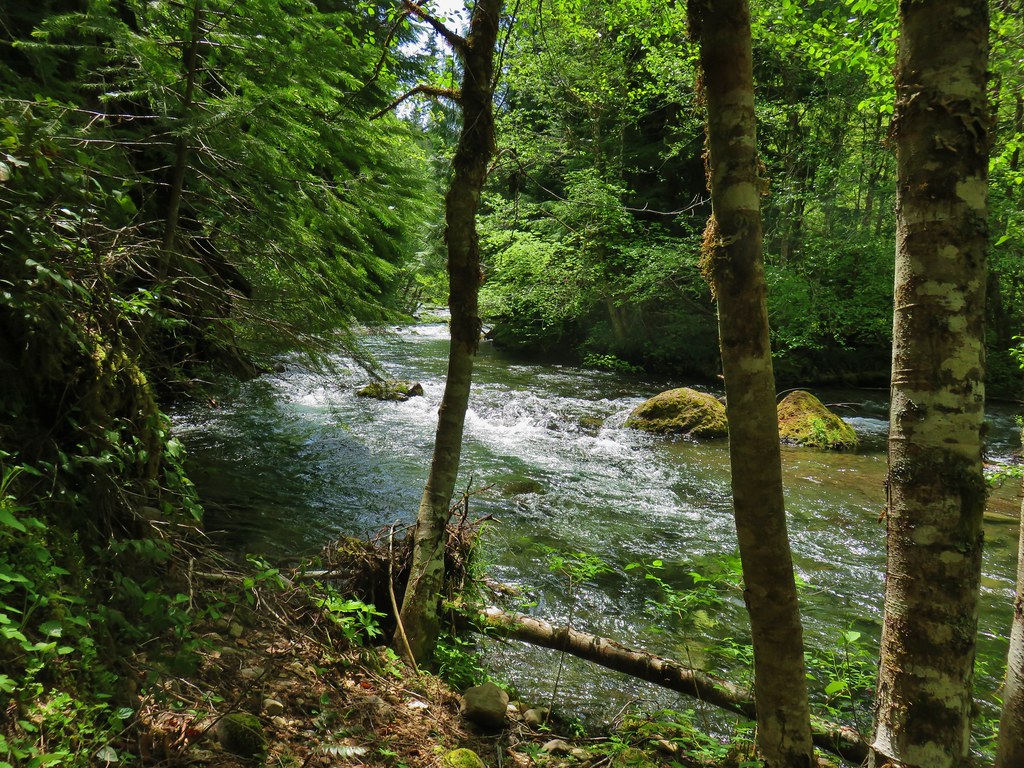
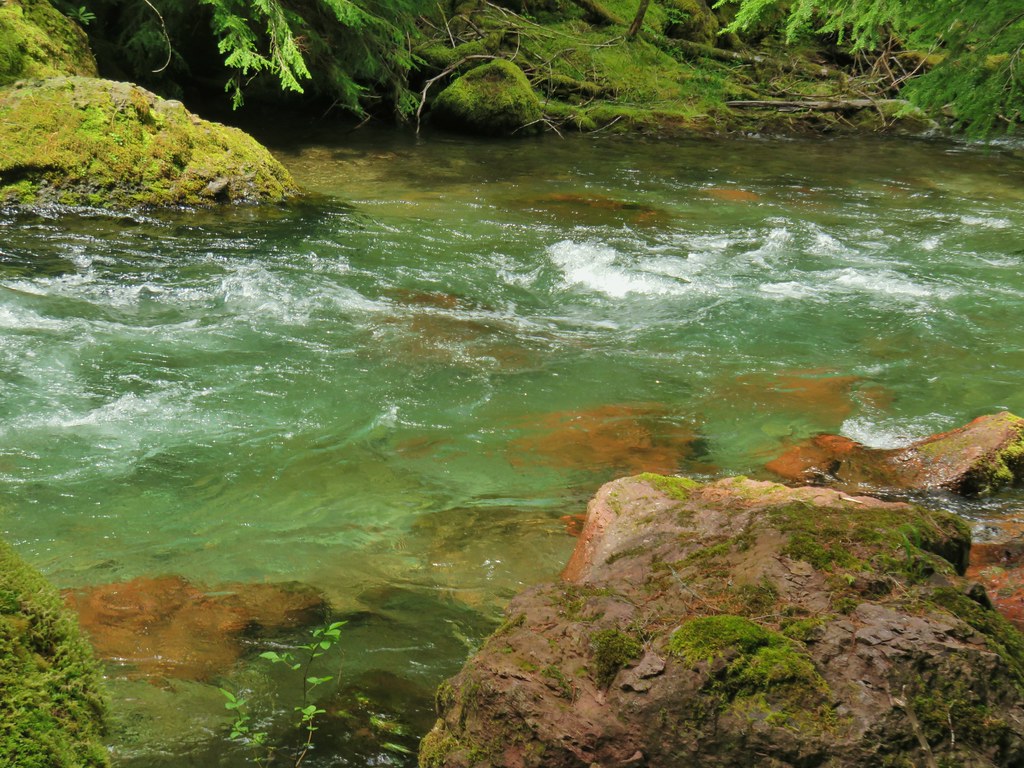
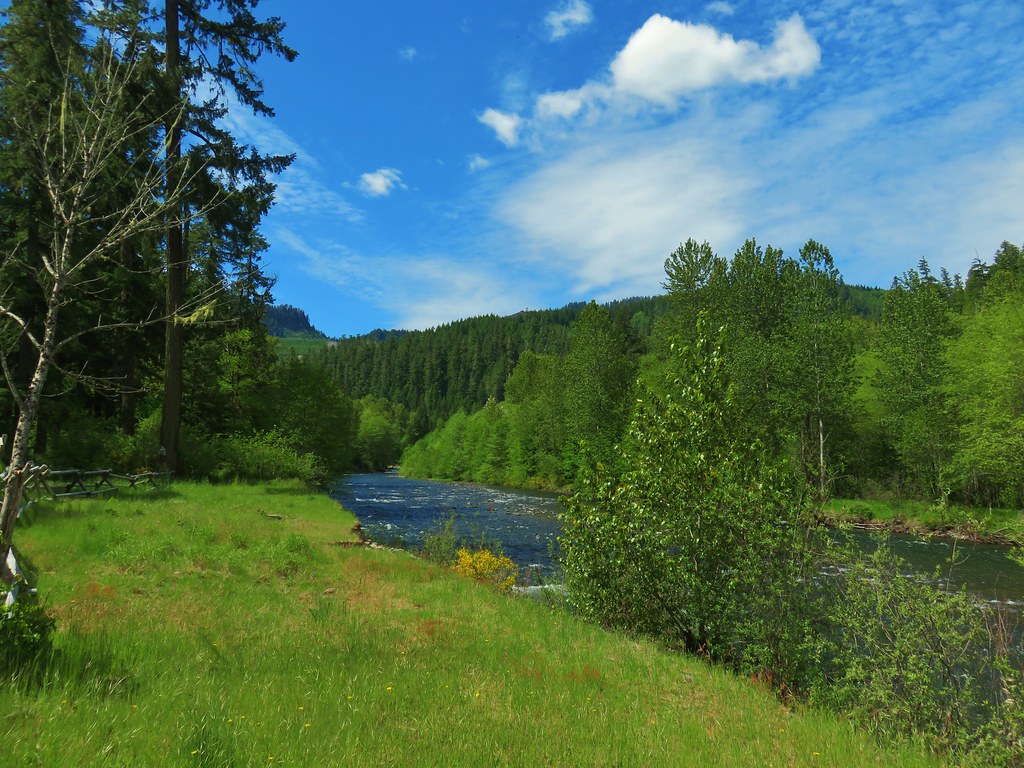
 One of only a couple of spots where we were able to get to the river.
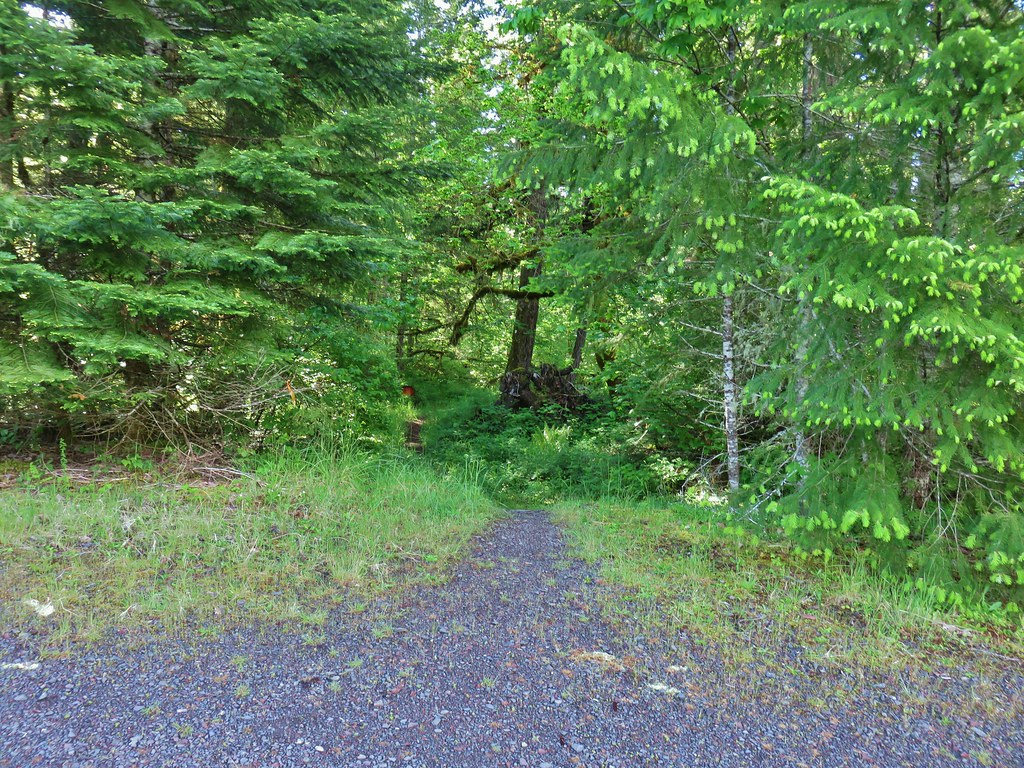 Orange flagging on the left after crossing a gravel road.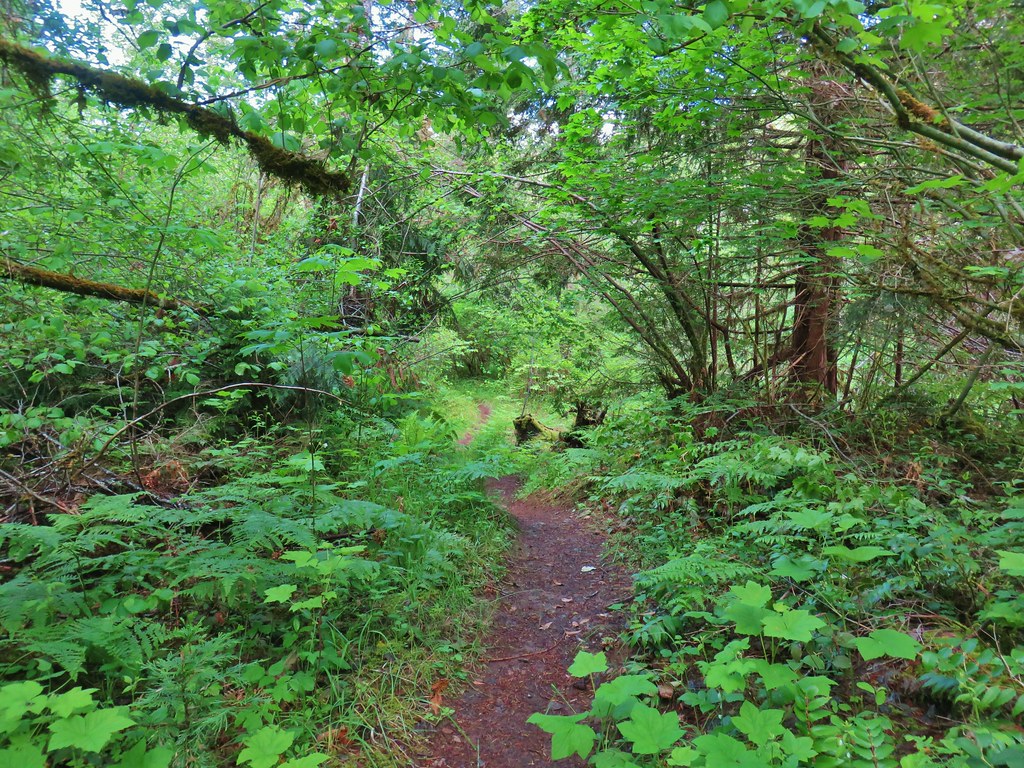
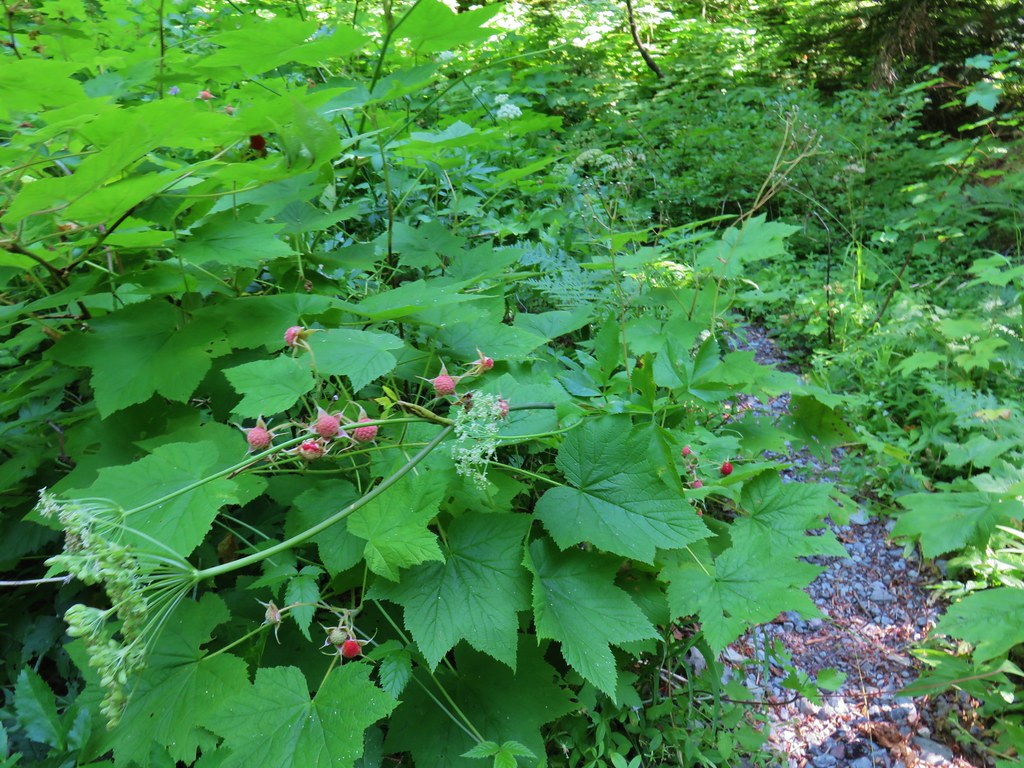
 Thimbleberry
 Cone Creek
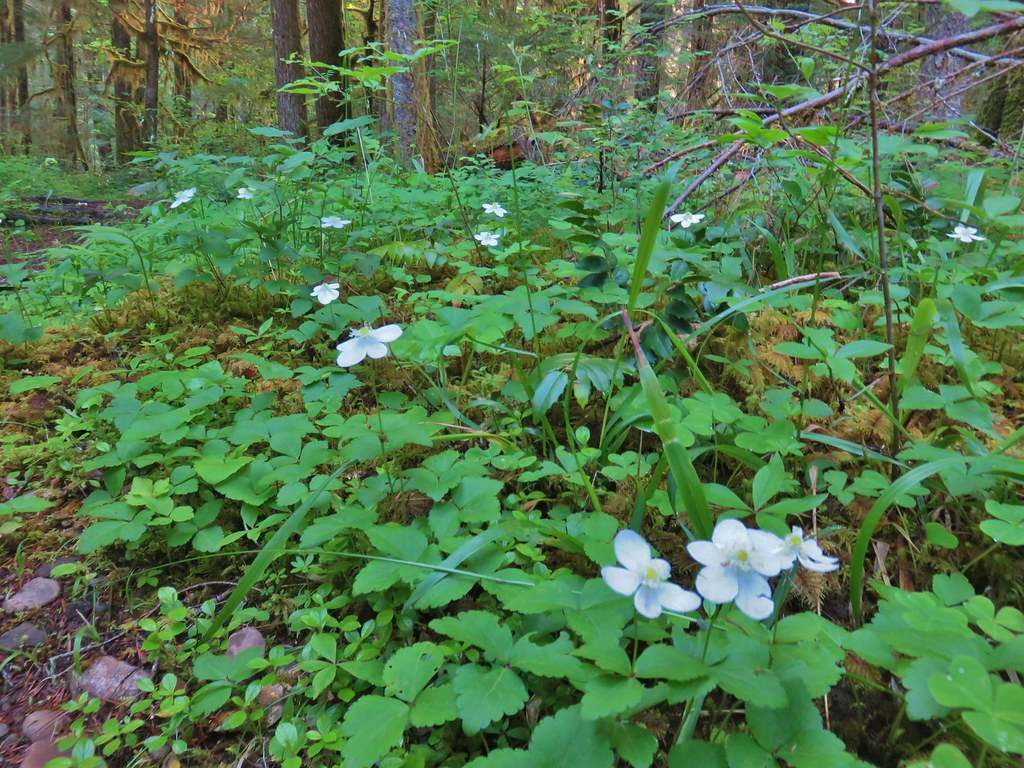 Anemones
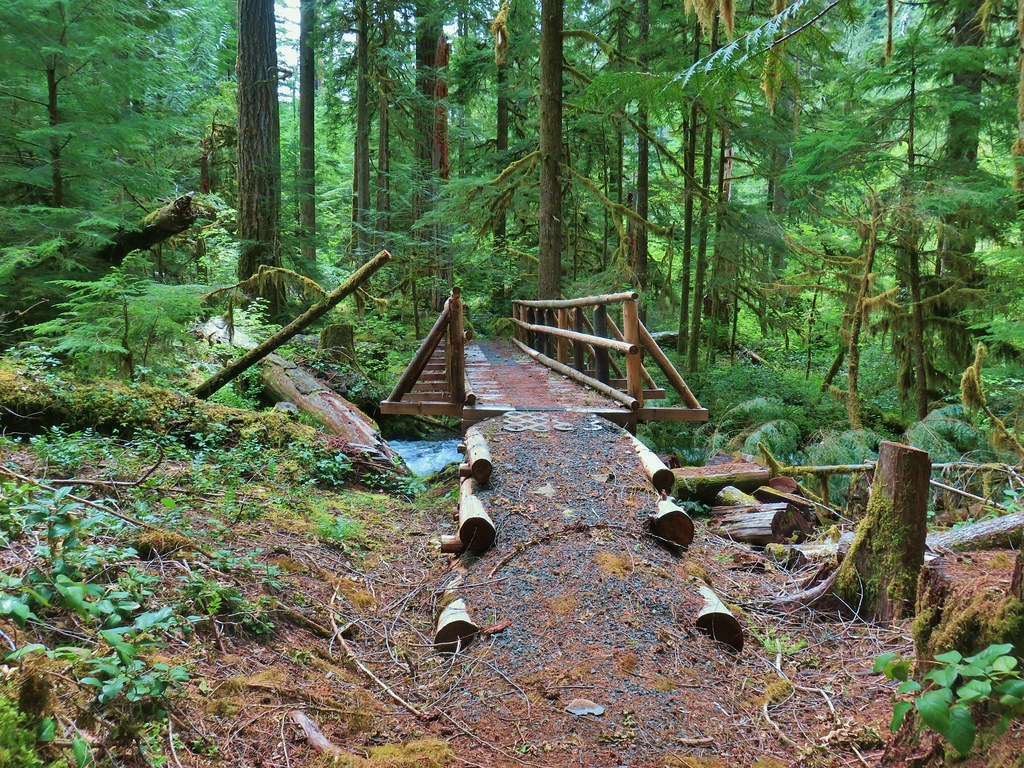
 Footbridge over Bills Creek
 Queen’s cup

 Columbine
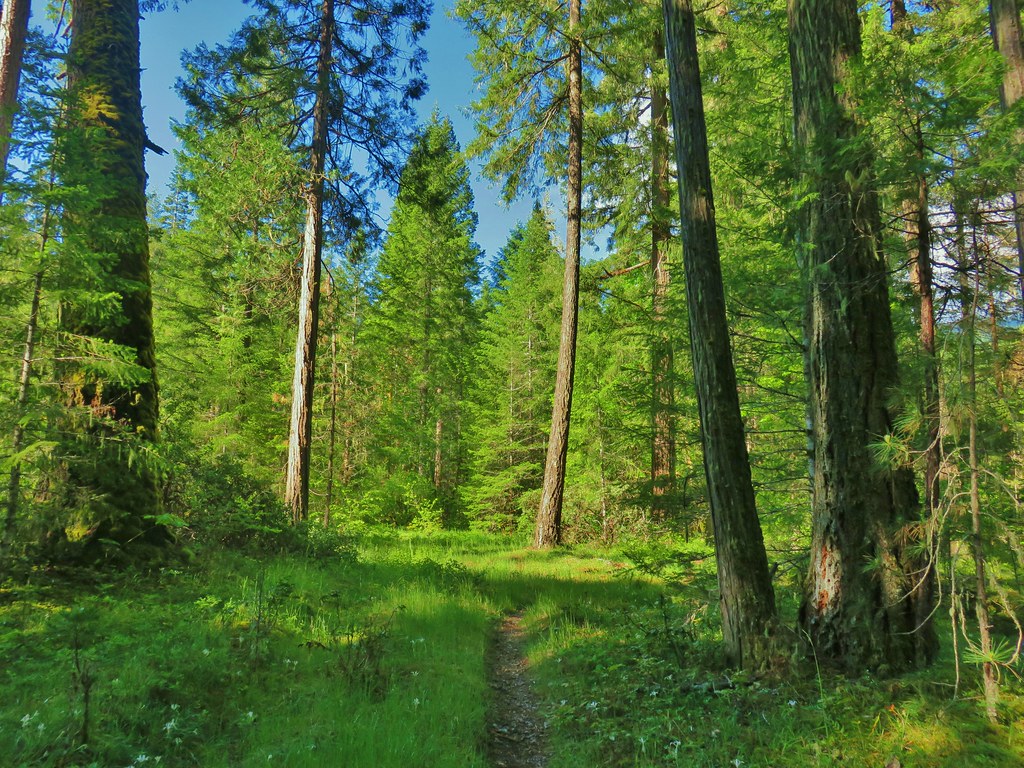 Yellowleaf iris along the Middle Fork Trail.
 Pine Creek – At first it looked like they put the bridge in the wrong spot, but there was another branch to the creek.
 Small meadow along the trail.

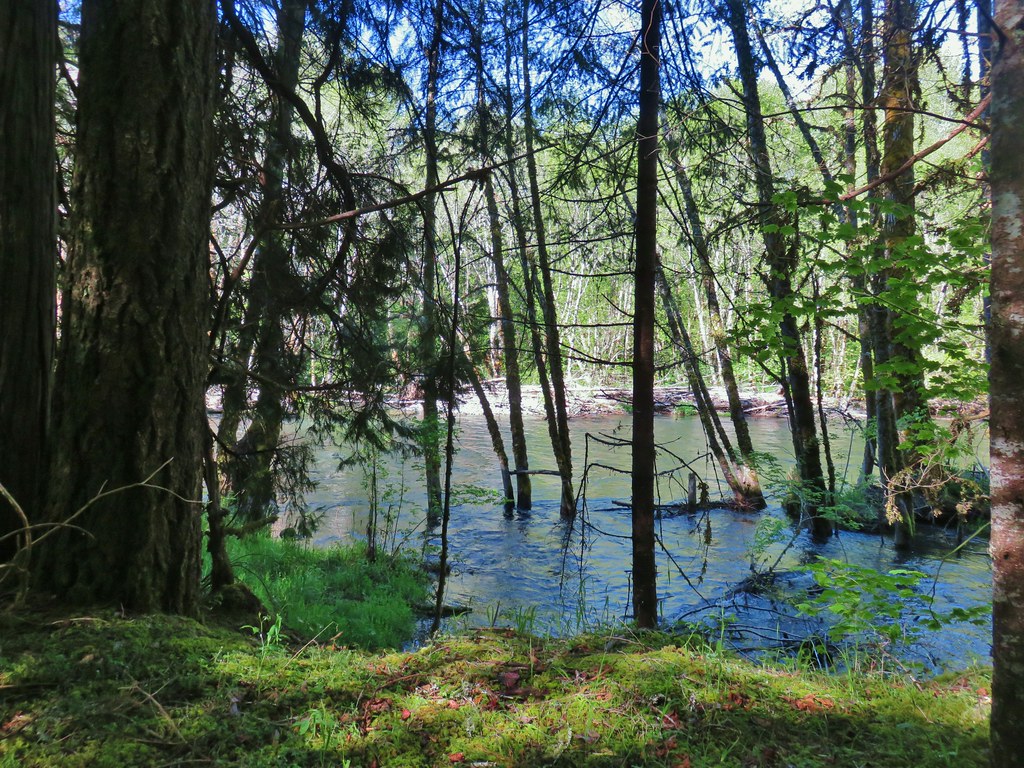


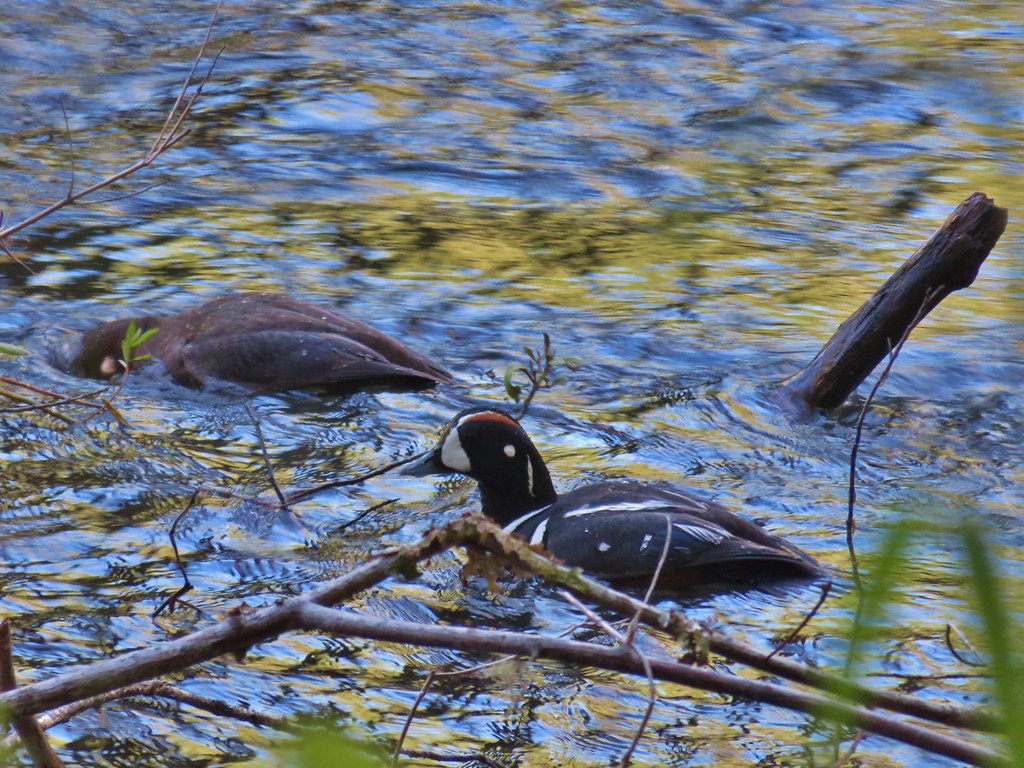
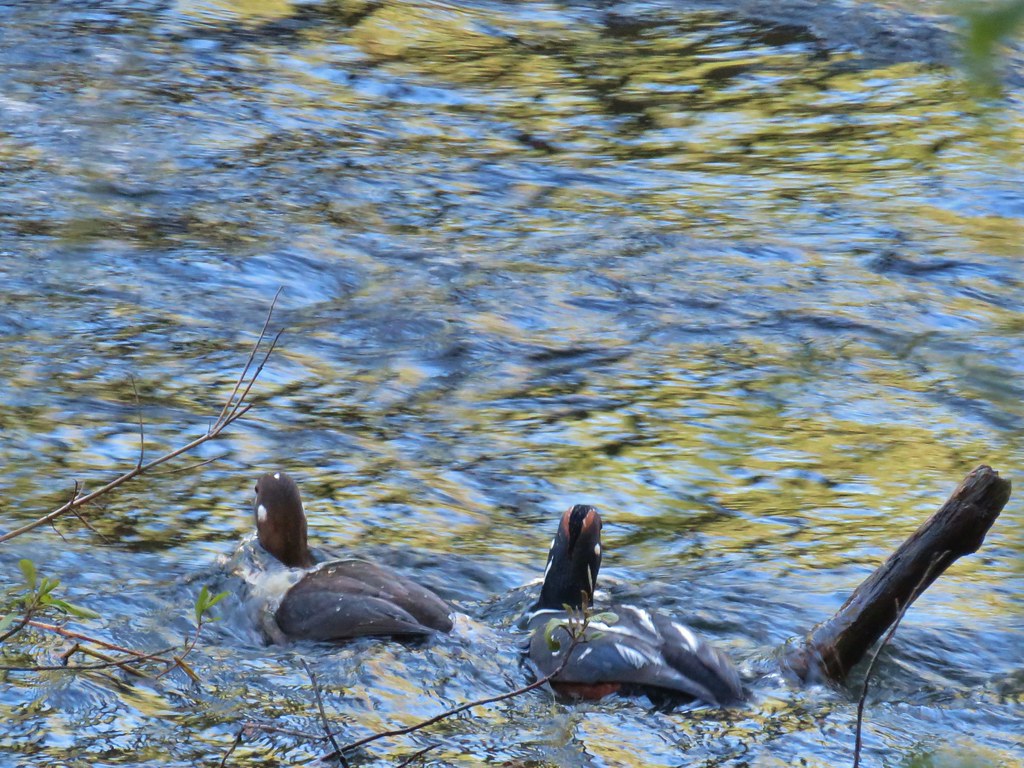
 Common merganser on the river below the bridge.
 Sign at the
 Mossy stump along the trail.
 Lots of grass along portions of the trail, one of these areas was probably where the tick hopped on.

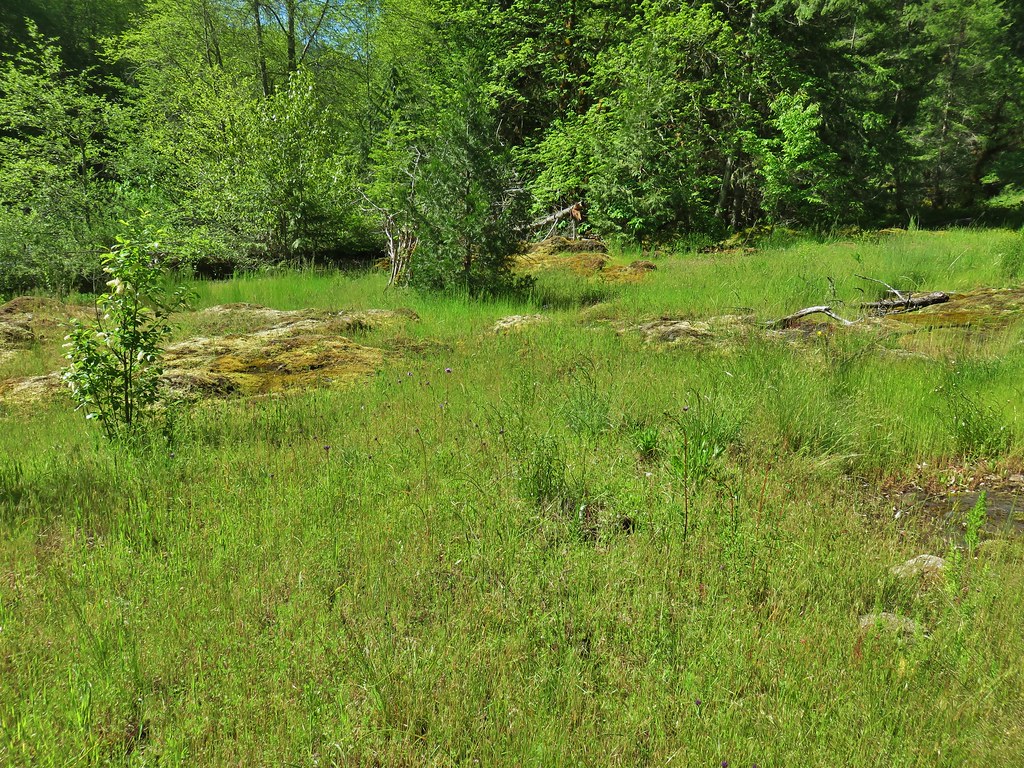 The ookow wasn’t quite blooming yet.
 Tolmie’s mariposa lily
 Monkeyflower and tomcat clover
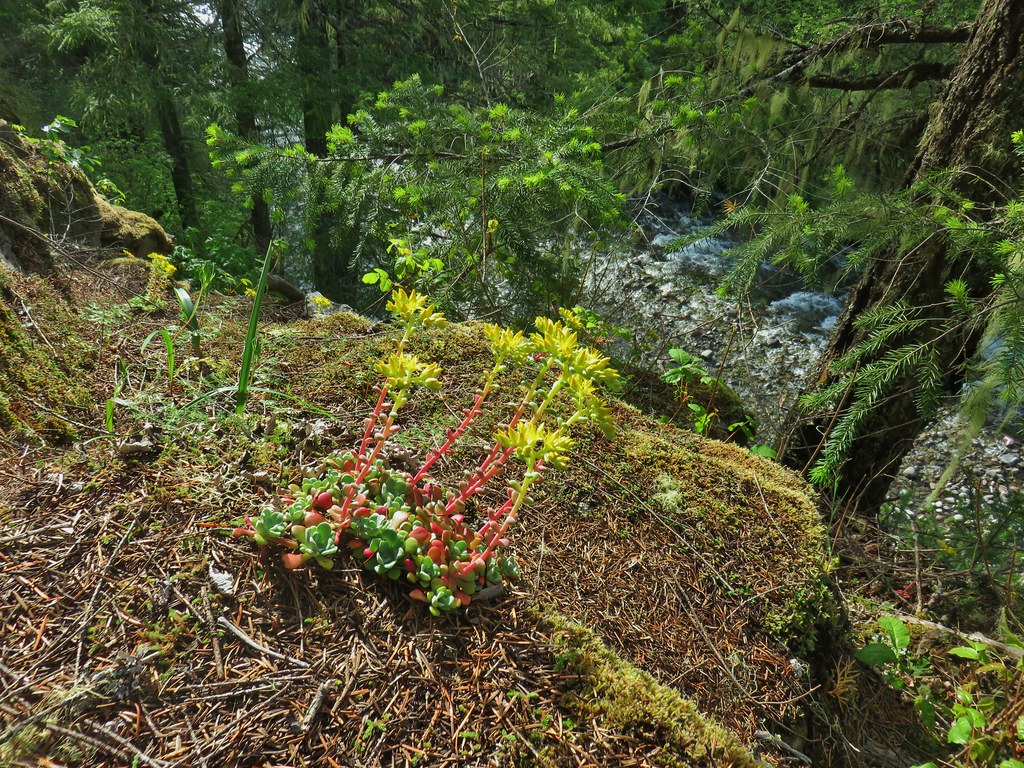
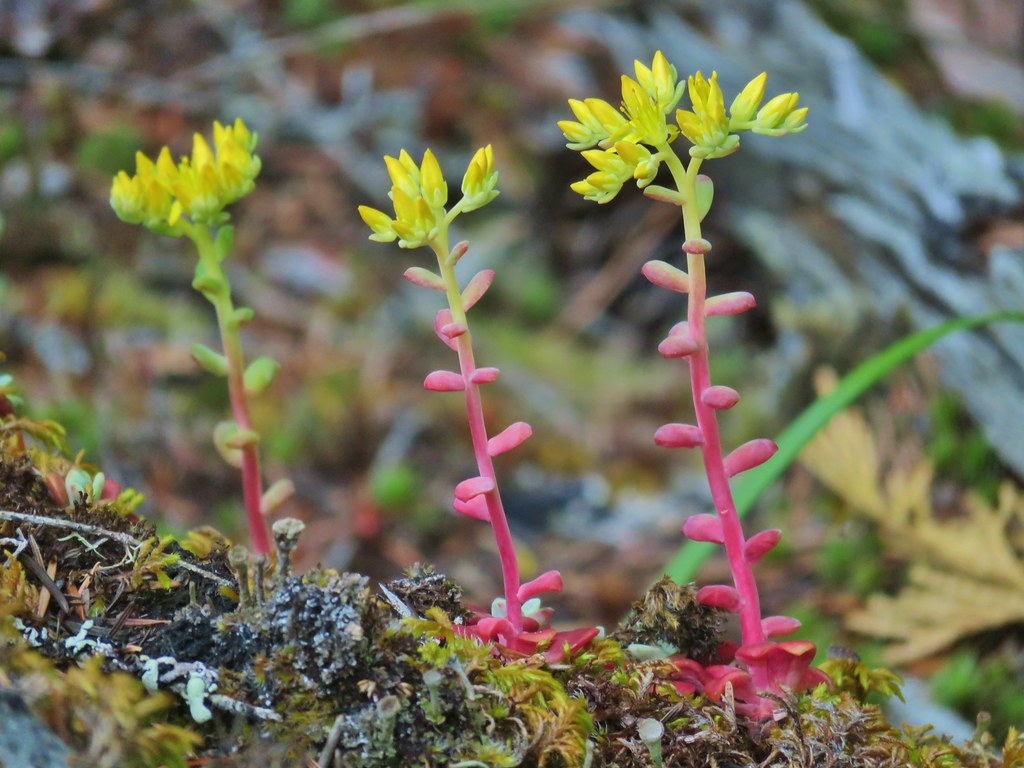
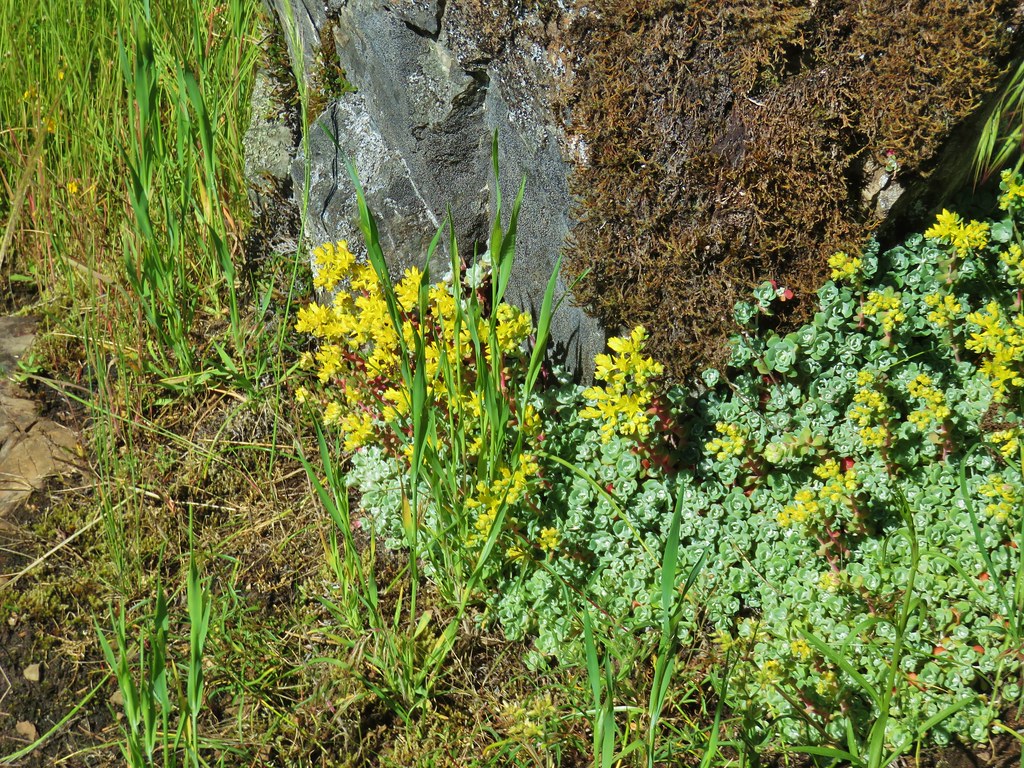 Stonecrop
 Plectritis and giant blue-eyed Mary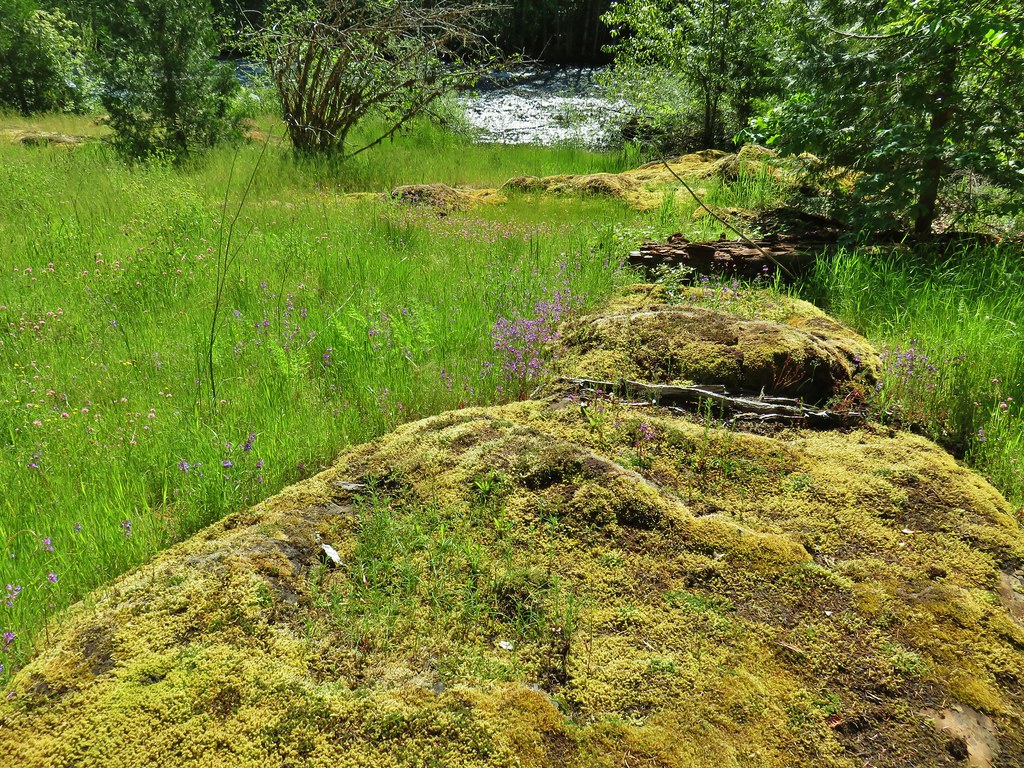
 Giant blue-eyed Mary
 Buttercups
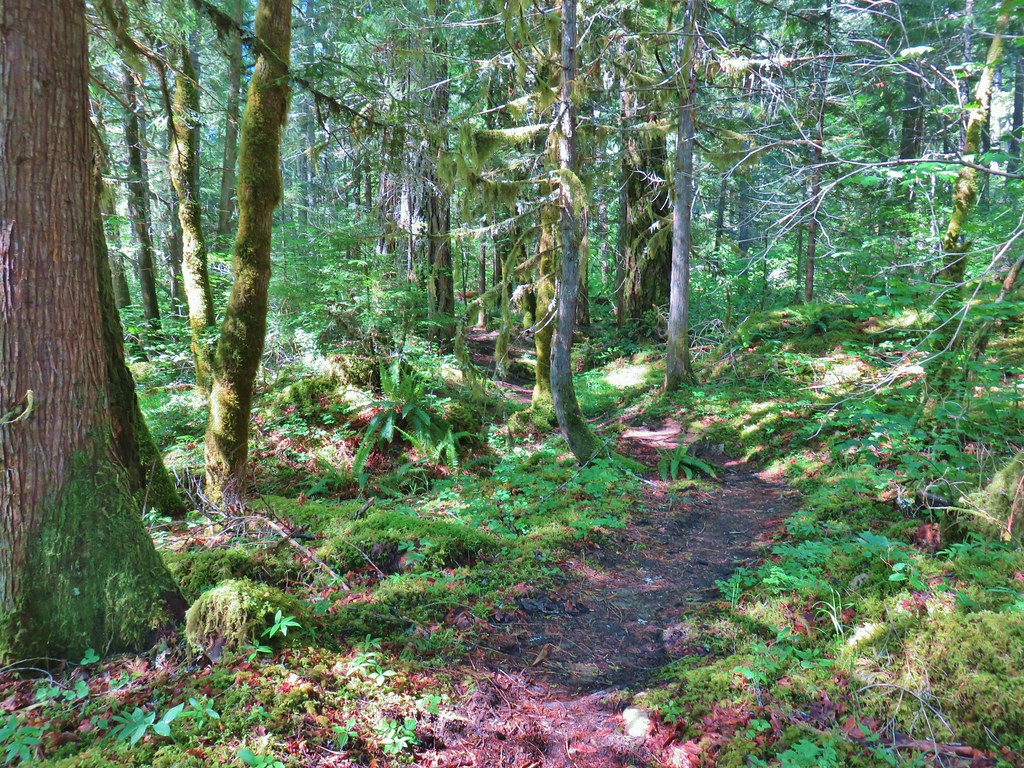
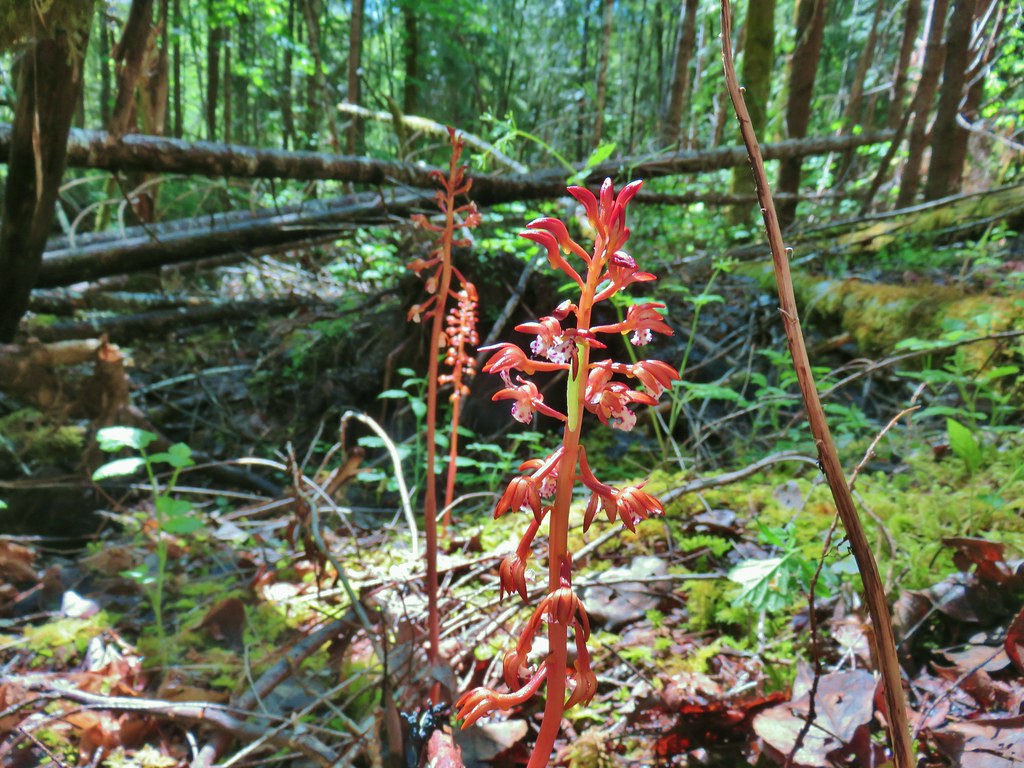 Spotted coralroot (with a caterpillar)
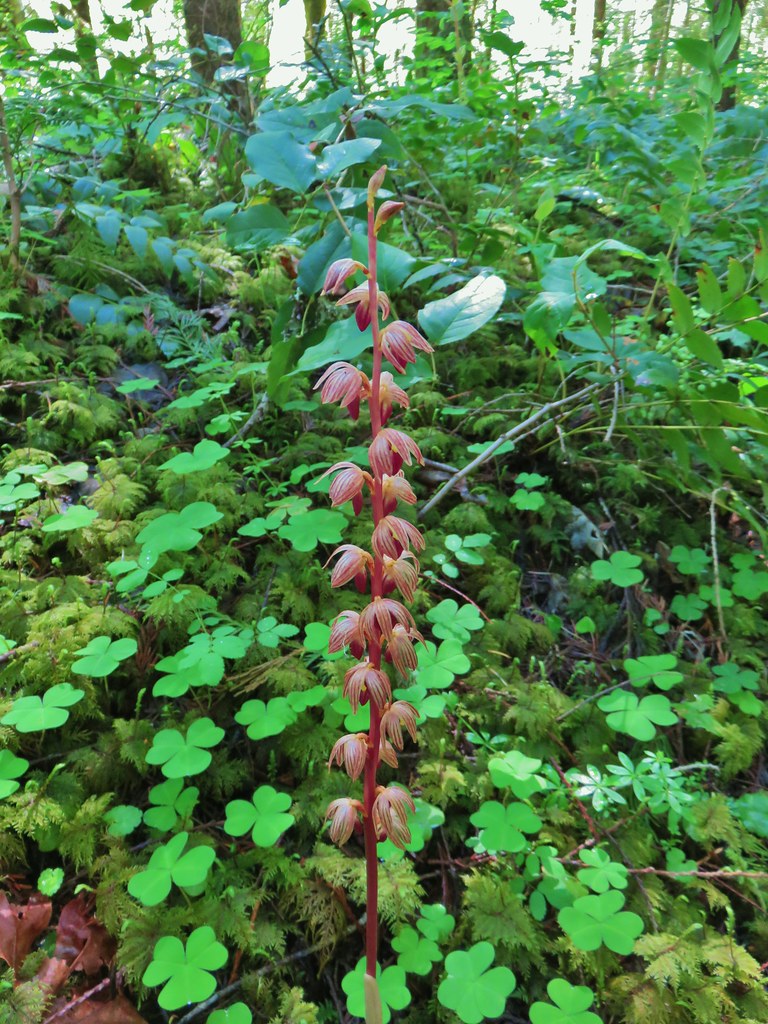 Striped coralroot


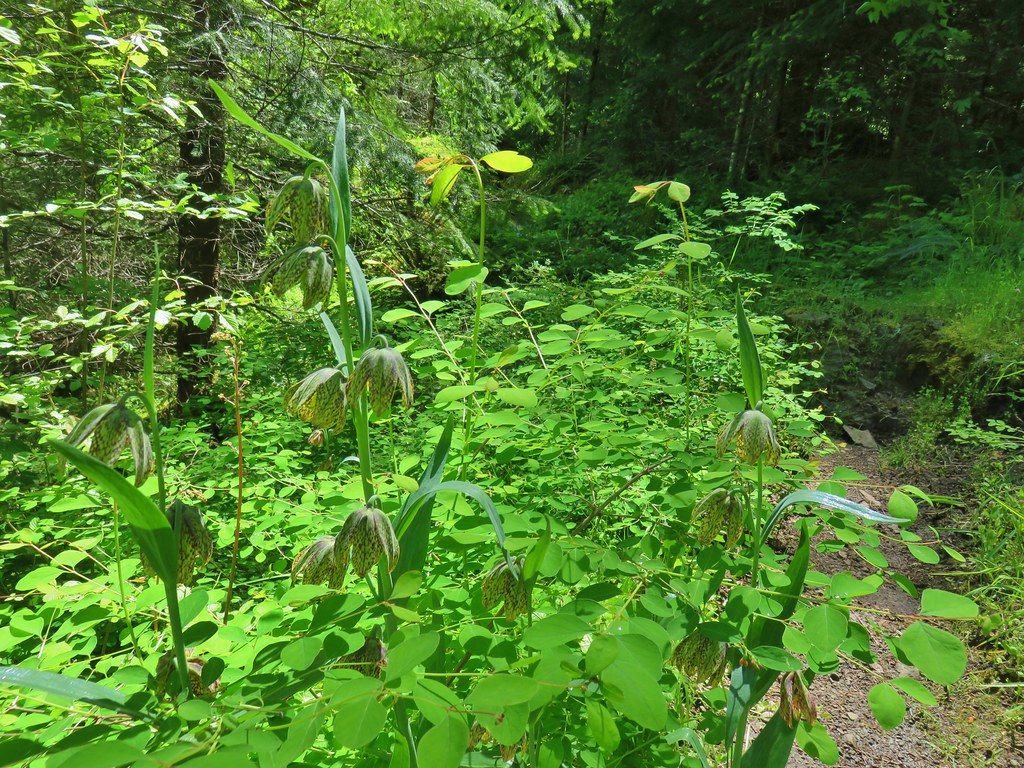 Chocolate lilies
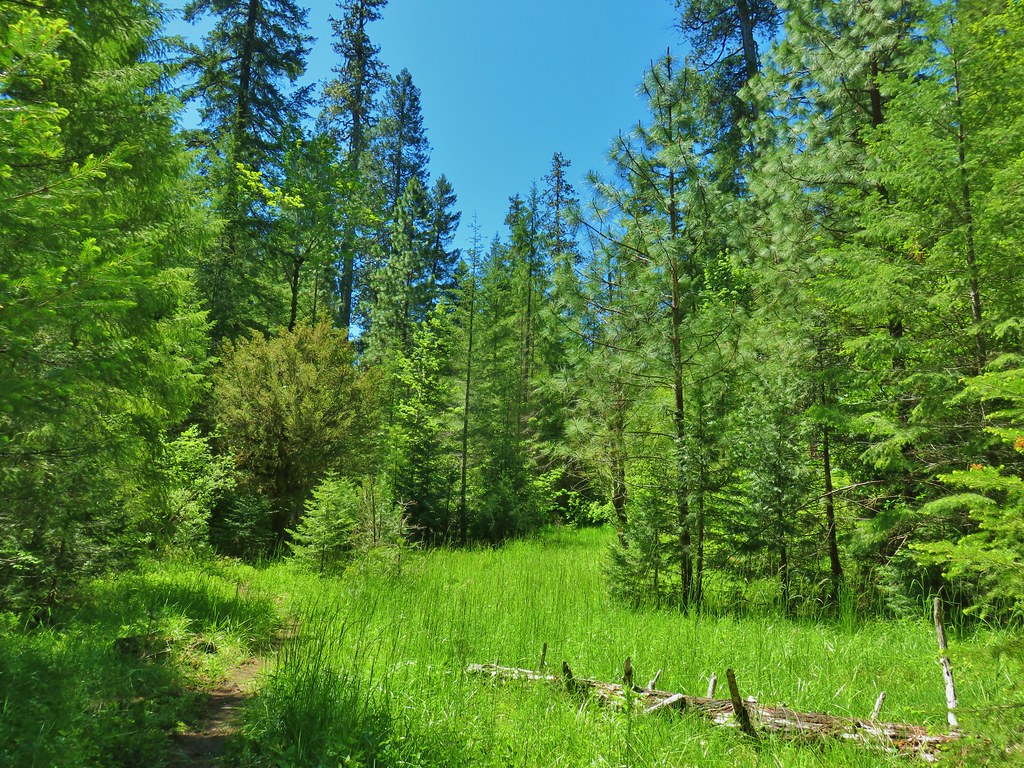 Completed section of the reroute.
 More signs at FR 201
 FR 201 crossing Coal Creek.
 Coal Creek
 Road walking on FR 2133


 Simpson Creek
 Northern phlox
 Don’t know what type of fungus this is but it looked neat.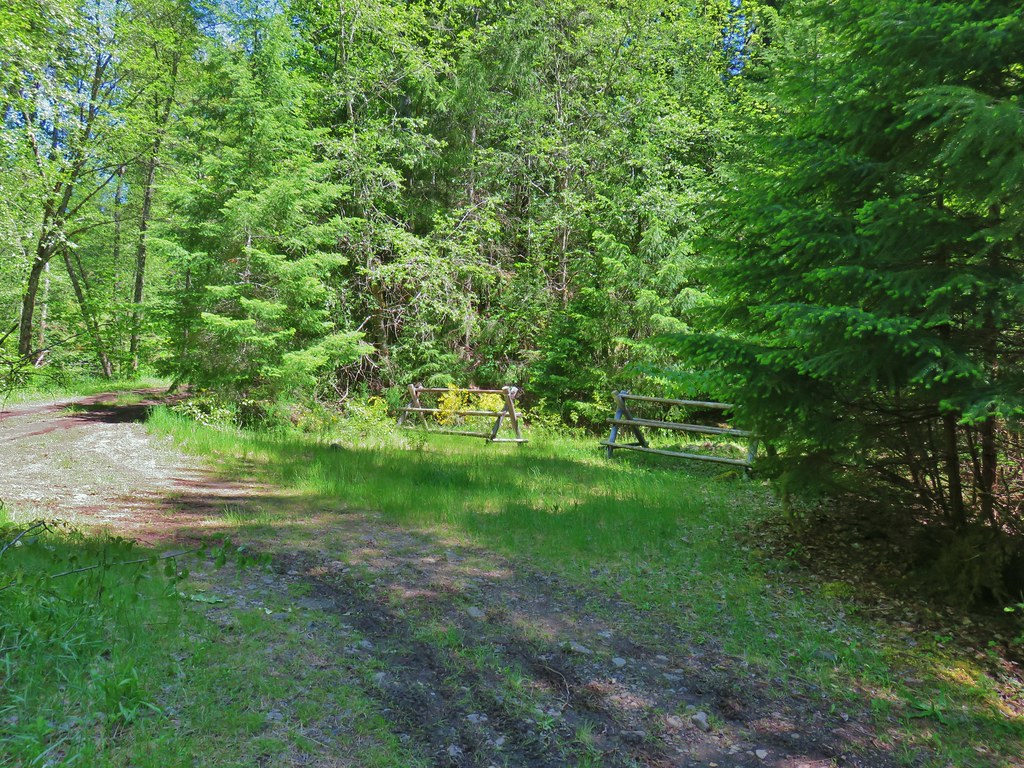
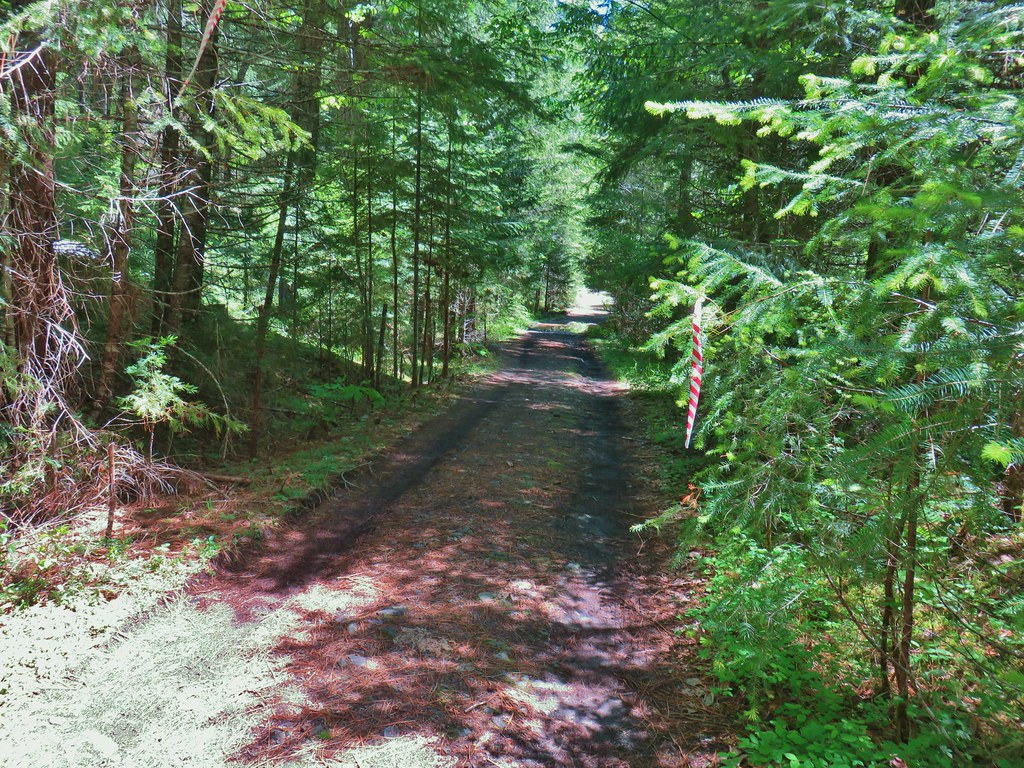


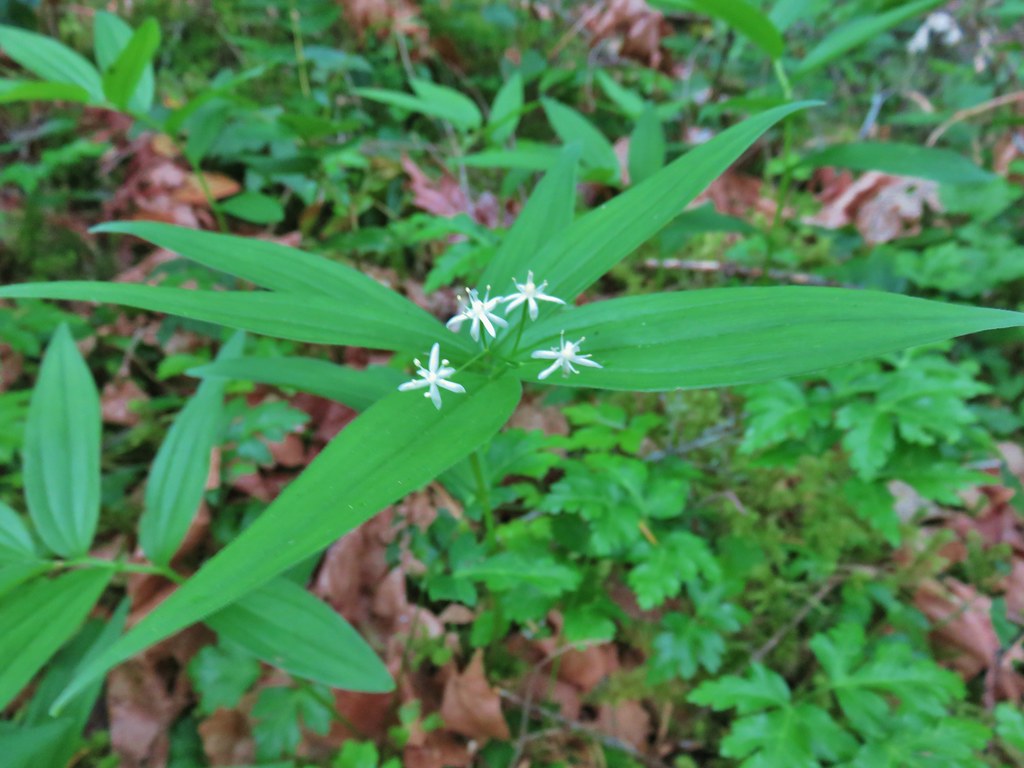 Star-flowered solomonseal
 Anemone
 Trillium
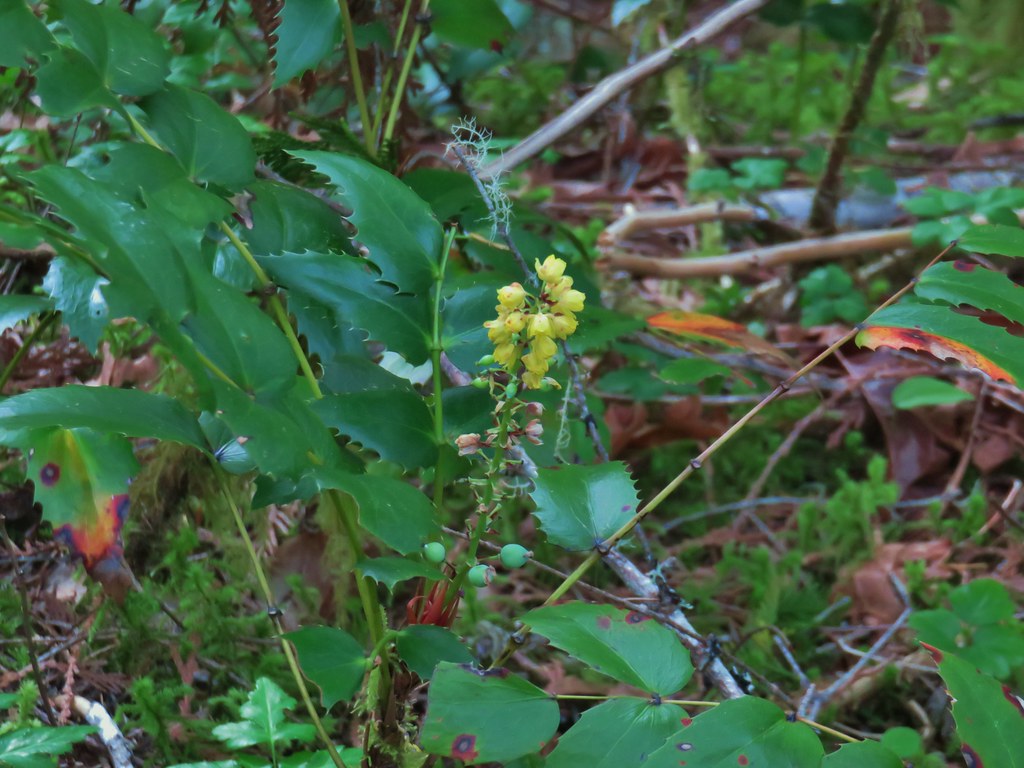 Oregon grape
 Starflower
 Yellowleaf iris
 Looking back at FR 1910’s bridge over the River.

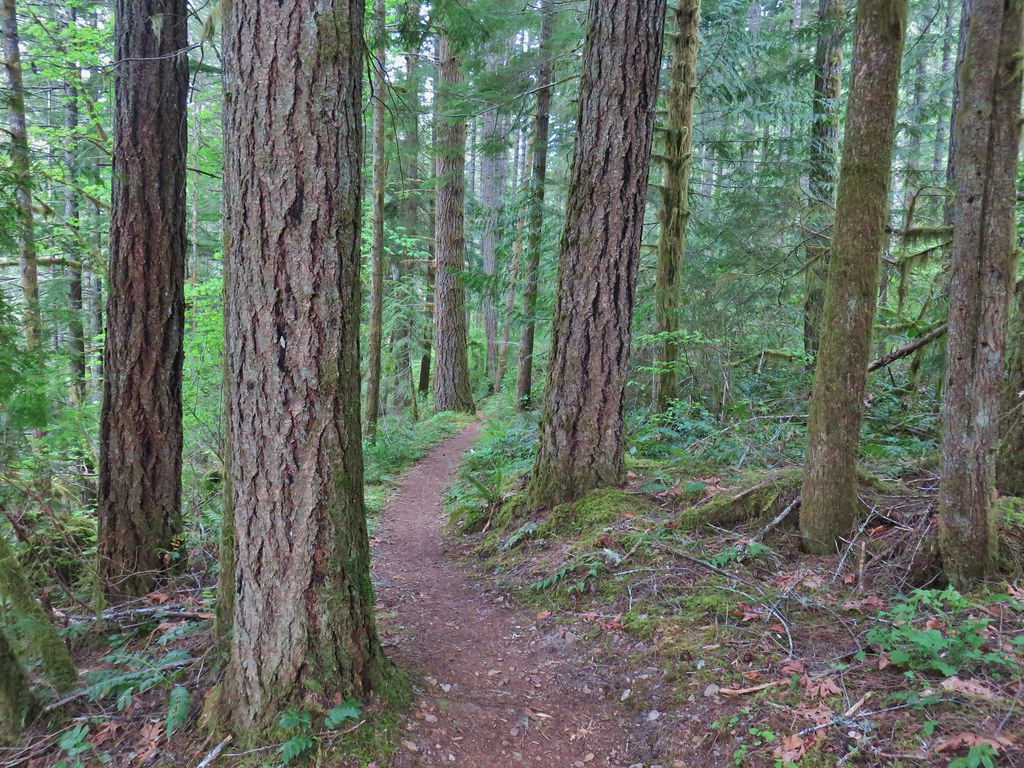
 Valerian
 Spotted coralroot
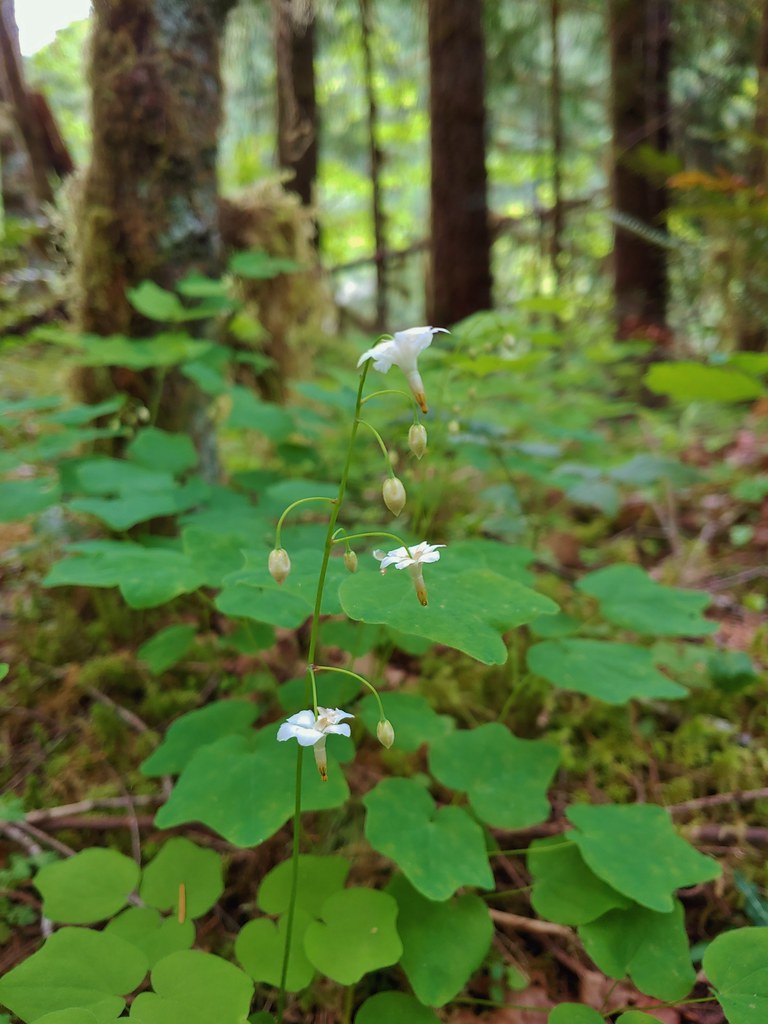 Inside-out flower
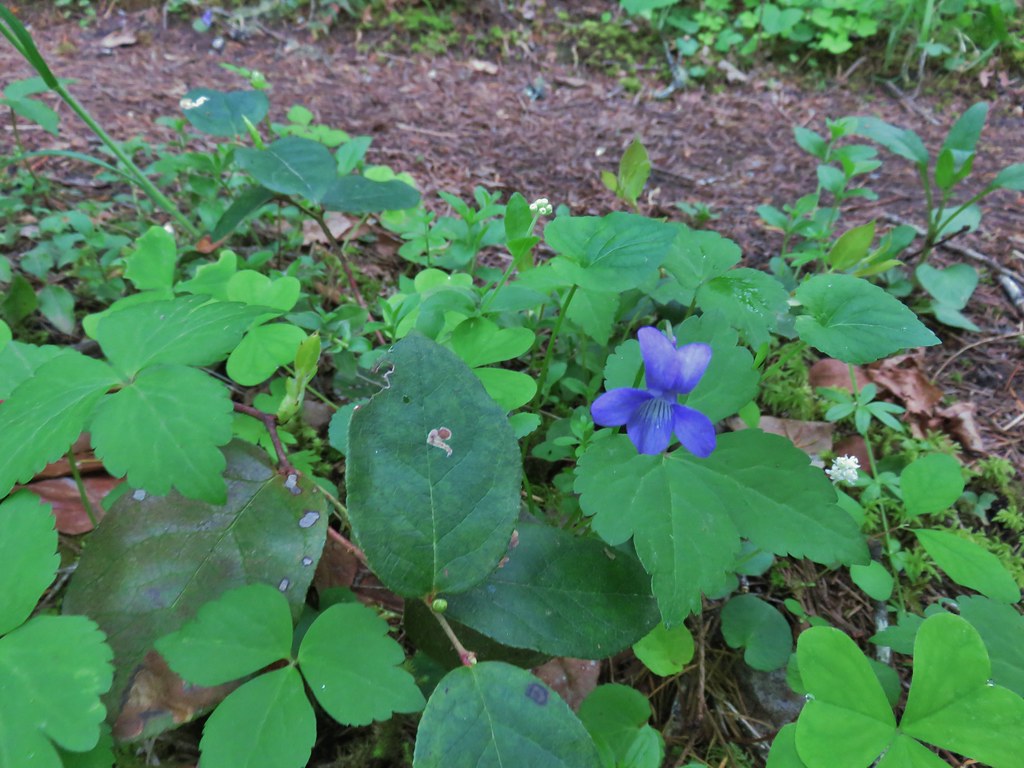 Hookedspur violet
 Fairy slipper
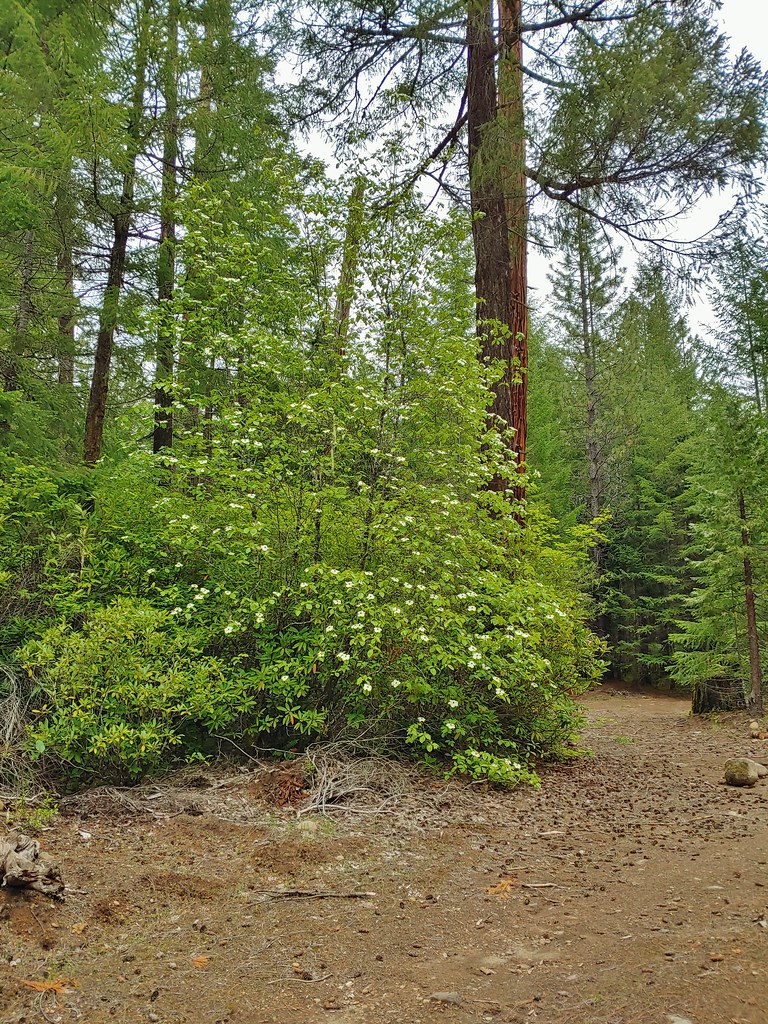
 Dogwood blossom
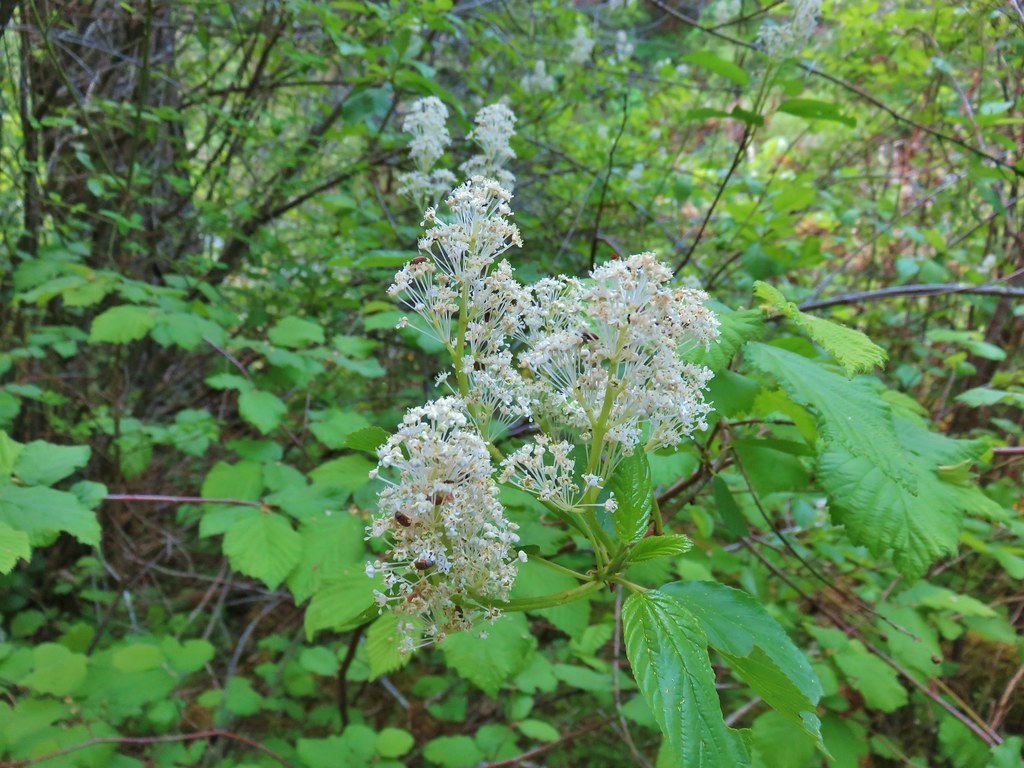 Buck brush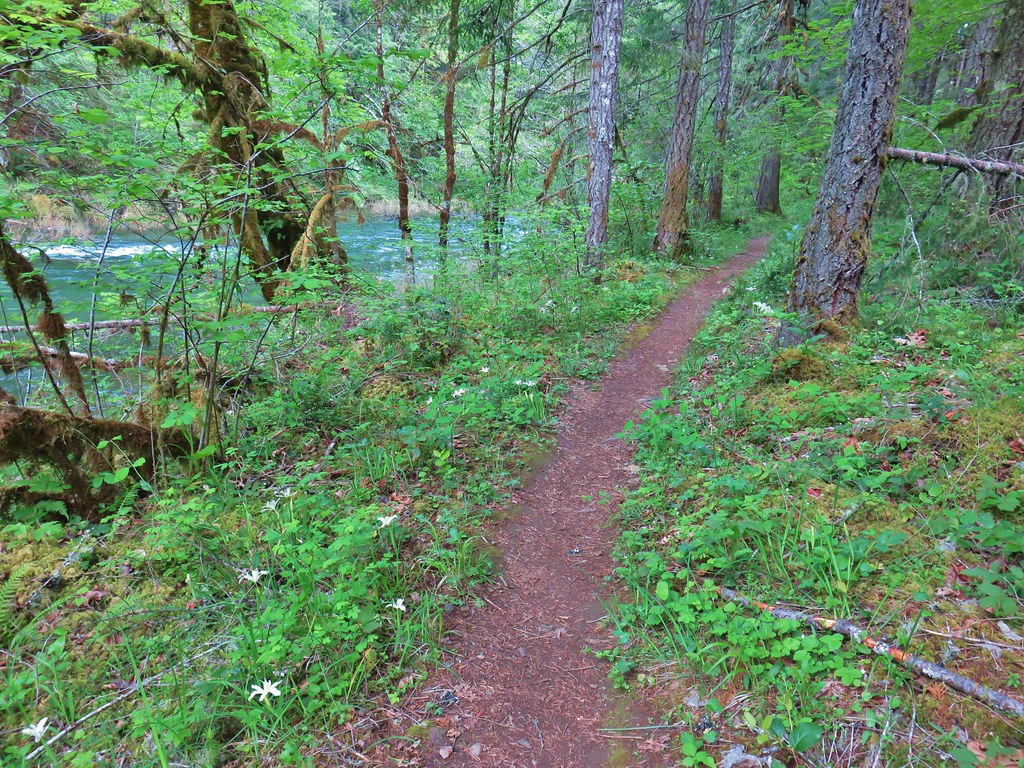

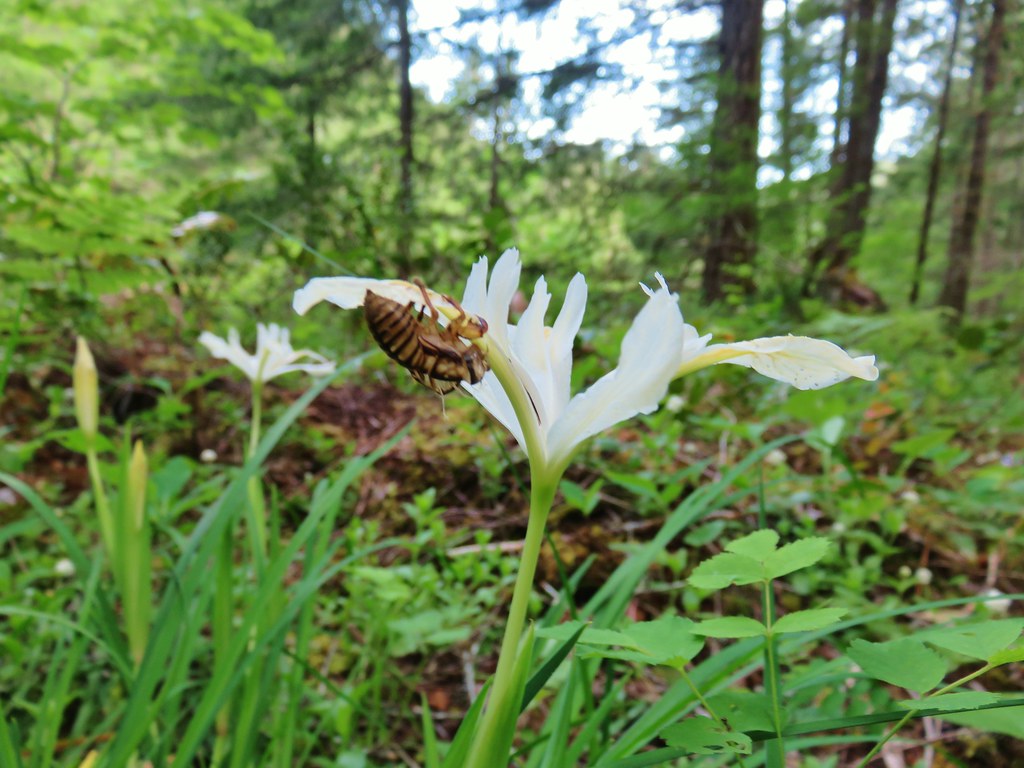 Shed cicada skin
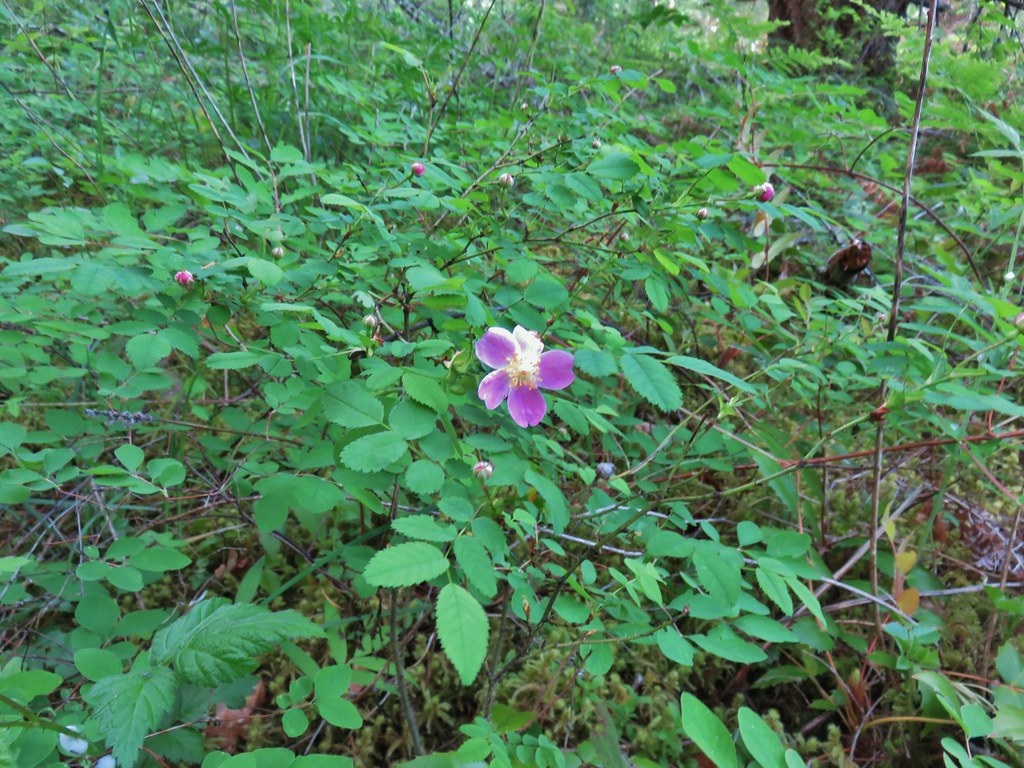 Wood rose
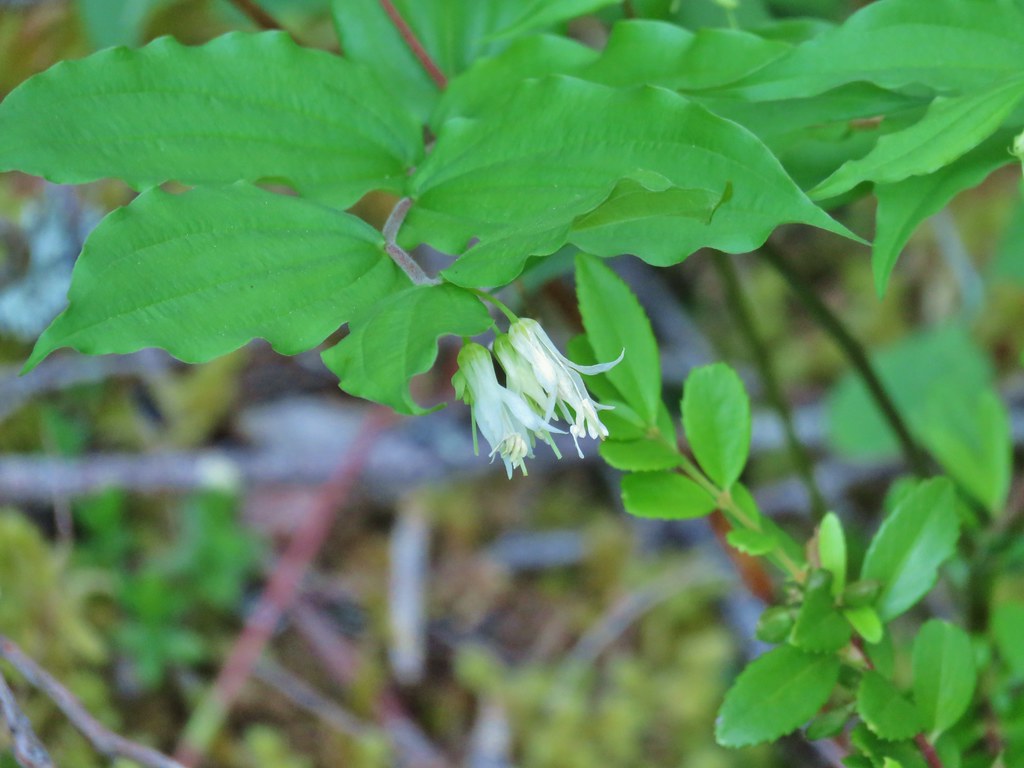 Fairy bells
 Northern phlox
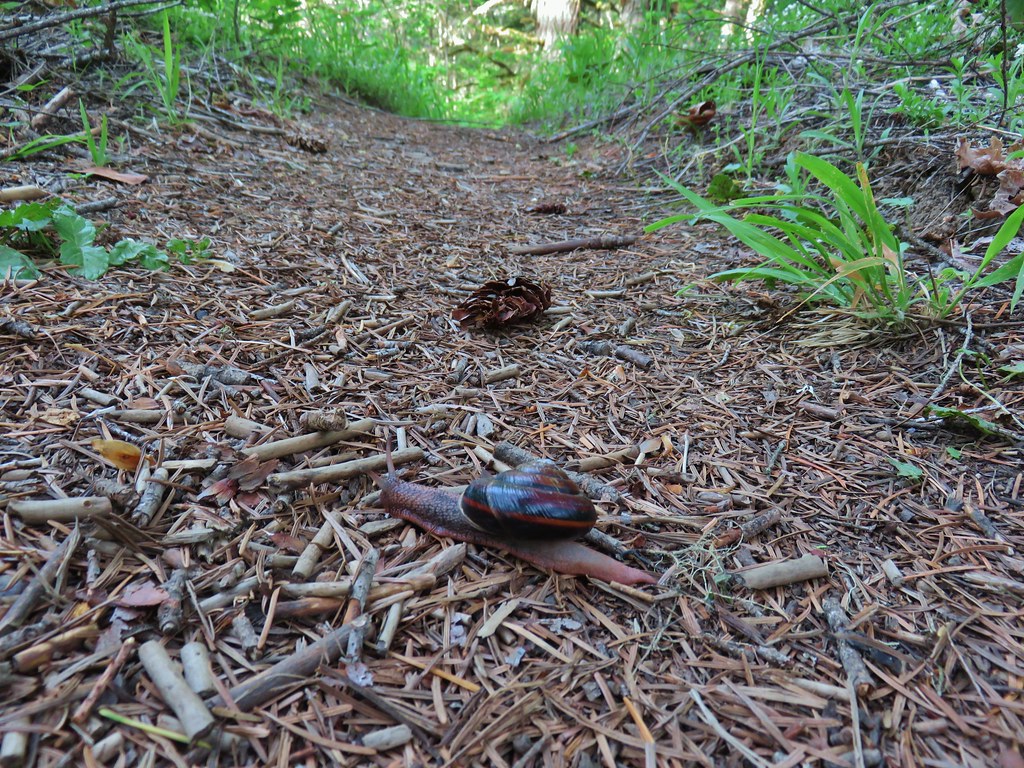 Trail snail
 Honeysuckle
 Columbine
 Lupine
 Youth-on-age
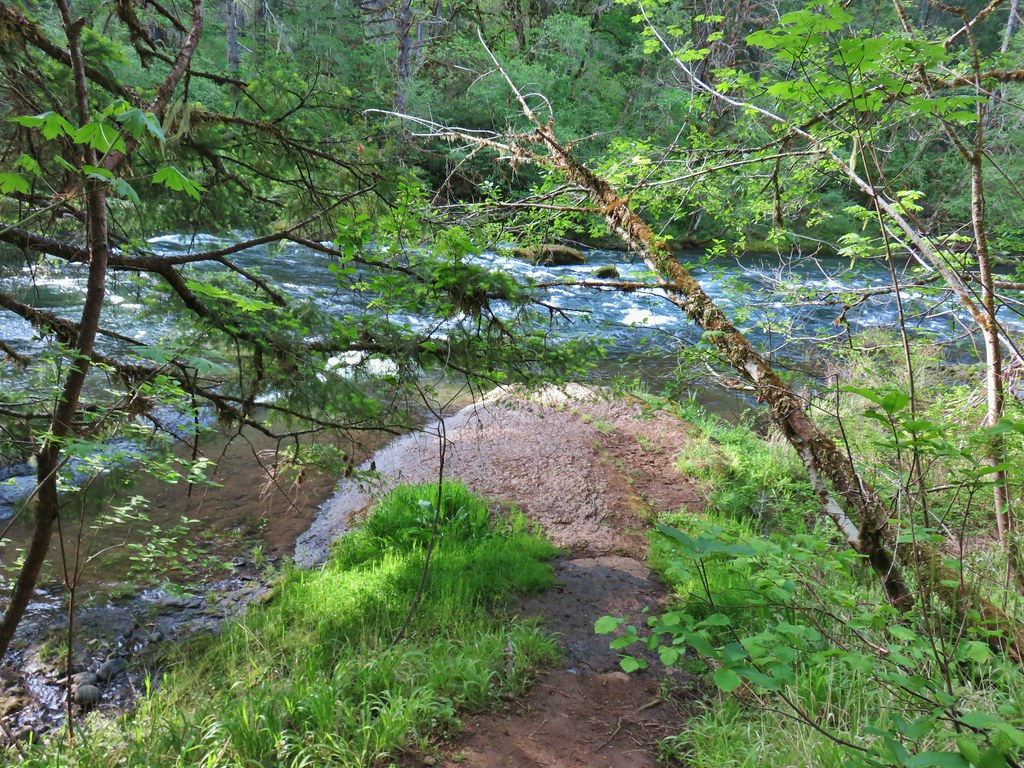 Rock ledge along the river.
 View from the rock ledge.
 Monkey flower
 Camas
Camas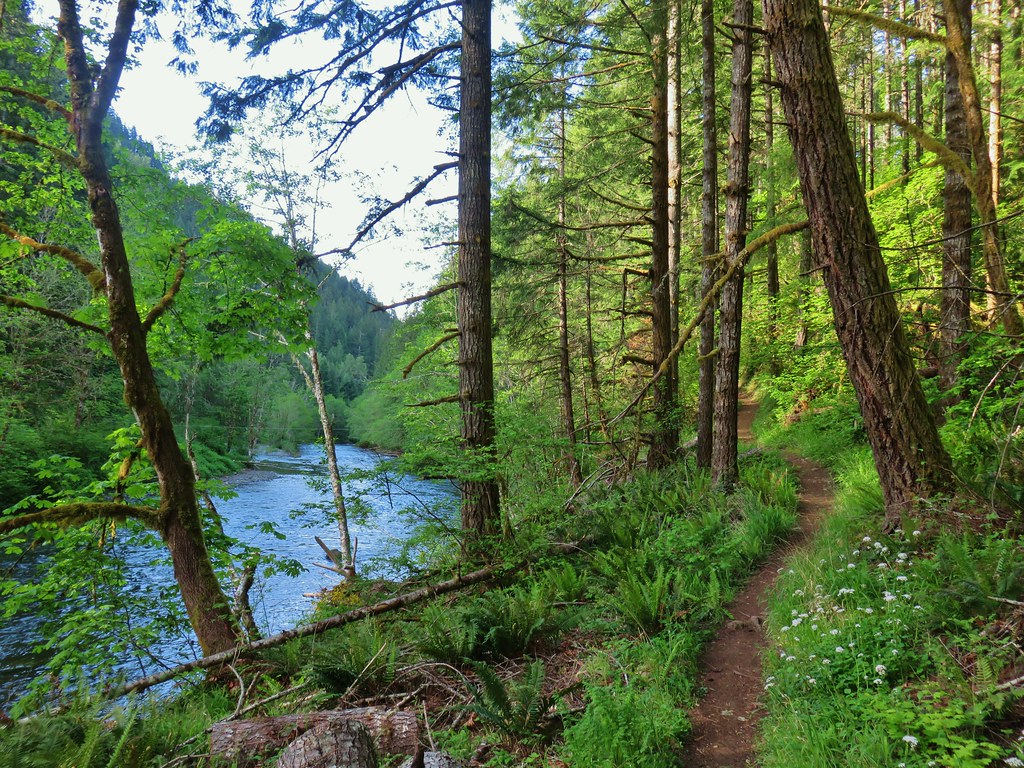
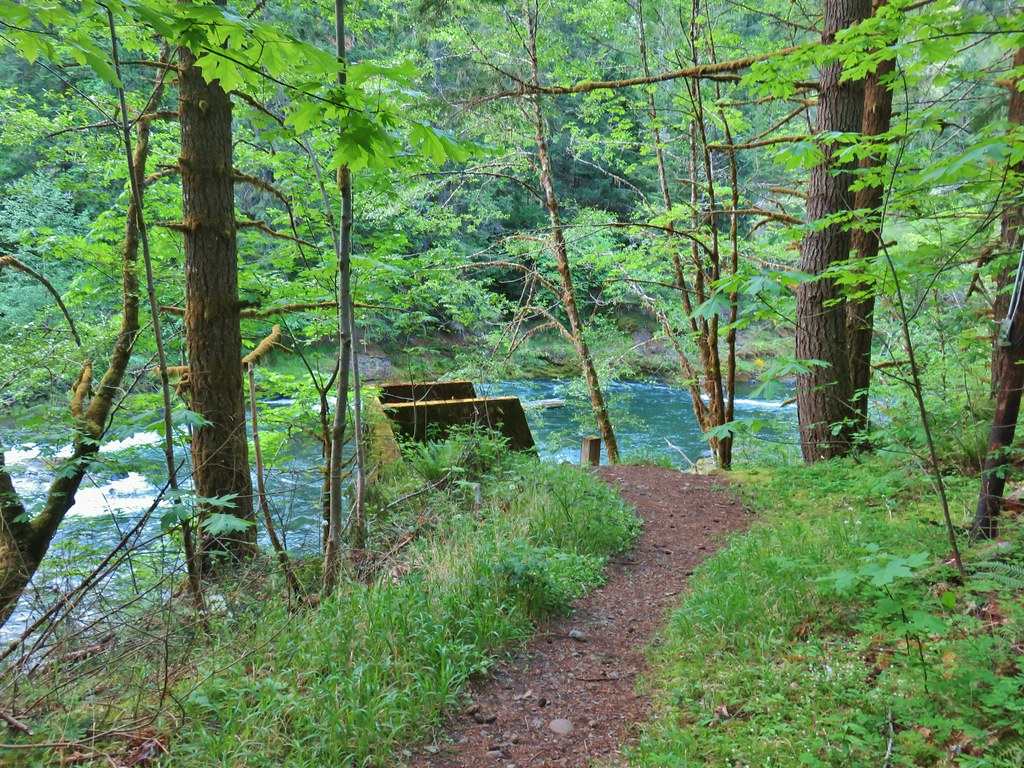 Concrete tower
 Pale flax
 Roadbed near the trailhead.
 Vanilla leaf
 Wild ginger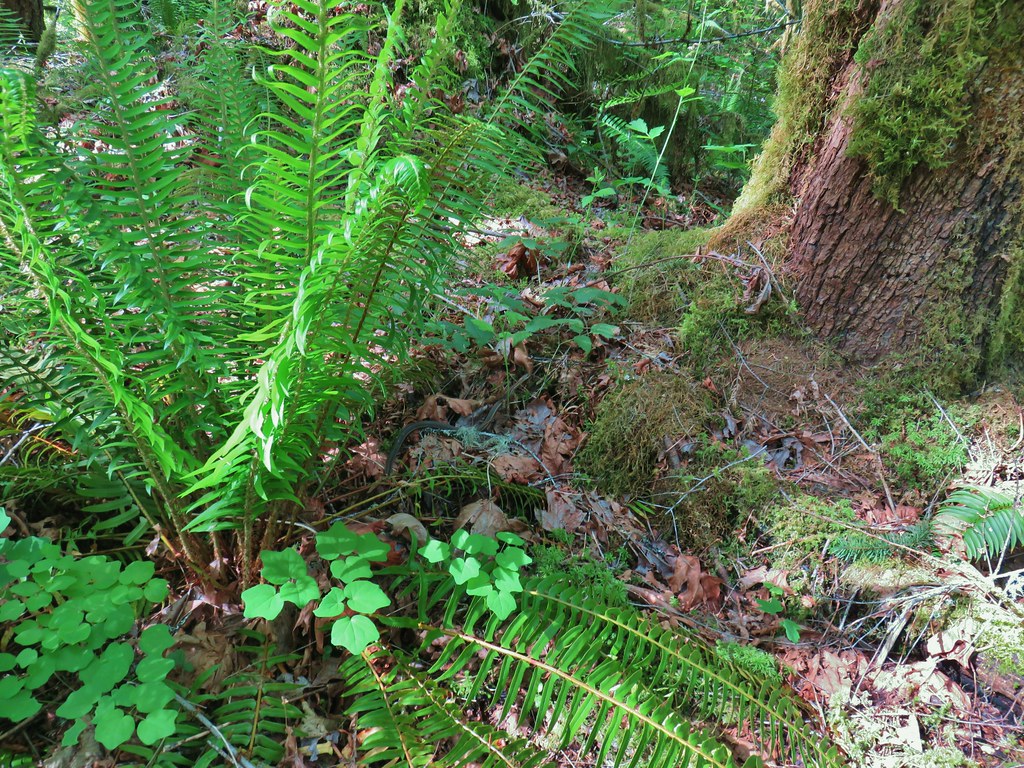
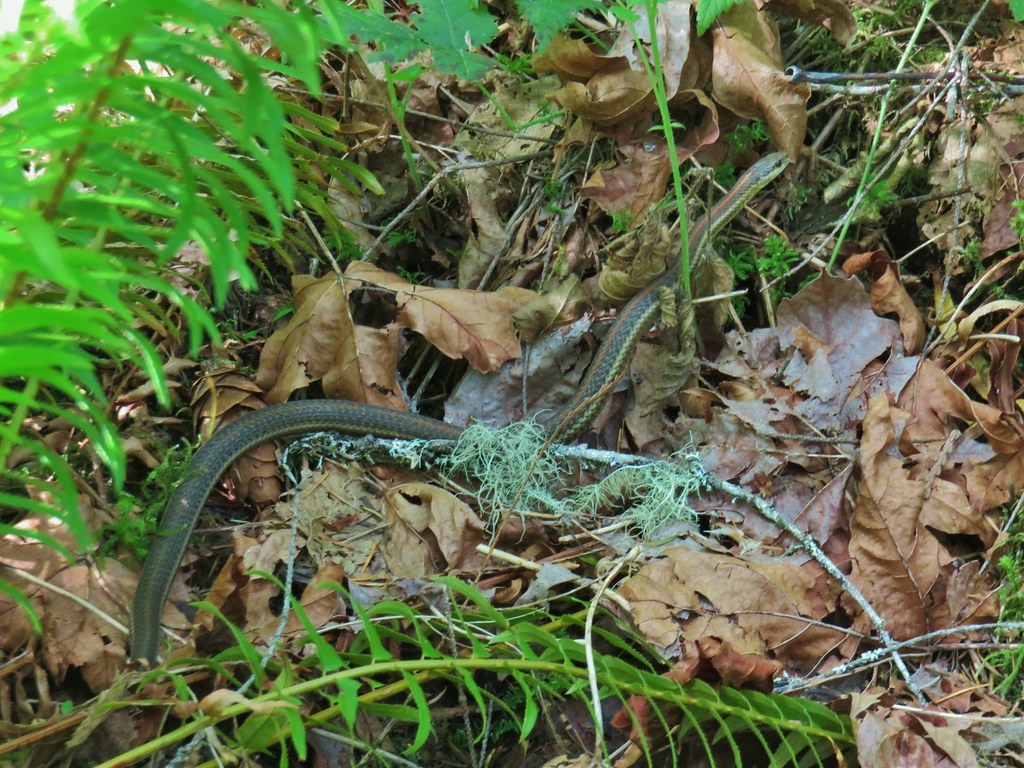


 Candy flower growing out of a mossy tree trunk.
 Western meadowrue
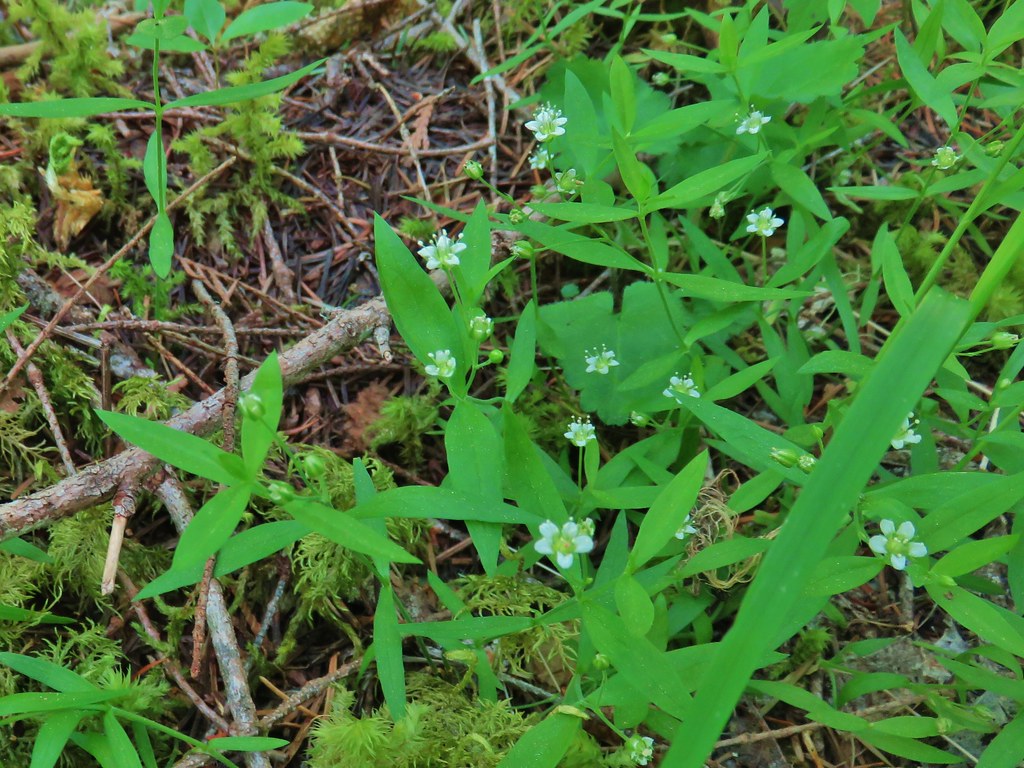 Largeleaf sandwort
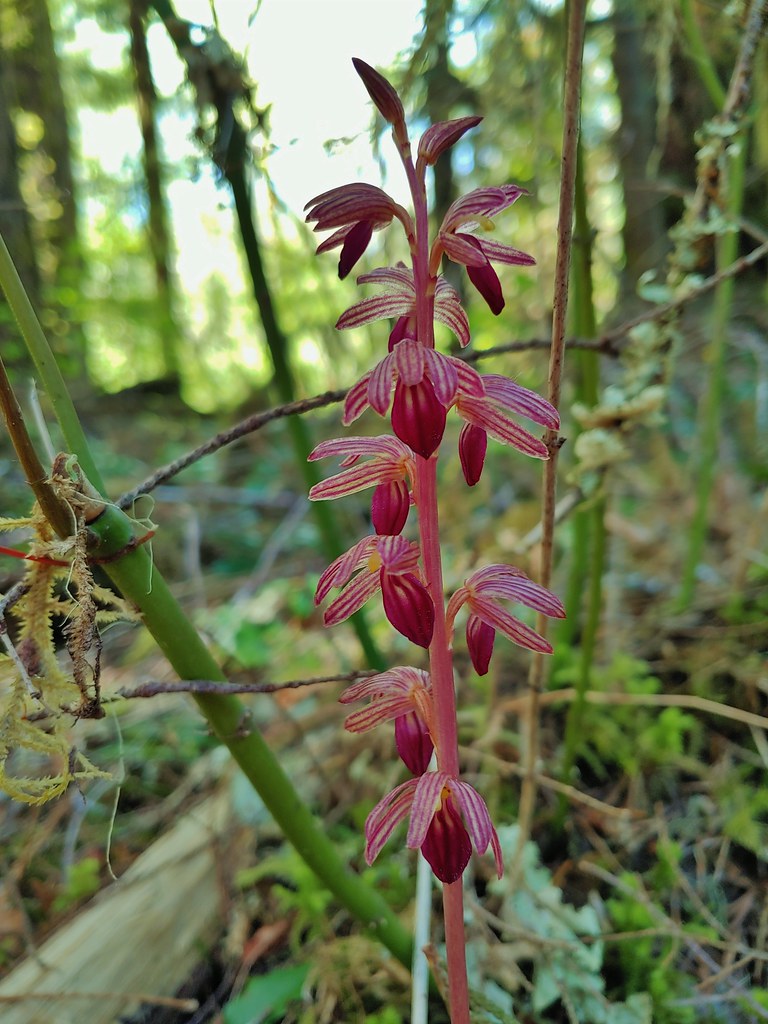 Striped coralroot
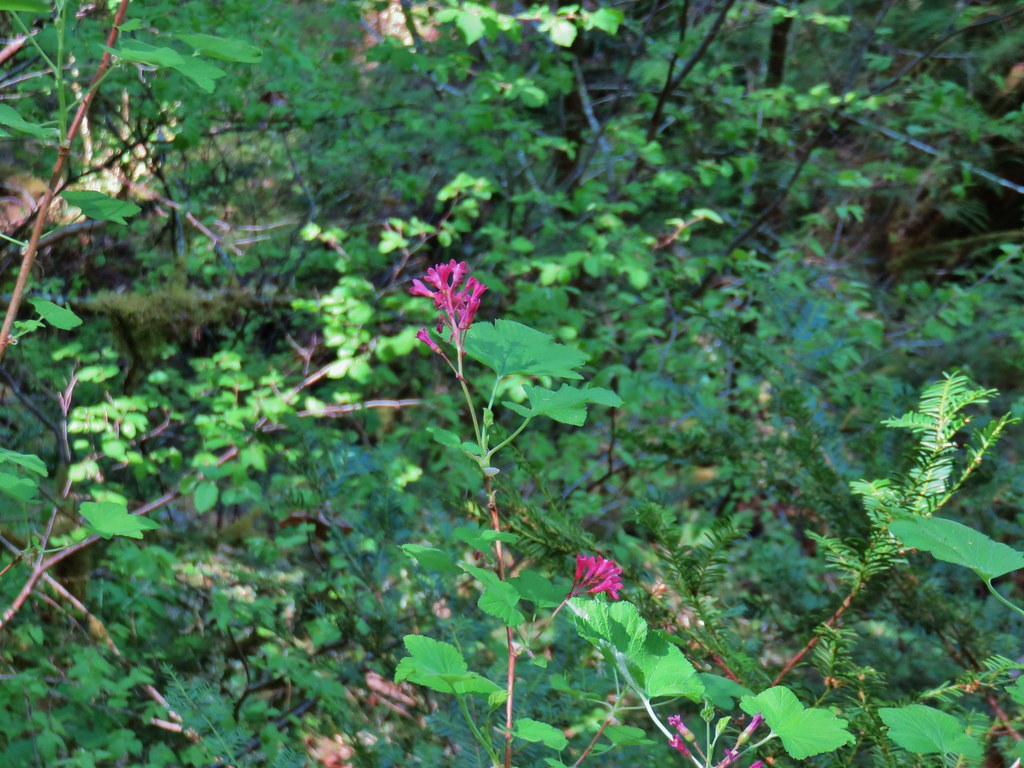 Red flowering currant
 The second creek crossing.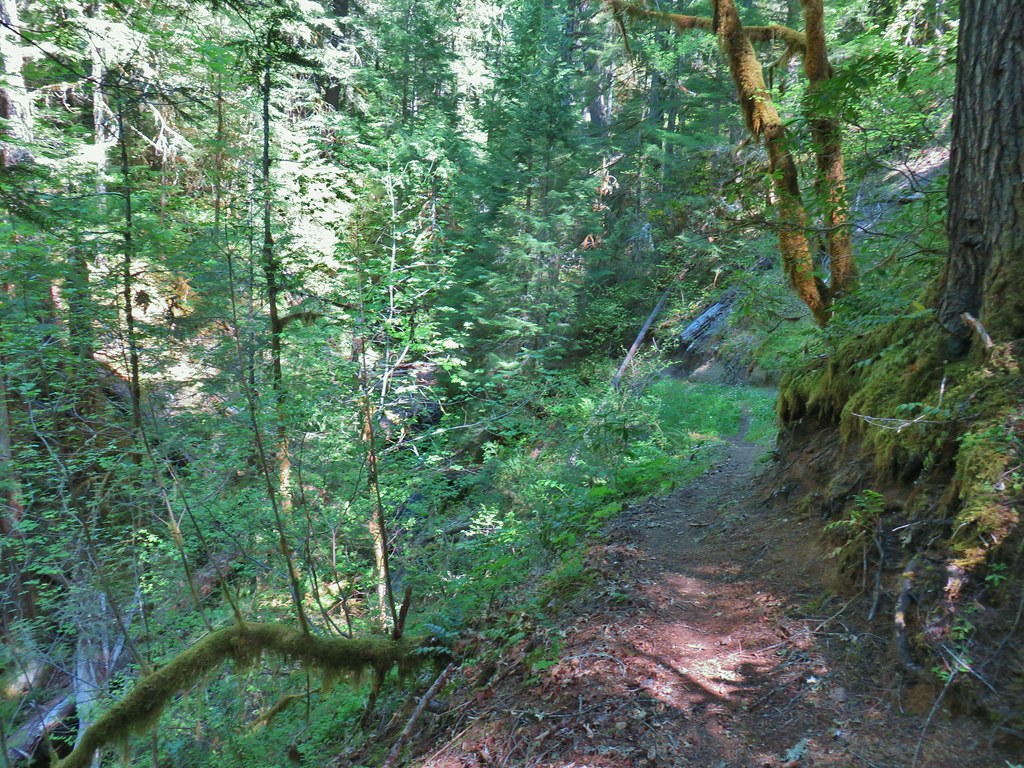


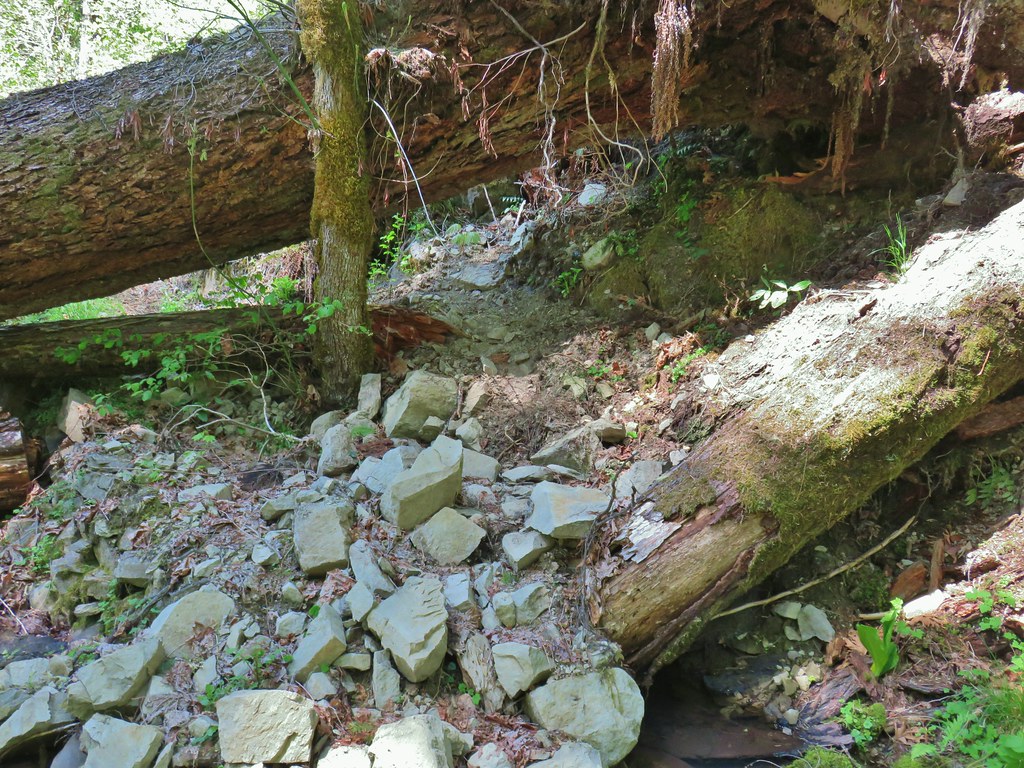
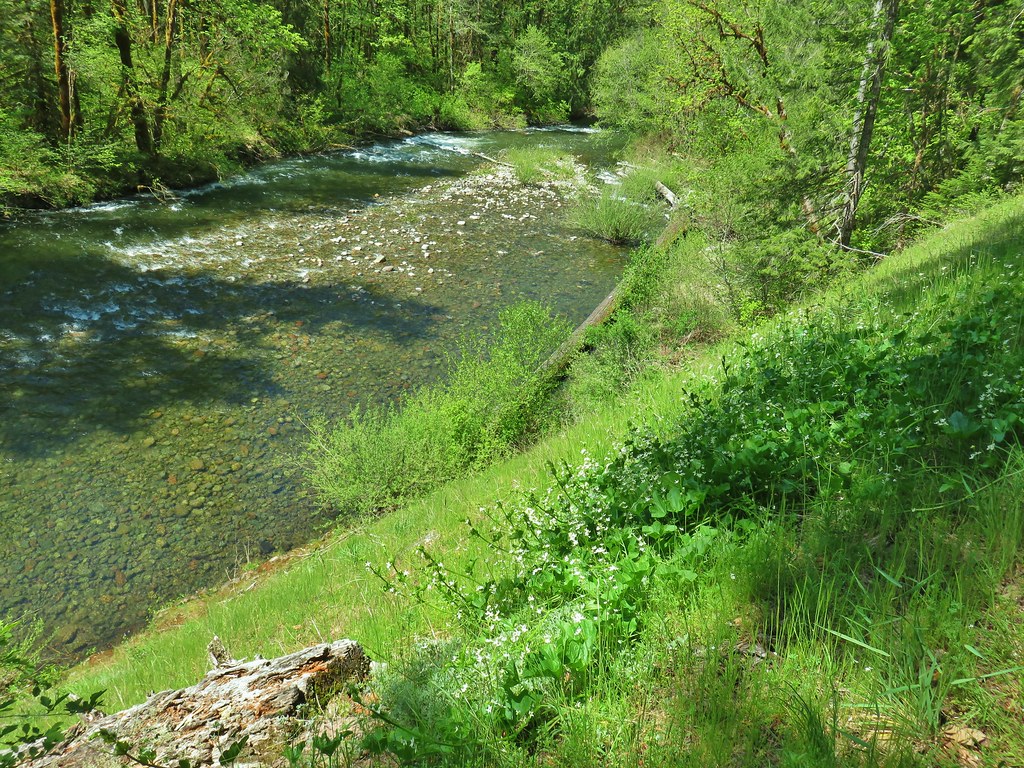
 Coastal manroot
 Sticky cinquefoil
 Popcorn
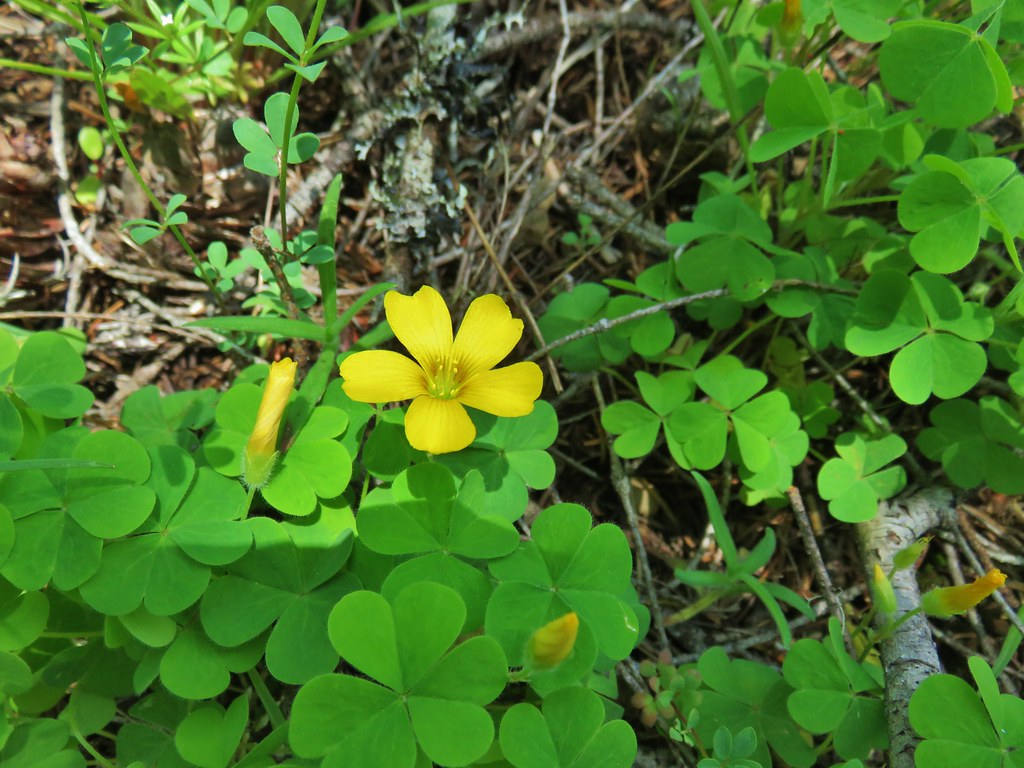 Western yellow oxalis

 Variable collomia
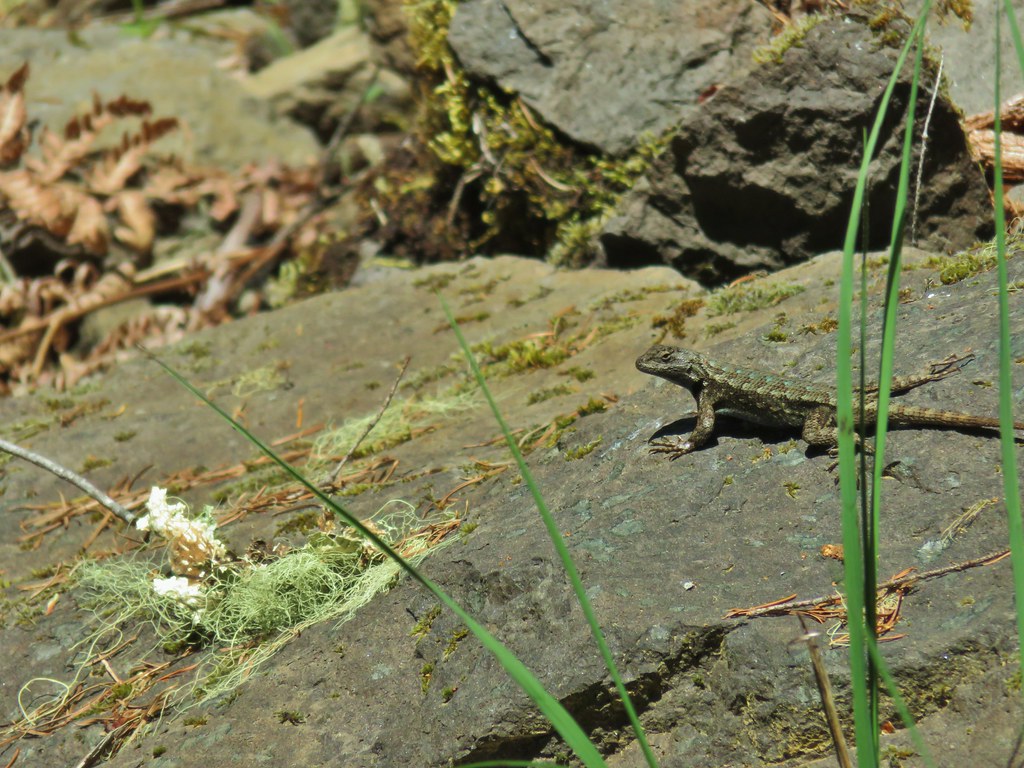 Western fence lizard
 Giant blue-eyed Mary
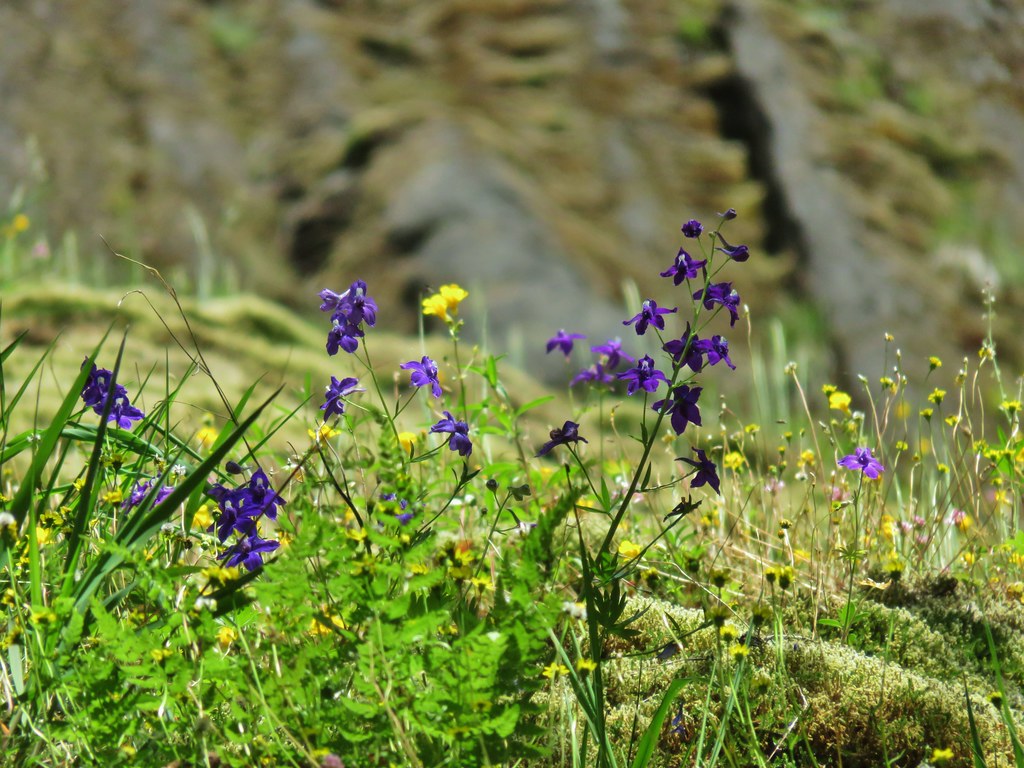 Larkspur
 Had to climb over this on the left side by the standing tree.
 The only choice here was to use this tree as the trail.
 Minor debris on the trail.
 Cuts most likely from the original establishment of the trail.
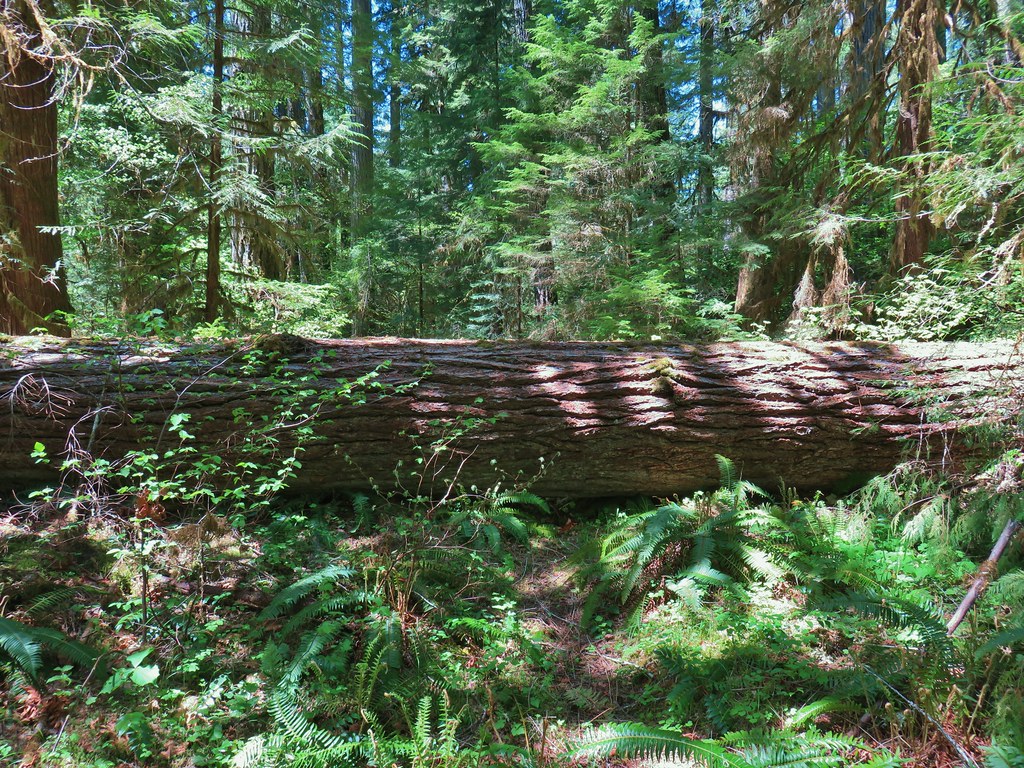 This one required a detour to the right around the end of the tree.
 Forest reclaiming the trail tread.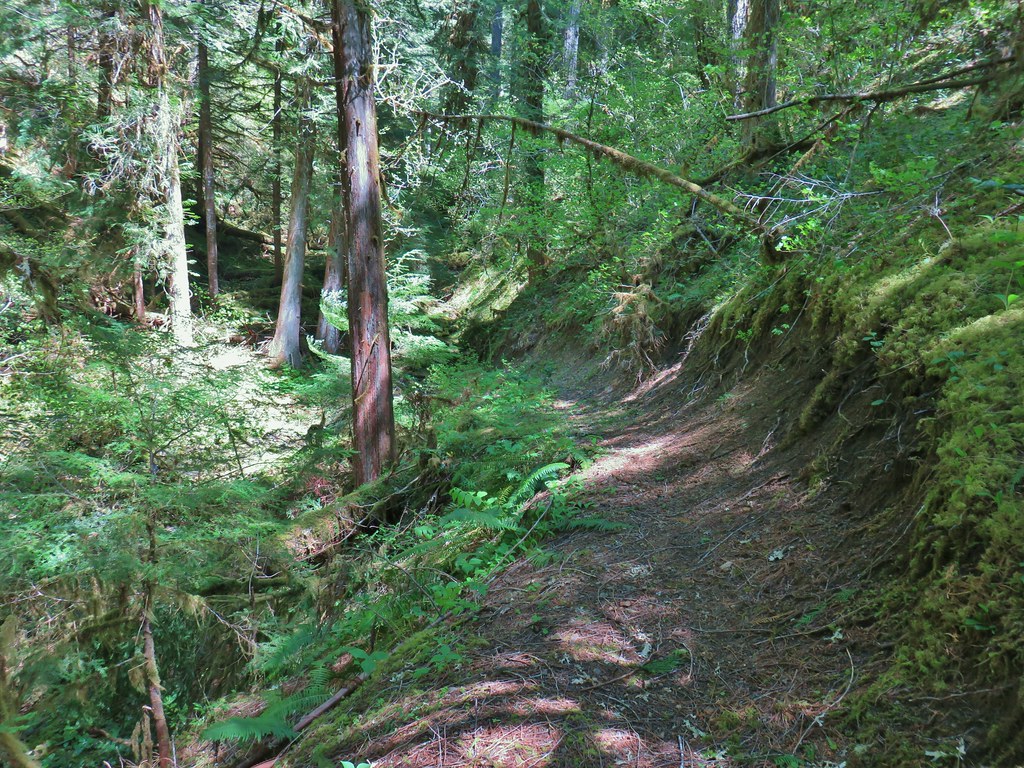

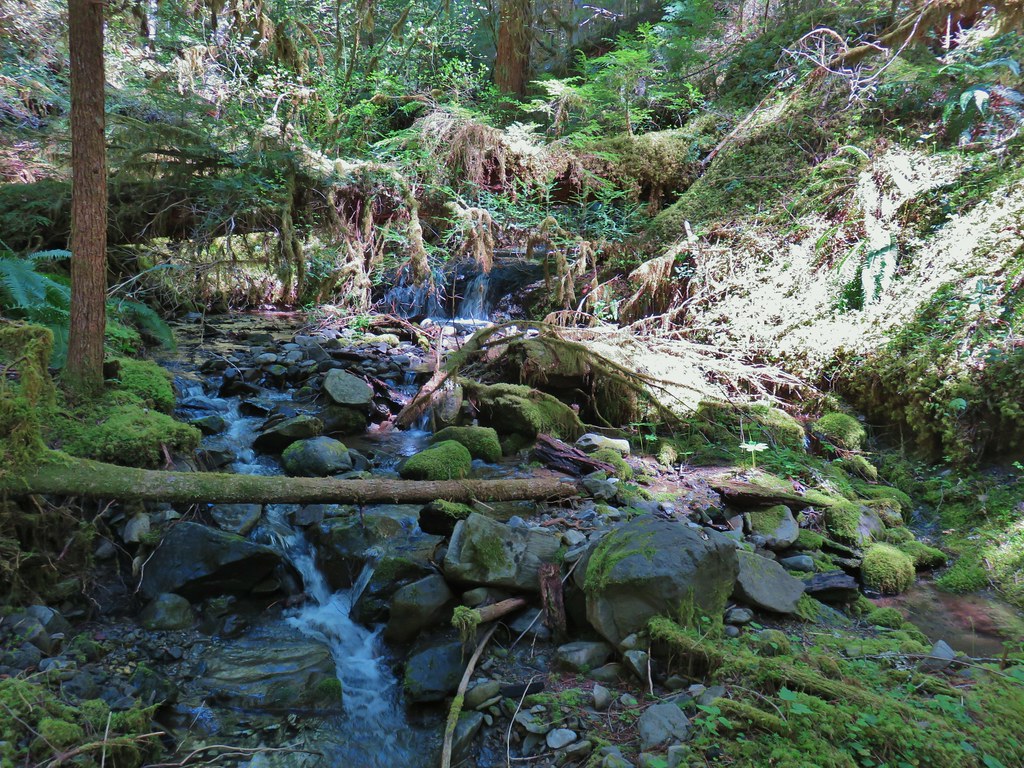

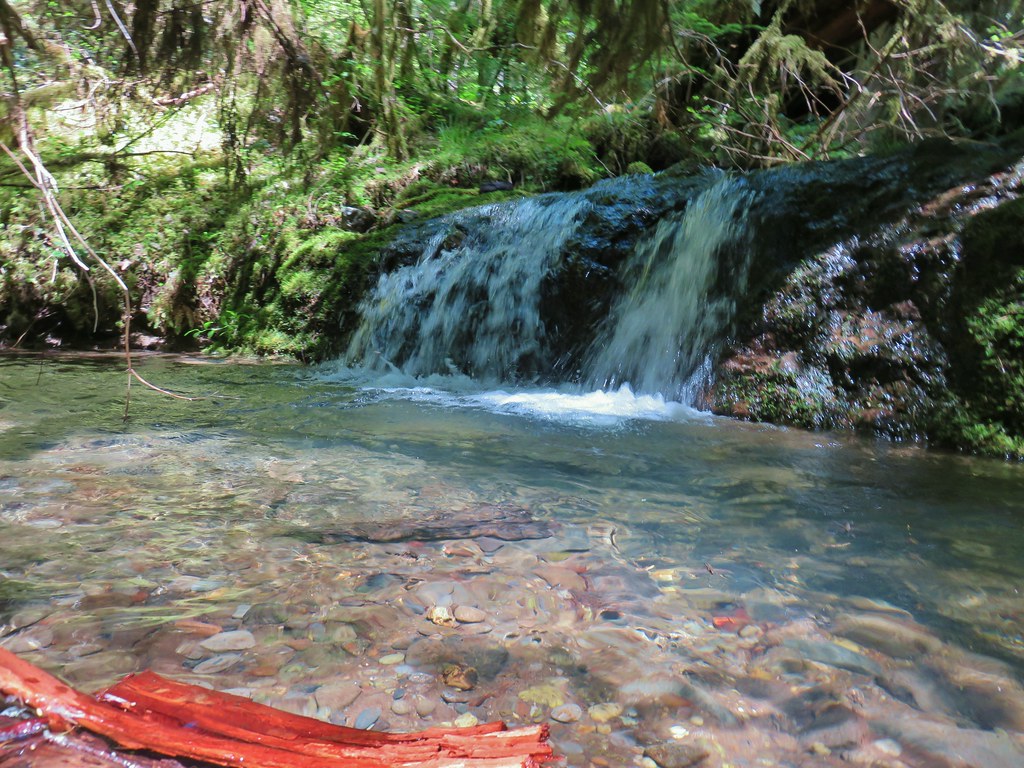
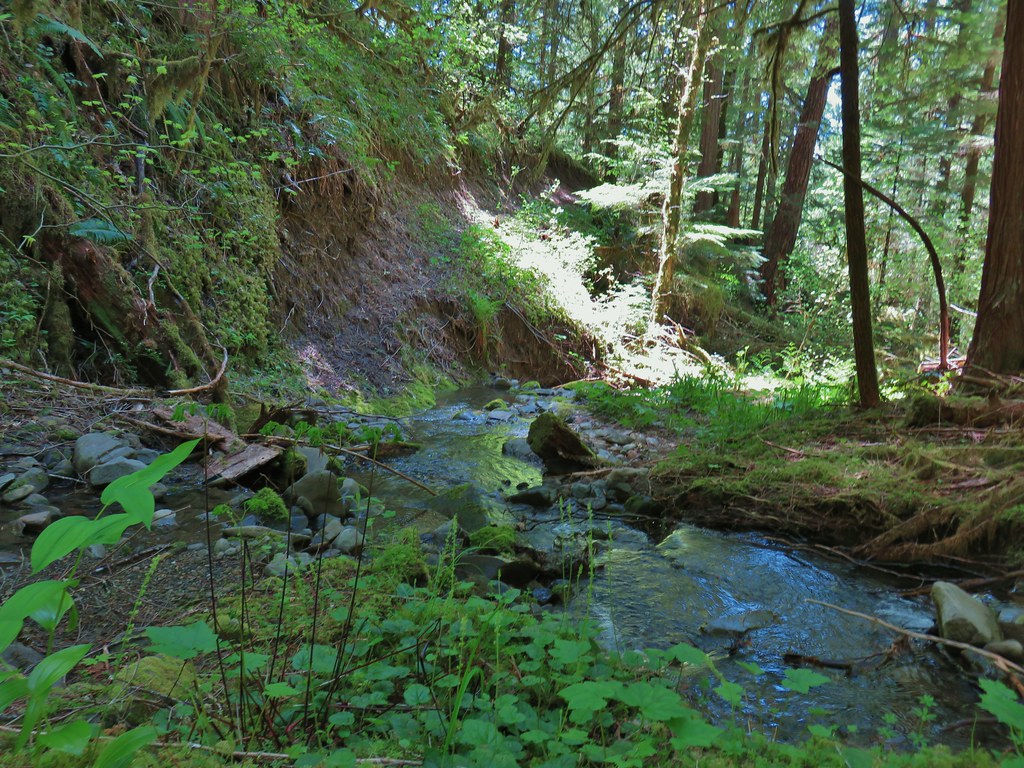


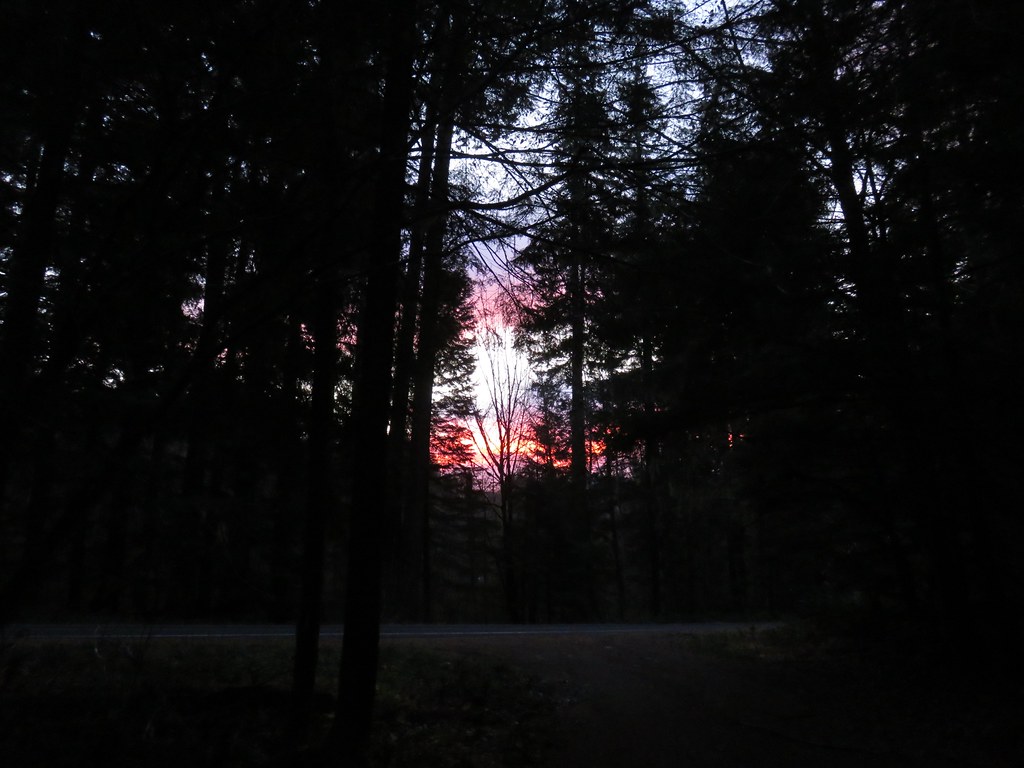 There was a nice sunrise while we waited for enough light.
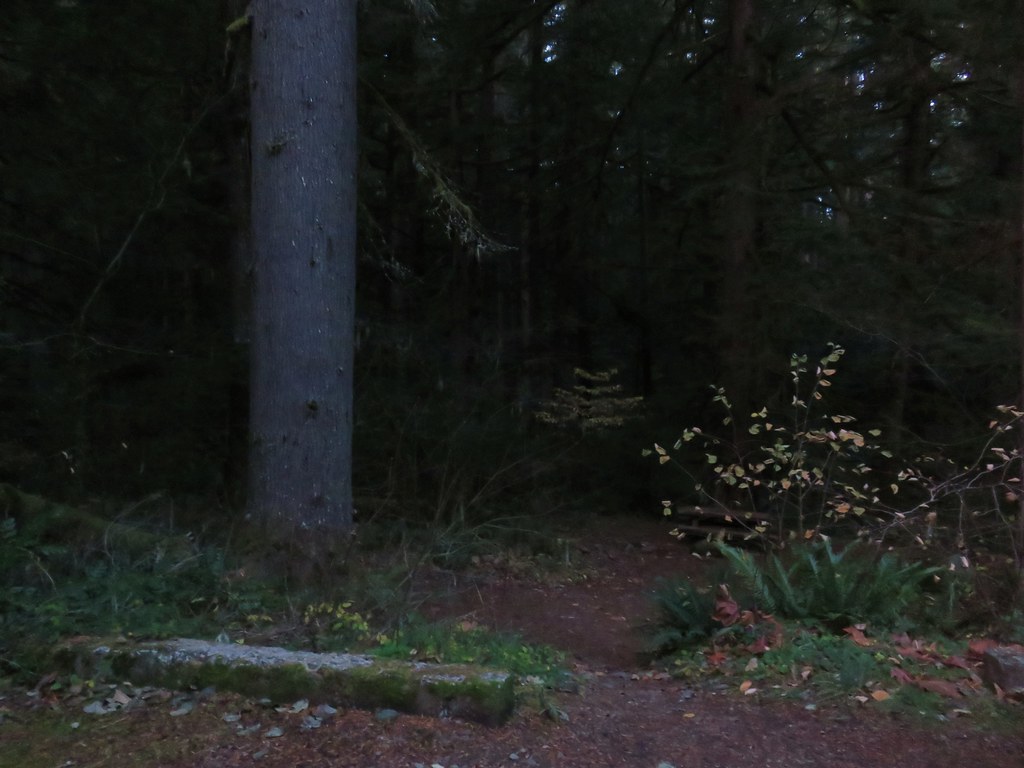 Alder Flat Trail at the trailhead.
 Passing the old beaver pond.
 Beaver pond from the former trail around it.
 The trail around the pond petered out on the far side of this log.
 Alder Flat Trail in the forest.
 Arriving at the campground.
 Swimming hole (It was a little too cold today.)
 Clackamas River at the Alder Flat Campground.
 The Rainbow Campground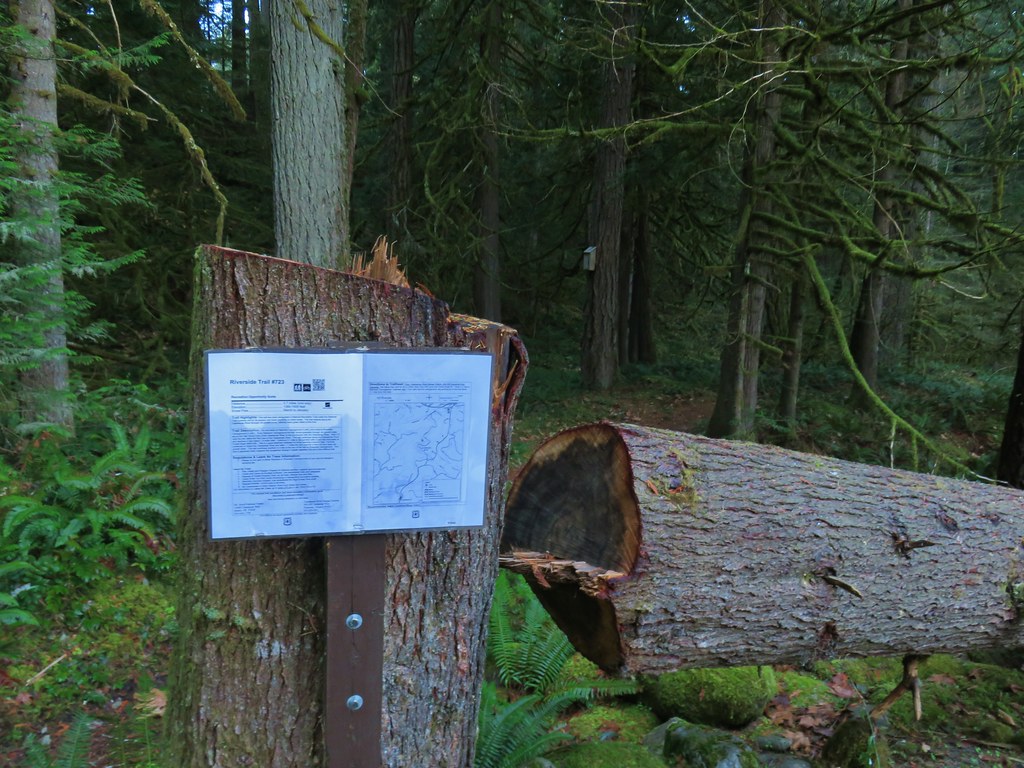


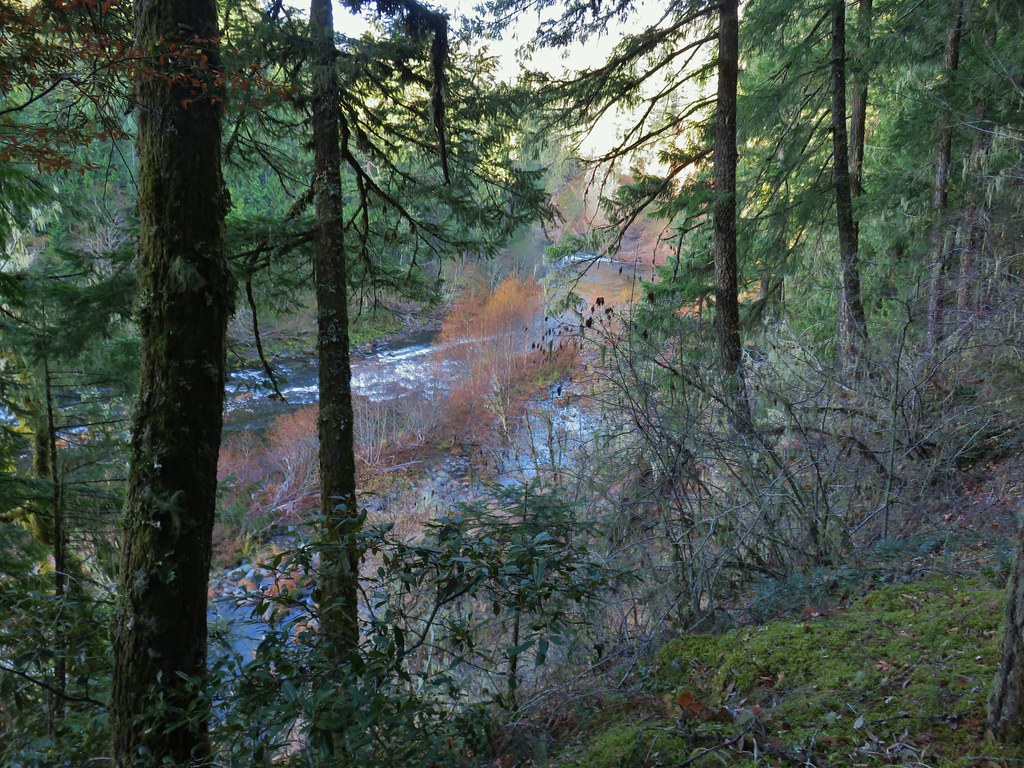
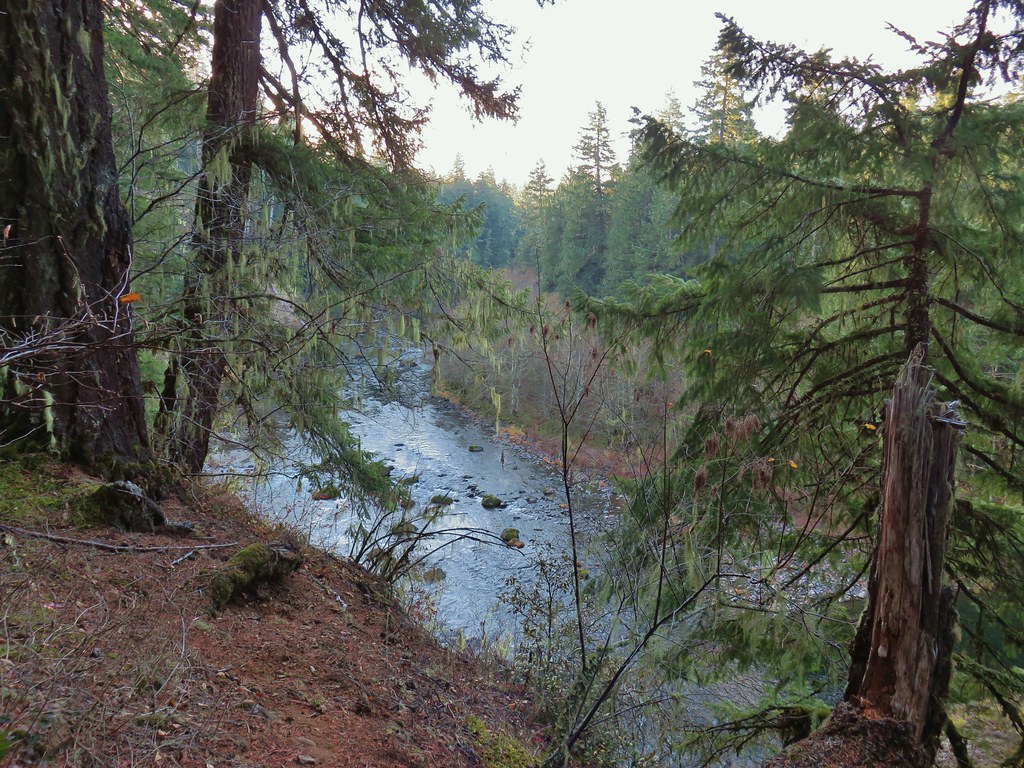
 In the forest for a bit.
 Viewpoint from above.
 Back in the forest.
 At the river.
 Sun peaking through the trees.
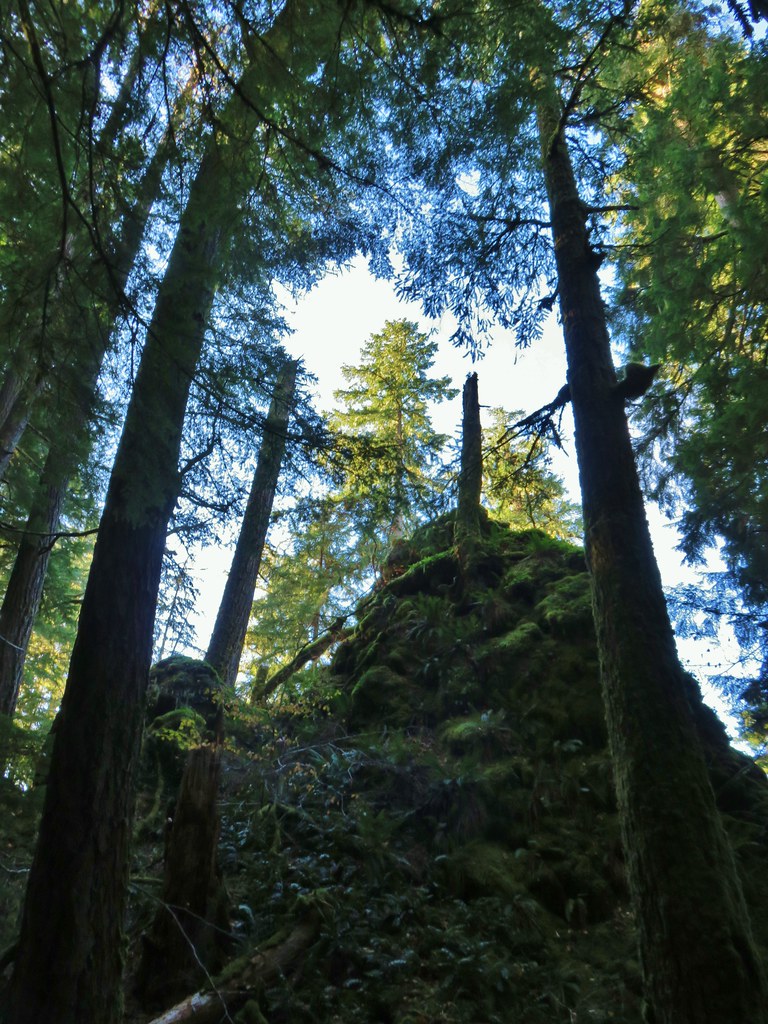 one of several rock formations along the trail.
 Another view of the Clackamas.
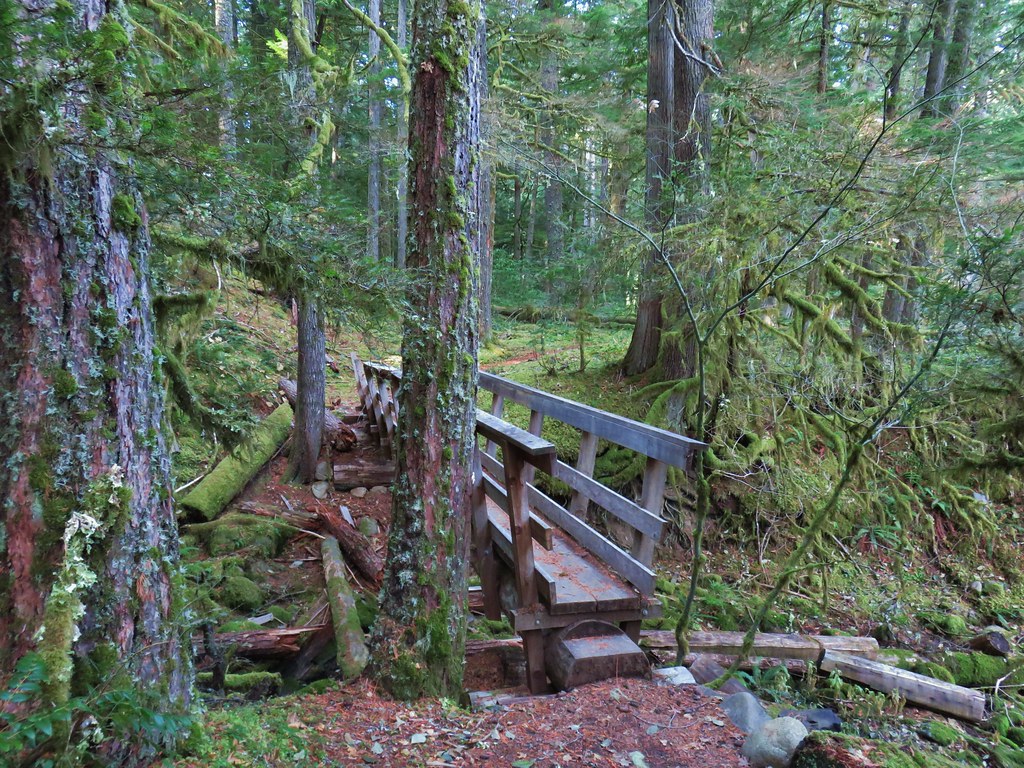 Side creek crossing.
 Back along the river.
 Rock pinnacle in the Clackamas River.
 Spur trail to the Riverside Trailhead.
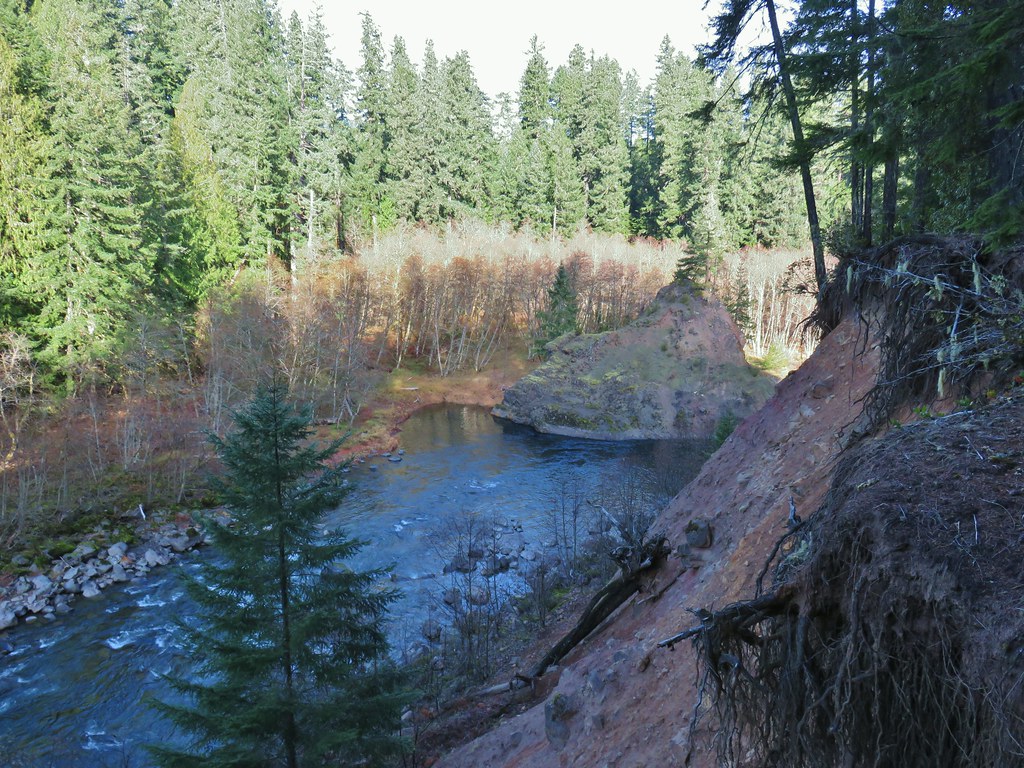 Viewpoint near the spur trail.
 Viewpoint near the spur trail.
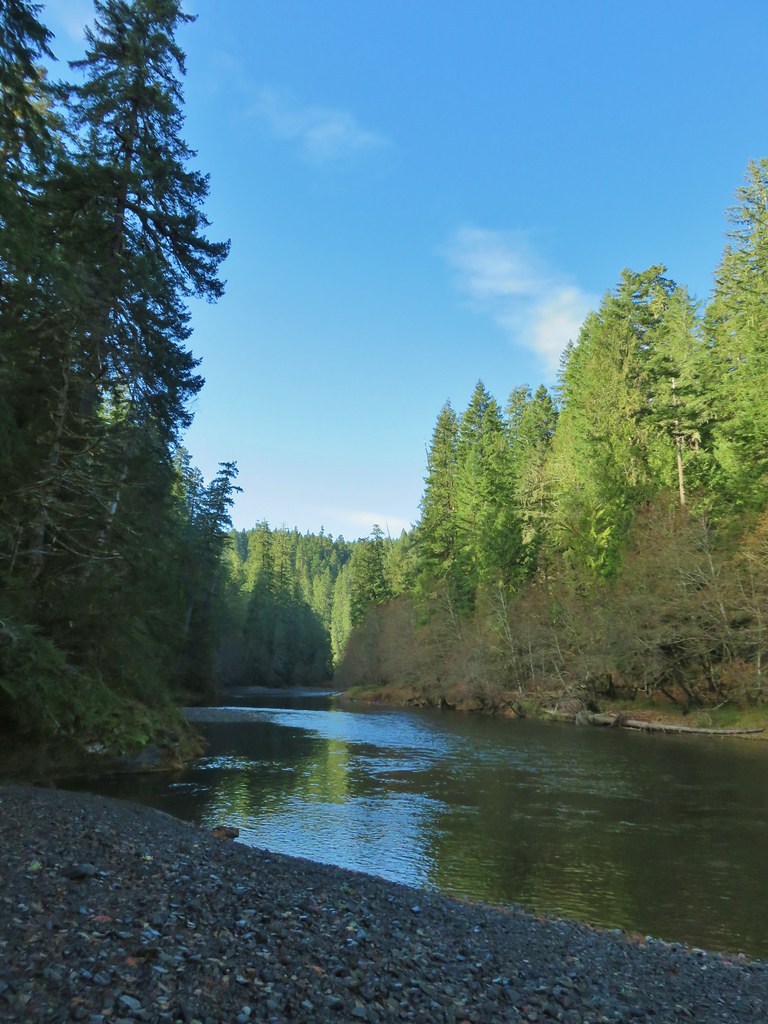 Another rocky beach along the Clackamas.
 Looking down river.
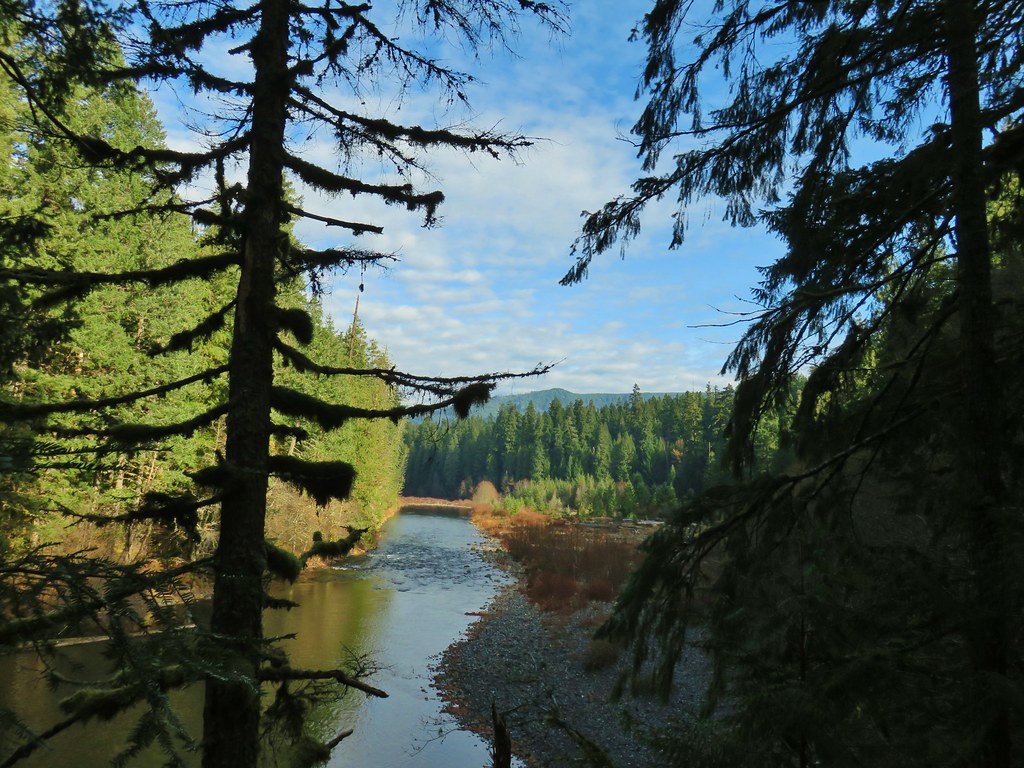 Now from above the rock beach.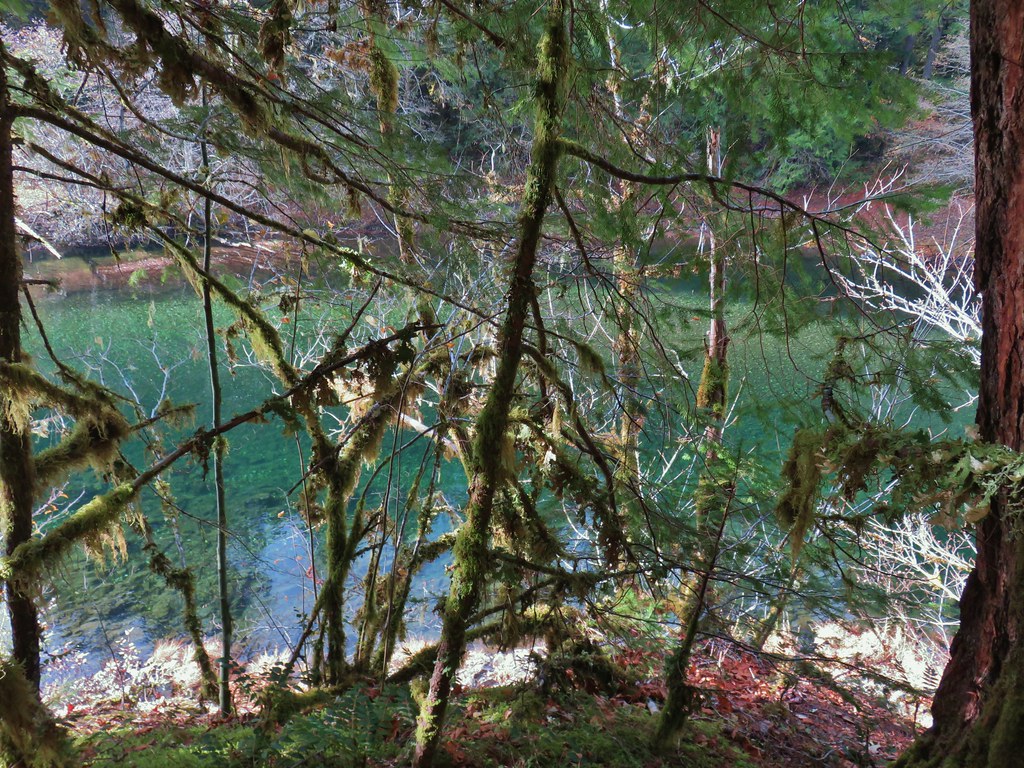




 Clackamas River at the Riverside Campground.



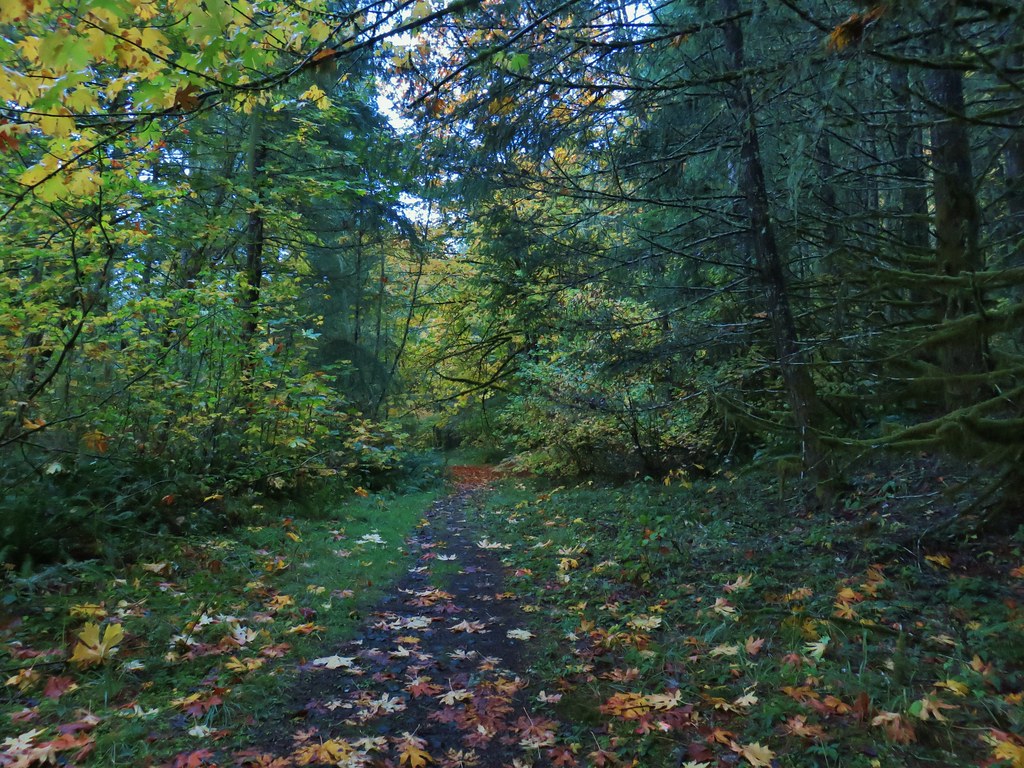

 Leapfrog Loop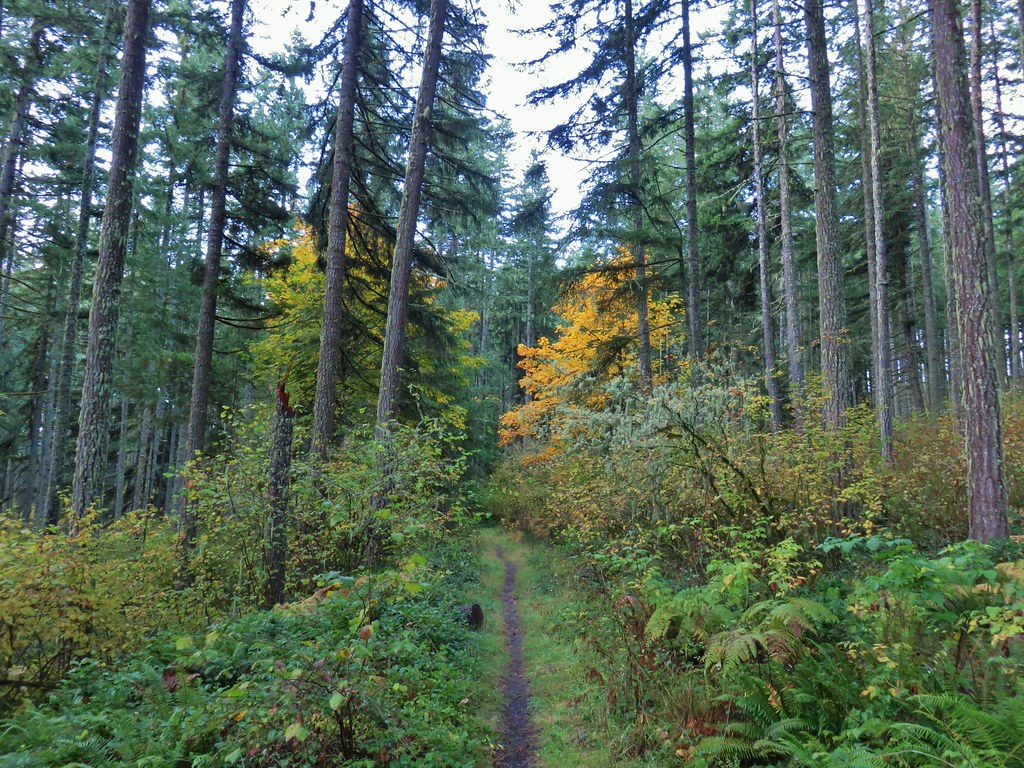
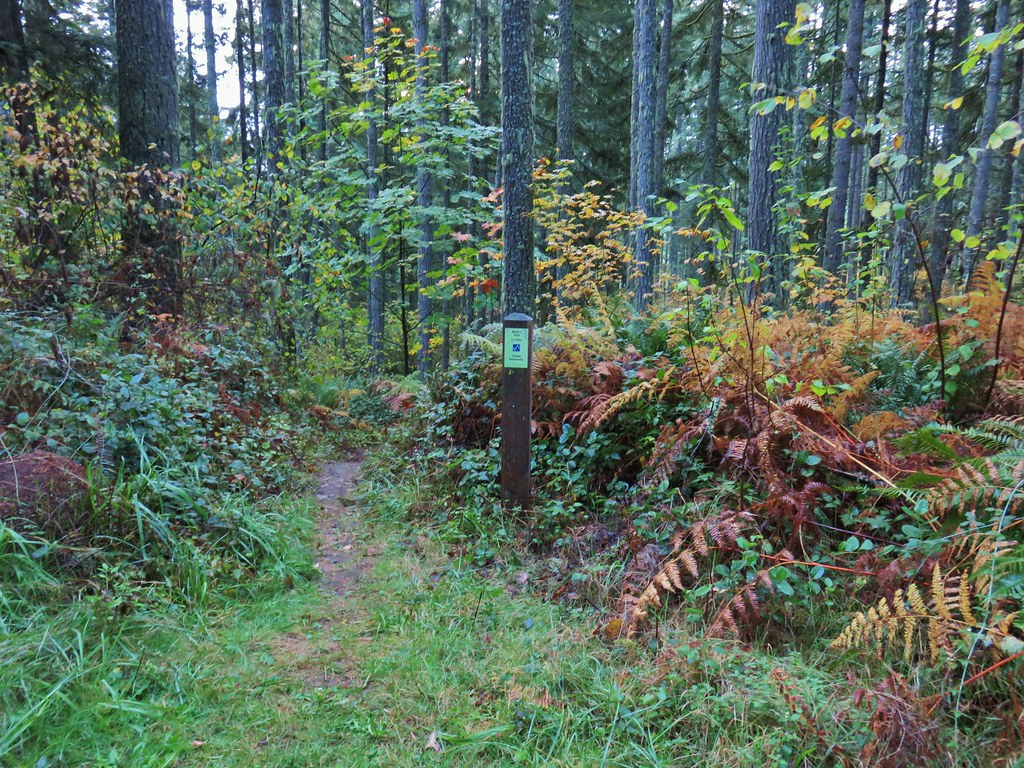 Mark’s Trail (our return route)





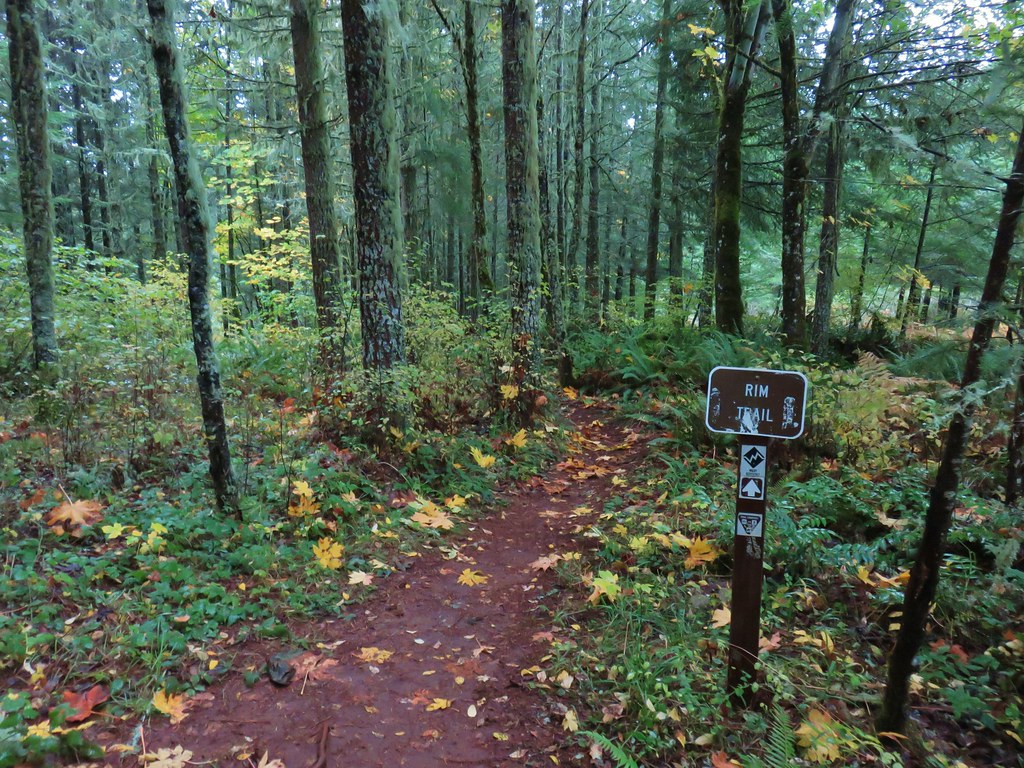
 Rim Trail


 <
<


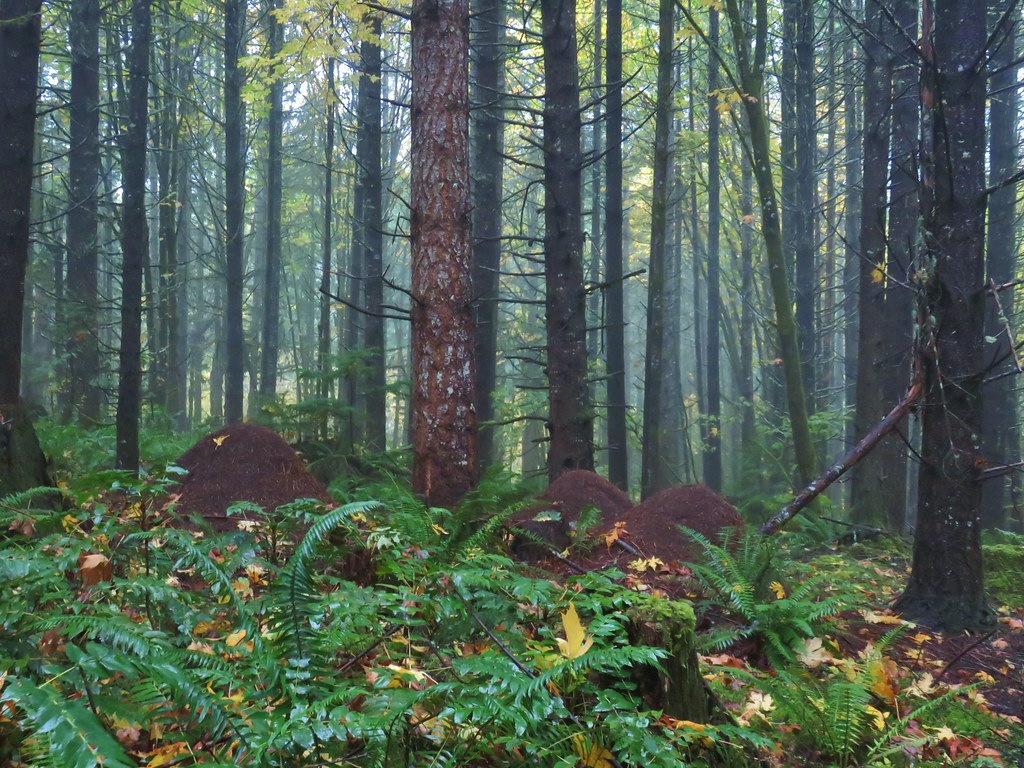 Huge anthills could be seen throughout the hike.
 Skirting the clear cut.


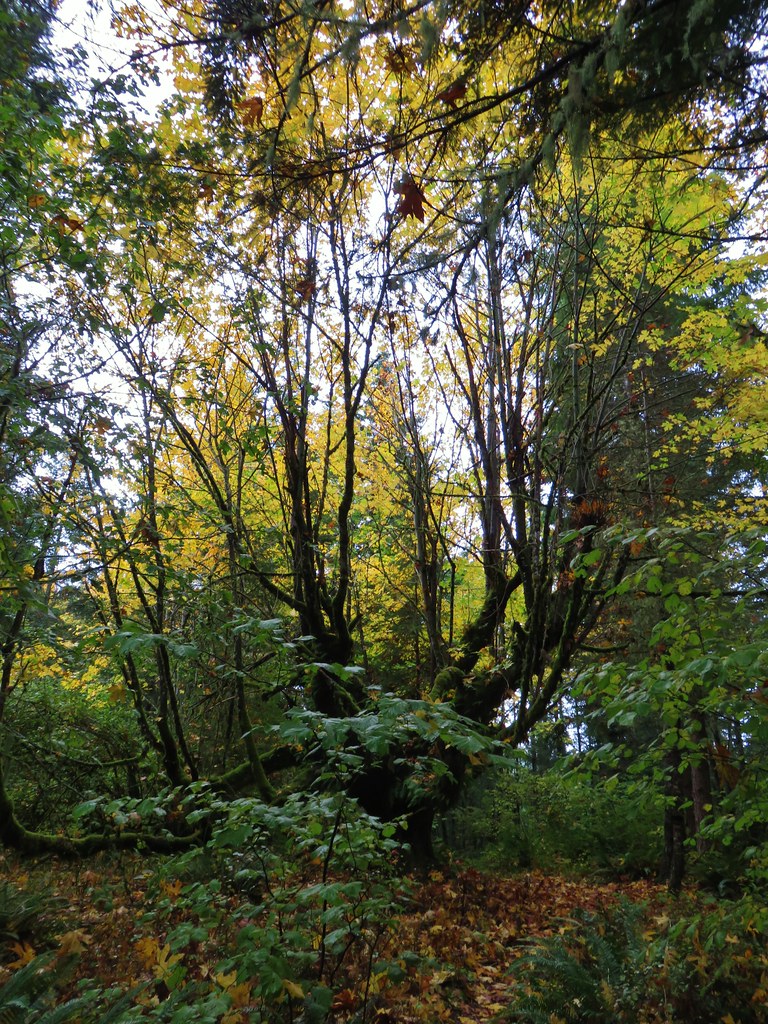
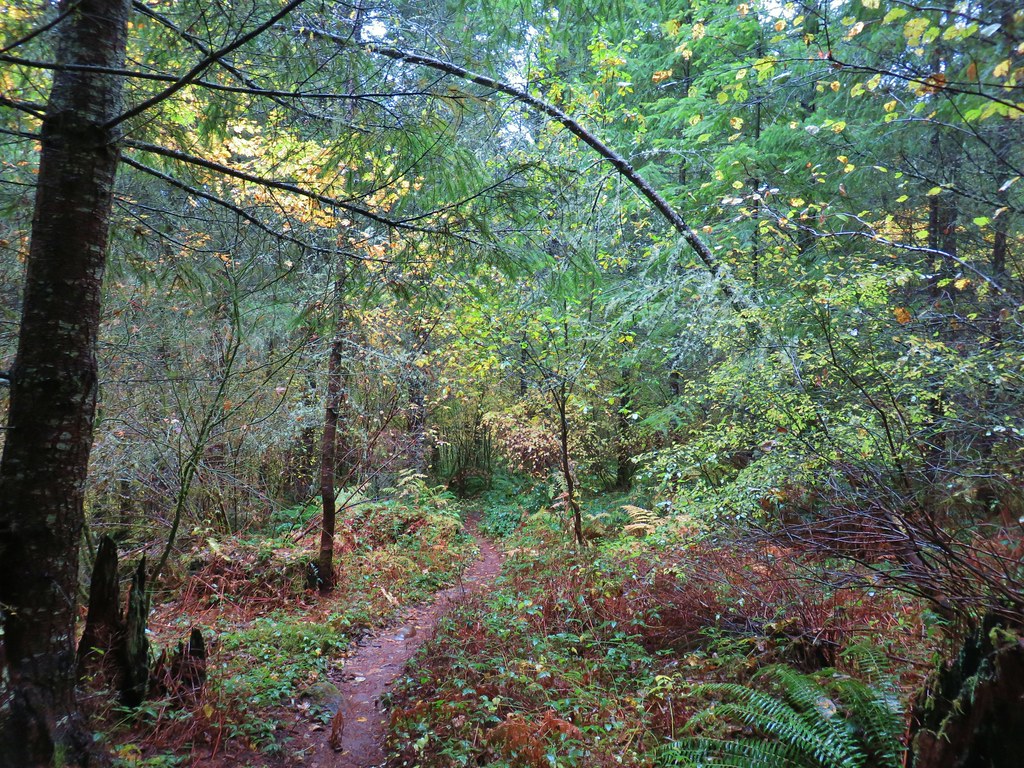
 Unnamed creek.

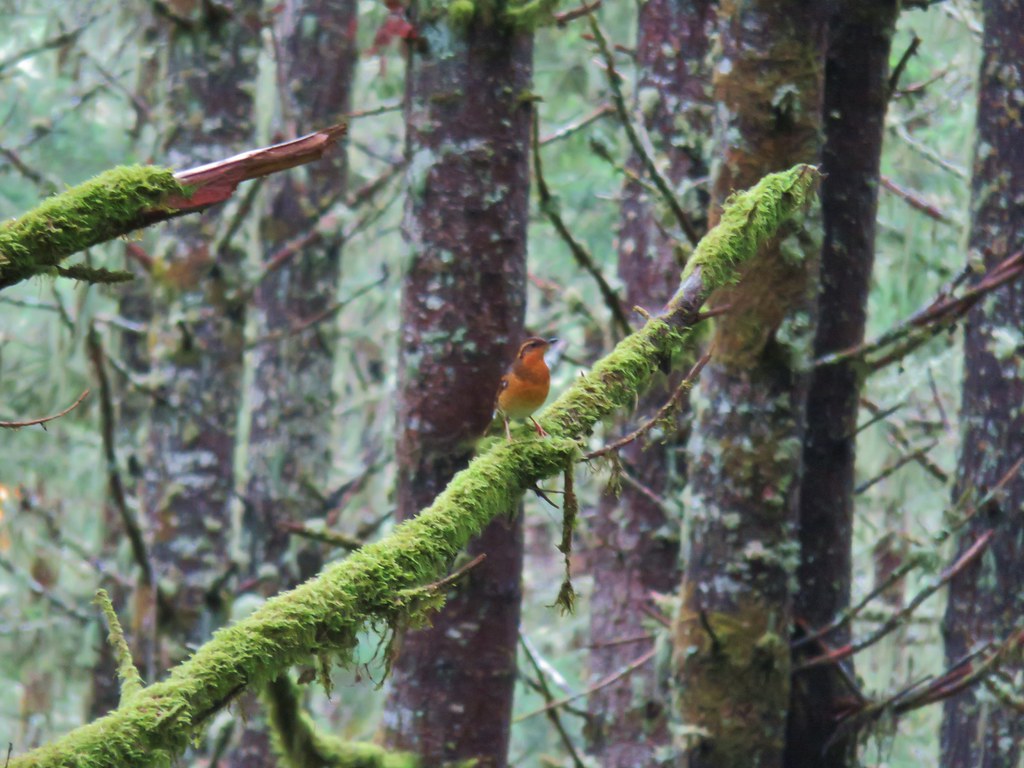 Varied thrush
 One of the few unsigned junctions we came to.


 Huckleberry Trail just before the shower.
 Near the tail end of the shower.
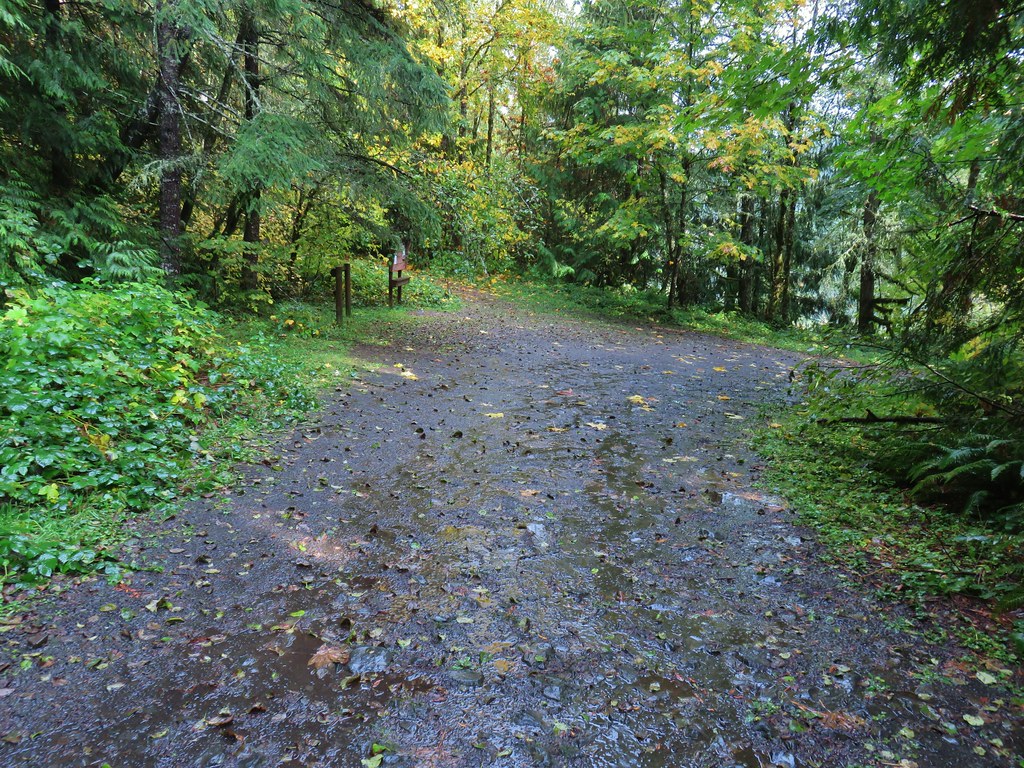 The Hardy Creek Trail coming up from the

 Going down.
 Going back up.


 Back at Amanda’s Trail.


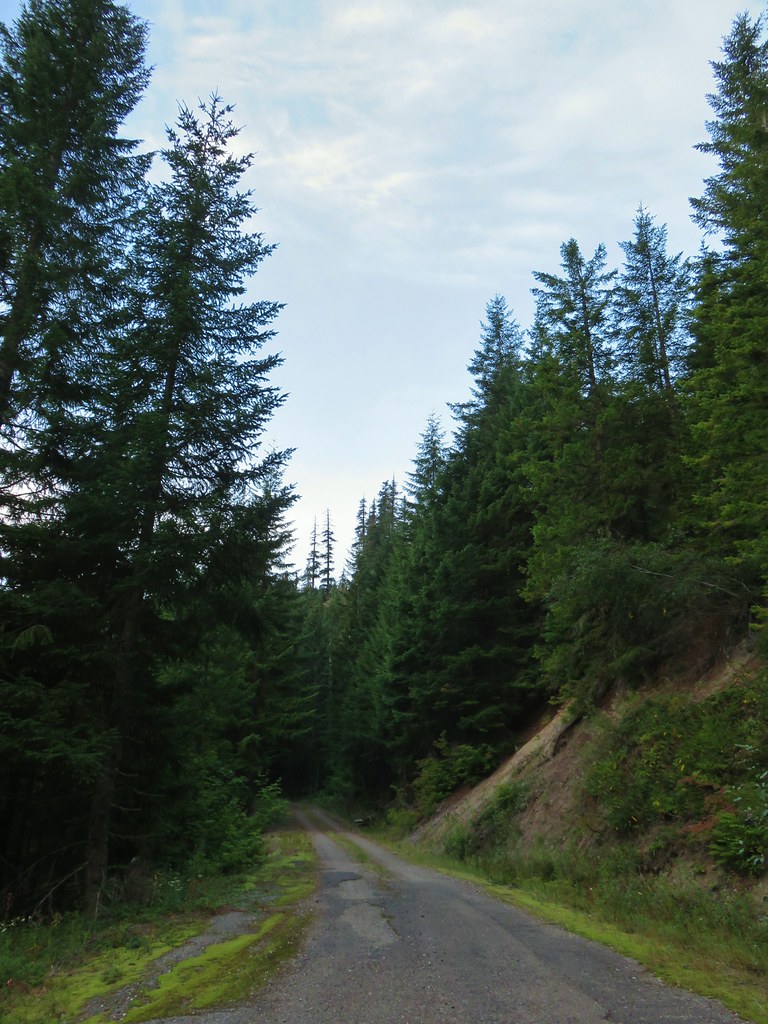 The gravel road from the junction.


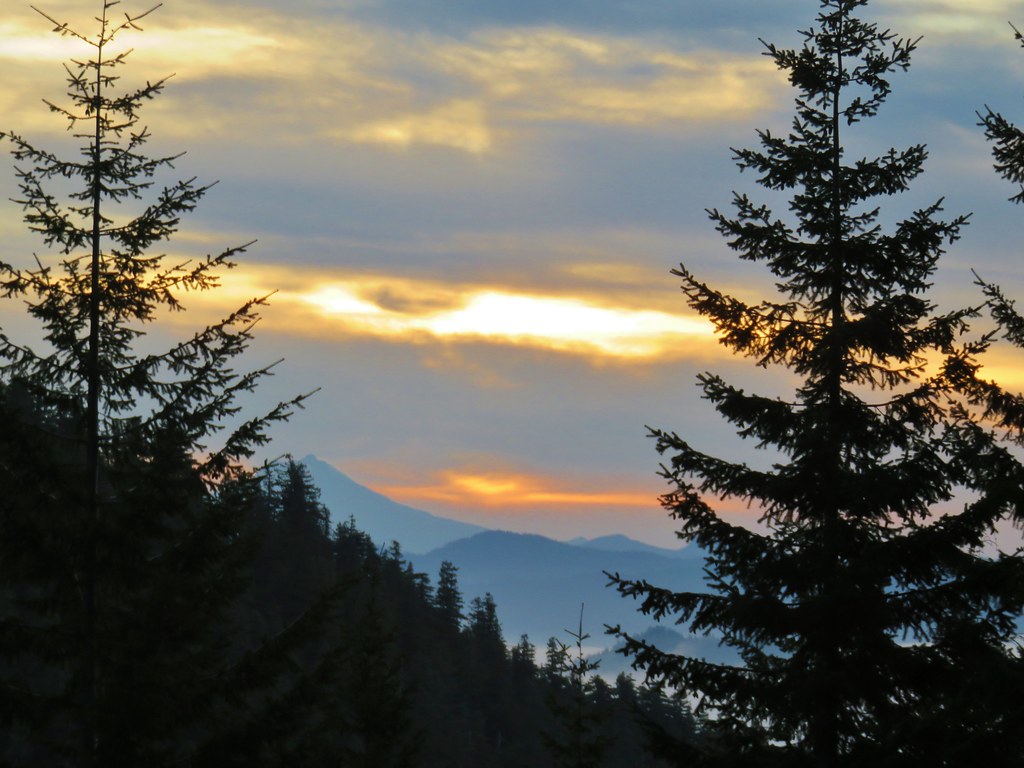
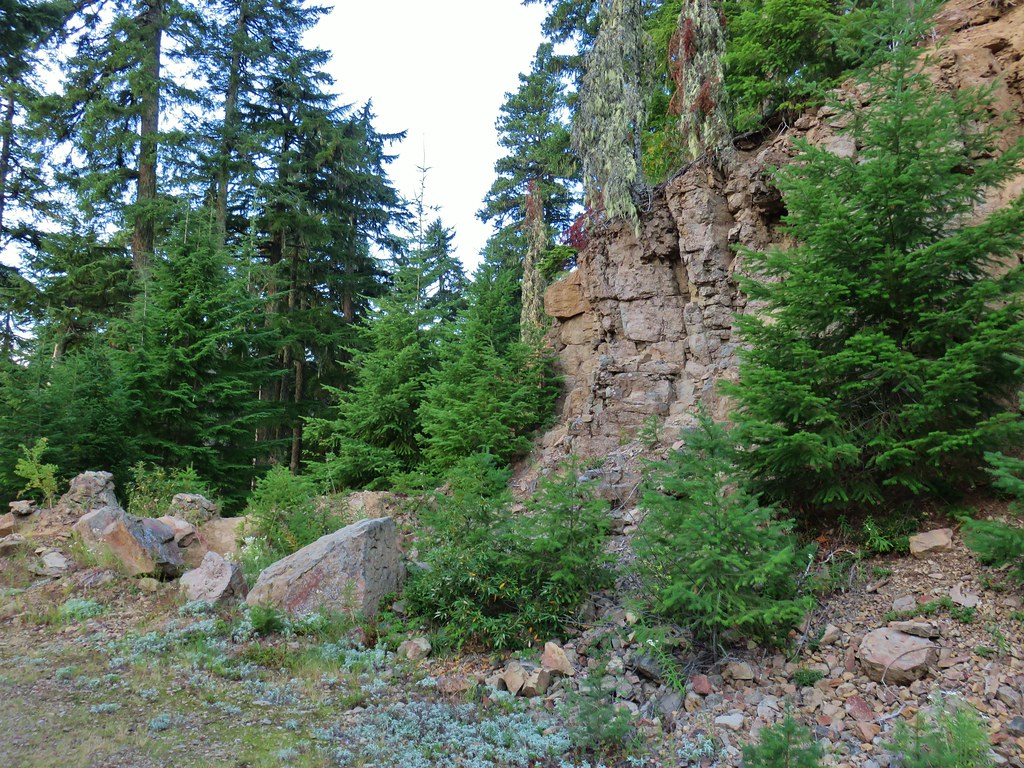

 Coming up on the viewpoint.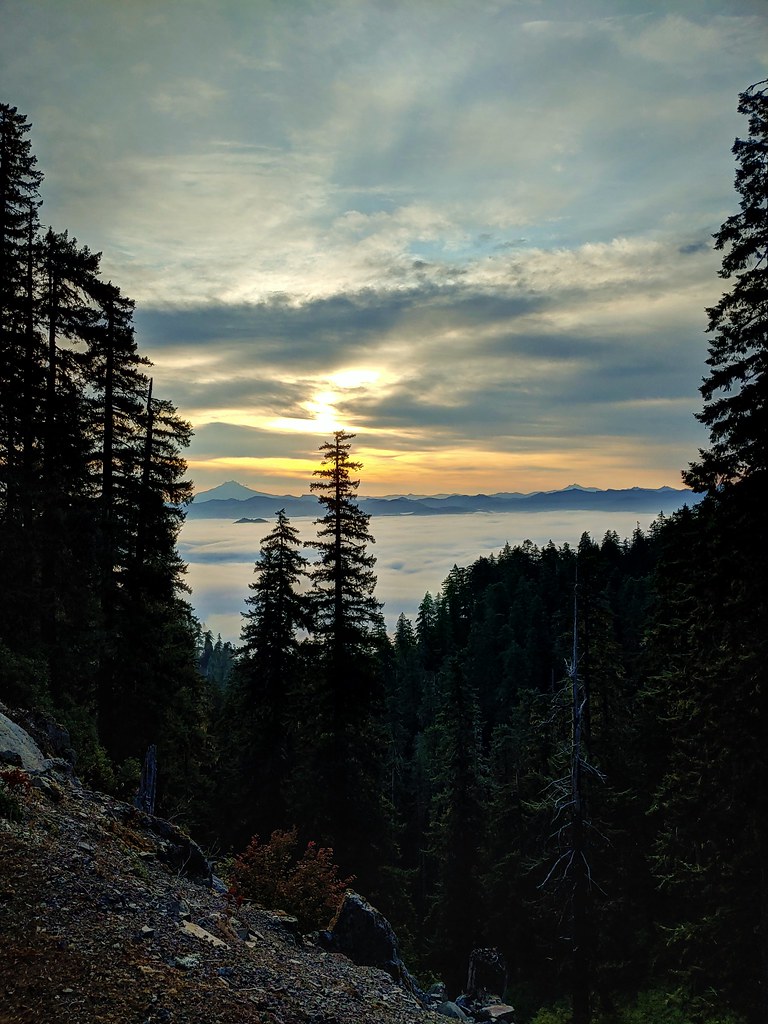
 Mt. Jefferson
 Three Fingered Jack
 Maybe a ragwort?
 Yarrow
 St. John’s wort
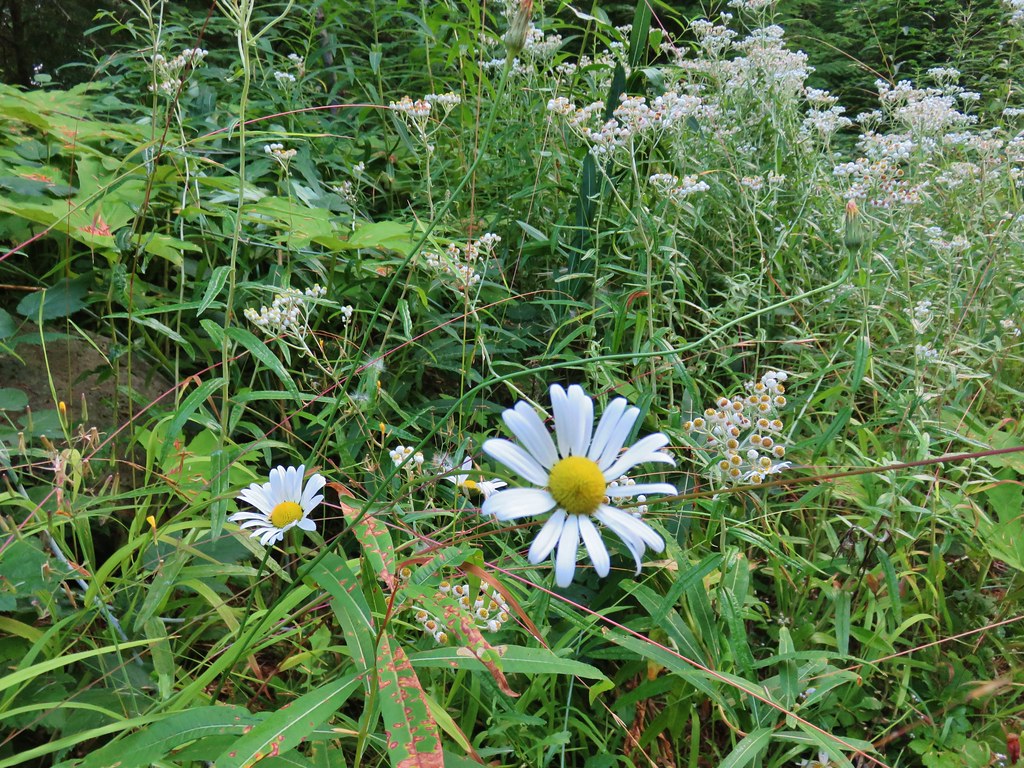 Daisy and pearly everlasting
 Beardstongue
 Fireweed
 Not a flower but colorful maple leaves.
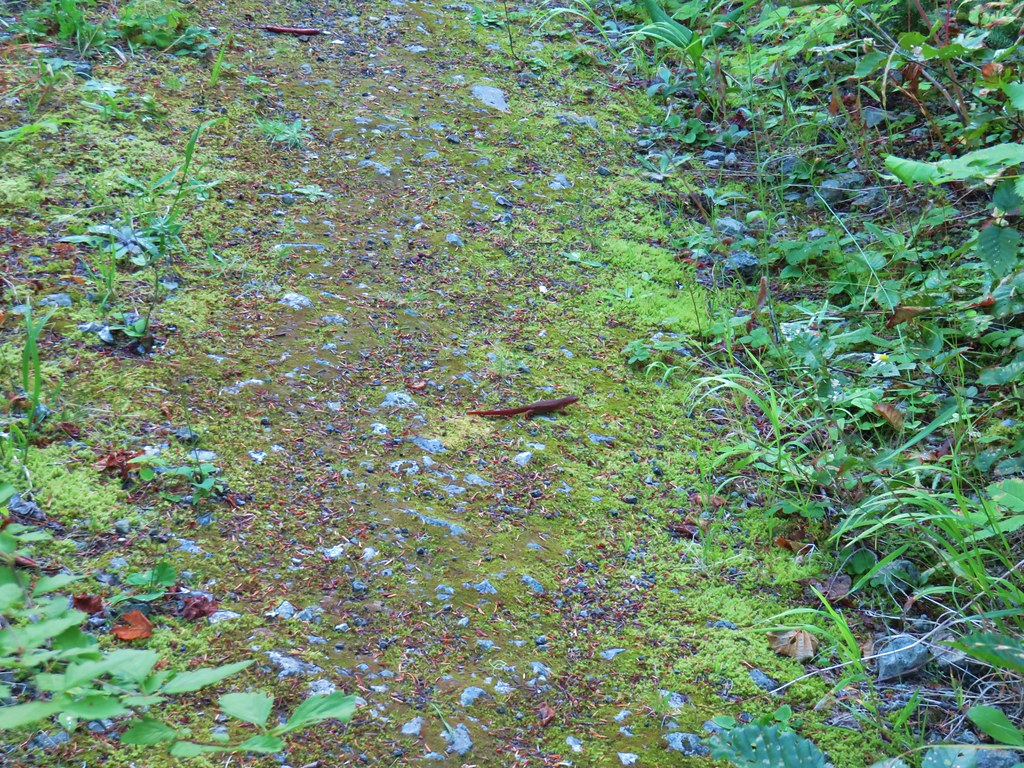 A common sight on the trail.
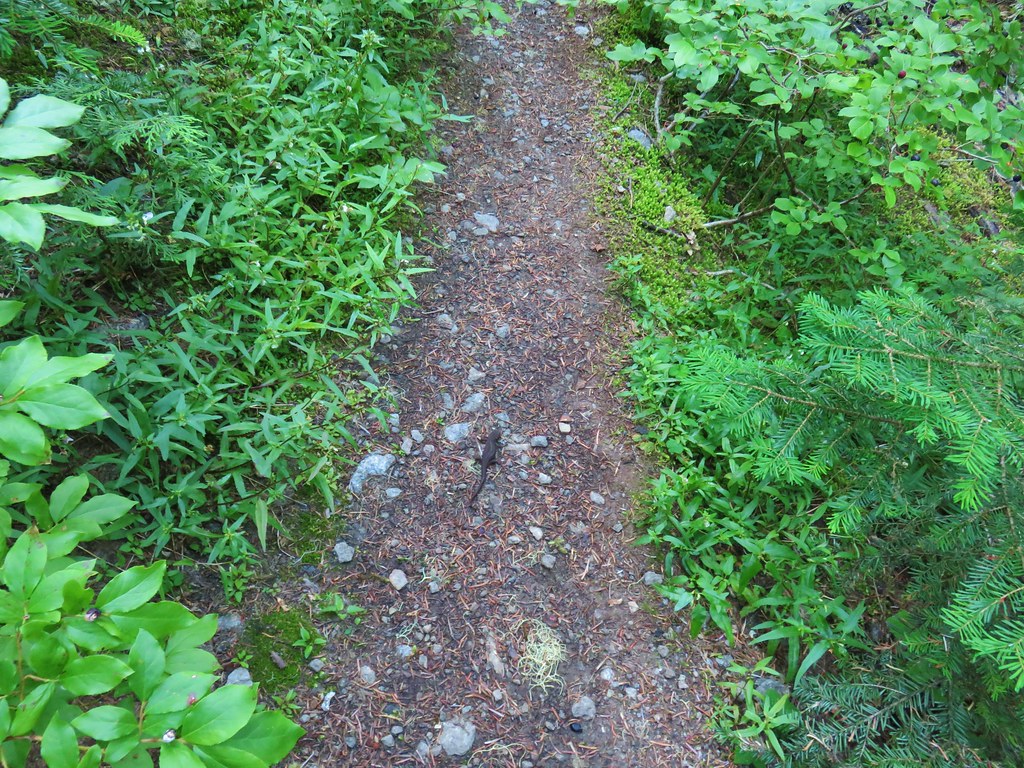
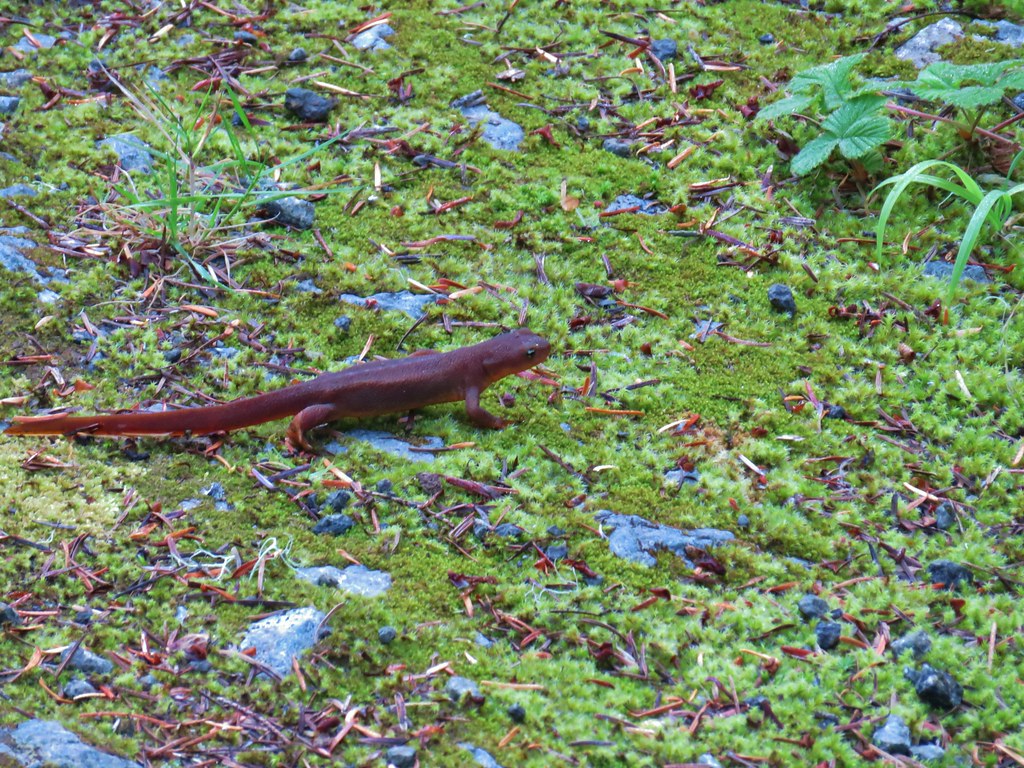 Rough skinned newt
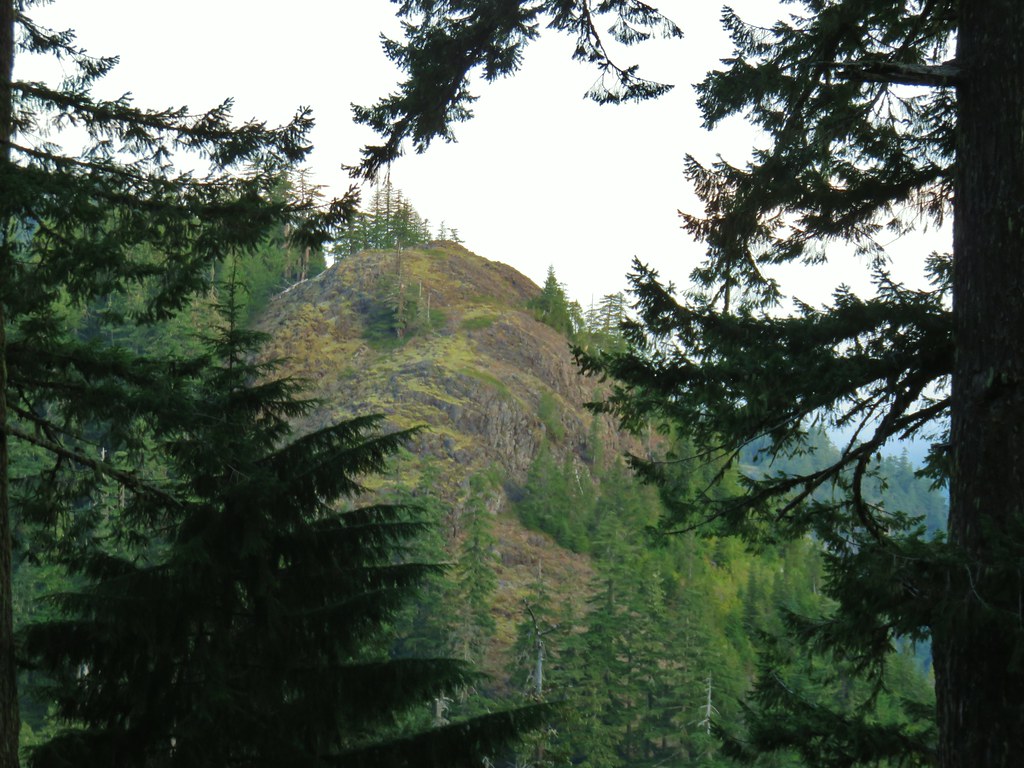




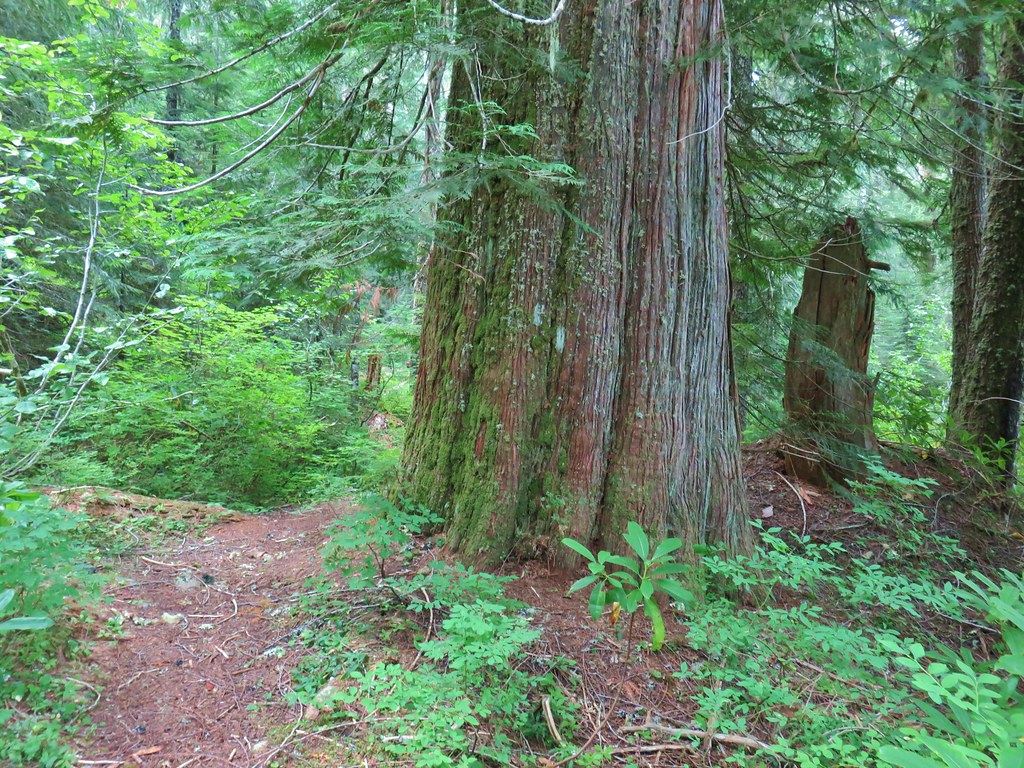 Old growth cedar
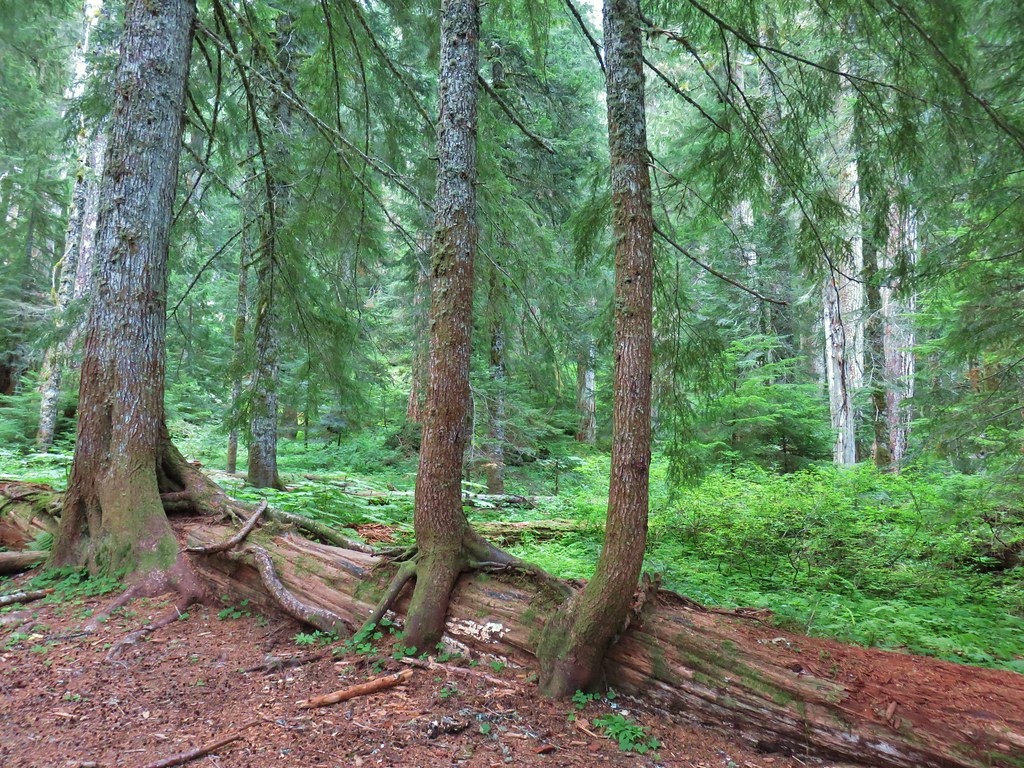


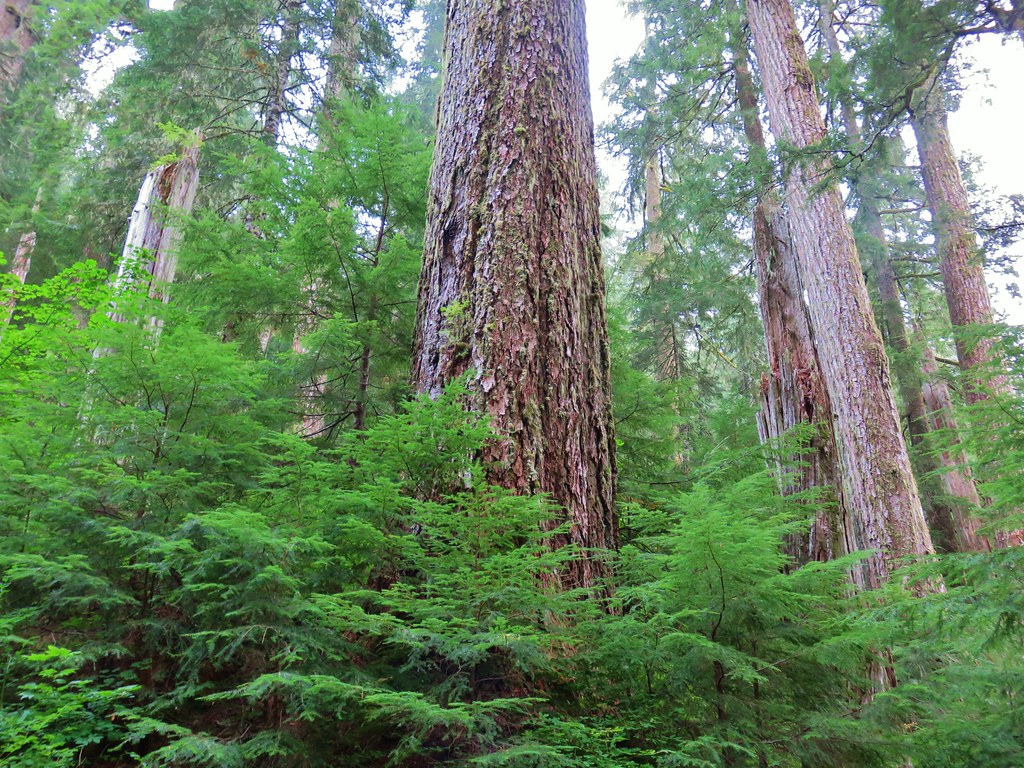
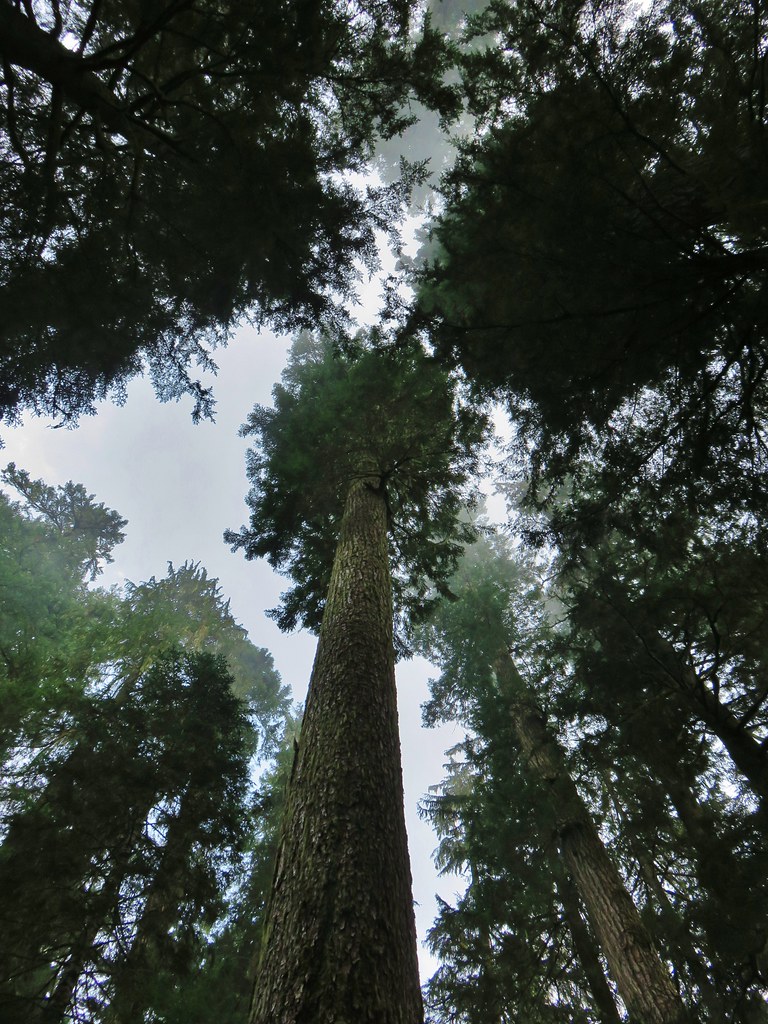
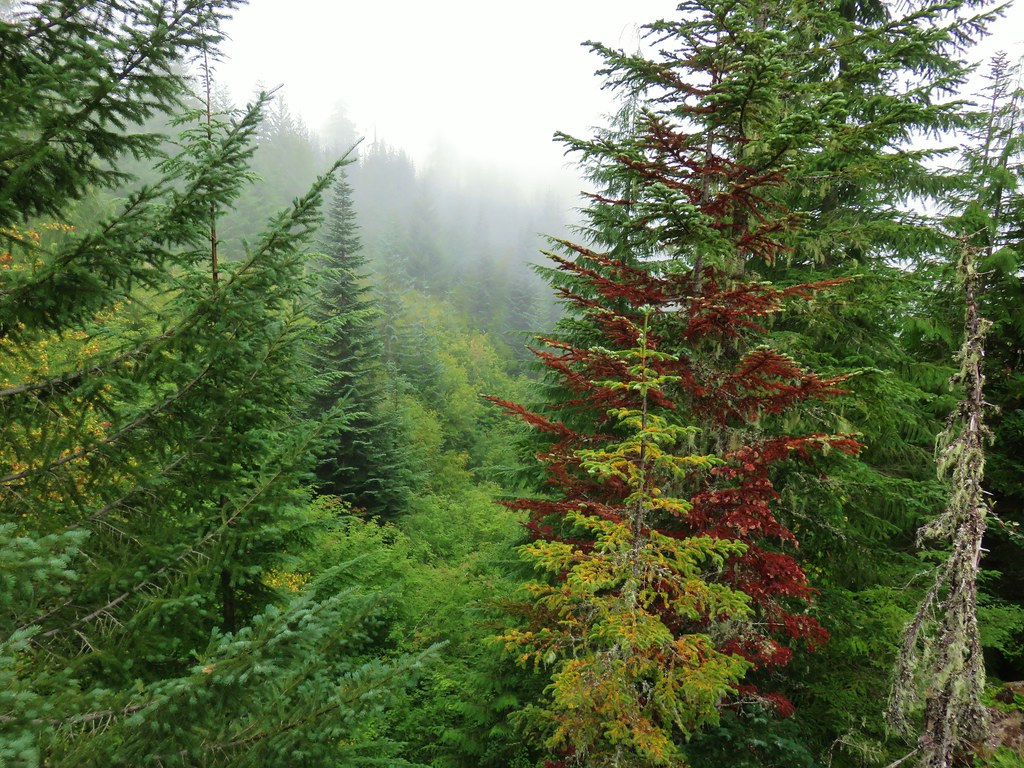
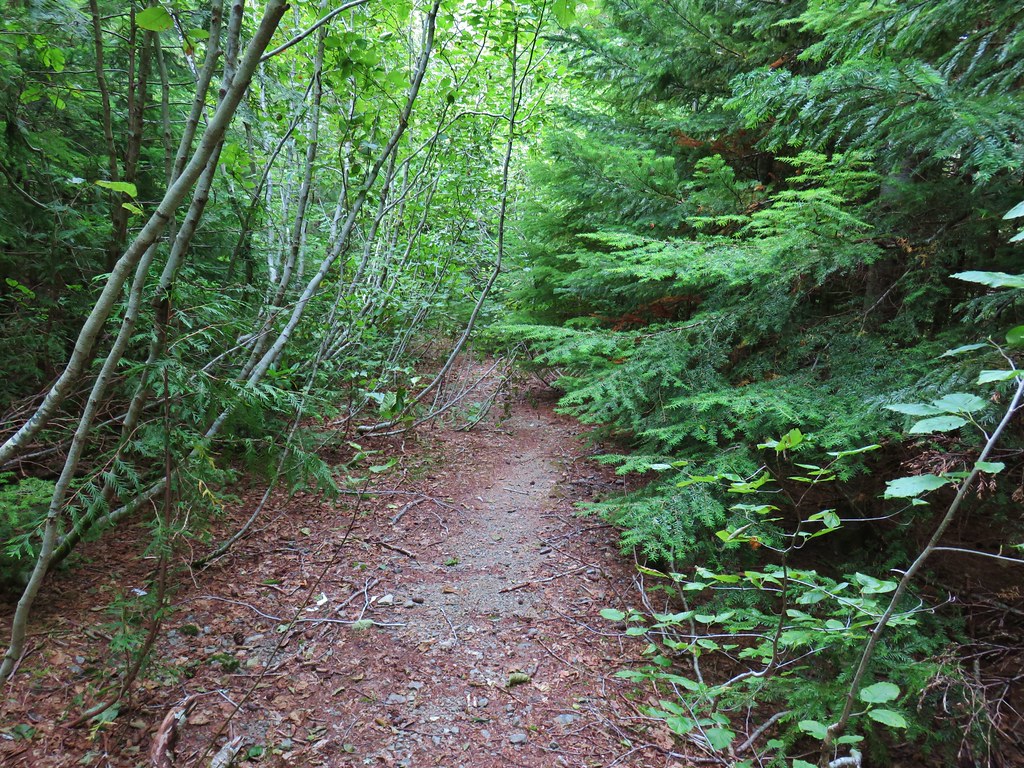
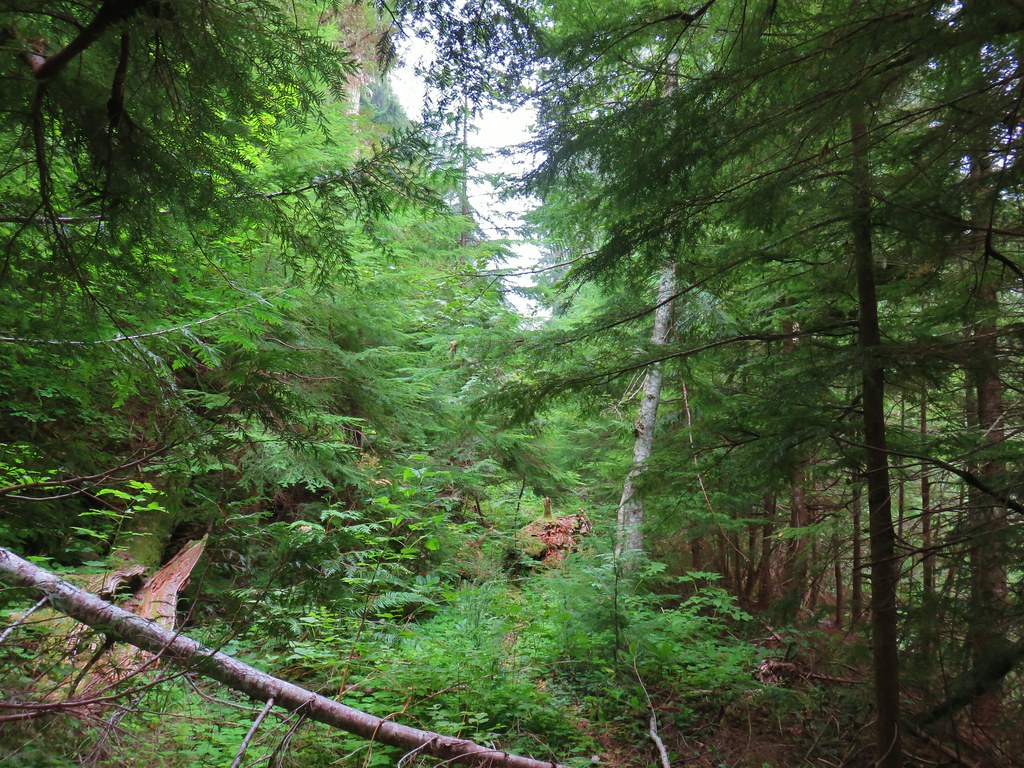
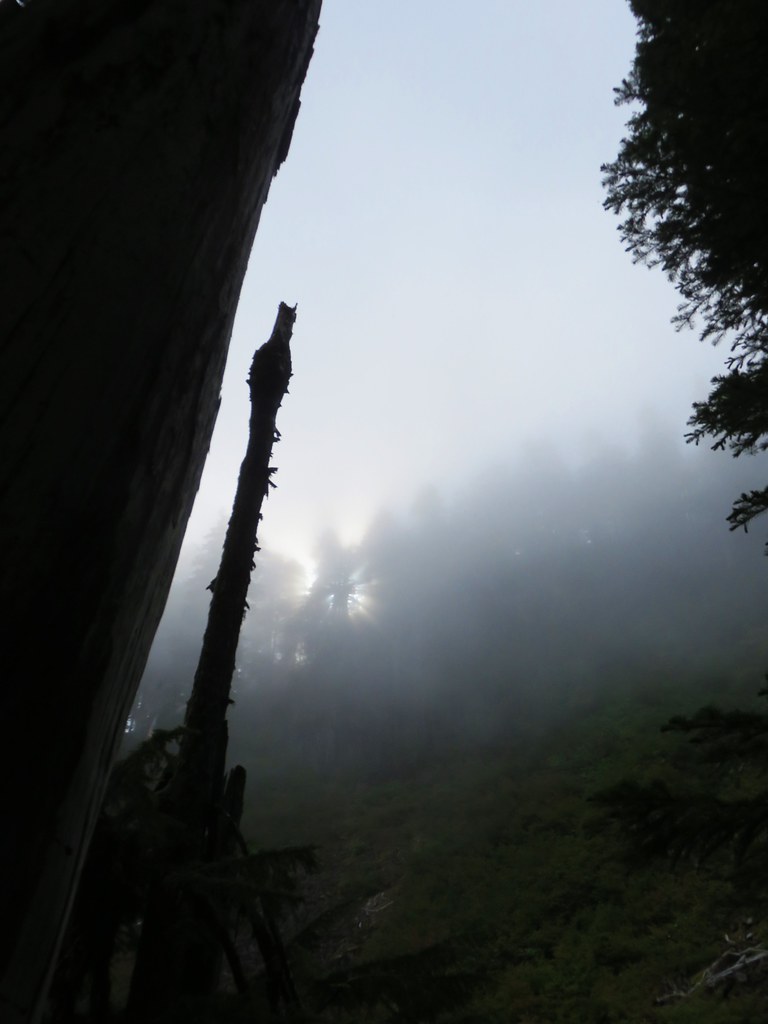
 The cedar trunk through some branches.

 Fritillary butterfly
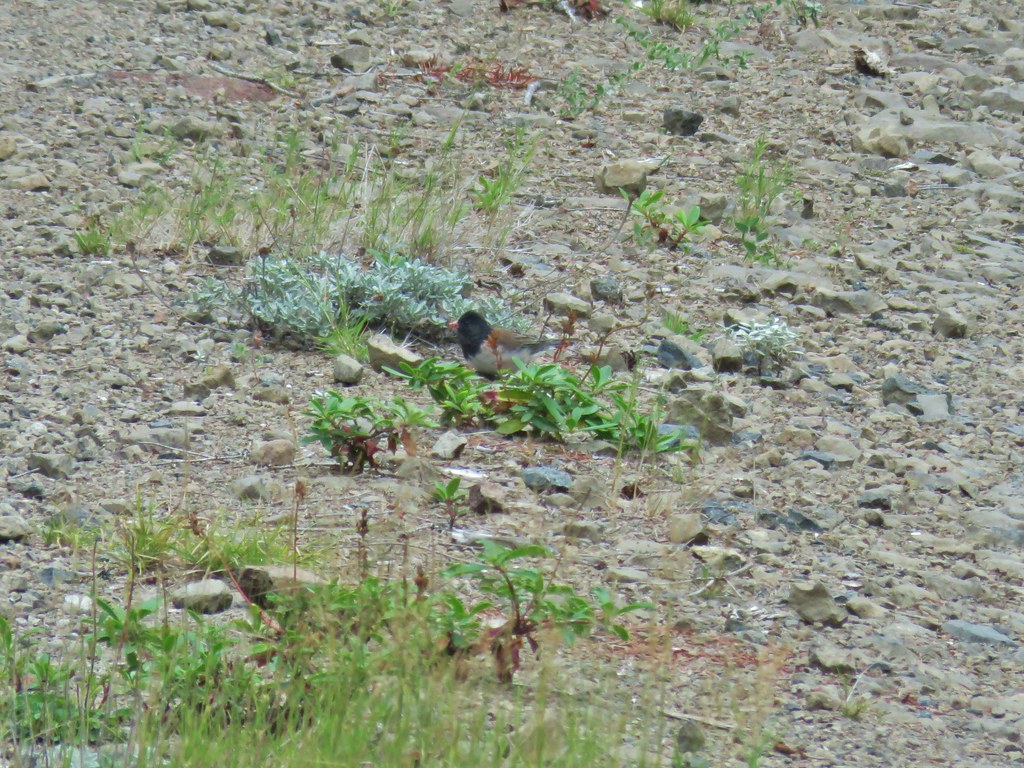 Dark eyed junco
 Bumble bee
 Back at the viewpoint.


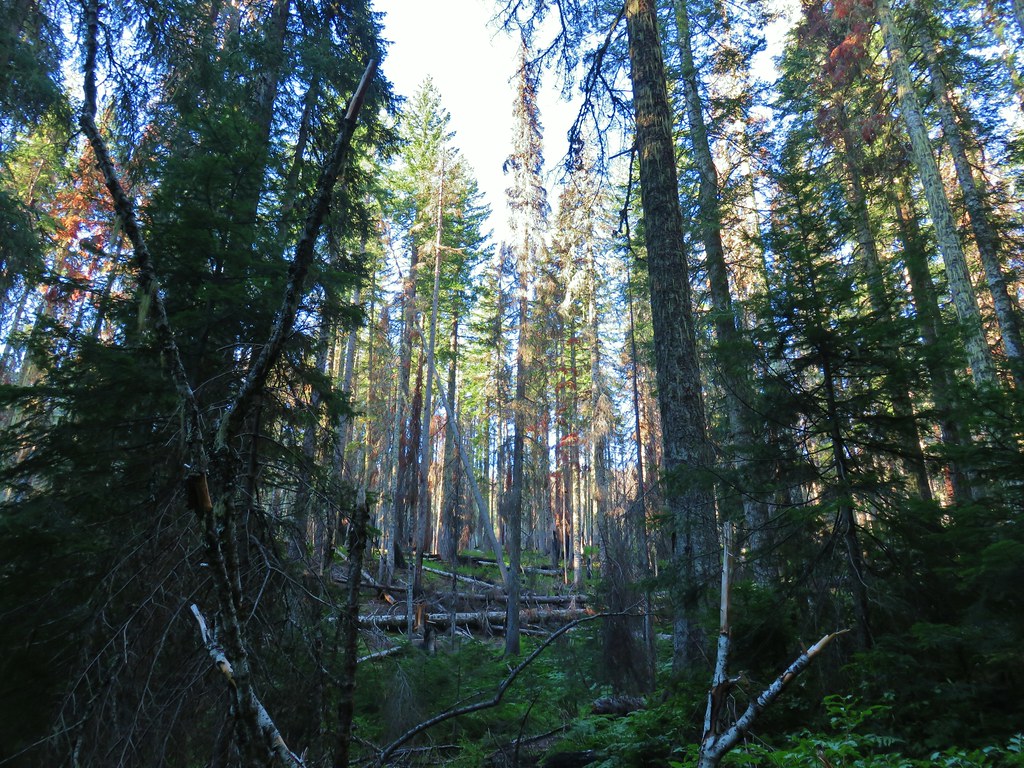

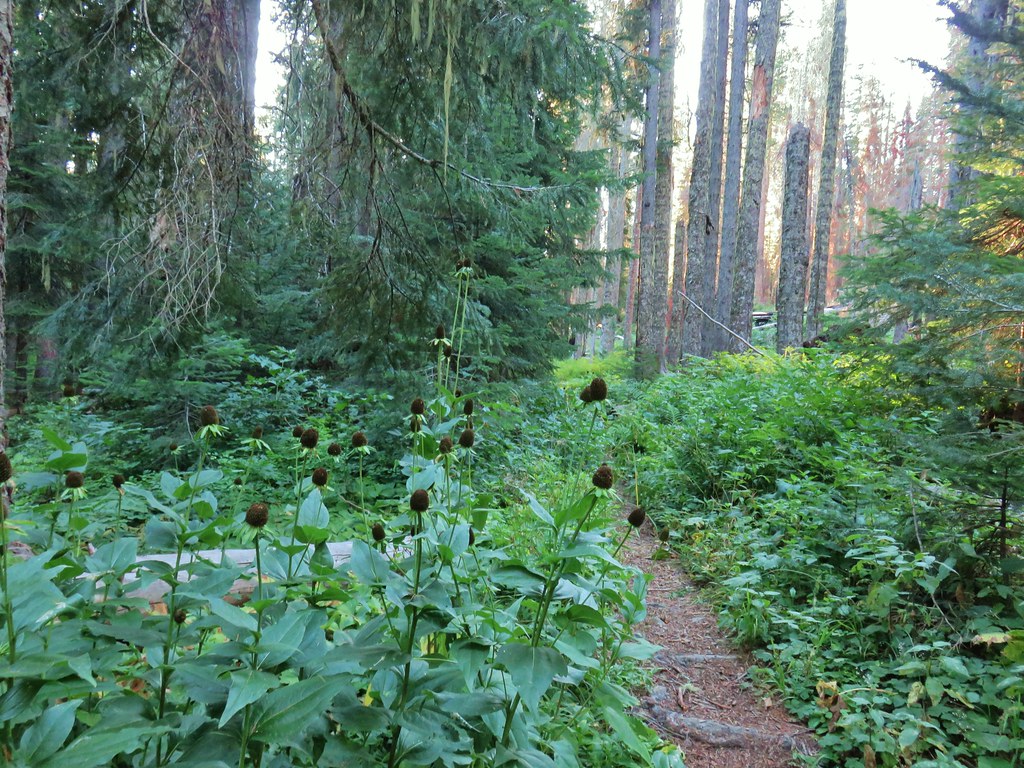
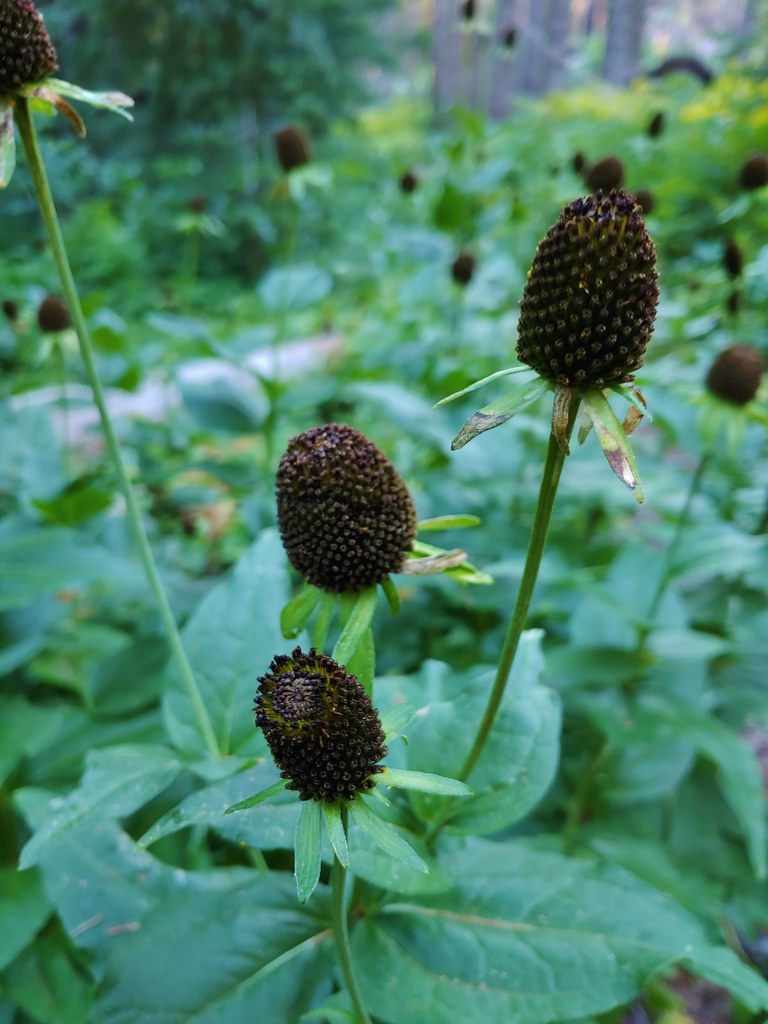 Cone flower
 Cross country to Wolverine Lake.


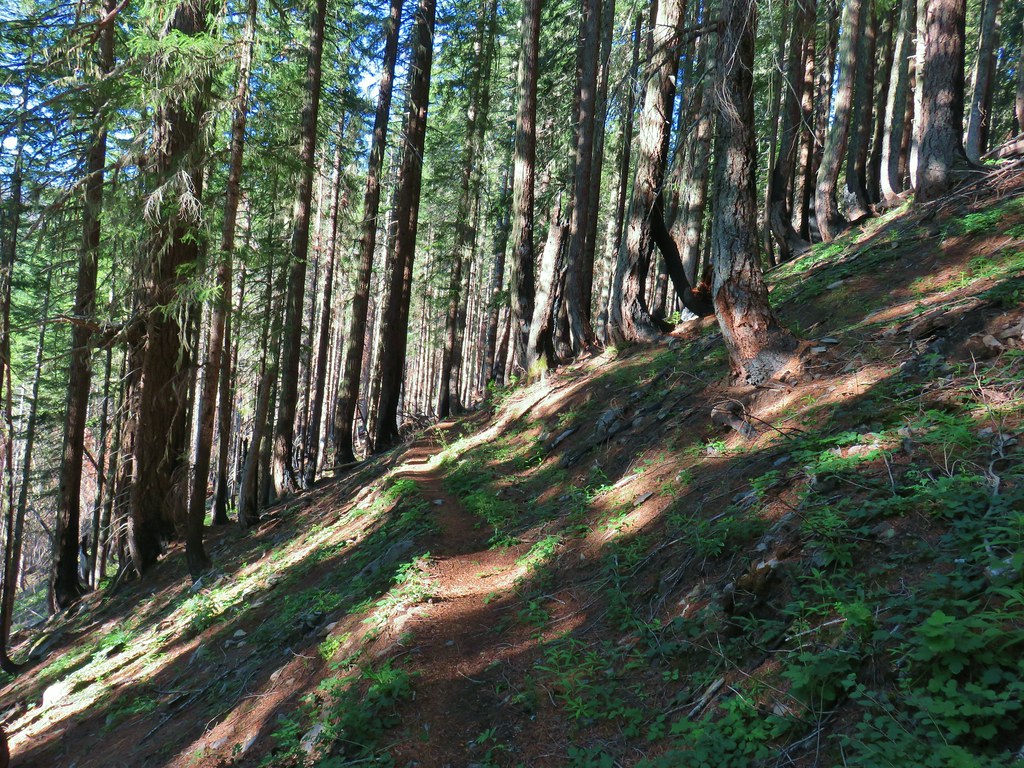


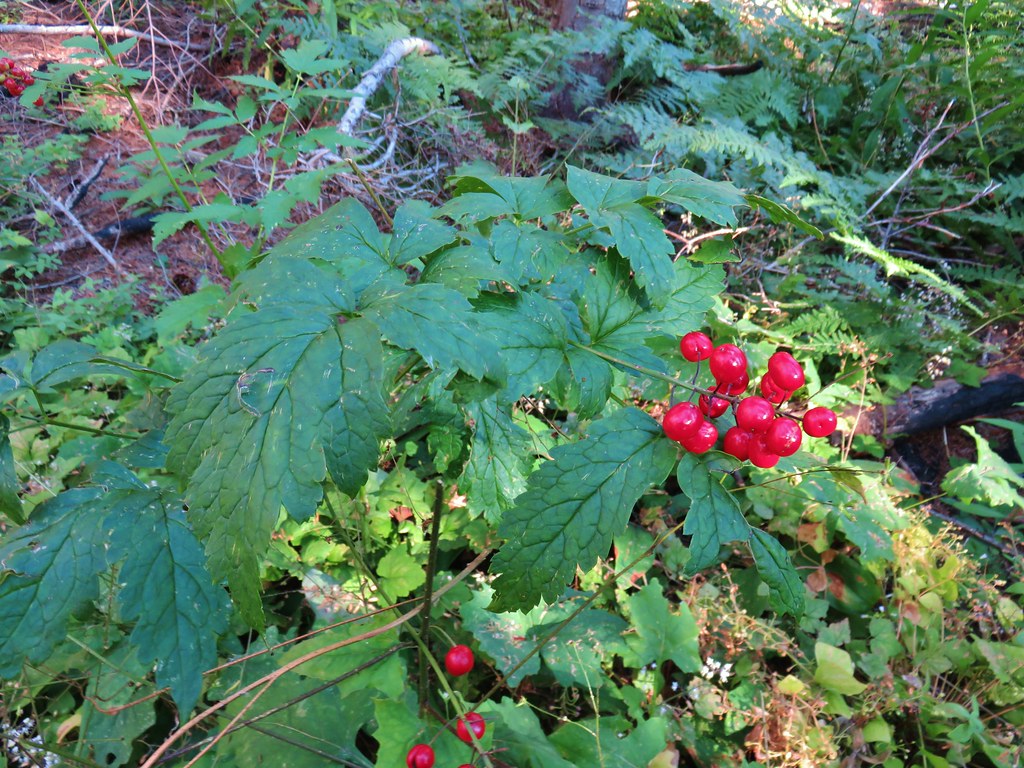 Baneberry
 Monkshood
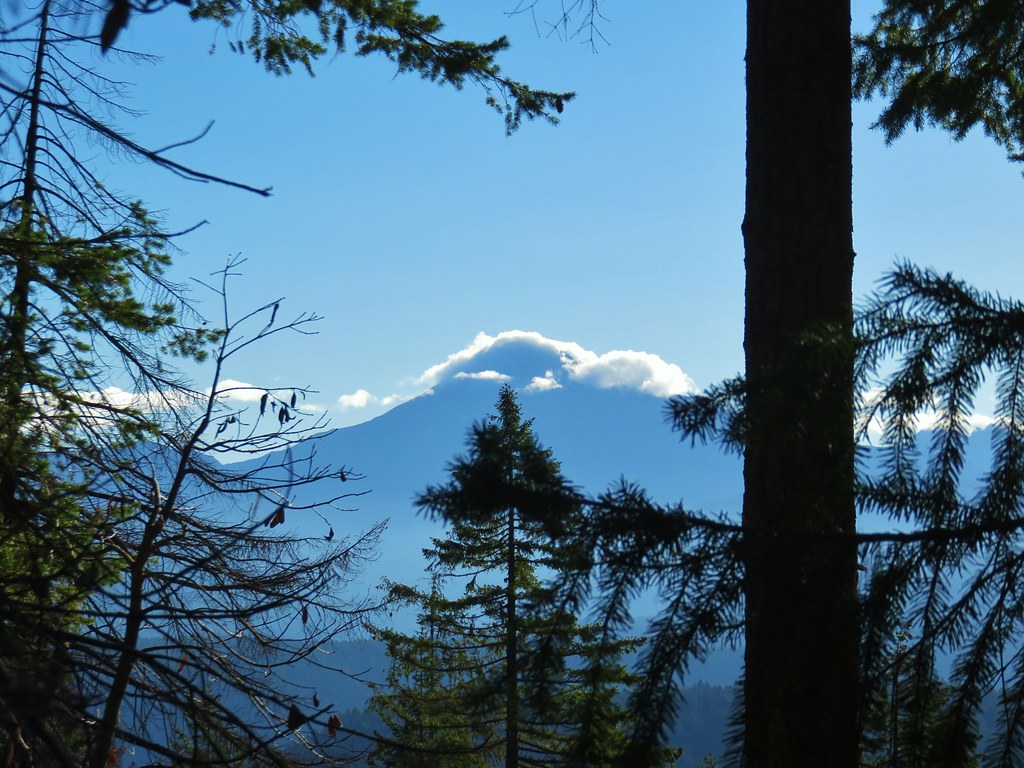 South Sister
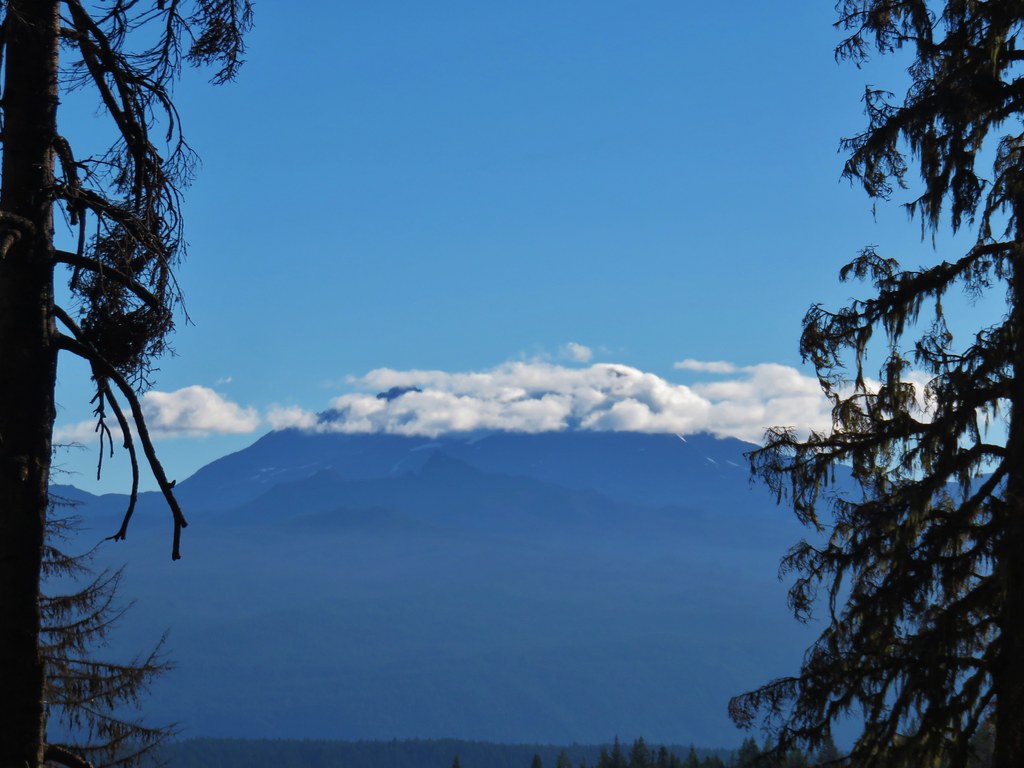 Middle and North Sister
 Mt. Washington
 Mt. Jefferson and Three Fingered Jack


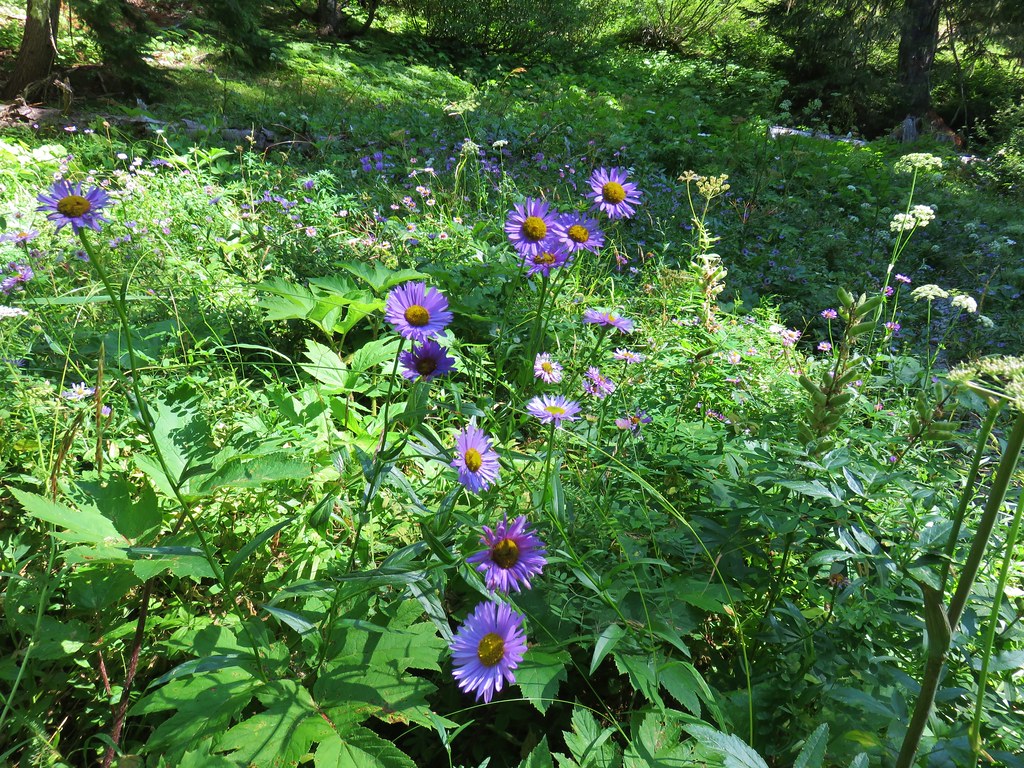
 Aster and pearly everlasting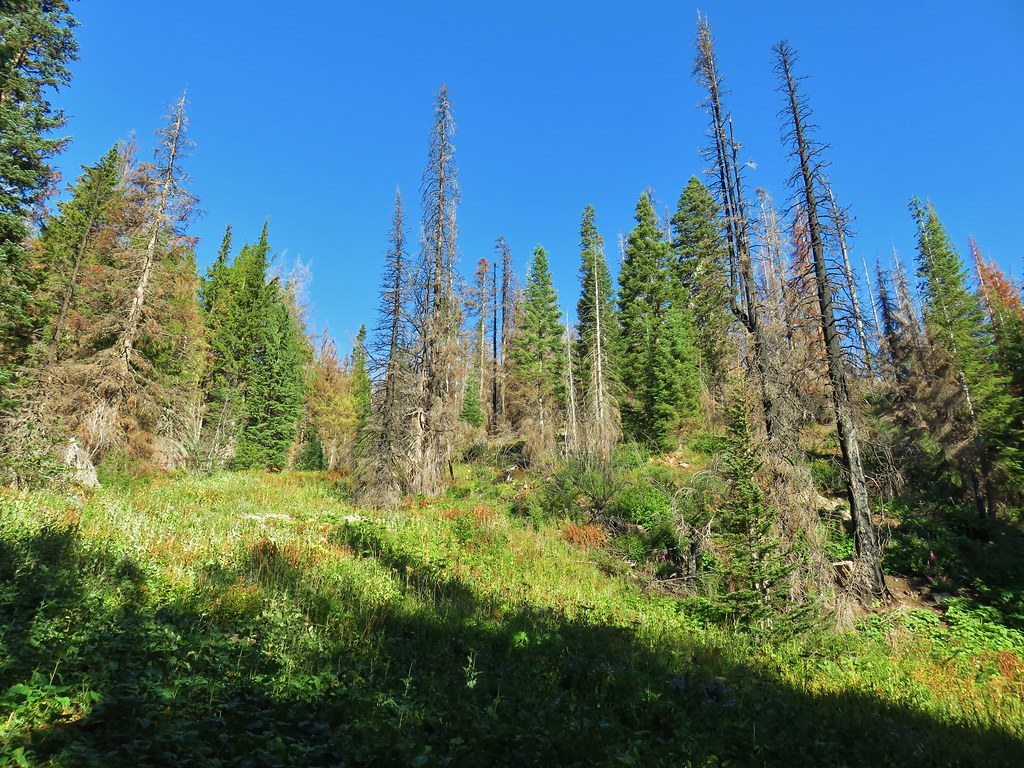
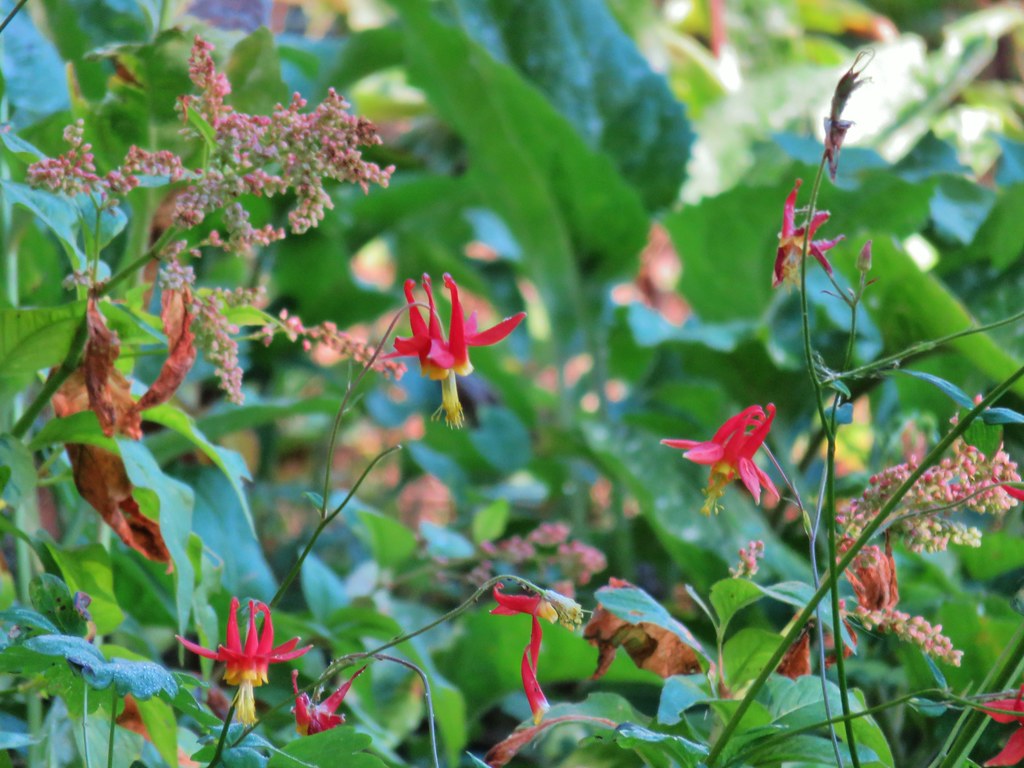 Columbine

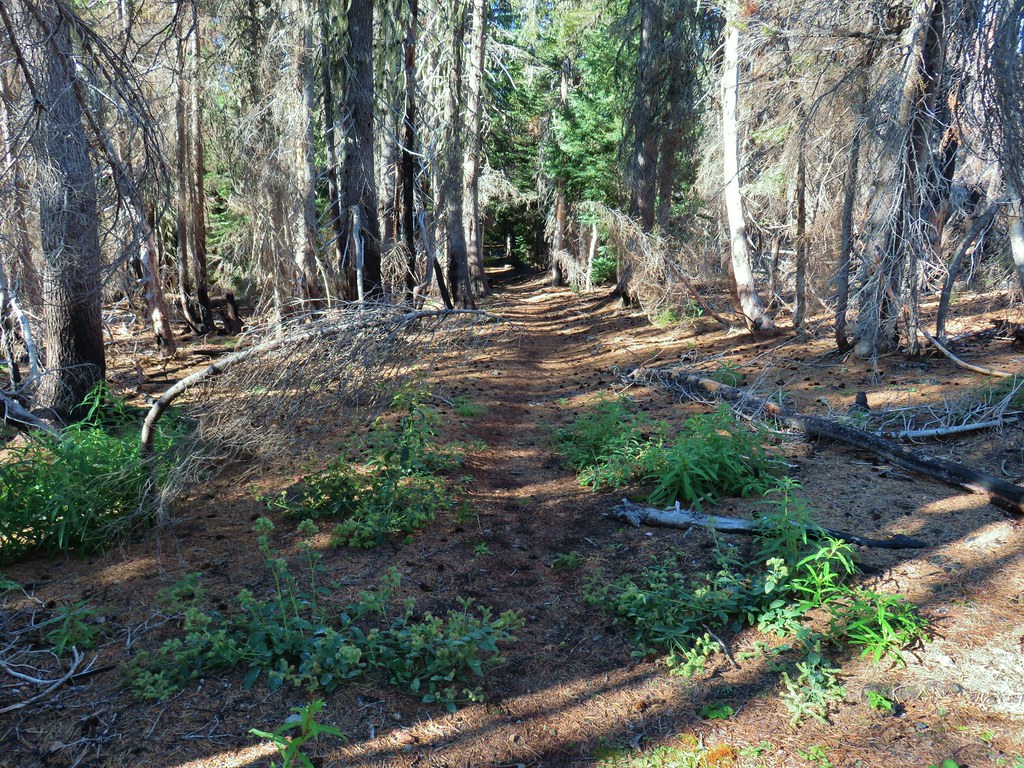


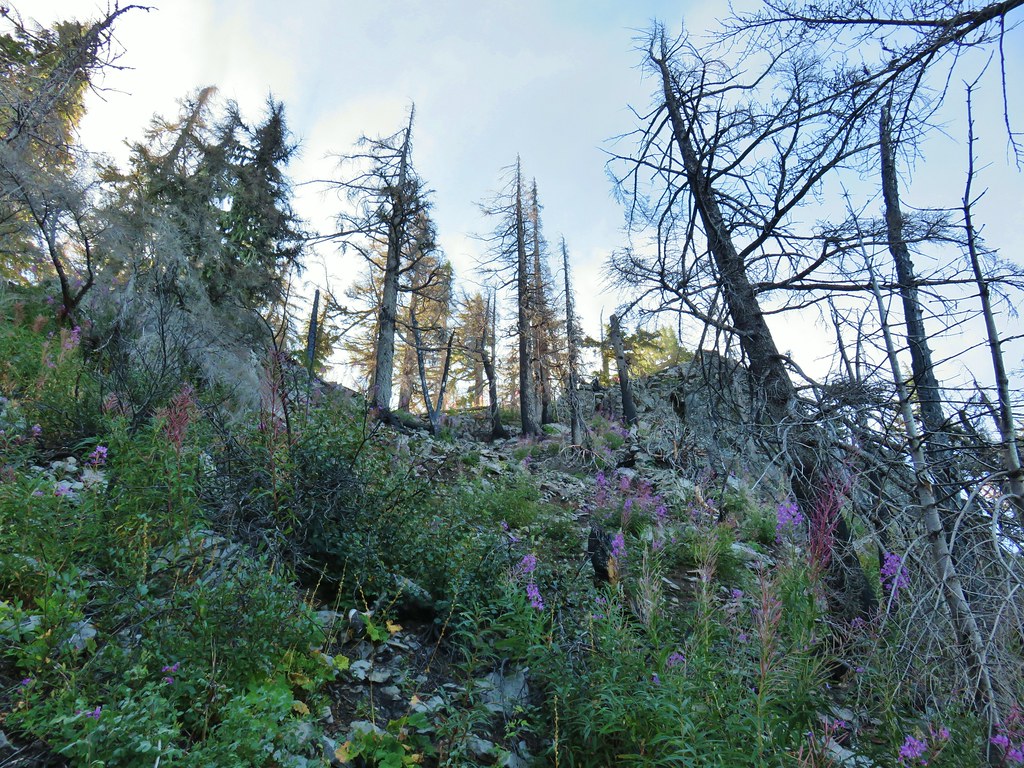


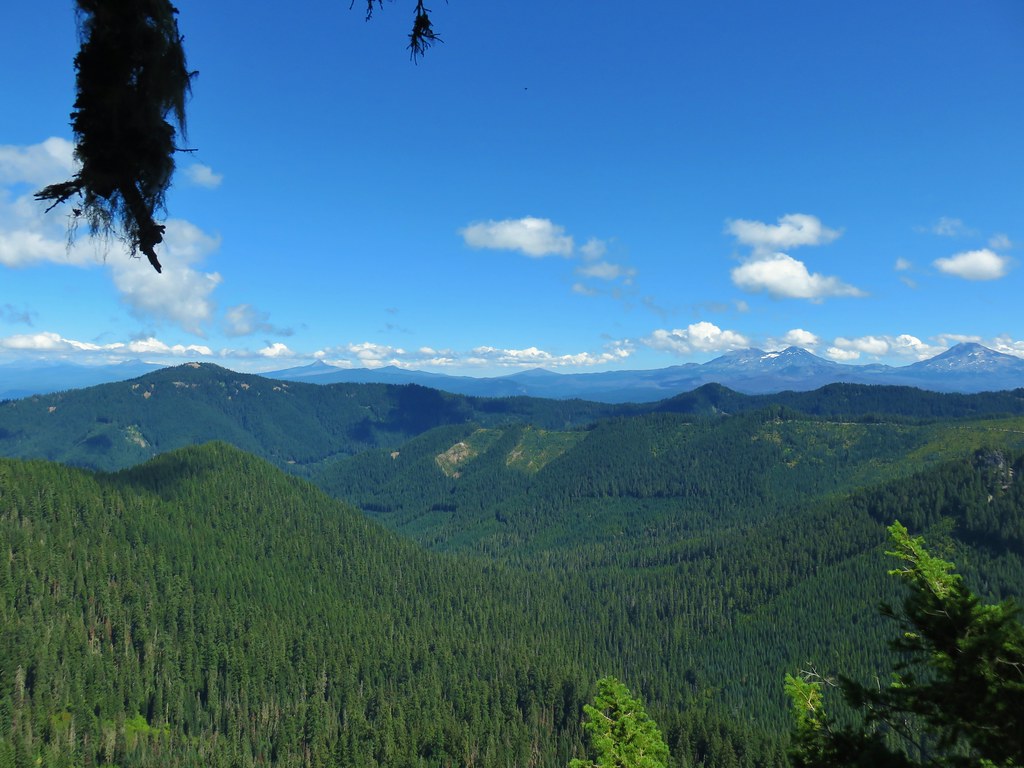
 Parts of the Cascades from Mt. Jefferson to the NE to Mt. Bachelor to the SE.
 Mt. Jefferson was still tangled up in the clouds.
 Just a peak at Mt. Washington (which was more than we could see of Three Fingered Jack)
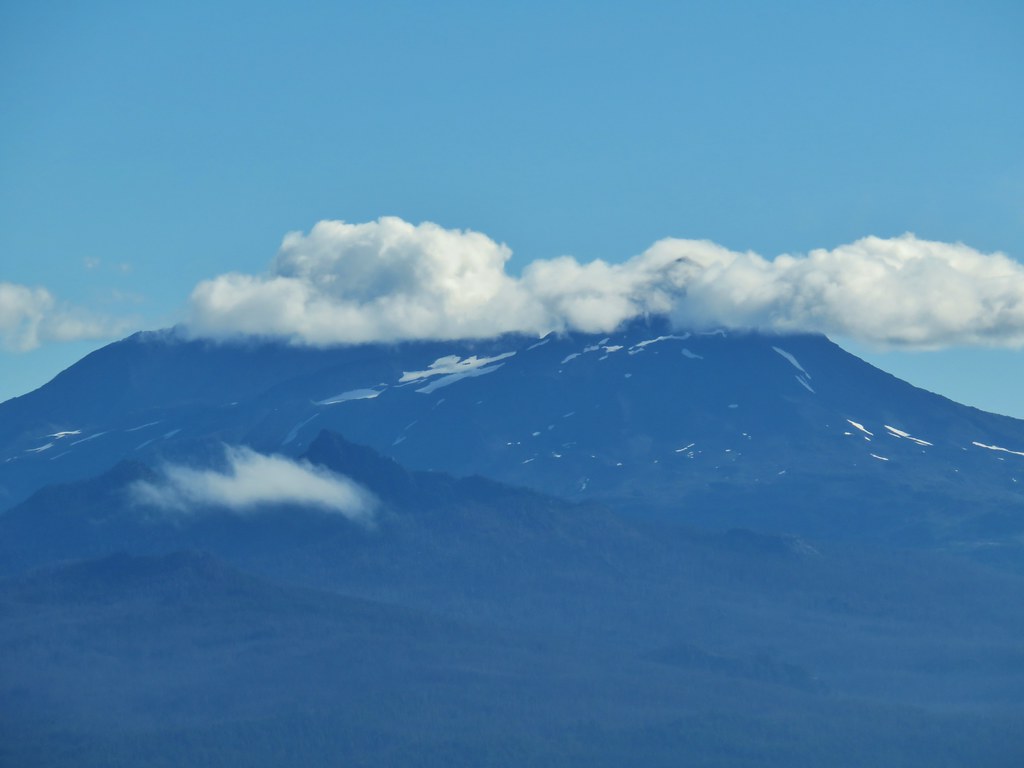 Middle and North Sister behind The Husband
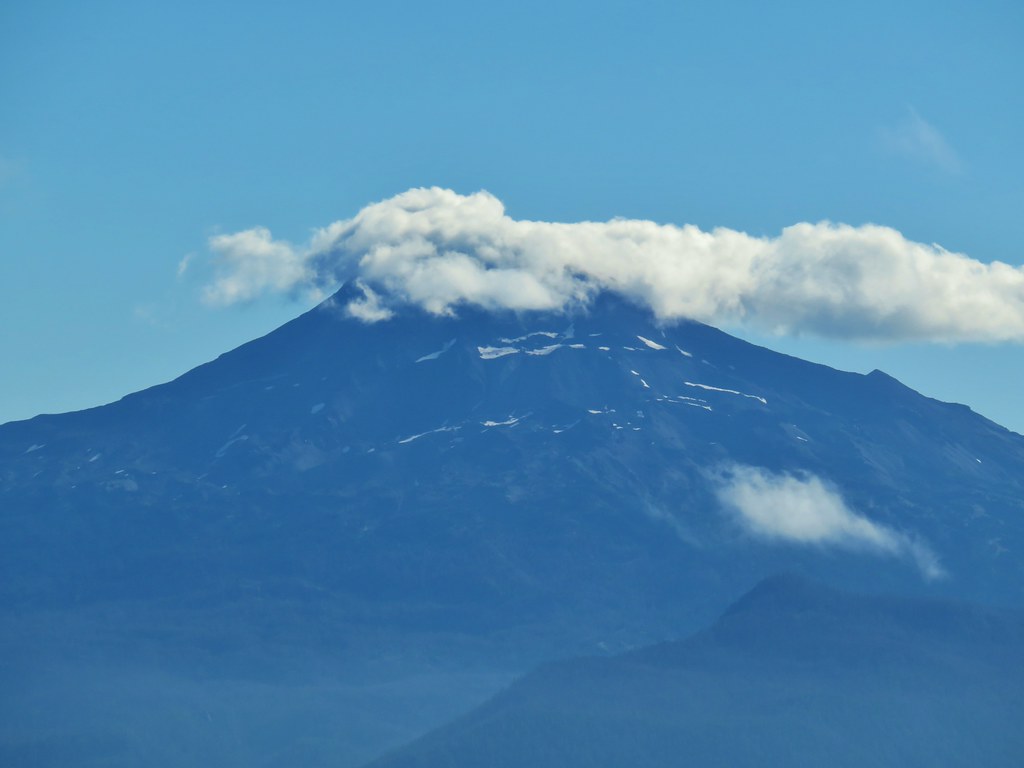 South Sister
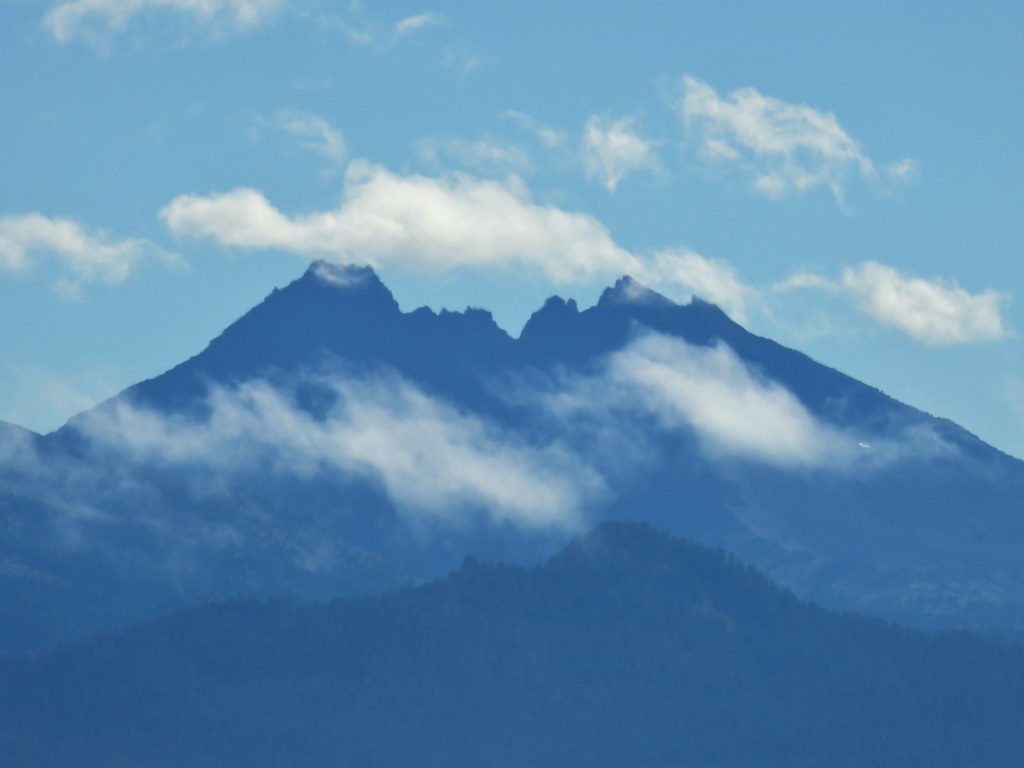 Broken Top
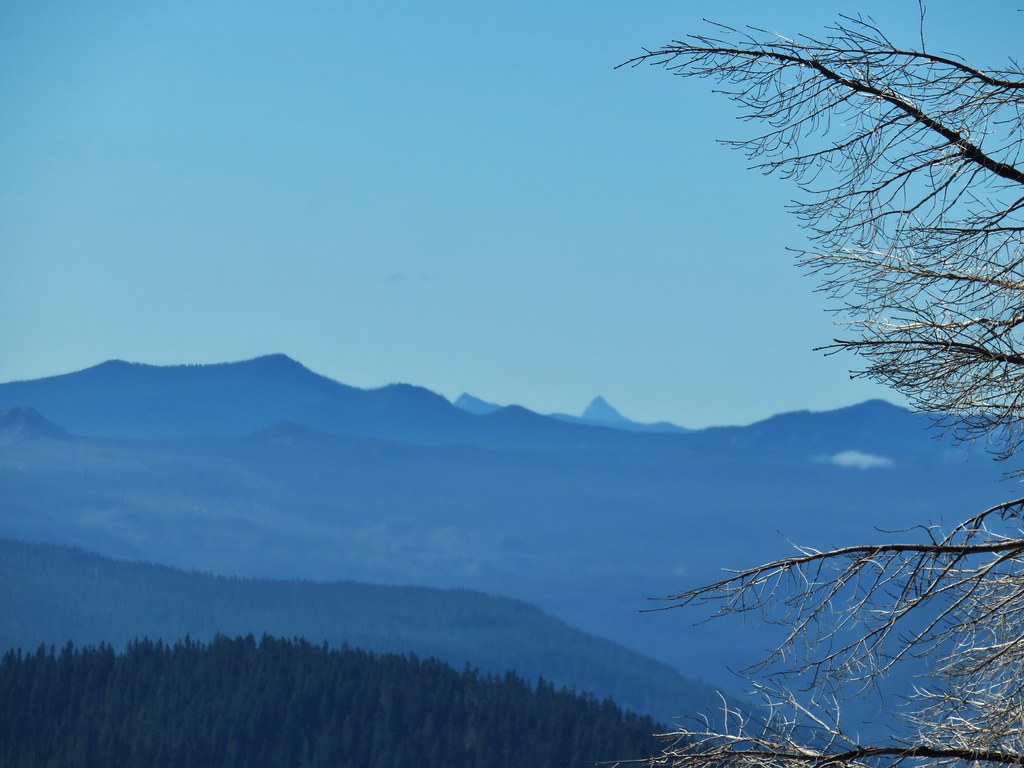 Cowhorn Mountain and Mt. Thielsen
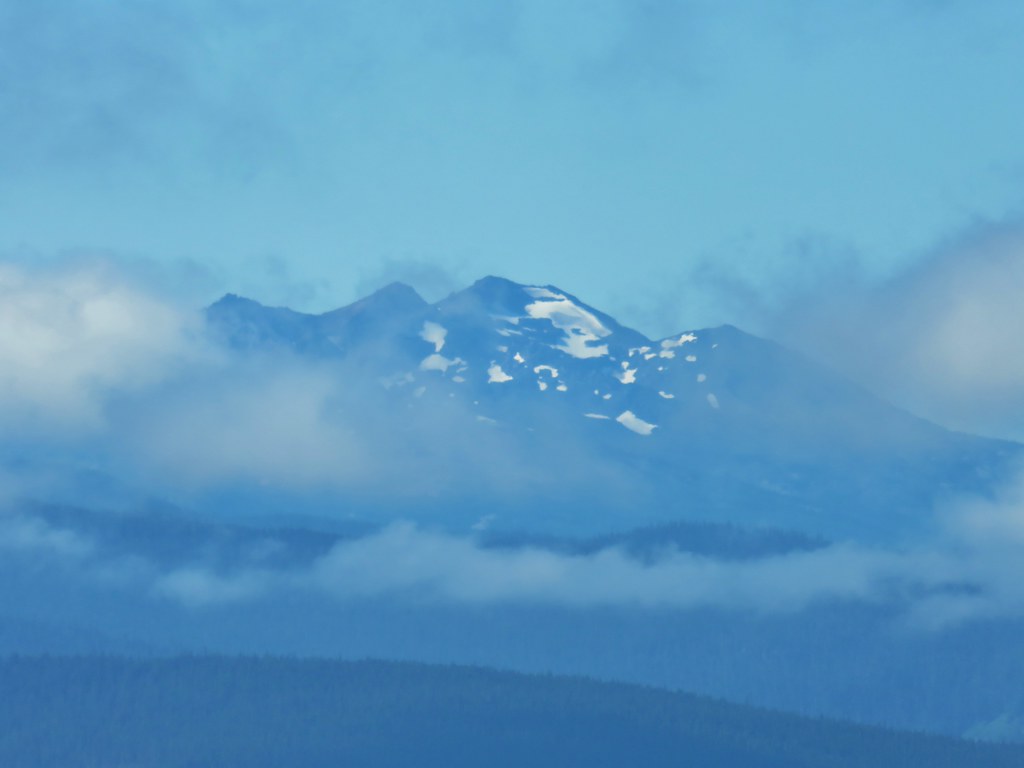 Diamond Peak
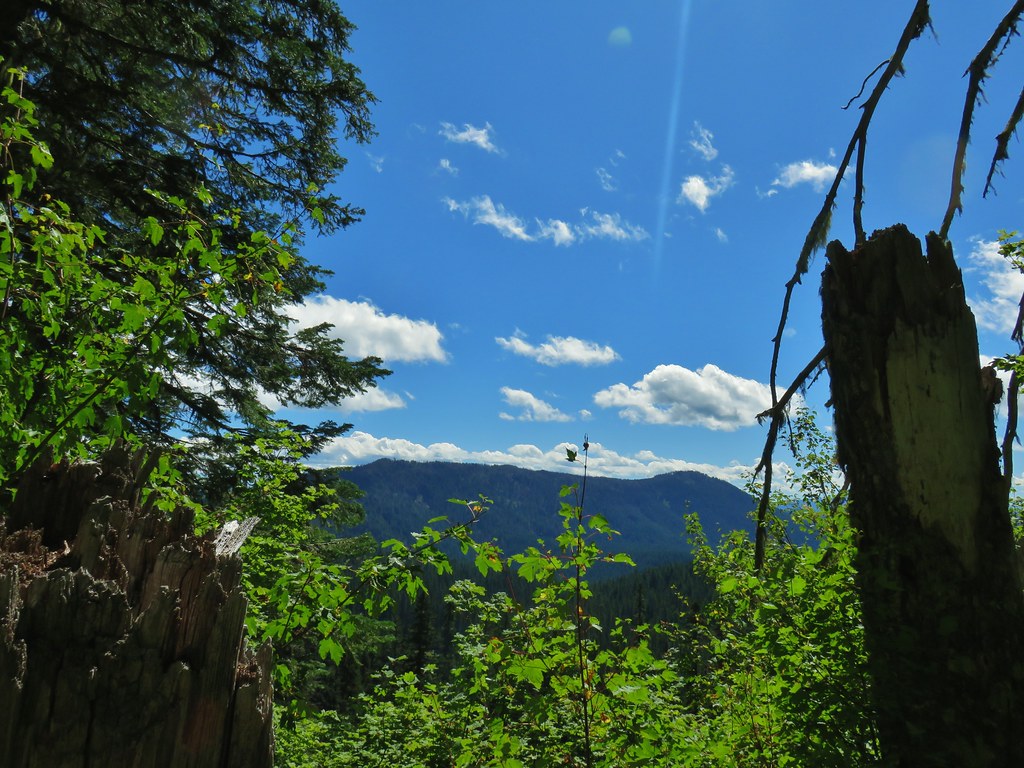
 Lowder Mountain to the left of the tree in the foreground.
 Lowder Mountain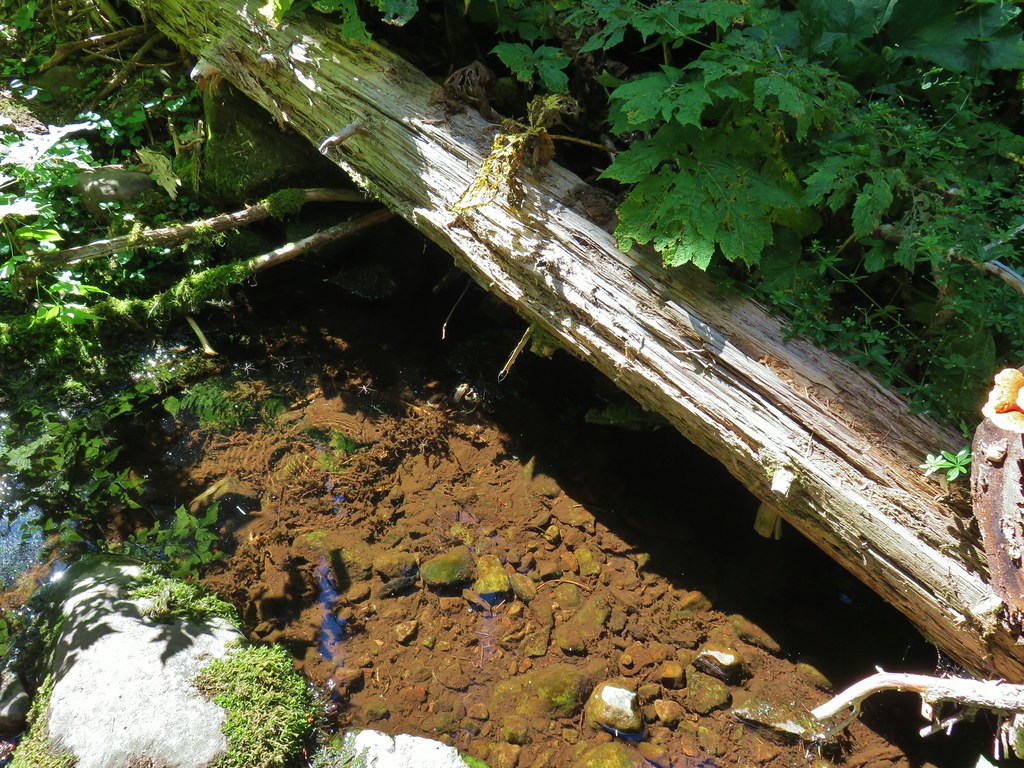





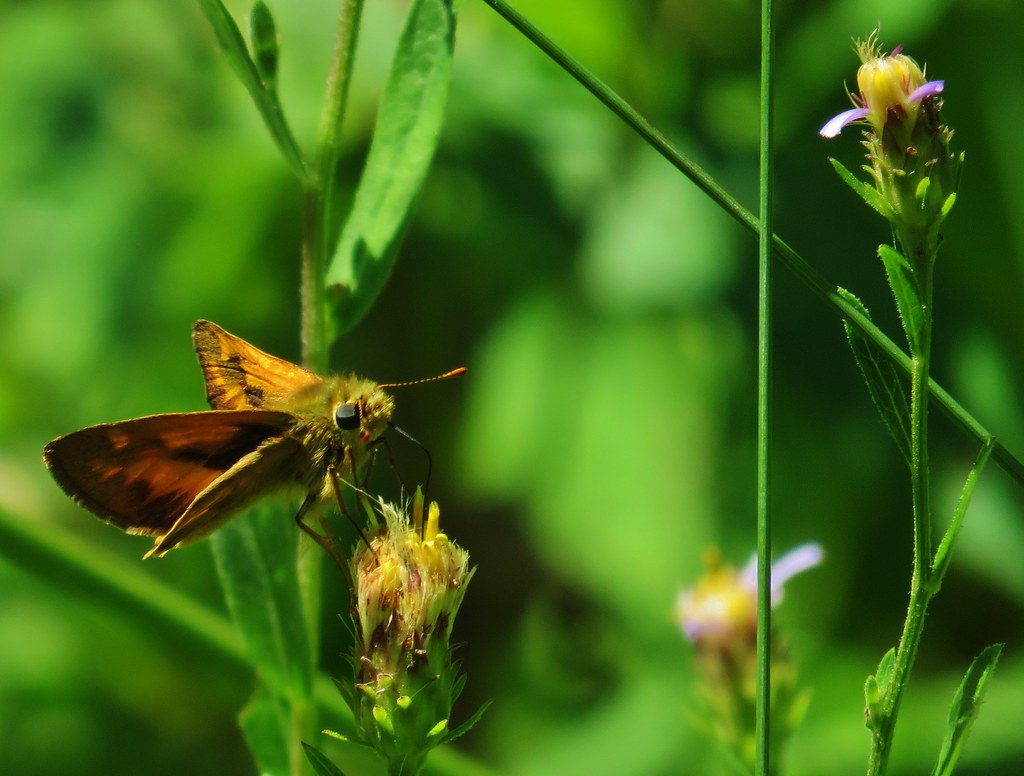 Skipper
 This reminded us of a torture device.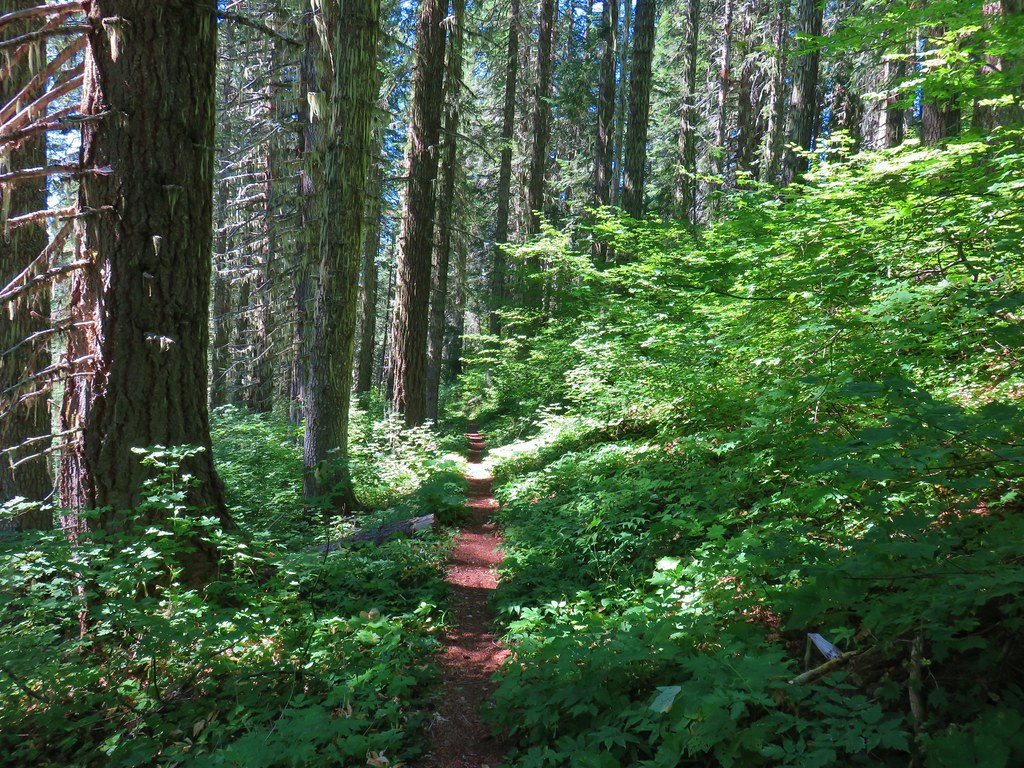

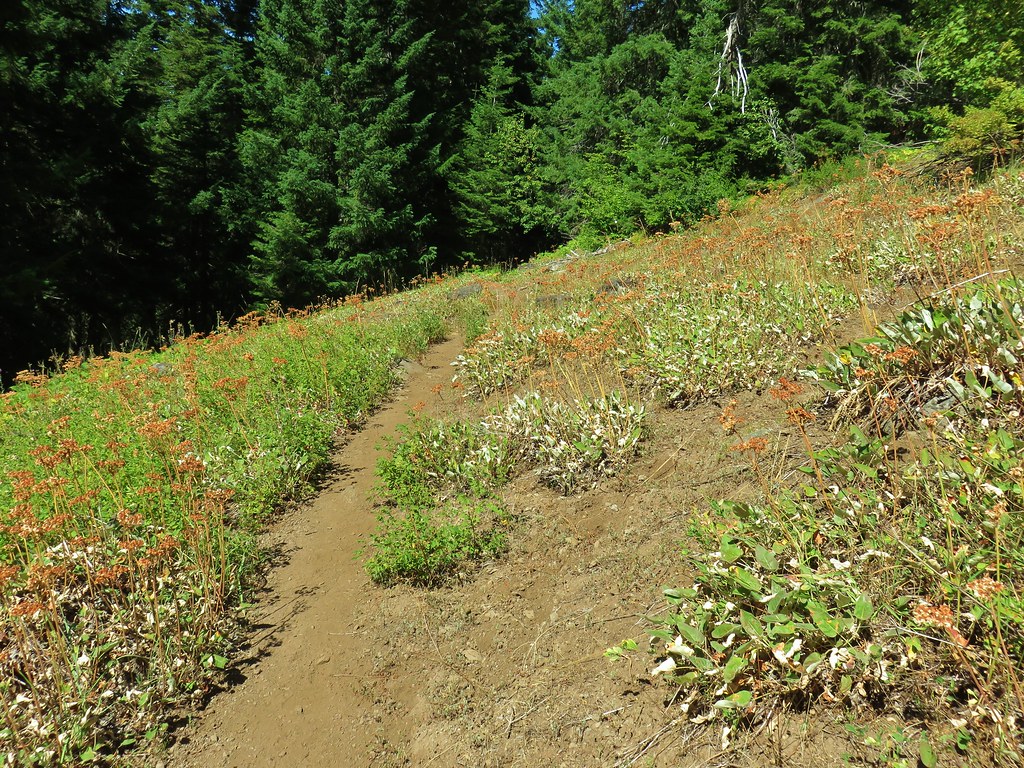 This meadow had a lot of buckwheat.
 Olallie Mountain again.
 The lookout tower on Olallie Mountain
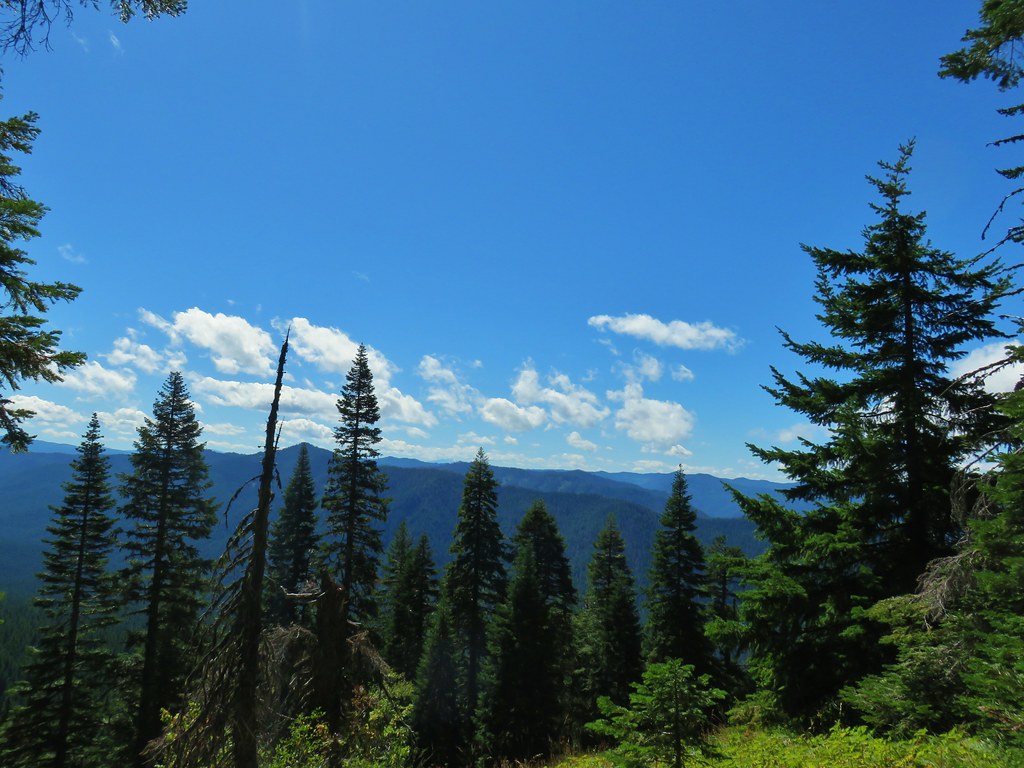 Diamond Peak had shed its cloud cover momentarily.
 Diamond Peak
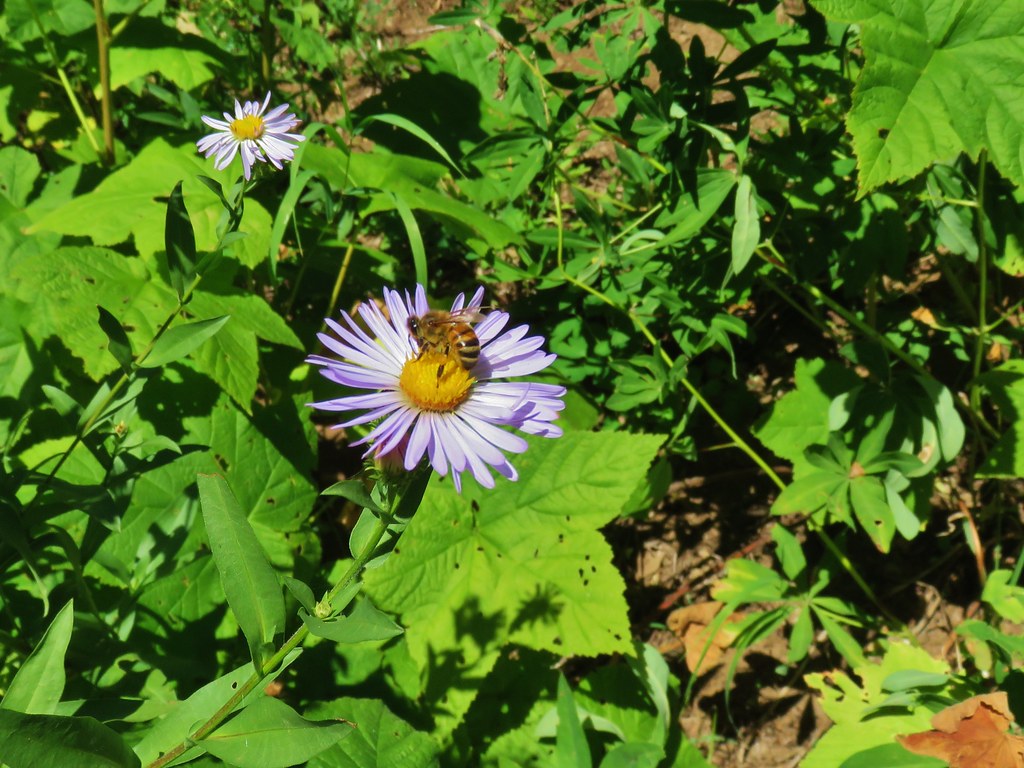 Pollinators got to pollinate.


 The trail heading up through some thimbleberry.
 Butterfly
 Another skipper
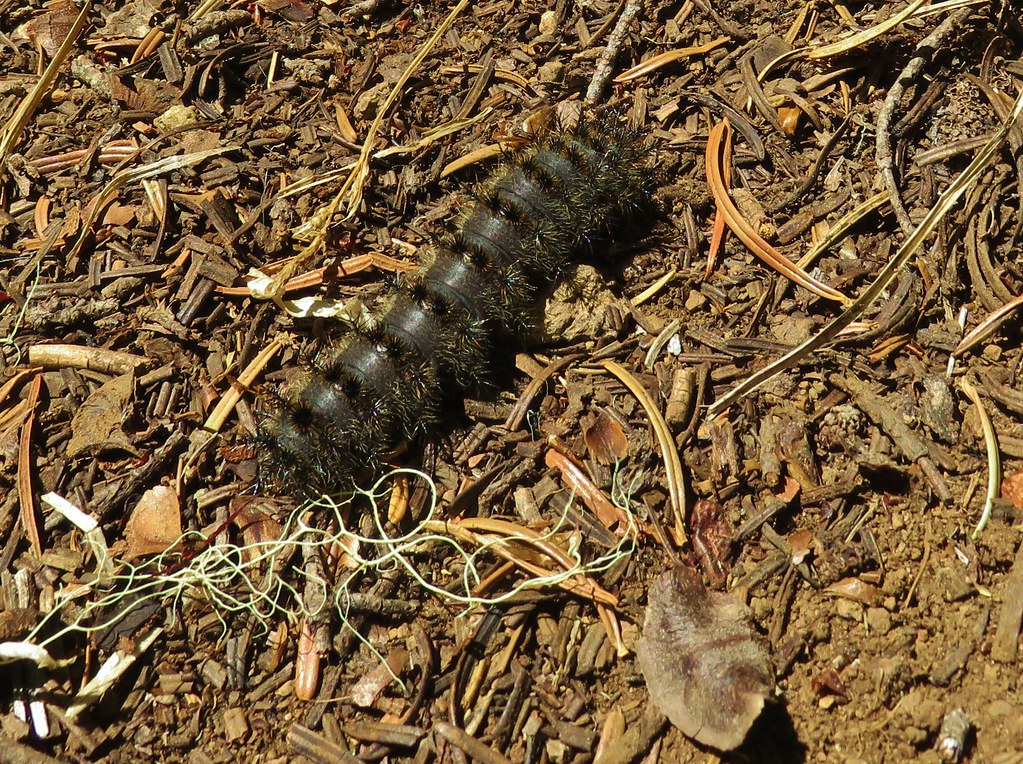 This guy was the size of my pinky.
 A few scarlet gilia still in bloom.
 Pearly everlasting at the edge of the large meadow.


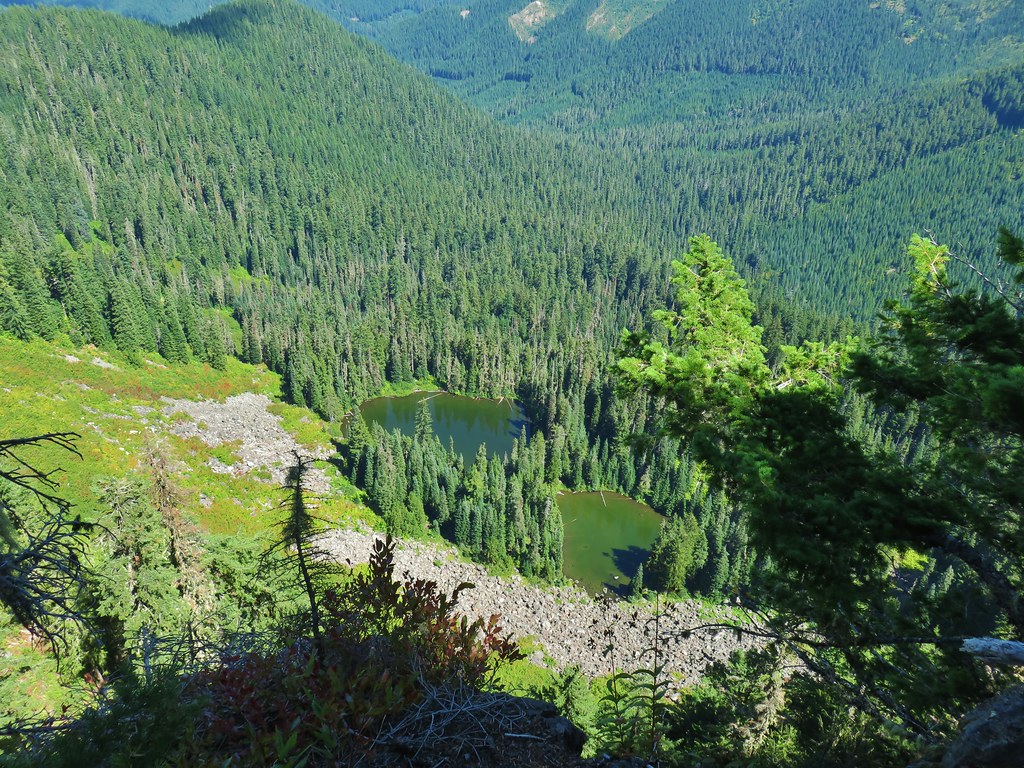 Karl & Ruth Lakes
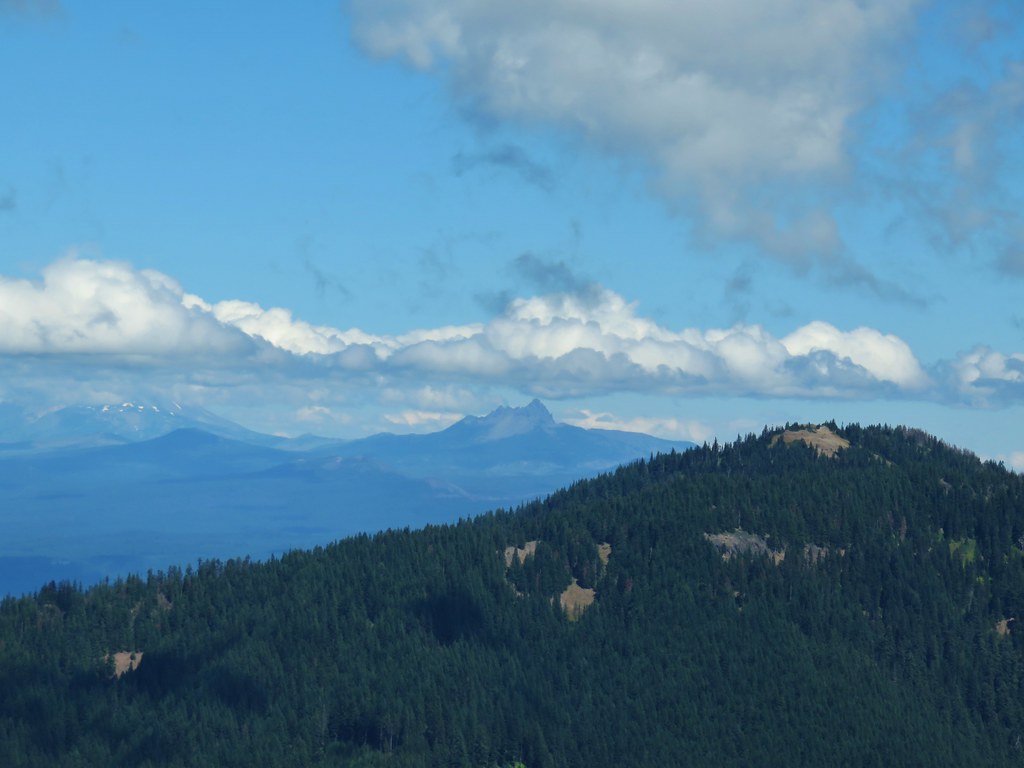 Mt. Jefferson and Three Fingered Jack with Horsepasture Mountain (
 Mt. Washington
 North and Middle Sister
 South Sister and Broken Top

 Mt. Bachelor

 Butterfly with a small crab spider on the next flower head to the right.





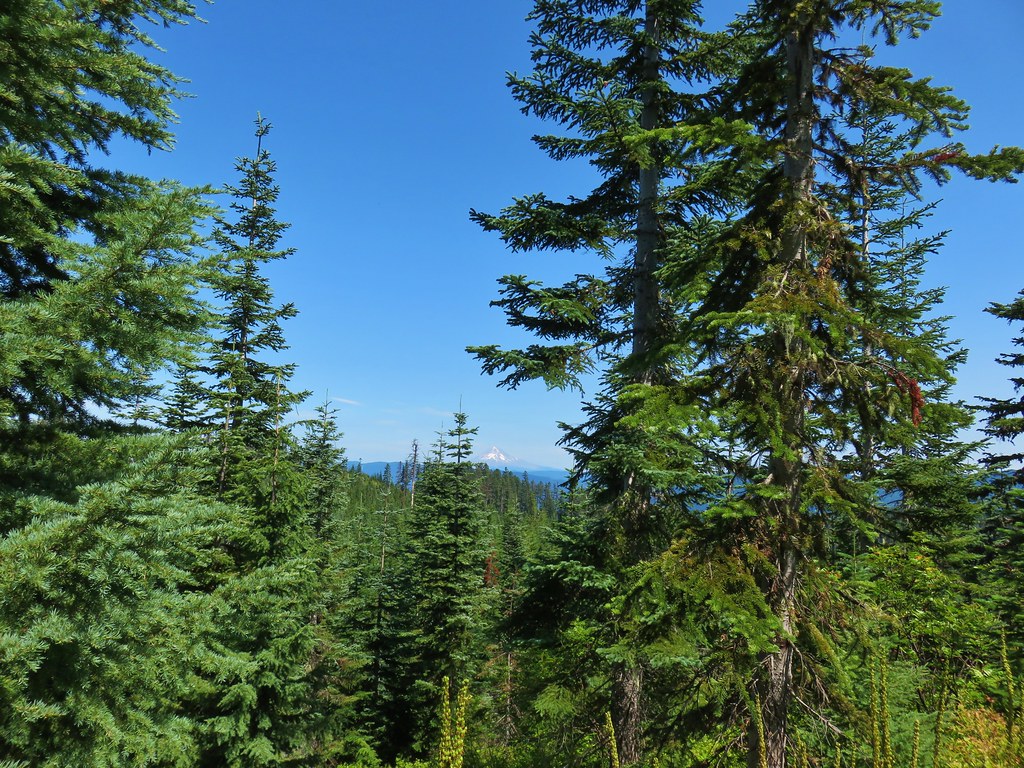
 Mt. Hood
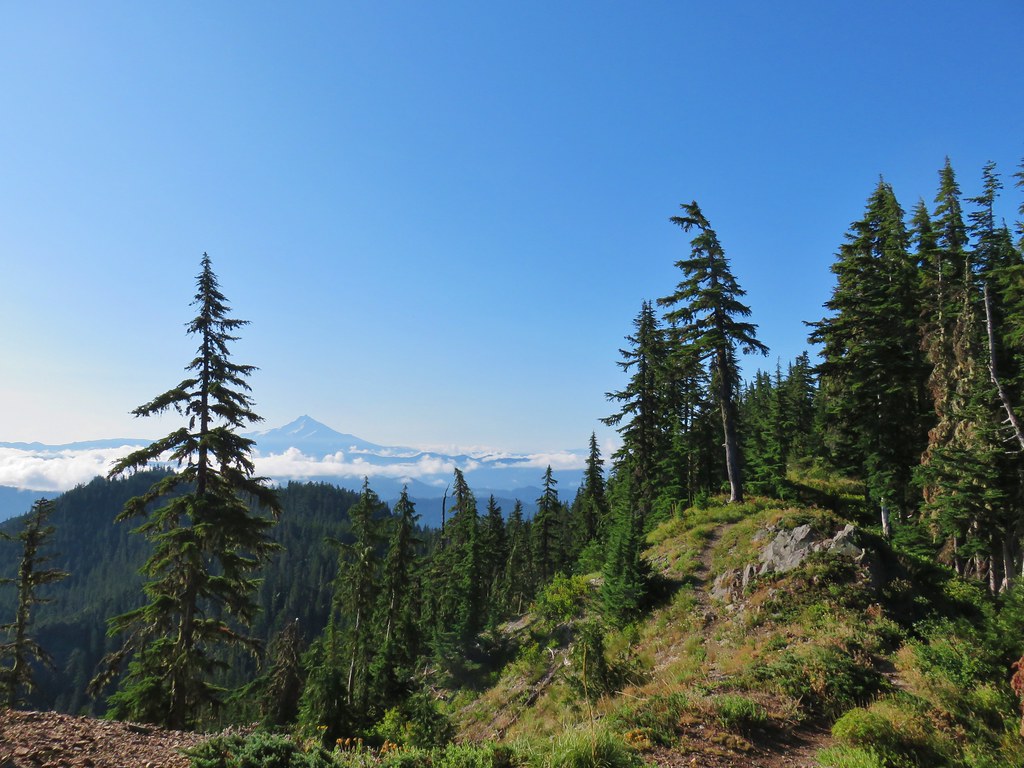 Mt. Jefferson
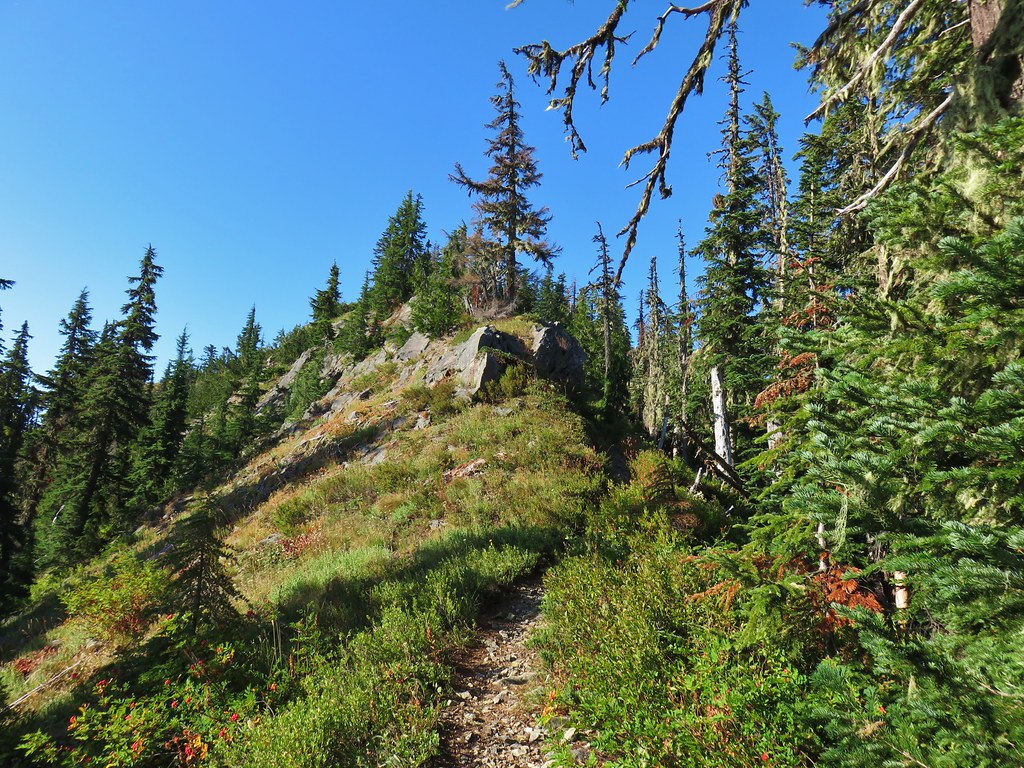
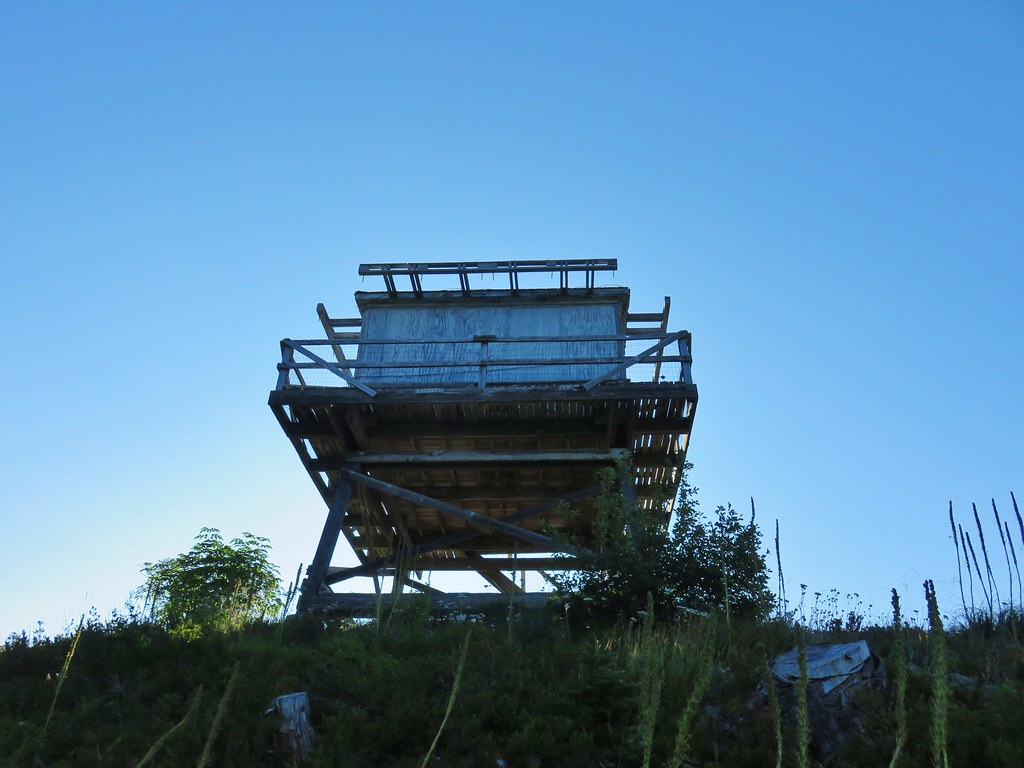

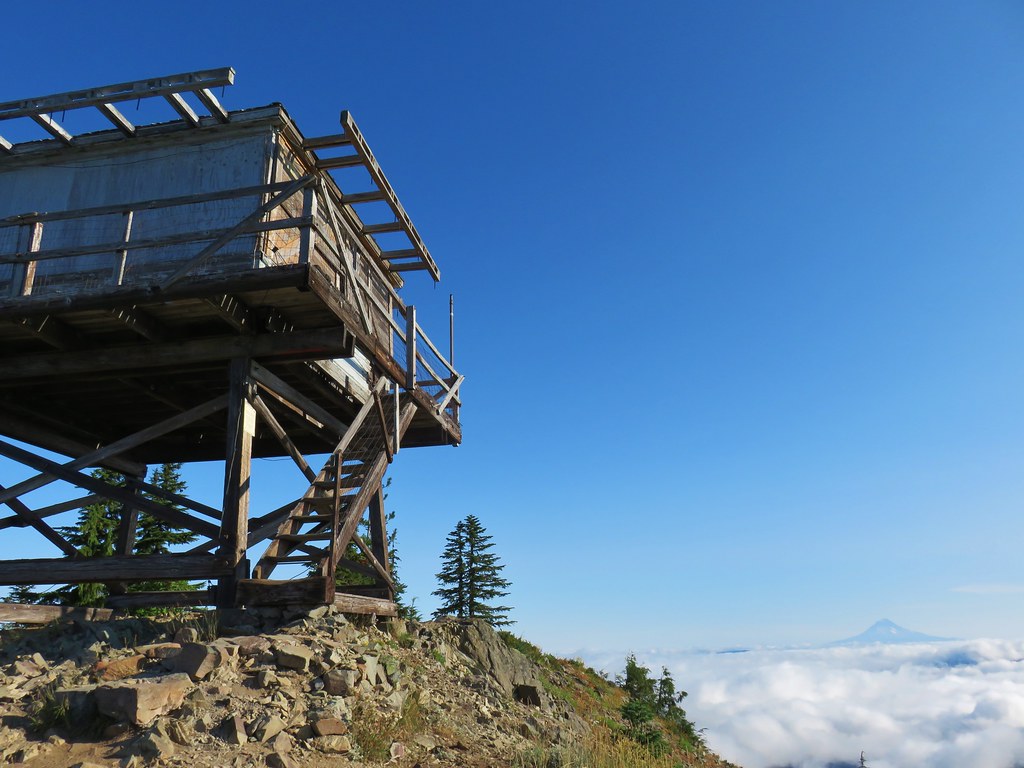


 Three Fingered Jack
 Mt. Washington and the Three Sisters


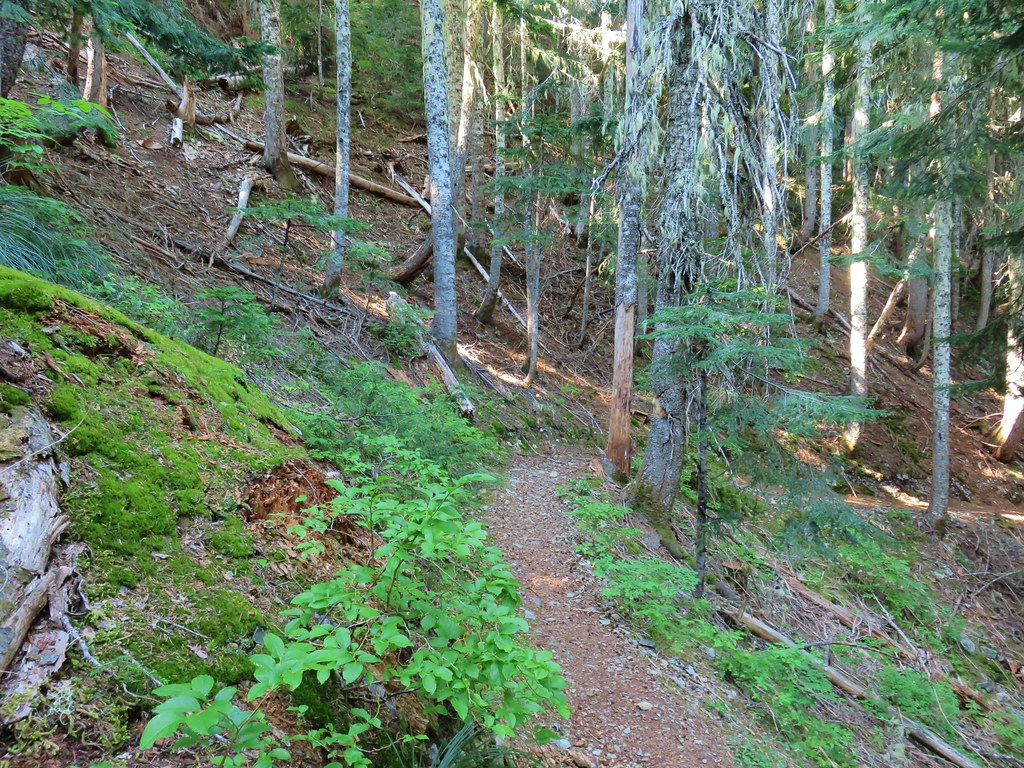
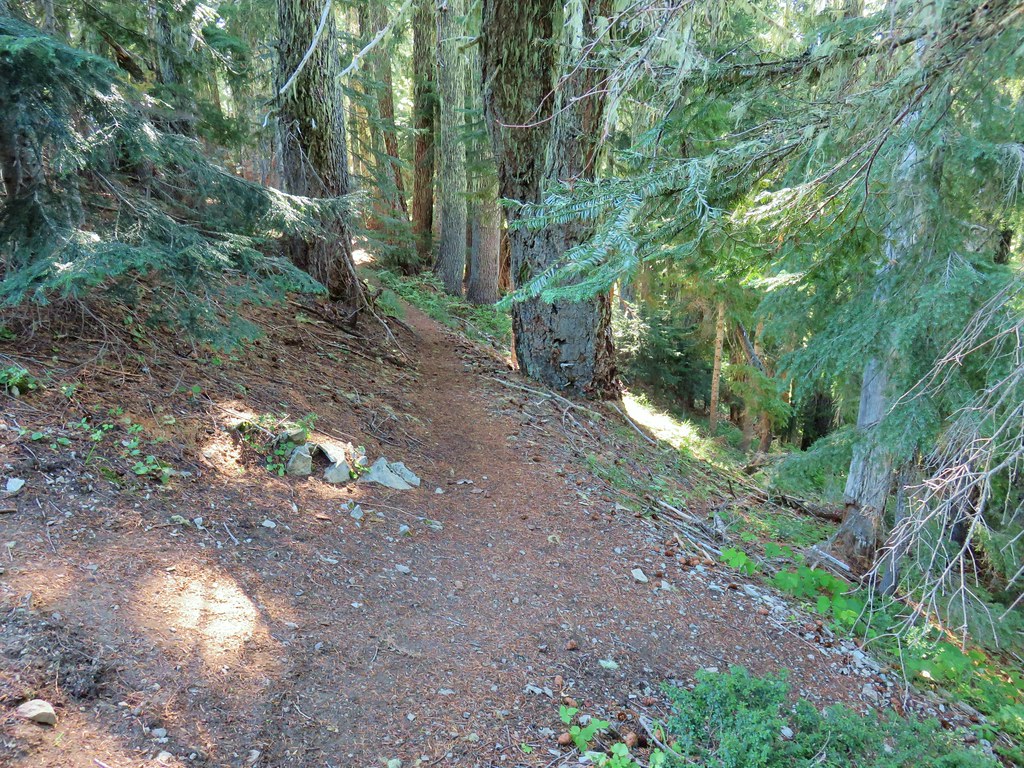 Bull of the Woods Trail ending at the Mother Lode Trail.


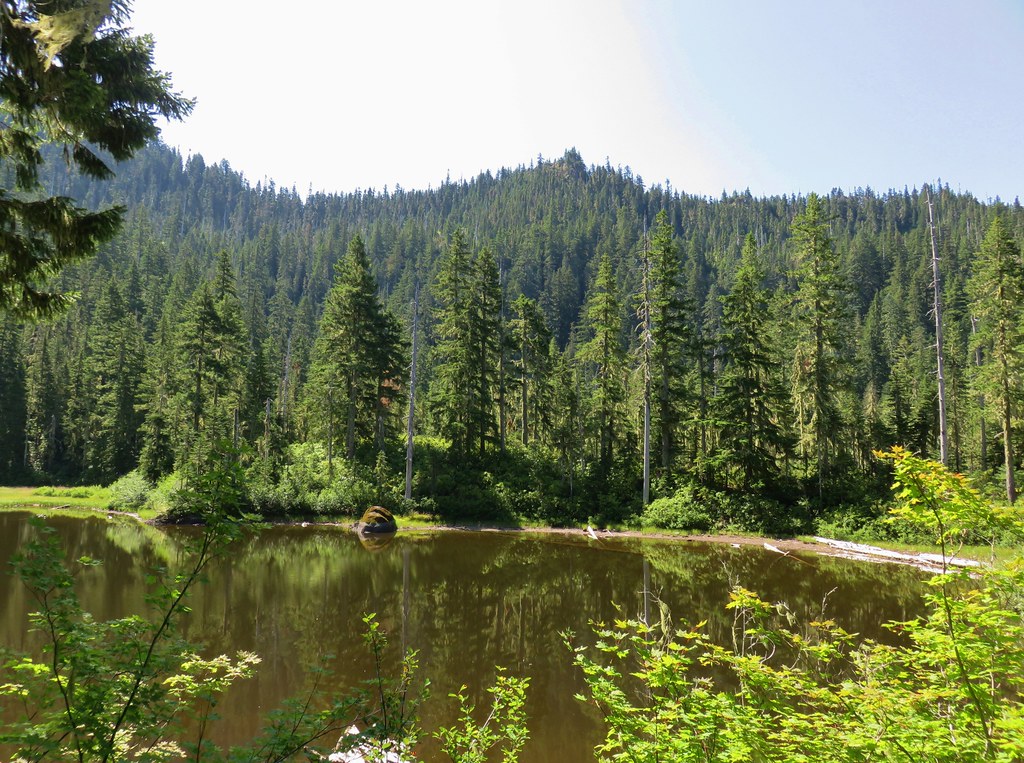
 First look at Pansy Lake.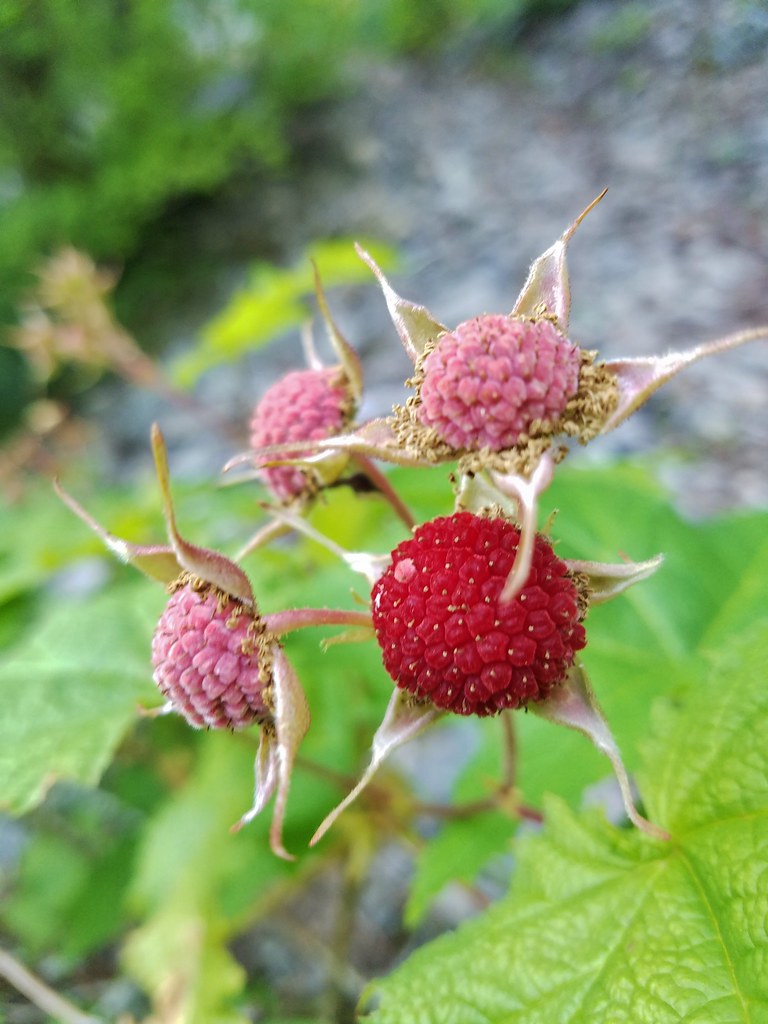



 wanderingyuncks