We used our second extended vacation of the year to continue our quest to complete 100 featured hikes from William L. Sullivan’s “100 Hikes/Travel Guide Eastern Oregon” edition 3rd edtion (post). Heading into 2023 we had done 79 out of the 100 featured hikes and had planned to check off five more on this trip to Enterprise, OR. On the way to Enterprise, a 7 1/2-hour drive from Salem, we stopped at Hat Rock State Park. We had originally planned for this stop to be a quick leg stretcher and just hike the mile loop passing Hat Rock, but a couple of late changes to our planned hikes for the remainder of the week reduced our milage so we extended our visit by hiking the Lewis and Clark Commemorative Trail to McNary Beach. This was not one of Sullivan’s featured hikes but the Lewis and Clark Trail is covered in his additional hikes under the Columbia River Railroad.
There are several large parking areas in the park and we wound up parking near the picnic area.
We took a paved trail on the opposite side of the parking lot from the picnic area which climbed up to another parking lot and trailhead.
The parking area at the trailhead.
Signboards at the trailhead.
Trail map.
We headed counterclockwise on the loop which quickly brought us to Hat Rock.
The basalt feature is part of the Columbia Basalt eruptions, a series of lava flows that left basalt a mile thick in some places.
We continued on the loop detouring to a bench overlooking a pond.
Beyond the viewpoint the trail descended to a junction along the pond. Here we turned right which took us across a footbridge to a boat ramp.
Lake Wallula from the footbridge.
We crossed the parking lot at the boat ramp to a continuation of the trail which led uphill to the Lewis and Clark Commemorative Trail.
Eastern kingbird near the boat ramp.
Post ahead marking the junction with the Lewis and Clark Trail. There is also a deer below the cliffs ahead.
Zooming in on the doe.
We turned right on the Lewis and Clark Trail. The former railroad grade follows the shore of Lake Wallula on the Columbia River. The lake is created by the McNary Dam which was visible near the western end of the trail near McNary Beach.
Lake Wallula
We followed the trail a total of 4.8 miles to McNary Beach where we took a short break at a shaded picnic table. While the scenery didn’t change much the views were good and there were lots of birds along the way filling the air with their songs. Raven with an egg it had snatched from some other bird.
Broad-leaved pepperweed (invasive)
Initially there were some houses on the left, but they gave way to the Wanaket Wildlife Area.
Most of the balsamroot was long past done but a few late blooms remained.
Dove
A fleabane
Swallow
Patterns on Lake Wallula
Western meadowlark signing from atop the cliffs.
Sign for the Wanaket Wildlife Area
Lark sparrow
Box Canyon
There were a couple of small hills but over all very little elevation gain.
Another western meadowlark.
Cormorant
Mallard
Showy milkweed and a bunch of bees.
Trail sign near McNary Beach
Our rest stop.
We returned to Hat Rock State Park the way we’d come. Caspian tern
Hawk
Gray hairstreak on tall tumblemustard
Becker’s white also on tall tumblemustard.
Boat Rock to the left and behind Hat Rock from the Lewis and Clark Trail.
We recrossed the footbridge and followed the path along the pond to complete the loop back to the picnic area.
One of these is not like the others.
We ate lunch at a table in the picnic area before getting back in the car and driving to Enterprise. Our hike here came in at 10.9 miles with approximately 200′ of elevation gain.
The trail is mostly exposed to the Sun so it got a little warm but overall it was a pleasant hike. We only saw a hand full of others on the trails but there were plenty of people at Hat Rock Park itself and a fair number at McNary Beach. This was a good kick-off hike for our trip and we looked forward to more eastern Oregon scenery to come.
Two days after our visit (Tuesday 6/13) the Hat Rock Fire started near the SE corner of the park at the Highway 730/Highway 37 junction. Fortunately the fire spread away from the park. The fire is now 100% contained but it grew to over 16,800 acres before containment occurred. Happy (fire free) Trails!
We have really come to enjoy spending time at wildlife refuges and have been looking for more to visit. I’d noticed Conboy Lake National Wildlife Refuge on maps when looking at the Mt. Adams area so I dug a little deeper to find that there is a trail there, the Willard Springs Trail. The refuge webpage describes the Willard Springs Trail as a “two-mile loop” then lists the trail length as 3.79 miles. The Oregonhikers.org field guide entry shows 2.3 miles as the hike length. No matter which length was correct, on it’s own the hike would be too short to warrant the 2:30 hour drive from Salem. I went looking for a way to fit a visit in and looked over my map of future trailheads and saw that the trailhead for the Nestor Peak hike was located on the way to the refuge. The Nestor Peak hike was just over 8-miles so adding the Willard Spring Loop would put the day around 11 miles which sounded manageable.
Our plan was to visit Conboy Lake first since it was the furthest from home, and an earlier start there might provide a better chance at spotting wildlife. We parked at the refuge headquarters and made our way to the historic Whitcomb-Cole Hewn Log House.
The path to the cabin on the right.
Built in 1875 the cabin was moved from its original location in 1987.
The snowy top of Mt. Hood from the cabin.
After exploring the cabin we set off on the Willard Springs Trail only we briefly went the wrong way. A grassy track lead north directly across the gravel road from the path to the cabin and we took it.
We got about 250′ before realizing that this path was just going to take us back to the parking lot so we backtracked to the gravel road and followed it toward the lakebed across a small canal. (The Garmin named this Cold Springs Ditch.)
We turned left on a wide grassy track along the ditch. Numerous colorful birds were flying in and out of the bushes and trees along the ditch, most of which would not sit still long enough for me to photograph.
There was a lot of monkeyflower in and along the ditch.
Lupine along the ditch.
Lazuli bunting
Robin
Yellow warbler (according to the Merlin app).
Red-winged blackbird
The top of Mt. Adams above the trees.
We followed the ditch for a third of a mile then crossed over it to a field with bird houses and more birds.
Swallow
Western bluebirds
We stayed right at a junction near the corner of the field following the trail through the grass then into a mixed forest.
Honeysuckle
Columbine
Rose
The lakebed was often visible through breaks in the trees.
Through one such gap in the trees we spotted a pair of greater Sandhill cranes. The refuge is the only place in Washington that supports breeding pairs of the birds.
Approximately 1.4 miles from the trailhead we came to a 4-way junction. To the left was a “shortcut trail” and to the right a viewing platform with the Willard Springs Trail continuing straight(ish).
Continuation of the Willard Springs Trail behind the sign.
More often than not on our hikes we strike out with viewing platforms/bird blinds. (We’d have better luck if we sat and waited for the wildlife to come to us.) It was a different story today with a deer making its way across the lakebed and an excellent view of Mt. Adams.
We hung around long enough that this warbling vireo came to check on us.
After a nice break at the platform we continued on the Willard Springs Trail. After another 0.5-miles we came to a signed spur trail to Willard Springs.
We followed this spur 0.2-miles to its end at a couple of benches near the springs.
Willard Sprins hidden in the vegetation. We could hear them better then we could see them.
A healthy lupine near the springs.
We returned to the junction and continued on the loop which now turned back south. It was interesting to see the change in the forest along this section that was further from the lakebed.
Cat’s ear lily
Hitchhiker
Lupine along the trail.
Golden-mantled ground squirrel
Swallowtail
Lorquin’s admiral
Arriving back at the refuge headquarters.
Two interesting things to note about the hike were that the Oregonhikers.org Field Guide mentioned a trailhead 0.2-miles from the HQs along the entrance road but we passed no trails coming from the road and there appeared to be a no parking sign on the side of the road near where we expected to see this other trailhead. Our guess is that the U.S. Fish and Wildlife Department decommissioned the alternate trailhead at some point. The other oddity was that while we did pass the other end of the shortcut trail neither of us noticed another trail joining from the left closer to the headquarters which would have been the other end of the trail that had split off at the edge of the field with the bird houses. There was even a map at the trailhead showing such a trail. Possibly another recent change (or we both just missed the connector trail). Trail map at the trailhead.
The Garmin map shows the shortcut, spur to the old trailhead, and the other connector as well as some different locations for the trails.
Between exploring the cabin and briefly going the wrong way our hike here came in at an even 4-miles with only 50′ of elevation gain. Given the 4-mile figure the 3.79 miles listed on the refuge webpage for the Willard Springs Trail is probably the most accurate of the distance we came across. We didn’t see any other people, just a lot of wildlife which made for a great first stop of the day.
This is one of several trailheads located along the roughly 21-mile Buck Creek Trail loop. We had hiked a segment of the Buck Creek Trail in 2020 on our Monte Carlo – Monte Cristo Loop (post). Today’s segment would be a roughly 4.2 mile climb to a former lookout site atop Nestor (Nester) Peak. We picked up the trail on West side of N-1000 across from the trailhead.
It was later in the morning than we usually get started due to visiting Conboy Lake first and even though it was a little before 10:30am it was already feeling a little warm. The trail made a steep initial ascent before leveling off a bit.
There were lots of phantom orchids blooming along the lower sections of the hike.
Thimbleberry
Spotted coralroot was also plentiful.
Wallflower
Near the 3/4-mile mark we recrossed N-1000.
The trail actually lost some elevation here as it descended toward N-1300.
The trail ran parallel to N-1300 for a mile before again turning steeply uphill. One of only two trees that were down over the trail, both were easily manageable.
The one small stream crossing.
There was enough sunlight getting through to really heat up the trail.
While there wasn’t much there we did occasionally see poison oak throughout most of the lower 2/3rds of the hike.
After the trail steepened we passed a spring on the right at the first of three switchbacks.
Sign above the switchbacks warning mountain bikers that they were ahead.
Following a fourth switchback the trail came to another dirt road which we jogged slightly right on before finding the continuation of the Buck Creek Trail.
Buck Creek Trail to the left near the roads end.
For the next half mile the trail climbed at a healthy pace. Heather hadn’t been feeling well and the heat wasn’t helping things. We talked it over and she told me to go ahead and she would go at her own pace so we split up for now.
More spotted coralroot.
Just over a half mile from the road crossing the trail crossed another road.
After another initial steep climb the trail relented a bit as it traversed around a ridge before gaining a ridgetop and following down to a saddle below Nestor Peak. Along the way were a couple of openings hosting bright wildflowers.
Vanilla leaf
Queen’s cup
Anemone
Lupine
Mt. Hood from the Buck Creek Trail.
Mt. Hood
Cedar hairstreak on yarrow.
Paintbrush, lupine, penstemon, and balsamroot.
Moth
Penstemon
Gaining the ridge.
Paintbrush
Showy phlox
The trail dropped off the ridge and started another good climb along a hillside to a ridge end where it turned steeply uphill climbing to road N-1600 a tenth of a mile below the summit of Nestor Peak. Approaching the start of the final climb.
Sub-alpine mariposa lily
Showy phlox
Road N-1600.
A right turn on the road led past more wildflowers with a view of Mt. Hood to the remains of a shed on top of Nestor Peak.
At the summit Mt. Adams came into view to the NE.
I took a break at the summit and followed some butterflies around trying to get pictures. While I was busy chasing butterflies Heather messaged to let me know she was at the start of the final climb so I waited for her at the summit.
Unfortunate amount of graffiti on the old shed.
Mt. Hood and balsamroot.
Mt. Hood
Oregon sunshine
Boisduval blues
Duskywing
Balsamroot
Moths
Moth
Lupine
Butterfly on cat’s ear lily.
Woodland stars
Paintbrush
After Heather got a break too, we headed back down. There was a little bit of a breeze as we went down which combined with going downhill instead of up helped it feel cooler on the way down.
Blue-head gilia
Ookow
Winecup clarkia
Mountain lady slipper
The hike here would have been between 8 and 8.5 miles but I wandered around the summit area enough to log 8.9 miles on the GPS unit.
We passed 8 others on the trail (3 hikers and 6 mountain bikers) and saw another mountain biker on Road N-1600 from the summit. It was a nice hike but it would have been a little more enjoyable in cooler temperatures. The views and wildflowers were great though. Happy Trails!
On our way home from Bend we wanted to get one more hike in and had decided on exploring the Riley Ranch Nature Reserve. There are a little under 3 miles of trail at the Reserve, but a trail along the Deschutes River connects the Reserve with Tumalo State Park making a longer hike possible.
We chose to start at the Reserve trailhead primarily due to Tumalo State Park being a fee park. The Reserve is open sunrise to sunset so we arrived early (5:20am) to try and get a jump on the crowds and our drive home.
We stopped at the trailhead signboard to finalize our route for the day.
We planned to stay right on Juniper and Sage Flat Loops and take the Robin’s Run down to the Canyon Loop. For the Canyon Loop we decided to go left first to hike along the Deschutes River to the Tumalo State Park Day Use Area. On our way back we would complete the Canyon Loop and stay right on the Sage Flat and Juniper Loops. The start of the Juniper Loop.
Similar to the Metro Parks we’ve recently visited there were small maps on the trail pointers here.
Middle and North Sister
We spotted our first deer of the day amid the sagebrush in the distance.
Blurry shot of the deer.
We detoured 40 yards to the Ben Newkirk Mountain Overlook where we saw a rabbit and some mountains.
After checking out the overlook we continued on the Juniper Loop and spotted a second rabbit
We passed by the shared Juniper/Sage Flat Trail and continued on the Sage Flat Loop.
Sageflat Loop
We turned right on the dirt Robin’s Run Trail which led fairly steeply downhill to the Canyon Loop.
Threadleaf phacelia
Turning left on the Canyon Loop quickly brought us to the Deschutes River. Balsamroot along the Deschutes.
The trail follows the river with occasional “official” river access points marked by posts.
After 0.4 miles on the Canyon Loop we came to an unmarked spur trail that led to the top of a rock outcrop with a bench.
Robin
Longhorn plectritis
Blackheaded grosbeak
Heather waited below while I climbed the outcrop.
The bench on top.
The top of the outcrop.
As I headed back down to Heather I encountered a deer about 30 yards from her that she hadn’t seen.
We continued along the river looking for wildlife and wildflowers.
Western stoneseed
Larkspur
I spotted something head into the river from the grass on the near bank here.
I spotted the grass moving before the animal below which turned out to be a beaver.
Beaver in the Deschutes River.
We stayed straight when the Canyon Loop turned inland. There are two cabin ruins in this area, one just a bit further along the loop and the other was just ahead on the trail along the river. We followed the pointer for Tumalo State Park.
Cabin ruins
It was nearly 2 miles from the cabin ruins to the day use area at Tumalo State Park.
Western wallflower
Lupine
Another river access point.
Rockcress, possibly sicklepod.
The northern boundary of the Riley Ranch Nature Reserve.
Threadleaf phacelia
Tumalo Creek (post) flowing into the Deschutes River.
While we were admiring Tumalo Creek we spotted a bird high up in a snag on the far side of the river.
It turned out to be a Lewis’s woodpecker, one of the prettiest woodpeckers in Oregon.
Crossing into Tumalo State Park.
One of the neatest features along the trail was a long footbridge crossing over some boulders along the river.
Magpie
Paintbrush
Mallards
Penstemon
A quarter of a mile from the day use area we crossed a road leading to a private bridge crossing the river.
Remains of another bridge in the river.
Tumalo State Park Day Use Area
It was fun to see the day use area. In my school days some friends and I occasionally camped in the park and spent time fishing and swimming in the river.
Deschutes River at the day use area.
After reminiscing at the day use area we headed back. We kept our eyes out for more wildlife and were rewarded with a few more species of birds. Kingfisher on the bridge remains. (A bit blurry due to being a long way off.)
A swallow and a pygmy nuthatch.
Pygmy nuthatch
We turned left onto the Canyon Loop and immediately arrived at the other cabin ruins.
Bench along the Canyon Loop.
Northern flicker
As we neared the junction with Robin’s Run we could hear a large group of trail runners making their way down. We were distracted enough by the runners that we failed to notice the deer bedded down to the right of the trail. You can see its ears sticking up here.
We waited at the junction for the group to descend and while we were standing there we finally noticed the deer. There were at least four deer hanging out here.
After the trail runners passed by we climbed back up to the Sage Flat Trail and turned right. After just under 500′ we came to a spur trail to the Canyon Overlook where we made a quick detour. The Sage Flat Loop Trail.
Spur to the Canyon Overlook.
Death camas
Mt. Bachelor and Tumalo Mountain
Mt. Jefferson
We returned to the Sage Flat Loop and continued passing a few Lewis flax blossoms before arriving at another spur trail to the Sage Flat Overlook.
Lewis flax
Marker for the Sage Flat Overlook.
We skipped this overlook, primarily because I went right when the overlook was to the left but given the time of day we would have been looking directly toward the Sun. Looking back at where the Sage Flat Overlook was.
Next up was the River Viewpoint which was just off the Sage Flat Loop to the right.
Lizard near the River Viewpoint.
After looking at the river one last time we continued on the Sage Flat Loop which then became the Juniper Loop bringing us back to the trailhead. The Cascade Mountains
Our hike came to 7.3 miles with 350′ of elevation gain.
This was a nice, convenient hike to finish off the weekend. The early start allowed us to be finished before 9:30am which put us ahead of the bulk of holiday traffic. We made it home nice and early giving us plenty of time to catch up with the cats. Happy Trails!
Knowing that trails would be busy over the holiday weekend we looked for an option that might provide some solitude and turned to another Matt Reeder hike at BLM managed Criterion Tract (BLM map). Reeder features this hike in his “PDX Hiking 365” guidebook and lists April as the best time to visit. His reasoning is that April to early May is the usually the peak wildflower blooms. With this years blooms running a couple of weeks late we hoped that Memorial Day weekend wouldn’t be too late. I couldn’t find any information other than the map linked above on the BLM website but in addition to Reeder’s entry there is a route featured in the Oregonhikers.org field guide and Sullivan features a route starting along the Deschutes River in his 2022 “100 Hikes Eastern Oregon” guidebook (not the edition we are using for our quest of his featured hikes).
Mt. Hood and Mt. Adams from the trailhead which is the high point of the hike.
Mt. Hood
The “trails” here consist of old jeep tracks that are closed to motorized use (other than BLM administrators) and not maintained so some have become faint. We passed through a green gate and onto what the Oregonhikers.org map shows as Criterion Crest Road. Cattle sometimes graze in the area and the combination of their hooves with the unmaintained roads makes for some pretty rough surfaces.
Reeder has you follow this road for nearly four miles before turning downhill through a gate at a faint 4-way junction. He doesn’t mention any other markers along the way but the road passes under a set of power lines, followed by another gate, then the power lines again, a third gate, and passes an abandoned trailer before reaching the 4-way junction. Mountain views stretched from Mt. Bachelor to the South to Mt. Adams in Washington to the North. We saw plenty of wildflowers and a lot of birds as well as deer and elk sign, but we didn’t see any hooved mammals (including cows thankfully).
Rough-eyelashweed. There was a lot of this blooming along the road.
A couple of lomatiums.
Howell’s milkvetch
Idaho milkvetch
Western meadowlark
A buckwheat
Carey’s balsamroot
Mt. Bachelor, Broken Top and the Three Sisters
Lupine
Bumble bee on Howell’s milkvetch
Lark sparrow
We spent a lot of time heading toward Mt. Hood.
Sparrow?
Mt. Adams
Mt. Hood
We were a little too late for the large-head clover.
Western meadowlark giving a performance.
The third gate with Mt. Hood in the distance.
Yarrow
Phlox
The Deschutes River winding through the valley below.
Rough eyelashweed and lupine with Mt. Hood behind.
Caterpillar
Lupine with Mt. Jefferson in the background.
Horned lark
Mt. Jefferson behind the abandoned trailer.
Mt. Jefferson was hidden at times but this gap in the hills provided a nice view.
Oregon sunshine
Skipper
Mt. Jefferson and Olallie Butte (post) behind the lupine.
A small watering hole.
Leaning toward an Acmon blue but not sure.
Another in the Lycaenidae family.
Large marble on a fiddleneck.
The fourth gate at the 4-way junction.
Mourning dove
We took a short break by the gate before passing through. As we descended on the jeep track we came to a split where the clearer track curved to the left while a faint track headed straight downhill through a field of balsamroot. Reeder’s map showed his route was along the fainter track so we stayed straight. The more “obvious” jeep track curving left.
The fainter track angling slightly right.
We were a couple of weeks late for the peak balsamroot bloom, but there were enough remaining blooms/petals to color the hillside yellow.
Ochre ringlet on rougheyelashweed.
We soon rejoined the other jeep track where we turned right.
The terrain had leveled out and we continued on the track watching for Stag Point, a knoll with a post on top, which was Reeder’s turn around point. Zerene fritillary
Zerene fritillary on salsify
We thought we spied the post and used the camera to zoom in and confirm.
This was the only knoll with a juniper as well as the post.
Largeflower hawksbeard
Paintbrush
To reach Stag Point we had to go cross country, so we looked for the most gradual looking climb.
Mt. Hood from Stag Point.
The Deschutes River from Stag Point.
The view was good from Stag Point, but we were hoping to see more of the river and decided to do a little more cross country exploring by heading SE along the rim from Stag Point to a promising looking rock outcrop. Mt. Hood and Mt. Adams from Stag Point.
Looking back over the route we’d come down.
Ladybug and an Oregon swallowtail.
Desert yellow fleabane
Heading out to the rock outcrop.
Mt. Hood and Stag Point from the outcrop.
A better view of the Deschutes.
Mt. Hood beyond the cliffs.
A buckwheat
Satisfied now with the view we took a short break on the outcrop before heading back. We made our way back to the jeep track by angling back toward the rim where we’d descended. Once we’d reached the track we simply followed it back uphill to the gate at the 4-way junction. Stink bug
Silverleaf phacelia
Back on the jeep track.
Lupine and balsamroot
The cows had really chewed this section of the jeep track up.
The gate ahead.
Horned lark guarding the gate.
After passing through the gate we retraced our route back to the trailhead. Butterflies were now out in force and we spotted a couple of lizards. Mt. Jefferson and Olallie Butte
Grand collomia
Time for some sun.
A butterfly and fly.
Three butterflies and a fly.
Busy bee
This swallowtail was a little rough around the edges.
Another horned lark on lookout.
Nothing brings fritillary butterflies together like a good pile of scat.
We had been trying to figure out where the Oregonhikers loop had veered off Criterion Road and as we were discussing it on the way back it donned on us that it must follow the powerlines for a short distance. Neither of us had noticed another jeep track leading off around the powerlines but it made sense because there is almost always an access road below lines. Sure enough when we arrived at the power lines there was a jeep track clear as day. Another option for another time. We were just happy to have solved that mystery.
The Radio Towers on the hill were right next to the trailhead.
The Three Sisters (from this angle it looks like two)
Three butterflies and a beetle on buckwheat.
Another mystery was where did the trail from the South Trailhead (just on the other side of the radio towers) connect. We’d missed the track on the right on our first pass, another question answered.
Lizard with half a tail at the trailhead.
This mountain bluebird was acting odd when we arrived at the gate. It was flying back and forth with something in its mouth. (Mt. Adams is in the background.)
It turned out to be a grasshopper that it was waiting to feed its young who were apparently in a nest in some nearby rocks.
After we passed by we heard the chicks calling and watched it fly into the rocks with their meal.
This turned out to be an excellent choice for the holiday weekend. We only encountered one other person, a trail runner we passed on our way back to the 4-way junction from Stag Point. The late wildflower season played to our advantage and the weather was good. It can get really hot and/or really windy there but on this day a reasonable breeze kept the temperature down without blowing us around. The rough tread was really the only downside to the hike, but that wasn’t too bad overall.
Our hike came in at 10.6 miles with roughly 700′ of elevation gain.
We definitely plan on returning to try Sullivan’s route from below someday and possibly trying to follow the Oregonhikers loop sometime as well. Happy Trails!
For the second week in a row, we turned to a National Wildlife Refuge System as a hiking destination. The U.S. Fish and Wildlife Service currently manages 568 wildlife refuges throughout the United States with the primary statutory purpose being the conservation of native species. Where and when appropriate the refuges offer access to the public for activities such as photography, wildlife viewing, hunting, fishing, paddling, and of course hiking. We have really come to enjoy our visits the various refuges, so we were looking forward to exploring a new one to us, the Steigerwald Lake National Wildlife Refuge.
Situated just East of Washougal Washington along the Columbia River, Steigerwald Lake is part of the Ridgefield National Wildlife Complex. In addition to Steigerwald Lake the complex also includes the Franz Lake, Pierce, and Ridgefield refuges. Of those Ridgefield (post) is the only one we’d previously visited. We had hoped to visit this refuge a couple of years ago, but the refuge was undergoing an extensive restoration that kept it closed until May of last year. The refuge hosts roughly 5-miles of crushed gravel trails. Two of the trails, the Mountain View and the Refuge River, are open all year. A third trail, the Wildlife Art Trail, is partially closed October 1st through April 30th. The Refuge River Trail is open to pedestrians, bicycles, jogging, horseback riding, and leashed dogs which is rare for a refuge while the other trails are hiker (pedestrian) only. To use the Refuge River Trail joggers, cyclists, equestrians and leashed dogs enter the refuge from the West via the Captain William Clark Park Trail by either starting at Steamboat Landing or Captain William Clark Park.
Our plan was to start at the refuge trailhead and hike the trails then then take the Captain William Clark Park Trail to Steamboat Landing and back. We opted for this approach because online information showed 7am and 8am as the opening times for Captain William Clark Park and Steamboat Landing respectively while the refuge website reported that it’s gate opened at 5:30am and we’d be arriving shortly after six. The Mountain View Trail is named so because of the view of Mt. Hood, which on this morning was hiding behind the clouds on the left side of the photo.
Map and information at the trailhead.
We followed the wide gravel trail as it climbed atop a levee separating the wetlands to the east from industrial lands to the West.
View to the East.
Looking West toward Washougal.
We followed the trail atop the levee watching on both sides for wildlife.
Mallards
A duck and a goose sharing a log.
A mallard and an egret in a channel to the West.
Ducks flying over the wetlands casting clear reflections.
Water dripping from a mallards bill.
One of several rabbits we spotted to the West.
Deer across the wetlands. (The young buck may have been sticking his tongue out at us.)
Families of geese.
Wood duck mallard
When the trail split just prior to reaching the Refuge River Trail we stayed left.
Trail sign at the junction with the Refuge River Trail.
We turned left onto the Refuge River Trail following it for 0.3-miles to the Wildlife Art Trail where we again turned left. Sparrow
Coming in for a landing.
Red Tail Lake to the right of the Wildlife Art Trail.
Pretty sure these are the same three we saw from the Mountain View Trail.
This deer laying along the shore of Red Tail Lake was new though.
Common yellow throat
One of many great blue herons that we watched fly overhead throughout the day.
The Wildlife Art Trail passing around Redtail Lake.
Gibbons Creek is in that grass somewhere with at least one deer.
Killdeer along Redtail Lake.
Turns out the deer laying on the lake shore wasn’t alone.
Roses
Purple martins
Just beyond the Cottonwood Bridge the trail forks. To the right is the seasonal section of the loop open May 1st through September 30th. The left-hand fork dead-ends in a tenth of a mile overlooking the wetlands.
We headed left to the overlook before continuing on the loop.
Egret at Scaup Pond.
Egret with a frog meal.
Mushrooms
We got a kick out of the “Birds Only Beyond This Sign”.
Kingfisher
I had been watching a kingfisher as we arrived at the overlook and after it flew off I turned to my right and thought that there was a bittern standing just a few yards away. Then my eyes adjusted and I realized it was one of the art pieces and I’d been fooled. We’ve only seen two bitterns on our hikes and both times we only spotted them as they flew off from the grassy cover that they’d been hiding in so I was pretty disappointed when I realized I’d been duped, but kudos to the artist because it looked real at first glance to me.
We returned to the loop and passed through the seasonal gate.
The wetlands were pretty full of water to our left but between the trail and the water was a fair number of bushes and grass which was apparently popular with the deer.
You have something in your teeth.
Spotted towhee
At least two deer in the grass.
Another American goldfinch.
We left the seasonal section of trail near the junction with Refuge River Trail where we again turned left, promptly crossing a creek on Dragonfly Bridge.
Spotted sandpiper
We followed this trail to its end at the refuge boundary. Oregon sunshine and yarrow
The Columbia River ahead.
Viewpoint along the Columbia River.
Approaching the Lampray Brdige.
Looking back from across the bridge there was a bald eagle in the dead snag along the river.
There were lots of geese along this section of trail.
Red clover in some Oregon sunshine
Another spotted sandpiper
Steigerwald Lake in the distance with a family of geese and crow on a log in the near channel.
End of the trail.
It was about 8:15am when we turned around and it was already feeling fairly warm, but there was relief on the way in the form of some clouds coming in from the Pacific.
Savannah sparrow
Here come the clouds.
Double the eagles.
For the second week in a row we got to watch an American Kestral on the hunt.
Arriving back at the Dragon Fly Bridge and the junction with the Wildlife Art Trail.
We had planned on following the Refuge River Trail all the way to the western end of the refuge but just 500′ beyond the trail junction we rounded a corner to find the trail flooded.
Since neither of us was interested in finding out how deep the water was we turned around and simply took the Wildlife Art Trail back.
Red tailed hawk
Geese nesting atop a snag.
More deer in the grass along Gibbons Creek.
Egret at Redtail Lake.
Great blue heron at Redtail Lake.
We followed the Refuge River Trail back past the junction with the Mountain View Trail and continued West.
Purple martins
When the light catches the feathers right it’s obvious where the purple martin’s name comes from.
Common yellowthroat
House finch
A mile from the Mountain View Trail we arrived at the refuge boundary with Captain William Clark Park.
The trail follows a dike to Steamboat Landing.
The main attraction at Captain William Clark Park is Cottonwood Beach where in 1806 Lewis & Clark established a camp while they secured provisions for the return trip through the Columbia River Gorge. The Provision Camp Trail leads down to the beach and picnic area.
The Provision Camp Trail
While there had been quite a few people on the Captain William Clark Park Trail there were just a few people in this area.
While the beach is extremely popular in the Summer and especially on weekends it became evident why we weren’t seeing folks today when we reached the “beach access”.
Northern flicker
Having the beach be underwater was fine with us, it meant fewer people, but the water level became an issue when the Provision Camp Trail turned back inland toward the dike to complete its loop. Flooded trail ahead.
With the loop cut off we went back the way we’d come and returned to the dike where we turned left to continue on to Steamboat Landing. Black headed grosbeak
Osprey
Back on the dike.
At the other end of the Provision Camp Trail was an interpretive display with replica canoes.
The flooded section of trail from above.
It was another mile from the interpretive display to Steamboat Landing. The trail was pretty busy, and we were now in the city, but we were still managing to see a good deal of wildlife.
Turtles!
Another turtle
Common merganser
Great blue heron
Steamboat Landing
At Steamboat Landing we turned down to a viewpoint along a fishing dock.
After a brief break we headed back. A family of geese out for a float.
While it had clouded up overhead the morning clouds that had blocked any view of Mt. Hood had given way. Unfortunately, there was enough haze in the air to essentially wash the mountain out. The large “hump” ahead is Larch Mountain (post). Mt. Hood is a little further to Larch’s right.
We turned left onto the Mountain View Trail and headed back to the trailhead feeling really good about the amount of wildlife we’d seen although I was still a bit bummed about being fooled by the bittern art. As we neared the end of the wetlands that changed as a pair of bitterns got into a dispute over territory. The victor landed along the water below the levee.
The American bittern in the grass.
I had the chance to take way too many pictures as the bittern posed for the people on the levee.
It was an exciting ending to a great wildlife hike. We made our way down to the now nearly full trailhead. Happy Trails! We’d been the first car in the lot that morning.
Having to retrace our steps a couple of times due to flooded trails put our hike at 12.4 miles for the day with minimal elevation gain.
While Spring has largely been a no-show so far this year, Summer decided to make an early appearance with a weekend forecast for temperatures topping 90 degrees. We’ve been lucky to hit 60 so we’ve had no time to adjust to that kind of heat. In the past when temperatures have soared, we’ve opted to adjust our planned hike to minimize the impact. That wasn’t necessary this time though as our planned outing was to take three short hikes, each less than an hour North of Salem.
We started our morning by re-visiting the Tualatin River National Wildlife Refuge. We’d stopped here in March of 2019 (post) but could only hike the River Trail at that time of the year. The longer Wetland Trail loop is closed from October 1st through April 30th so we’d scheduled this May visit to check out the loop. We started from the Roy Rogers Trailhead where we found a nice patch of wildflowers to greet us. The refuge is open from dawn to dusk. We arrived at a quarter to six to get an early start and avoid being out during the hottest parts of the day.
The patch of wildflowers.
A checker-mallow surrounded by golden paintbrush.
Plectritis amid the golden paintbrush.
We decided to go counterclockwise and forked right across Chicken Creek on a bridge. We had a pretty good view of Mt. Hood.
The Wetland Trail follows a service road around the refuge. We began seeing wildlife almost immediately with a family of geese and a pair of deer hanging out on some private property adjacent to the refuge.
It was approximately 1.5-miles from the Roy Rogers Trailhead to the Refuge Headquarters and Wildlife Center. It was slow going as we kept stopping to watch the wildlife.
Mallards
Greater yellowlegs
Mourning dove
Great blue heron
An egret and some ducks
More families of geese
Swallows flying above the Wetland Trail.
Northern shoveler, scaups (leaning toward greater), and a bufflehead.
Mallards
Northern shoveler
Ruddy duck
Gadwalls
Spotted sandpiper
Purple martins
Killerdeer
Cinnamon teals
Nutria, one of several of these non-native rodents that we saw.
Nap time (or just a late sleeper).
Ducklings
Song sparrow
Common yellowthroat
Wildlife Center
We took in the view from the overlook next to the Wildlife Center before continuing on with the loop.
Great blue heron watching from a little island.
We followed the Wetland Trail until we came to the River Overlook where we cut over to the River Trail (the trails are less than a yard apart in this area) to check in on the Tualatin River.
Anna’s hummingbird
The same Anna’s hummingbird. When catching light their head/throat is bright pink but appear black when not.
River Overlook
Tualatin River
Robin
From the overlook we stuck to the River Trail following it through a short section of forest before rejoining the Wetland Trail. The Wetland and River Trails running parallel.
Spotted towhee
Rabbit
Pacific waterleaf
Violets and fringecup along the River Trail.
Bleeding heart
We skipped the spur trail to the Ridgetop Overlook since we’d done that on our previous visit.
Chicken Creek
The River Trail meets the Wetland Trail across from the Weland Observation Platform.
We didn’t observe much from the platform on this visit. We continued on with our loop back on the Wetland Trail.
Great white egrets
There were some impressively tall trees along this portion of the loop.
The trail made a 90-degree turn just before another branch of Chicken Creek and headed in a near straight line back toward the Roy Rogers Trailhead.
Another egret
More egrets across Chicken Creek.
Red-winged blackbird
Savannah sparrow
Checker-mallow
A parsley
While our loop was only 3.6-miles it was packed full of sights, a great start to our morning. From the refuge we made the roughly 10-minute drive to our next stop at the Cooper Mountain Nature Park, yet another park managed by Oregon Metro. The park hosts a little over three miles of trails which start at a nice little playground.
Our planned route was to go right on the Little Prairie Loop to the Cooper Mountain Loop and then stay right on that loop (with a detour to hike the Larkspur Loop) to Blacktail Way. We’d then take Blacktail Way back to the Little Prairie Loop and turn right again to finish that loop and return to the trailhead.
The view from Cooper Mountain Nature Park.
The trail system heads downhill from the trailhead so keep in mind that all hikes here end with on an uphill.
Metro is currently running an odd little trial with very short “photo loops”. Mowed paths just off the main trails for photography. We took the first loop just to check it out and they were not kidding when they said the surface may be uneven.
One of two trial photo loops.
The idea is to limit the negative effects of off trail hiking. It’s an interesting idea but it would be easier if people could follow simple rules. We quickly found ourselves back on the Little Prairie Loop and forking right.
The second trial loop. You can see how short this one is by the signboard just downhill marking its other end.
There were several interpretive signs and benches along the trails.
White-crowned sparrow
Anna’s hummingbird
Star flower
As usual Metro had the trail junctions well marked with little maps on top of the posts. This is the Cooper Mountain Loop junction with the lower end of the Outback Trail.
Camas
Tough-leaved iris
Serviceberry
Honeysuckle
Looking back uphill to some wildflowers.
Monkeyflower
Tomcat clover
Spotted towhee
Bench along a pond filling an old quarry.
The pond. Red-legged frogs apparently breed here. We didn’t see any frogs but there was a mallard hanging out in the brush.
Iris on the hillside above the quarry.
The Larkspur Loop continuing straight from the Cooper Mountain Loop which turns uphill at the junction.
An endangered species of larkspur, pale larkspur (Delphinium leucophaeum), typically blooms in the park in late Spring into June. With everything running late this year we didn’t spot any yet this year as we completed the 0.7-mile lollipop loop. Prior to the loop the Larkspur Loop dips to cross a creek in the trees.
The little creek.
View from the Larkspur Loop.
While watching for the larkspur I noticed these giant blue-eyed Mary.
We returned to the Cooper Mountain Loop which made a steep climb to its junction with Blacktail Way.
Blacktail Way to the right.
Map at the junction.
Blacktail Way climbed more gradually on its way to the Little Prairie Loop. The “earphone” next to the bench here was neat. There was also one at the trailhead and they really allowed you to isolate the sounds of the woods.
The Little Prairie Loop.
We turned right onto the loop and then quickly detoured to the Little Prairie Overlook.
The pale larkspur also grows in this area but again we were too early.
These were the only woodland-stars we spotted.
After checking out Little Prairie we finished the loop and returned to our car. This stop came to 3.1 miles with 300′ of elevation gain.
From Cooper Mountain we drove 18 miles south to our final stop of the day at Graham Oaks Nature Park. Another one of Metro’s parks Graham Oaks also hosts approximately three miles of trails. Unlike many of the other Metro parks we’ve visited recently this one allows bikes and dogs (on leash) albeit limited to the Tonquin Trail.
Our planned route here was another counterclockwise loop starting on the Tonquin Trail. We would follow that trail to the hiker only Oak Woodland Walk and then turn onto Coyote Way then take the Legacy Creek Trail returning to Coyote Way just before its end at the Tonquin Trail. Then we would simply follow the Tonquin Trail back to the trailhead.
Despite this being our third stop, the early start had gotten us here shortly after 10am, it was already over 70 degrees when we set off on the Tonquin Trail. Luckily for us there was an occasional breeze that helped cool things off a bit. Heading toward Acron Plaza on the Tonquin Trail.
Interpretive sign at Acorn Plaza.
There were large amounts of large camas blooming along the trail along with yellow buttercups and some patches of lupine. Lupine and buttercups
Lupine
Meadow checker-mallow
We detoured to Elder Plaza at a trail marker.
The “elder” oak is between 150-200 years old.
We watched this American Kestral hover on a near vertical line for what felt like quite a while. It eventually dove and attempted to catch something in the grass. We couldn’t tell if it had been successful.
We continued down the Tonquin Trail and made a second detour to visit the Wetland Overlook.
Mylitta crescent
We made a third detour when we reached a 4-way junction with the Oak Woodland Walk and Arrowhead Creek Trails. We turned right onto the Arrowhead Creek Trail to see what the creek might look like since we could see a little footbridge from the junction.
Footbridge over Arrowhead Creek.
There wasn’t really any water flowing in the creek bed and we turned around after crossing and returned to the 4-way junction where we crossed the Tonquin Trail onto the Oak Woodland Walk.
The Lycaenidae family of butterflies remains a mystery to me. This appears to be an Eastern Tailed Blue based on the ventral spots.
Snow in the Cascade foothills. If you look really closely behind the bigger snow patch to the far-right, you can just barely make out Mt. Jefferson.
We turned onto Coyote Way and quickly spotted several species of birds. Starling
Northern flicker
This scrub jay would not come out from behind the oak leaves.
Coyote Way eventually entered some trees and crossed a boardwalk.
There was a lot of candy flower beneath the trees.
We turned onto the Legacy Creek Trail and found ourselves under a much denser canopy of trees. This extra shade made this feel like the coolest section of trail we’d been on all day which was welcome because it was now over 80 degrees in the Sun.
Mushrooms along the Legacy Creek Trail.
Violets, candy flower and the invasive herb robert (pink).
We left the trees and quickly arrived back at Coyote Way where we took a right followed by another right on the Tonquin Trail after 200′. Coming up to Coyote Way.
Back on the Tonquin Trail and heading for the trailhead.
This was our shortest stop of the day coming in at just 2.7 miles. For the day we logged 9.4 miles with approximately 400′ of cumulative elevation gain, primarily from our stop at Cooper Mountain. These were all enjoyable stops and each provided a different experience. Happy Trails!
For our fourth day of hikes in the Grants Pass area we had chosen a series of short hikes along the Illinois River which would allow us to check off two more featured hikes (post). Going in we knew that our hikes wouldn’t exactly match Sullivan’s description in the featured hikes because of a closure of the Swinging Bridge which is part of the Fall Creek Trail. Repairs need to be made to fix a hole in the bridge so it is currently under a closure order until 10/31/23 (may be lifted sooner). Several of the hikes we had planned were also in the path of the 2018 Klondike Fire so we weren’t sure what condition the trails might be in.
From the parking area we crossed 8 Dollar Road and hiked 0.1-miles to a small, two parking spot, ADA Trailhead where a 0.2-mile boardwalk led to a Fen with California darlingtonia.
Wedgeleaf violets
Showy phlox
Oregon rockcress
Many of the flowers were just getting started but there were a few darlingtonia blooming in the fen. This was our second stop this year that involved the Cobra lilies, having visited the Darlingtonia Wayside near Florence in April (post). Camas and buttercups
Shooting star
Western azalea
The fen at the end of the boardwalk.
A darlingtonia blossom.
The trailhead where we parked also acts as the trailhead for the Jeffrey Pine Loop Trail, so after returning from the boardwalk we started down this trail.
Our plan for this trail was to follow it NW for 1.2-miles to the Little Falls Trail Loop. The Jeffery Pine Trail drops to the Illinois River then follows the route of a former flume to the Little Falls Loop Trail. We were a little apprehensive knowing that we’d be hiking along the Illinois River once again. Our only previous hike along the river was a bit of a nightmare (post). We had stumbled into some sort of tick convention and spent nearly the entire hike brushing the little blood suckers off our clothing. Add in a good amount of poison oak crowding the trail and let’s just say this wasn’t one of our best experiences. That being said the Illinois River itself is beautiful, so we were willing to give it another chance. The scenery was nice and there were a number of wildflowers along the trail as we headed down toward the river. We stayed right at this junction just below the trailhead. There is a 0.5-mile loop option which we planned on skipping.
Death camas
Mariposa lily
Yellow leaf iris
Coast flat stem onion
Heather picked up a tick passing through the grass on the hillside.
We turned right at a sign for the Little Falls Trail Loop.
Silky balsamroot
The trail crossed an old roadbed at the half mile mark which gave us a chance to get down to the river without having to dodge poison oak.
The trail jogged away from the river at the road, presumably to reach the old flume. We started up the hill but the trail condition got a little rougher here and poison oak began crowding the trail to the point where we became uncomfortable. We had already had it brushing against our pant legs, but it was now tall enough that our hands were at risk and in order to avoid it we would need to move off trail into the brush on the opposite side. Having already seen a tick we didn’t really want to go through any vegetation. The trail as we started up the hillside.
We quickly devised a Plan B which was to follow the old roadbed up to 8 Dollar Road (Forest Road 4201) and walk that road to the Little Falls Trailhead where we could attempt the 0.9-mile Little Falls Loop. Checker lily
Silky balsamroot and buttercups
Paintbrush and silky balsamroot with the Illinois River below.
Eight Dollar Mountain from the roadbed.
We saw a lot of these getting ready to bloom but none actually blooming. Really curious as to what they are.
The roadbed bent back toward the trailhead where we’d parked and we wound up just a tenth of a mile away from our car but instead of just walking back to it and driving to the Little Falls Trailhead we turned left and road walked the mile.
As road walks go this one was fine, and we passed another bunch of darlingtonia along the way. Western azalea
A closer look at a darlingtonia blossom.
At the trailhead we walked through the small campground to the signed Little Falls Trail Loop.
At a 4-way junction we turned right briefly following the flume before turning downhill toward the river.
Serpentine arnica
California gromwell
Wedgeleaf violet
Spotted towhee
Paintbrush and violets
Narrowleaf blue-eyed Mary
Deltoid balsamroot
Illinois River
Field chickweed
Spreading phlox
We took use paths down to the rocks near Little Falls to explore along the river a bit.
Mallard drakes
After exploring the rocks we continued on the loop trail. Pool above the falls.
Wildflowers above the trail.
Interesting colors on this iris.
Pine violets
The trail eventually veered uphill away from the river to complete the loop.
After completing the loop we returned to FR 4201 and walked back to our car at the Eight Dollar Mountain Trailhead and headed for our next stop, the Kerby Flat Trailhead.
The view from the trailhead was great and wound up being the best part of our attempted hike here. Pearsoll Peak and Gold Basin Butte in the Kalmiopsis Wilderness.
The trail begins at the railed viewpoint and heads downhill.
The Illinois River below.
Lupine
Plectritis
At first the trail followed what may have been a fire road and was nice and wide but as it began to follow a ridge downhill it quickly became crowded by poison oak.
We managed to find a way around the first bad section but then we were stymied. With no desire to come in contact with poison oak we turned back after just a third of a mile and headed back to the car. This section was great.
Swallowtail
This stop was supposed to have been a 4.3-mile lollipop loop visiting both Kerby and Star Flats, but it wound up being a 0.6-mile out-and-back. The good news was we had three other stops that were part of Sullivan’s featured Illinois River Beaches hike. The second stop was for Snailback Beach, just a 1.1-mile drive from the Kerby Flat Trailhead. We parked in a small pullout on the left side of the road at a small signboard.
Here a half mile trail follows an old roadbed down to Snailback Beach. This hike started encouragingly as the wide roadbed helped keep the poison oak to the sides.
Female black-headed grosbeak
Balsamroot
Paintbrush next to some yet-to-bloom lupine.
The Illinois River below.
Our optimism about reaching the beach here took a hit when we arrived at Snailback Creek. The creek was flowing pretty good and would have required fording in calf deep water to continue. Normally that wouldn’t stop us, but it also looked like the trail on the far side was in need of maintenance which made us question if we would be able to reach the beach even if we did ford the creek. At the time the chance of reaching the beach wasn’t worth the assuredly wet feet that would result from the ford, so we once again turned back after just a third of a mile.
Snailback Creek
We hiked back up to the car and drove another 1.6-miles west on Illinois River Road to the signed Horn Bend Trailhead. The “trail” is immediately to the left of the sign here. You can make out some of it further back through the bushes.
This trail supposedly follows the road for 0.4-miles before turning downhill on a cat road that leads to the beach. The 2018 fire (this area also burned in 2002) damage was most evident on what was left of this trail. Heather decided not to even bother opting to wait at the car while I attempted to make the 0.7-mile hike down to the river. After crashing through the initial brush the trail cleared for a moment.
The clear trail didn’t last long.
Fawn lilies
The road sign in the distance was easier to see than the trail here.
Poison oak and downed trees forced me off the tread and after just 0.2-miles I’d lost any sign of it.
I’d also picked up one tick as I wandered through the brush so enough was enough and I found a break in the poison oak where I could hop onto the road and followed the shoulder back to Heather and the car.
We had one stop left from the featured hike description, the Swinging Bridge which we knew was closed. While the bridge was closed Forest Road 087 was not and it led down to the river past the bridge so we had decided to road walk down and at least see the bridge. From the Horn Bend Trailhead we drove another 4.2-miles and parked at a pullout at Road 087.
We hiked down the gravel road a half mile, passing the Fall Creek Trailhead along the way, to the bridge.
Dogwood blossoms
The Fall Creek Trailhead to the left.
The car bridge across the Illinois River to McCaleb Ranch. Technically we could have continued down to that bridge and crossed on it then turned left onto the Fall Creek Trail for a half mile to Illinois River Falls, but the closure order posted at the Fall Creek Trailhead was unclear. It stated that it was illegal to be “on a trail” not just on the suspension bridge itself. The Forest Service webpage seems to indicate that it is only the bridge that is closed until repaired. Either way we were just happy to see the bridge as that was the turnaround in Sullivan’s description.
Assuming these are some of the needed repairs.
We climbed back up to our car and started back toward Highway 199. At some point earlier between trailheads I had come up with an idea to try an alternate way to reach Star and Kerby Flats. Sullivan’s map showed a roadbed off of Illinois River Road 0.7-miles east of the Kerby Flat Trailhead that led past Star Flat to a ford of Deer Creek. I remembered seeing the road on the way to the Kerby Flat Trailhead so we decided to try parking on the shoulder and seeing if the road was a better option. When we arrived there was another vehicle parked there which gave us some hope. The start of the road which the map lists as Forest Road 011.
As we started down this dirt road we passed the group from the other vehicle on their way back. They were locals who apparently hike this road regularly. They had been to the ford and said that the flowers were good and they also mentioned that there was a car in Deer Creek at the ford. They said it hadn’t been there the week before but that there had been a different car there in the past that had finally washed away. Now a new one had taken its place. We thanked them for the information and continued downhill.
Monkeyflower
Oregon rockcress and buttercups
Balsamroot and Oregon rockcress
Alpine? pennycress. There was a lot of this along the road, the first we’d seen of it this trip.
Star Flat. It was obvious from the tire marks which extended into the vegetation in places that yahoos like to come here and tear things up (sigh).
Duskywing
There was a fence around the bog at Star Flat which hosts more California darlingtonia.
Plectritis
Iris
Darlingtonia
Deer Creek
Showy phlox and paintbrush
Just over a mile on the road we passed the rocky trail that we would have taken back up to the Kerby Flat Trailhead had we made it down from there.
Checker lily
Just before the ford we passed an old car with kids toys on it. Not pictured is the tower of Coors Light cans that was just off to the left.
Just as advertised there was indeed a car abandoned in the ford.
We assume it was a stolen vehicle (or someone was really drunk/high). From the amount of garbage and fire pits in the area it was clear that people drive down here to party and do stupid stuff. Truly unfortunate because the beach at the confluence of Deer Creek and the Illinois River could have been really nice but the general feeling all the trash gave off made it uncomfortable.
We continued past the beach following the trail toward Kerby Flat.
Hairy pink
Plectritis along the trail.
Illinois River
After 0.2-miles the trail ahead appeared to begin to get overgrown and we’d had enough of that for the day so we declared victory and turned around.
We returned the way we’d come half expecting to encounter some ne’er-do-wells heading down to party. Thankfully that didn’t happen although we did come across a suspicious group of butterflies.
Star flower
Shooting stars along the creek leading to the bog in Star Flat.
Fawn lily
It started to sprinkle as we neared the car which was the opposite of how the weather had been all week. Monday through Wednesday it had been cloudy in the morning and cleared up in the afternoon but today the clouds moved in later.
We were back to the car a little before 2pm but it had felt like a much longer day. We’d managed to get 10.2-miles of hiking and road walking in over the course of our six stops. The cumulative elevation gain was just over 1300′ so it was a pretty solid day of hiking even though none of the stops went as originally planned. Sometimes you just have to get creative, and we seem to be getting more and more practice at that.
Eight Dollar Mountain and Little FallsOur stops along Illinois River Road
Back in Grants Pass we picked up dinner from the Tacos Don Goyo food truck on K Street (excellent food) and started packing up for our drive home the next day. We decided not to try and replace the Rogue River hike that we didn’t do on Wednesday (post) opting instead to get home to Merry and Pippin. This was the first time we’d been away from them since adopting the kittens in October and we missed the little guys. Happy Trails!
When I’d first planned our vacation to Grants Pass the plan had included seven of Sullivan’s featured hikes, six of which we needed to check off our to-do list, and one to tie up loose ends (post). One of those planned hikes had been Babyfoot Lake but with a trailhead elevation of 4340′ that hike had been postponed due to this years above average snowpack. Before leaving I had checked all our hikes including using a couple of snow-depth maps. At the time they showed 10-20 inches of snow at Babyfoot Lake but nothing for any of our other planned hikes including along the driving route to Marial which was our planned destination for day three. I had been concerned because the BLM roads to the Lower Rogue River-Mule Creek Trailhead spends a fair amount of time between 3400 and 3800′ in elevation before dropping to the trailhead at an elevation under 500′. There was no snow showing up online and neither the BLM nor Forest Service websites mentioned impassable roads. Sullivan lists this hike as open April to December but that is “normal” and this year’s snowpack is not that.
We started Wednesday morning by attempting the roughly 70-mile, nearly 2:30 hour drive. We managed to get within 17 miles of the trailhead before encountering large snow drifts still covering the roads, primarily on the North facing slopes. With no way to reach the trailhead (we couldn’t have even hiked the trail from Grave Creek due to a washout at trail mile 21) we pivoted to plan B. Plan B was to do some or all of the hikes that we’d planned for Friday before driving home. So after a little over 4 hours of driving we wound up at the Dollar Mountain Trailhead less than 2 miles from where we’d started at our cabin.
This was an odd little hike as the trail had no signage apart from the trailhead sign and it basically went straight uphill. There were some narrower trails off what appeared to be the main trail which may have been gentler switchbacks, but they just as easily could have been use trails leading to the surrounding neighborhoods or to nowhere in particular. We opted to go straight up on the wider rutted path. Larkspur along the trail.
A pollinator in a Tolmie’s mariposa lily.
Shooting star
Grants Pass below Dollar Mountain.
Hooker’s Indian pink
Silver crown
Naked broomrape
Too cloudy for a good view.
Lupine
Scarlet fritillary
Sullivan had it as 1.2 miles from the trailhead to the summit but going straight up got us to the cell towers on top in exactly 1 mile (regardless of the route the climb is over 750′ of elevation gain).
View from the summit.
The view from the summit isn’t as good as those just below. From the summit we had the choice of heading back the way we’d come or following a rough roadbed down and around to Crescent Street 0.2 miles NW of the trailhead. We opted for the loop option and headed down the road. We stuck to the road ignoring any side paths like this one since we had no idea where they might lead.
There were dozens of California groundcones along the roadbed.
California groundcones
Approaching Crescent Street.
It was a mile and a half from the summit to Crescent Street which we followed back to the car. From there we made the 16-mile drive to the Limpy Botanical Interpretive Loop Trailhead
Here we planned to do a mile long loop. We started clockwise from the trailhead signboard following Sullivan’s directions to stay left at all junctions.
Monkeyflower
Dwarf ceanothus
Paintbrush
Camas and shooting stars
Siskiyou fritillary
We got into a little trouble when we came to what we thought was another trail junction with a path leading to the right to a bench.
Since the directions we were following said to stay left at all junctions we stayed left following an increasingly rocky path uphill. We wound up just below a roadbed when the “trail” completely petered out. We headed back down to the trail with the bench and tried that one which turned out to be the correct route. This path led us across a pair of boardwalks then to a scenic little waterfall. Passing the bench.
Trillium
Fairy slippers
Boardwalk #1
Second boardwalk
Waterfall on Limpy Creek.
Beyond the falls the trail crossed Limpy Creek then began to descend to another nice little creek.
Limpy Creek
Arriving at the second creek.
Unnamed creek
Mushrooms
The path turned along the unnamed creek and recrossed Limpy Creek before arriving back at the trailhead. Final crossing of Limpy Creek.
With our wrong turn we managed to turn the 1-mile loop into a 1.3-mile hike and nearly doubled the 120′ of elevation gain that it should have been. From Limpy Creek we headed for our final stop of the day at the nearby Waters Creek Interpretive Trailhead. (The trailheads are just over 2.5 miles apart as the crow flies but the drive between them is close to 15 miles.)
This was another interpretive trail offering two loops, a 1-mile barrier free option or a nearly 3-mile longer, hiker only, loop. Both loops begin by following Waters Creek for a tenth of a mile then crossing it and passing by a grassy meadow.
Candyflower
Waters Creek
A phacelia
At the end of the meadow when the trail enters the forest it splits. We stayed left at all junctions again on this loop. The start/end of the loops with the bridge being our return route.
Staying left.
This was the barrier free loop splitting off and heading back across an unnamed creek.
Sign announcing the hiker only extended loop.
Snail
The first vanilla leaf we’ve seen blooming this year.
There were a bunch of fawn lilies blooming along this trail.
One of several little footbridges across side streams.
Trillium
Bench where the trail turned to head back on the opposite side of the unnamed creek.
The view from the bench.
The trail climbed above the creek on the way back before descending via switchback to rejoin the barrier free loop. Houndstongue
The barrier free trail below in the trees.
Back on the barrier free trail.
Biscuitroot and larkspur
Giant white wakerobin
The Sun was starting to shine a bit as we passed back by the meadow which brought out some butterflies and lots of lizards.
Our three hikes of the day added up to 7 miles and 1480′ of elevation gain. (2.8mi & 830′, 1.3mi & 250′, and 2.96mi & 400′ respectively.)
Dollar Mountain TrackLimpy and Waters Tracks
Despite the rocky start it had turned out to be a pleasant enough day and we were still back to our cabin around 3pm which gave us time to clean up and head to the Bohemian Bar & Bistro for an excellent dinner. Happy Trails!
The second day of our Grants Pass vacation had the highest chance of rain showers with a forecast of 40% chance. We had a pair of hikes planned for the day. The first was a tour of the Cathedral Hills trails system just South of Grants Pass.
We made the roughly 10-minute drive from our cabin in Grants Pass to the Espey Trailhead arriving just before 7am.
We had seen one of the two wildflower species that were on our bucket list for this trip the day before. Red larkspur and been blooming in good numbers along the Rogue River Trail (post) and today we were hoping to check of the other, Indian Warrior. The area is home to a good number of wildflowers that bloom throughout Spring and Summer.
Sullivan’s featured hike here is one of four short hikes that make up hike #83 – Grants Pass Nature Trails (“100 Hikes/Travel Guide Southern Oregon & Norther California” edition 4.2). He describes the 3.4-mile Outback Loop. We were hoping to add more of the trails to our hike and decided on modifying the featured hike by adding on the Skycrest Loop and Ponderosa Pine Trail.
As was the case on our hike the day before we spotted our bucket list flower at the trailhead. There are a couple of the red Indian warrior behind and to the right of the trail marker.
Indian warrior lousewort
We started the Outback Loop in a counter-clockwise direction climbing 1.1-miles to a junction at a saddle. The Indian warrior was blooming in mass along with many other wildflowers. Scarlet fritillary along with poison oak. There was a lot of poison oak in the area but the trails were wide enough to keep users away from it.
A blue-eyed Mary
Shooting star
Indian warrior
Larkspur
Cryptantha, shooting stars, and plectritis
Plectritis
Pacific houndstongue
A picnic table at the junction with the Hogback Trail.
Most of the junctions had markers.
Giant white wakerobin
Blue dicks behind more poison oak.
Paintbrush
Tolmie’s mariposa lily
At the saddle we turned right onto the Timber Riders Trail then veered right after approximately a tenth of a mile following pointers for the Skycrest Loop.
Henderson’s fawn lily
Pointer for the Skycrest Loop.
We hiked the Skycrest Loop counterclockwise. There were a few different flowers along the loop. The start of the loop.
Skullcap (possibly Danny’s)
Hooker’s Indian pink
A cloudy view from the Skycrest Loop.
Ragwort
Indian warrior beneath white-leaf manzanita.
Last of the gold stars.
A few yellow Indian warriors.
California groundcone
When we got back to the saddle and junction with the Outback Loop we got confused and wound up sticking to the Timber Riders Trail which was the furthest to the right. Even though it didn’t look familiar we both thought we’d come from the trail to the left earlier when in fact that was the continuation of the Outback Loop.
We followed the Timber Riders Trail for 0.9-miles thinking we were on the Outback Loop then we came to a junction with said loop and realized our mistake (after looking at the map). It had started raining at some point along this stretch and as a bonus a thunderstorm was heading our way.
Rain clouds in the sky.
Trail marker along the Outback Loop.
We turned right back onto the Outback Loop and picked up our pace a bit. We did decide to stick with the plan of detouring onto the Ponderosa Pine Trail in hopes of seeing a 117′ tall knobcone pine that is registered as the largest in the U.S. We turned right onto the Ponderosa Pine Trail but a combination of heavy rain, increasingly close lightning, and no signage for the tree caused us to miss it entirely. Turning onto the Ponderosa Pine Trail
Iris
Ponderosa Pine Trail
Back onto the Outback Loop.
Once we’d turned right onto the Outback Loop it was just over three quarters of a mile back to the Espey Trailhead. We were pretty well drenched by this point (we hadn’t put our rain gear on, just our pack covers) and hustled our way back to the car. Quite a bit more water on the trail as we finished up.
In the end our hike here came to 5.4 miles with about 450′ of cumulative elevation gain.
We decided to retreat back to our cabin and wait out the weather. We put our wet clothes in the dryer and relaxed for a bit until things began to clear up. A little after 11:30 that happened, and we headed back out with dry clothing and shoes. For our second hike of the day we were tying up a bit of a loose end on a featured hike that we’d already checked off as done, the Sterling Ditch Tunnel. In June 2017 we had done an 11.8-mile loop starting from the Deming Gulch Trailhead. (post) We had counted that toward the featured hike, but it was actually part of the “Other Options” for the entry. In most cases the other options include part of the main hike and so we count those but, in this case, none of that previous loop was part of the 4.8-mile loop that is featured.
The featured loop Sullivan describes begins at the Tunnel Ridge Trailhead, passes by the Sterling Mine Ditch Tunnel, and ends with a 0.6-mile road walk between the Bear Gulch and Tunnel Ridge Trailheads. When road walks are involved, Sullivan tends to end the hike with them, but we prefer to start with the less exciting road walk so we opted to start at the Bear Gulch Trailhead instead. (There is less parking available at Bear Gulch so on busier days parking here might not be an option.)
The road walk was pleasant as road walks go and we soon found ourselves at the Tunnel Ridge Trailhead. View from the Bear Gulch Trailhead of Little Applegate Road.
The Little Applegate River
The trail climbed gradually for a mile gaining a little over 500′ to a junction on a saddle.
Scarlet fritillary
Houdnstongue and a pacific waterleaf (white flower under a big leaf to the left of the houndstongue).
Based on the trees it looked like the thunderstorm provided some fresh snow at higher elevations.
Couldn’t really get a good picture but this might be a bushtit.
There were a couple of nice benches along the trails here.
Some of the view from the bench.
Manzanita
Lupine
There is a hummingbird in the center on a branch.
At the saddle a faint trail continued straight ahead toward the Little Applegate Trailhead. It didn’t appear to get much use.
Trail sign at the junction.
We followed the pointer for Bear Gulch and quickly found ourselves at the tunnel. Built in 1877 the tunnel is part of a 26-mile long ditch used to divert water from the Little Applegate River to the Sterling Gold Mine.
I had to get a closer look.
I didn’t go all the way through so as not to disturb this napping bat.
From the tunnel the trail follows the ditch and sometimes uses it as it traverses the hillside toward Bear Gulch.
Fiddleneck along the trail.
Another bench
Emerging from the ditch.
Scarlet fritillaries lining the trail.
Paintbrush
Balsamroot
Tolmie’s mariposa lily
An impressively large madrone.
Henderson’s fawn lilies
More fresh snow on a ridge.
An upside-down warbler (upper right of the tree).
Shooting stars
We turned left at a sign for the Bear Gulch Trailhead and followed this path a mile downhill back to our car. This trail seemed a bit steeper than the one leading up from the Tunnel Ridge Trailhead so whichever you start at it seems best to do the loop counterclockwise.
Woolly-pod milkvetch
A fritillary, just not sure which one.
It was nice to start seeing some butterflies out and about.
Another butterfly. It blends pretty well with the leaves.
White-breasted nuthatch
There was a decent amount of water running through parts of Bear Gulch as we neared the trailhead.
This loop came in just under five miles with 550′ of cumulative elevation gain giving us a total of 10.3 miles and 1000′ for the day.
After the morning drenching and surprise thunderstorm the day turned out really nice with partly sunny skies and some of the warmest temperatures that we’d have all week. Happy Trails!
For our first week of vacation this year we planned a trip to Grants Pass to continue working toward our goal of finishing all 100 featured hikes in William L. Sullivan’s “100 Hikes/Travel Guide Southern Oregon & Northern California” edition 4.2. (post)
On the way down to Grants Pass we kicked off our week of hikes with a portion of the Rogue River Trail starting at the Grave Creek Boat Ramp.
Sullivan includes three hike options for his Rogue River East featured hike: a 4.2-mile out-and-back to Rainie Falls on the southern side of the Rogue, a 7-mile out-and-back to the Whiskey Creek Cabin on the Rogue River Trail, and a 23.2-mile one way option on the Rogue River Trail to Marial. The Rainie Falls hike was out due to the trail being damaged in the 2022 Rum Creek fire and the longer option wasn’t viable either for various reasons including a slide that currently has the trail closed roughly a mile upstream from Marial. That left the Whiskey Creek Cabin as our goal with an option to extend the hike if we felt like it.
Going into the trip there were two types of wildflowers that we hadn’t yet seen in bloom that we were hoping to find. One was red larkspur which I’d learned grew along the Rogue River Trail. As it turned out this was an easy one. When we climbed from the boat ramp to a set of signboards along the trail we immediately spotted some of the red larkspur blooming below the signs.
Red larkspur with blue dicks in the background.
Wildflowers are running a few weeks behind this year but they were putting on a good display as we set off on the trail.
Lupine
Red larkspur, madia, blue dicks, and tomcat clover along the trail.
Blue dicks
Tolmie’s mariposa lily and some madia.
Larkspur and a red larkspur
Plectritis
Monkeyflower
Serpentine phacelia
Naked broomrape
Camas with monkeyflower and plectritis
Fiddleneck
Saxifrage
A darker red larkspur
Some of the damage to the trail to Rainie Falls on the opposite side of the river.
Buttercups
Common whipplea
Silver crown
The wet rock here was sneaky slick.
We spotted a couple of pink larkspur.
Common mergansers
Common cryptantha
Starflower
Paintbrush
Del Norte iris
Coastal manroot
Canada geese
All of that was over the first mile plus. At the 1.2-mile mark we came to a sign marking the high water mark from a 1964 flood and just beyond were the remnants of the former Sanderson Bridge which was destroyed in a 1927 flood.
Looking back upriver from the high water sign.
Sanderson Bridge site
We continued on continuing to watch for additional wildlife and types of flowers. Golden-crowned sparrow
Scarlet fritillary
Just over half a mile from the bridge site we came to a fork and a pointer for Rainie Falls. While we were aware that there was little to no view of the falls down this path we followed it down a tenth of a mile to the river.
White campion
The only water we could make out on the far side of the river.
While there was no view of Rainie Falls we did spot a few colorful birds along the bank. Bullock’s oriole
Yellow warbler
Yellow warbler
Sandy beach along the Rogue River.
After watching the birds for a bit we hiked back up to the Rogue River Trail and continued on reaching China Gulch in another half mile. Shooting star
California groundcone
Small-flowered woodland-star
Approaching China Gulch
From China Gulch it was approximately 1.2-miles to Whiskey Creek and the side trail to the cabin. Vetch
Wallflower
Silverpuffs
This manzanita was particularly striking in person.
Hairy pink
Robin
Rafts at Whiskey Camp.
Whiskey Creek
Footbridge over Whiskey Creek
Sign at the spur trail to the cabin.
We turned up the spur trail and followed it uphill for 500′ to the cabin.
The initial cabin was built sometime around 1880 and improved/expanded over time to include a solar heated shower and insulated pantry. The cabin was lived in until the Bureau of Land Management purchased the deed in 1973.
After exploring the cabin and surrounding structures we decided to continue on the Rogue River Trail a bit further. We were trying to avoid getting to our accommodations in Grants Pass before check-in at 3pm so we decided to continue for another 15 to 20 minutes before heading back. We wound up hiking an additional 0.4-miles to Big Slide Camp.
Del Norte irises
Big Slide Camp to the left.
Outhouse at Big Slide Camp.
Common mergansers
Snow on a ridge above the Rogue River Valley. (This was a sign of issues for us later in the week.)
We lingered a bit at the camp before heading back. As always, we kept our eyes open for anything we might have missed on our first pass. Redwood sorrel along Whiskey Creek.
Buiscuitroot
Passing the high water mark.
Arriving back at the trailhead.
Our hike here ended up being 8.7-miles with 450′ of cumulative elevation gain.
Aside from the rafters at Whiskey Creek Camp the only other people we saw were a pair of backpackers on their way out and a group of 15 on their way in. While we didn’t see any rattlesnakes (it was nice and cool out) we did pick up a couple of ticks along the way which we brushed off when spotted. Poison oak was present but easily avoidable.
We arrived at the Riverside Cabins in Grants Pass a little after 3pm. The six rentals were recently constructed and ours wound up being an excellent base of operations for the rest of the week.
It was a good start to our vacation, and we were looking forward to more great hikes in the days to come. Happy Trails!


 The parking area at the trailhead.
 Signboards at the trailhead.
 Trail map.


 Lake Wallula from the footbridge.
 Eastern kingbird near the boat ramp.
 Post ahead marking the junction with the Lewis and Clark Trail. There is also a deer below the cliffs ahead.
 Zooming in on the doe.
 Lake Wallula
 Raven with an egg it had snatched from some other bird.
 Broad-leaved pepperweed (invasive)
 Initially there were some houses on the left, but they gave way to the Wanaket Wildlife Area.
 Most of the balsamroot was long past done but a few late blooms remained.
 Dove
Dove A fleabane
 Swallow
 Patterns on Lake Wallula
 Western meadowlark signing from atop the cliffs.
 Sign for the Wanaket Wildlife Area
 Lark sparrow
 Box Canyon
 There were a couple of small hills but over all very little elevation gain.
 Another western meadowlark.
 Cormorant
 Mallard
 Showy milkweed and a bunch of bees.
 Trail sign near McNary Beach
 Our rest stop.
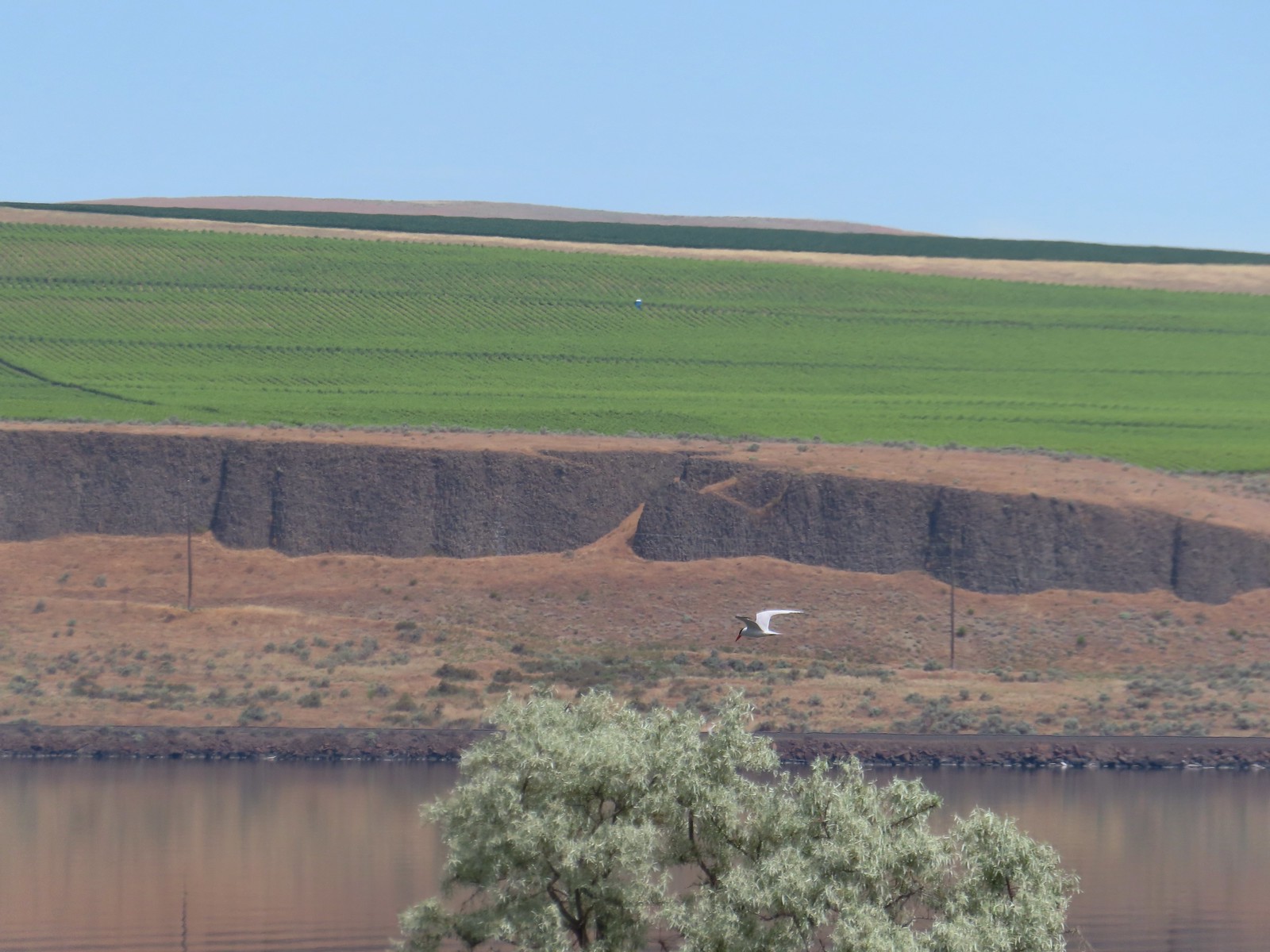 Caspian tern
 Hawk
Hawk Gray hairstreak on tall tumblemustard
 Becker’s white also on tall tumblemustard.
 Boat Rock to the left and behind Hat Rock from the Lewis and Clark Trail.

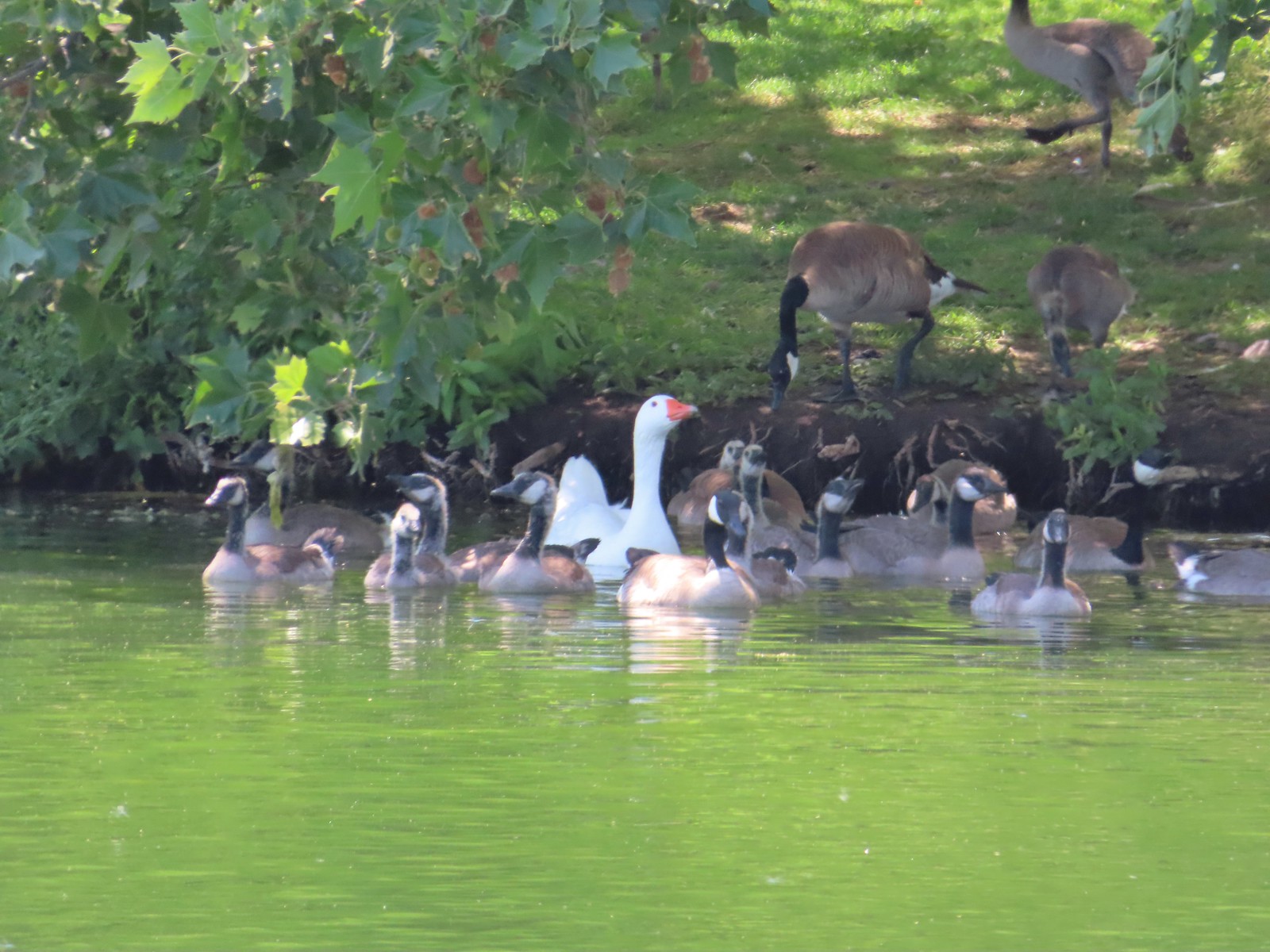 One of these is not like the others.

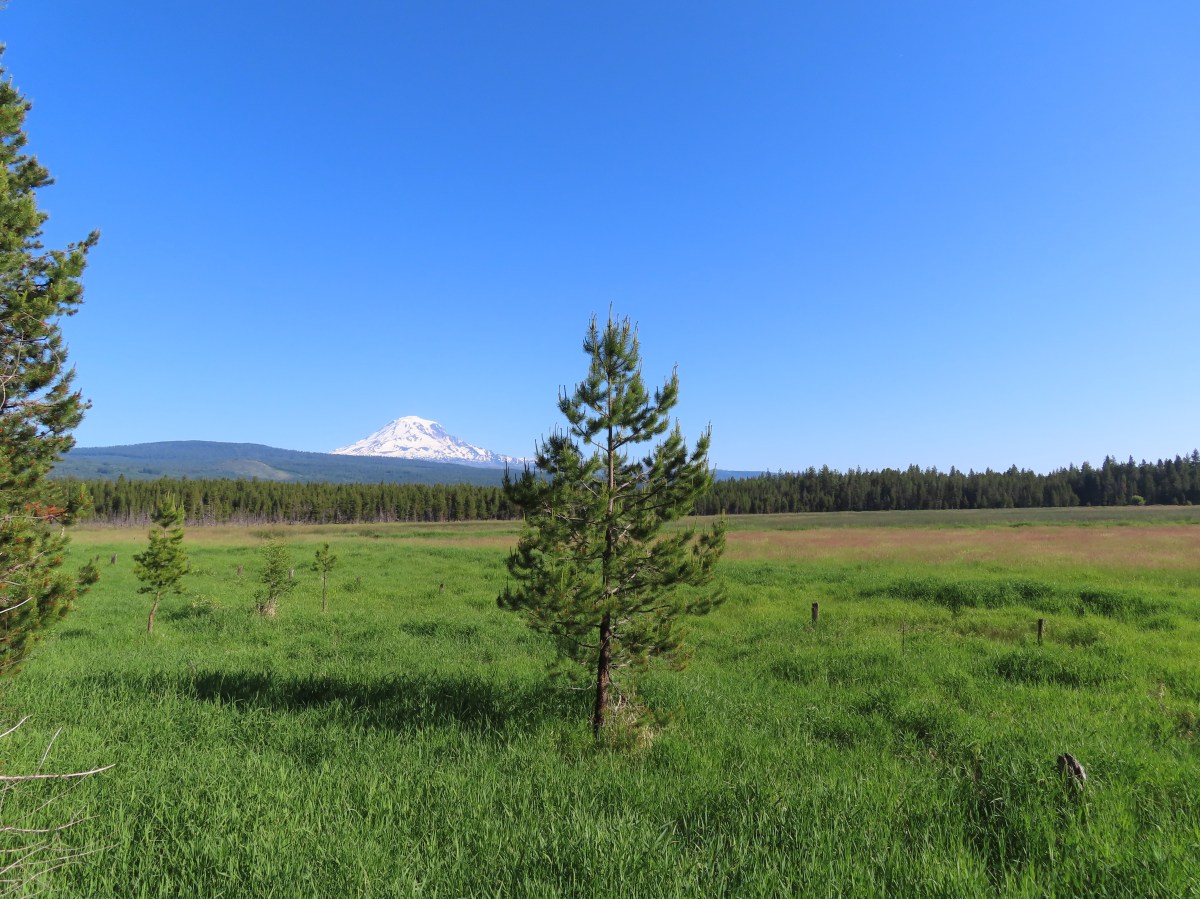
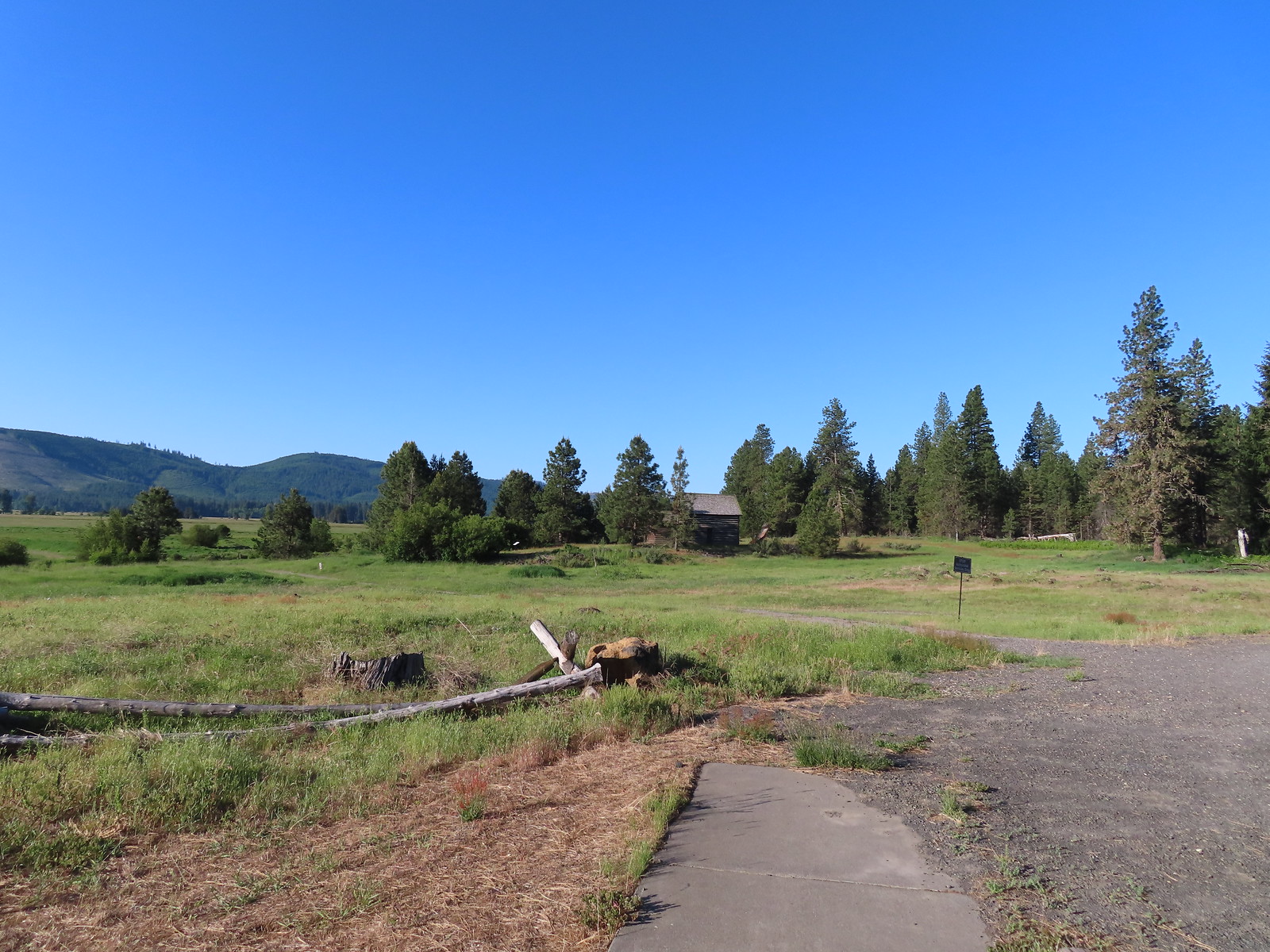
 The path to the cabin on the right.
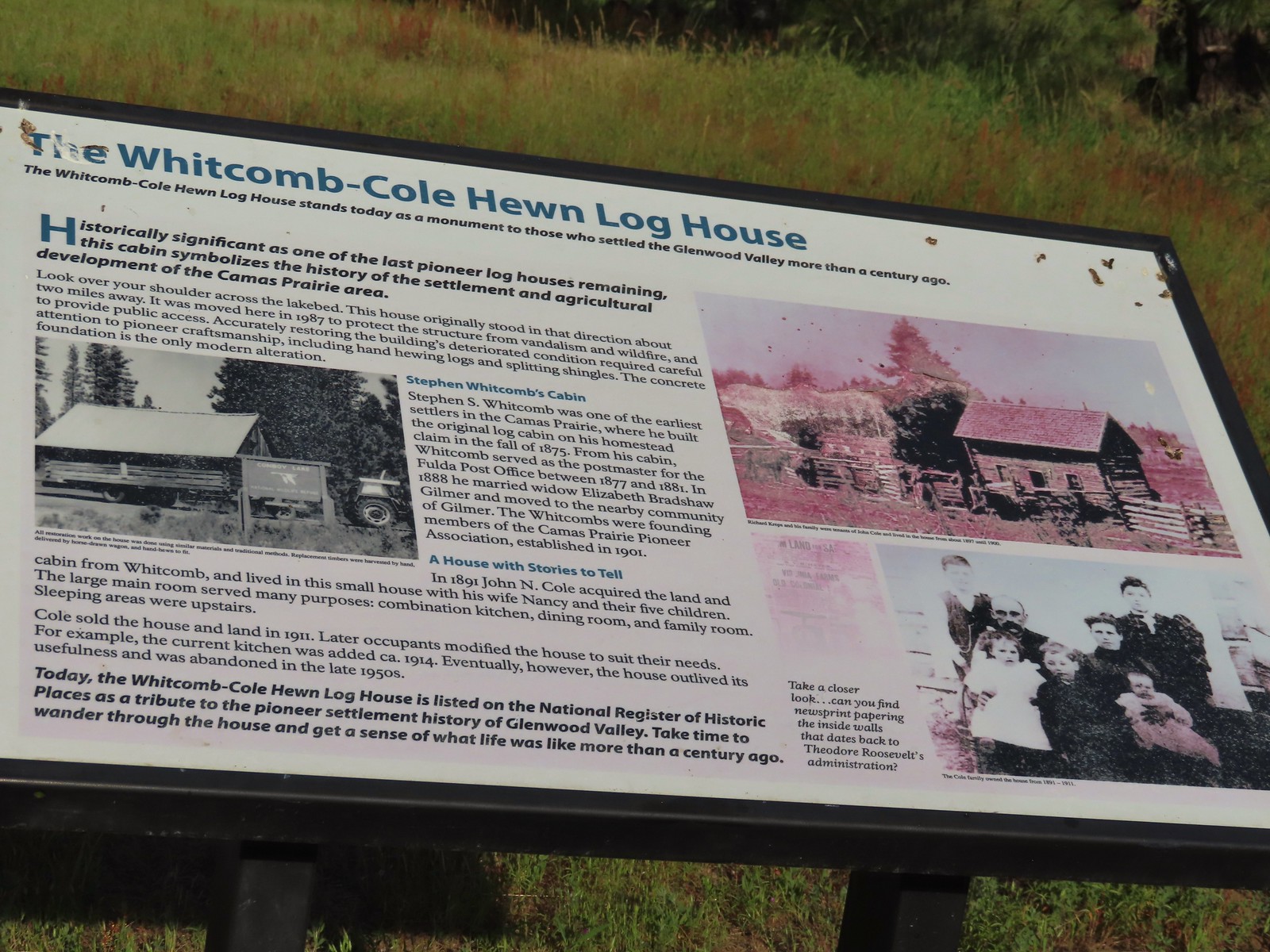 Built in 1875 the cabin was moved from its original location in 1987.

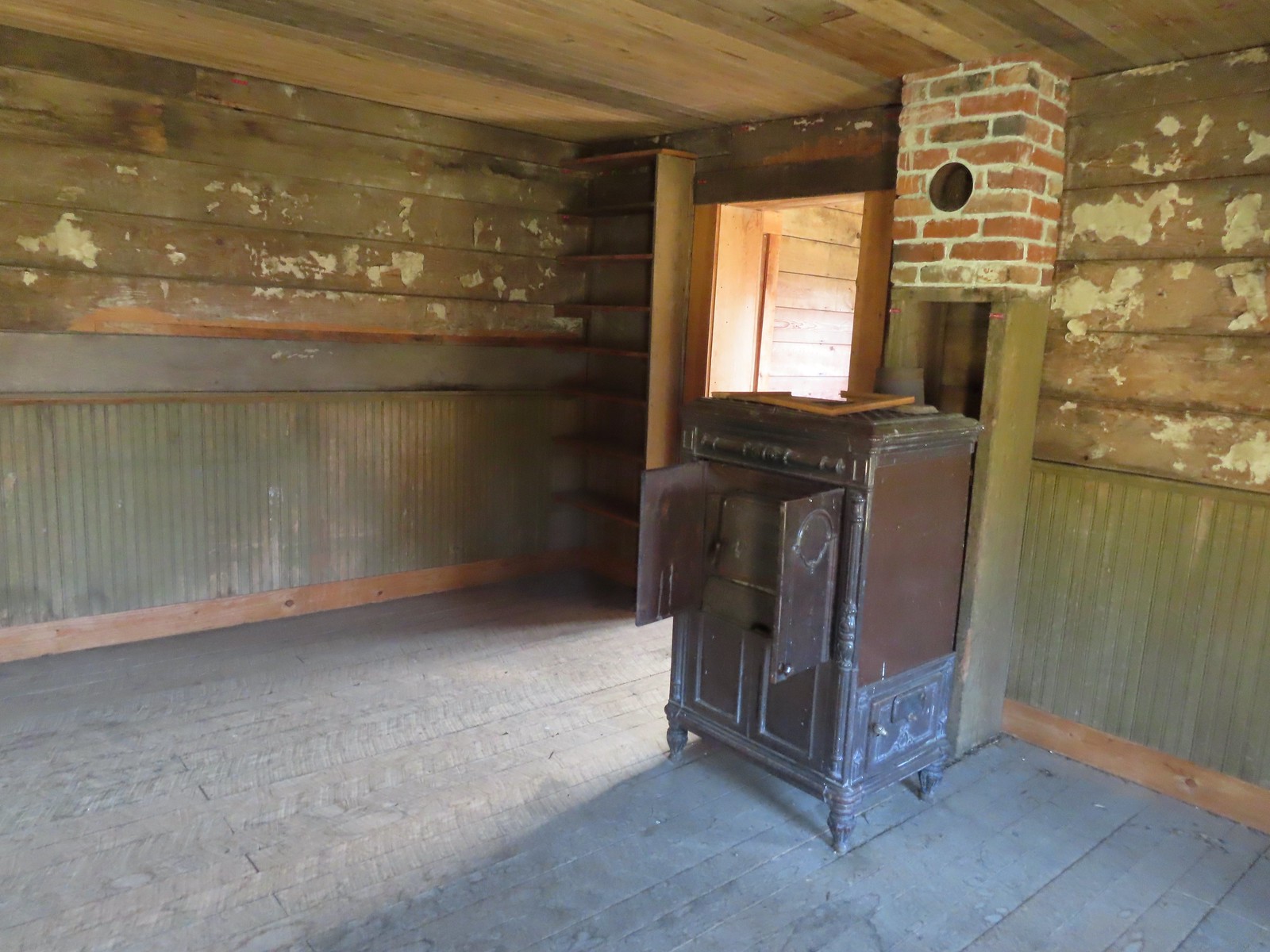
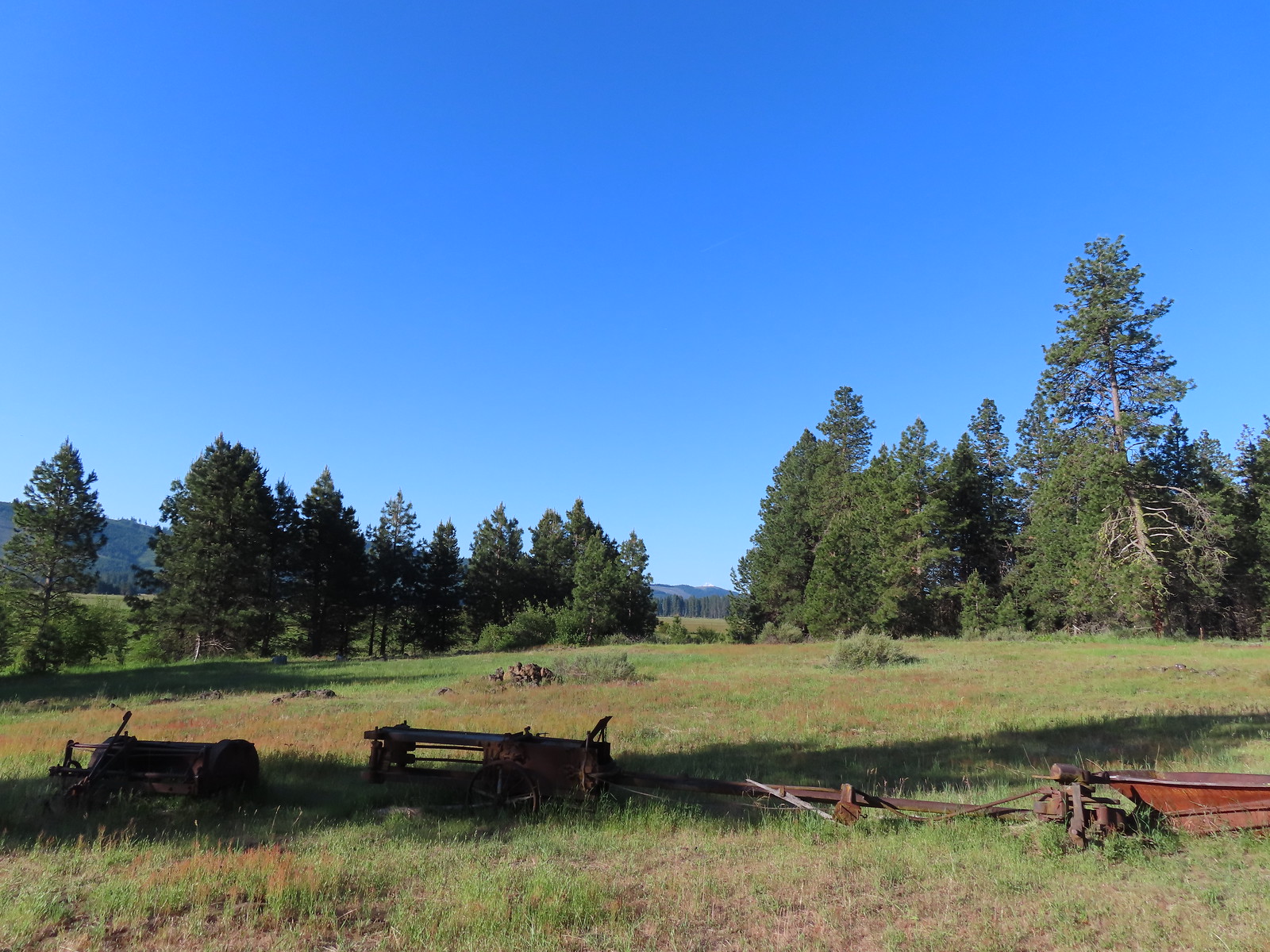 The snowy top of Mt. Hood from the cabin.

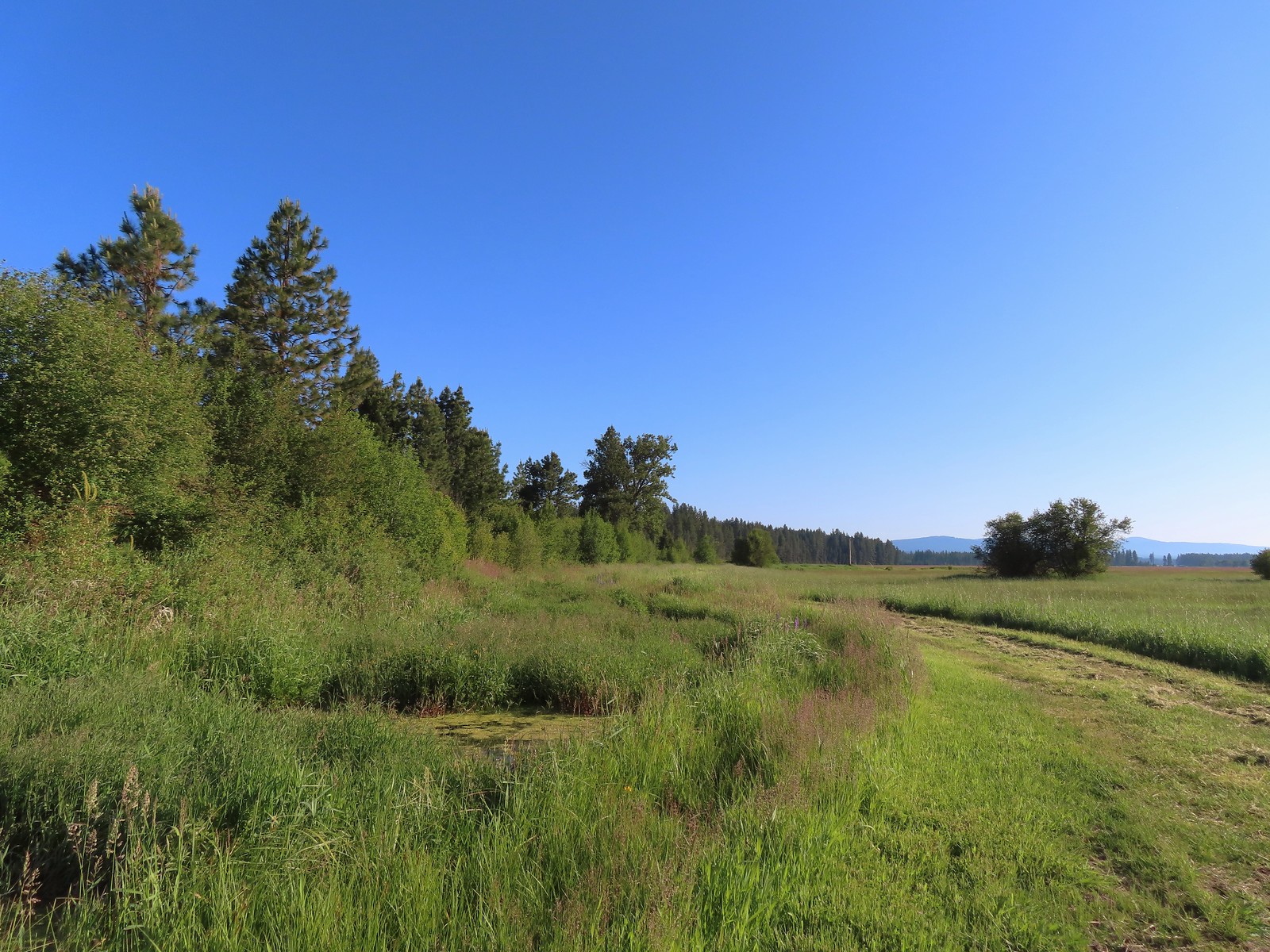
 There was a lot of monkeyflower in and along the ditch.
 Lupine along the ditch.
 Lazuli bunting
 Robin
Robin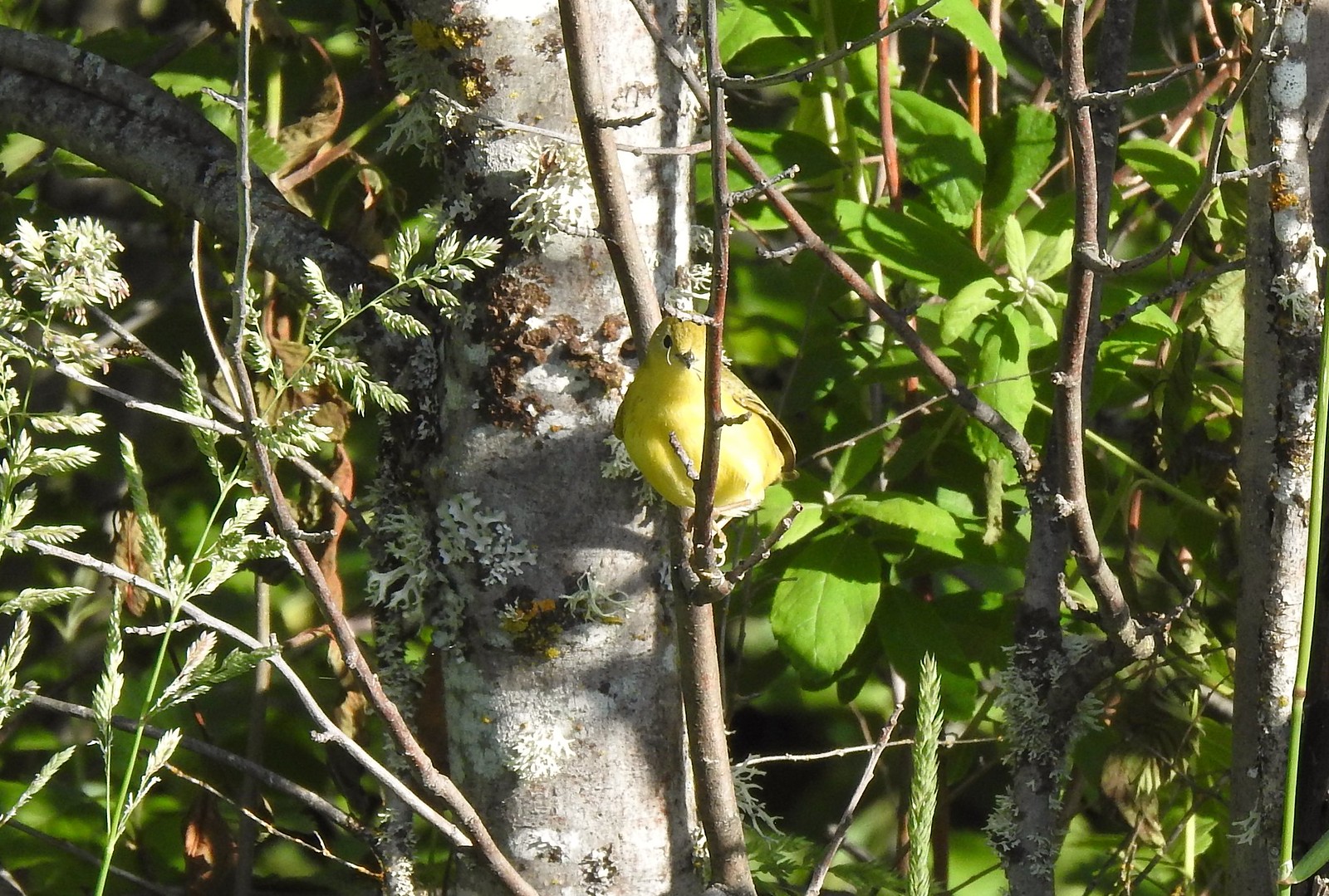 Yellow warbler (according to the Merlin app).
 Red-winged blackbird
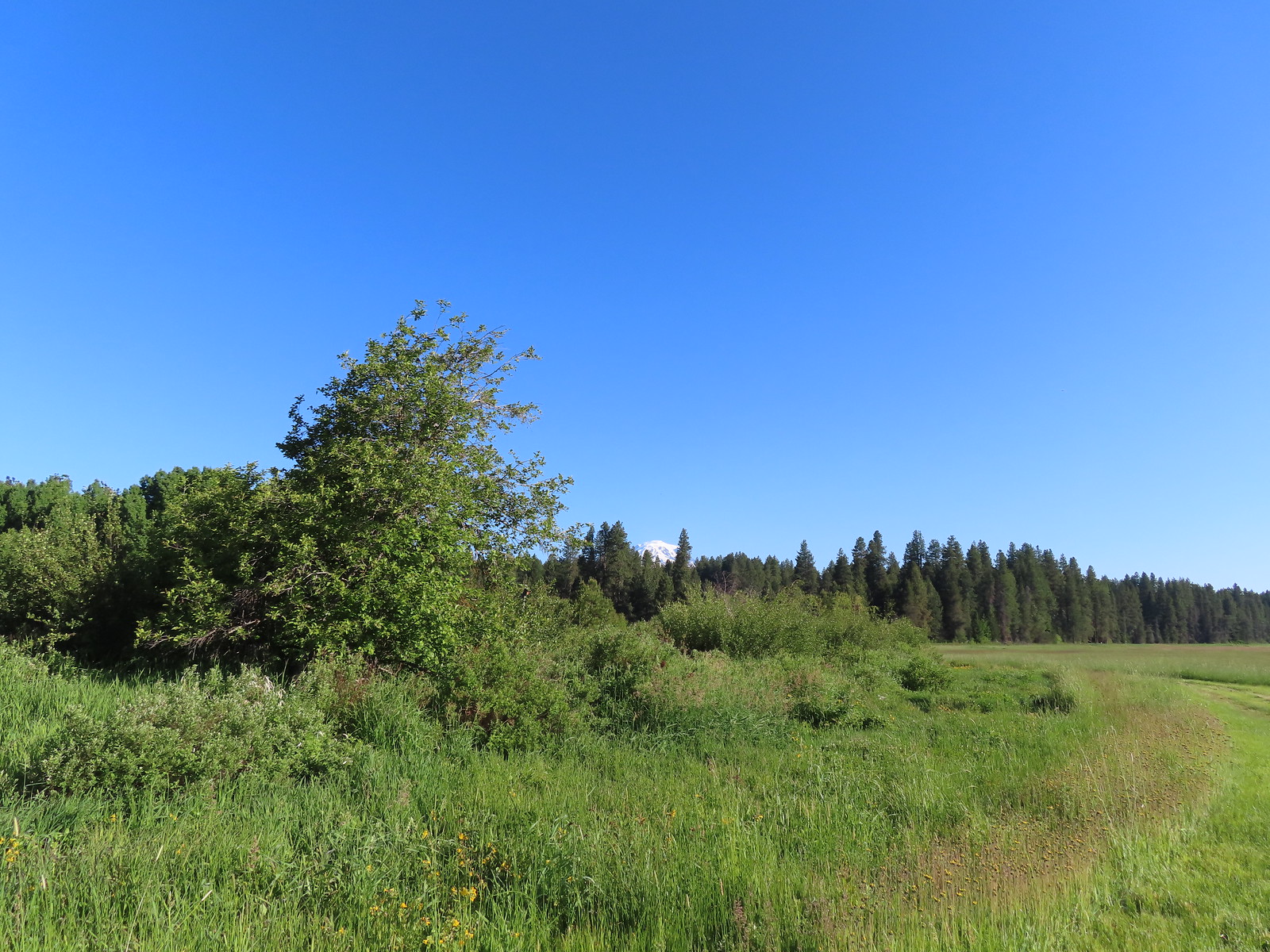 The top of Mt. Adams above the trees.

 Swallow
 Western bluebirds

 Honeysuckle
 Columbine
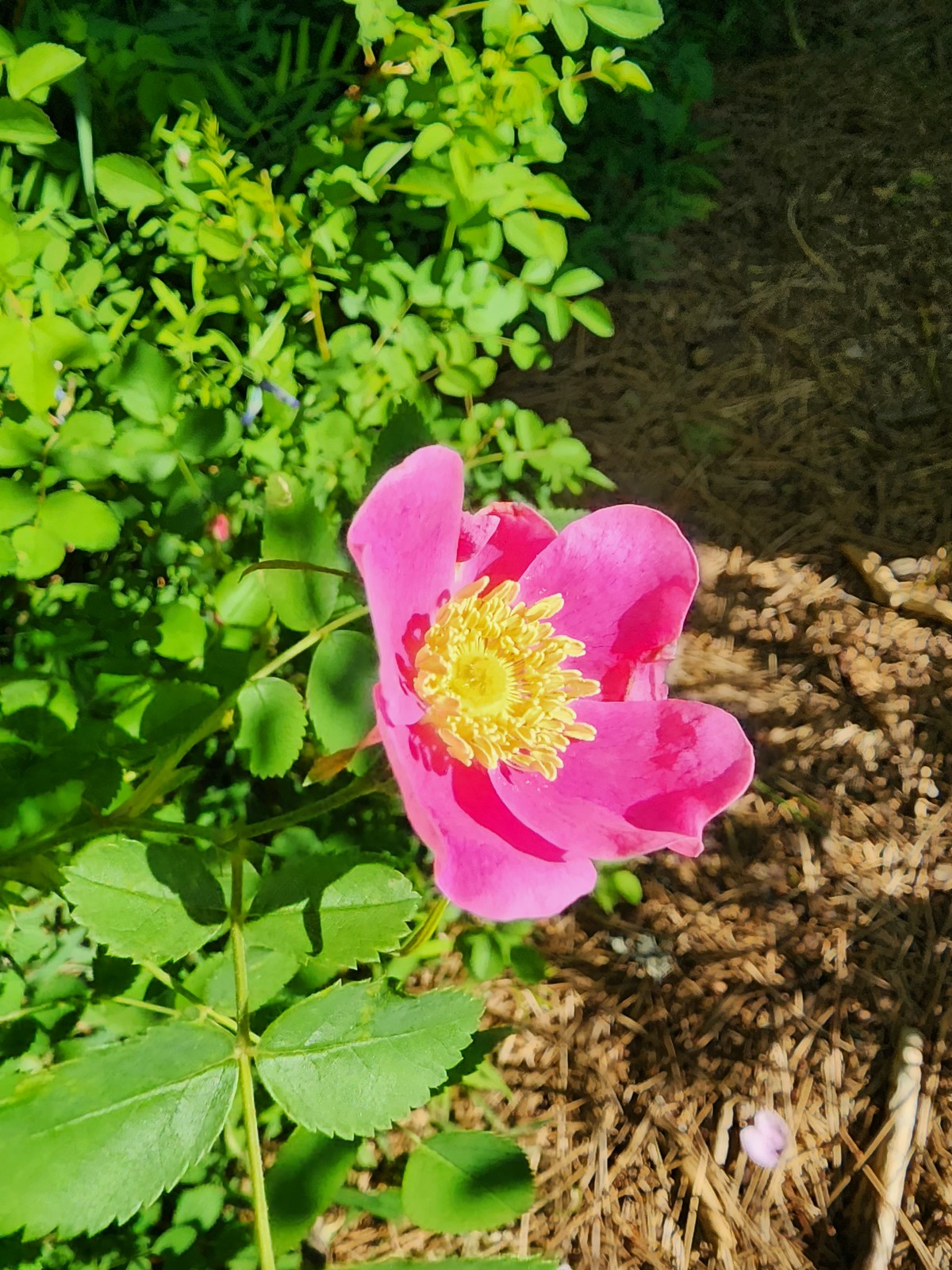 Rose
Rose

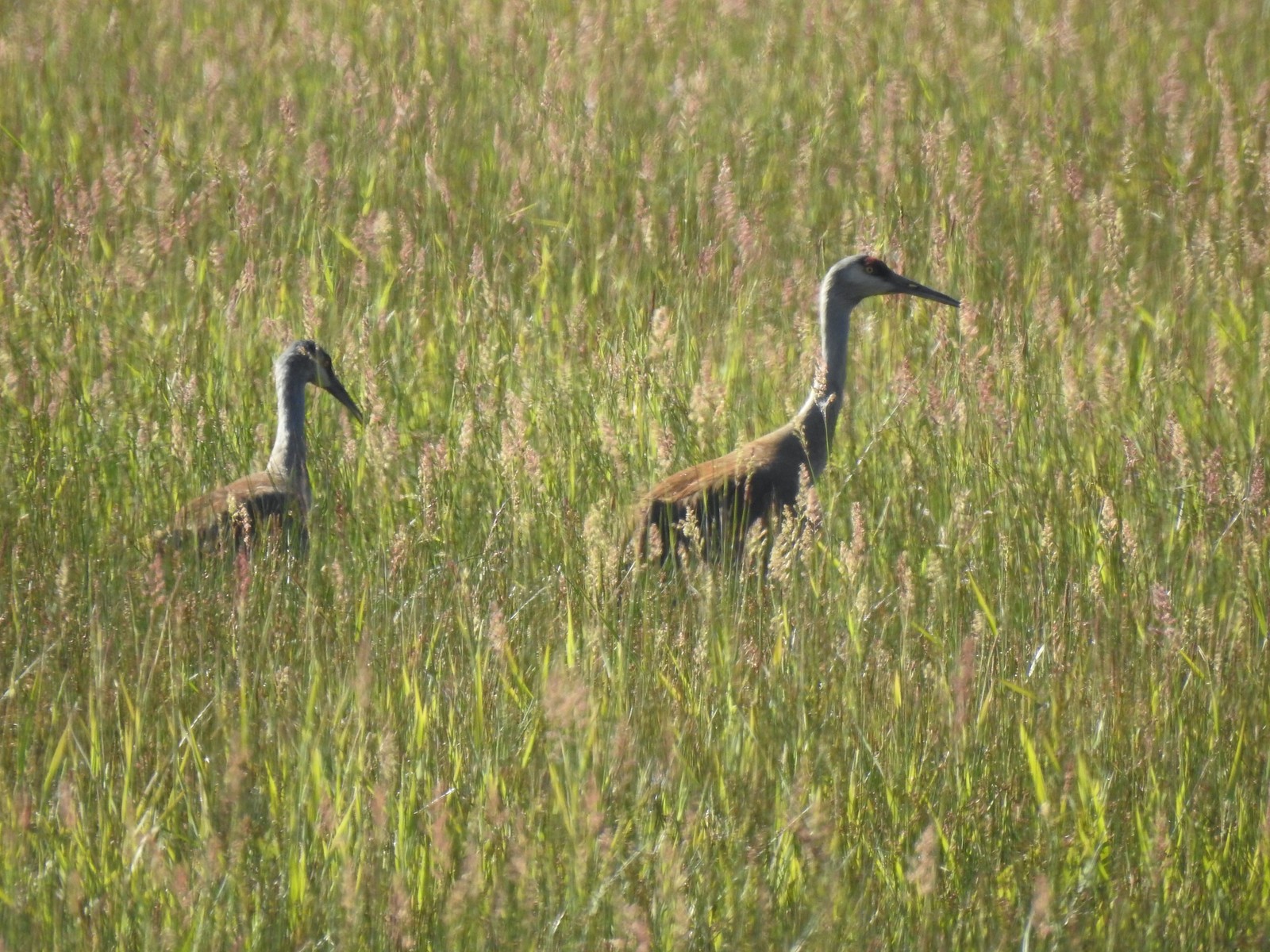


 Continuation of the Willard Springs Trail behind the sign.


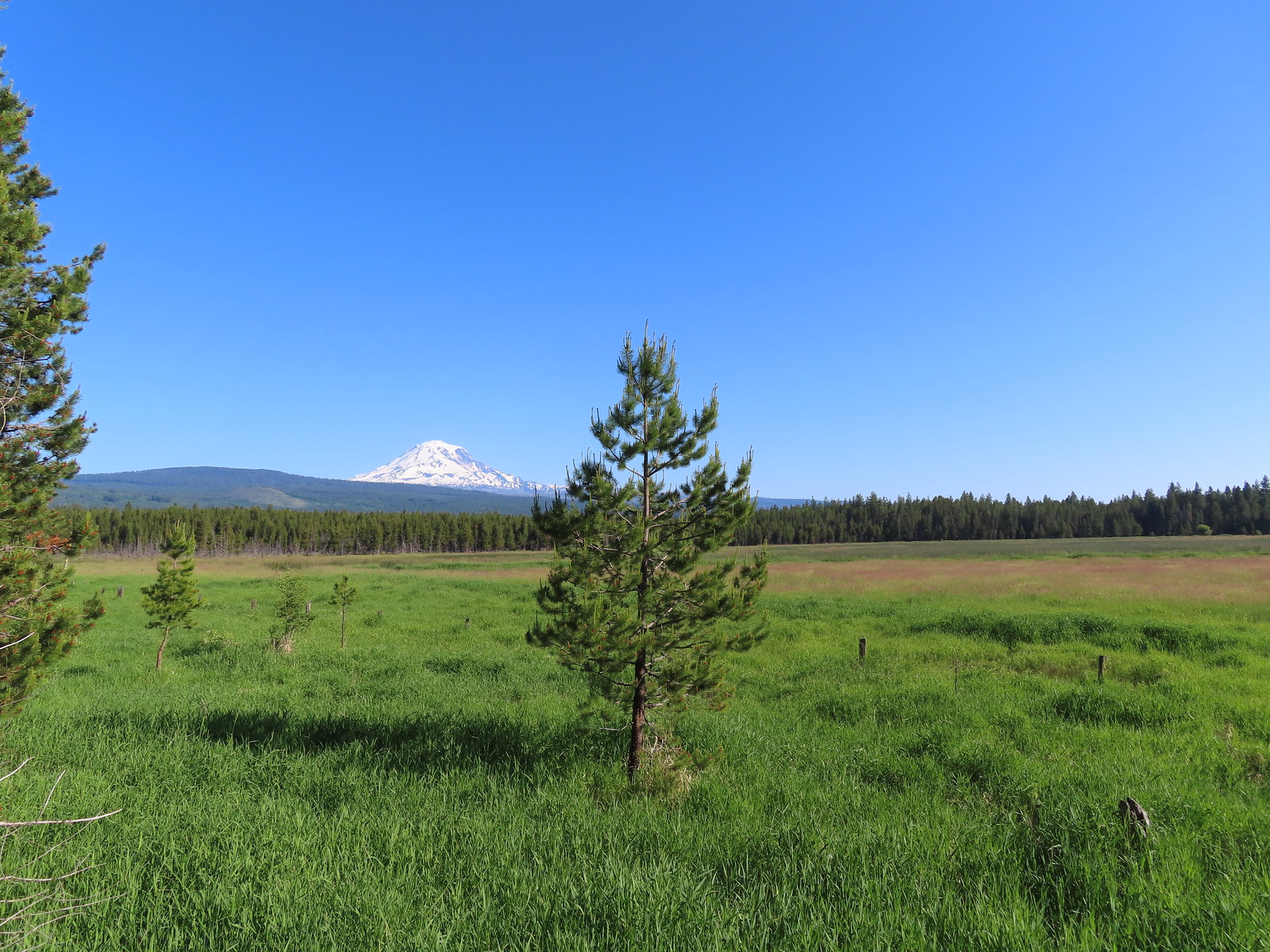

 We hung around long enough that this warbling vireo came to check on us.
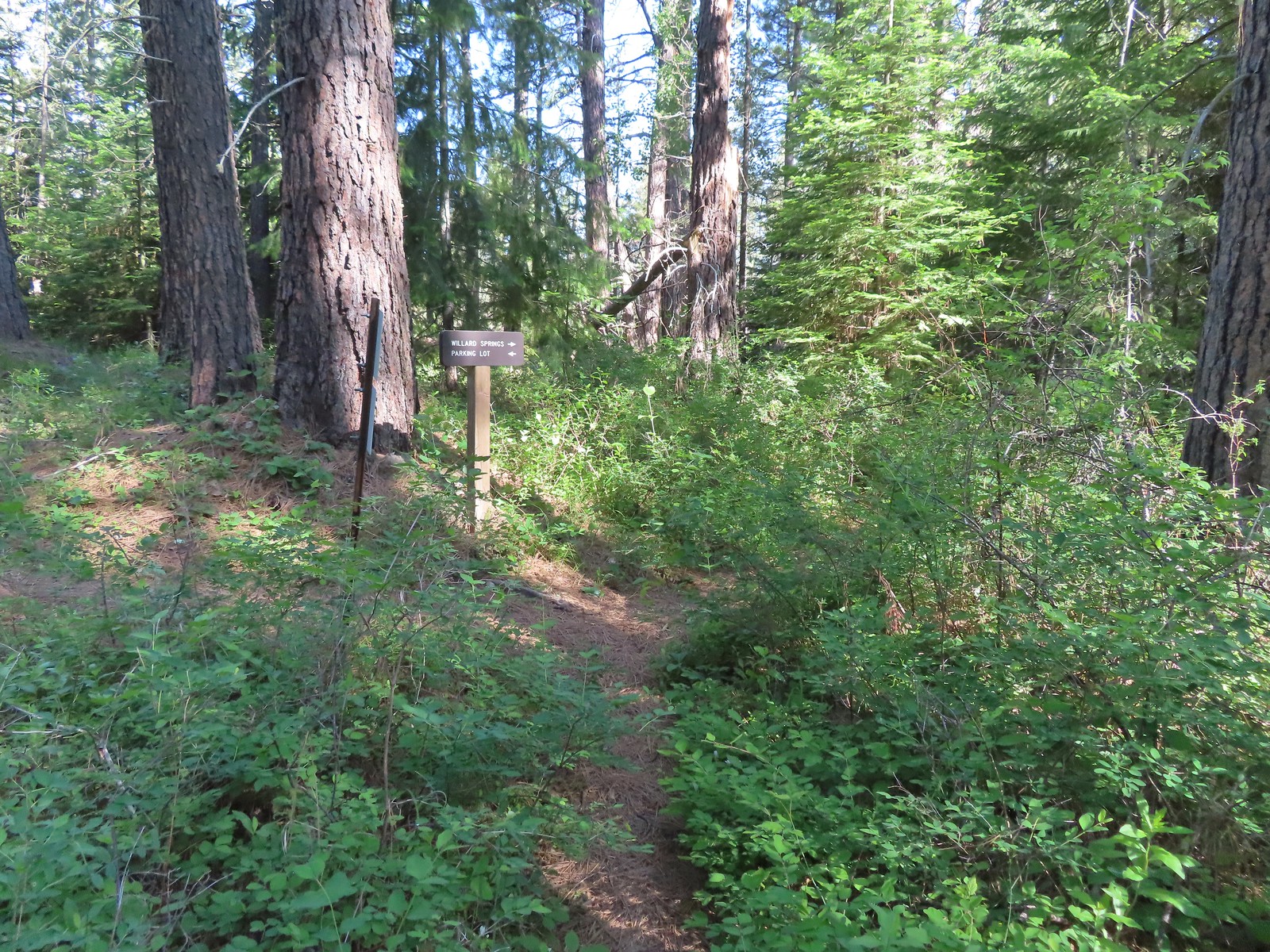


 Willard Sprins hidden in the vegetation. We could hear them better then we could see them.
 A healthy lupine near the springs.
 Cat’s ear lily
 Hitchhiker
 Lupine along the trail.
 Golden-mantled ground squirrel
 Swallowtail
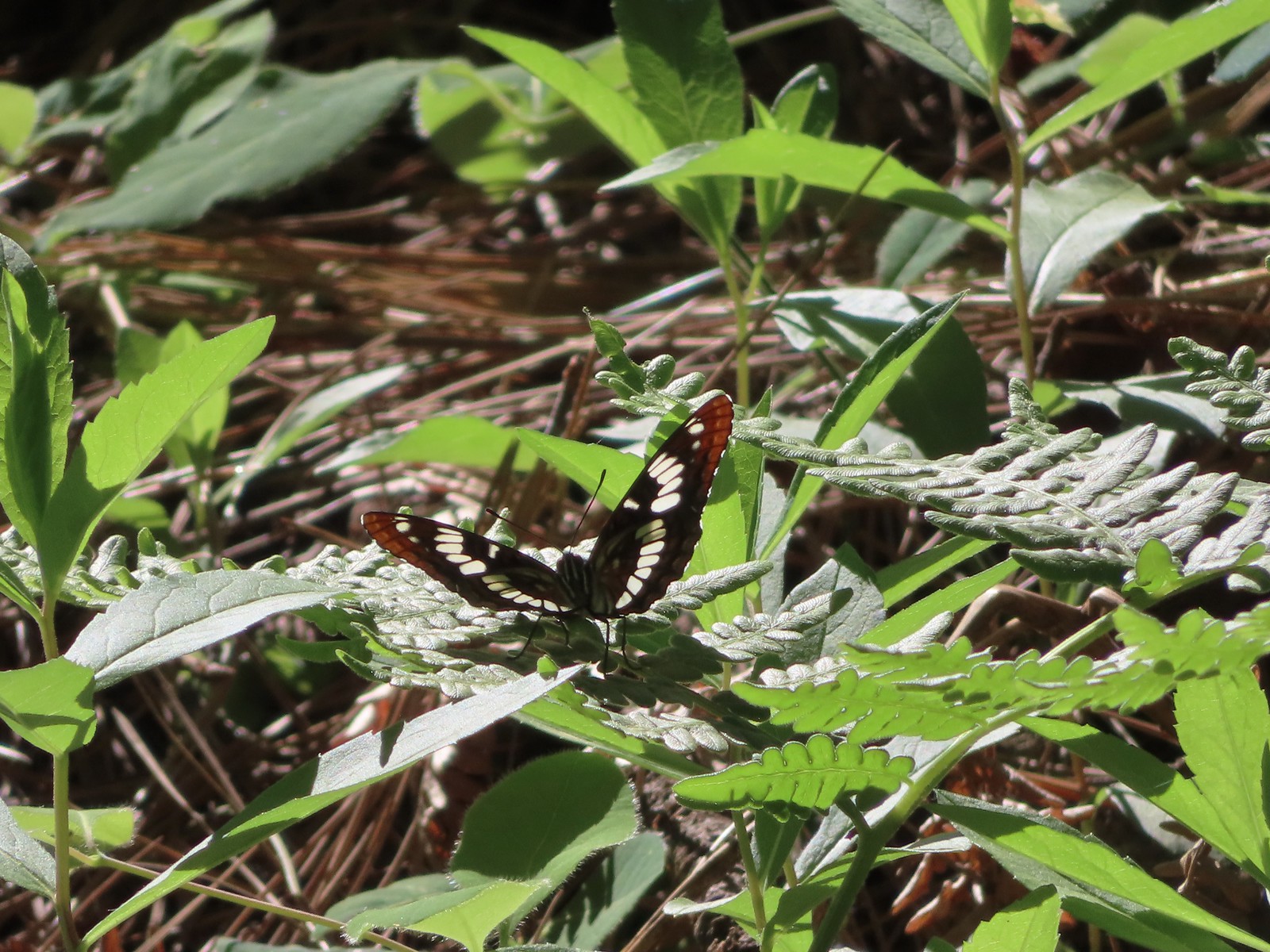 Lorquin’s admiral
 Arriving back at the refuge headquarters.
 Trail map at the trailhead.
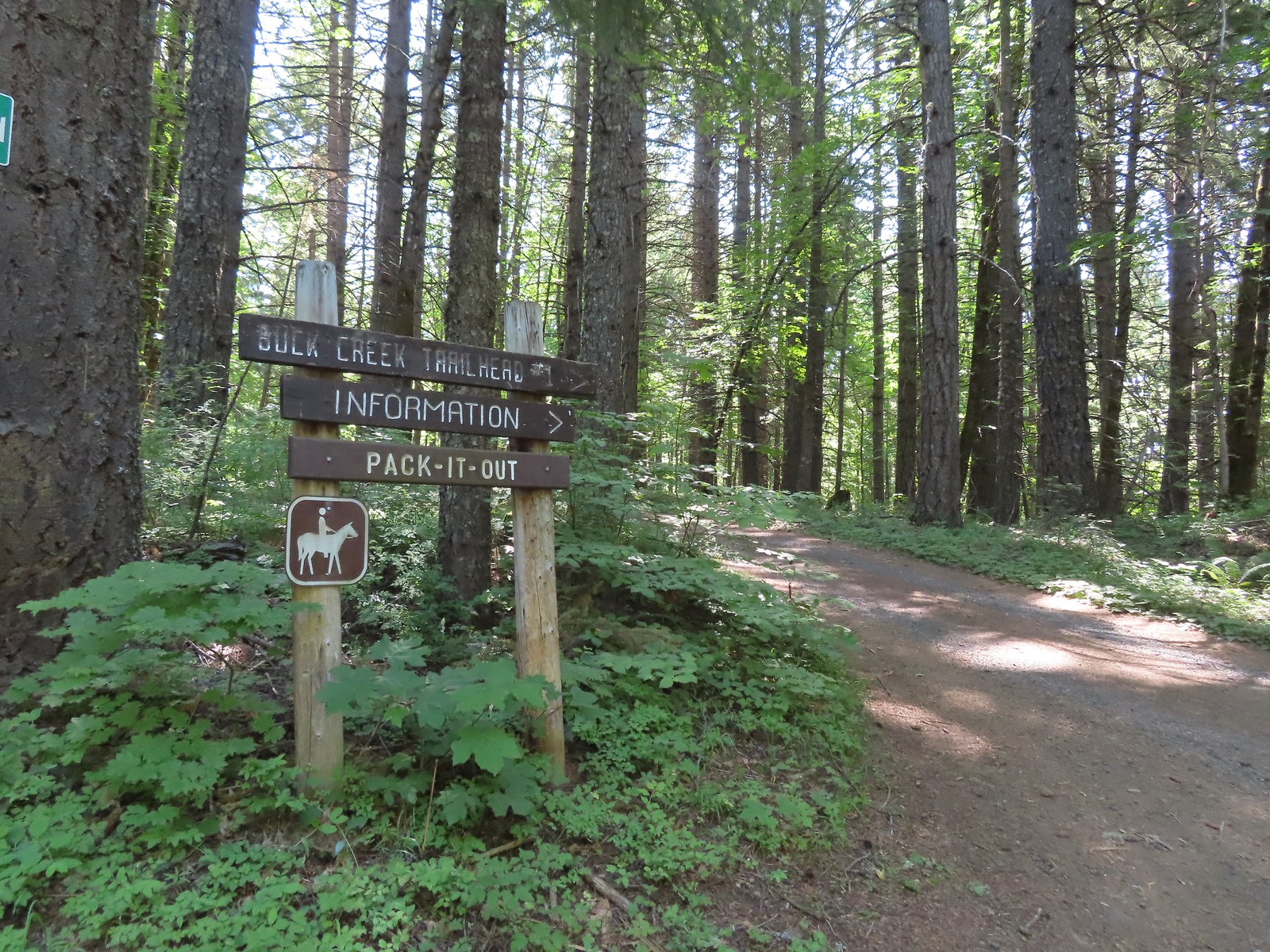


 There were lots of phantom orchids blooming along the lower sections of the hike.
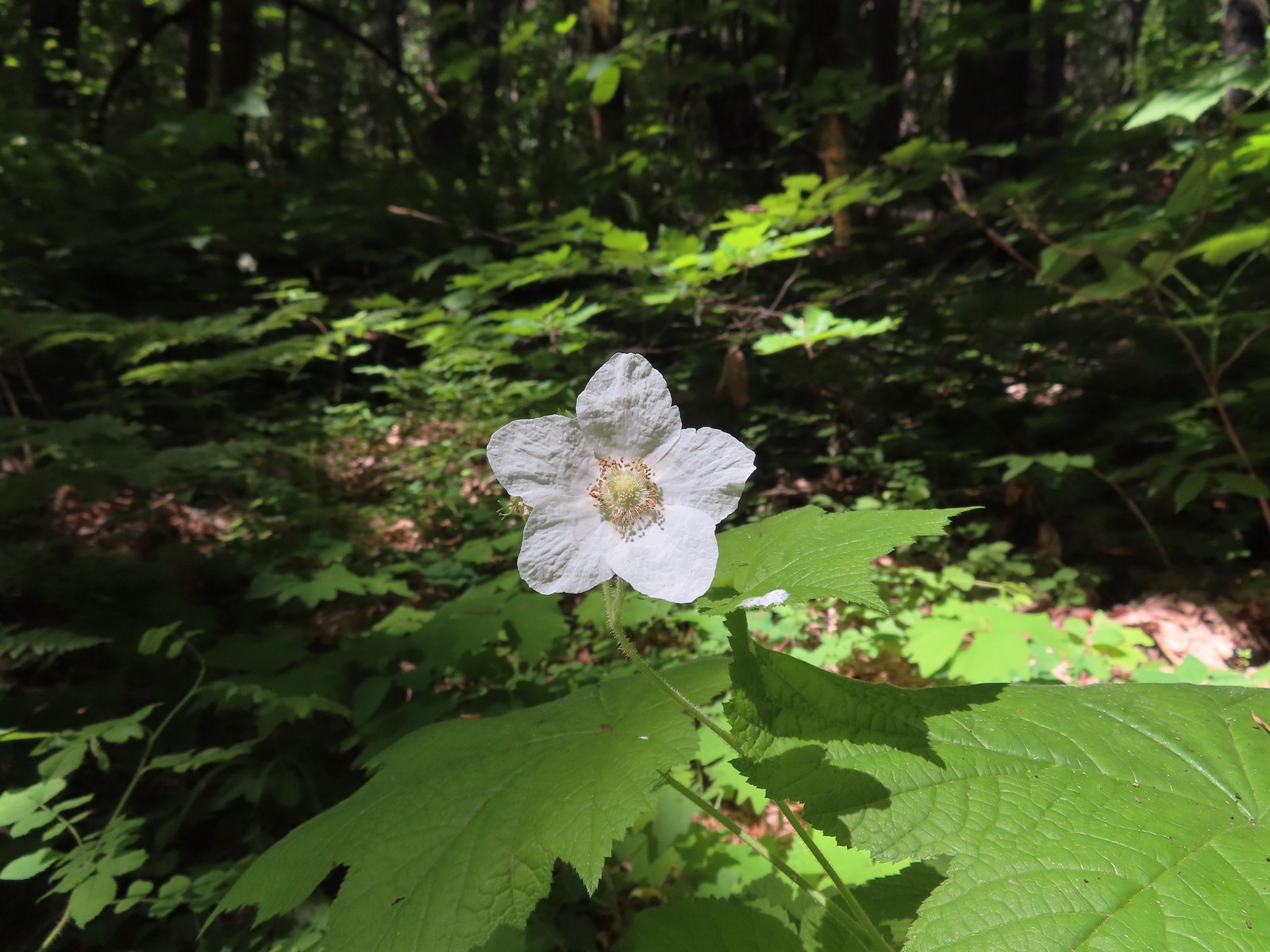 Thimbleberry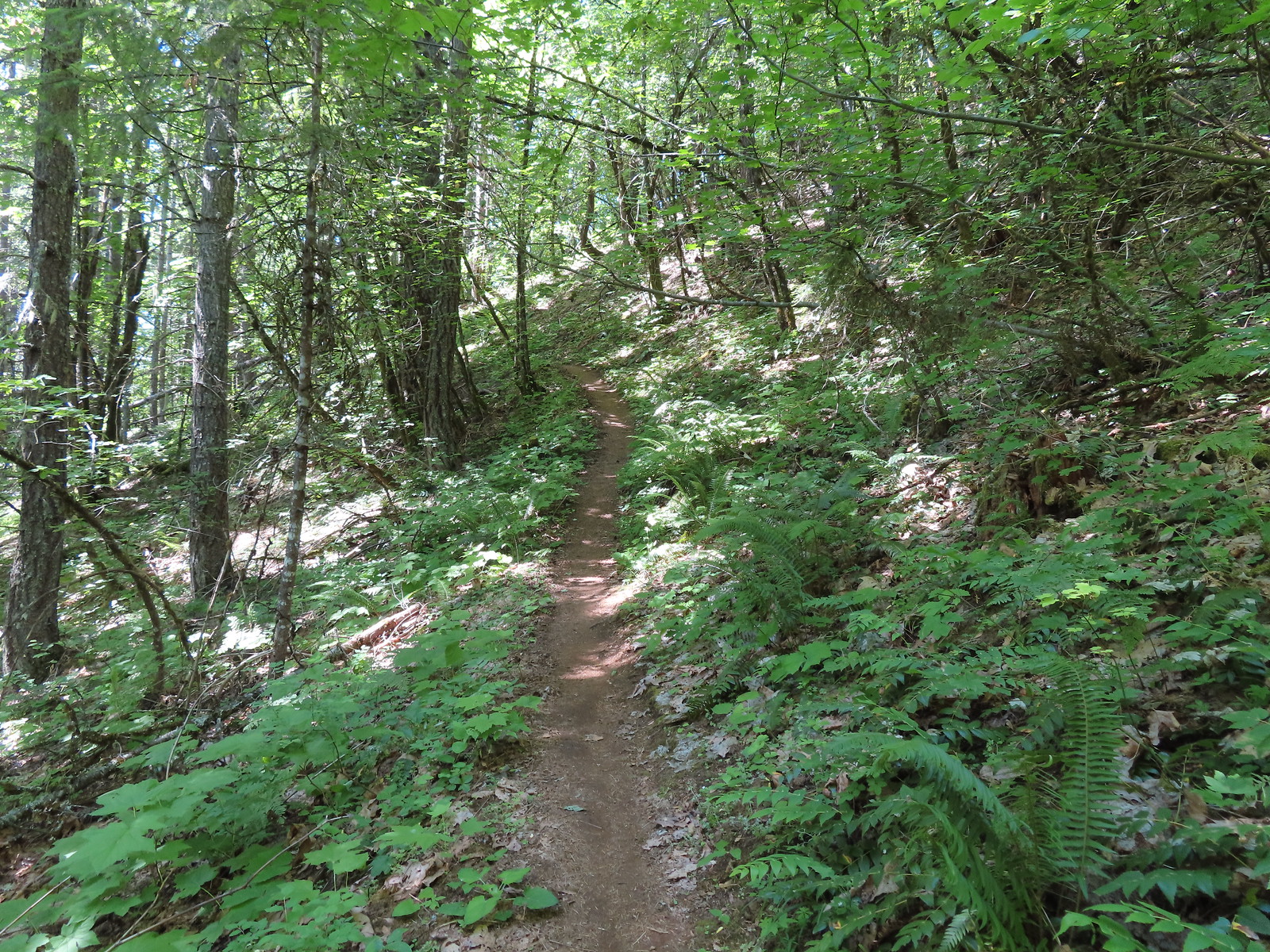
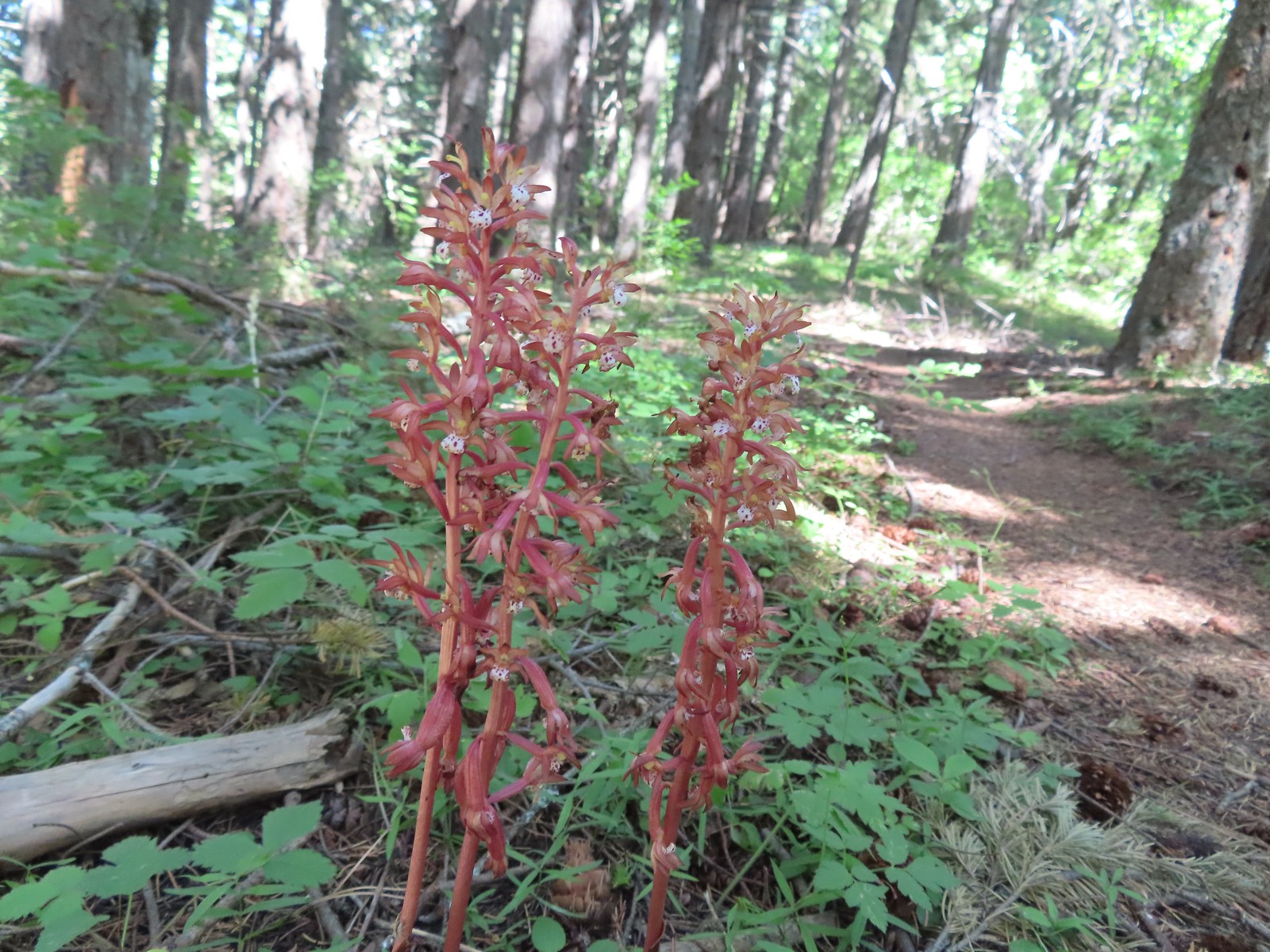 Spotted coralroot was also plentiful.
 Wallflower


 One of only two trees that were down over the trail, both were easily manageable.
 The one small stream crossing.
 There was enough sunlight getting through to really heat up the trail.
 While there wasn’t much there we did occasionally see poison oak throughout most of the lower 2/3rds of the hike.
 Sign above the switchbacks warning mountain bikers that they were ahead.
 Buck Creek Trail to the left near the roads end.
 More spotted coralroot.

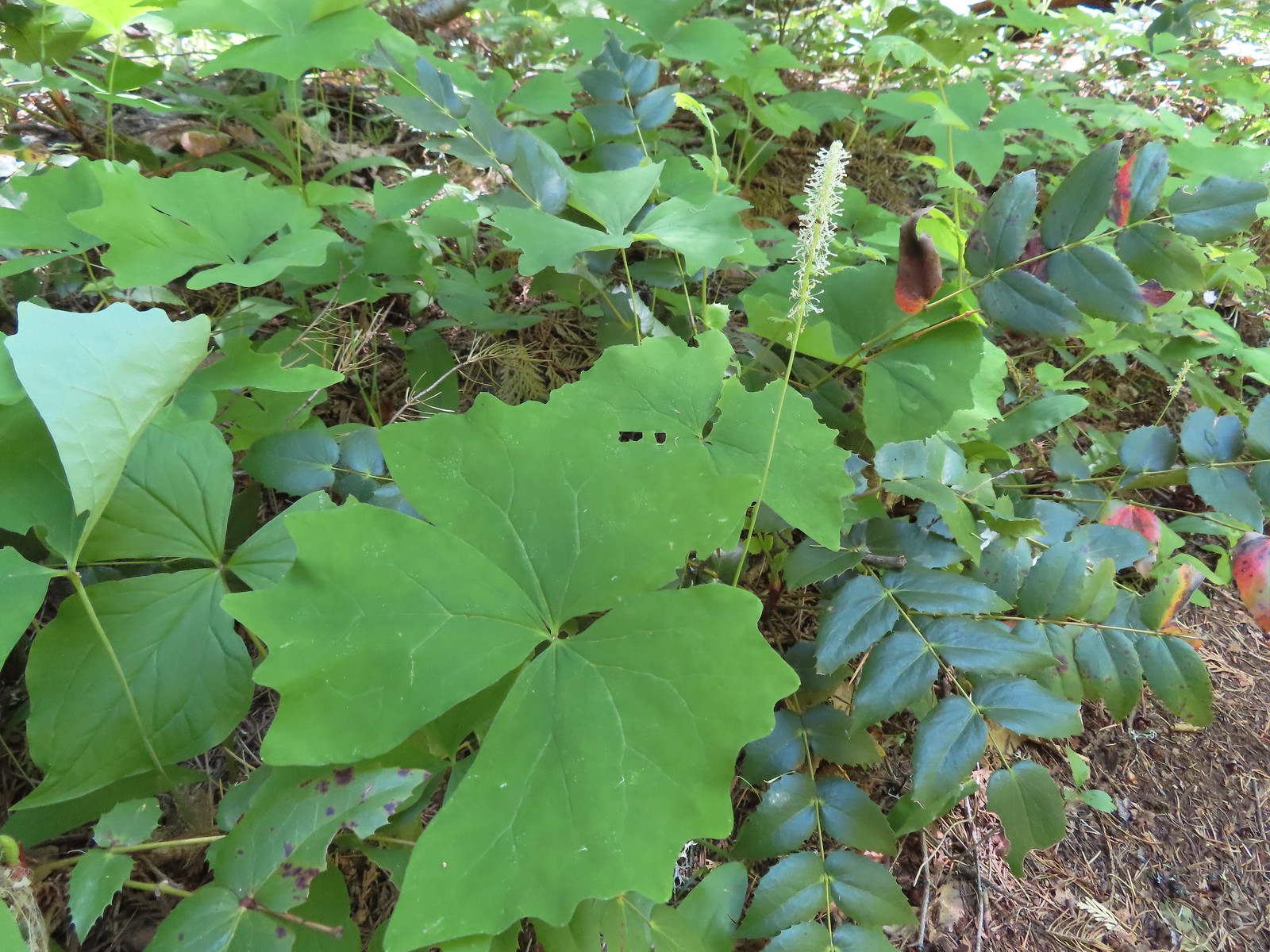 Vanilla leaf
 Queen’s cup
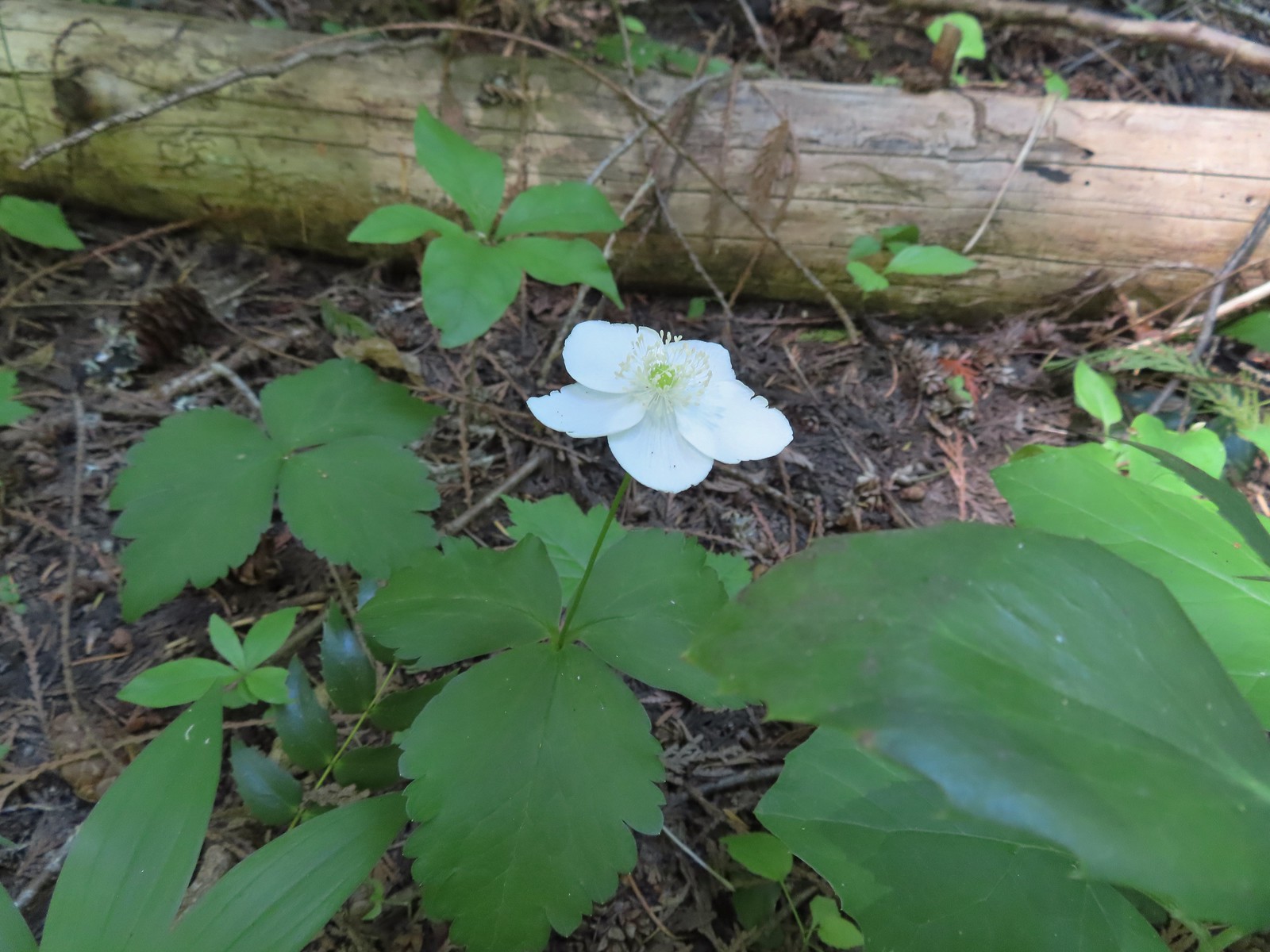 Anemone
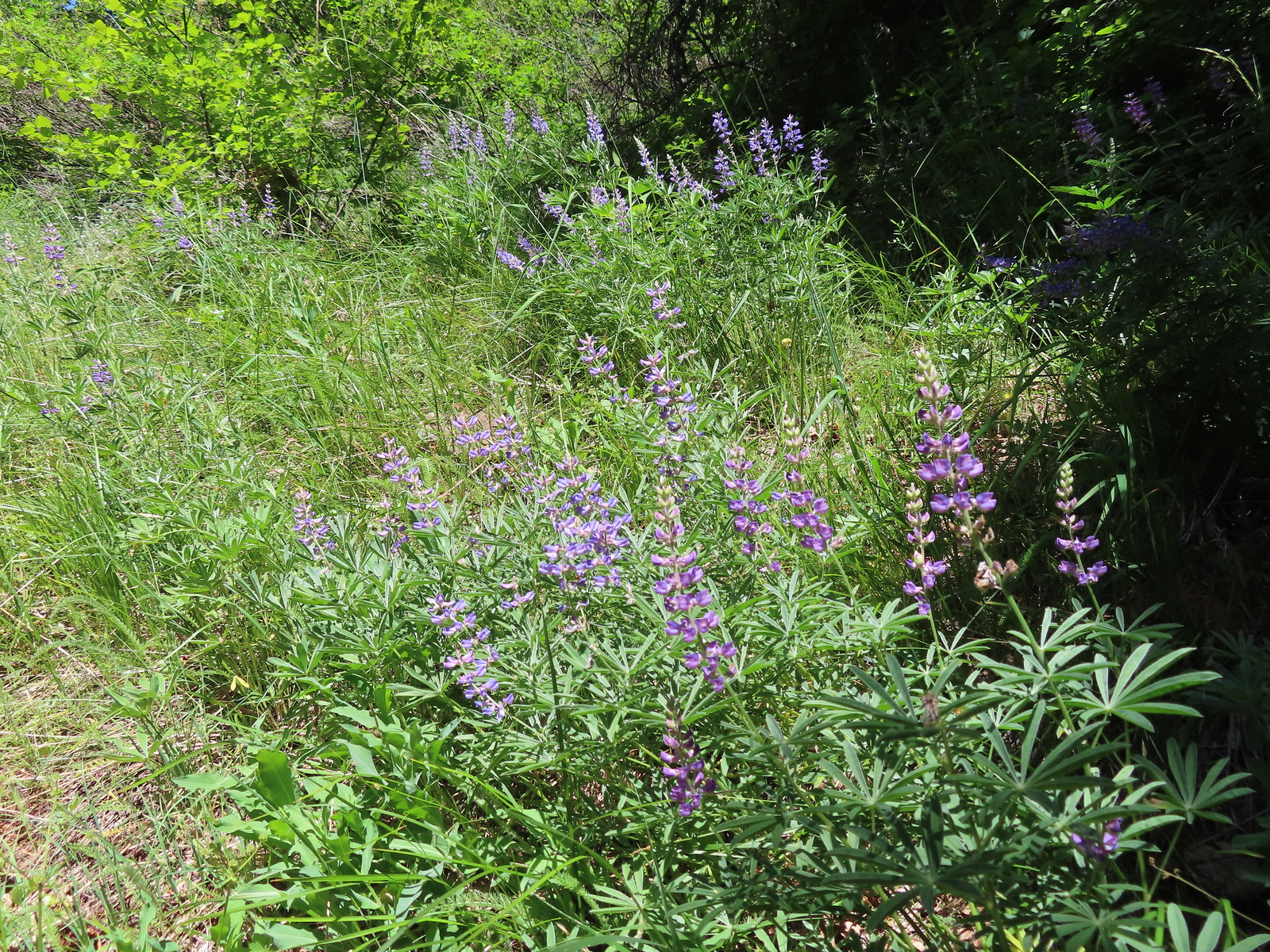 Lupine
 Mt. Hood from the Buck Creek Trail.
 Mt. Hood
 Cedar hairstreak on yarrow.
 Paintbrush, lupine, penstemon, and balsamroot.
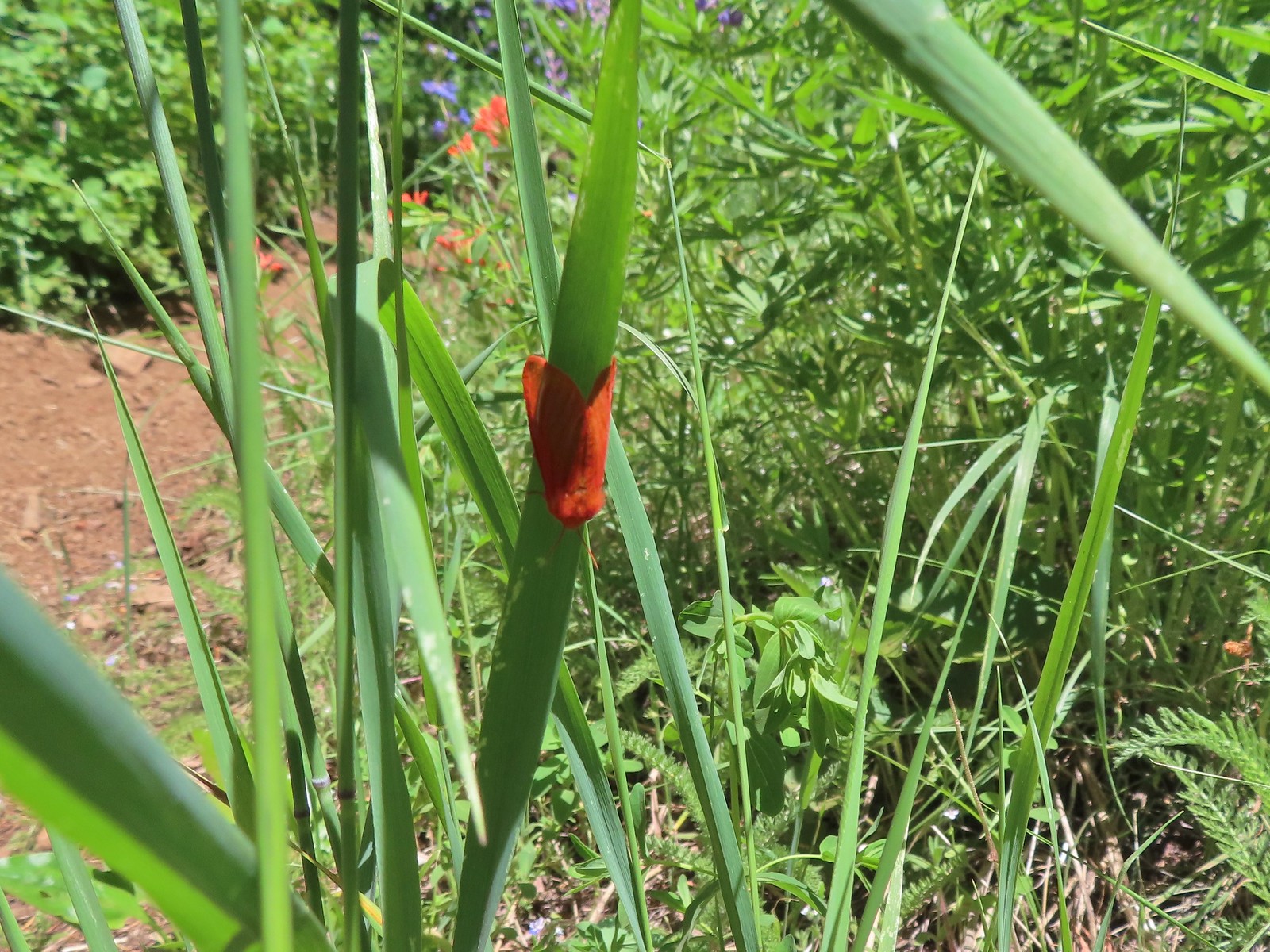 Moth
Moth Penstemon
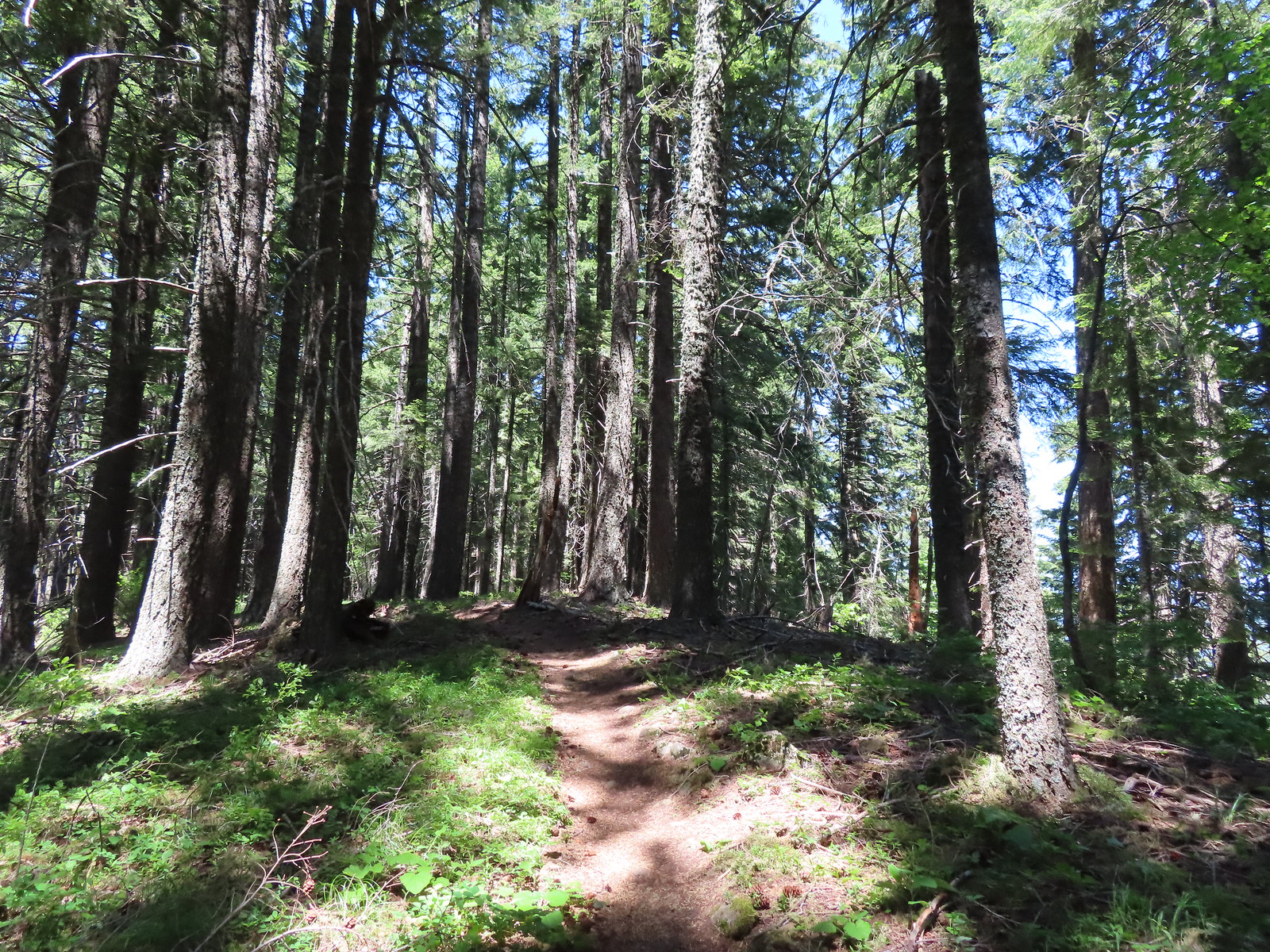 Gaining the ridge.
 Paintbrush
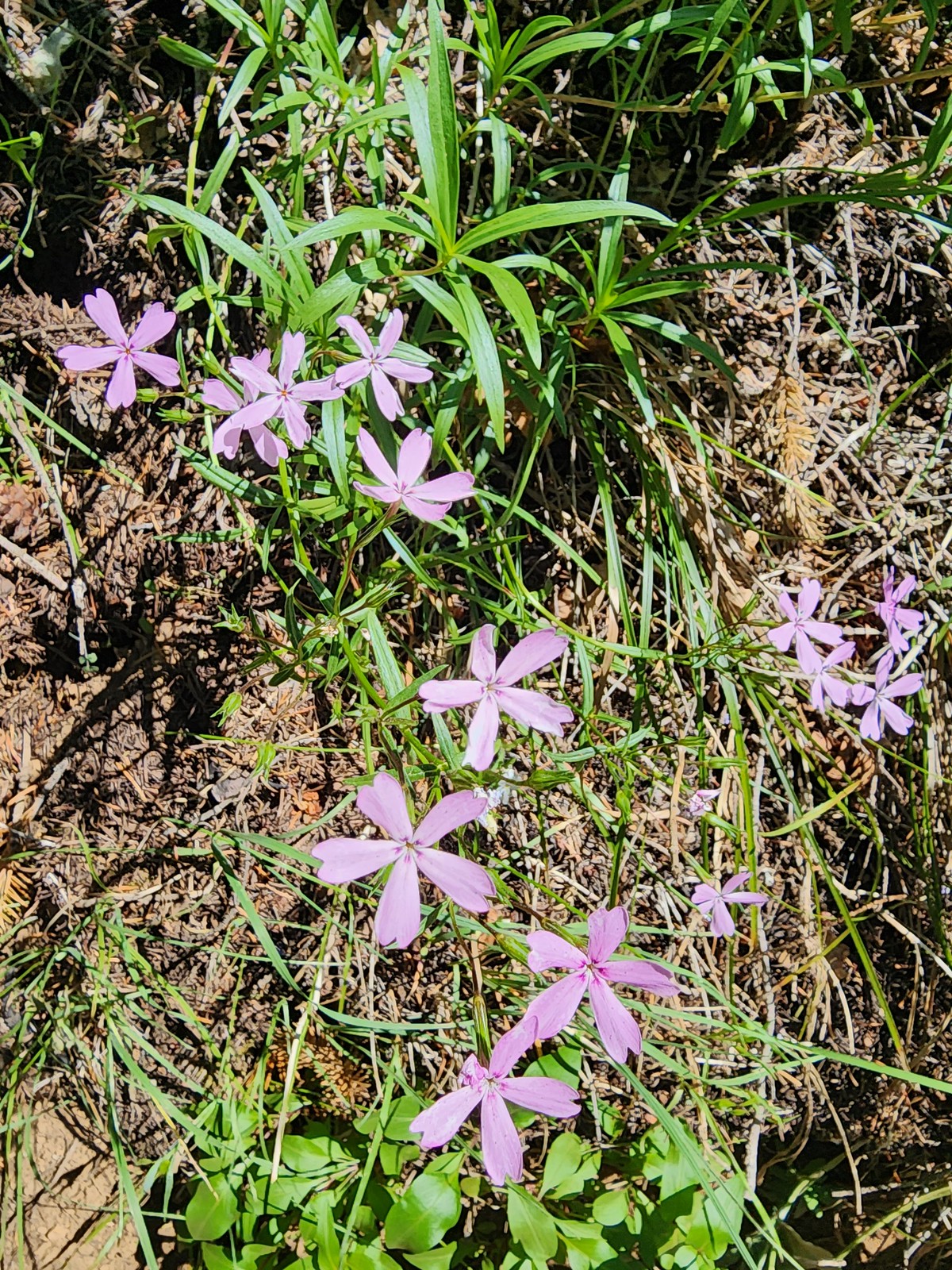 Showy phlox
 Approaching the start of the final climb.
 Sub-alpine mariposa lily
 Showy phlox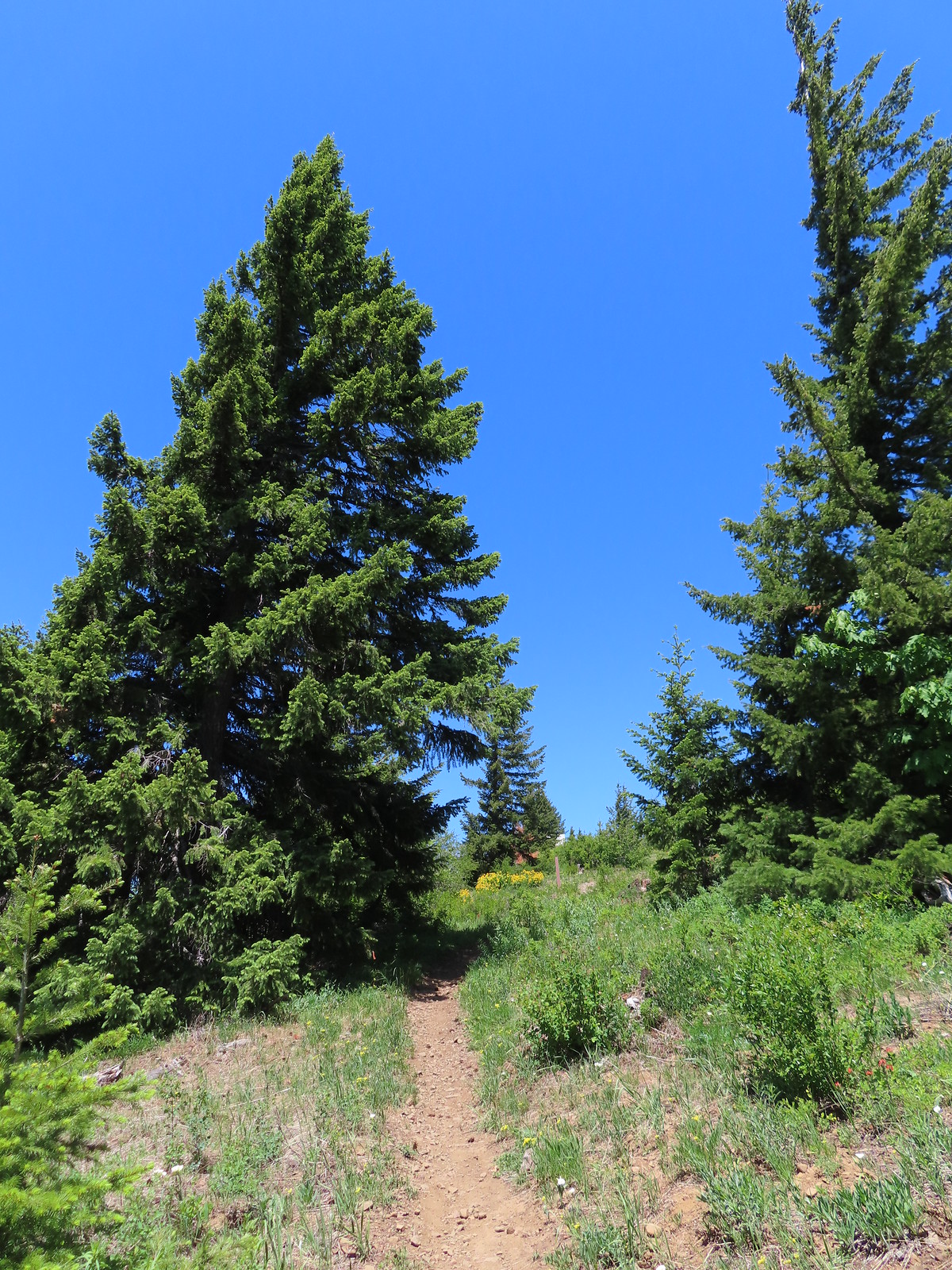
 Road N-1600.

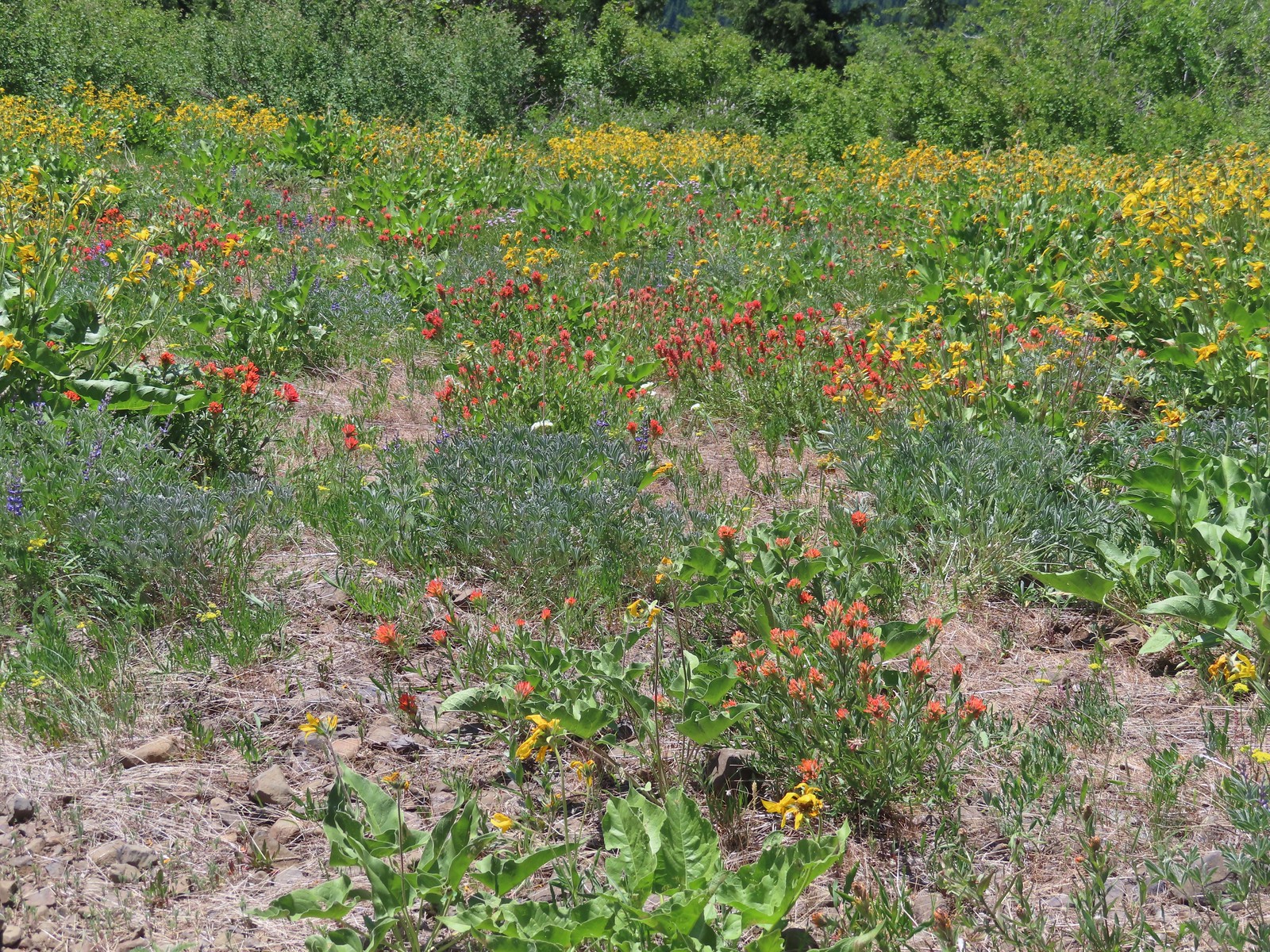
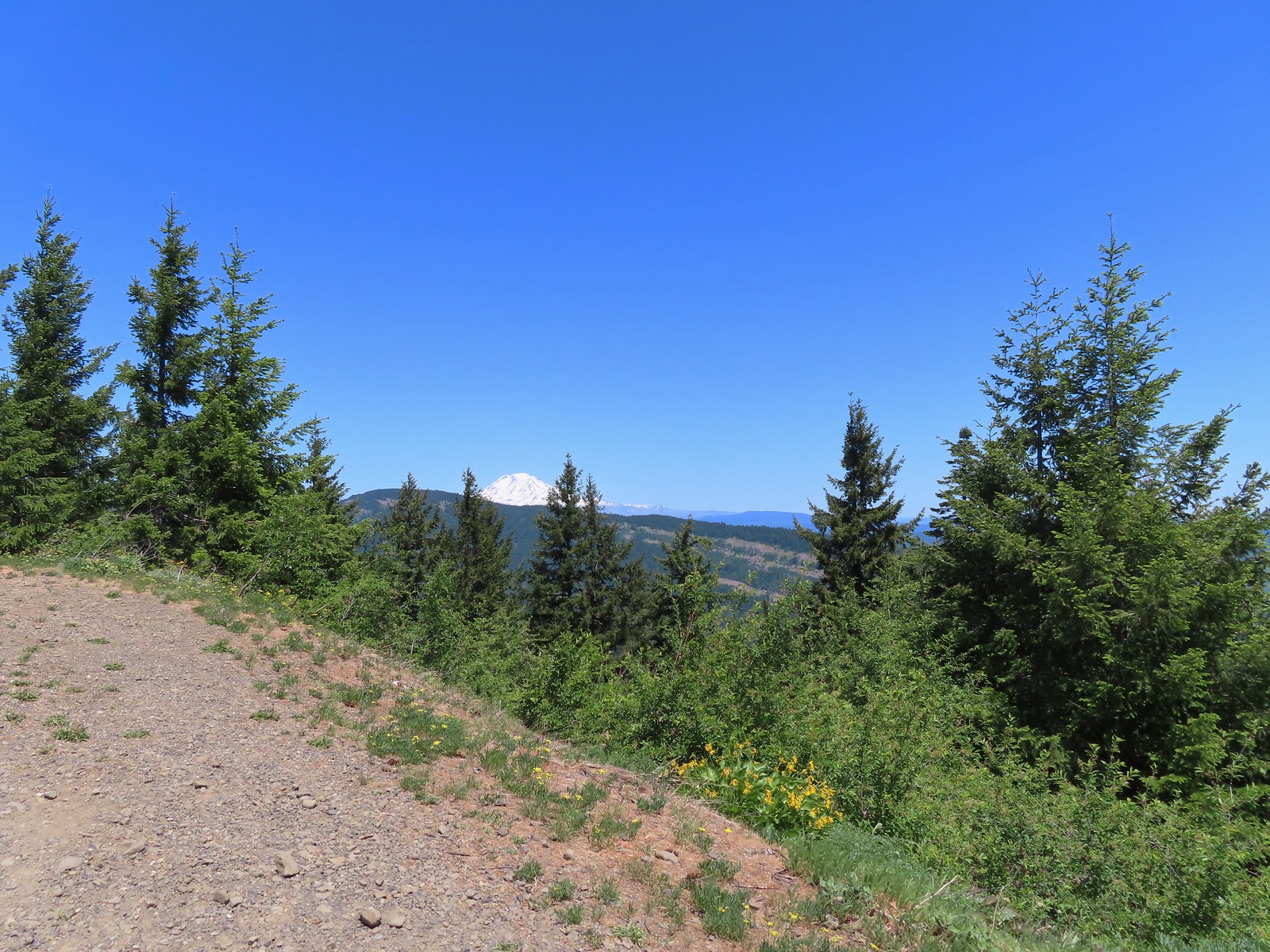
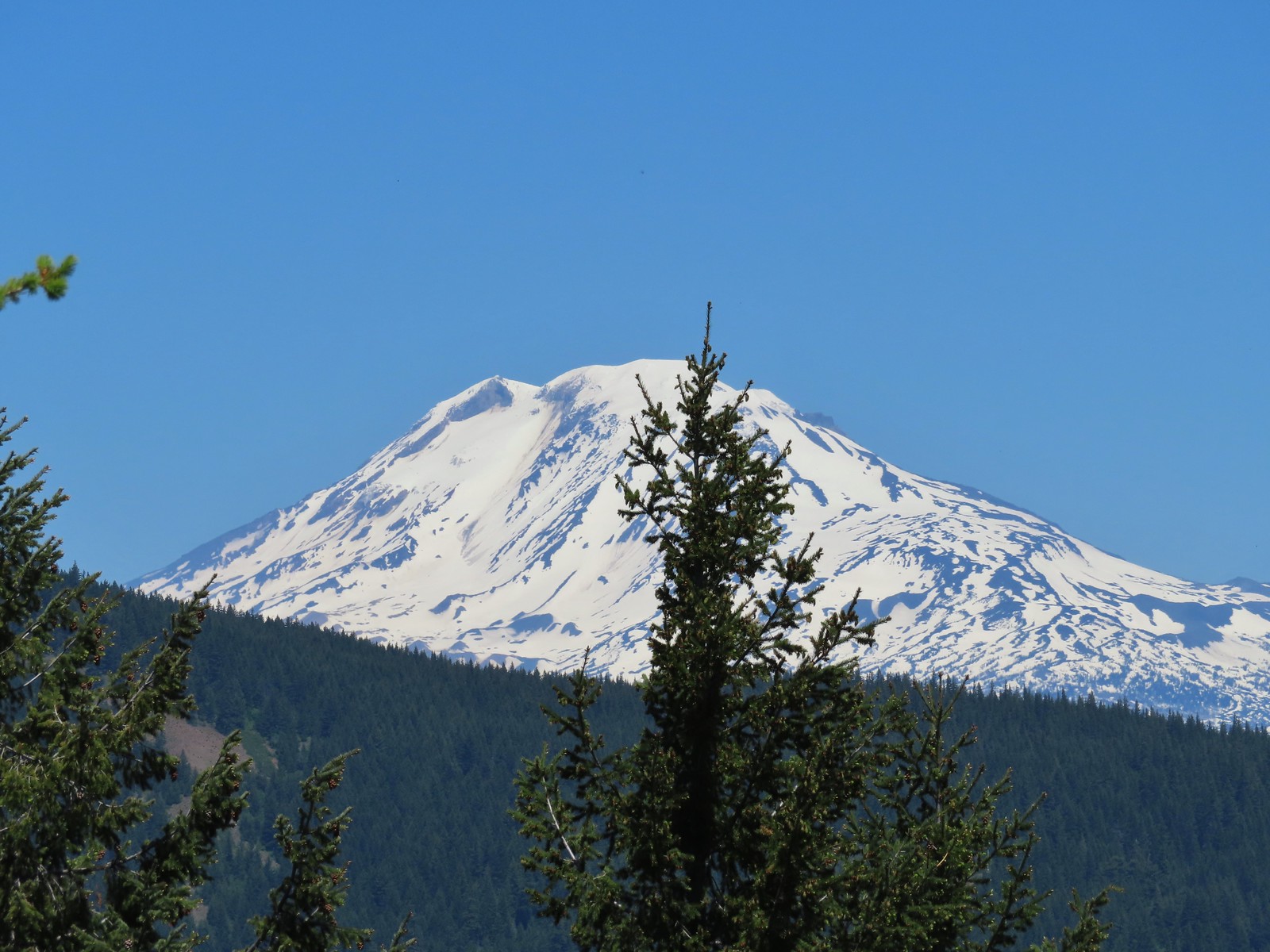

 Unfortunate amount of graffiti on the old shed.
 Mt. Hood and balsamroot.
 Mt. Hood
 Oregon sunshine
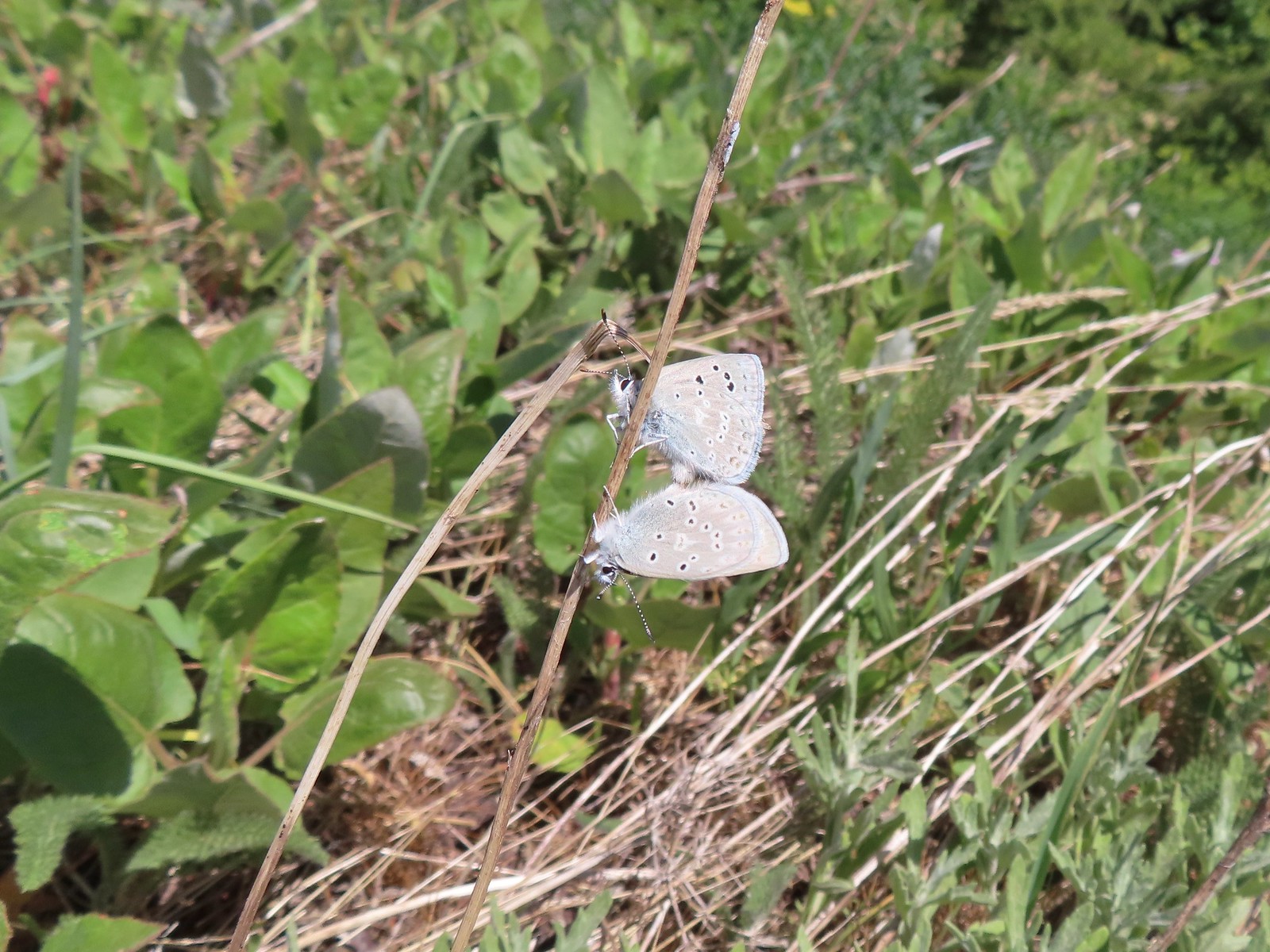 Boisduval blues
 Duskywing
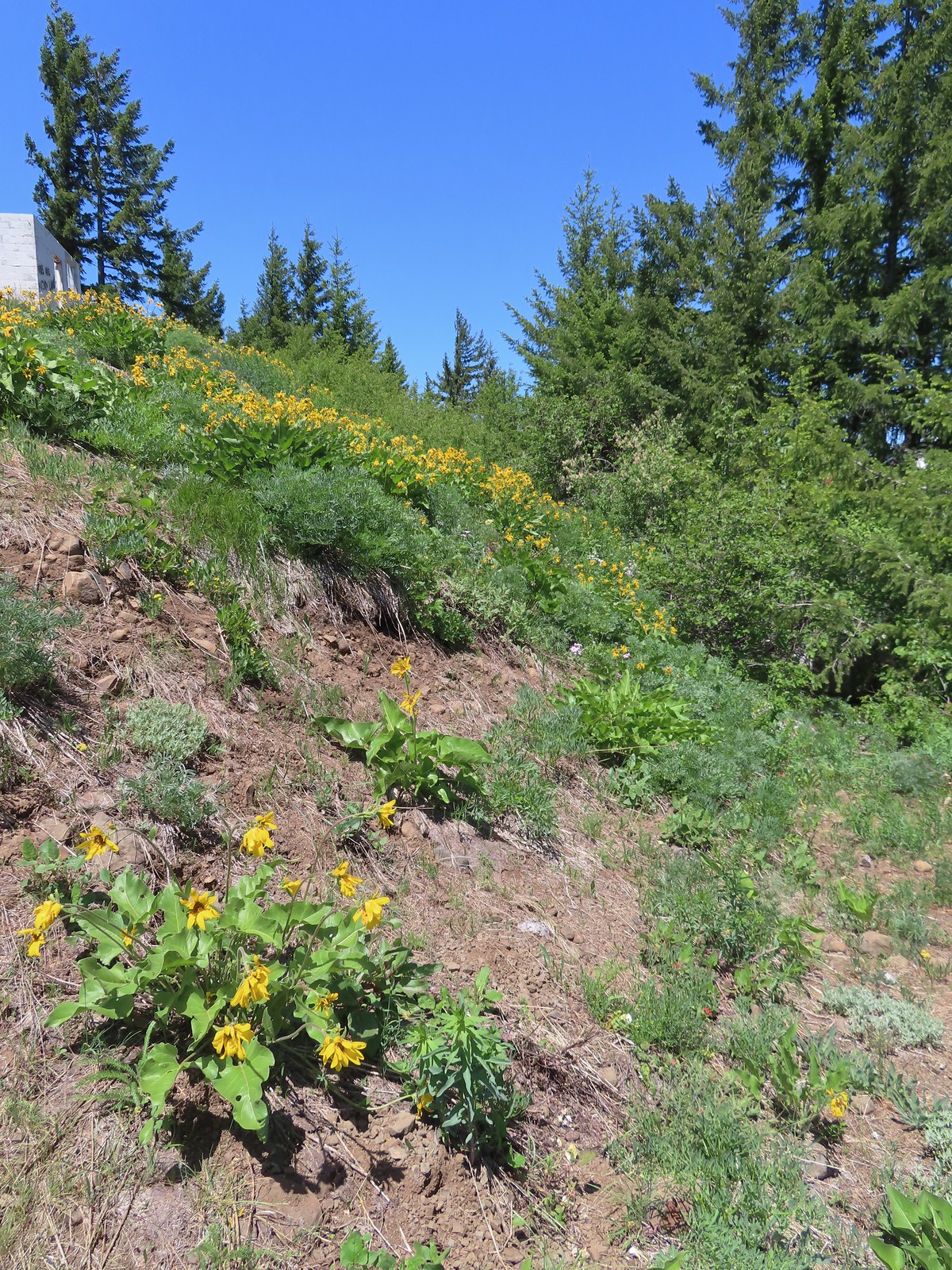 Balsamroot
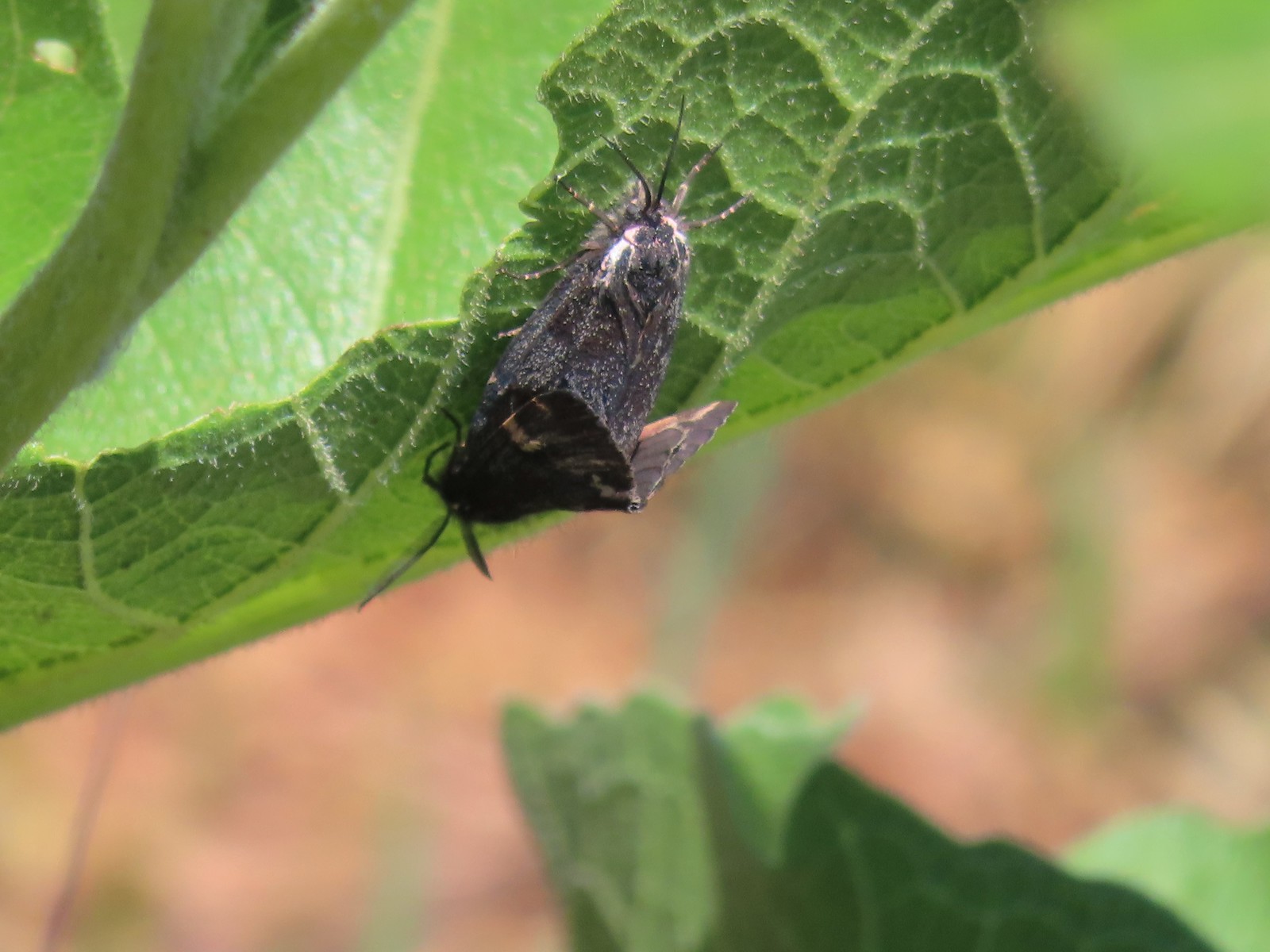 Moths
Moths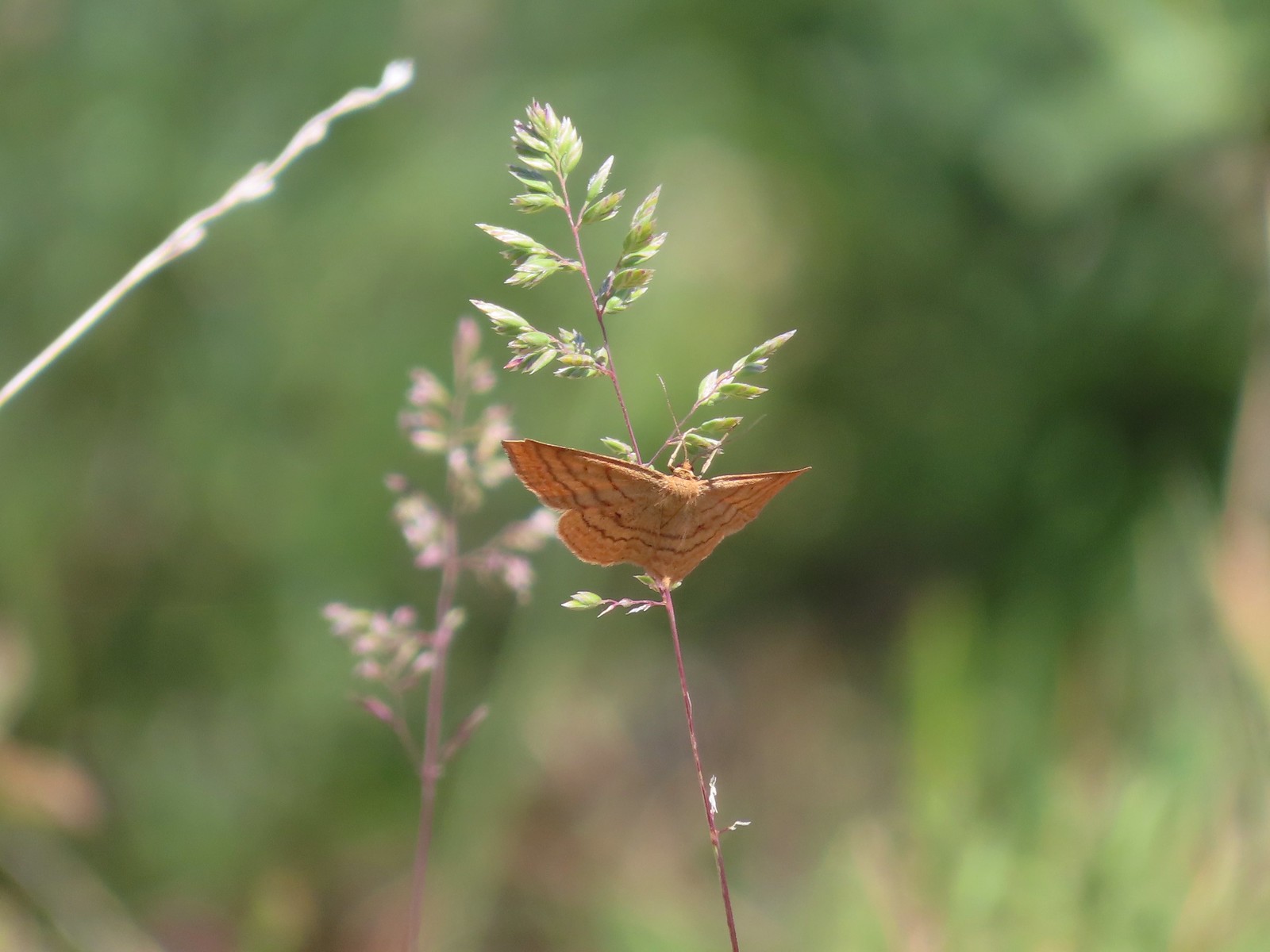 Moth
Moth Lupine
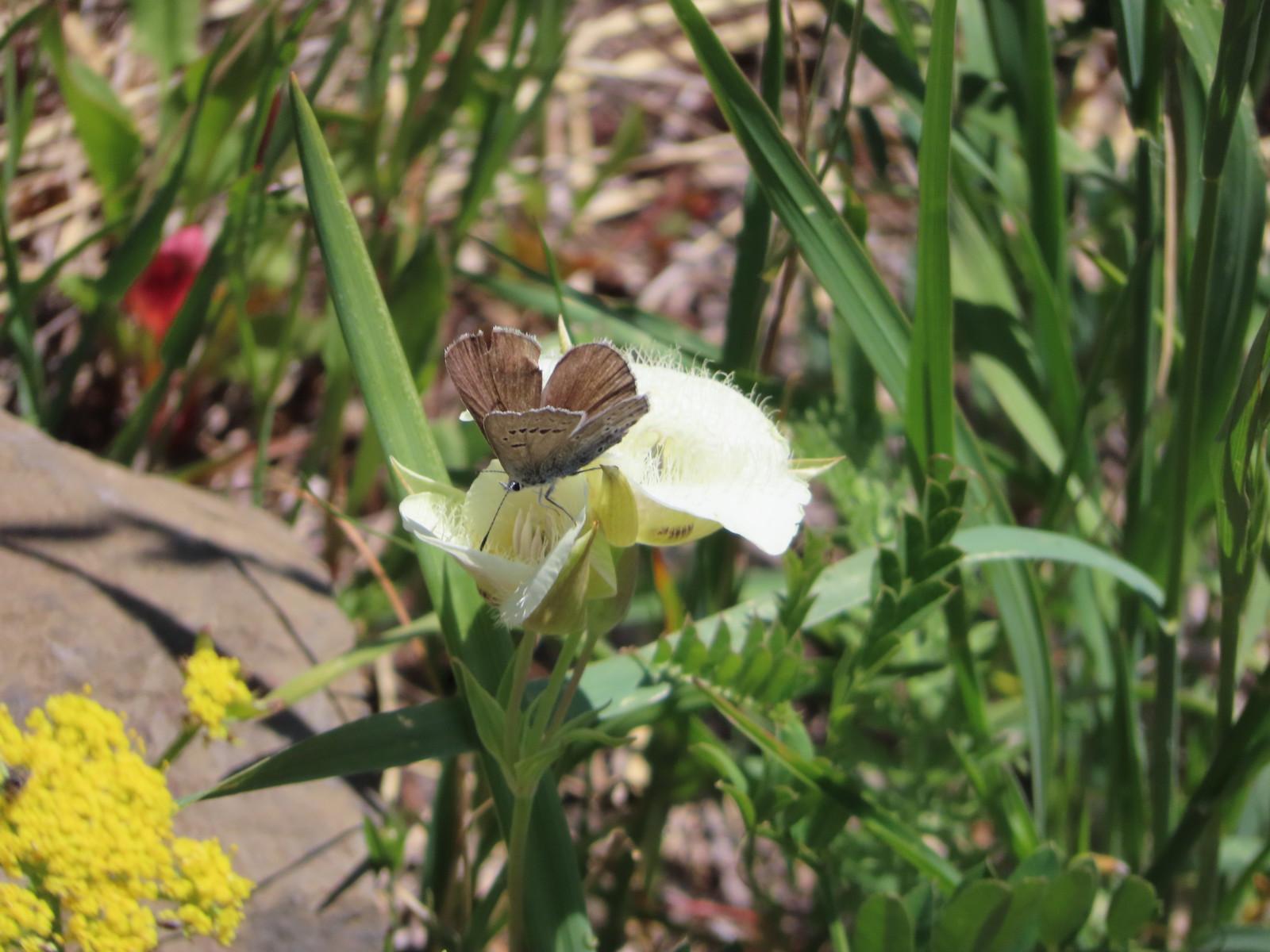 Butterfly on cat’s ear lily.
 Woodland stars
 Paintbrush
 Blue-head gilia
 Ookow
Ookow Winecup clarkia
 Mountain lady slipper
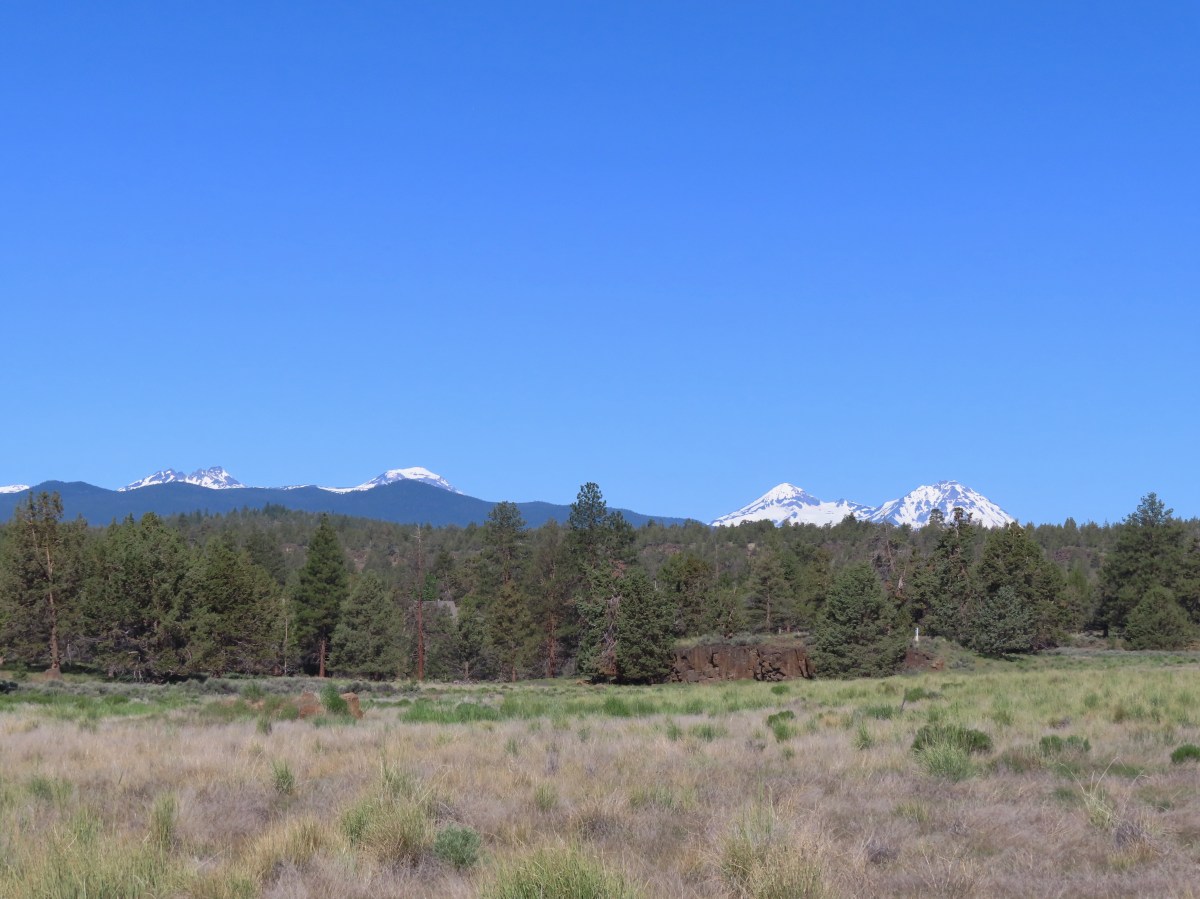

 Mt. Bachelor (
 The start of the Juniper Loop.
 Similar to the Metro Parks we’ve recently visited there were small maps on the trail pointers here.
 Middle and North Sister
 Blurry shot of the deer.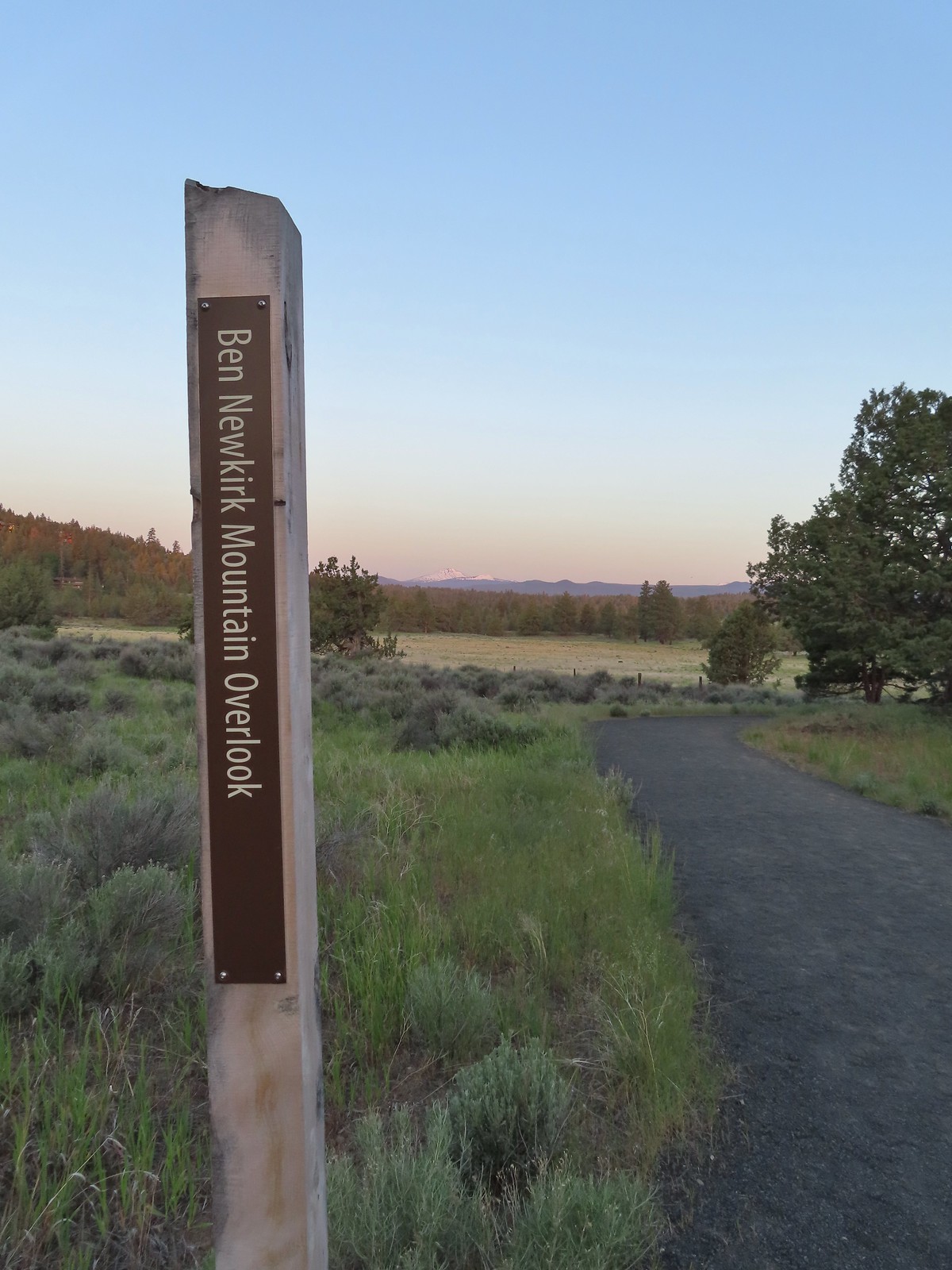
 Mt. Bachelor, Broken Top, and the Three Sisters.
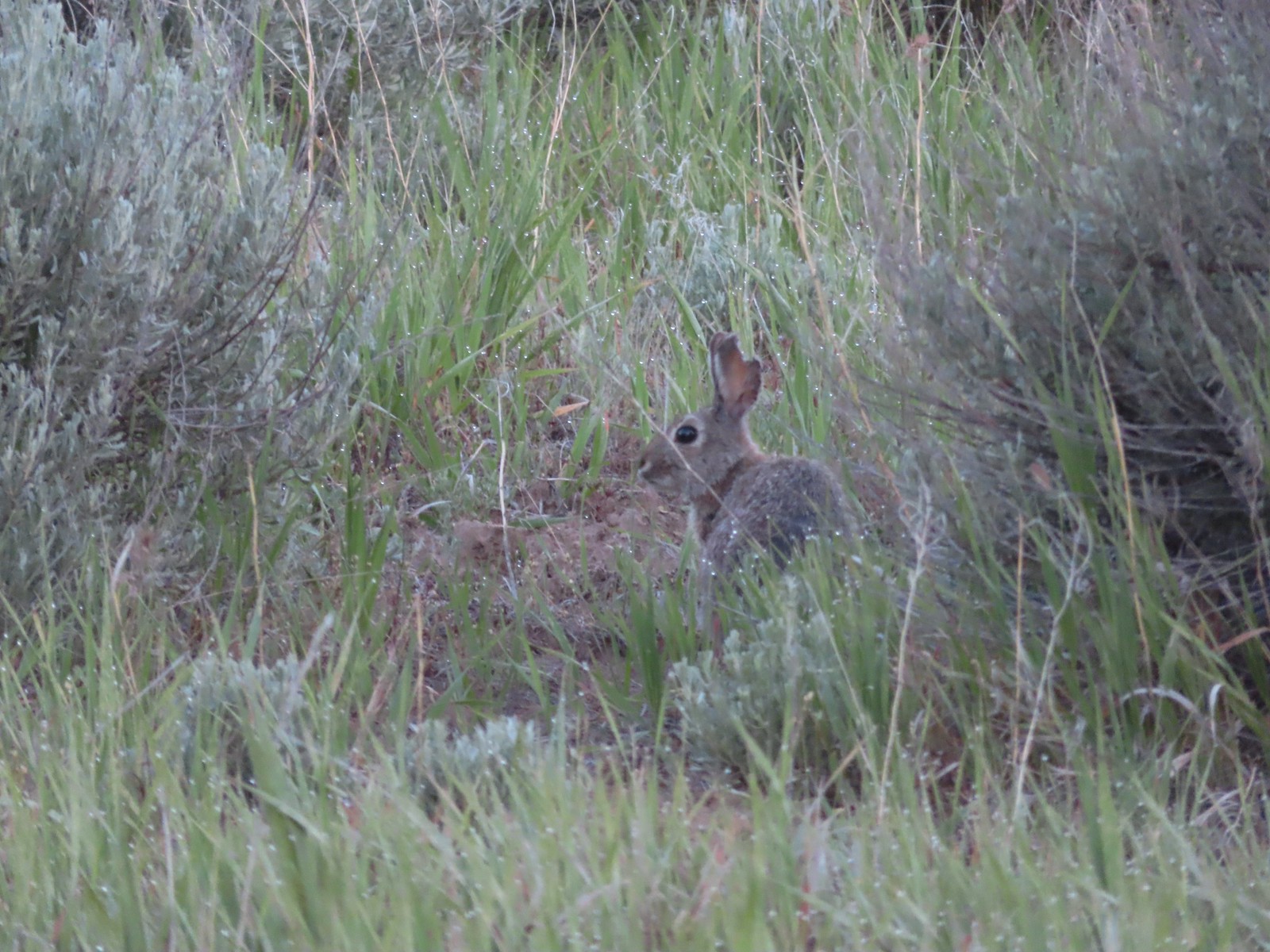 Rabbit
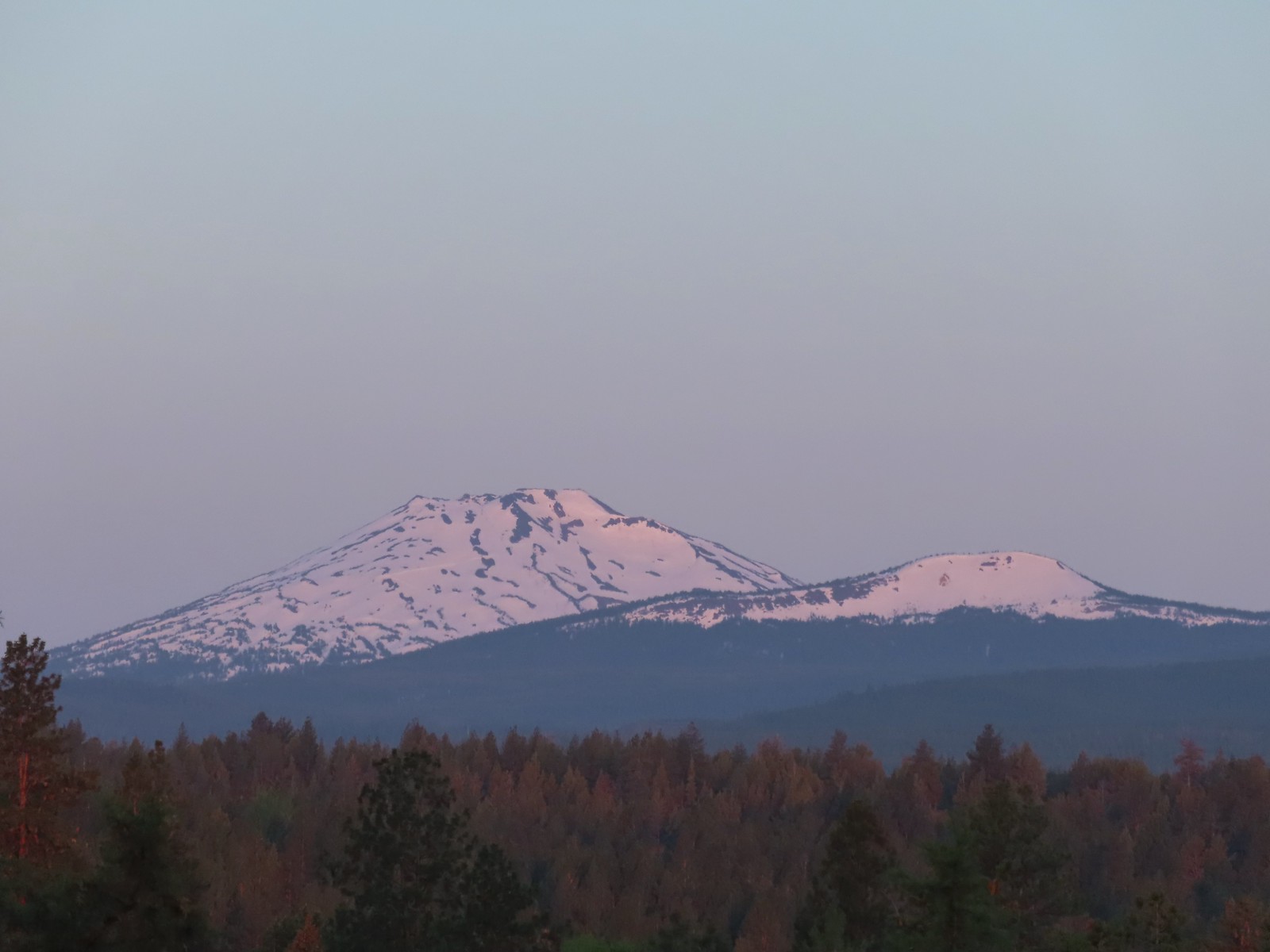 Mt. Bachelor and Tumalo Mountain (
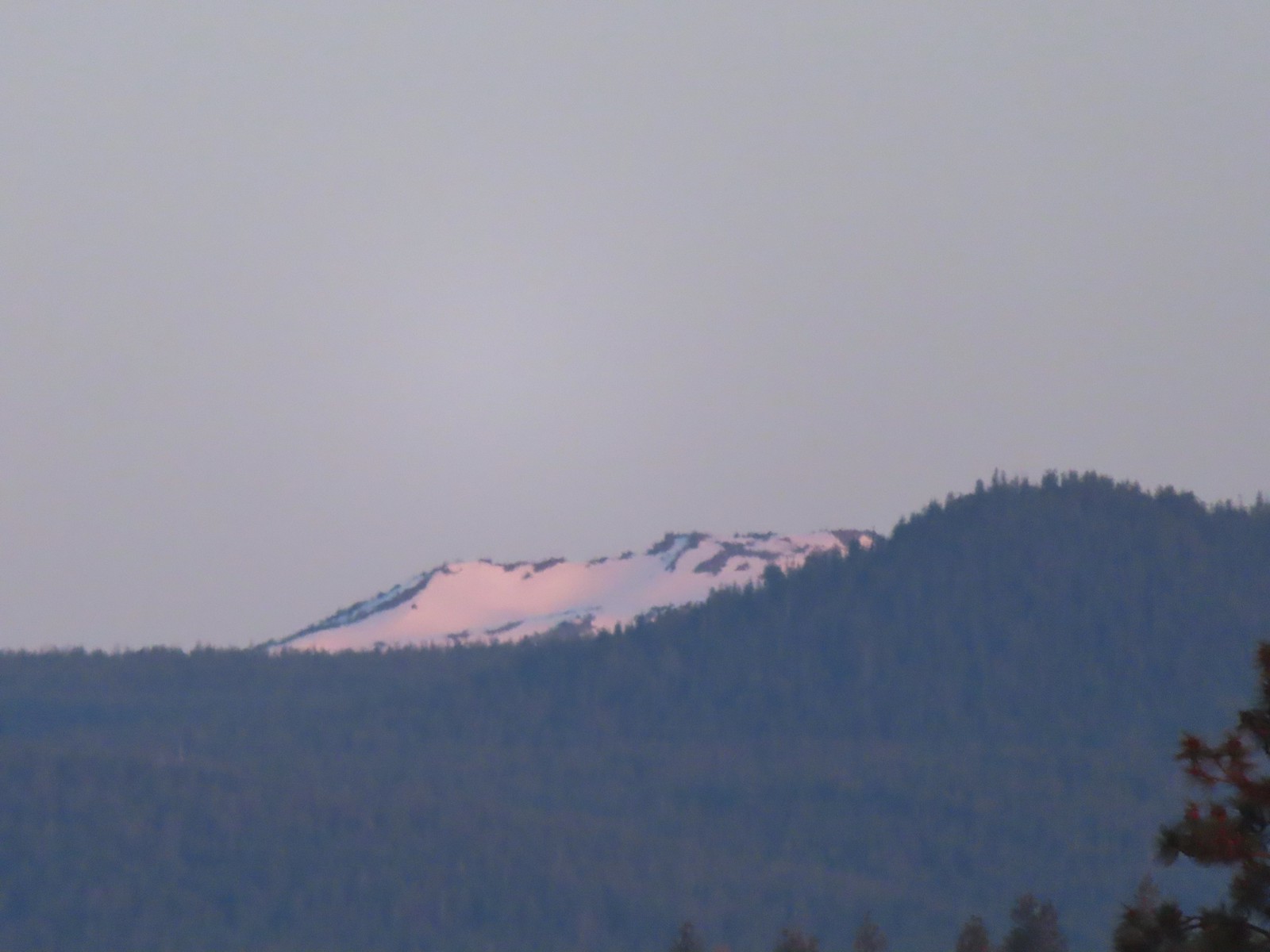 Ball Butte
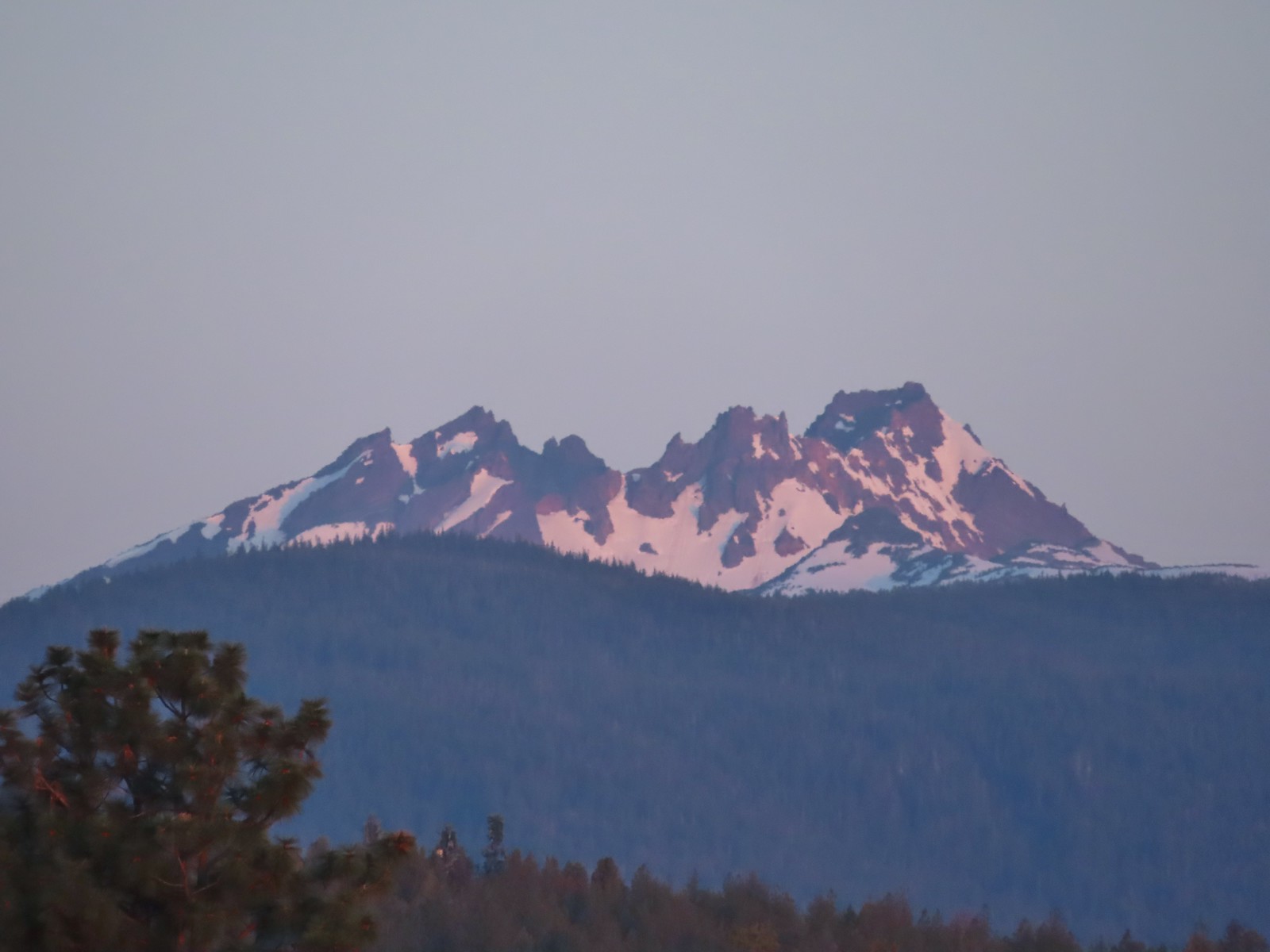 Broken Top (
 South Sister (
 Middle and North Sister
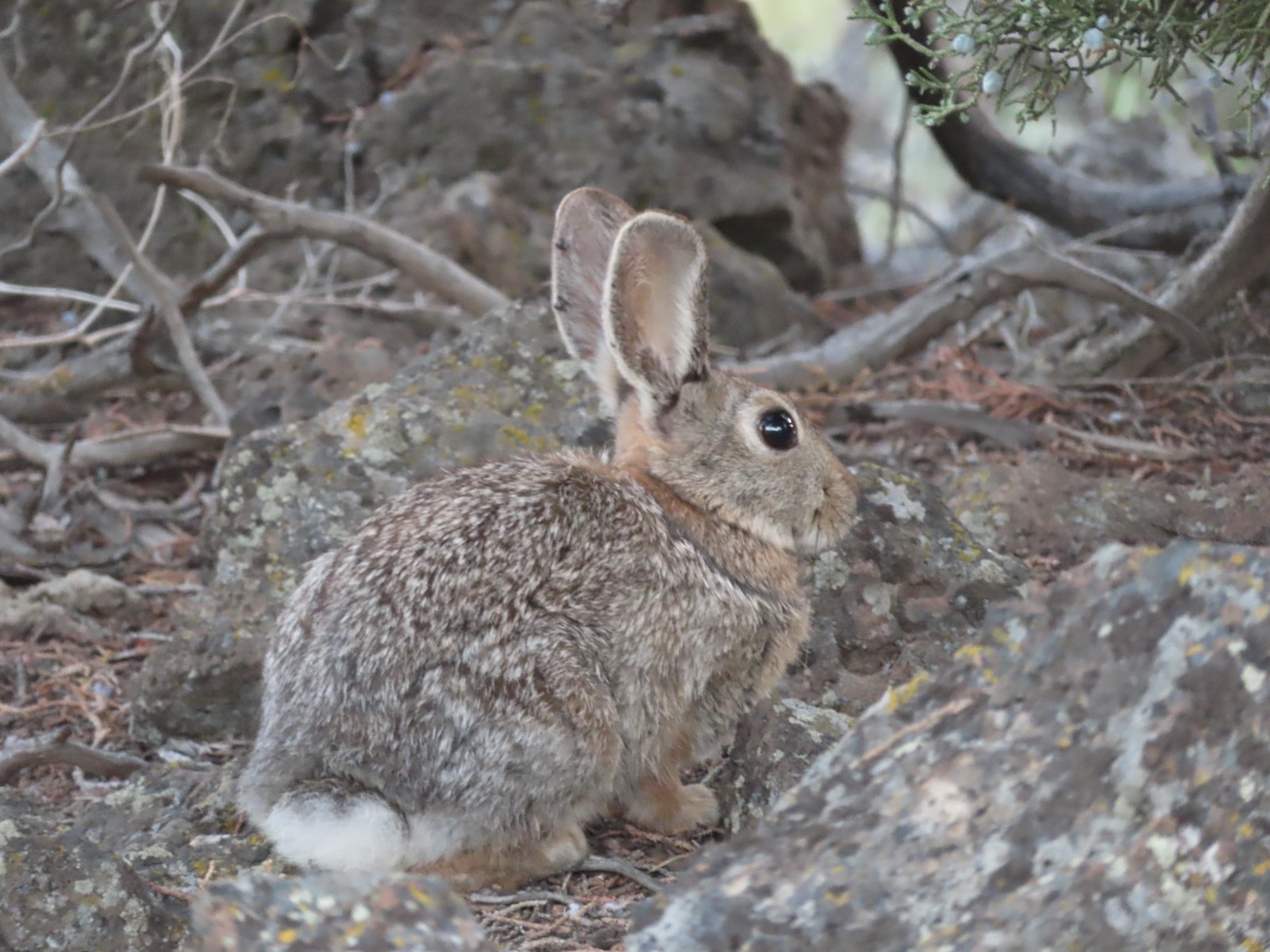
 We passed by the shared Juniper/Sage Flat Trail and continued on the Sage Flat Loop.
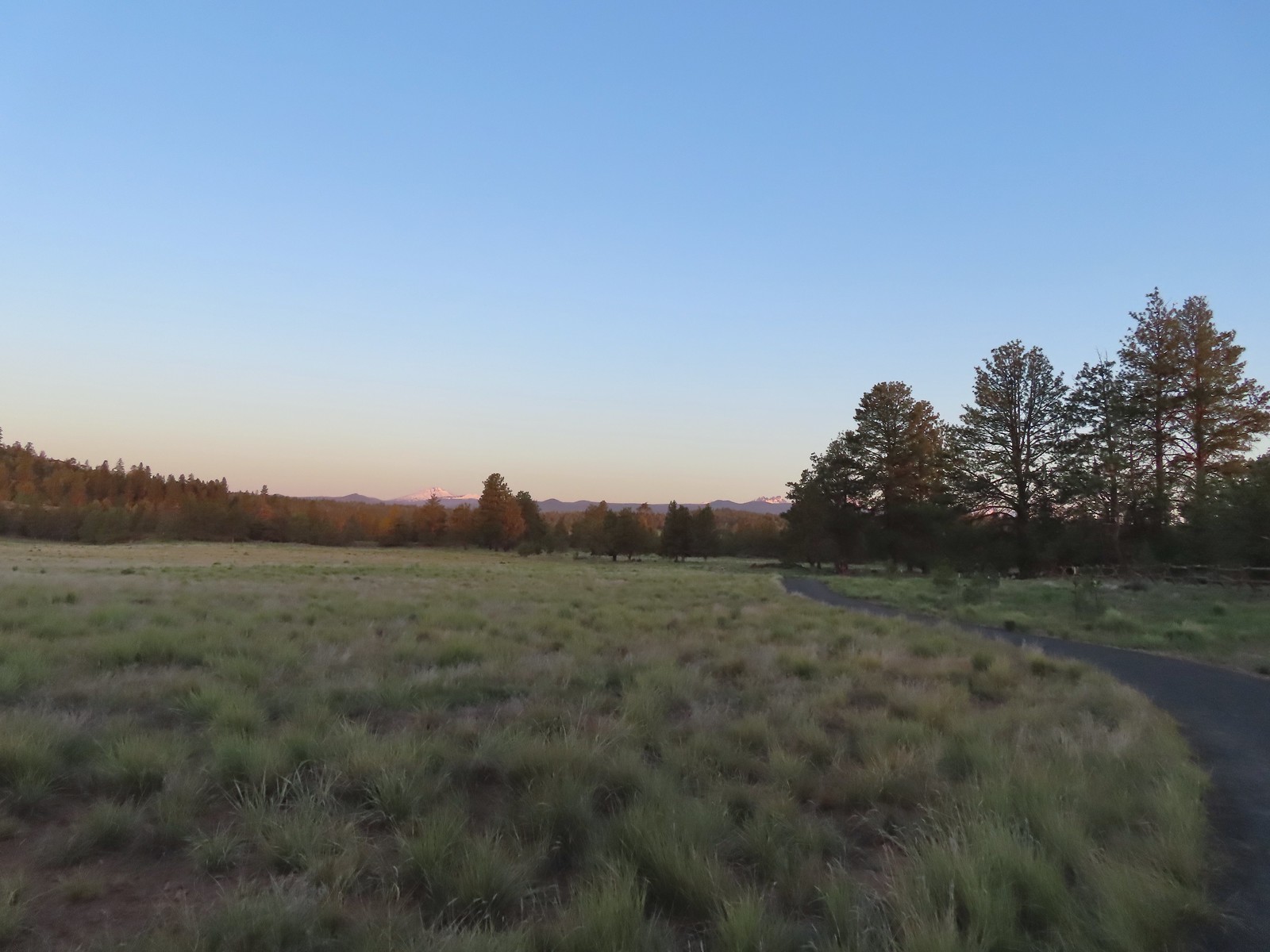 Sageflat Loop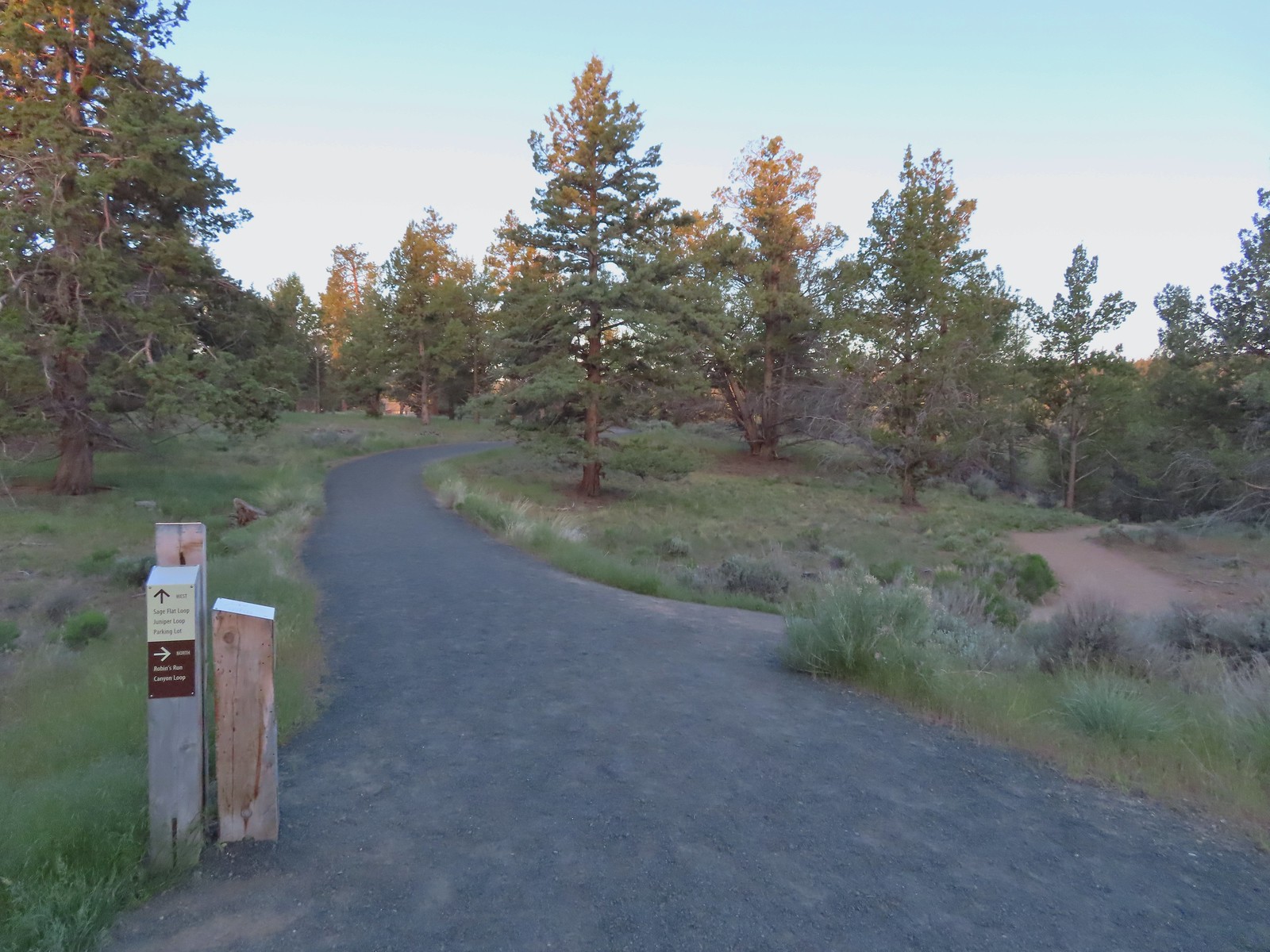
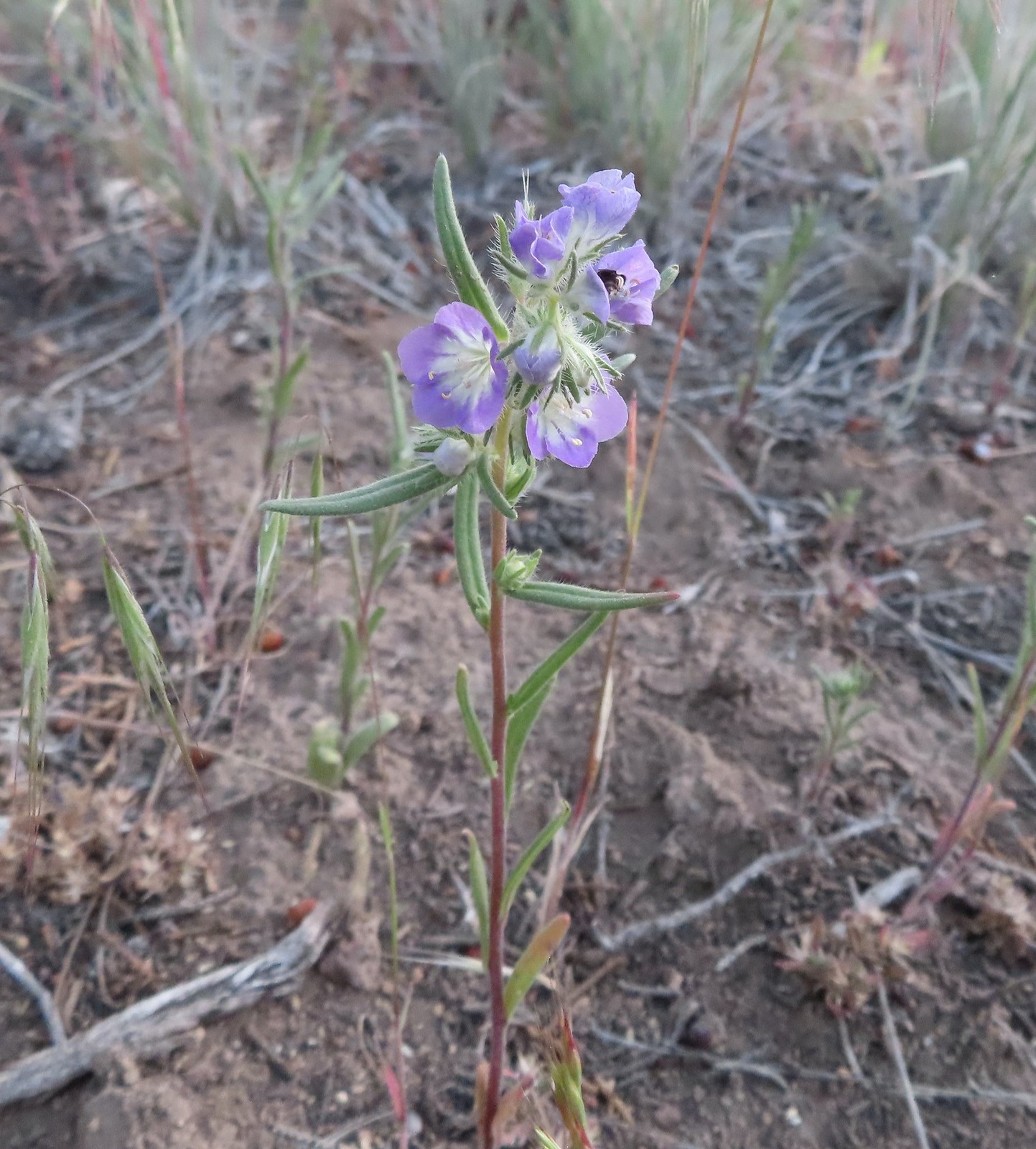 Threadleaf phacelia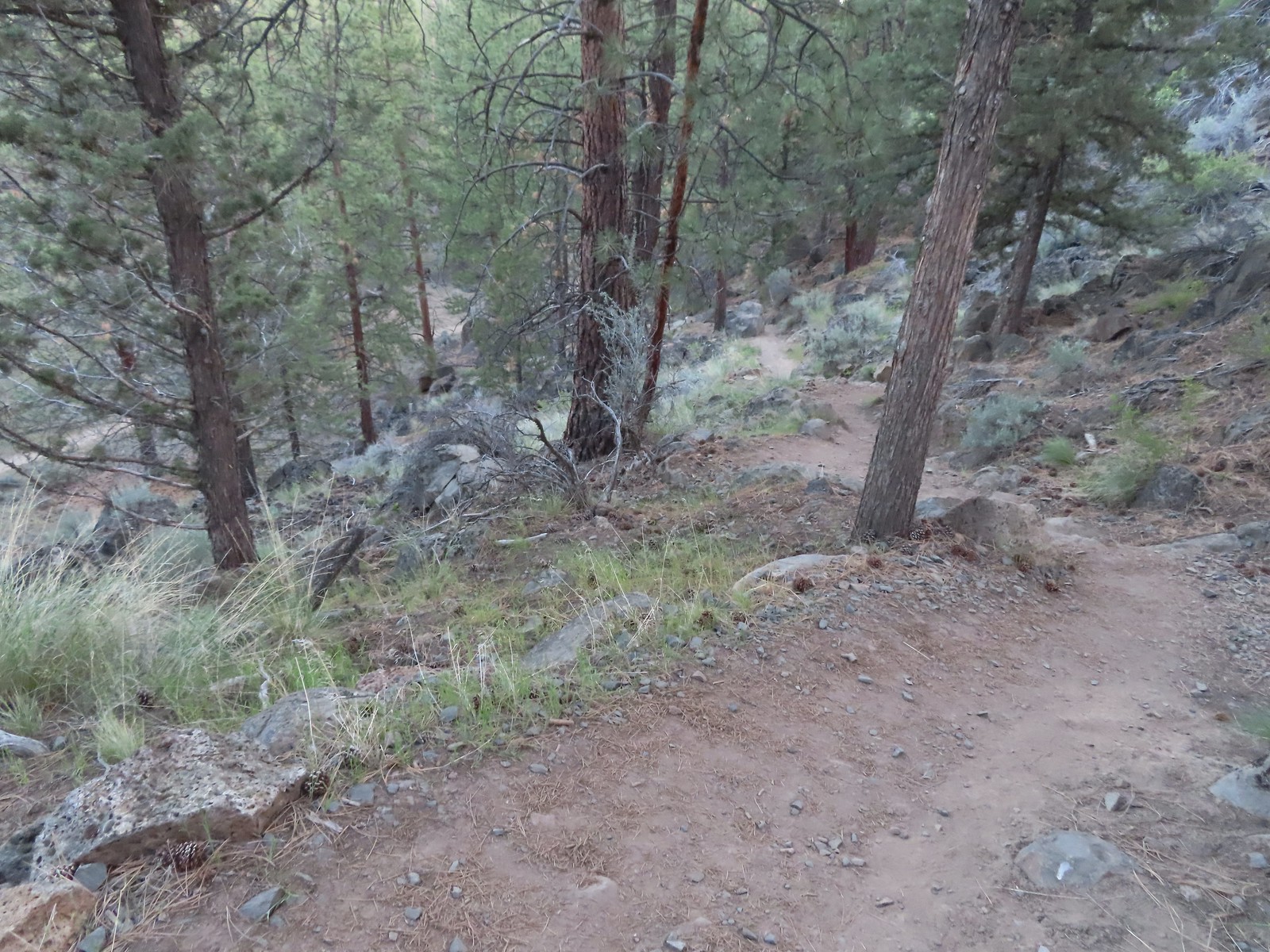
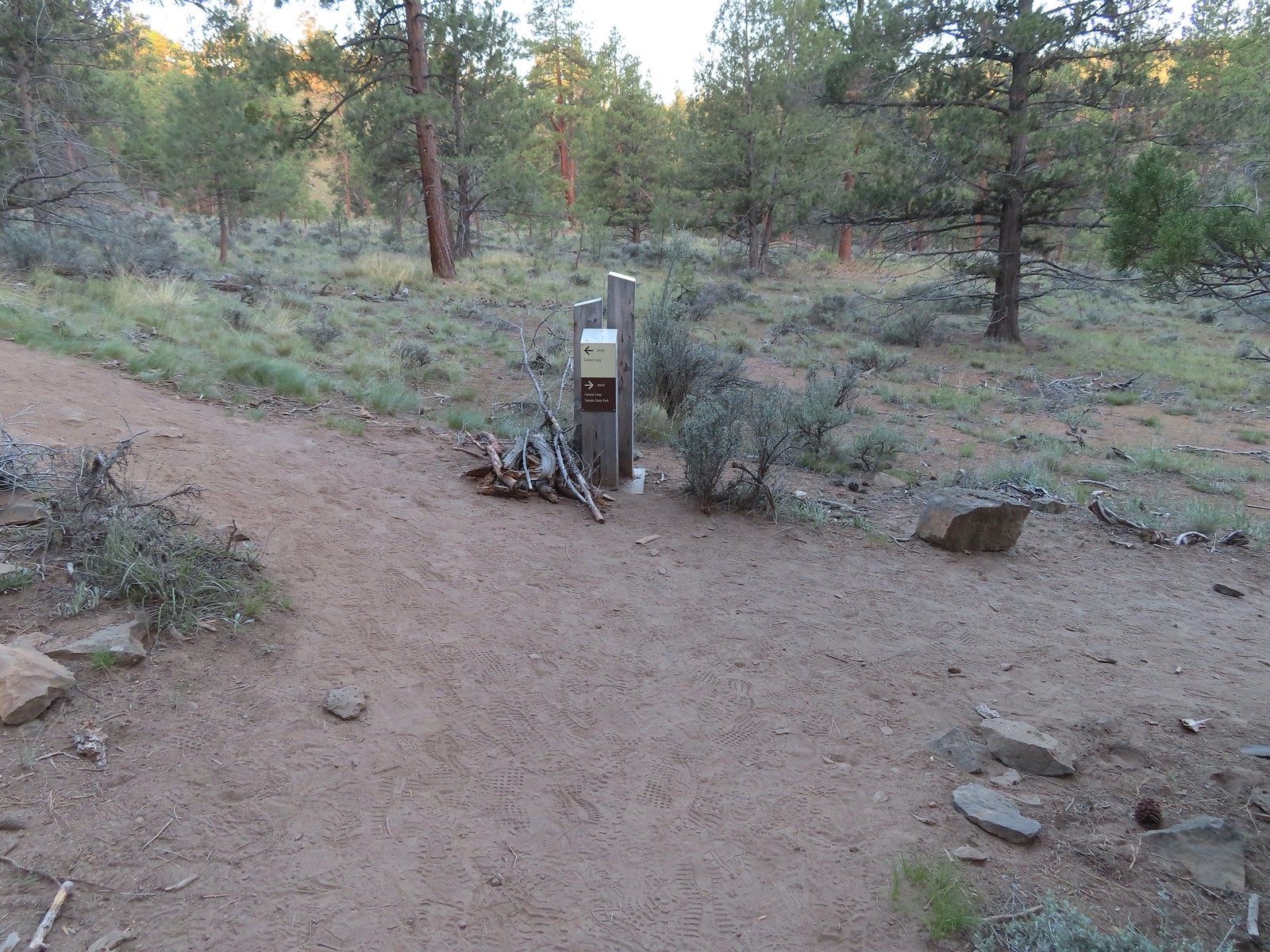
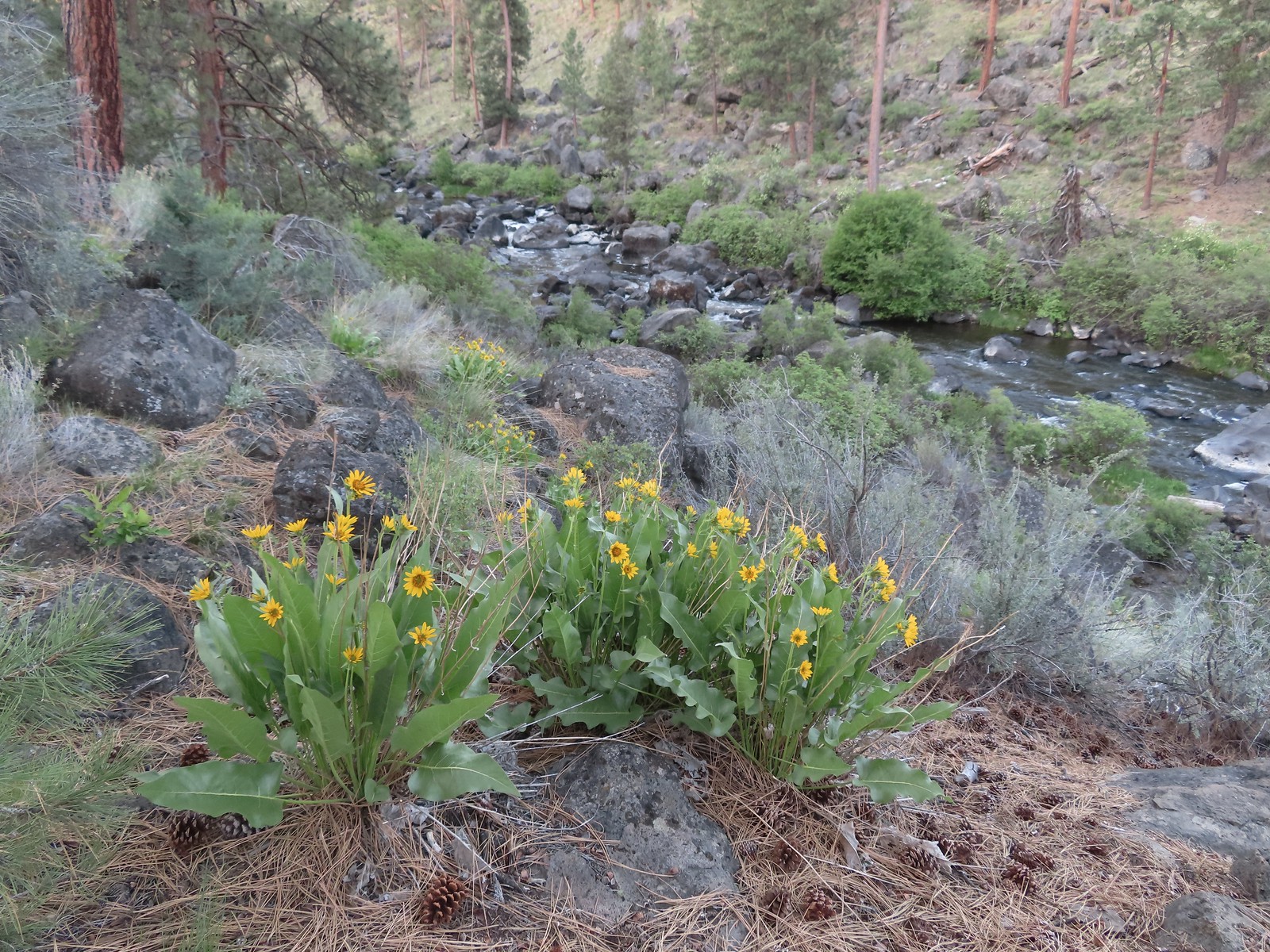 Balsamroot along the Deschutes.
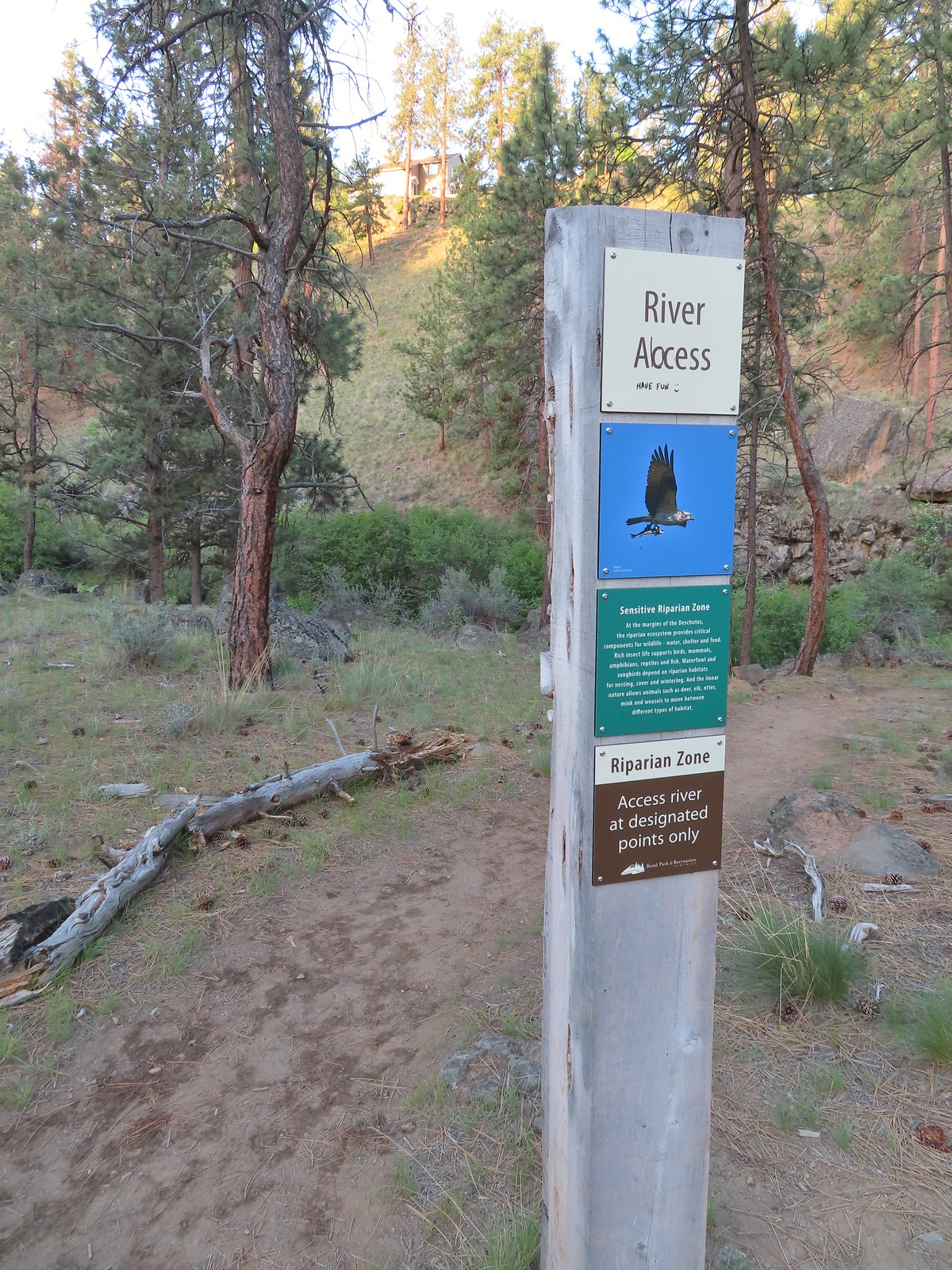


 Robin
Robin Longhorn plectritis
 Blackheaded grosbeak
 Heather waited below while I climbed the outcrop.
 The bench on top.
 The top of the outcrop.

 Western stoneseed
 Larkspur
 I spotted something head into the river from the grass on the near bank here.
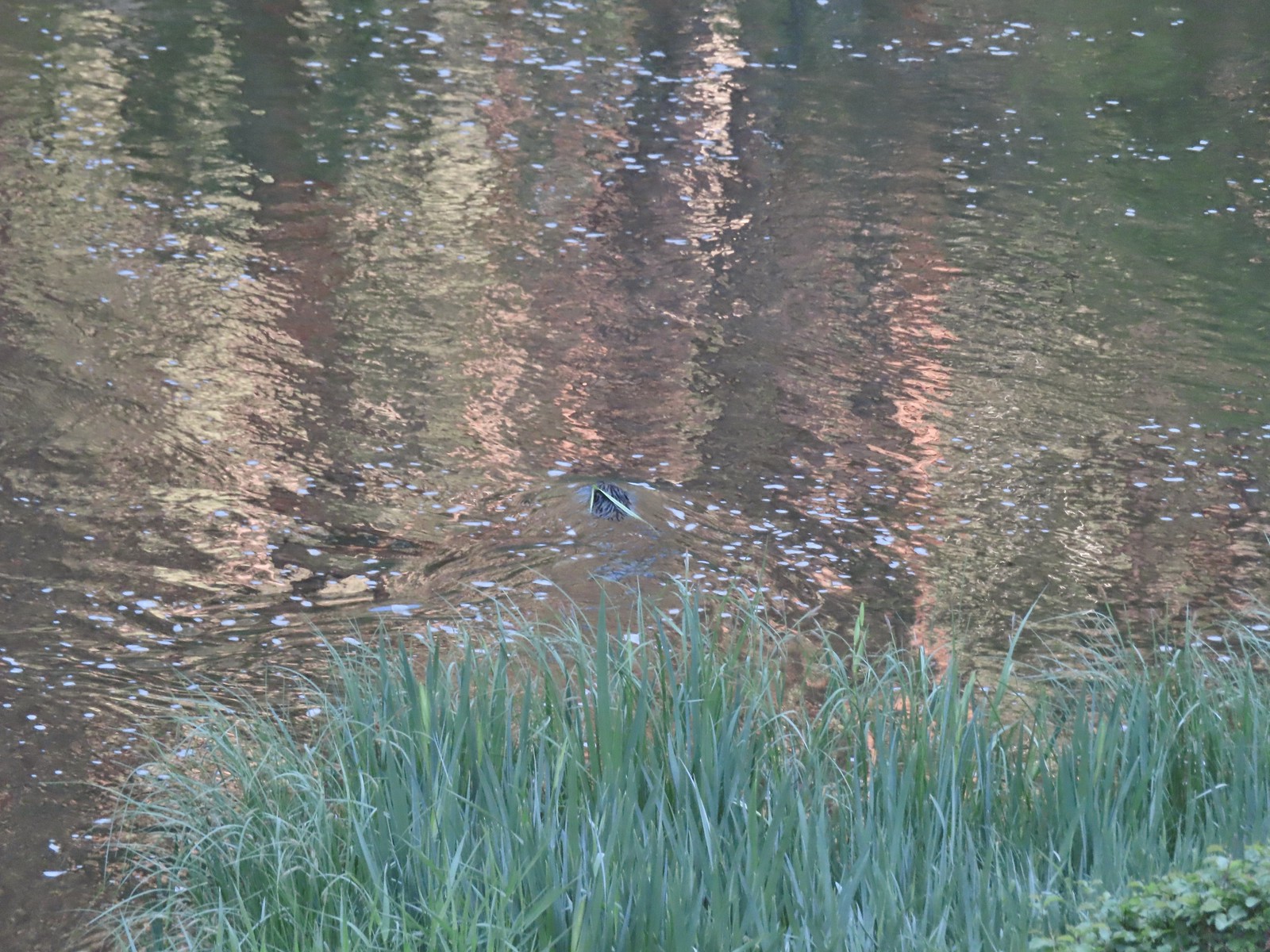 I spotted the grass moving before the animal below which turned out to be a beaver.
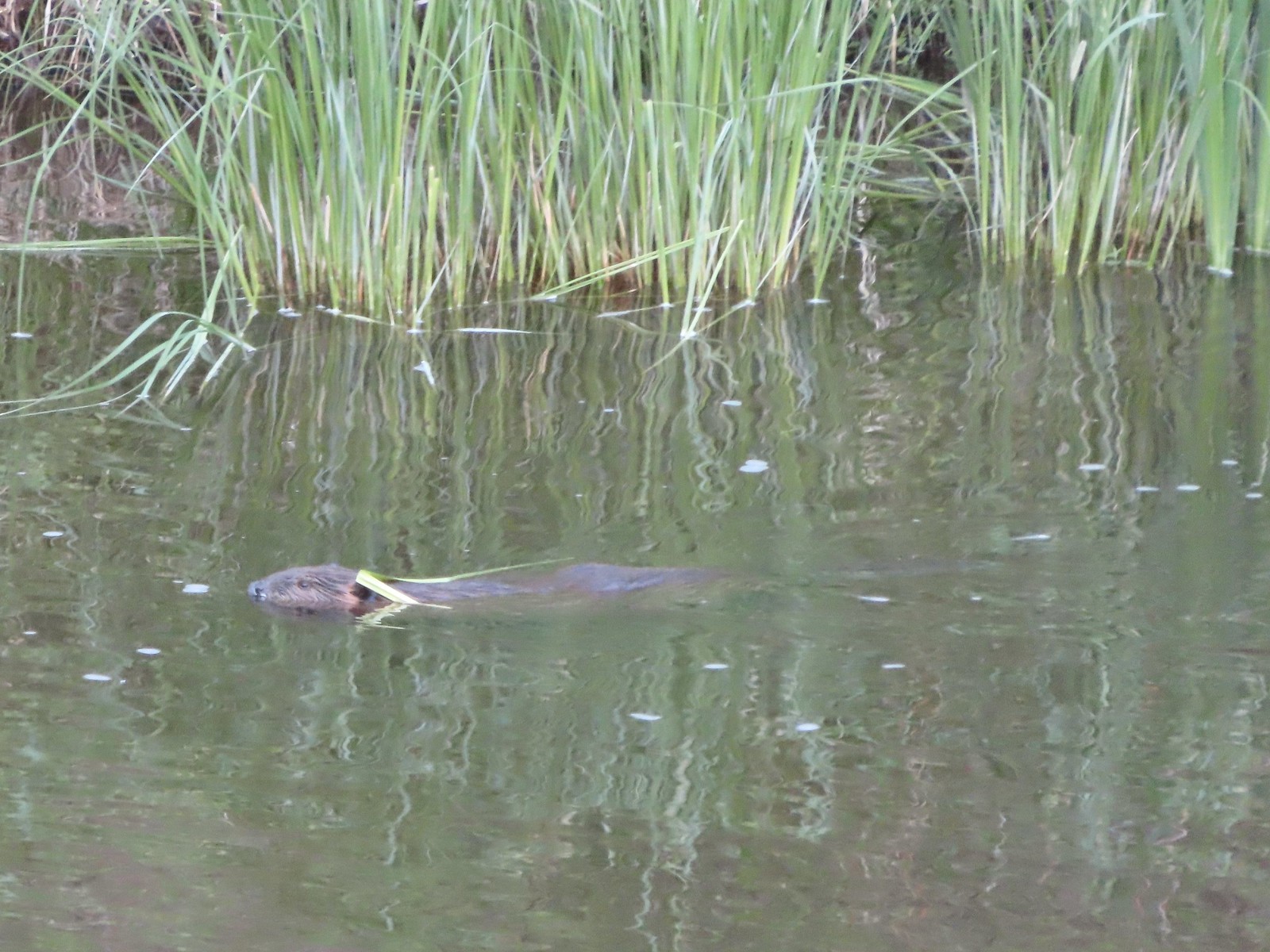 Beaver in the Deschutes River.
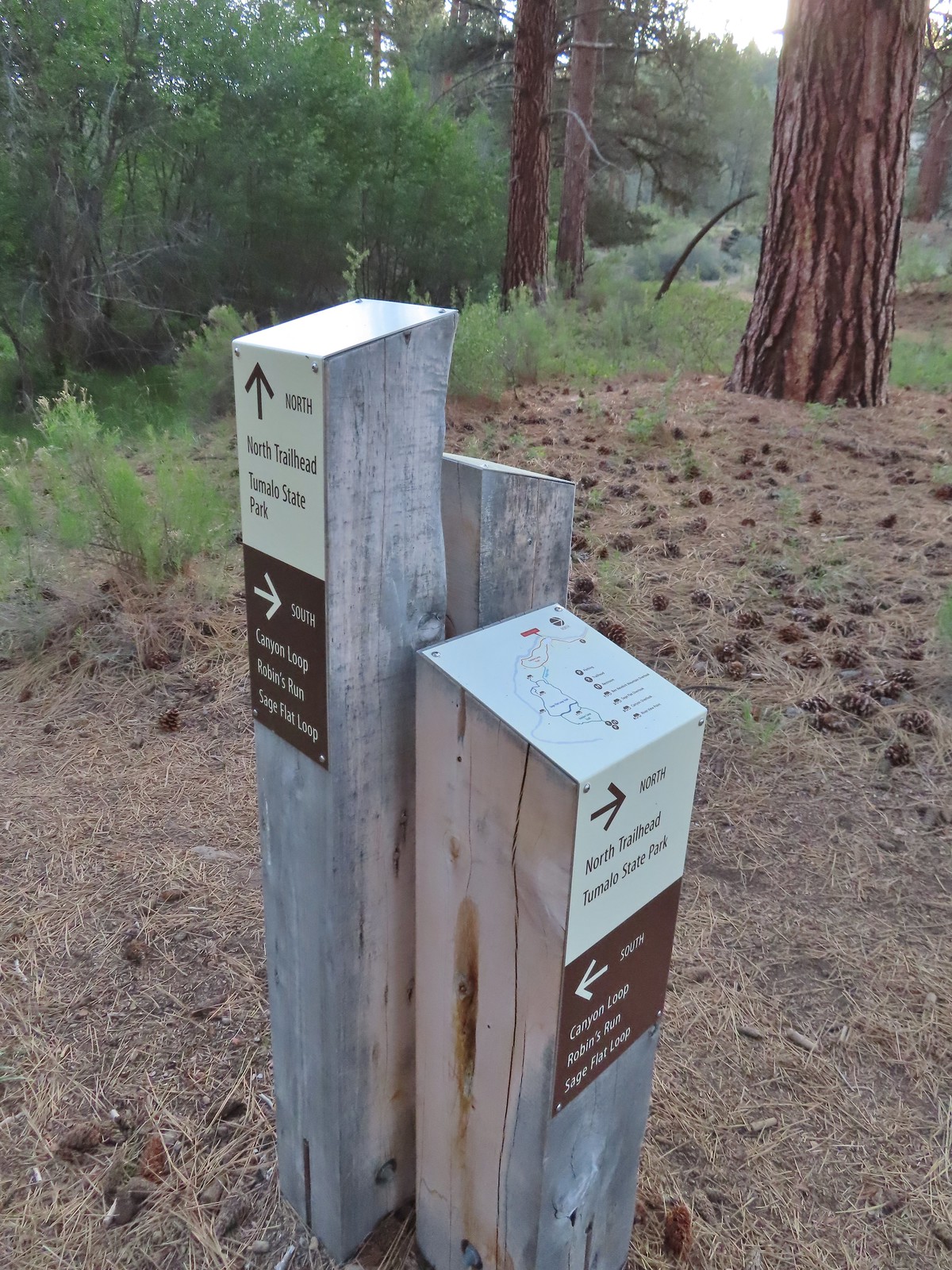 We followed the pointer for Tumalo State Park.
 Cabin ruins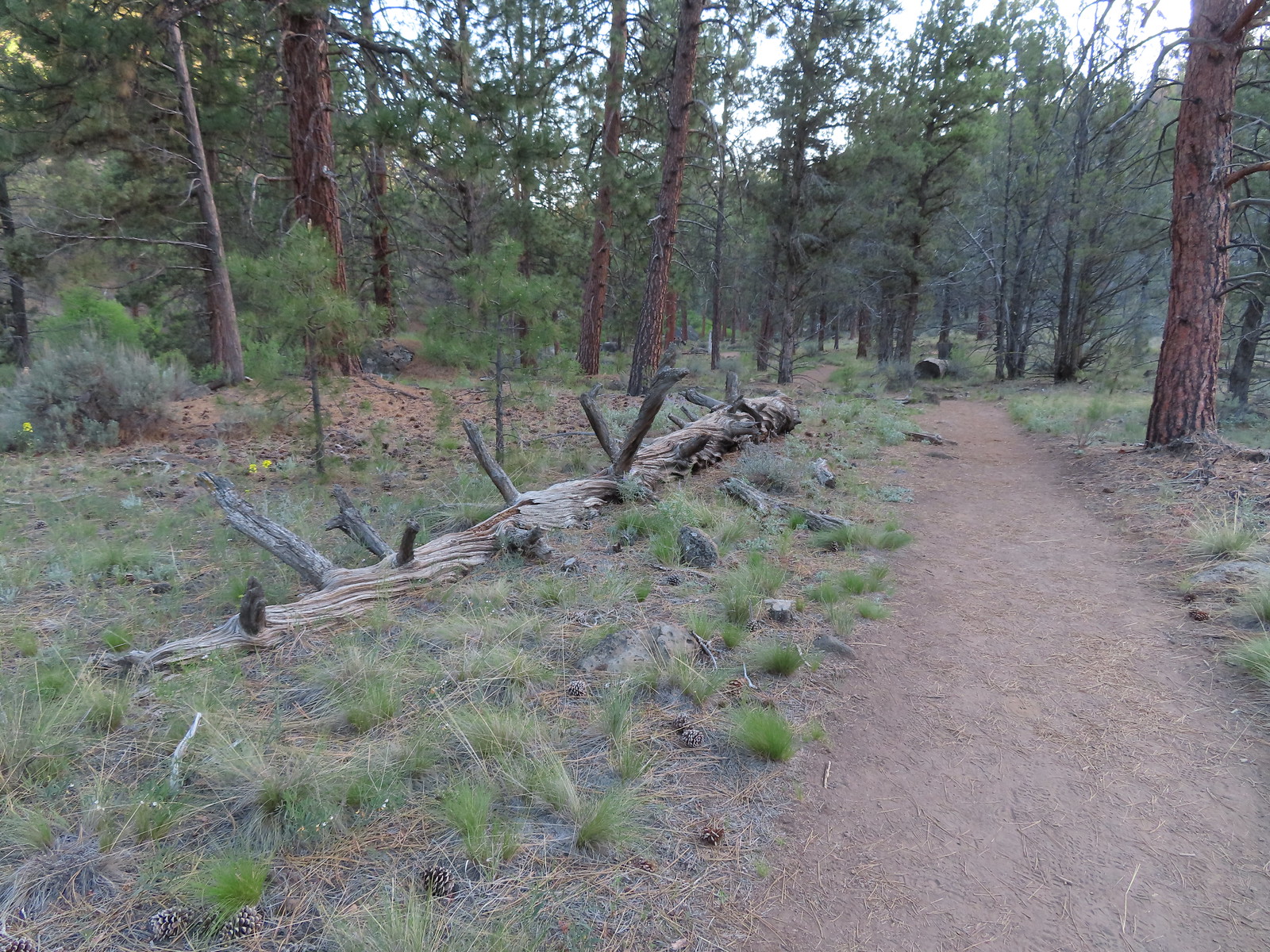
 Western wallflower
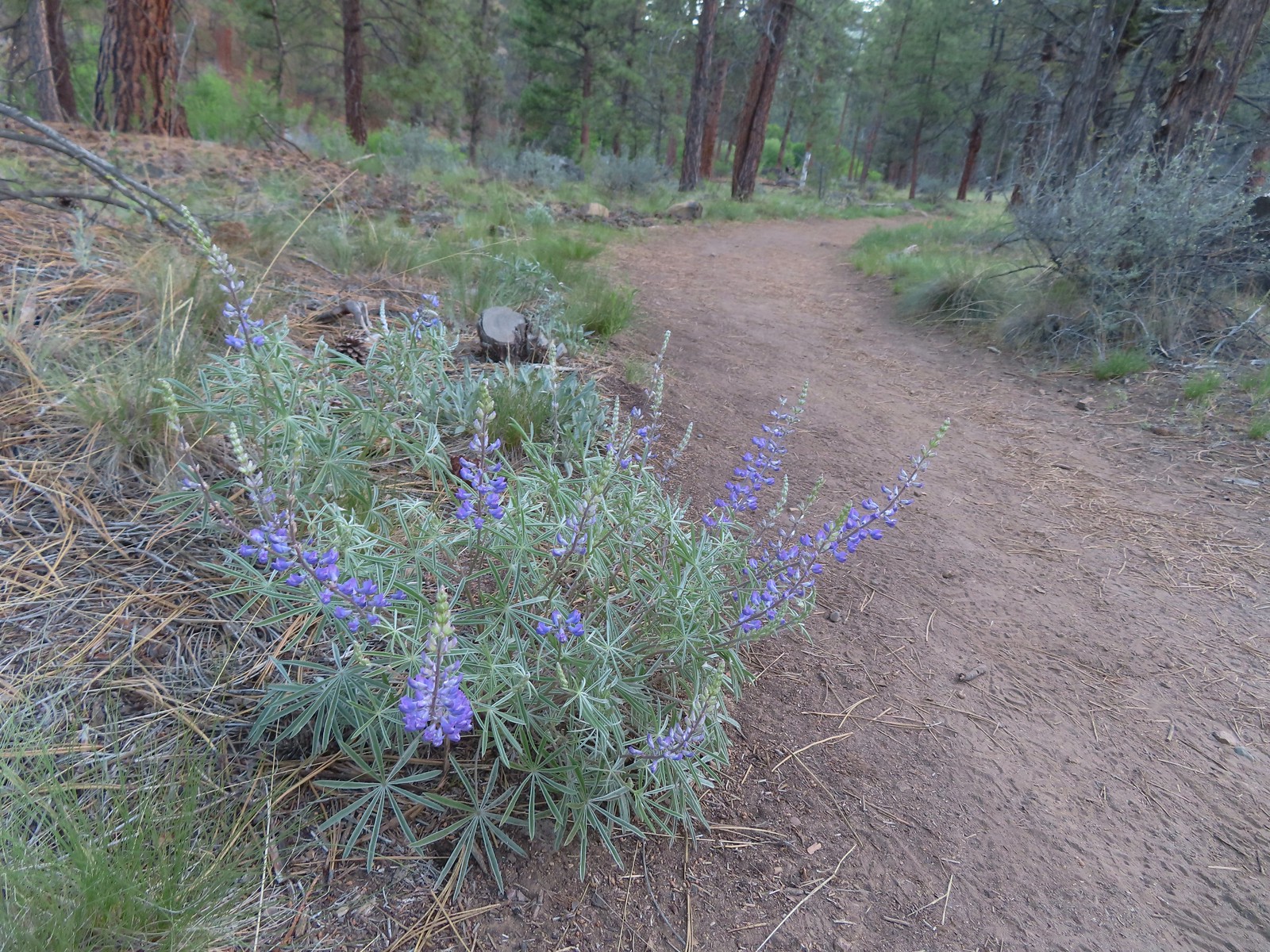 Lupine
 Another river access point.
 Rockcress, possibly sicklepod.
 The northern boundary of the Riley Ranch Nature Reserve.
 Threadleaf phacelia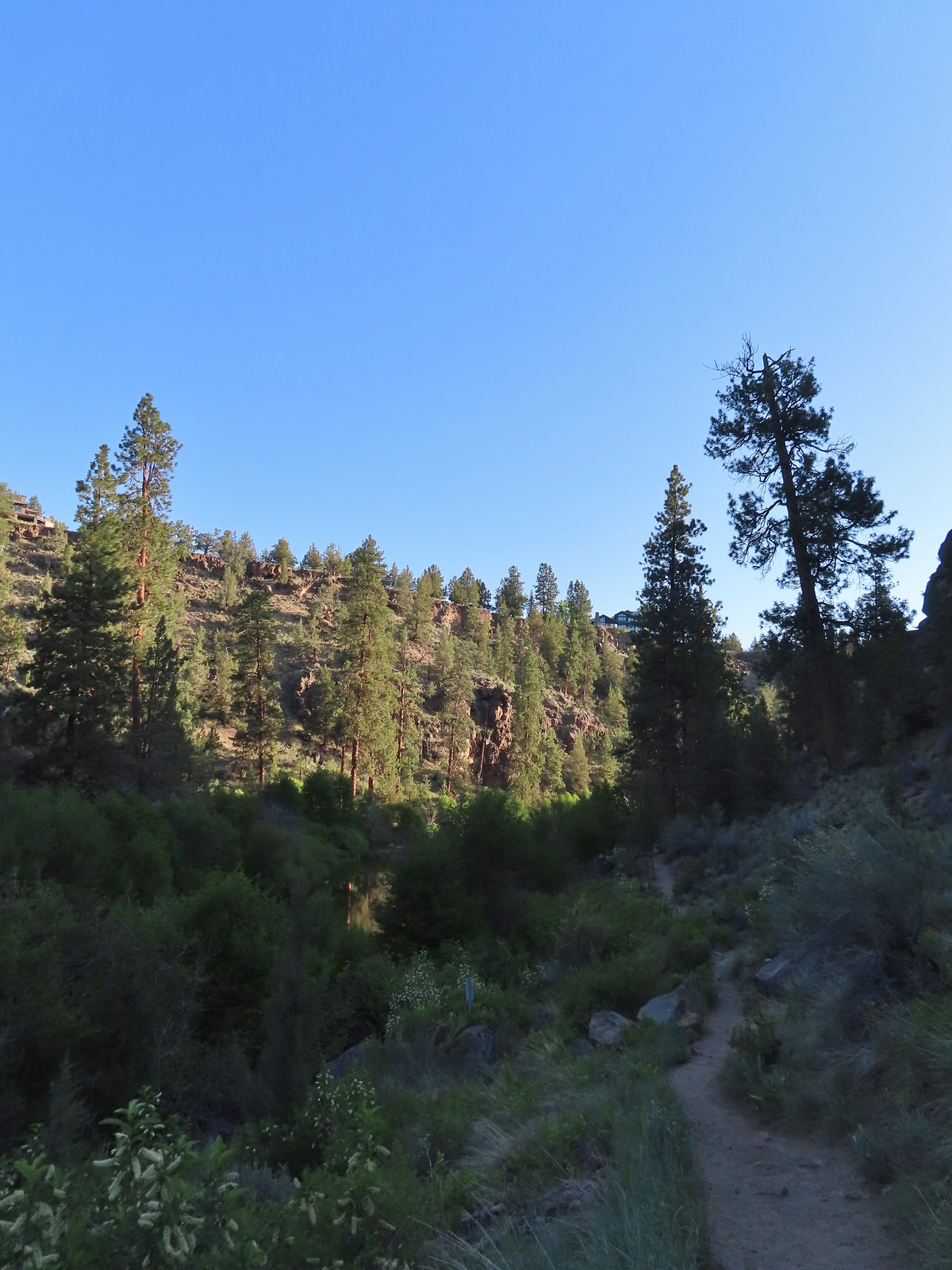
 Tumalo Creek (

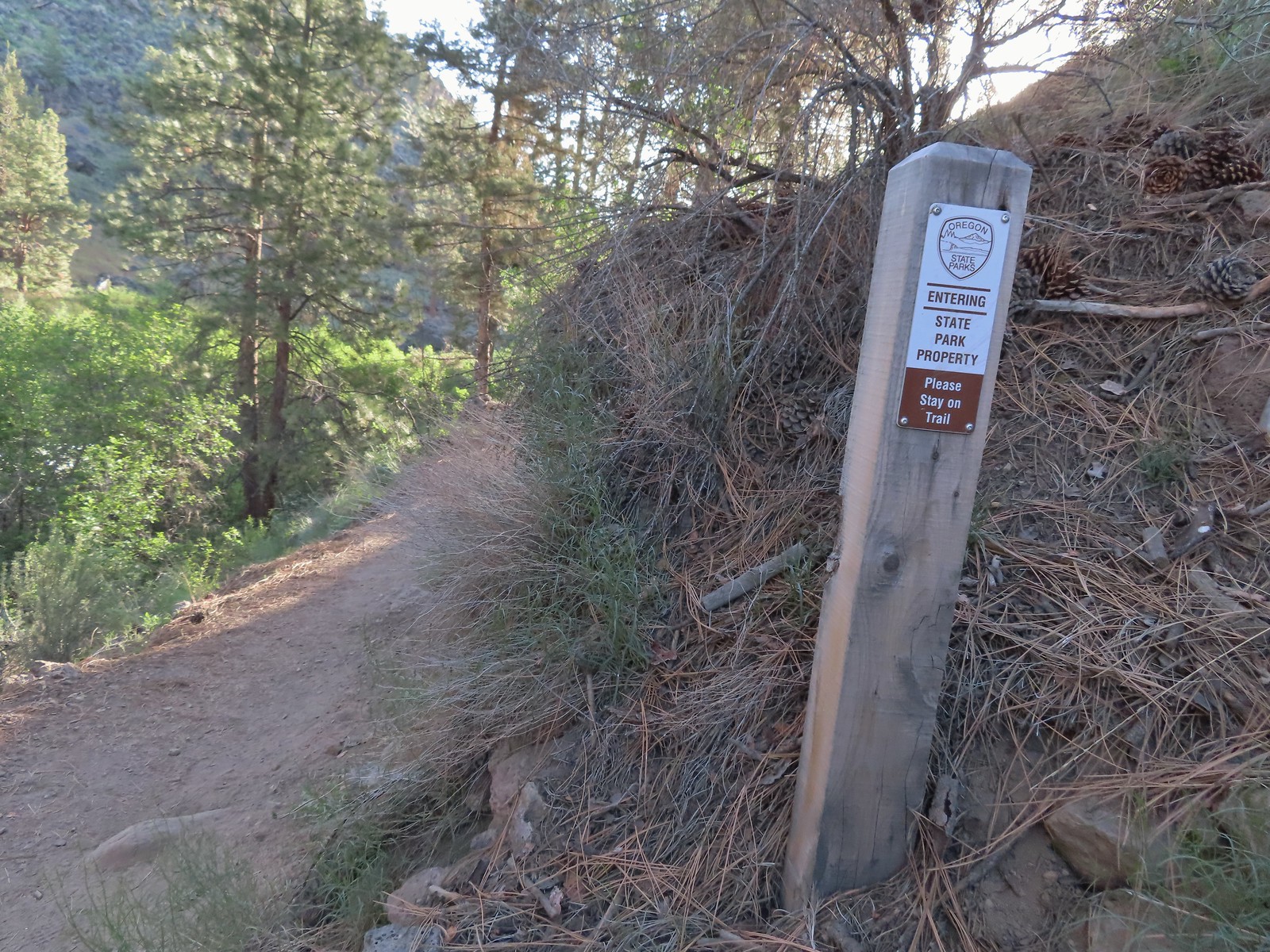 Crossing into Tumalo State Park.
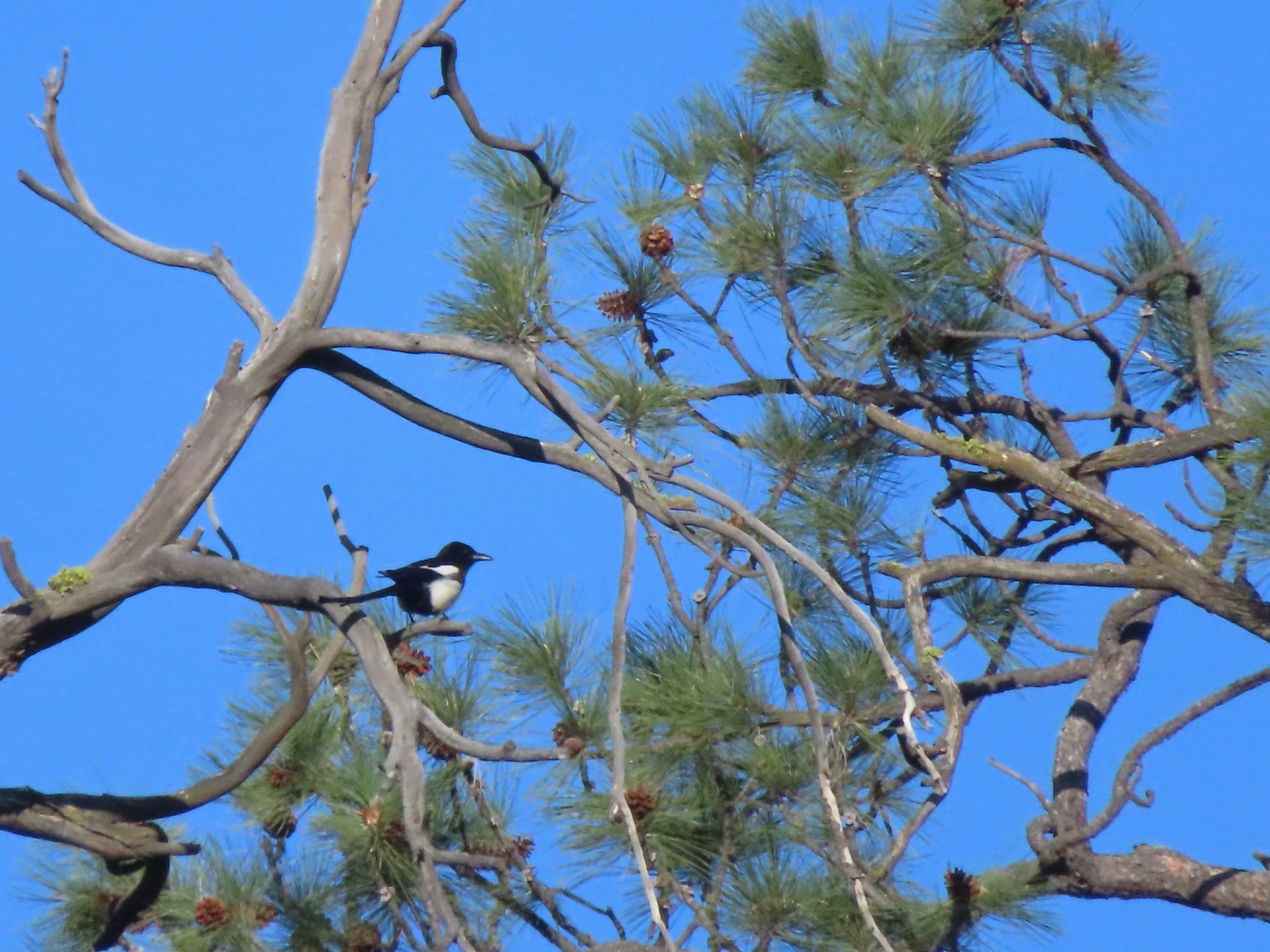 Magpie
 Paintbrush
 Mallards
 Penstemon
 A quarter of a mile from the day use area we crossed a road leading to a private bridge crossing the river.
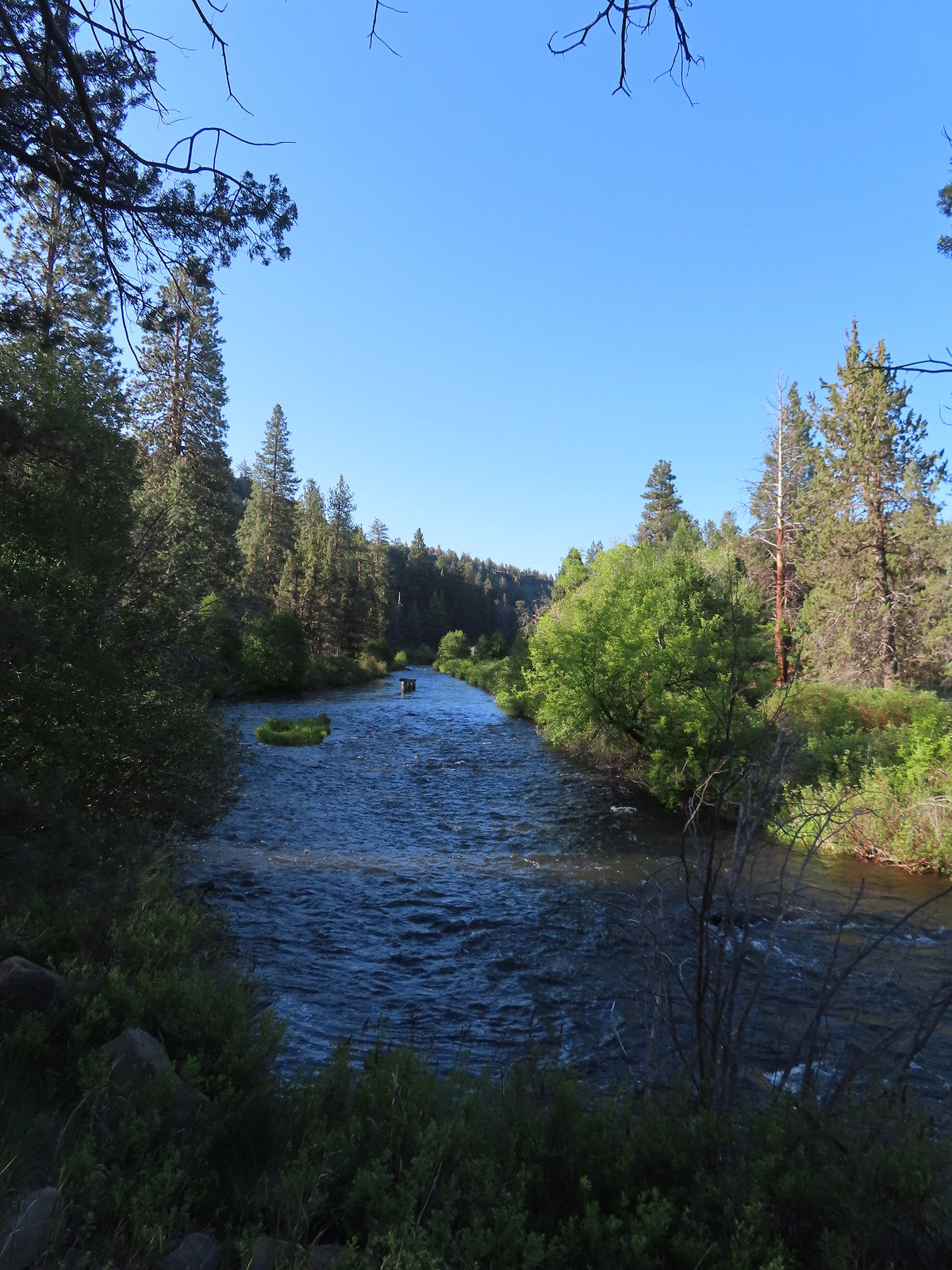 Remains of another bridge in the river.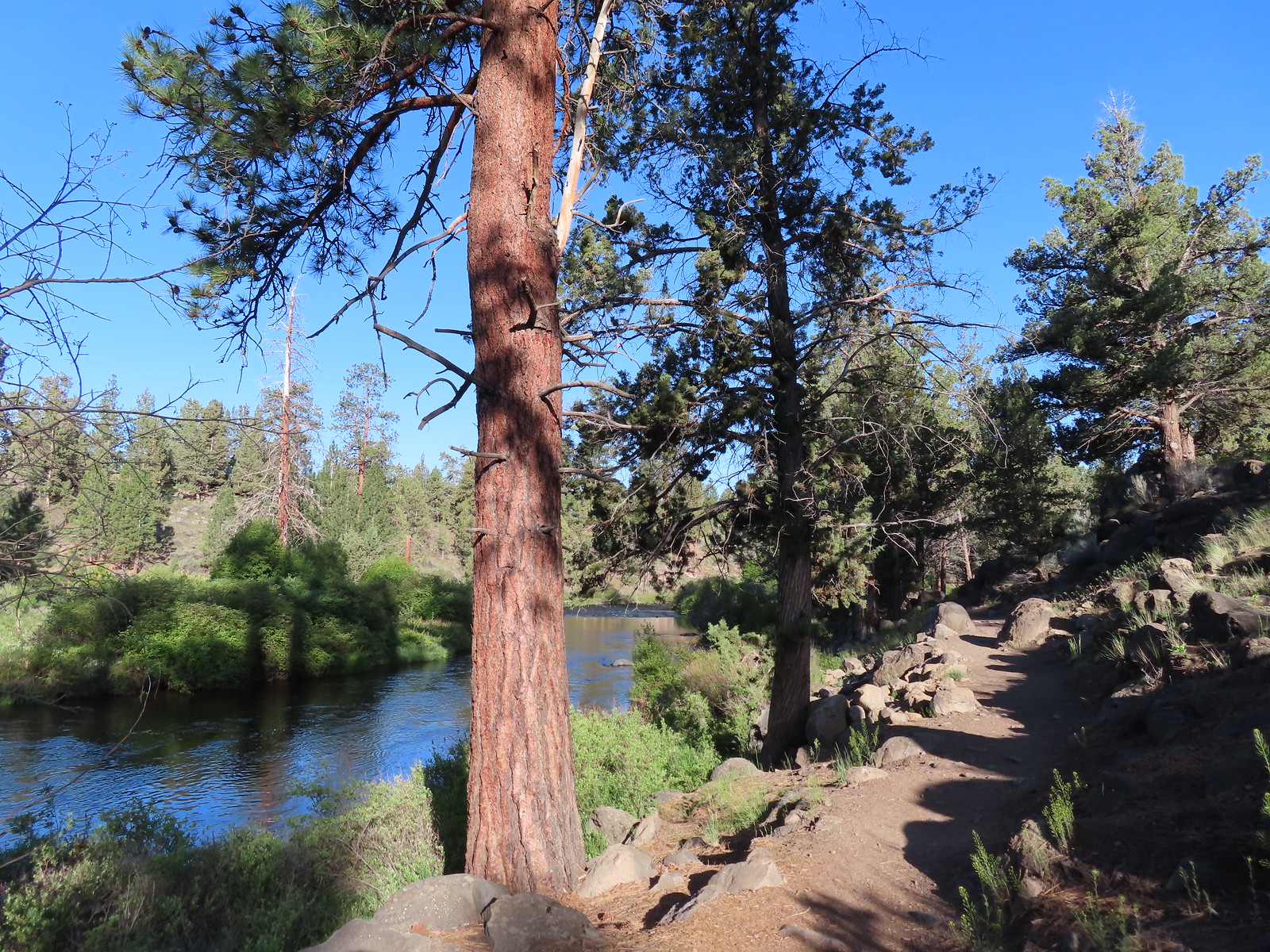
 Tumalo State Park Day Use Area
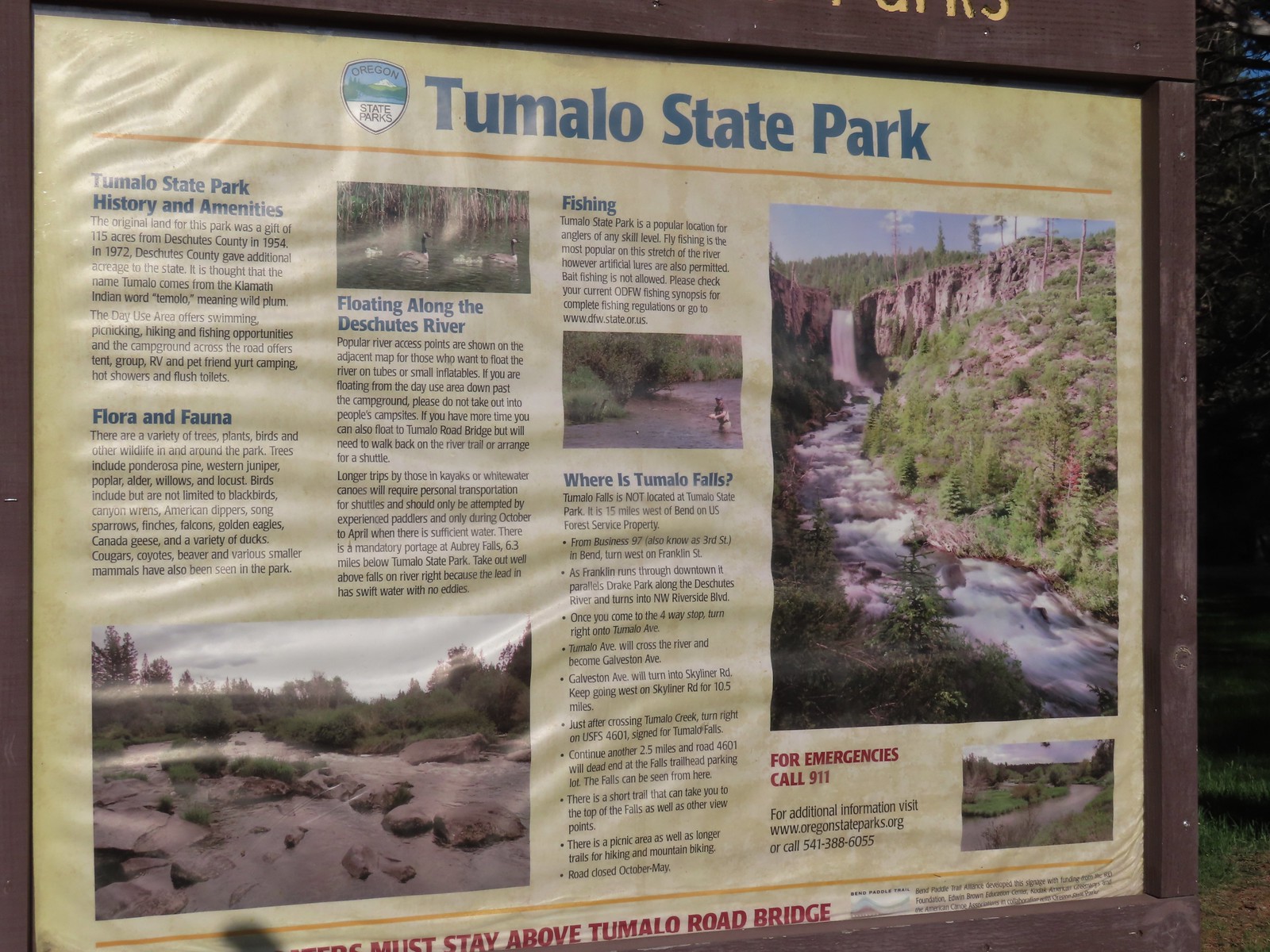
 Deschutes River at the day use area.
 Kingfisher on the bridge remains. (A bit blurry due to being a long way off.)
 A swallow and a pygmy nuthatch.
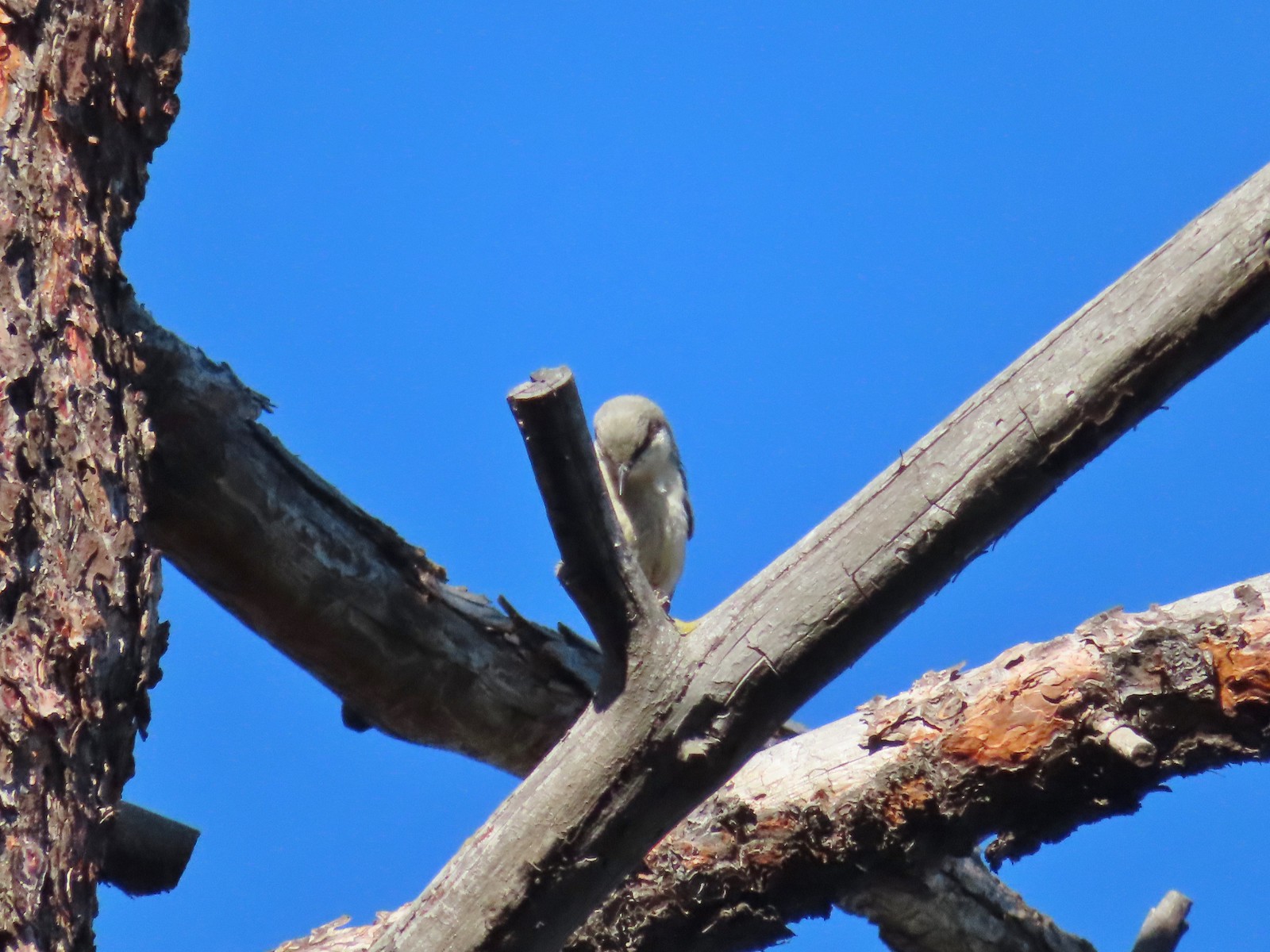 Pygmy nuthatch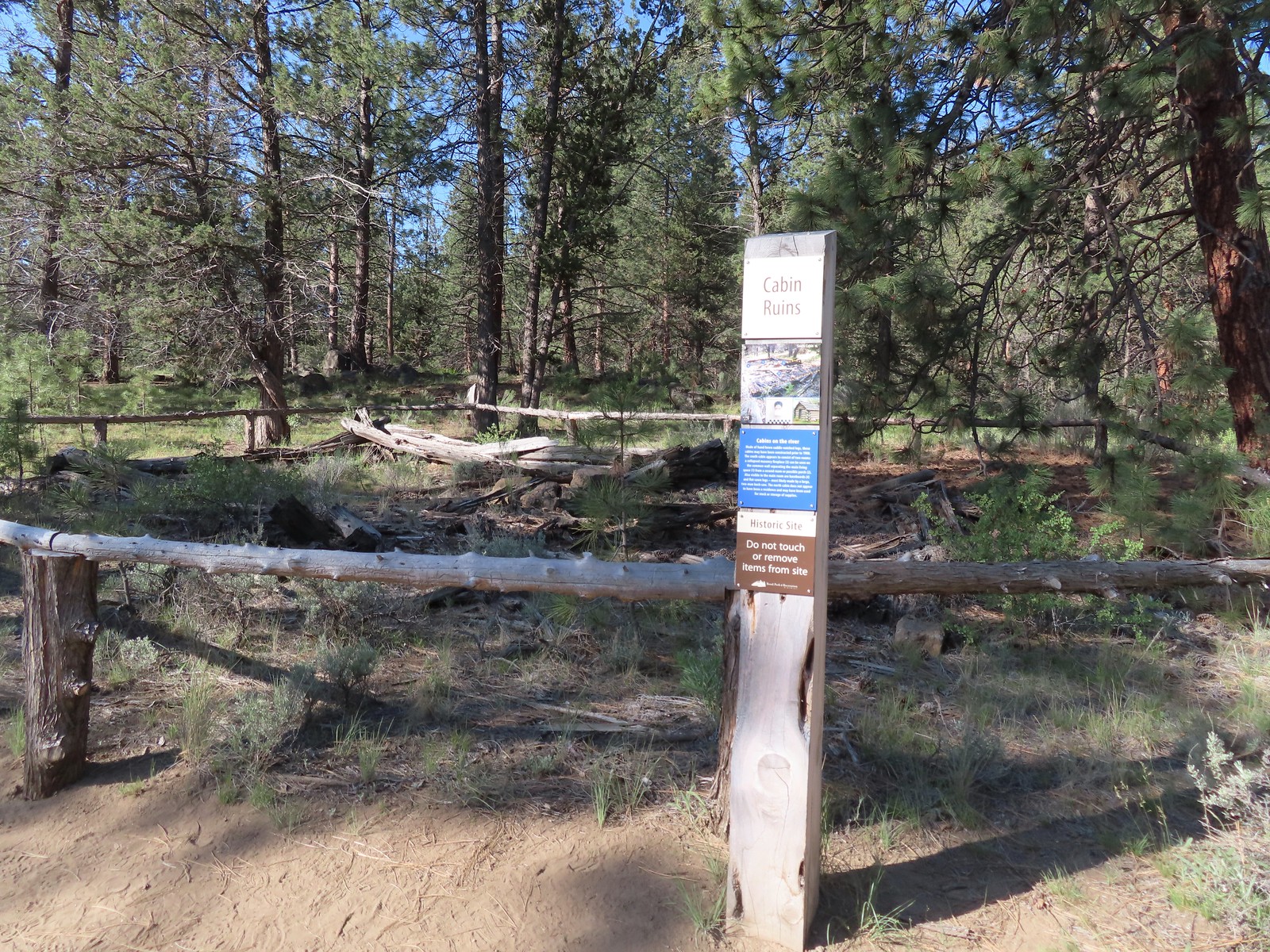
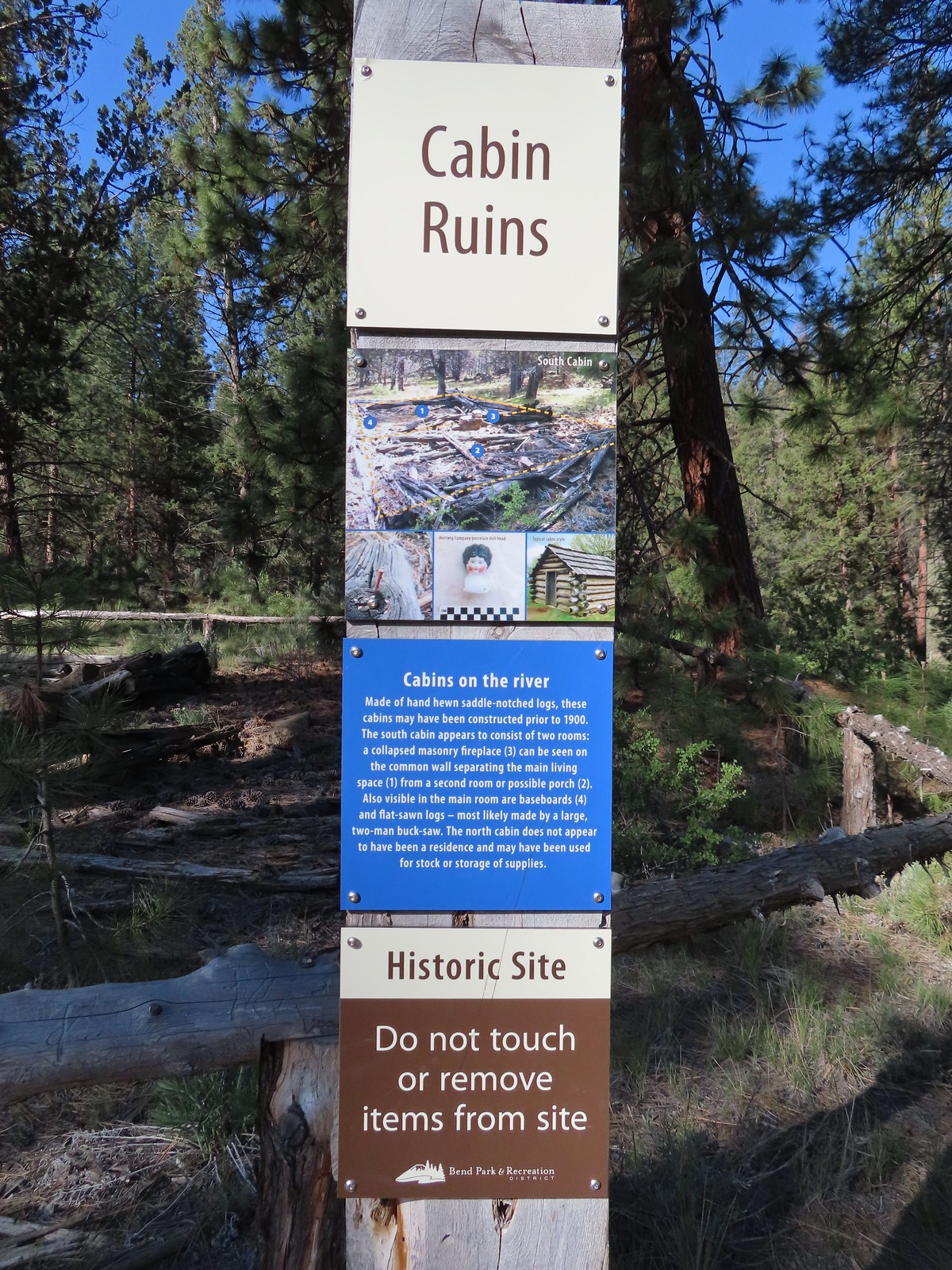
 Bench along the Canyon Loop.
 Northern flicker
 We were distracted enough by the runners that we failed to notice the deer bedded down to the right of the trail. You can see its ears sticking up here.
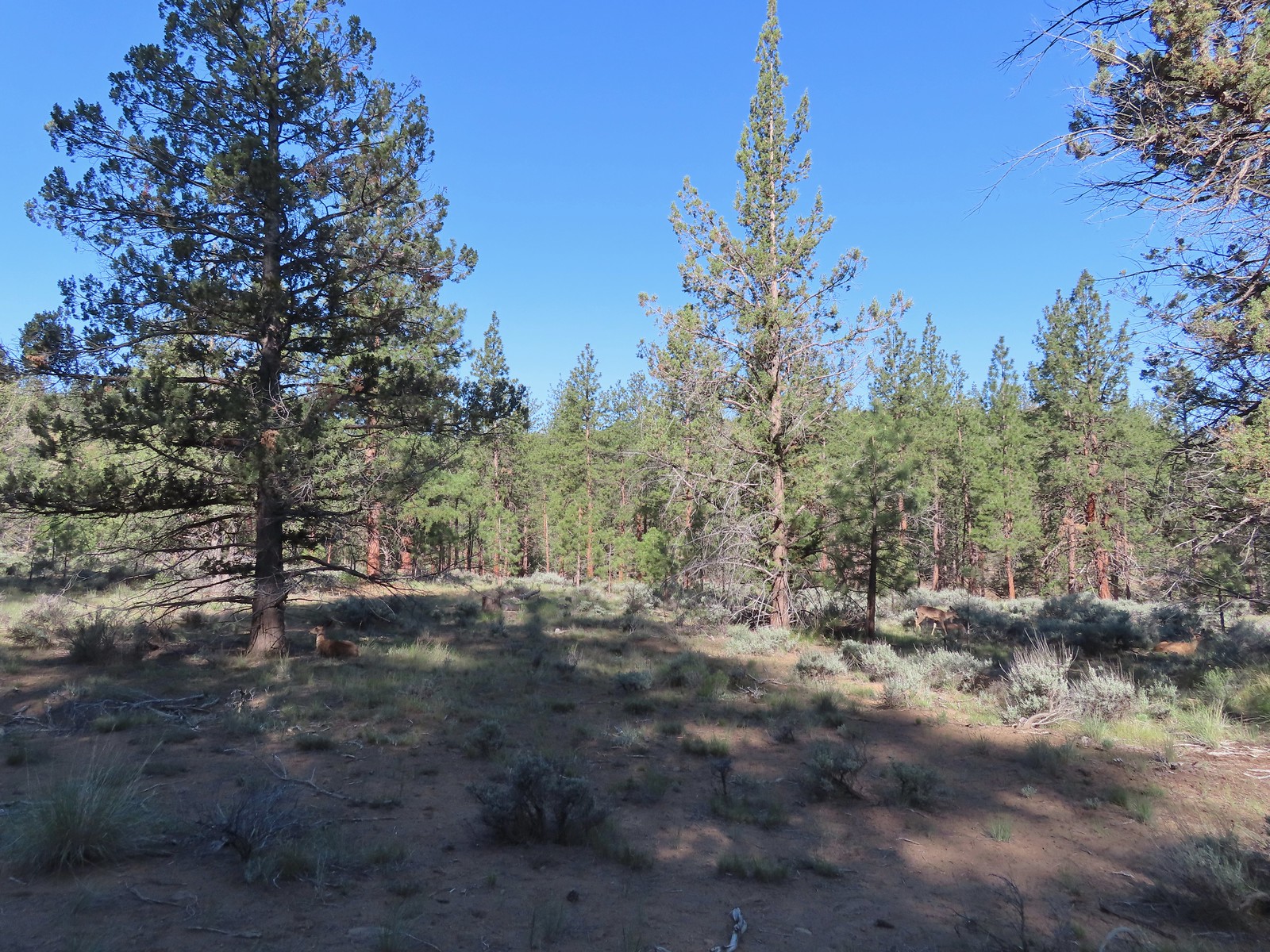 There were at least four deer hanging out here.
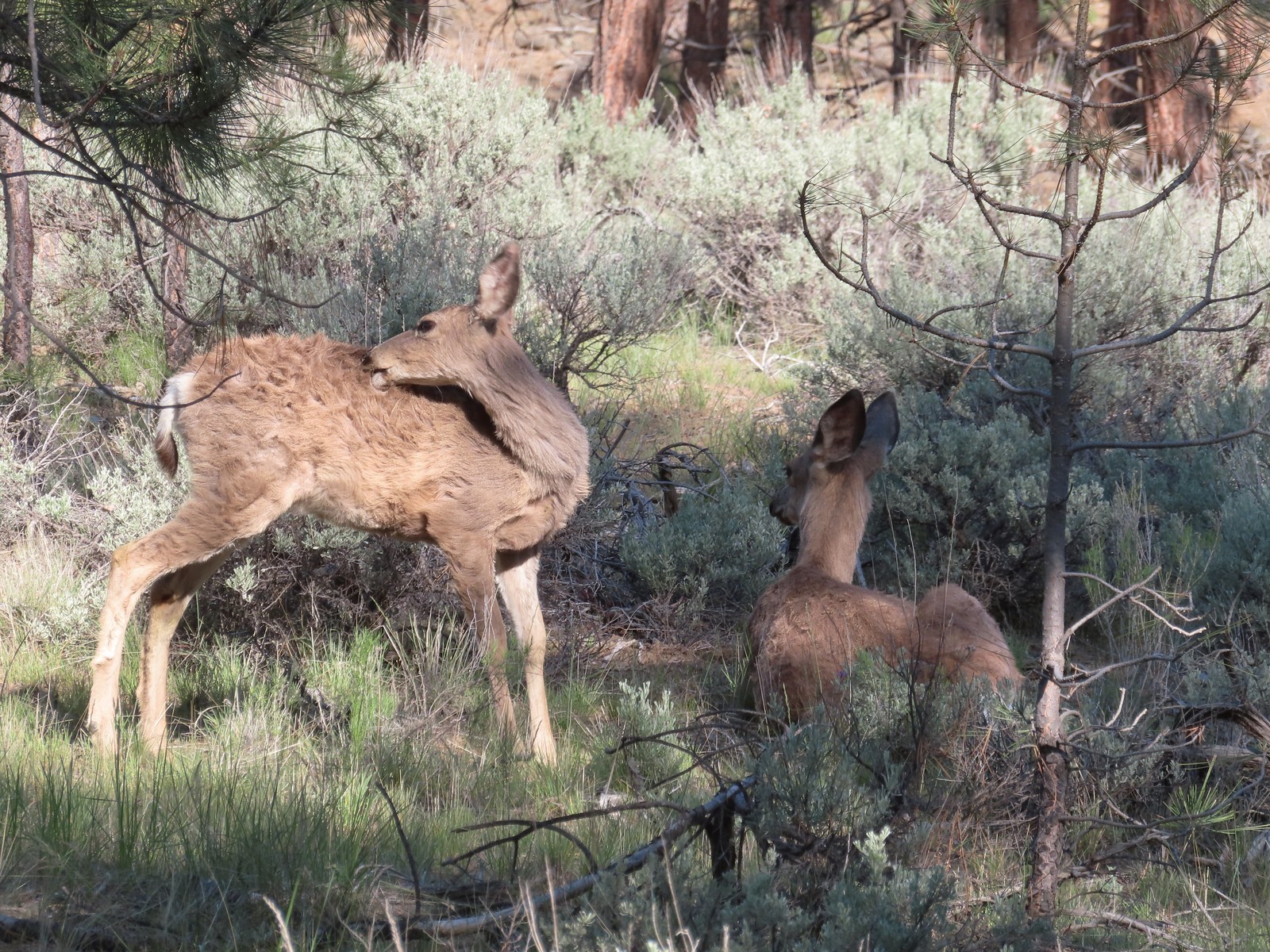
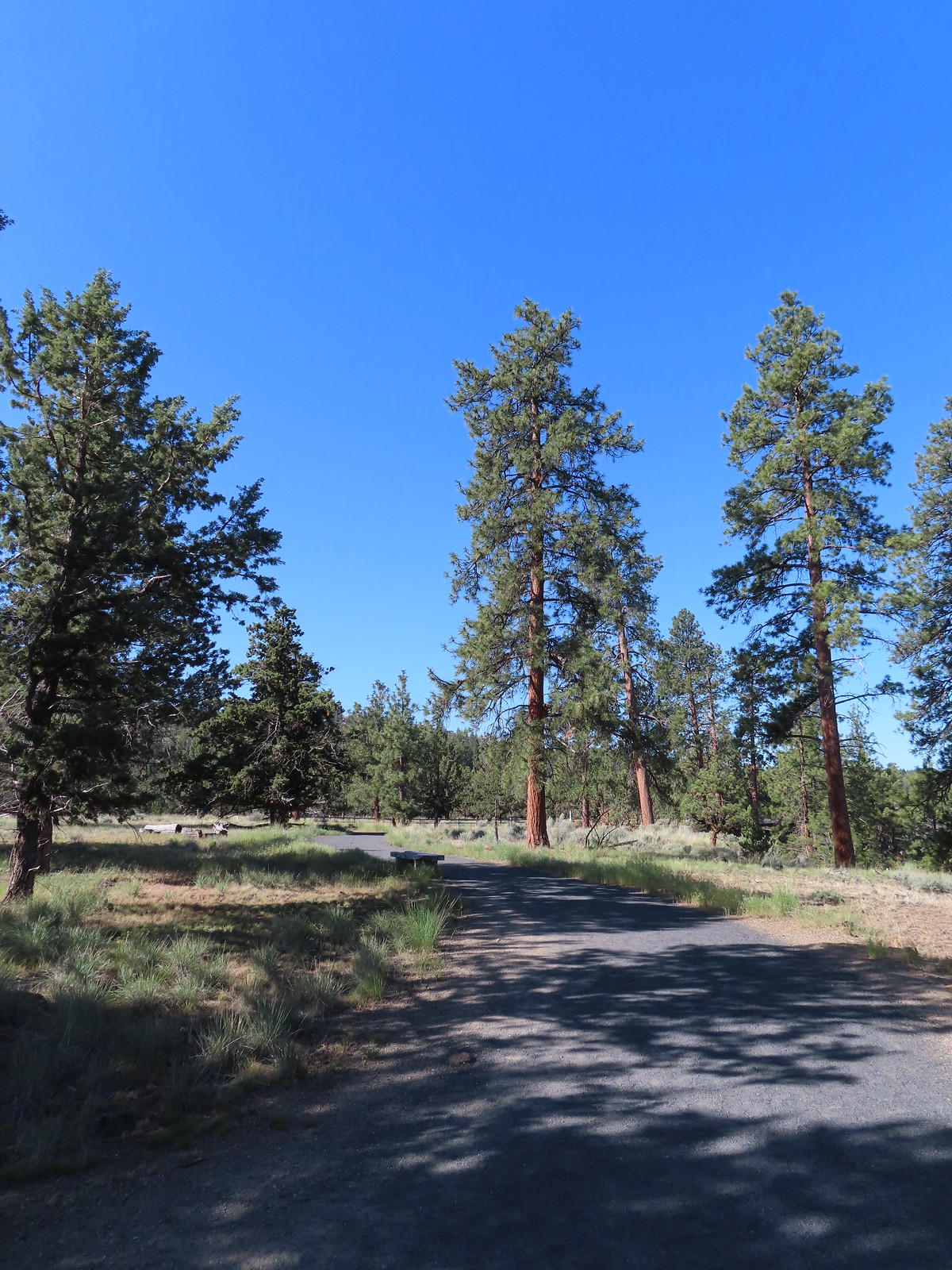 The Sage Flat Loop Trail.
 Spur to the Canyon Overlook.
 Death camas
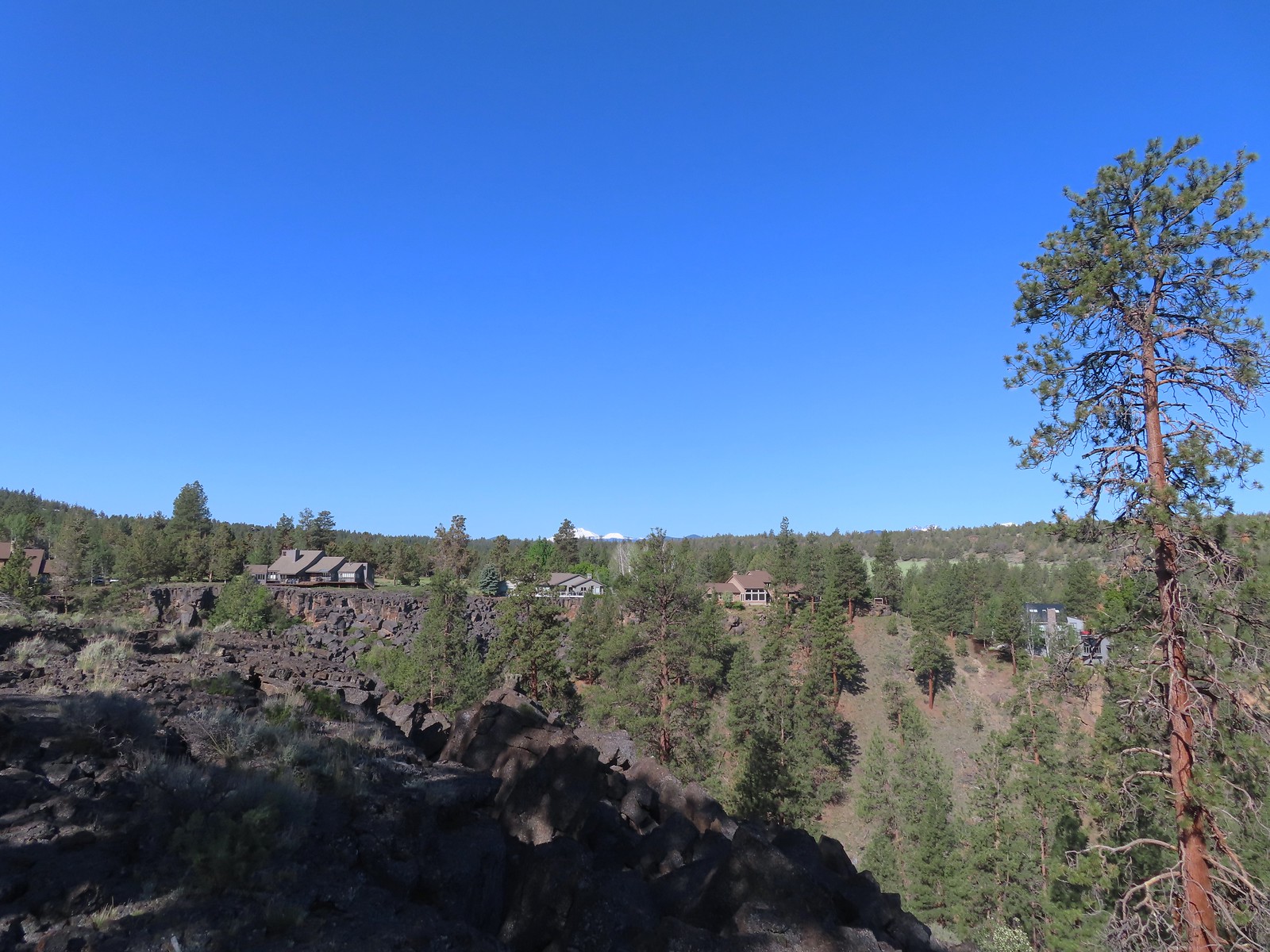 Mt. Bachelor and Tumalo Mountain
 Mt. Jefferson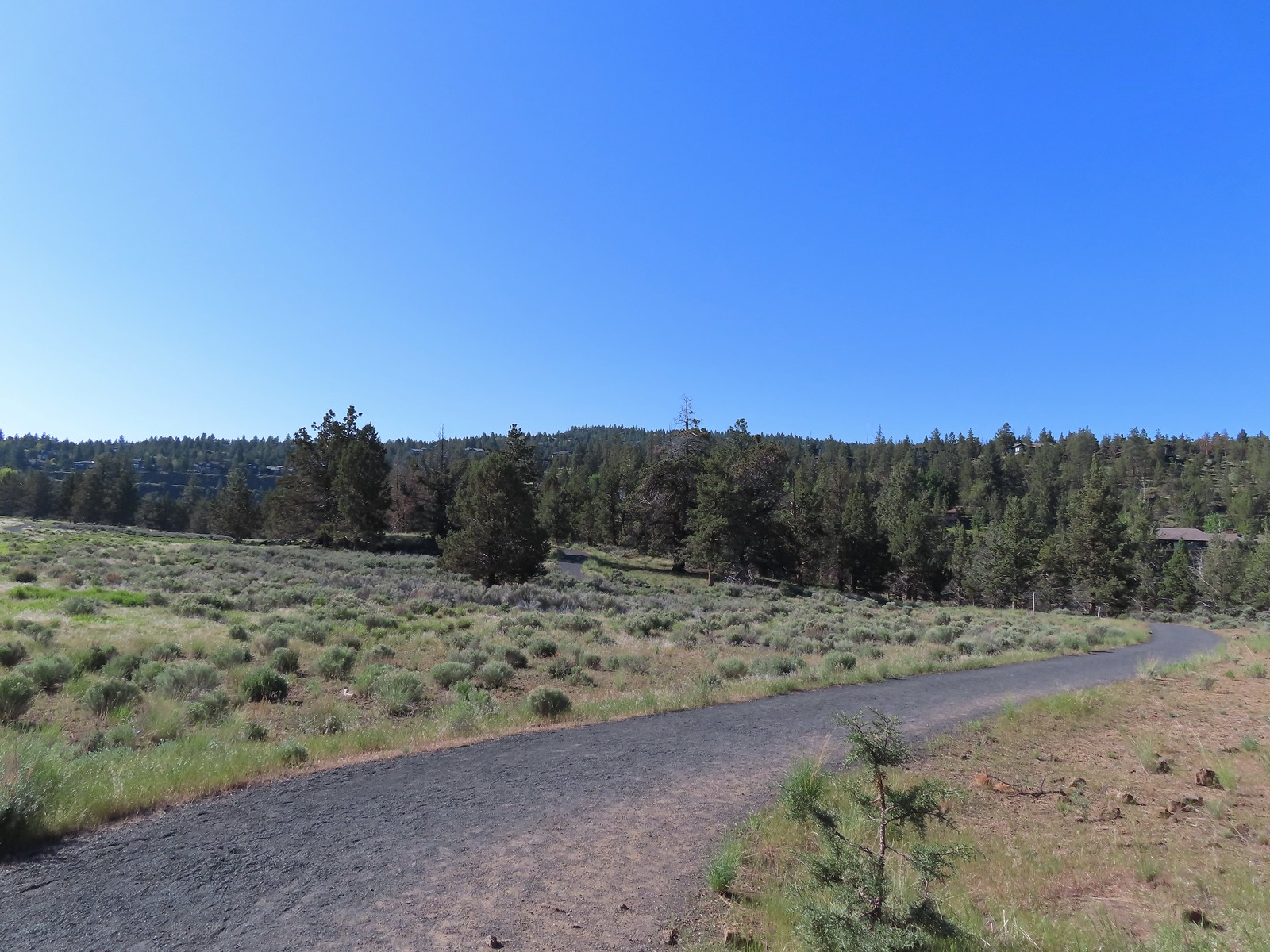
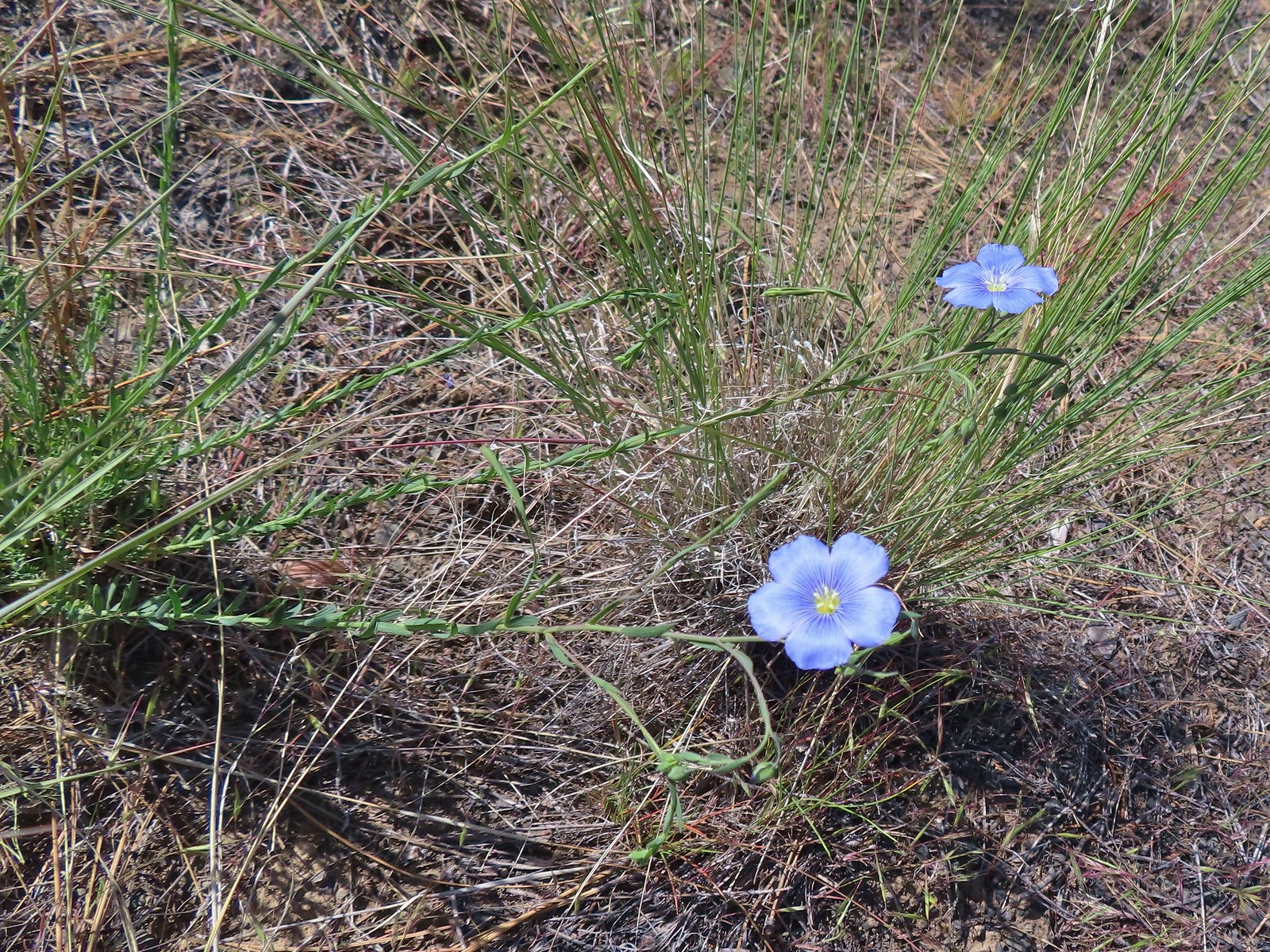 Lewis flax
 Marker for the Sage Flat Overlook.
 Looking back at where the Sage Flat Overlook was.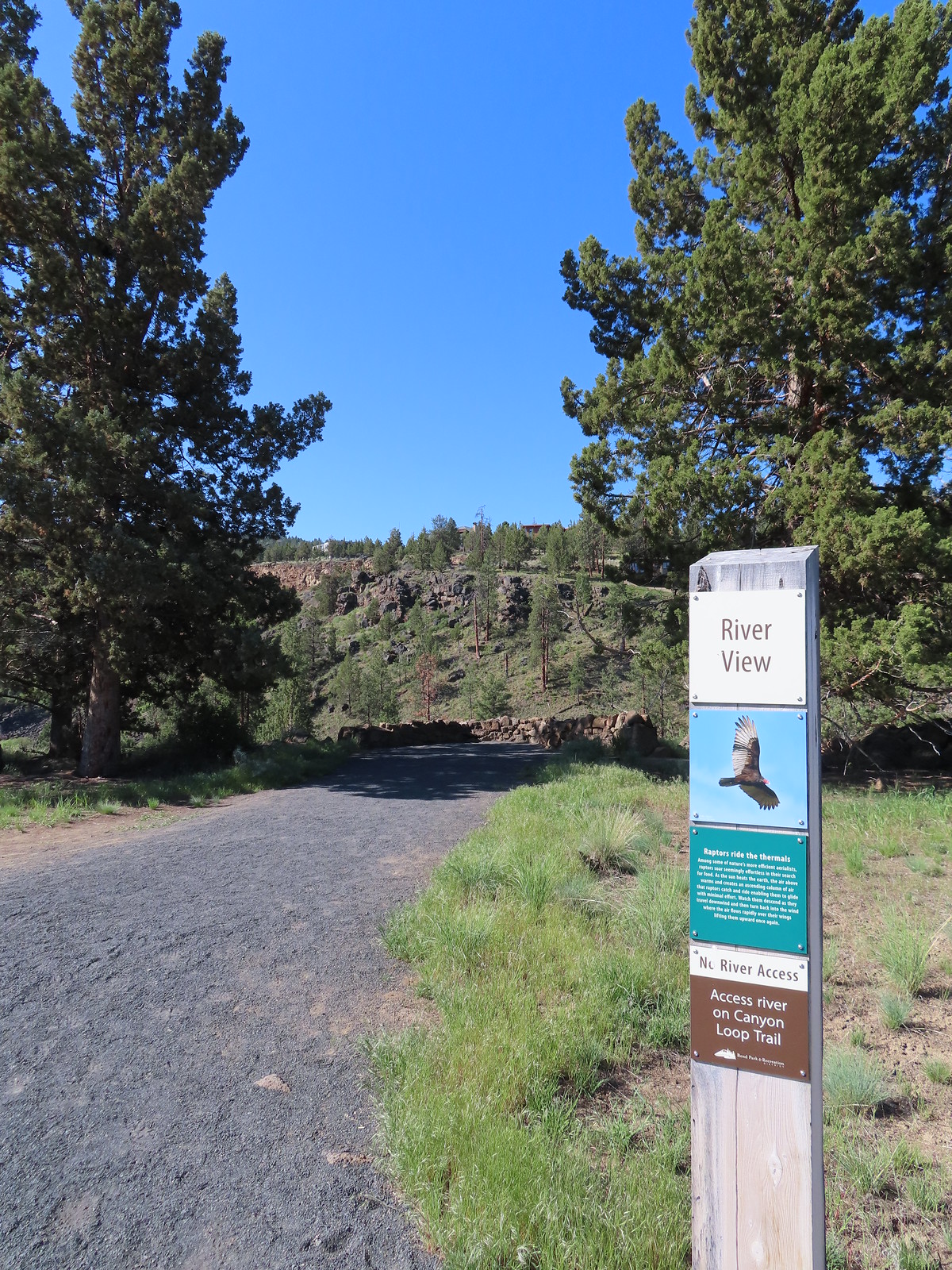

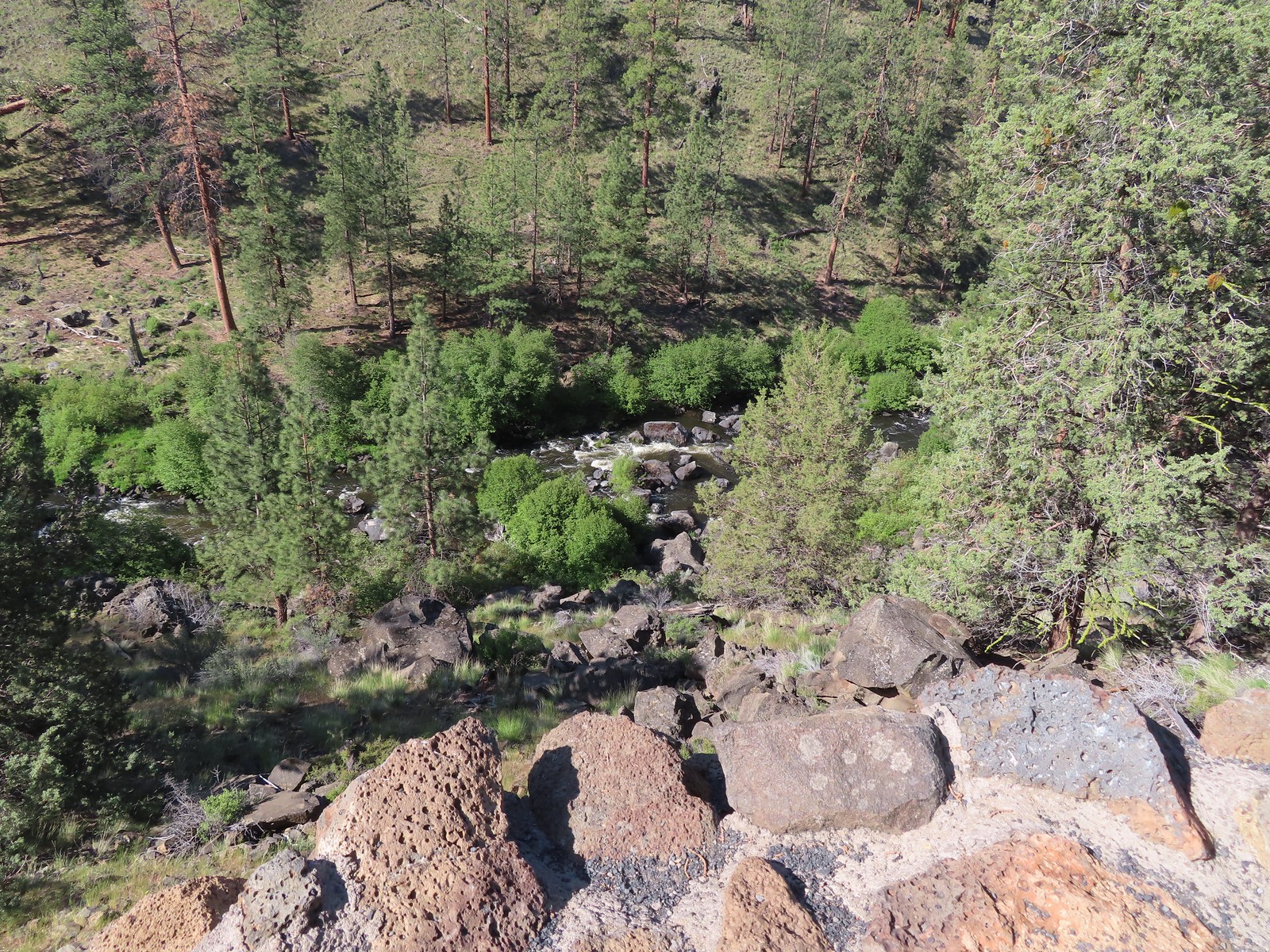
 Lizard near the River Viewpoint.
 The Cascade Mountains
 Black Crater (
 Finishing up the Juniper Loop.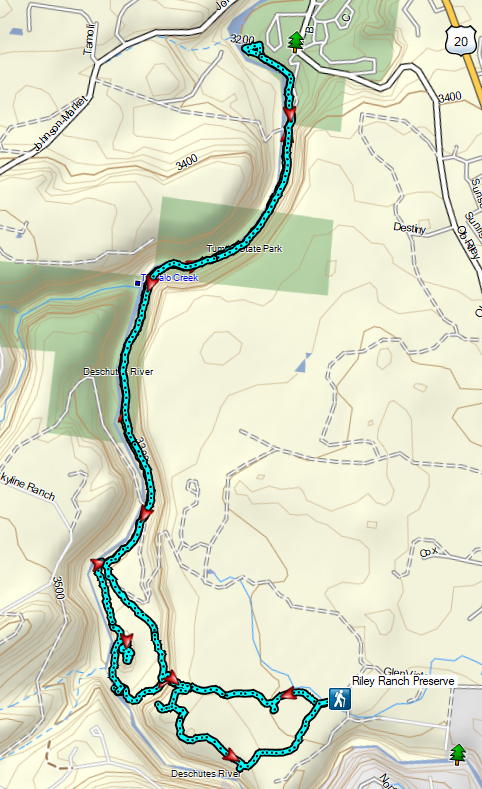


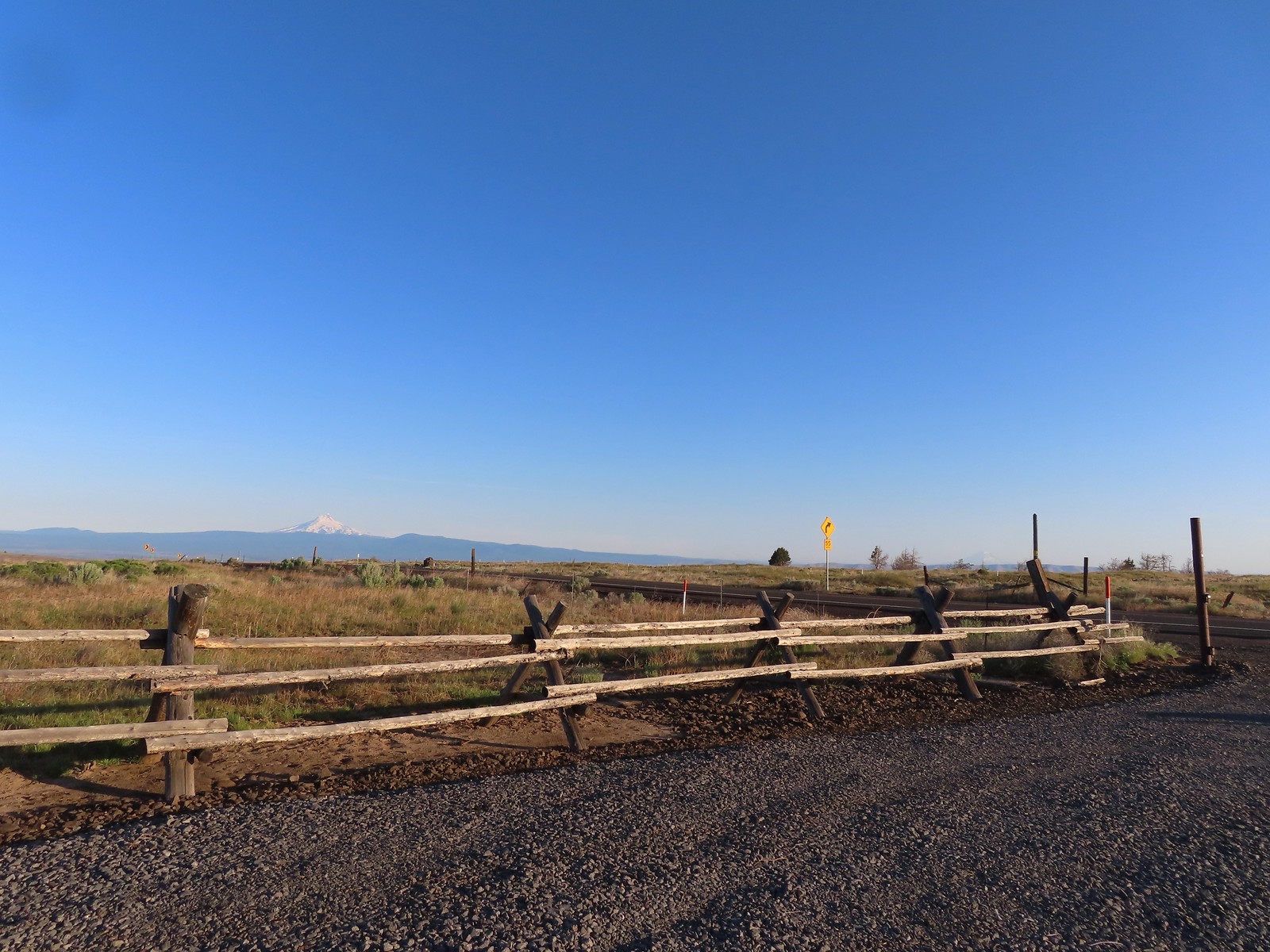 Mt. Hood and Mt. Adams from the trailhead which is the high point of the hike.
 Mt. Hood
 Cattle sometimes graze in the area and the combination of their hooves with the unmaintained roads makes for some pretty rough surfaces.
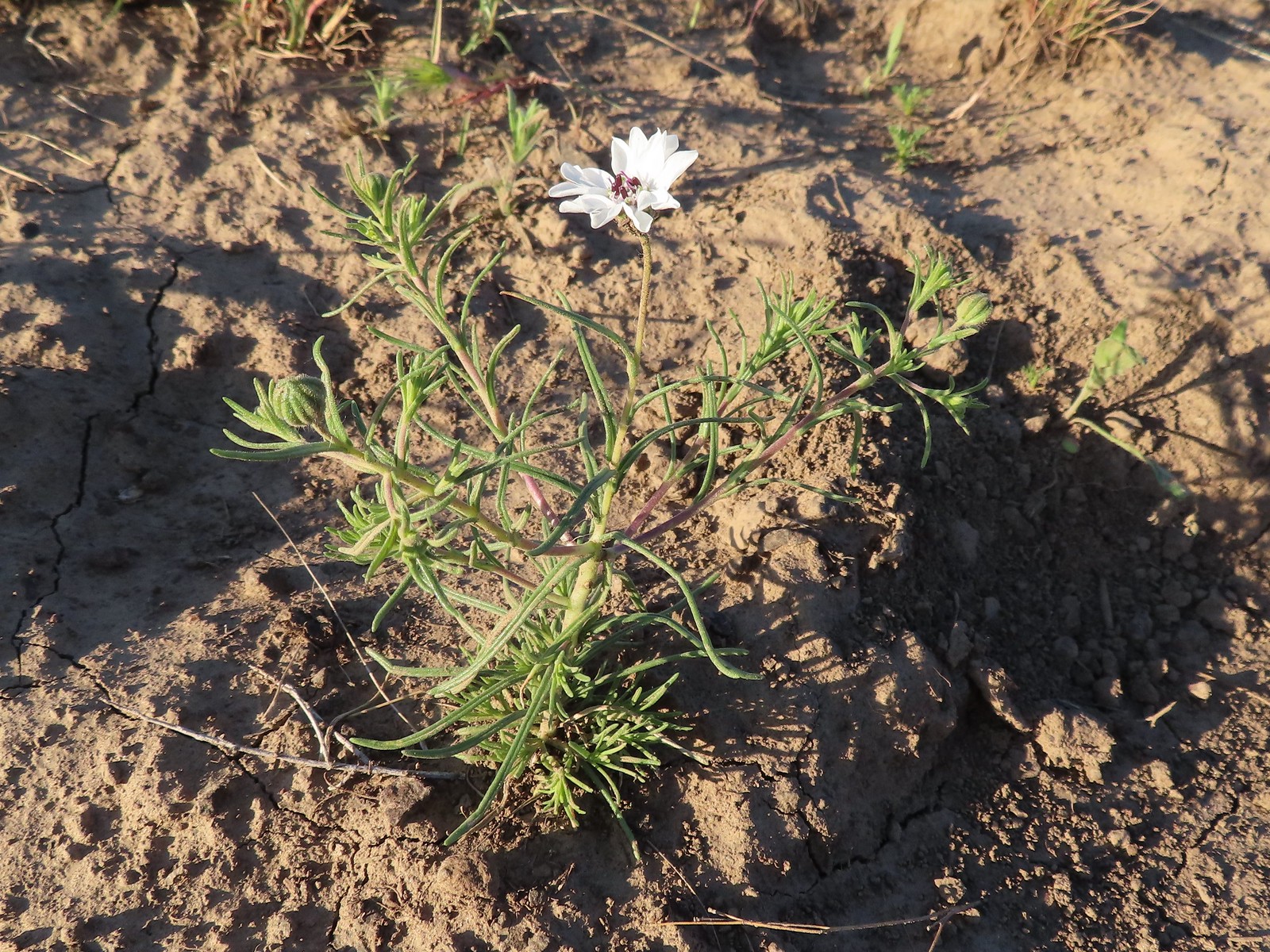 Rough-eyelashweed. There was a lot of this blooming along the road.
 A couple of lomatiums.
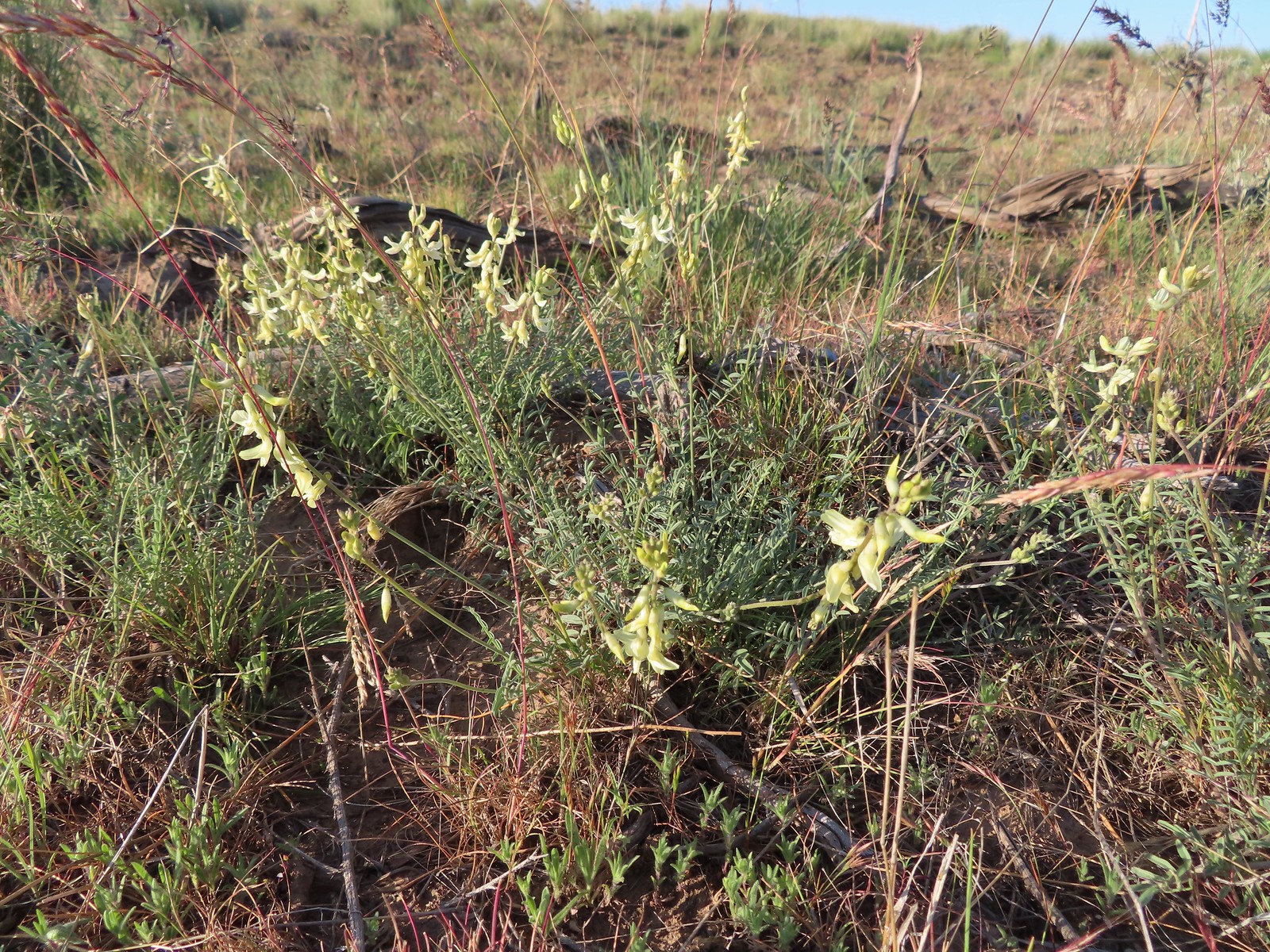 Howell’s milkvetch
 Idaho milkvetch
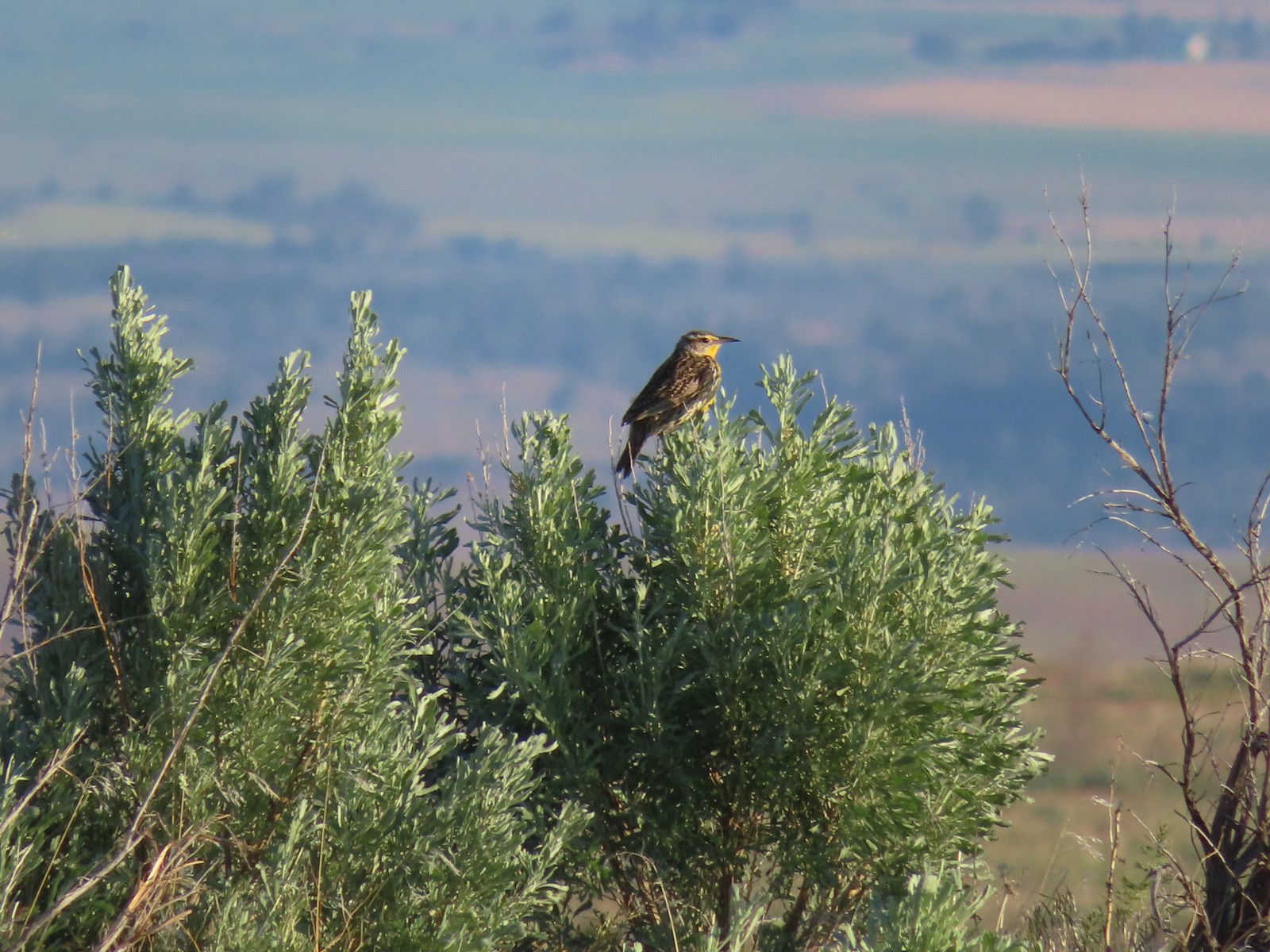 Western meadowlark
 A buckwheat
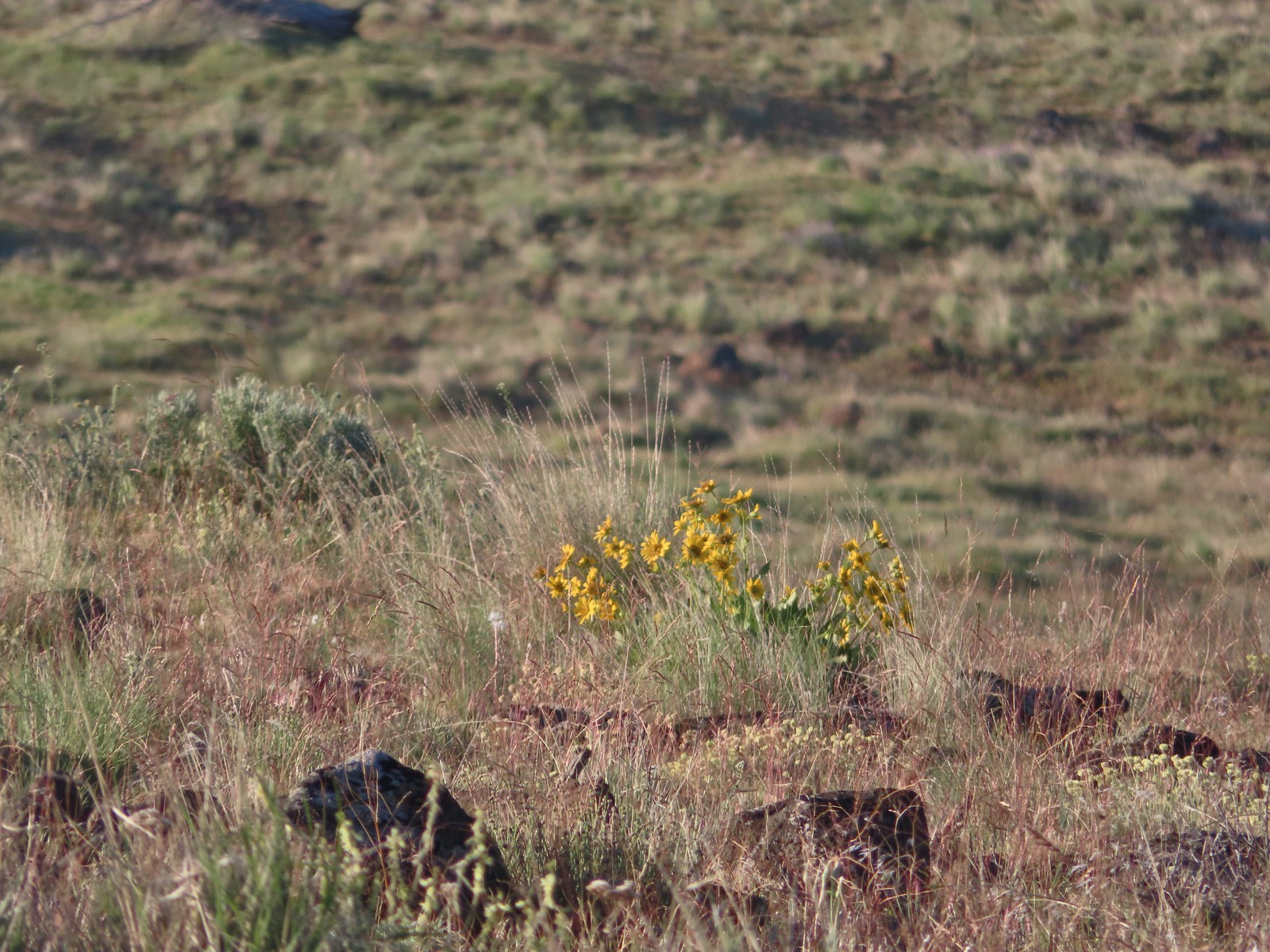 Carey’s balsamroot
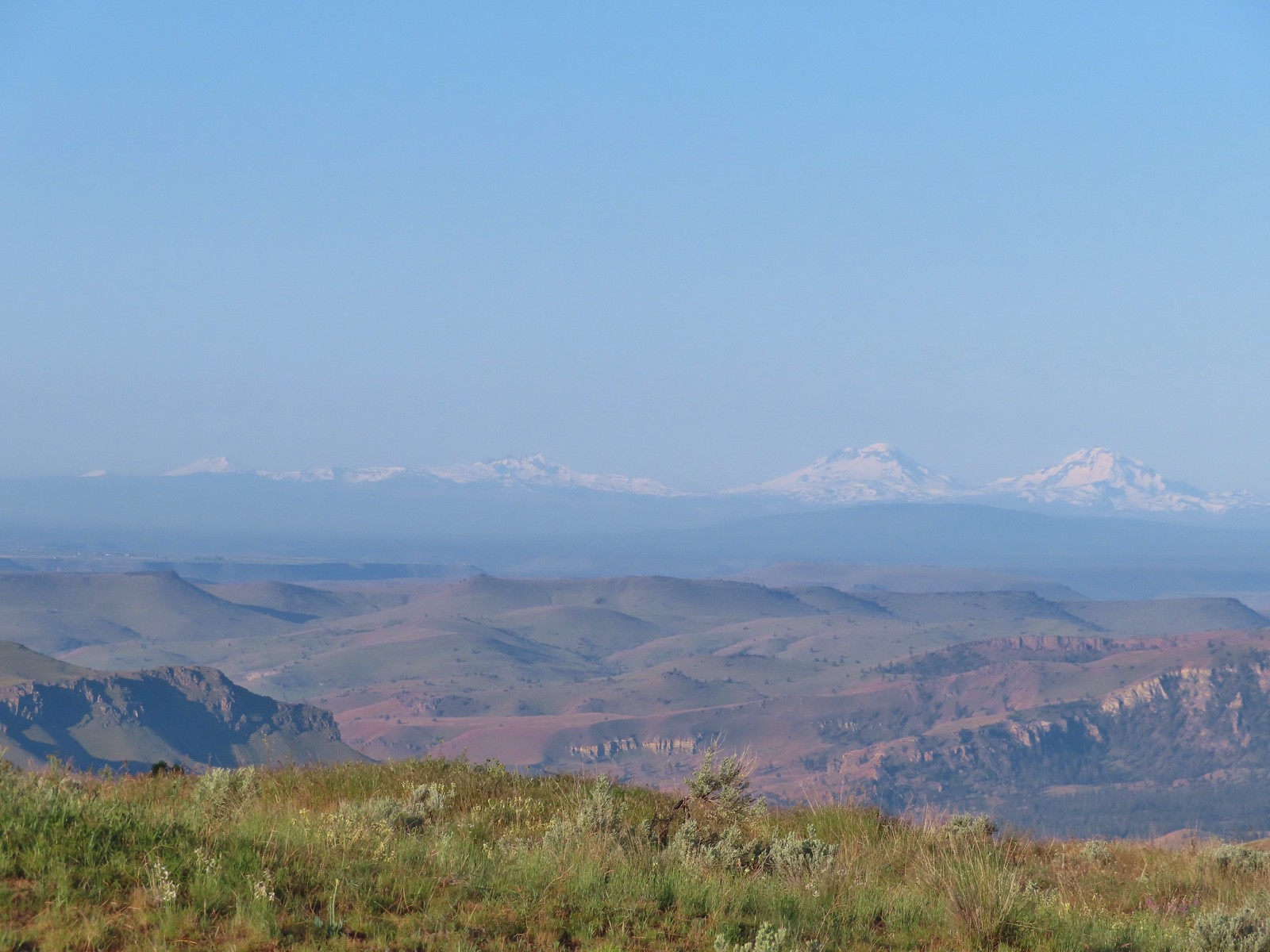 Mt. Bachelor, Broken Top and the Three Sisters
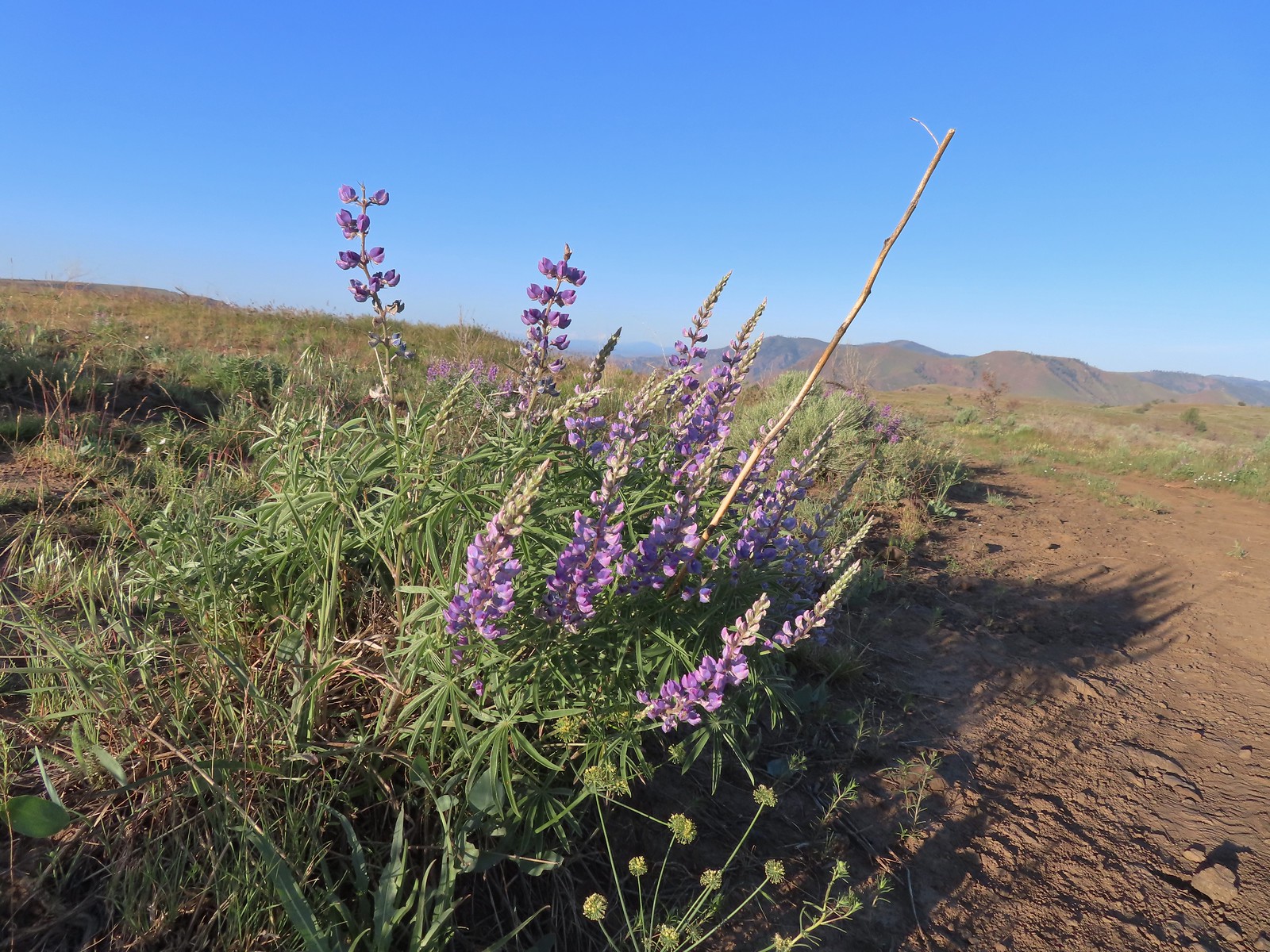 Lupine
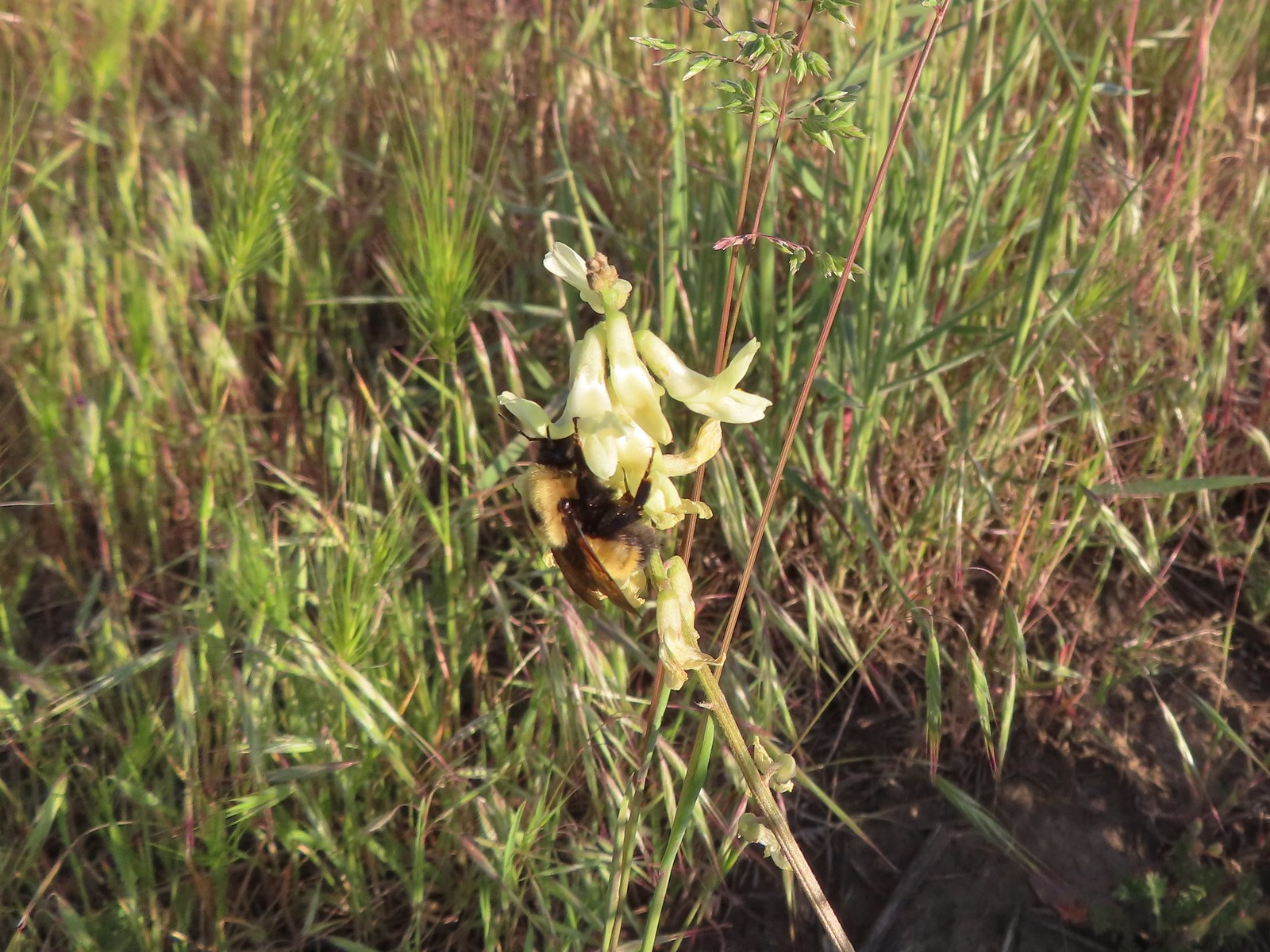 Bumble bee on Howell’s milkvetch
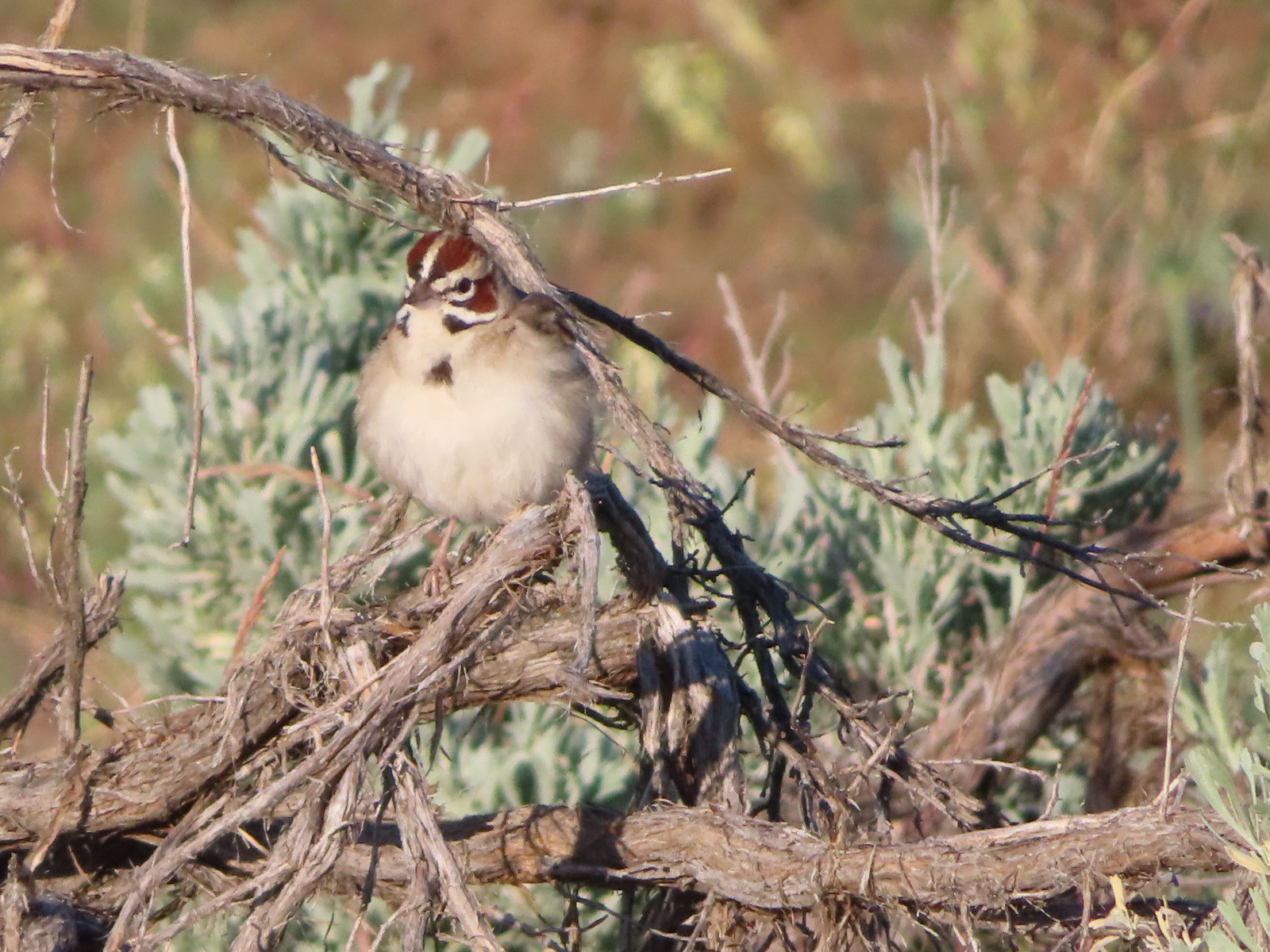 Lark sparrow
 We spent a lot of time heading toward Mt. Hood.
 Sparrow?
 Mt. Adams
 Mt. Hood
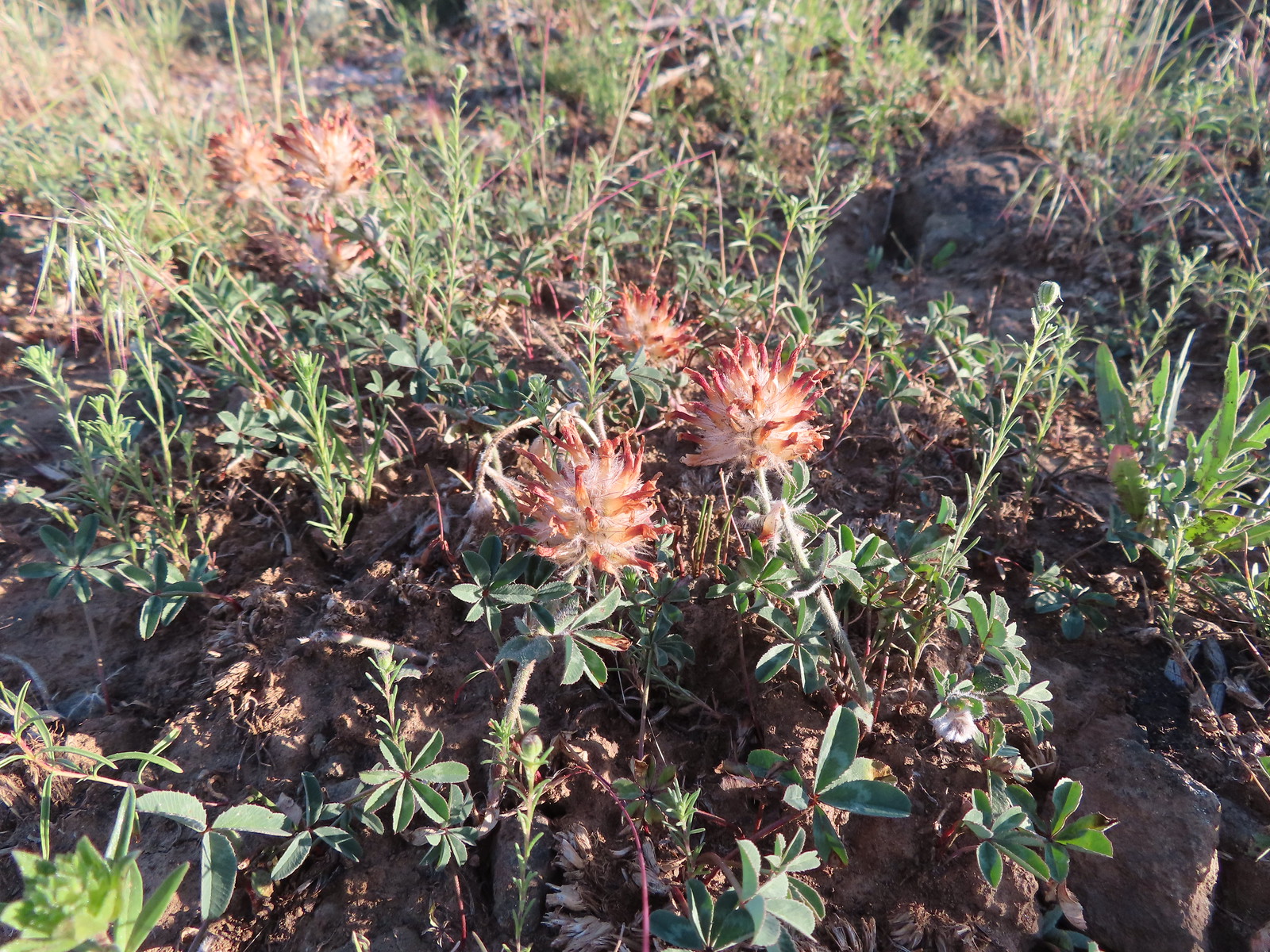 We were a little too late for the large-head clover.
 Western meadowlark giving a performance.
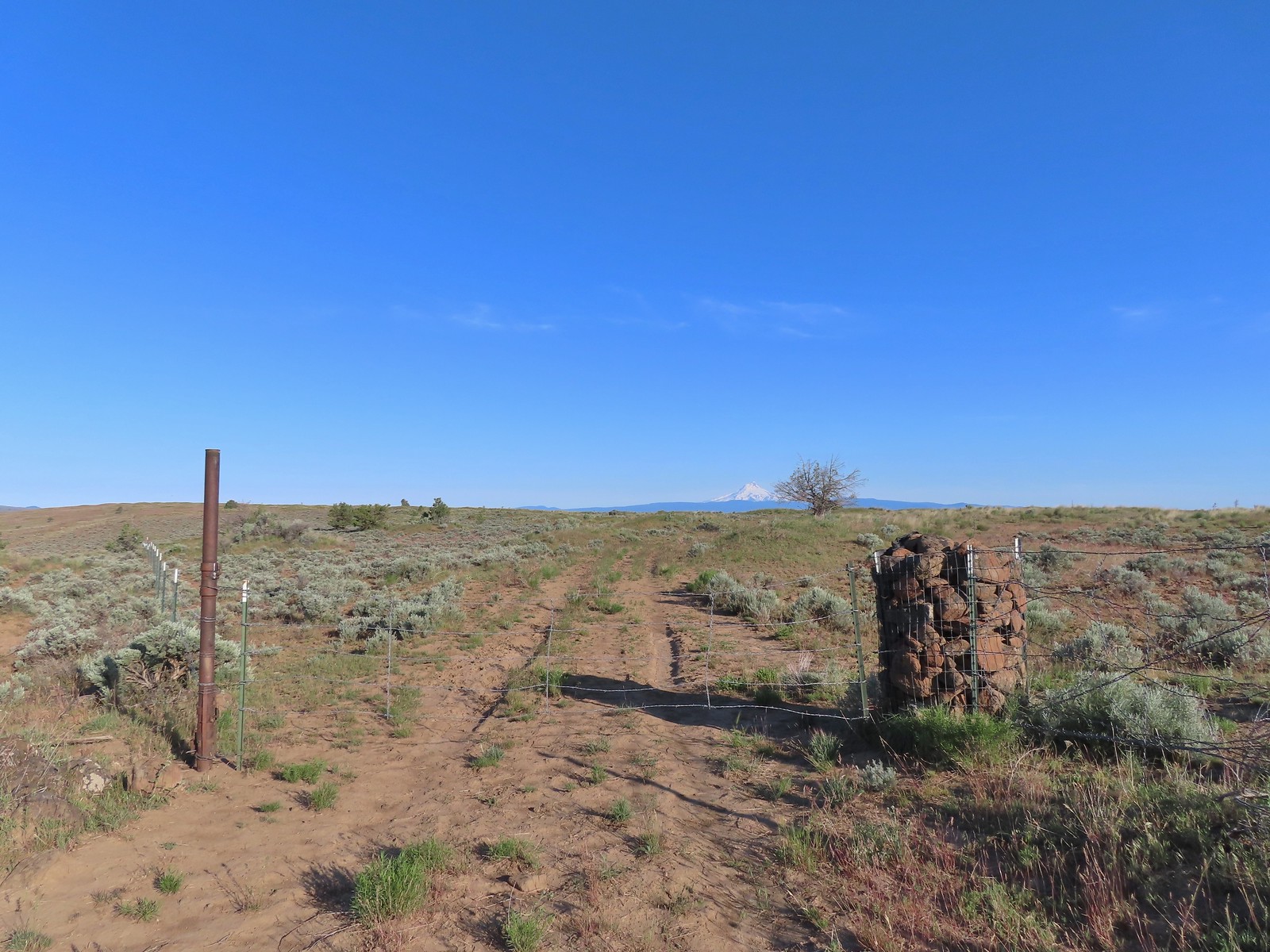 The third gate with Mt. Hood in the distance.
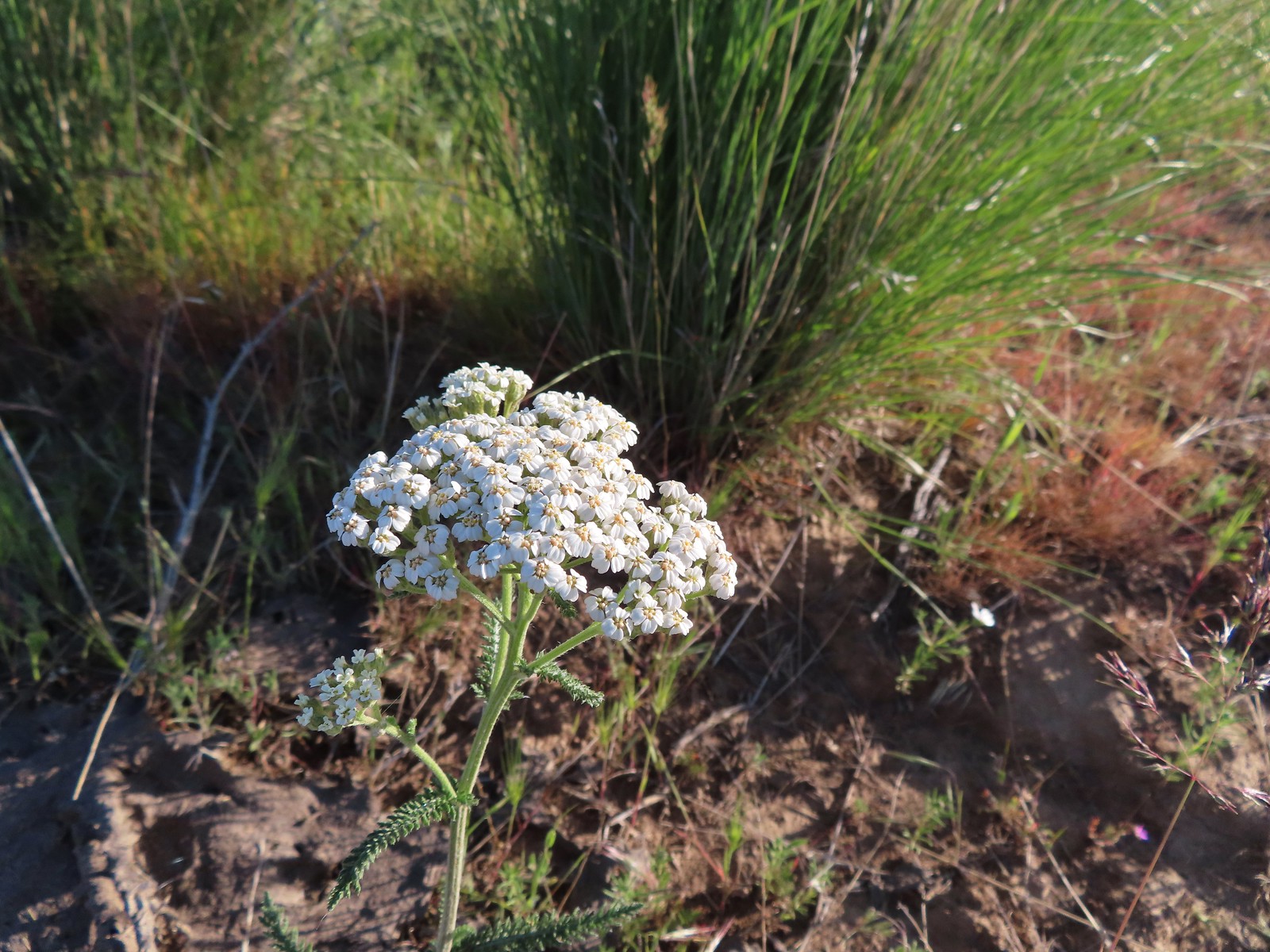 Yarrow
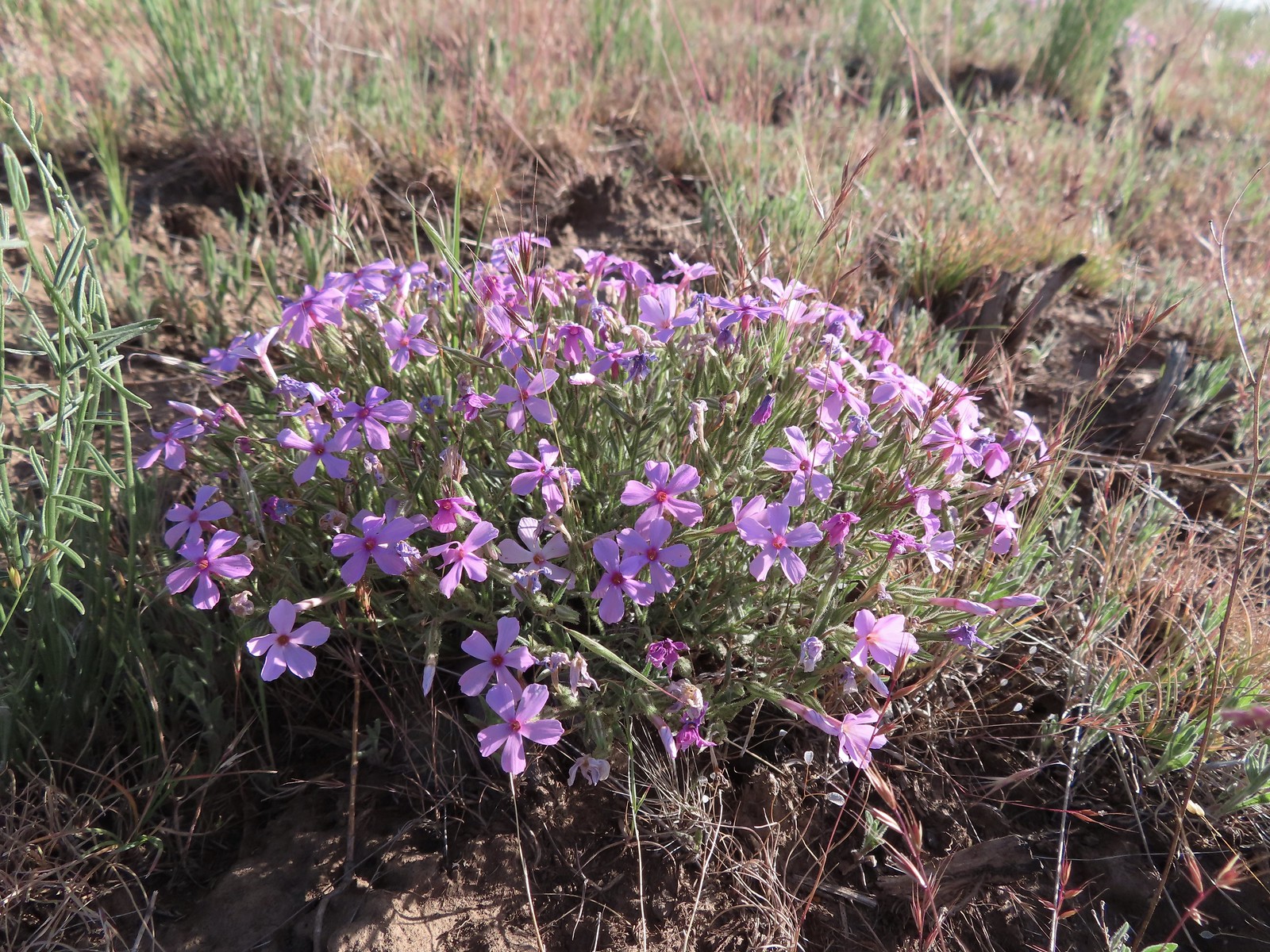 Phlox
Phlox The Deschutes River winding through the valley below.
 Rough eyelashweed and lupine with Mt. Hood behind.
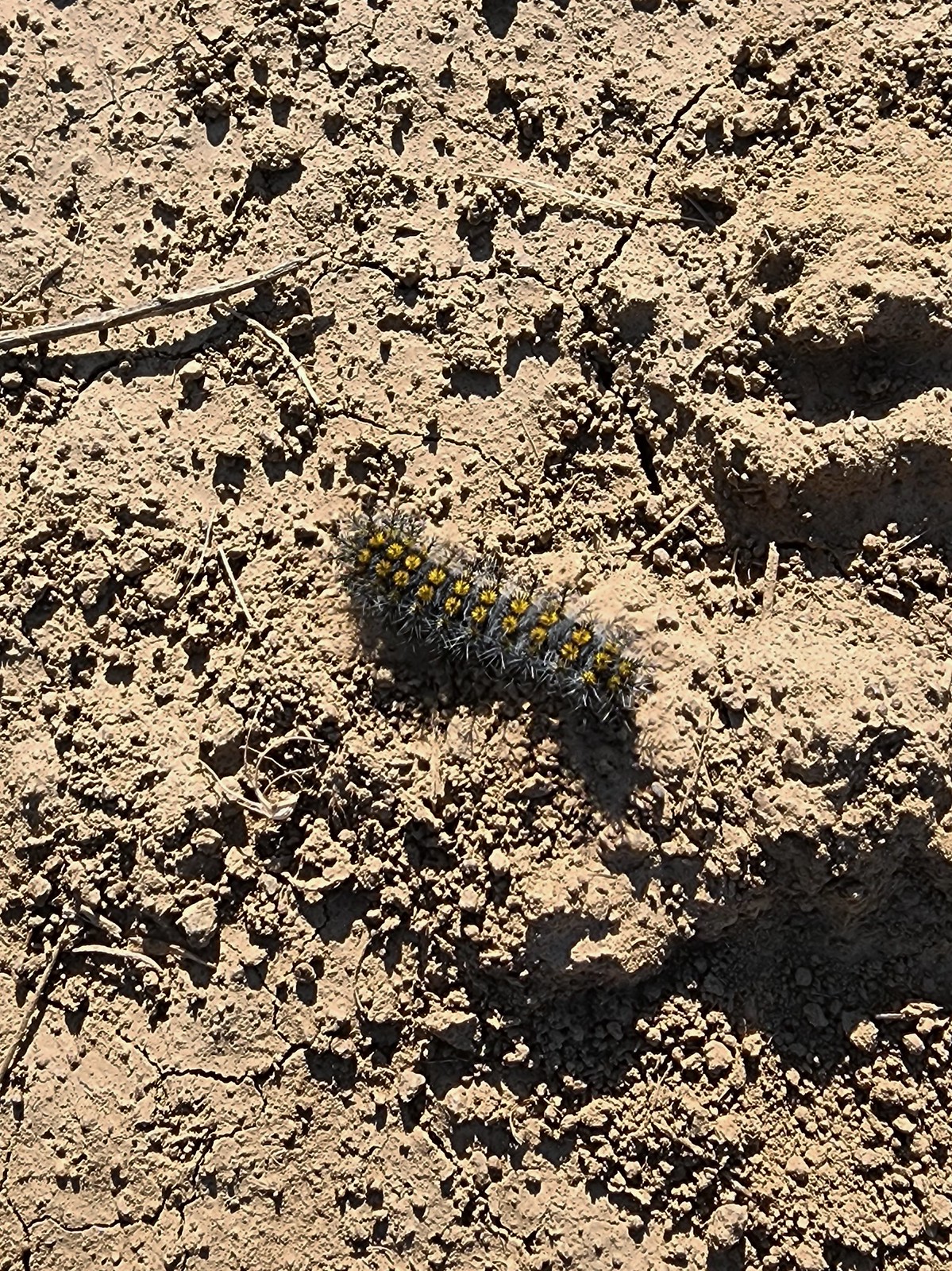 Caterpillar
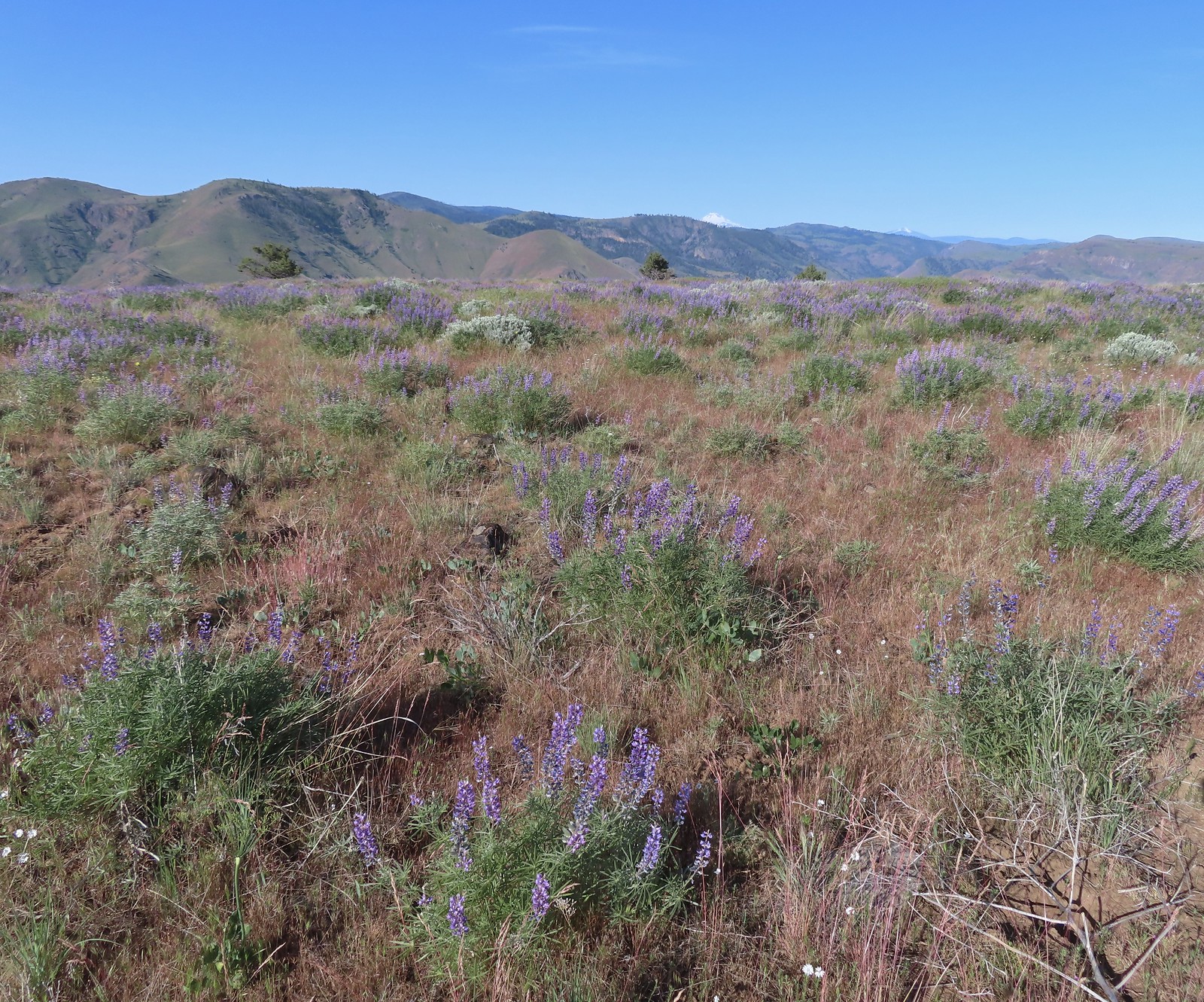 Lupine with Mt. Jefferson in the background.
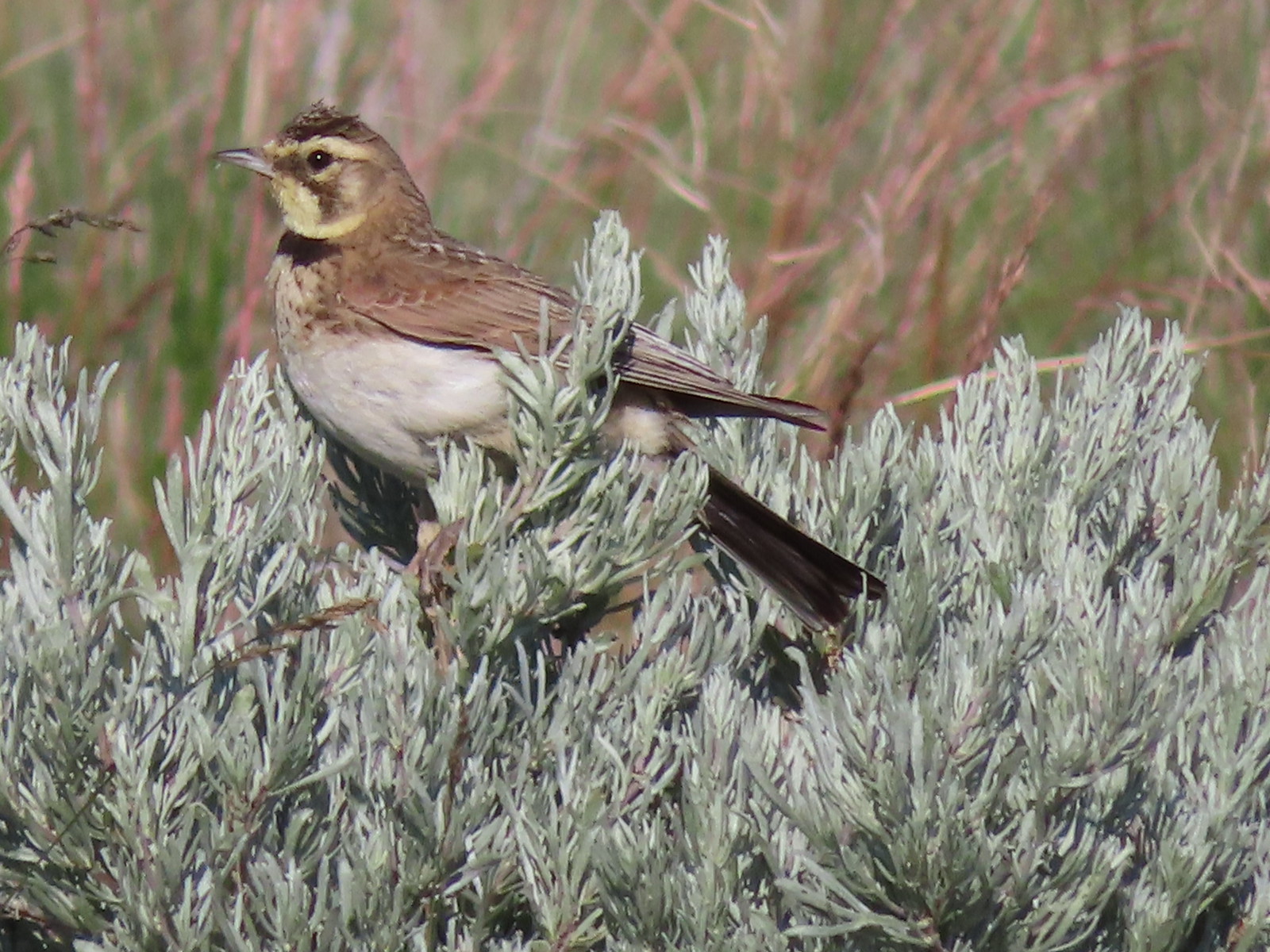 Horned lark
 Mt. Jefferson behind the abandoned trailer.
 Mt. Jefferson was hidden at times but this gap in the hills provided a nice view.
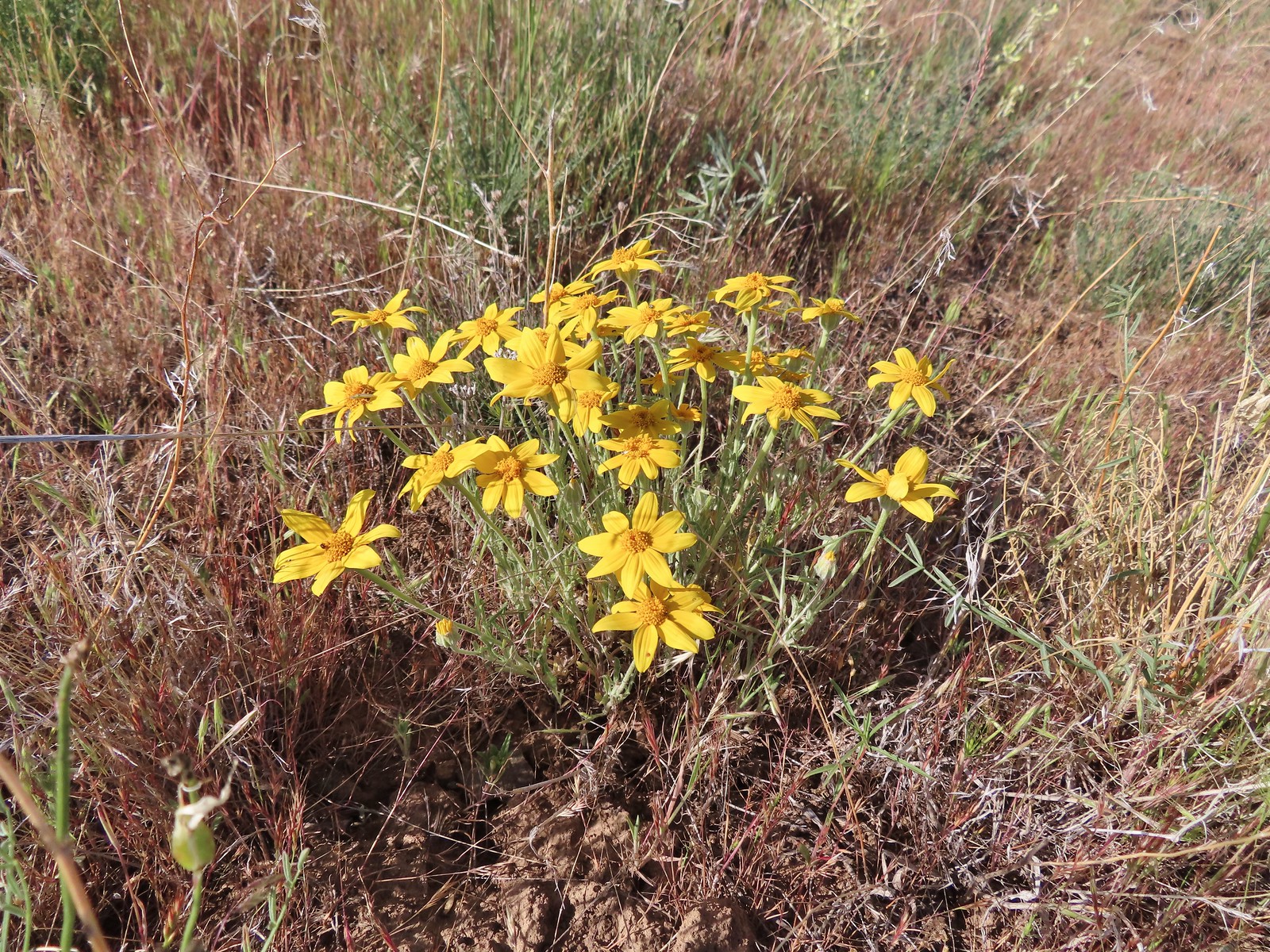 Oregon sunshine
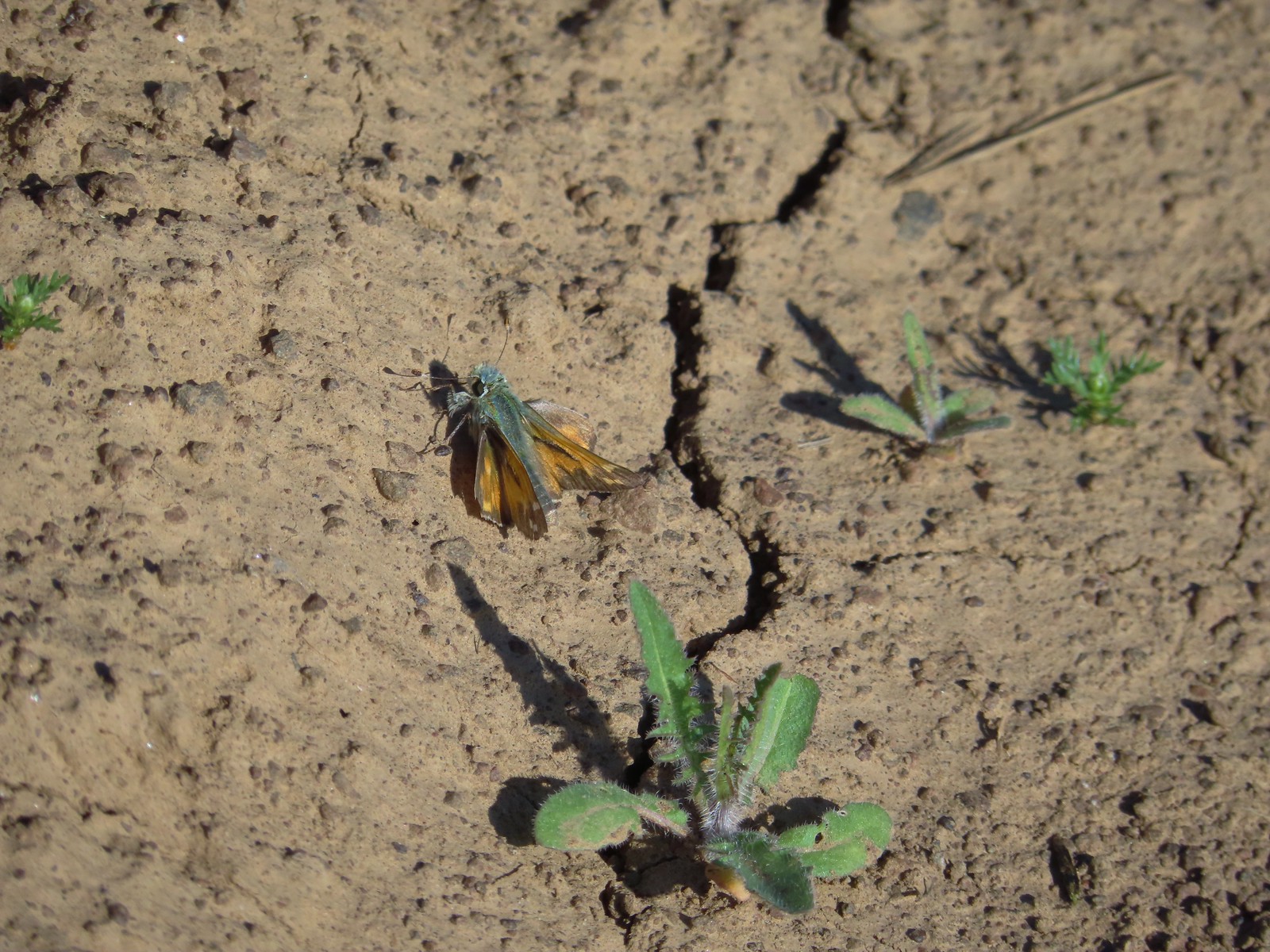 Skipper
 Mt. Jefferson and Olallie Butte (
 A small watering hole.
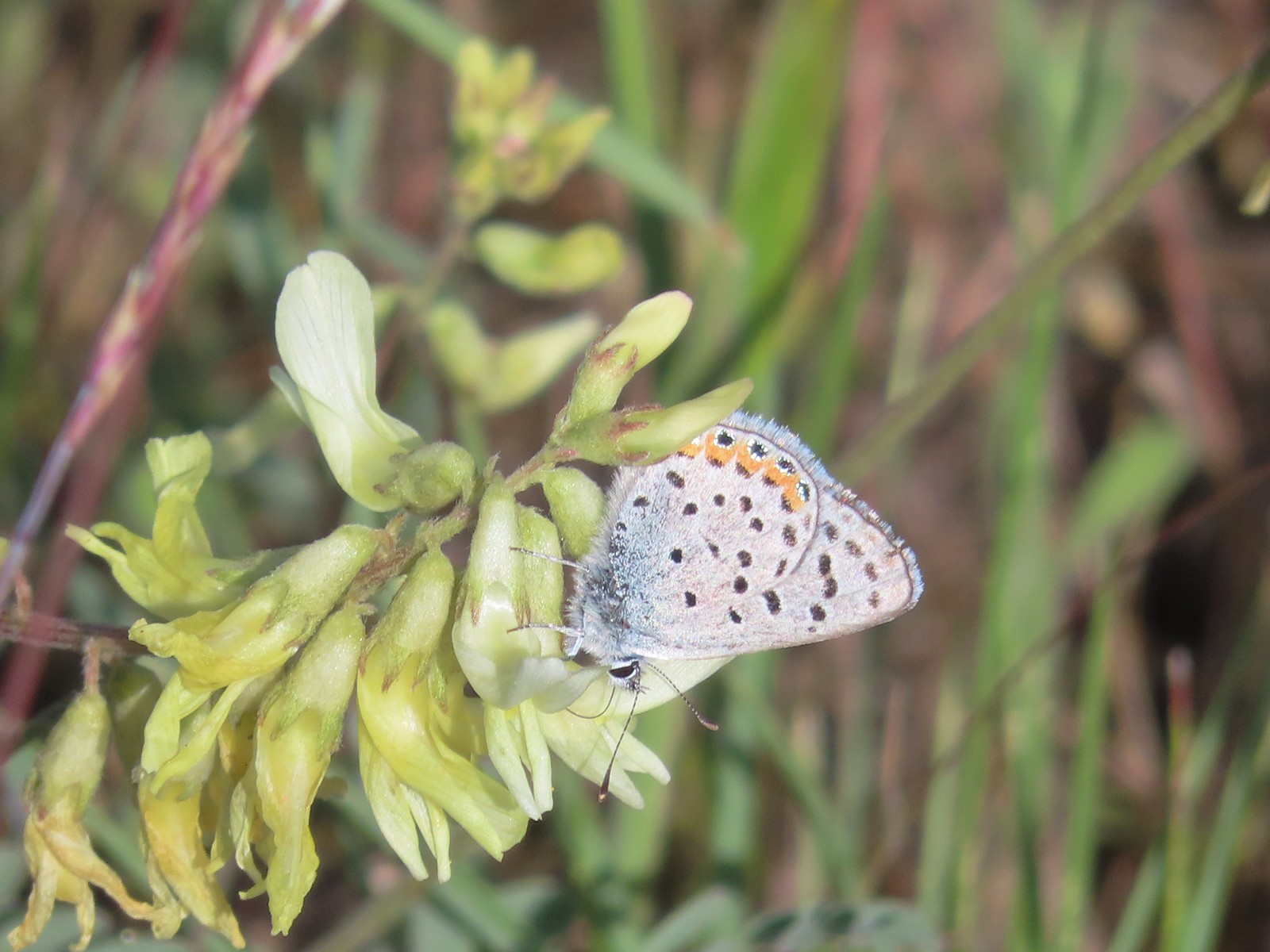 Leaning toward an Acmon blue but not sure.
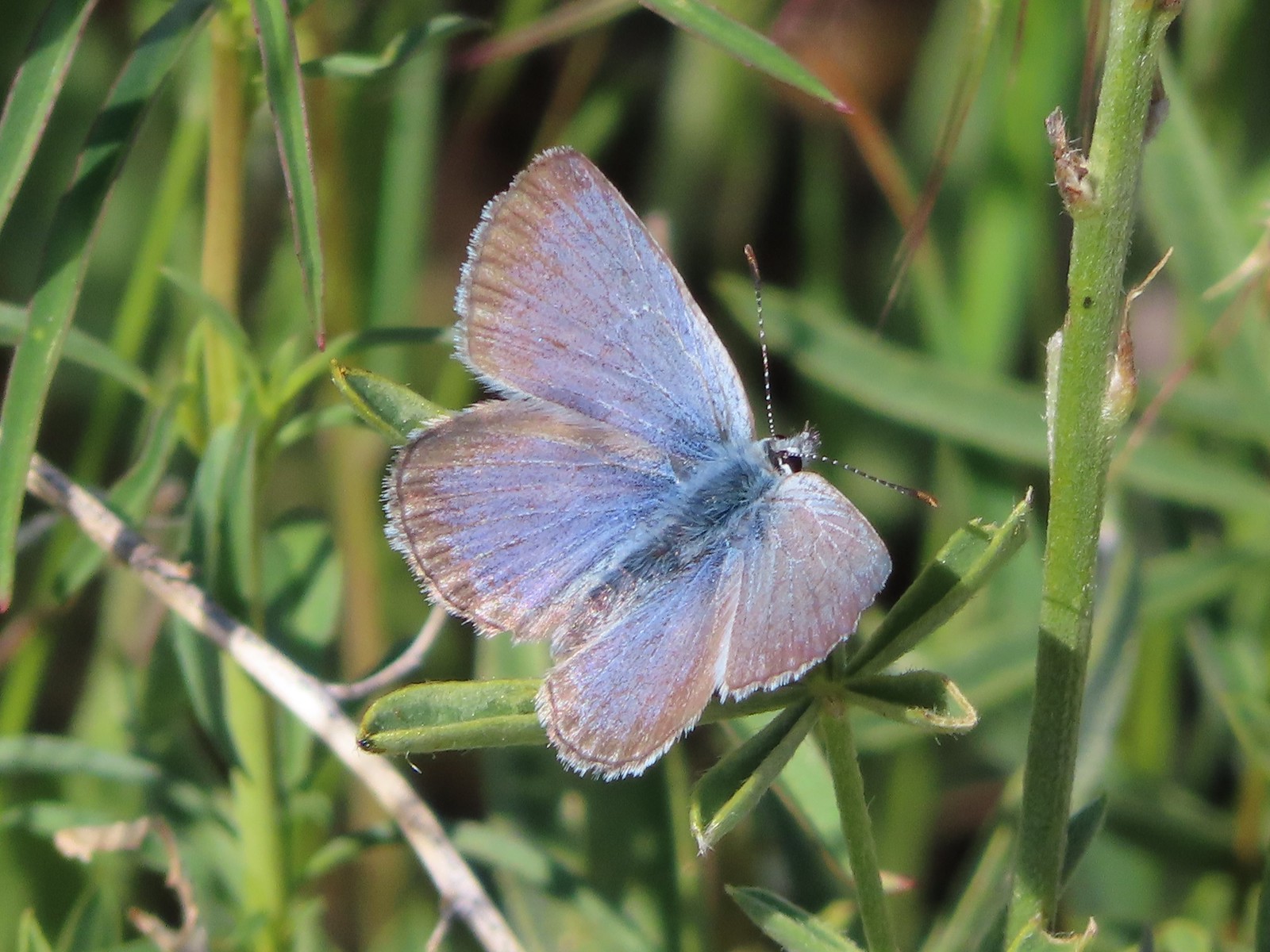 Another in the Lycaenidae family.
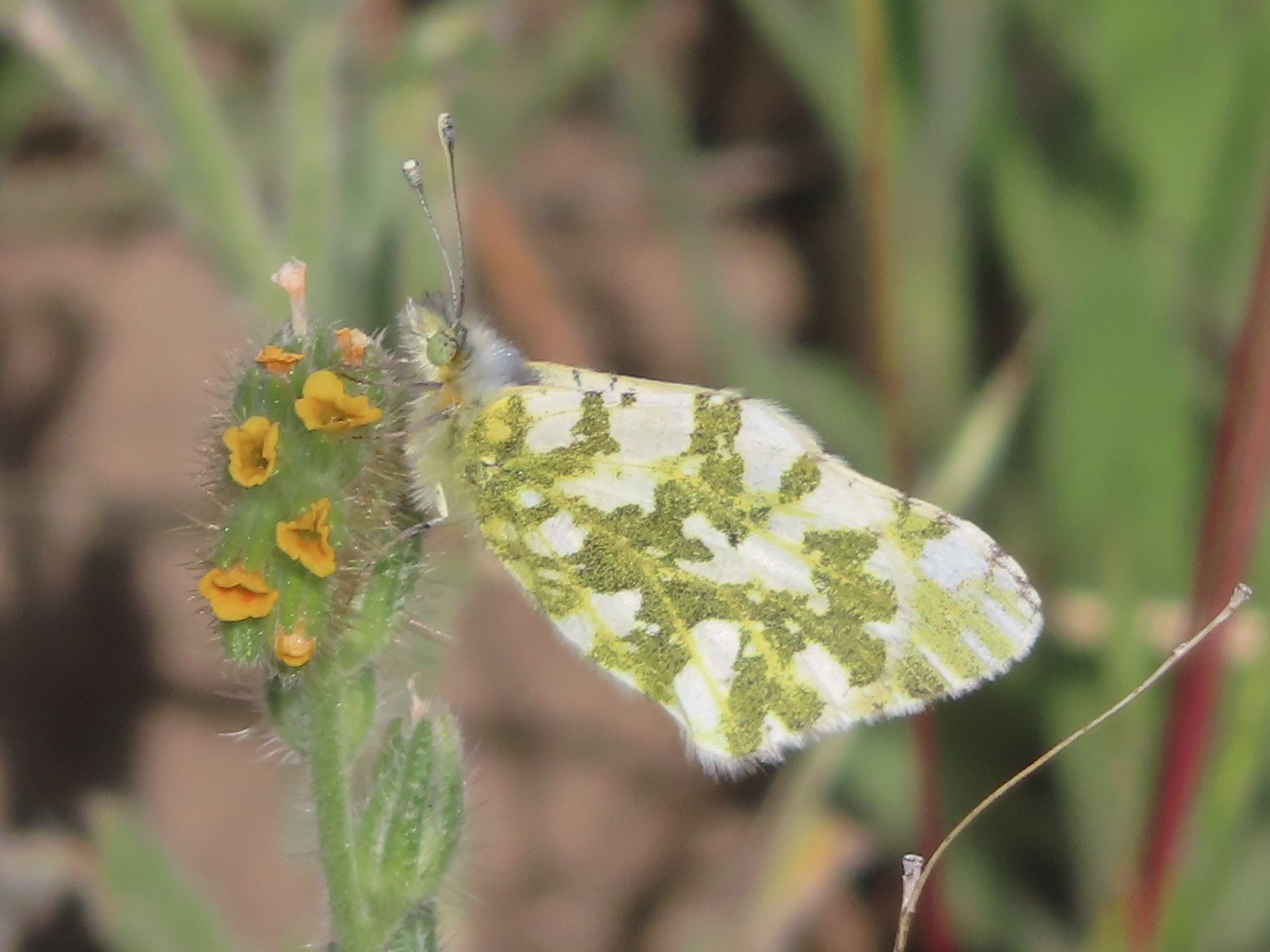 Large marble on a fiddleneck.
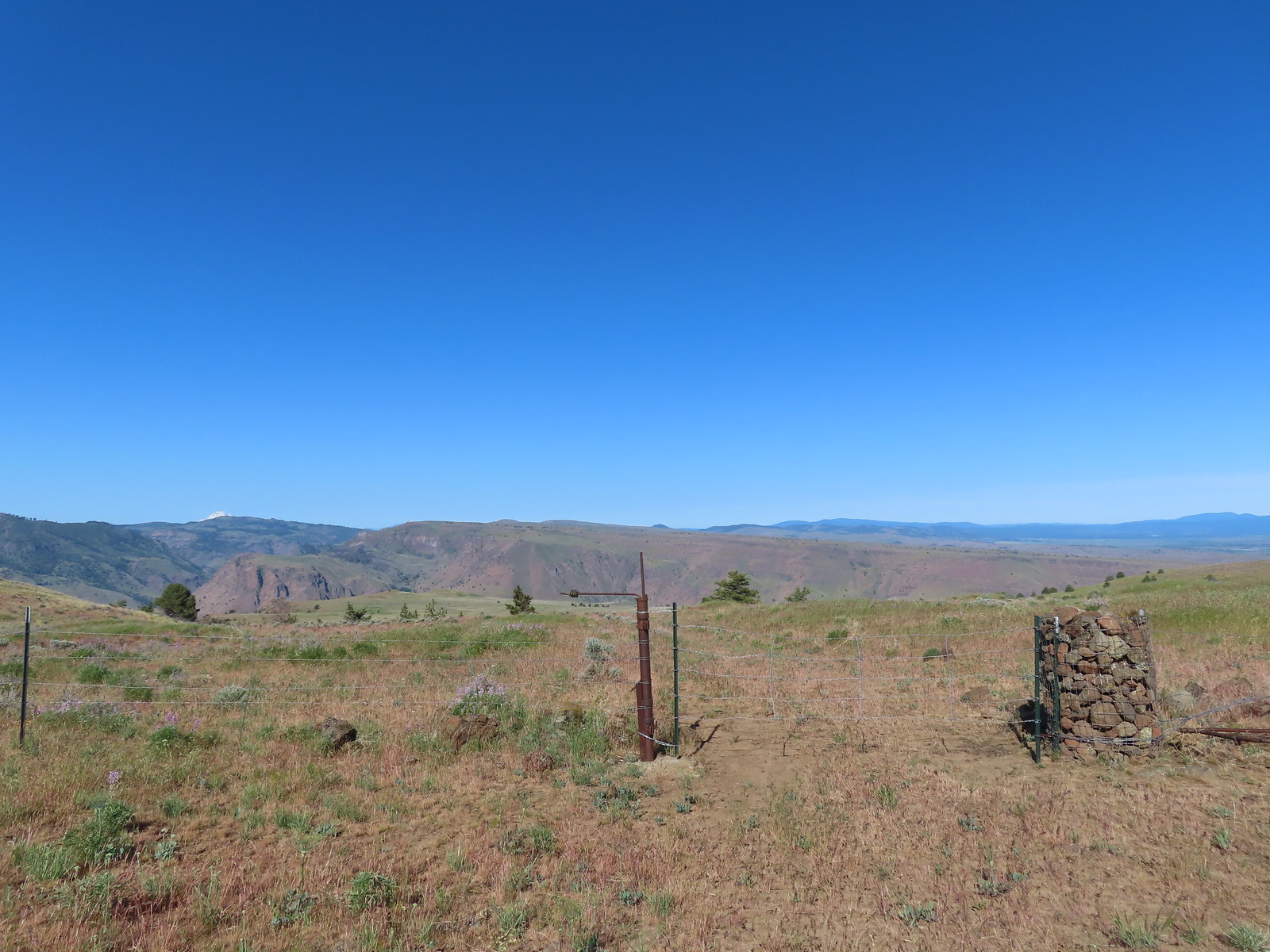 The fourth gate at the 4-way junction.
 Mourning dove
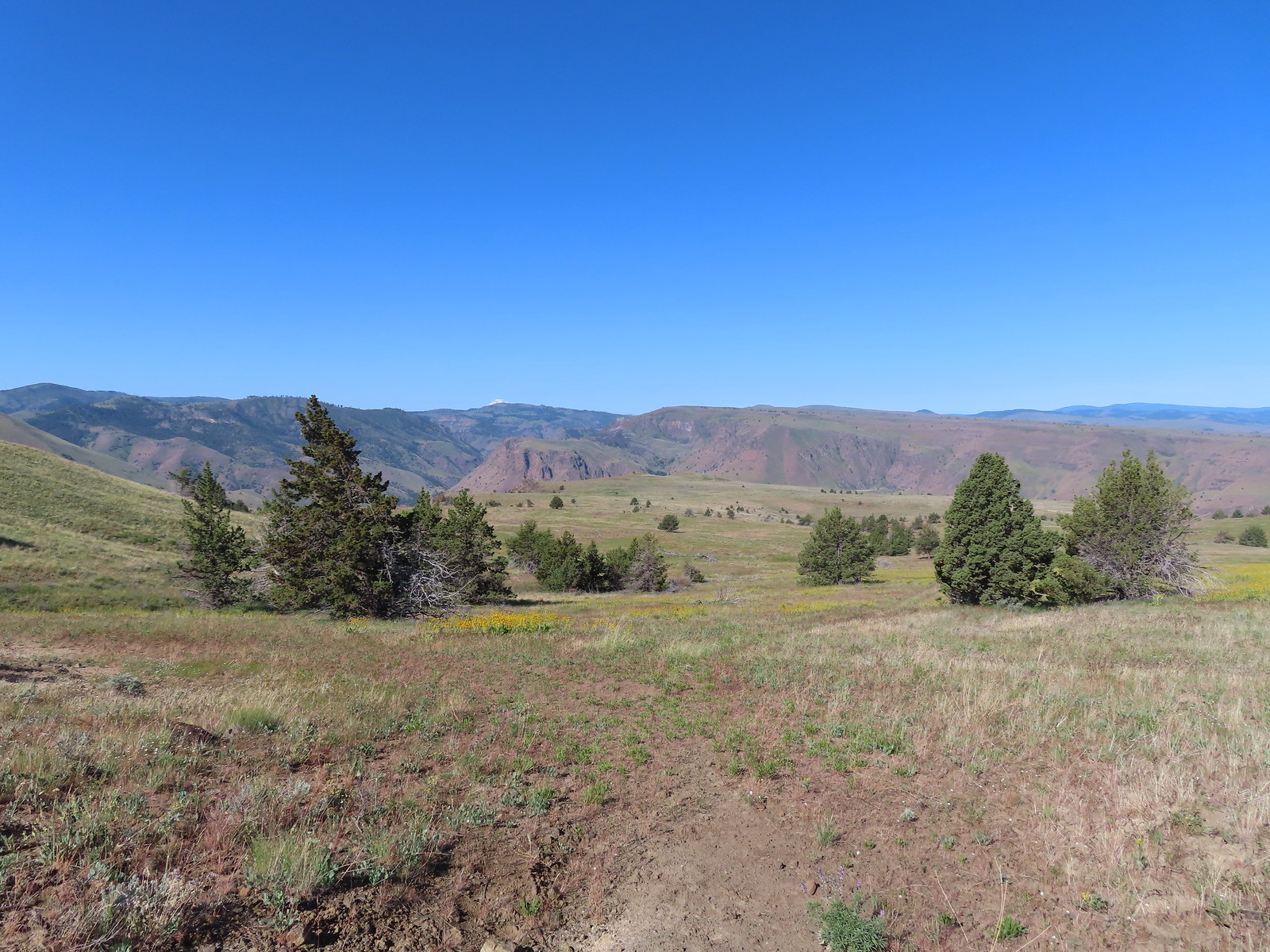 The more “obvious” jeep track curving left.
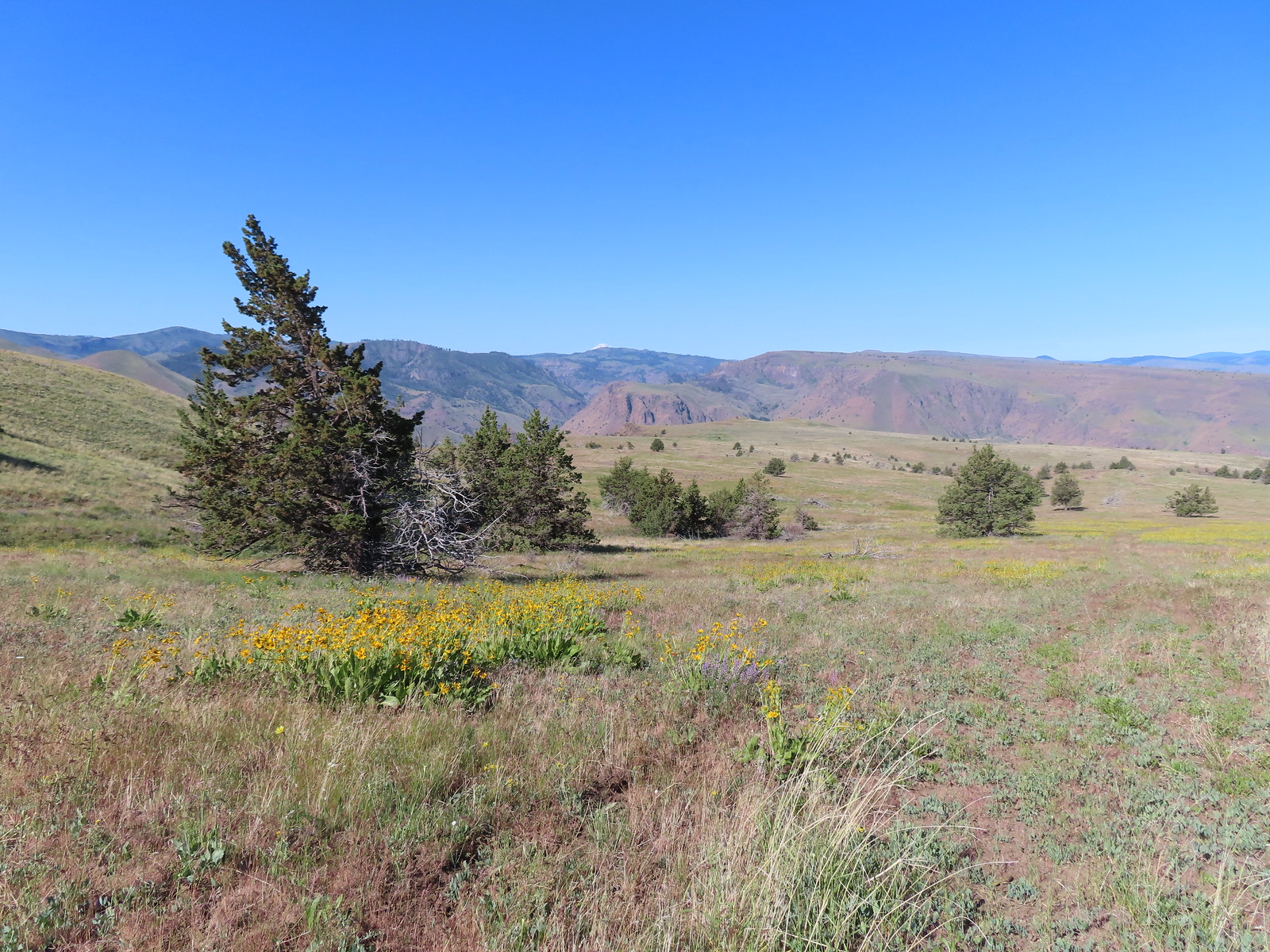 The fainter track angling slightly right.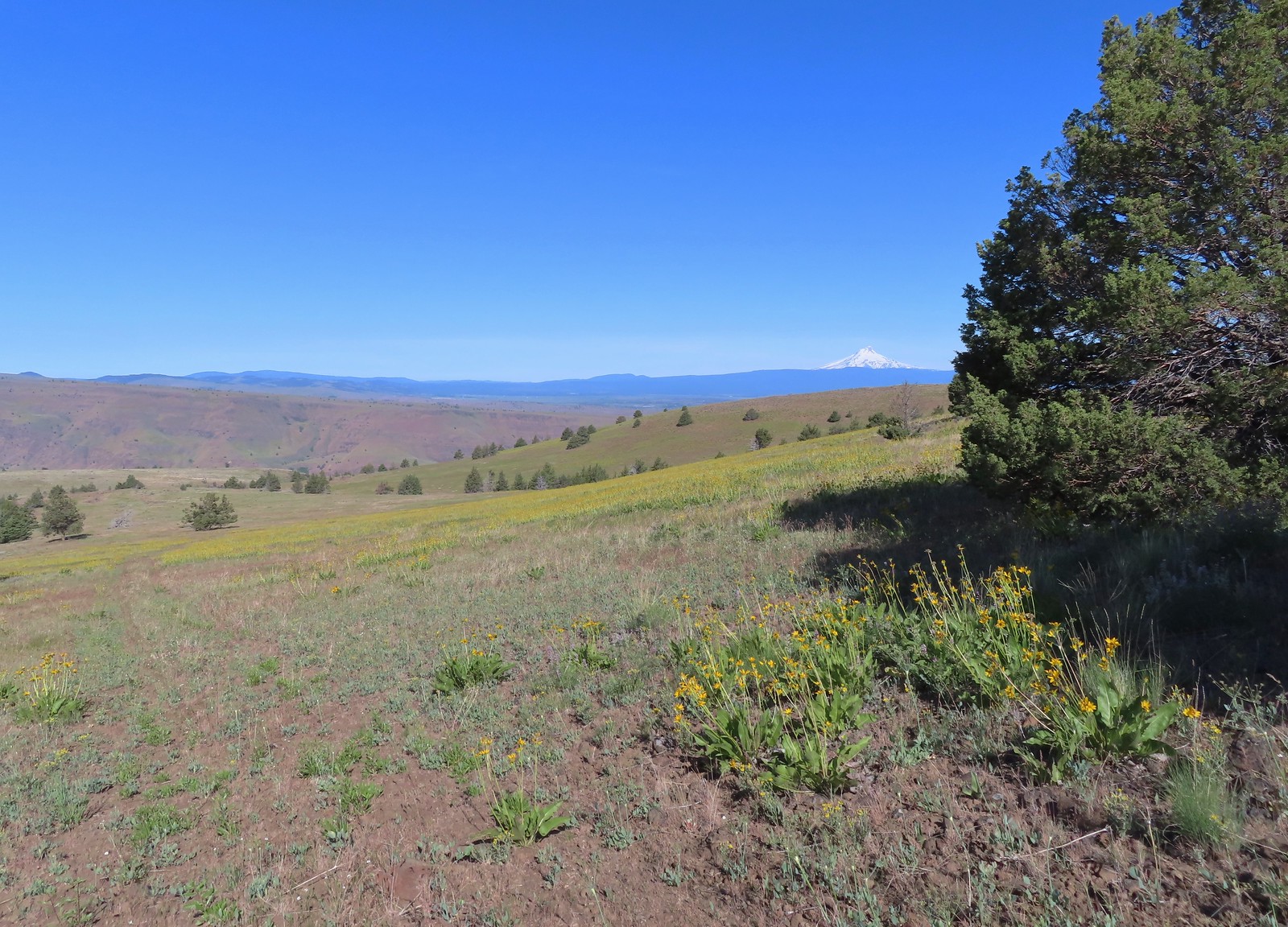
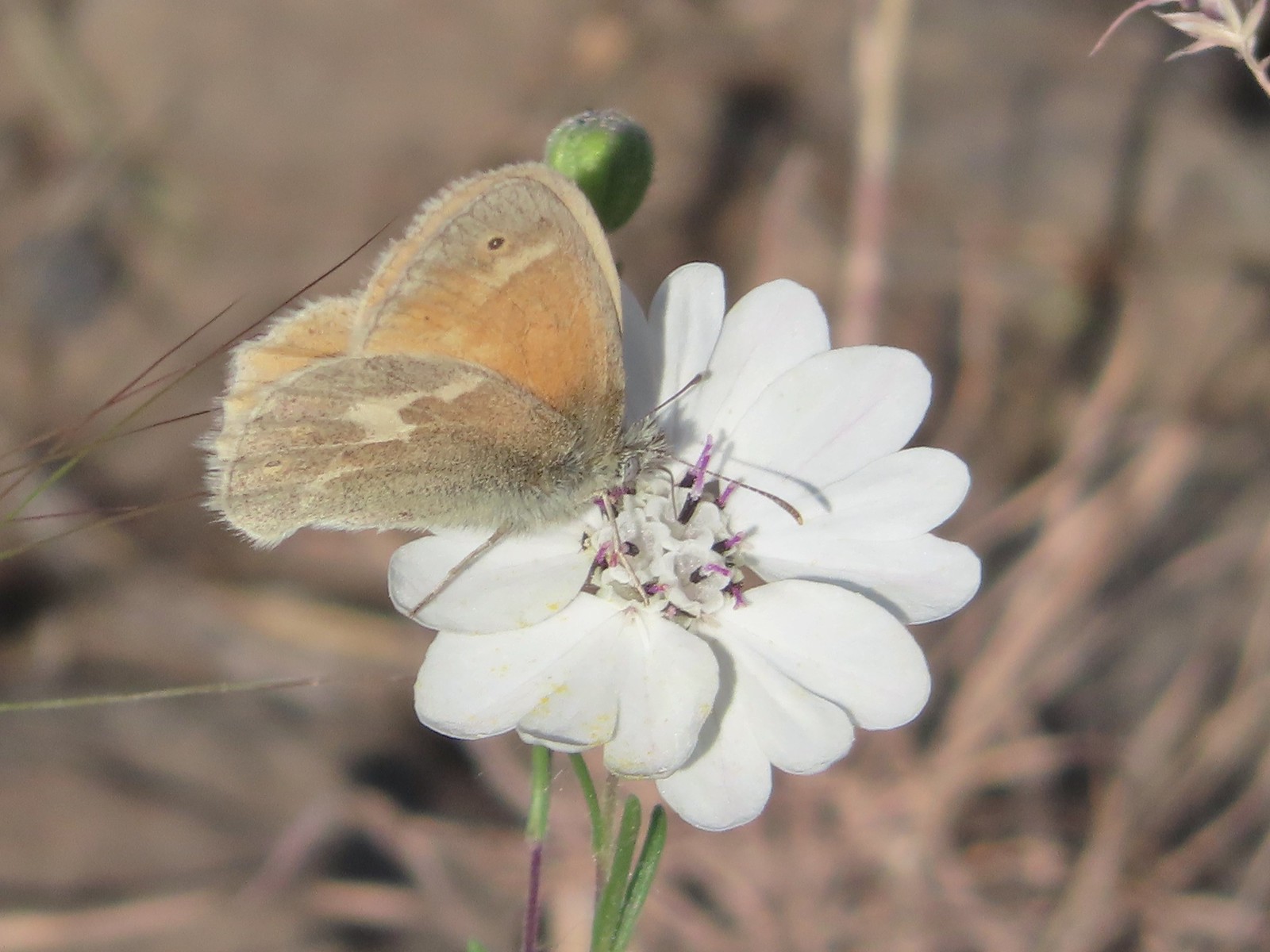 Ochre ringlet on rougheyelashweed.

 Zerene fritillary
 Zerene fritillary on salsify
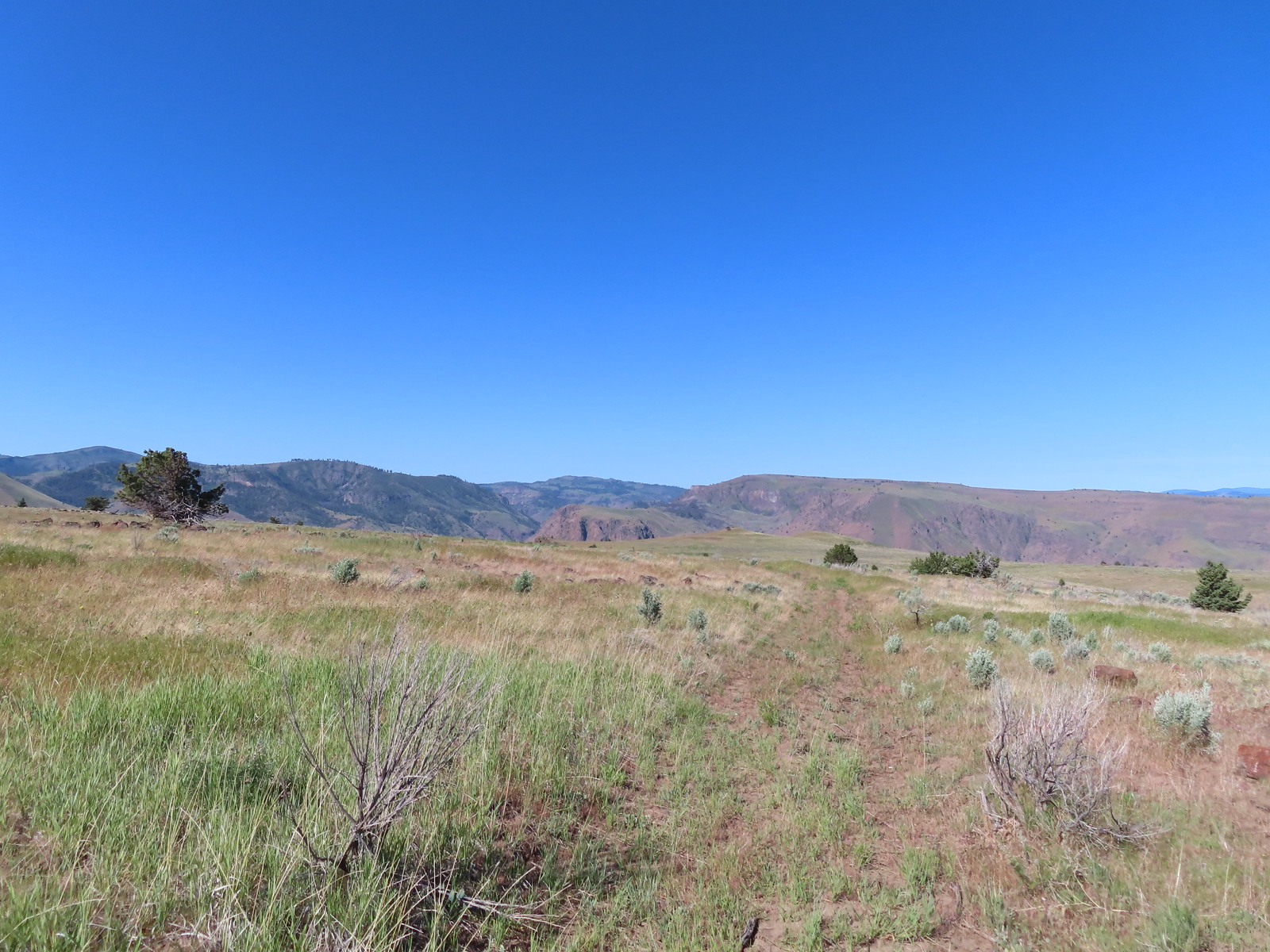 We thought we spied the post and used the camera to zoom in and confirm.
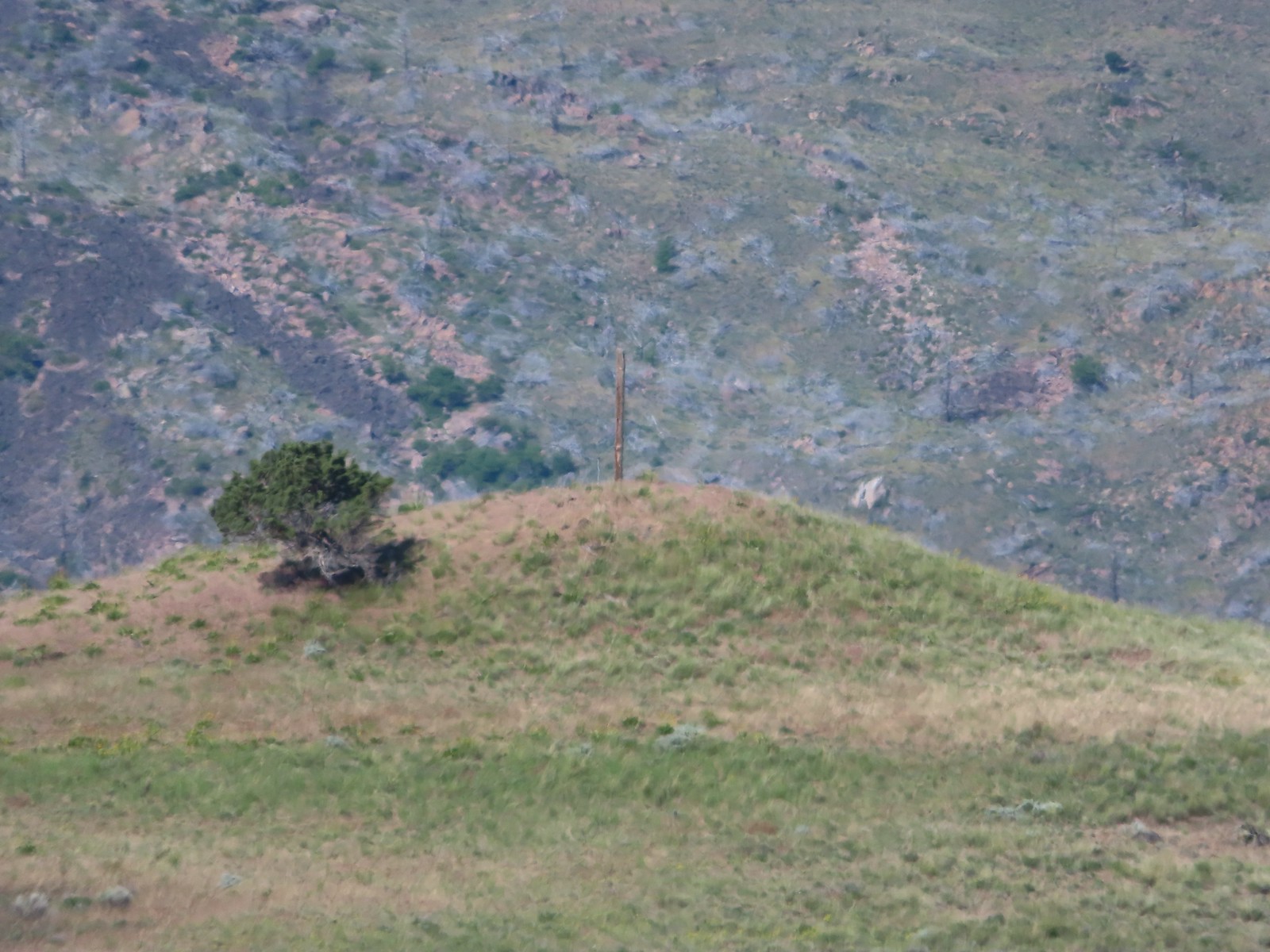 This was the only knoll with a juniper as well as the post.
 Largeflower hawksbeard
 Paintbrush
 To reach Stag Point we had to go cross country, so we looked for the most gradual looking climb.
 Mt. Hood from Stag Point.
 The Deschutes River from Stag Point.
 Mt. Hood and Mt. Adams from Stag Point.
 Looking back over the route we’d come down.
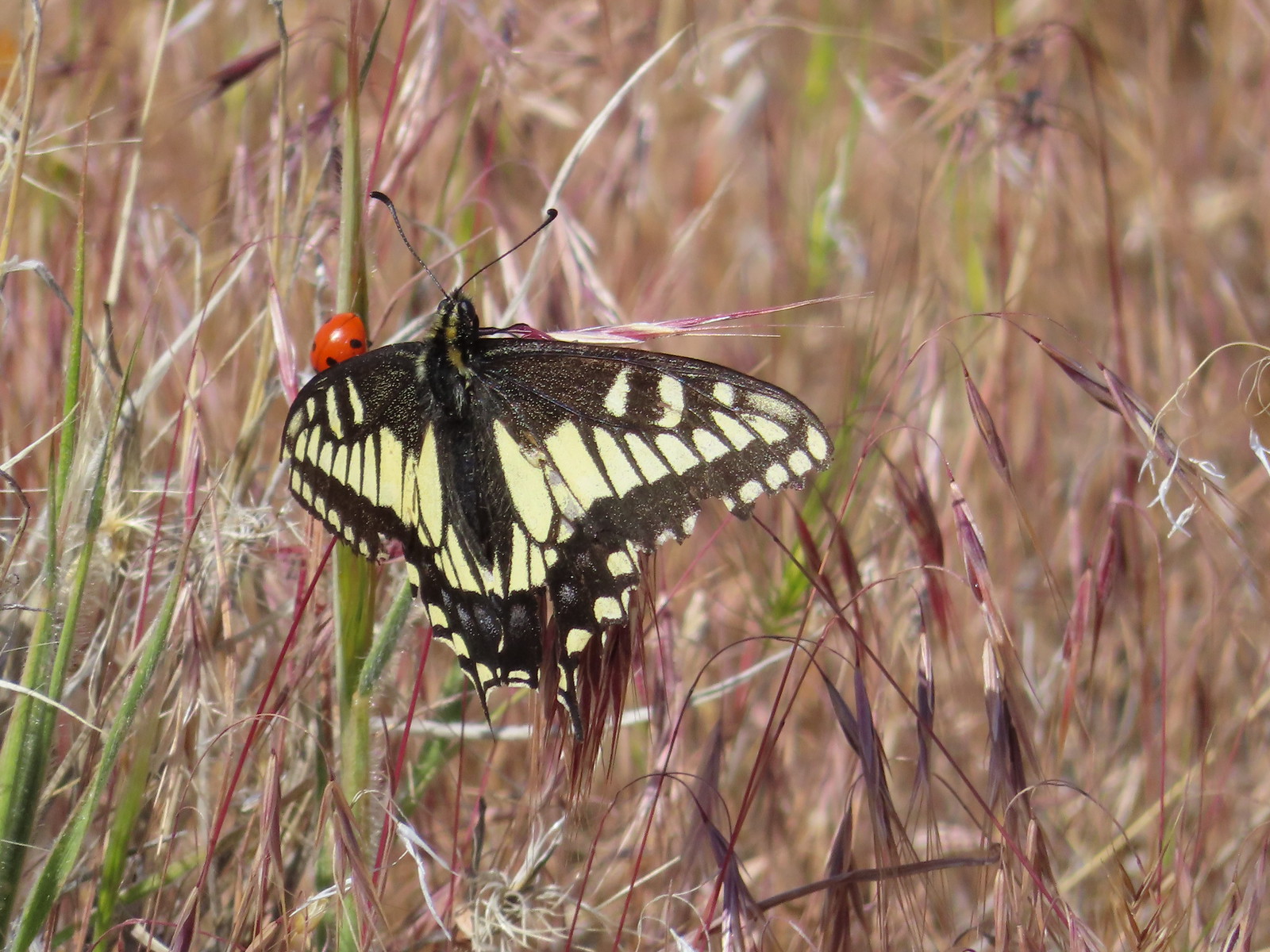 Ladybug and an Oregon swallowtail.
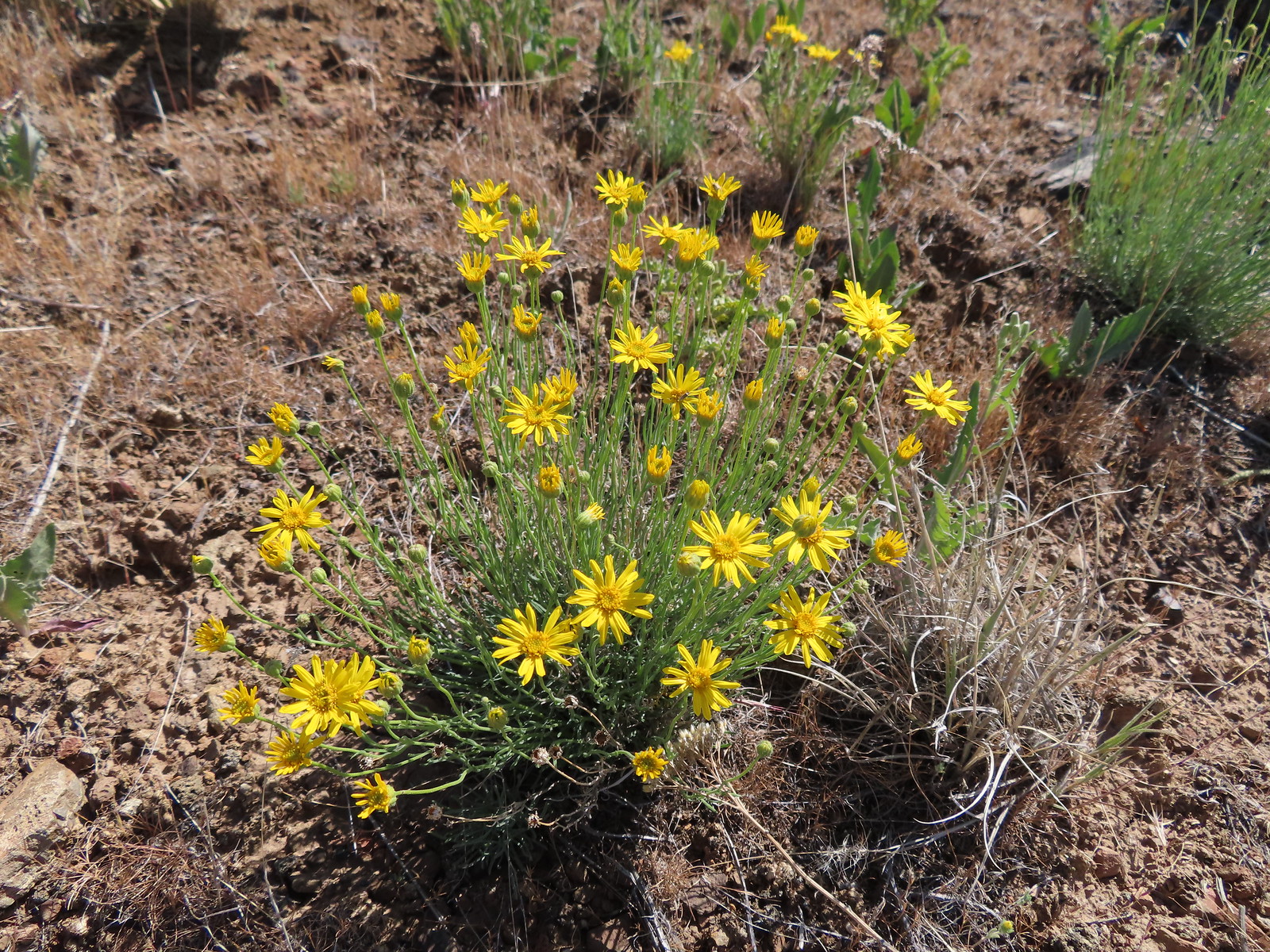 Desert yellow fleabane
 Heading out to the rock outcrop.
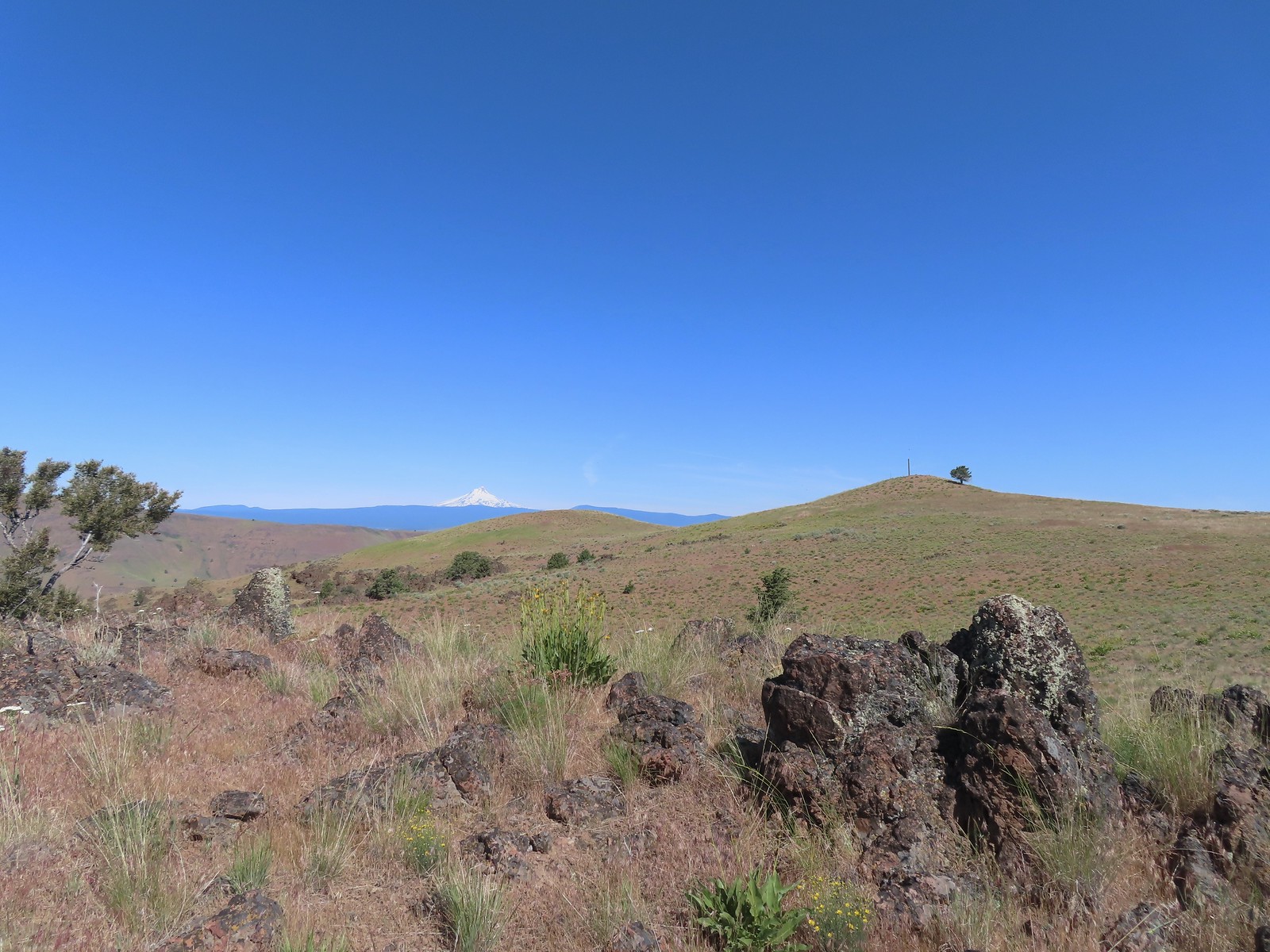 Mt. Hood and Stag Point from the outcrop.
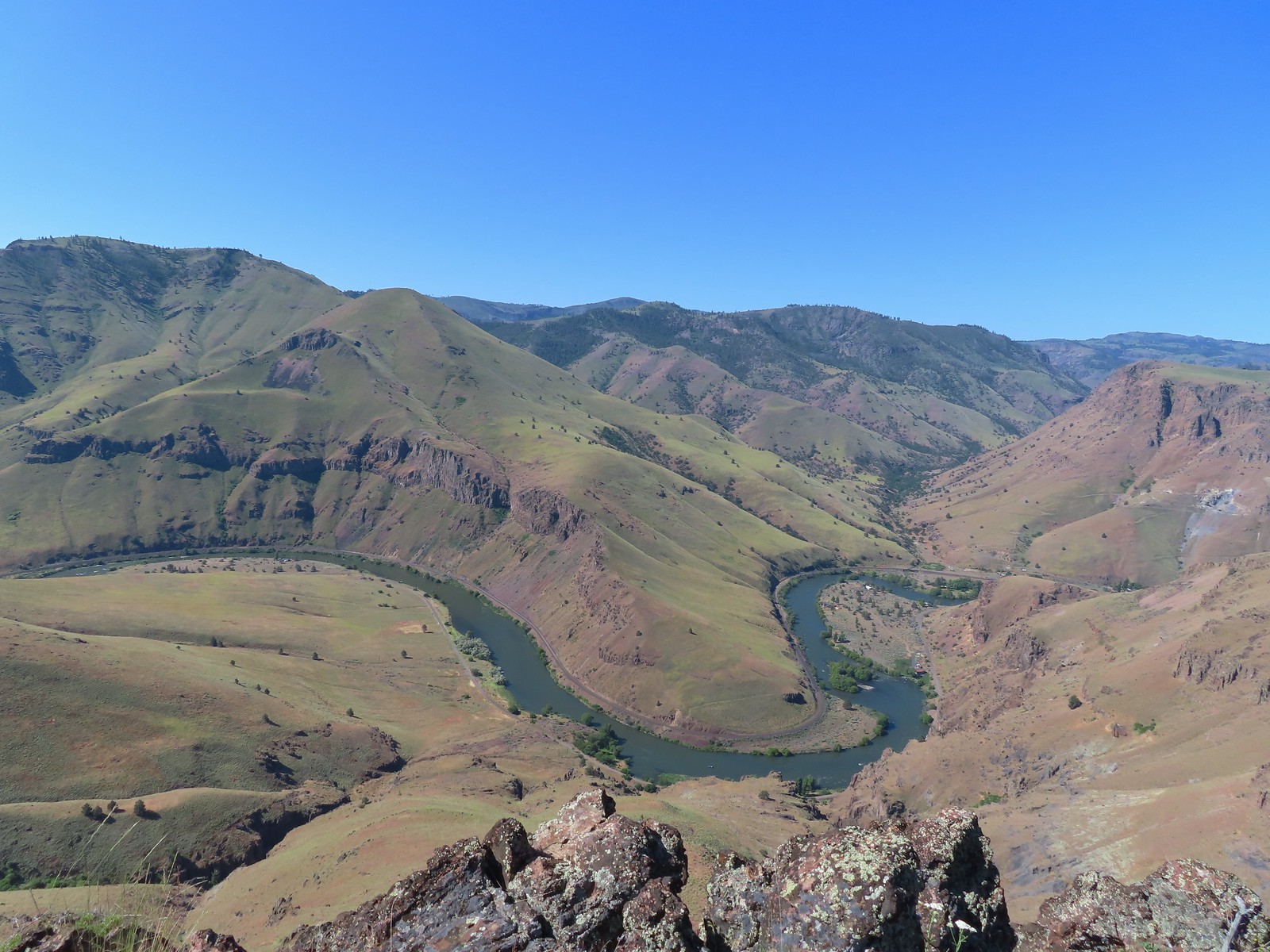 A better view of the Deschutes.
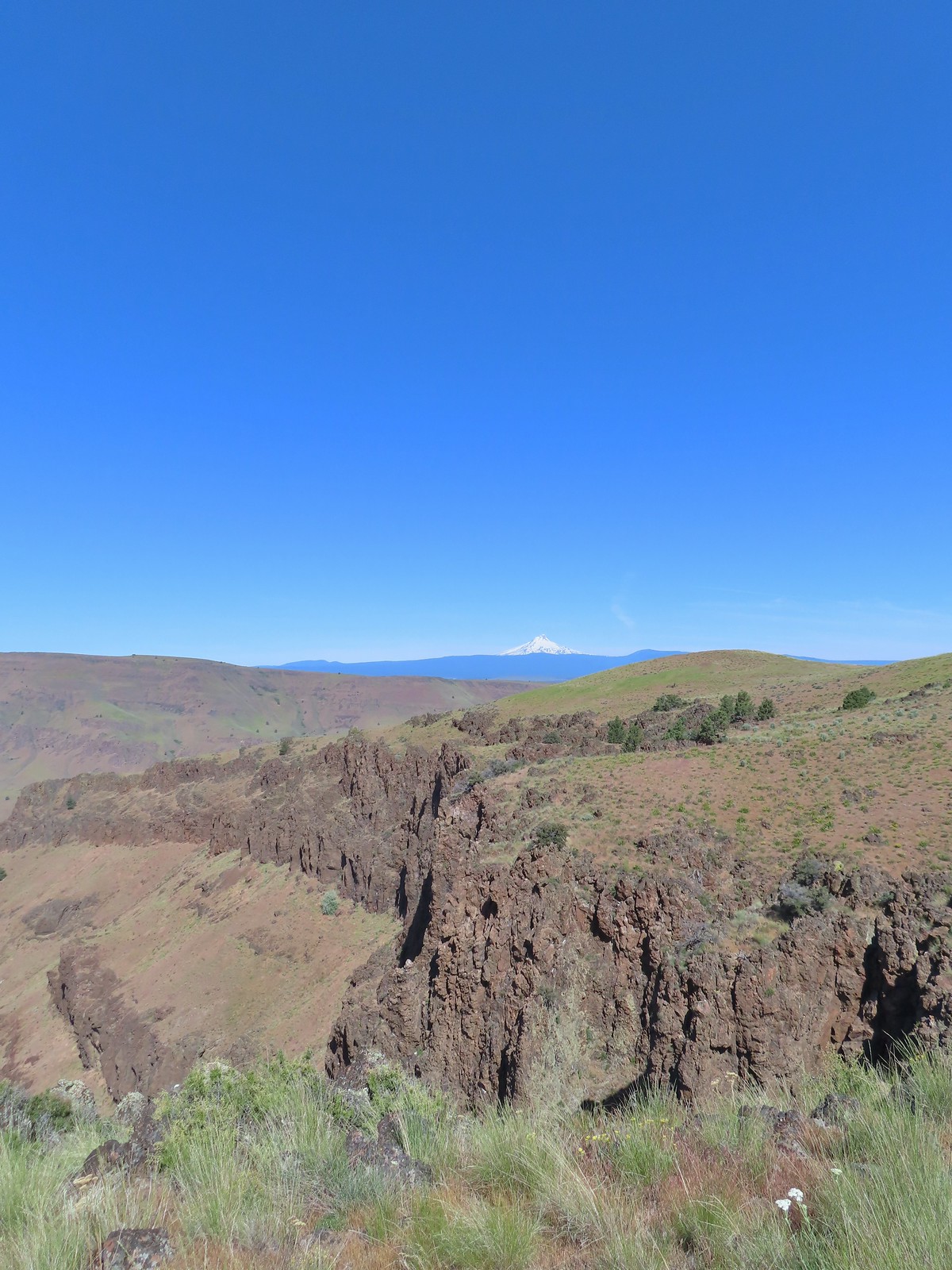 Mt. Hood beyond the cliffs.
 A buckwheat
 Stink bug
 Silverleaf phacelia
 Back on the jeep track.
 Lupine and balsamroot
 The cows had really chewed this section of the jeep track up.
 The gate ahead.
 Horned lark guarding the gate.
 Mt. Jefferson and Olallie Butte
 Grand collomia
 Time for some sun.
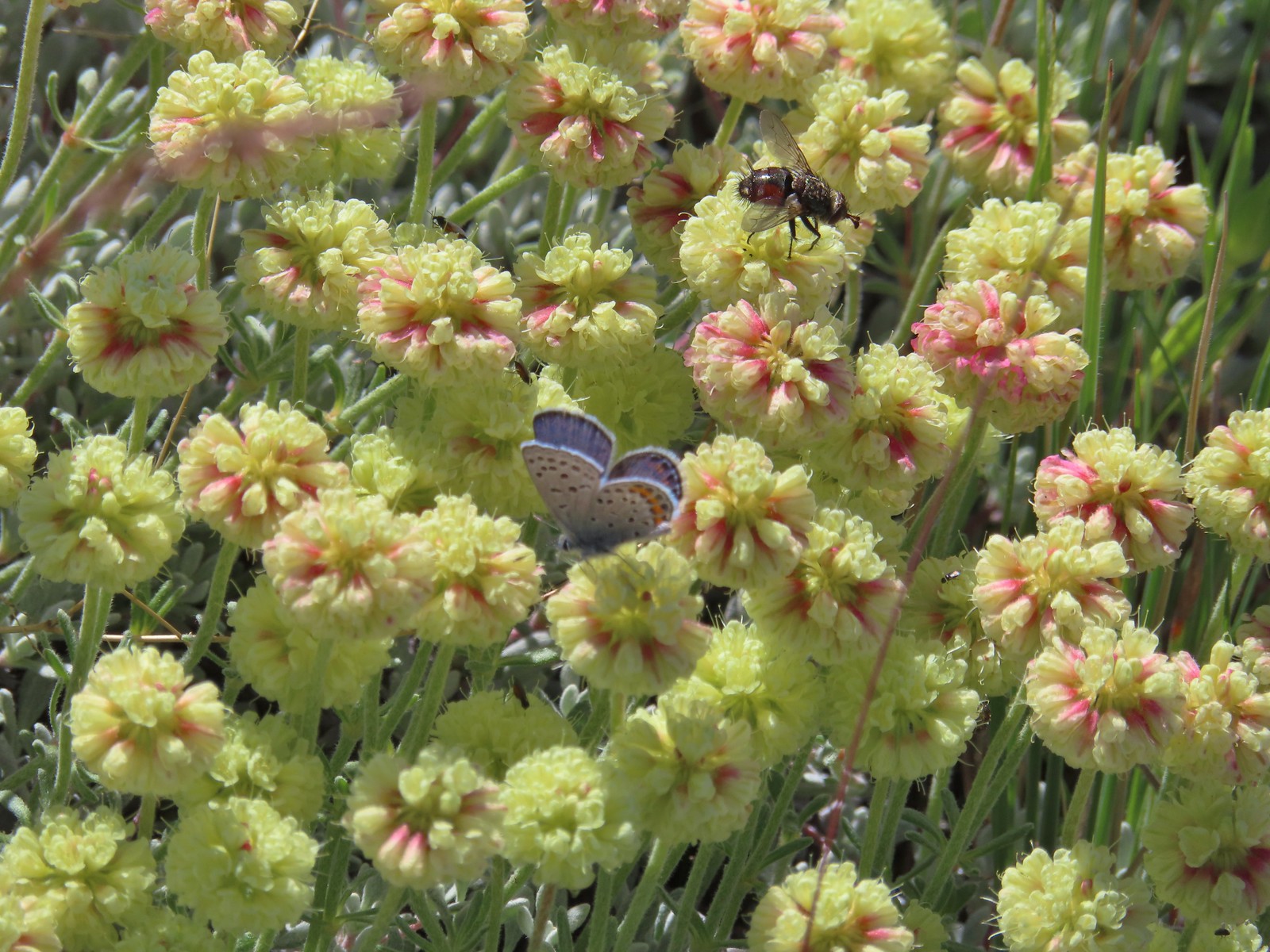 A butterfly and fly.
 Three butterflies and a fly.
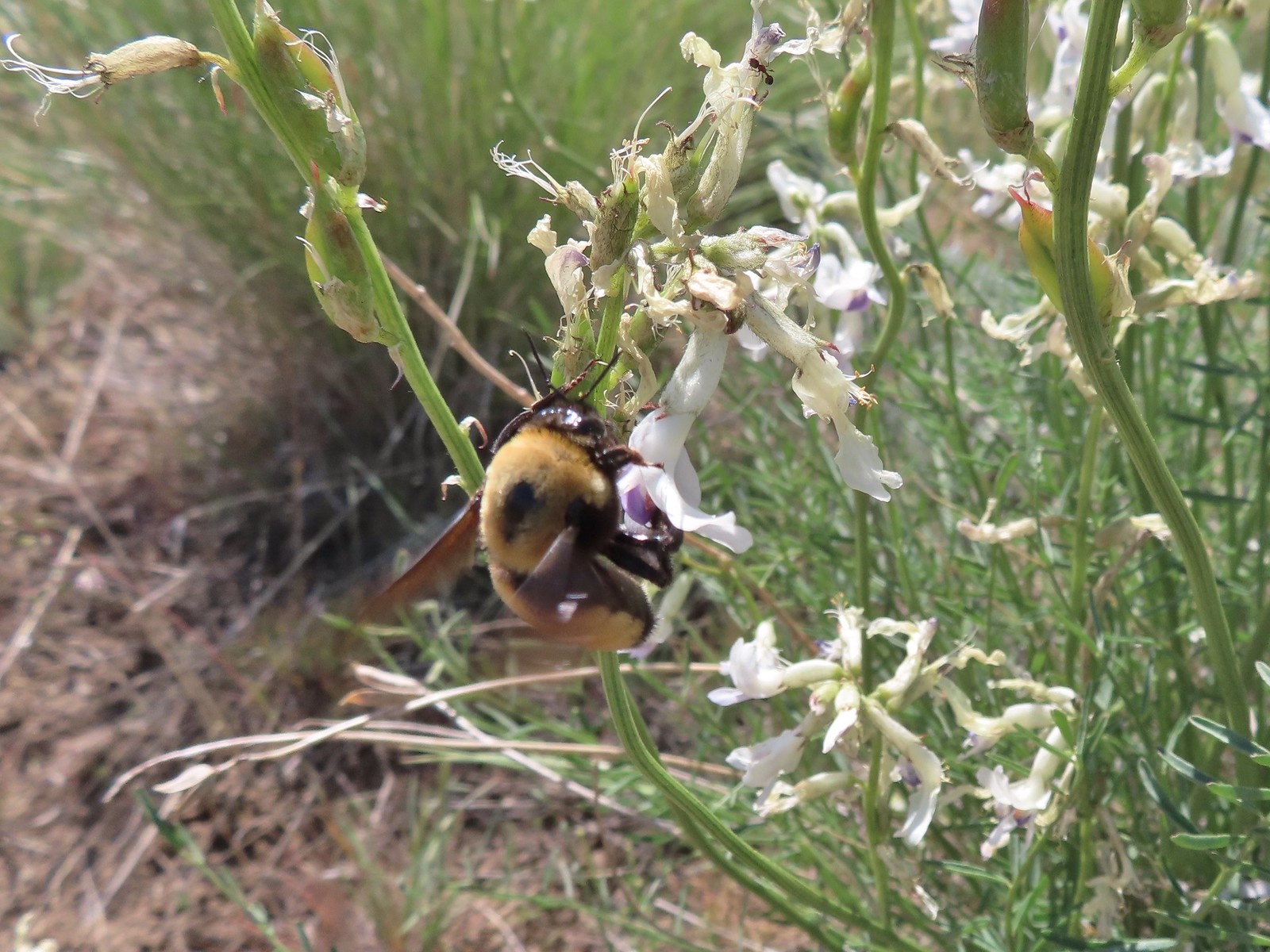 Busy bee
 This swallowtail was a little rough around the edges.
 Another horned lark on lookout.
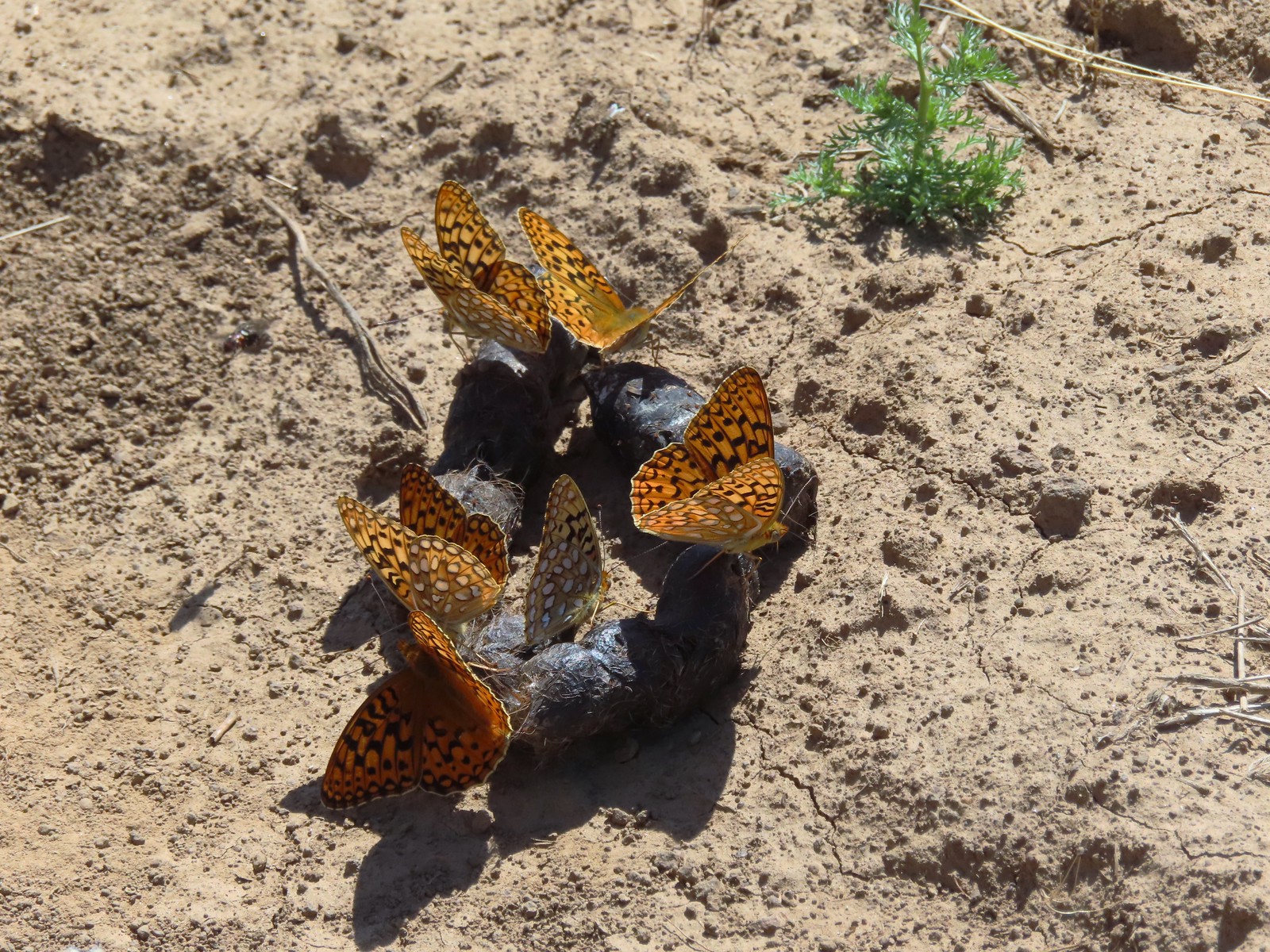 Nothing brings fritillary butterflies together like a good pile of scat.
 Another option for another time. We were just happy to have solved that mystery.
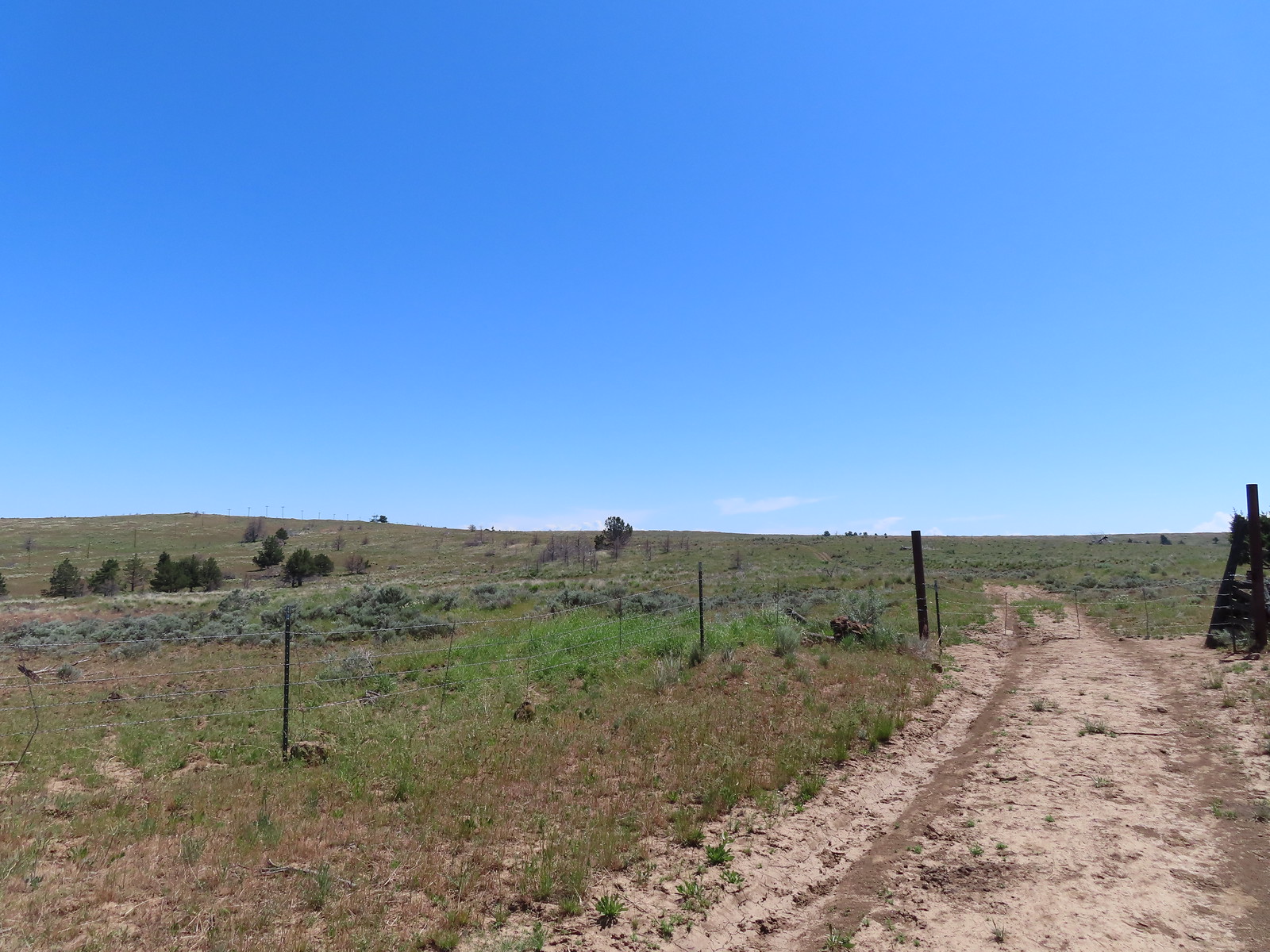 The Radio Towers on the hill were right next to the trailhead.
 The Three Sisters (from this angle it looks like two)
 Three butterflies and a beetle on buckwheat.
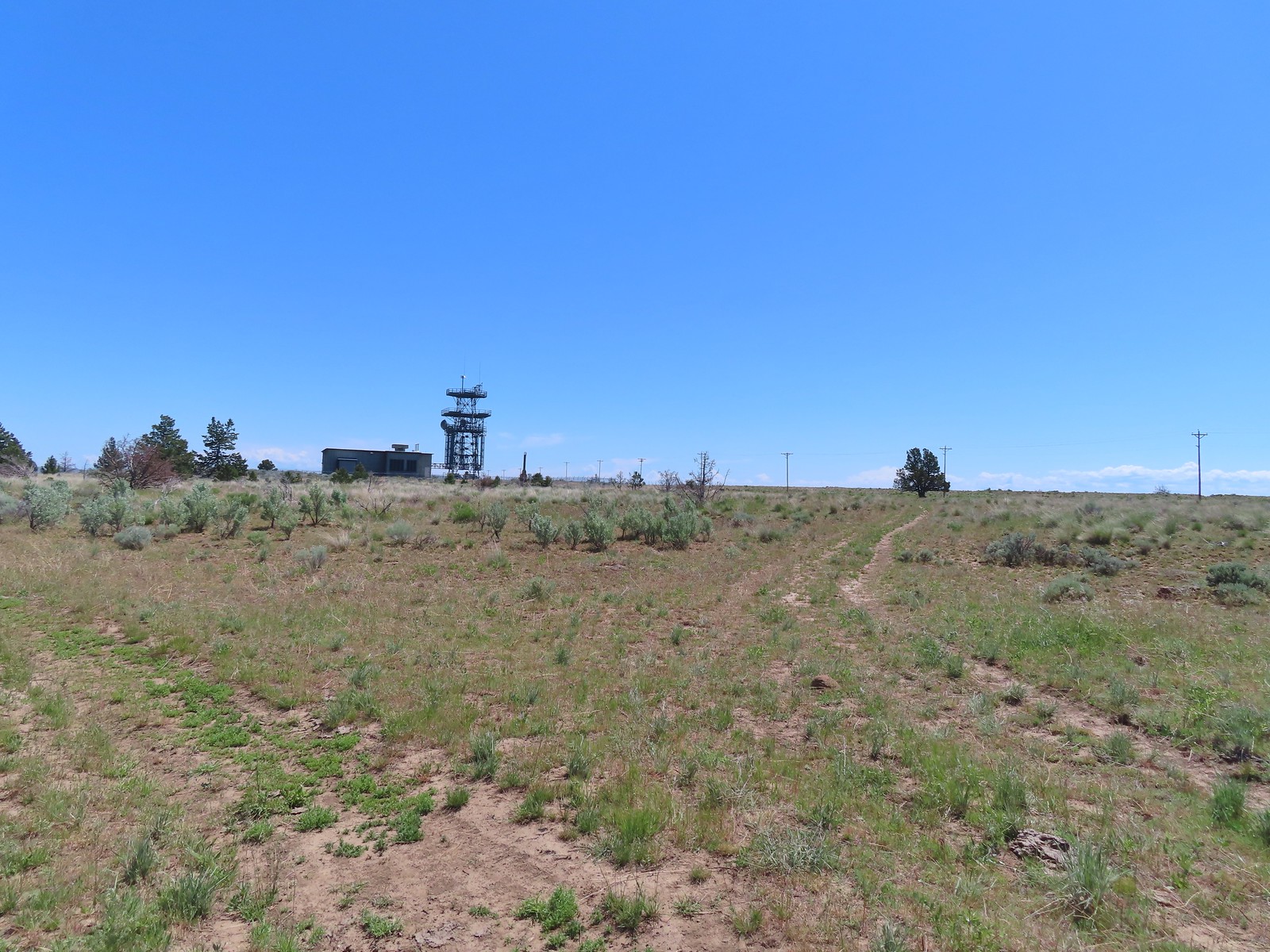 Another mystery was where did the trail from the South Trailhead (just on the other side of the radio towers) connect. We’d missed the track on the right on our first pass, another question answered.
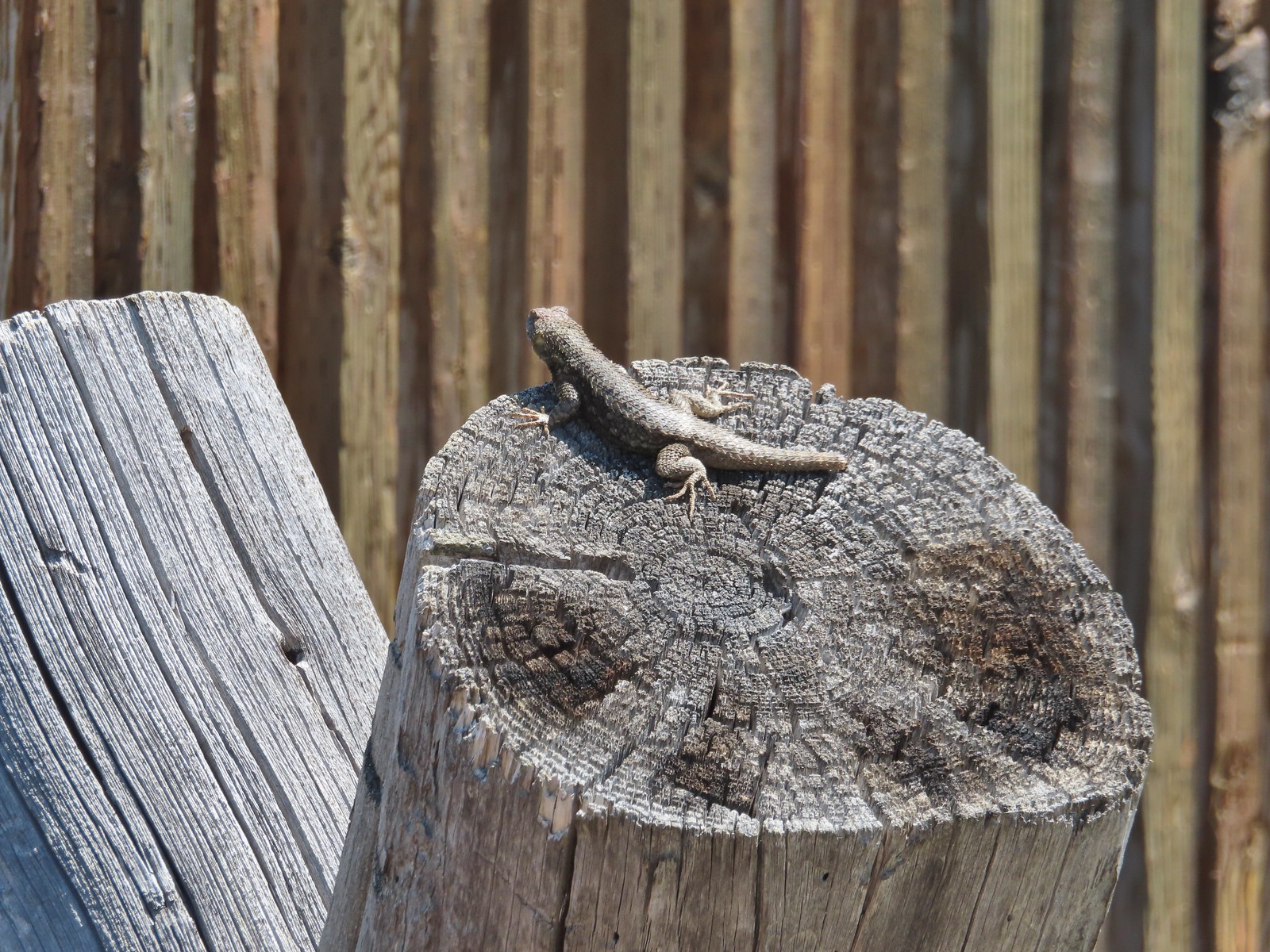 Lizard with half a tail at the trailhead.
 This mountain bluebird was acting odd when we arrived at the gate. It was flying back and forth with something in its mouth. (Mt. Adams is in the background.)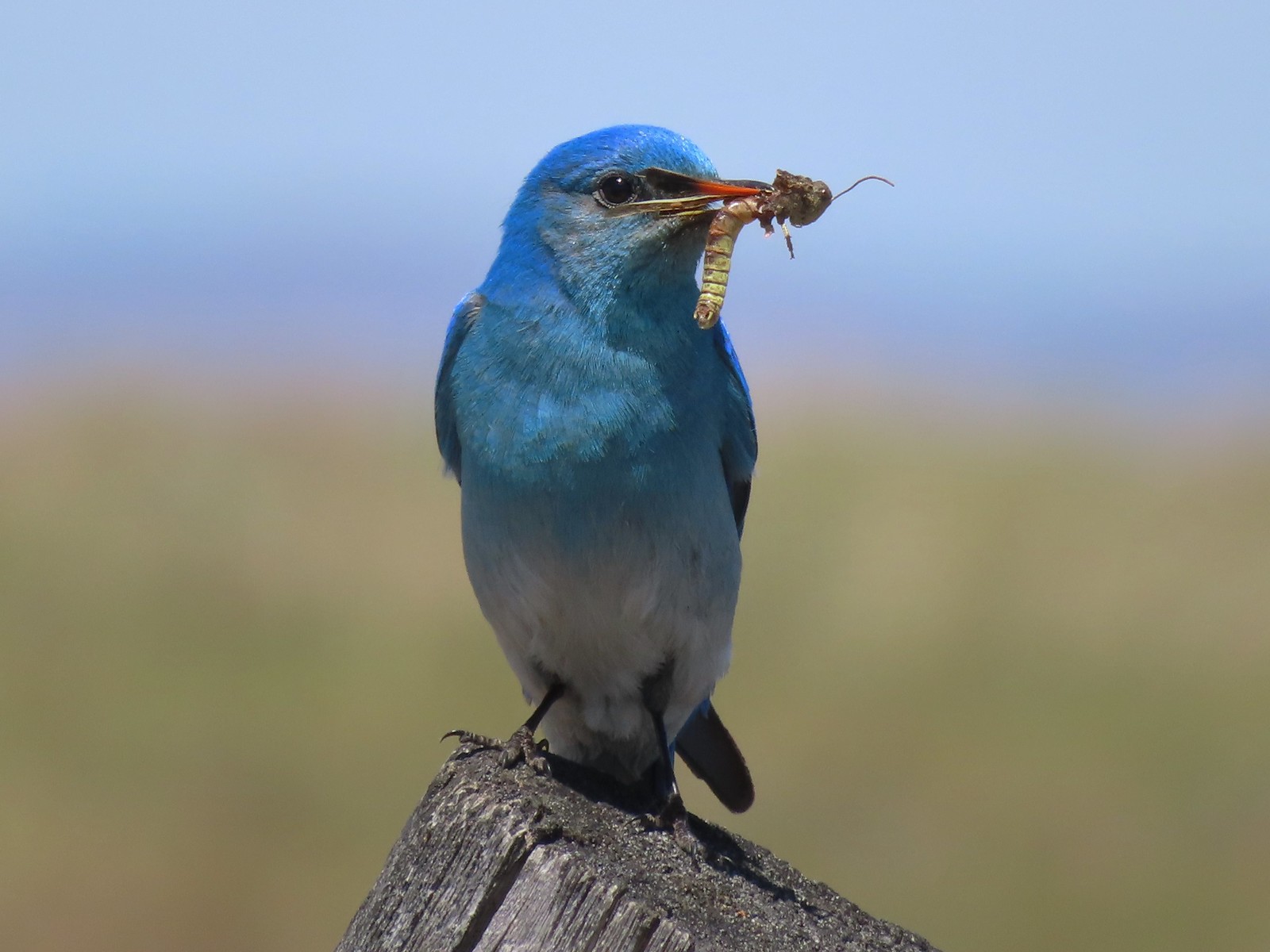


 The Mountain View Trail is named so because of the view of Mt. Hood, which on this morning was hiding behind the clouds on the left side of the photo.
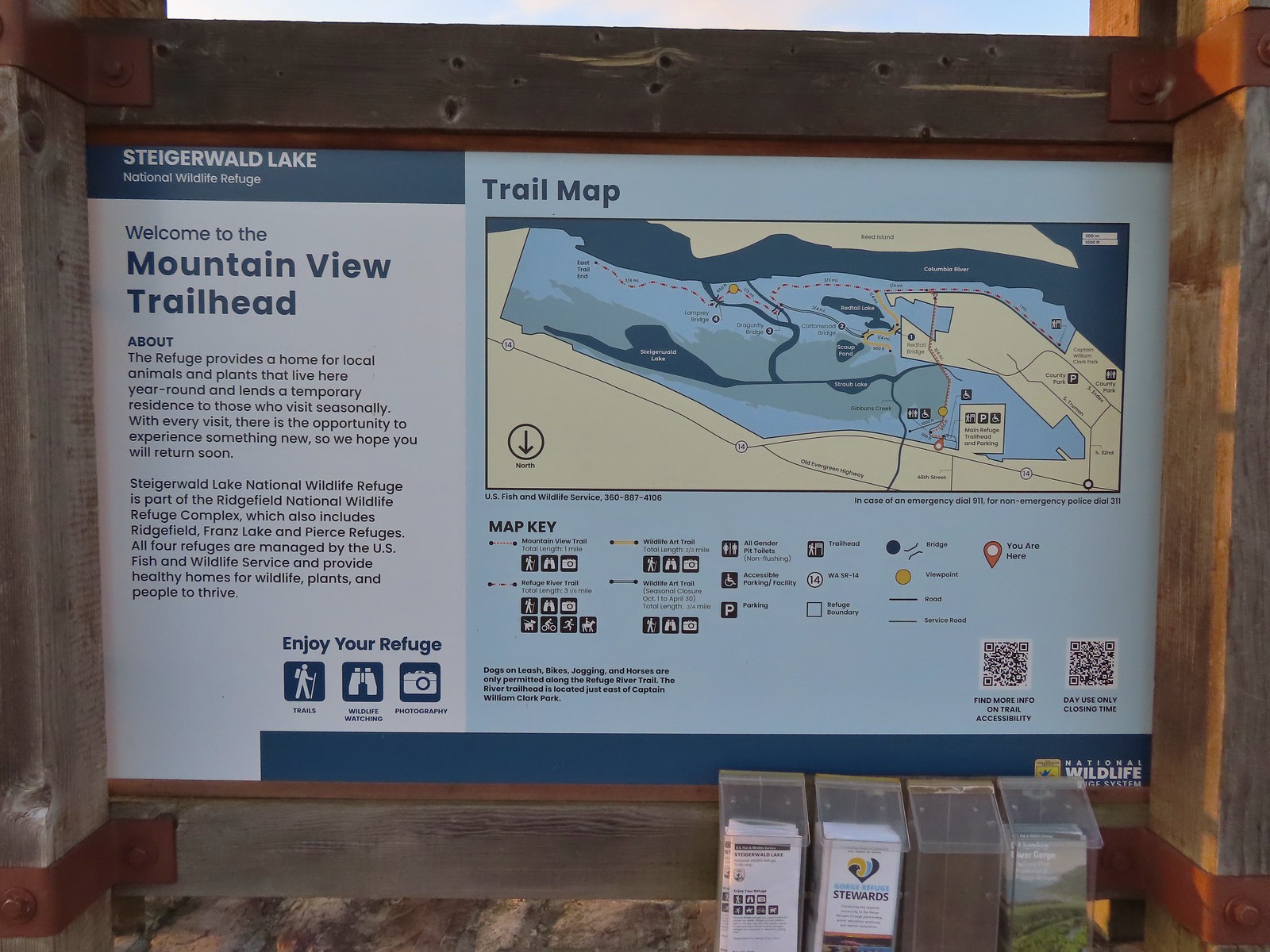 Map and information at the trailhead.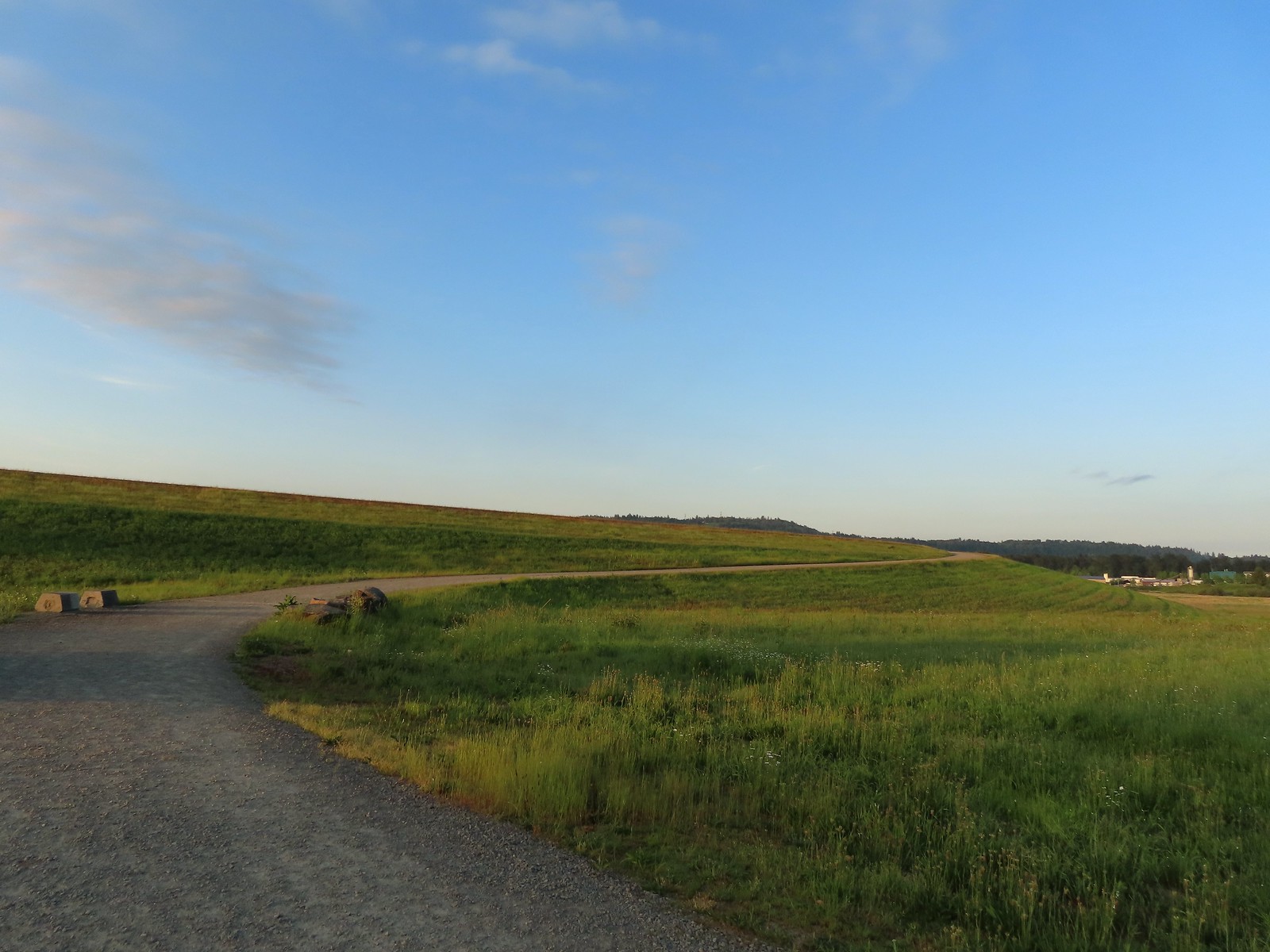
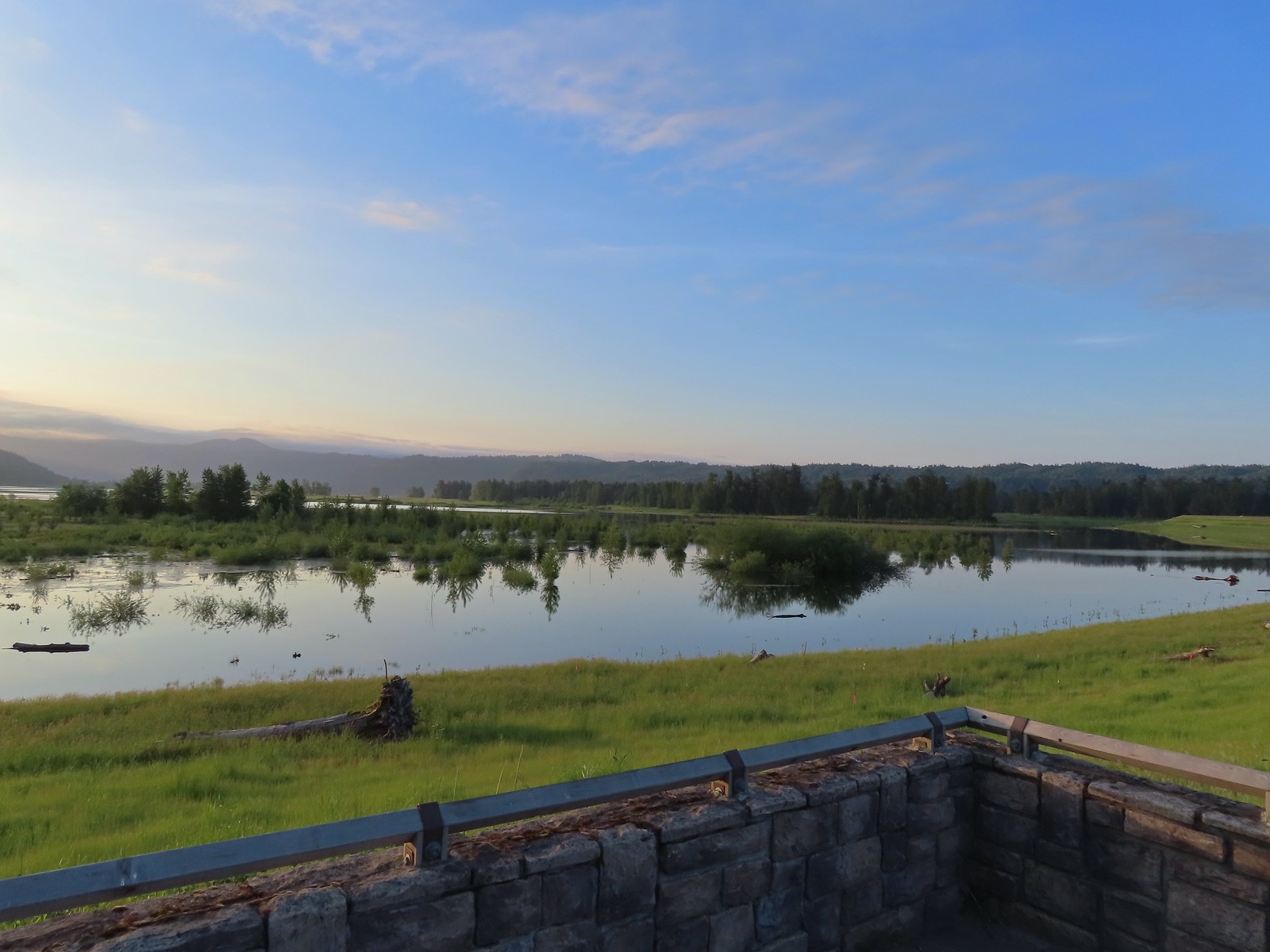 View to the East.
 Looking West toward Washougal.
 Mallards
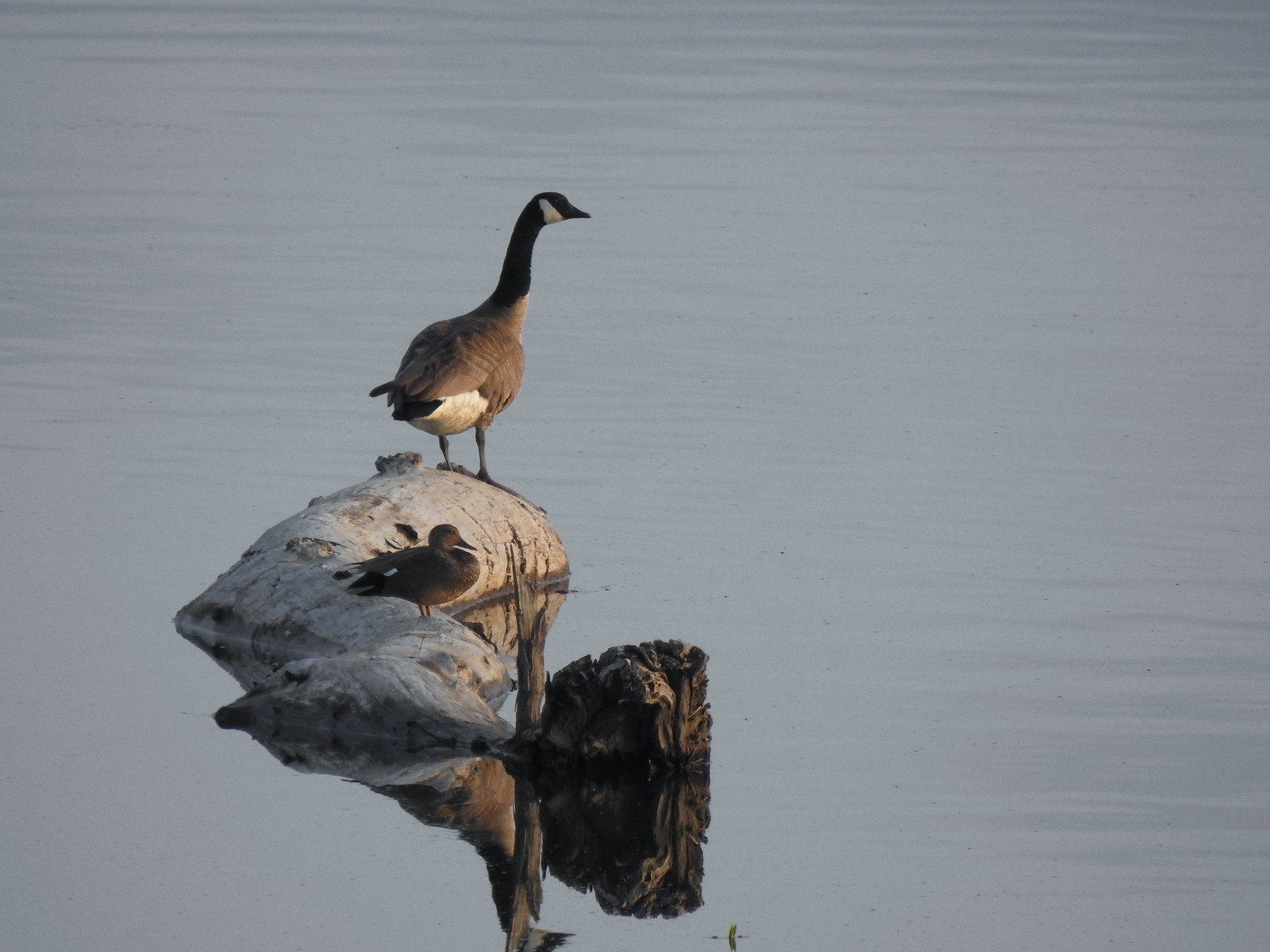 A duck and a goose sharing a log.
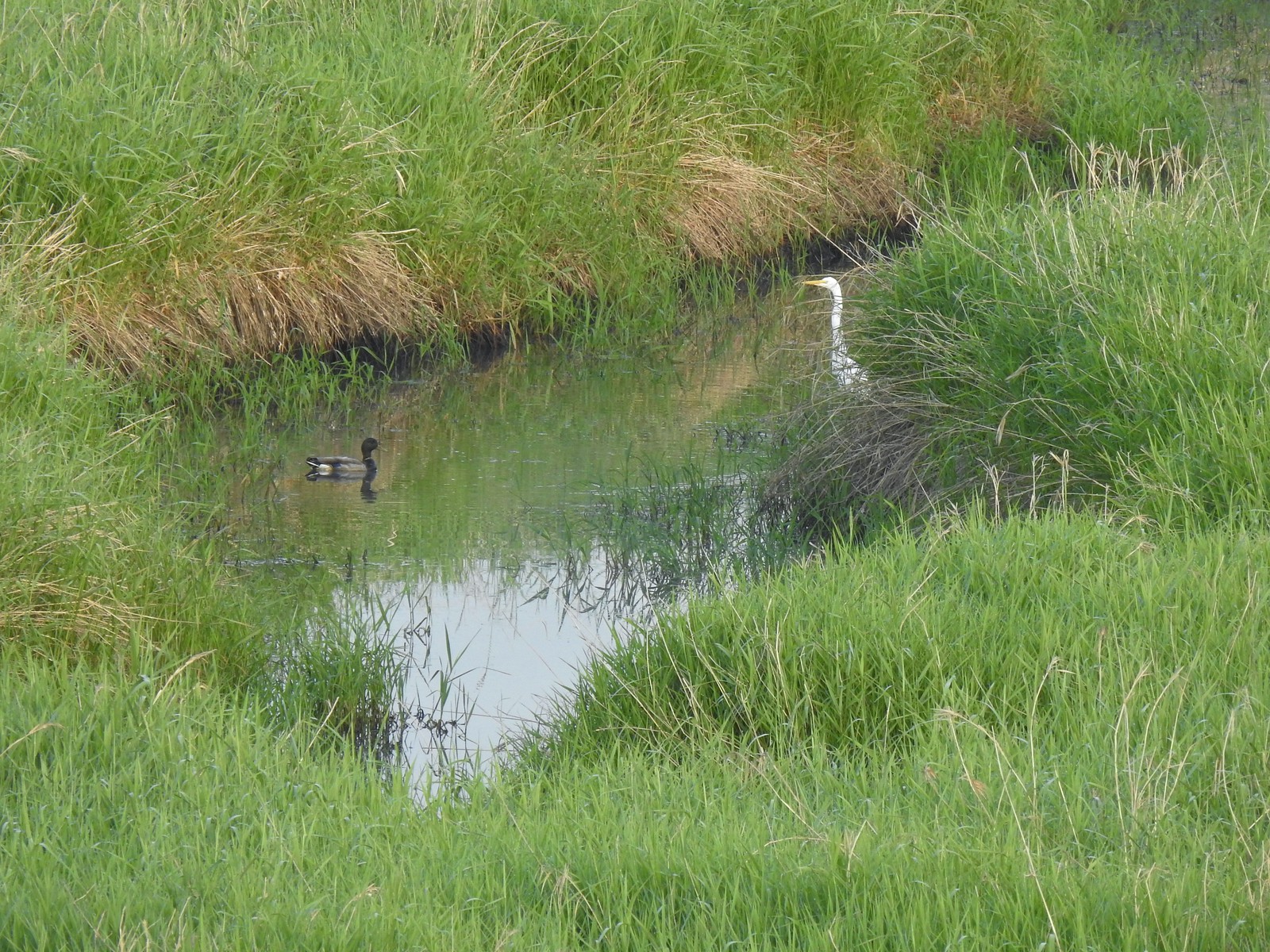 A mallard and an egret in a channel to the West.
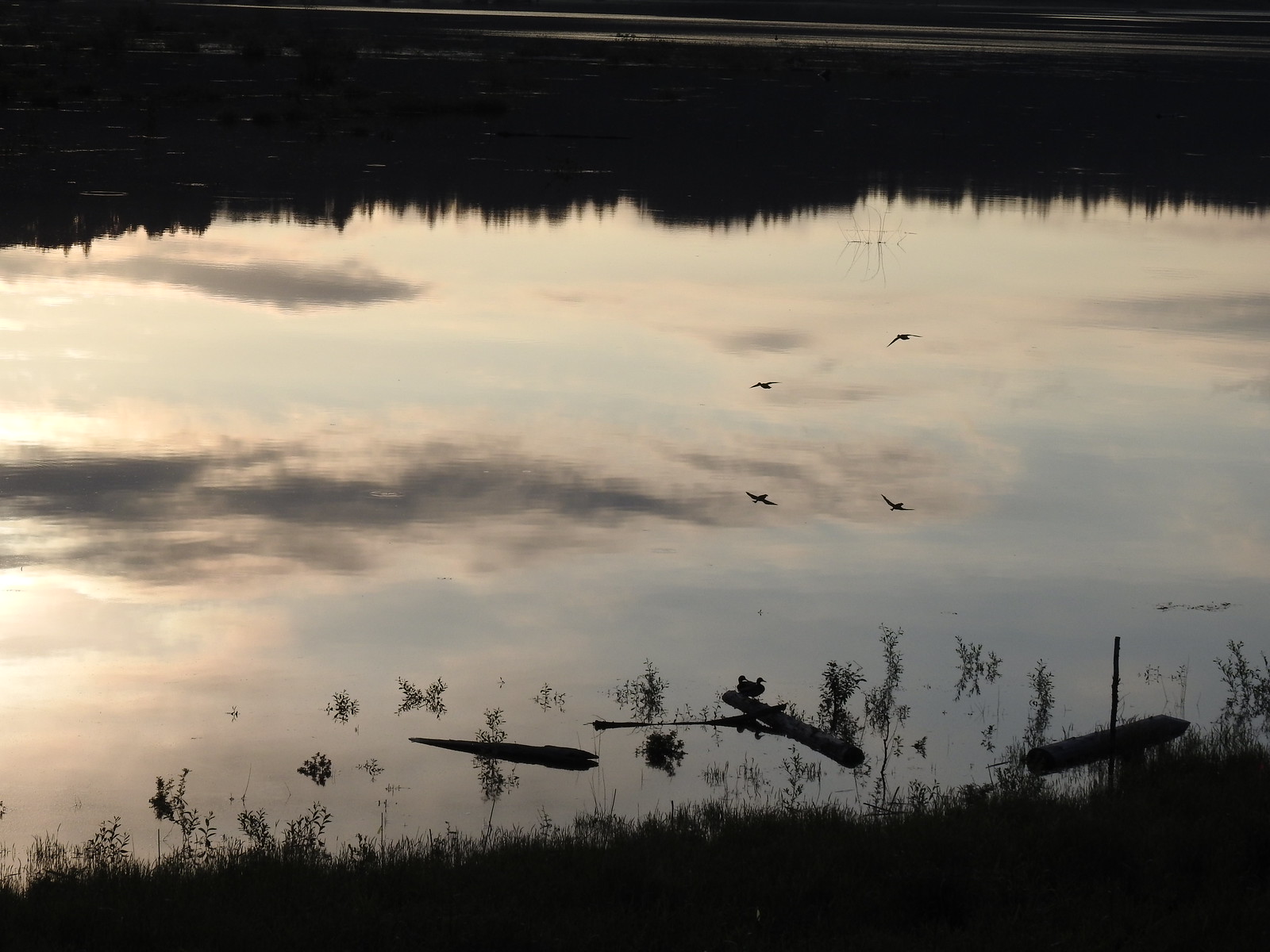 Ducks flying over the wetlands casting clear reflections.
 Water dripping from a mallards bill.
 One of several rabbits we spotted to the West.
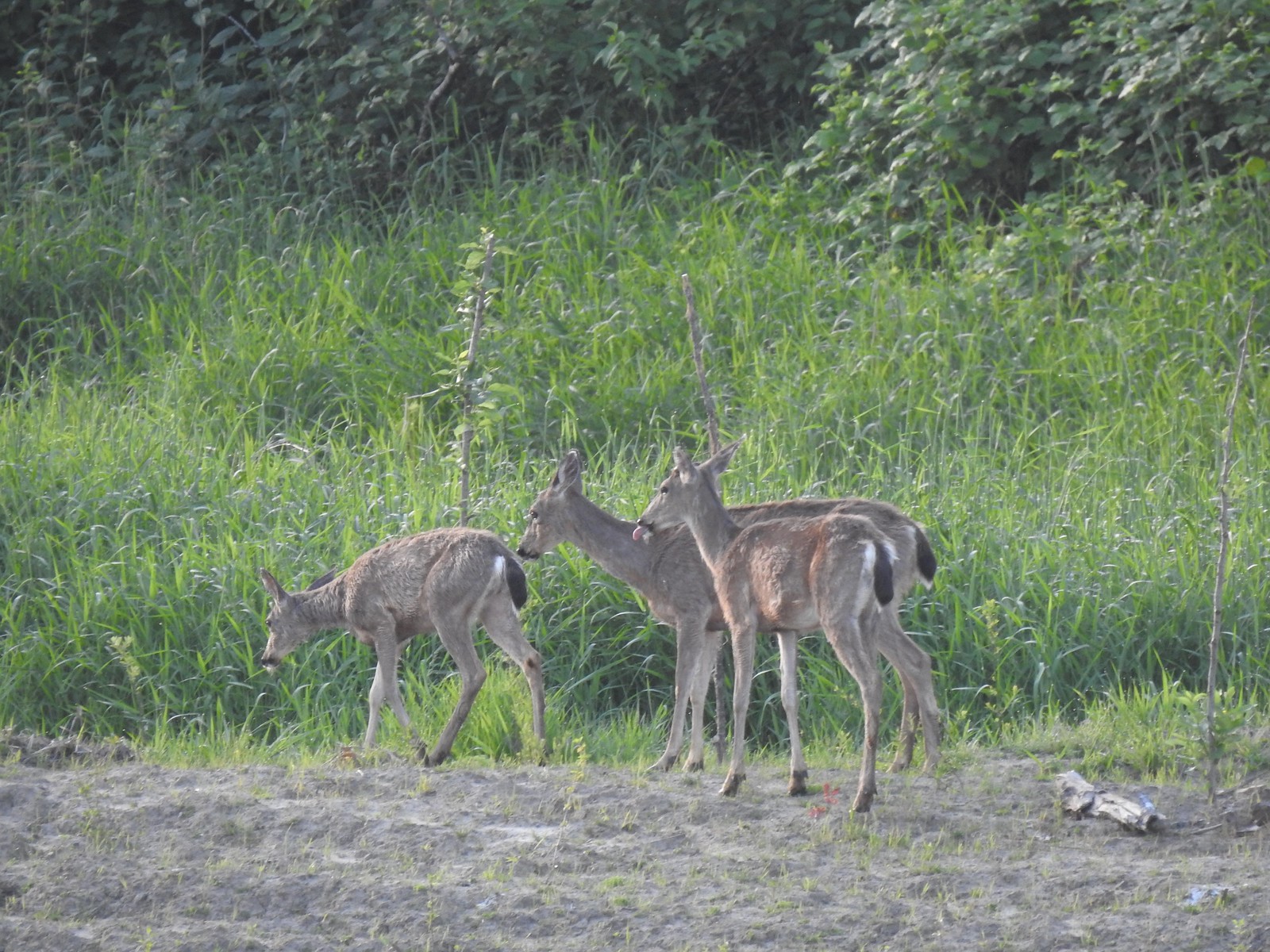 Deer across the wetlands. (The young buck may have been sticking his tongue out at us.)
 Families of geese.
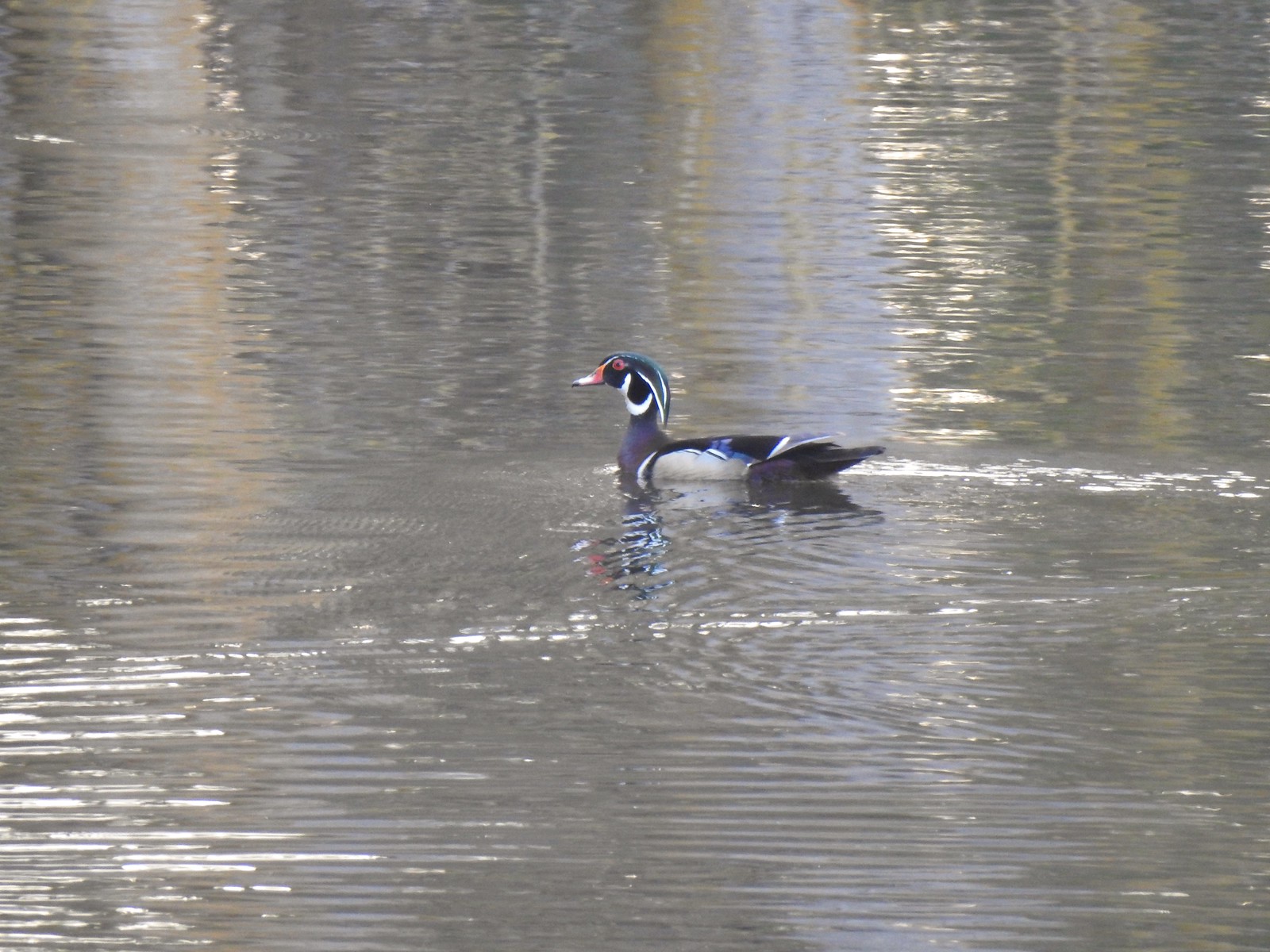 Wood duck mallard
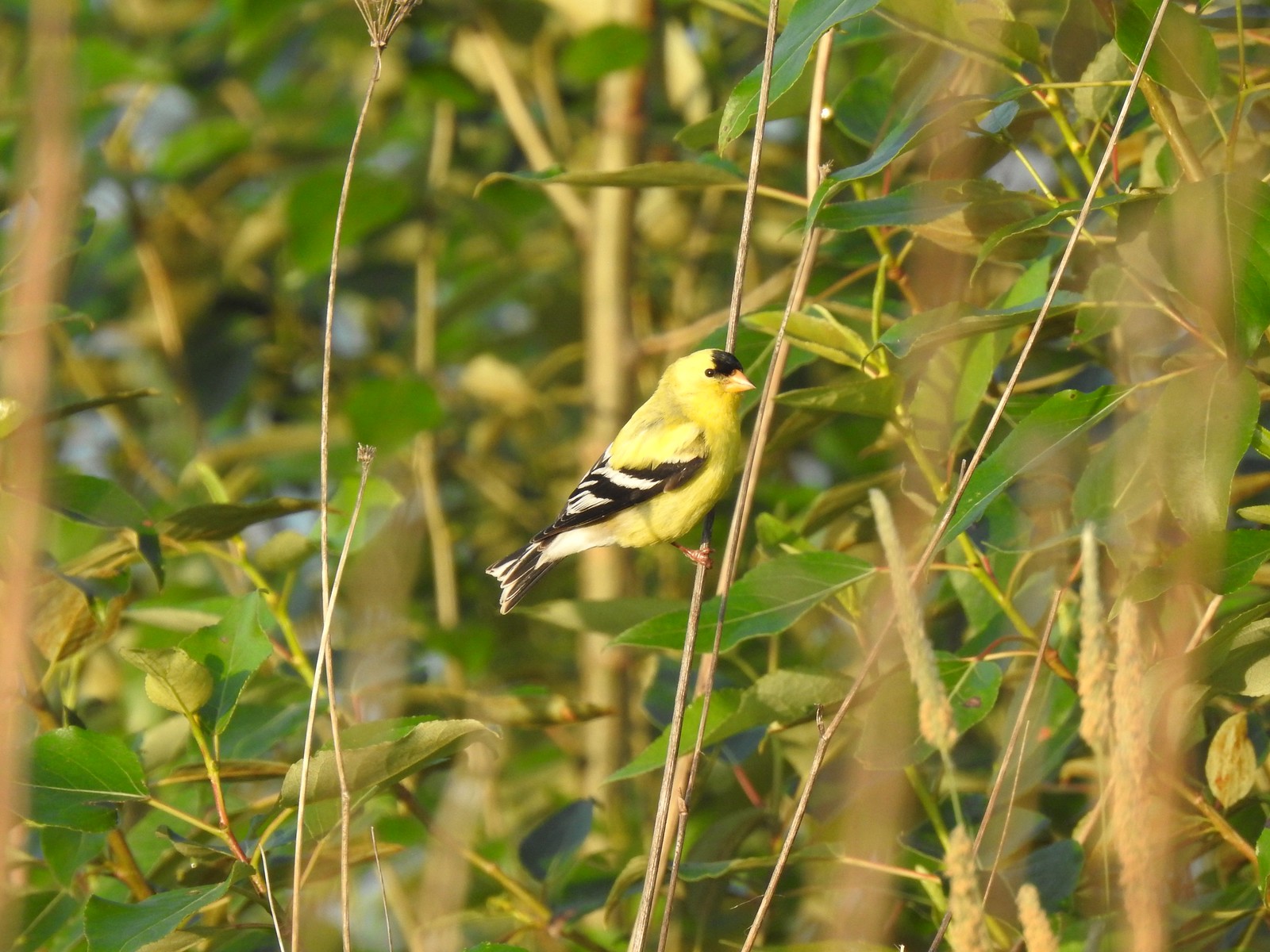
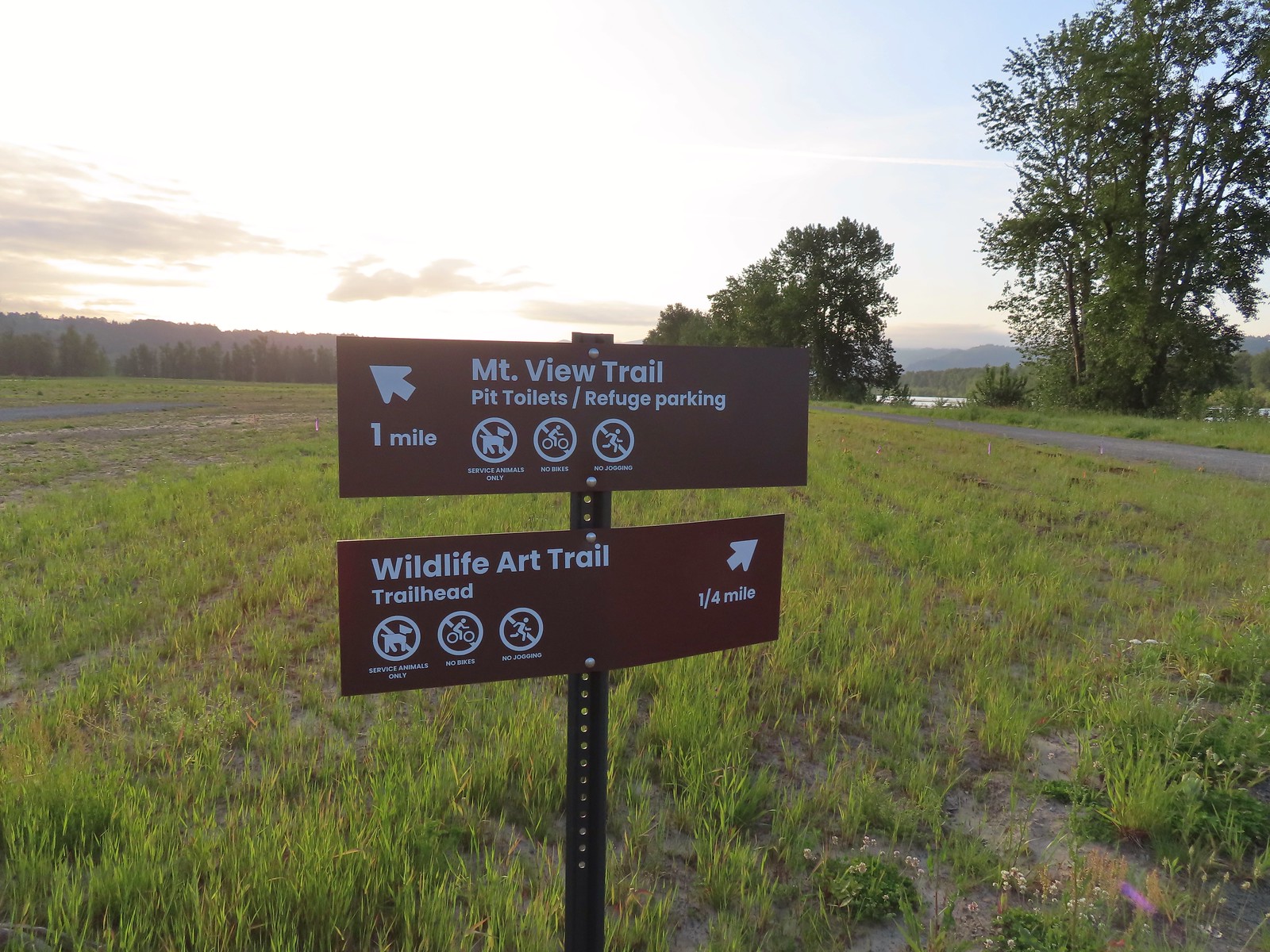 Trail sign at the junction with the Refuge River Trail.
 Sparrow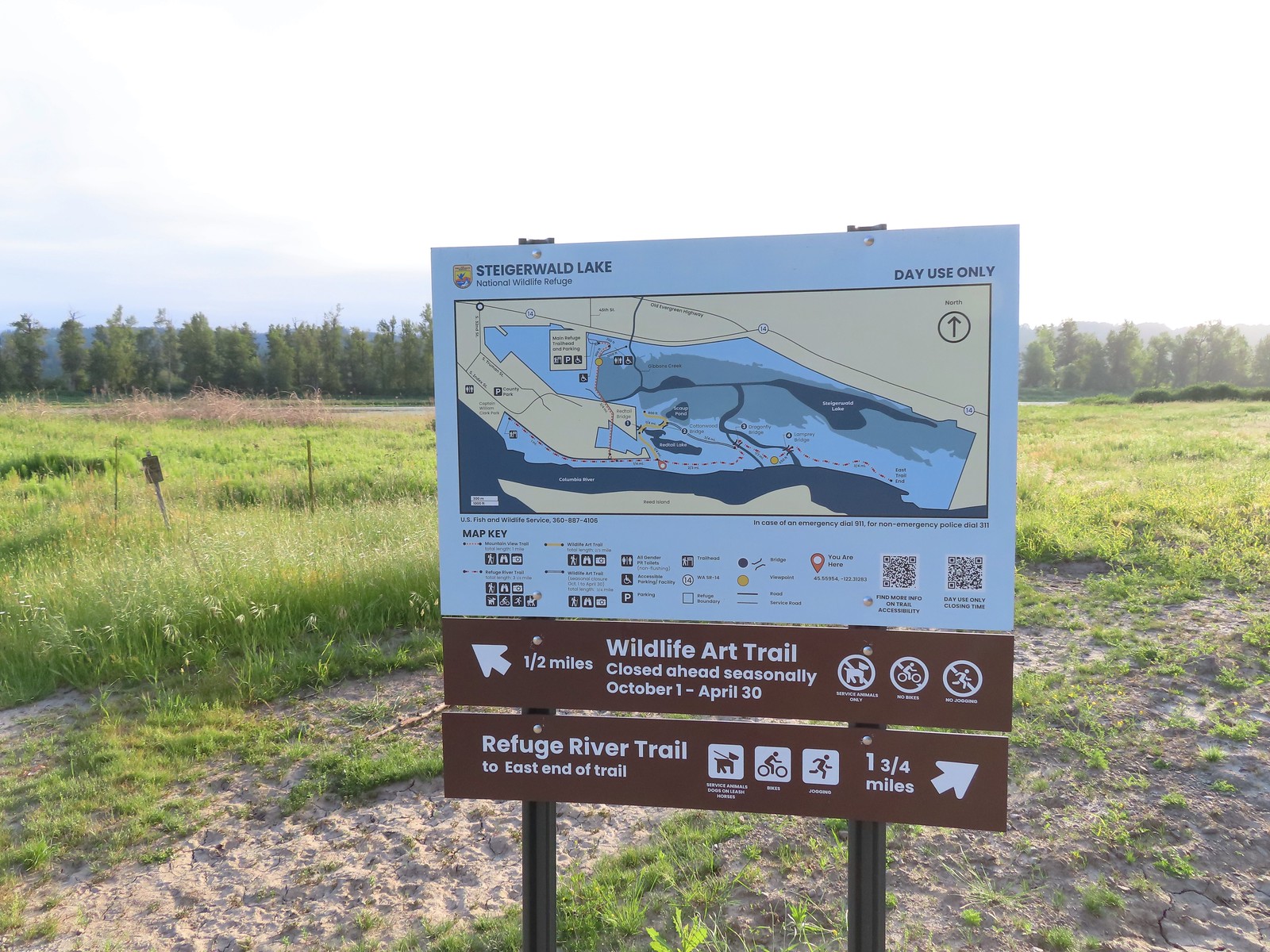
 Coming in for a landing.
 Red Tail Lake to the right of the Wildlife Art Trail.
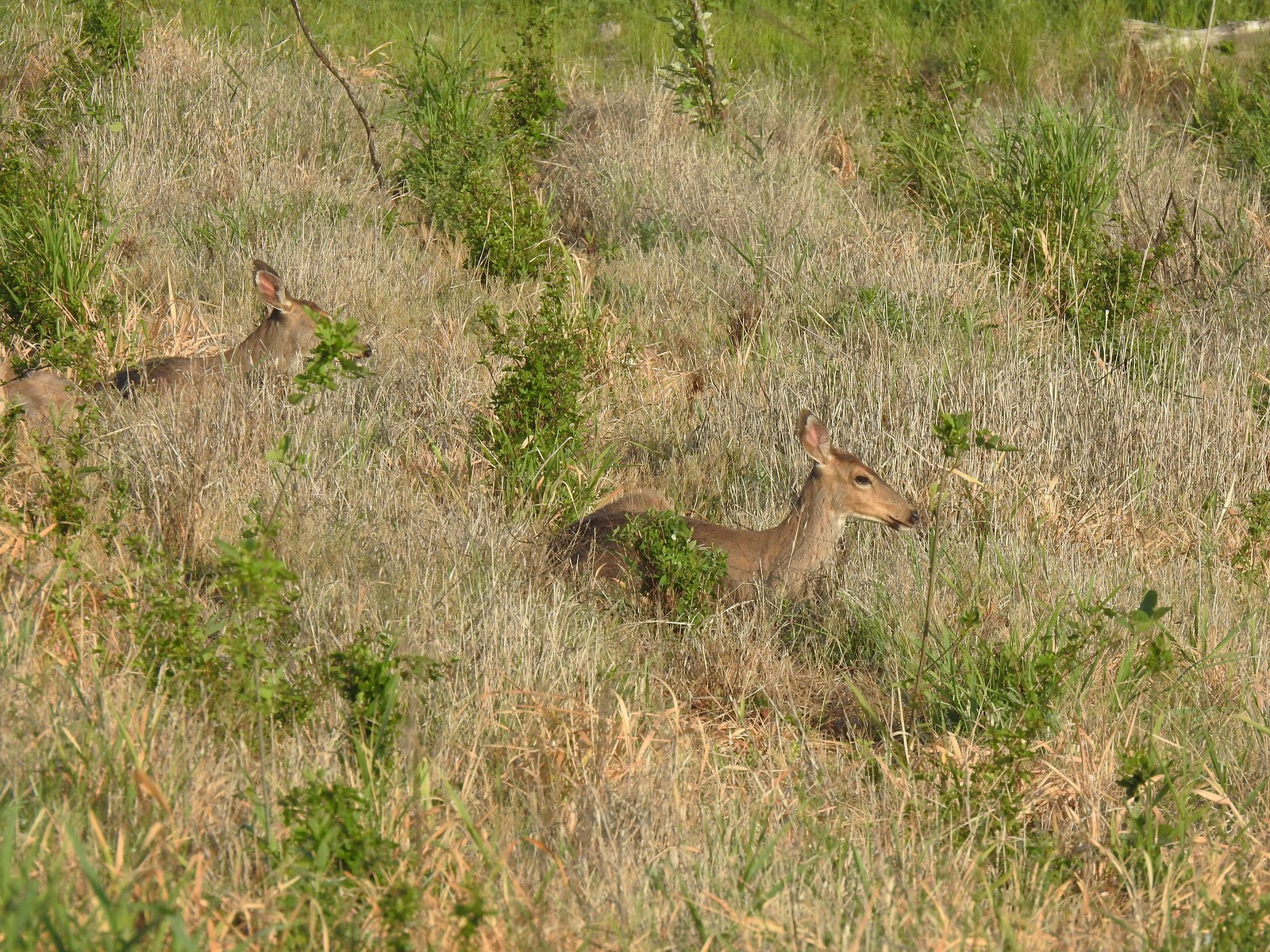 Pretty sure these are the same three we saw from the Mountain View Trail.
 This deer laying along the shore of Red Tail Lake was new though.
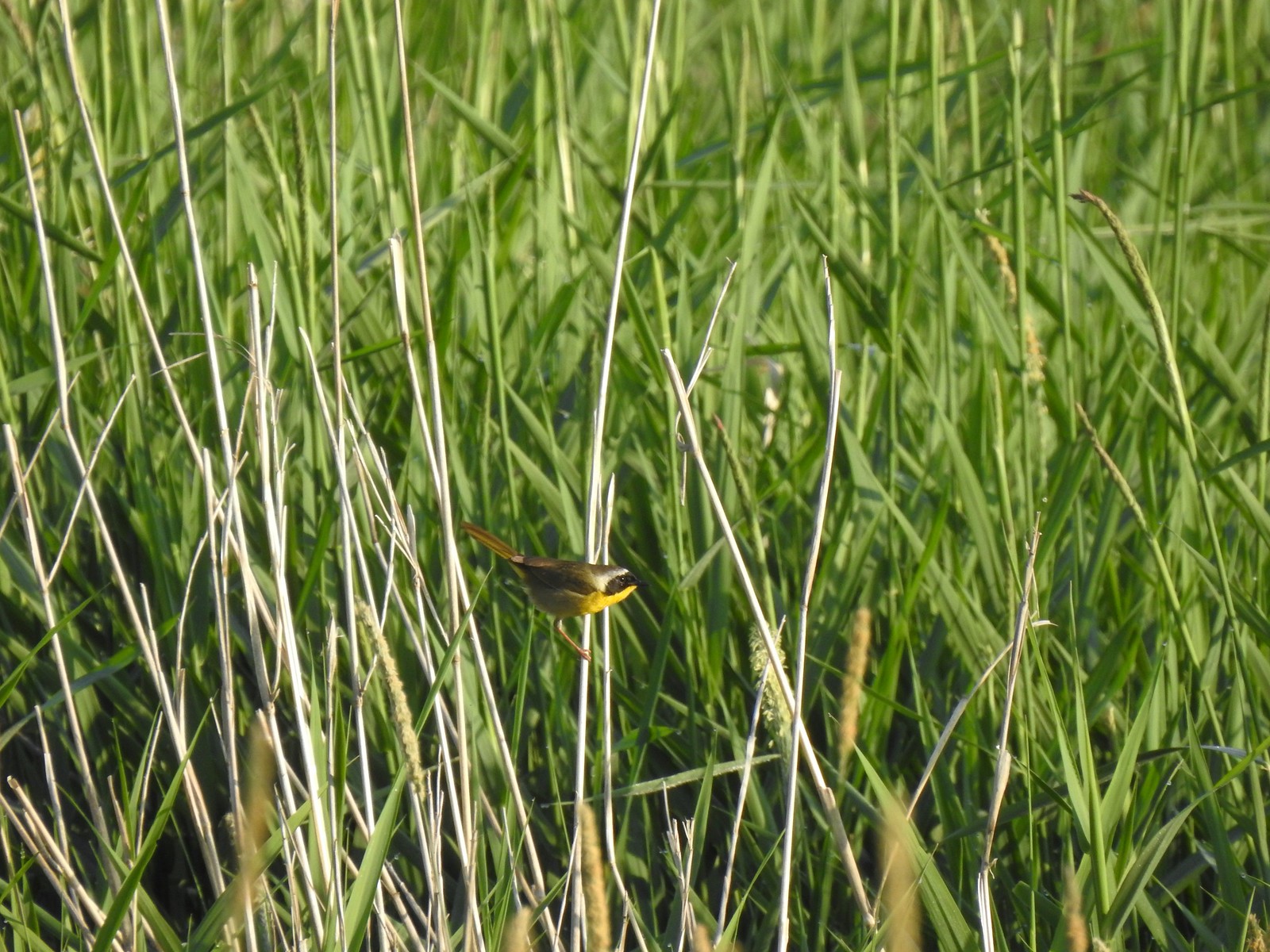 Common yellow throat
 One of many great blue herons that we watched fly overhead throughout the day.
 The Wildlife Art Trail passing around Redtail Lake.
 Gibbons Creek is in that grass somewhere with at least one deer.
 Killdeer along Redtail Lake.
 Turns out the deer laying on the lake shore wasn’t alone.
 Roses
Roses Purple martins
 Just beyond the Cottonwood Bridge the trail forks. To the right is the seasonal section of the loop open May 1st through September 30th. The left-hand fork dead-ends in a tenth of a mile overlooking the wetlands.
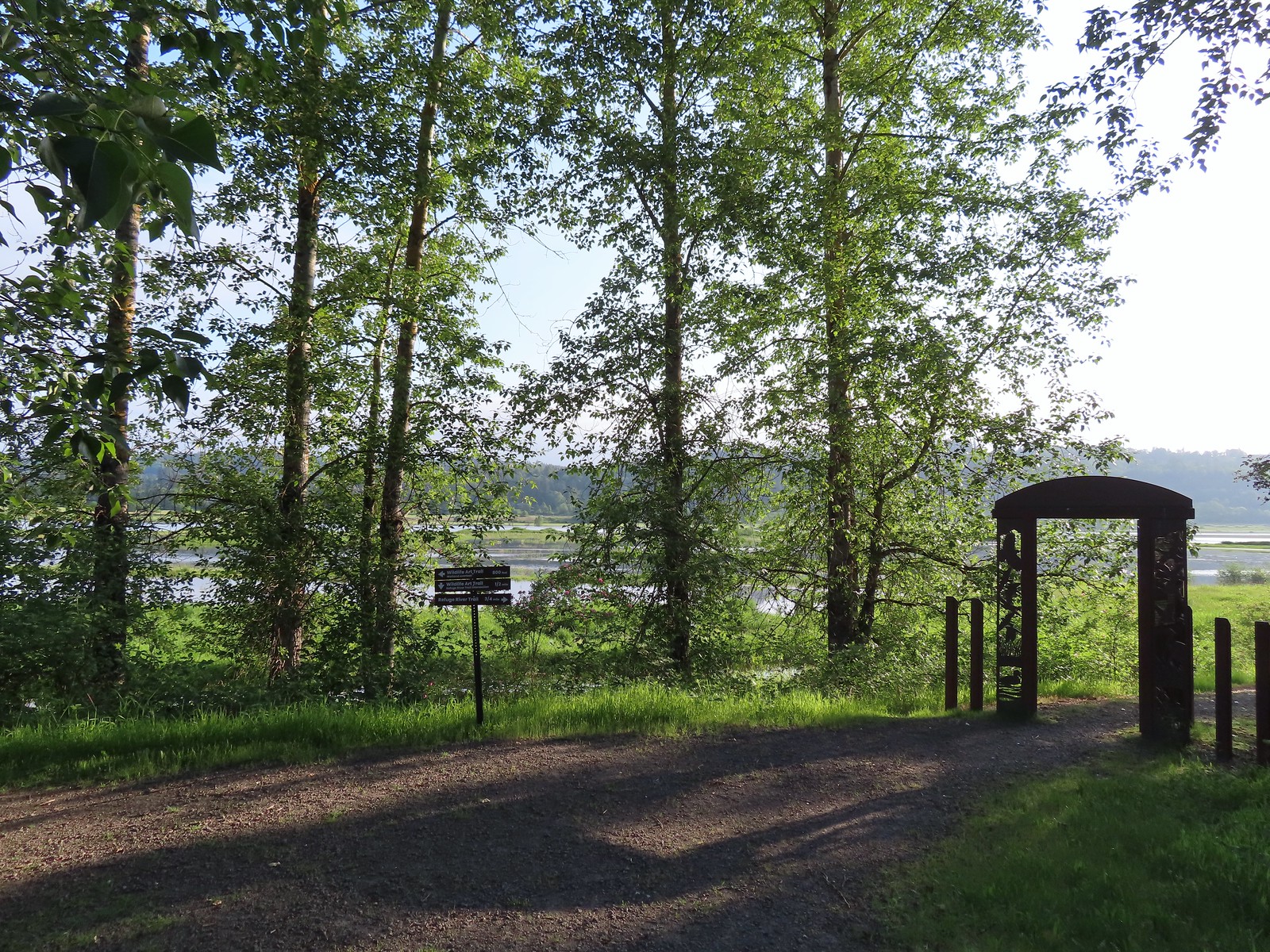 We headed left to the overlook before continuing on the loop.
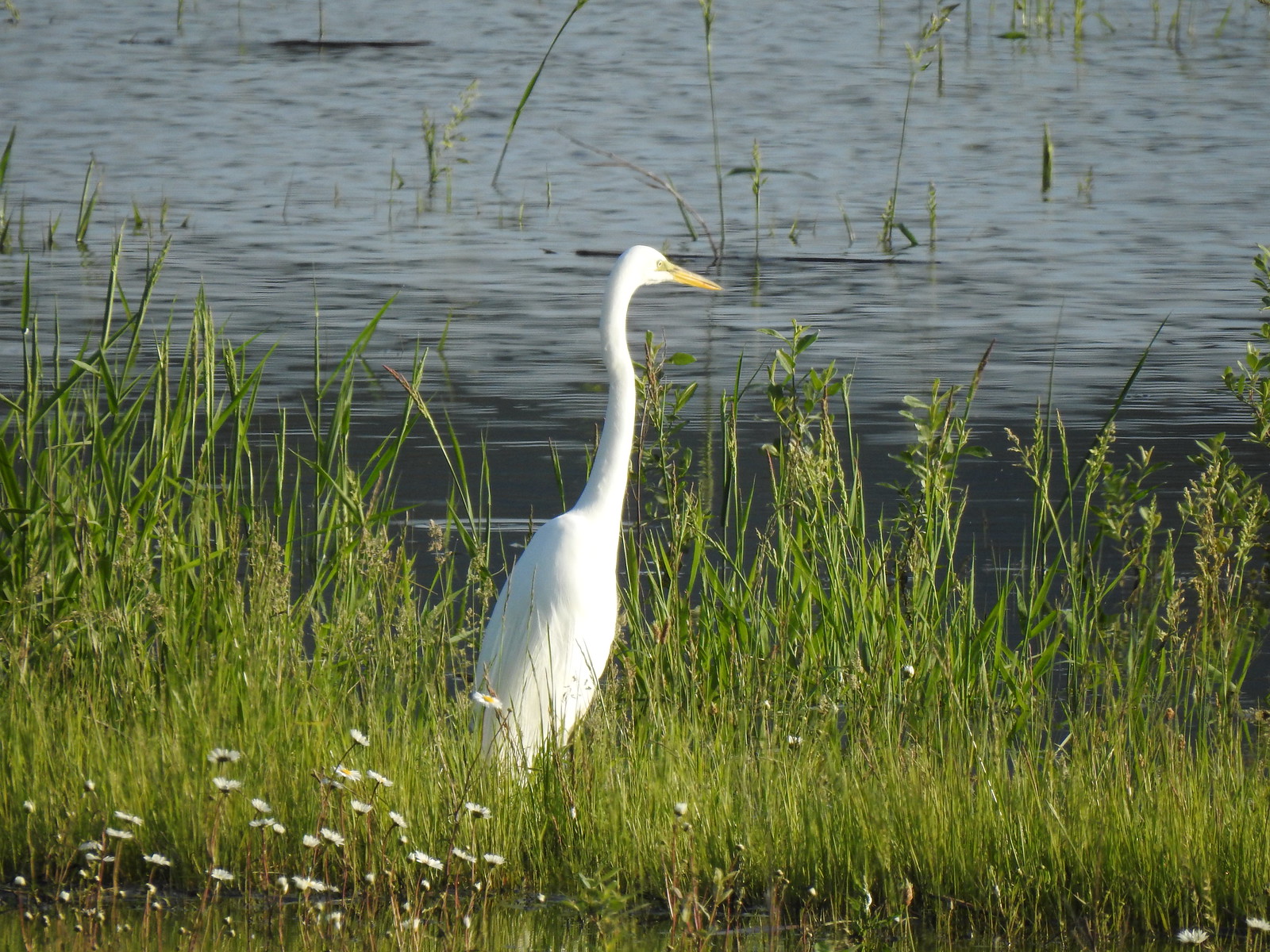 Egret at Scaup Pond.
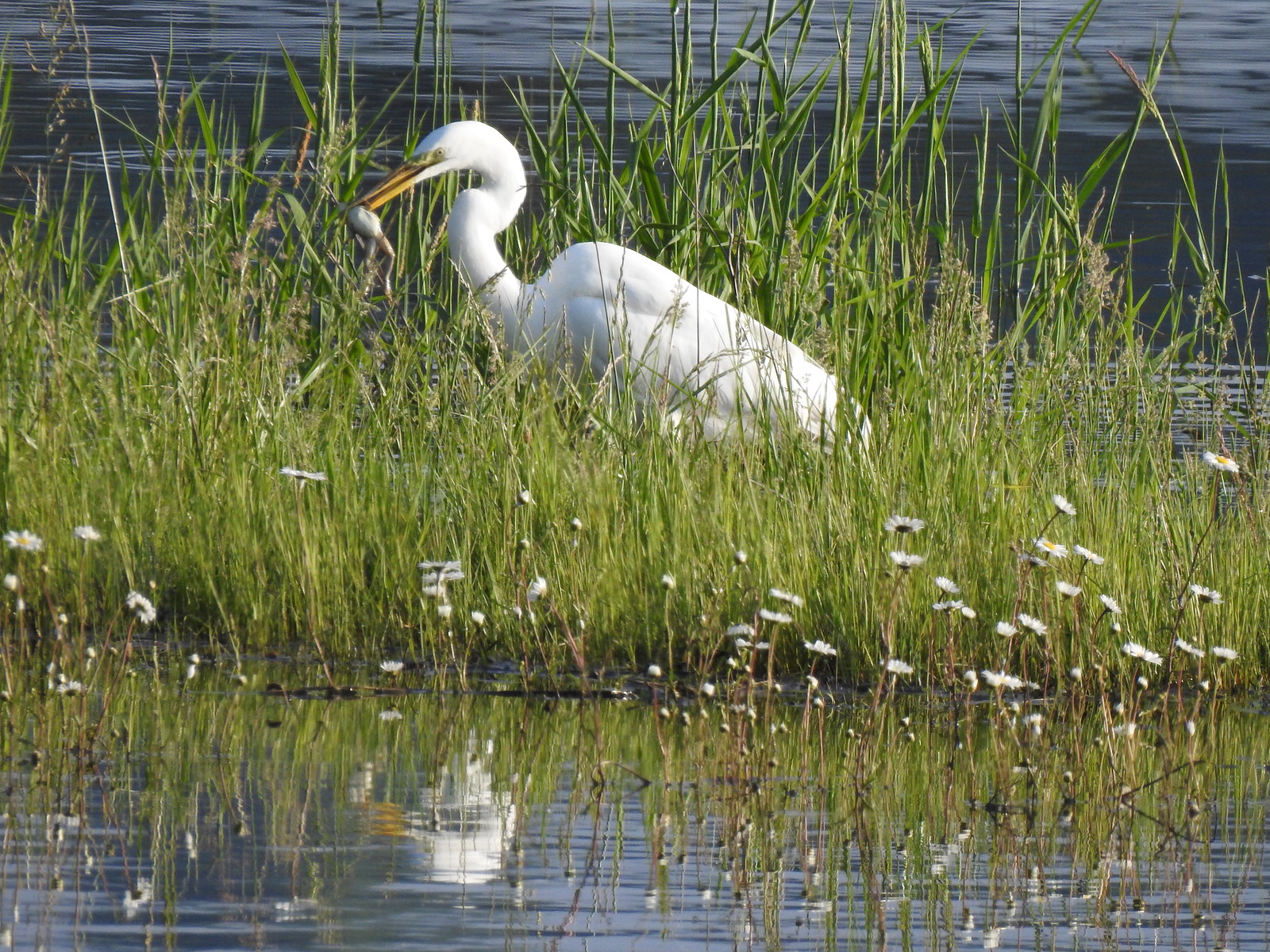 Egret with a frog meal.
 Mushrooms
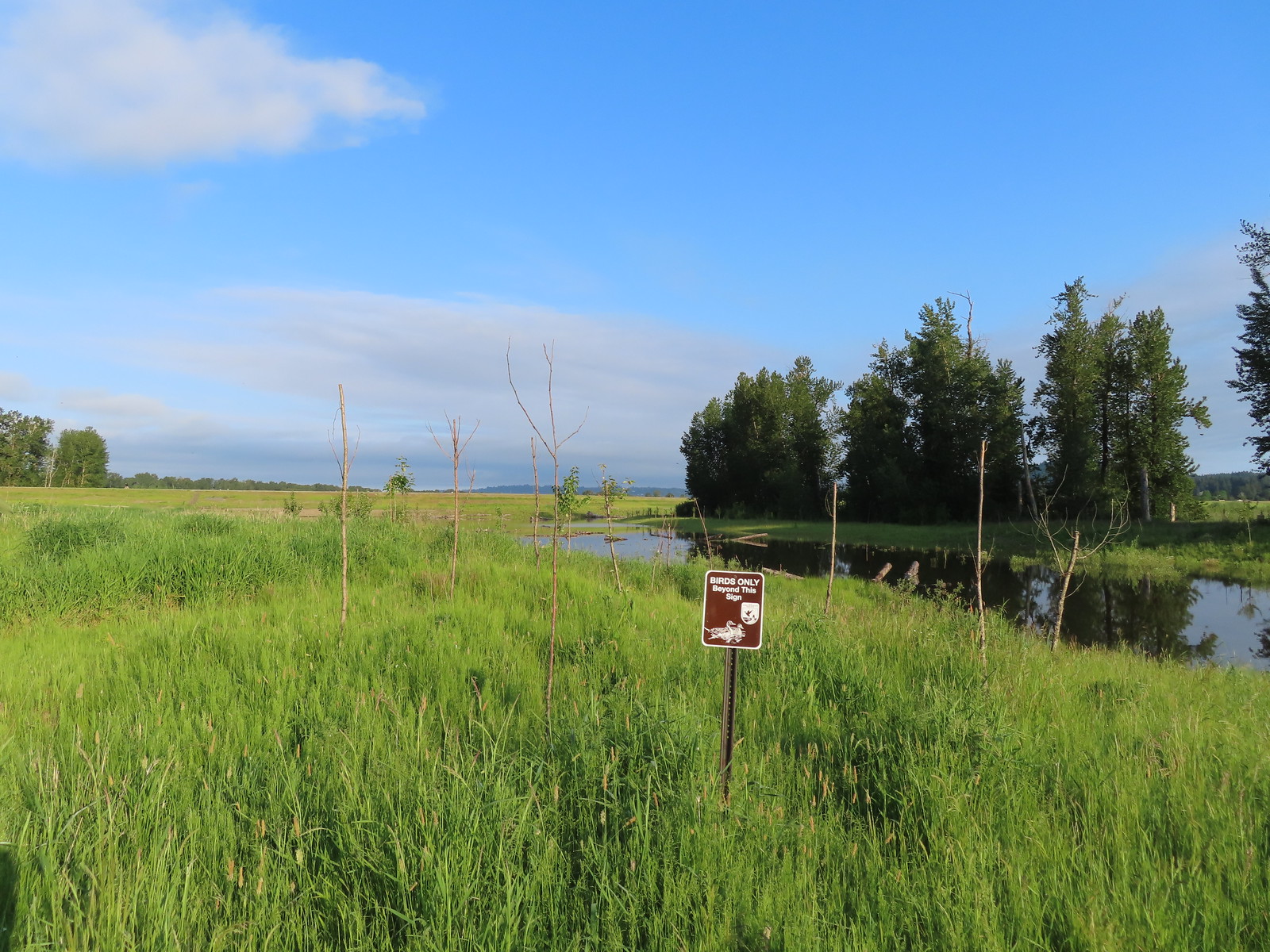 We got a kick out of the “Birds Only Beyond This Sign”.
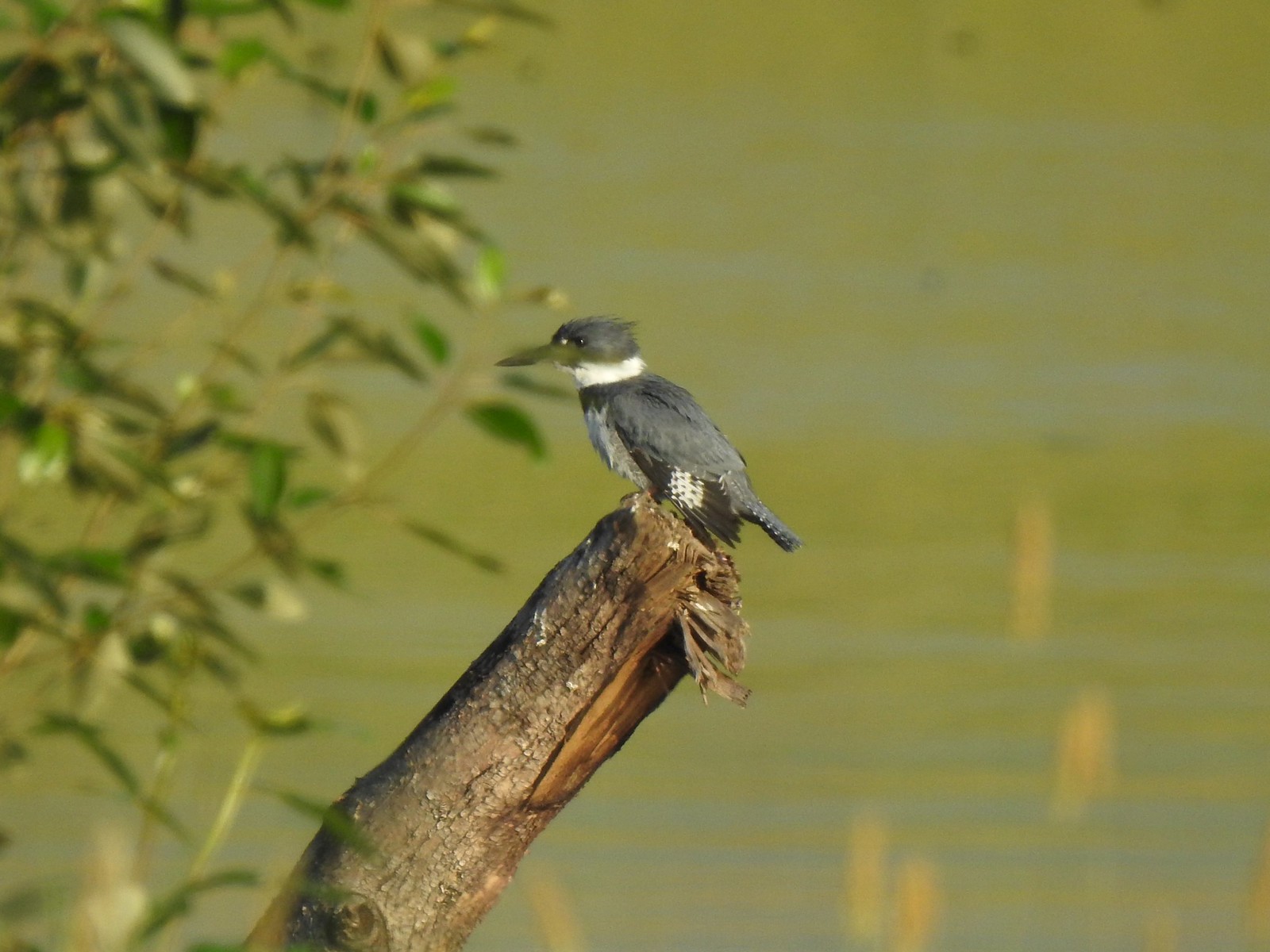 Kingfisher
 We’ve only seen two bitterns on our hikes and both times we only spotted them as they flew off from the grassy cover that they’d been hiding in so I was pretty disappointed when I realized I’d been duped, but kudos to the artist because it looked real at first glance to me.

 You have something in your teeth.
 Spotted towhee
 At least two deer in the grass.
 Another American goldfinch.


 Spotted sandpiper
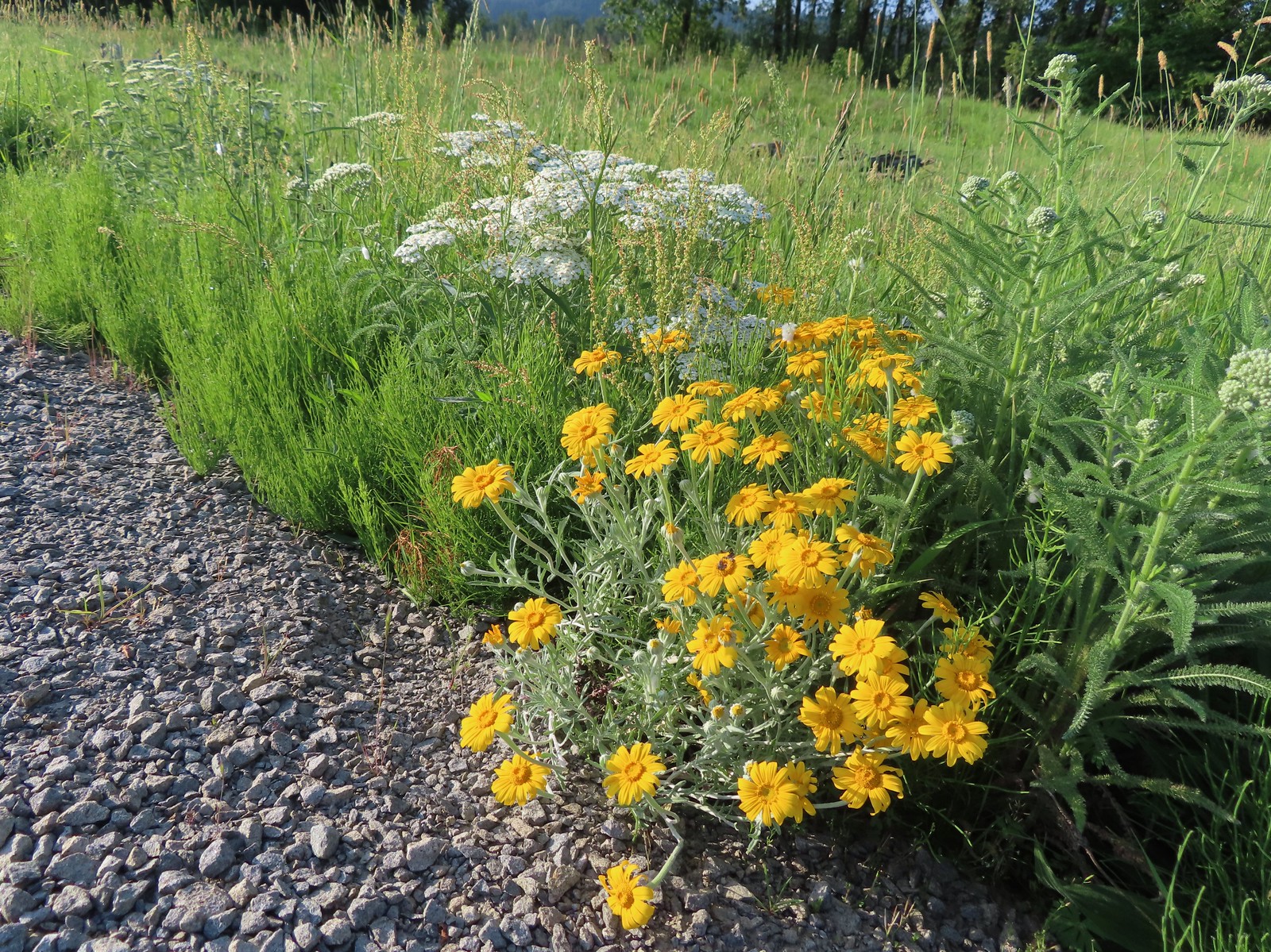 Oregon sunshine and yarrow
 The Columbia River ahead.
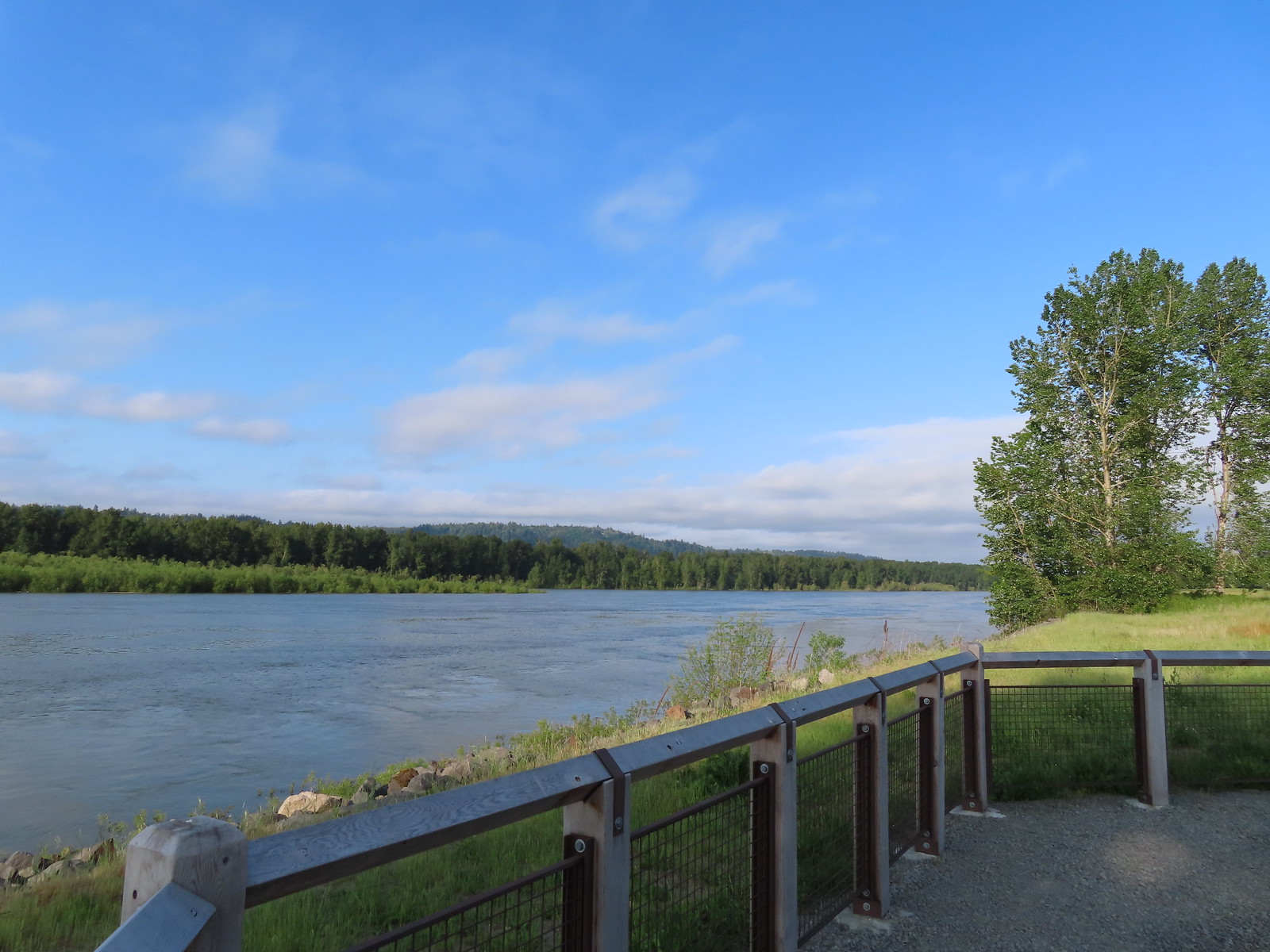 Viewpoint along the Columbia River.
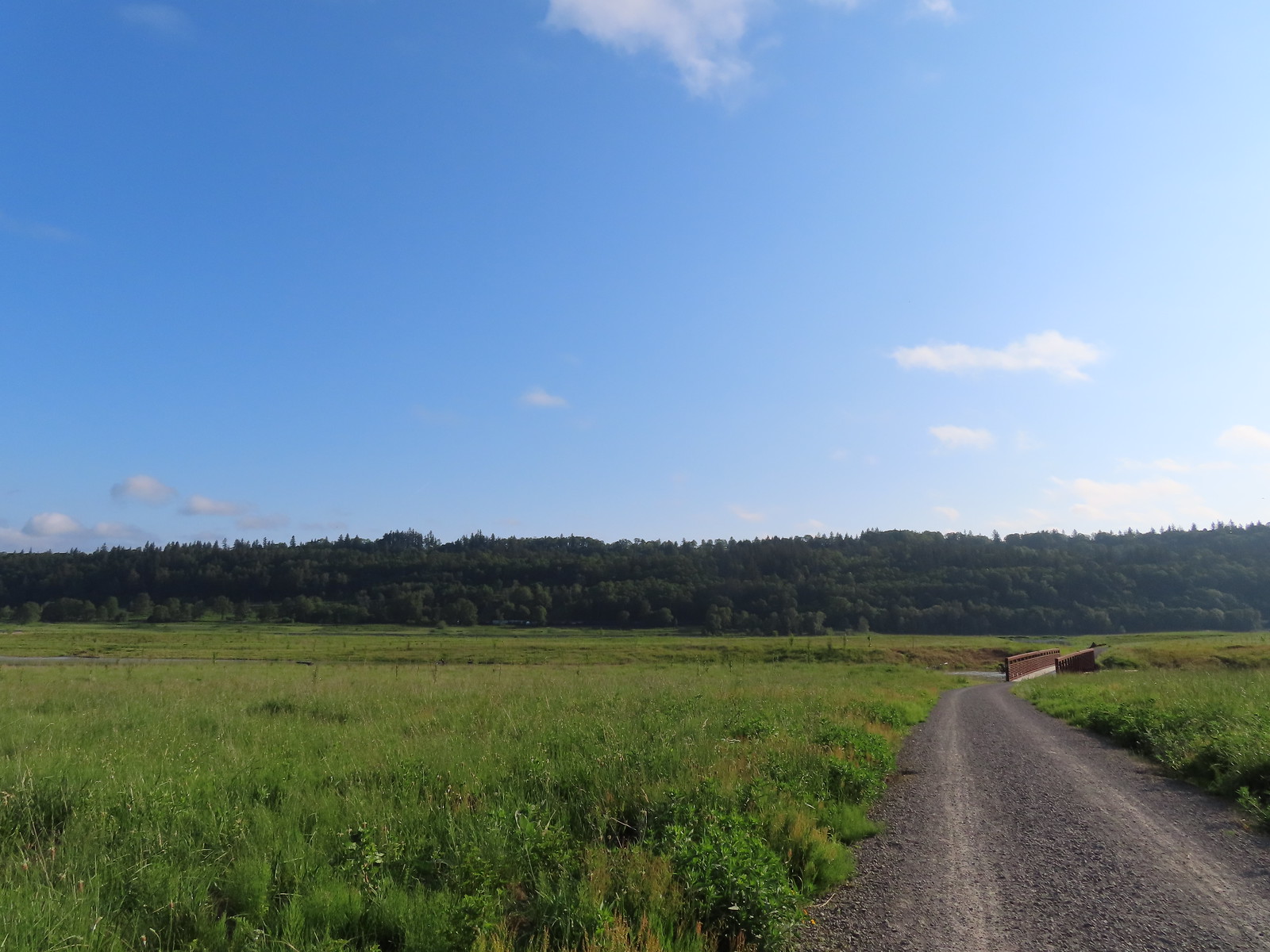 Approaching the Lampray Brdige.
 Looking back from across the bridge there was a bald eagle in the dead snag along the river.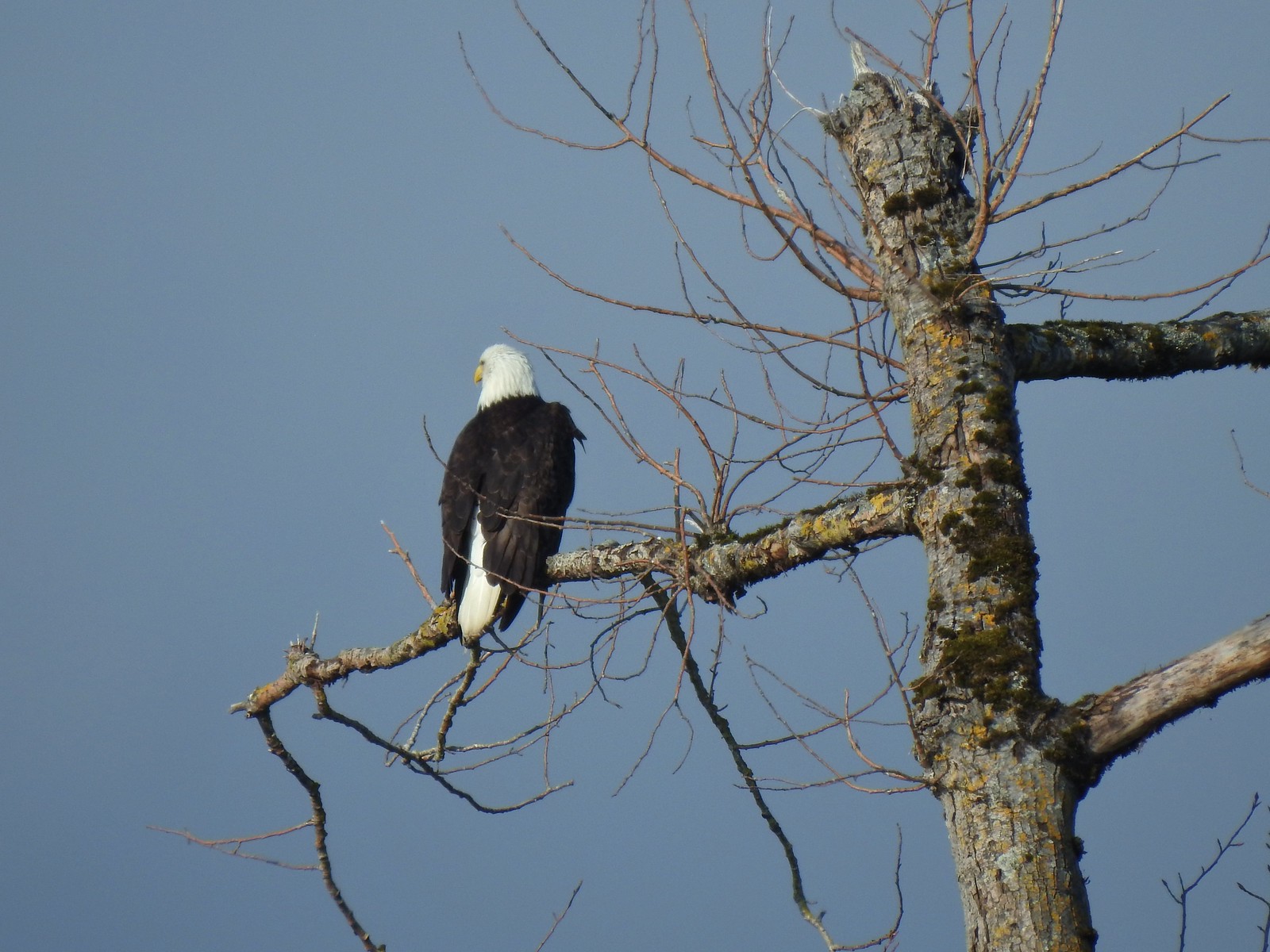
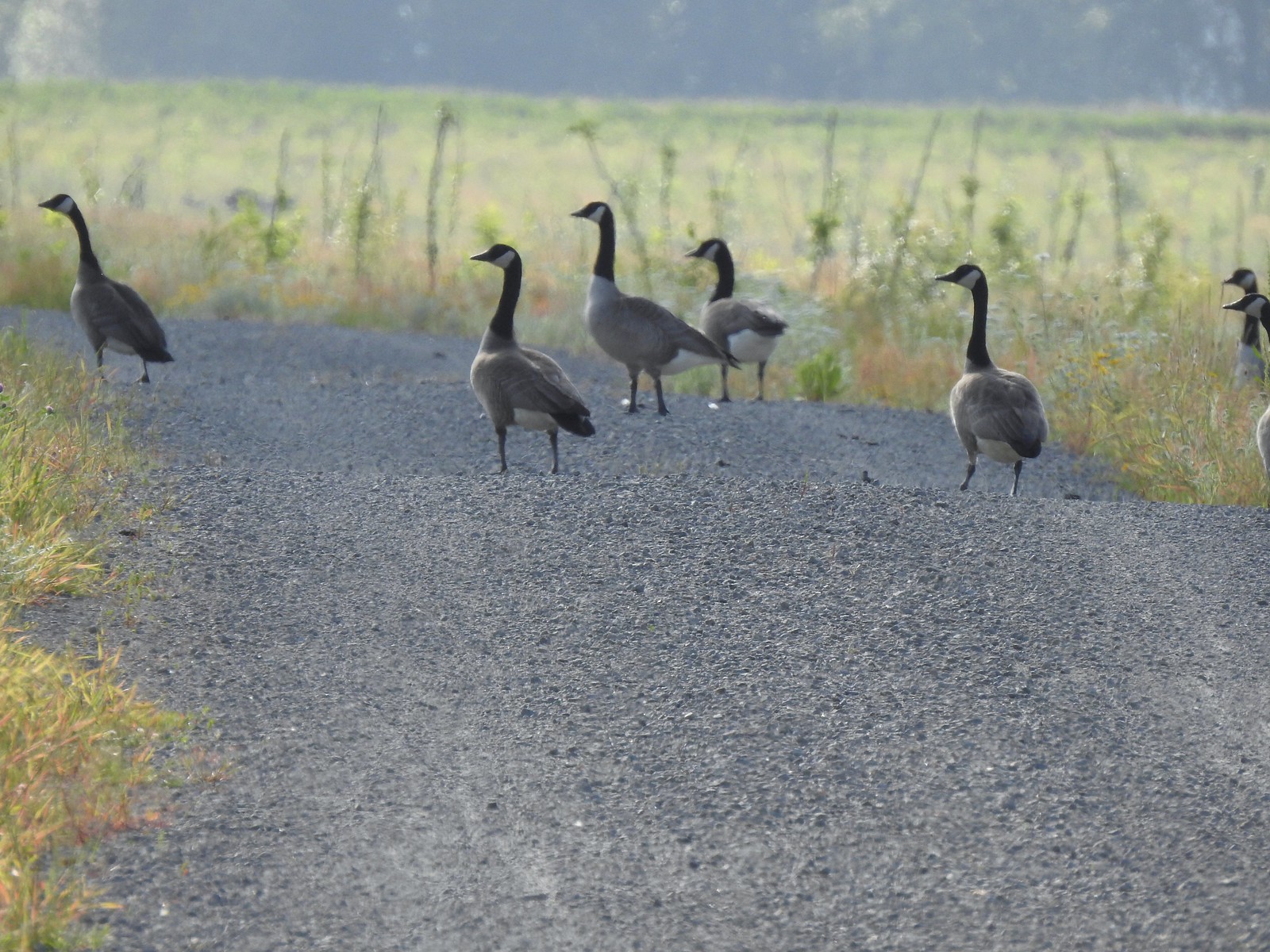 There were lots of geese along this section of trail.
 Red clover in some Oregon sunshine
 Another spotted sandpiper
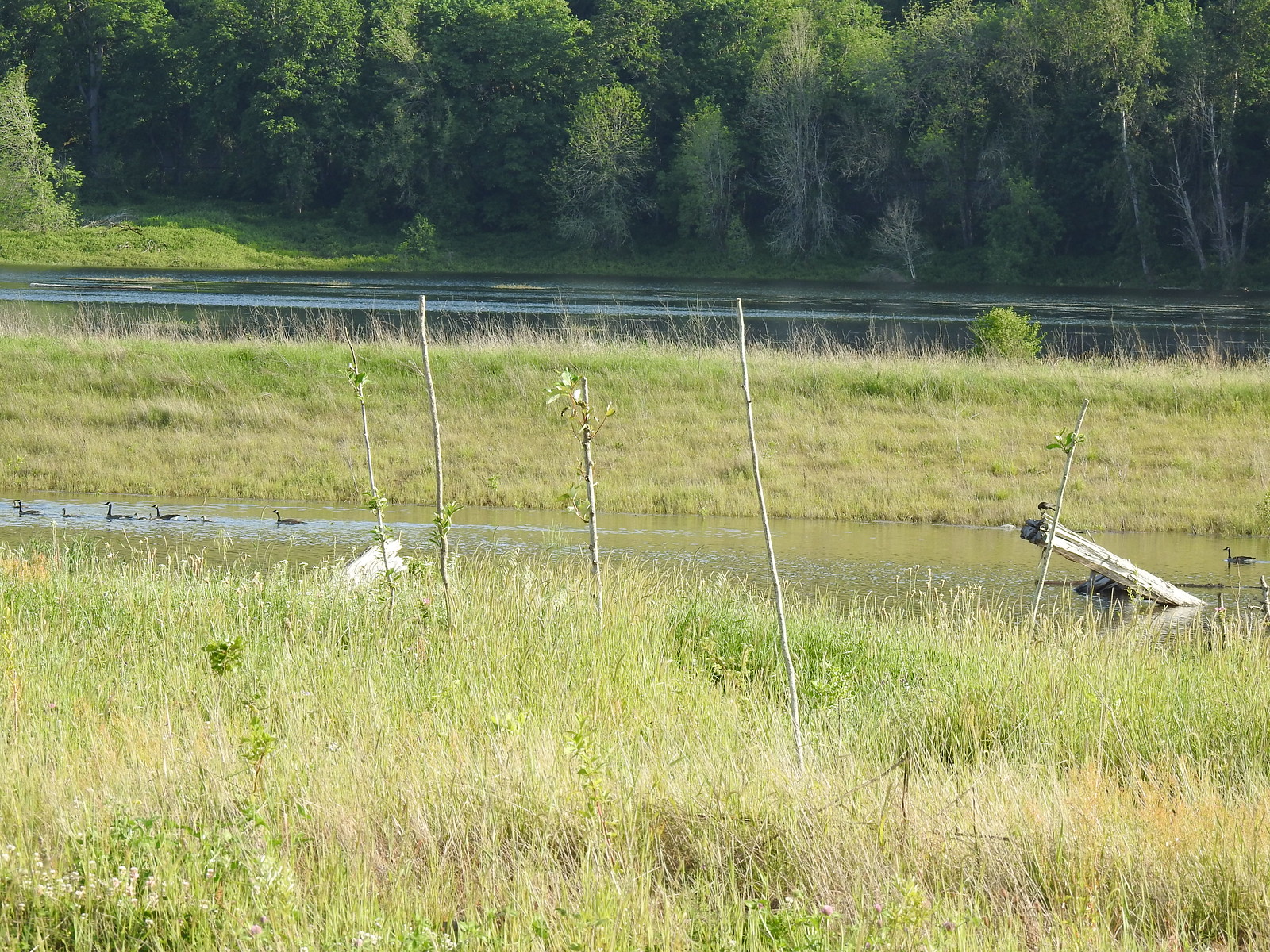 Steigerwald Lake in the distance with a family of geese and crow on a log in the near channel.
 End of the trail.
 It was about 8:15am when we turned around and it was already feeling fairly warm, but there was relief on the way in the form of some clouds coming in from the Pacific.
 Savannah sparrow
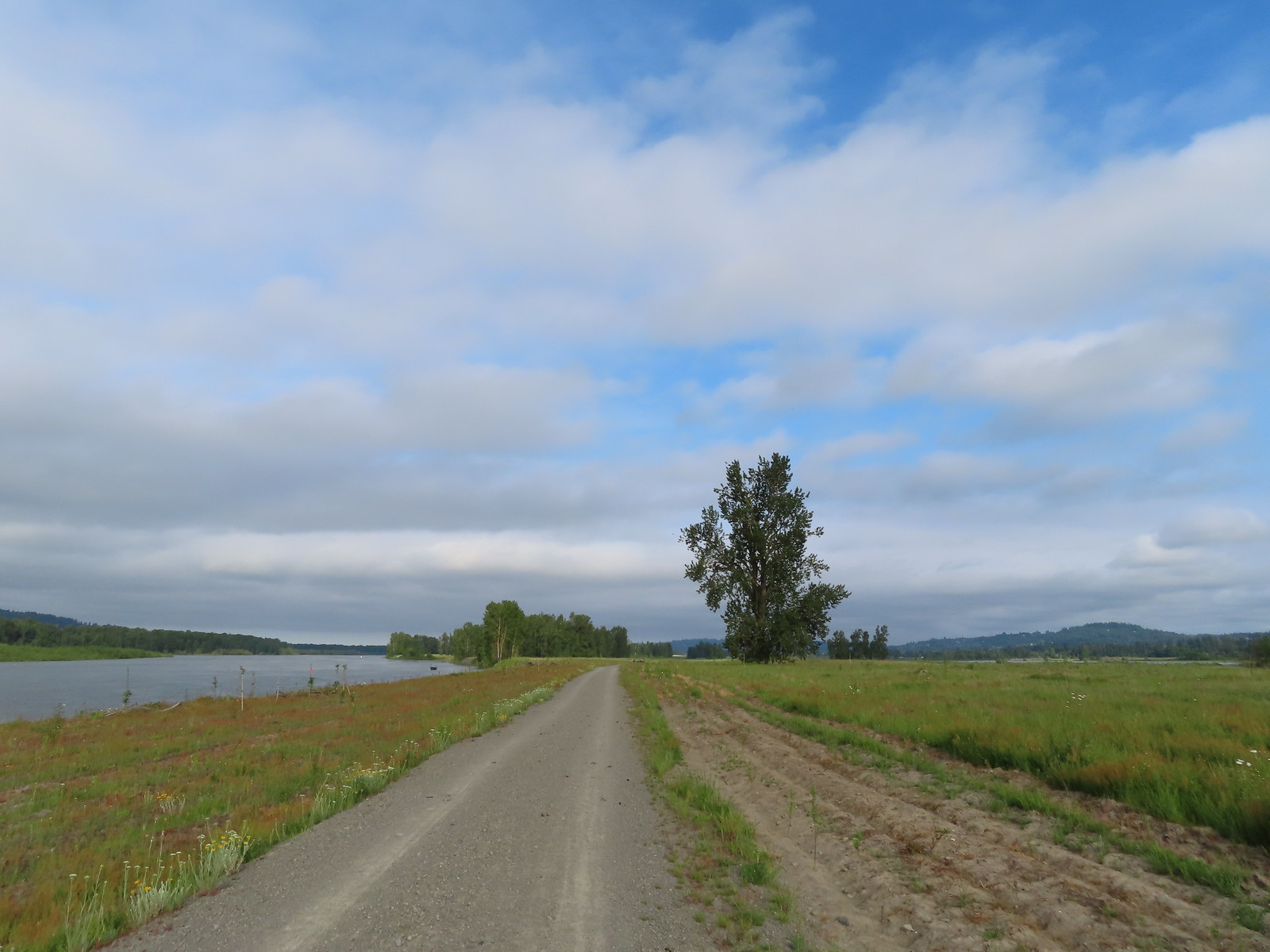 Here come the clouds.
 Double the eagles.
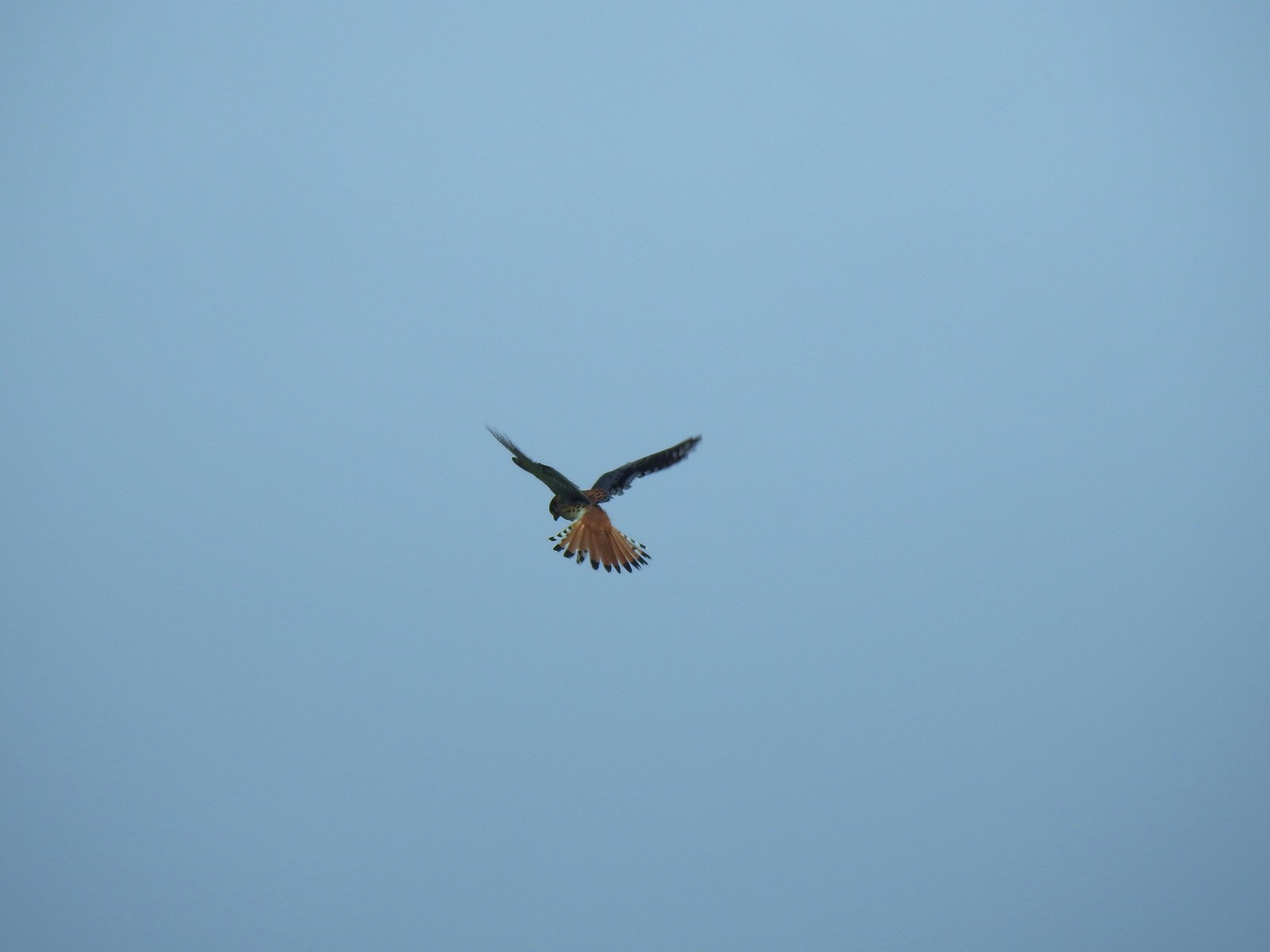 For the second week in a row we got to watch an American Kestral on the hunt.
 Arriving back at the Dragon Fly Bridge and the junction with the Wildlife Art Trail.

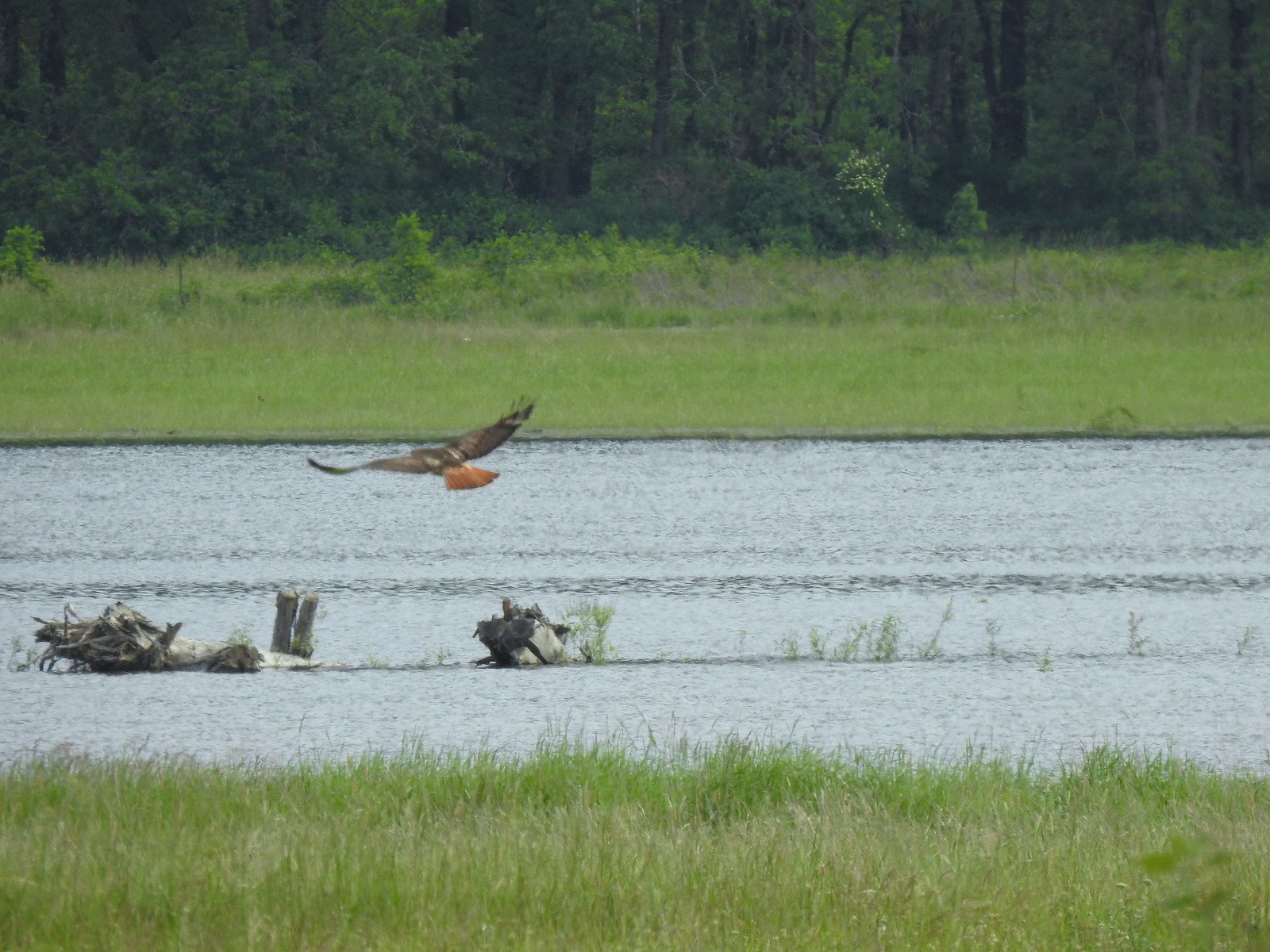 Red tailed hawk
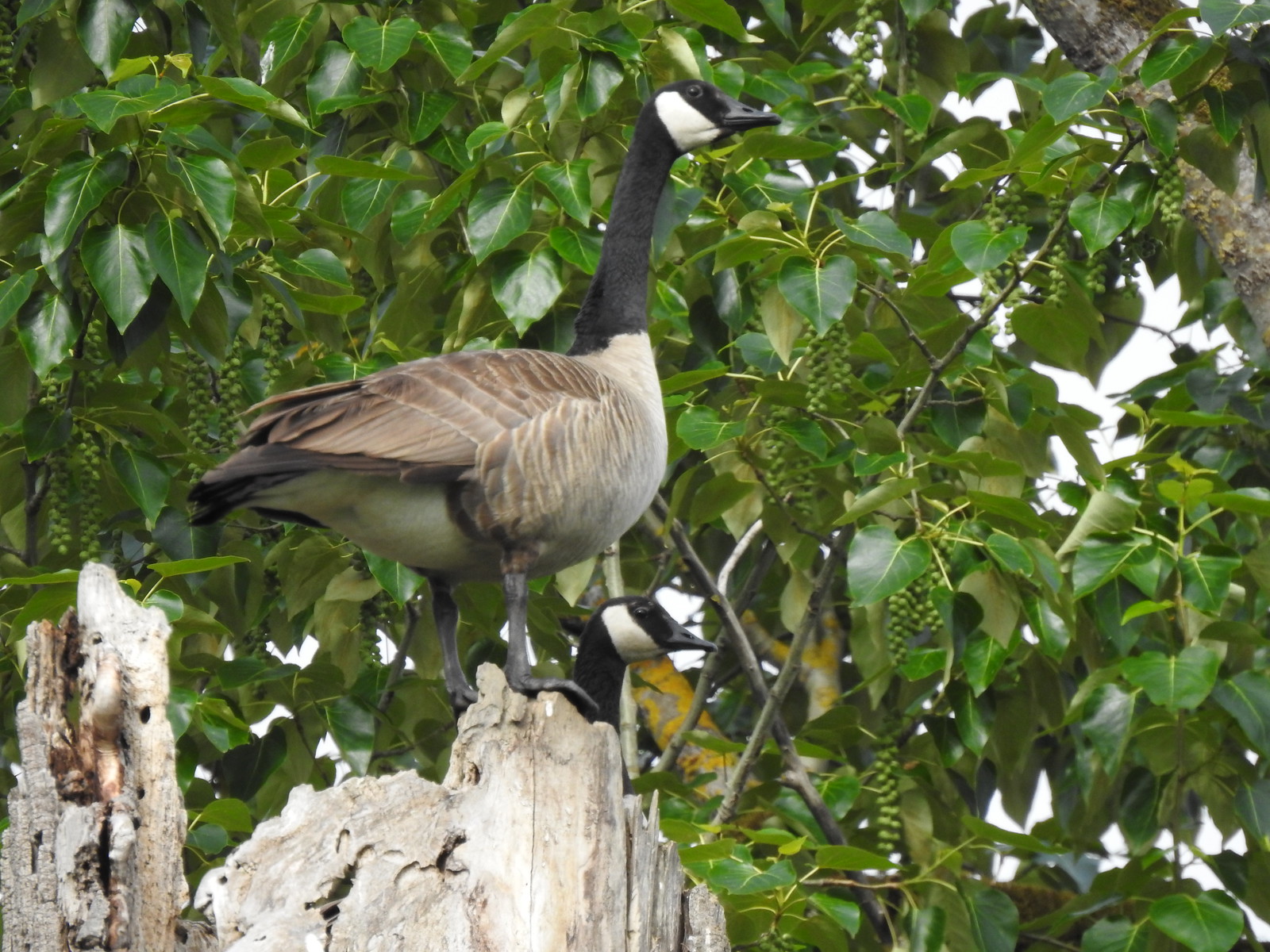 Geese nesting atop a snag.
 More deer in the grass along Gibbons Creek.
 Egret at Redtail Lake.
 Great blue heron at Redtail Lake.
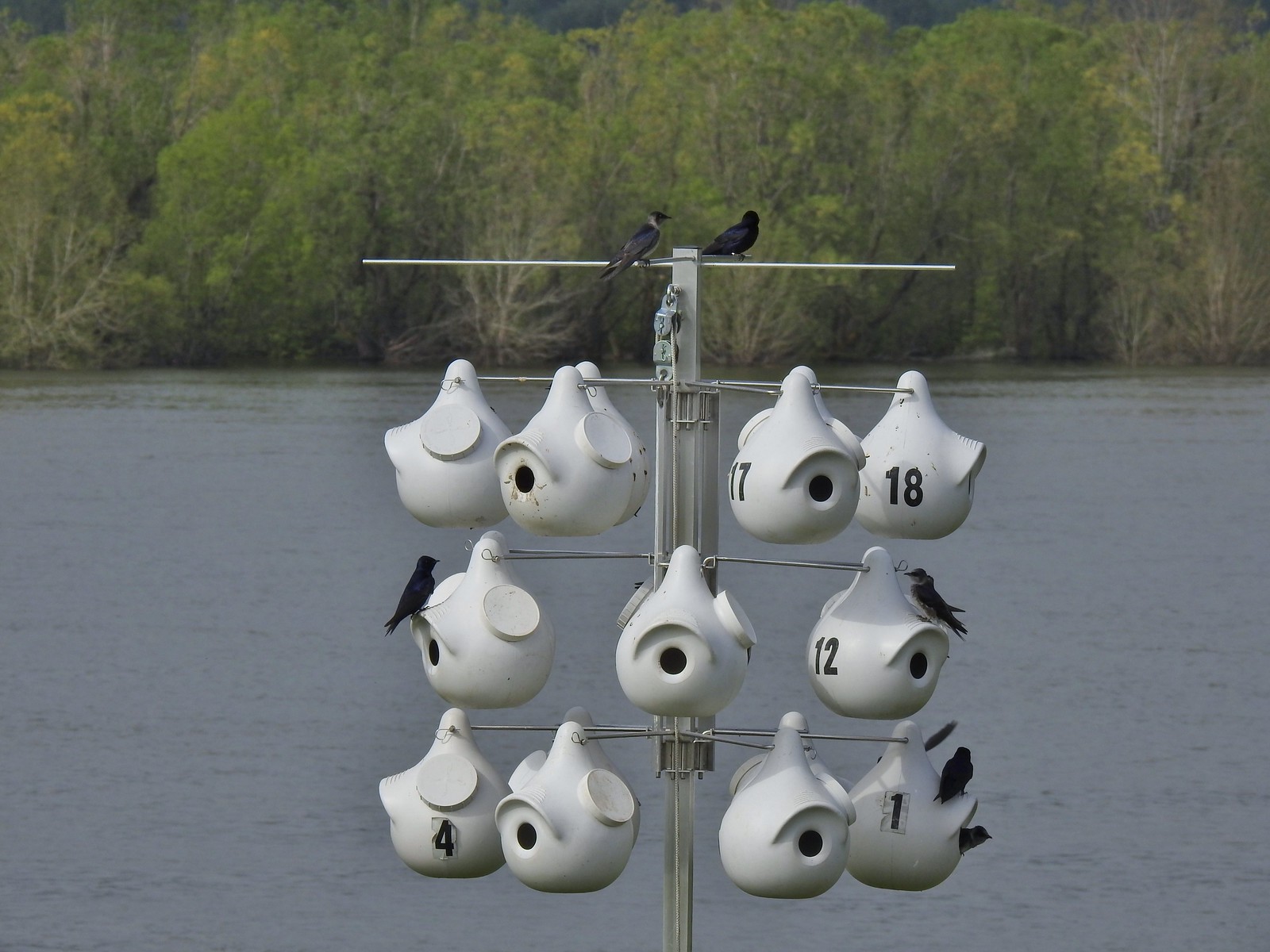 Purple martins
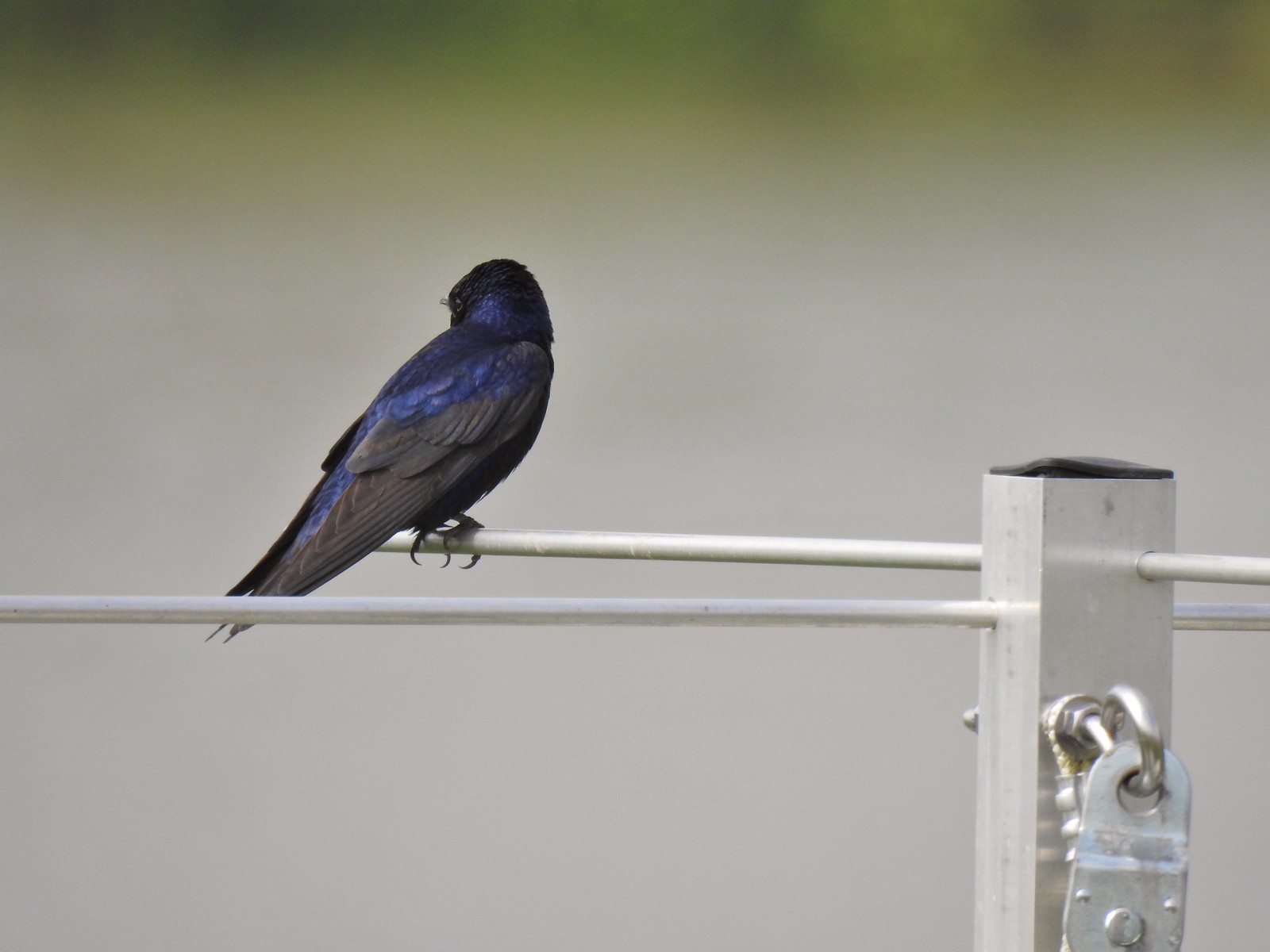 When the light catches the feathers right it’s obvious where the purple martin’s name comes from.
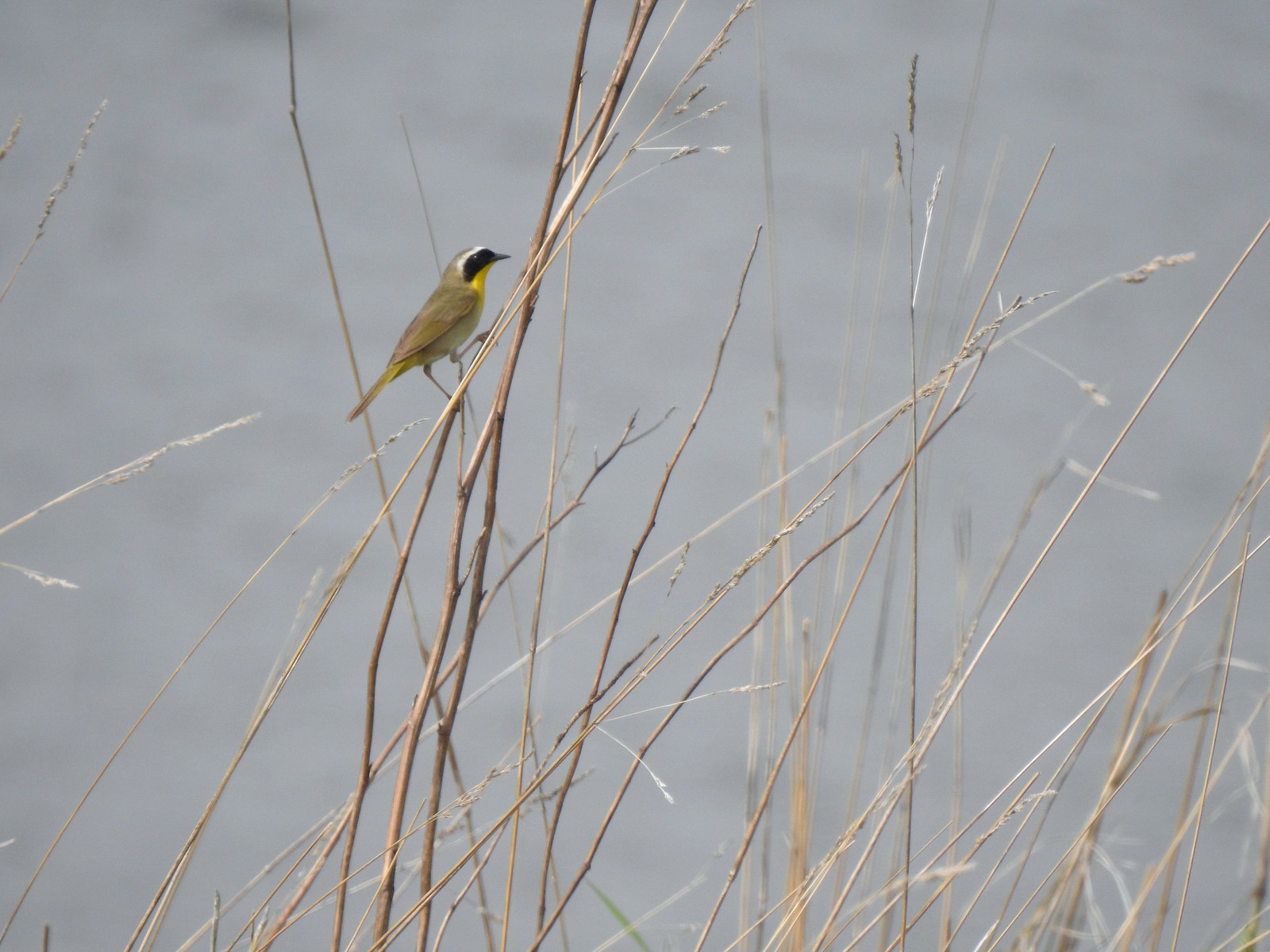 Common yellowthroat
 House finch
 A mile from the Mountain View Trail we arrived at the refuge boundary with Captain William Clark Park.
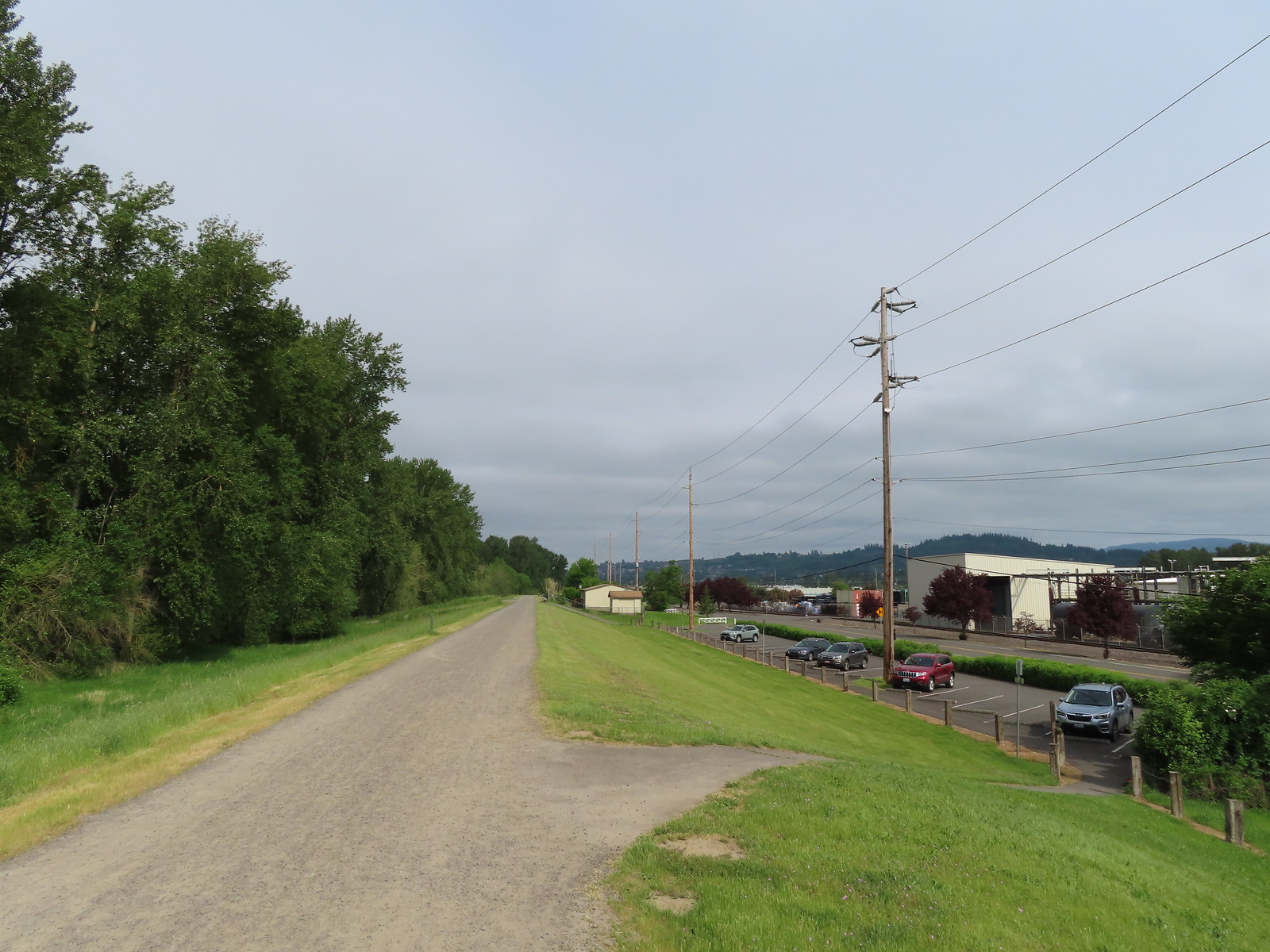 The trail follows a dike to Steamboat Landing.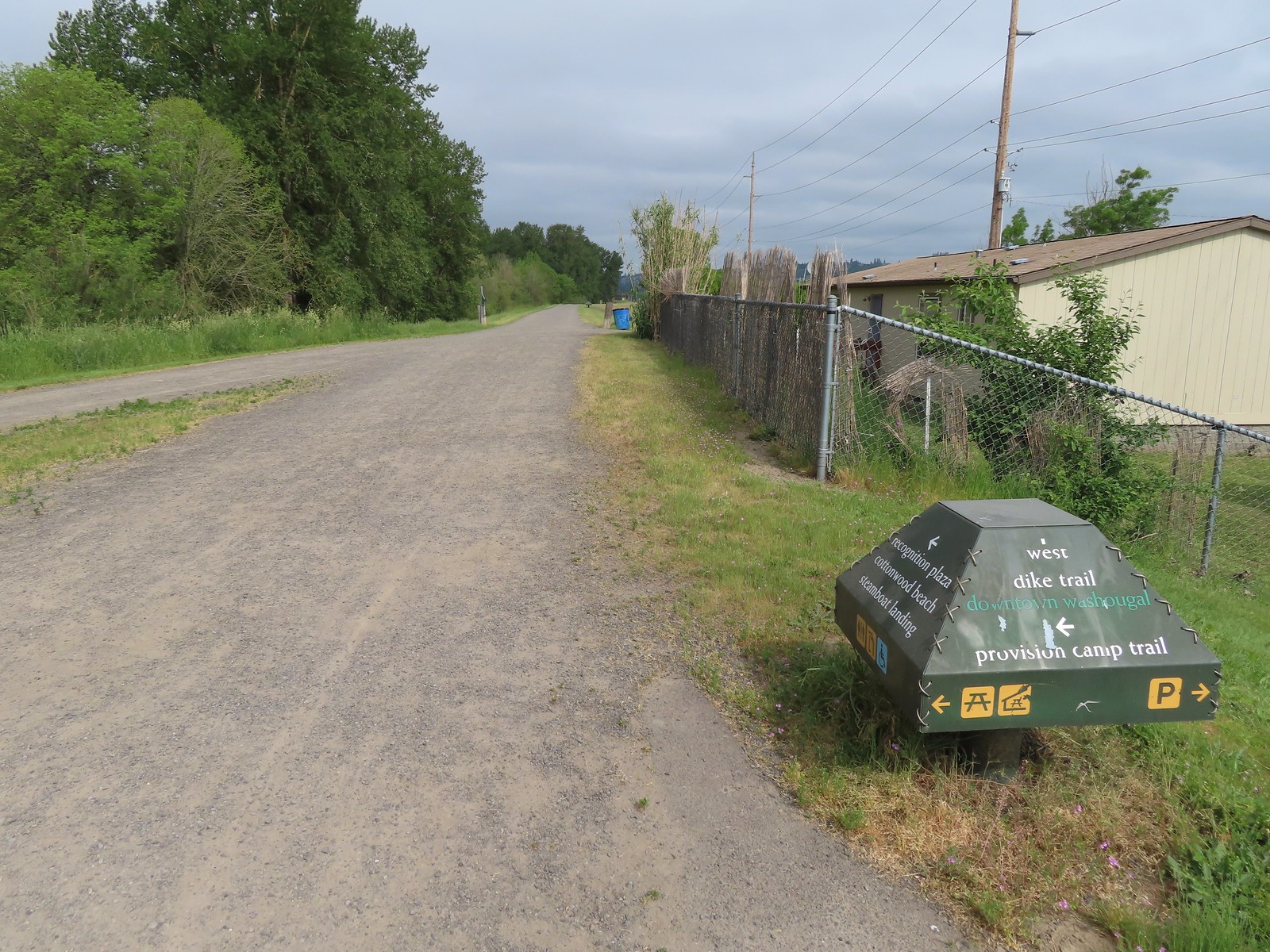
 The Provision Camp Trail


 Northern flicker
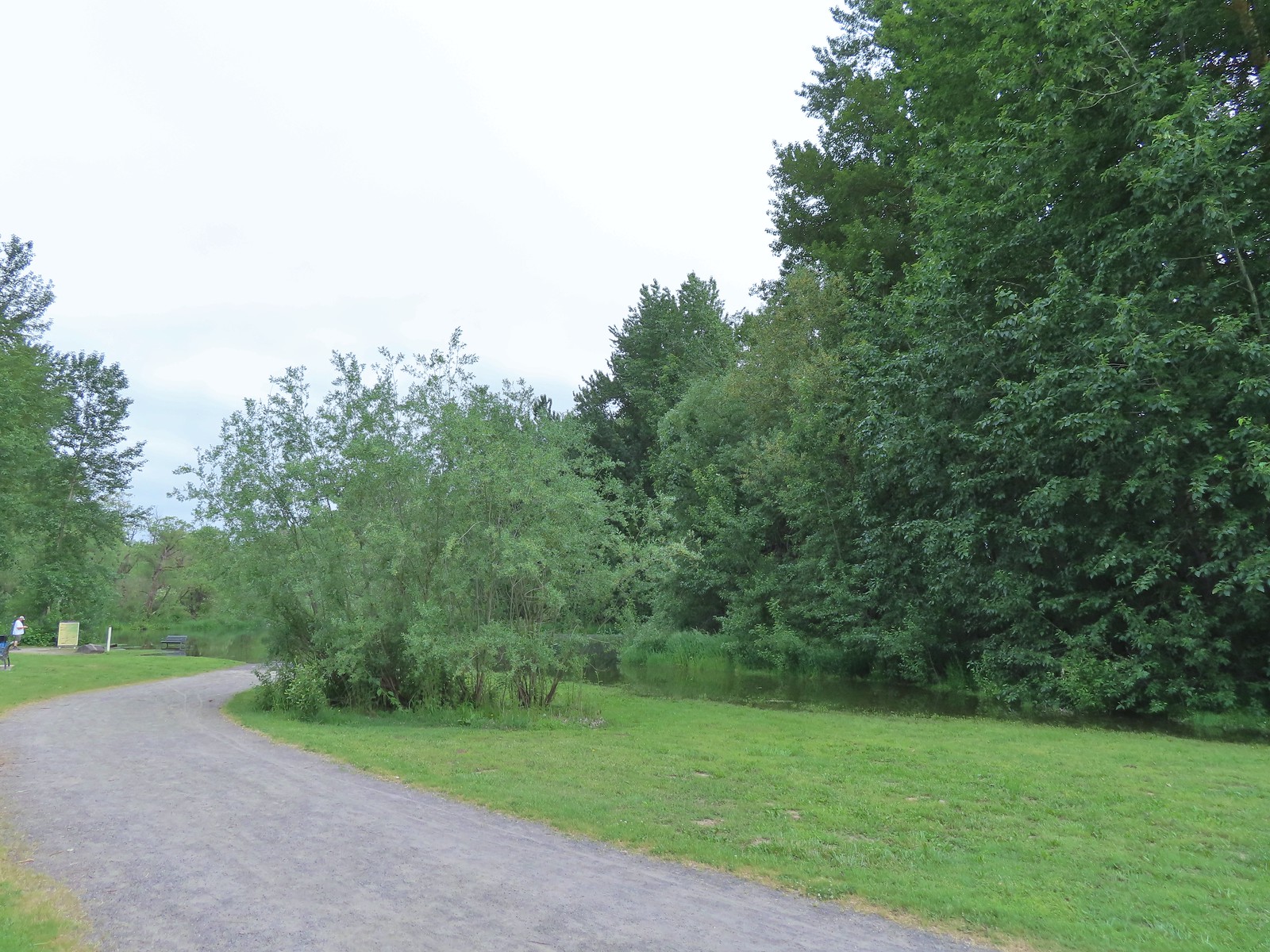 Flooded trail ahead.
 Black headed grosbeak
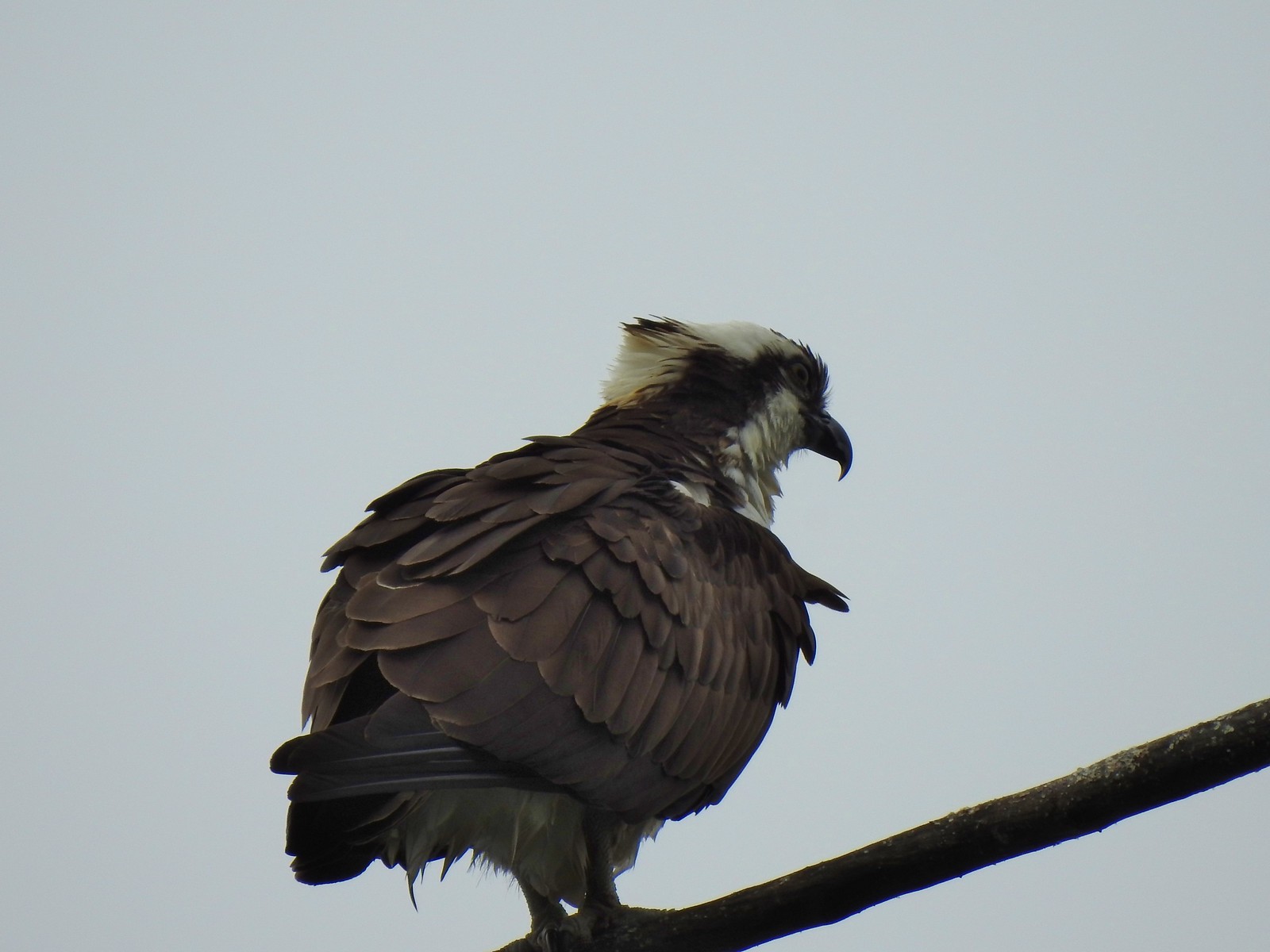 Osprey
 Back on the dike.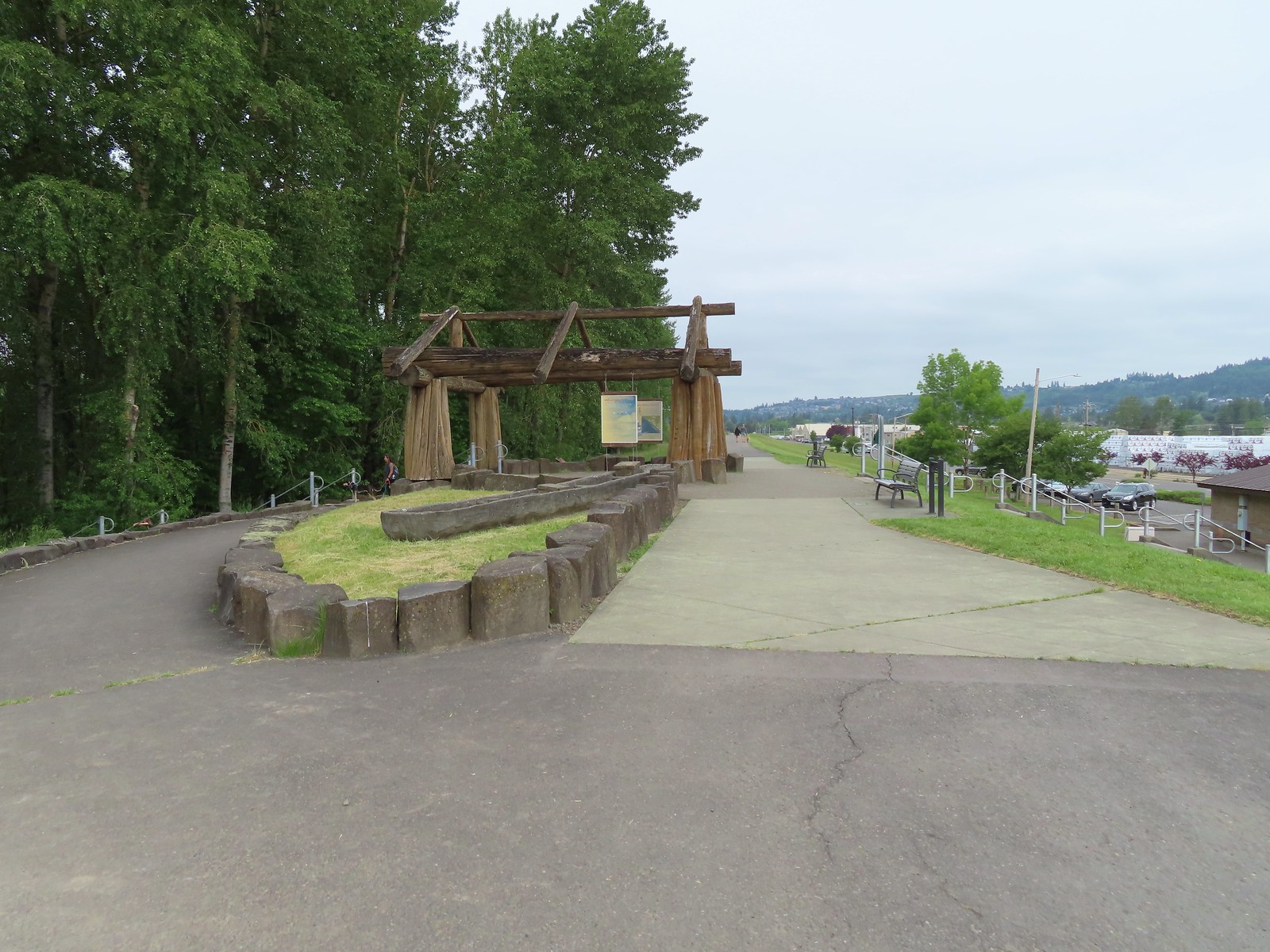
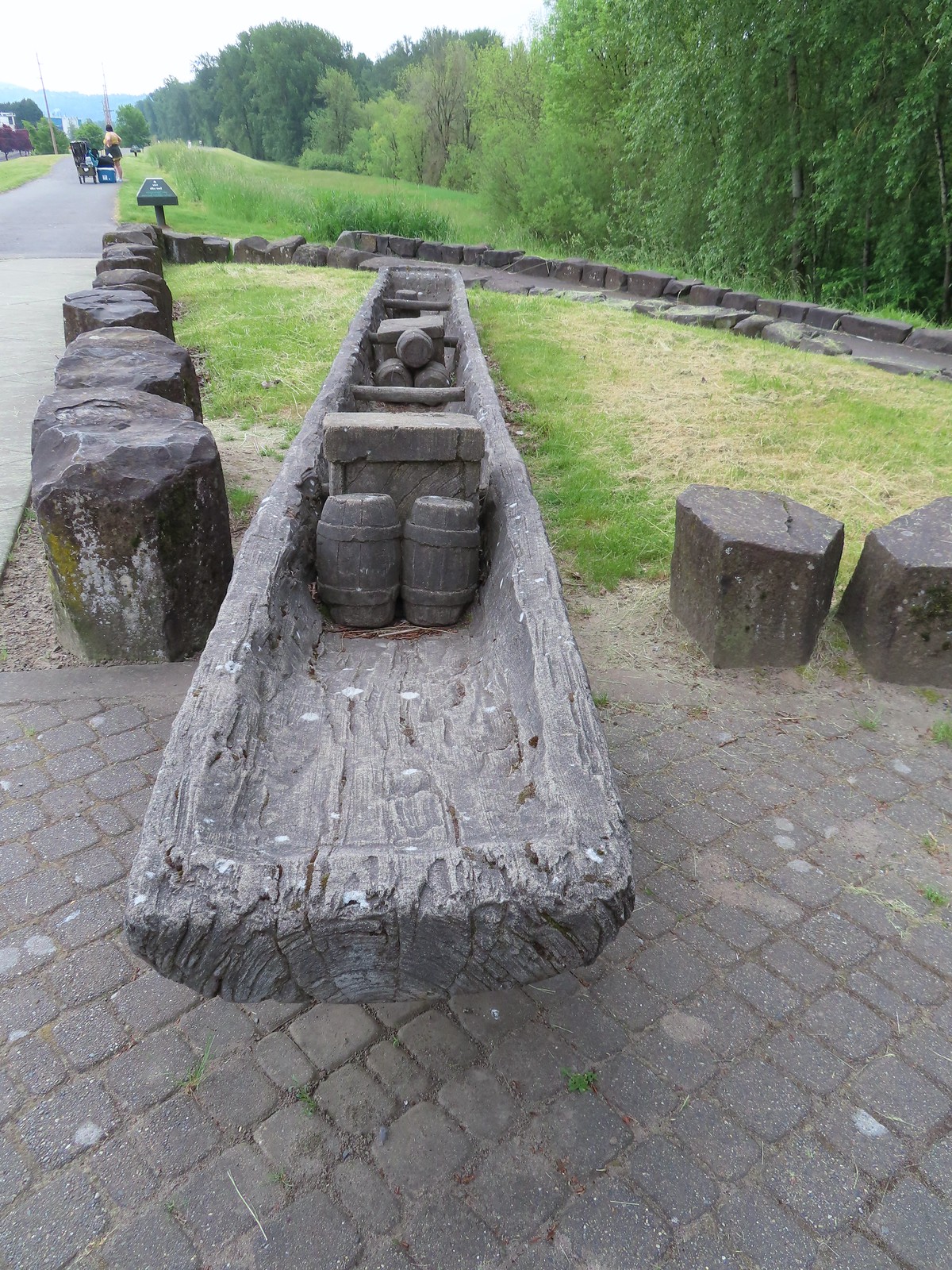

 The flooded section of trail from above.
 Turtles!
 Another turtle
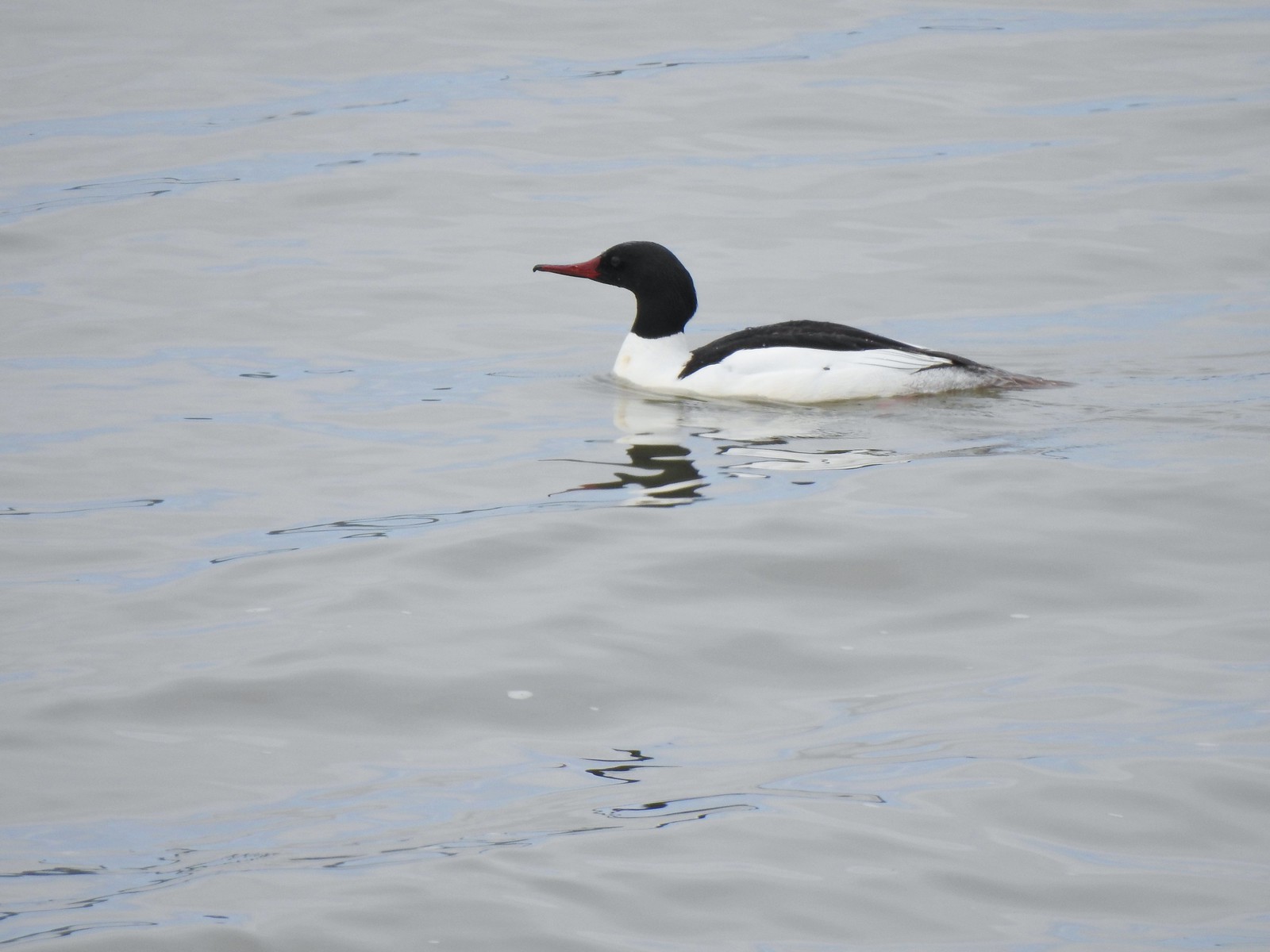 Common merganser
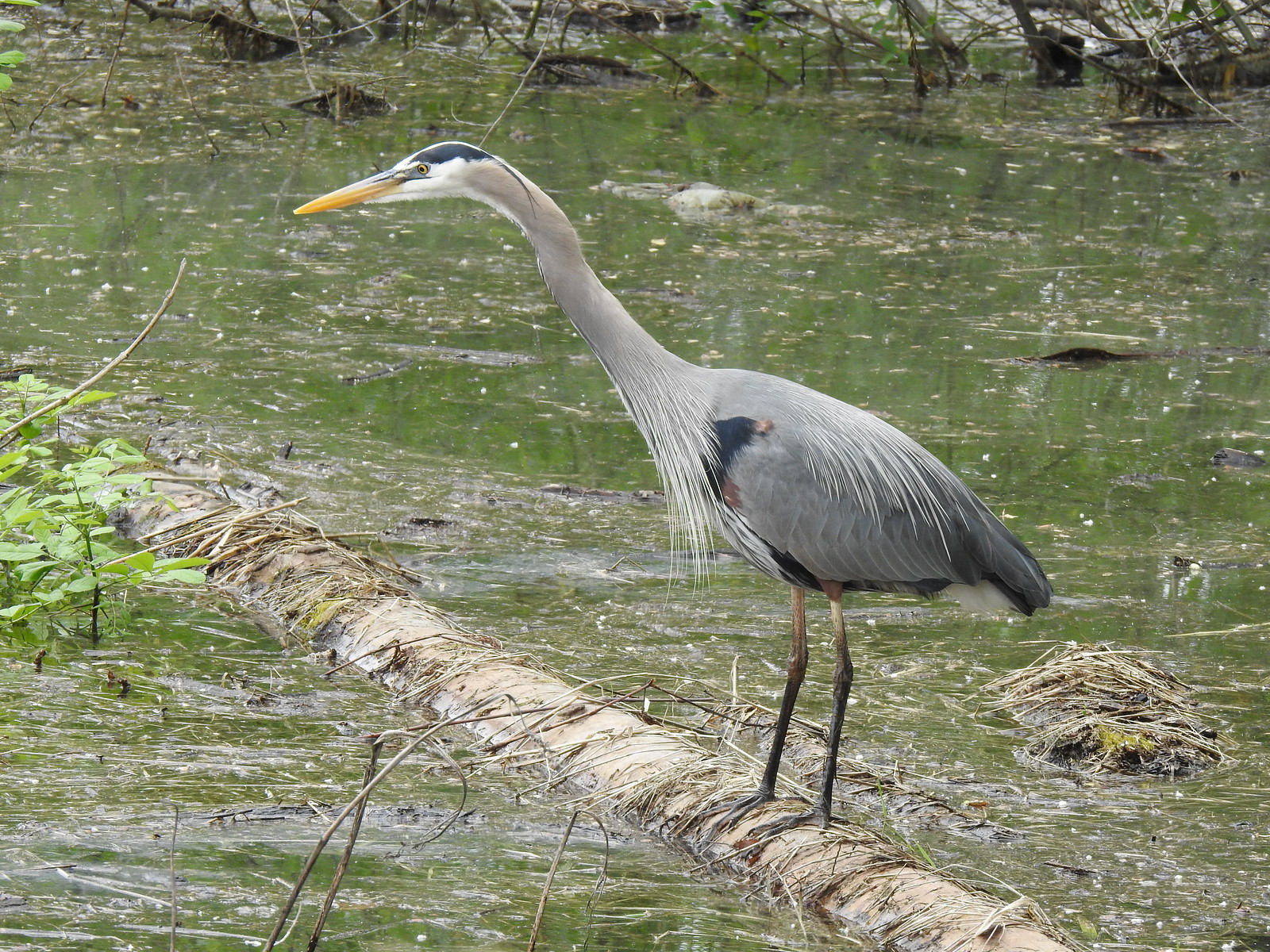 Great blue heron
 Steamboat Landing
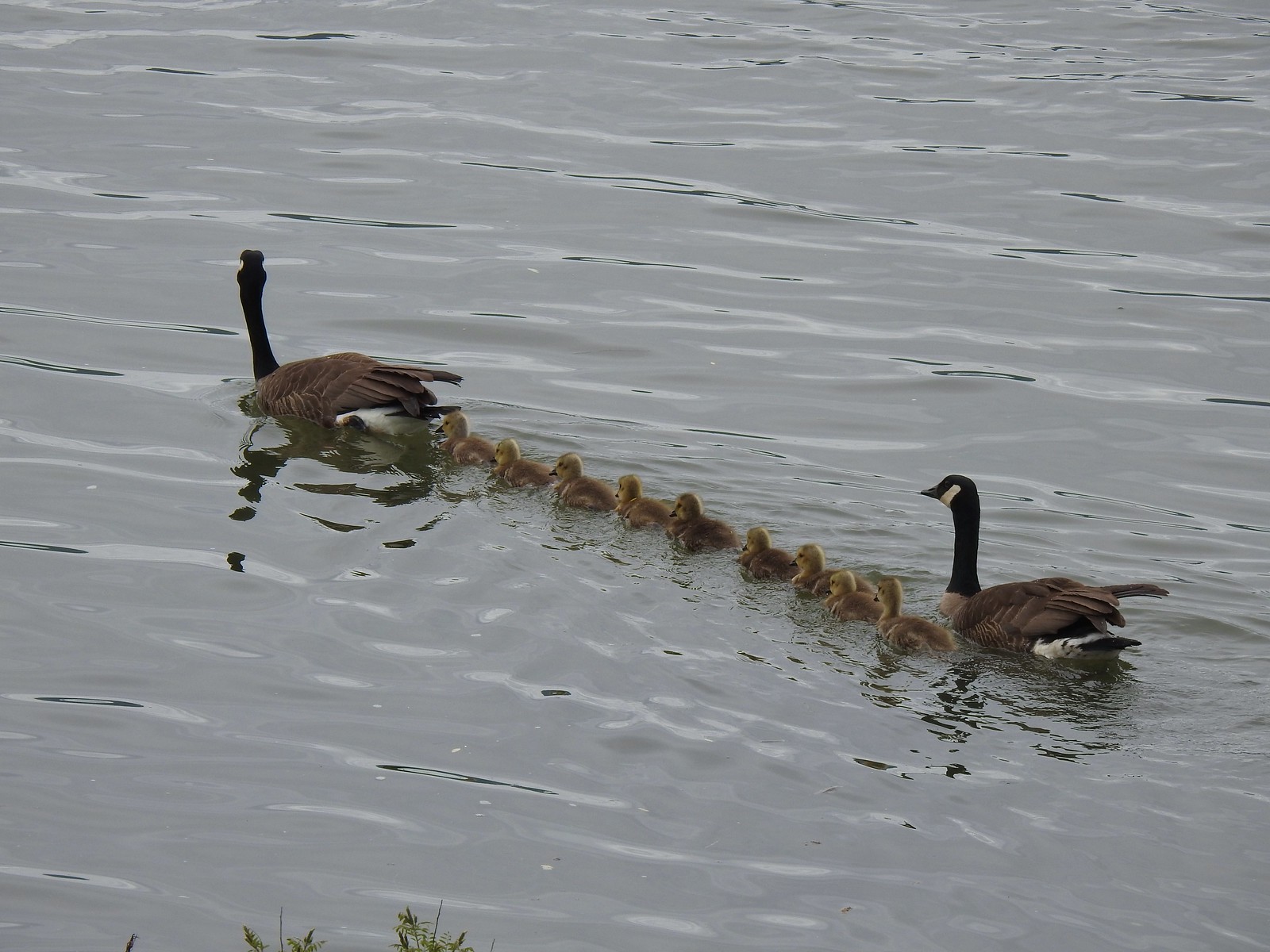 A family of geese out for a float.
 The large “hump” ahead is Larch Mountain (
 Grainy proof of Mt. Hood’s existence.
 Silver Star Mountain (
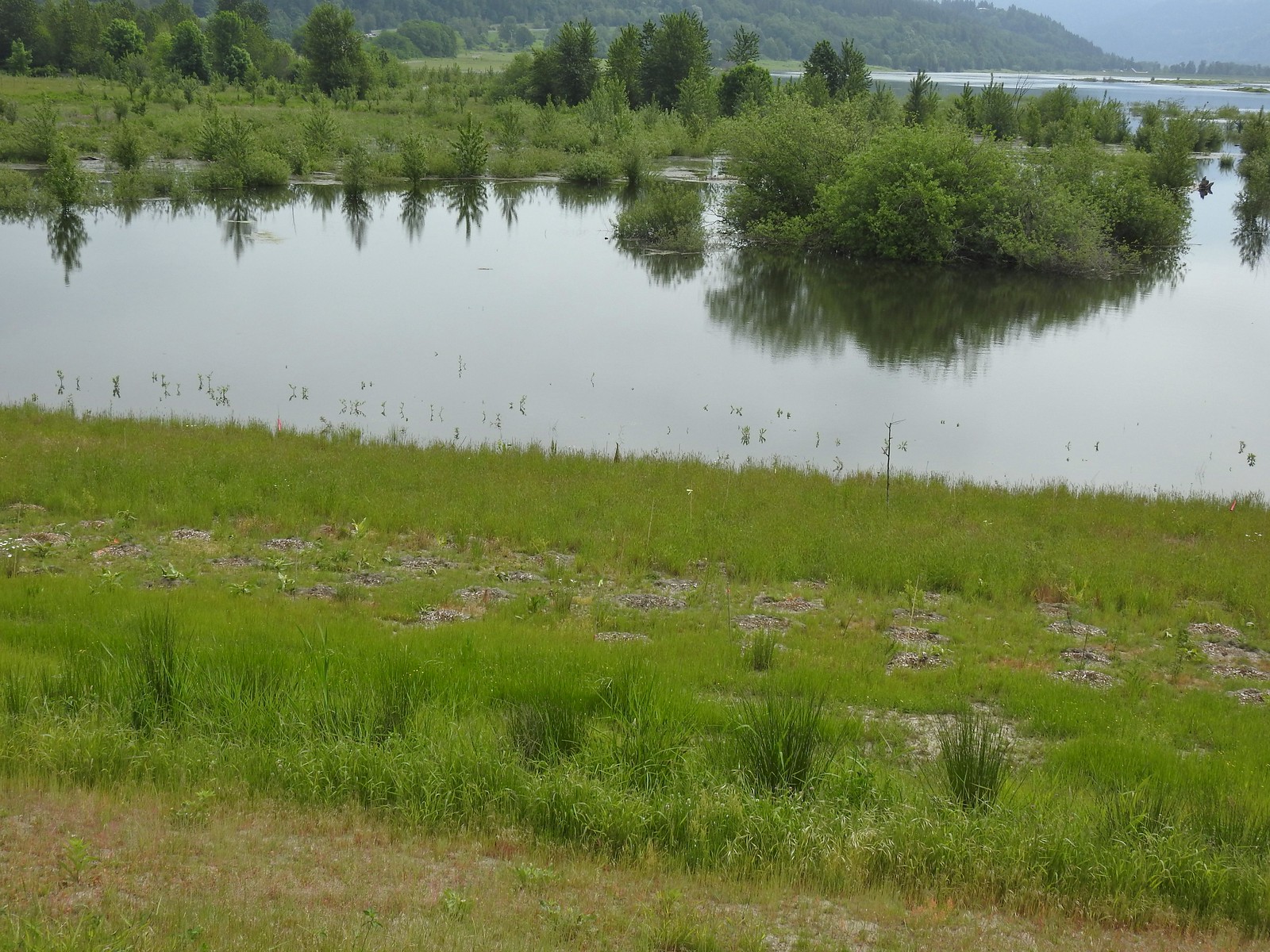 The American bittern in the grass.

 We’d been the first car in the lot that morning.

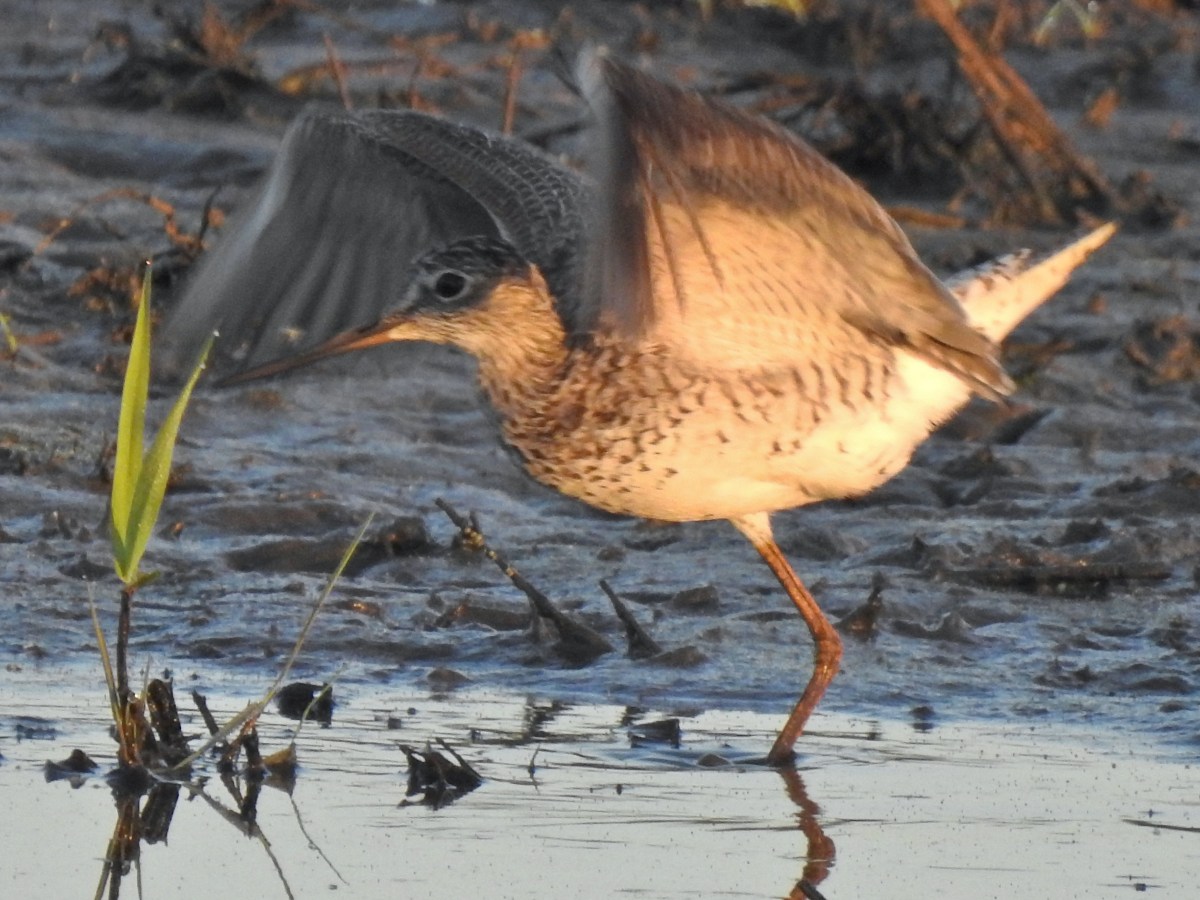
 The refuge is open from dawn to dusk. We arrived at a quarter to six to get an early start and avoid being out during the hottest parts of the day.
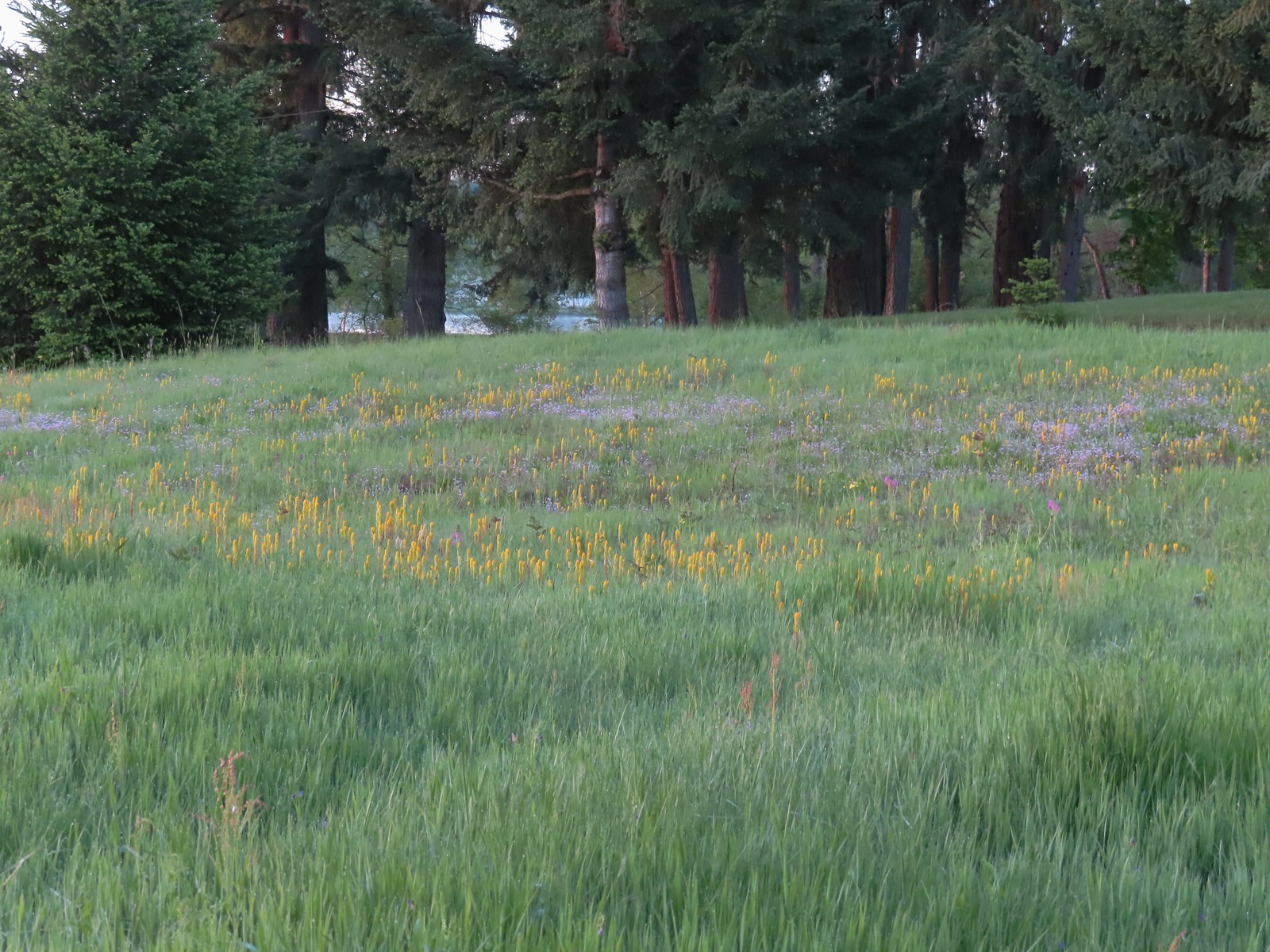 The patch of wildflowers.
 A checker-mallow surrounded by golden paintbrush.
 Plectritis amid the golden paintbrush.
 We had a pretty good view of Mt. Hood.
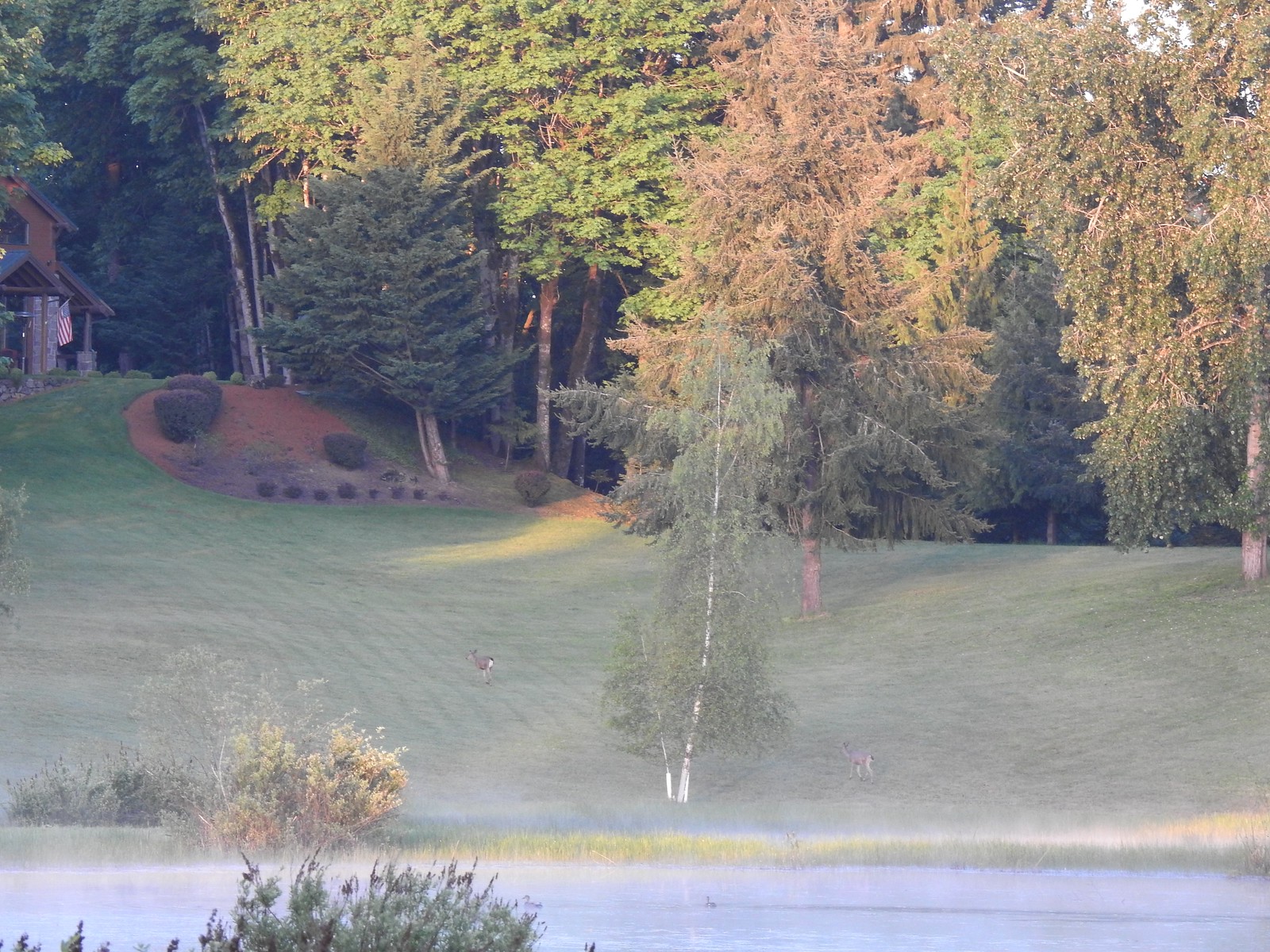
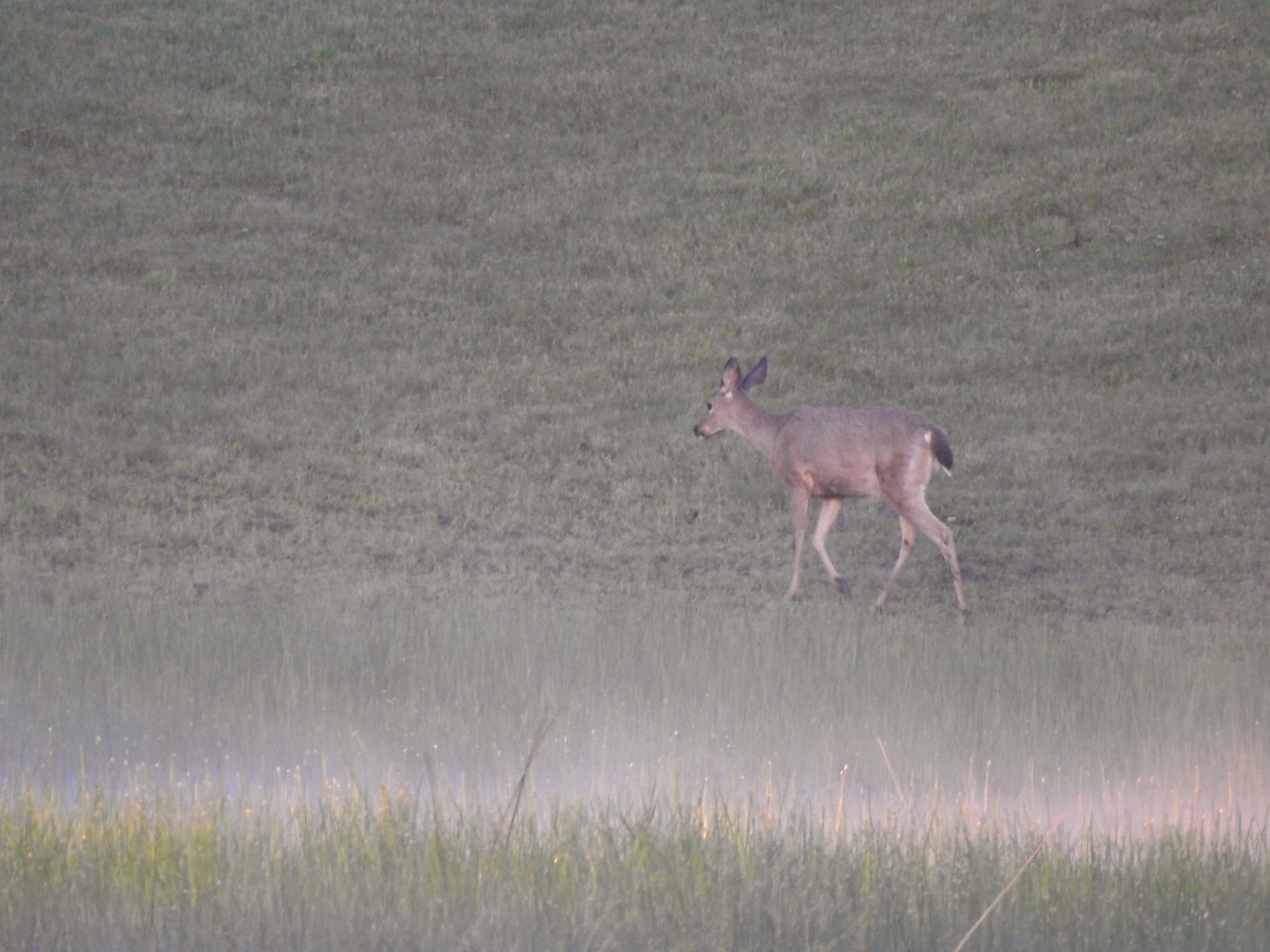
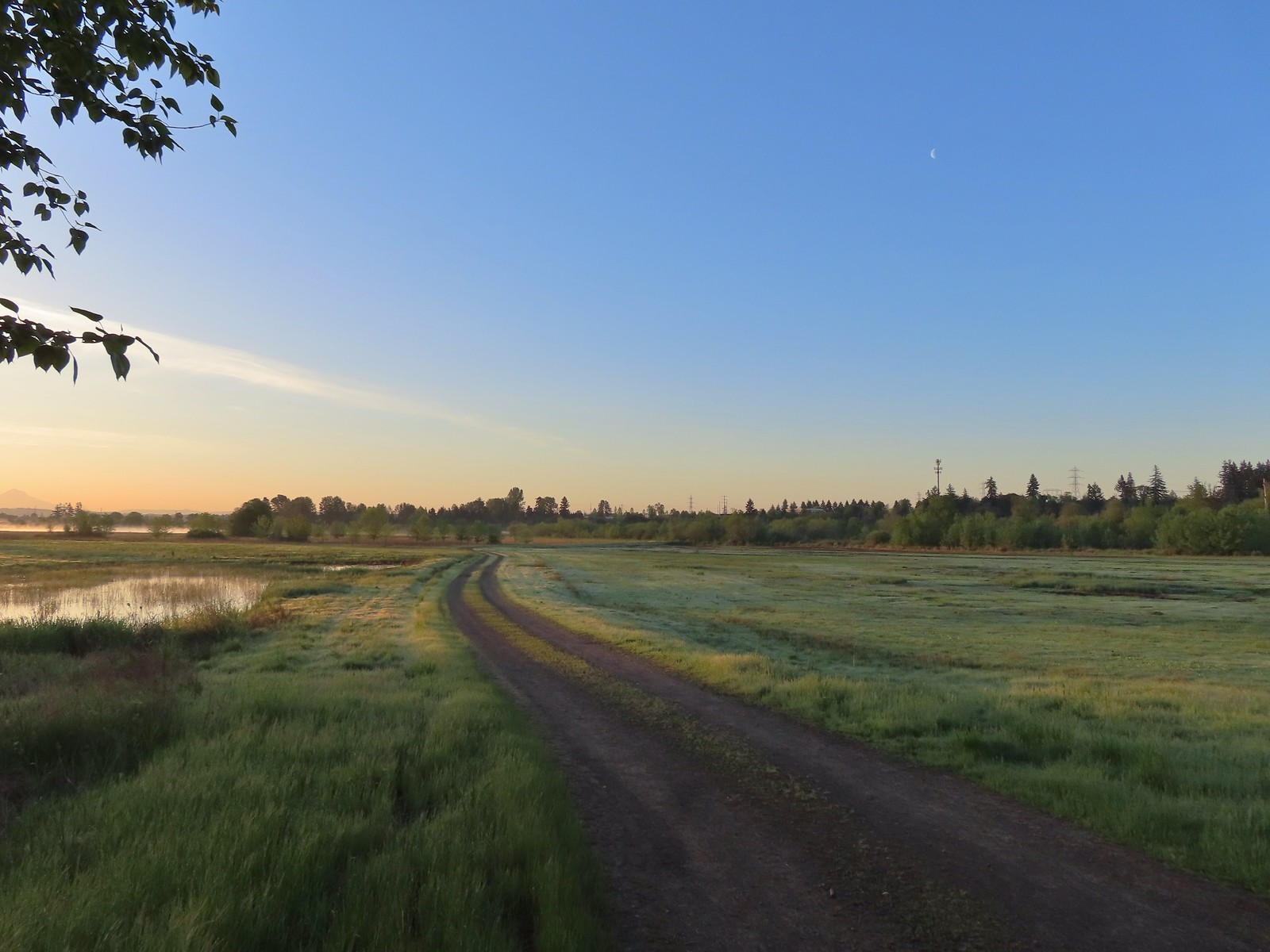
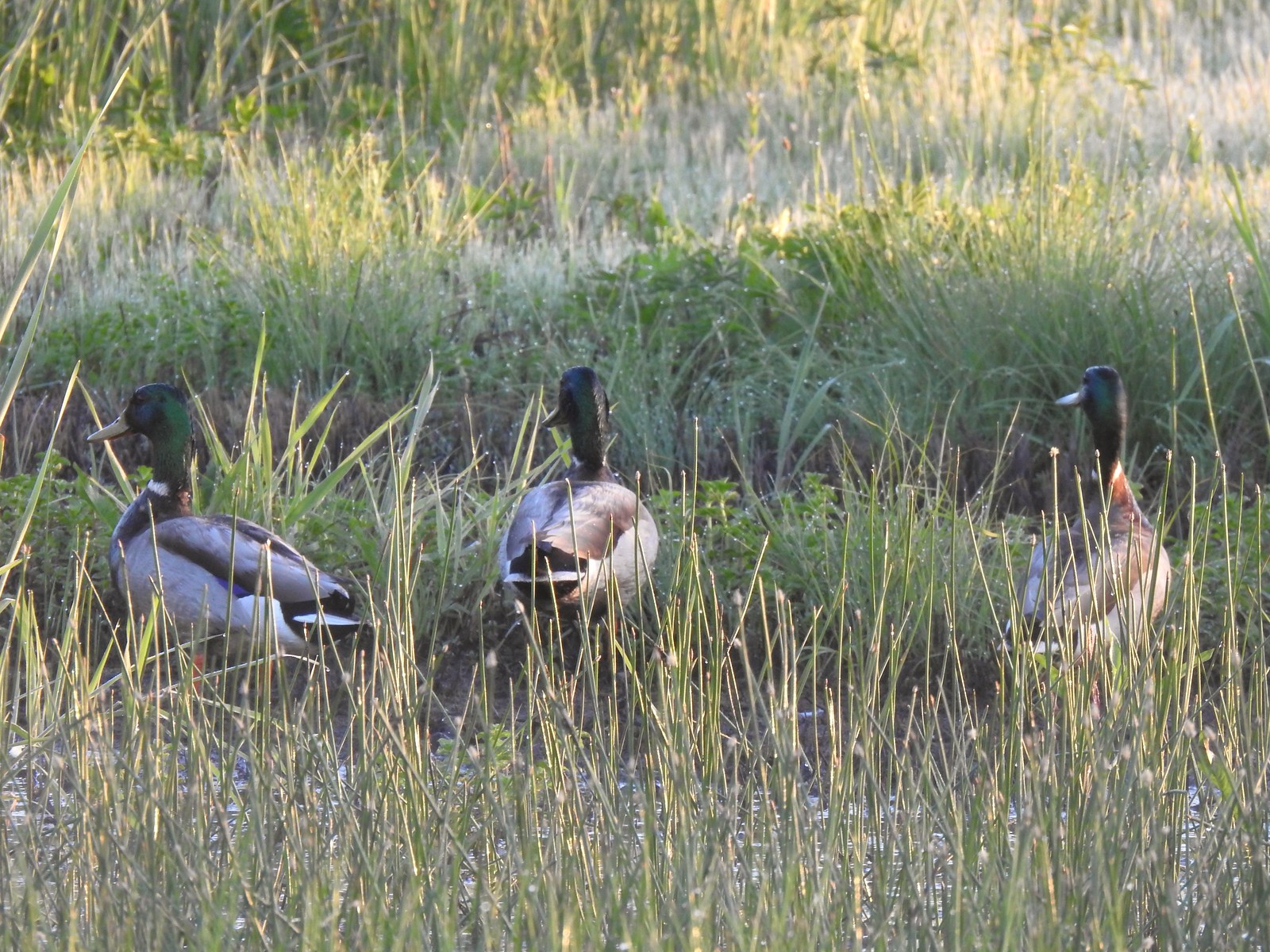 Mallards
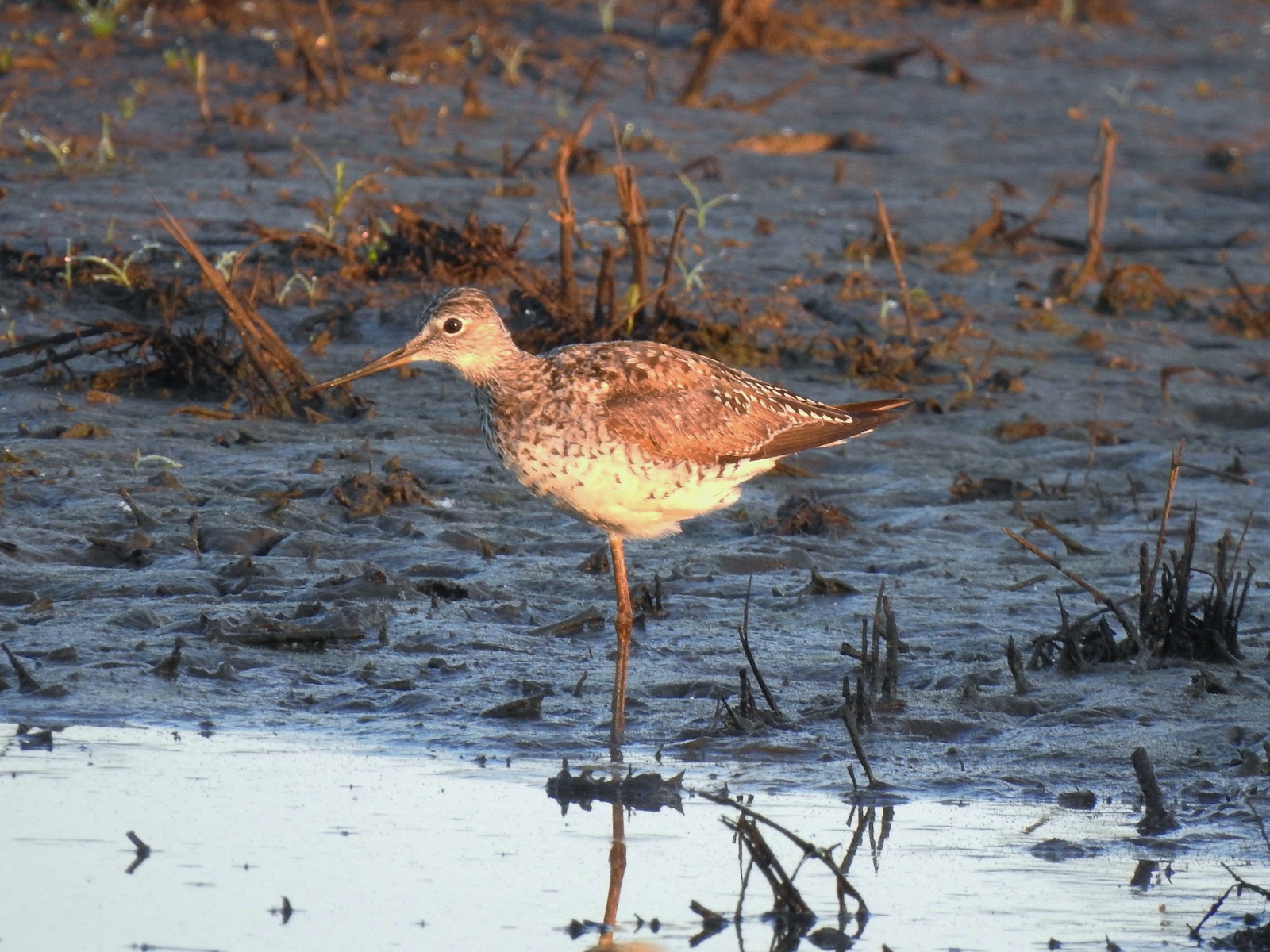 Greater yellowlegs
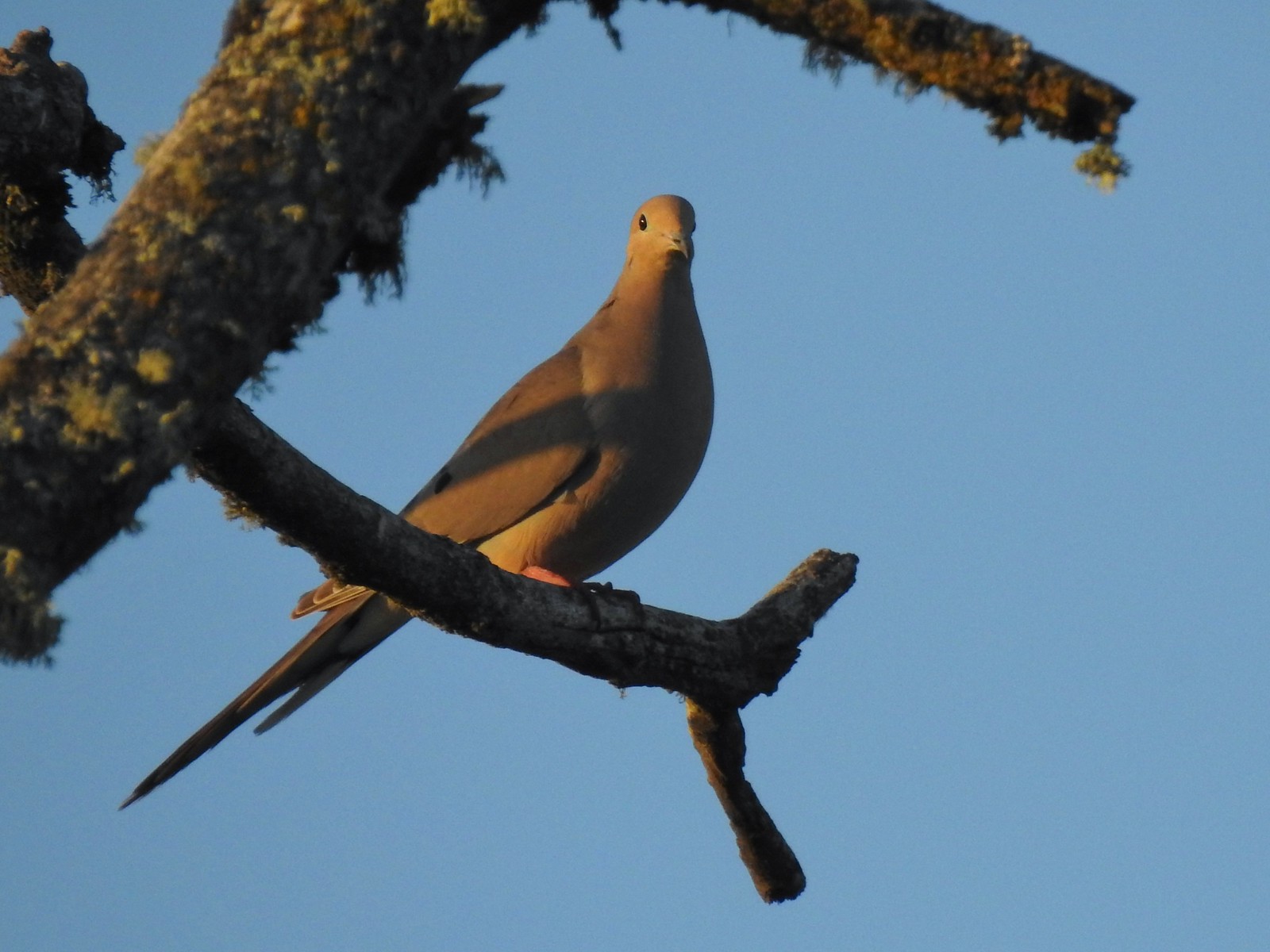 Mourning dove
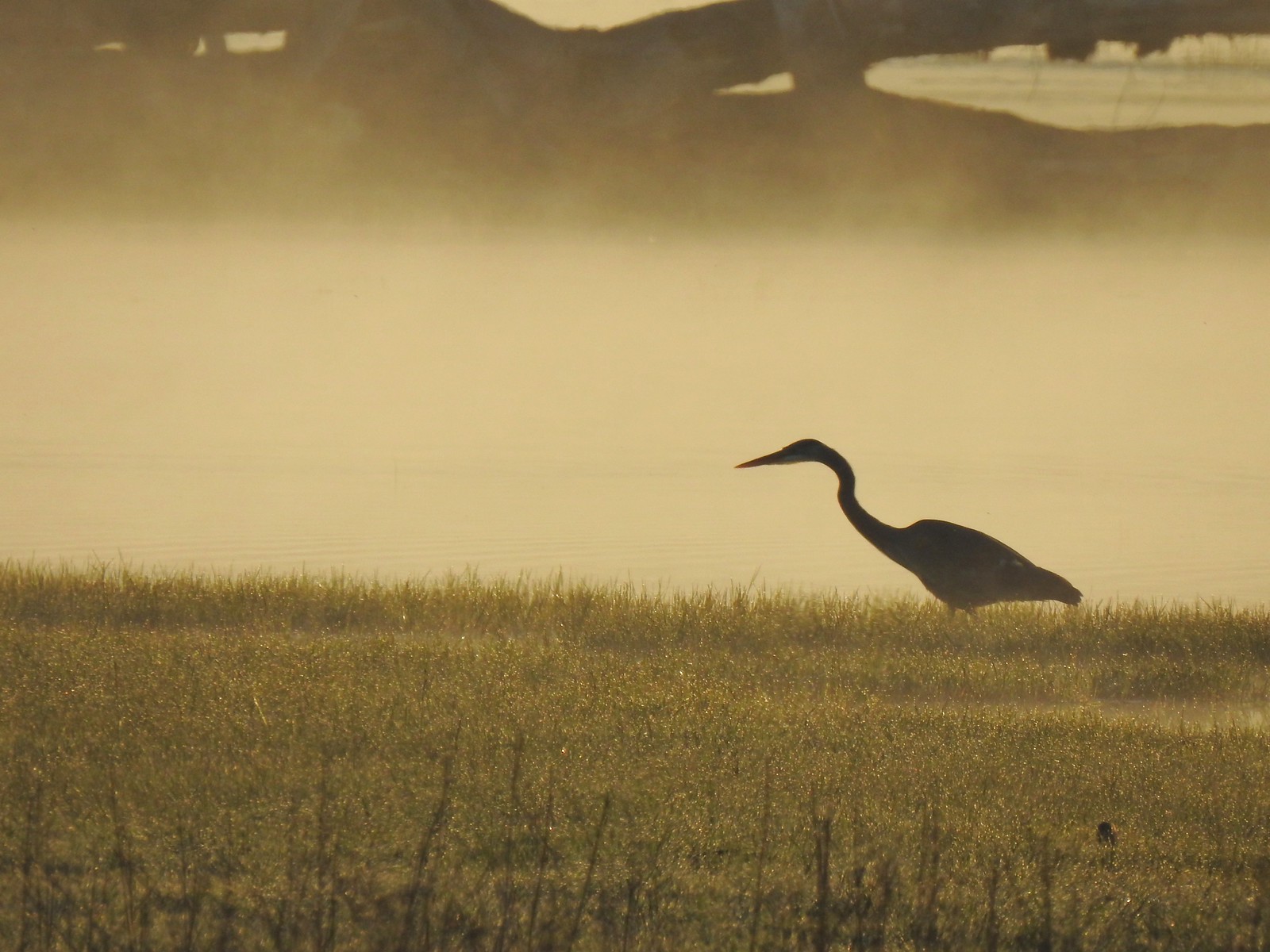 Great blue heron
 An egret and some ducks
 More families of geese
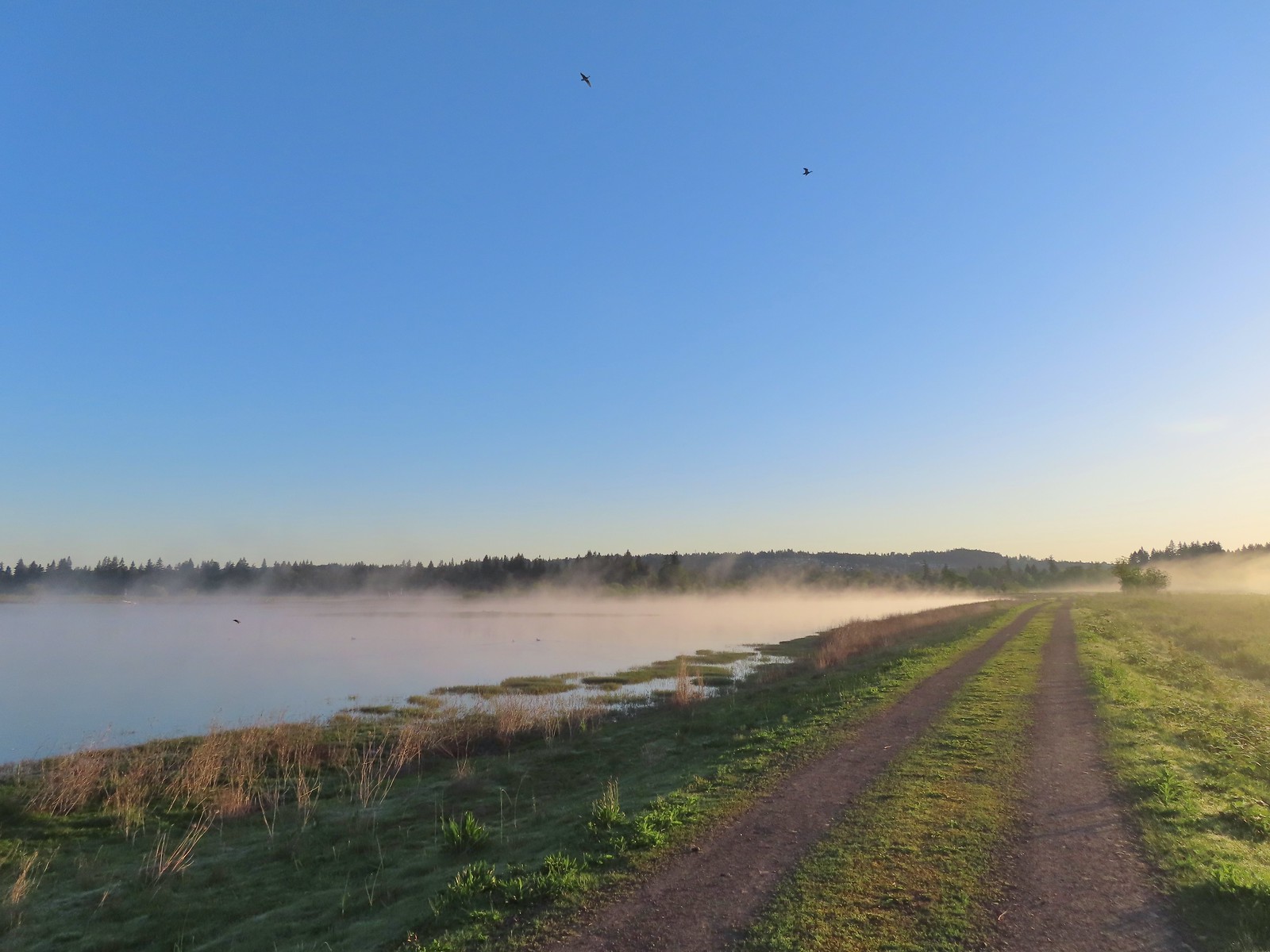 Swallows flying above the Wetland Trail.
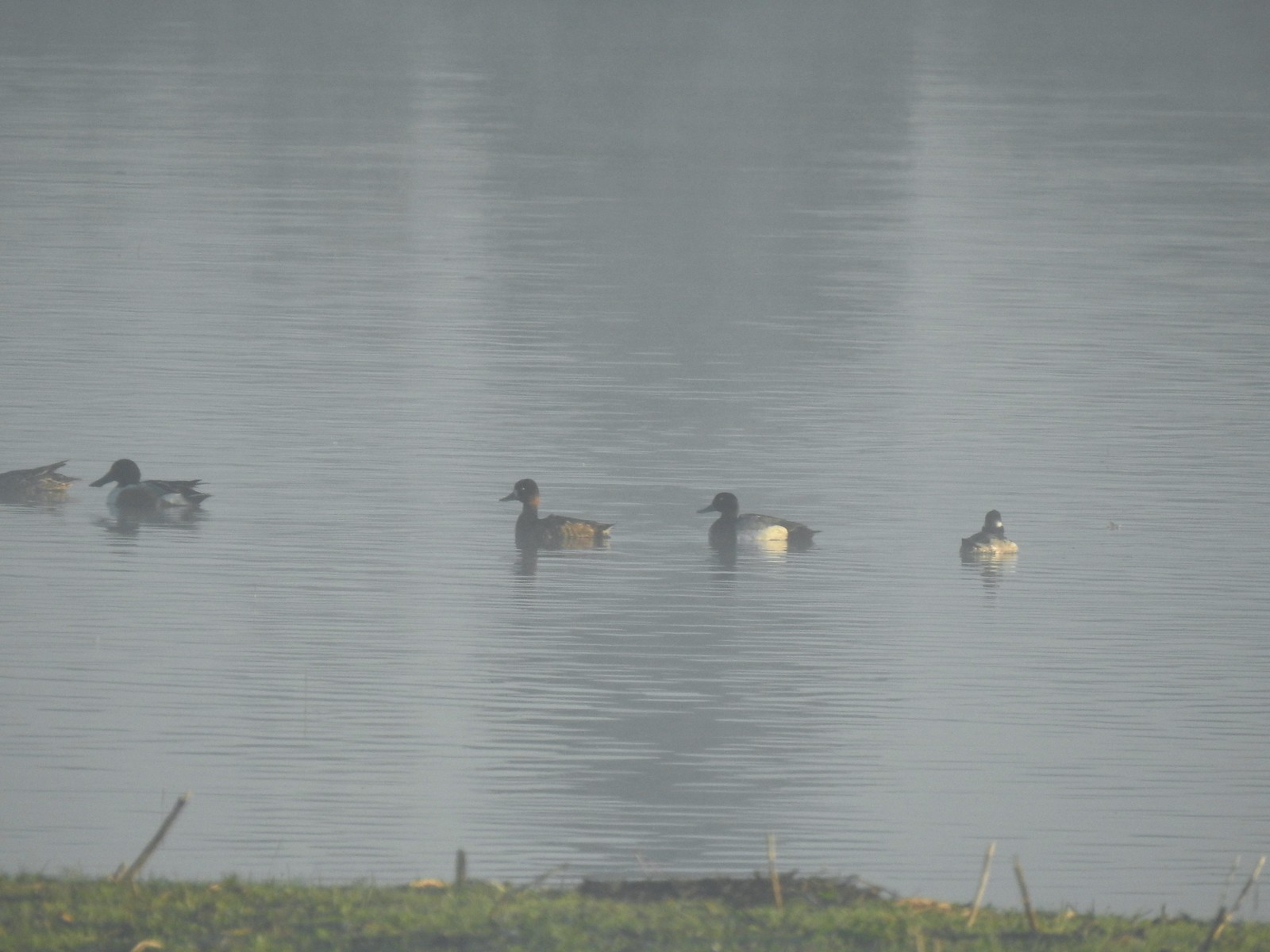 Northern shoveler, scaups (leaning toward greater), and a bufflehead.
 Mallards
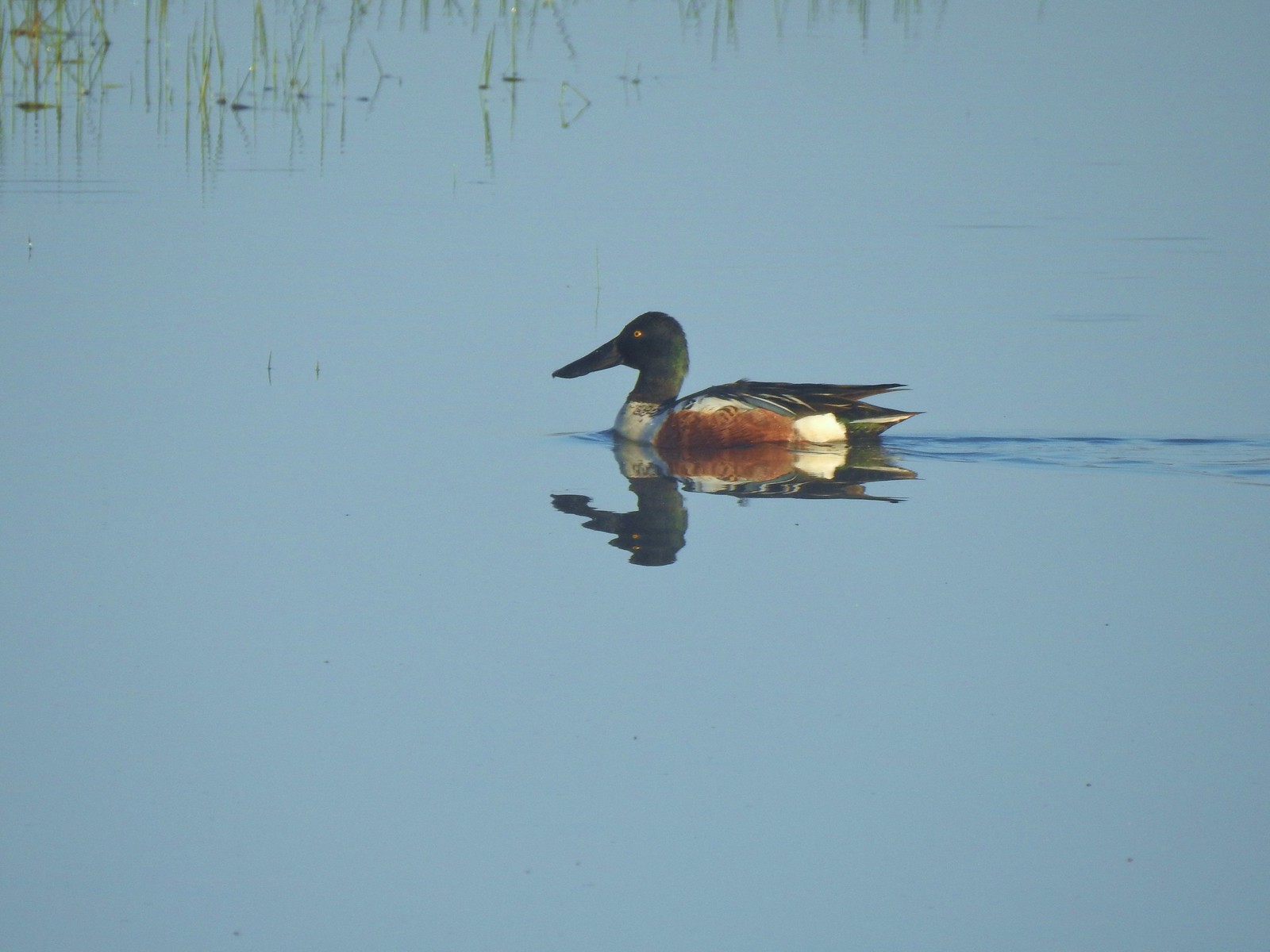 Northern shoveler
 Ruddy duck
 Gadwalls
 Spotted sandpiper
 Purple martins
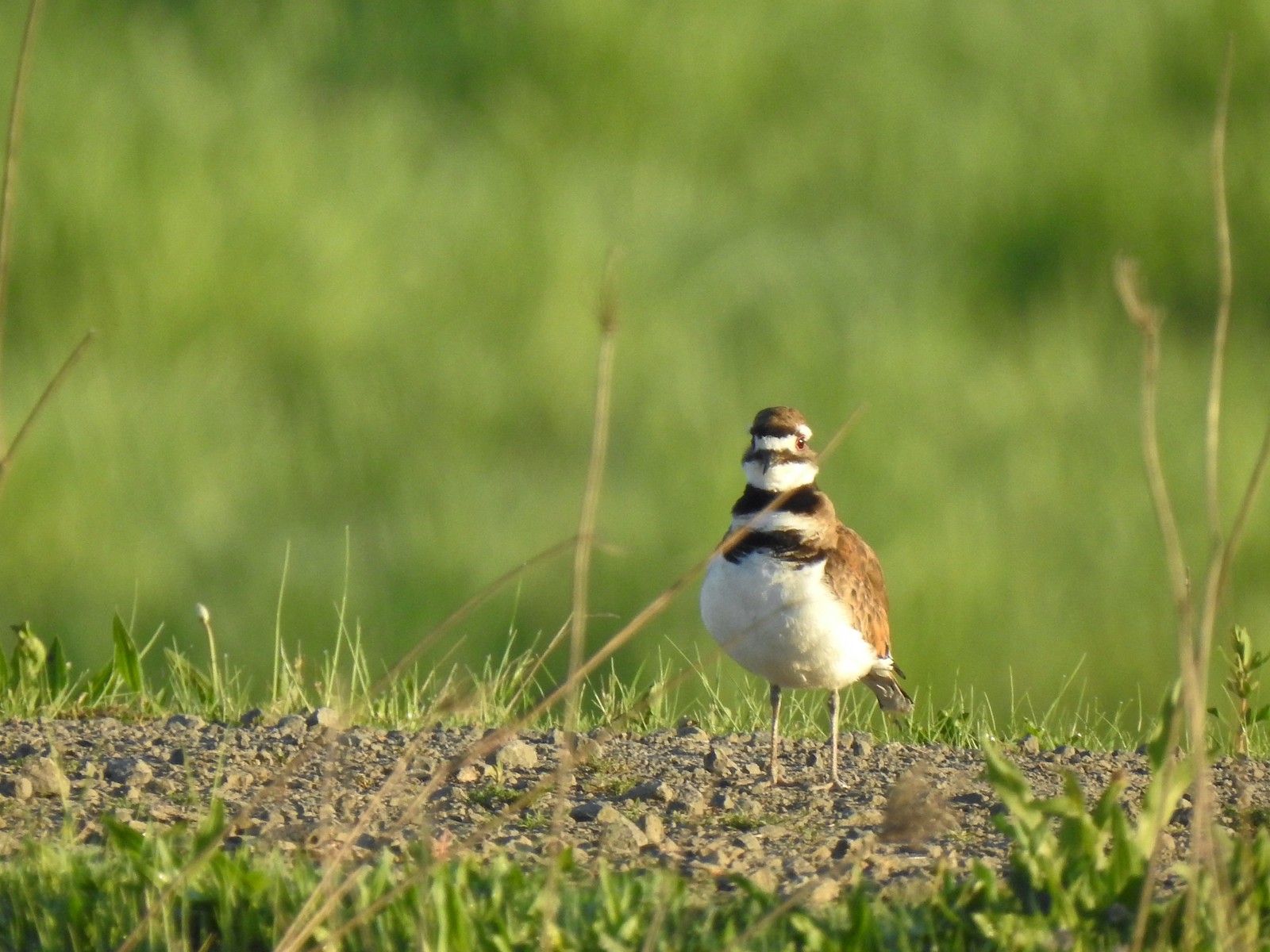 Killerdeer
 Cinnamon teals
 Nutria, one of several of these non-native rodents that we saw.
 Nap time (or just a late sleeper).
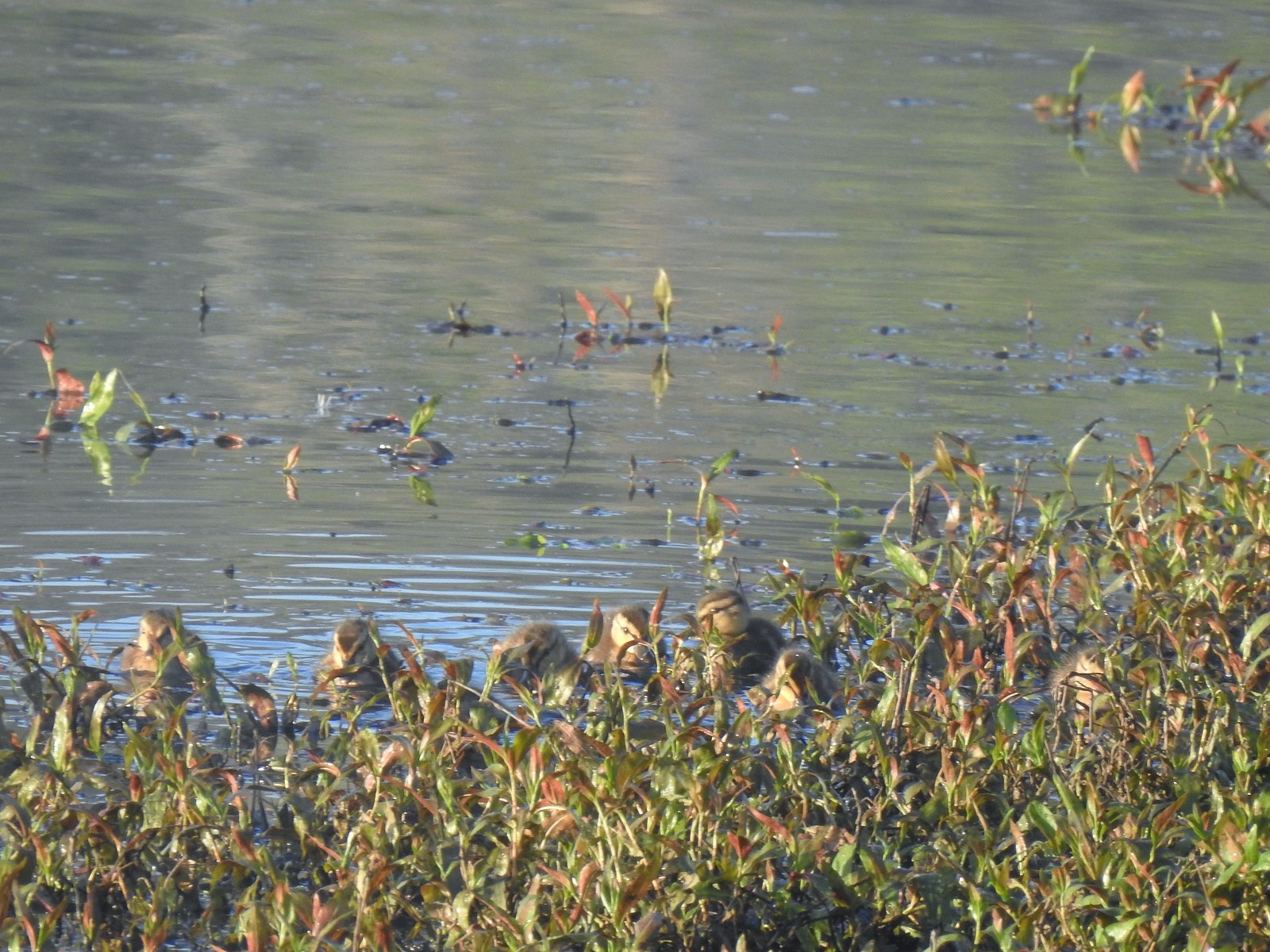 Ducklings
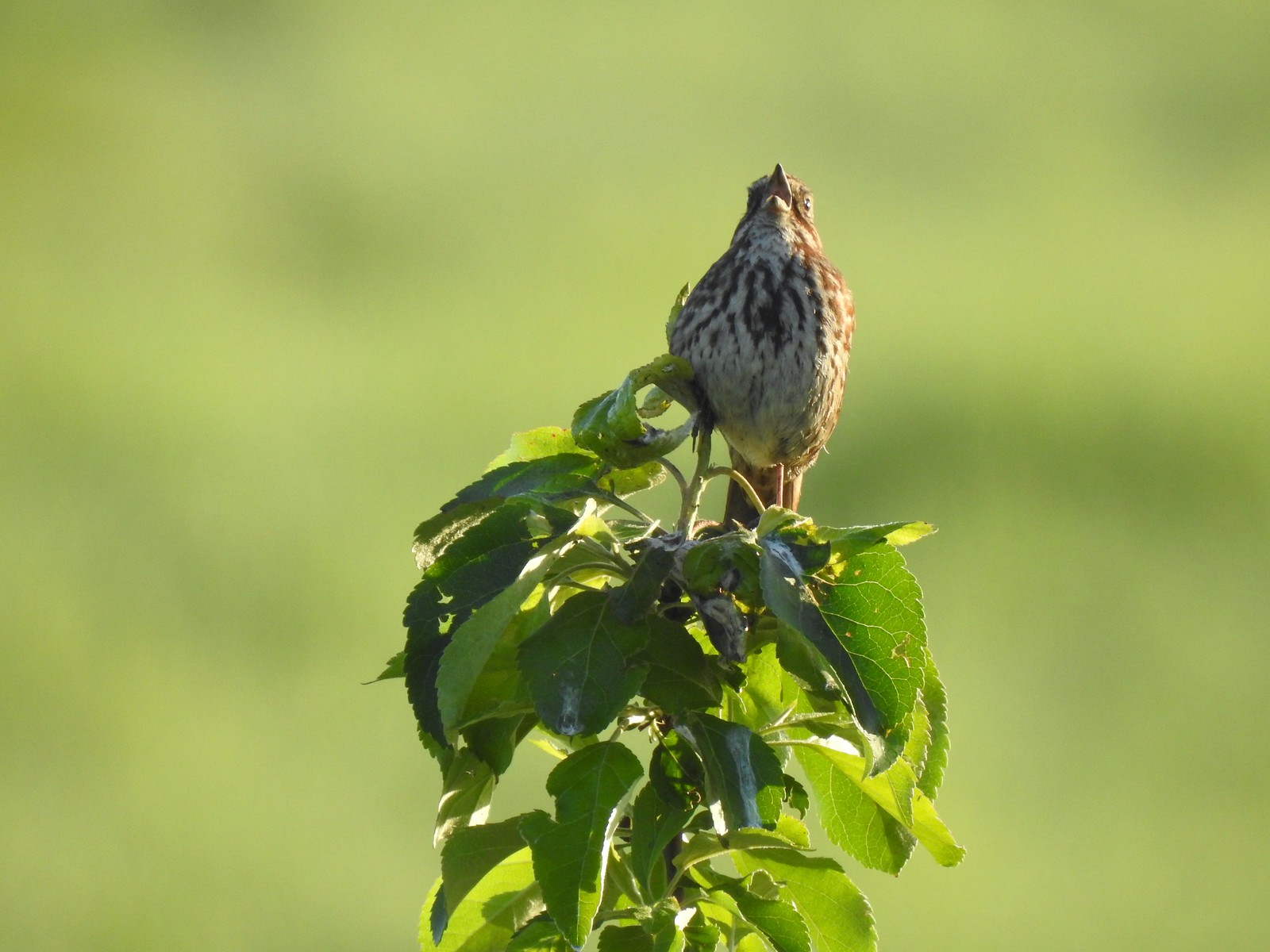 Song sparrow
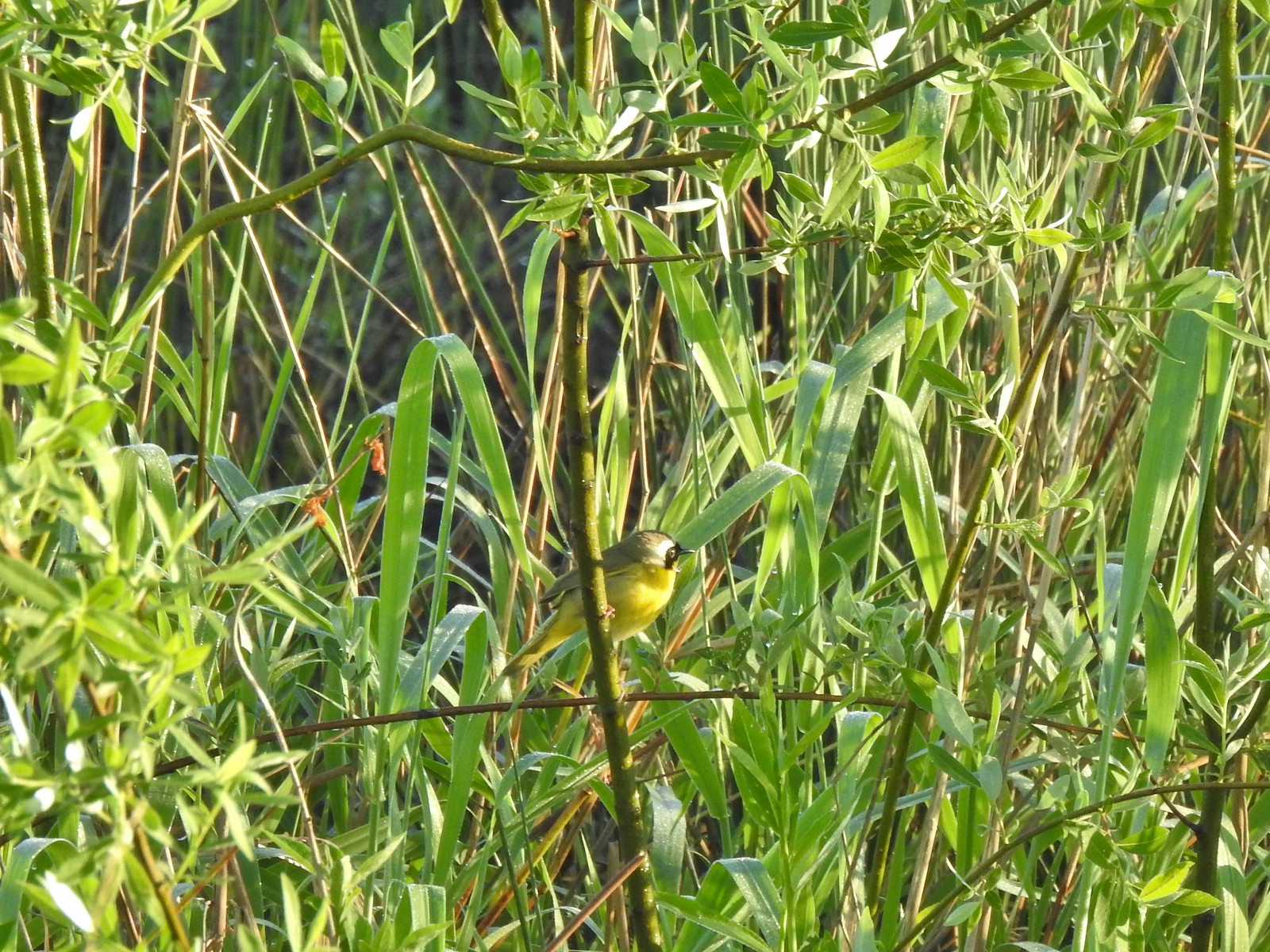 Common yellowthroat
 Wildlife Center
 Great blue heron watching from a little island.

 Anna’s hummingbird
 The same Anna’s hummingbird. When catching light their head/throat is bright pink but appear black when not.
 River Overlook
 Tualatin River
 Robin
Robin The Wetland and River Trails running parallel.
 Spotted towhee
 Rabbit
 Pacific waterleaf
 Violets and fringecup along the River Trail.
 Bleeding heart
 We skipped the spur trail to the Ridgetop Overlook since we’d done that on our previous visit.
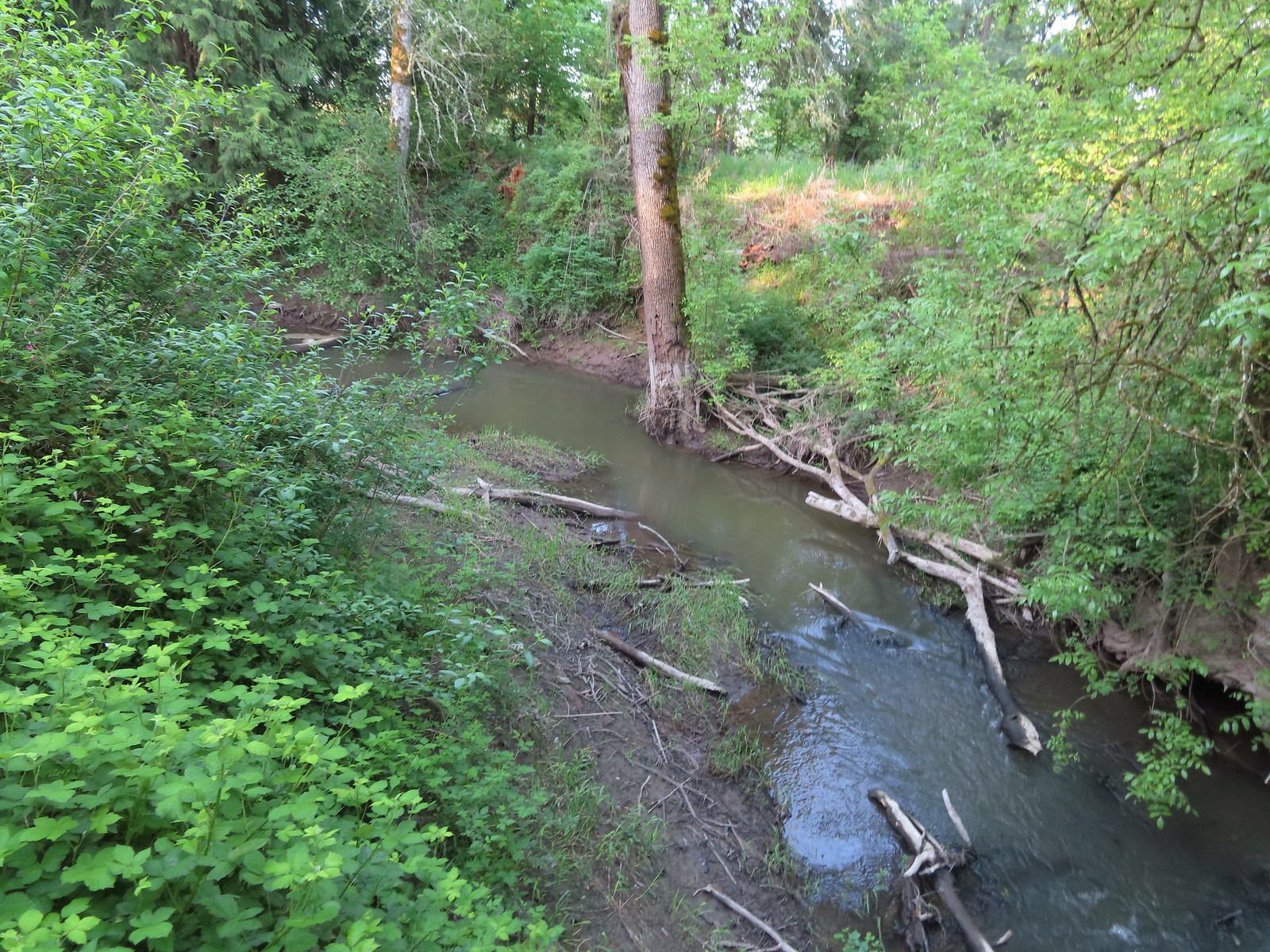 Chicken Creek
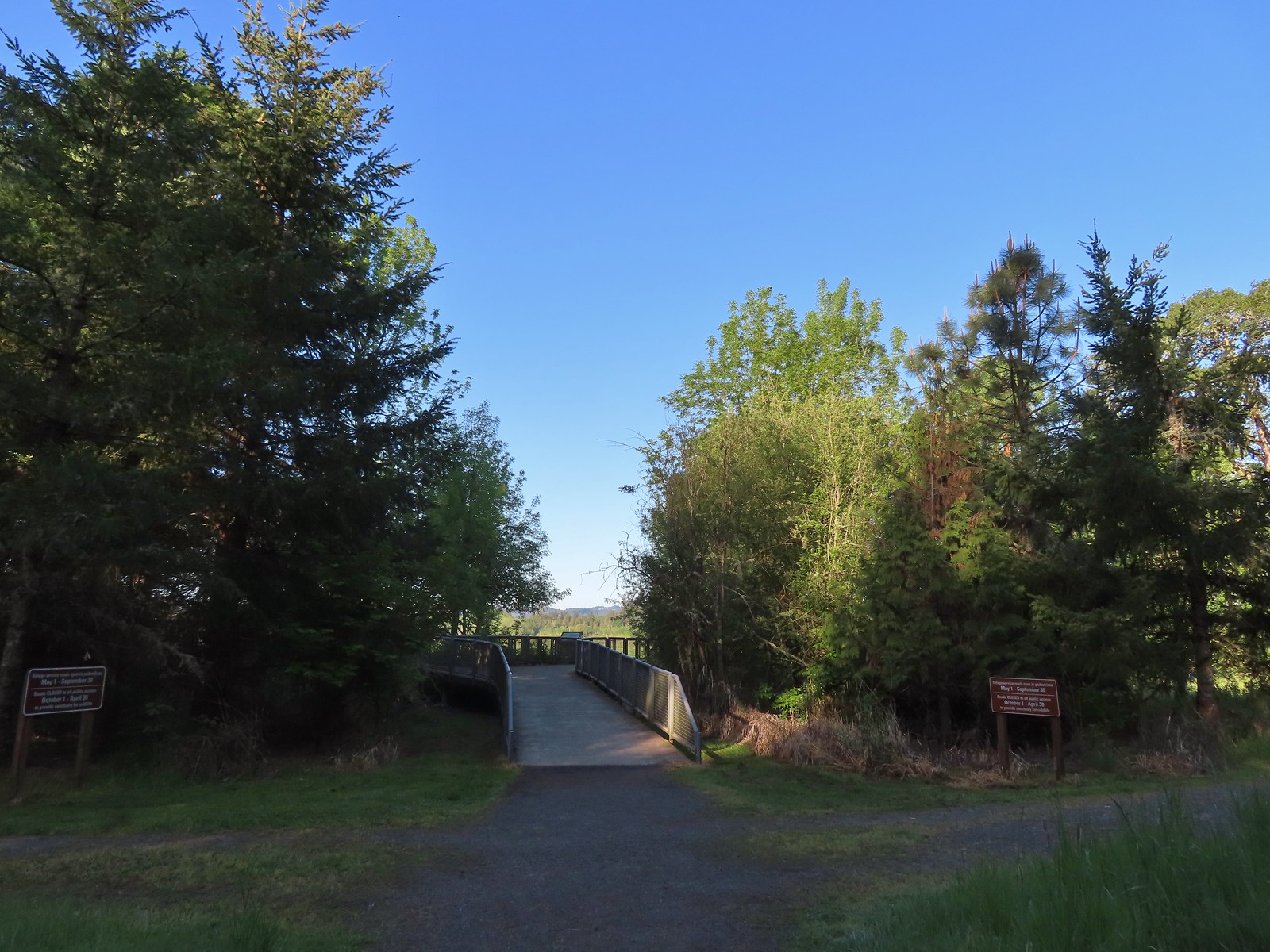 The River Trail meets the Wetland Trail across from the Weland Observation Platform.
 Great white egrets
 There were some impressively tall trees along this portion of the loop.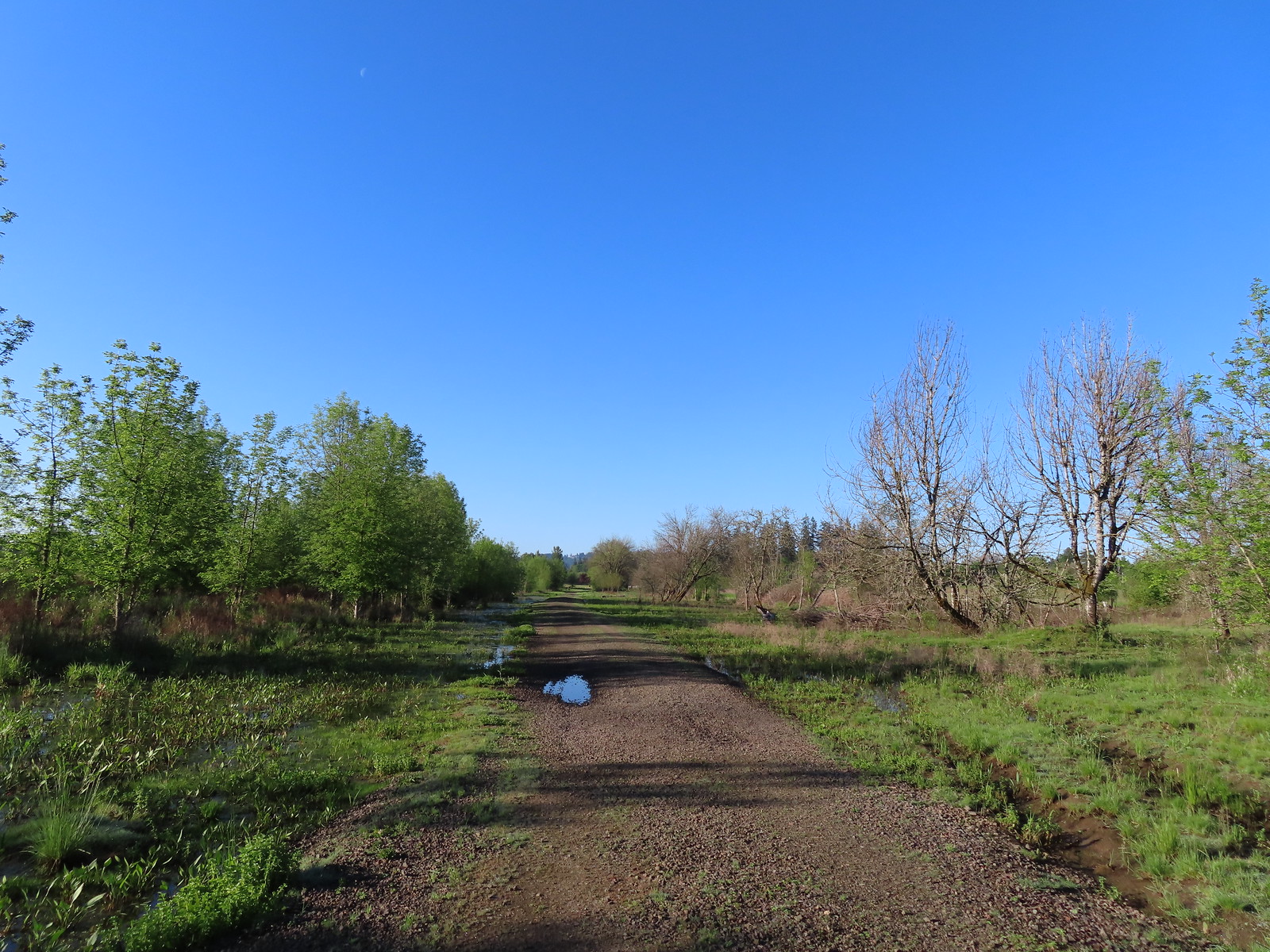
 Another egret
 More egrets across Chicken Creek.
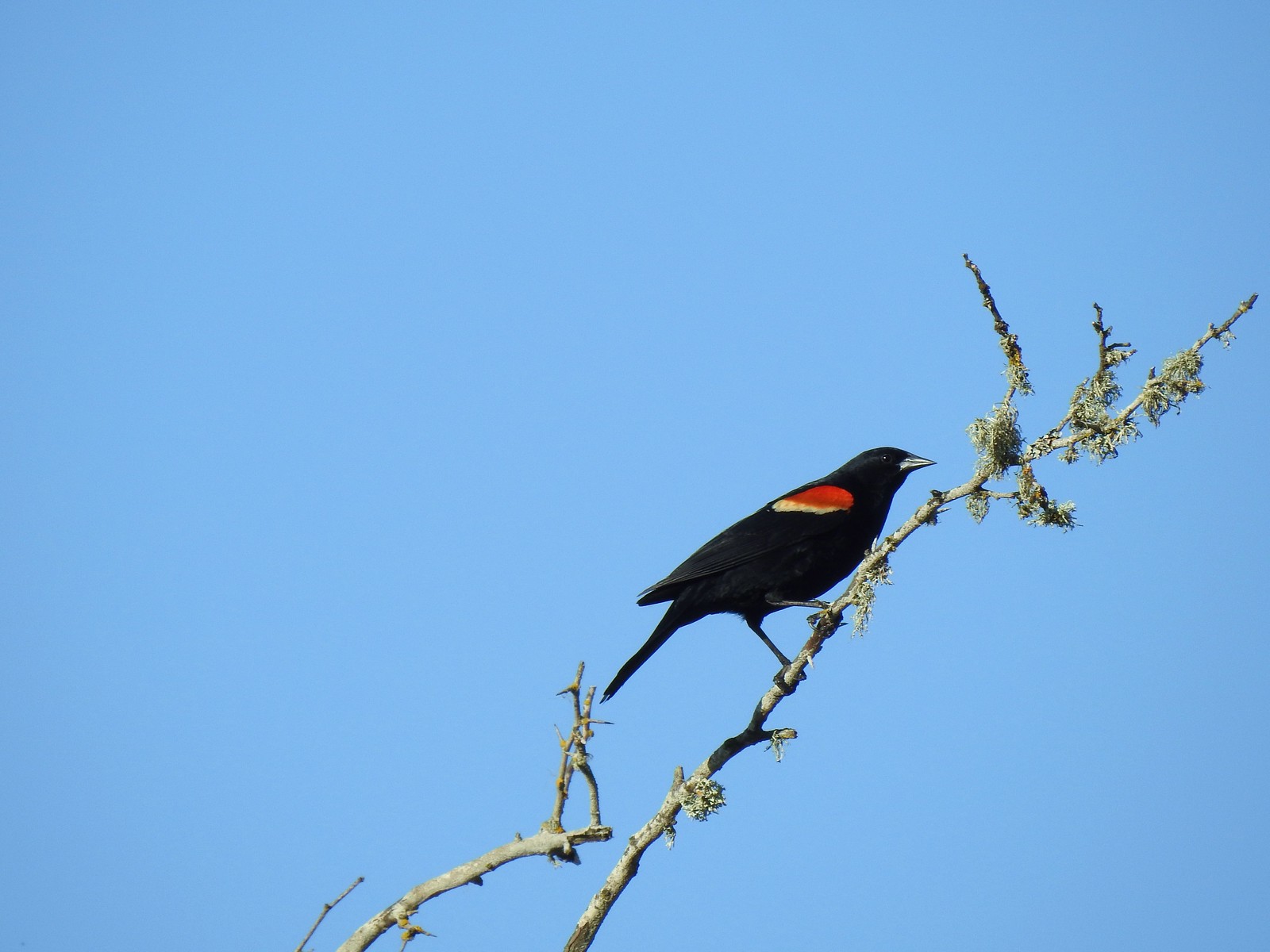 Red-winged blackbird
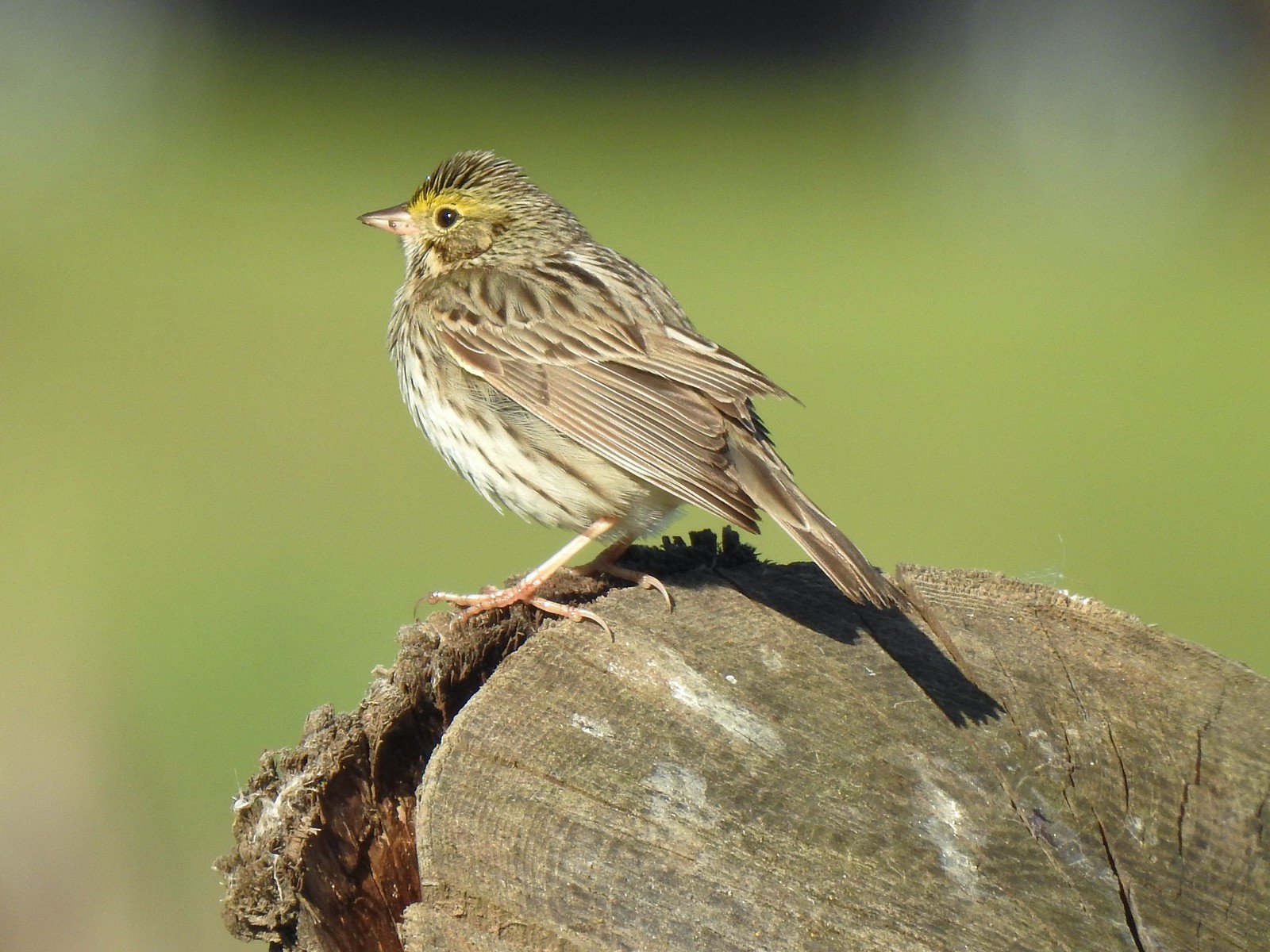 Savannah sparrow
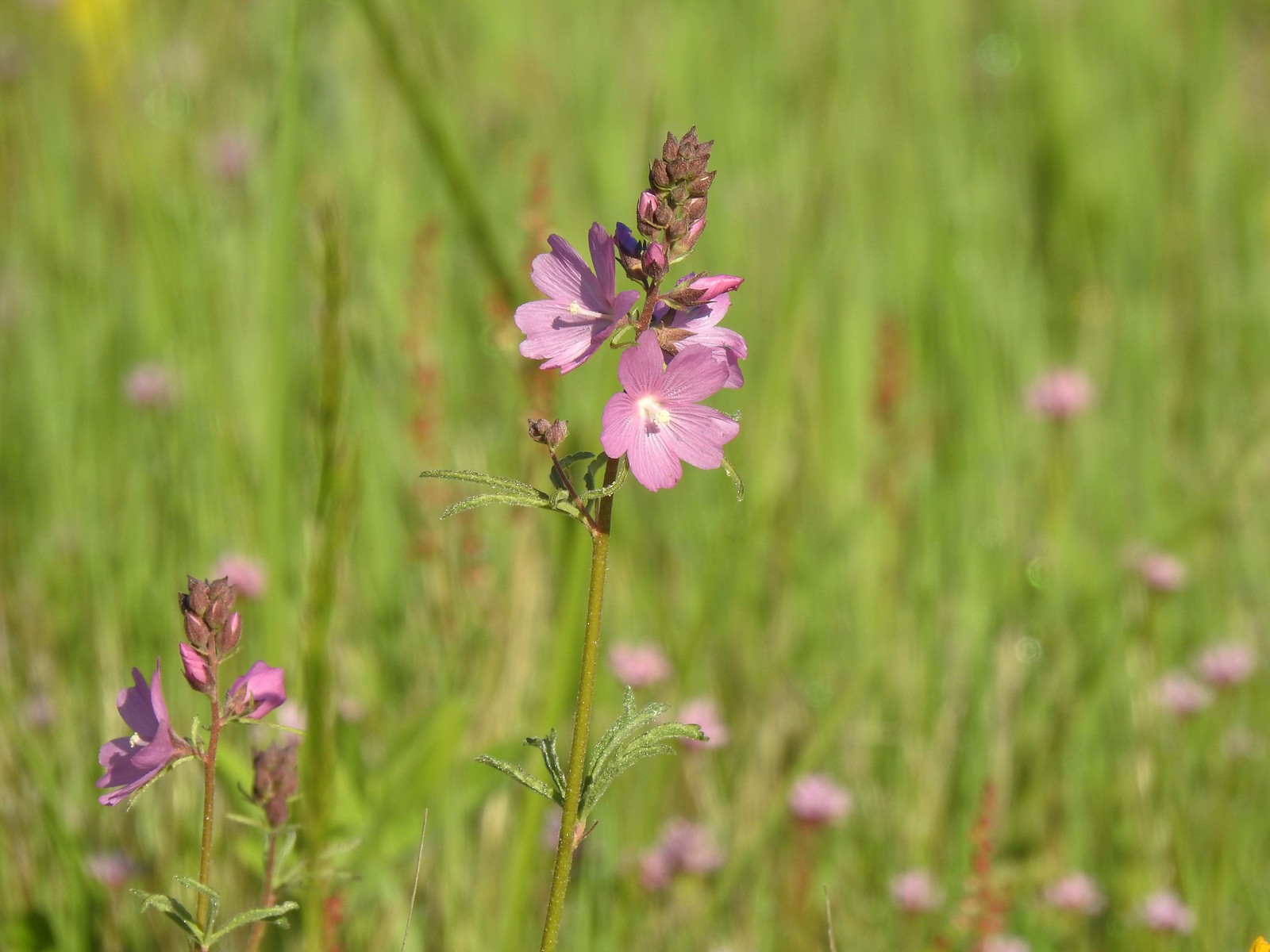 Checker-mallow
 A parsley
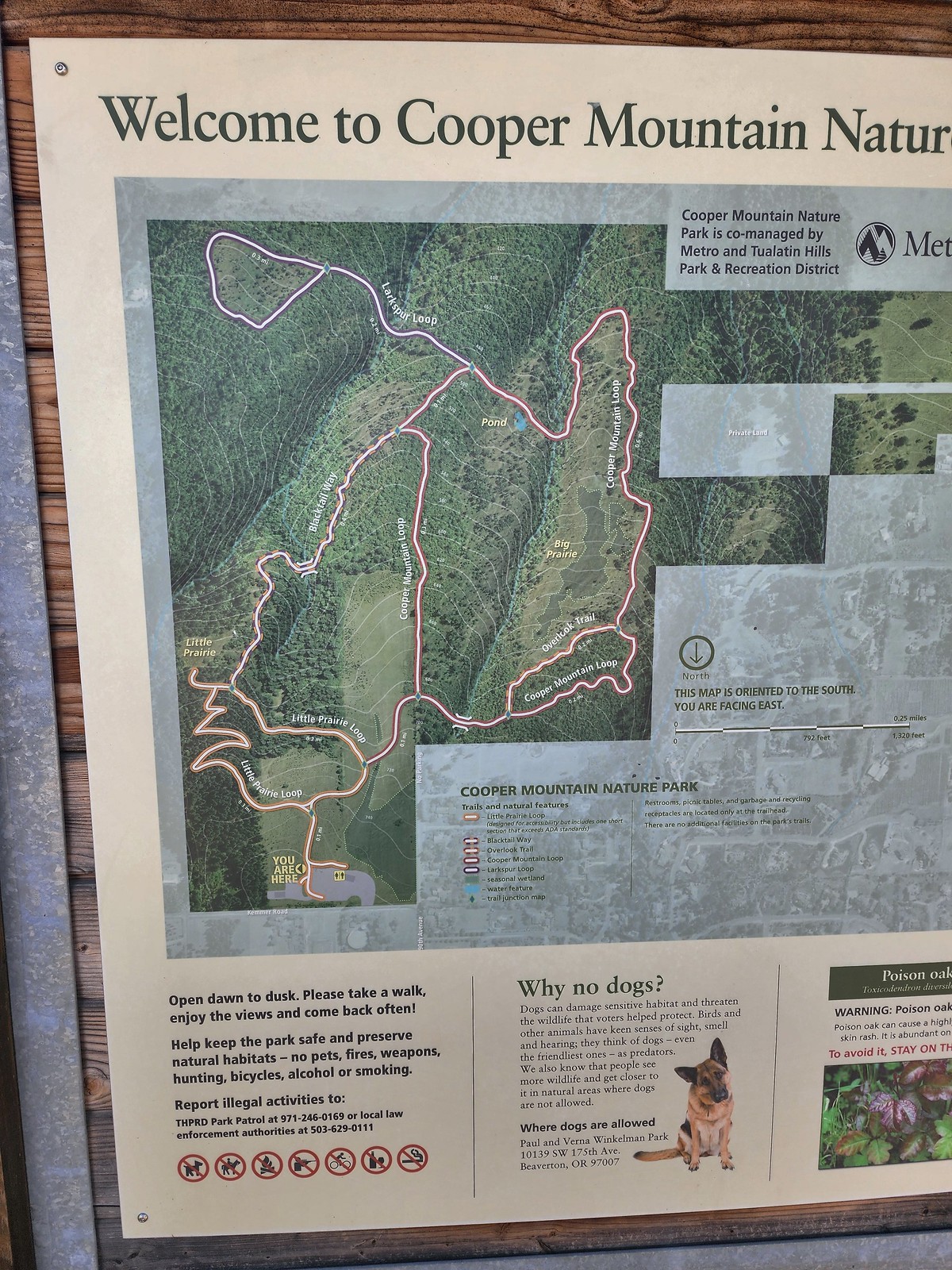 Our planned route was to go right on the Little Prairie Loop to the Cooper Mountain Loop and then stay right on that loop (with a detour to hike the Larkspur Loop) to Blacktail Way. We’d then take Blacktail Way back to the Little Prairie Loop and turn right again to finish that loop and return to the trailhead.
 The view from Cooper Mountain Nature Park.
 Metro is currently running an odd little trial with very short “photo loops”. Mowed paths just off the main trails for photography. We took the first loop just to check it out and they were not kidding when they said the surface may be uneven.
 One of two trial photo loops.
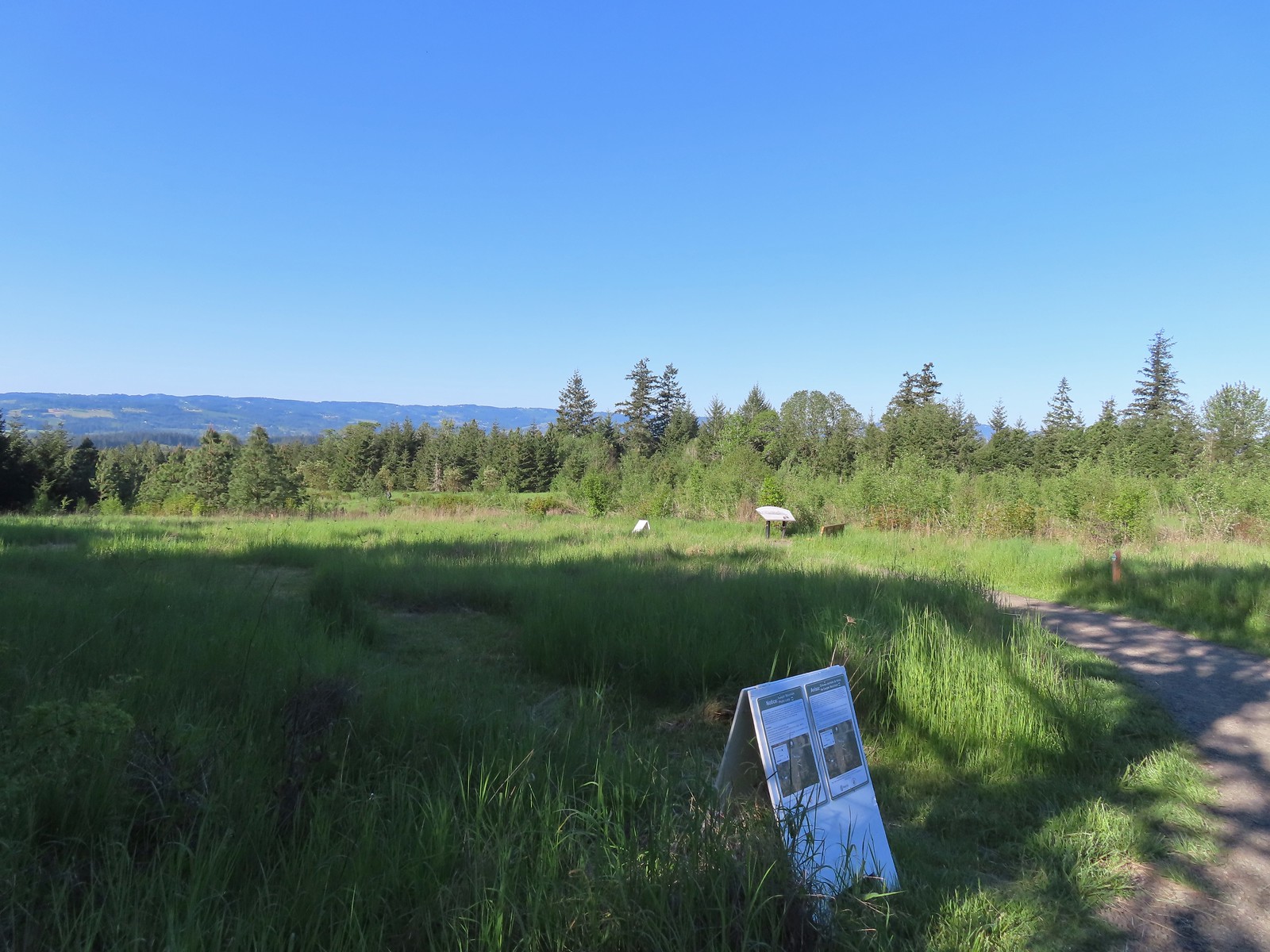 The second trial loop. You can see how short this one is by the signboard just downhill marking its other end.
 There were several interpretive signs and benches along the trails.
 White-crowned sparrow
 Anna’s hummingbird
 Star flower
 As usual Metro had the trail junctions well marked with little maps on top of the posts. This is the Cooper Mountain Loop junction with the lower end of the Outback Trail.
 Camas
Camas
 Tough-leaved iris
 Serviceberry
 Honeysuckle
 Looking back uphill to some wildflowers.
 Monkeyflower
 Tomcat clover
 Spotted towhee
 Bench along a pond filling an old quarry.
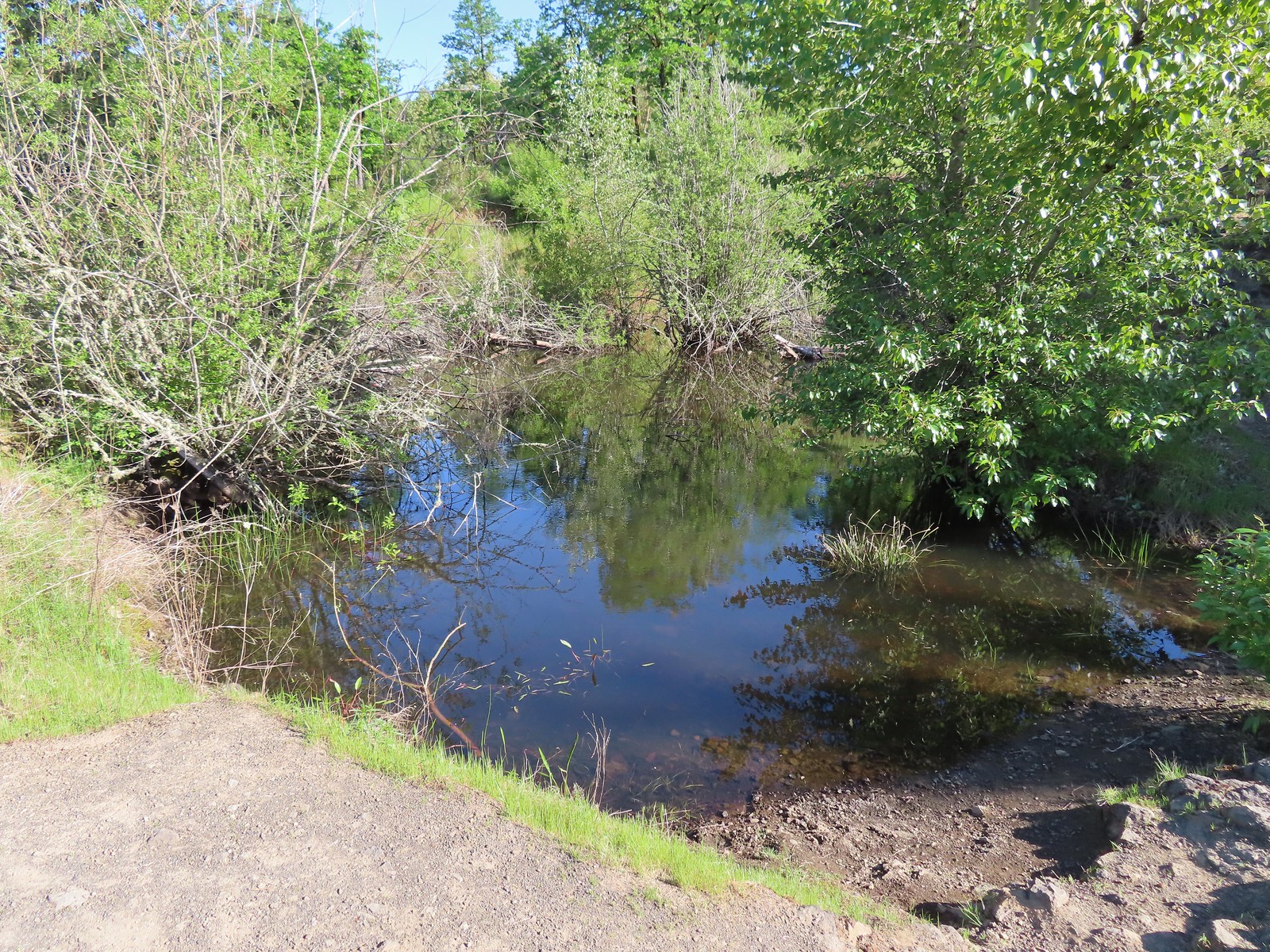 The pond. Red-legged frogs apparently breed here. We didn’t see any frogs but there was a mallard hanging out in the brush.
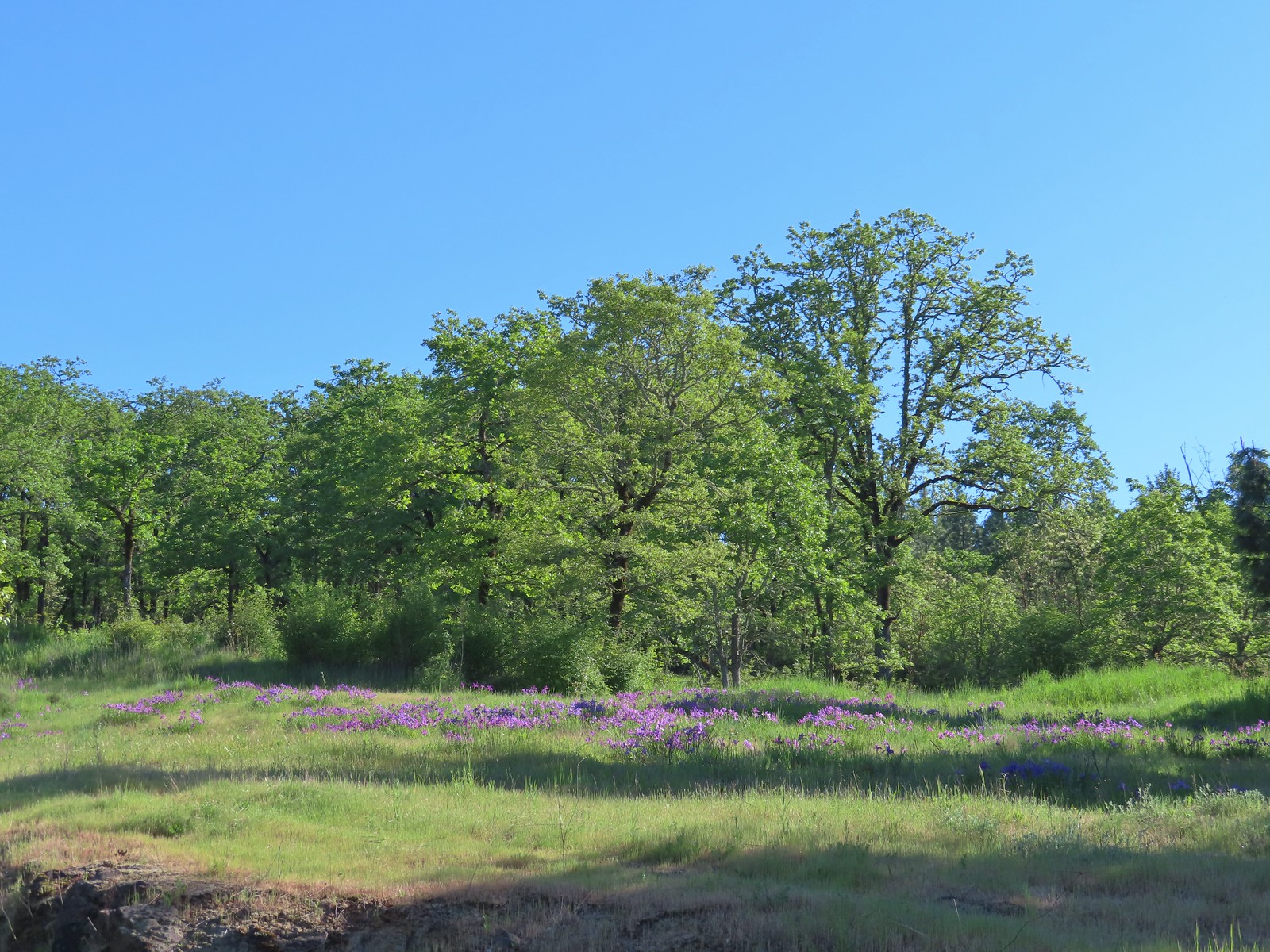 Iris on the hillside above the quarry.
 The Larkspur Loop continuing straight from the Cooper Mountain Loop which turns uphill at the junction.
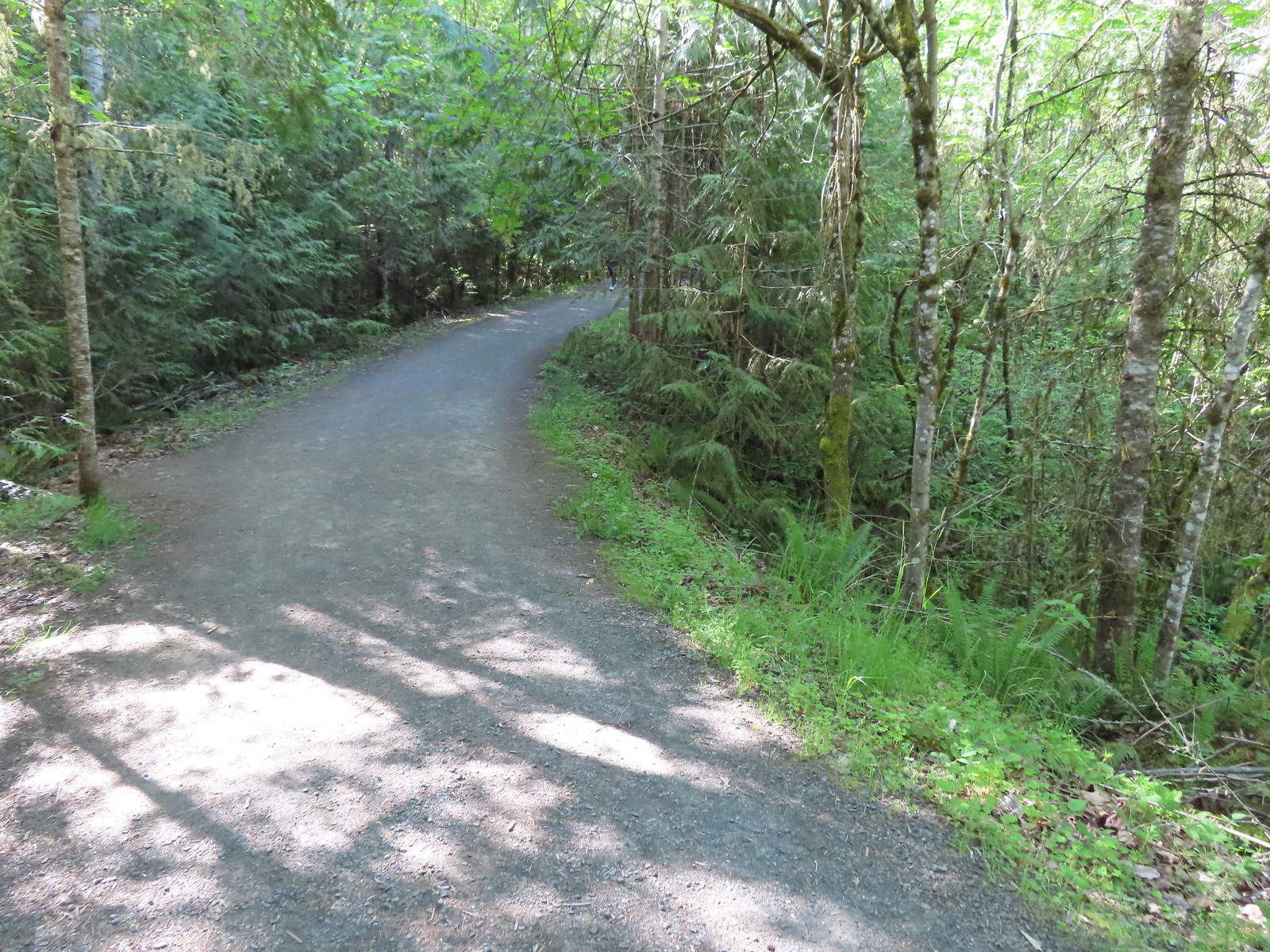 Prior to the loop the Larkspur Loop dips to cross a creek in the trees.
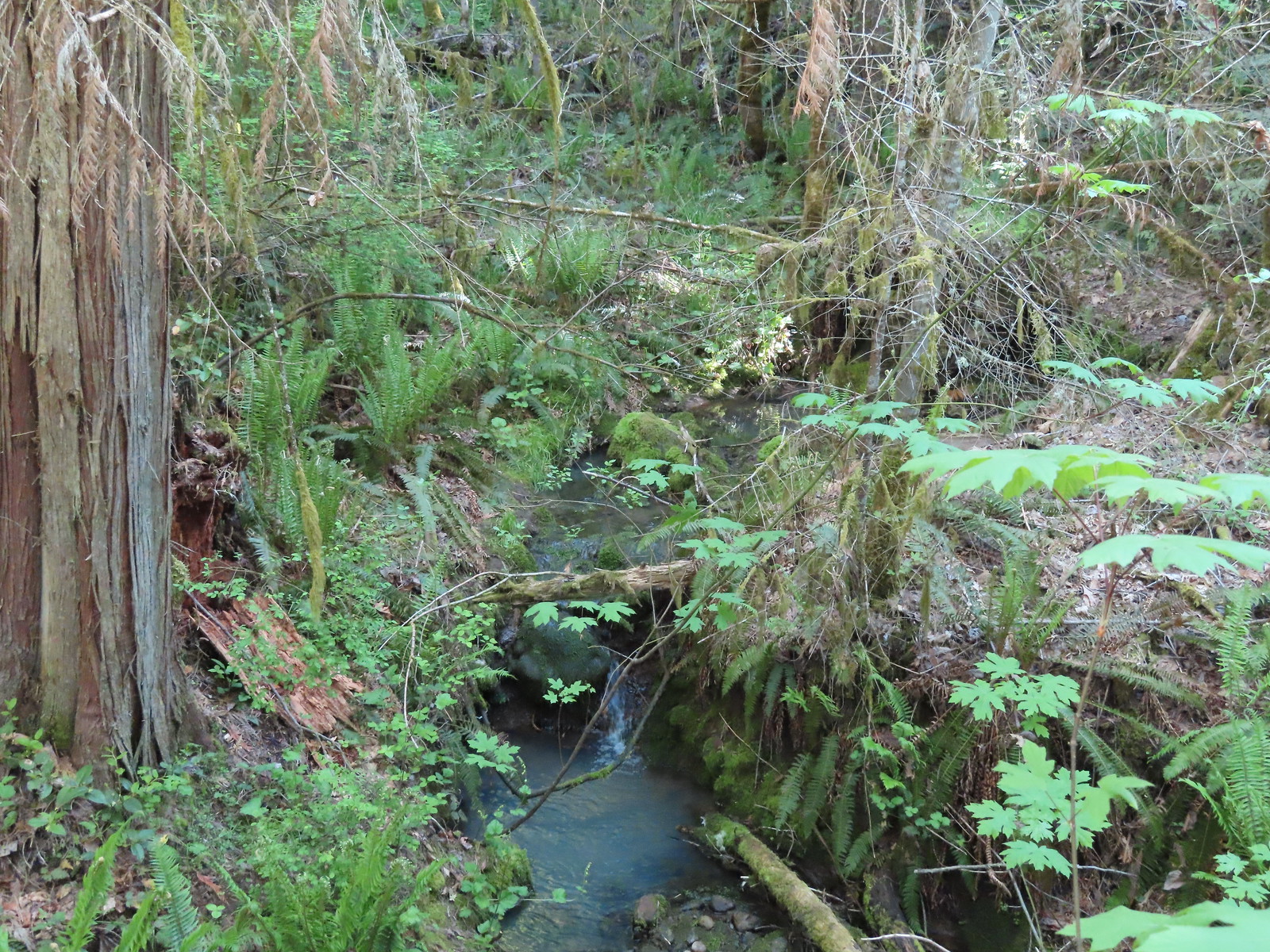 The little creek.
 View from the Larkspur Loop.
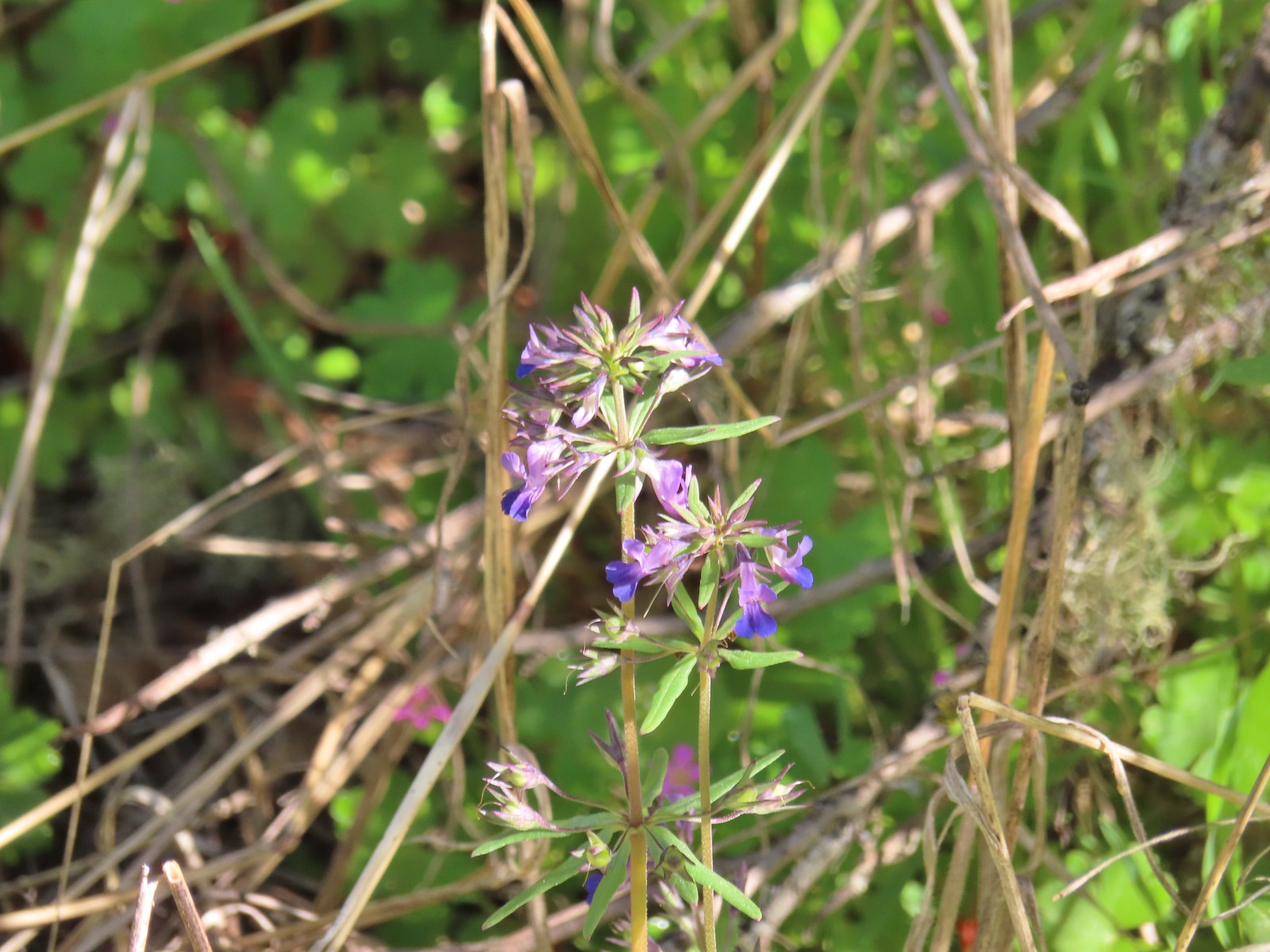 While watching for the larkspur I noticed these giant blue-eyed Mary.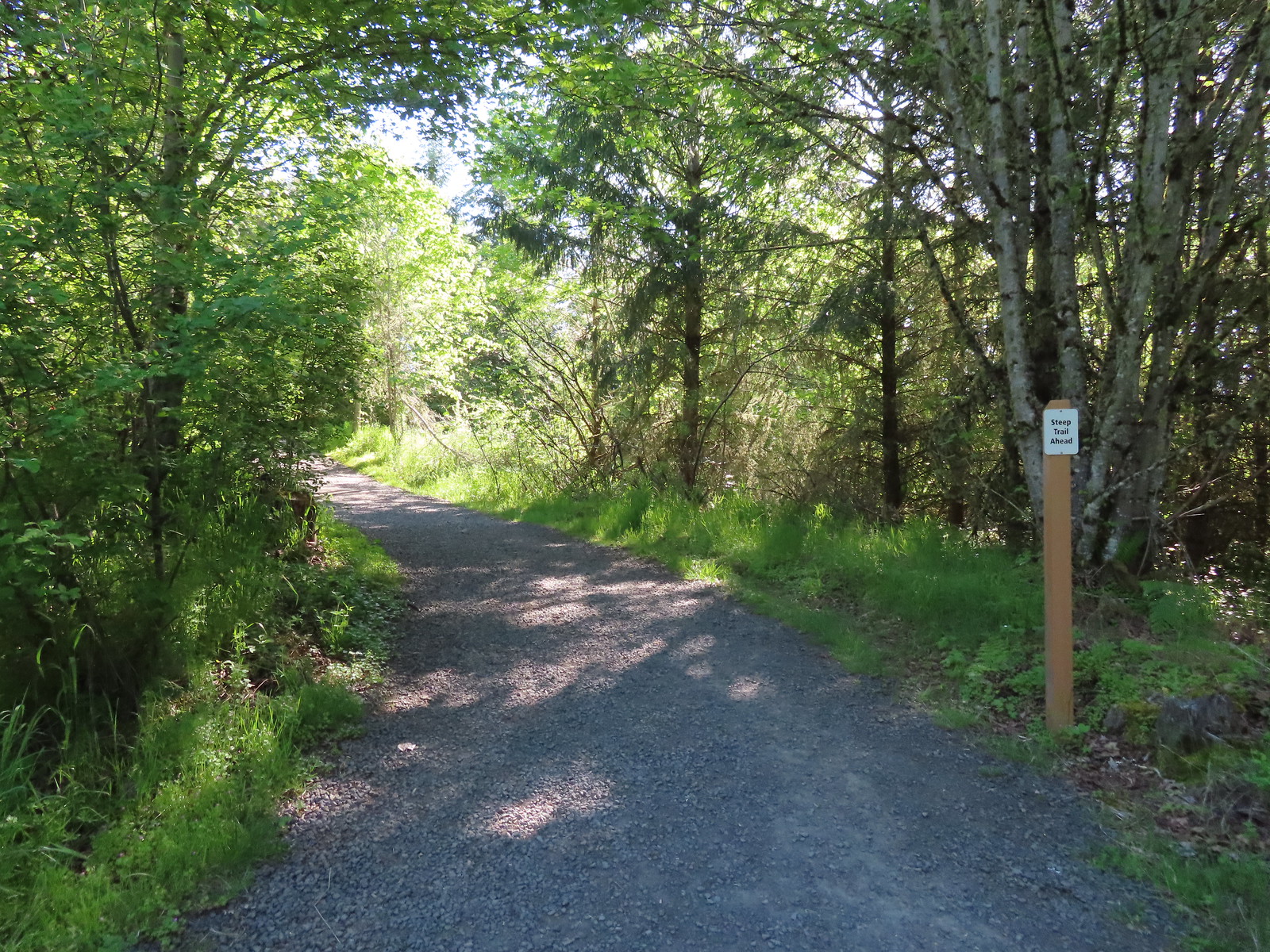
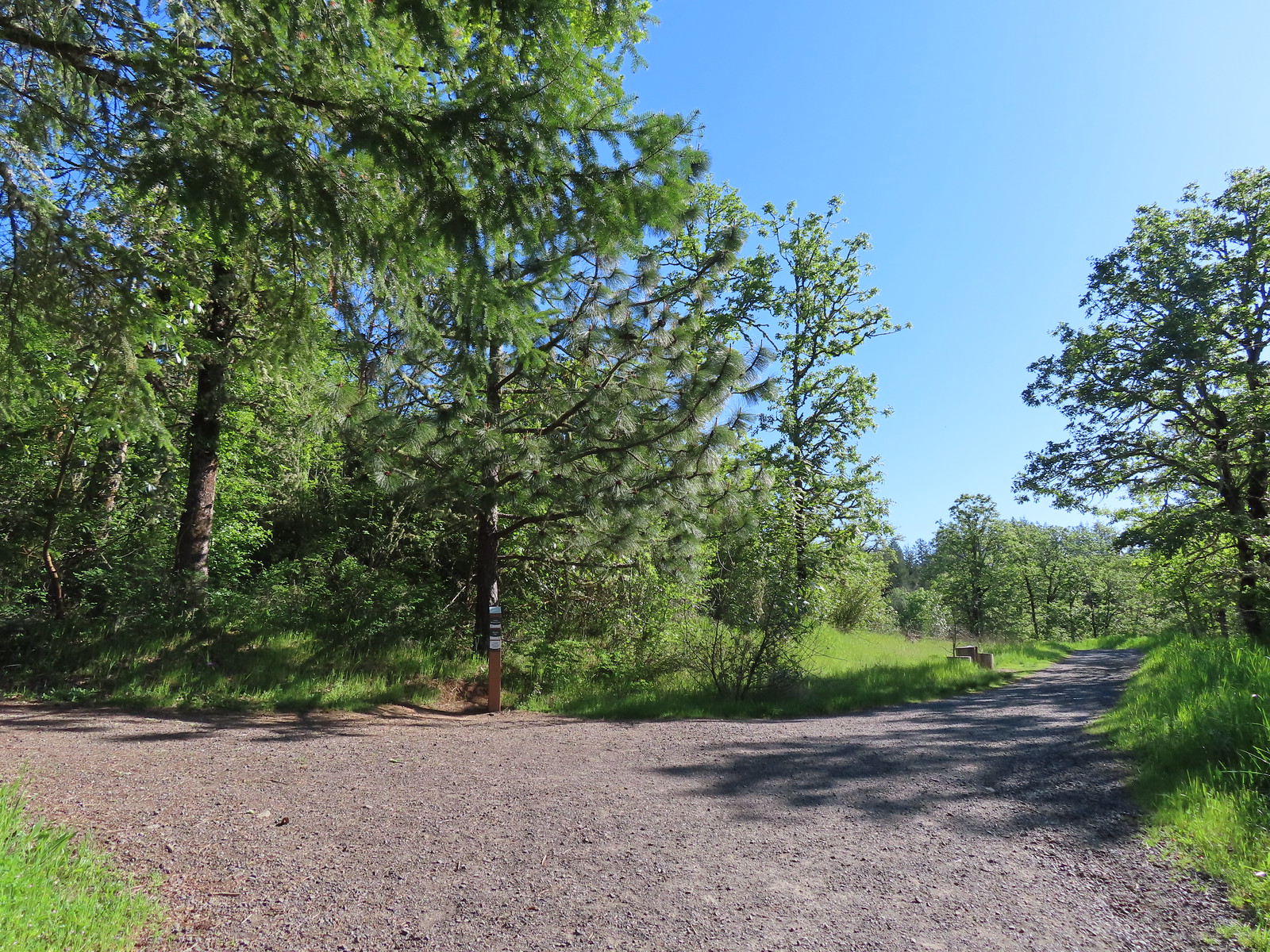 Blacktail Way to the right.
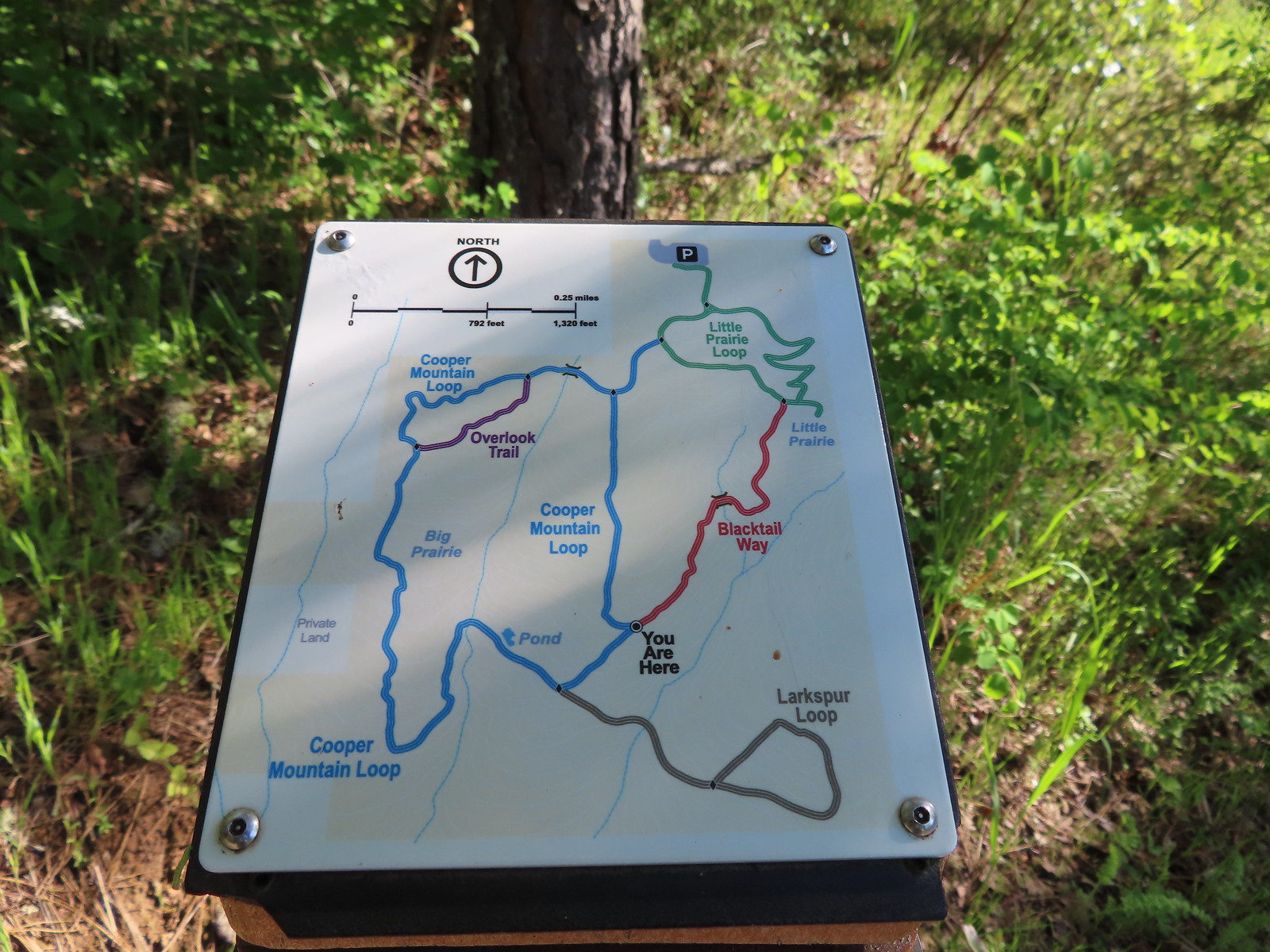 Map at the junction.
 The “earphone” next to the bench here was neat. There was also one at the trailhead and they really allowed you to isolate the sounds of the woods.
 The Little Prairie Loop.
 The pale larkspur also grows in this area but again we were too early.
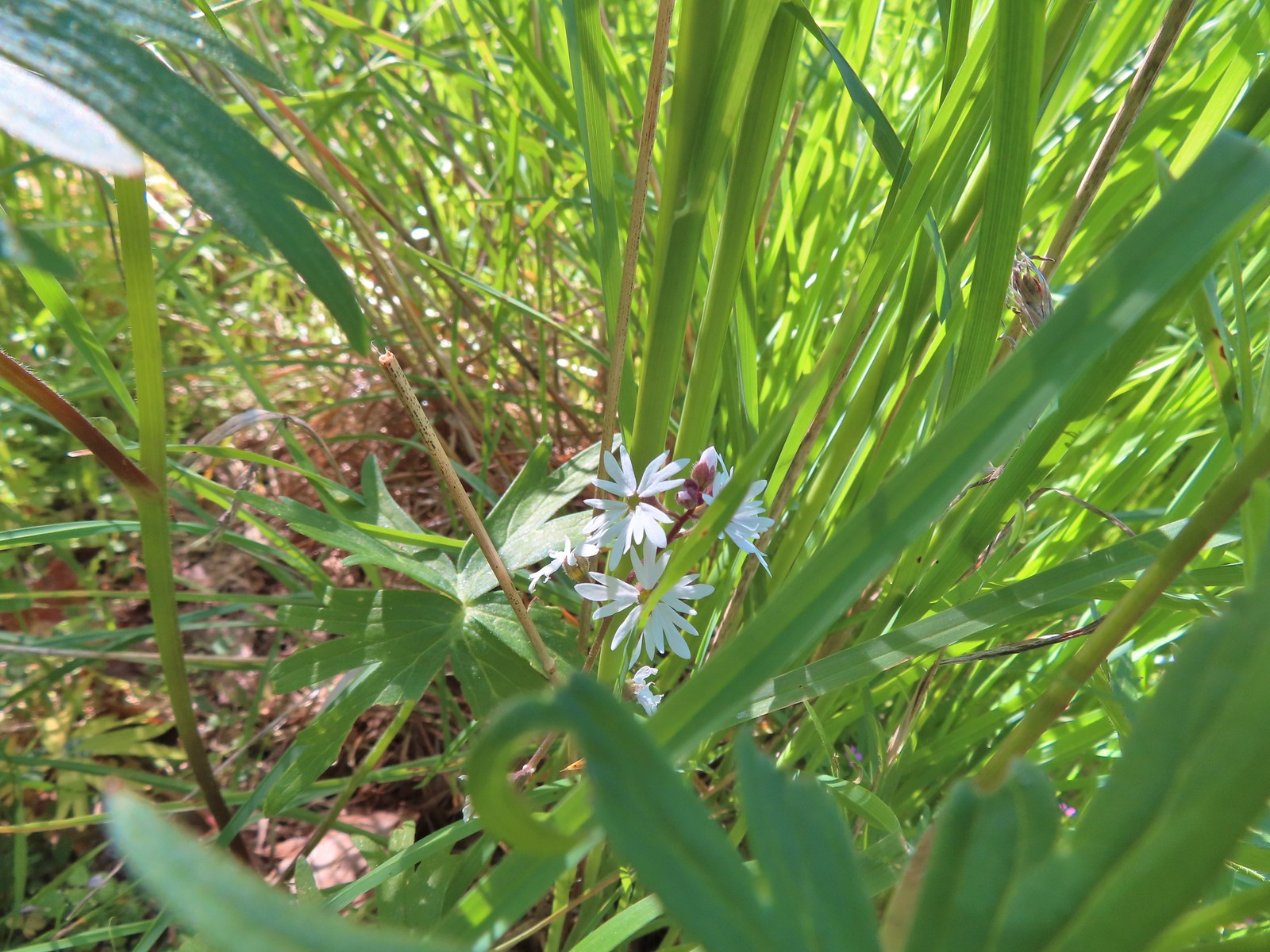 These were the only woodland-stars we spotted.

 Heading toward Acron Plaza on the Tonquin Trail.
 Interpretive sign at Acorn Plaza.
 Lupine and buttercups
 Lupine
 Meadow checker-mallow
 The “elder” oak is between 150-200 years old.

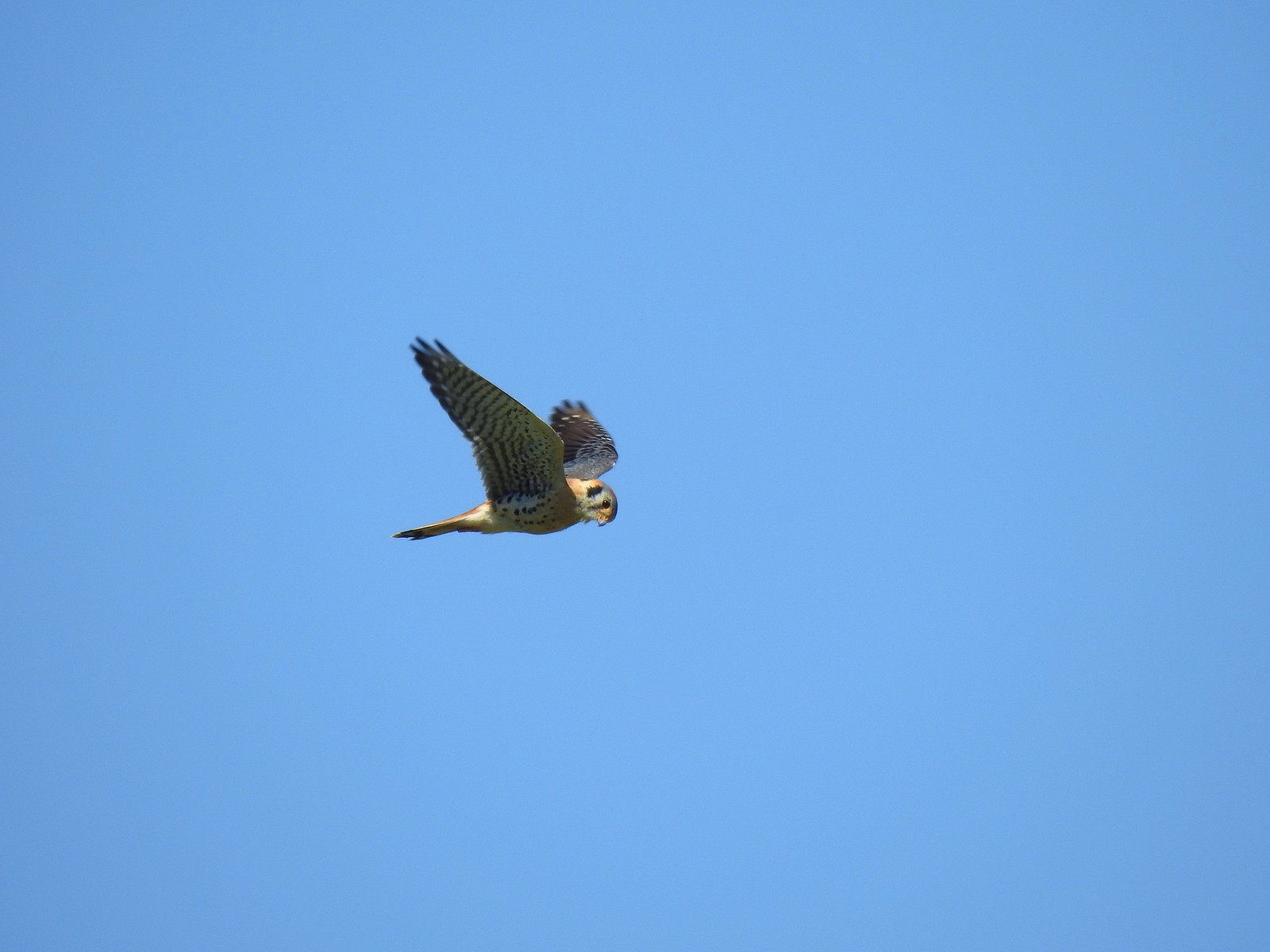 We watched this American Kestral hover on a near vertical line for what felt like quite a while. It eventually dove and attempted to catch something in the grass. We couldn’t tell if it had been successful.
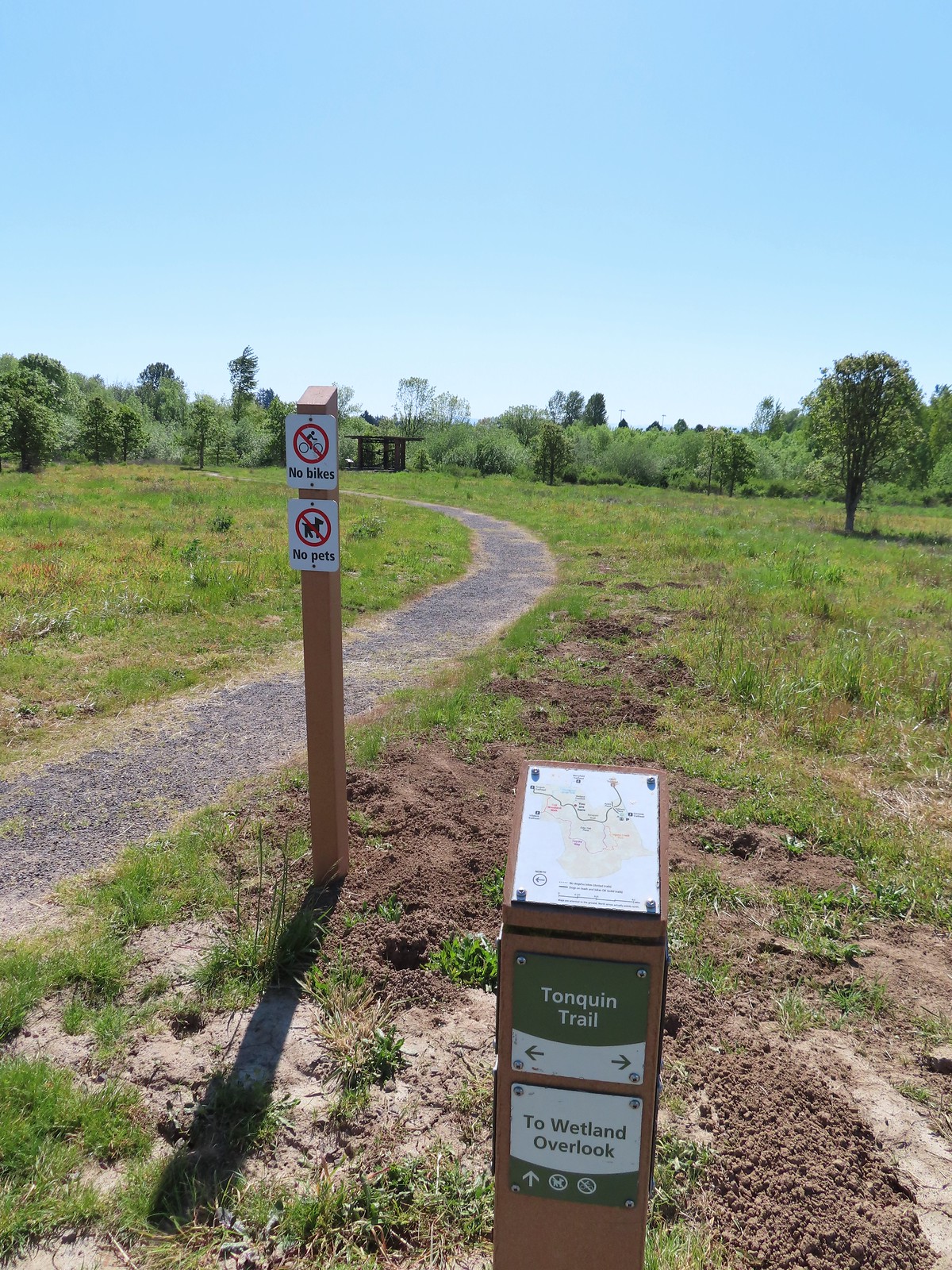

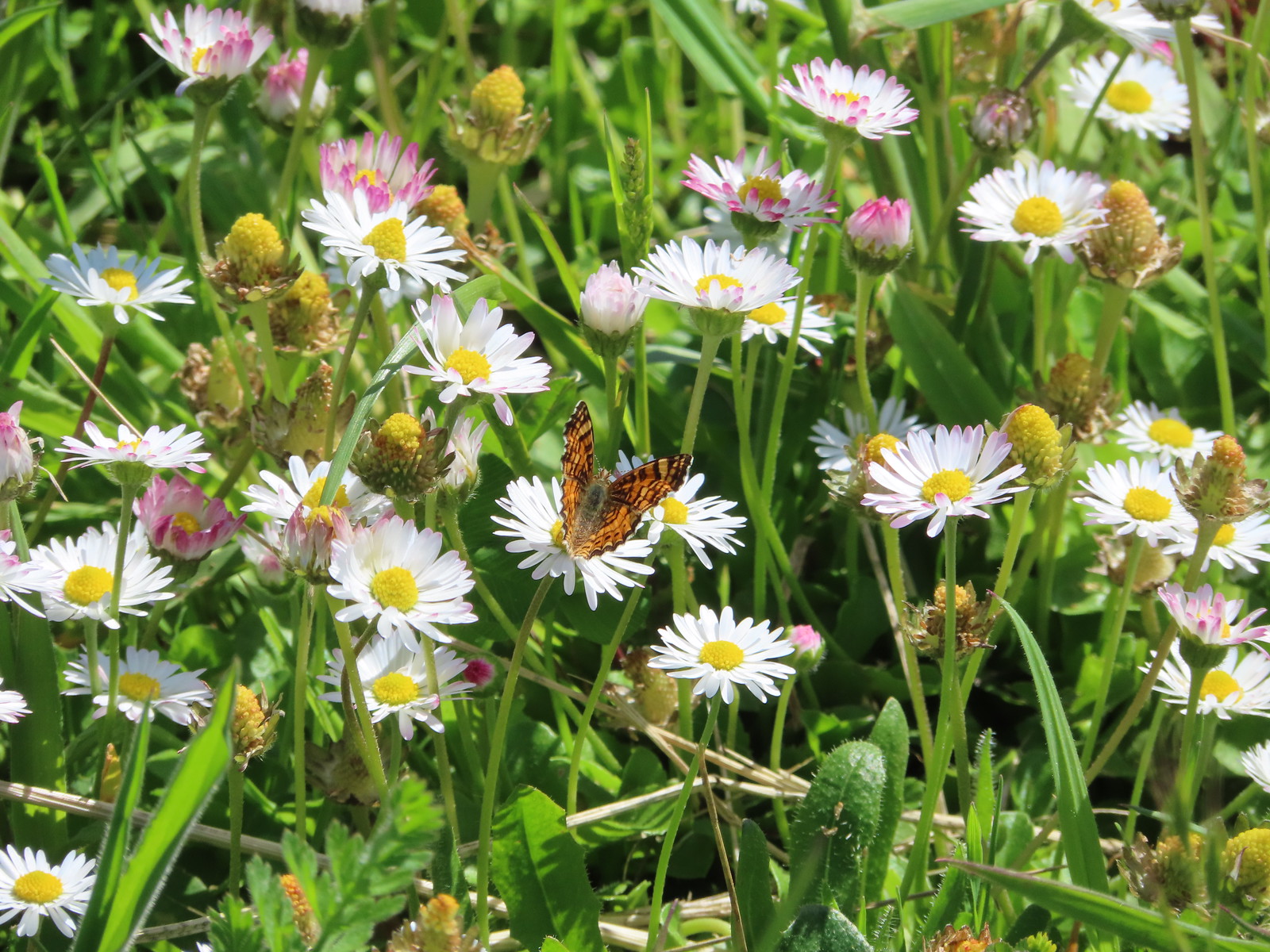 Mylitta crescent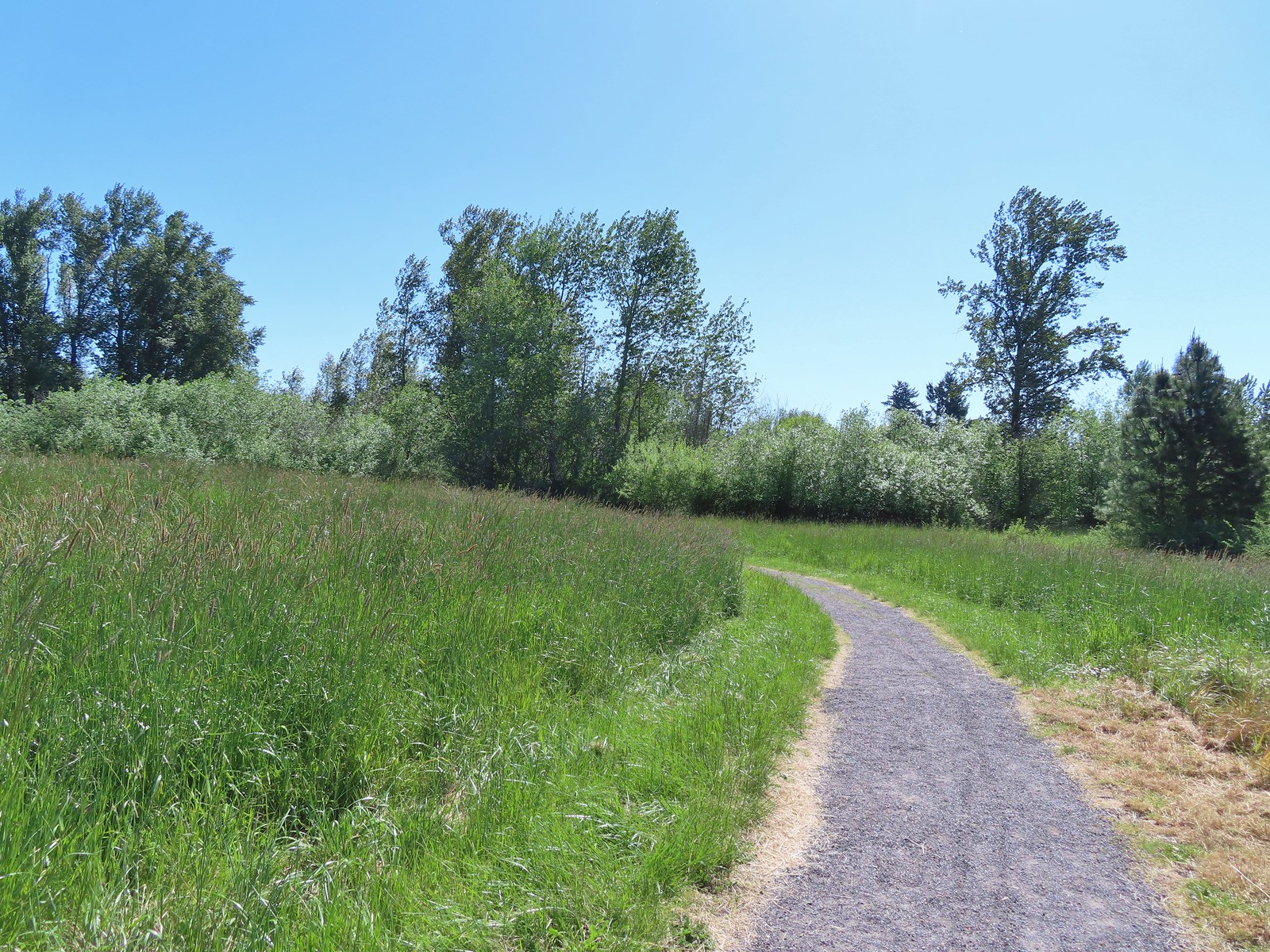
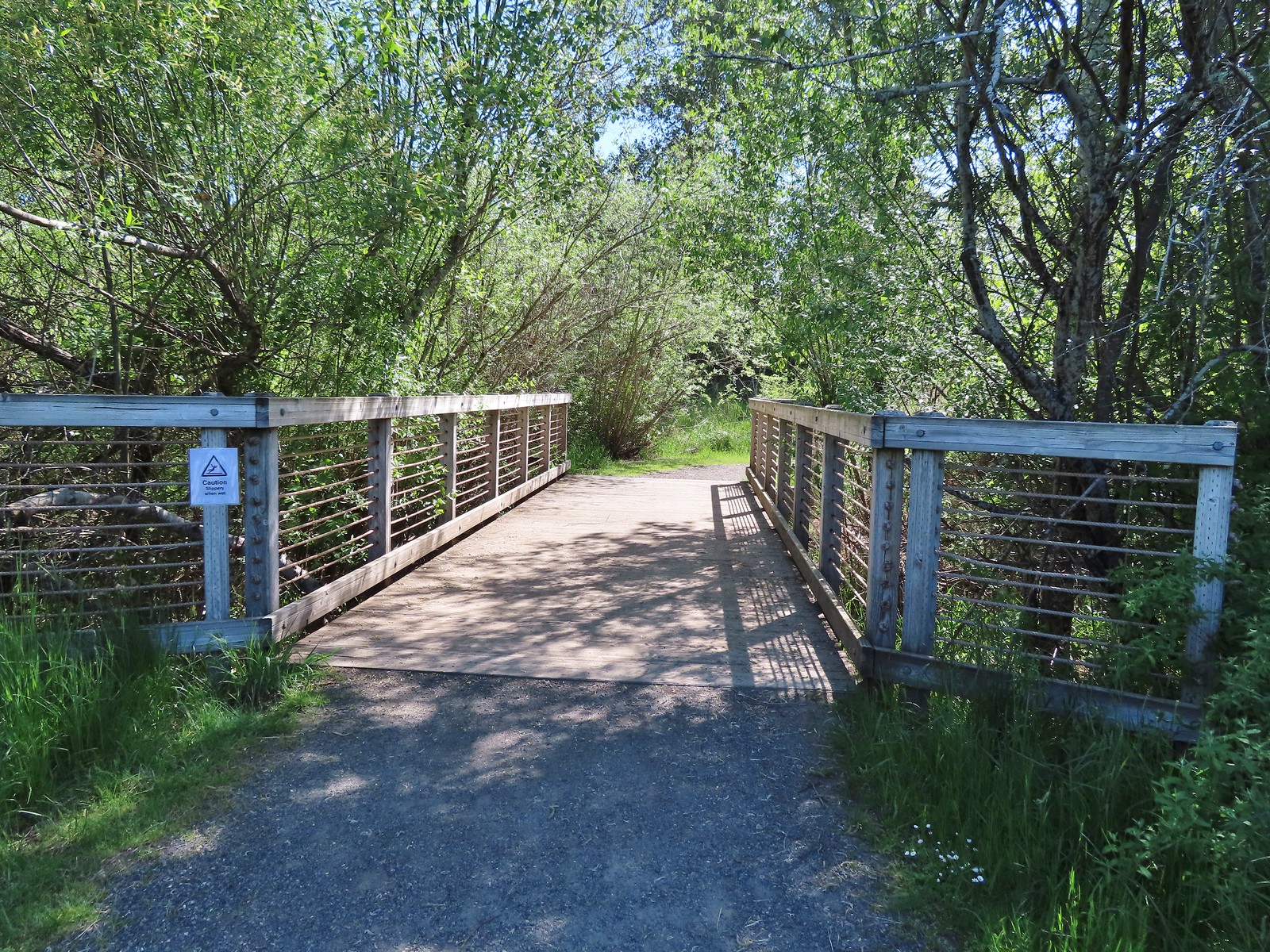 Footbridge over Arrowhead Creek.

 The Lycaenidae family of butterflies remains a mystery to me. This appears to be an Eastern Tailed Blue based on the ventral spots.
 Snow in the Cascade foothills. If you look really closely behind the bigger snow patch to the far-right, you can just barely make out Mt. Jefferson.
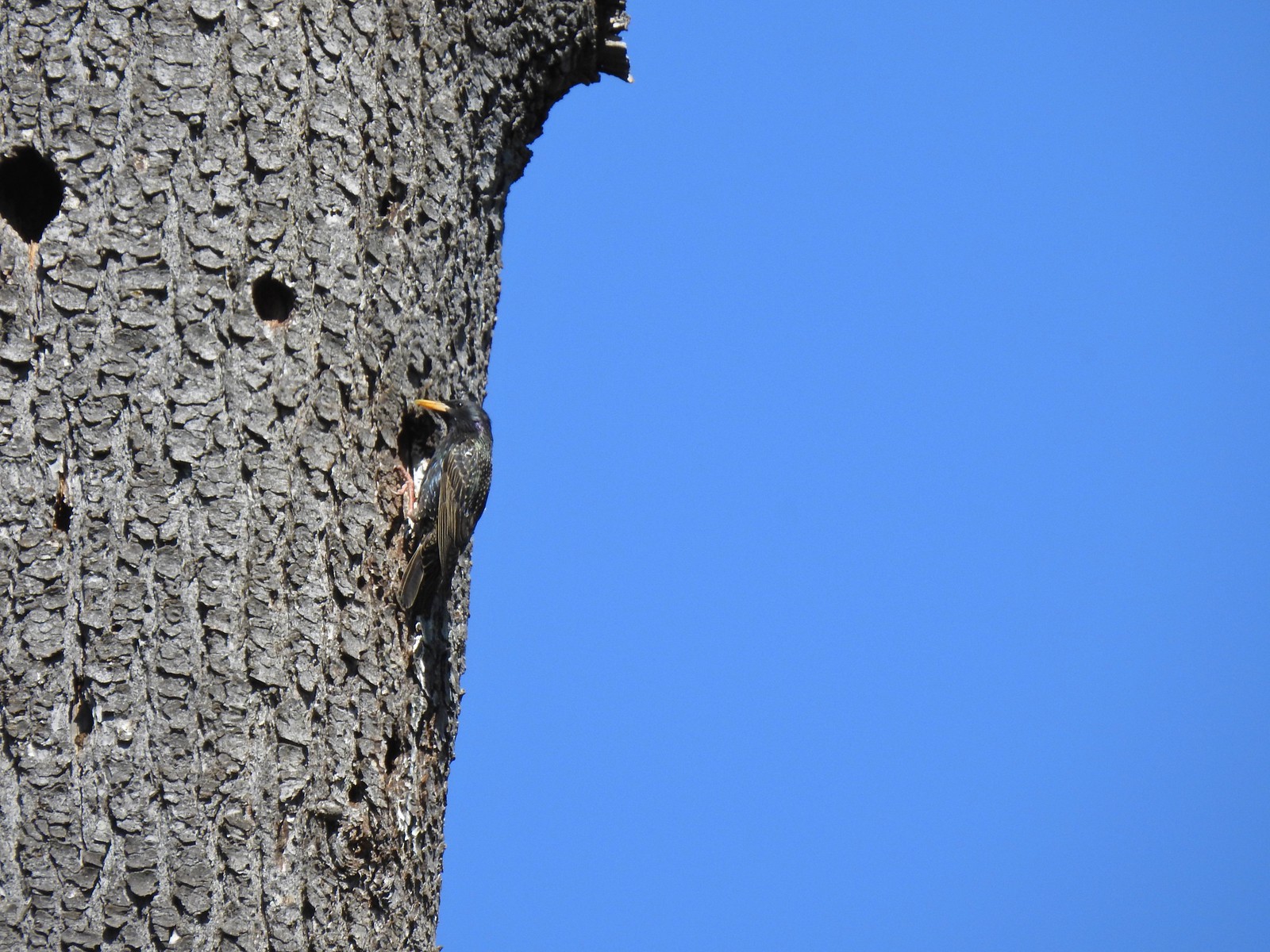 Starling
 Northern flicker
 This scrub jay would not come out from behind the oak leaves.
 There was a lot of candy flower beneath the trees.


 Mushrooms along the Legacy Creek Trail.
 Violets, candy flower and the invasive herb robert (pink).
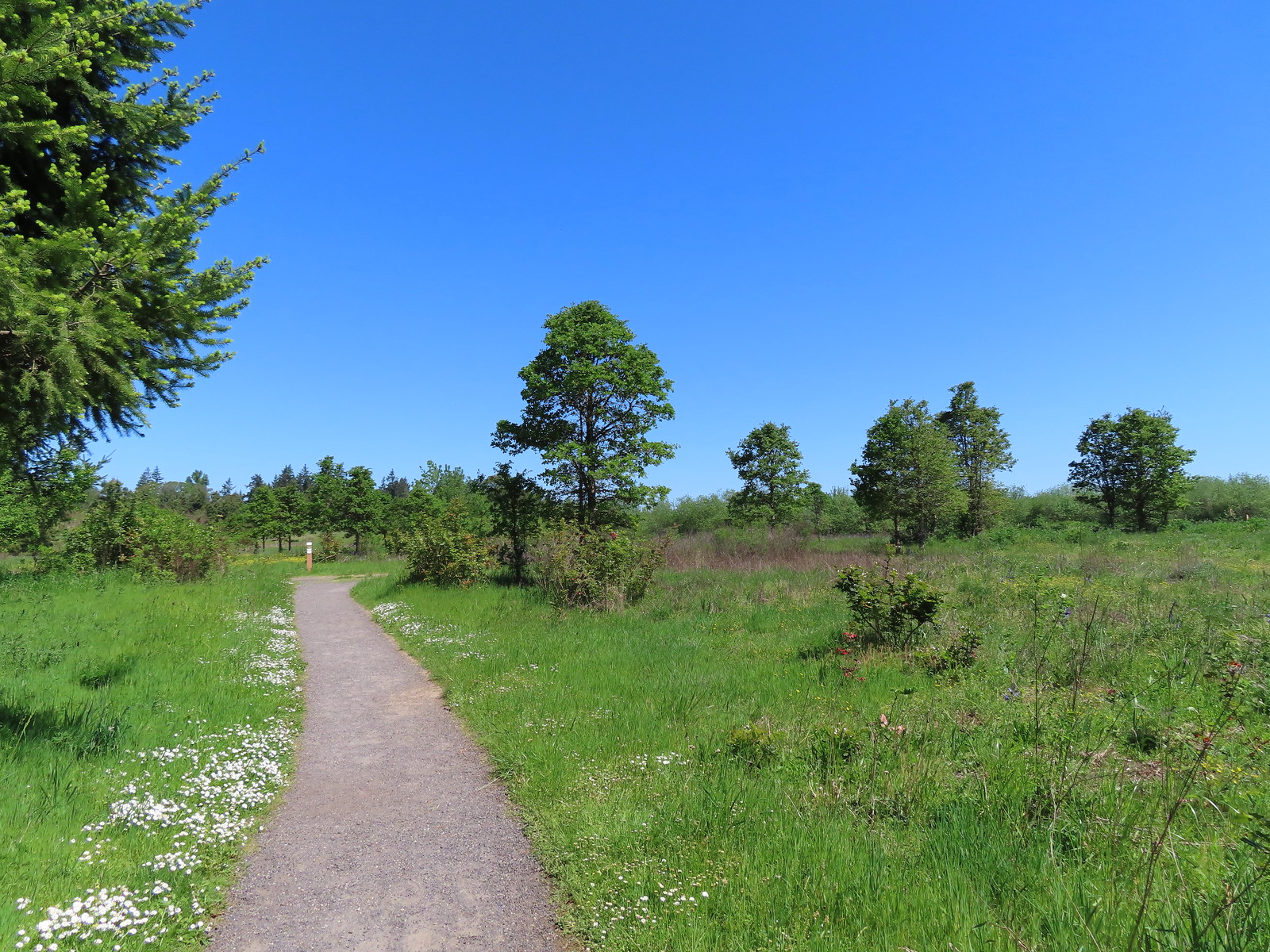 Coming up to Coyote Way.
 Back on the Tonquin Trail and heading for the trailhead.



 Wedgeleaf violets
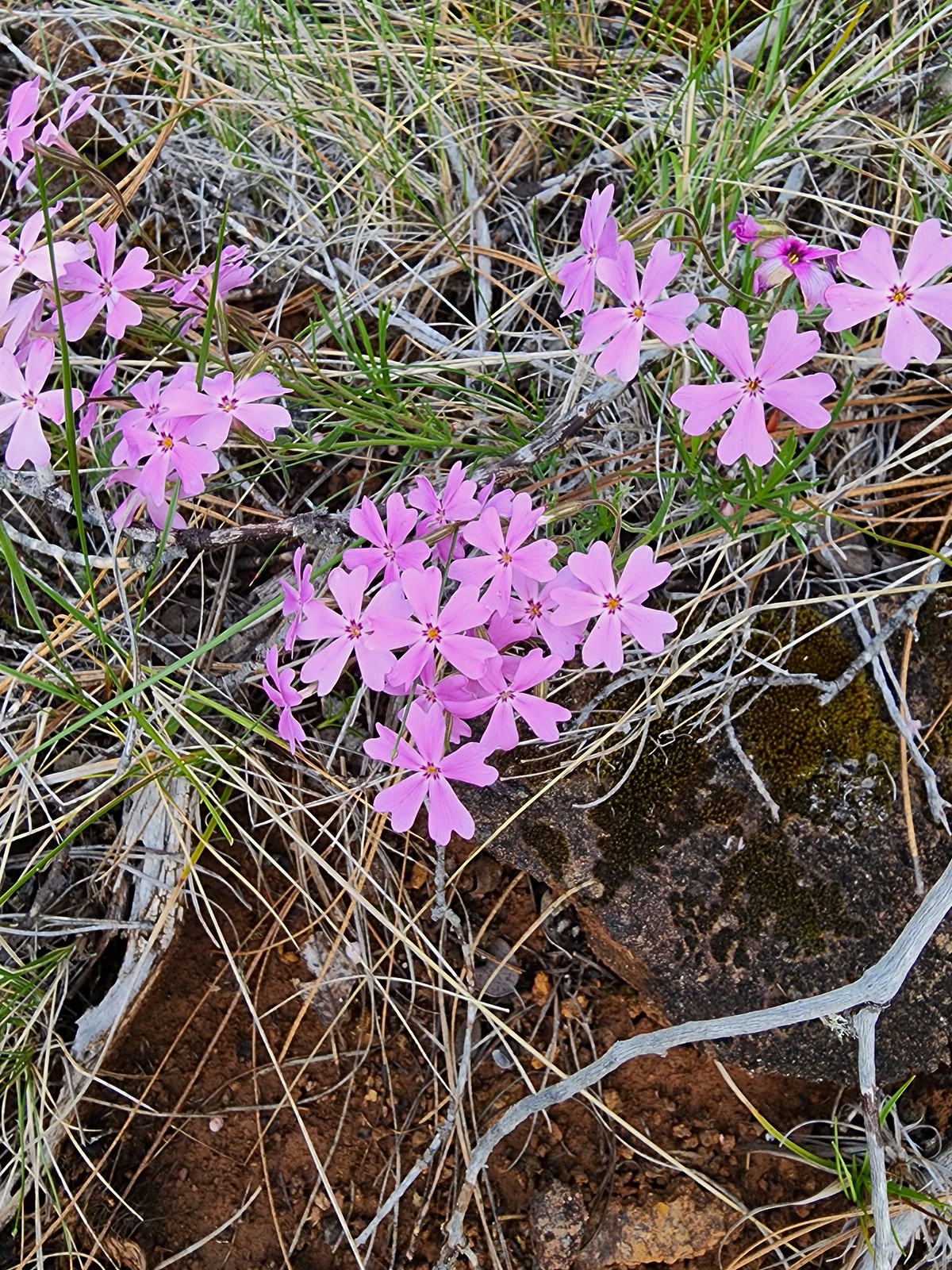 Showy phlox
 Oregon rockcress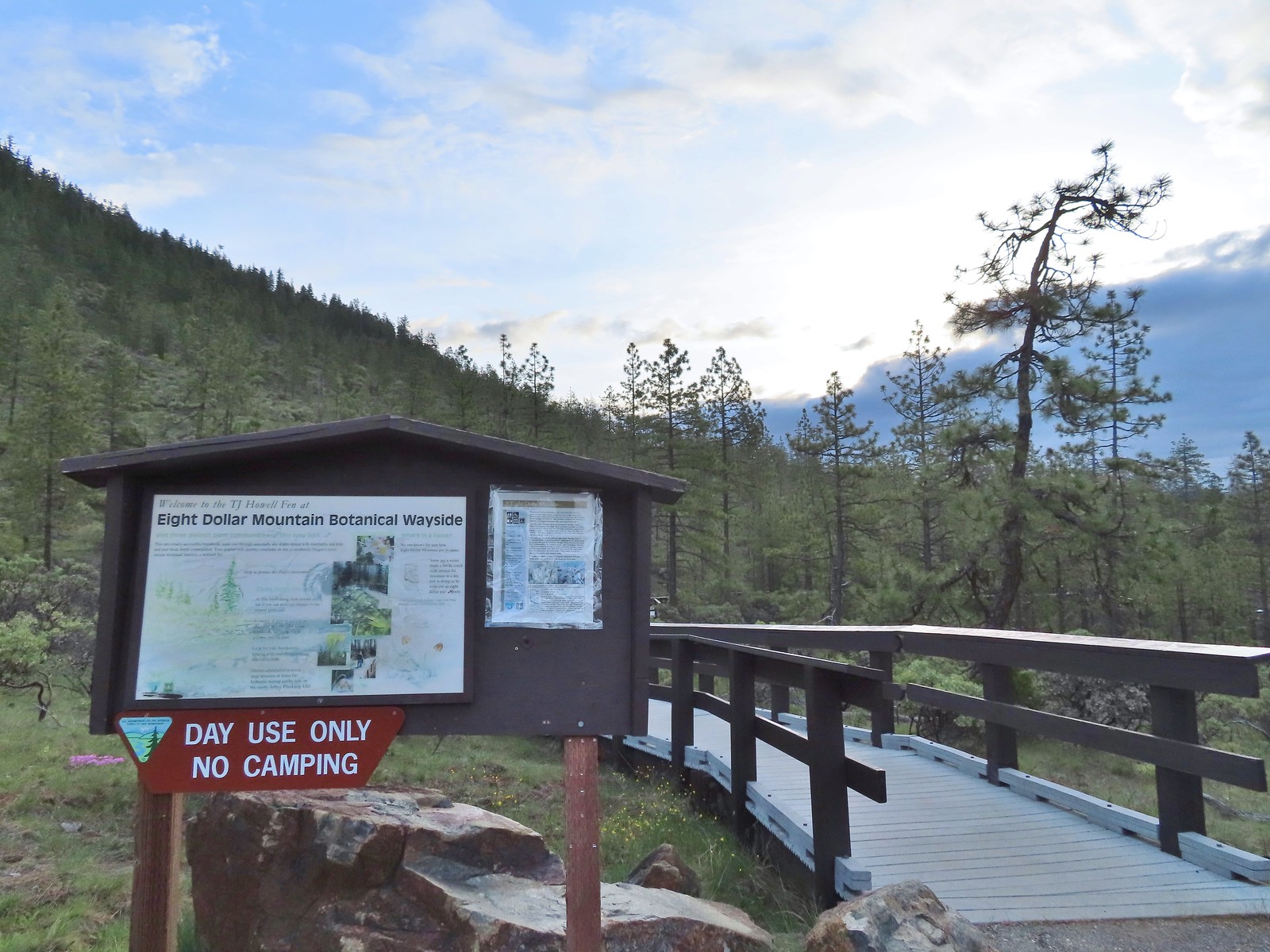
 Camas and buttercups
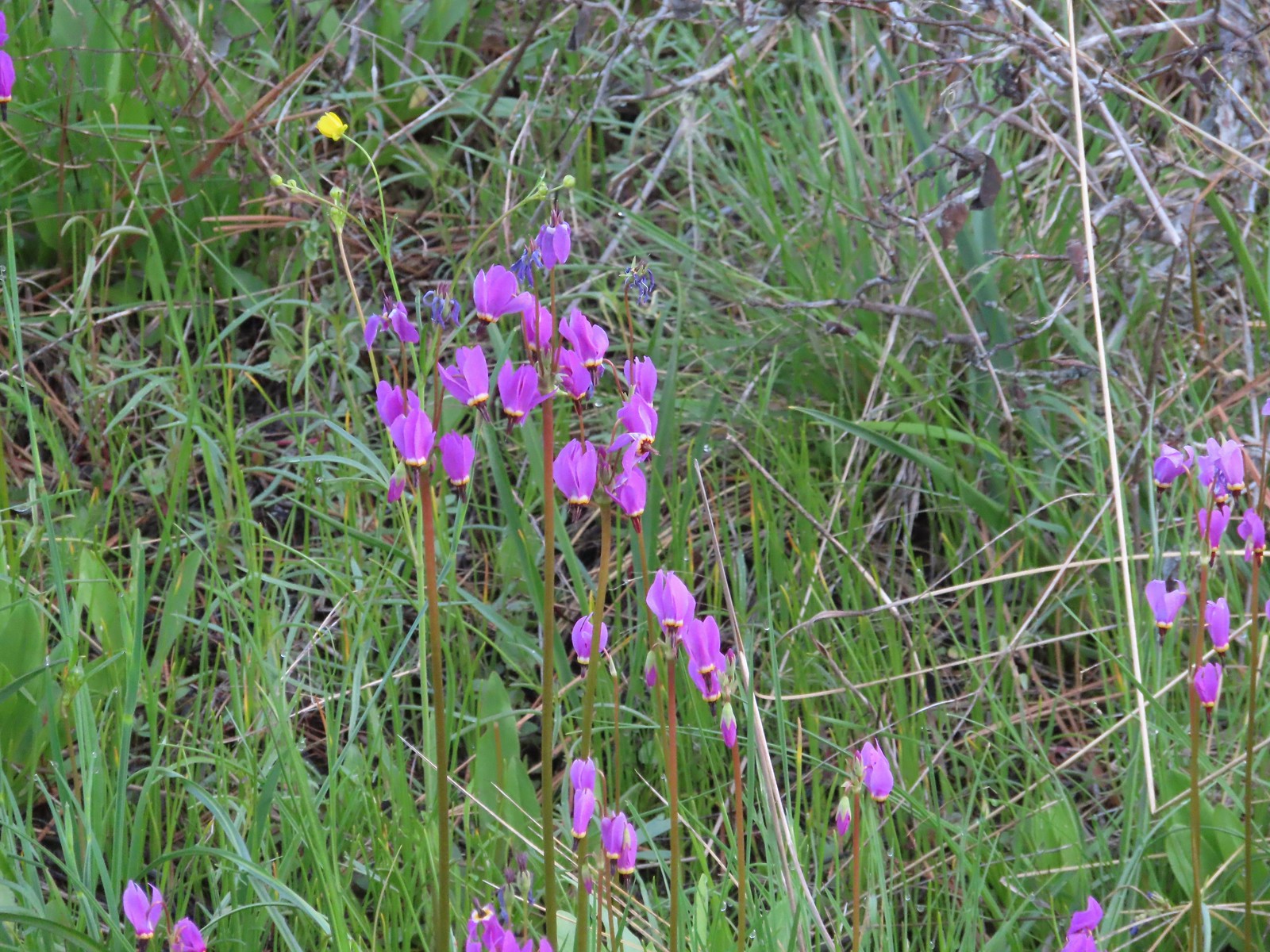 Shooting star
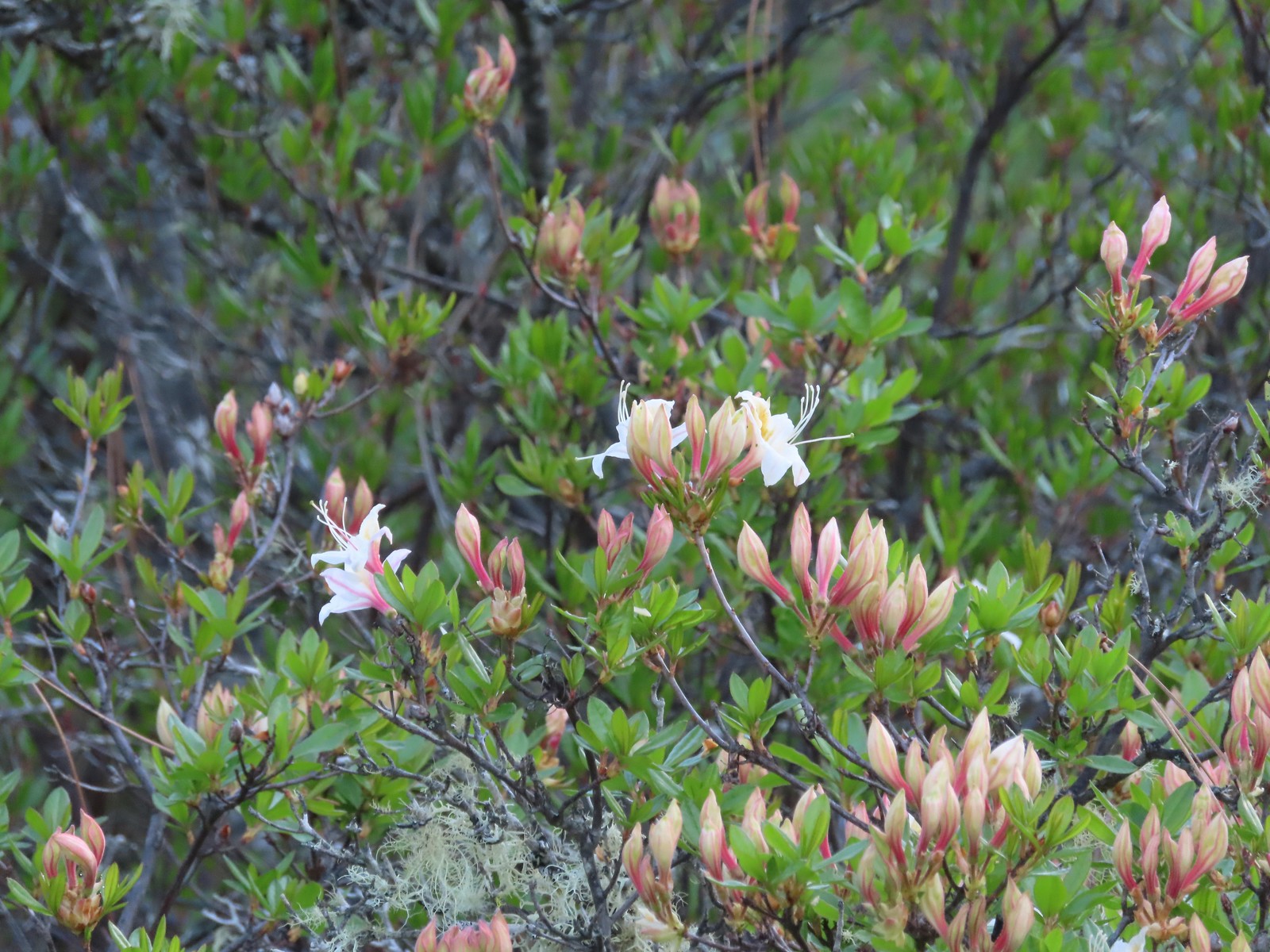 Western azalea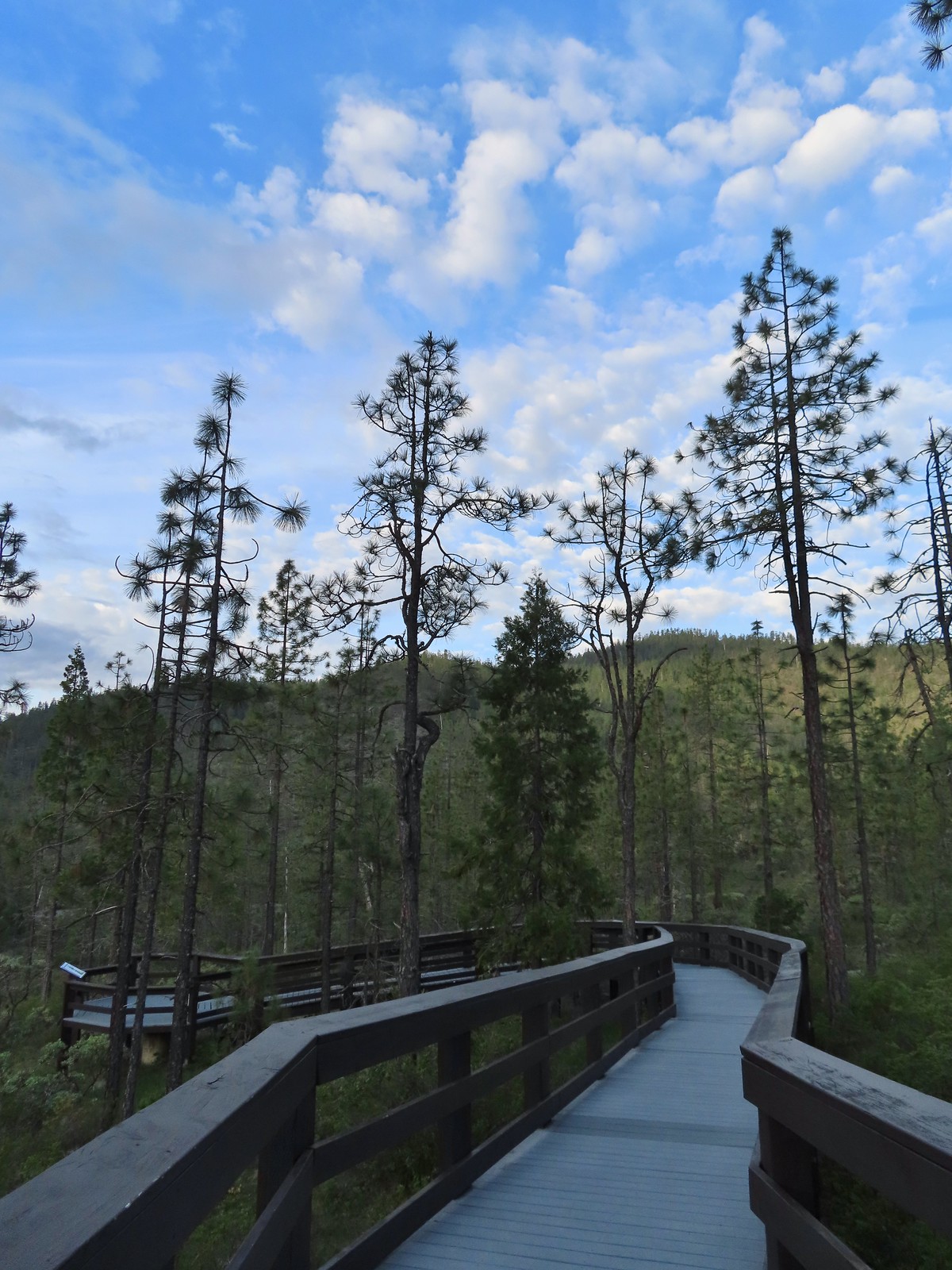
 The fen at the end of the boardwalk.
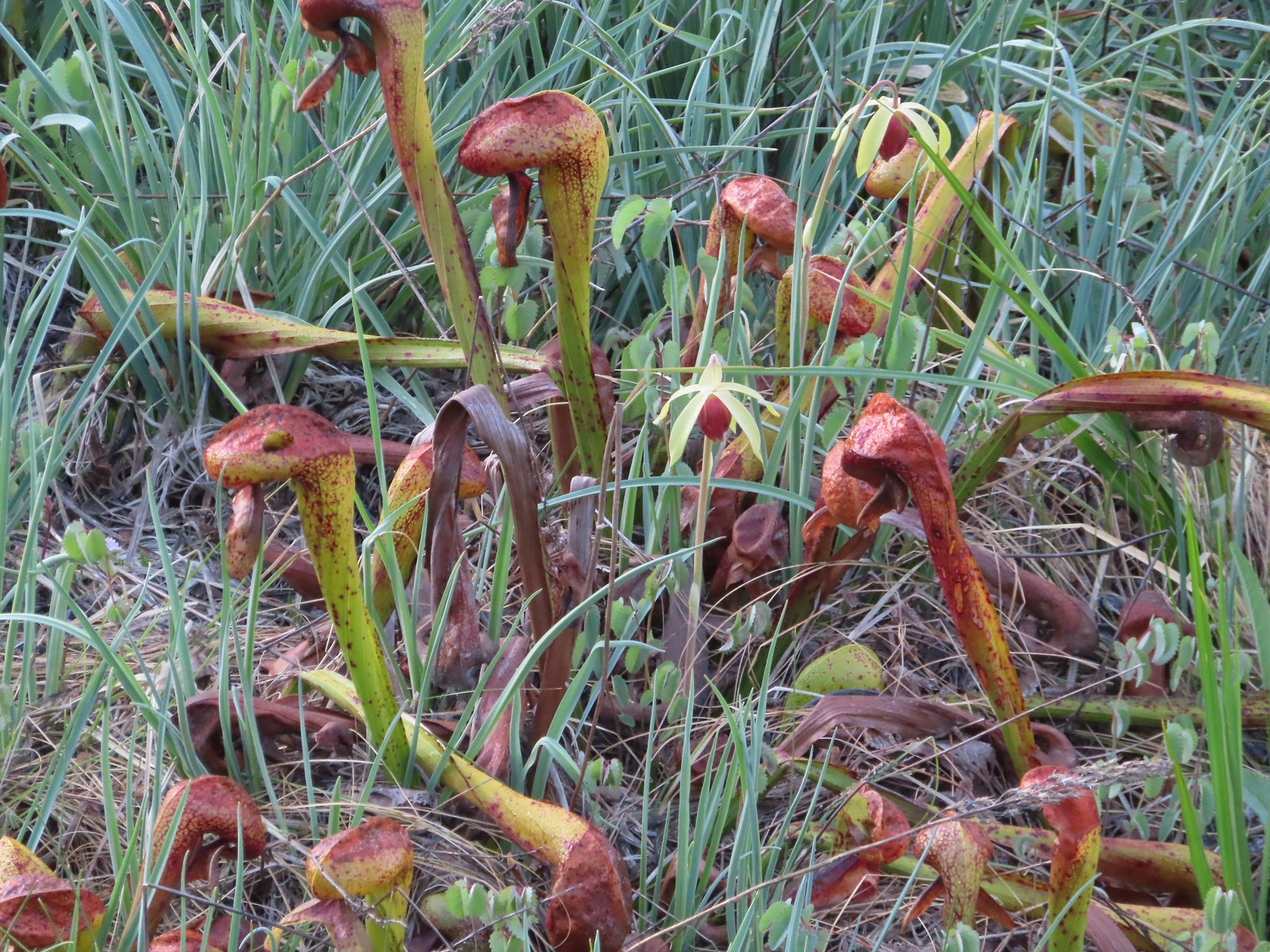 A darlingtonia blossom.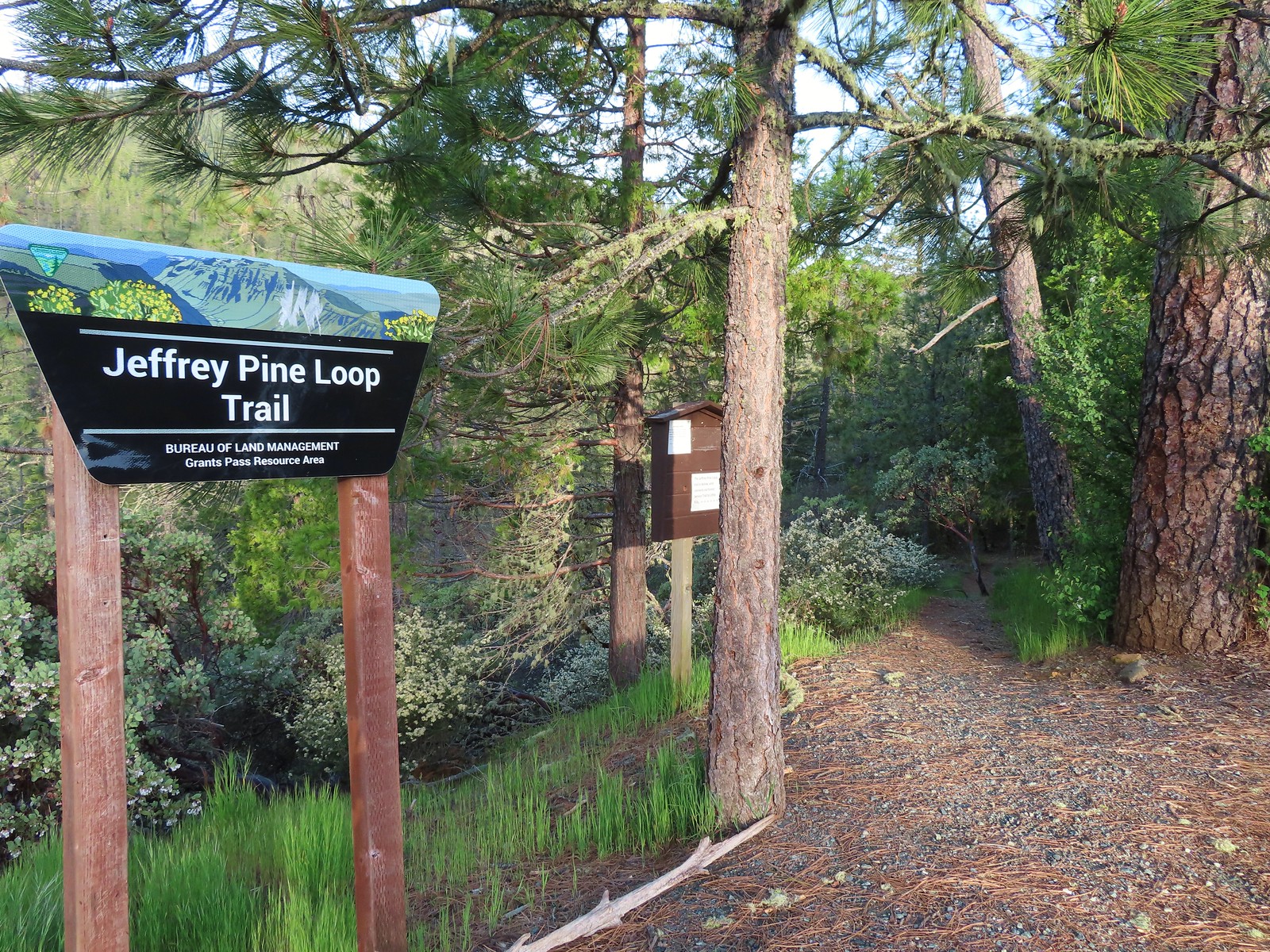
 We stayed right at this junction just below the trailhead. There is a 0.5-mile loop option which we planned on skipping.
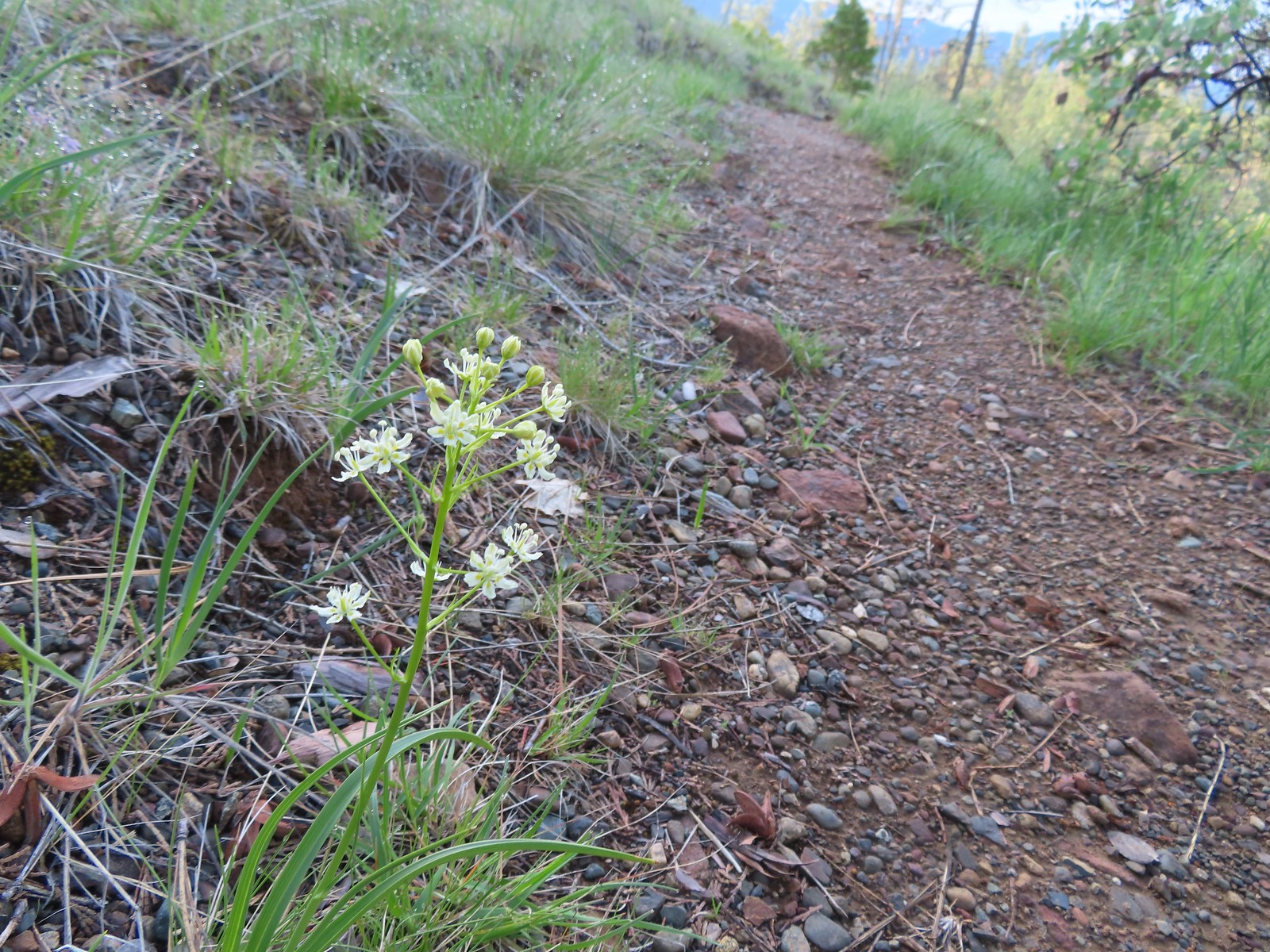 Death camas
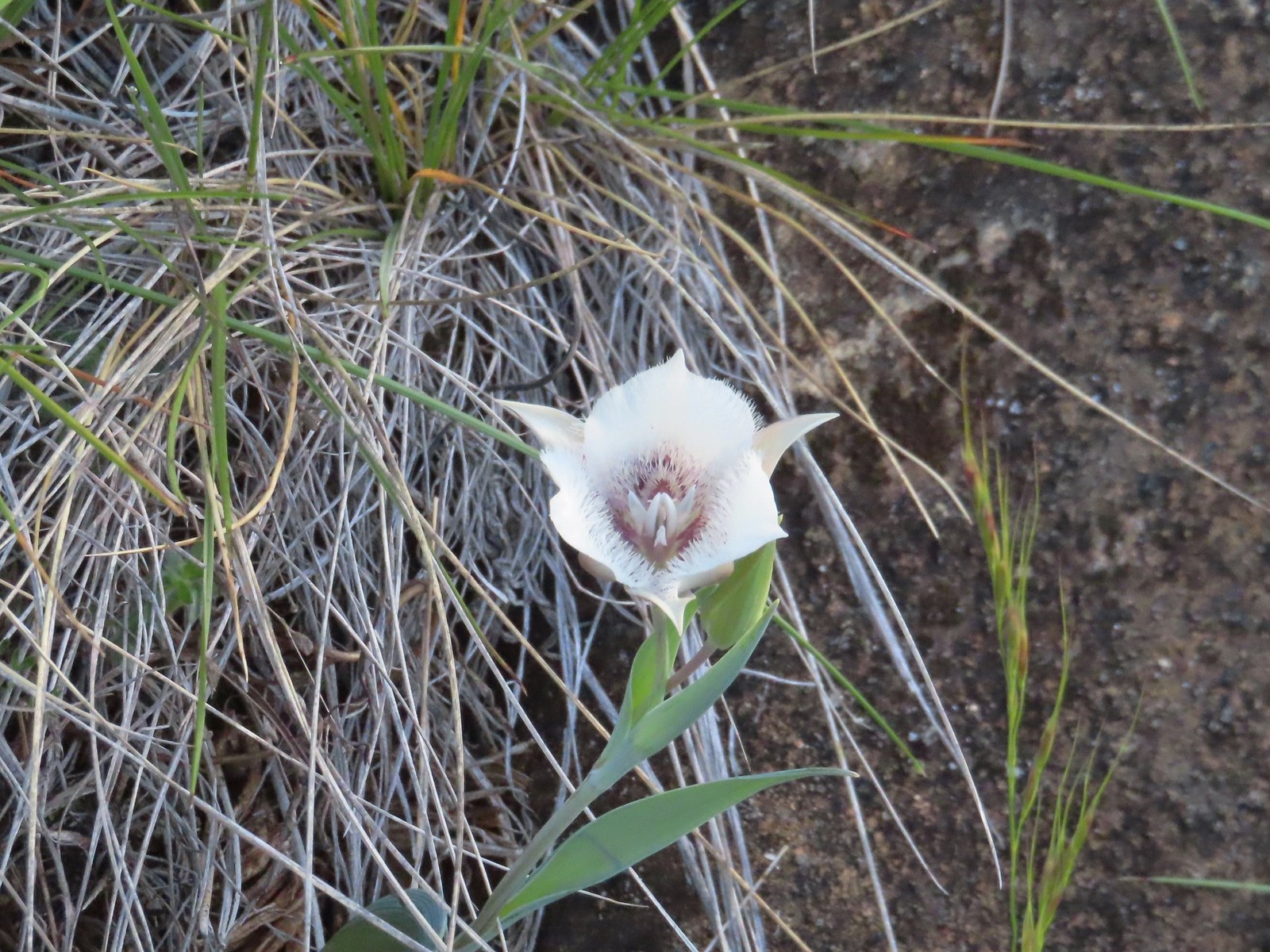 Mariposa lily
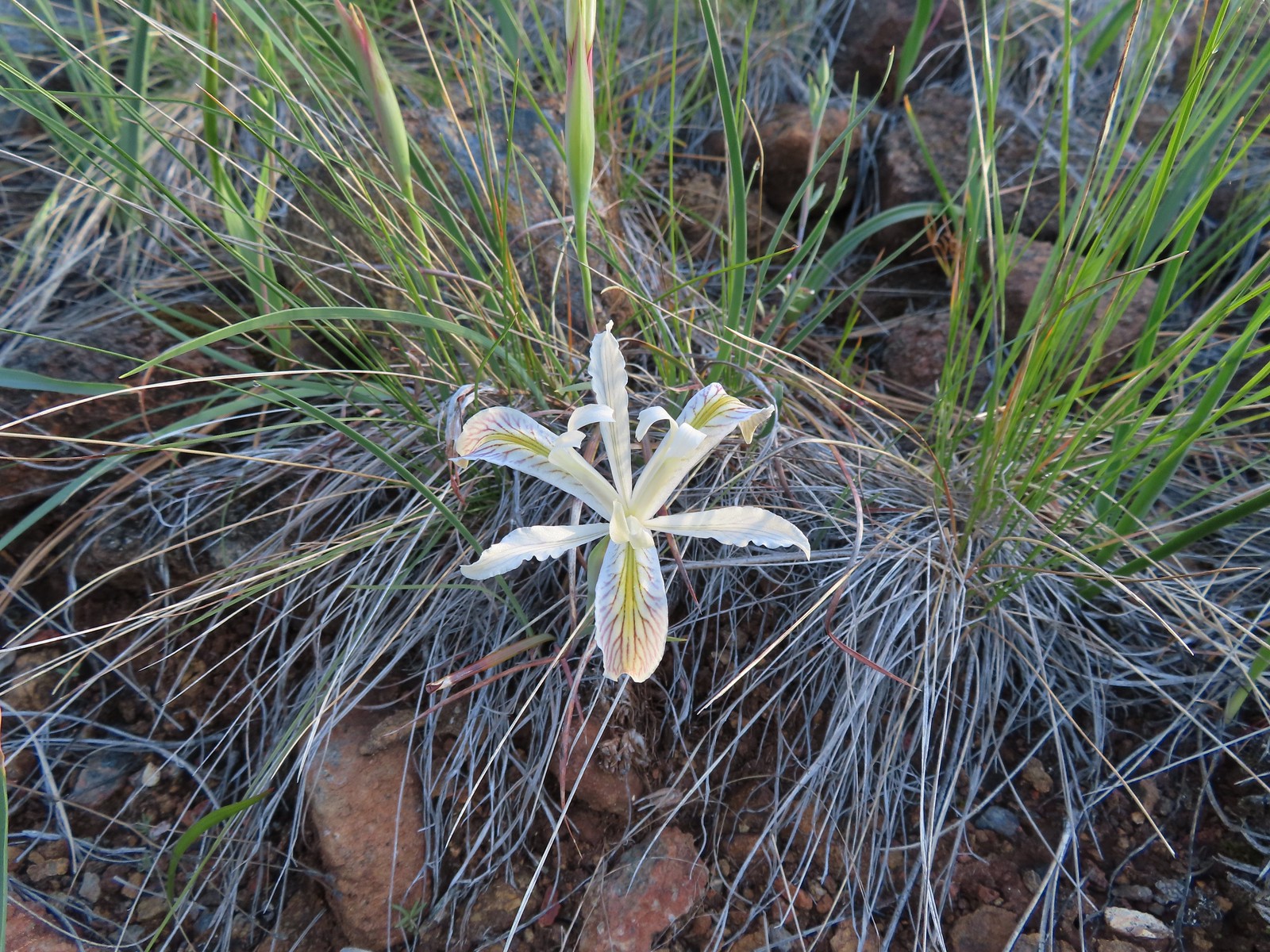 Yellow leaf iris
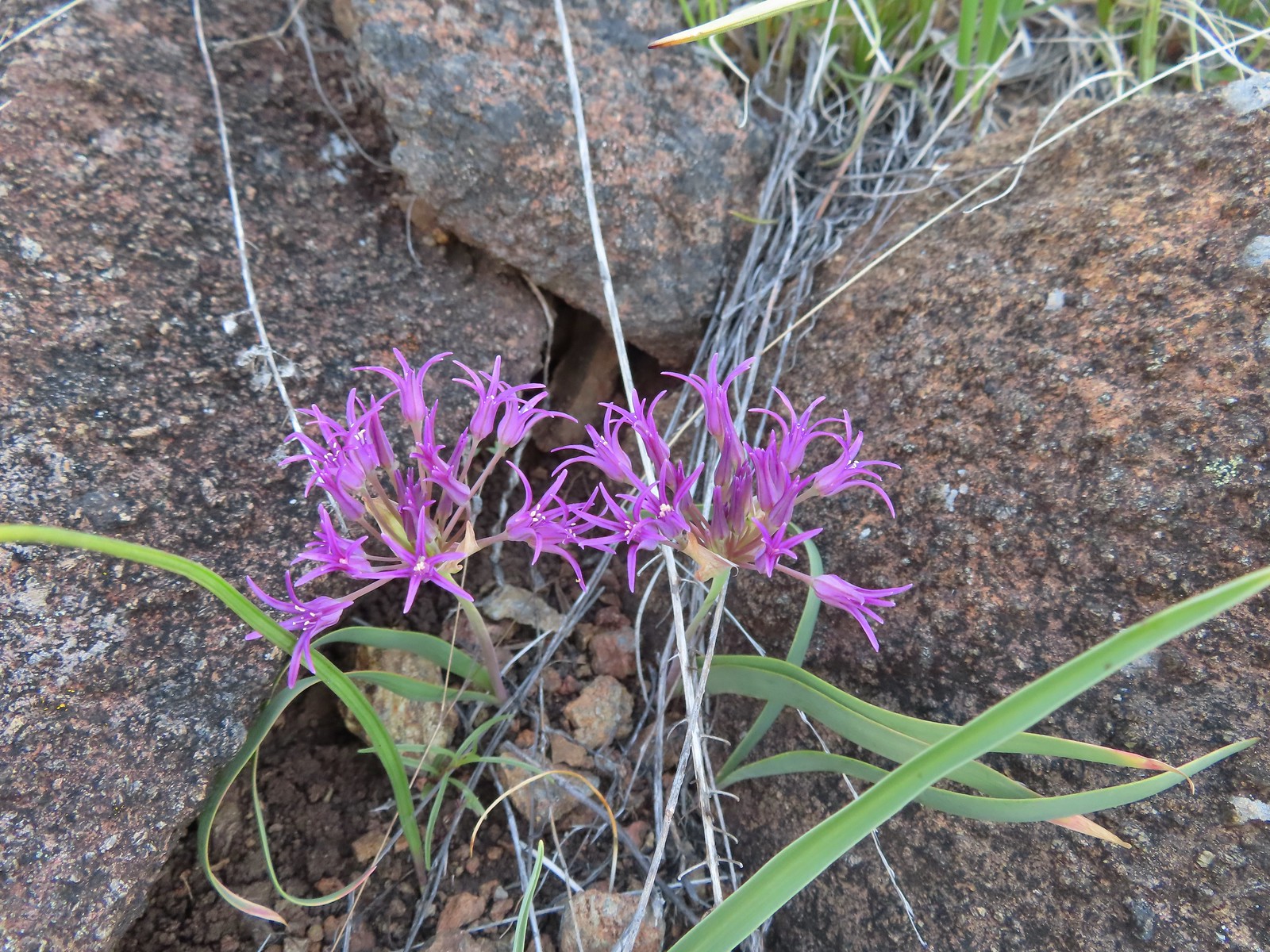 Coast flat stem onion
 Heather picked up a tick passing through the grass on the hillside.

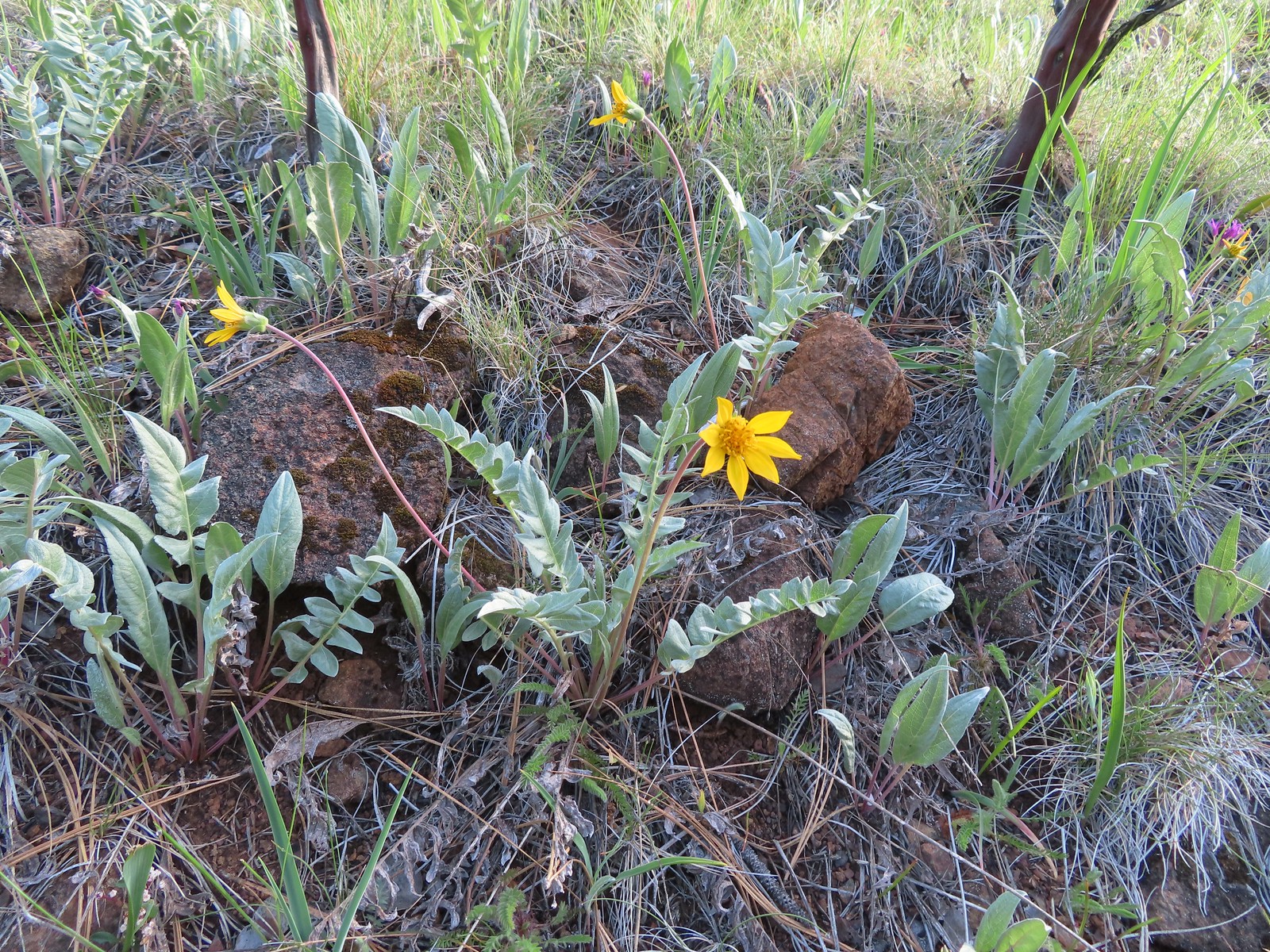 Silky balsamroot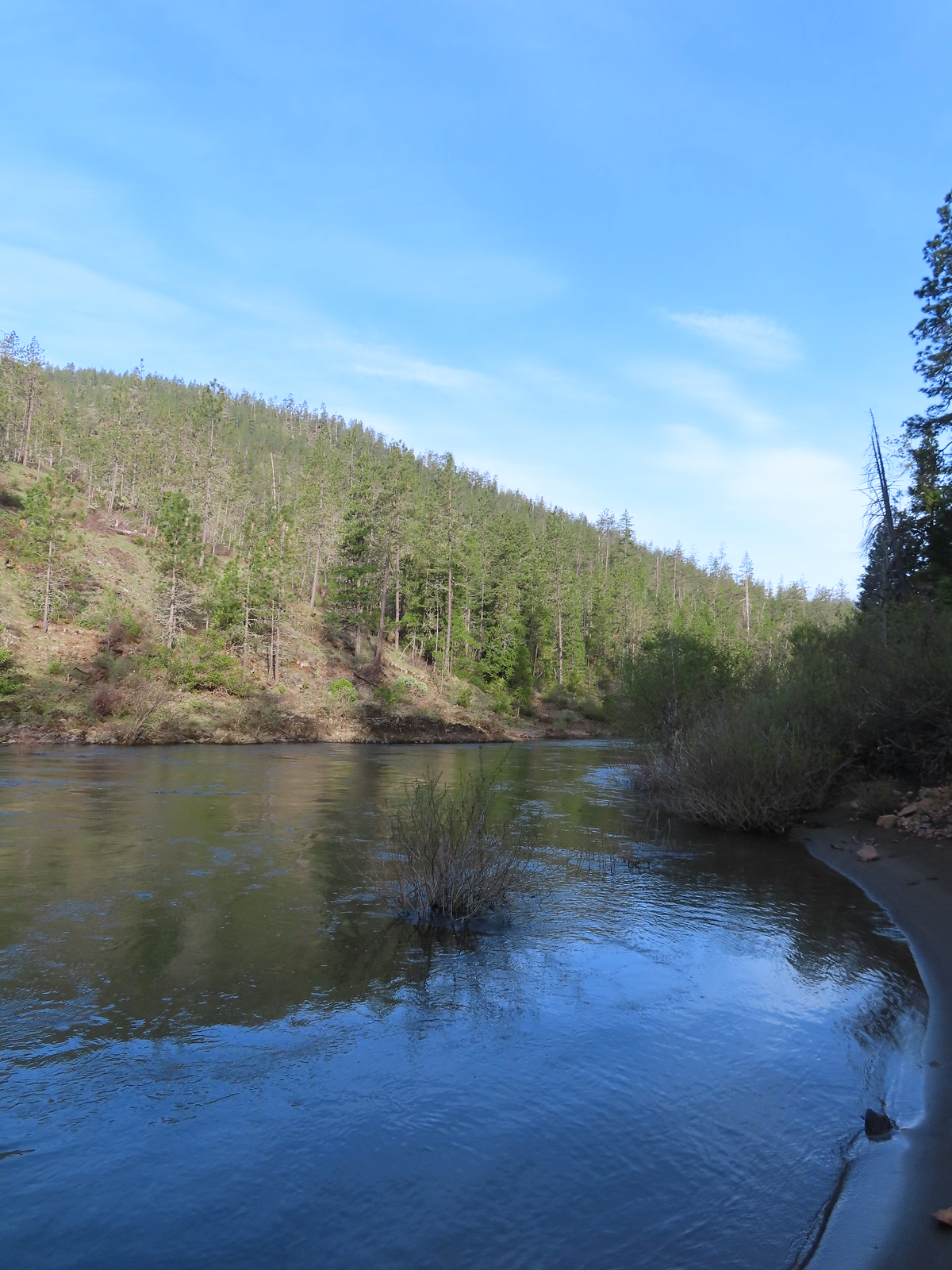
 The trail as we started up the hillside.
 Checker lily
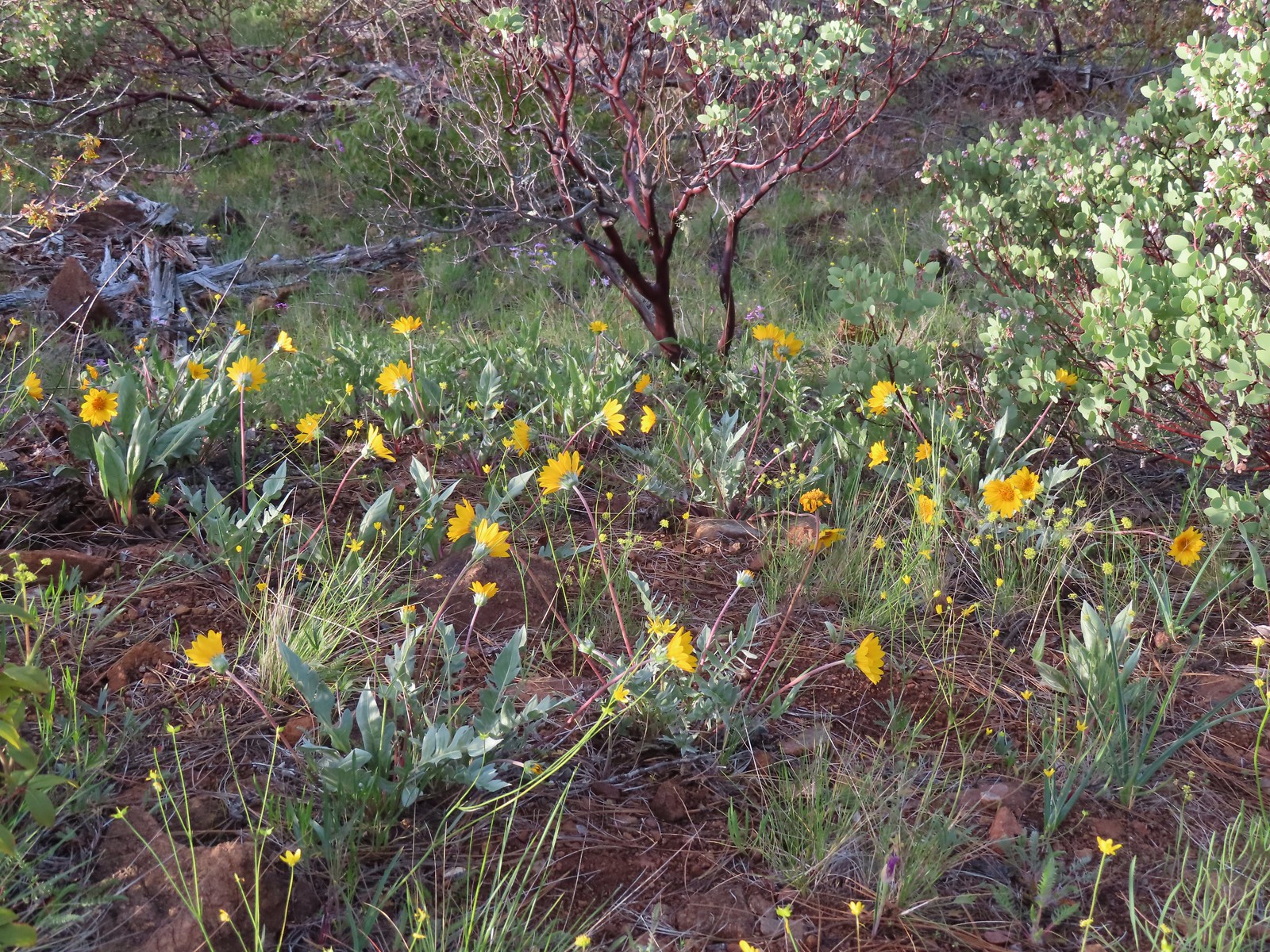 Silky balsamroot and buttercups
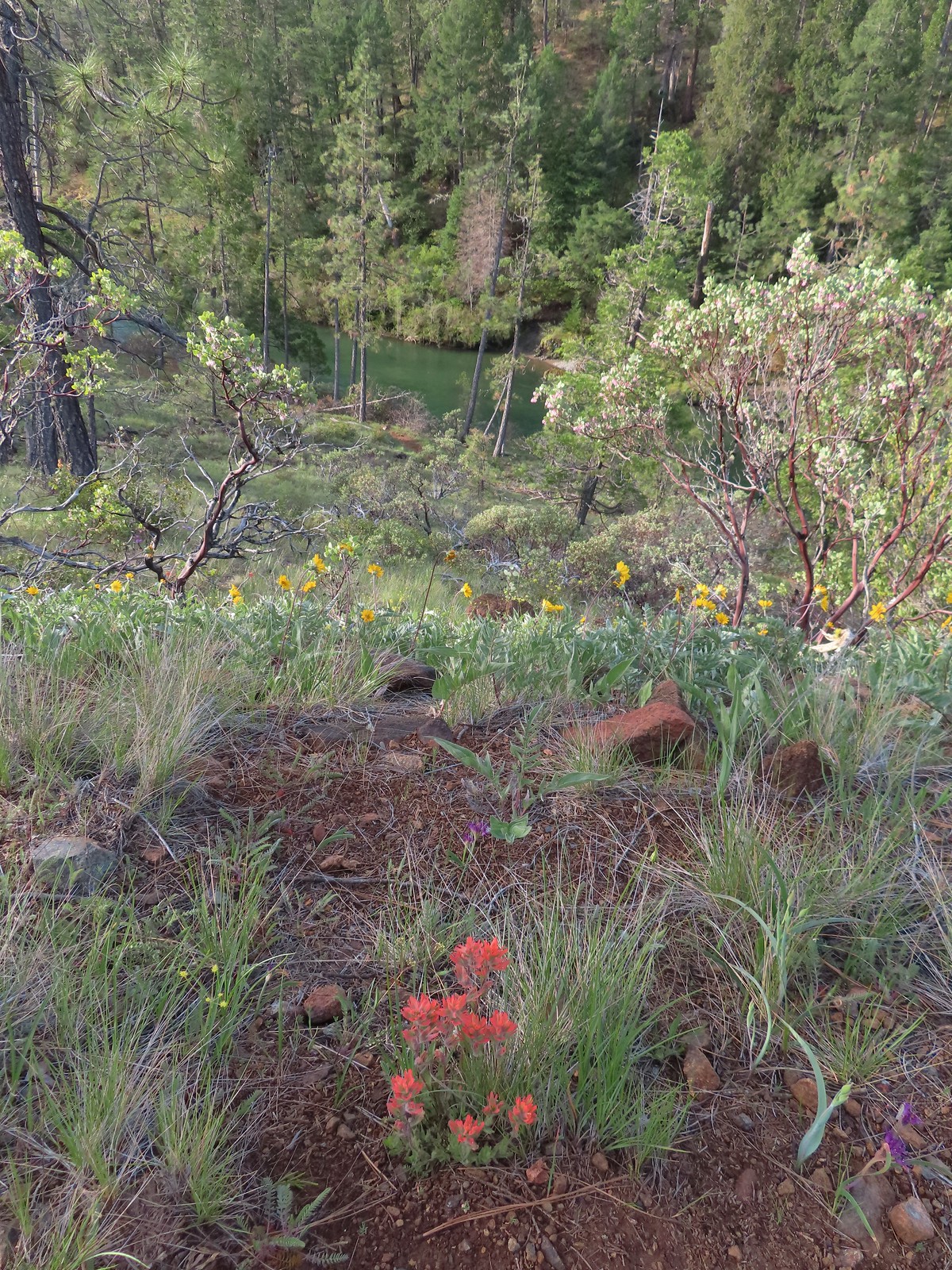 Paintbrush and silky balsamroot with the Illinois River below.
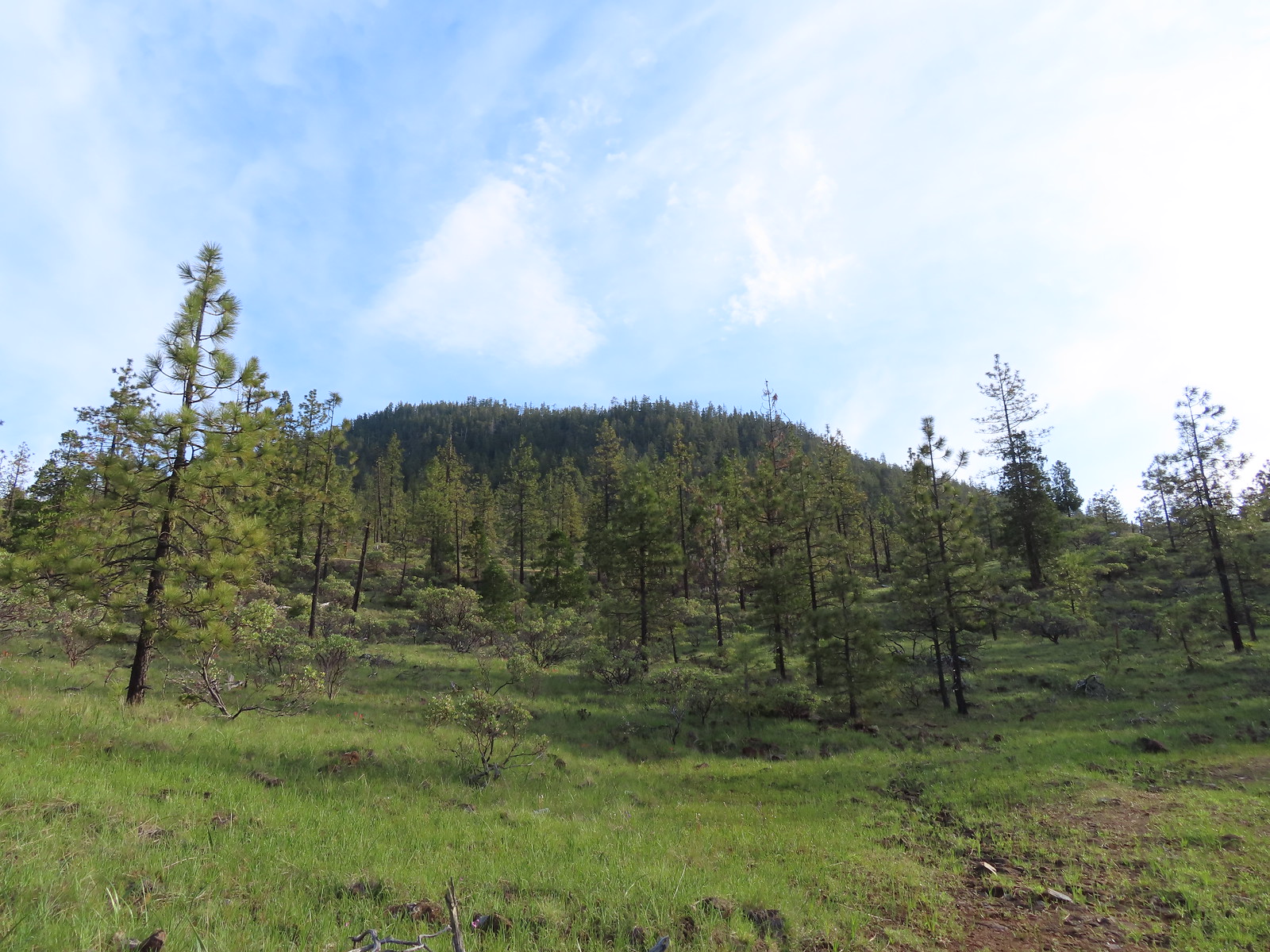 Eight Dollar Mountain from the roadbed.
 We saw a lot of these getting ready to bloom but none actually blooming. Really curious as to what they are.
 Western azalea
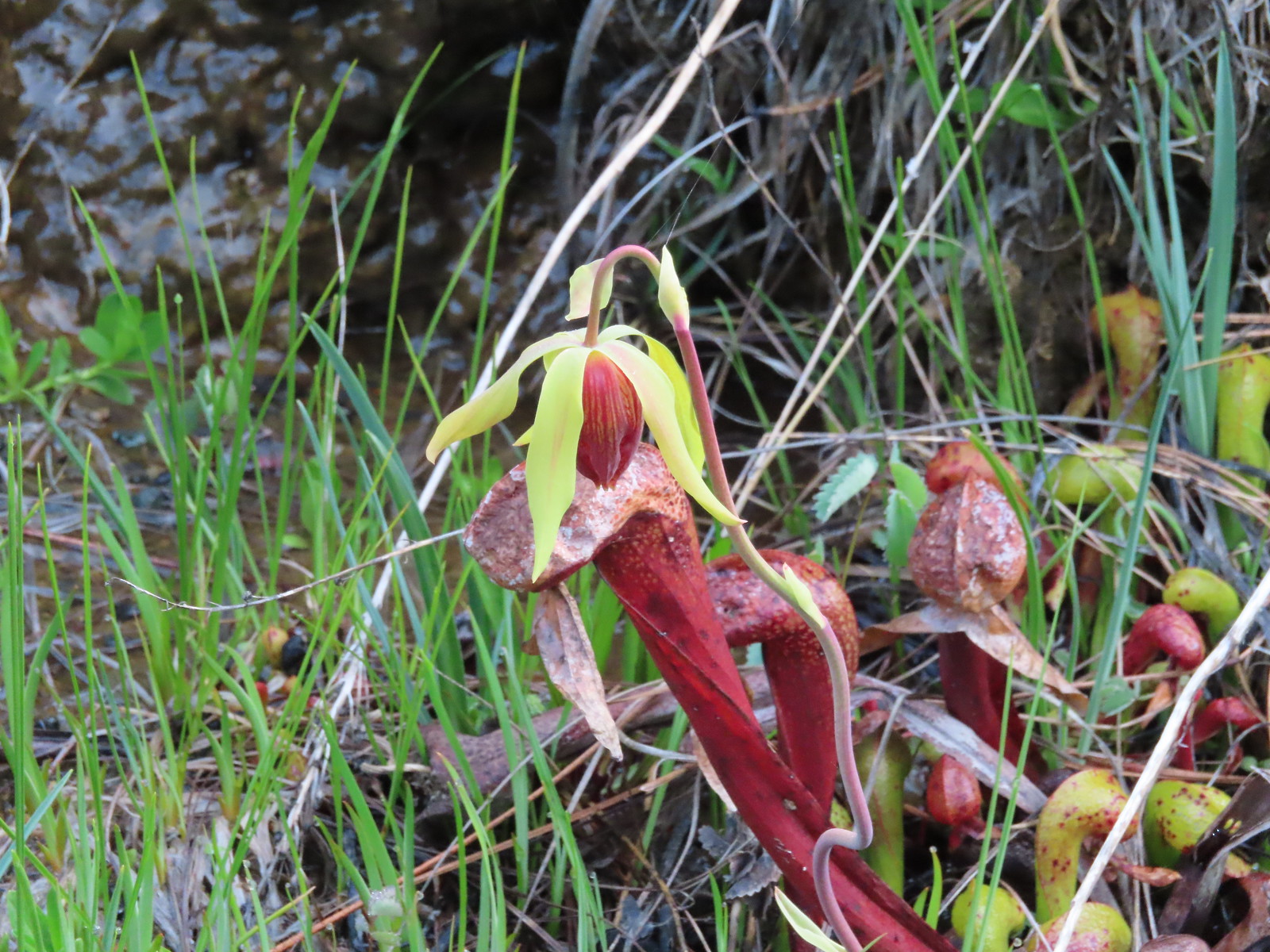 A closer look at a darlingtonia blossom.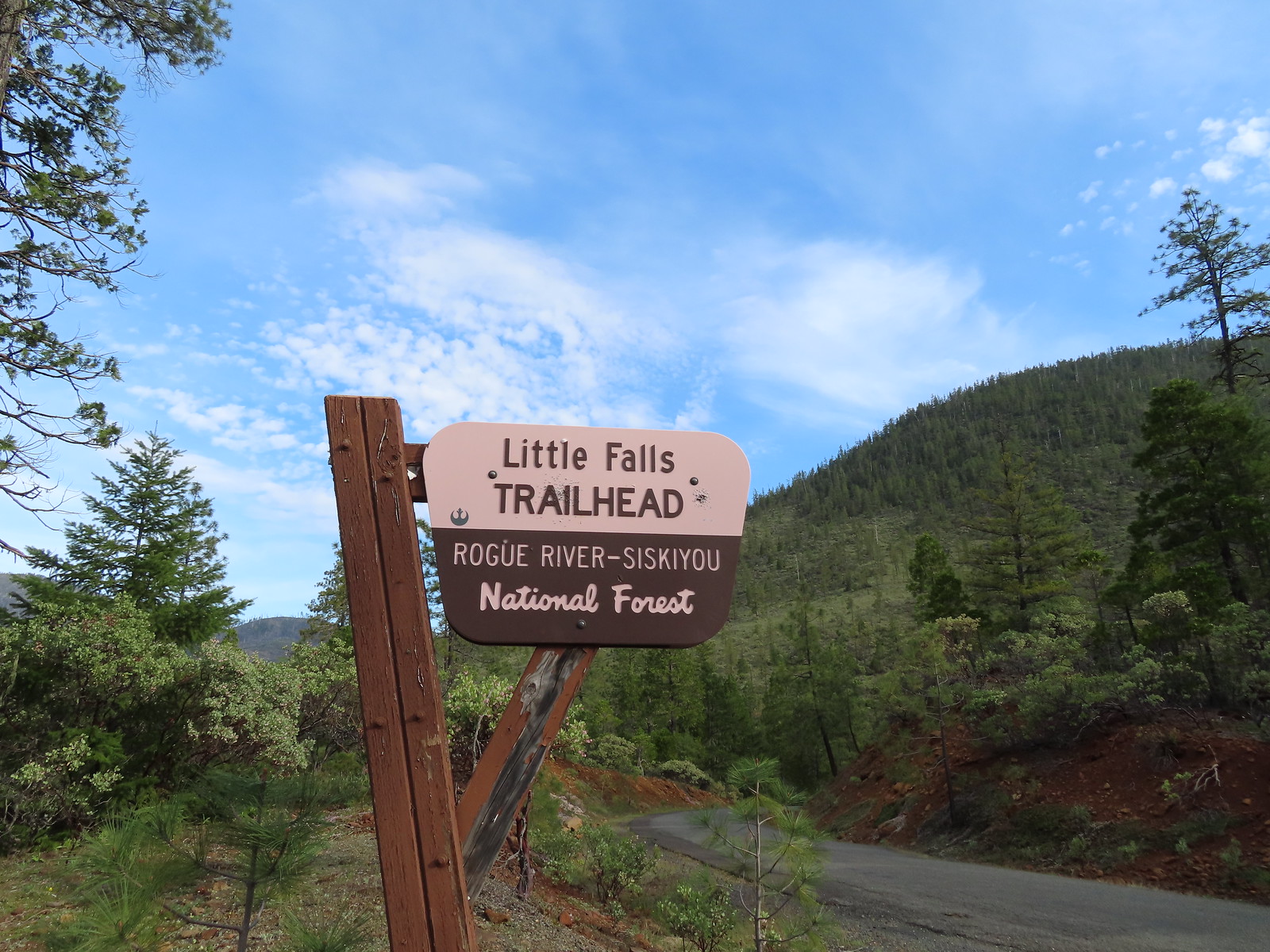


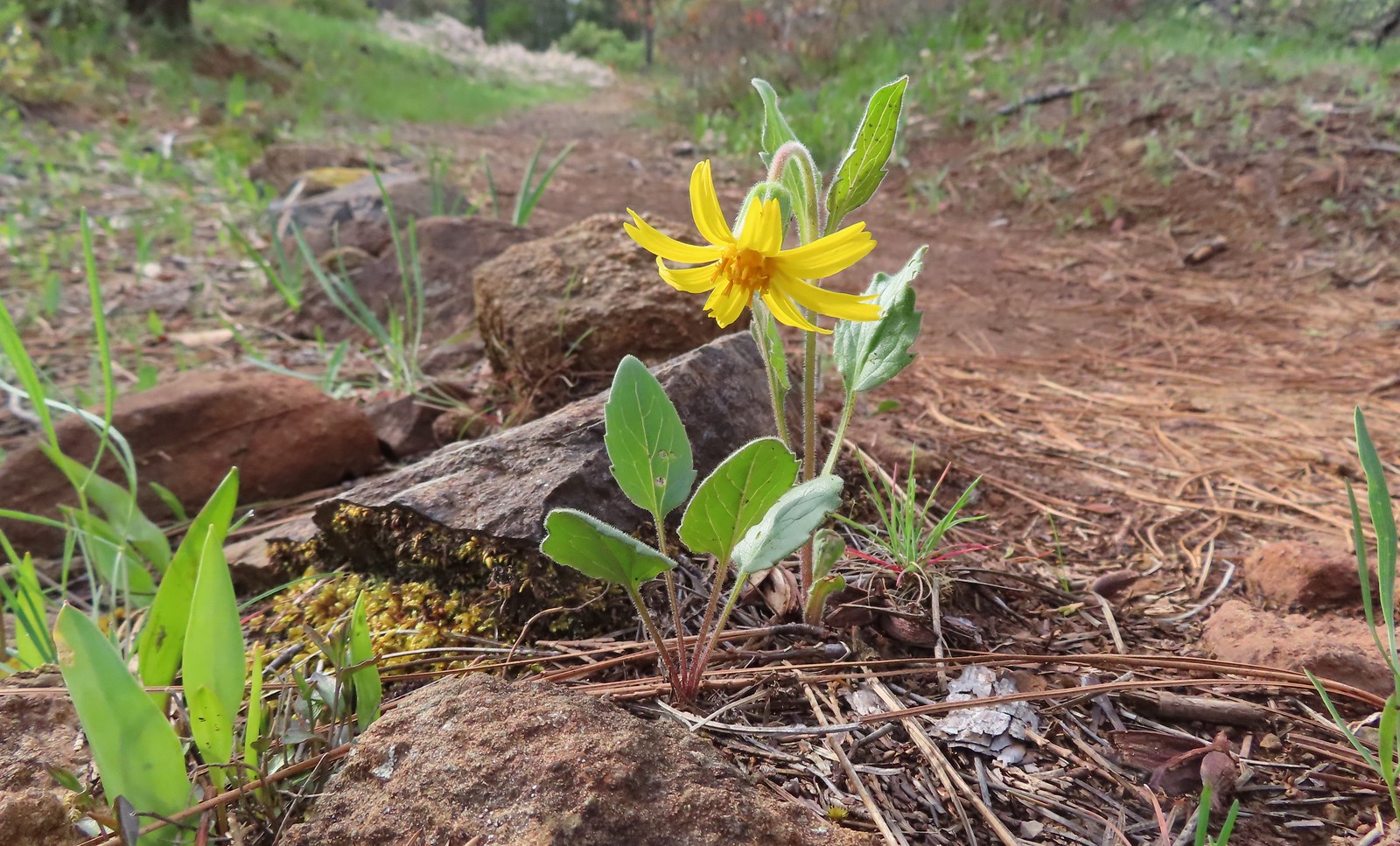 Serpentine arnica
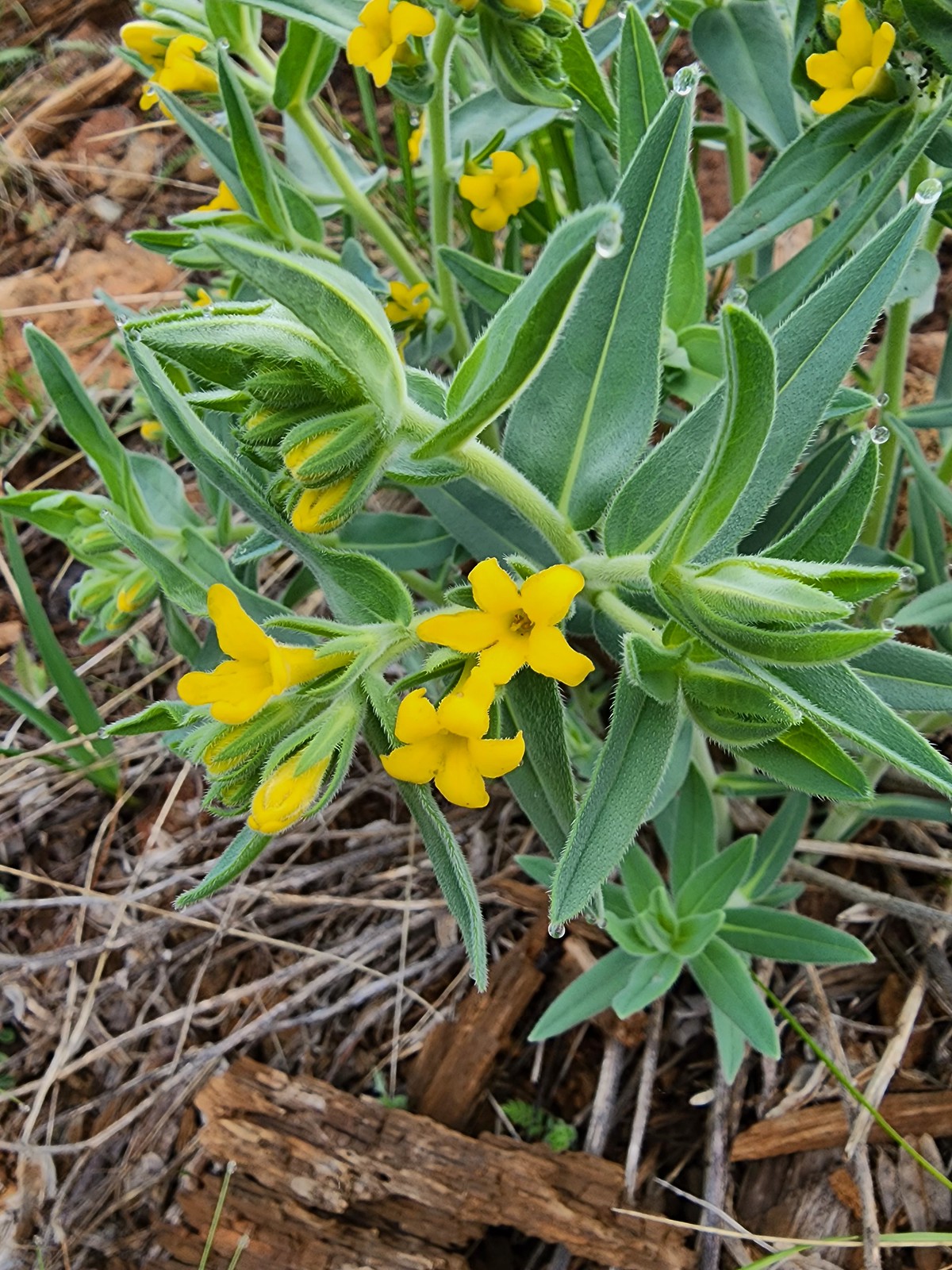 California gromwell
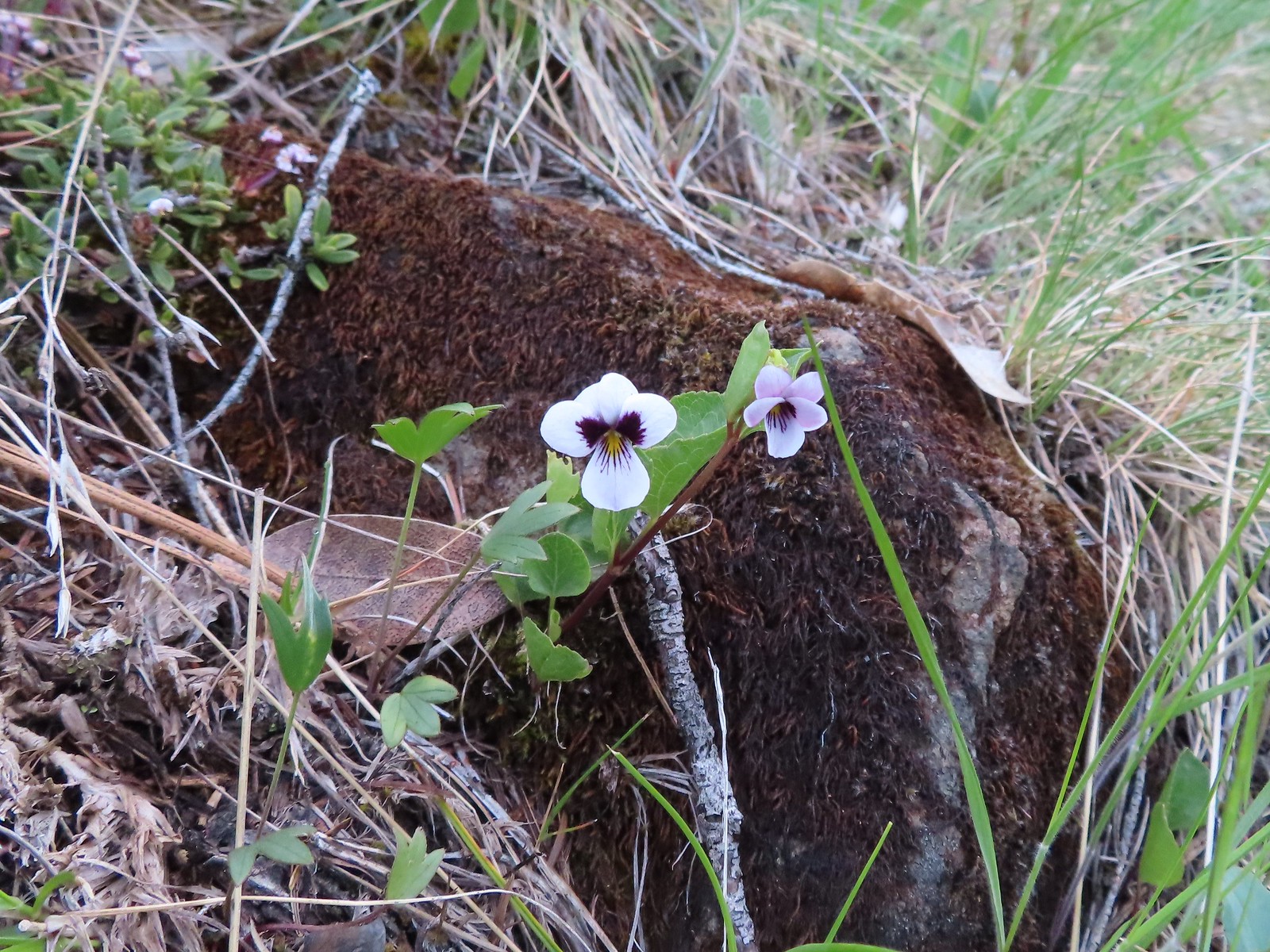 Wedgeleaf violet
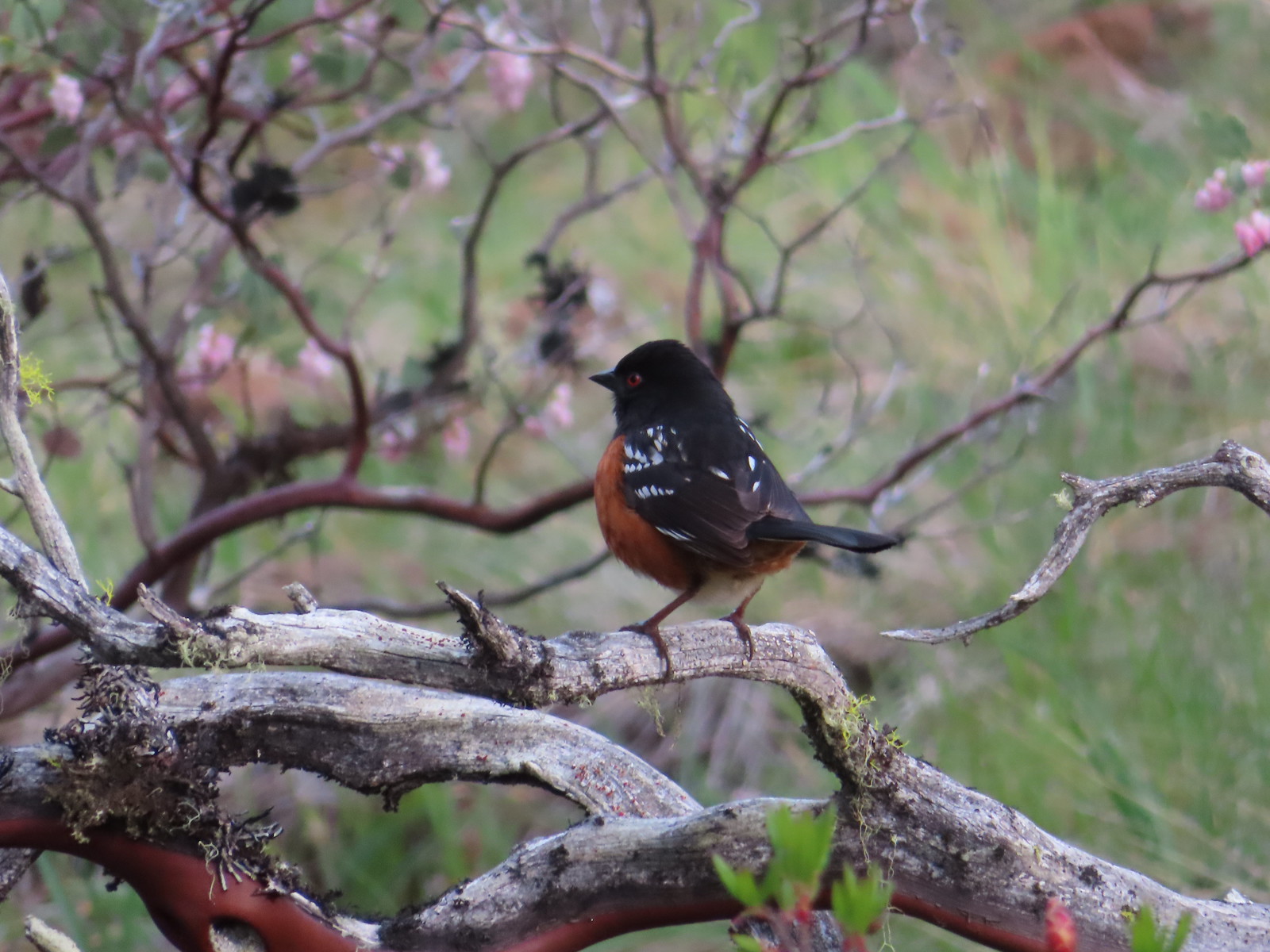 Spotted towhee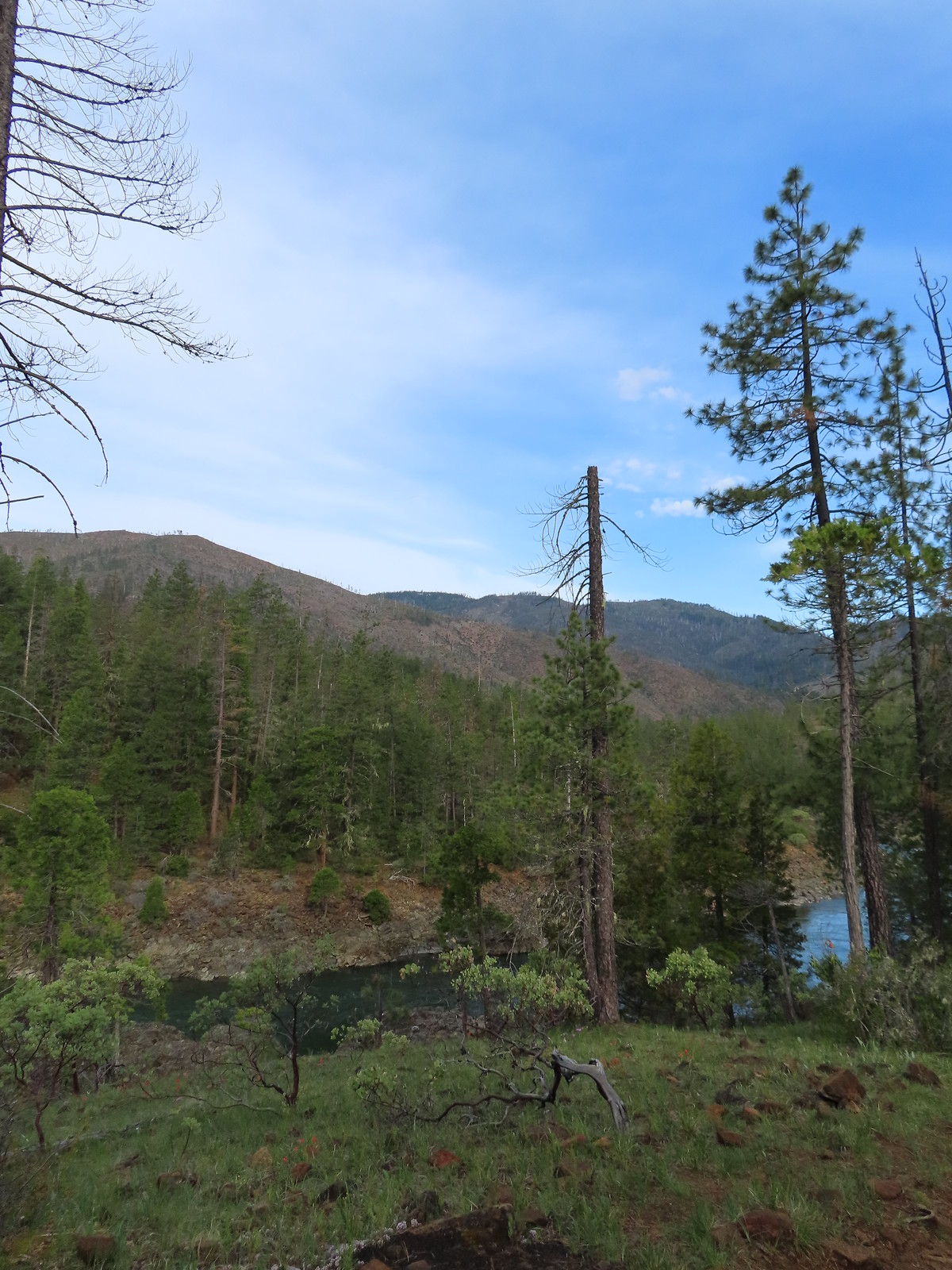
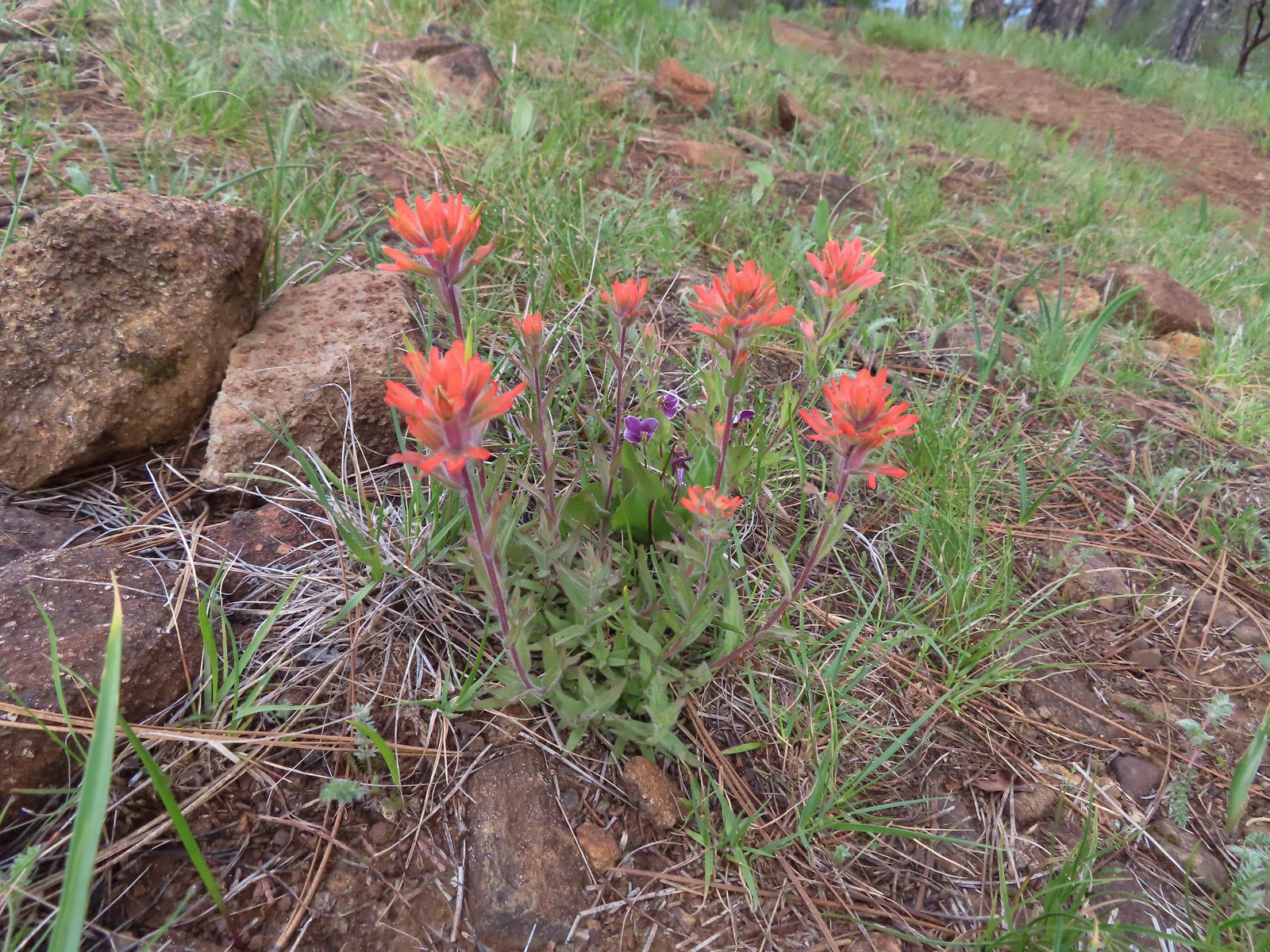 Paintbrush and violets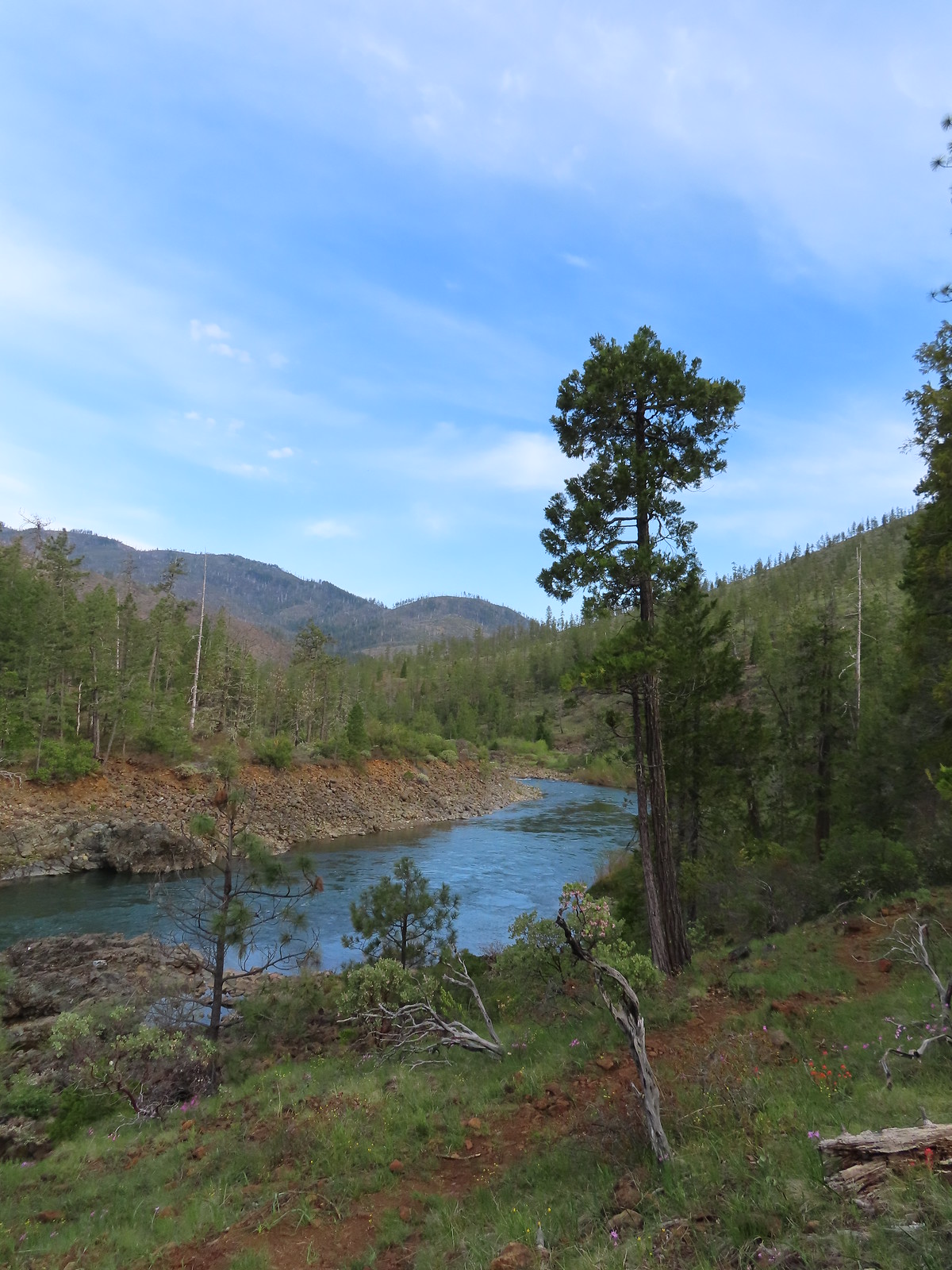
 Narrowleaf blue-eyed Mary
 Deltoid balsamroot
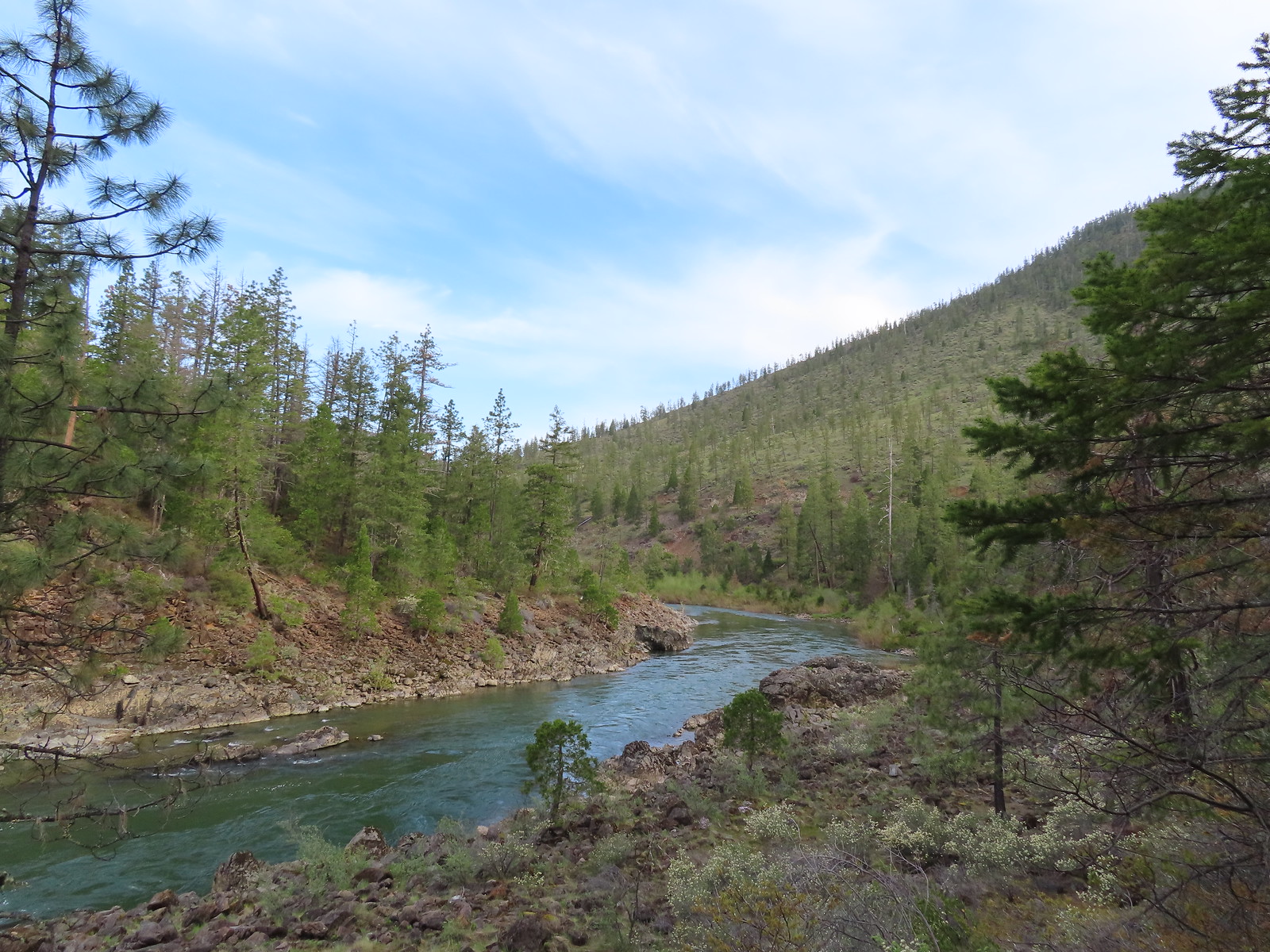 Illinois River
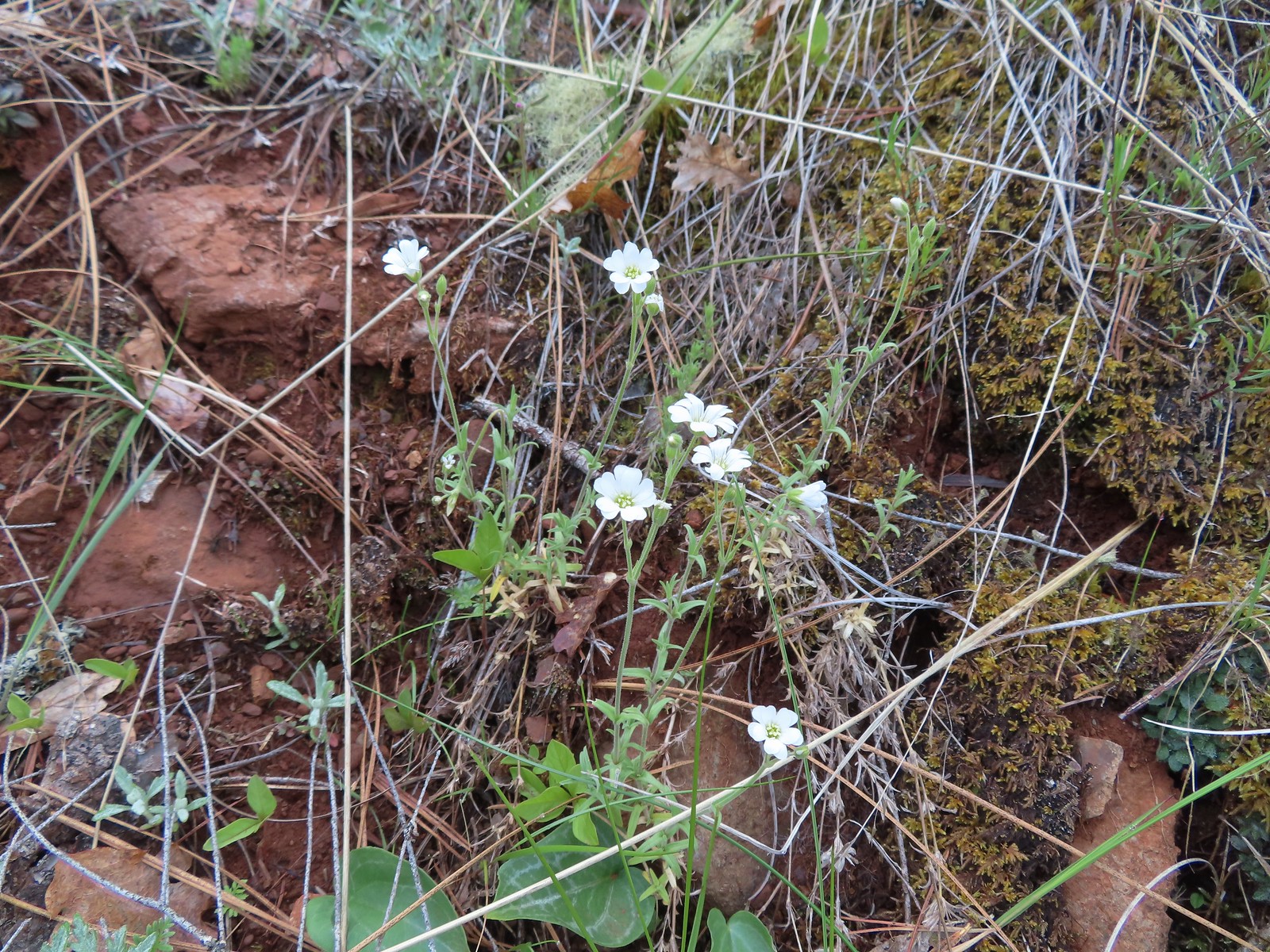 Field chickweed
 Spreading phlox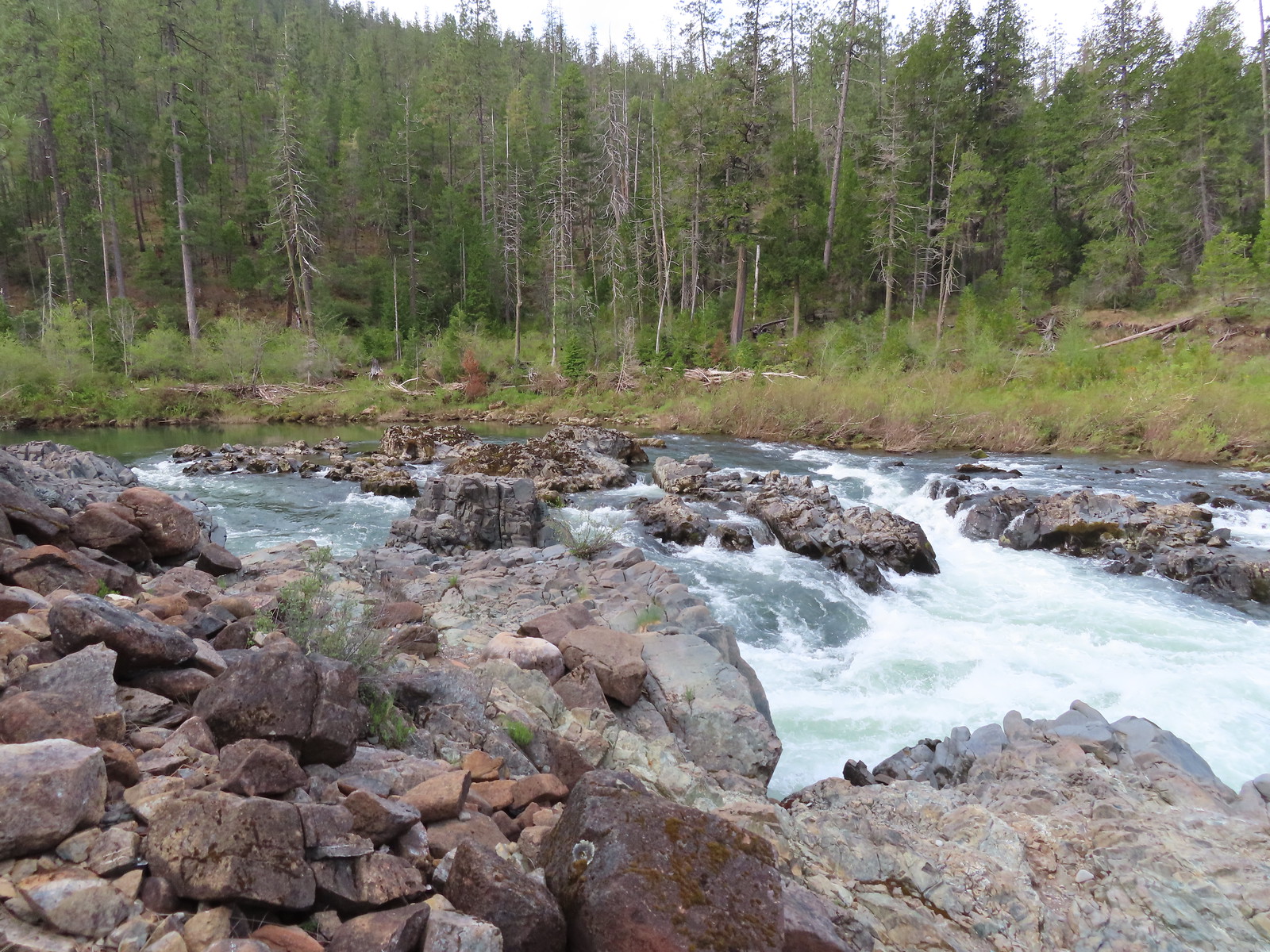
 Mallard drakes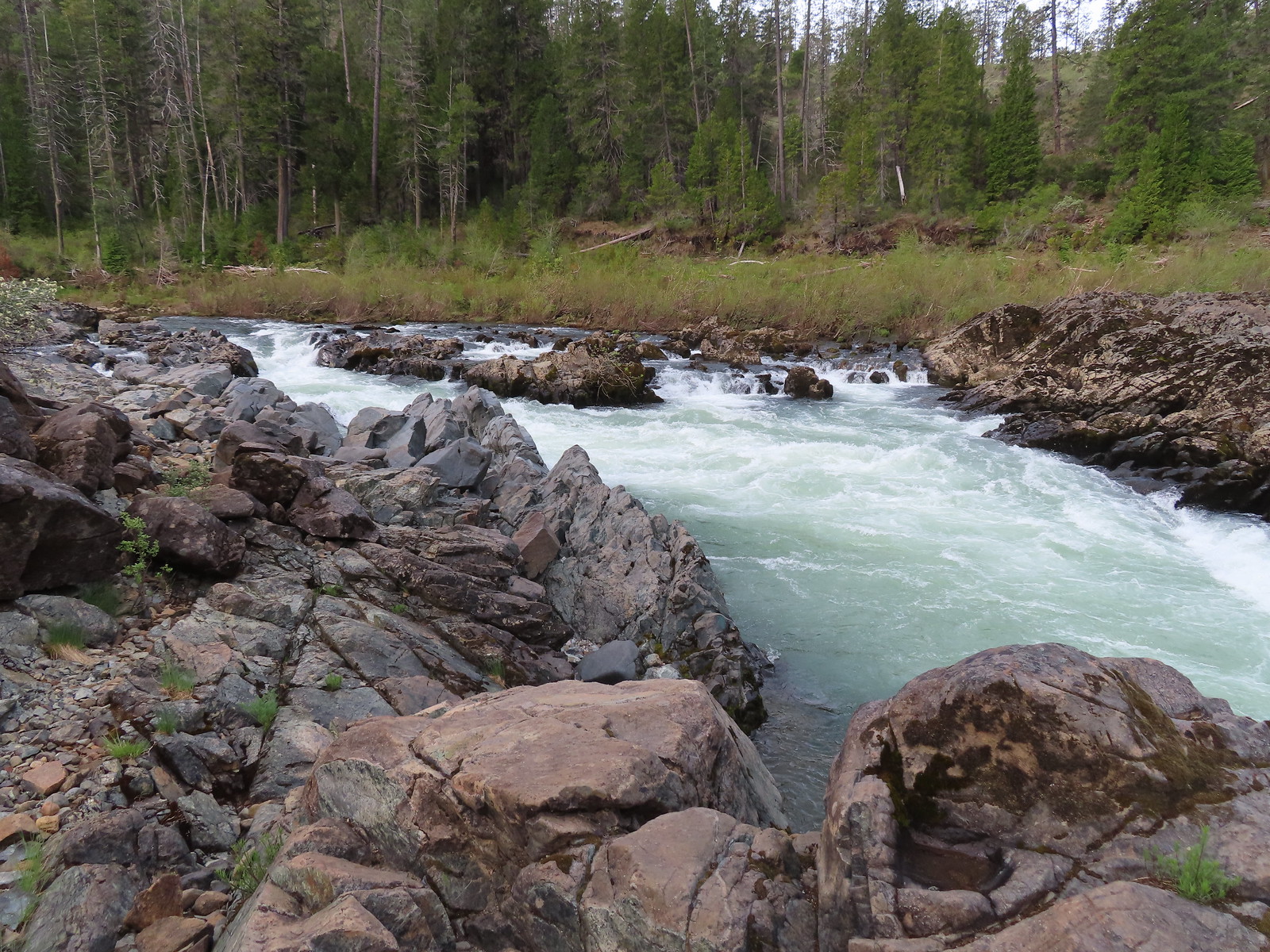
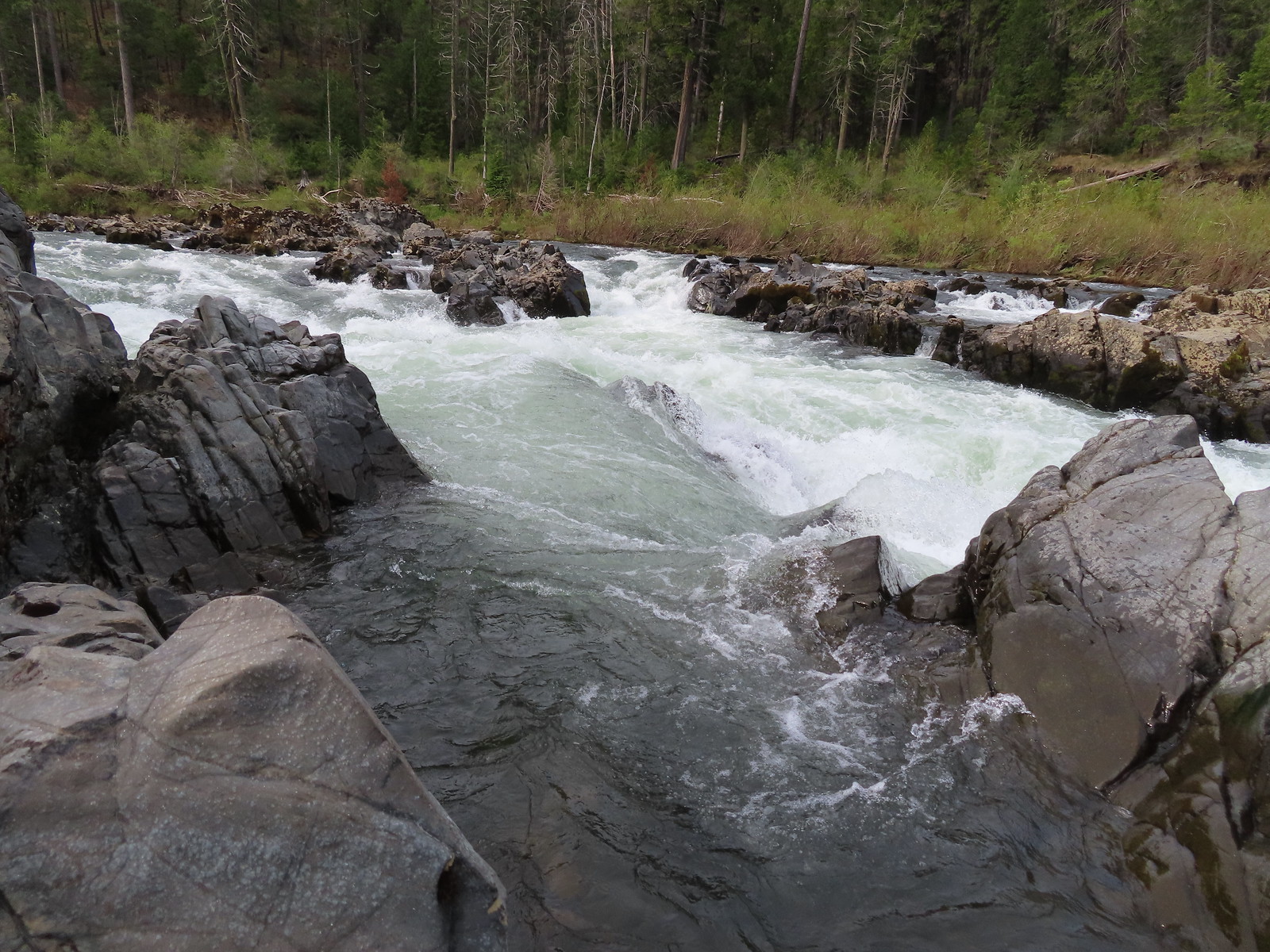
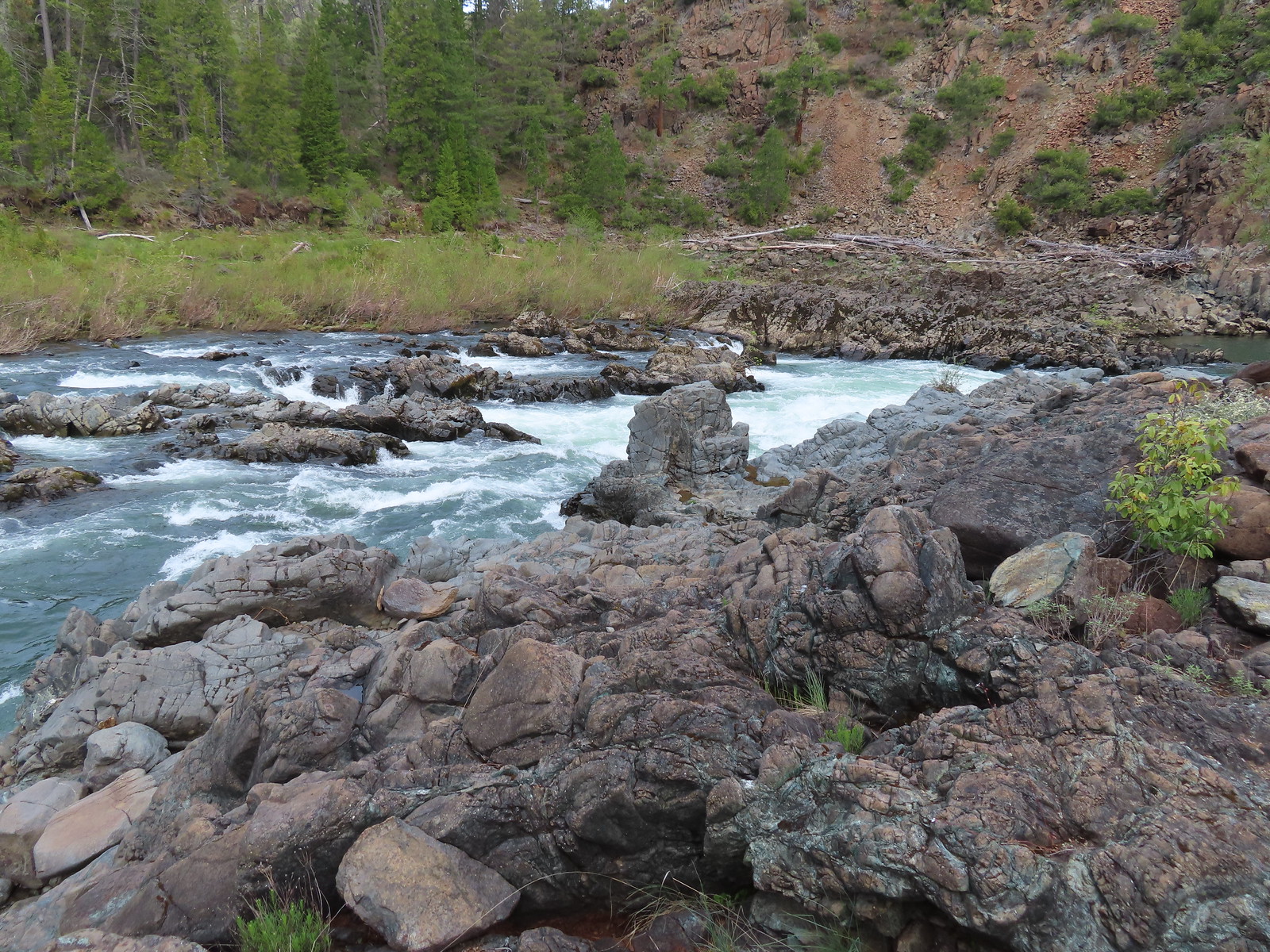
 Pool above the falls.
 Wildflowers above the trail.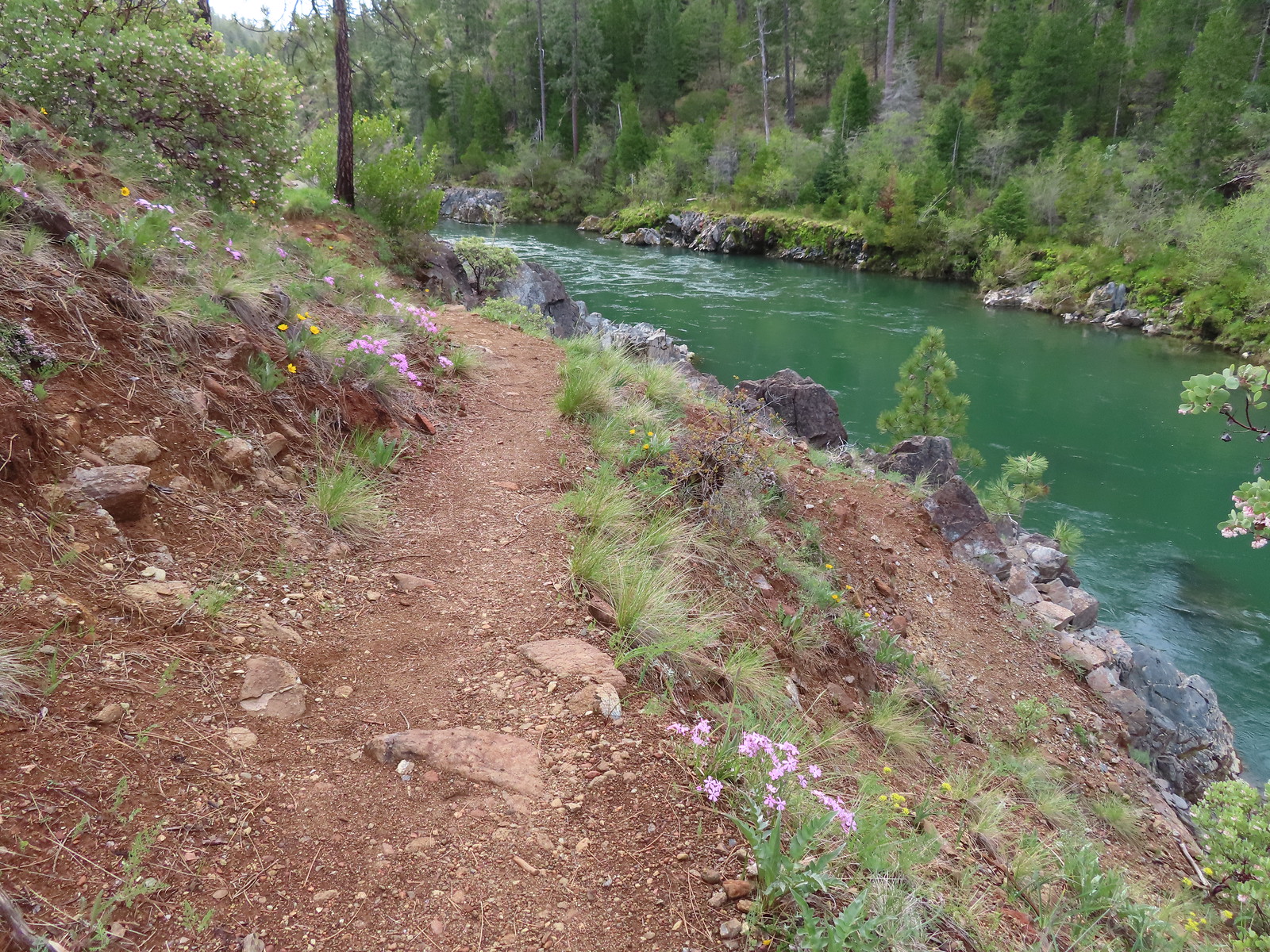

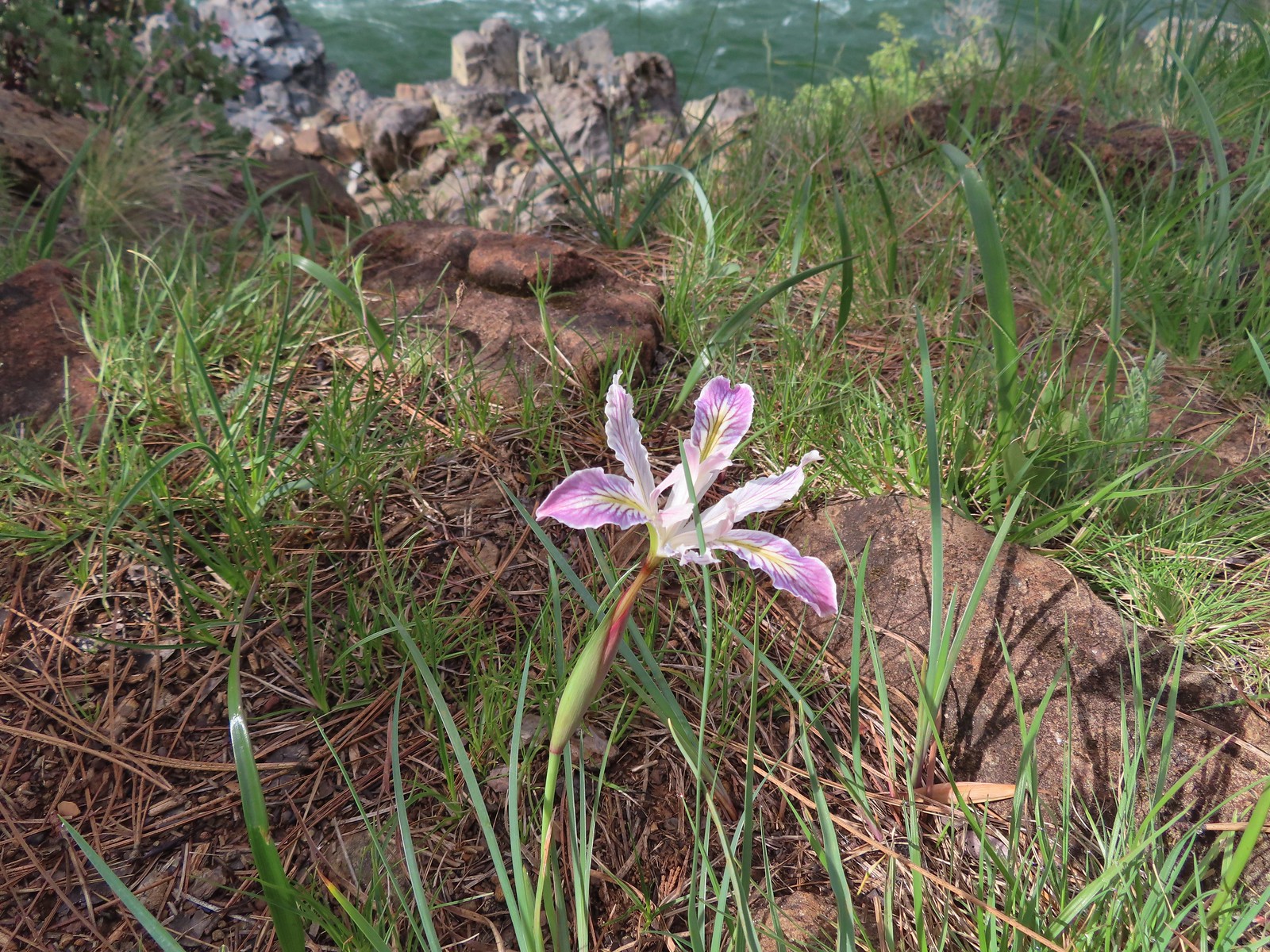 Interesting colors on this iris.
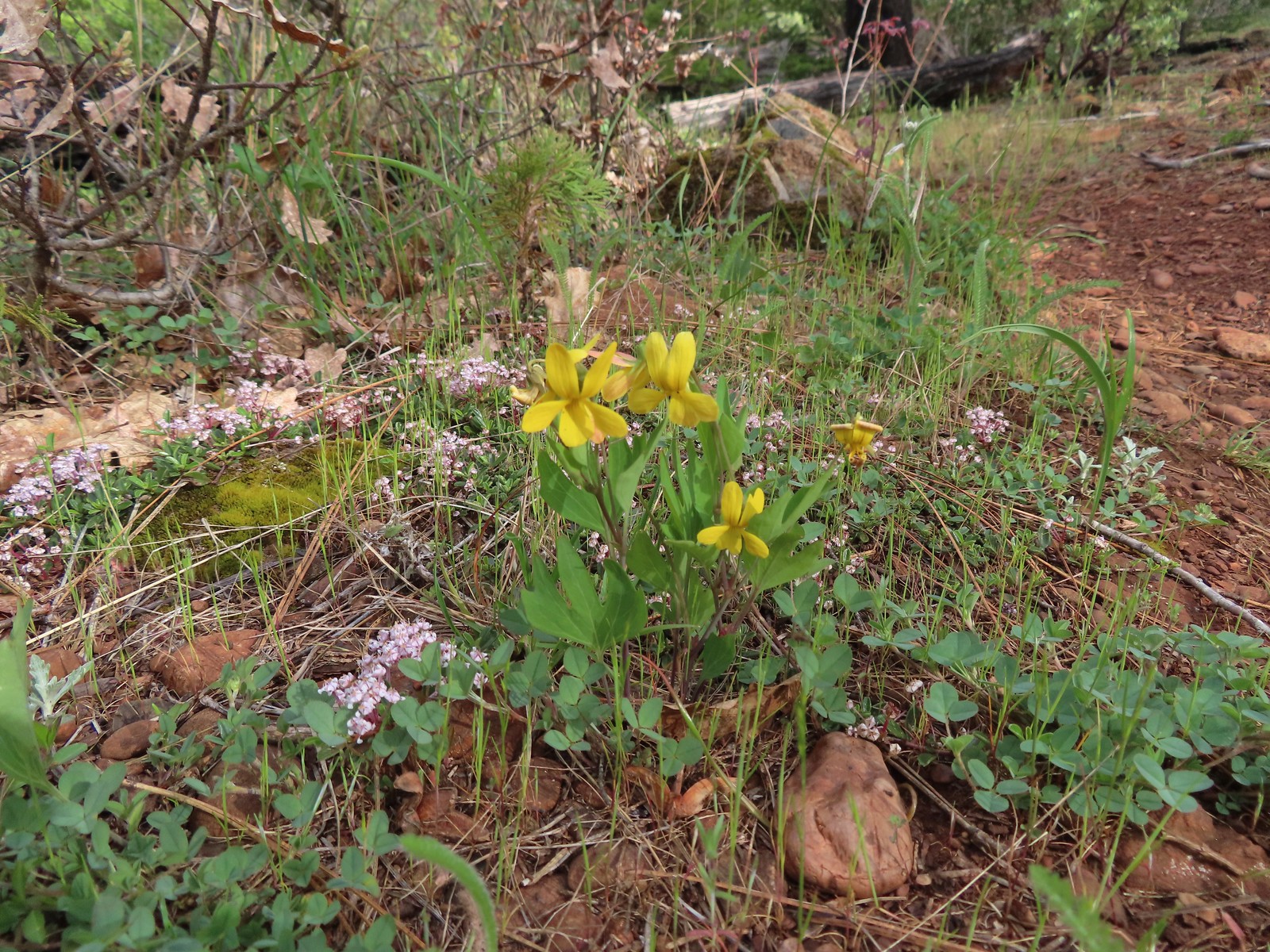 Pine violets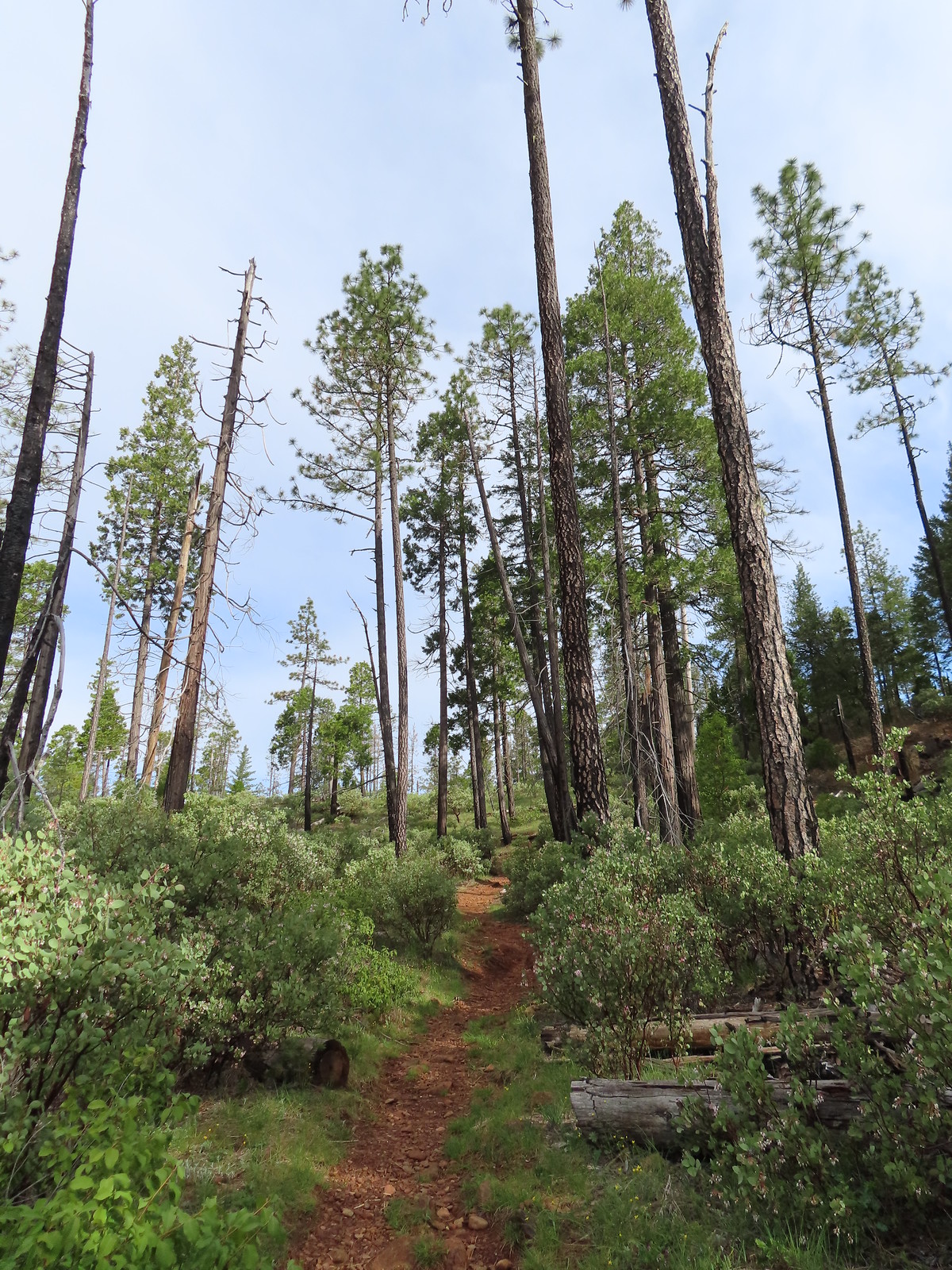

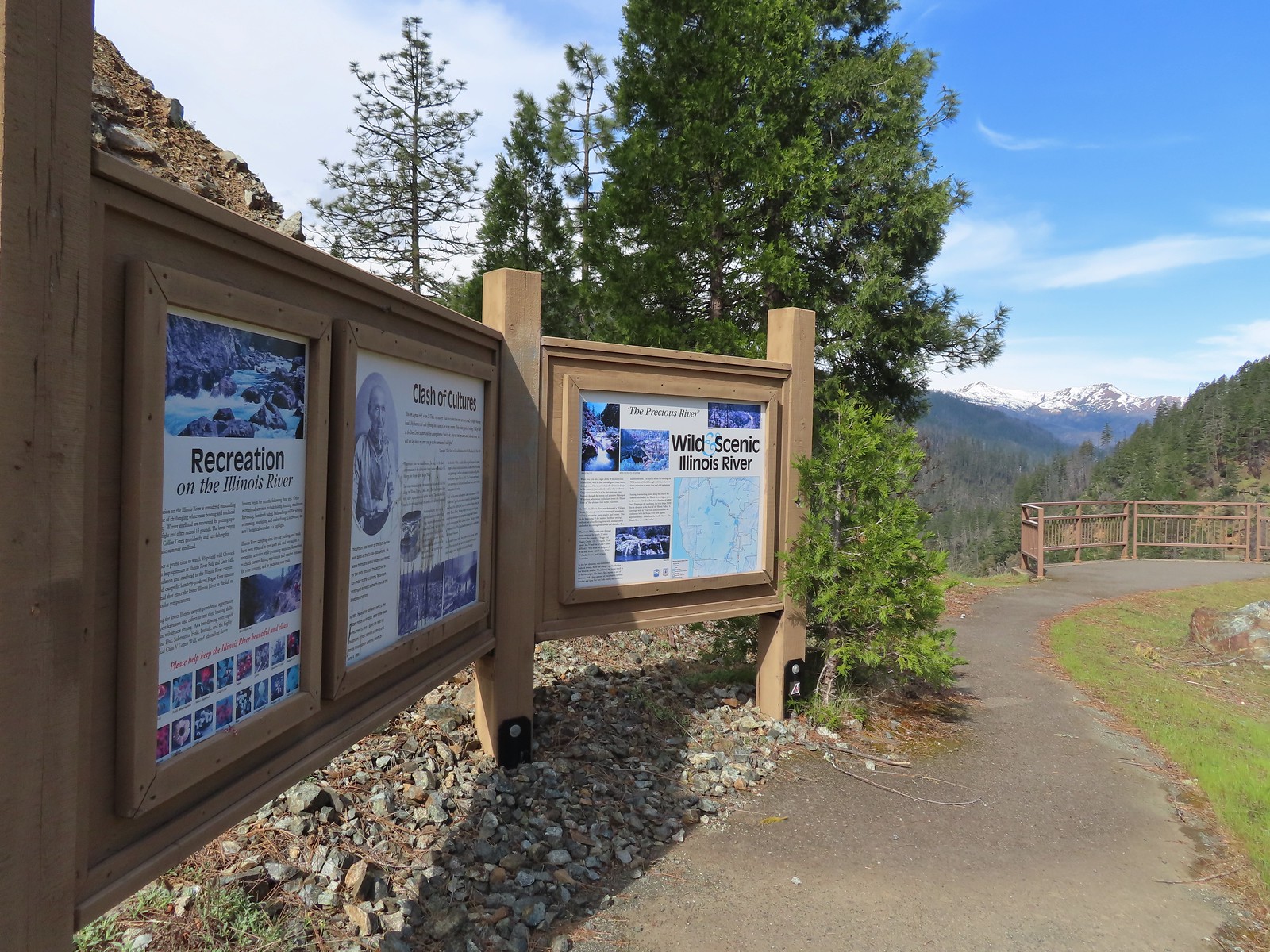
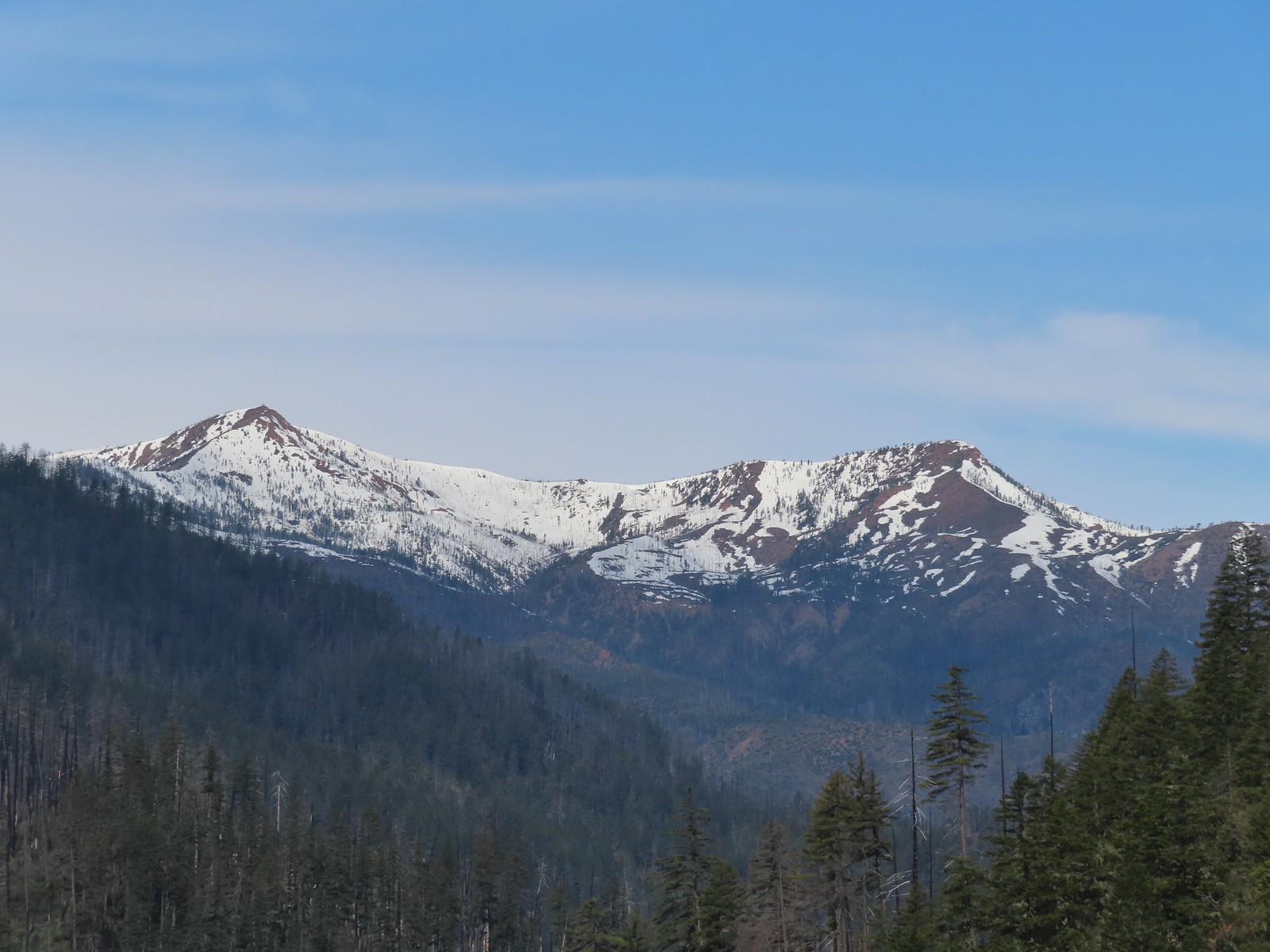 Pearsoll Peak and Gold Basin Butte in the Kalmiopsis Wilderness.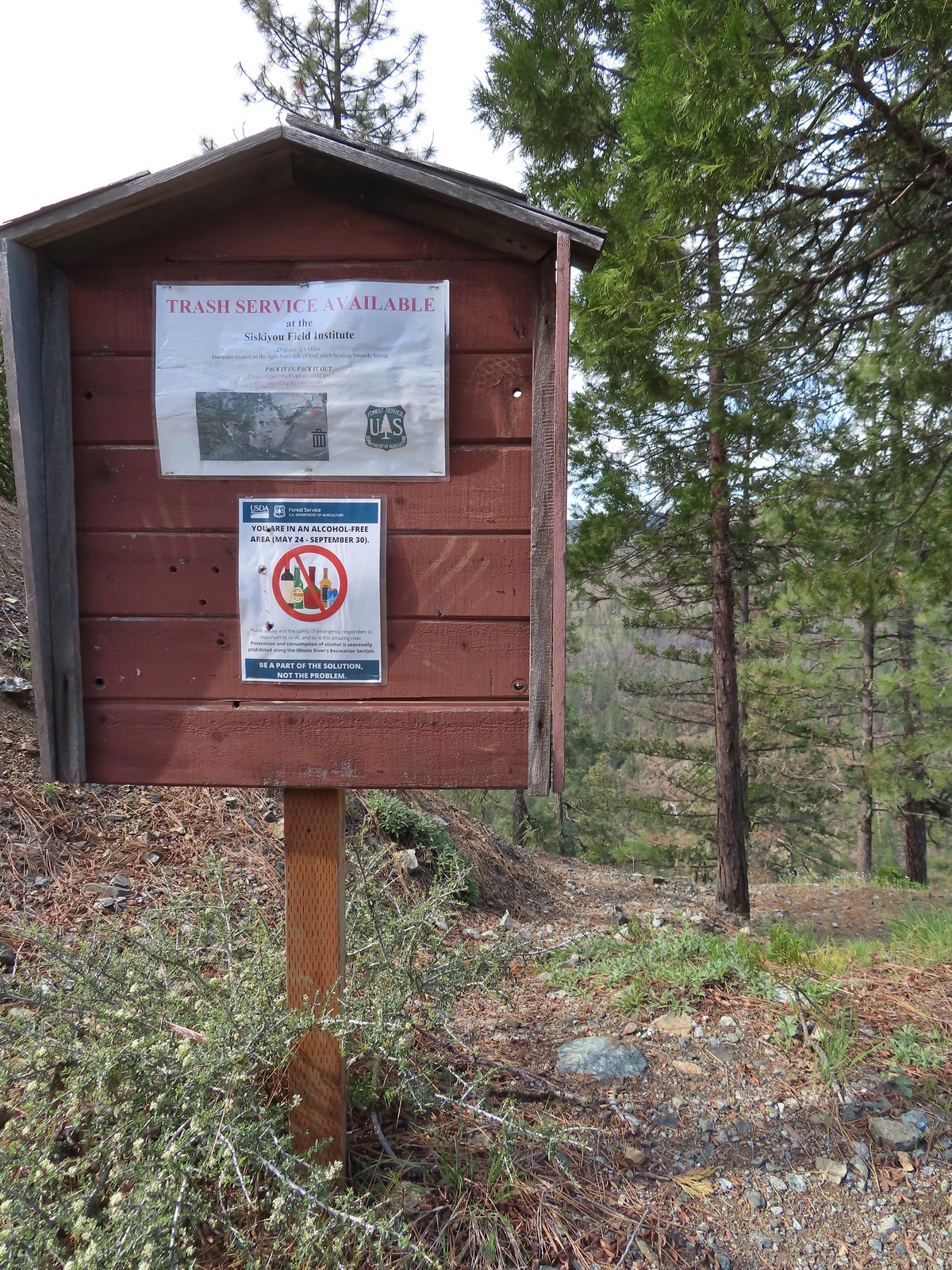
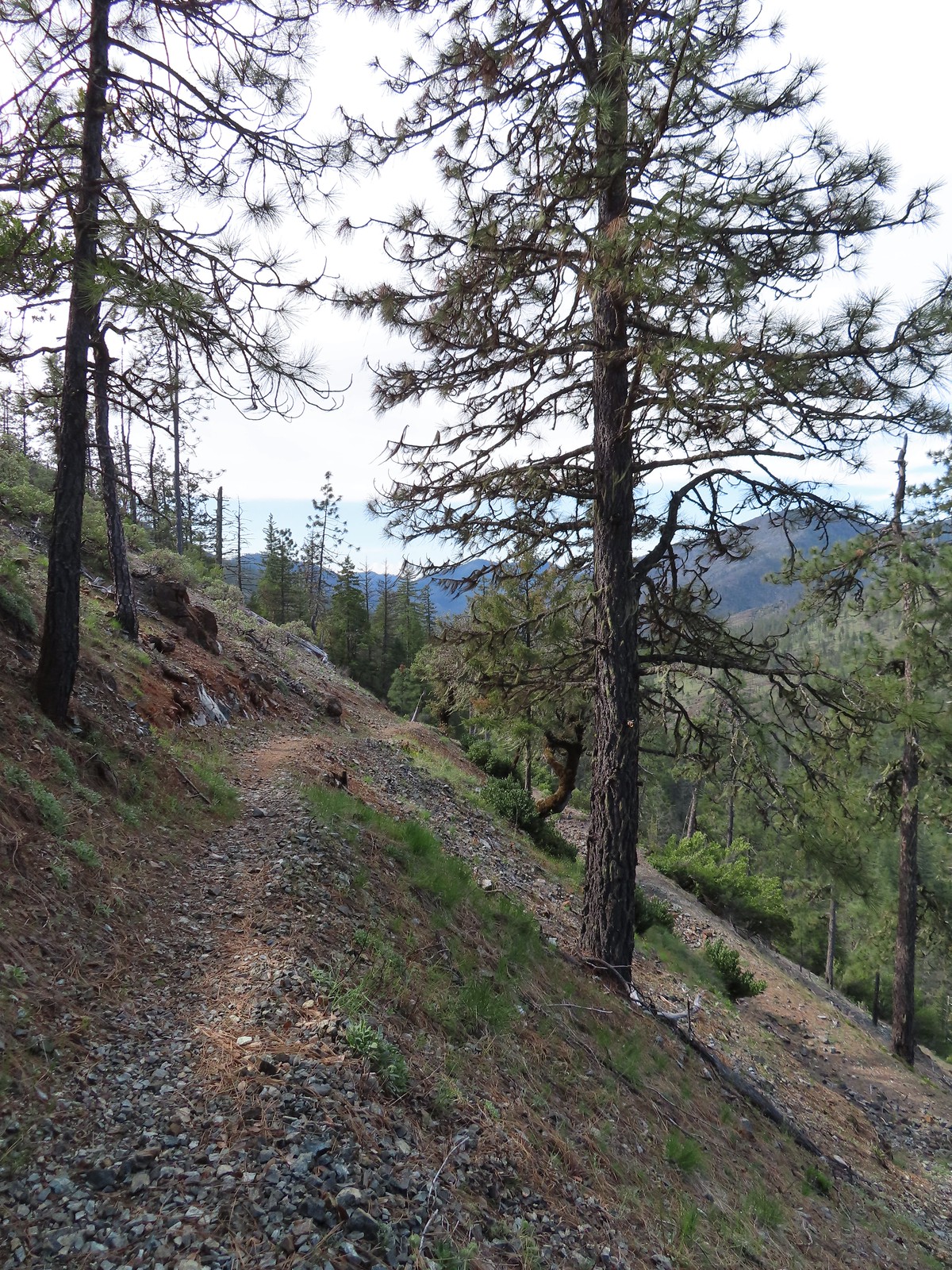
 The Illinois River below.
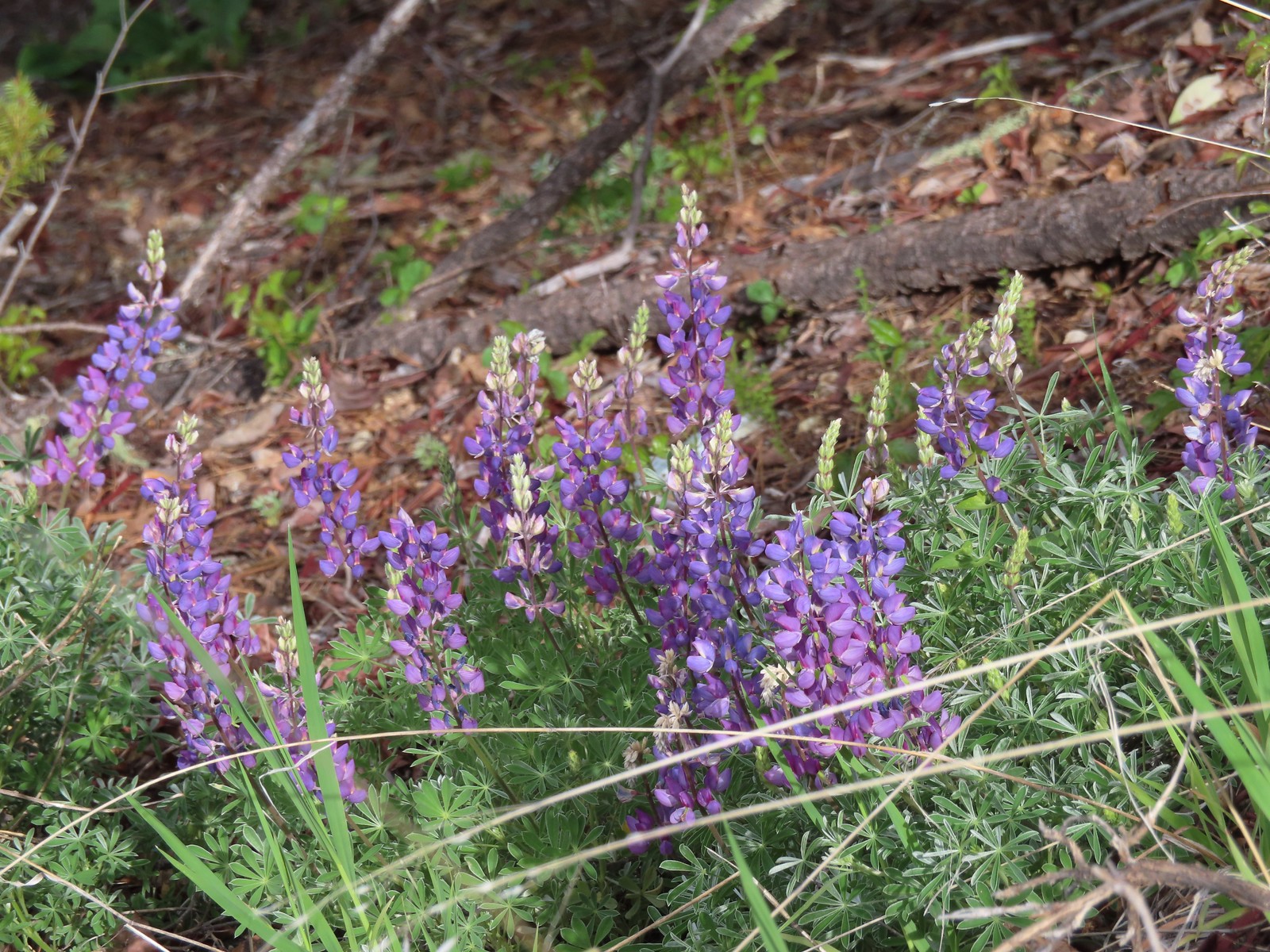 Lupine
 Plectritis
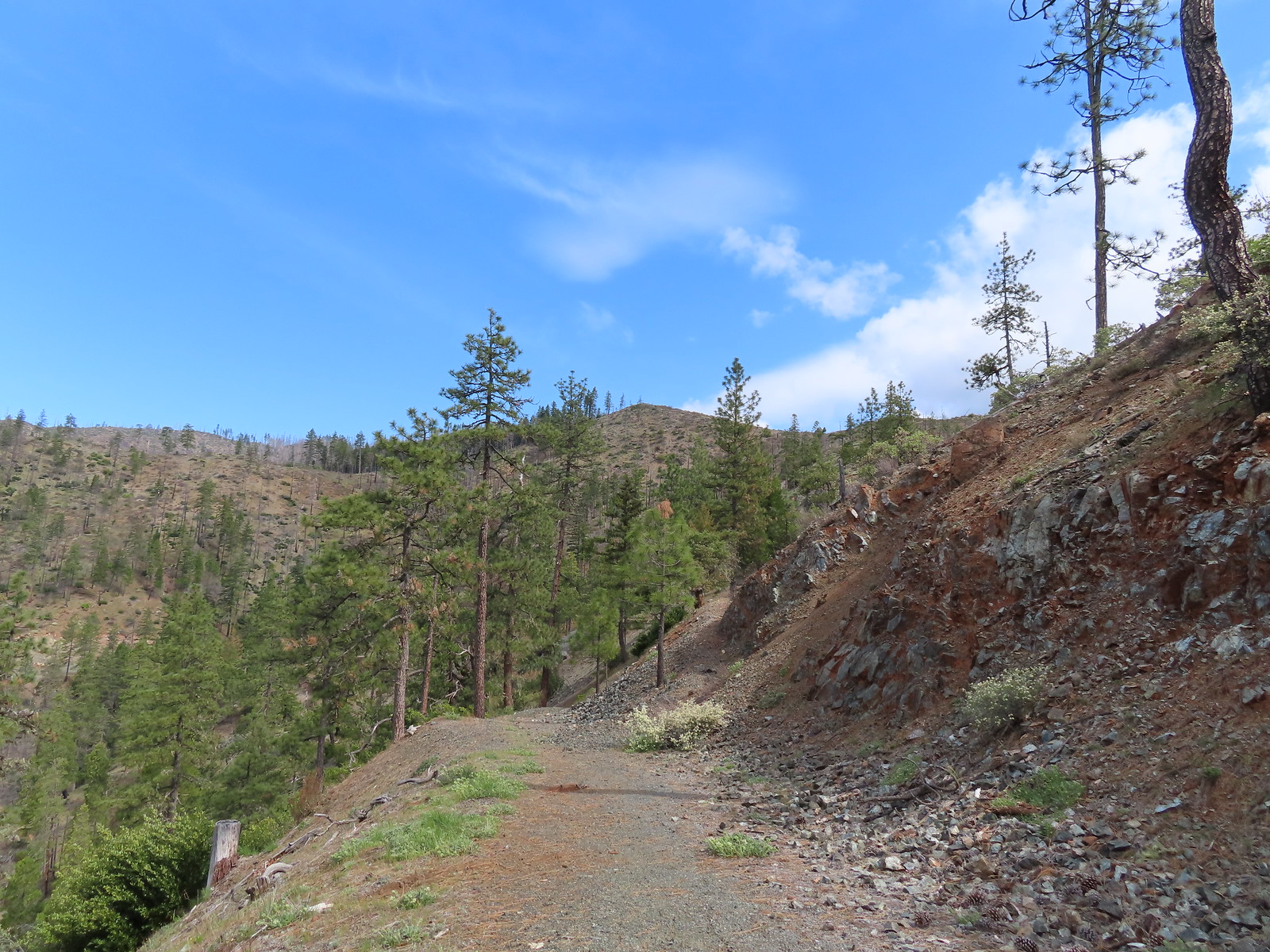 This section was great.
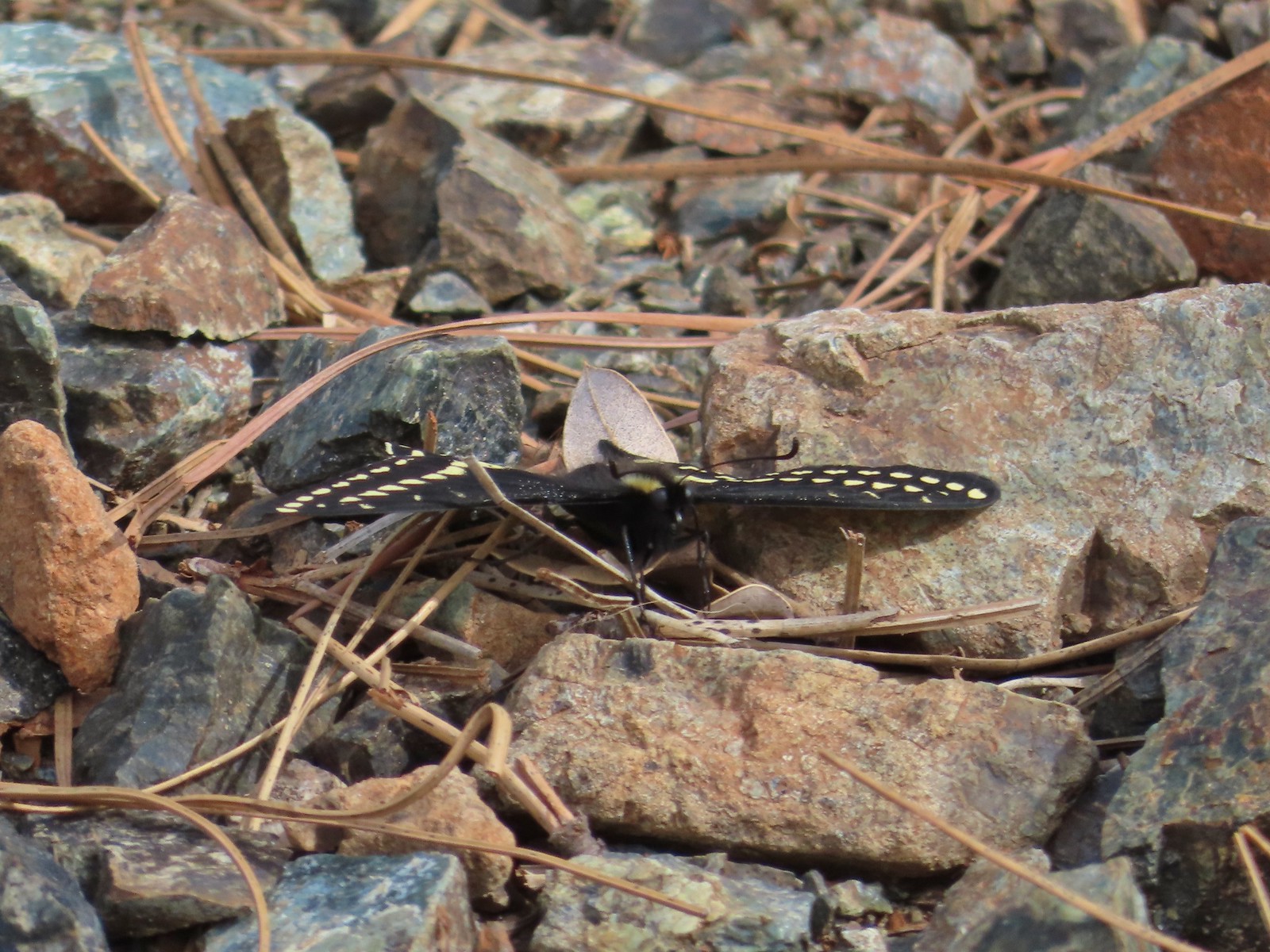 Swallowtail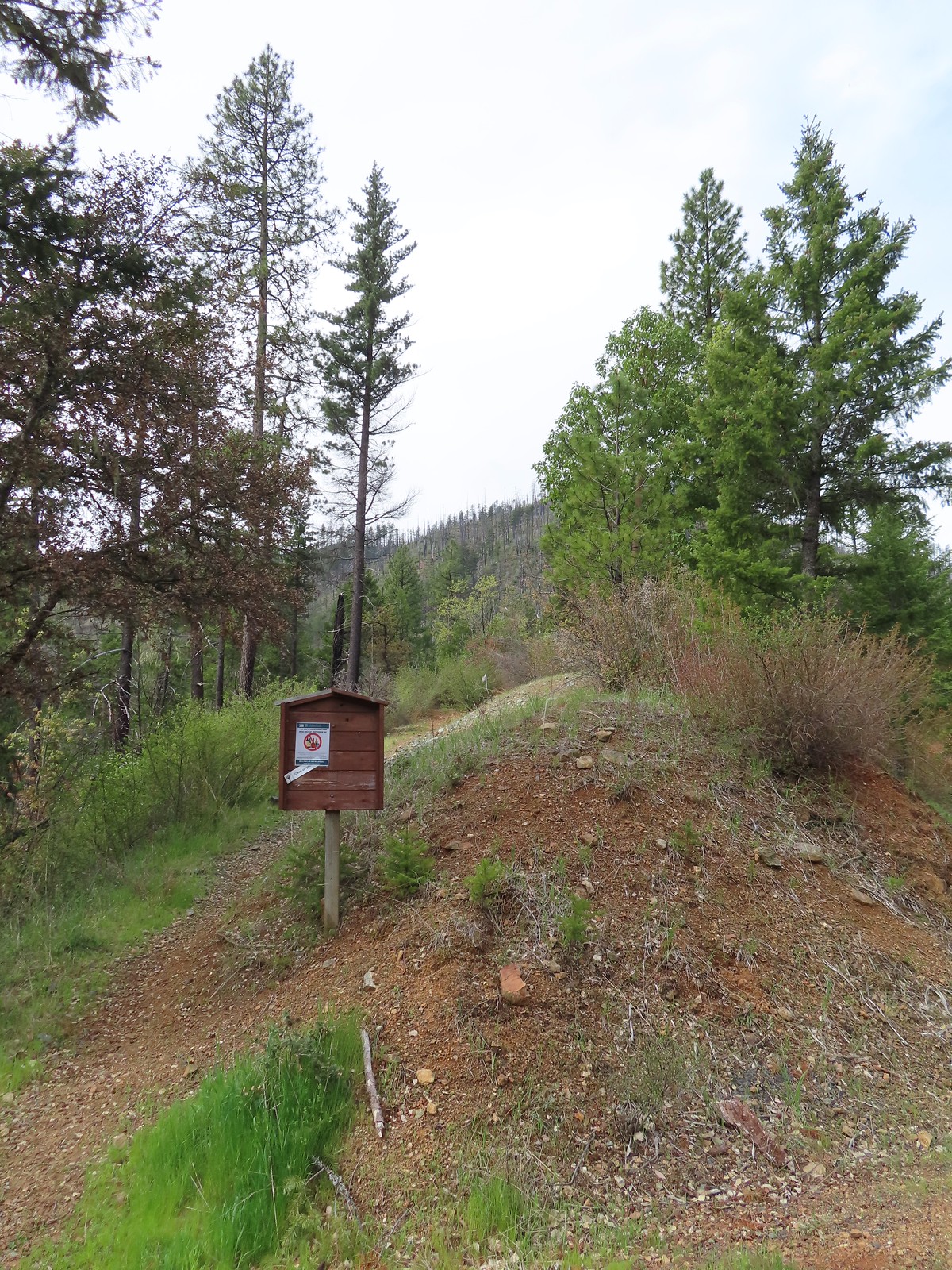
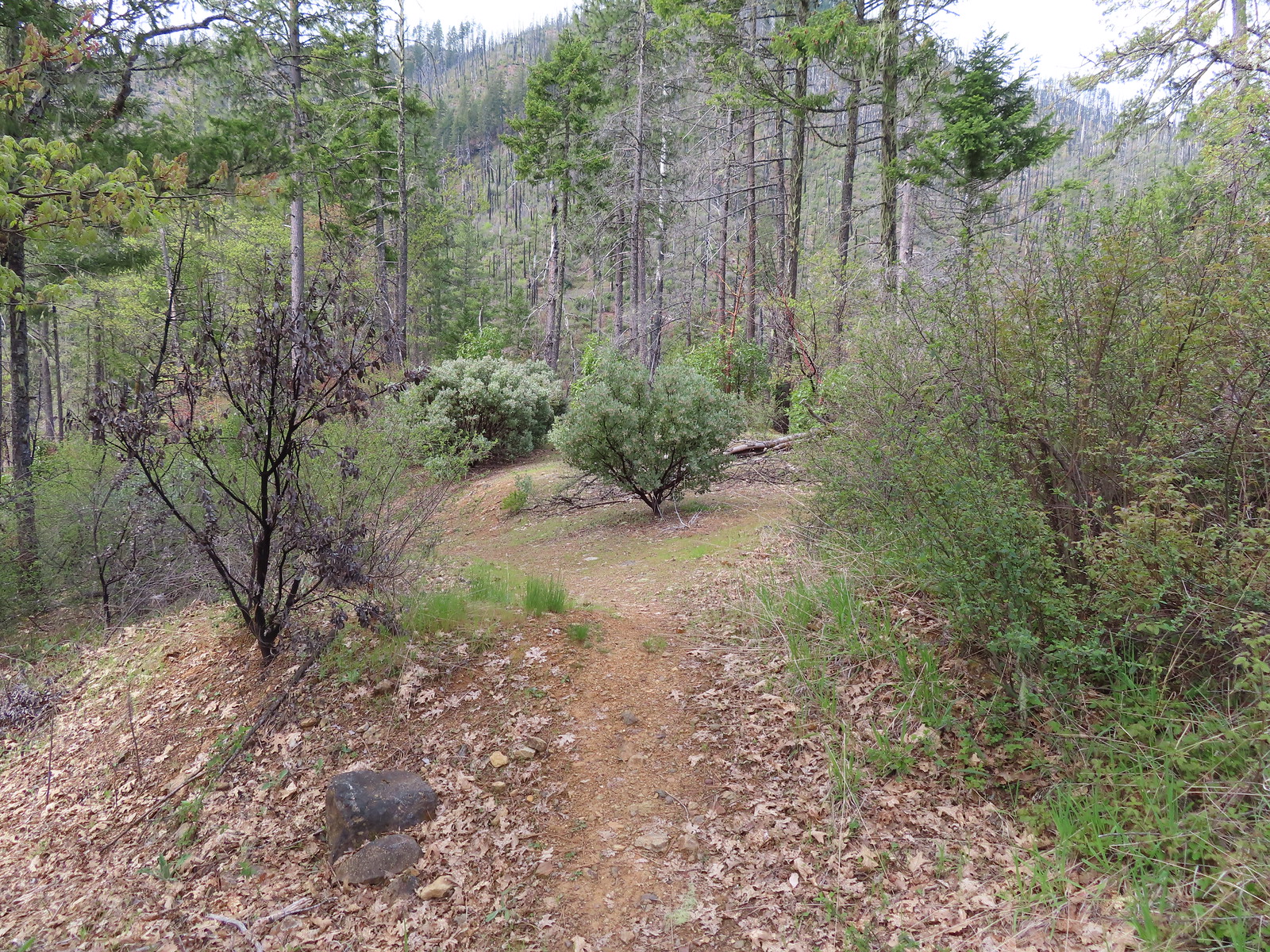
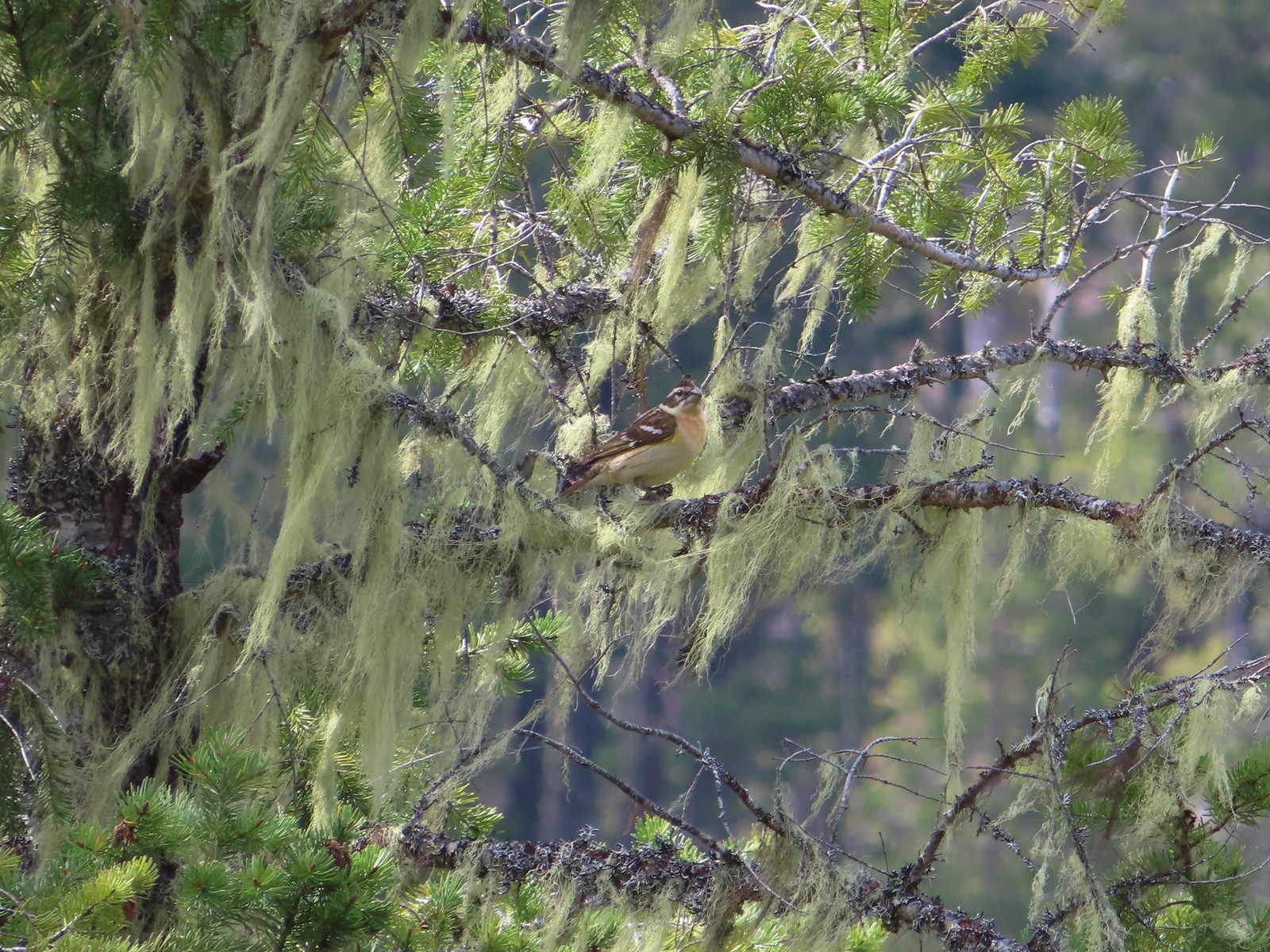 Female black-headed grosbeak
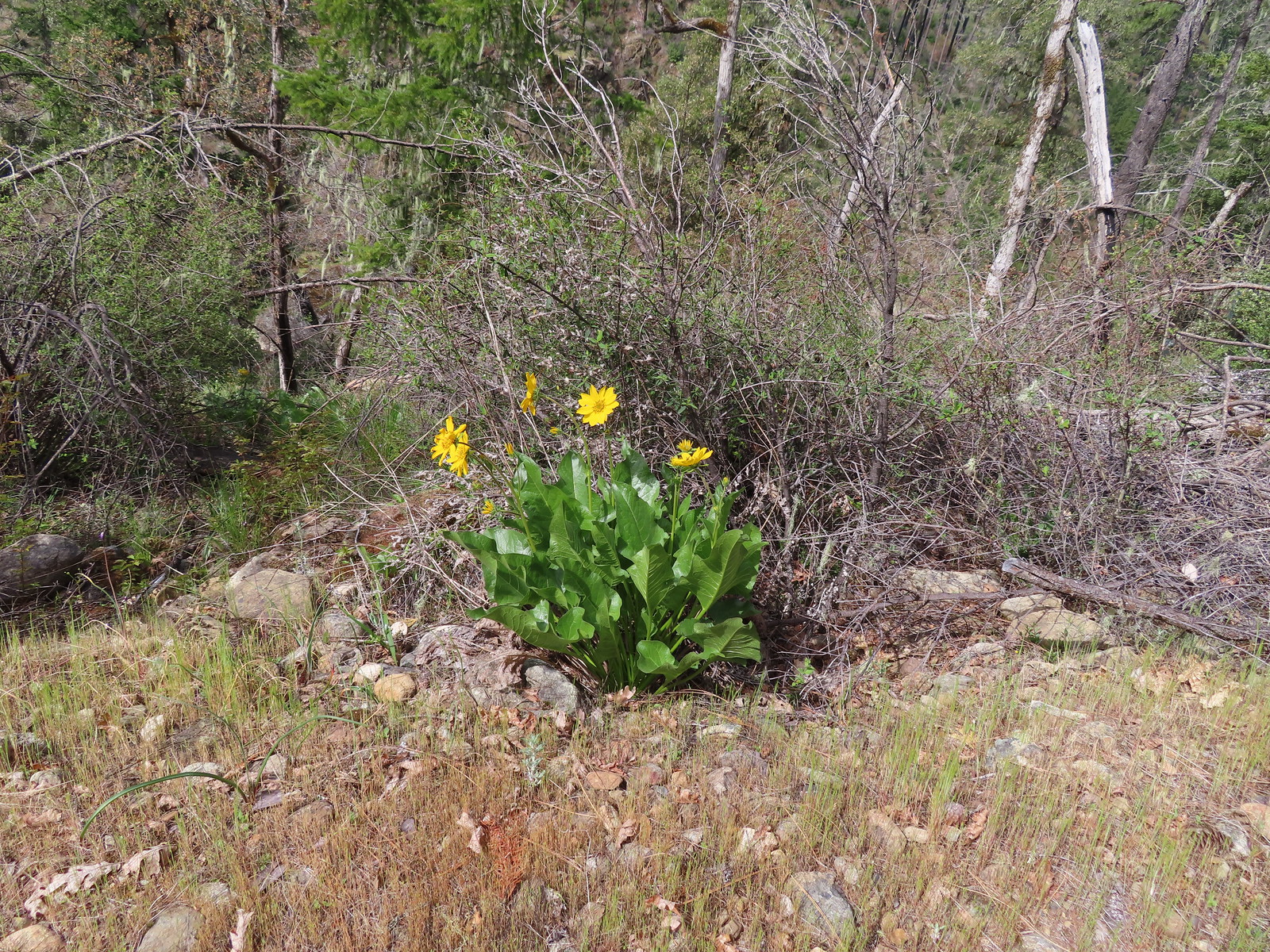 Balsamroot
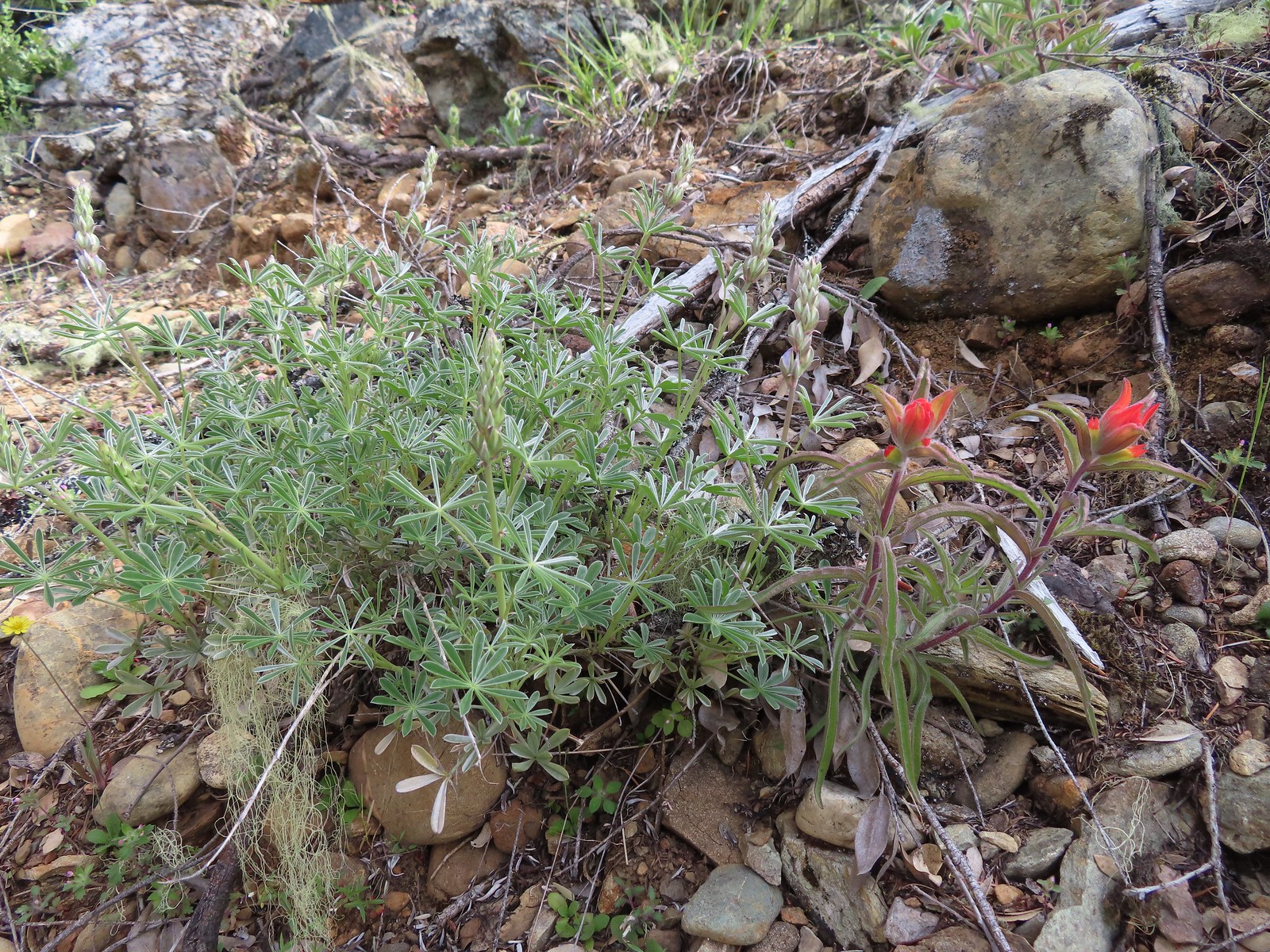 Paintbrush next to some yet-to-bloom lupine.
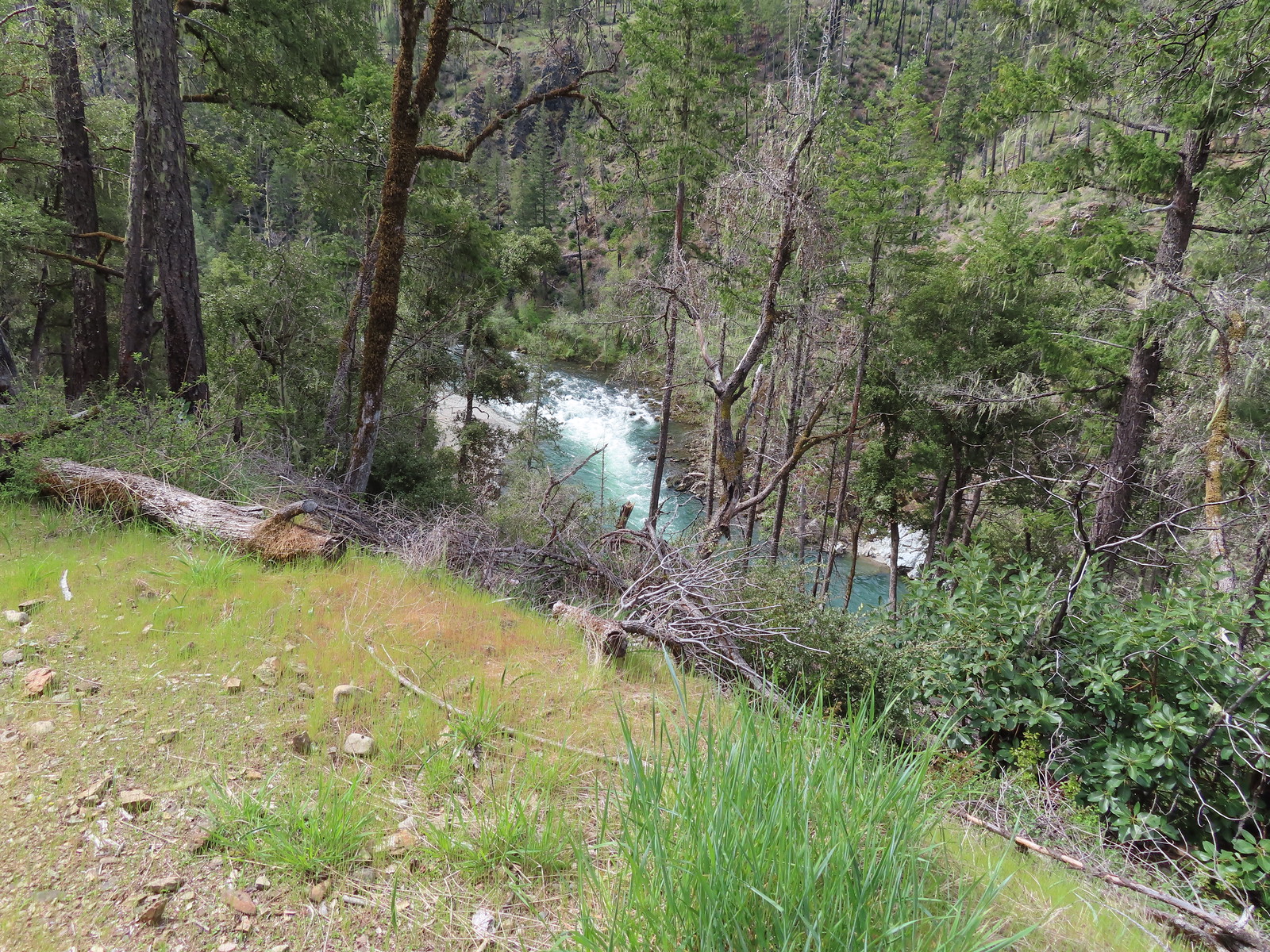 The Illinois River below.
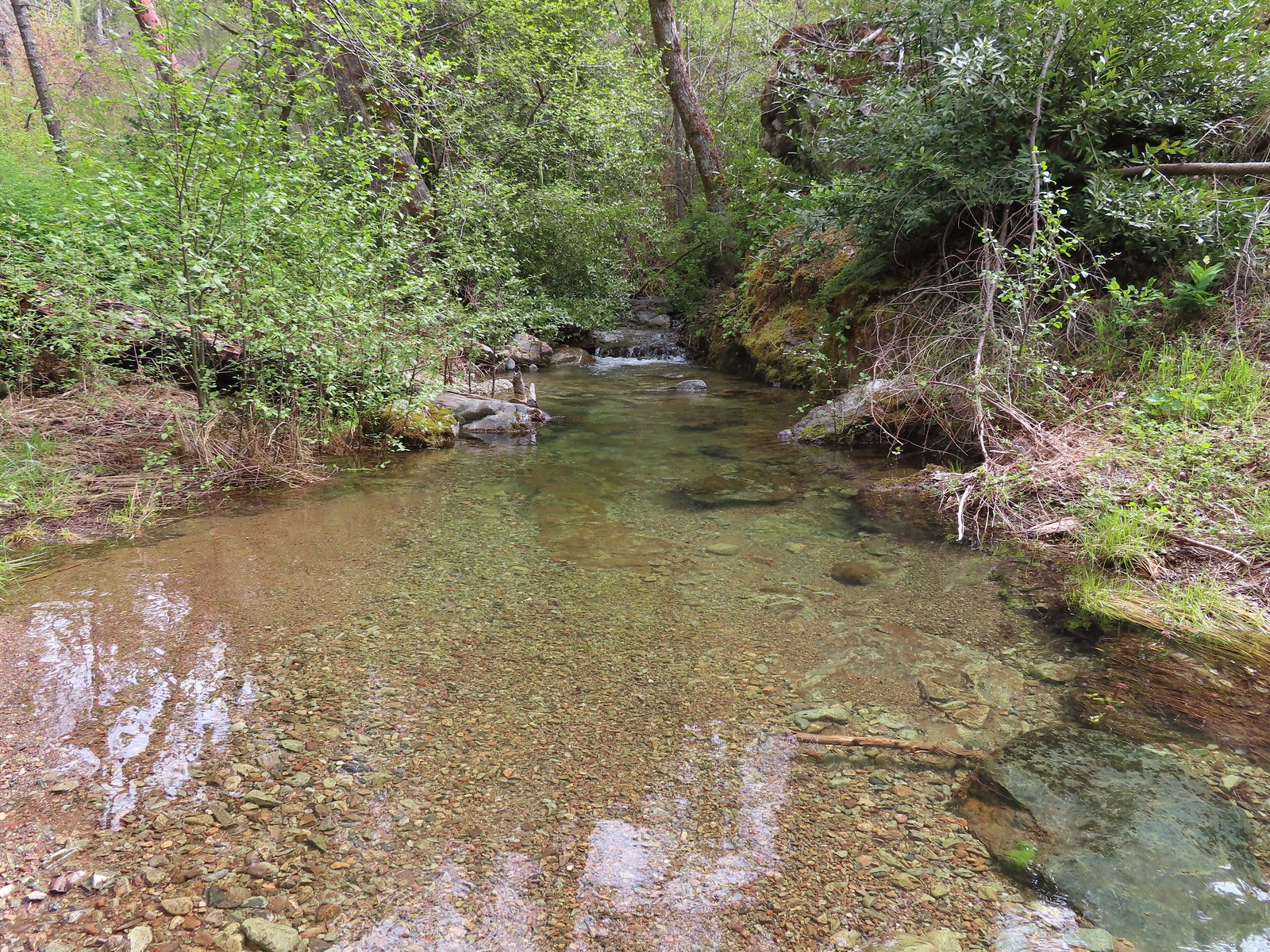 Snailback Creek
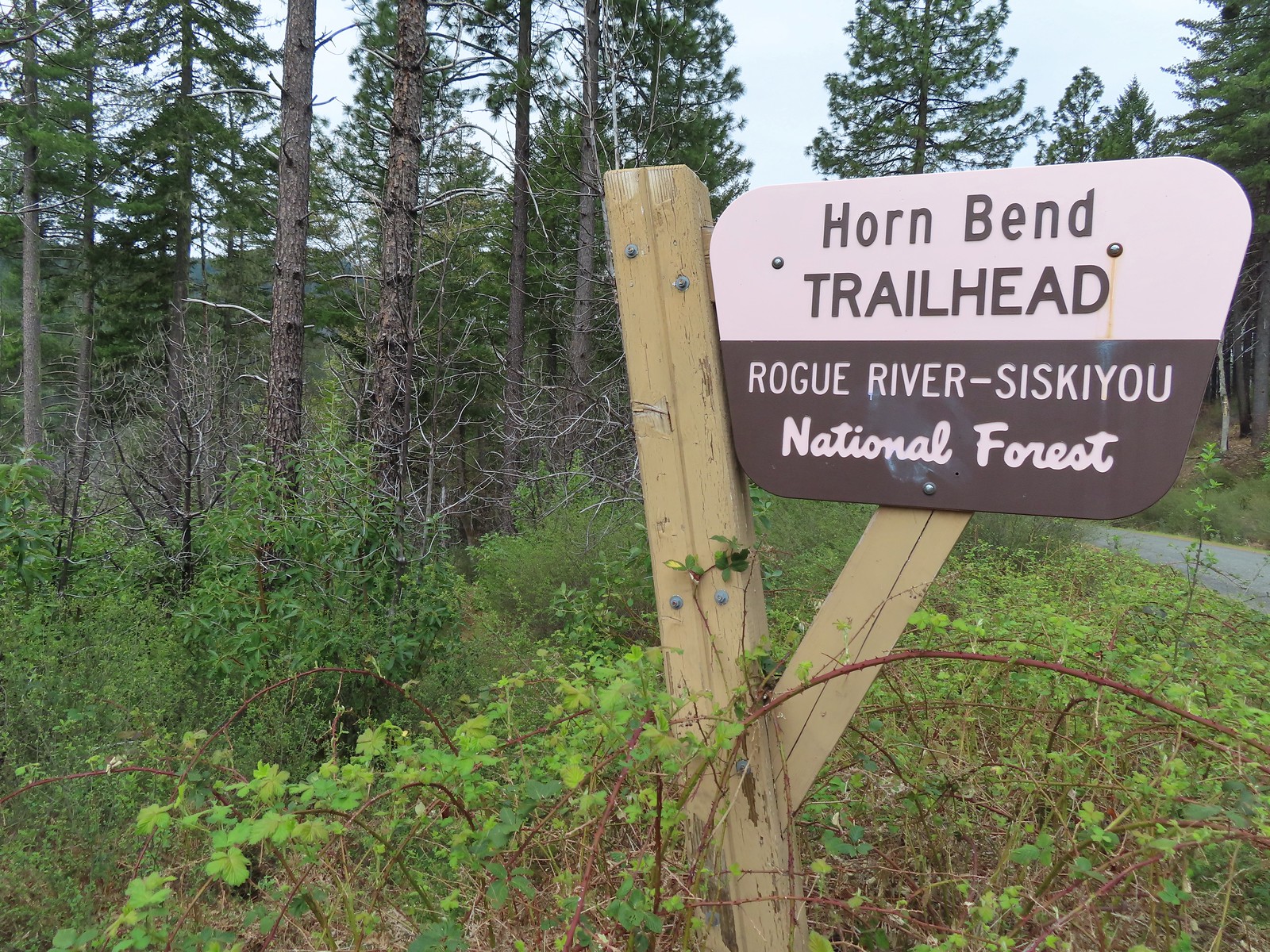 The “trail” is immediately to the left of the sign here. You can make out some of it further back through the bushes.
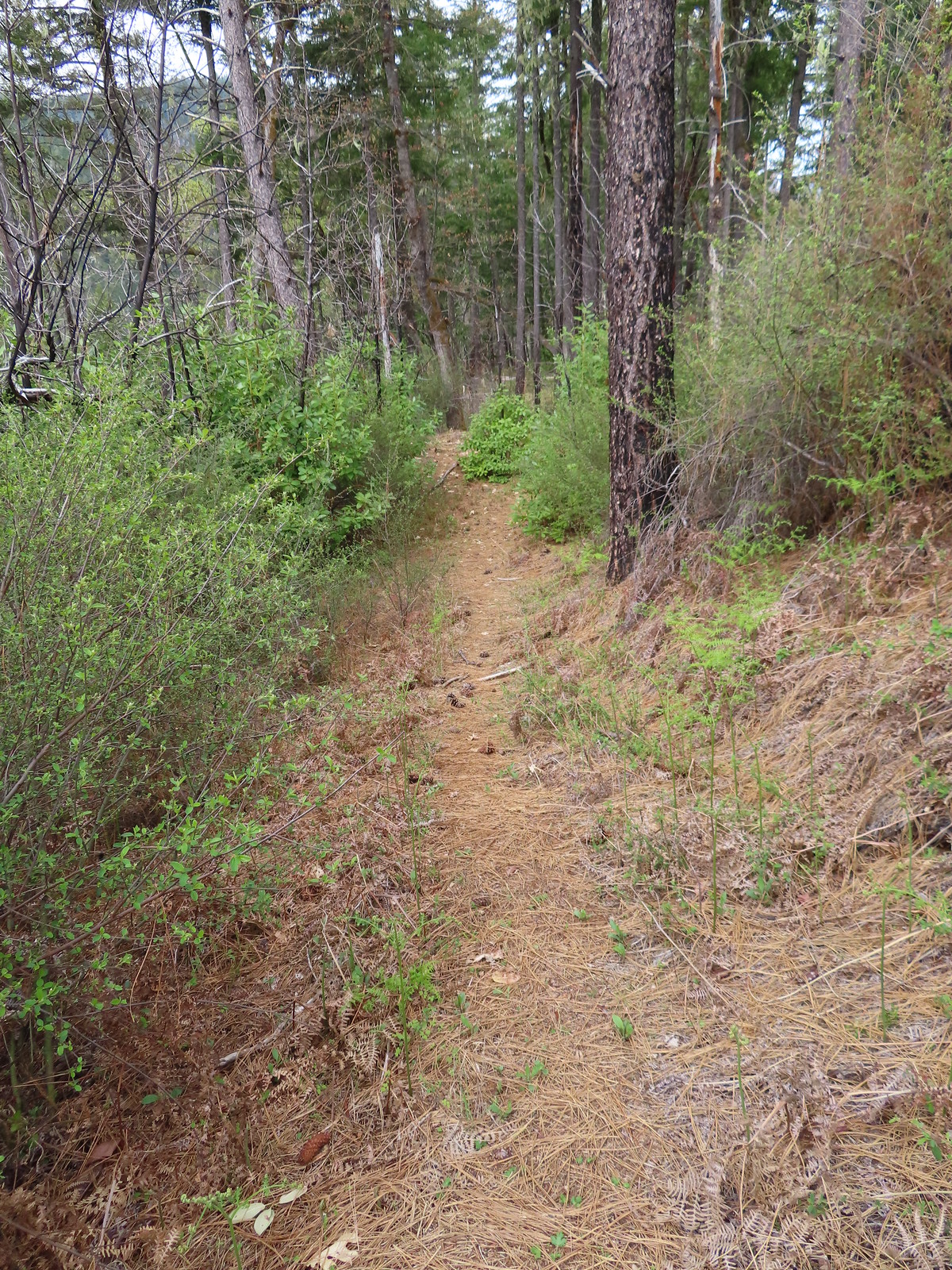 After crashing through the initial brush the trail cleared for a moment.
 The clear trail didn’t last long.
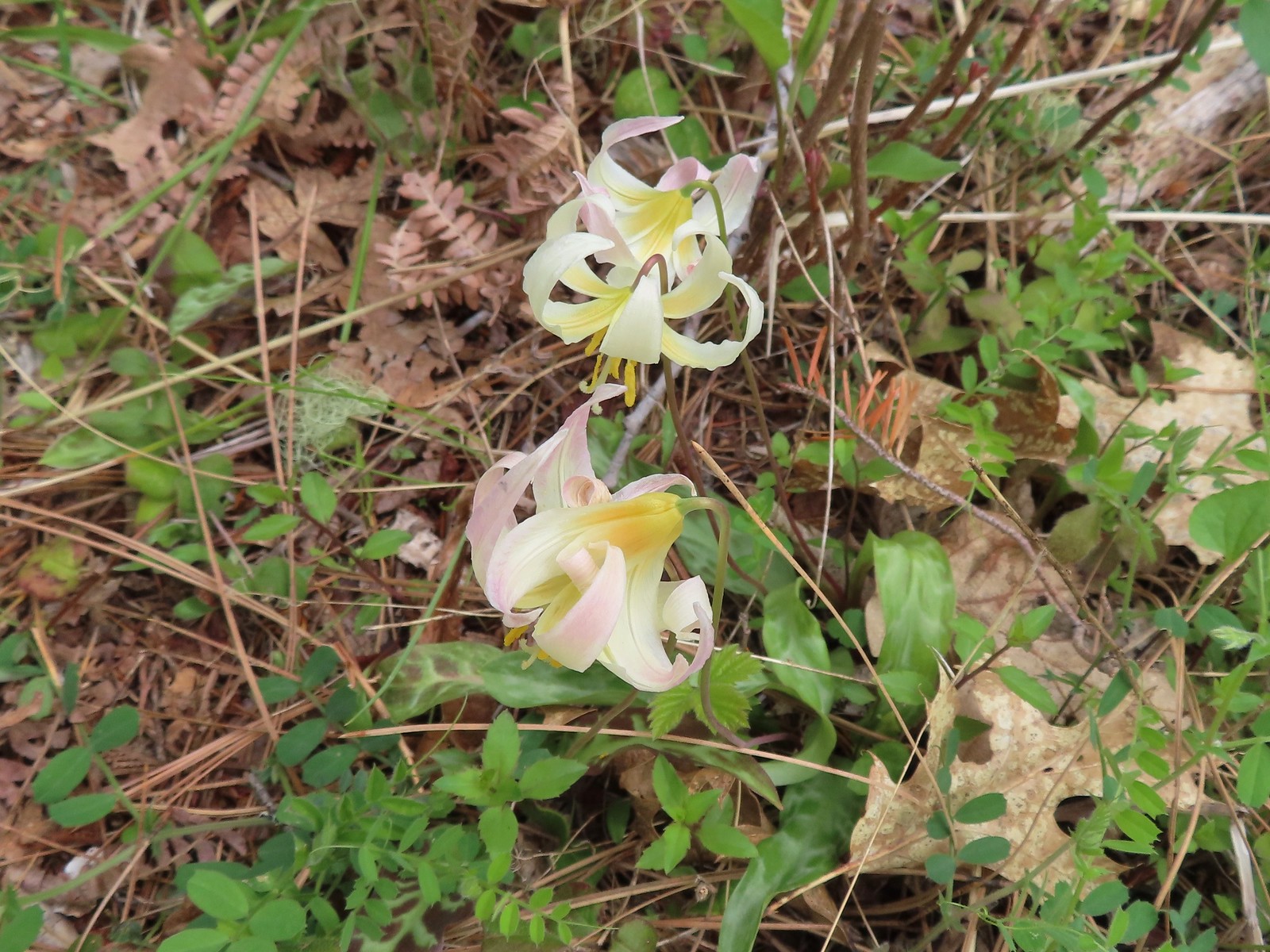 Fawn lilies
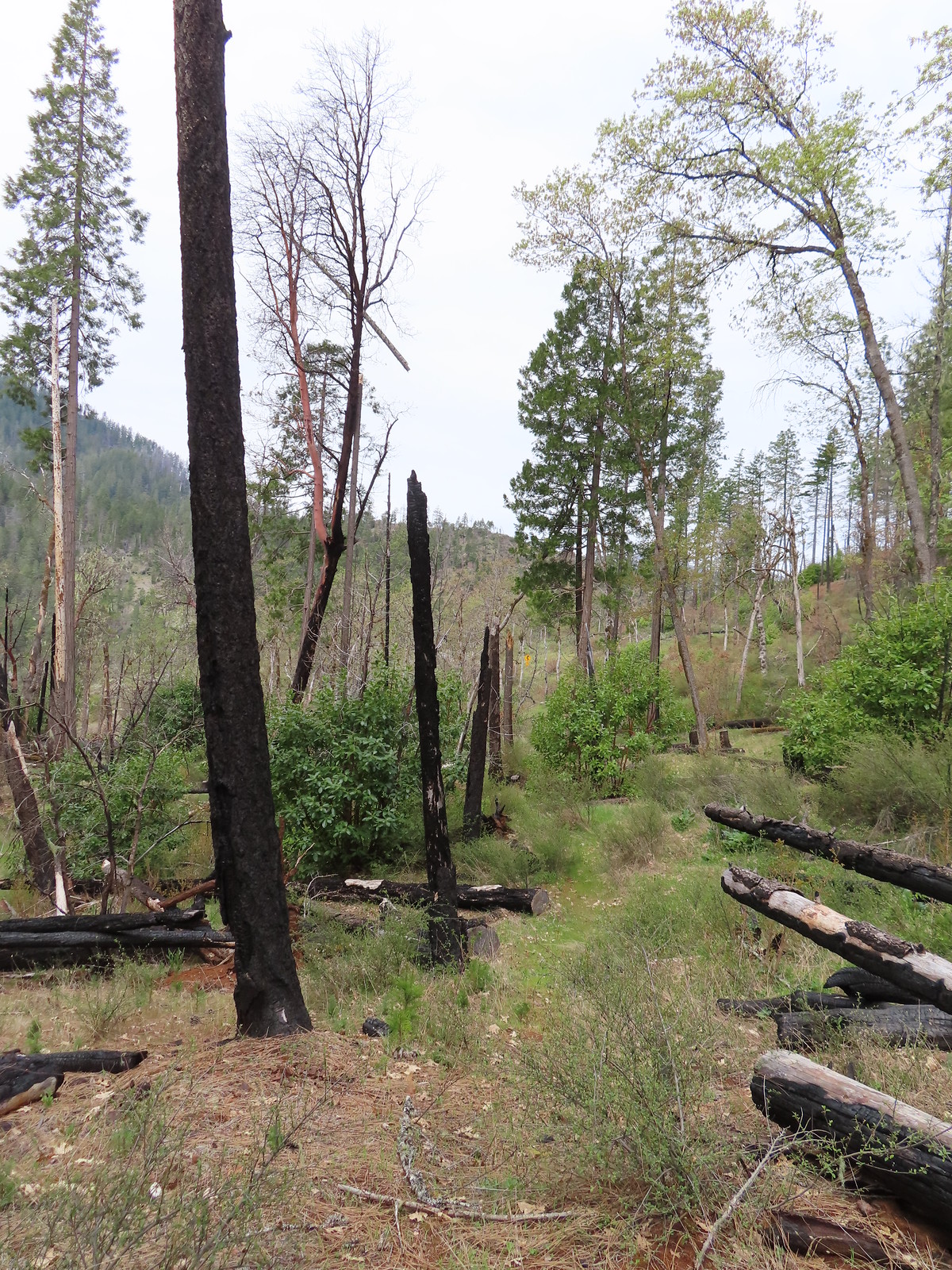 The road sign in the distance was easier to see than the trail here.
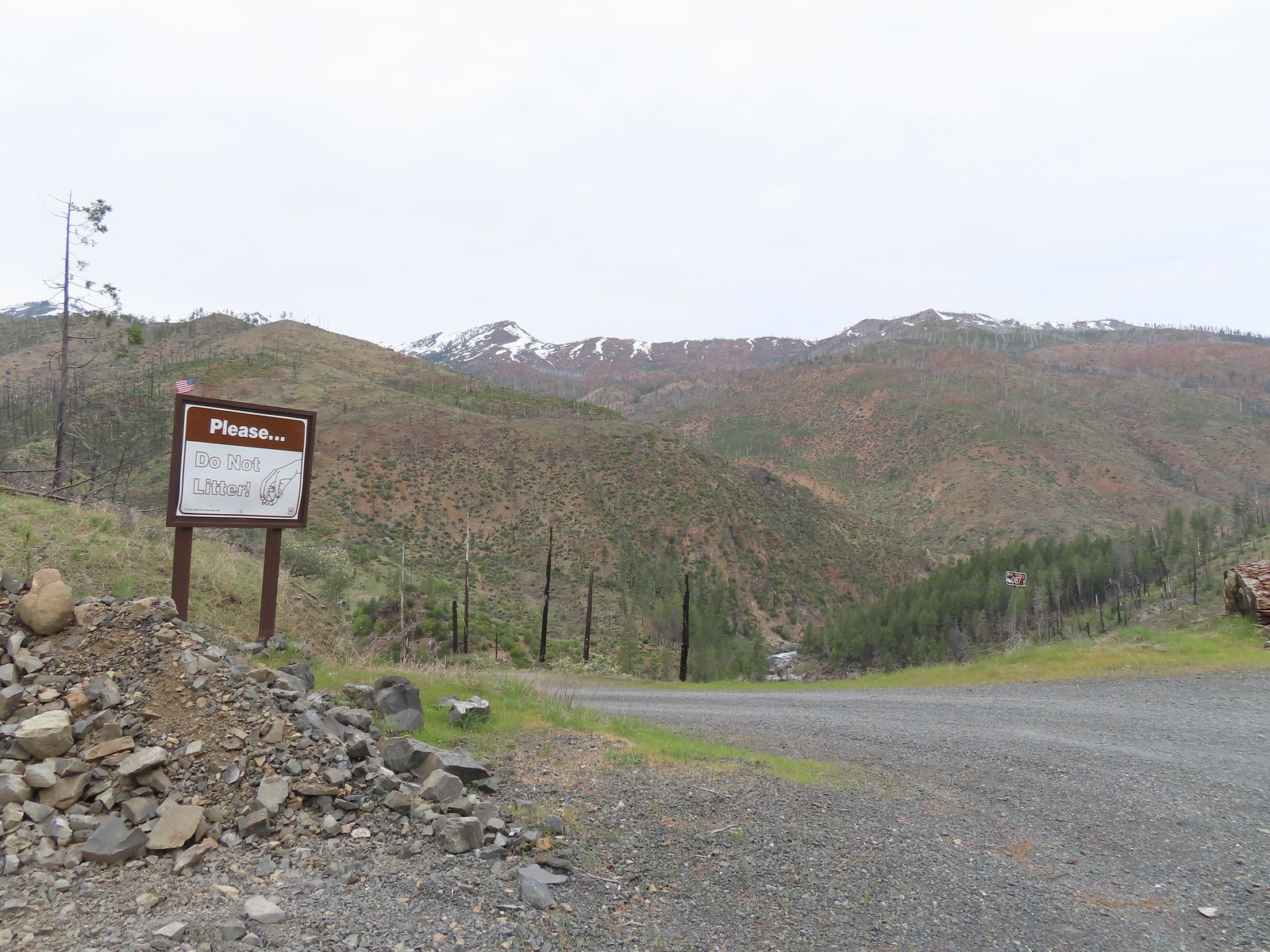
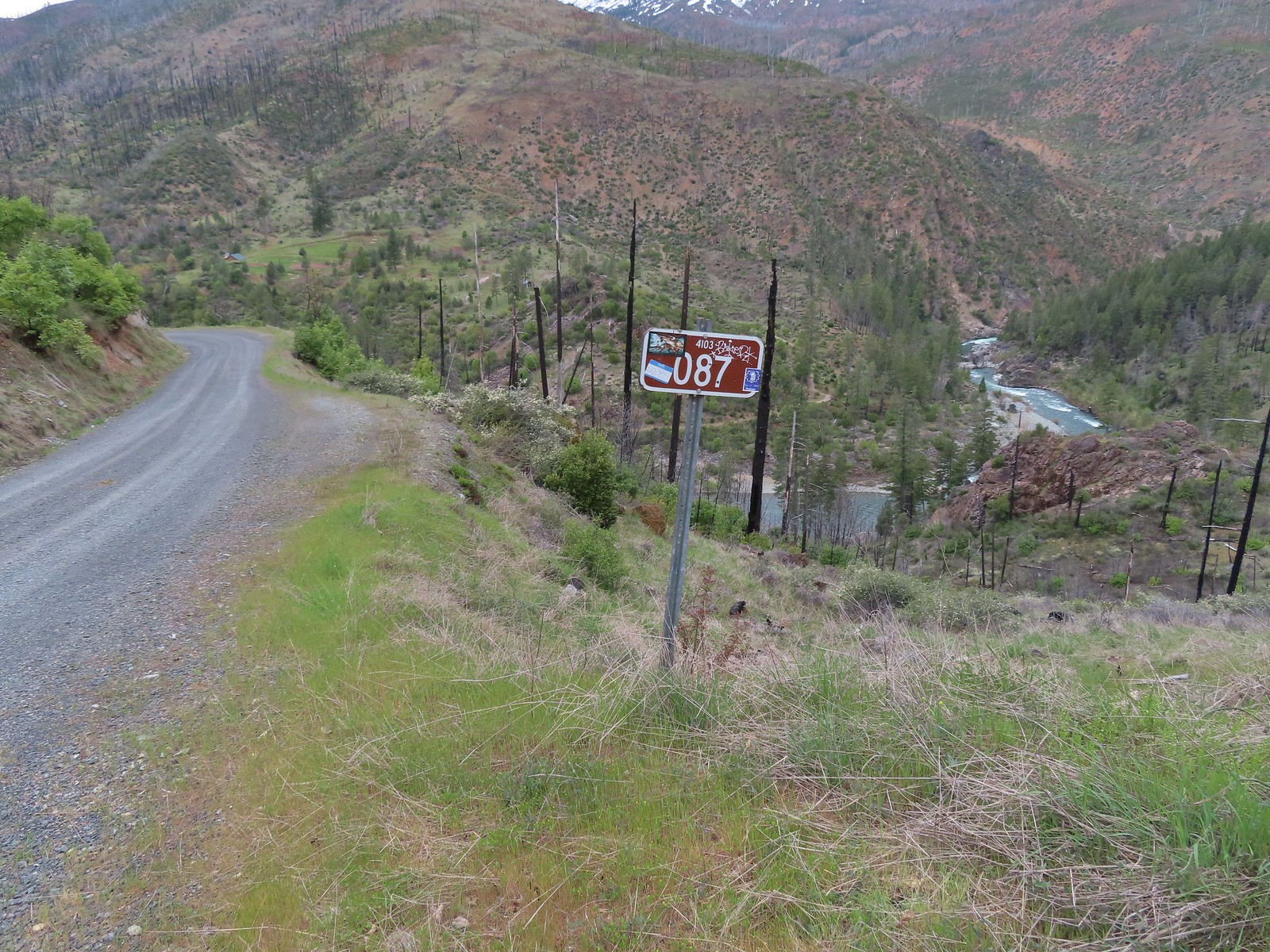
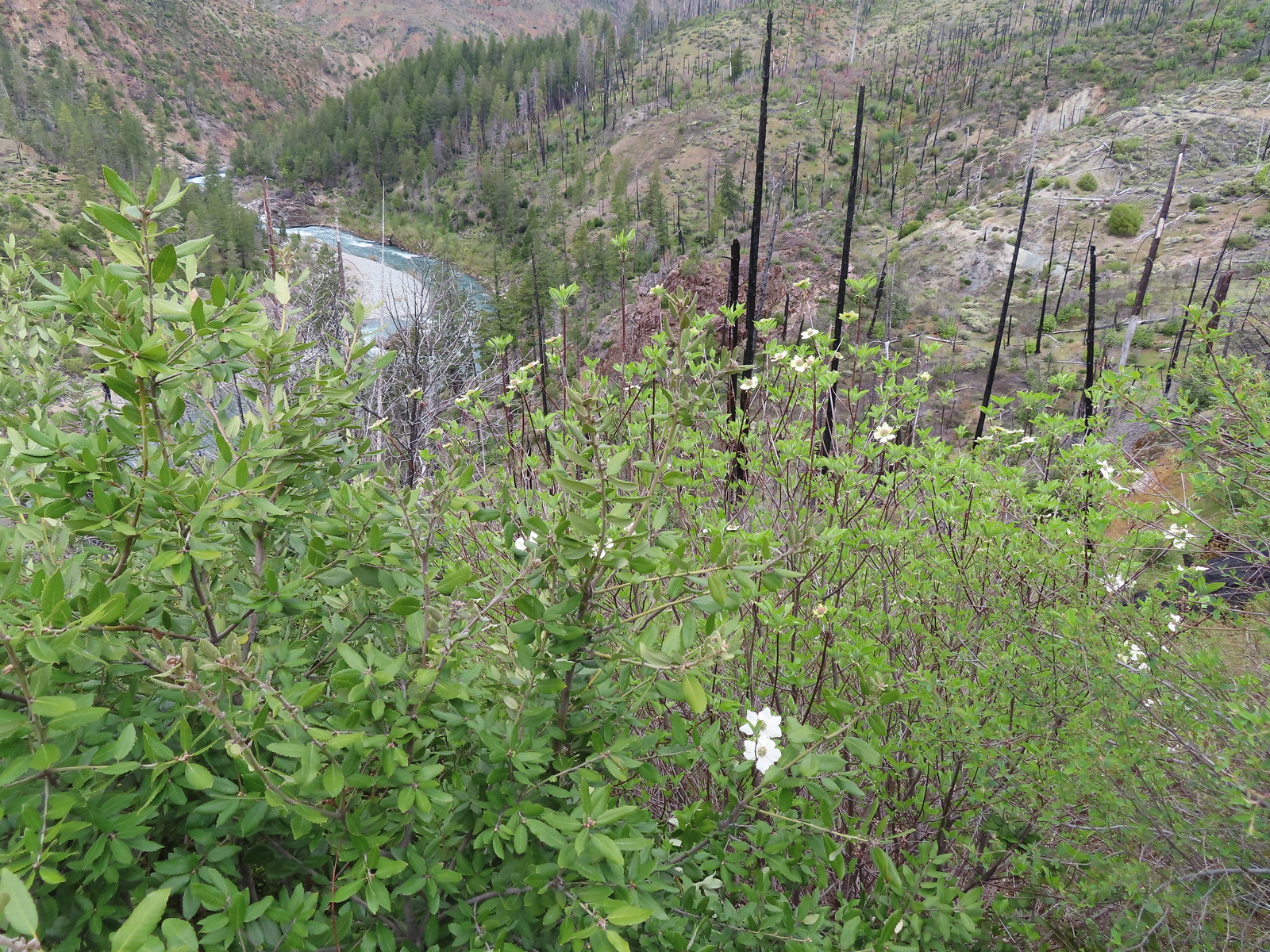 Dogwood blossoms
 The Fall Creek Trailhead to the left.
 The car bridge across the Illinois River to McCaleb Ranch. Technically we could have continued down to that bridge and crossed on it then turned left onto the Fall Creek Trail for a half mile to Illinois River Falls, but the closure order posted at the Fall Creek Trailhead was unclear. It stated that it was illegal to be “on a trail” not just on the suspension bridge itself. The Forest Service webpage seems to indicate that it is only the bridge that is closed until repaired. Either way we were just happy to see the bridge as that was the turnaround in Sullivan’s description.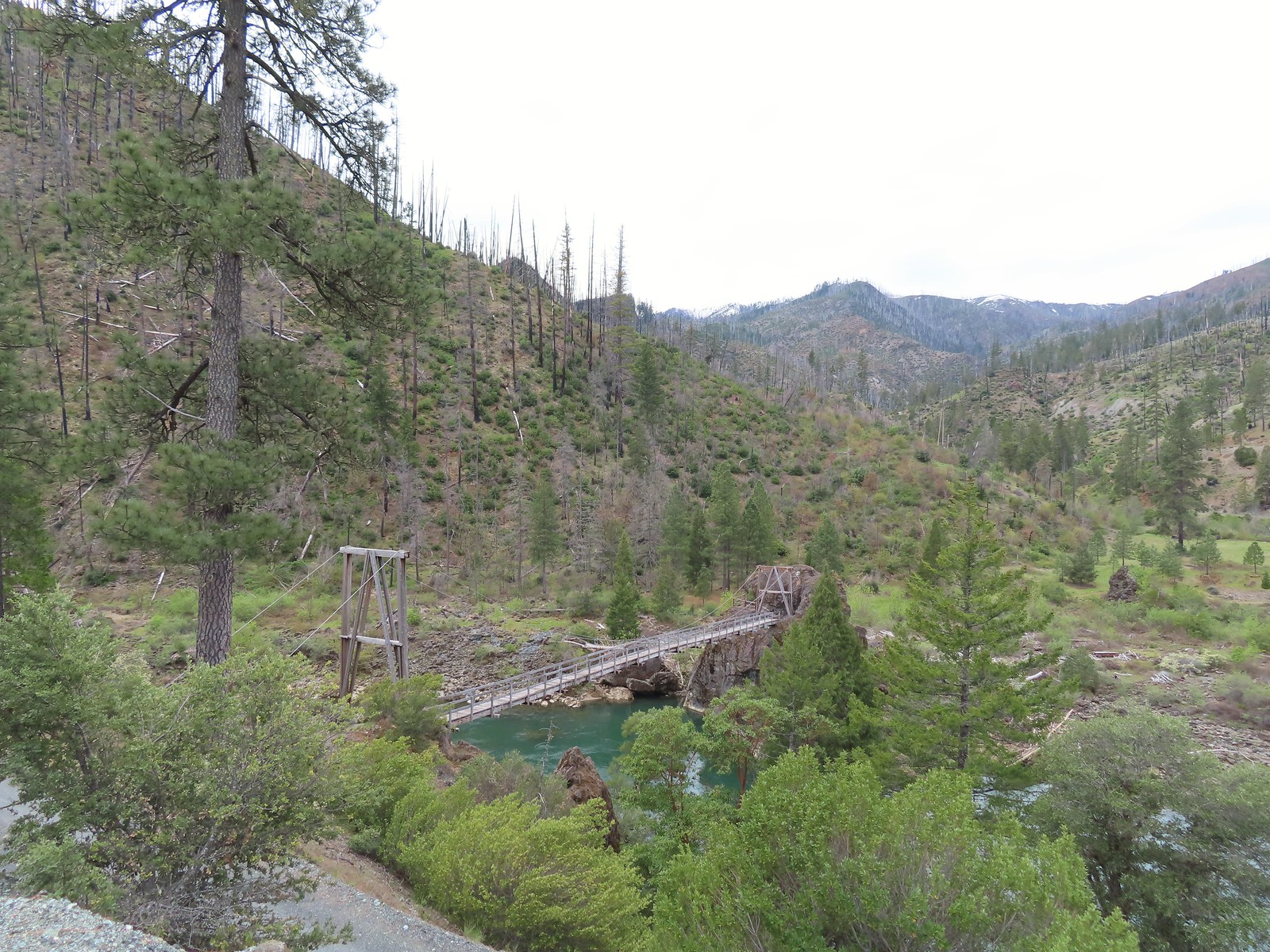
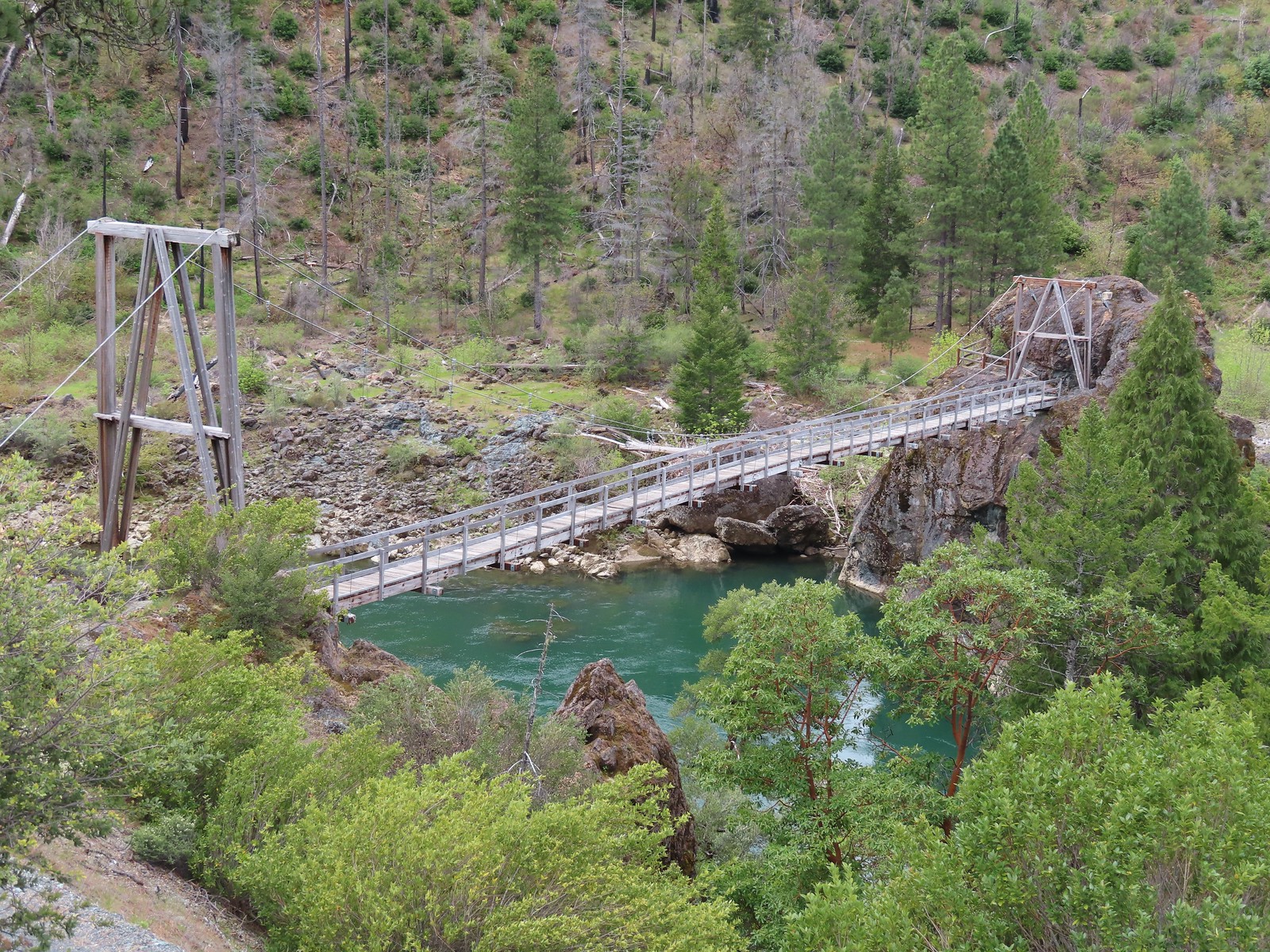
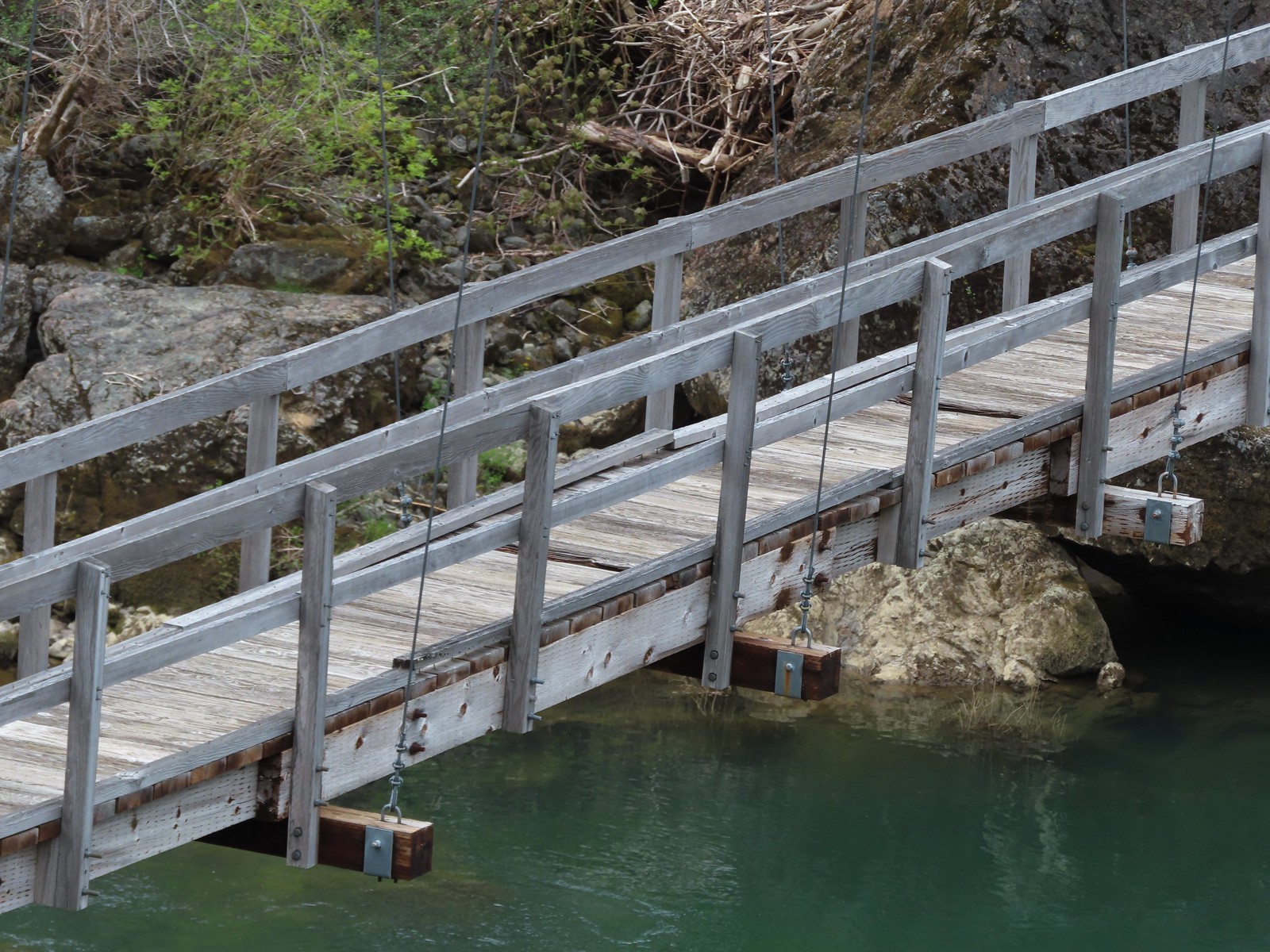 Assuming these are some of the needed repairs.
 The start of the road which the map lists as Forest Road 011.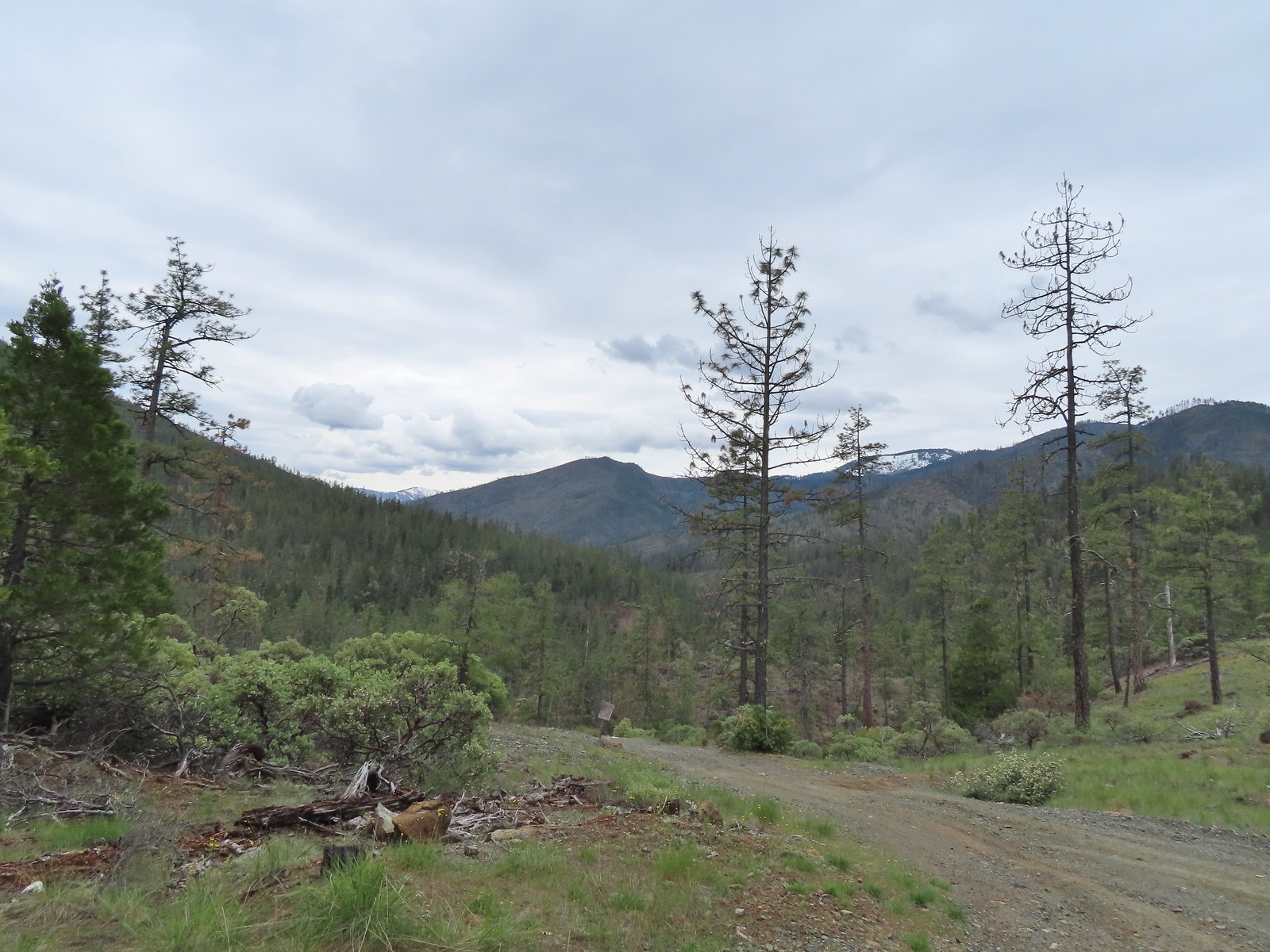
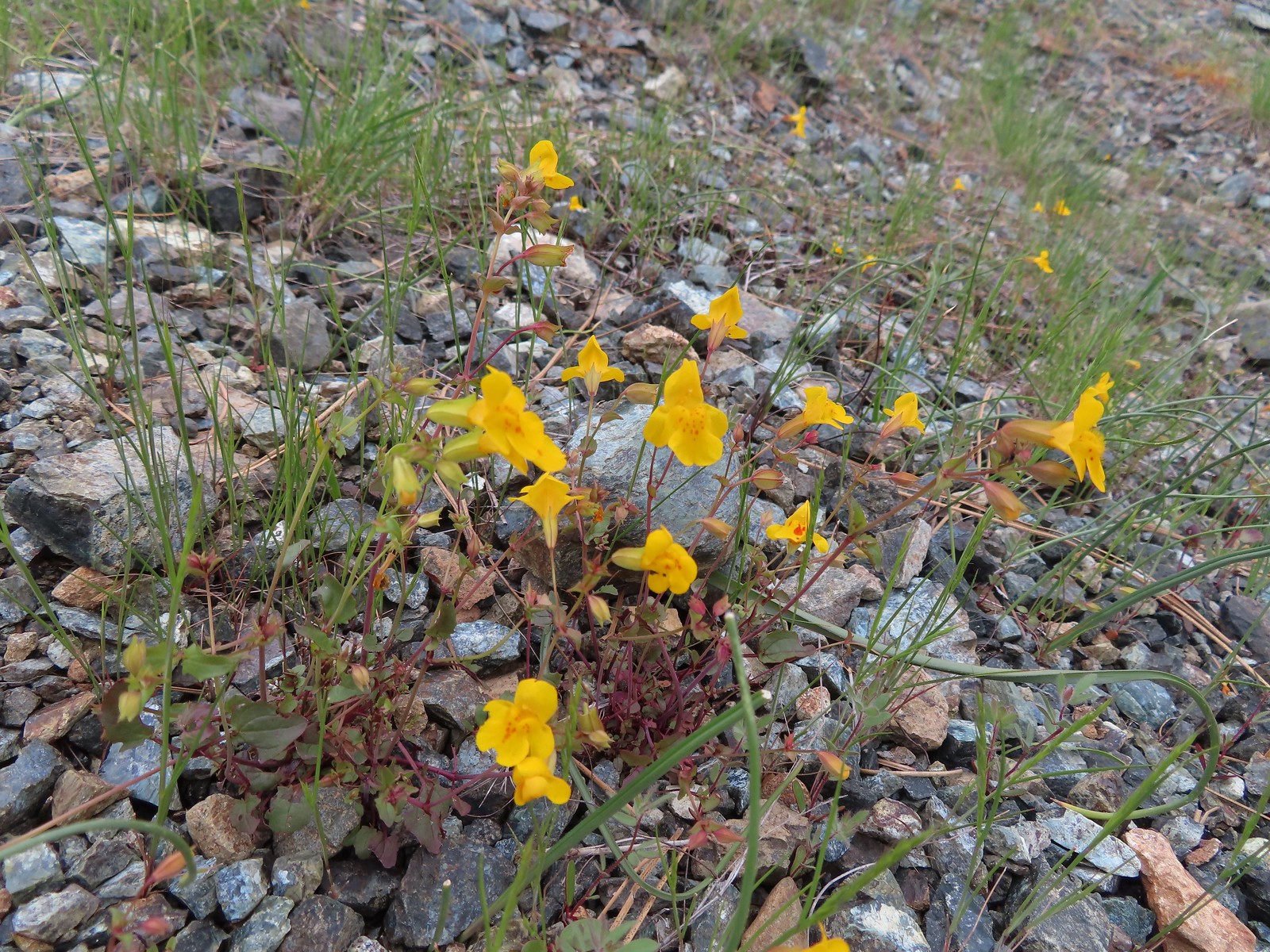 Monkeyflower
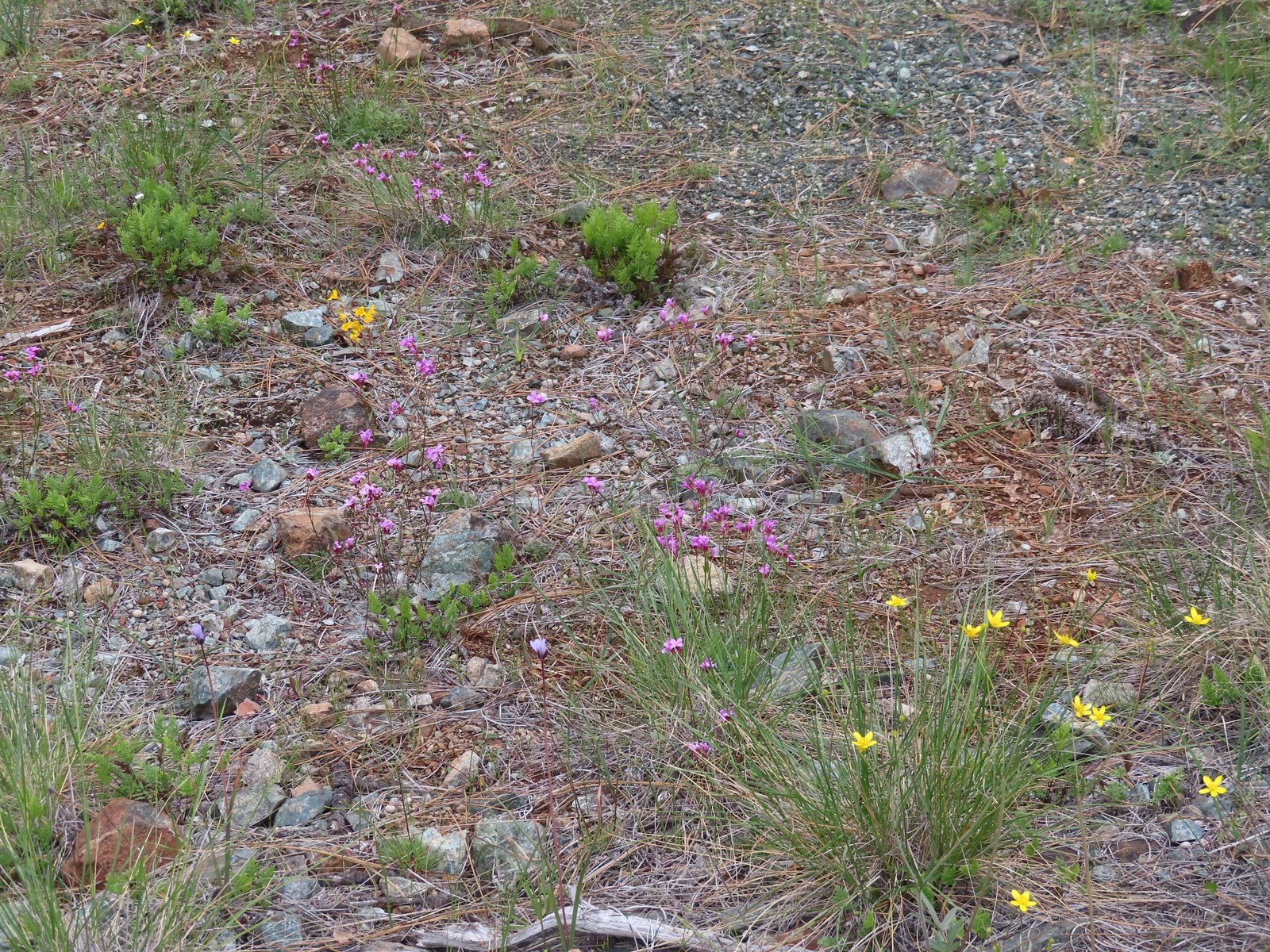 Oregon rockcress and buttercups
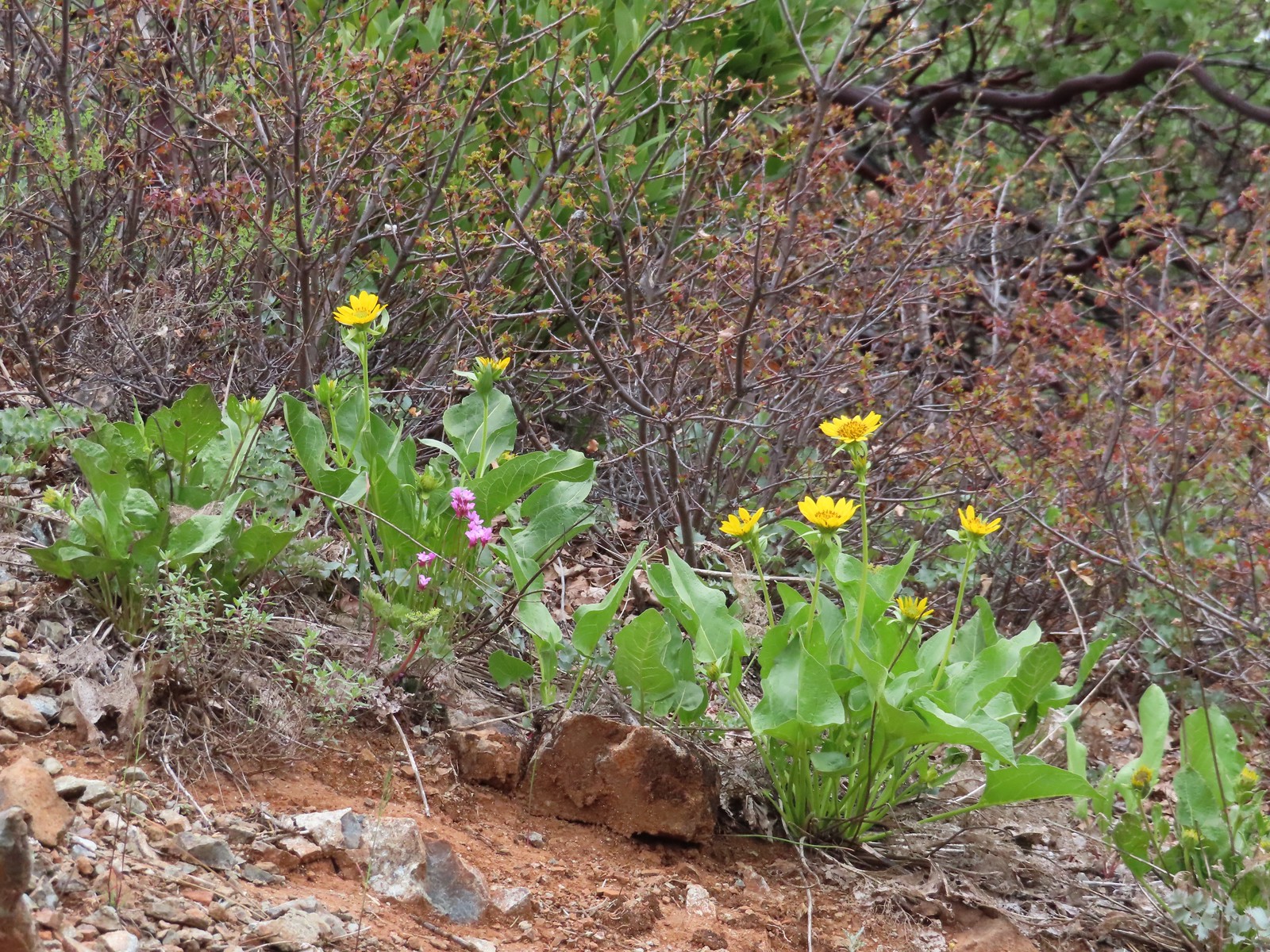 Balsamroot and Oregon rockcress
 Alpine? pennycress. There was a lot of this along the road, the first we’d seen of it this trip.
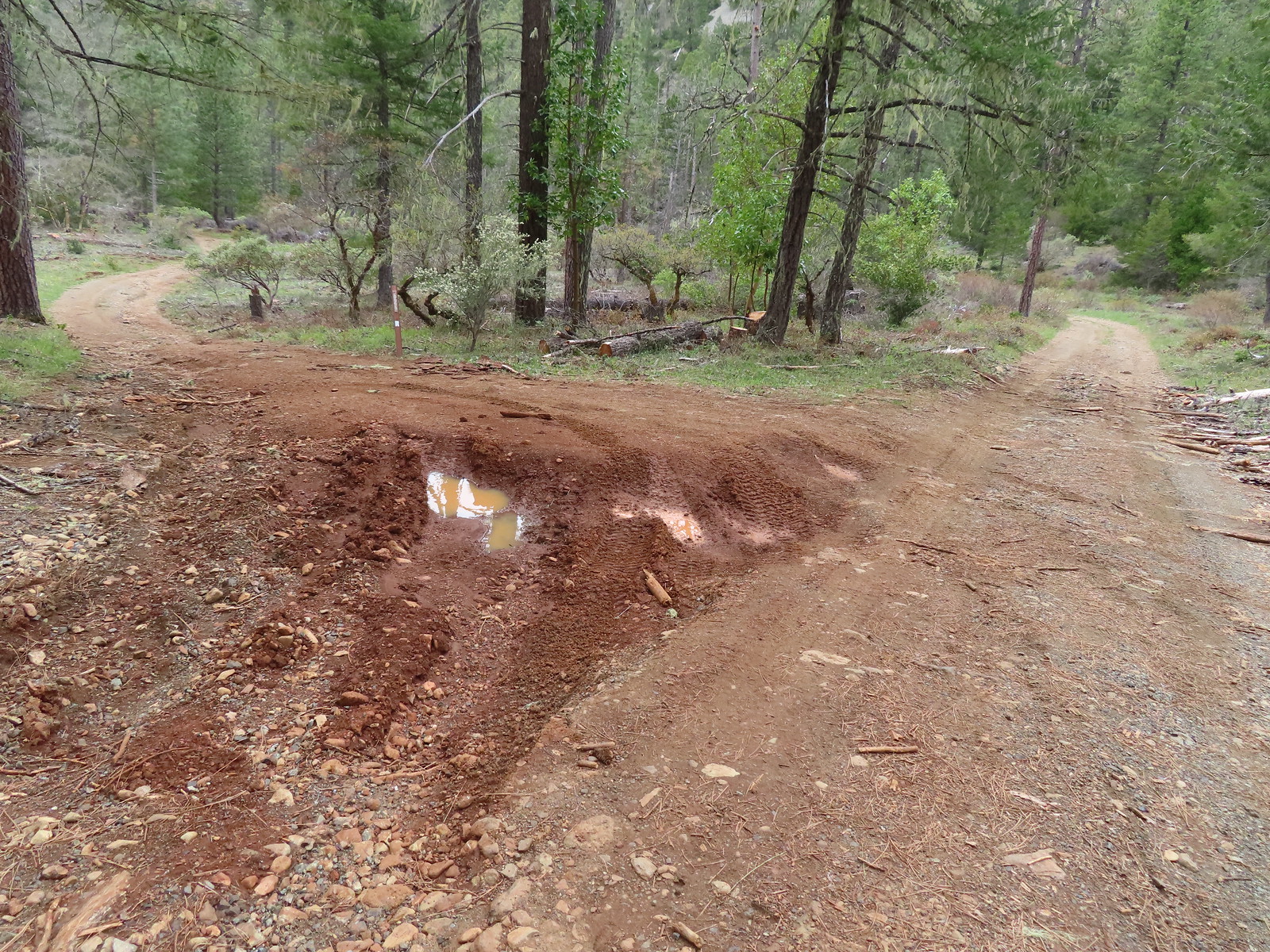 Star Flat. It was obvious from the tire marks which extended into the vegetation in places that yahoos like to come here and tear things up (sigh).
 Duskywing
 There was a fence around the bog at Star Flat which hosts more California darlingtonia.
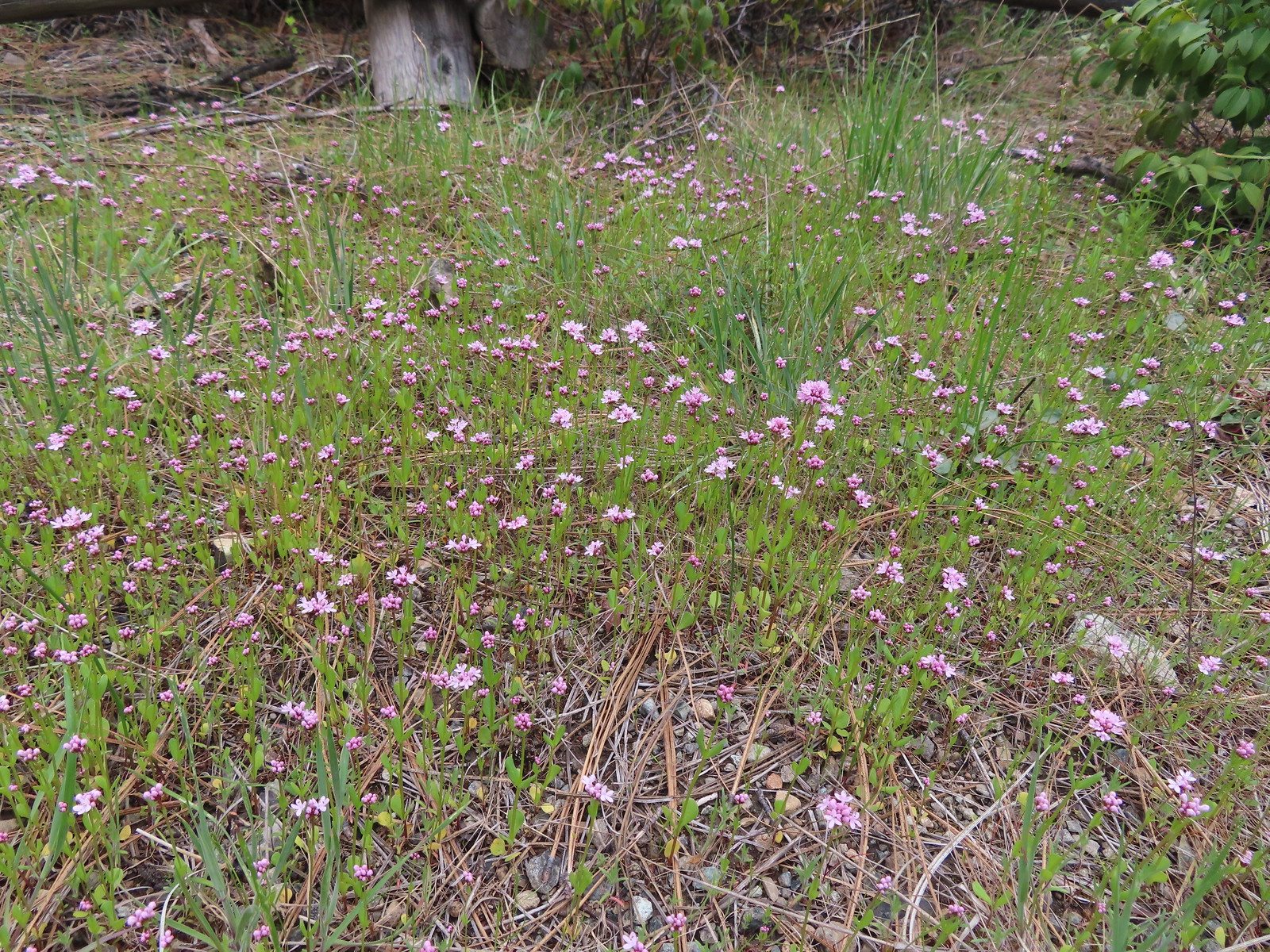 Plectritis
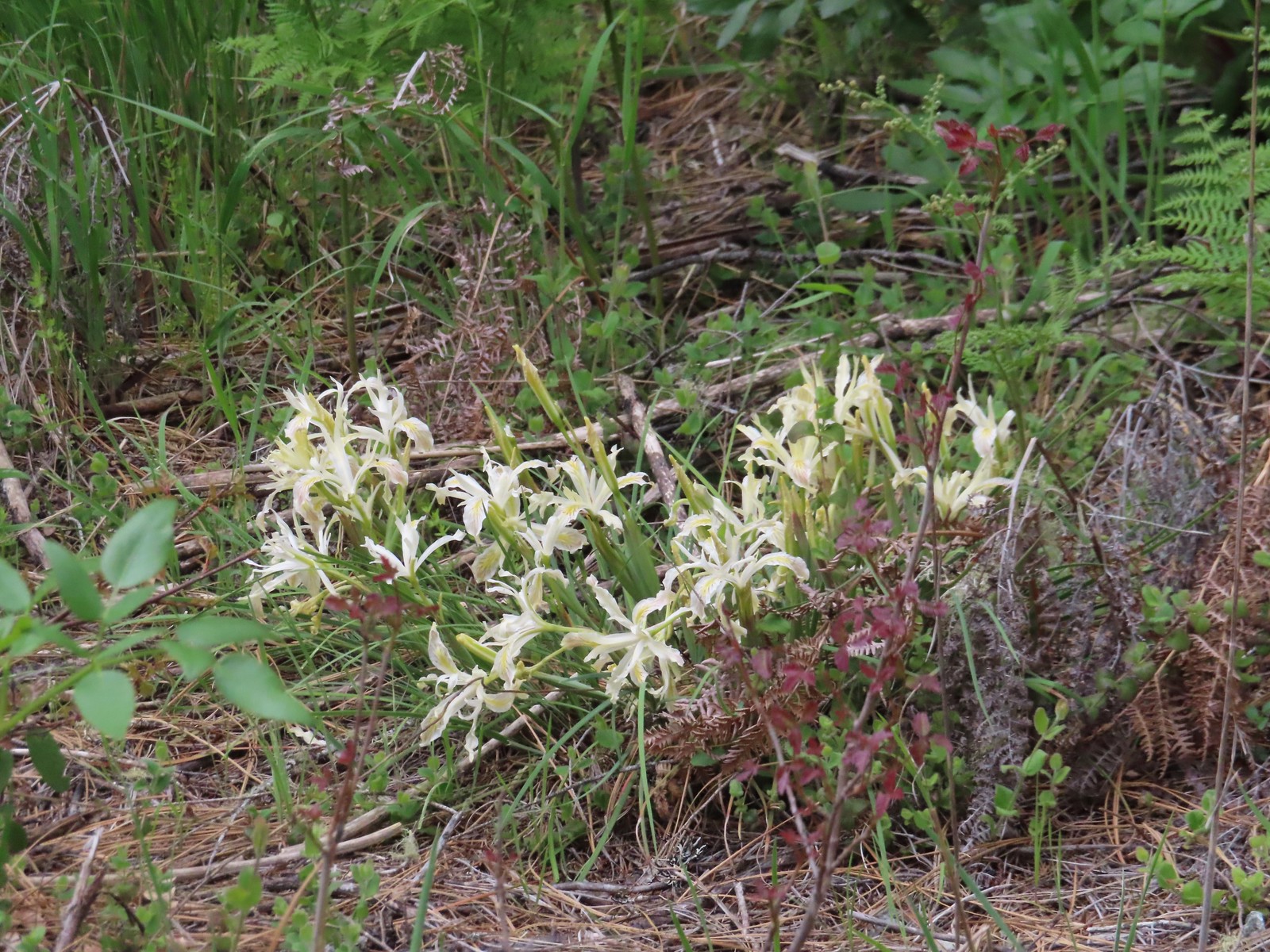 Iris
Iris Darlingtonia
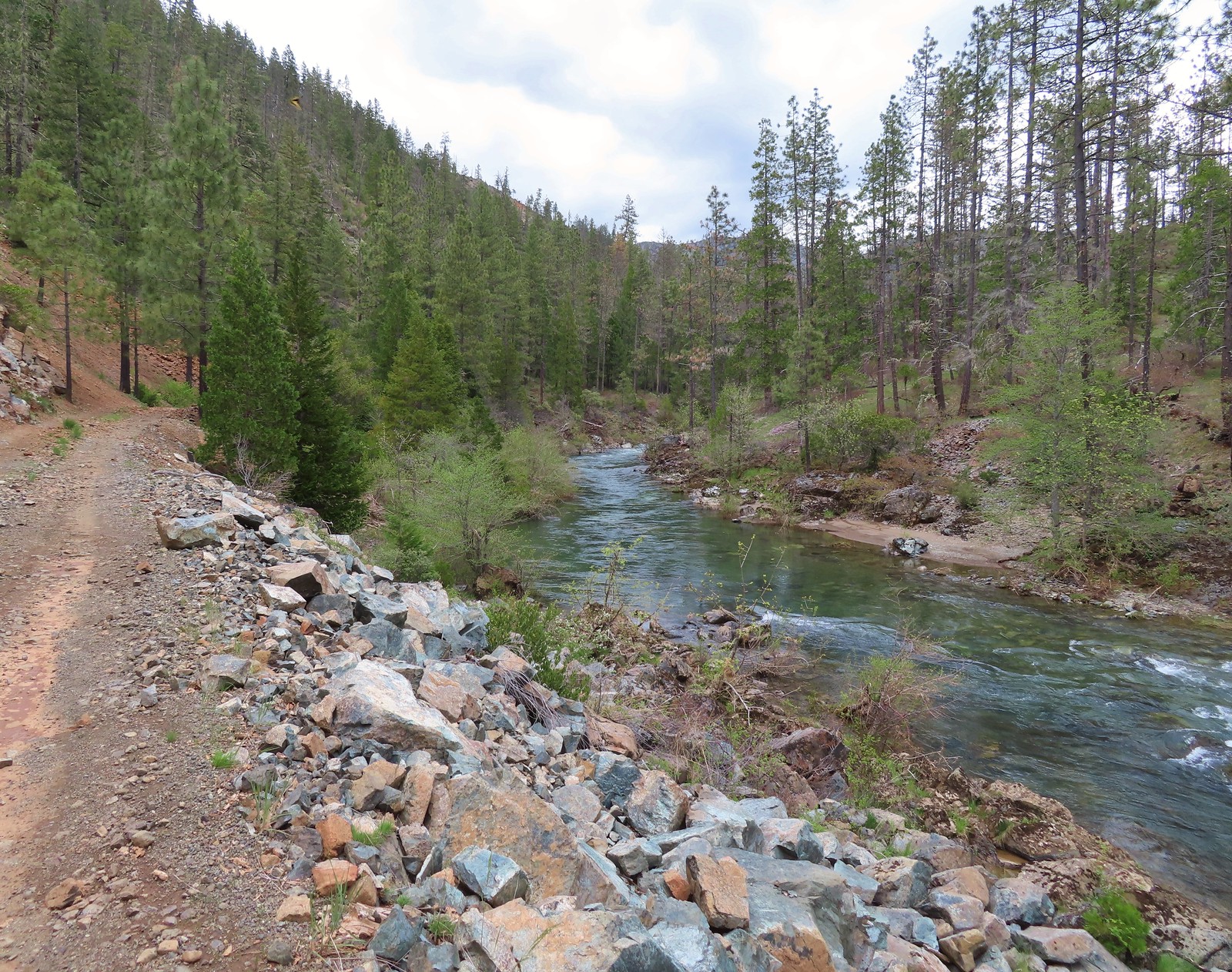 Deer Creek
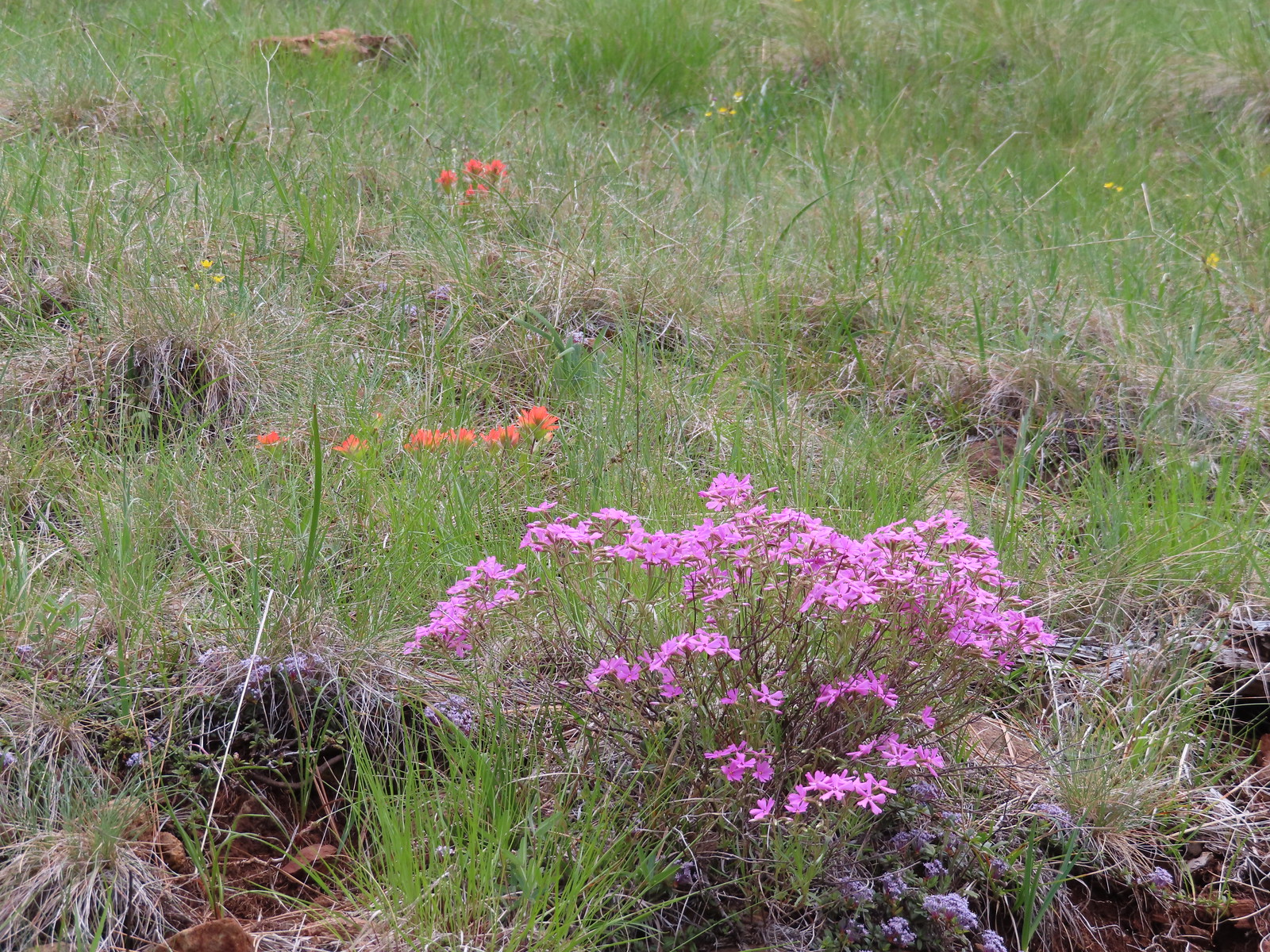 Showy phlox and paintbrush
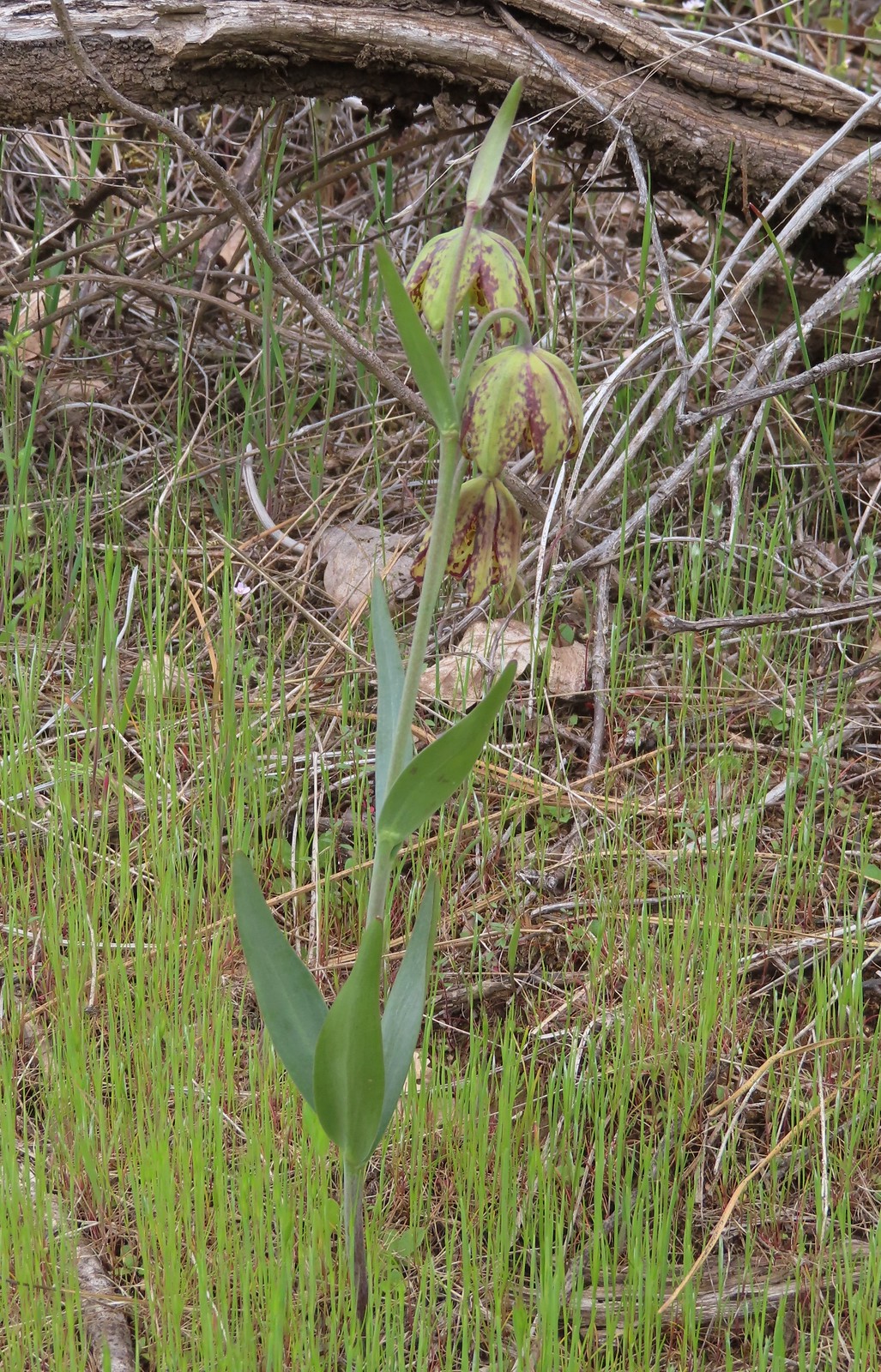 Checker lily
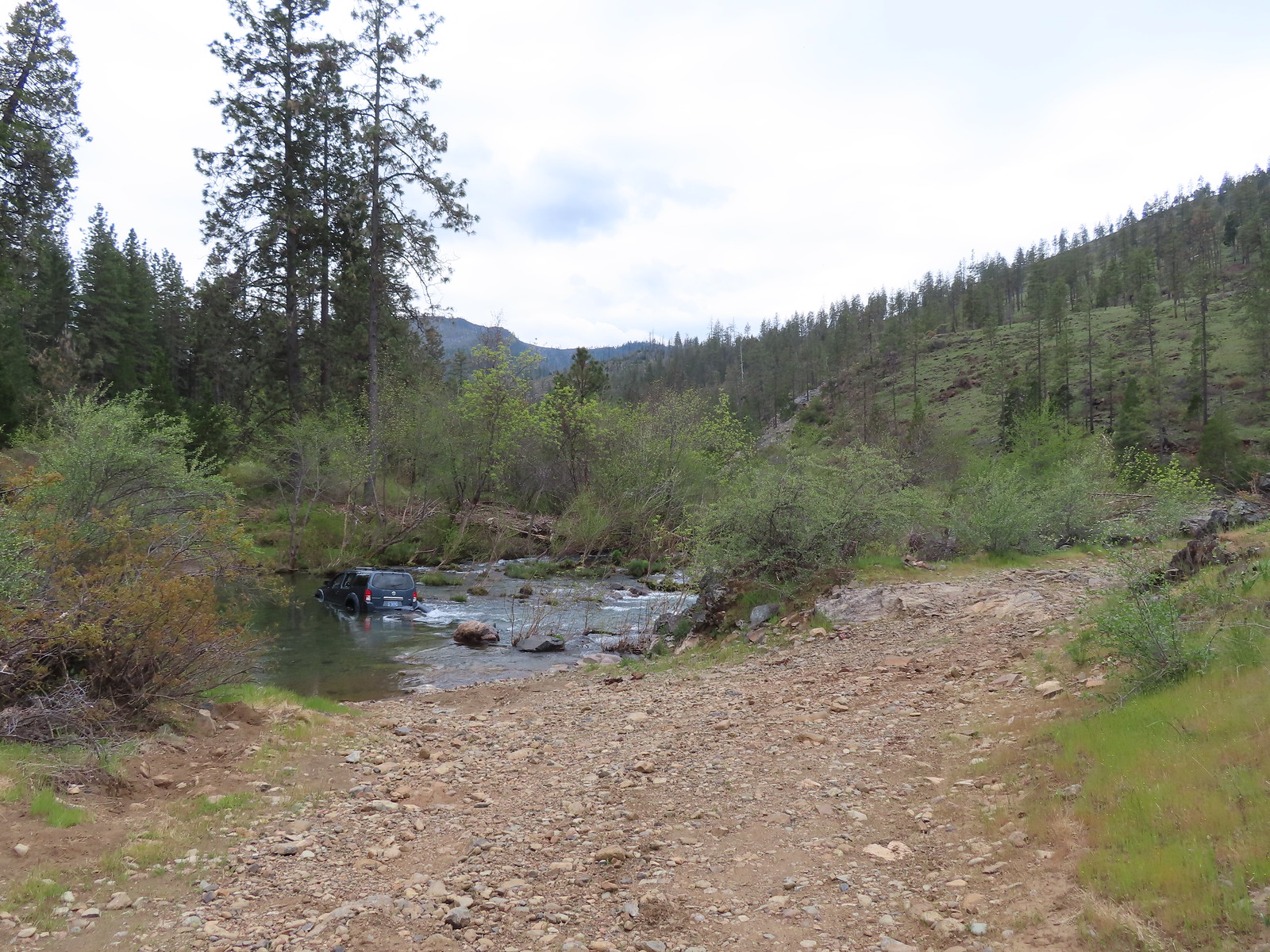
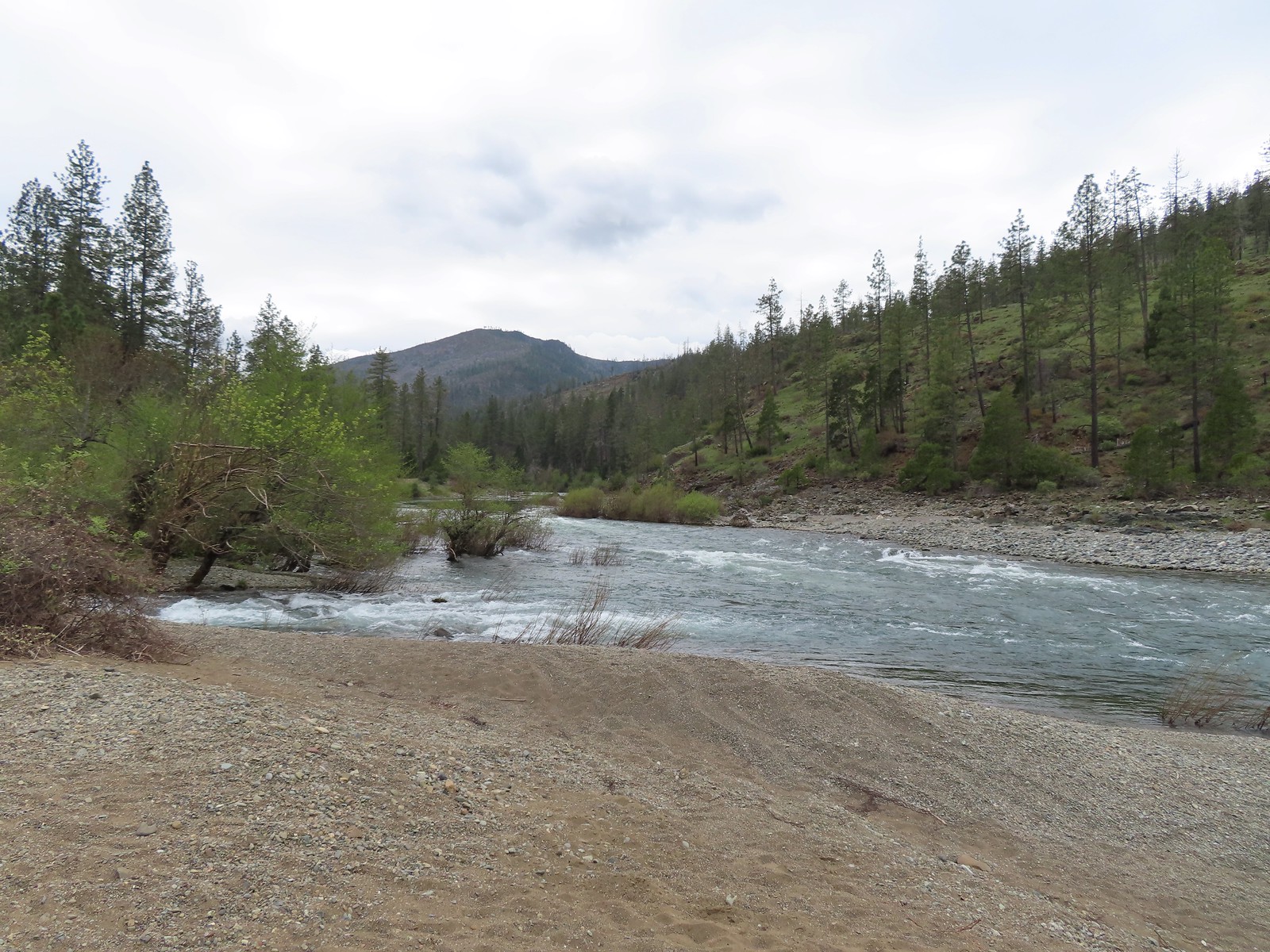

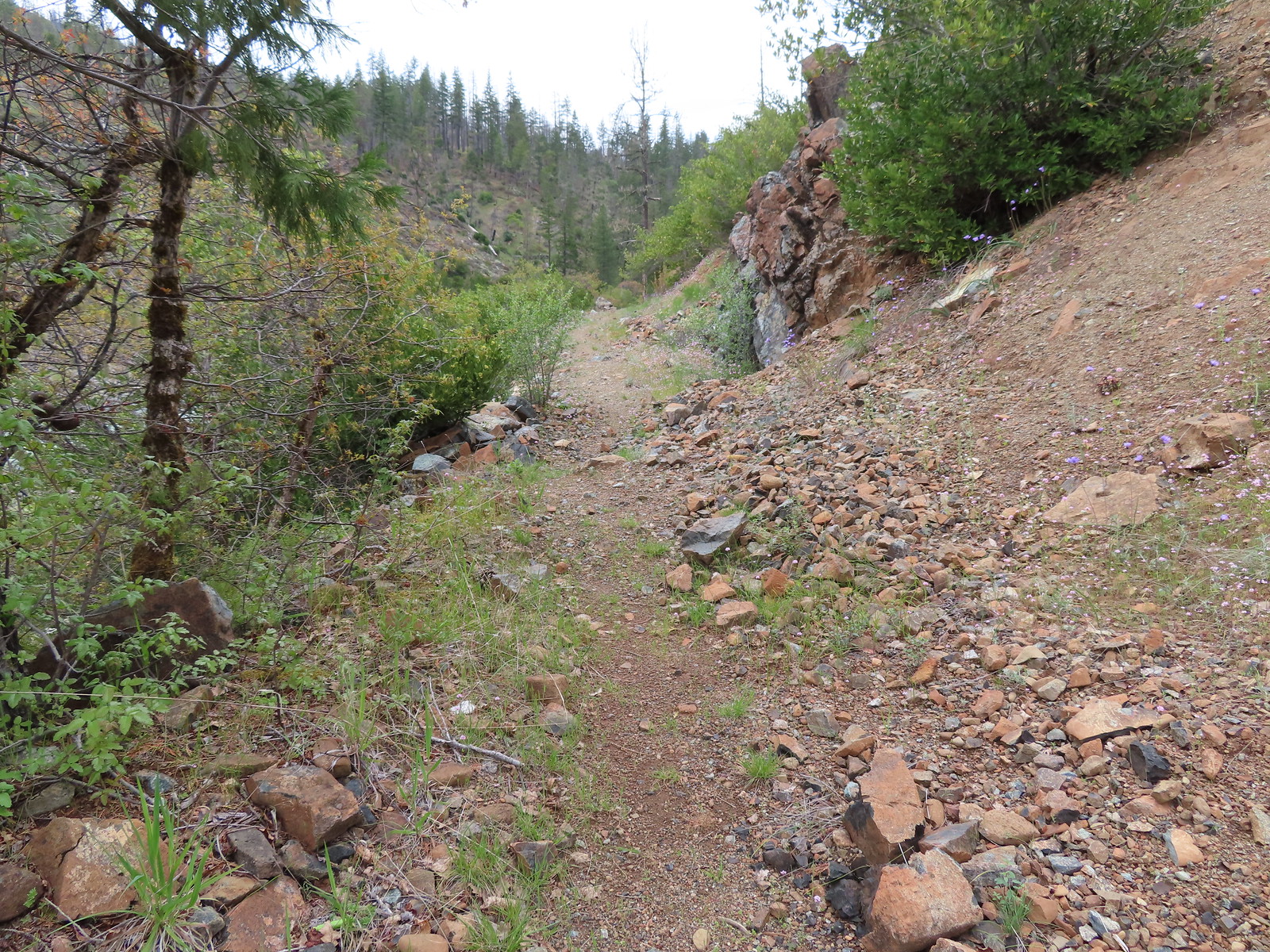
 Hairy pink
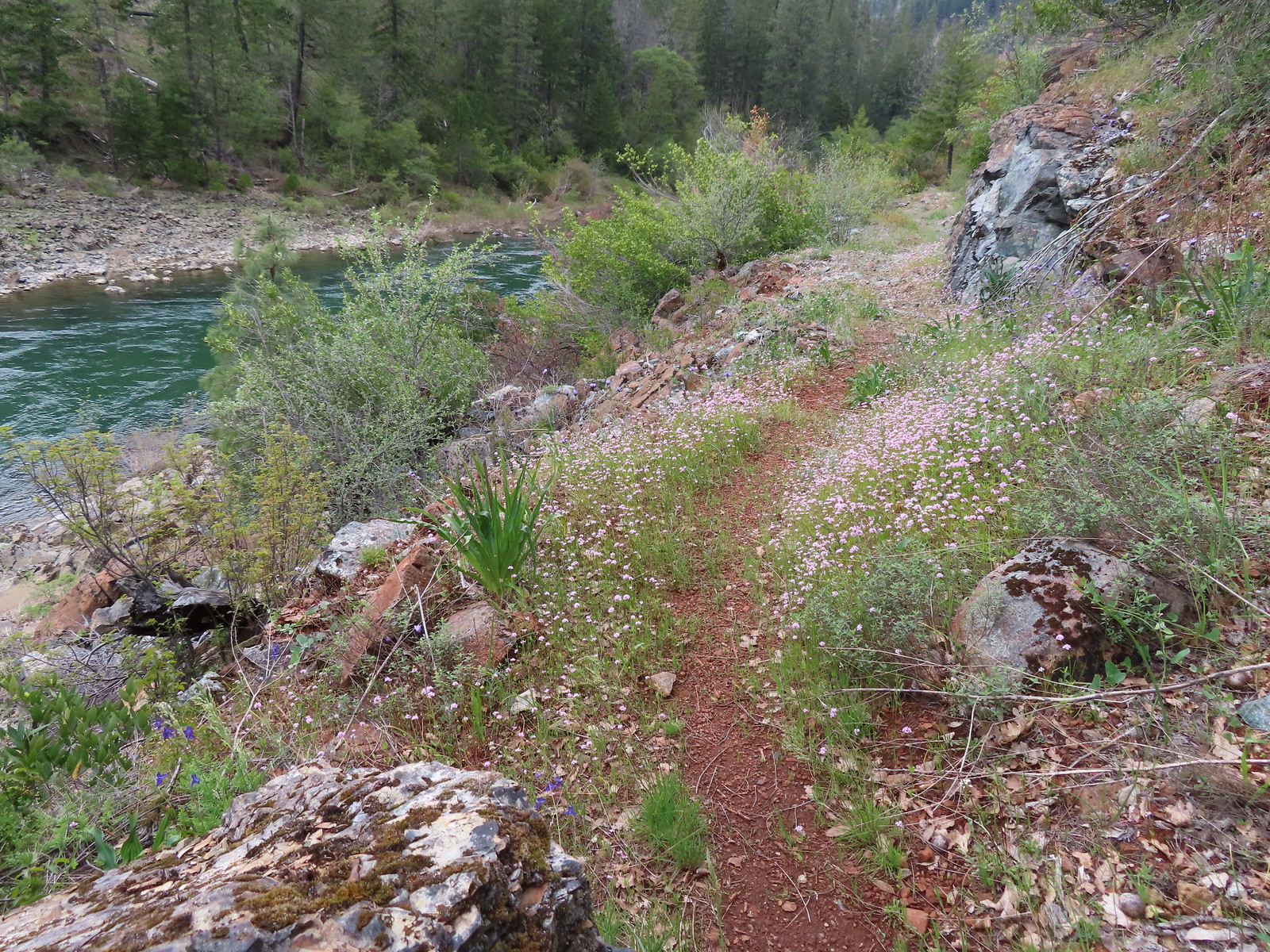 Plectritis along the trail.
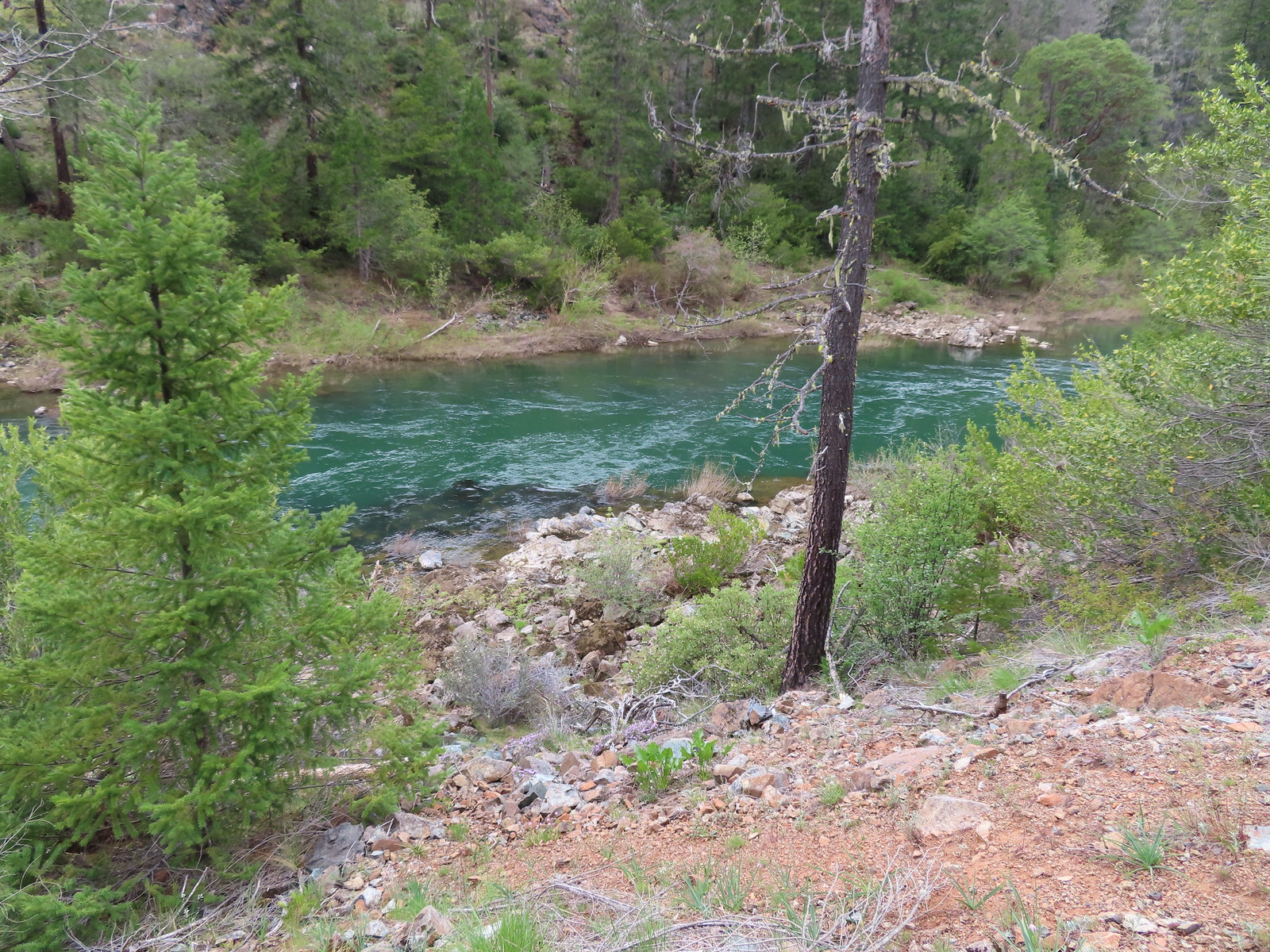 Illinois River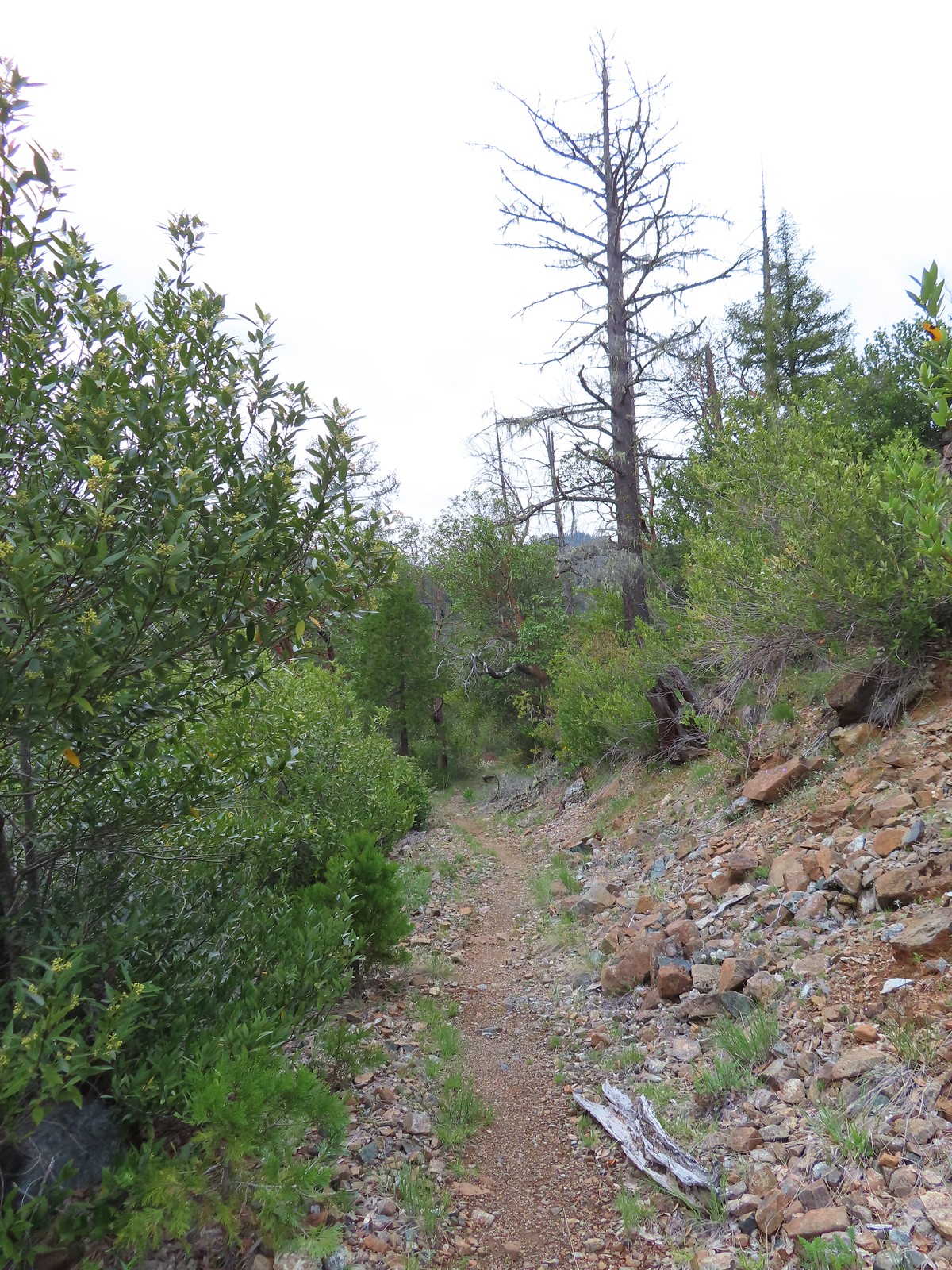
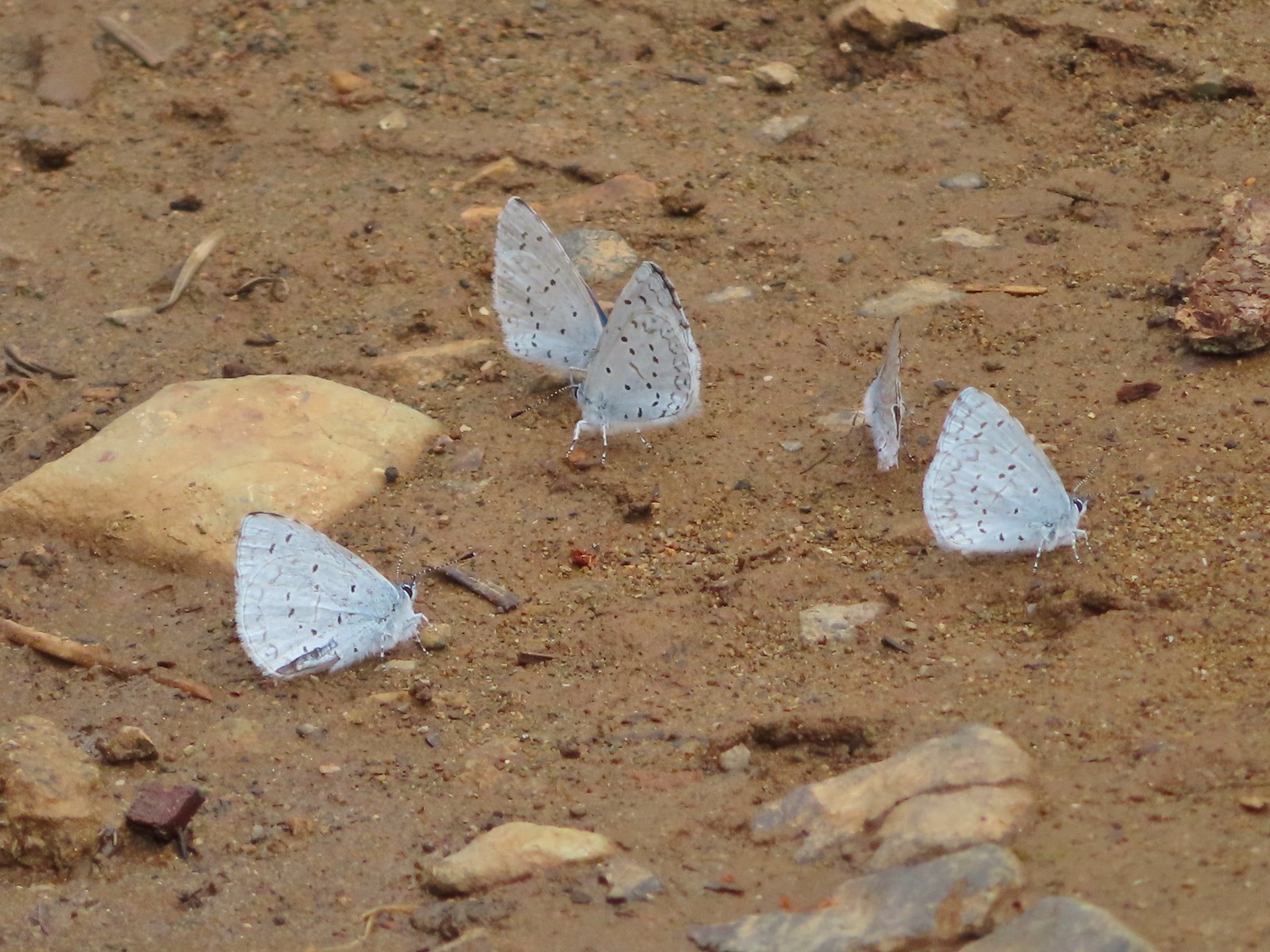
 Star flower
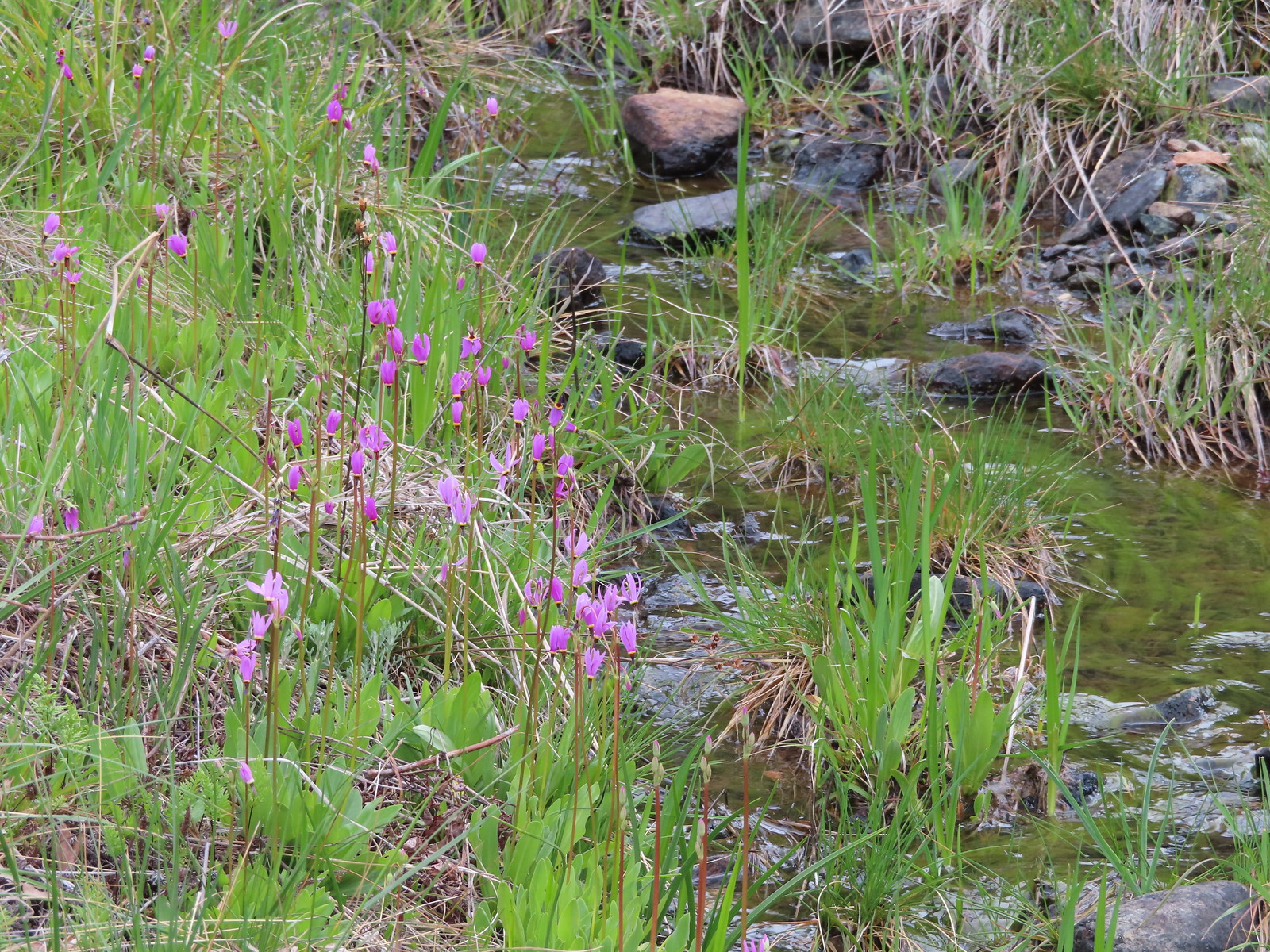 Shooting stars along the creek leading to the bog in Star Flat.
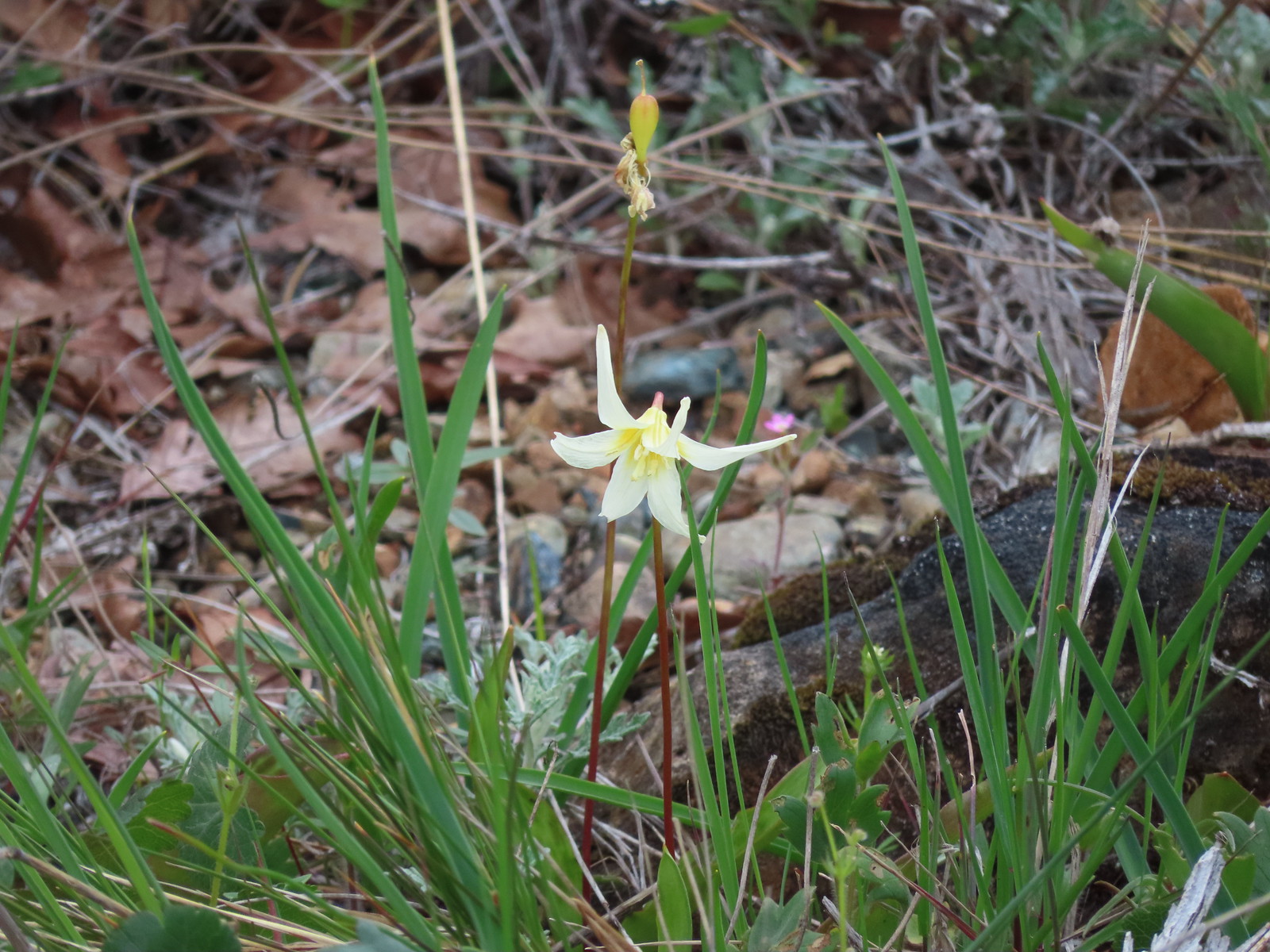 Fawn lily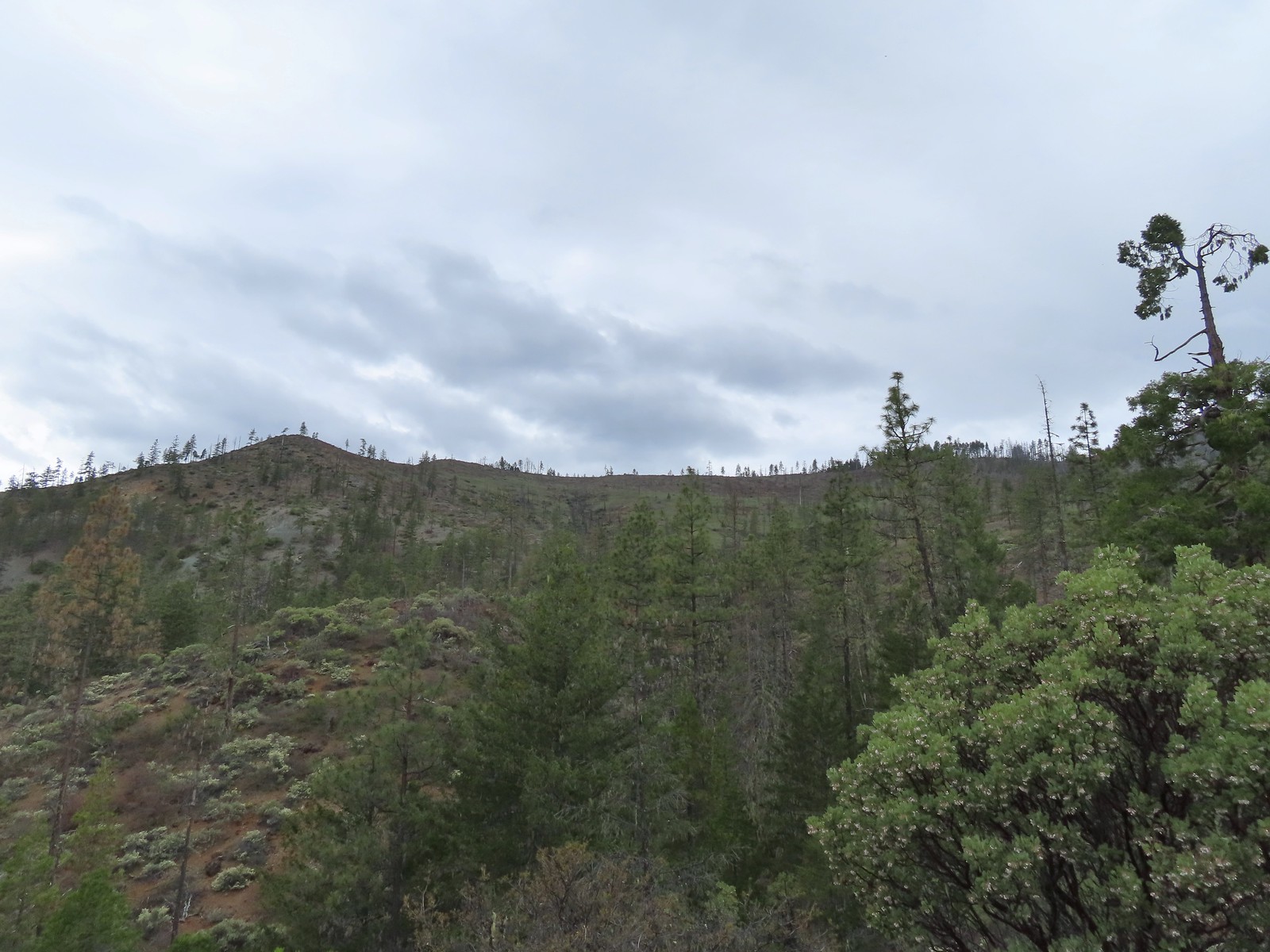


 Larkspur along the trail.
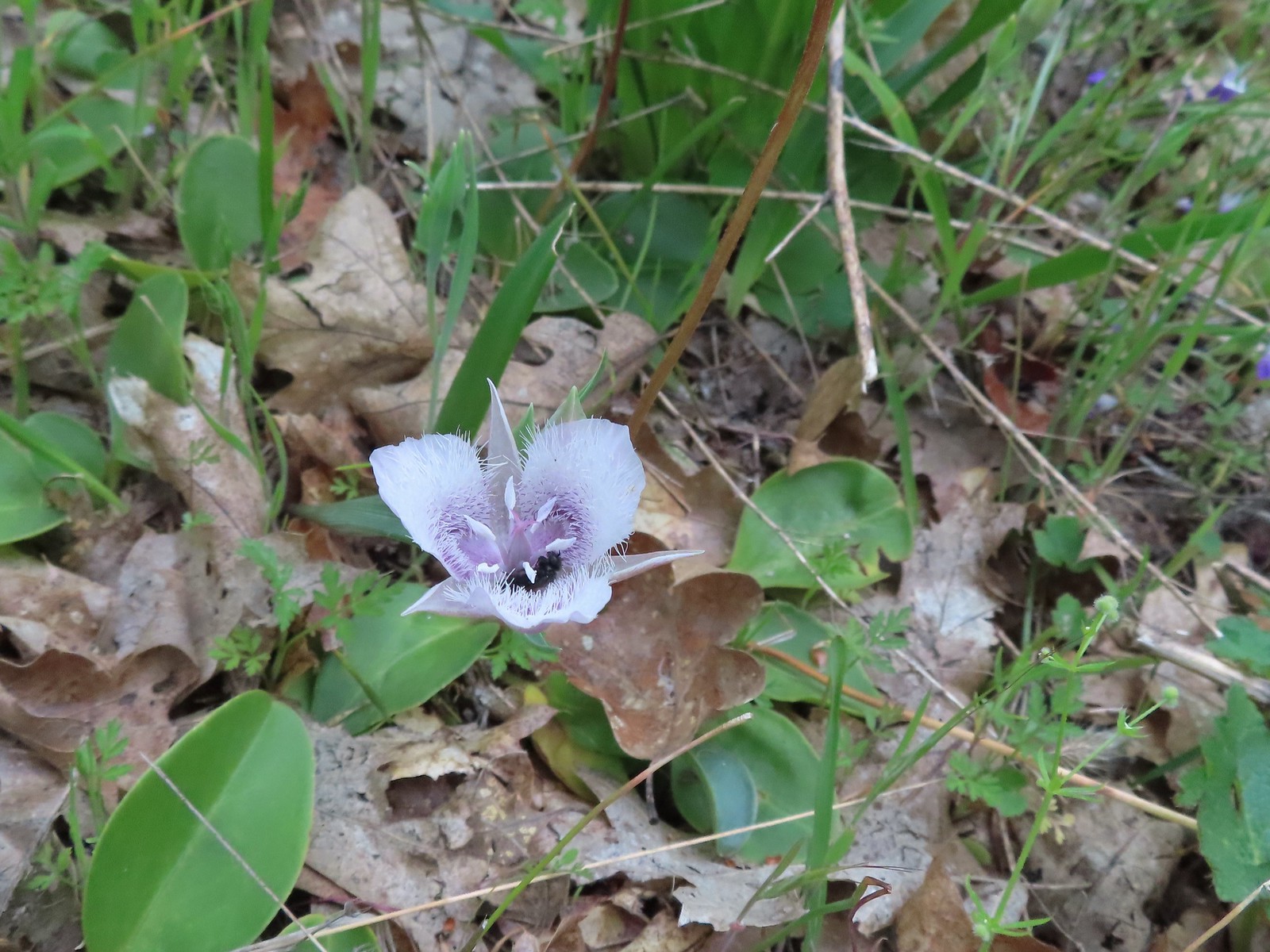 A pollinator in a Tolmie’s mariposa lily.
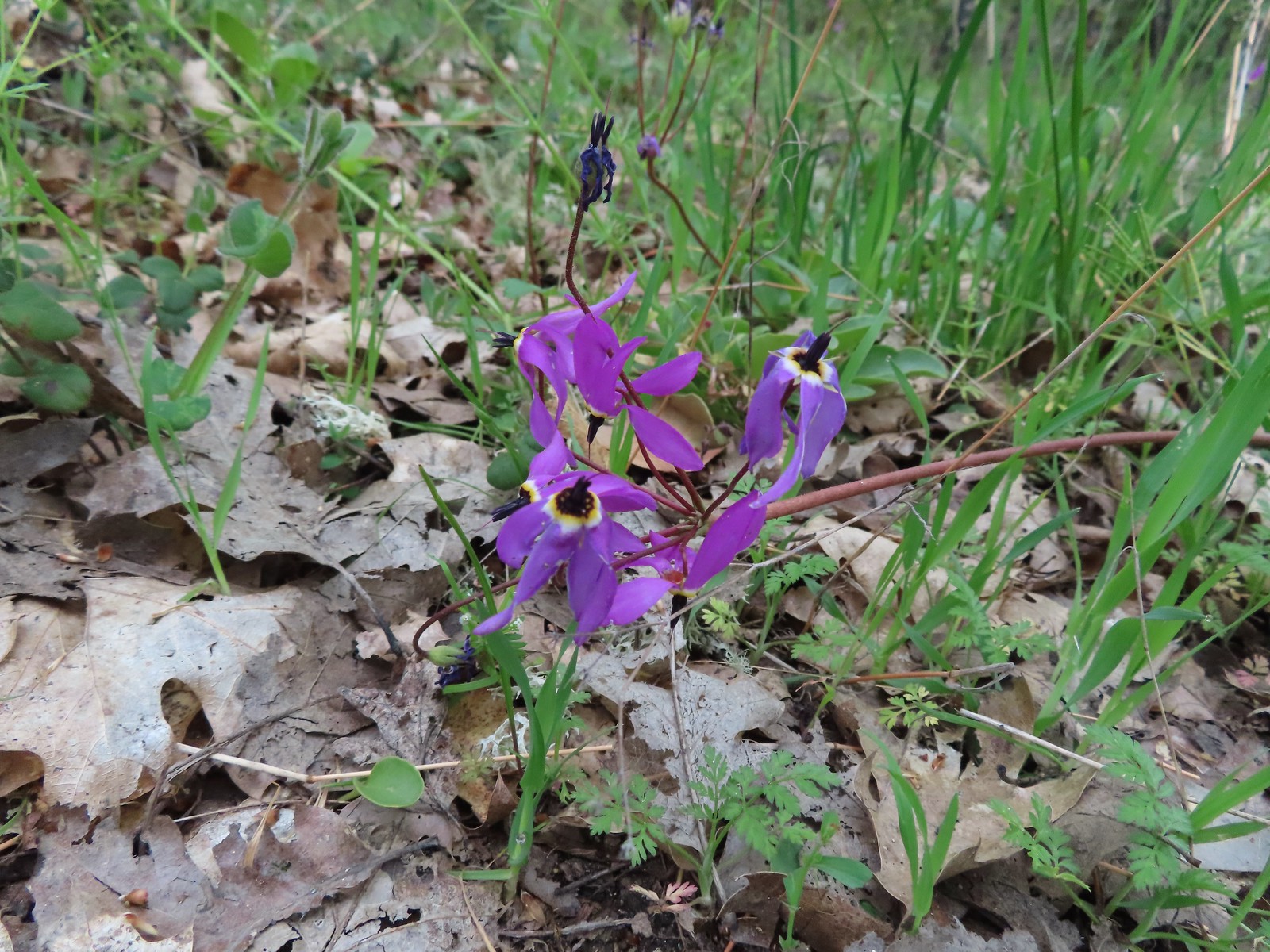 Shooting star
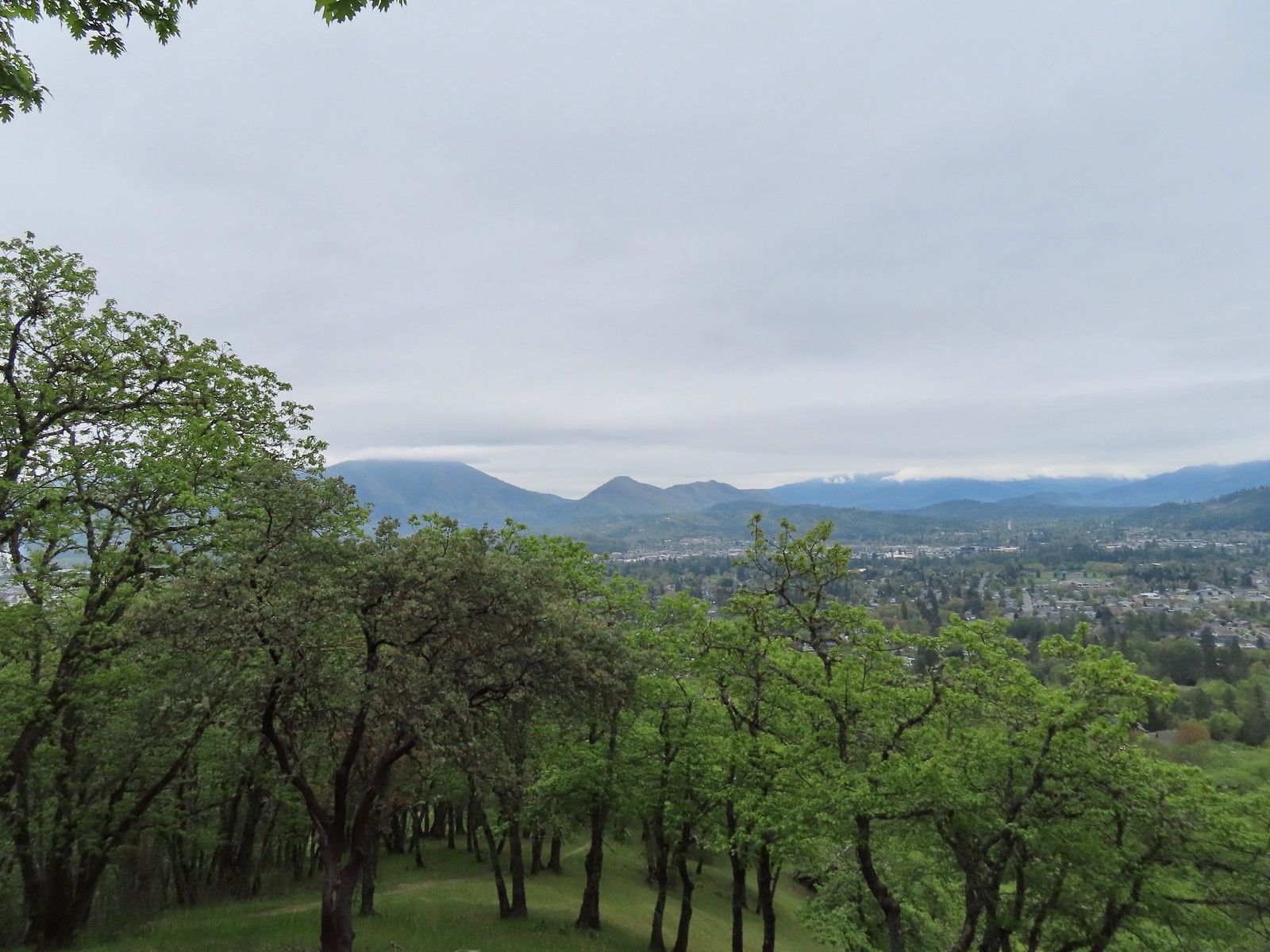 Grants Pass below Dollar Mountain.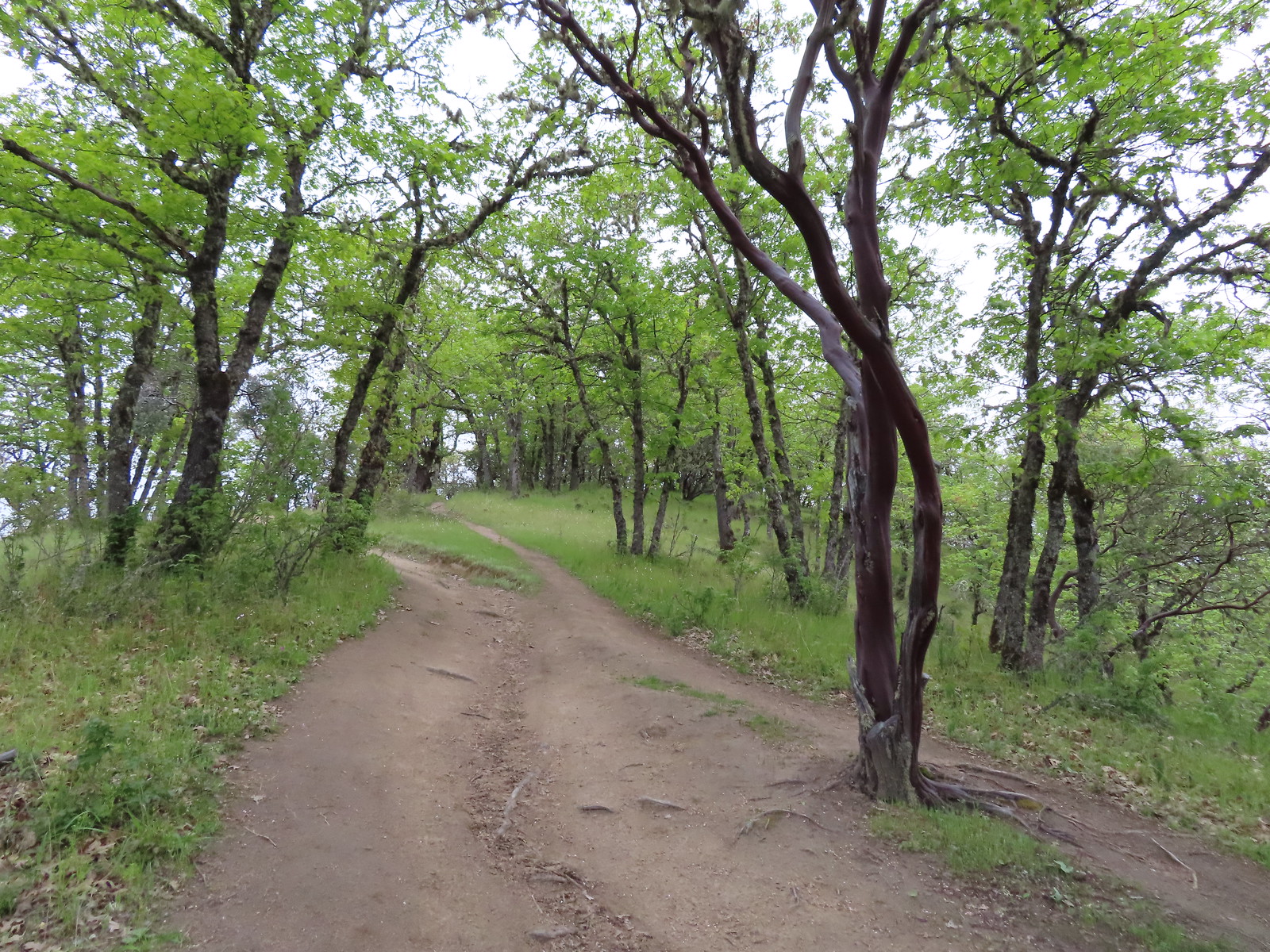
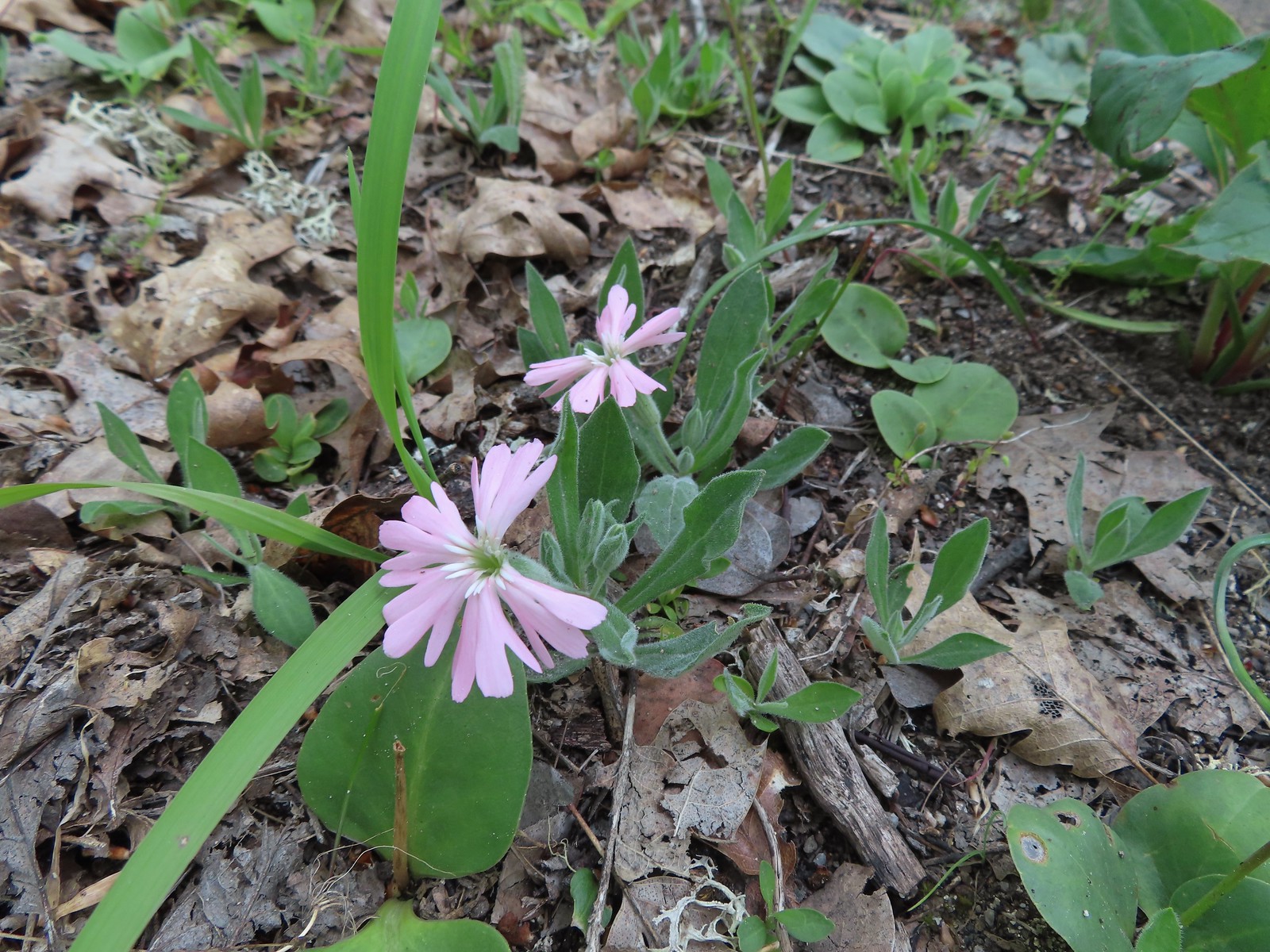 Hooker’s Indian pink
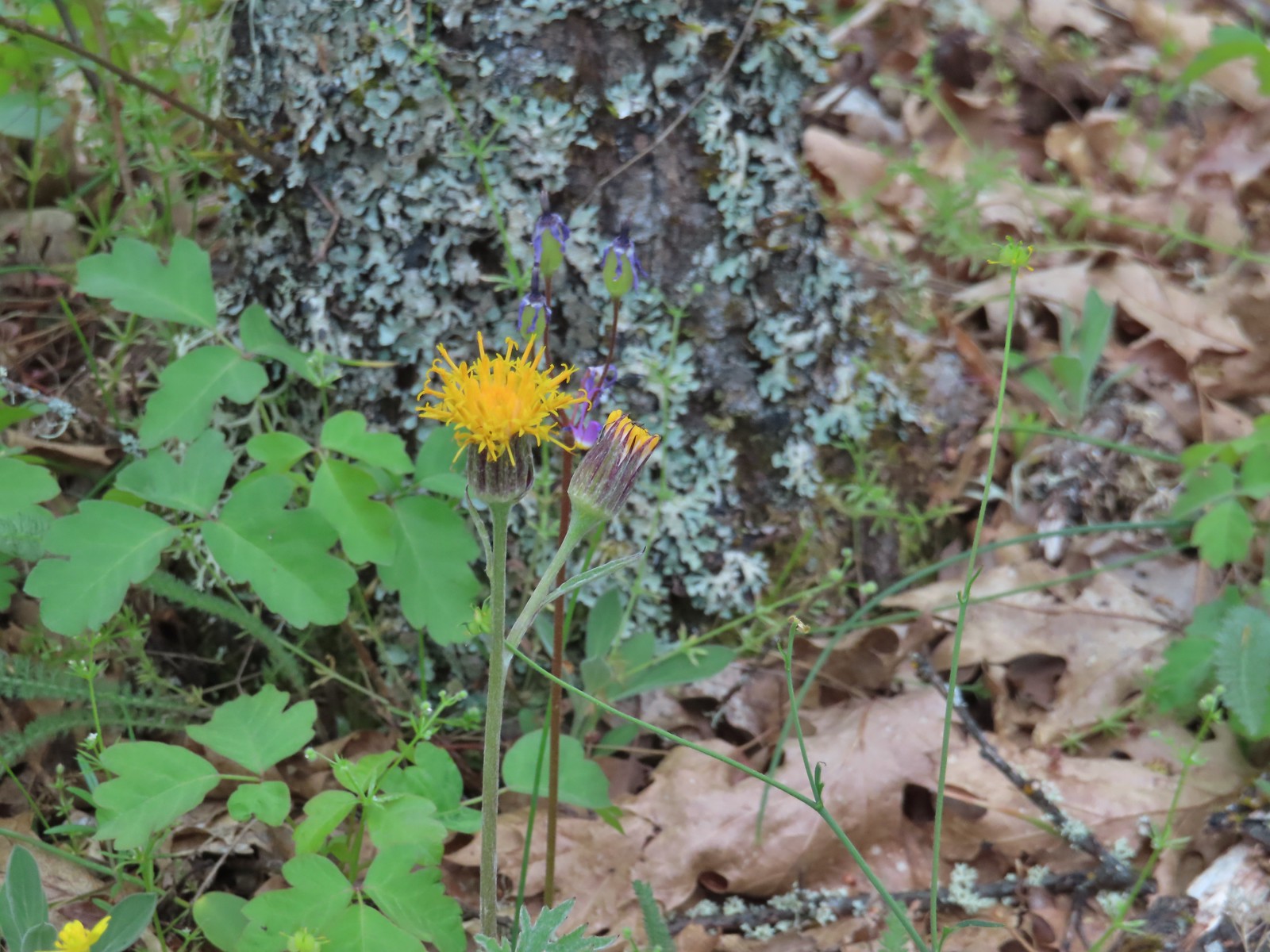 Silver crown
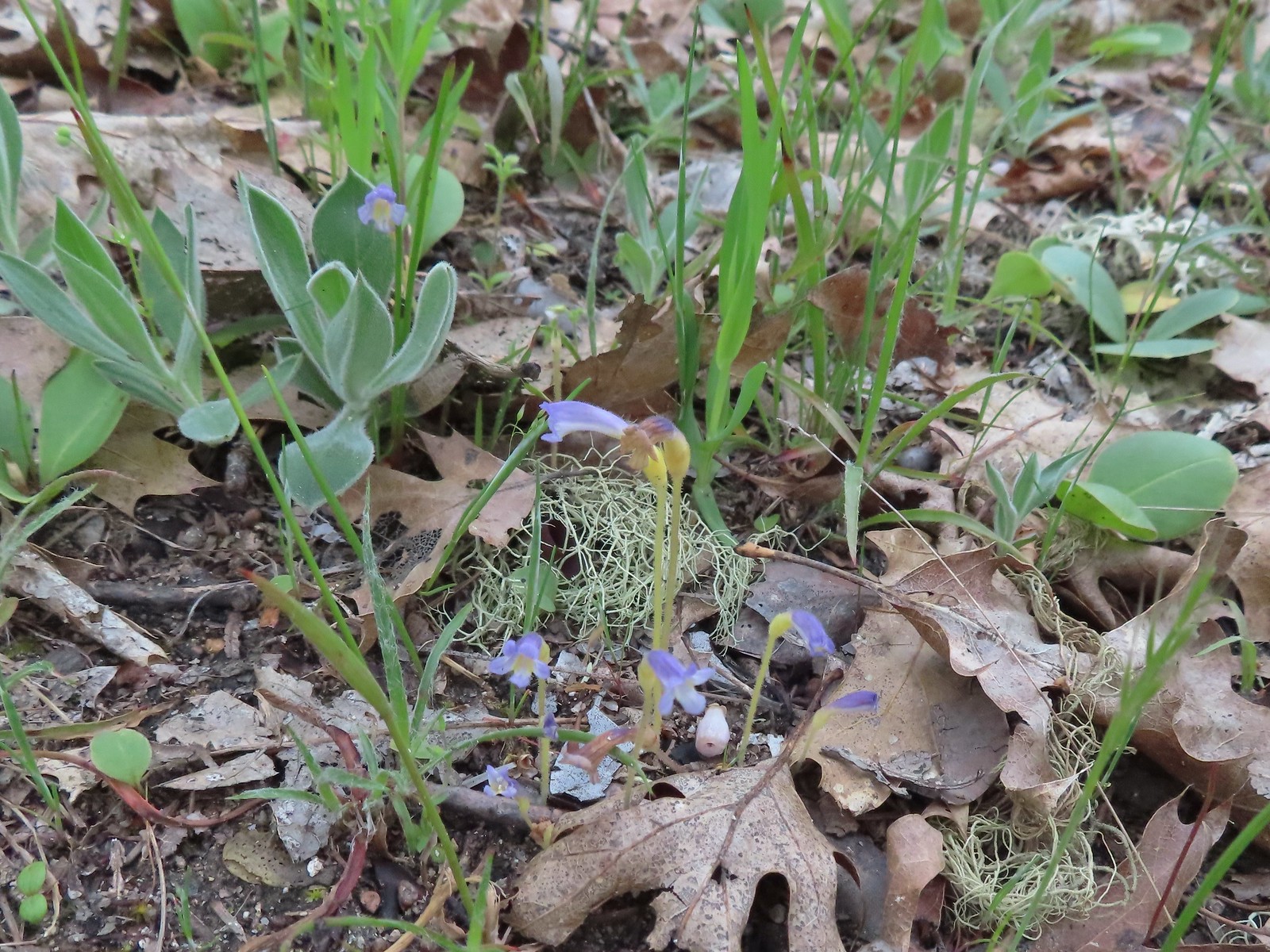 Naked broomrape
 Too cloudy for a good view.
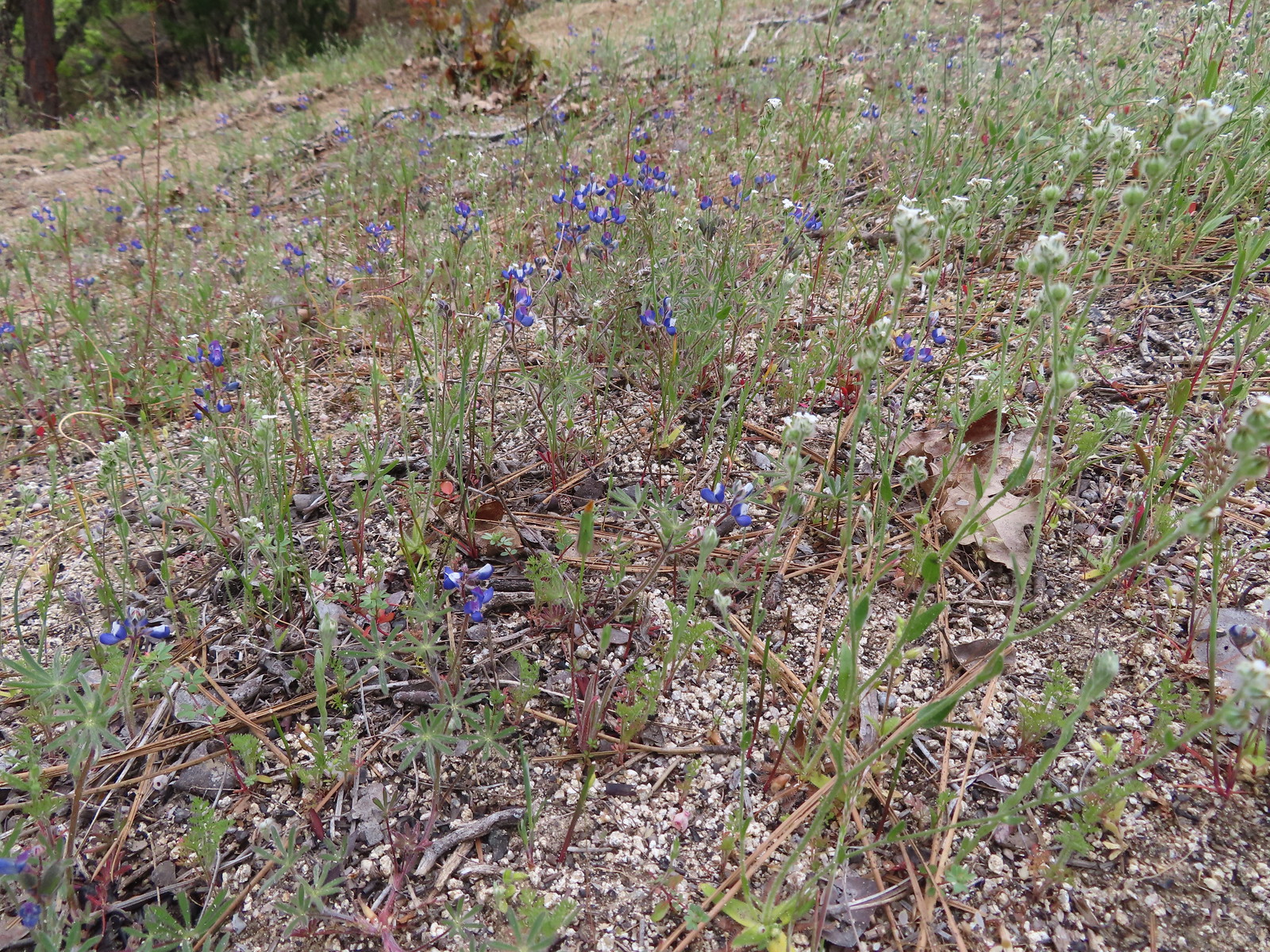 Lupine
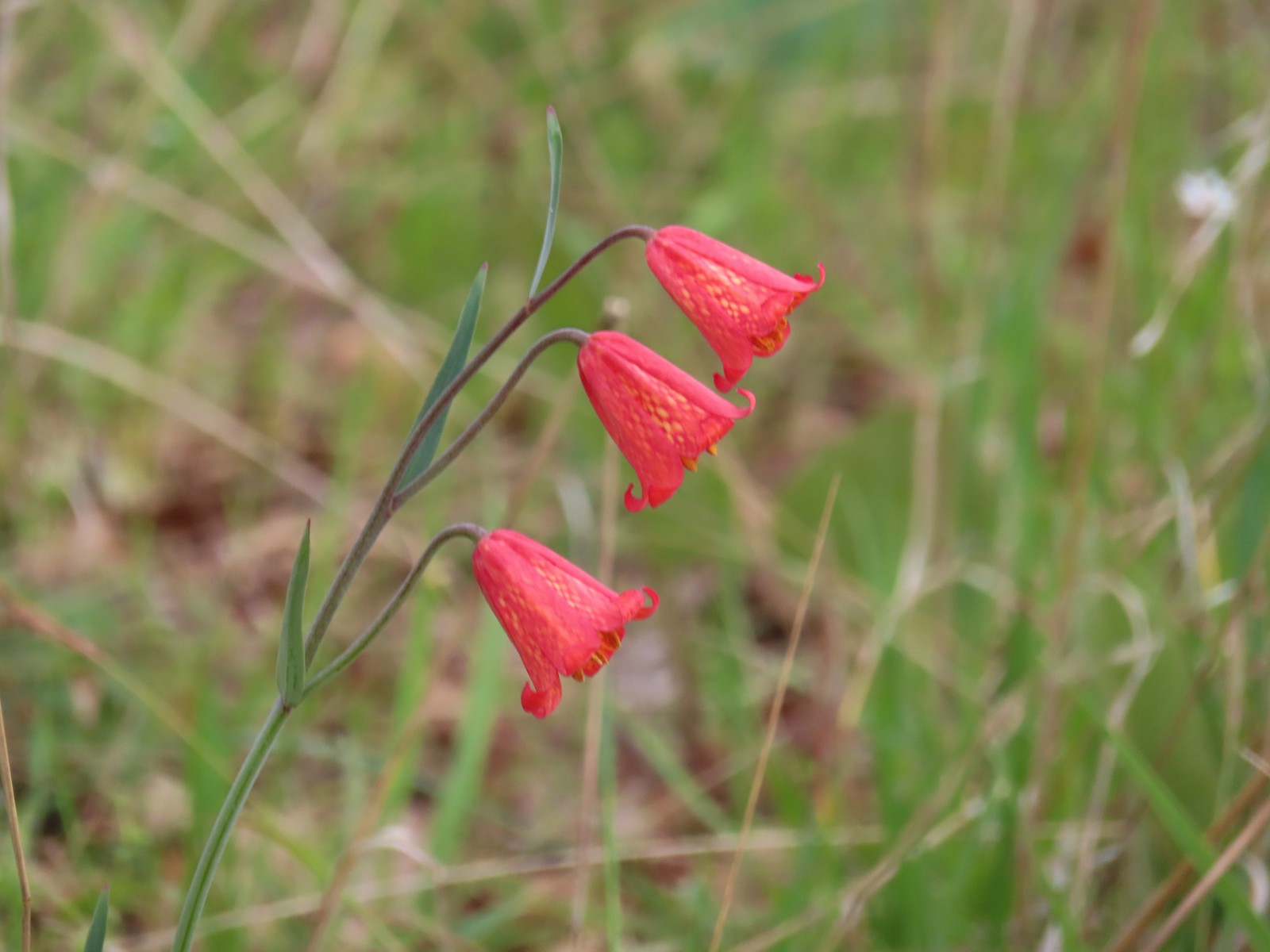 Scarlet fritillary
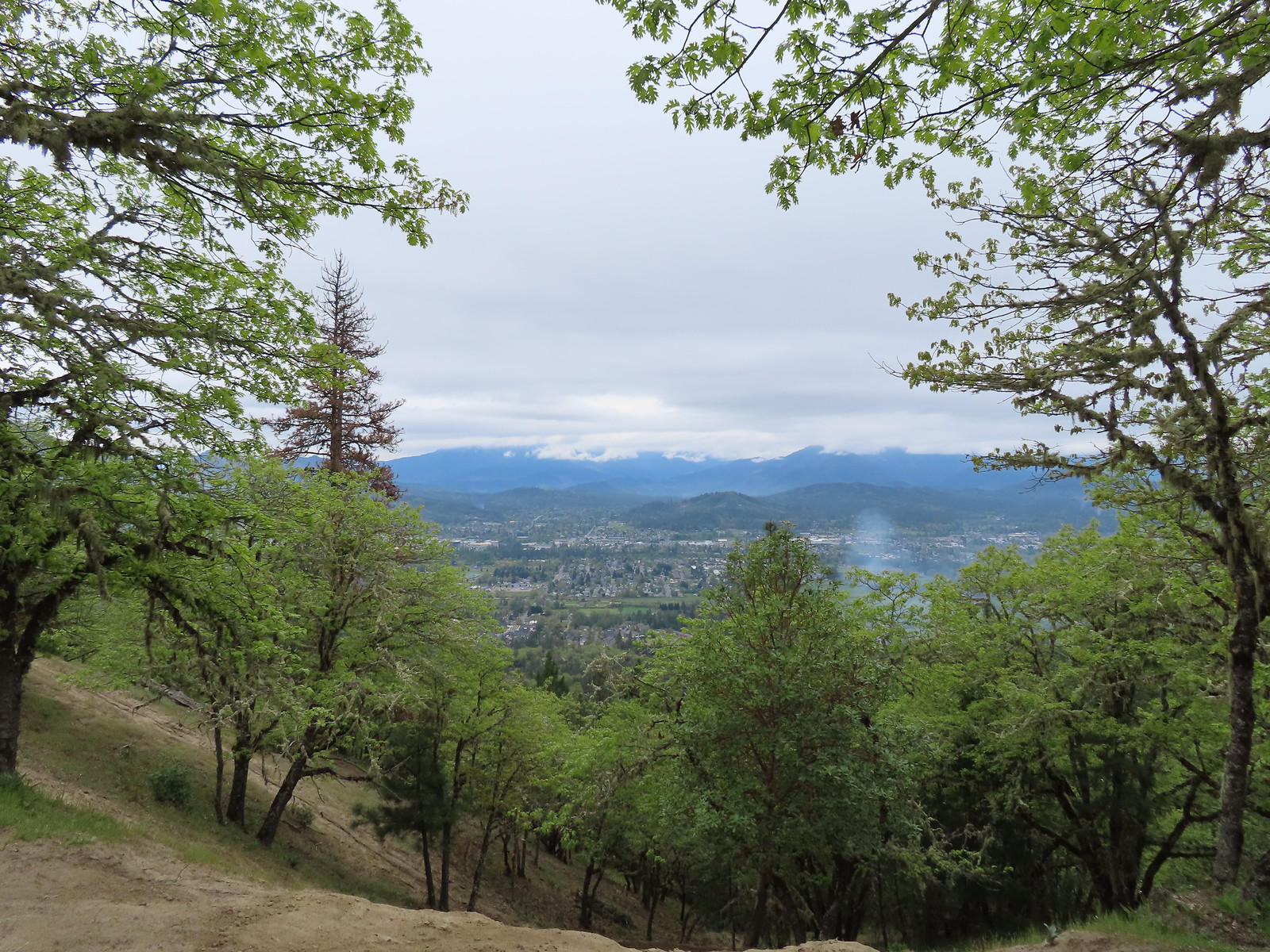 View from the summit.
 We stuck to the road ignoring any side paths like this one since we had no idea where they might lead.
 There were dozens of California groundcones along the roadbed.
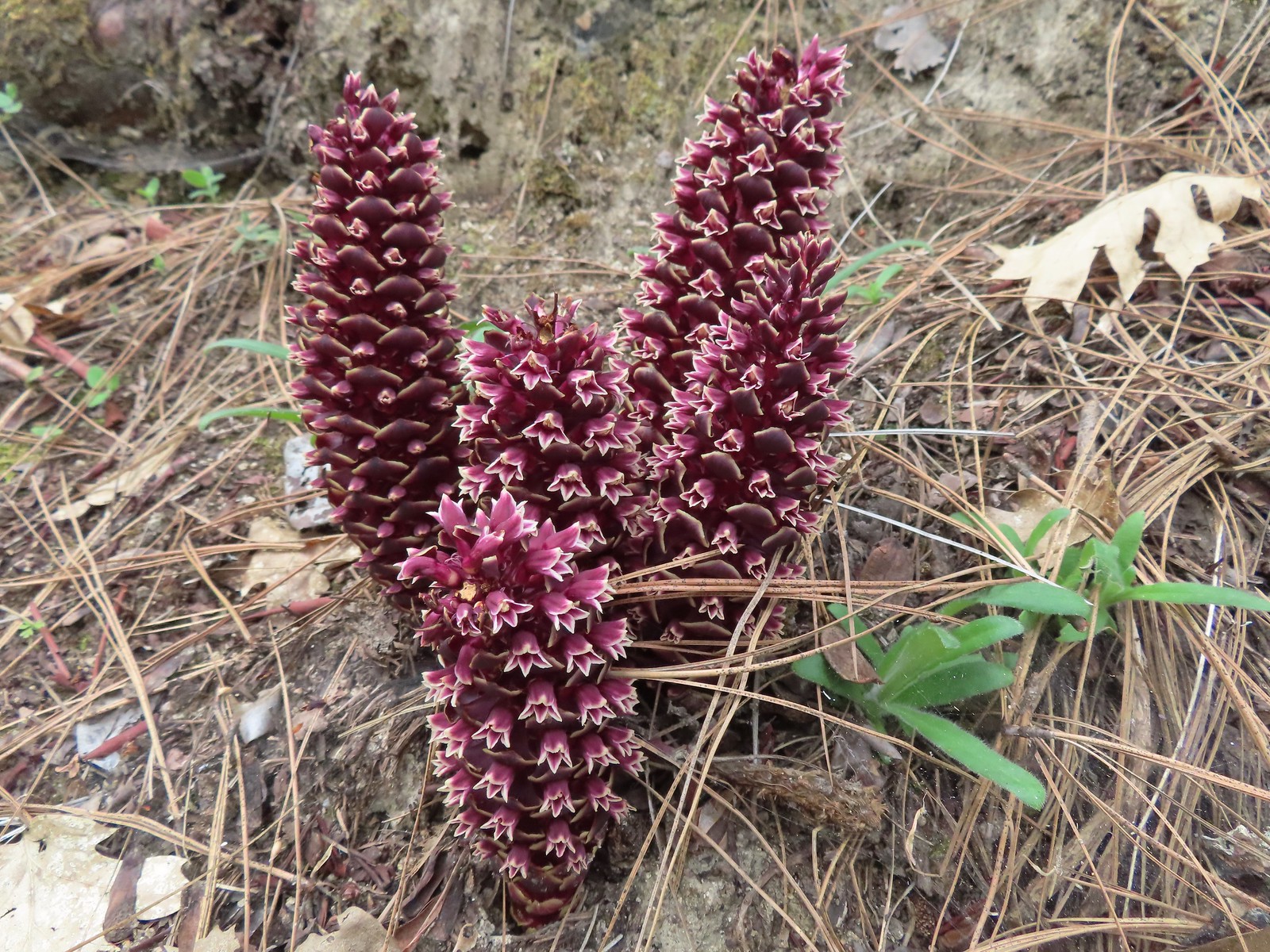 California groundcones
 Approaching Crescent Street.
 Monkeyflower
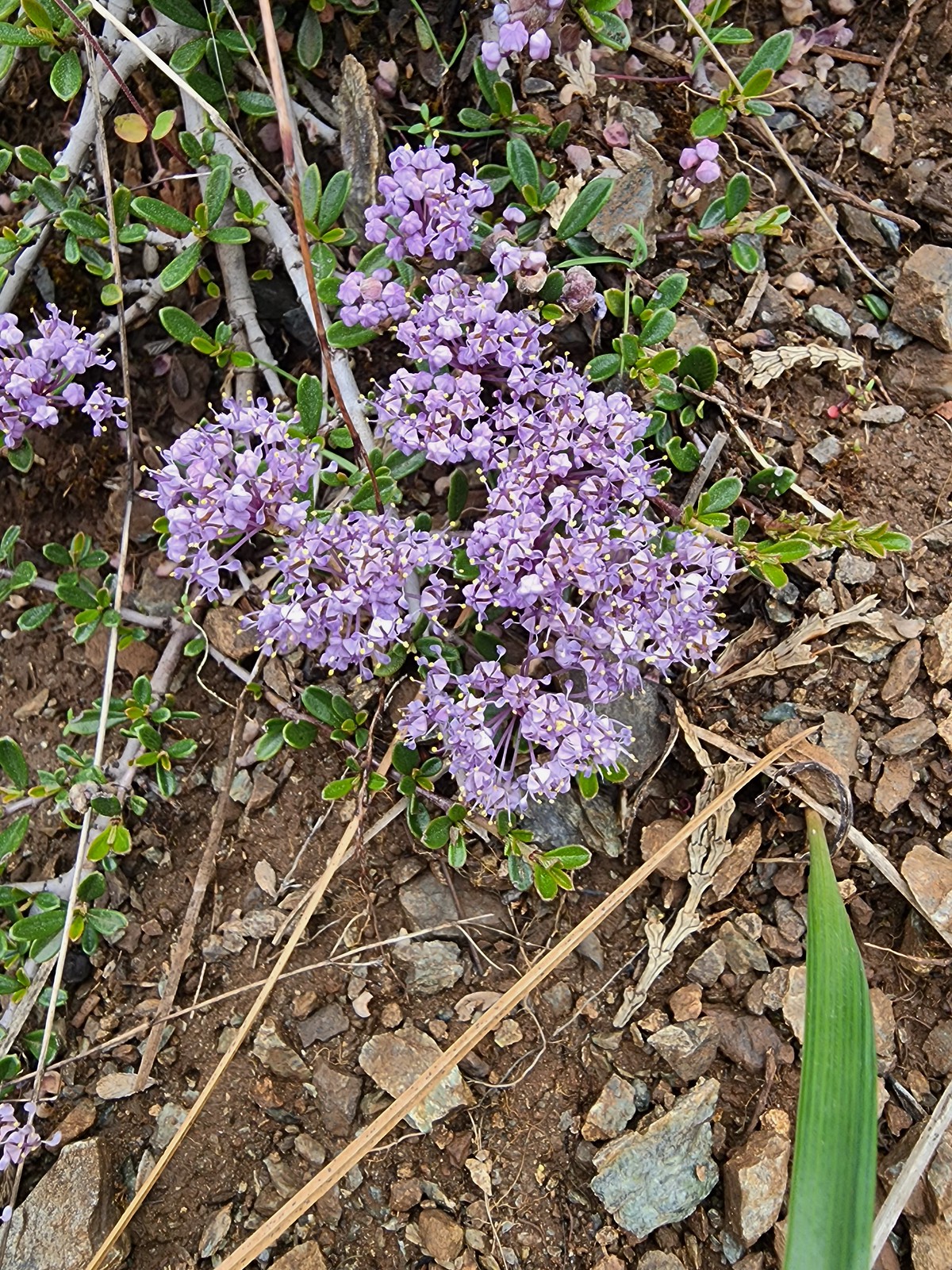 Dwarf ceanothus
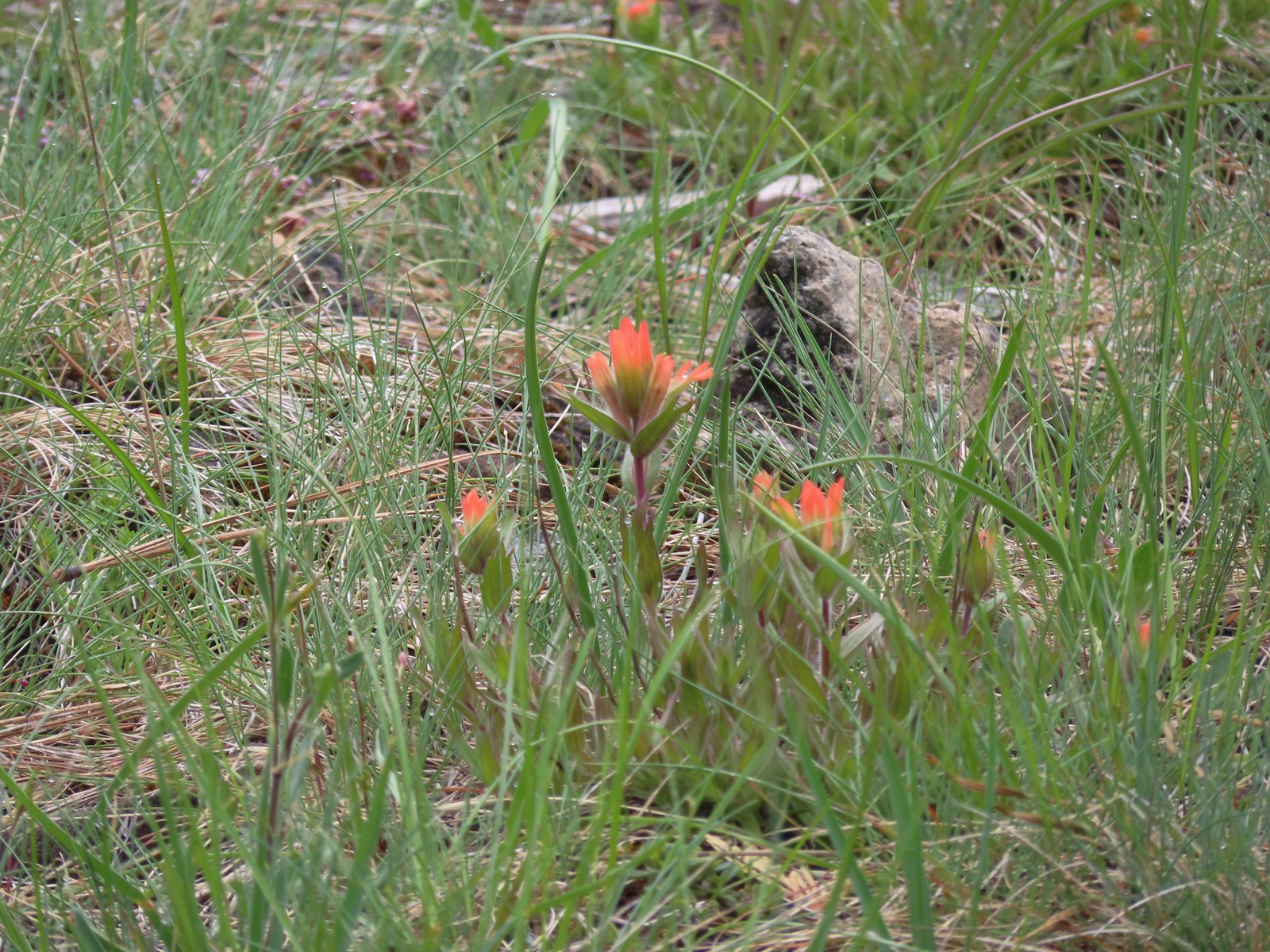 Paintbrush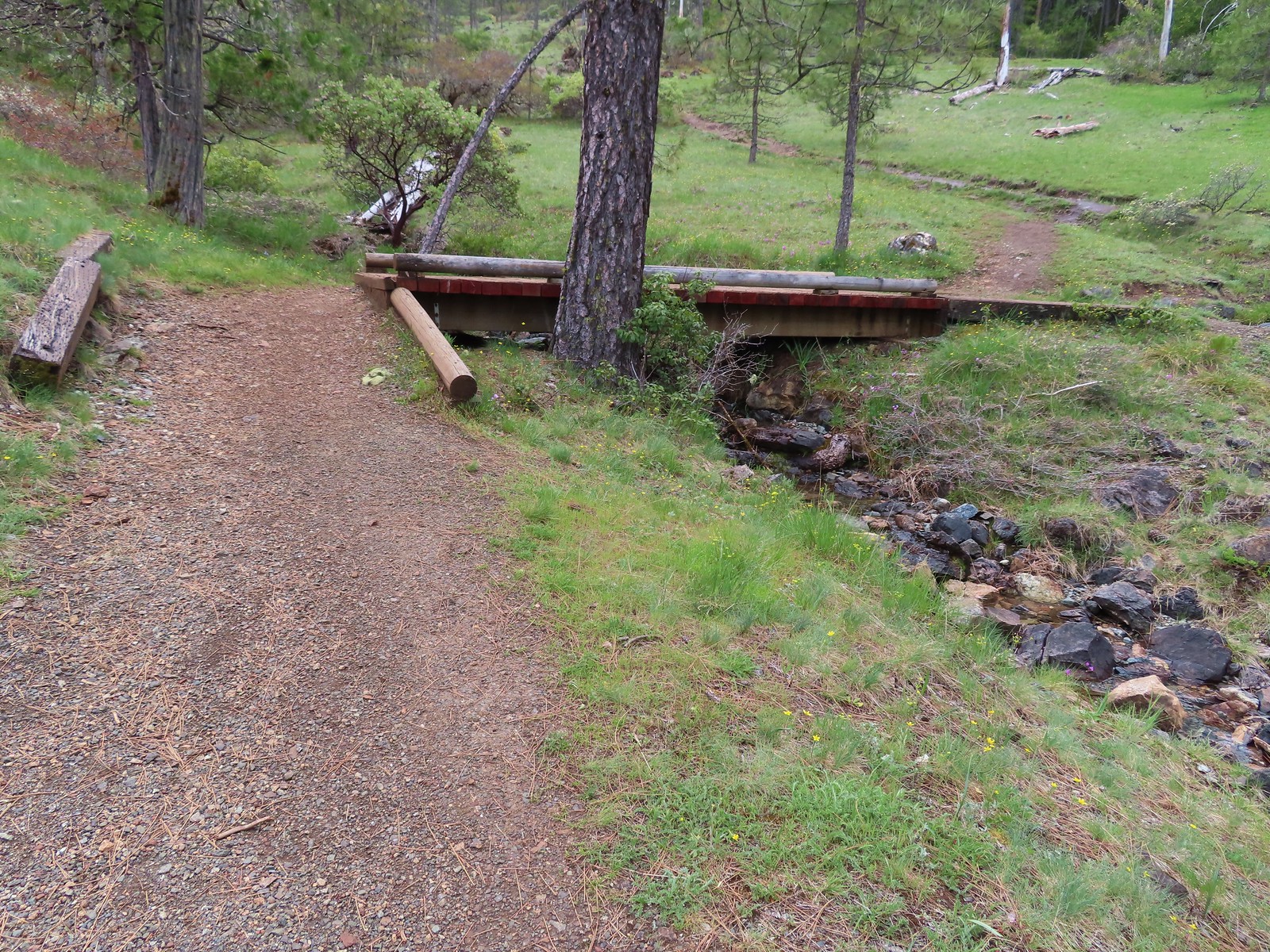
 Camas and shooting stars
 Siskiyou fritillary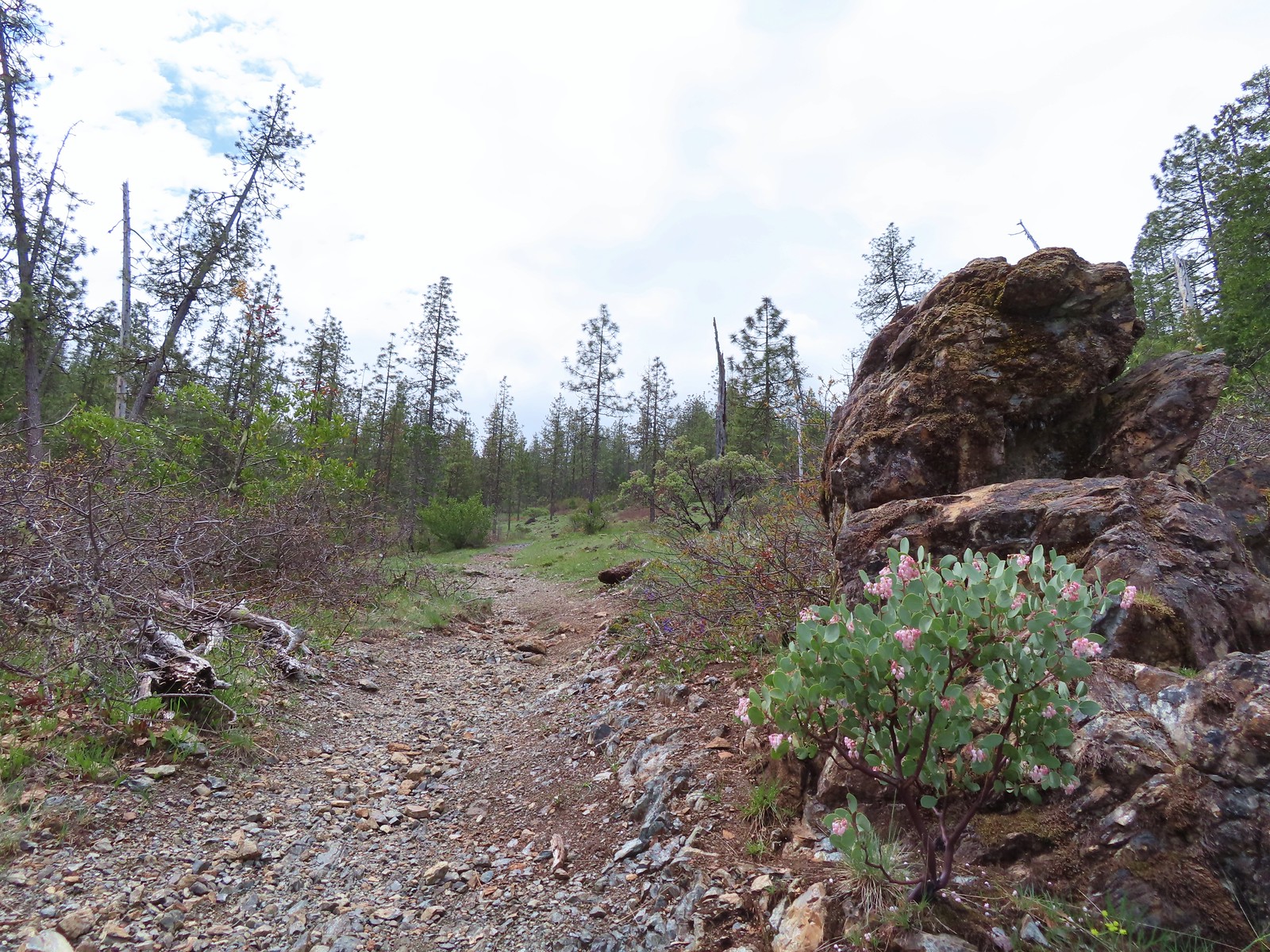
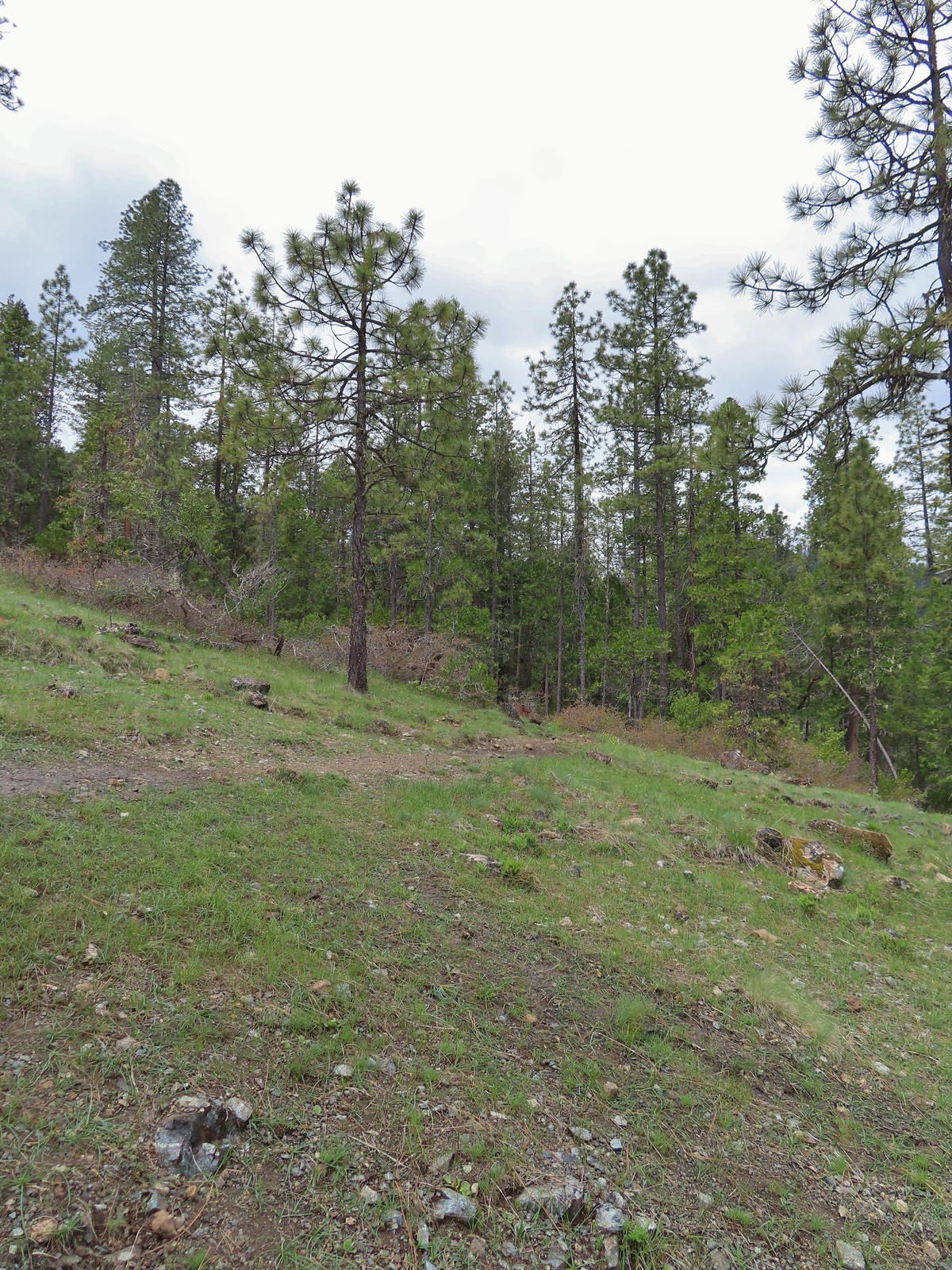
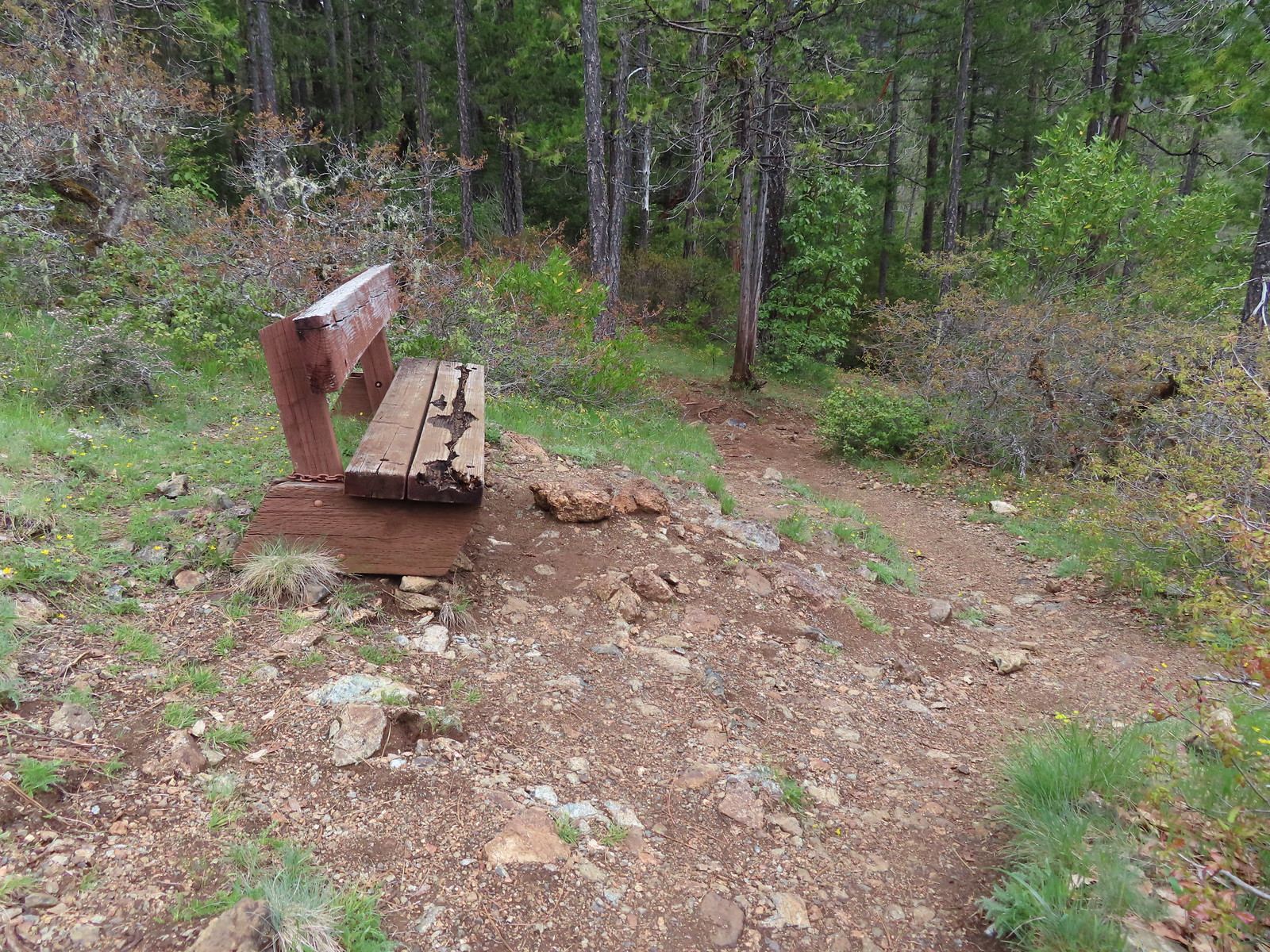 Passing the bench.
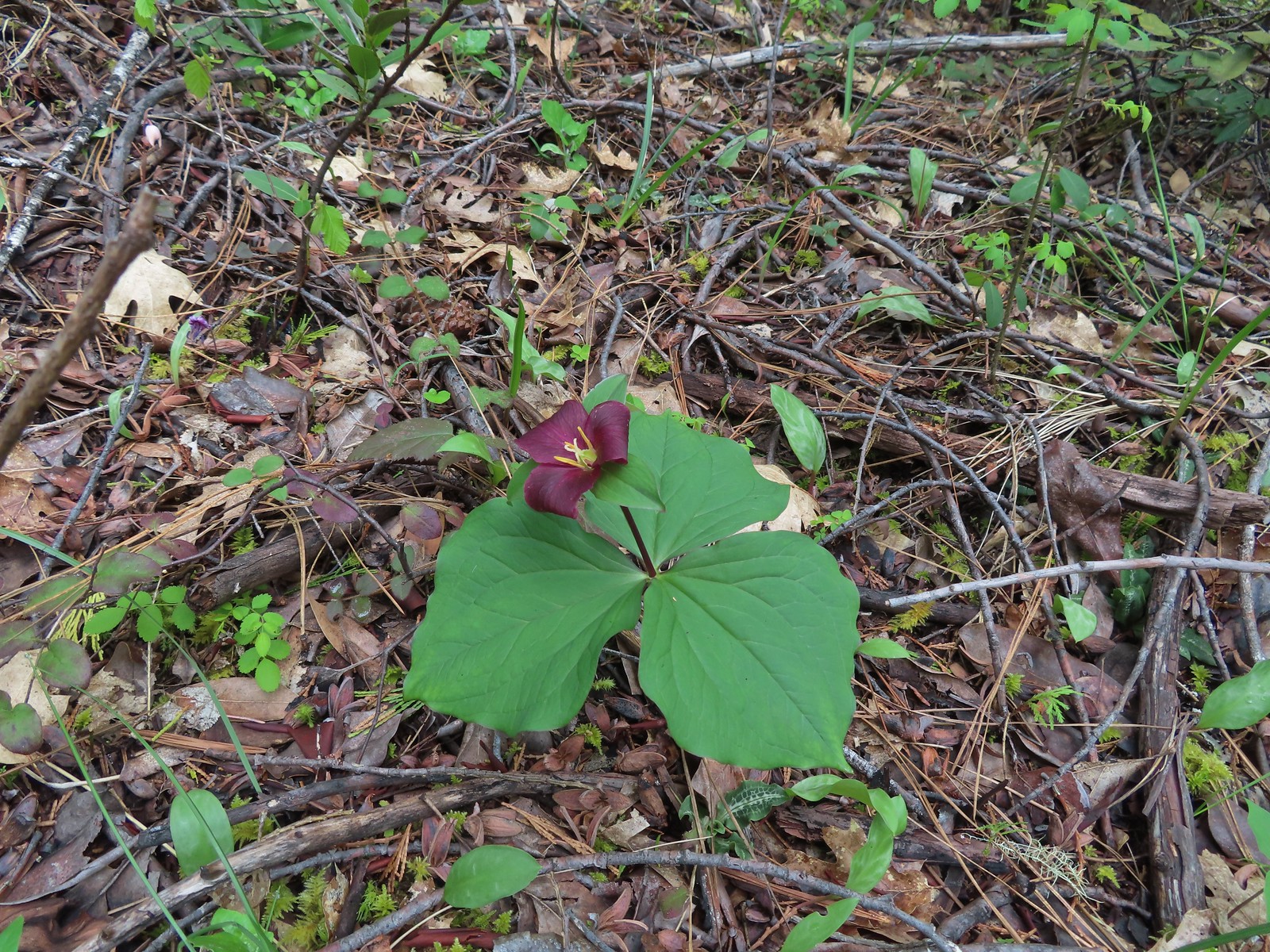 Trillium
 Fairy slippers
 Boardwalk #1
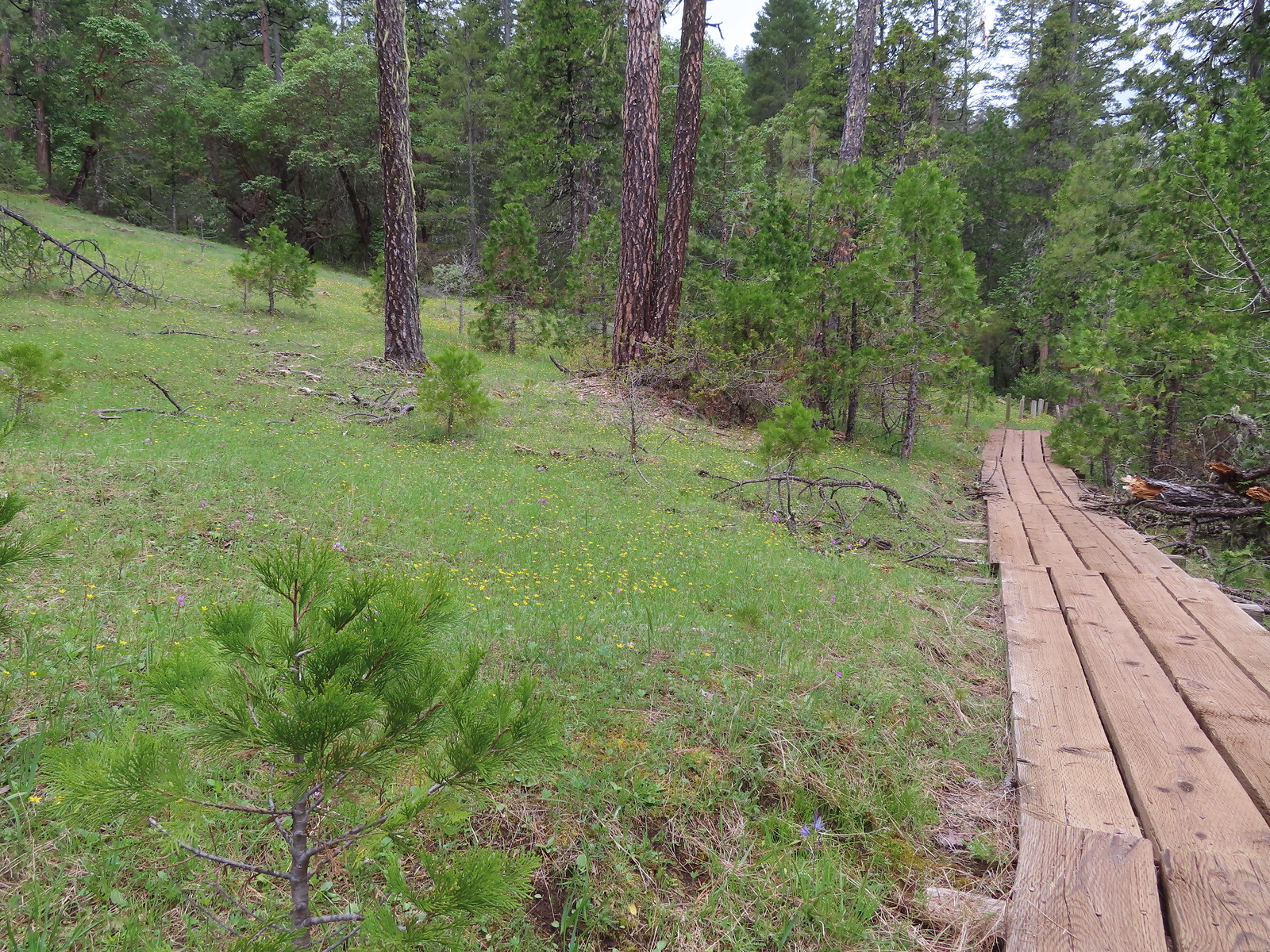 Second boardwalk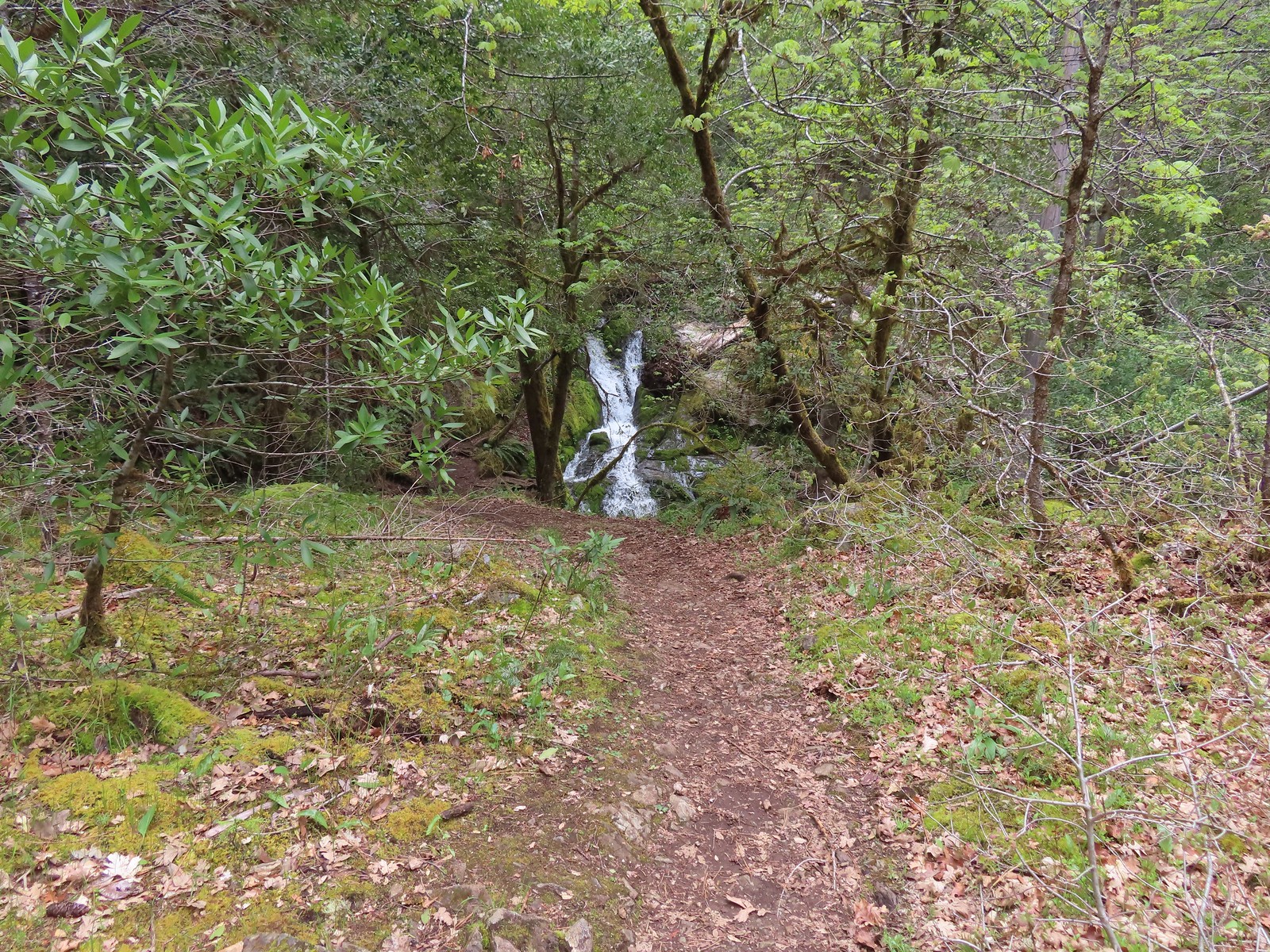
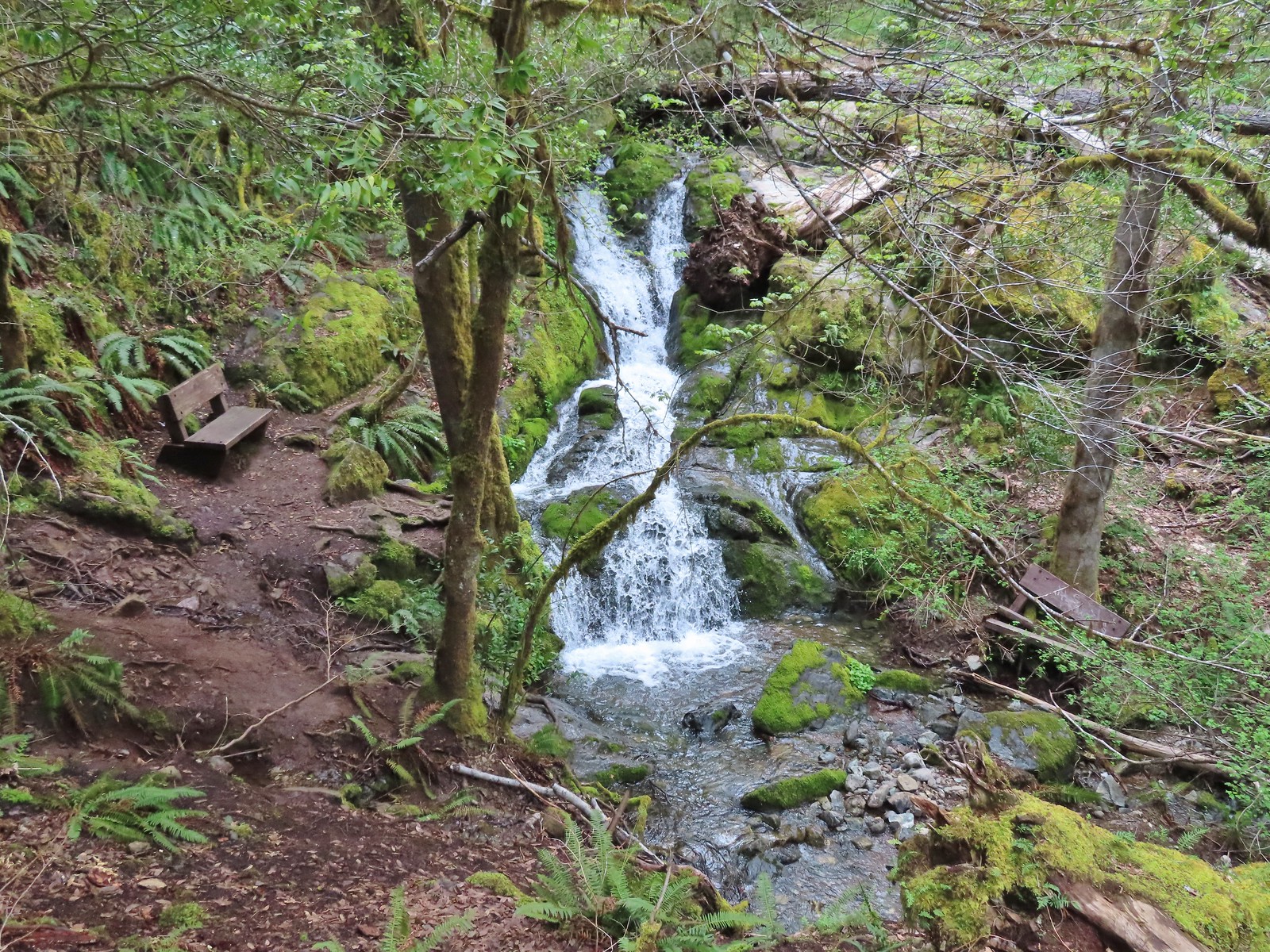 Waterfall on Limpy Creek.
 Limpy Creek
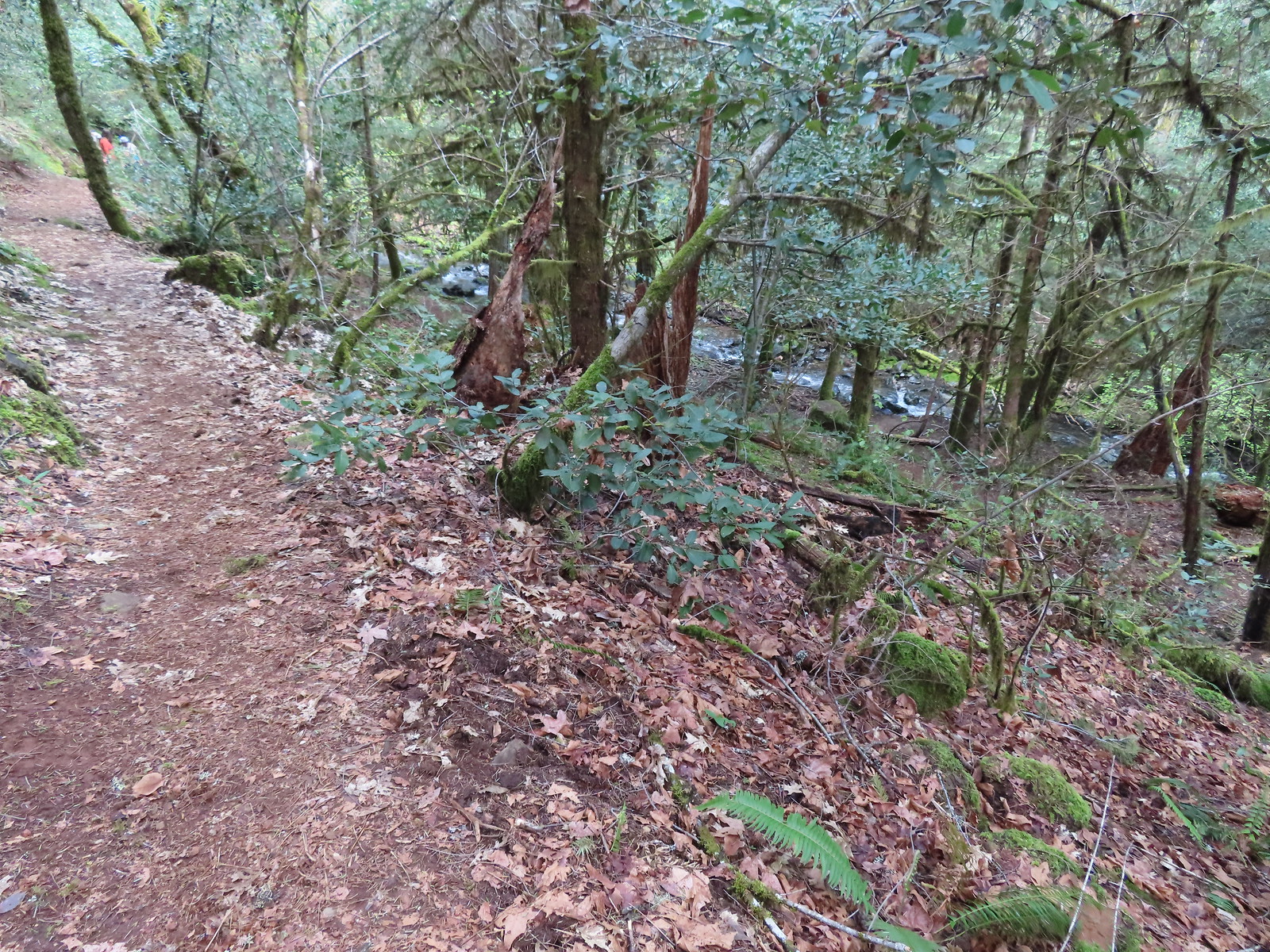 Arriving at the second creek.
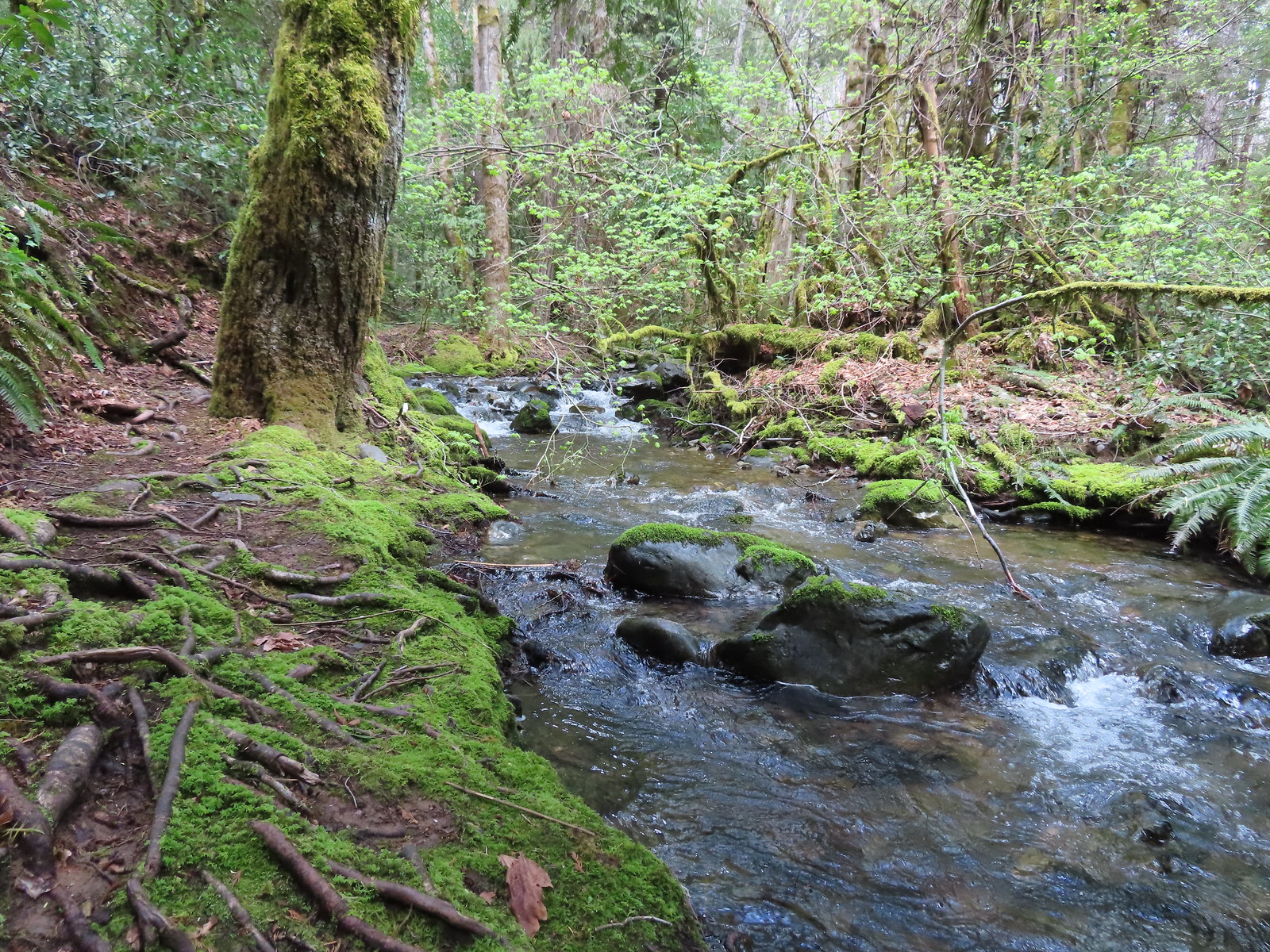 Unnamed creek
 Mushrooms
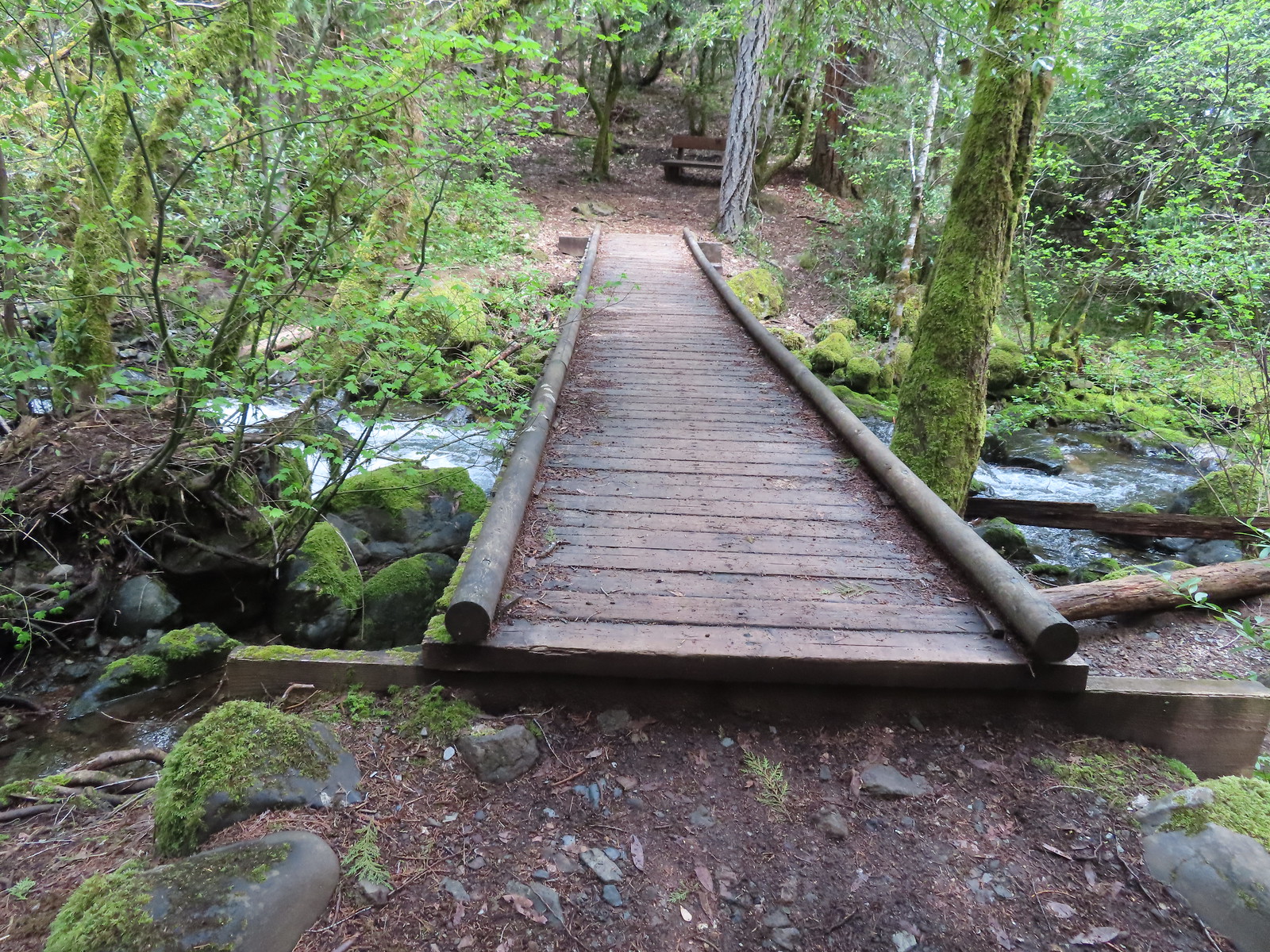 Final crossing of Limpy Creek.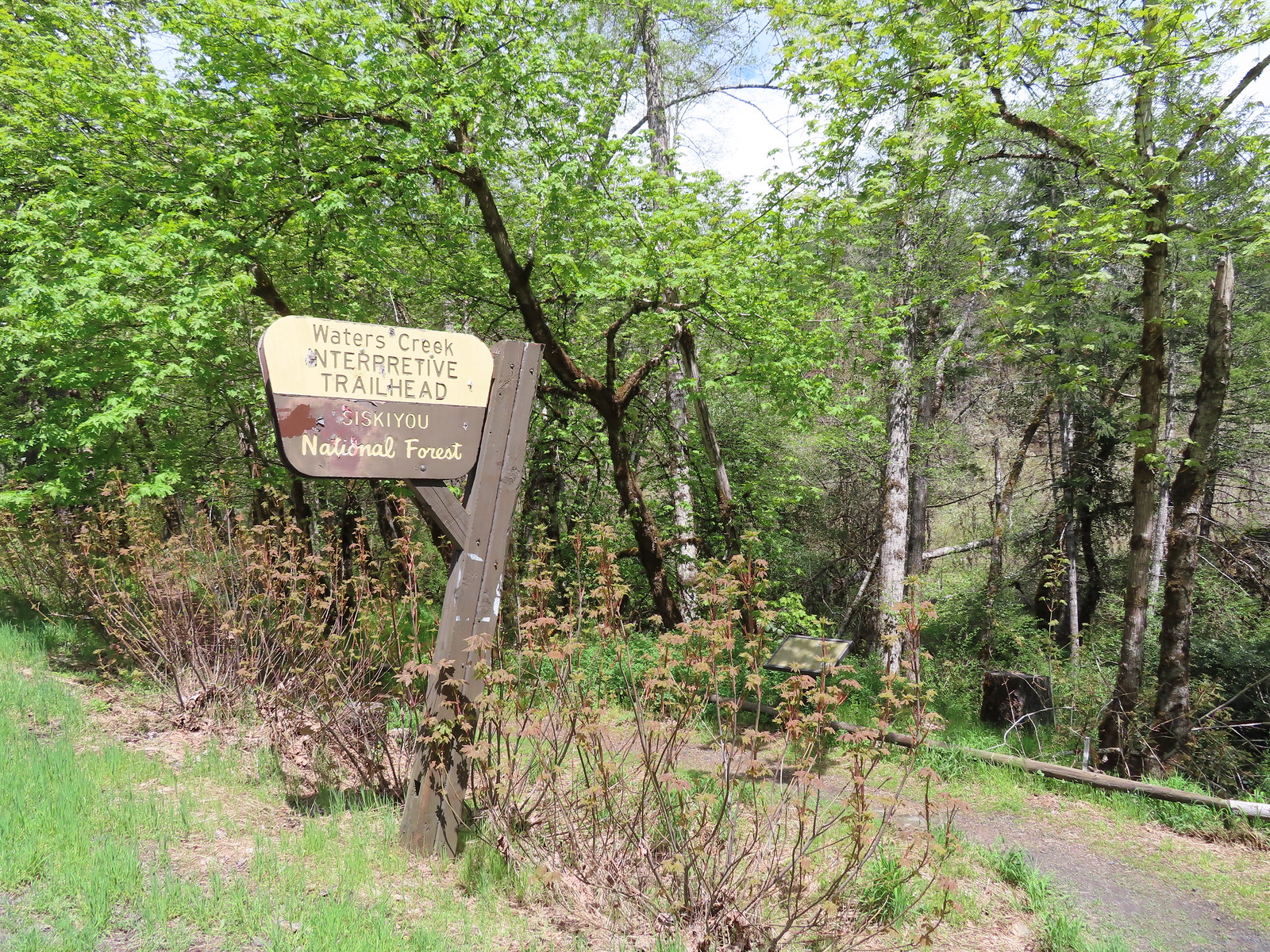

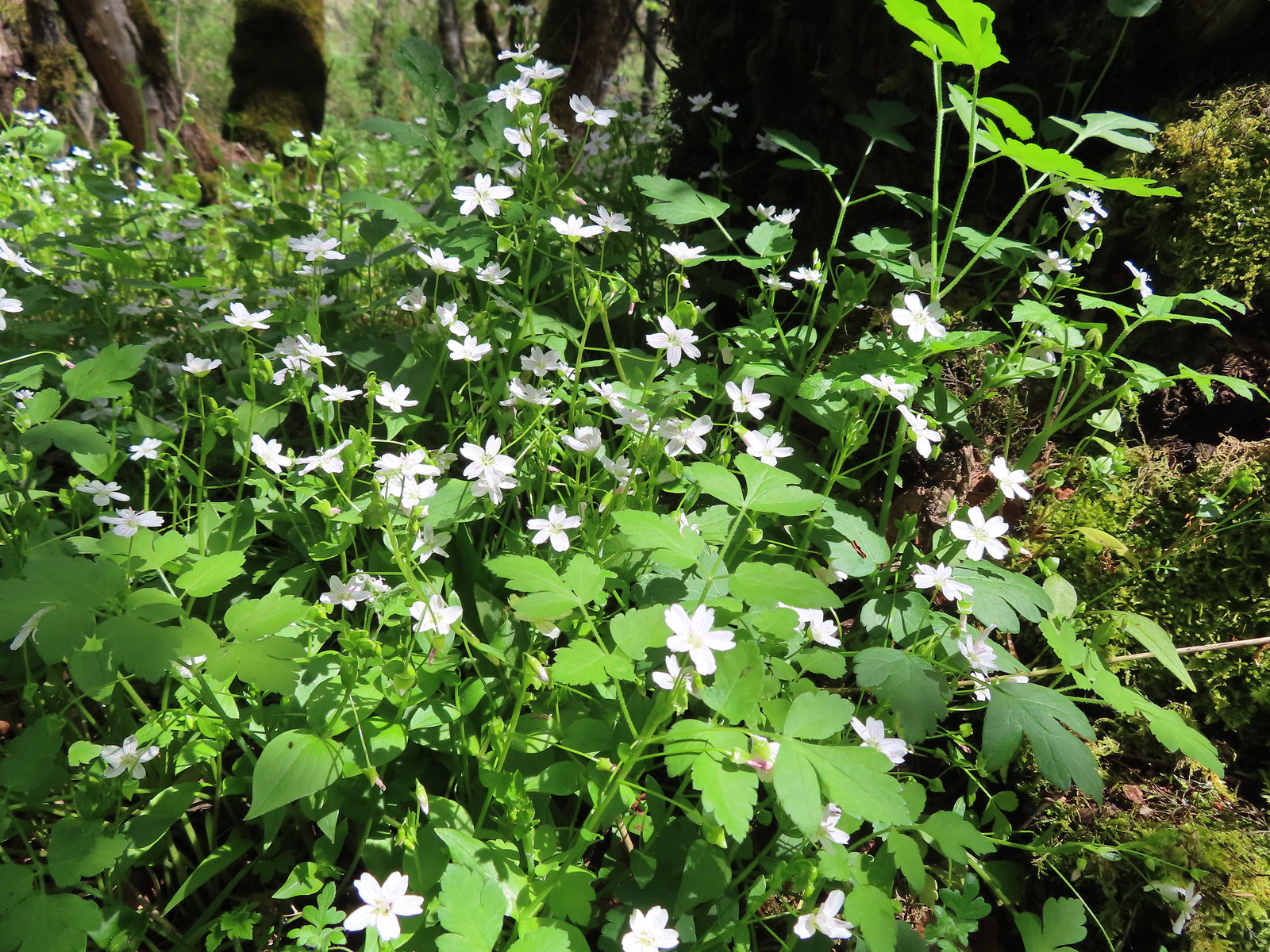 Candyflower
 Waters Creek
 A phacelia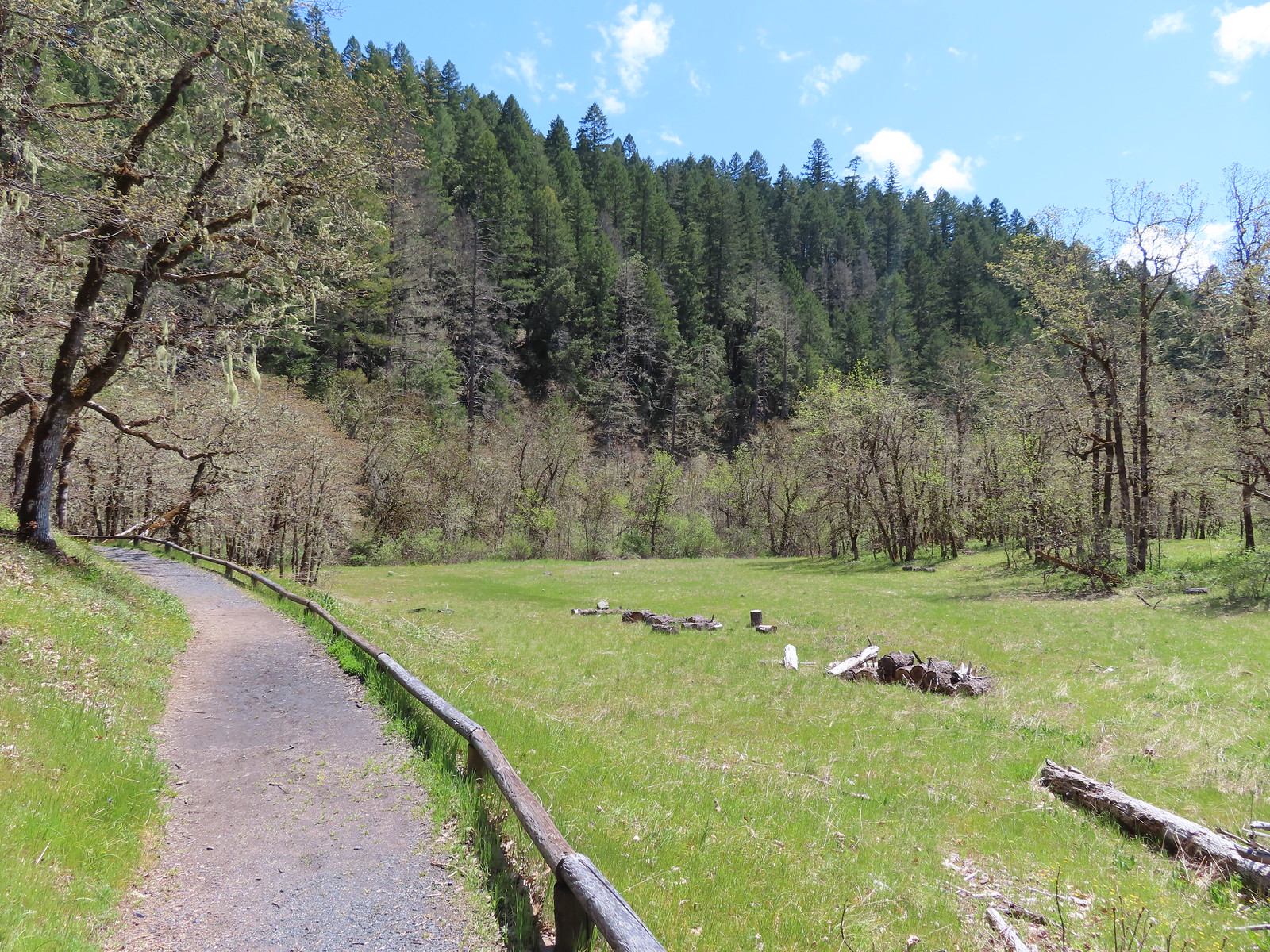
 The start/end of the loops with the bridge being our return route.
 Staying left.
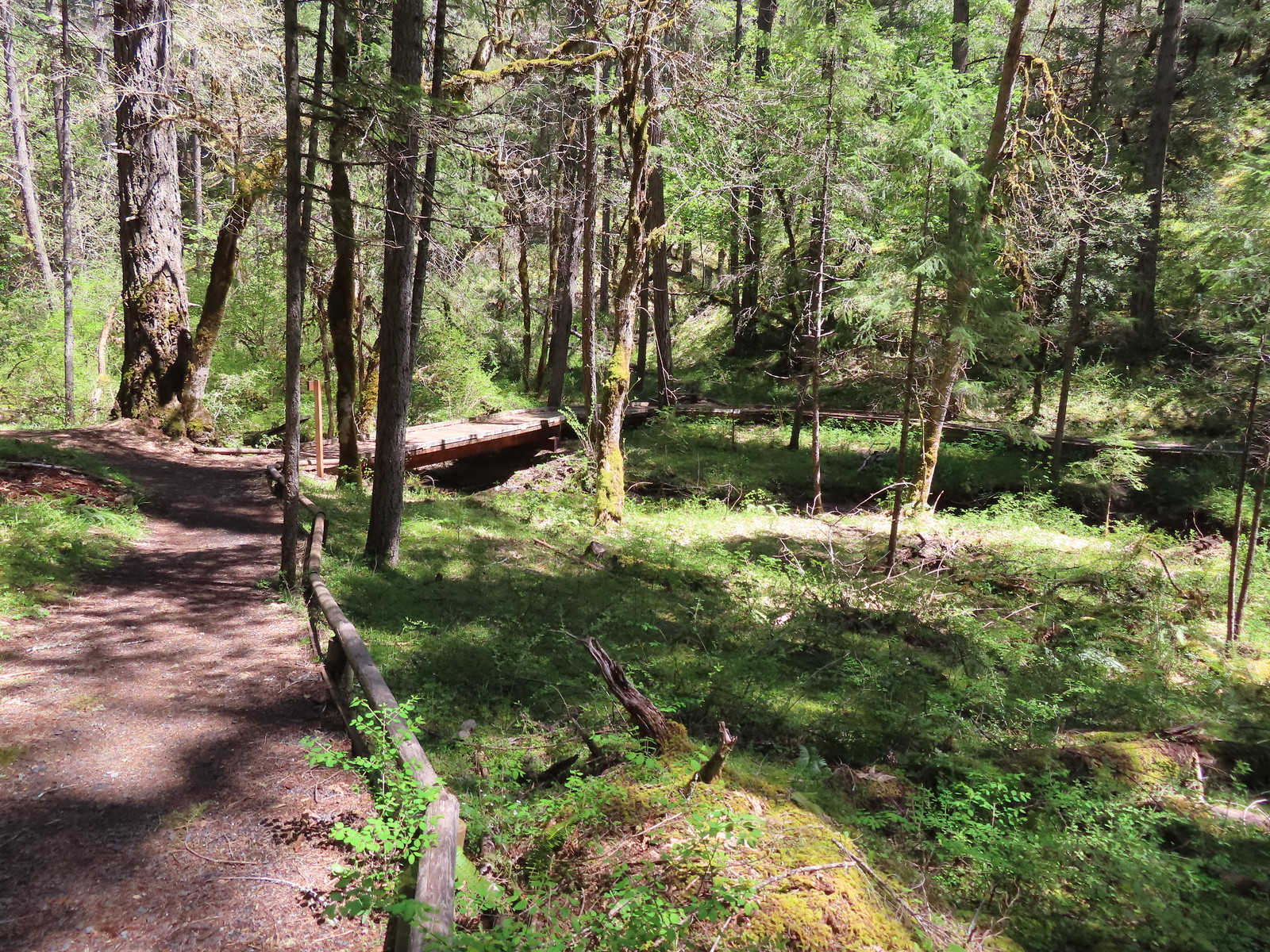 This was the barrier free loop splitting off and heading back across an unnamed creek.
 Sign announcing the hiker only extended loop.
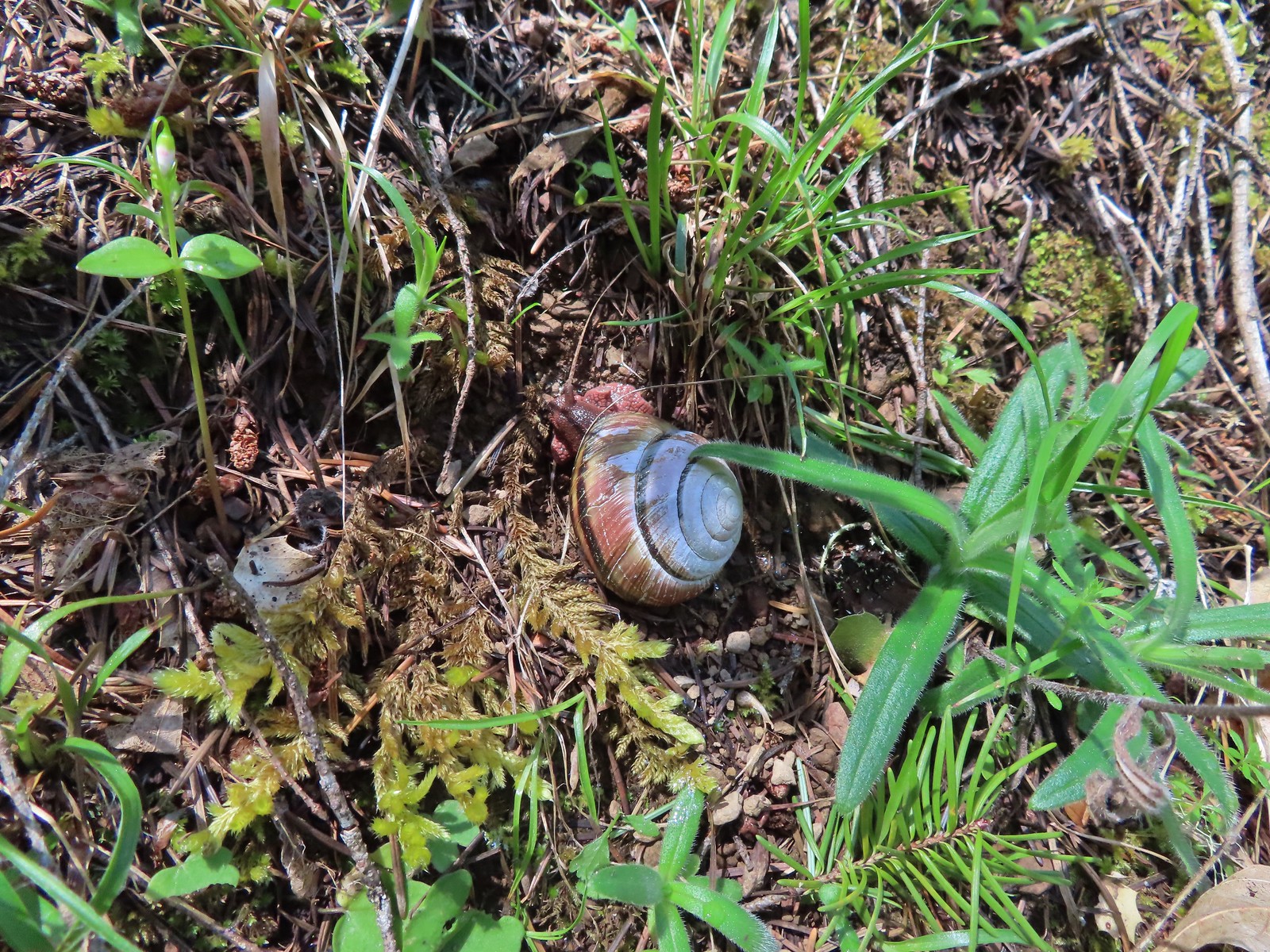 Snail
Snail The first vanilla leaf we’ve seen blooming this year.
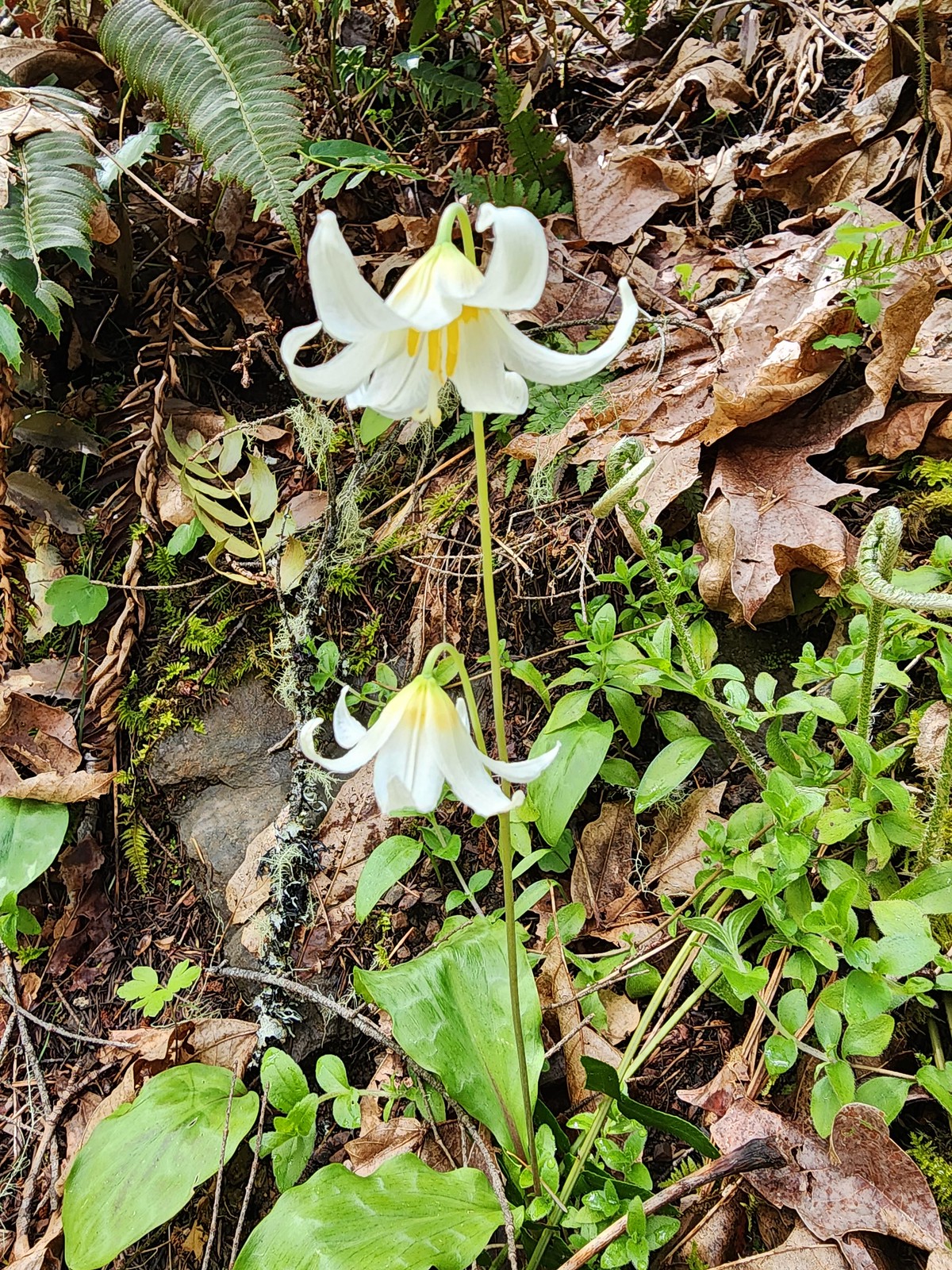 There were a bunch of fawn lilies blooming along this trail.
 One of several little footbridges across side streams.
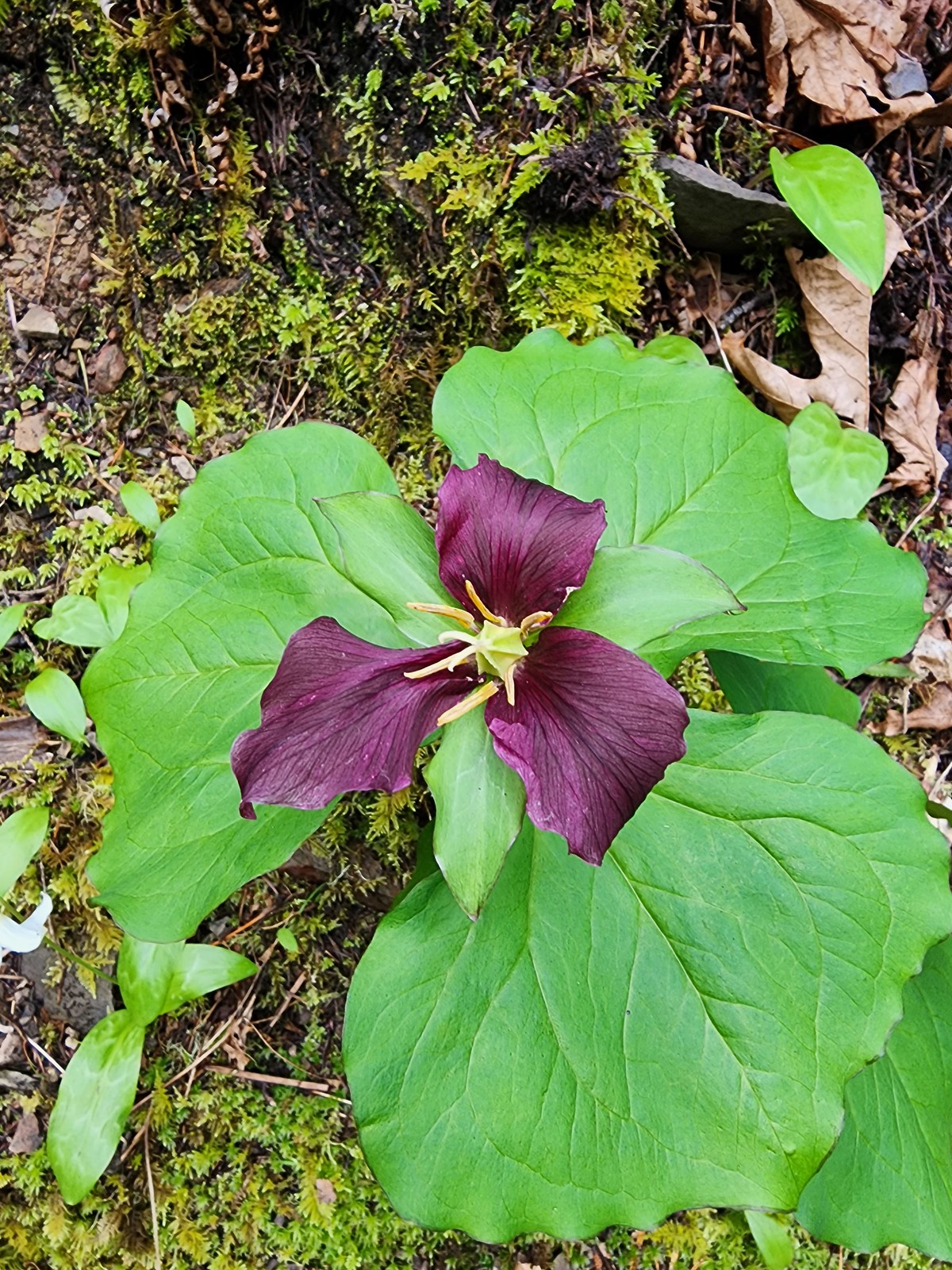 Trillium
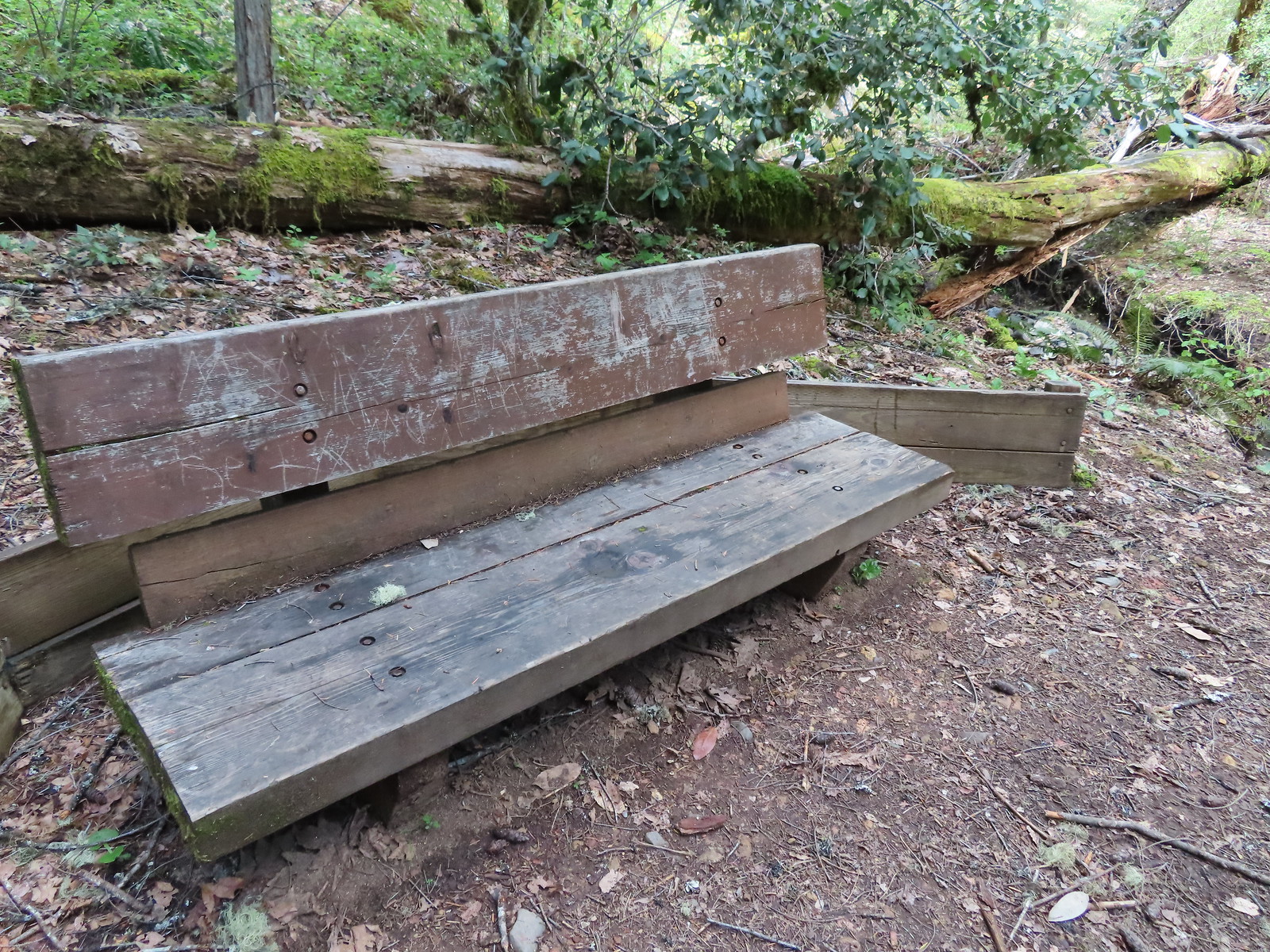 Bench where the trail turned to head back on the opposite side of the unnamed creek.
 The view from the bench.
 Houndstongue
 The barrier free trail below in the trees.
 Back on the barrier free trail.
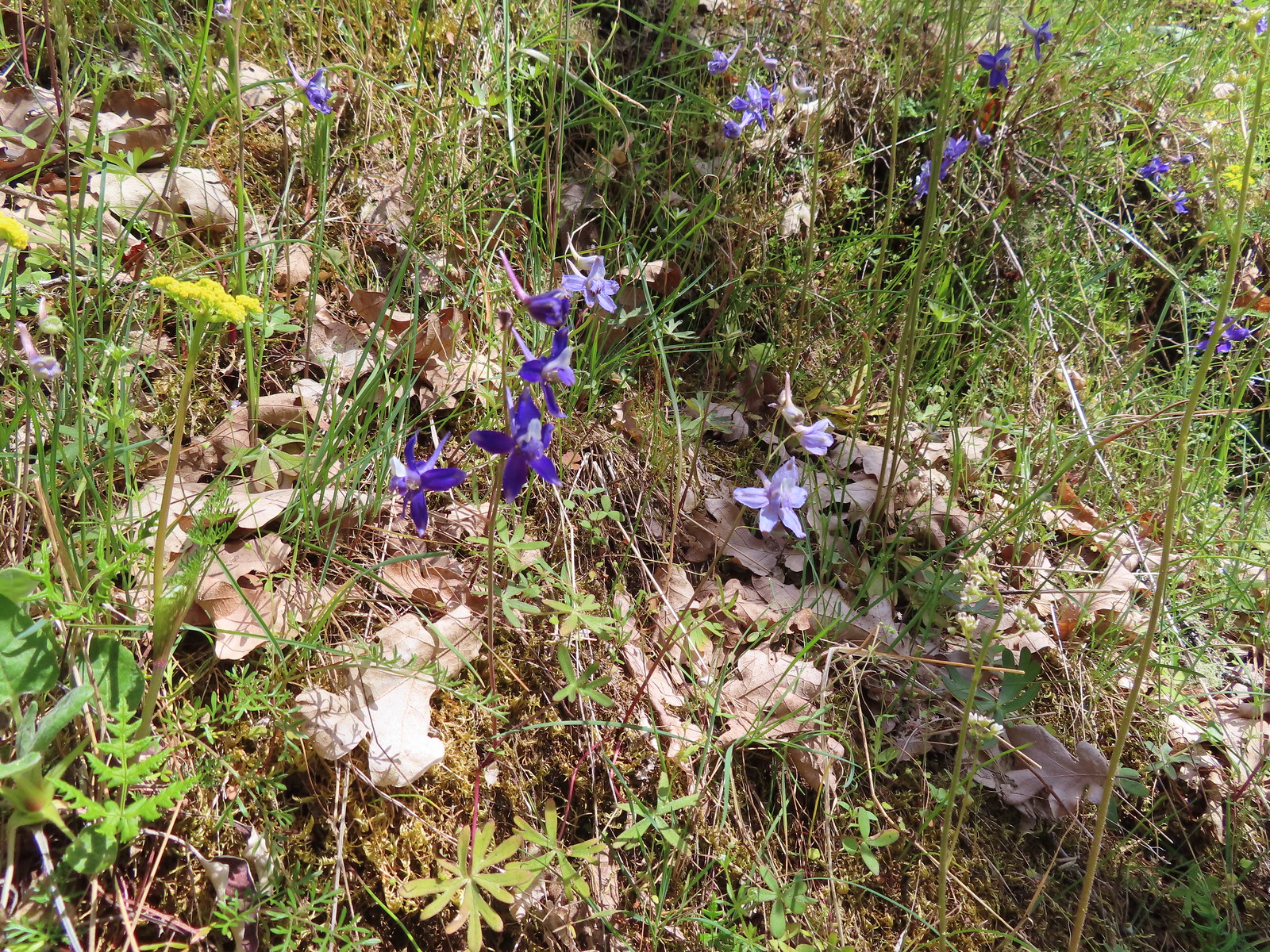 Biscuitroot and larkspur
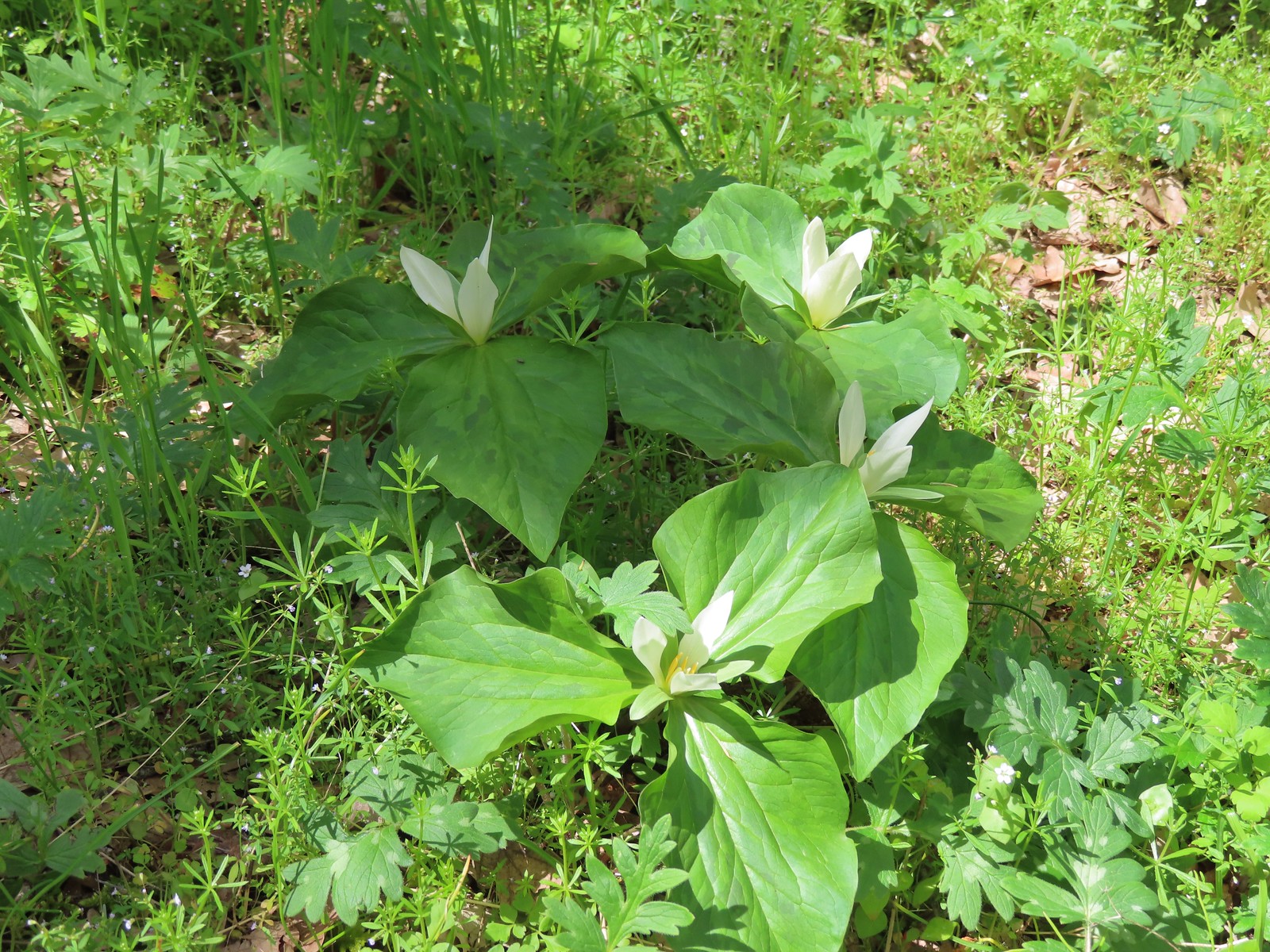 Giant white wakerobin
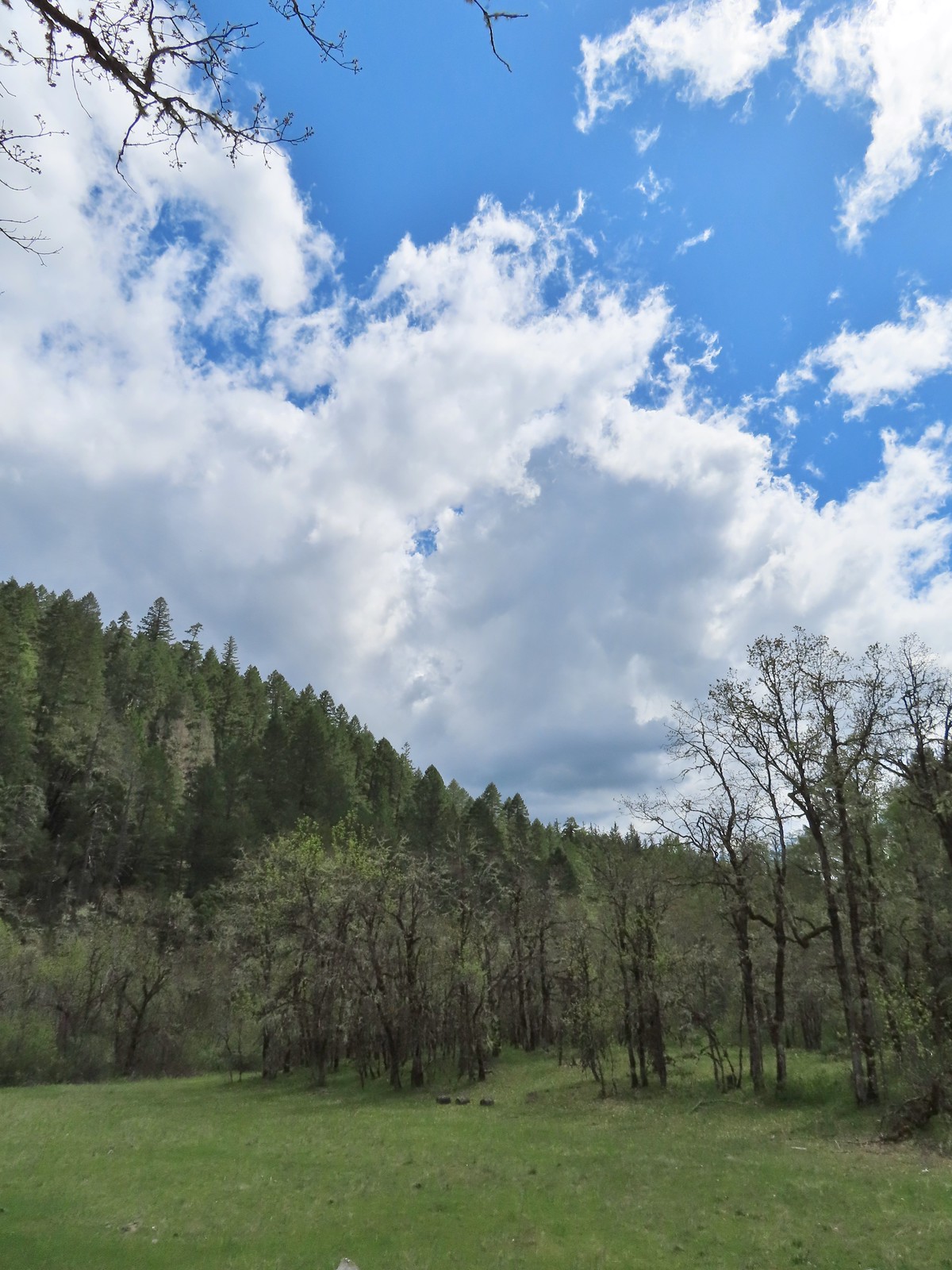 The Sun was starting to shine a bit as we passed back by the meadow which brought out some butterflies and lots of lizards.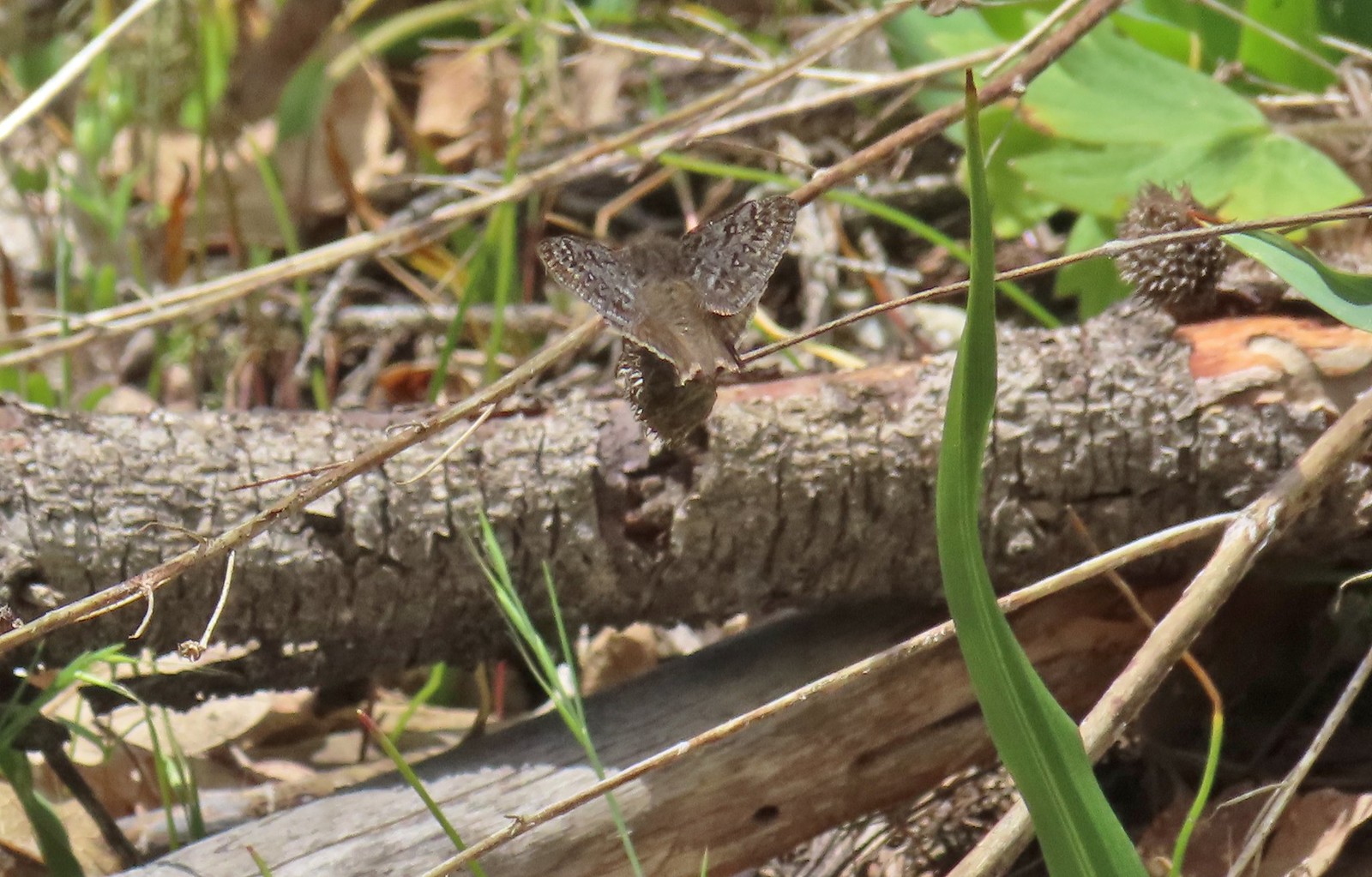
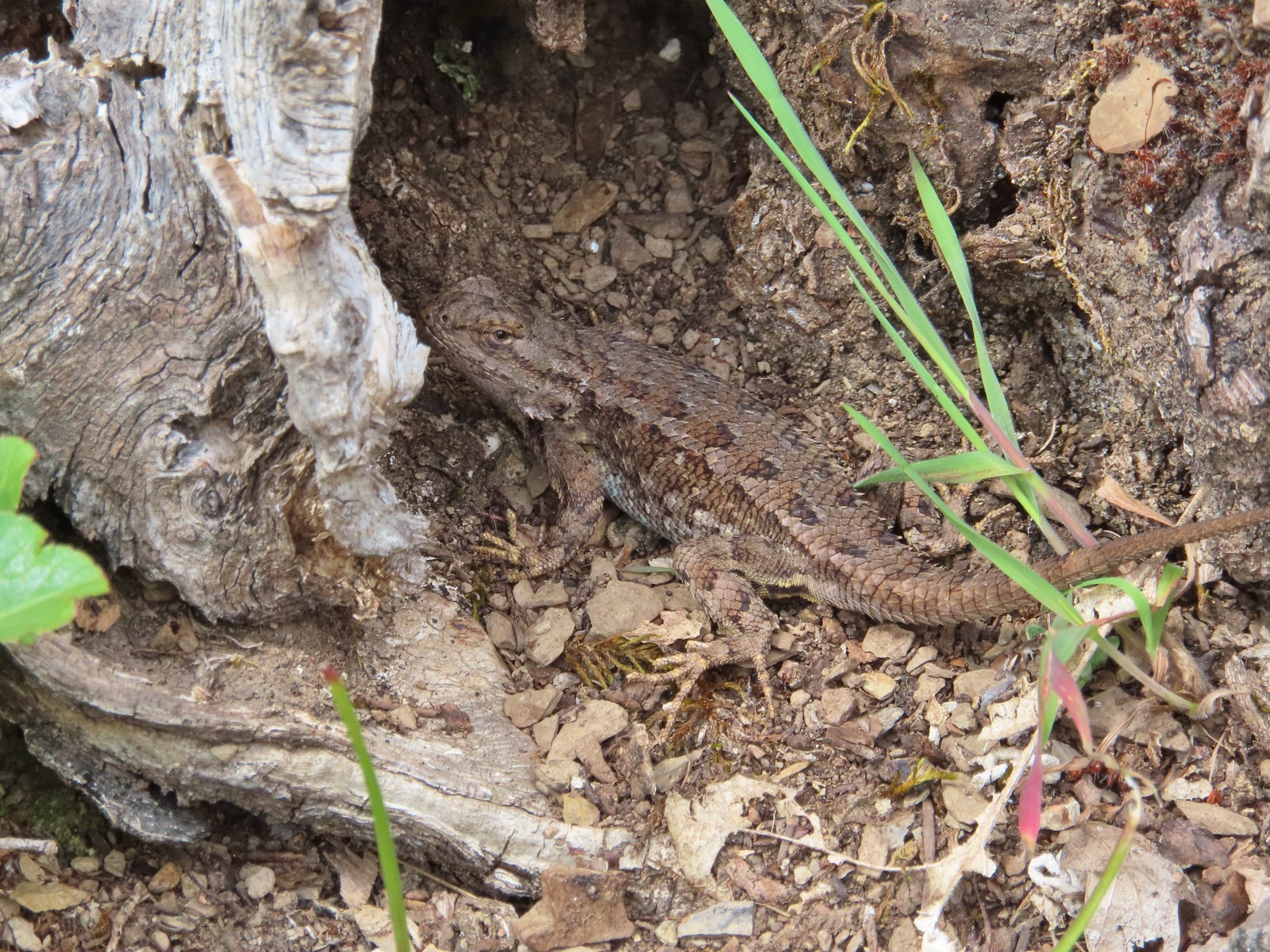


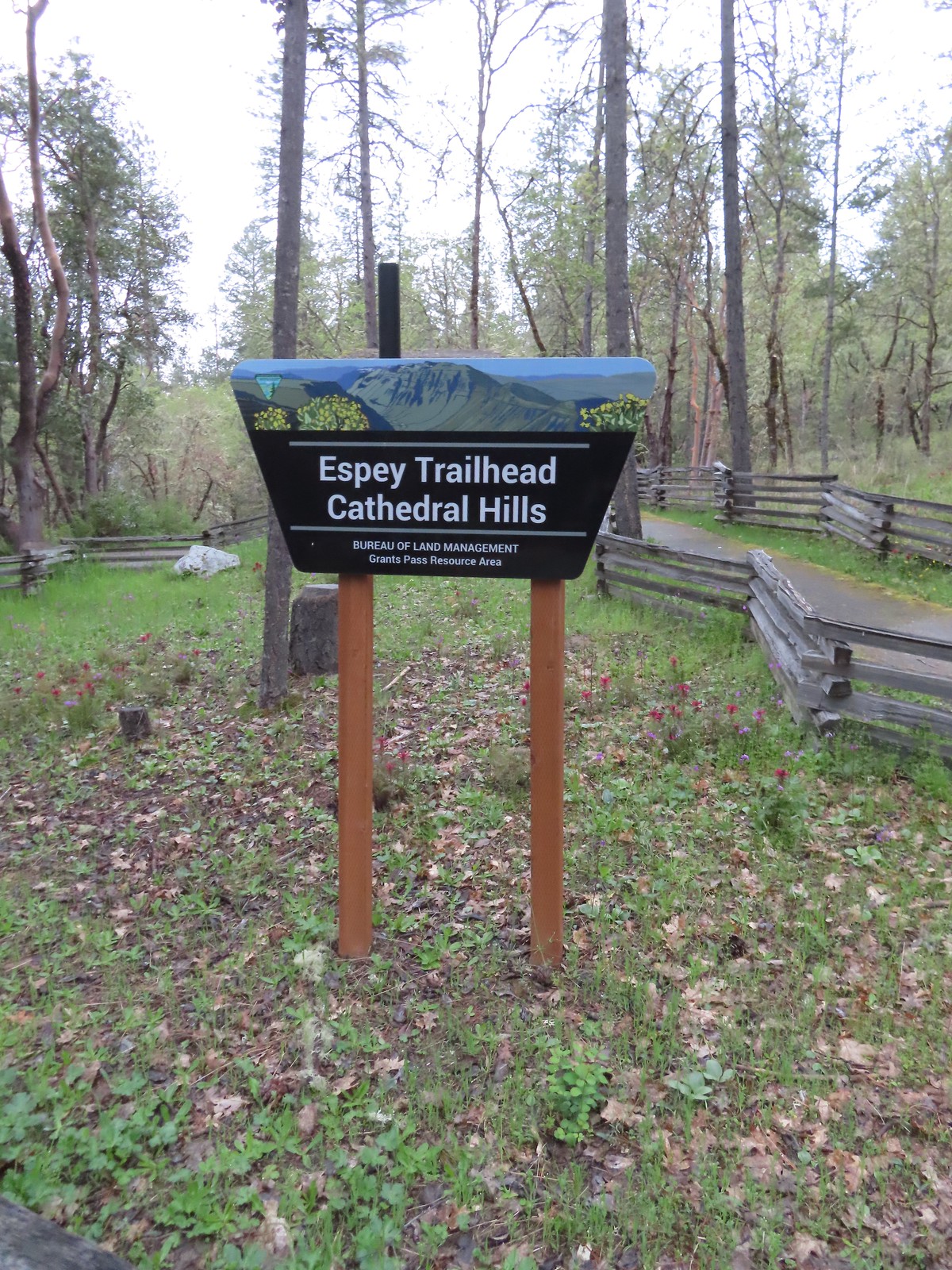
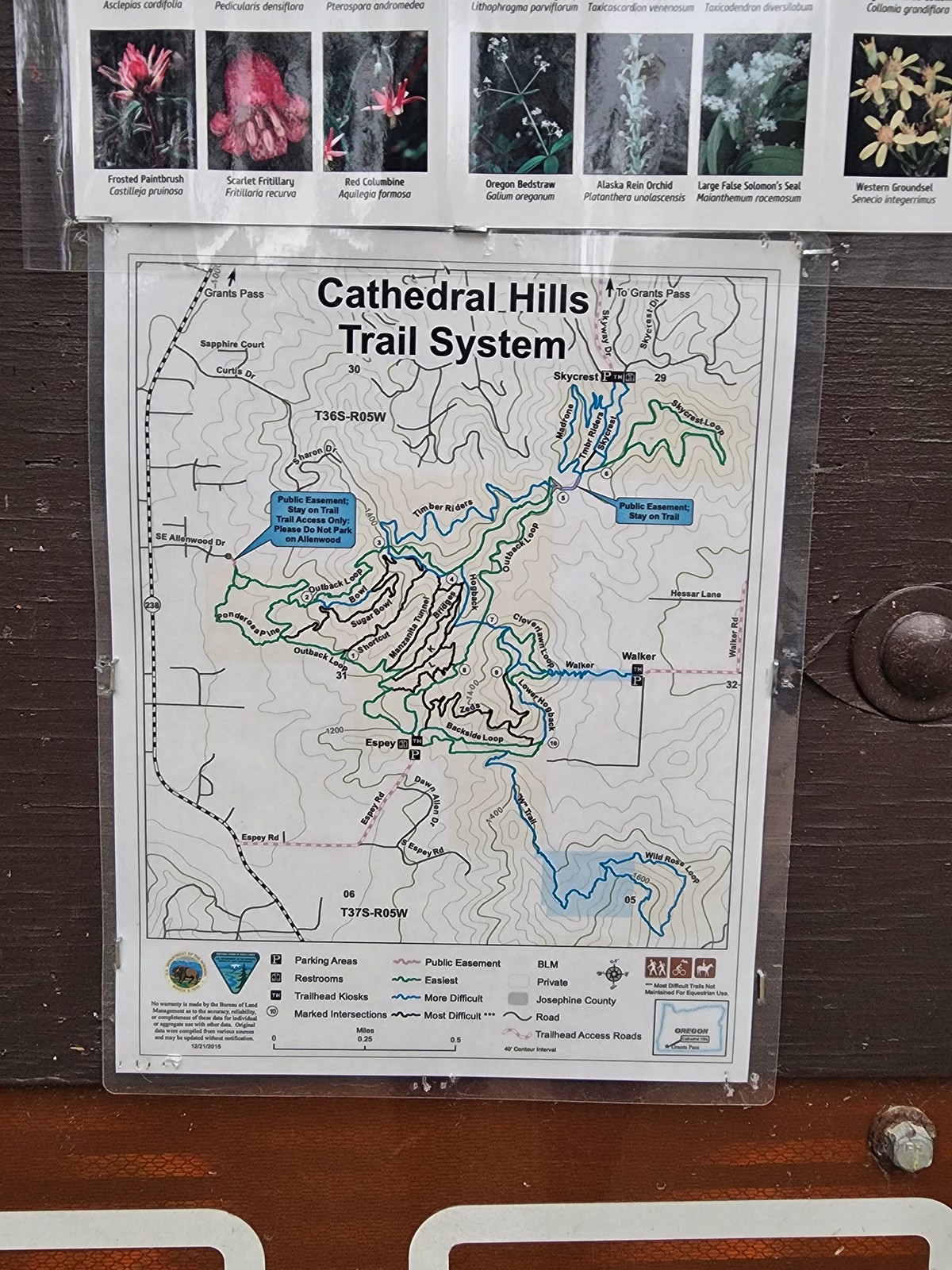
 There are a couple of the red Indian warrior behind and to the right of the trail marker.
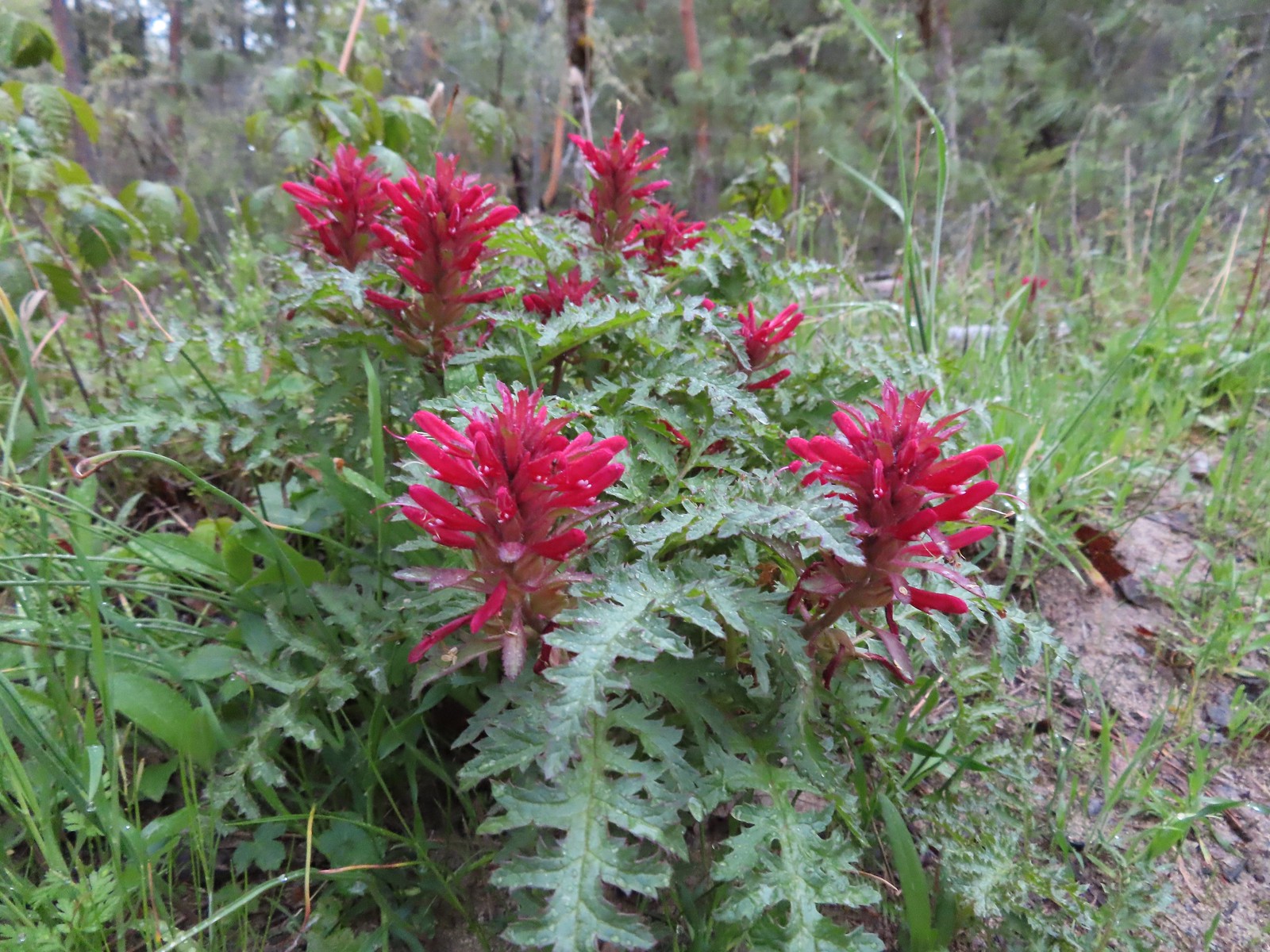 Indian warrior lousewort
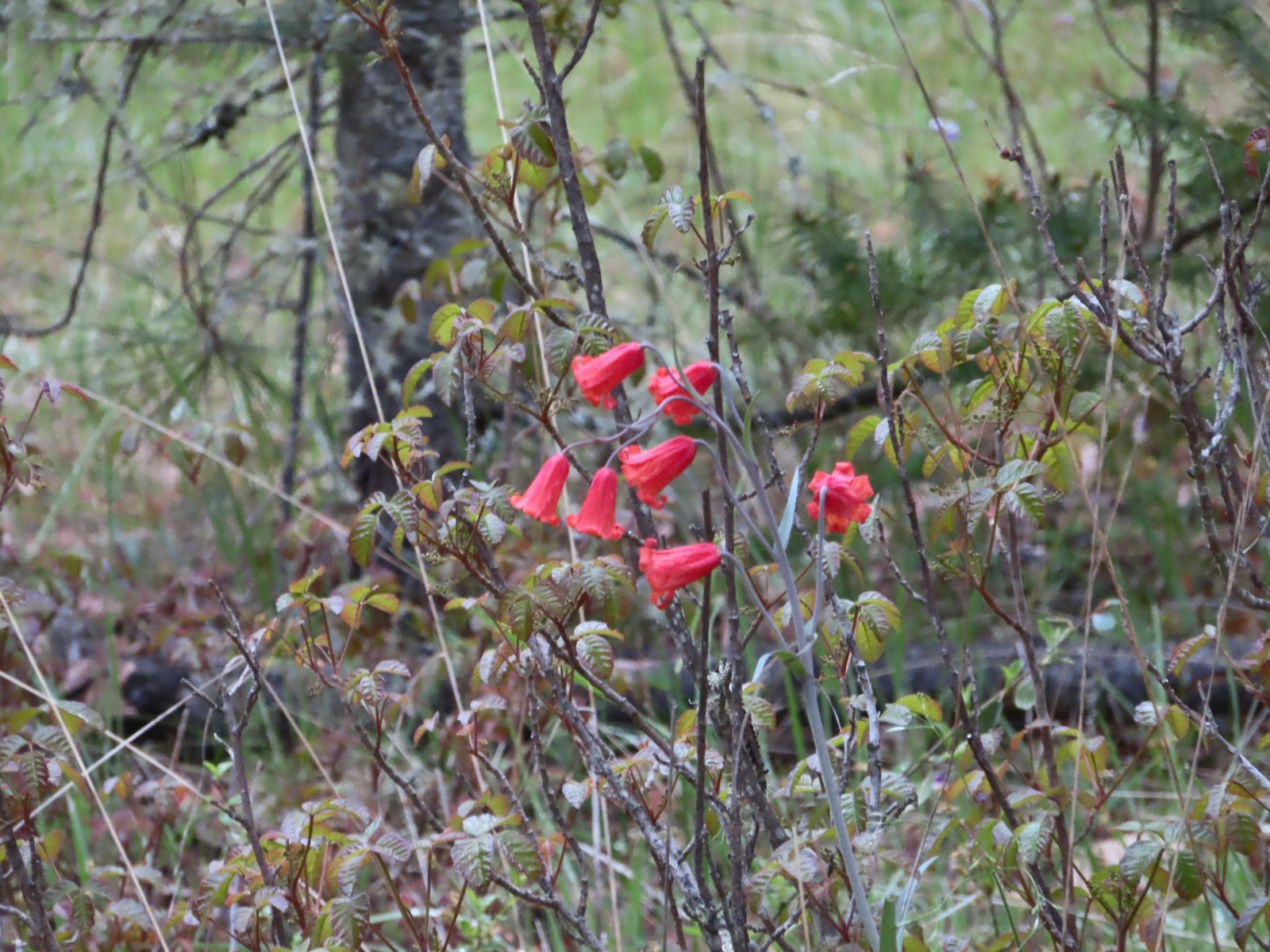 Scarlet fritillary along with poison oak. There was a lot of poison oak in the area but the trails were wide enough to keep users away from it.
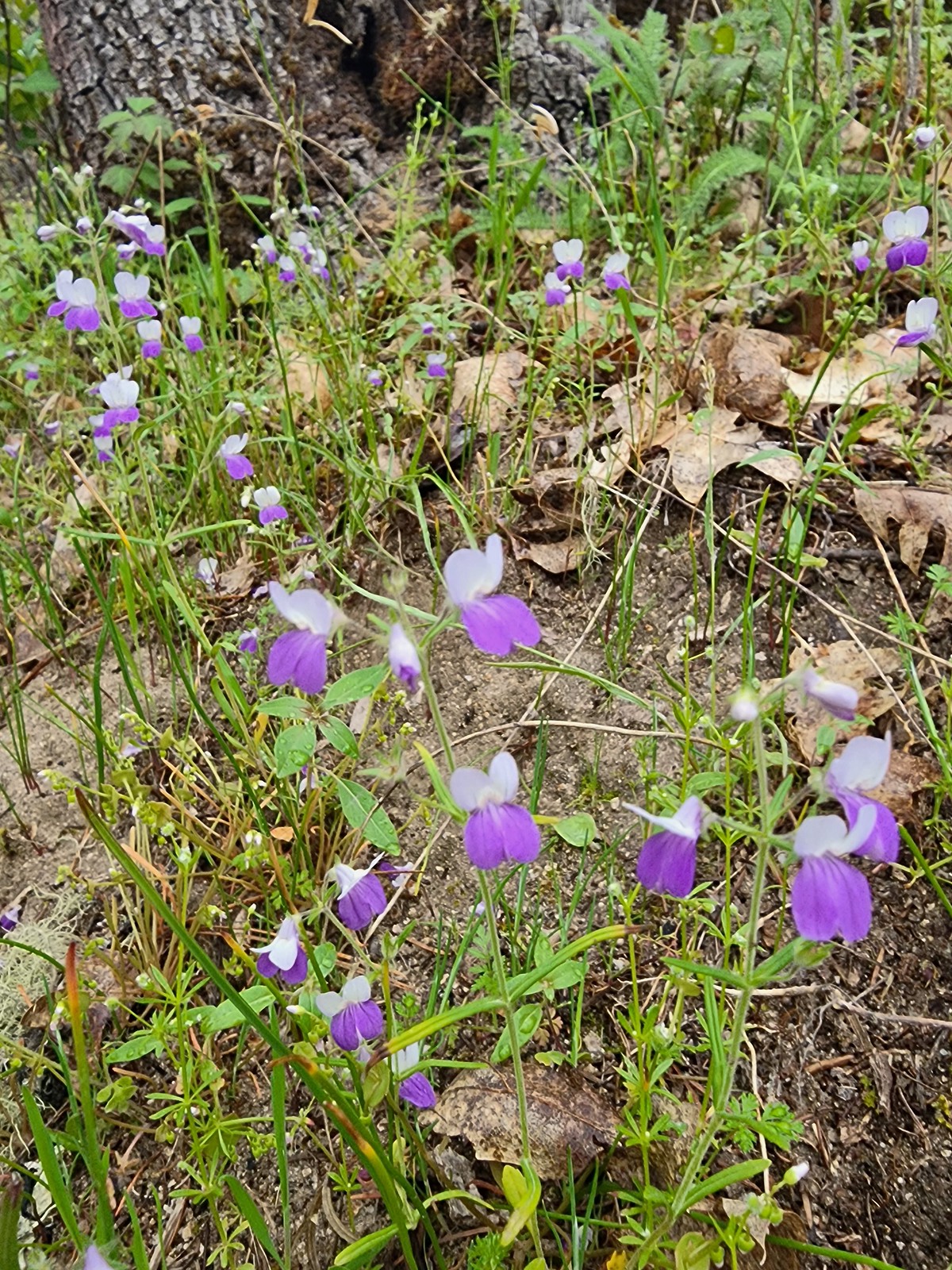 A blue-eyed Mary
 Shooting star
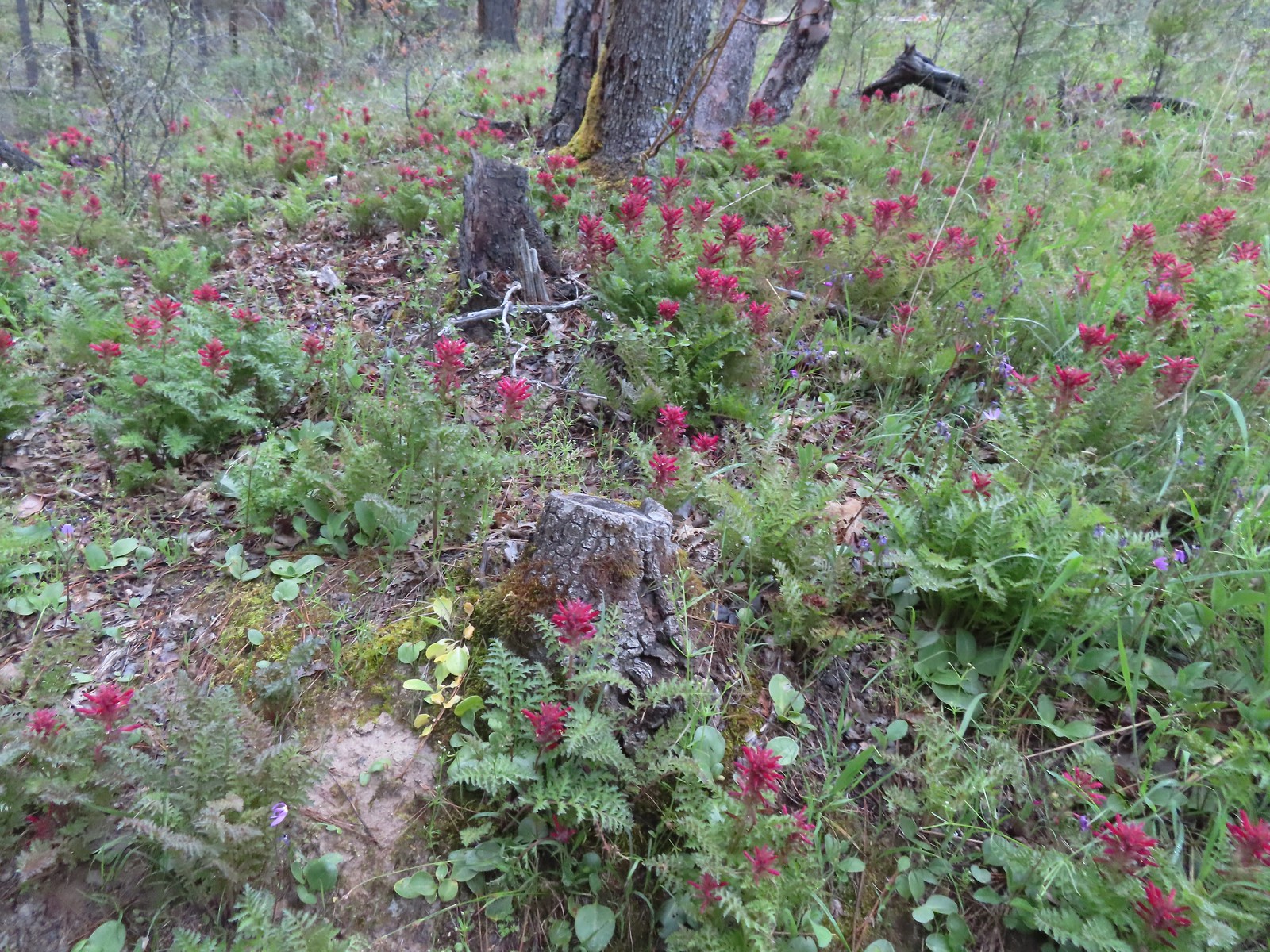 Indian warrior
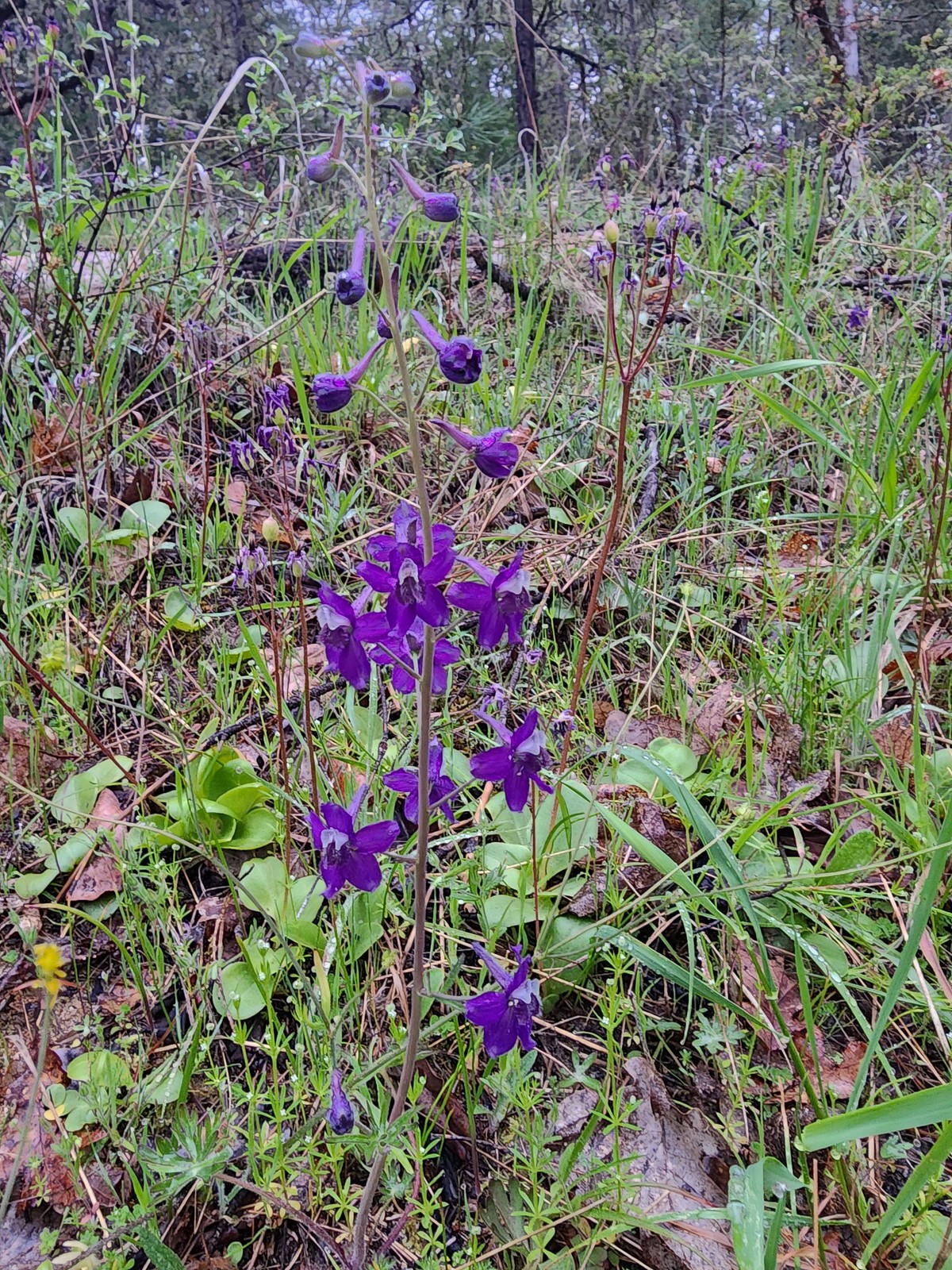 Larkspur
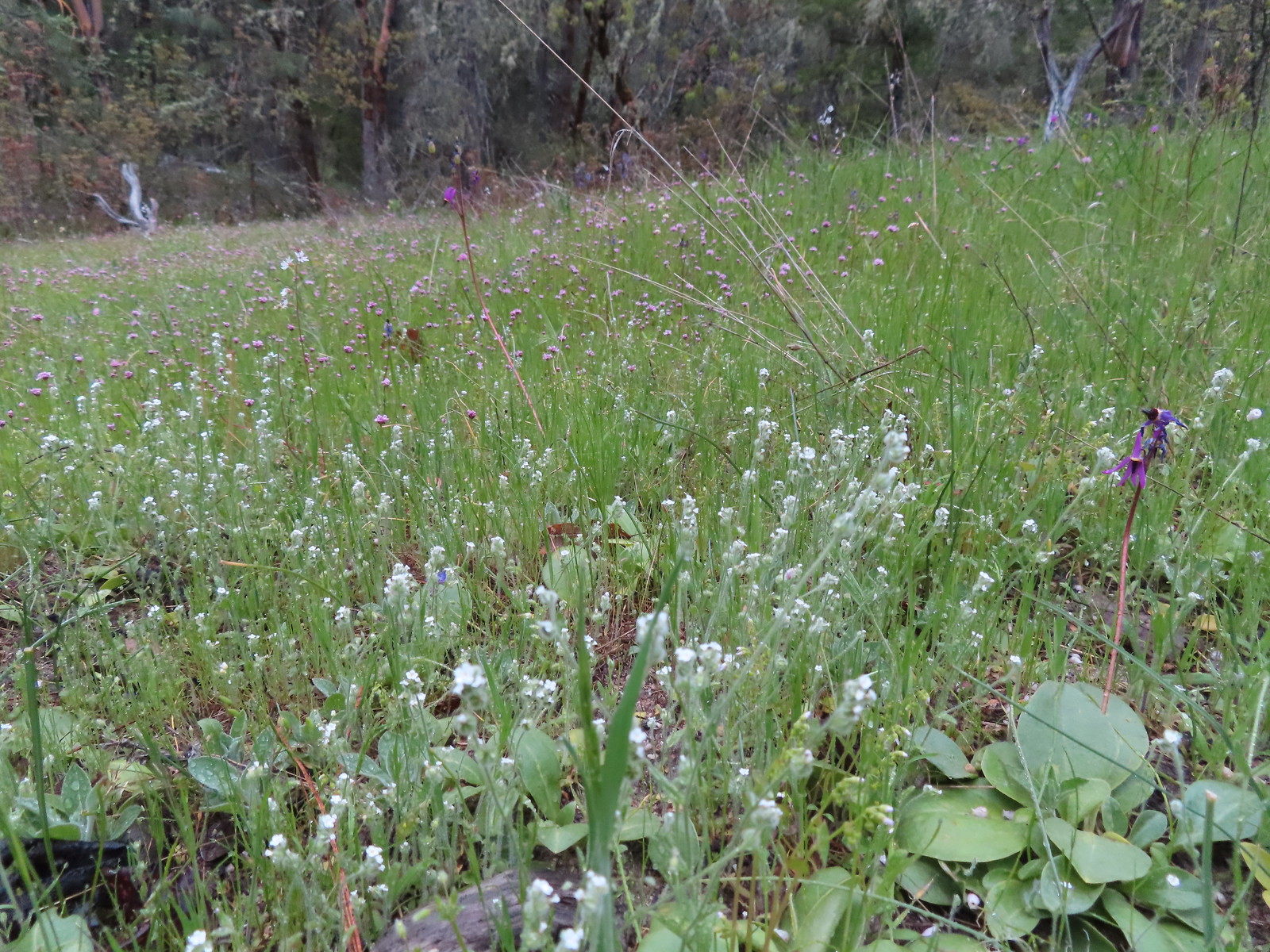 Cryptantha, shooting stars, and plectritis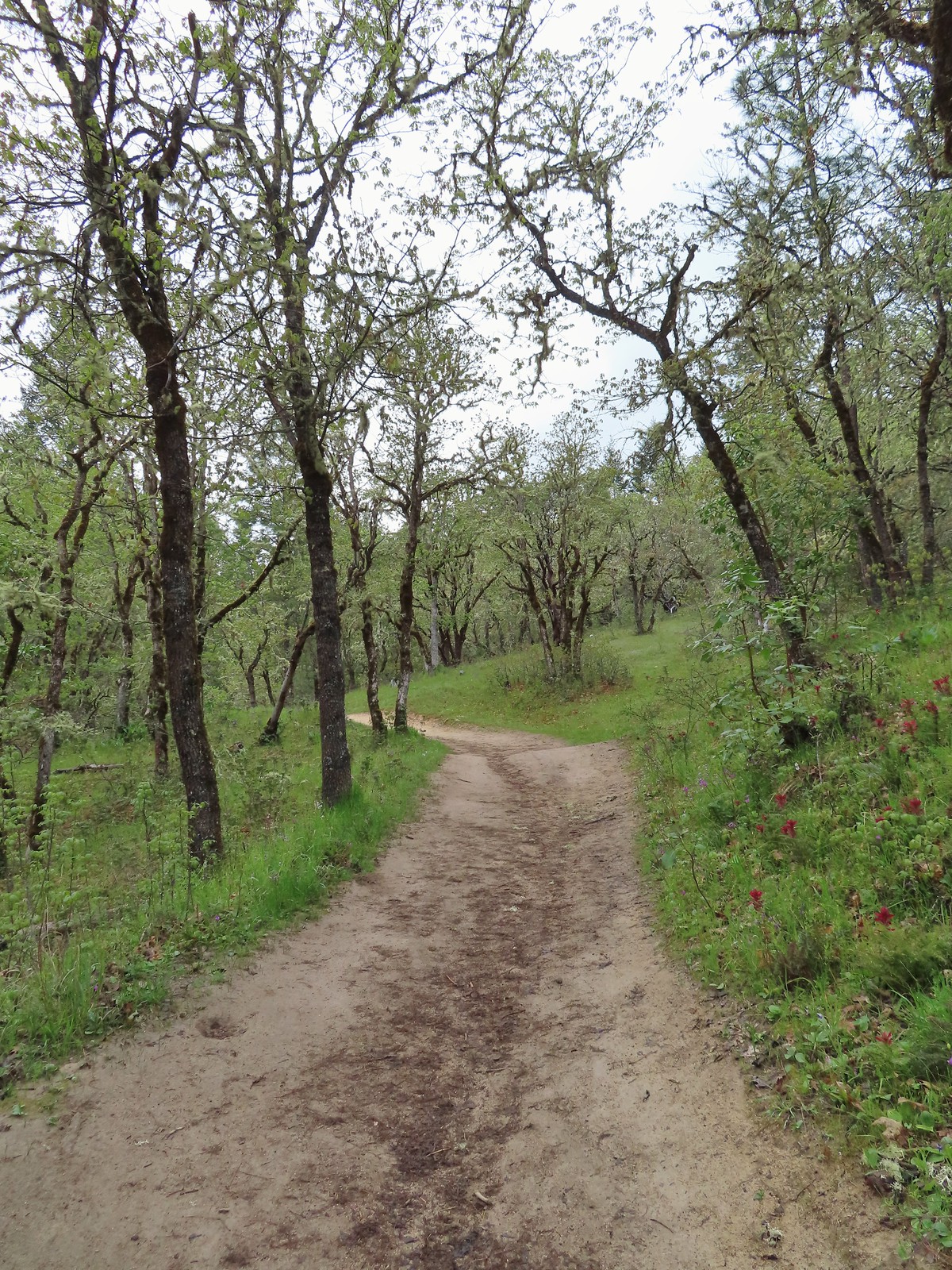
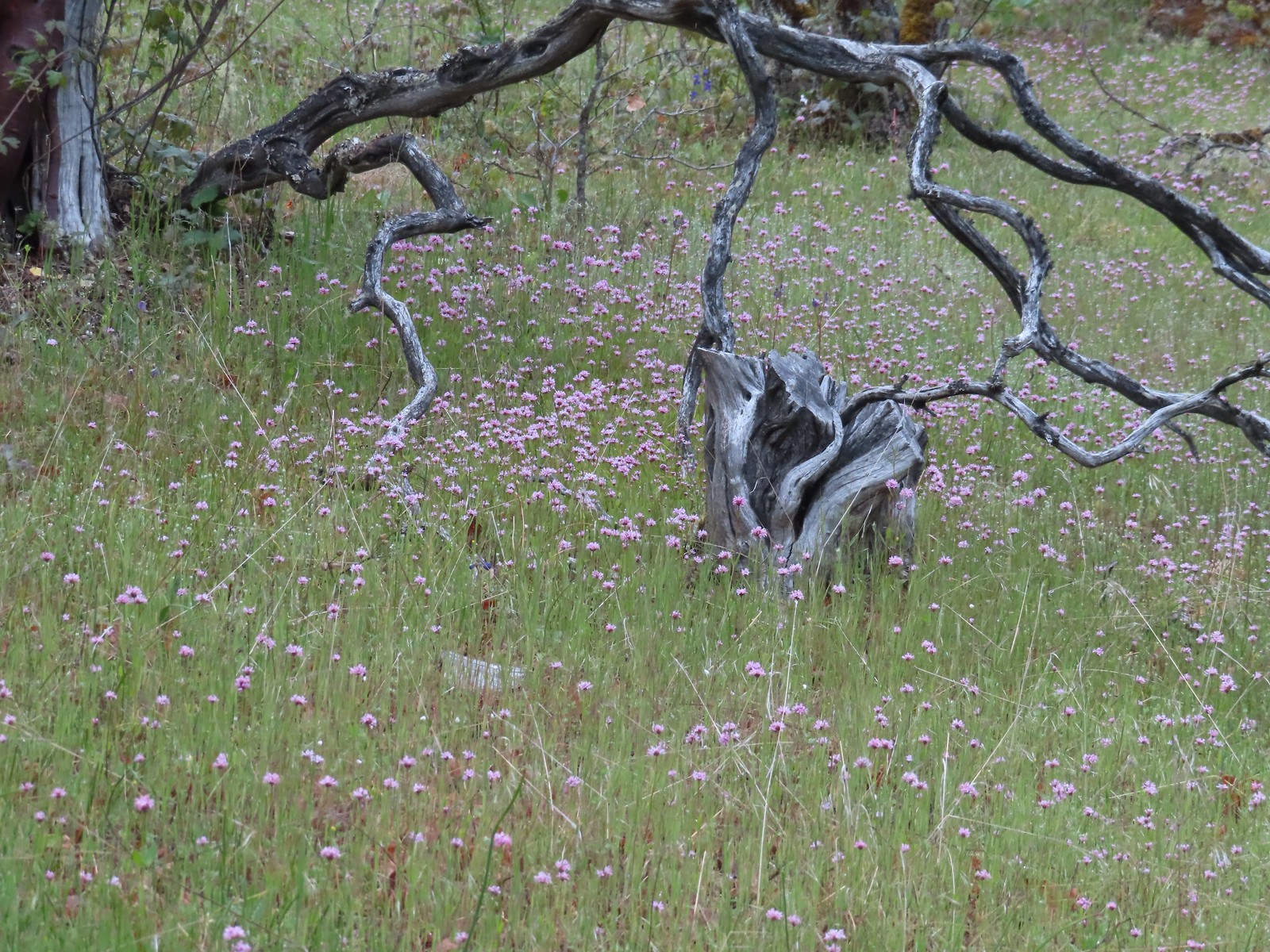 Plectritis
 Pacific houndstongue
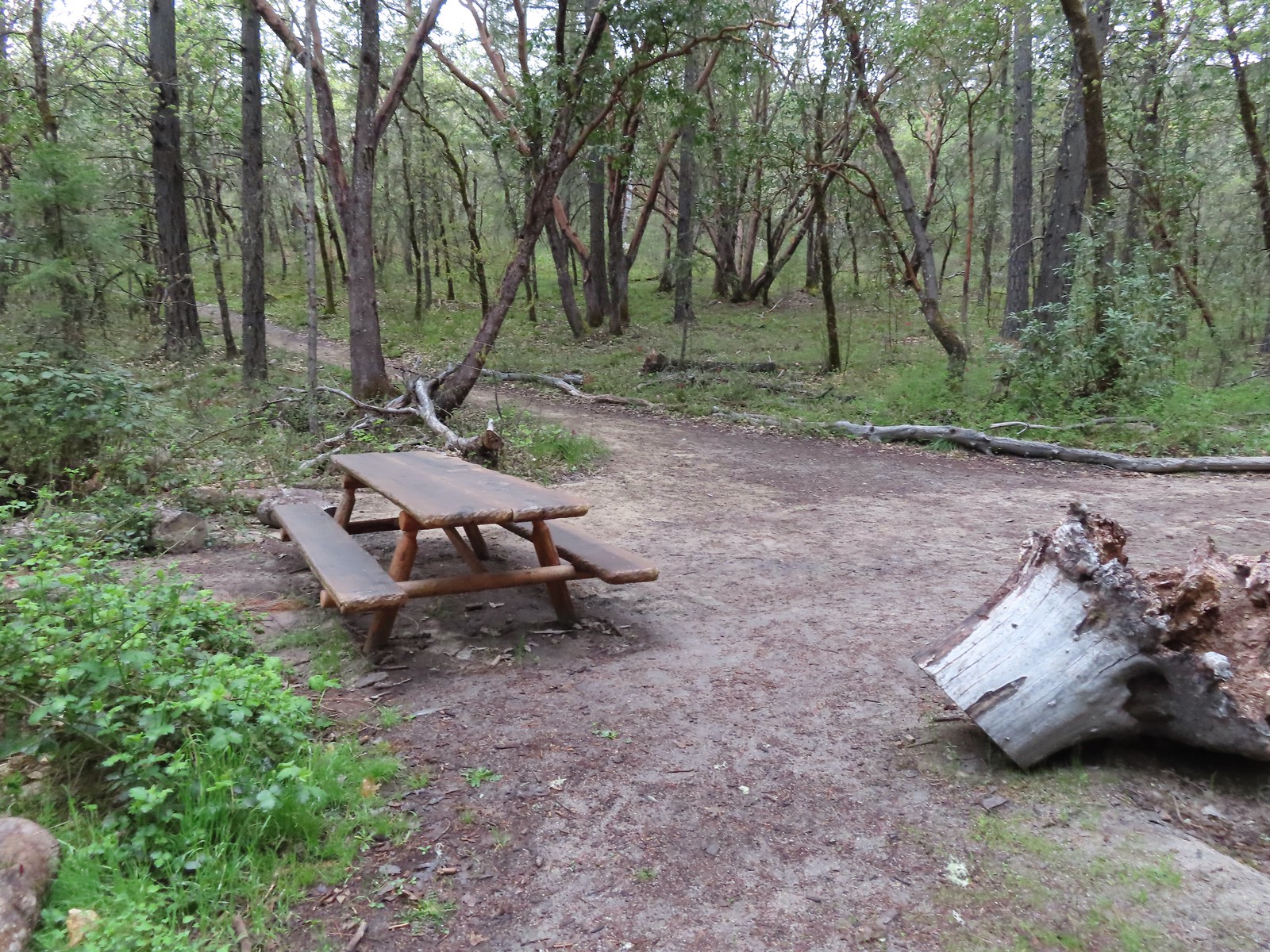 A picnic table at the junction with the Hogback Trail.
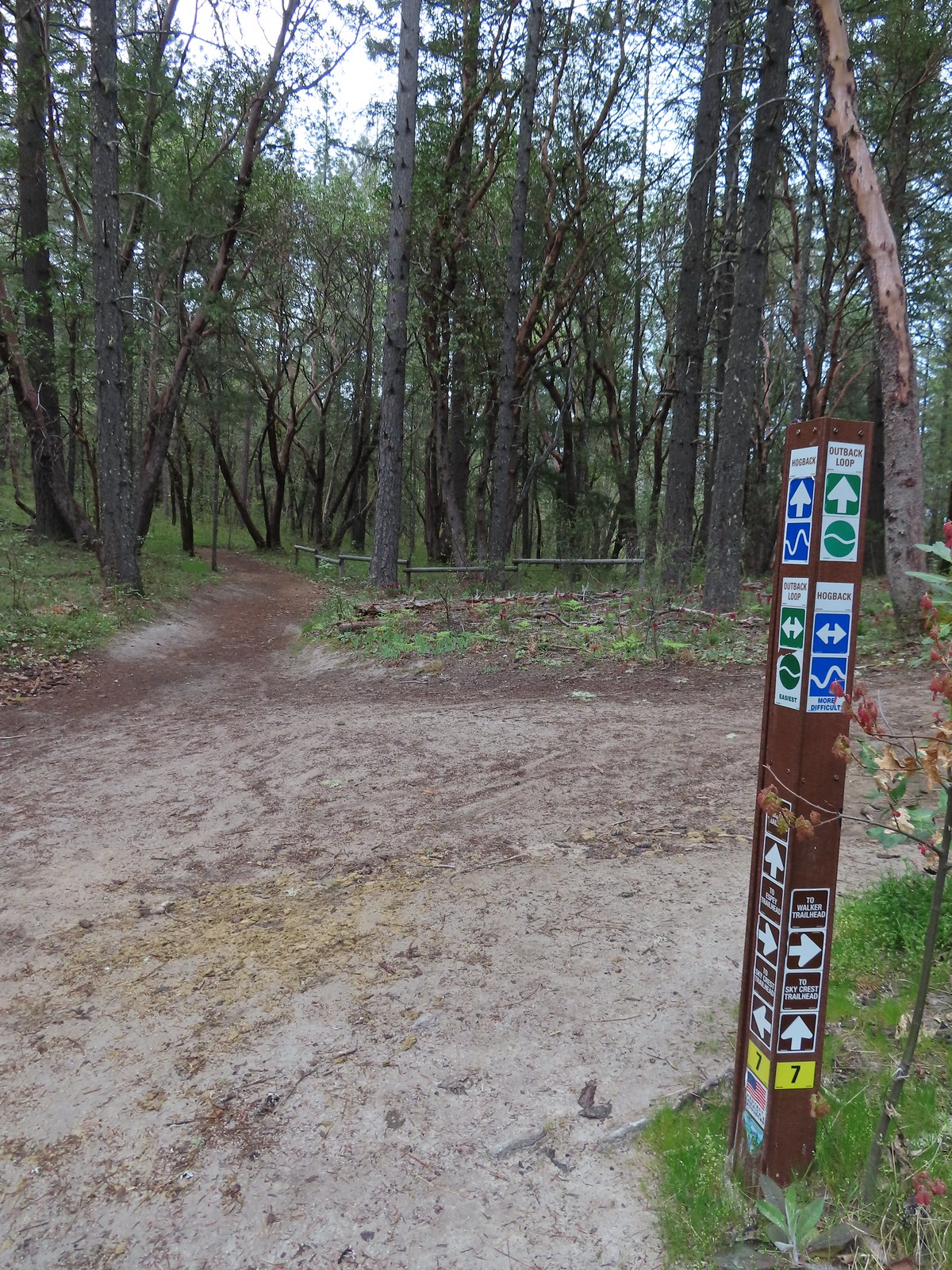 Most of the junctions had markers.
 Giant white wakerobin
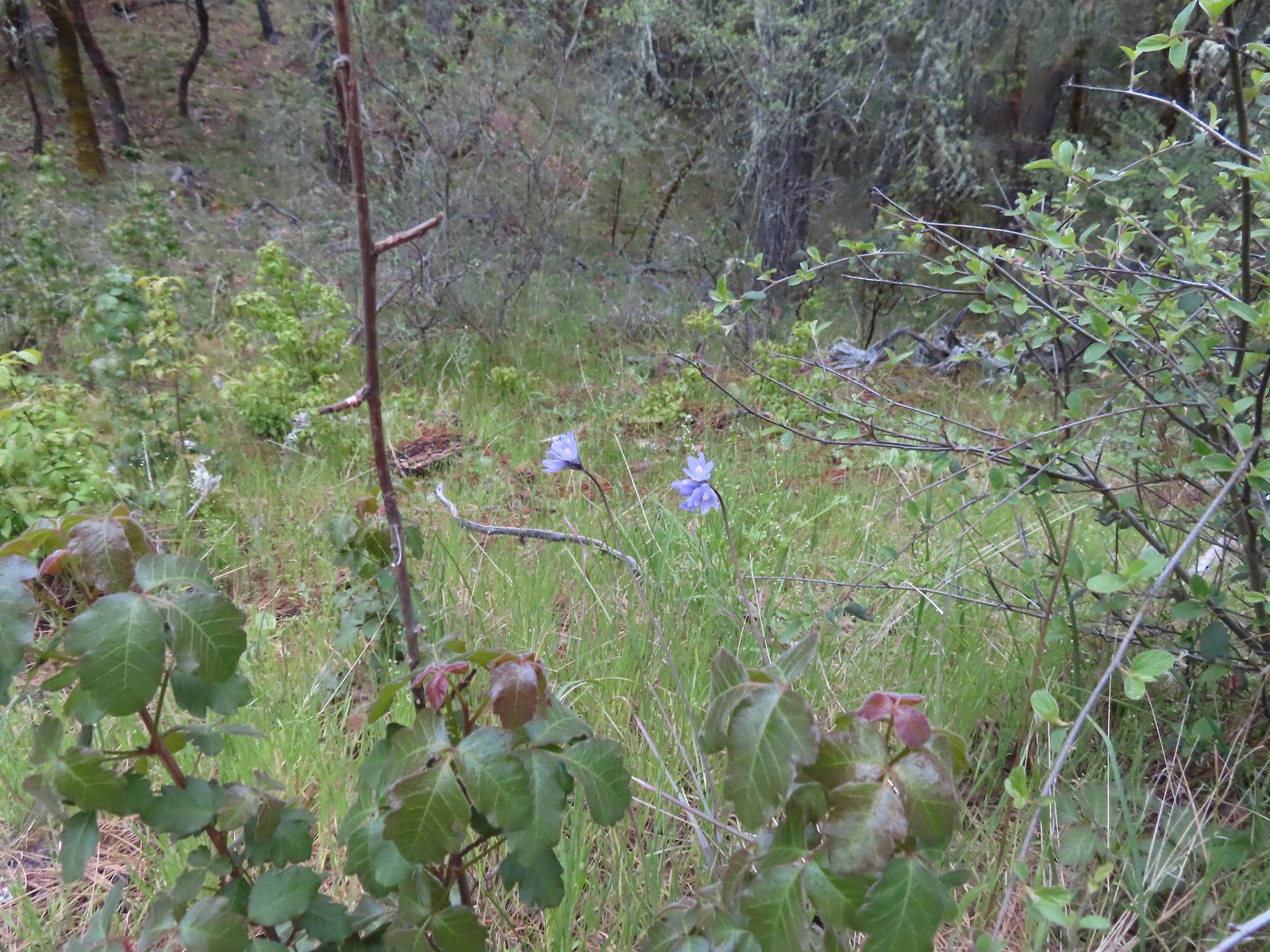 Blue dicks behind more poison oak.
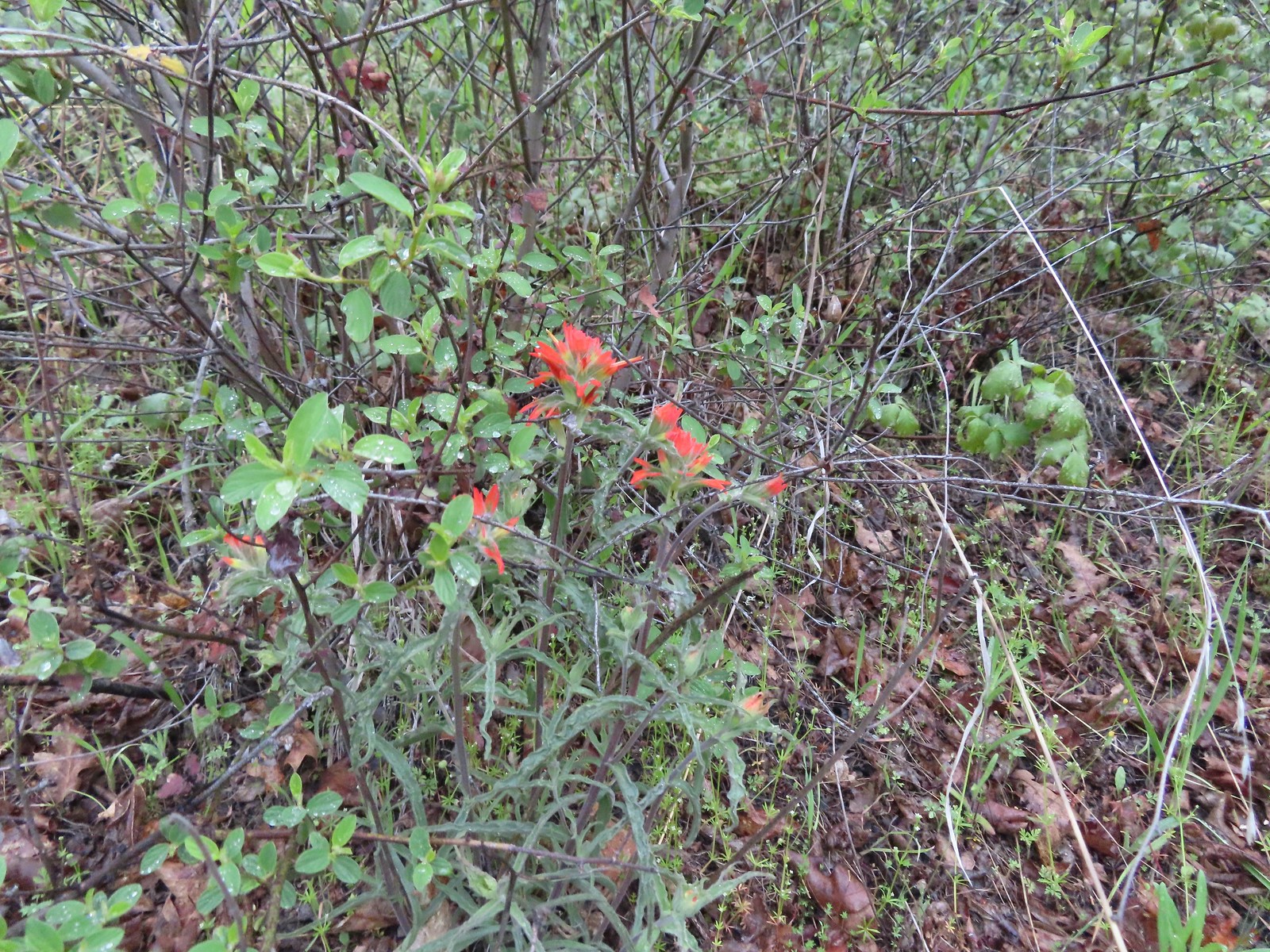 Paintbrush
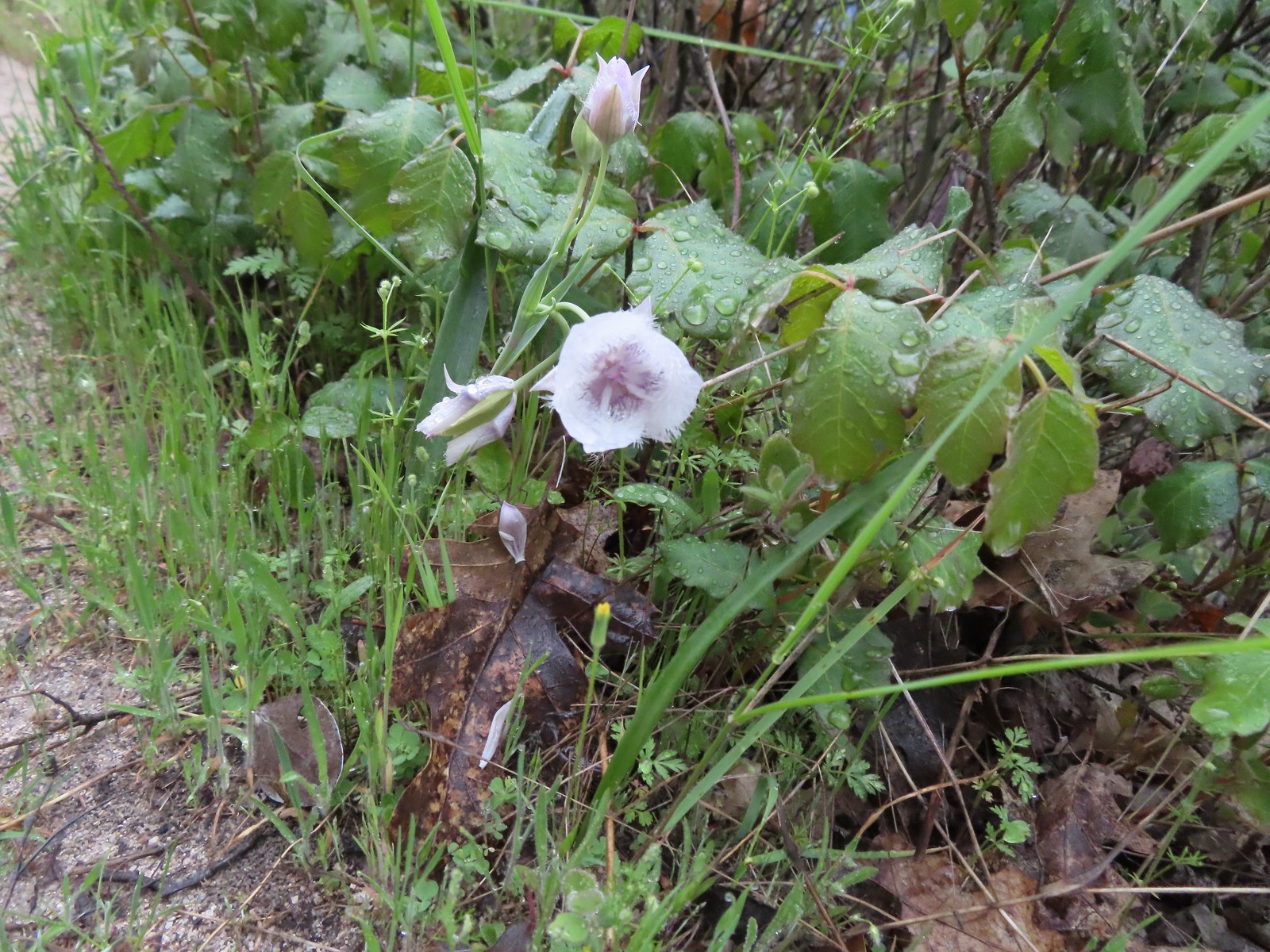 Tolmie’s mariposa lily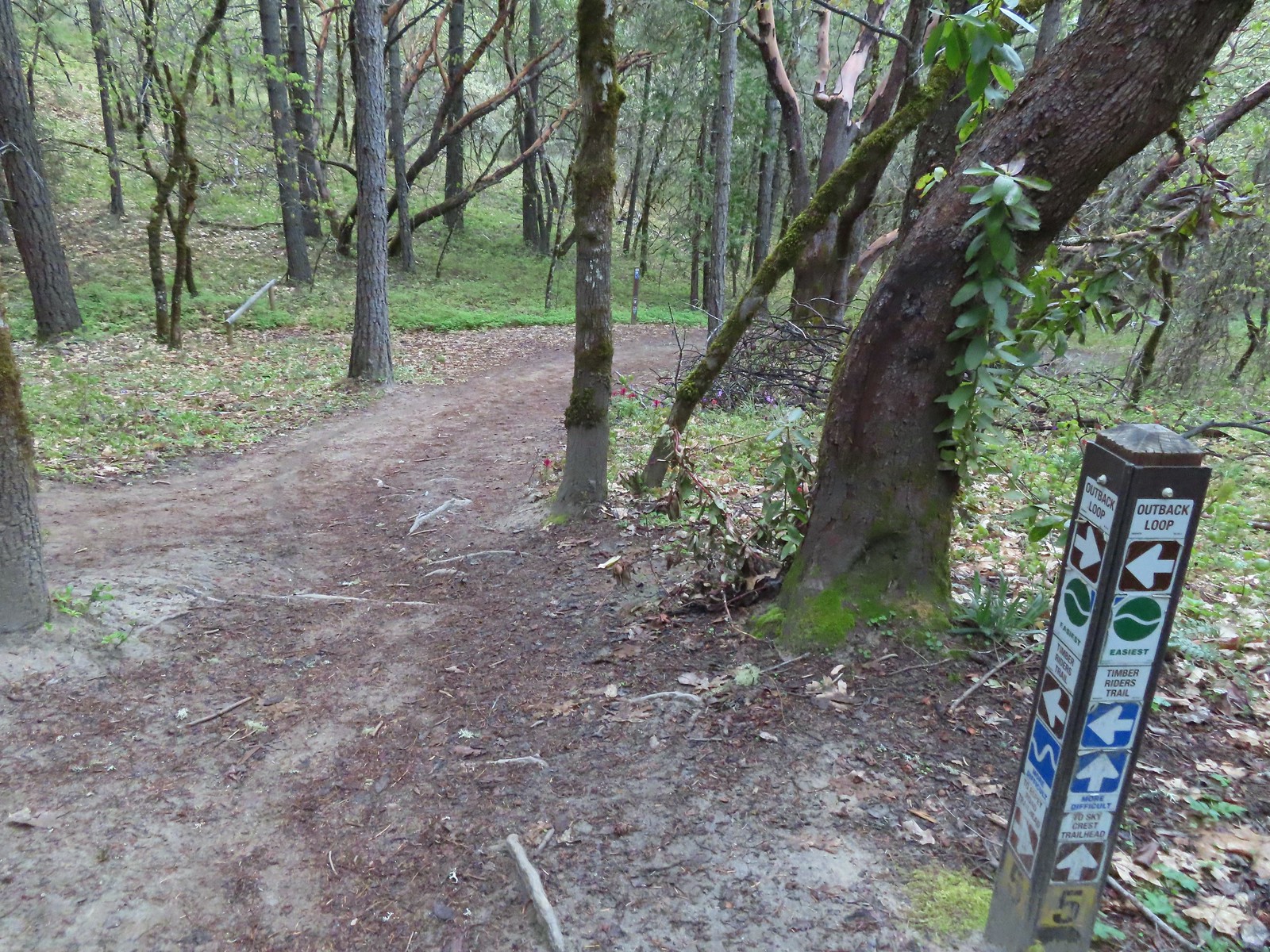

 Henderson’s fawn lily
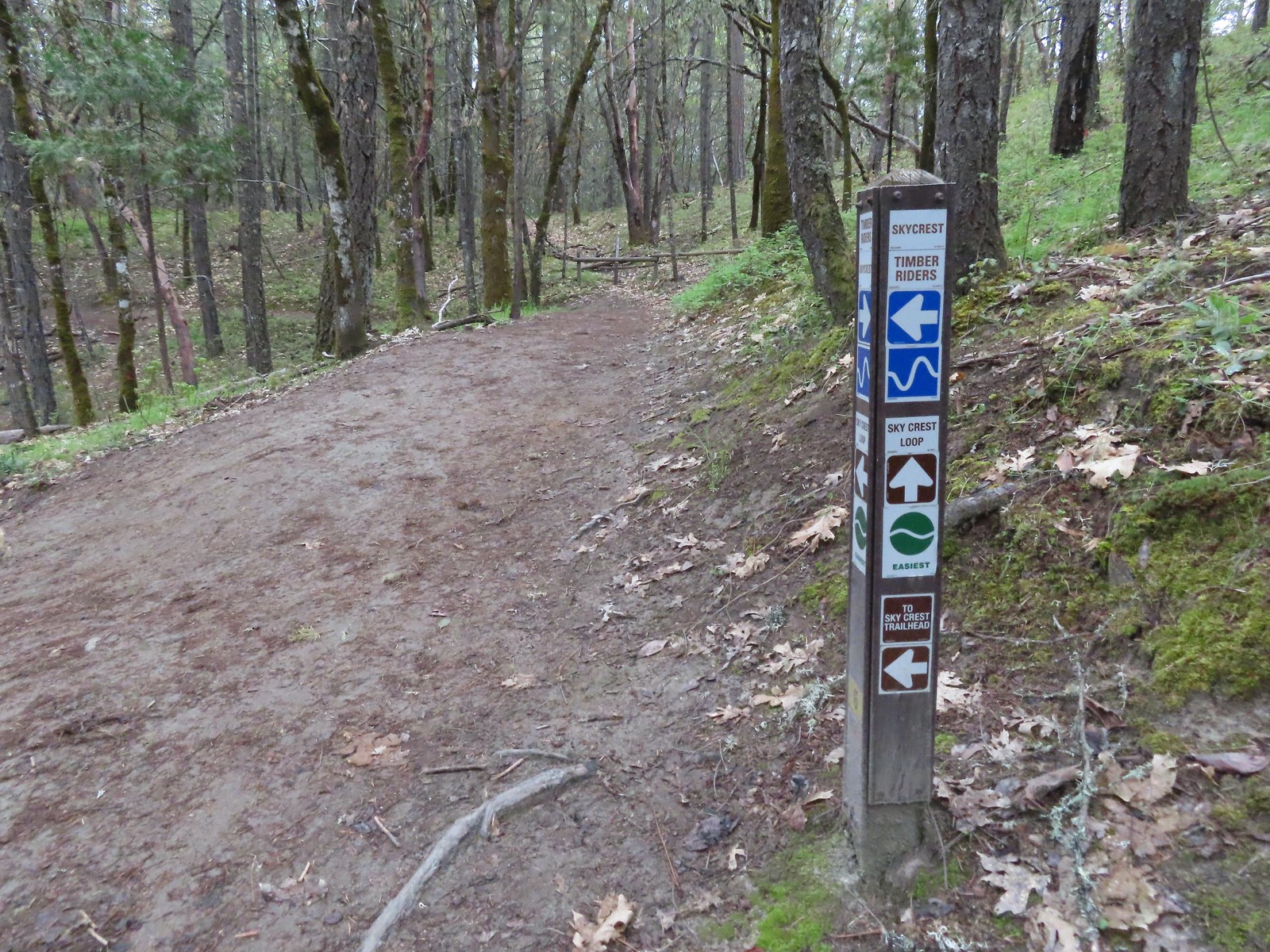 Pointer for the Skycrest Loop.
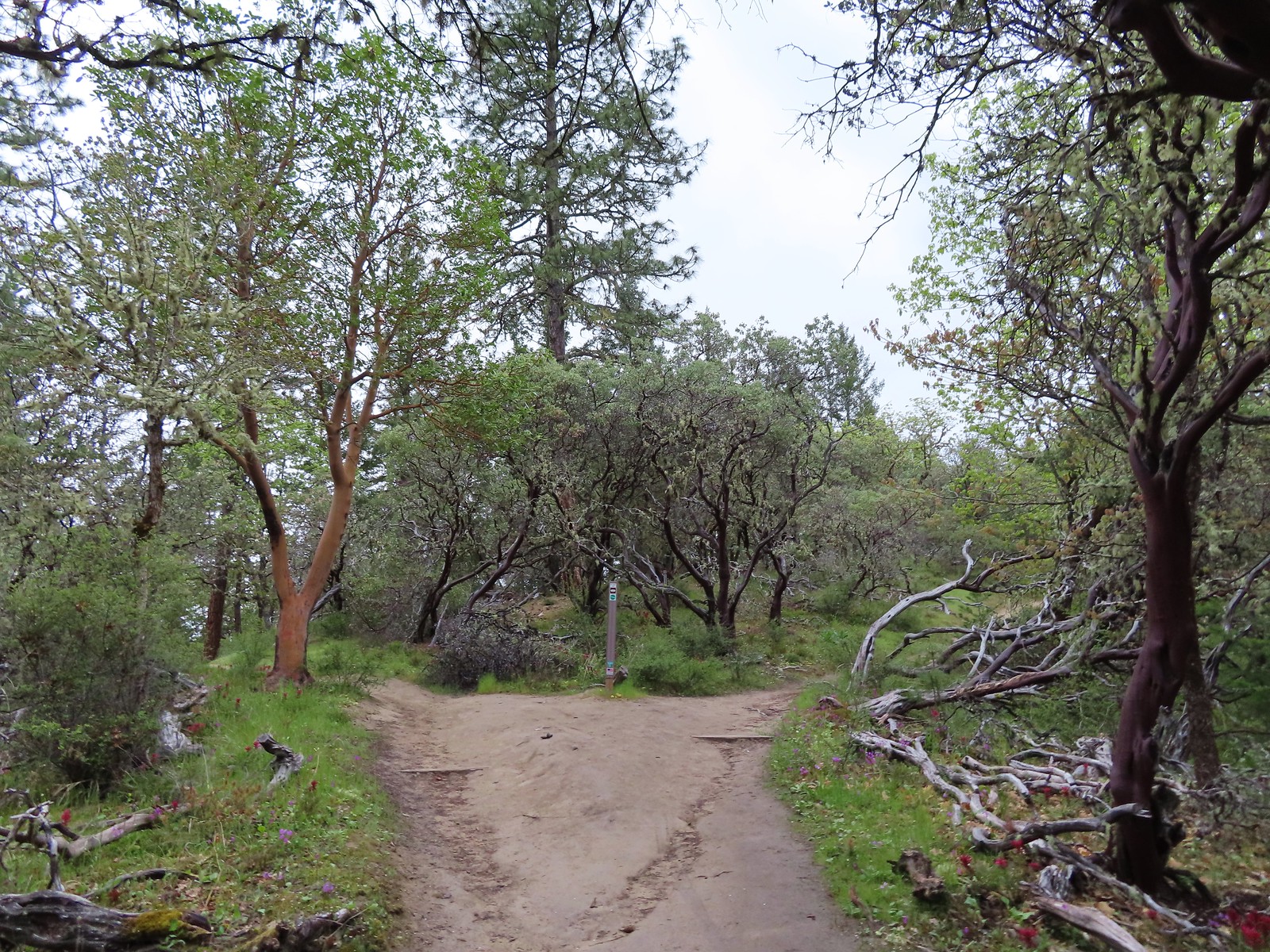 The start of the loop.
 Skullcap (possibly Danny’s)
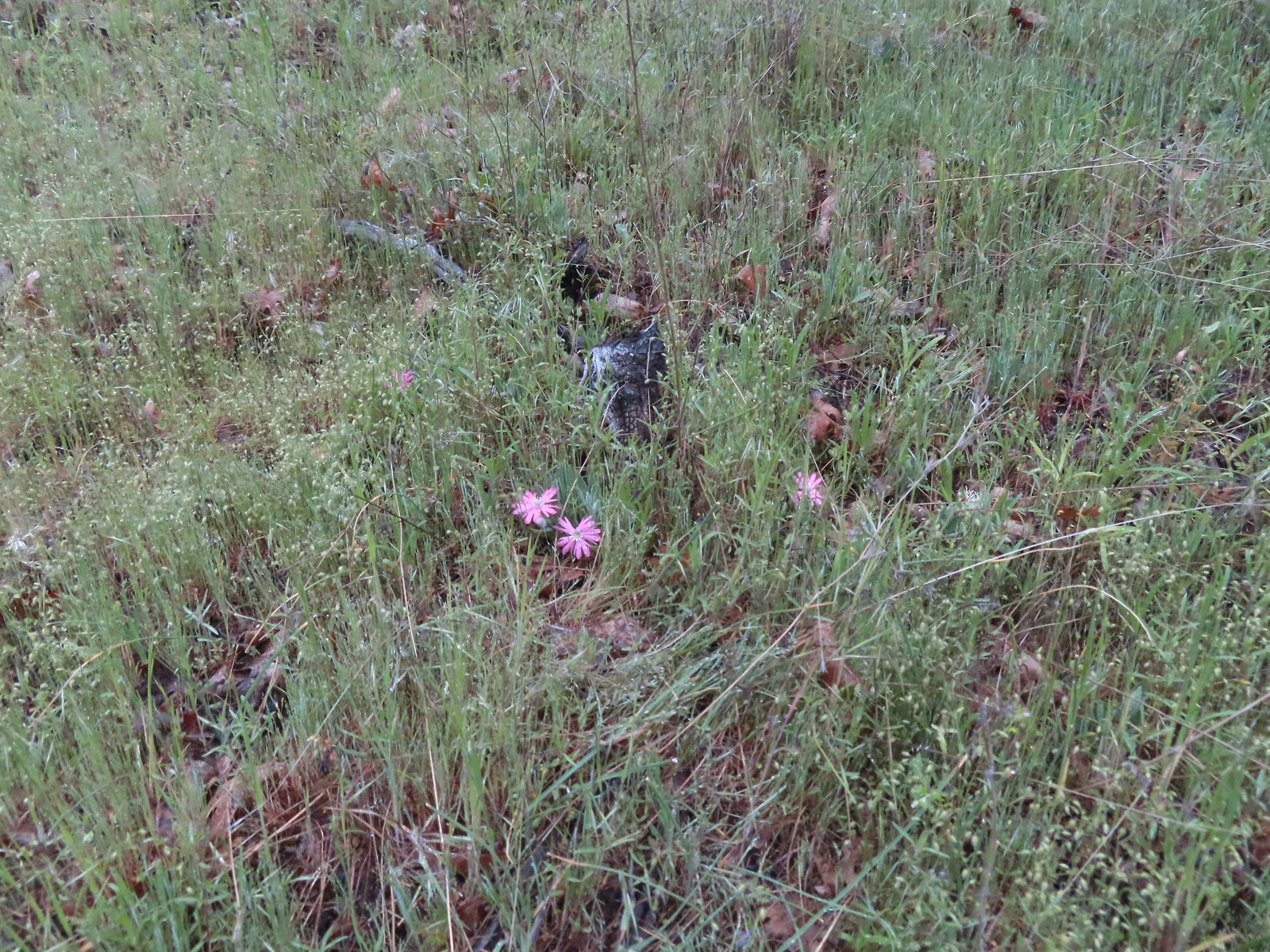 Hooker’s Indian pink
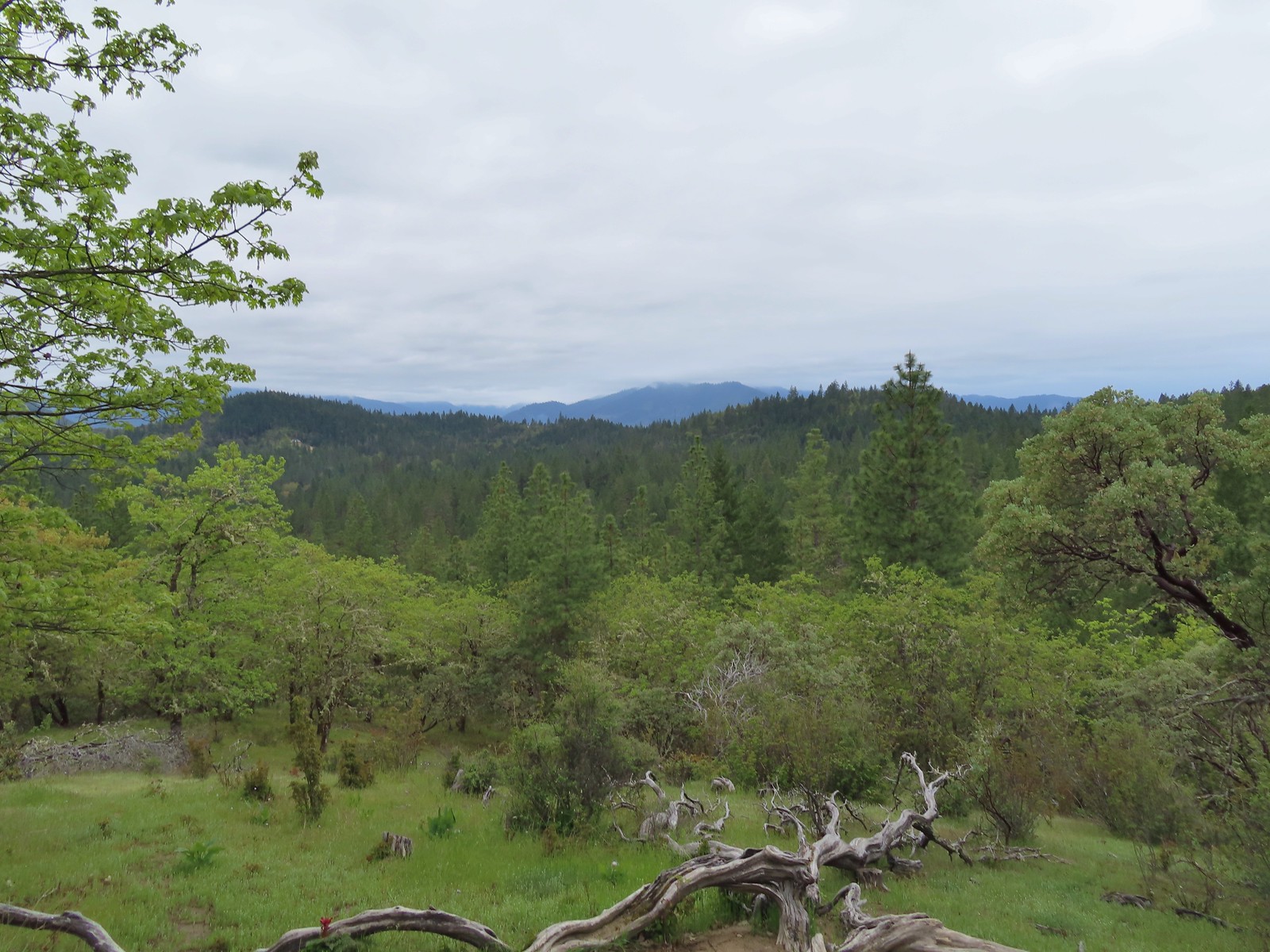 A cloudy view from the Skycrest Loop.
 Ragwort
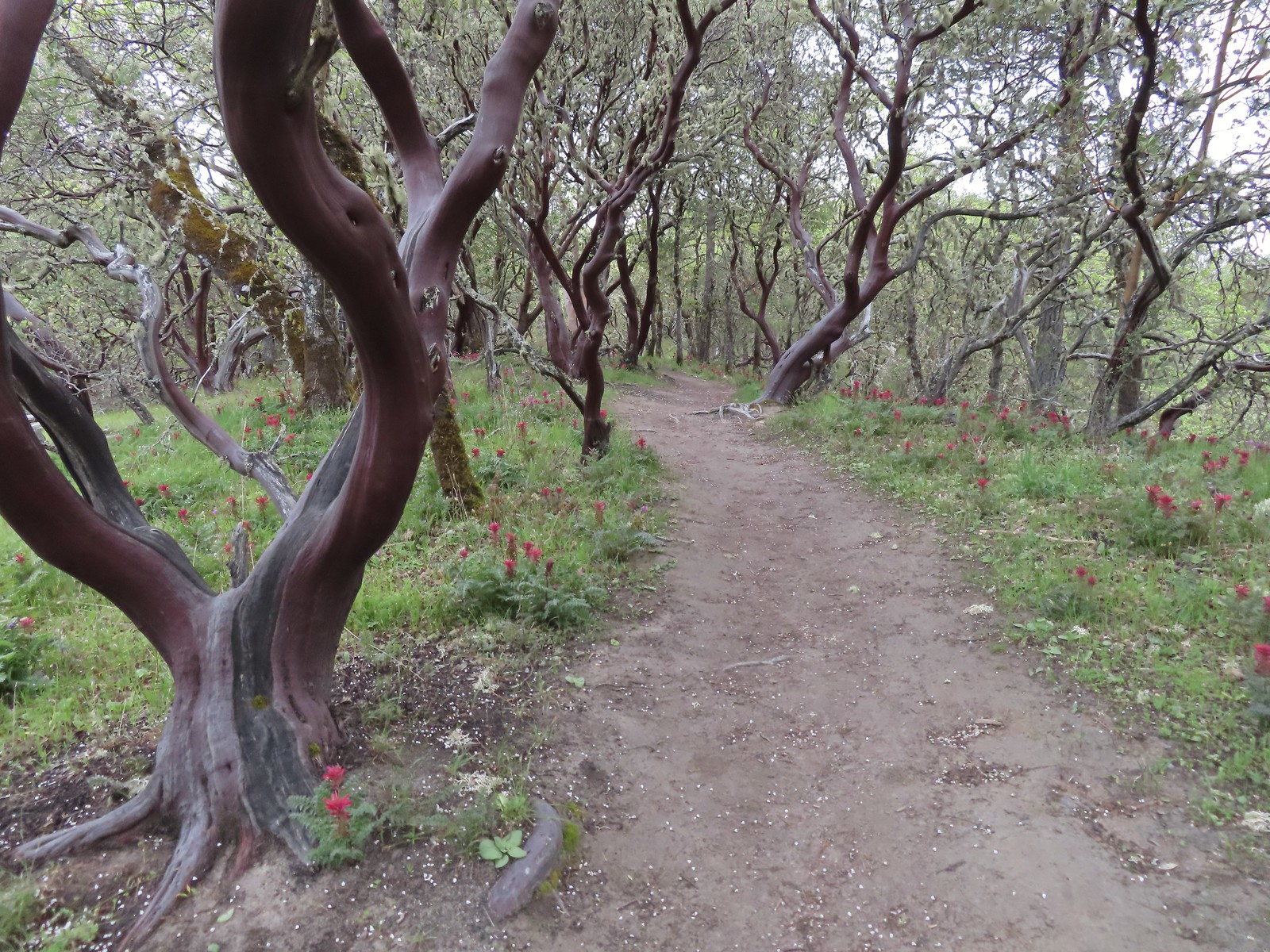 Indian warrior beneath white-leaf manzanita.
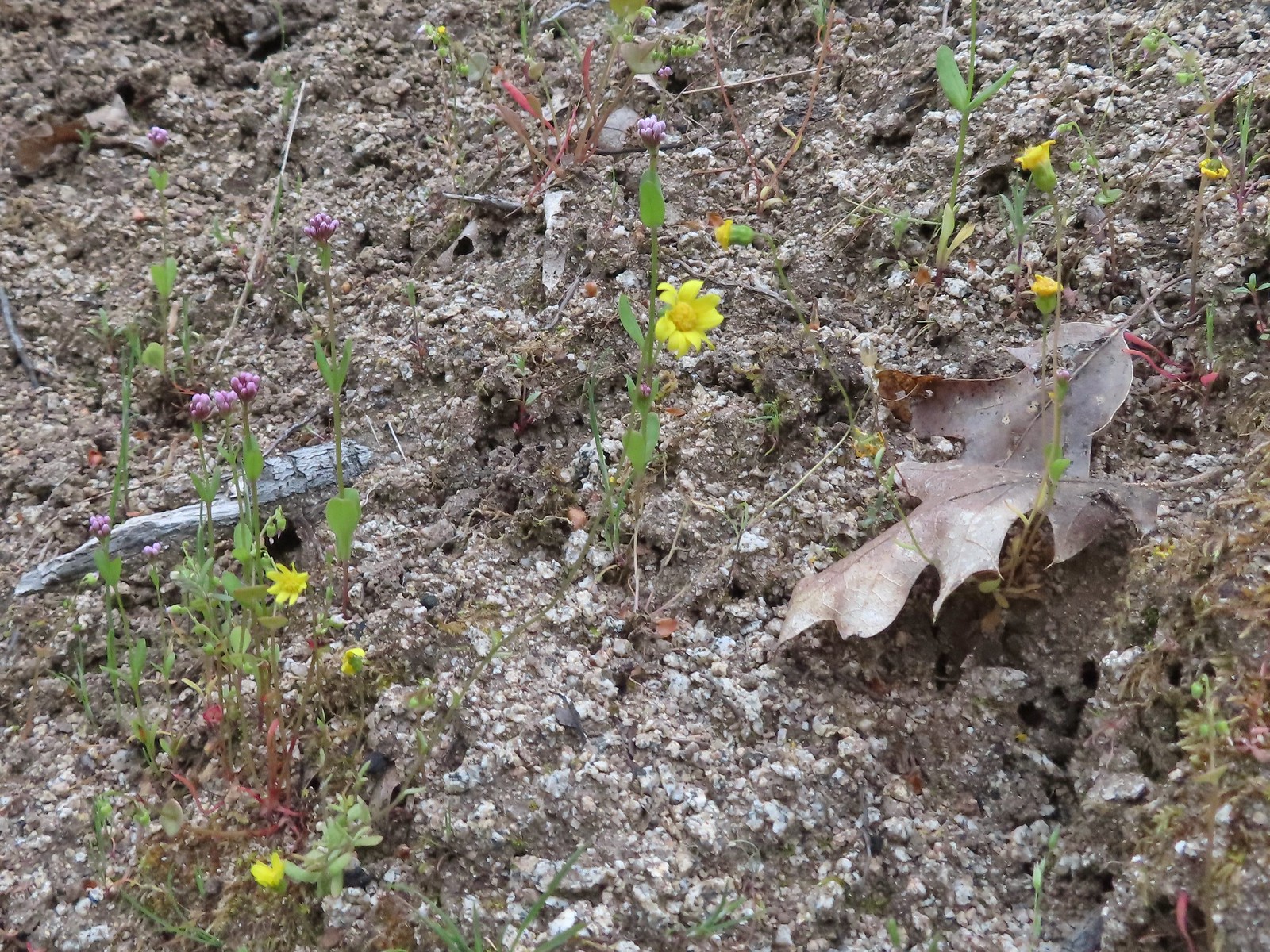 Last of the gold stars.
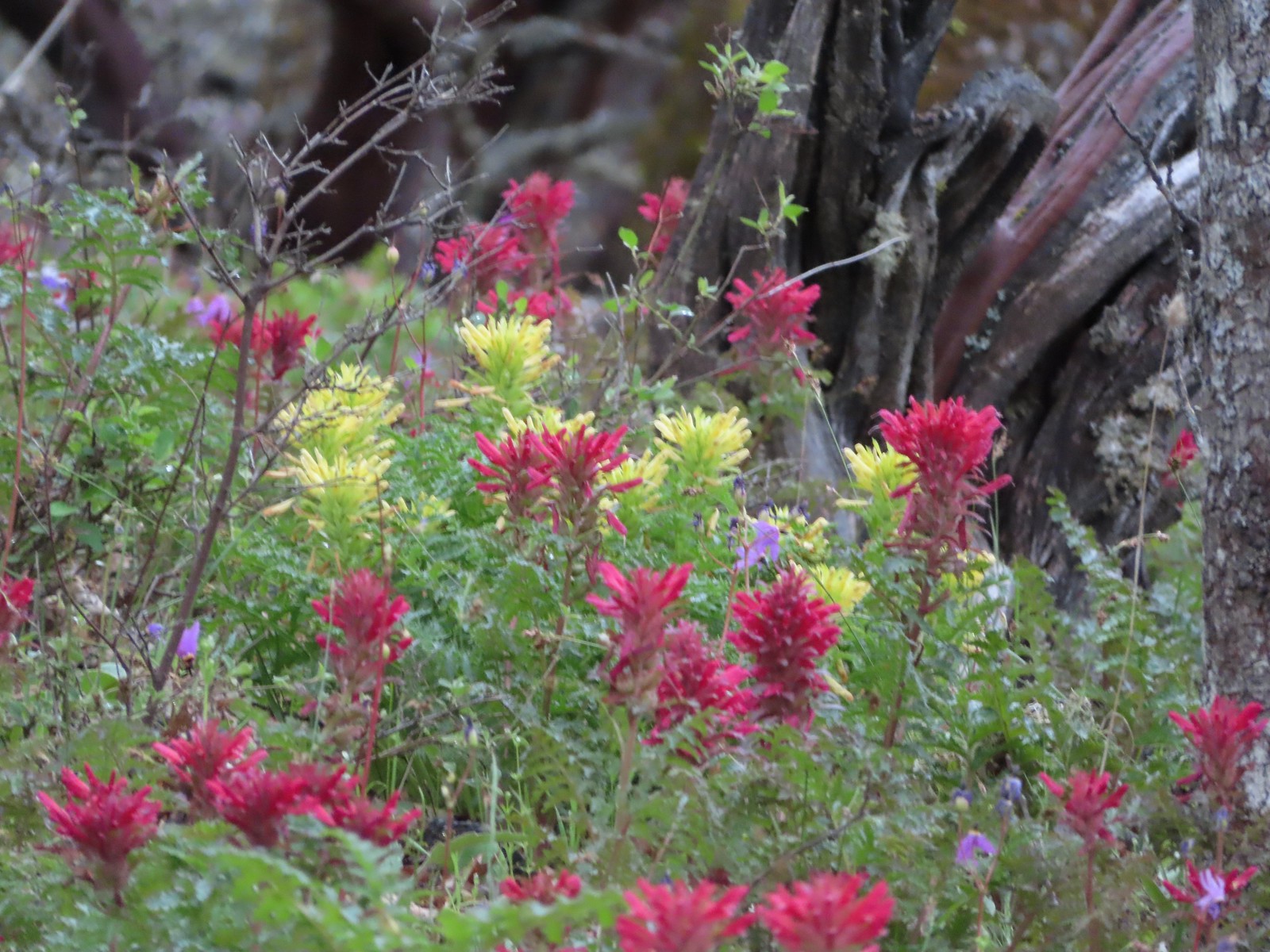 A few yellow Indian warriors.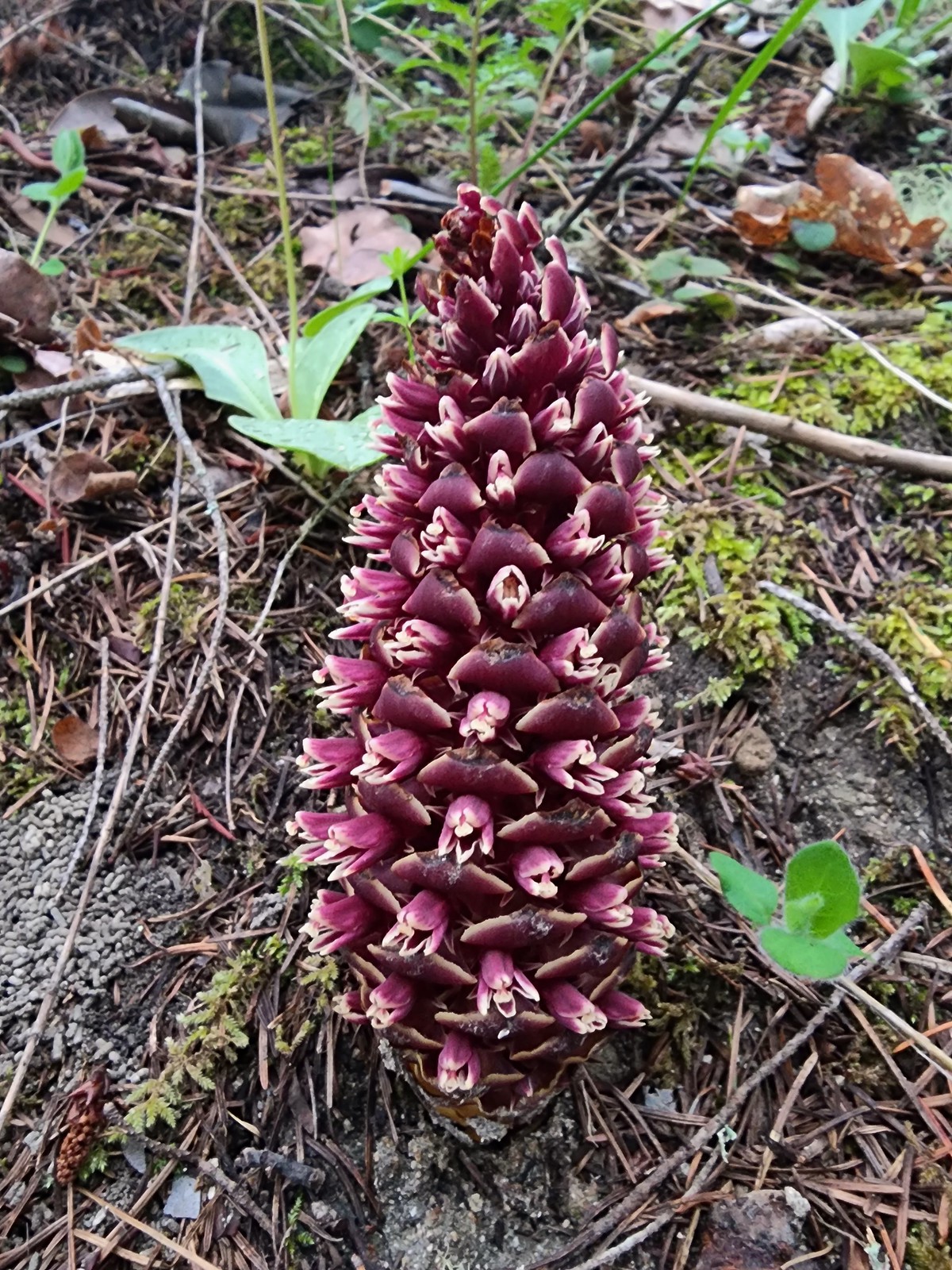
 Even though it didn’t look familiar we both thought we’d come from the trail to the left earlier when in fact that was the continuation of the Outback Loop.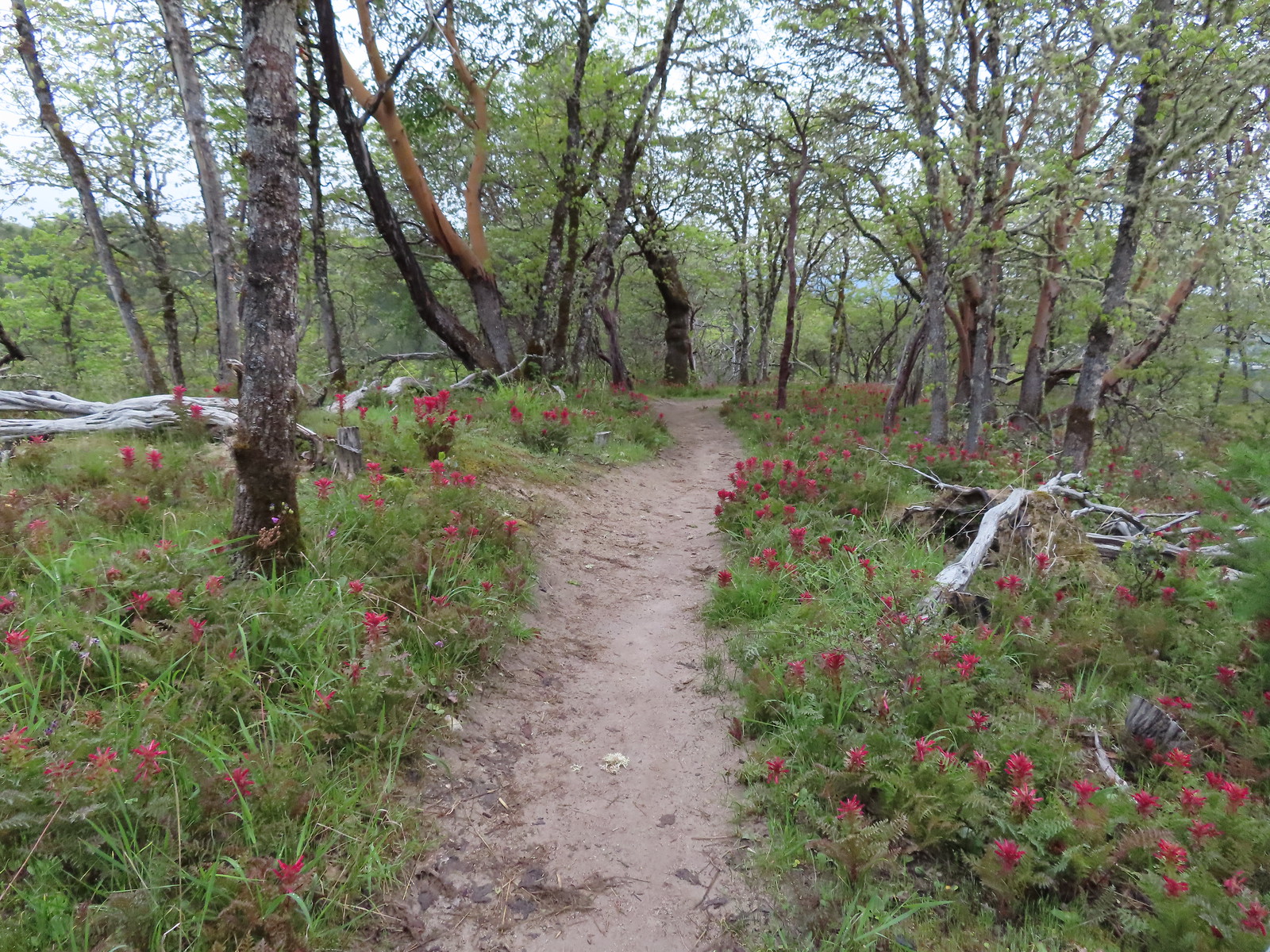
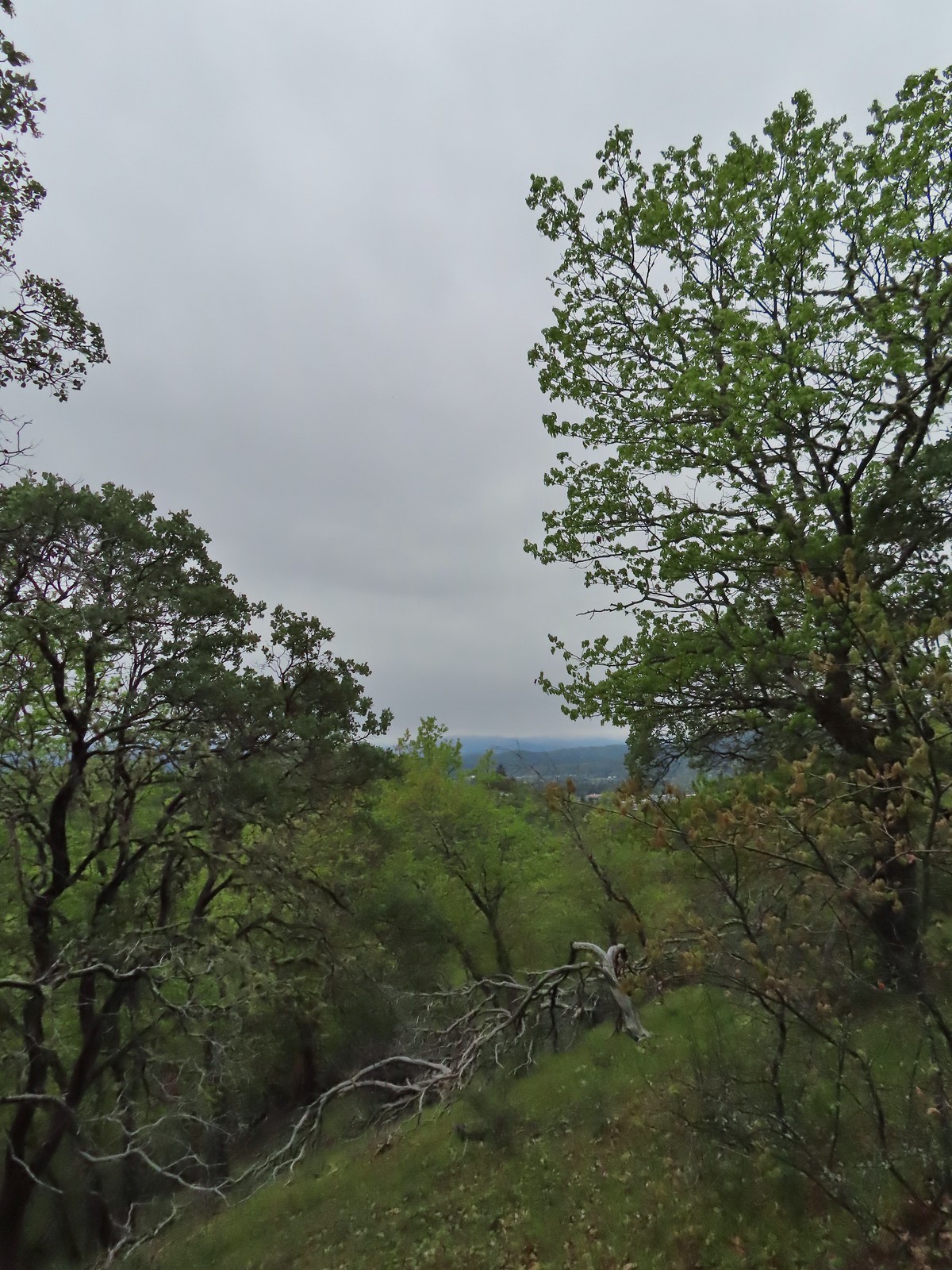 Rain clouds in the sky.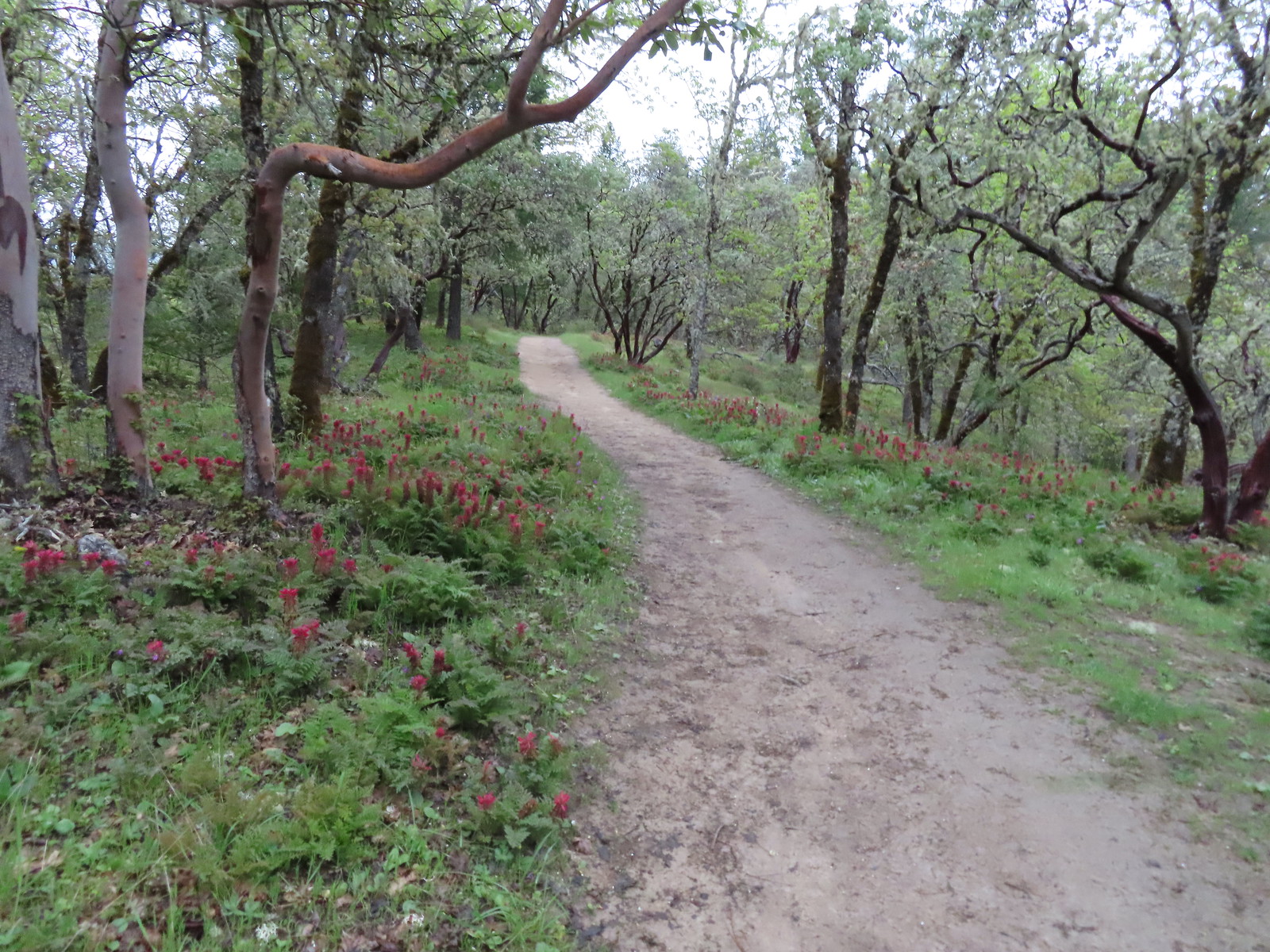
 Trail marker along the Outback Loop.
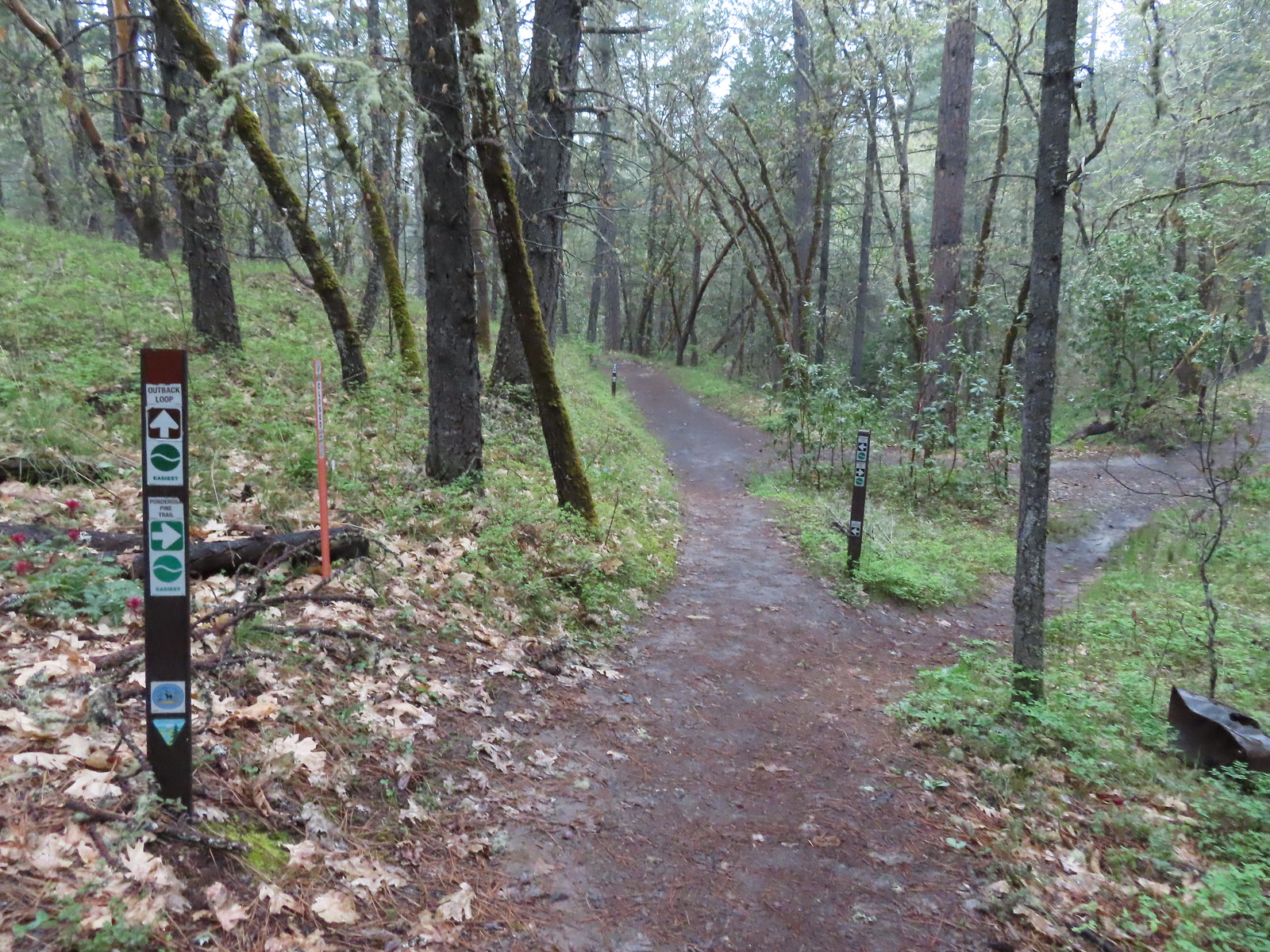 Turning onto the Ponderosa Pine Trail
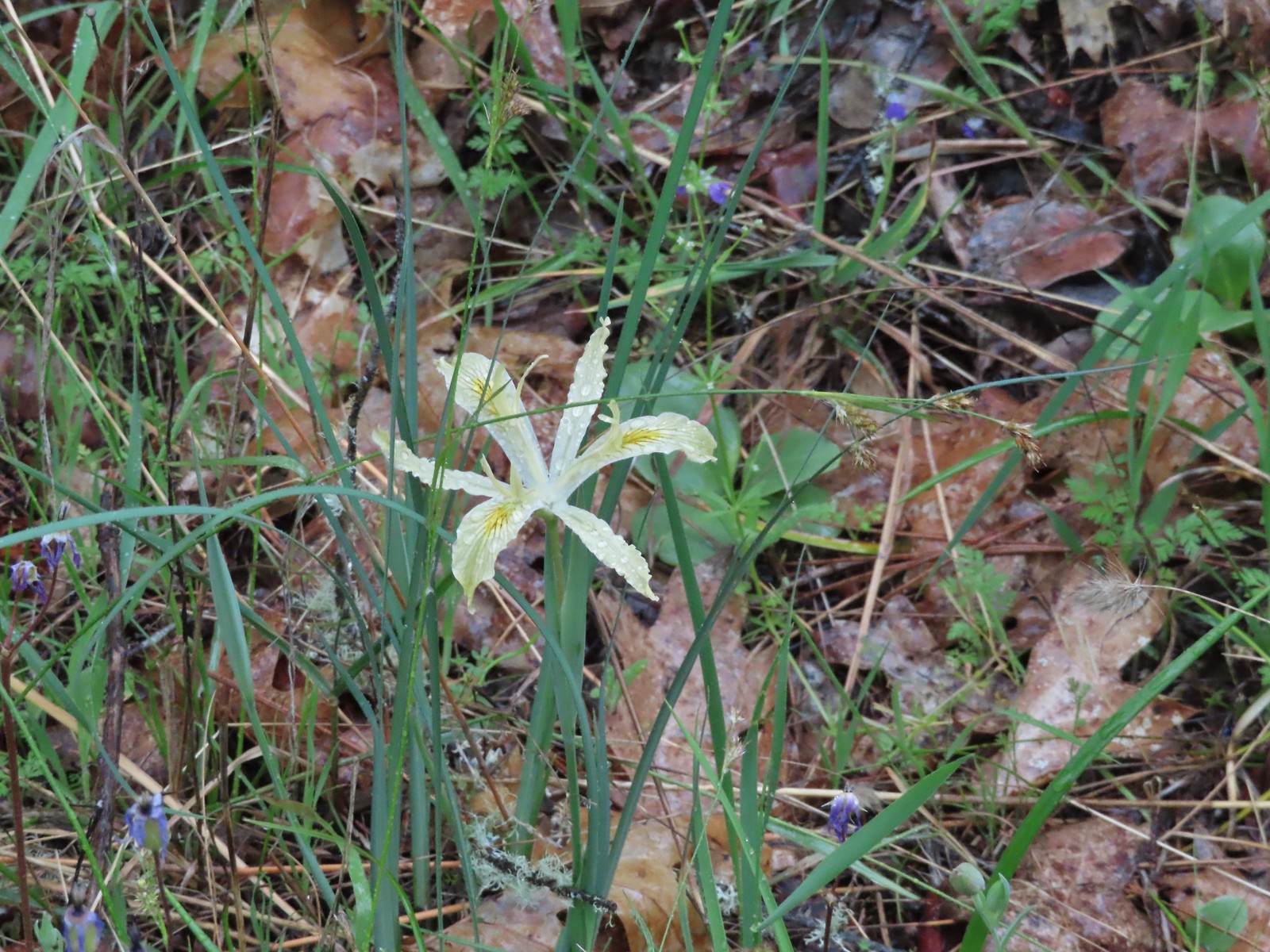 Iris
Iris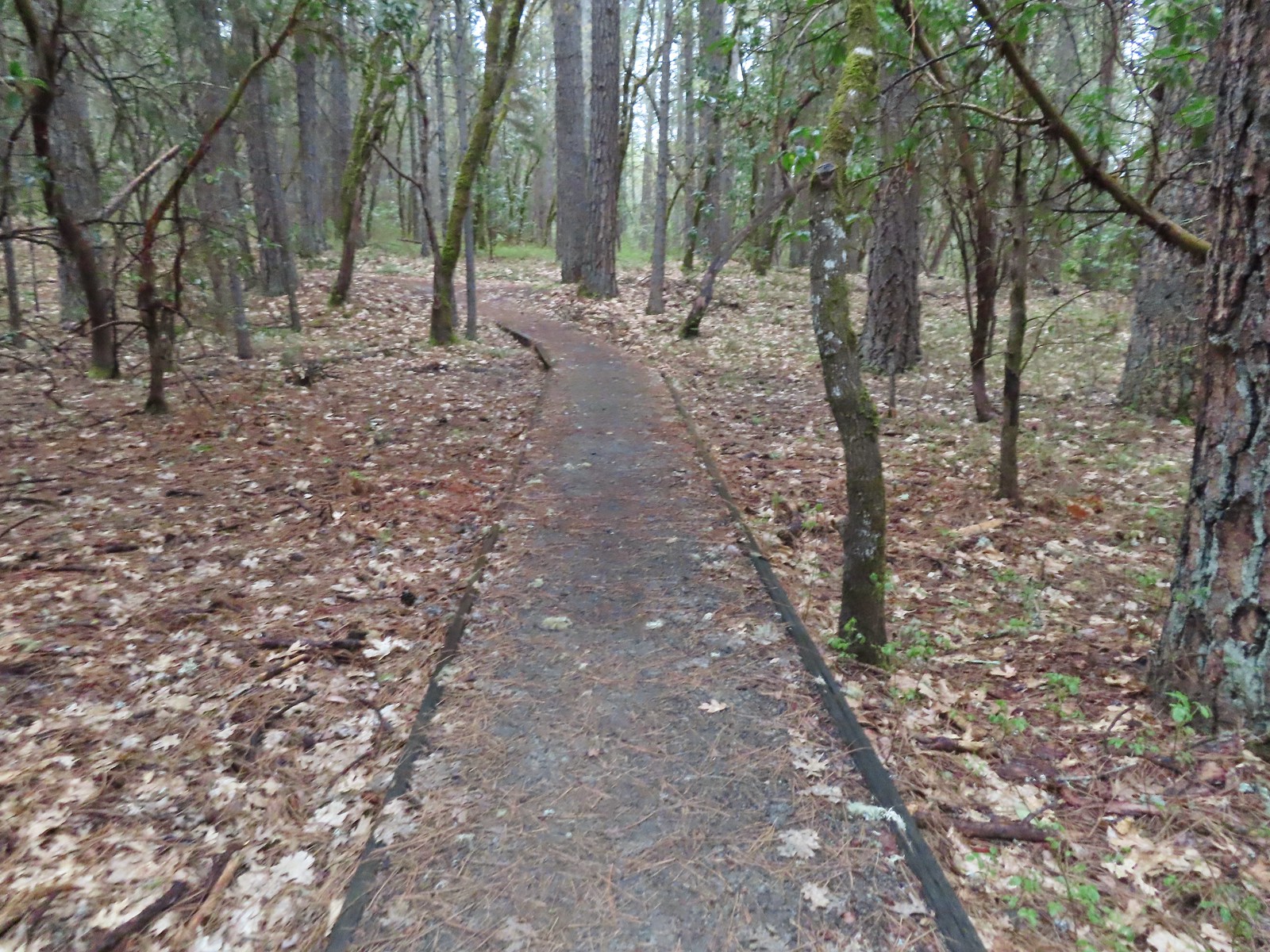 Ponderosa Pine Trail
 Back onto the Outback Loop.
 Quite a bit more water on the trail as we finished up.
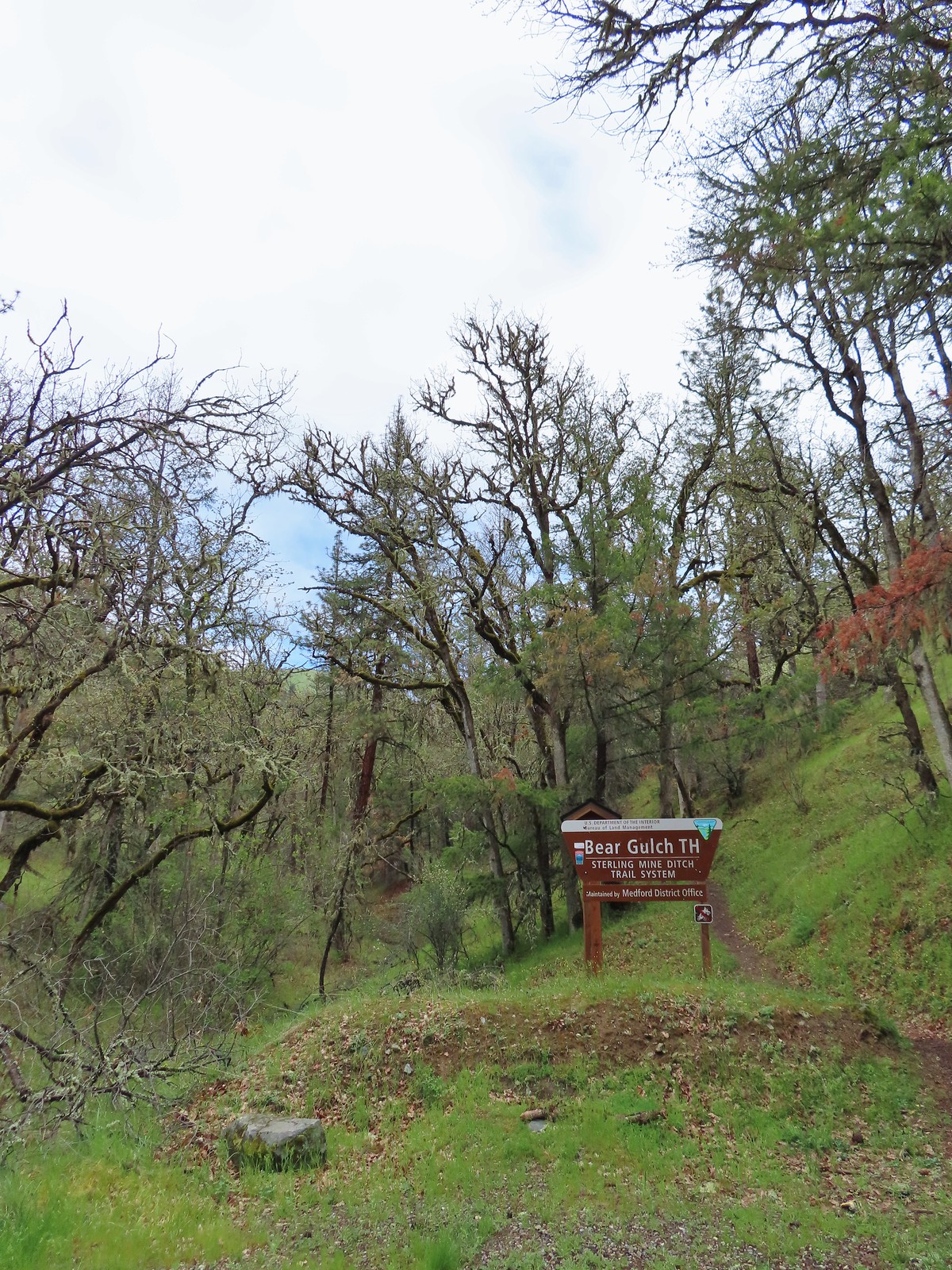
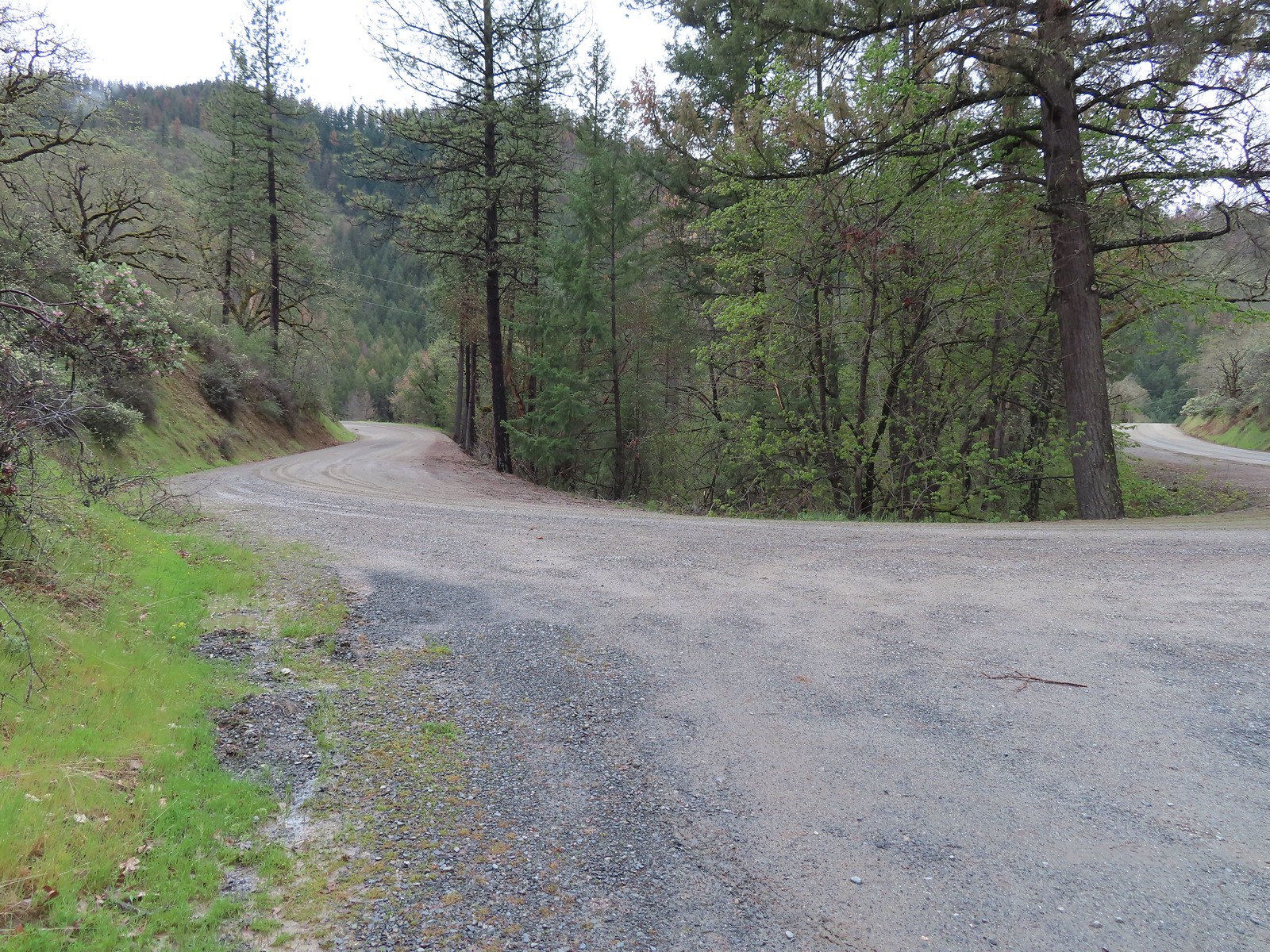 View from the Bear Gulch Trailhead of Little Applegate Road.
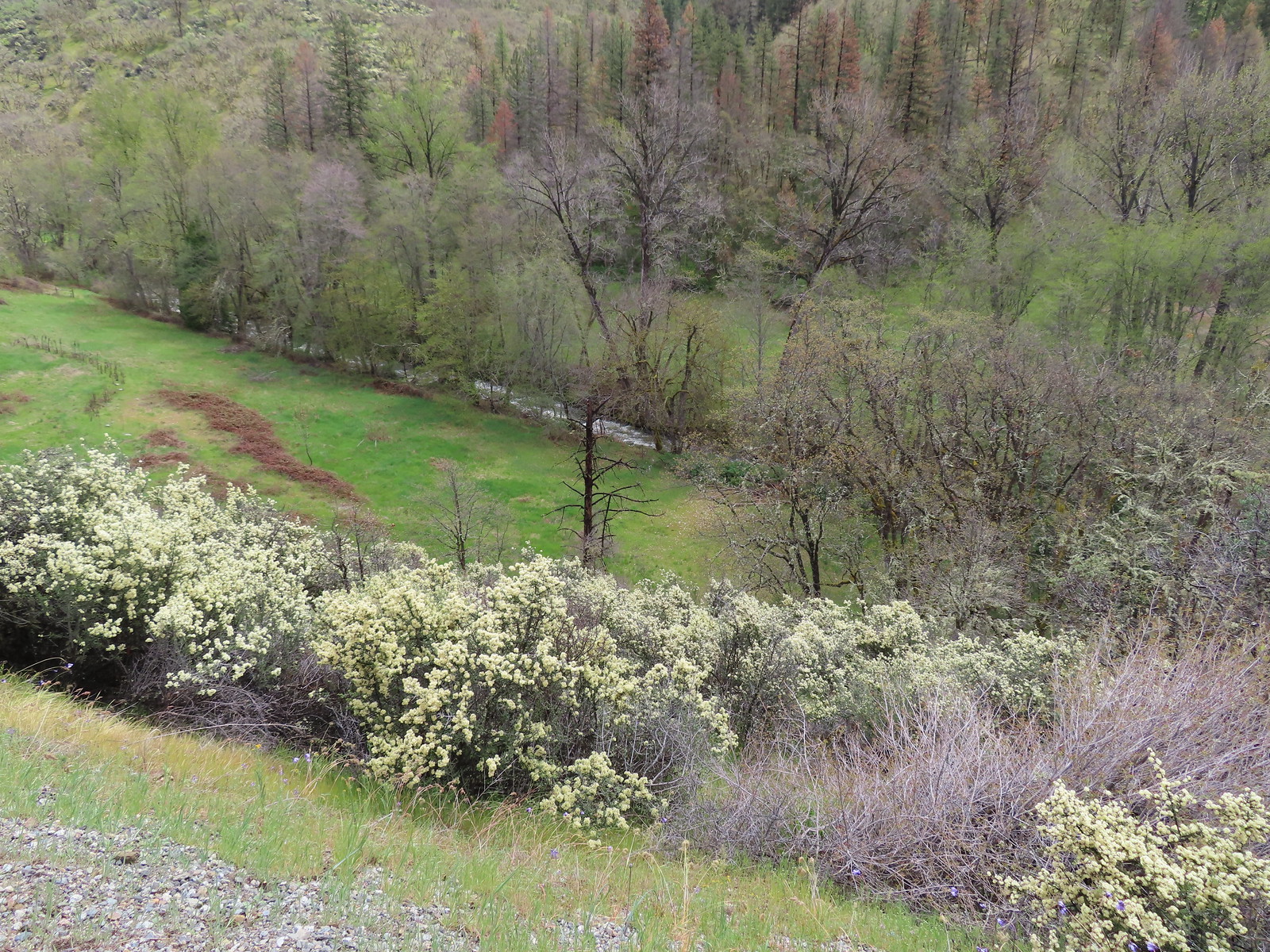 The Little Applegate River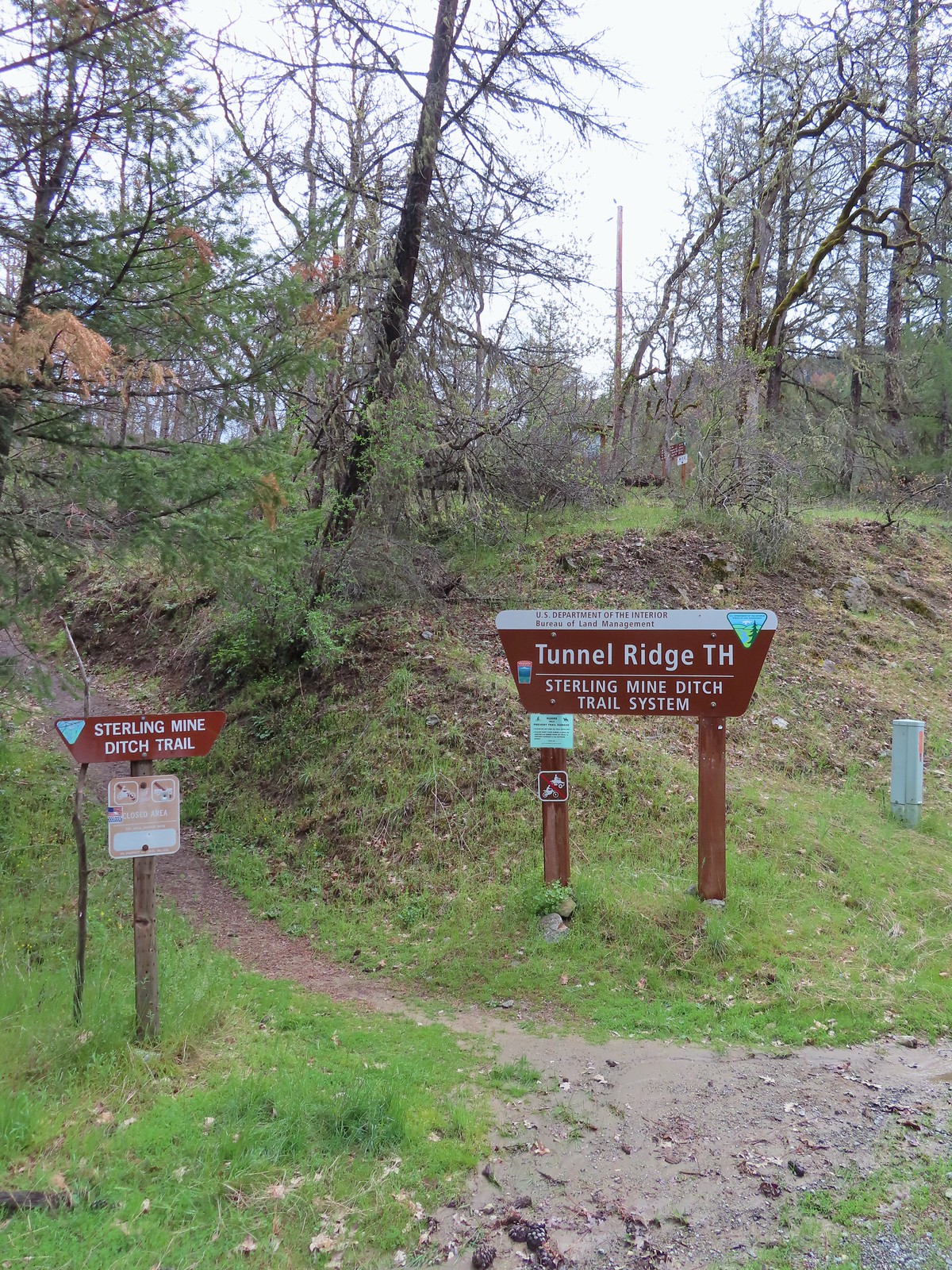
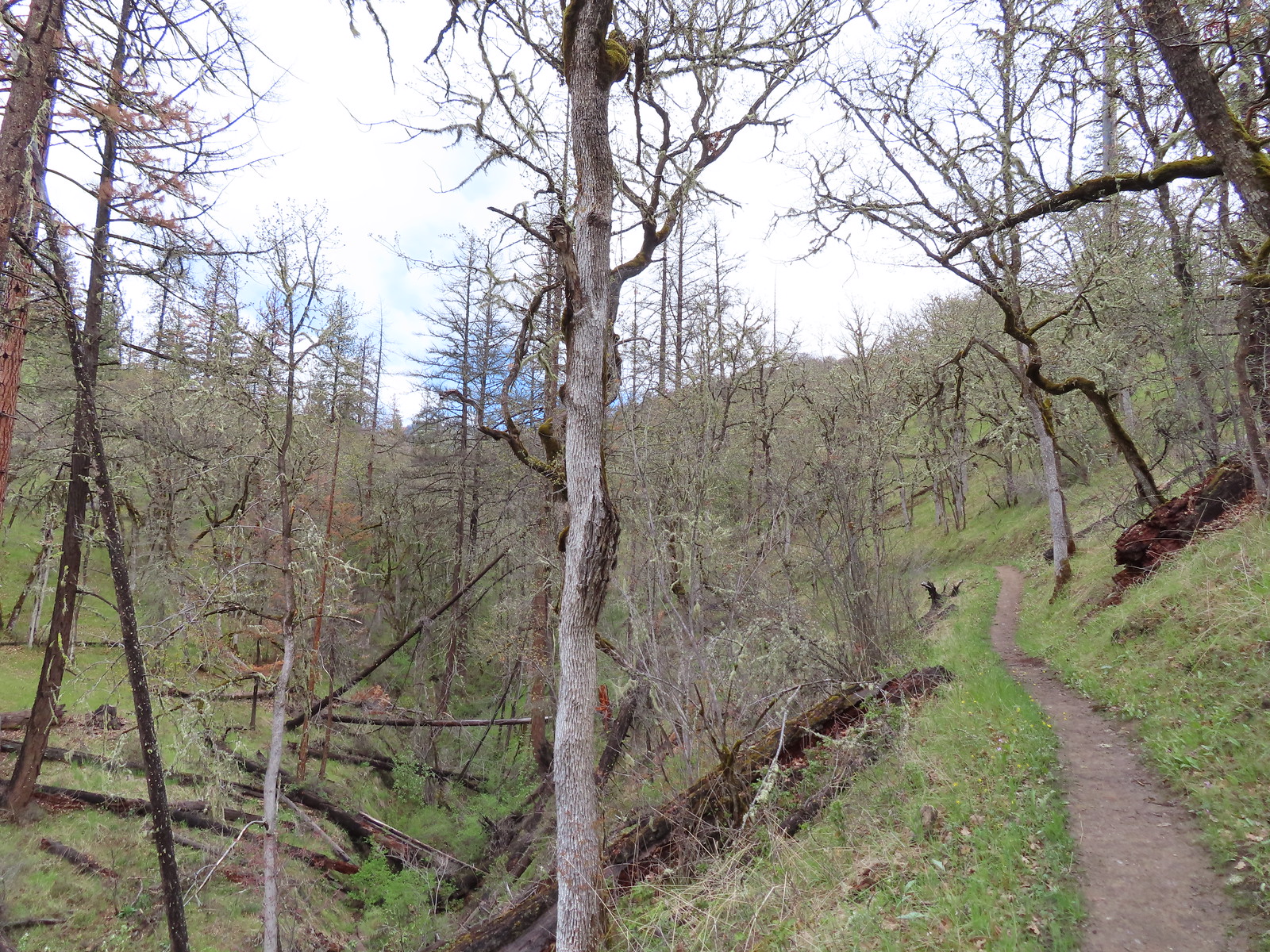
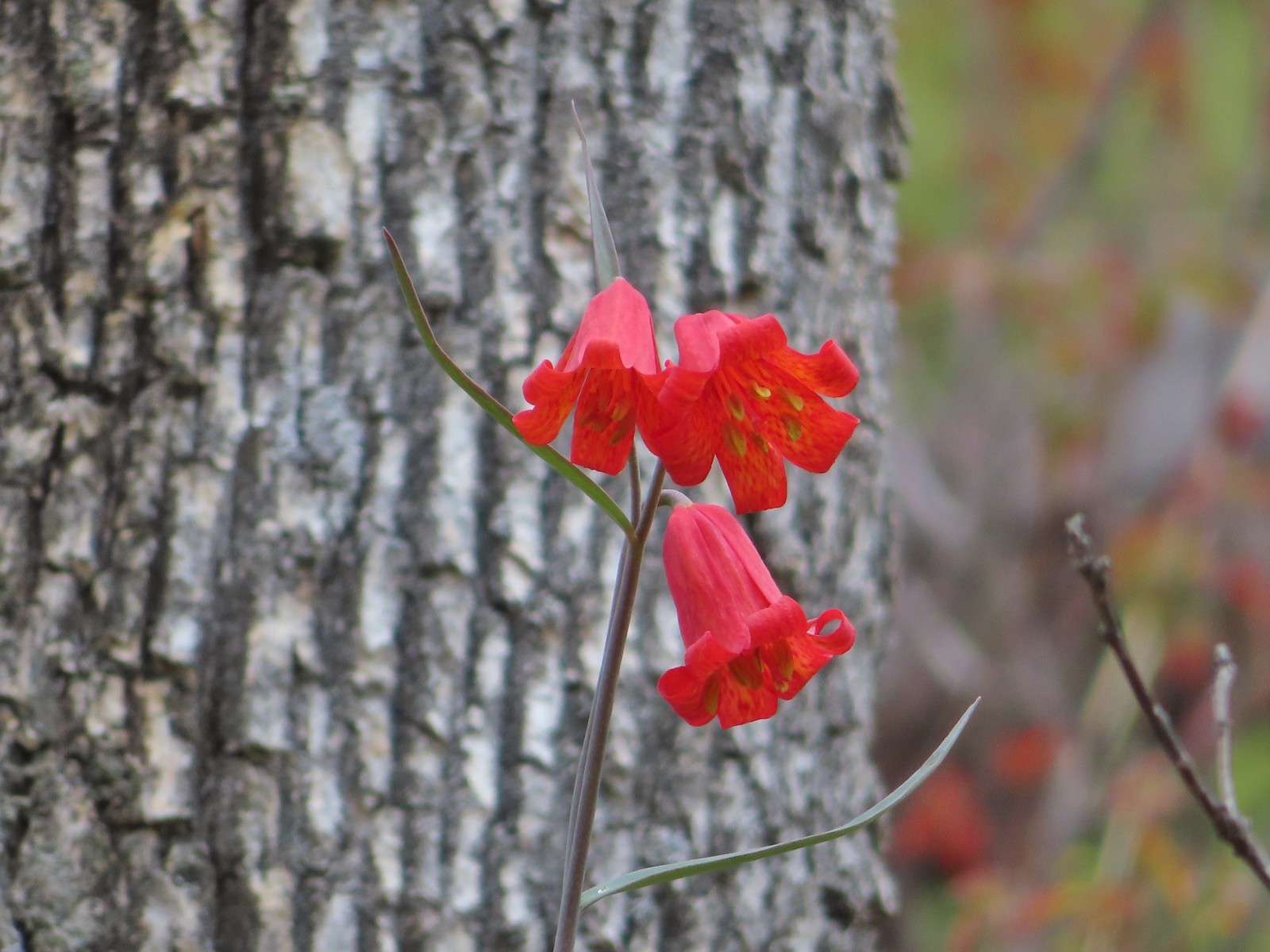 Scarlet fritillary
 Houdnstongue and a pacific waterleaf (white flower under a big leaf to the left of the houndstongue).
 A snowy Wagner Butte (
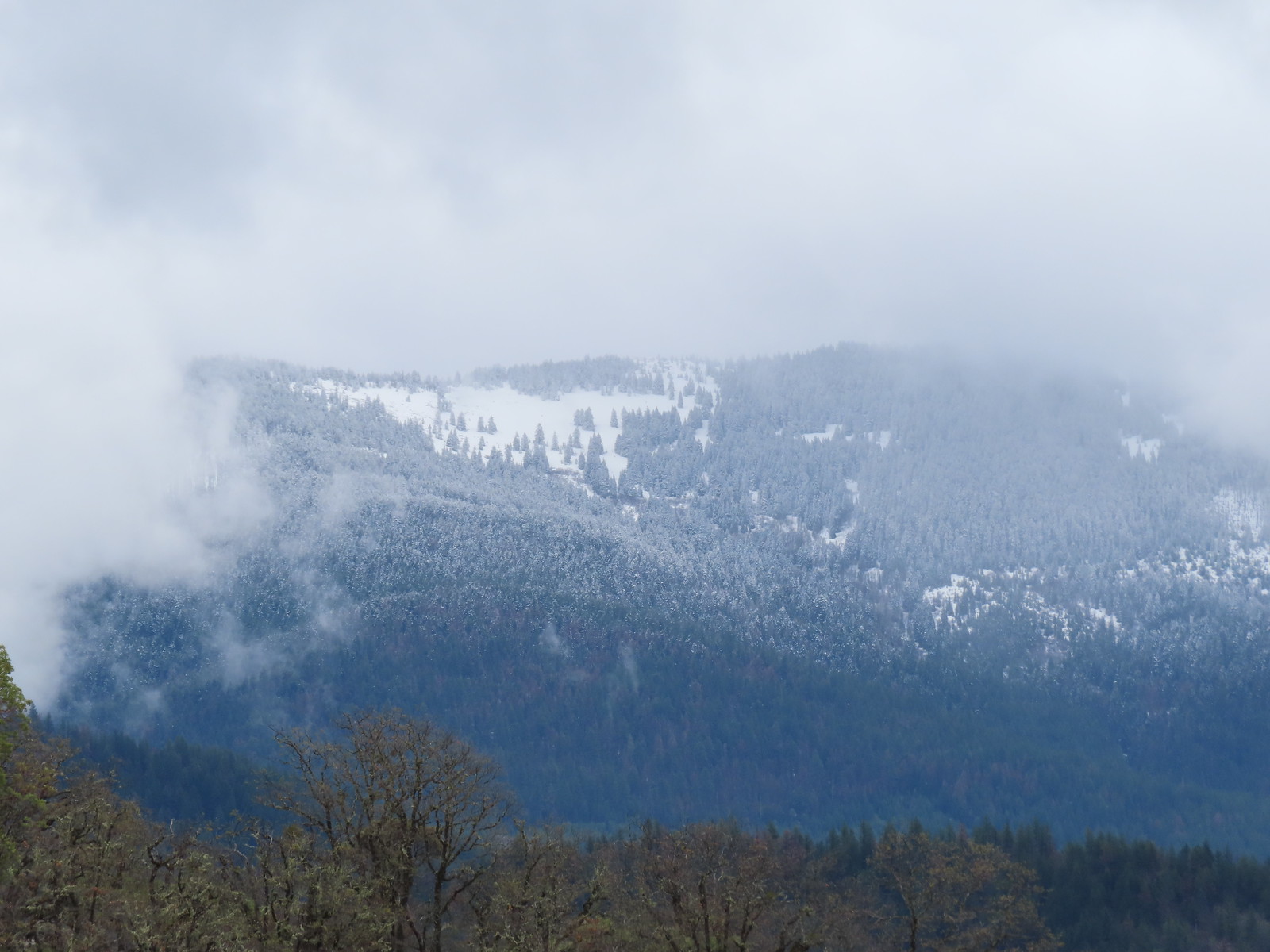 Based on the trees it looked like the thunderstorm provided some fresh snow at higher elevations.
 Couldn’t really get a good picture but this might be a bushtit.
 There were a couple of nice benches along the trails here.
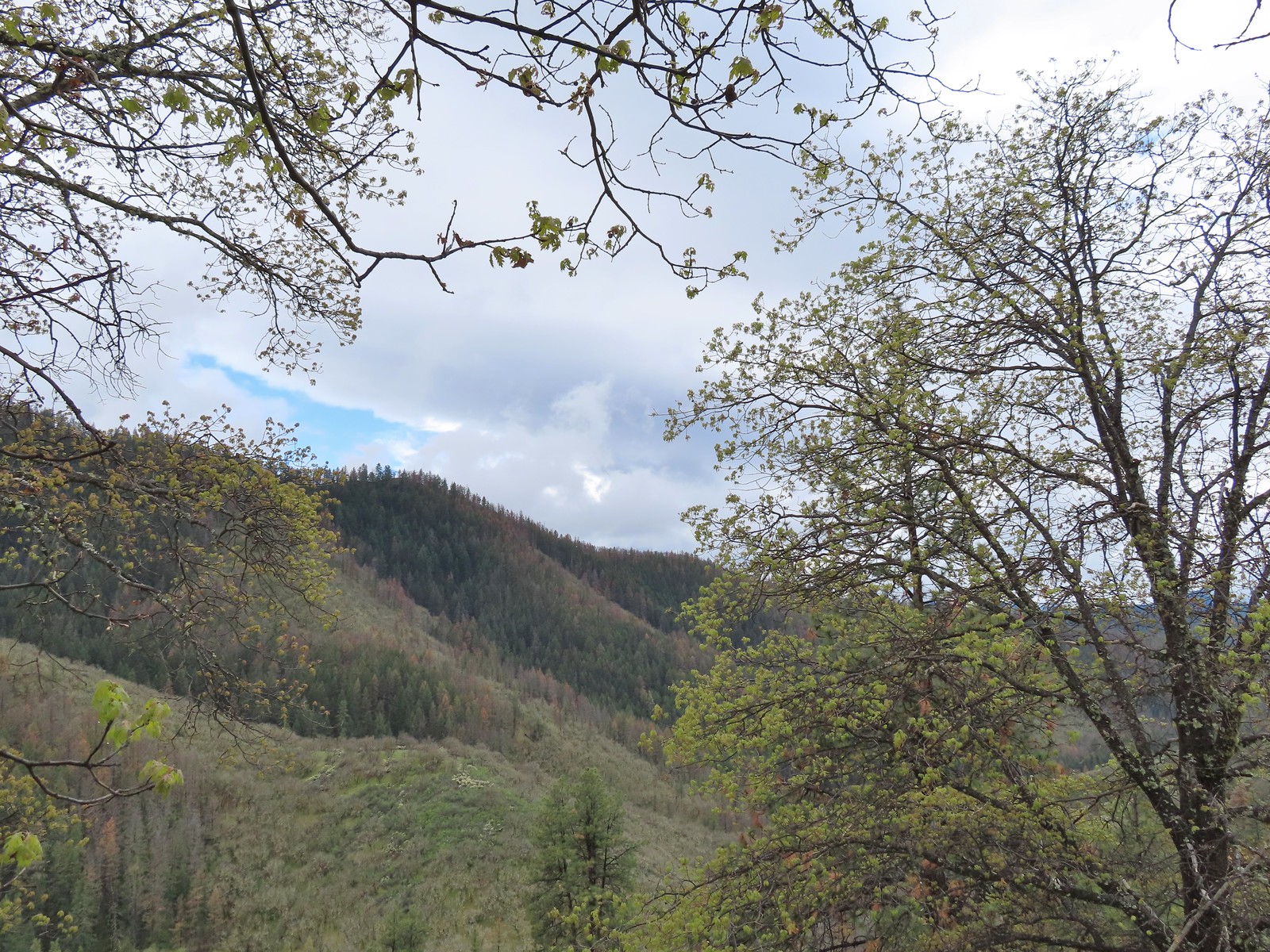 Some of the view from the bench.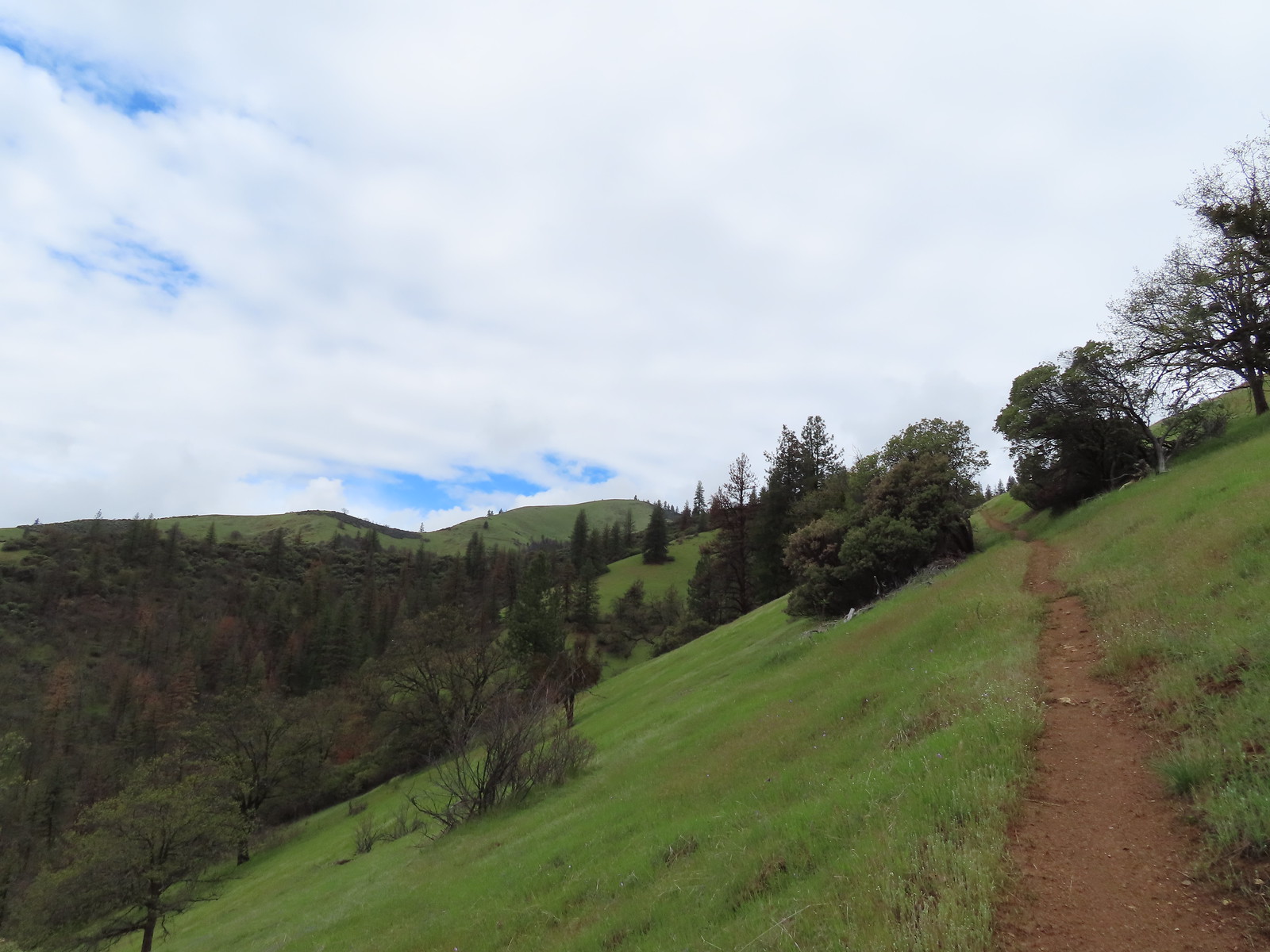

 Manzanita
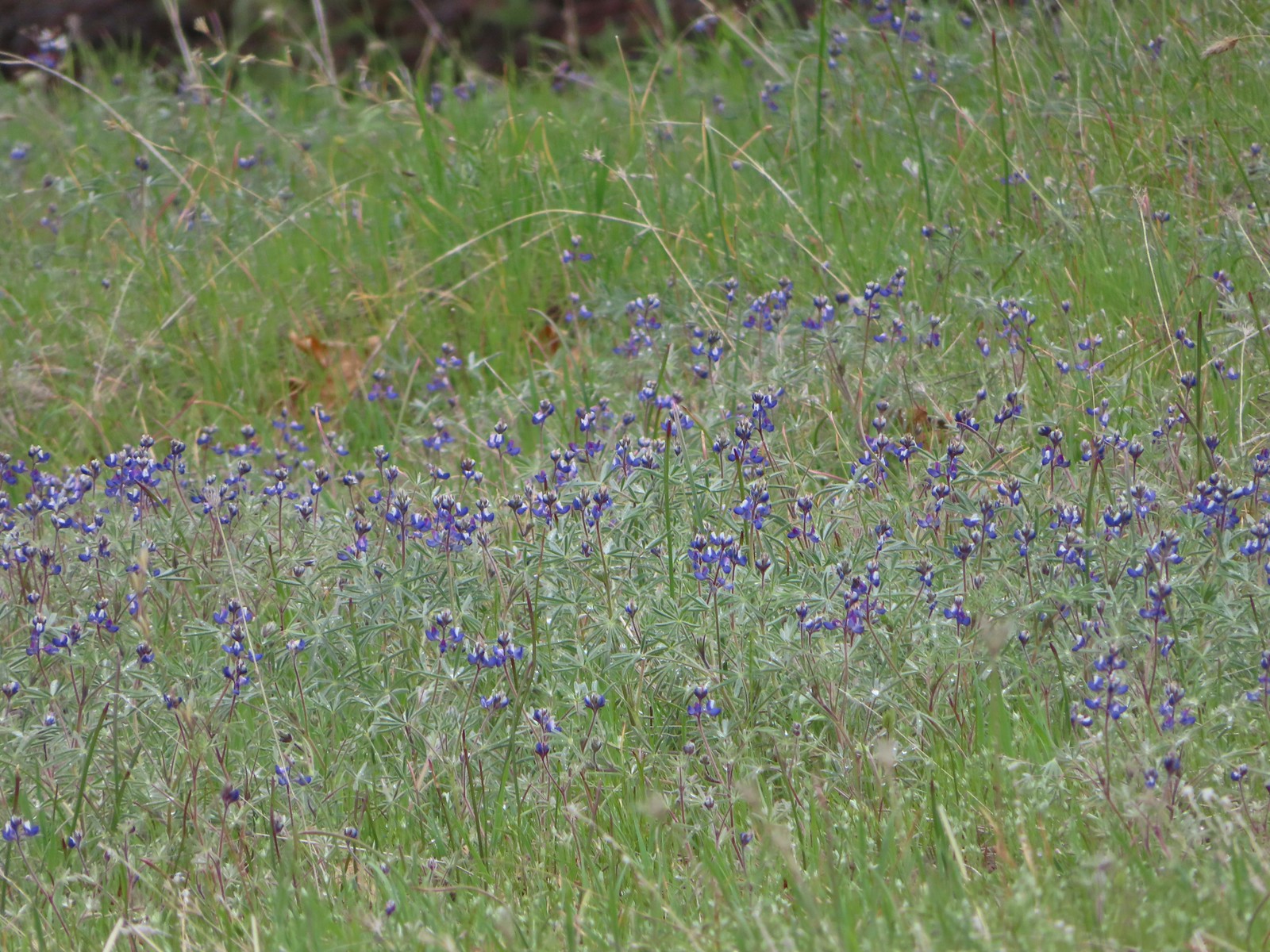 Lupine
 There is a hummingbird in the center on a branch.
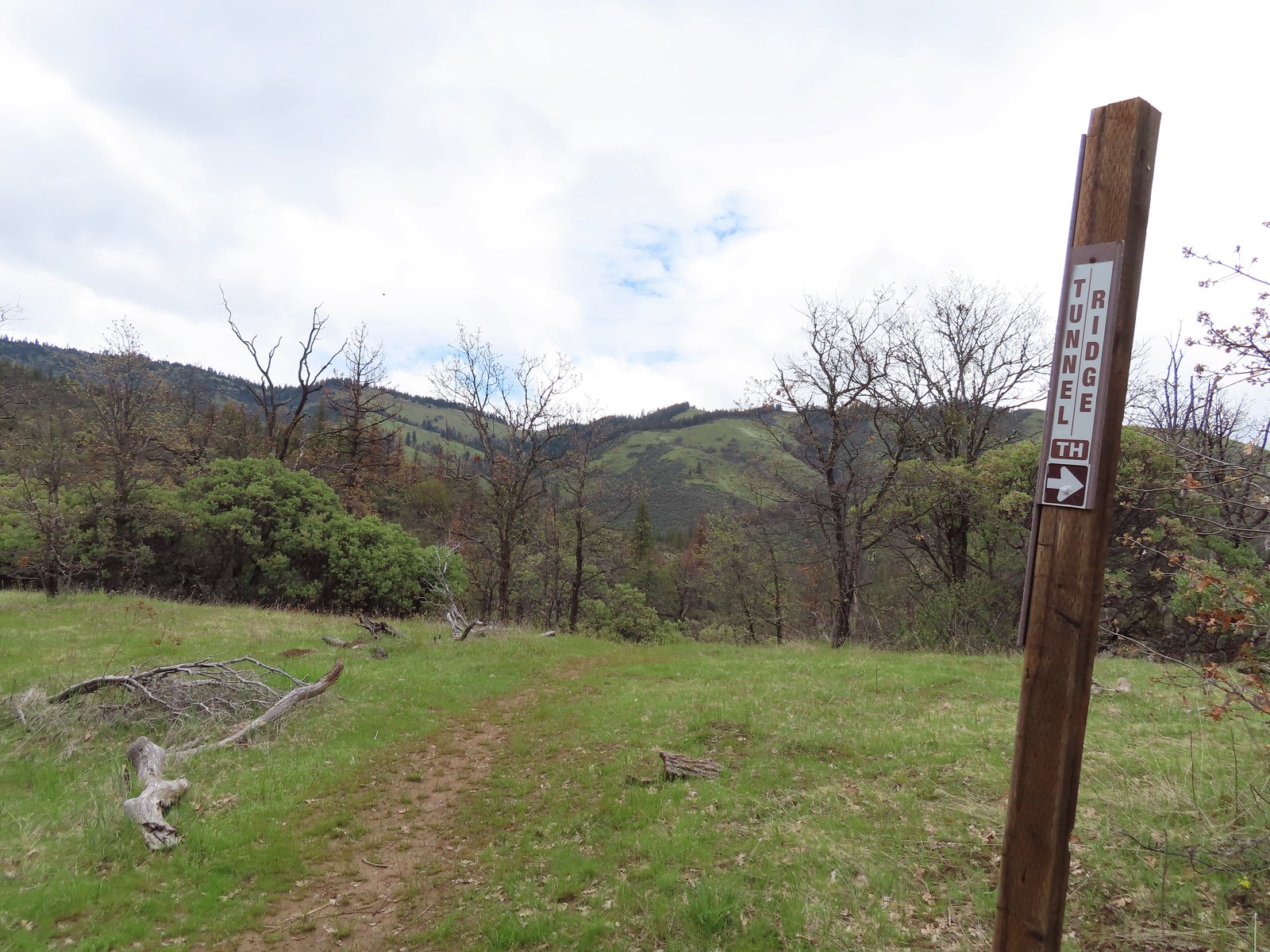 At the saddle a faint trail continued straight ahead toward the Little Applegate Trailhead. It didn’t appear to get much use.
 Trail sign at the junction.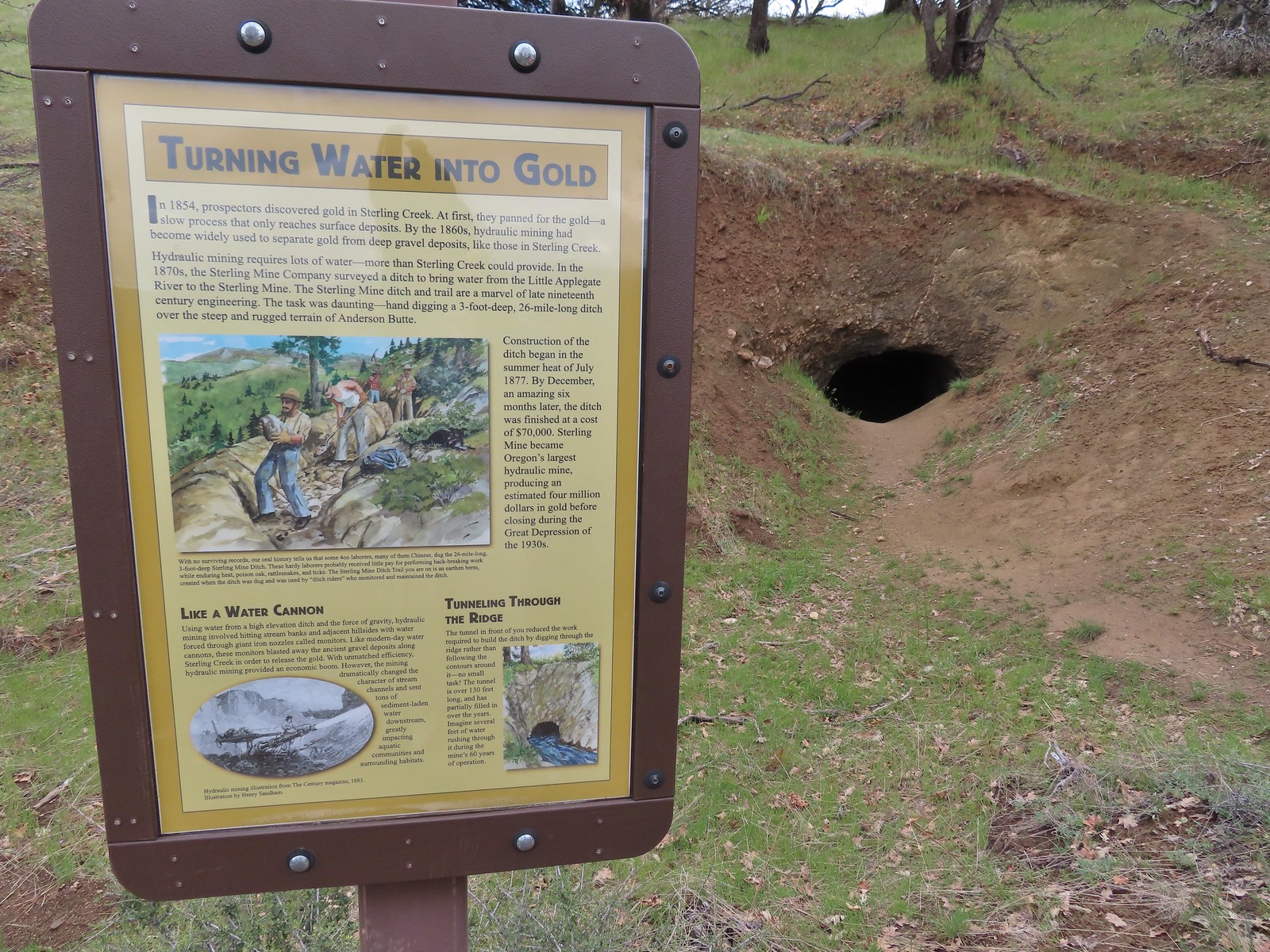
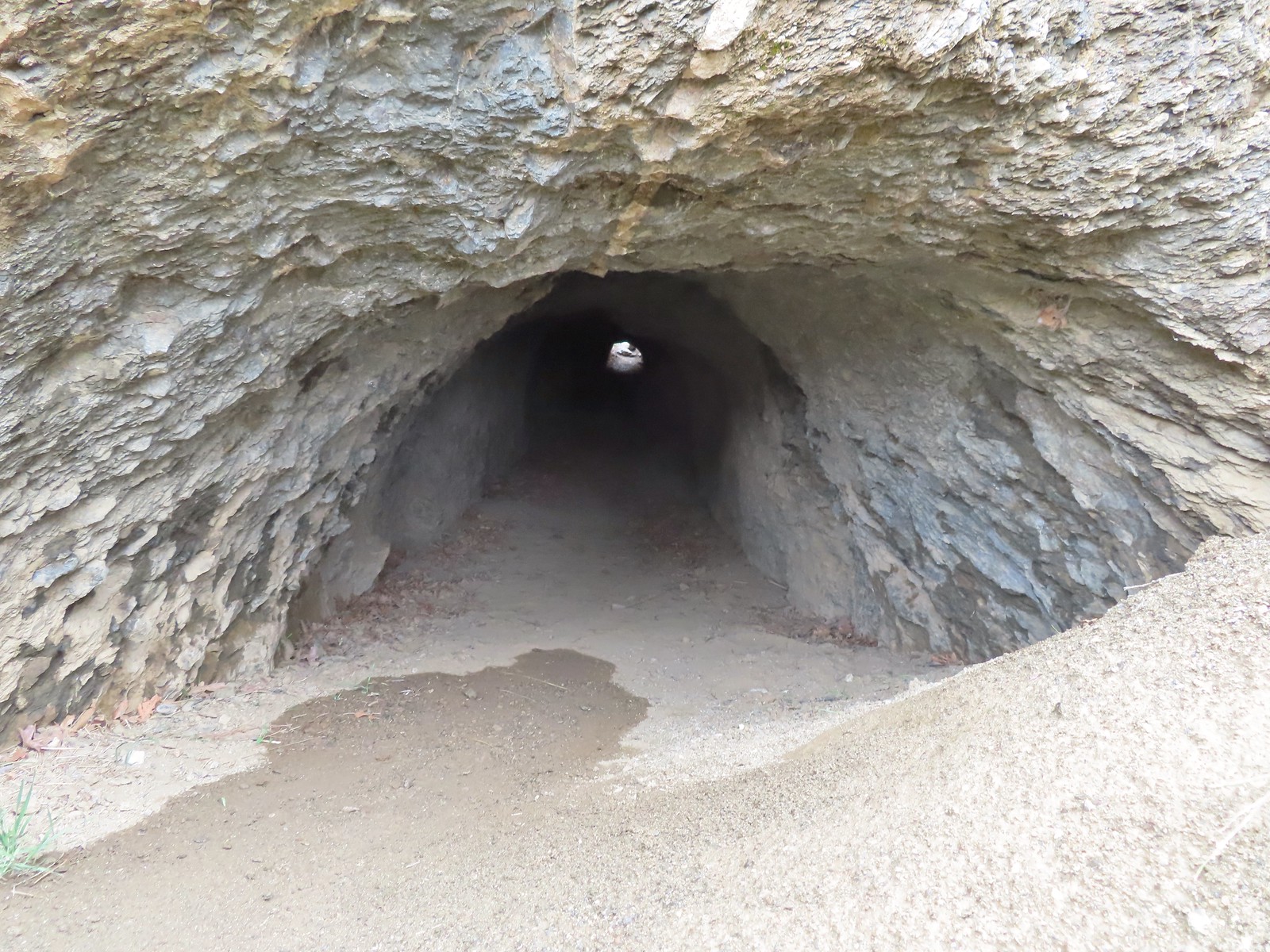
 I had to get a closer look.
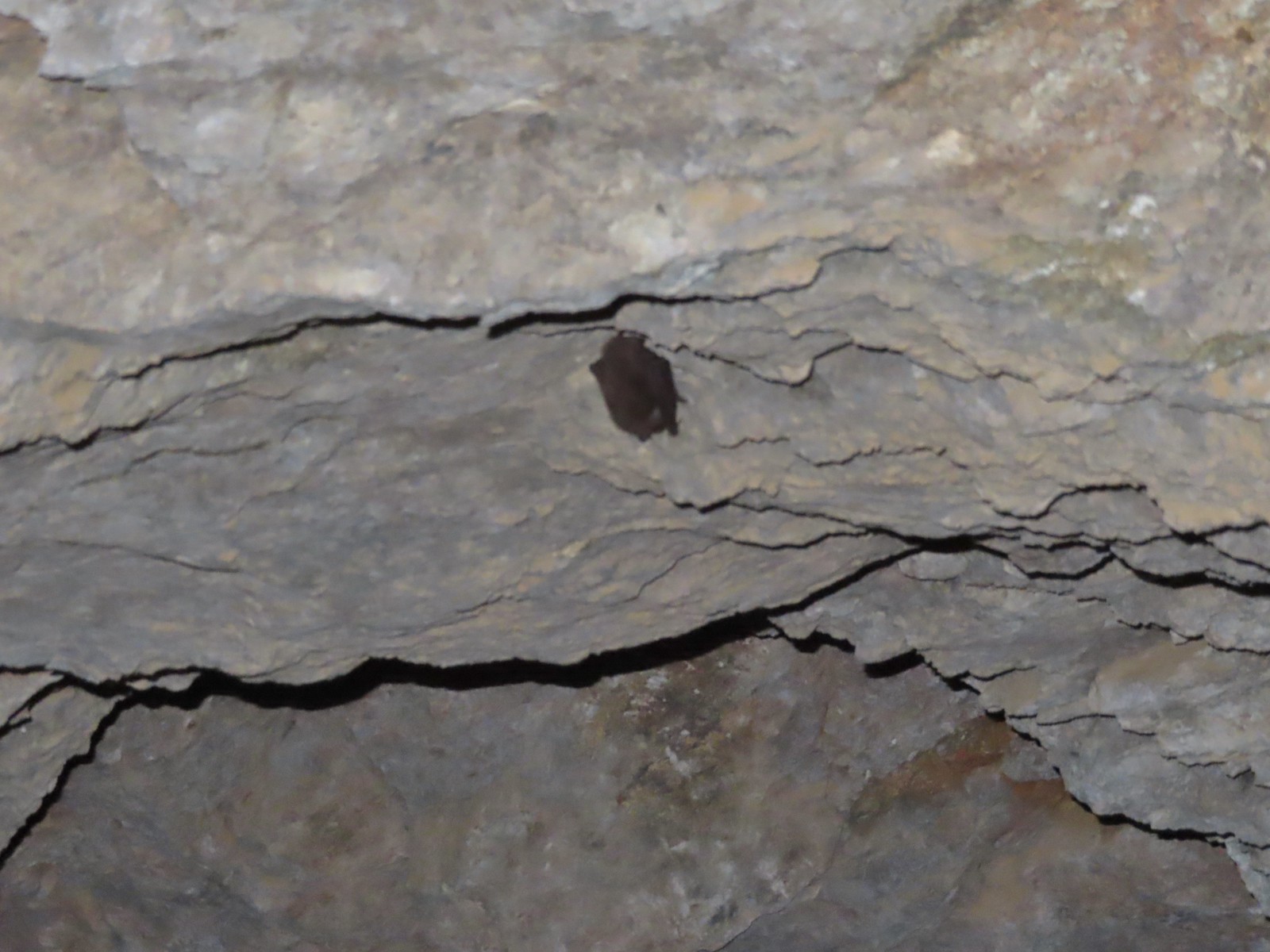 I didn’t go all the way through so as not to disturb this napping bat.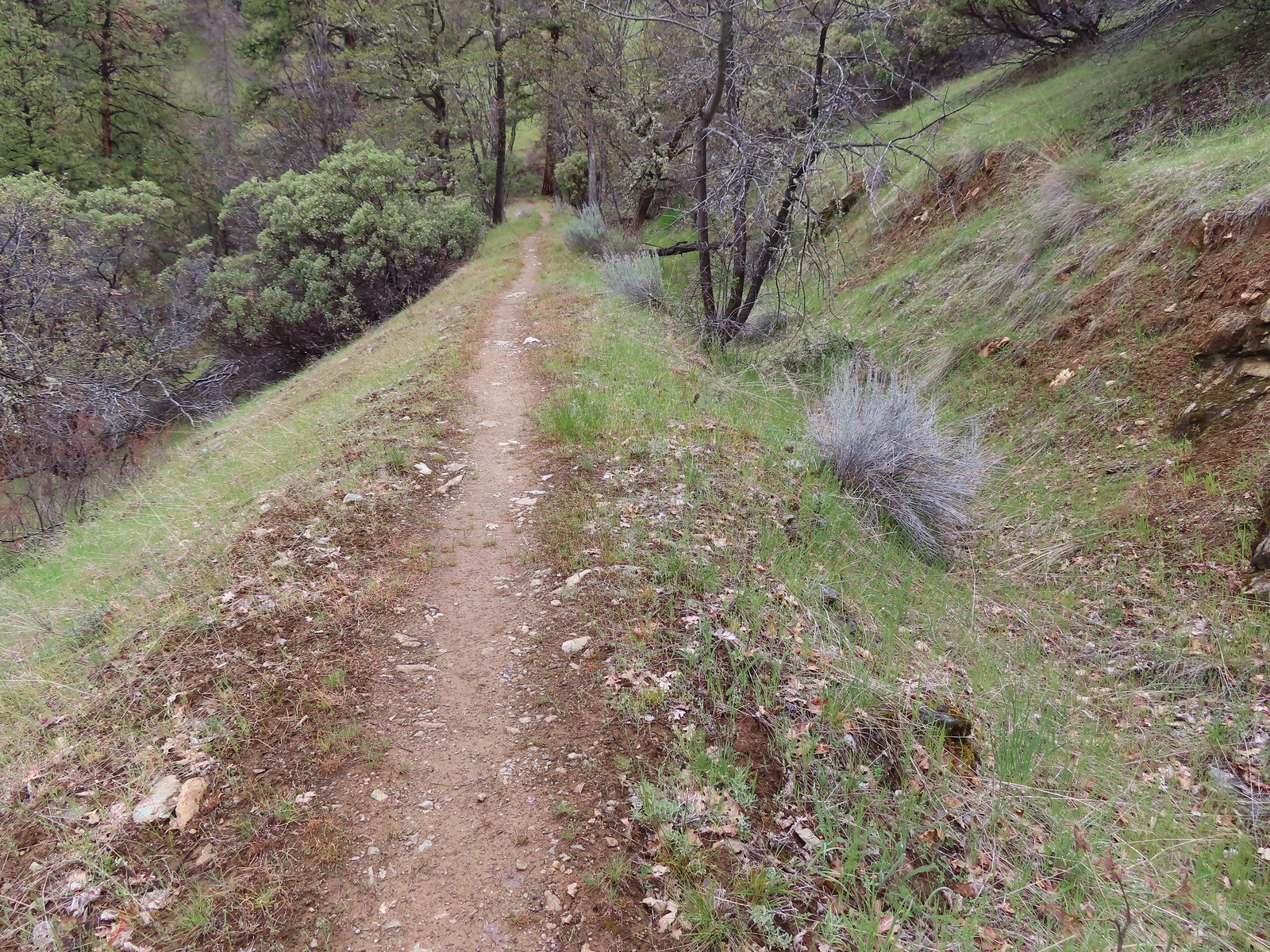
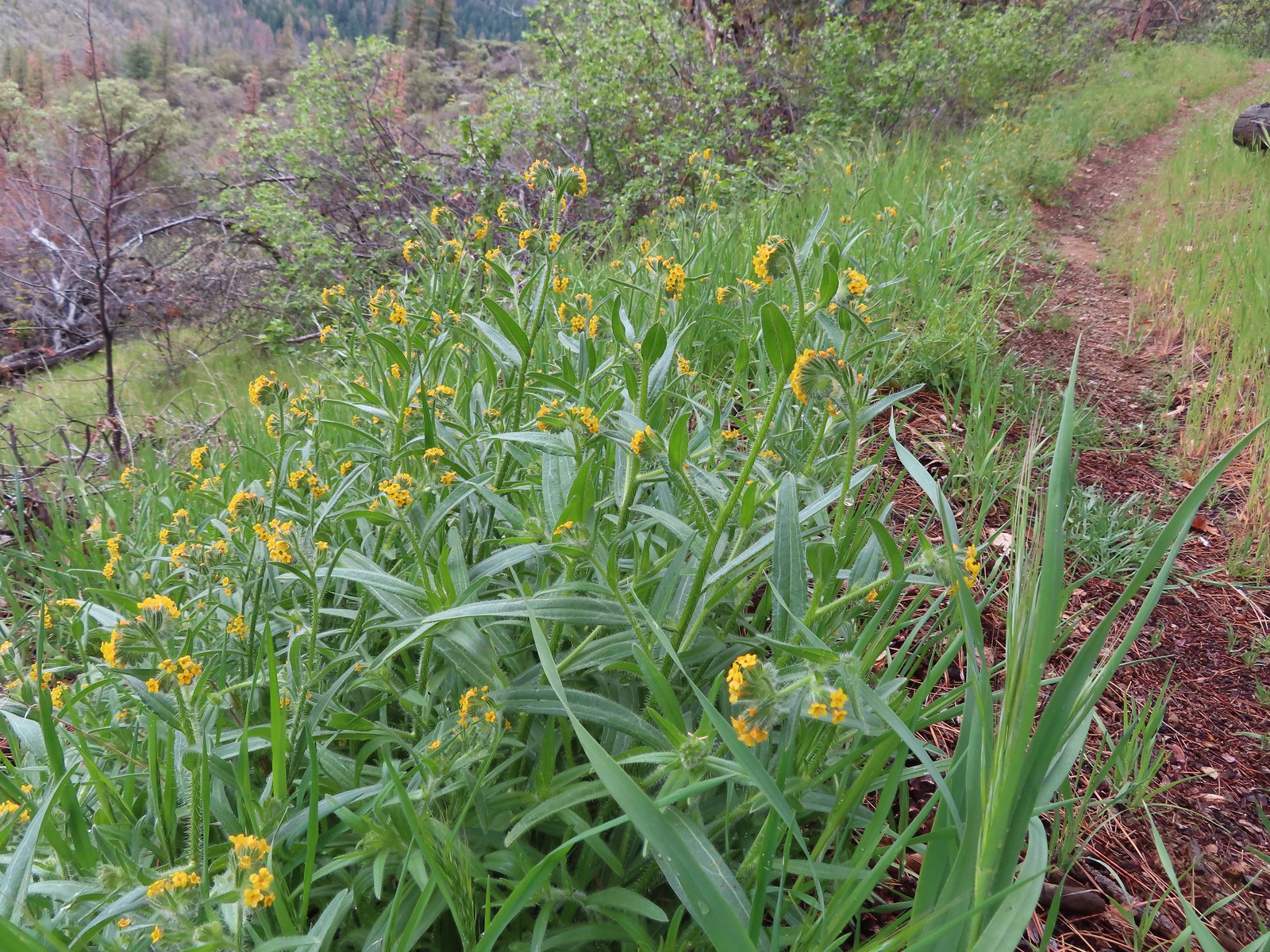 Fiddleneck along the trail.
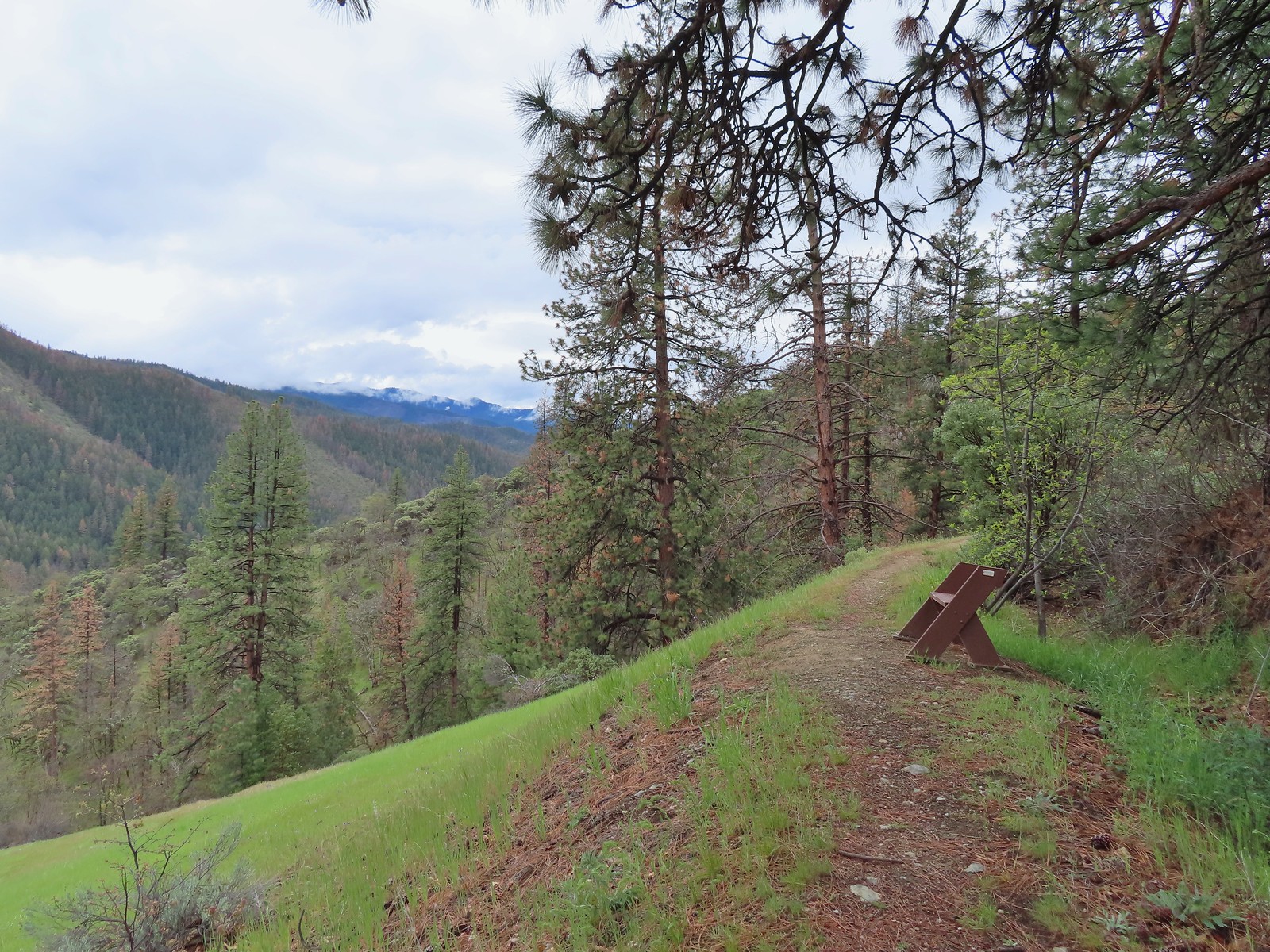 Another bench
 Emerging from the ditch.
 Scarlet fritillaries lining the trail.
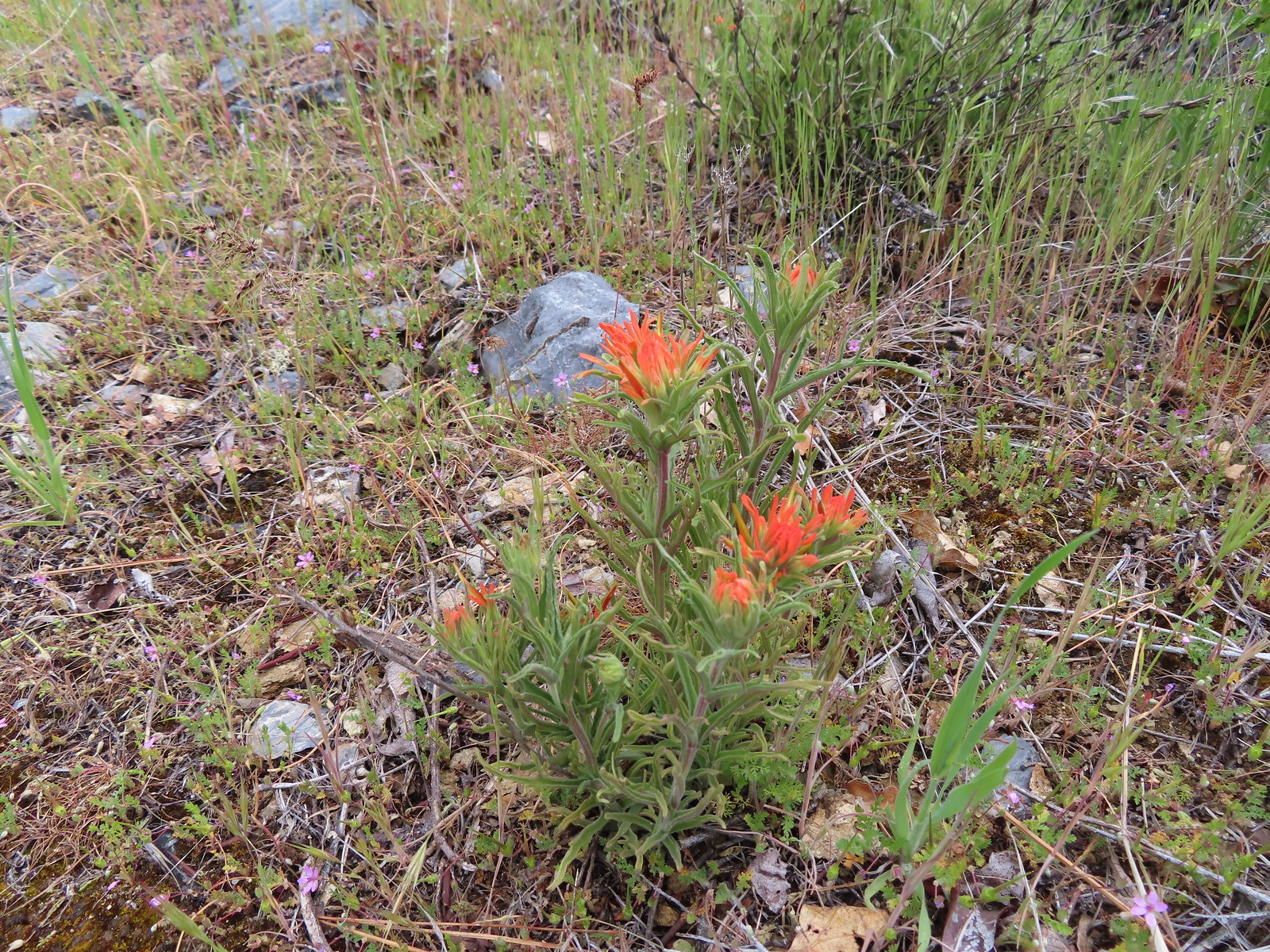 Paintbrush
 Balsamroot
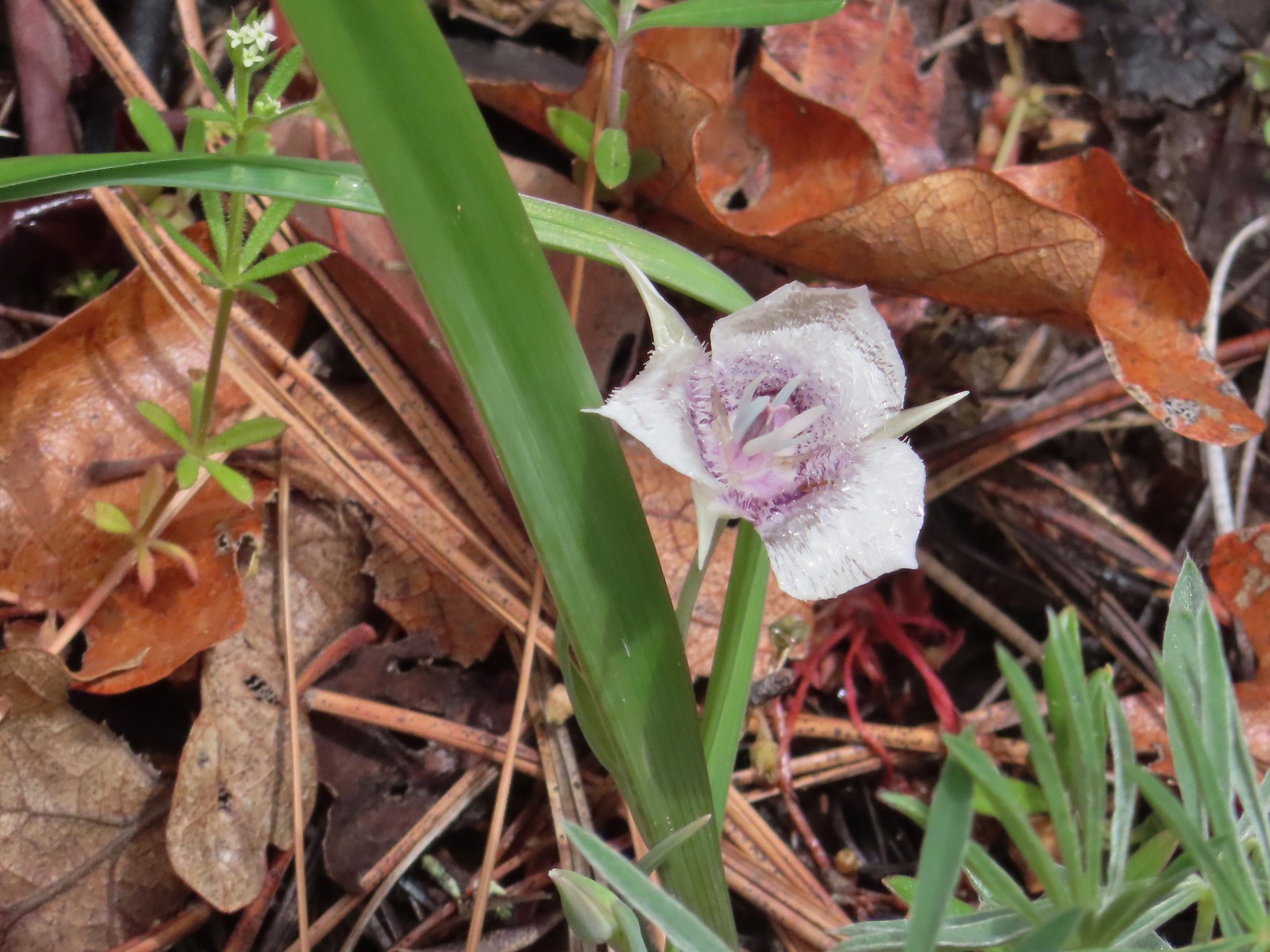 Tolmie’s mariposa lily
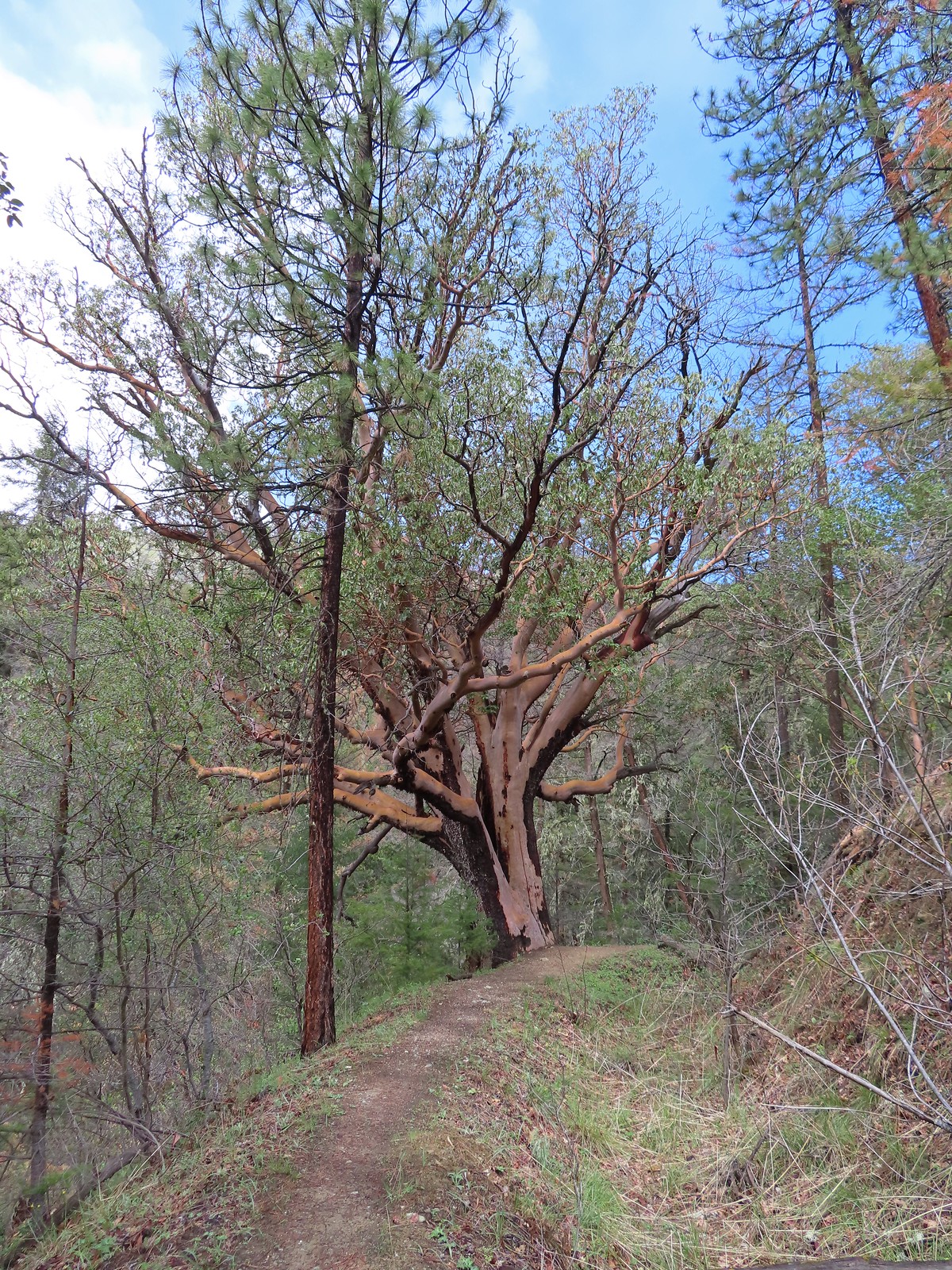 An impressively large madrone.
 Henderson’s fawn lilies
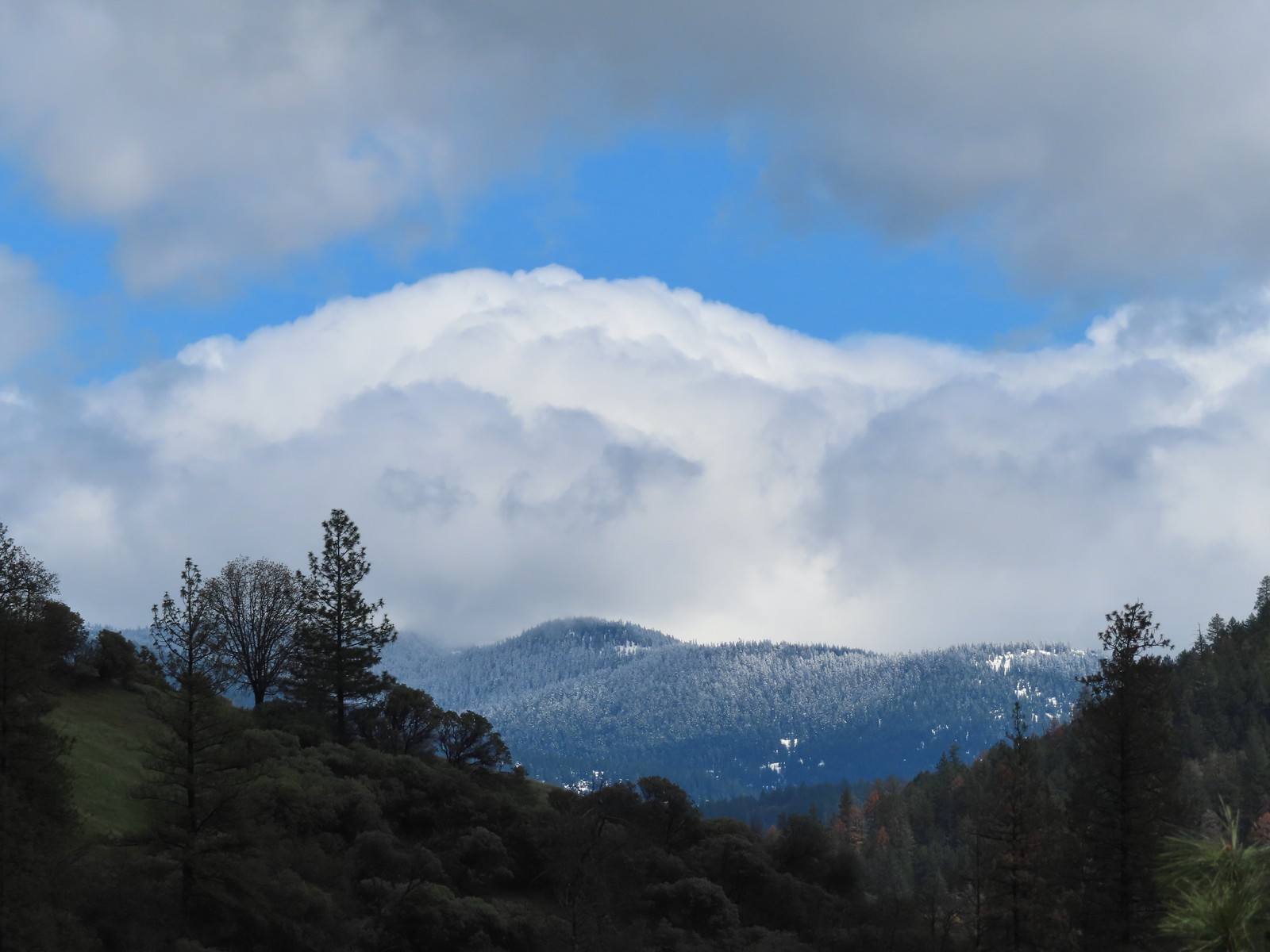 More fresh snow on a ridge.
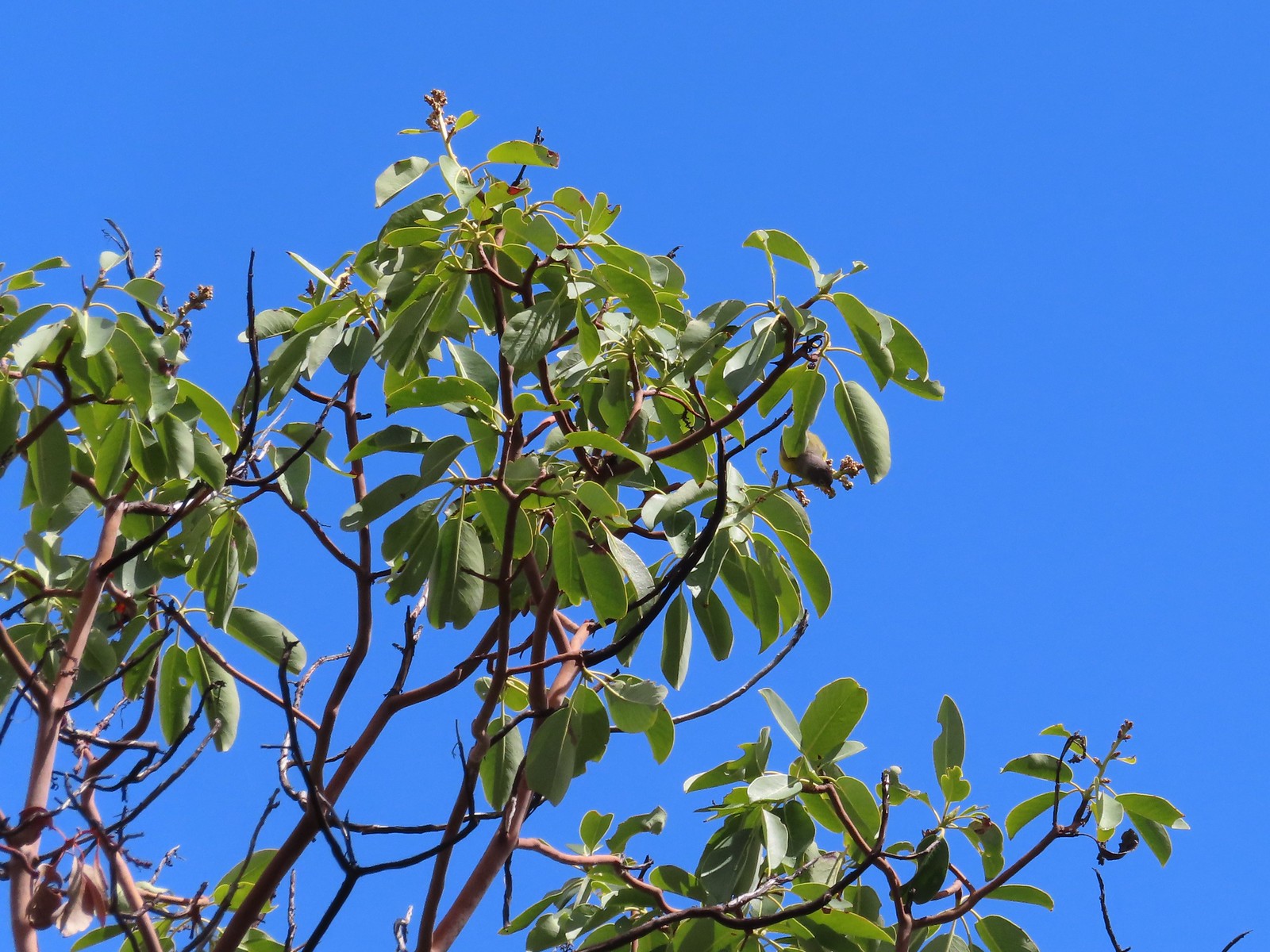 An upside-down warbler (upper right of the tree).
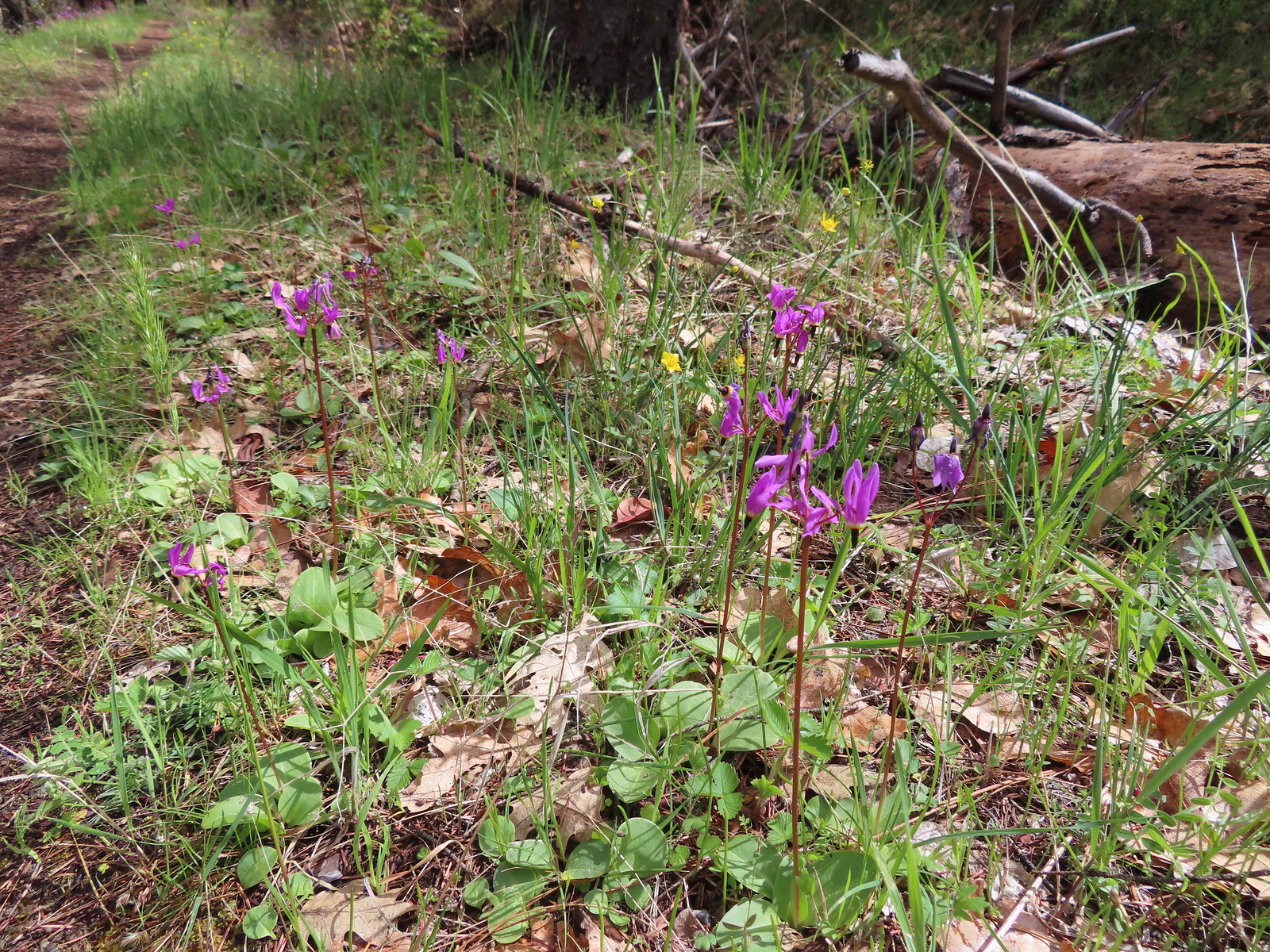 Shooting stars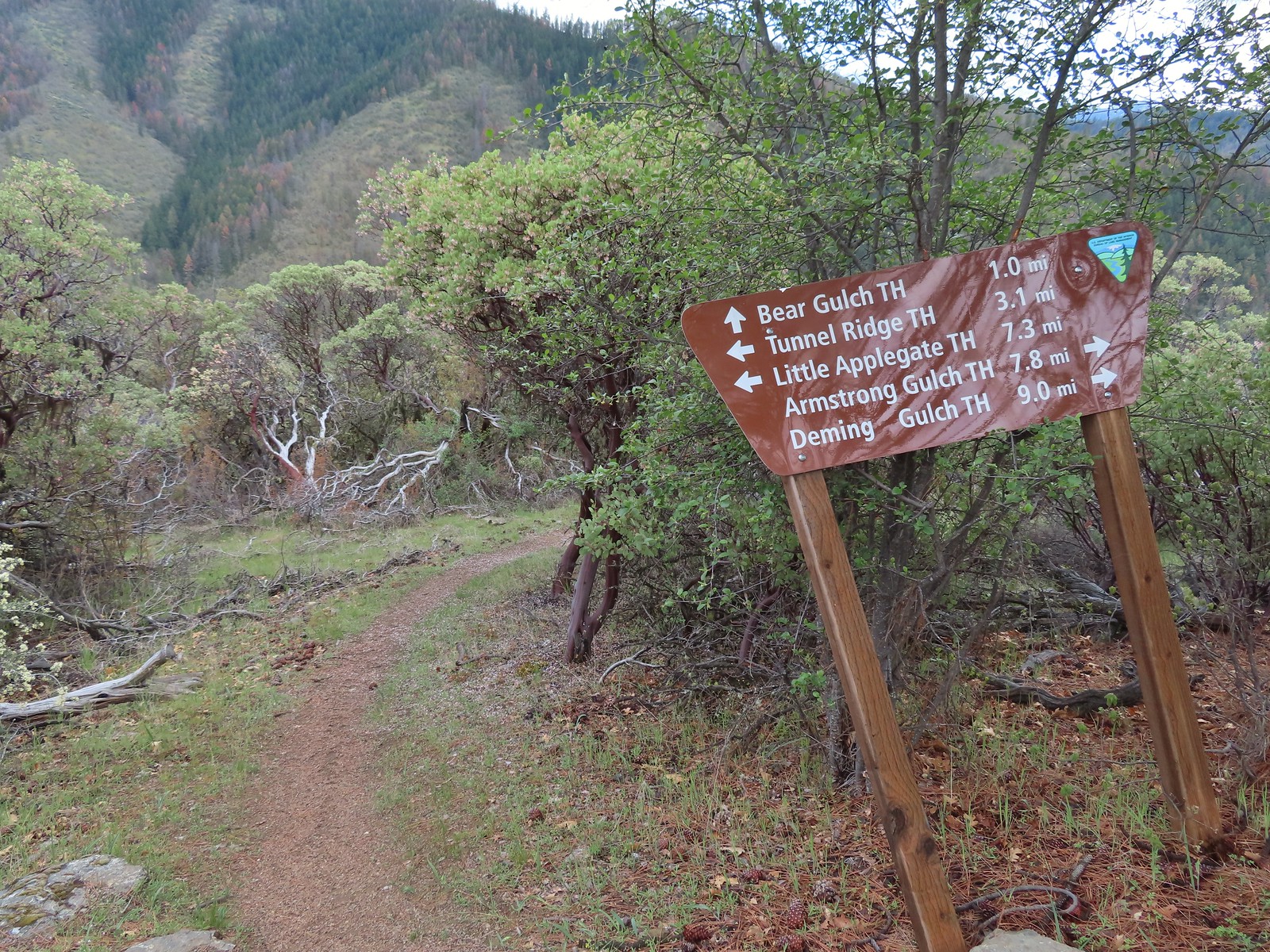
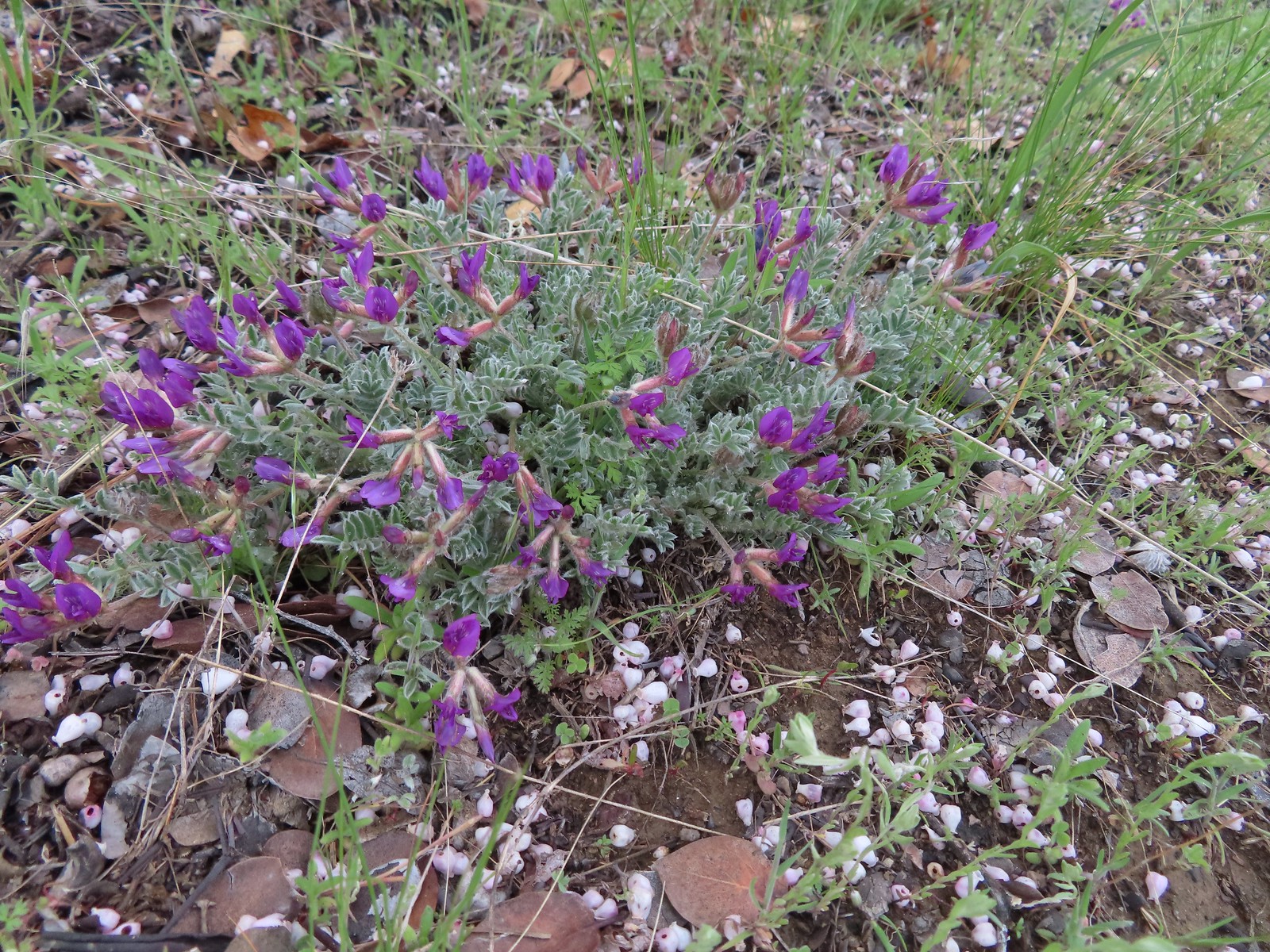 Woolly-pod milkvetch
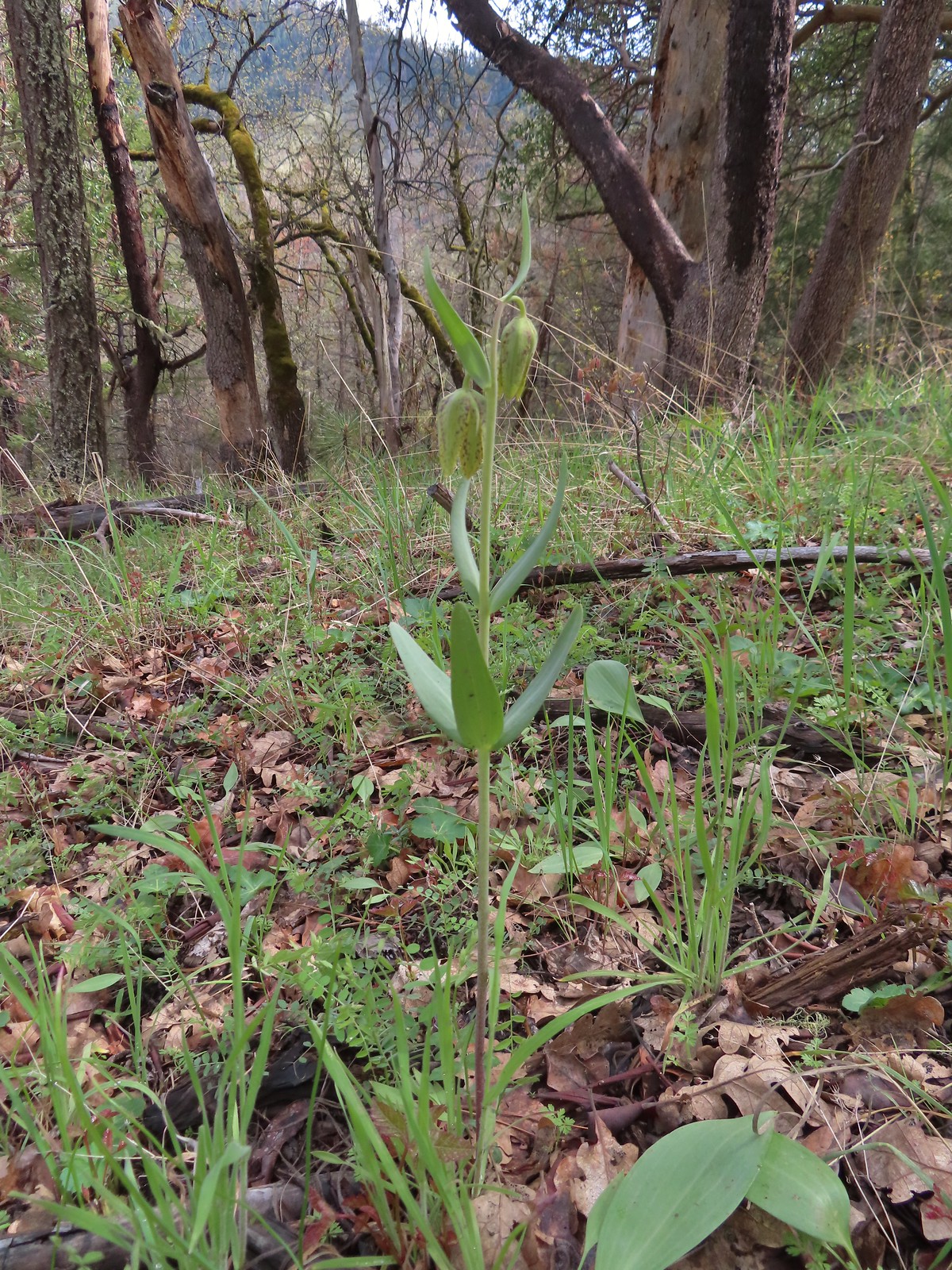 A fritillary, just not sure which one.
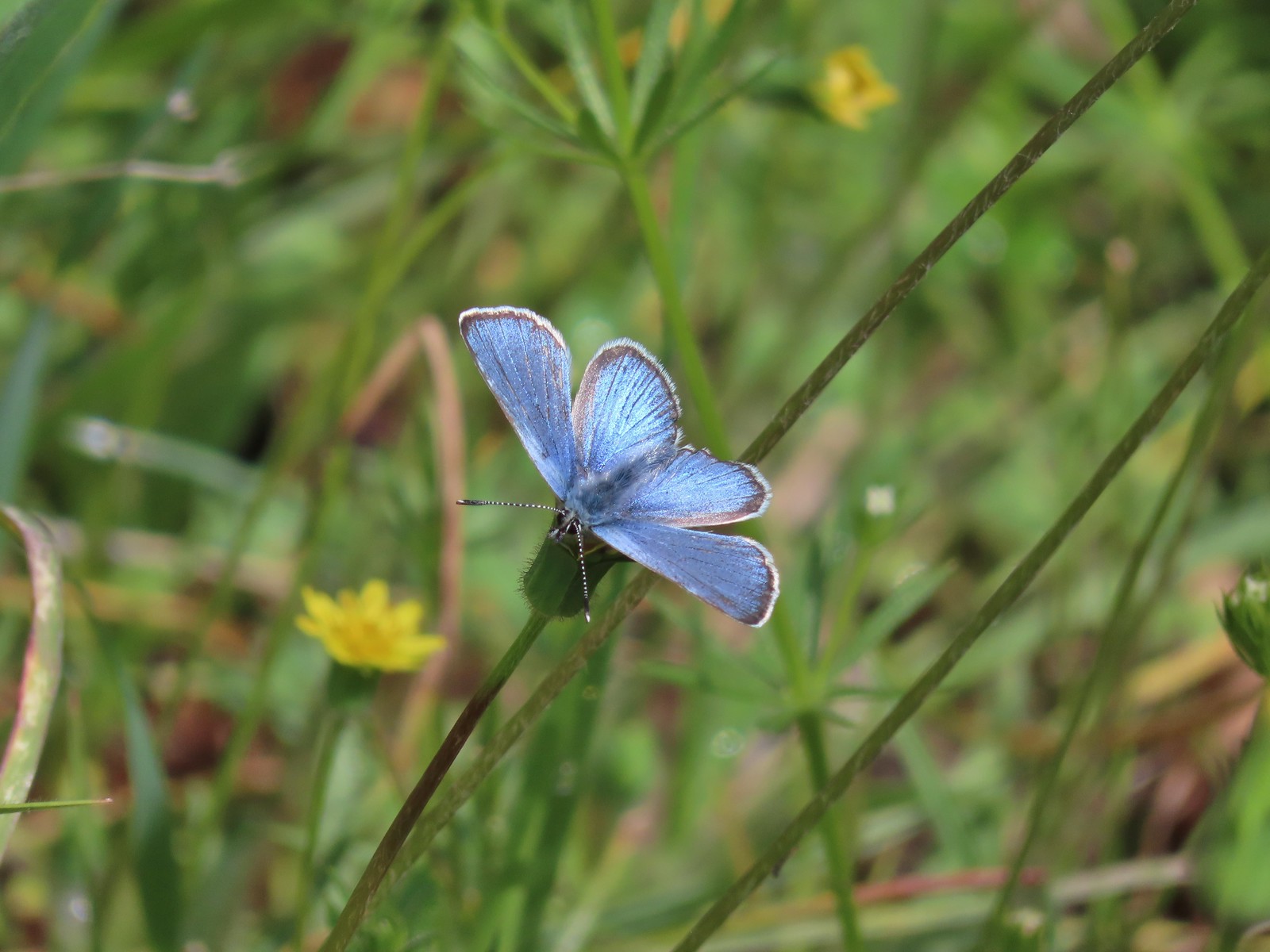 It was nice to start seeing some butterflies out and about.
 Another butterfly. It blends pretty well with the leaves.
 White-breasted nuthatch
 There was a decent amount of water running through parts of Bear Gulch as we neared the trailhead.

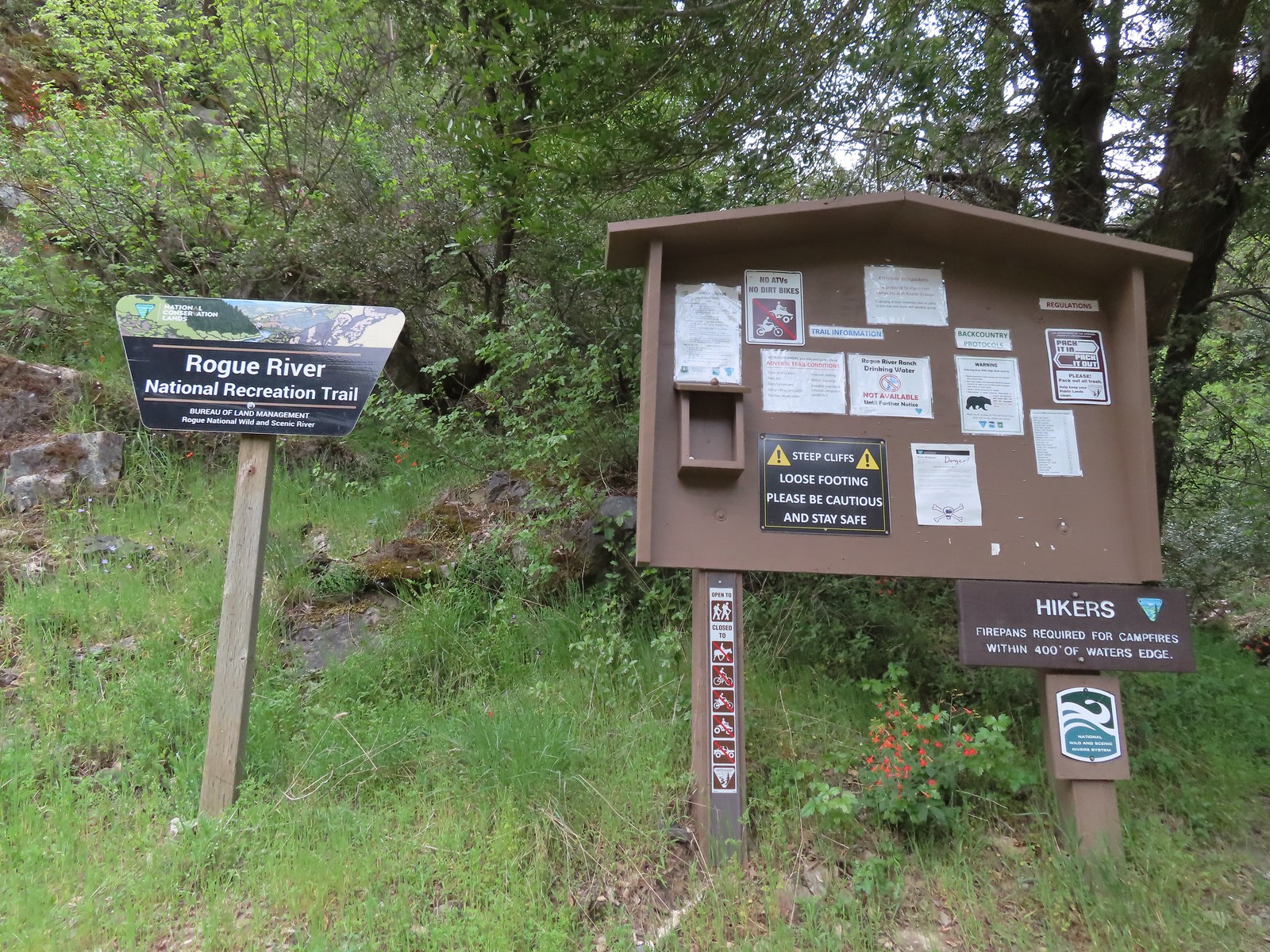
 Red larkspur with blue dicks in the background.
 Lupine
 Red larkspur, madia, blue dicks, and tomcat clover along the trail.
 Blue dicks
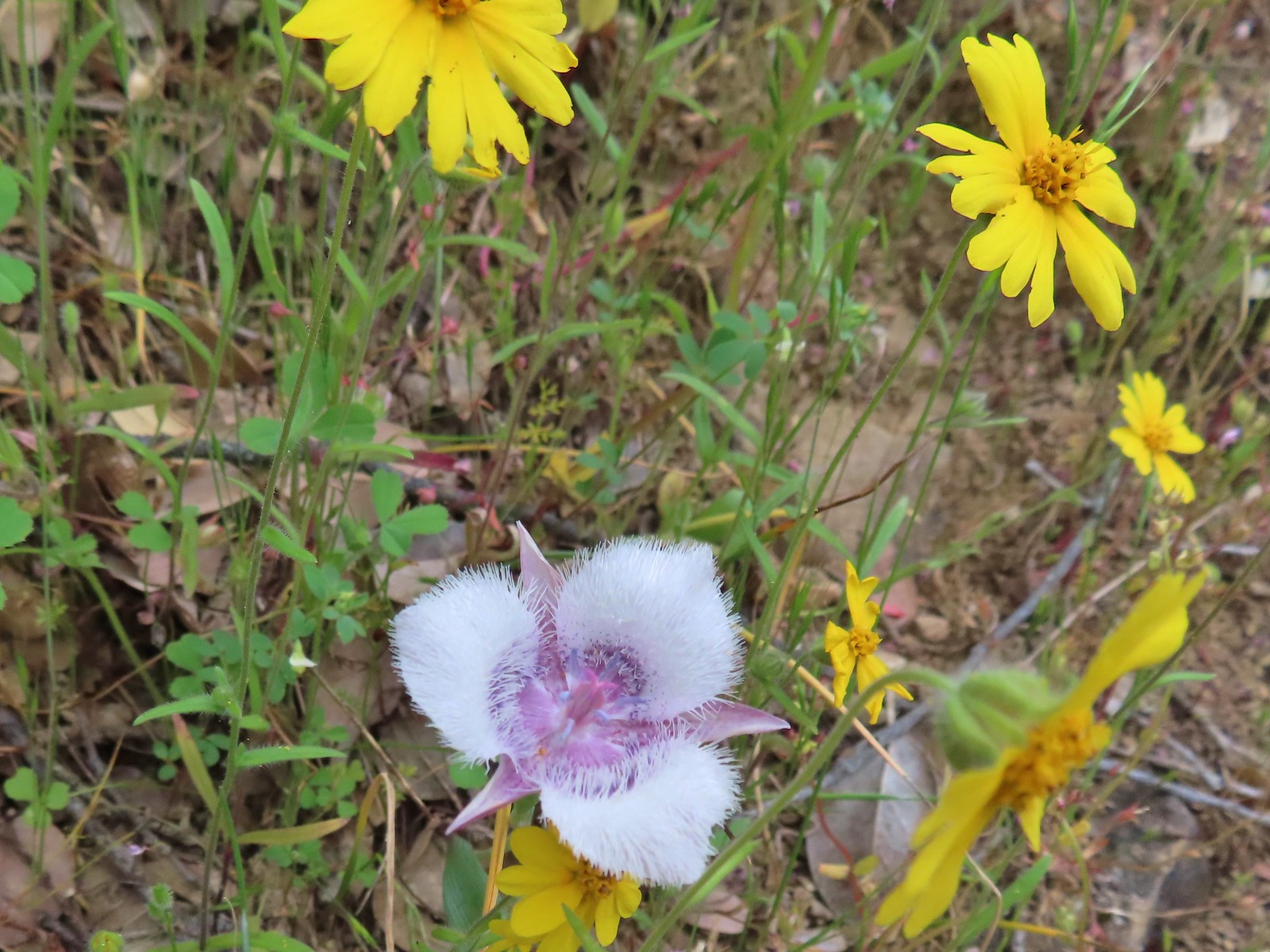 Tolmie’s mariposa lily and some madia.
 Larkspur and a red larkspur
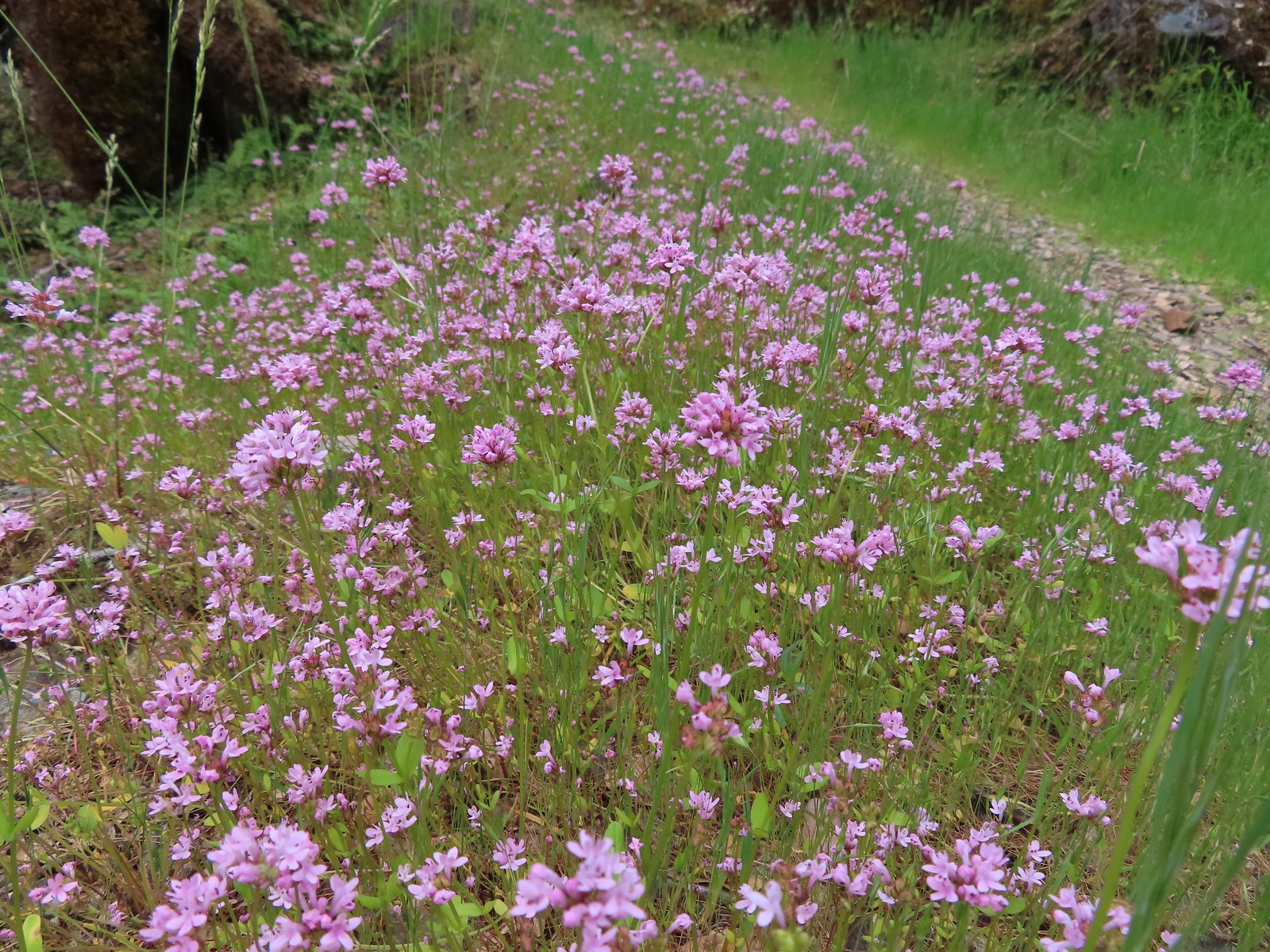 Plectritis
 Monkeyflower
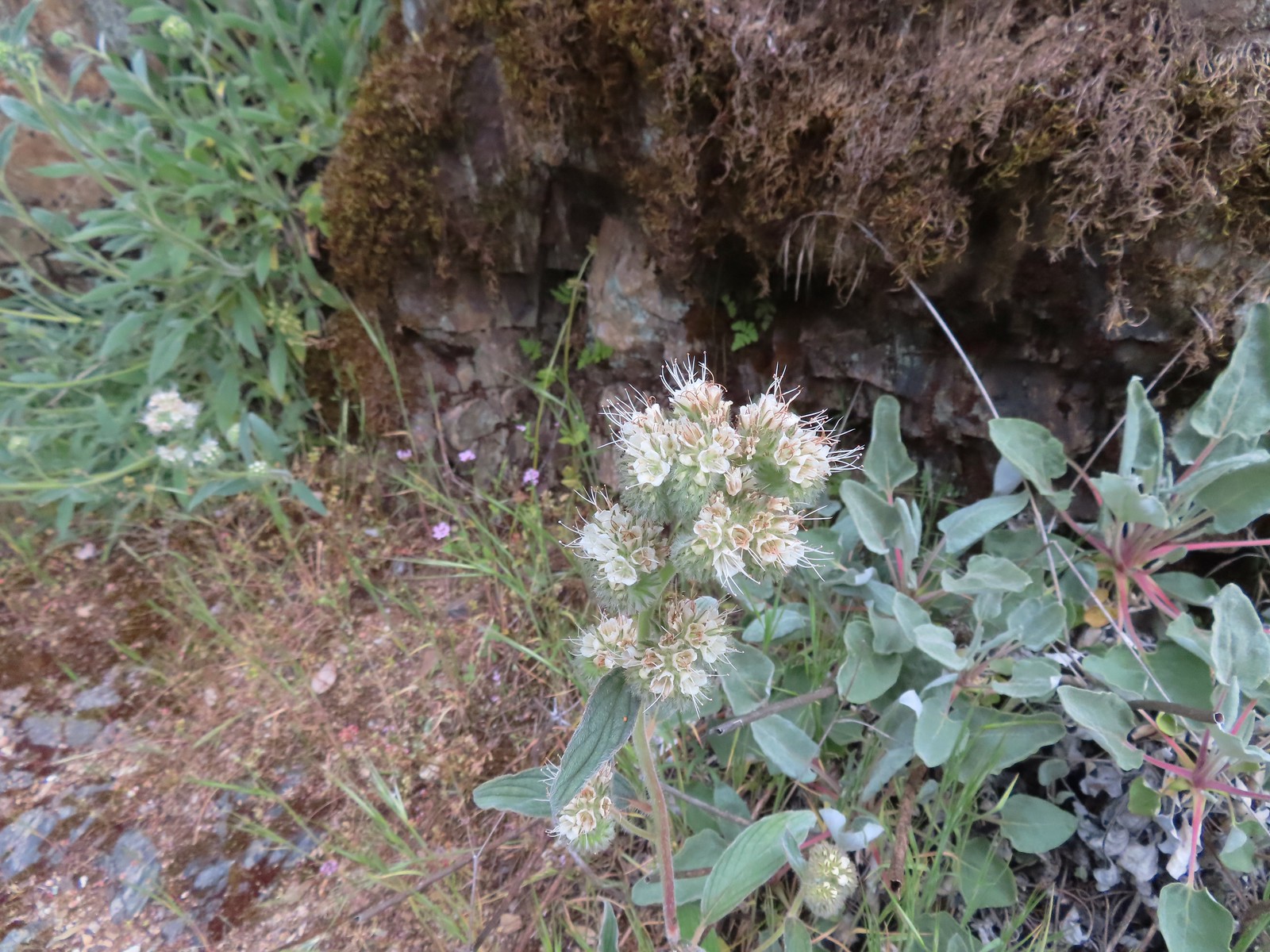 Serpentine phacelia
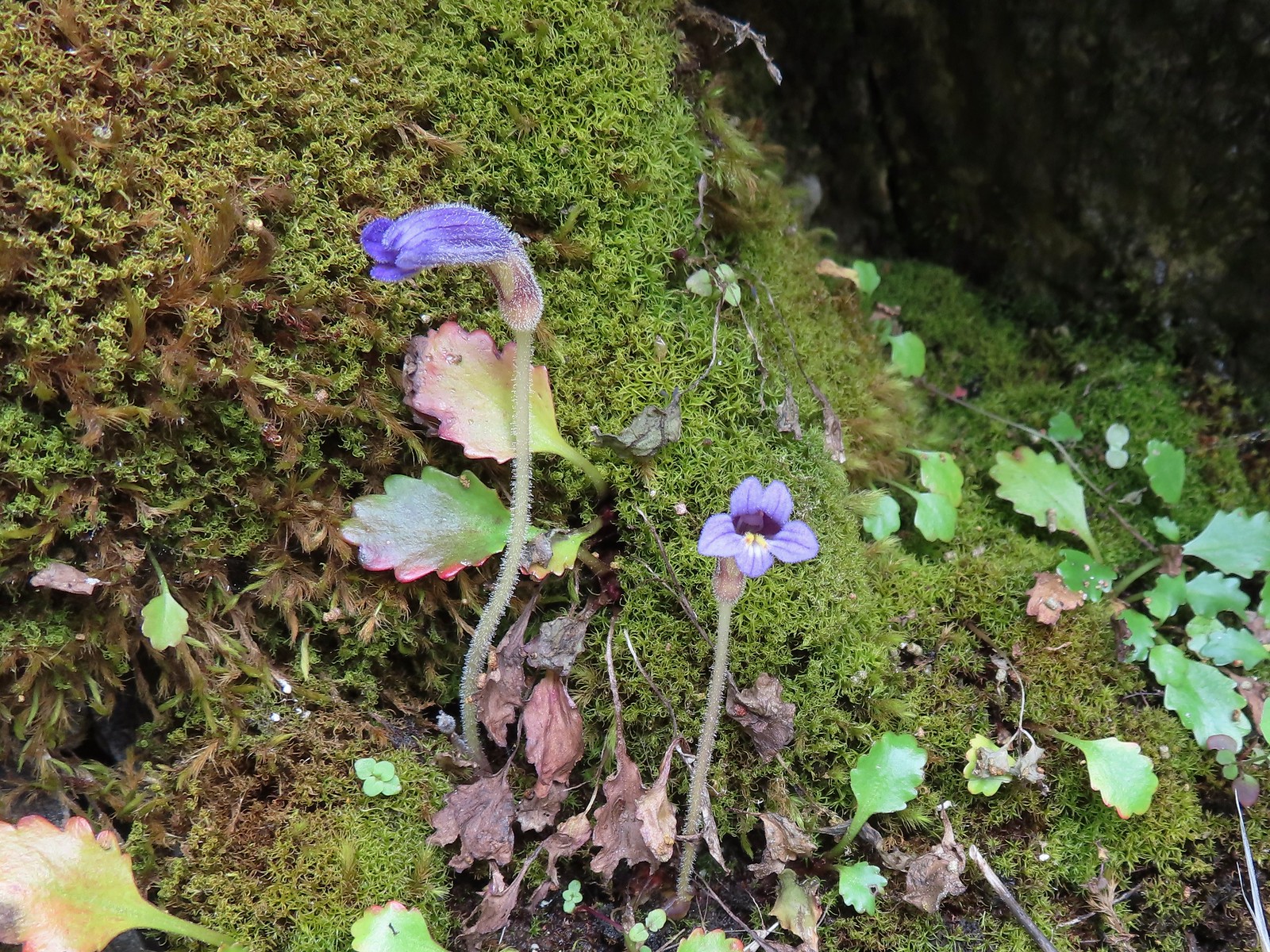 Naked broomrape
 Camas with monkeyflower and plectritis
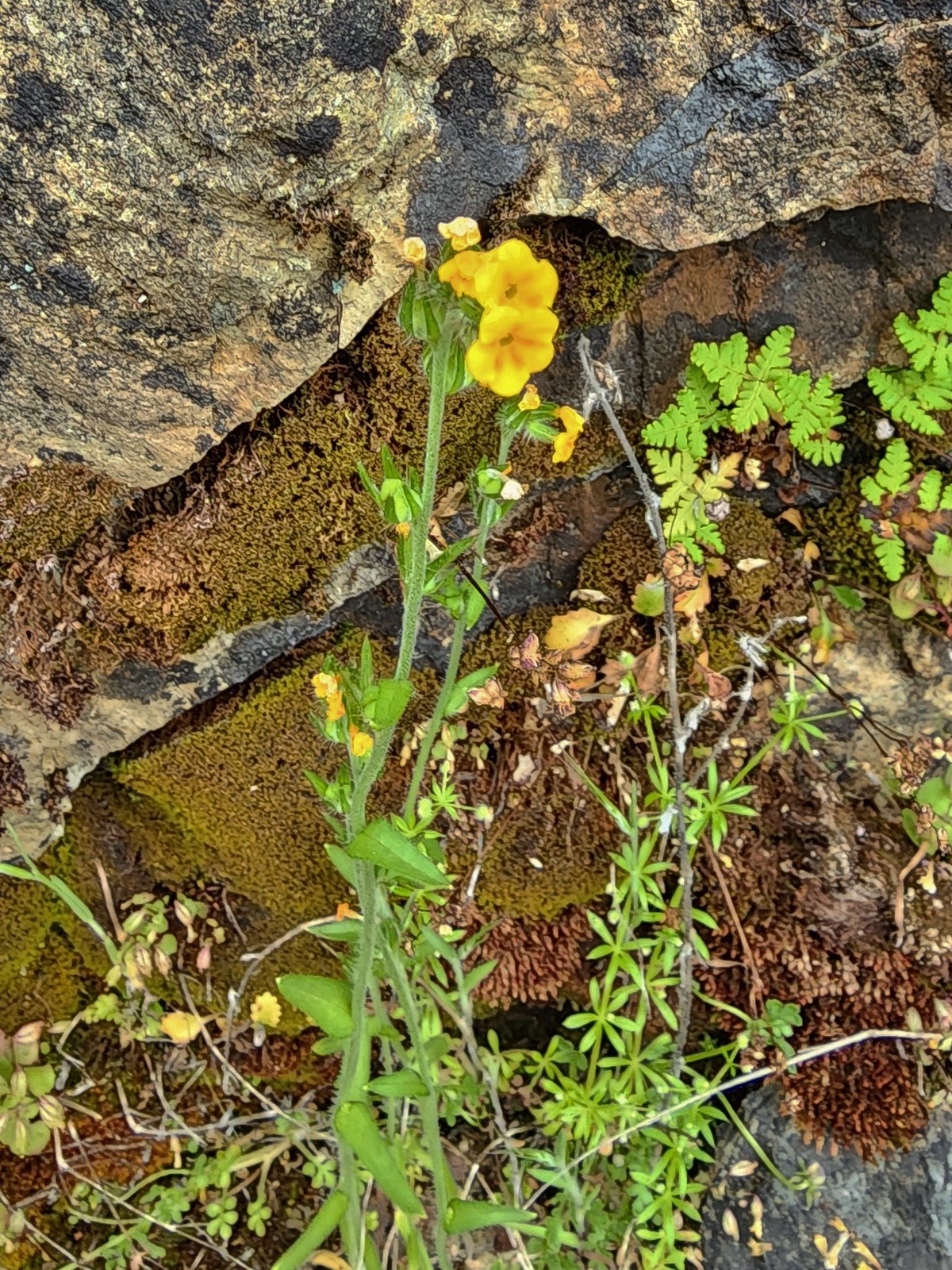 Fiddleneck
 Saxifrage
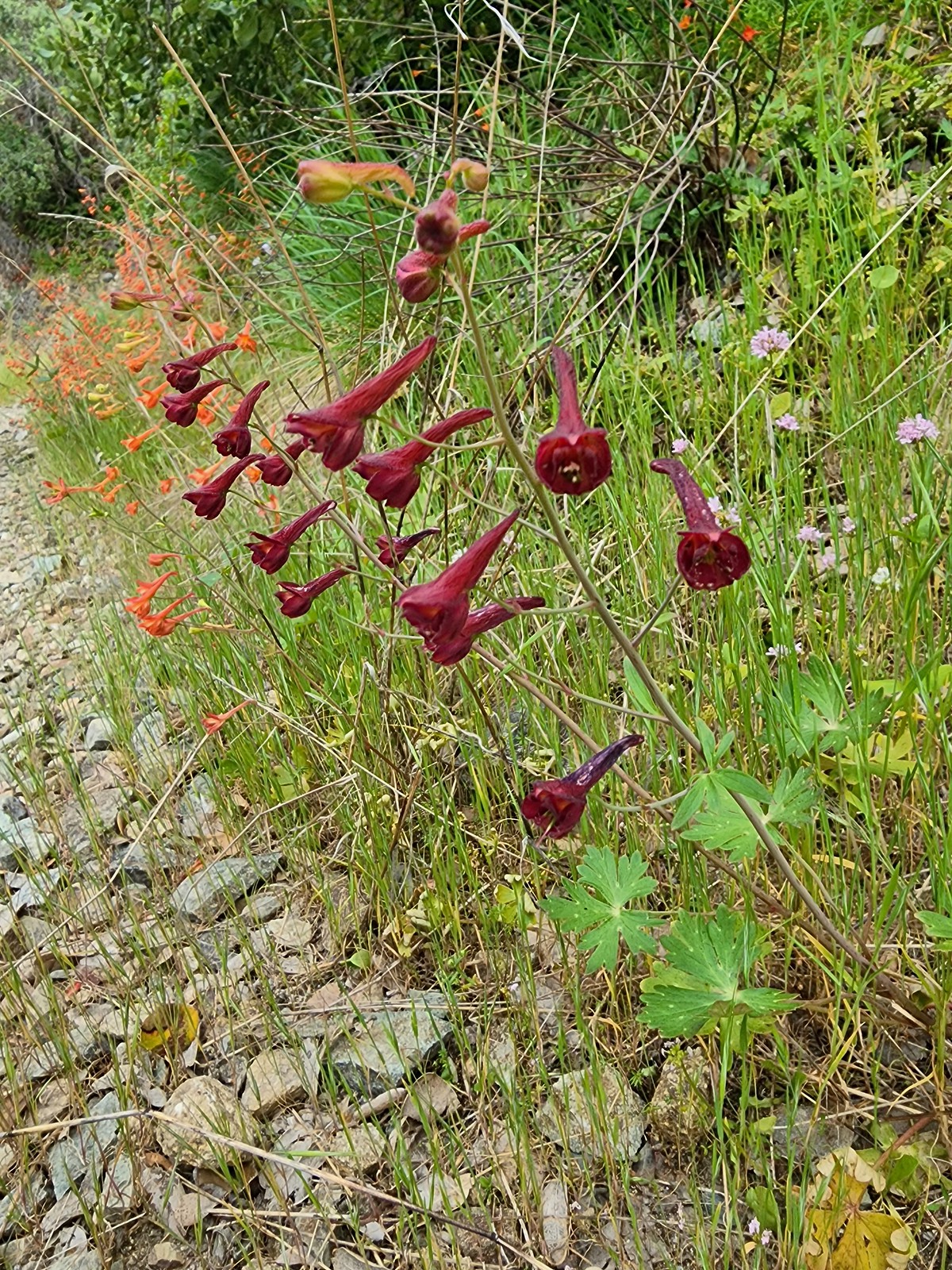 A darker red larkspur
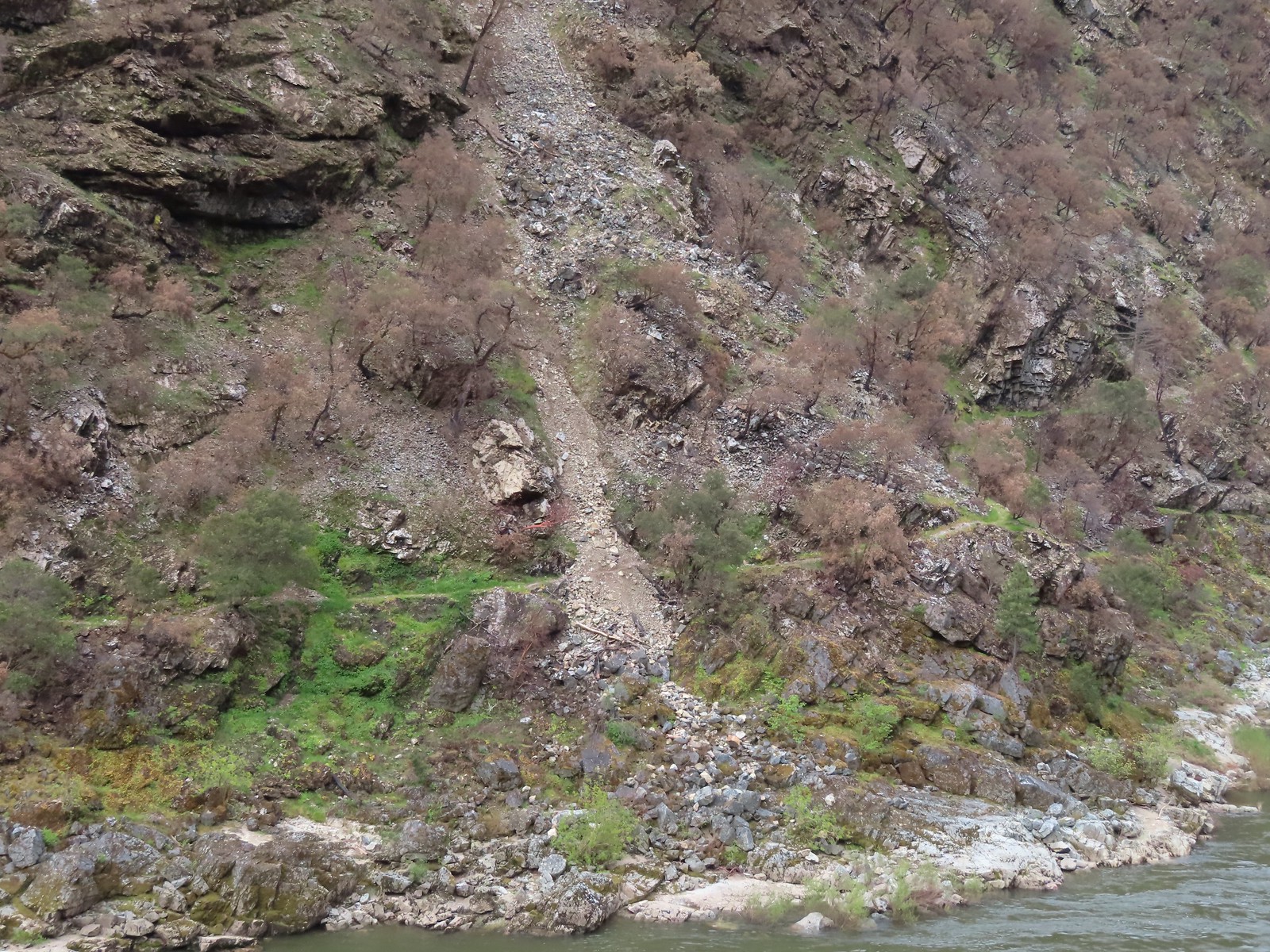 Some of the damage to the trail to Rainie Falls on the opposite side of the river.
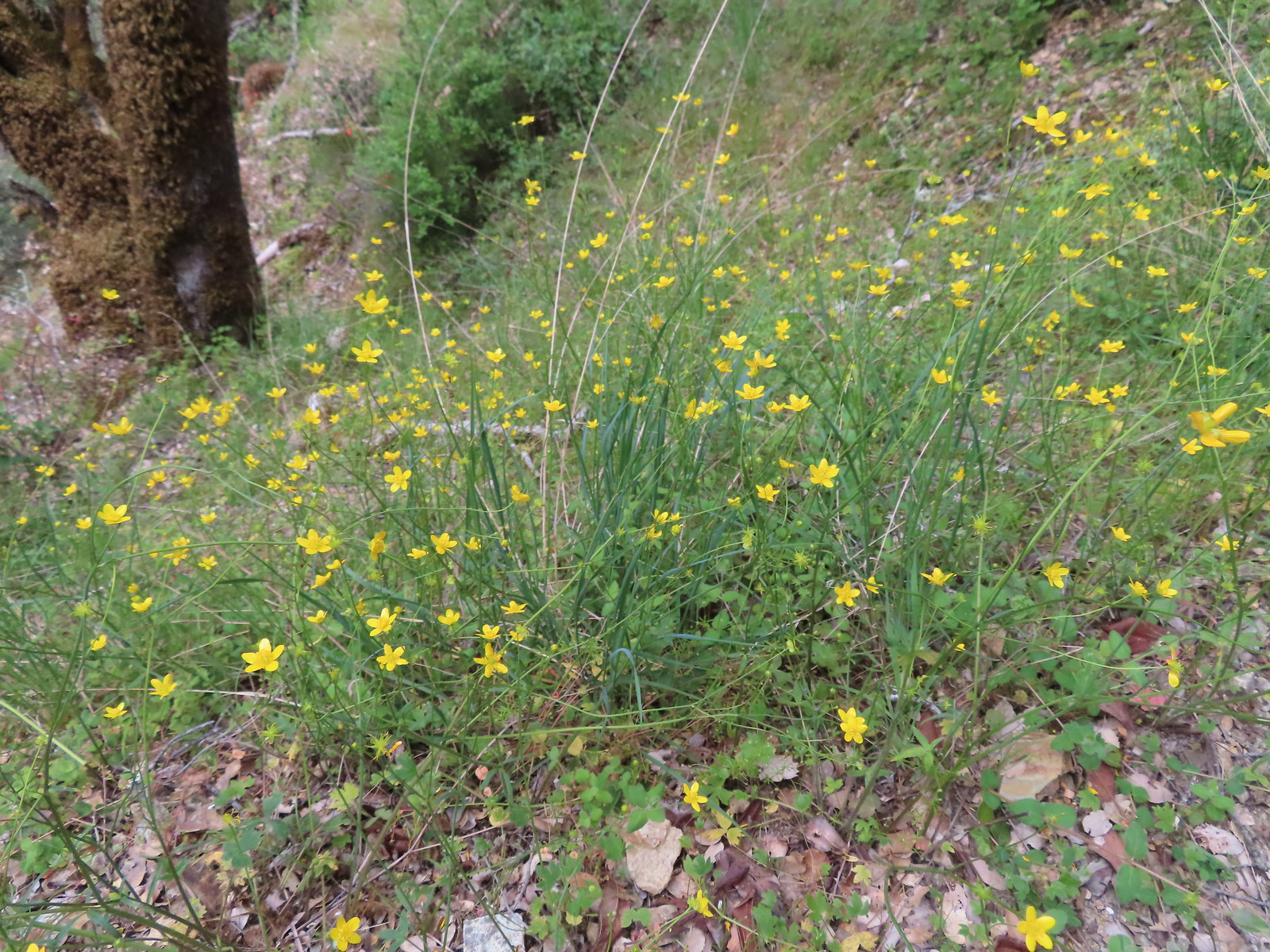 Buttercups
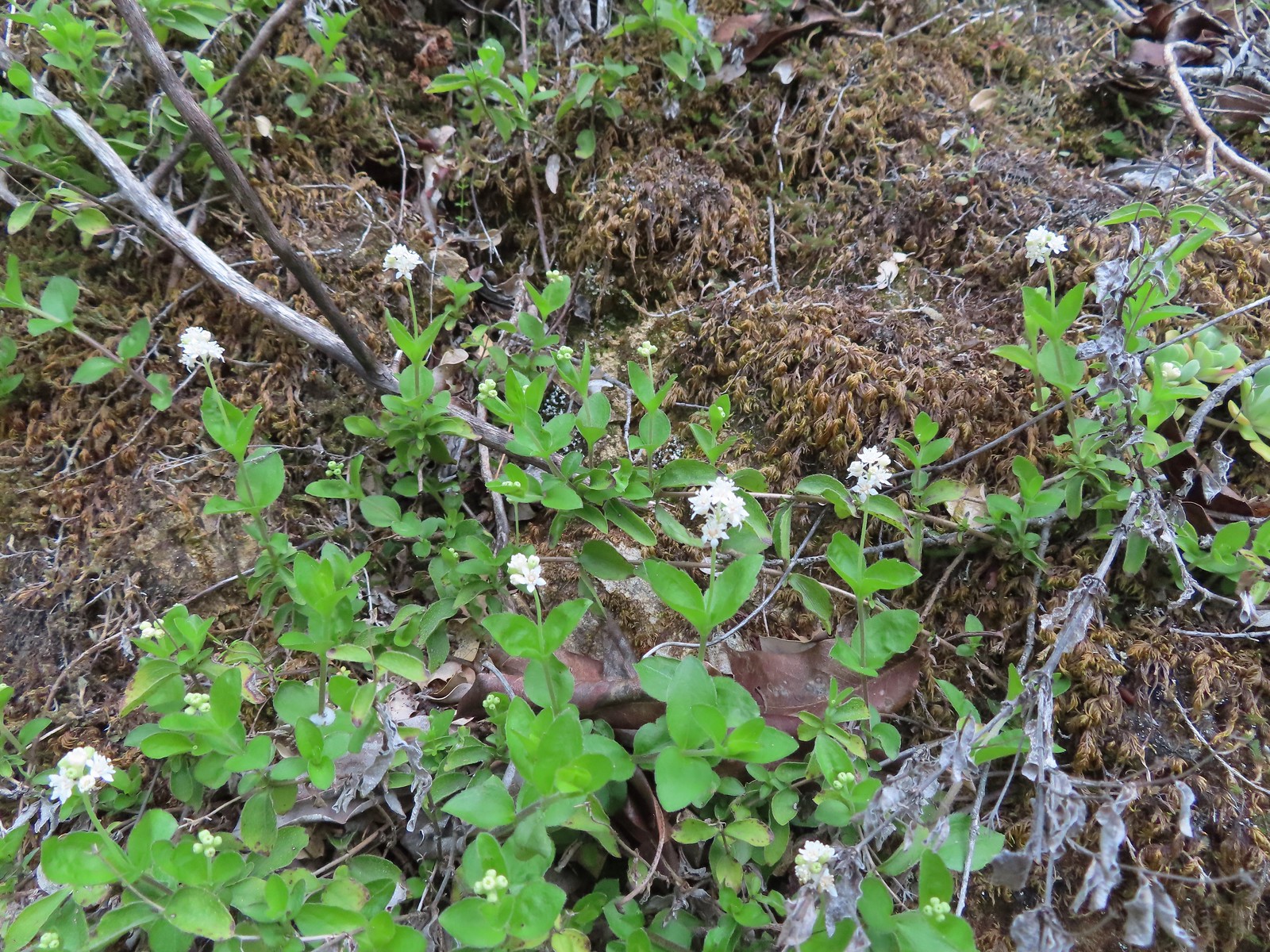 Common whipplea
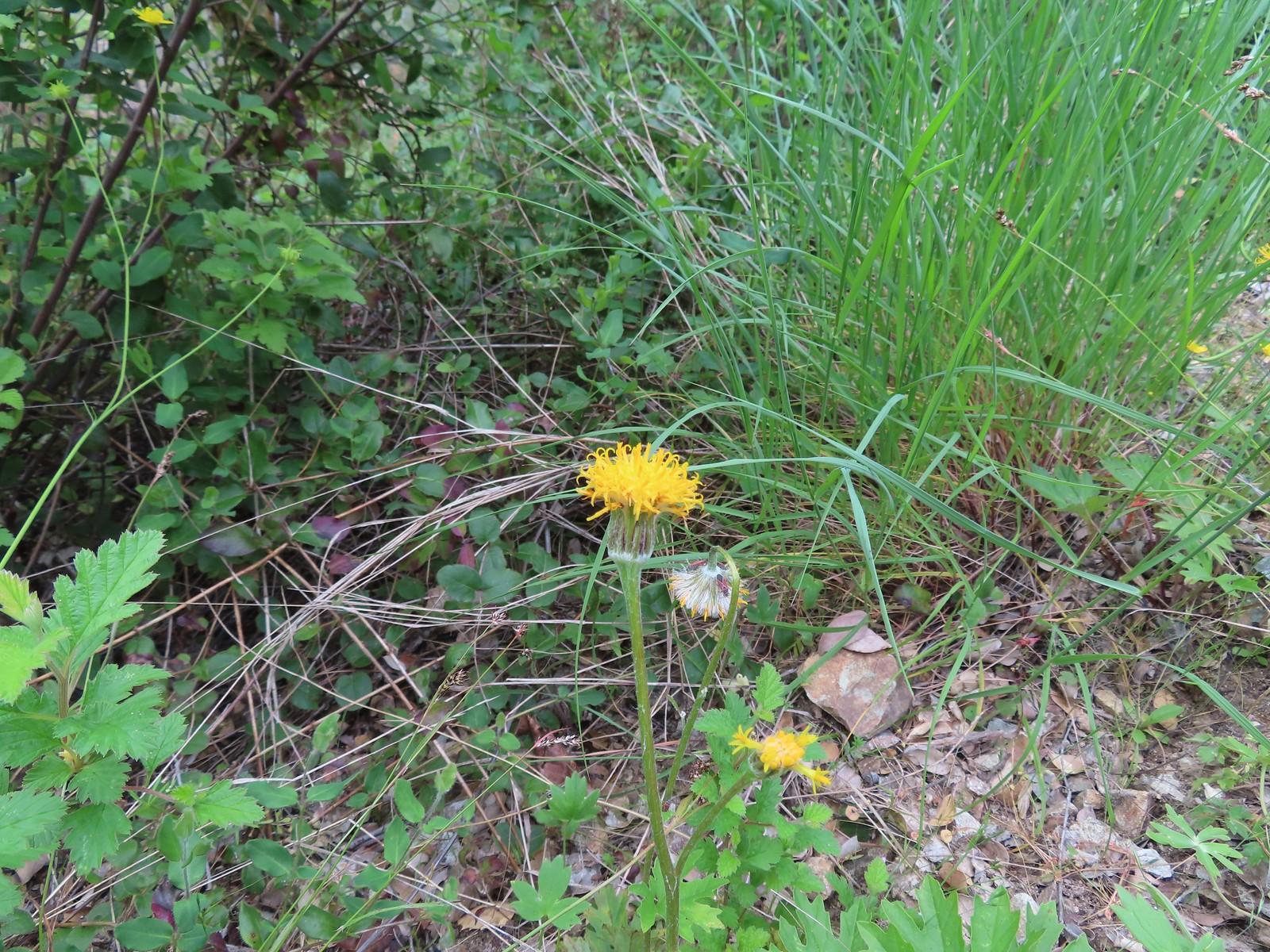 Silver crown
 The wet rock here was sneaky slick.
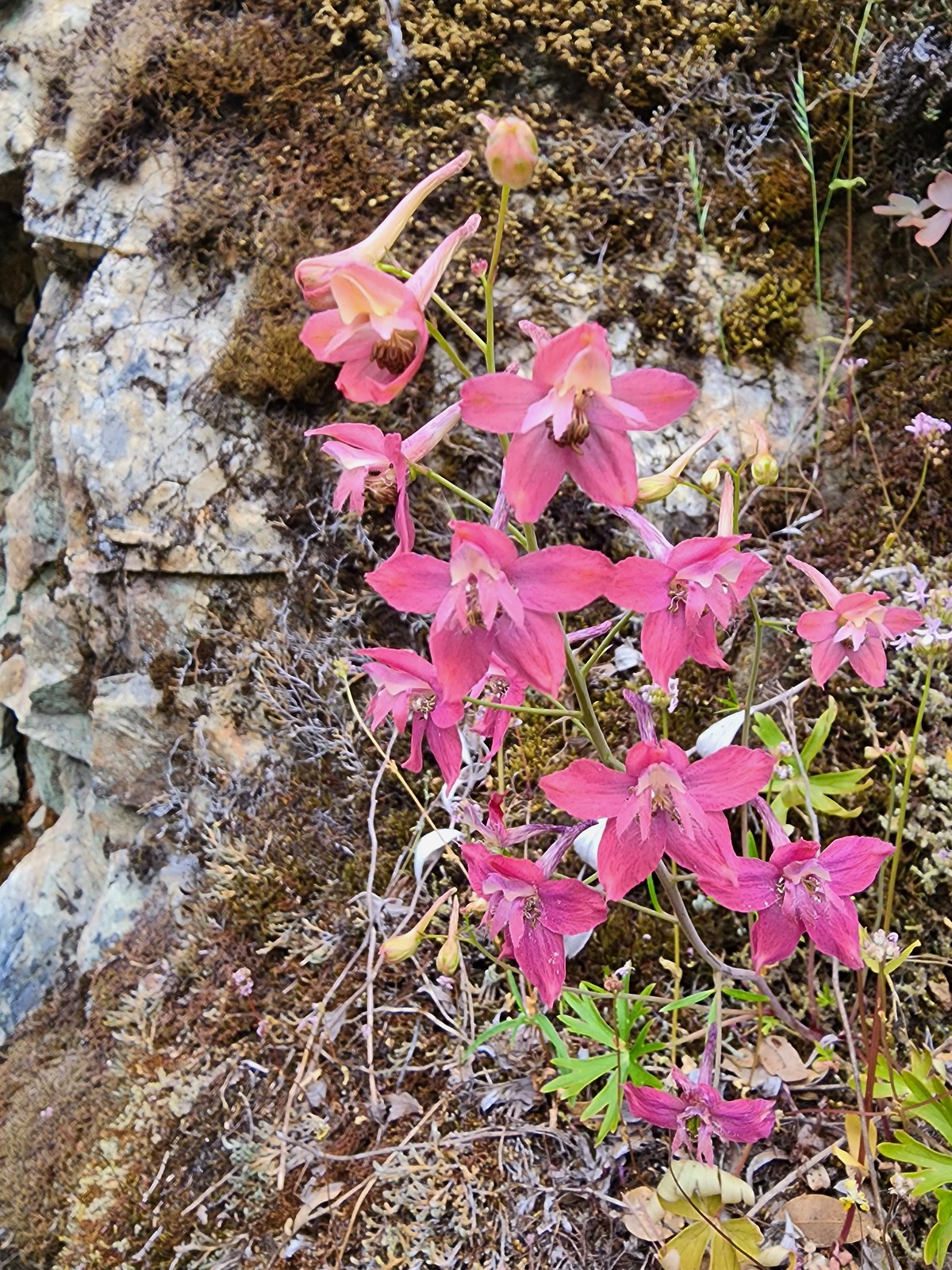 We spotted a couple of pink larkspur.
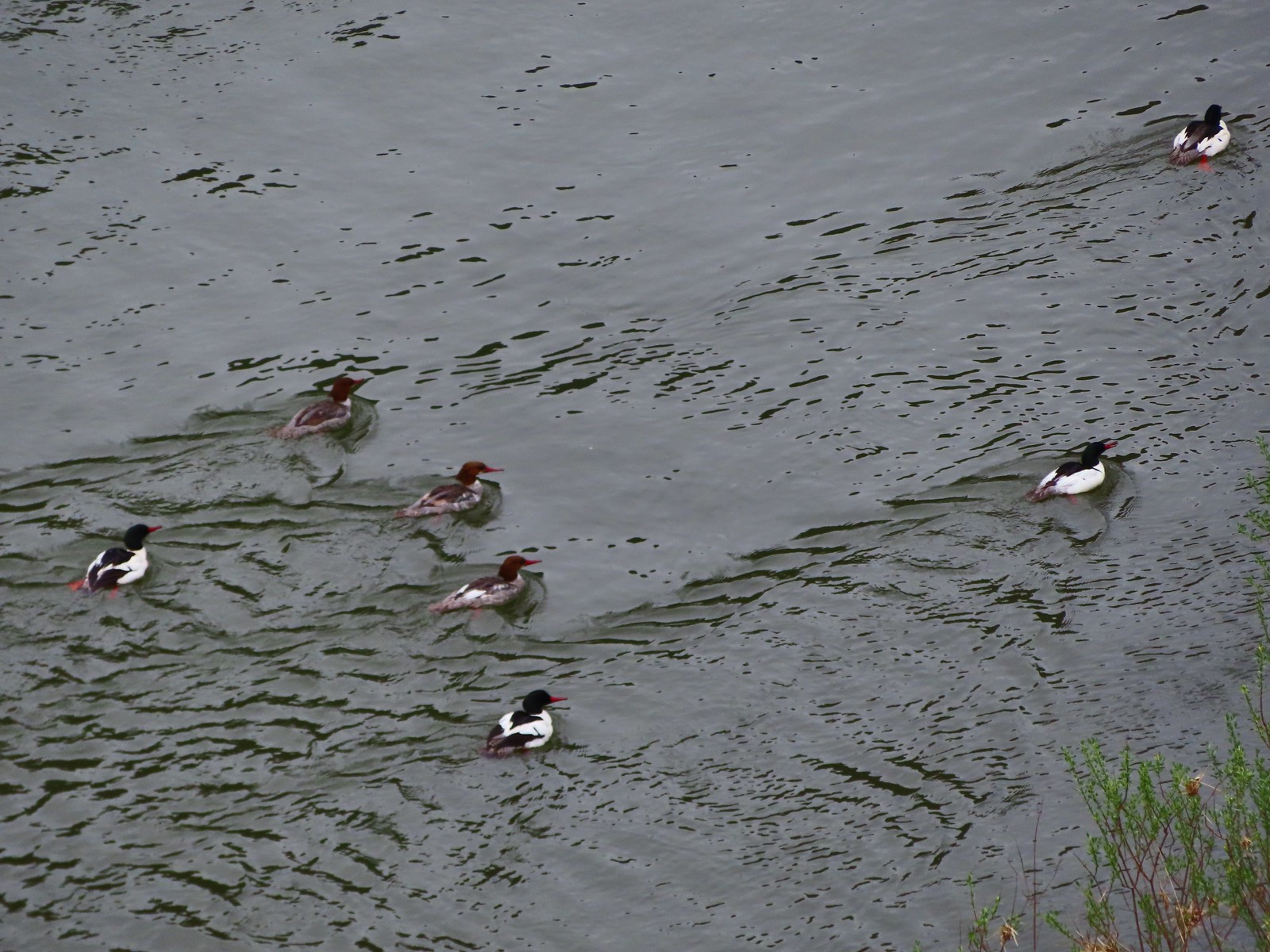 Common mergansers
 Common cryptantha
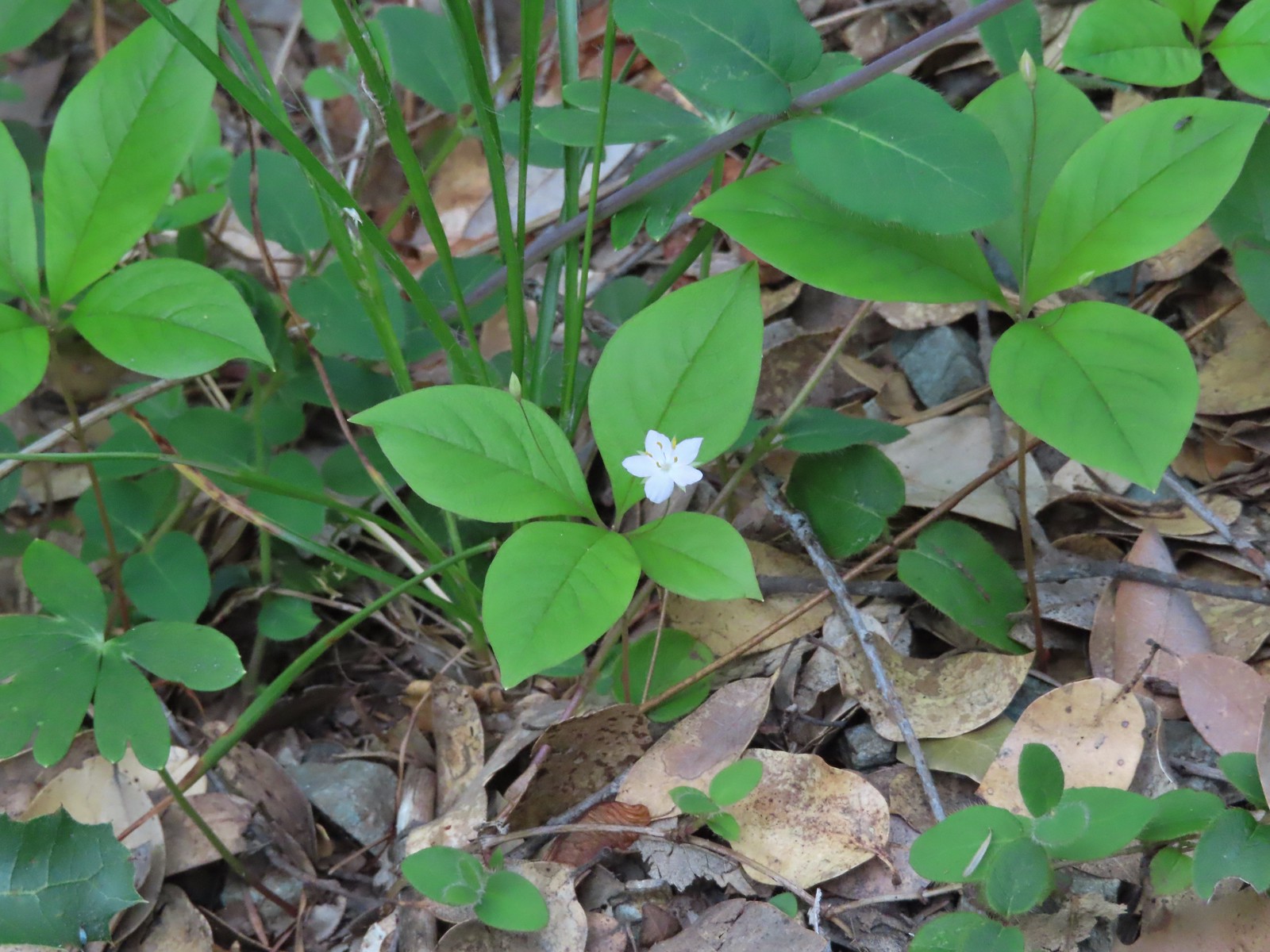 Starflower
 Paintbrush
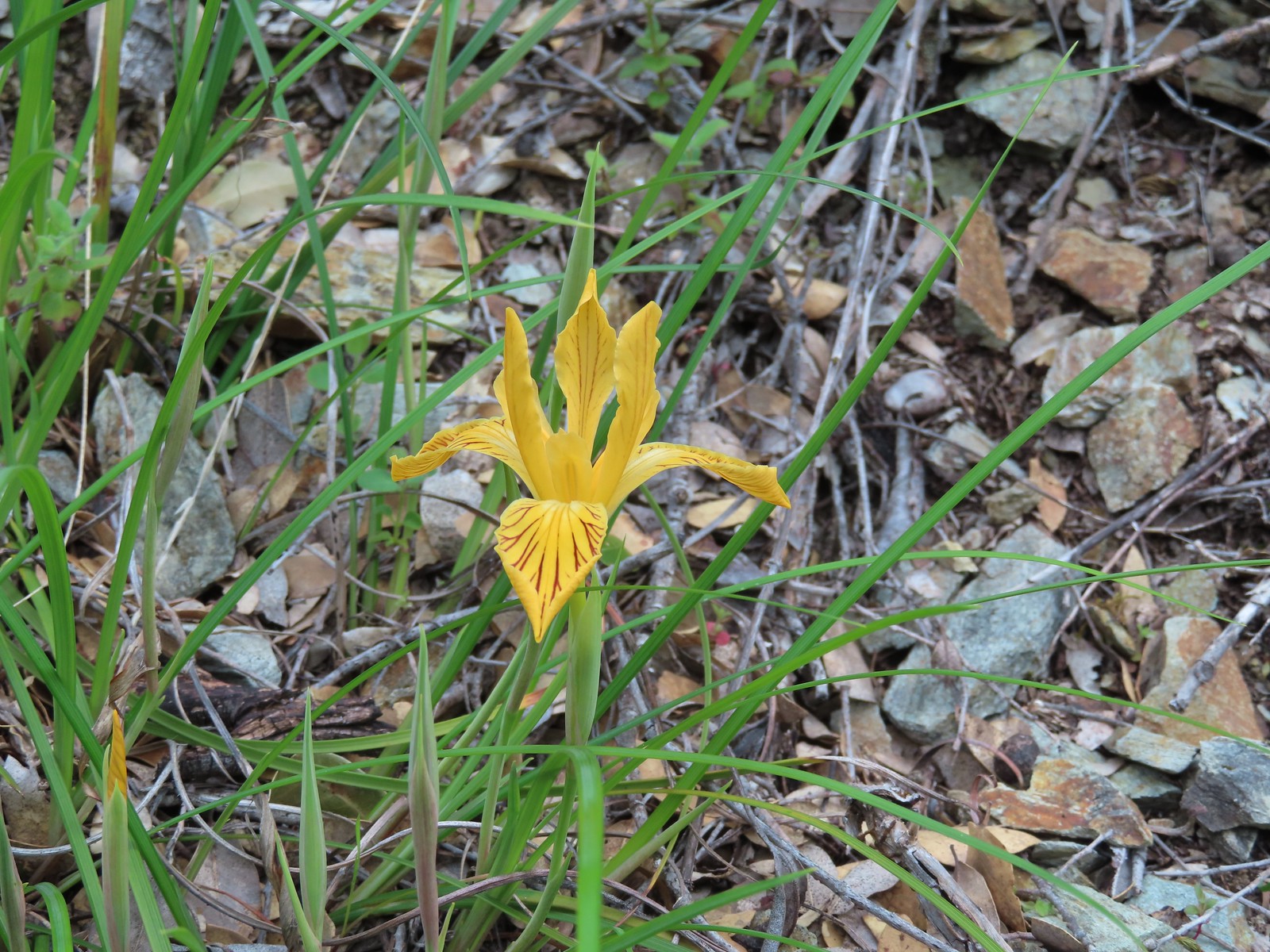 Del Norte iris
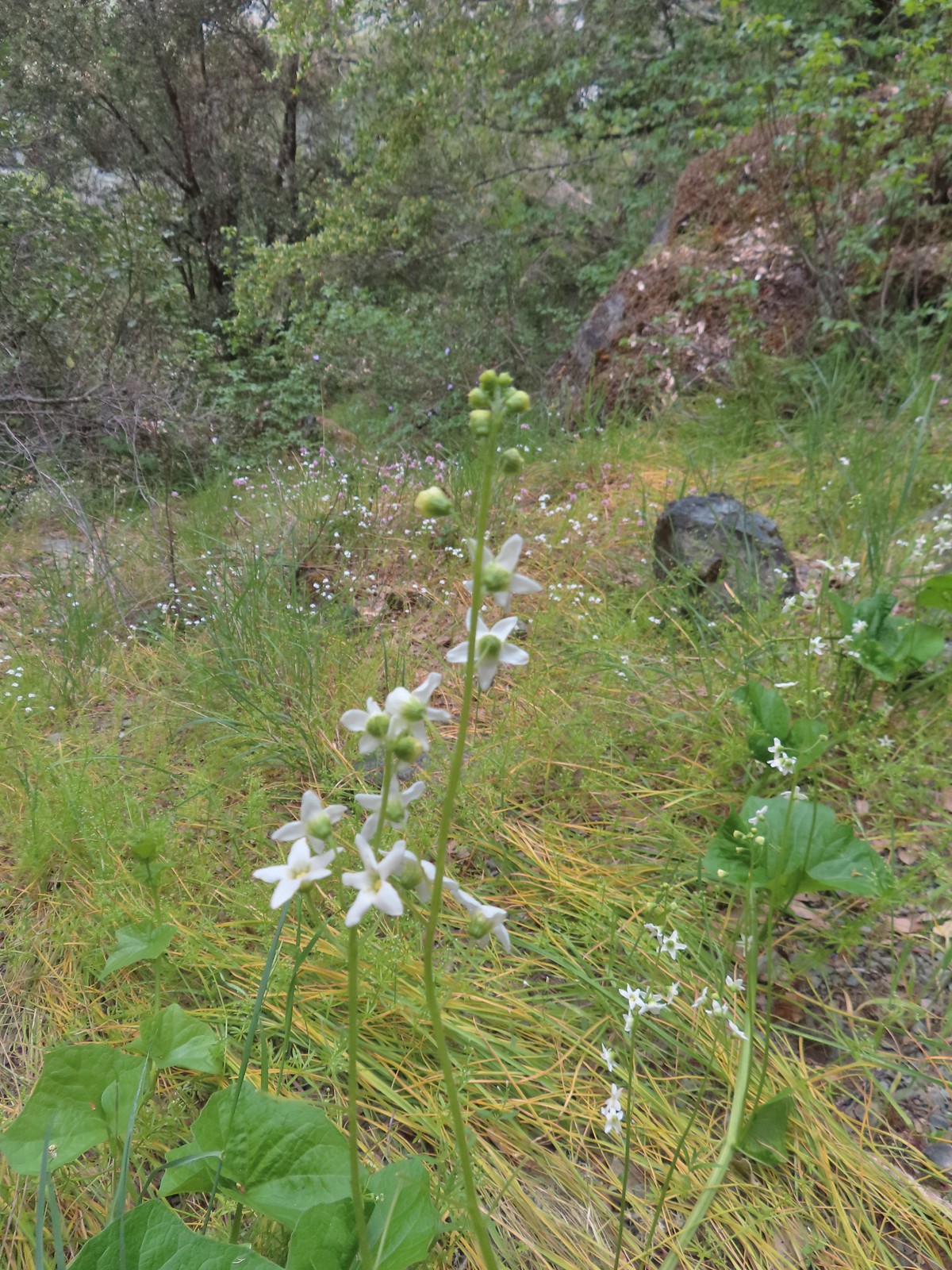 Coastal manroot
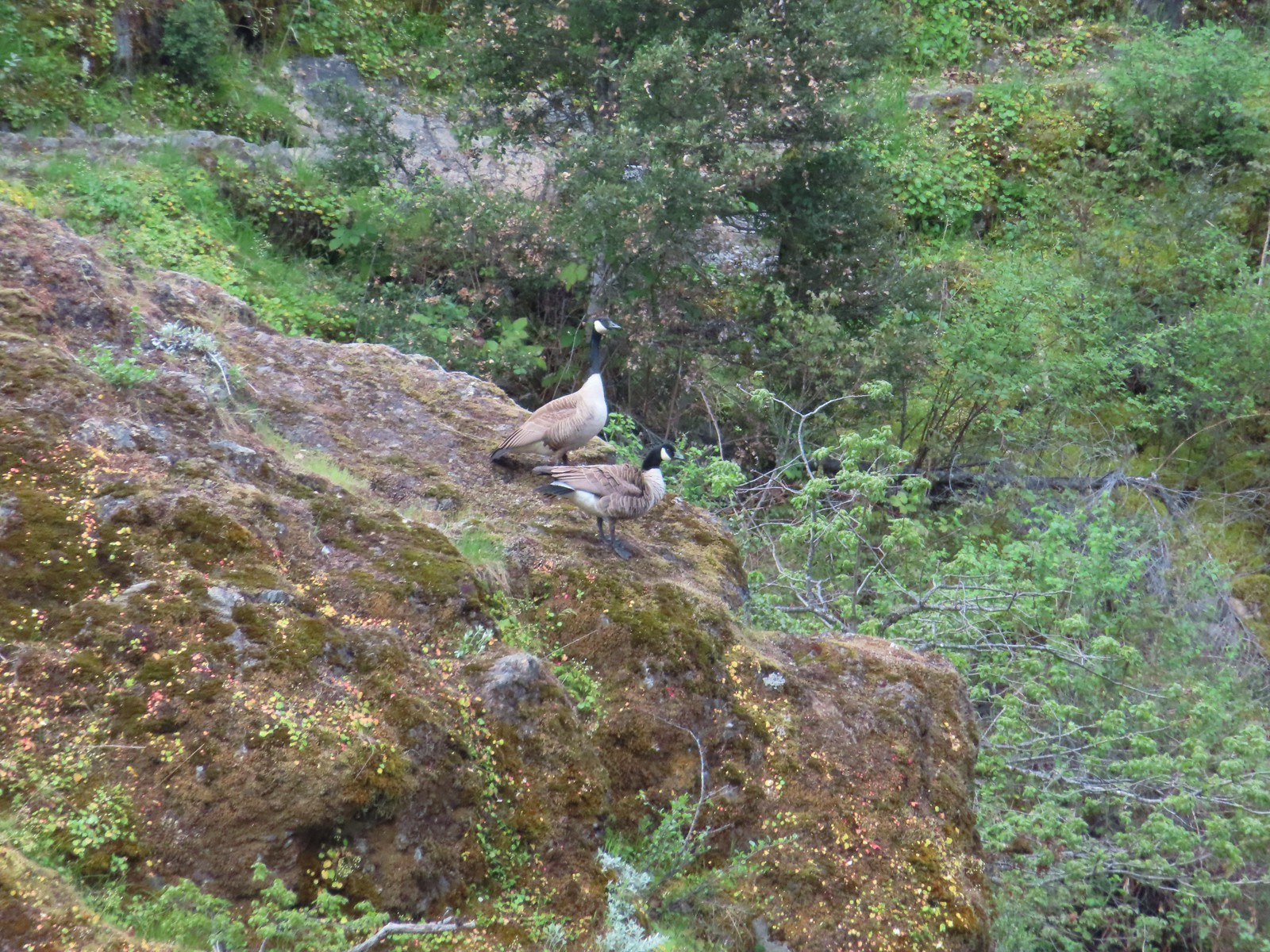 Canada geese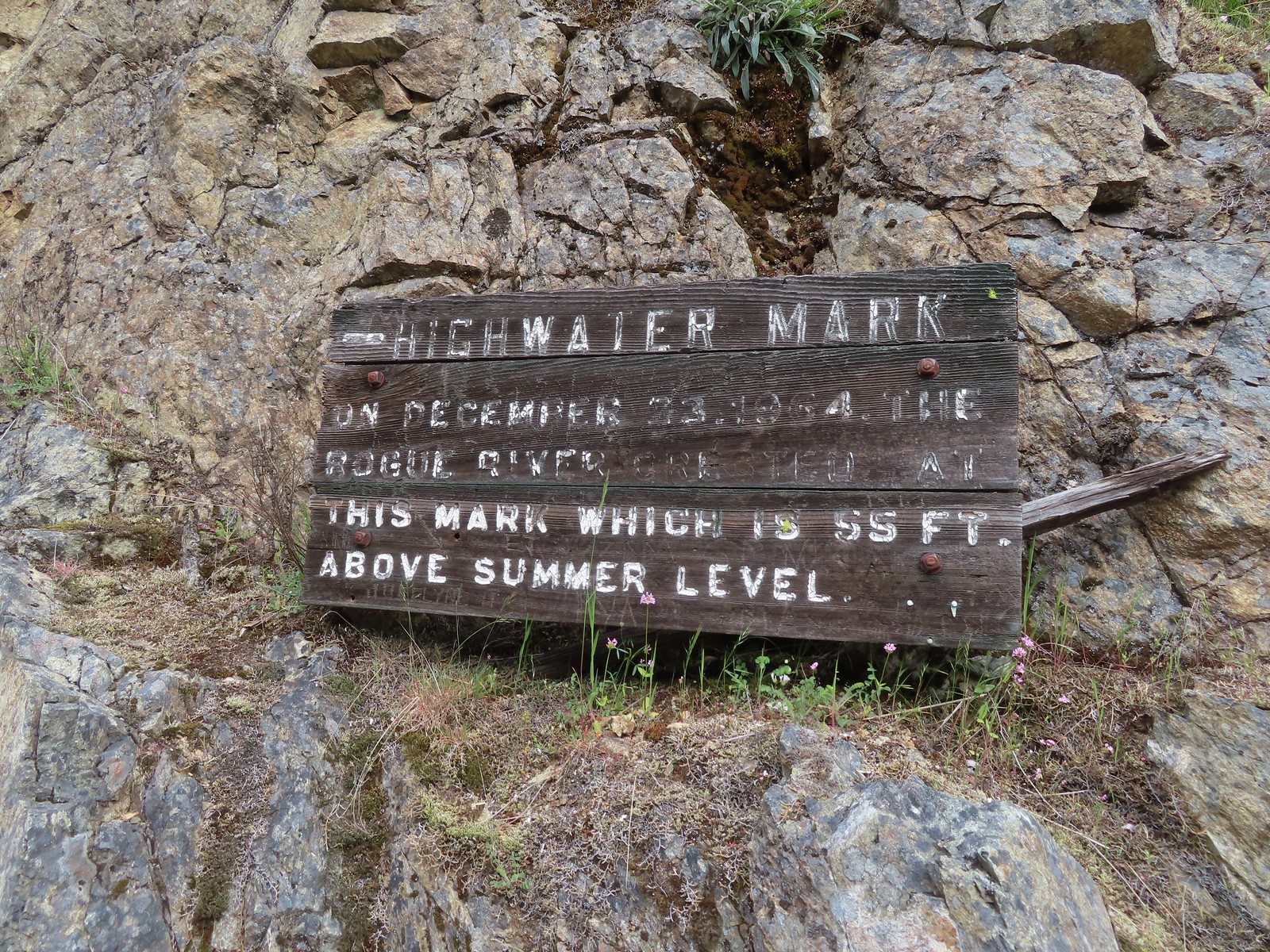
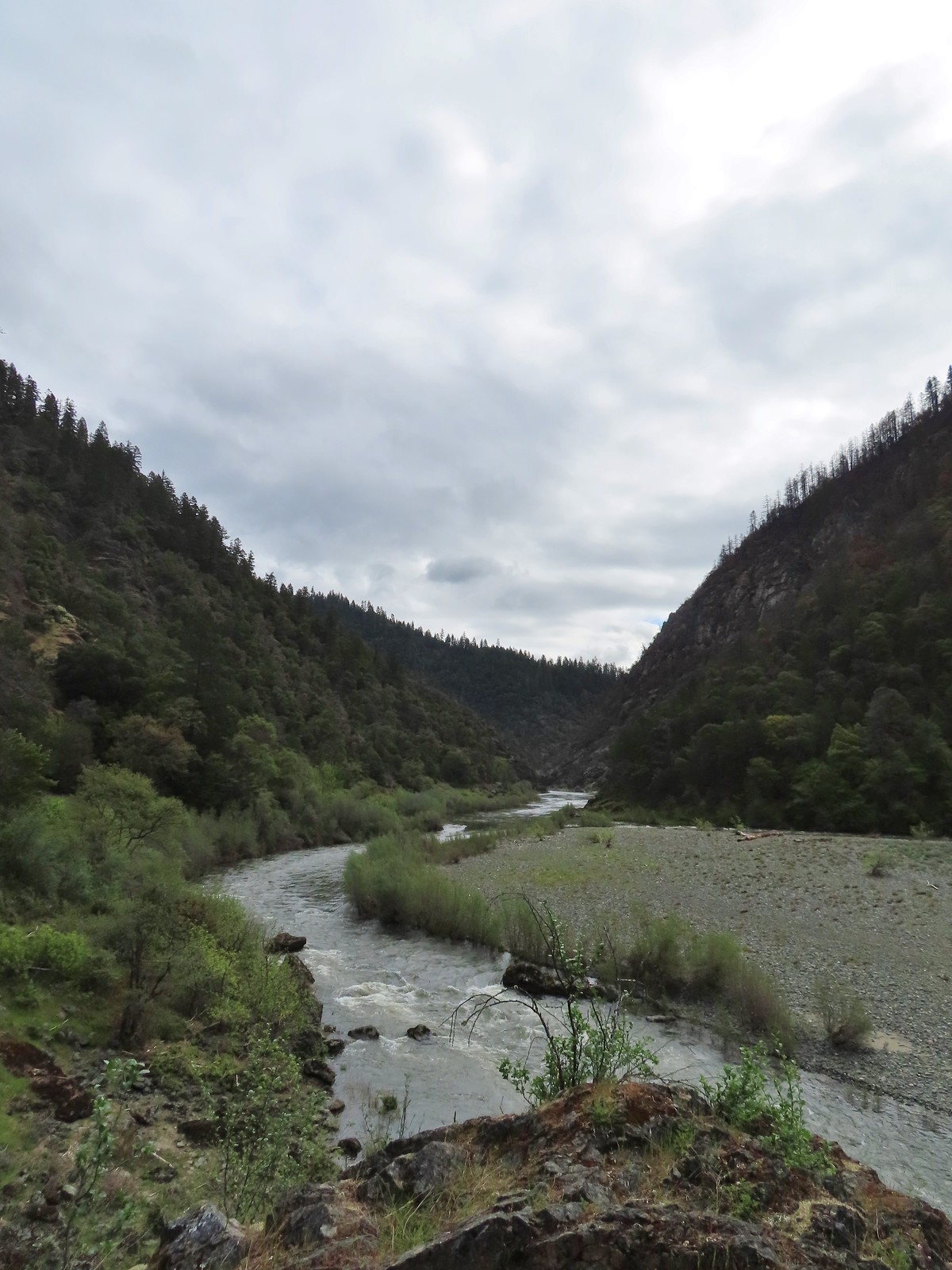 Looking back upriver from the high water sign.
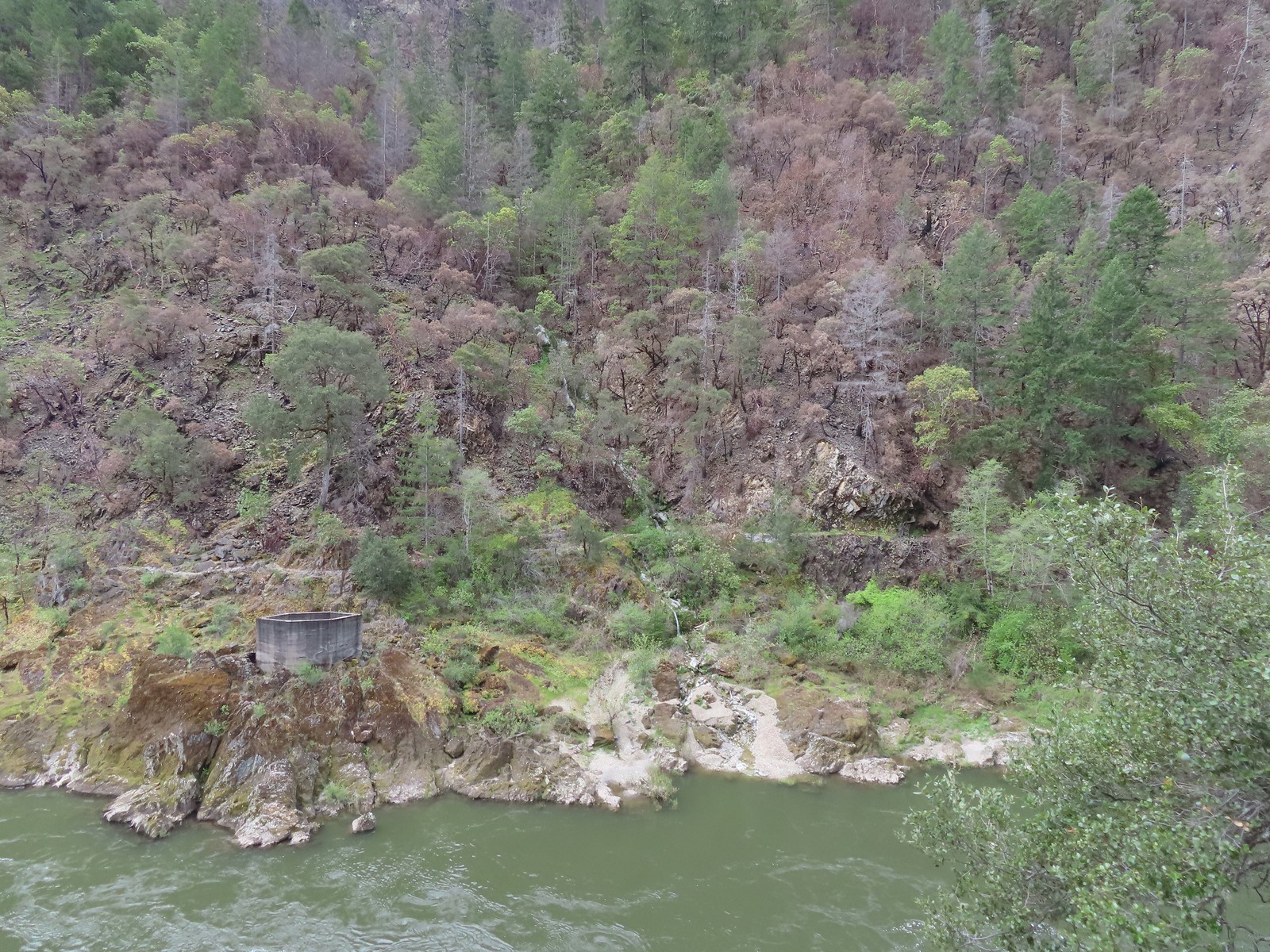 Sanderson Bridge site
 Golden-crowned sparrow
 Scarlet fritillary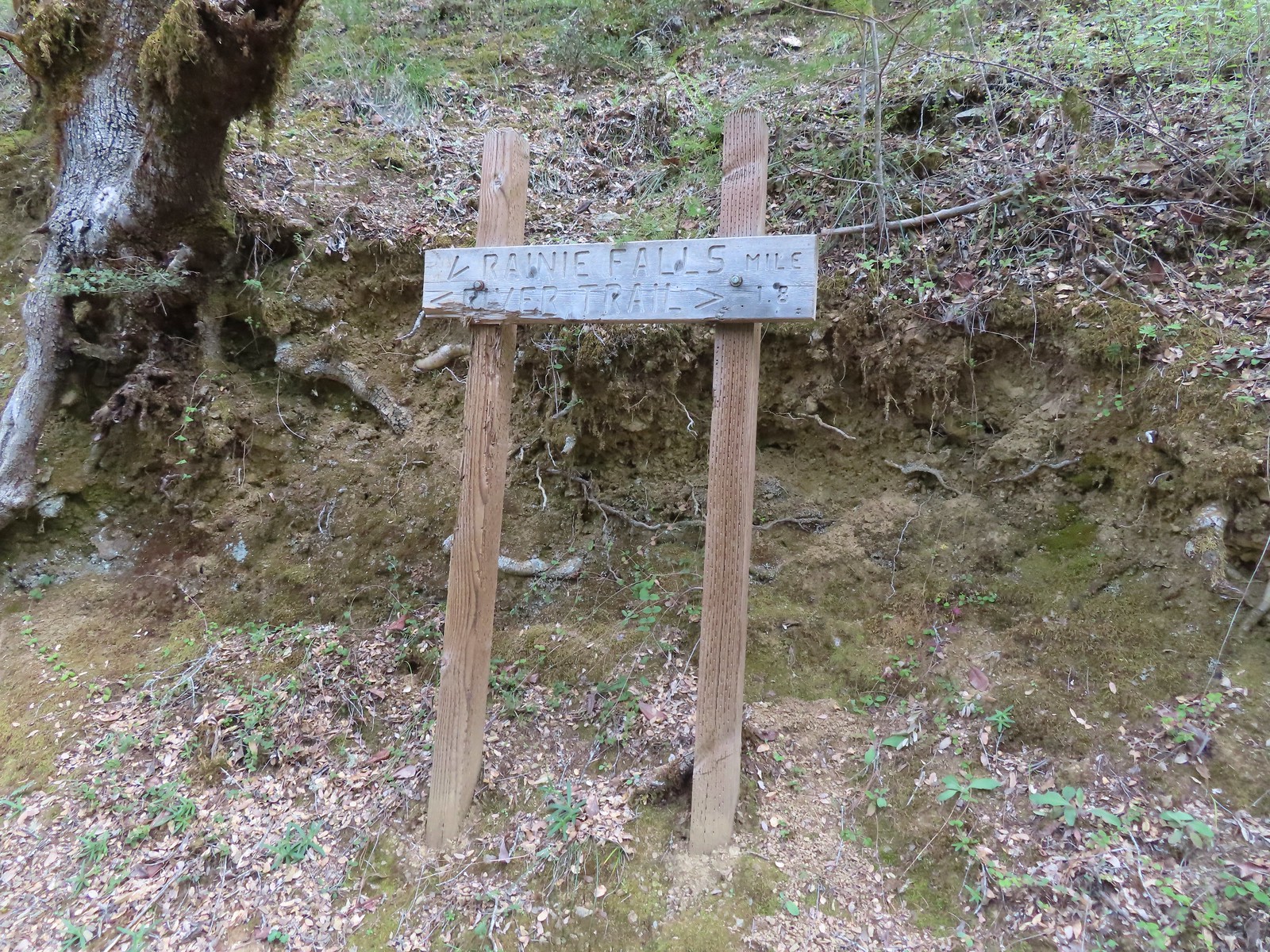
 White campion
 The only water we could make out on the far side of the river.
 Bullock’s oriole
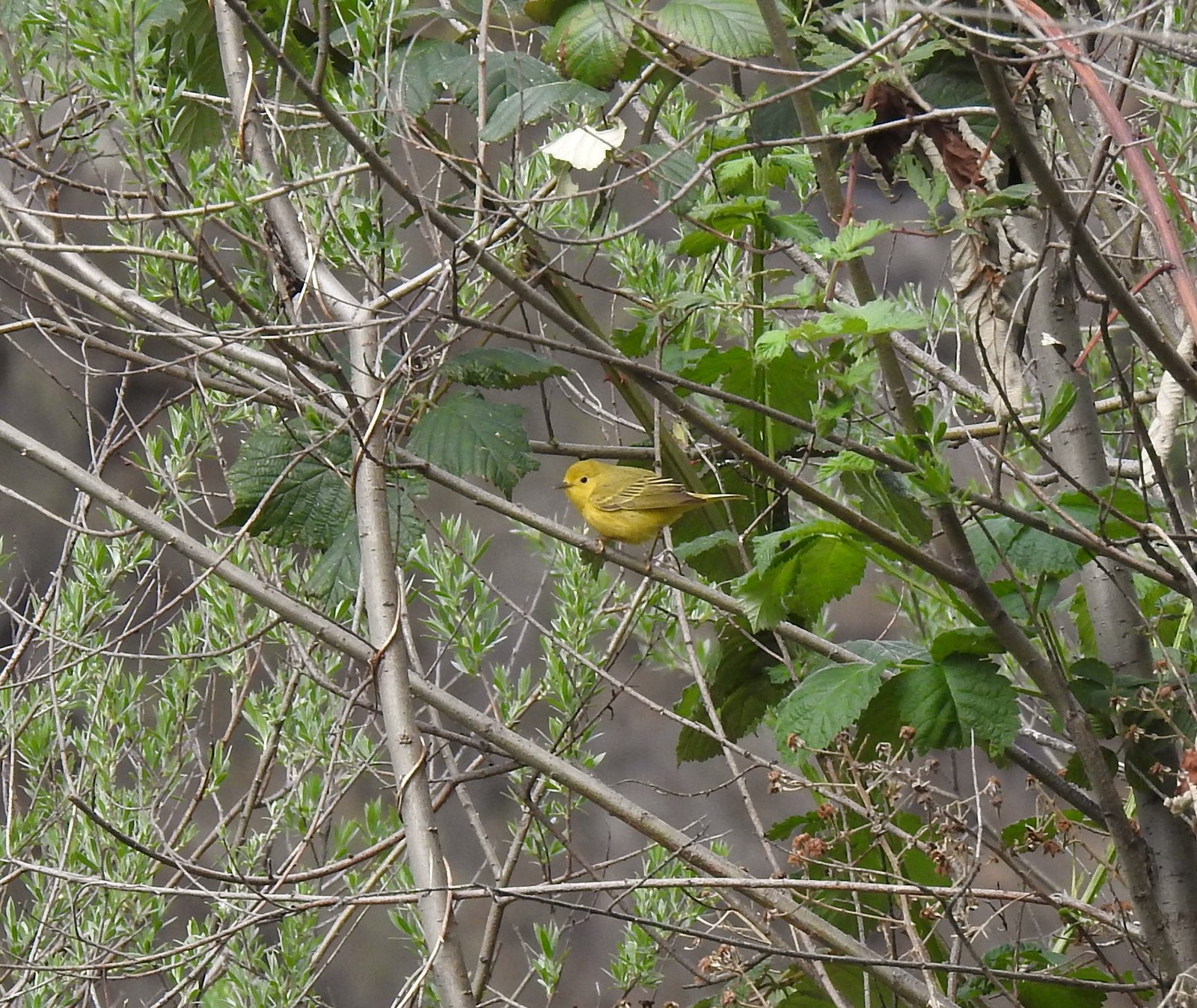 Yellow warbler
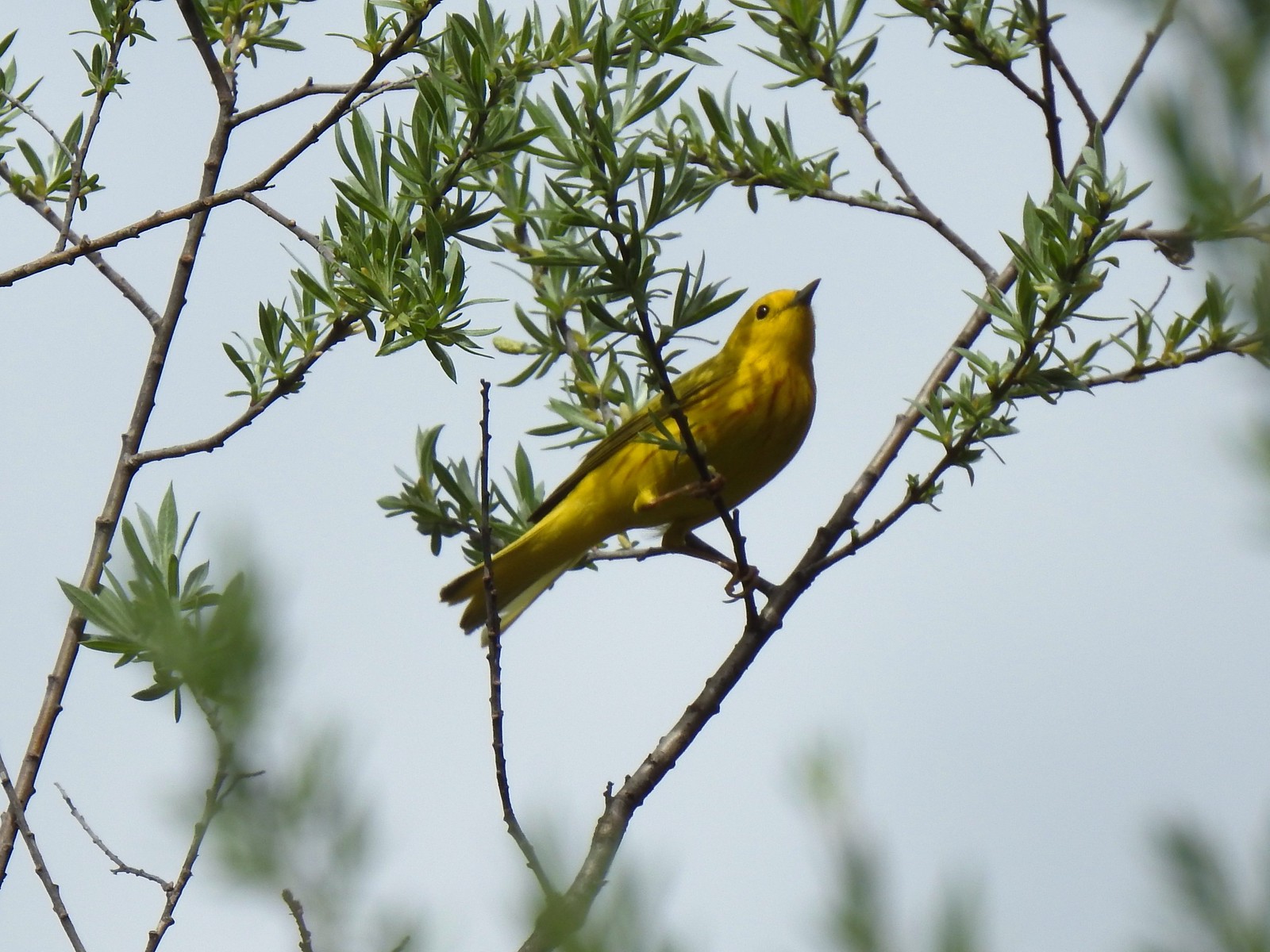 Yellow warbler
 Sandy beach along the Rogue River.
 Shooting star
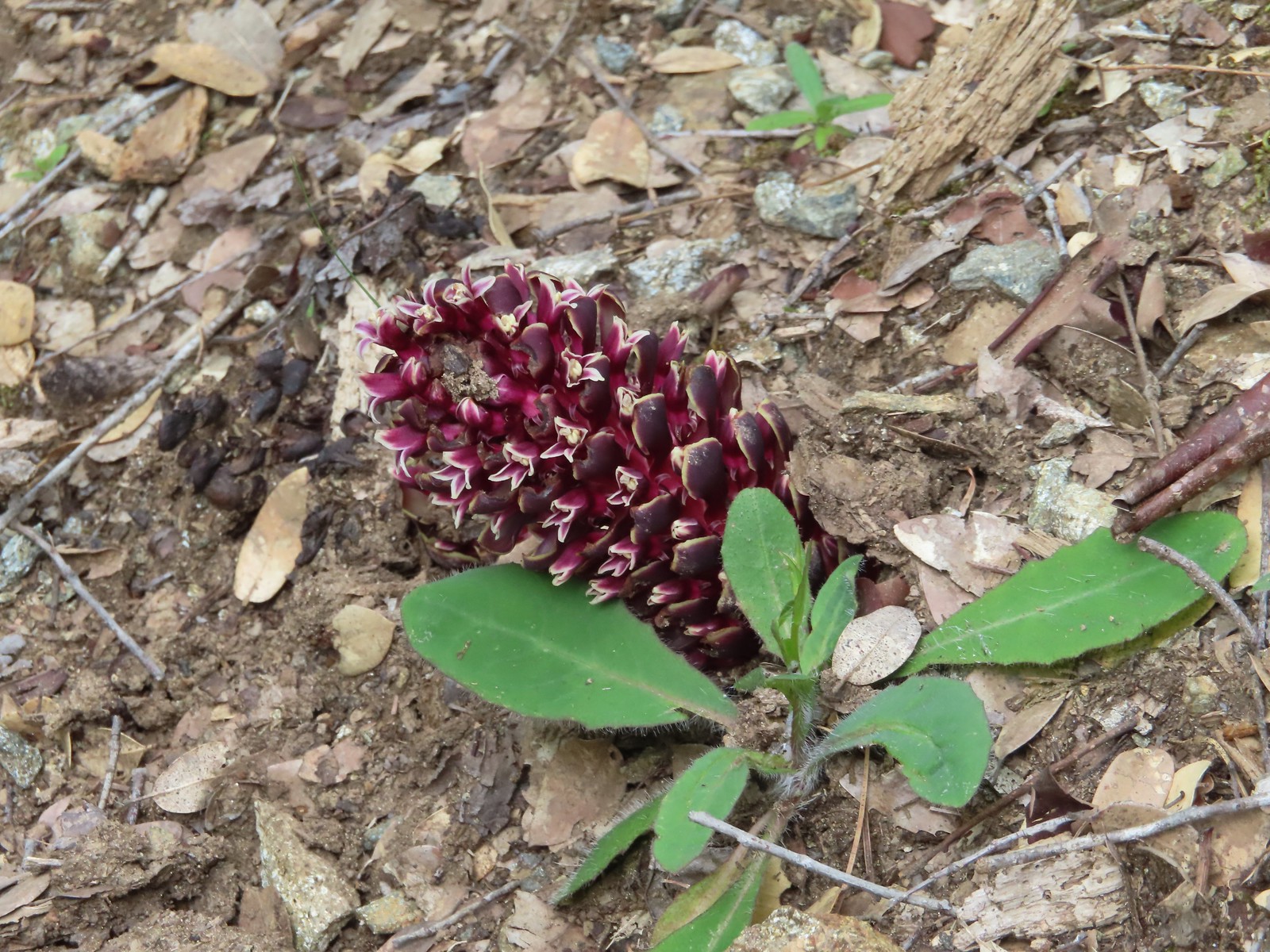 California groundcone
 Small-flowered woodland-star
 Approaching China Gulch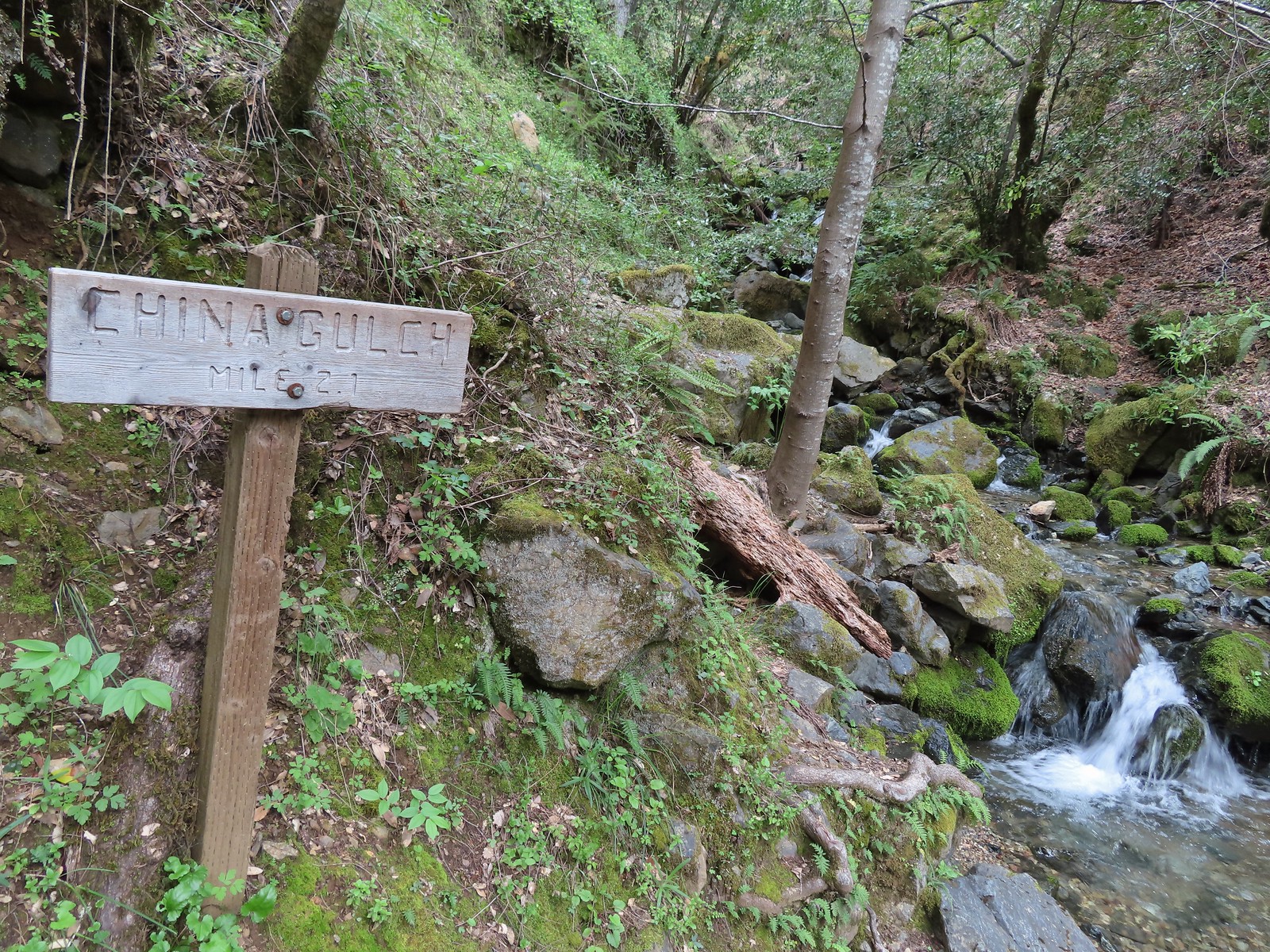
 Vetch
Vetch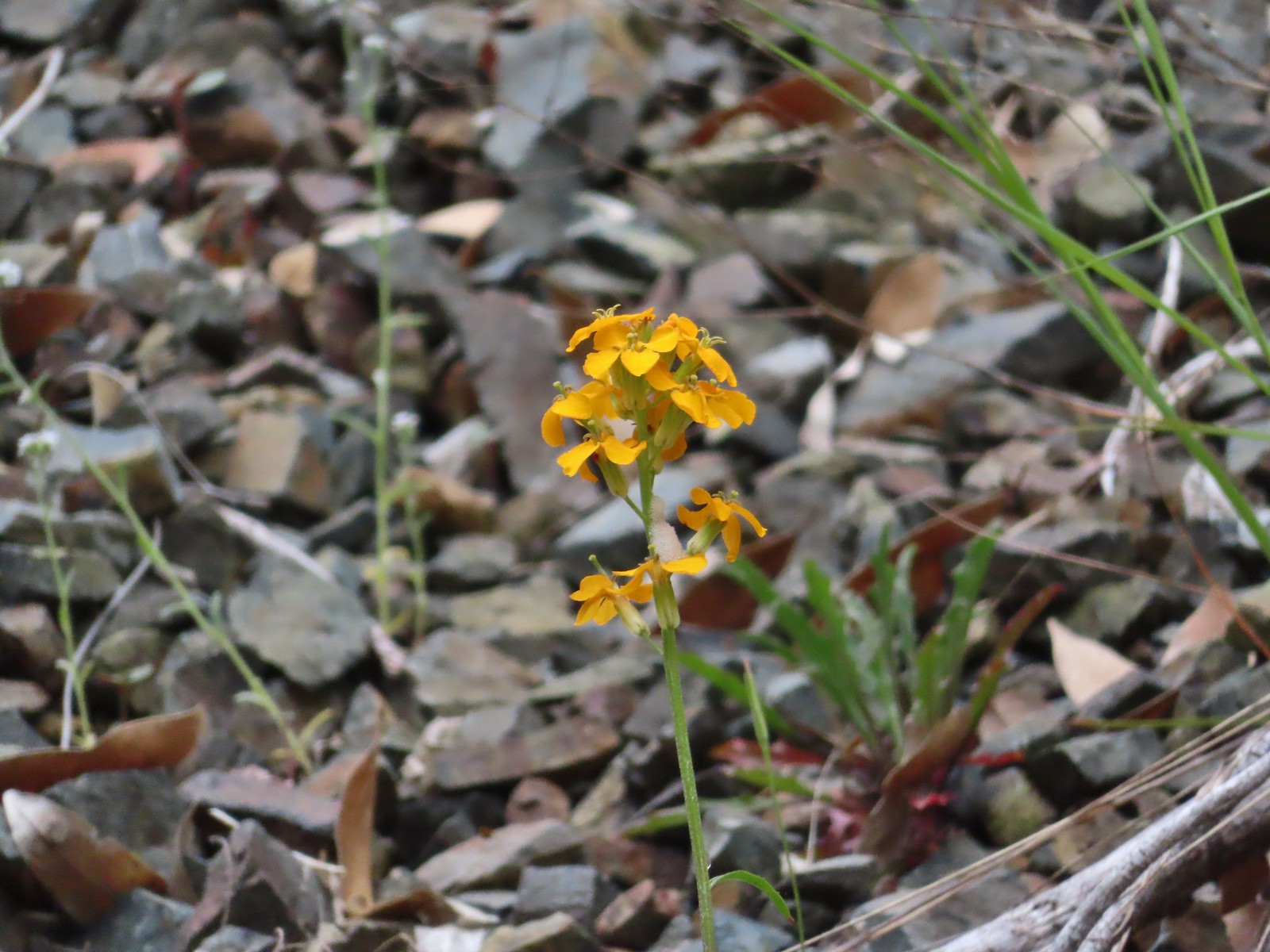 Wallflower
 Silverpuffs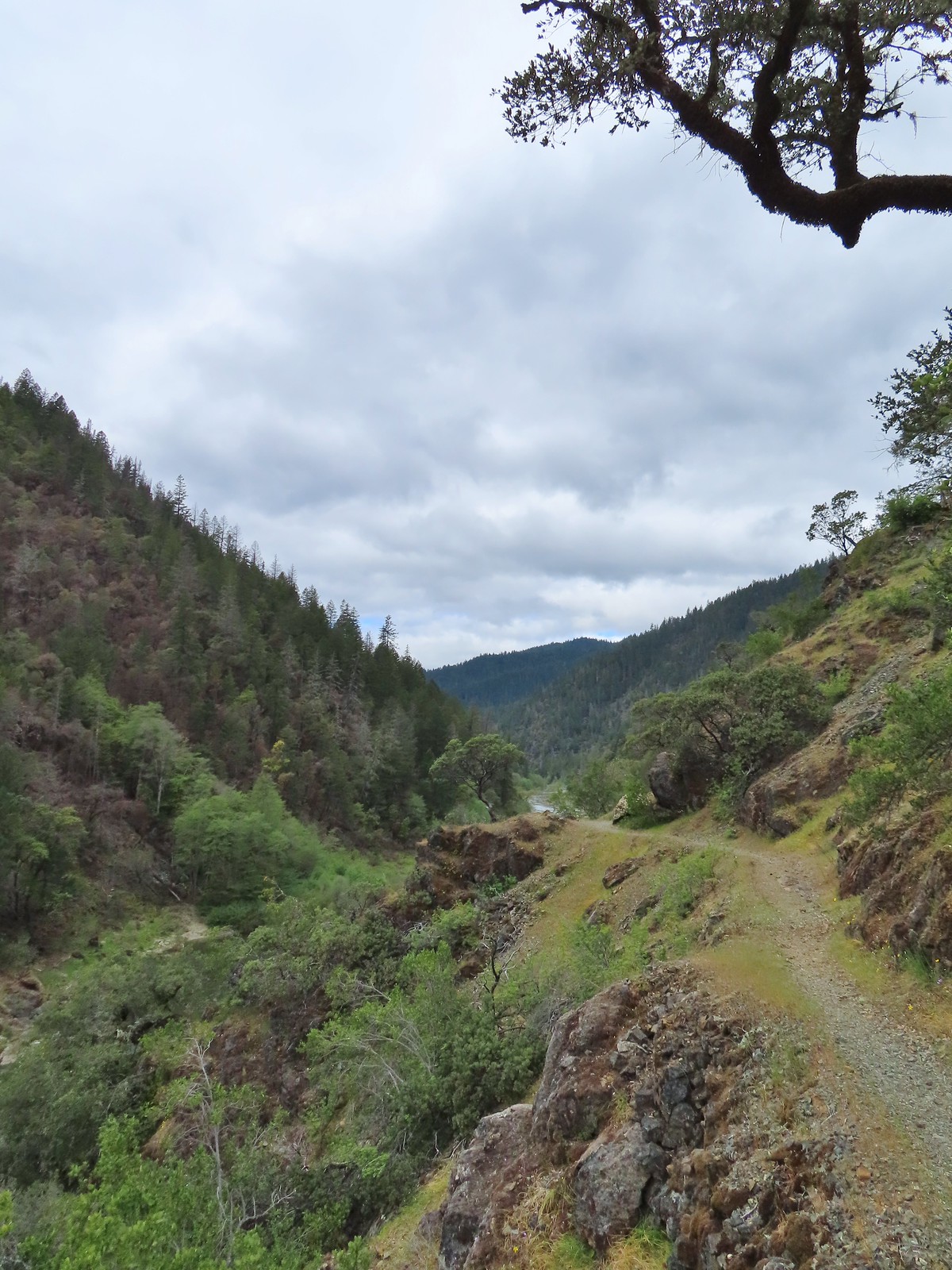
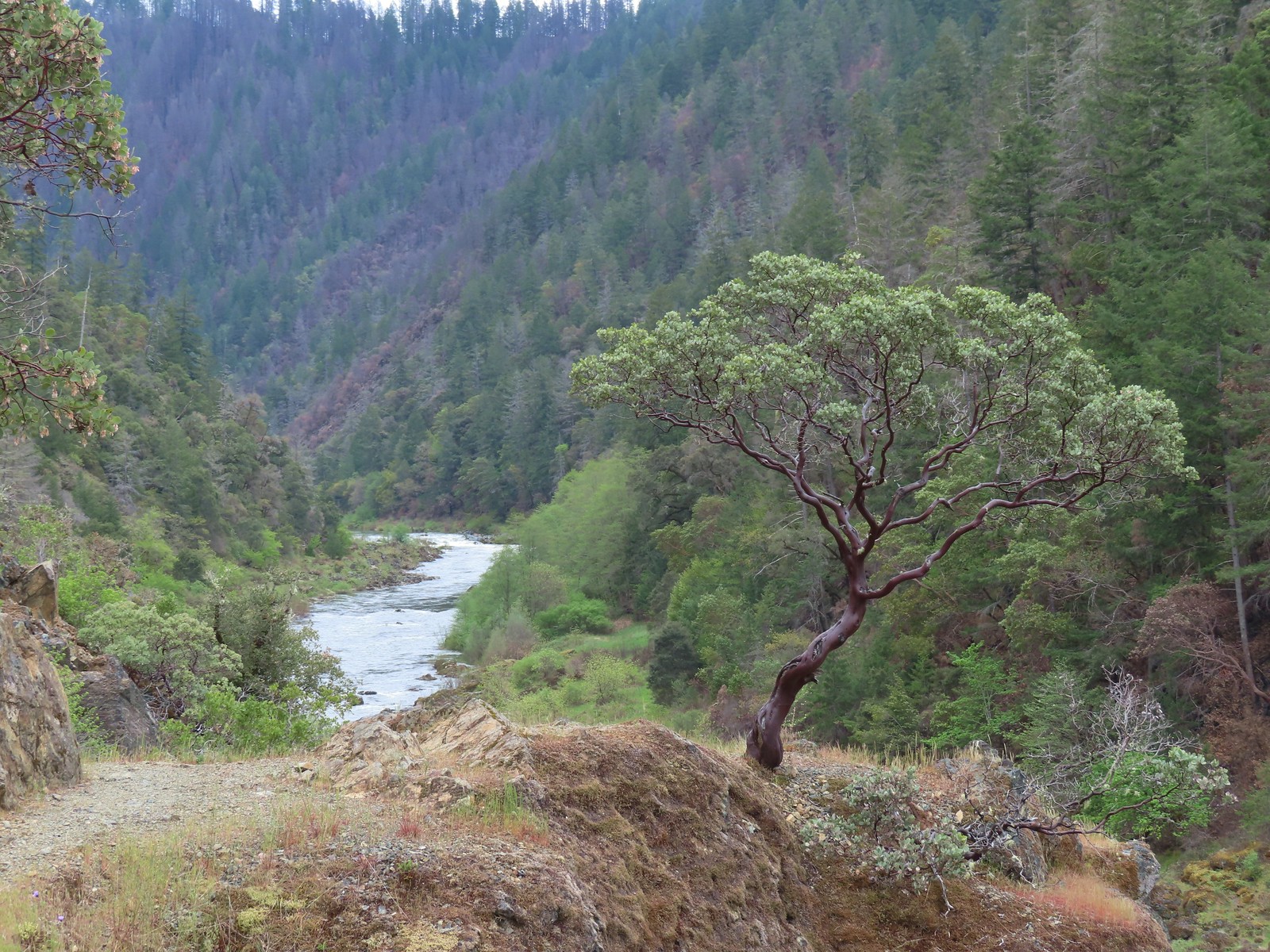 This manzanita was particularly striking in person.
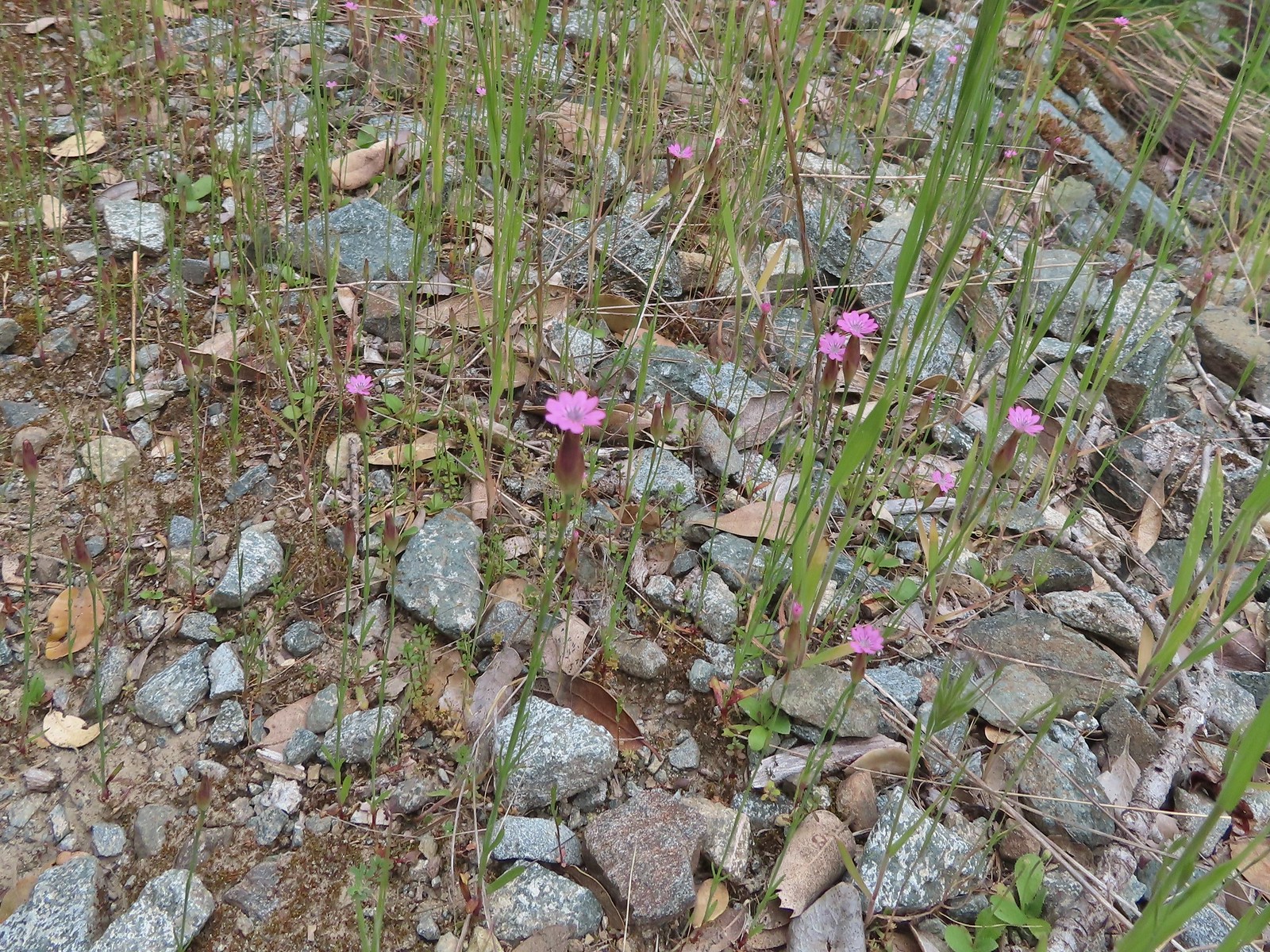 Hairy pink
 Robin
Robin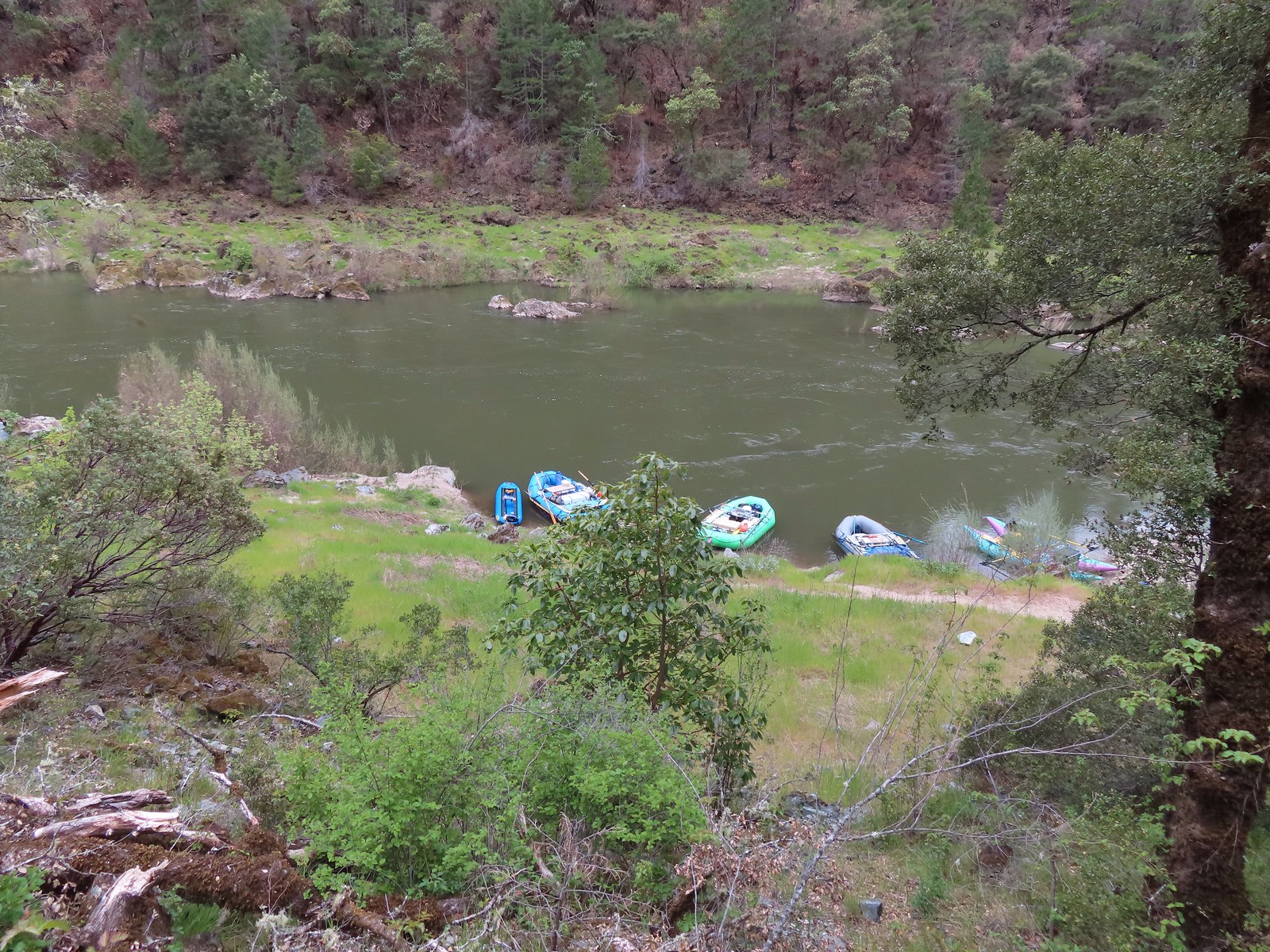 Rafts at Whiskey Camp.
 Whiskey Creek
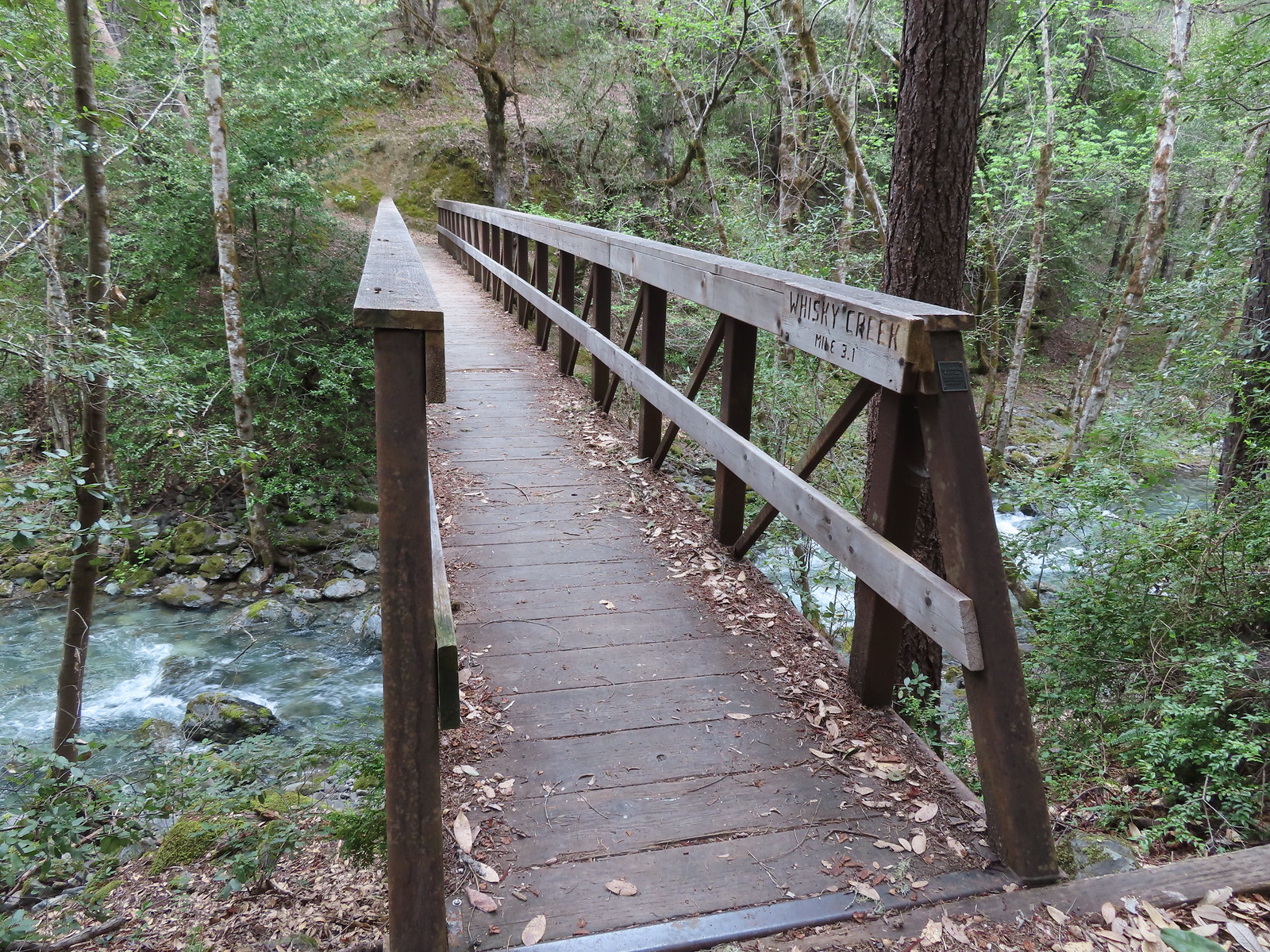 Footbridge over Whiskey Creek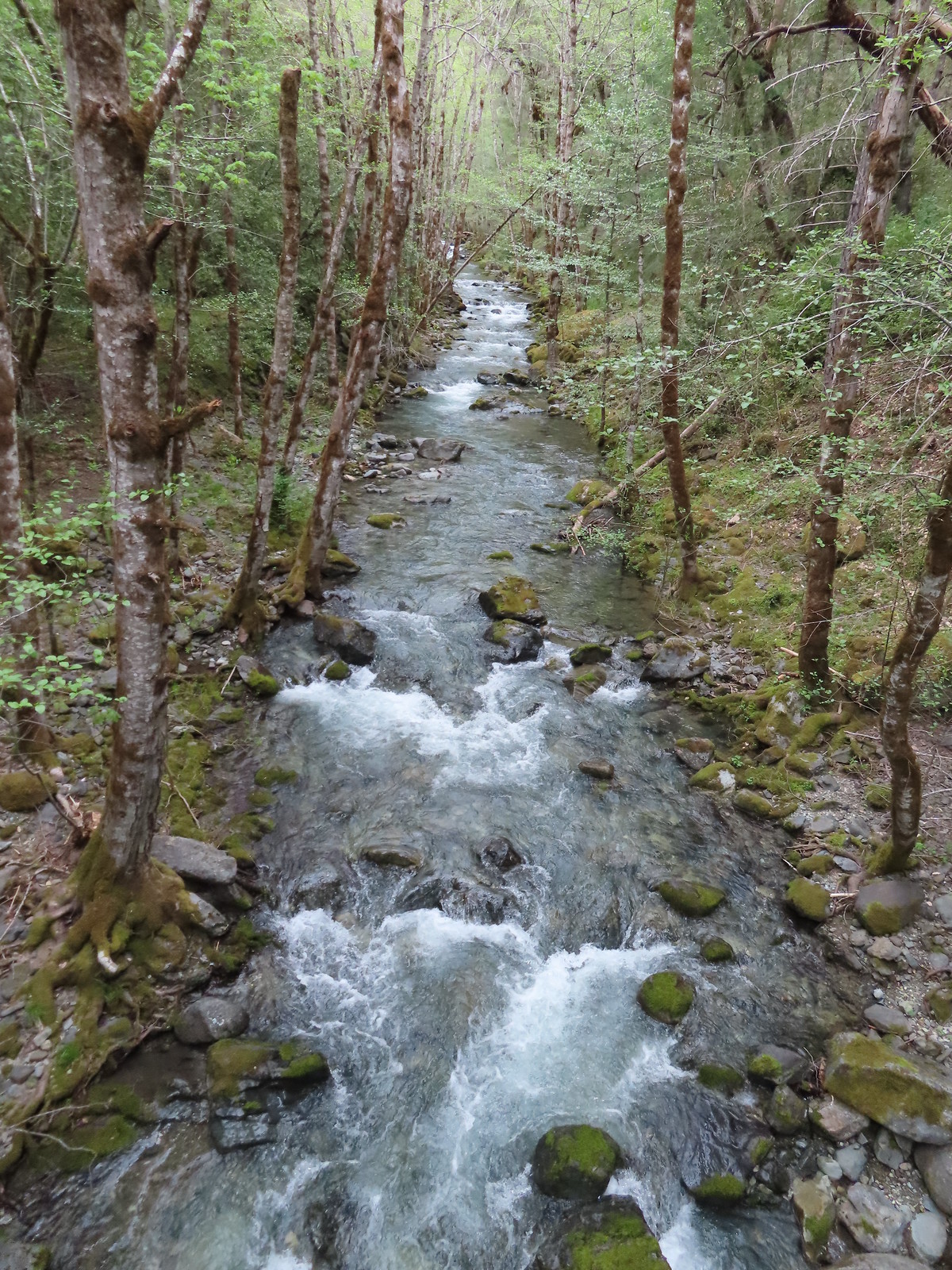
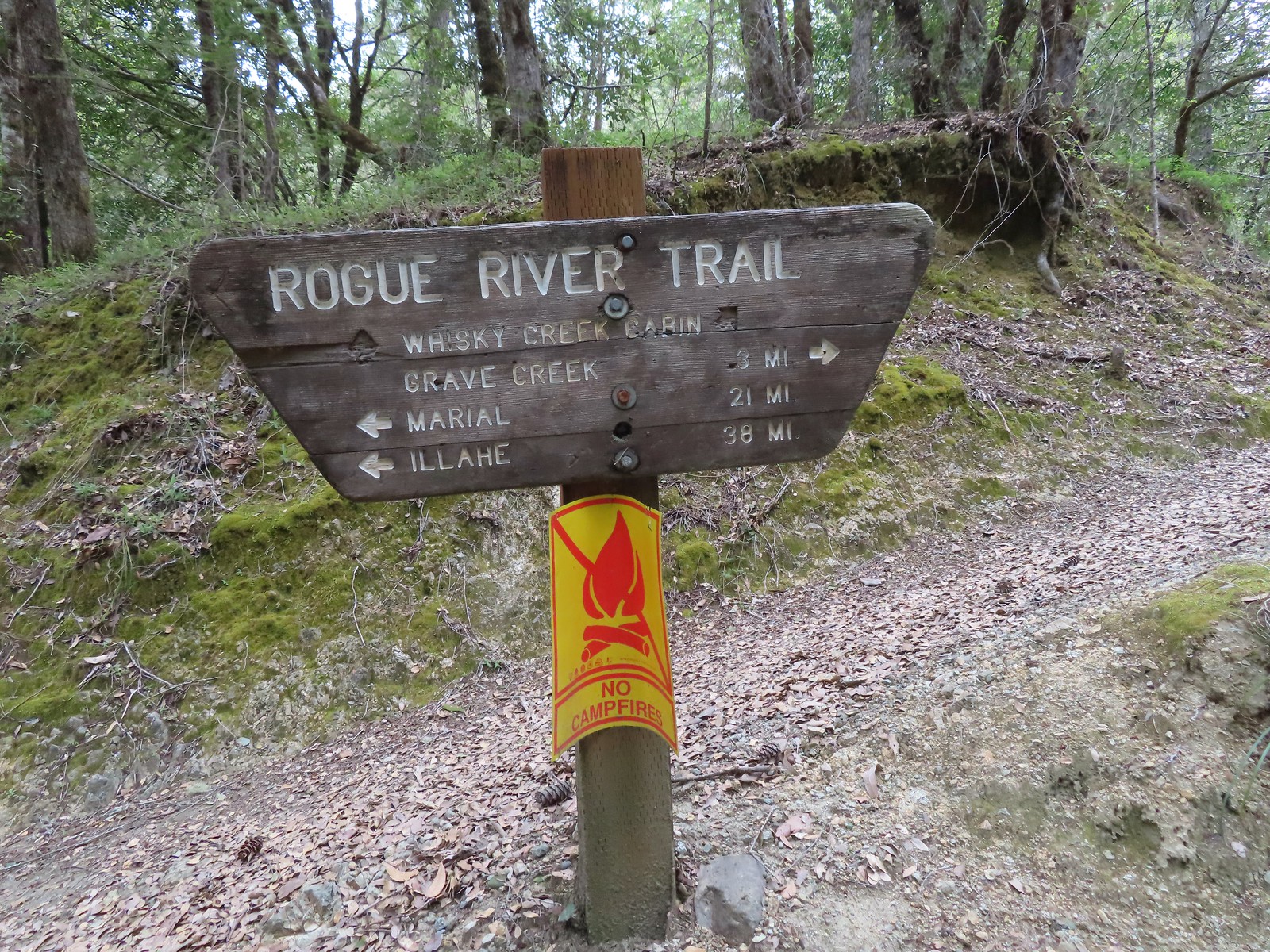 Sign at the spur trail to the cabin.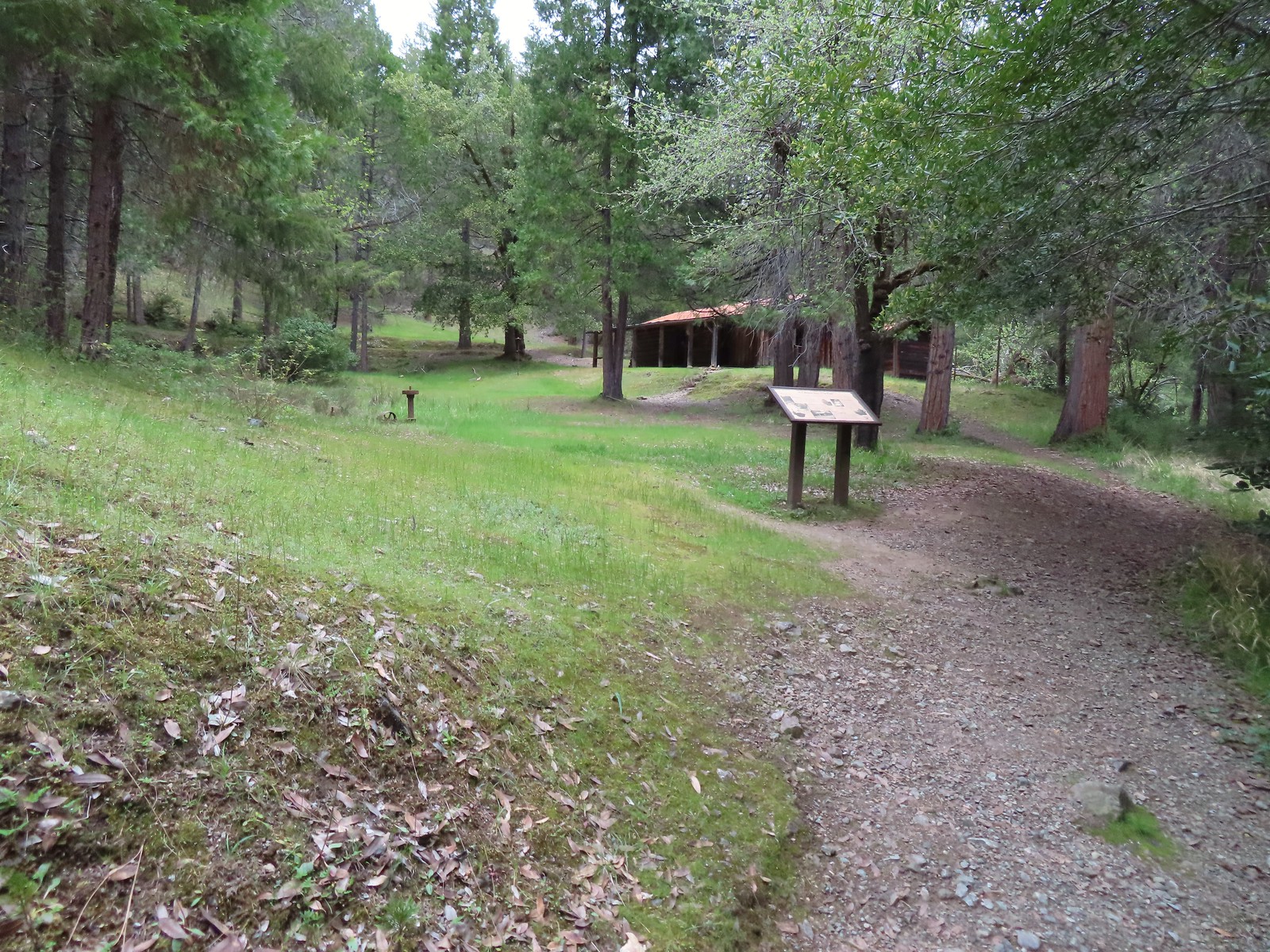
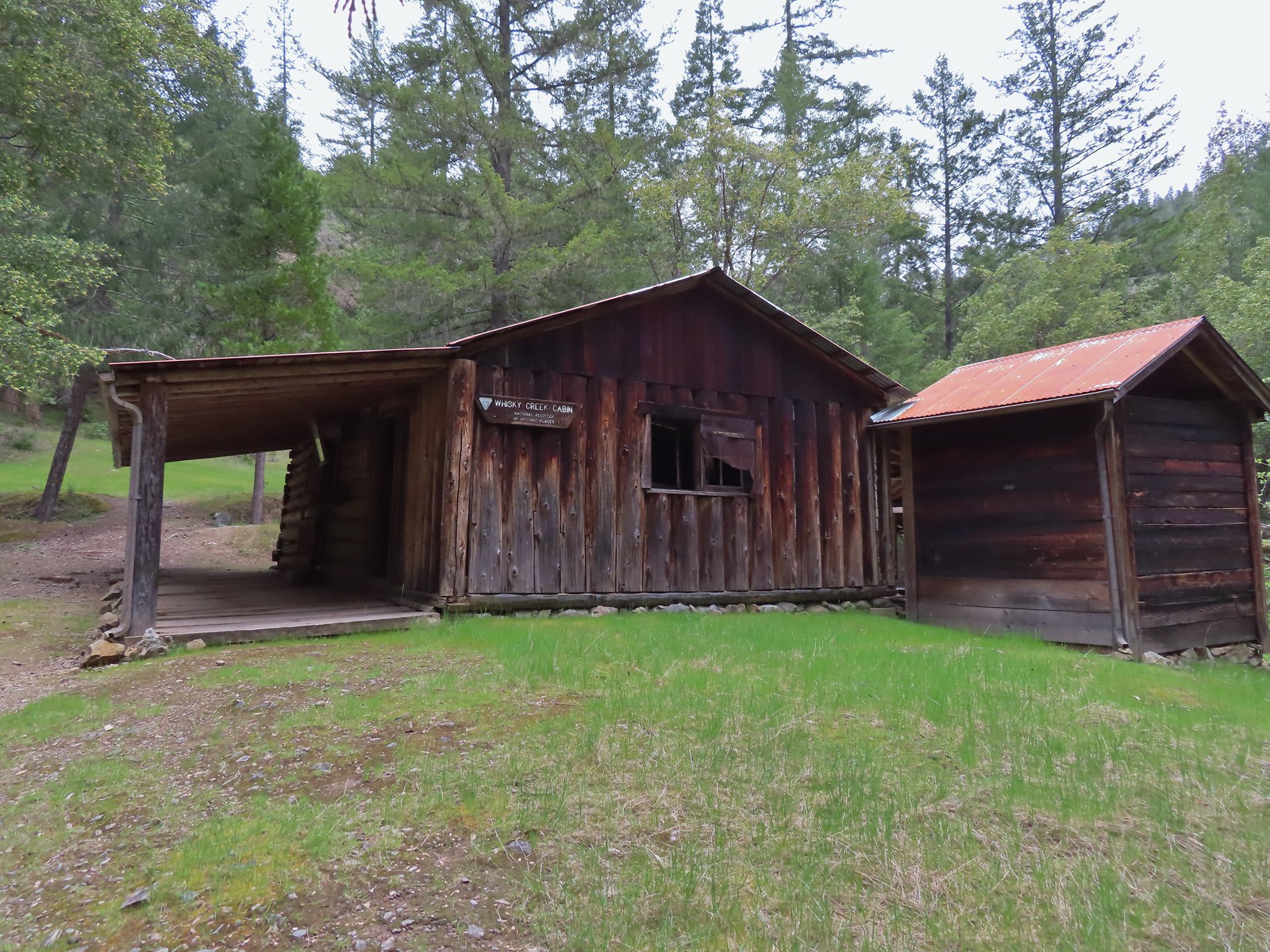


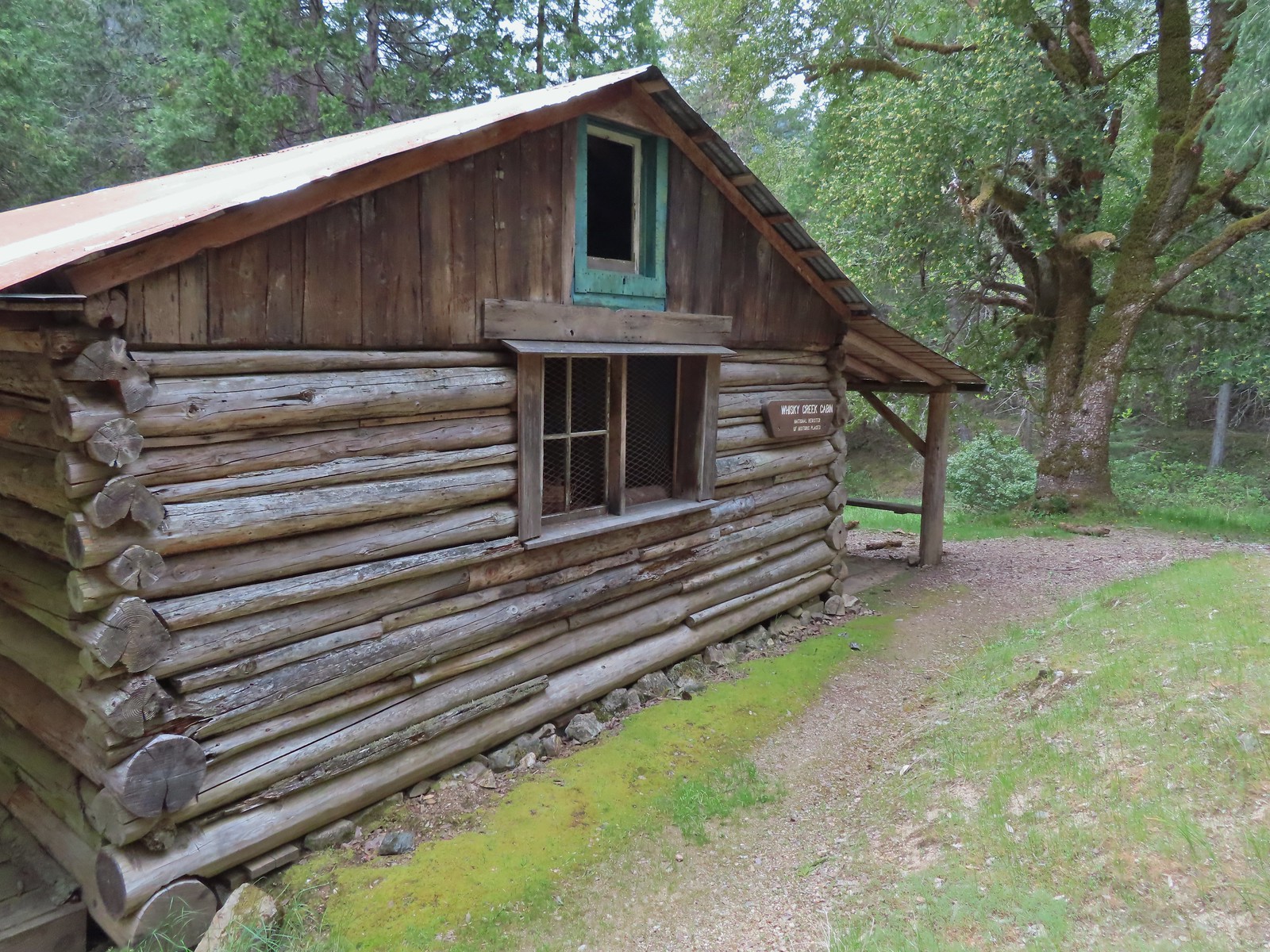
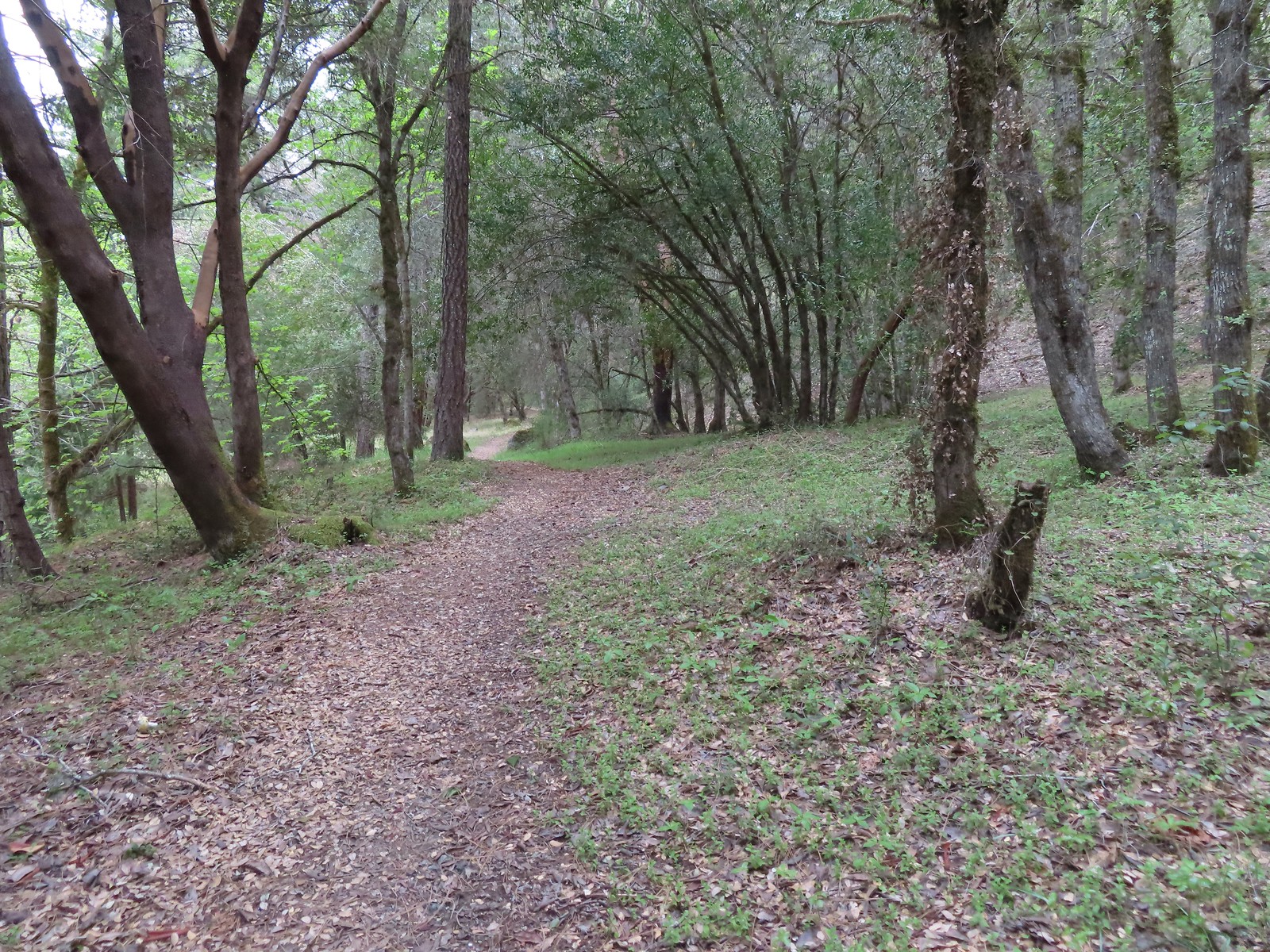
 Del Norte irises
 Big Slide Camp to the left.
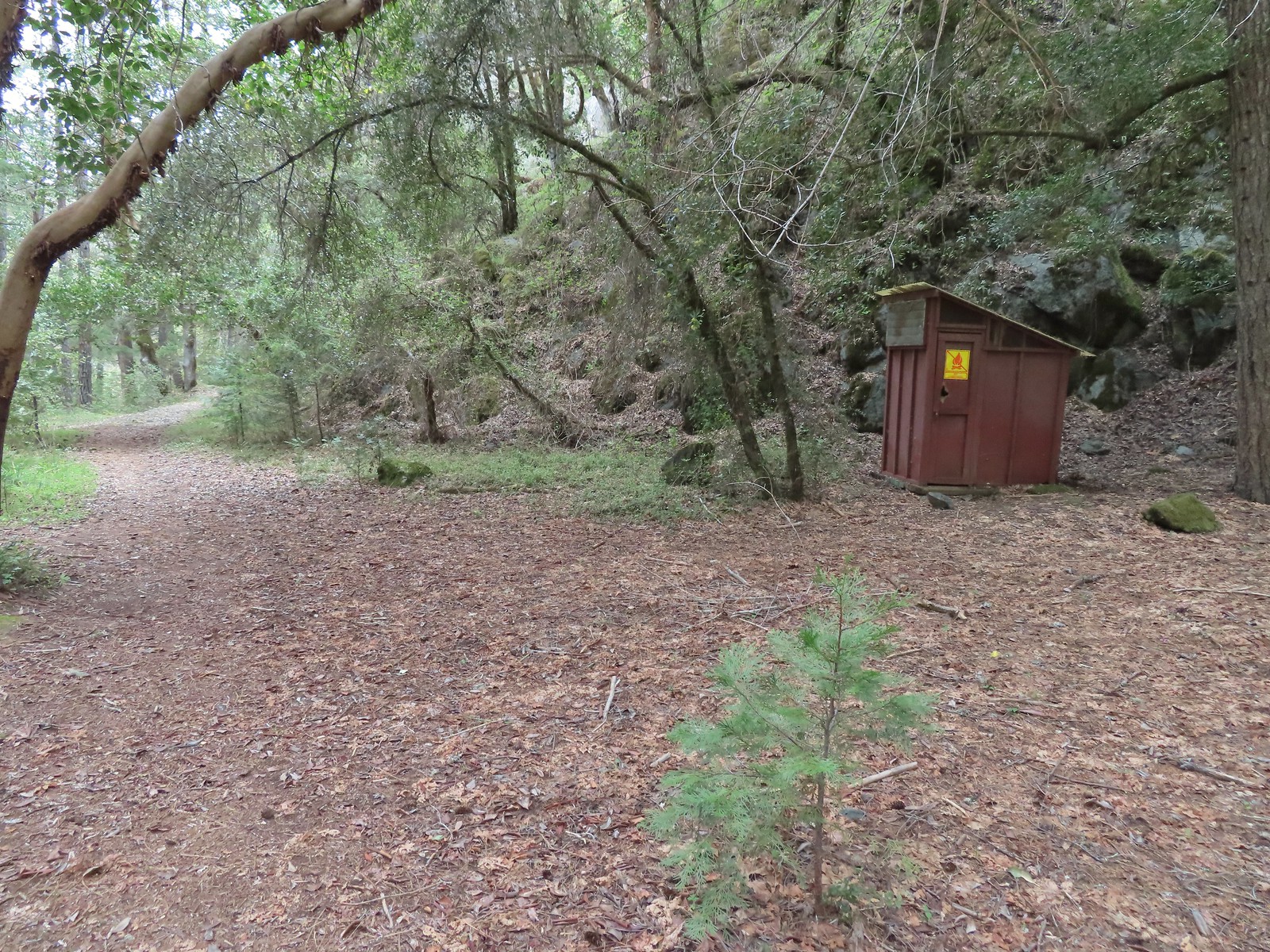 Outhouse at Big Slide Camp.
 Common mergansers
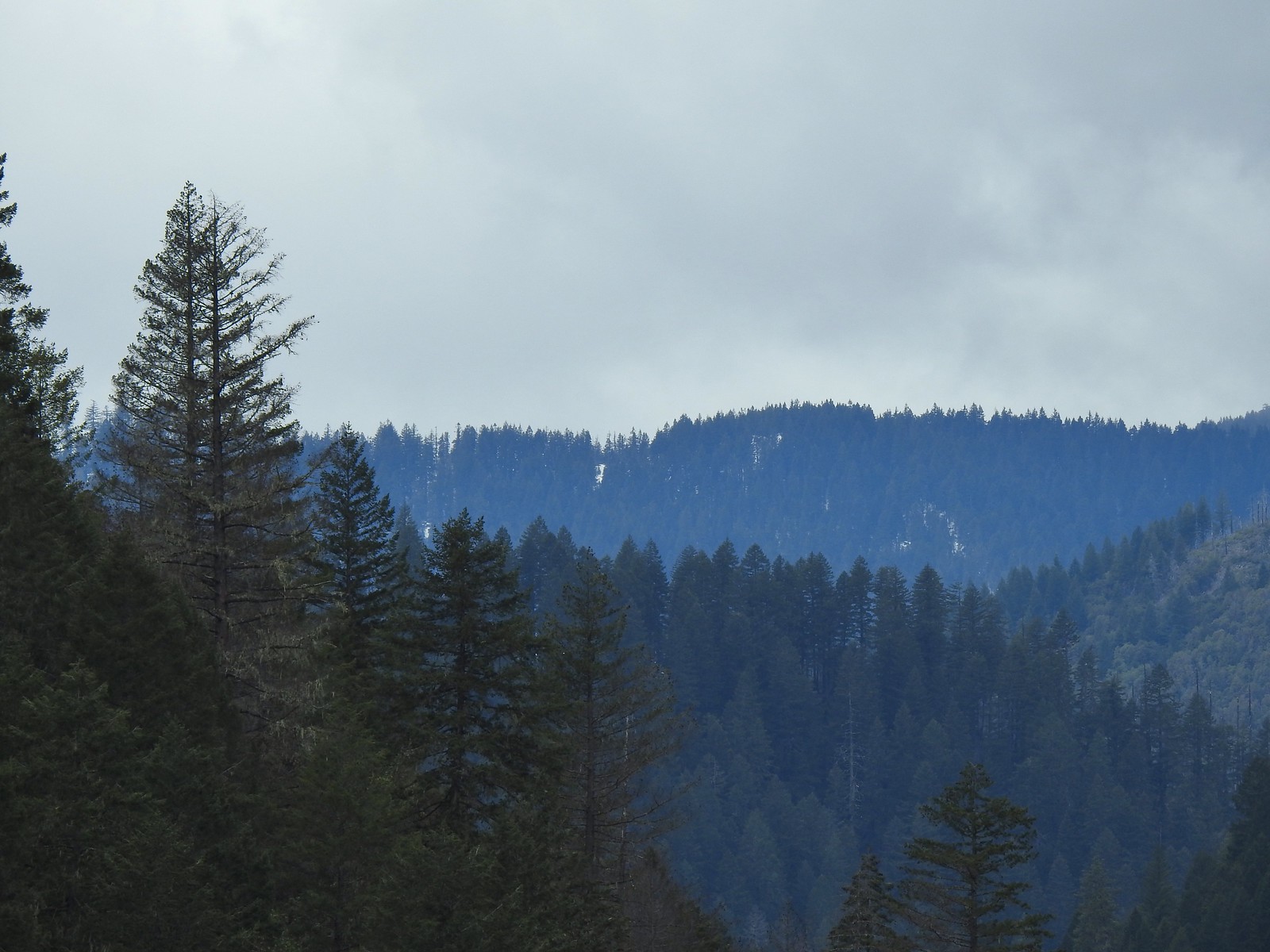 Snow on a ridge above the Rogue River Valley. (This was a sign of issues for us later in the week.)
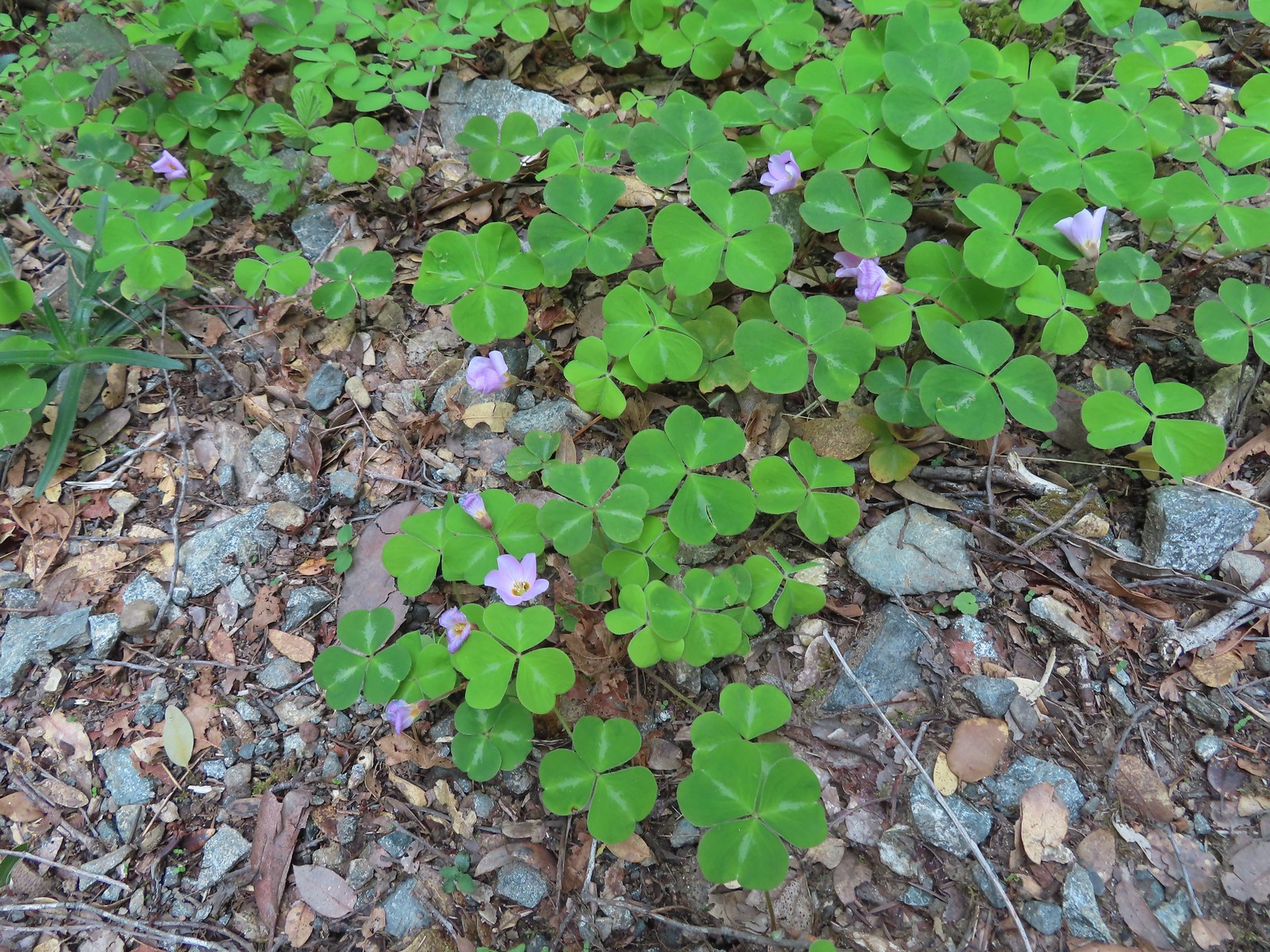 Redwood sorrel along Whiskey Creek.
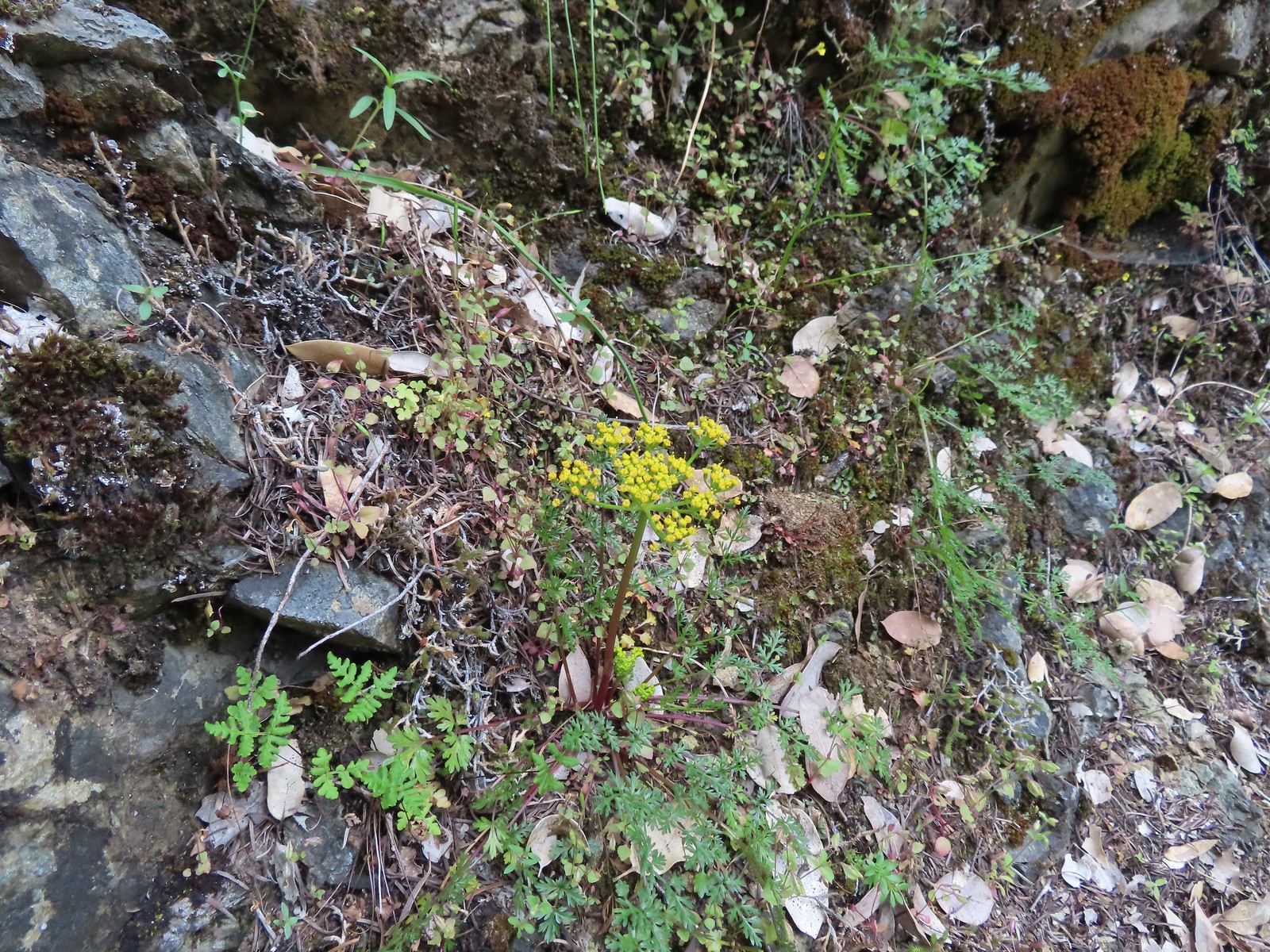 Buiscuitroot
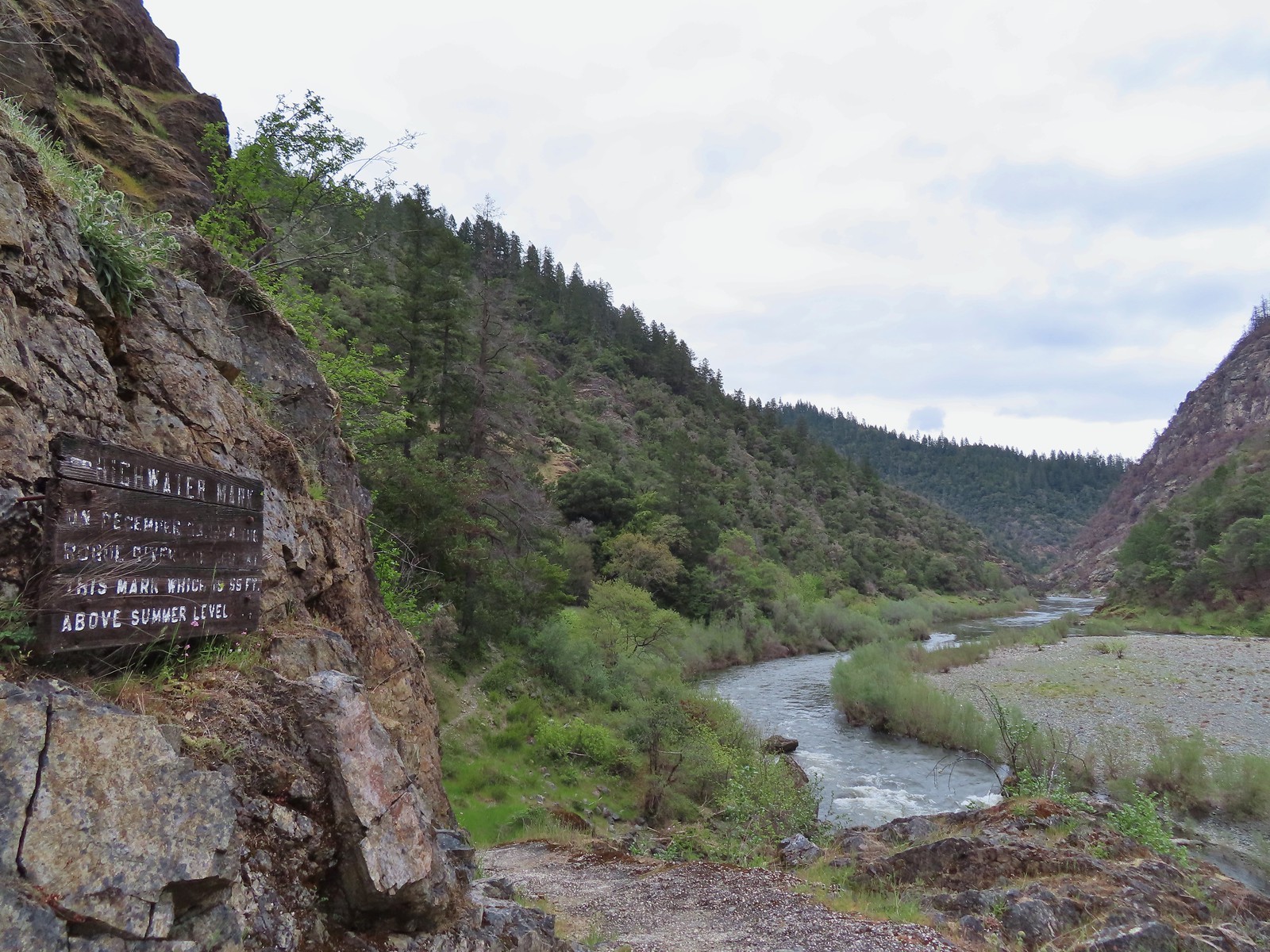 Passing the high water mark.
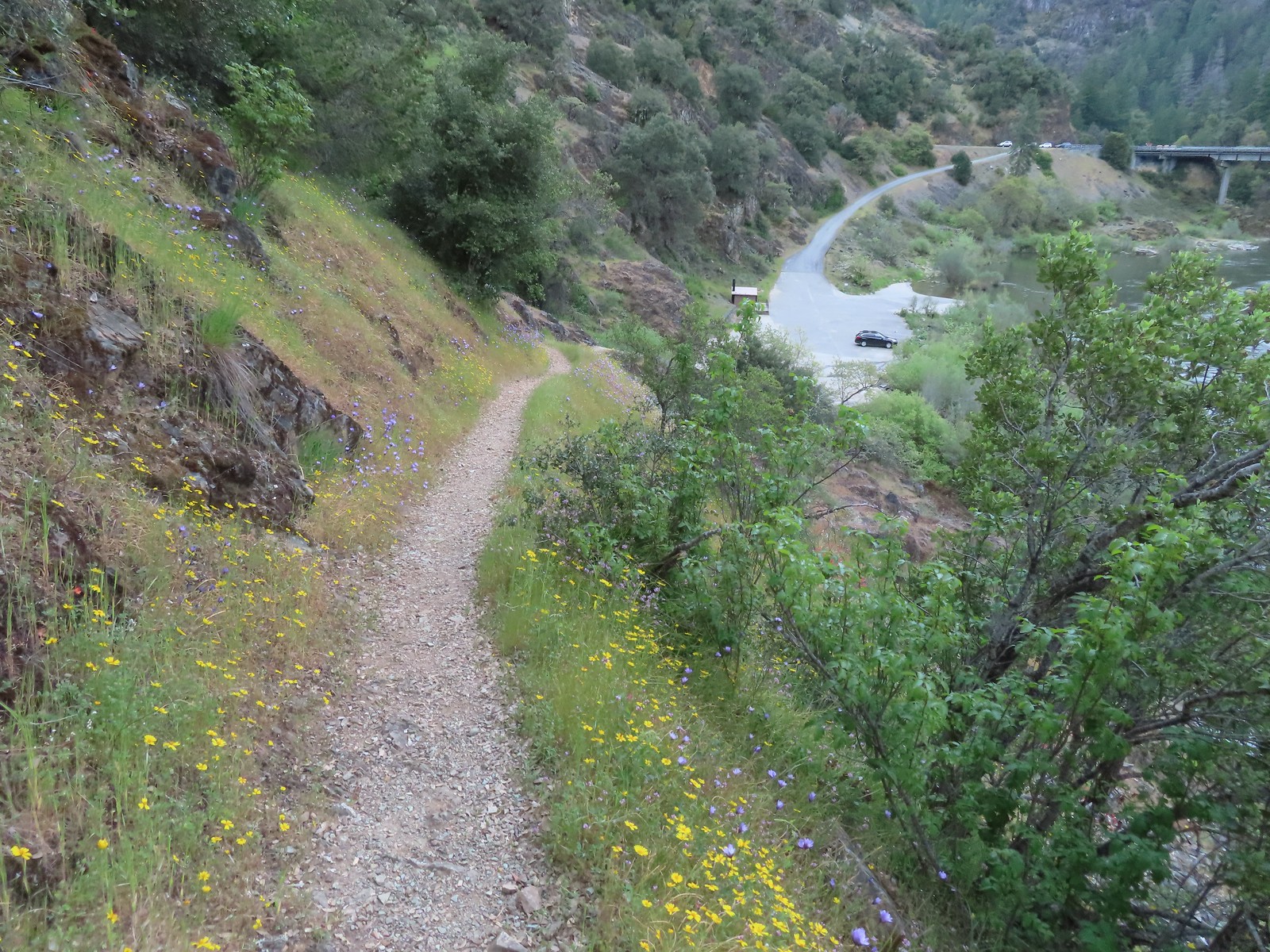 Arriving back at the trailhead.