We had decided to make 3/15 (Sunday) the day for our March hike to take advantage of a clear, albeit cold, forecast and to get it in before COVID-19 becomes any larger an issue. We started our day by visiting Miller Woods, a conservation area maintained by the Yamhill Soil & Water Conservation District. The 130 acre property was donated to the district in 2004 and is open from dawn to dusk for hiking (no pets). Although there is no fee, donations are welcome and can be made online (the option we used). These donations appear to be put to good use based on the amount of obvious work that has been put into the area.
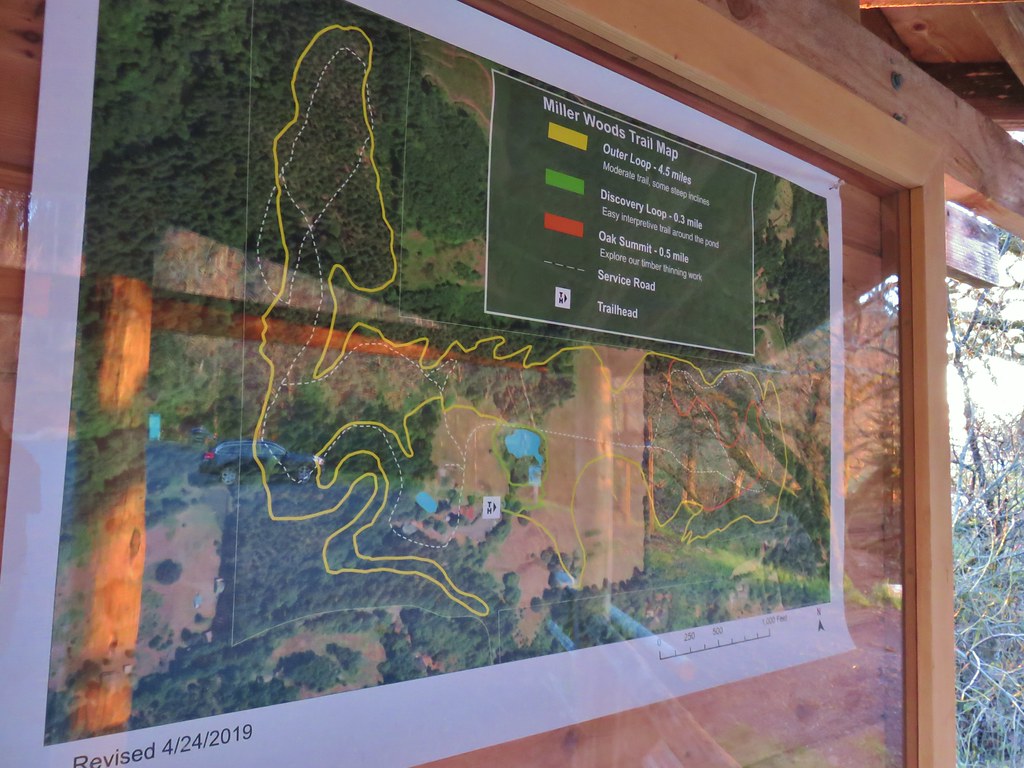
As hard as it may be to believe we were the first car in the parking lot. After stopping at the information kiosk (laminated maps were available) we set off on the Outer Loop Trail planning on going counter-clockwise around the approximately 4.5 mile loop.

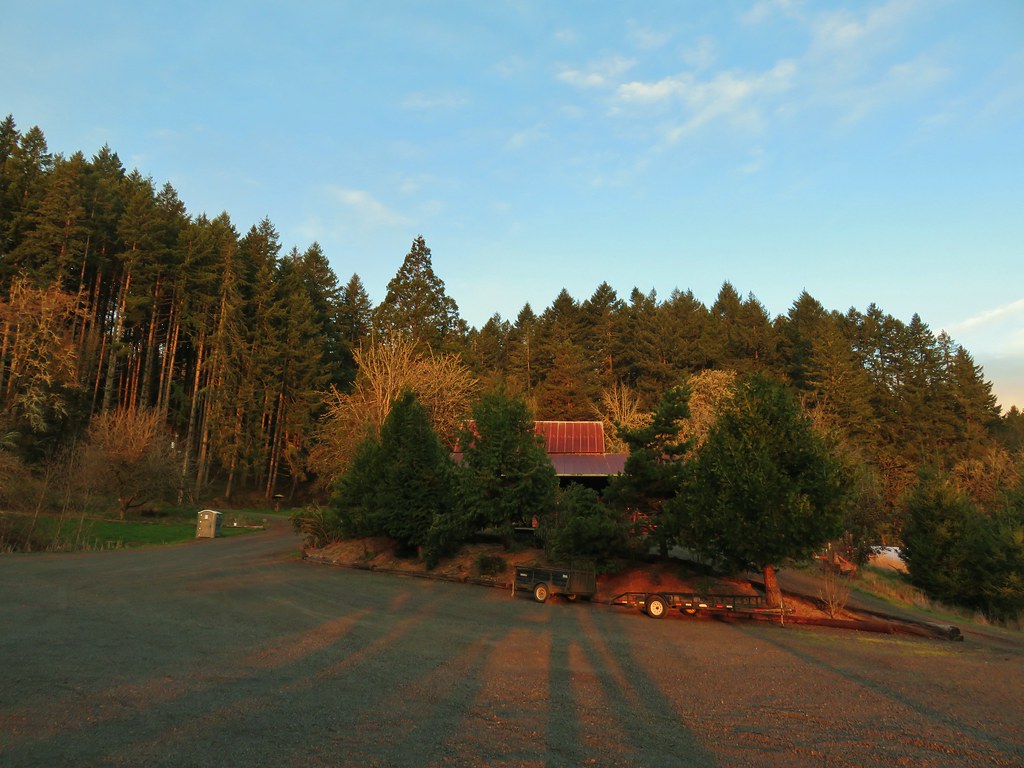

Part of the work being done at Miller Woods is Oak Savanna restoration, which is what most of the Willamette Valley was made up of prior to development.


After passing some of the restoration work the trail entered a forest of Douglas firs.


We had our first covering of snow at our house when we awoke on Saturday and the near freezing temperatures had our hands stinging by the time we had made it to the trees but in the forest we were reminded that Spring is on the way as we began to notice several of the early wildflower varieties.
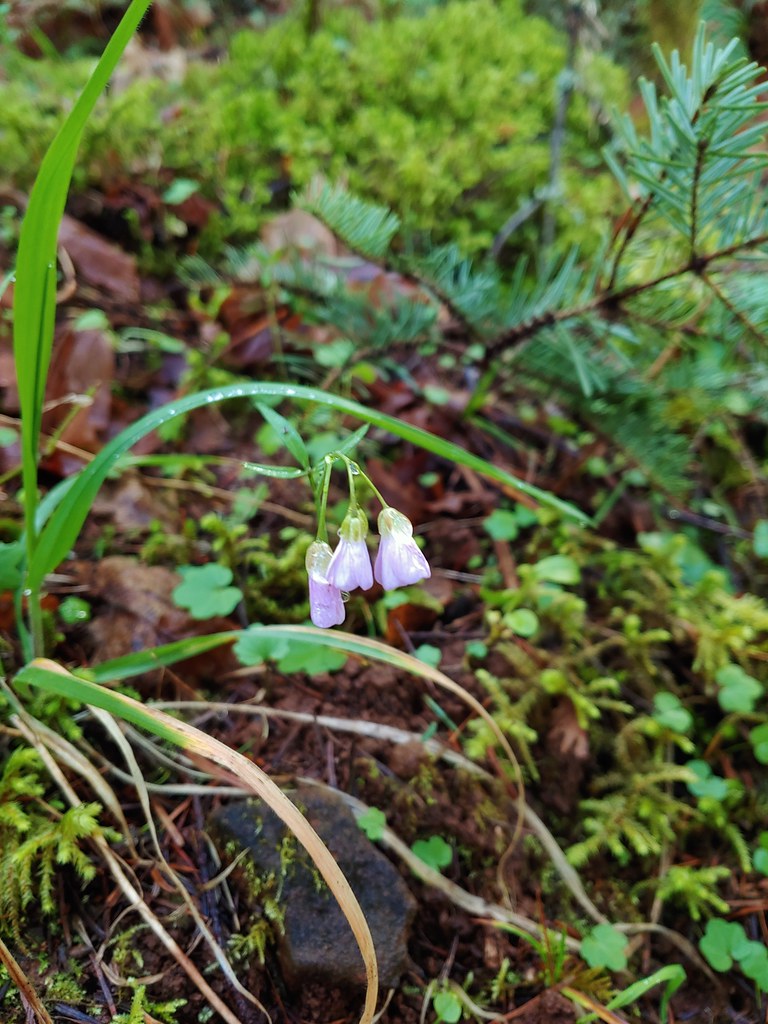 Slender toothwort
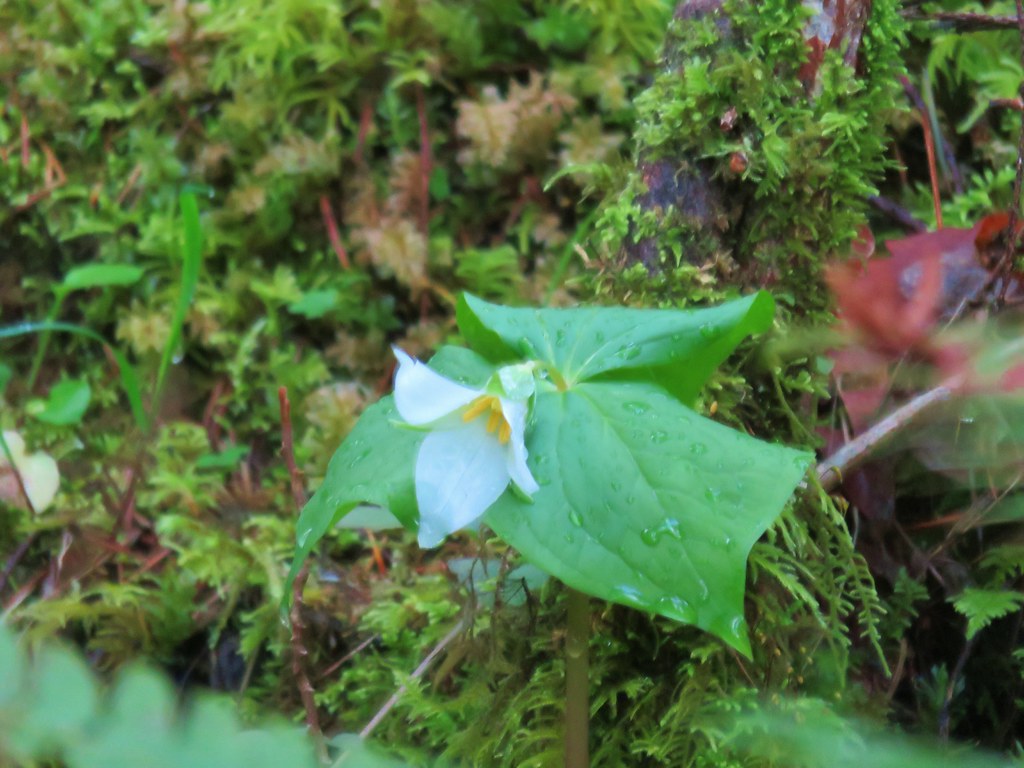 Trillium
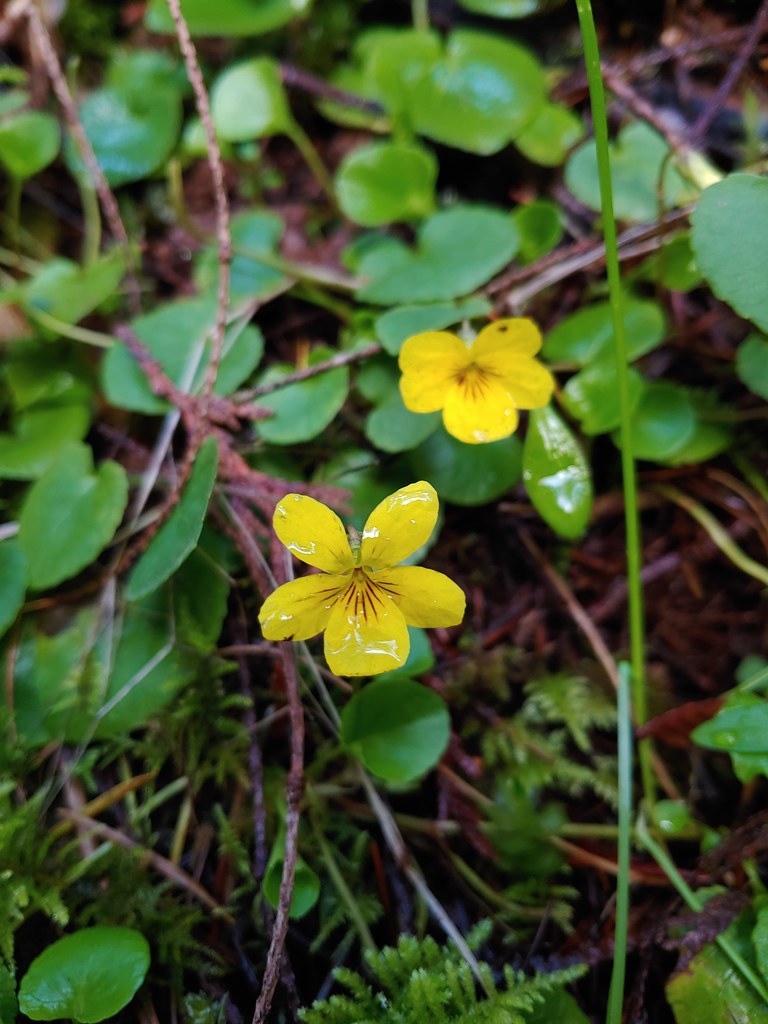 Violets
The trail wound around a hillside above Berry Creek before looping back toward the old farm fields.

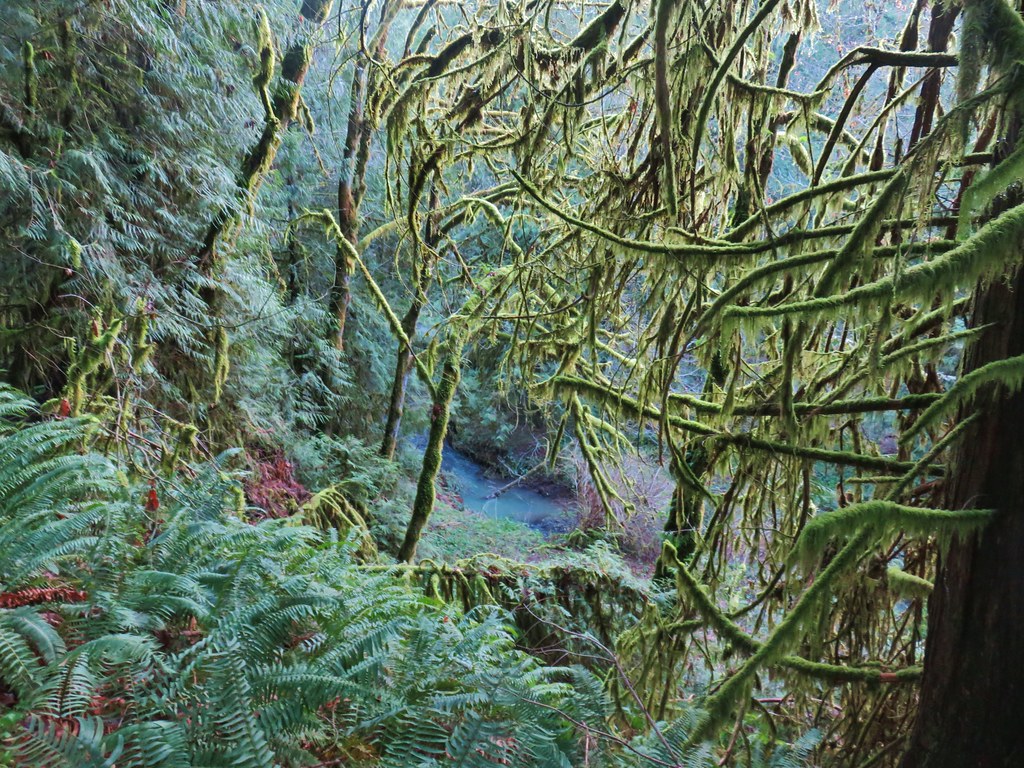 Berry Creek
 Bird’s nest that Heather spotted along the trail.

After briefly passing through the edge of the field the trail reentered the forest after crossing an outlet stream from a pond.
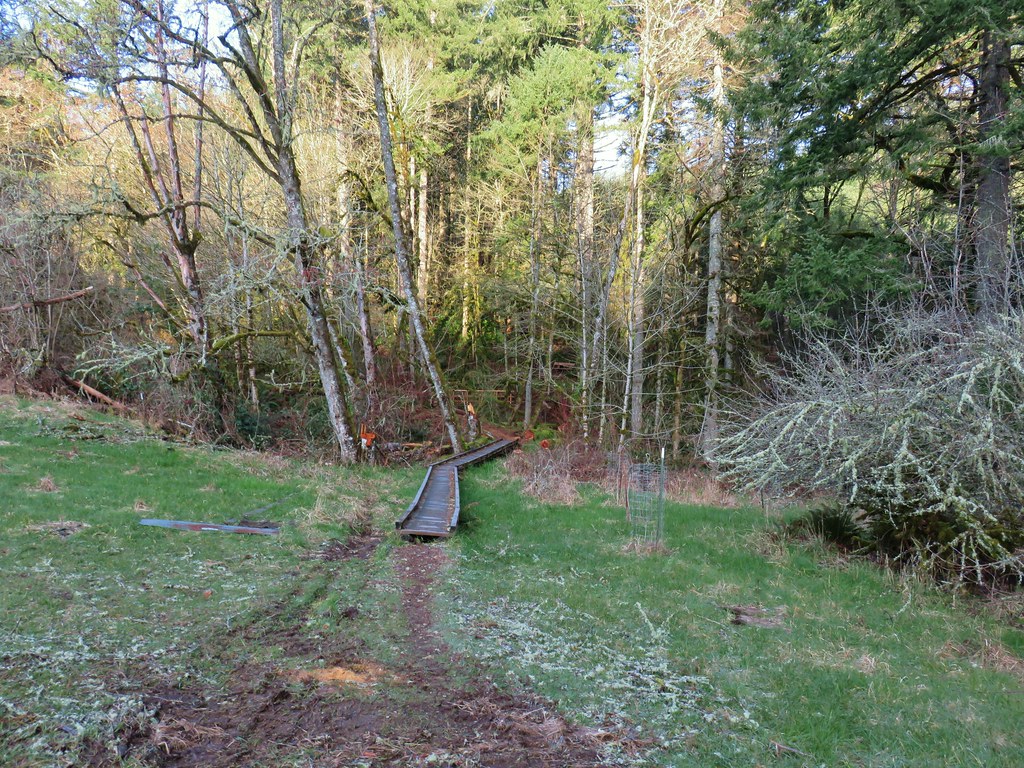

A shorter loop was possible here by taking the green Discovery Loop back to the parking area.

We stuck to the Outer Loop though and began a gradual climb to the loop’s high point at the 600′ K.T. Summit. As we were climbing we spotted what we thought was a pair of deer (it turned out to be three).
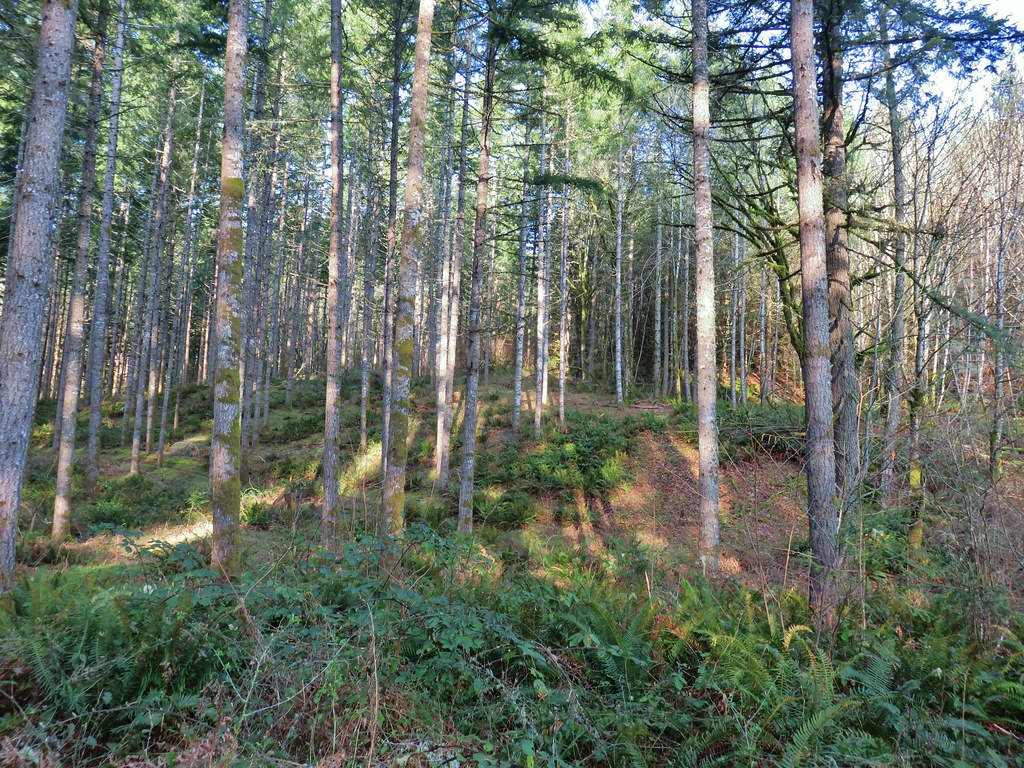 The first deer we spotted (up near the top of the hill at center).
 Zoomed in shot of the second deer at upper left.
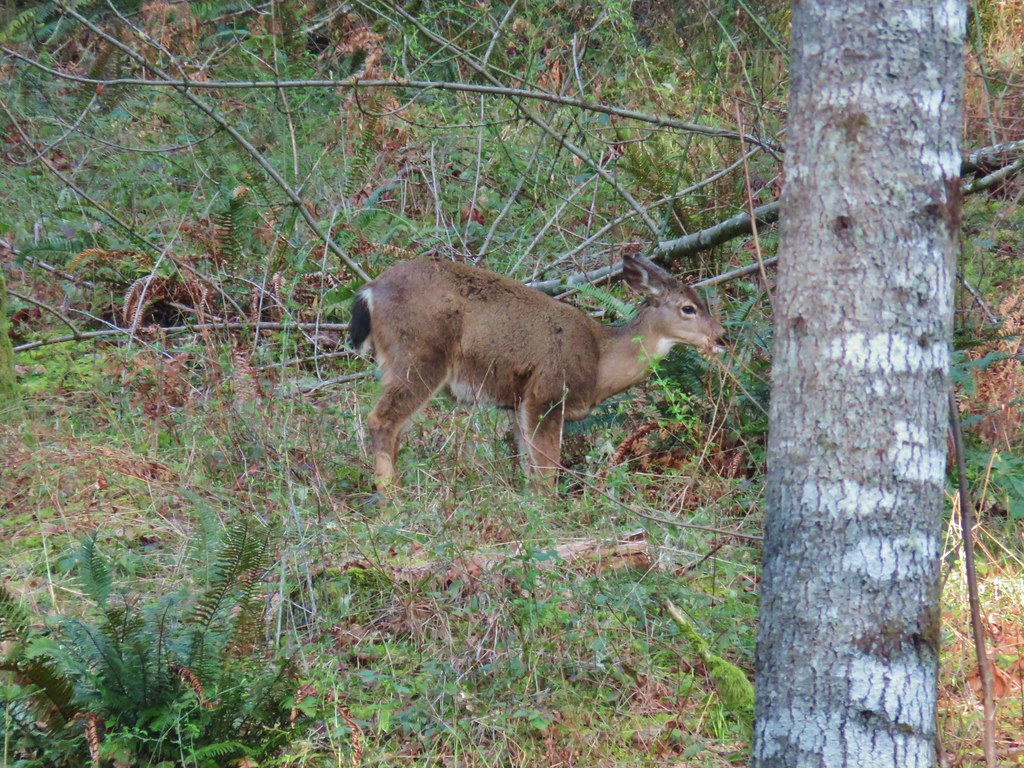 First deer again.
The trail zigzagged up the hill and wound up taking us right past the deer who seemed less than worried about us.
 First deer crossing the trail ahead of us.
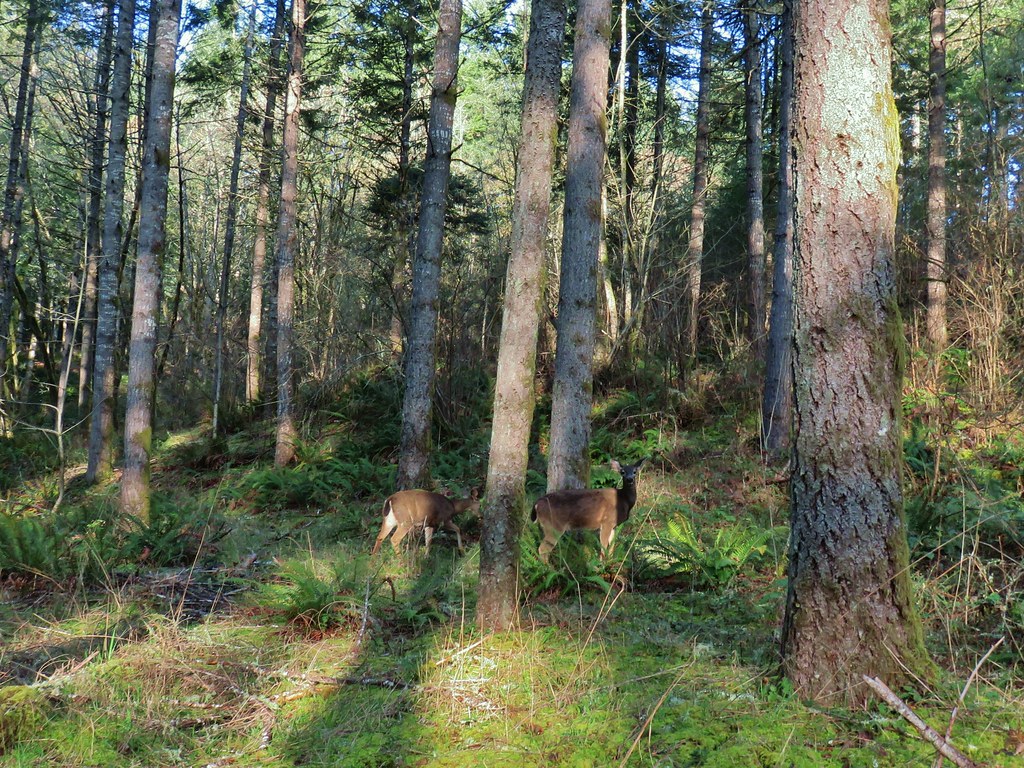 The second and third deer watching us pass.
After passing the deer we also passed a memorial to the Miller’s who had donated the property.


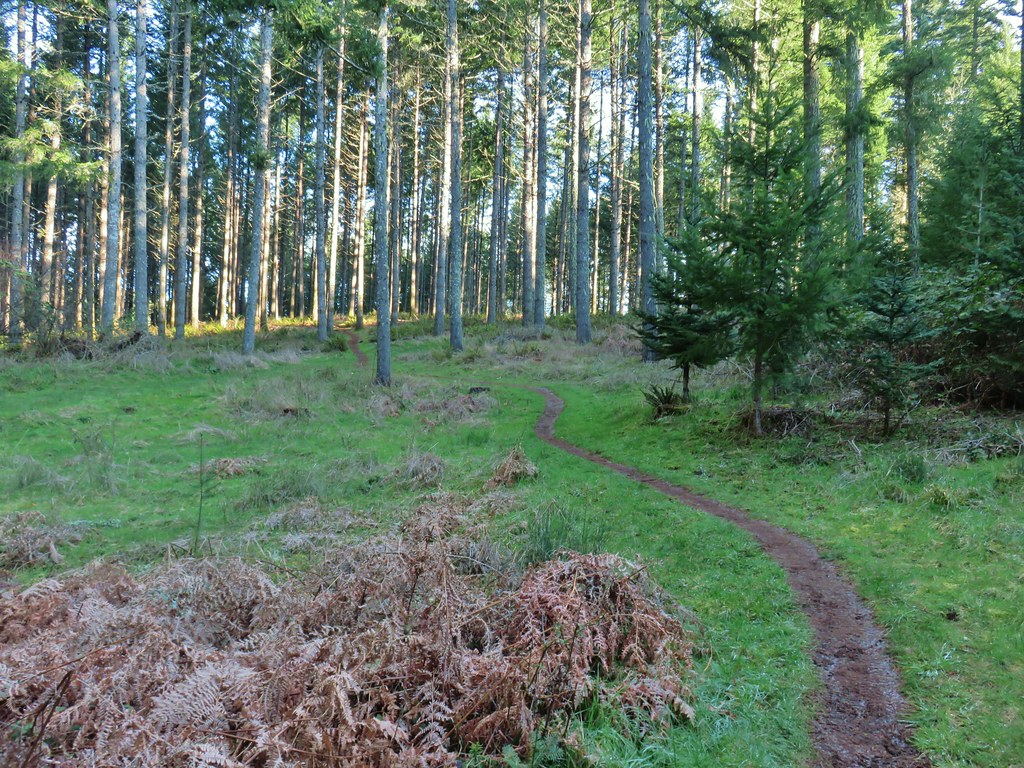
The summit was marked by a sign and a bench but lacked a view.

Beyond the summit the trail began to descend back down to the fields. The forest here was a little more mature and we spotted another early wildflower getting ready for Spring when we noticed a fairy slipper emerging from some green moss.
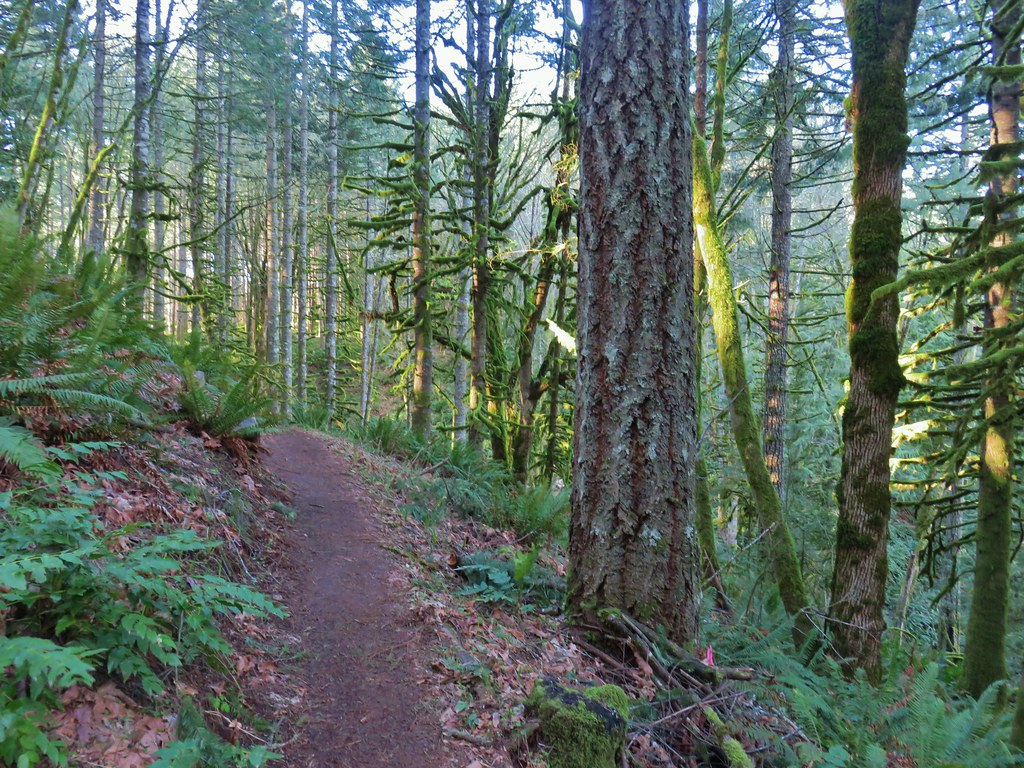
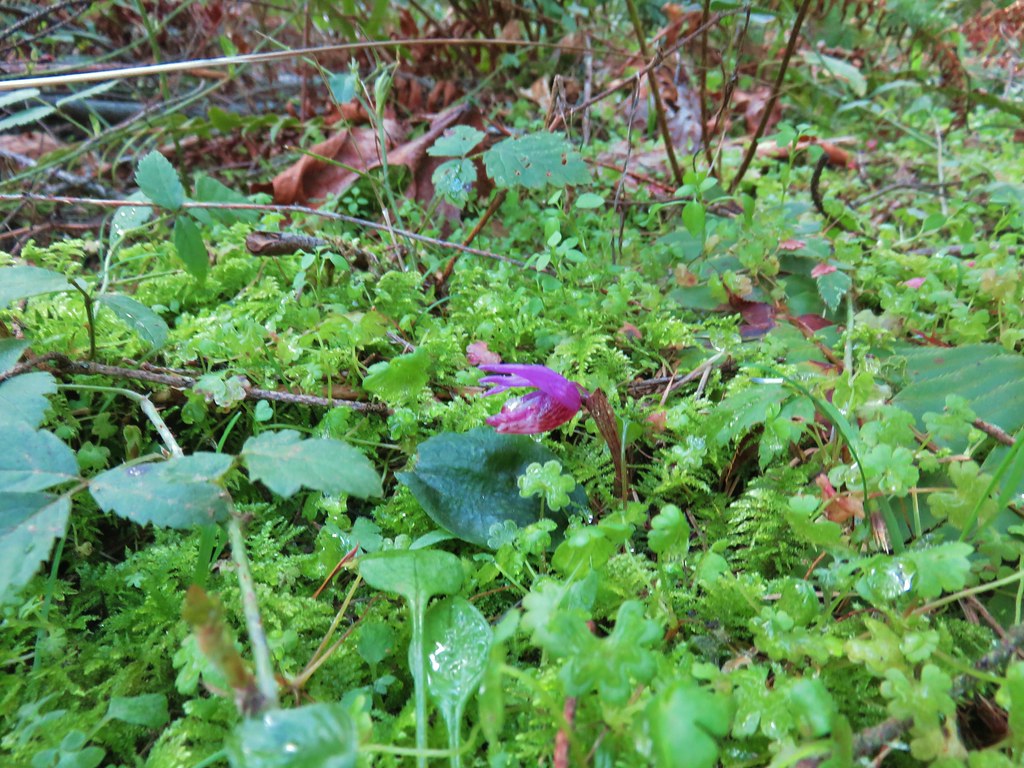
We also noticed a little dusting of snow left on a few leaves and stumps.

The trail wound down to a crossing of the pond’s inlet creek where some skunk cabbage was putting on a nice display.
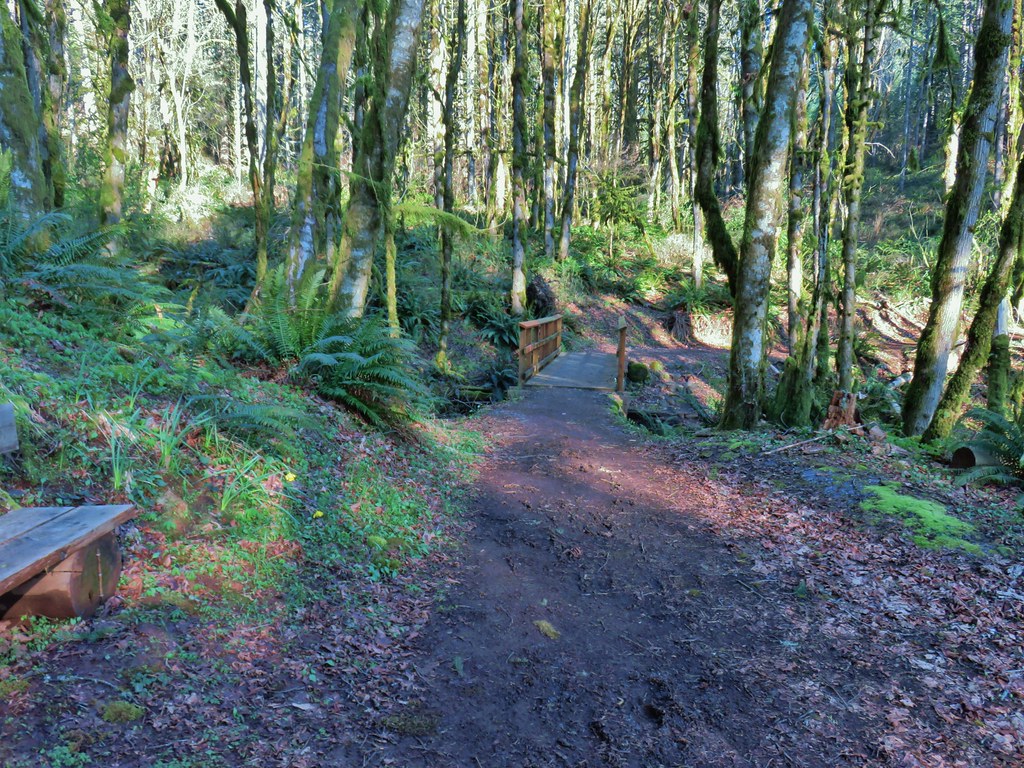

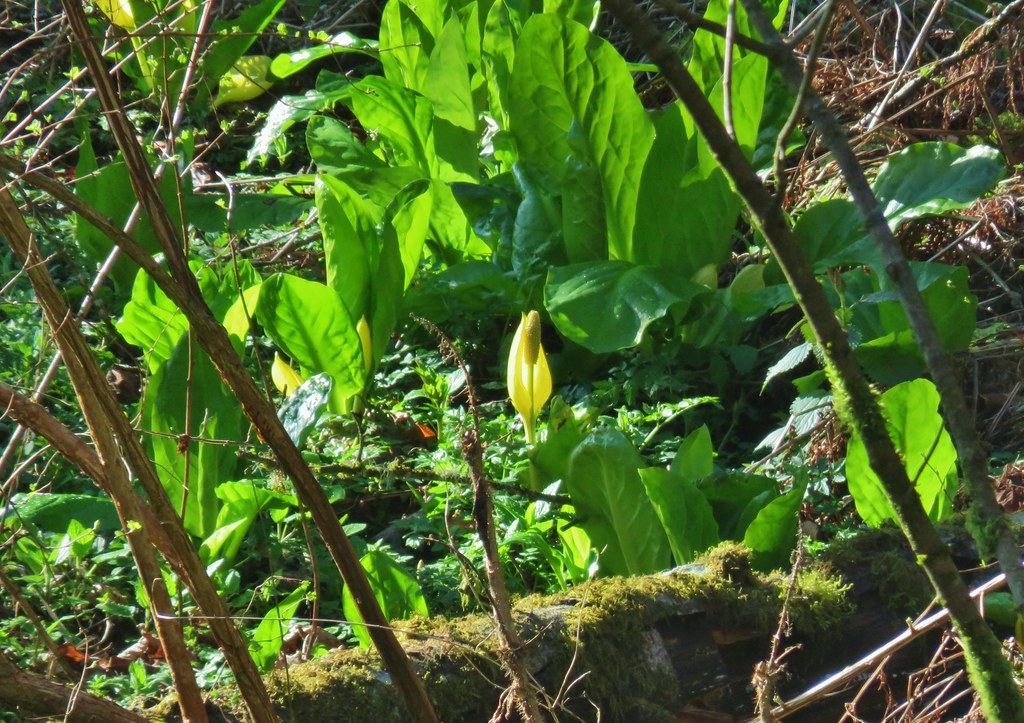
We emerged from the forest and followed the trail to the pond where the trail split. We went left passing the pond on our right and made our way back to the trailhead.

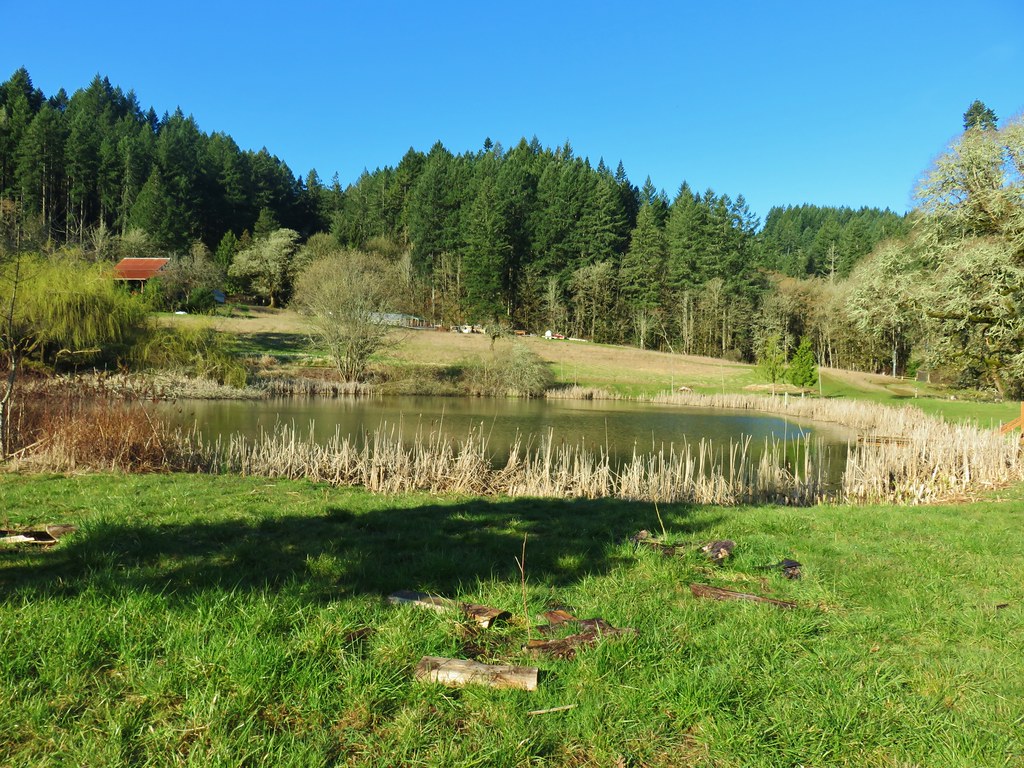
 The area around the pond was popular with the birds.
 There were quite a few robins about.
From Miller Woods it was just a 15-20 minute drive to Our Lady of Guadalupe Trappist Abbey.
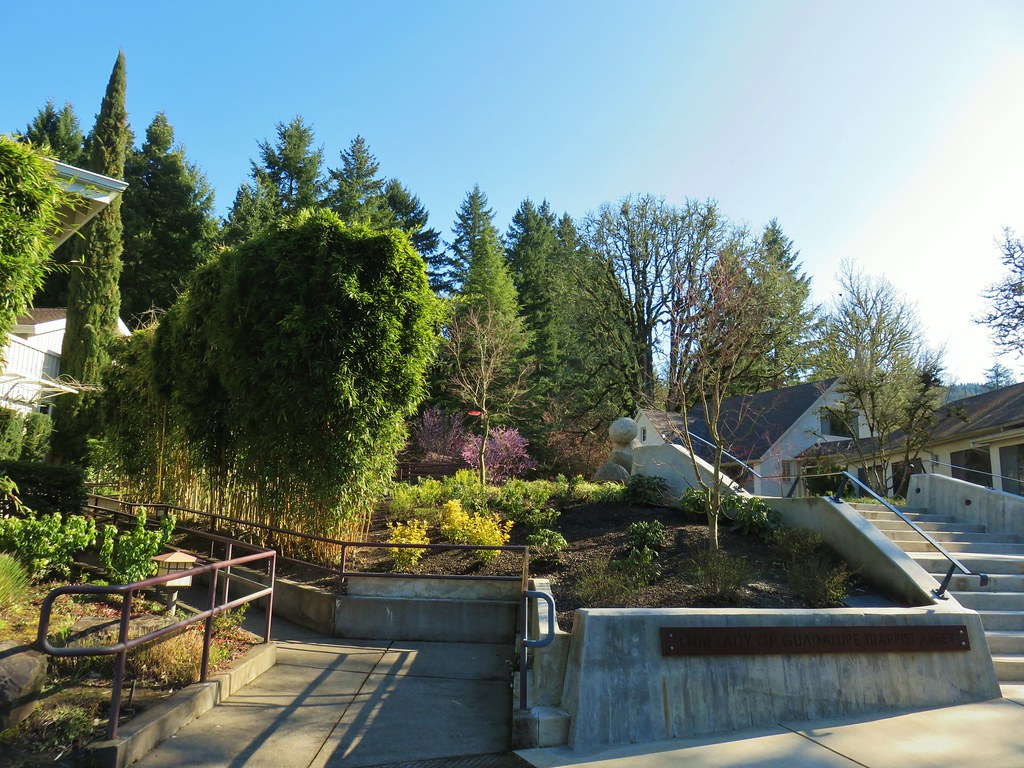
Book binding, a bakery, a wine warehouse and forestry all occur at here and a gift shop sells fruitcakes and honey. Given that “social distancing” is a thing right now we opted not to enter the gift shop or any of the other buildings on this visit and walked through the courtyard to a gravel path leading between two ponds.
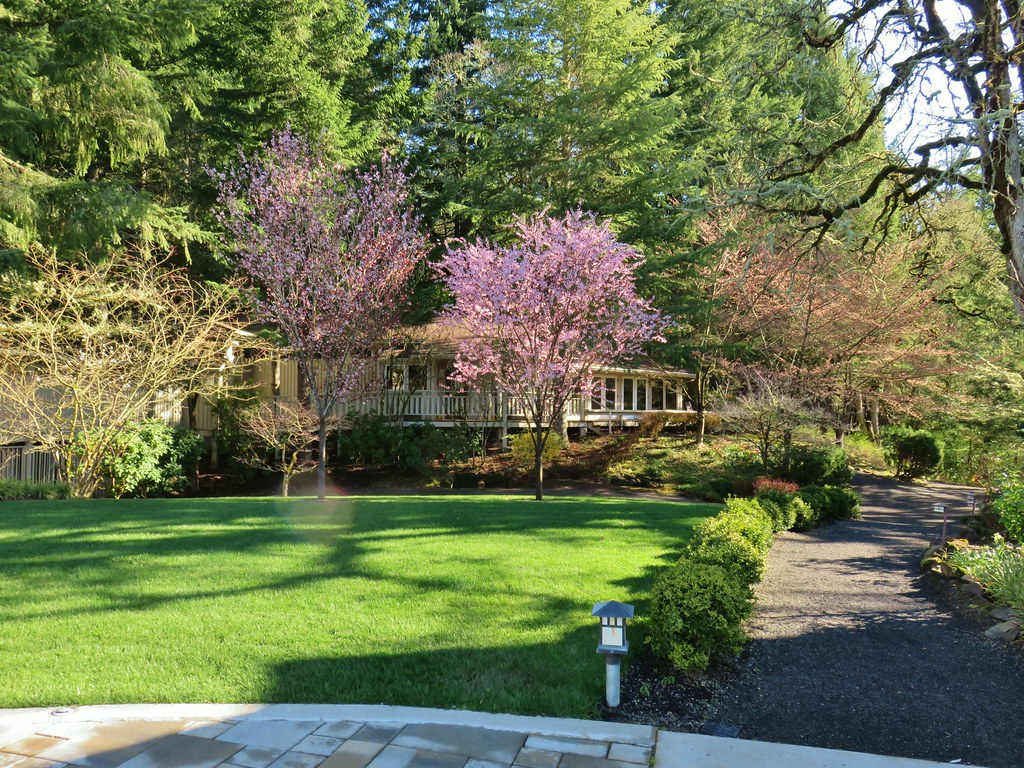
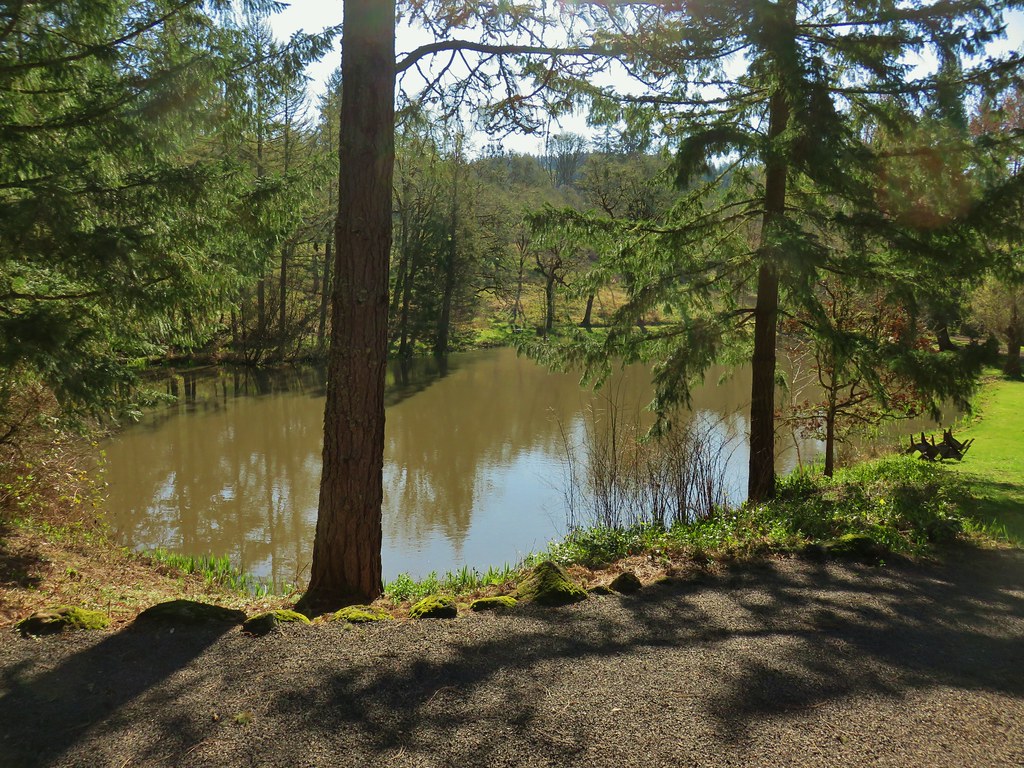 Larger of the two ponds
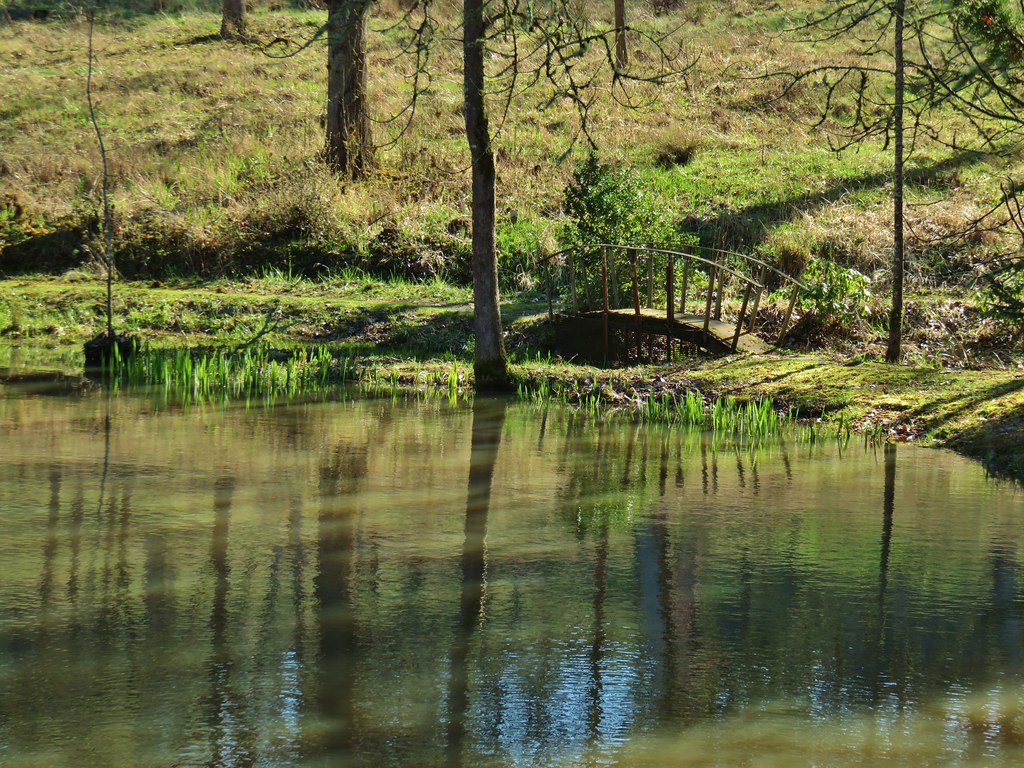 Little footbridge by the large pond
 Smaller pond
Beyond the ponds we turned uphill on an old roadbed.
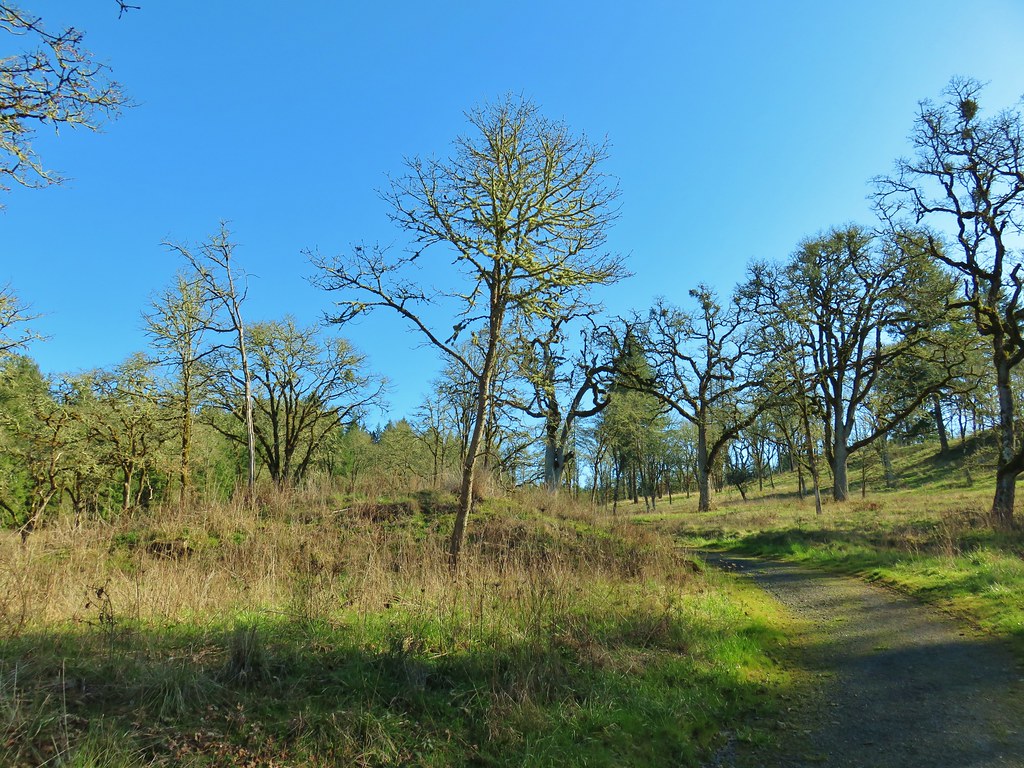
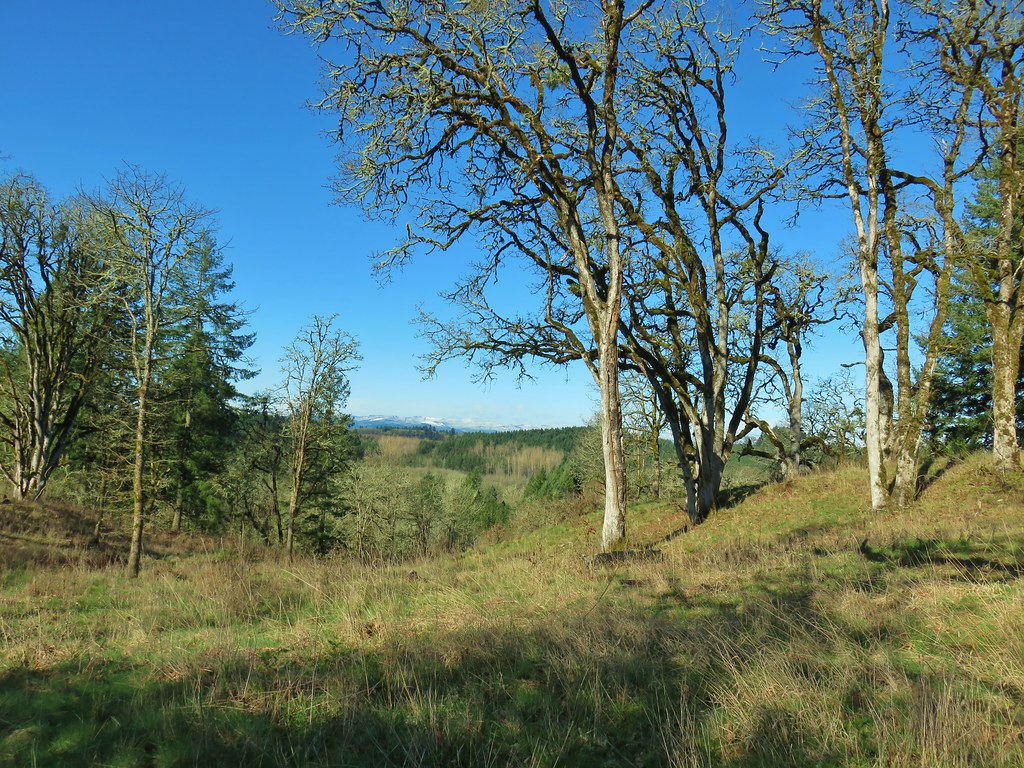
We followed the road as it climbed up a tree thined hillside gaining views to the west of the snow covered coastal range.
 We ignored the signed trails sticking to the road which was also signed as the “Guadalupe Loop”

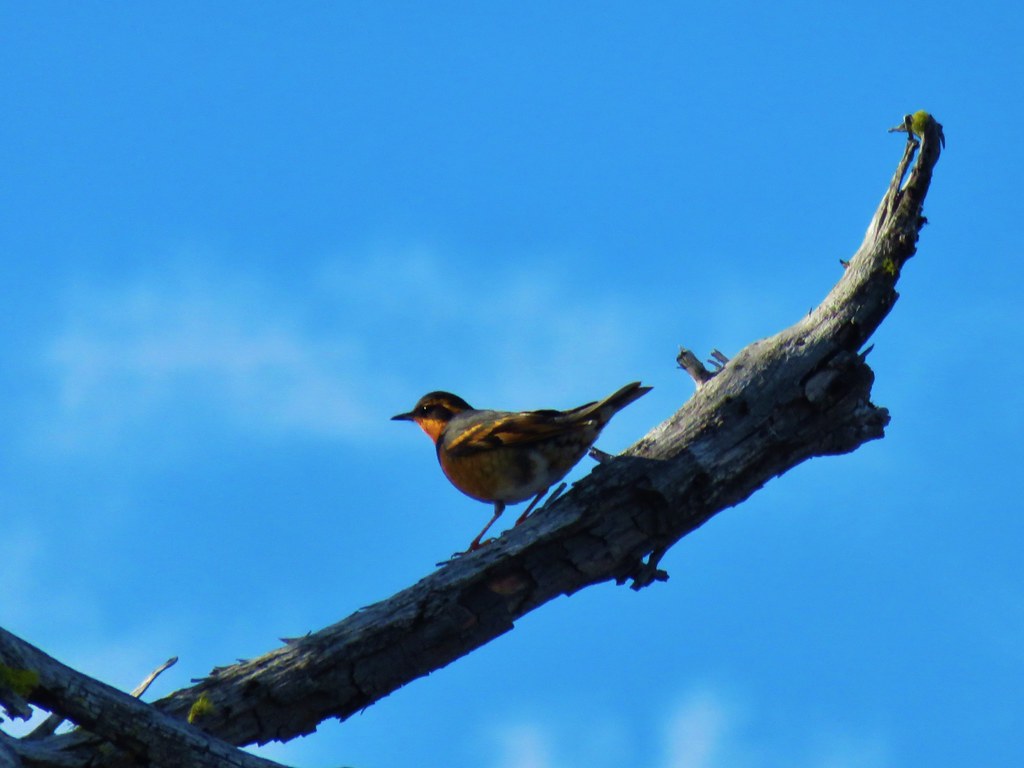
There were quite a few birds in the remaing trees. We watched a pair of acorn woodpeckers for a bit and a spotted towhee was busy picking through some grass while stellars jays could be heard but seldom seen.
 Acorn woodpecker
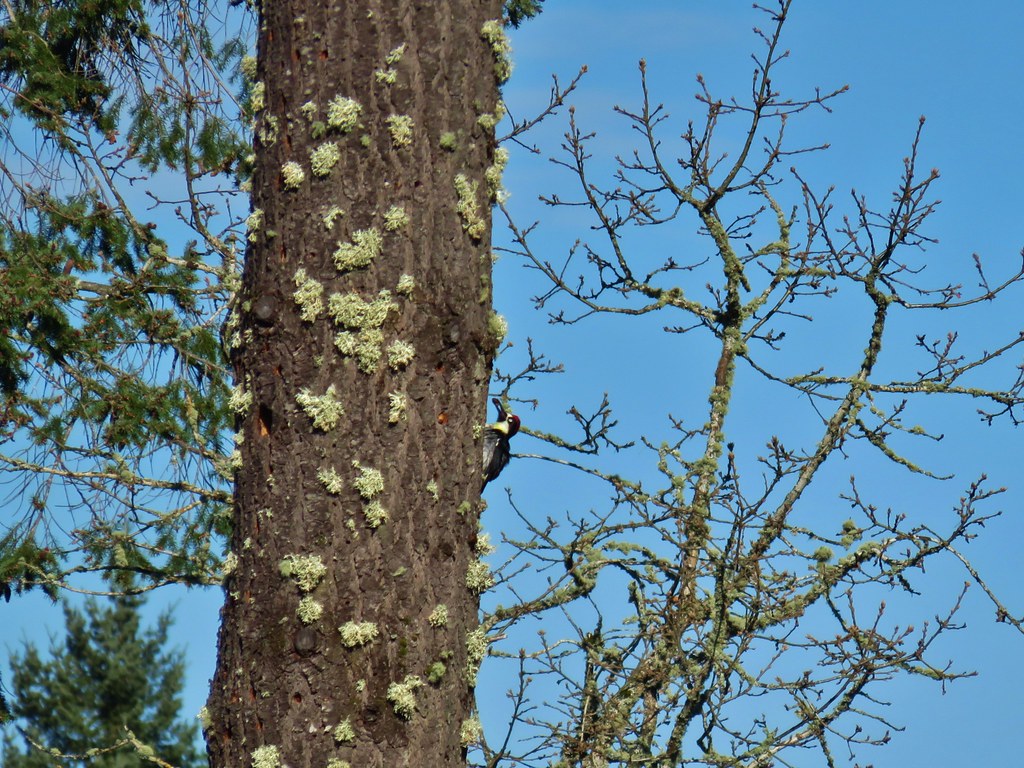 Second acorn woodpecker
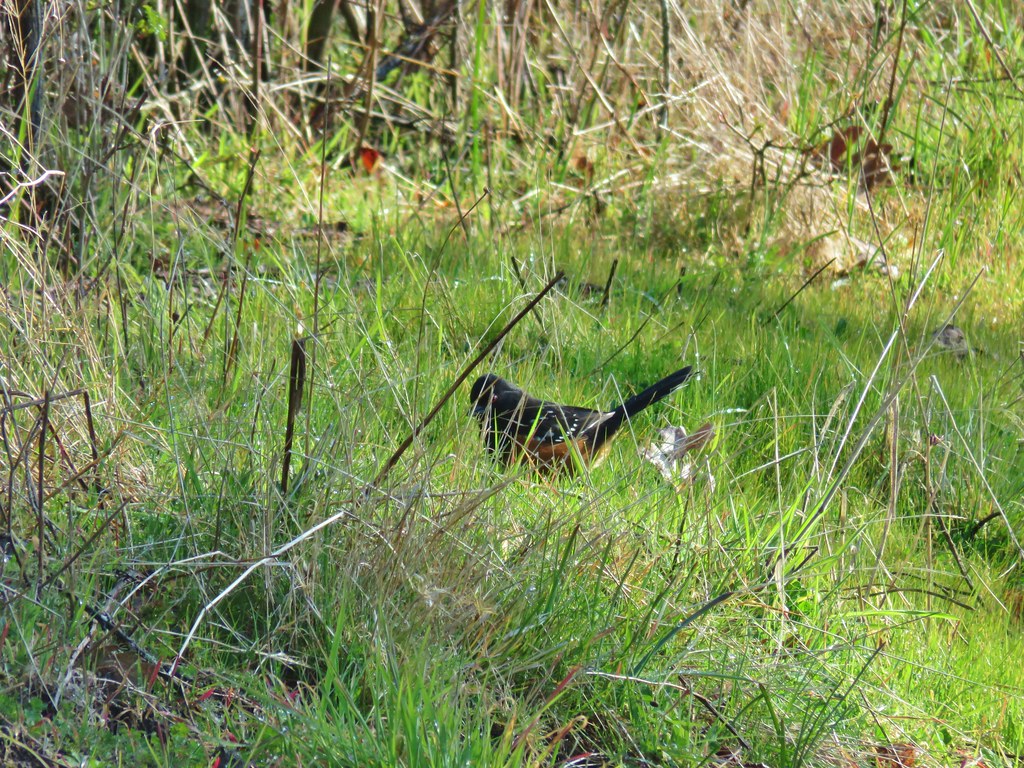 Spotted towhee
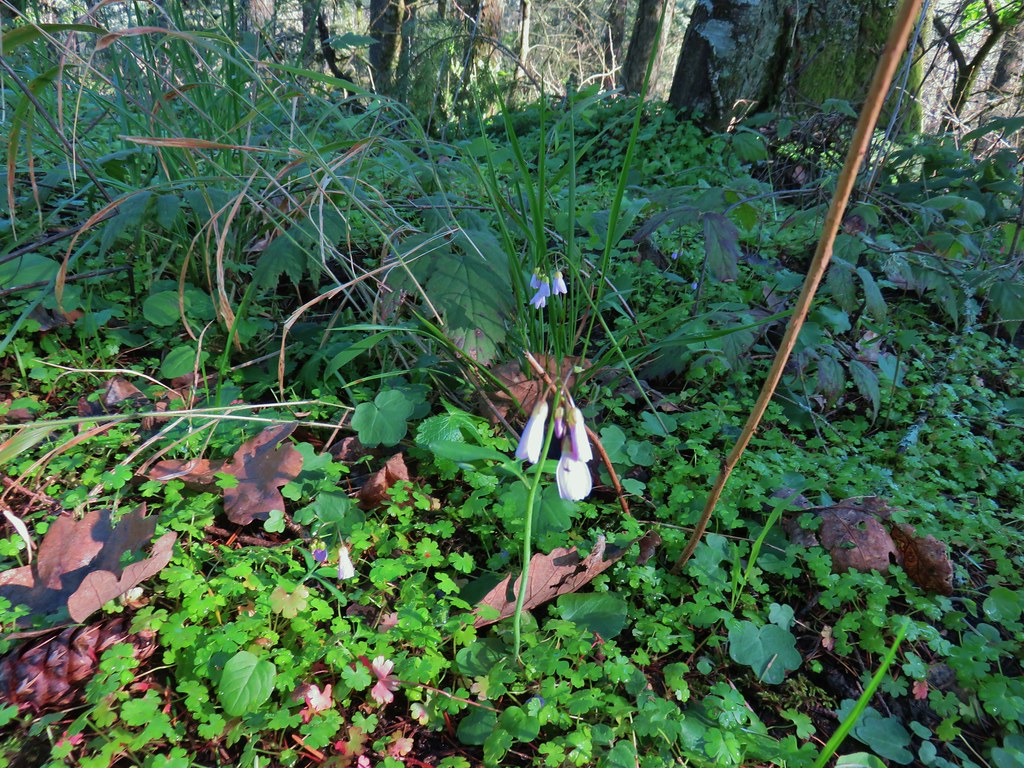
We soon left the thinned area and entered a forest where we spotted more toothwort and some sort of blooming tree.


After about a mile we came to a fork in the road where the left side was gated (and posted no hiking beyond the gate). We forked right continuing uphill for a half mile to another fork. This time we went left which led a short distance to a viewpoint overlooking vineyards and Mt. Hood in the distance. (We should have taken a fork right shortly after taking the left but missed it and ended up having to backtrack a bit.)


We returned to the fork and went straight on what was still the Guadalupe Loop for just over a quarter mile to a sign for a shrine.
 Snow along the Guadalupe Loop

A short spur led to the shrine and a viewpoint of the Coast Range.


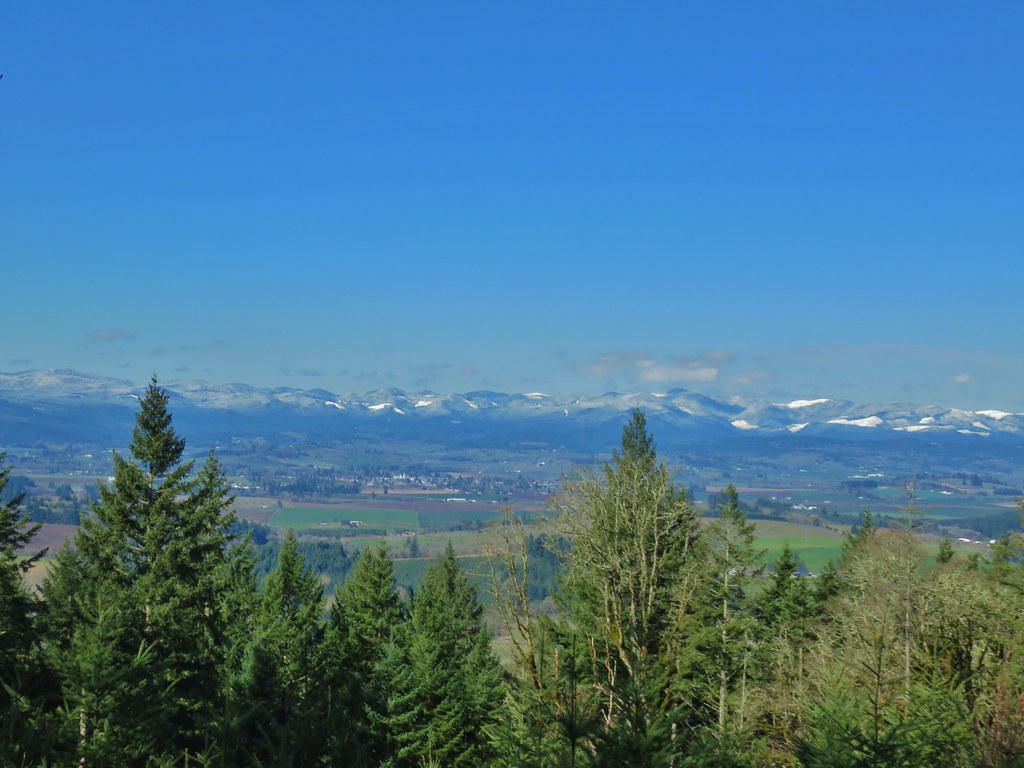

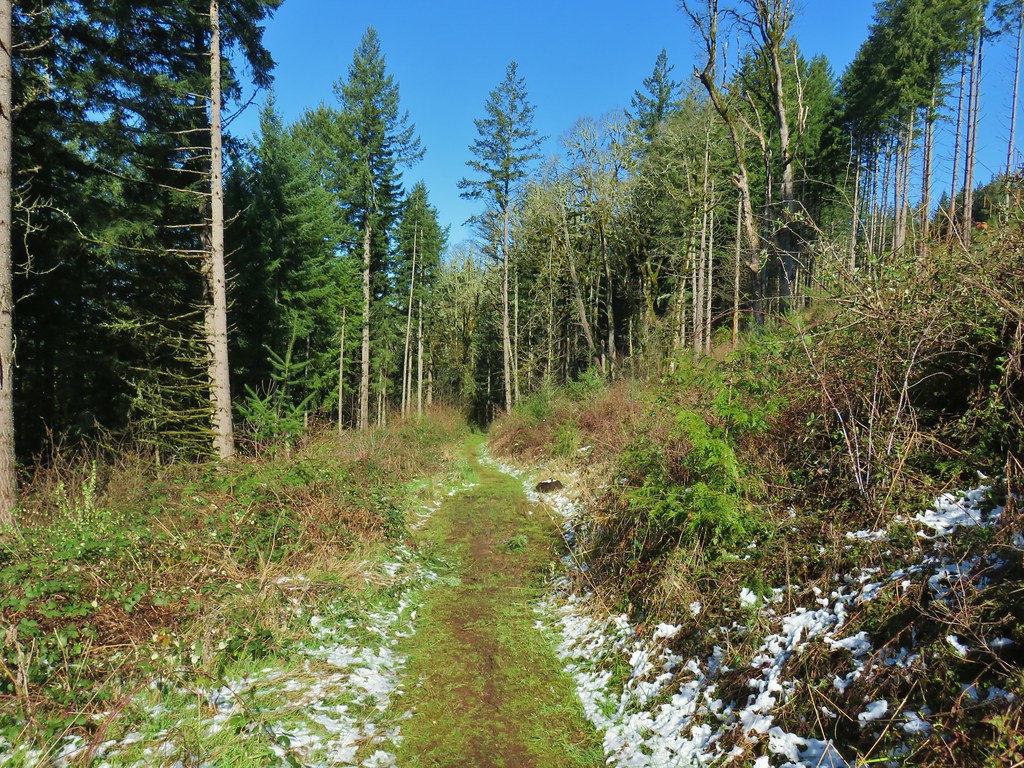
Our guidebook said to turn back here and return the way we’d come. We toyed with the idea of continuing on the Guadalupe Loop and started to do just that, but we weren’t certain if it was really in fact a loop or how long it might be. We decided not to tempt fate but then instead of going back the way we’d come we turned left at a sign for St. Juan Diego Pass and followed a grassy track downhill.
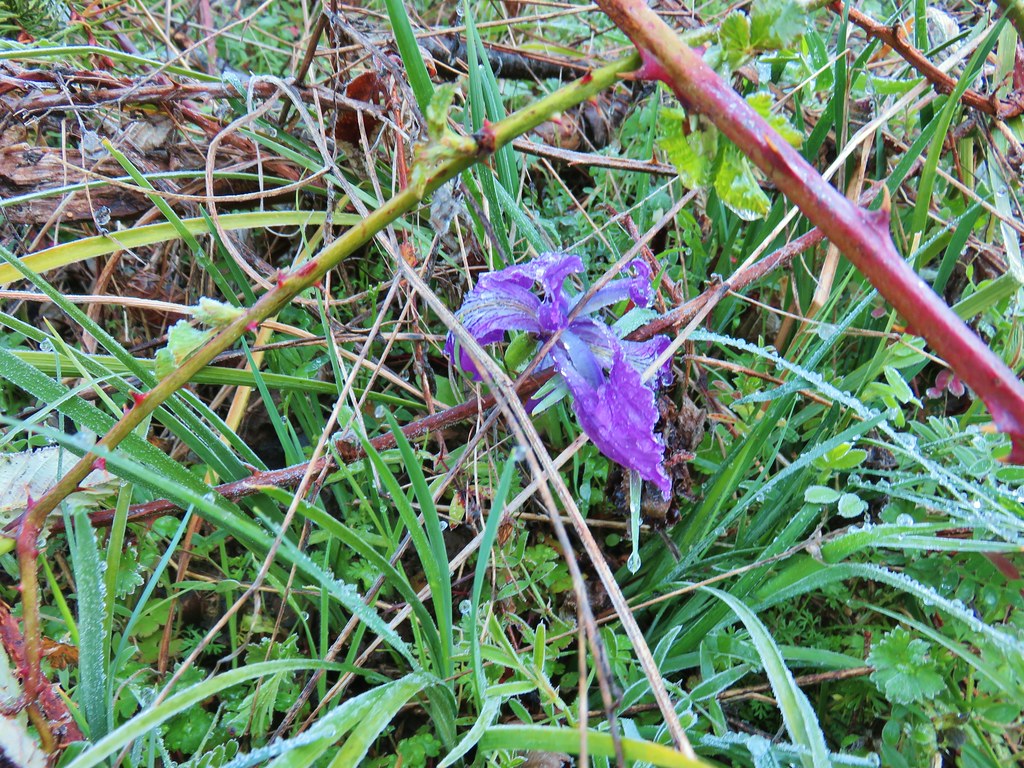
A patch of purple caught our eyes on the hillside and it turned out to be an iris that was weighted down a bit with water.
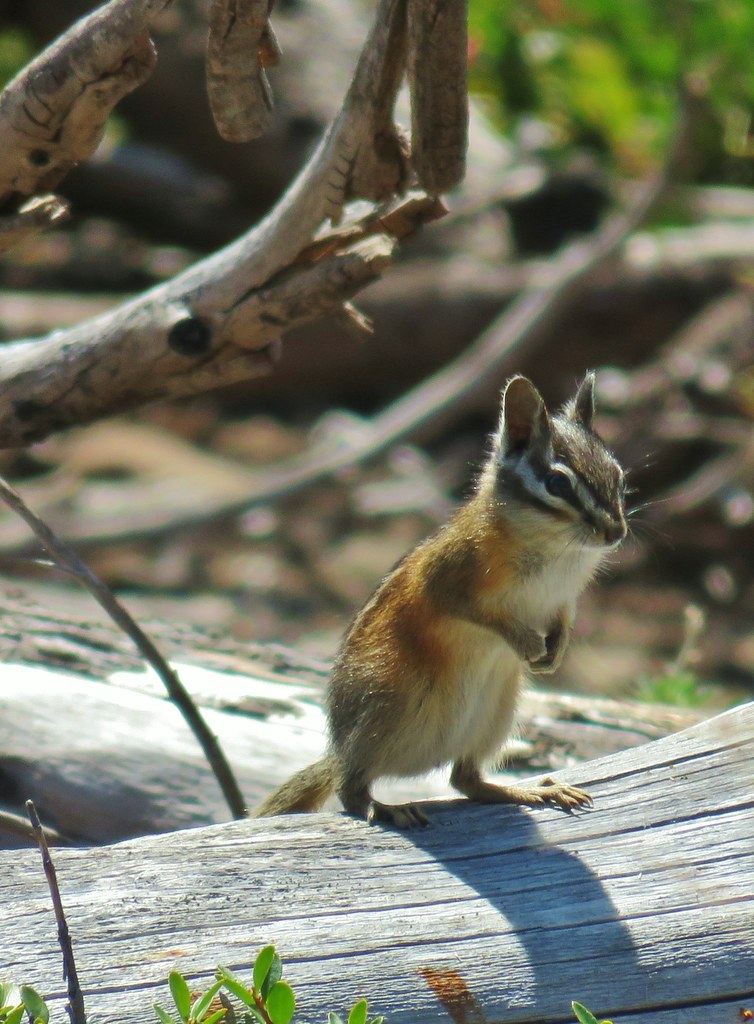
 This chipmunk also caught our attention.
We followed the path for a little over half a mile before popping back out on the Guadalupe Loop near the fork with the gated road where we turned left and hiked the mile back down to the parking area.

It turned out to be a beautiful day (once we thawed out from the initial frozen hands at Miller Woods) with a total of 8.2 miles of hiking (4.4 at Miller Woods and 3.8 at Trappist Abbey). There were very few folks out, we saw two trail runners at Miller Woods and passed a handful of groups at Trappist Abbey, had some wildlife encounters, and spotted a few Spring flowers along the way. Hopefully things will settle down sooner rather than later with the corona virus but until then stay safe and Happy Trails!
Flickr: Miller Woods and Trappist Abbey
































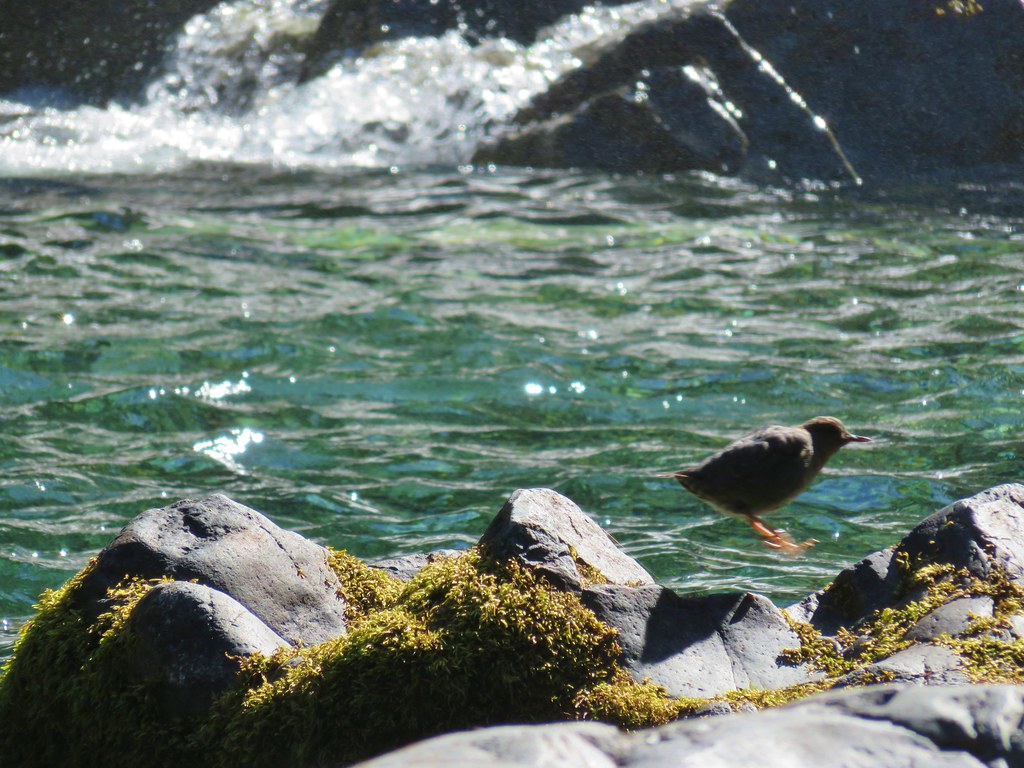


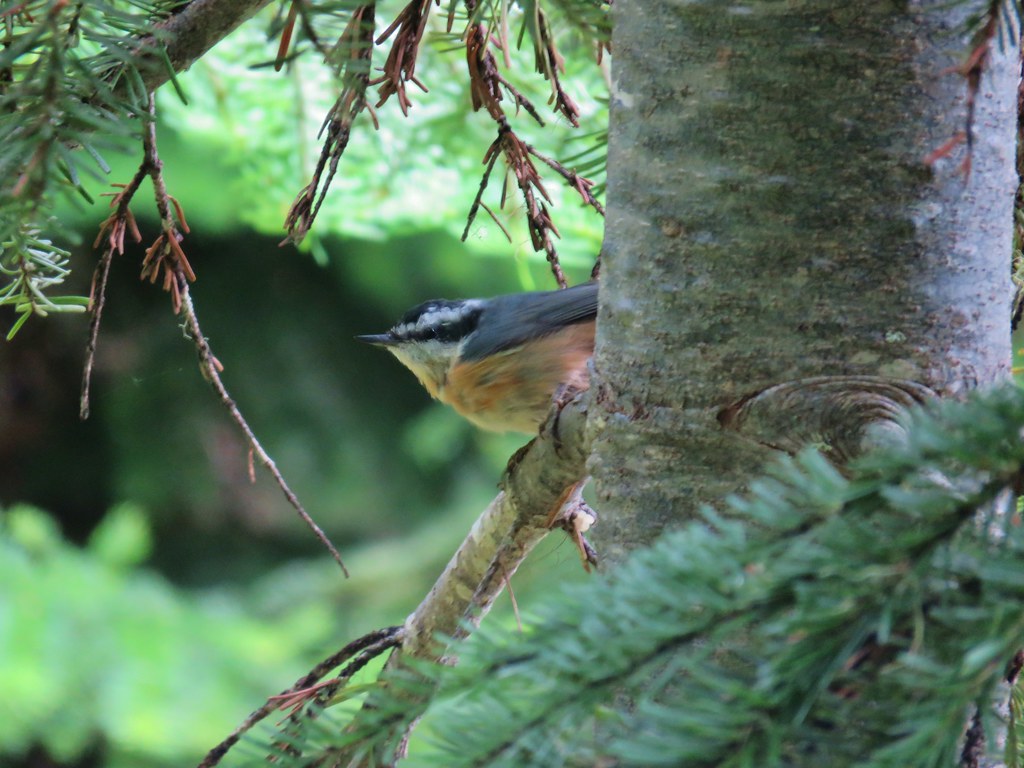

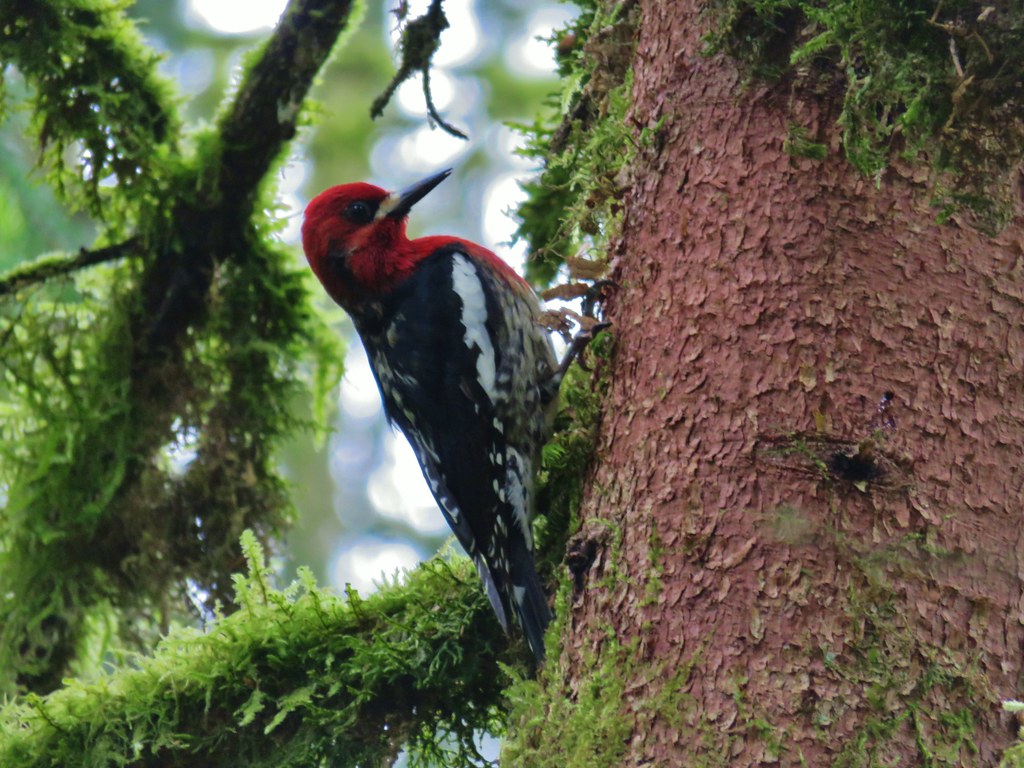


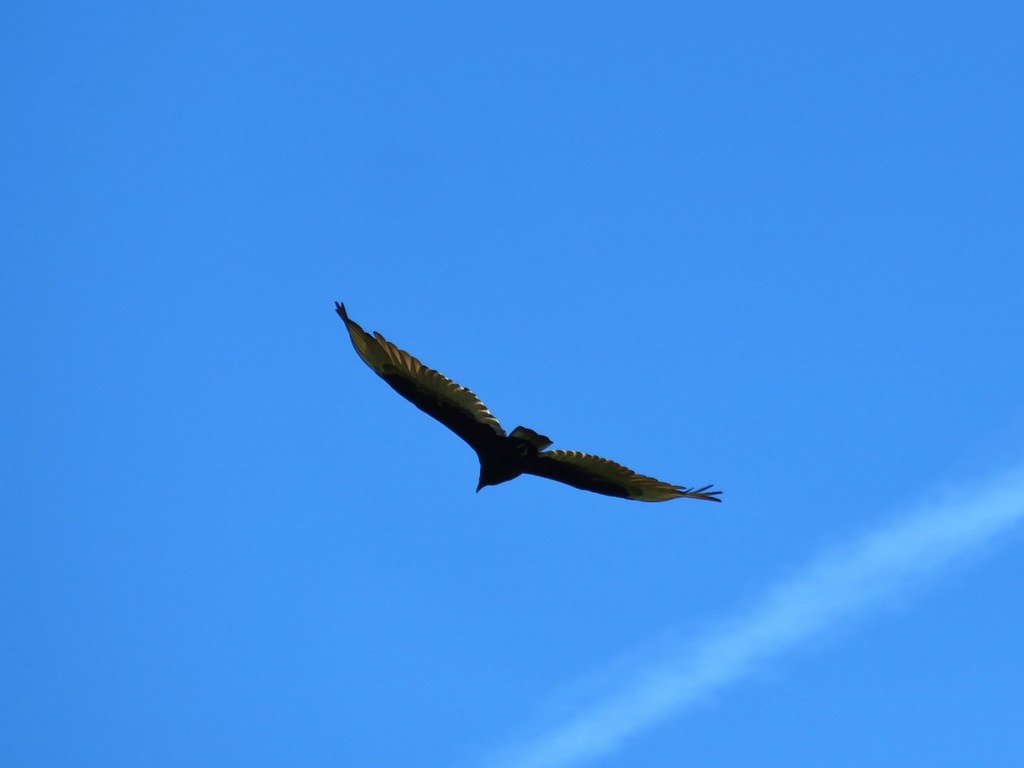




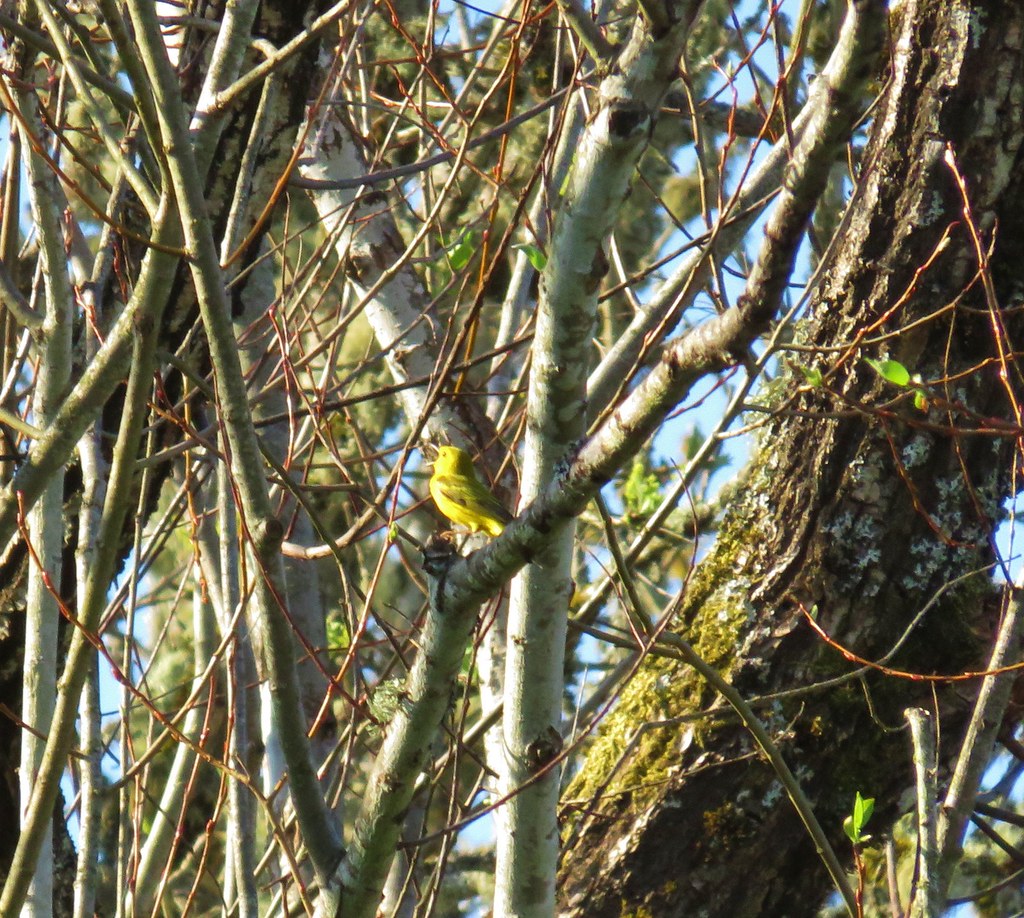




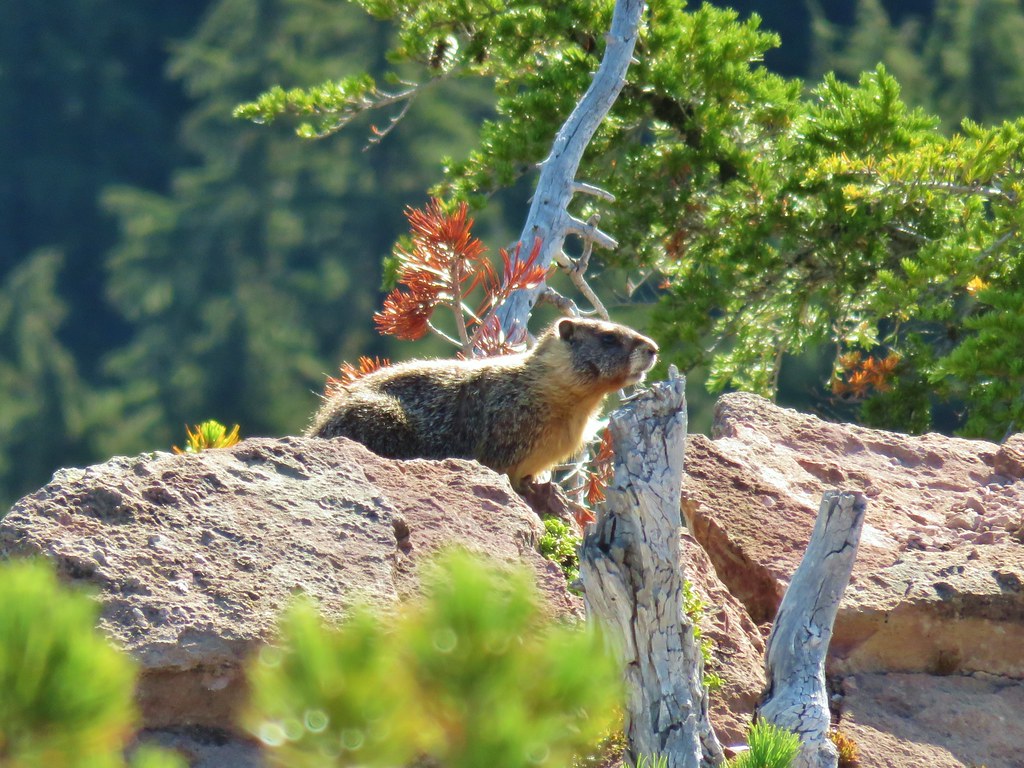


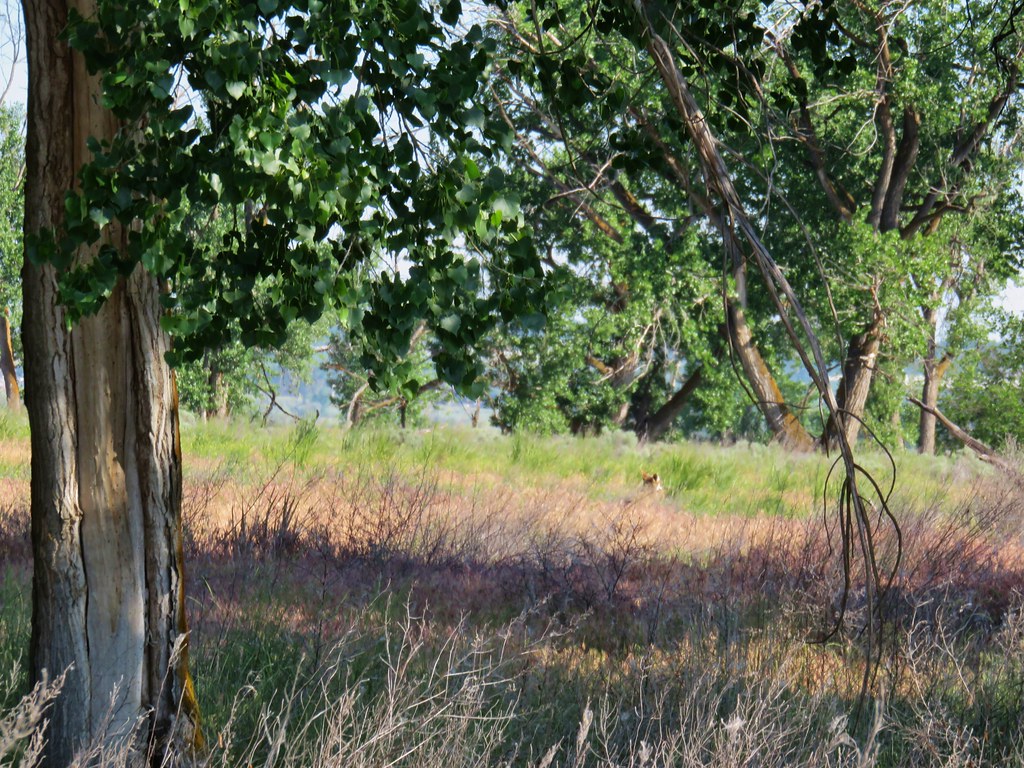
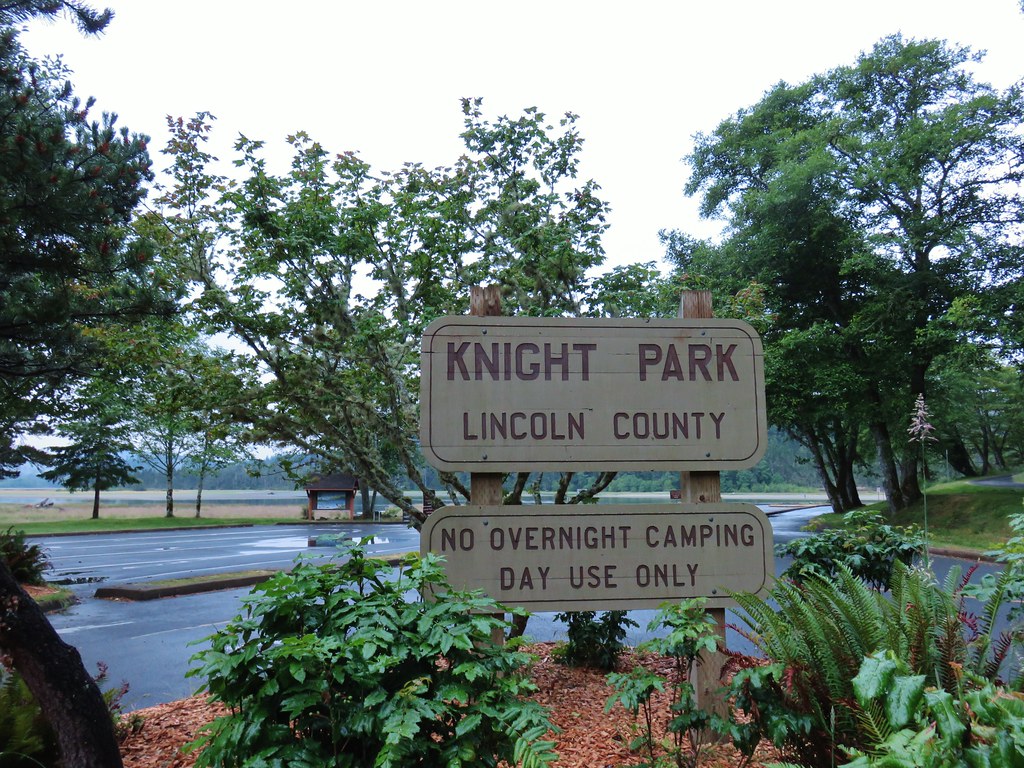
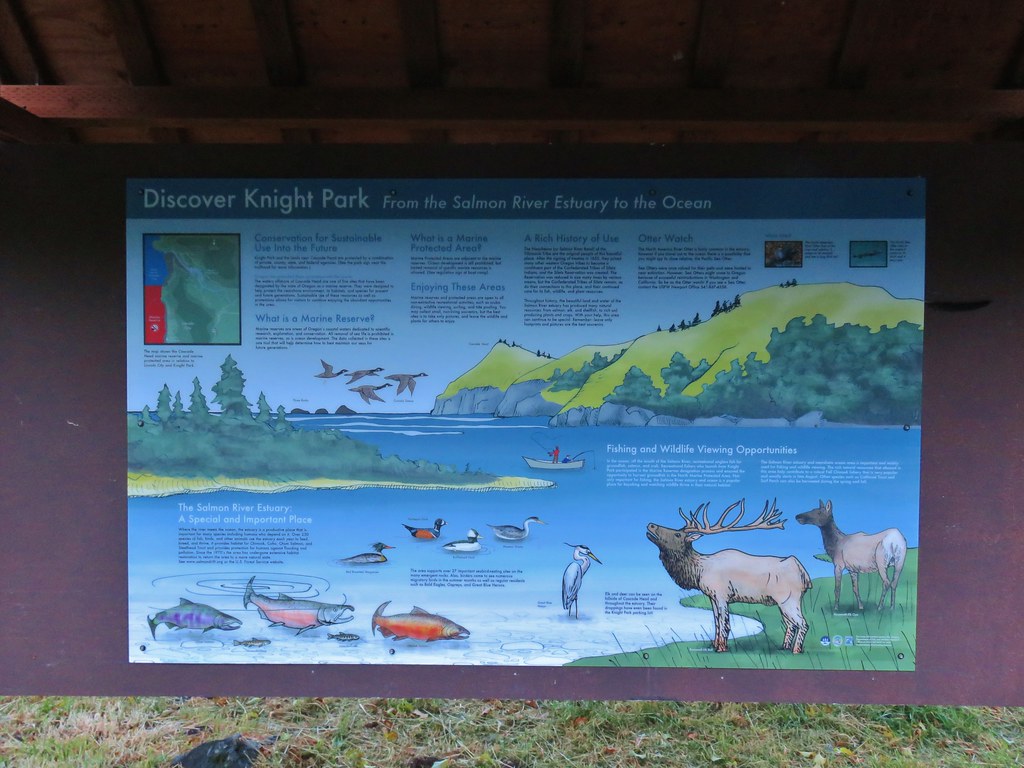
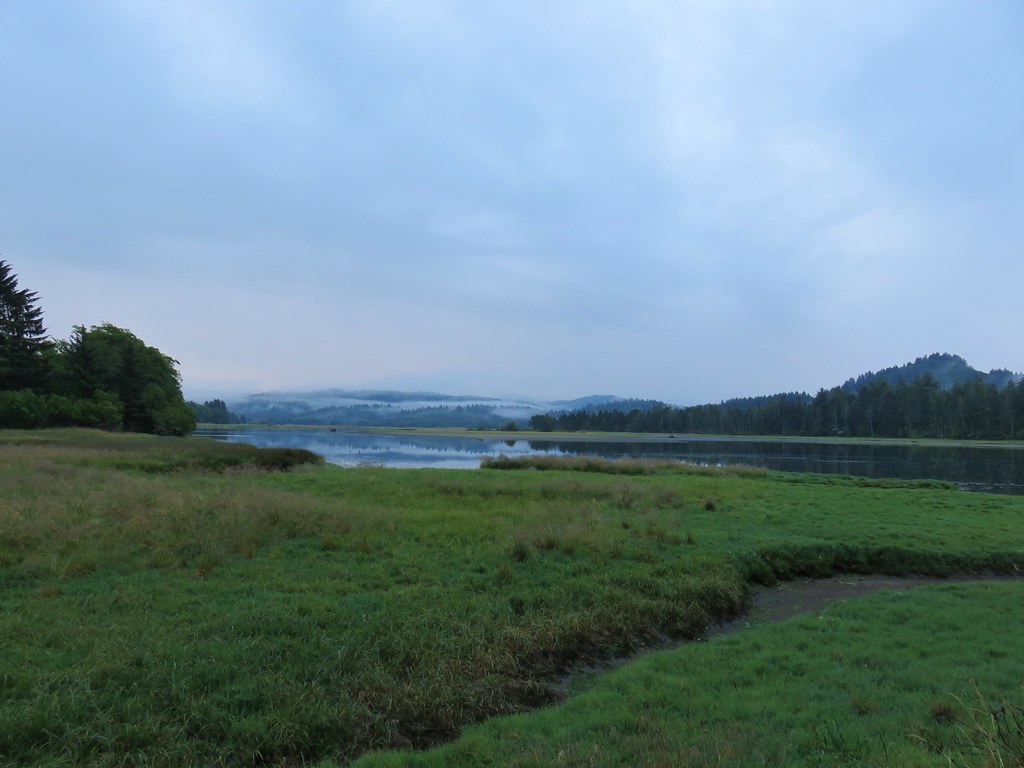 Salmon River at Knight County Park



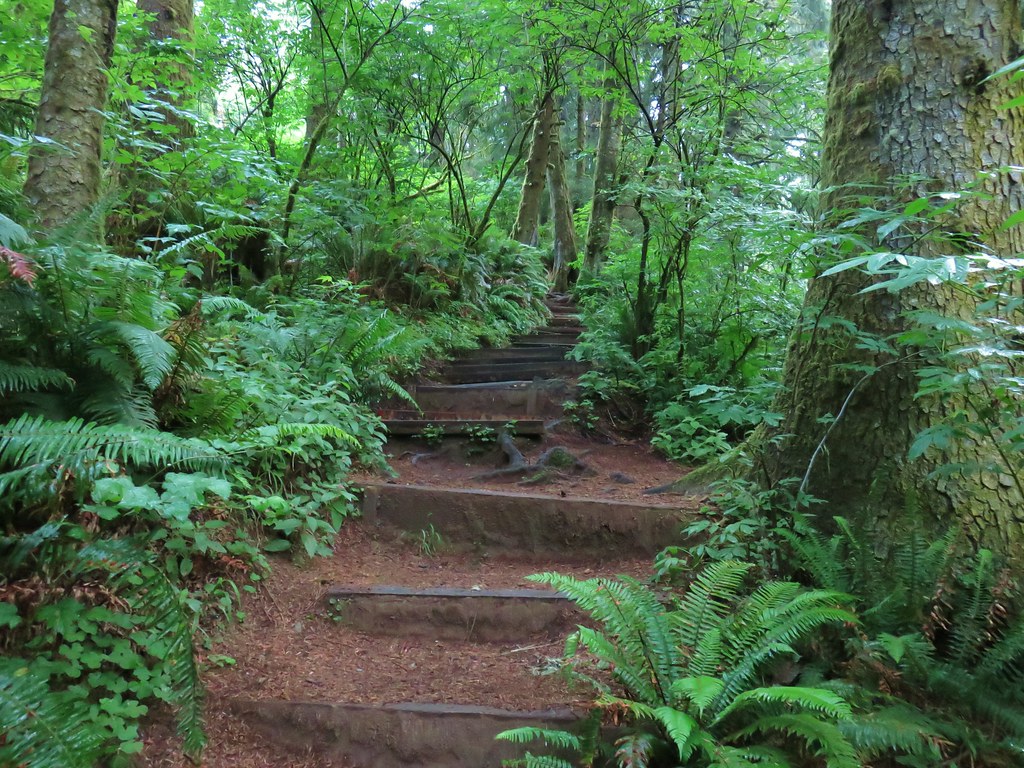
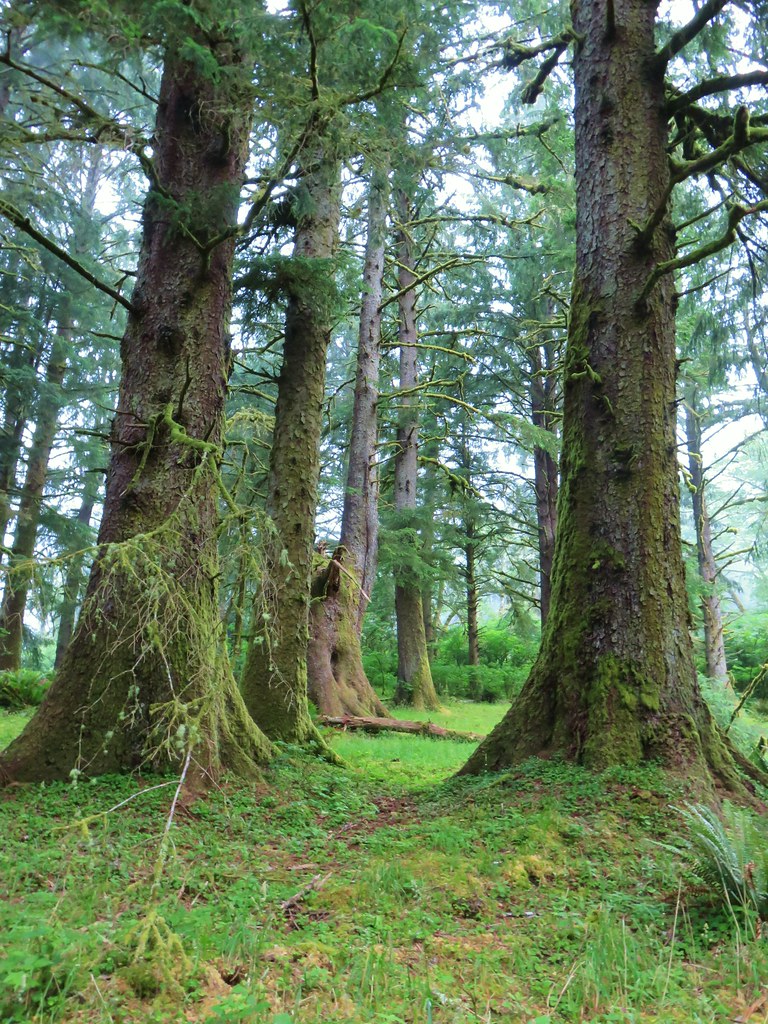
 One of the bridges.
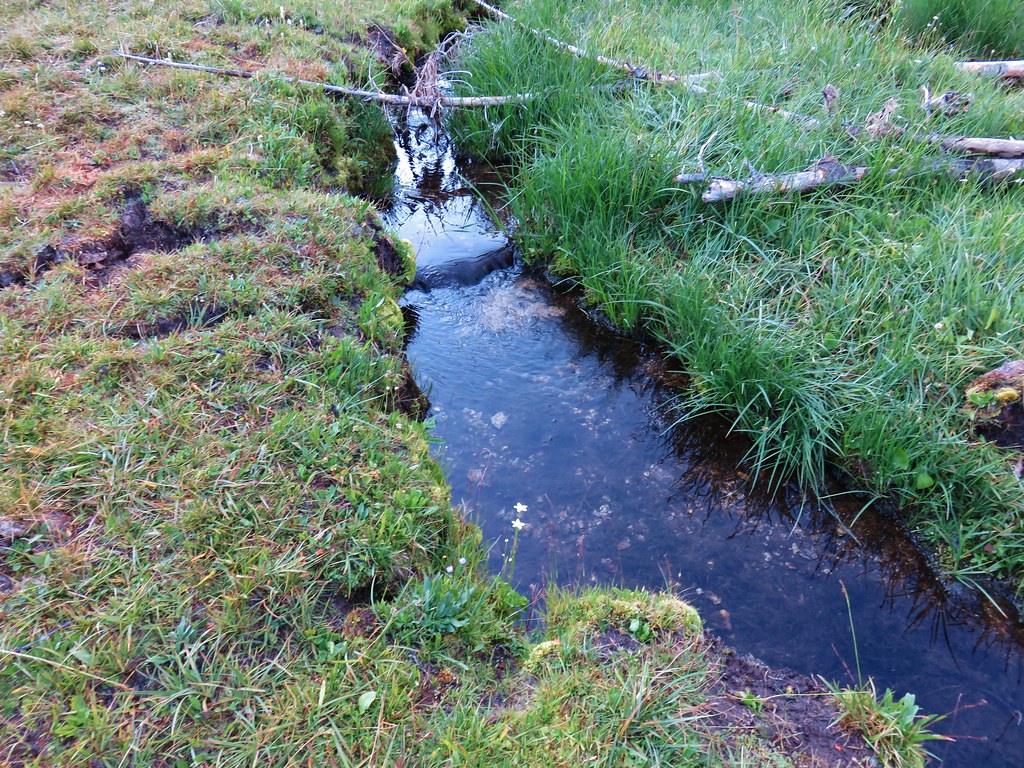
 Overgrown stream
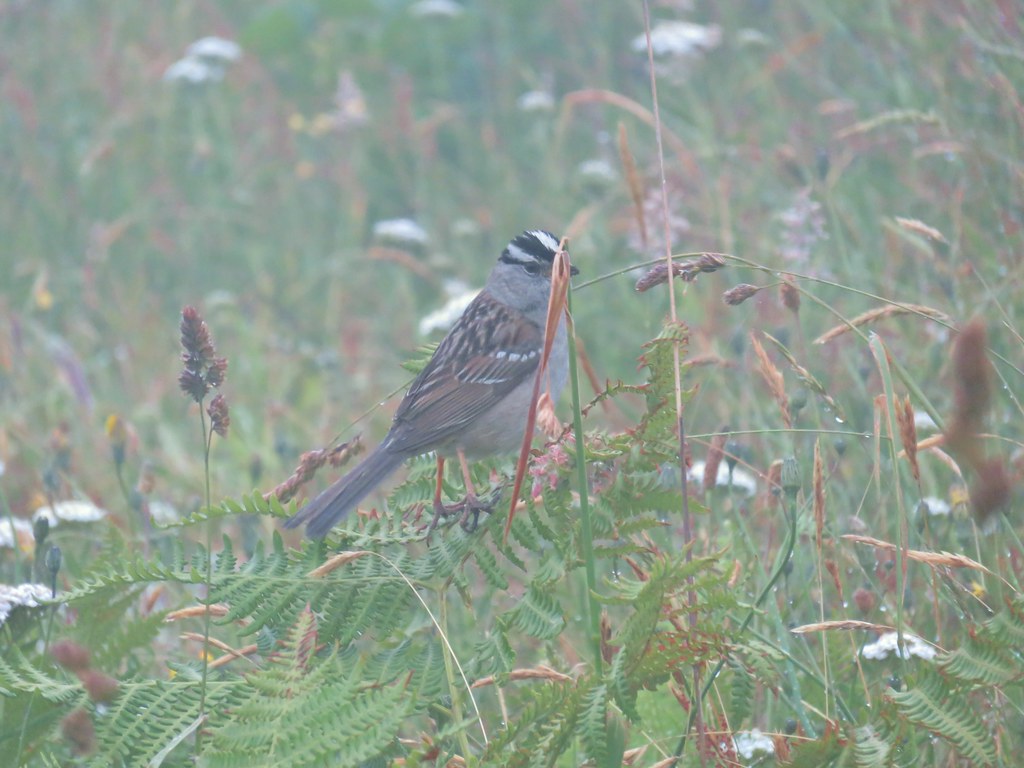 White crowned sparrow
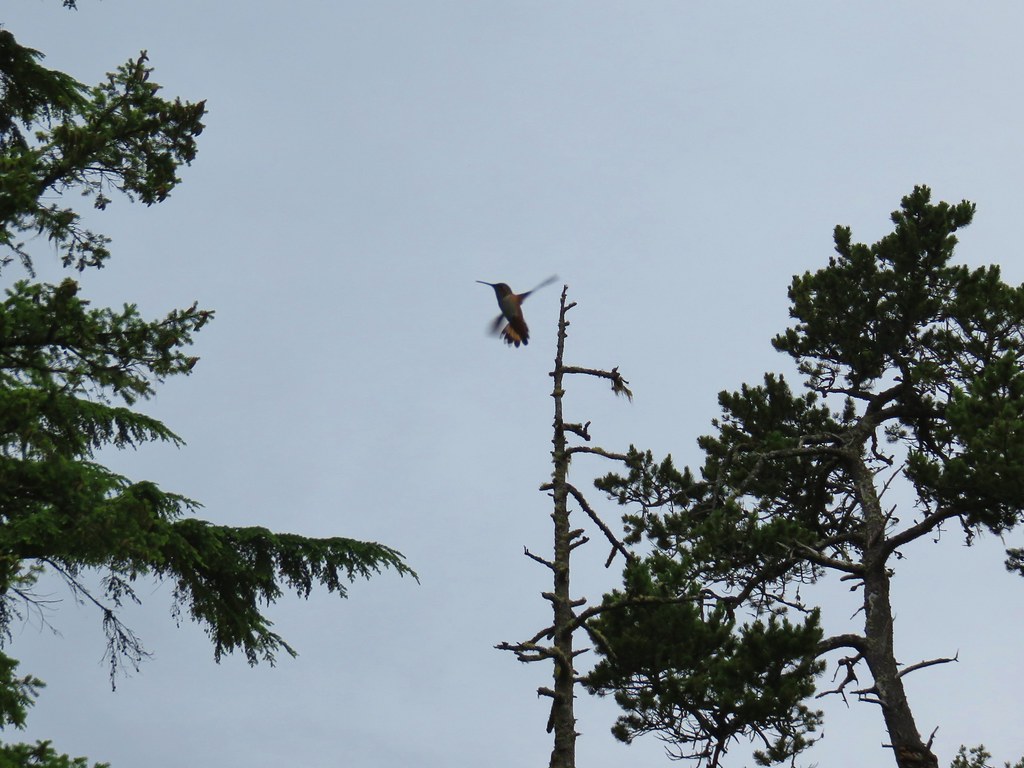
 One of three hummingbirds
 Another white crowned sparrow
 Checkerbloom
 Monkeyflower
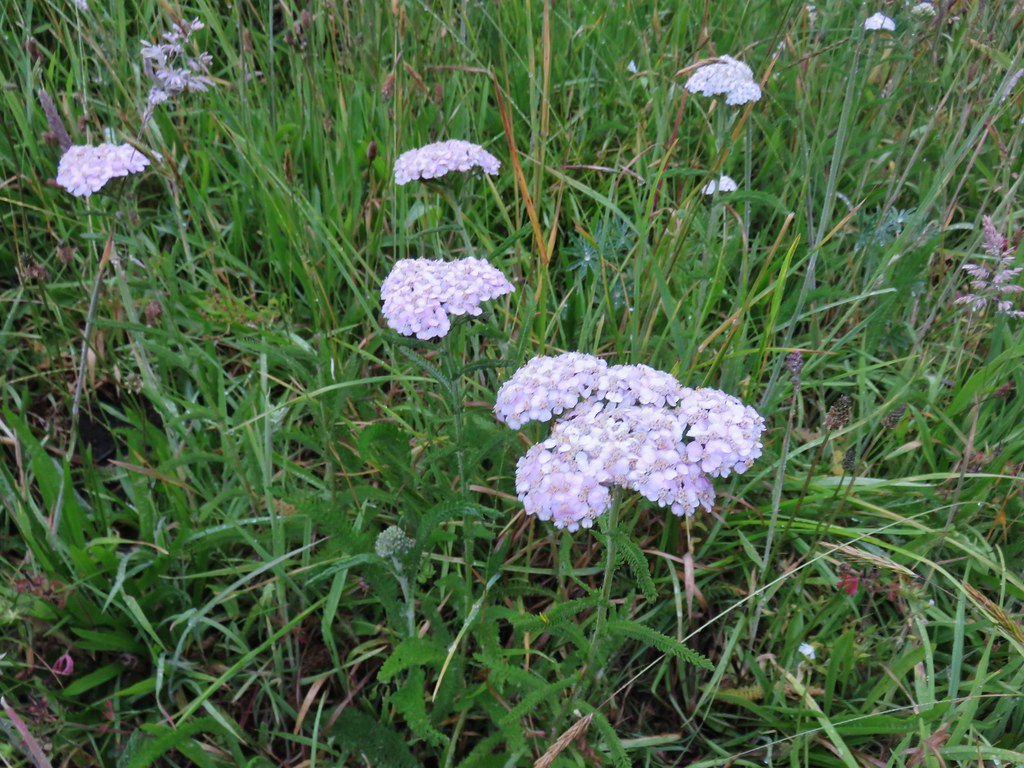 Yarrow
 Field chickweed
 Lupine

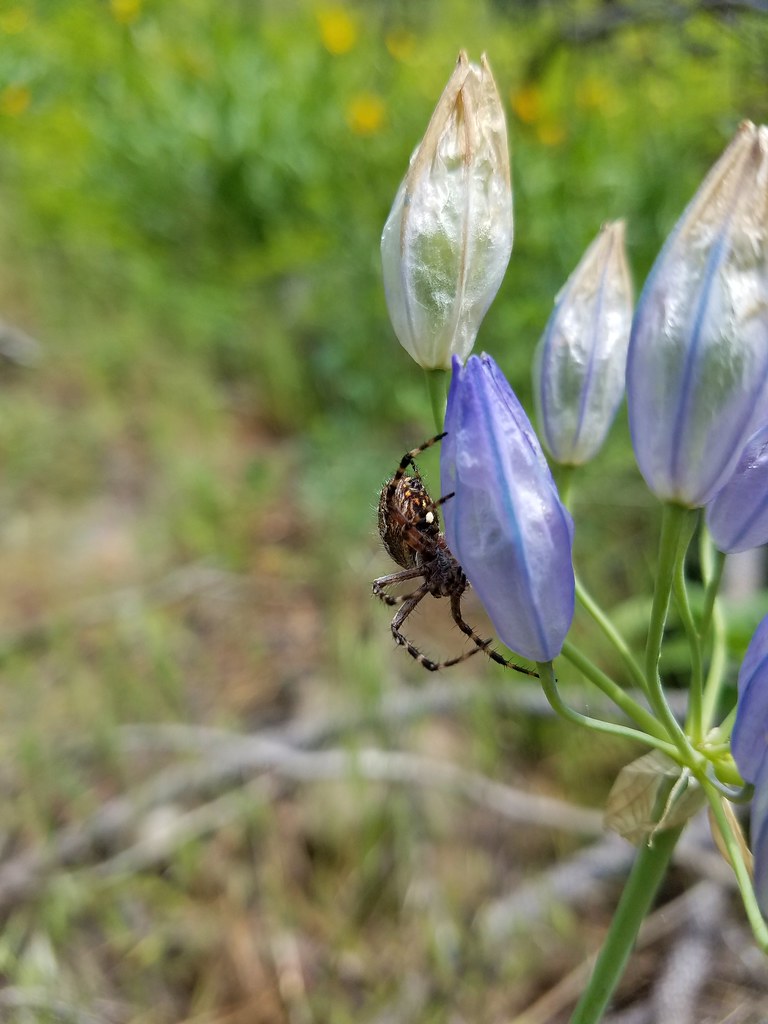
 Foxglove with a spider web
 Clovers
 Iris
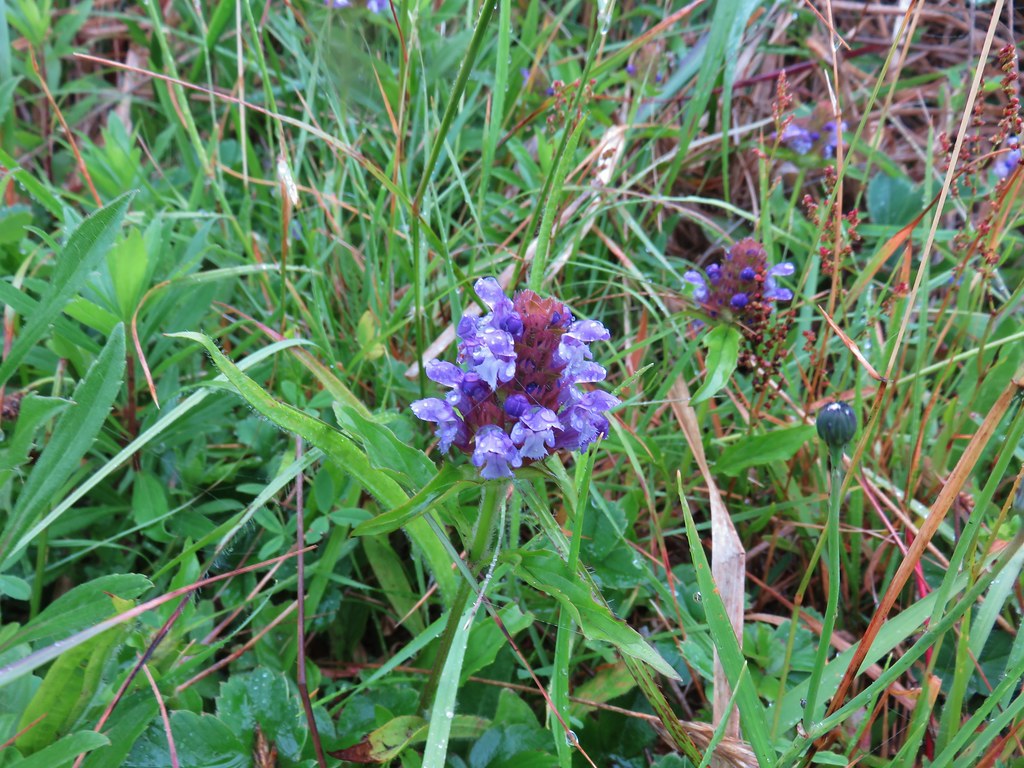 Self-heal
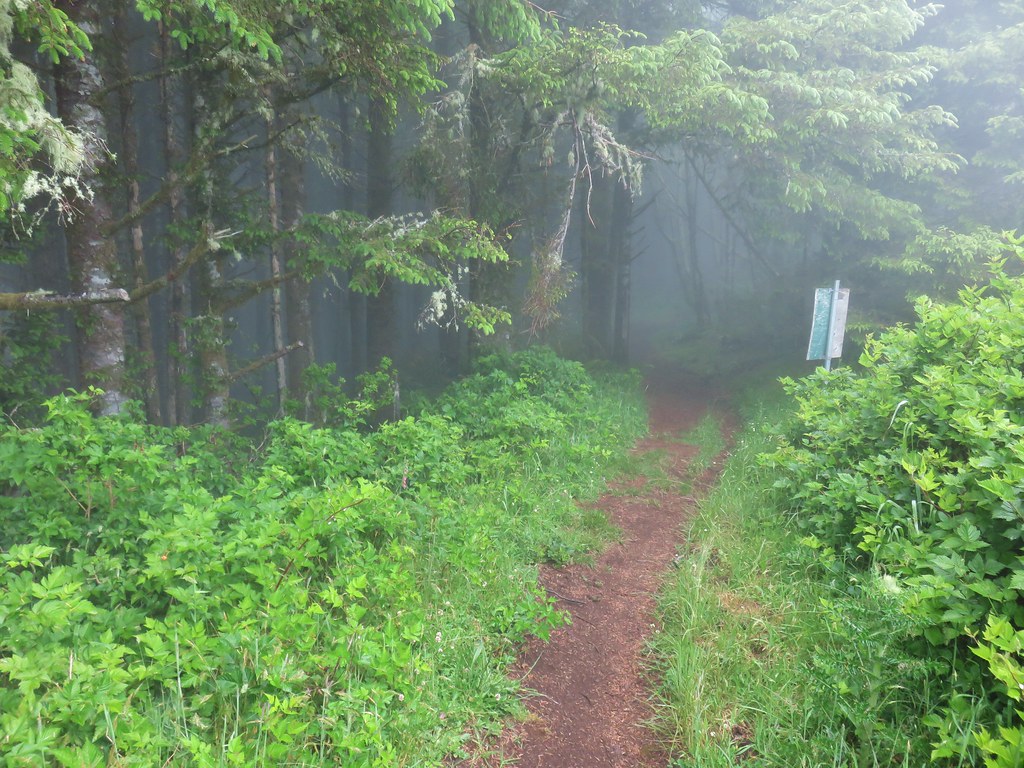
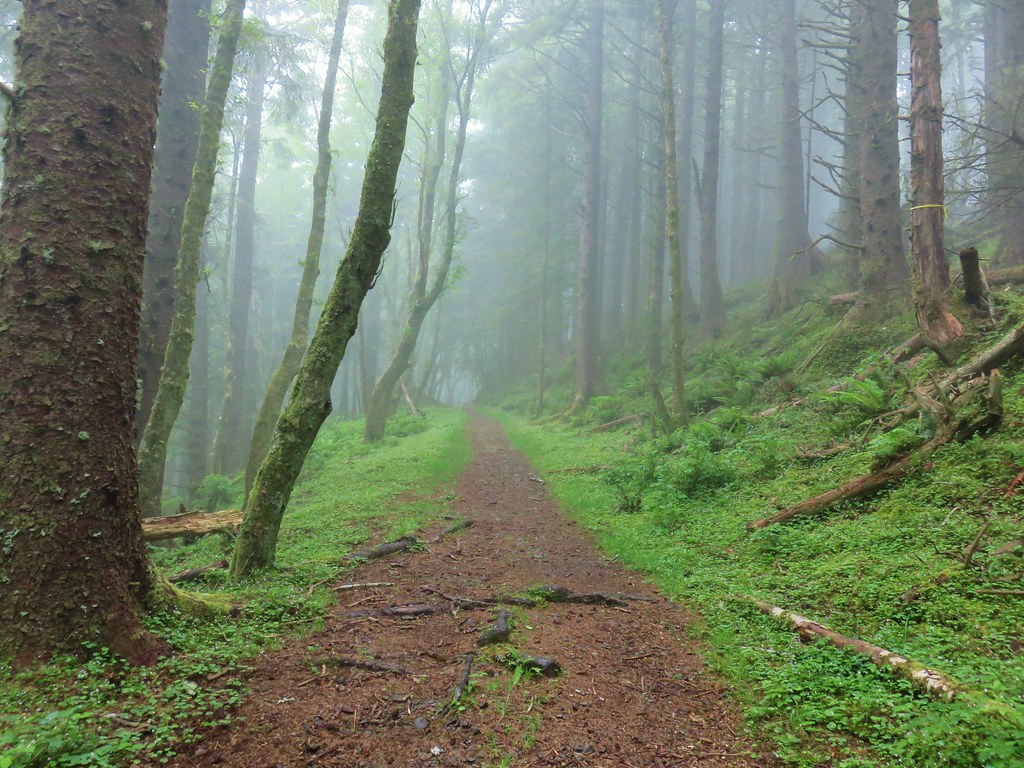
 Look for the head to the right of the tall foxglove stalk.





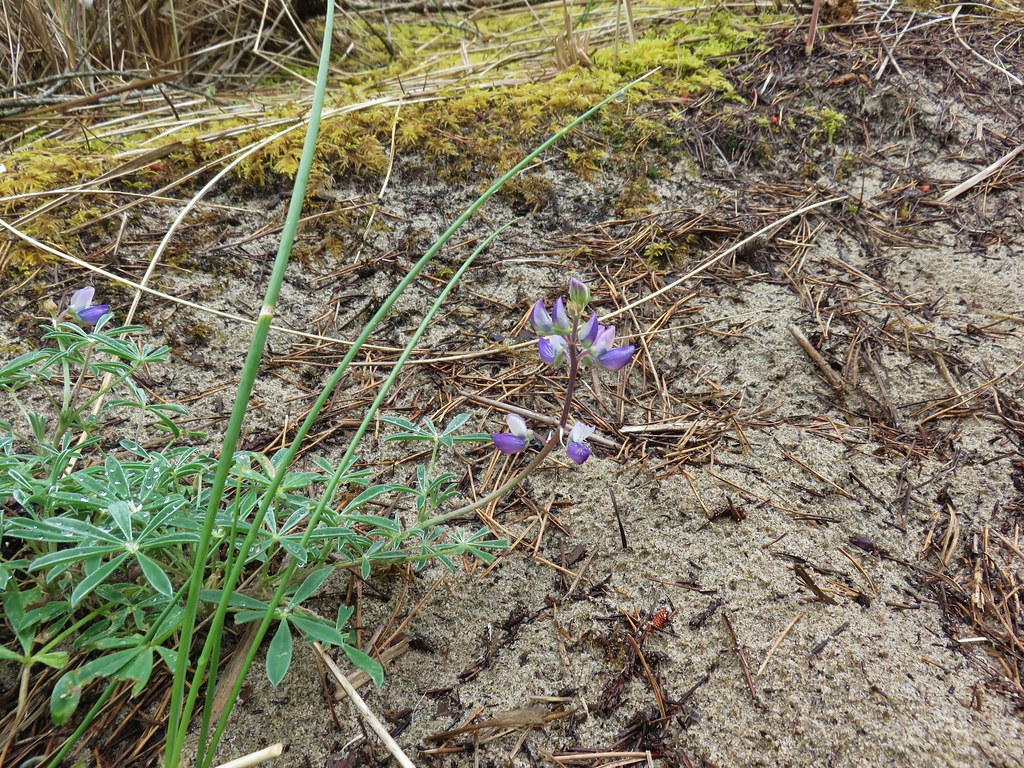 Lupine
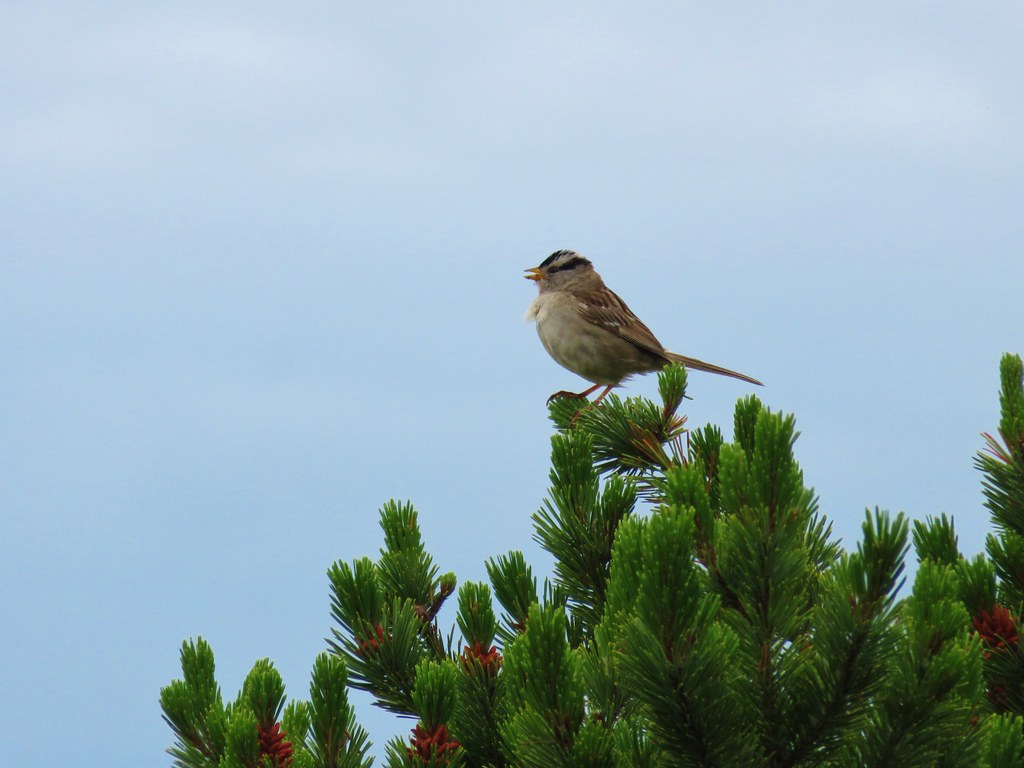 White crowned sparrow

 Cape Lookout (
 Beach morning glory

 Groundcone
 Tiger lily




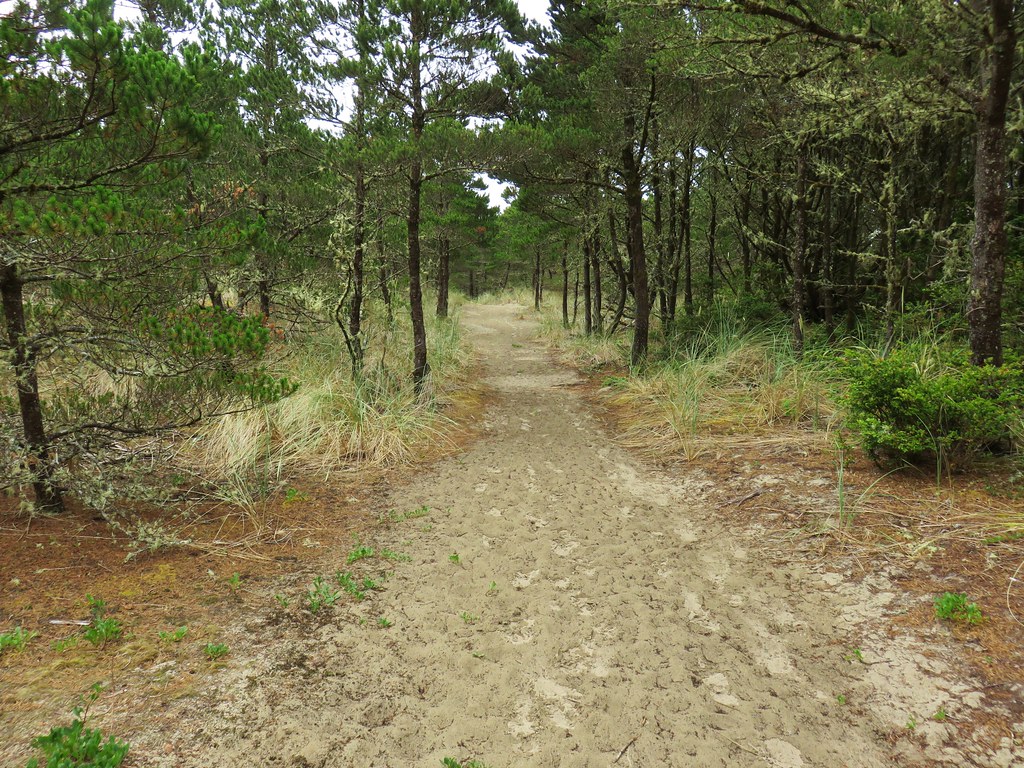

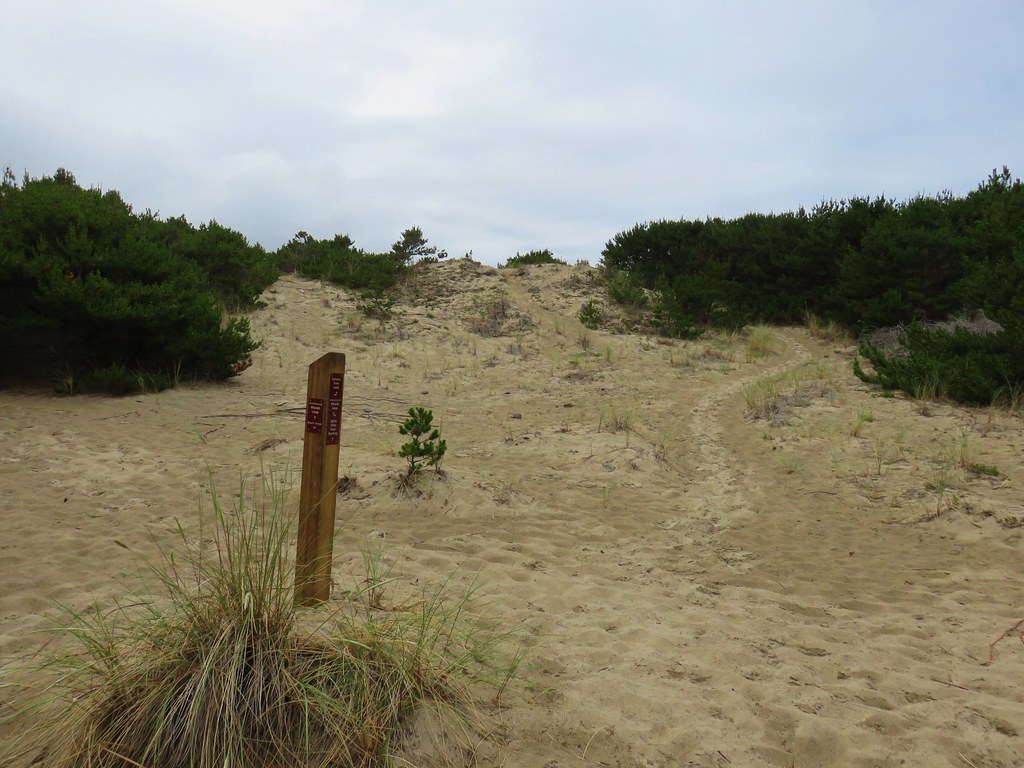


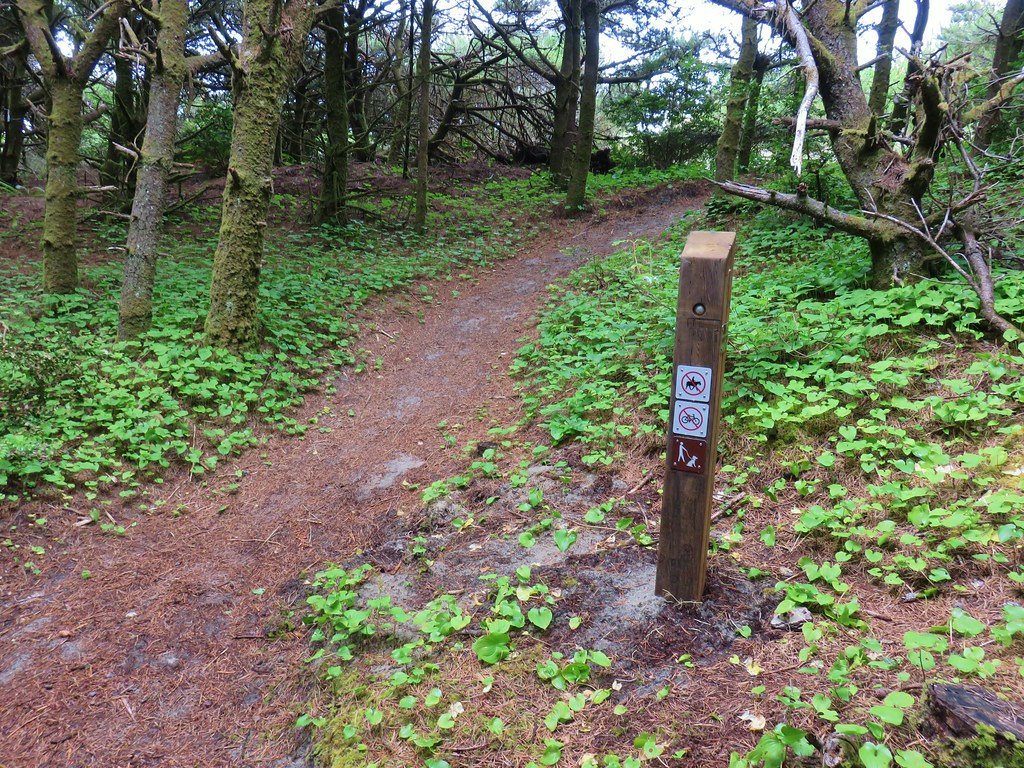
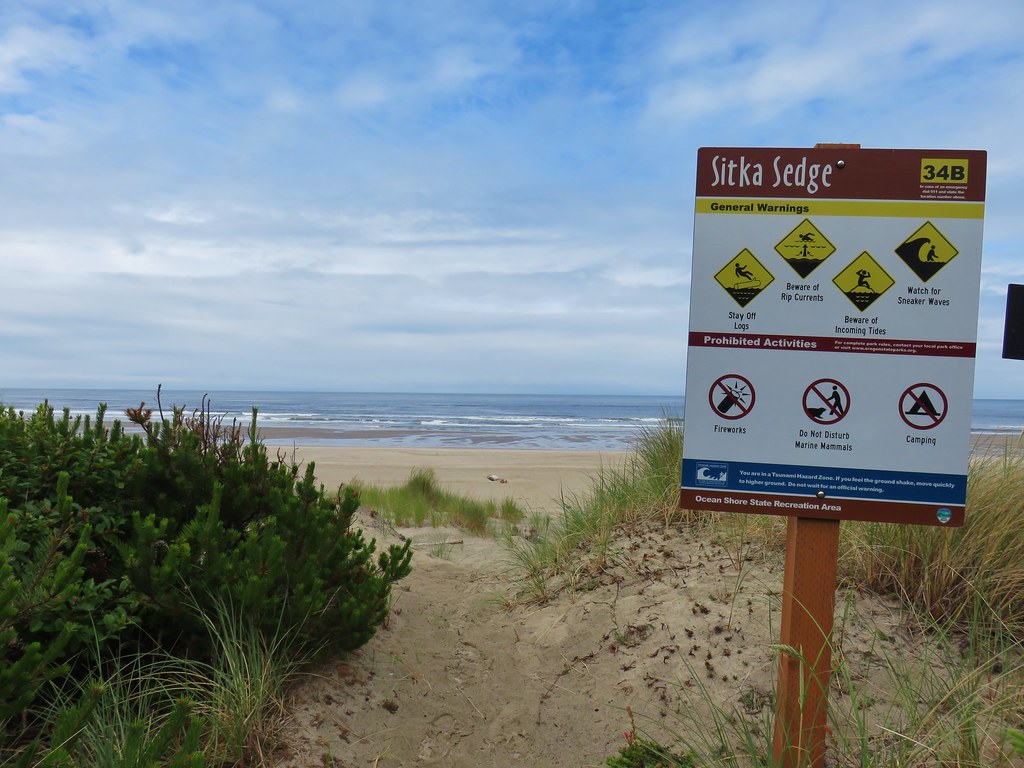


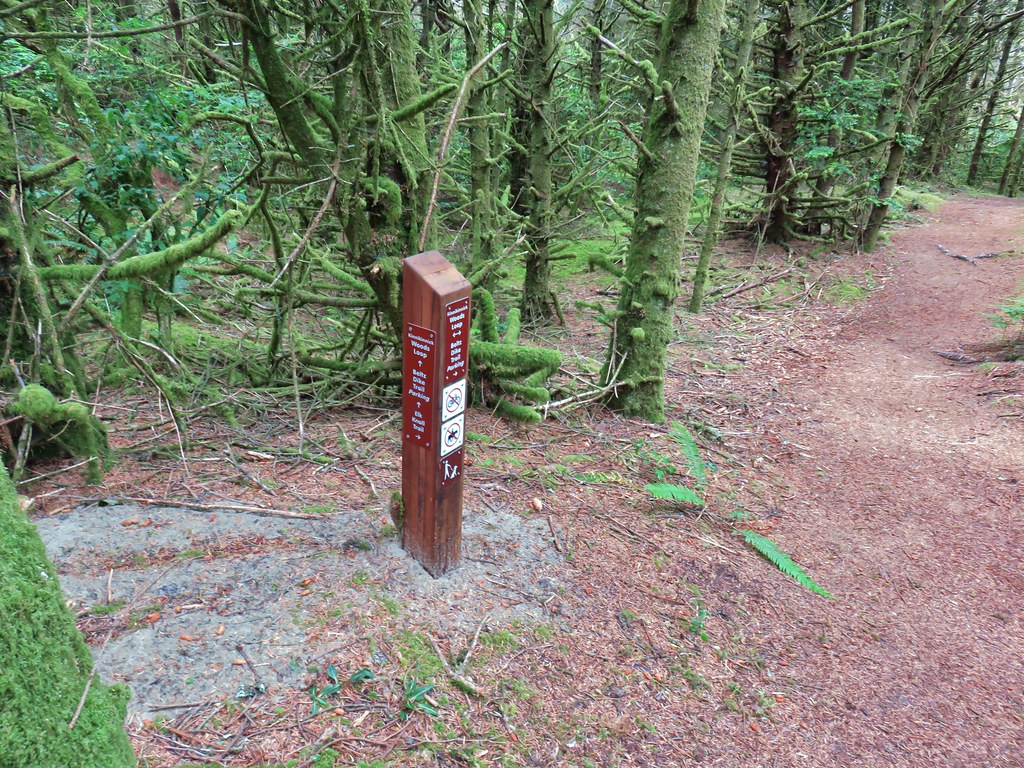


 Obstacle hanging over the trail.
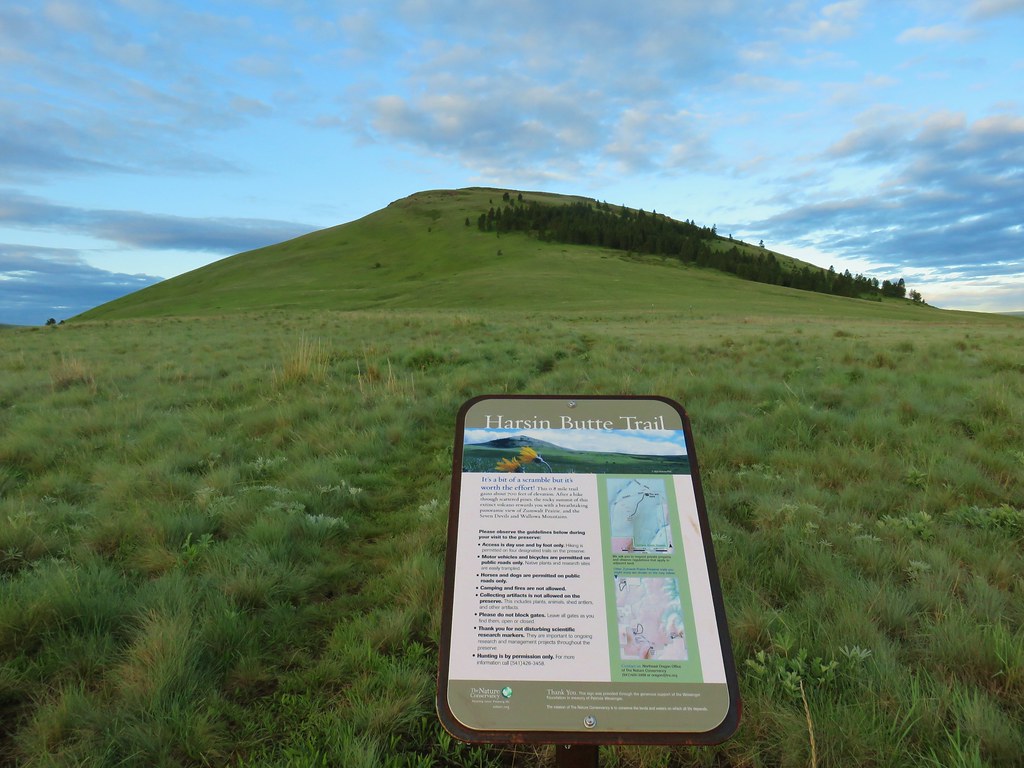
 Looking toward the Seven Devils in Idaho
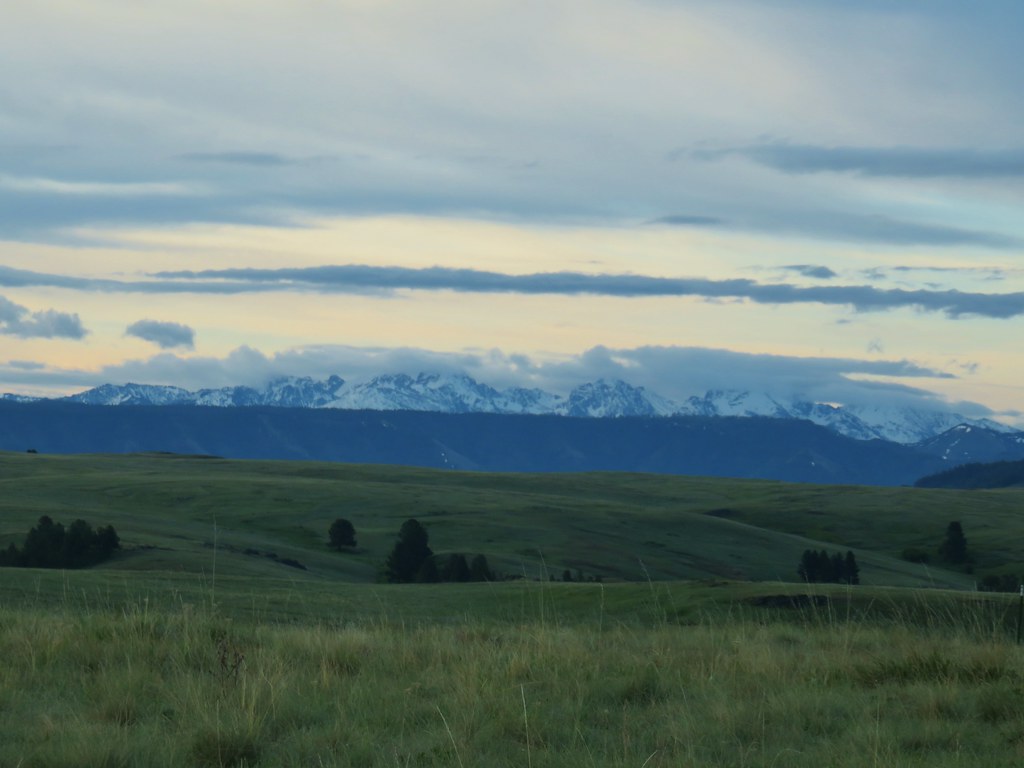

 Findley Buttes (You can see some of the standing water on Duckett Road on the right hand side.)

 Old man’s whiskers
 Phlox with larkspur in the background
 Cusick’s paintbrush
 White-stem frasera
 Paintbrush
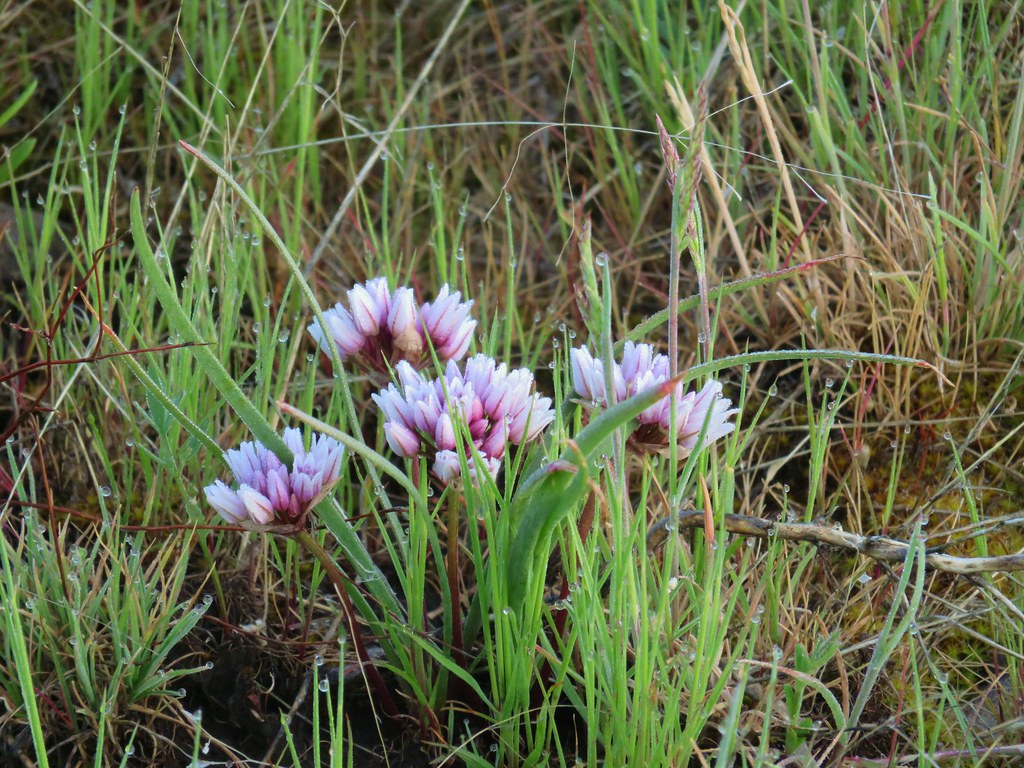 A wild onion
 Larkspur
 Milk vetch
 Chickweed
 Woodland stars
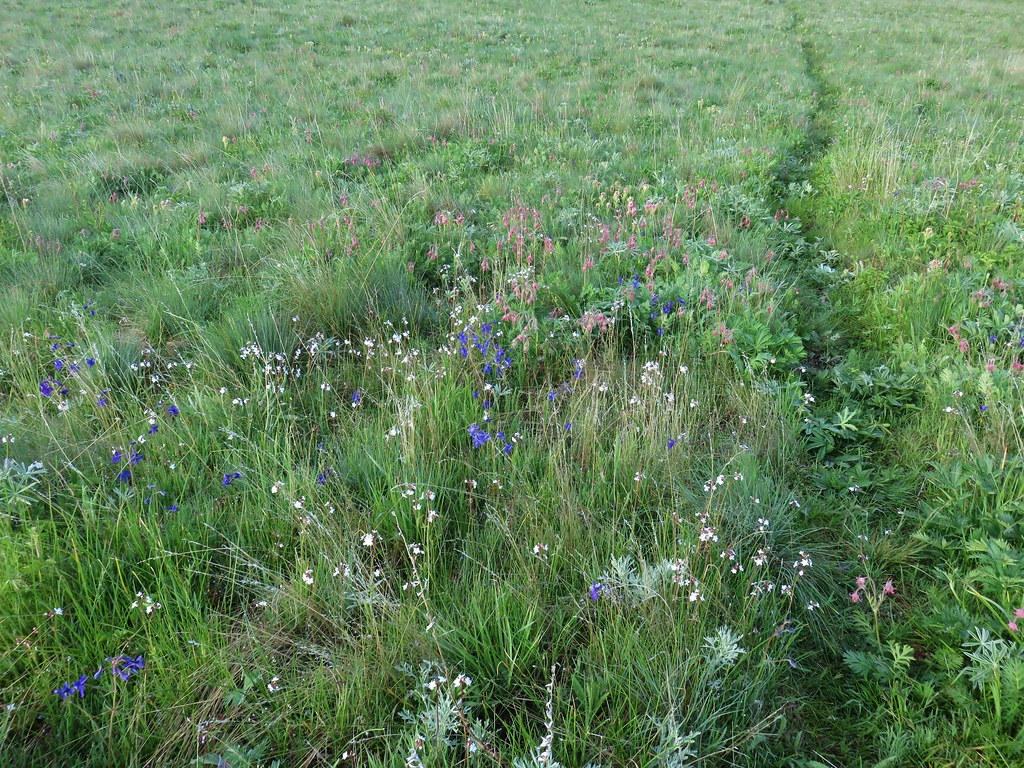
 An assortment of flowers
 One of the carins and the trail going up Harsin Butte in the background.


 Monument plant
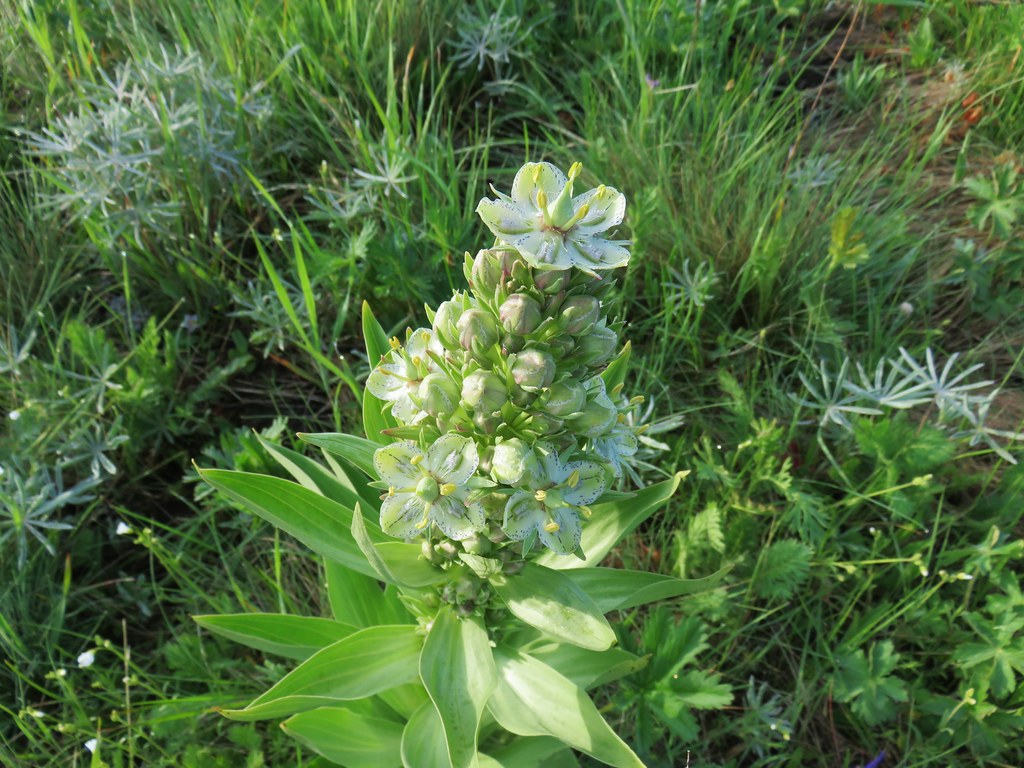 Top of the monument plant
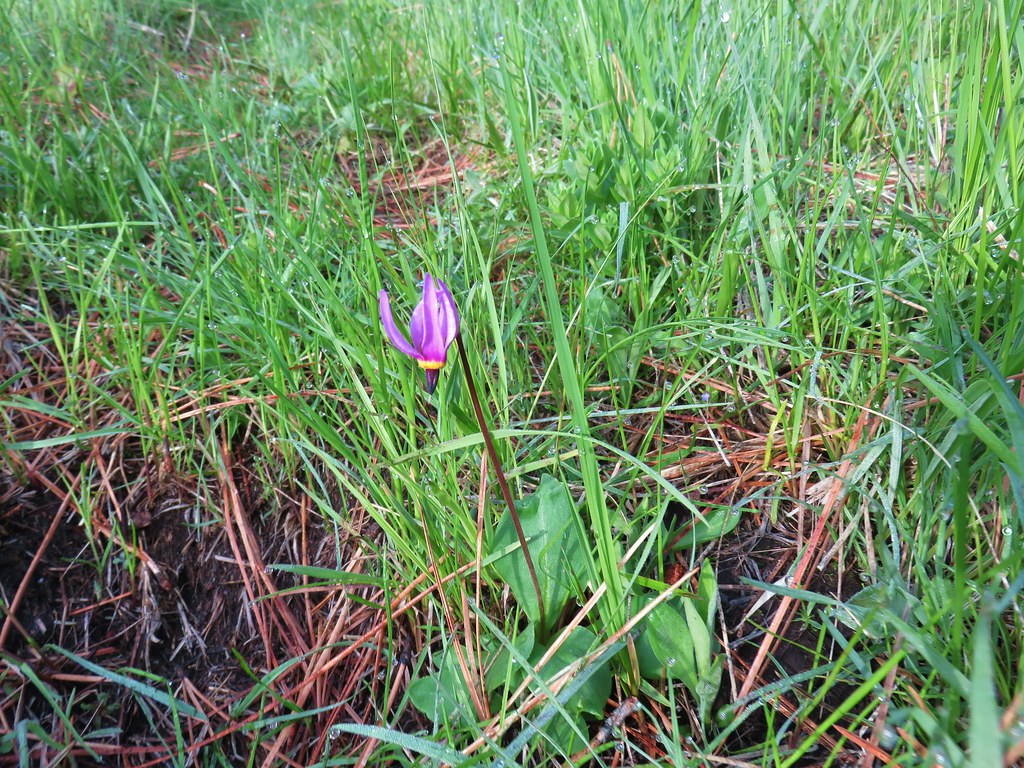 Shooting star
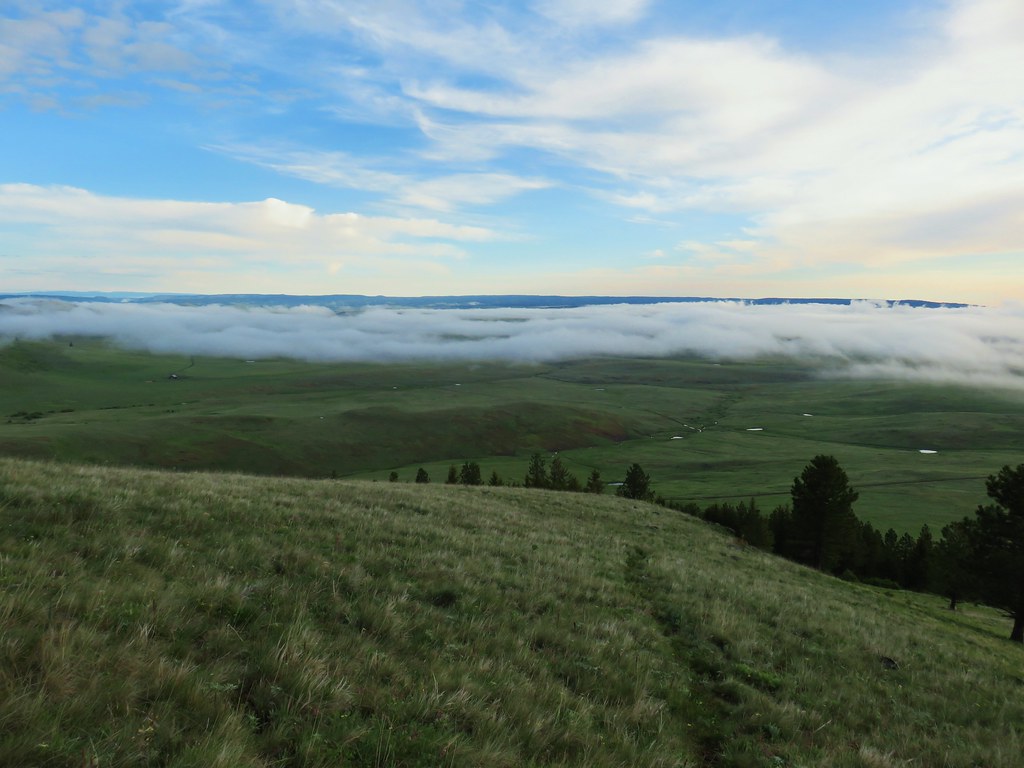 Here comes the clouds.

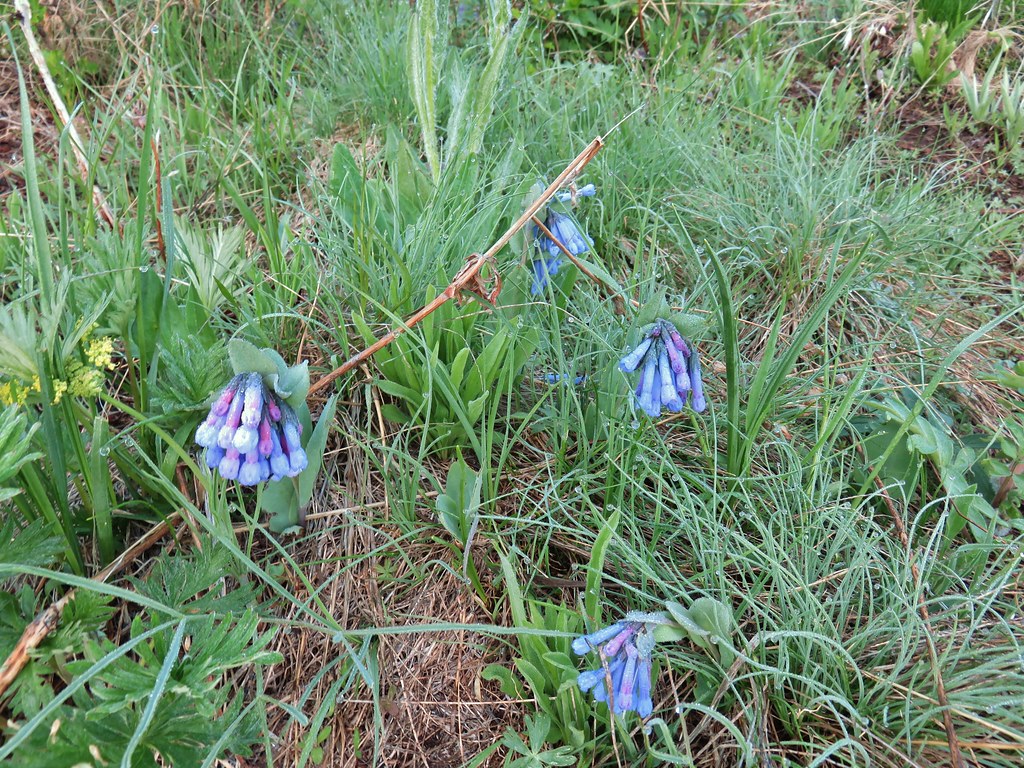 Bluebells
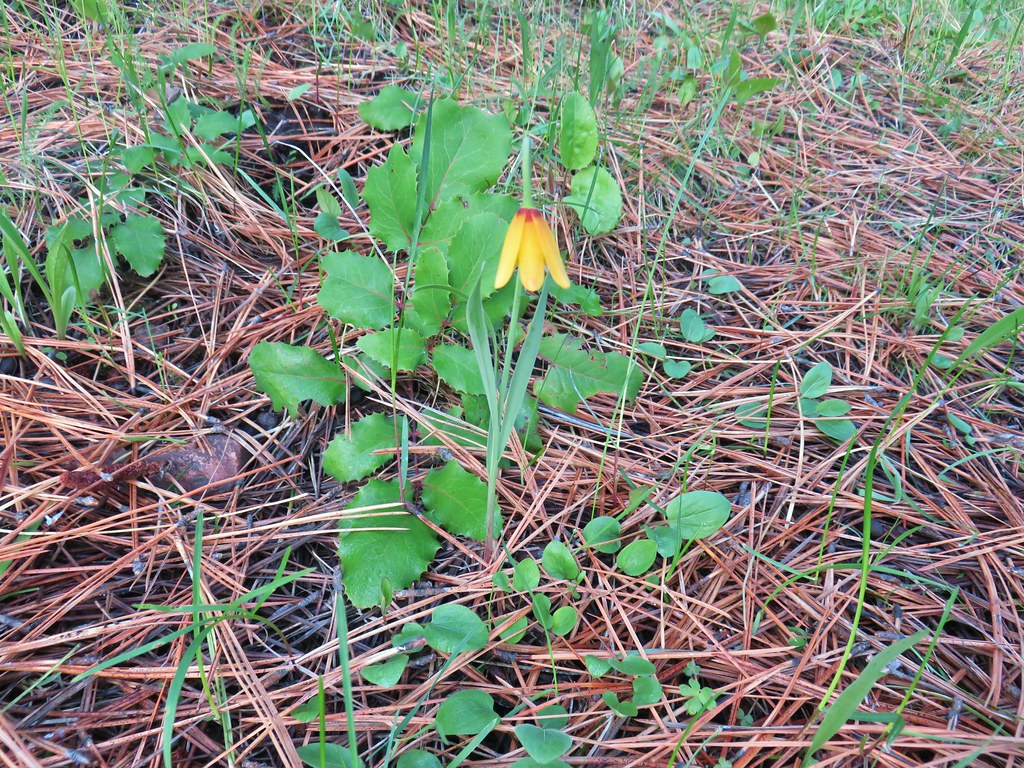 Yellow bell
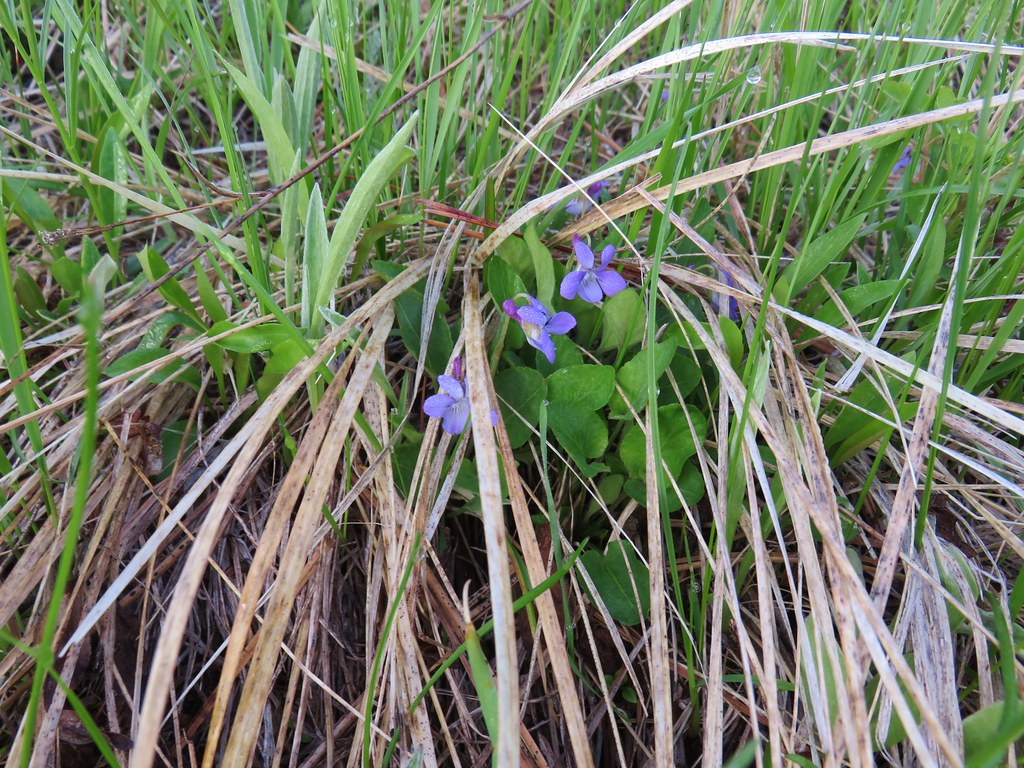 Violets
 Ball-head waterleaf







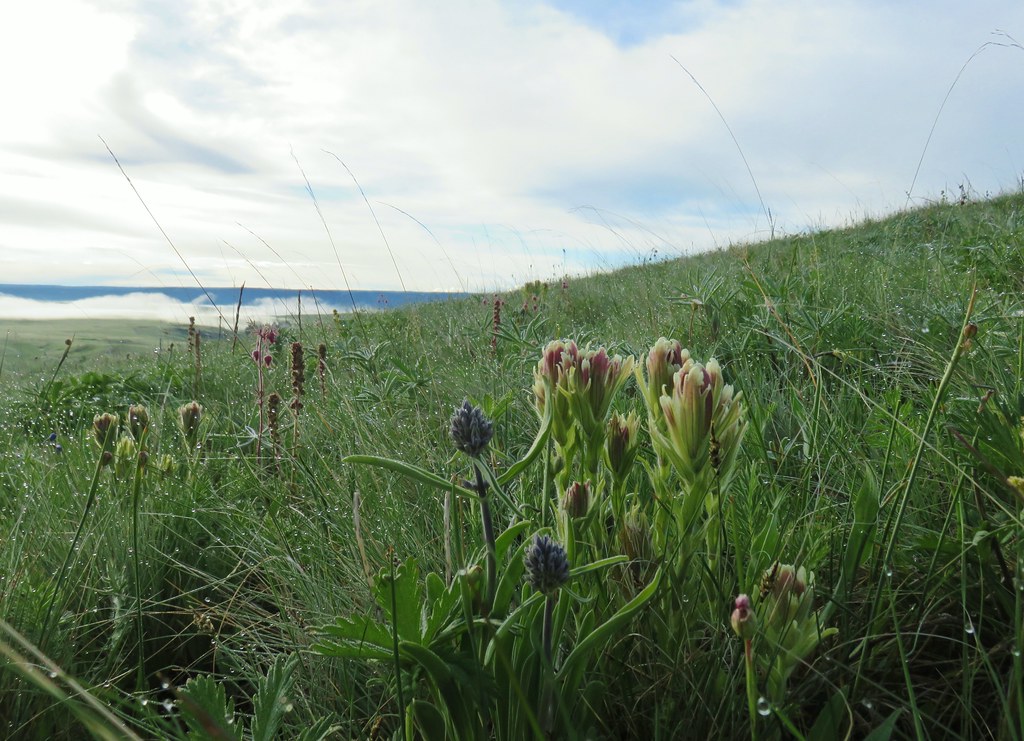




 Camas
 Old man’s whiskers and white-stem frasera
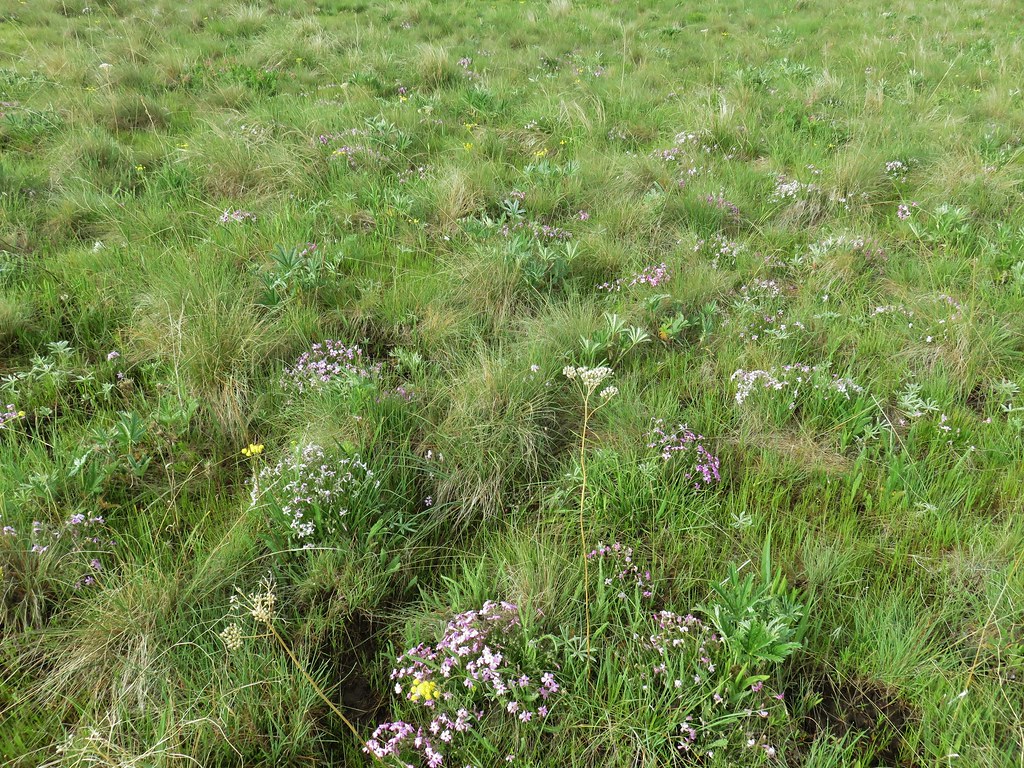 Lots of phlox
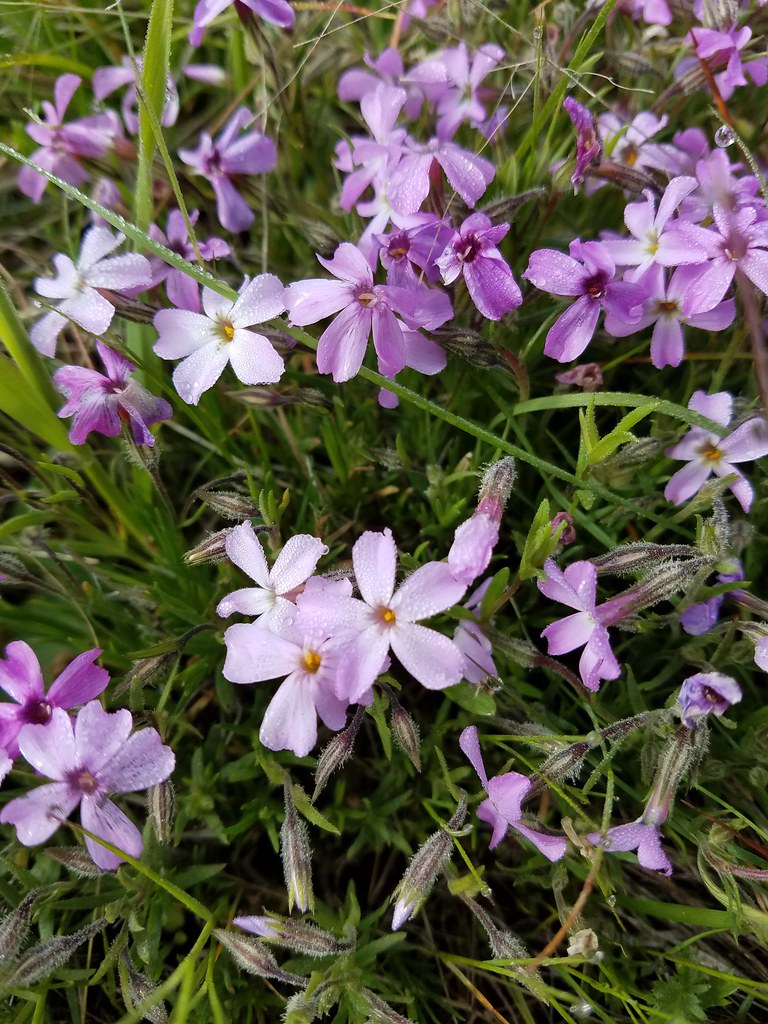 Phlox
 Large head clover, larkspur, and wild onion
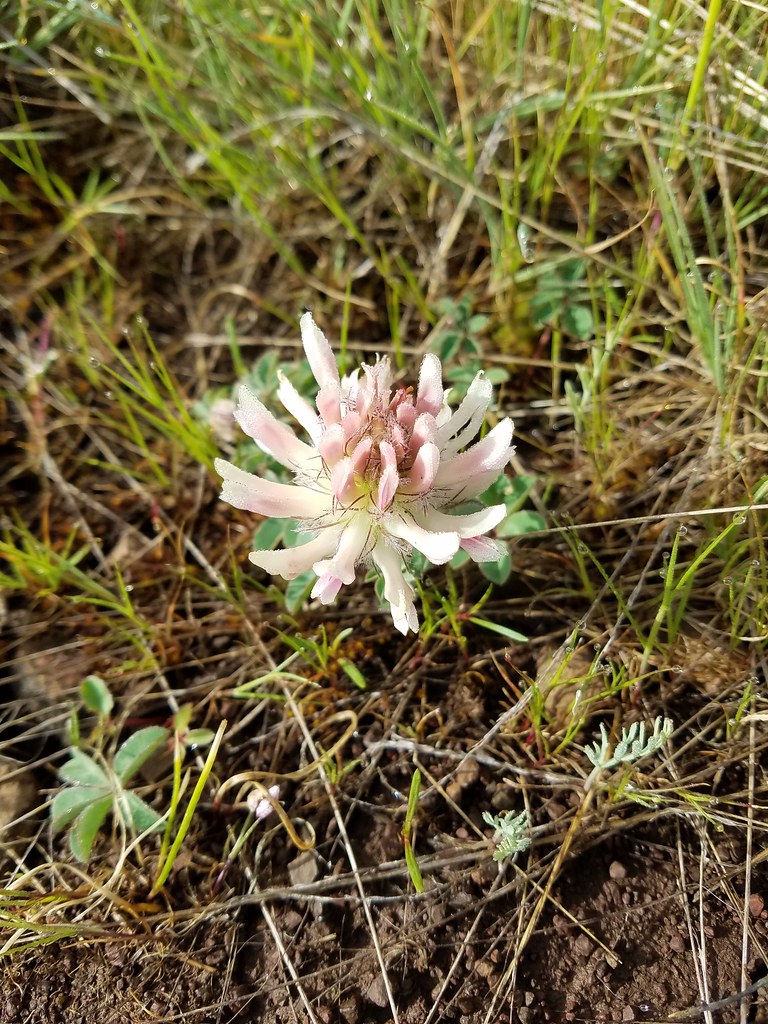 Large head clover
 Wild onion
 Duckett Barn starting to disappears as we descended.
 Possibly hoary balsamroot
 Hoary balsamroot?
 Phlox
 Diffuseflower evening-primrose
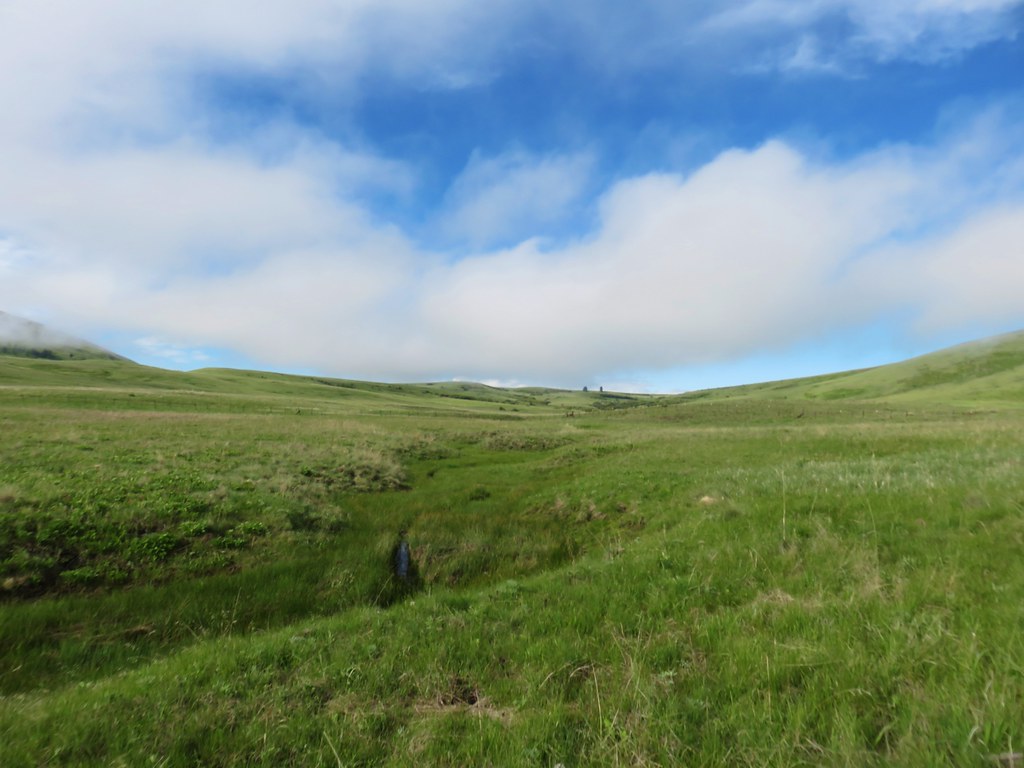 Camp Creek

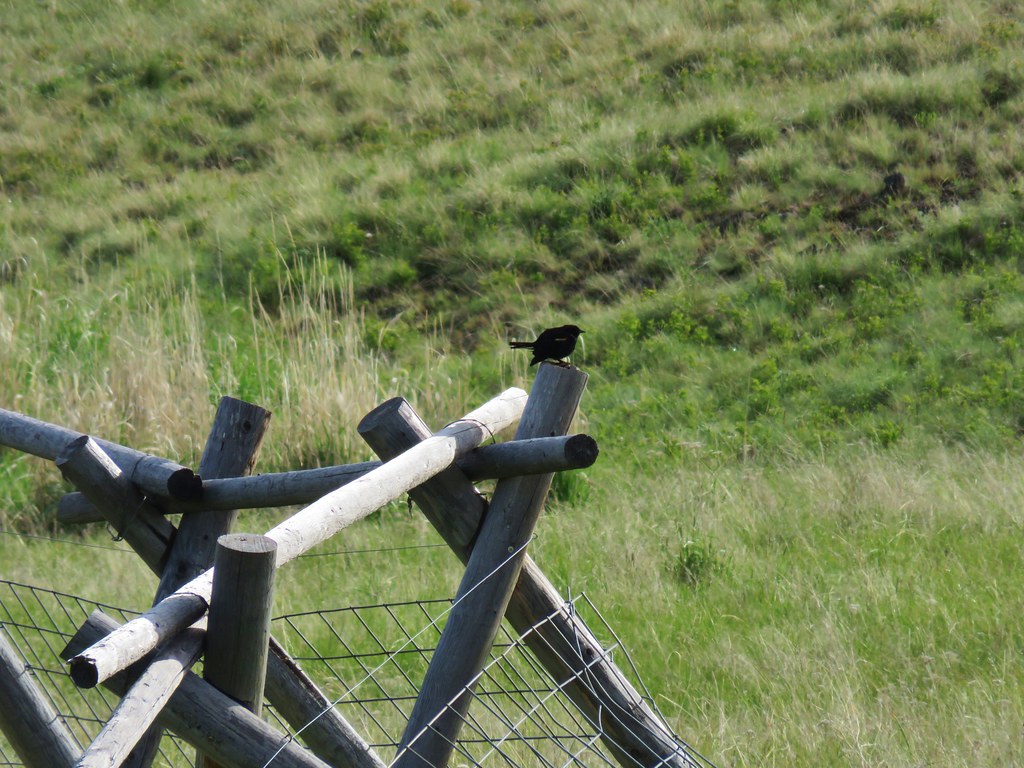

 Possibly a mustard
 White-stem frasera blooming
 Violets
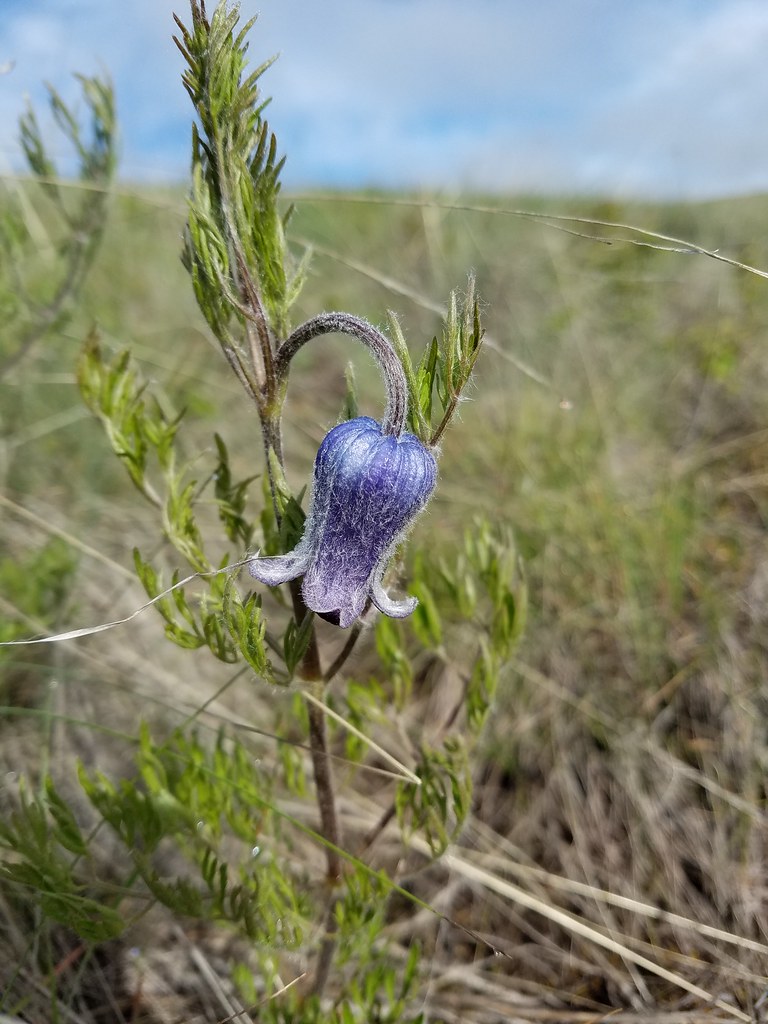 Hairy clematis
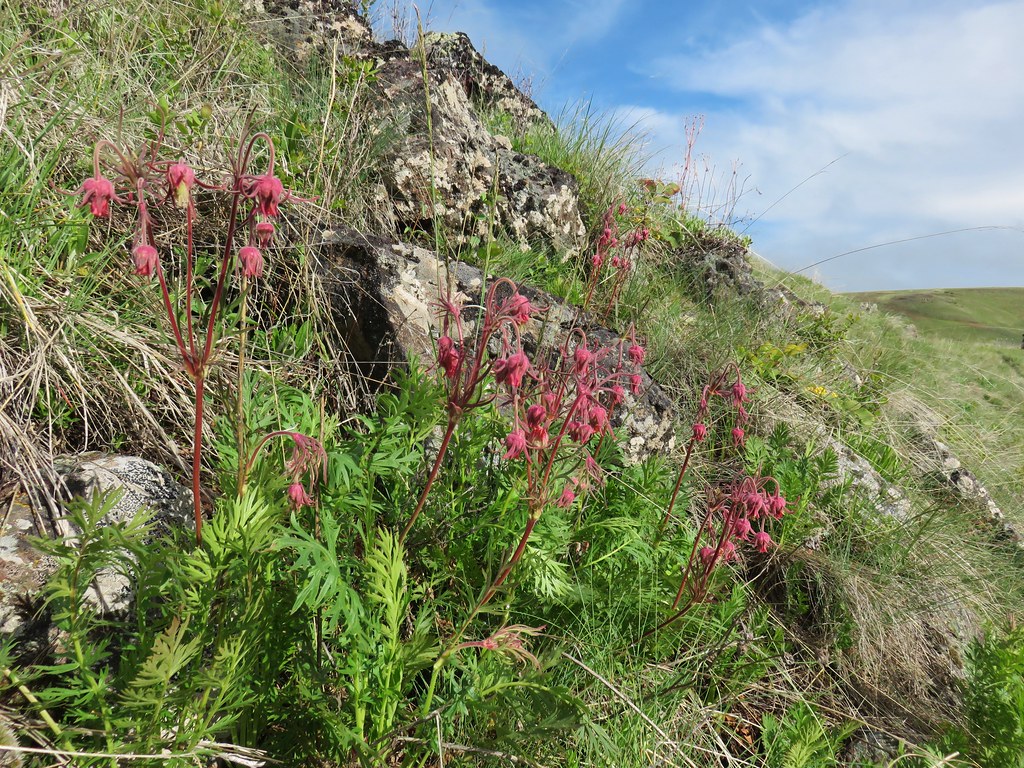 Old man’s whiskers

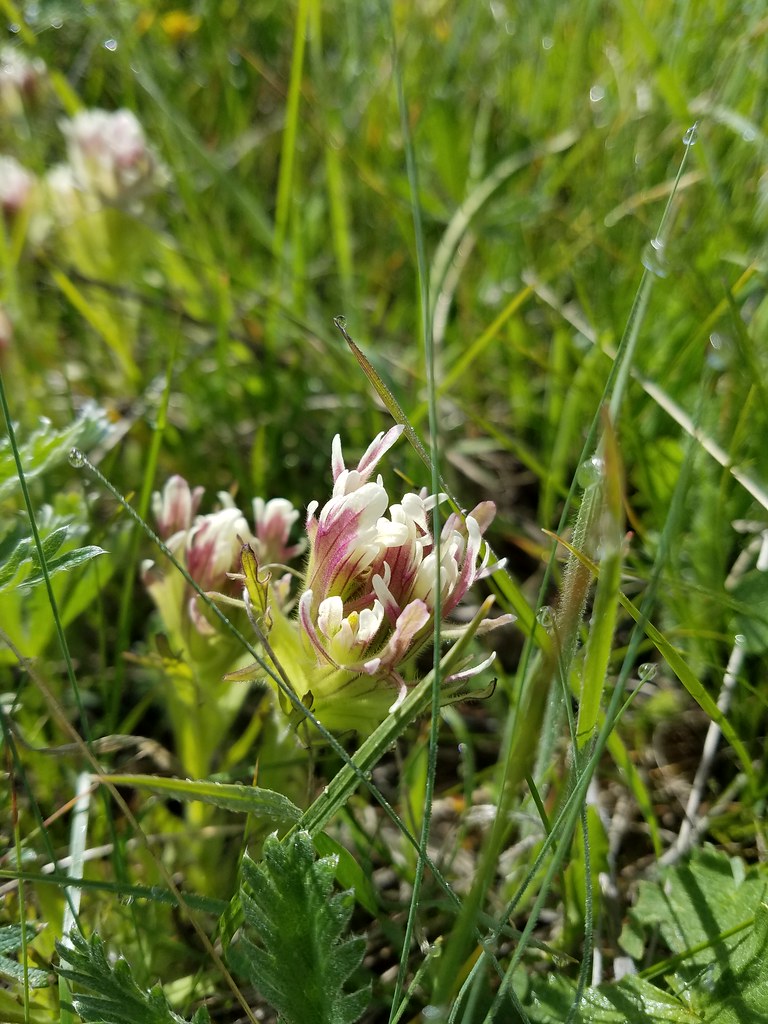 Cusick’s paintbrush

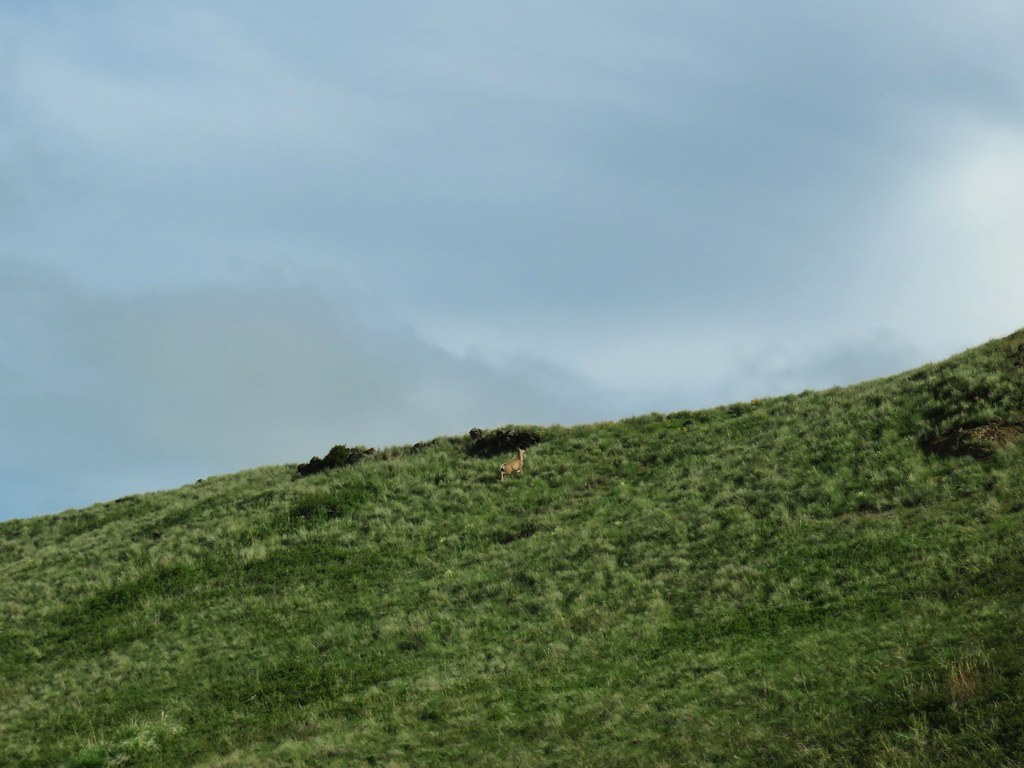




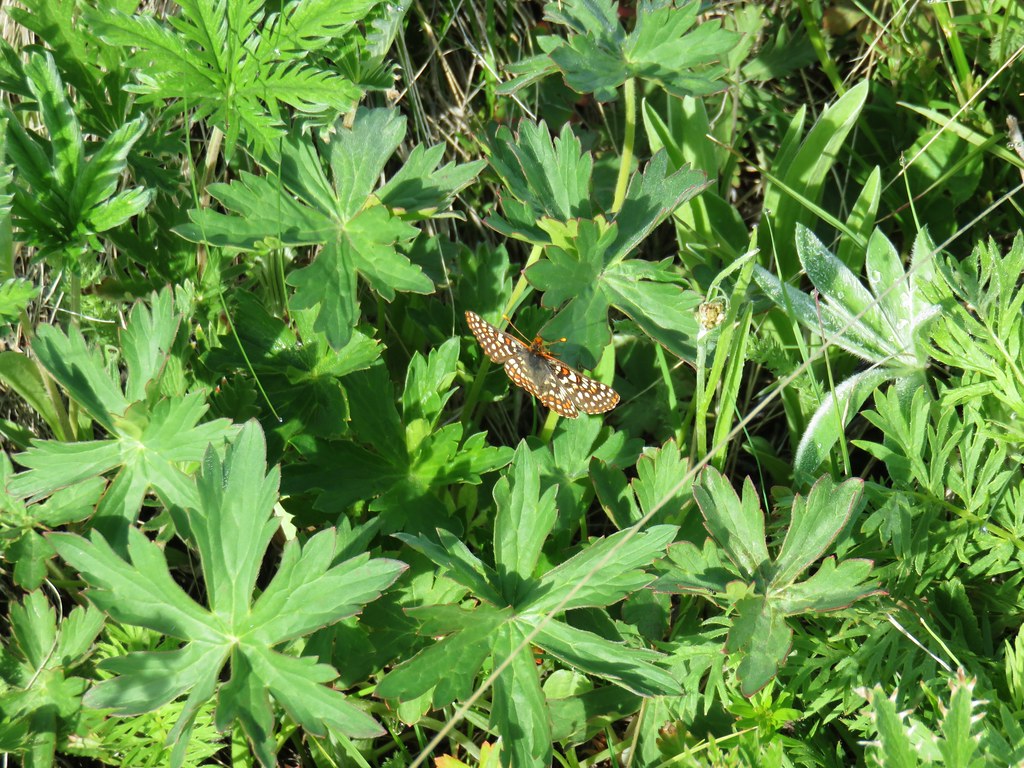



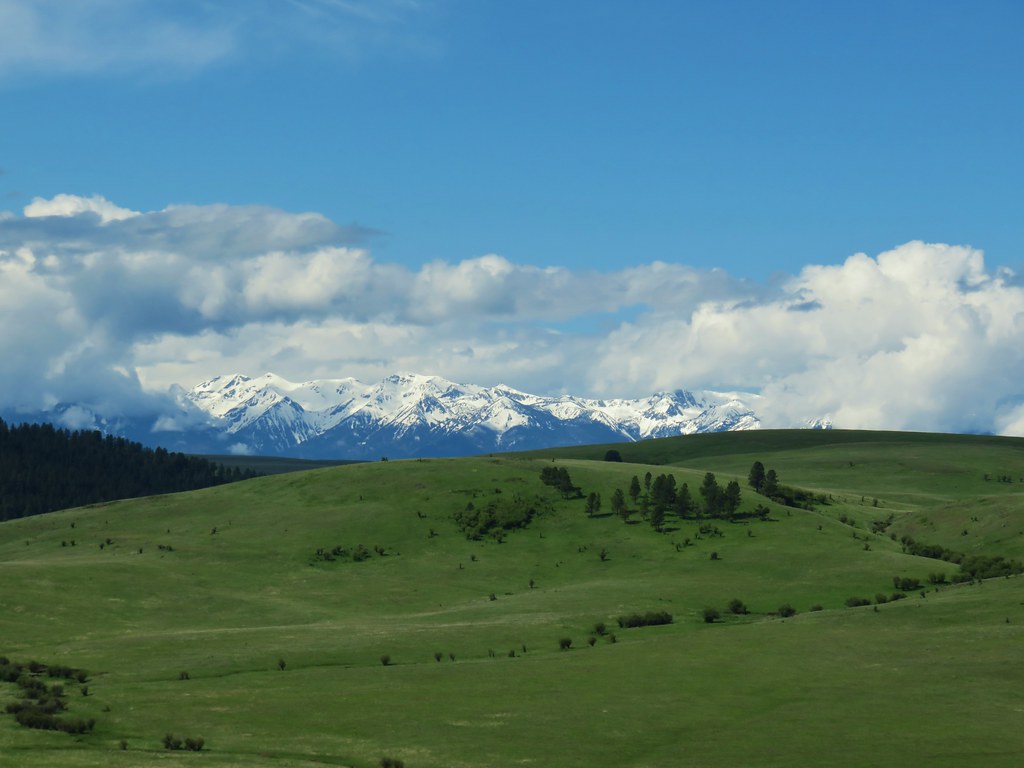

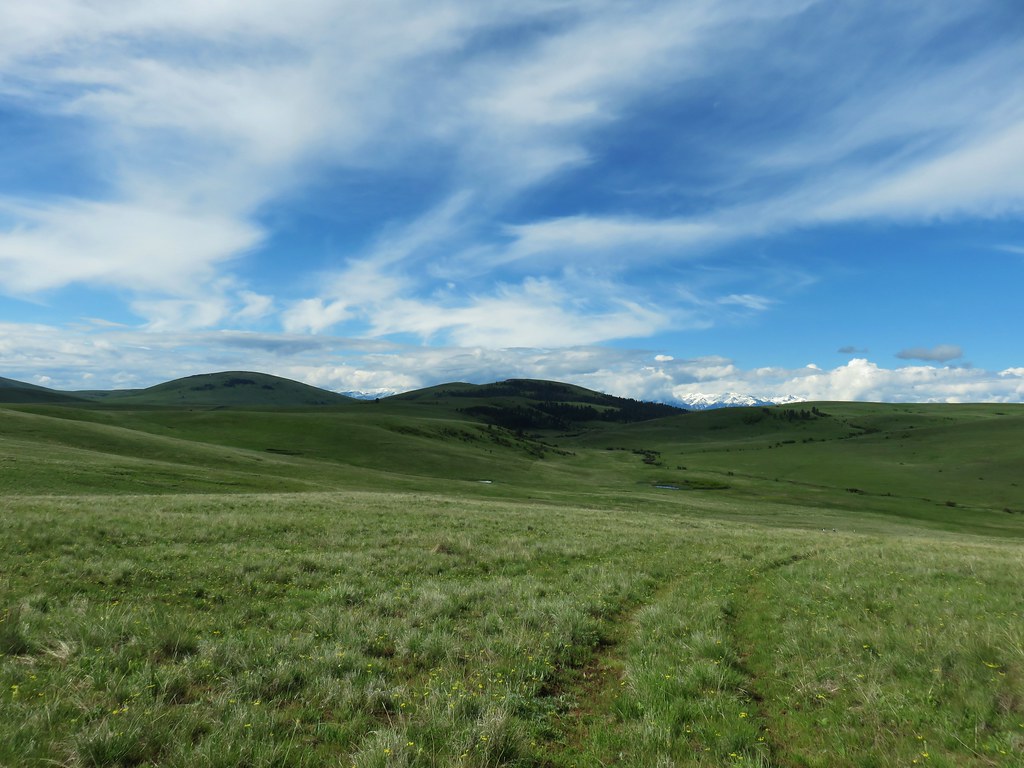
 Paintbrush and biscuitroot
 A ragwort or groundsel (I think)
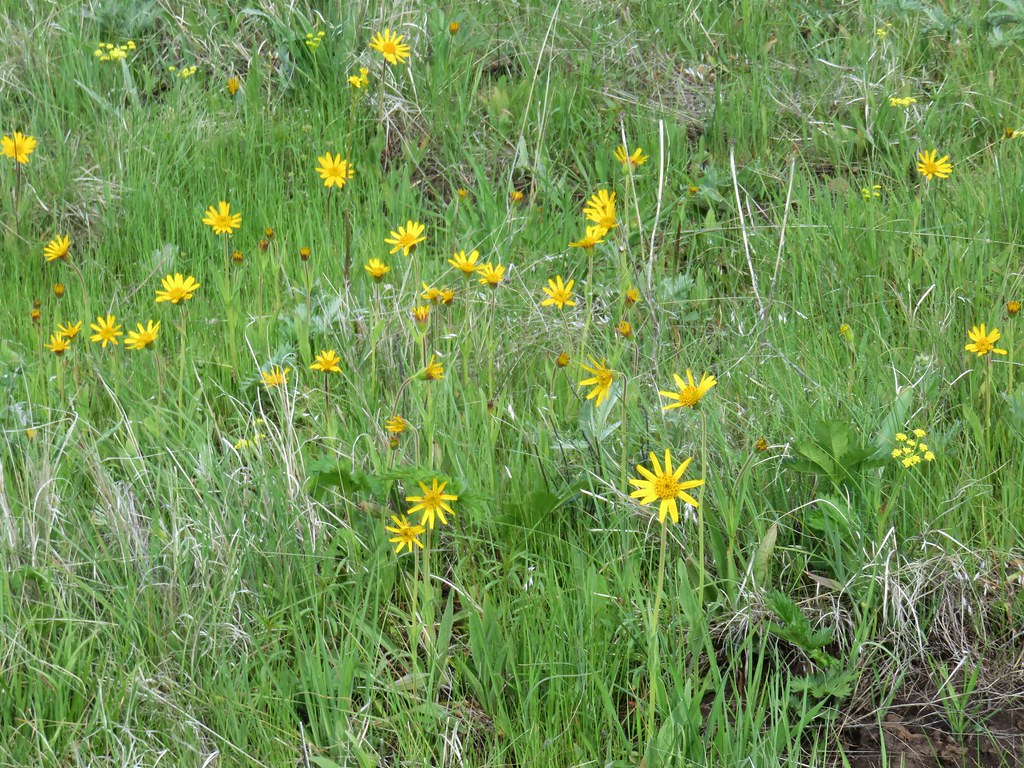 False sunflower?
 Old man’s whiskers and milk vetch
 Western stoneseed
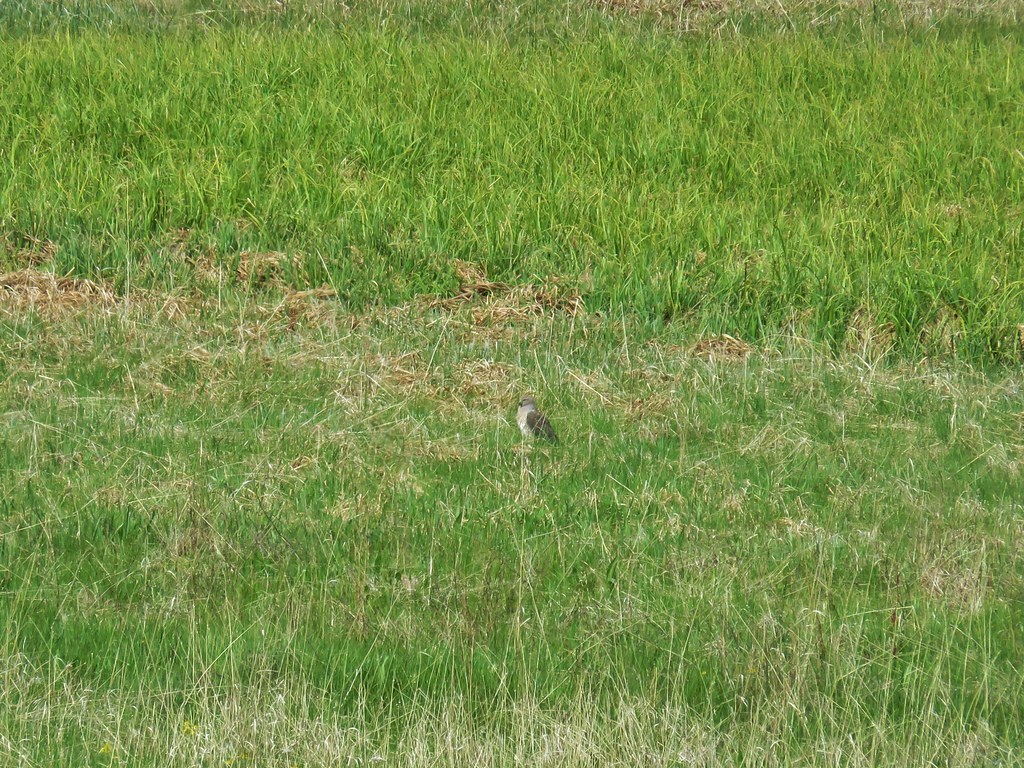
 I had to dip into the digital zoom to get this photo so it’s a bit blurry.
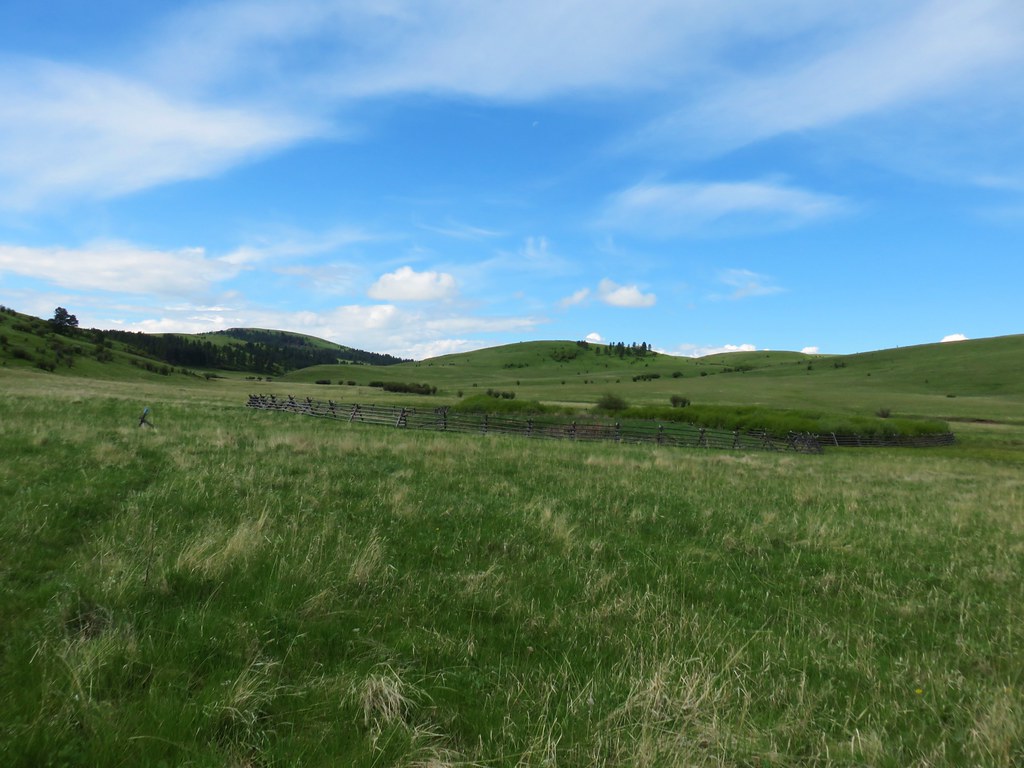

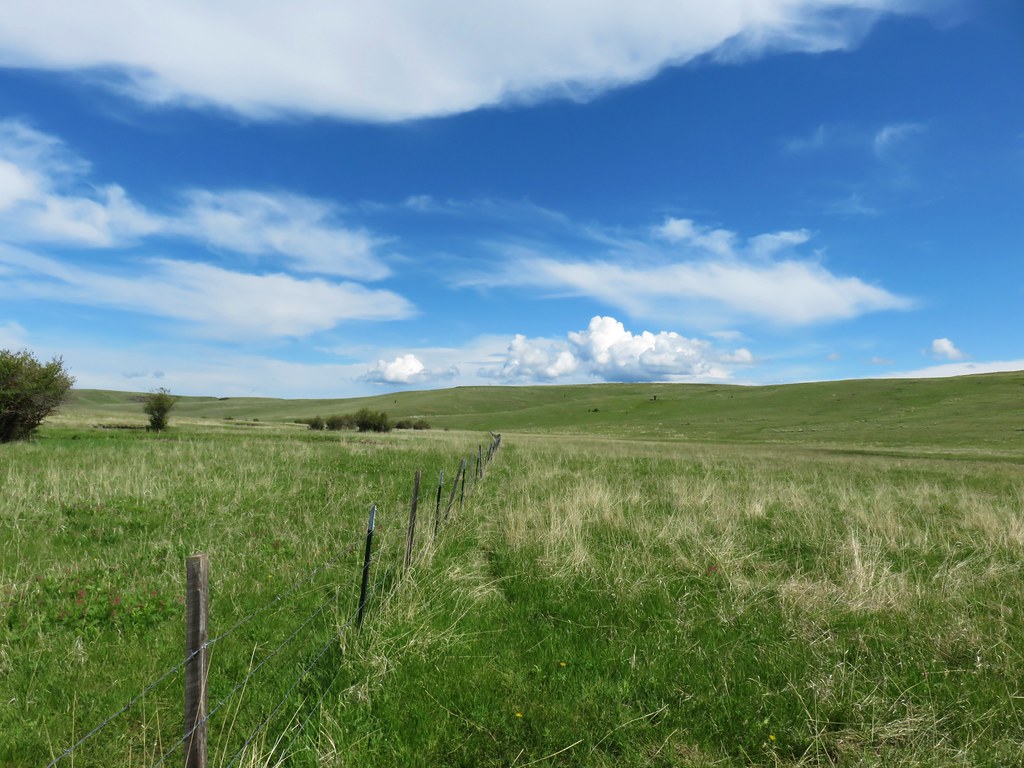

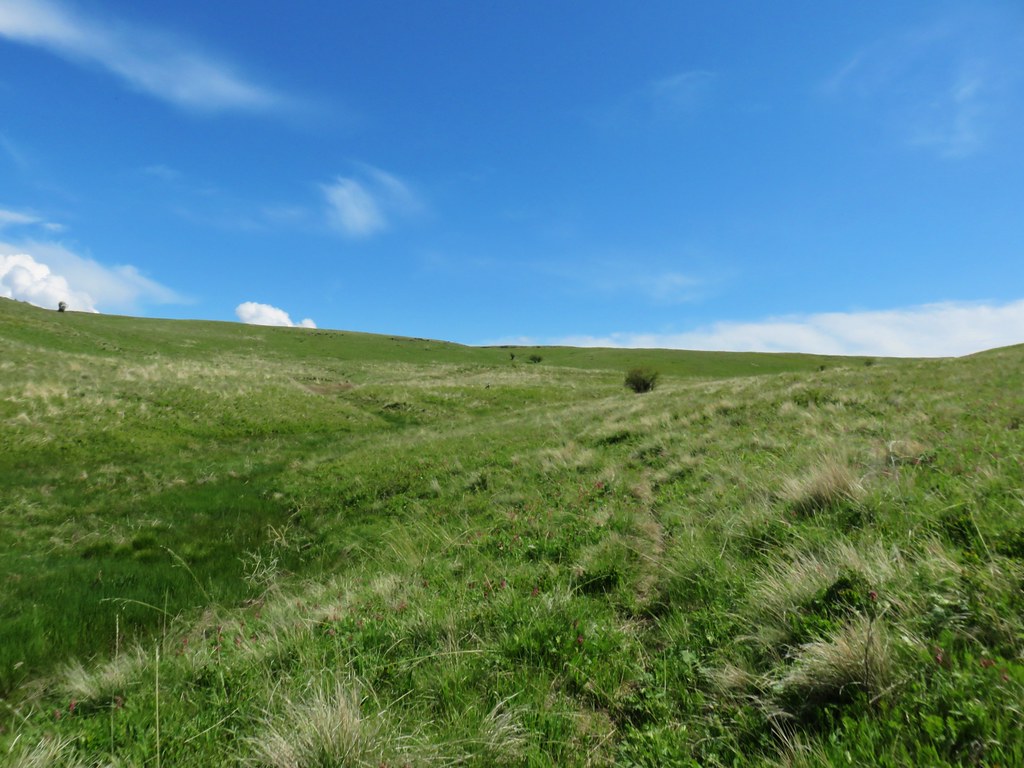
 Dwarf yellow fleabane
 Blue dicks

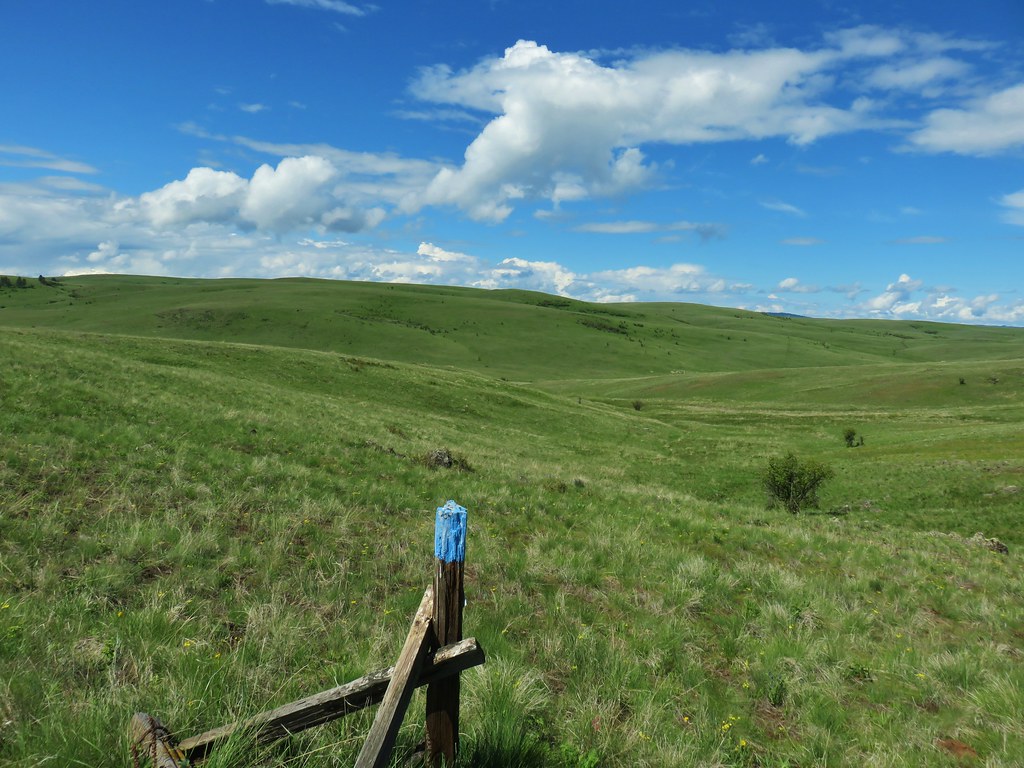 Looking back down the draw.


 Vetch
 Spreading dogbane
 Yarrow
 Houndstongue
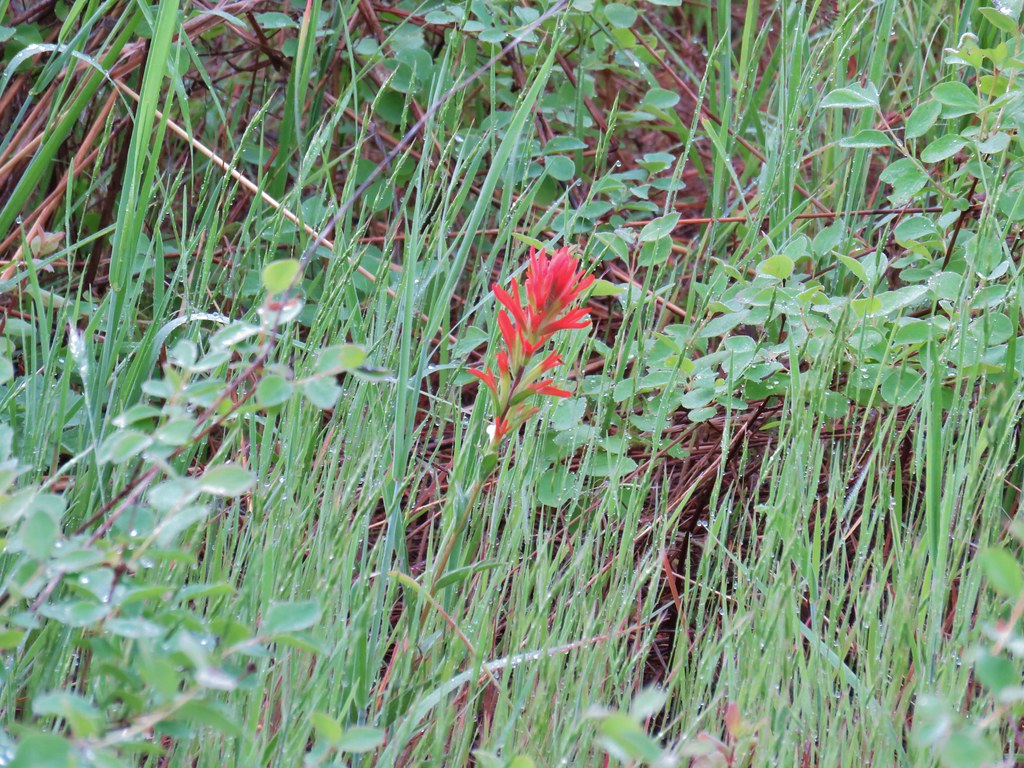 Paintbrush
 Catchfly
 sticky purple geranium


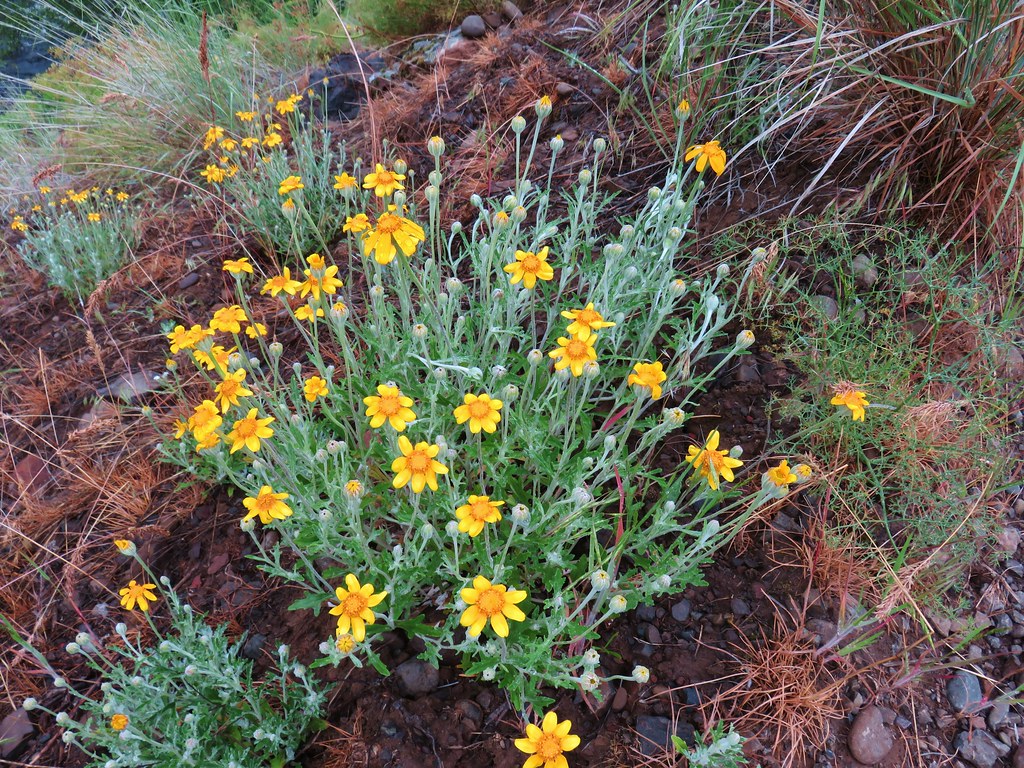 Oregon sunshine
 Monkey flower
 Watercress?
 Fiddleneck
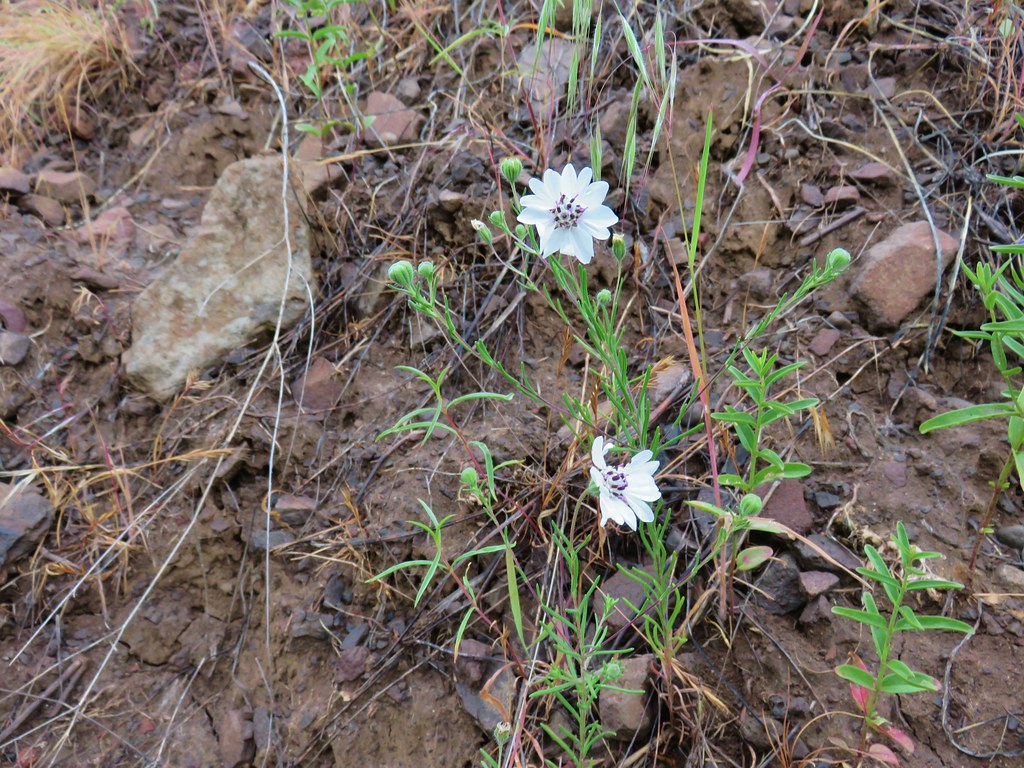 Rough eyelashweed
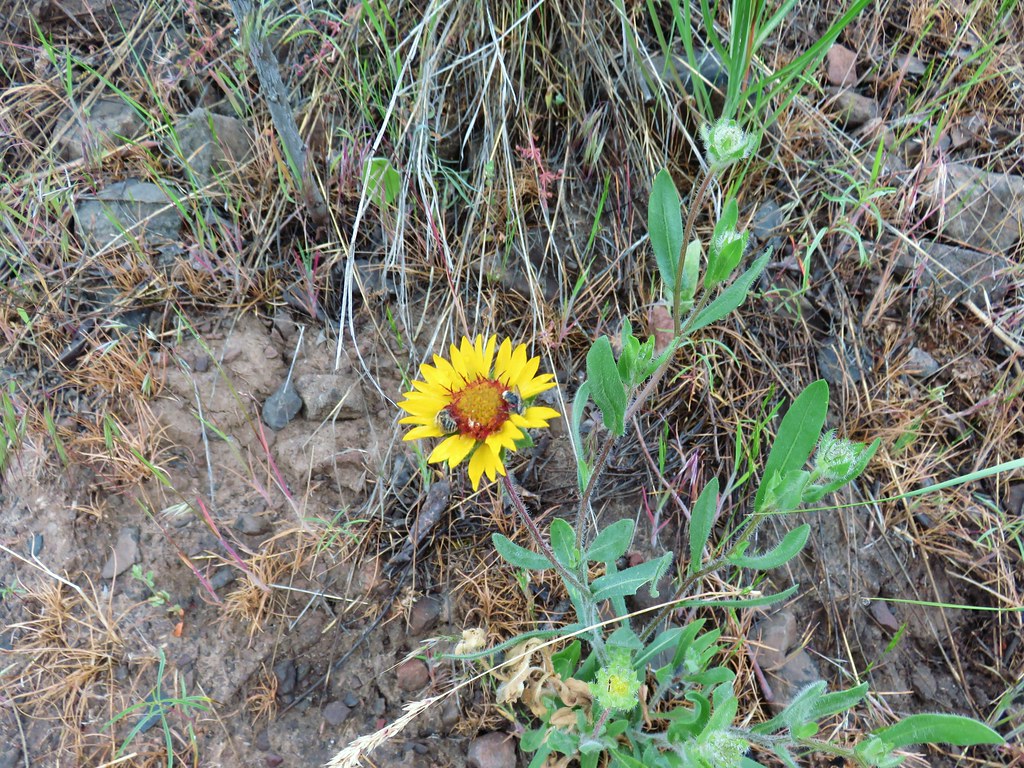 Blanket flower with two sleeping bees

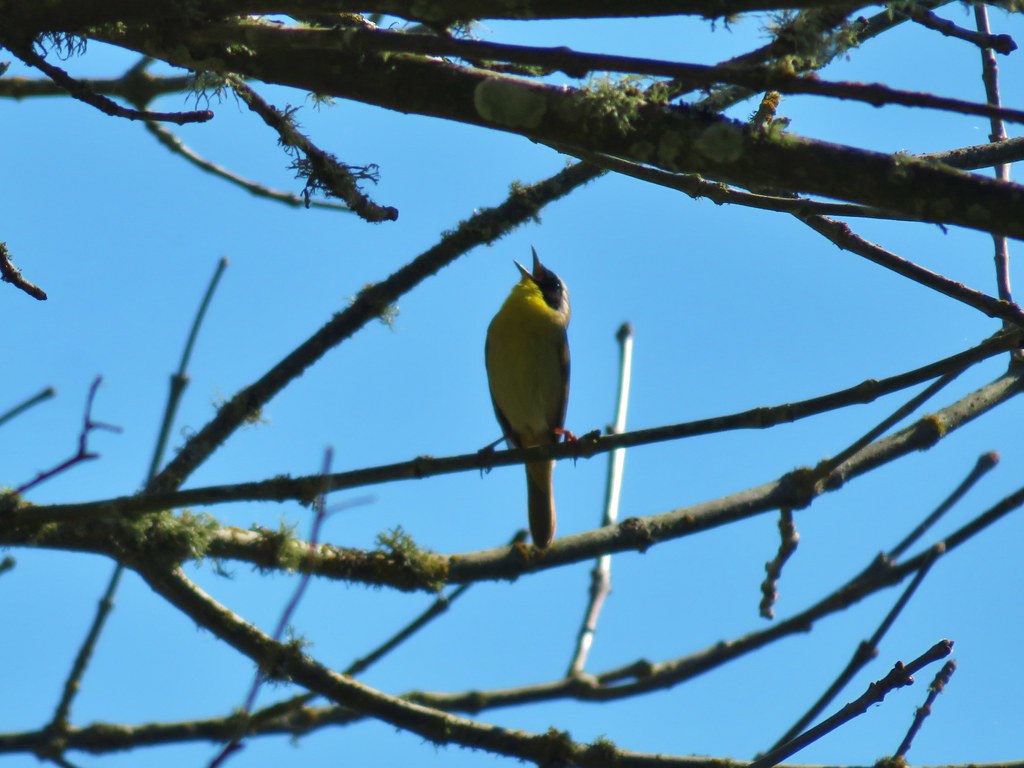
 Yellow breasted chat


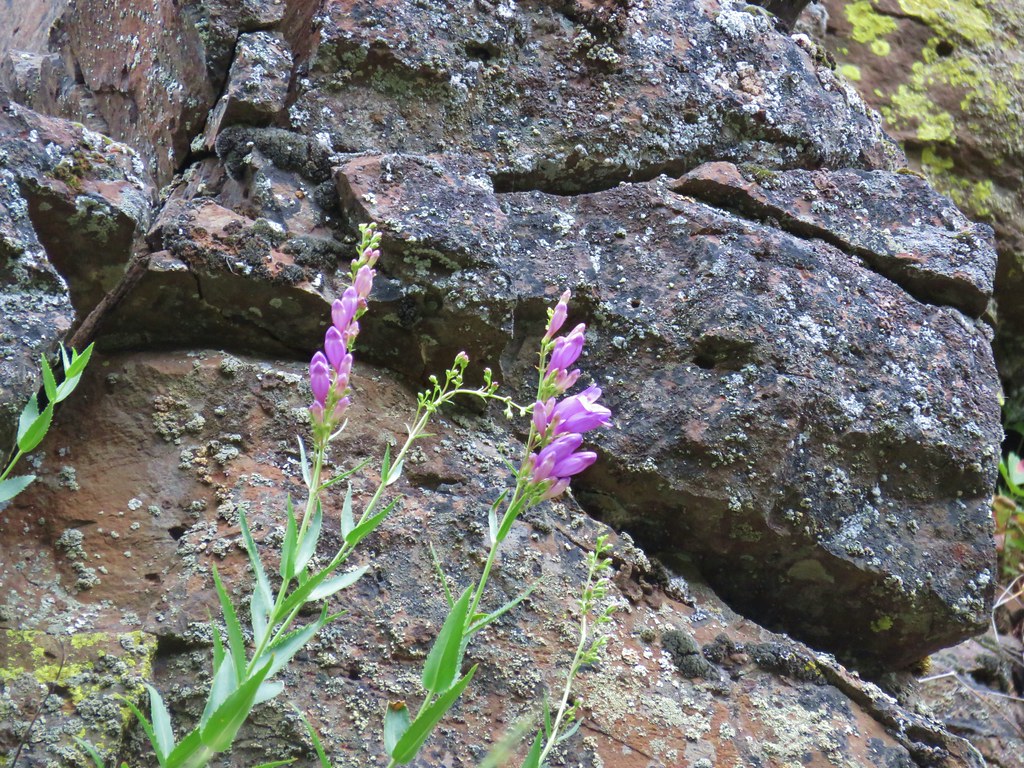 Penstemon
 Clarkia
 Phlox
 More spreading dogbane
 Buckwheat
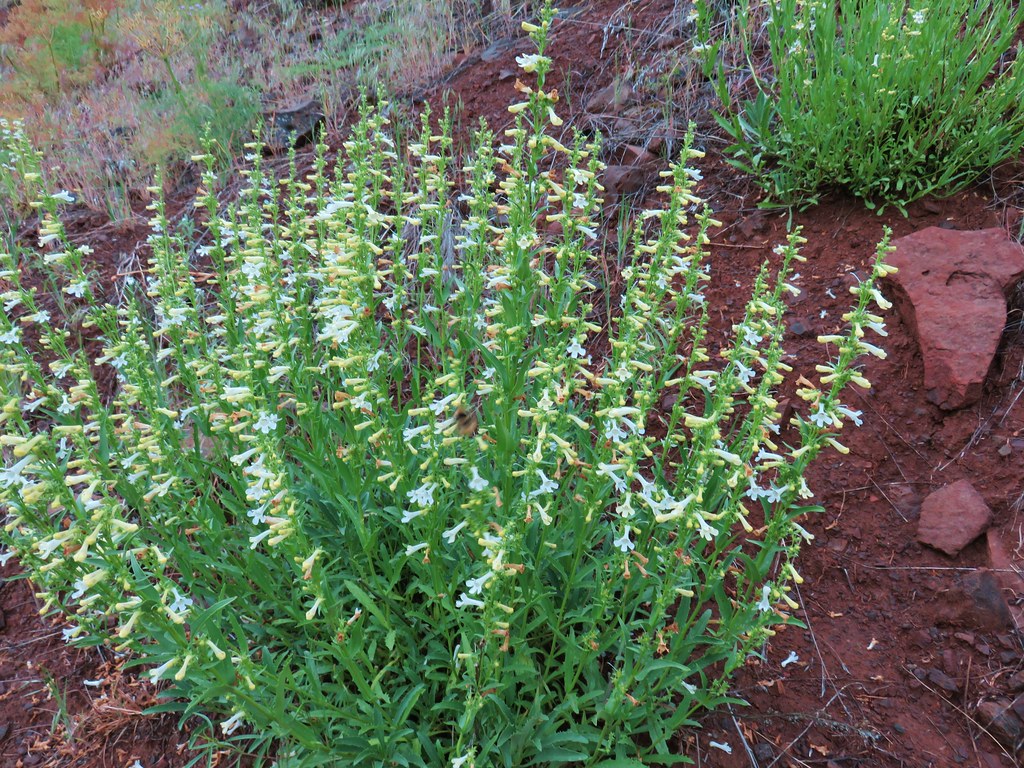 Scabland penstemon
 Cinquefoil?


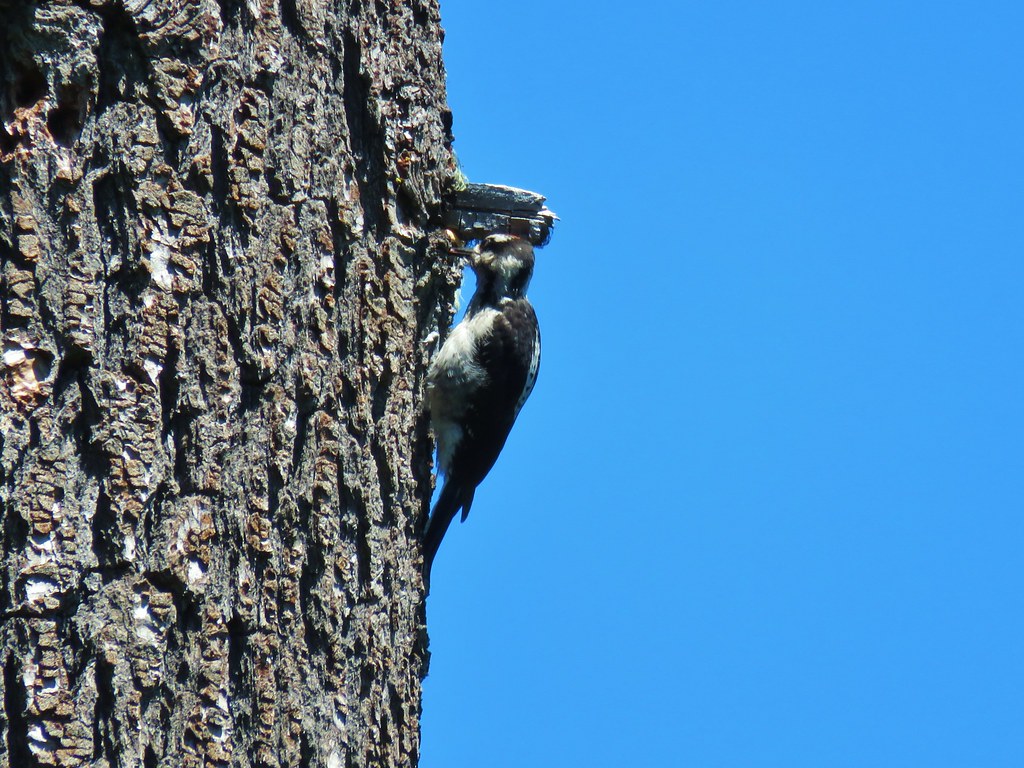
 Woodpecker with a snack.
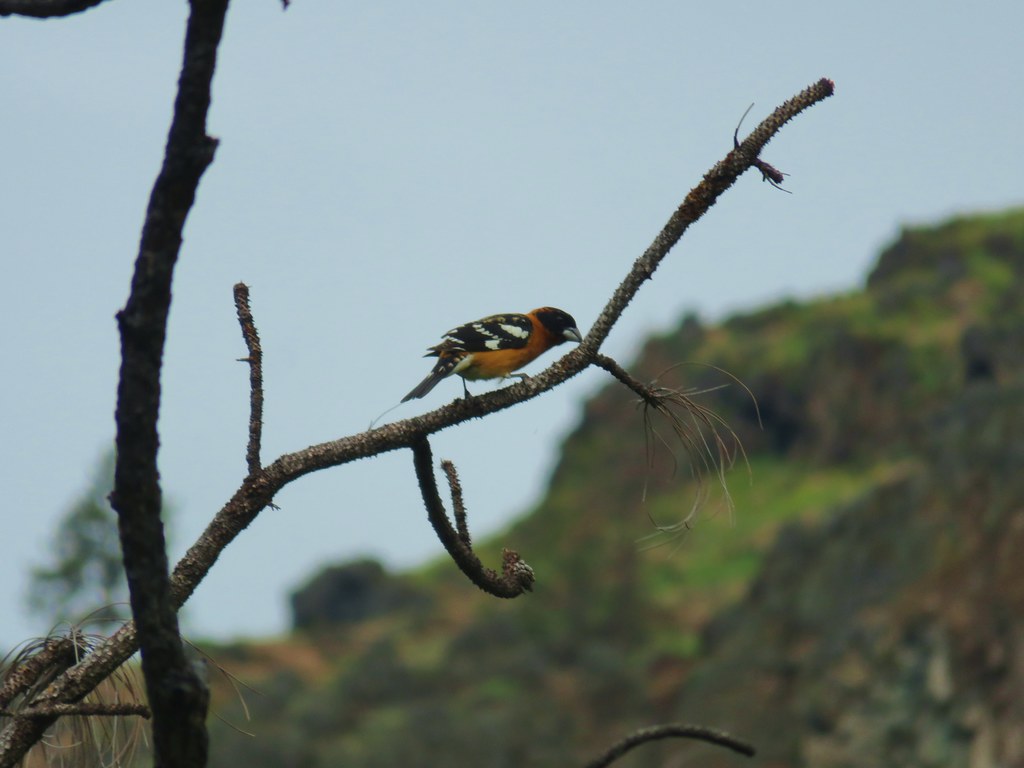 Black headed grosebeak
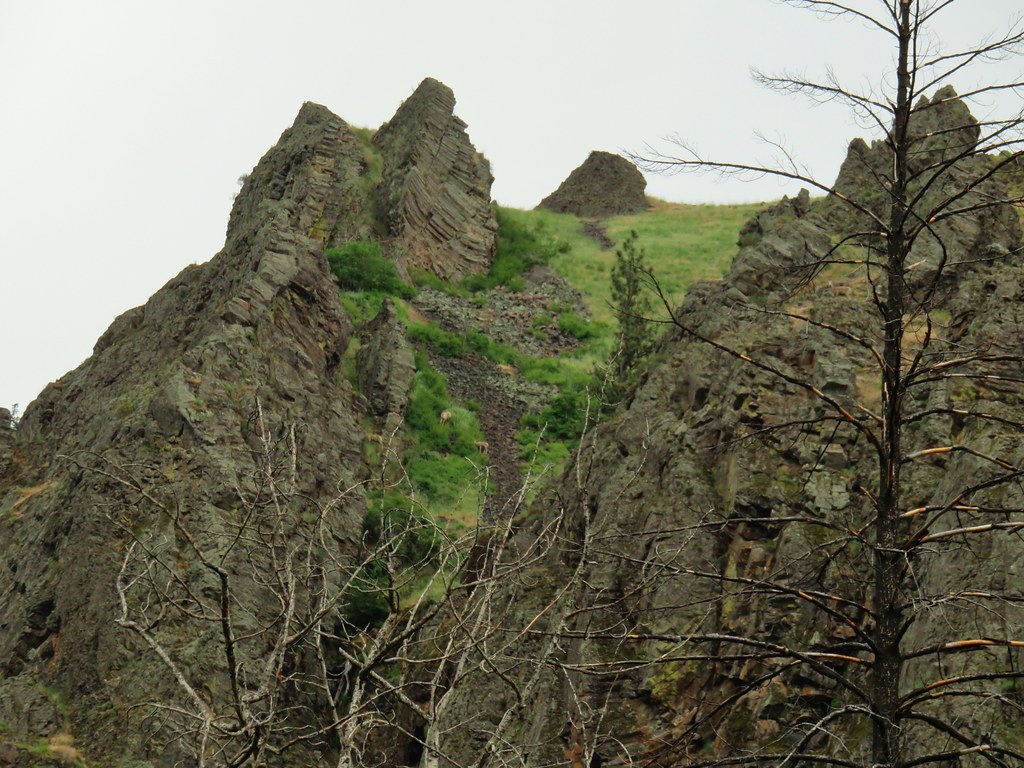
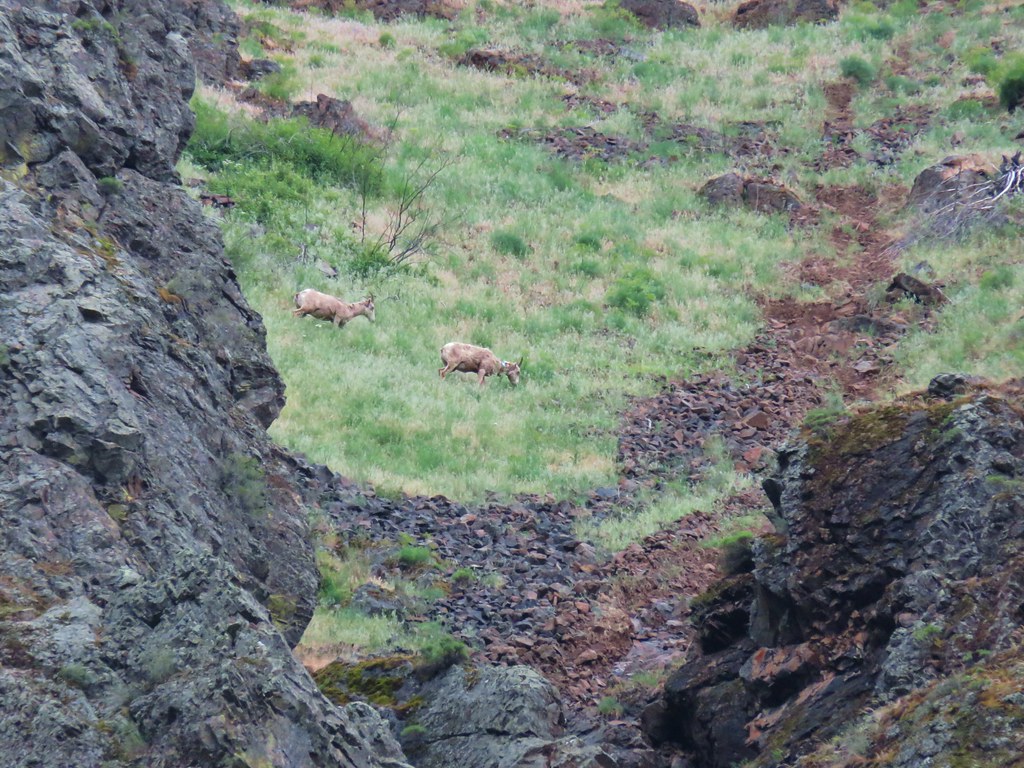
 Blue dicks with a beetle
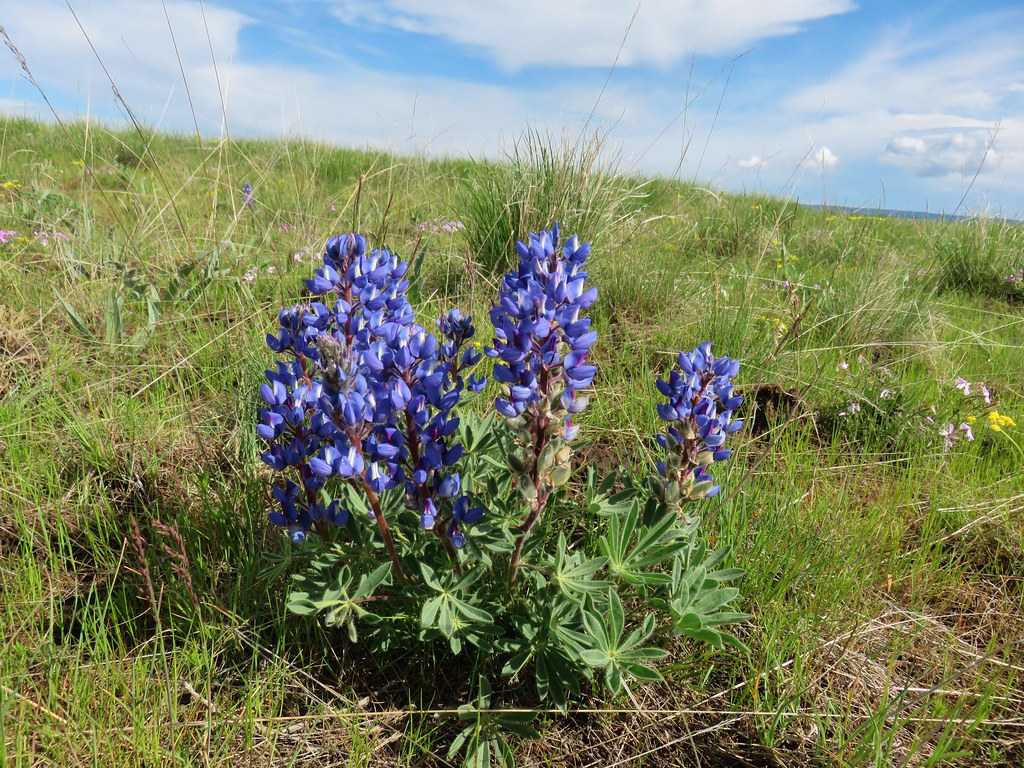
 Lupine
 Salsify
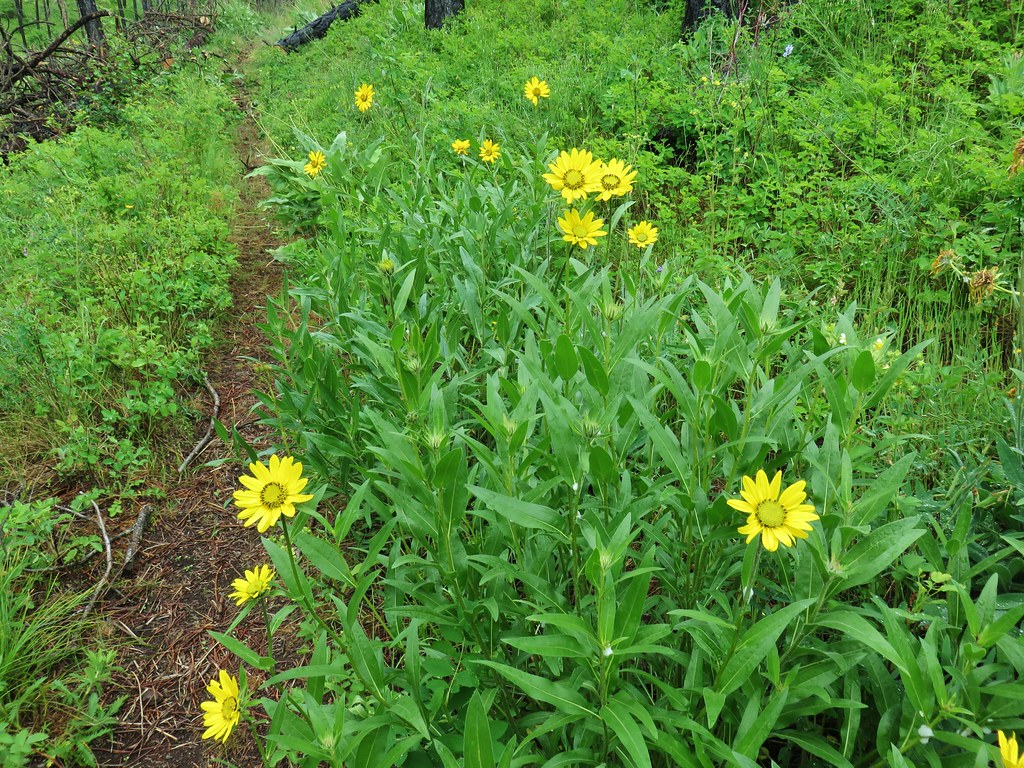 False sunflowers
 Balsamroot
 Clarkia with beetles
 View from the ridge end.

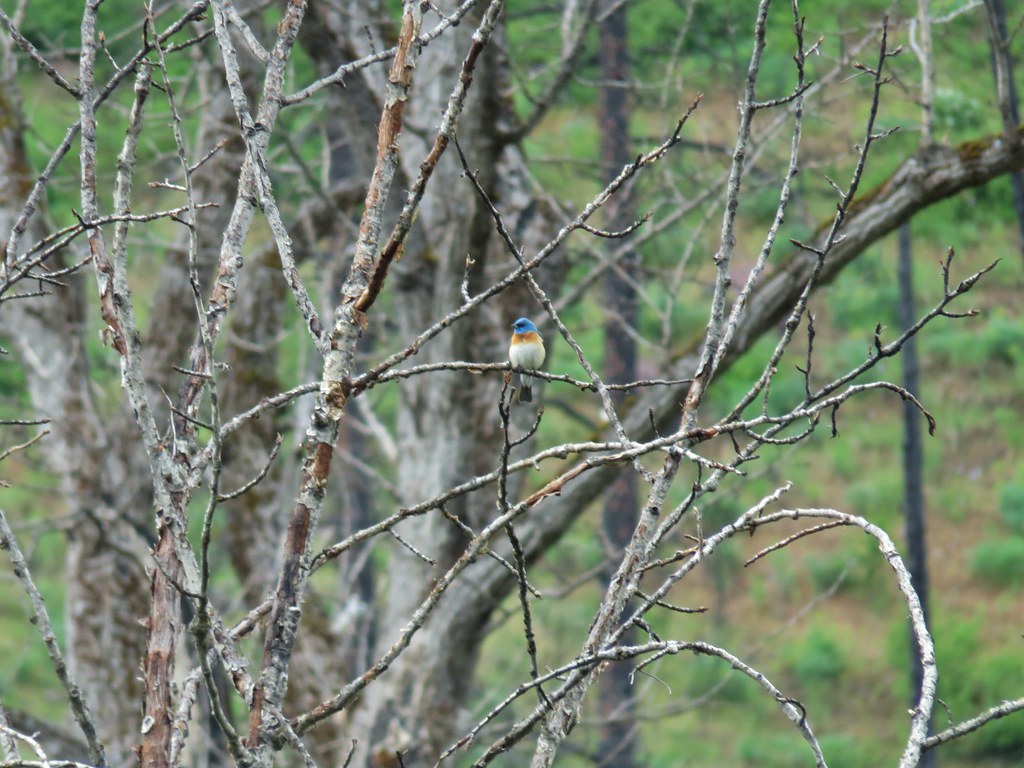 Another bunting
 Wallflower


 Geranium


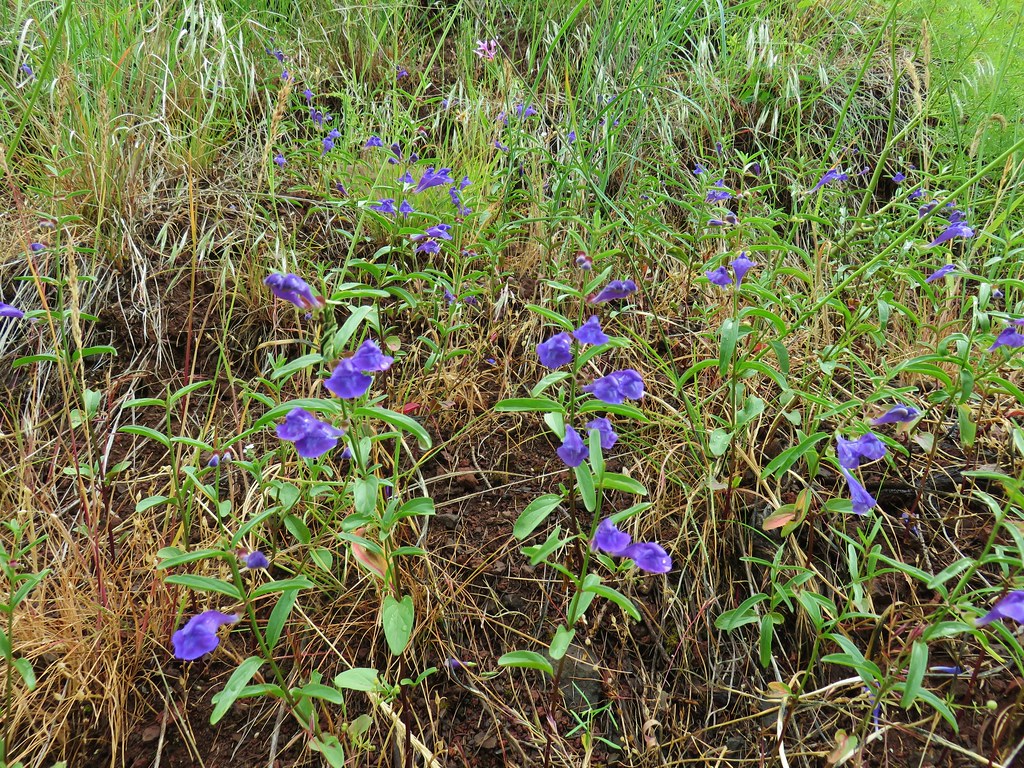 Skullcap
 Stream globemallow
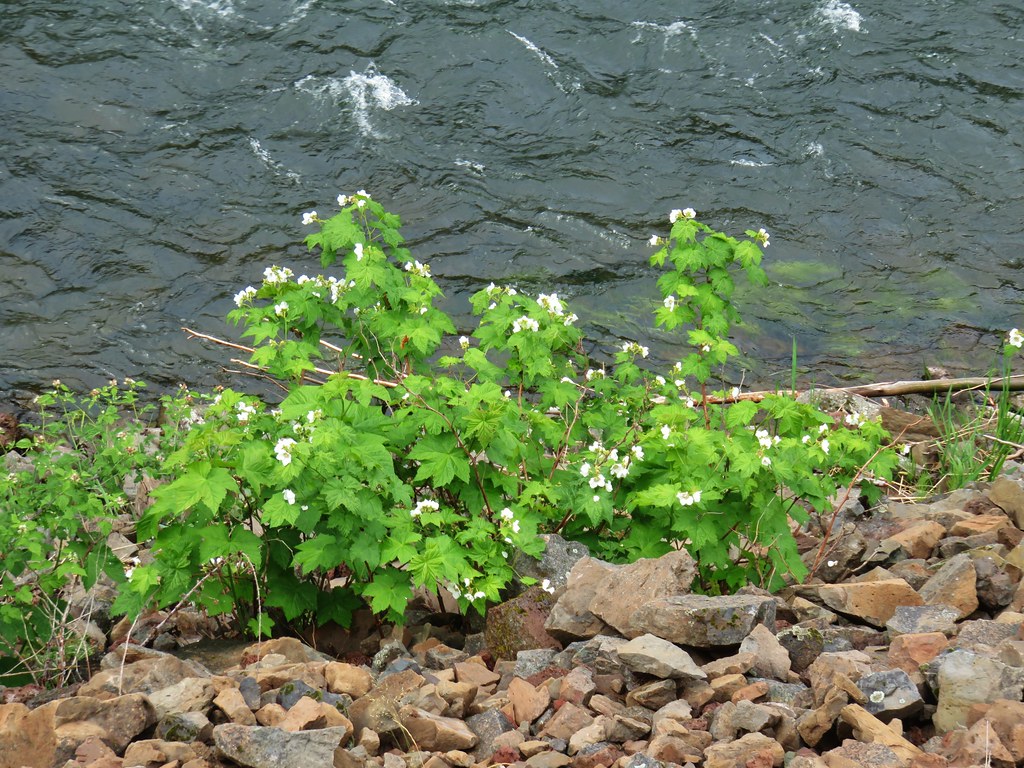 Thimbleberry
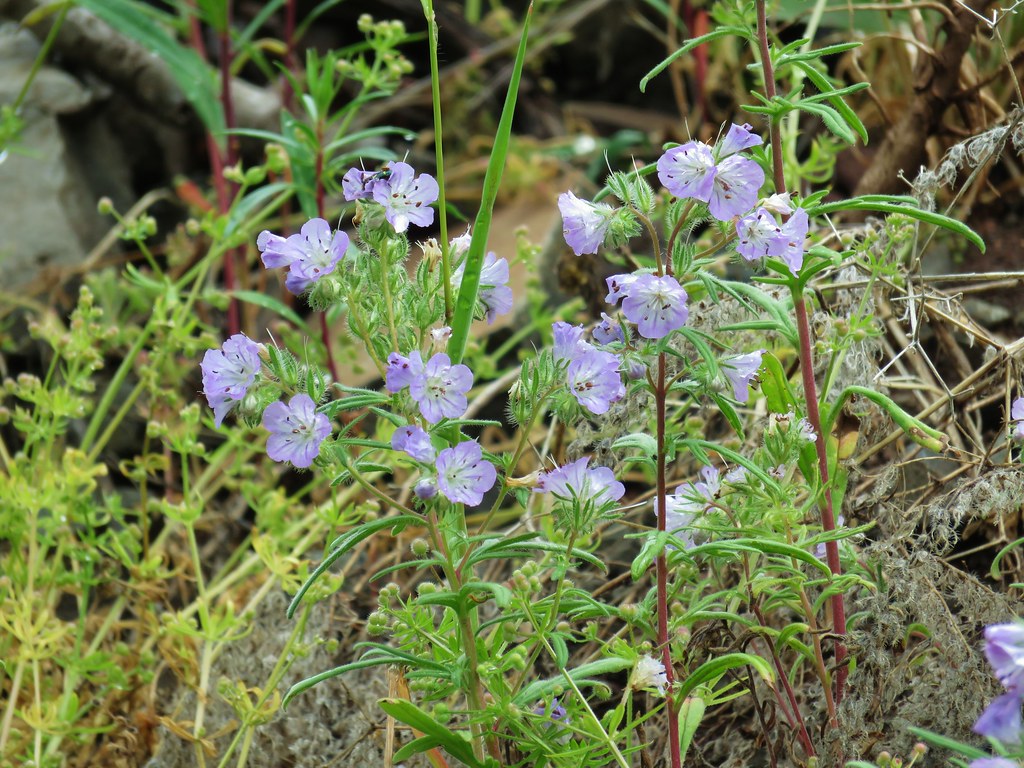 Threadleaf phacelia



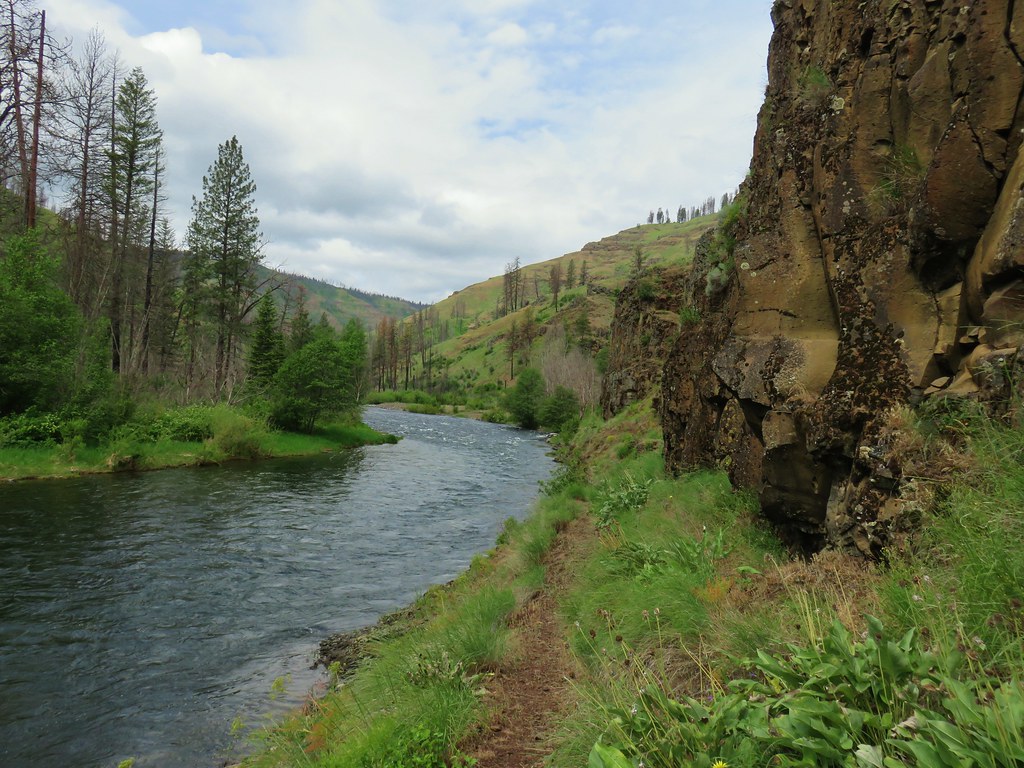 Officially inside the wilderness

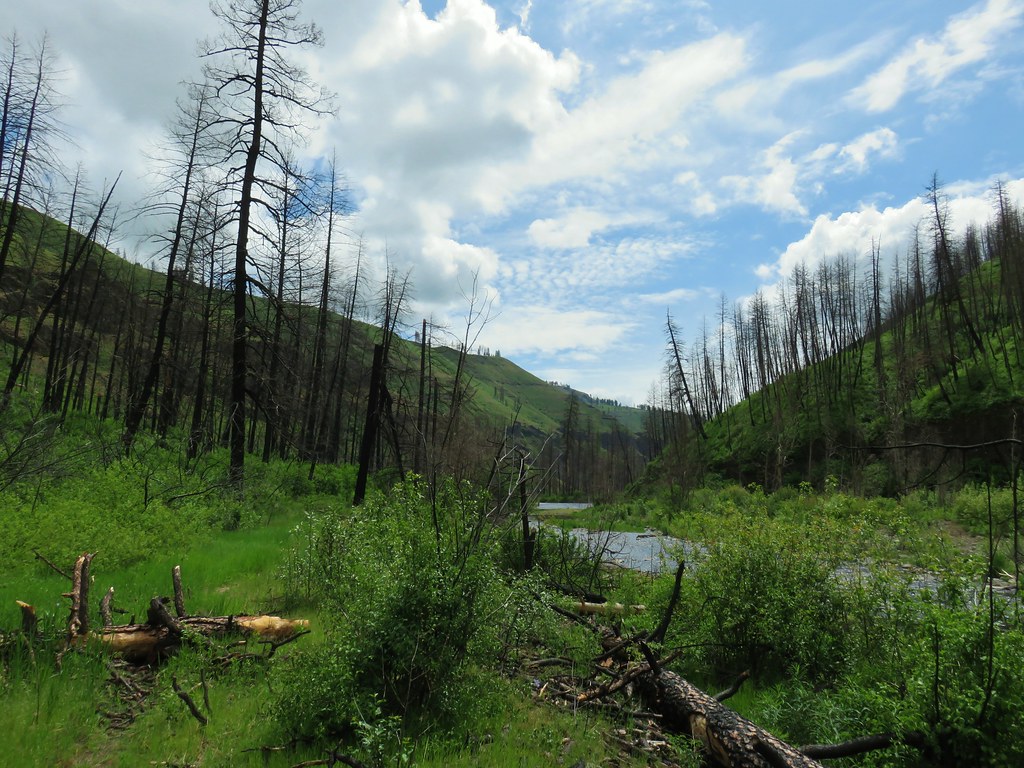 Blue sky

 Spider and blue dicks
 Old man’s whiskers
 Wild onion


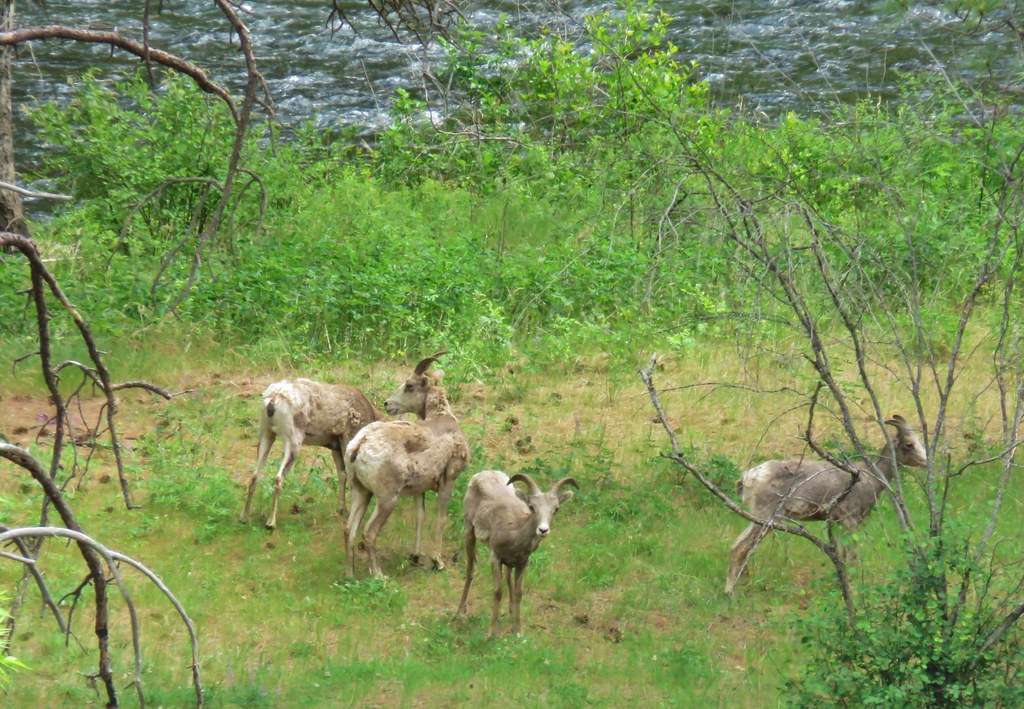

 The bees woke up at some point.

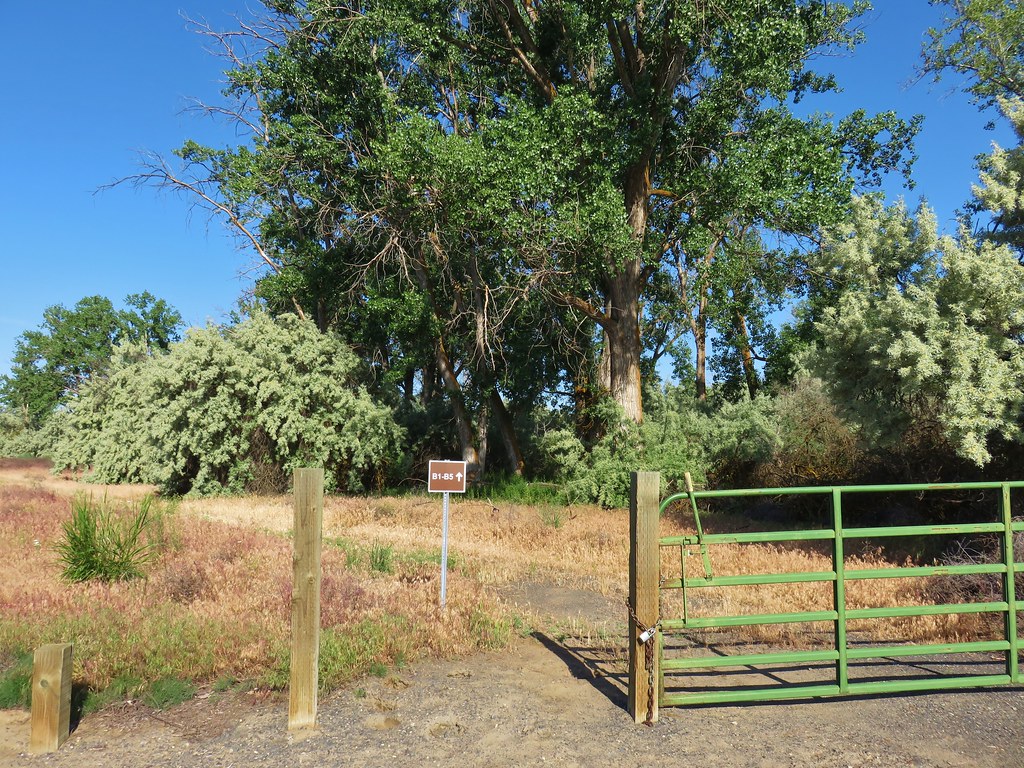
 Yarrow


 Second coyote racing off through the grass.
 One of the deer running off.
 Great blue heron flying off.
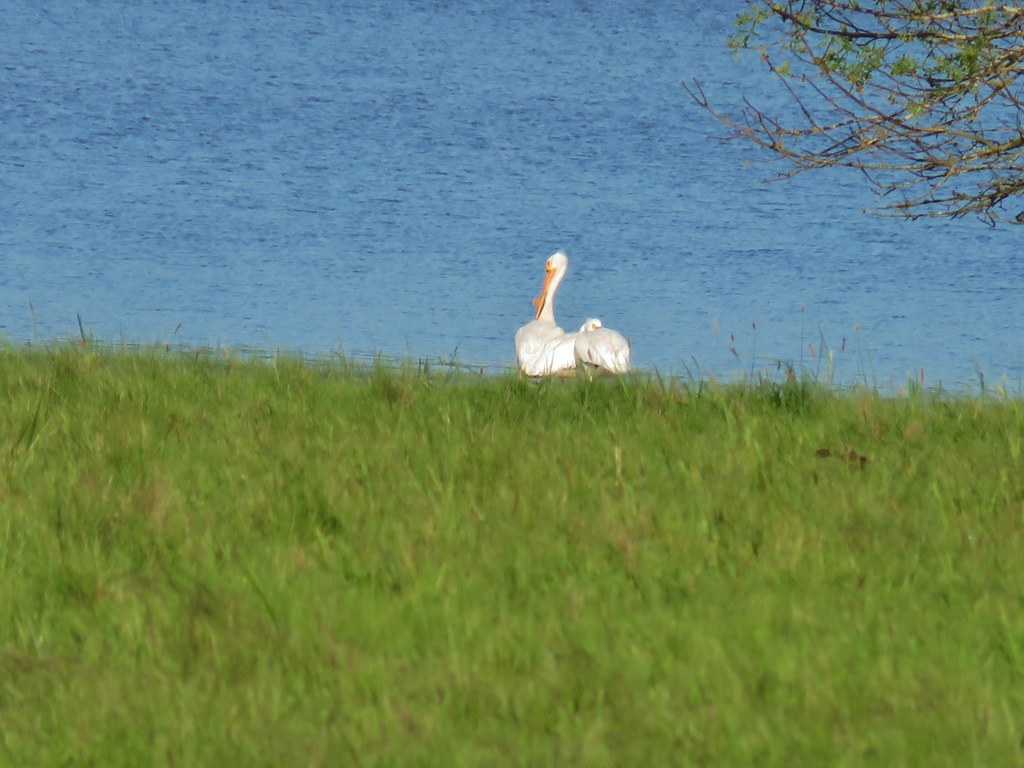
 White pelicans circling overhead.
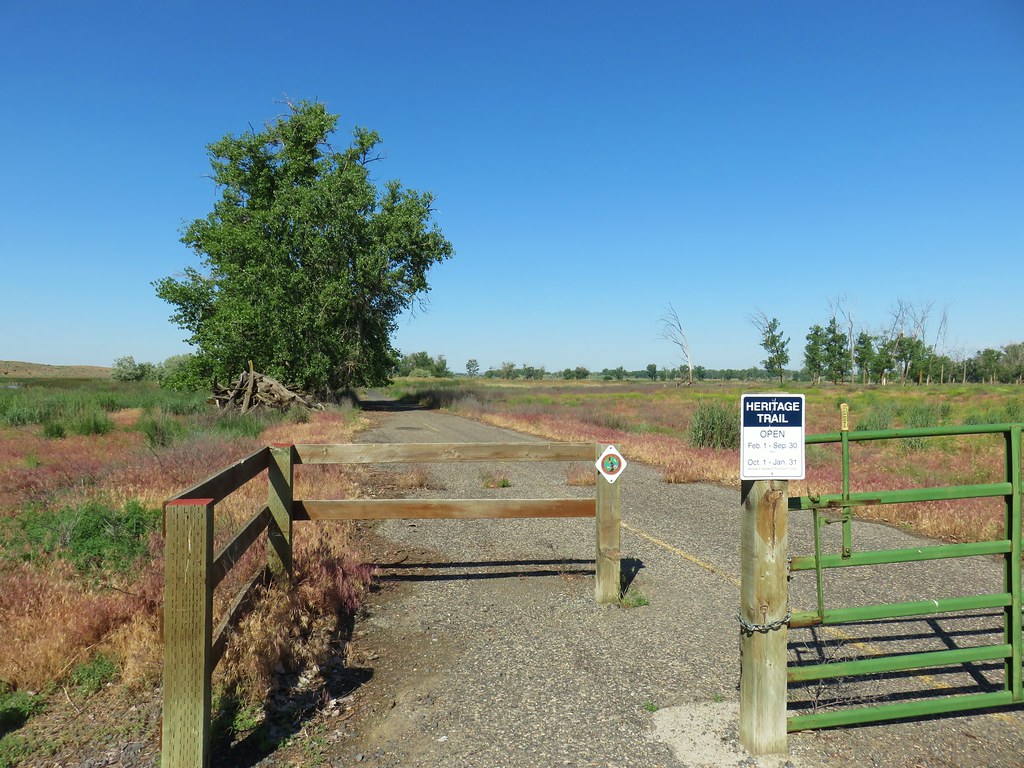

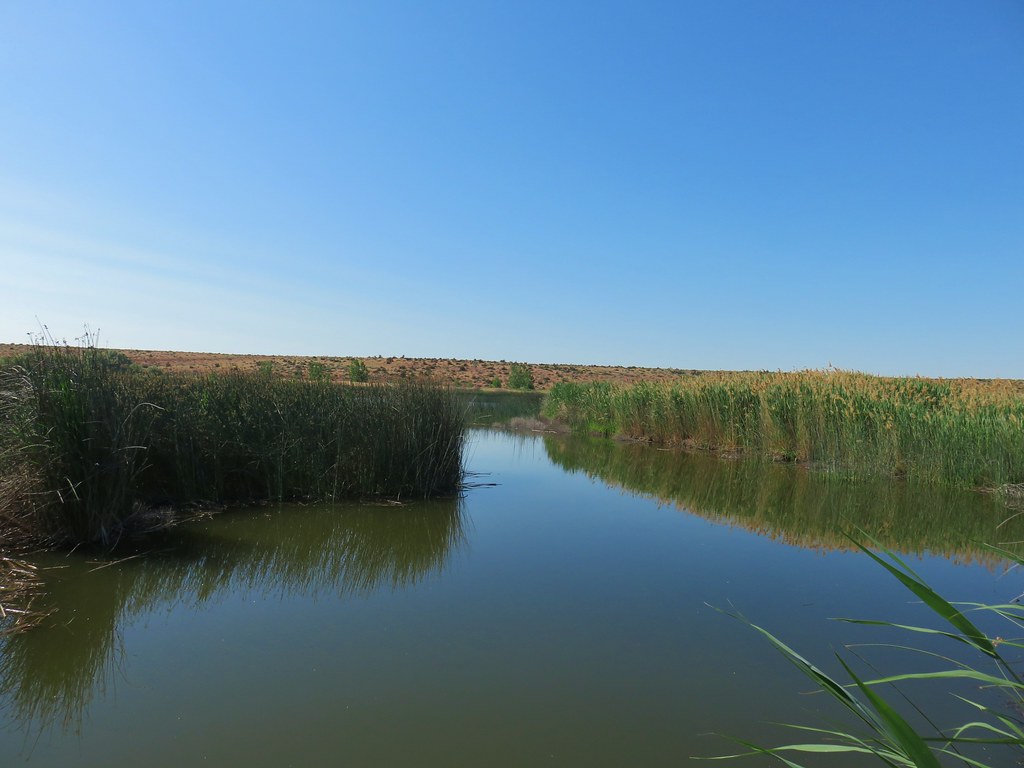
 Bald Eagle
 Wild Rose
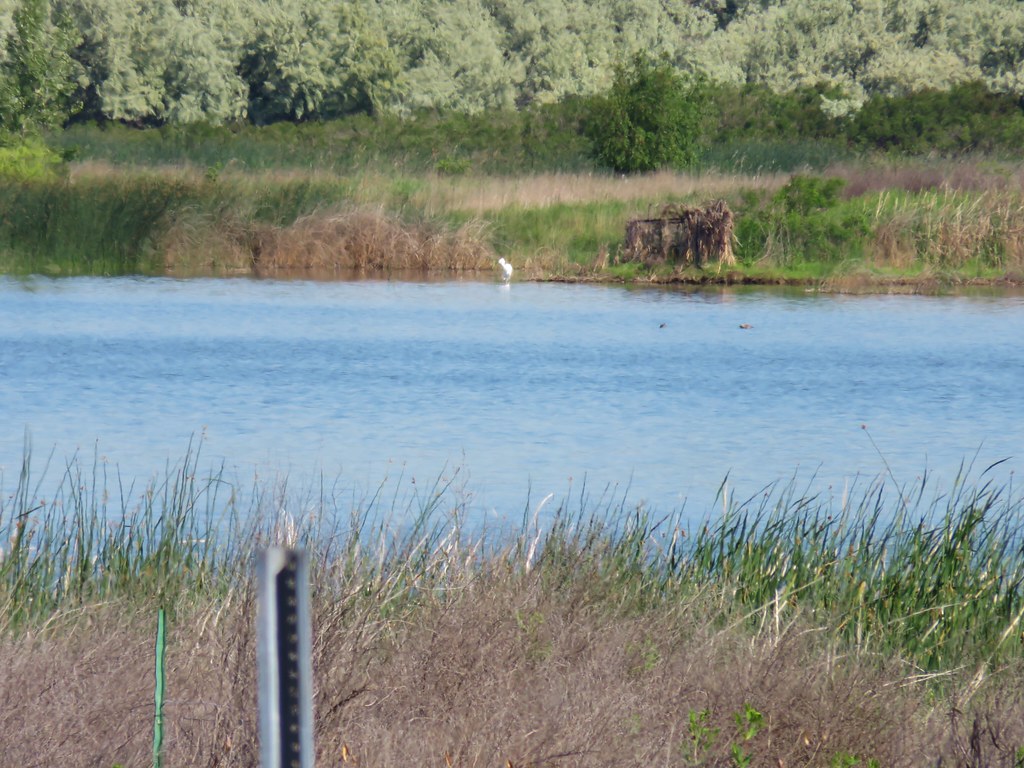 An egret on the other side of the slough.
 Another butterfly
 Deadly Nightshade
 A goose in the reeds.

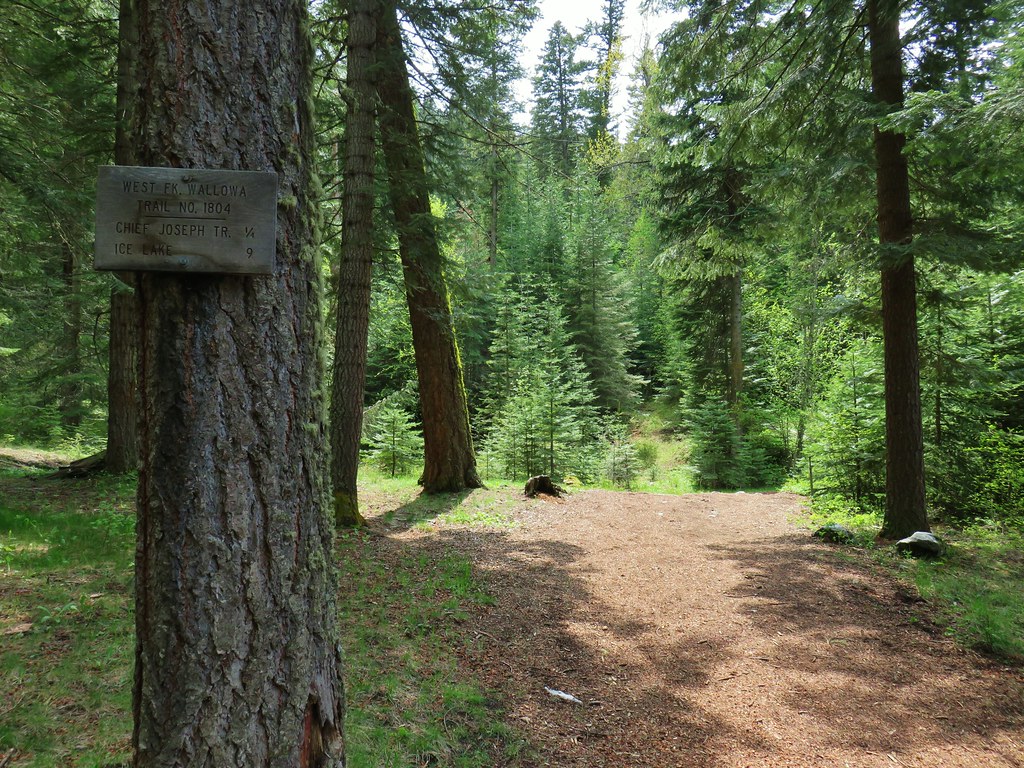
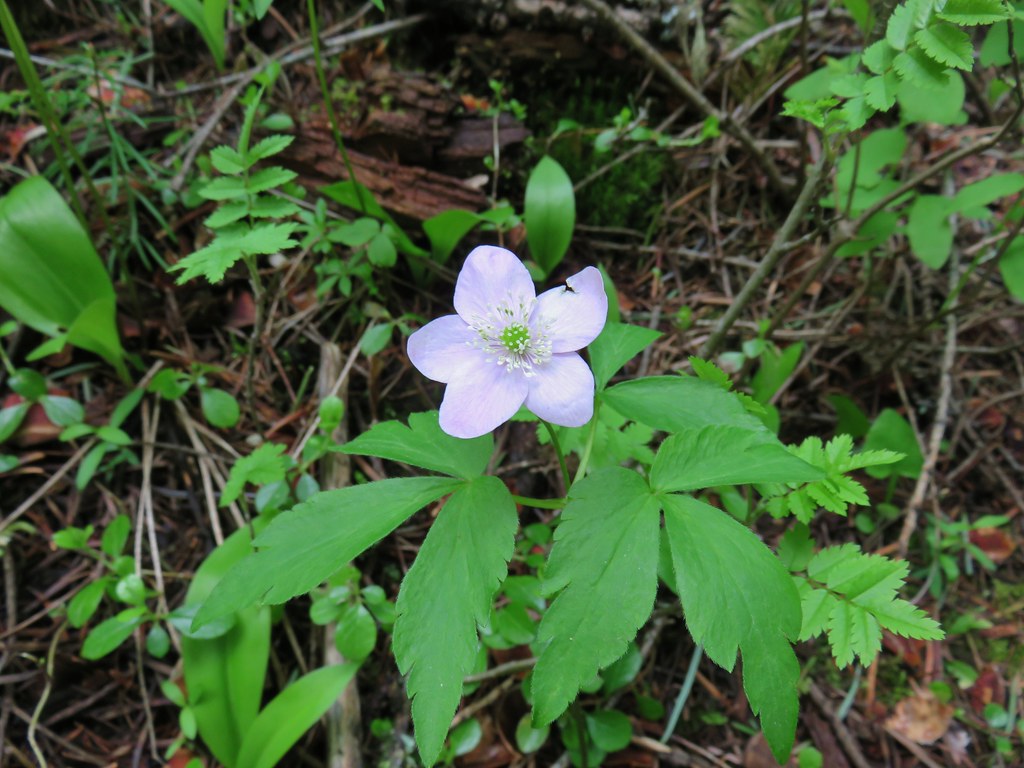 Anemone
 Fairyslipper
 Arnica


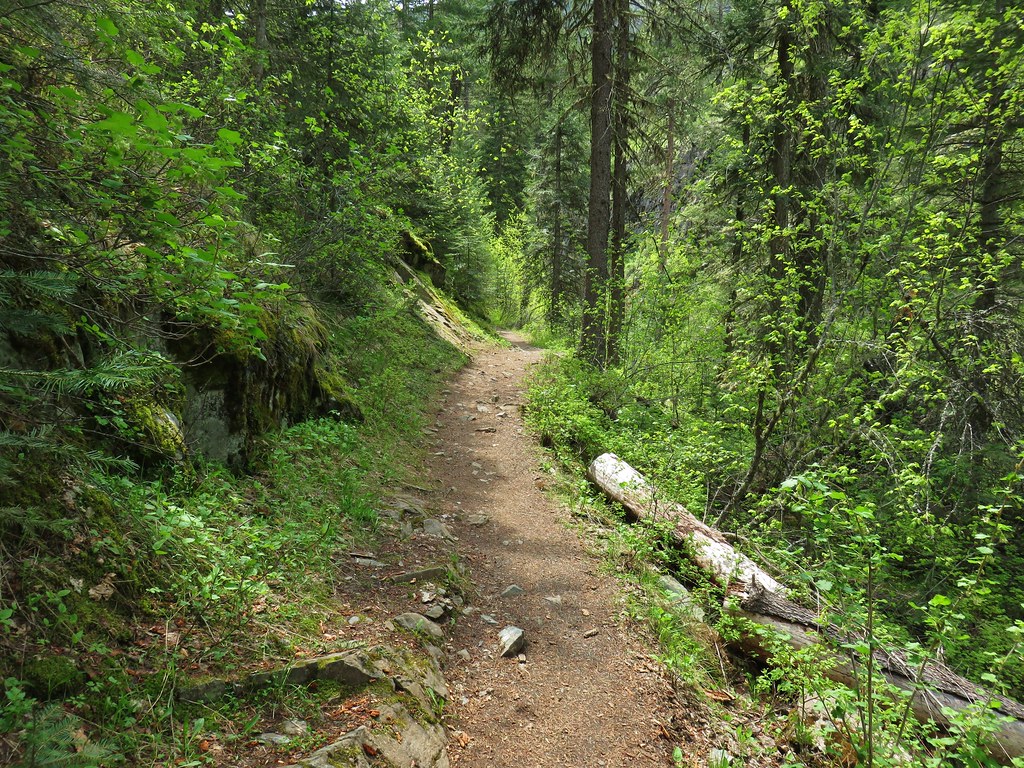


 Bluebells

 Prairie stars
 More rock clematis
 Paintbrush

 Larkspur
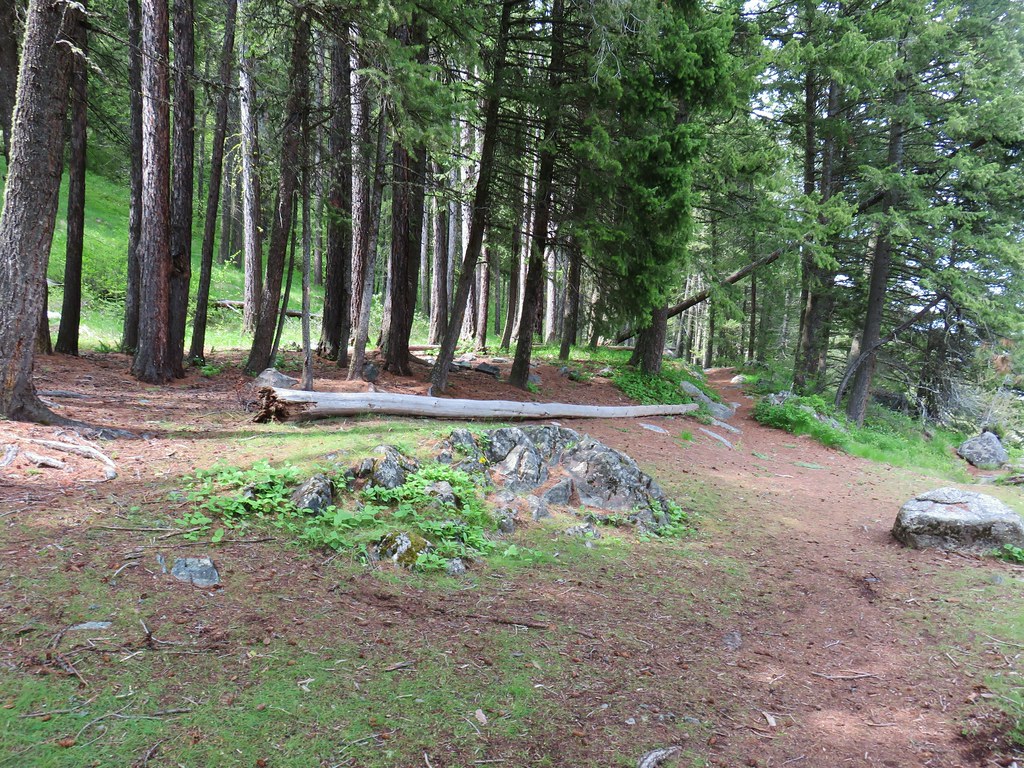 Area near the viewpoint.
 Looking further into the Wallowas.
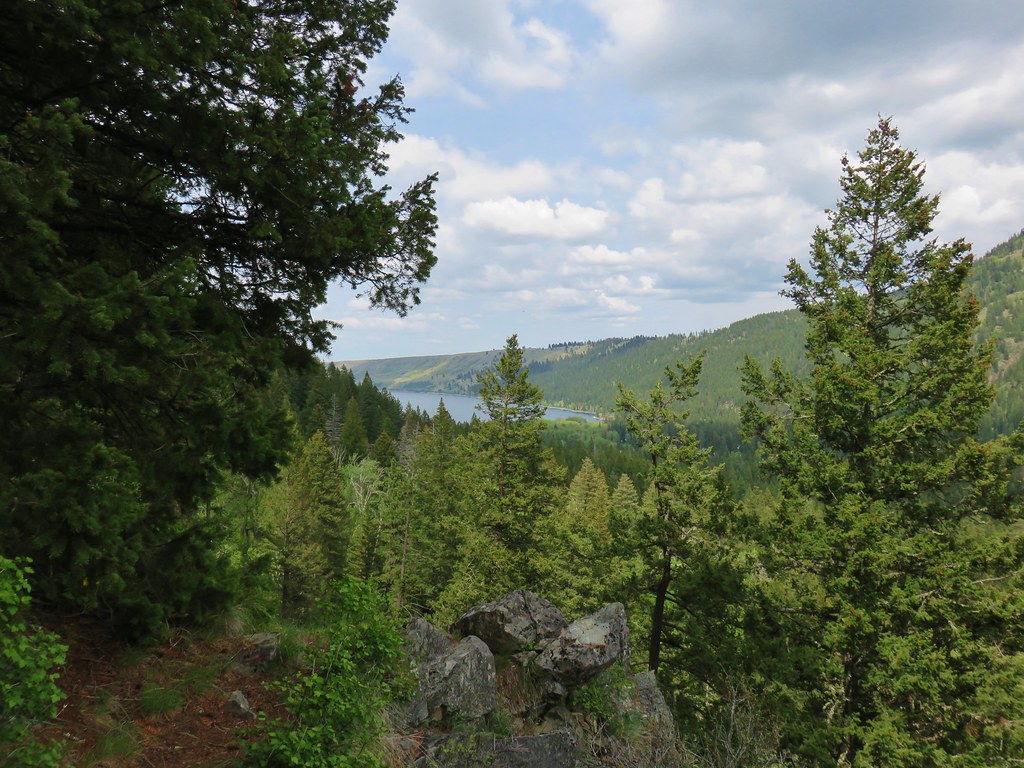 Wallowa Lake




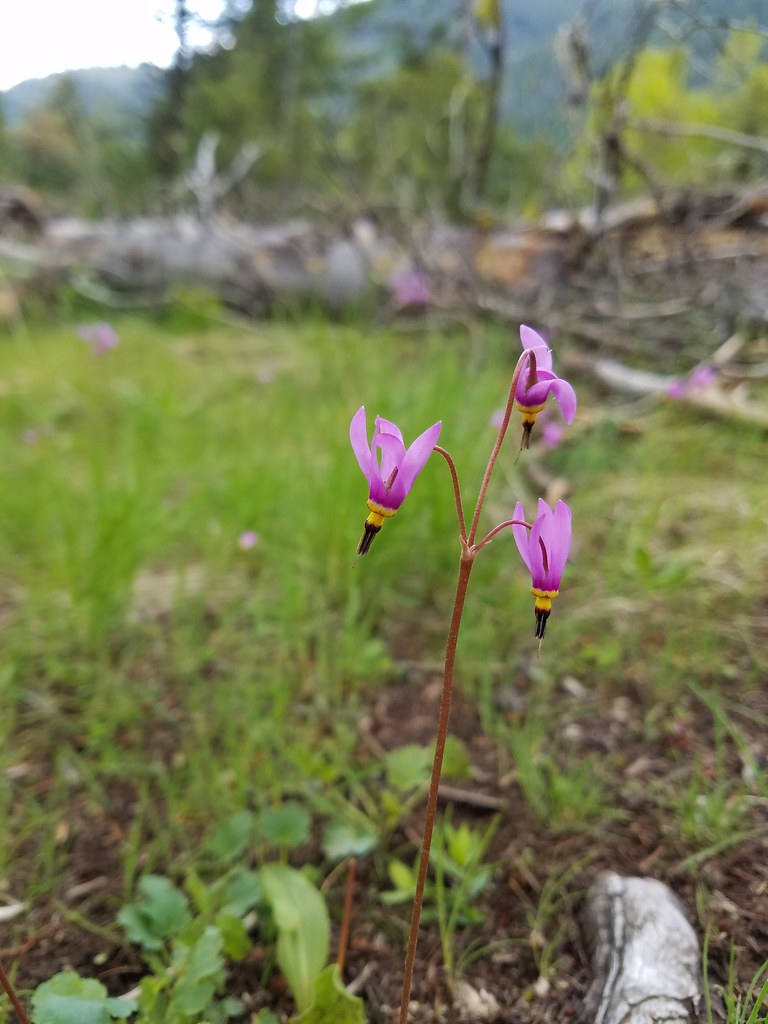 Shooting star
 Old man’s whiskers
 Possibly a checkermallow
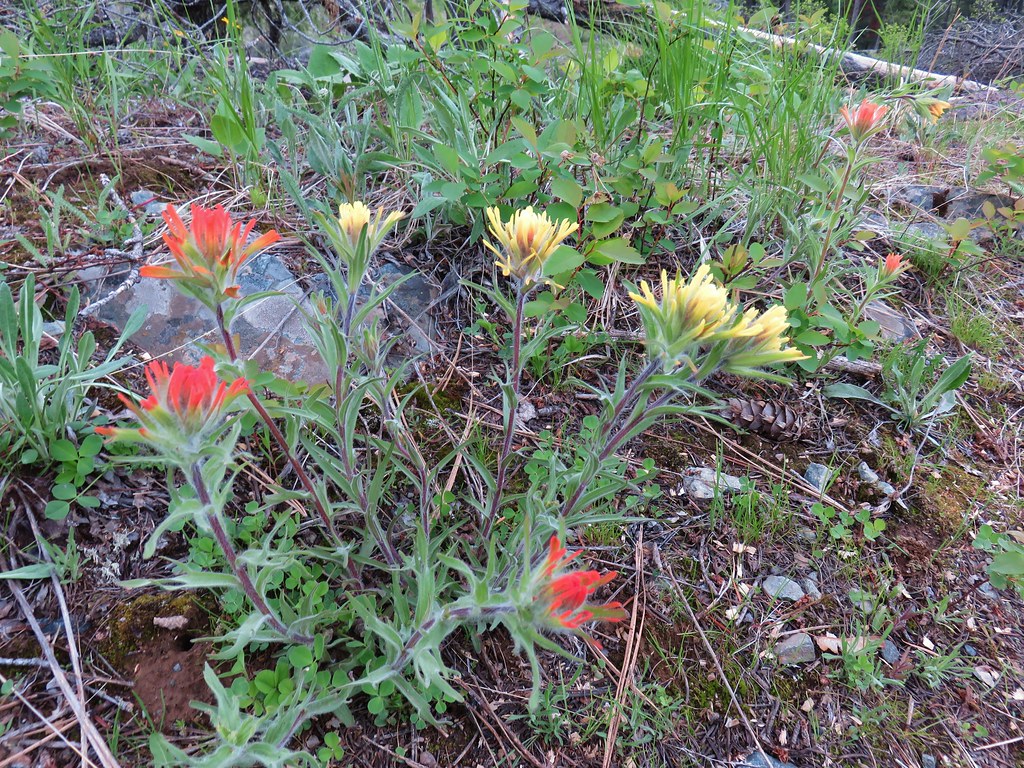 Paintbrush


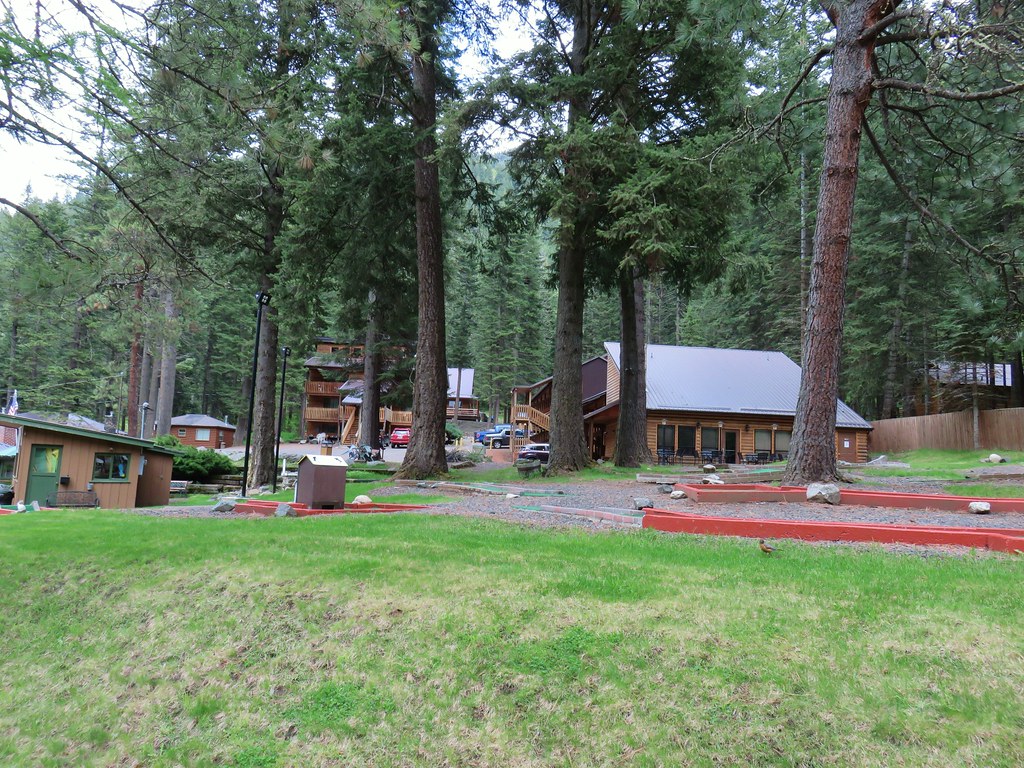
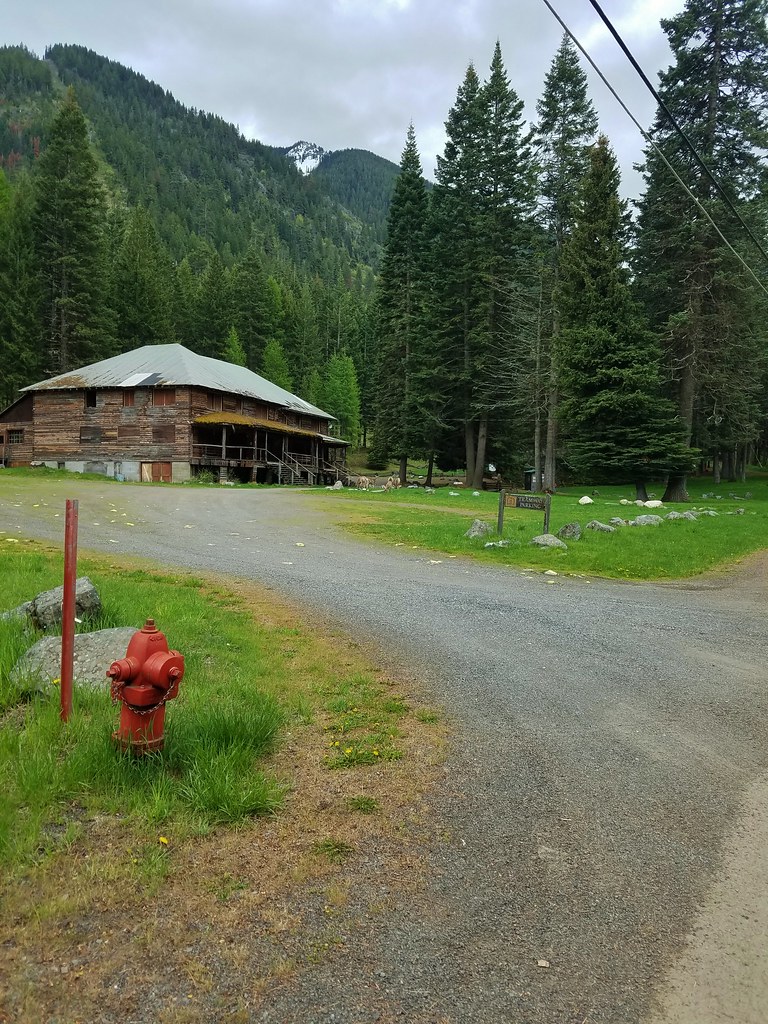


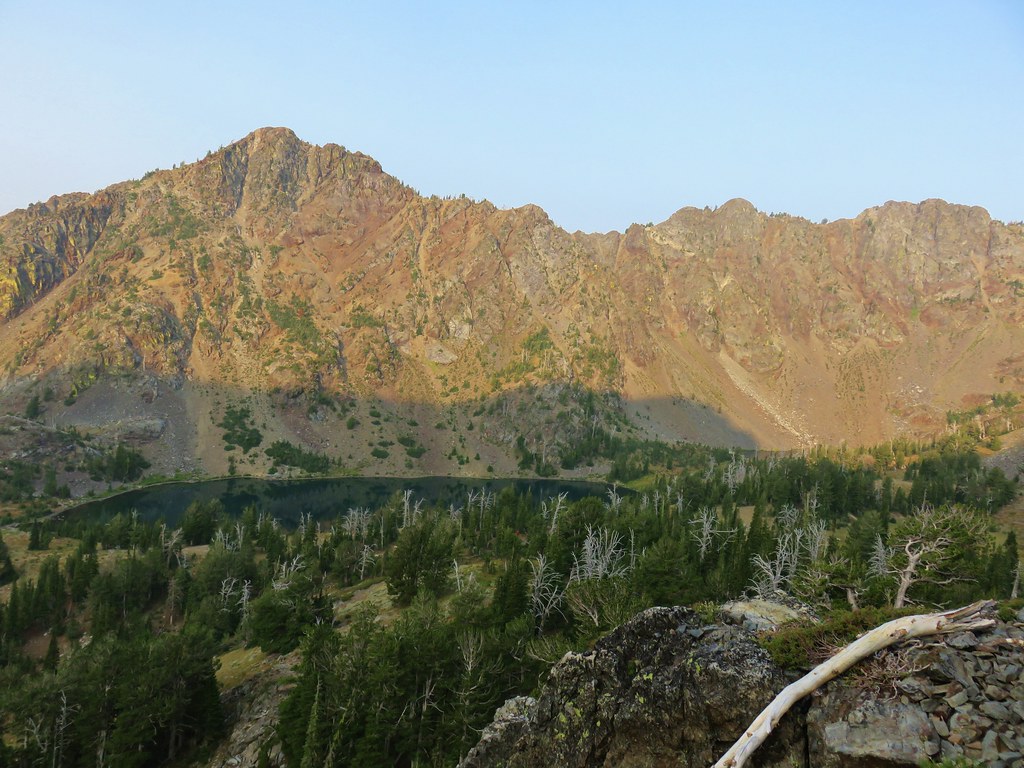
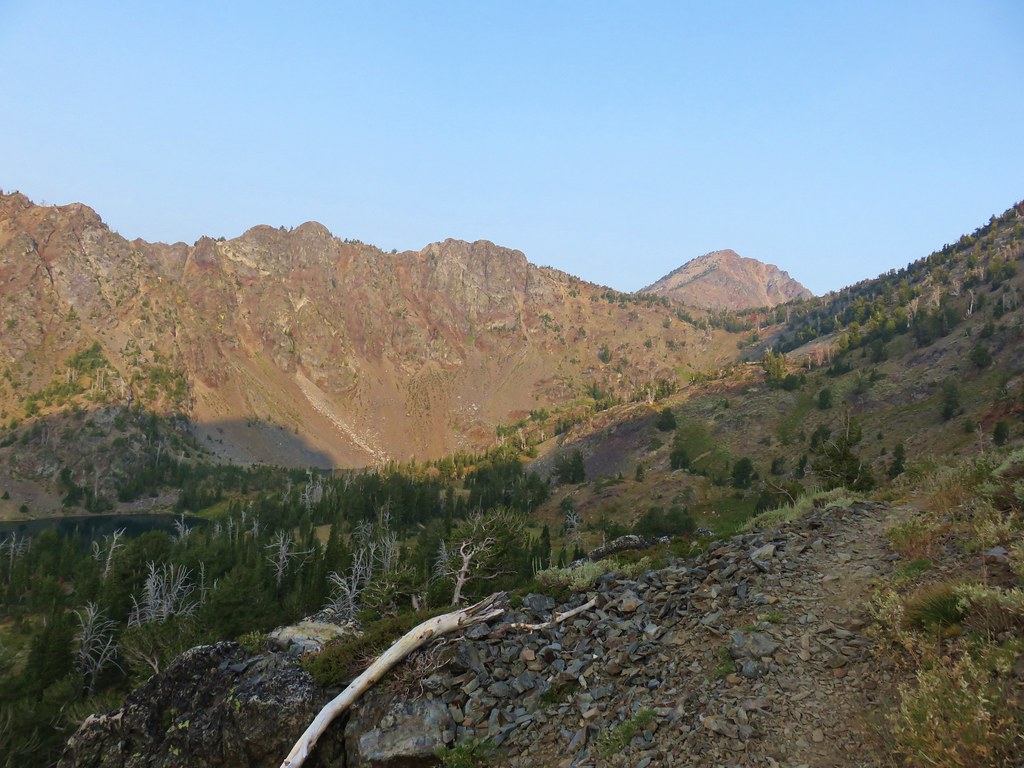

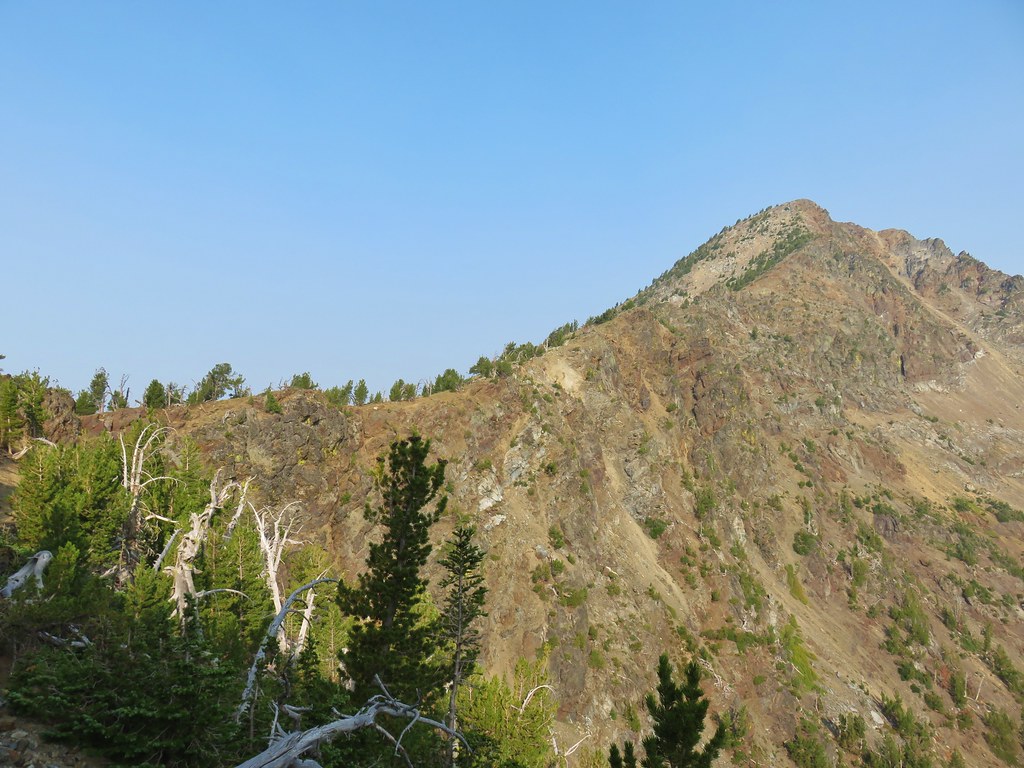

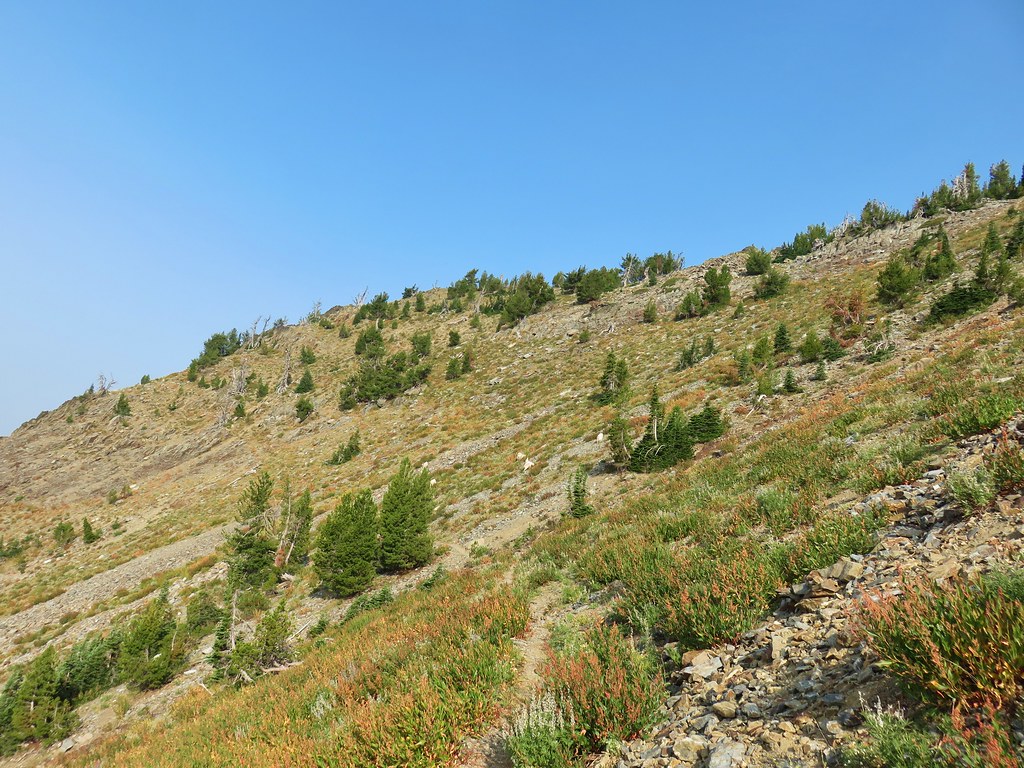


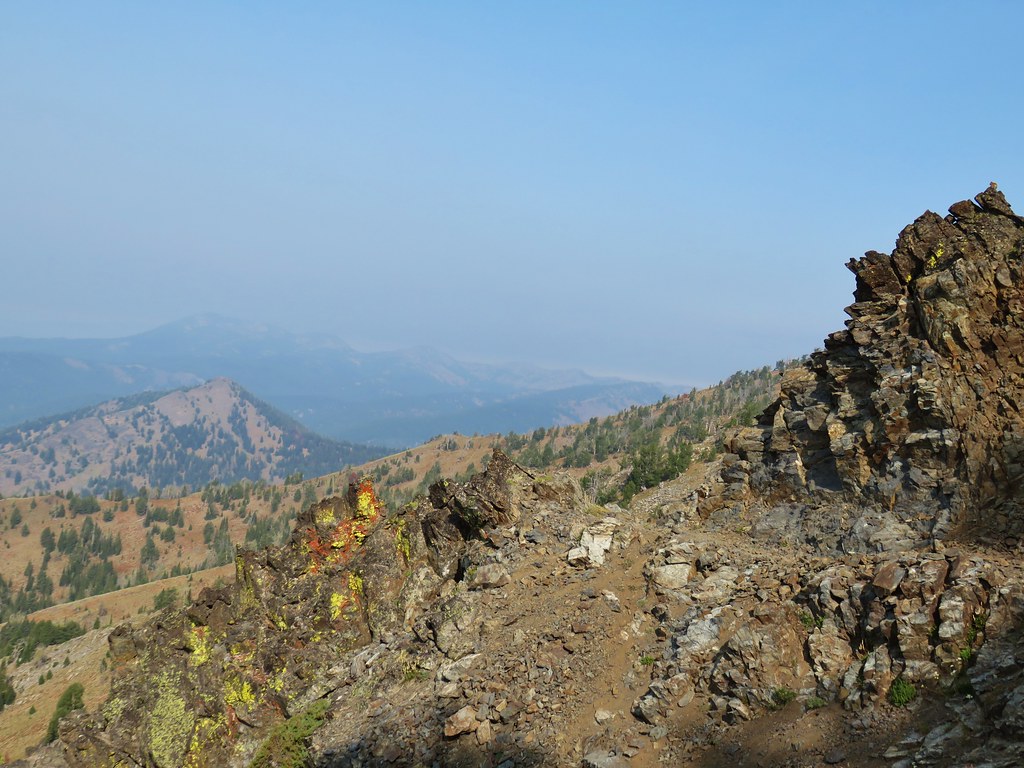
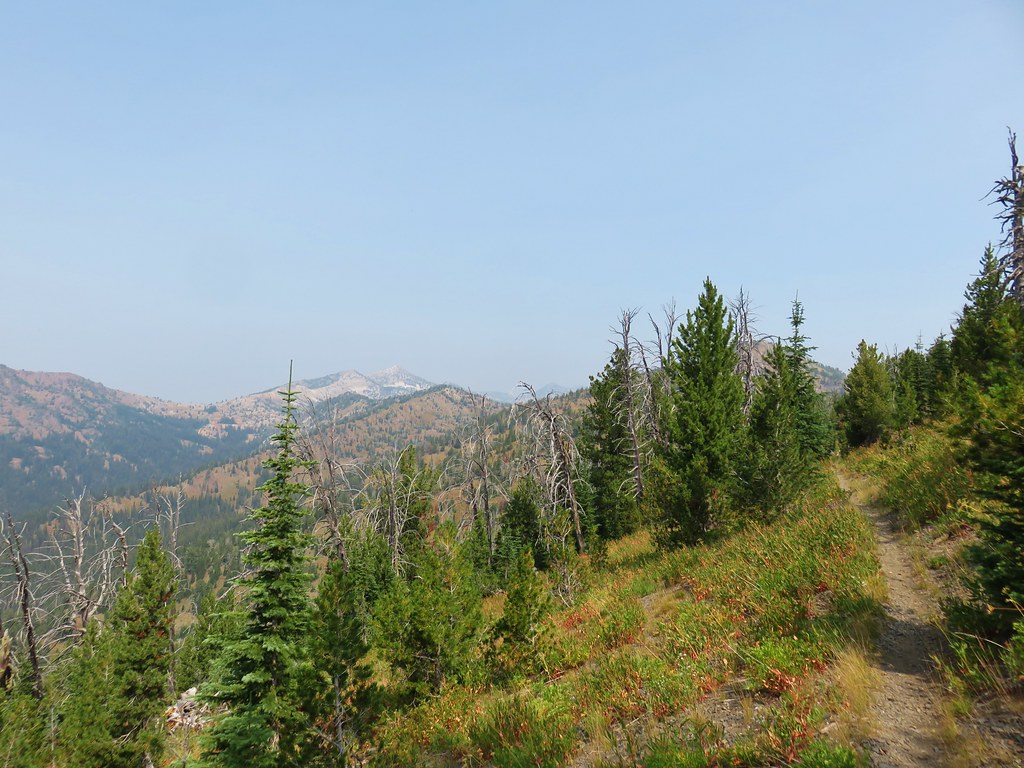 Mt. Ruth to the north
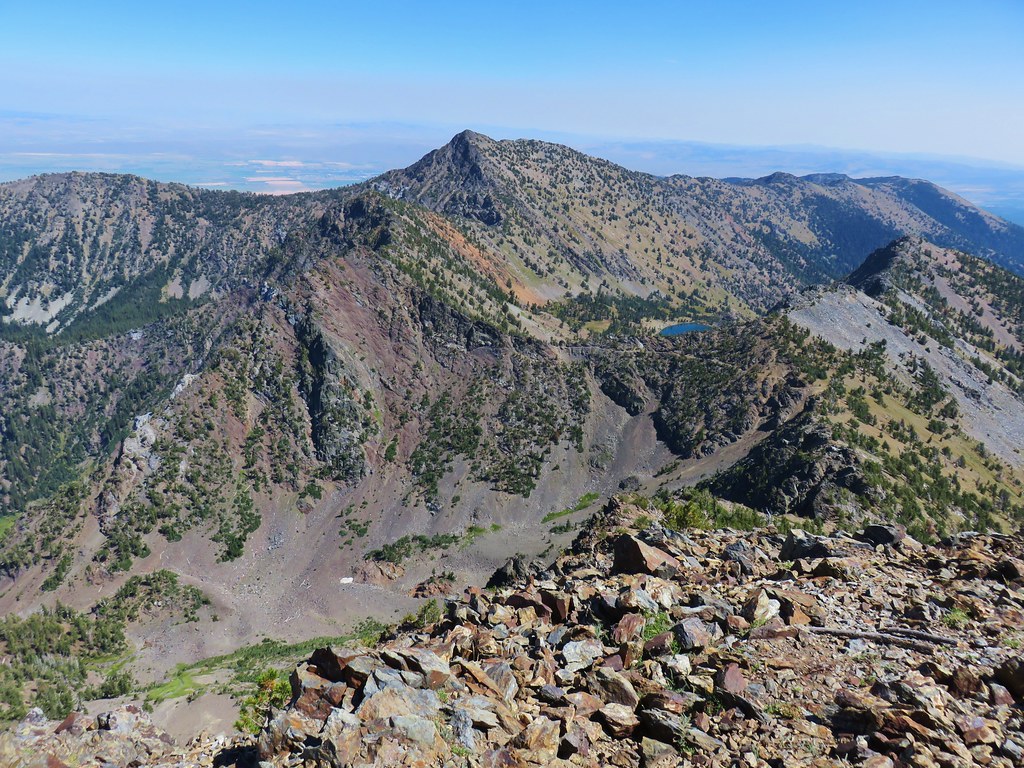
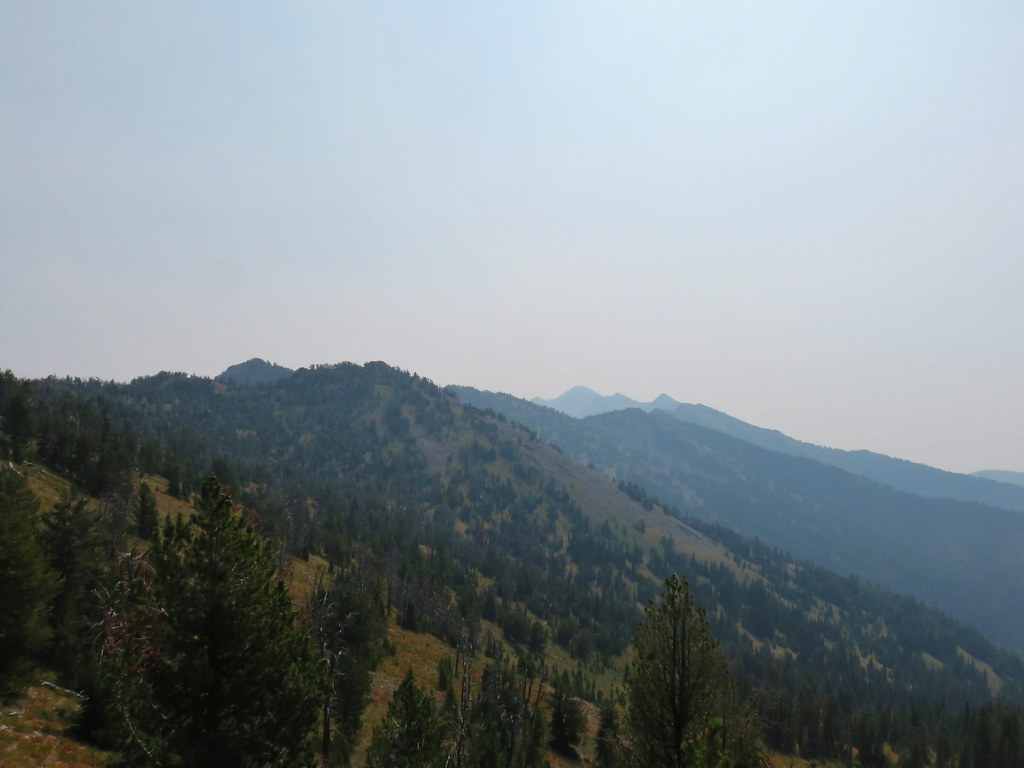 Rock Creek Butte to the south
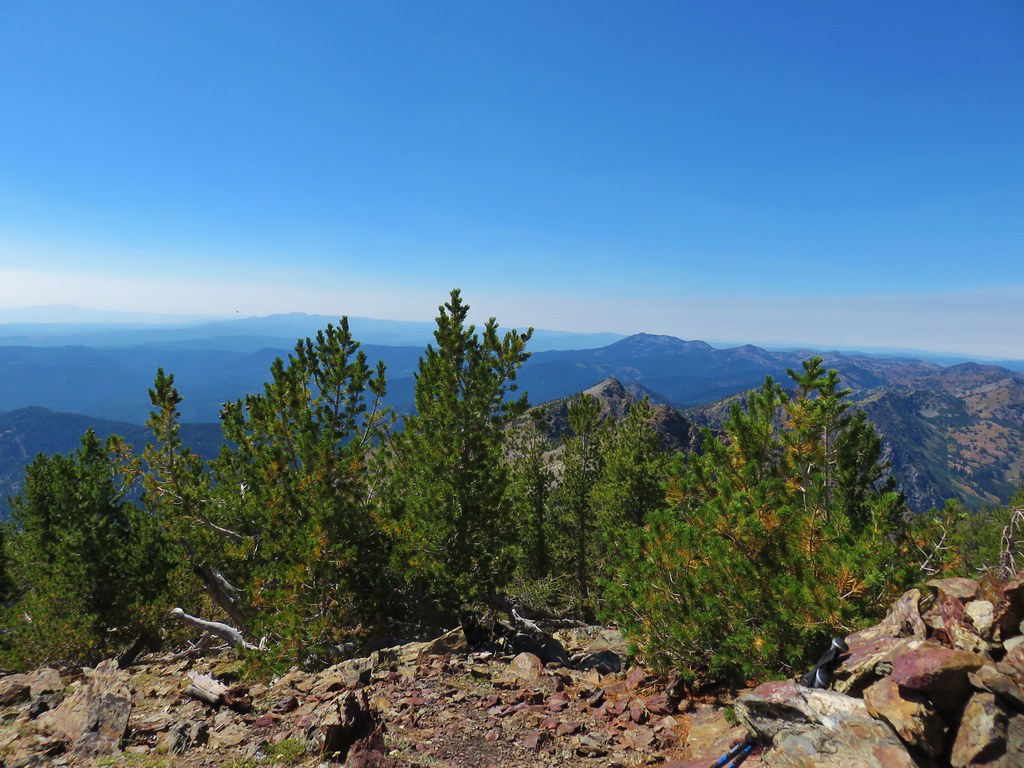
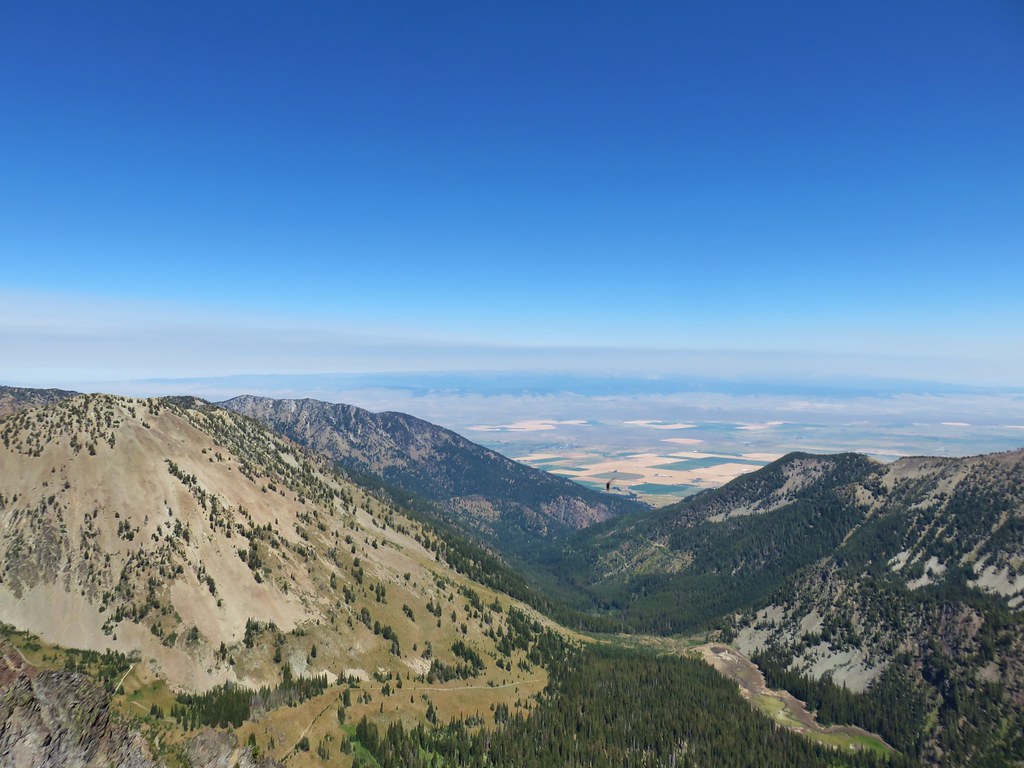
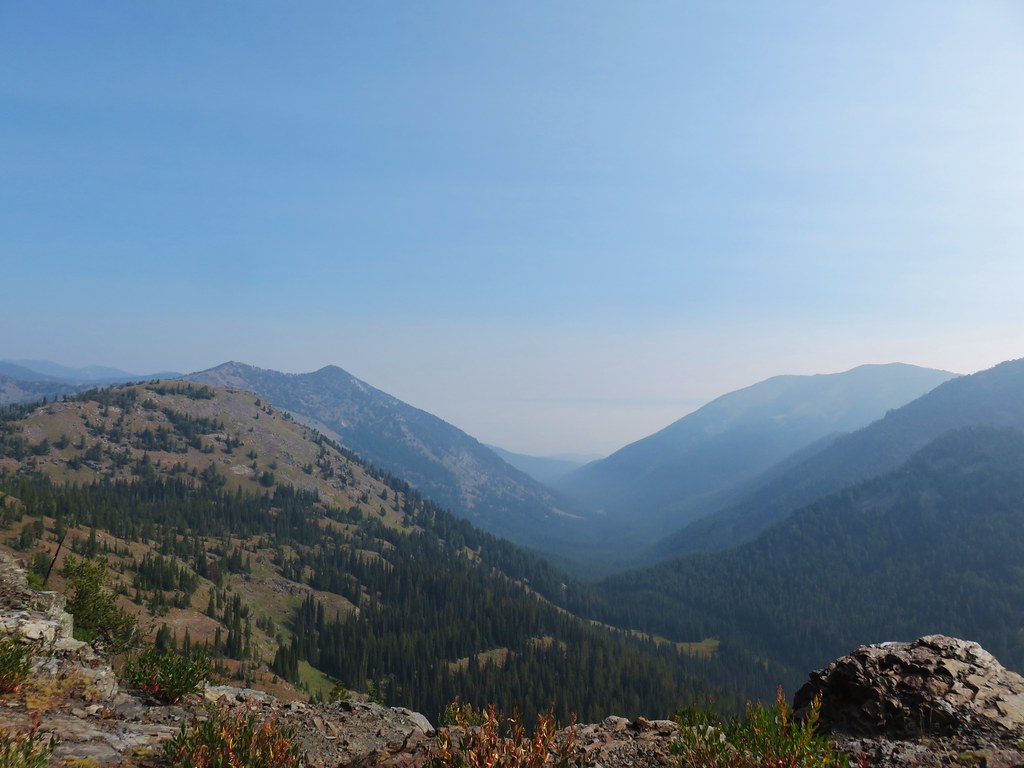 Looking east toward the Wallowas
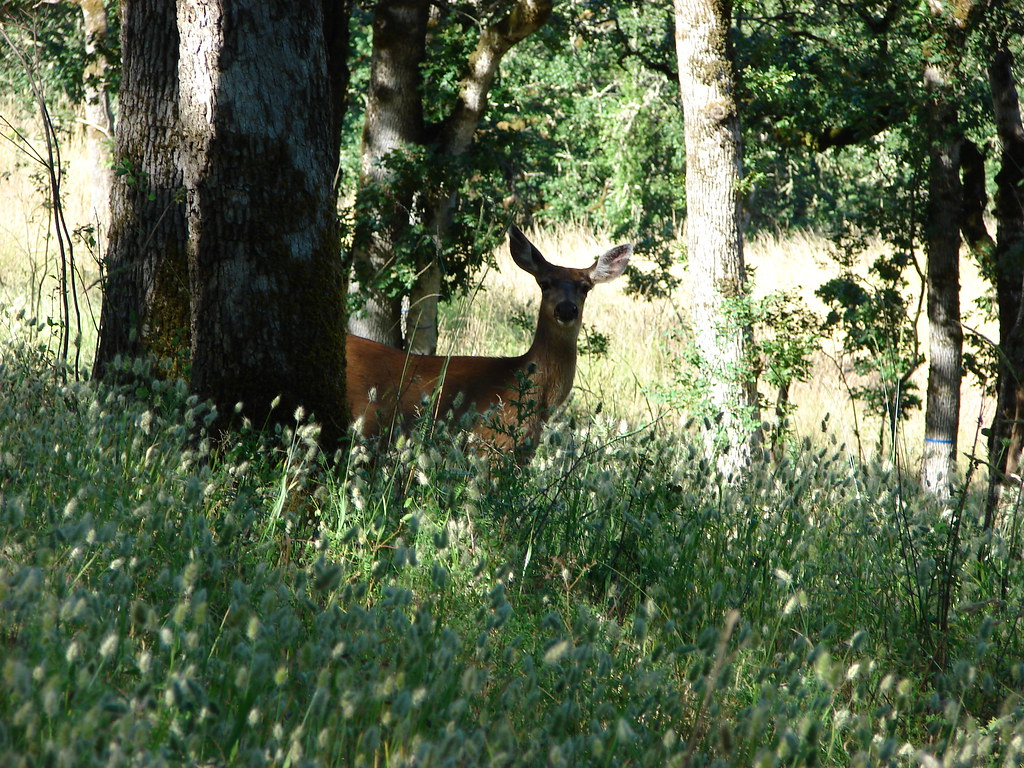
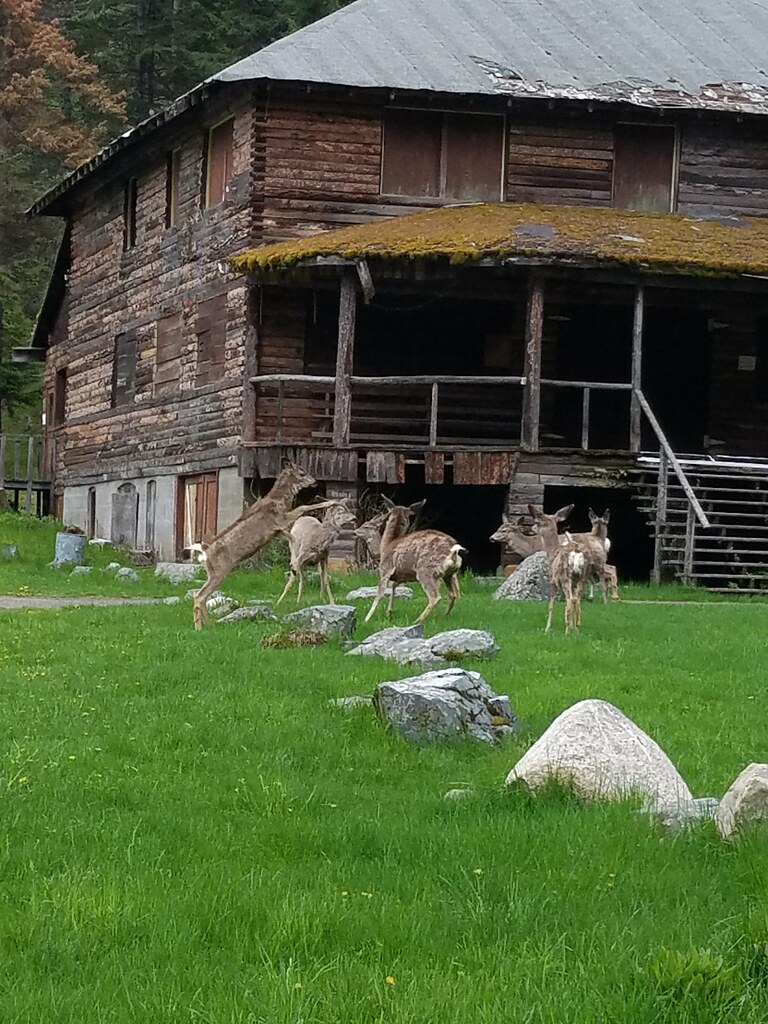
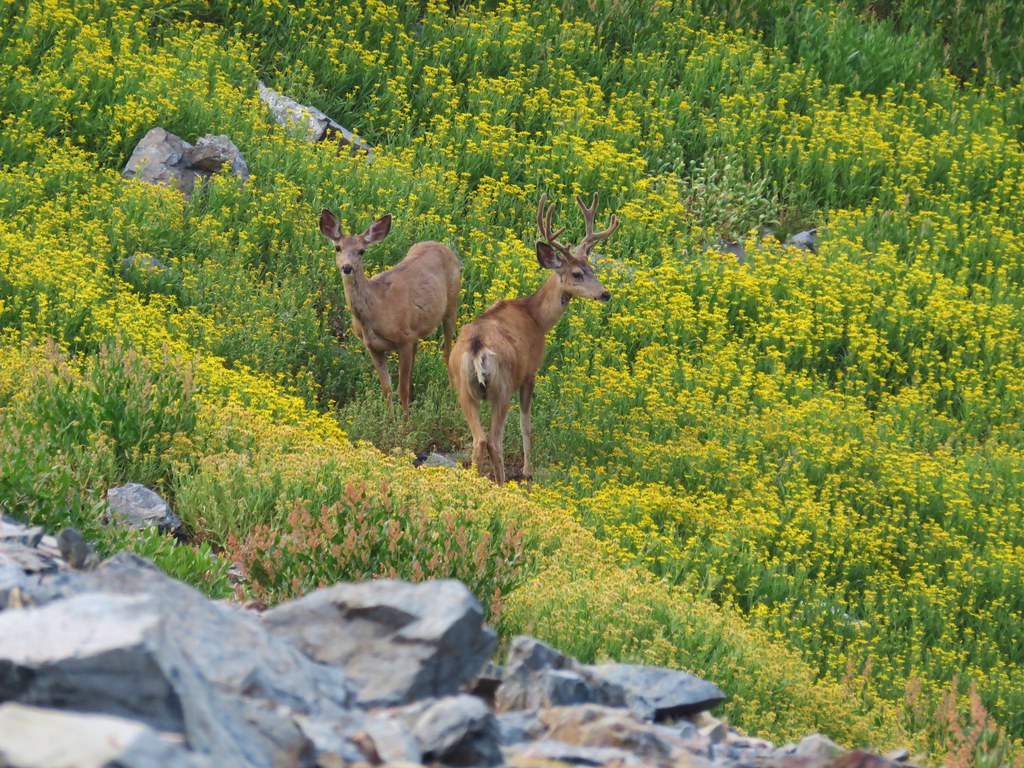
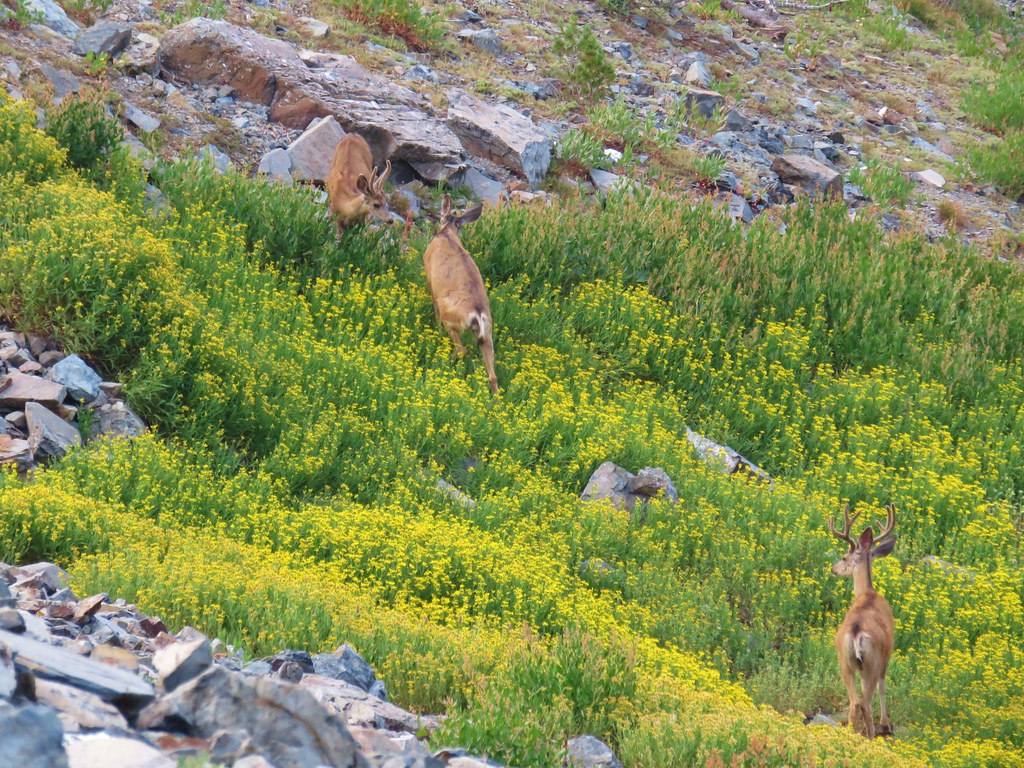
 One of the does (the fawn dashed by moments later)
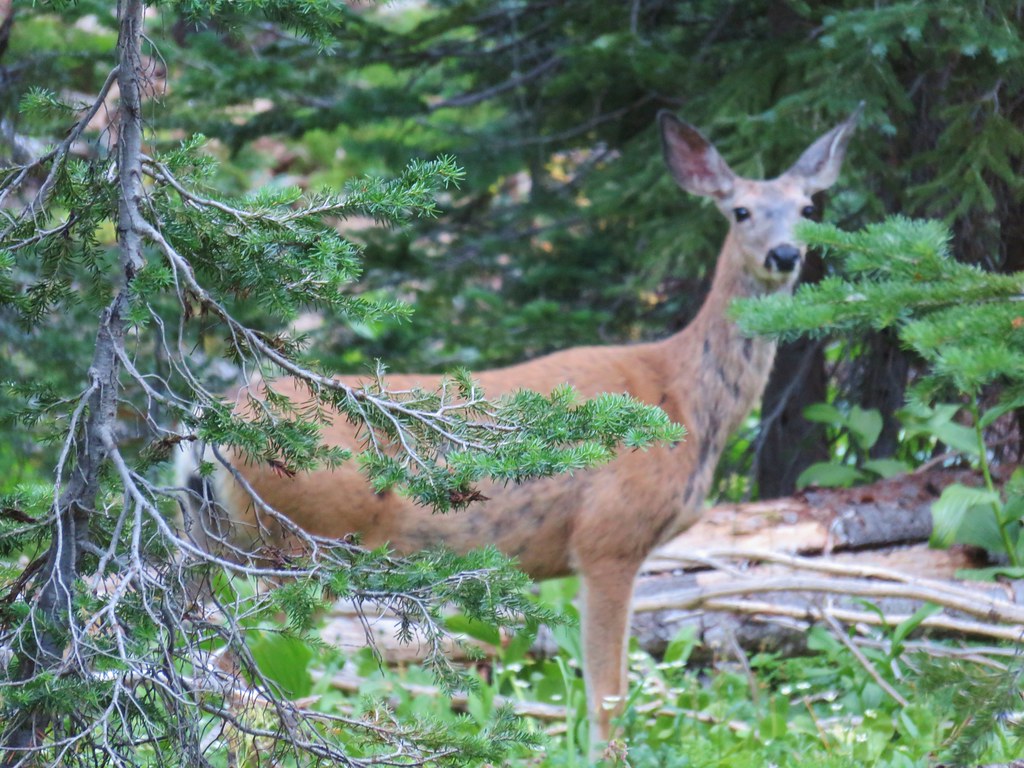 Close-up of the doe
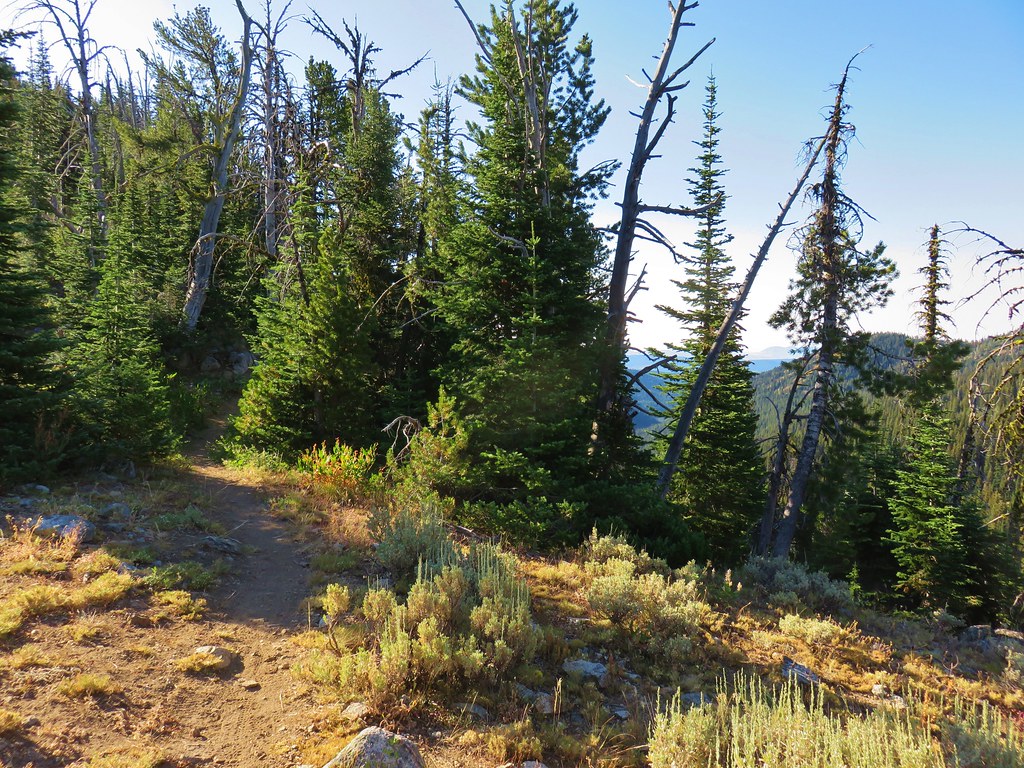
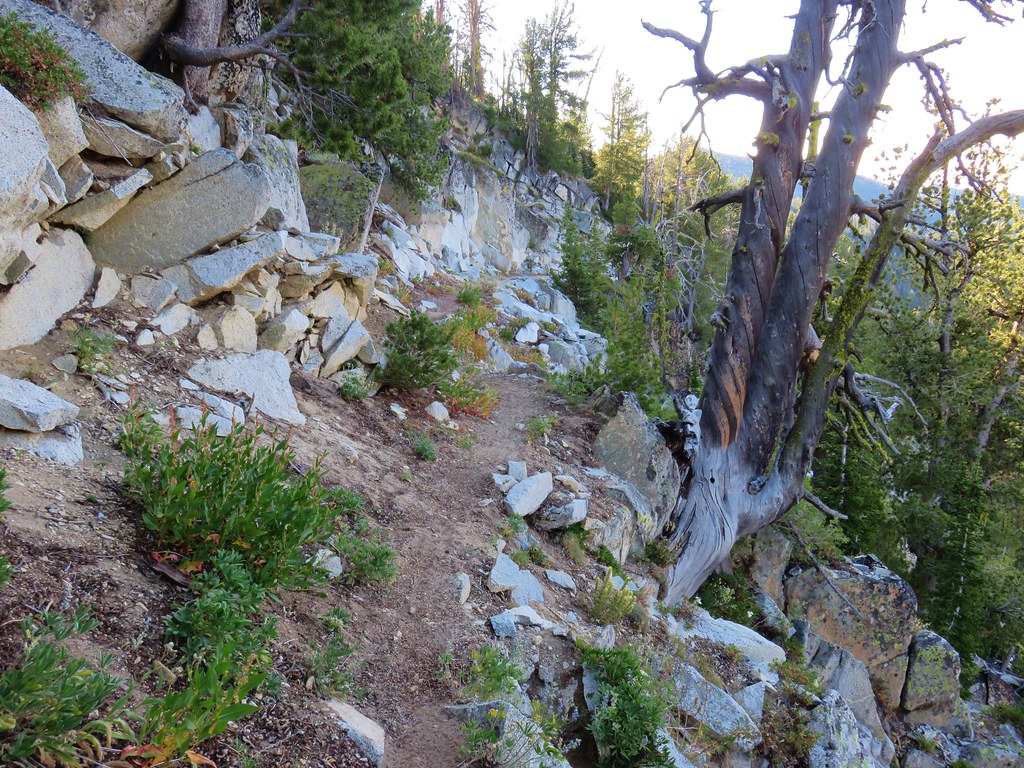
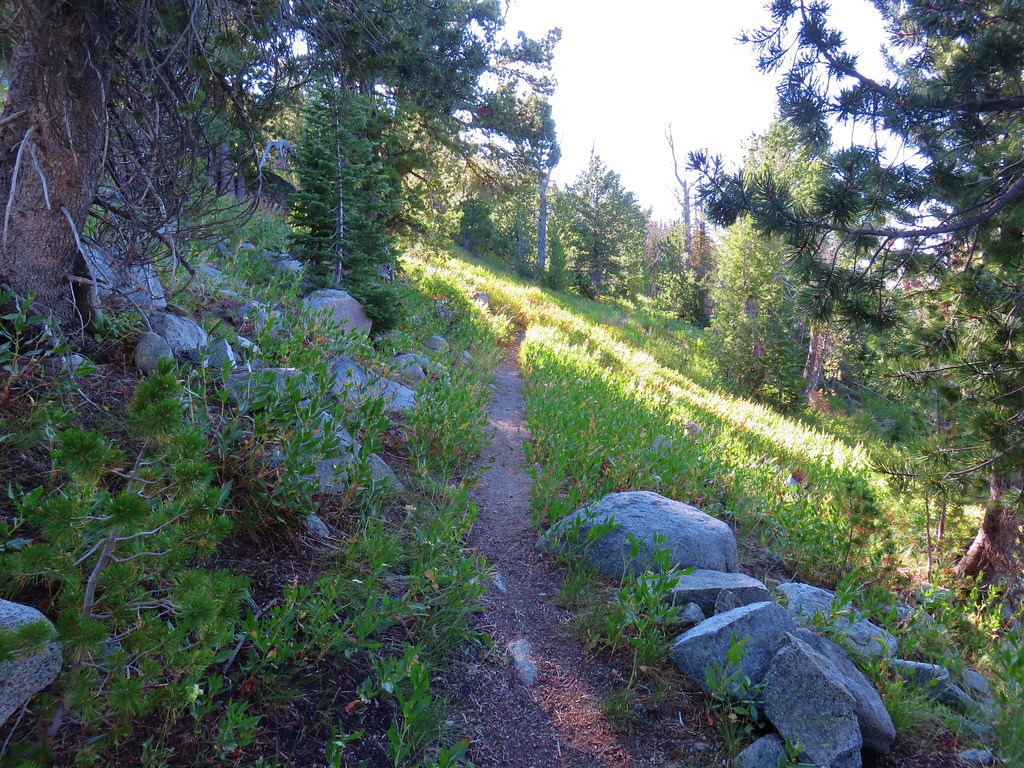
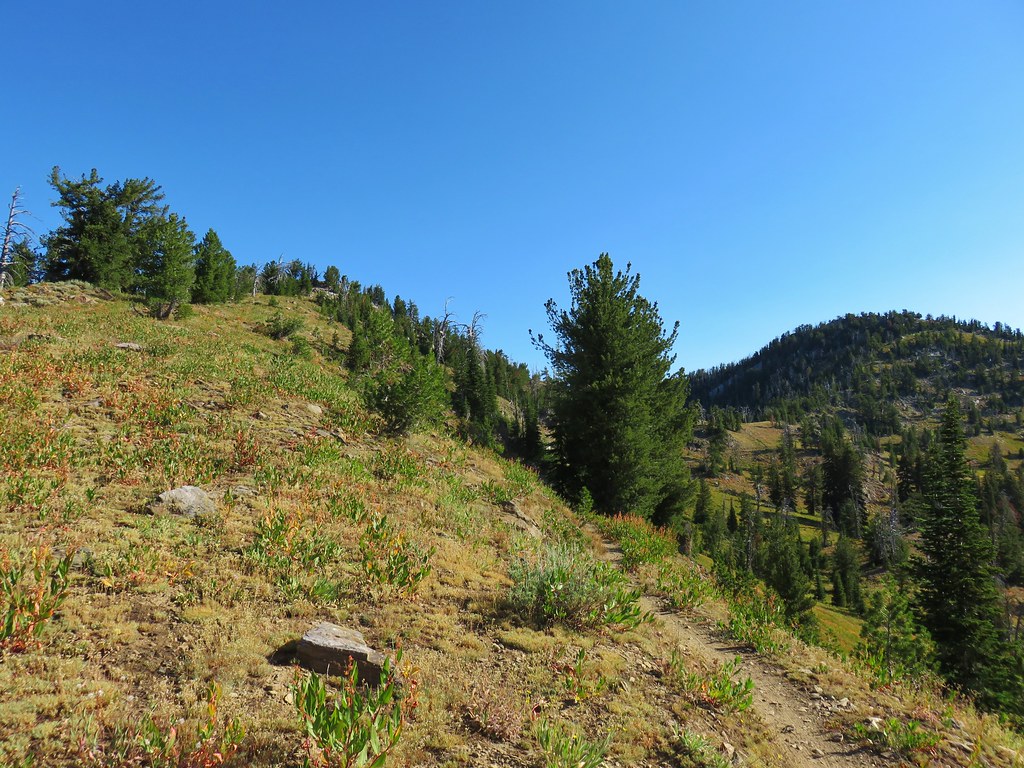


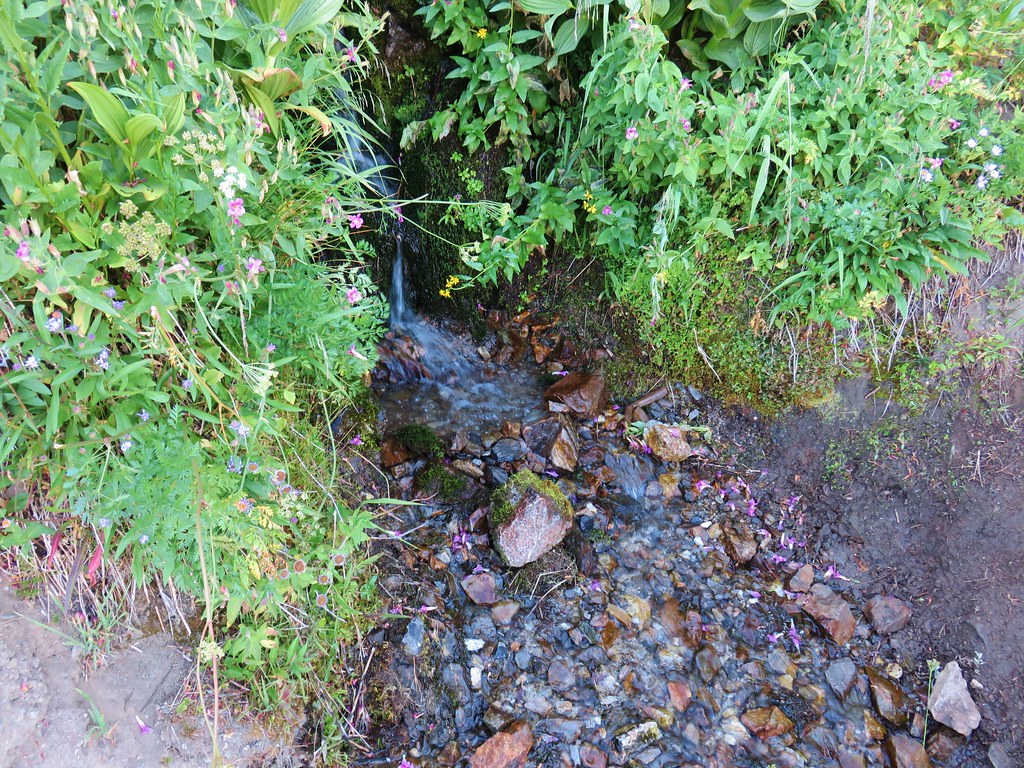
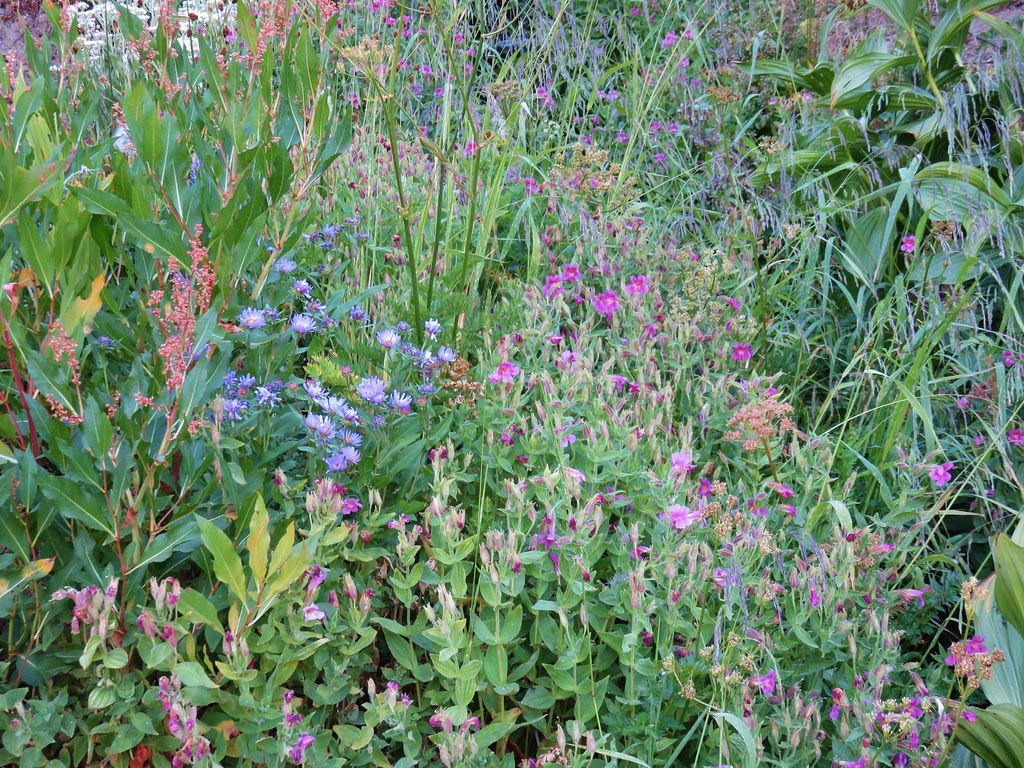
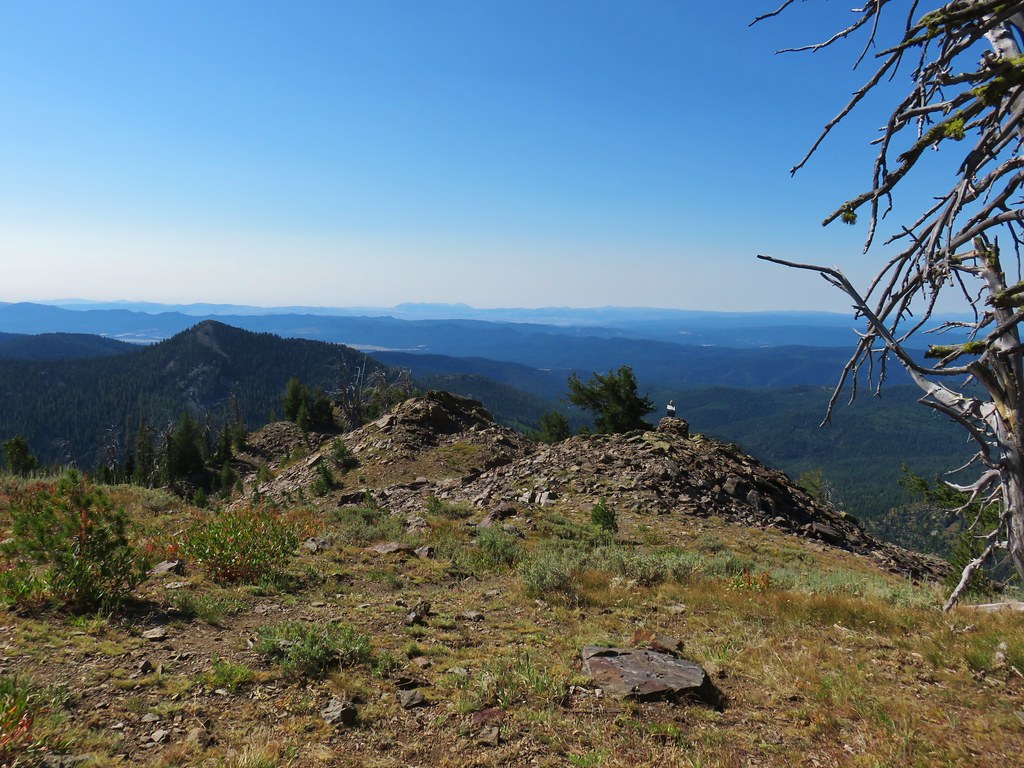
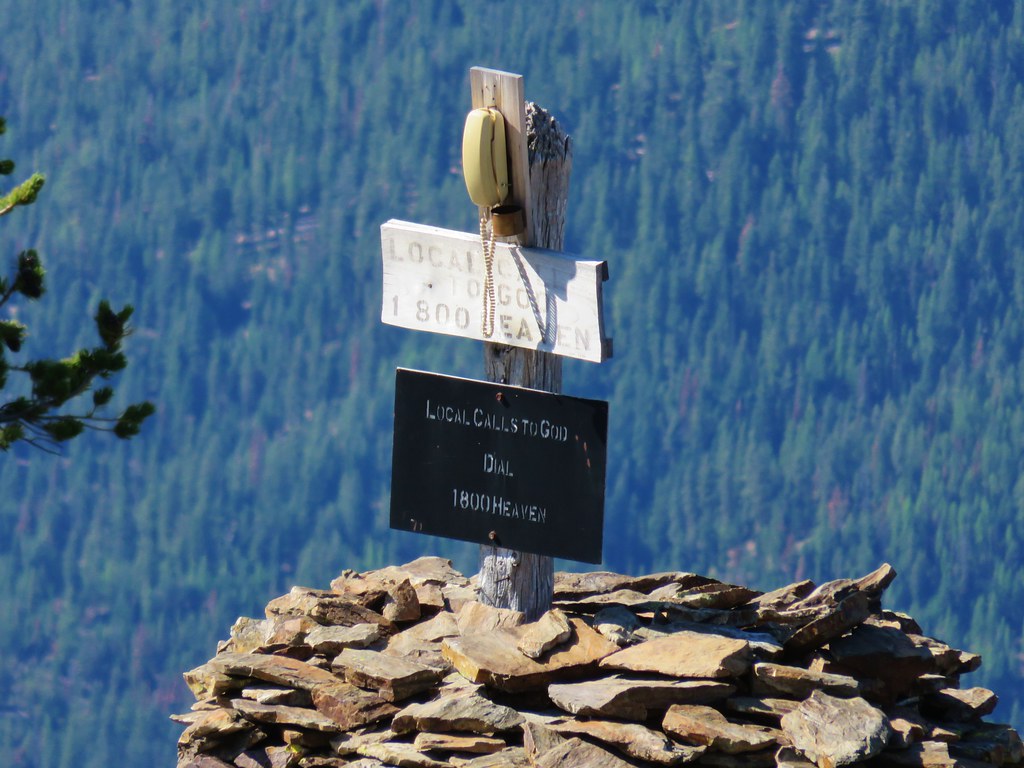
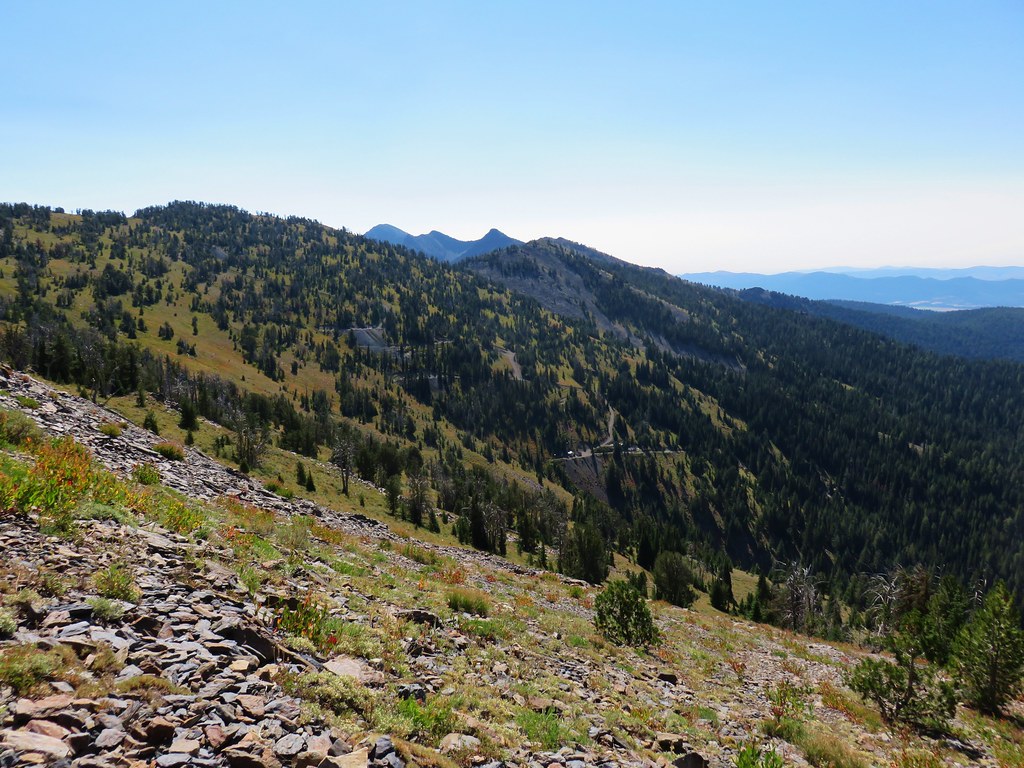
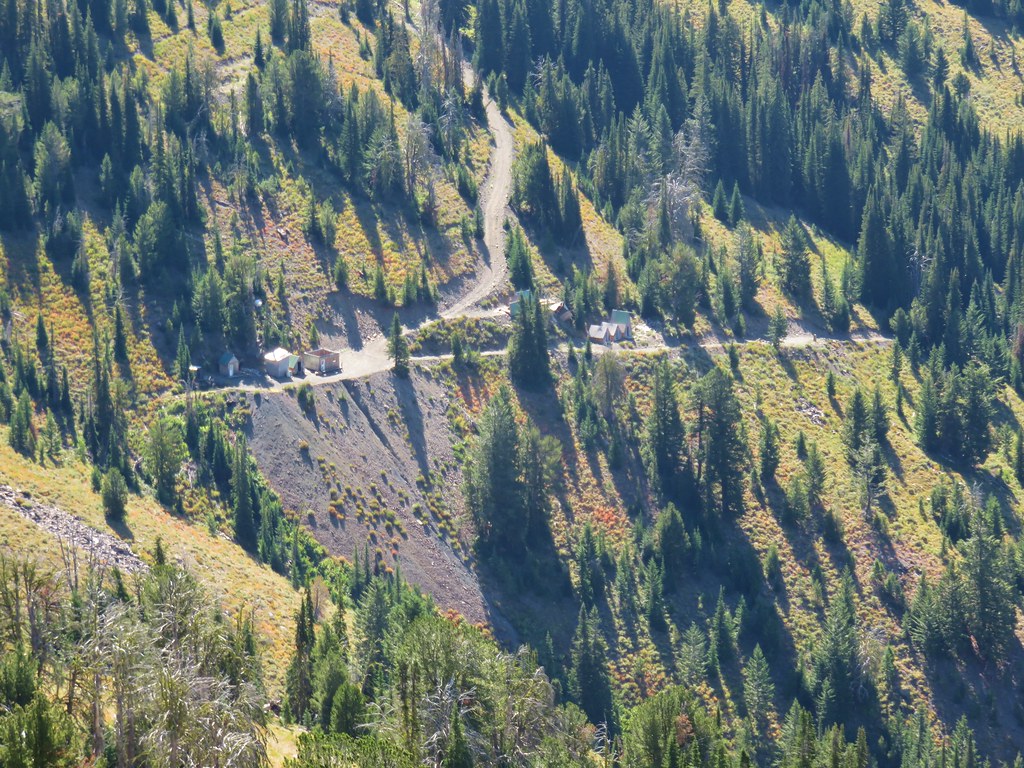
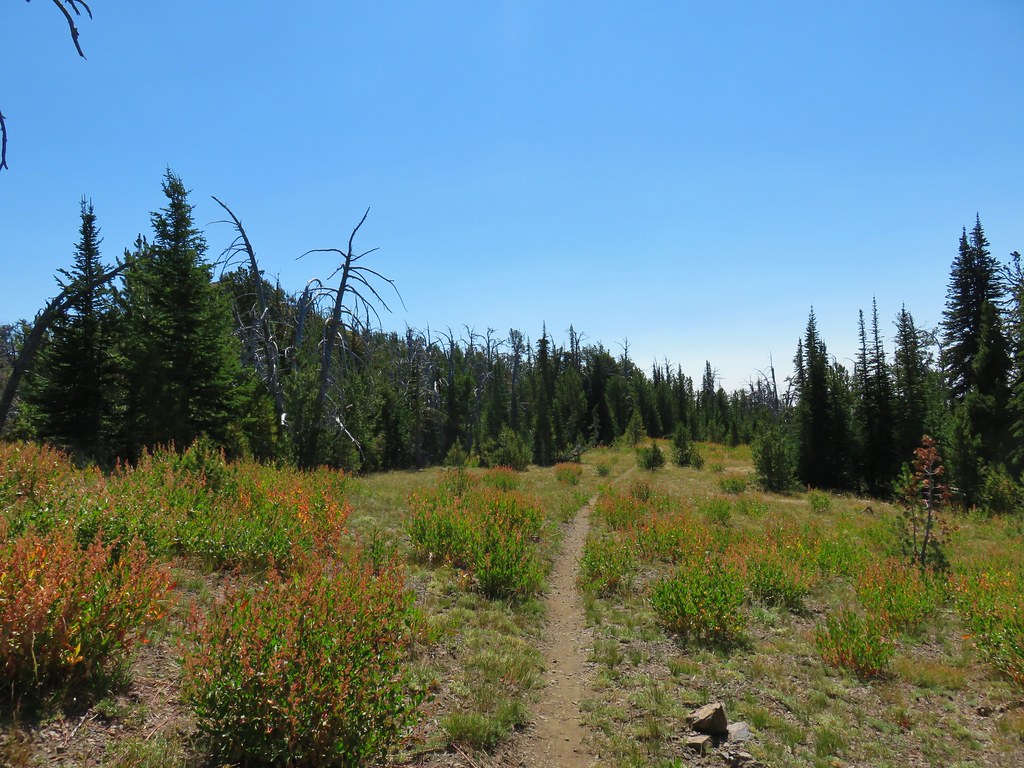

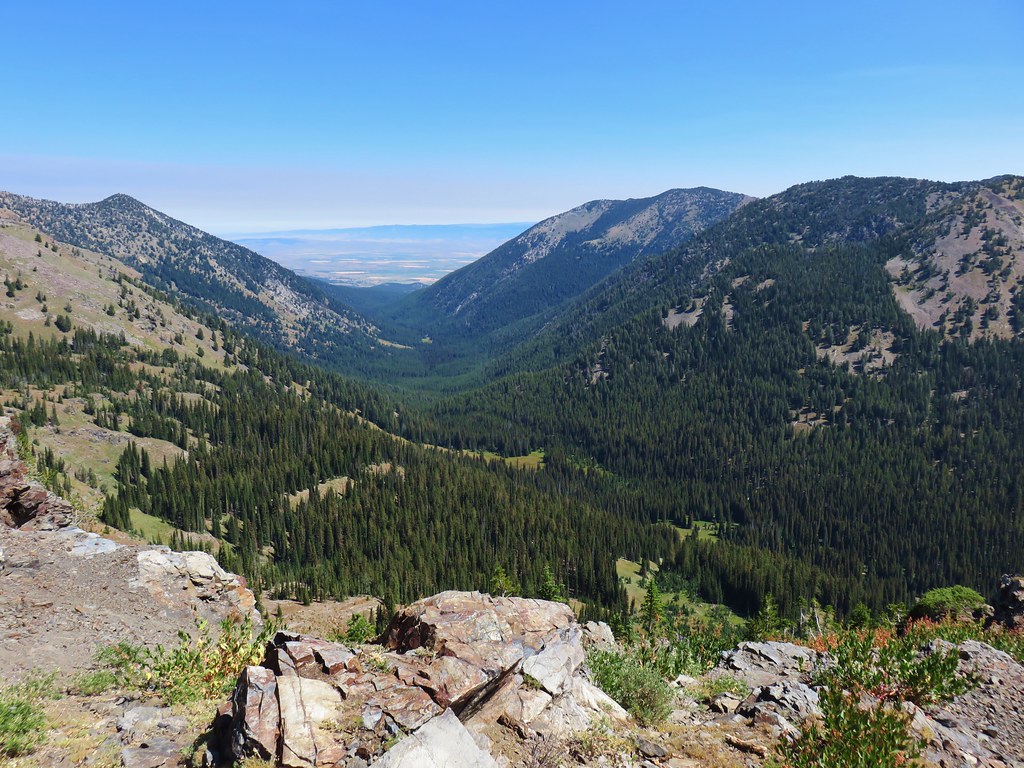
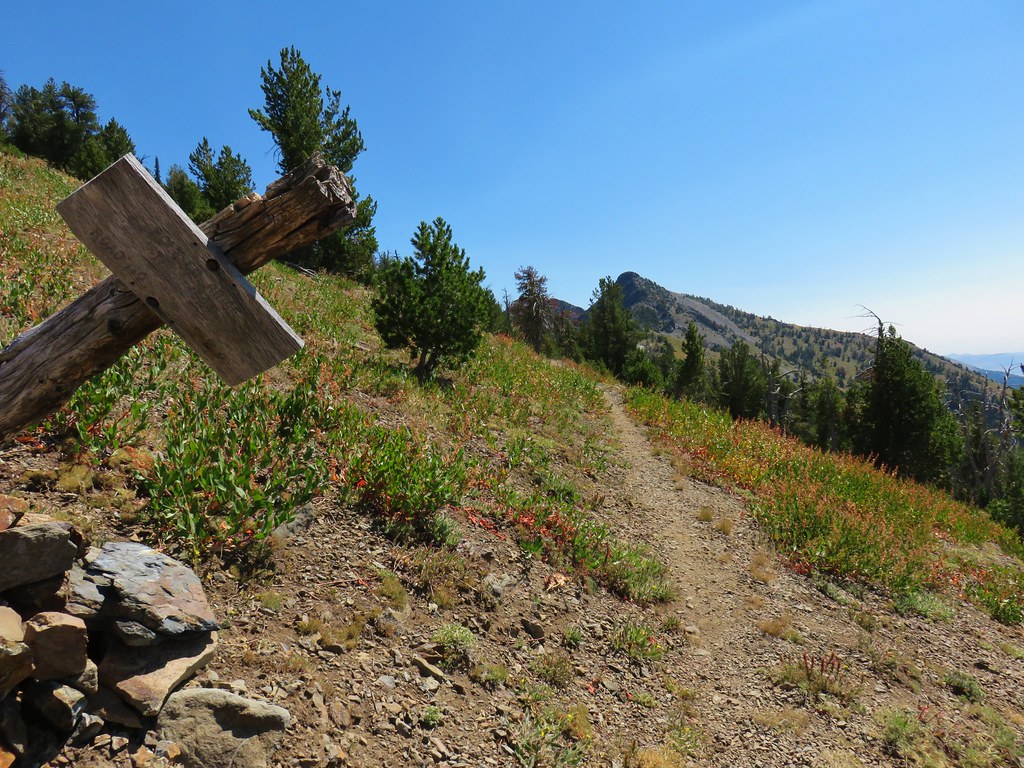
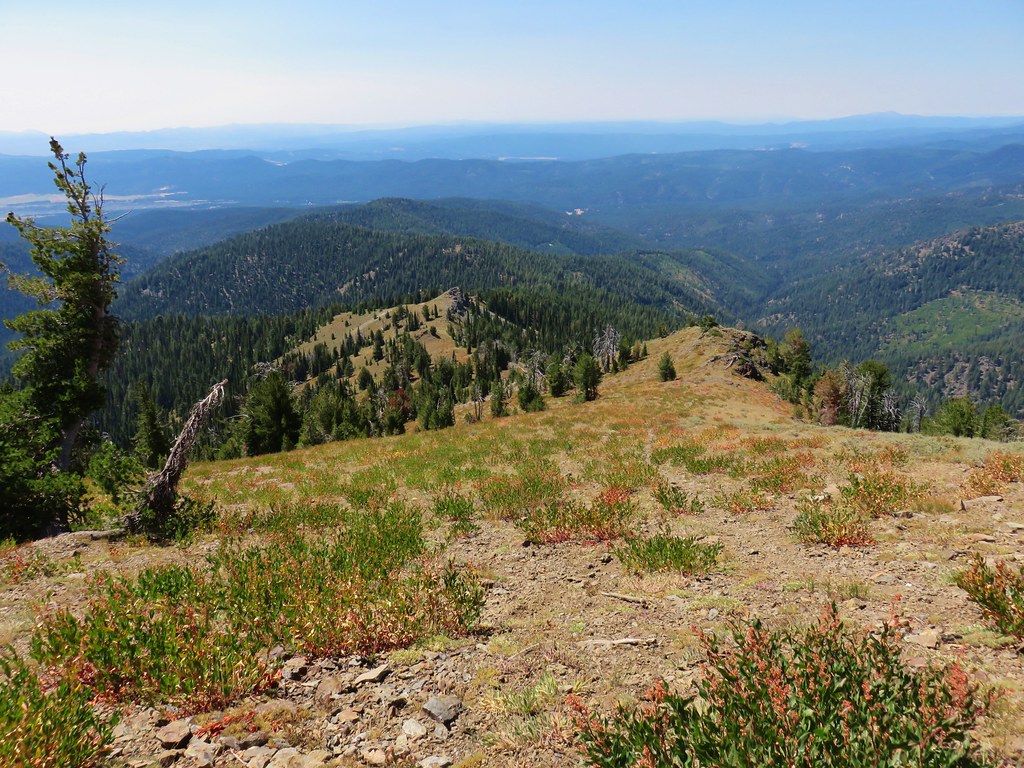

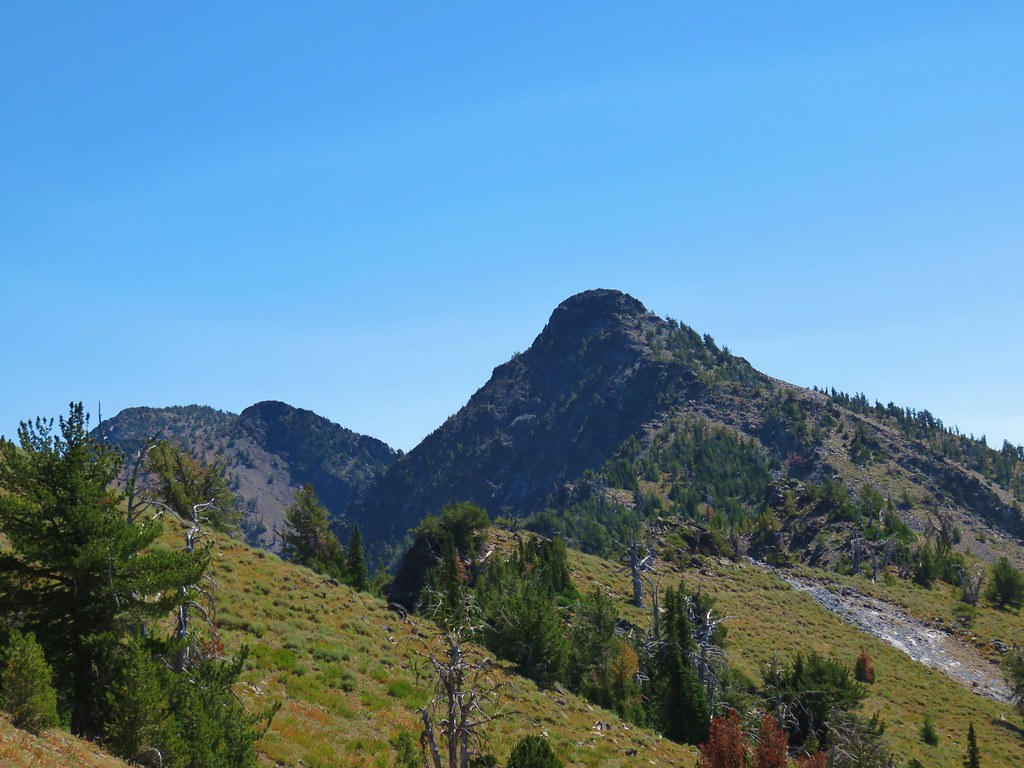
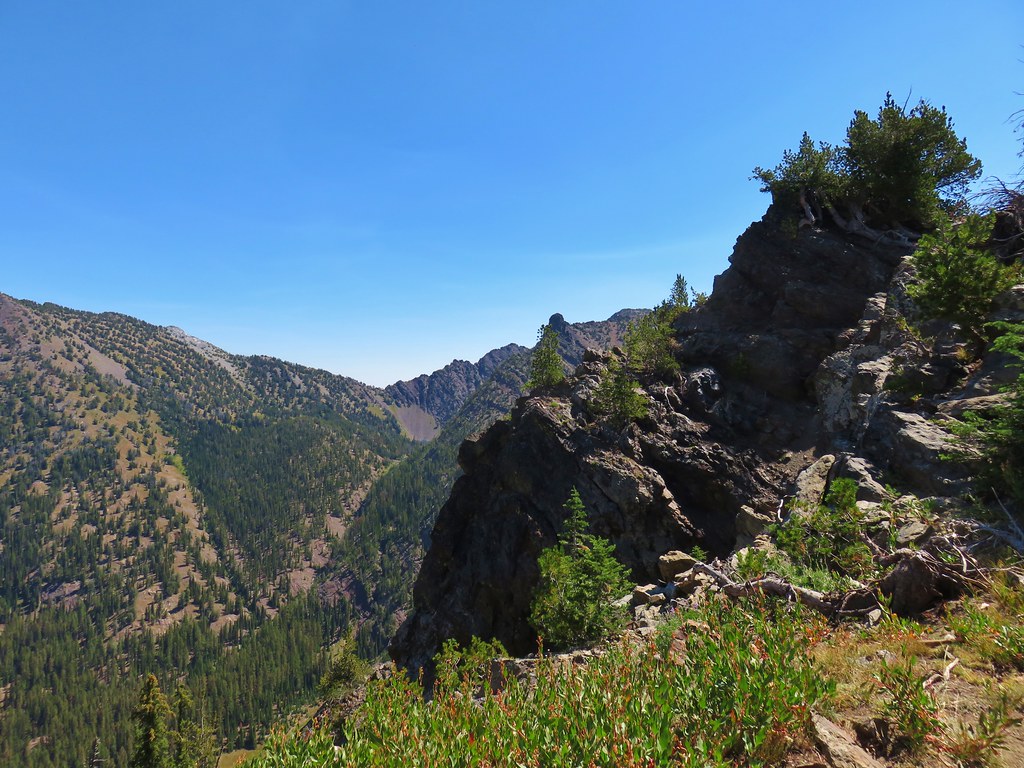
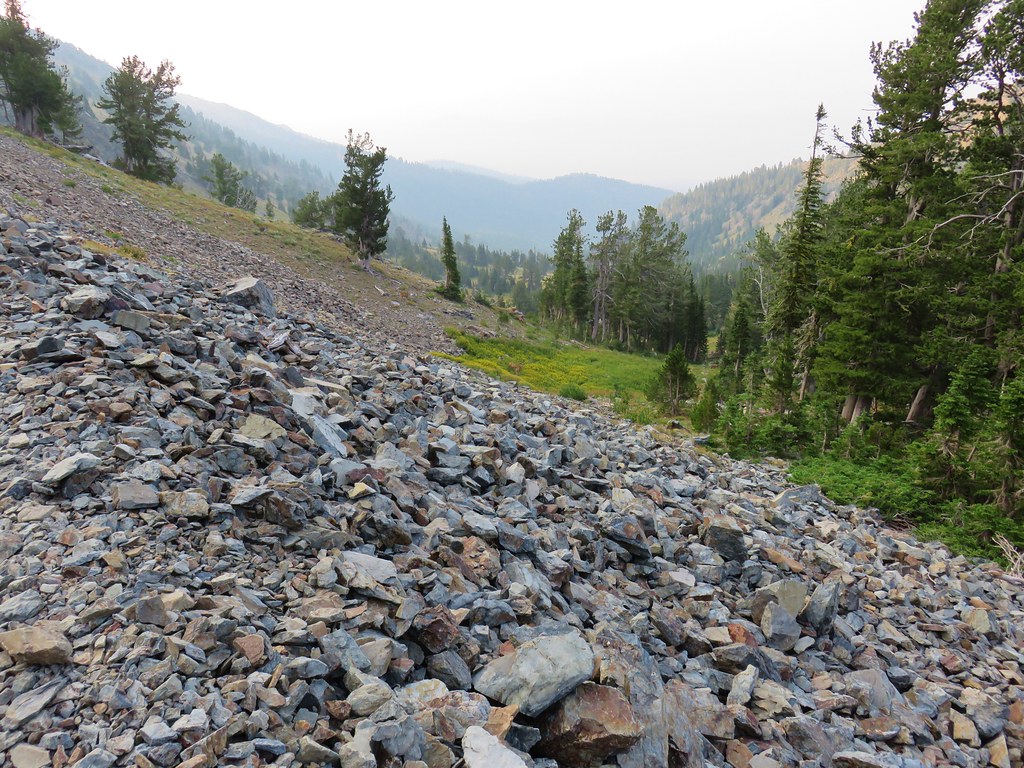
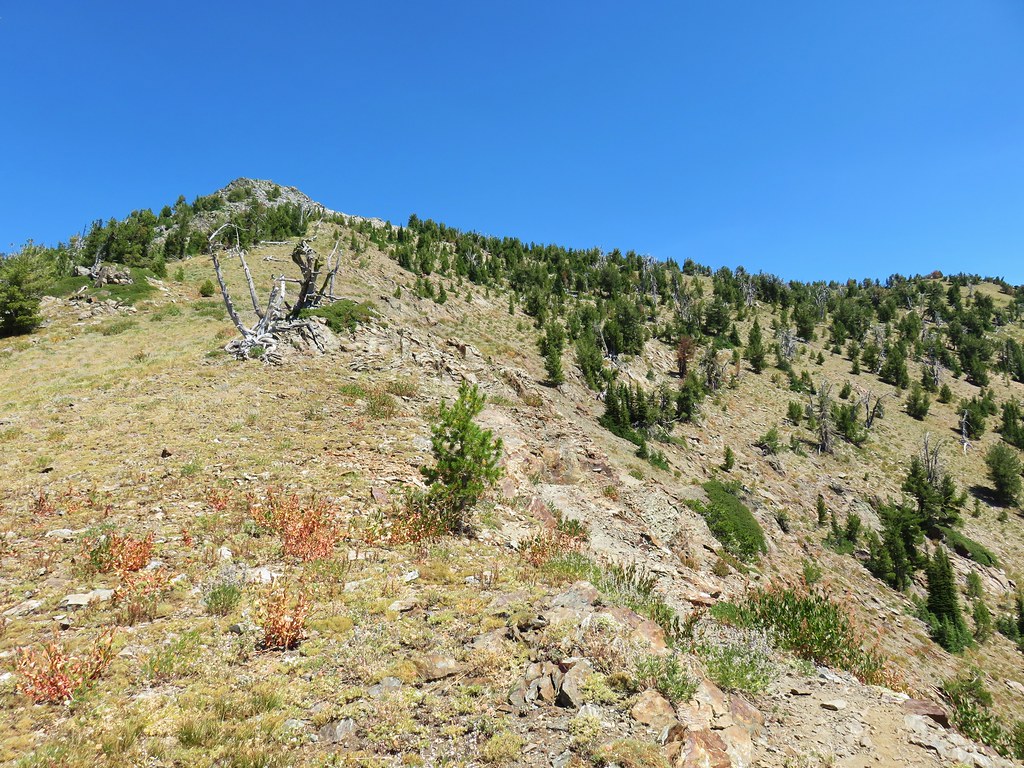 Looking up “not” Rock Creek Butte
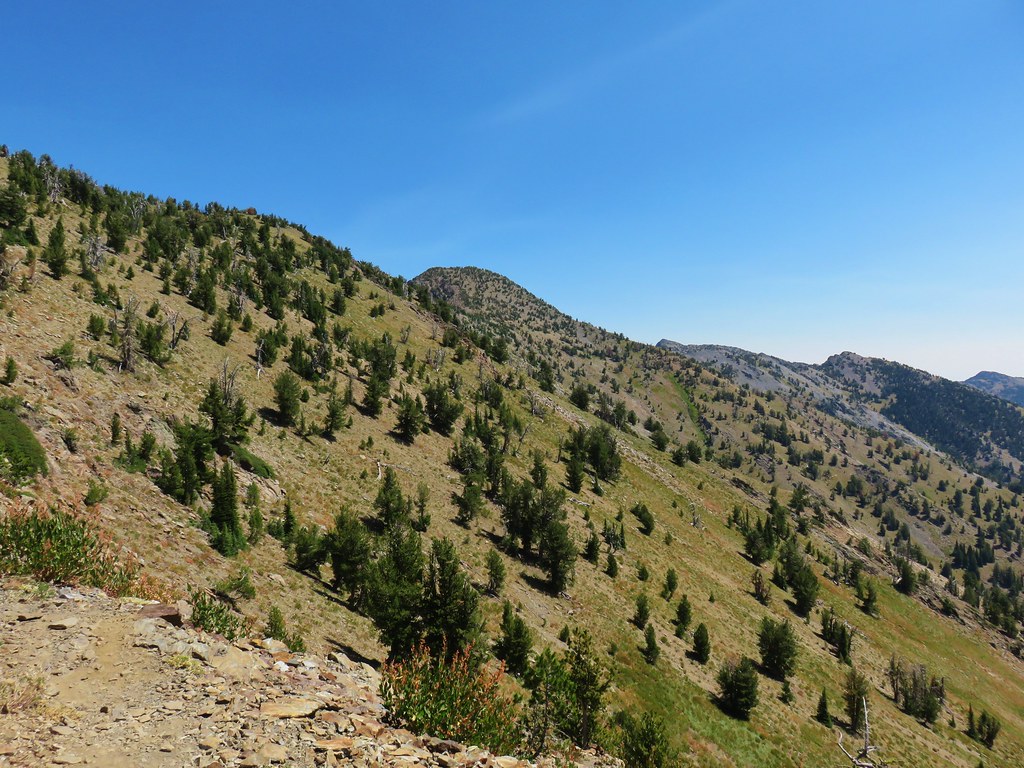 Rock Creek Butte is still a little ways away.
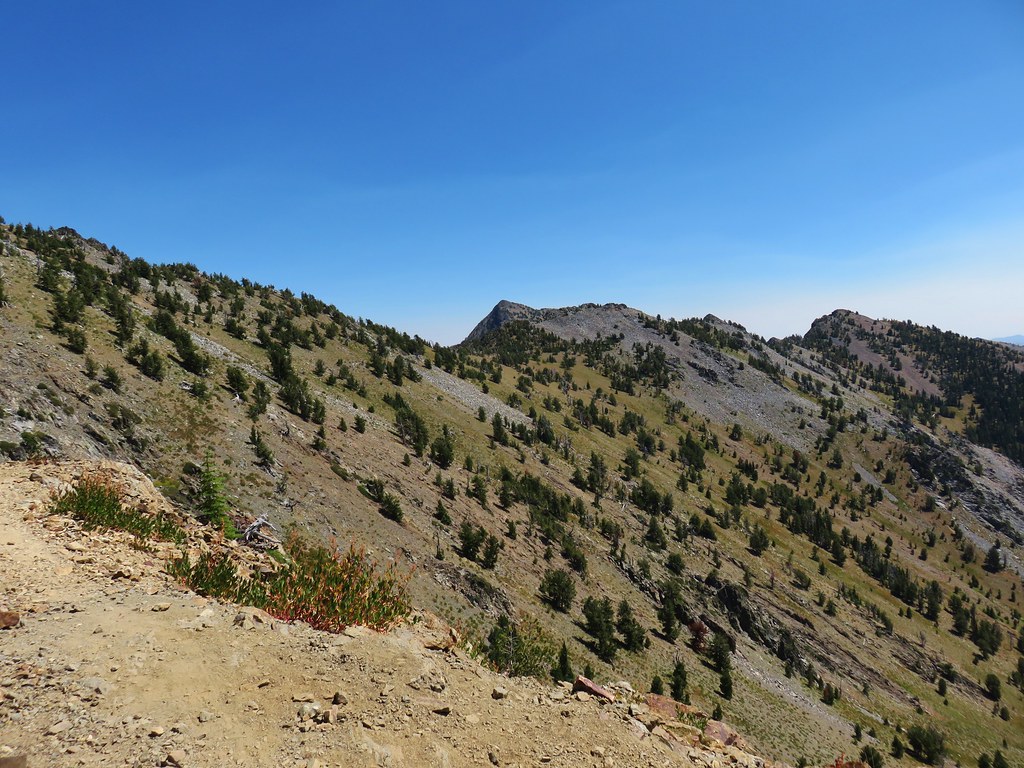 Looking ahead to the saddle.
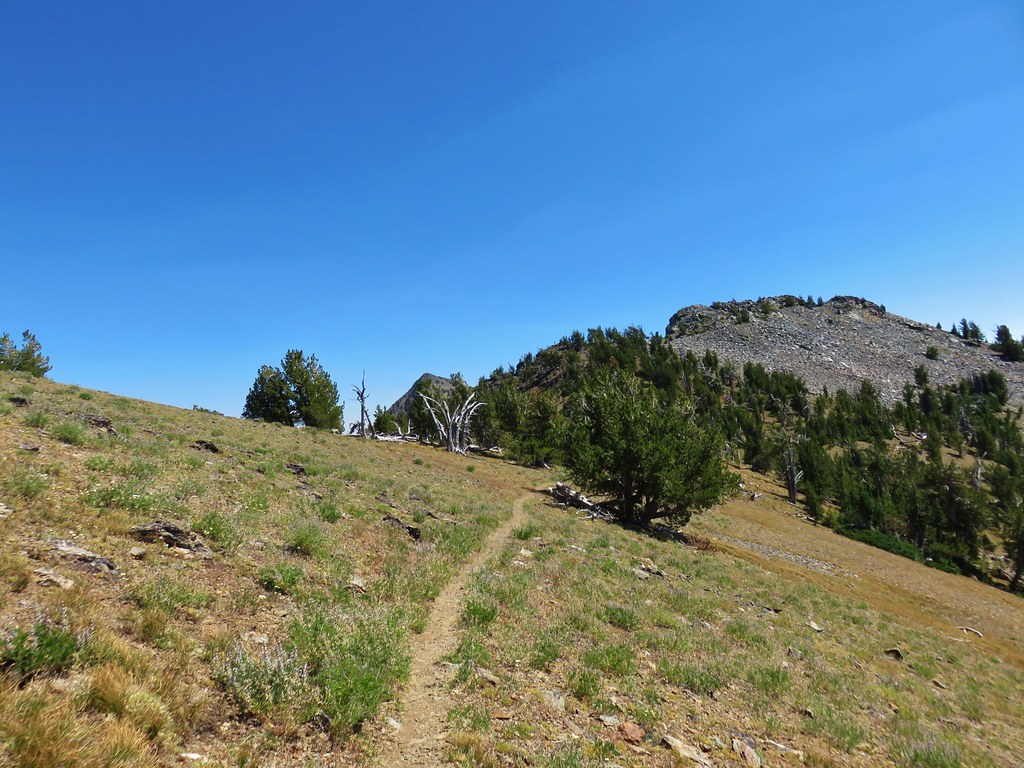 Nearing the saddle.
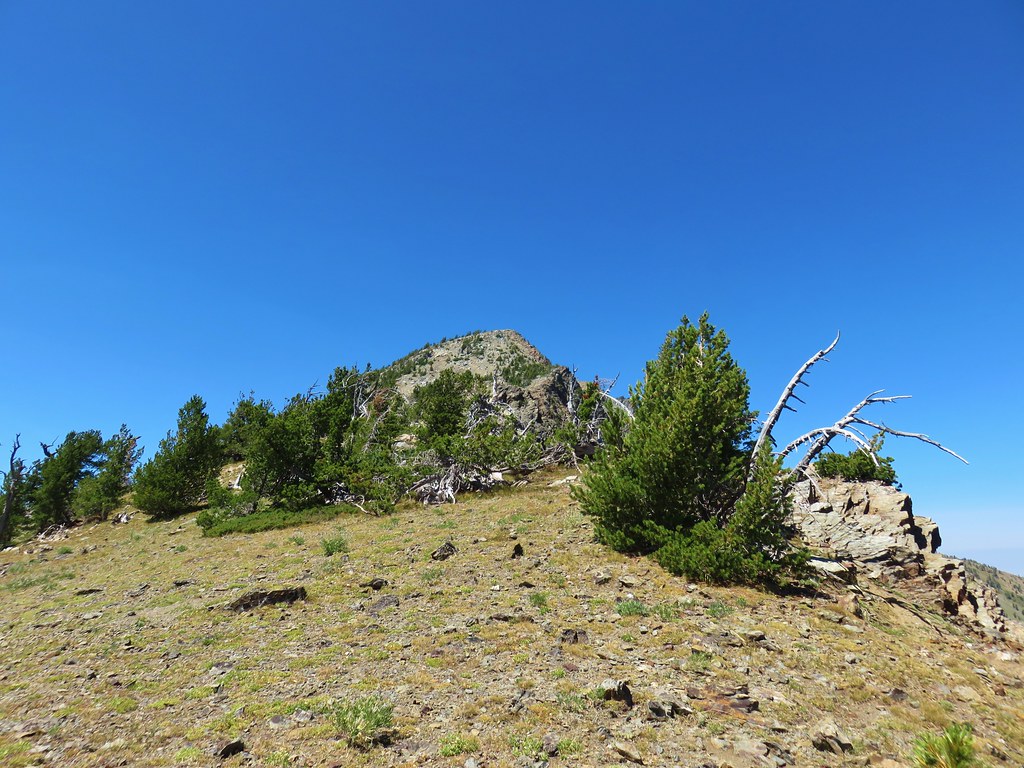
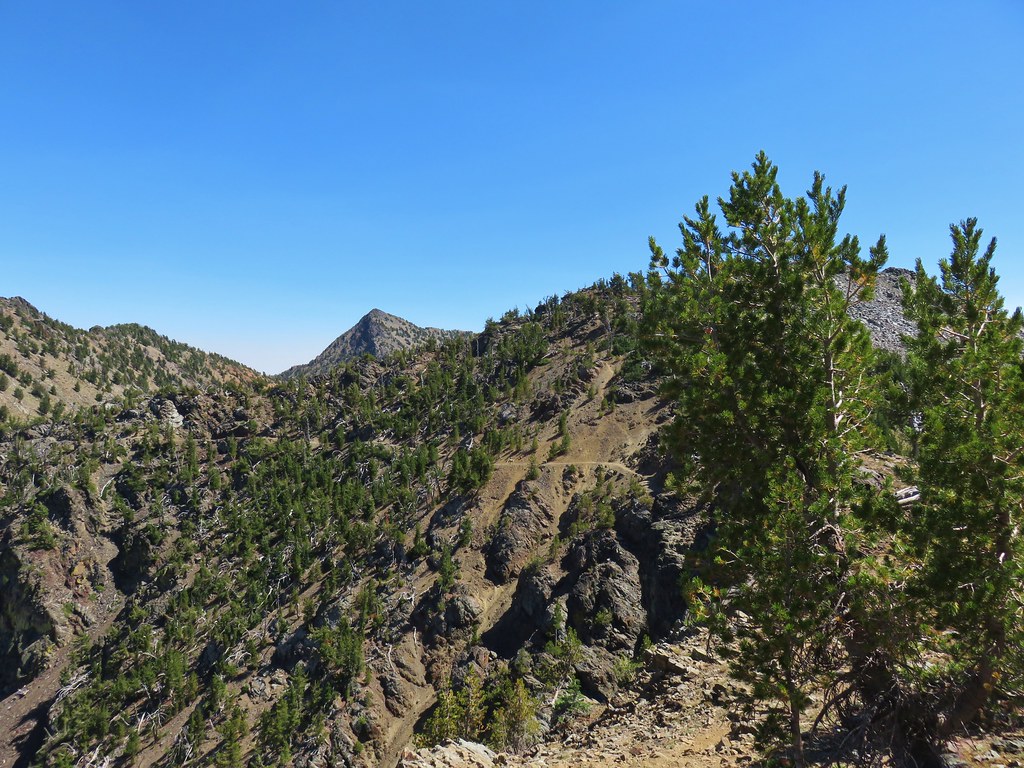
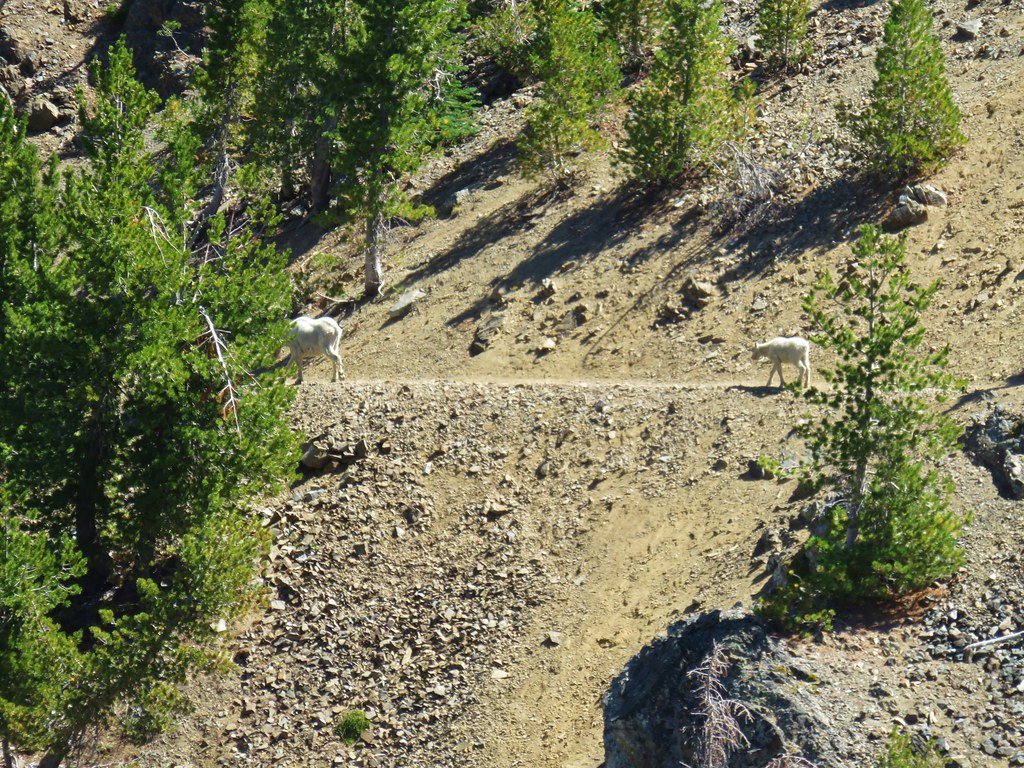
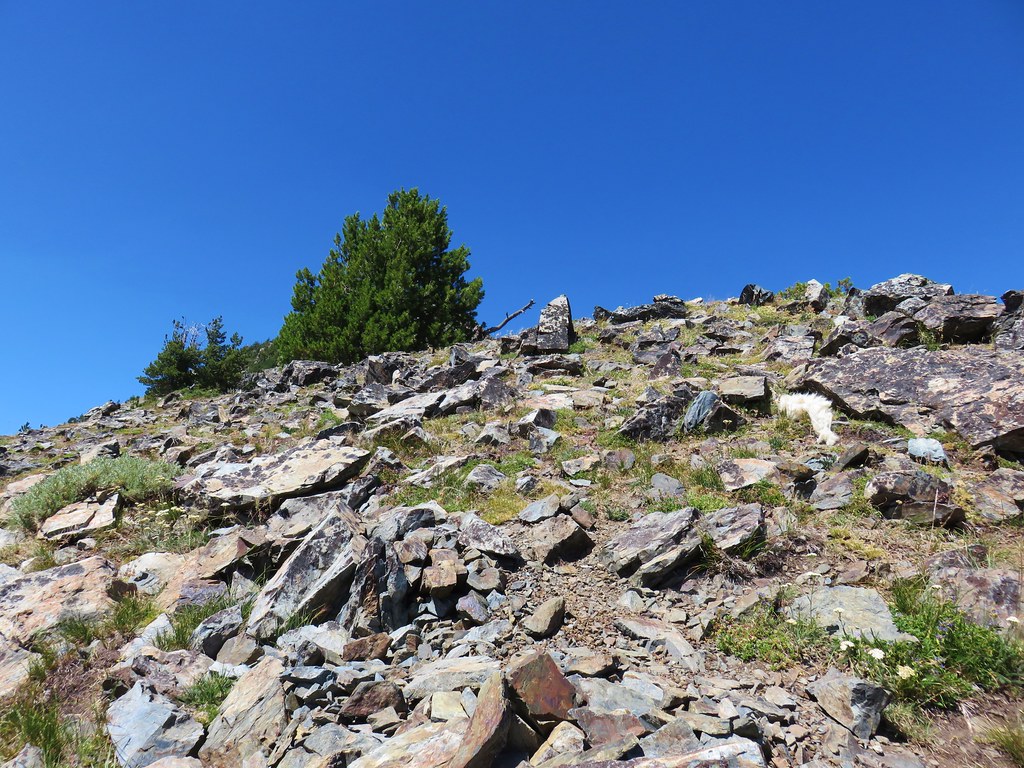
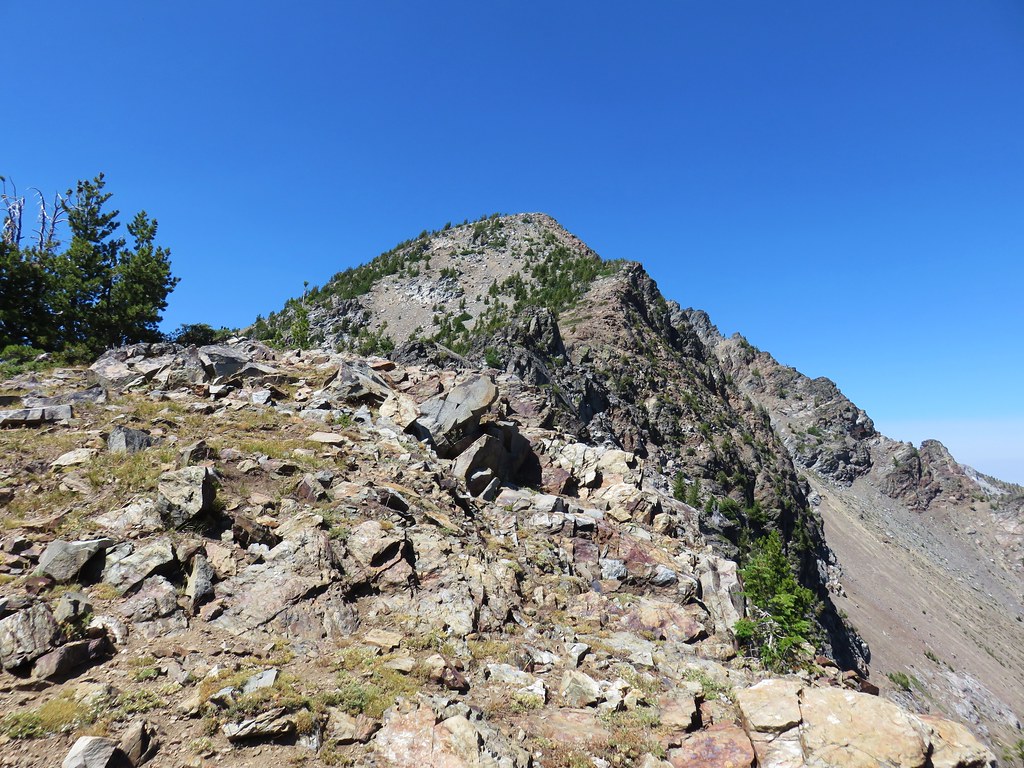

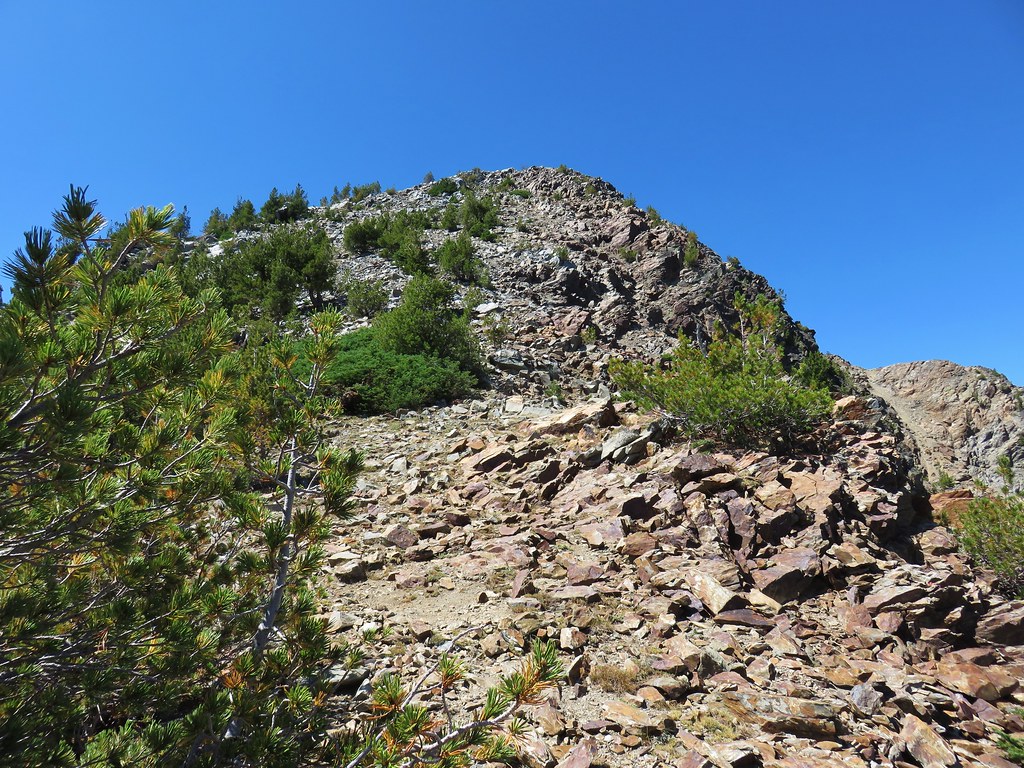

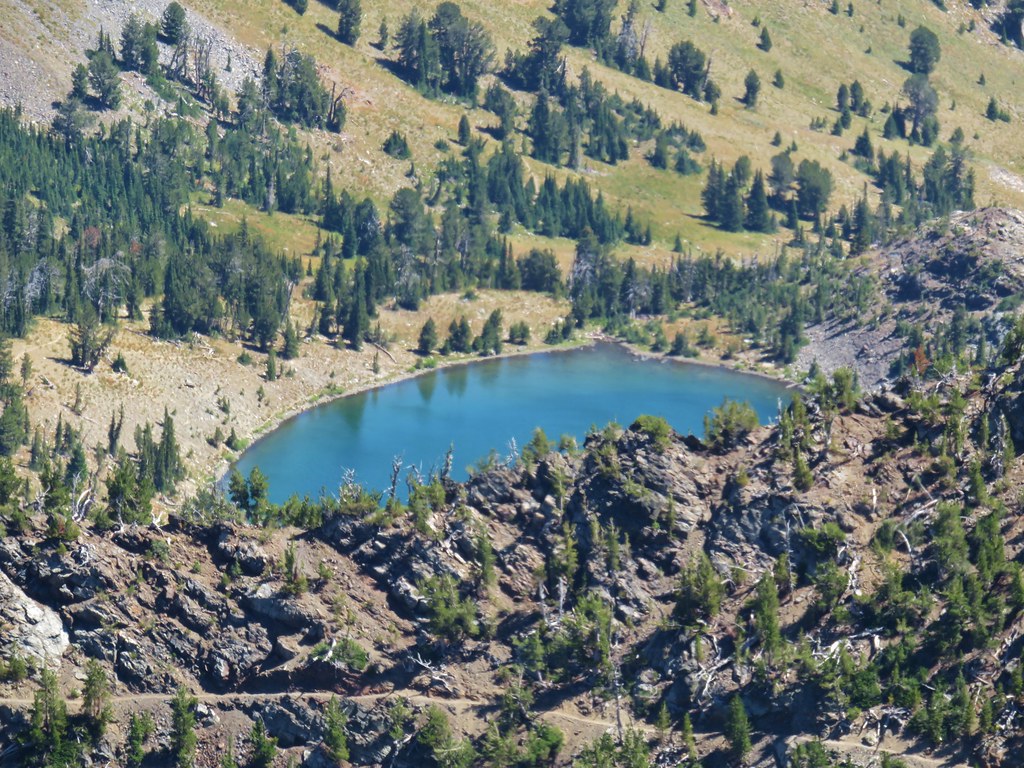
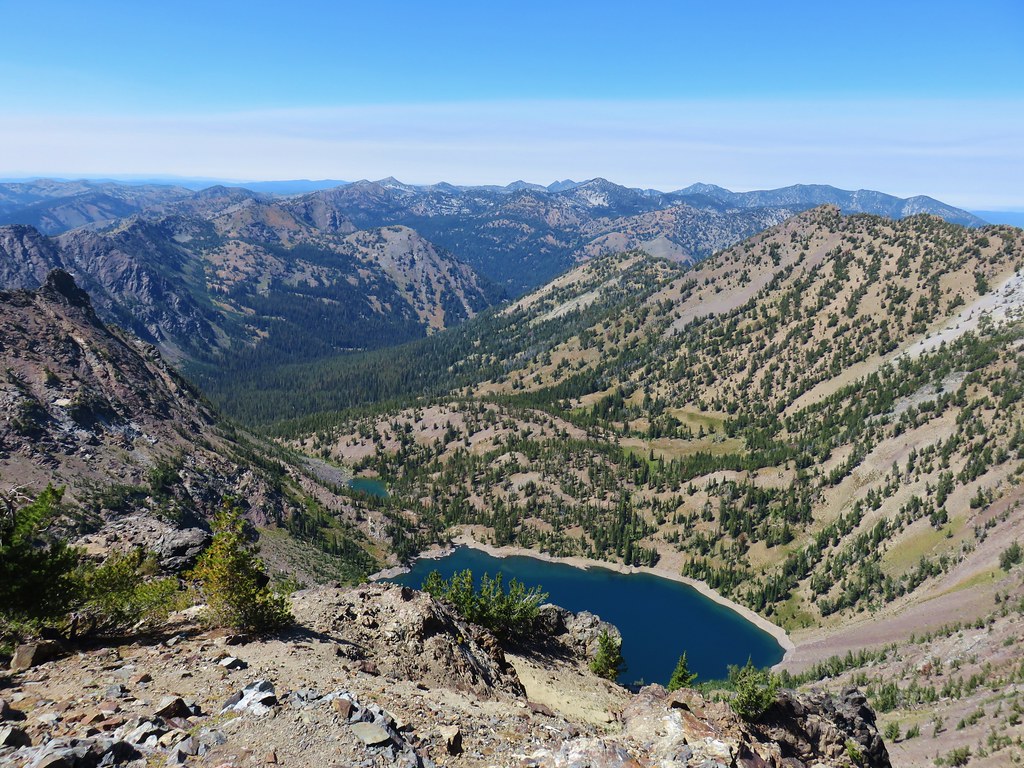
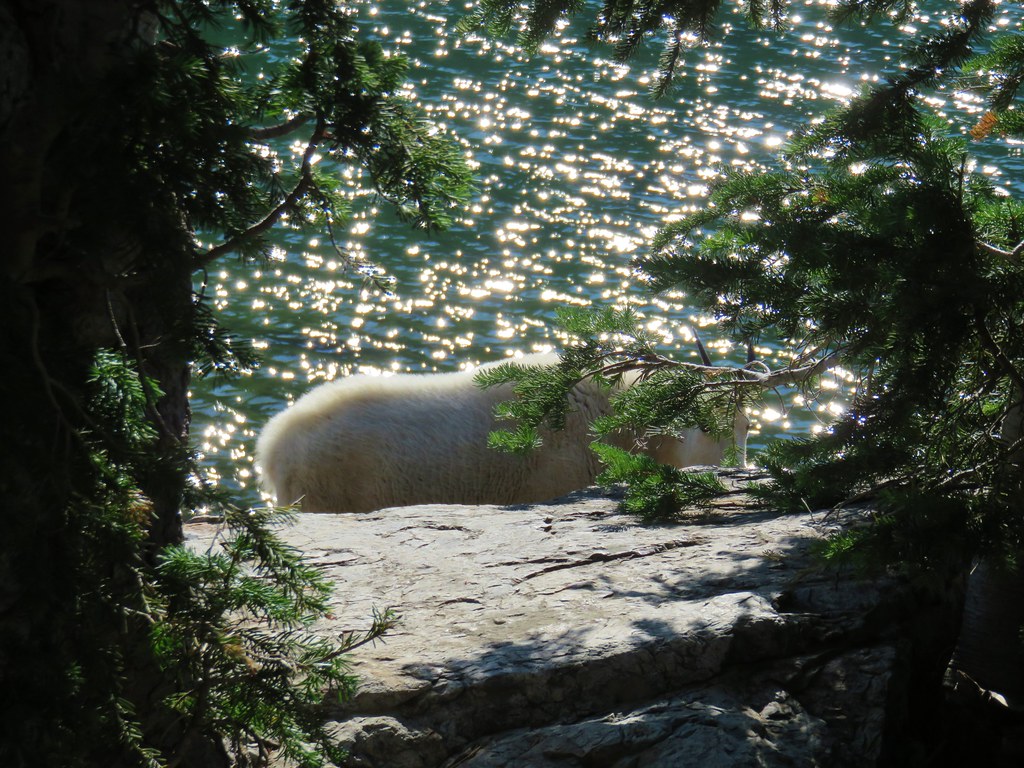
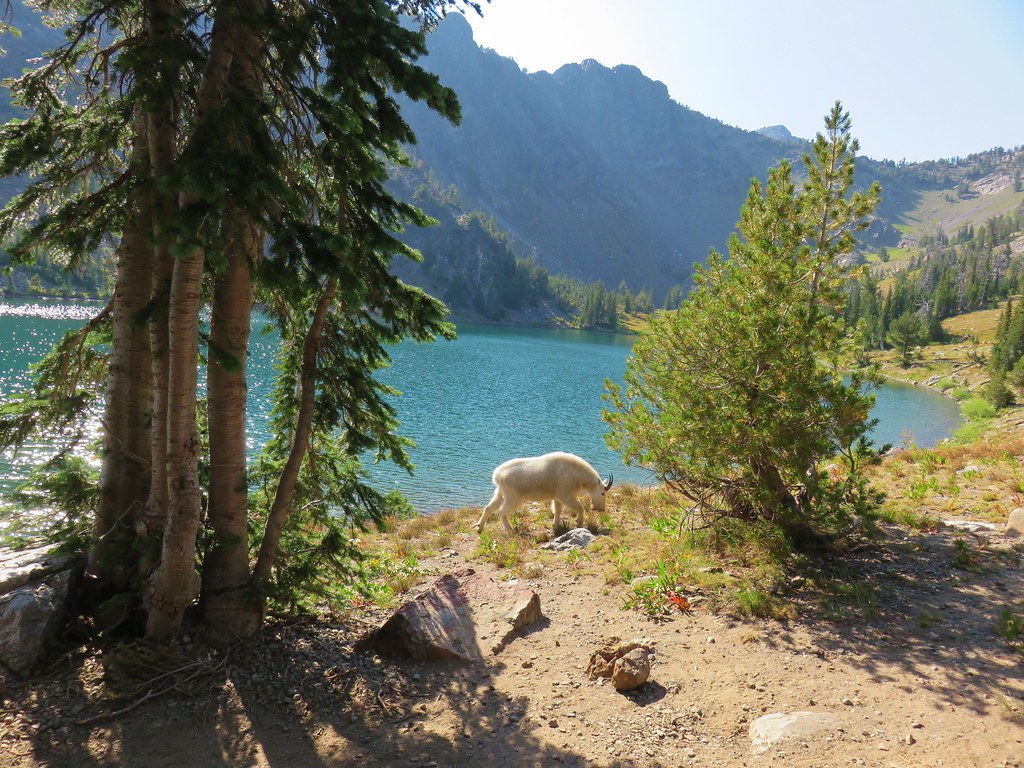
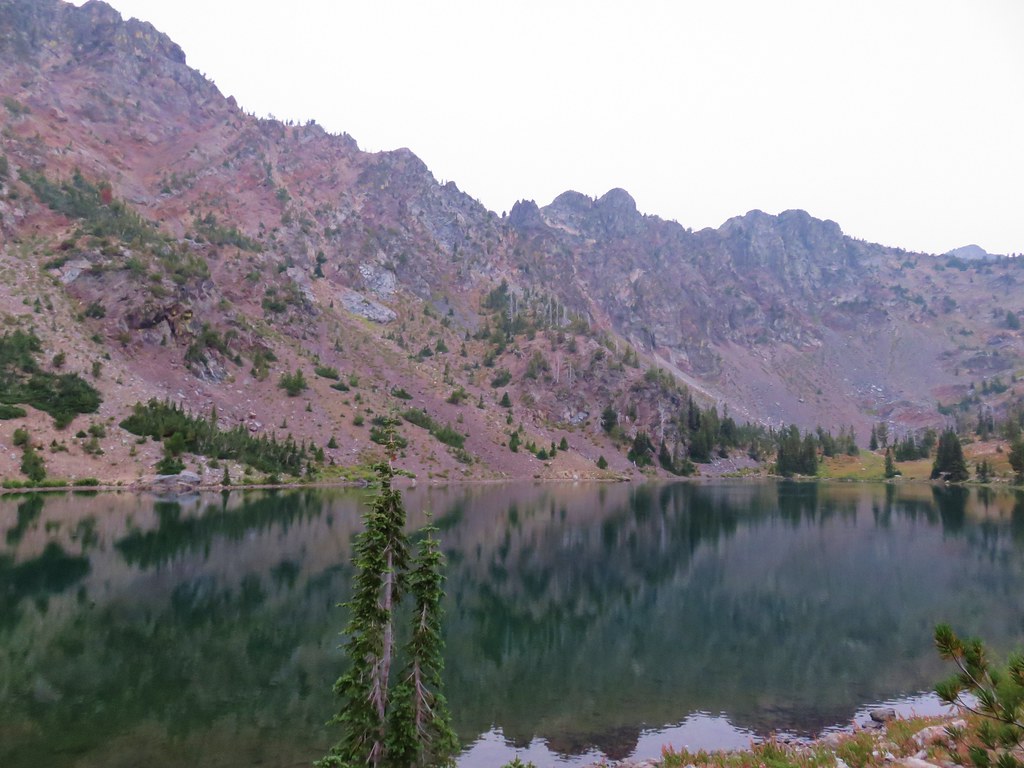
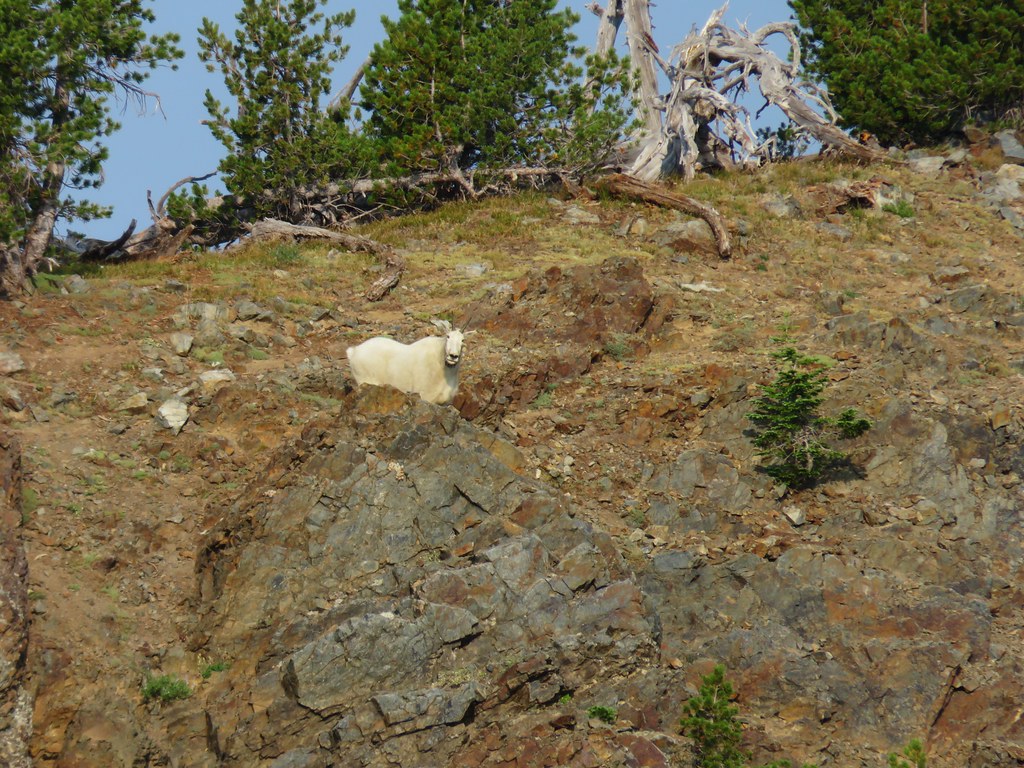
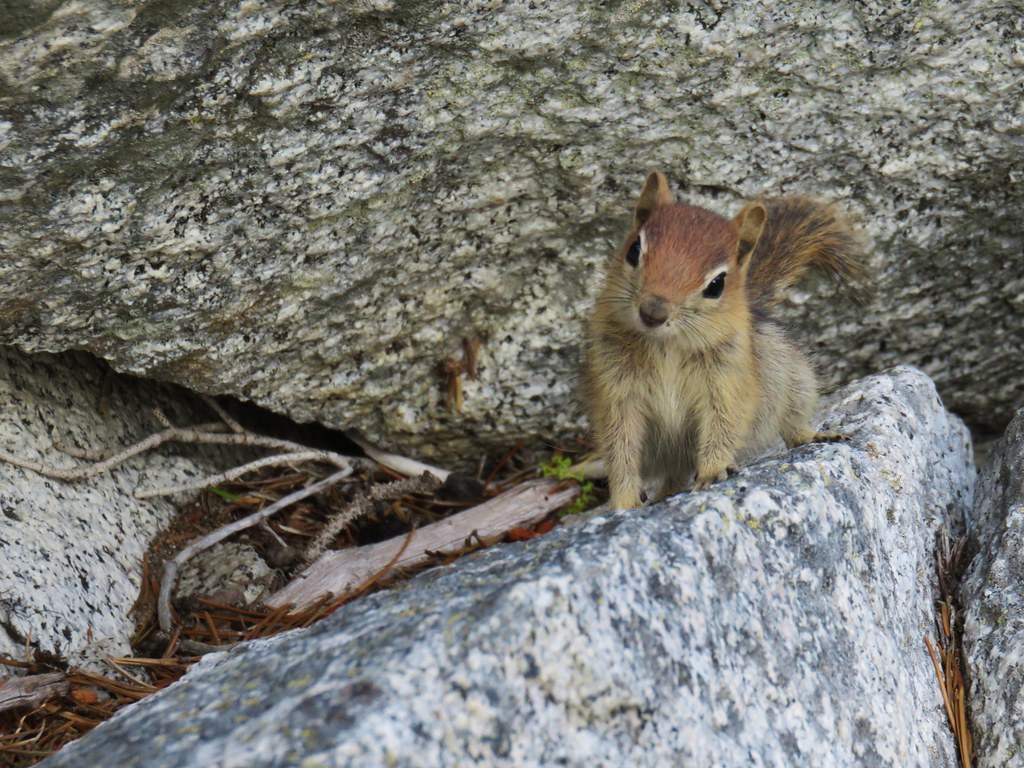
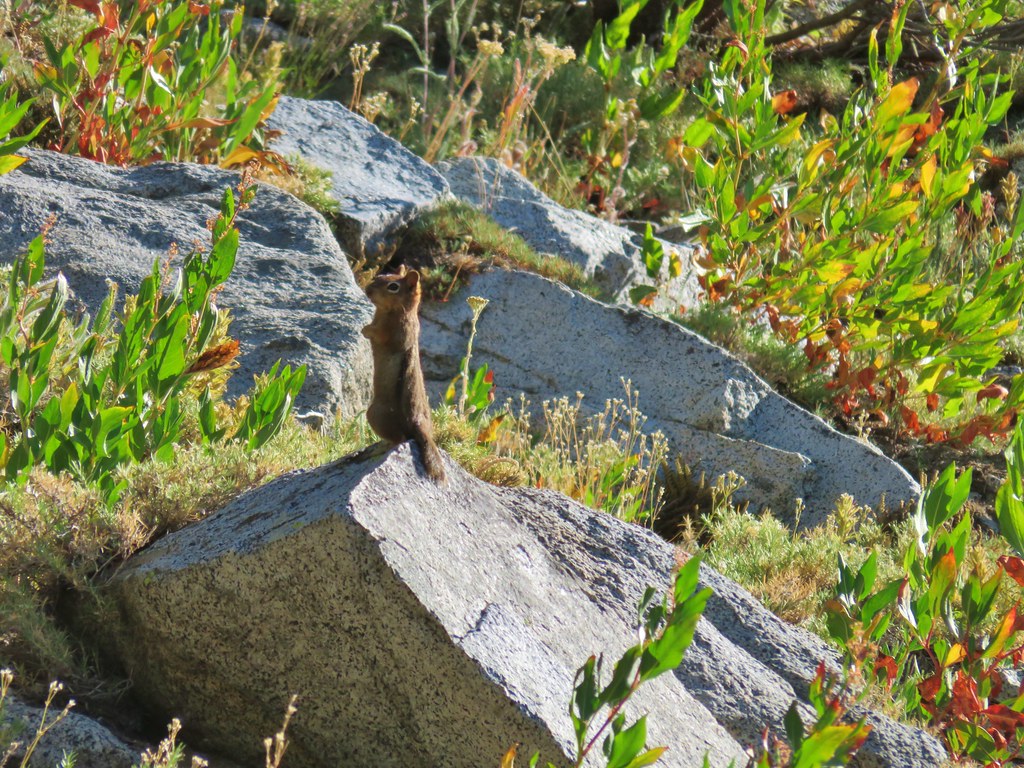
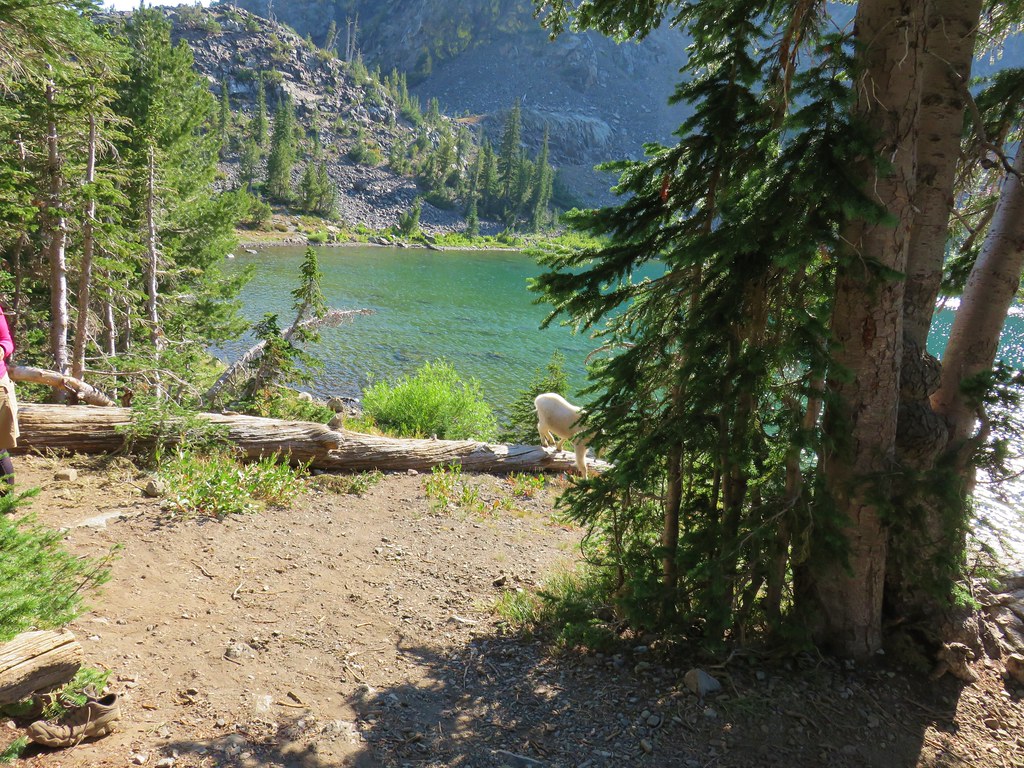
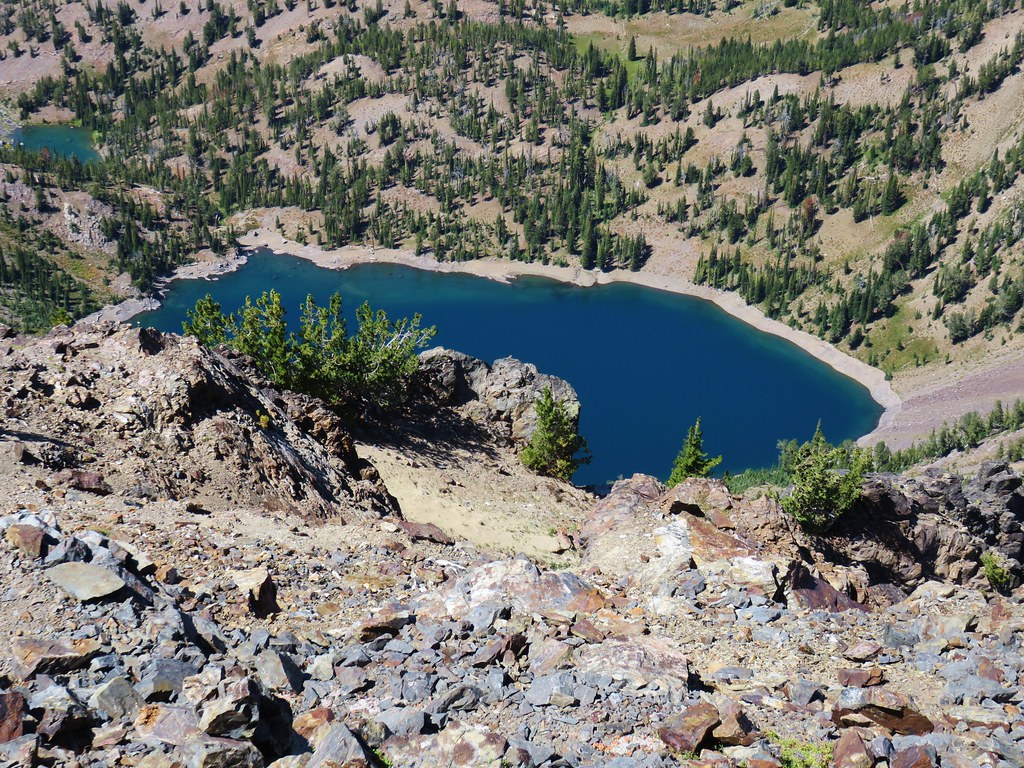 Notice the golden-mantled ground squirrel sitting atop the large rock overlooking the lake.
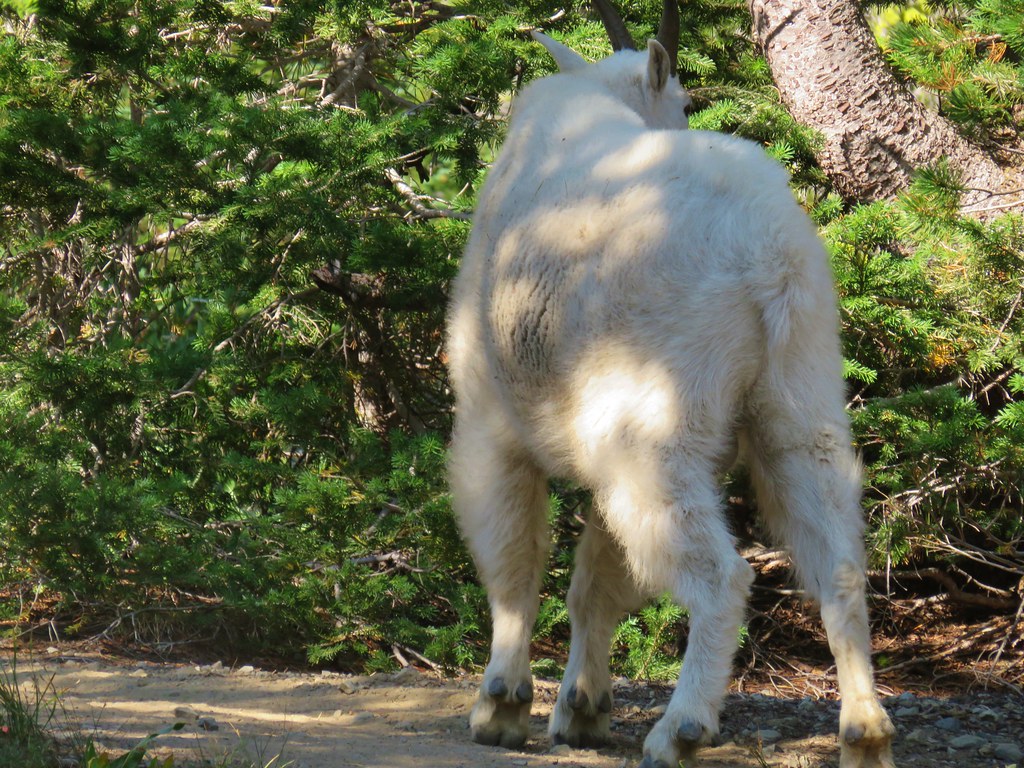
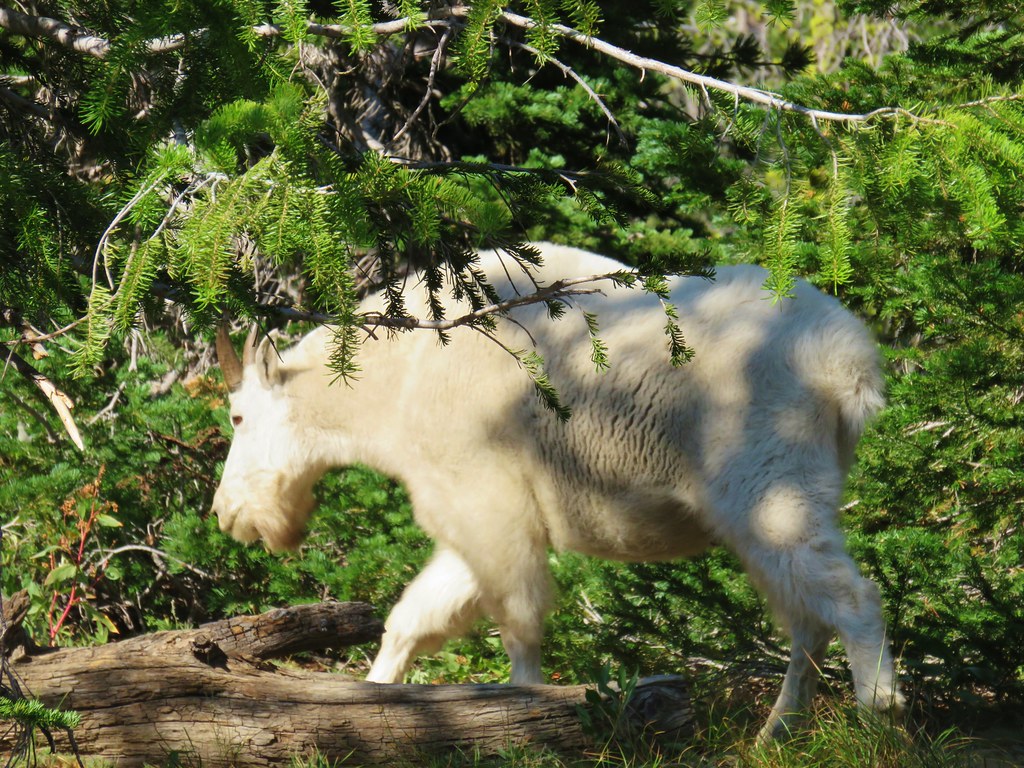
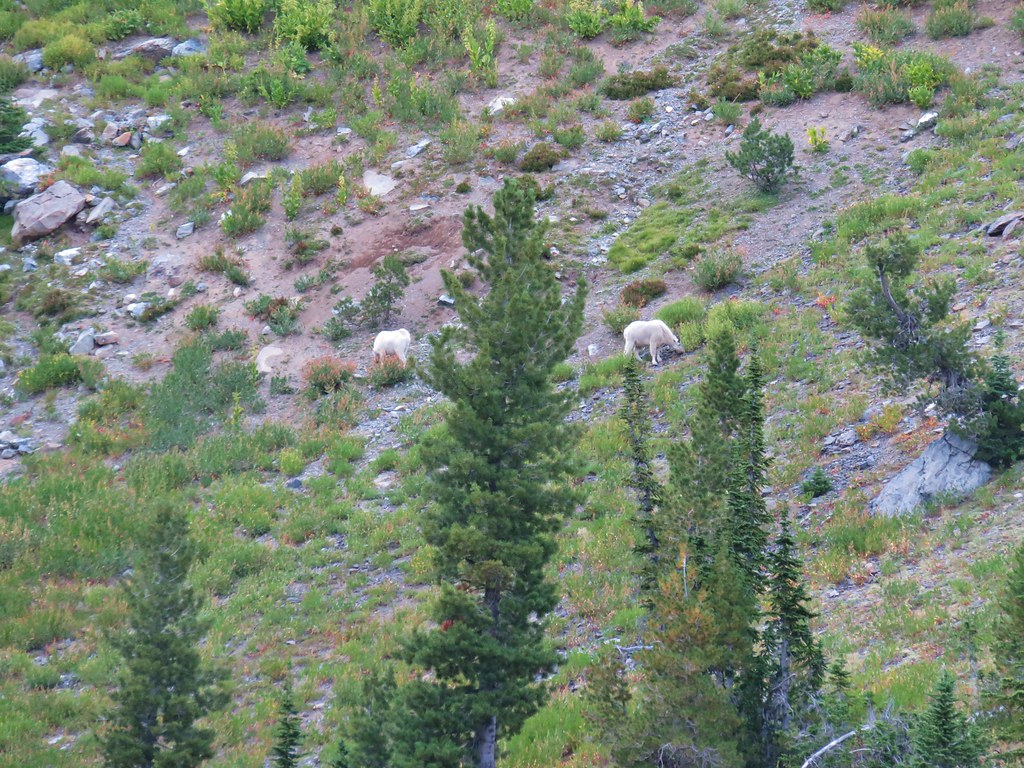
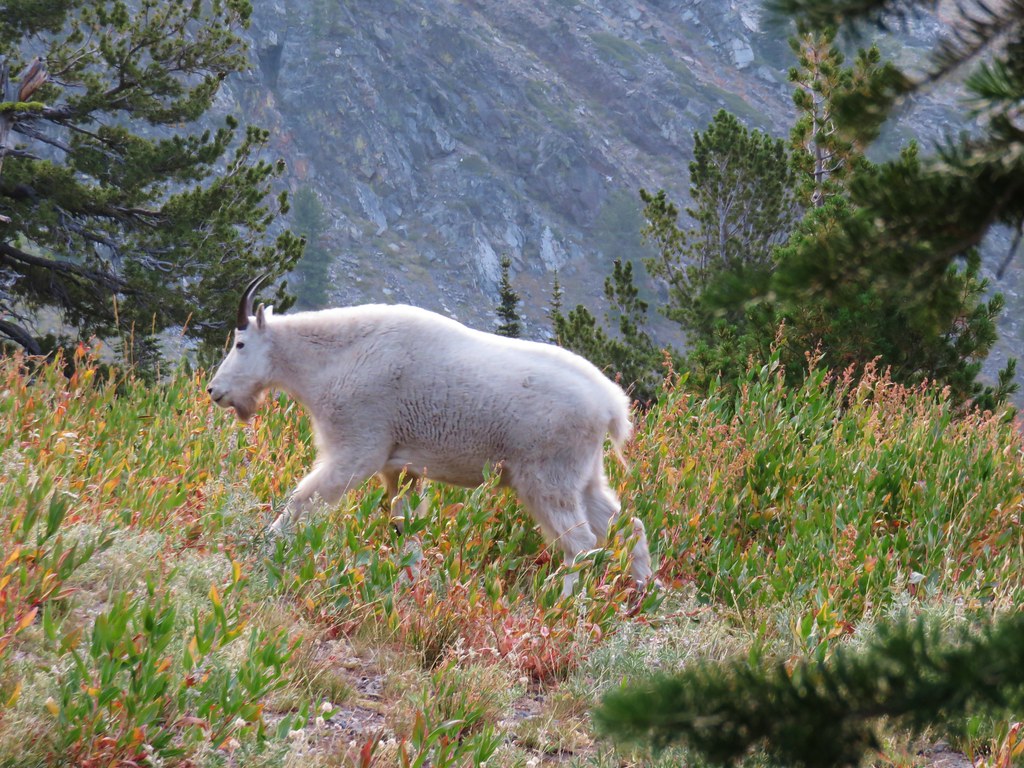
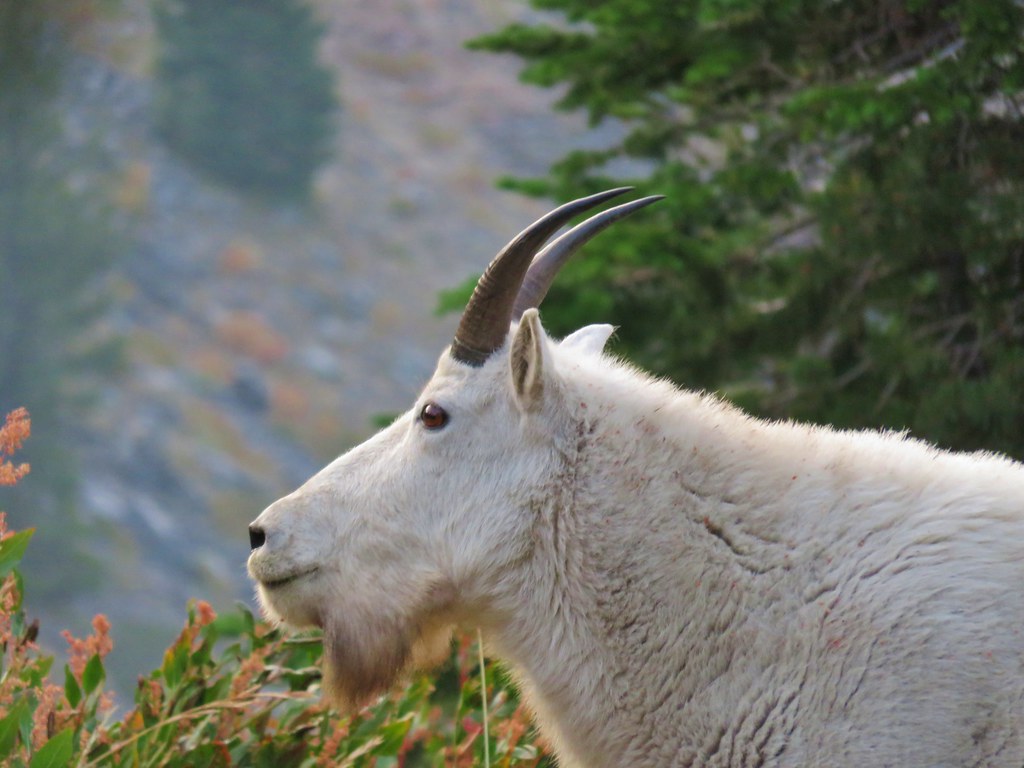
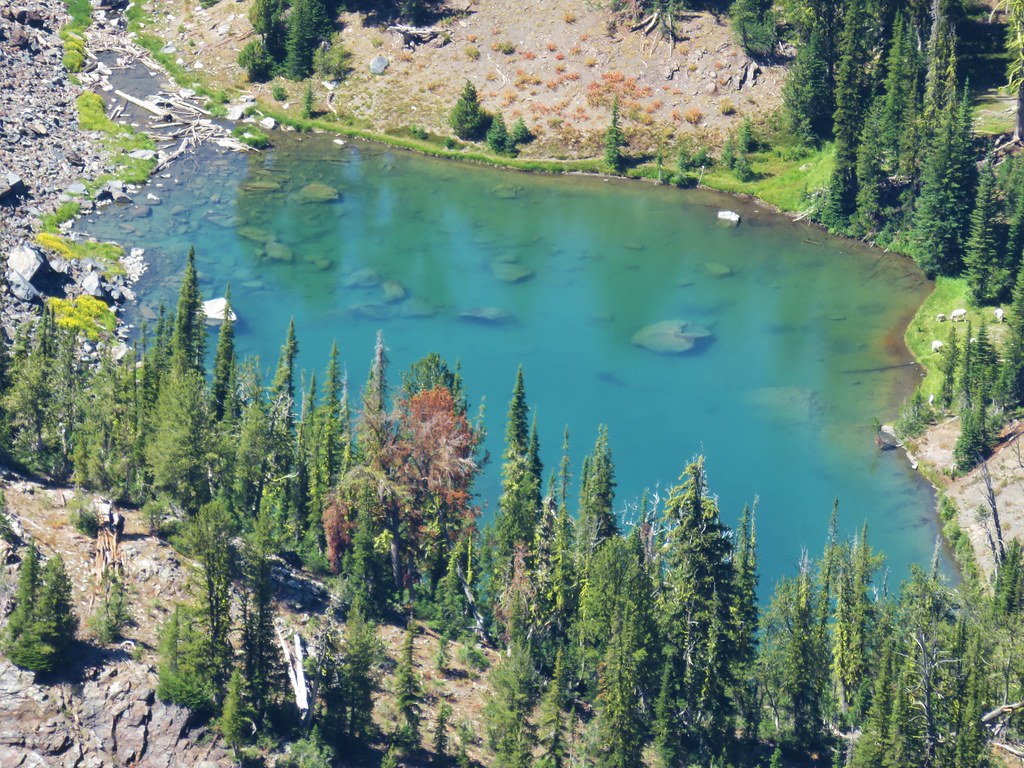 (Full disclosure neither of us noticed the goats until I was looking through the pictures at home.)
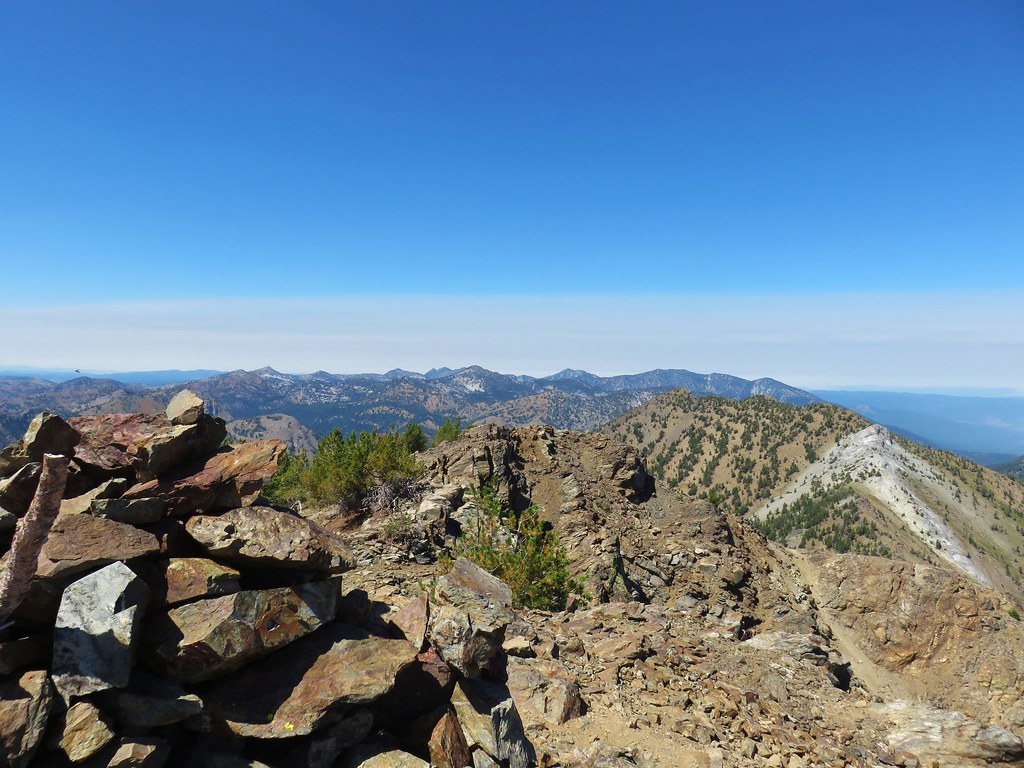
 Looking back at the summit cairn from the Rock Creek Lake overlook.
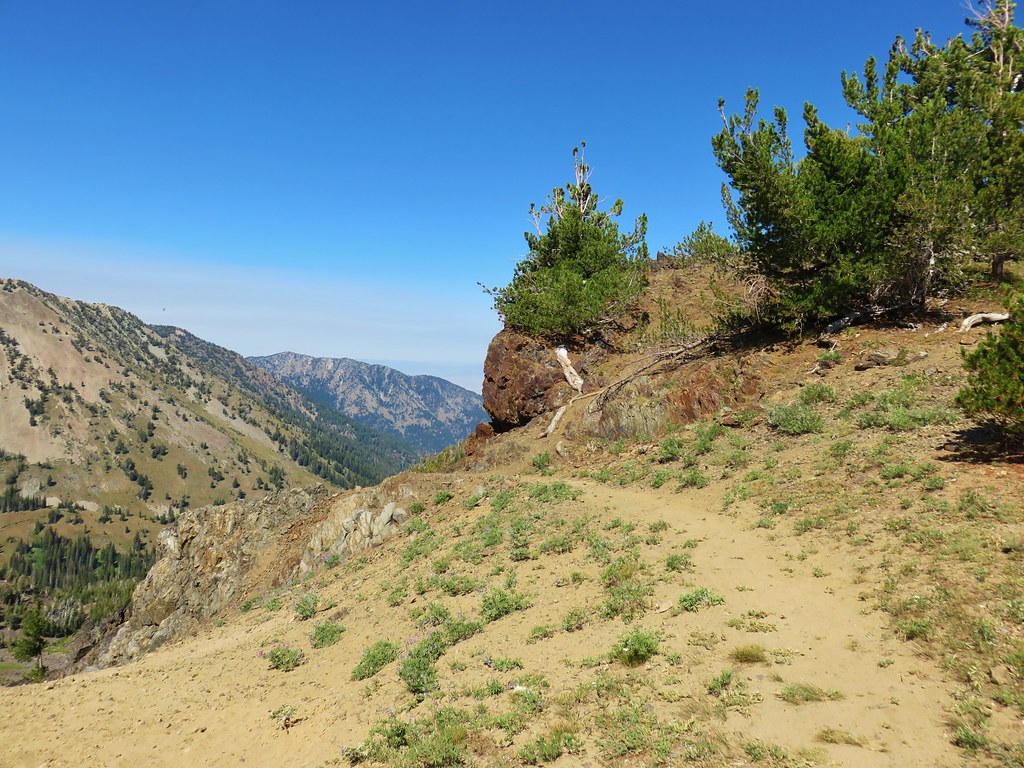
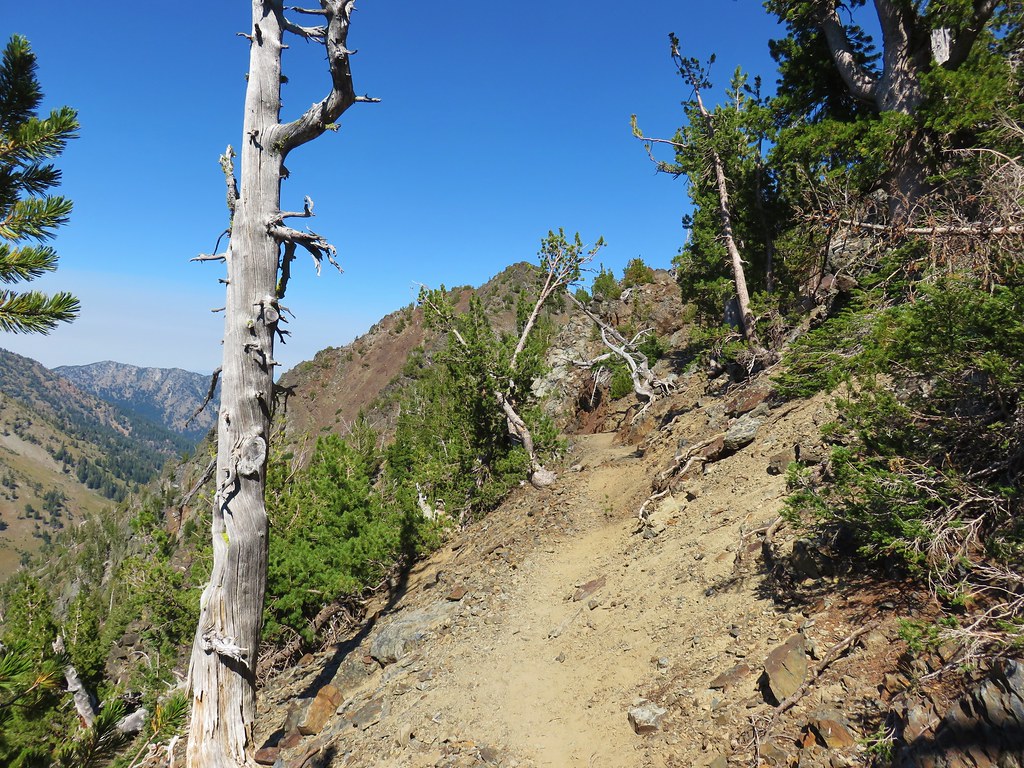
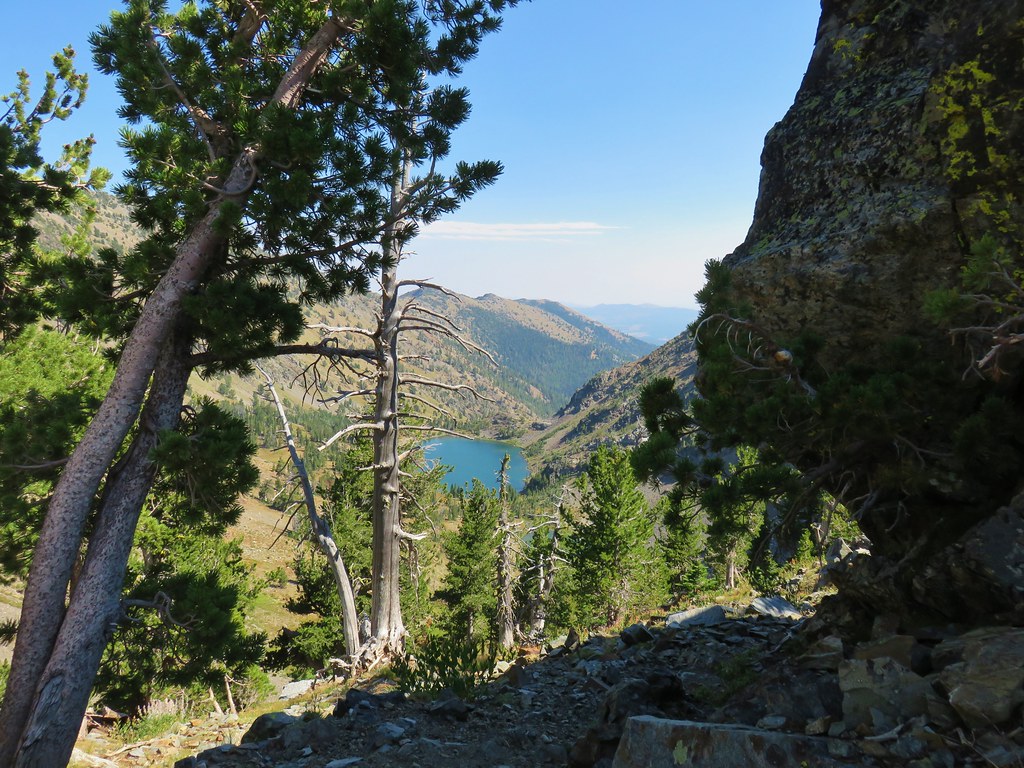
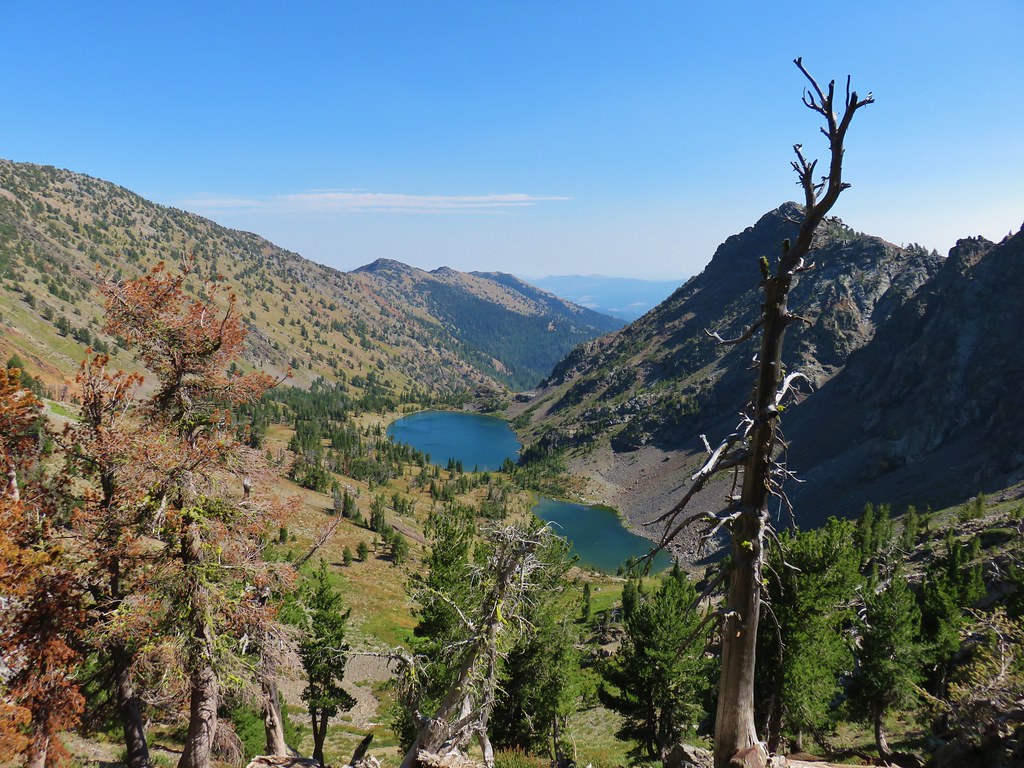
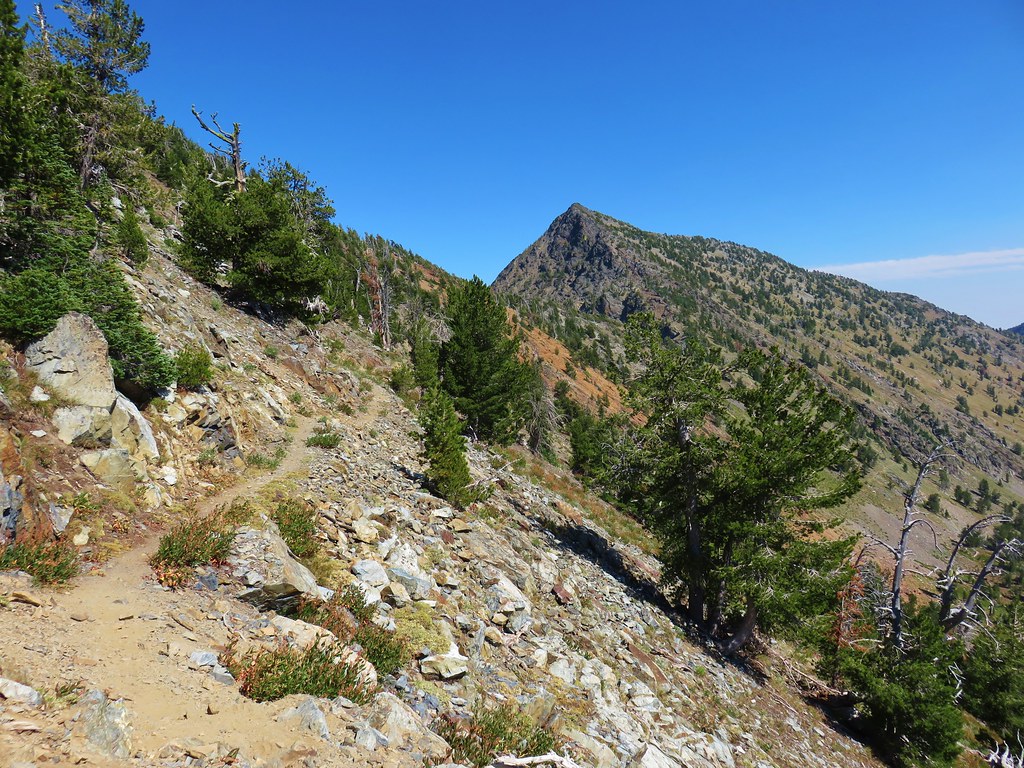
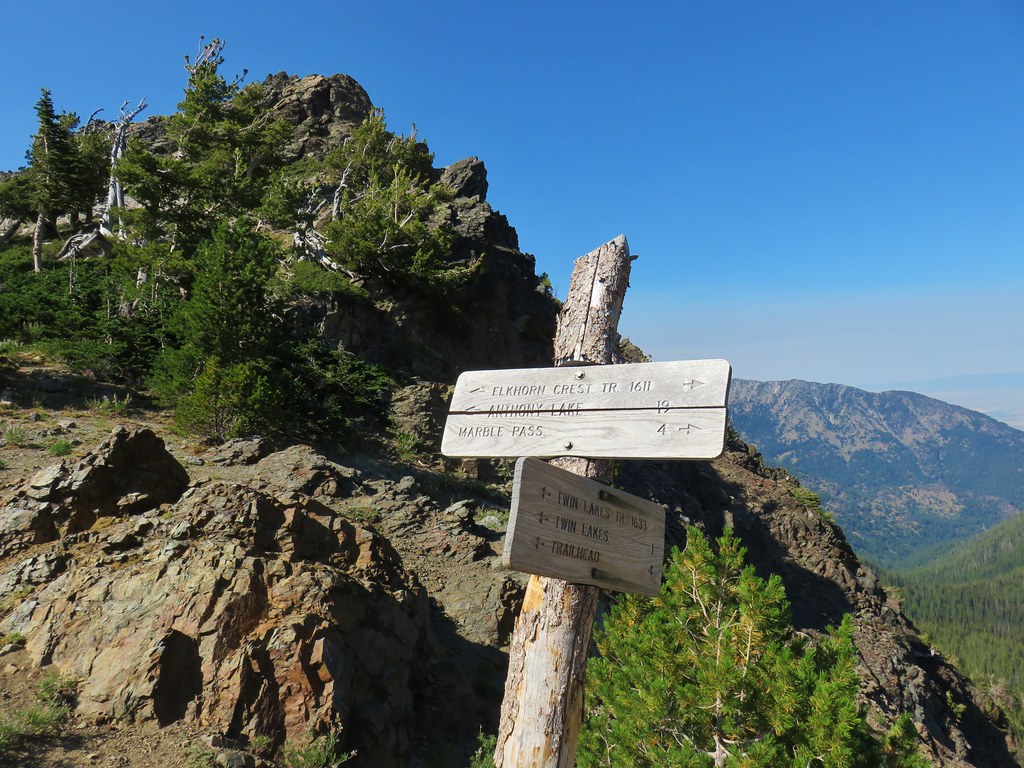
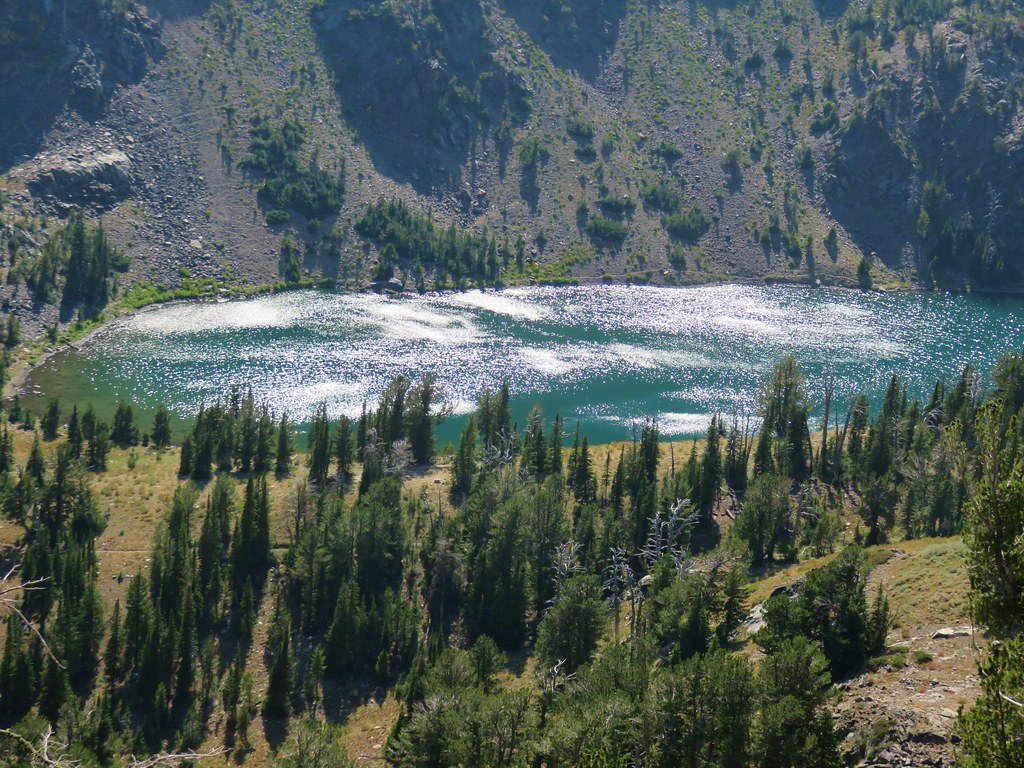
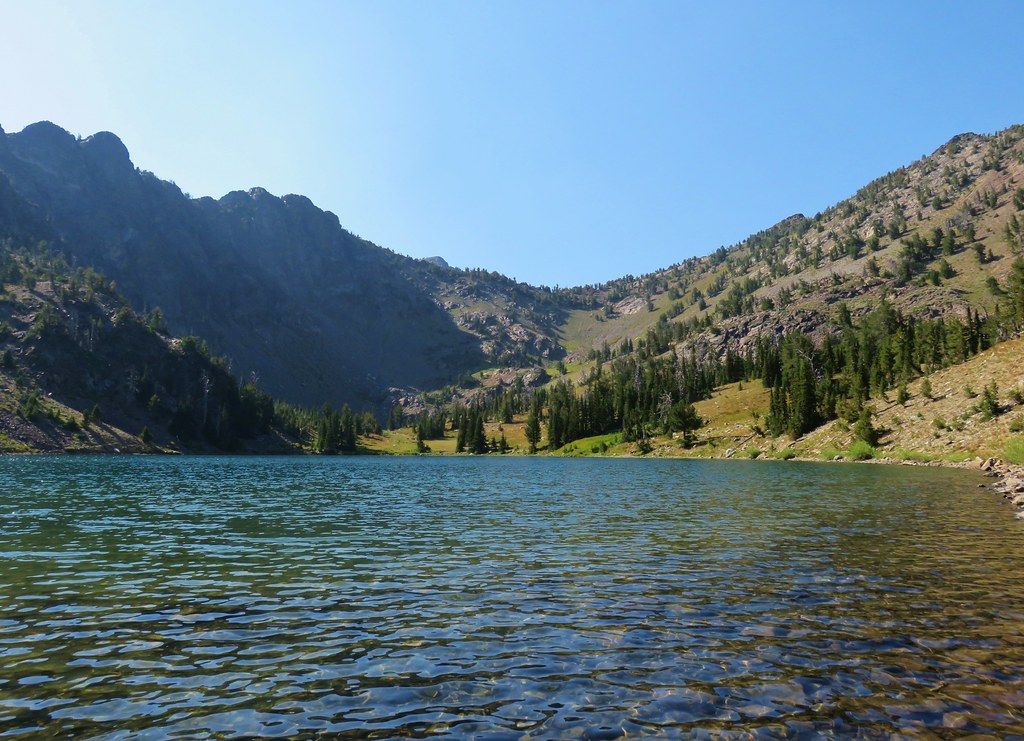
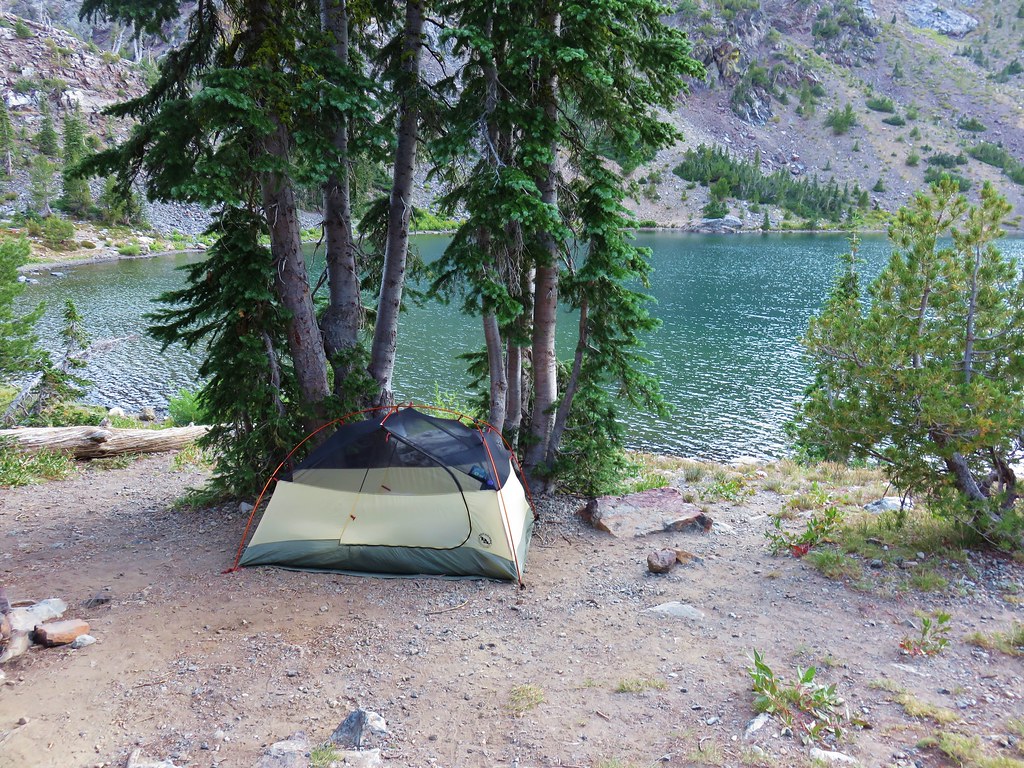
 You can see Heather’s arm on the left side of the photo.