Categories
High Cascades Hiking Mt. Jefferson Area Oregon

Pamelia Lake Overnighter

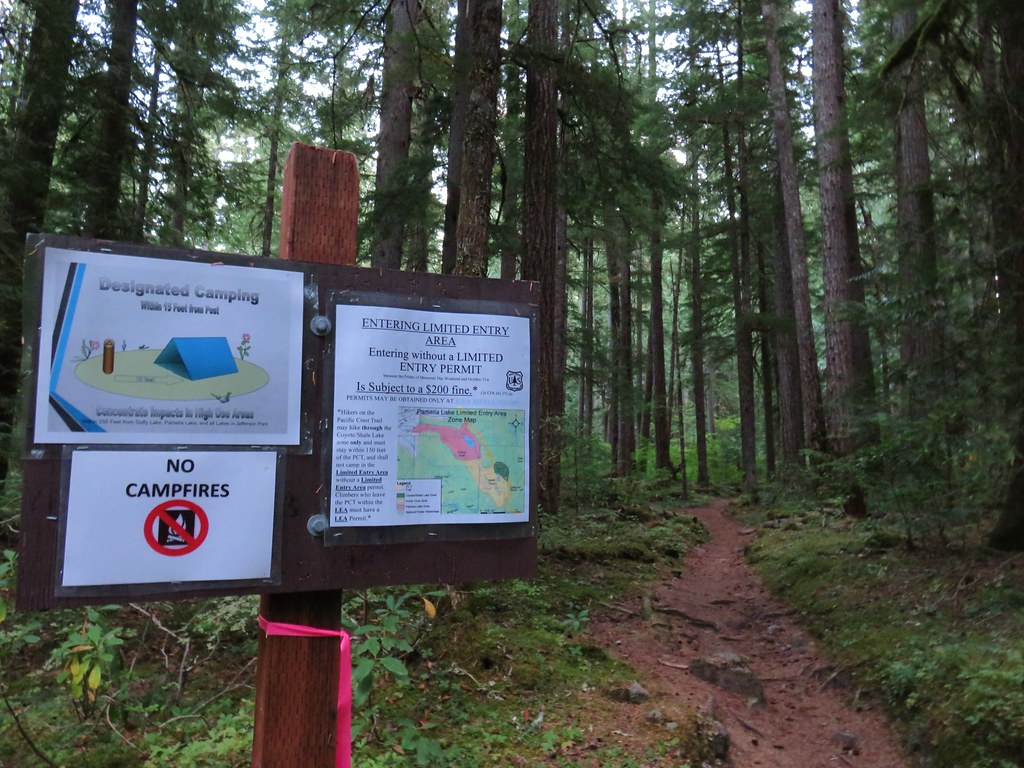
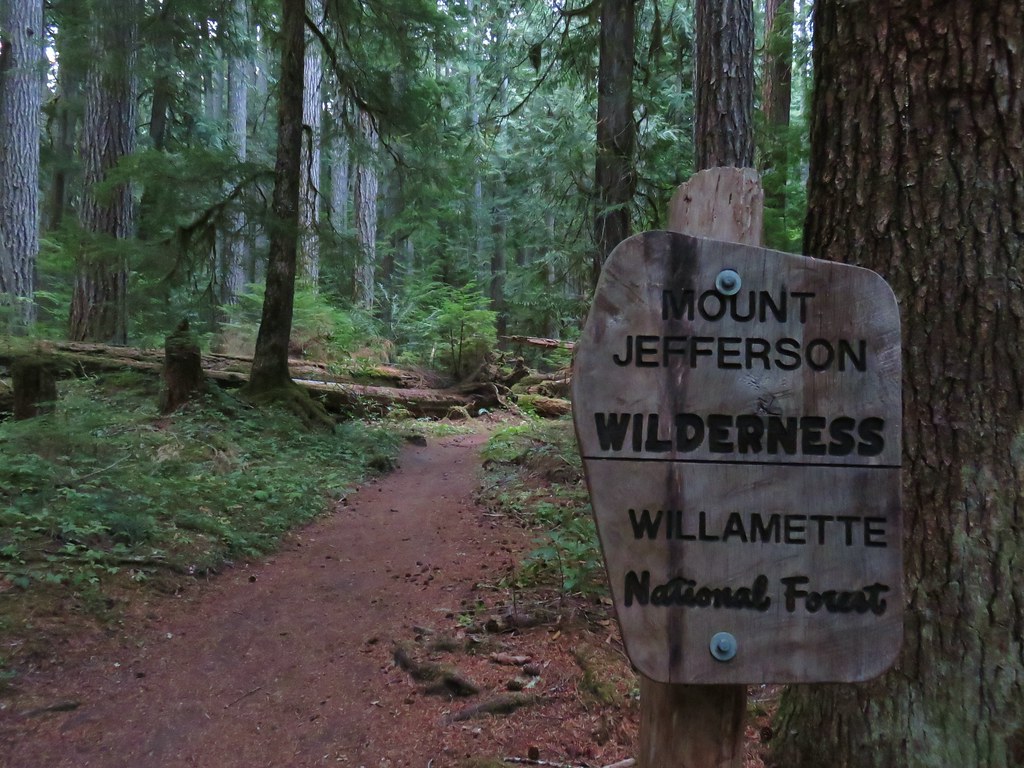
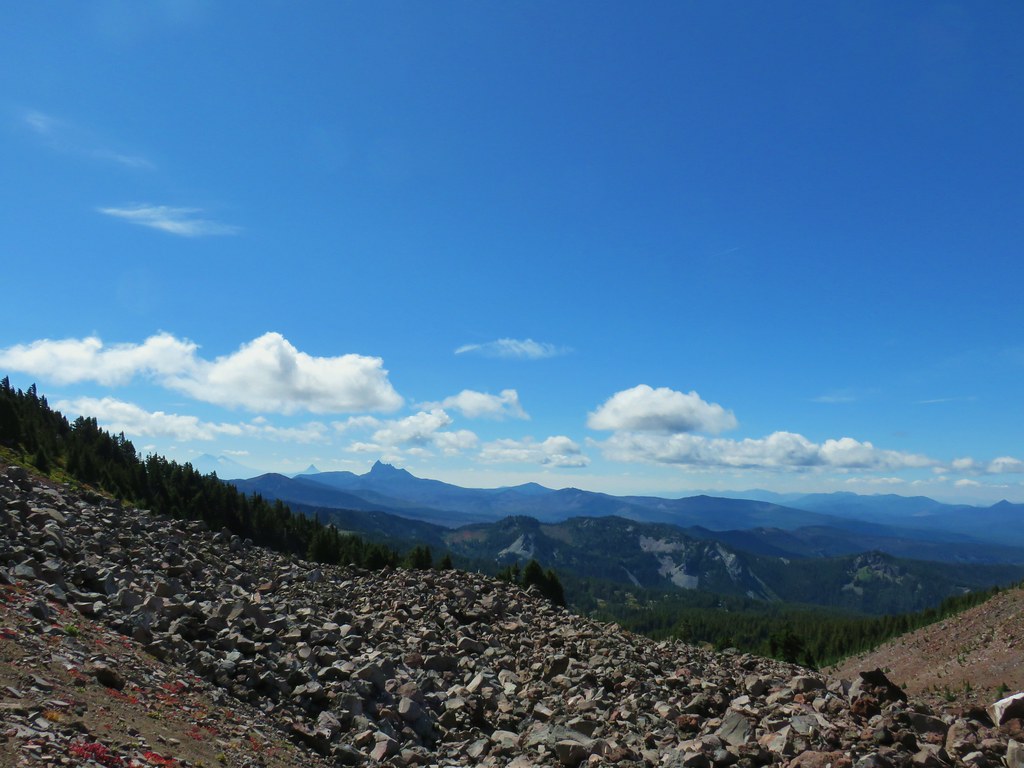
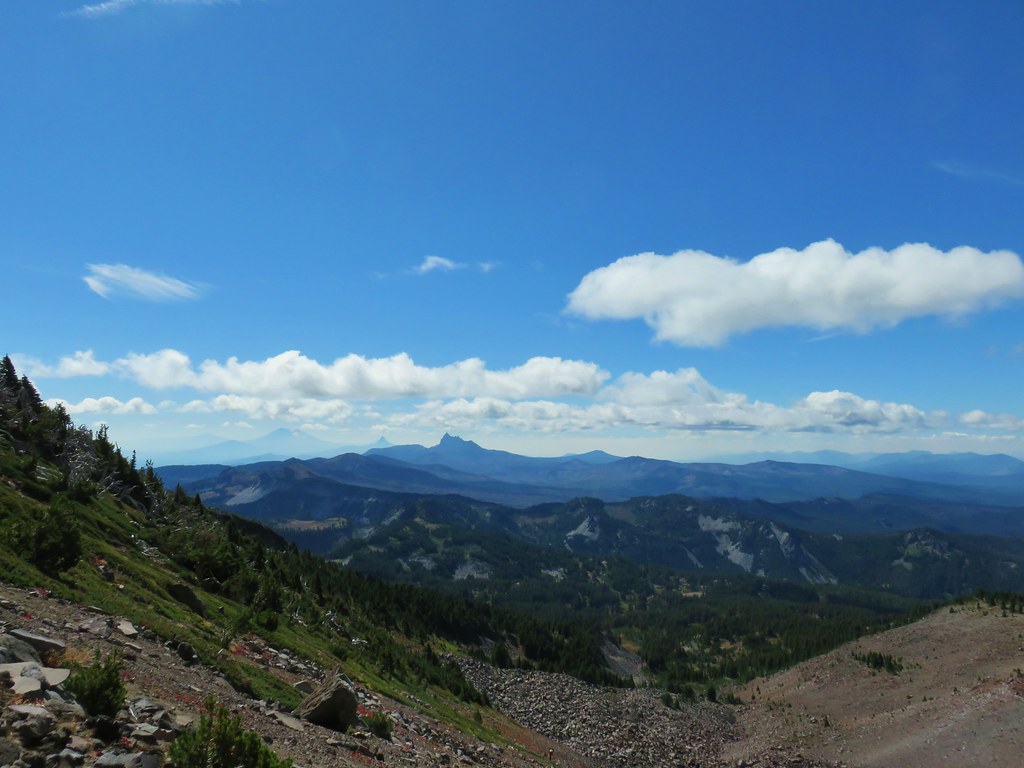
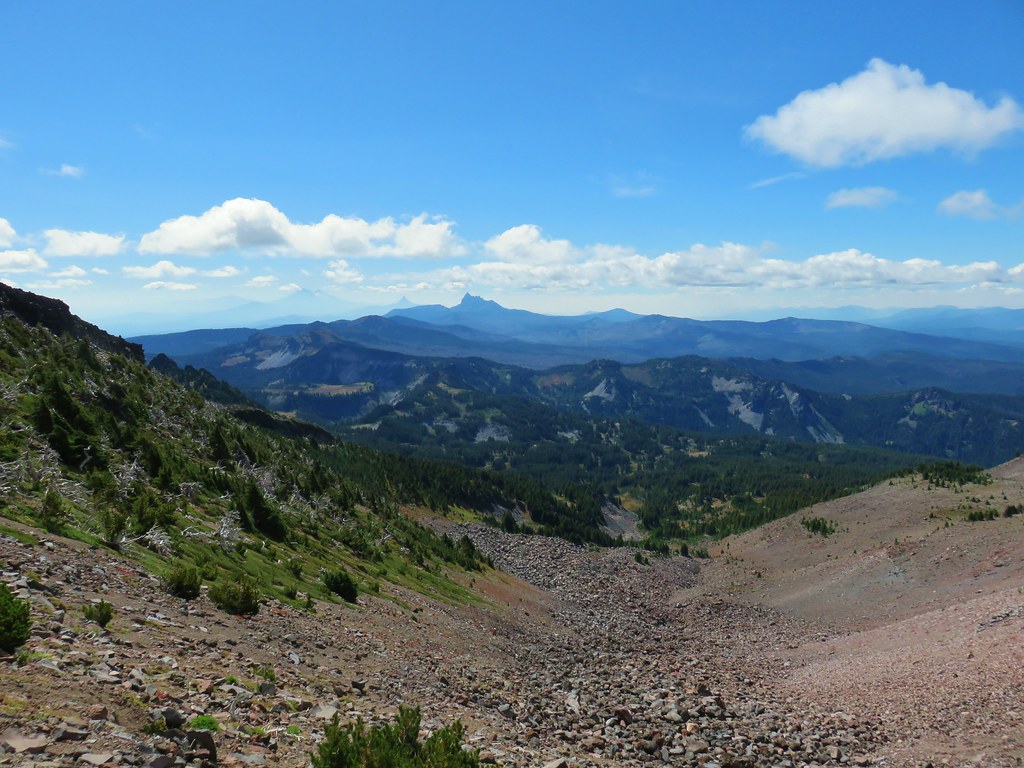
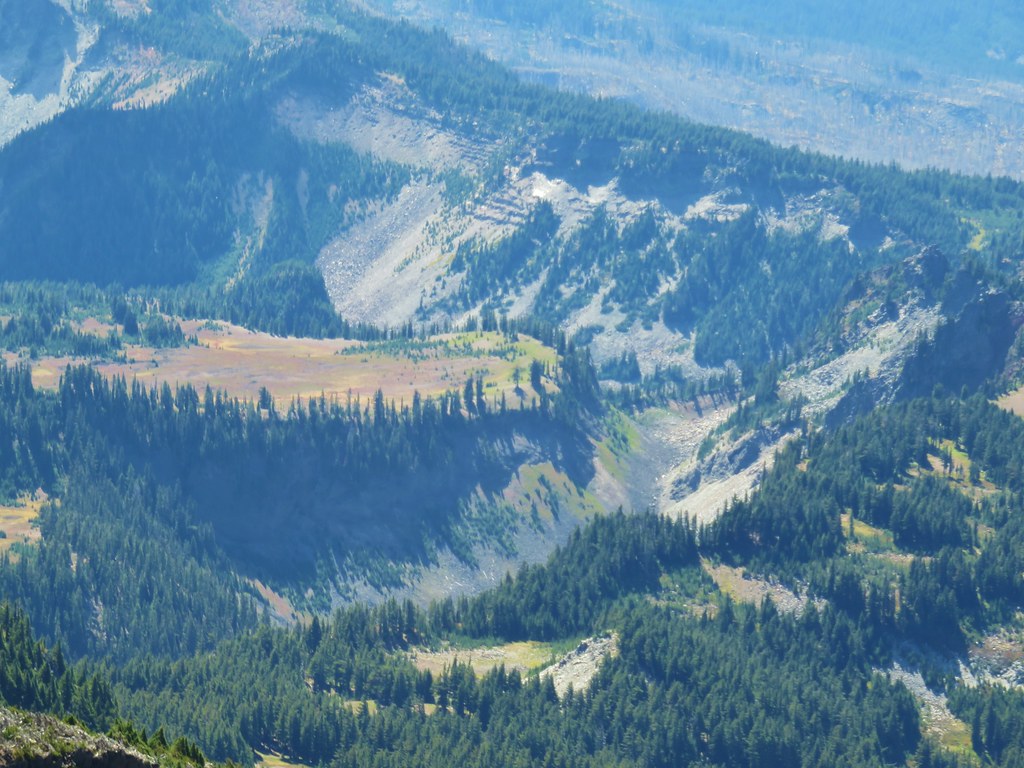
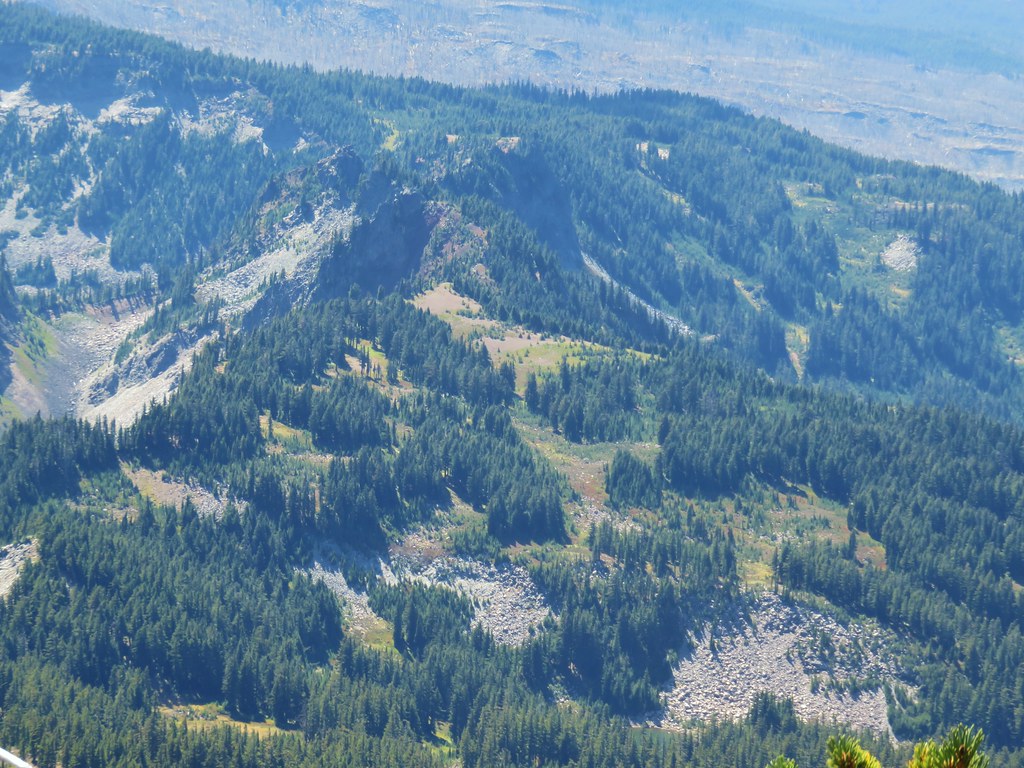
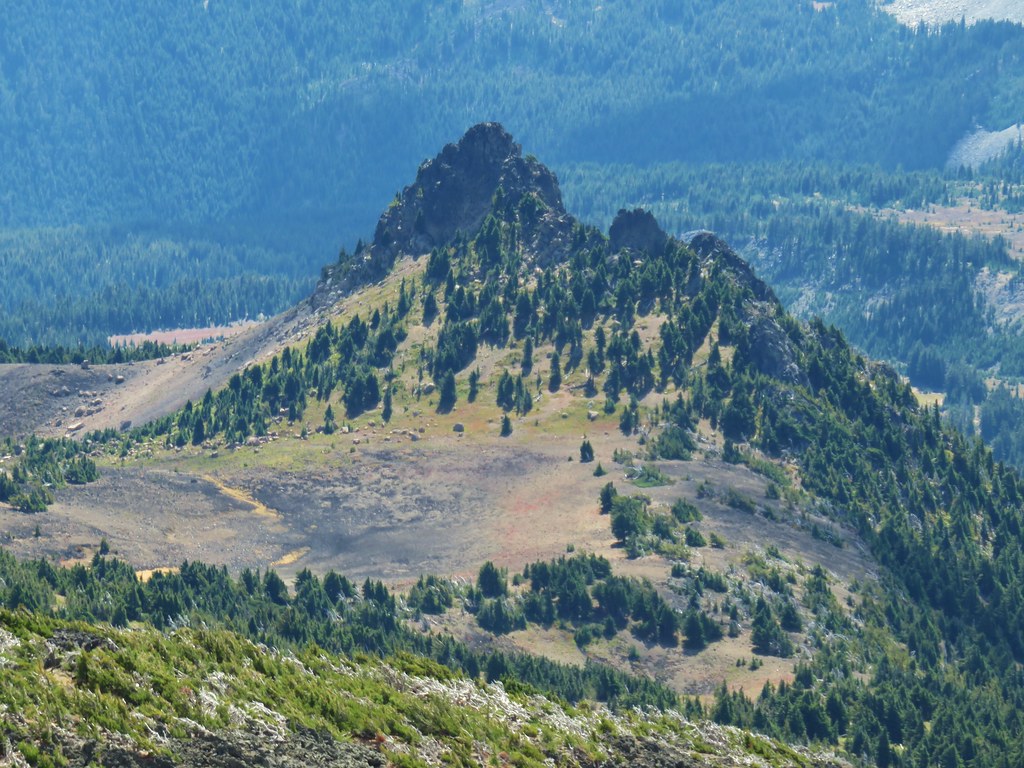
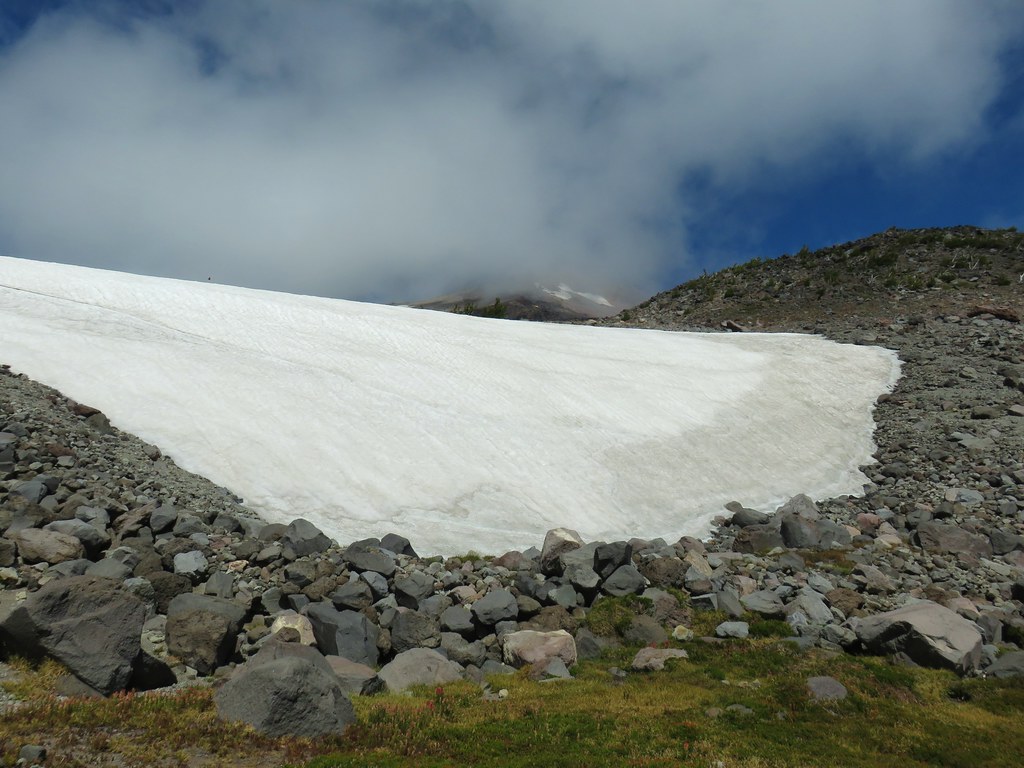
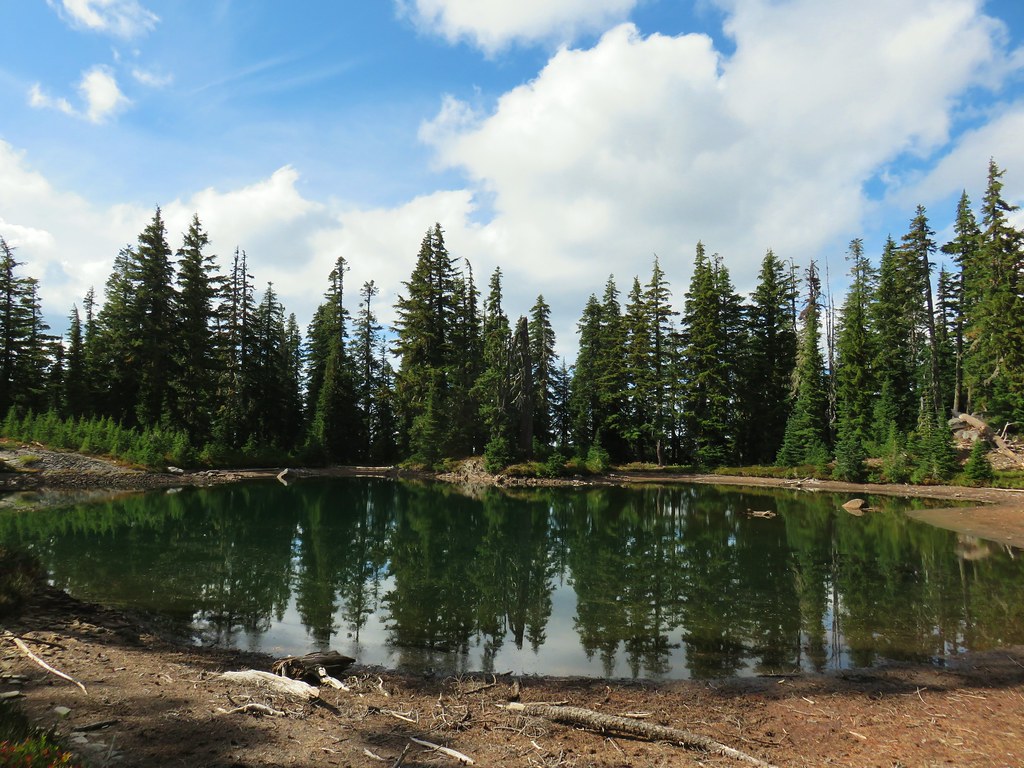
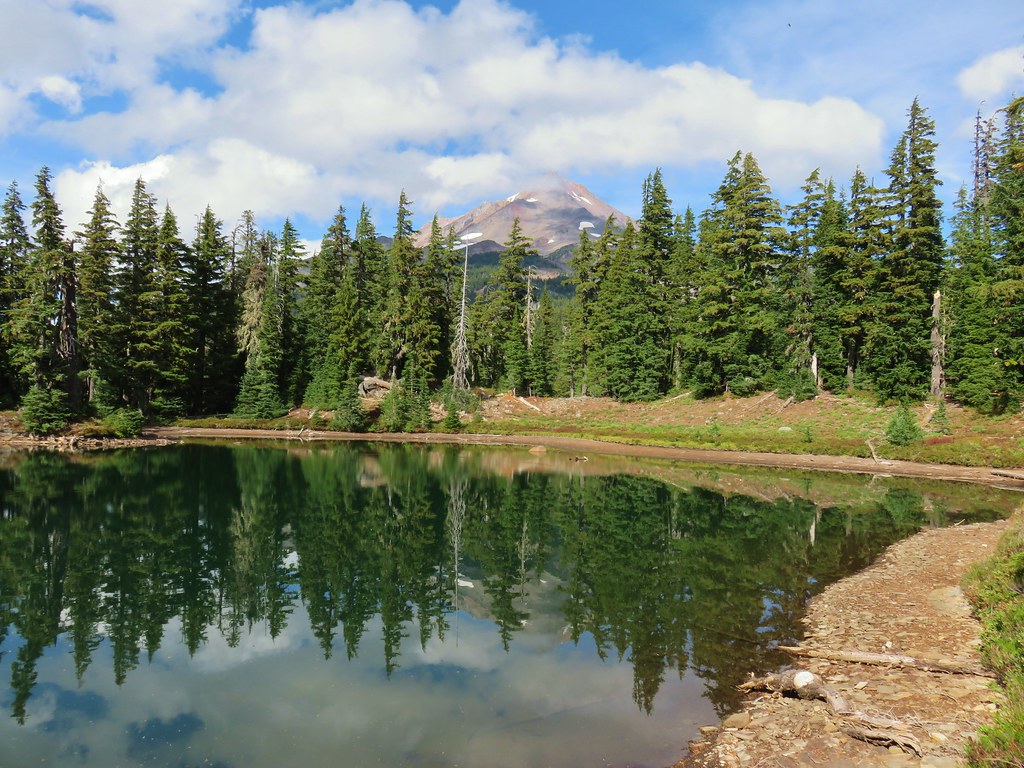
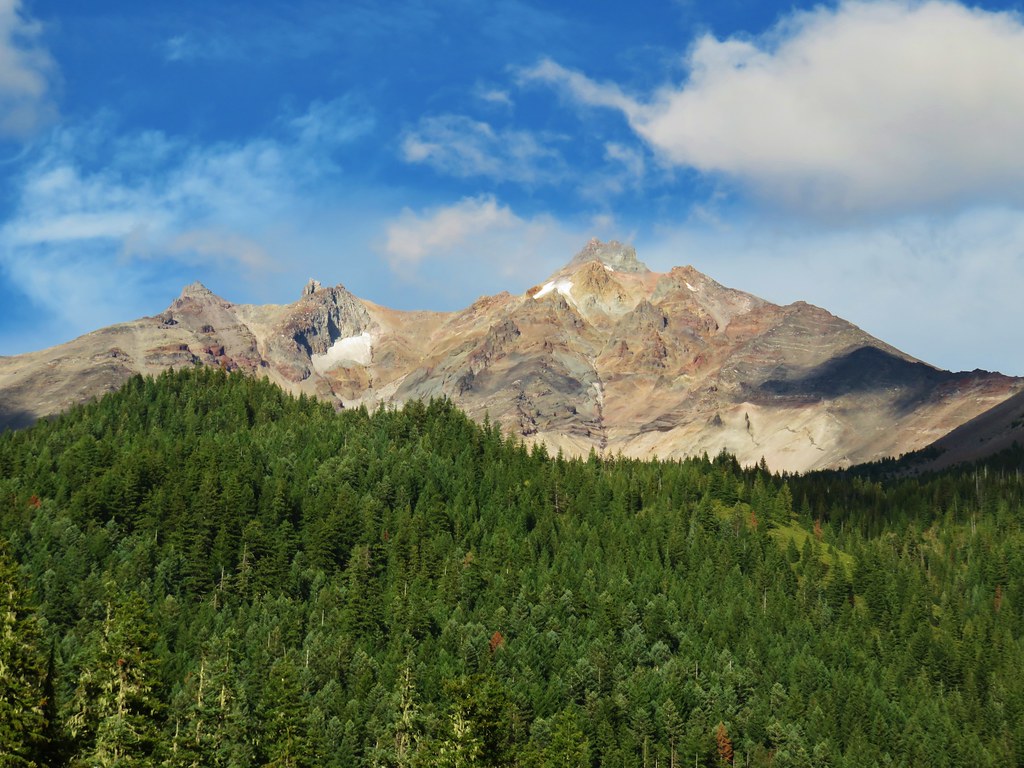
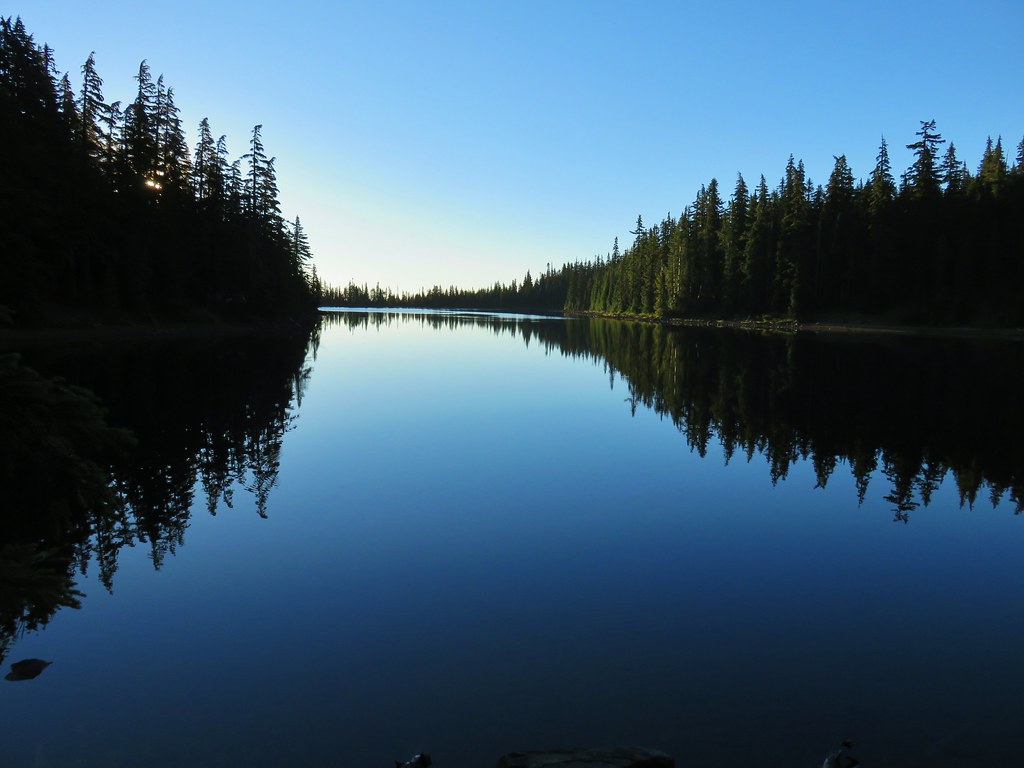
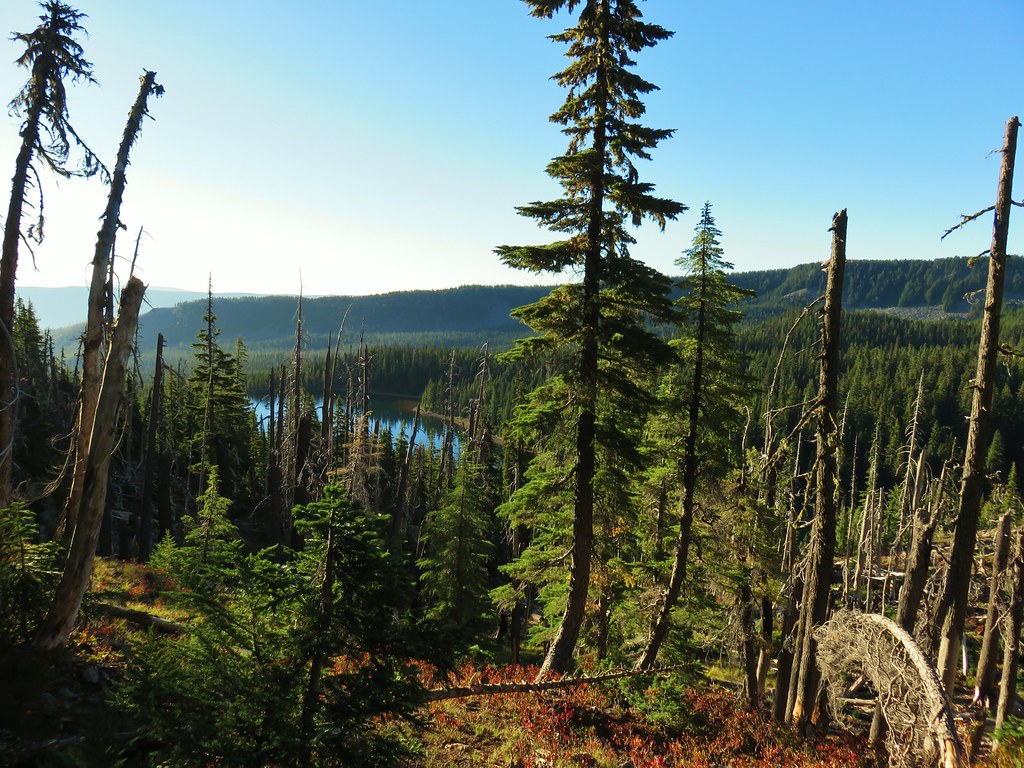
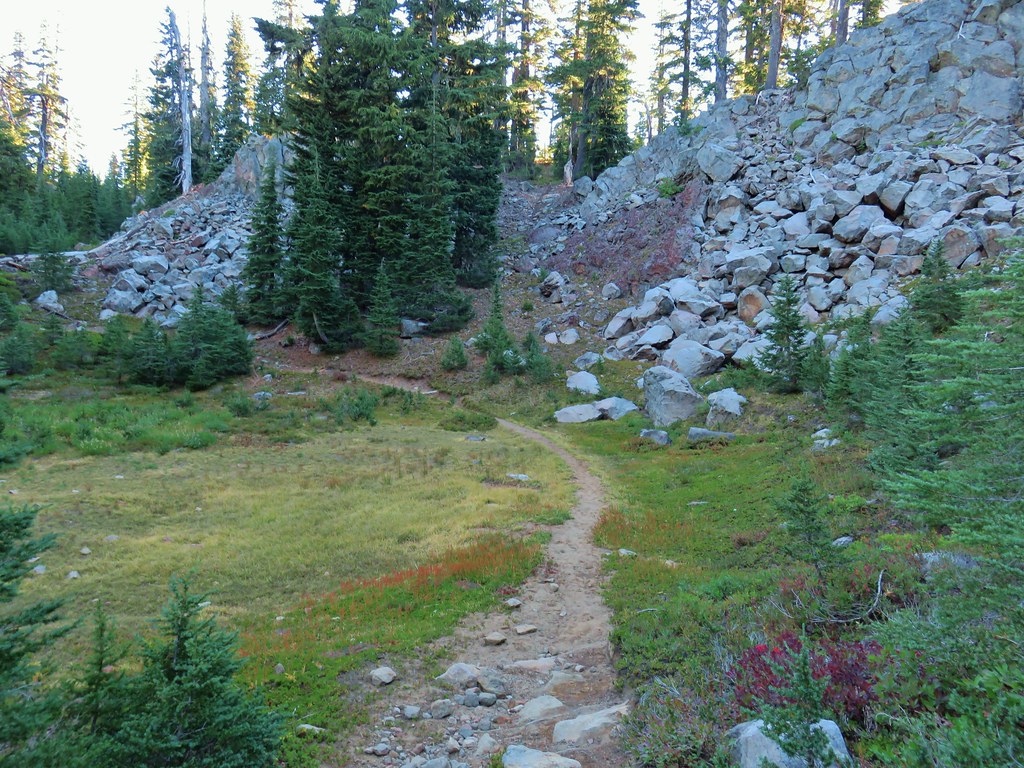
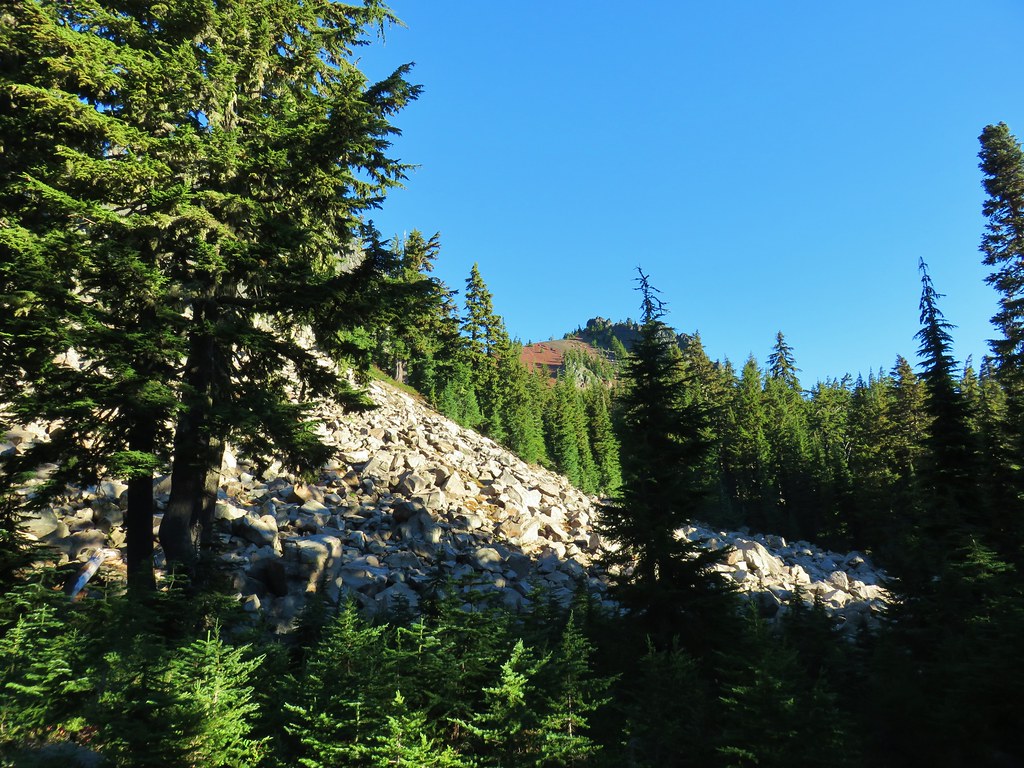
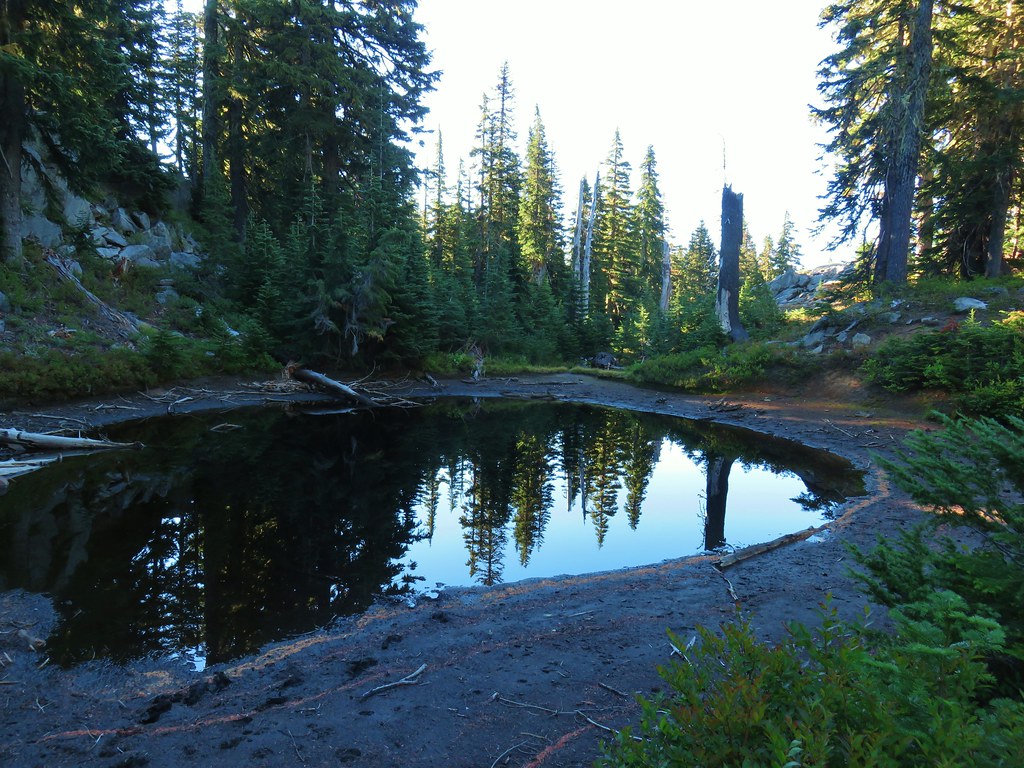
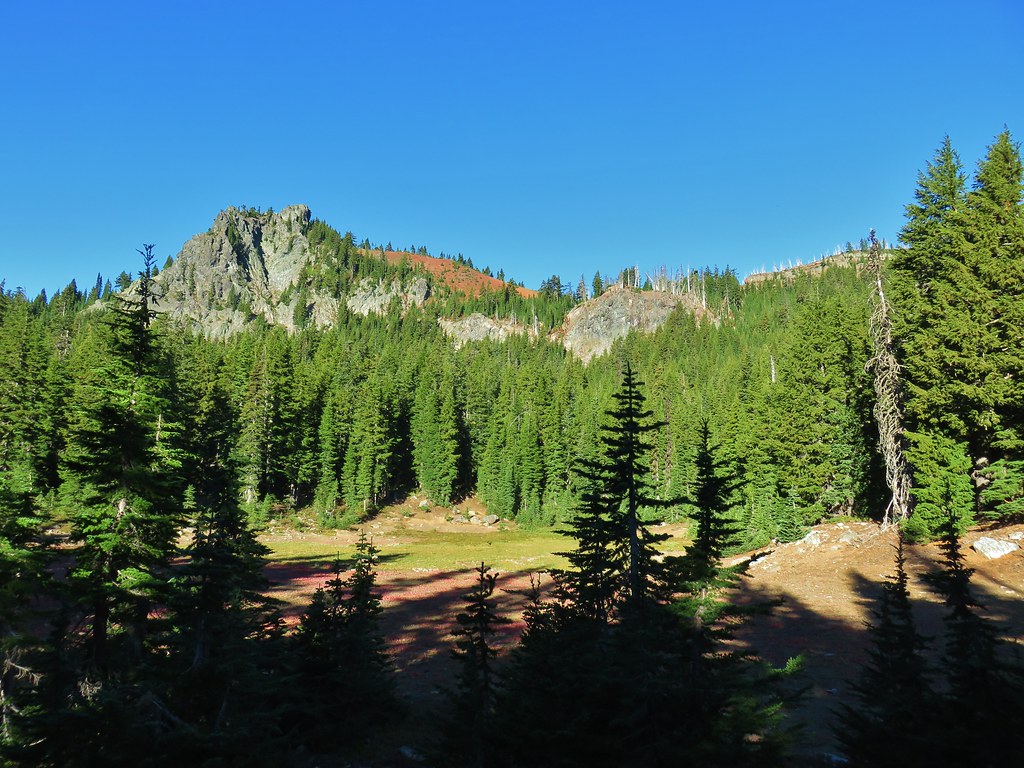
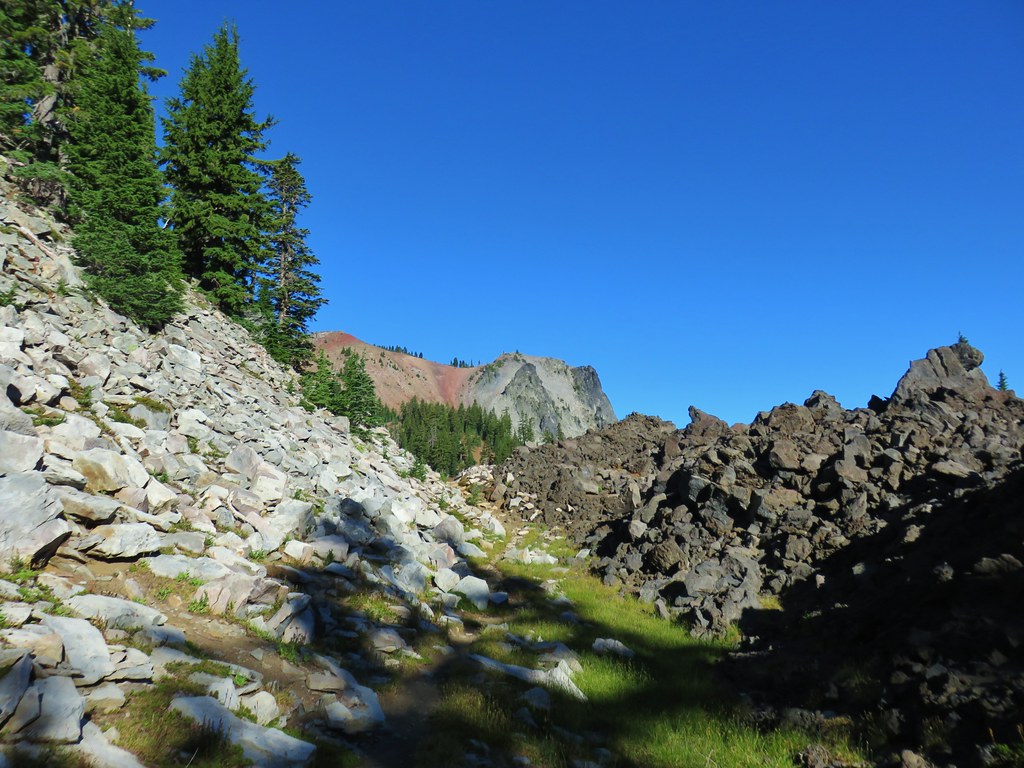
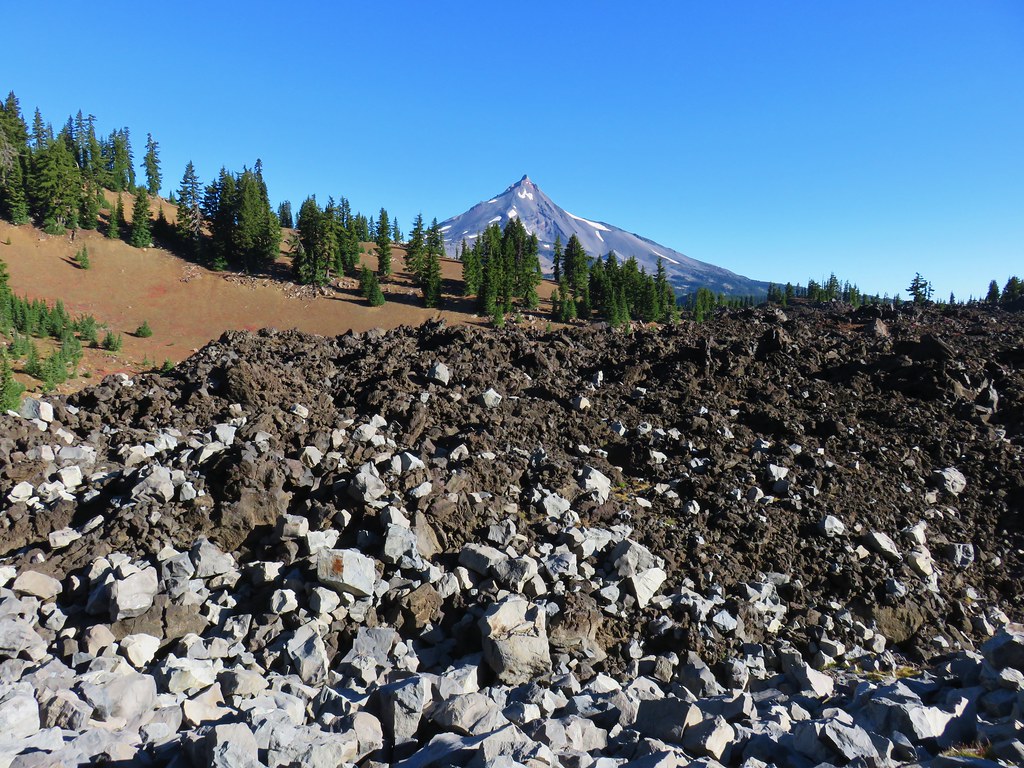
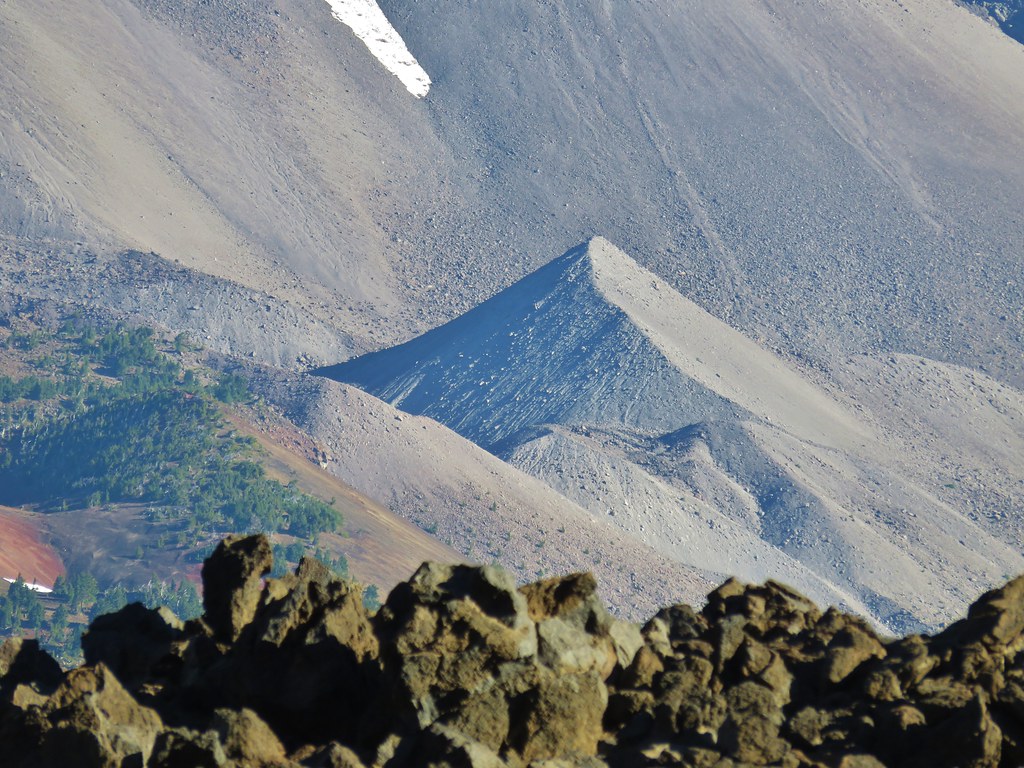
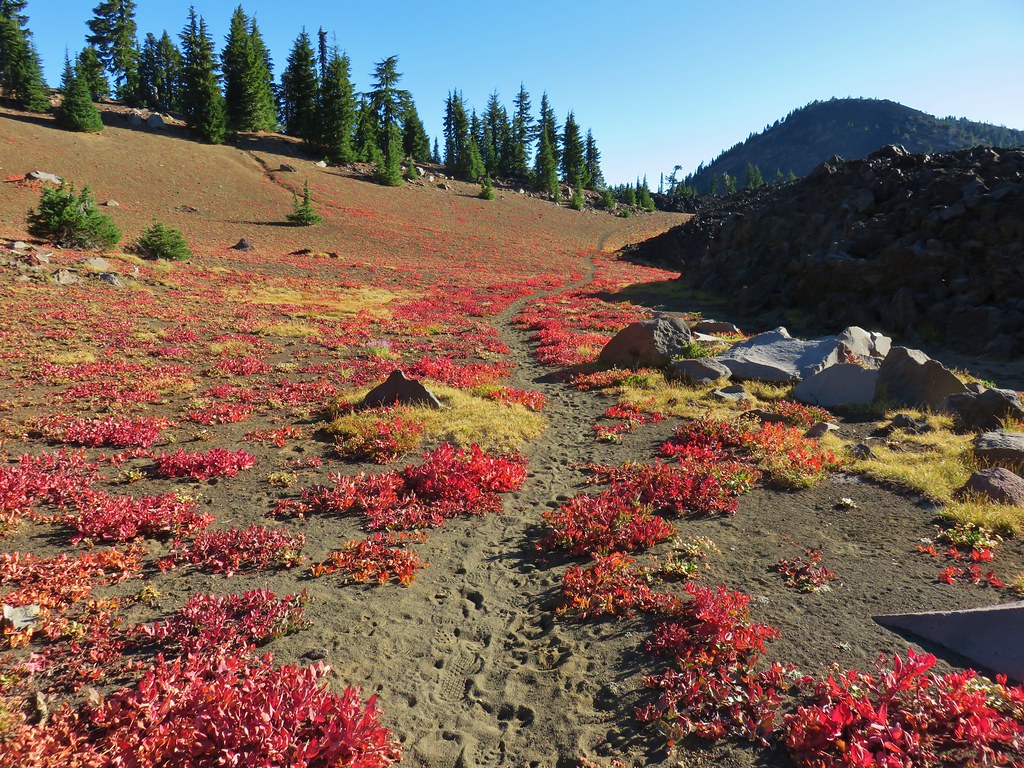
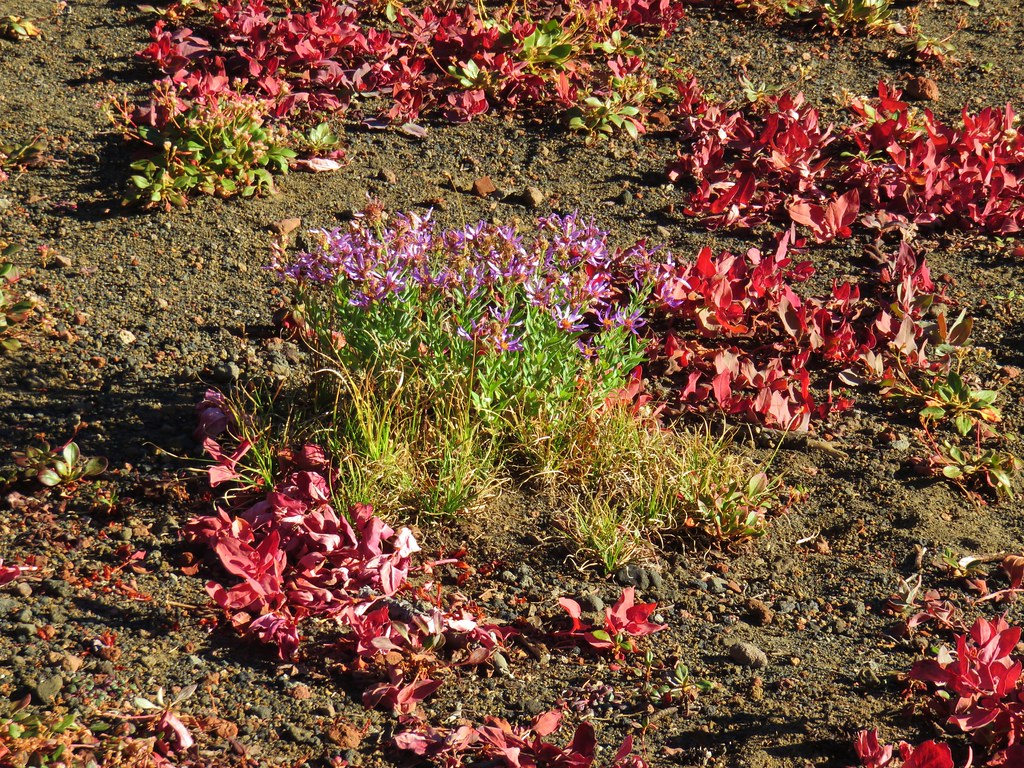
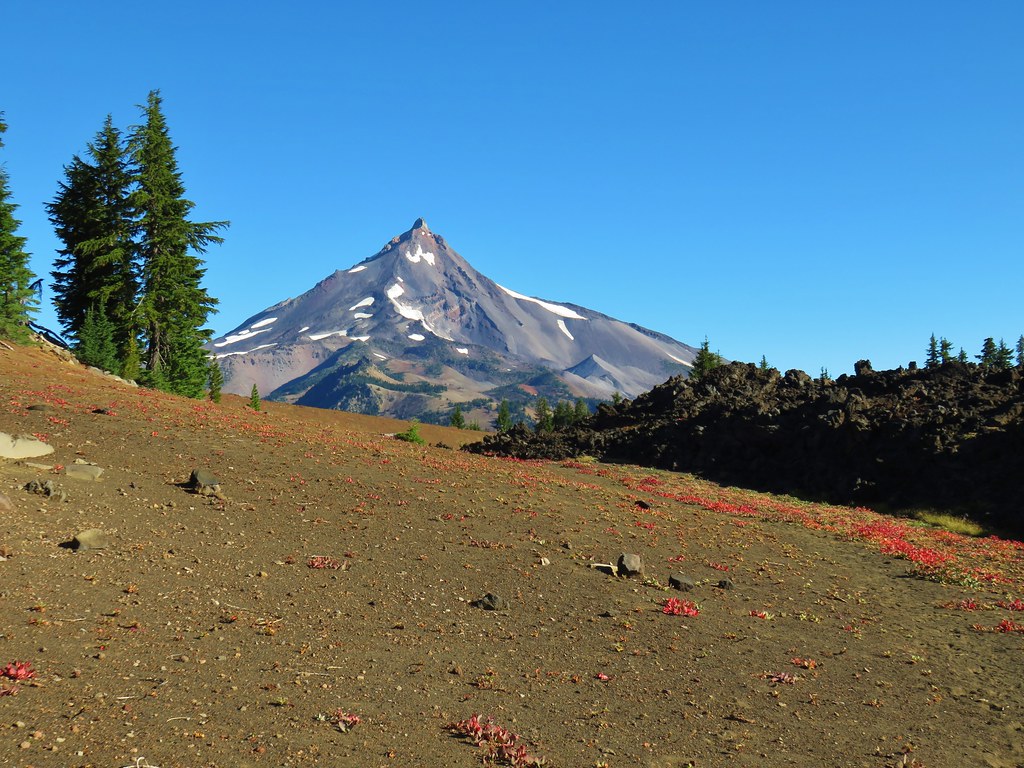
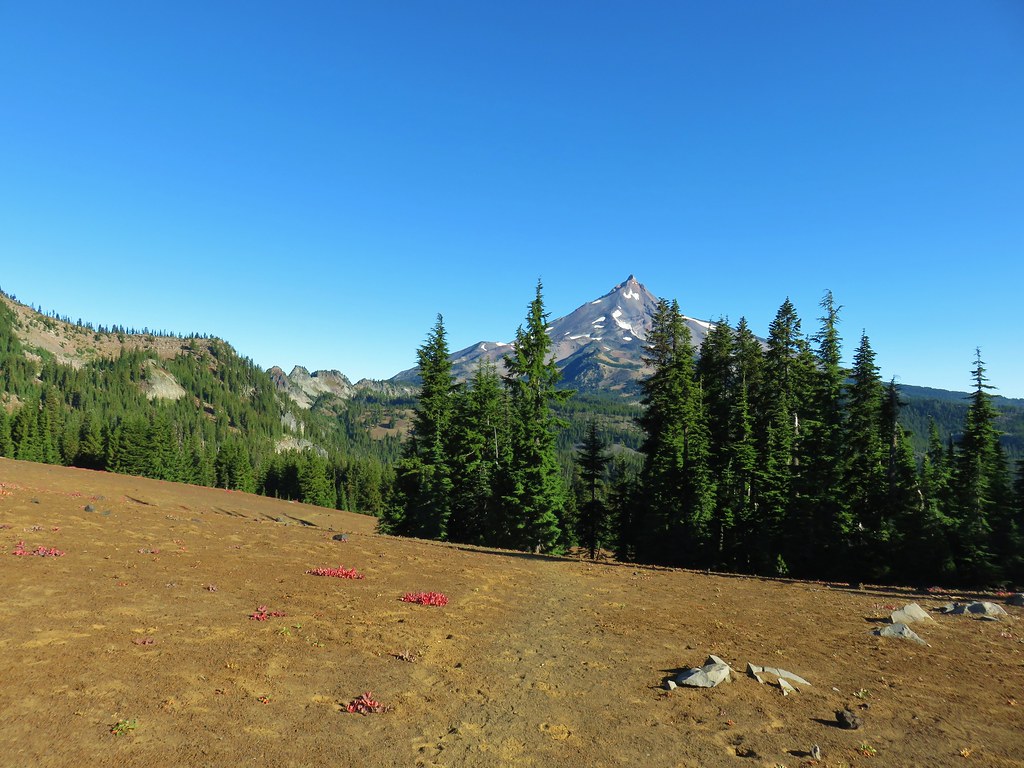
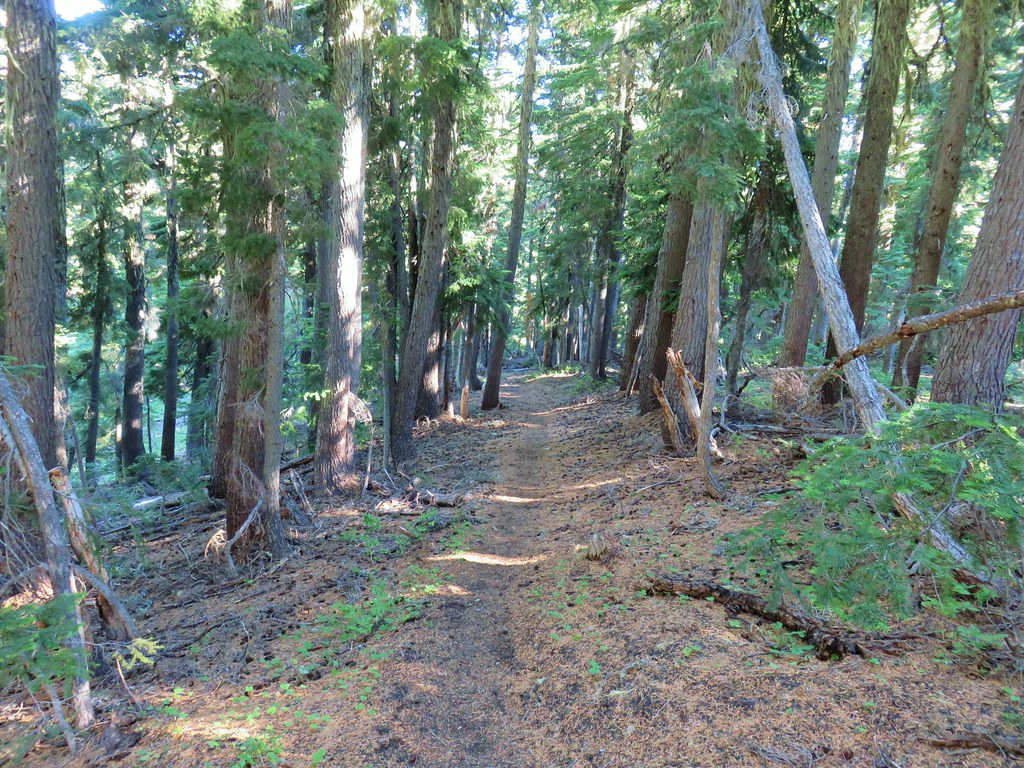
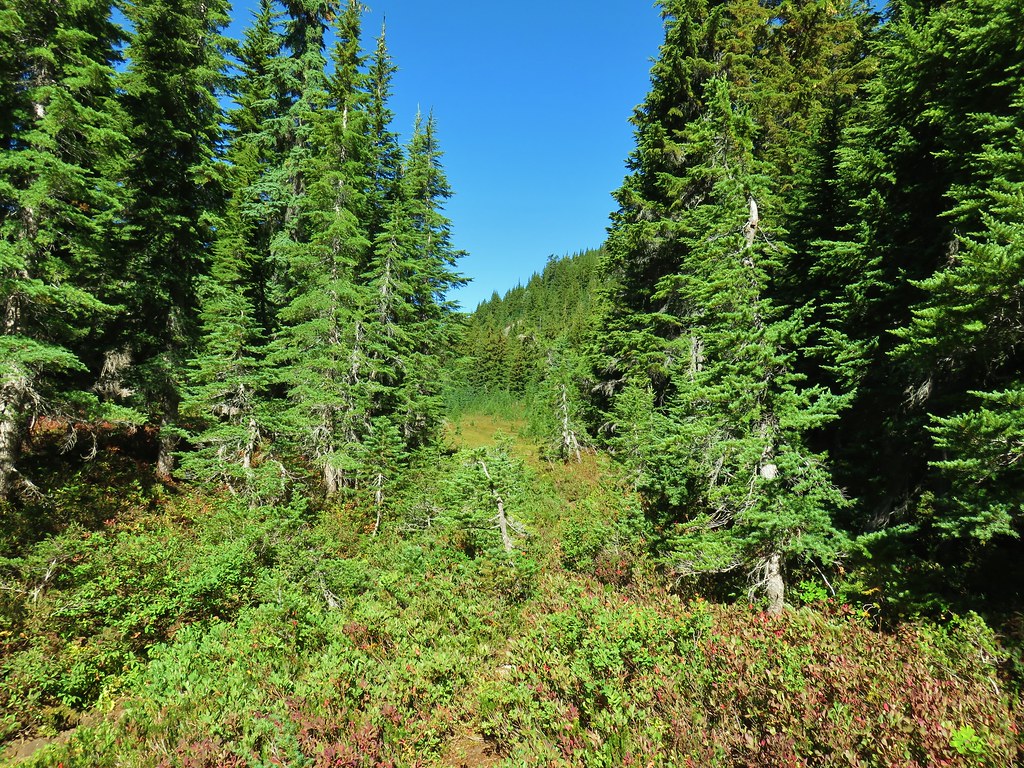
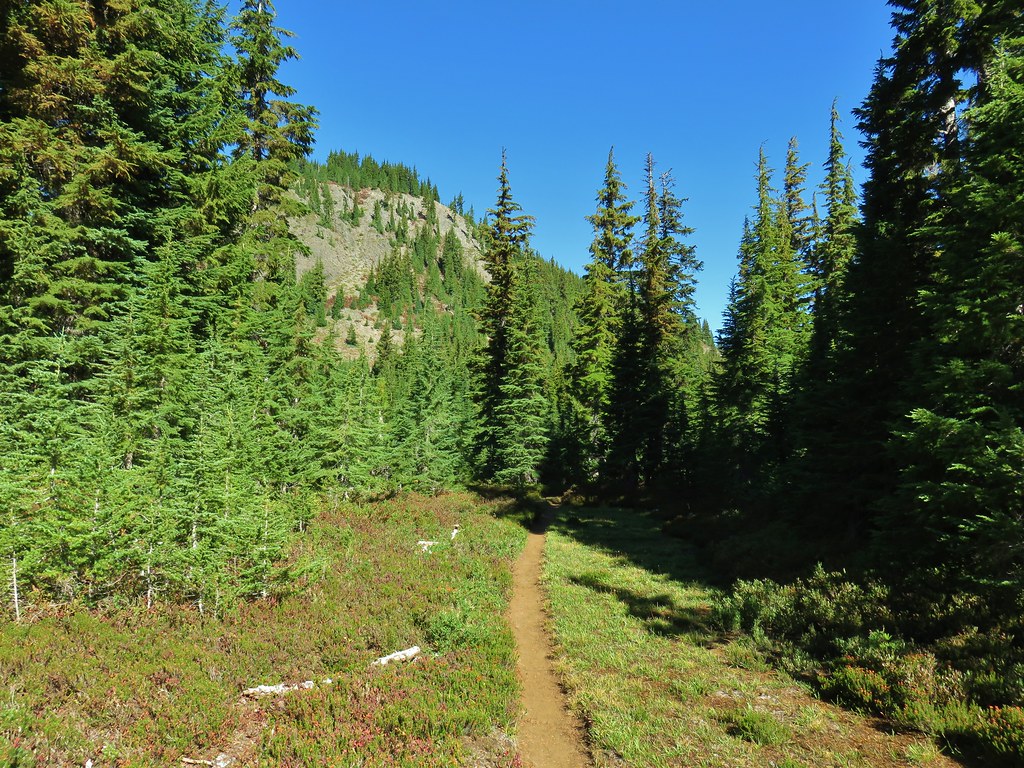
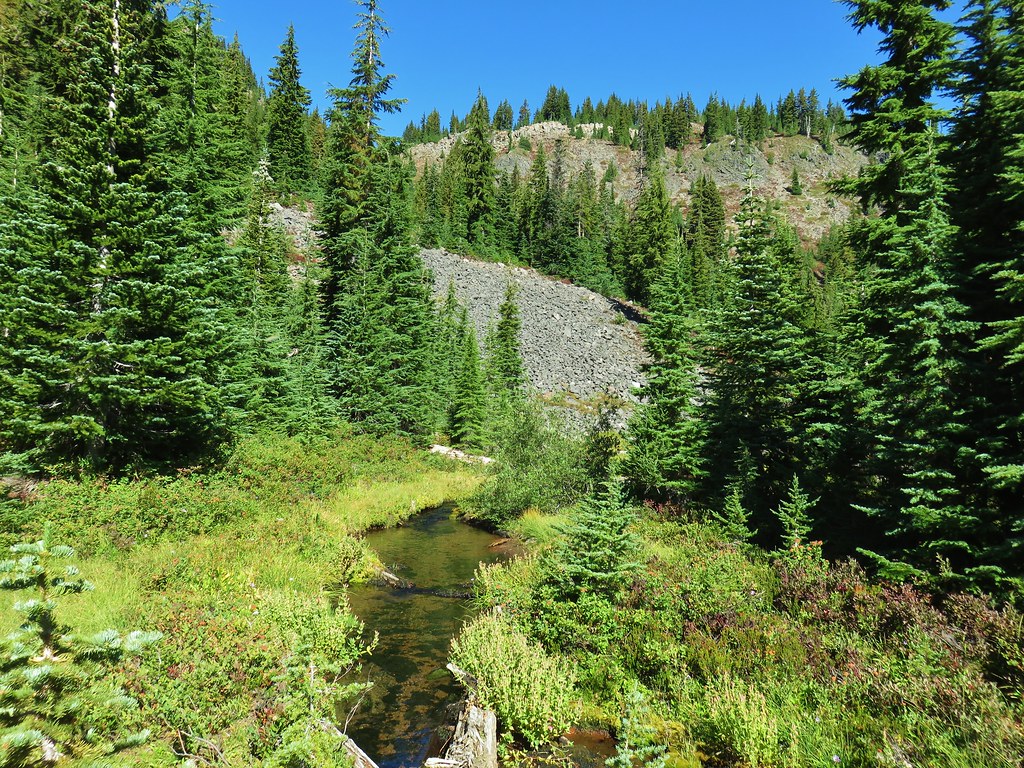
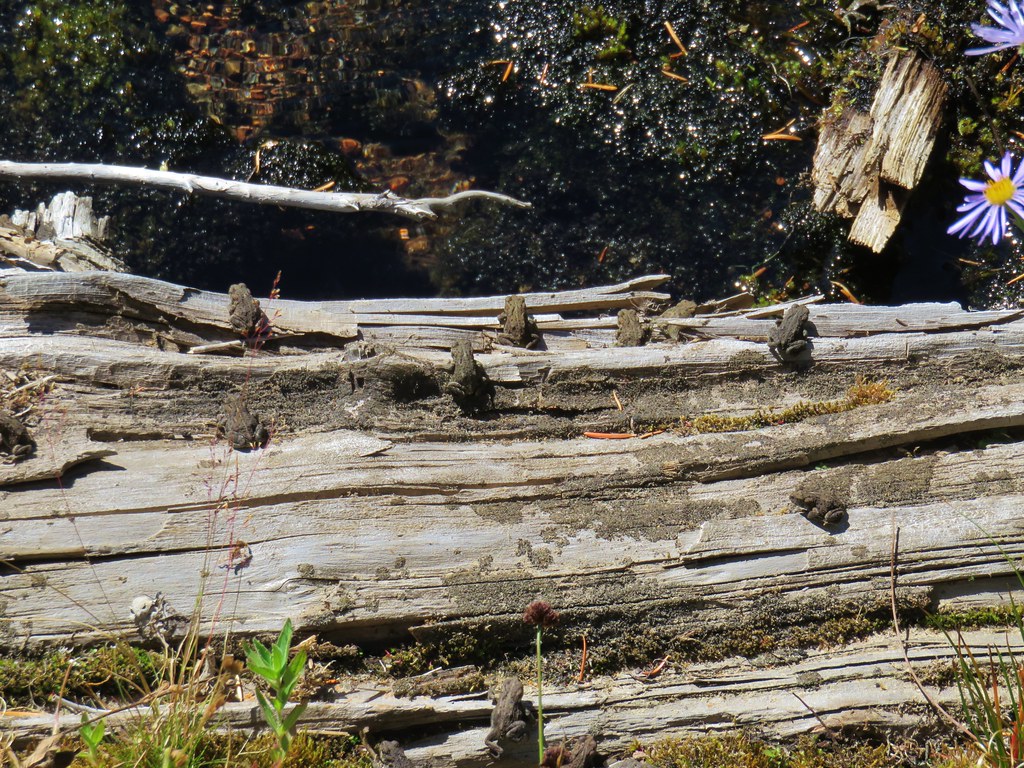
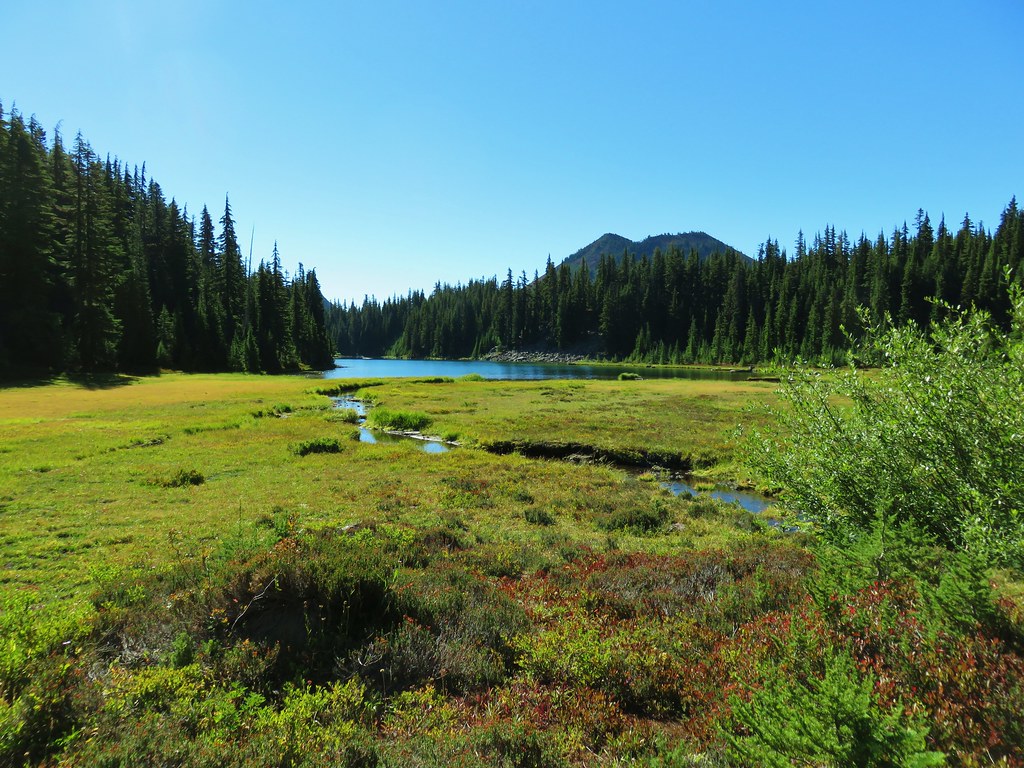
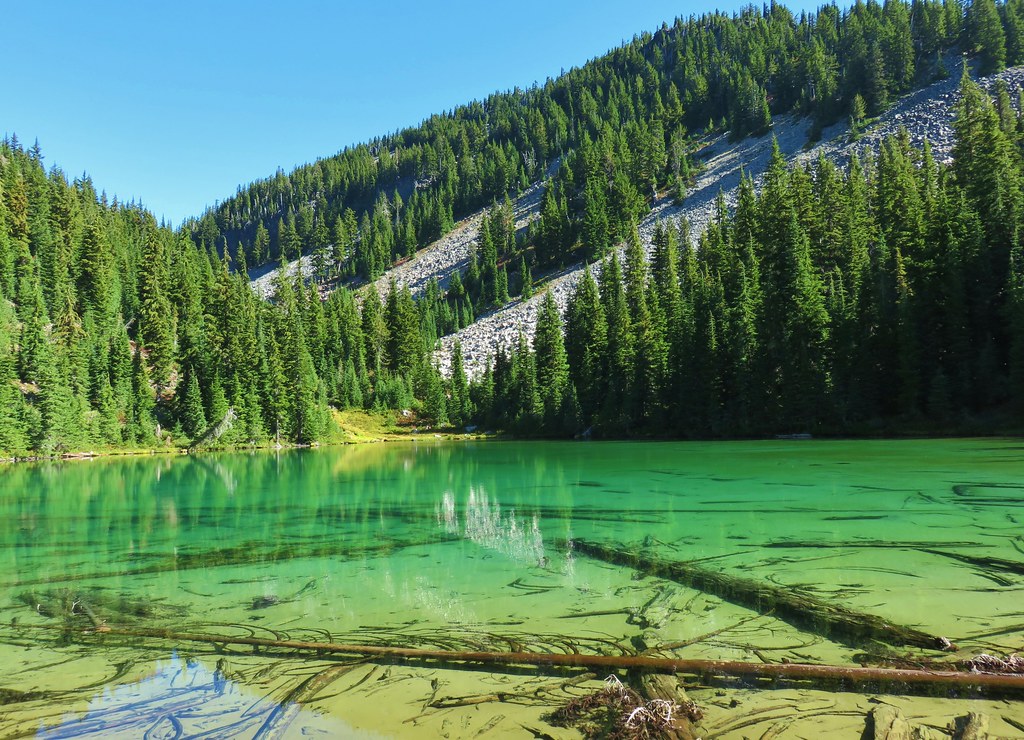
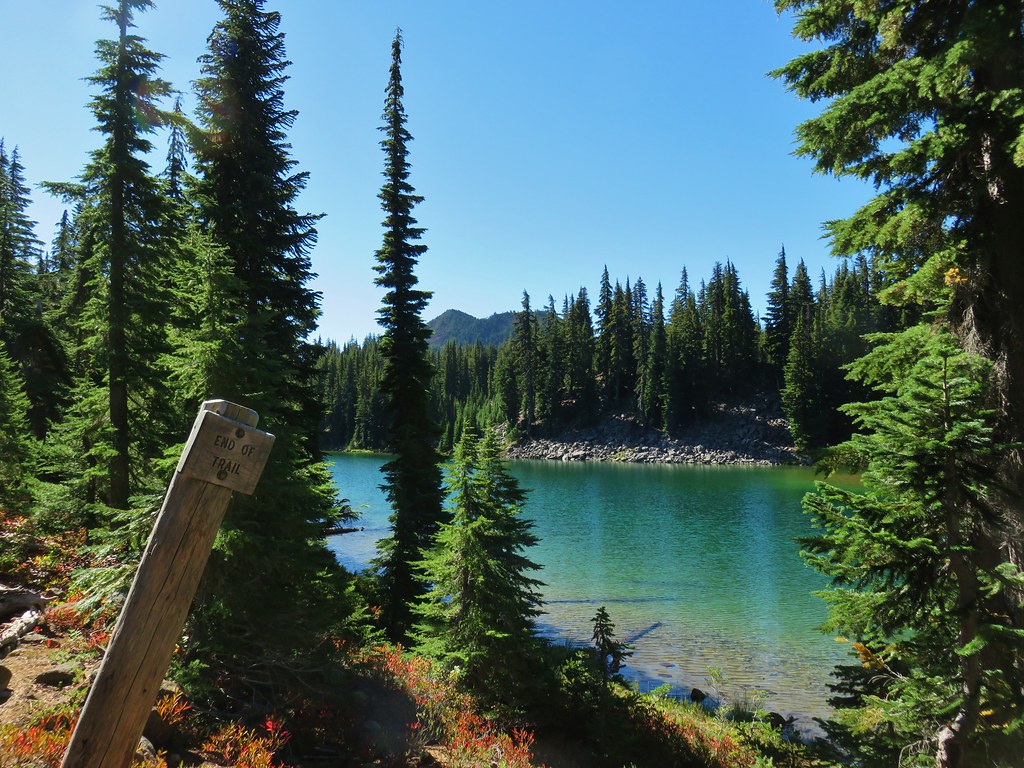
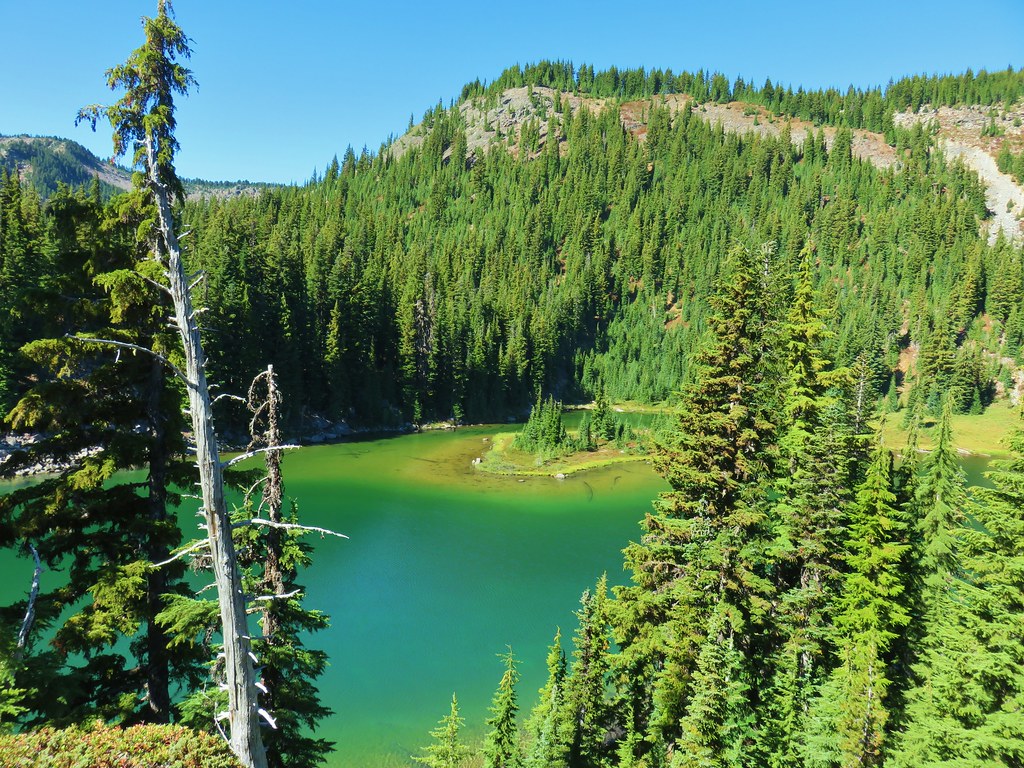
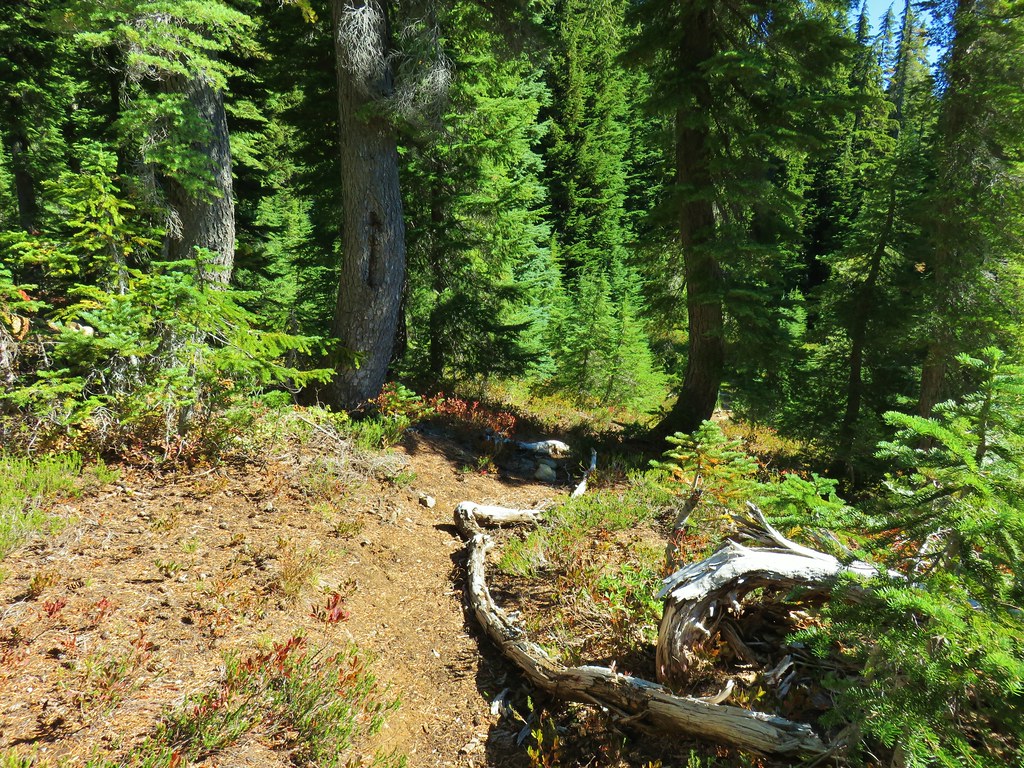
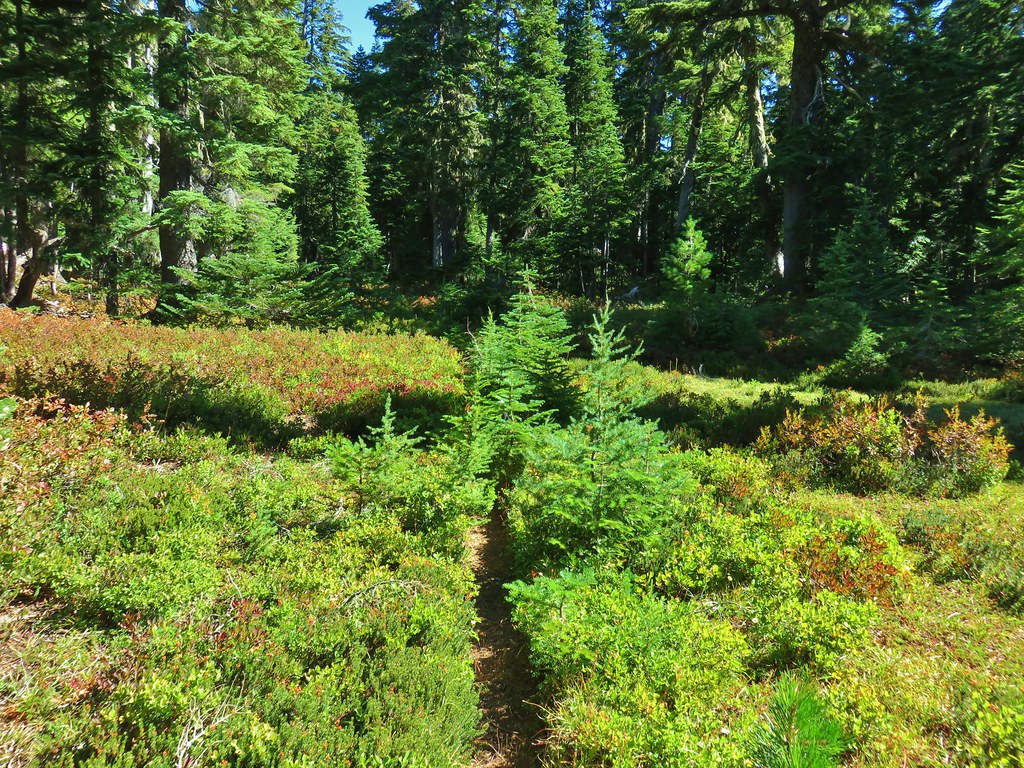
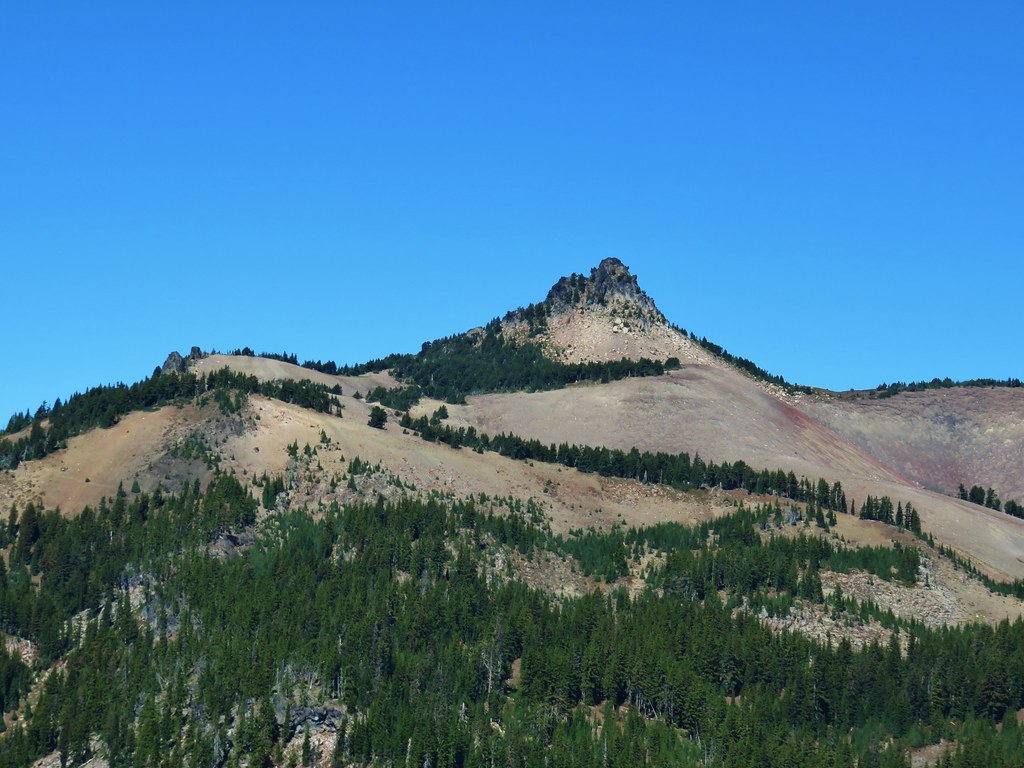
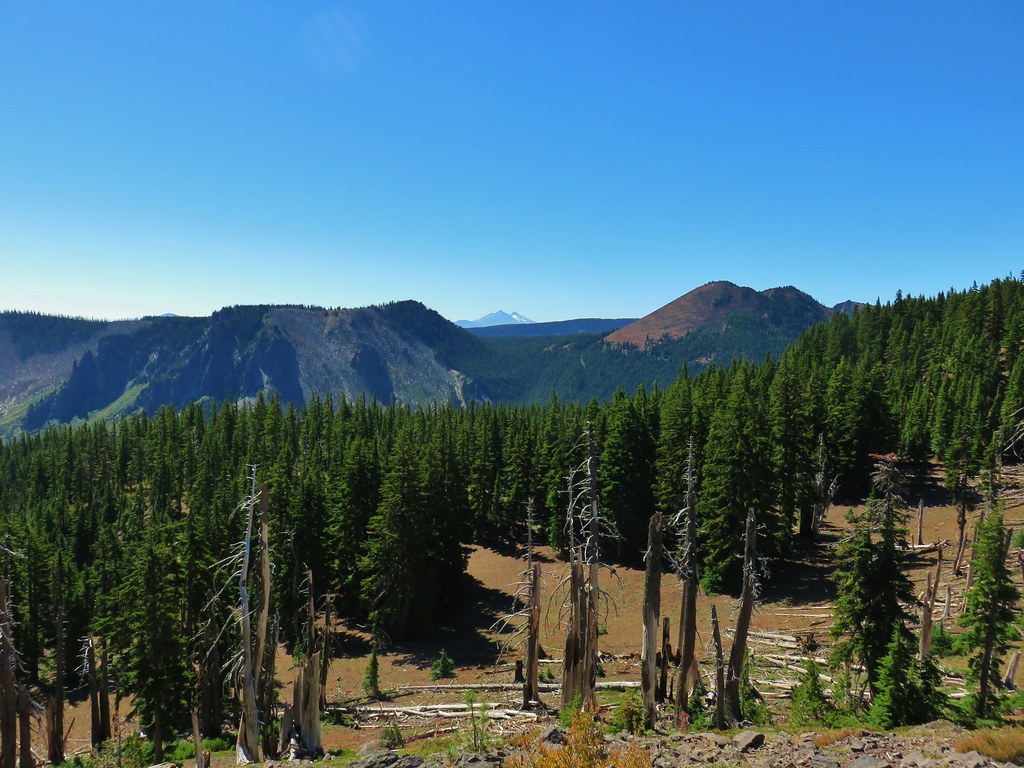
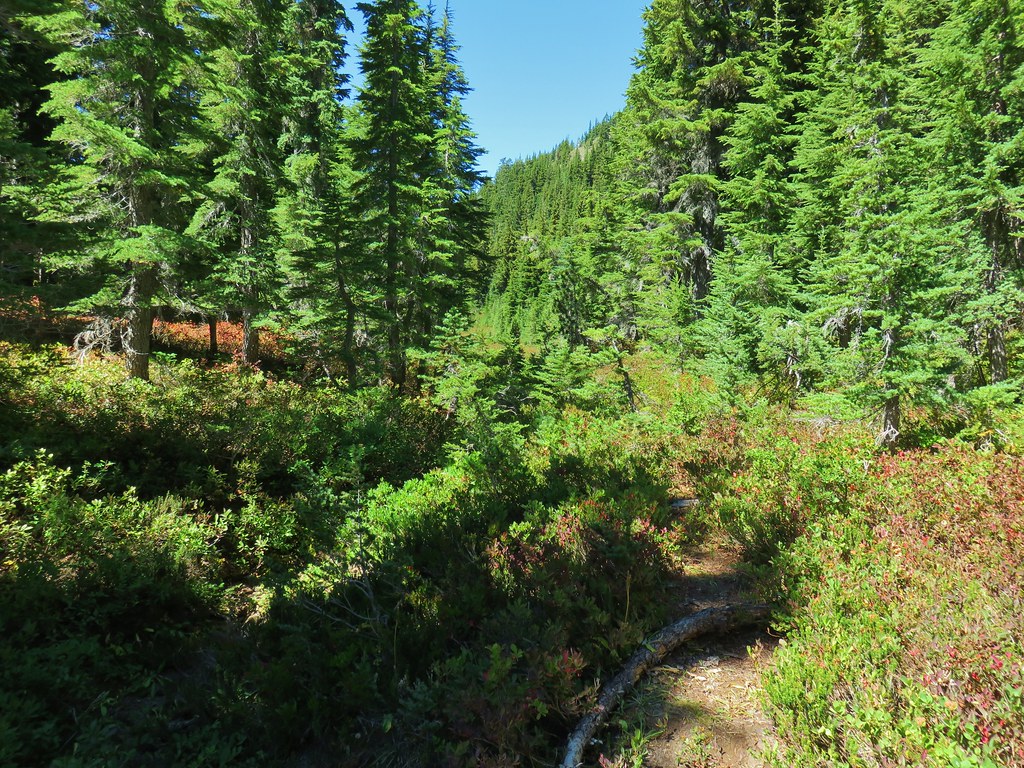
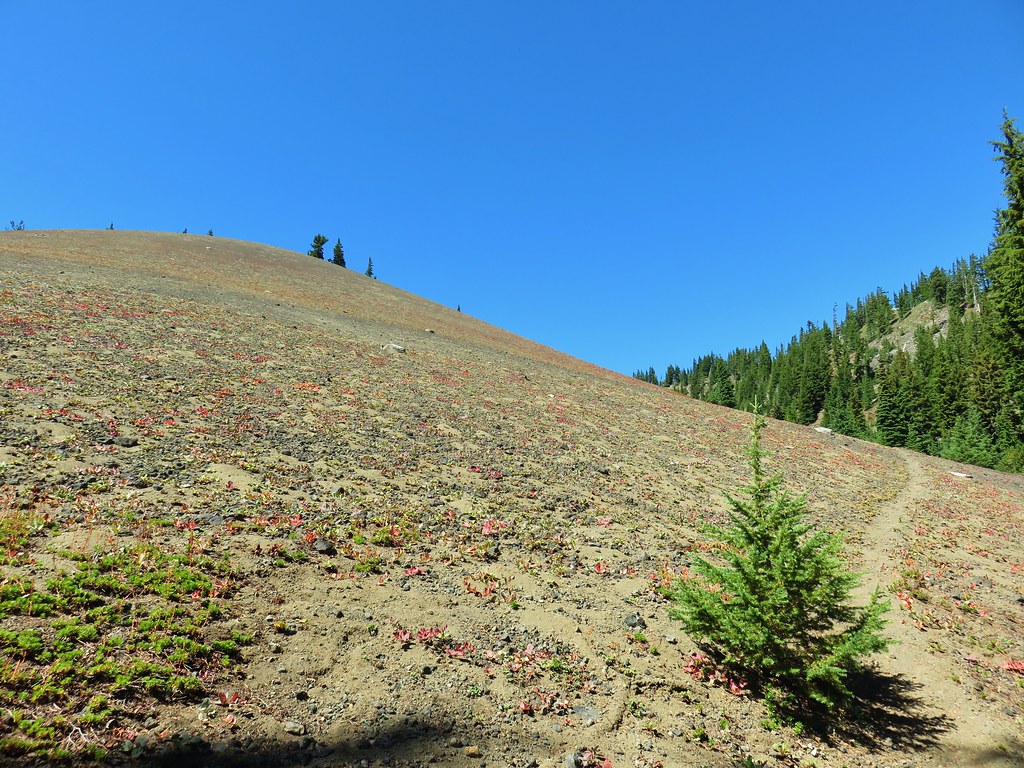
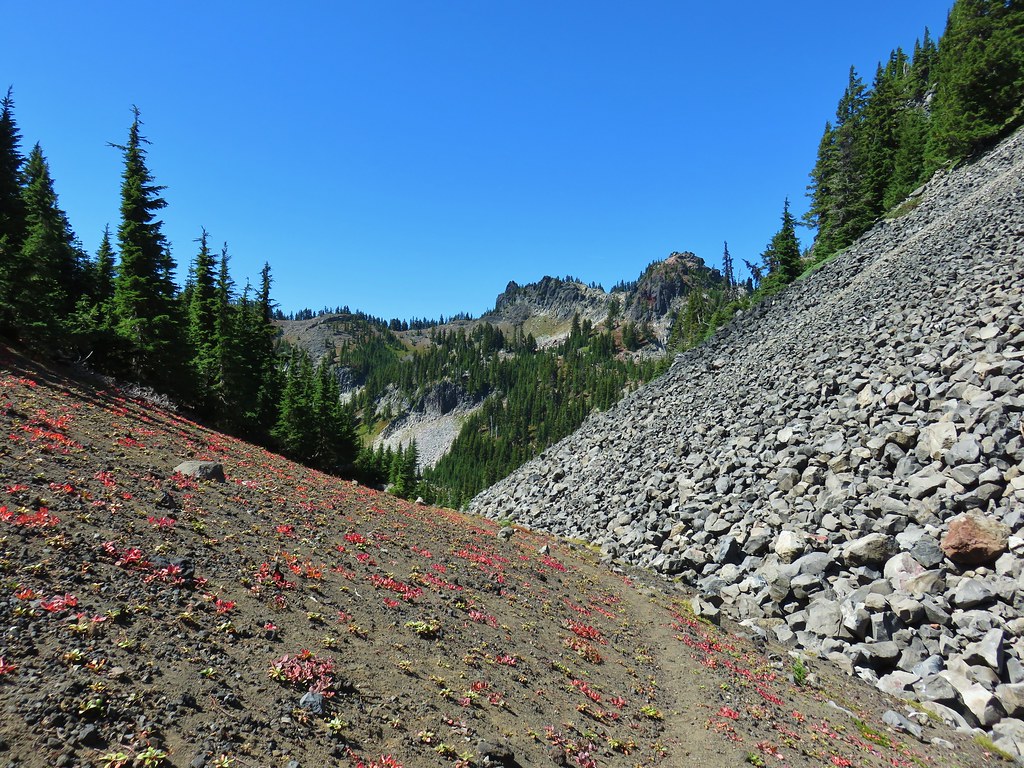
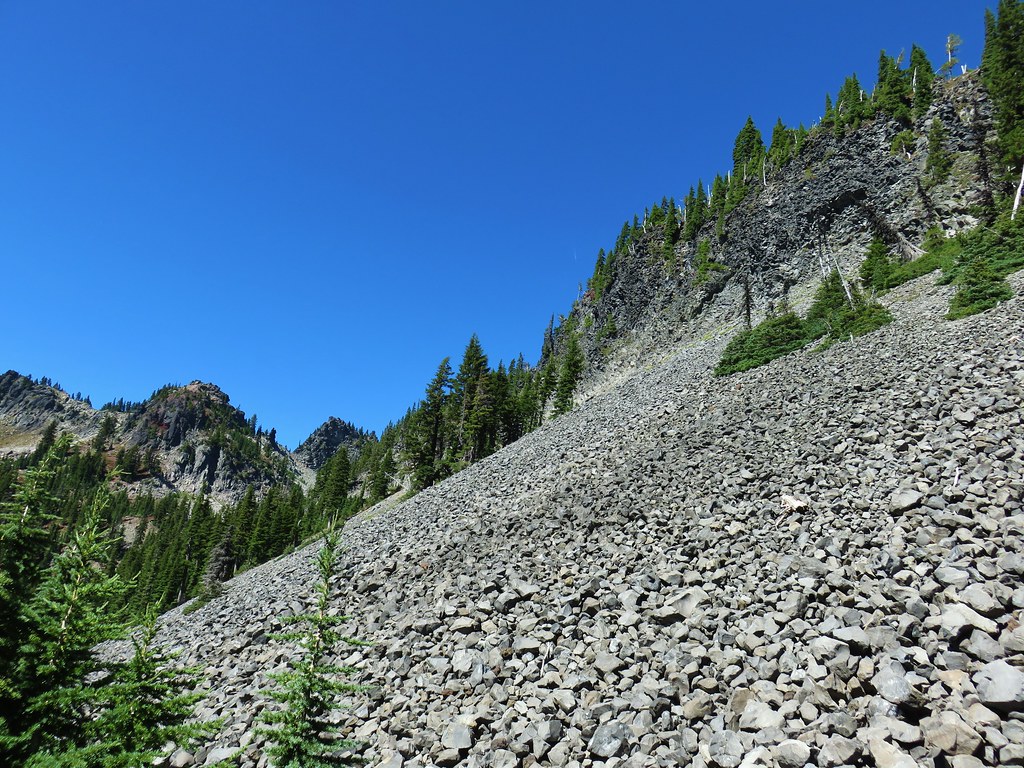
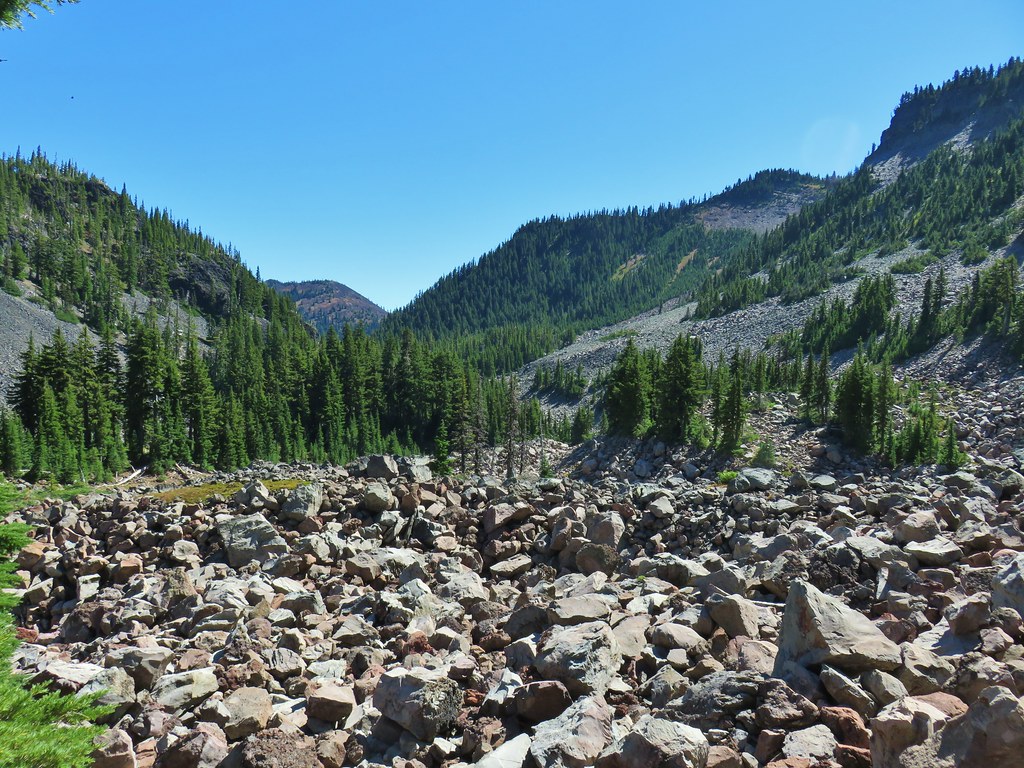
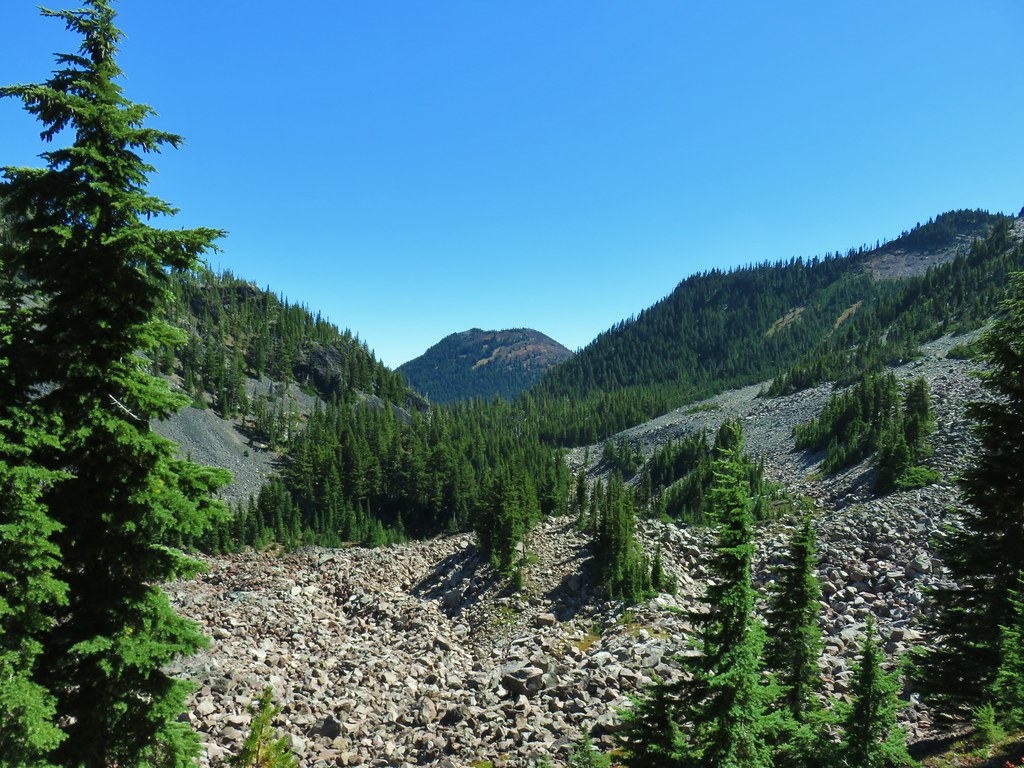
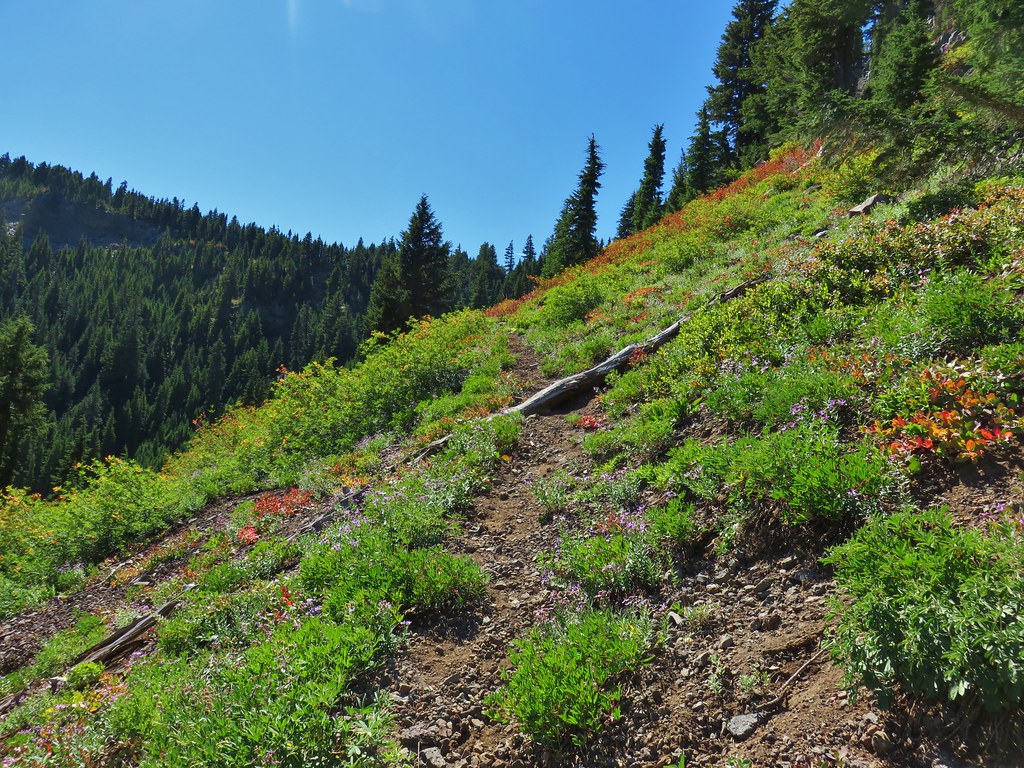
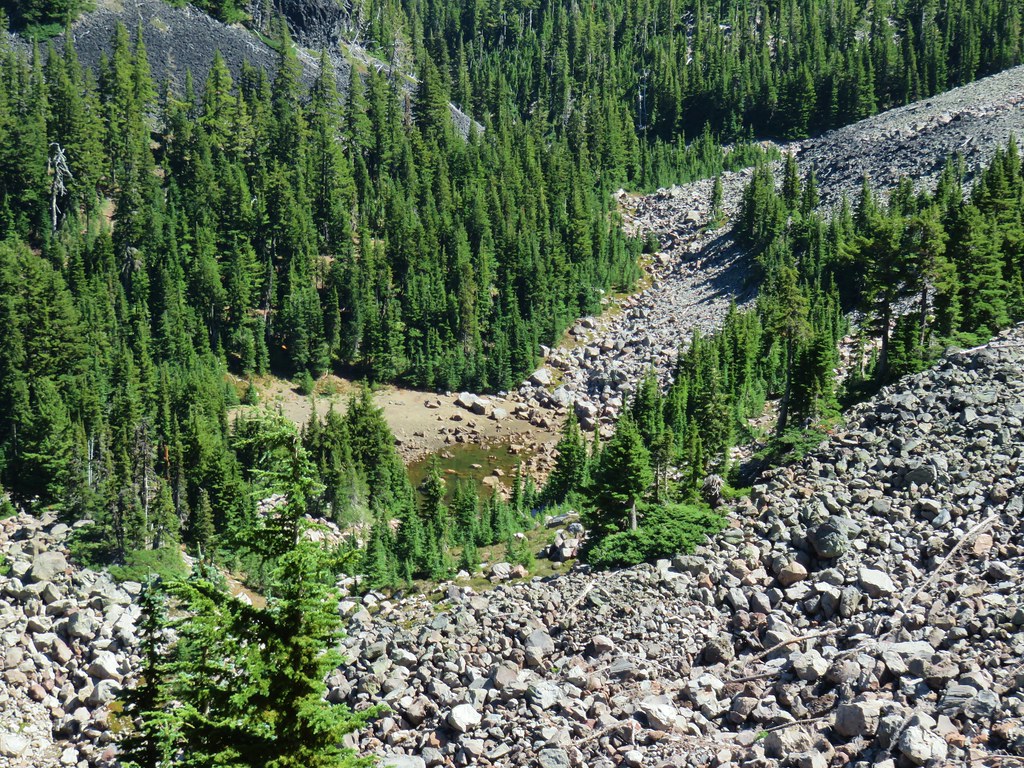
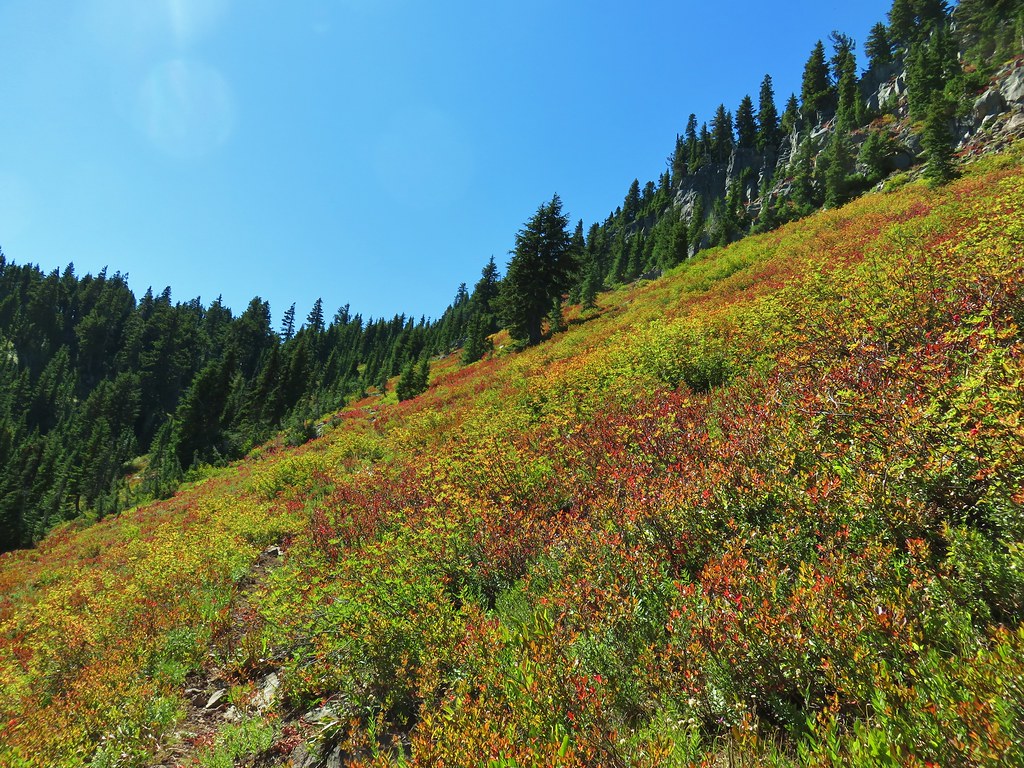
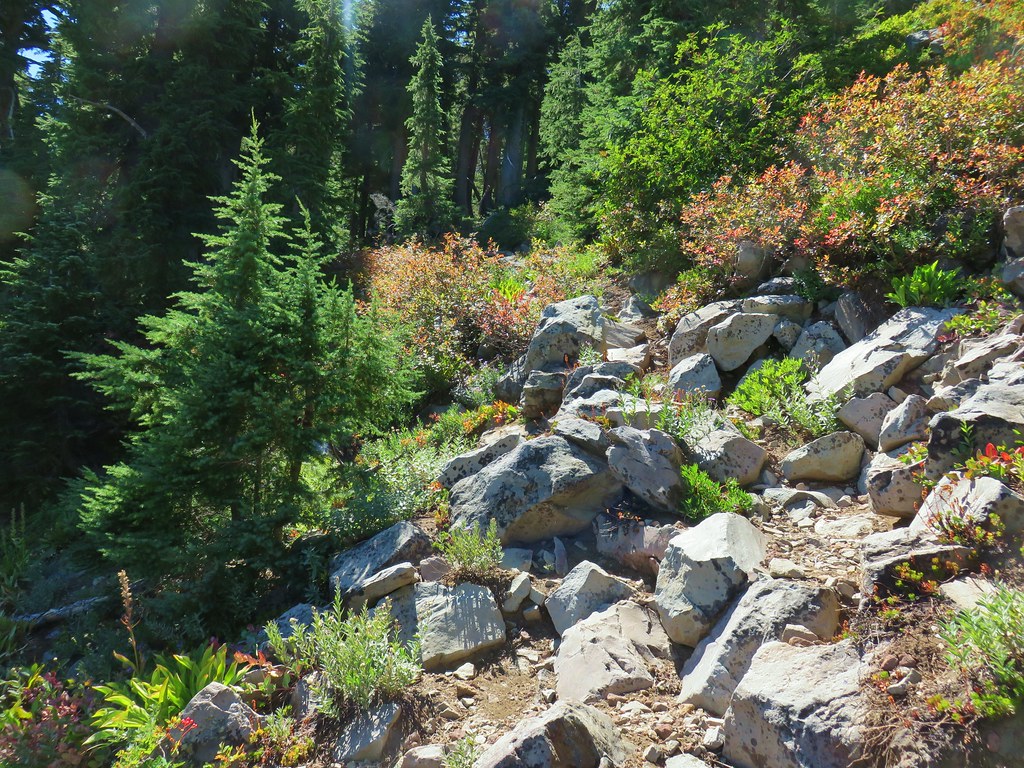
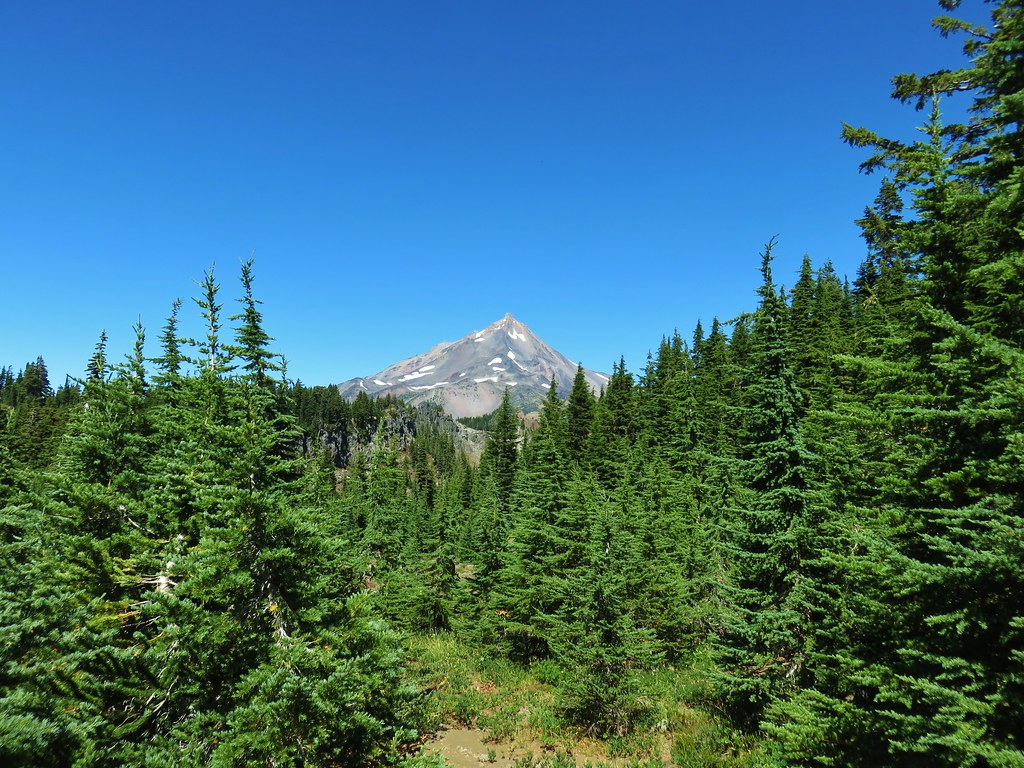
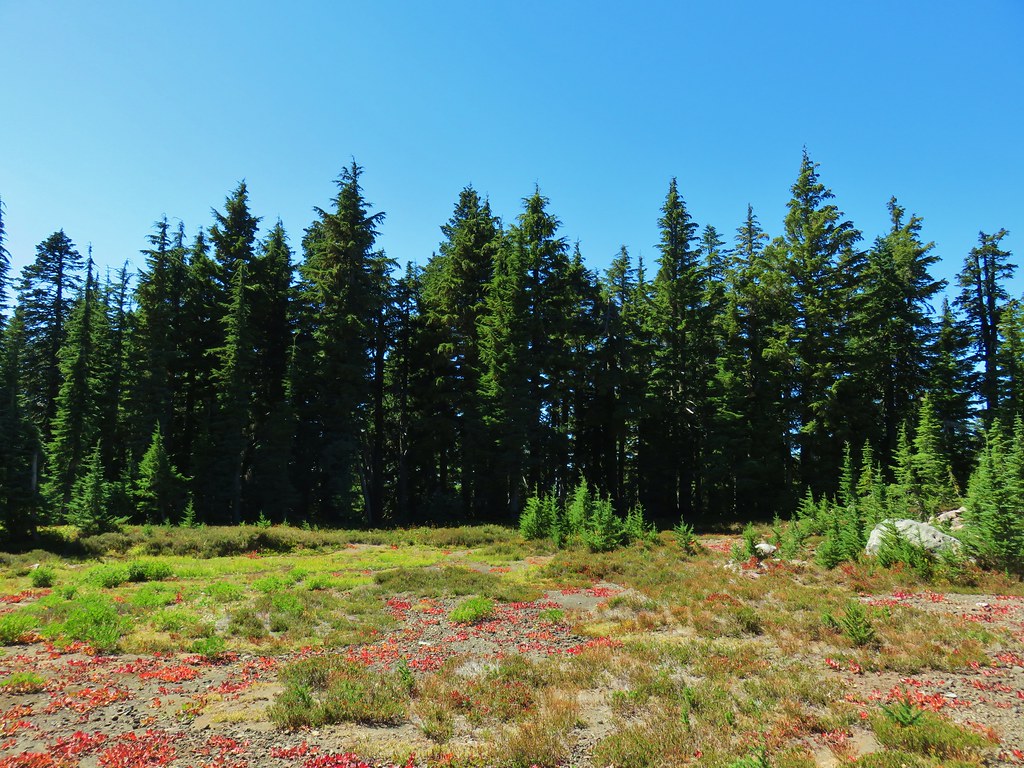
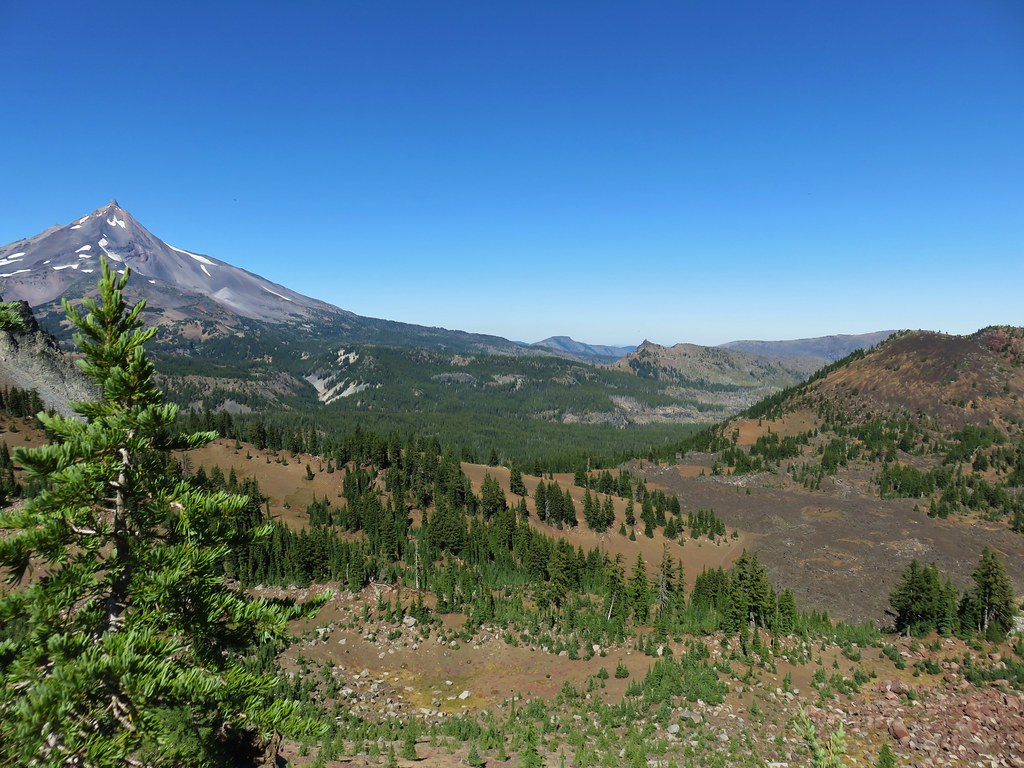
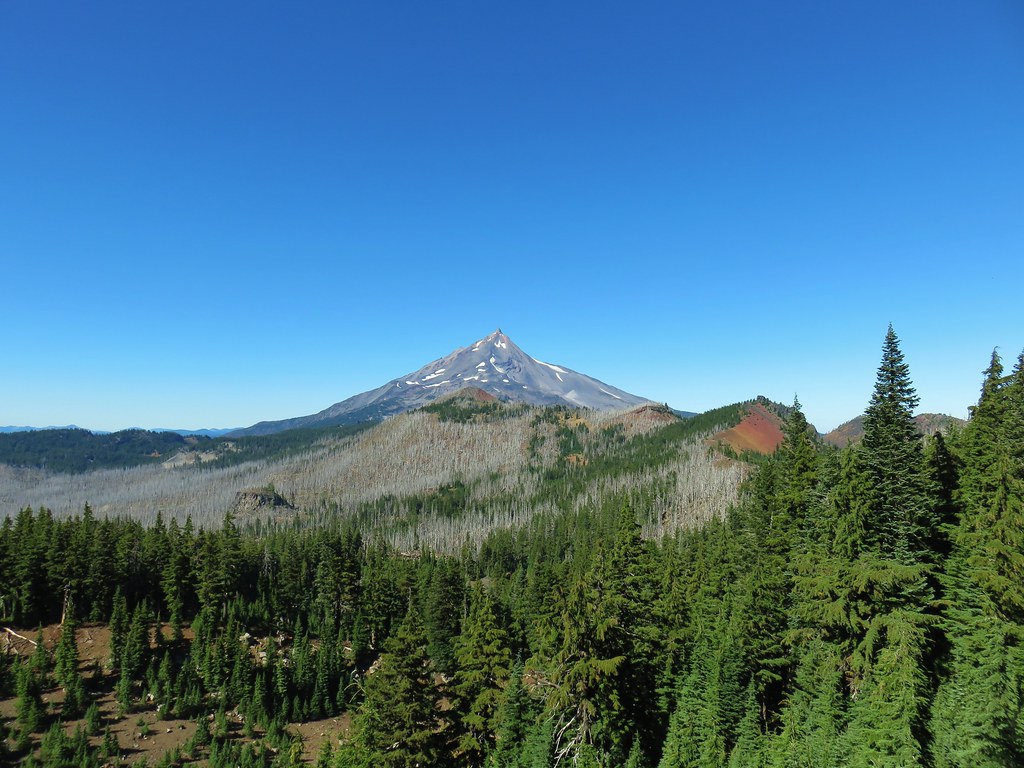
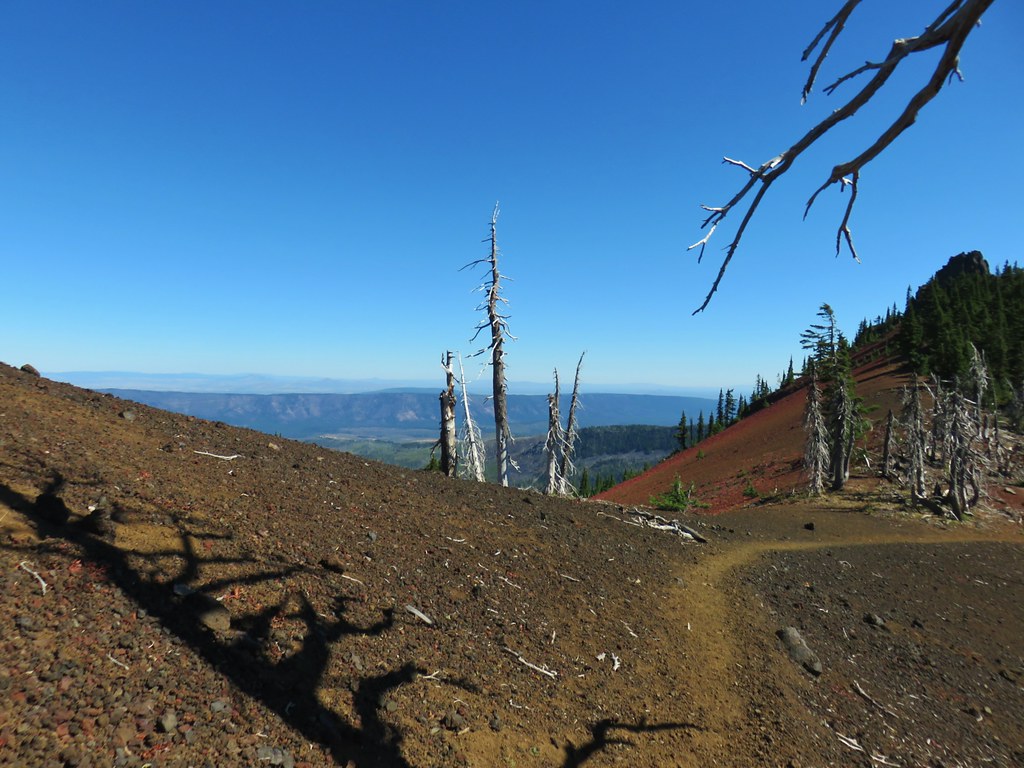
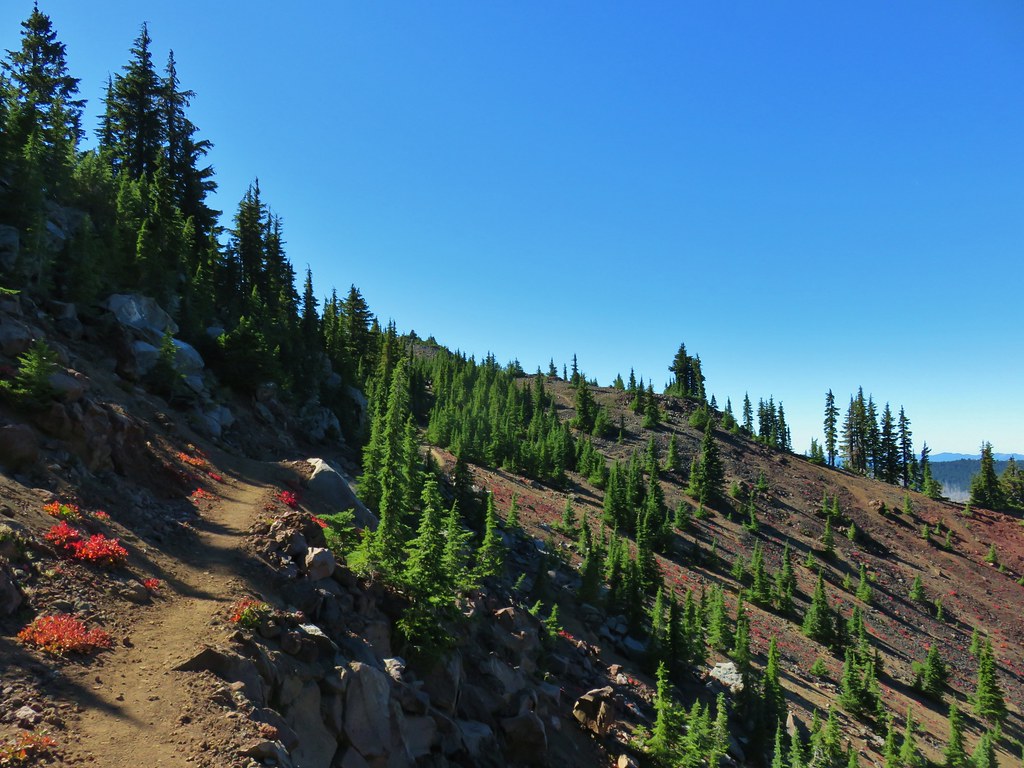
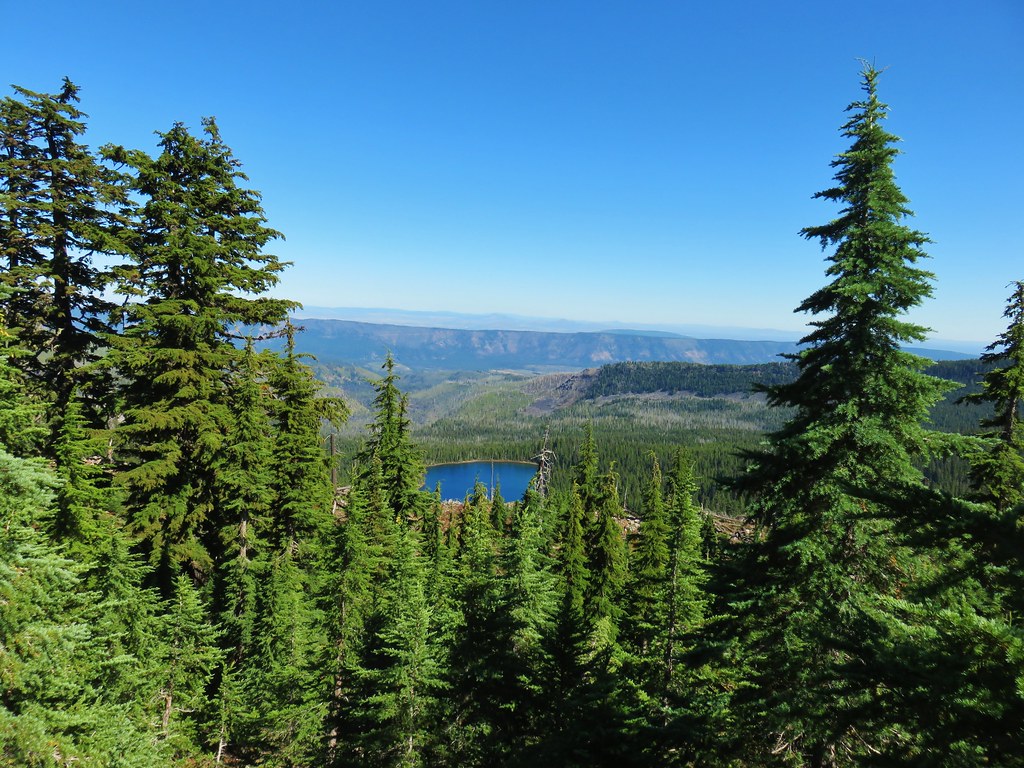
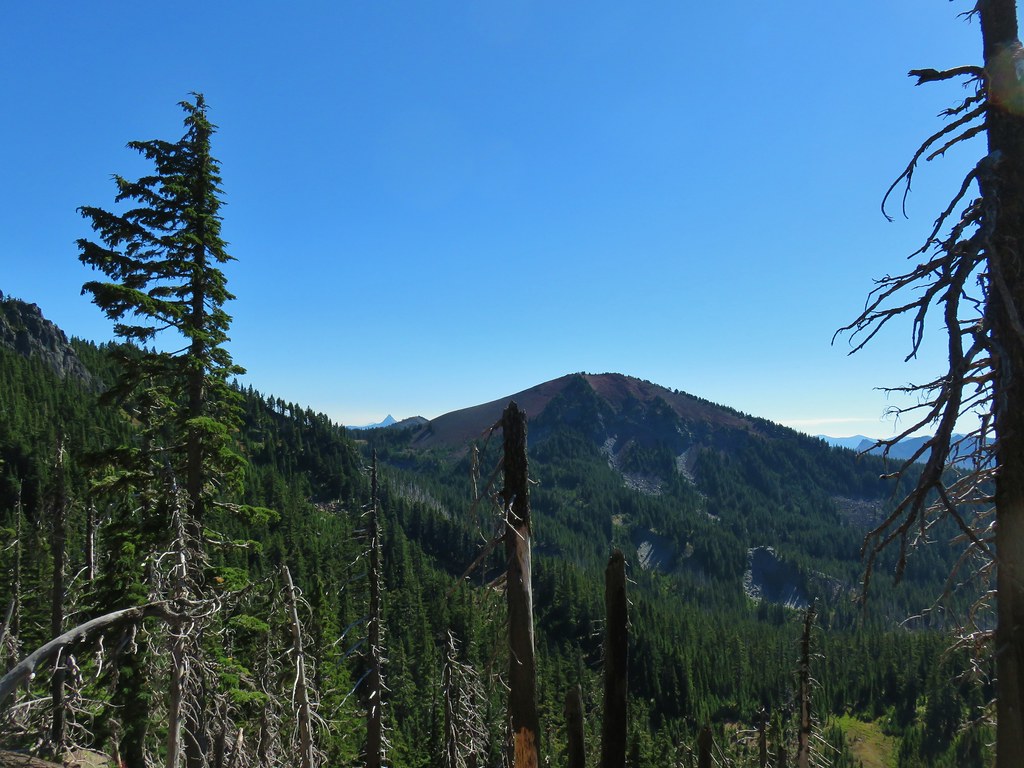
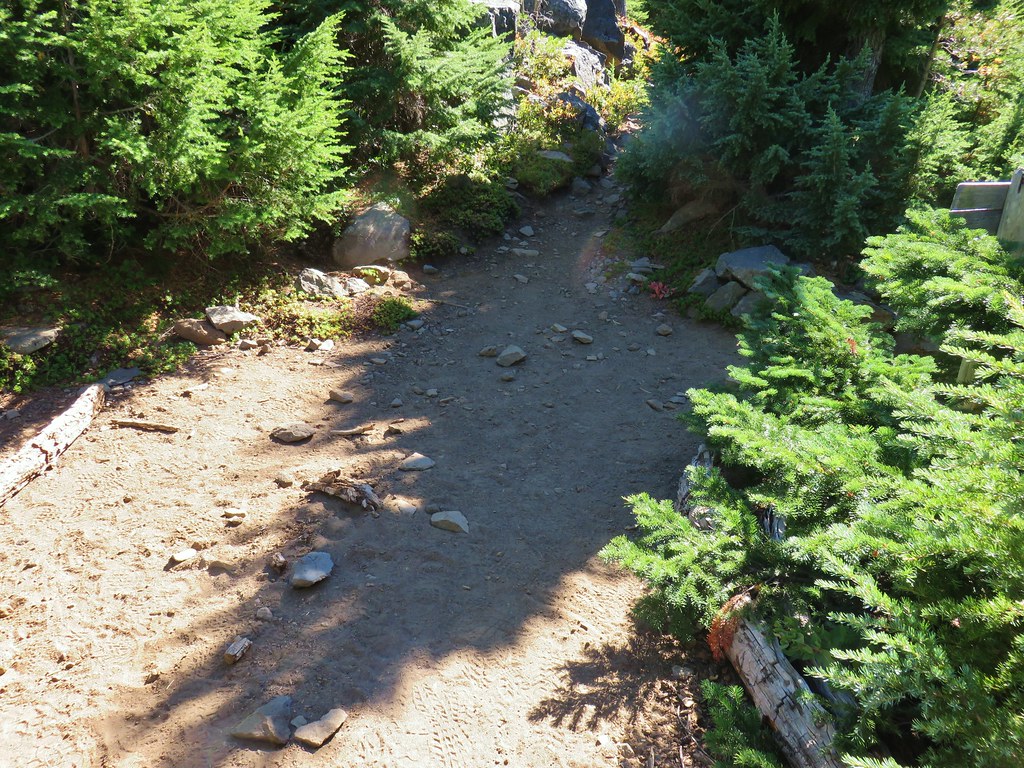
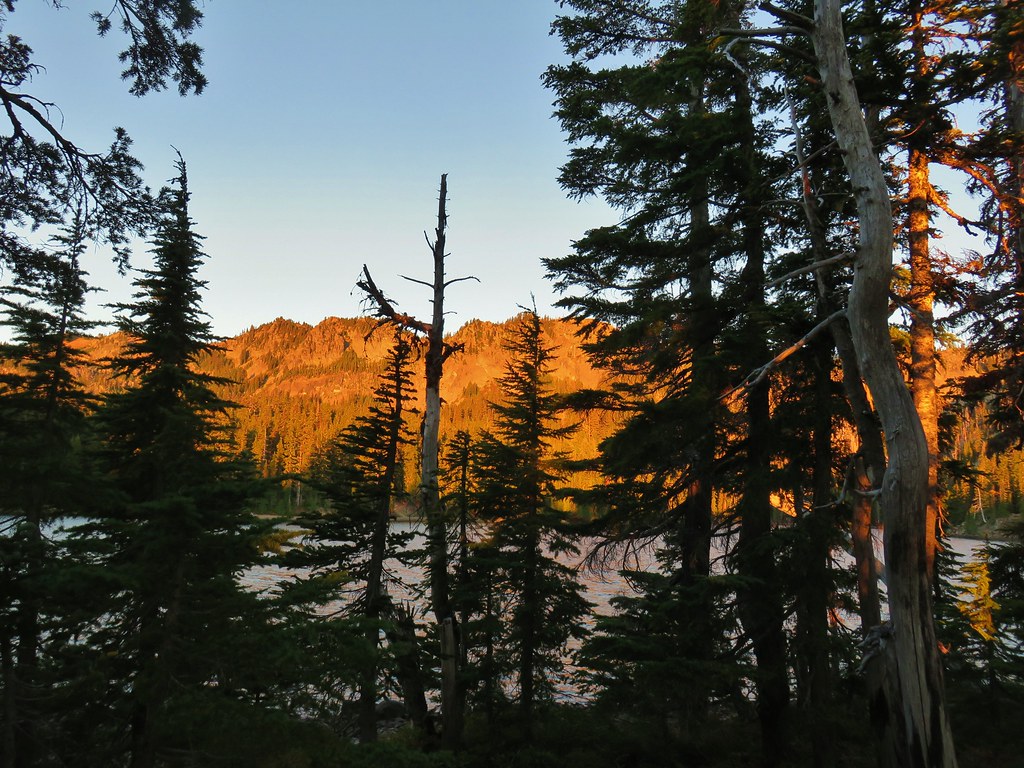
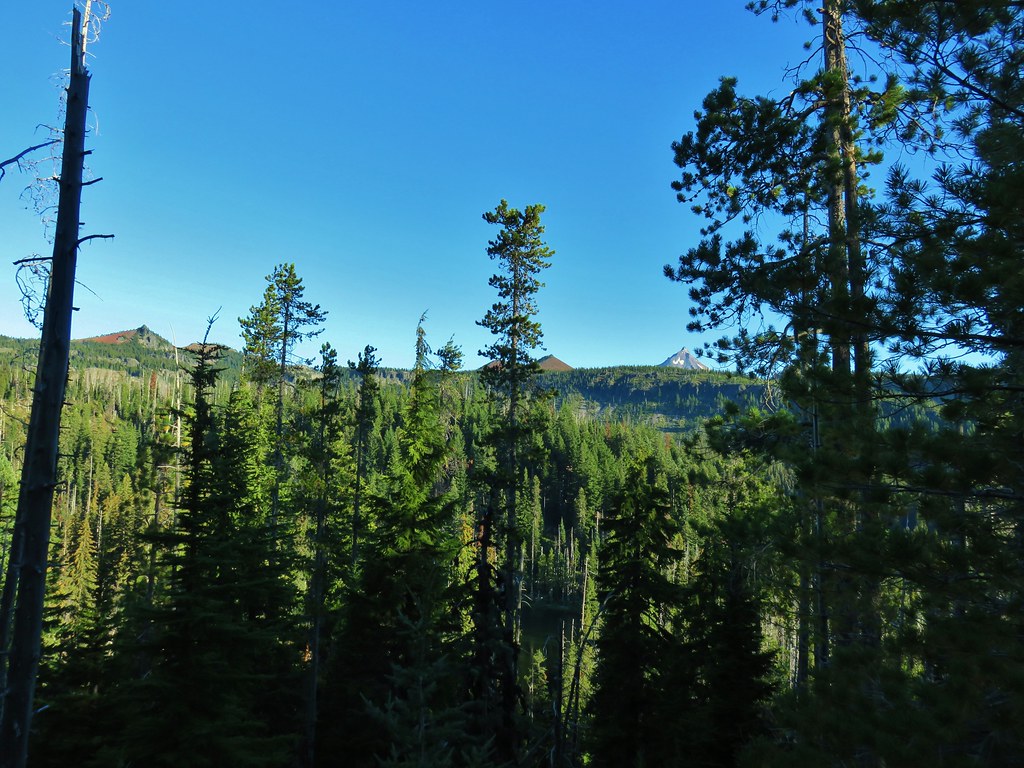
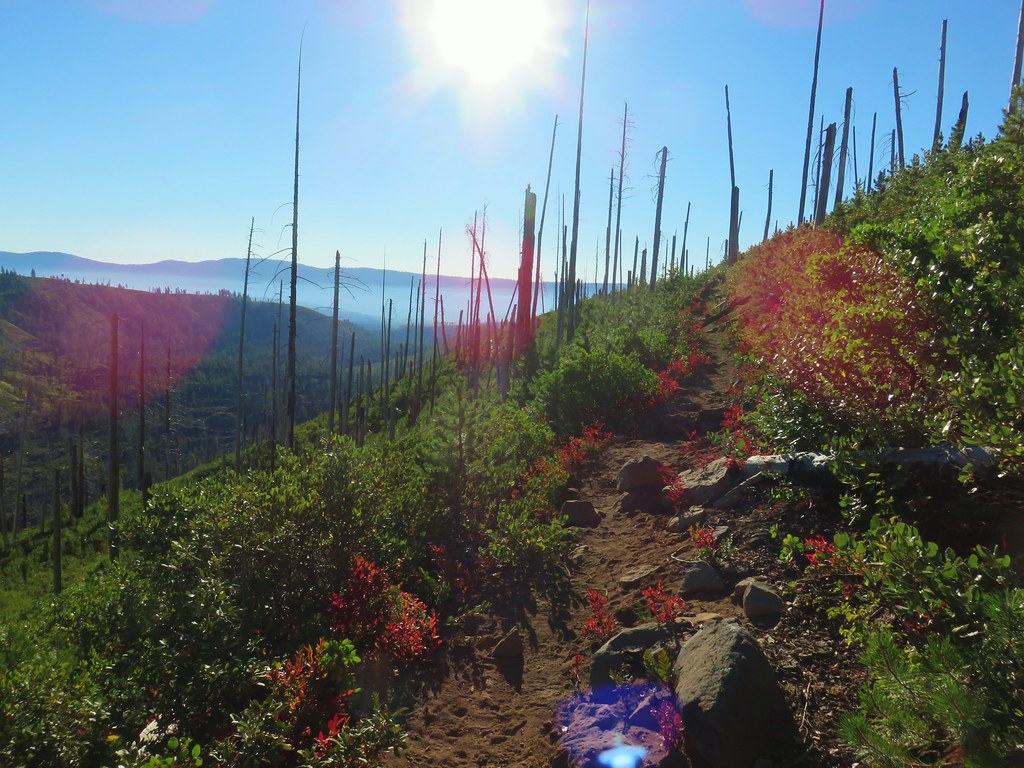
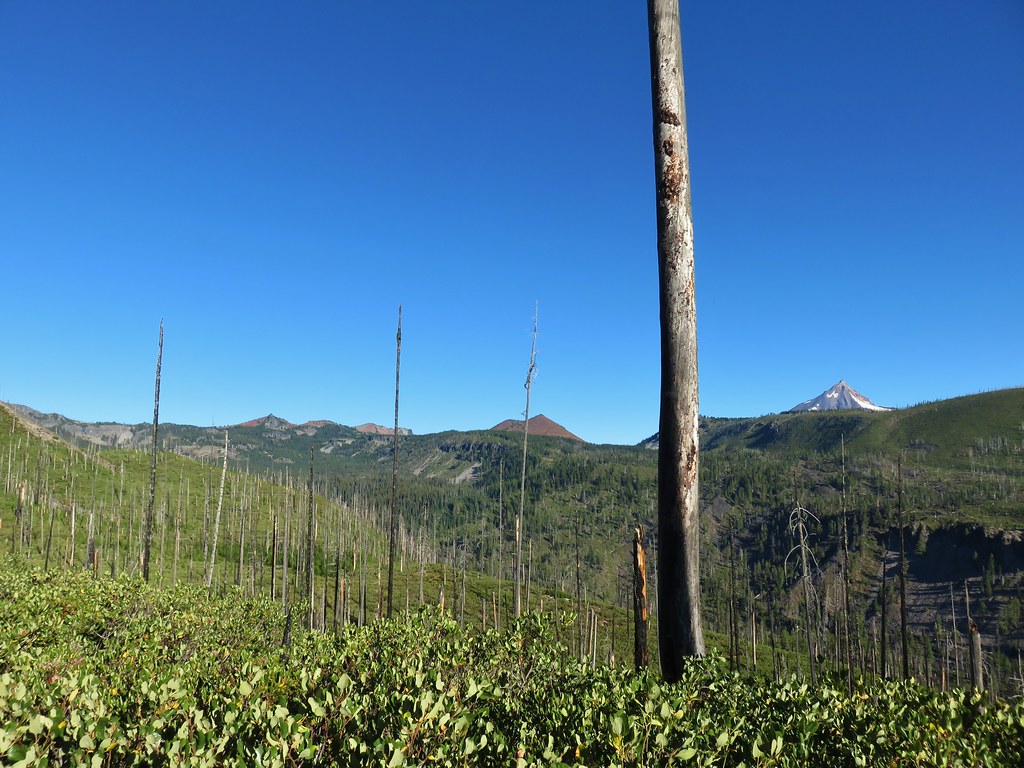
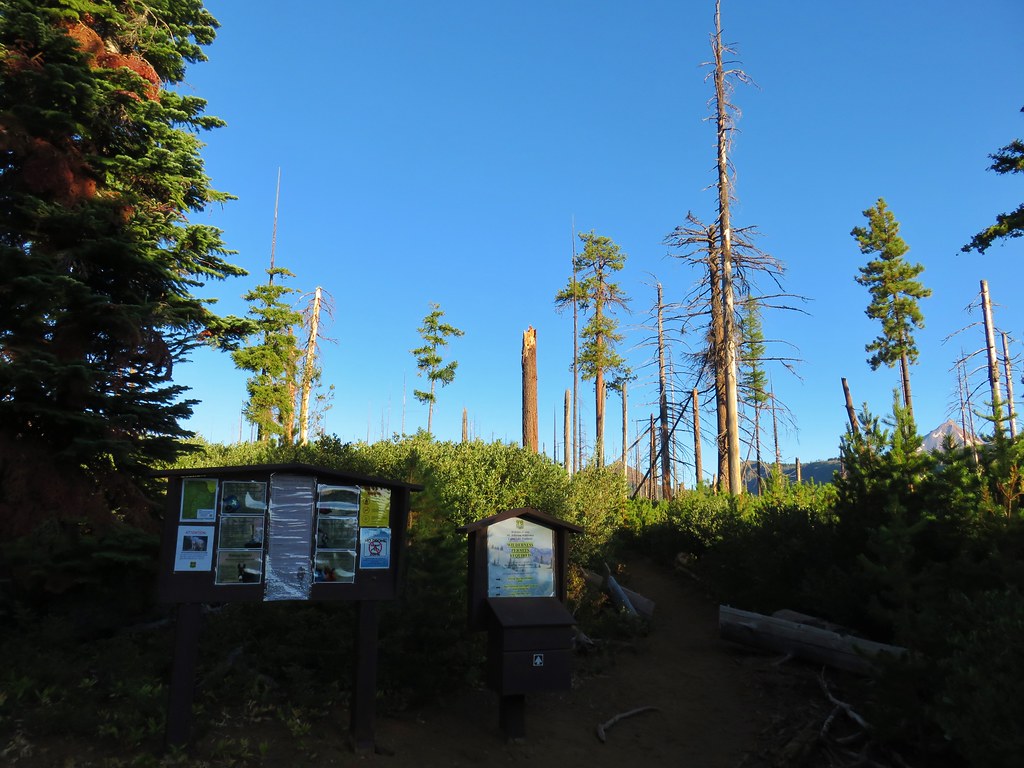
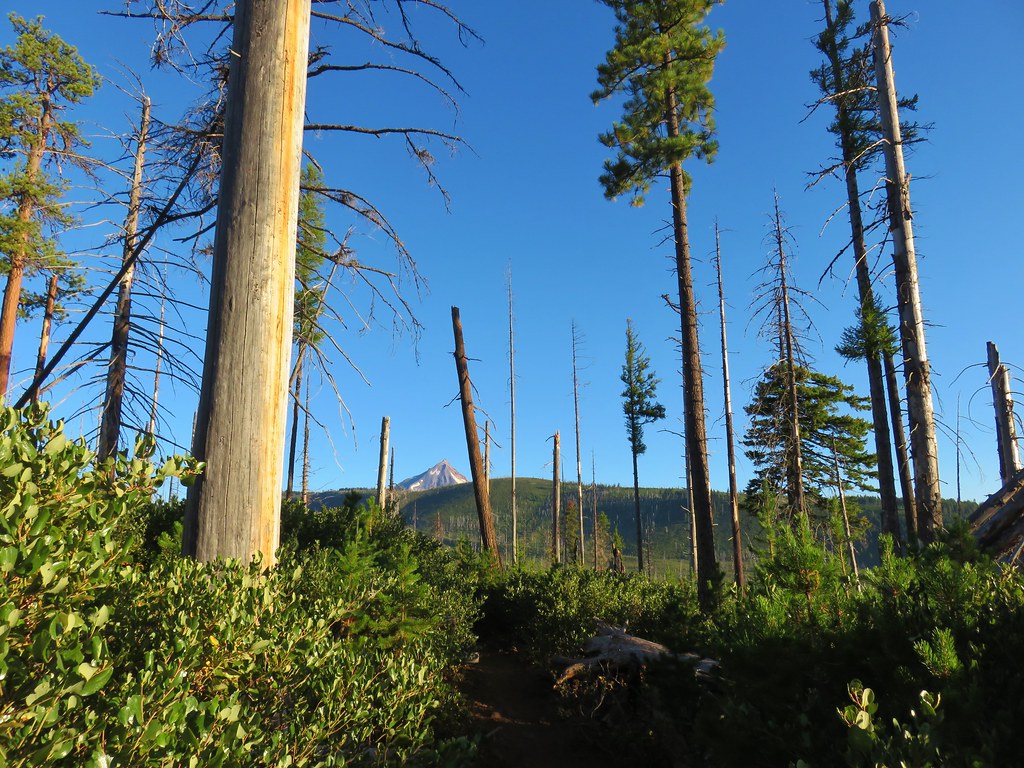
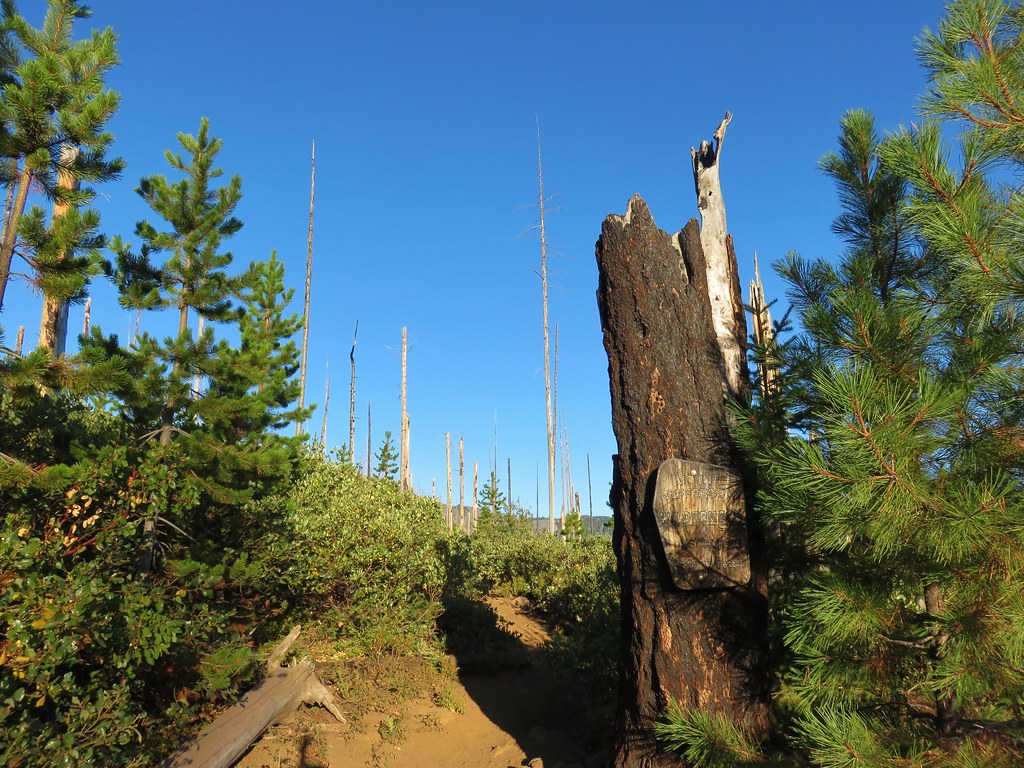
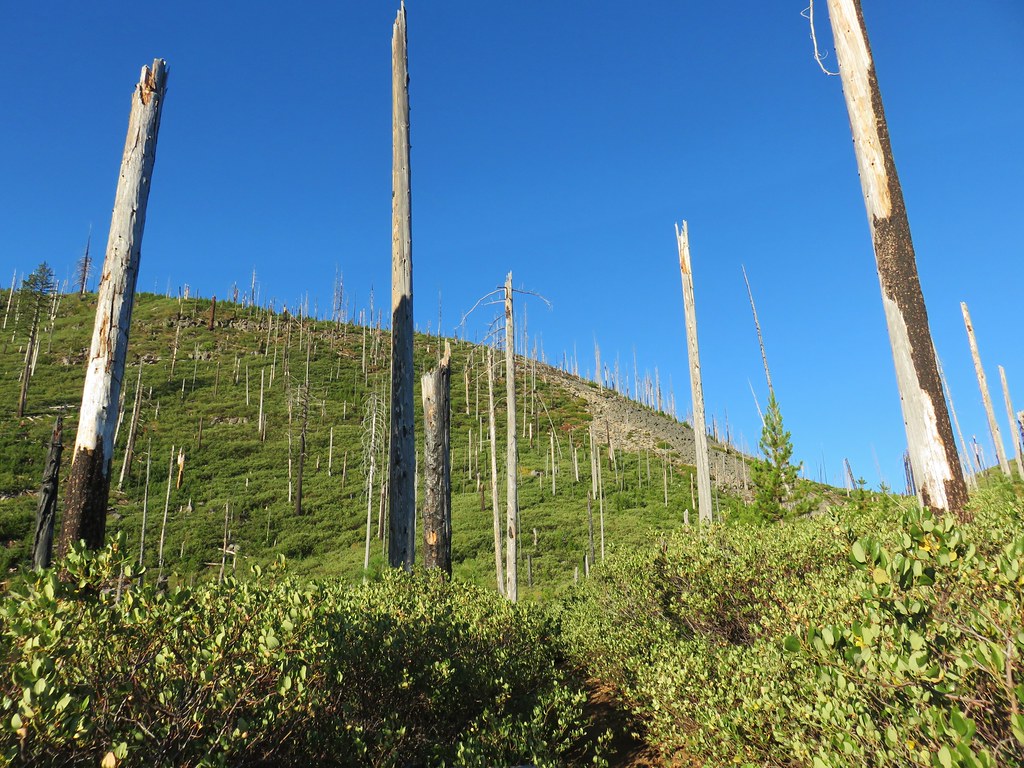
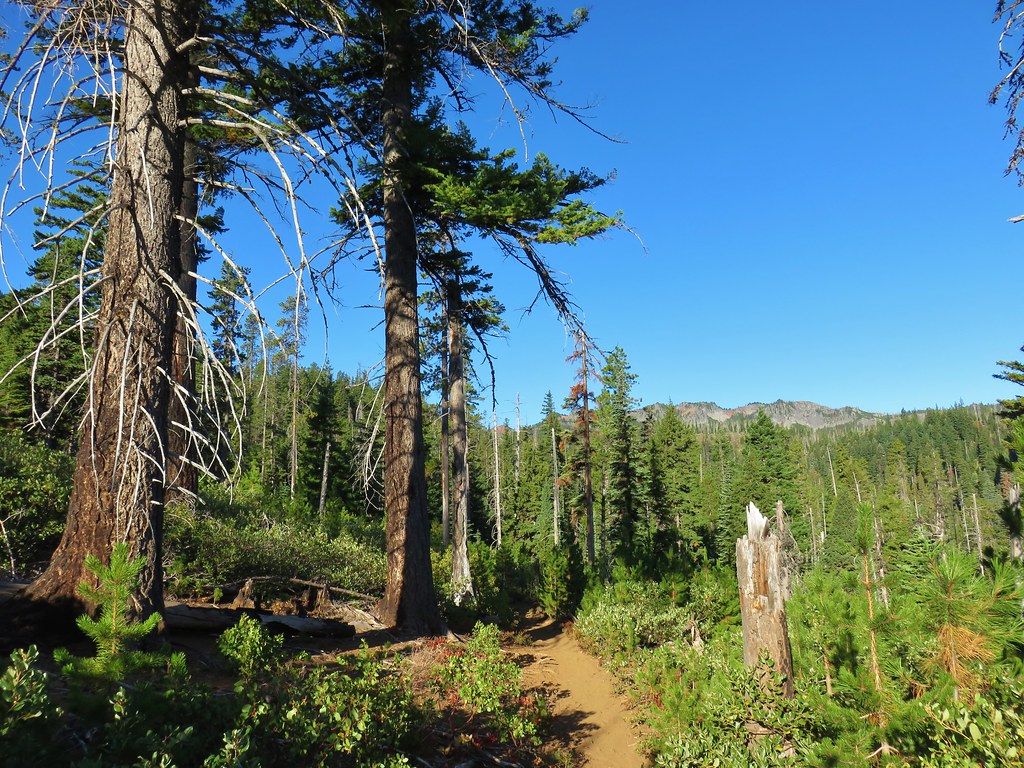
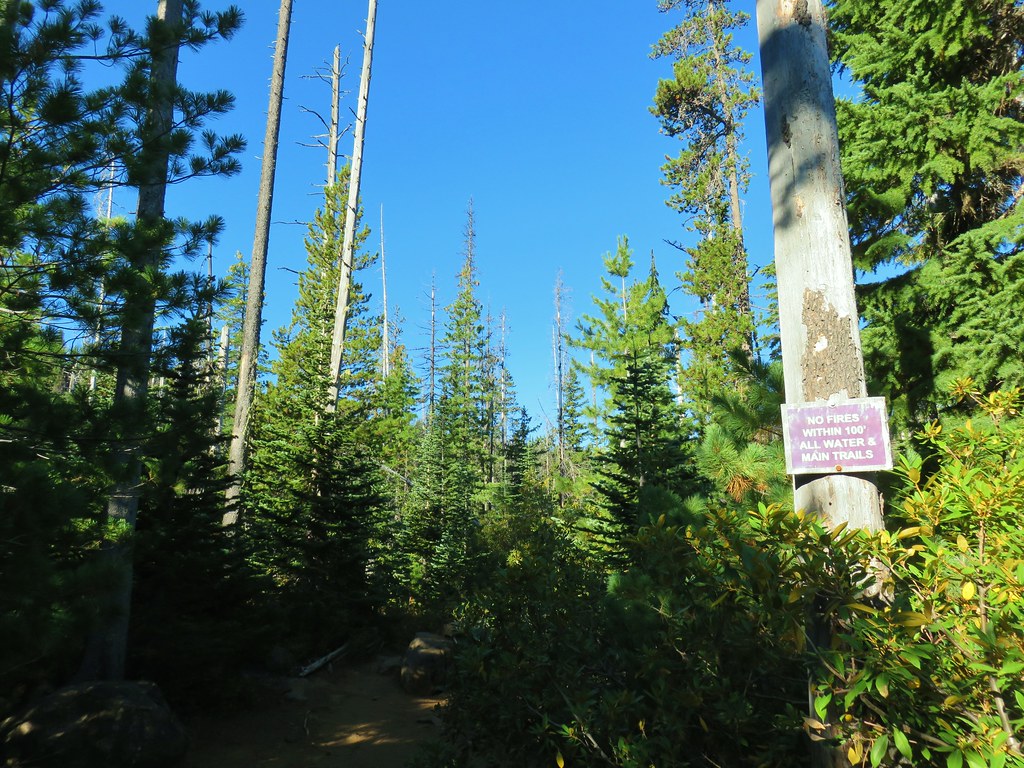
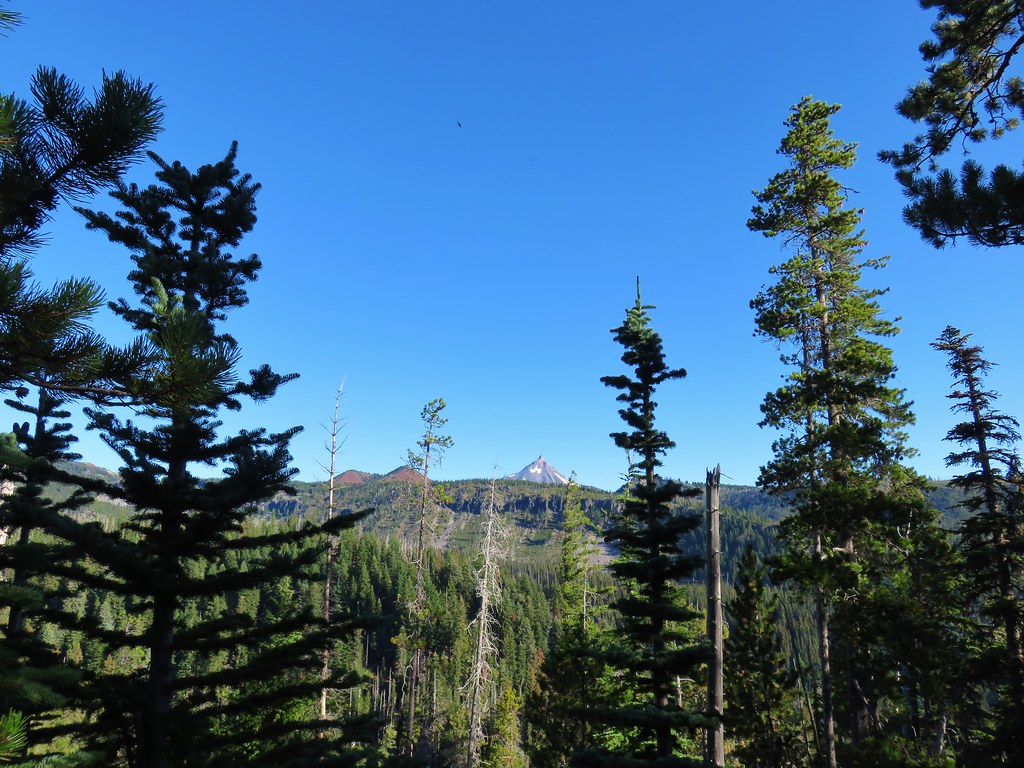
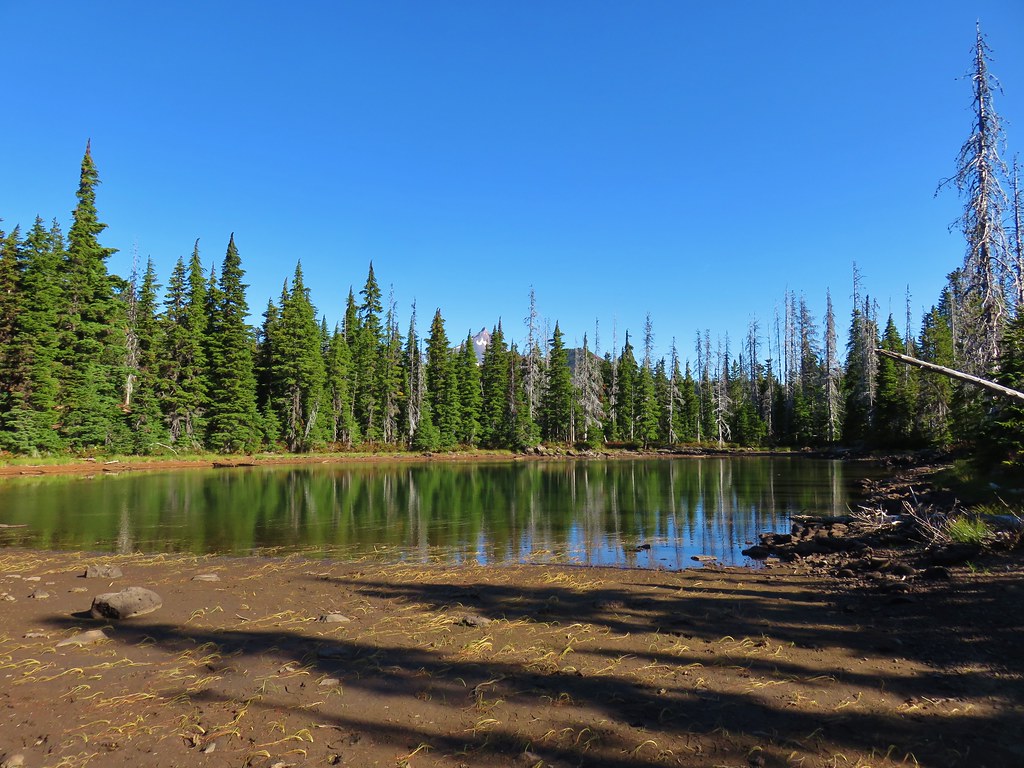
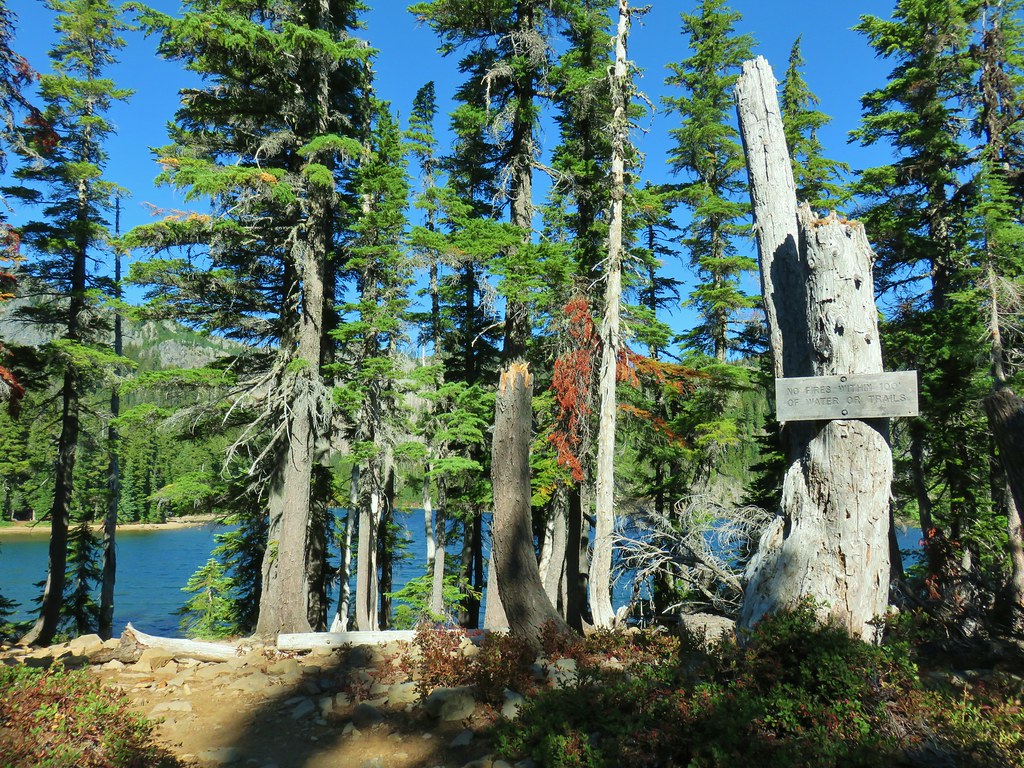
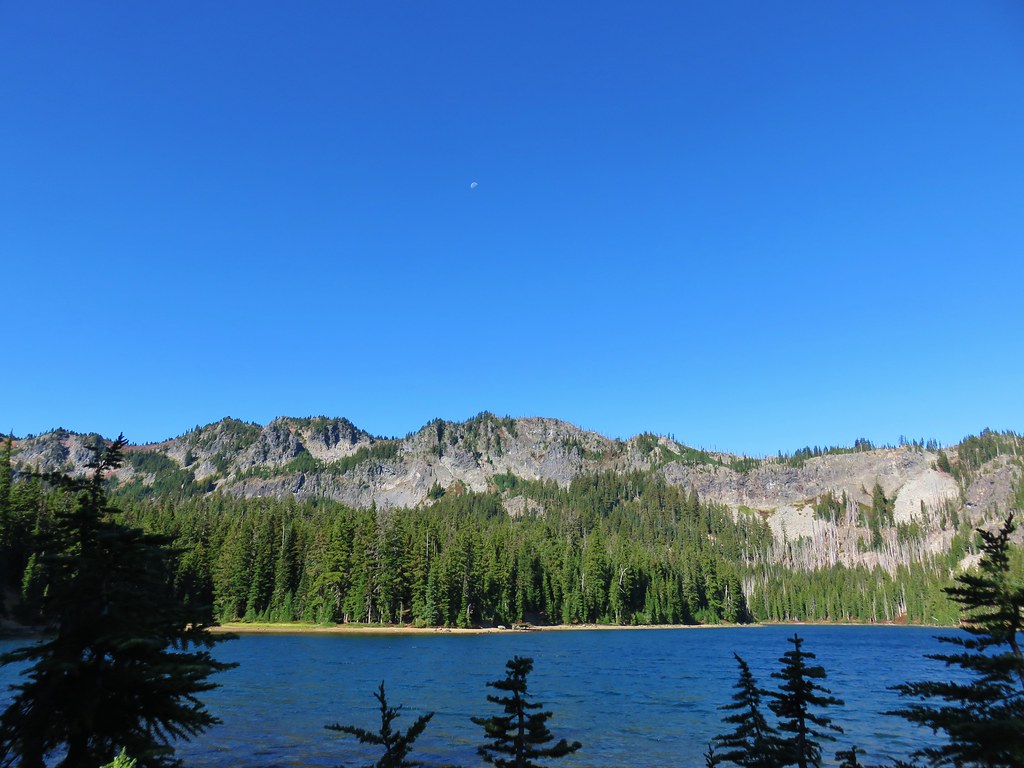
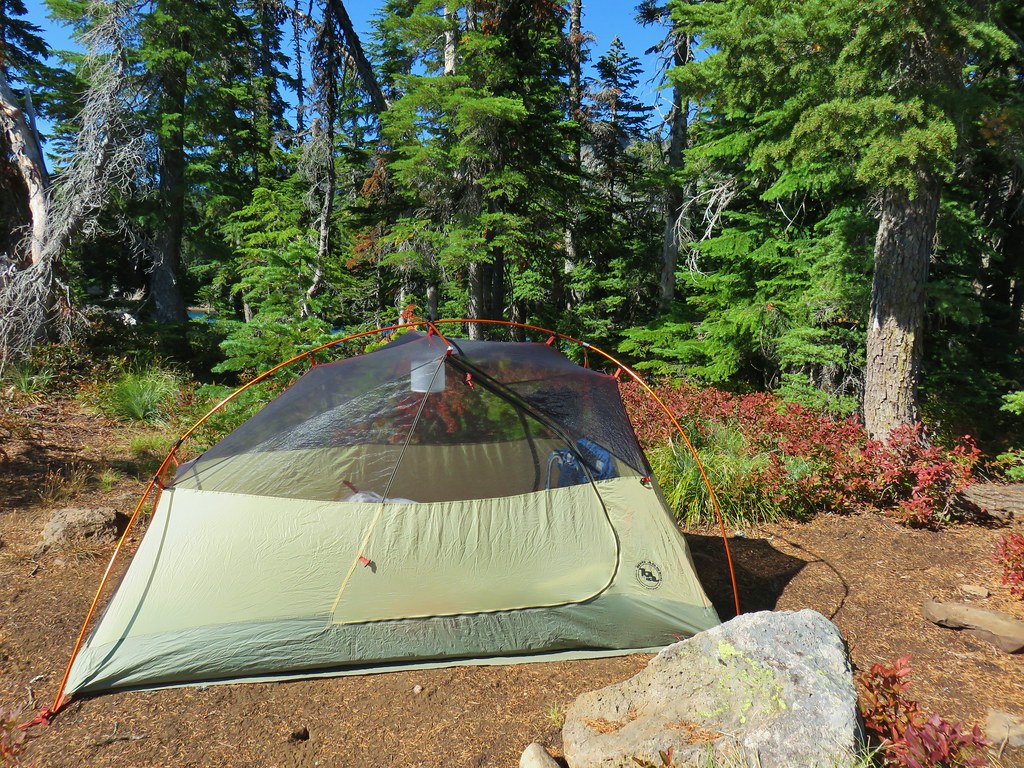
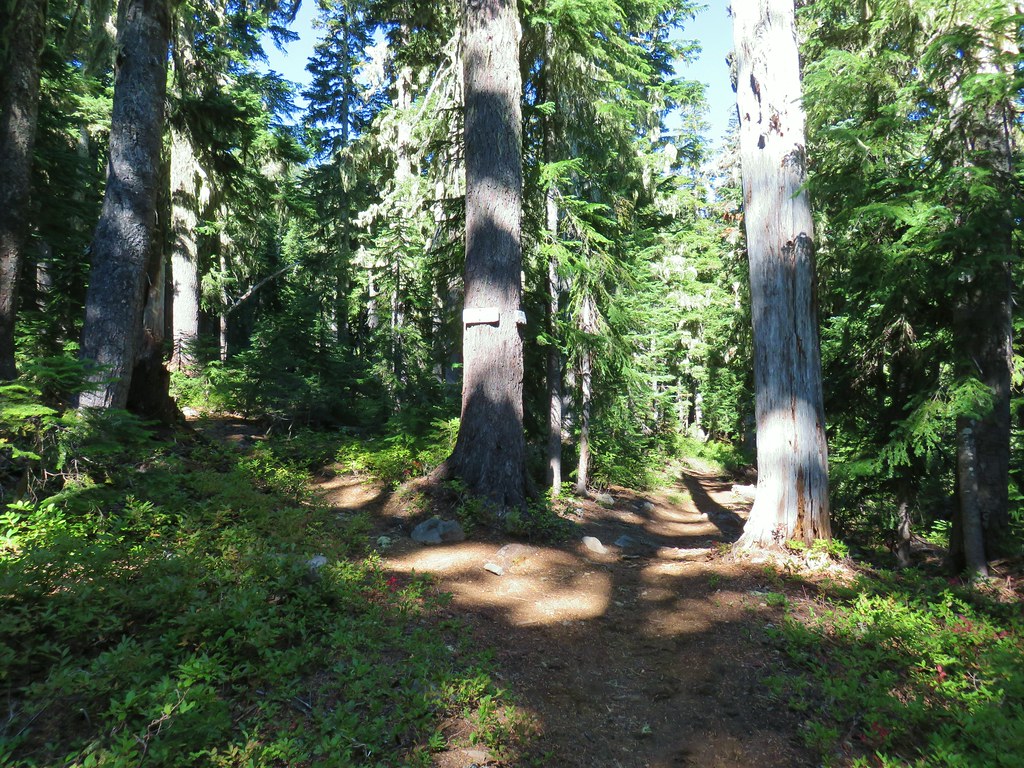
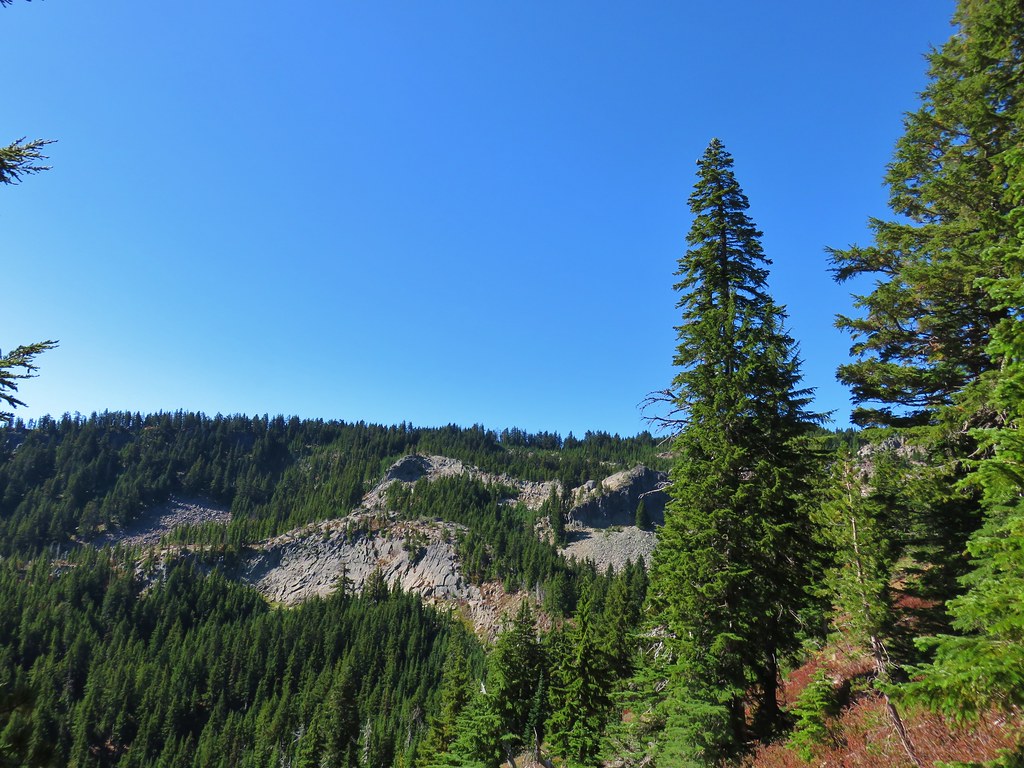
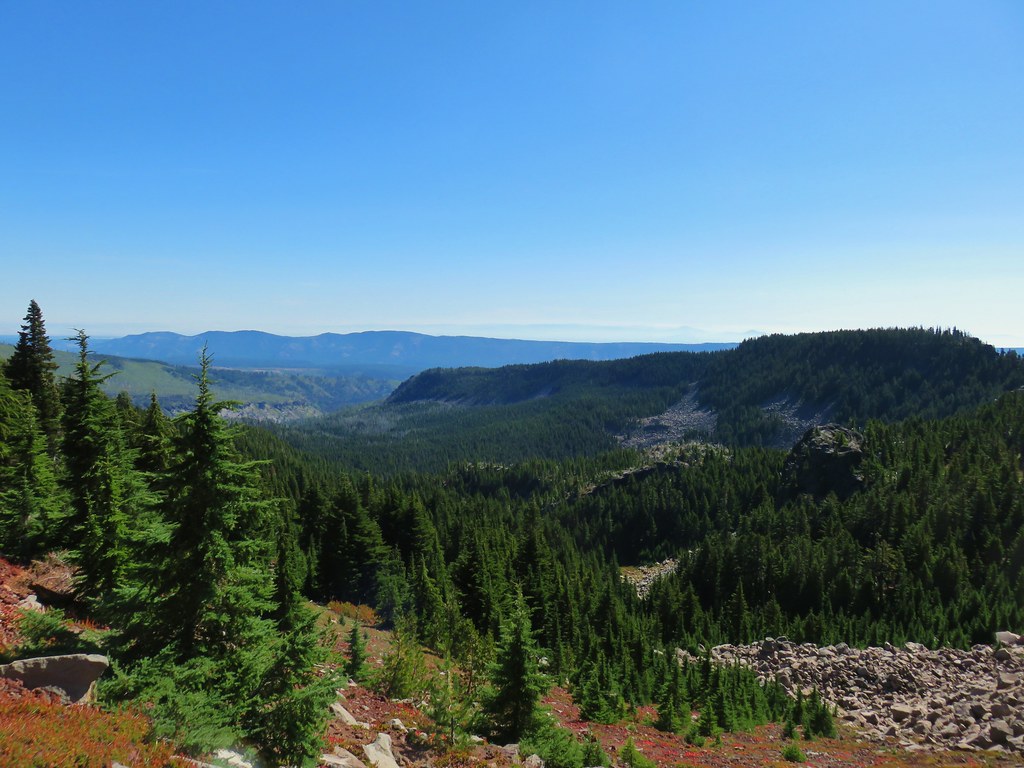
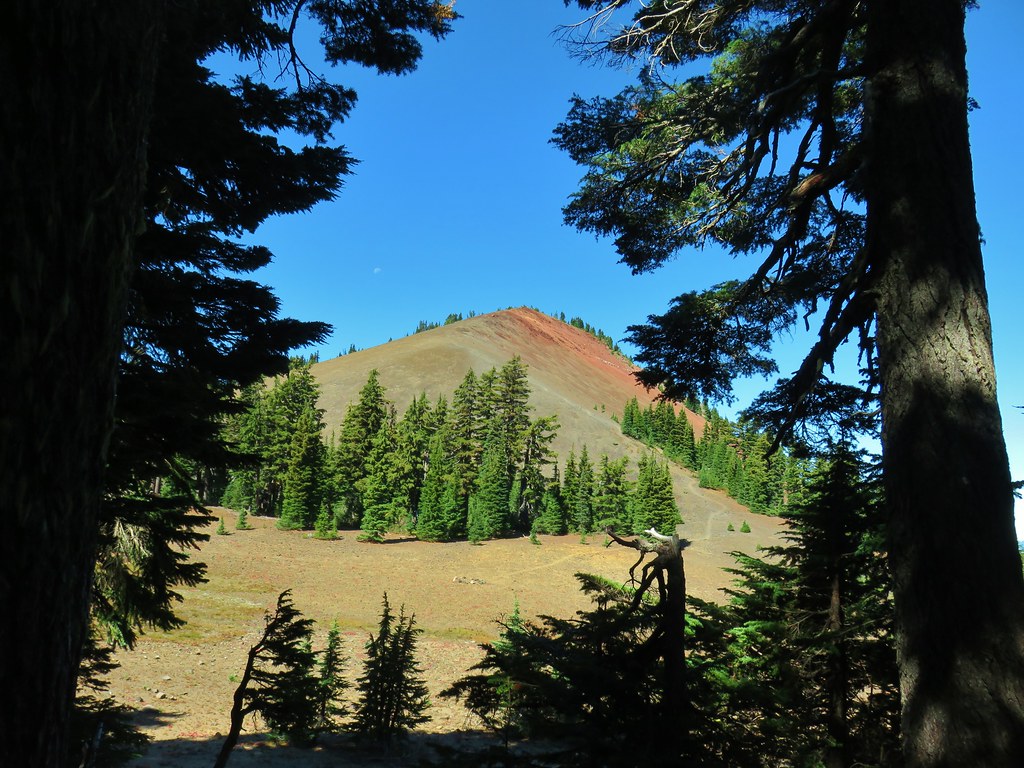
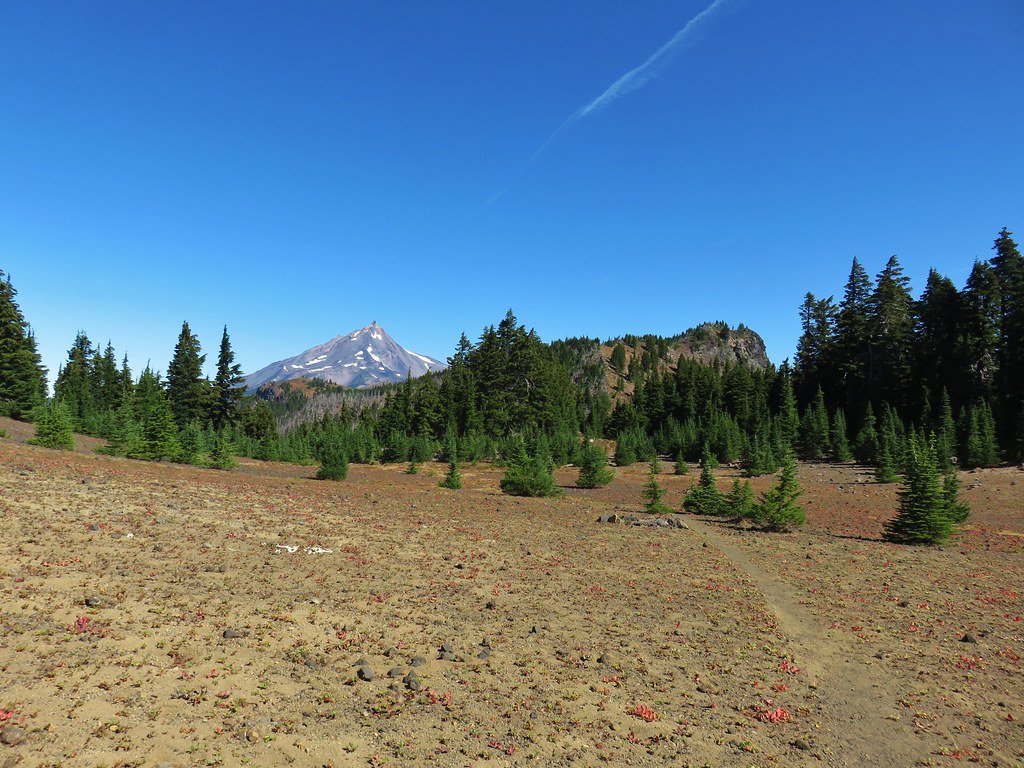
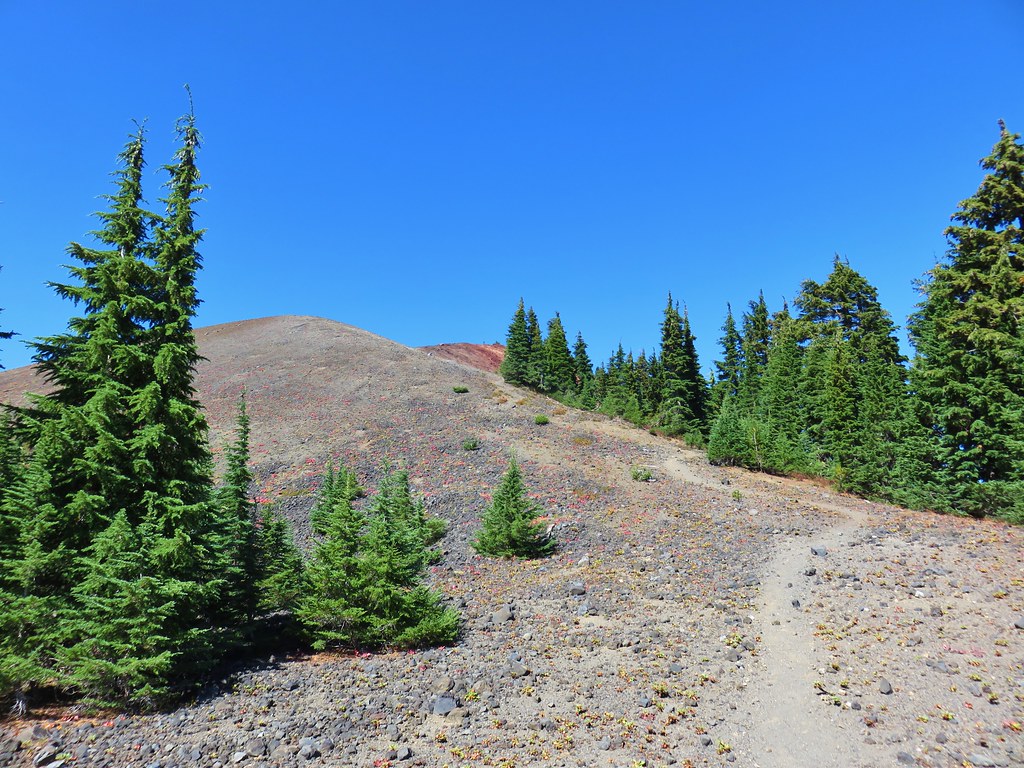
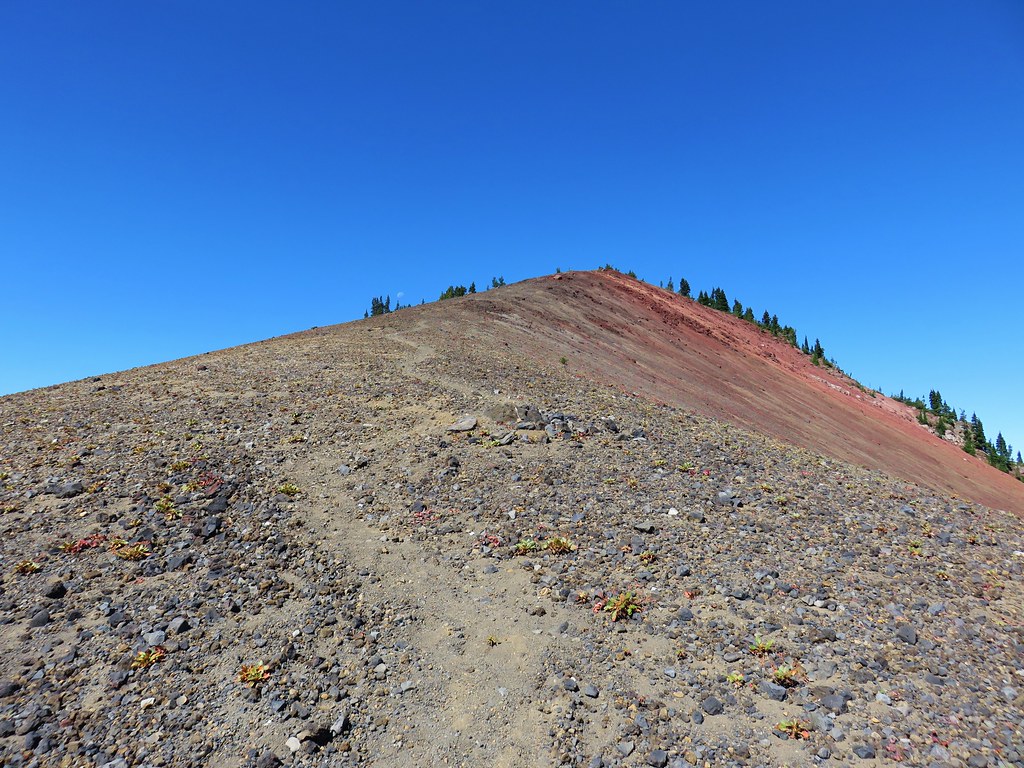
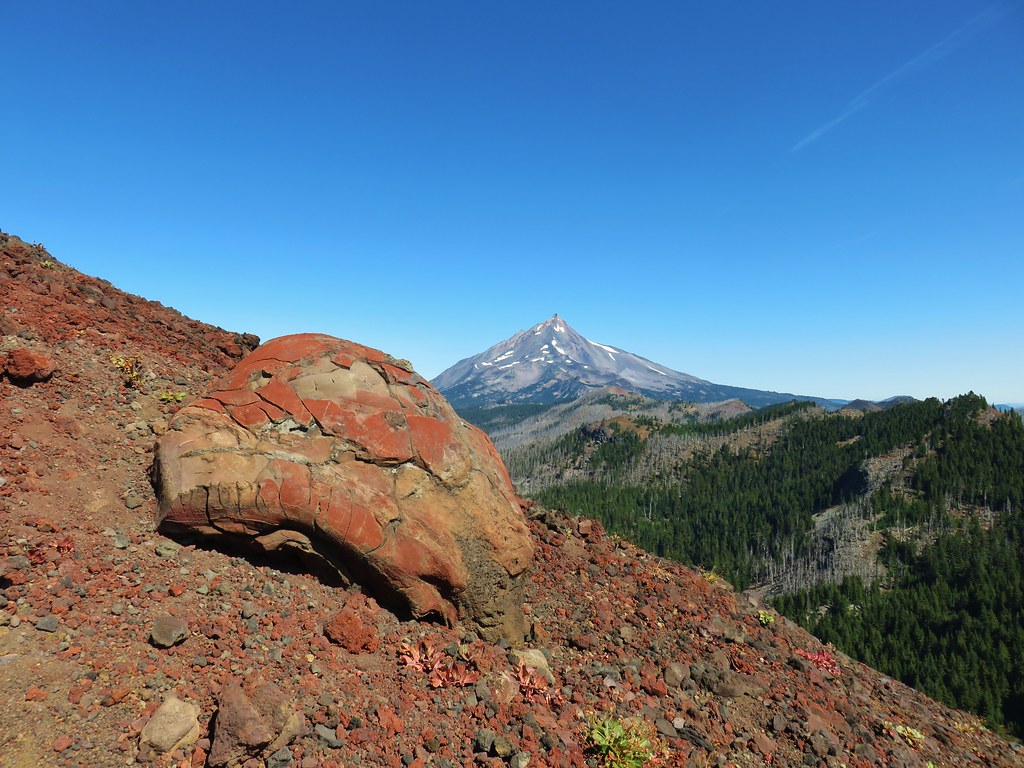
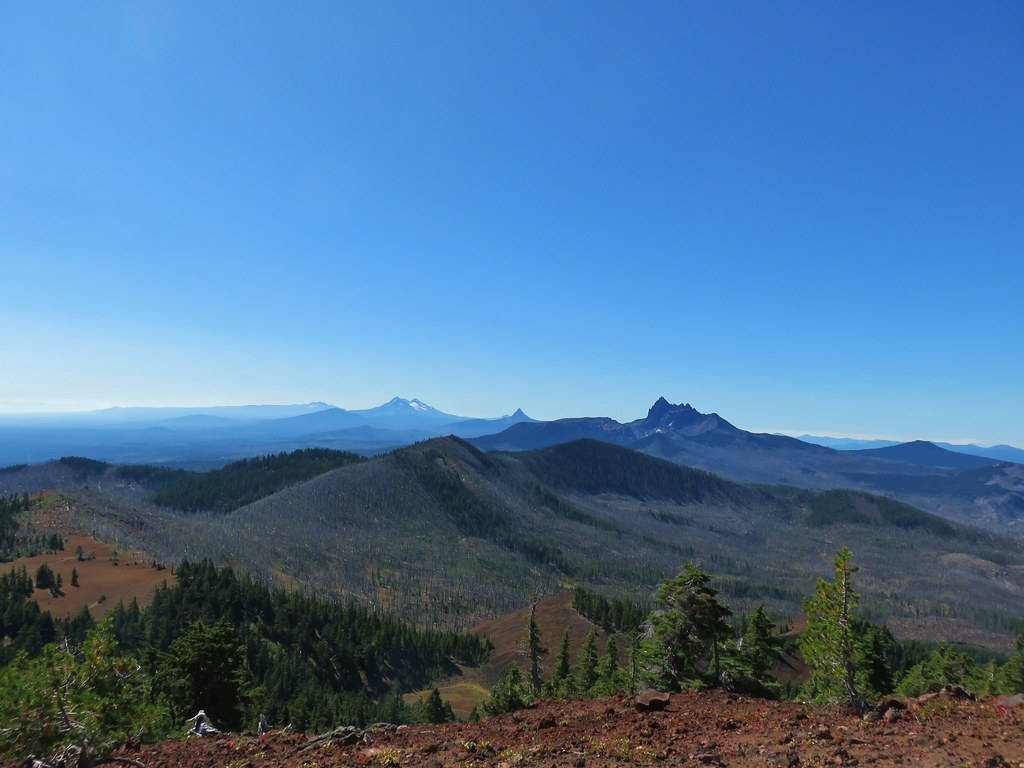
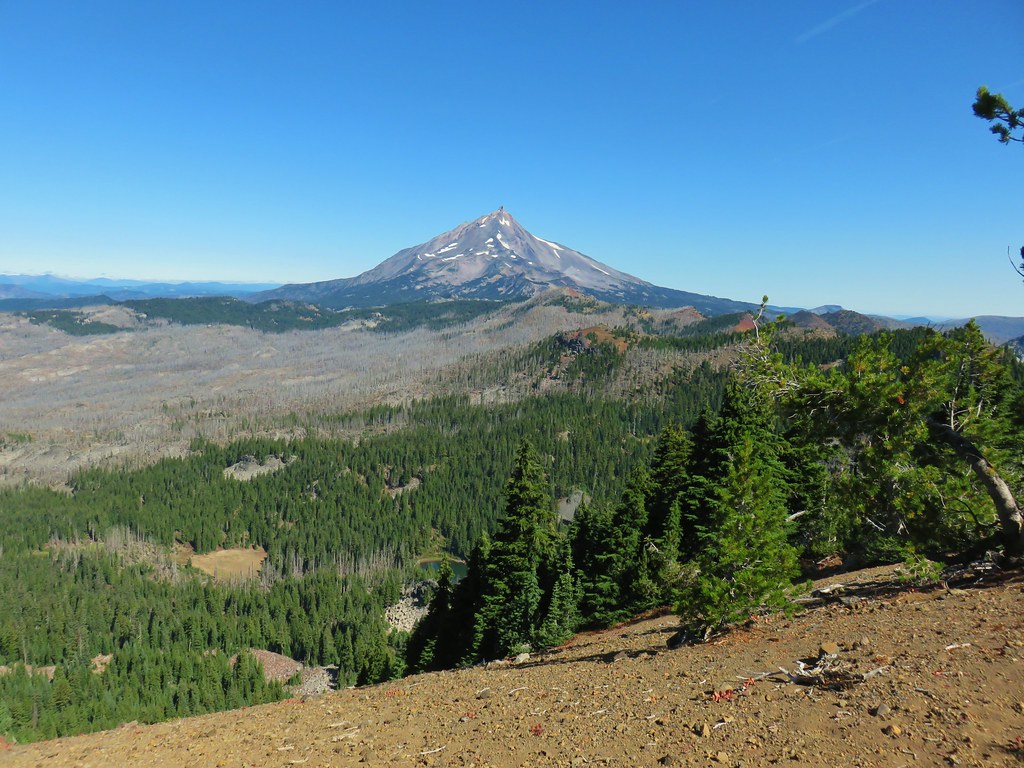
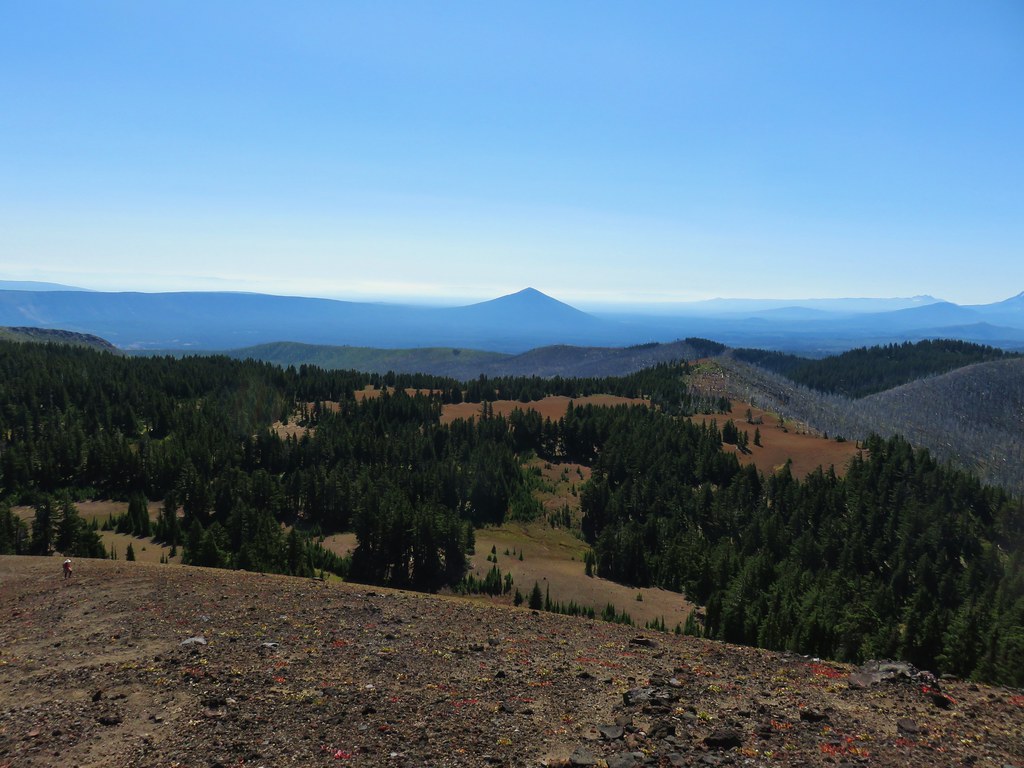
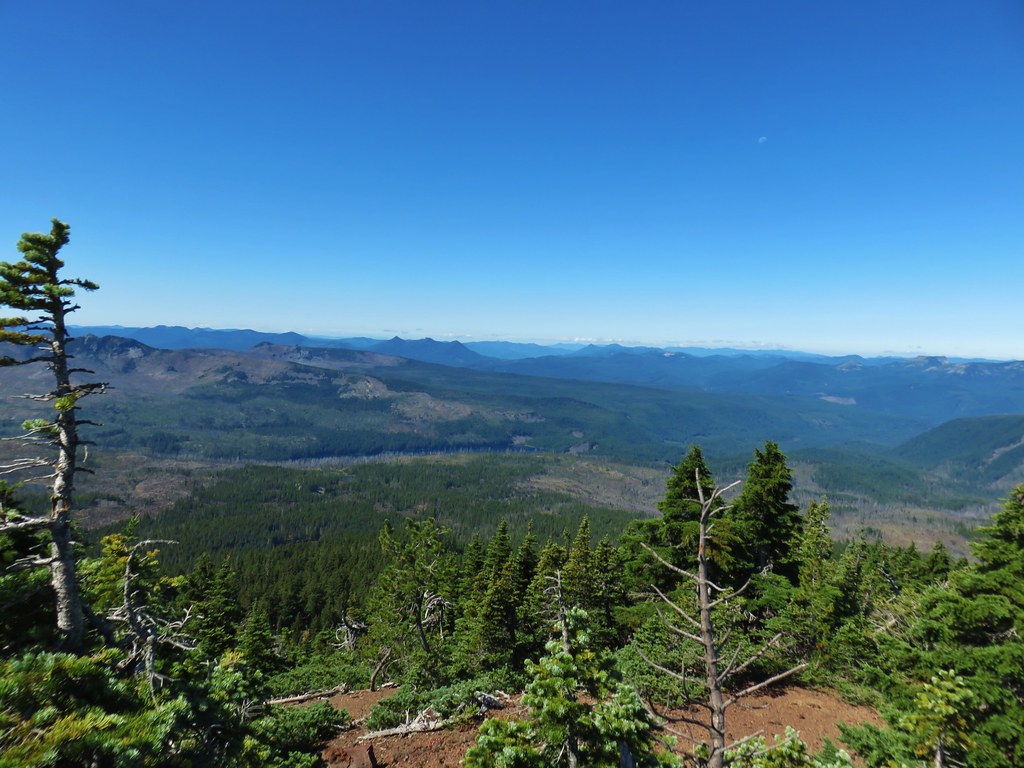
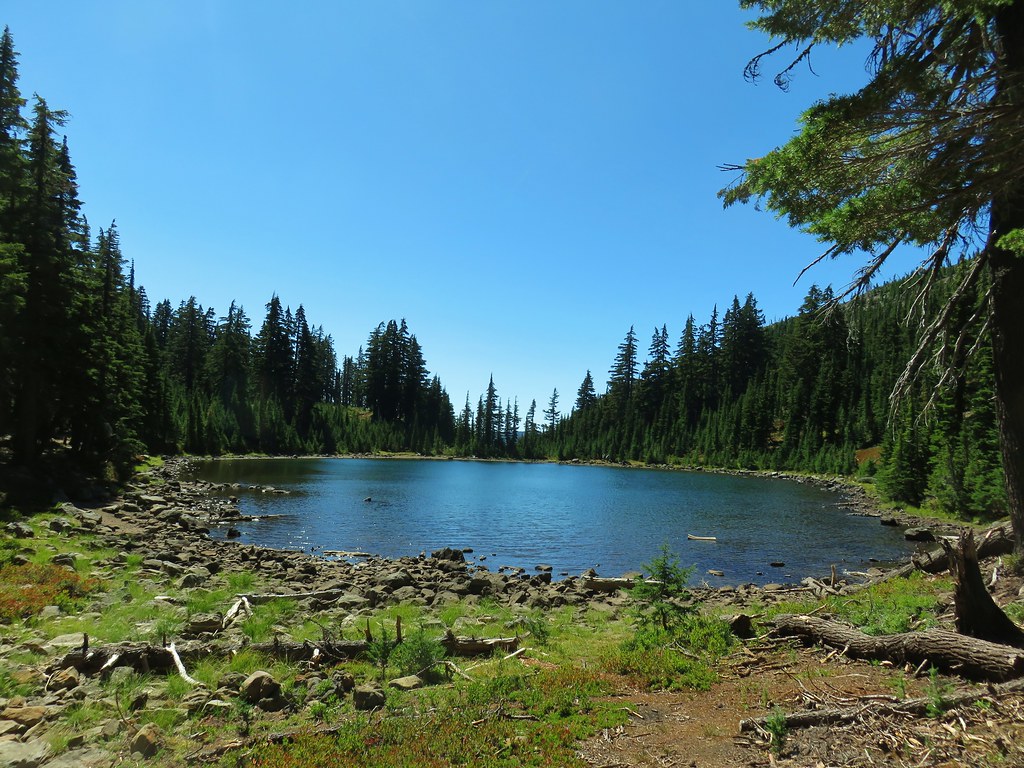
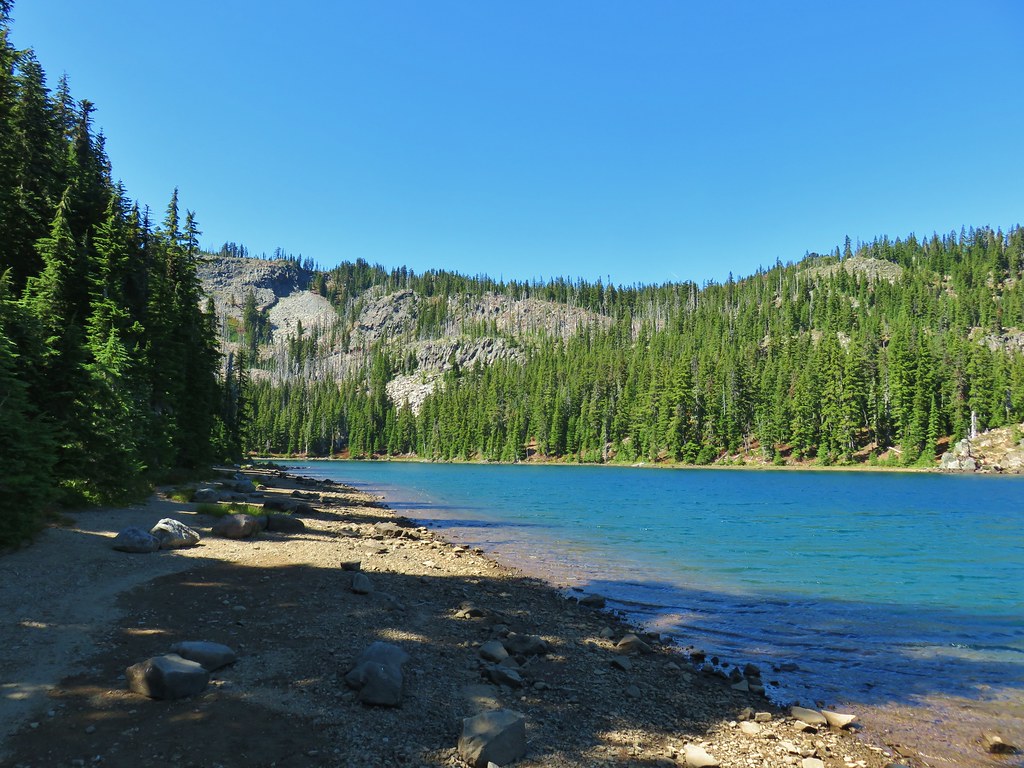
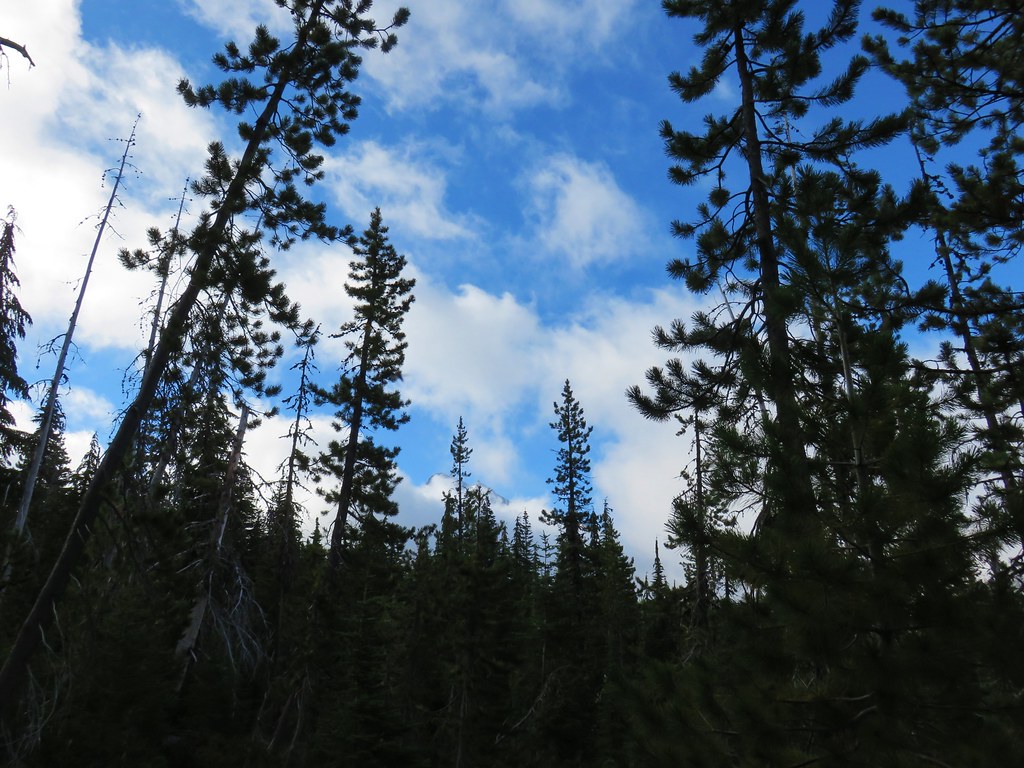
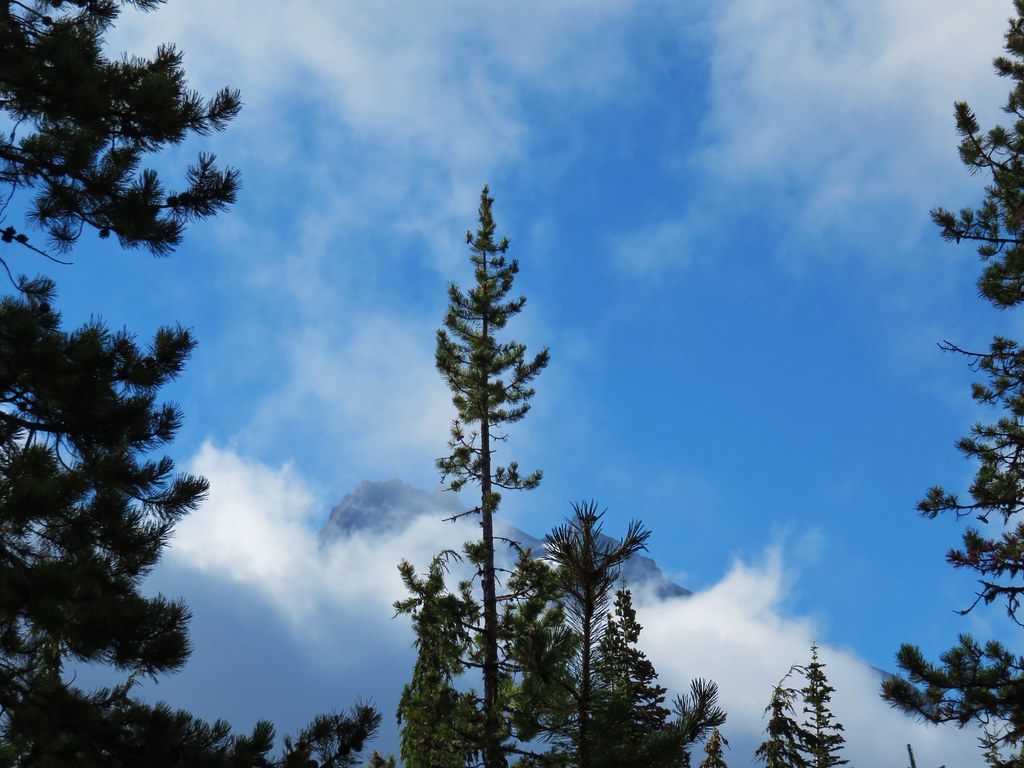
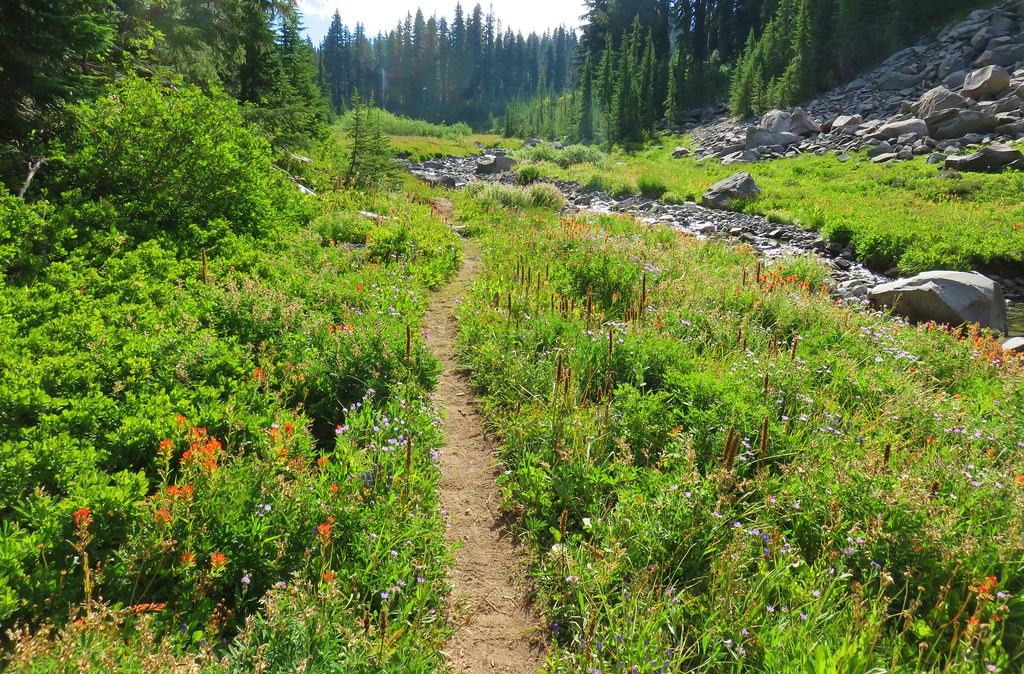
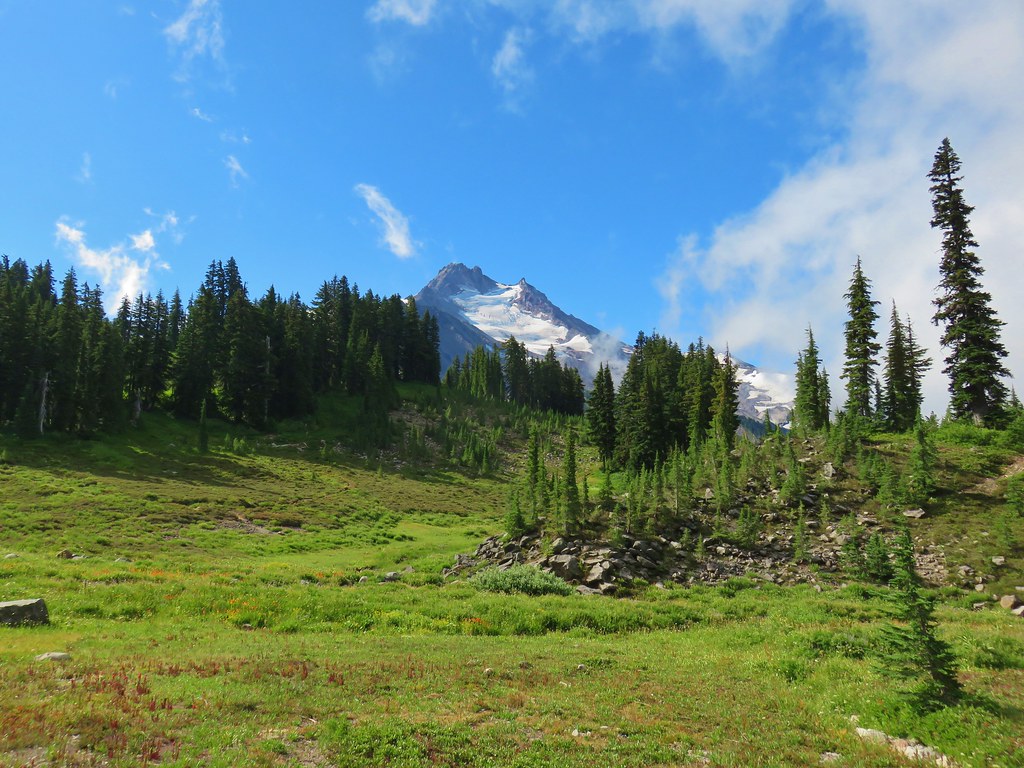
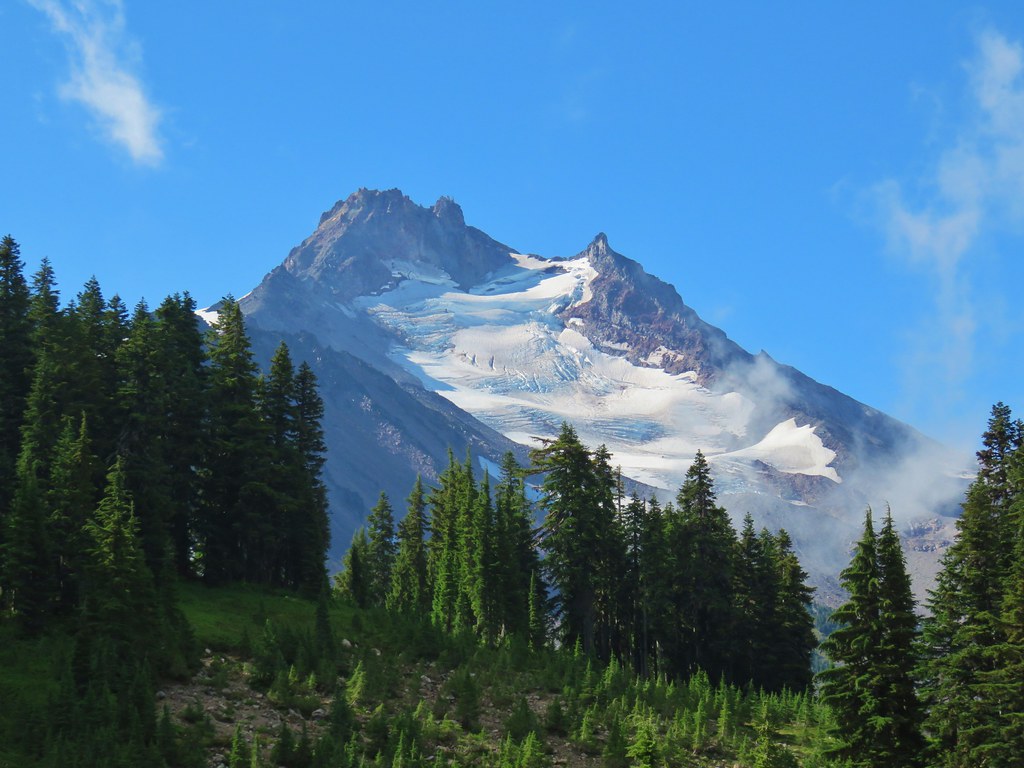
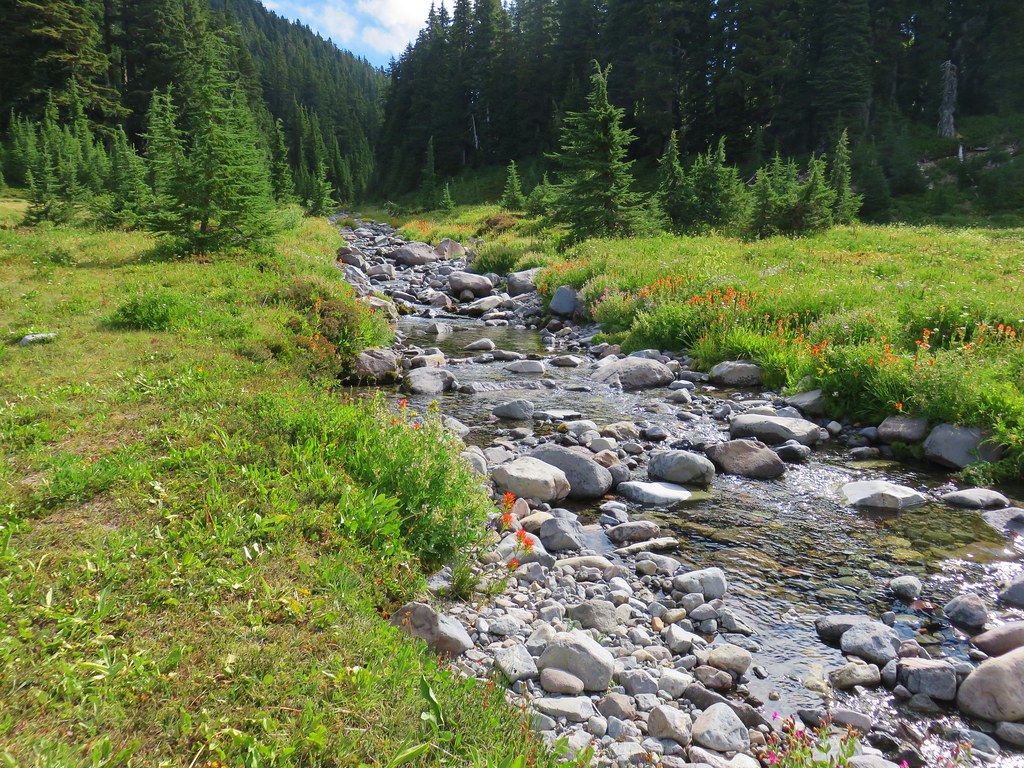
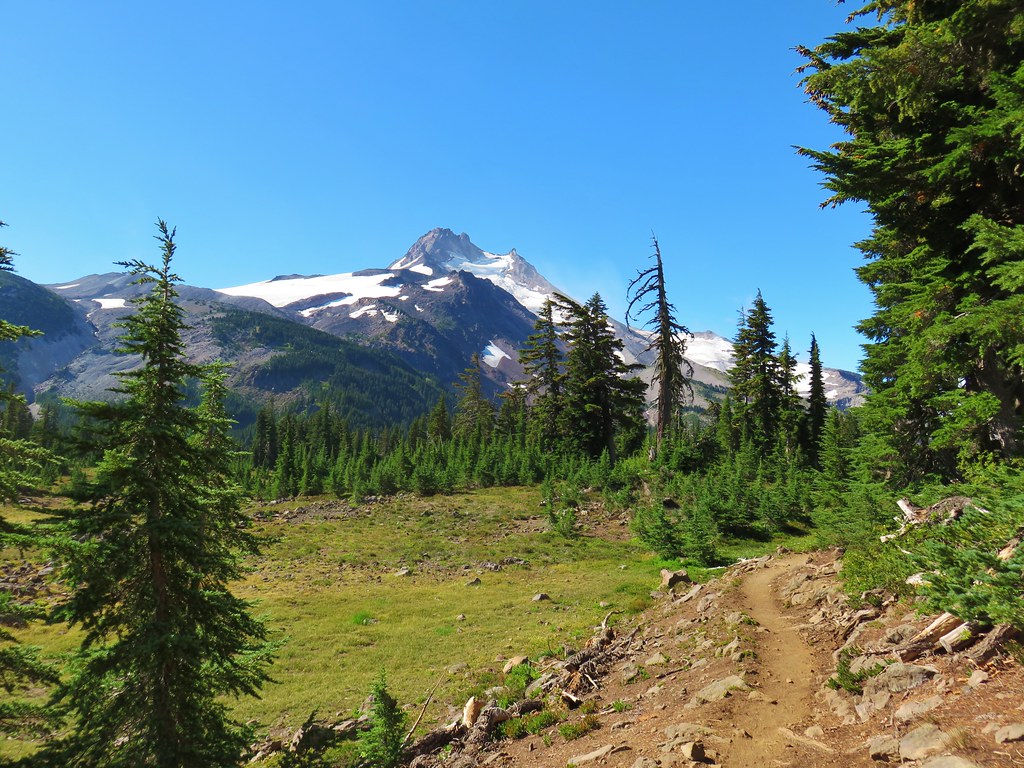
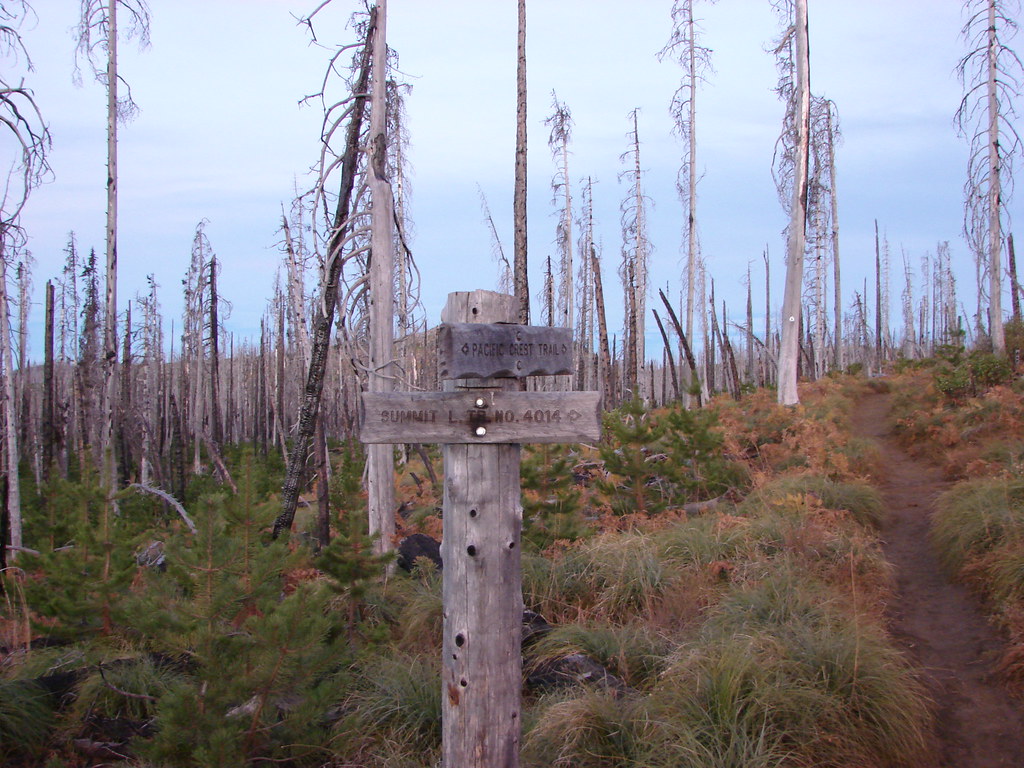
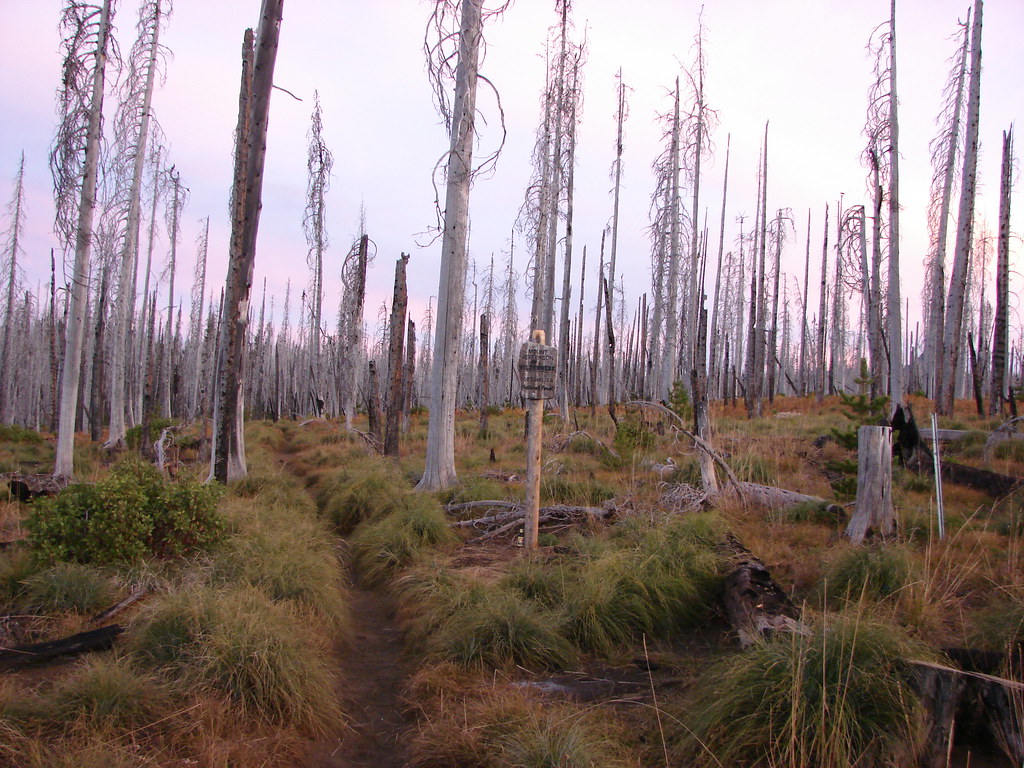
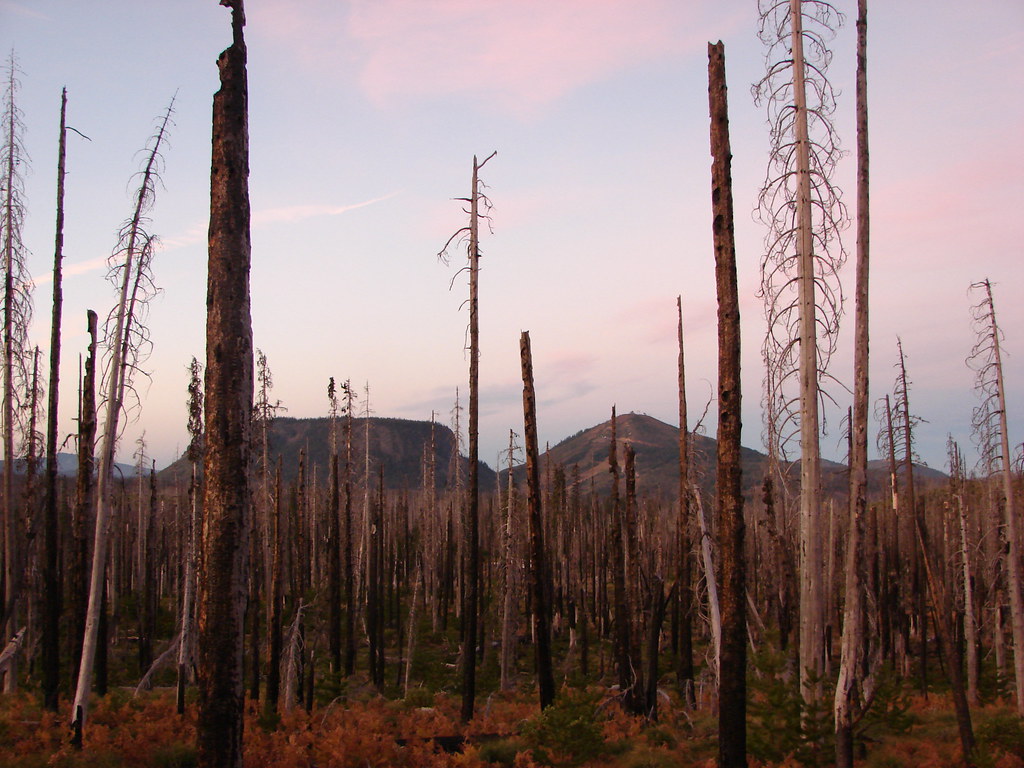
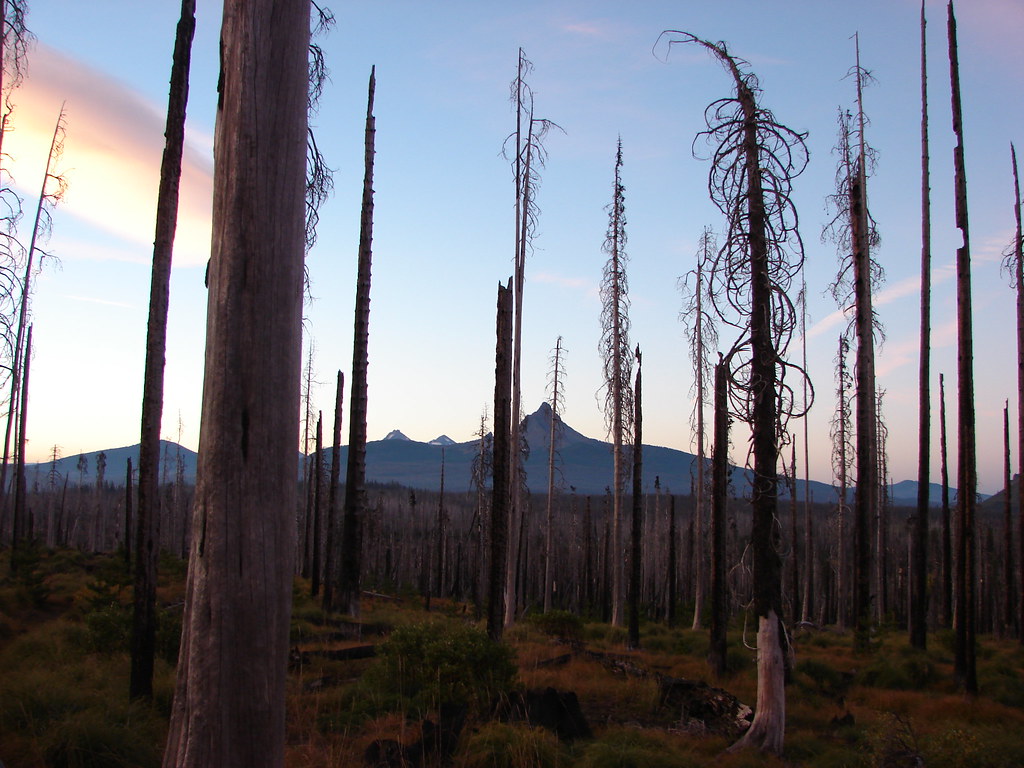
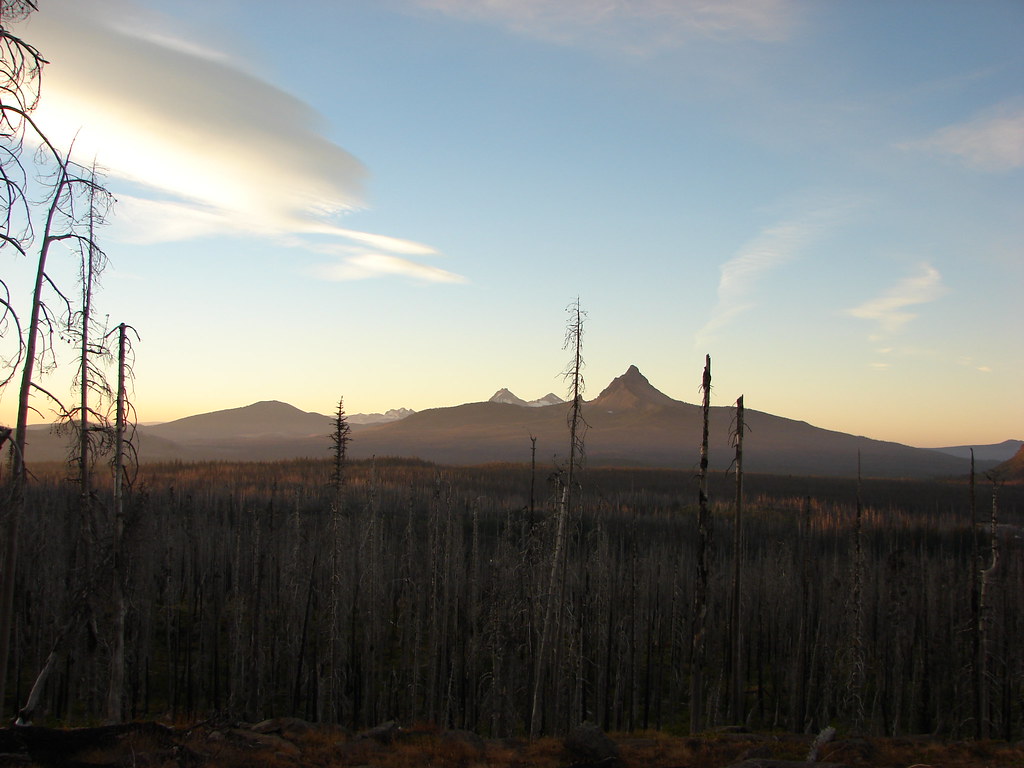
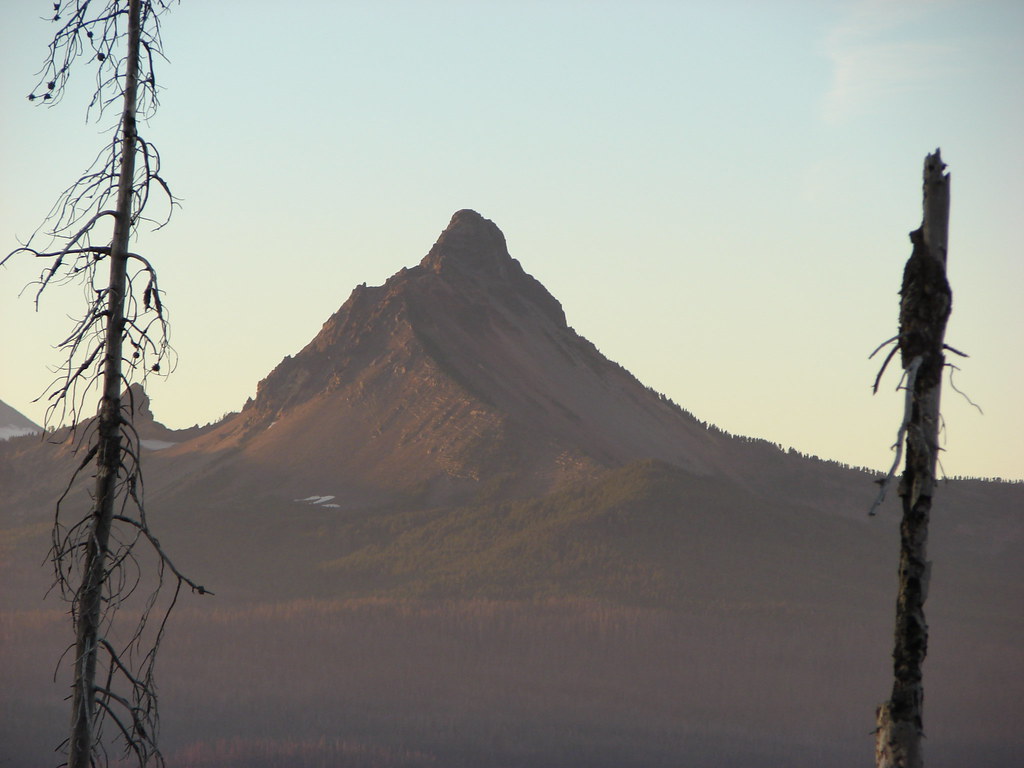
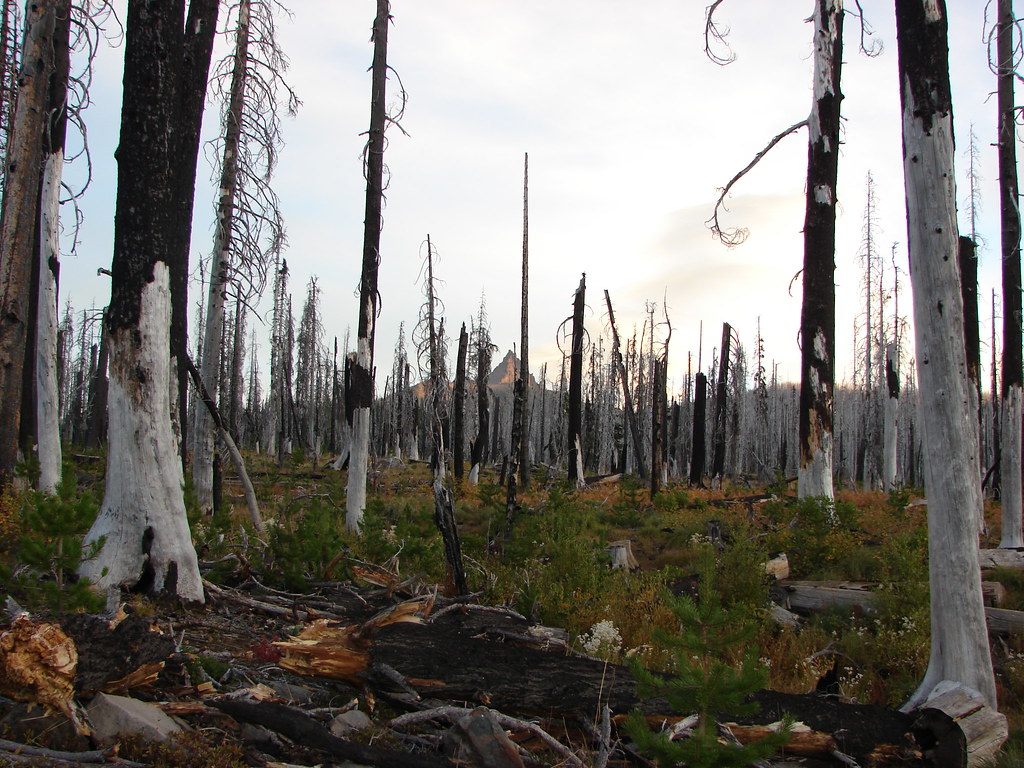
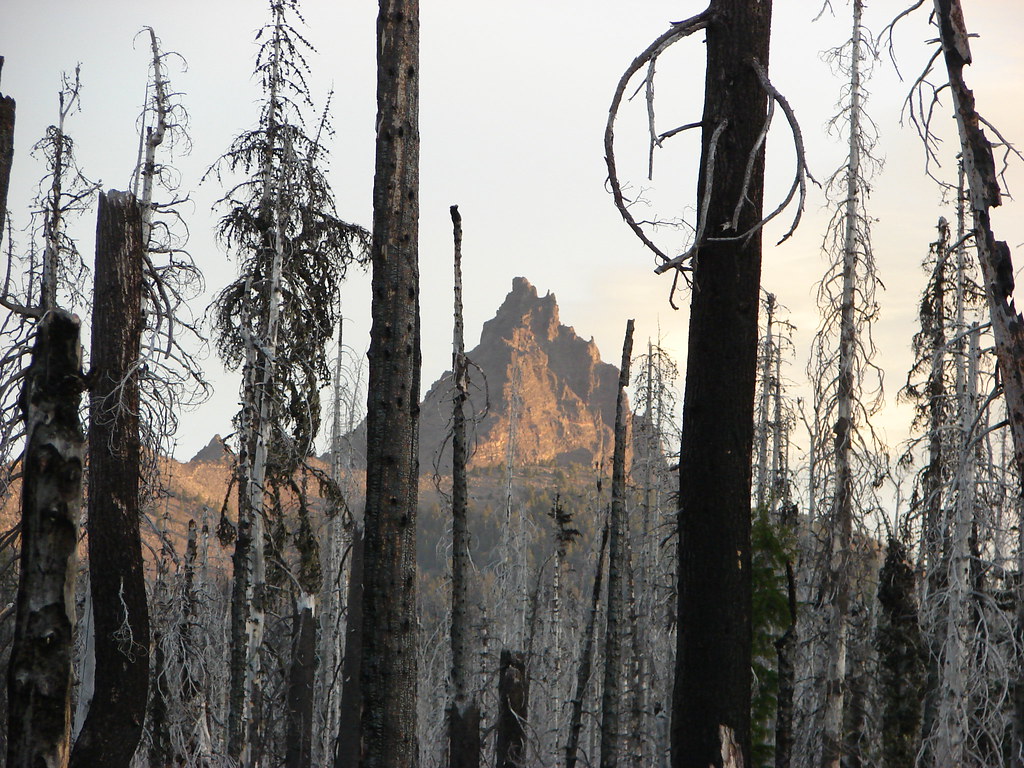
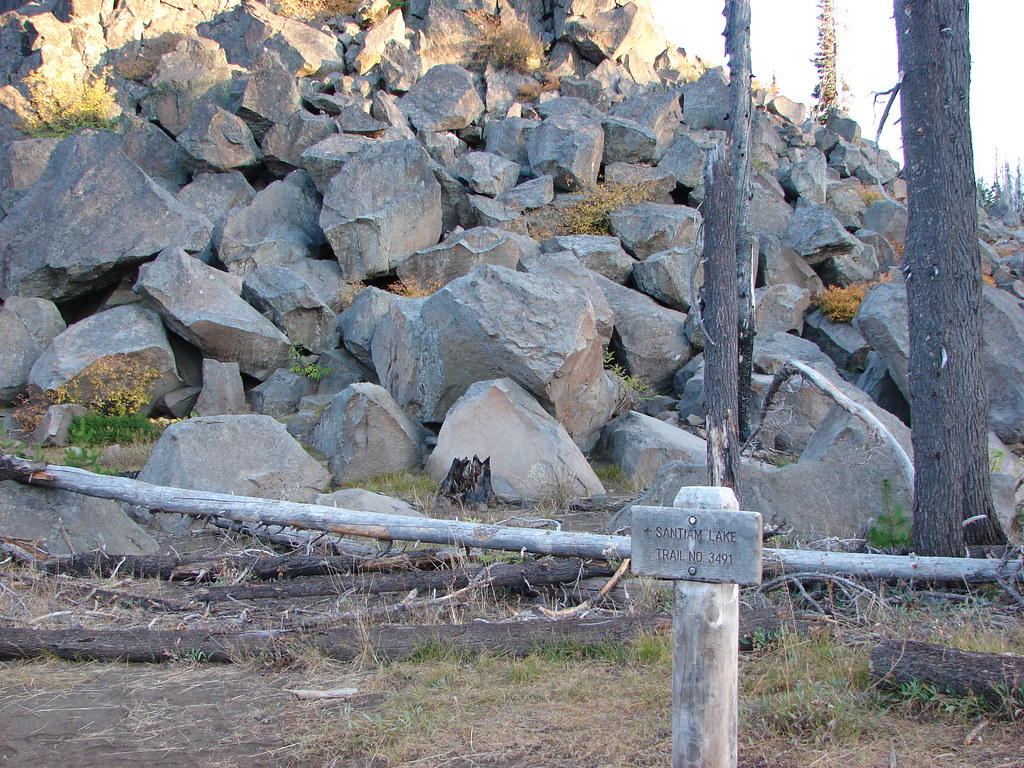
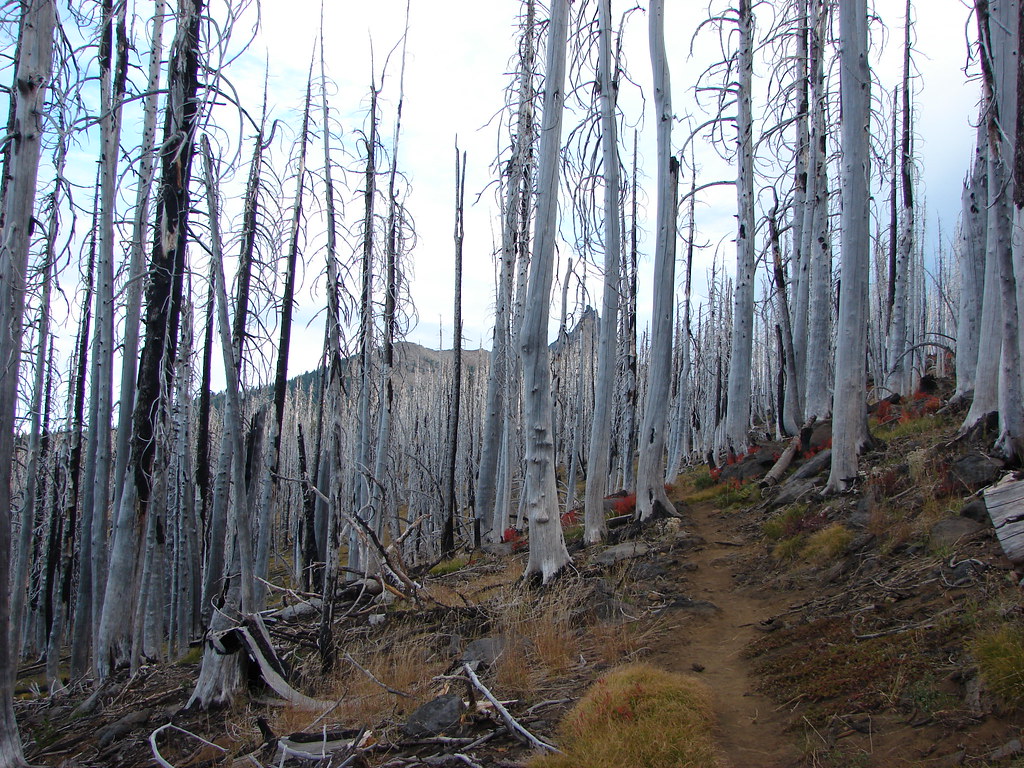
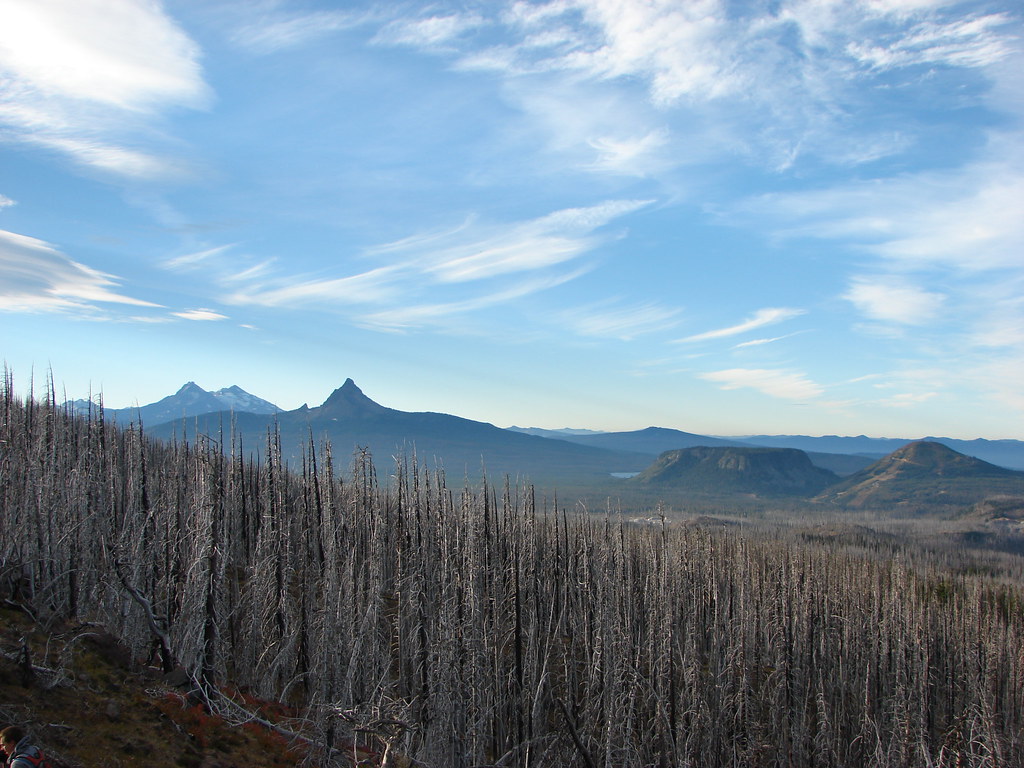
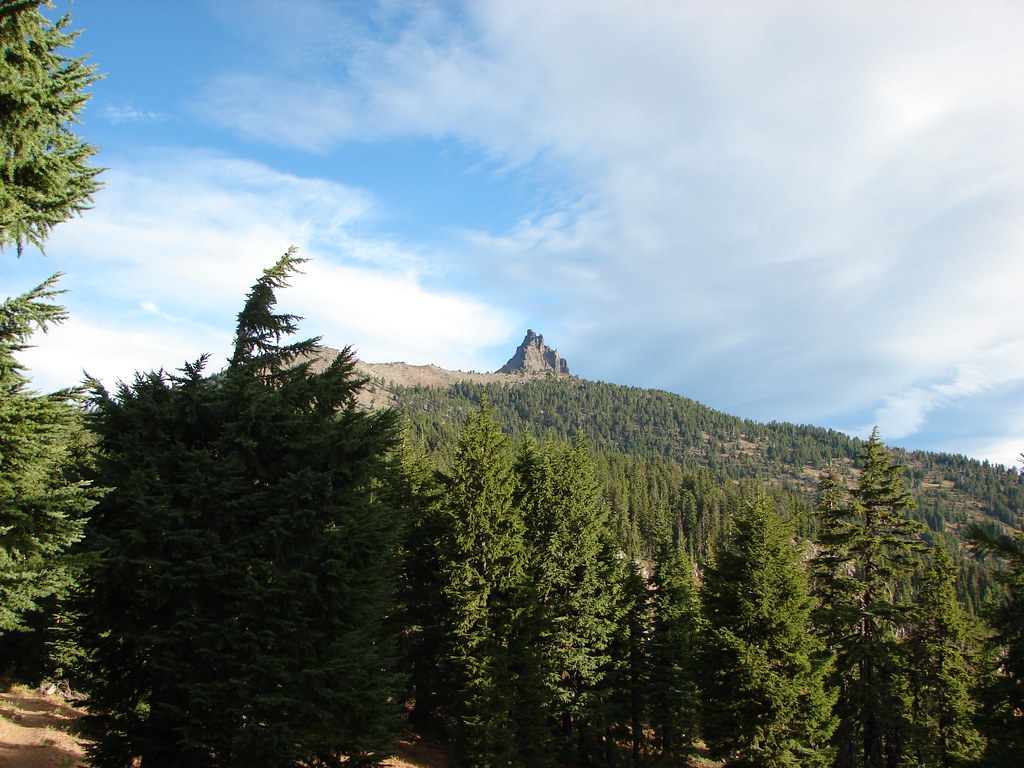
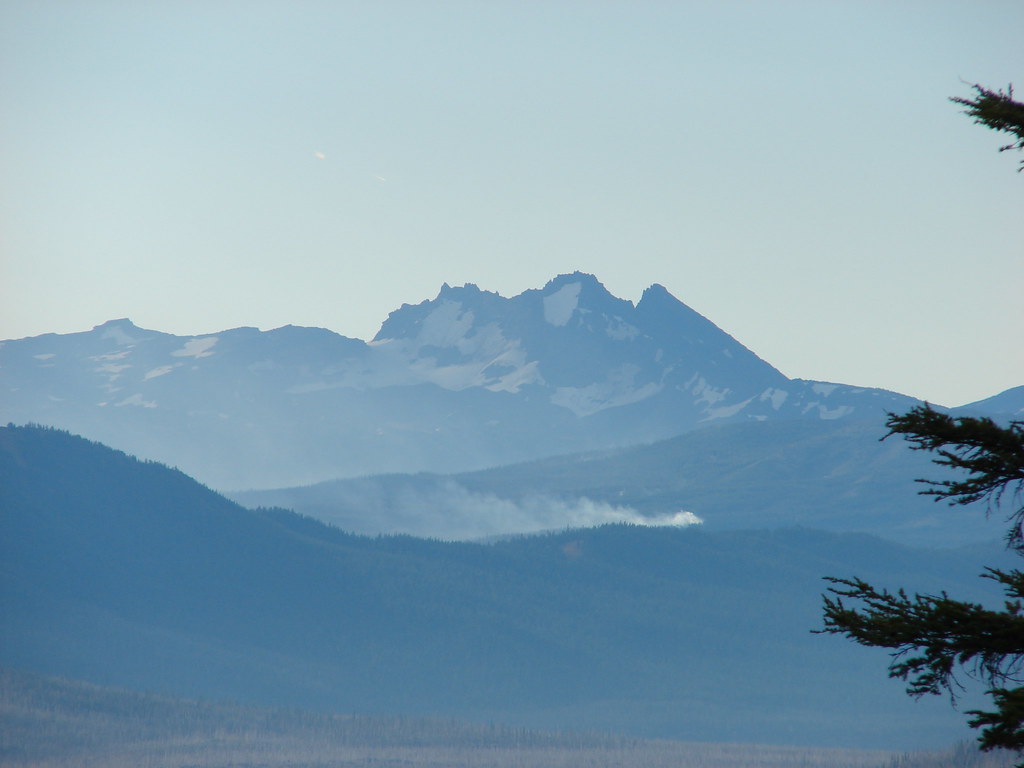
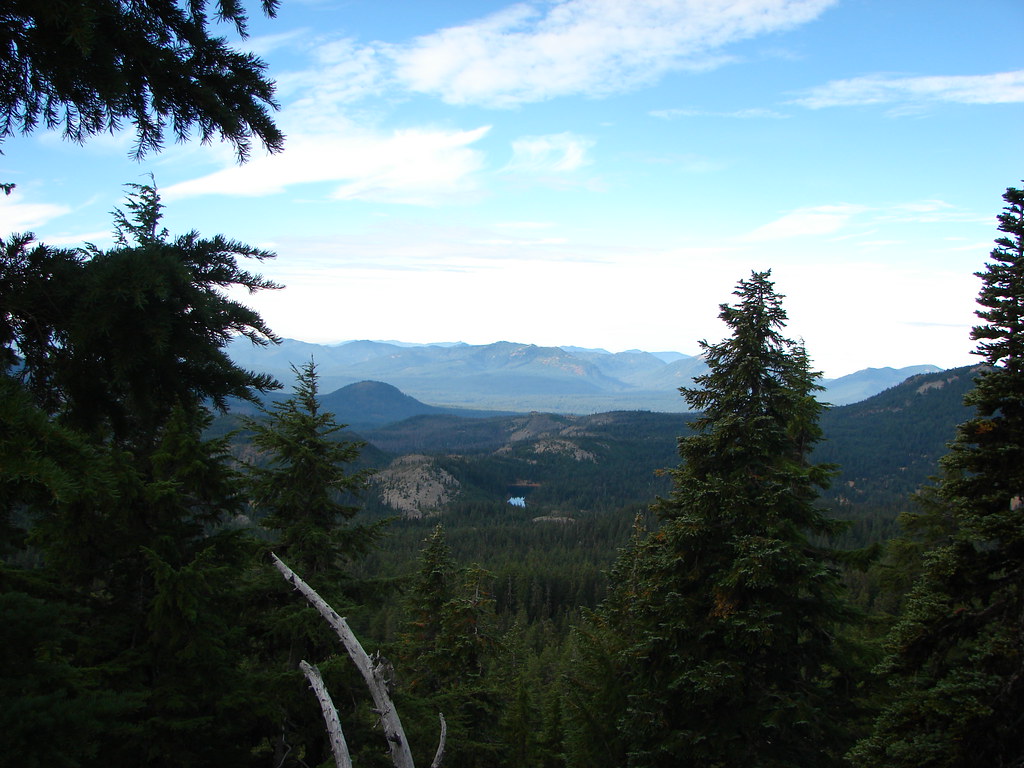
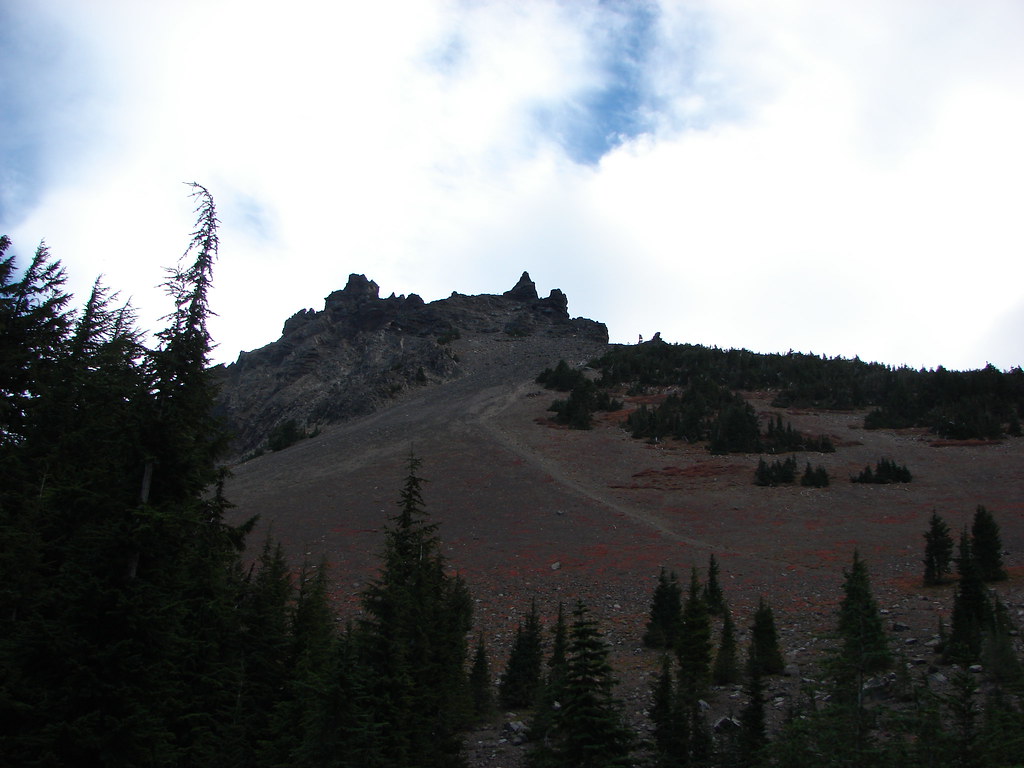
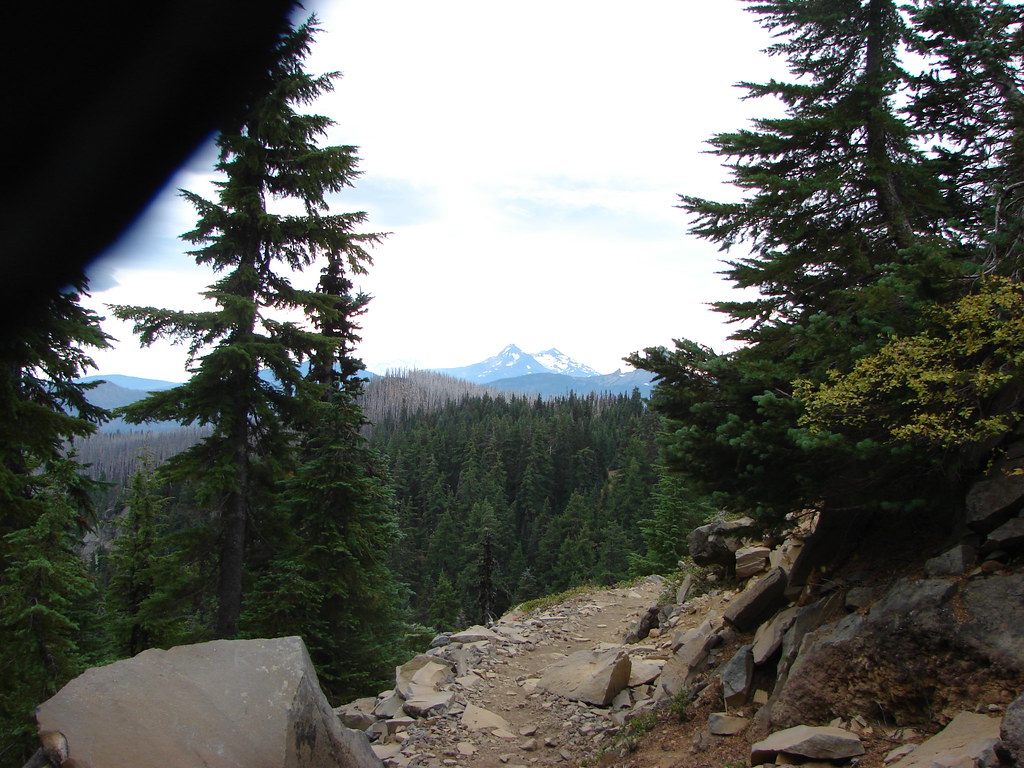
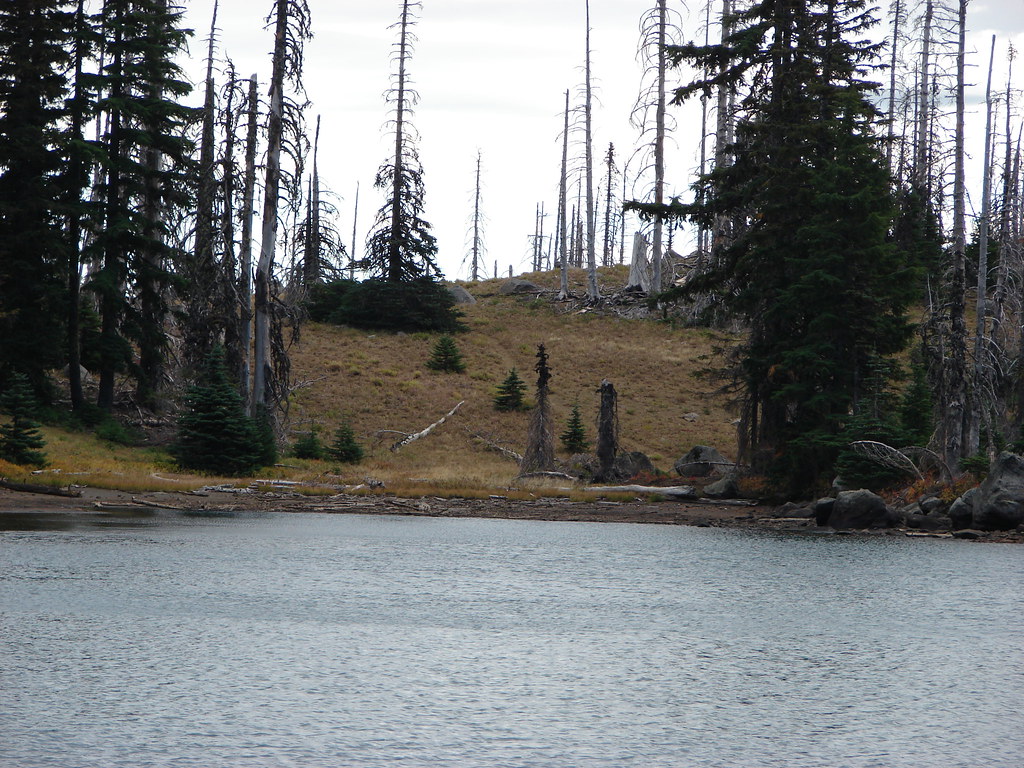
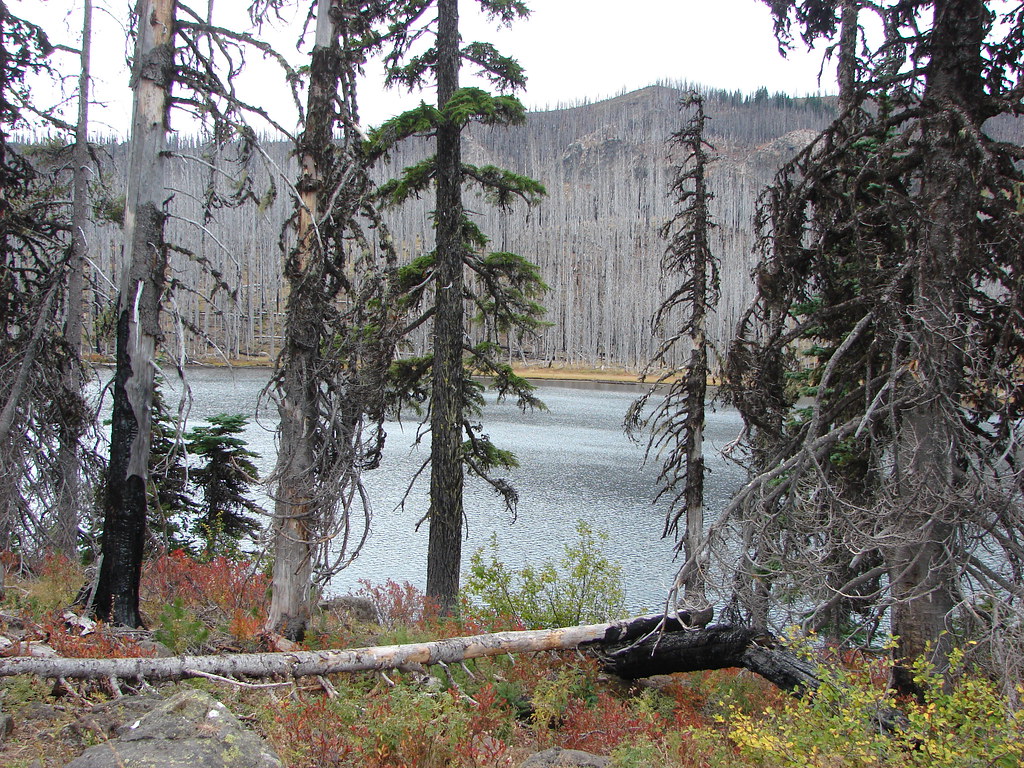
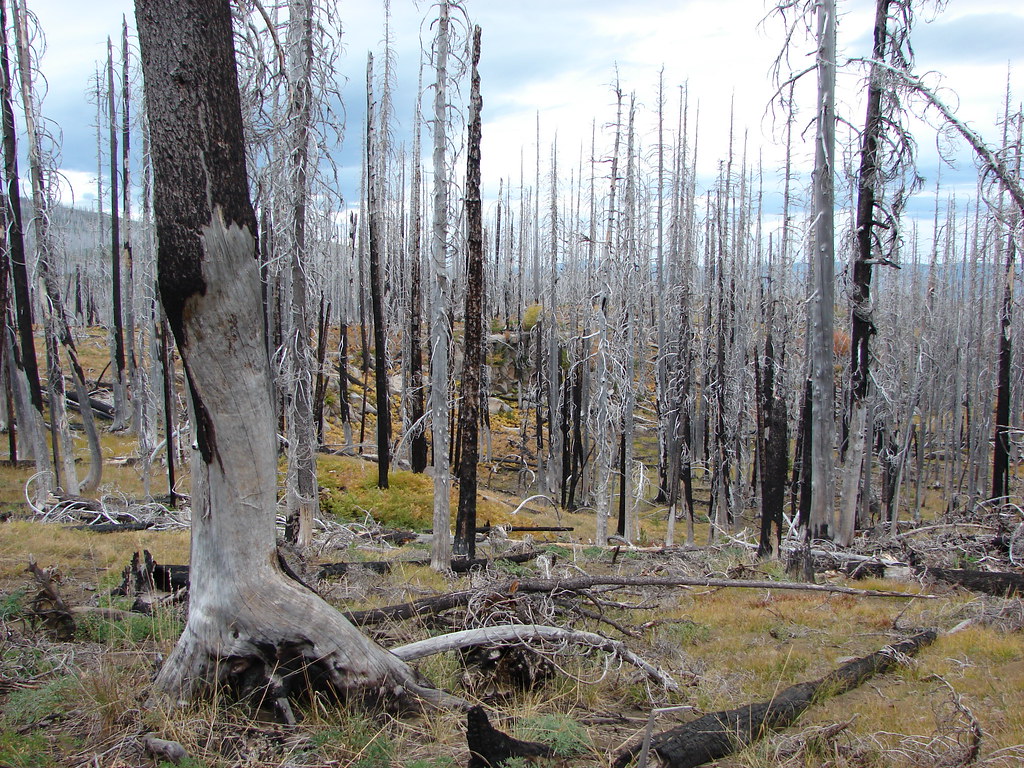
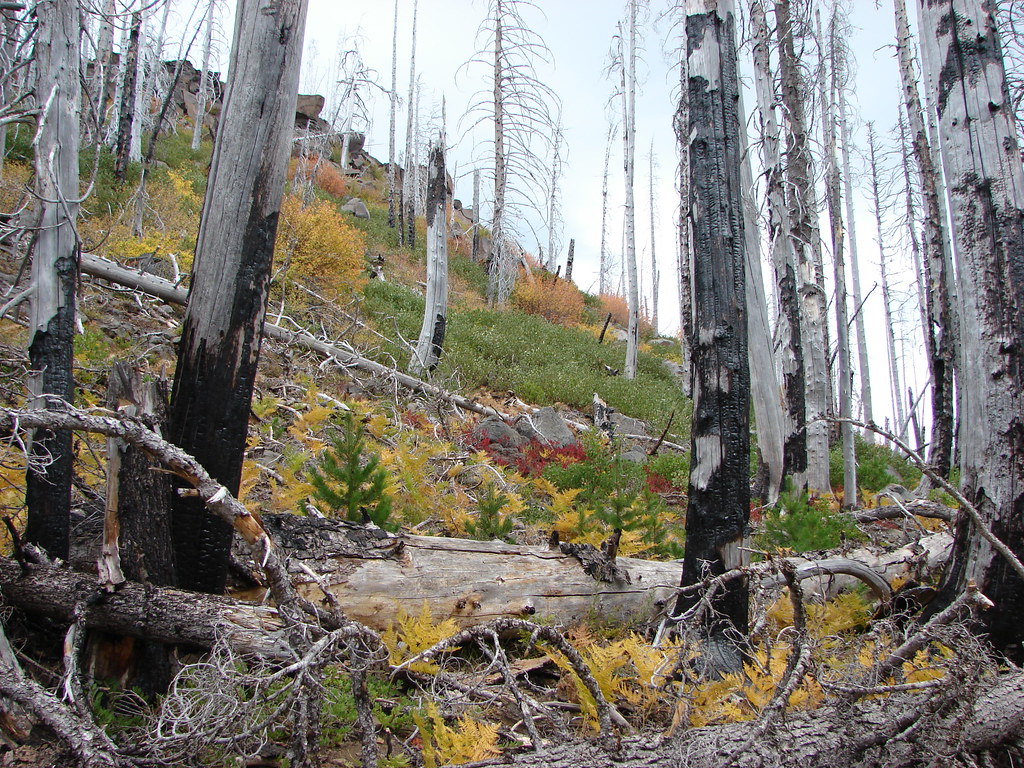
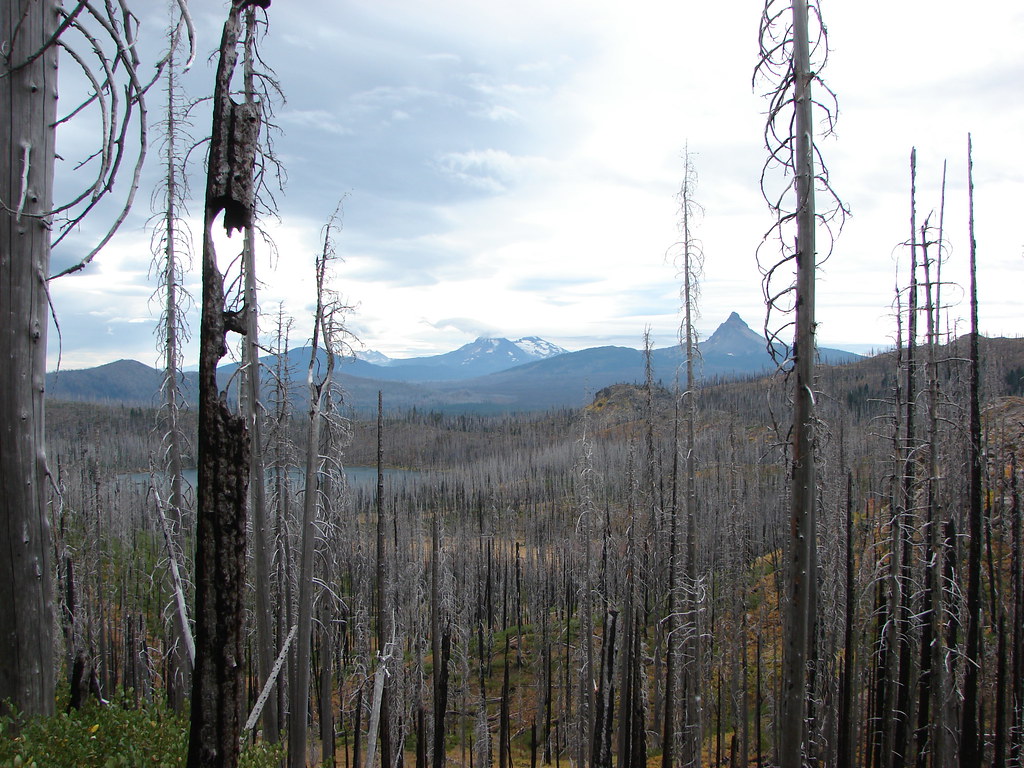
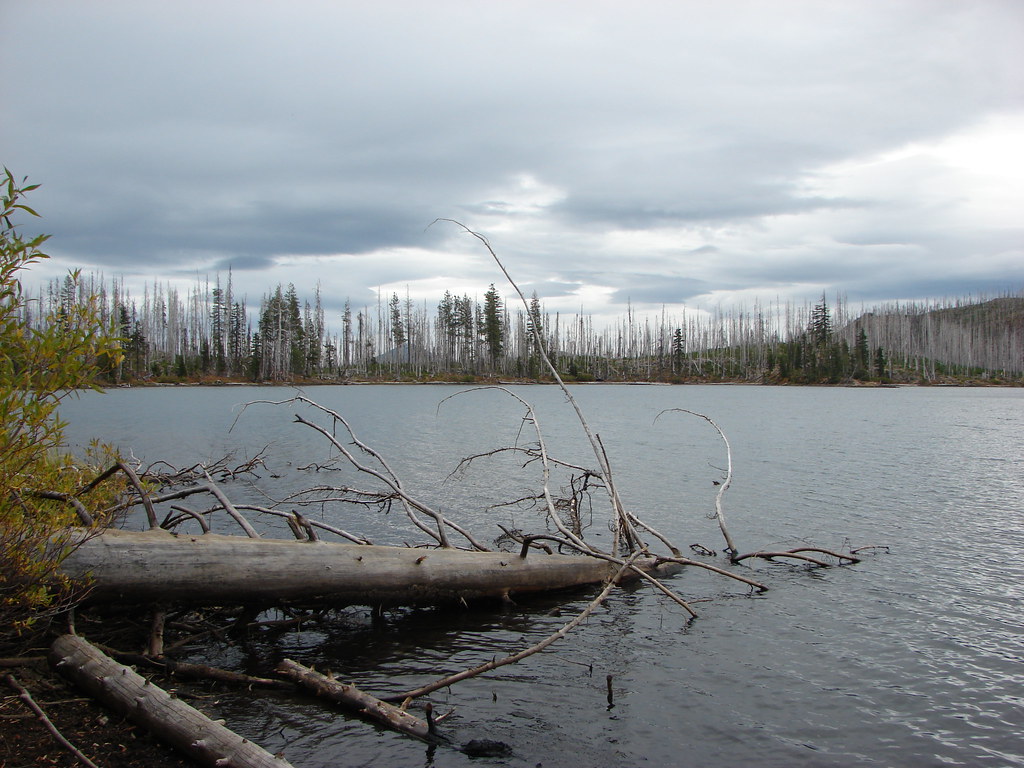
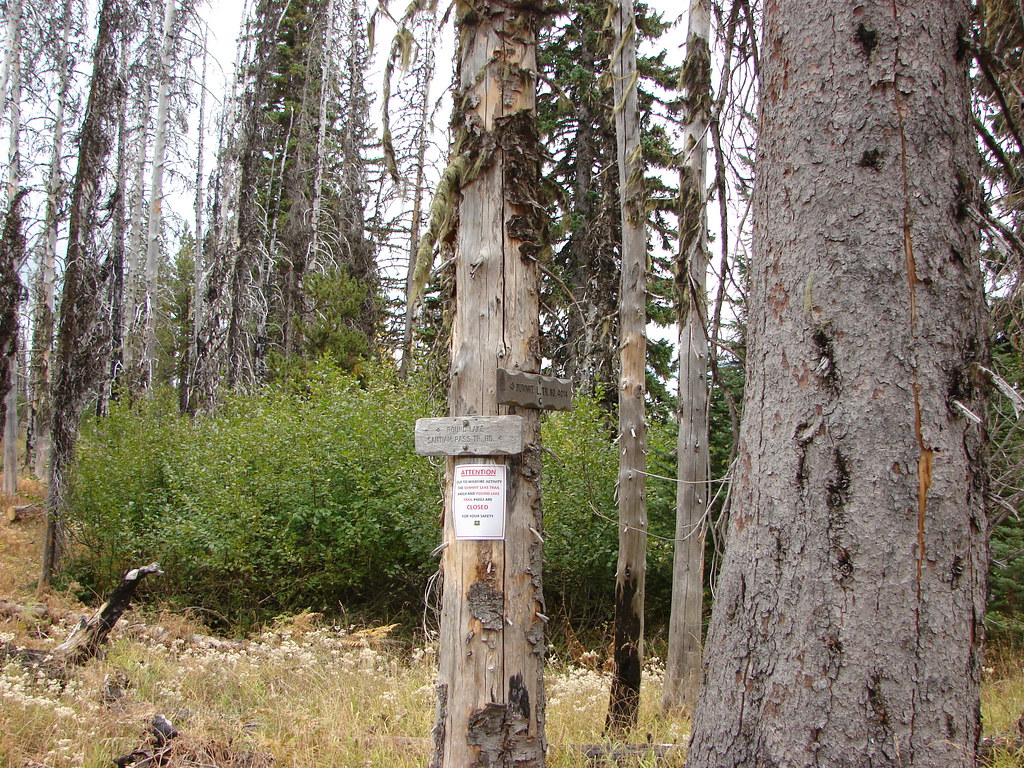
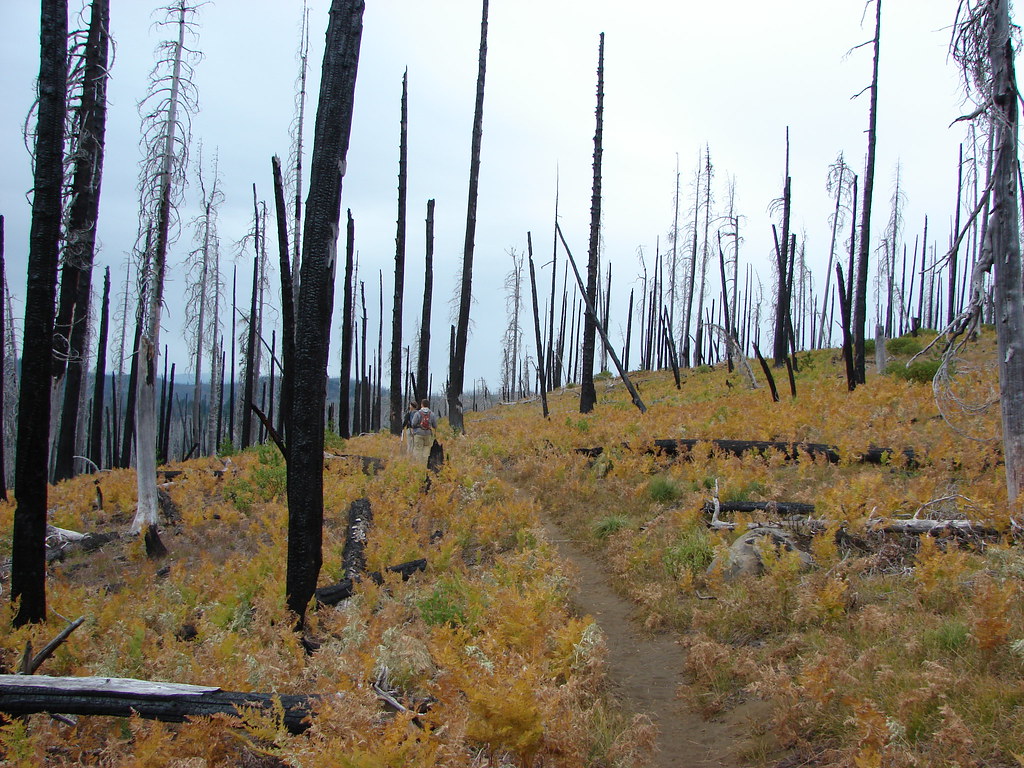
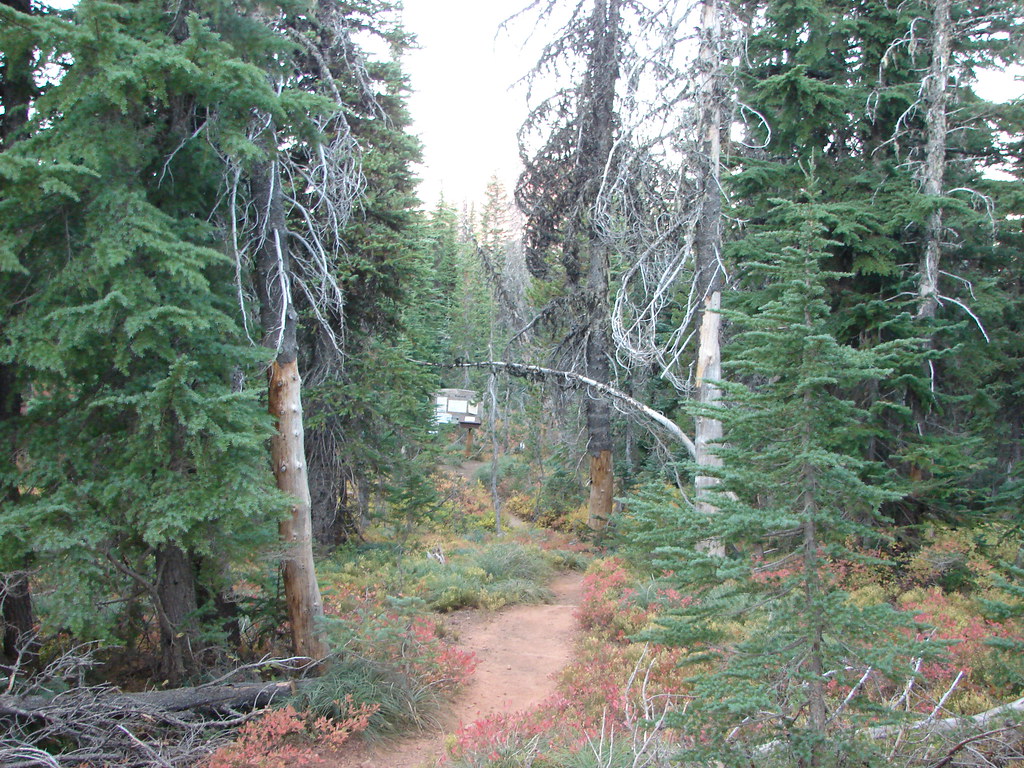
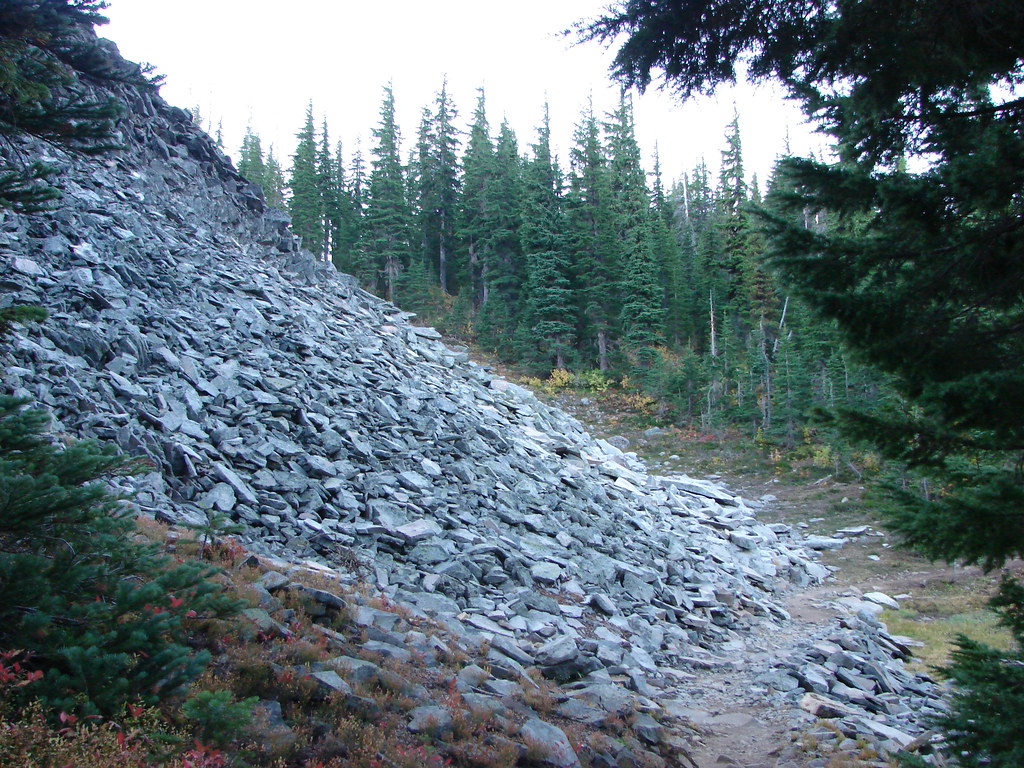
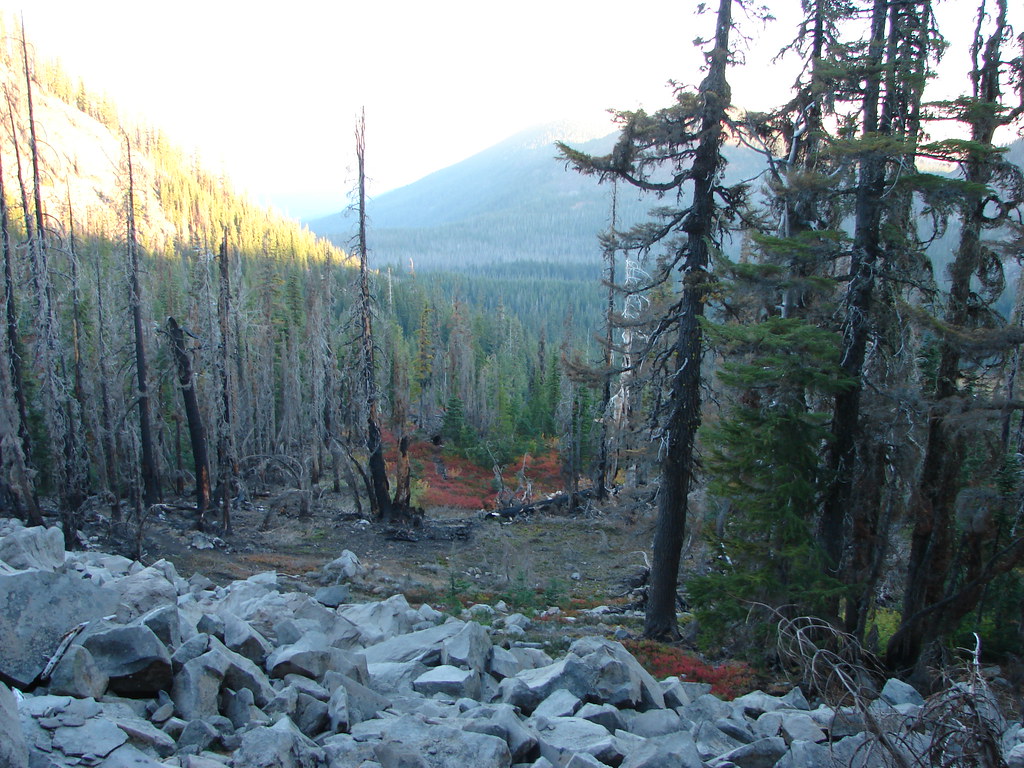
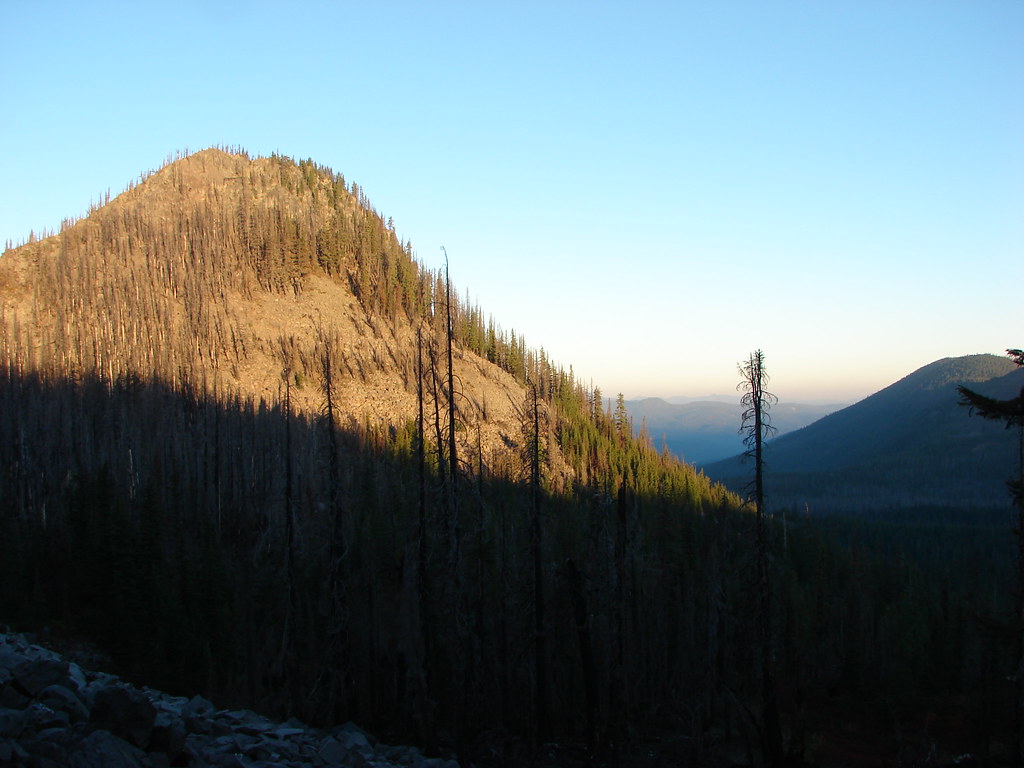
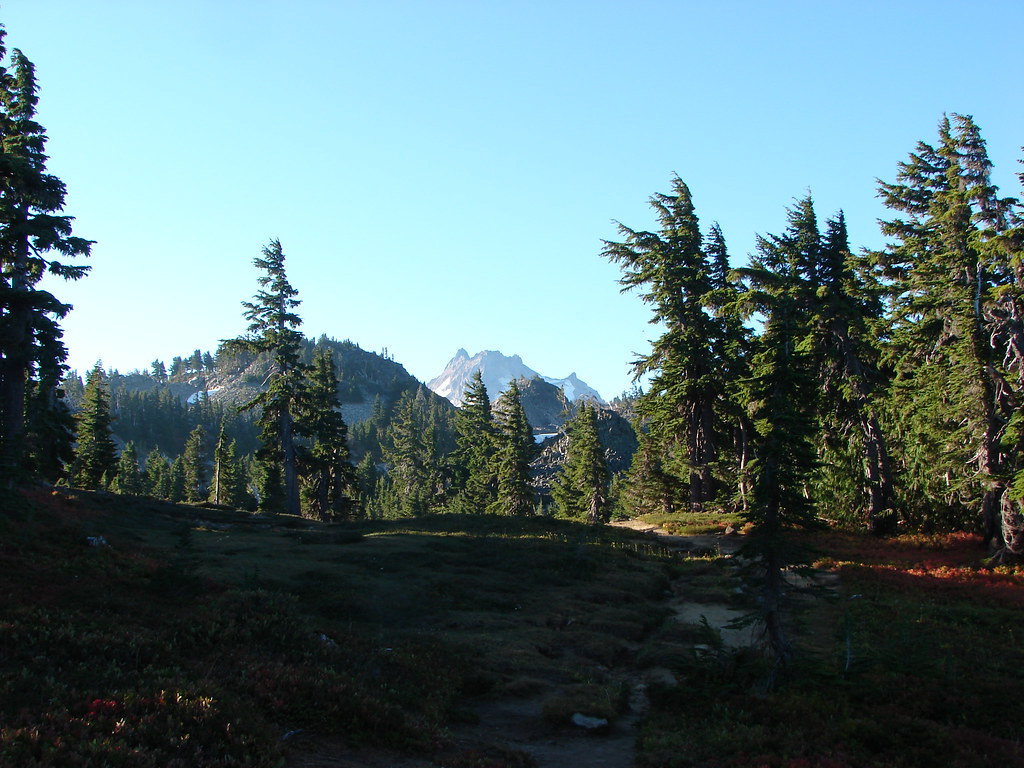
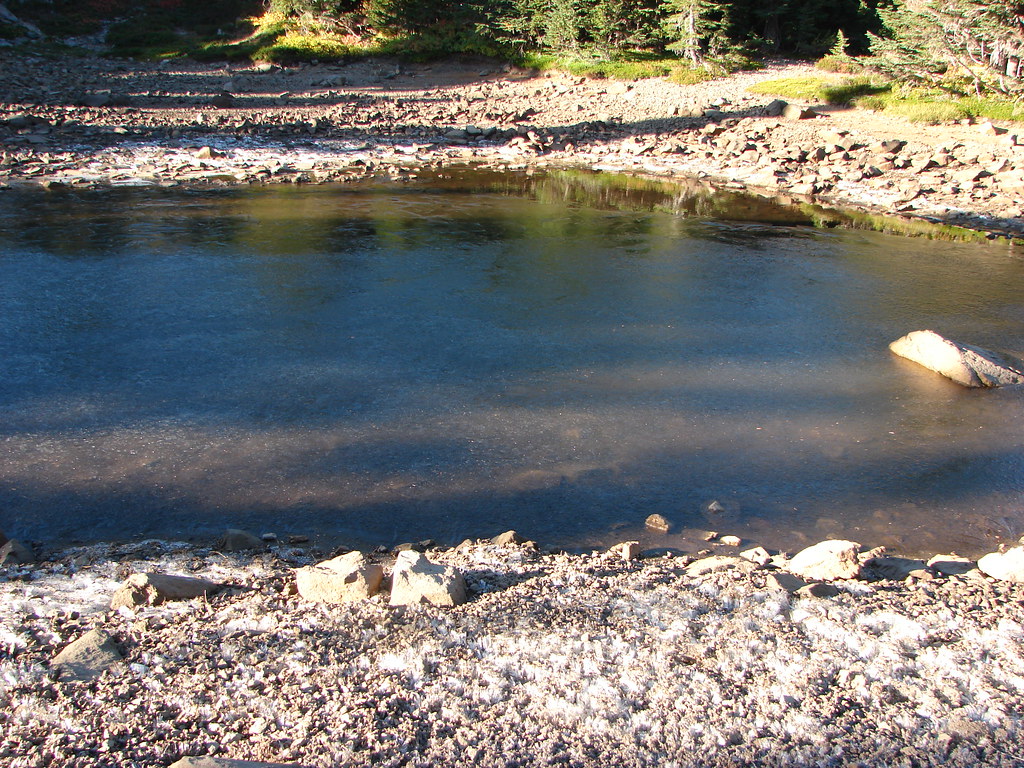
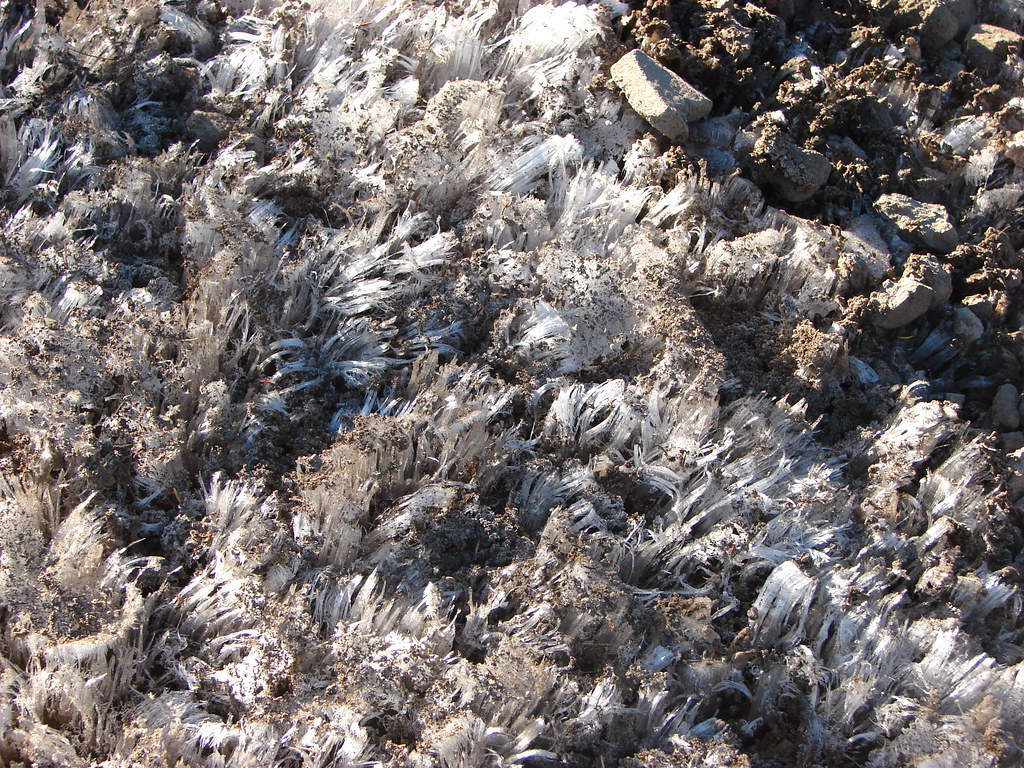
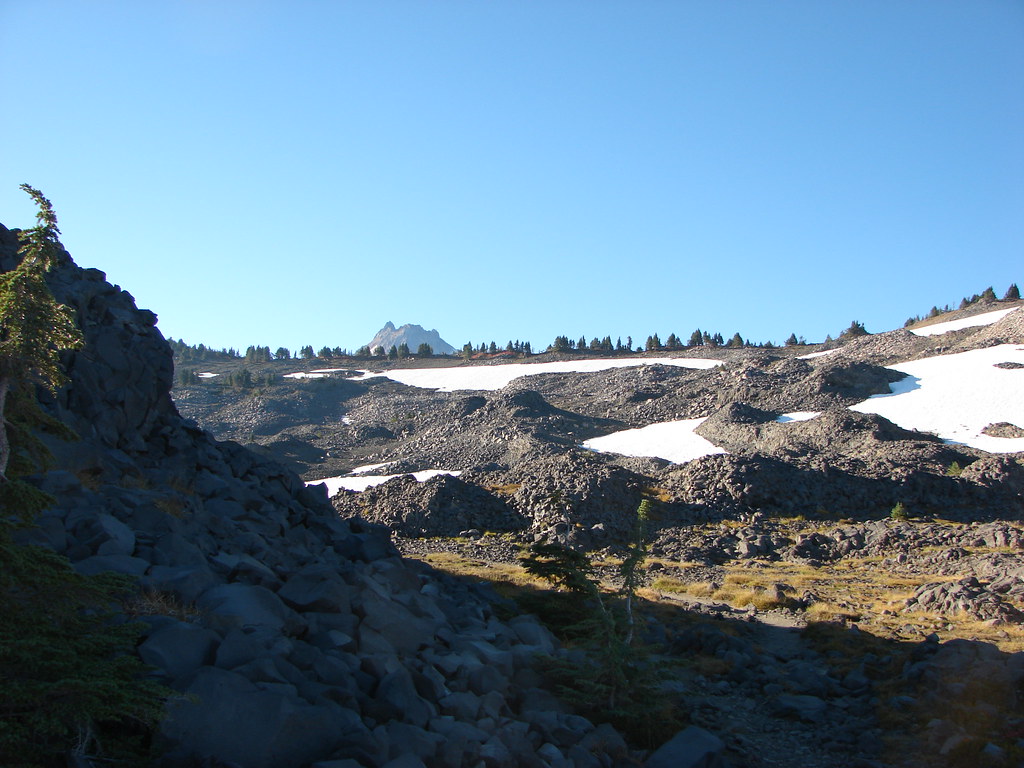
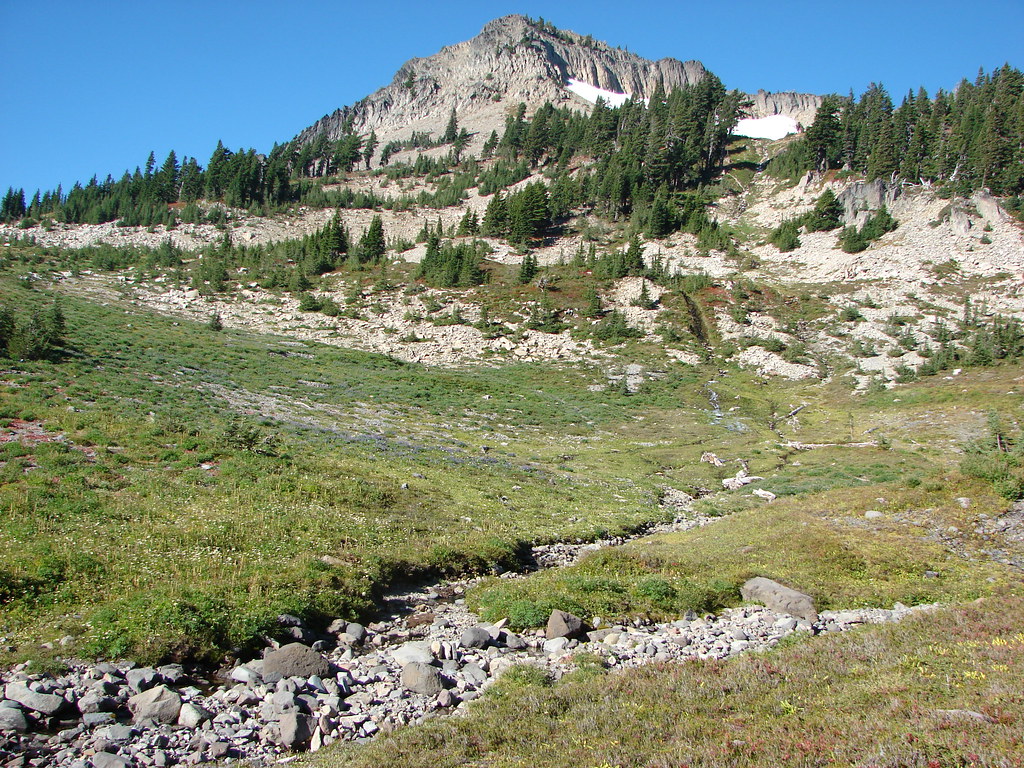
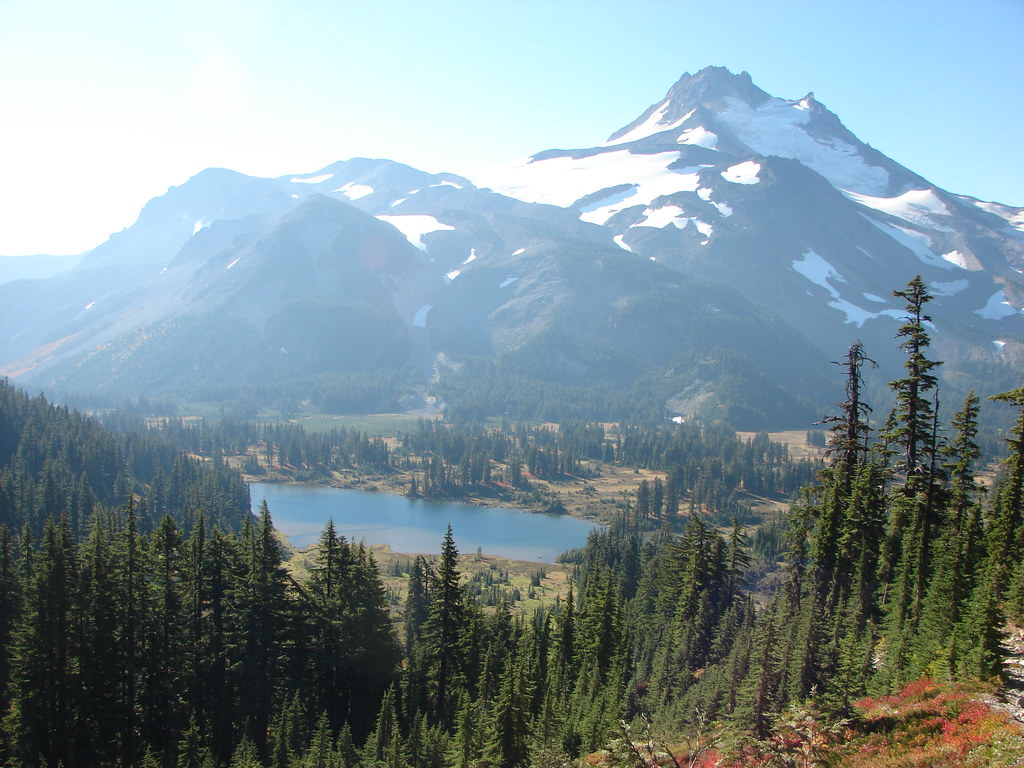
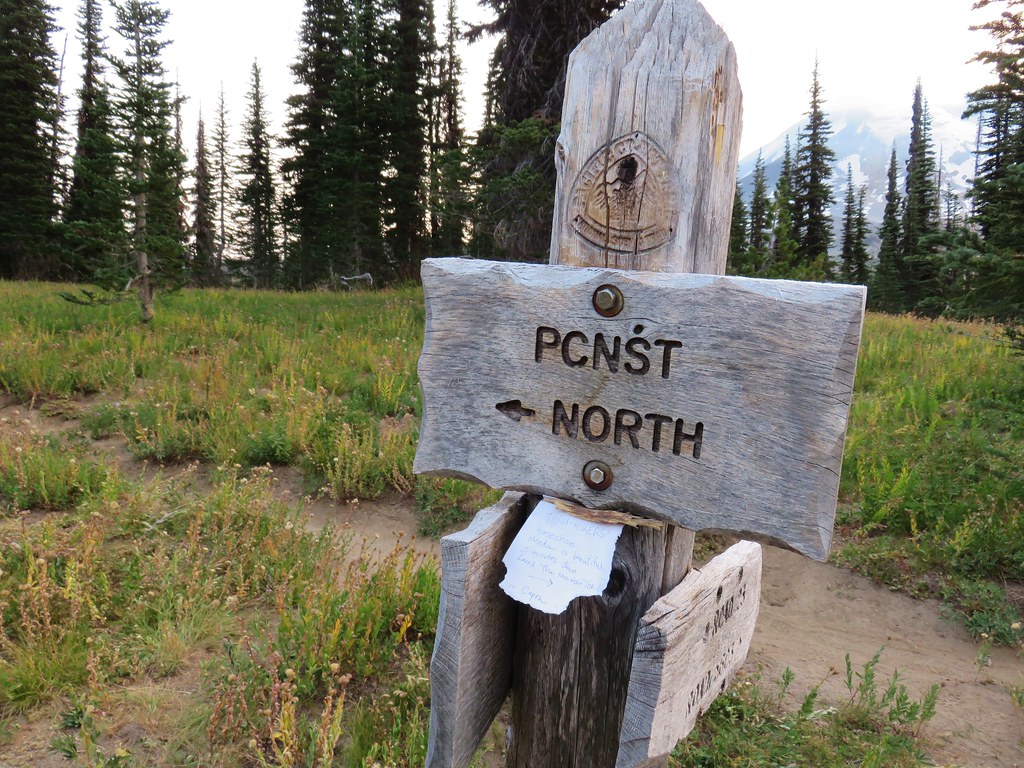
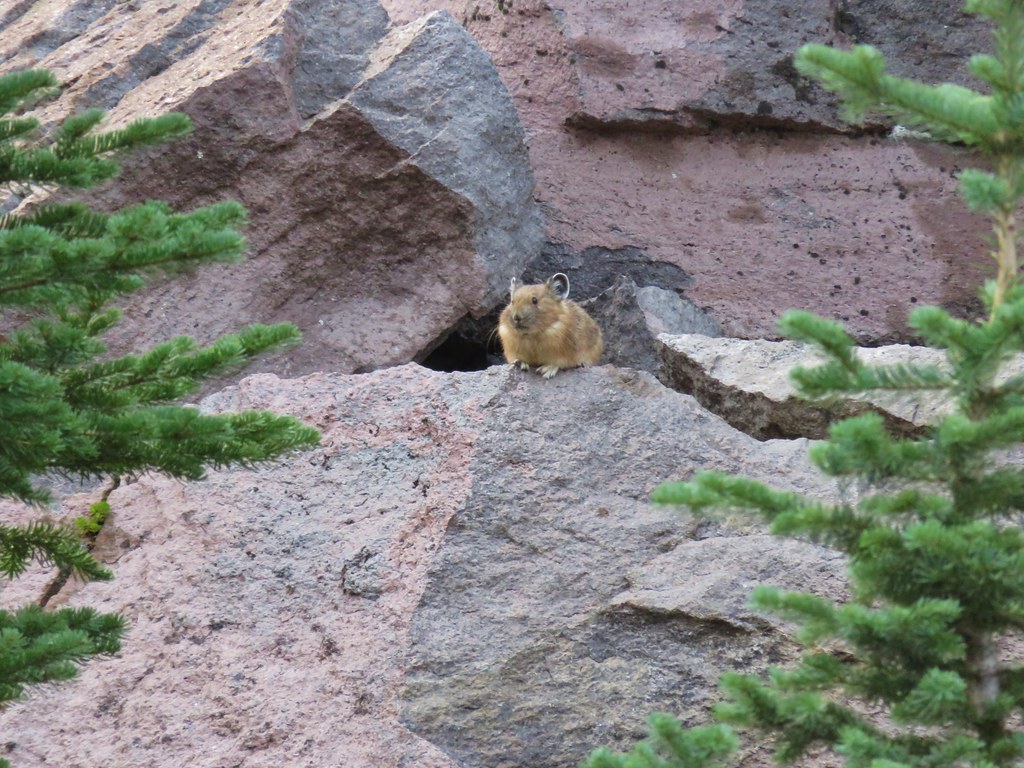
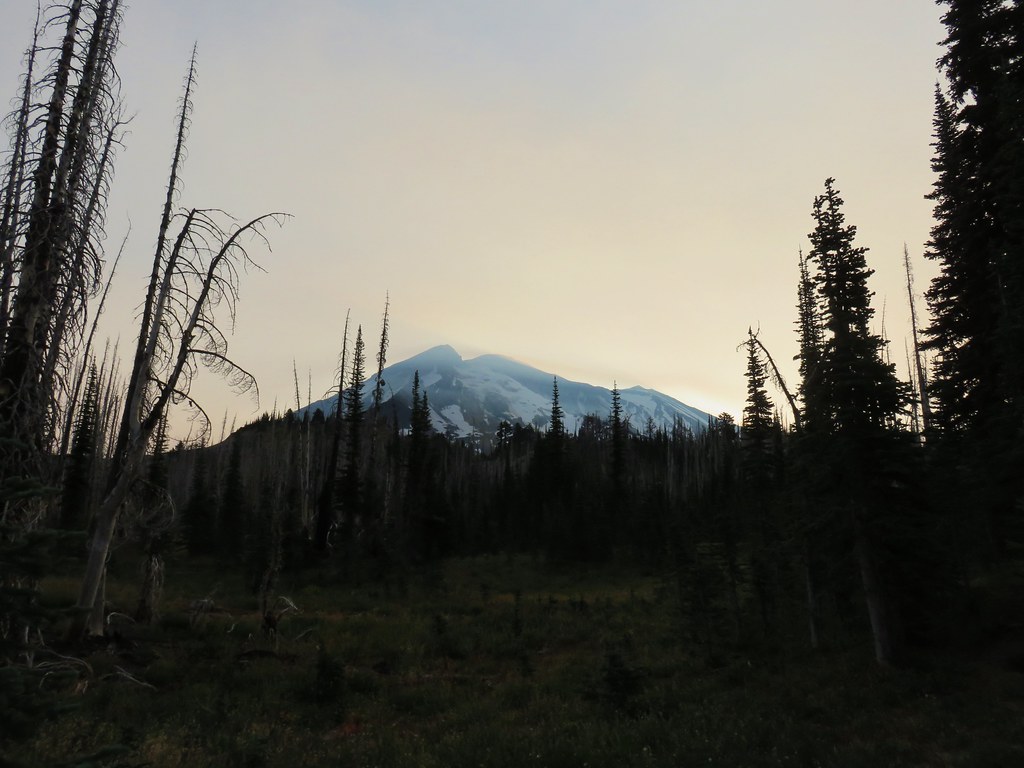
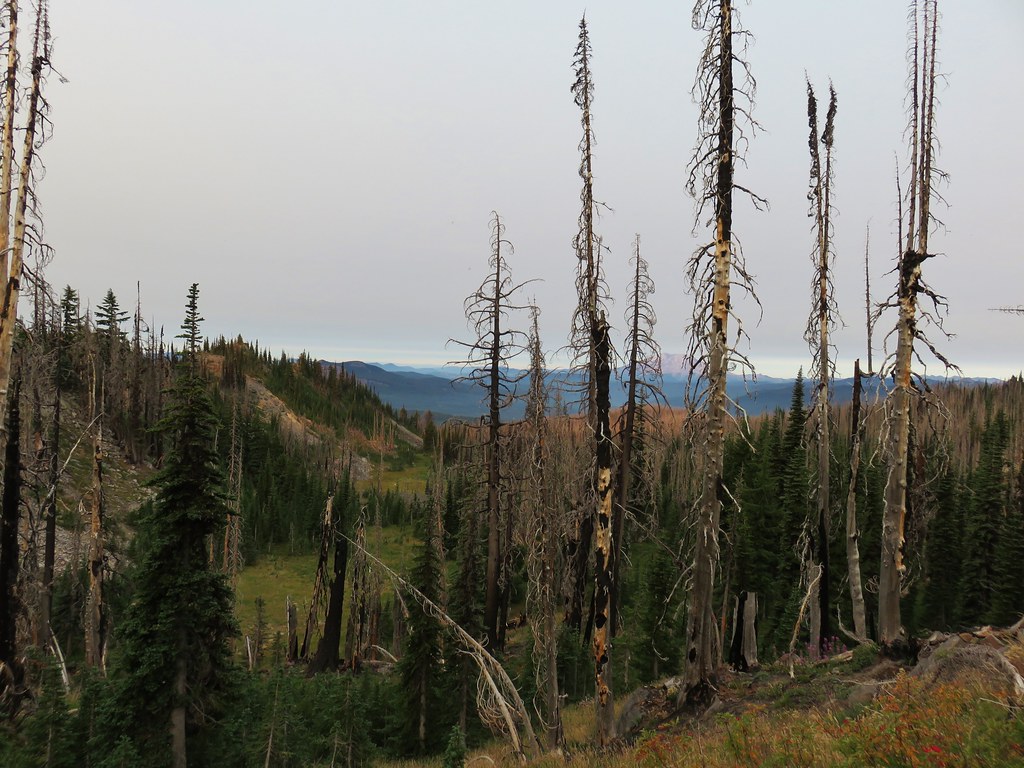
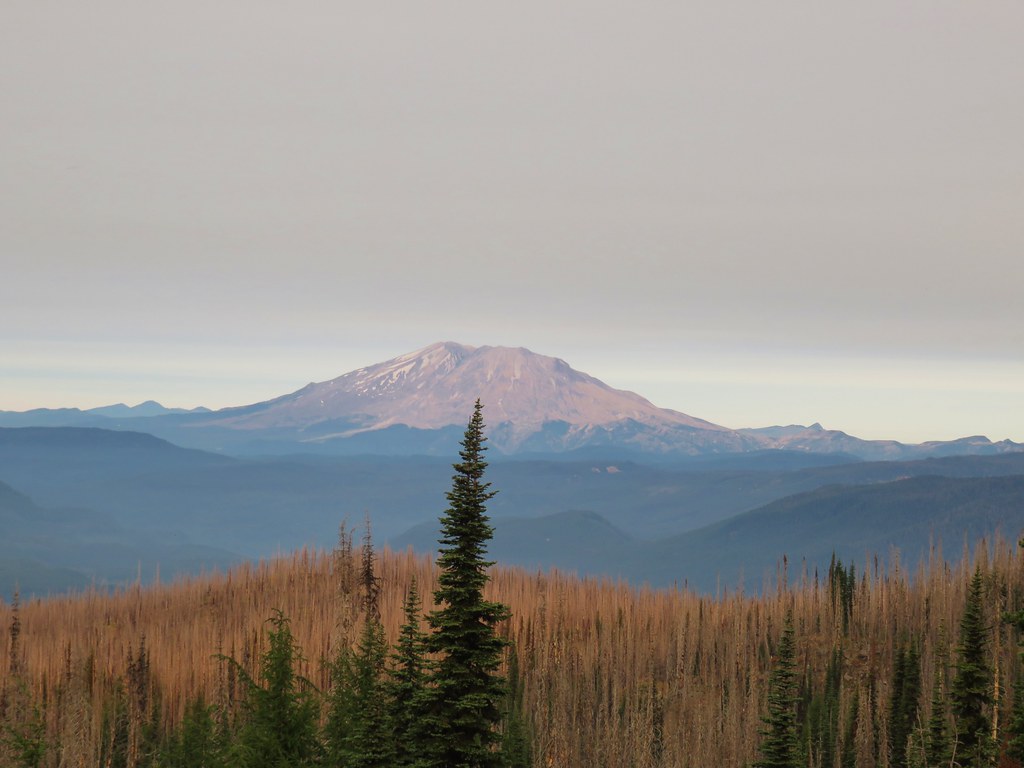
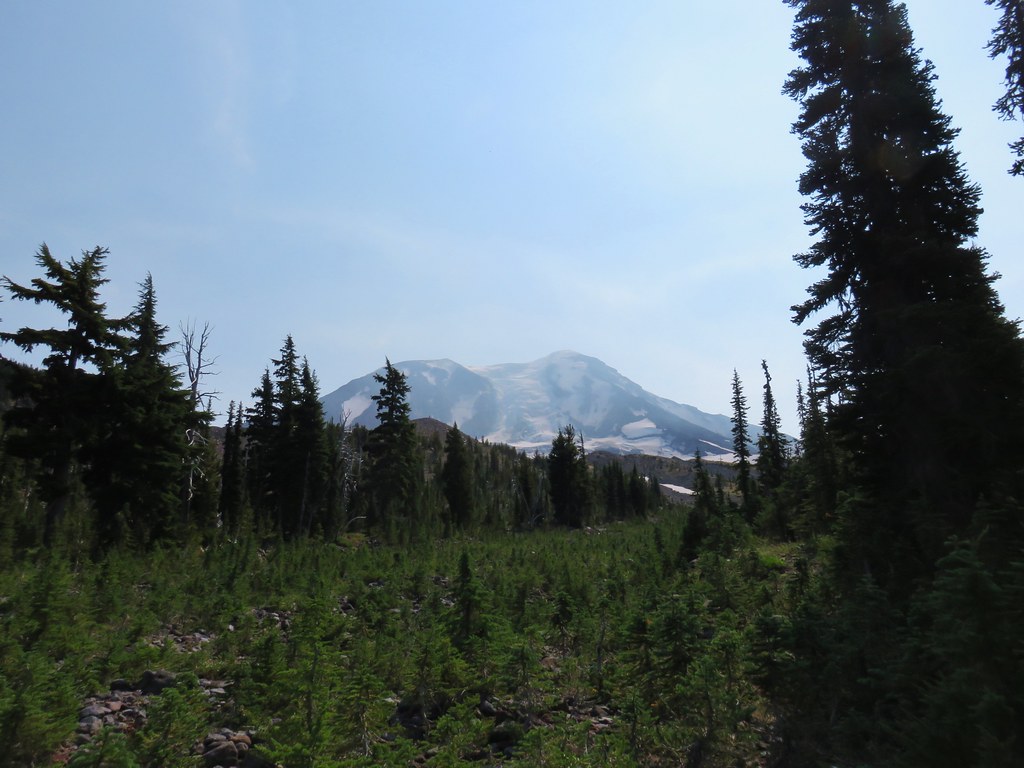
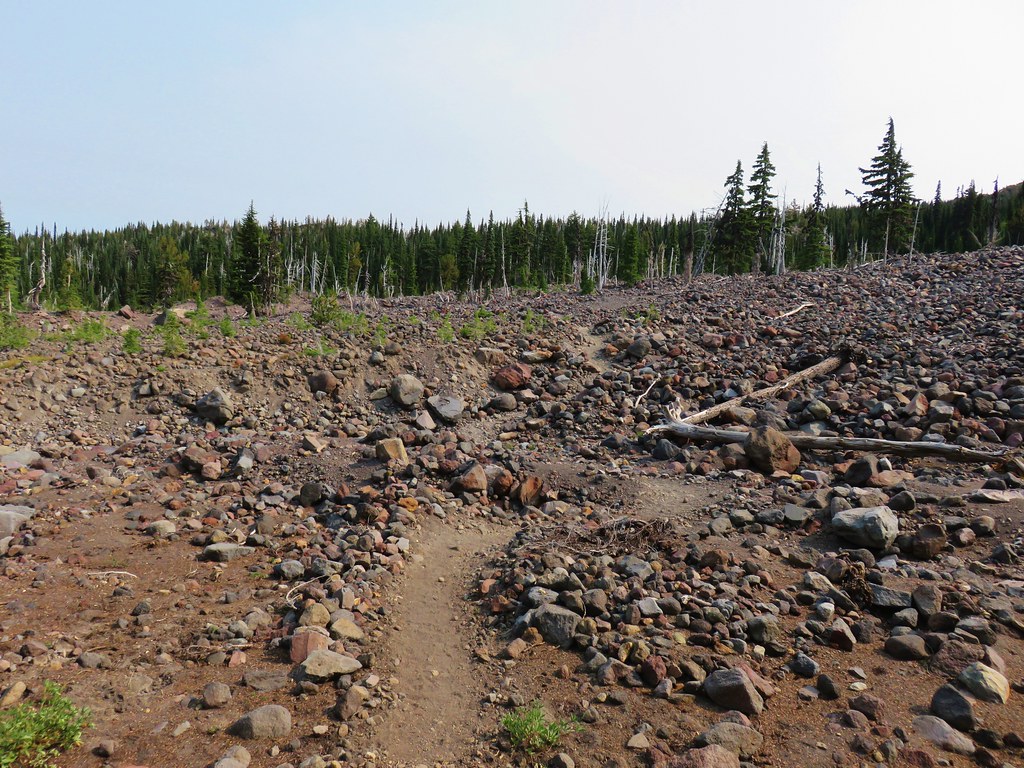
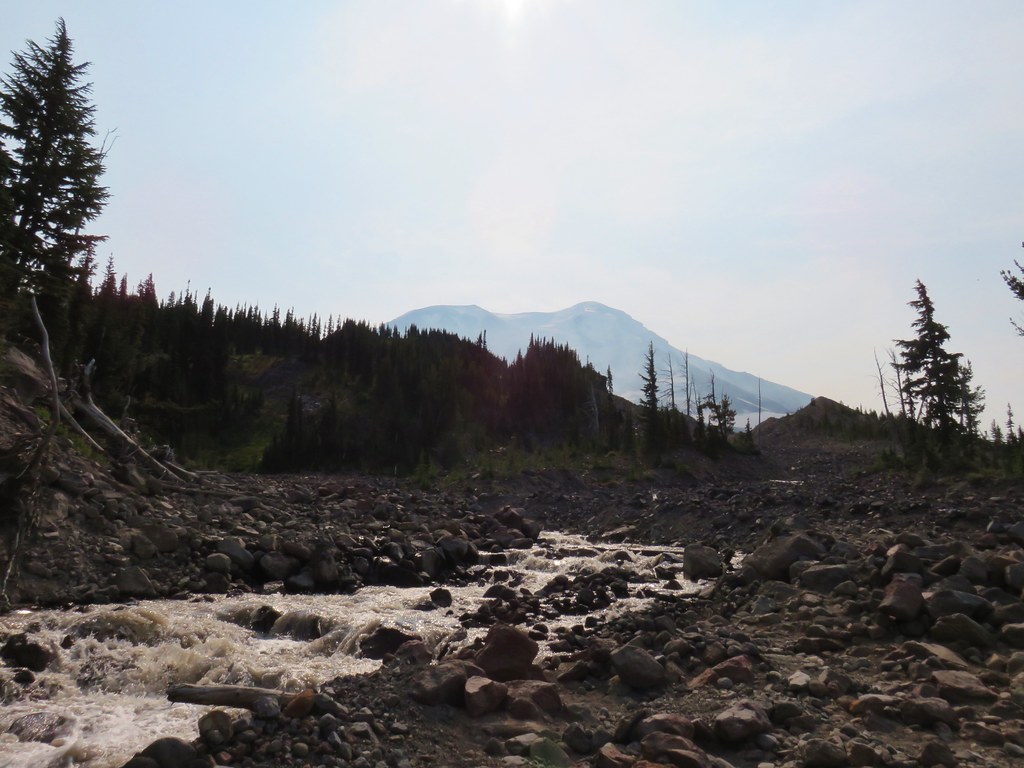
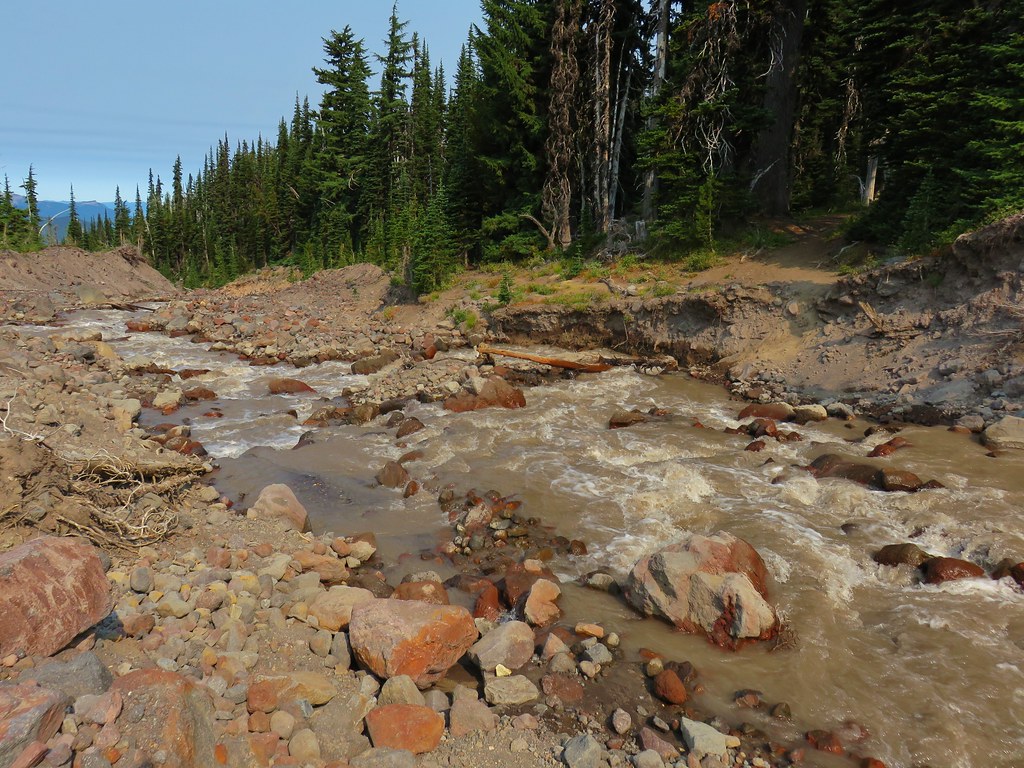
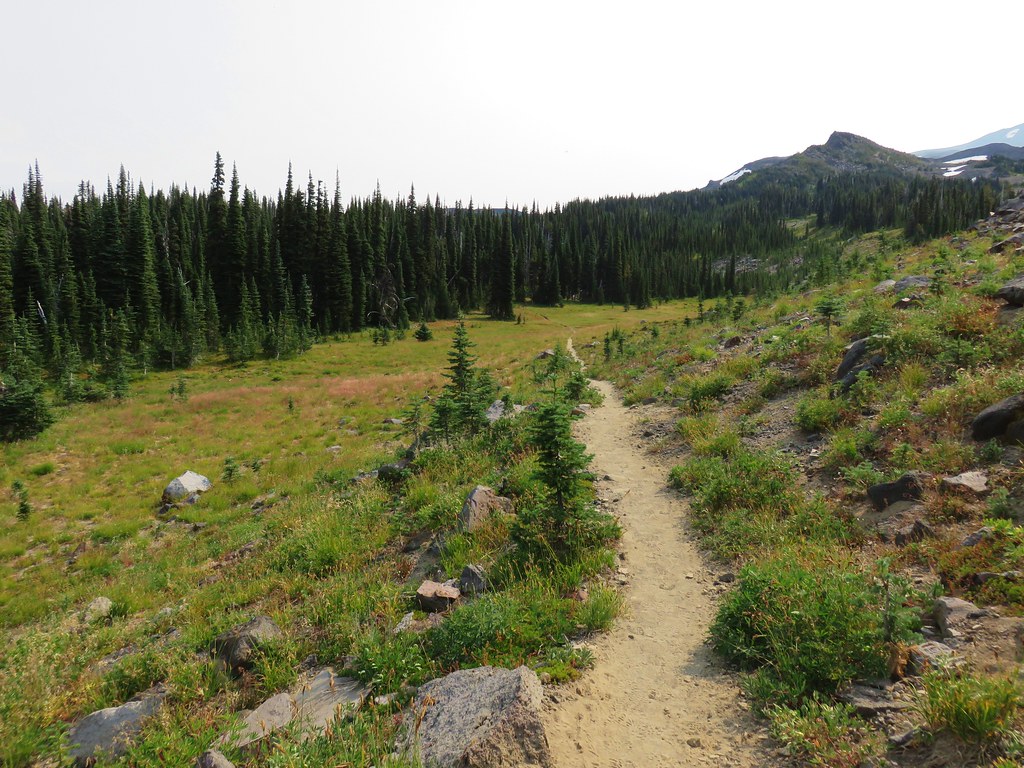
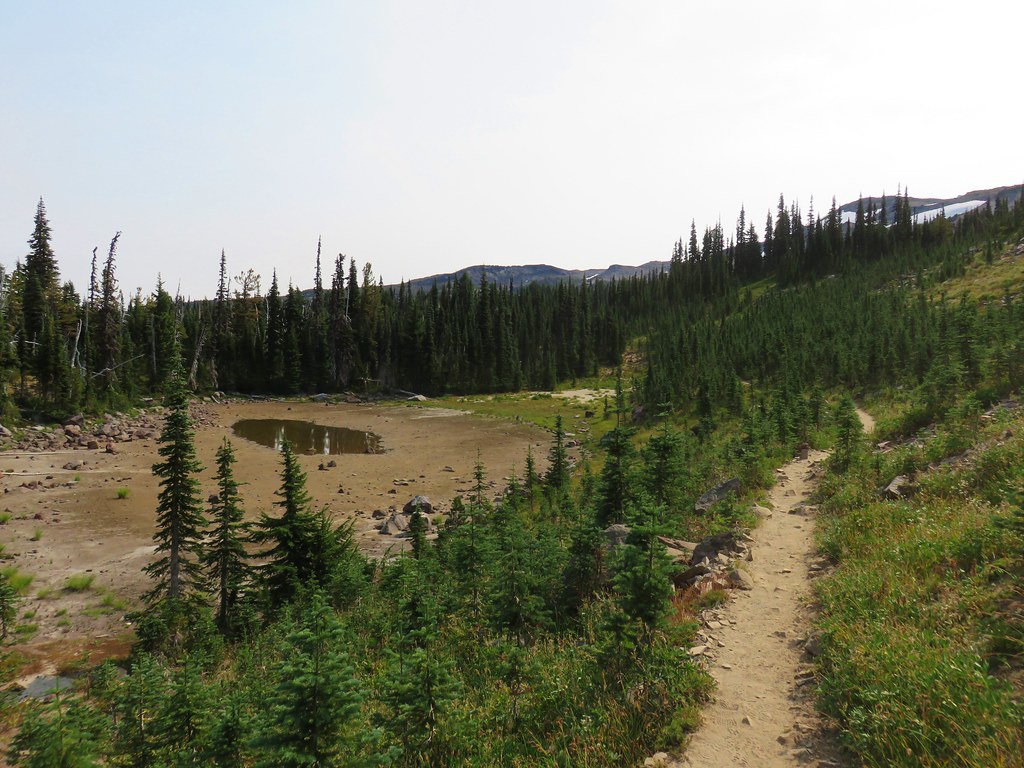
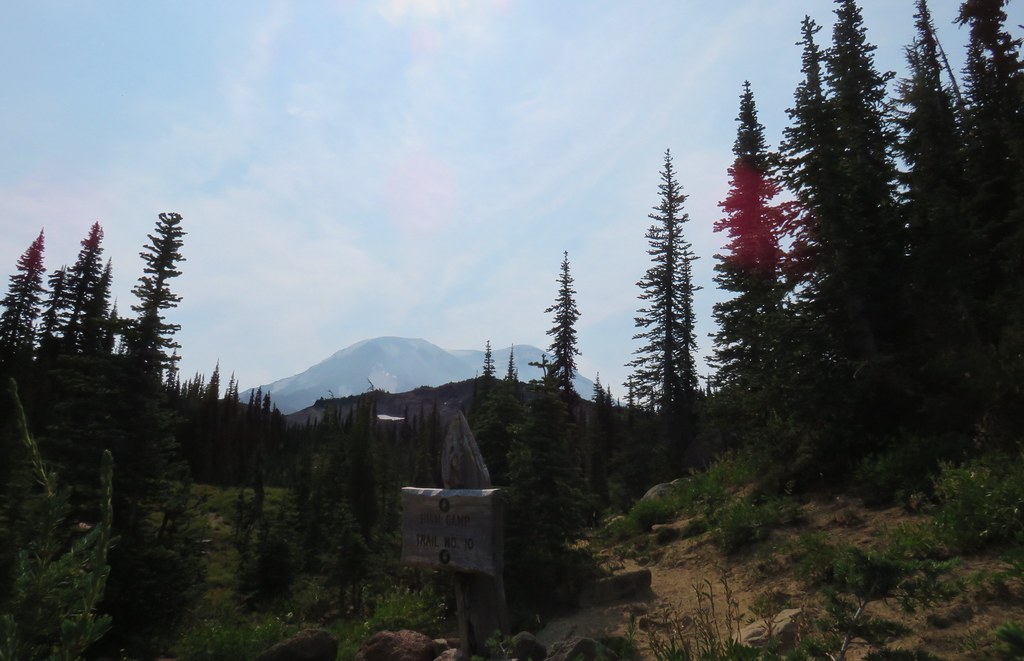
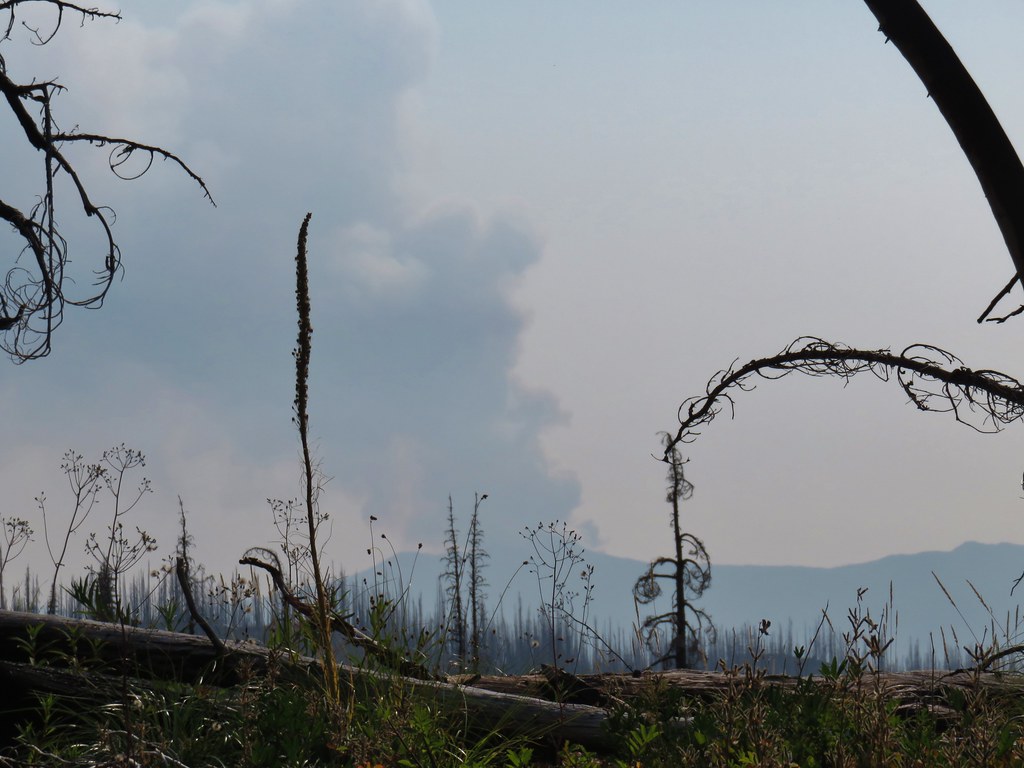
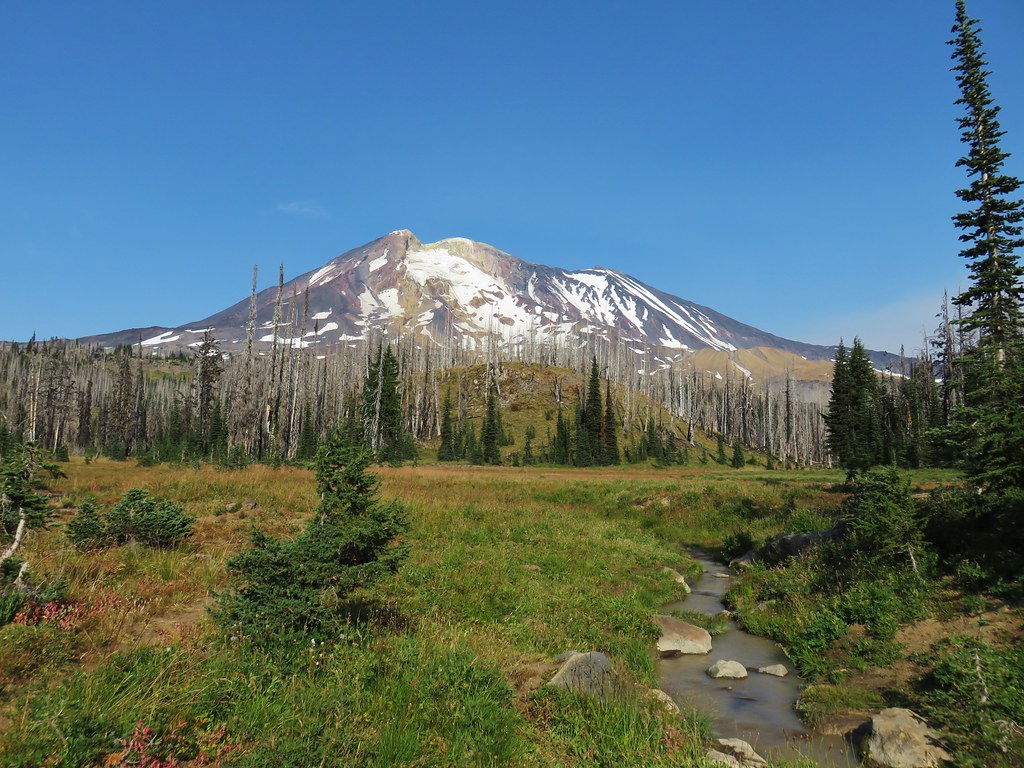
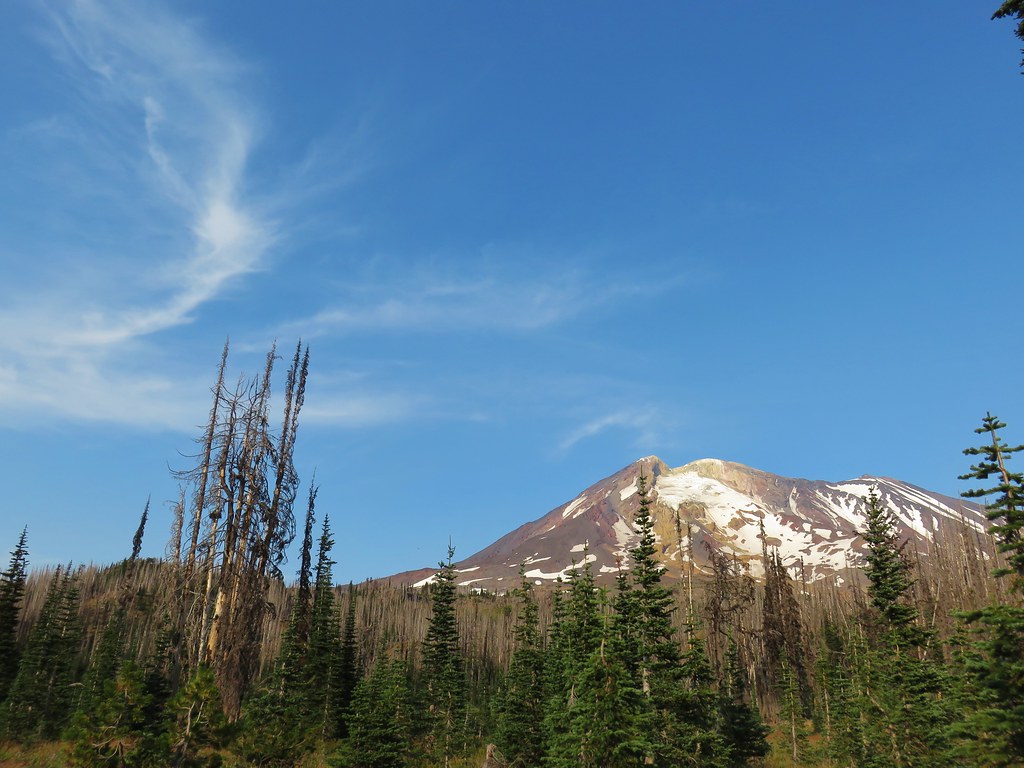
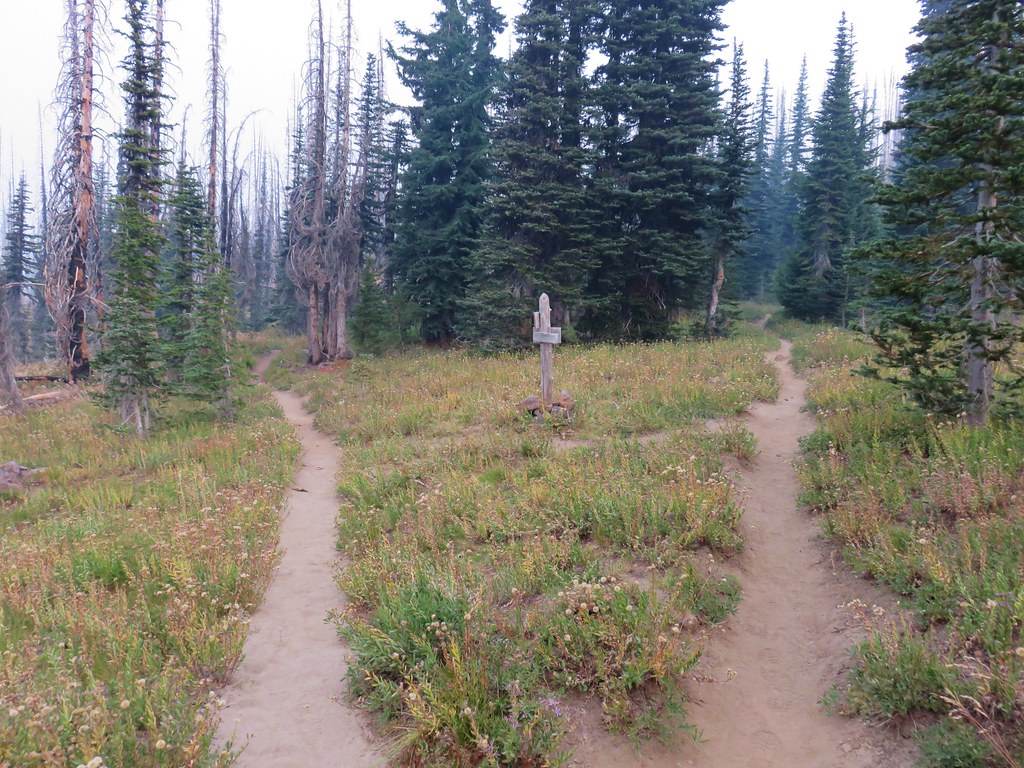
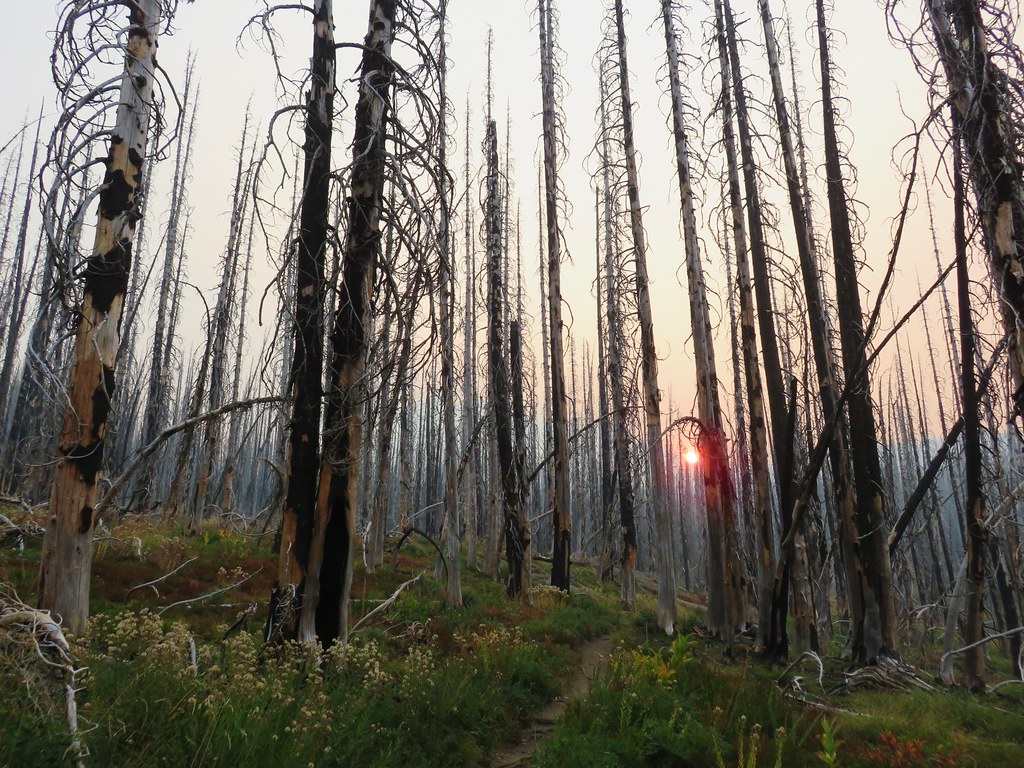
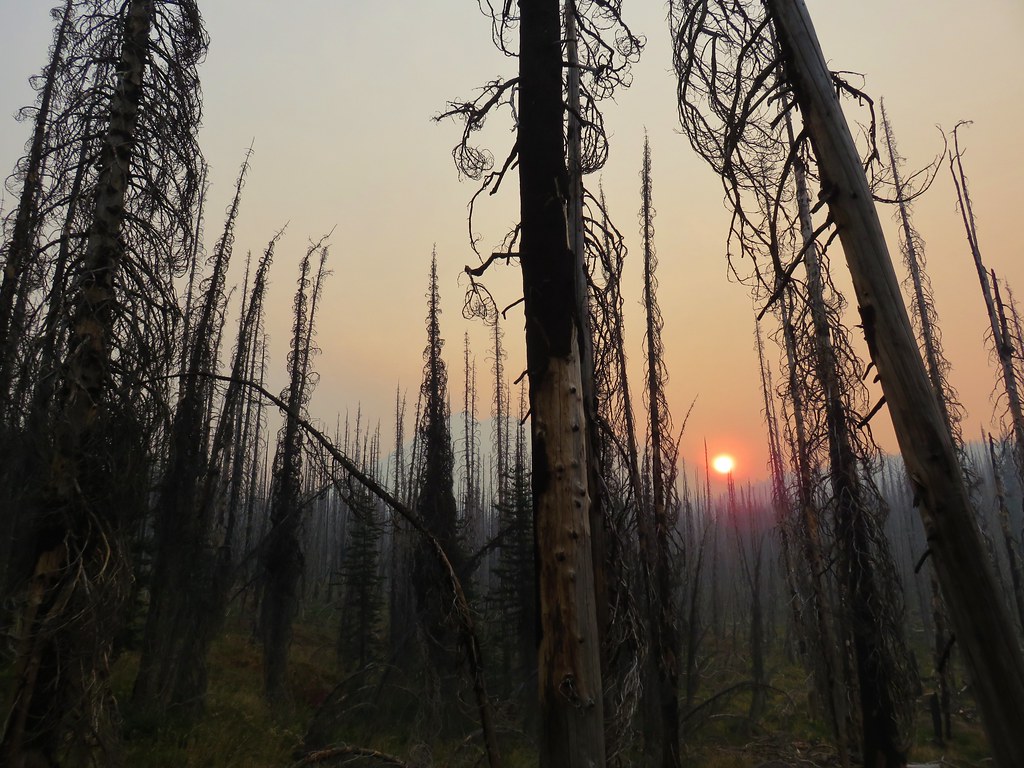
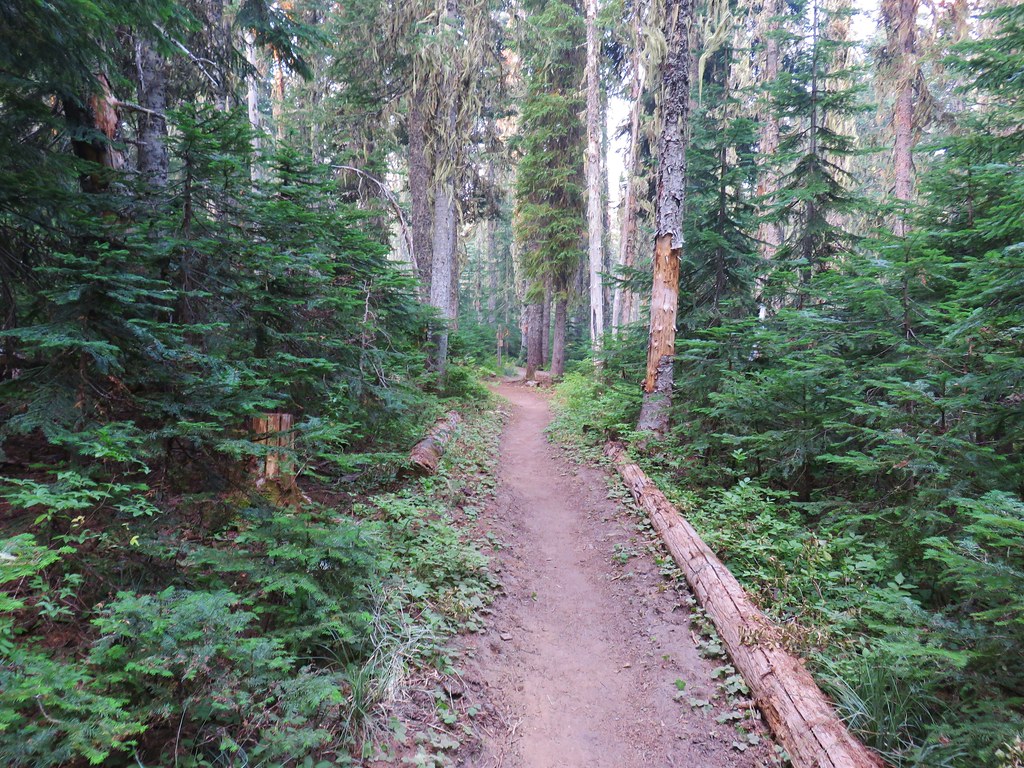
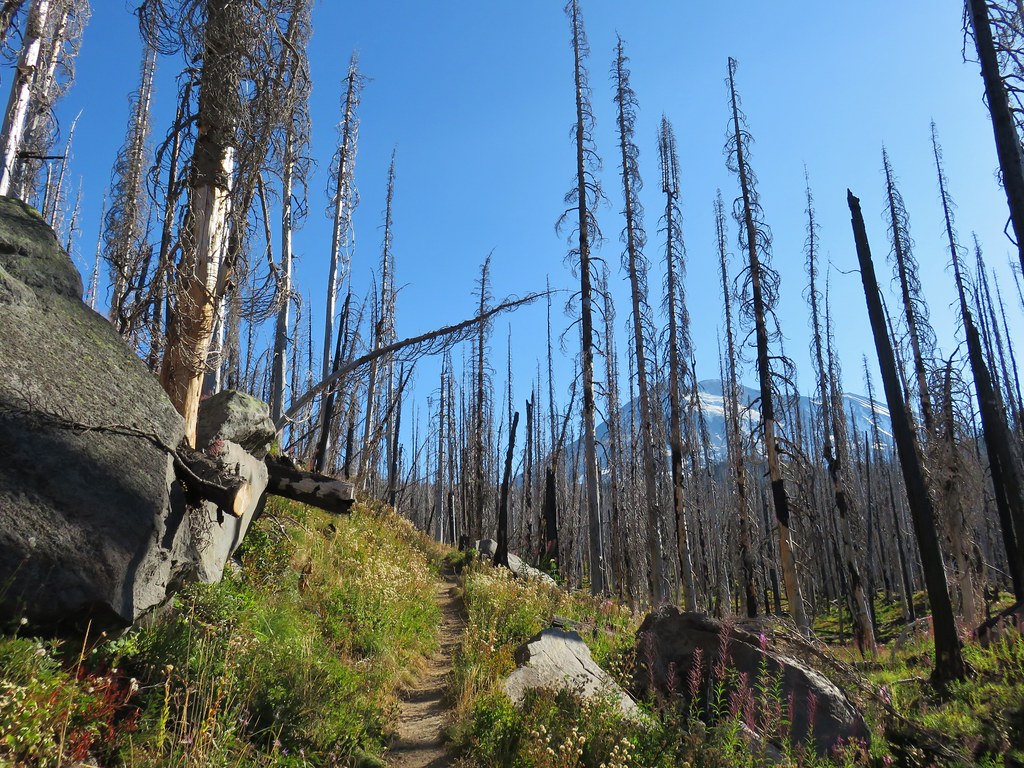
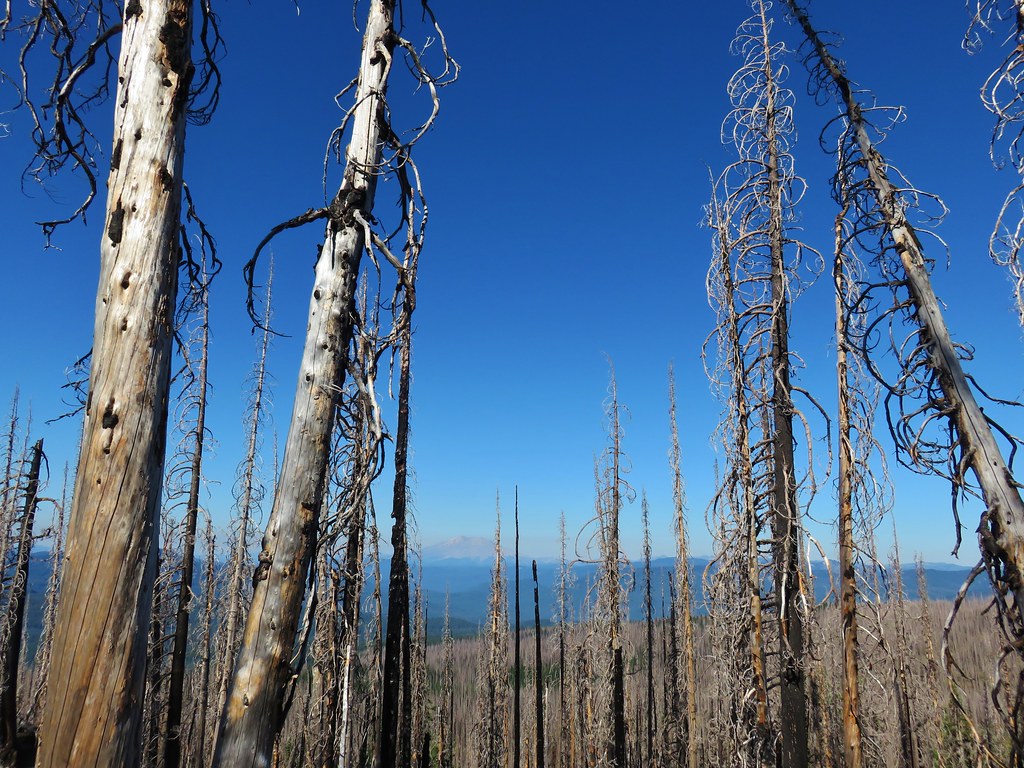
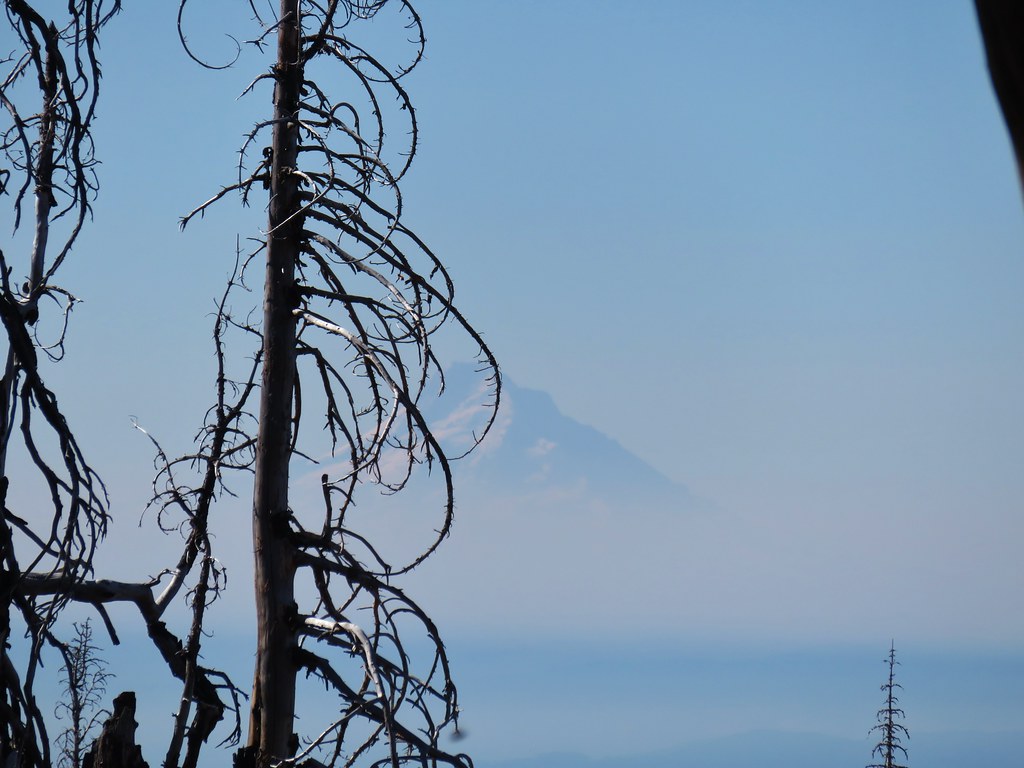
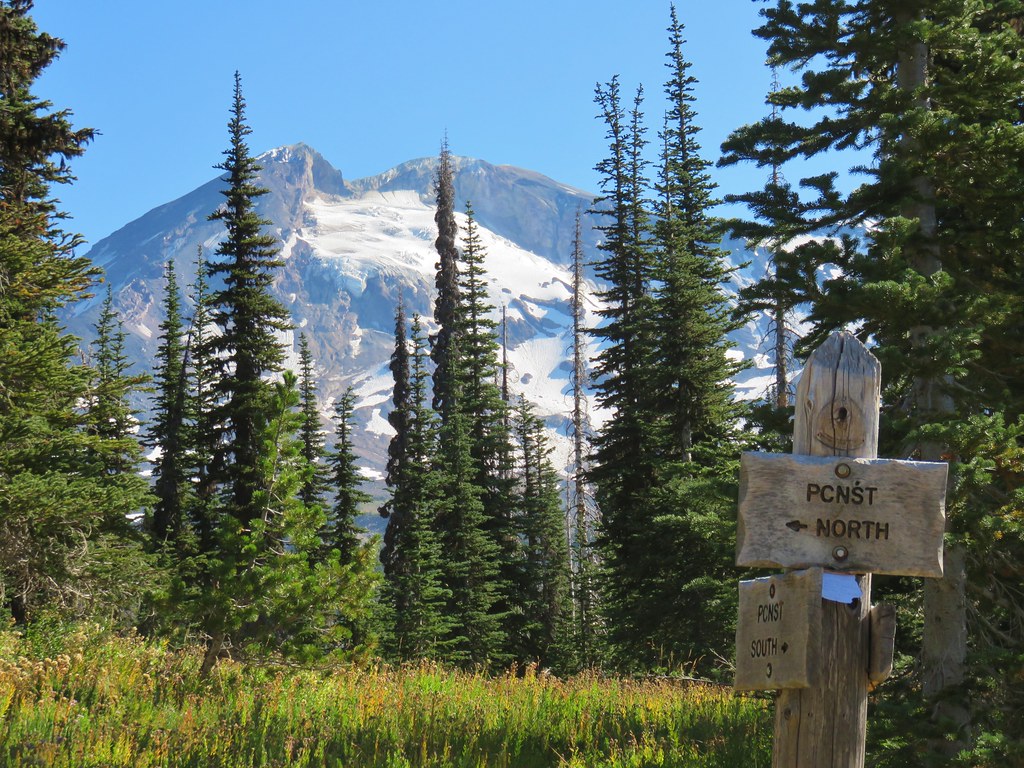
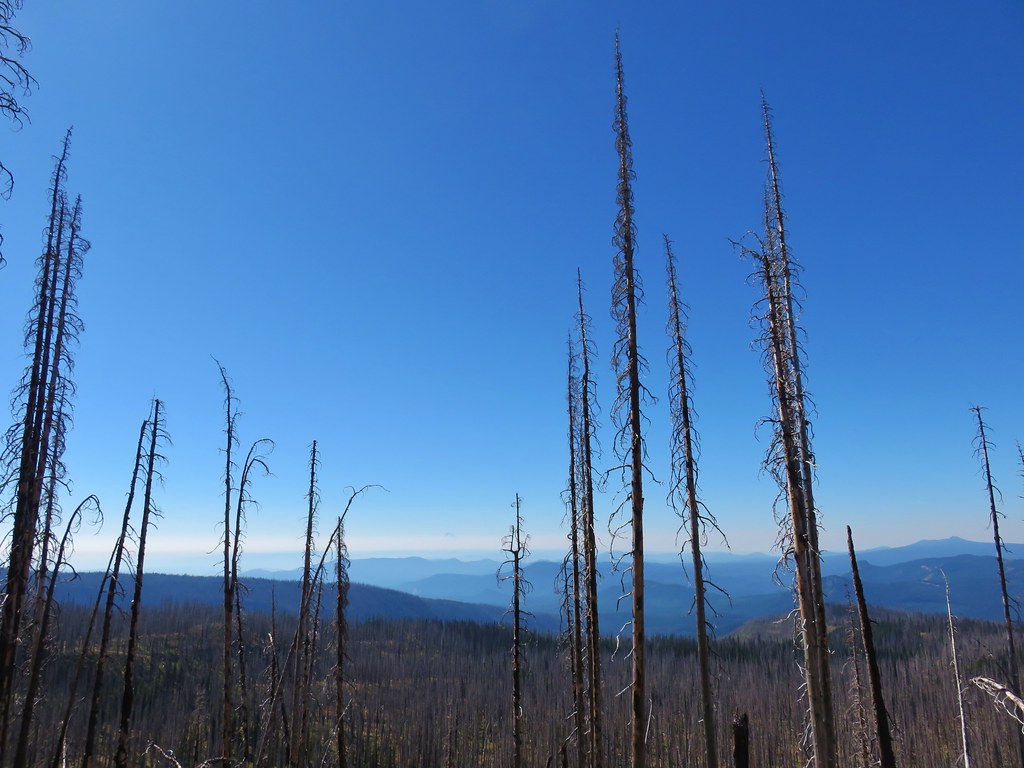
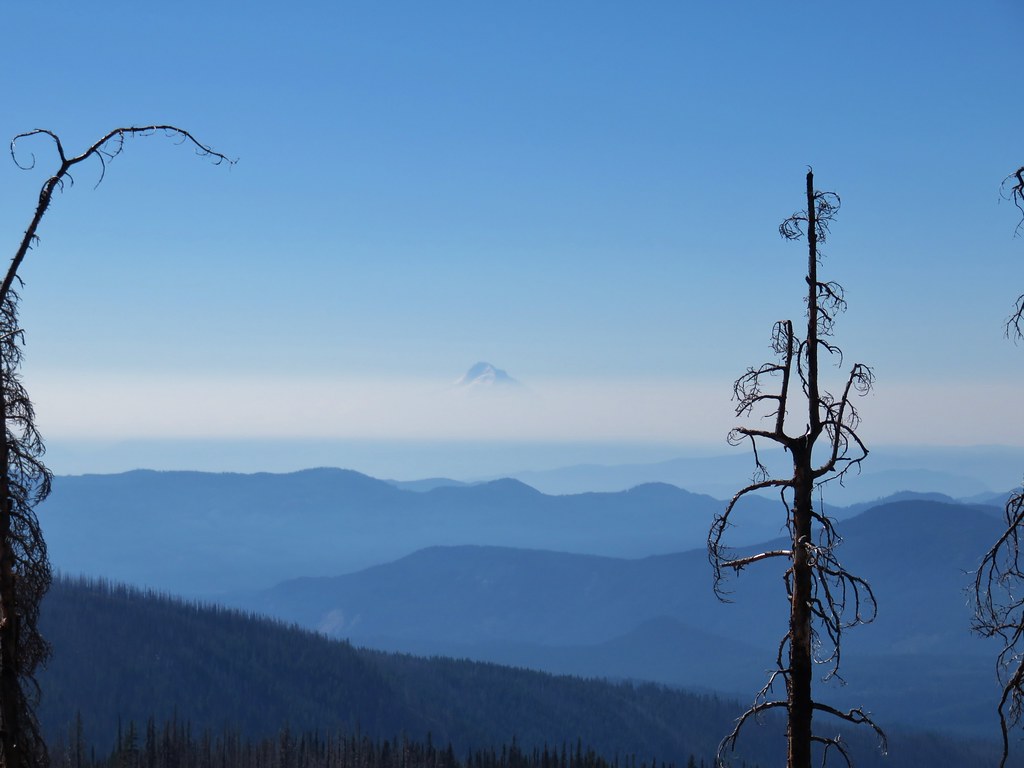
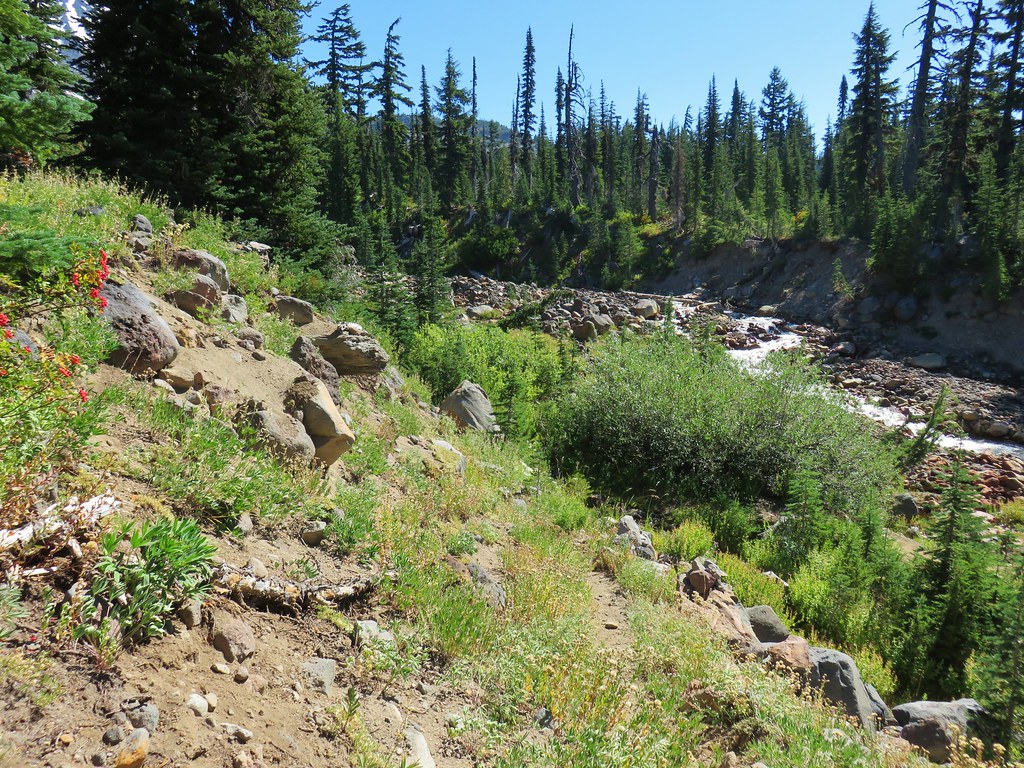
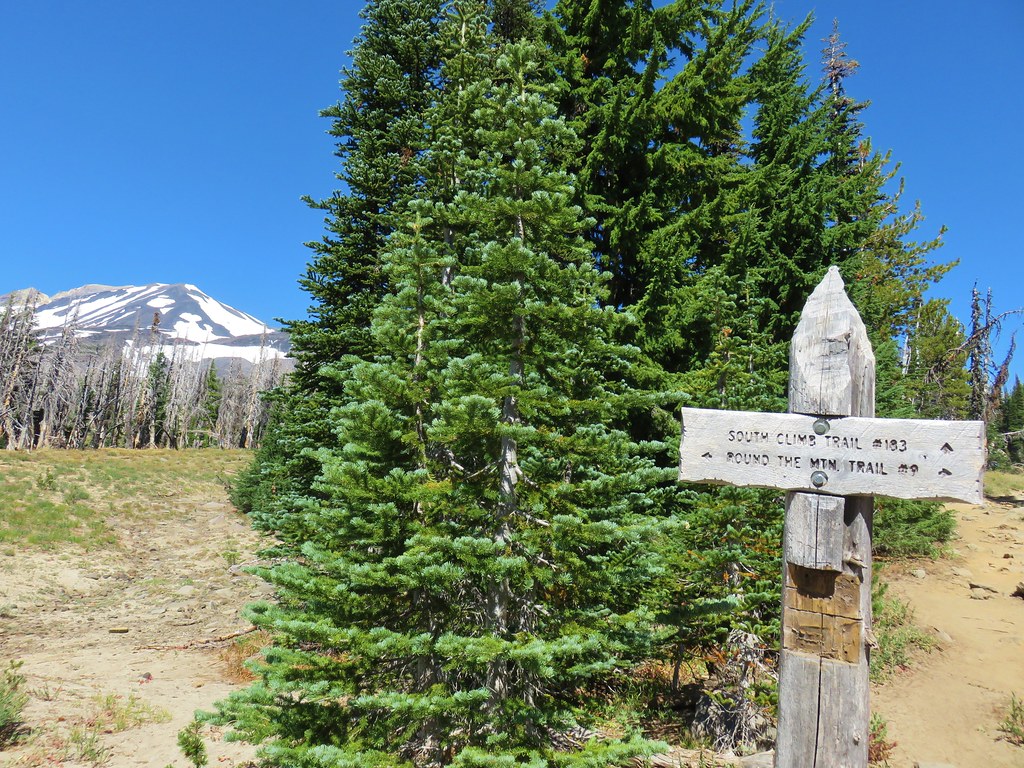
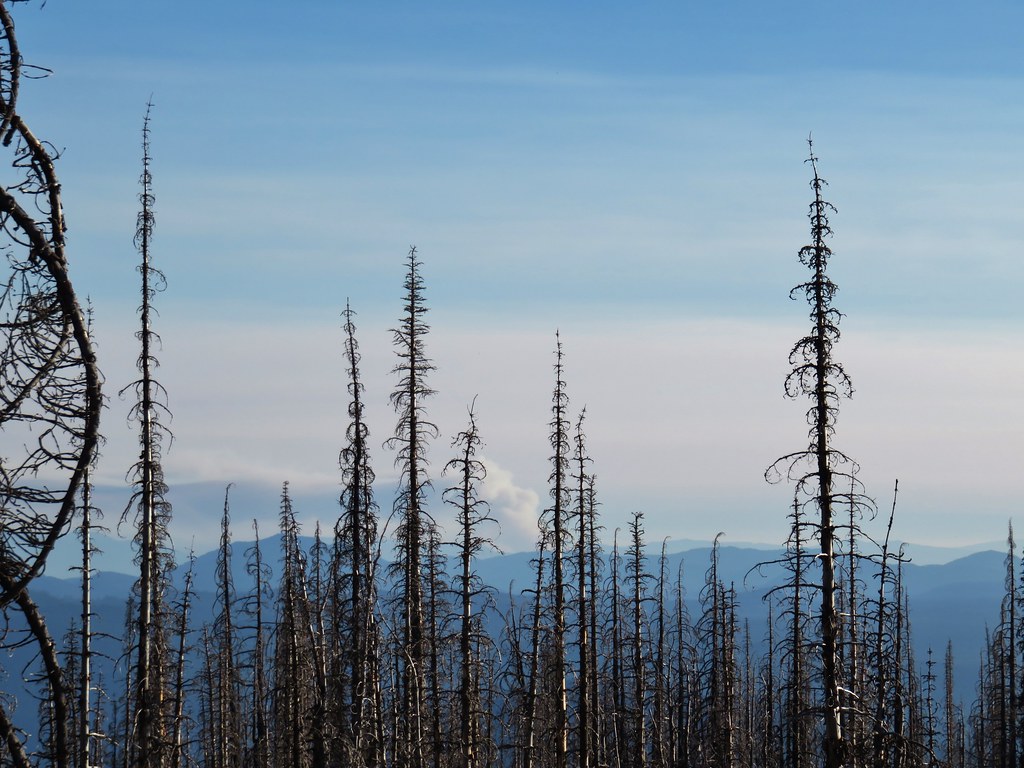
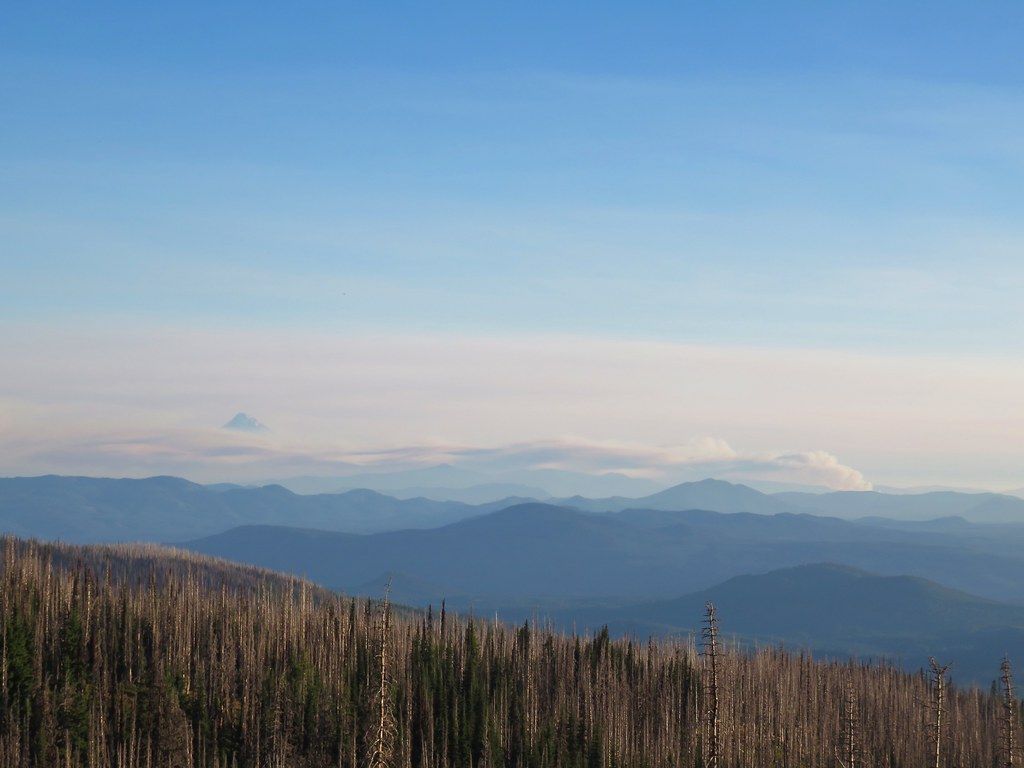
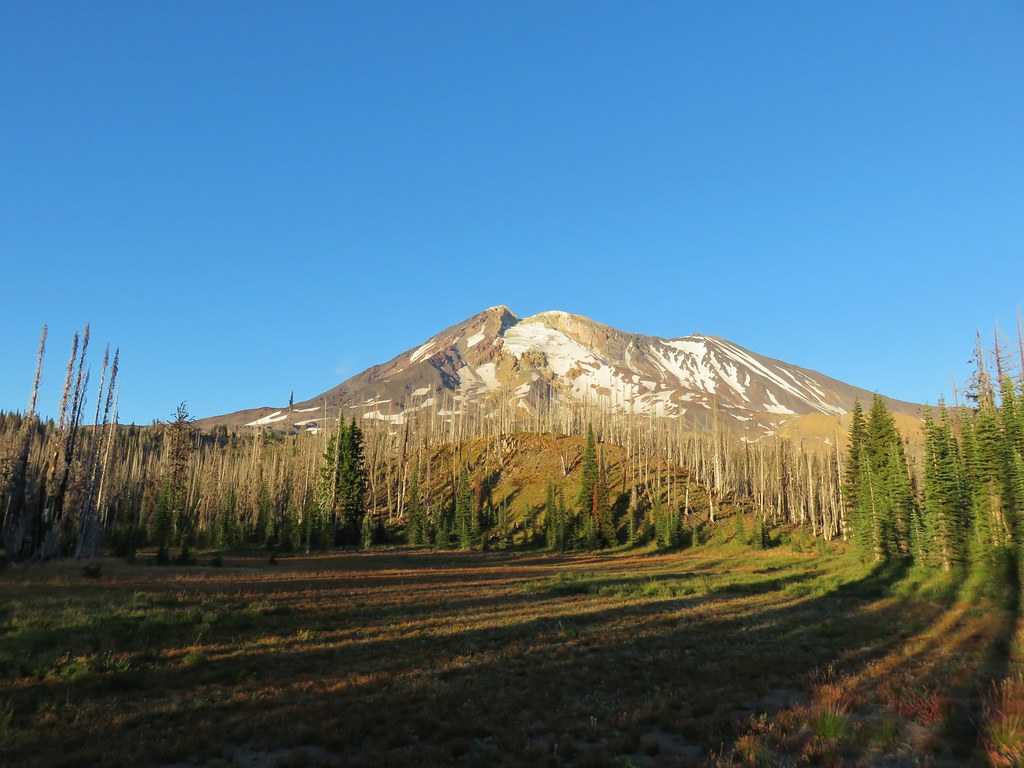
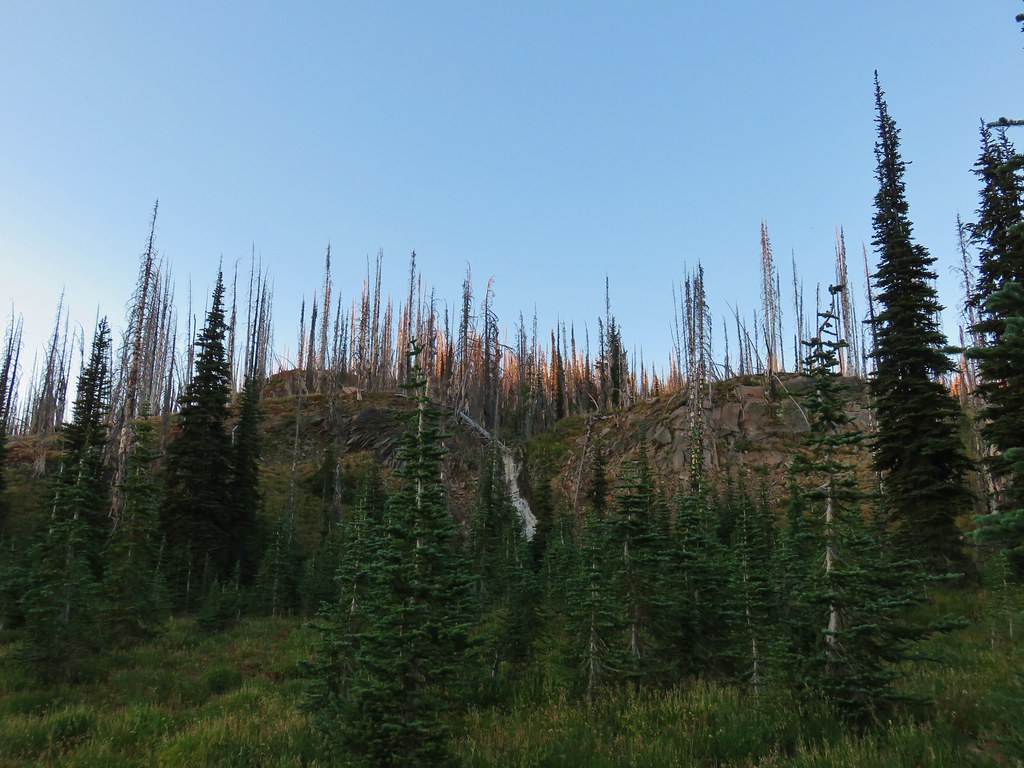
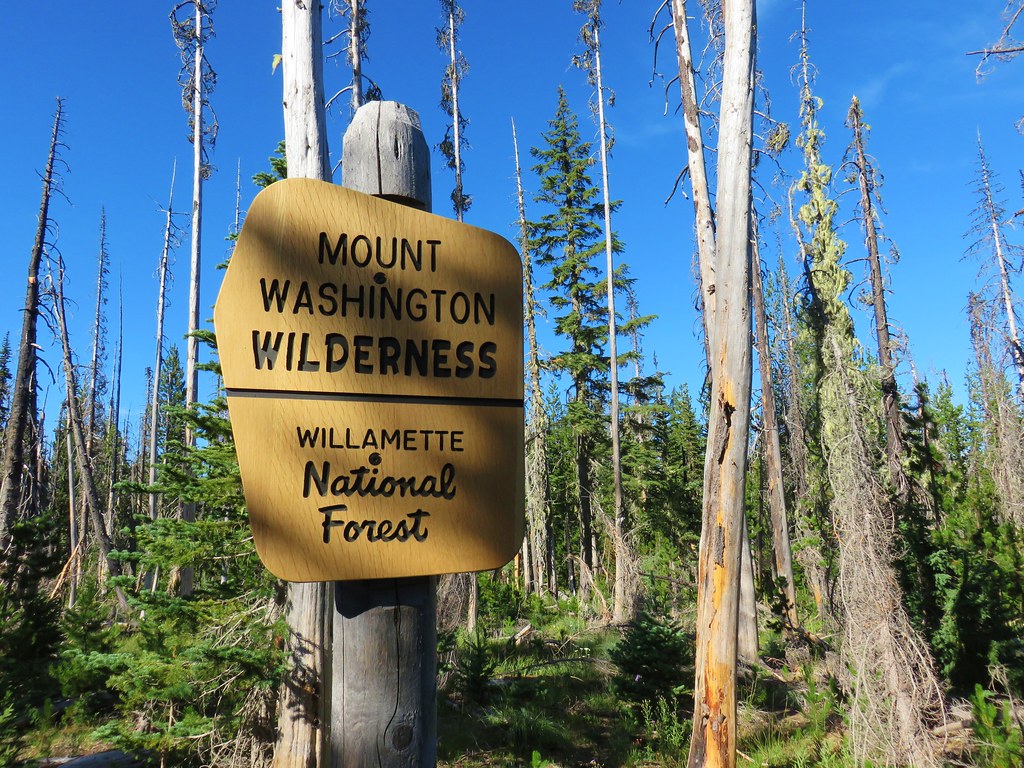
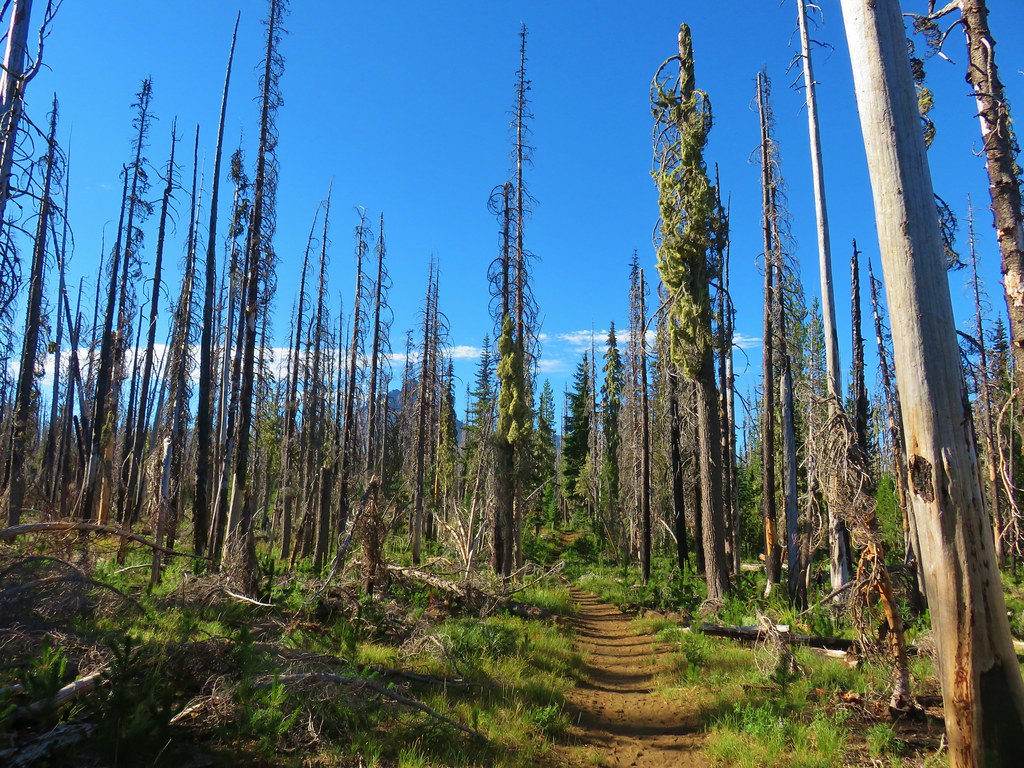
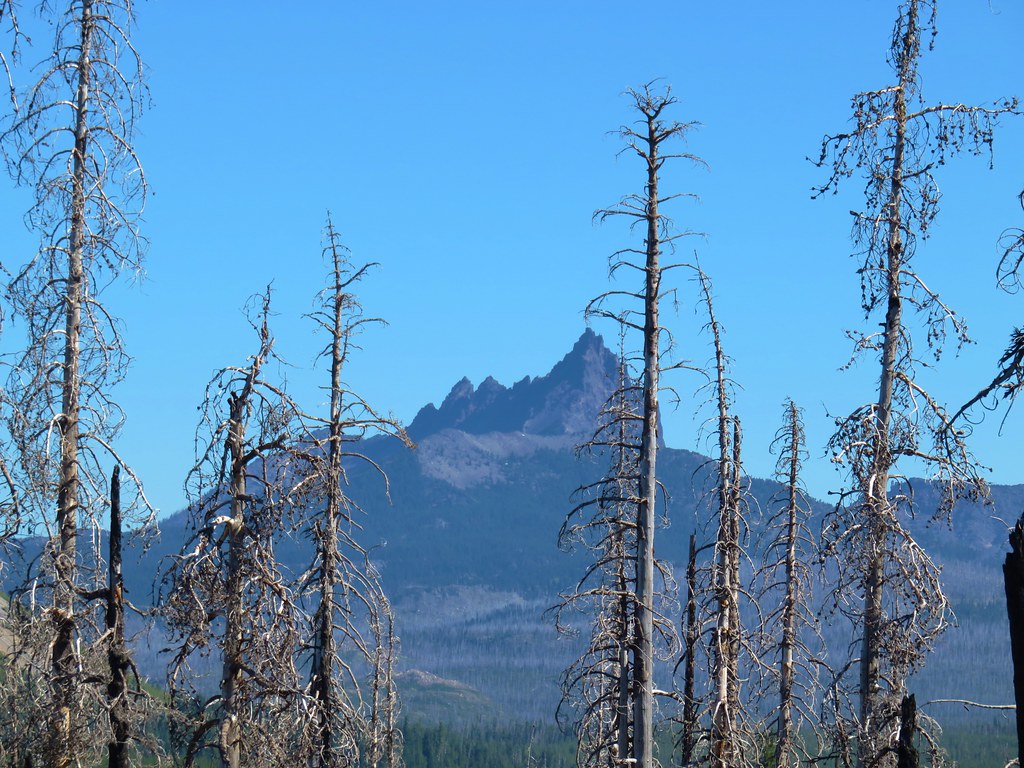
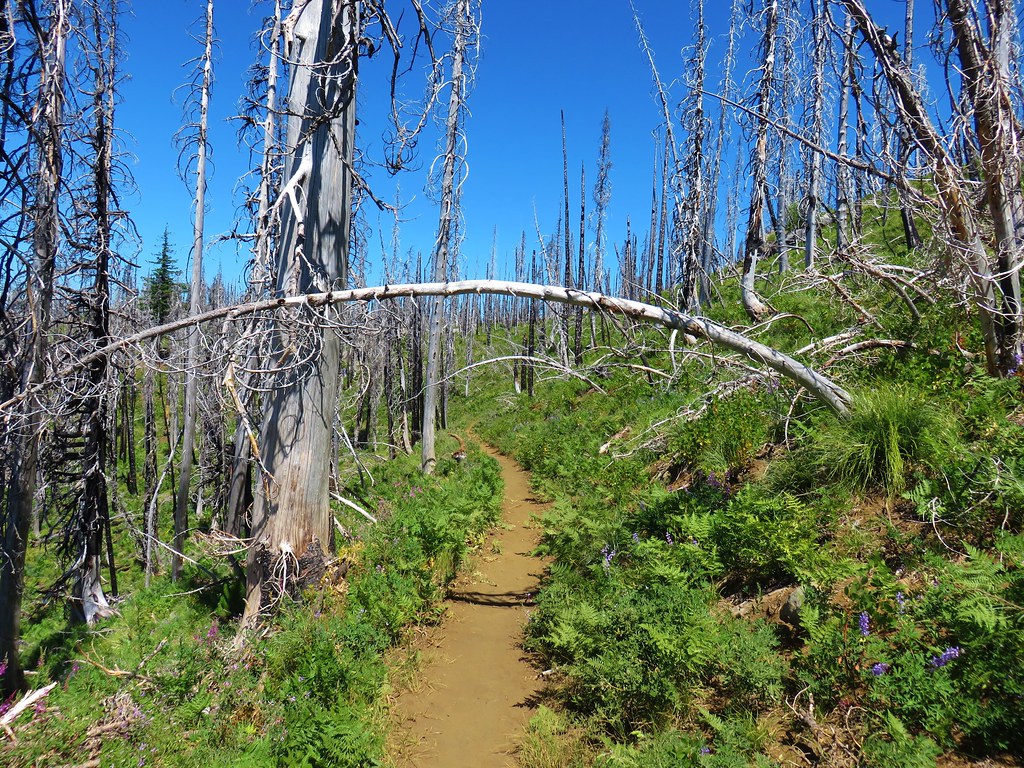
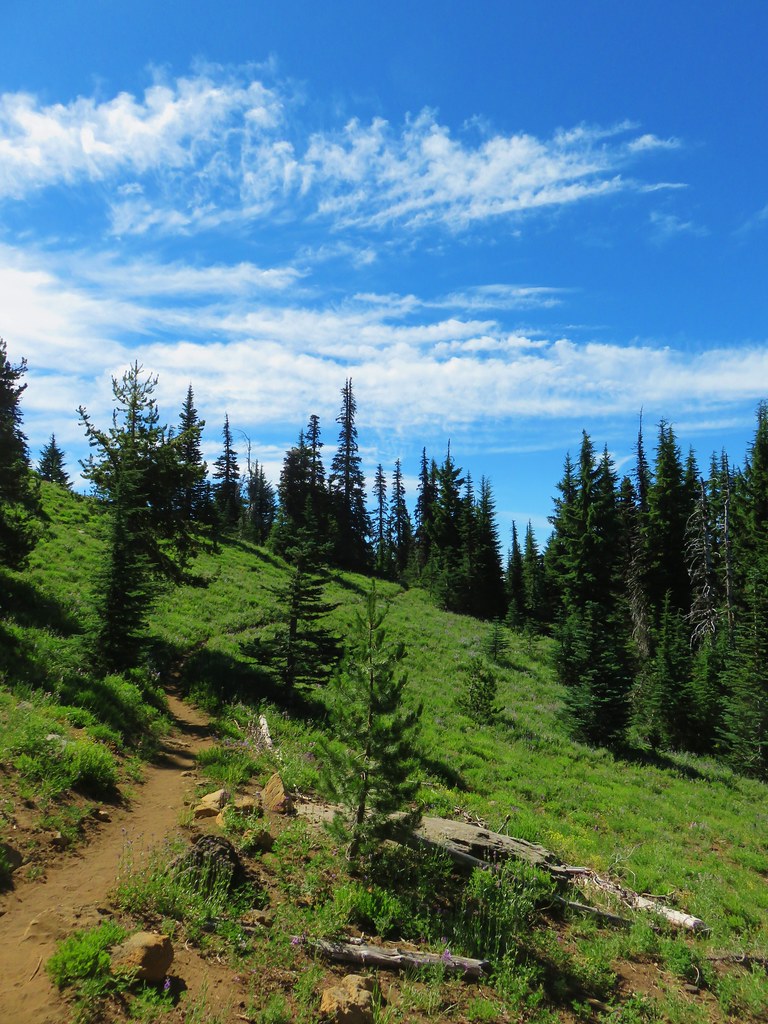
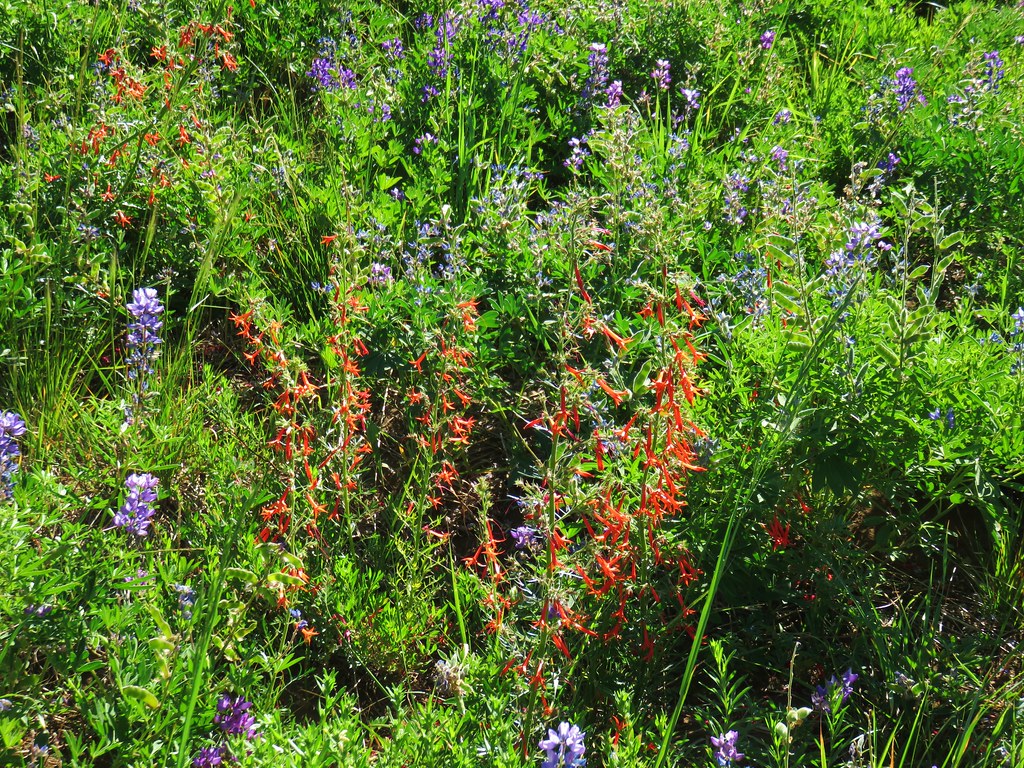
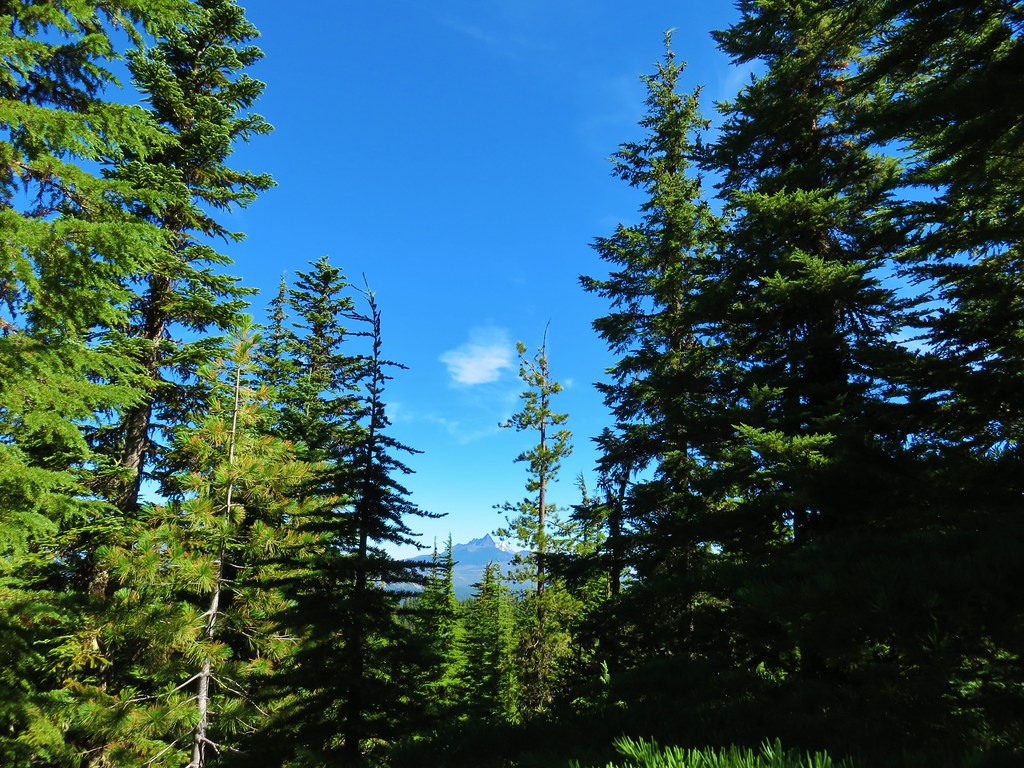
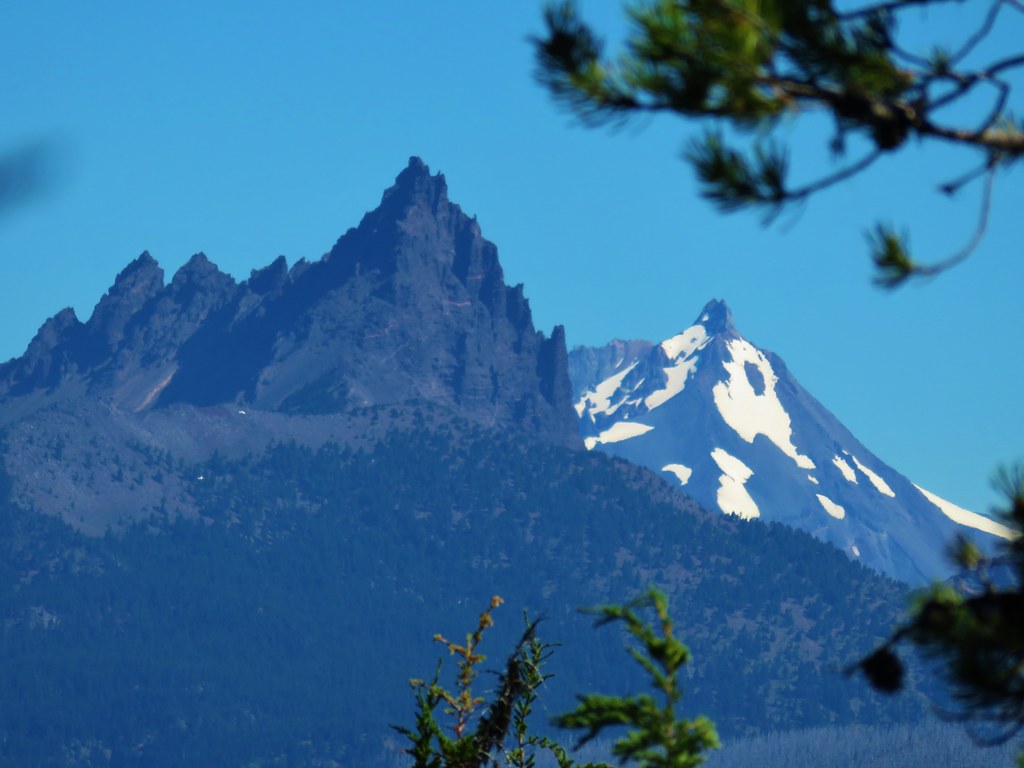
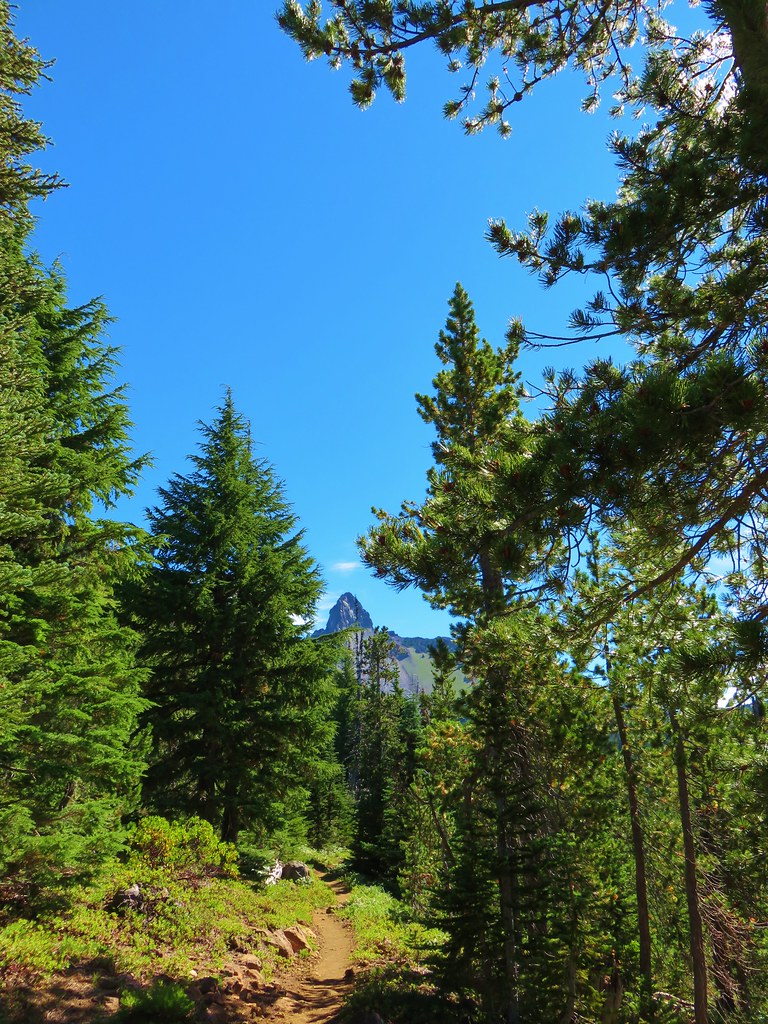
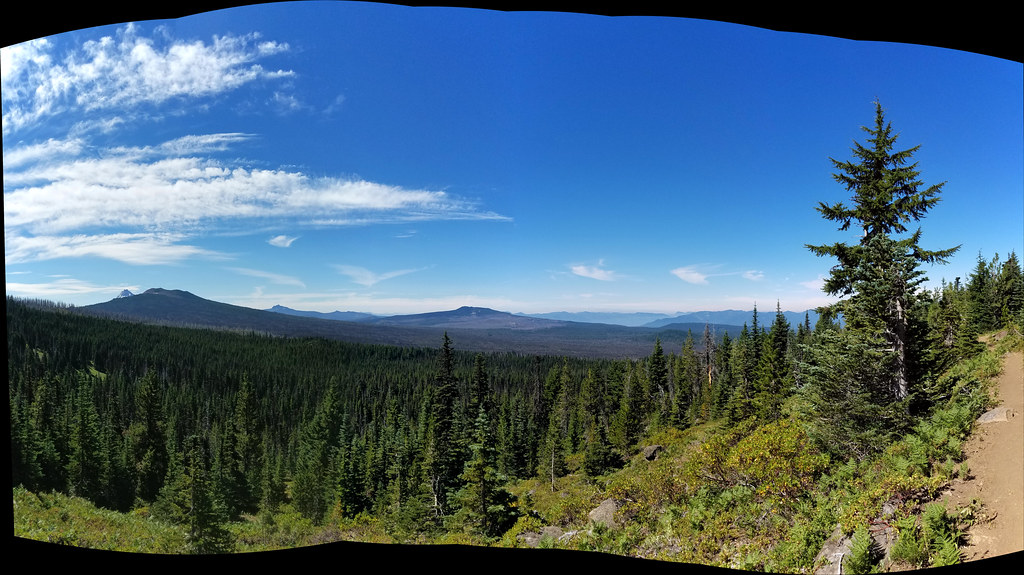
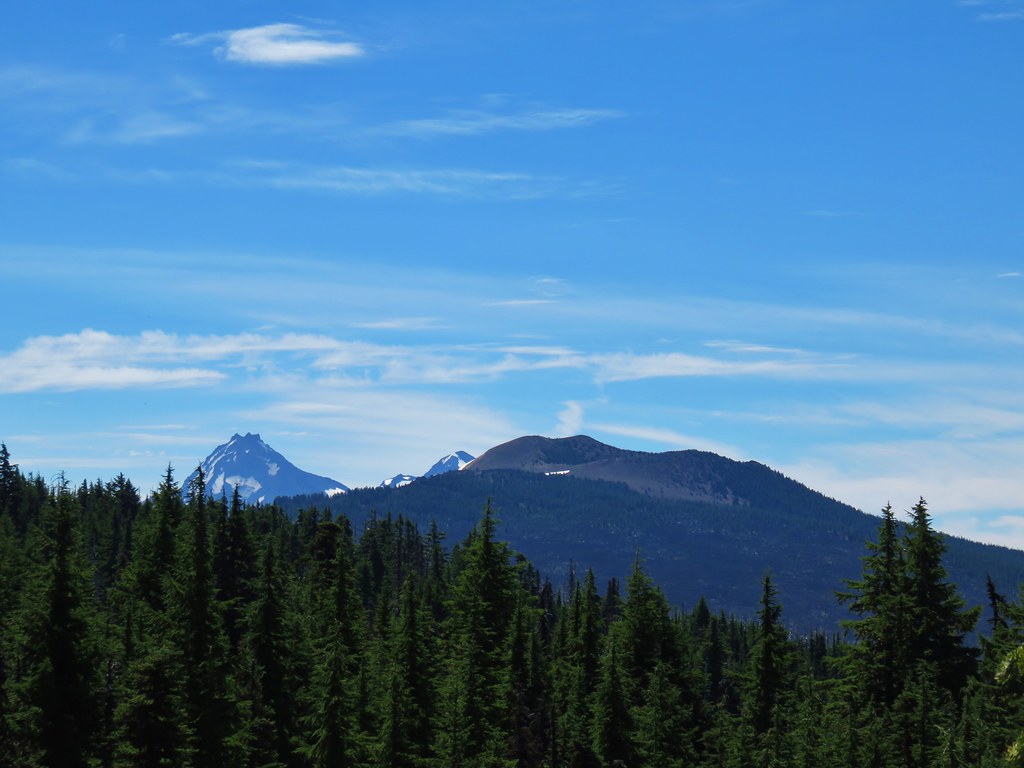
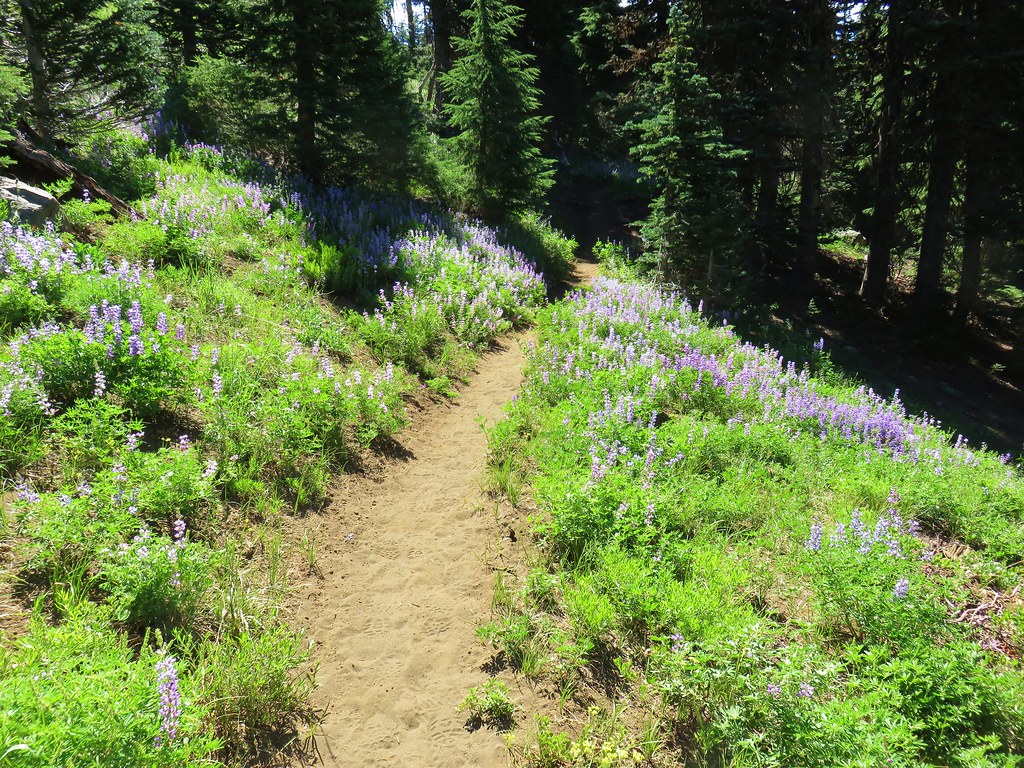
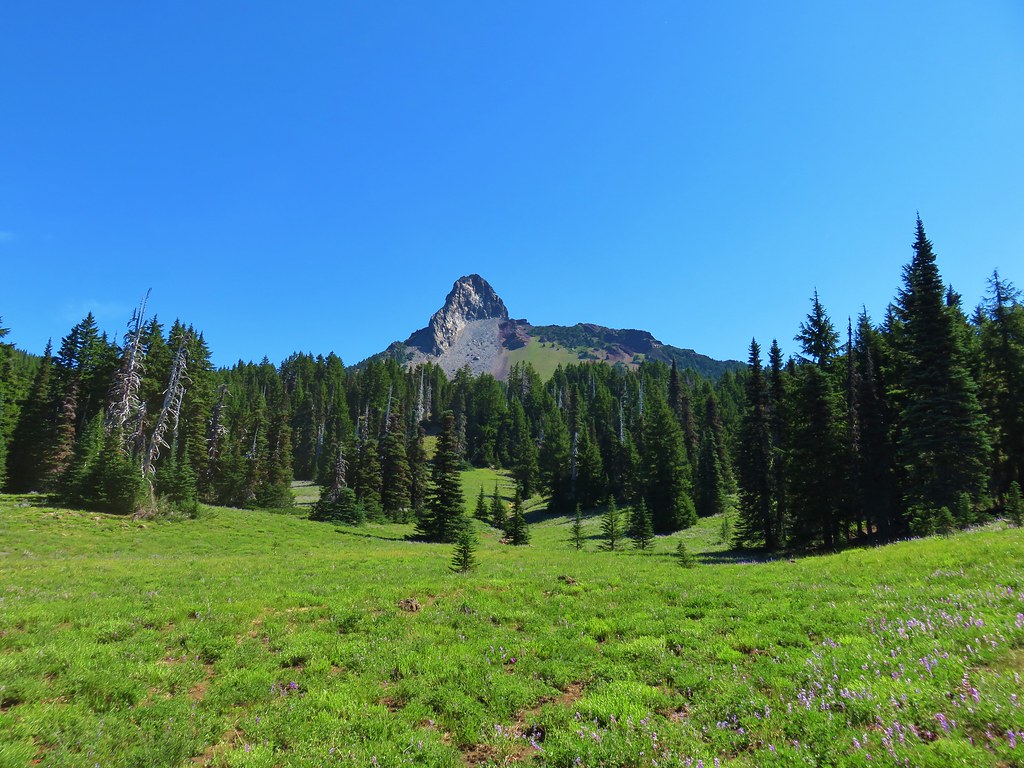
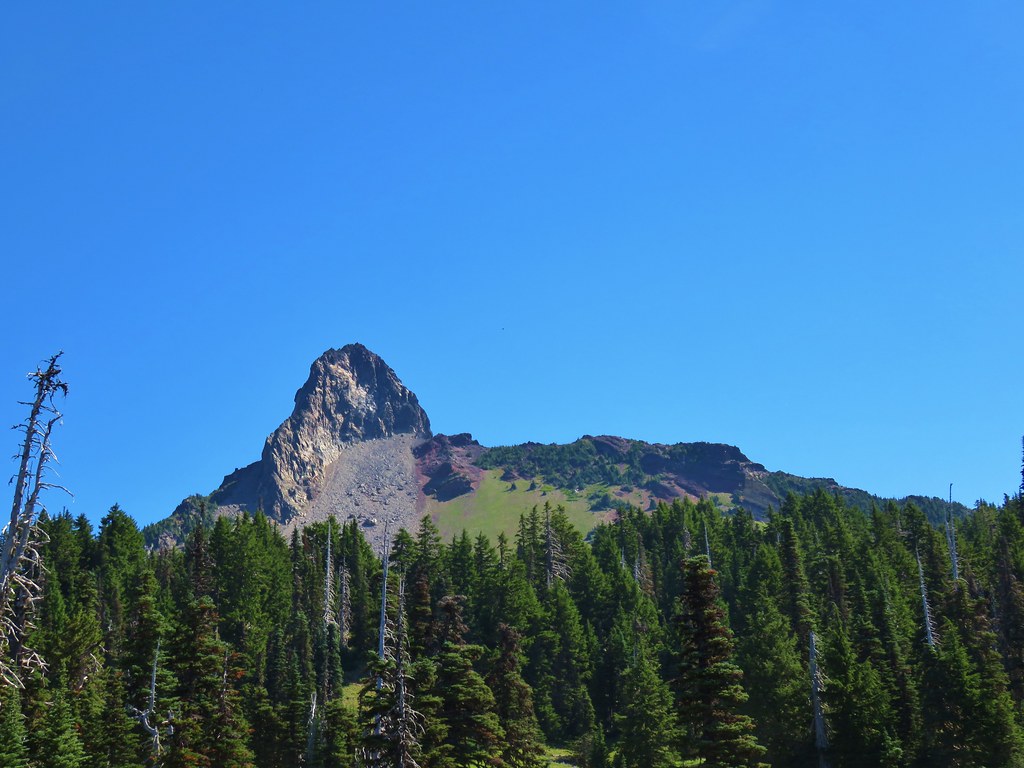
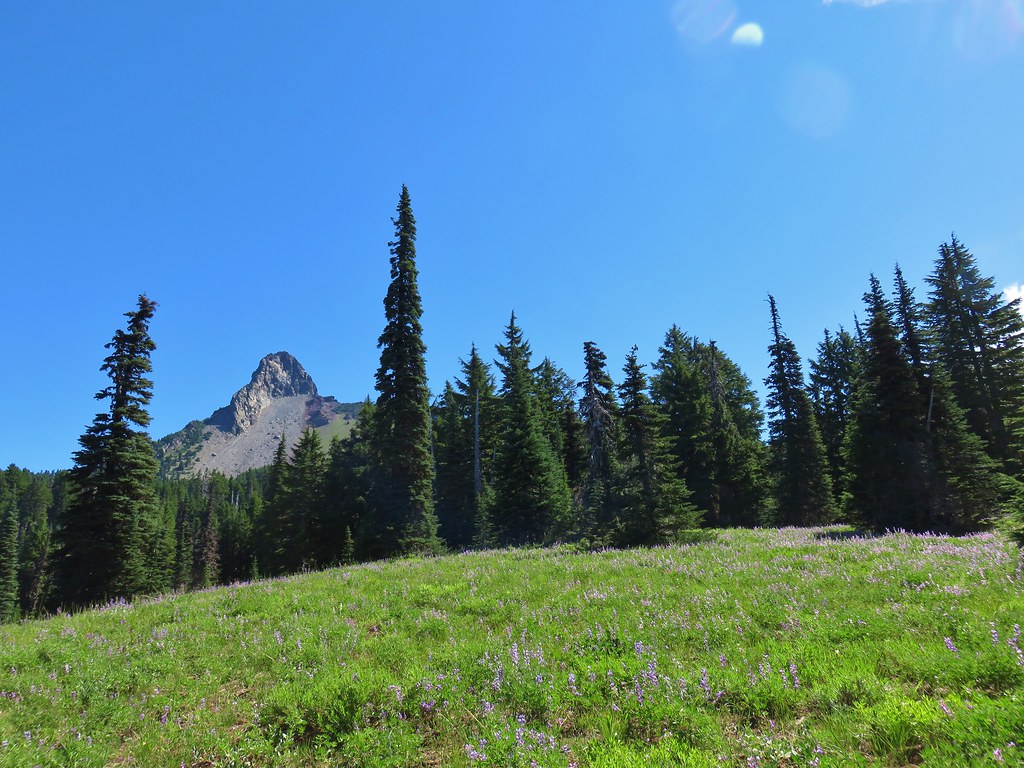
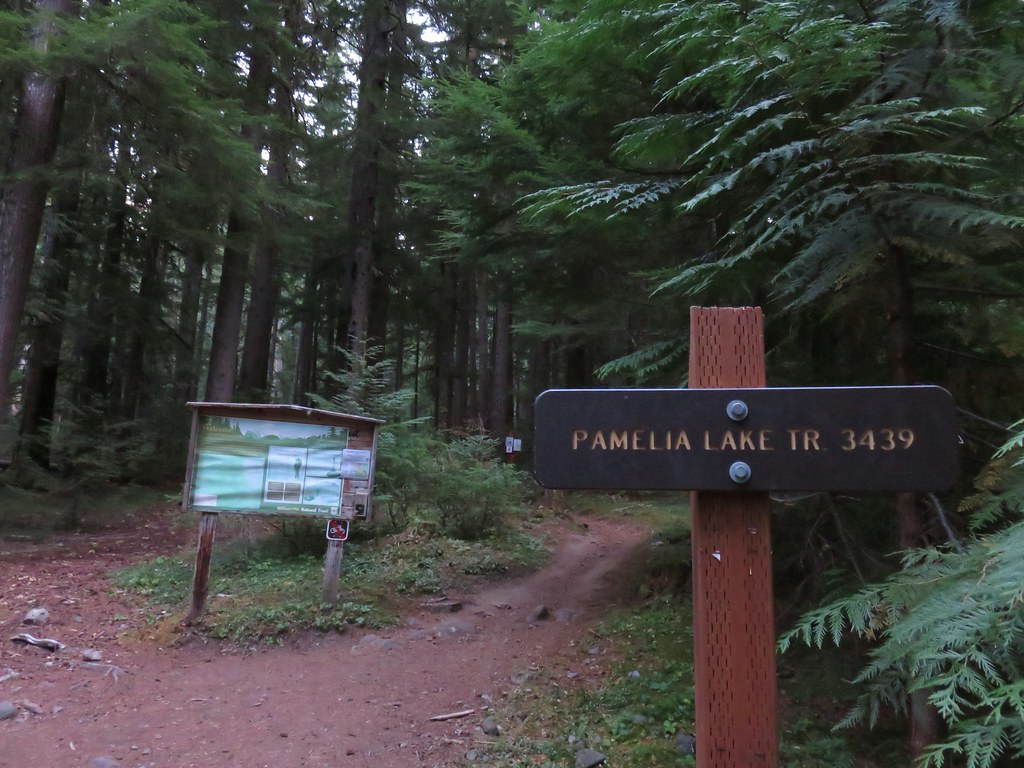
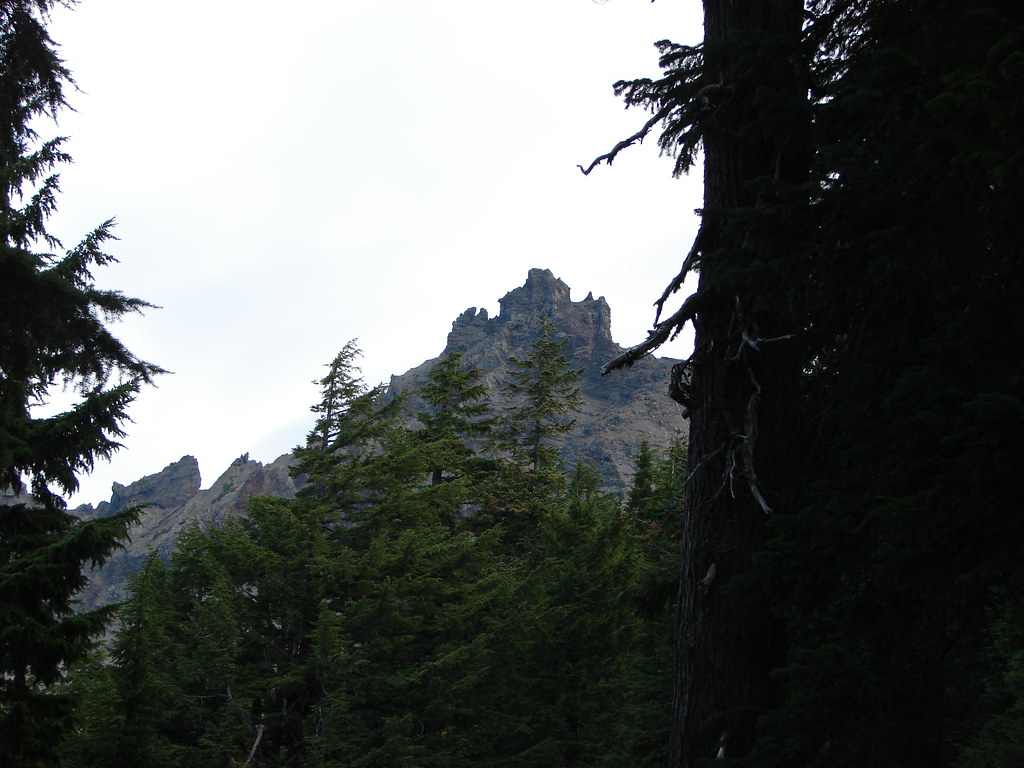
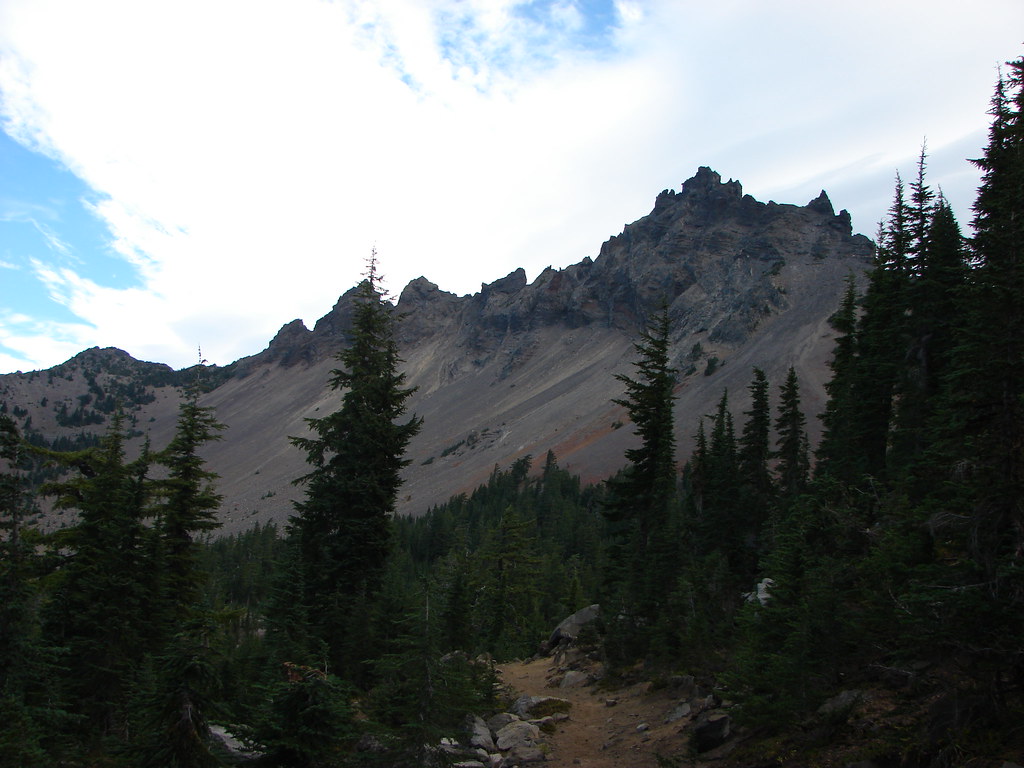
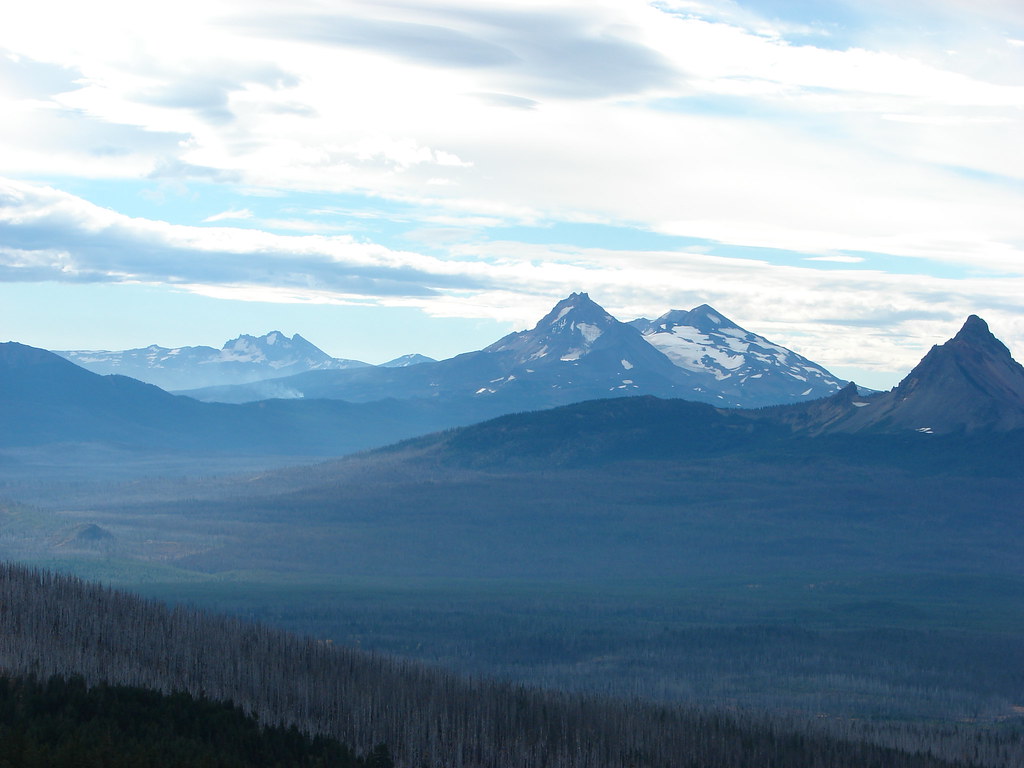
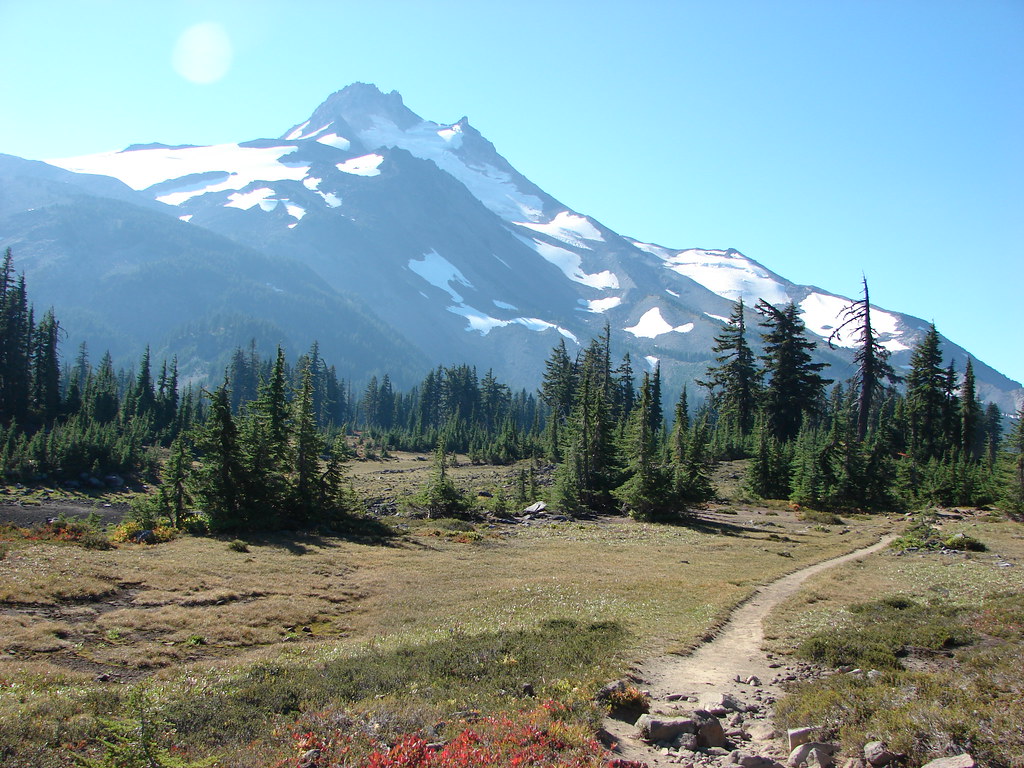
As I mentioned in our recent Table Lake Loop Trip Report (post)we had plans to visit Goat Peak, a 7159′ peak just south of Mt. Jefferson. We had obtained a Pamelia Limited Area Entry Permit in May when they became available for September 8th and 9th. It was a roll of the dice not knowing what the wildfire or weather situations would be four months down the road but it ensured that we would be able to go if conditions permitted it. Aside from a slight chance of showers the morning of the 8th the forecast looked good so that morning we drove to the Pamelia Lake Trailhead and set off.IMG_1945
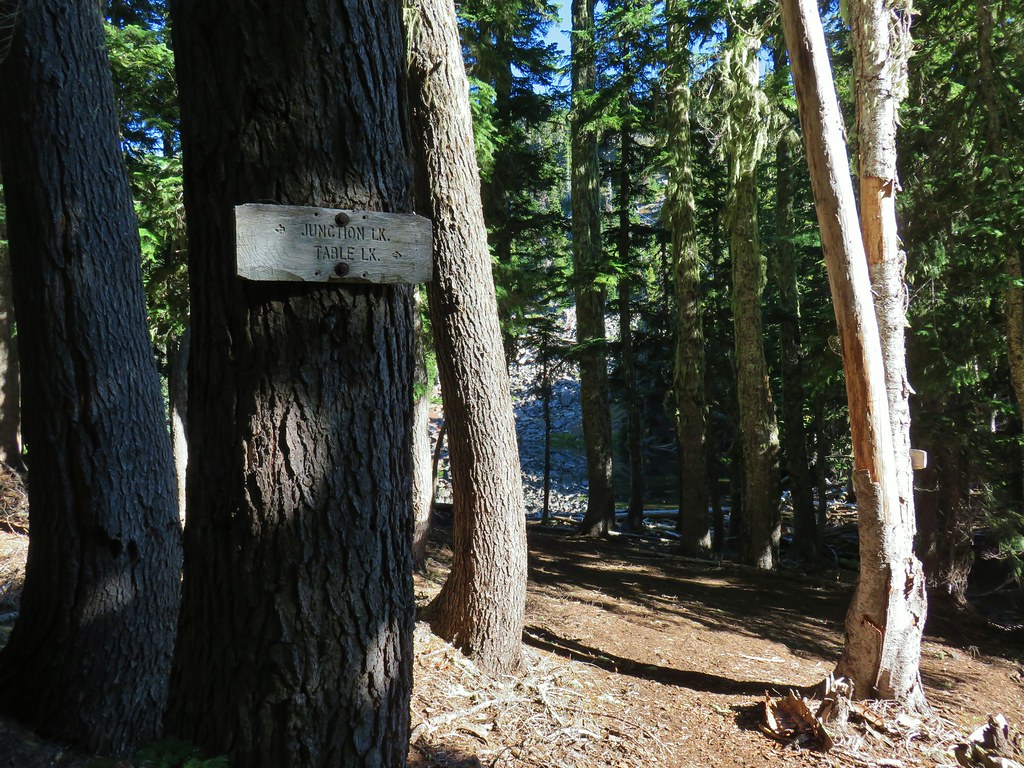
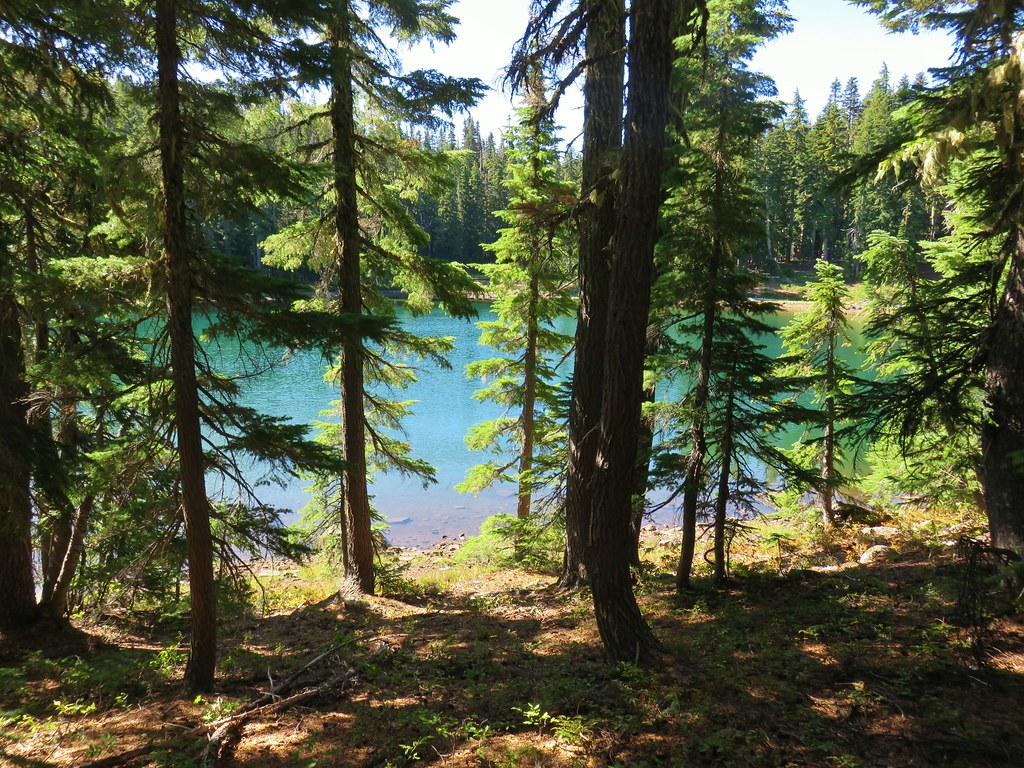
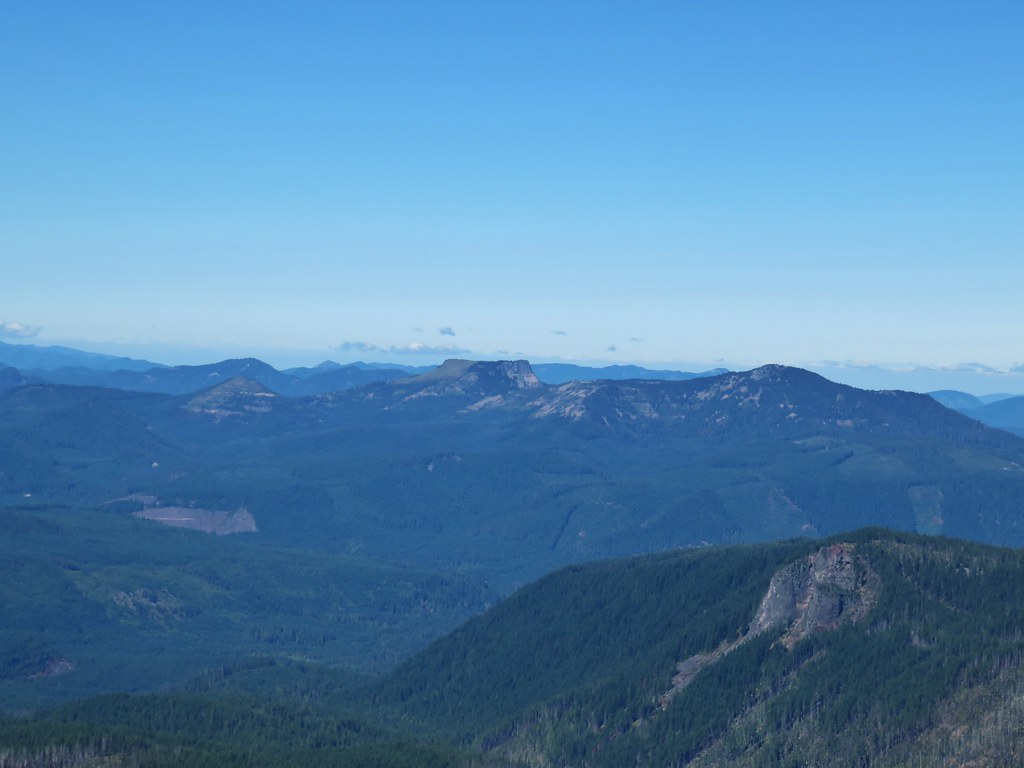
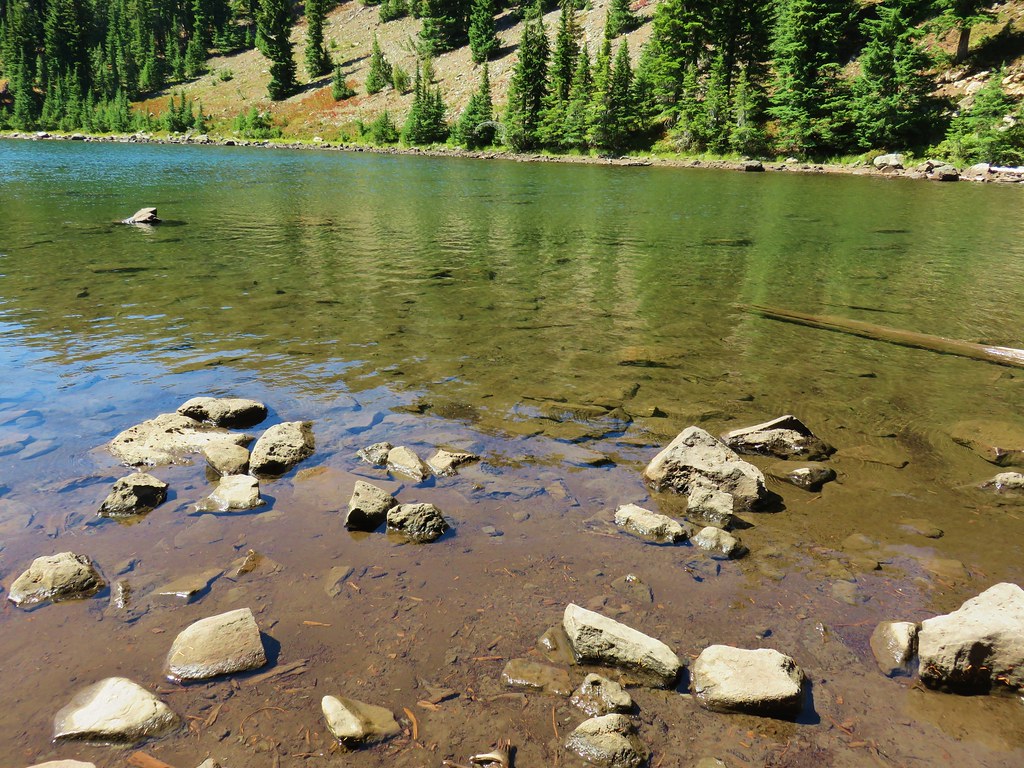
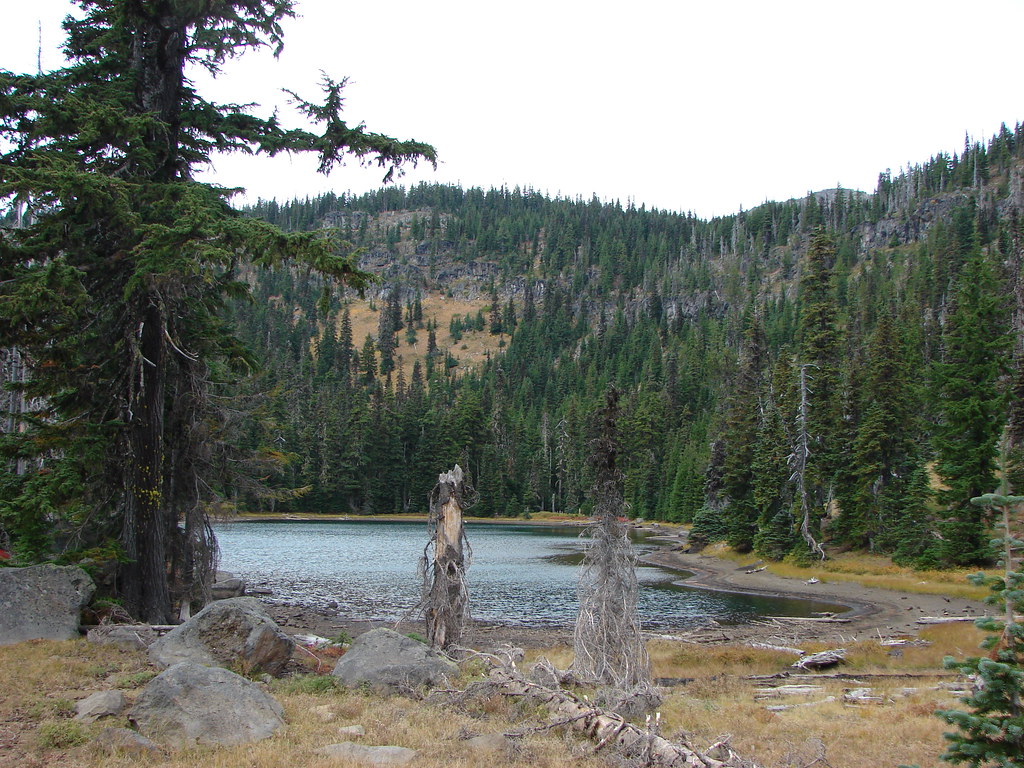
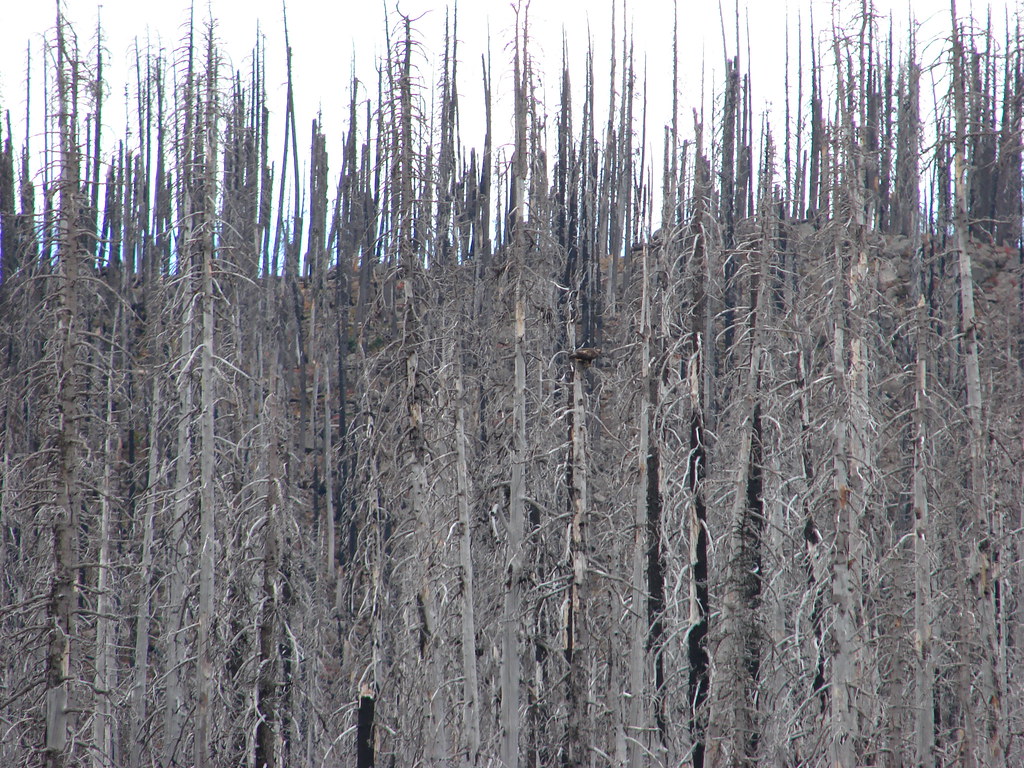
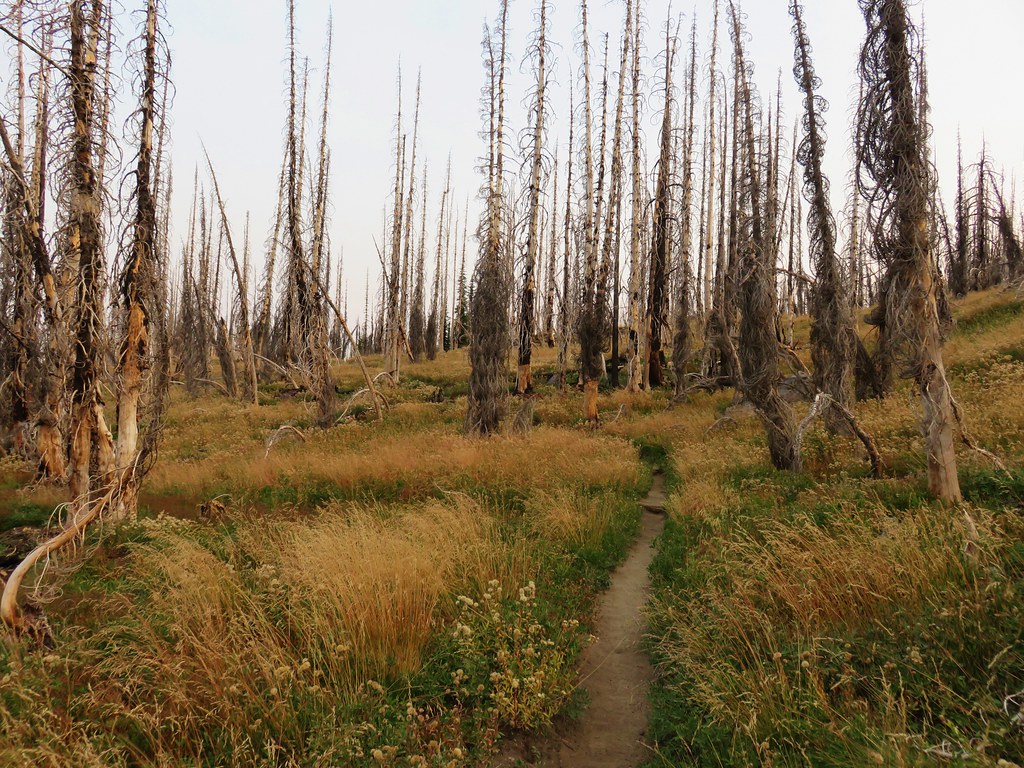
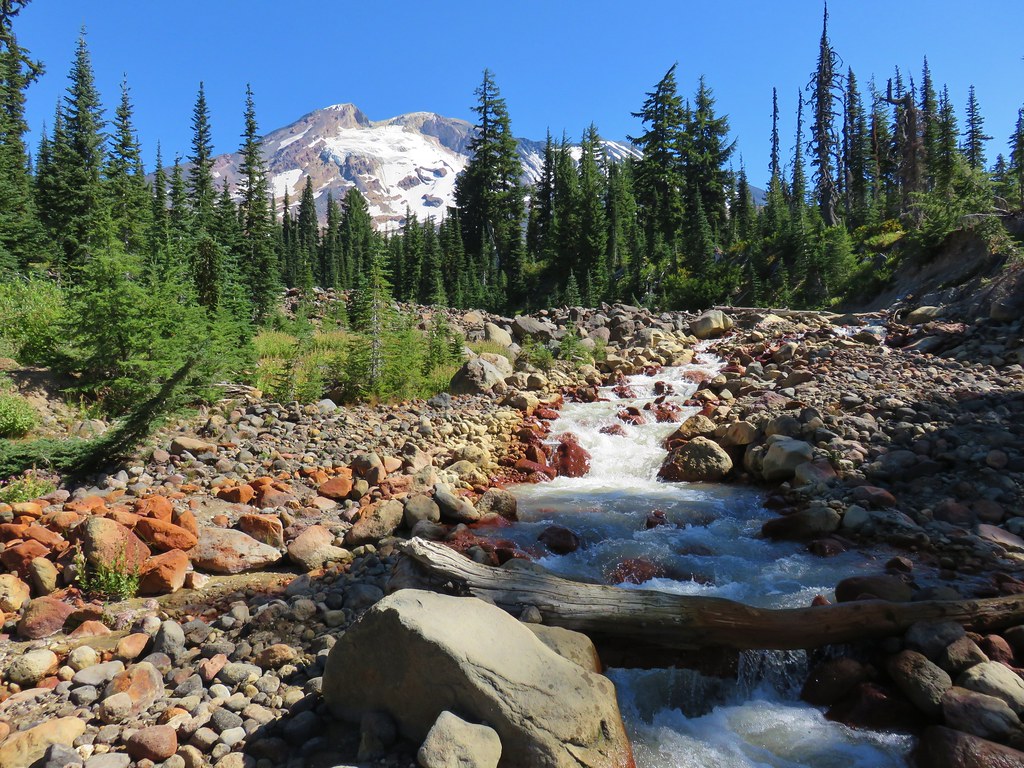
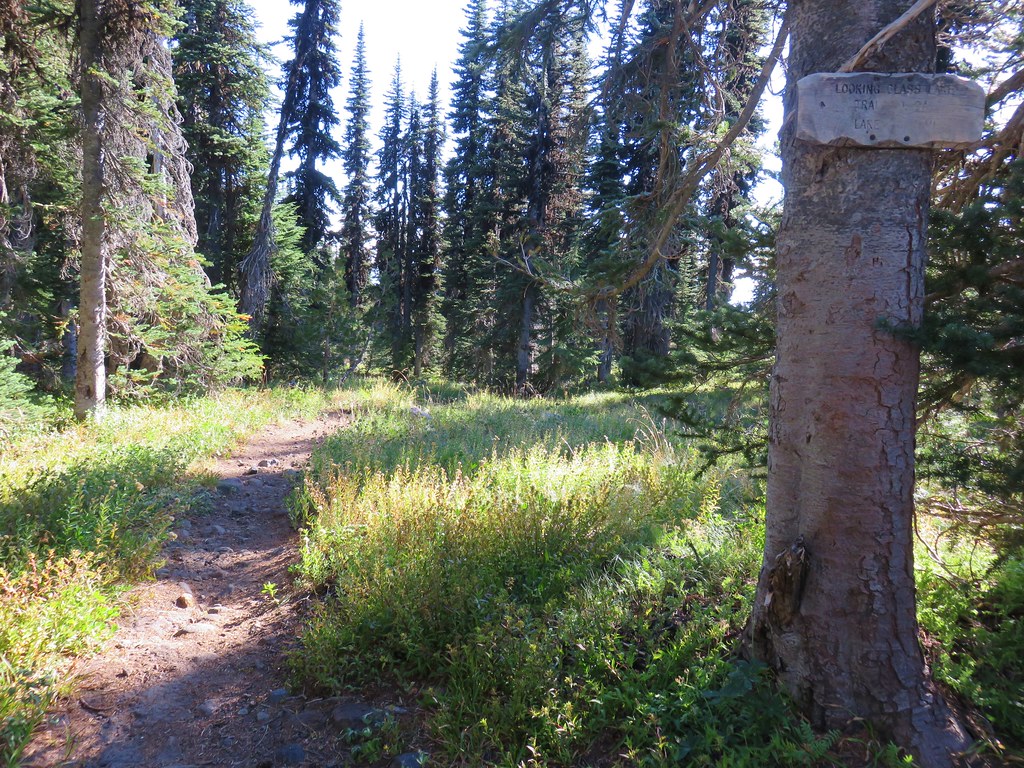
IMG_1946

We had been here once before in 2013 on a long loop to Hunts Cove (post).

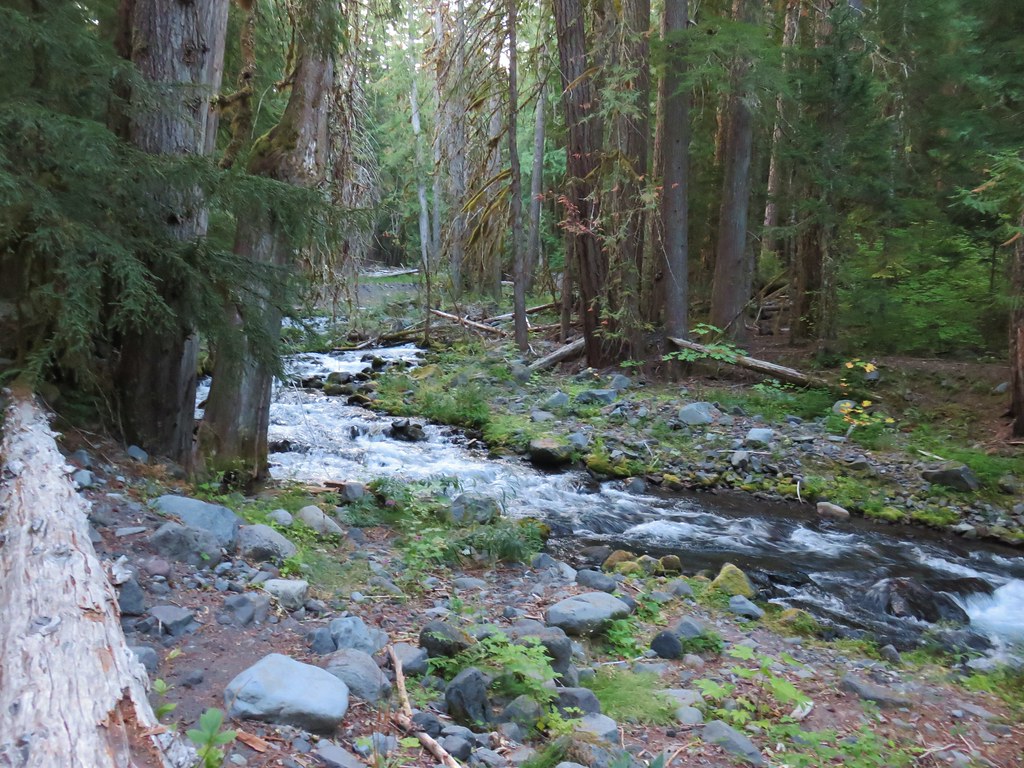
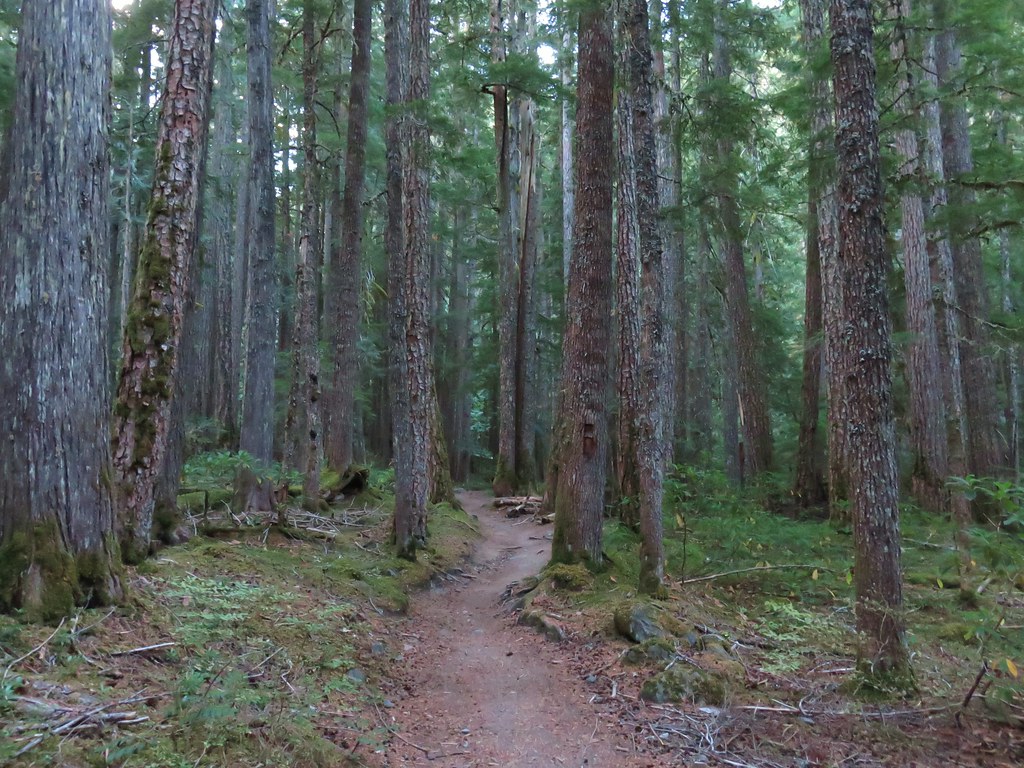
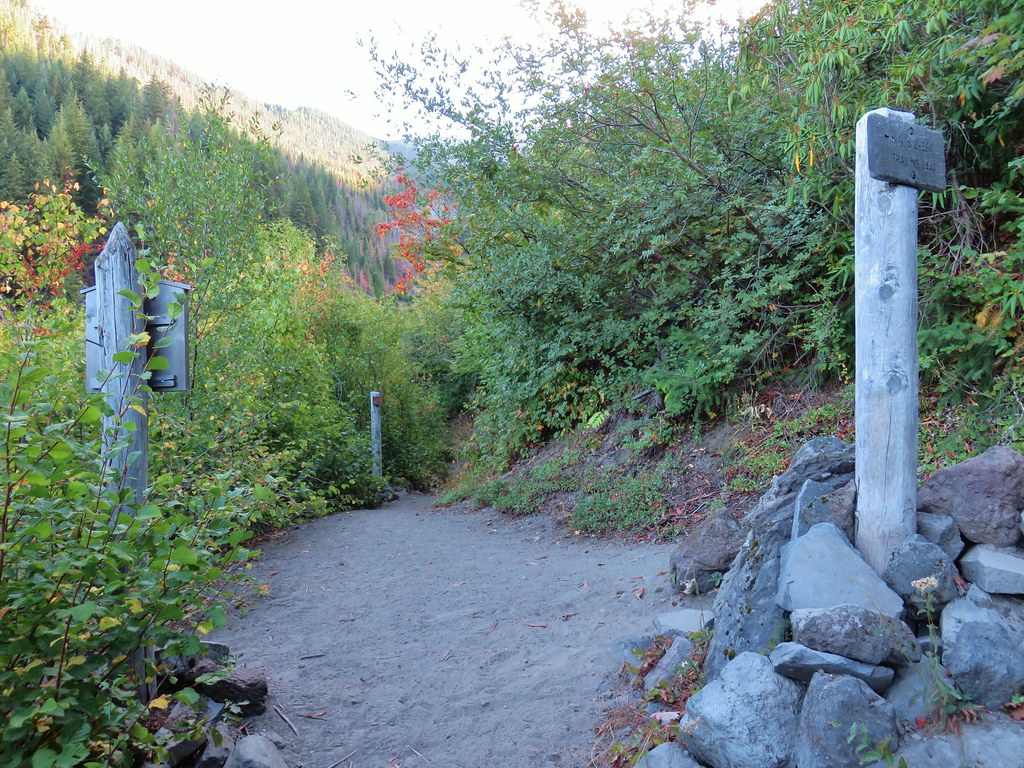
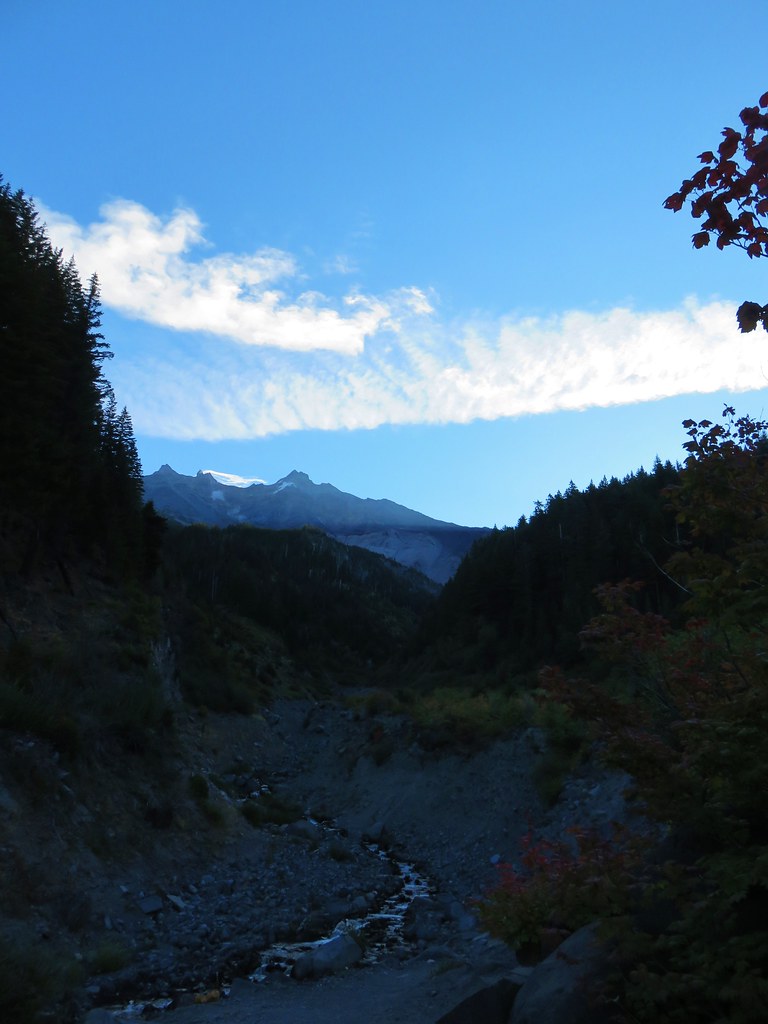
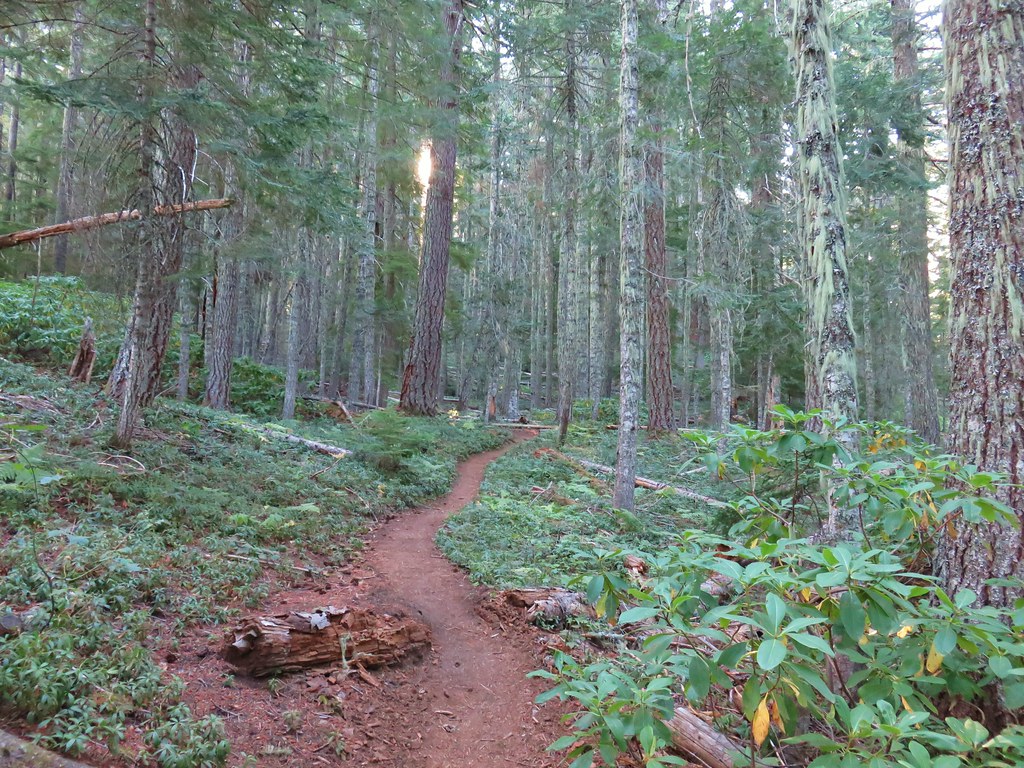
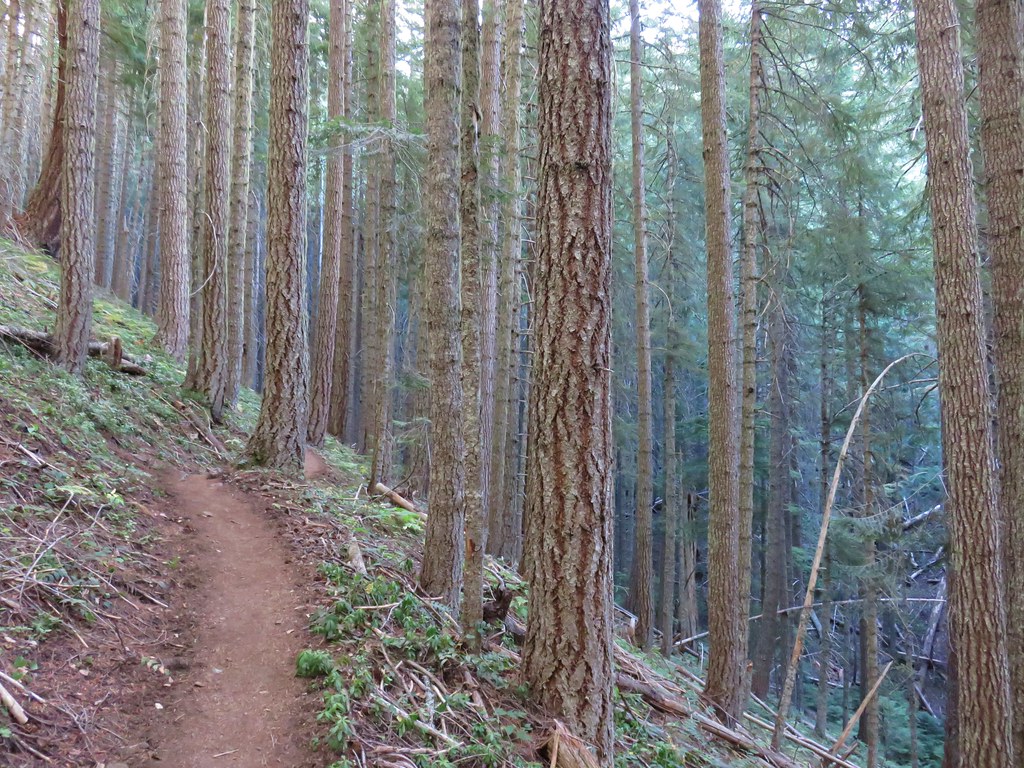
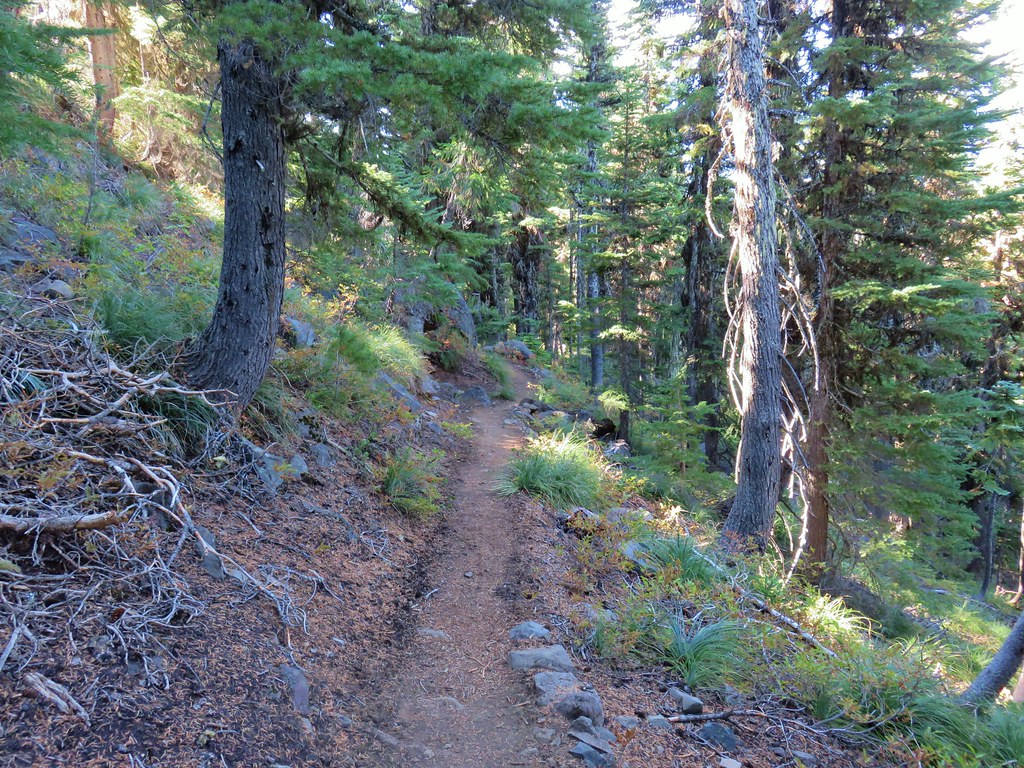
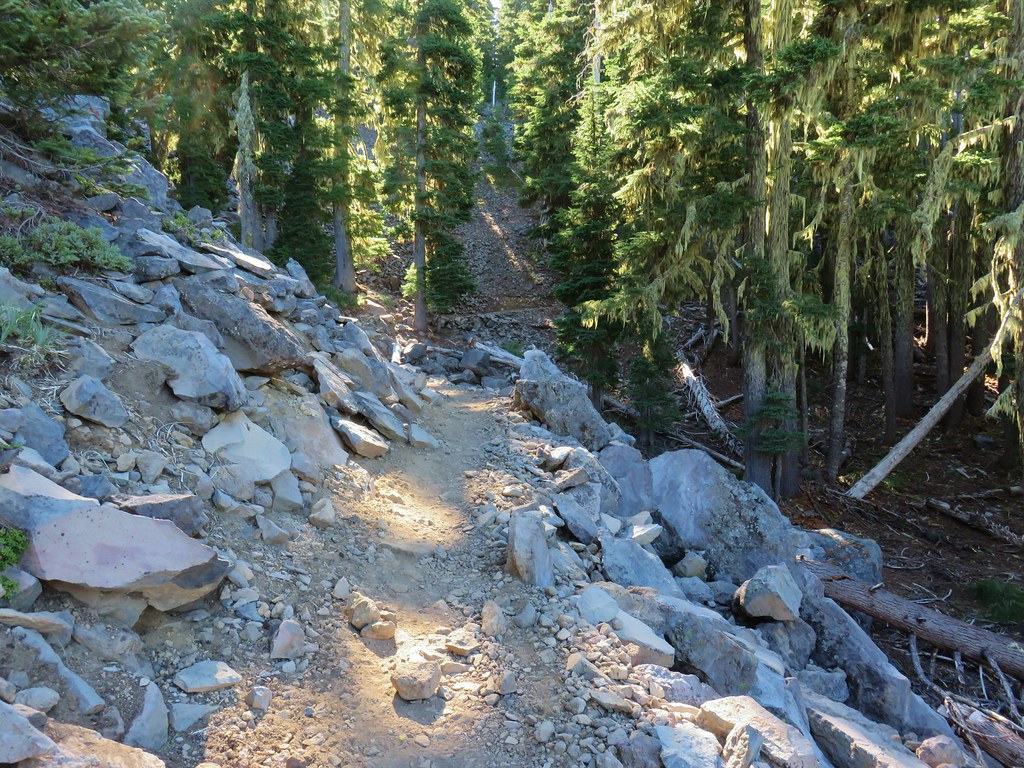
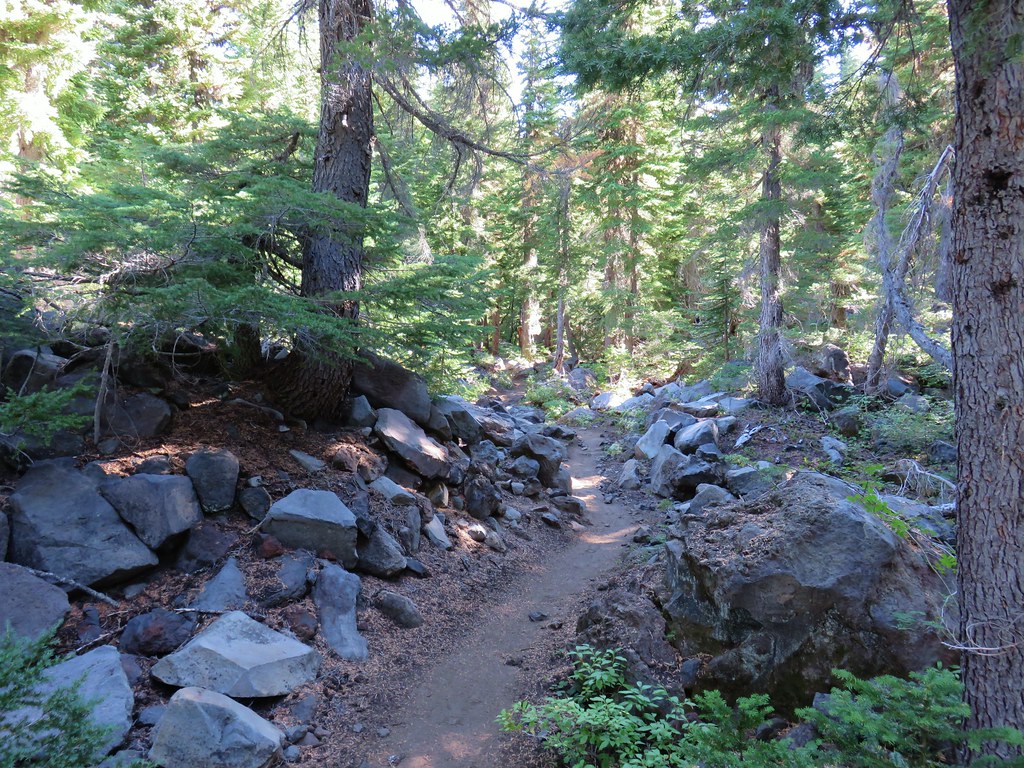
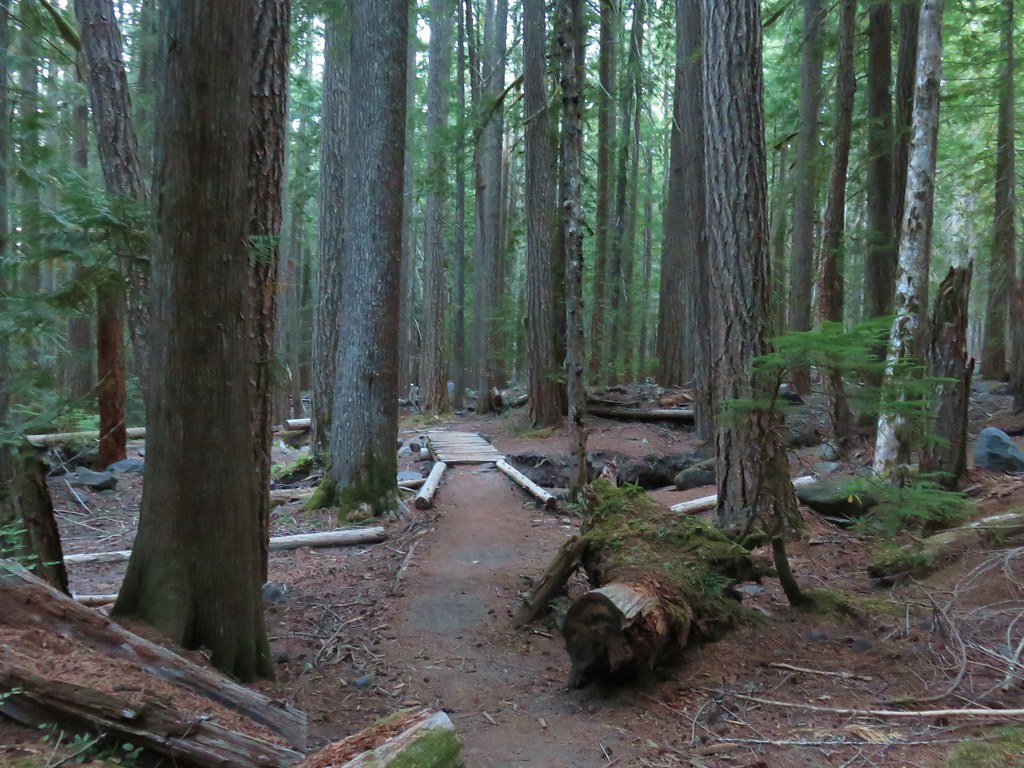
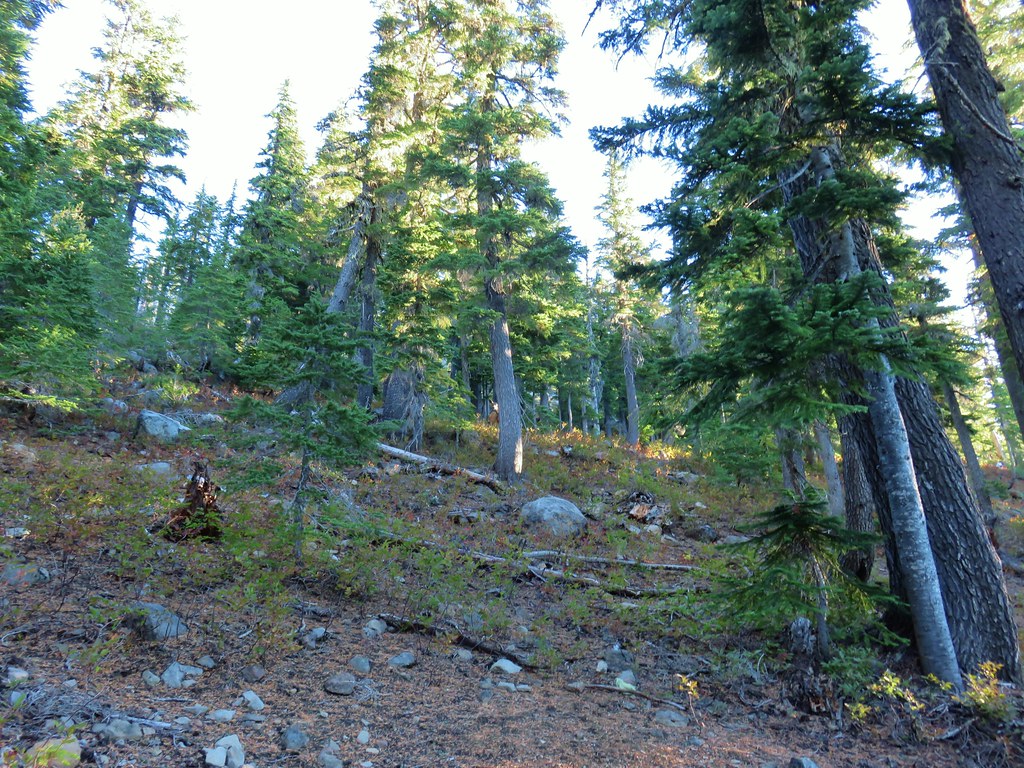
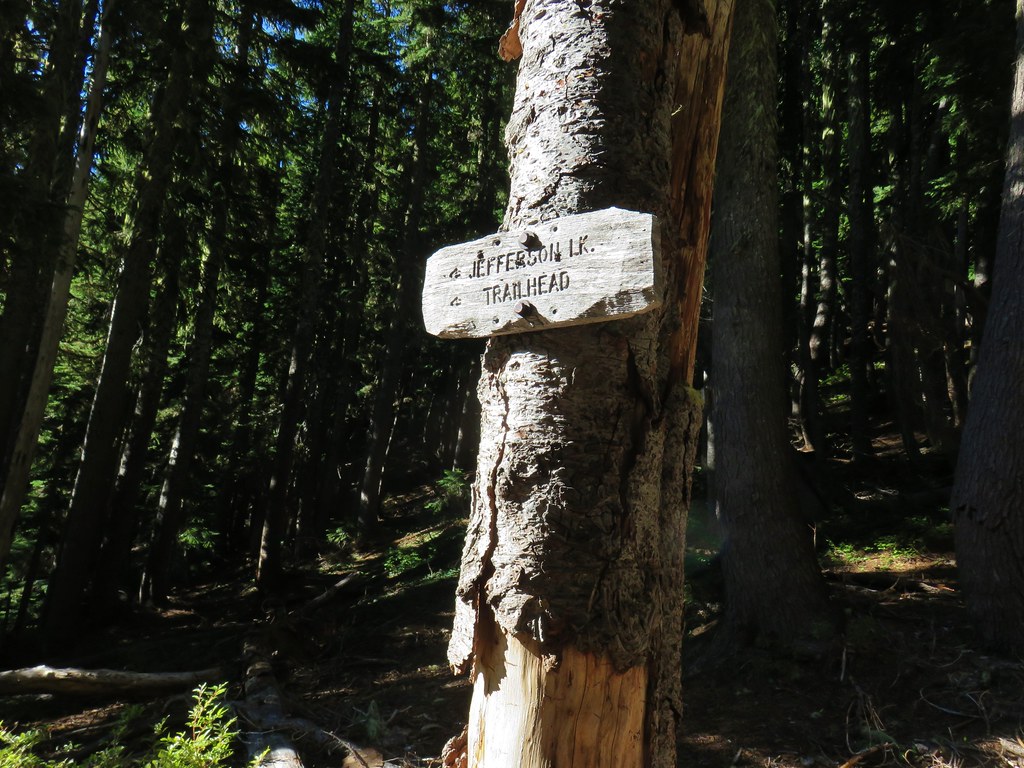
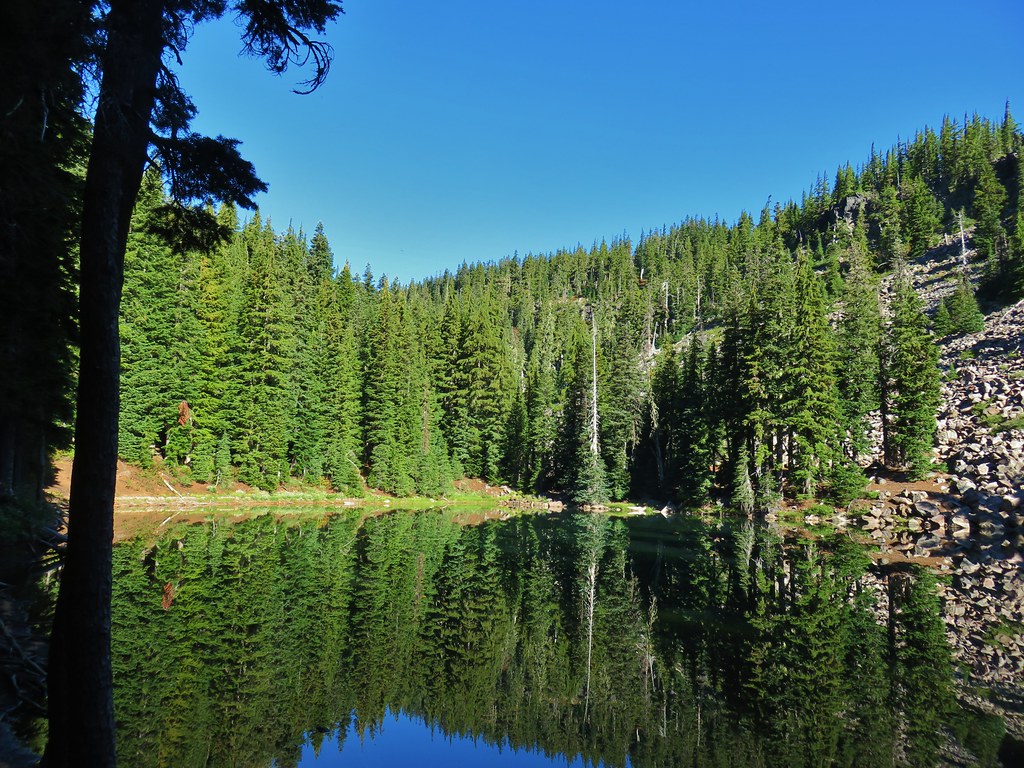
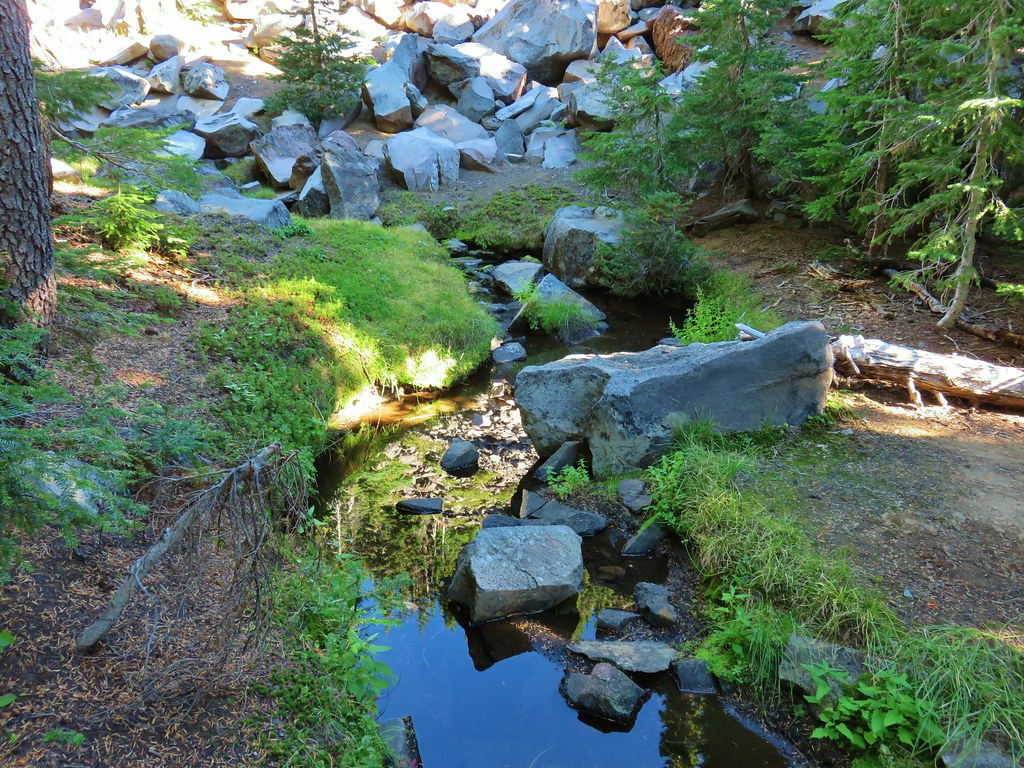
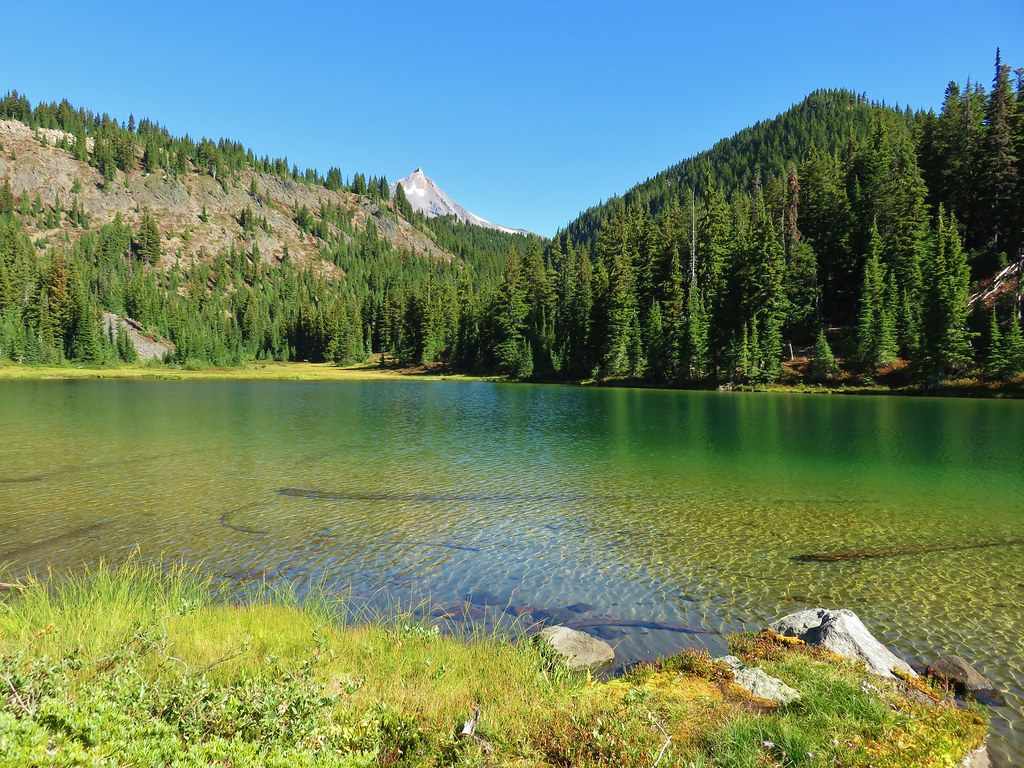
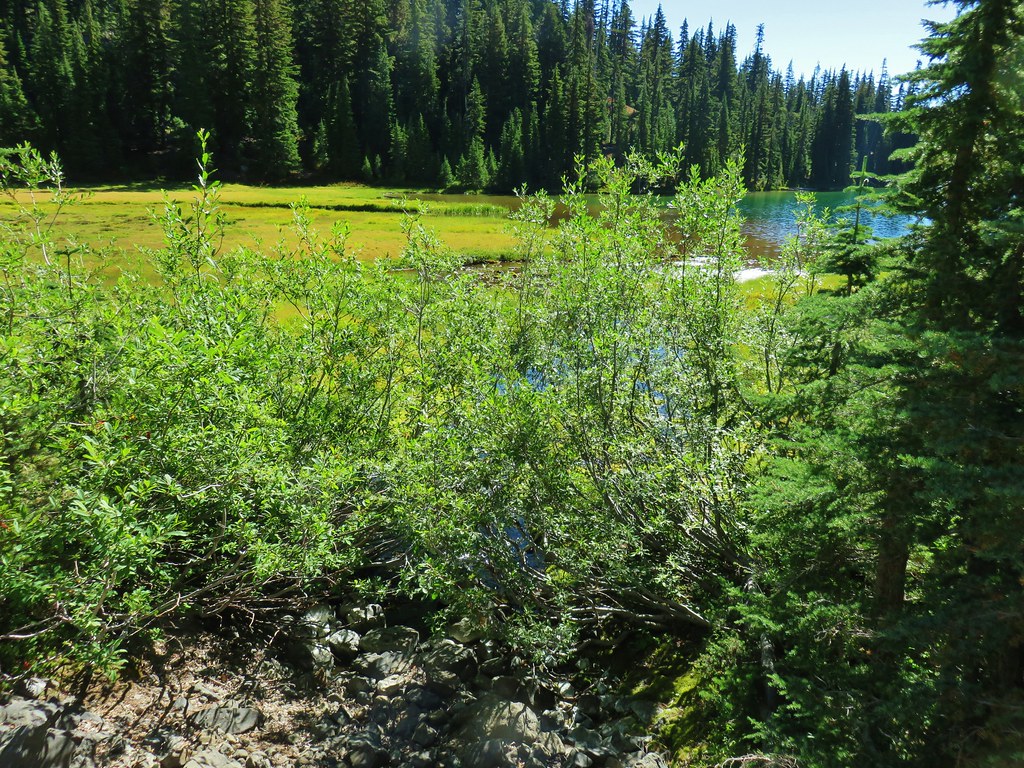
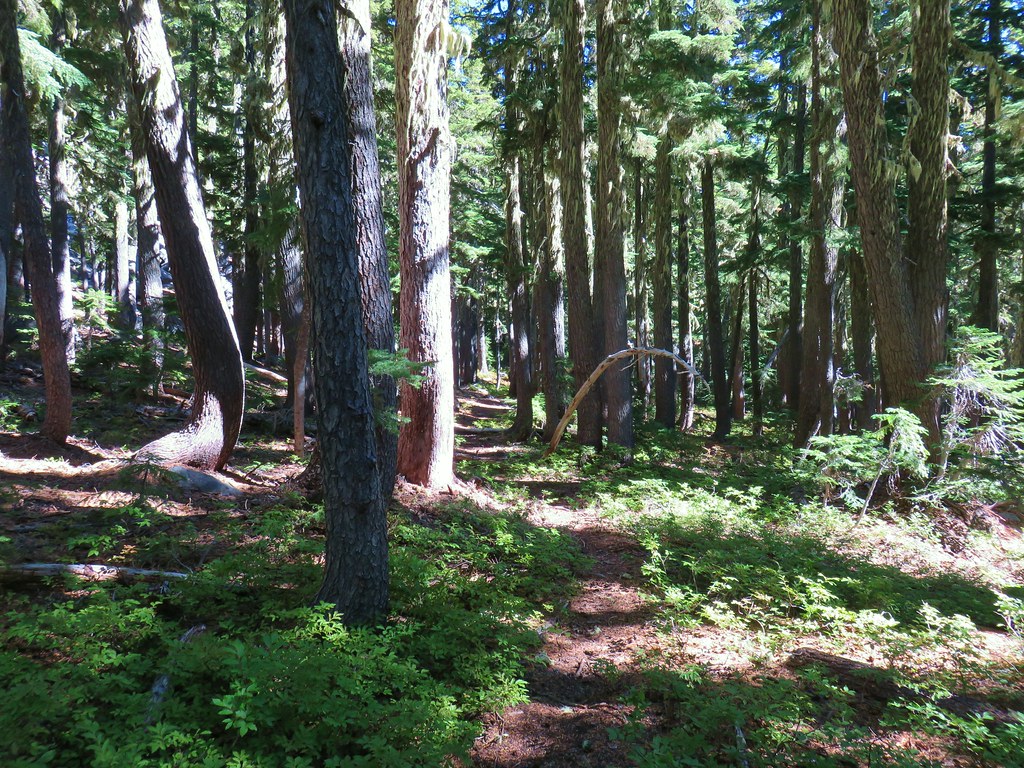
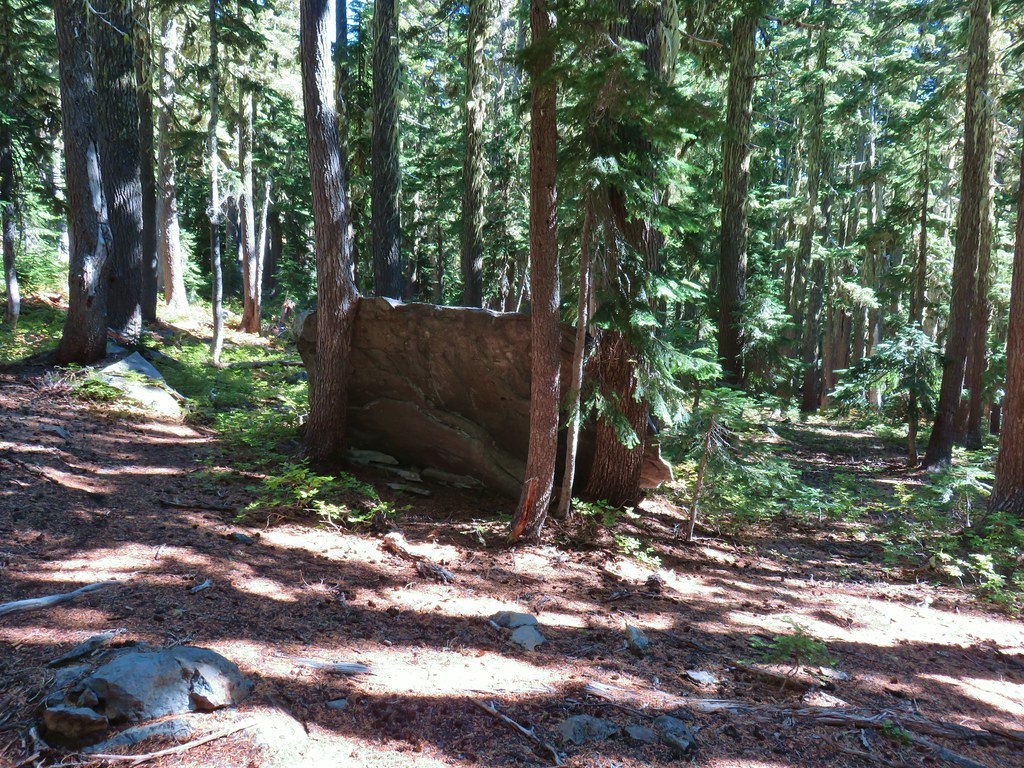
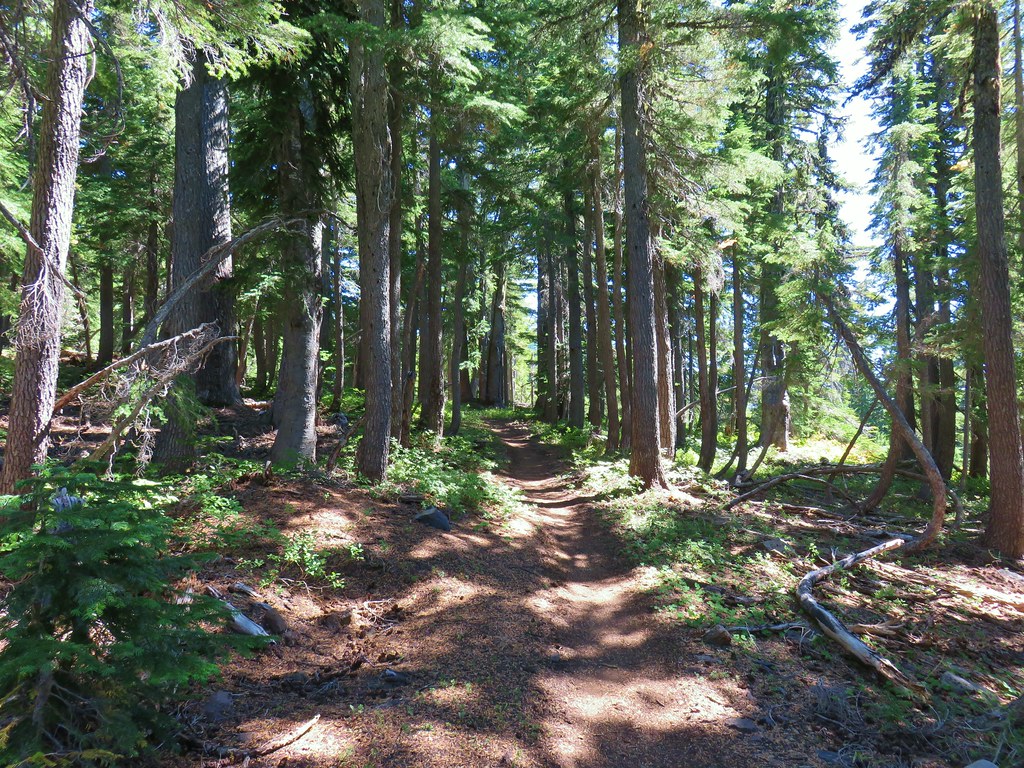
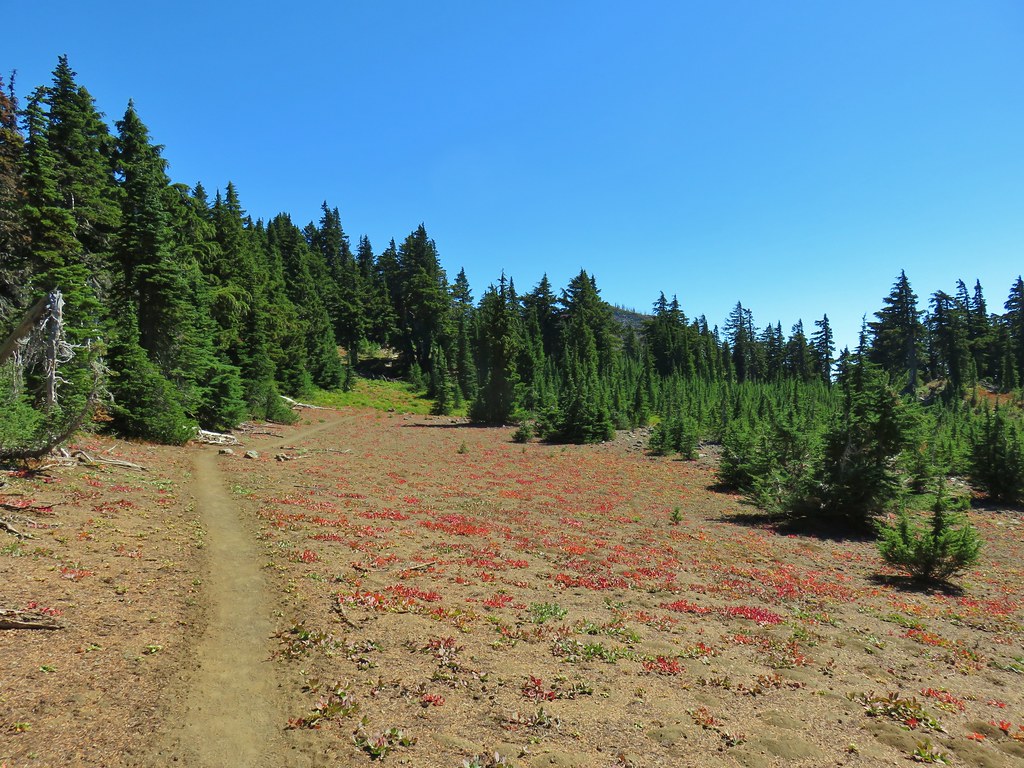
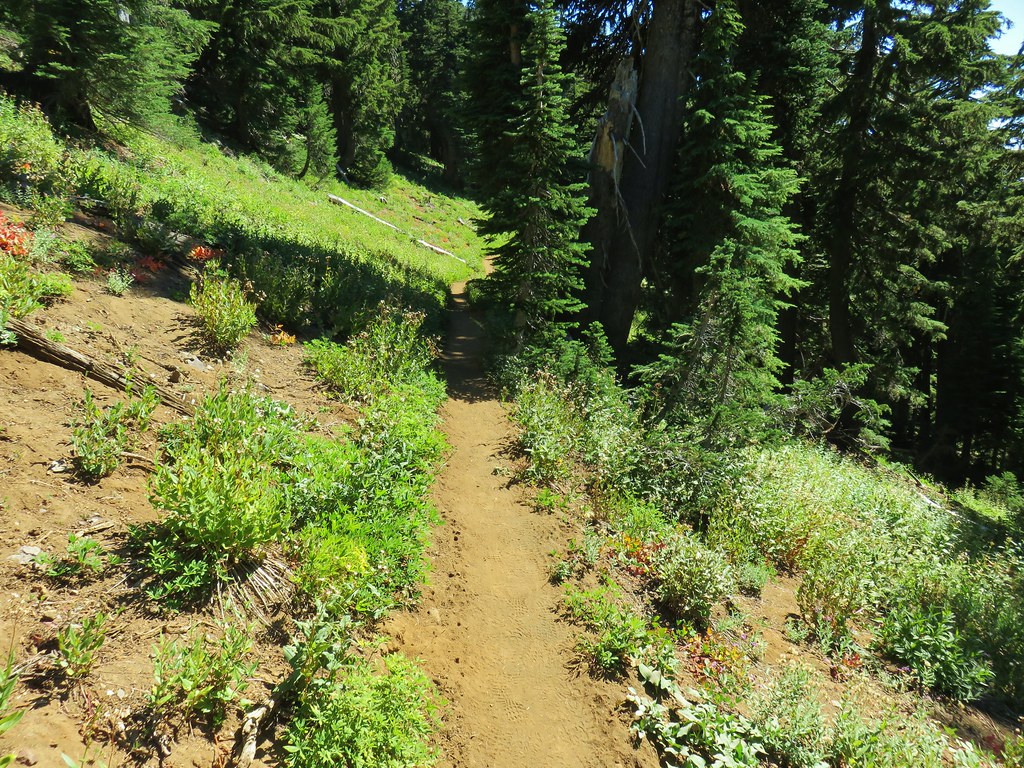
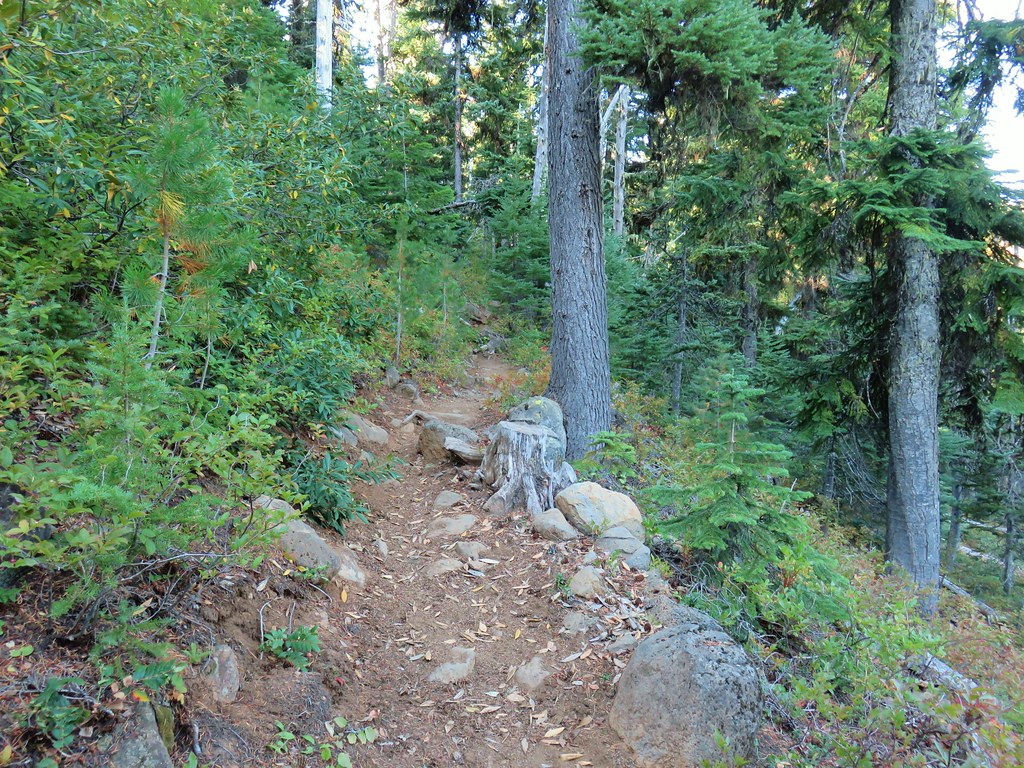
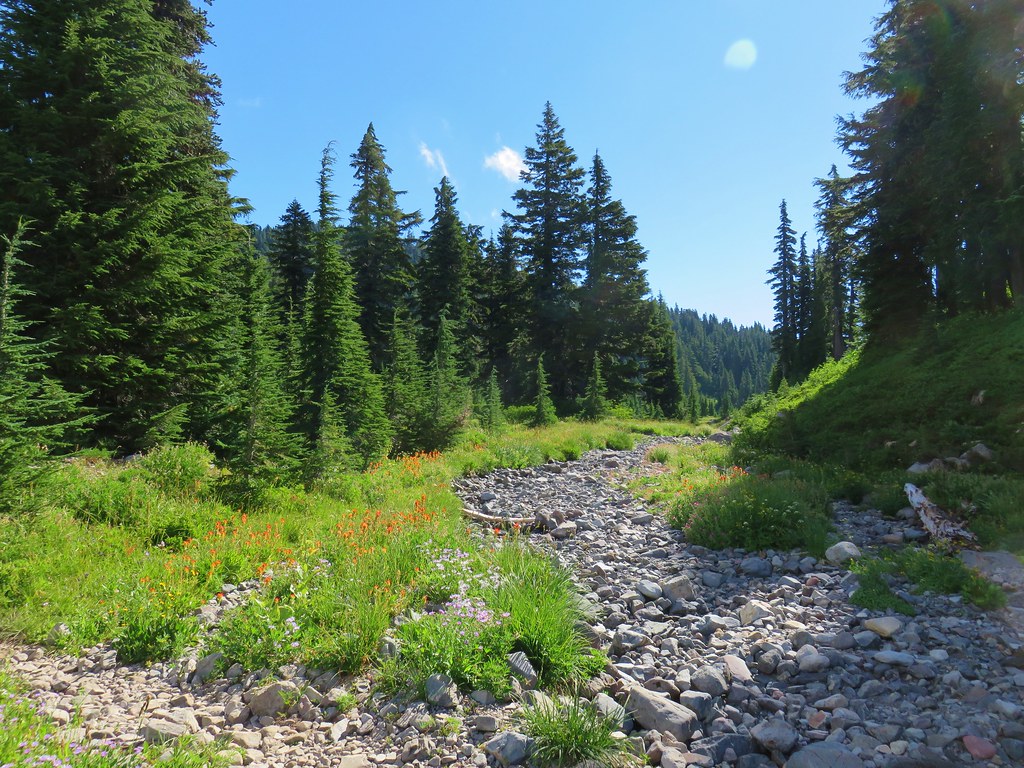
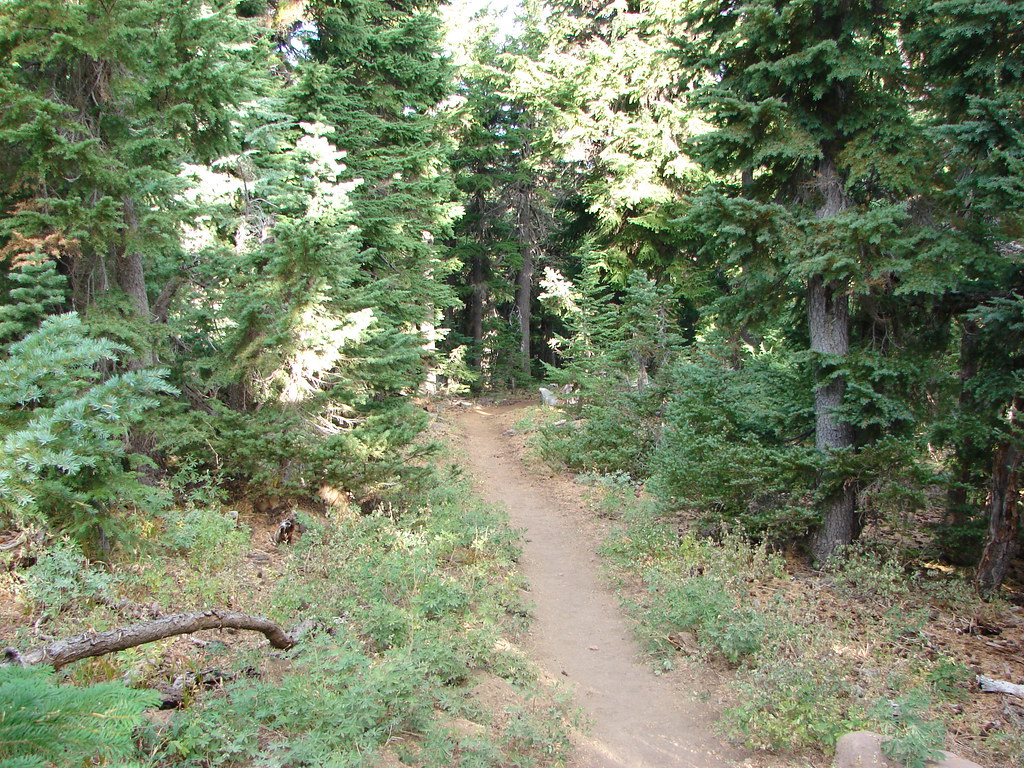
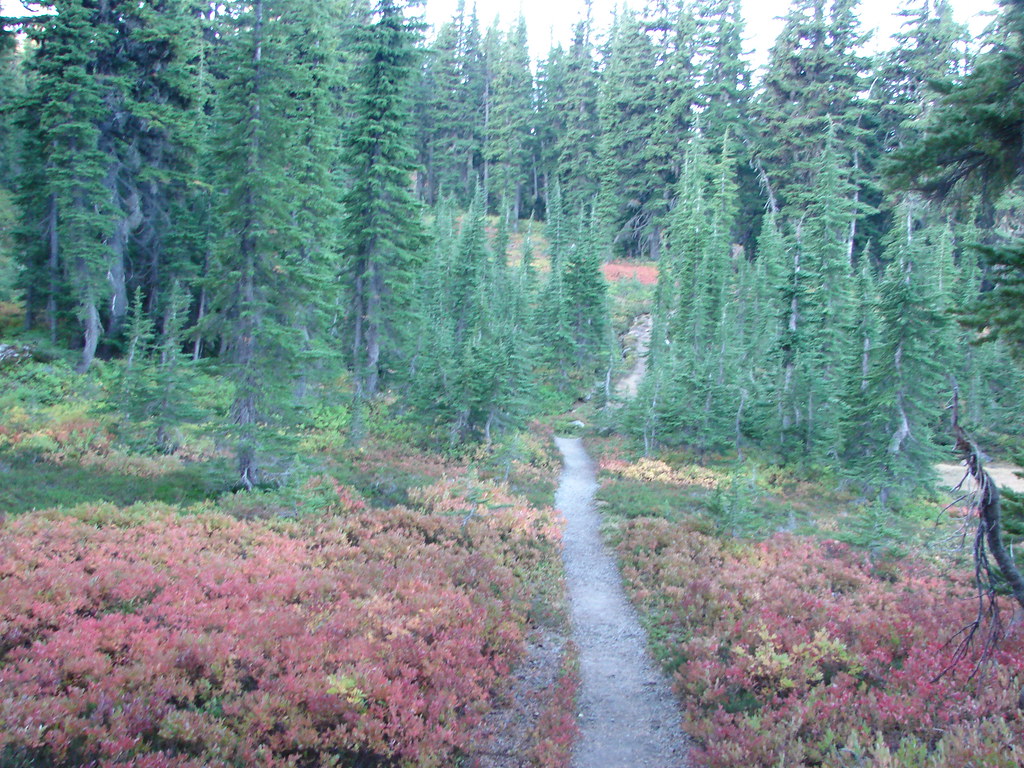
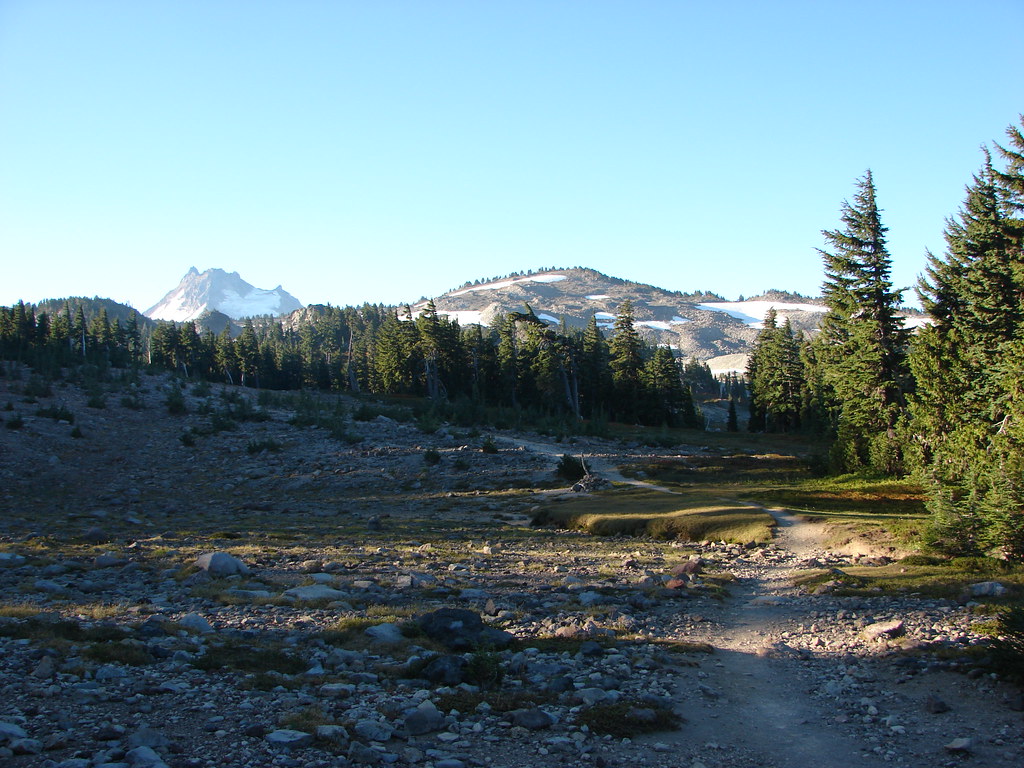
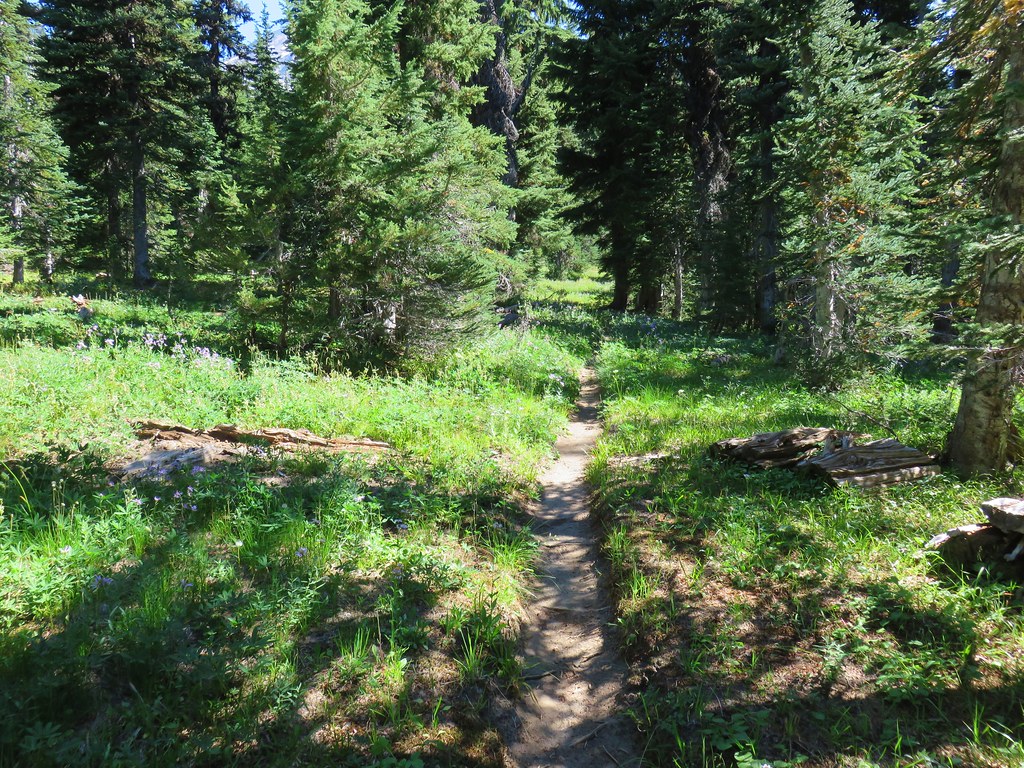
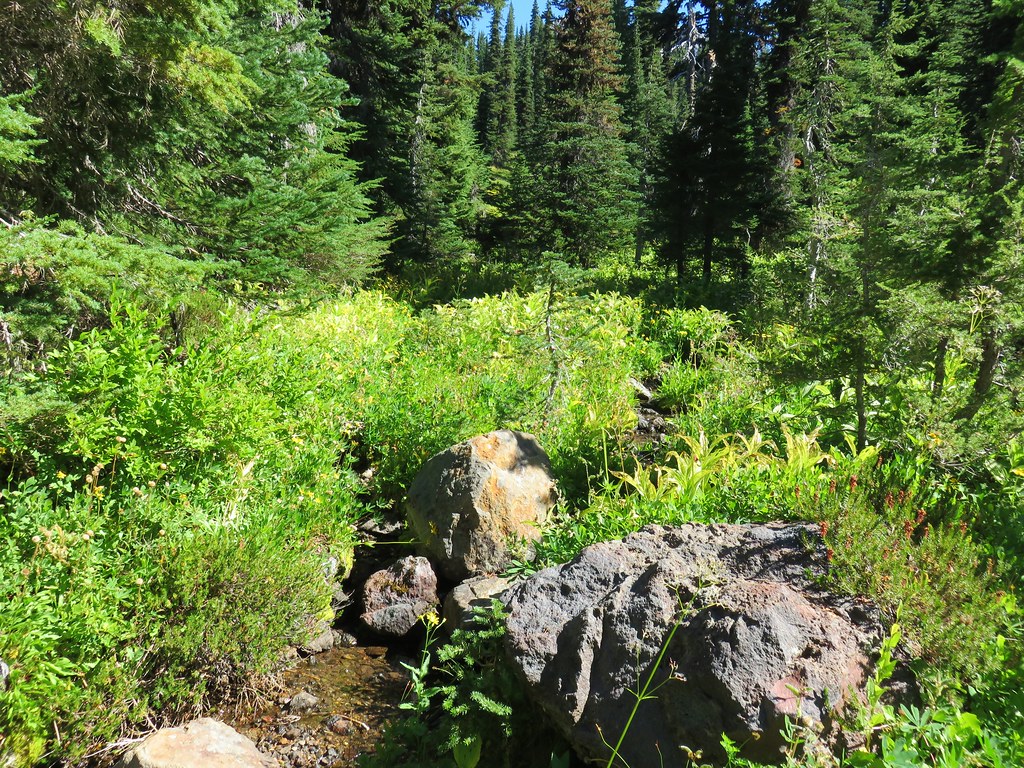
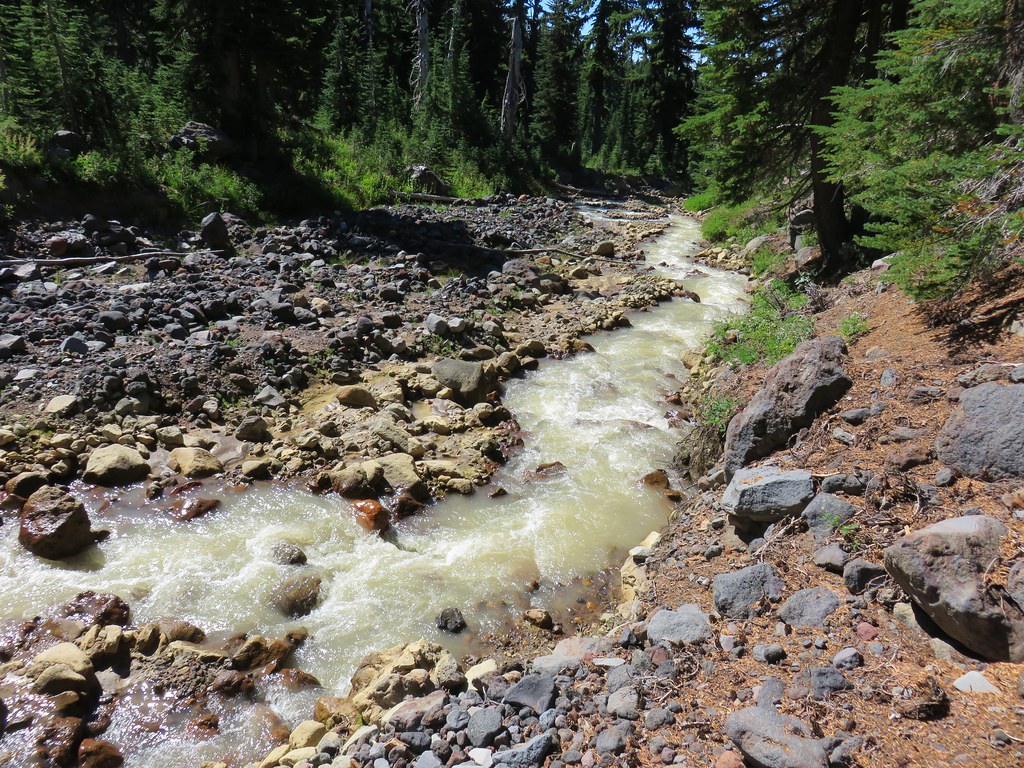
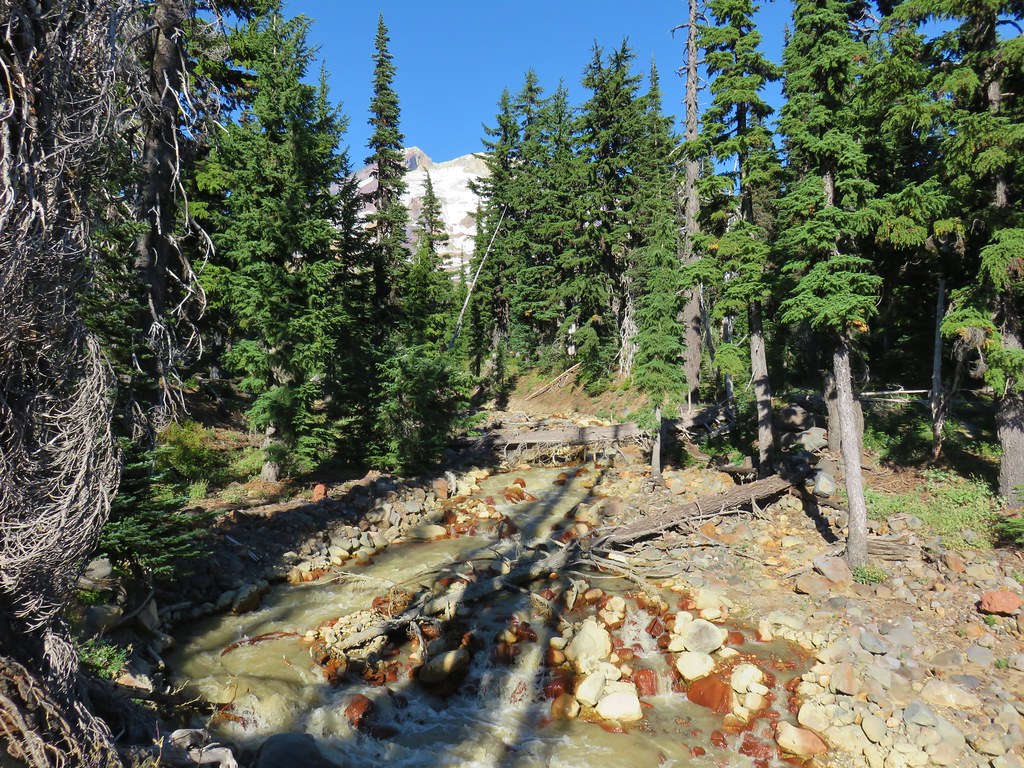
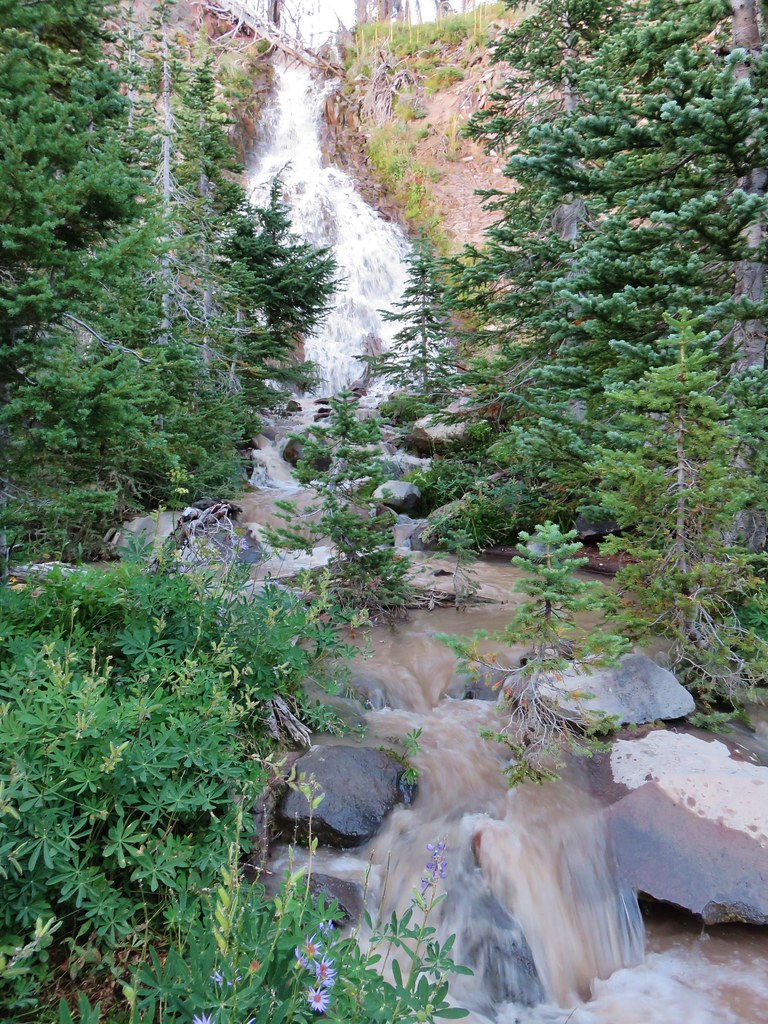
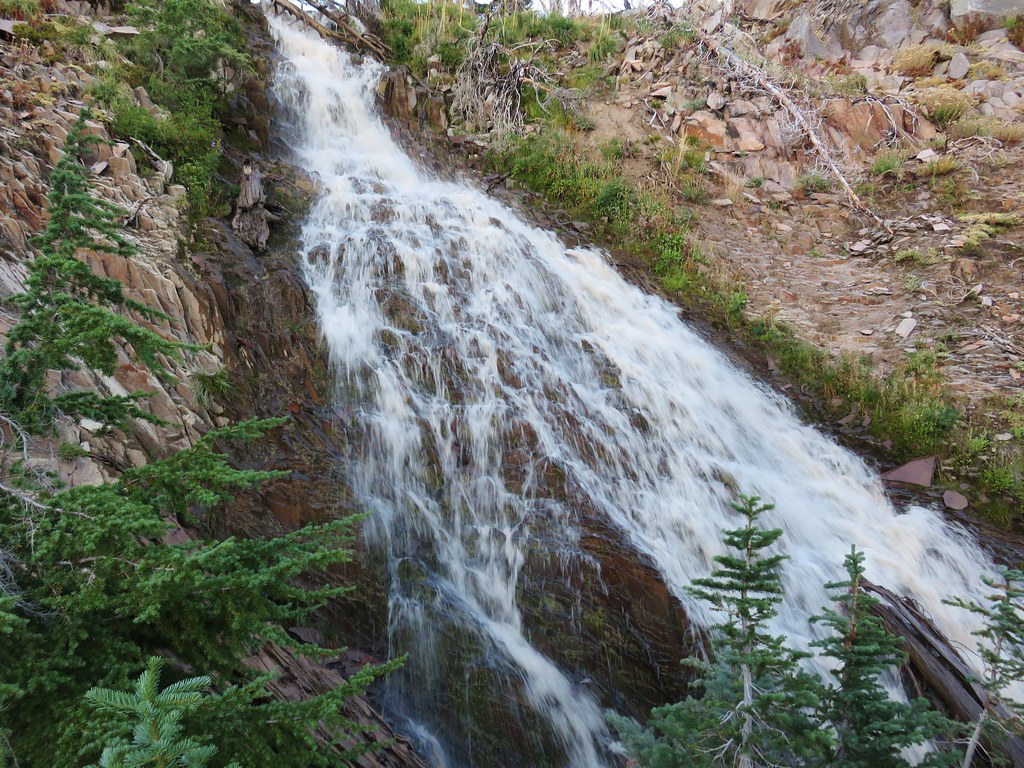
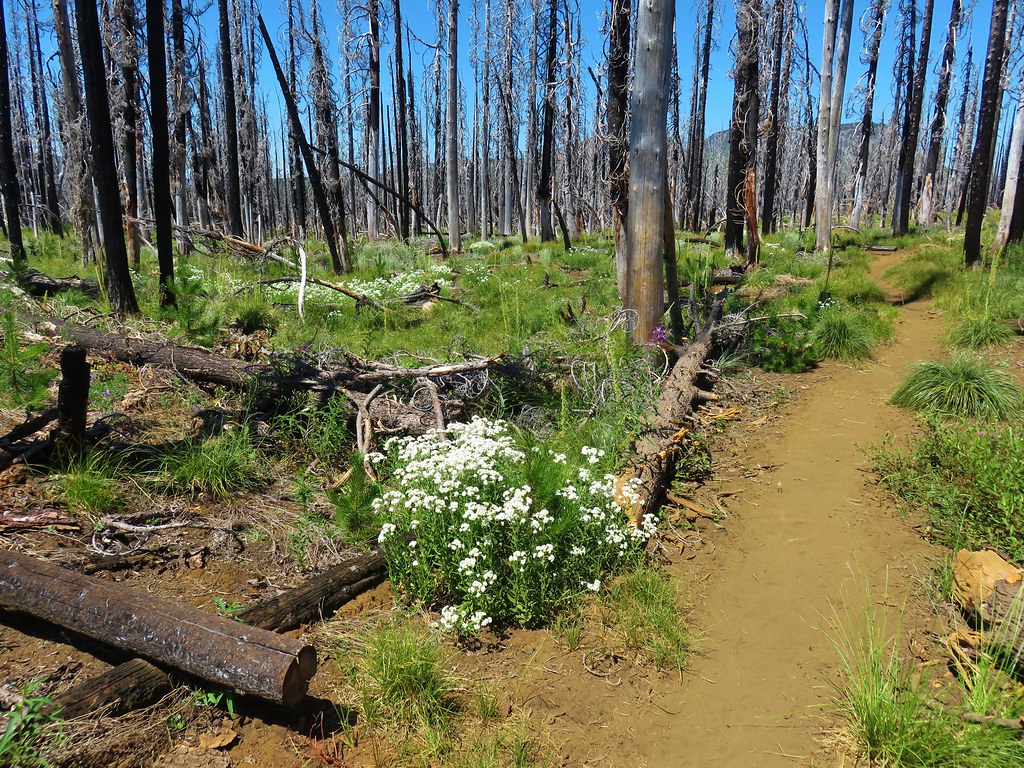
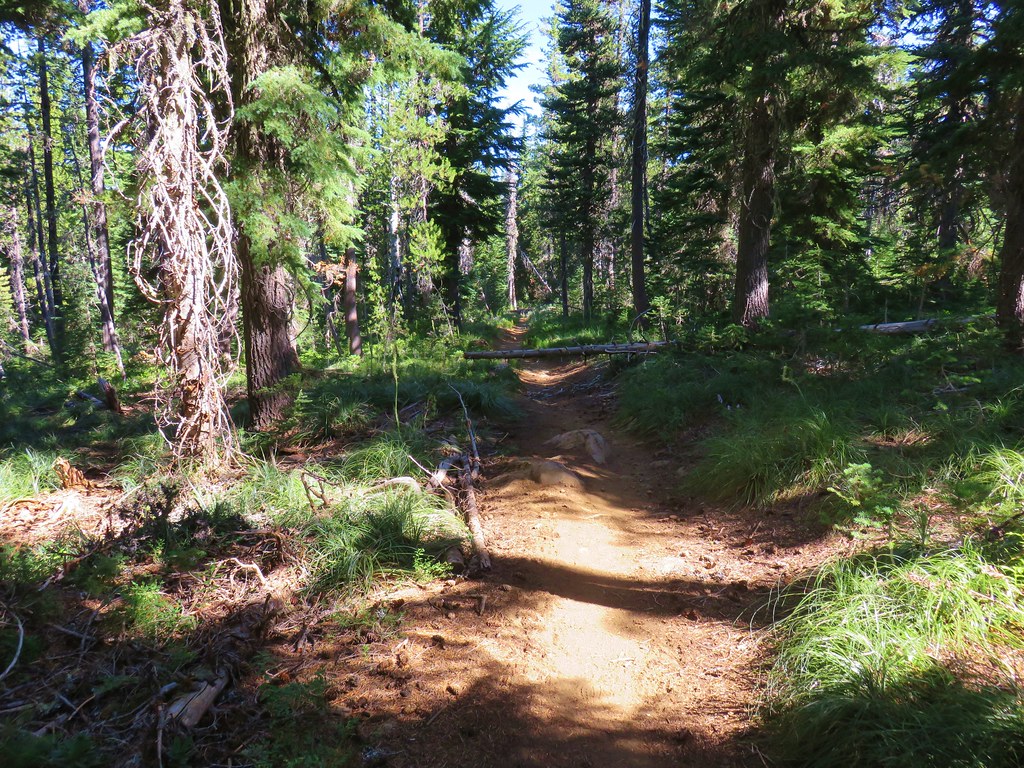
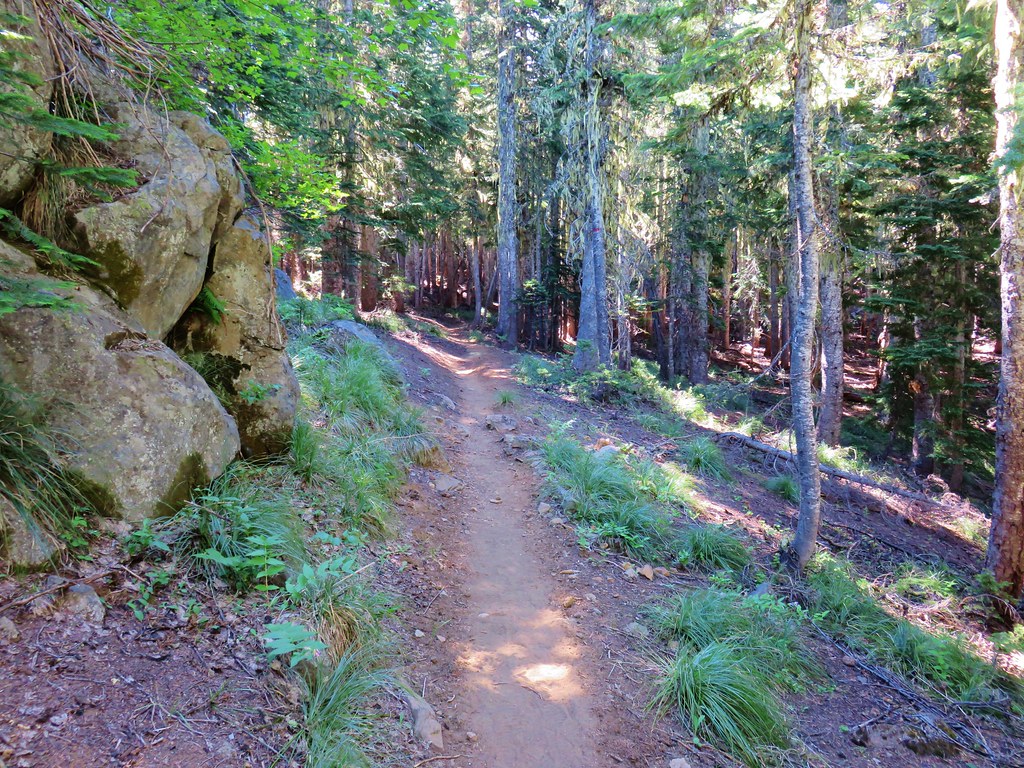
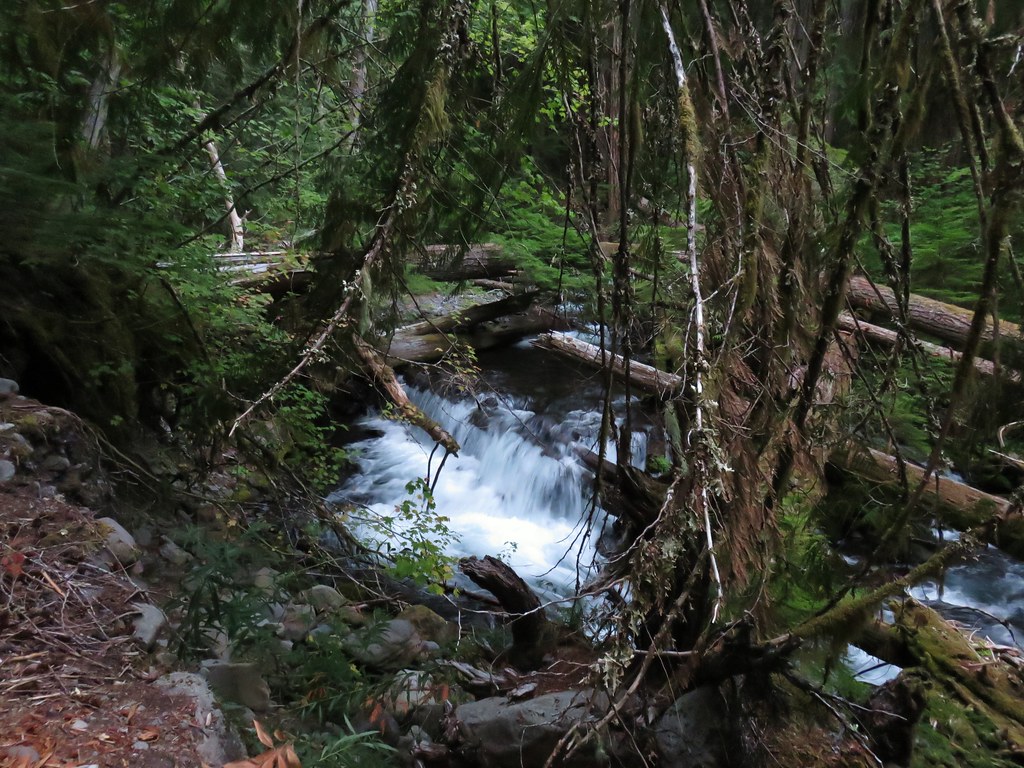
From the trailhead the Pamelia Lake Trail travels just under two and a quarter miles to the lake. Along the way the trail passes through some very nice forest scenery with several views of Pamelia Creek.IMG_1948
IMG_1950

IMG_1954

IMG_1955

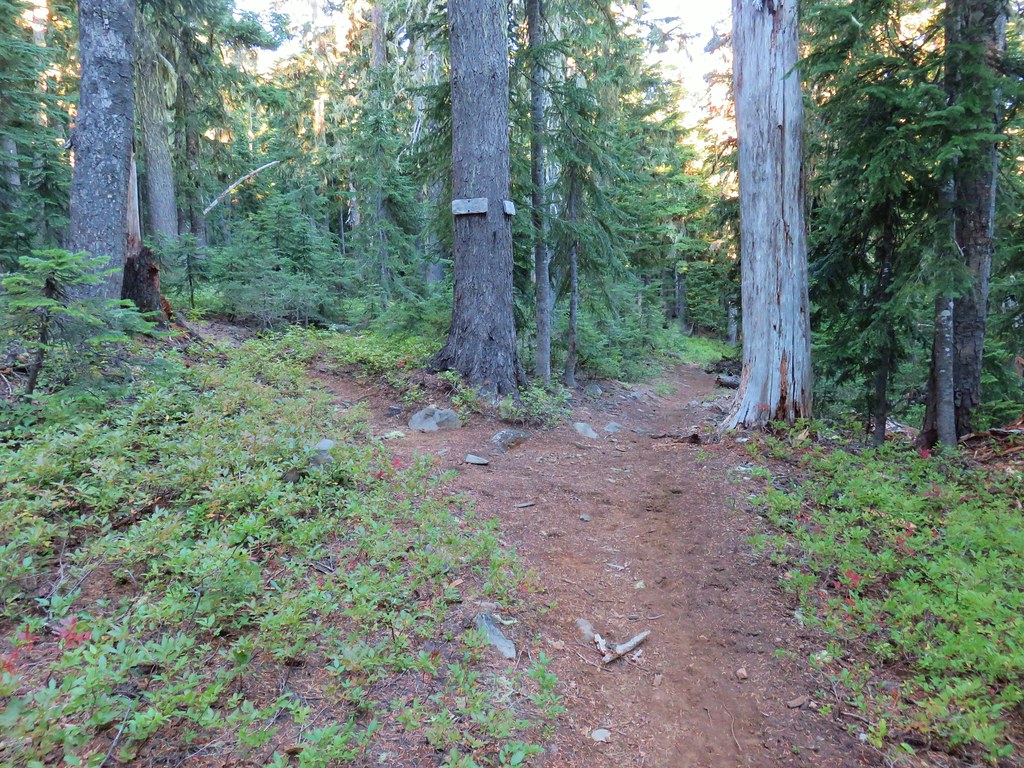
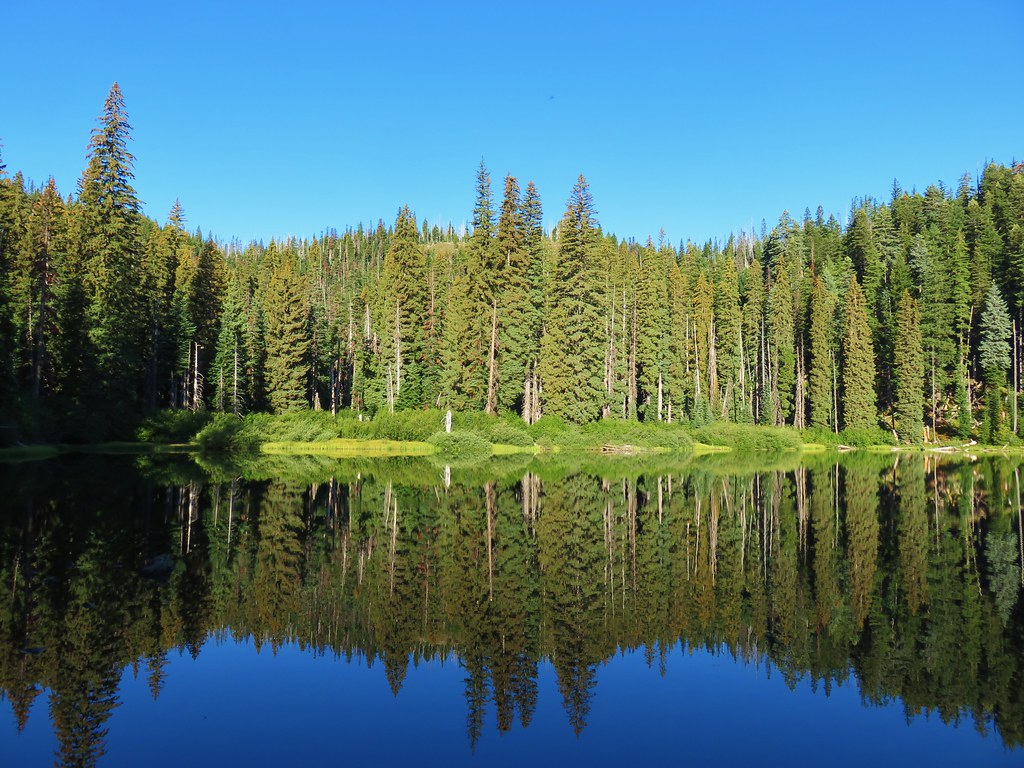
Just prior to arriving at the Pamelia Lake the trail veers left at a junction with the Grizzly Peak Trail which heads to the right.
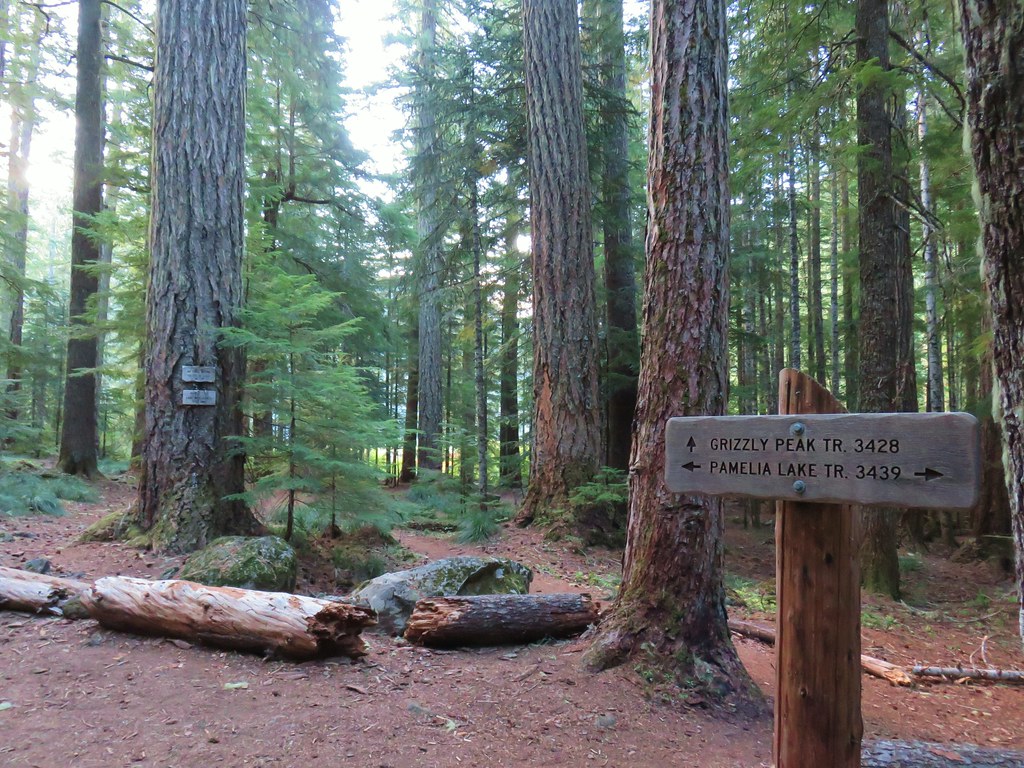
IMG_1963

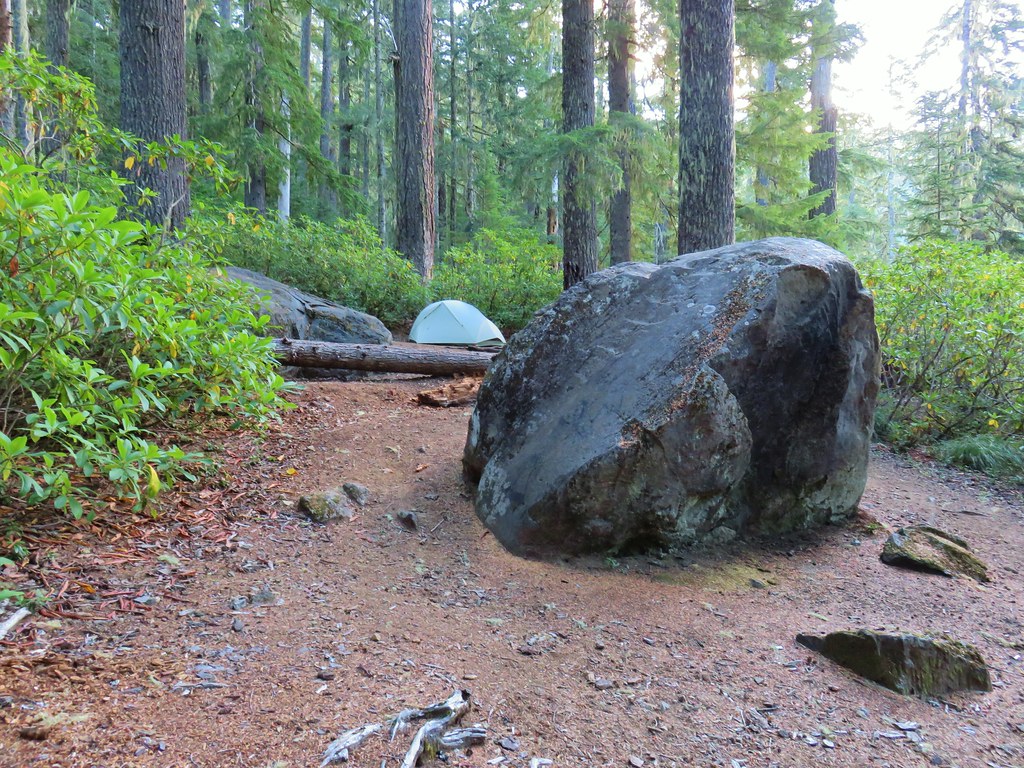
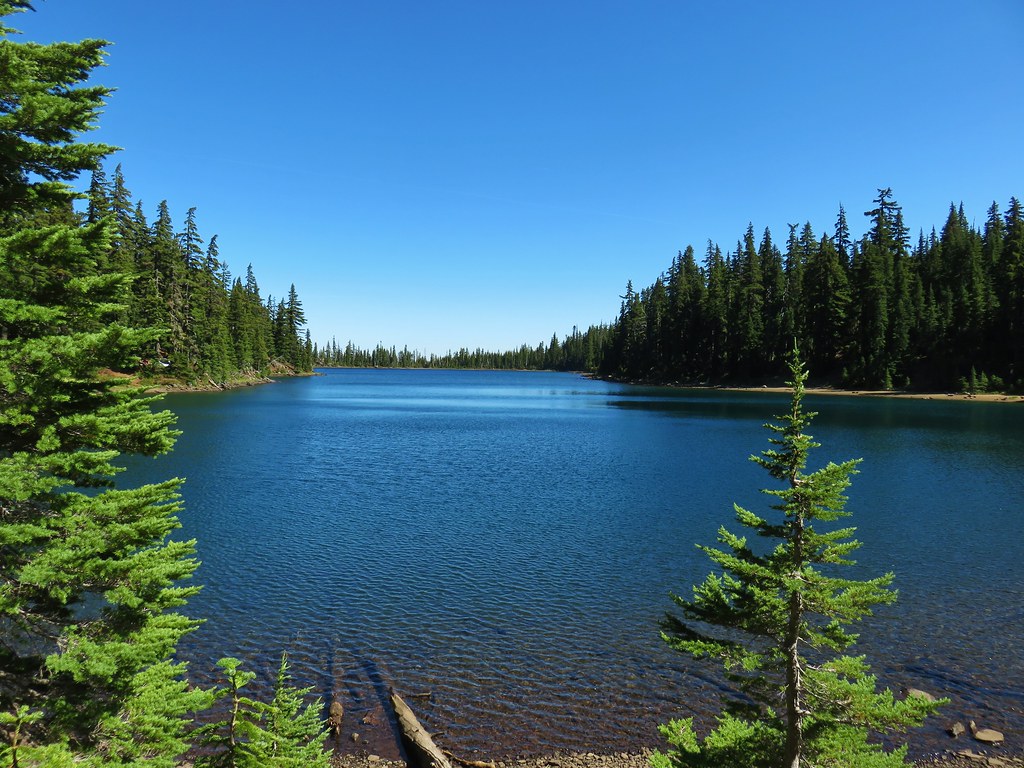
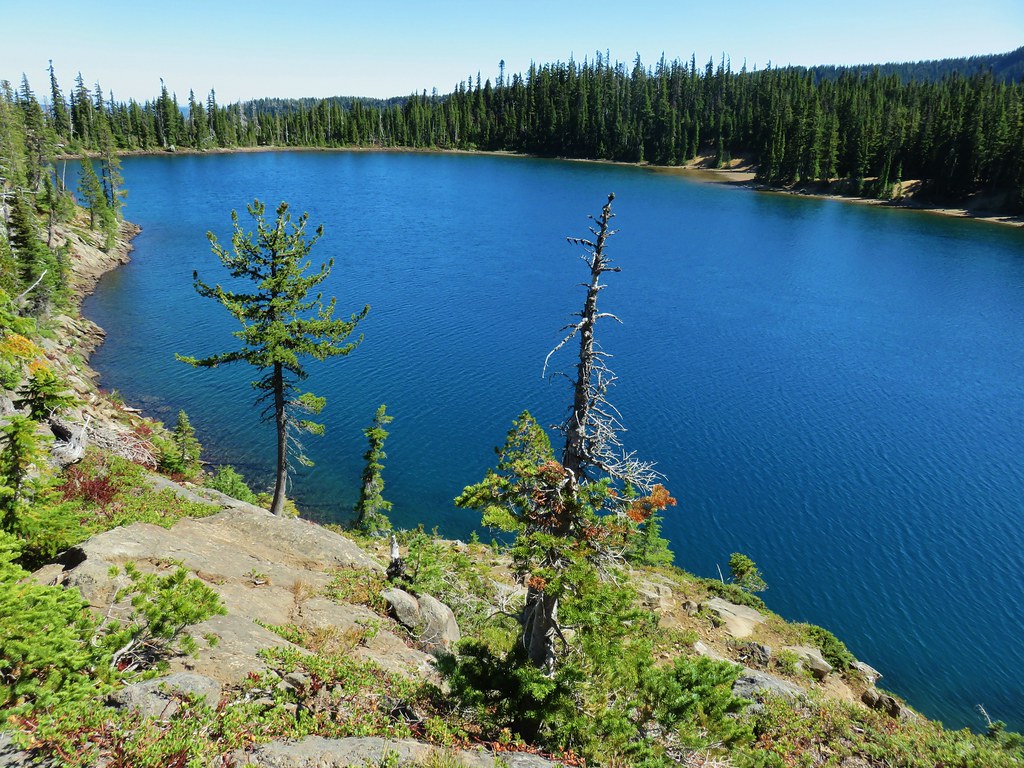
Our original plan for this trip had been to take the Pamelia Lake Trail to the Pacific Crest Trail via the Hunts Creek Trail and follow the PCT up to Coyote (aka Mud) and Shale Lakes where we would set up camp before attempting to reach Goat Peak. After some additional consideration though we decided that setting up camp at Pamelia Lake might be a better option. Setting up camp there would eliminate the need to haul our heavy backpacks up the PCT while also leaving us with a hike out the next day of less than two and a half miles. It did mean we would be adding nearly 4.5 miles to Saturdays hike, but on paper it would still only be around 15 miles. The designated campsites at the lake were all along its left (north) side so we followed a use trail straight ahead from the junction and started looking for an open site.

We wound up choosing site #3 which kept us relatively close to the Grizzly Peak Trail junction as well as the Hunts Creek Trail junction.IMG_1966
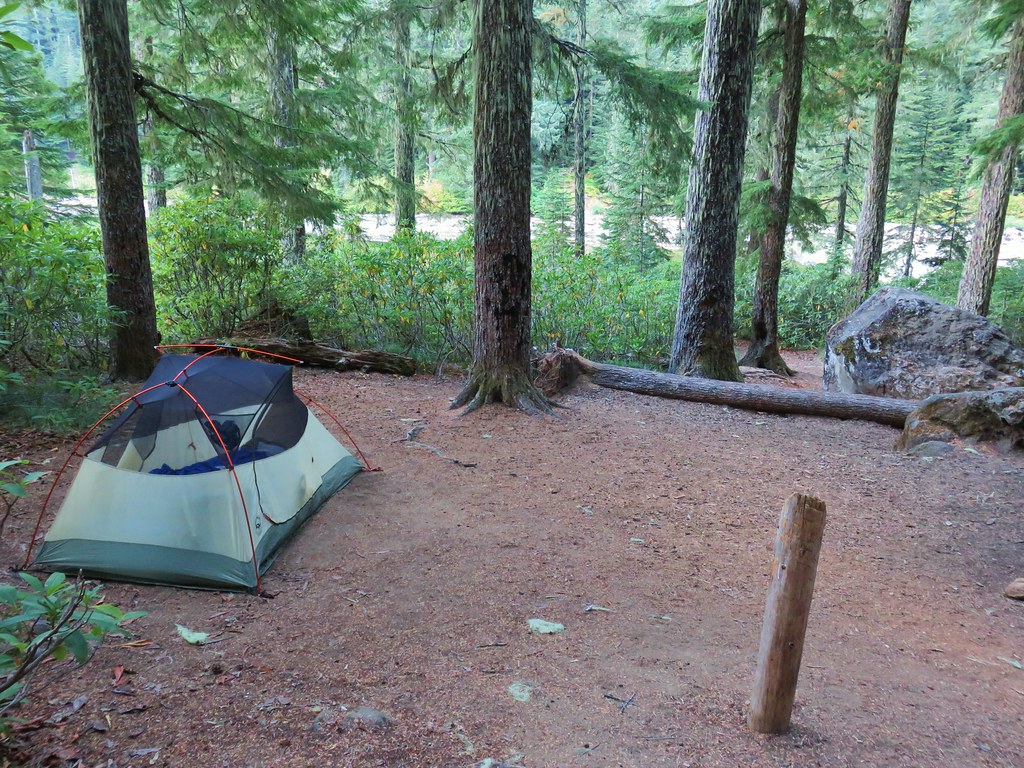
IMG_1972

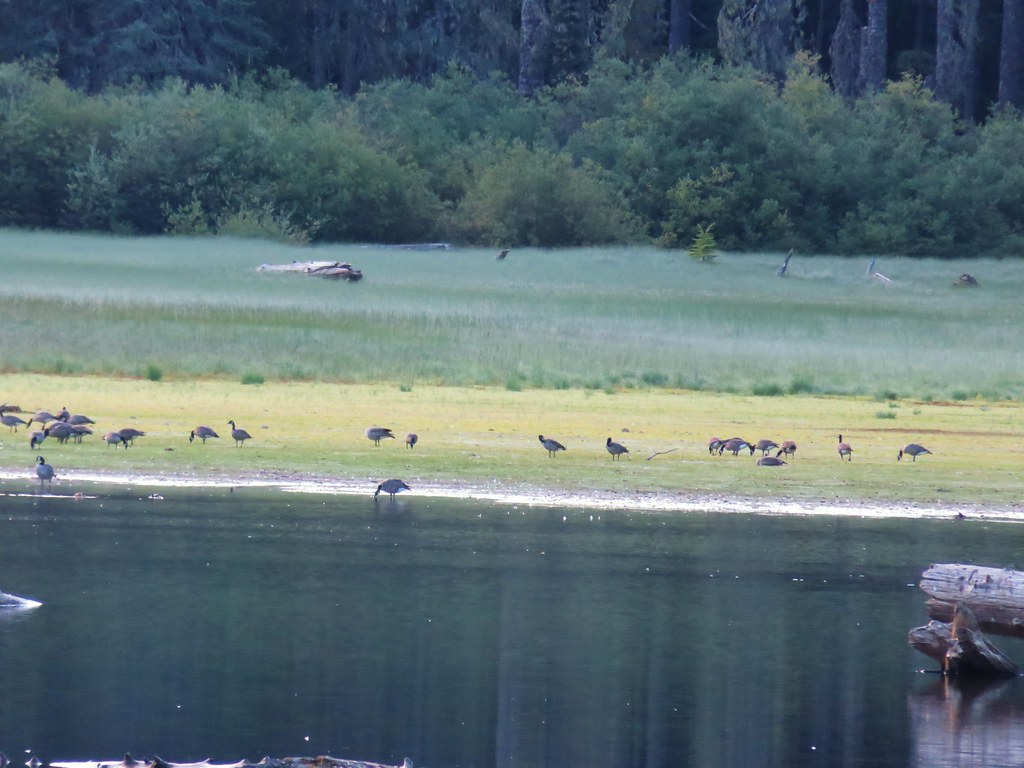
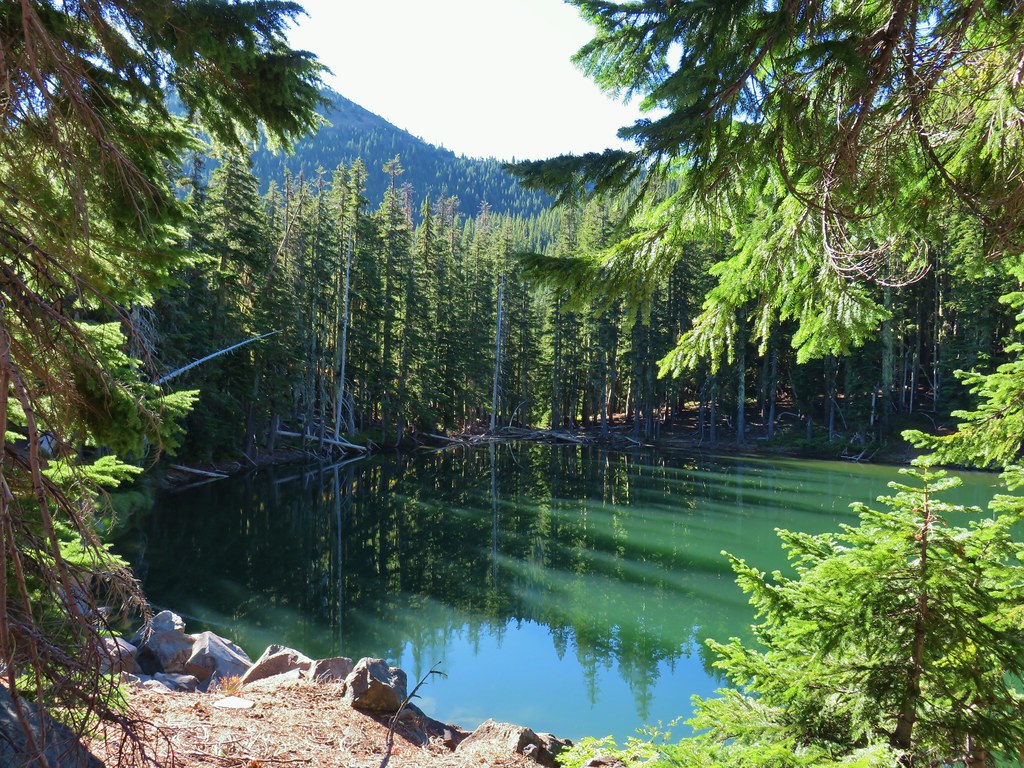
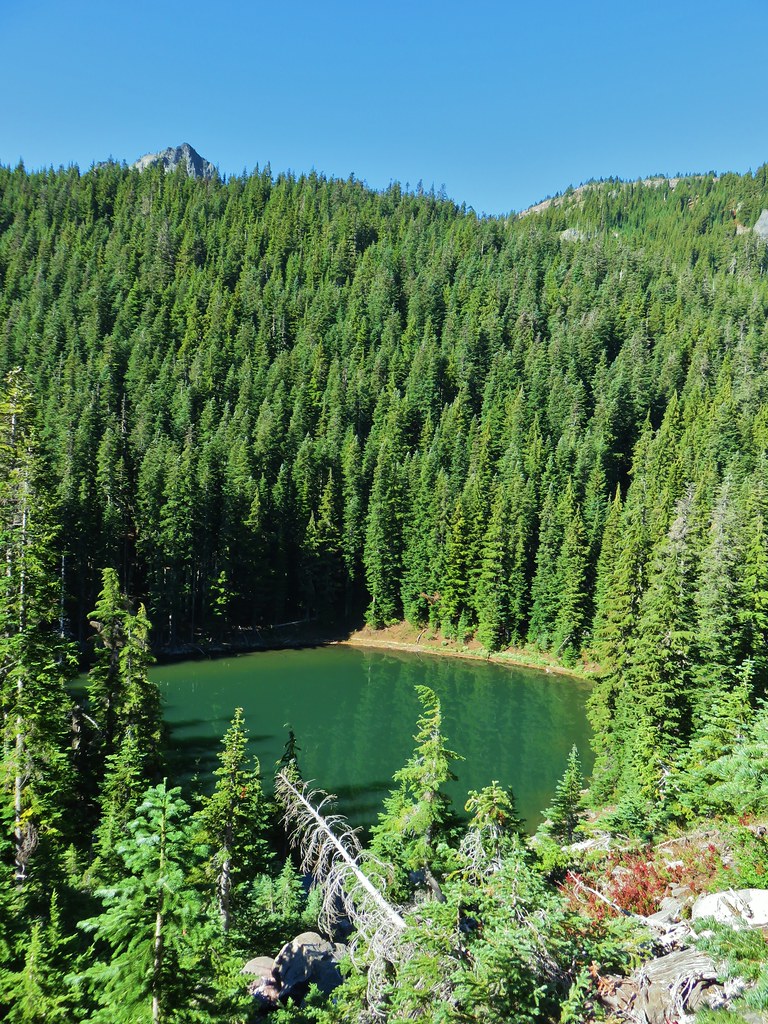
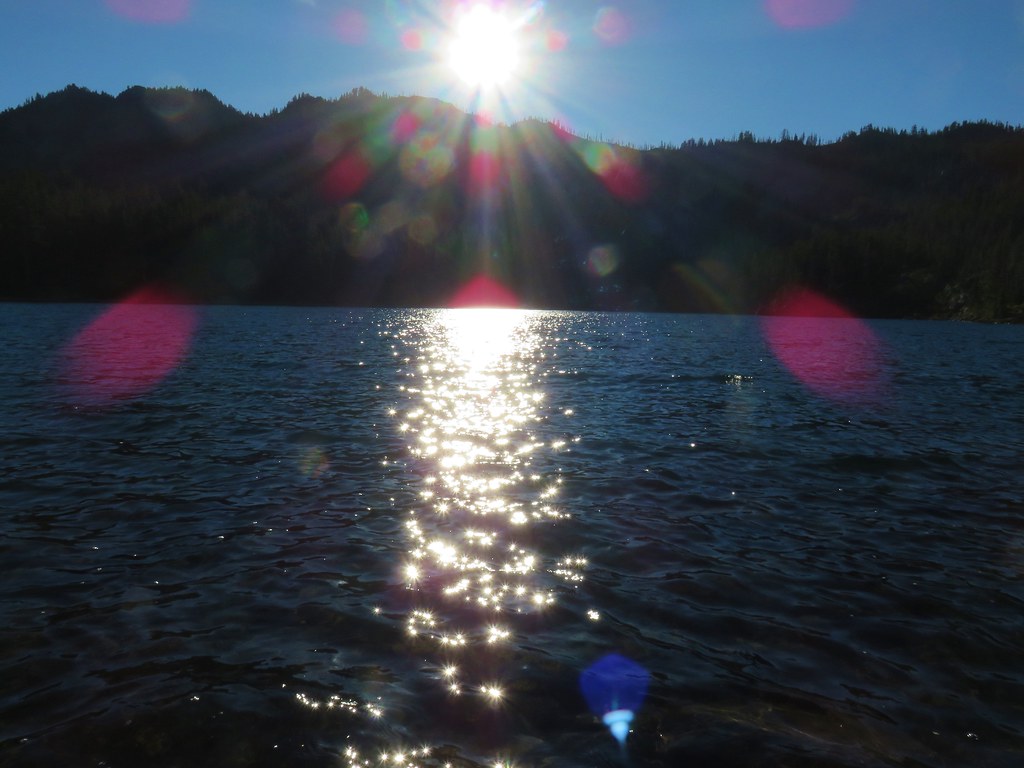
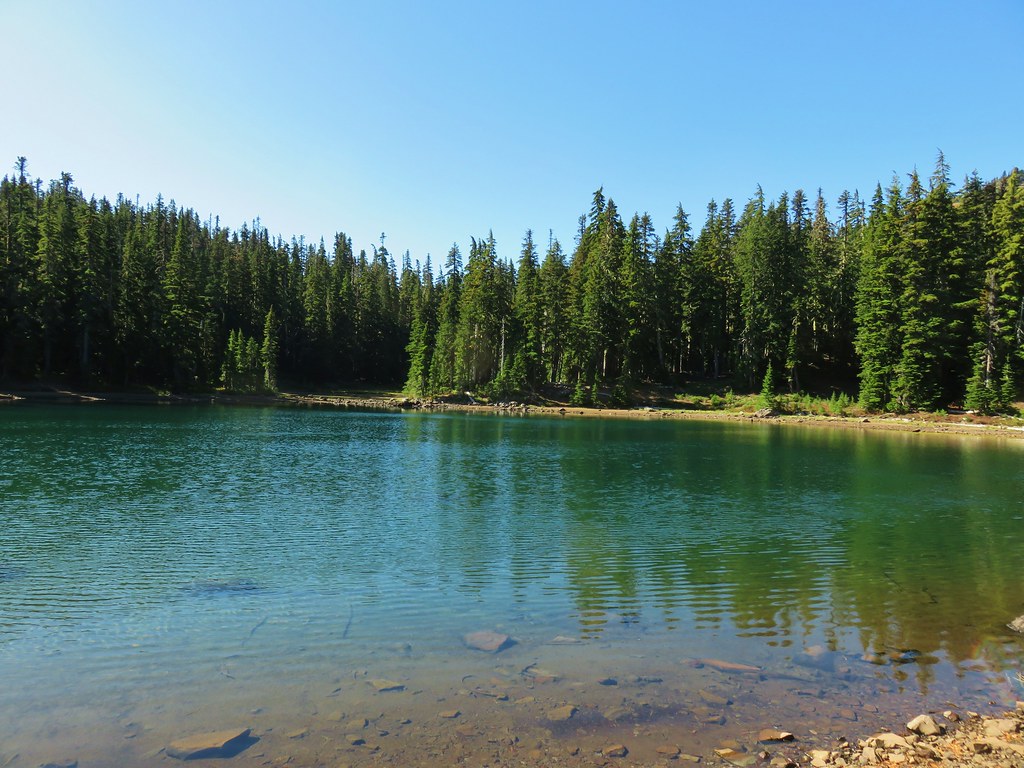
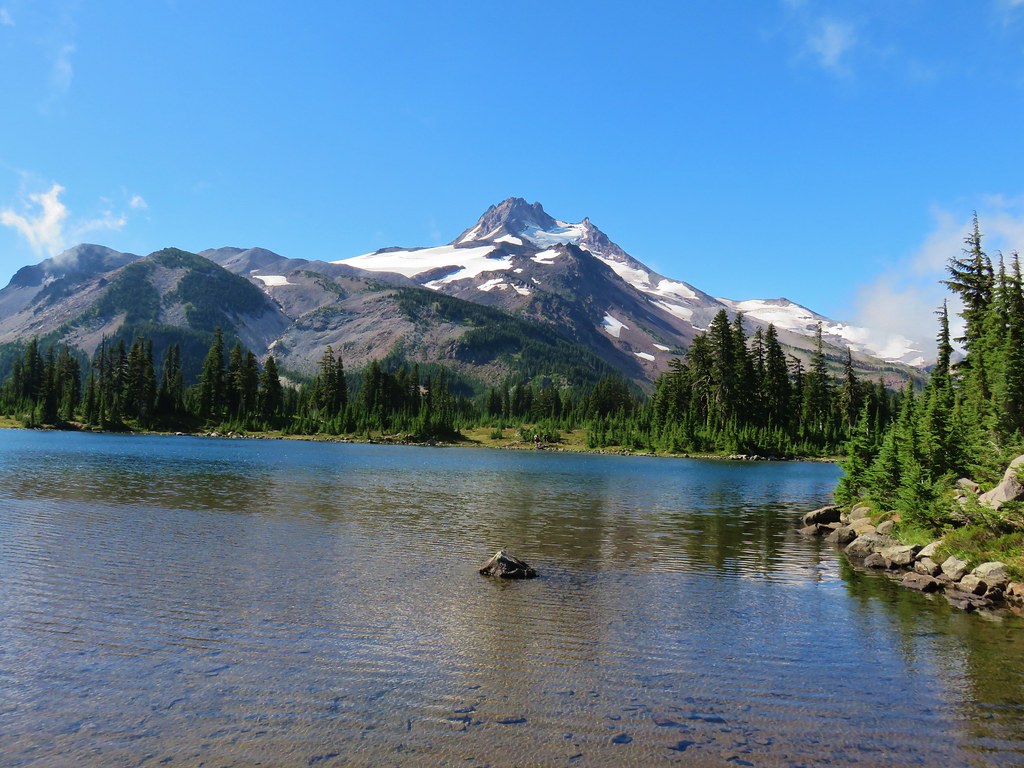
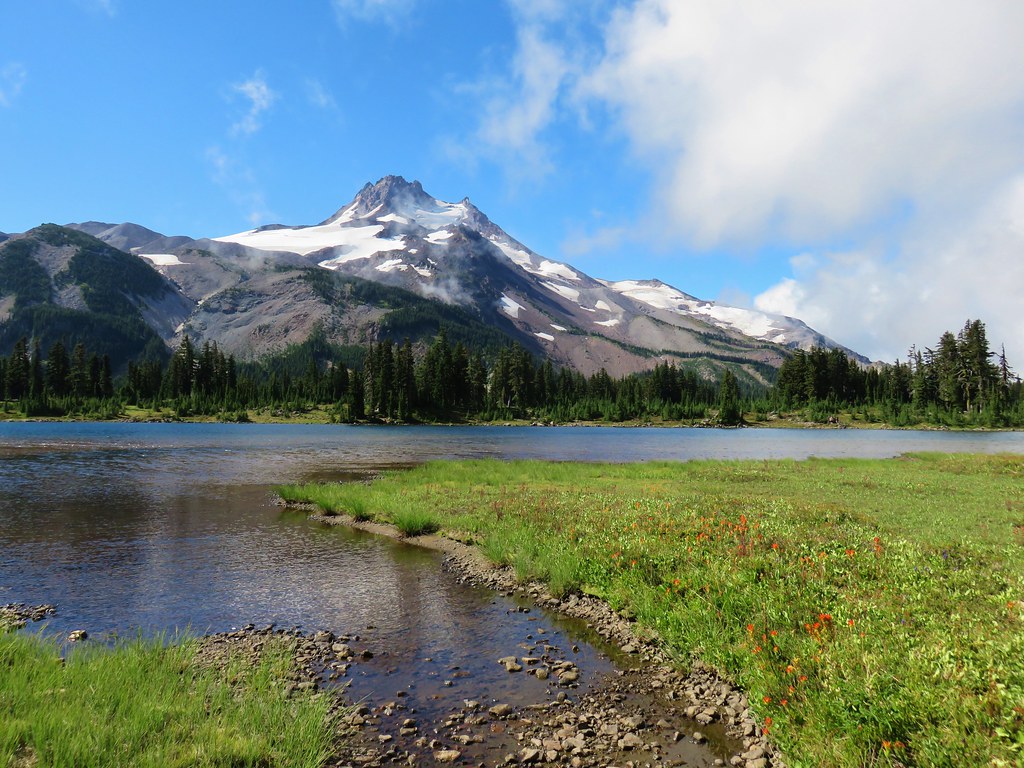
After setting up camp we briefly visited the shore of Pamelia Lake then we headed up to the Hunts Creek Trail.IMG_1967
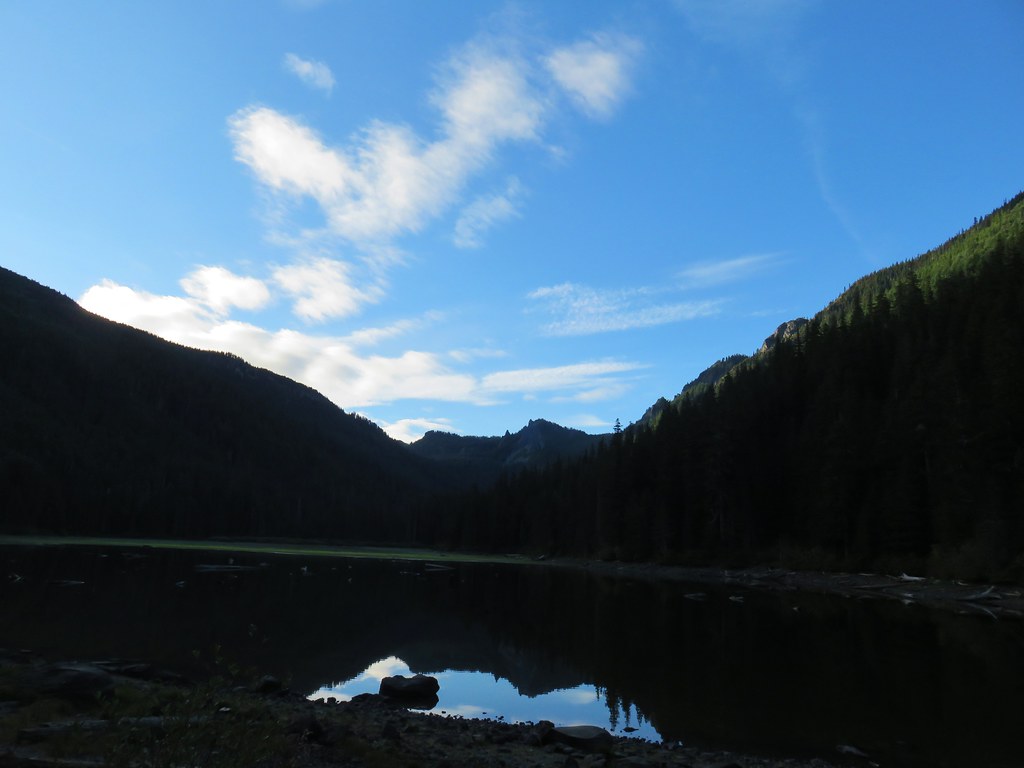
IMG_1970

IMG_1974

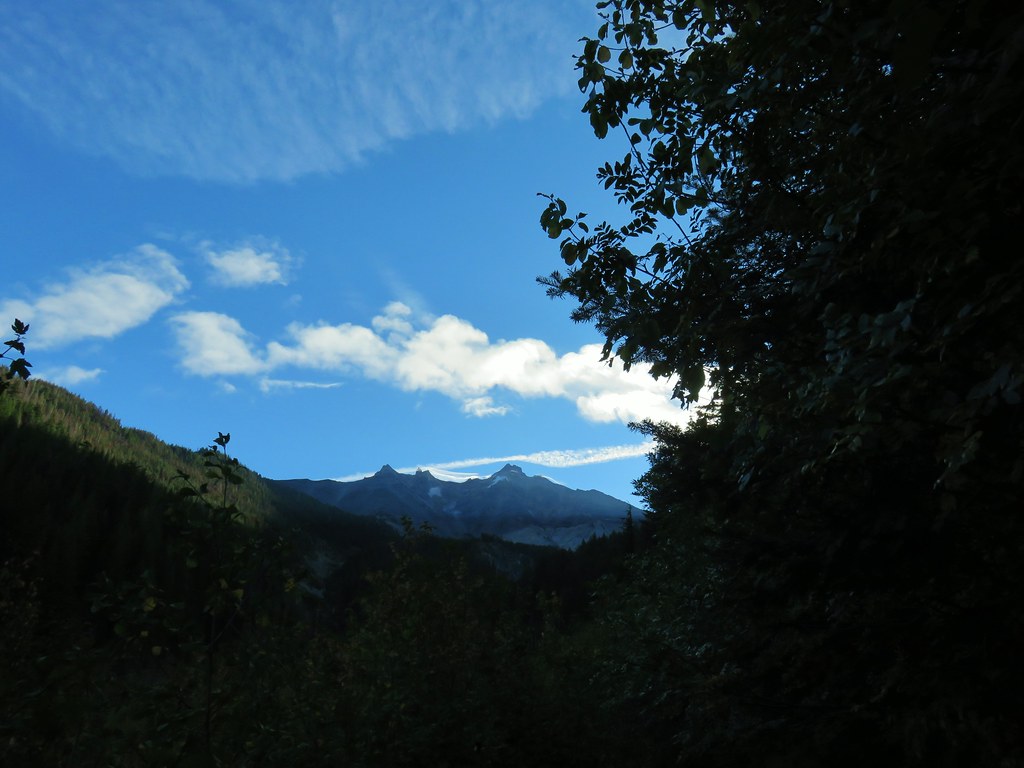
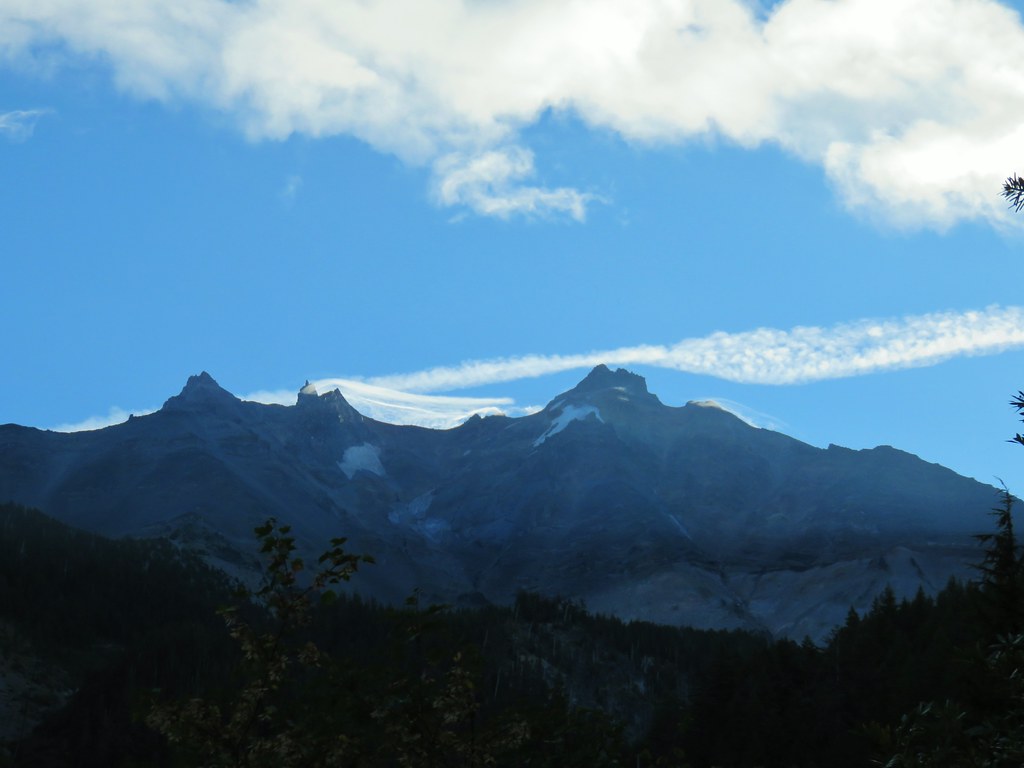
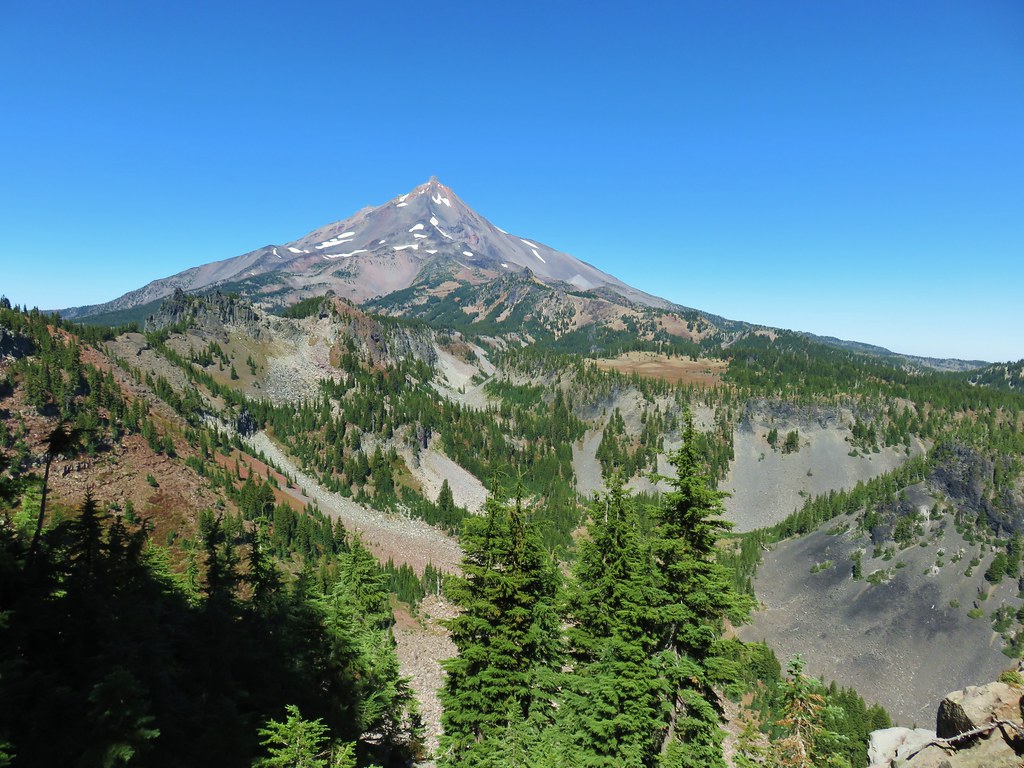
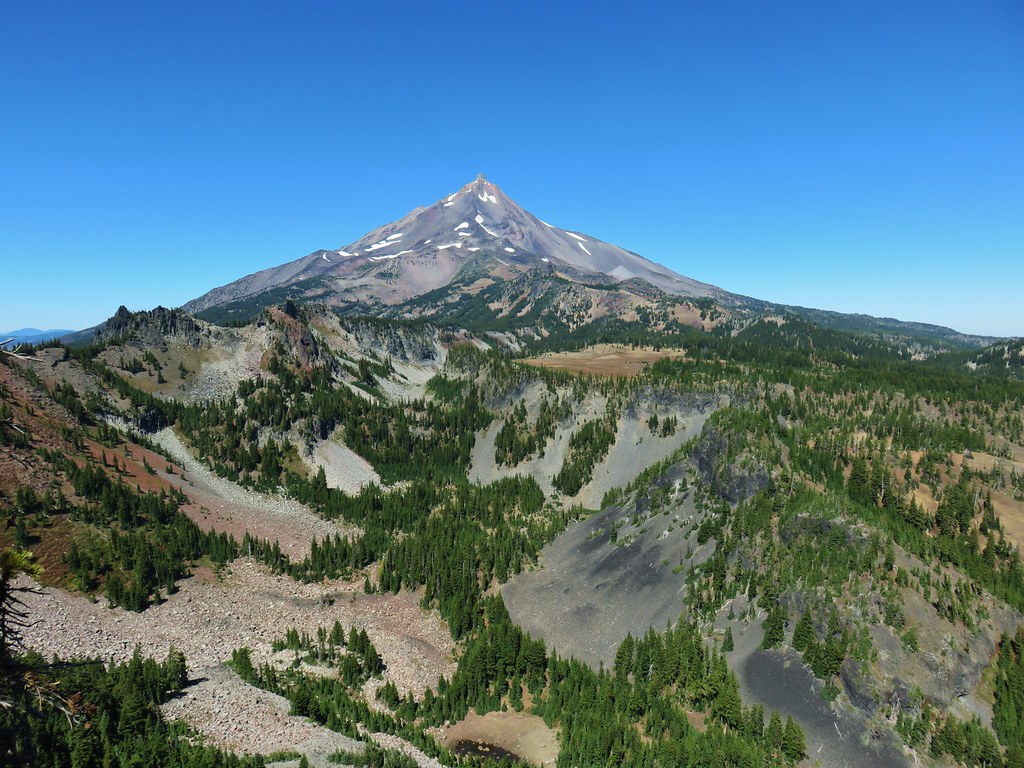
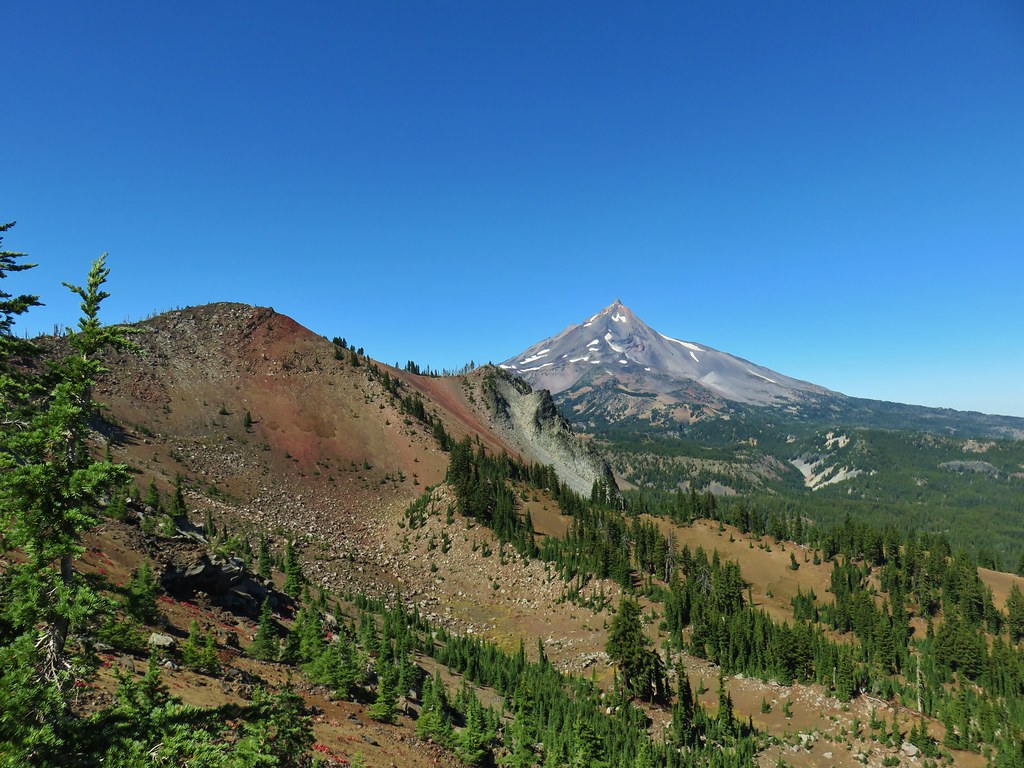
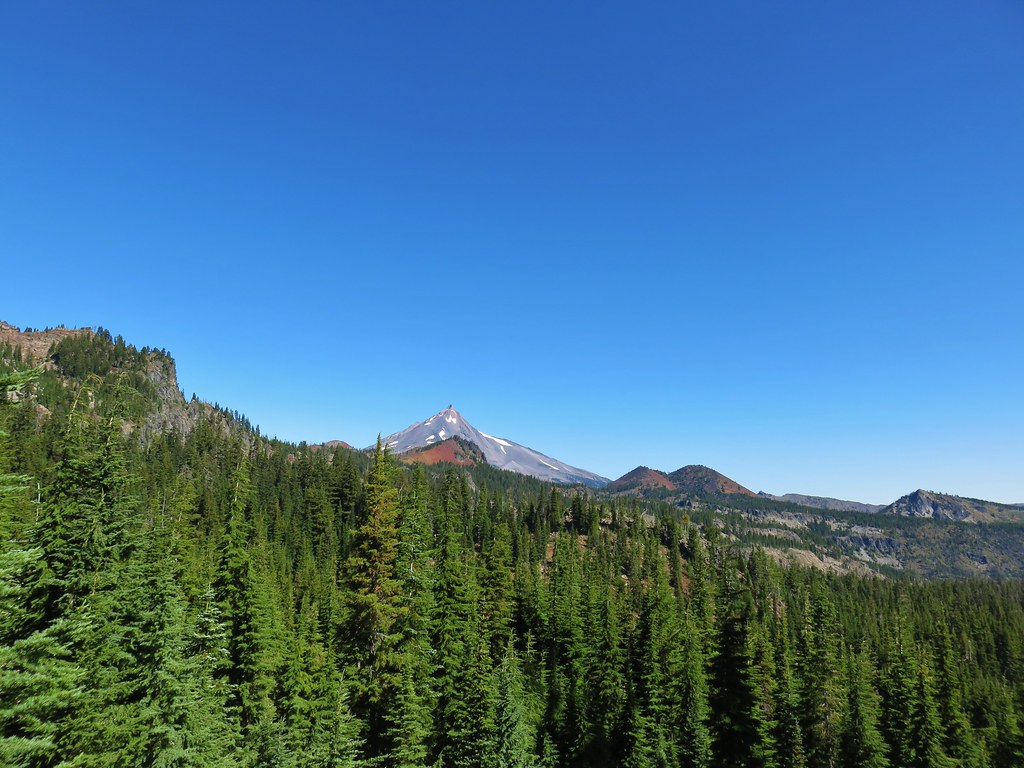
We turned left onto the Hunts Creek Trail and followed it around a ridge for nearly three quarters of a mile to its end at a junction with the Pacific Crest Trail gaining a view of Mt. Jefferson along the way.IMG_1975
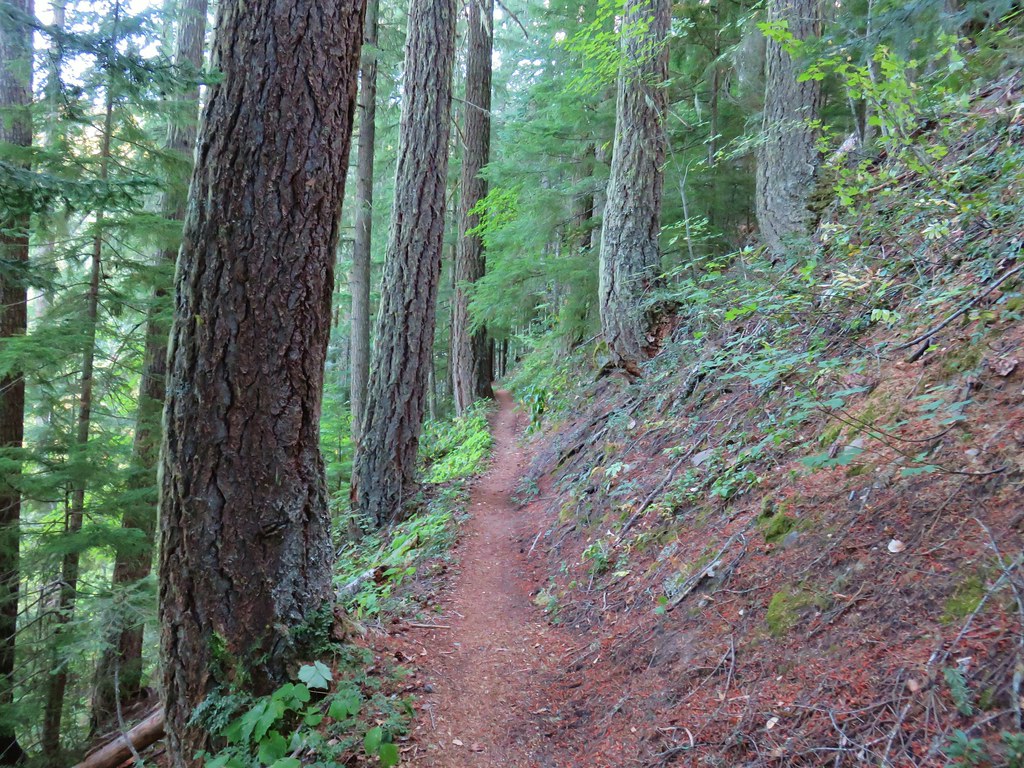
IMG_1977

IMG_1979

IMG_1981

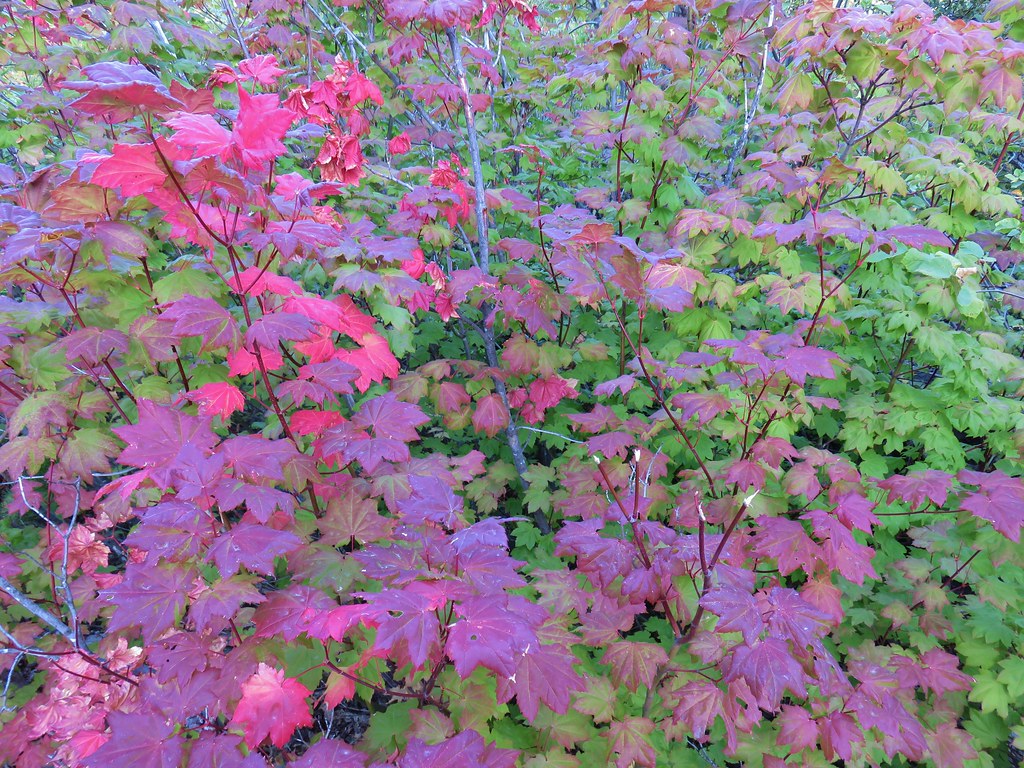
On our loop to Hunts Cove I had taken the short side trip north on the PCT to see Milk Creek but Heather had not so we turned left at the junction and followed the PCT for a tenth of a mile through vine maple donning its fall colors to a viewpoint above the creek of Mt. Jefferson.IMG_1983

IMG_1989

IMG_1984

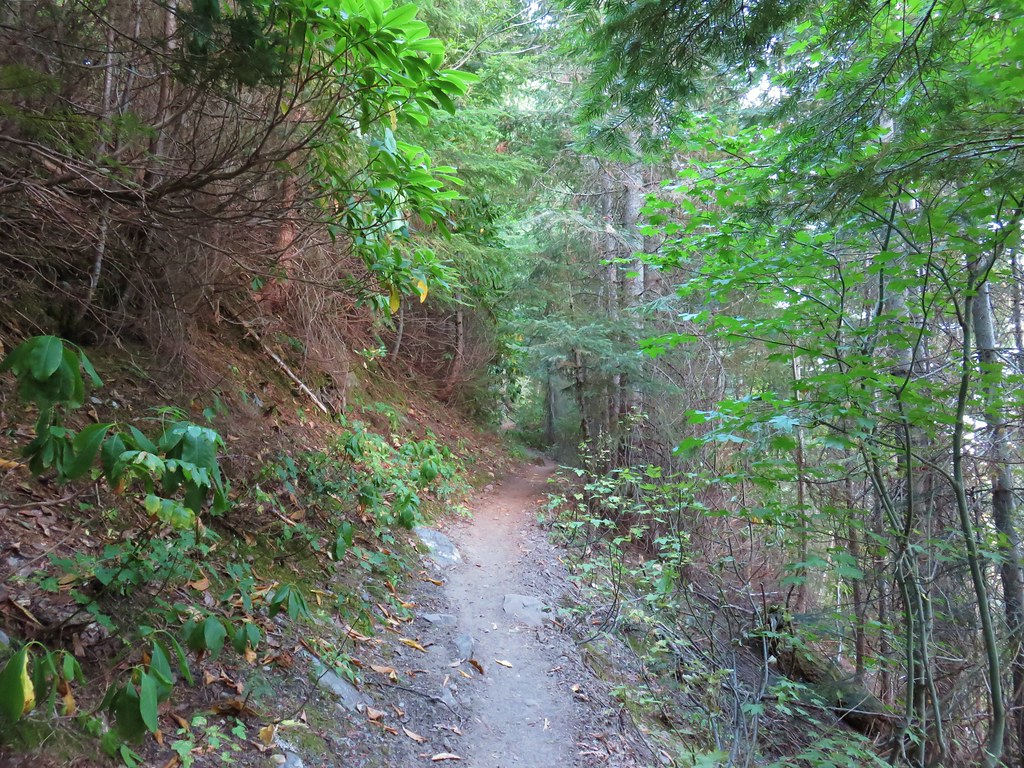
After checking off the viewpoint we turned around and headed south on the PCT which climbed gradually through a varied forest.IMG_1990
IMG_1991

IMG_1992

IMG_1997

IMG_2003

IMG_2007

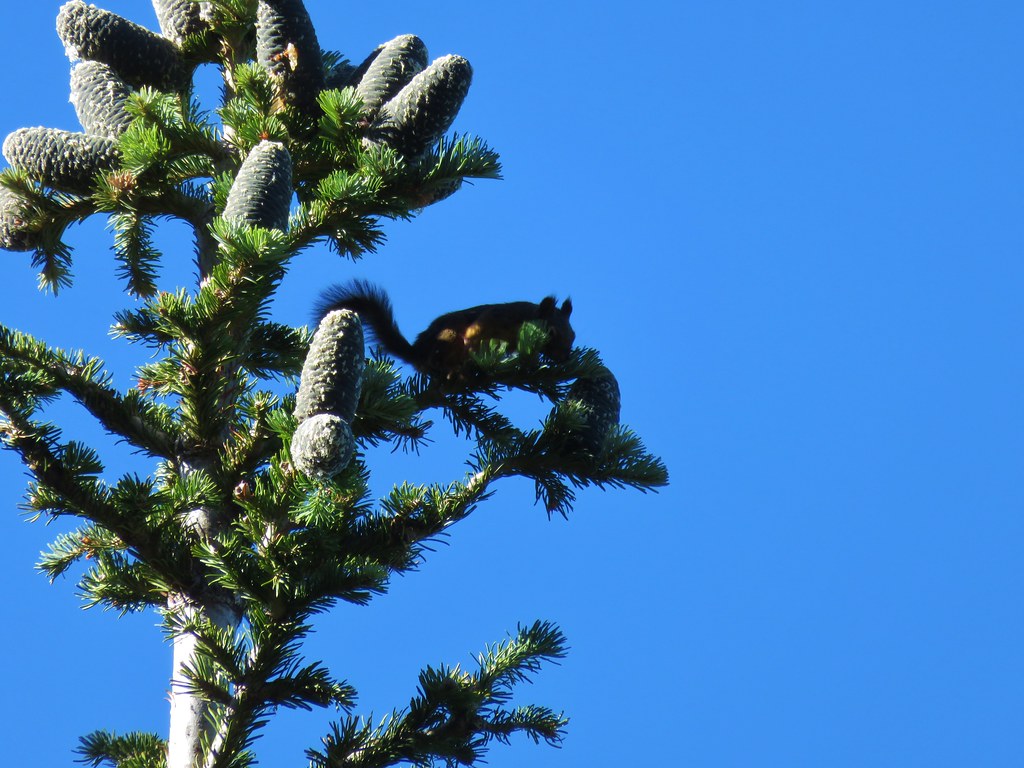
Along the way some movement in a fir tree caught our attention. At first we thought it might be a medium sized mammal of some kind but it turned out to be a squirrel harvesting cones that were crashing down through the limbs after being detached.IMG_1995
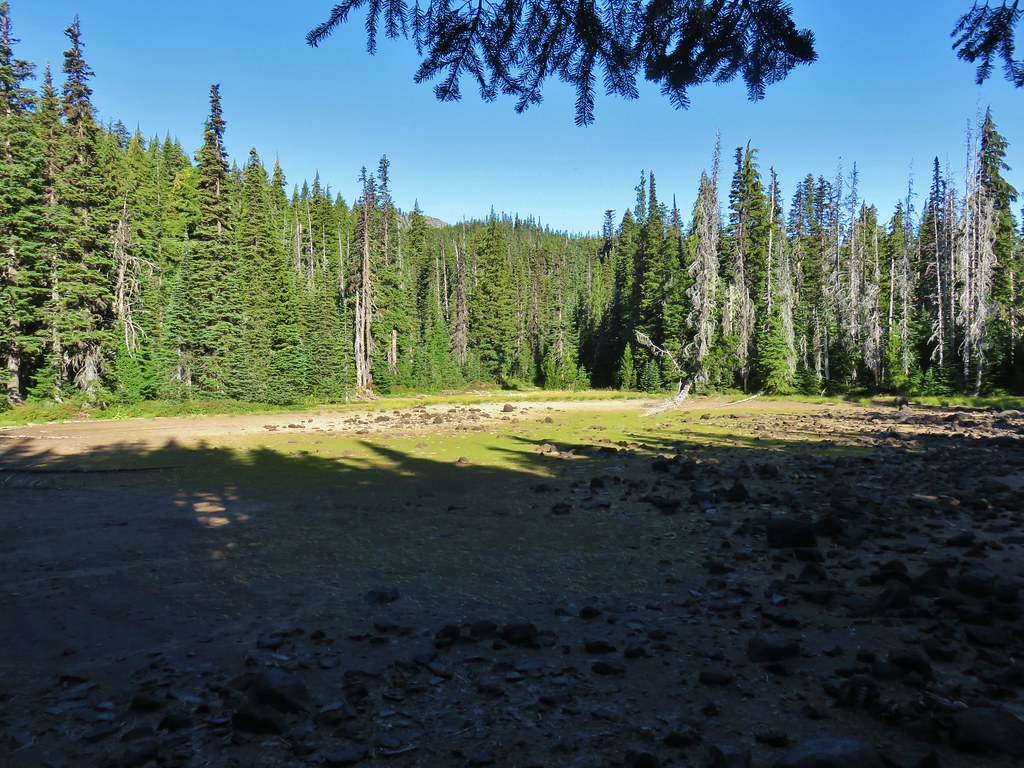
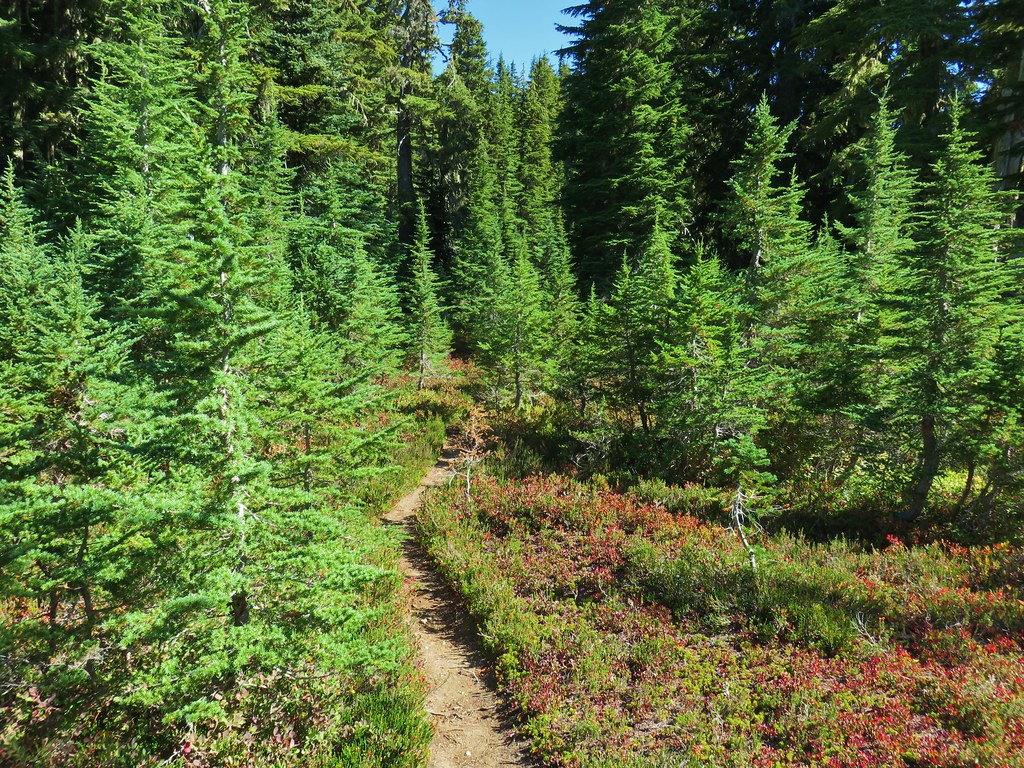
Approximately four and a quarter miles from the junction we arrived at Mud Hole Lake. (On some maps it is identified as Coyote Lake but on the USGS Topographic Map the name Coyote Lake is assigned to another lake on the west side of the PCT.)IMG_2010

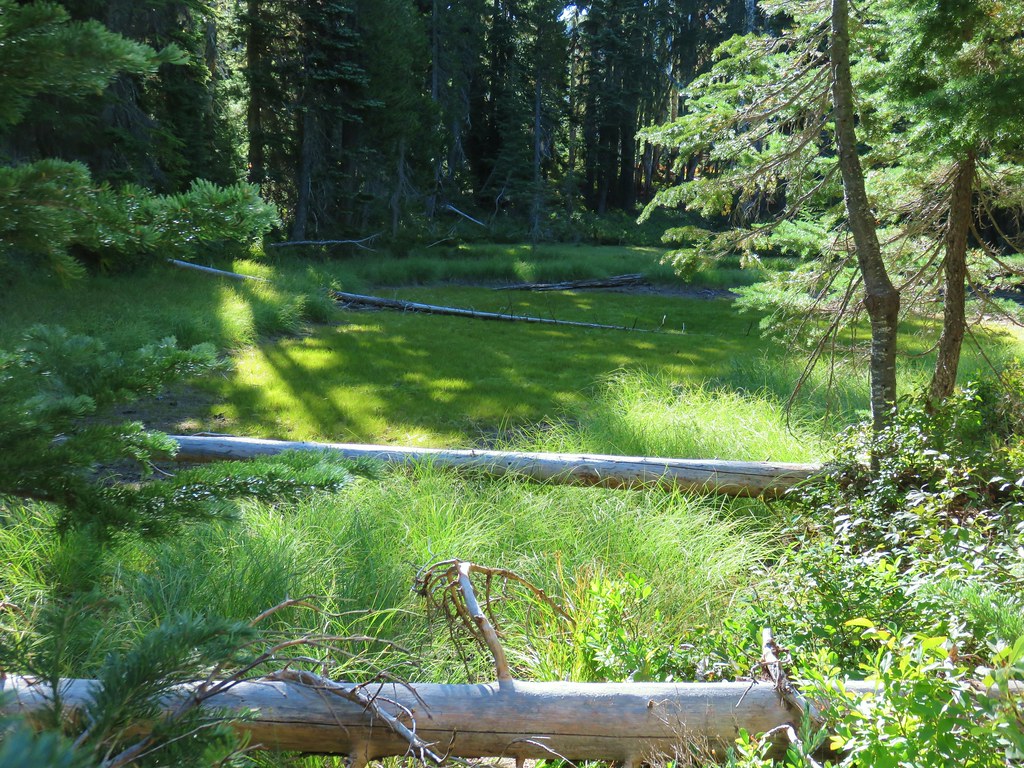
We turned off the PCT just before the lake on an unsigned but clear trail leading NE through a meadow.IMG_2014
We were using “75 Scrambles in Oregon: Best Non-Technical Ascents” by Barbara I. Bond as our reference for the hike. This was our first time using this particular guidebook but so far everything was going smoothly. The book did not mention that there was a clear trail to follow but we were headed straight for Goat Peak and we’d turned off the PCT at the right spot so we figured we were good to go.IMG_2016
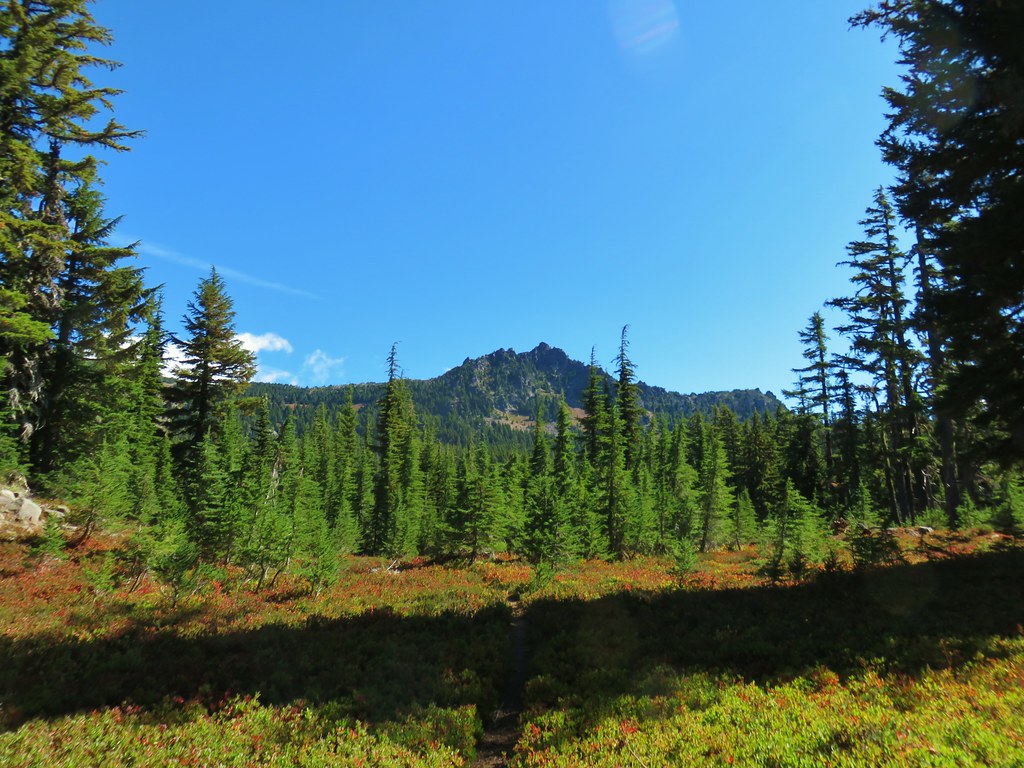
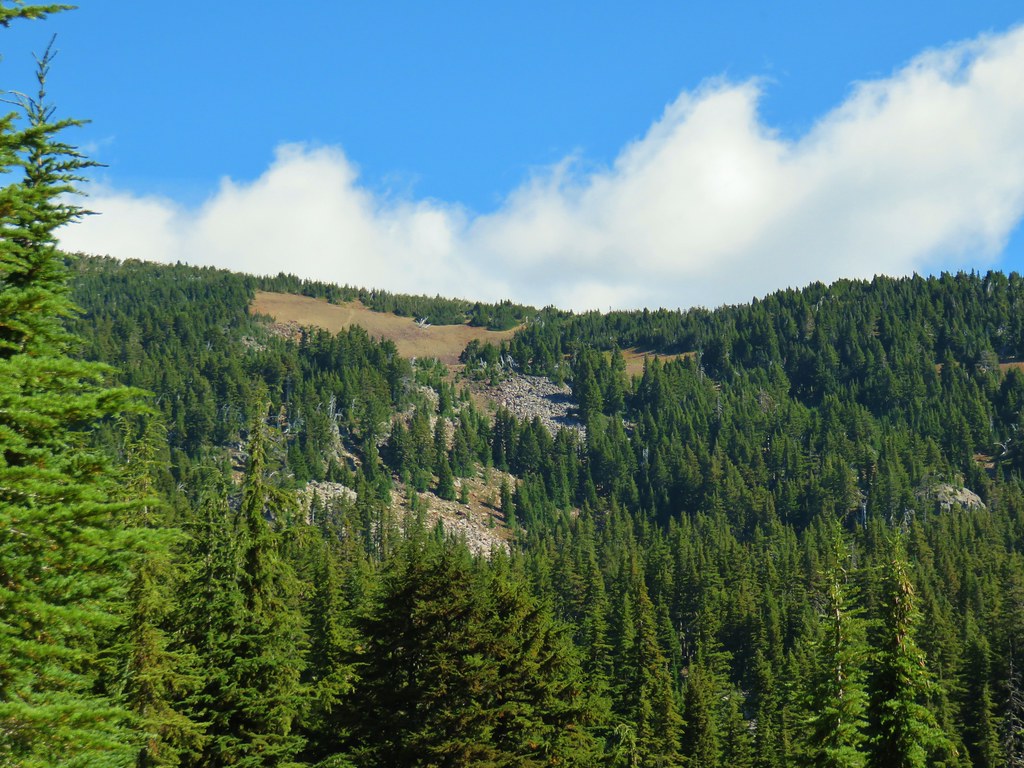
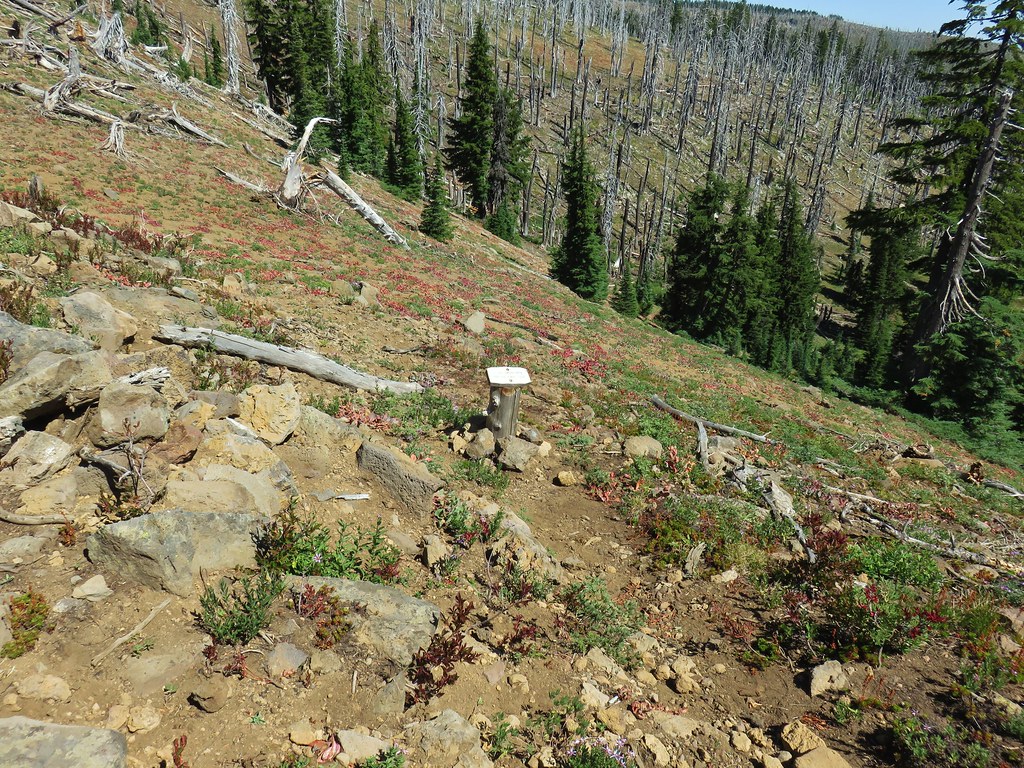
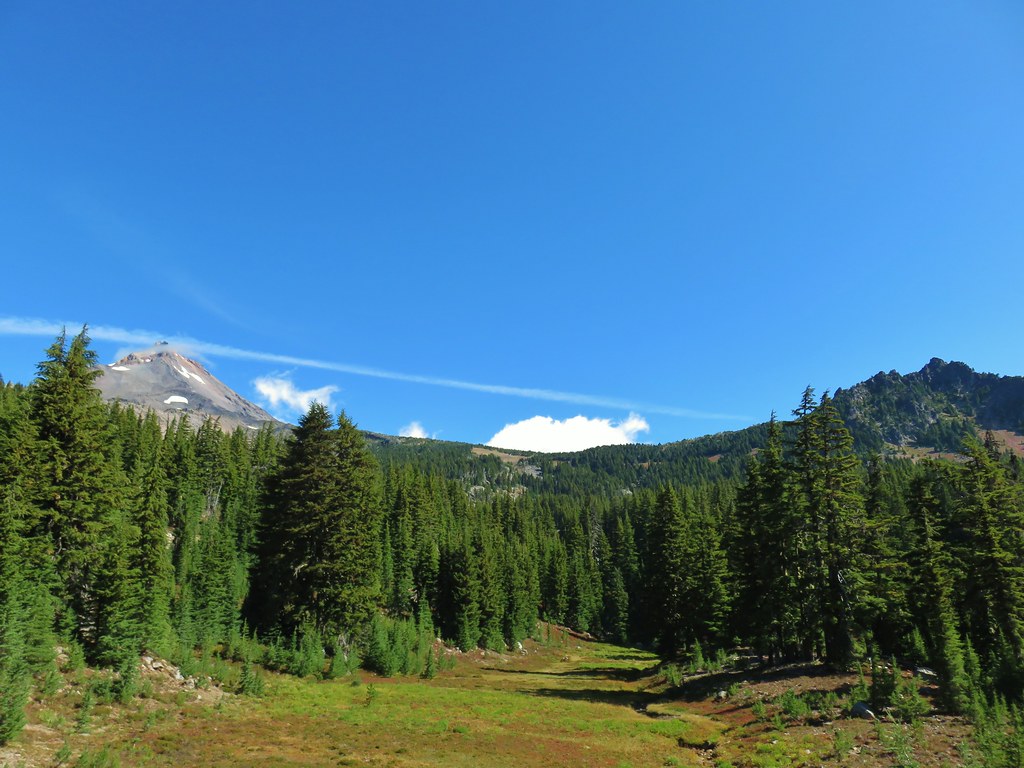
Our intended route would lead us up above a talus slope to the north (left) of Goat Peak where we would then bend to the south at about 6800′.IMG_2020
IMG_2019

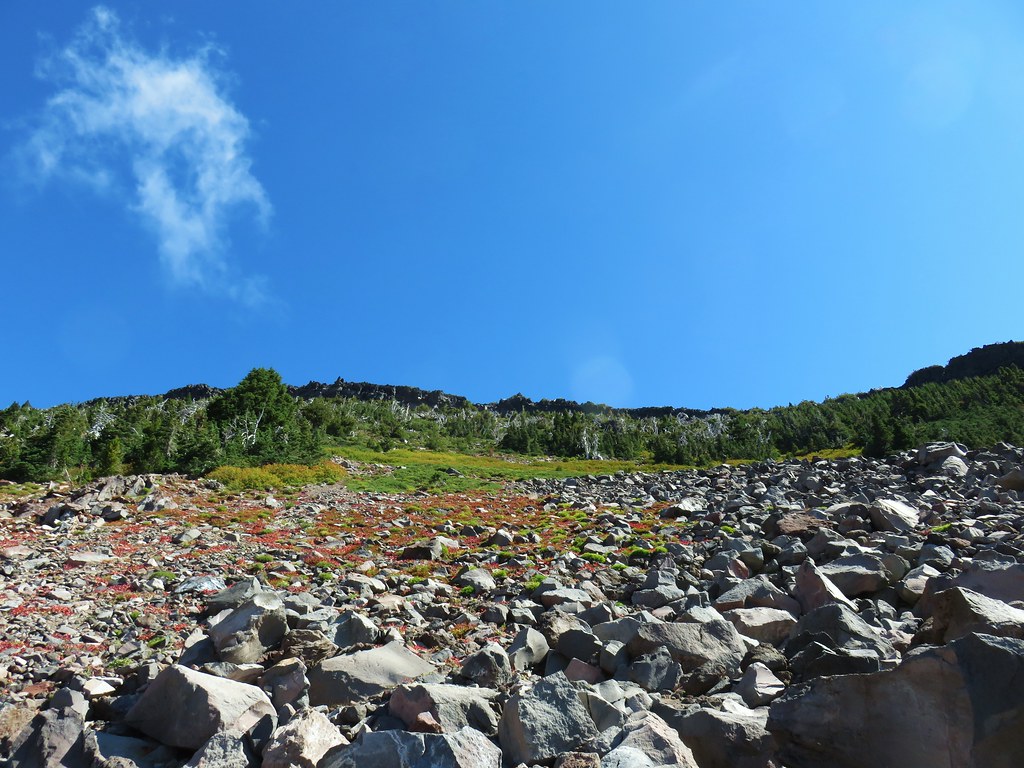
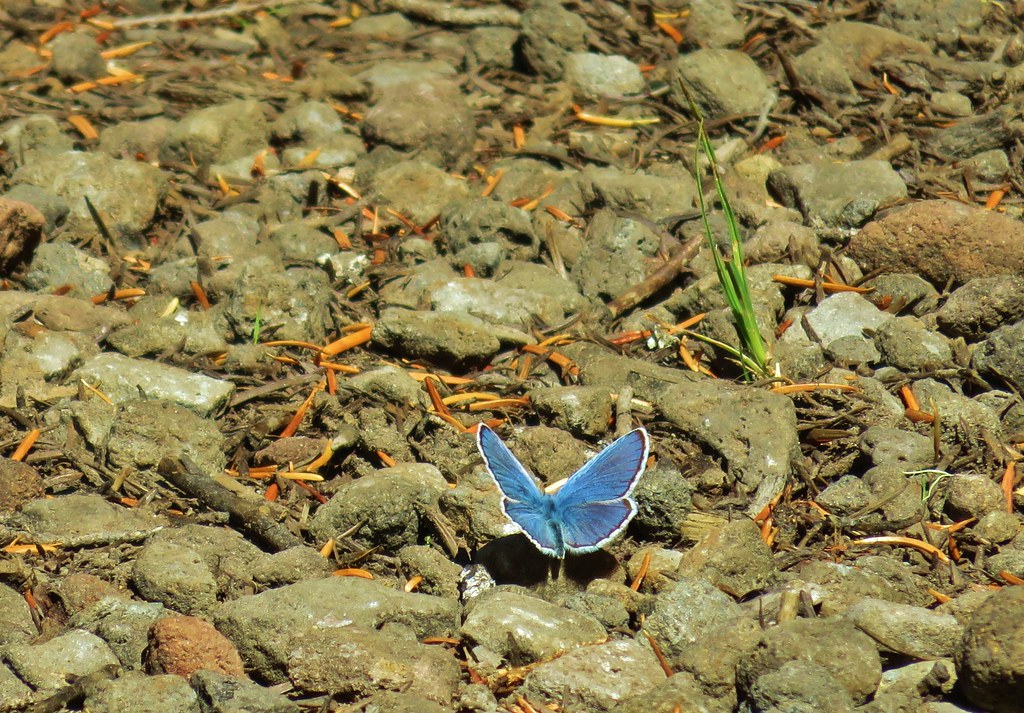
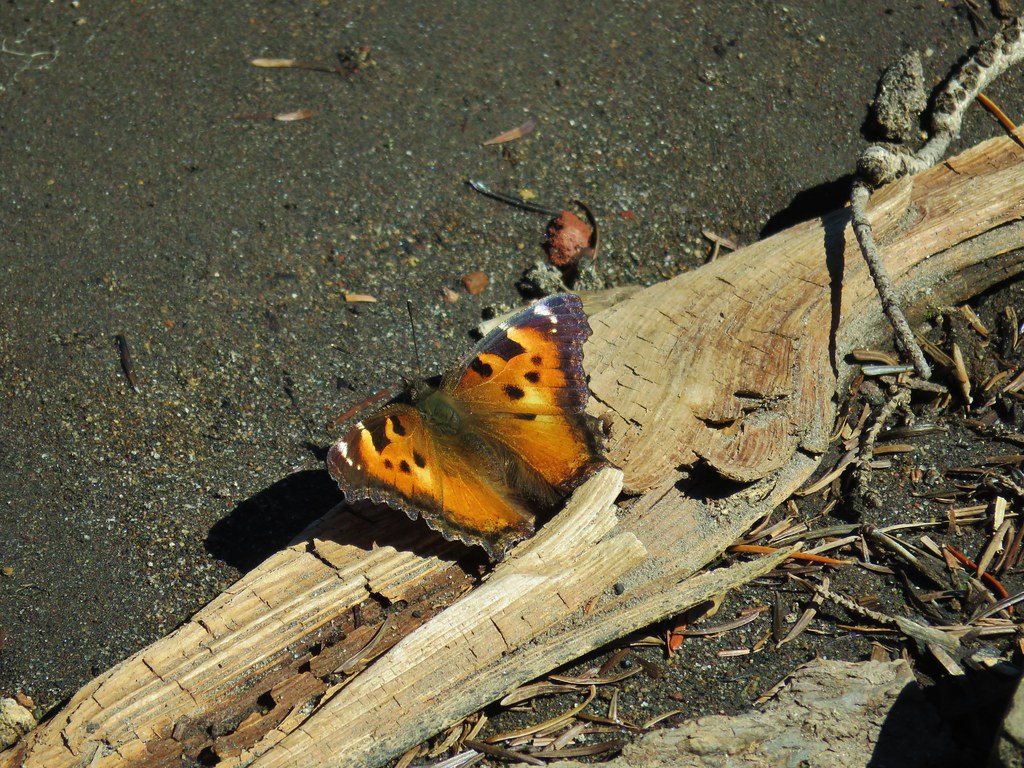
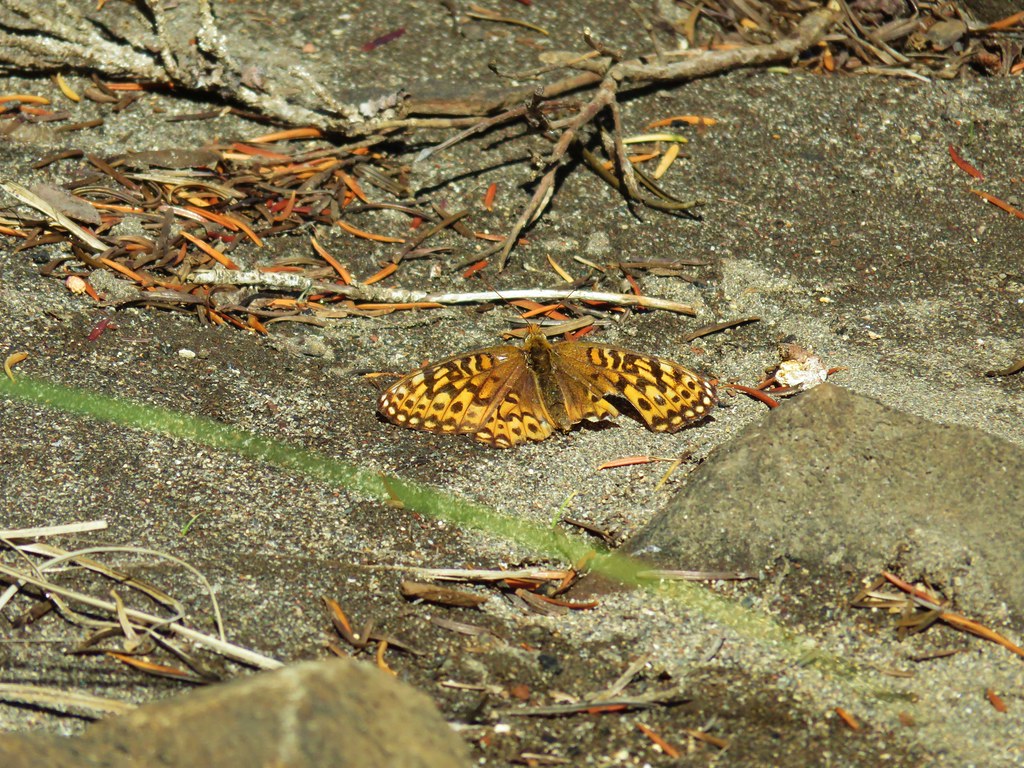
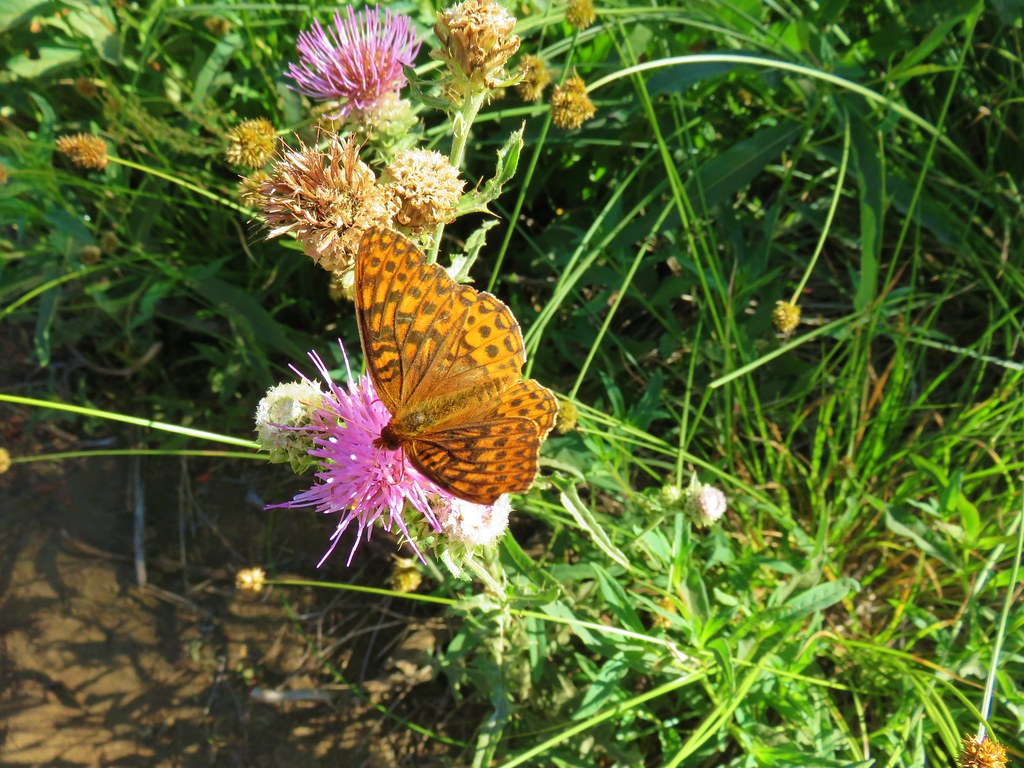
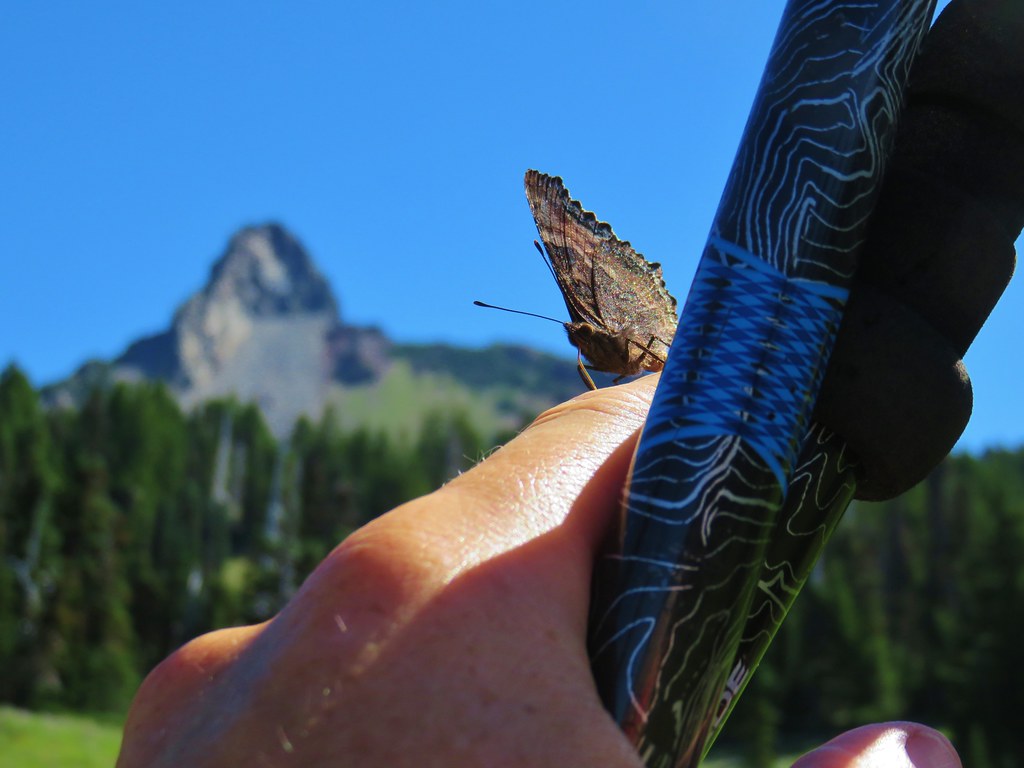
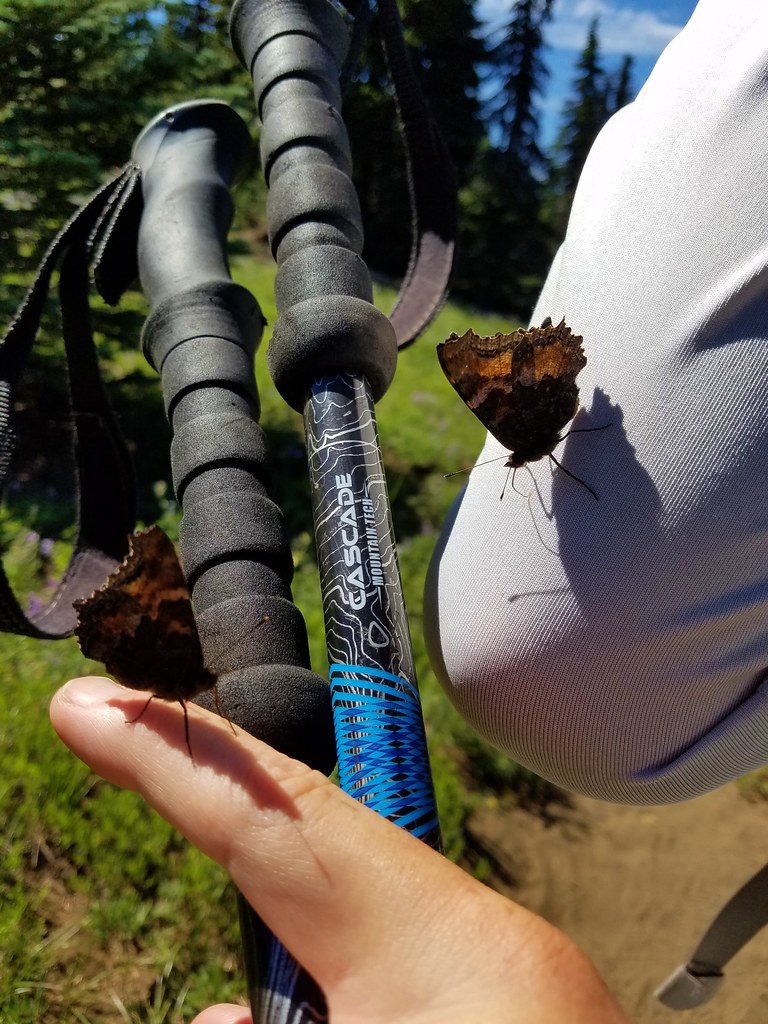
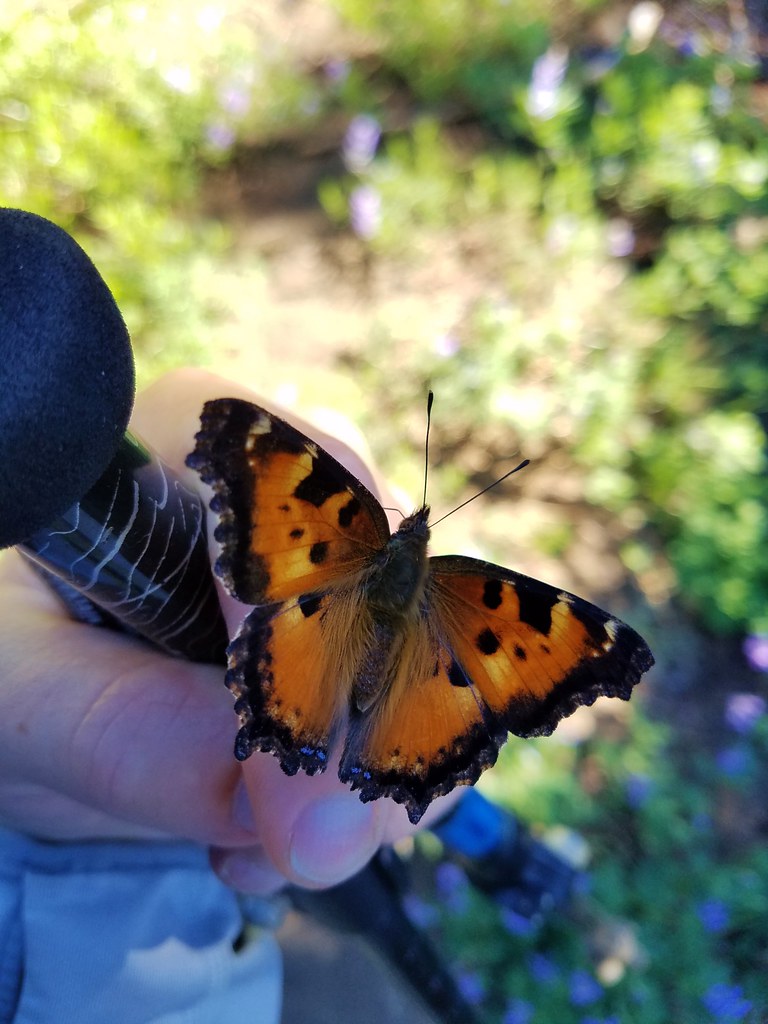
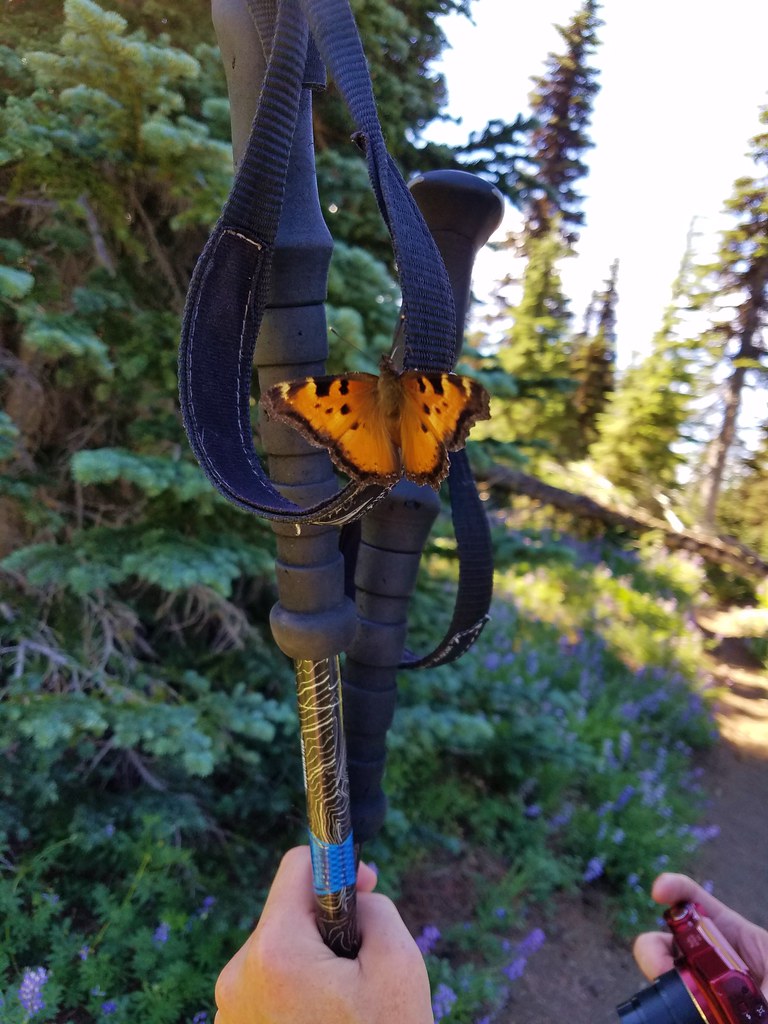
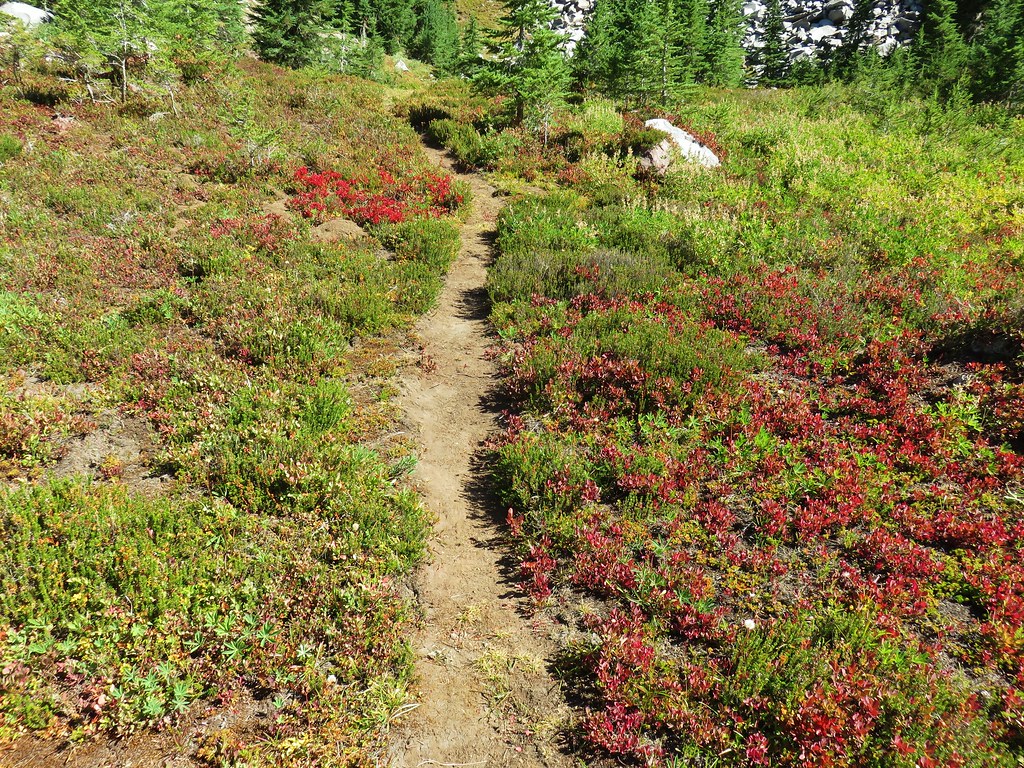
It was a lovely area with red huckleberry leaves and a few butterflies still flying about.IMG_2027
IMG_2025

The tread petered out for a bit in one meadow in particular but small cairns helped lead the way.IMG_2030

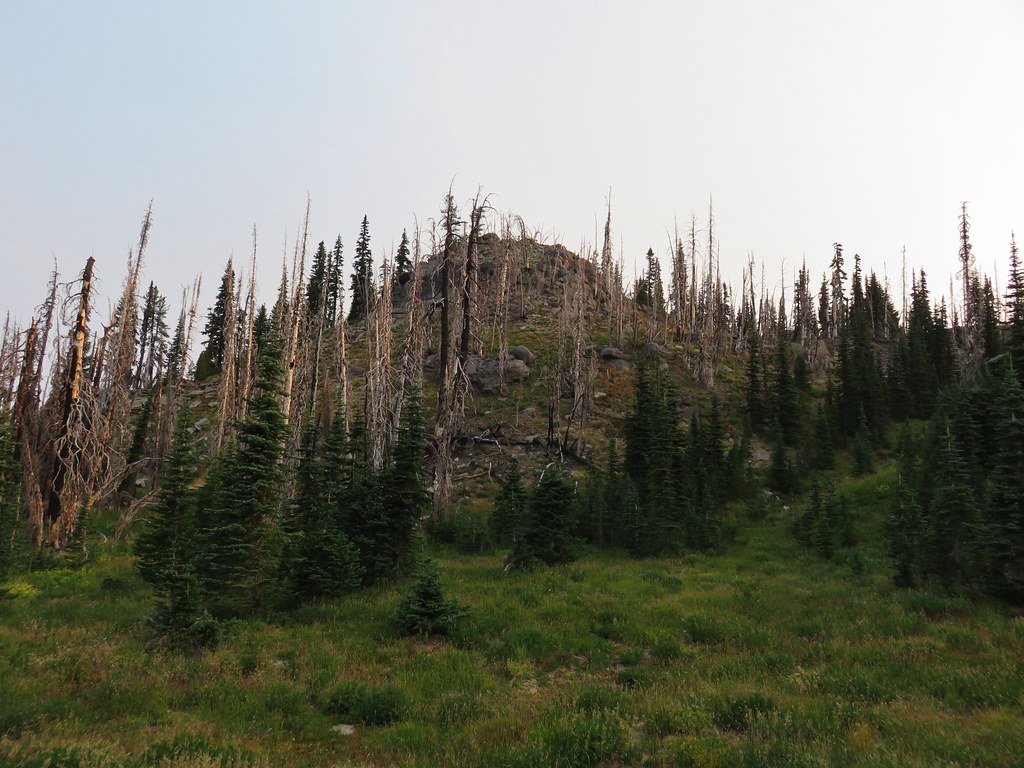
The unexpected presence of the well marked trail got us off our guard and we weren’t paying enough attention to the fact that our heading was drifting further north than we’d intended. In the meadow where the trail grew faint the cairns led to the left of a rocky ridge end. In order to reach Goat Peak we should have veered to the right here to find the correct gully uphill.IMG_2031
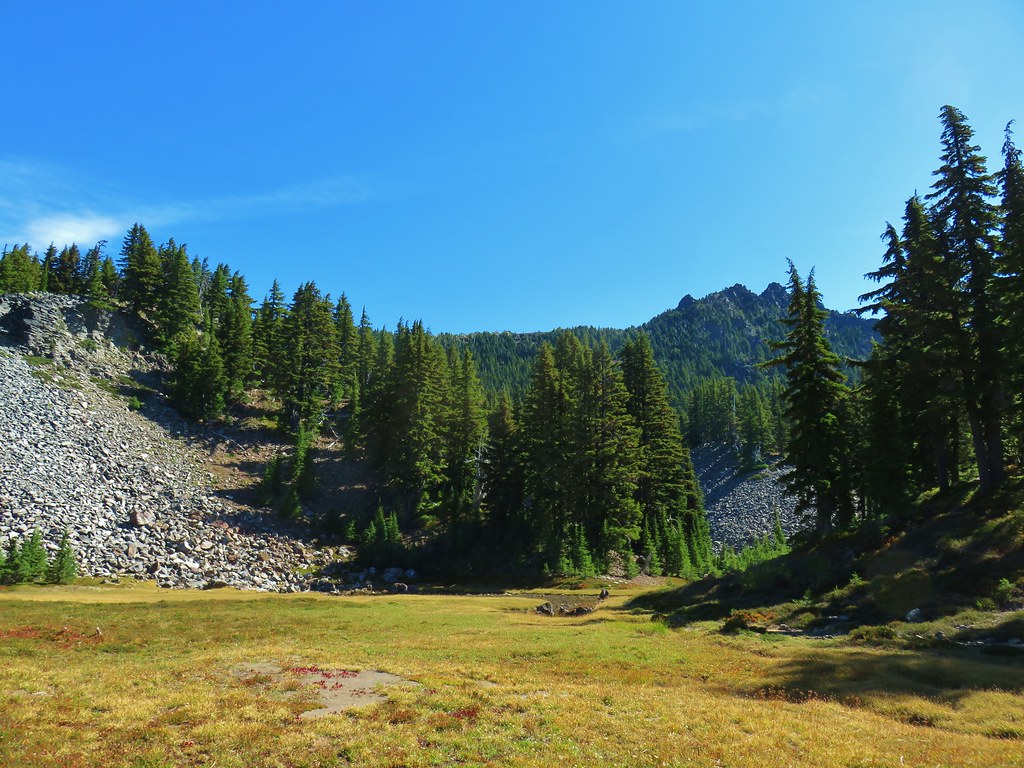
Instead we continued to follow the trail as we now were hearing other voices ahead. The trail began to climb away from the meadow passing more rock covered hillsides.IMG_2035

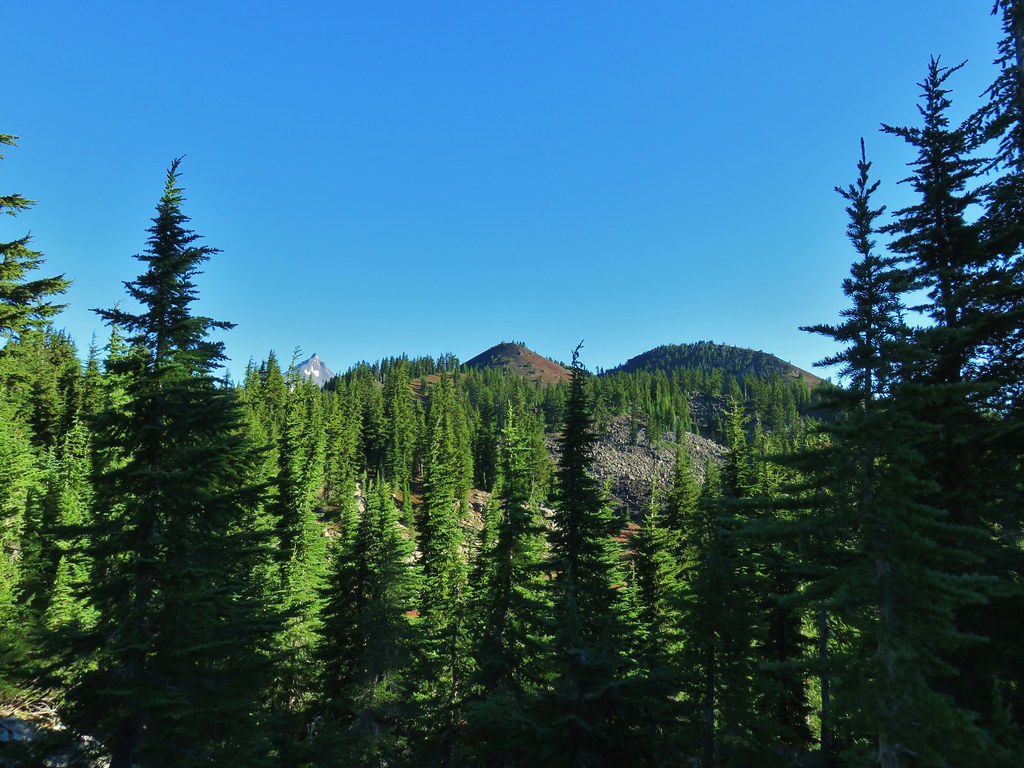
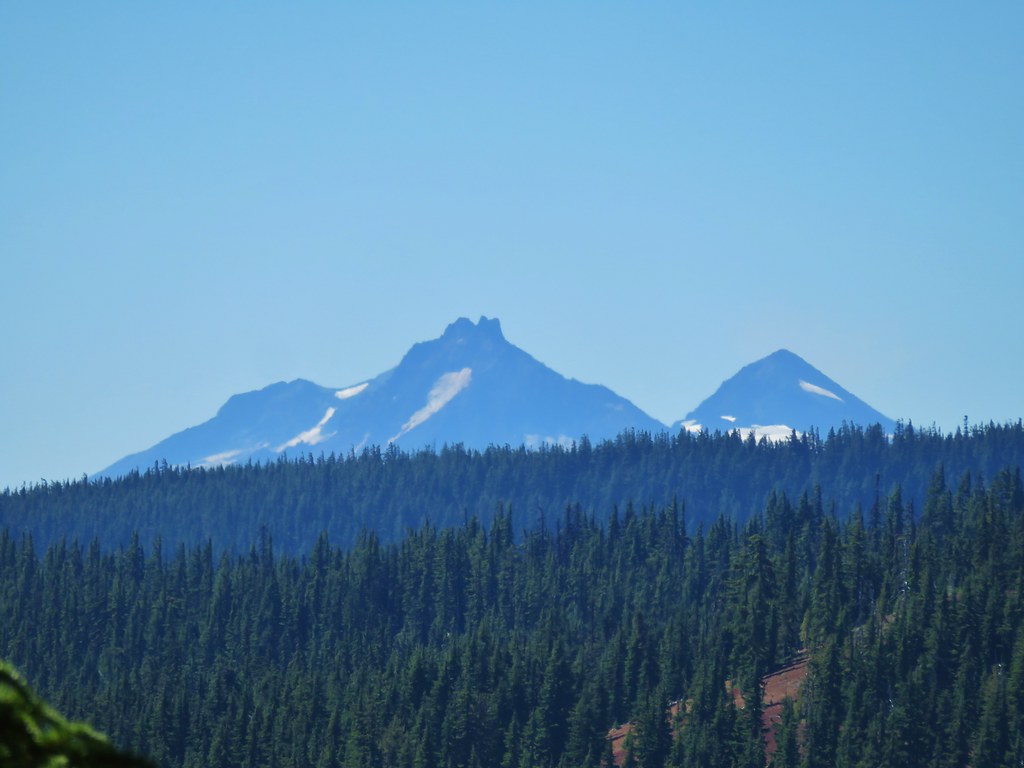
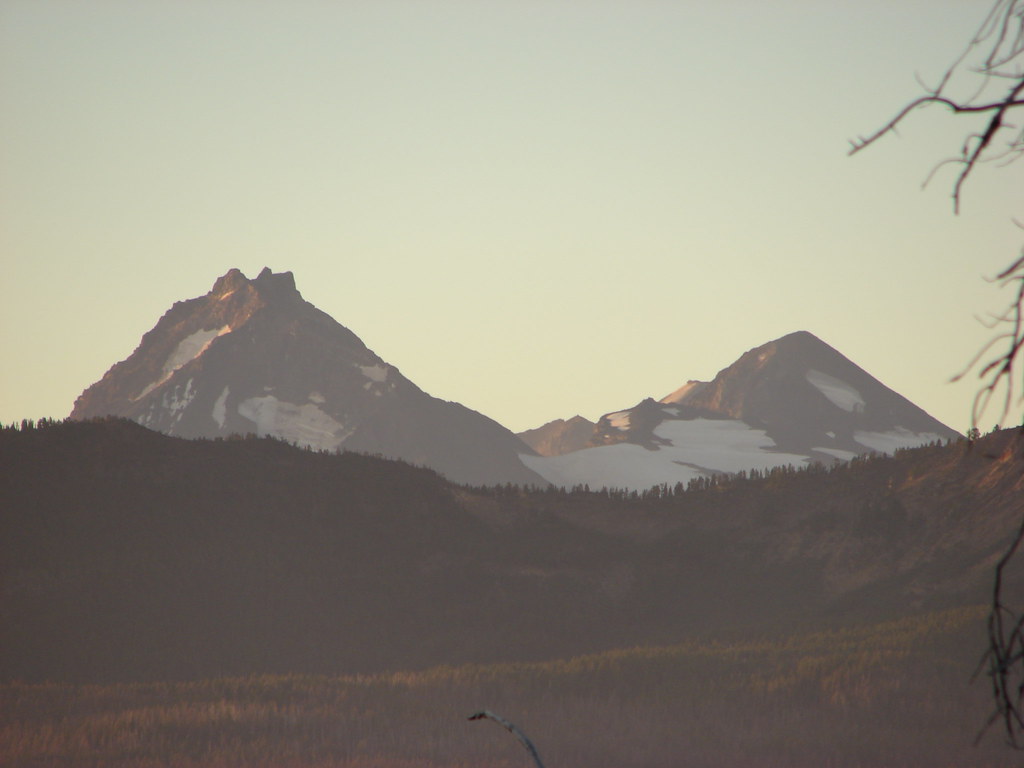
Three Fingered Jack

IMG_2038

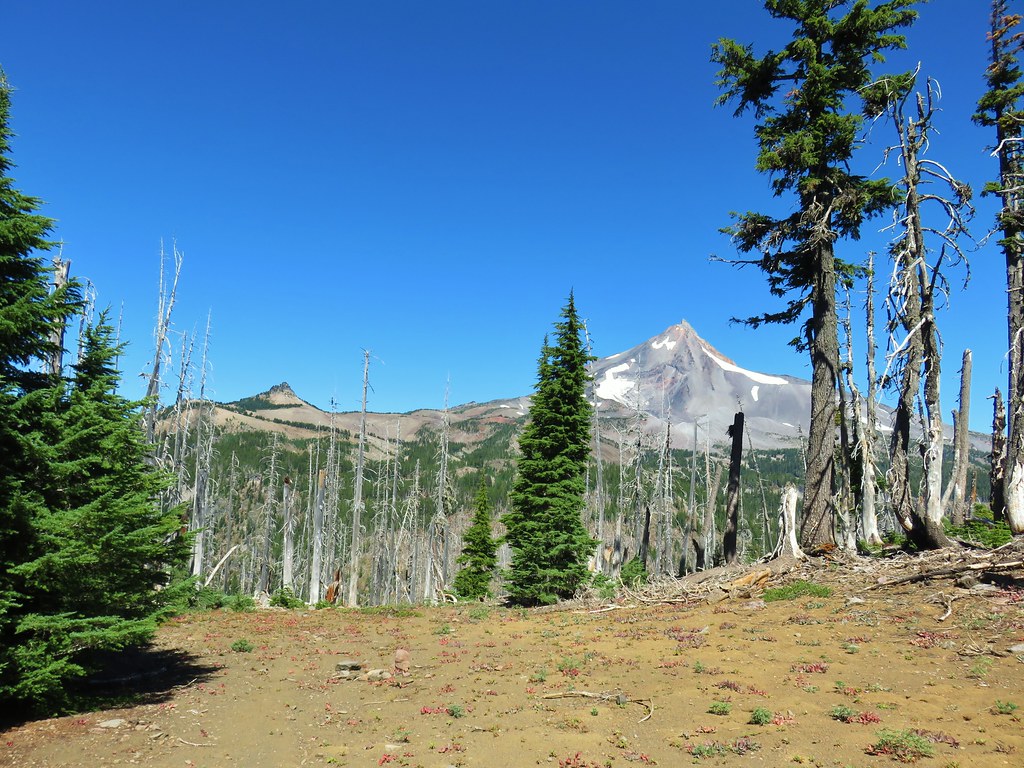
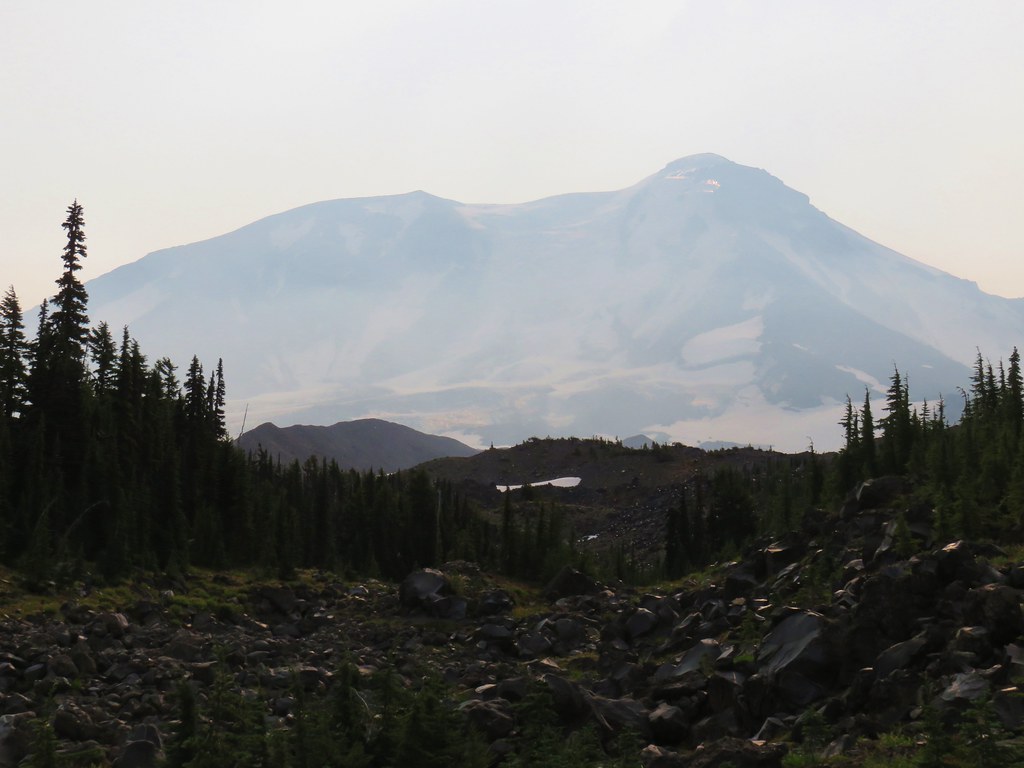
It started seeming really odd that we seemed to be heading directly at Mt. Jefferson but kept thinking that maybe the trail would bend right around some geologic feature.IMG_2042

IMG_2043

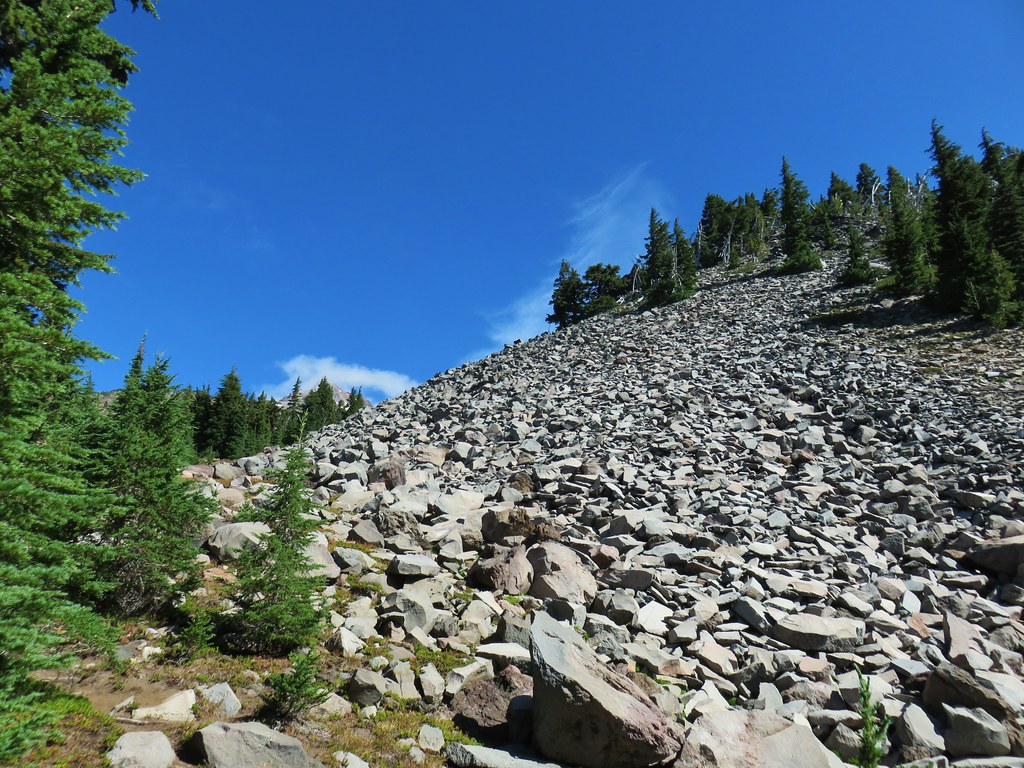
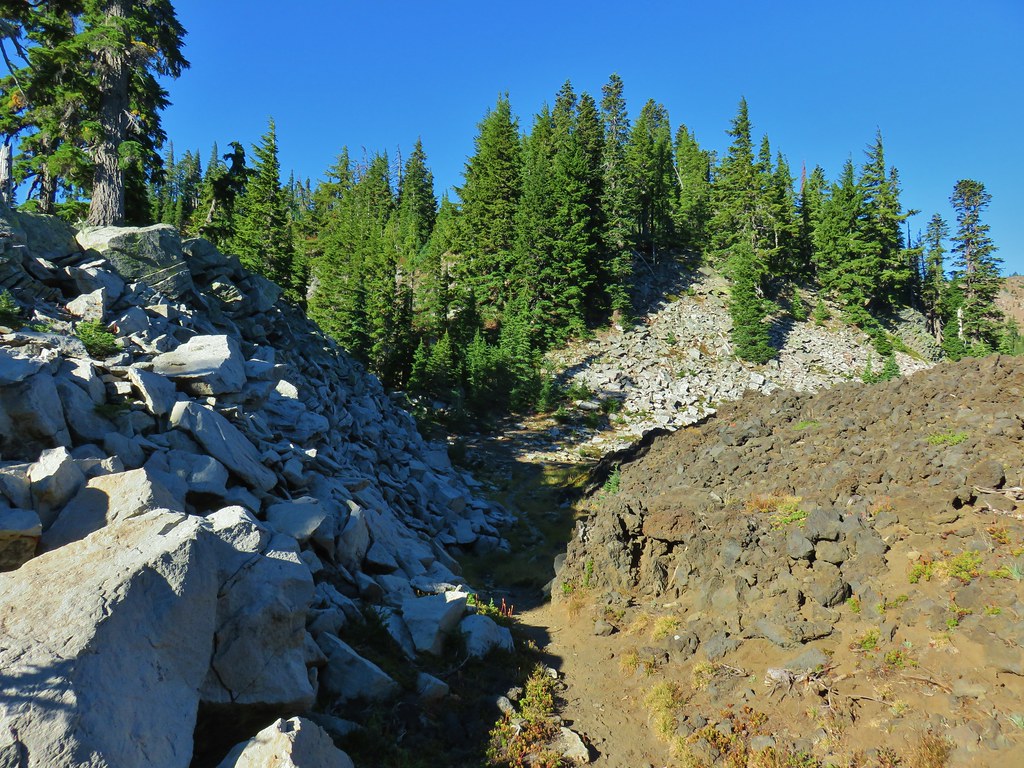
I really started to question things when we caught up to the group of gentleman who were ahead of us. They asked how high we were planning on going which is when I became fairly certain we were on a climbers route and not the scramble route to Goat Peak. I replied “as high as our legs will take us”, knowing that if this wasn’t the right way to Goat Peak we’d gone to far to correct it by then. Shortly after we crested a rise and left the tress. We were now at the bottom of a boulder filled gully.IMG_2046
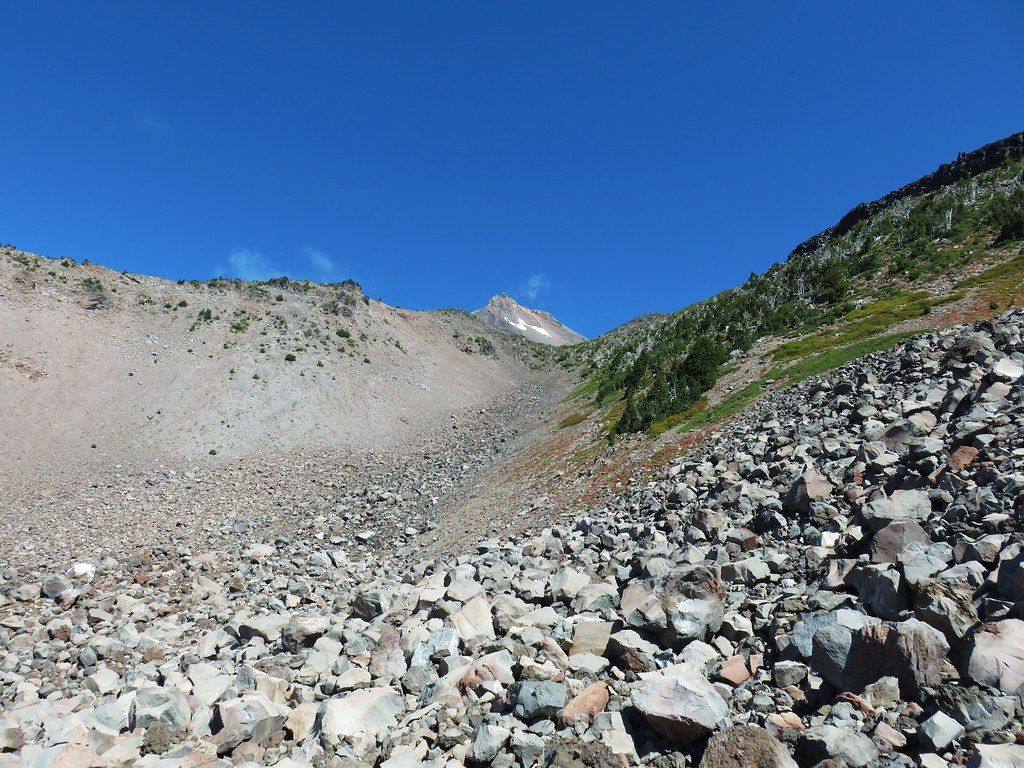
There wasn’t much we could do at that point other than go back or continue on so up we went.IMG_2048

IMG_2047

Cliffs on the right side of the gully.

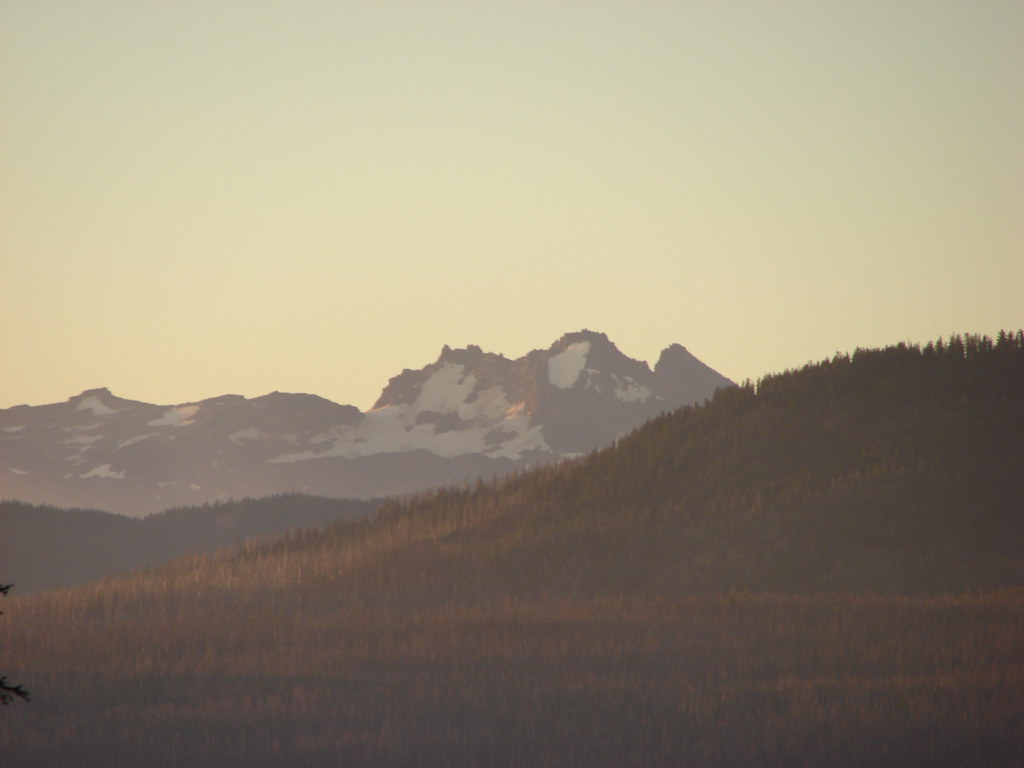
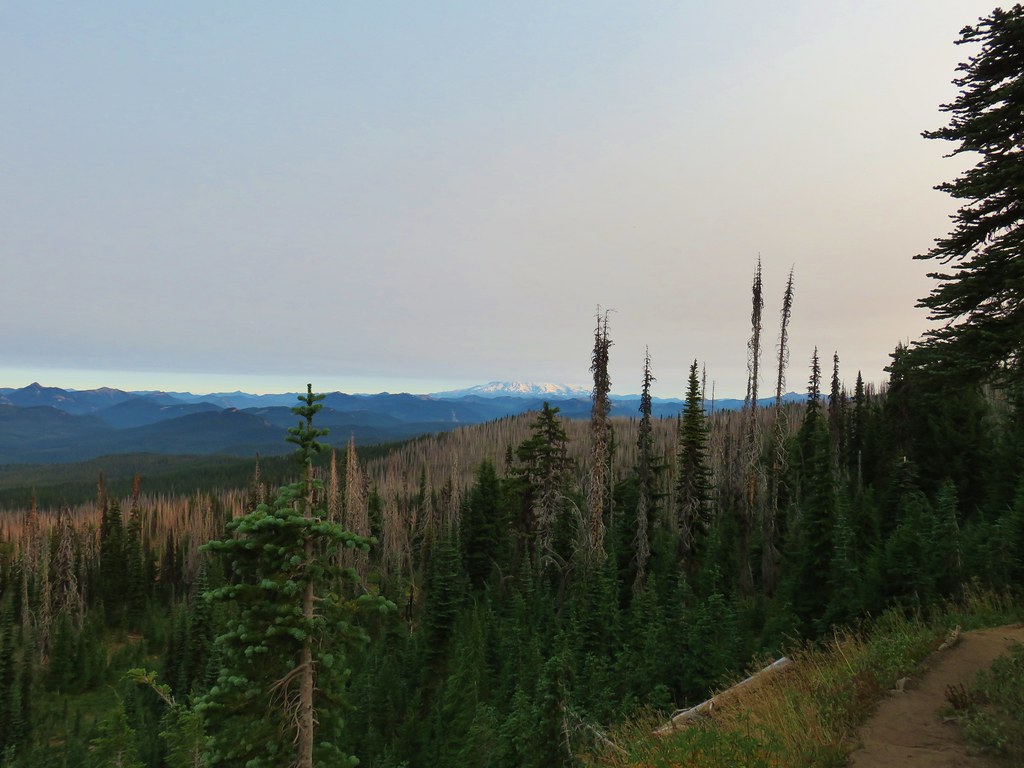
As we gained elevation the views to the south opened up and the Three Sisters joined Three Fingered Jack on the horizon.IMG_2049

IMG_2051

IMG_2054

IMG_2056

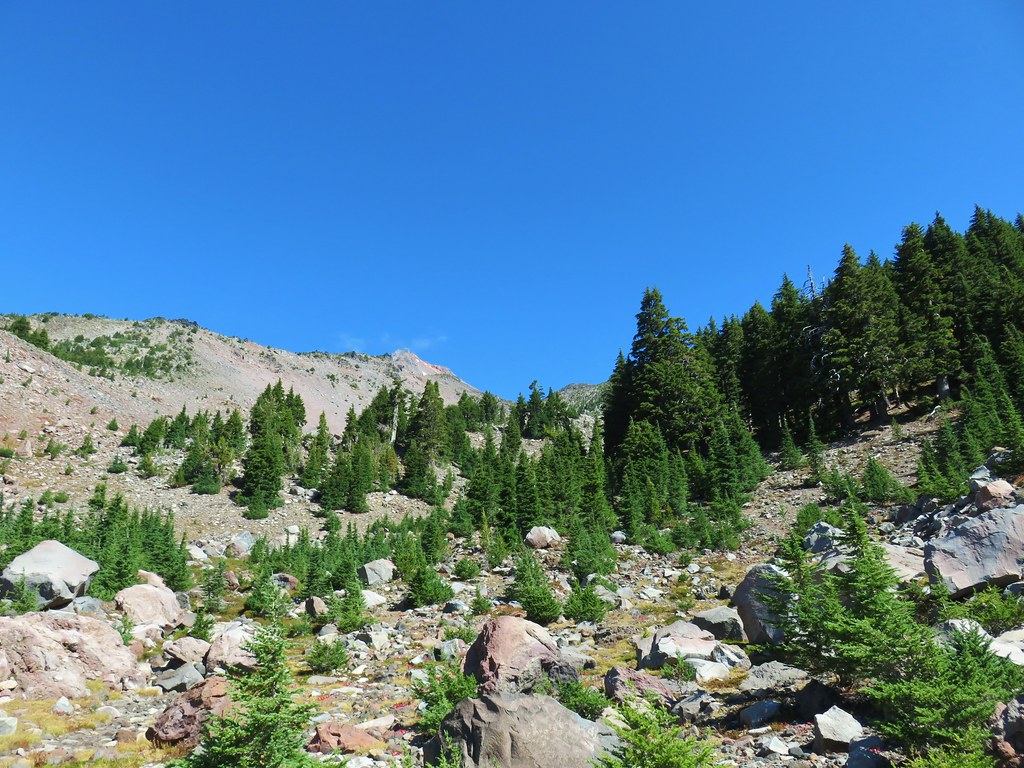
We were well above the summit of Goat Peak by the time we reached the lip of the gully where stunted white bark pines clung to the steep slope.IMG_2057
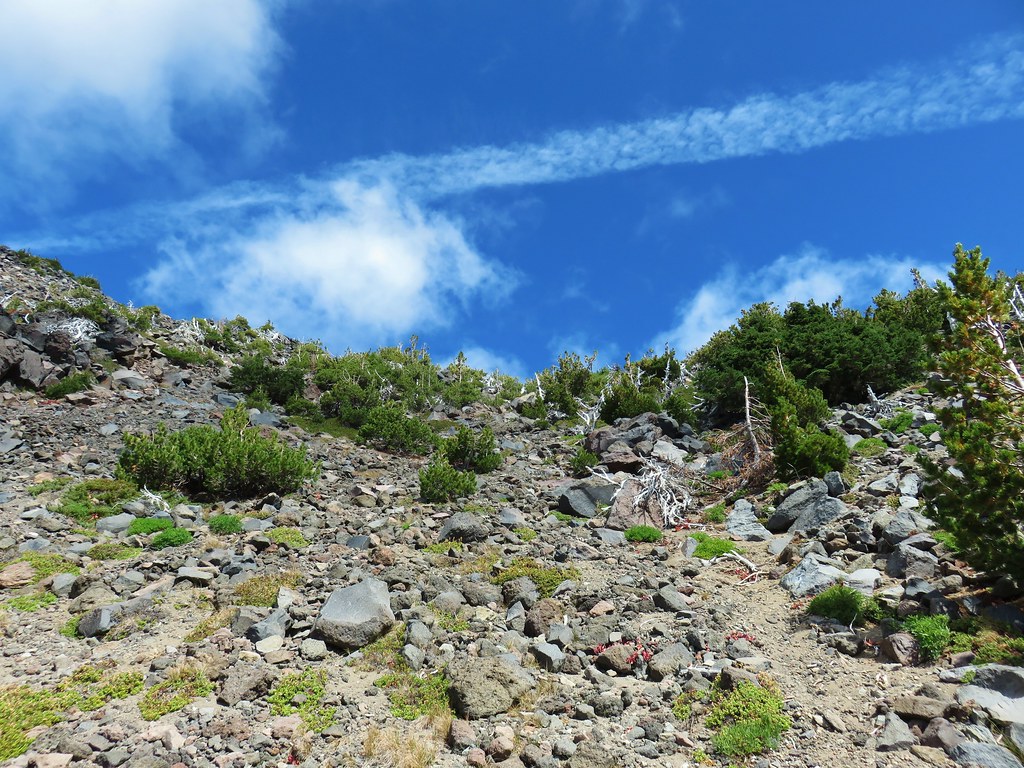
Anxious to see what spectacular view awaited I charged up the final pitch only to find a second albeit smaller gully.IMG_2059
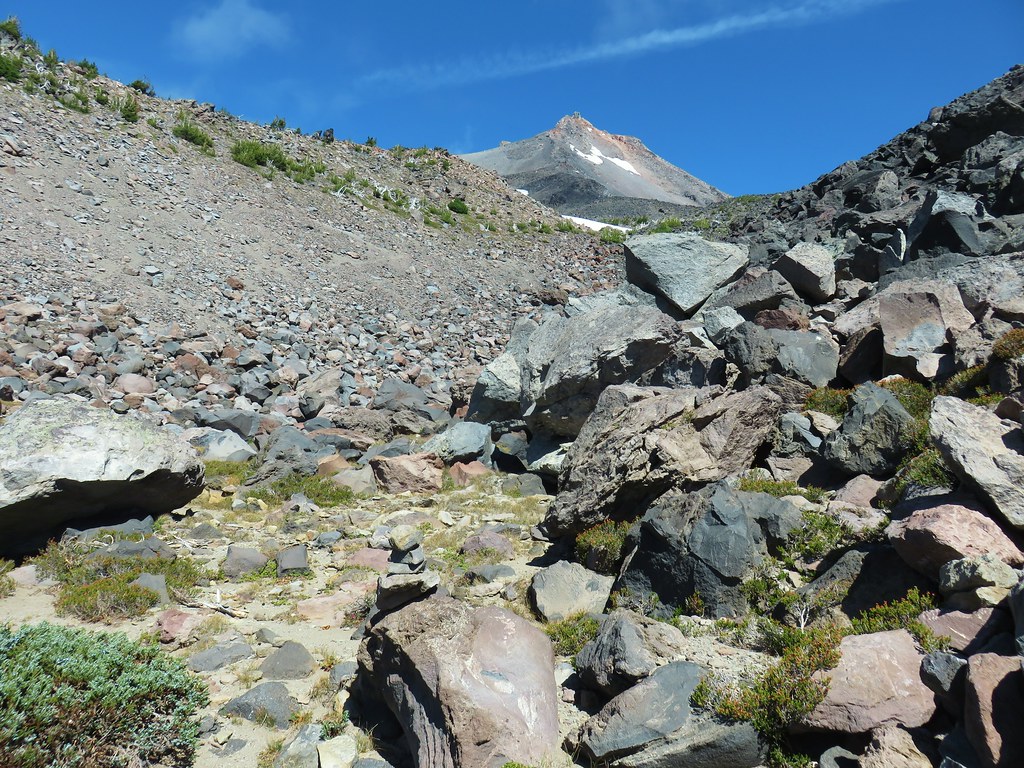
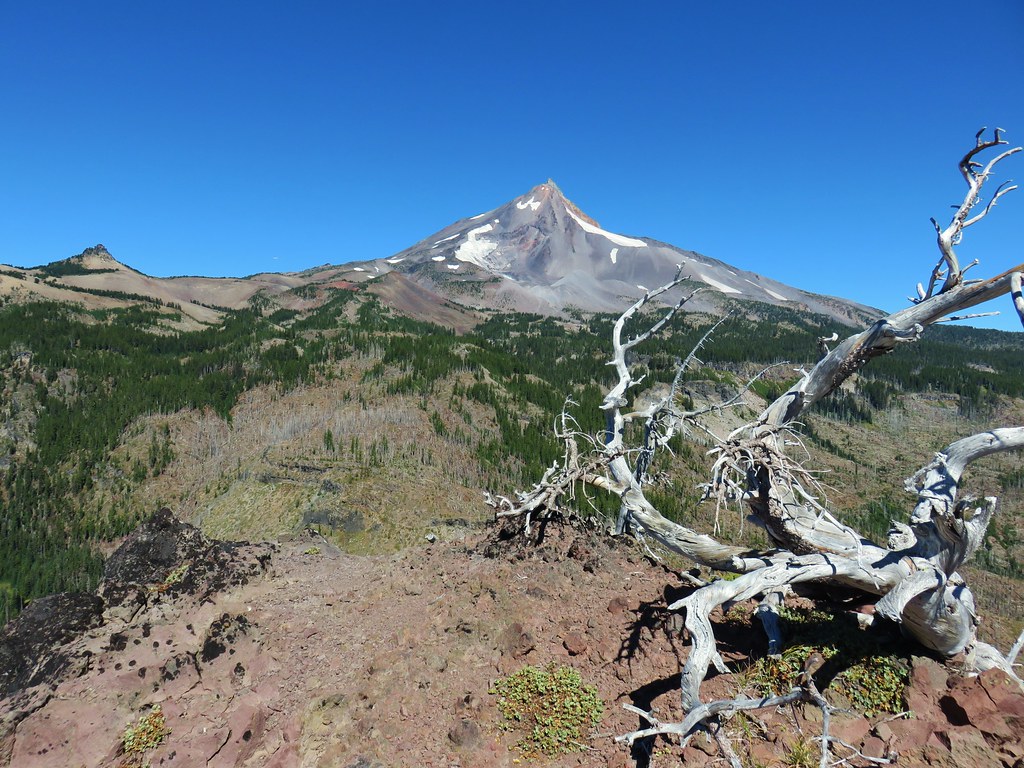
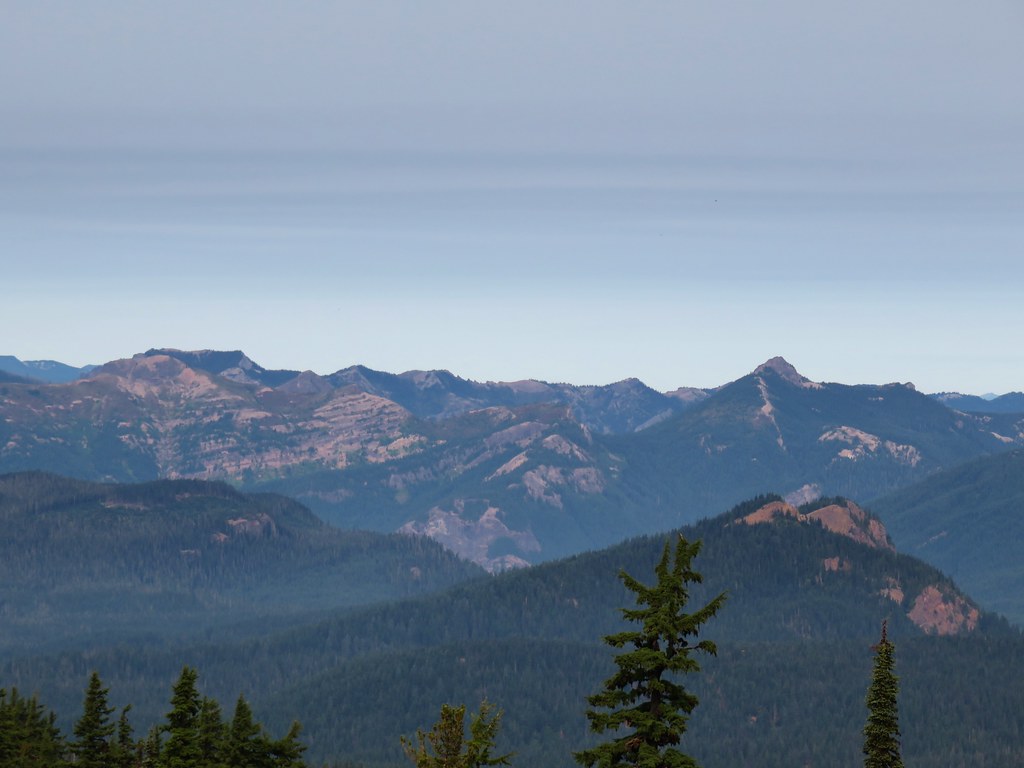
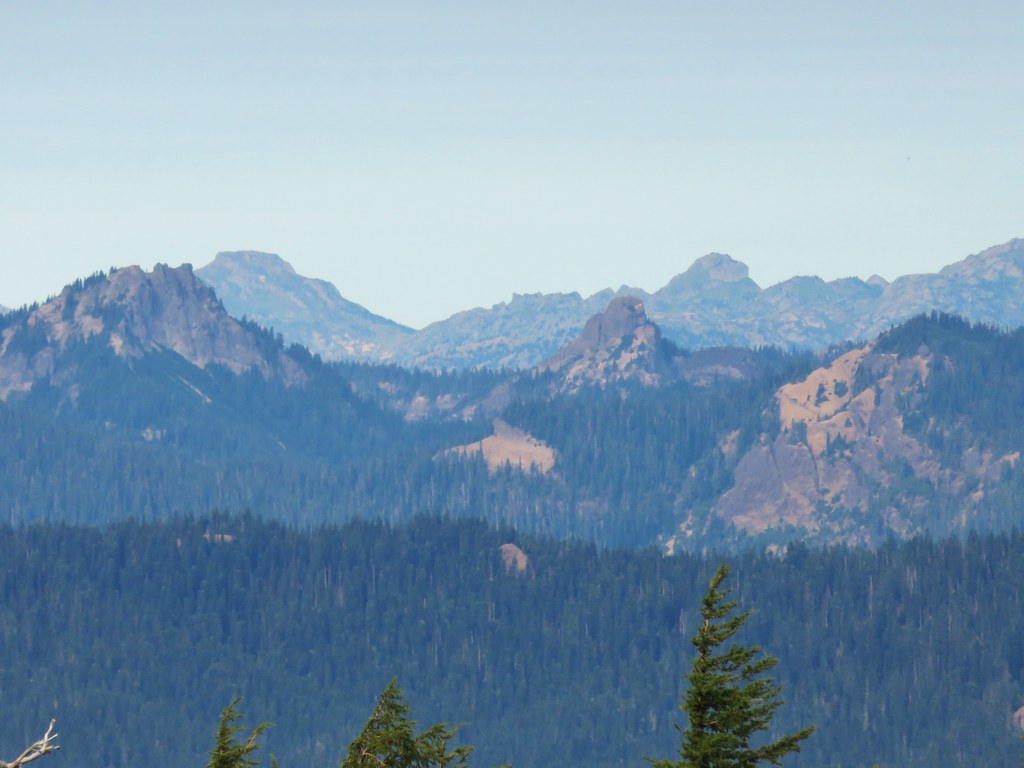
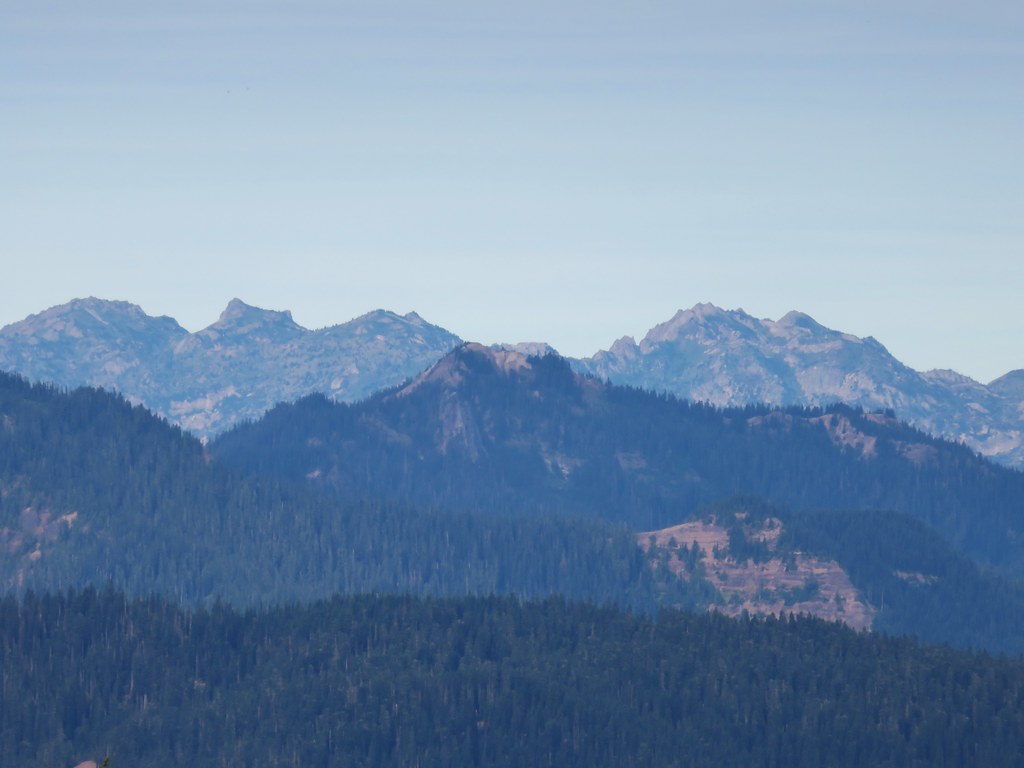
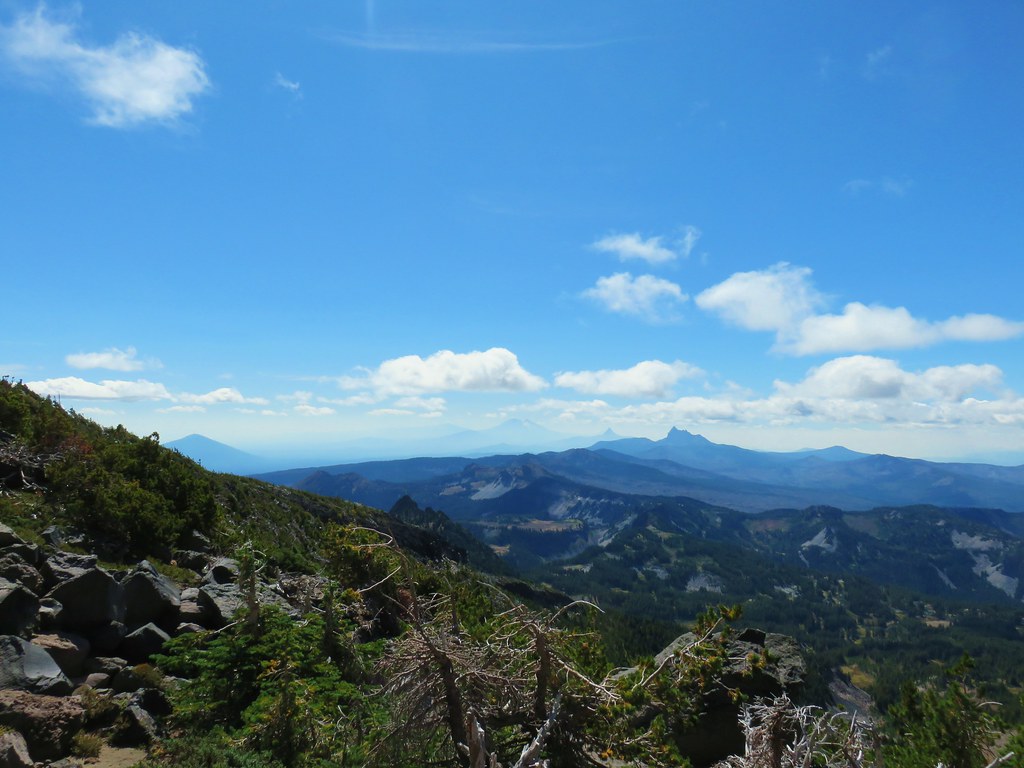
At least it had a view of Mt. Jefferson. There were a couple of bivouacs here and I waited for Heather to decide our next course of action. When she reached the second gully I decided to continue on and told her I would wave her up if I thought there was something that she just had to see. From where we were I could already see the top of Goat Peak below to the south as well as The Table and Cathedral Rocks.IMG_2060
IMG_2062

Goat Peak

IMG_2063

The Table

IMG_2064

Cathedral Rocks

Getting out of the second gully was much easier than the first and I soon found myself walking along a snowfield.IMG_2066
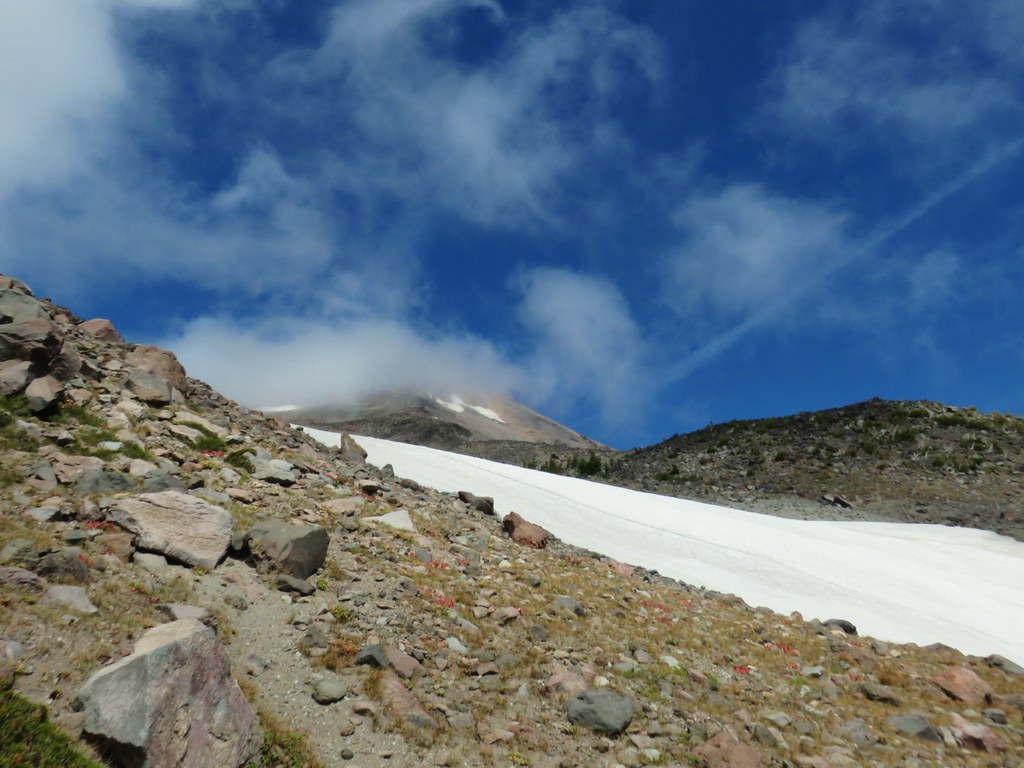
Later research would reveal that we were indeed following a climbers trail to the South Ridge Route up Mt. Jefferson. I ended my climb at the top of the snowfield but did a little exploring to the high points on either side of the gully.IMG_2069
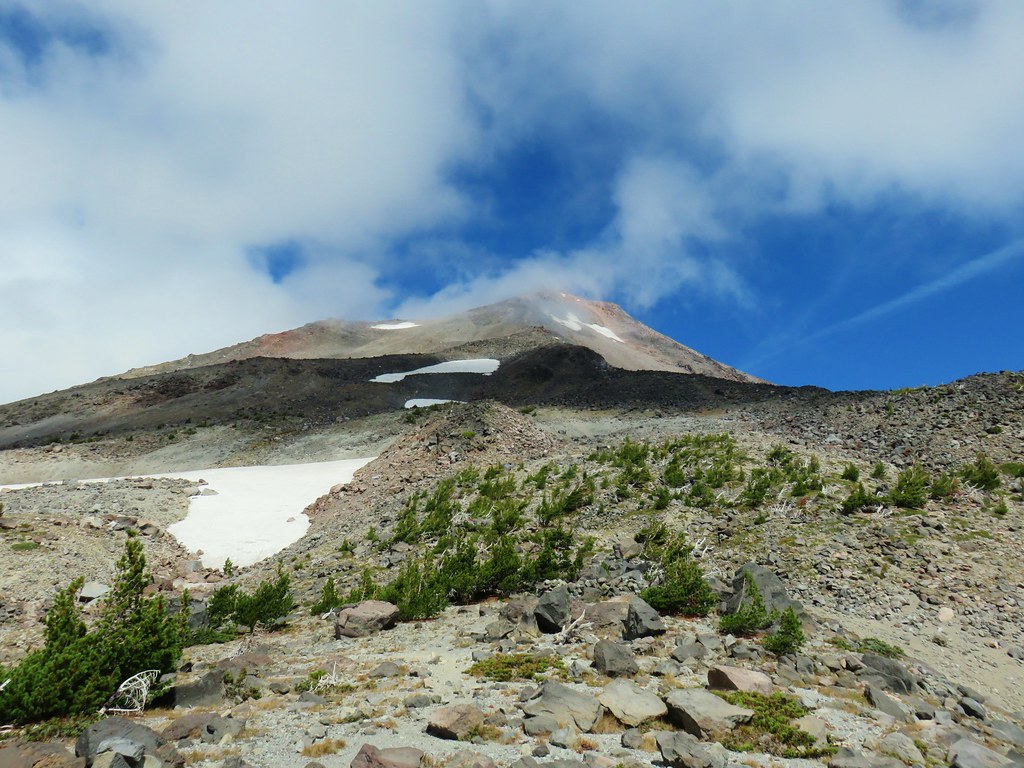
Climbers trail continuing up Mt. Jefferson

IMG_2071

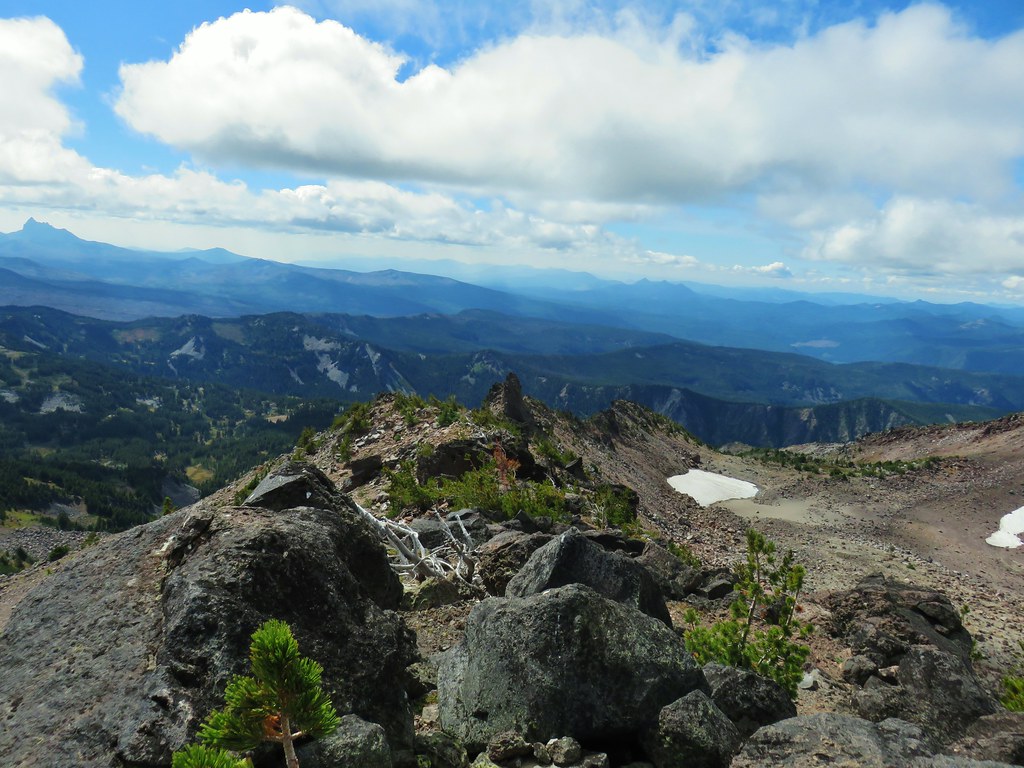
View south from the ridge to the north of the gully.
IMG_2074

Looking out along the ridge.

IMG_2076

IMG_2079

Where we had intended to be.

IMG_2084

View from below the snowfield.

IMG_2082

Paintbrush below the snow.

IMG_2086

Looking south from the opposite ridge top.
IMG_2094

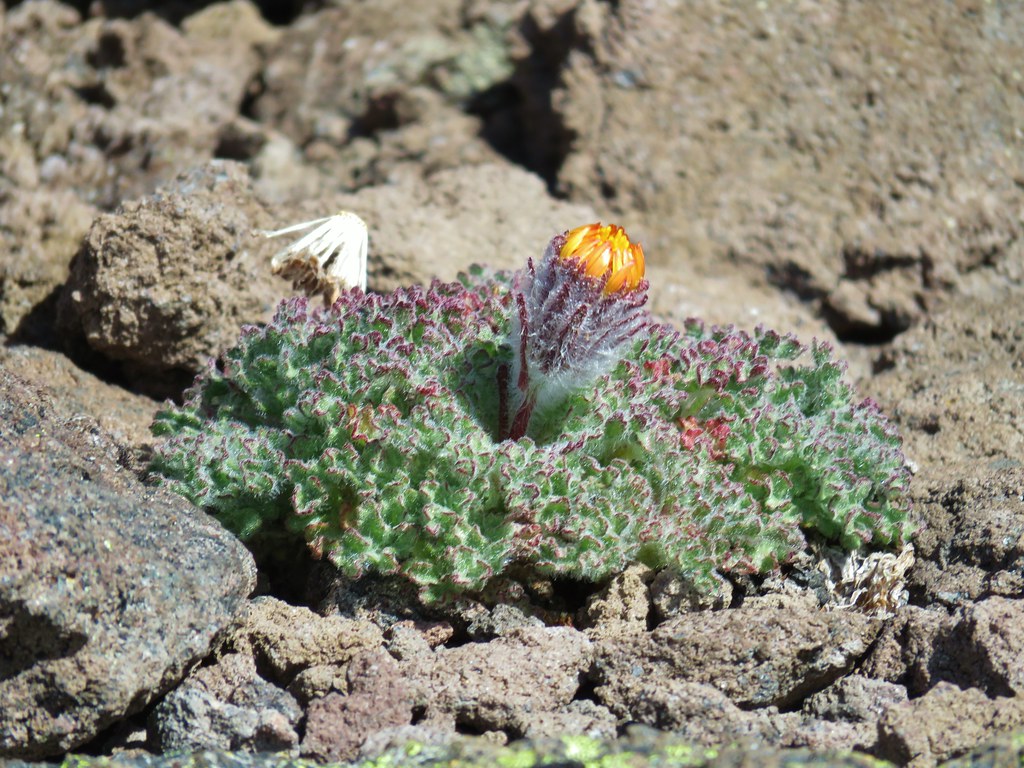
Wildflower atop the ridge.

IMG_2091

Bear Butte along the nearest ridge.

IMG_2099

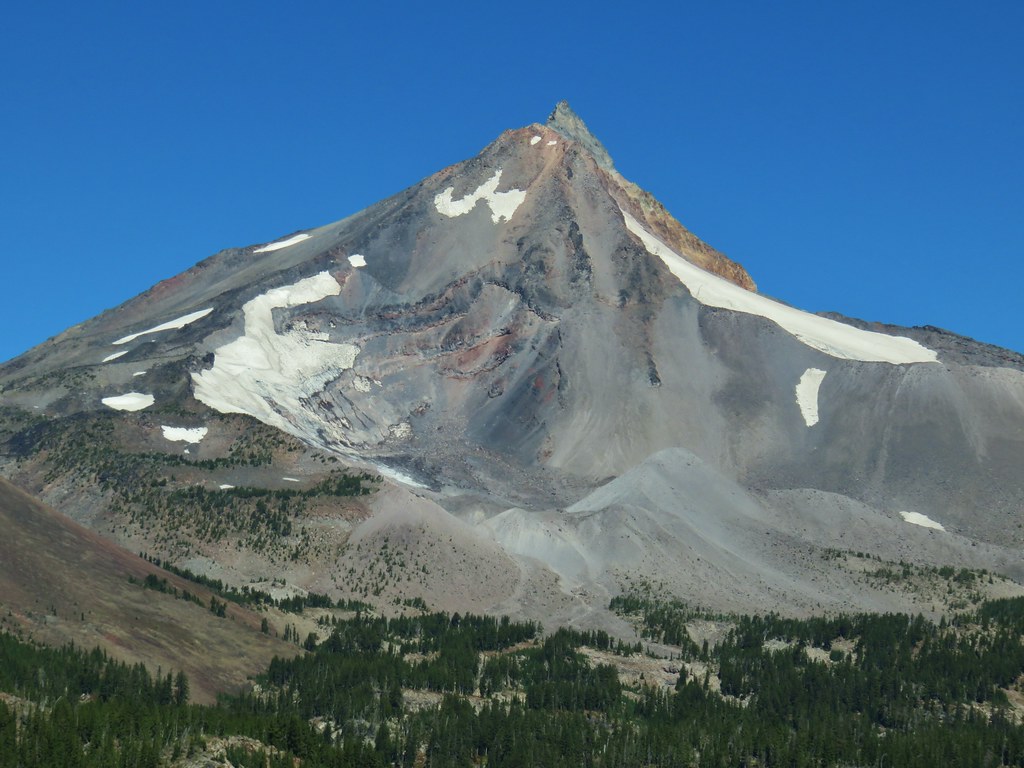
Looking back at Mt. Jefferson

The views were nice but I didn’t think they warranted waving Heather up so I headed back down to where she was waiting. After a short break and a snack we began the half mile decent down the lower gully.IMG_2114
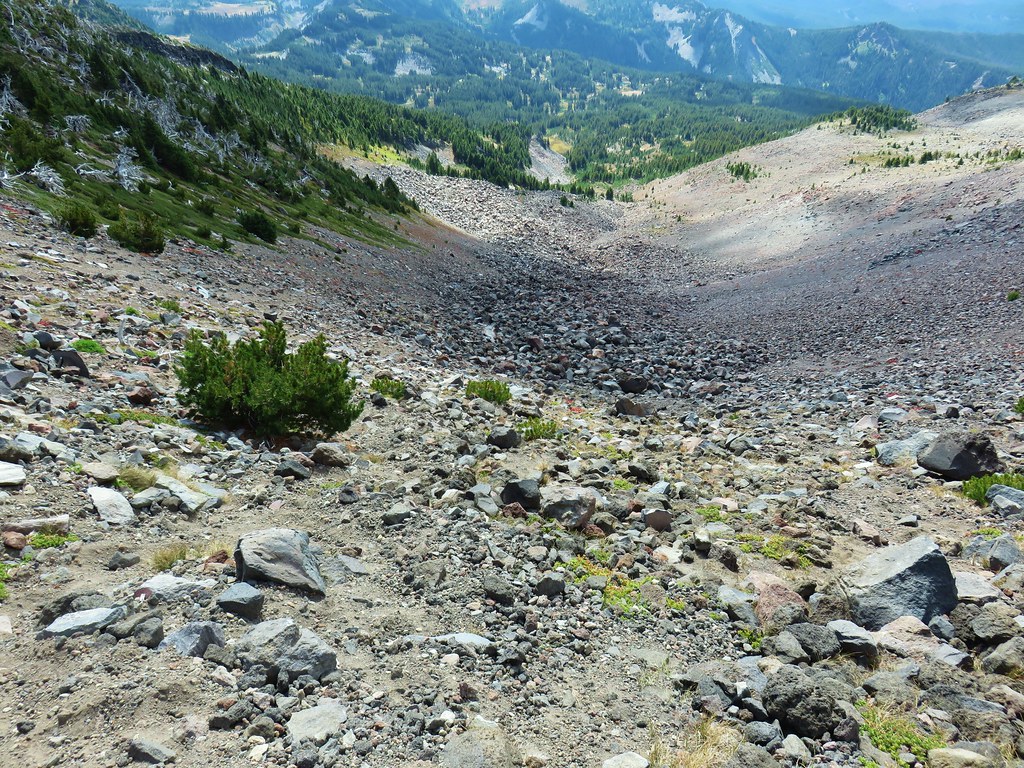
We passed the other group, who were still on their way up the lower gully, just after starting our descent. When we’d finally gotten back to level ground in the meadow we decided to check out the other side of the ridge to see if we find any sign of a trail we’d missed.IMG_2128_stitch
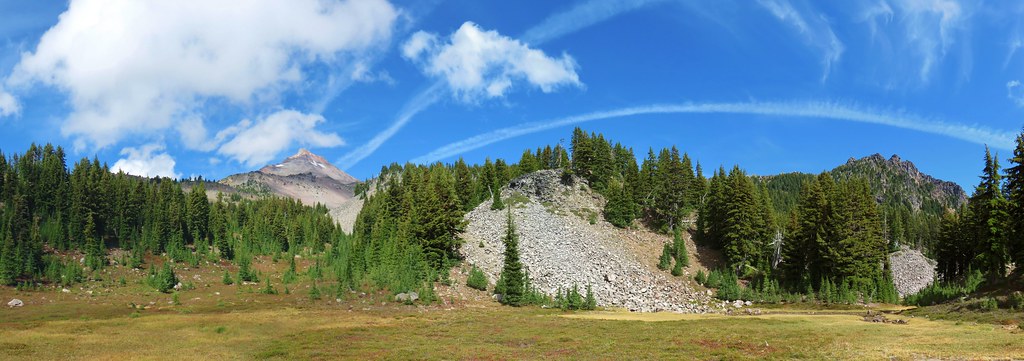
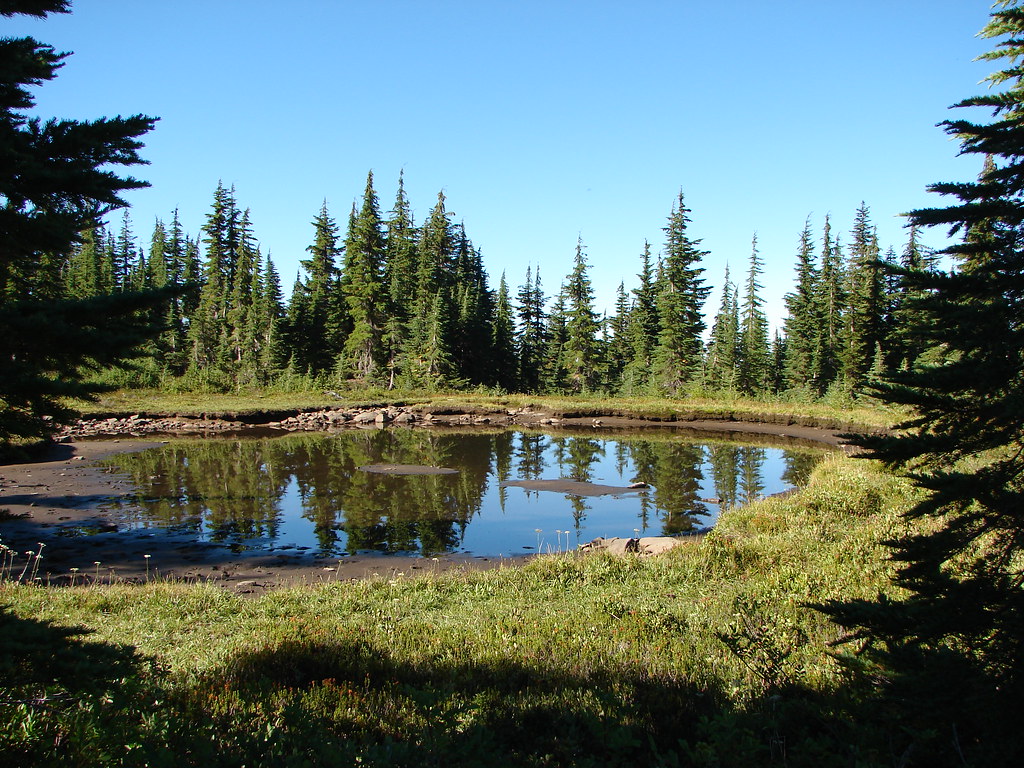
There wasn’t anything we could see, but based on all the information in the book including the map and GPS coordinates we definitely had wanted to be on this side of the ridge. Once we had gotten into the area we noticed that there were several ponds/lakes showing on the map to the south. The terrain appeared to be level enough to make a cross country jaunt inviting.IMG_2137
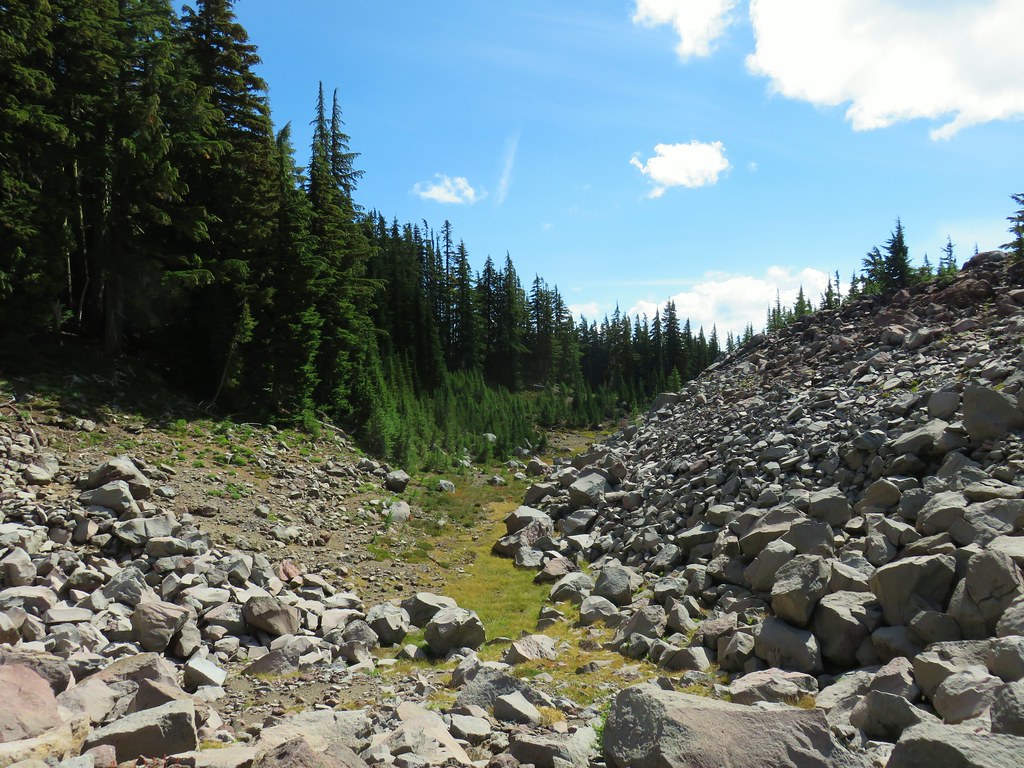
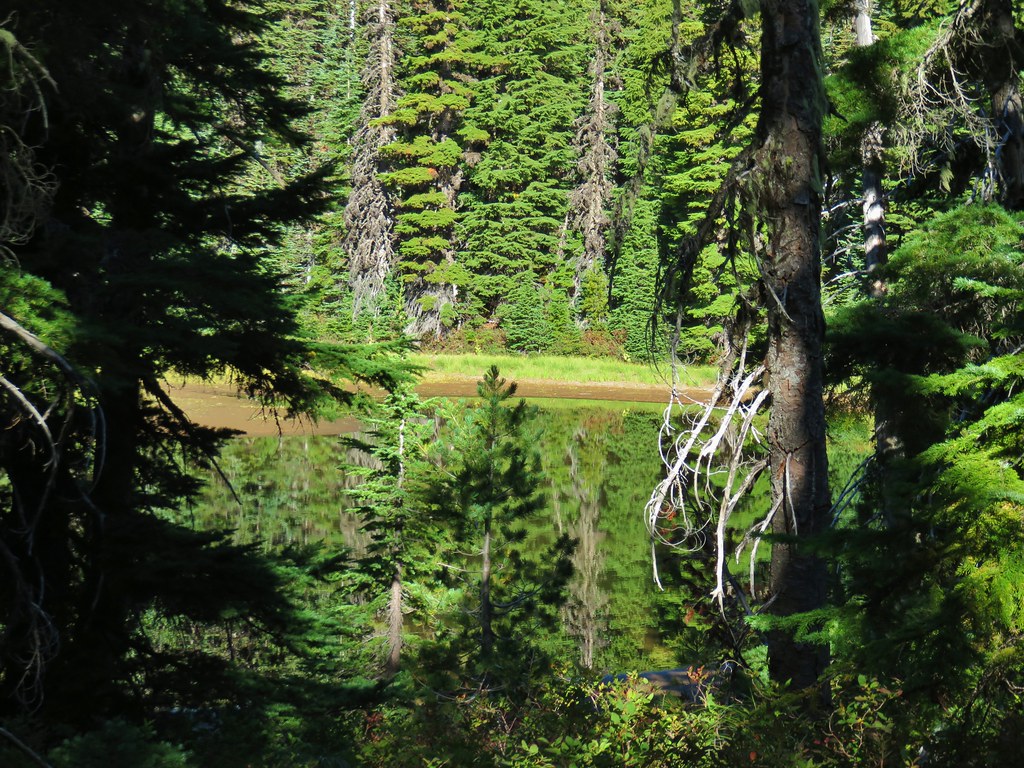
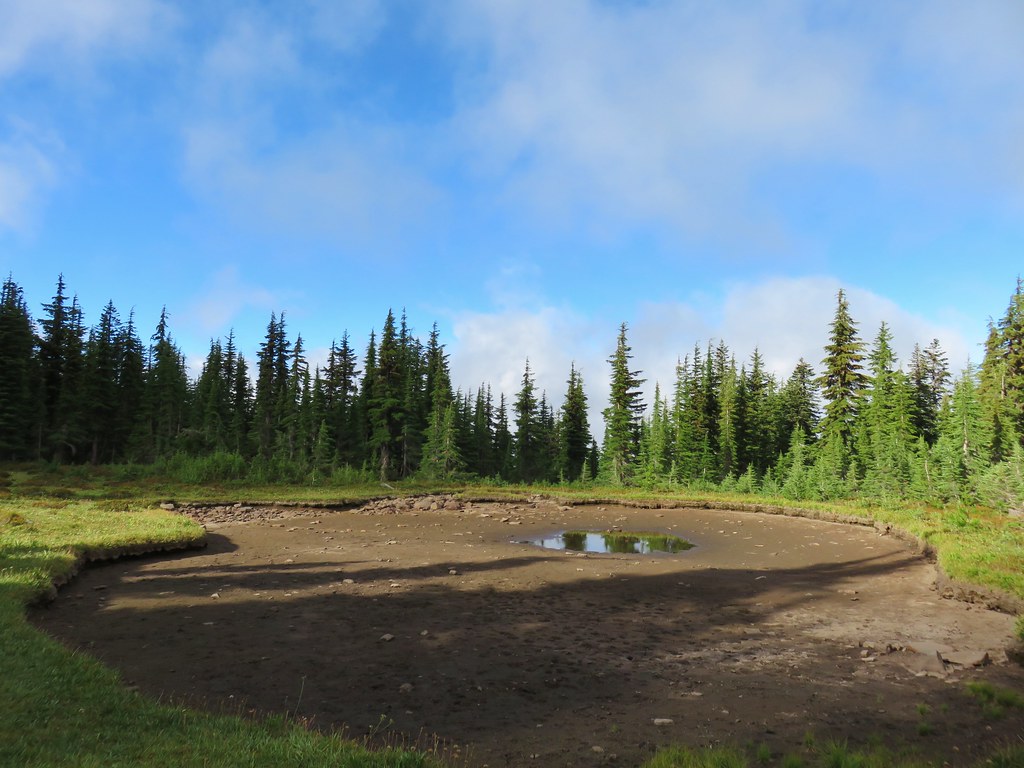
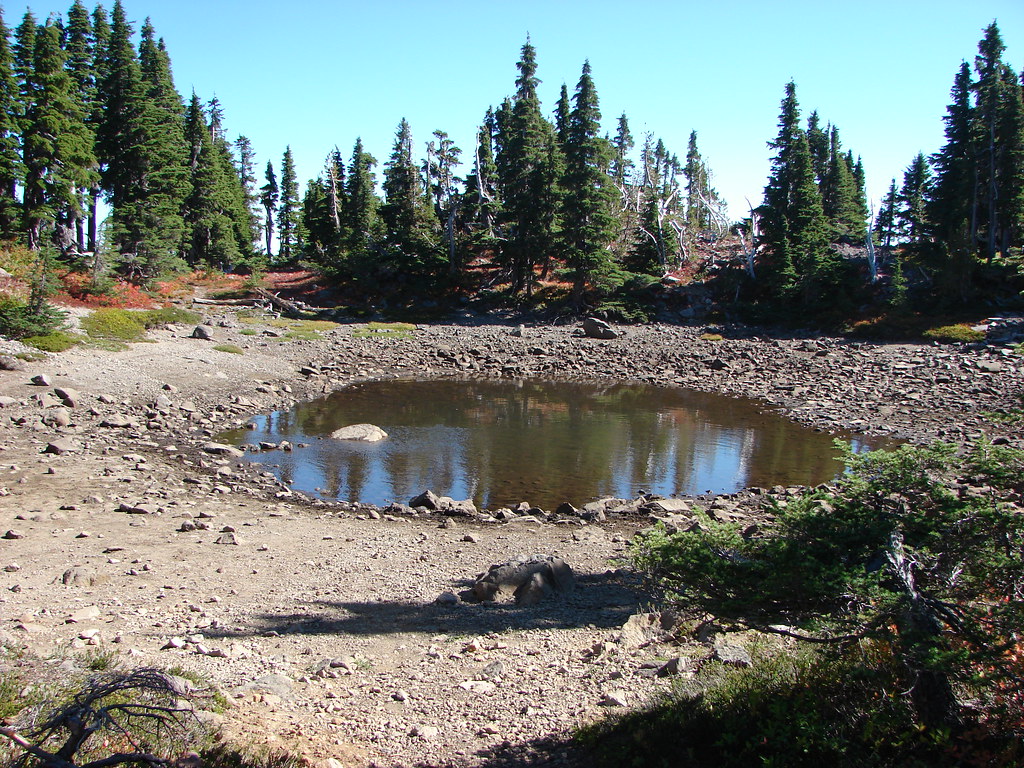
We used the map and GPS to locate several of the ponds but they were all dry save one unnamed lake. We did get some really nice views of Goat Peak though.IMG_2139
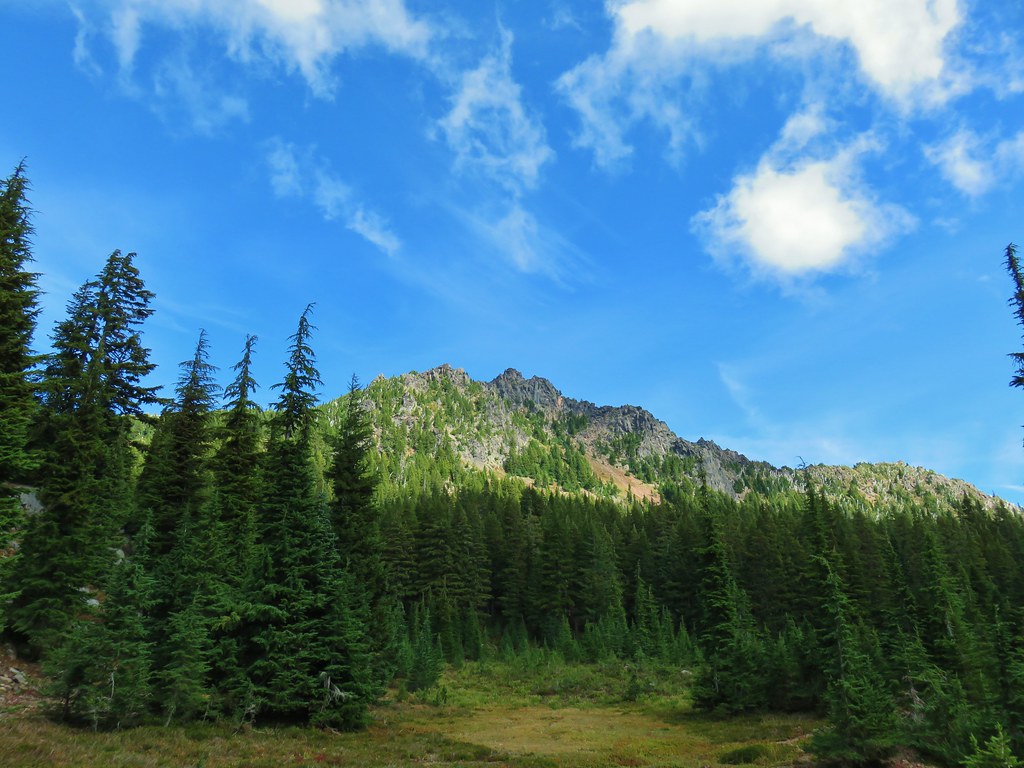
IMG_2149_stitch

IMG_2157

IMG_2158

IMG_2159

We took another break at the lake.IMG_2162

IMG_2176

IMG_2180

There were some tents set up nearby in the trees so we thought that there might be a trail somewhere nearby and set off looking for it when we left the lake. It didn’t take us long to spot the clear tread.IMG_2182
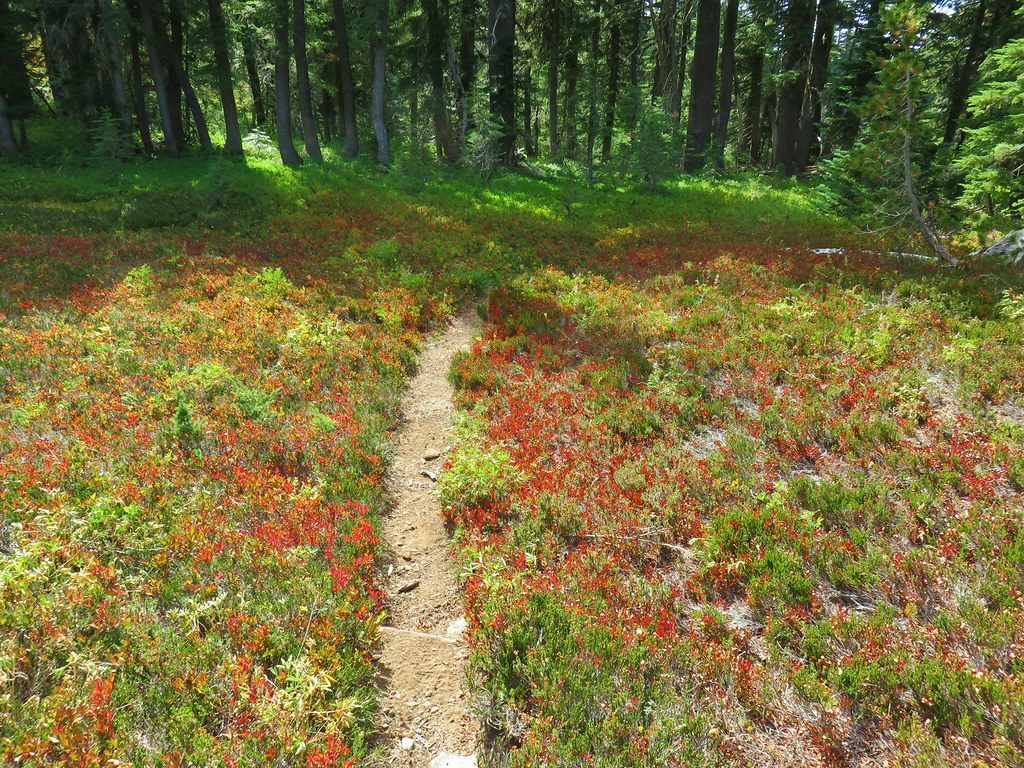
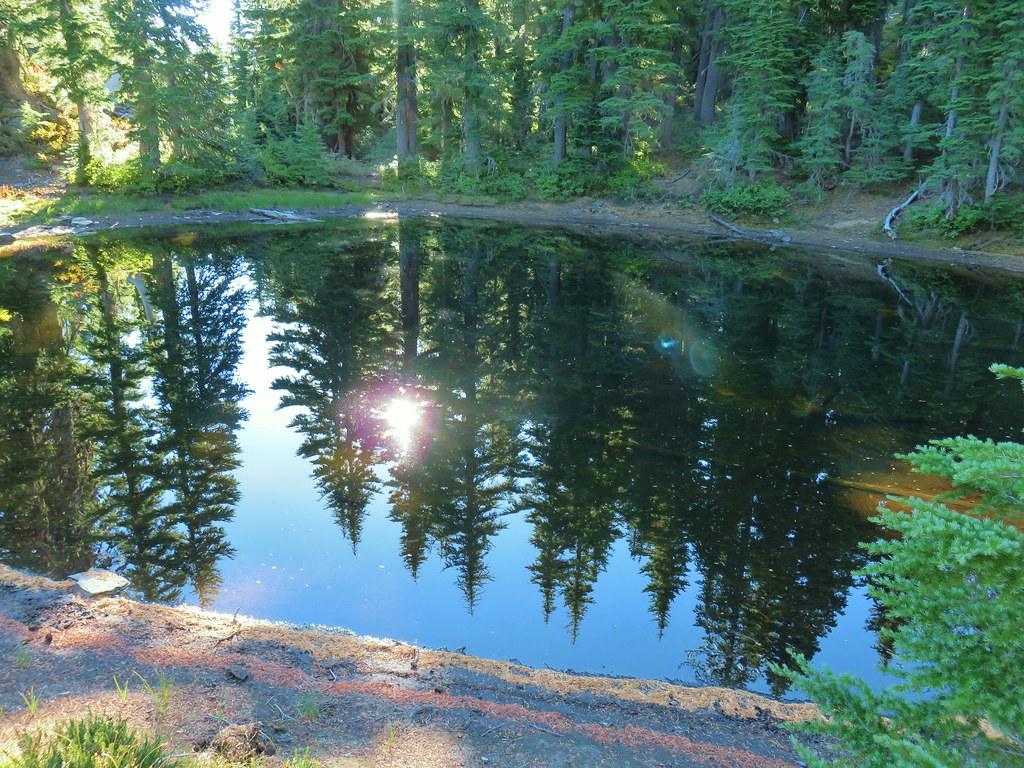
This path led us west between Mud Hole and Shale Lakes and back to the PCT.IMG_2186
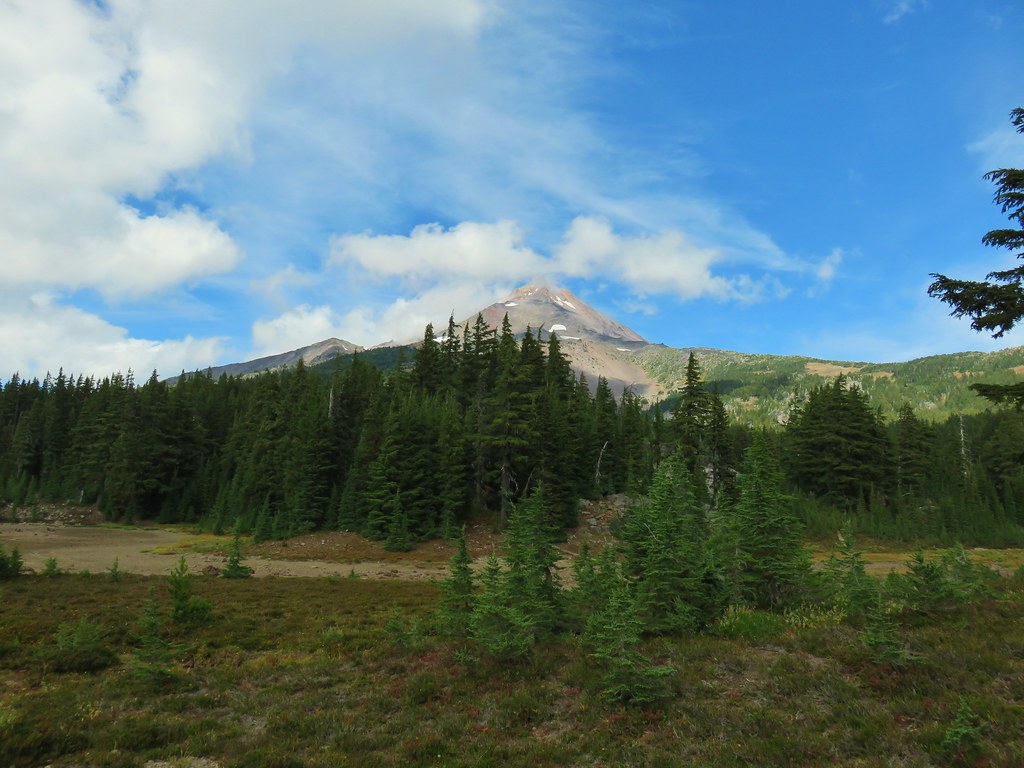
Mud Hole Lake

IMG_2187

Shale Lake

We turned right on the PCT and continued a short distance until we spotted another use trail heading further west. We followed this path past more dry (or nearly dry) ponds to Coyote Lake.IMG_2190
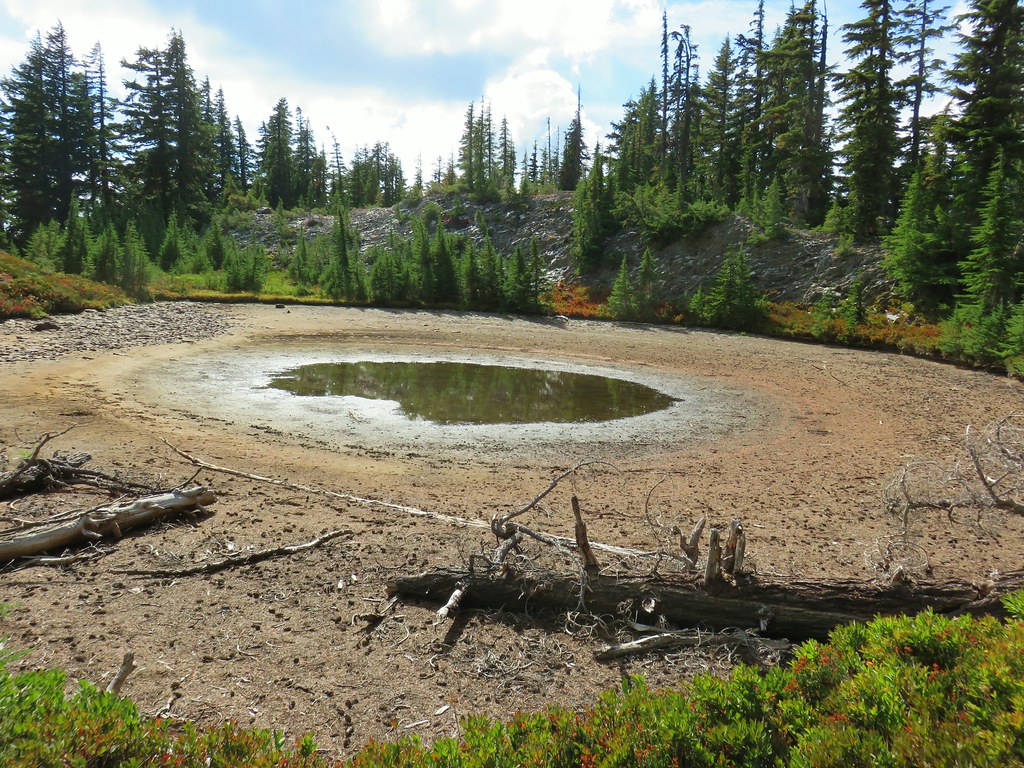
IMG_2191

IMG_2197

Our urge to explore was now satisfied and we returned to the PCT and headed back to Pamelia Lake, which looked like it was way, way down below us.IMG_2206
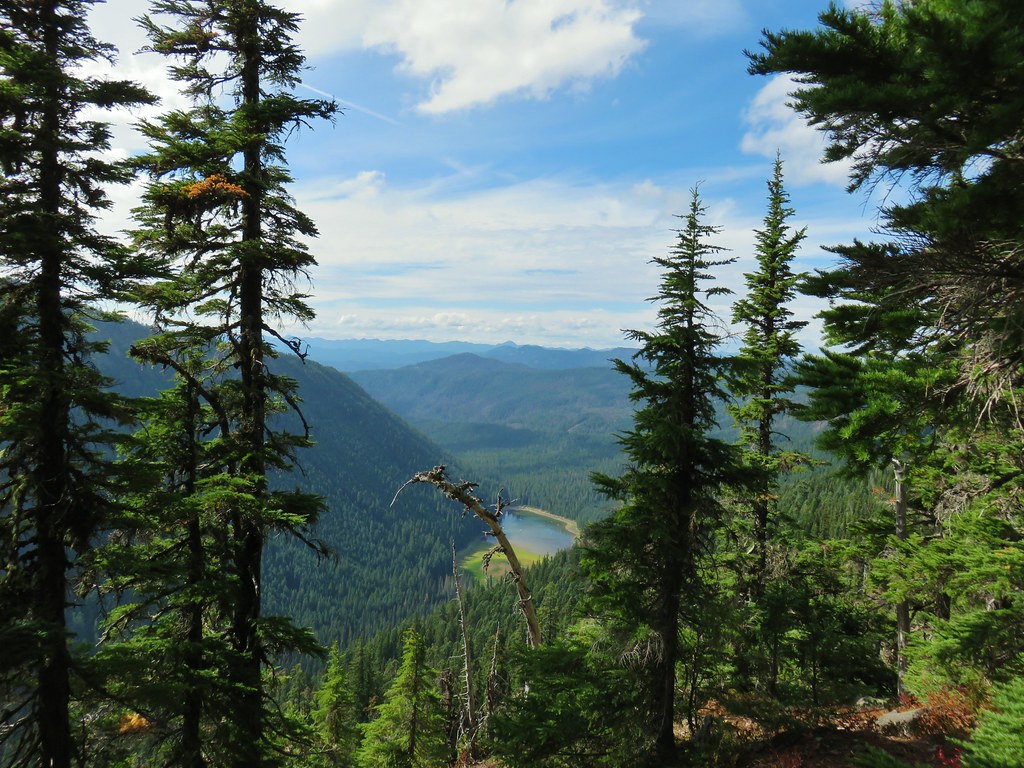
It was closing in on 6pm when we finally made it back to camp. We went down to the lake to get water then cooked dinner and relaxed in our camp chairs.IMG_2223

IMG_2230

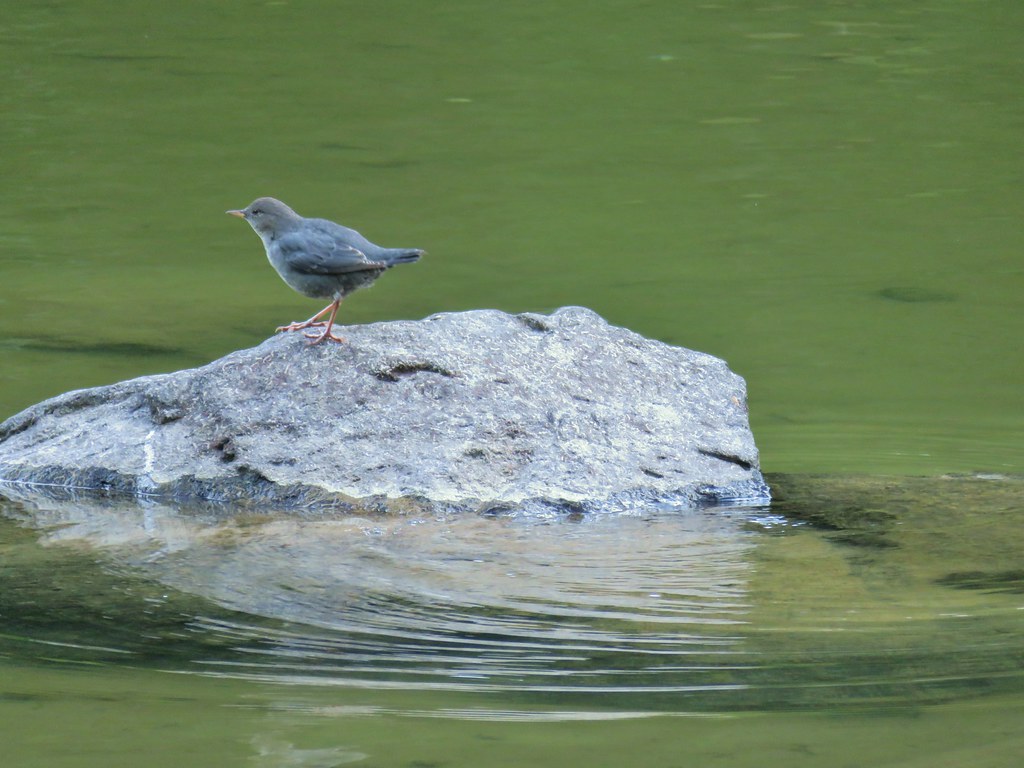
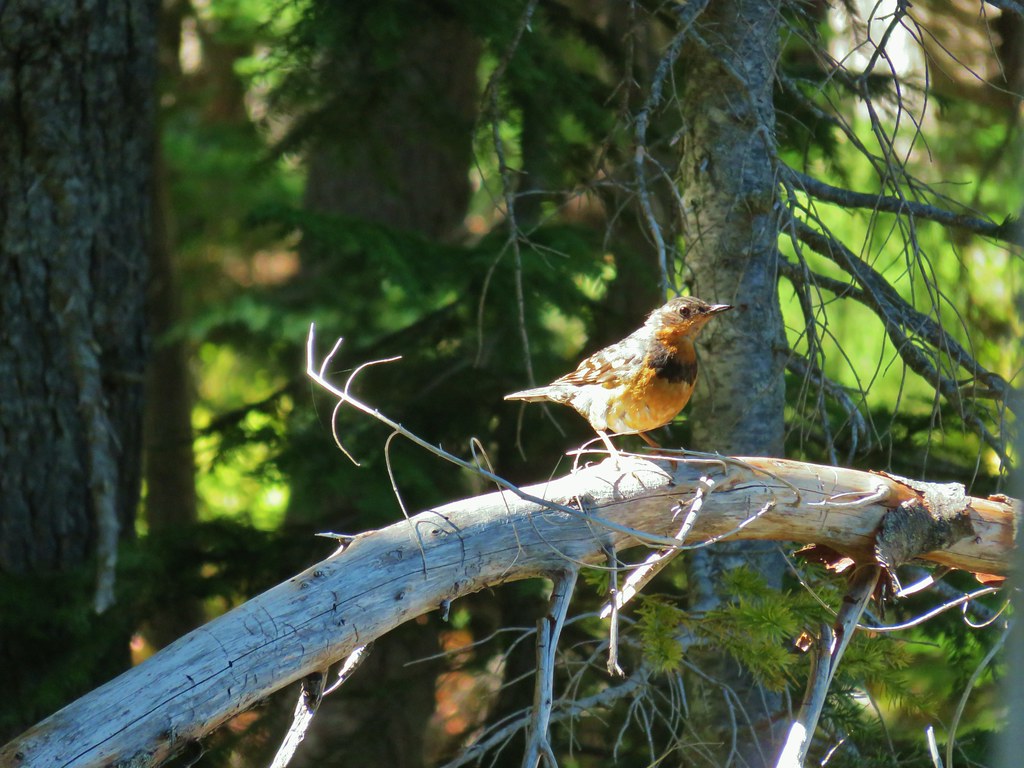
Ouzel

IMG_2235

IMG_2236

IMG_2245

Marty, a wilderness ranger, stopped by to check our permit and make sure we were aware of the campfire ban. She seemed relieved that we had a permit and knew about the ban. We got the feeling that a fair number of folks aren’t as friendly as we were which is a shame.

Even though we hadn’t made it to Goat Peak and we’d hiked much further than originally intended (19.4 miles) it had been a great day. It helped knowing that we only need to hike 2.5 miles the next day to reach our car.

The next morning we were up before 5am and on the trail by 6:30.IMG_2265

IMG_2275

IMG_2277

We made it home just after 9am which gave us plenty of time to unpack, clean up, and do some laundry. Happy Trails!

Flickr: Pamelia Lake Overnighter
Categories
High Cascades Hiking Mt. Jefferson Area Oregon

Mt. Jefferson Wilderness Days 2 & 3 – Table Lake Loop

After turning in early the night before we were up before the Sun which wasn’t such a bad thing.
IMG_1497

IMG_1506

IMG_1511_stitchCarl Lake

For the second day of our trip we planned on taking the Cabot Lake Trail to Table Lake and then on to a viewpoint above Hole-in-the-Wall Park before returning to Carl Lake. We were still debating our return route though. We could simply follow the Cabot Lake Trail back, or we could complete a loop described in Matt Reeder’s “101 Hikes in the Majestic Mount Jefferson Region”. The loop option would require using what is believed to have been an old Native American trail, not shown on any of our maps, to reach the Pacific Crest Trail. We could then follow the PCT south to the Shirley Lake Trail which would take us back down to Carl Lake. One of the things we really like about Reeder’s book is that most of the suggested hikes have an accompanying GPS track overlaid on a topographic map which can be really helpful.

We decided to wait and see how the day was going before making a final decision about our return route. One thing we did know was that we didn’t want to try and walk around the north side of Carl Lake to hook up with the Cabot Lake Trail after having come back on that side the day before (post). It would have been shorter than taking the Cabot Lake Trail around the southern and western ends of the lake but certainly not easier so we proceeded as we had the day before only this time we went right when we arrived at the junction with the Shirley Lake Trail.
IMG_1516

As we followed the trail around the west end of the lake we noticed that the water at this end was completely calm. It was the only time during the entire weekend that any of the water in the lake was still.
IMG_1522

When we made our way around to the point where we had left the trail to cross the rock outcrop the day before we found the most of the campsites were now occupied which was another good reason for us to not have tried coming from that way.

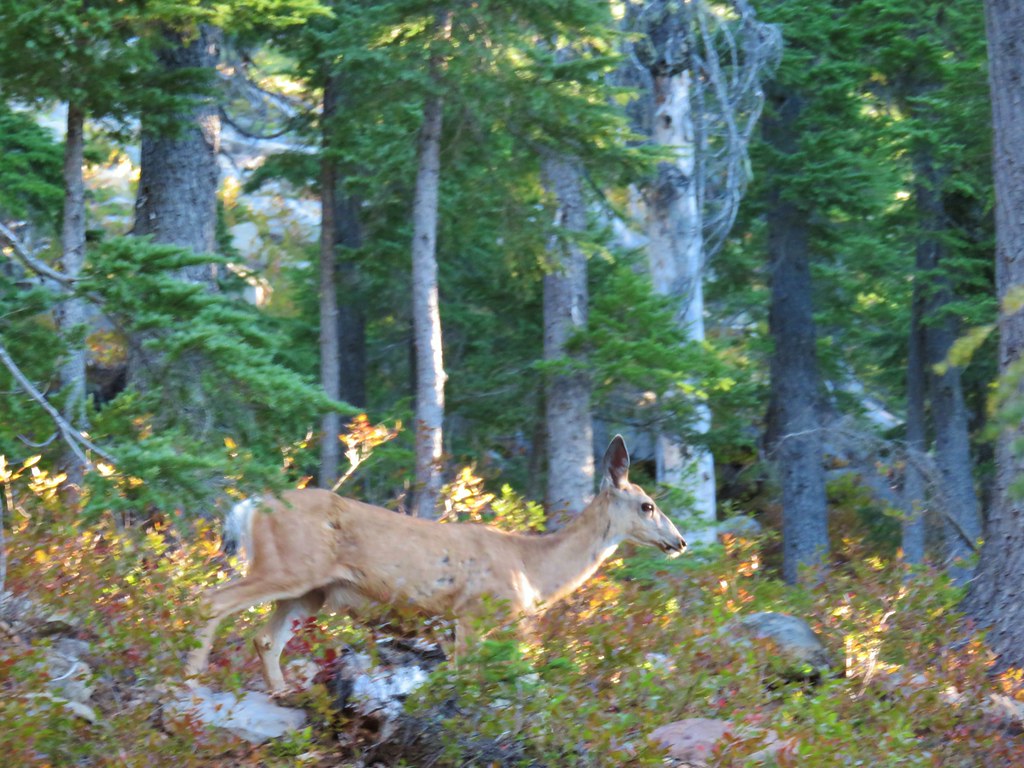
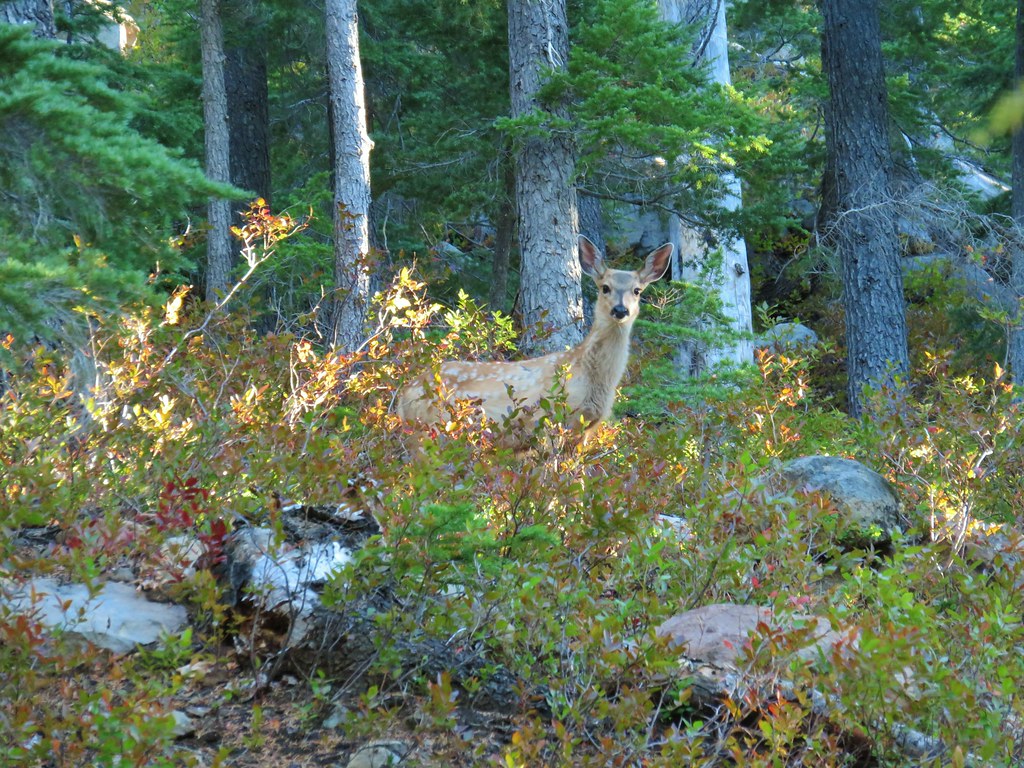
The trail veered away from the lake and began a half mile climb via a series of short switchbacks. As we made our way up the hillside we spotted a doe and her two fawns coming down the trail.
IMG_1524

IMG_1526

IMG_1529

Near the top of the climb we had a decent view of Carl Lake below.
IMG_1540

The trail then leveled out in a forest accentuated with small ponds and rock formations.
IMG_1541

IMG_1543

IMG_1546

IMG_1549

IMG_1552

IMG_1554

IMG_1567

Approximately 1.75 miles after turning away from Carl Lake we arrived at tiny Junction Lake.
IMG_1569

There was a small wooden sign here marking the now lost Sugar Pine Ridge Trail which was abandoned after the 2003 B & B Fire.
IMG_1571

What had already been a scenic hike got even better over the next mile and a half as the Cabot Lake Trail passed through an increasing volcanic landscape.
IMG_1573Mt. Jefferson and Forked Butte poking up over the trees.
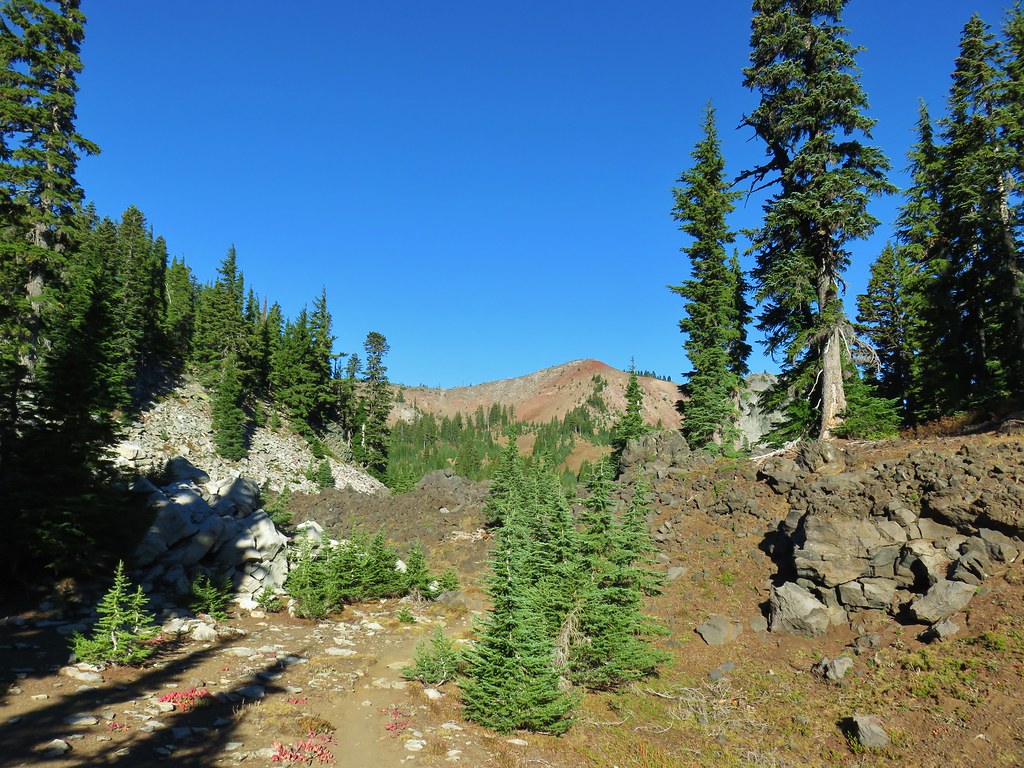
IMG_1583North Cinder Peak

Our favorite part of this section was when the trail passed between a jumble of white rocks on the left and the dark lava from the Forked Butte Lava Flow.
IMG_1585

IMG_1587

The contrasting colors and textures made for some excellent scenery.
IMG_1590

IMG_1597

IMG_1596Moraine below the Waldo Glacier on Mt. Jefferson.
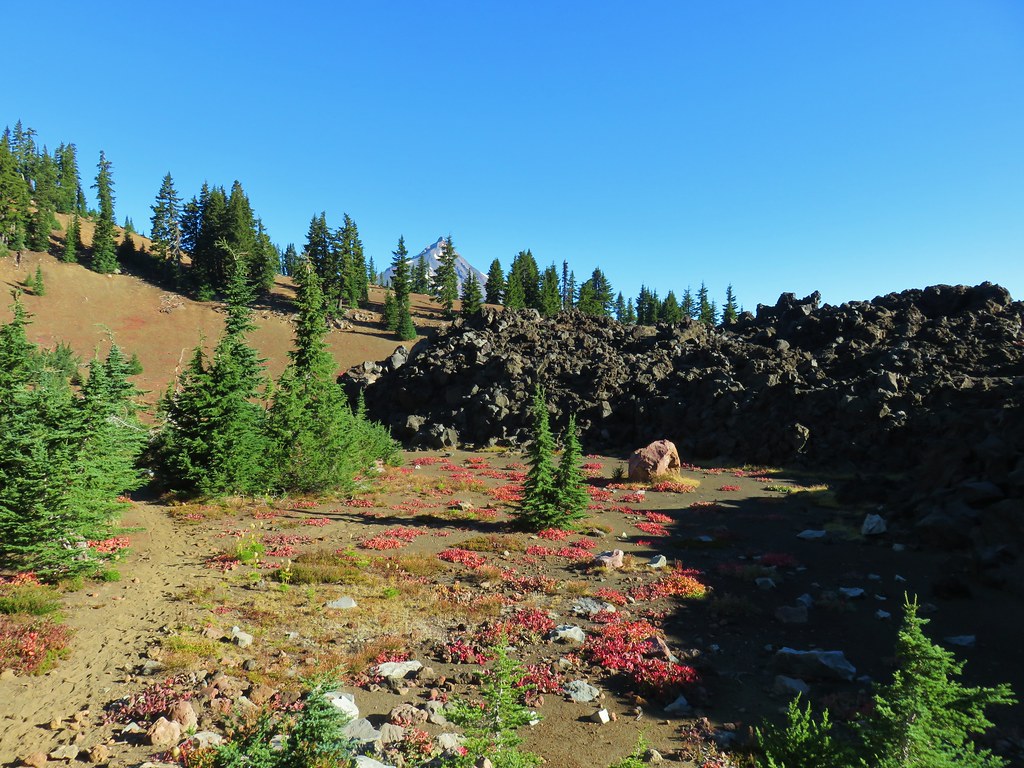
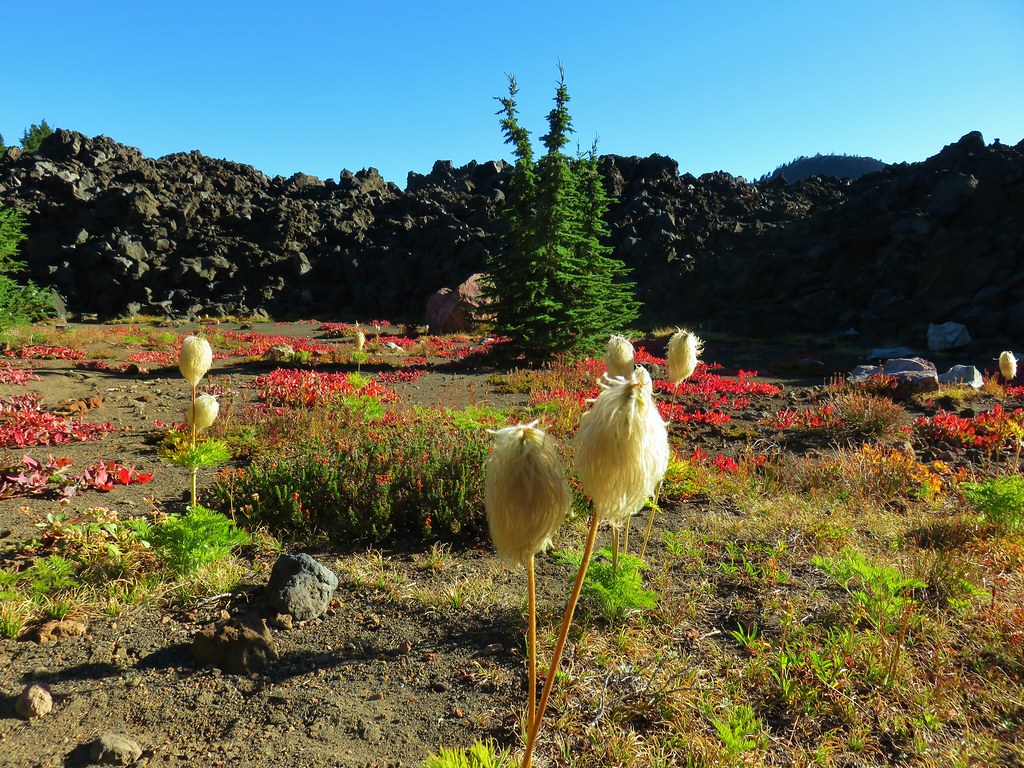
The trail wound around the lava flow where we found a small patch of western pasque flowers that had gone to seed and the remains of a lone clump of aster.
IMG_1599

IMG_1602

IMG_1606

IMG_1607

The trail crested a cinder hillside with spectacular views of North Cinder Peak and Mt. Jefferson and began to descend toward a green forest.
IMG_1612

IMG_1616

IMG_1617

As we came down and around we got a good look at pointy Bear Butte poking up from a ridge to the right of Mt. Jefferson. Our turn around point for the day was at a viewpoint below and to the left of that butte.
IMG_1623

IMG_1624

At the end of this 1.5 mile stretch the Cabot Lake Trail reentered the forest and began a 350′ drop down to Patsy Lake. This .4 mile section was fairly steep as it dove down via one long switchback.
IMG_1632

A signed junction at Patsy Lake announced the location of another abandoned trail – the Jefferson Lake Trail.
IMG_1636

IMG_1637

Patsy Lake was forested except for on the northern side where a rock field dipped down into the water.
IMG_1640

We got ourselves a little confused here about where the trail was and wound up following a use trail clockwise around the little lake. By the time we realized our mistake we were at the NW end of the lake at an inlet creek.
IMG_1645

We decided to finish the loop and passed through a couple of decent campsites where we stopped for a short break before having to cross the rock field.
IMG_1646

After picking our way across the rocks we arrived at the lakes dry outlet creek. It was here that we could see where we’d made our mistake. The Cabot Lake Trail continued on the other side of a downed tree after sharing tread briefly with the Jefferson Lake Trail. It also didn’t follow the lake shore but instead veered away from the lake on the opposite side of a ridge. The trail then began to regain much of the elevation it had lost on its way down to Patsy Lake.
IMG_1649

IMG_1652The Jefferson Lake Trail used to come up this valley.

The trail leveled out again this time passing through a series of alpine meadows and over dry creek beds.
IMG_1656

IMG_1657

We were keeping our eyes open for the unofficial trail in case we decided on returning via the loop option which was what we were leaning towards. Approximately .6 miles from the trail junction at Patsy Lake we spotted what appeared to be a trail leading off into a meadow to the west.
IMG_1660

I marked that spot on our GPS so that we wouldn’t miss it on the way back. A short distance later Heather spotted a second possible trail heading off toward that same area. We had forgotten to bring a copy of Reeder’s GPS track with us so we couldn’t be sure which one was correct, but we had memorized his route description so we knew if we aimed between a cinder cone and The Table we should be okay. The Table is an unmistakable large plateaued feature south of Mt. Jefferson.
IMG_1661The end of The Table to the left of the trail.
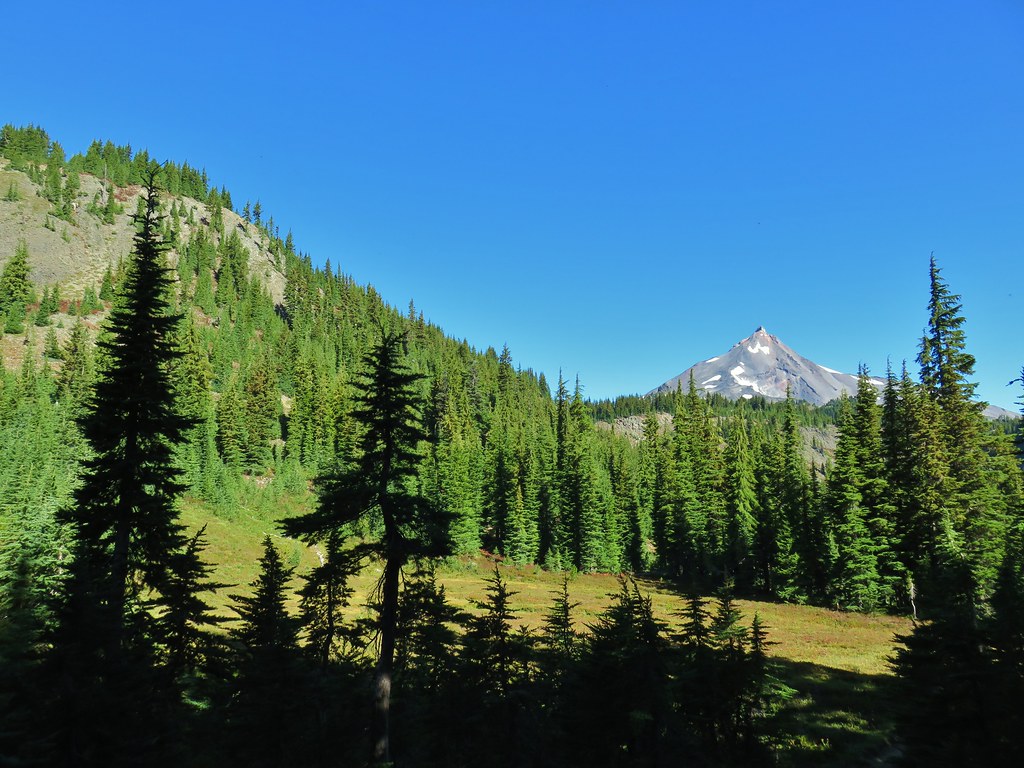
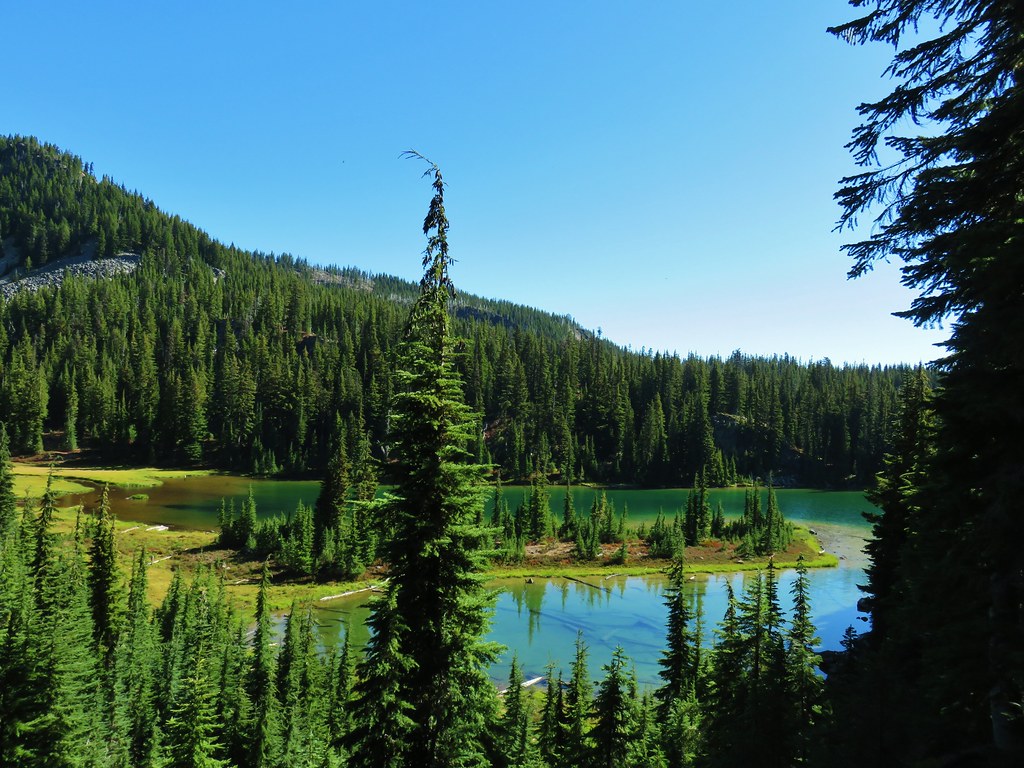
The trail descended a bit as it passed by The Table on its way down to Table Lake.
IMG_1664

Our first look at Table Lake confirmed that this was going to be another nice one.
IMG_1666

We passed a backpacker who had stayed at the lake the night before and was now heading to Carl Lake. She told us where to find a view of Mt. Jefferson from the lake so we made our way to the spot she had suggested.
IMG_1669

After checking out the viewpoint we continued along the Cabot Lake Trail crossing above a spring feeding into the lake and then an inlet creek where we had to watch our step due to the presence of hundreds of little frogs.
IMG_1680

IMG_1682

IMG_1764

After crossing over the creek we decided to try to make our way back to a smaller unnamed lake shown on the map which the creek flowed out of.
IMG_1685Table Lake and Forked Butte
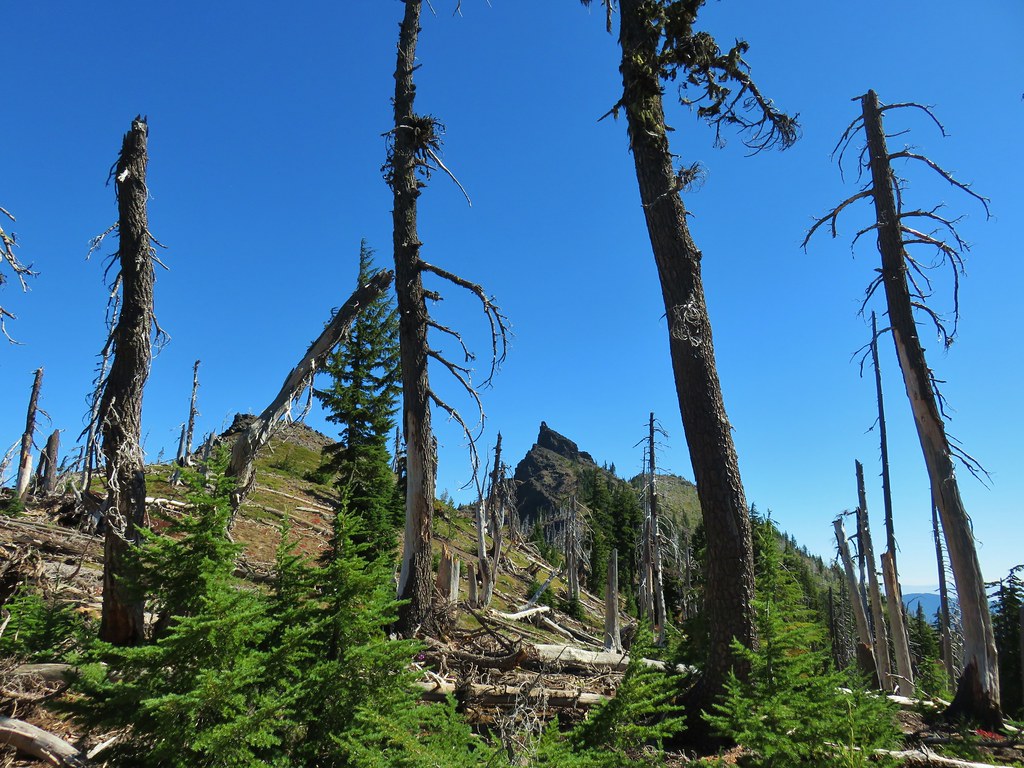
We followed a clear path past a large campsite and along the creek for a bit (Watch out for frogs!) then came to a wall of small pine trees. It took a little effort to get through the thicket of trees but the reward was worth it.
IMG_1686

With no where to sit along this lake we headed back toward Table Lake and picked up the Cabot Lake Trail which we followed to a sign apparently marking the current “end” of the trail.
IMG_1693

If the Forest Service has indeed abandoned the remainder of the trail it would be shame. The final portion of the trail down to Hole-in-the-Wall Park has been lost for years since the B & B Fire but we hadn’t heard that they had given up on the section between Table Lake and the viewpoint below Bear Butte.

In any case we continued on to a rock outcrop above Table Lake where we took a snack break.
IMG_1695

From Table Lake the trail climbed gradually save for about 100 yards of switchbacks after three quarters of mile. The trail was a little crowded with brush and had a few downed trees over it but nothing too challenging as it passed through a mix of meadows, trees, and huckleberry bushes.
IMG_1698

IMG_1700

IMG_1704

IMG_1705

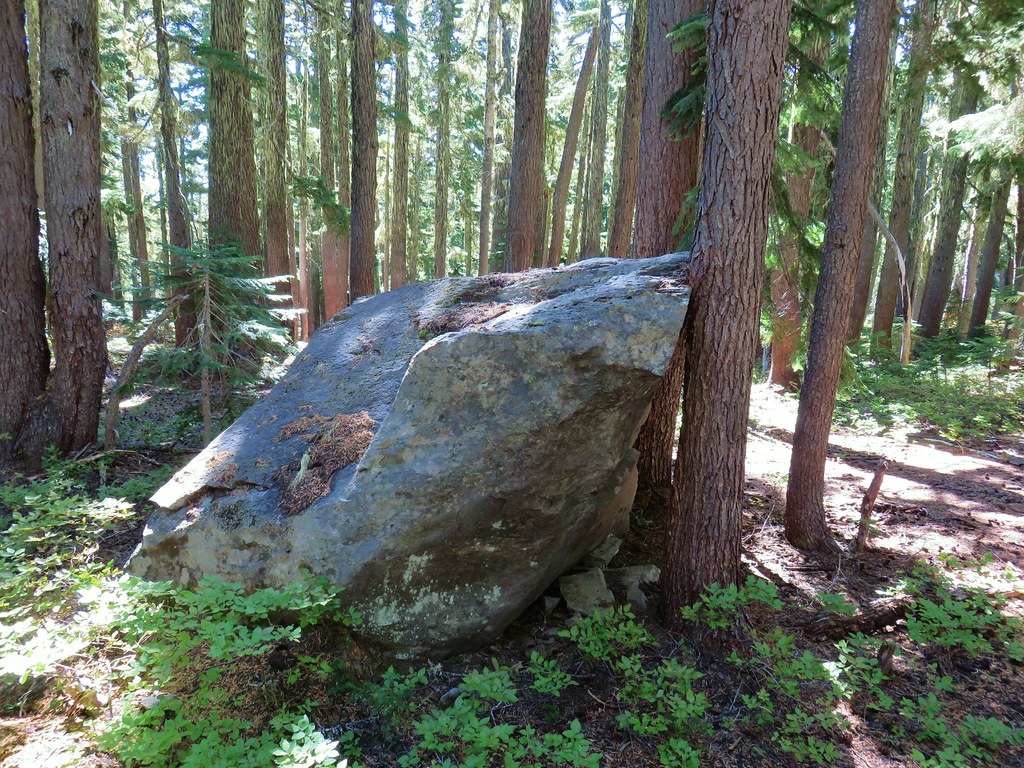
Shortly before the switchbacks the trail passed a large boulder leaning up against a pair of trees. It looked like the rock was going to be flat and thin from the direction we were coming but it turned out to not be flat on the other side at all.
IMG_1707

IMG_1708

Beyond the switchbacks the trail leveled out again for about a quarter mile with a view south of the Three Sisters in a gap between Sugar Pine Ridge and Forked Butte.
IMG_1710

IMG_1712

After the quarter mile of more level trail the Cabot Lake Trail headed steeply up a gully arriving at a saddle with a view of Mt. Jefferson after another quarter mile.
IMG_1715

IMG_1717

The viewpoint that we were aiming for was to the right of the saddle visible atop the ridge below pointy Bear Butte.
IMG_1718

A straight forward cross country walk brought us to the top of the rocky outcrop.
IMG_1730

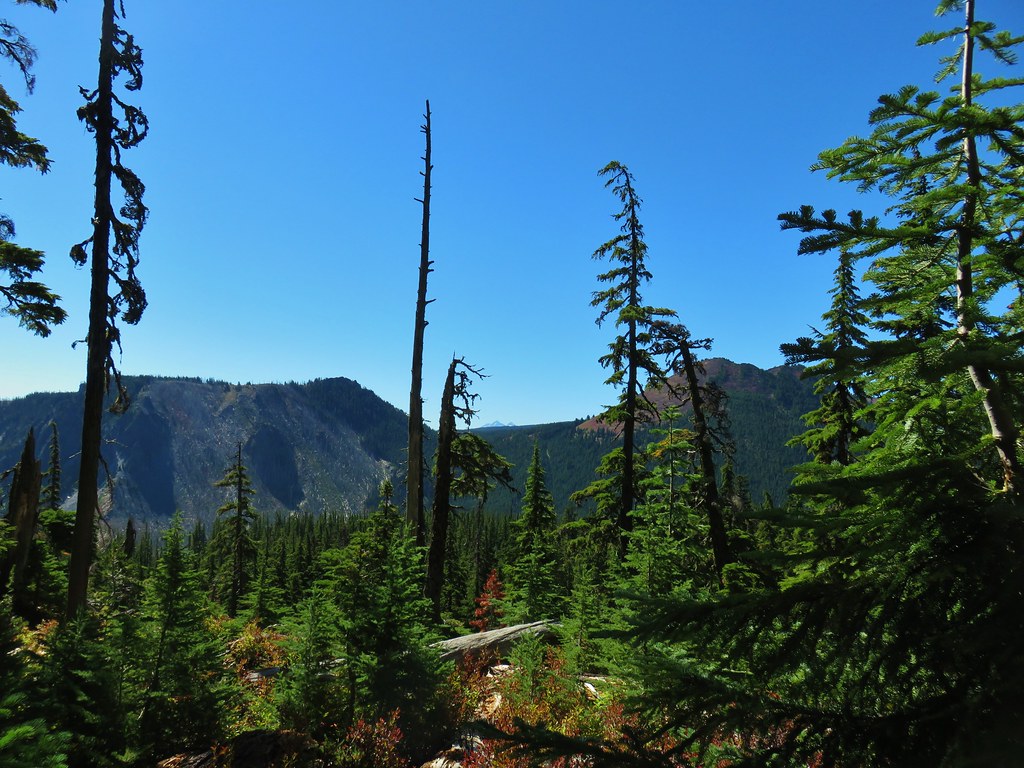
The view of Mt. Jefferson was spectacular. In the valley below was green Hole-in-the-Wall Park with Mt. Jefferson on the other side. Along the ridge to the left of Mt. Jefferson was Goat Peak, a feature we are hoping to visit someday in the future.
IMG_1732

IMG_1736

IMG_1742

IMG_1740

The view south wasn’t too bad either despite the presence of a little haze.
IMG_1725

IMG_1726

To the east was Bear Butte.
IMG_1721

To top it off the sound of crashing water filled the air. Heather spotted the series of cascades creating all the noise well before I did.
IMG_1754

After soaking in the view we returned down to the saddle and sat in the shade of some trees while we had another bite to eat. We then hiked the 1.5 miles back down to Table Lake and refilled our water supply from the inlet creek where there was clearly a frog convention occurring.
IMG_1772

With our water replenished we left Table Lake and hiked back along the Cabot Lake Trail approximately a quarter mile to the side trail we had marked earlier.
IMG_1779

As I previously mentioned there was another side trail that probably would have been the better option about 30 yards north of where we turned. The trail we chose started clearly enough but soon was lost in a meadow.
IMG_1783

IMG_1785

We knew from the description in the guidebook that the trail passed between a cinder cone and The Table so we just headed in that direction and were able to once again locate an obvious path.
IMG_1786

As we neared the cinder cone the trail climbed up along its side as it squeezed between the cone and the rocky hillside of The Table.
IMG_1790

IMG_1797

This area looked like it should be full of pikas and although we heard a few “meeps” that let us know they were there, all we spotted were golden-mantled ground squirrels and chipmunks.
IMG_1802

IMG_1800

As the trail passed by the cinder cone views ahead opened up to a large valley below the Cathedral Rocks.
IMG_1804

All the climbing along the side of the cinder cone was now lost as we dove downhill into the valley.
IMG_1806

The GPS track we’d seen showed the trail passing to the left of two ponds then to the right of a third in this area. The tread was fairly easy to follow here and there was at least one recent set of shoe prints leading the way.
IMG_1808

IMG_1809First pond on the right.

The traverse around the second pond was a little tricky. The cinder hillside was loose and sharply angled and there was no clear trail around to the left save for at the far end.
IMG_1812

It may have been a better option to have gone around on the other side but we managed to make it around the second pond and then the trail dropped into a dry creek bed where the tread disappeared. Fortunately someone had placed a small cairn on the other side though so we knew where to exit.
IMG_1814

The trail was now passing along the left hand side of an enormous rock field.
IMG_1816

Keeping track of the actual route here was near impossible but we kept our eyes out for cairns and footprints which were just frequent enough to keep us on track until we found the clear path again entering a hillside of huckleberry bushes.
IMG_1817

IMG_1821

It wasn’t until we had climbed a bit above the rock field that we were able to spot the third pond that had been on our left.
IMG_1827

The climb out of the valley and up the Pacific Crest Trail only lasted a half mile but it was steep through the huckleberry bushes gaining 400′ in a little under .4 miles.
IMG_1824

Things began to level out a bit once we were back into the trees though.
IMG_1835

One item of note here was that the location of the Pacific Crest Trail shown on the topographic map, the Garmin, and the one in our guidebook is incorrect in this area. Thankfully we had noticed that the GPS track on the map in the guidebook crossed over the supposed location of the PCT before turning south and eventually rejoining the trail shown on the map as the PCT rounded a ridge end. If we hadn’t noticed that we might have wasted some time searching for it amid the small pines that were growing where the Garmin showed the PCT should be.
IMG_1839

The actual location of the PCT was about a tenth of a mile to the west of its location on the maps near some much larger trees.
IMG_1840

We turned left (south) on the PCT and began the 4.3 mile stretch to the Shirley Lake Trail.
IMG_1843

After about a quarter mile on the PCT we arrived at the first of several excellent viewpoints of Mt. Jefferson and some of the areas we hiked through earlier.
IMG_1844

IMG_1850Bear Butte

IMG_1851Another viewpoint overlooking the valley we climbed out of.

IMG_1880North Cinder Peak and Mt. Jefferson

IMG_1886Cabot Lake Trail along the Forked Butte Lava Flow

IMG_1896

We were surprised by the amount of climbing the PCT did along this stretch gaining over 750 unexpected feet in all as it passed a wide variety of scenery.
IMG_1855

IMG_1856

IMG_1864

IMG_1889
IMG_1899

A little under 3 miles along this stretch we got a look at Carl Lake below to the east.
IMG_1894

Not long after we got a good look at South Cinder Peak to the south with Mt. Washington peaking up over a ridge.
IMG_1900

When we finally arrived at the Shirley Lake Trail junction we turned left and headed back down to Carl Lake just as we had done the day before.
IMG_1909

We headed down to the lake shore again and this time went counter-clockwise around the shore to complete the loop we had started the previous day.
IMG_1913

Much like the day before our time at the lake was plagued by a chilly breeze (The only place that we experienced any significant breeze the whole weekend.) and glare from the sun.
IMG_1914

We spent most of the evening sitting near our tent behind the trees facing east until it was time to turn in for the night. The mileage for our hike came in at 17.4 miles for the day which included the unintended loop around Patsy Lake and the side trip to the unnamed lake near Table Lake.

Another early bed time led to another predawn wake up on Labor Day.
IMG_1916

We used the light of the moon and our Luci inflatable lantern to work on packing up and cooking breakfast while we waited for enough light to begin our hike out of the wilderness.
IMG_1918

We were on our way a little after 6:30am, saying our goodbyes to Carl Lake and beginning our descent to Cabot Lake.
IMG_1927

IMG_1936Cabot Lake in the trees below and Mt. Jefferson in the distance.

As we reentered the snowbrush covered landscape of the B & B Fire we noticed quite a bit of smoke in the Metolius River Valley.
IMG_1940

It gave us a little cause for concern as we wondered if some new fire had started nearby but it was smoke from some more distant wildfire that had settled in the valley. We completed the 4.9 mile hike back to the car in about 2 hours and were headed back home before 9am, but not before one last look at the mountain.
IMG_1943

Happy Trails!

Flickr: Table Lake Loop and Carl Lake to the Cabot Lake THTable Lake Loop and Carl Lake to the Cabot Lake TH

Categories
High Cascades Hiking Mt. Jefferson Area Oregon

Mt. Jefferson Wilderness Day 1 – Carl Lake and South Cinder Peak

Following our somewhat underwhelming backpacking trip in the Waldo Lake Wilderness (Day 1, Day 2) we spent Labor Day Weekend backpacking in the Mt. Jefferson Wilderness.

For this trip we began at the Cabot Lake Trailhead.
IMG_1268

The trailhead is located at the end of Forest Road 1230 which is accessed via Forest Road 12. Forest Road 12 is located 8 miles east of Santiam Pass or 12 miles west of Sisters along Highway 20.

The first 1.8 miles of the Cabot Lake Trail pass through the scar of the 2003 B & B Fire. Much of the area burned in this fire has been taken over by snowbrush which is the case along this section of trail. Several other trails in the Mt. Jefferson Wilderness have been lost to the fire and subsequent thickets of snowbrush but the Cabot Lake Trail has been kept open and was in good shape as it passed through the shoulder high brush. Without trees to block the views Mt. Jefferson could be seen in the distance behind Sugar Pine Ridge.
IMG_1271

IMG_1273

IMG_1281

IMG_1280From left to right – North Cinder Peak, Forked Butte, and Mt. Jefferson

Just over 1.75 miles into the hike we began seeing more green trees.
IMG_1283

Shortly after leaving the snowbrush behind we came to a junction with a short side trail down to Cabot Lake.
IMG_1284

We turned right and descended steeply downhill to visit the small lake.
IMG_1288

Returning to the Cabot Lake Trail we continued on, climbing a series of switchbacks with occasional views to the north of Mt. Jefferson.
IMG_1289

IMG_1290

After about a half mile of good climbing the trail began a more gradual climb. Along this section we passed many ponds, some dry some not.
IMG_1295

IMG_1297

IMG_1299

Just under two and a half miles from Cabot Lake we passed a final pond. This was the largest (with water) and had a view of Mt. Jefferson. There were a couple of campsites nearby which we made note of in case we couldn’t find one at Carl Lake.
IMG_1301

Another half mile brought us to Carl Lake.
IMG_1302

Larger than we’d expected, Carl Lake was a beautiful blue lake backed by the cliffs of the Cascade Crest.
IMG_1304

There had been a decent number of cars (and two horse trailers) at the trailhead which had us a little worried about available campsites. At the lake we turned right planning on taking the first available spot we found but as we made our way around the lake we didn’t see any other tents anywhere. We settled on a spot as far back from the lake as the rocky ledge would allow due to a steady wind blowing across the water. Our little spot had just enough trees between it and the lake to create a nice wind break.
IMG_1309

After setting up camp we returned to the Cabot Lake Trail and followed it around the southern side of Carl Lake for a quarter mile to a signed junction with the Shirley Lake Trail.
IMG_1315

We veered left onto the Shirley Lake Trail which began climbing toward the Cascade Crest. After another quarter mile we spotted green Shirley Lake through the trees below the trail to our left.
IMG_1318

We didn’t see any obvious trails down to the lake so we followed an open ridge down through the trees to the lakes northeastern shore.
IMG_1319

We climbed back up to the trail and continued uphill toward the crest. As we climbed the view of Mt. Jefferson to the north improved.
IMG_1329

The trail left most of the trees behind as it rounded a ridge three quarters of a mile beyond Shirley Lake. The valley below was full of rock fields and cliffs.
IMG_1335

IMG_1332

IMG_1344

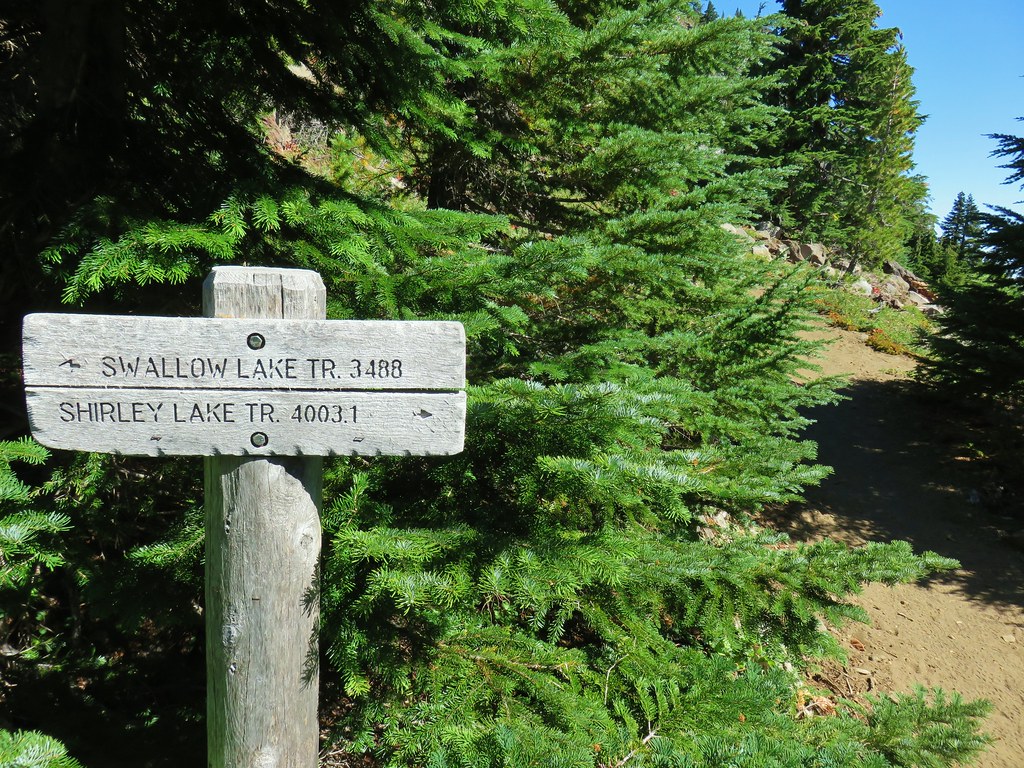
A little over 1.25 miles from Shirley Lake we arrived at a four-way junction at a saddle. Here the Shirley Lake Trail from the east and the Swallow Lake Trail from the west ended at the Pacific Crest Trail.
IMG_1347

Our plan was to hike up to the summit of nearby South Cinder Peak which was just SW of the junction. We turned south on the PCT (we could also have taken the Swallow Lake Trail) and followed it until we were due east of South Cinder Peak.
IMG_1350

IMG_1351

We left the PCT and headed cross country, crossed the Swallow Lake Trail, and picked up a use trail up the cinder cone.
IMG_1355Mt. Jefferson and the Swallow Lake Trail

IMG_1357

The quarter mile climb up South Cinder Peak was a little steep and the loose rock required some extra effort but the views were worth it. We benefited from a cloud free sky and the smoke was limited to the east and south where the Terwilliger Fire continued to burn near Cougar Reservoir.
IMG_1370

IMG_1384

IMG_1388Broken Top, The Three Sisters, Mt. Washington, and Three Fingered Jack to the south.

IMG_1392Mt. Jefferson to the north.

IMG_1382Black Butte to the SE

IMG_1398The Three Pyramids and Marion Lake to the west

IMG_1402Coffin Mountain and Bachelor Mountain to the NW

IMG_1377Maxwell Butte, Red Butte, and Duffy Butte to the SW

IMG_1412Cinder cone below South Cinder Peak

After a break at the summit we returned to the PCT and decided to continue south to Rockpile Lake which was just over a mile away. It turned out to be a good decision as the open views along this stretch of the PCT were nice.
IMG_1417

We stopped again at Rockpile Lake which was right next to the PCT.
IMG_1422

IMG_1426

IMG_1429

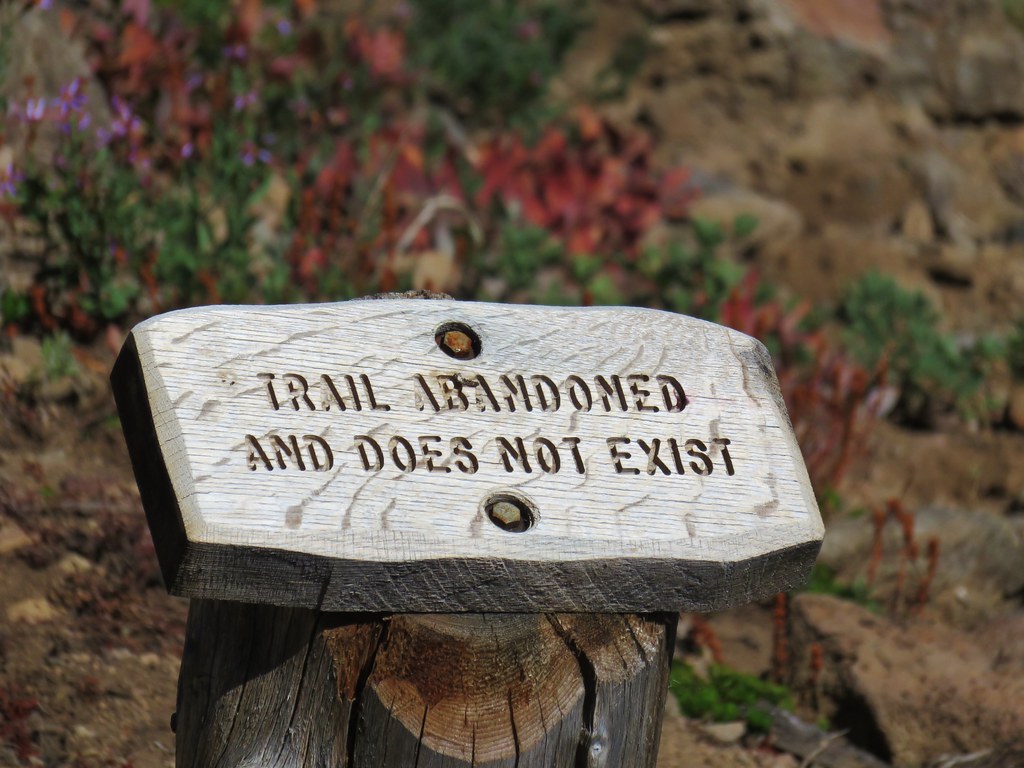
After a relaxing break at the lake we started back. Along the way we noticed a small sign marking the location (or maybe not) of the abandoned Brush Creek Trail.
IMG_1437

IMG_1438

We both got a kick out of the sign wondering how a trail that doesn’t exist can be abandoned.

We took the Shirley Lake Trail back down to its junction with the Cabot Lake Trail then decided to follow one of the many use paths down to the shore of Carl Lake.
IMG_1448

We then decided to walk clockwise around the lake to get back to our campsite. The walk was easy at first and we spotted a good number of butterflies and a varied thrush along the way to the lakes western end.
IMG_1456

IMG_1458

IMG_1460

IMG_1463

IMG_1464

The Cabot Lake Trail came down nearly to the shore at this end so we hopped back onto it for a bit. When the trail turned away from the lake at some campsites we were no longer able to follow the shoreline around. A narrow rock outcropping running along the northern end of lake bordered the water forcing us to scramble over it. The view down to the lake was nice but the scramble was a bit of a pain.
IMG_1474

We made it back to camp around 2:45pm having hiked 13.1 miles on the day. That gave us plenty of time to relax by Carl Lake which we did as best as we could. There was a nearly constant breeze blowing across the lake at us which made it a little chilly when we were simply sitting by the water. To make matters a little worse the glare from the Sun became intense as it made its passage west.
IMG_1477

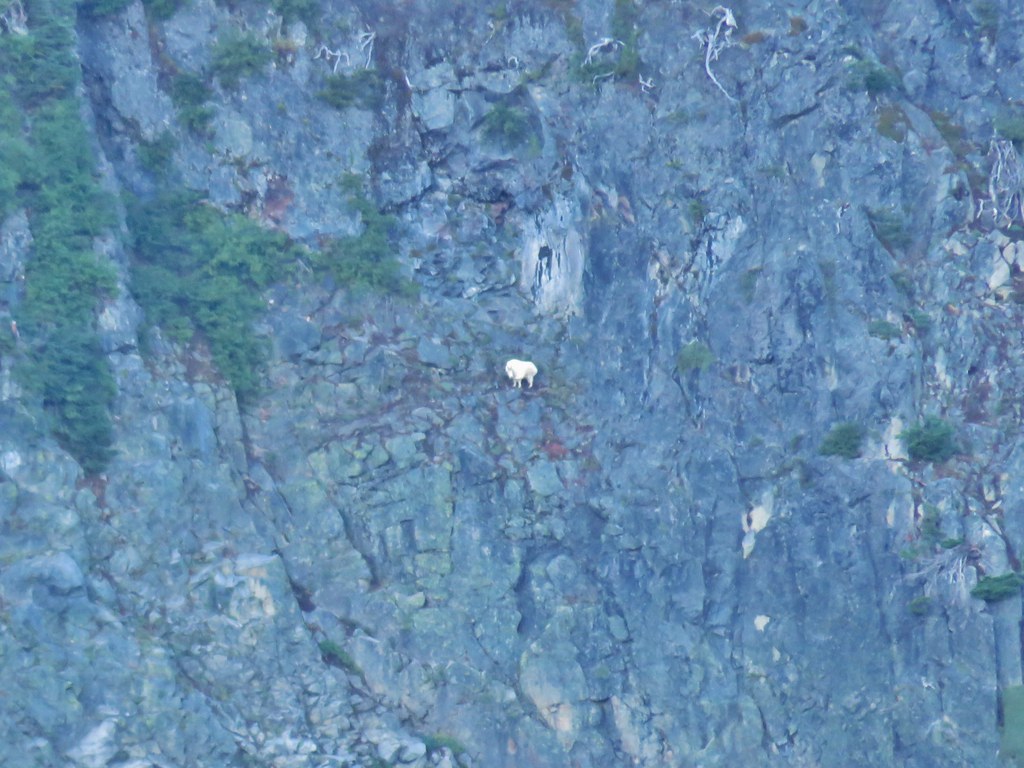
We put on some of our extra layers and moved around a few times looking for a comfortable place to settle down. We couldn’t really find one but we did manage to hold out long enough to spot a mountain goat on the cliffs beyond the lake. Between the distance and the lighting it was hard to get a decent photo but I was able to get a couple where the goat can at least be identified.
IMG_1488

Mountain Goat Above Carl Lake

We eventually took our chairs back to our campsite where the breeze was mostly blocked but with the Sun now behind the crest we were having trouble warming up so we called it a day and turned in early. We had another big hike ahead of us the next day so the extra sleep couldn’t hurt. Happy Trails!

Flickr: Carl Lake and South Cinder Peak

Categories
High Cascades Hiking Mt. Jefferson Area Oregon Trip report

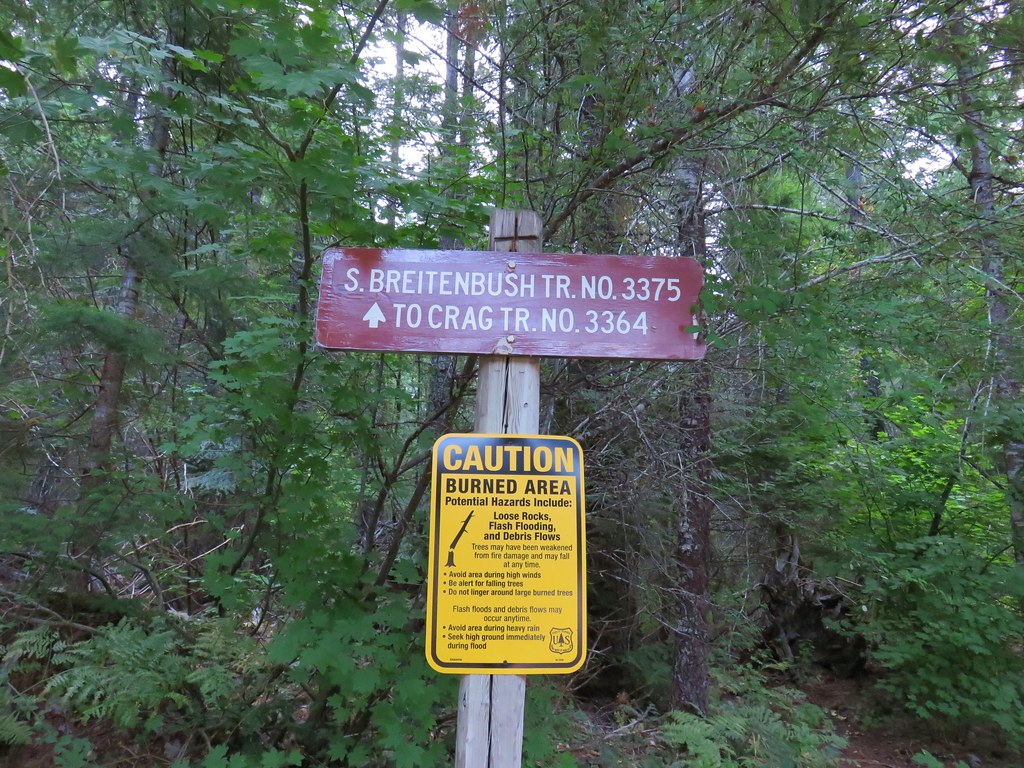
South Breitenbush Trail to Jefferson Park 8/11/18

**Note the 2020 Lionshead Fire burned the area covered by this hike.**

We kicked off six days of hiking with a visit to Jefferson Park. Since 2011 Jefferson Park had been an annual destination until last year when we were forced to skip our visit due to the Whitewater Fire. For this years visit we started at the South Breitenbush Trailhead.
IMG_9825

This was our second time on this trail with our first coming in 2013 (post). We had remembered that the trail was quite rocky, but forgotten how much more of a climb it was than either the Whitewater (post) or Woodpecker Ridge (post) trails. The Whitewater Trail remains closed for now due to the fire while the Woodpecker Ridge Trail is open but undergoing repairs by the Forest Service. The other option to reach Jefferson Park is from the north via the PCT over Park Ridge (post) but one time driving the road to that trailhead was enough for us.

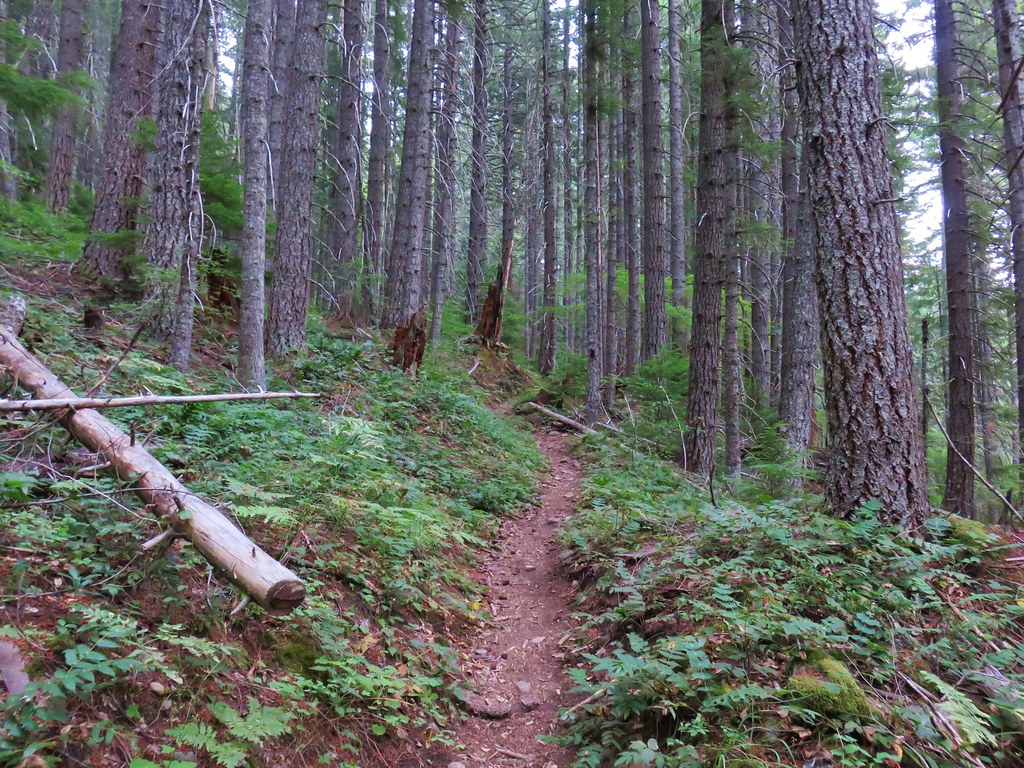
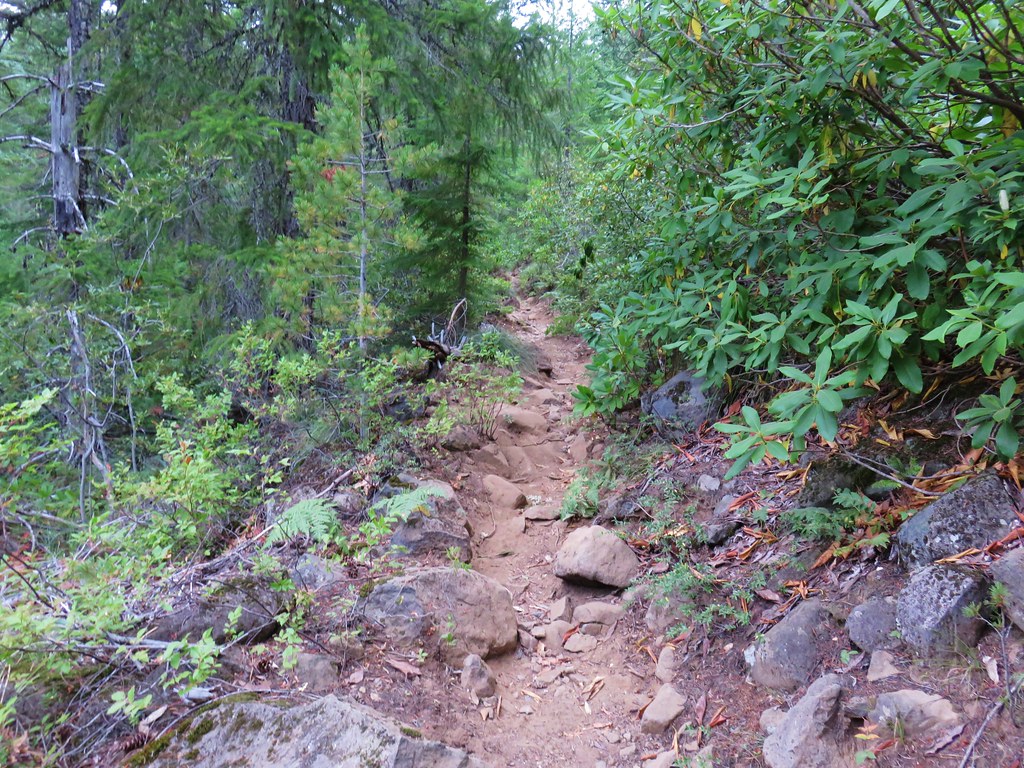
We followed the South Breitenbush Trail uphill through the trees along the increasingly rocky tread.
IMG_9828

IMG_9830

At the two mile mark we found that the Forest Service had replaced the sign for the Bear Point Trail, a hike that is on our schedule for next year.
South Breitbenbush Trail junction with the Bear Point TrailBear Point Trail sign 2013

IMG_9831Bear Point Trail sign 2018

There aren’t many views of Mt. Jefferson along the lower portion of the trail and on this day the mountain was playing peak-a-boo through some clouds.
IMG_9836

IMG_9838

We noticed another difference at the 4.2 mile mark where the trail passes a small pond. This years drought conditions were obvious by the difference in the water present.
Unnamed pond8/19/2013

IMG_98578/11/2018

Just over a half mile from the pond the trail passes over a ridge and descends through a rock field where we spotted one of our favorite animals, a pika.
IMG_9868

IMG_9867

After the descent the trail levels out somewhat as it passes through wildflower meadows before arriving alongside the South Breitenbush River.
IMG_9877

IMG_9872

IMG_9874

IMG_9882

IMG_9894

As we neared a junction with a side trail to Park Lake at the six mile mark a break in the clouds finally revealed Mt. Jefferson.
IMG_9908

IMG_9911

We decided to return via Park Lake so we stuck to the South Breitenbush Trail after crossing the river on rocks and climbed for nearly a half mile to its end at the Pacific Crest Trail.
IMG_9912

IMG_9924South Breitenbush Trail sign at the PCT junction.

IMG_9925PCT heading south through Jefferson Park.

We turned left on the PCT and headed north crossing the river again before turning right toward Russell Lake after .2 miles.
IMG_9930

IMG_9934

Russell Lake never disappoints. We passed around its north end and took a break on some rocks on its SE side.
IMG_9937

IMG_9941

IMG_9946Park Butte

After a snack we continued around the lake for a bit before veering to the SW and returning to the PCT which we followed south for .3 miles to a sign for Scout and Bays Lakes.
IMG_9948

By the time we had reached Scout Lake the clouds had gained the upper hand and Mt. Jefferson had all but vanished.
IMG_9956

IMG_9957

With the mountain hidden and a five day backpacking trip beginning the next day we decided to skip Bays Lake and turned right at a sign for Rock and Park Lakes.
IMG_9958

We likewise skipped Rock Lake this time staying above it and passing Park Lake.
IMG_9959

IMG_9961

We returned to the South Breitenbush Trail and headed back down to the trailhead. With the clouds rising to overtake Mt. Jefferson there was a better view of the surrounding valleys and ridges which showed the scars of the Whitewater Fire.
IMG_9974

Aside from a few trees on hilltops surrounding the park there was no other visible sign of the Whitewater fire in the areas we visited.

We had been a little surprised by the lack of people we encountered in Jefferson Park but we were apparently just a bit early because we passed a lot of people heading up as we were descending. We made it back to our car by 1:30pm after hiking 14.3 miles and headed home to pack. It had been a relatively quick visit to Jefferson Park but we were planning on being on the road by 5am the next morning in hopes of reaching the Elkhorn Crest Trailhead before 11am. Happy Trails!

Flickr: South Breitenbush Trail to Jefferson Park

Categories
High Cascades Hiking Mt. Jefferson Area Oregon Throwback Thursday Trip report

Throwback Thursday – Three Fingered Jack

This week’s Throwback Thursday hike is a 13.5 mile loop taken on 10/13/12 partly along the Pacific Crest Trail in the Mt. Jefferson Wilderness. We started our hike at the Pacific Crest Trailhead near Santiam Pass along Highway 22. Our plan for the day was to follow the PCT to the SW flank of Three Fingered Jack then return on a loop by leaving the PCT on the way back above Martin Lake and hiking cross country past that lake to the Summit Lake Trail.

We arrived just before daylight and were rewarded with some amazing sights as we waited for enough light to start hiking.Three Fingered Jack/PCT trailhead

Morning from the trailhead

Mt. Washington in the morning from the trailhead

Mt. Washington

The trailhead is located in the fire scar of the 2003 B & B Fire. One of those B’s is for Booth Lake which we planned on visiting as we returned on the Summit Trail.Pacific Crest Trail

Pacific Crest Trail

A short distance after passing the junction with the Summit Trail the PCT entered the Mt. Jefferson Wilderness.Entering the Mt. Jefferson Wilderness on the Pacific Crest Trail

From the wilderness boundary Three Fingered Jack was only about 3 miles away but was hidden behind the rise of the land. There were plenty of views to be had to the south though.Hayrick Butte and Hoodoo

Hayrick Butte and the Hoodo Ski Area

View from the Pacific Crest Trail

Mt. Washington and the North and Middle Sisters

We spent a lot of time looking over our shoulders as the views only got better as we made the gradual climb toward Three Fingered Jack.Black Crater, Broken Top, the North & Middle Sister and Mt. Washington

Mt. Washington

Mt. Washington

North and Middle Sister

North and Middle Sister

Broken Top

Broken Top

Three Fingered Jack finally came into view when the trail leveled out on a plateau.Three Fingered Jack

Three Fingered Jack

At the 1.25 mile mark we arrived at a junction with the Santiam Lake Trail.Pacific Crest Trail junction with the Santiam Lake Trail

We continued on the PCT through the silver snags of the B & B Fire which were a surprisingly nice contrast to the bright red Fall huckleberry leaves.Pacific Crest Trail

Contrasting colors in the Mt. Jefferson Wilderness

Another impressive view came two miles from the Santiam Trail junction.Three Fingered Jack

Three Fingered Jack

View from the Pacific Crest Trail

Looking south

The PCT had steepened a bit as it climbed to this view on a ridge which it now followed into green trees.Three Fingered Jack

Pacific Crest Trail

The ridge passed above Booth and Martin Lakes which lay to the east.Martin and Booth Lakes and Black Butte

Black Butte (post) beyond Martin and Booth Lakes

Just under a half mile from the viewpoint we passed a spot along the ridge where we would head cross-country on the way back. We were still gaining elevation which gave us a view of Diamond Peak even further south.View from the Pacific Crest Trail

Diamond Peak

We also noticed that the stubborn Pole Creek Fire was still putting up a smoke column from the Three Sisters Wilderness.Black Crater, Broken Top, smoke from the Pole Creek Fire, Mt. Bachelor, The Three Sisters, Mt. Washington, The Husband, Big Lake, Hayrick Butte, Scott Mountain, and Diamond Peak

Broken Top and the Pole Creek Fire

To the west we spotted Lower Berley Lake.Lower Berley Lake

Three Fingered Jack disappeared again for a bit but not long after crossing a rocky section of the ridge the PCT rounded a corner and Three Fingered Jack came back into view.Three Fingered Jack

Continuing on just a couple tenths of a mile more brought us to even better views of the volcano’s western face.Three Fingered Jack

A climbers trail was clearly visible heading up toward the summit.Three Fingered Jack

We followed the PCT to the junction with the climbers trail which was approximately 5.5 miles from the trailhead.Three Fingered Jack

It was tempting to head up the path but apparently only for me. Heather and Dominique were good turning around here so they took a short break as I went up a very short distance. The trail was fairly steep and the loose rock made it more effort than I was willing to expend so I quickly returned and we began our hike back.

On the way back along the PCT we spotted a trail heading off to the right (SW) just over half a mile from the climbers trail. This short spur led to a rock outcrop with spectacular view.View from the Pacific Crest Trail

From here we could see at least a part of 7 Cascade Peaks: Broken Top, Mt. Bachelor, All three of the Three Sisters, Mt. Washington, and Diamond Peak.Black Crater, Broken Top, Mt. Bachelor, the Three Sisters and Mt. Washington

From left to right: Broken Top, Mt. Bachelor, North Sister, the summit of South Sister, Middle Sister, and Mt. Washington.

Scott Mountain and Diamond Peak

Diamond Peak

After a nice long break soaking in the view we continued south on the PCT past the rock section along the ridge.Pacific Crest Trail

Shortly after the rocks we headed downhill at a low point along the ridge into the least steep looking gully we had seen on the way by earlier.Off-trail route to Martin Lake from the Pacific Crest Trail

The route was fairly steep but the good news was that the lake was at the bottom of a bowl so we basically just needed to stay heading downhill and we would by default find Martin Lake. The trees were sparse enough to make travel easy and we soon found ourselves along a fern covered hillside.Cross country route from the Pacific  Crest Trail to Martin Lake

Fern covered hillside near Martin Lake

This was our first real foray into off-trail travel but between the map, GPS and knowing that the lake was at the bottom of the bowl we had no trouble finding the water after traveling approximately .4 miles.Martin Lake

Several deer had been on the far side of Martin Lake but ran as we emerged from the trees. They had been in the area of an old trail that ran from the Summit Trail to Martin Lake but had not been maintained since the B & B Fire.Martin Lake

Martin Lake

We made our way around the south shore of the lake to its east end hoping to pick up the trail we had seen from the west end.Martin Lake

The trail was basically non-existent though.Cross country route to the Summit Trail

The good news was we knew that the Summit Trail was due east from Martin Lake and to make things easier so was Black Butte. We used the 6436′ butte as our guide as we traveled the half mile from Martin Lake to the Summit Lake Trail.Black Butte

We were a little concerned that the Summit Lake Trail might be hard to spot so I occasionally checked the GPS to make sure it wasn’t showing that we’d crossed it. We wound up having no problem identifying the dusty Summit Lake Trail though and turned right onto it. After a quarter mile we took a short spur to the right to Booth Lake.Booth Lake

We were joined by an eagle who landed in the snags on the far side of the lake.Eagle on the far side of Booth Lake

From the shore Three Fingered Jack was visible peaking over a ridge.Three Fingered Jack from Booth Lake

There was a decent breeze which created some eerie sounds as it passed through the dead trees. We left Booth Lake and continued south on the Summit Lake trail which remained in the B & B scar for the rest of the hike.Three Fingered Jack

Mt. Jefferson Wilderness along the Summit Trail

Colorful hillside along the Summit Trail

The trail climbed gradually for 3/4 of a mile to a saddle before descending more steeply for a little over a mile to Square Lake.Square Lake, Broken Top, North & Middle Sister and Mt. Washington

As we began descending the clouds over the North Sister formed into an interesting shape.Cool cloud formation passing over the North Sister

We took another short break at the lake where the only view we had was east to Black Butte.Square Lake

Square Lake

We followed a pointer for the Santiam Pass Trailhead at the junction with the Round Lake Trail.Trail sign for the Santiam Pass Trailhead

It was roughly 2.2 miles back to the PCT from Square Lake. The trail climbed away from the lake gaining a final view of Three Fingered Jack to the north.Three Fingered Jack and Square Lake

We then passed along a hillside covered in golden ferns with decent views of Mt. Washington but an increase in clouds and slight drizzle began obscuring the views of the other mountains.On the way back to the Santaim Pass Trailhead

Mt. Washington

After completing the loop and arriving back at the trailhead we drove to my parents house near Bend. They were away for the weekend but the house was being watched carefully by their guard owl.Owl in Central Oregon after the hike

We had another hike planned for the next day in the Three Sisters Wilderness so we spent the night at their house and set off the next day on what would become known as “The hike that shall not be named“. Happy Trails!

Flickr: Three Fingered Jack

Categories
High Cascades Hiking Mt. Jefferson Area Oregon Throwback Thursday Trip report

Throwback Thursday – Jefferson Park Ridge

**Note the 2020 Lionshead Fire burned the area covered by this hike.**

This week’s Throwback Thursday hike features our second hike to Jefferson Park. Jefferson Park had been the one destination that we had visited each year starting in 2011. Unfortunately that streak ended in 2017 due to the area being closed by the Whitewater Fire. That fire started along the Whitewater Trail which we used in 2011, 2014, and 2015 and also swept over the Woodpecker Ridge Trail which we took in 2016. There are two other approaches for day hikes to Jefferson Park which appear to have escaped the Whitewater Fire for the most part, the South Breitenbush Trail and the Pacific Crest Trail from Forest Road 4220. In 2013 we used the South Breitenbush Trail and on October 7th, 2012 we completed the hike featured in the post.

Of the four approaches we’ve done this was the most scenic in large part due to the dramatic view from Park Ridge. It is also the approach with the worst (by far) drive to the trailhead. Forest Road 4220 aka Oregon Skyline Road can be accessed via Forest Road 46 from the north (Portland) by turning left off of FR 46 21.8 miles beyond Ripplebrook onto FR 4690 for 8.1 miles then turning right onto FR 4220 at a stop sign. As FR 4220 passes the Olallie Lake Resort and Horseshoe Lake Campground it deteriorates. Beyond the Horseshoe Lake Campground the final two miles may be impassable to passenger cars. From the south (Salem or Bend) the trailhead is accessed from the other end of FR 4220. From Detroit, OR we took FR 46 north for 16.9 miles to a junction where we turned right onto FR 4220. The 6.5 mile drive to the trailhead was narrow and rough and can be impassable when wet or snowy. The drive was bad enough that we have no plans to repeat it despite this being a very good hike.

We arrived at the large parking area relieved to be done with the drive.
Big parking lot at the Pacific Crest Trail

The large parking area was fairly empty due to it being fairly late in the year so we had the trail to ourselves as we headed south on the PCT.
Pacific Crest Trail

Not far from the trailhead we passed some talus where we spotted a pika for the first time.
Pacific Crest Trail

Pika

We then passed through a short section of forest burned in the 2010 Pyramid Butte Fire.
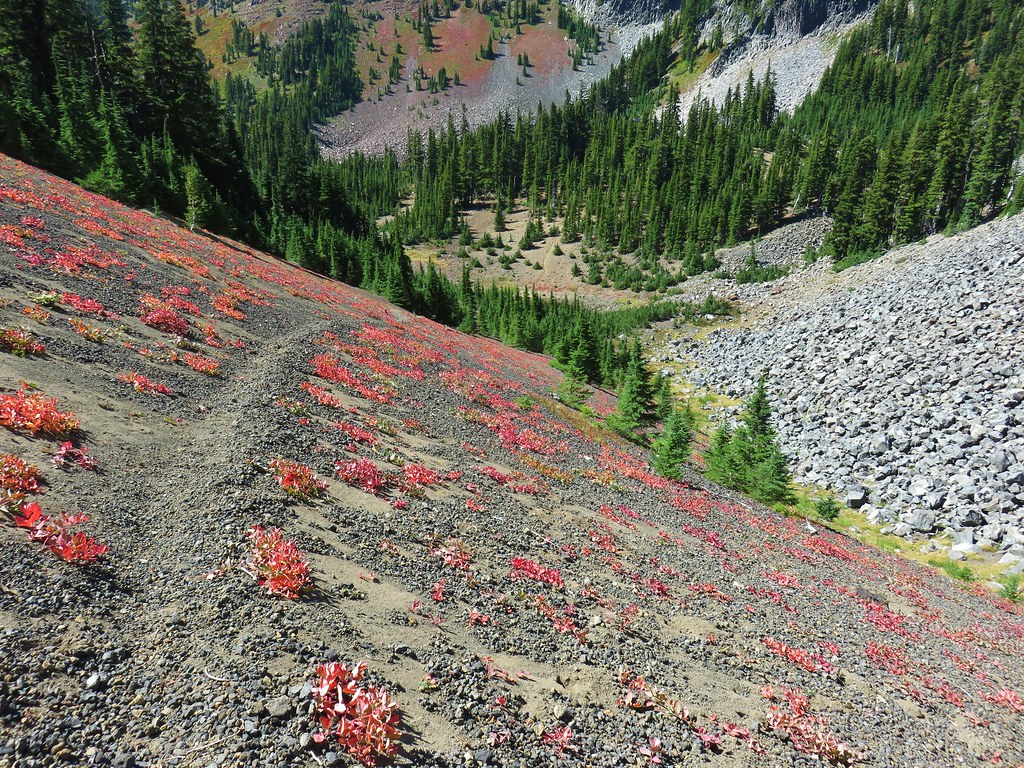
Huckleberry bushes

Pyramid Butte
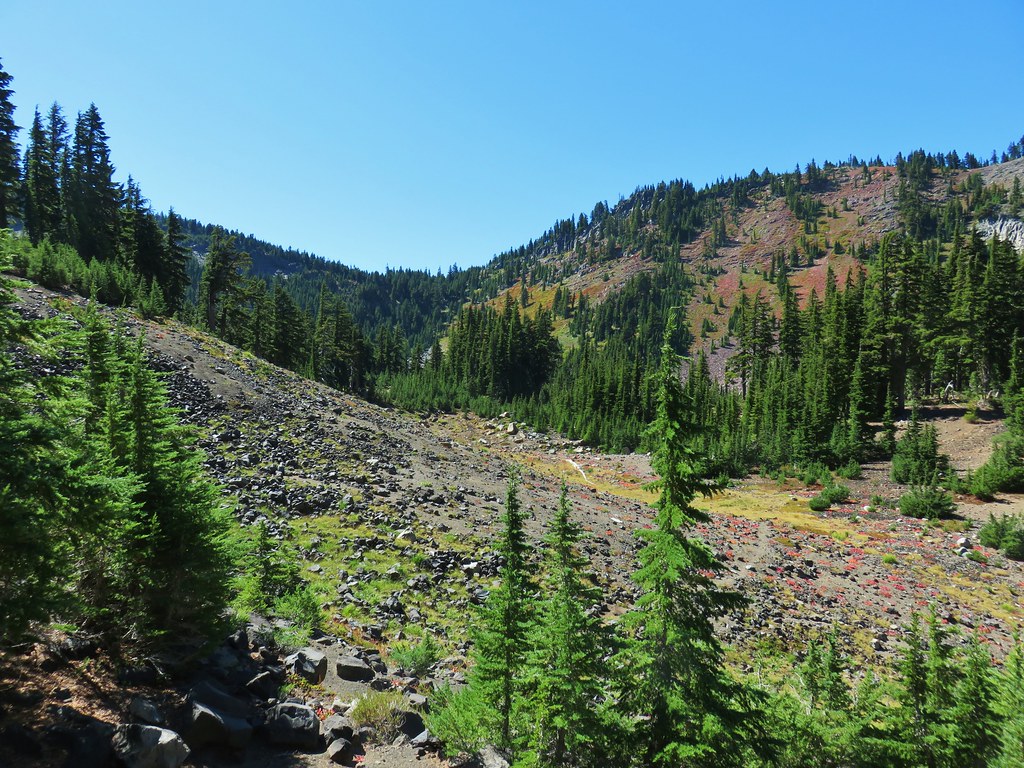
We had planned on taking a side trail to Pyramid Butte as there had been a trail to the top of the butte but the fire had made the area confusing so we decided to stick to the PCT. We were soon out of the burned area and passing through forest colored with red huckleberry leaves.
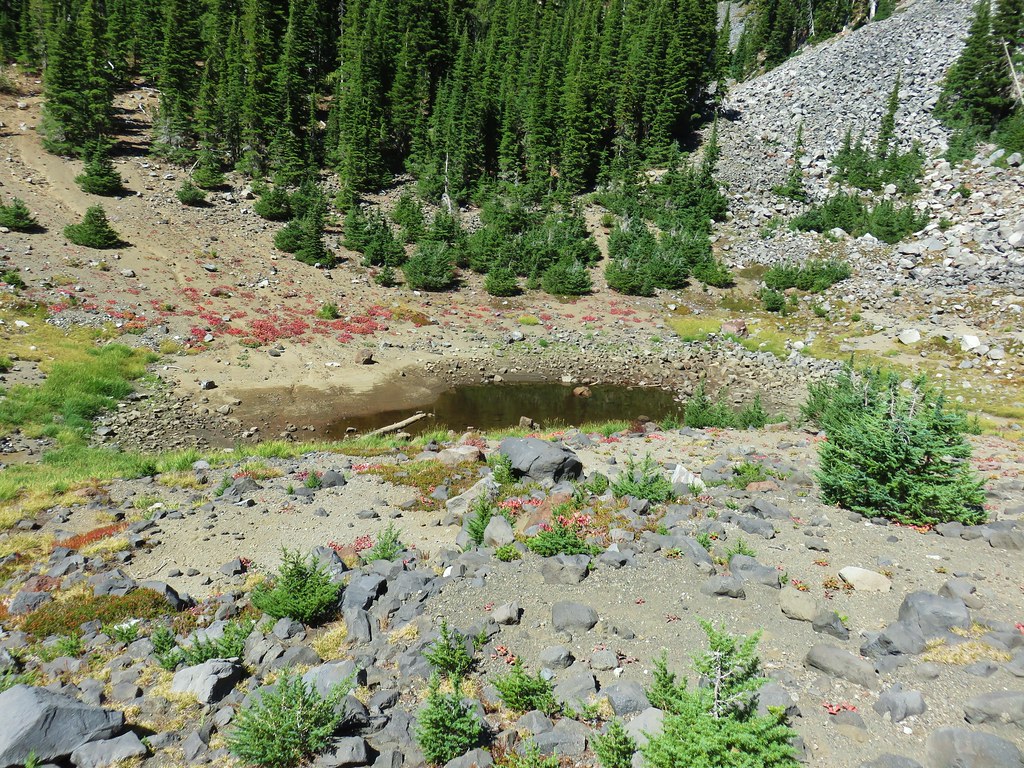
Pacific Crest Trail

From the trailhead the PCT gained 1400′ in 3.7 miles to its crest on Park Ridge but much of the gain was gradual especially early on. The elevation gain provided for some excellent views to the north where Mt. Hood was visible beyond Pyramid Butte.
Ruddy Hill, Pyramid Butte, Mt. Hood and Olallie Butte

Pyramid Butte and Mt. Hood

To the south though the much closer Mt. Jefferson merely peaked over the top of Park Ridge.
Mt. Jefferson

Mt. Jefferson behind Park Ridge

Pacific Crest Trail

Pacific Crest Trail

It was a little chilly and got chillier as we approached Park Ridge. Snow patches and partially frozen ponds lined the trail as we began to leave the trees and climb up the ridges northern flank.
Frozen pond along the Pacific Crest Trail

Frost around the pond

Park Butte
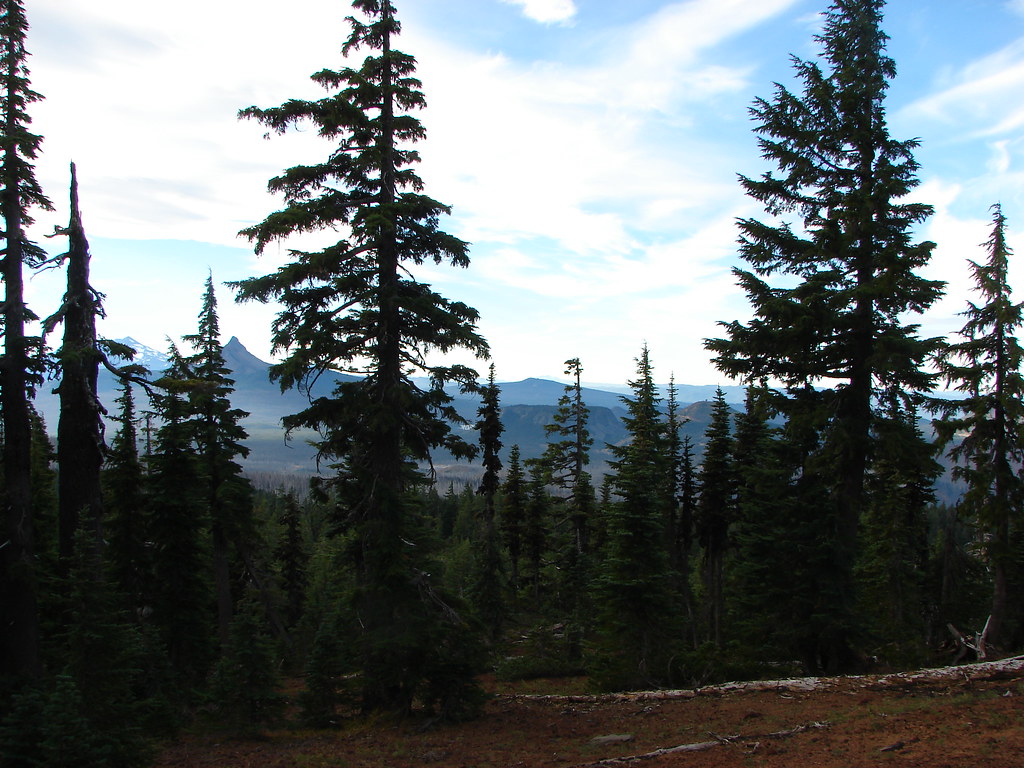
Pacific Crest Trail

Rock cairns and posts helped mark the way through the rocks which had replaced the meadows and we followed existing footprints through patches of snow.
Pacific Crest Trail

The view north to Mt. Hood from the open ridge was spectacular.
Mt. Hood and Olallie Butte

That view was quickly trumped though as we crested the ridge and finally had a full view of Mt. Jefferson with Jefferson Park below.
Mt. Jefferson, Russel Lake, and Sprauge Lake from Park Ridge

The ridge marks the boundary of the Mt. Hood and Willamette National Forests.
Sign marking the border between the Willamtte and Mt. Hood National Forests

Sign marking the border between the Willamtte and Mt. Hood National Forests

We took a nice long break on top of the ridge enjoying the views. As we rested a couple on horseback rode by stopping momentarily to discuss the beauty of the area. After resting up we headed down toward Jefferson Park.
Mt. Jefferson and Jefferson Park

It was just under 2 miles down to Russell Lake. The PCT was a little steeper on this side of Park Ridge as it traversed downhill past springs, red huckleberry bushes and meadows with wildflowers still in bloom.
Pacific Crest Trail

Huckleberry bushes along the Pacific Crest Trail

Lupine

Mt. Jefferson from the Pacific Crest Trail

Behind us Park Butte rose from the end of Park Ridge.
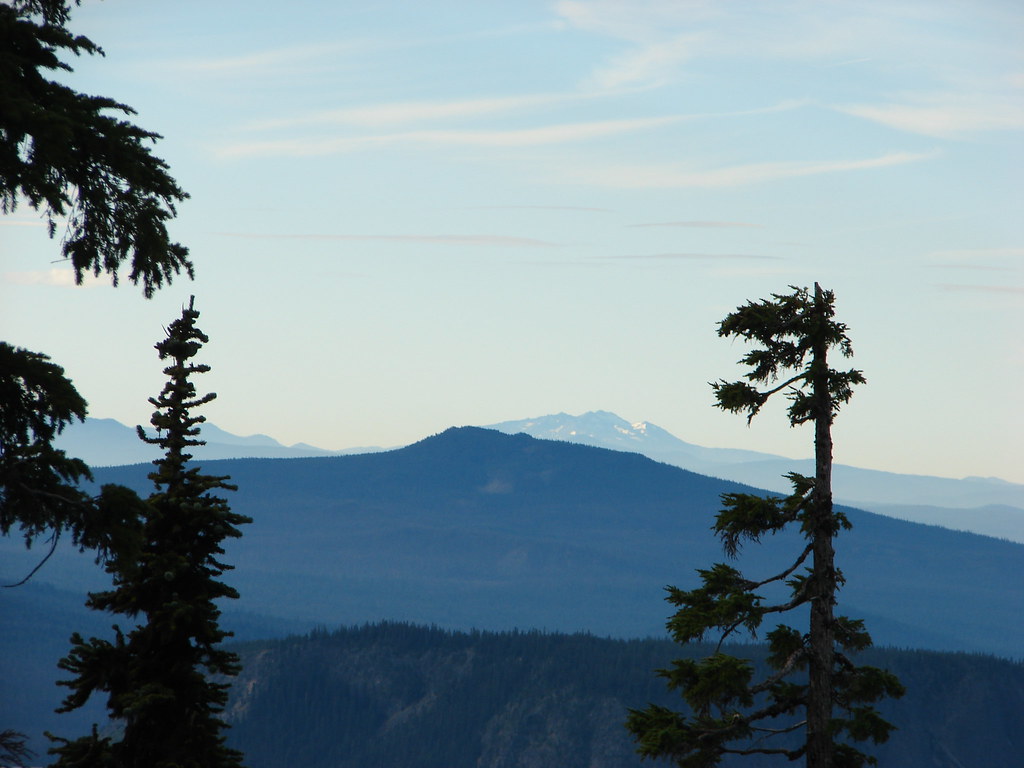
Park Butte
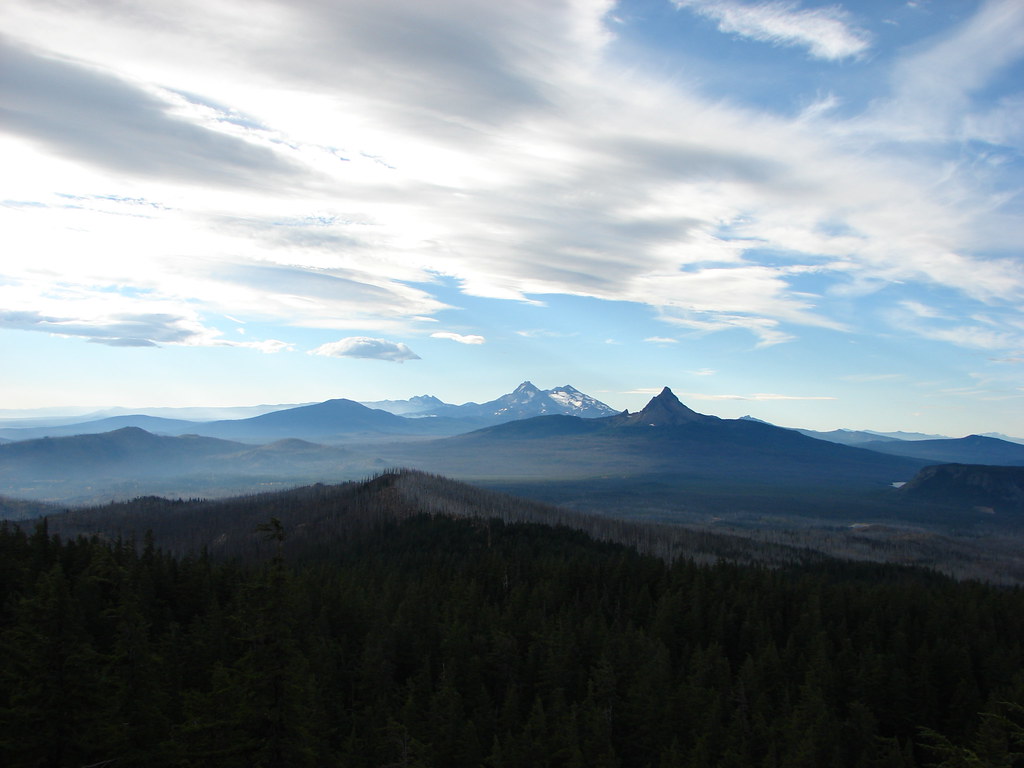
We eventually got a good look at Russell Lake.
Russell Lake

Before we made it down there though we ran into a small buck.
Small buck along the Pacific Crest Trail

After crossing the dry bed of the South Breitenbush River we turned off the PCT to visit Russell Lake.
Wildflowers along the South Breitenbush River

Mt. Jefferson from Russel Lake

After visiting that lake we returned to the PCT and continued south another three quarter miles to Scout Lake.
Mt. Jefferson

Scout Lake

After another short rest we returned the way we’d come. On the way back the remaining gentians were opening up to the sunlight.
Gentians

We followed the PCT back up Park Ridge where the views were no less impressive.
Pacific Crest Trail

Mt. Hood and Olallie Butte
Mt. Hood, Olallie Butte and Sara Jane Lake
We cruised back past the now thawed ponds and more blooming gentians to the trailhead where we would once again need to brave FR 4220 in order to get home.
Pond along the Pacific Crest Trail

Gentians

Pyramid Butte, Mt. Hood and Olallie Butte

Ruddy HillFR 4220 visible below the rocky slope.

We obviously survived the drive back. We hope to get back to Park Ridge someday. We have considered heading up the PCT from Jefferson Park on subsequent visits but have wound up balking at prospect of the 1000′ of elevation gain necessary to get to the top. It will likely be part of a backpacking trip the next time we are up there, until then we have the memories. Happy Trails!

Flickr: Jefferson Park Ridge

Categories
Hiking Mt. Adams Trip report Washington Washington Cascades

Labor Day Weekend – Mt. Adams Wilderness Days 2 & 3

We woke up after 6am on Sunday morning which counts as sleeping in for us. The forecast had called for smokey conditions all weekend which hadn’t materialized at all on Saturday but the sky was a little hazy now.
It certainly wasn’t bad and there was no fire smell in the air which was nice.

IMG_7749

Our mission was to find a water source as we had run low the day before and didn’t want to try and filter out of the nearby Cascade Creek which was too silty. We grabbed our packs and headed across Horseshoe Meadow to the Pacific Crest Trail. Our plan was to follow it north to the Killen Creek Trail and possibly into Killen Creek Meadows.

IMG_7753

The PCT climbed along a ridge at the edge of the meadow and we were able to spot our tent in the trees below.

IMG_7755

The trail climbed around the ridge end through the scars of the Cascade Creek Fire. The ground was covered with flowers that were well past bloom but they still provided a colorful display.

IMG_7757

IMG_7758

IMG_7759

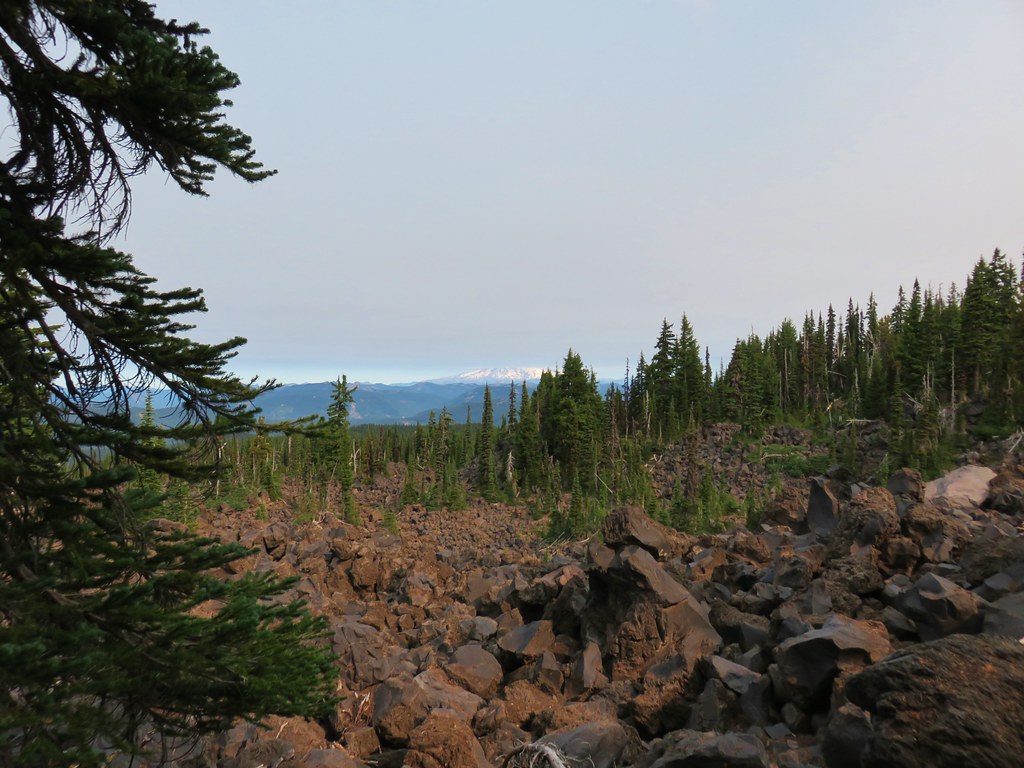
Looking out to the SW we could see smoke in the valleys below a higher layer of clouds. Mt. St. Helens somehow seemed to be in a clear zone though.

IMG_7761

IMG_7762

As we passed a large rocky area we heard the “meep” of a pika followed by several more. We stopped to see if we could spot one of our favorite alpine animals and sure enough one scurried out onto a nearby rock.
IMG_7768

IMG_7774

After watching the little guy for a while we remembered our quest for water and continued on. The trail remained in the Cascade Creek Fire zone for nearly the entire 3.5 miles to Sheep Lake which was the first potential source of water we came too. The fire zone offered some nice views and interesting rock formations reminding us that as sad as it is too see the forest burn it is part of the natural cycle and can offer some different scenic qualities.

IMG_7775

IMG_7778

IMG_7781Mt. St. Helens

IMG_7783

IMG_7784The bottom of Mt. Rainier

IMG_7789

IMG_7798Goat Rocks

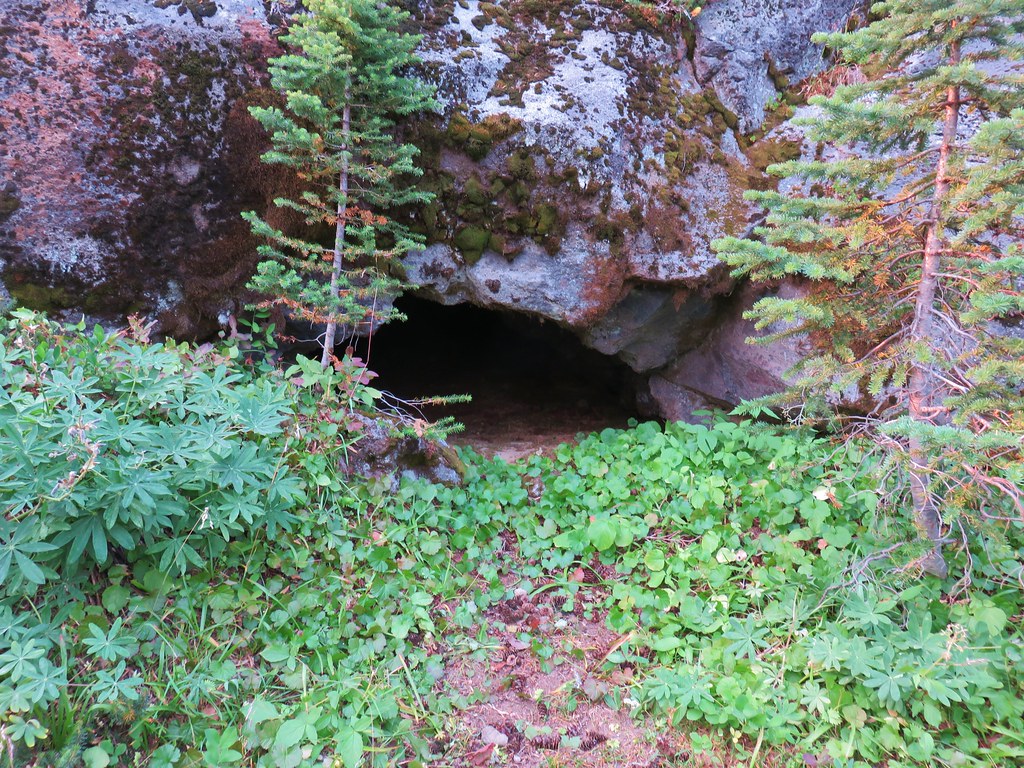
IMG_7806Small cave along the PCT

IMG_7807

Sheep Lake was nice and was lined with berries which we happily ate as part of our breakfast but it was a little shallow along the edges for our pump filter.
IMG_7810

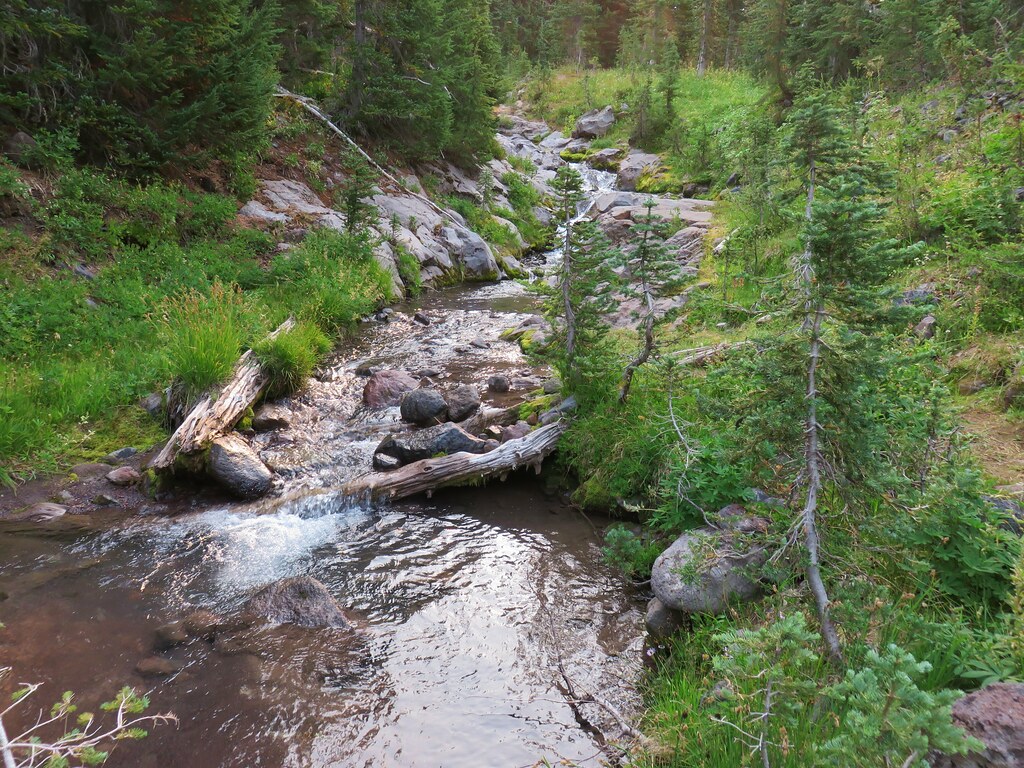
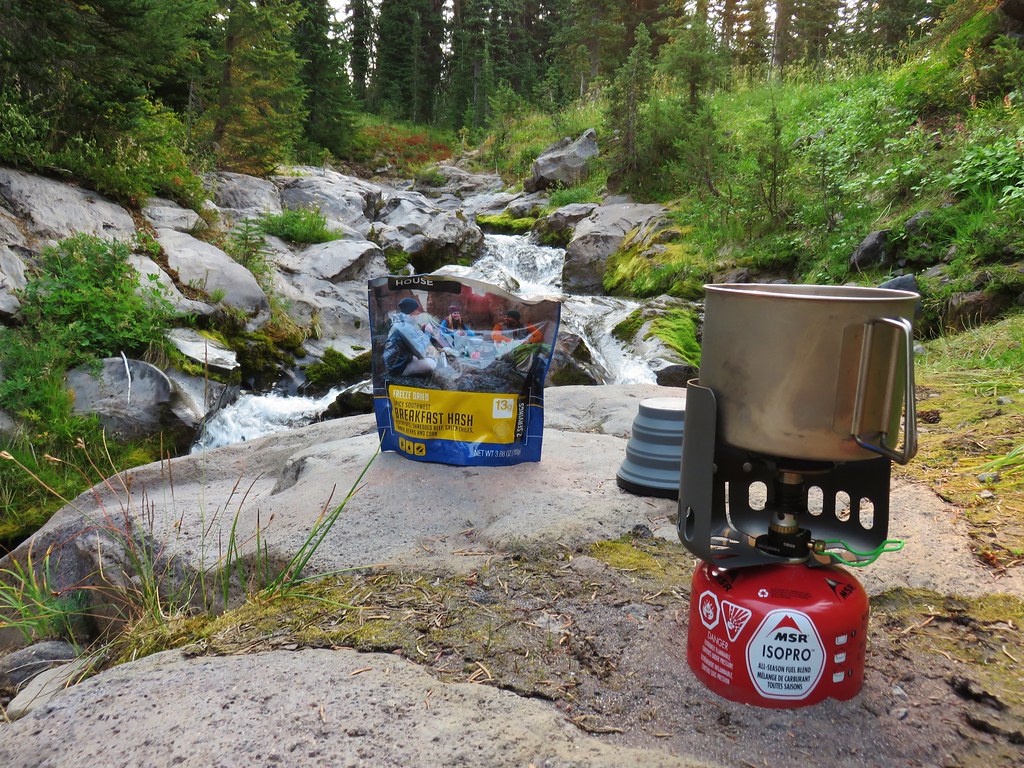
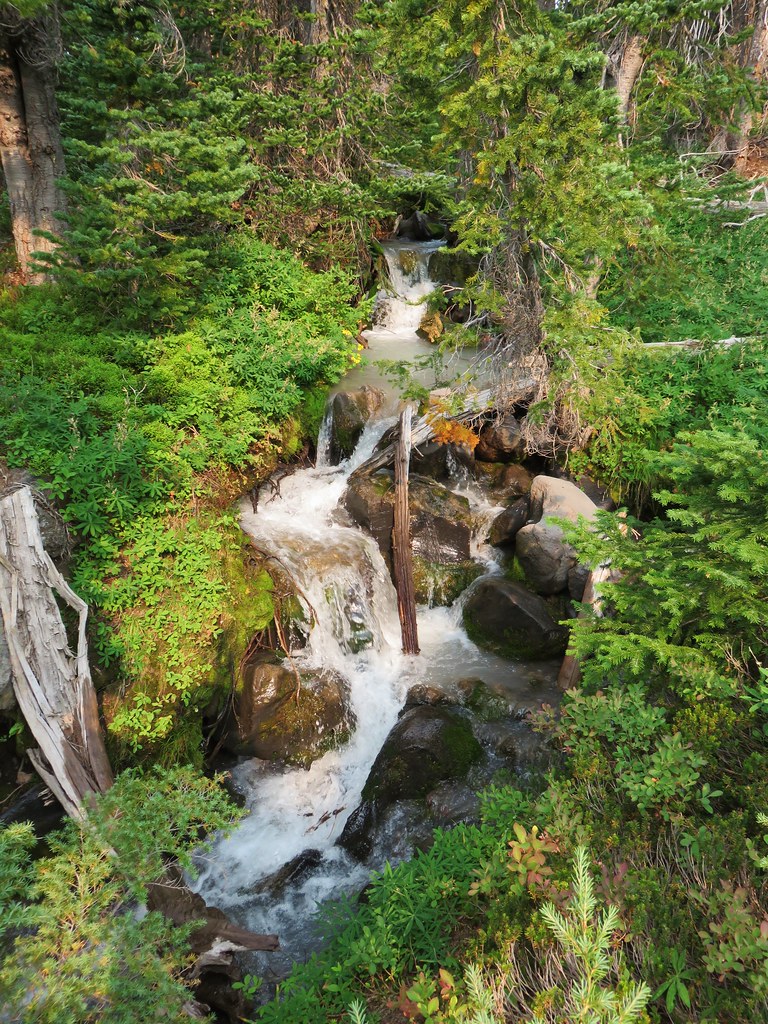
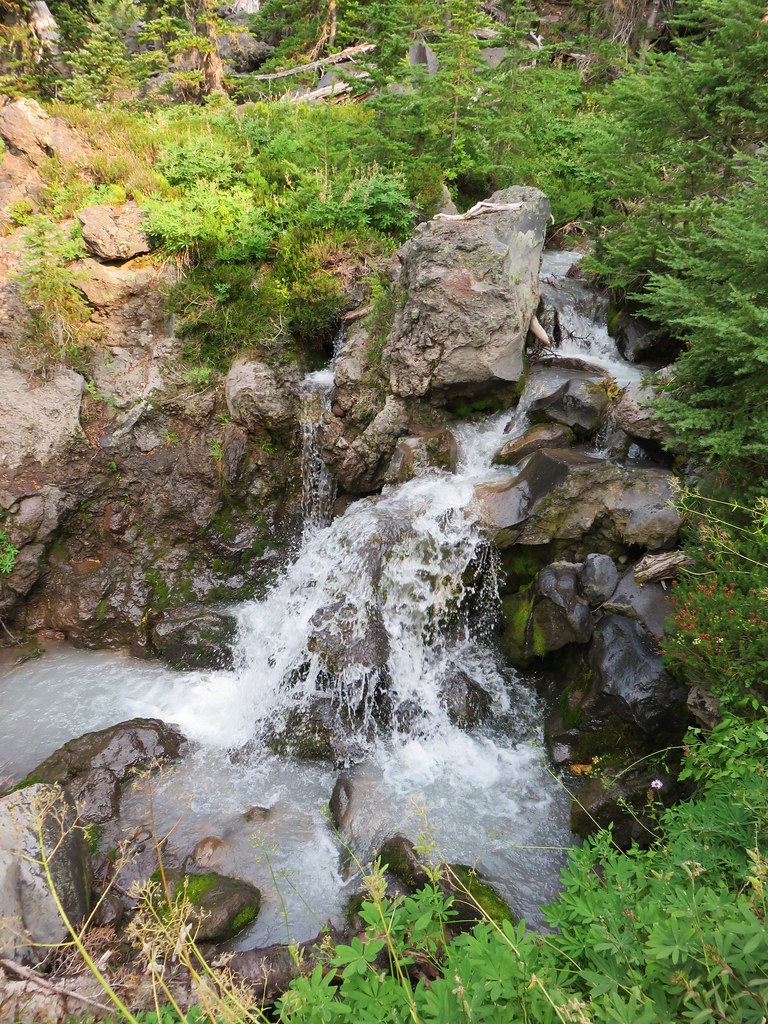
Riley Creek was near enough that we could hear it flowing so we decided to check it out to see if the water was clear enough to filter. Not only was the water clear but the creek was lovely and we found a large flat area atop some rocks where we could cook our breakfast.

IMG_7812

IMG_7814

Heather filtered water while I prepared our Mountain House Spicy Southwest Breakfast Hash which is quickly becoming one of our favorite backpacking meals.

IMG_7815

After breakfast we continued north on the PCT into a green forest. More blueberries and huckleberries lined the trail and we joined the area wildlife in snacking on the juicy treats.
IMG_7818

IMG_7830

Large clumps of gentians dotted the open ground in this area as well.

IMG_7825

IMG_7829

IMG_7831

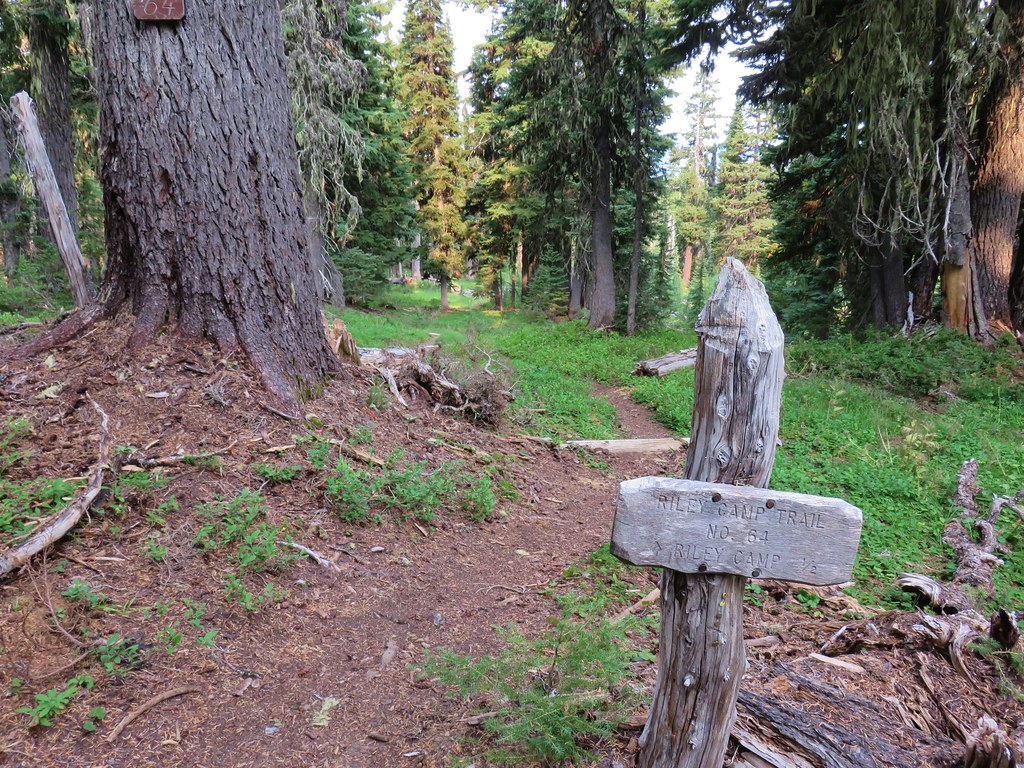
Just under a quarter mile from Riley Creek we passed the Riley Camp Trail.

IMG_7832

The stretch of green forest lasted for about a mile before the PCT came to a lava flow near Mutton Creek.
IMG_7838

Mutton Creek was cloudy with silt but not the chocolate color of Cascade Creek. It looked more like someone had poured some milk into the creek. The trail followed the cascading creek for a bit before crossing it.

IMG_7844

IMG_7848

IMG_7850

The PCT then passed across another section of lava where we stopped to admire the craggy peaks lining the horizon.
IMG_7851

IMG_7856

IMG_7860

IMG_7859

There was also a good view of Mt. Adams although the combination of the haze and angle of the Sun affected it.

IMG_7865

We passed through another meadow before reaching the Lewis River.

IMG_7872

IMG_7876

IMG_7944

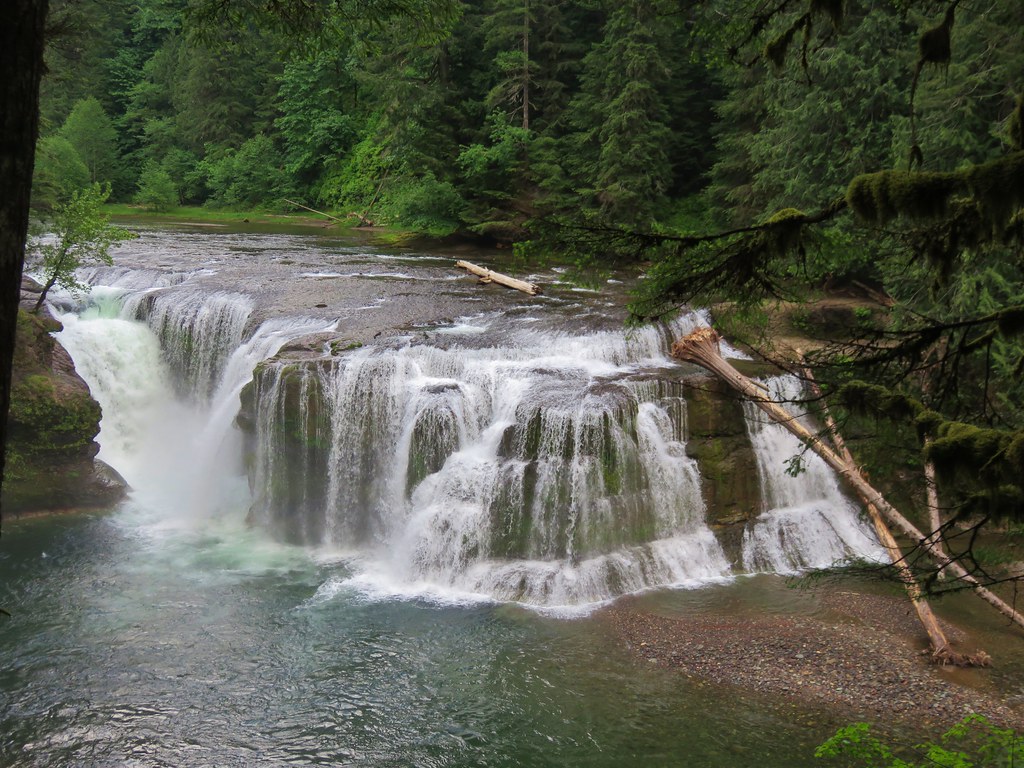
It was hard to believe this was the same river that we’d hiked along when we visited Lower Lewis River Falls in May of 2016.

Lower Lewis River Falls

About a quarter mile from the Lewis River we passed the Divide Camp Trail.

IMG_7878

Just beyond the trail junction we passed over a section of the mountain where a washout or avalanche had wiped out a swath of forest at some point where small trees were now regrowing.

IMG_7939

Just beyond that was an even larger barren rocky area where we came to Adams Creek.

IMG_7882

IMG_7890

This proved to be the trickiest crossing of the entire weekend. We chose a spot where it looked like we could rock hop to a small island where a log might get us to the other side relatively dry.

IMG_7891

It worked reasonably well and we sallied forth towards the Killen Creek Trail. IMG_7898

About a mile from Adams Creek we passed a shrinking pond.

IMG_7912

Another quarter mile brought us to the High Camp Trail which headed toward the mountain.

IMG_7913

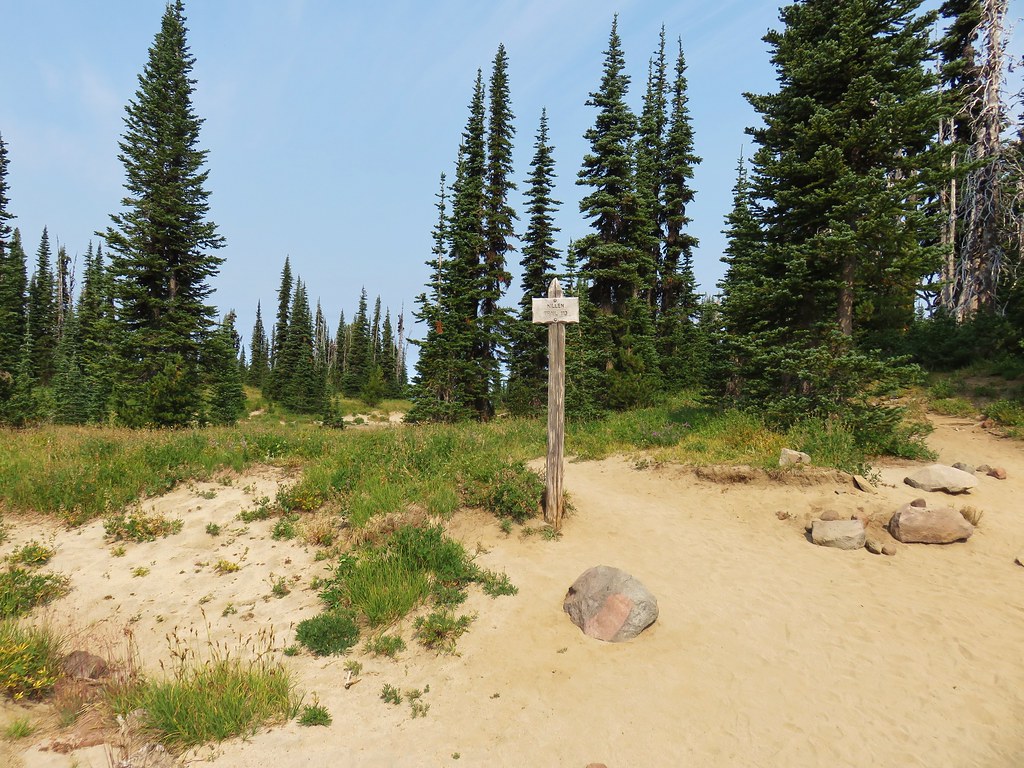
Shortly beyond that junction we arrived at the Killen Creek Trail.

IMG_7915

Although we had toyed with the idea of continuing all the way to Killen Creek it was another .4 miles away and downhill. We had done 22.6 miles the day before and this day was already going to be over 17 miles so we decided to call it good. We figure we can go back someday and start on the Killen Creek Trail and go north on the PCT from the junction.
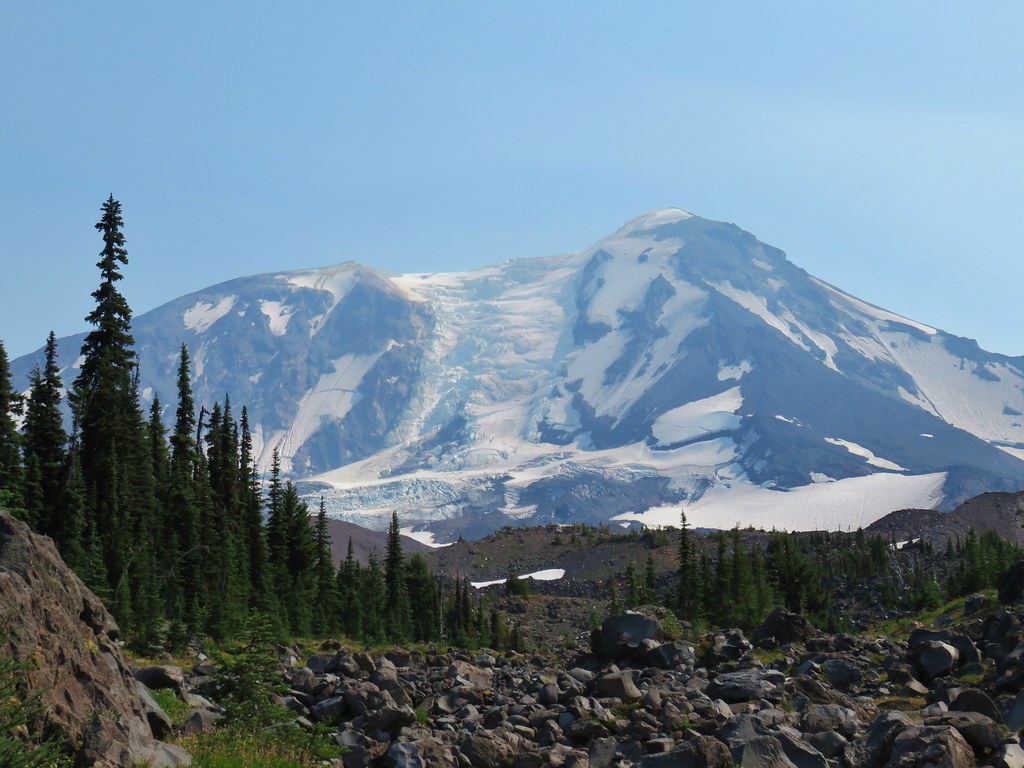
On the way back the haze began to clear and the passed far enough overhead to greatly improve the views of Mt. Adams.

IMG_7954

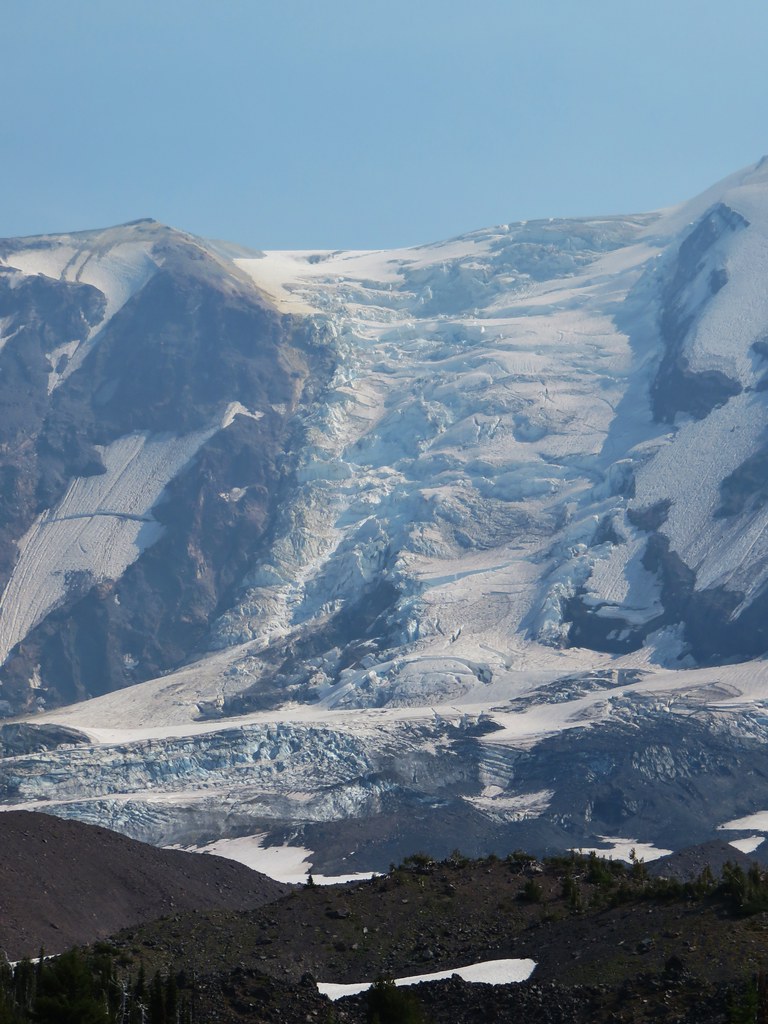
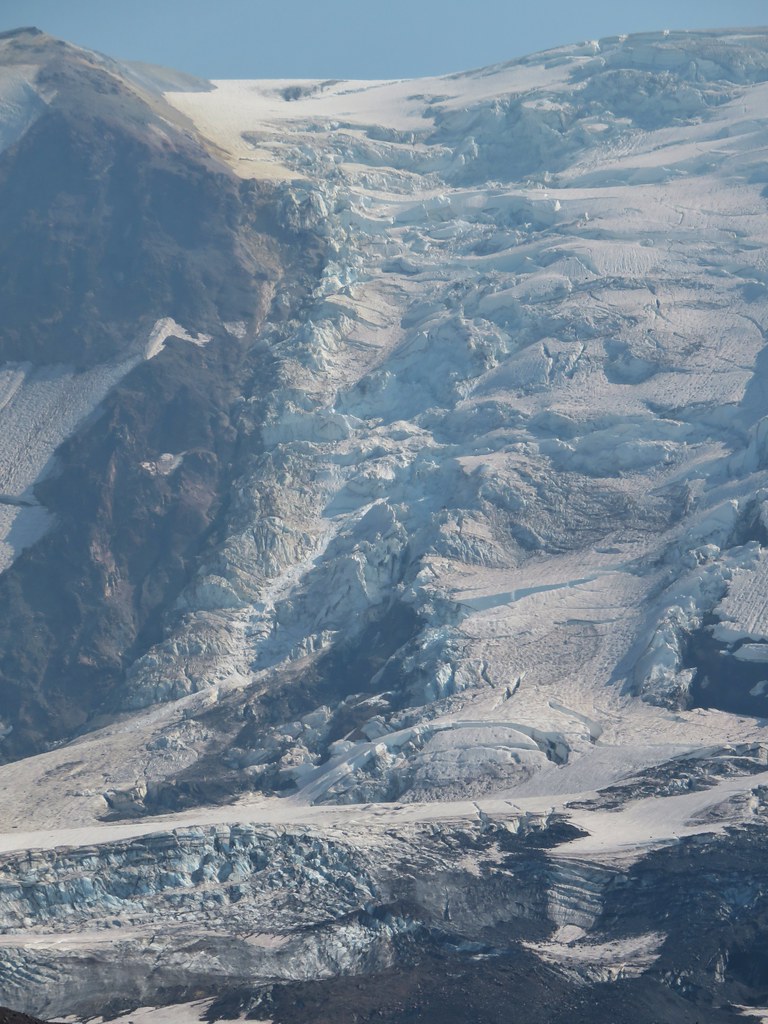
The massive Adams Glacier really caught our attention.

IMG_7955

IMG_7956

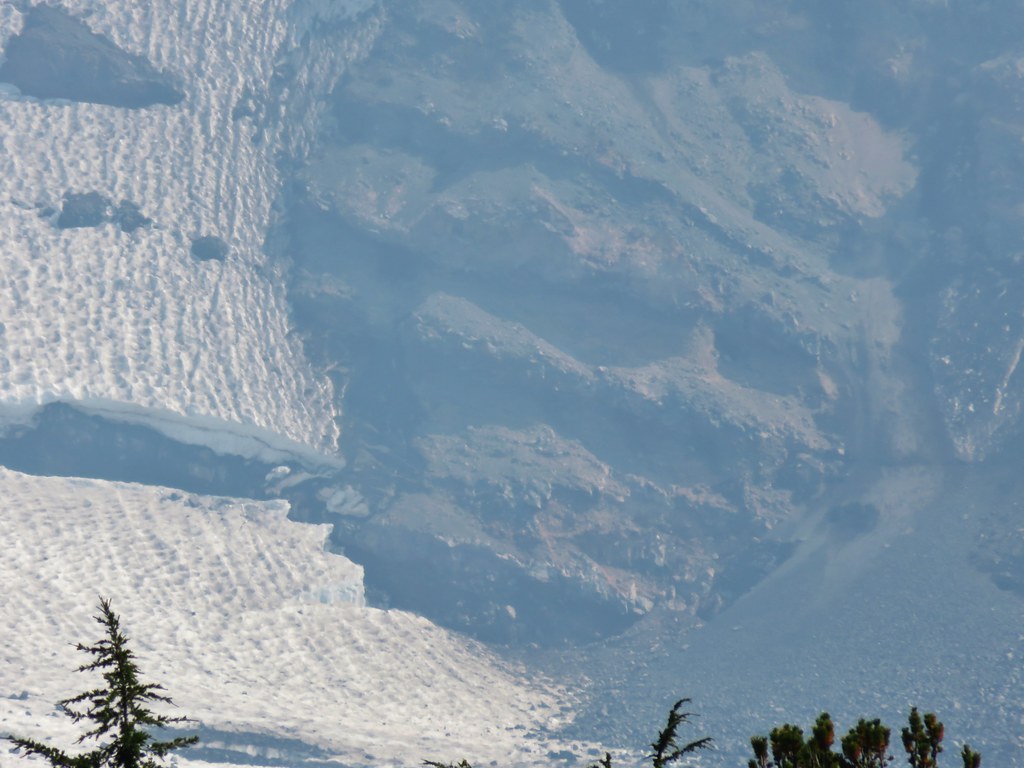
While we were admiring the mountain, Heather spotted a face in the rocks.

IMG_7957

IMG_7959

The view of Mt. Adams kept getting clearer and even the view of Mt. Rainier improved somewhat.

IMG_7976

IMG_7985

One view that didn’t improve was to the SW where yet another smoke plume had arisen. This one we would learn the next day was the East Crater Fire in the Indian Heaven Wilderness.

IMG_7981

We stopped again at Riley Creek where we joined a number of PCT thru-hikers cooling off and collecting water. We refilled our packs as well as our 96oz canteen (which was not the most fun thing to haul the 4 miles back to camp).
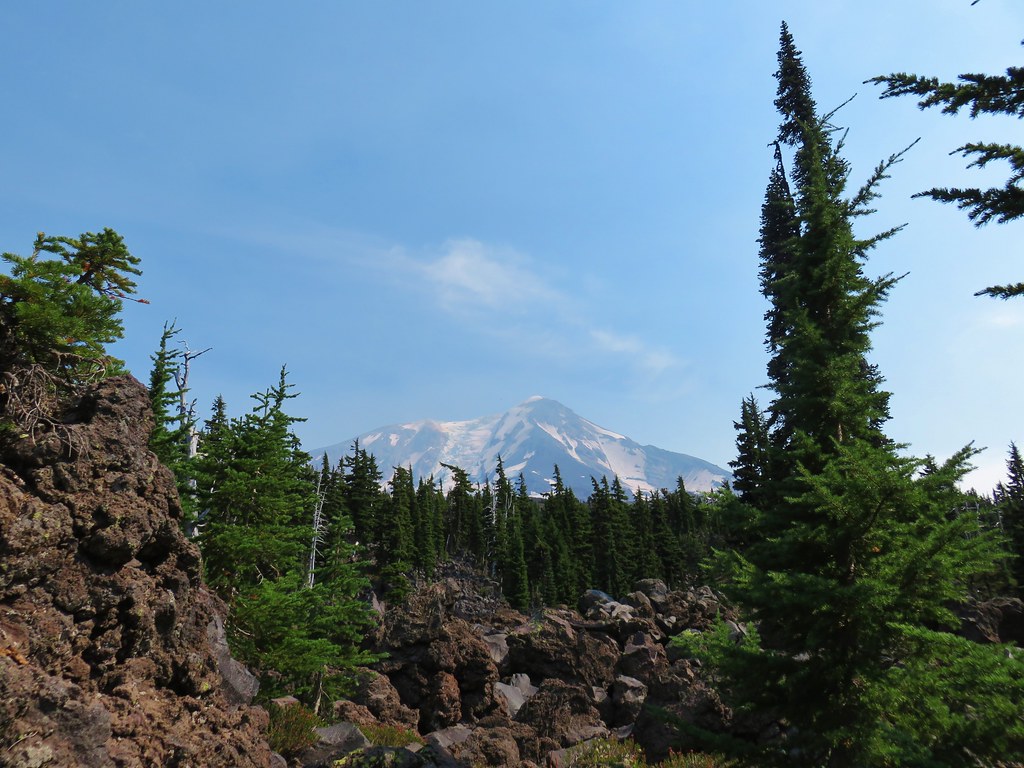
It was just after 4:30 when we arrived back at Horseshoe Meadow. Mt. Adams appeared to be free of any smoke but just over it’s shoulder to the east the sky looked really smokey.

IMG_7991

We ate dinner then sat by our tent and watched as a few wispy clouds passed overhead.

IMG_8002

IMG_8005

With all the fires around we couldn’t have asked for a better couple of days on the mountain. Those wonderful conditions didn’t make it into Labor Day though.

We woke up at 5:30am and despite it still being dark, we knew that some smoke had moved in based on the smell. When I got out of the tent and turned on my headlamp it illuminated the ash that was falling like a light snow. As the morning light made seeing a little easier we found that we couldn’t even see Mt. Adams.

IMG_8007

As the Sun rose higher we could at least make out the mountains outline through the smoke.

IMG_8015

We ate breakfast and packed up then headed south on the PCT.

IMG_8021

Overall it was a cool morning but occasional blasts of warmer air hit us. We had started hiking a little before 7am so that helped. We passed a number of thru-hikers on their way north, one of whom told us that the Indian Heaven Wilderness was closed due to a new fire (East Crater).

A red sun came up over Mt. Adams as we made our way back.

IMG_8030

IMG_8033

The smoke finally lessened a bit when we had gotten back down into unburnt forest.

IMG_8037

Near the trailhead we spoke to another thru-hiker who had been evacuated from Cascade Locks due to the Eagle Creek Fire. It was from her that we learned a teenager illegally using fireworks had started the inferno and that at least 140 hikers had been stranded overnight, trapped between the Eagle Creek and Indian Creek Fires.

Given the information we decided to drive back to Salem around Mt. Hood via Highways 35 and 26 thinking that I84 might be closed by the time we were trying to get through. It’s been a tough year out west regarding wildfires. Even though they are a natural part of the forest cycle (unless some moron does something stupid) it’s hard when so many of our favorite places seem to be burning at the same time. We know they will not look like they once did anytime in our lifetimes, but they will recover and in the meantime we will watch as God’s creation heals. Happy Trails!

Flickr: Mt. Adams Wilderness Days 2 & 3

Categories
Hiking Mt. Adams Trip report Washington Washington Cascades

Labor Day Weekend – Mt. Adams Wilderness Day 1

We are in the midst of a horrible wildfire season which only seems to be getting worse. Our original Labor Day plans literately went up in smoke due to the Separation and Nash Fires burning in the Three Sisters Wilderness among others. Our next plan was to spend the weekend in the Olallie Lake Scenic Area but the air quality in that area due to the aforementioned fires as well as the Whitewater, Scorpion, and Devil’s Fires (and so many more) made attempting to camp in that area unappealing so we kept looking.

After consulting several fire maps we determined that either the Indian Heaven Wilderness or the Mt. Adams Wilderness were our best chances for relatively smoke free hiking. The closest fires to those areas were the Indian Creek Fire burning along Eagle Creek in the Mark O. Hatfield Wilderness to the south and the Norse Peak Fire in the Norse Peak Wilderness to the north.

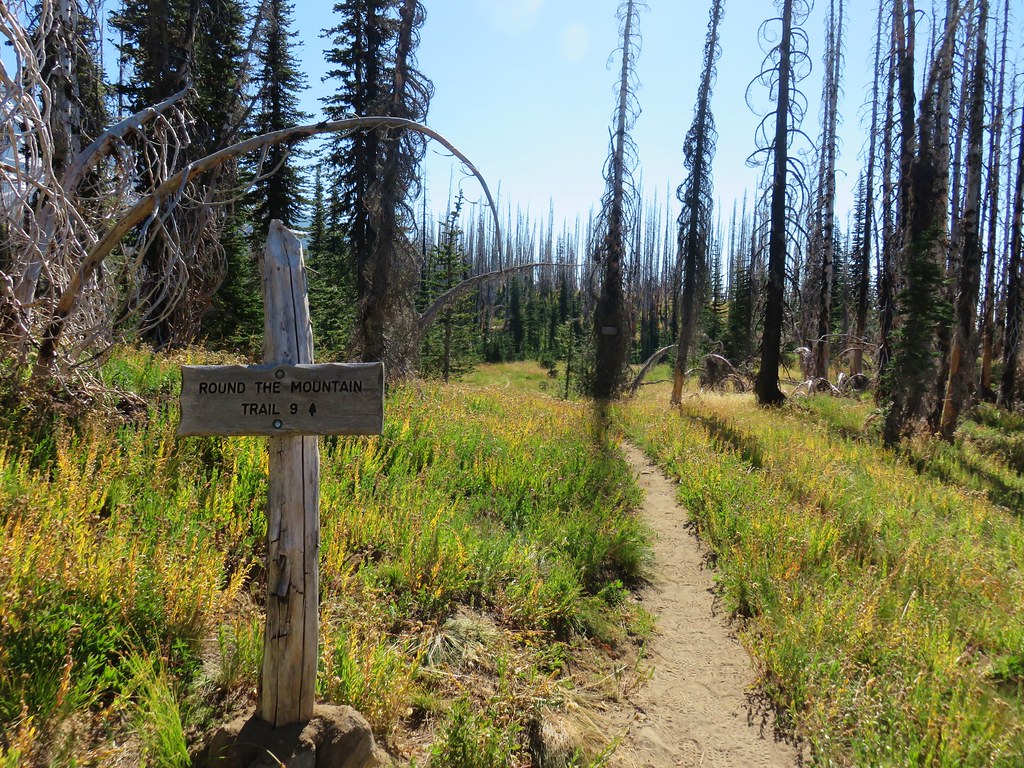
We settled on the Mt. Adams Wilderness. Our plan was to hike north on the Pacific Crest Trail from the Williams Mine Trailhead to Horseshoe Meadow where we hoped to set up camp. From there we would take the Round-the-Mountain Trail SE to the South Climb Trail and also visit Lookingglass Lake at some point along the way.

We set off on the PCT a little before 8 o’clock on Saturday morning.
IMG_7458

After crossing Swampy Creek on a footbridge the PCT entered the Mt. Adams Wilderness.
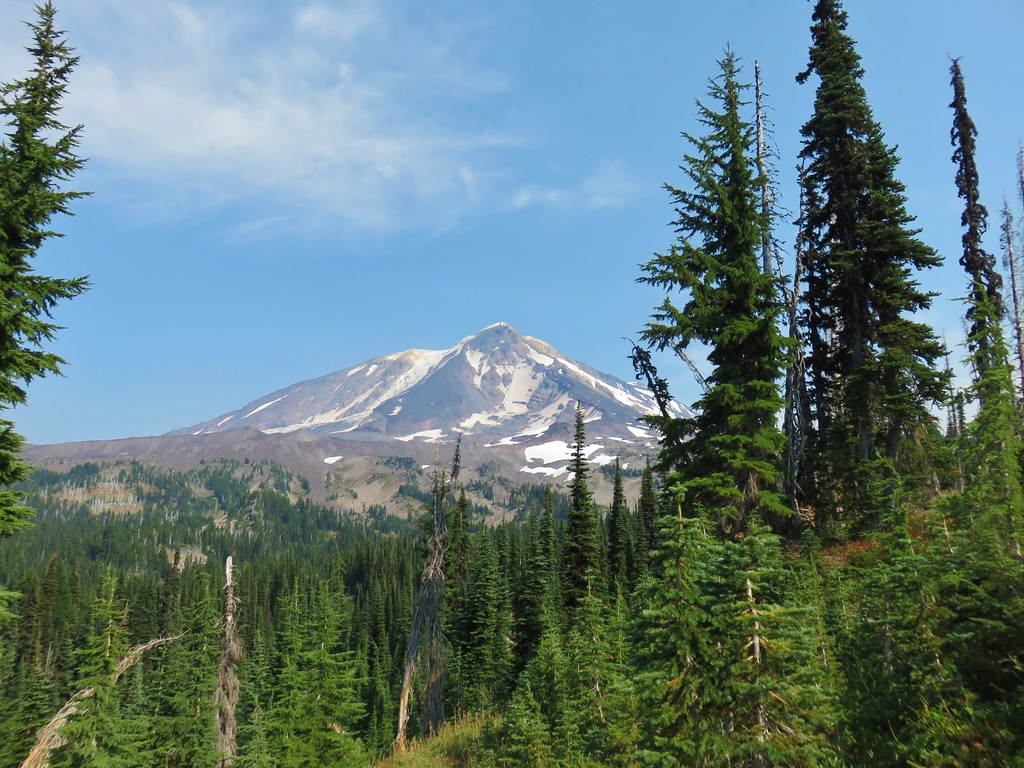
IMG_7459

IMG_7461

It was a warm morning but more importantly it was smoke free. We were greeted by blue sky as the trail entered the fire scar from the 2012 Cascade Creek Fire.

IMG_7473

A few wildflowers remained and lots of ripe huckleberries were available for picking as we went.

IMG_7472

IMG_7479

IMG_7481

IMG_7483

IMG_7488

It was just about six miles from the trailhead to Horseshoe Meadow most of which was in the burnt area. Along the way we passed a some nice meadows, a few green trees and had views of Mt. Adams, Mt. St. Helens, and a smokey Mt. Hood.

IMG_7494

IMG_7487

IMG_7495

IMG_7506

At the junction with the Round-the-Mountain Trail we turned and promptly arrived at Horseshoe Meadow.

IMG_7511

IMG_7512

IMG_7516

Cascade Creek flows through the meadow but was a little too silty filter so we debated on weather to set up camp there or continue on, possibly as far as Lookingglass Lake. After a little more consideration though we decided the location and view from Horseshoe Meadow was too good to pass up so we selected a tent site in some trees.

IMG_7518

IMG_7527

We had each started the day with 3 liters of water in our Osprey reservoirs and had brought full 18oz. Hydro Flasks. We also had an extra 96oz. Naglene Canteen and another small collapsible container that we decided to take with us on our afternoon excursion and fill them up on the way back to camp.

After getting camp situated we headed toward the South Climb Trail on the Round-the-Mountain Trail.

IMG_7530

We’d made the South Climb Trail our turnaround point because our first and only other visit to the Mt. Adams Wilderness was a 2014 hike to Iceberg Lake via the South Climb and Round-the-Mountain Trails.

The trail continued through the Cascade Creek burn with views south to Mt. Hood which remained mostly hidden by smoke.

IMG_7532

IMG_7535

Before long we began to find some forest that had been spared from the fire.

IMG_7537

About a mile from Horseshoe Meadow we came to a small stream with some little pools just big enough to filter water from.

IMG_7540

Just beyond the stream we passed the Lookingglass Lake Trail.

IMG_7543

We decided to make that side trip on the way back and then we could fill our extra canteens on the way back to camp from the little stream.

There were a number of creeks and streams with flowing water beyond the Lookingglass Lake Trail junction. The first set all eventually flowed into Cascade Creek further down the mountain.

IMG_7544

IMG_7550

IMG_7570

Much of the area we were now passing through contained debris flows from massive avalanches from the Avalanche Glacier. In fact there had been a warning at the trailhead that a crack in the glacier could trigger an avalanche at any time. The Round-the-Mountain Trail was shown as just outside the danger area but it was obvious from our surroundings that the location of the trail had been in the danger zone in the past.

IMG_7582

The next set of creeks were all tributaries of Salt Creek, most of which flowed from large glacial moraines.

IMG_7583

IMG_7587

IMG_7592

IMG_7595

Others came from springs, one of them just below the trail.

IMG_7600

IMG_7602

IMG_7609

Two and a half miles from the Lookingglass Trail we came to a junction with the Shorthorn Trail.

IMG_7618

We passed more creeks including one with a nice little waterfall surrounded by lush green vegetation.

IMG_7626

IMG_7637

It was just over another 2.5 miles to the South Climb Trail from the Shorthorn Trail which made it about 6 miles from Horseshoe Meadow, a little longer than my initial calculation had been.

IMG_7647

IMG_7648

After a break at the junction we headed back and turned down the Lookingglass Lake Trail.

IMG_7668

It was about a mile downhill to the lake. The trail passed through more forest affected by fire and crossed several creeks including one with a number of frogs.

IMG_7669

IMG_7673

IMG_7677

IMG_7681

IMG_7687

We made our way around the lake and sat on a little hill facing Mt. Adams where we ate dinner.

IMG_7691

IMG_7693

IMG_7695

IMG_7697

It was a little after 6pm when we finally left the lake and headed back up to the Round-the-Mountain Trail. As we climbed we were looking back at the lake when we noticed a smoke plume that we had not seen on the way down to the lake.

IMG_7699

IMG_7700

Based on its location in relation to Mt. Hood we wondered if the Indian Creek Fire had exploded or if this was some new fire in the Columbia River Gorge.

IMG_7706

On Monday we learned from a northbound PCT hiker who had been evacuated from Cascade Locks that what we had seen was the new Eagle Creek Fire apparently started by teenager playing with illegal fireworks. What an idiot. As I write this trip report much of the gorge west of the Ruckle Creek Trail including Multnomah Falls has been affected.

We were still planning on getting water on the way back to Horseshoe Meadow at the little stream but we had forgotten how close it was to the Lookingglass Lake Trail and walked right past it. We didn’t realize our mistake until we’d reached the edge of Horseshoe Meadow. We decided that we would make due for the night with what we had left over in our packs (which wasn’t much) and our Hydro Flasks which we’d left at camp. In the morning we’d get water at either Sheep Lake or Riley Creek if no other sources could be found before then along the PCT.

The shadows were growing long back at Horseshoe Meadow.

IMG_7712

We were pretty tired and ready to crash but then we spotted a waterfall across the meadow and just had to check it out. We also thought there might be another water source that wasn’t so silty around. There wasn’t. The waterfall was nice though but it was the color of chocolate milk.

IMG_7726

IMG_7719

IMG_7714

We wound up moving our camp further from the trail due to a large group that had arrived and were a little louder than we preferred. After reestablishing camp we watched the last light hit Mt. Adams and turned in for the night.

IMG_7737

IMG_7742

Happy Trails!

Flickr: Mt. Adams Day 1

Categories
High Cascades Hiking Mt. Washington Area Oregon Trip report

Mount Washington Meadows

One week after returning from our Northern California trip we found ourselves headed to Bend to drop off some furniture to our Son who had recently moved.  It wasn’t going to be a long visit due to his having to work so after a quick tour of his new apartment we were back on our way home.

Our plan was to stop for a hike on the way home along the Pacific Crest Trail near Santiam Pass south to Mount Washington Meadows. We had left Salem at 5am so it would still be fairly early when we hiked. Just after 8:30 we pulled into the PCT trailhead near Big Lake.
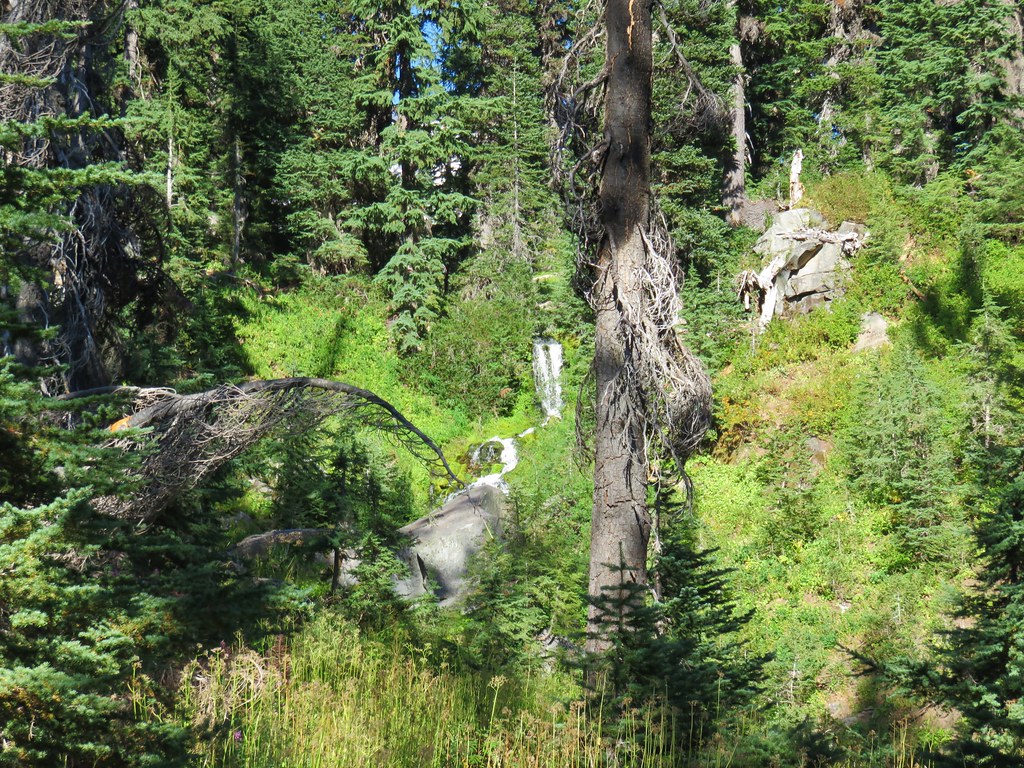
IMG_6597

We headed south on the PCT which quickly entered the Mt. Washington Wilderness amid trees burned in the 2011 Shadow Lake Fire.
IMG_6601

IMG_6603

The first two or so miles passed through the burn where despite most of the trees being dead, there was plenty of green and other colors present.

2017-08-05 13.36.29

IMG_6801

2017-08-05 13.37.22

2017-08-05 08.56.33

IMG_6599

IMG_6605

IMG_6610

IMG_6611

2017-08-05 08.55.45

IMG_6628

The lack of living trees did allow for some views of both Mt. Washington ahead and Three Fingered Jack to the north beyond Big Lake, the Hoodoo Ski Area and the flat topped Hayrick Butte.

IMG_6644

IMG_6638

IMG_6639

We could also see two small buttes just to the SW of Big Lake which we had hiked around in 2012 when we visited the Patjens Lakes.

That hike was also done during the first week of August, but less than a year removed from the Shadow Lake Fire. It was interesting to see how the forest was recovering with the passing of several more years.

Patjens Lake TrailPatjens Lake Trail – August 2012

IMG_6791Pacific Crest Trail – August 2017

A wider variety of plants including various berries were present now.

We left the burn area where we were able to see what the forest will look like again eventually.

IMG_6650

IMG_6675

We passed several small meadows and lots of wildflowers as we went.

IMG_6661

IMG_6664

IMG_6653

IMG_6657

IMG_6666

IMG_6670

IMG_6683

IMG_6687

We had been gradually climbing and when a break in the trees allowed us a view to the north where we spotted Mt. Jefferson over the shoulder of Three Fingered Jack.

IMG_6672

IMG_6674

It was a bittersweet view as it reminded us that the Whitewater Fire was burning on the west side of Mt. Jefferson and had already burned over portions of several trails leading to Jefferson Park.

There was no real visible smoke but we knew that it was there and those trails would look a lot like what we’d passed through earlier in the Shadow Fire area.

When the PCT began to curve around a ridge to the left the Spire of Mt. Washington came into view.
IMG_6689

An open hillside then opened up views to the south were several other familiar peaks were visible.

2017-08-05 10.47.55_stitch

These included the North and Middle Sister, Belknap Crater, the Husband, Diamond Peak, and Scott Mountain.

IMG_6783North & Middle Sister with Belknap Crater

IMG_6697Scott Mountain

As we continued we passed through some increasingly impressive meadows until reaching a large lupine filled meadow below Mt. Washington.

IMG_6703

IMG_6710

IMG_6718

IMG_6719

IMG_6720

Mt. Washington rose above the meadow where we were able to get a great look at the eroded volcano.

IMG_6733

IMG_6724

IMG_6735

IMG_6744

Lupine wasn’t the only thing in abundance in the meadow. There was also a large number of tortoiseshell butterflies who seemed to be overly attracted to me.

IMG_6730

2017-08-05 11.01.51

2017-08-05 11.03.23

2017-08-05 11.03.30

We continued through the meadow where we found a nice display of cat’s ear lilies still in bloom amid the lupine.

IMG_6745

IMG_6751

At this point we’d gone a little over 5.5 miles, but the level grade of the PCT and the great scenery so far enticed us to continue a little further to see what else the area had to offer. We decided to follow the PCT until it began to lose elevation as it crossed a valley between Mt. Washington and Belknap Crater. We soon found ourselves in another area affected by fire.
IMG_6755

IMG_6779

We ended our hike as the PCT bent around a ridge end where it would begin the 400′ elevation loss before climbing up to the shoulder of Belknap Crater which was visible across the valley.

IMG_6762

From this vantage point we could also make out Little Belknap Crater.

IMG_6774

After a short break we headed back through the meadows and returned to our car.

IMG_6781

The 12.4 mile round trip had proved to be a lot more entertaining than we’d expected. We hadn’t really known what to expect having selected the hike from the back of our guidebook in the additional hikes section, but it had been a thoroughly enjoyable outing. Happy Trails!

Flickr: Mount Washington Meadows

Categories
Cascade-Siskiyou National Monument Hiking Oregon Trip report

Pilot Rock

On our way home from Mount Shasta City we stopped for a quick hike to Pilot Rock in Oregon’s Soda Mountain Wilderness. We took exit 1 from Interstate 5 and drove north on Old Highway 99 for 6.9 miles to Pilot Rock Road (Road 40-2E-33) where we turned east. Instead of starting at the Pilot Rock Trailhead which is located 2 miles up the road we parked after a mile at the Pacific Crest Trail crossing. (If you do start here be sure not to block the private driveway.)
IMG_6520

From the road Mt. Ashland to the west and Mt. McLoughlin to the north were visible in the morning light.
IMG_6525

IMG_6526

IMG_6528

IMG_6531

We headed south on the PCT (which ironically meant we were going northbound due to the route the trail takes after crossing I-5).
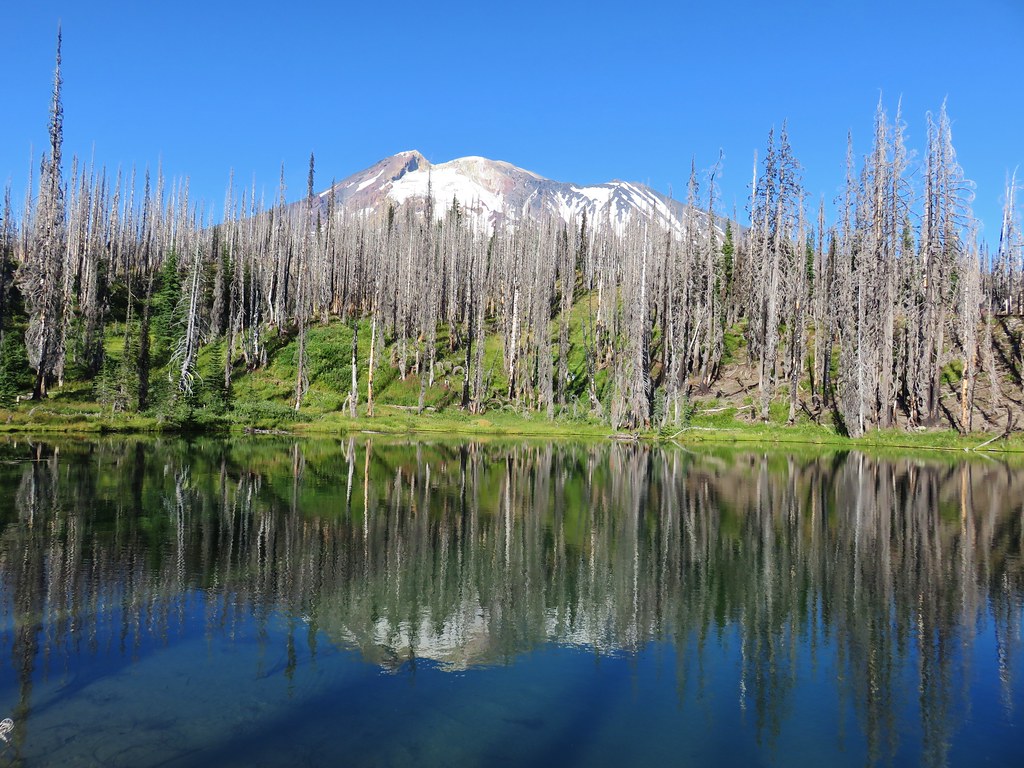
IMG_6527

Most of the flowers were finished but by the looks of things there had been quite a few. A number of late bloomers remained and along with those were some juicy thimbleberries.
IMG_6535

IMG_6538

IMG_6542

IMG_6544

Aside from a couple of very short uphills the trail seemed fairly level and after about 3/4 of a mile Pilot Rock came into view.
IMG_6553

IMG_6555

IMG_6556

After another .9 miles we arrived at a junction with the closed road that serves as the trail from the official Pilot Rock Trailhead.
IMG_6561

The two trails joined for .2 miles passing through a nice forest before splitting once again.
IMG_6563

IMG_6566

We forked to the right following the Pilot Rock pointer. This trail was much steeper and we climbed about 600′ in .7 miles to the base of Pilot Rock.
IMG_6569

IMG_6572

In a perfect world we would have scrambled up to the top of the rock which wasn’t that much higher, but after hiking 80 plus miles and climbing at least 20,000′ over the previous 7 days we weren’t sure that we had the strength and muscle control left to safely climb to and descend from the top.

Rather than risk it we stopped just below the first section where we definitely would have need to use our hands to go any higher.
IMG_6574

We returned the way we’d come. Starting at the PCT put the hike at a little under 5 miles a little less than double what it would have been from the Pilot Rock Trailhead with some nice scenery which would have been even better earlier in the year when the numerous flowers were still in bloom. Happy Trails!
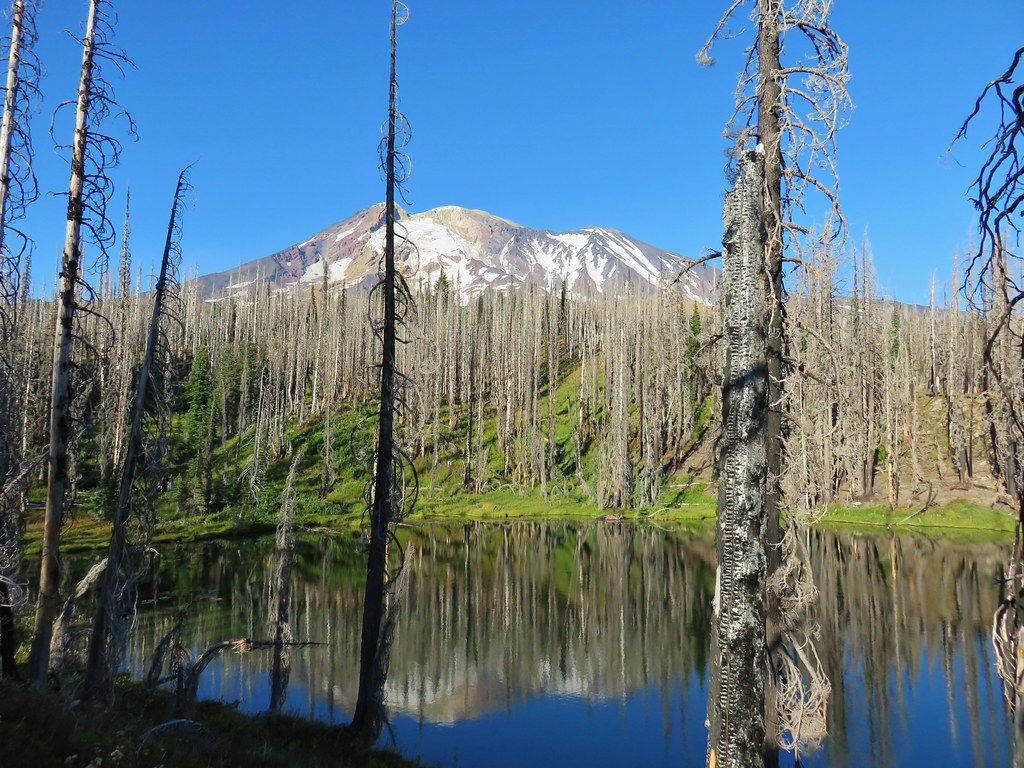
Flickr: Pilot Rock