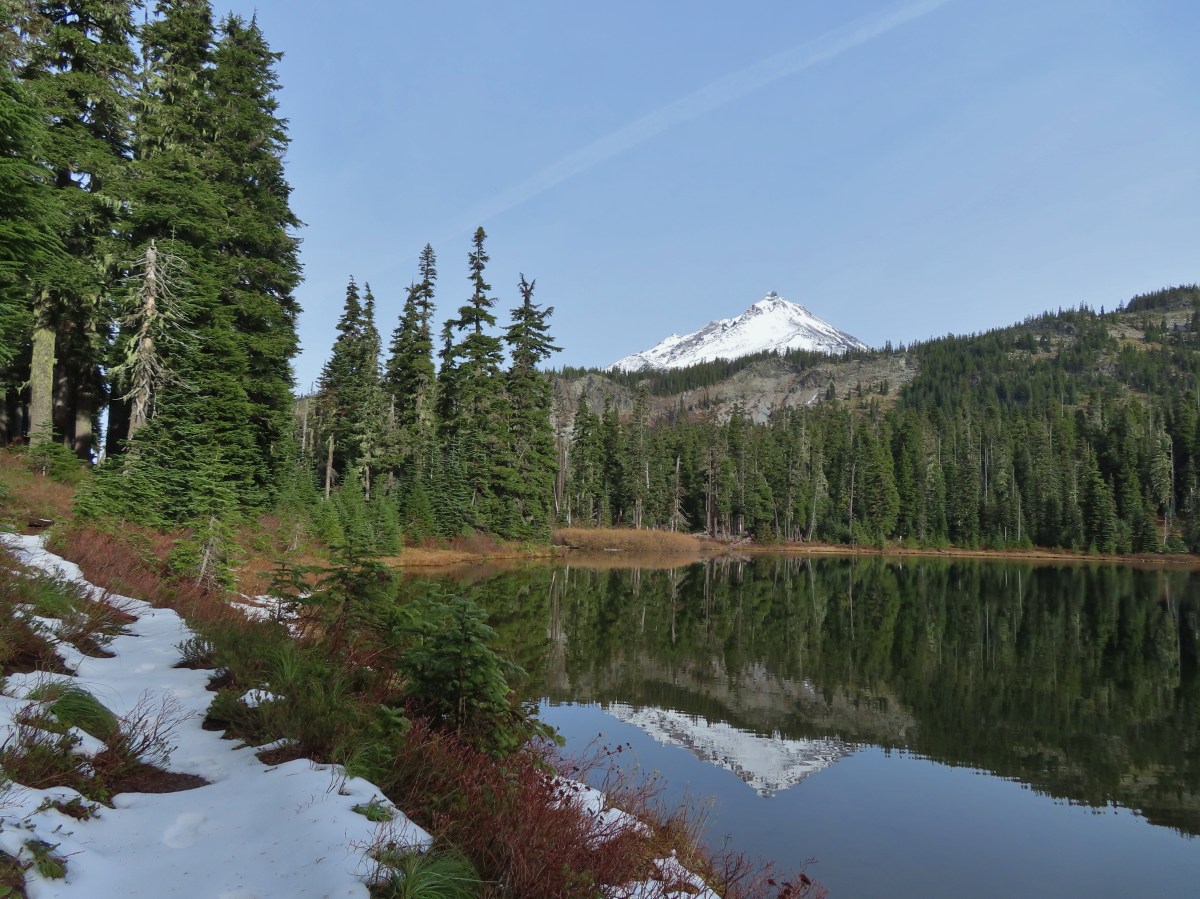
Due to the warm and dry 2026 some hikes that would normally be snow covered in November remain accessible. We did get some lower elevation snow at the end of October, but warm and dry conditions returned during the first week of November. A partly sunny forecast for Saturday called me to the mountains for what I hope is the last mountain hike until early Summer 2027. It’s not that I don’t love hiking in the mountains, but we badly need a good snow year.
Heather opted to be responsible and stay home to prep the house for some work being done later in the week. I decided to head to the Pamelia Lake Trailhead and head toward Hunts Cove. We had visited Hunts Cove in 2013 on an epic 18.2-mile loop (post). I know I am not physically up to a hike like that and wasn’t sure if I would be able to make the 6-plus mile hike to Hunts Cove but there were several good turnaround points along the way.
There were just a couple of cars at the trailhead when I arrived.
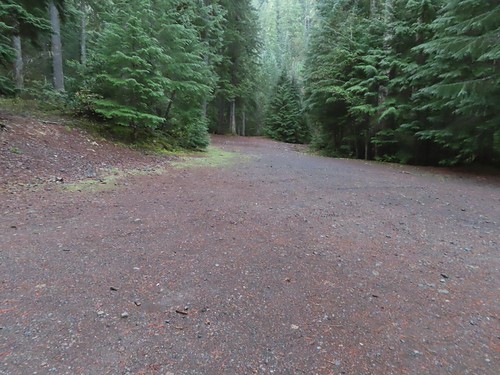
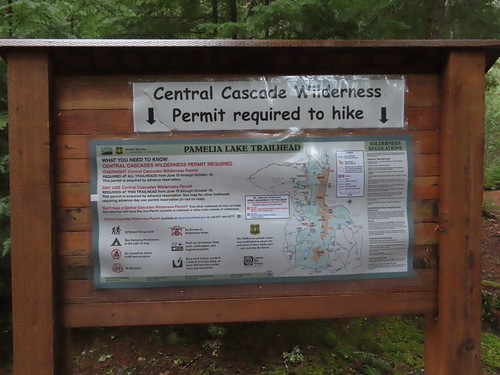
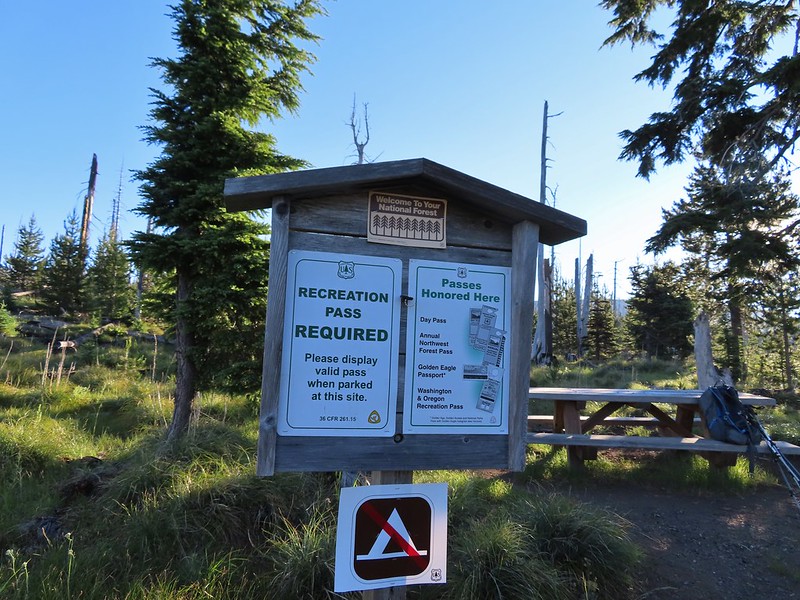
A NW Forest Pass is required to park at the trailhead, and a Central Cascades Wilderness Permit is required to hike from June 15 – October 15.
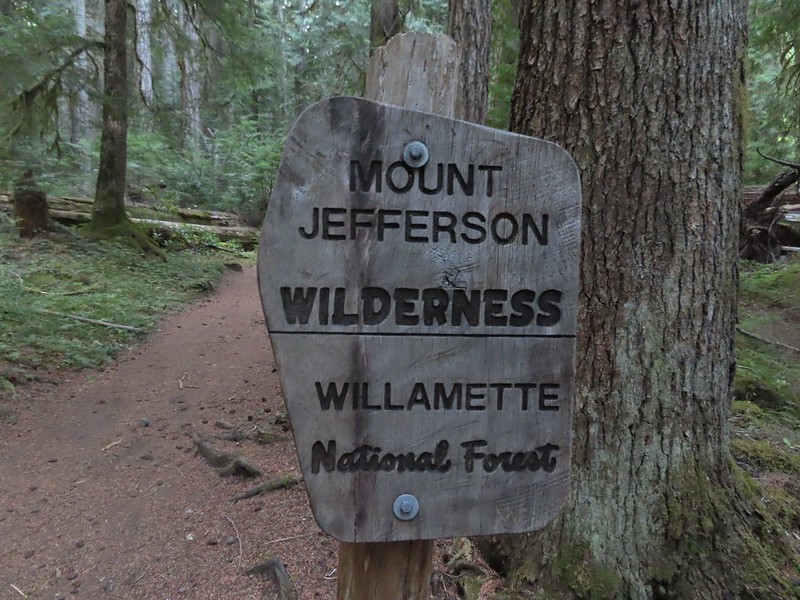
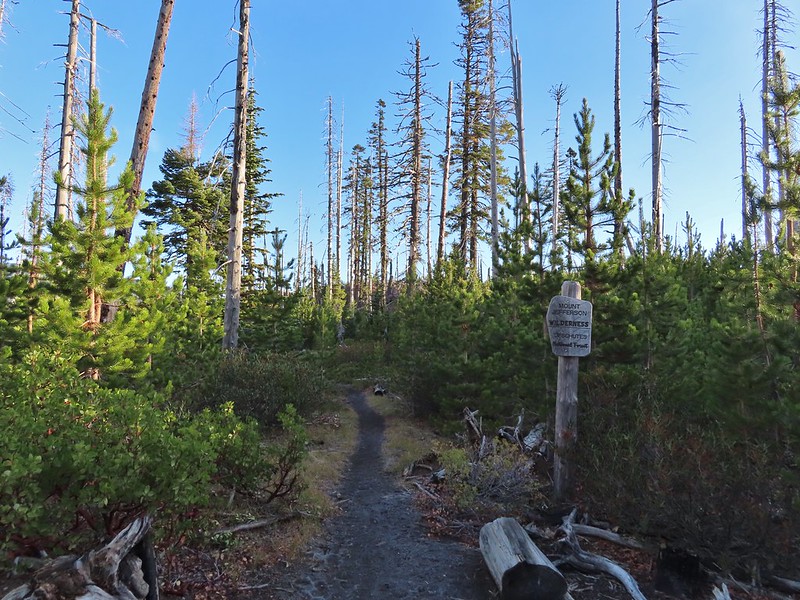
The Pamelia Lake Trail leaves the trailhead following Pamelia Creek through a beautiful forest and into the Mount Jefferson Wilderness.


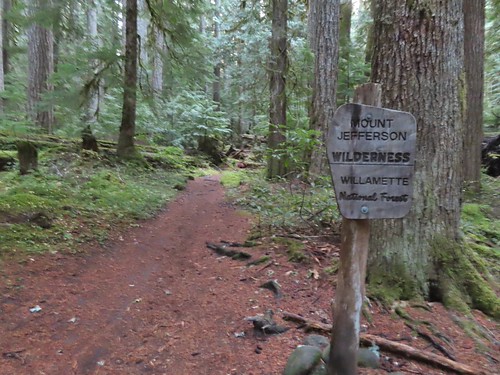
This is one of a few remaining areas in this wilderness that hasn’t burned in the 2000’s.
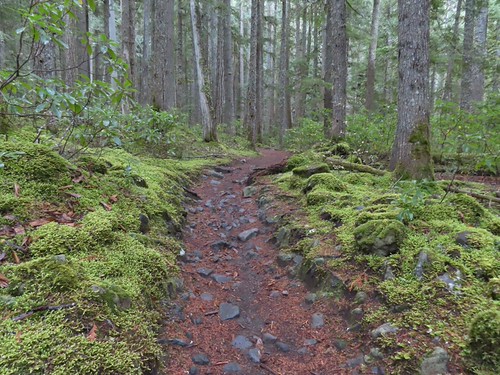

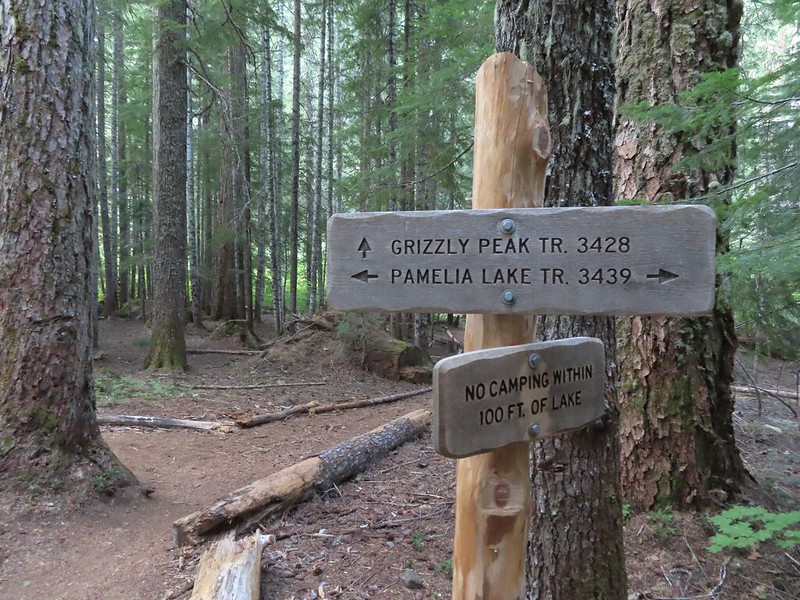
After 2.2-miles of gradual climbing the trail arrives at a junction just before Pamelia Lake with the Grizzly Peak Trail (post).

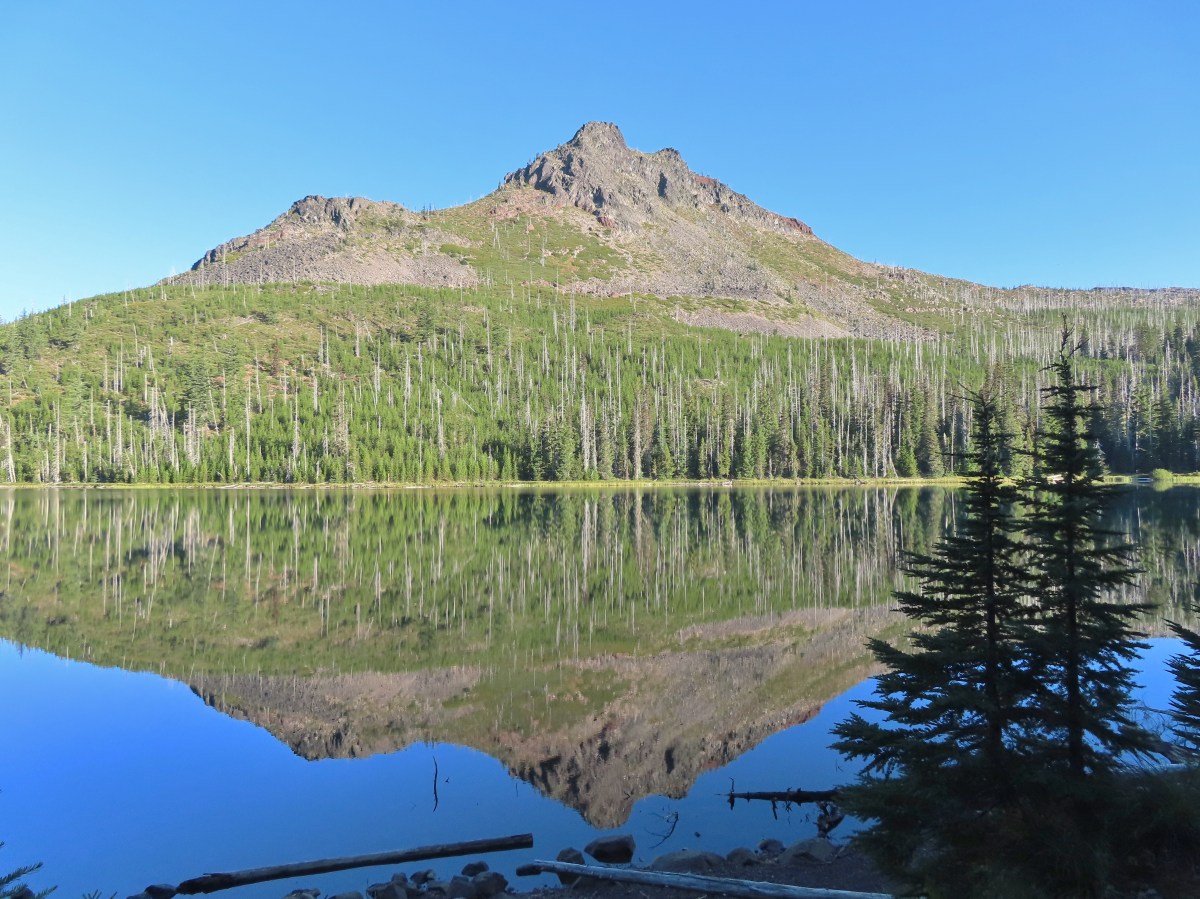
At the junction I detoured down to Pamelia Lake where the water level was evidence of how dry 2026 has been.

I walked to the right around the lake to get a view of Mt. Jefferson and some of the recent snow.
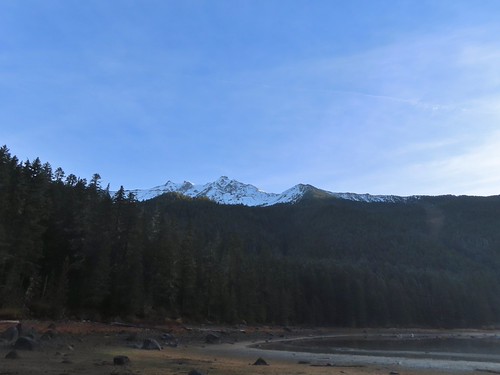
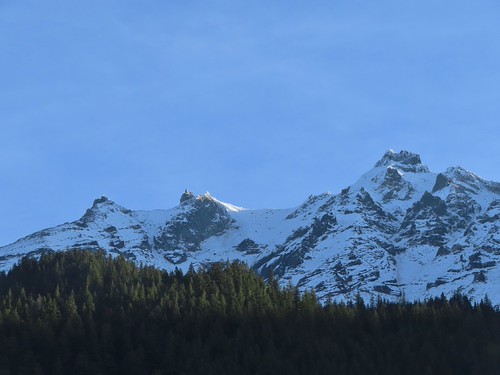
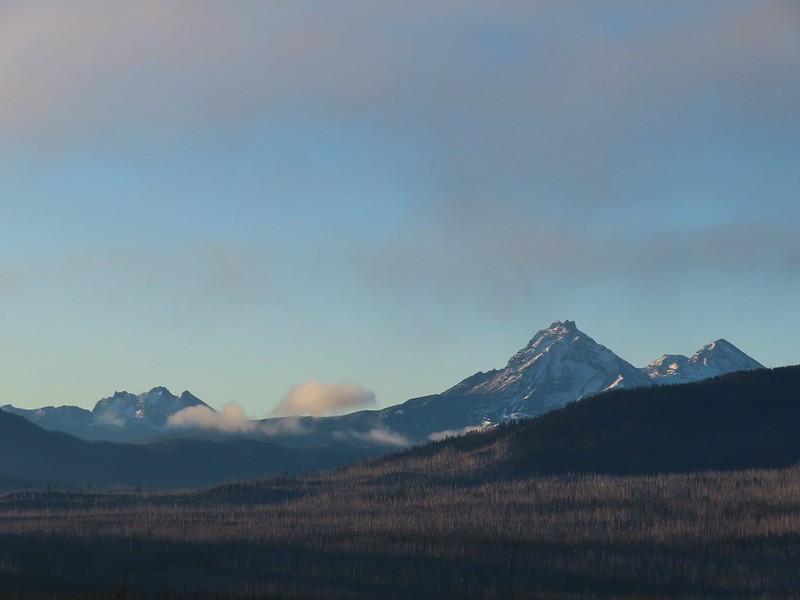
Morning sunlight hitting the mountain and ridge below.
I returned to the junction and took a right back onto the Pamelia Lake Trail and followed it another 0.2-miles uphill to the Hunts Creek Trail.
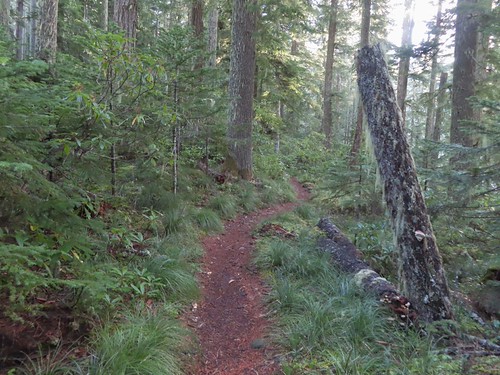
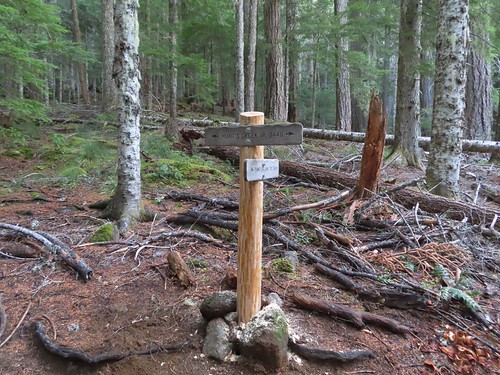
A left at the junction would have taken me to the Pacific Crest Trail (post) while a right turn heads to Hunts Cove. You can also reach the PCT from Hunts Cove as we did in 2013. I turned right and followed the trail around the lake passing numerous use trails down to campsites.

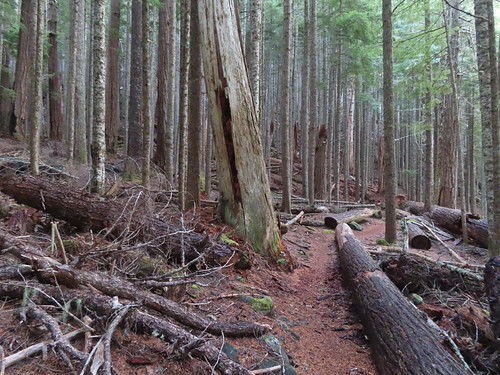
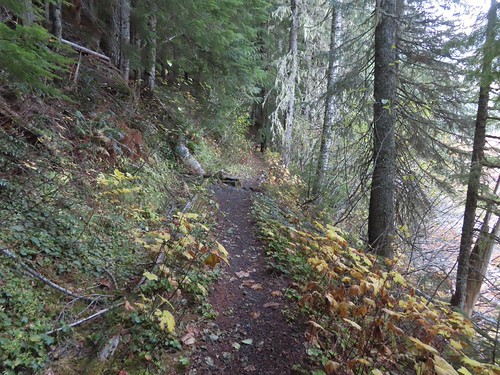

Grizzly Peak
The trail crossed several unnamed streams and creeks, one of which was flooding the trail.
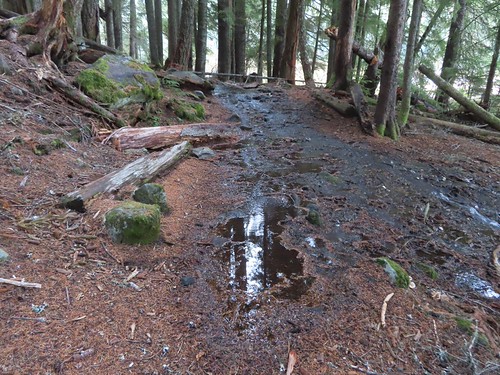
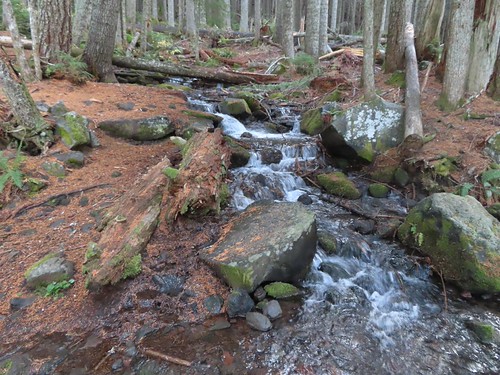

The wetlands behind Pamelia Lake that the creeks from both sides of the valley flow into.


Hunts Creek flowing toward Pamelia Lake.


The prettiest of the side creeks.

The trail briefly used this downed log.

Makeshift bridge across one of the streams.
Approximately 1.2-miles from the Pamelia Lake Trail junction the Hunts Creek Trail arrives at the bridgeless crossing of Hunts Creek.

I used the two logs to the right to cross dry footed.
After crossing Hunts Creek the trail climbs over 1000′ in 1.8-miles to a junction with the Hunts Cove Trail. The climb is gradual with just a couple of sets of switchbacks.
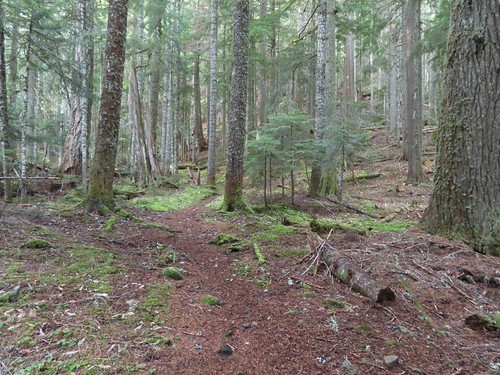


The tread got a little narrow crossing this slide, but it wasn’t too sketchy.
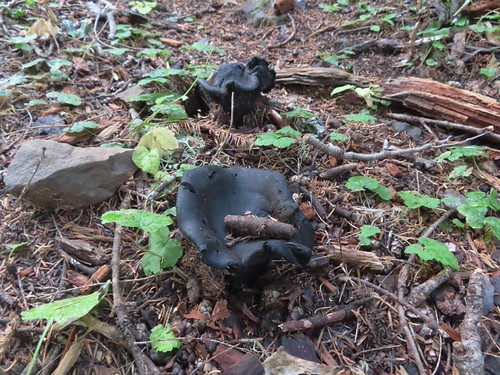

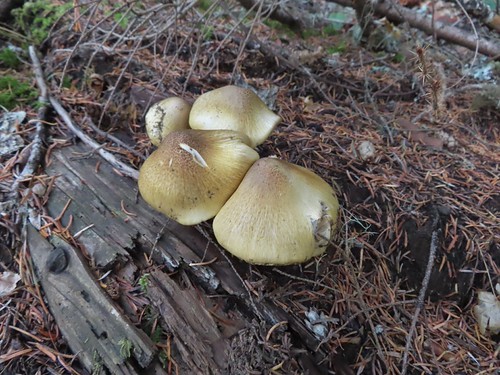
I believe this is a Lion’s mane (Hericium erinaceus).
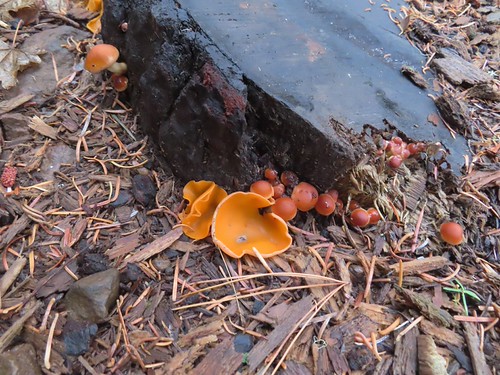
Orange peel fungus
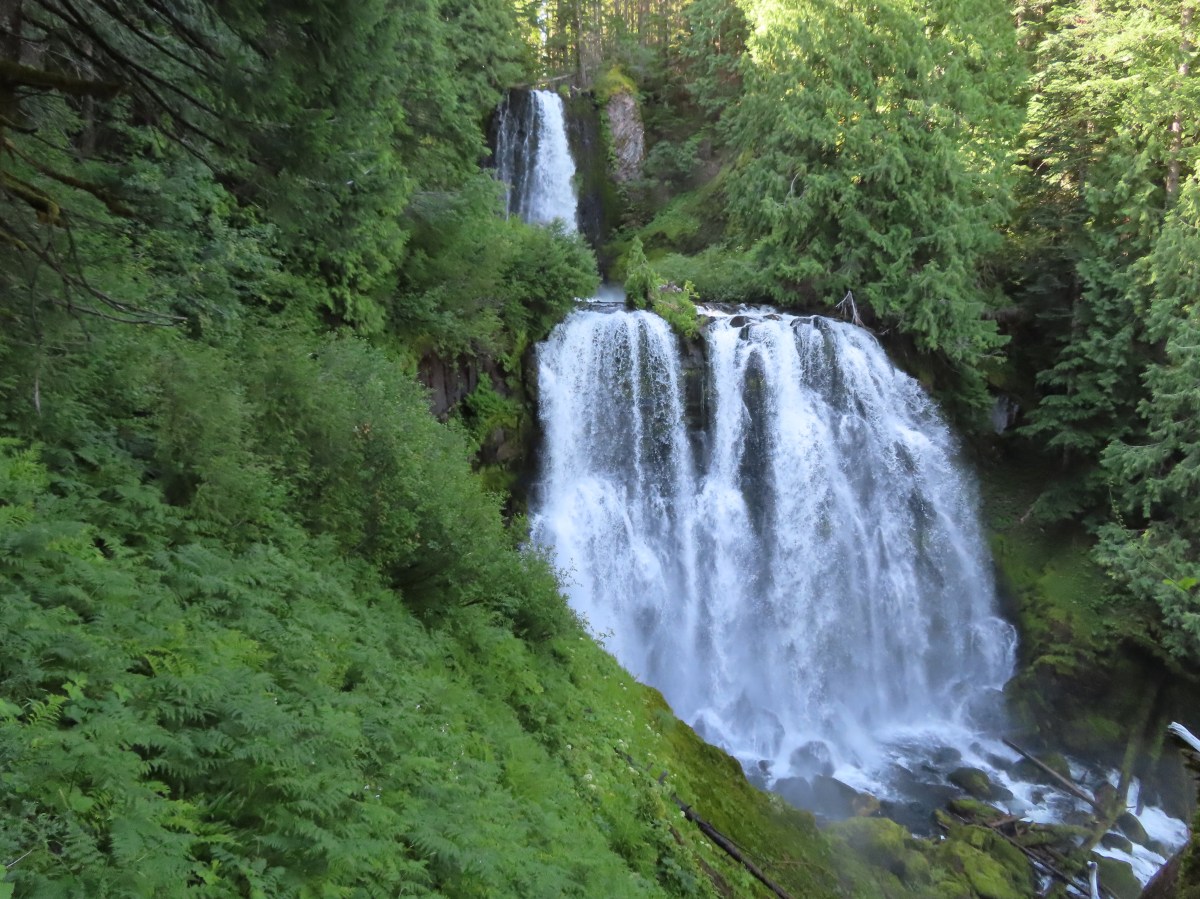
At one point I spotted a huge waterfall, or series of falls on the opposite hillside.


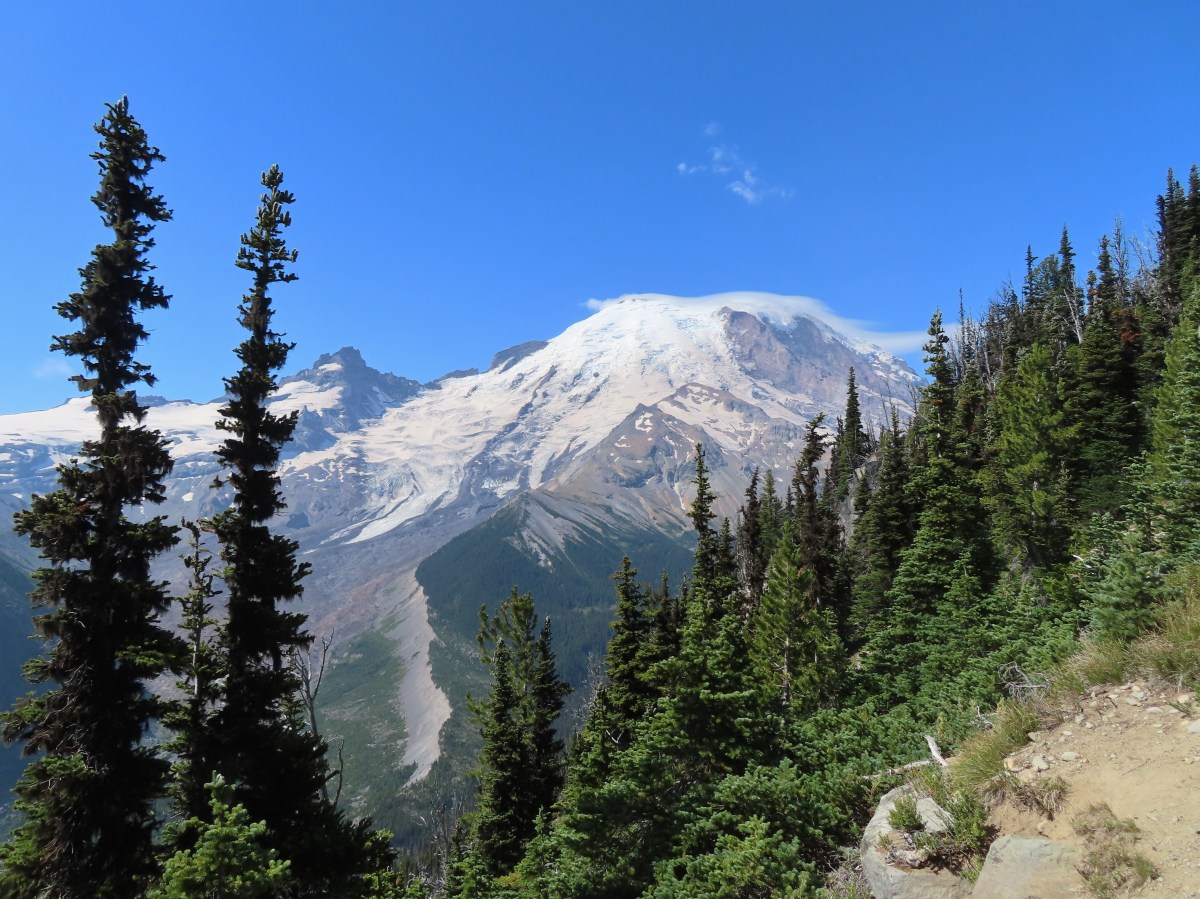
There were occasional views of Mt. Jefferson too.


There is a waterfall on Hunts Creek just off the trail from the first switchback of the second set (1.6-miles from the creek crossing).
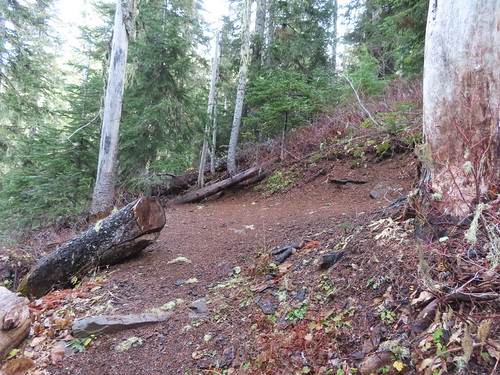
I saved the side trip to the waterfall for the way back down and continued up to the Hunts Cove Trail junction.

Here I did take a side trip and before heading to the cove kept right on the Hunts Creek Trail for 50 yards to visit a talus field where I could hear the “meeps” of pikas.

I hung around for several minutes while meeps rang out from all directions, but I was never able to spot one. I returned to the junction and followed the pointer for the Hunts Cove Trail where I quickly encountered some patches of snow.


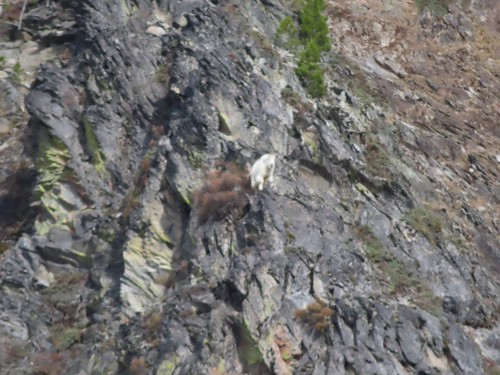
Mt. Jefferson came into view across the meadows below and while I was looking at the mountain, I noticed a suspicious looking white spot on the rocks across from me.
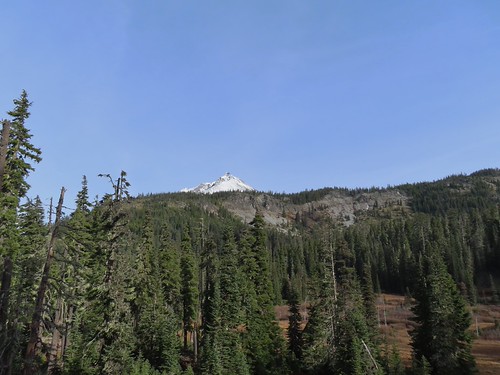
Typically, when I spot things like that it winds up being a rock or weathered stump, but this time it was a mountain goat.

(I couldn’t get a decent picture from the distance.)
It’s a fairly level 0.4-miles to Hanks Lake where I detoured right along the shore to get another view of the mountain.


I turned right just before reaching the outlet of Hanks Lake.
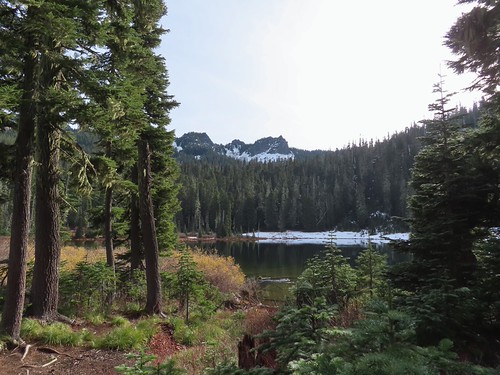
The Cathedral Rocks from Hanks Lake.

Common mergansers


Ouzel (American dipper)
I had planned to take a snack break here but the amount of snow along the shore convinced me to wait until Hunts Lake so I headed back to the trail and crossed the outlet creek. It was another 0.4-miles to Hunts Lake where I had more views of the mountain goat, who was not watching me from atop a rock outcrop.

Another makeshift bridge kept my feet out of the creek.

I stayed left at the junction with the Old Hunts Cove Trail, the route we’d taken out of the cove in 2013.


Based on the size and shape this may have been bear tracks, but the snow had melted and refroze enough times that the details for me to make that determination had been lost.
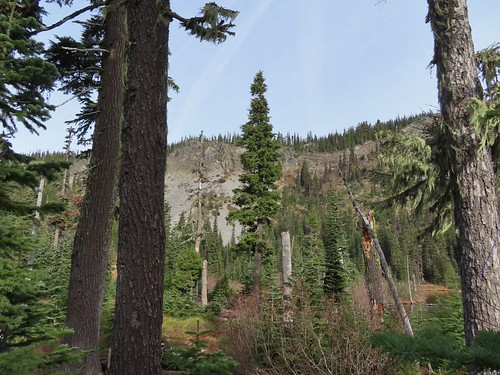

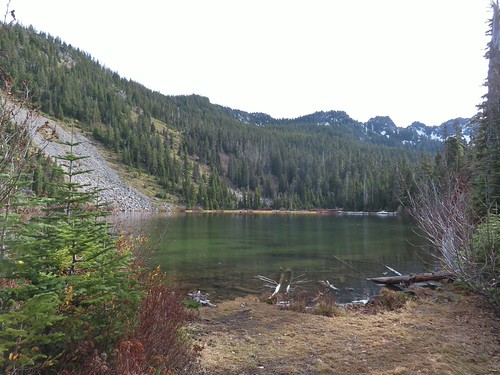
Hunts Lake

The goat watching me watch it as I was having my snack near Hunts Creek and the lake.

Hunts Lake from my break spot.
After my break I said goodbye to my new friend and headed back the way I’d come.


Pamelia Lake from just below the Hunts Cove Trail junction.

The switchback with the spur trail to the waterfall.
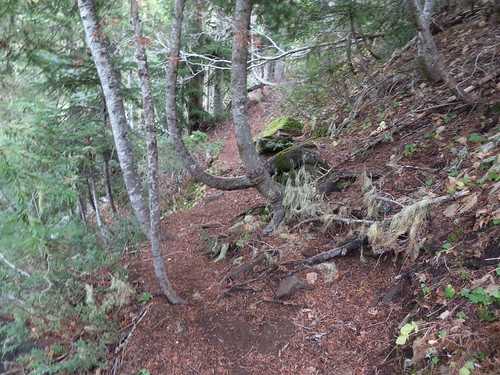
Heading for the waterfall.


I can’t remember noticing this colorful outcrop before.

Candyflower


A semi-ok photo of a varied thrush.

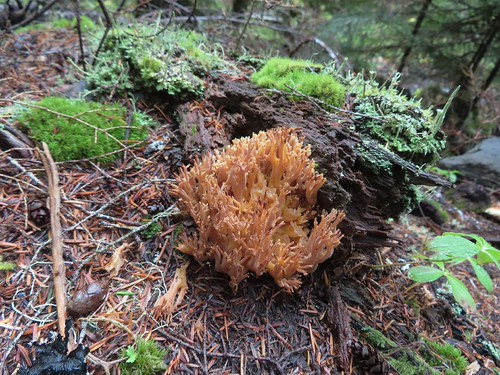
Coral fungus
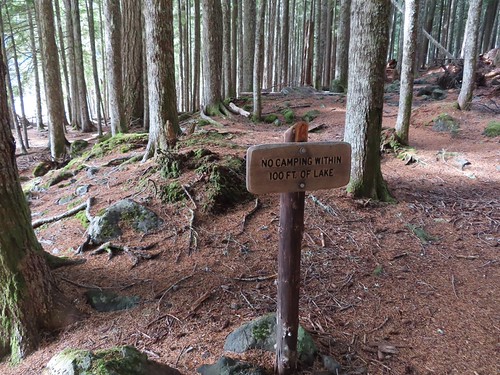
When I got back to Pamelia Lake, I took the first left and veered toward the lake past a sign reminding people not to camp within 100′ of the lake.

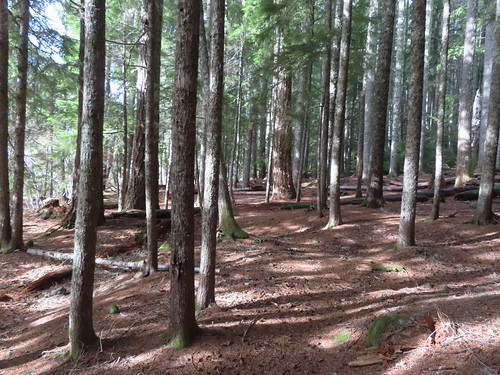
I’d only seen one other person all day, another hiker as I was leaving Pamelia Lake in the morning. I didn’t see anyone during this pass either with all of the campsites appearing empty.

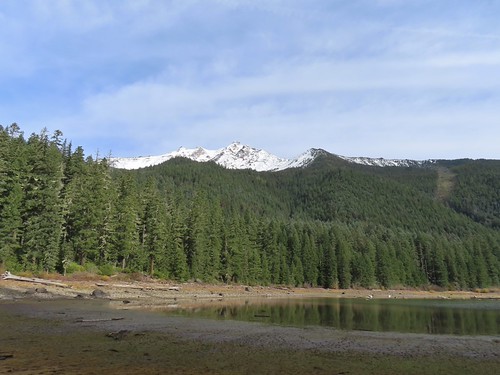
I made my way around the lake shore one more time to get a last look at Mt. Jefferson before returning to the trailhead.


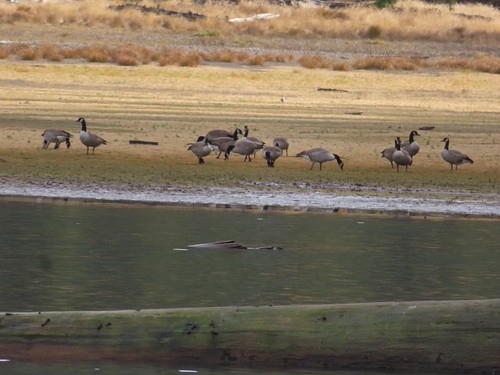
Geese hanging out at the lake.


Bunchberry leaves


Arriving back at the trailhead.
With the several detours this wound up being a 13.1-mile hike with approximately 2100′ of elevation gain.
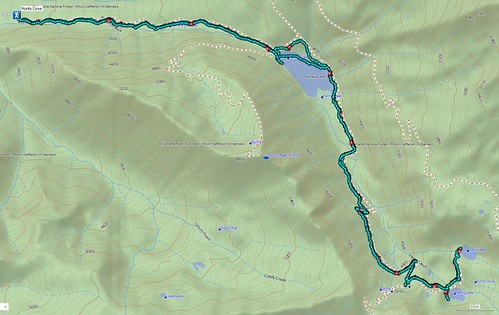
If this was my last hike in the mountains for the next 6 to 8 months it was a great one to end on. Happy Trails!
Flickr: Hunts Cove






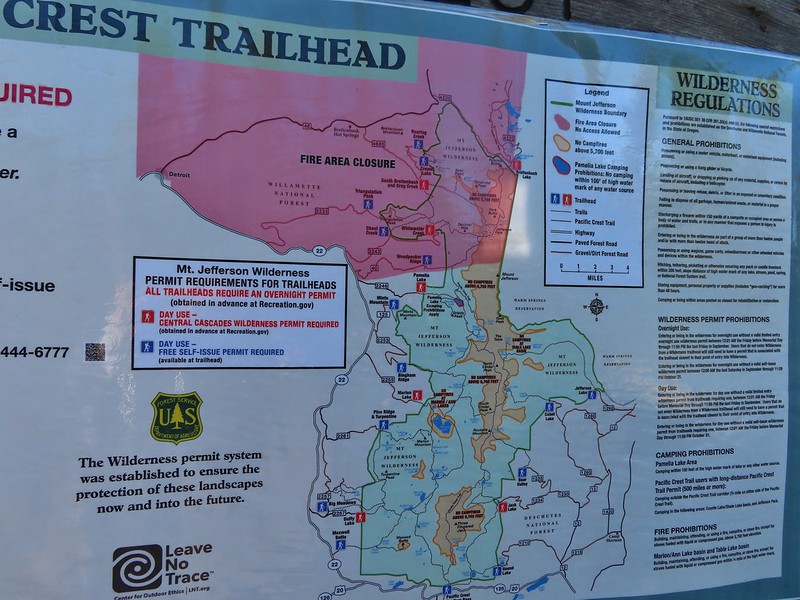
 Another reminder that overnight permits are required in the wilderness.
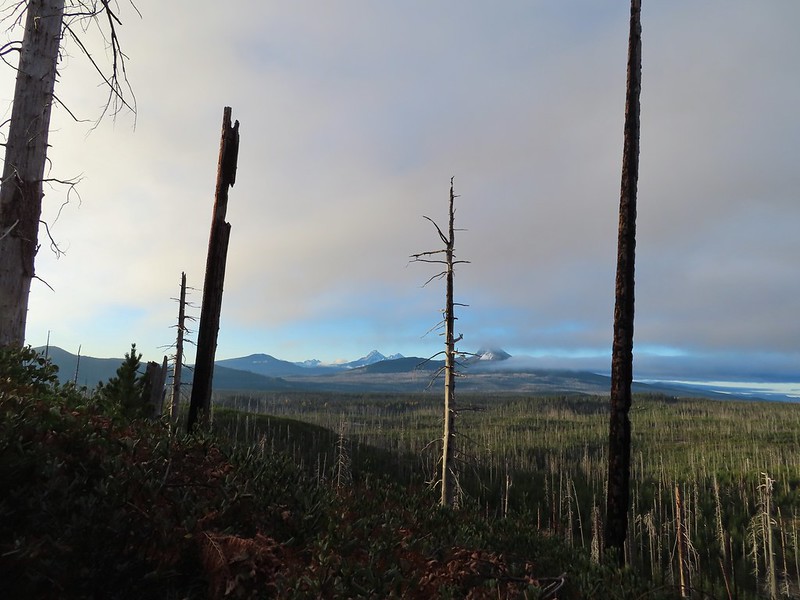
 Low clouds in the valley.
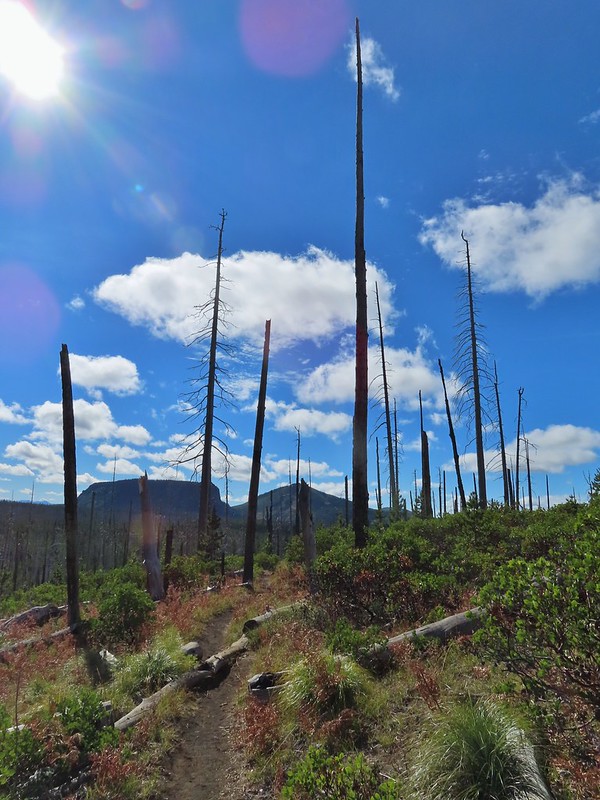
 Mt. Jefferson through some of the snags with a few surviving trees on the right.

 Mt. Jefferson from the junction, note the rock cairn on the left marking the PCT.
 The cairn at the junction.
 Triangulation Peak (
 Whitewater Lake
 Triangulation Point and Bocca Cave (Trailheads still closed.)
 Tarn 0.3-miles from the junction.
 Mt. Jefferson reflecting in the tarn.
 Ducks on the tarn.
 The Sentinel Hills with Park Butte behind to the right. The Whitewater Trail (
 The fires did open up fairly consistent views of the mountain.
 A few remaining penstemon blossoms.
 Heading down to the Russell Creek crossing.
 This can be a tricky crossing at times, but there was a makeshift bridge which made it fairly easy this time.
 Aster and pearly everlasting near the creek.

 We started seeing more trees that had survived the fire as we got closer to Jefferson Park.
 Gentians and aster
 Grass-of-parnassus

 There were patches of burned forest along this stretch.
 Approximately 0.4-miles from the junction the trail crosses Whitewater Creek.
 From the other side of Whitewater Creek the views of Mt. Jefferson are amazing.
 Based on the barred sides I believe this is a black-backed woodpecker.
 Unofficial use trails are an issue in Jefferson Park which has prompted the Forest Service to install a number of “Closed for Rehabilitation” sign such as the one on the left side of the trail.
 They’ve also added quite a few signs to indicated sanctioned trails. Typically in wilderness areas the Forest Service tries to keep signage to a minimum, but overuse has led them to add additional signs.
 Another sign with Park Butte in background.

 The last of the pointers for Scout Lake.
 PCT heading for Park Butte and Park Ridge.
 Russell Lake pointer.


 This was at least the third posted notice so there is no claiming you weren’t aware that a permit is needed.

 Pamelia Creek
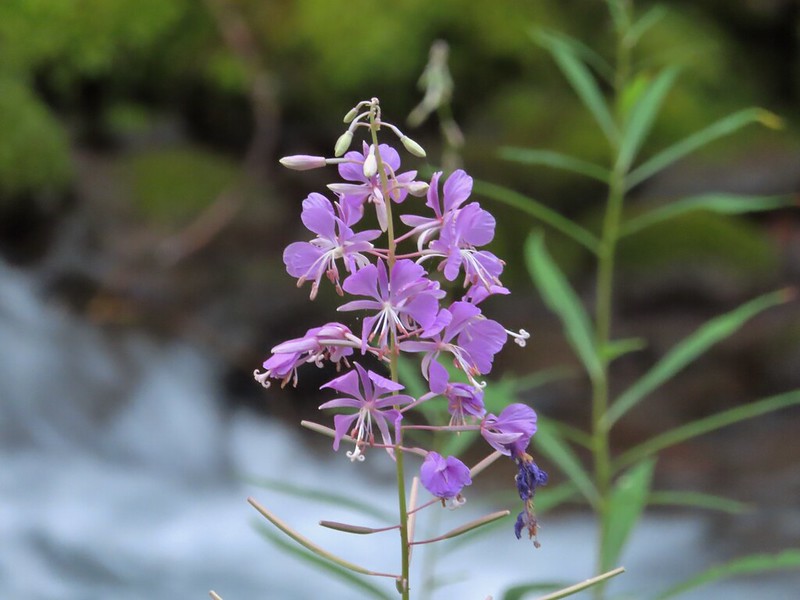 Fireweed along the creek.


 Pamelia Creek only flows underground here much of the year.
 Heading up.
 A glimpse of Mt. Jefferson.
 That might be Woodpecker Hill, it was hard to tell exactly which ridge we could see with nothing else visible to help orient.
 This looked like it might be a nice little waterfall with enough water.
 That’s not enough water.
 Heather below one of several switchbacks.
 Turning up the ridge.
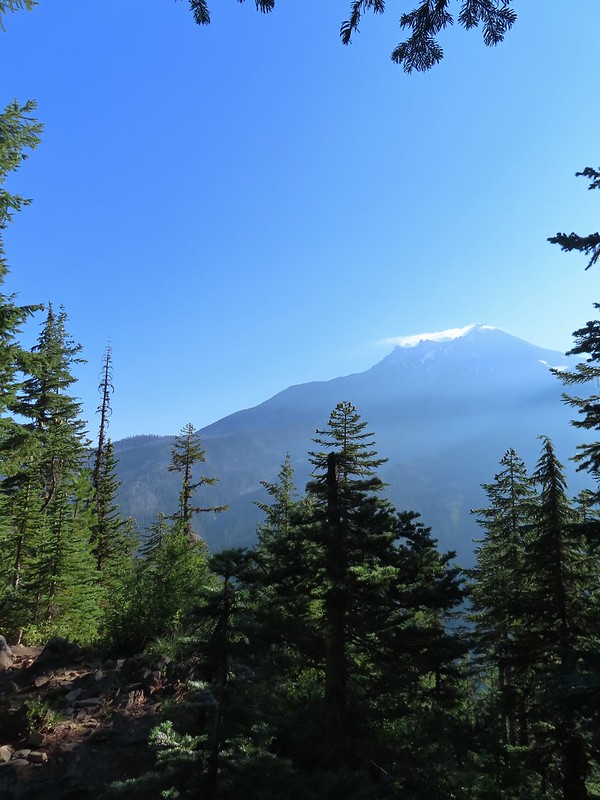 The haze was probably a combination of morning cloud/fog and smoke from the Cedar Creek Fire near Waldo Lake.

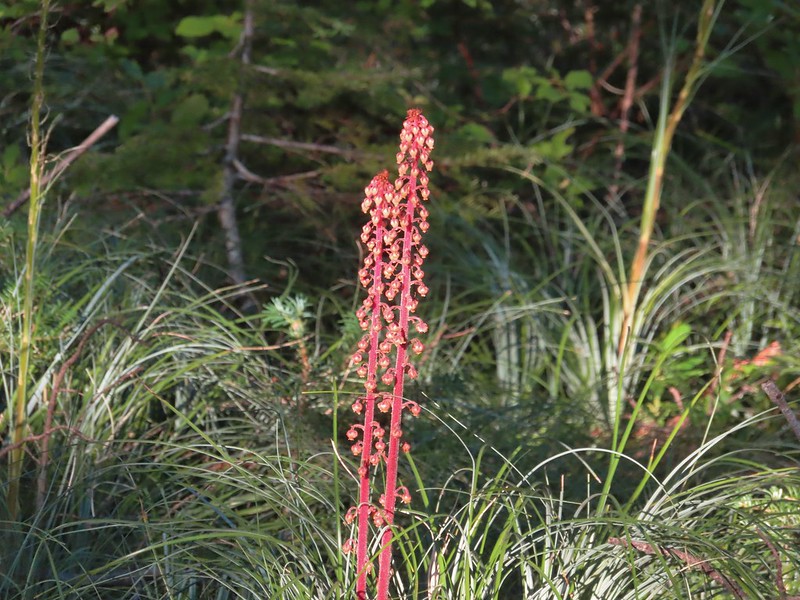 Pinedrops
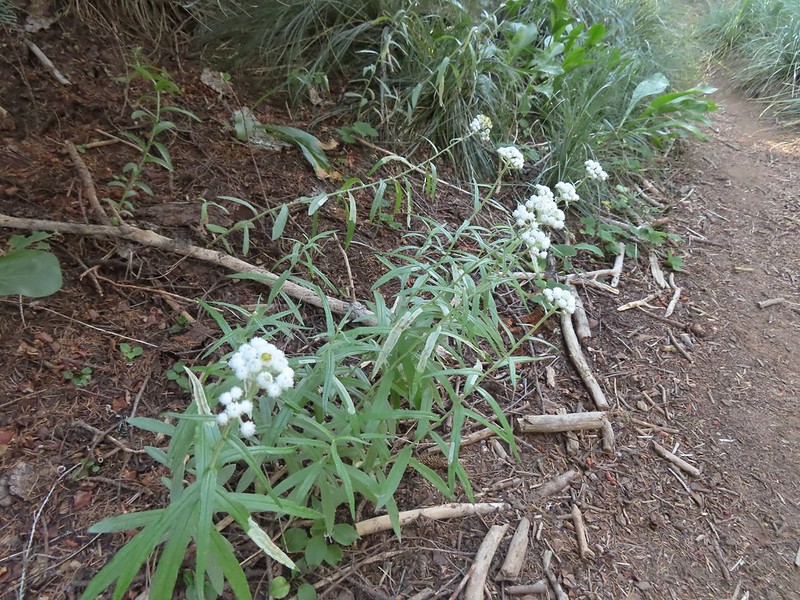 We were too late for most of the flowers but there were a few pearly everlasting going.
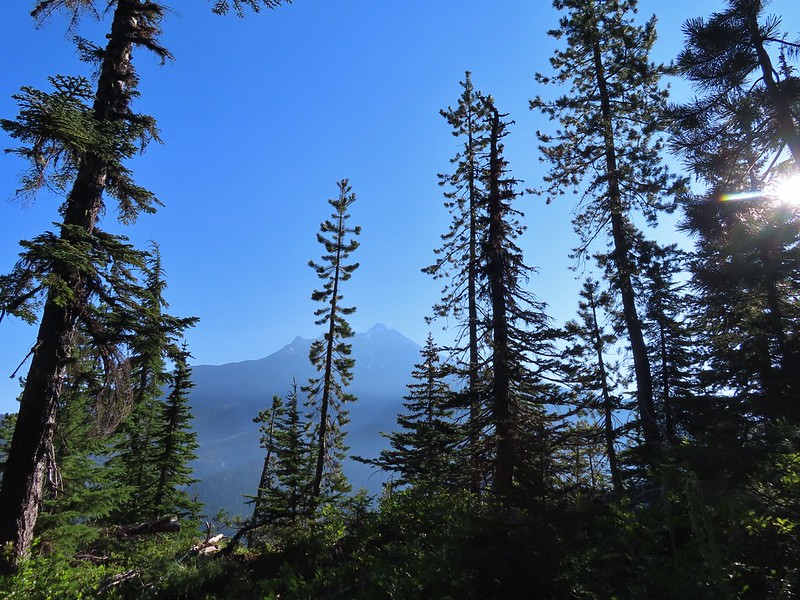 There’s that pesky Sun again.
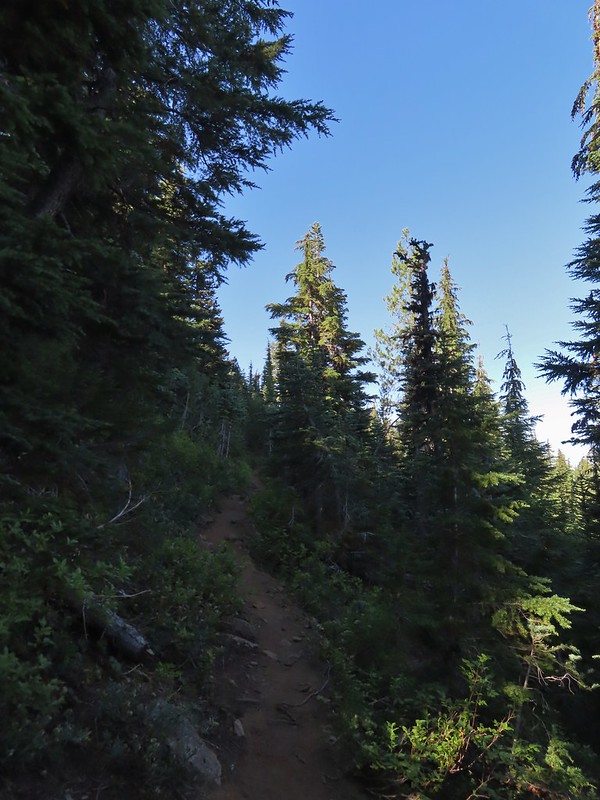
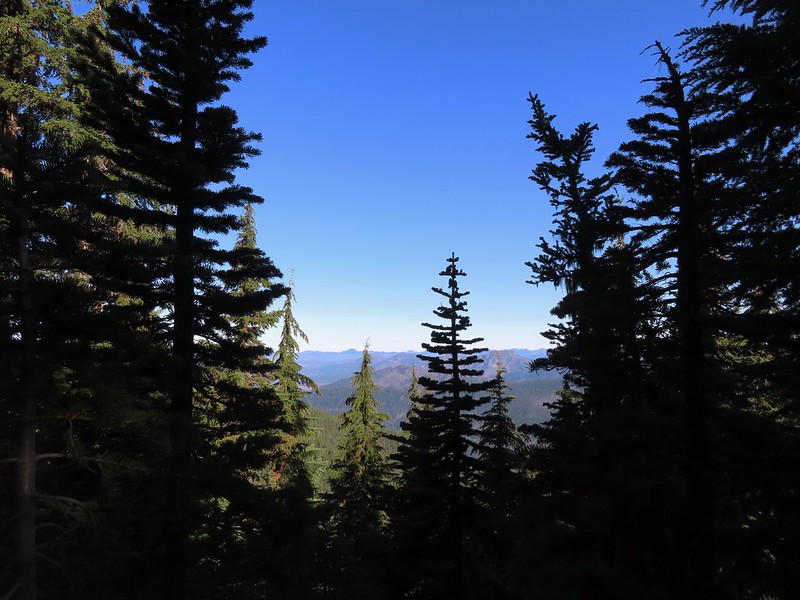
 Aster
 Lousewort
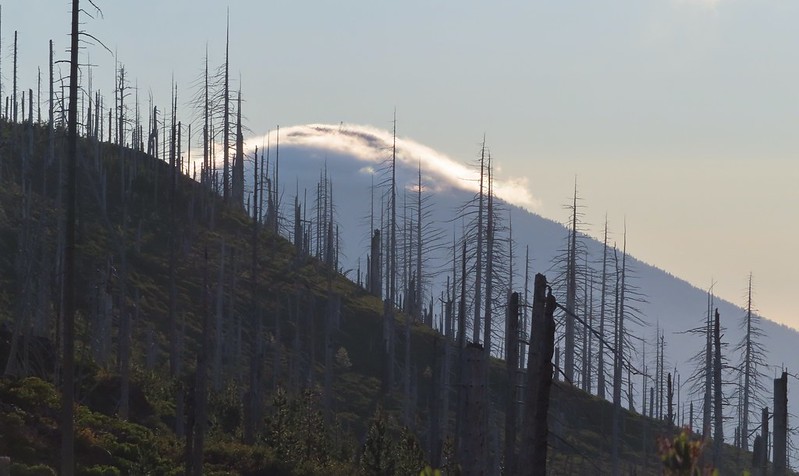
 Lots of burnt forest out there.
 Triangulation Peak and Boca Cave (
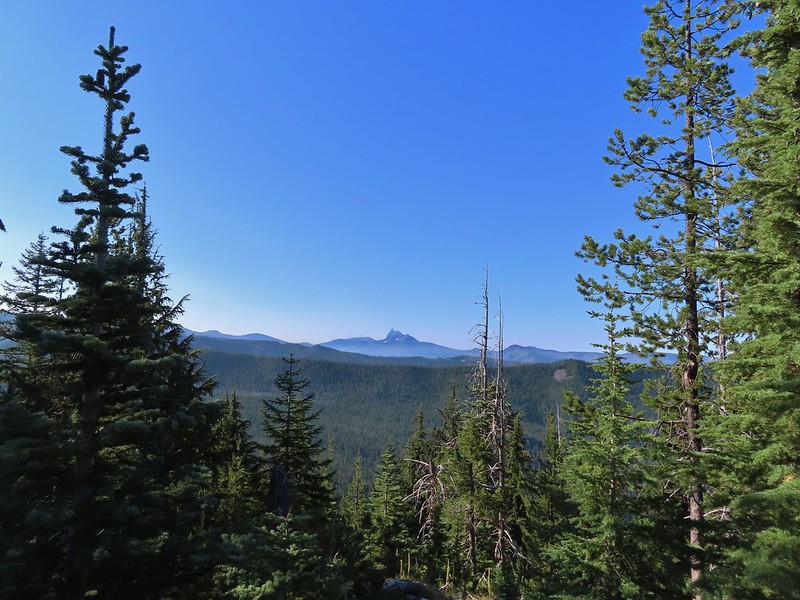
 Broken Top to the far left blending into the haze and Three Fingered Jack to the right with the Three Sisters in between.
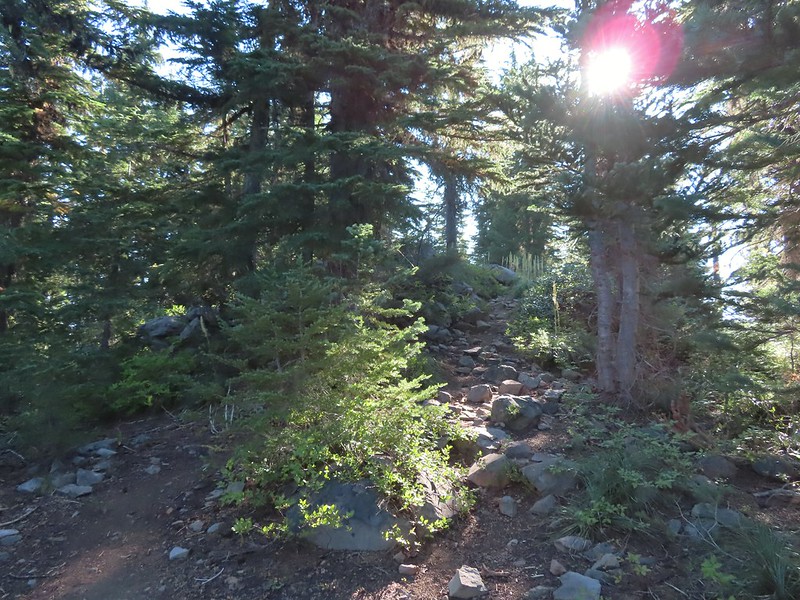 Just below the summit.

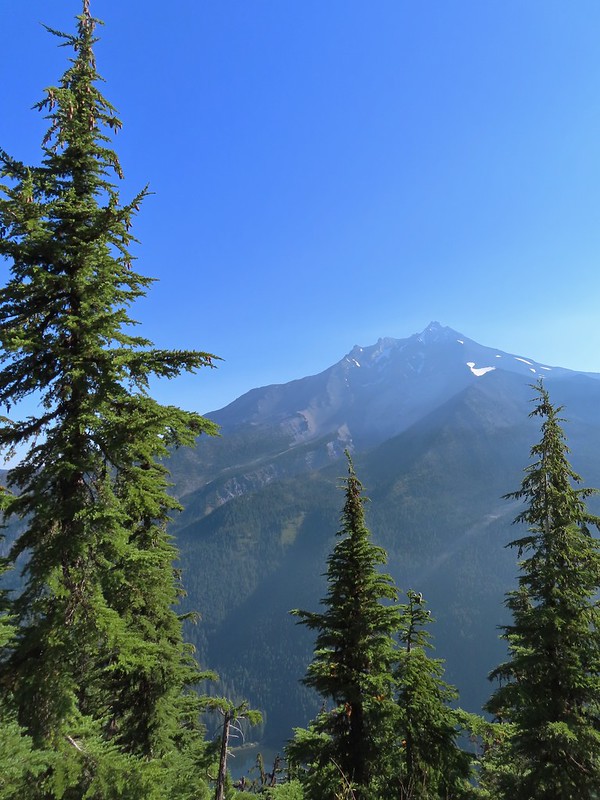 Pamelia Lake below Mt. Jefferson.
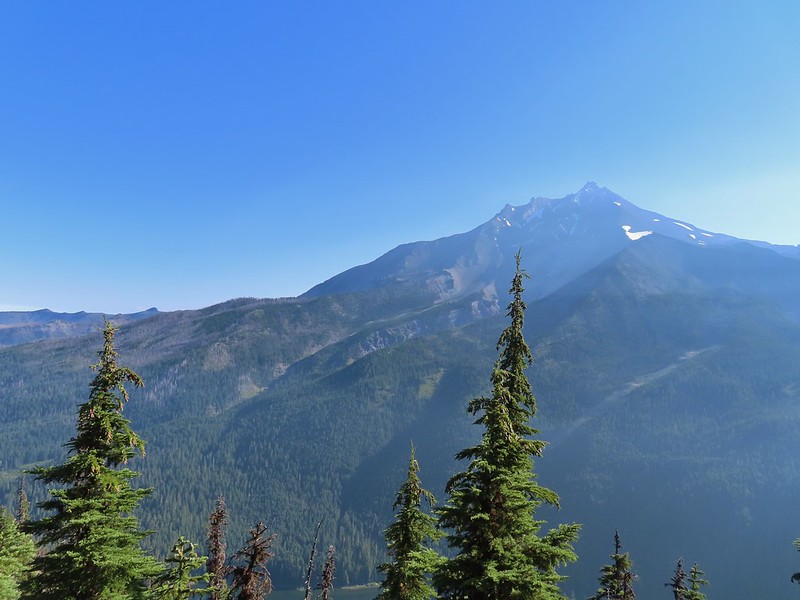
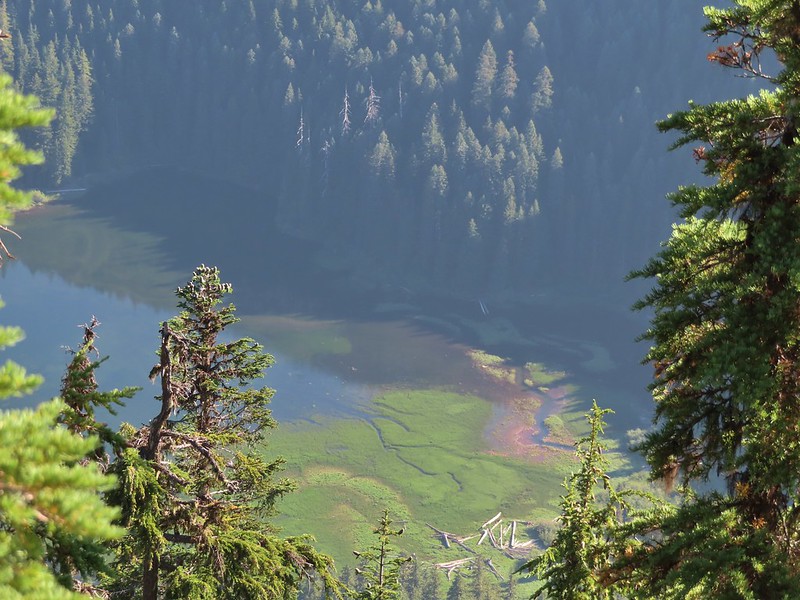 Hunts Creek flowing into Pamelia Lake.
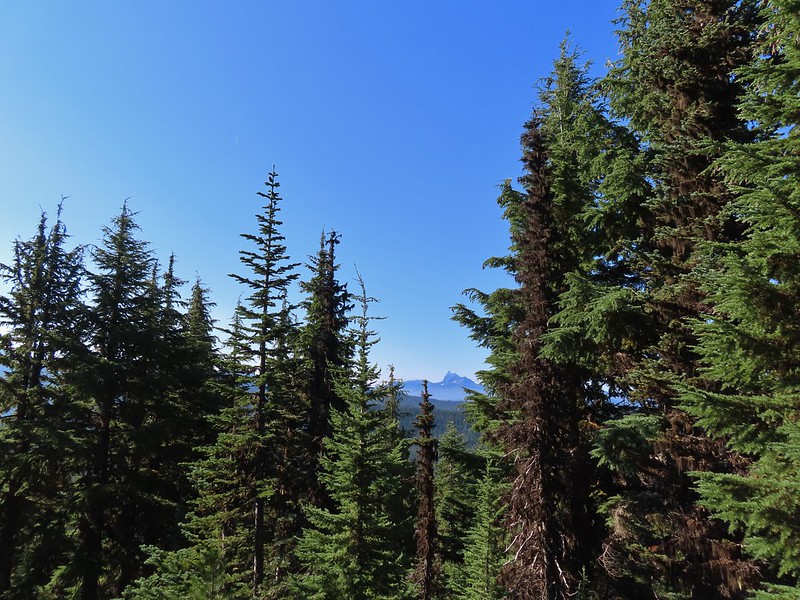 Had to hunt for a view of Three Fingered Jack.
 A hard to make out Mt. Hood beyond the far ridge which consists of Bear Point to the left (
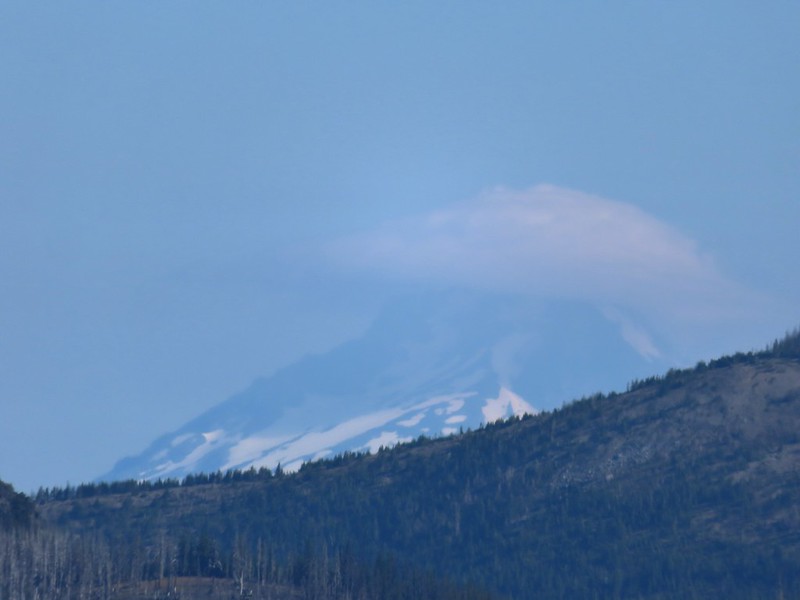 Mt. Hood
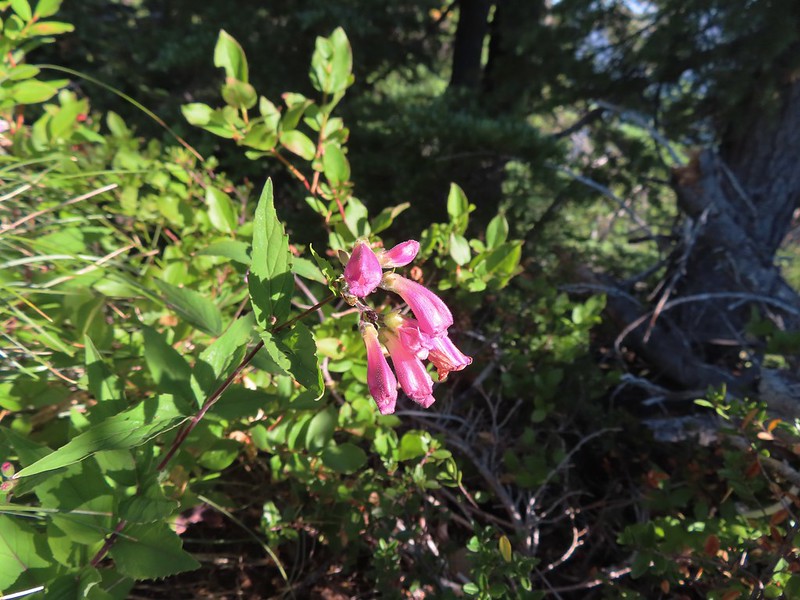 Beardtongue
 A fritillary butterfly.
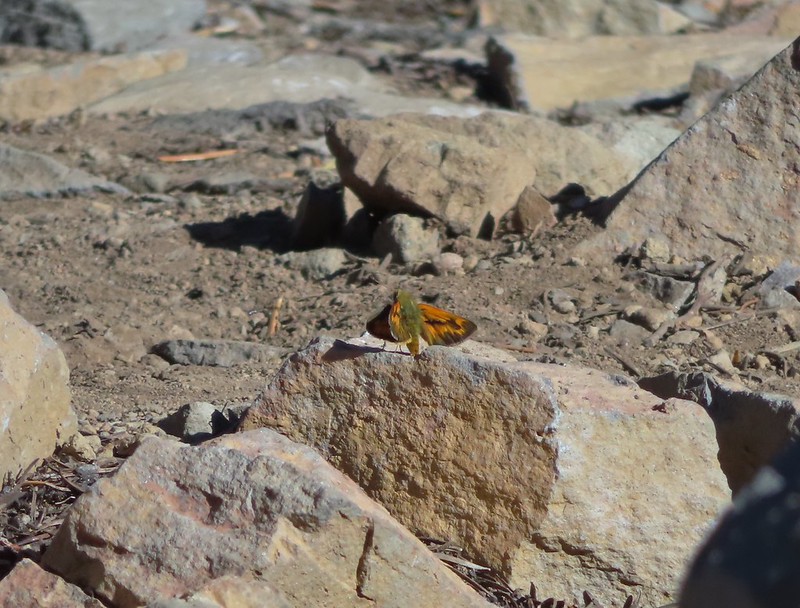 A skipper
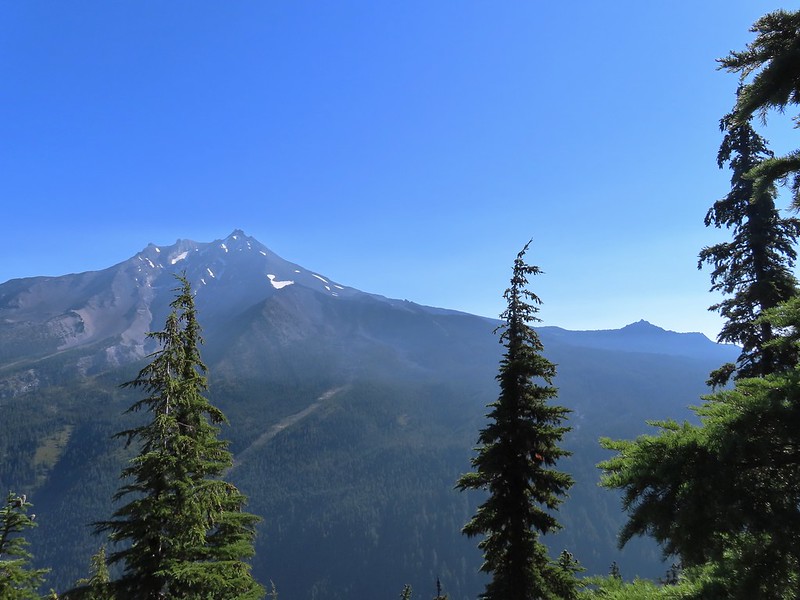 Goat Peak is to the right of Mt. Jefferson.
 Mt. Jefferson and Pamelia Lake from one of the viewpoints along the ridge.

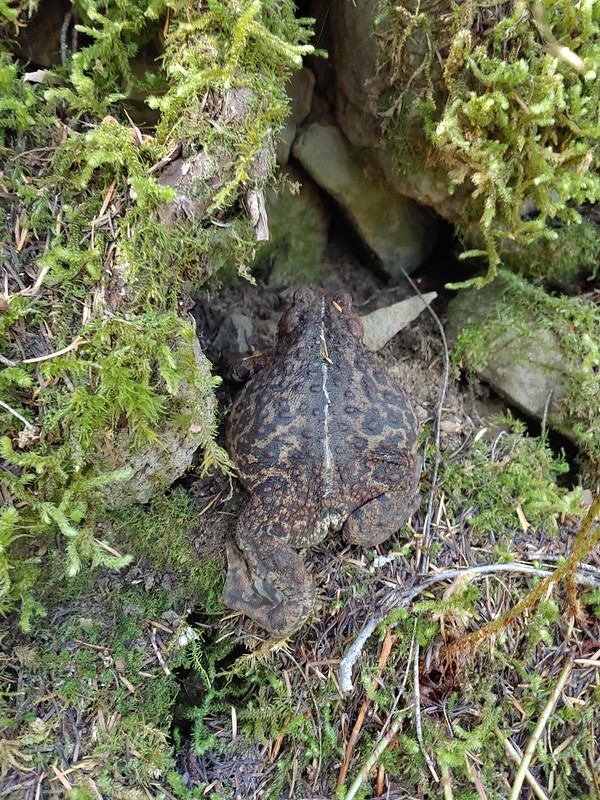
 Cascade toad

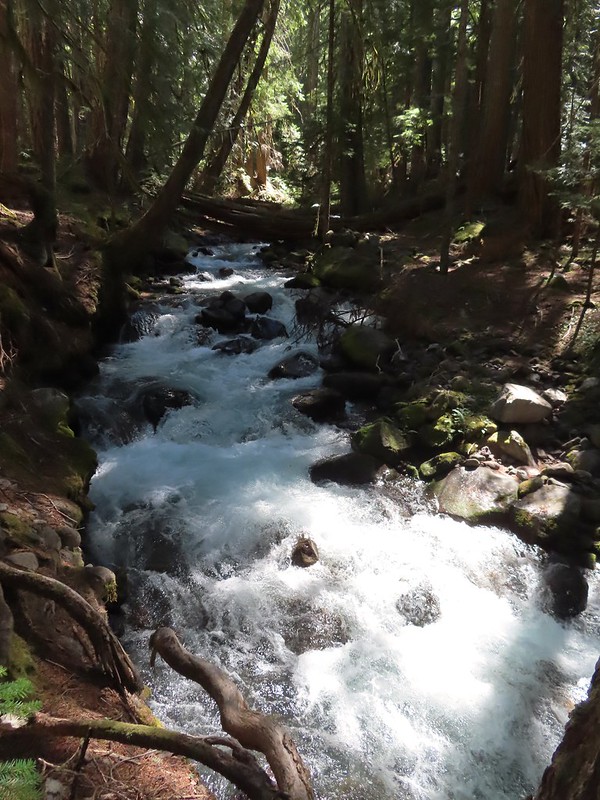 One more of Pamelia Creek.


 Banks-Vernonia State Trail in January. (
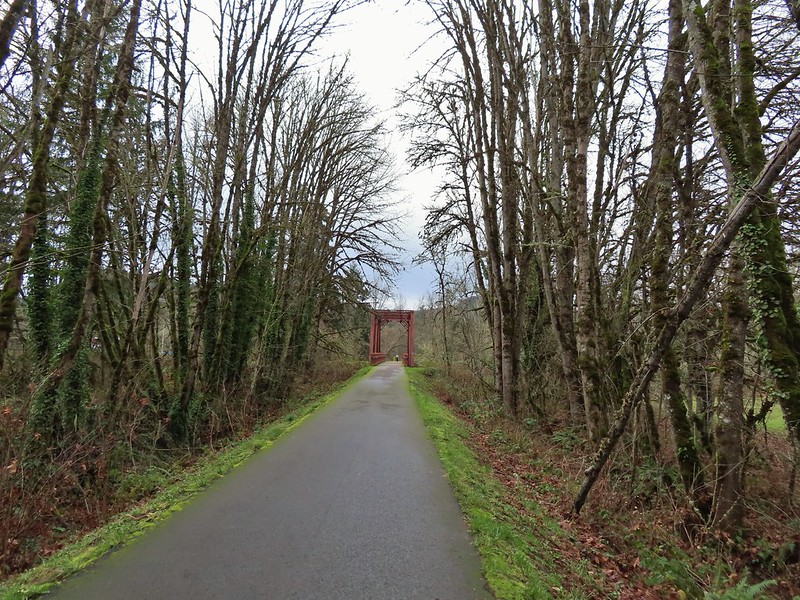 Row River Trail in December. (
 John Day River from the Lost Corral Trail
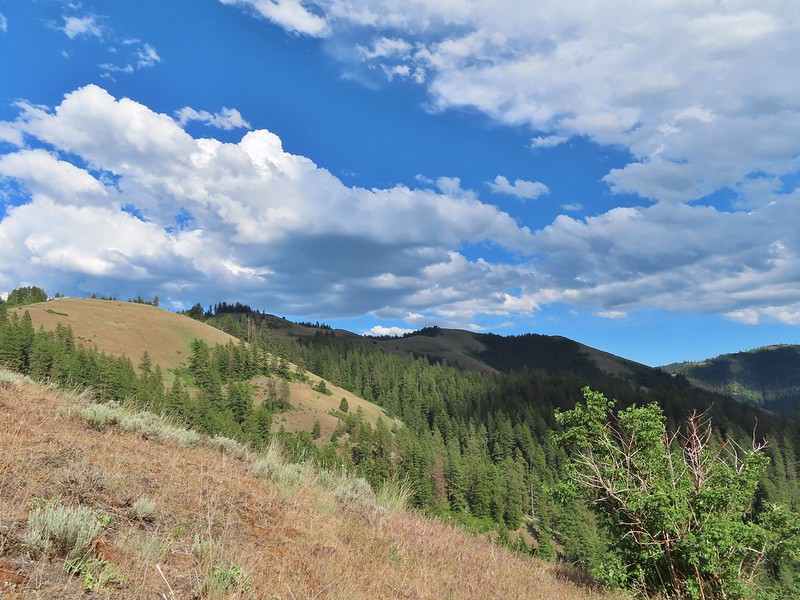 Ninemile Ridge in the North Fork Umatilla Wilderness in June. (
 Devil’s Staircase Wilderness in July. (
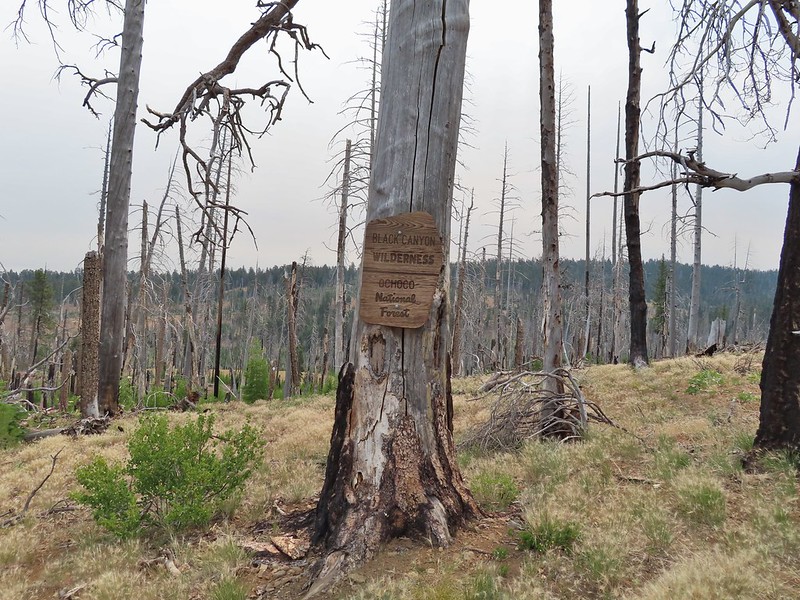 Black Canyon Wilderness in July. (
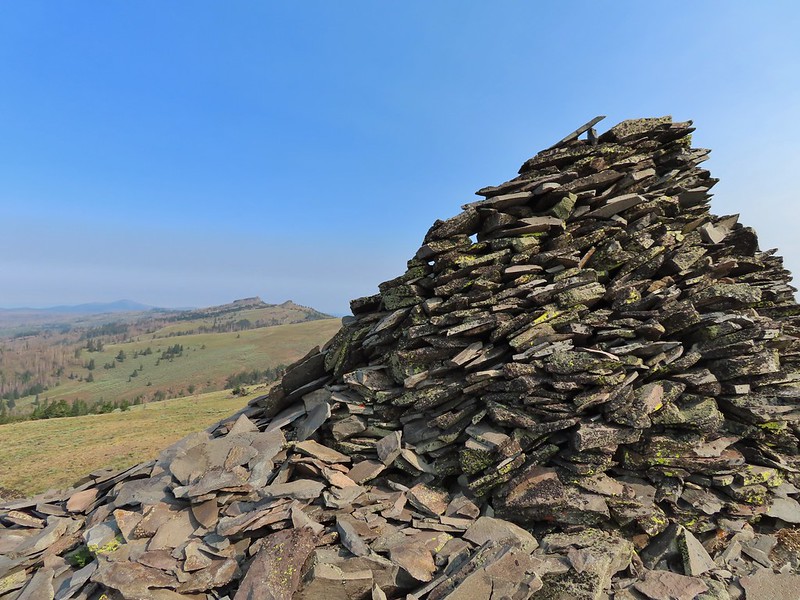 Monument Rock Wilderness in July. (
 Ledbetter Point, the last of the hikes from the coast book. (
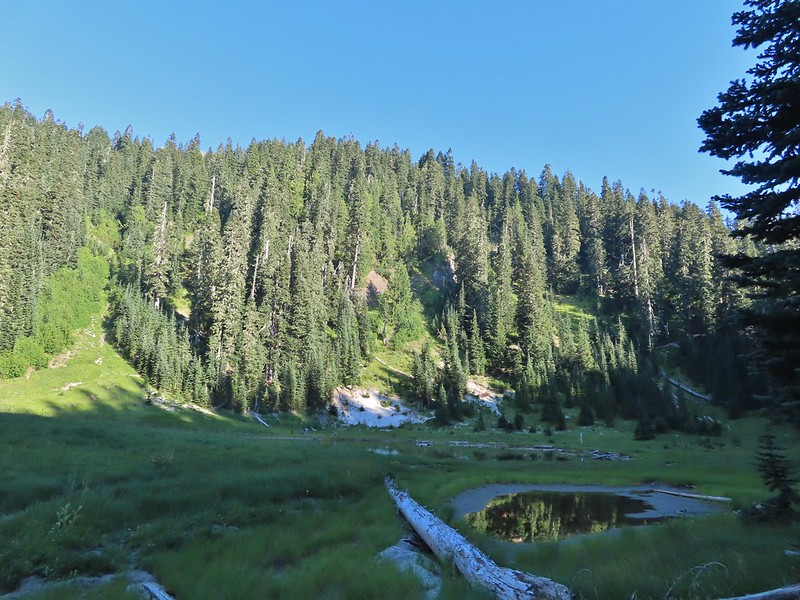 Badger Lake, the last hike from the northwestern book. (
 Redwoods
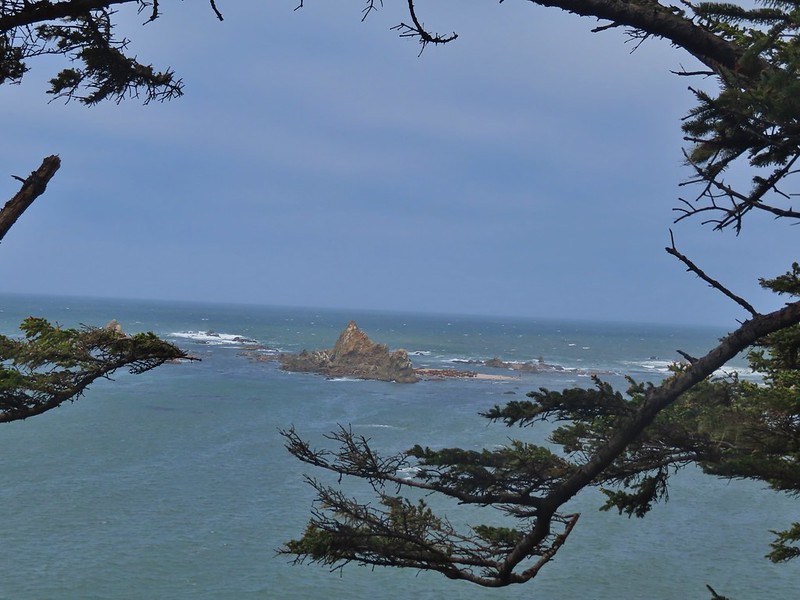
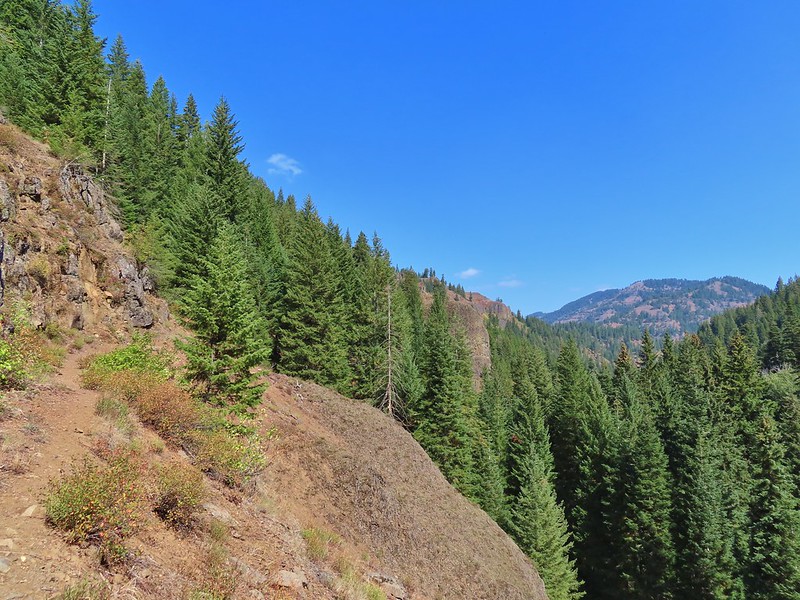
 Falls Creek – February
 Cascade Head from God’s Thumb – March
 Columbia River from Mitchell Point – March
 Mt. Hood from Sevenmile Hill – March
 Dalles Mountain Ranch – April
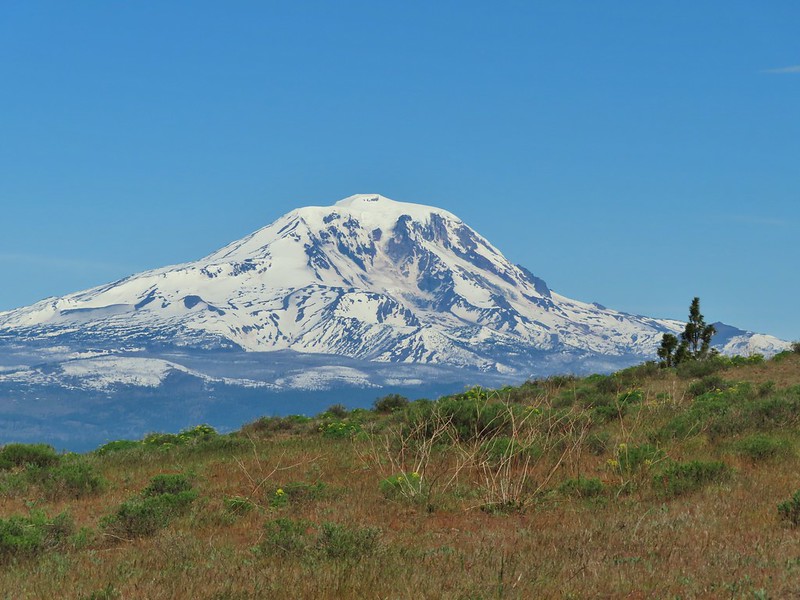 Mt. Adams from Grayback Mountain – May
 Navigating a downed tree along the Pawn Old Growth Trail – May
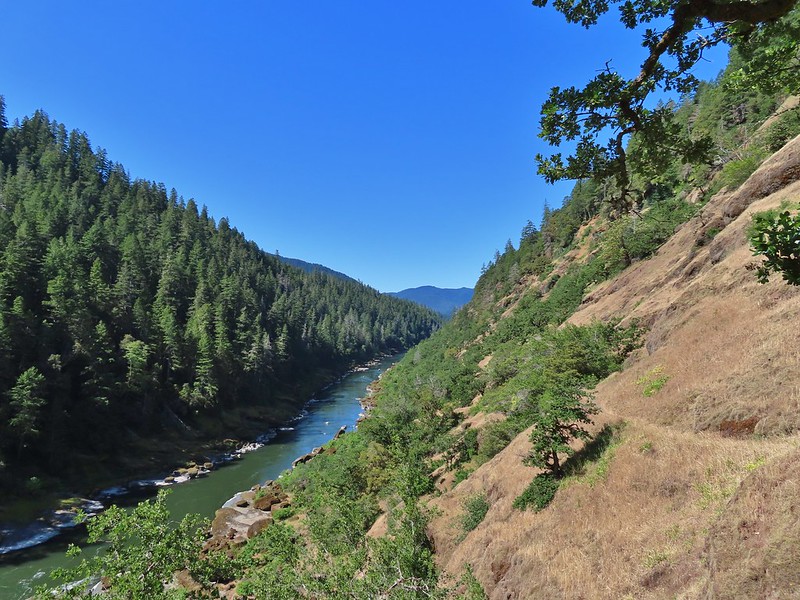 Rogue River Trail – May
 Golden Falls – May
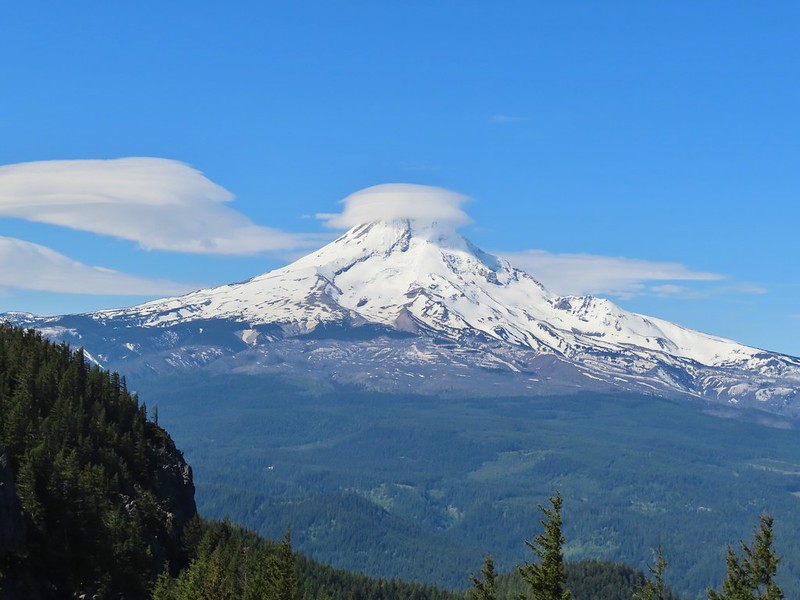 Lenticular cloud over Mt. Hood from Surveyor’s Ridge – May
 Whychus Canyon – May
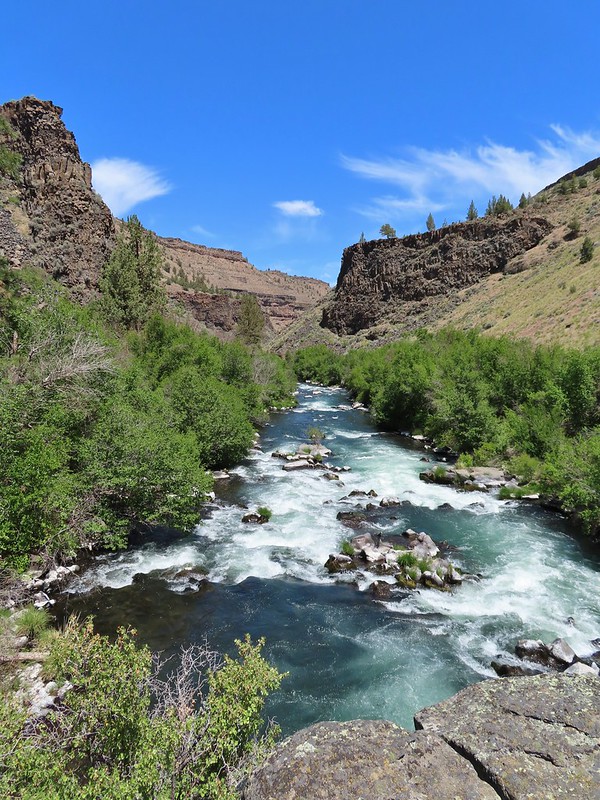 Deschutes River – May
 Whychus Creek Overlook – May
 Forest on Mary’s Peak – June
 North Fork Umatilla River – June
 Tower Mountain Lookout – June
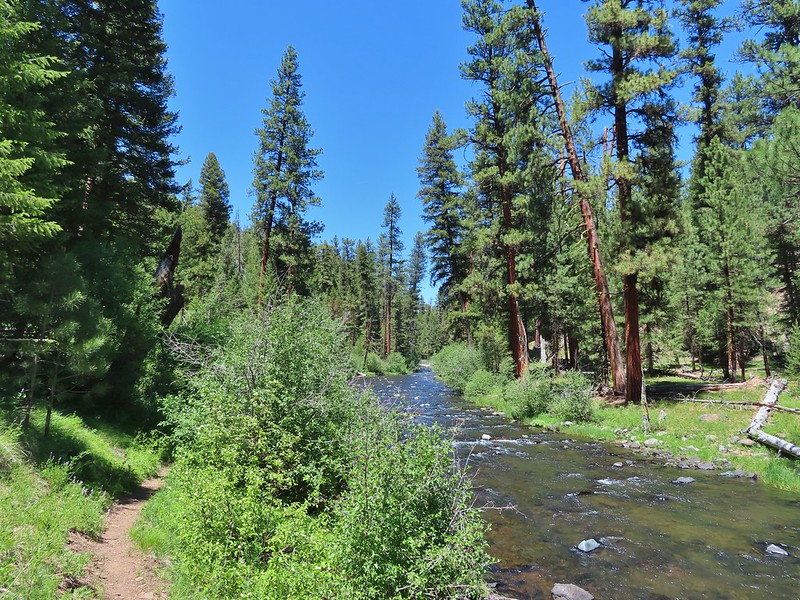 Malheur River – June
 Meadow on Round Mountain – June
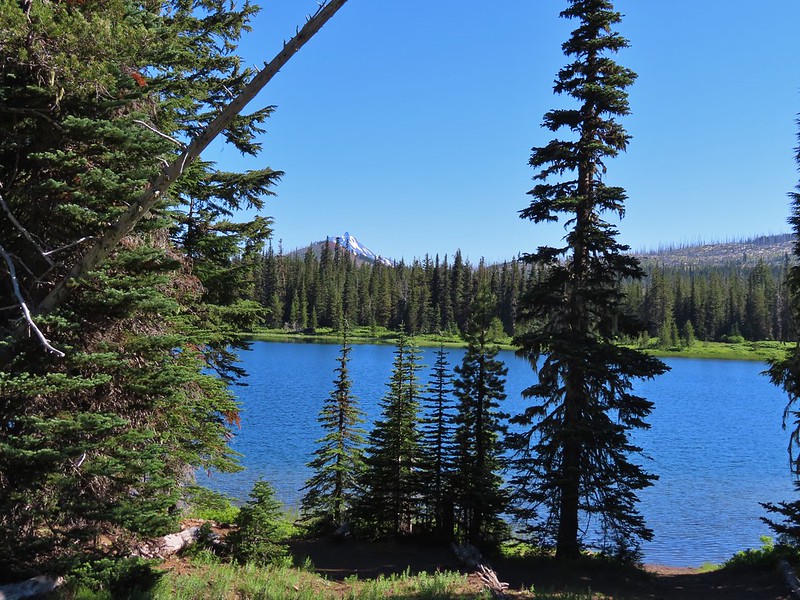 Santiam Lake – July
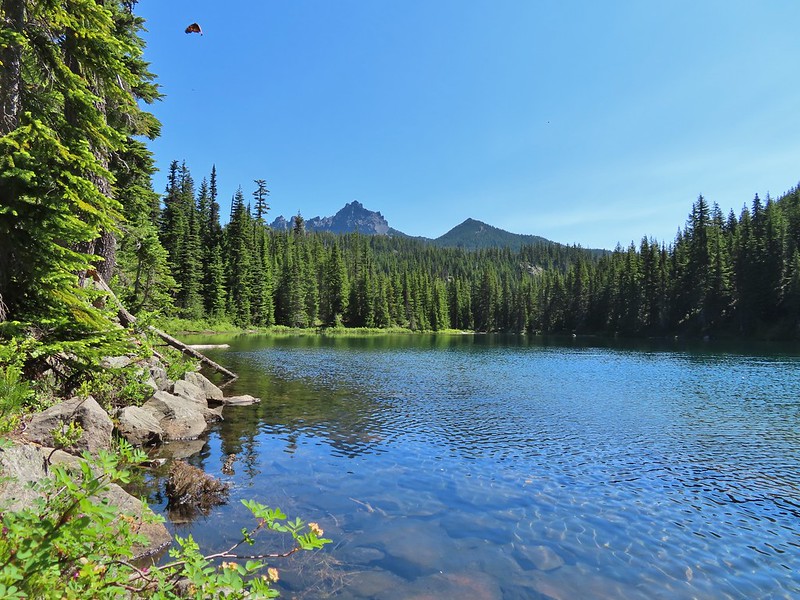 Three Fingered Jack from Lower Berley Lake (and a butterfly photobomb) – July
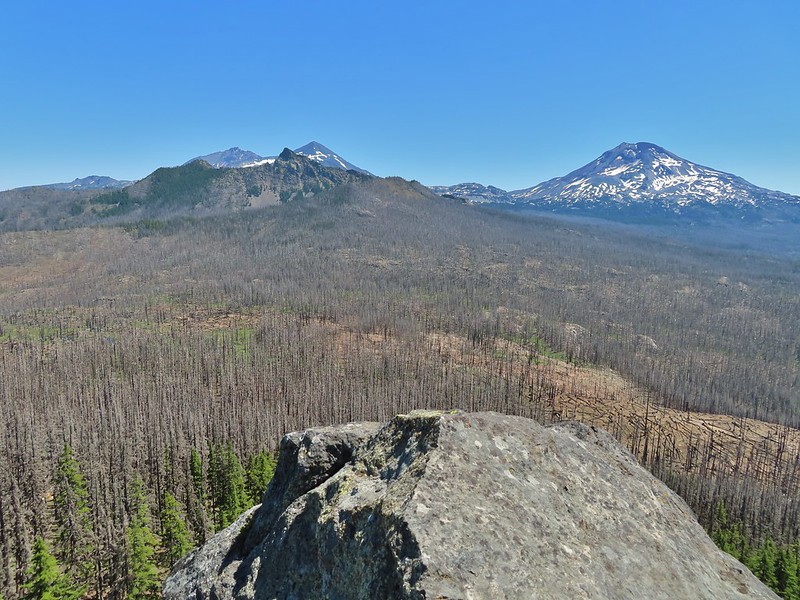 The Husband and Three Sisters from Substitute Point – July
 Ochoco
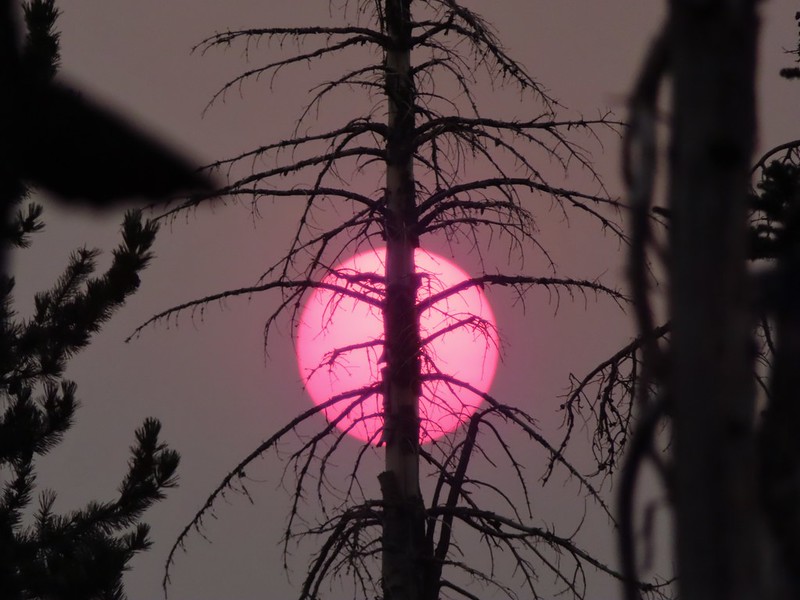 Red Sun through wildfire smoke from the Monument Rock Wilderness – July
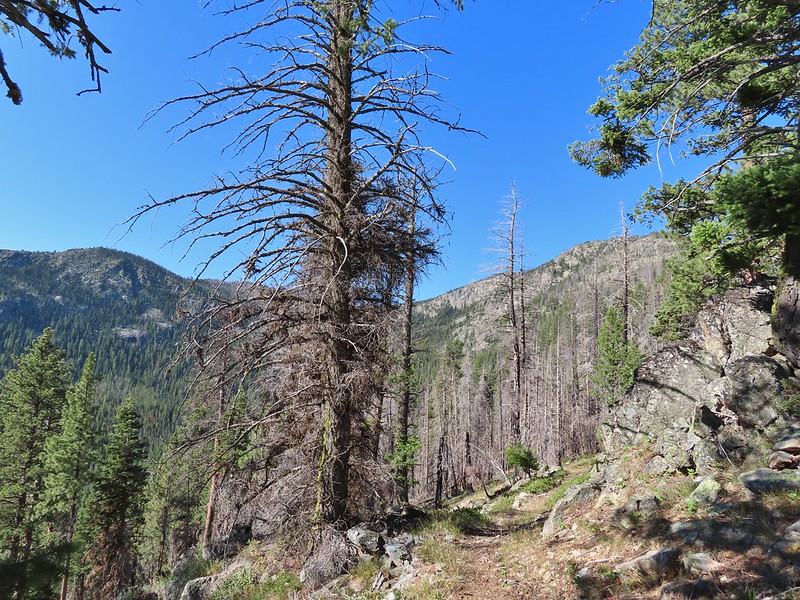 Canyon Mountain Trail, Strawberry Mountain Wilderness – July
 Aldrich Mountains – July
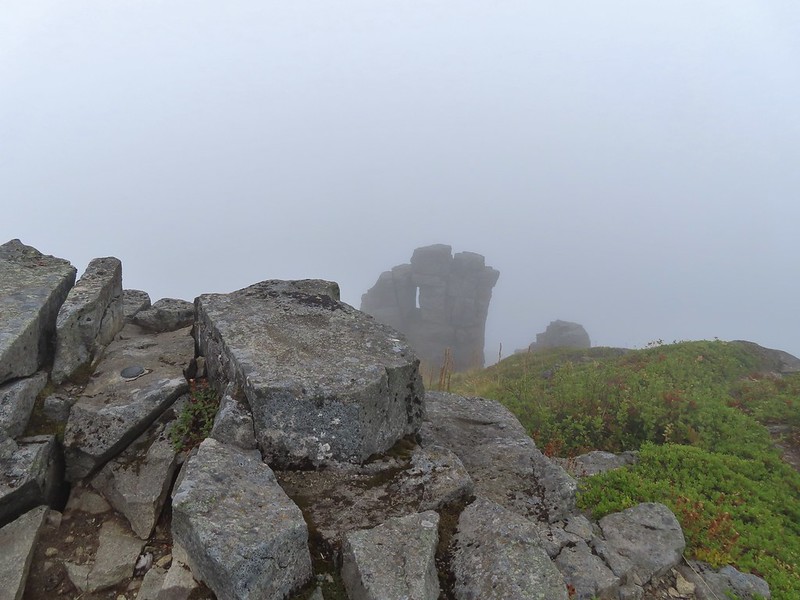 Mt. Mitchell summit on a rare poor weather day – August
 Mt. Bachelor – August
 Cottonwood Camp, Big Indian Gorge in the Steens Mountain Wilderness – August
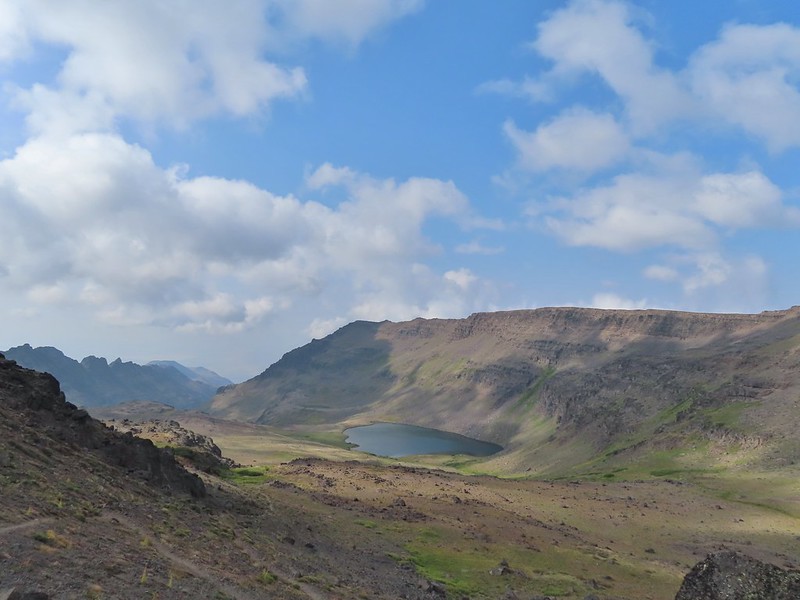 Wildhorse Lake, Steens Mountain Wilderness – August
 Evening at the Steens Mountain Resort – August
 Little Blitzen Gorge – August
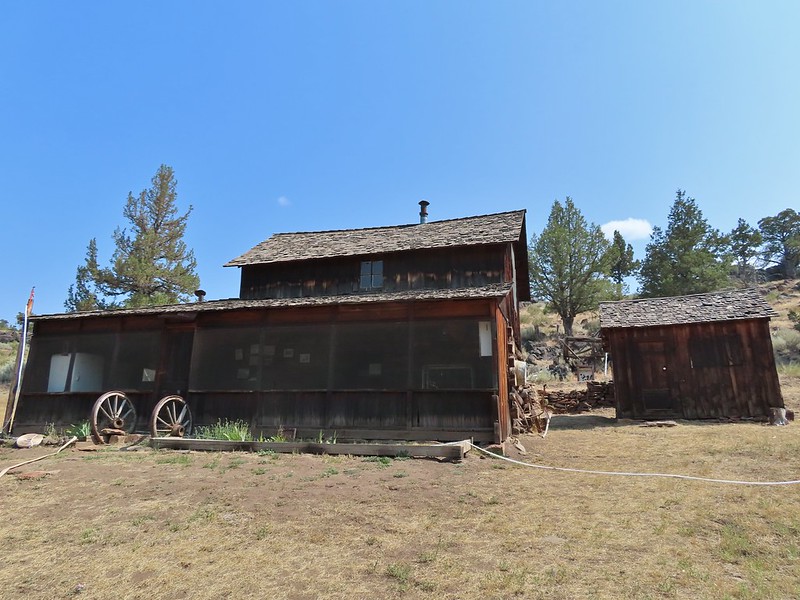 Riddle Ranch – August
 Morning in the Pueblo Mountains – August
 Oregon Desert Trail, Pueblo Mountains – August
 Mt. St. Helens and Spirit Lake – August
 Harmony Falls – August
 Loowit Falls – August
 Mt. St. Helens from Norway Pass – August
 Mt. Hood from the PCT in the Indian Heaven Wilderness – September
 Mt. Adams and Soda Peaks Lake, Trapper Creek Wilderness – September
 Jubilee Lake – September
 Rough Fork Trail, Blue Mountains – September
 Heritage Landing Trail, Deschutes River – September
 McDonald-Dunn Forest – October
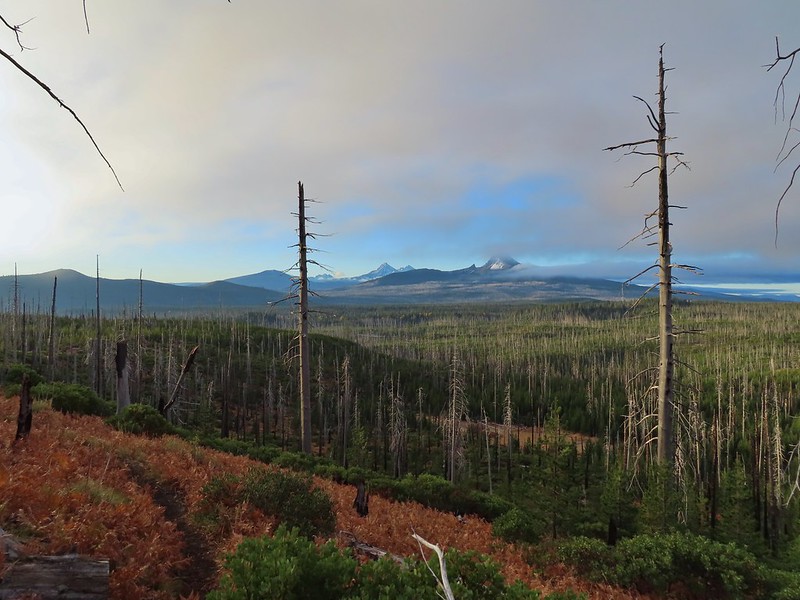 Cascade Mountains from the Mt. Jefferson Wilderness – October
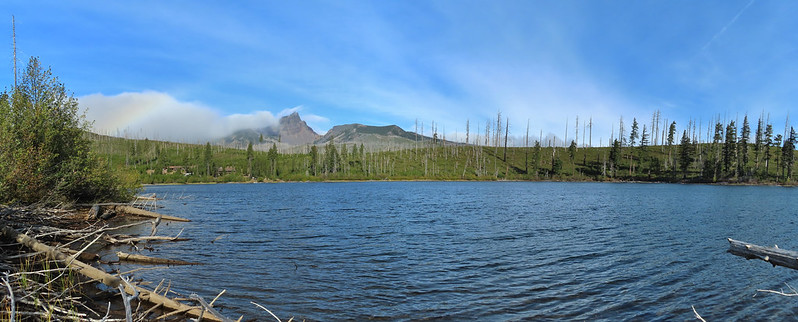 Three Fingered Jack from Round Lake – October
 Mt. Hood from the Flag Point Lookout
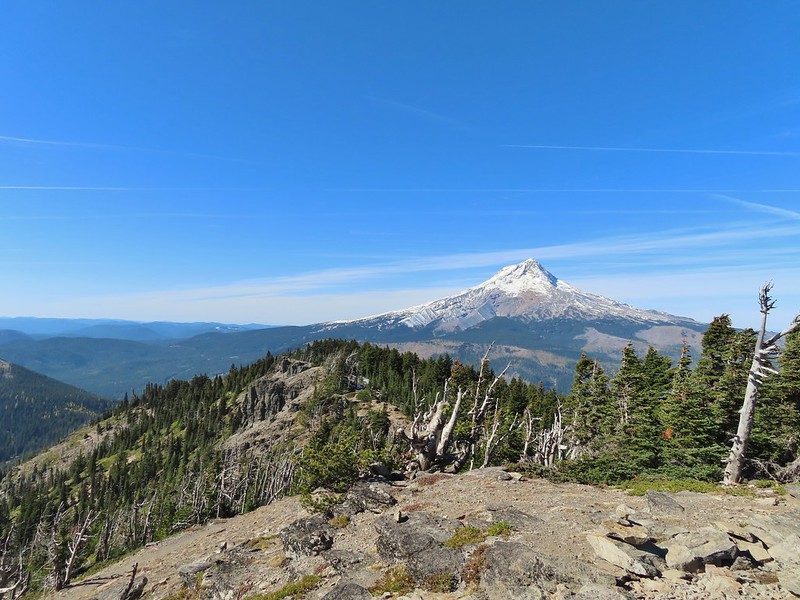 Mt. Hood from Lookout Mountain – October
 Silver Falls State Park – October
 Laurel Hill Wagon Chute – October
 Barlow Ridge, Mt. Hood Wilderness – October
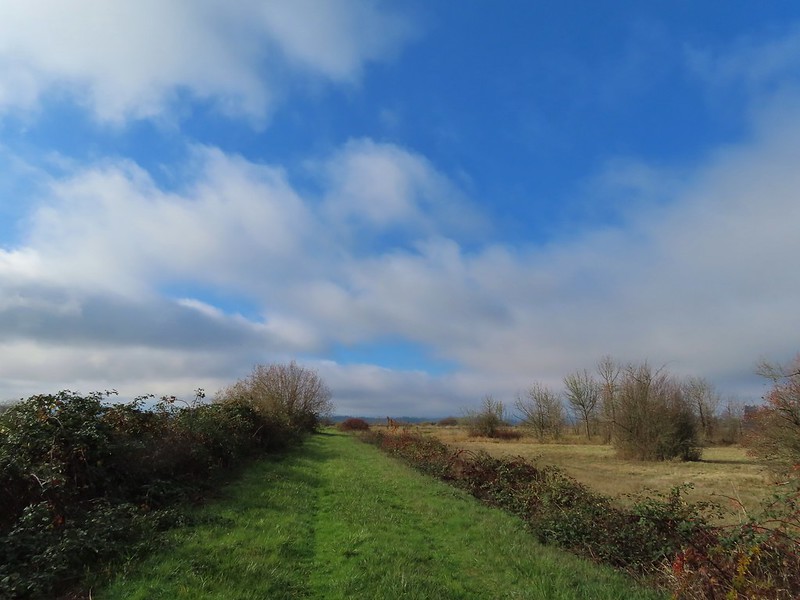 Fern Ridge Wildlife Area – November

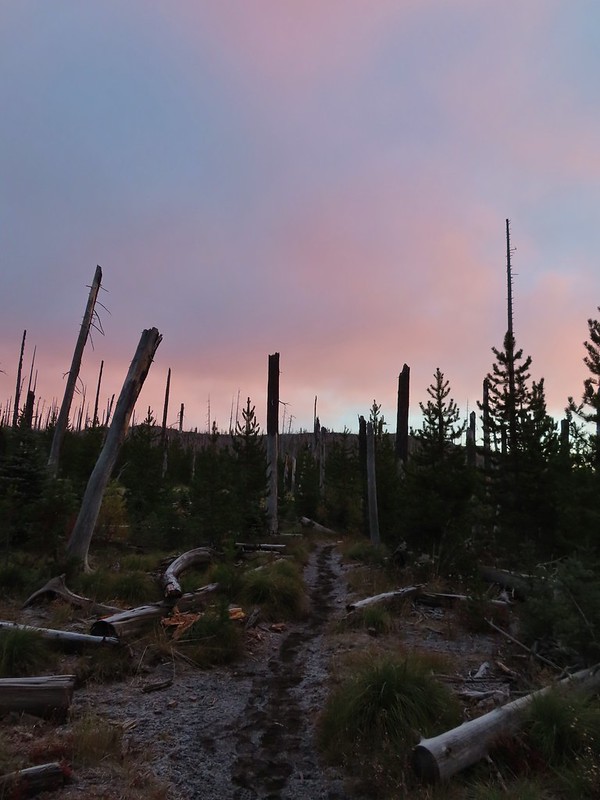
 Black Crater (

 Black Crater and North Sister
 Black Crater, the top of Broken Top, some of the Sisters, and part of Mt. Washington.
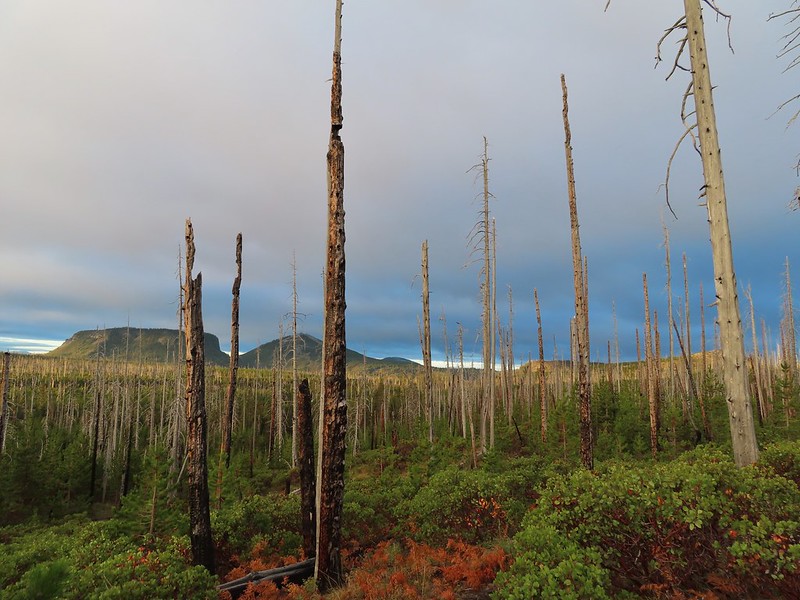 Hayrick and Hoodoo
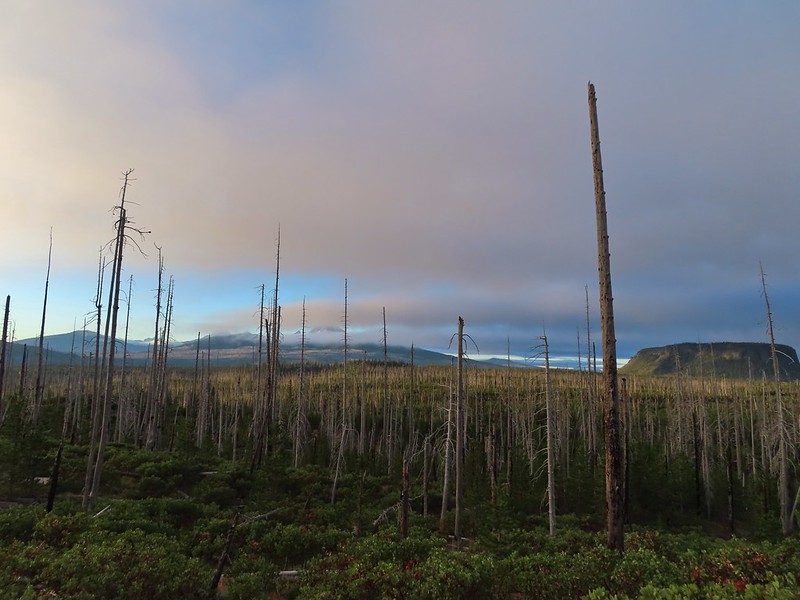 Between Mt. Washington and Hayrick Butte is Scott Mountain (
 Cache Mountain is the high point furthest to the left.
 Broken Top and the Three Sisters
 Mt. Washington
 The Three Sisters. The summit of South Sister is between North and Middle Sister behind 9321′

 Black Butte (
 A different angle from 2012.


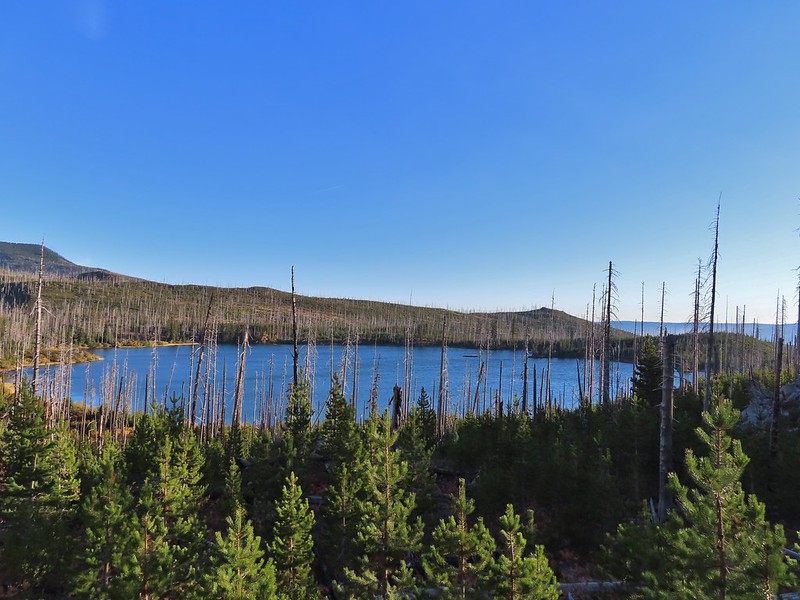
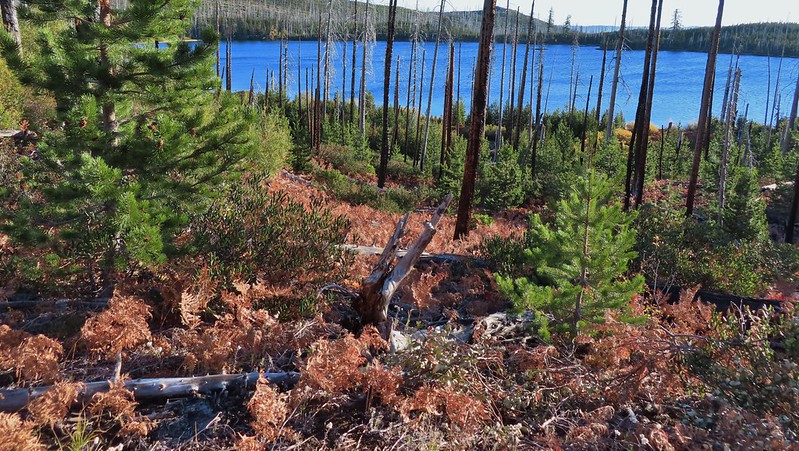 One white rump with a black tail amid the ferns near the center of the photo (good luck).

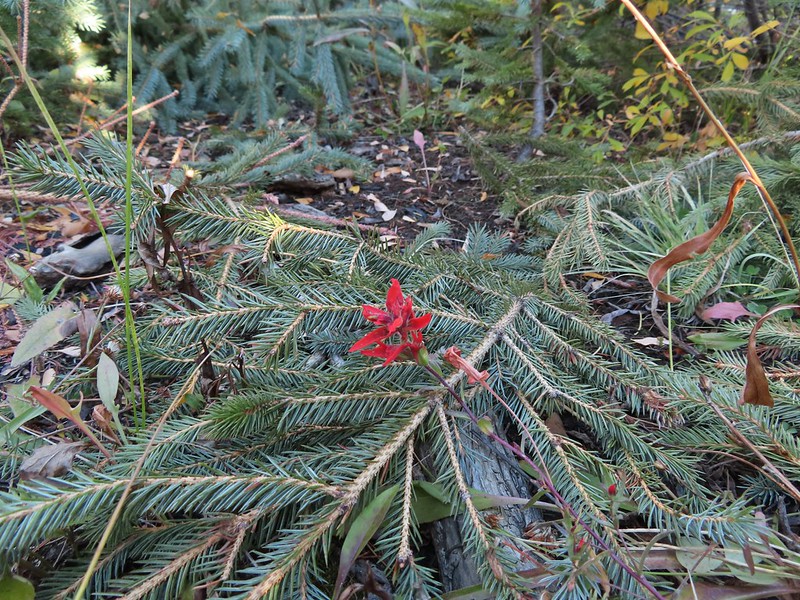 The only paintbrush we would see all day.
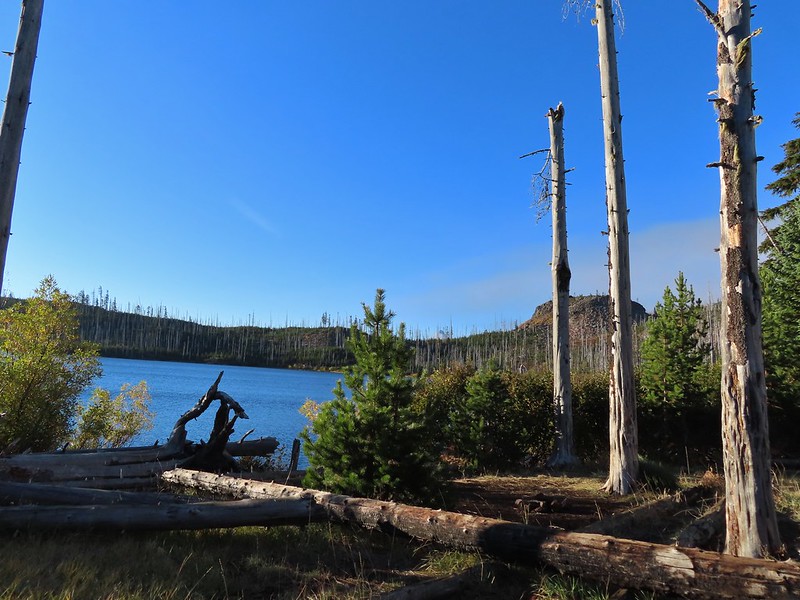 The top of Mt. Washington is just visible on the other side of Square Lake.


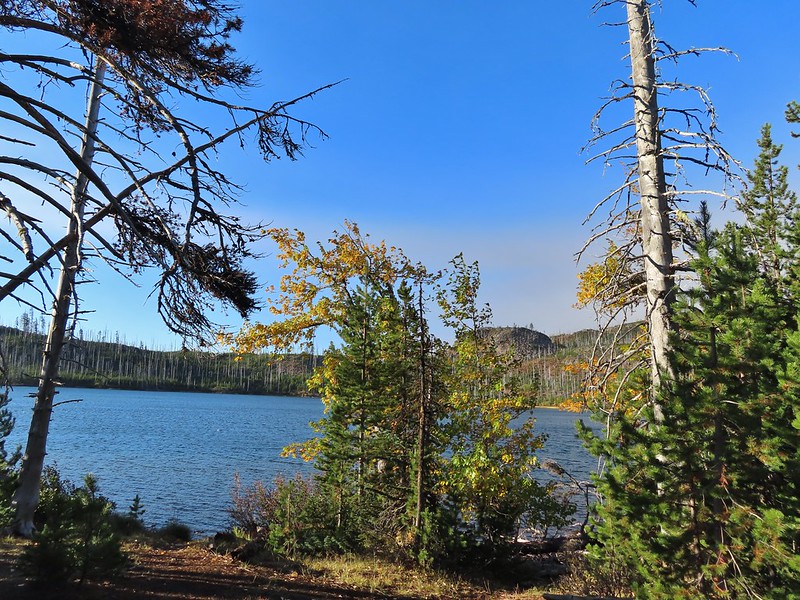
 Mt. Washington’s spire again.
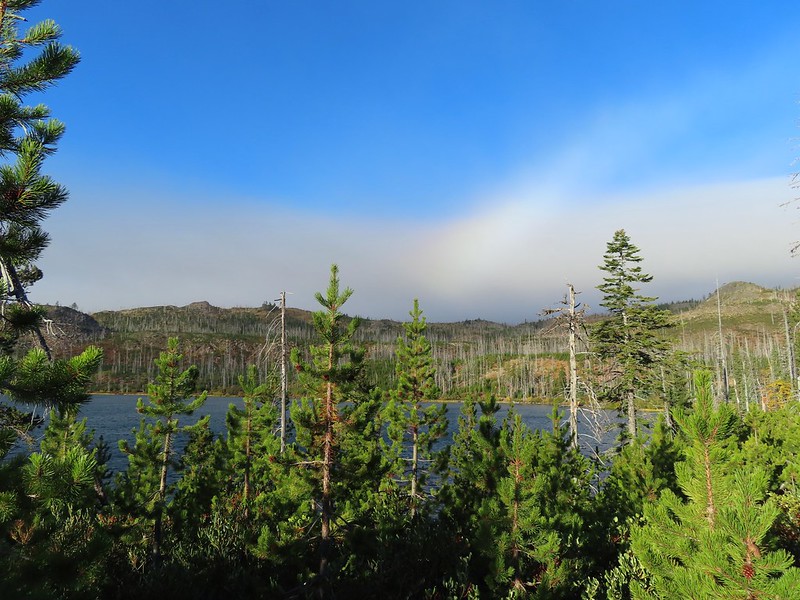 A rainbow was trying to form to the west.


 Lodgepole pine seeds require fire in order to be released from their tight cones.
 Our first sighting of Long Lake (zoomed in).
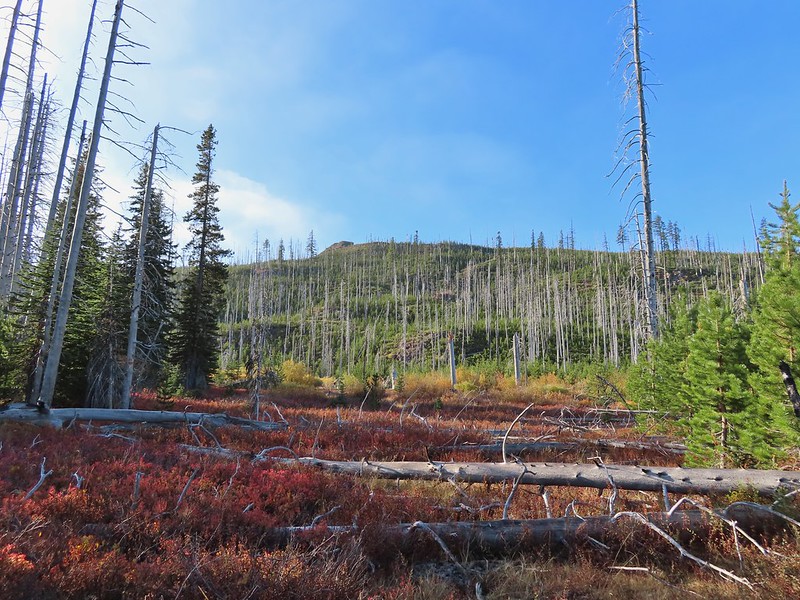
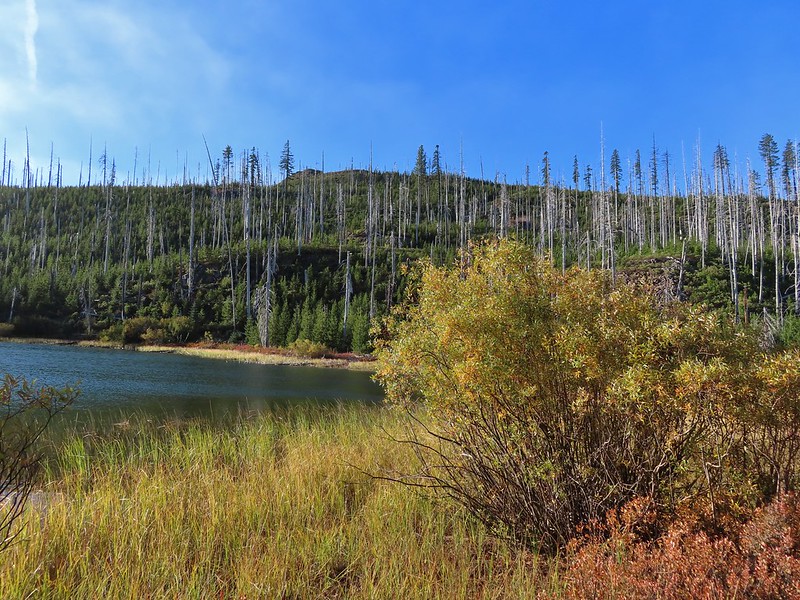

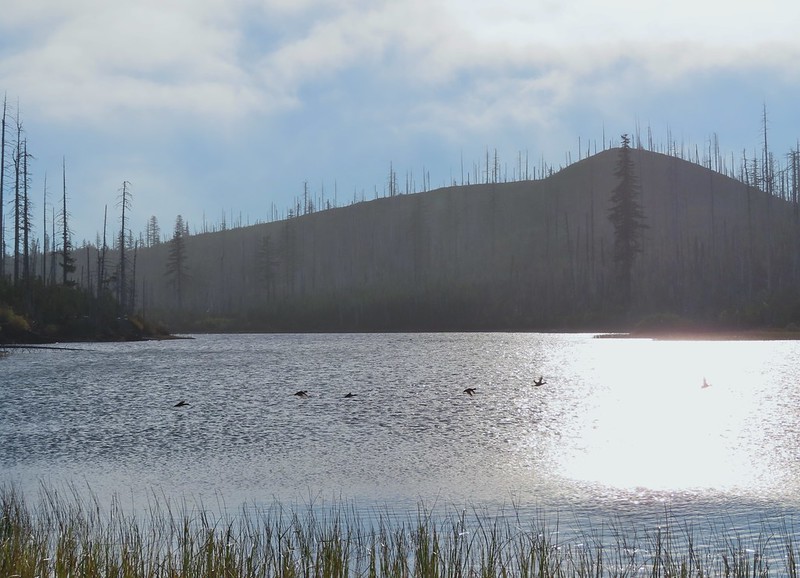 Ducks taking off from Long Lake.

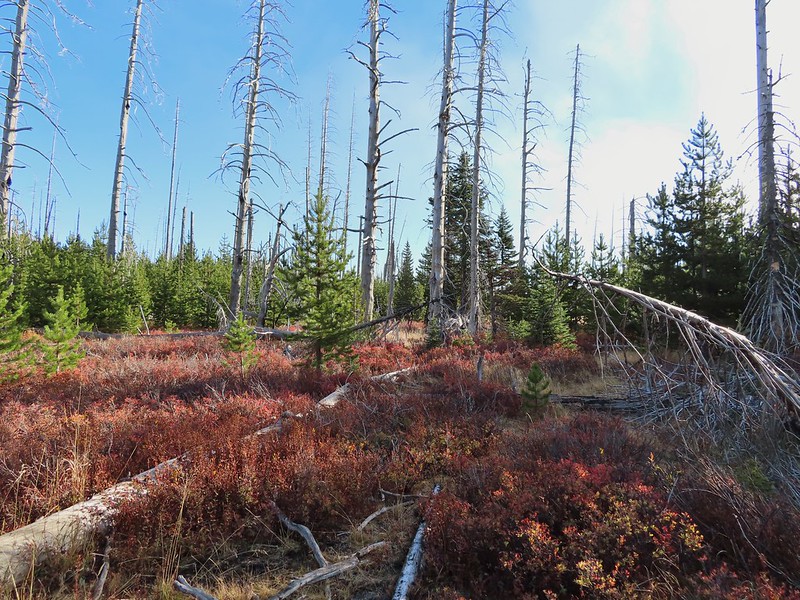
 This is one of the areas that we could see getting pretty muddy/wet.

 Rainbow
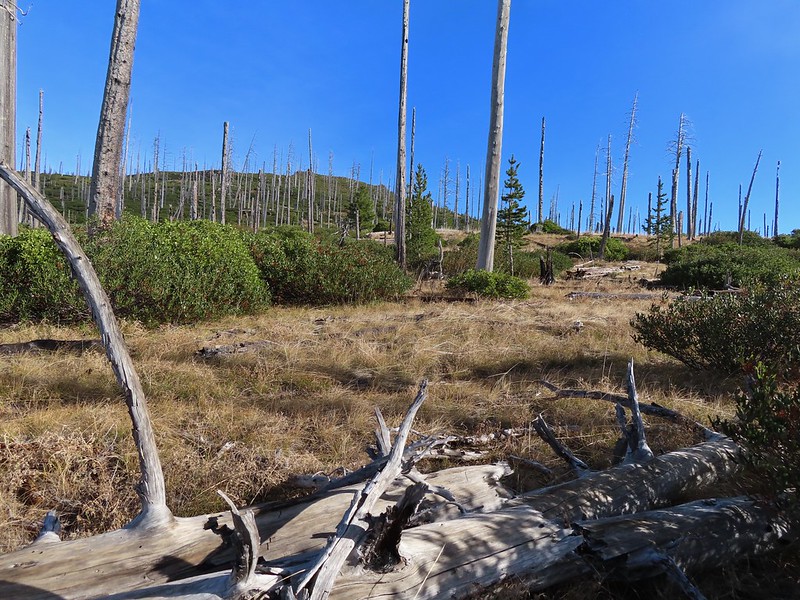 The Round Lake Trail just on the other side of the downed tree.
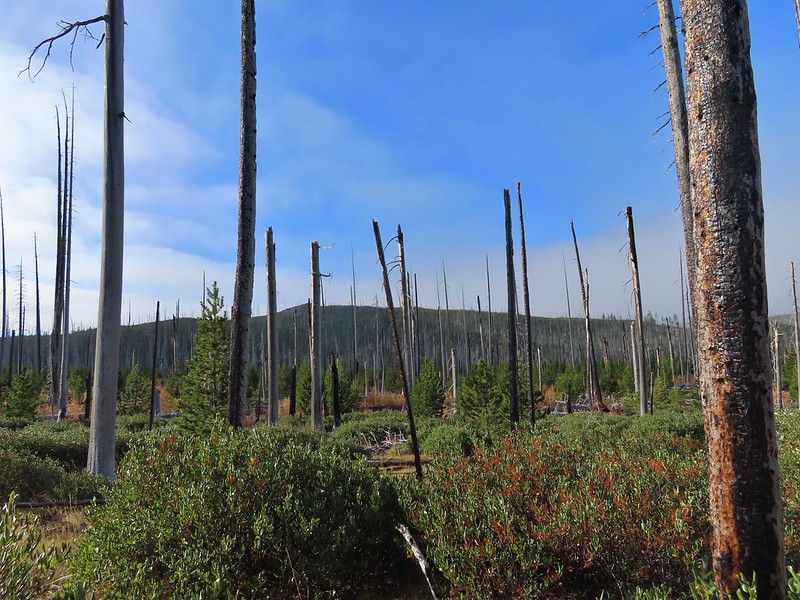 Long Lake is back down that way somewhere.
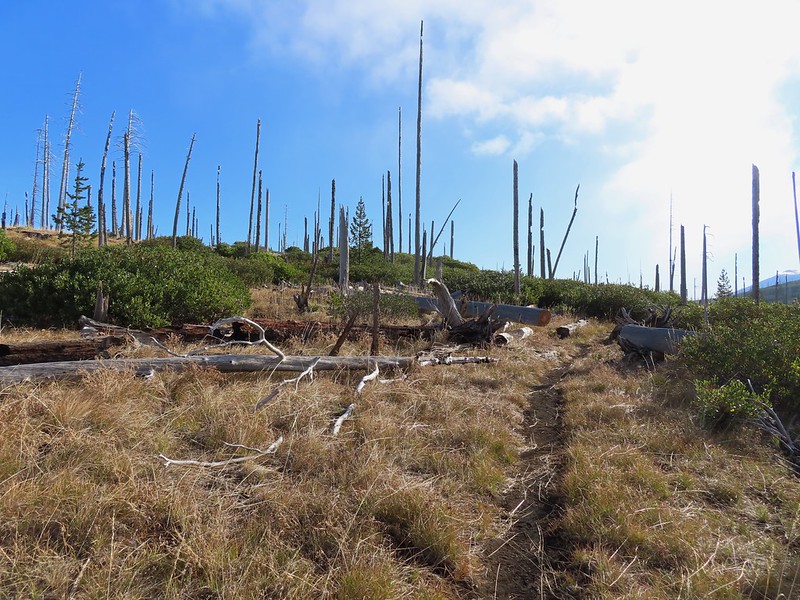 Back on the Round Lake Trail.
 Black Butte shedding the morning clouds.
 The top of Three Fingered Jack behind some thin clouds.
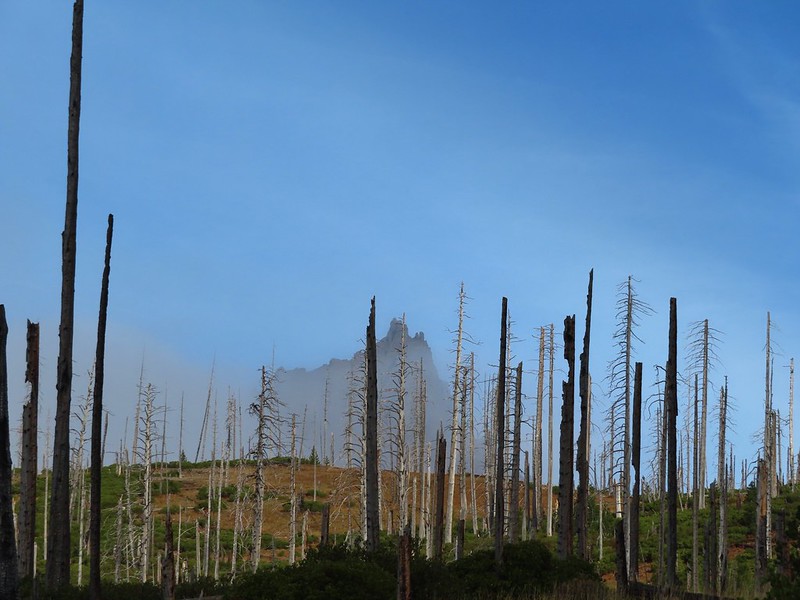
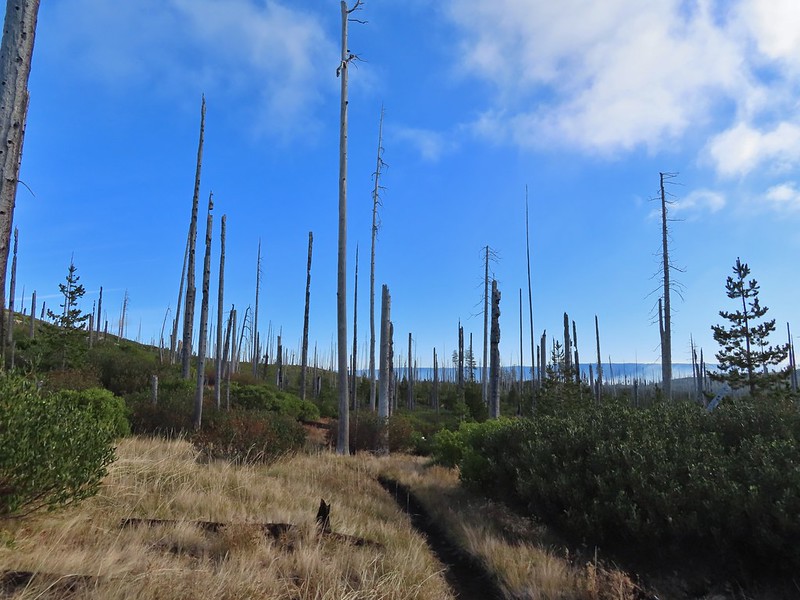 Green Ridge (
 A better look at Three Fingered Jack.
 First glimpse of Round Lake.

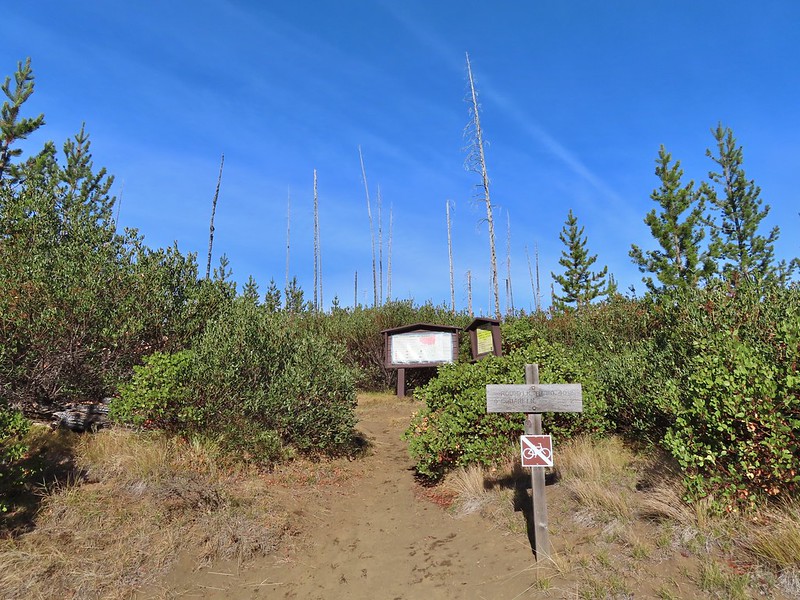



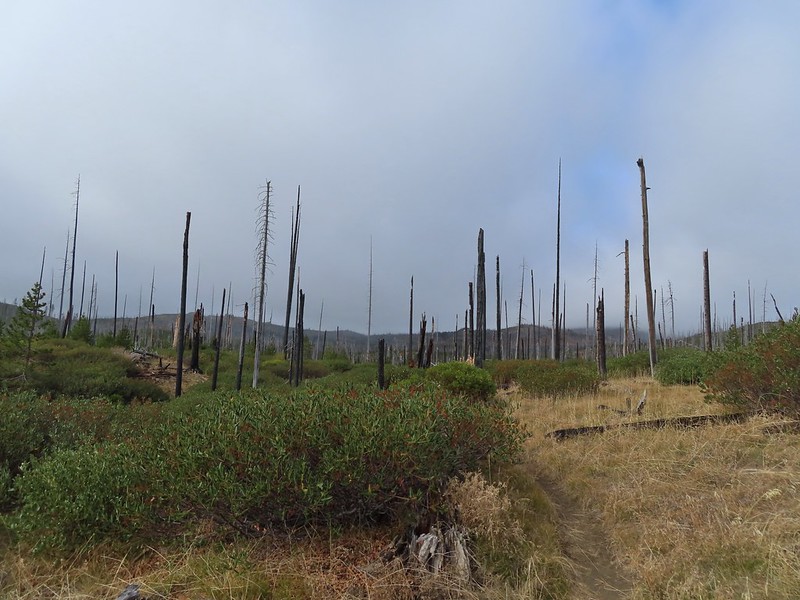
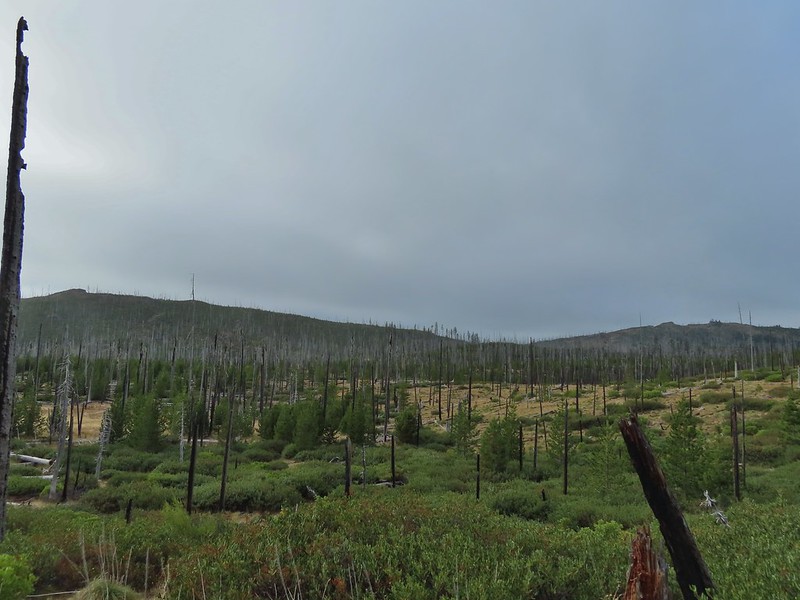 Starting to look kind of grey.
 A mountain bluebird adding a splash of blue to the green backdrop.
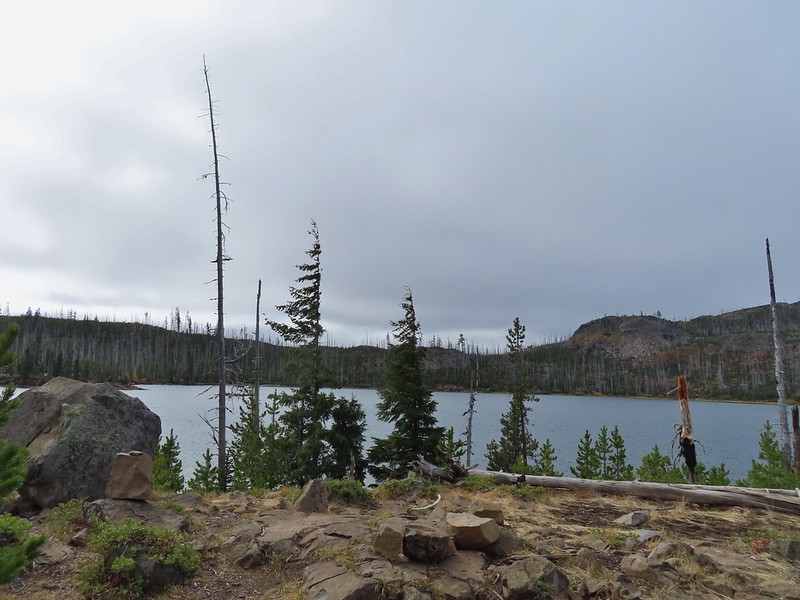 Clouds over Square Lake.
 A few scarlet gilia blossoms.
 The unnamed lake is about halfway up the far hillside.
 Black Butte and Long Lake from the trail.
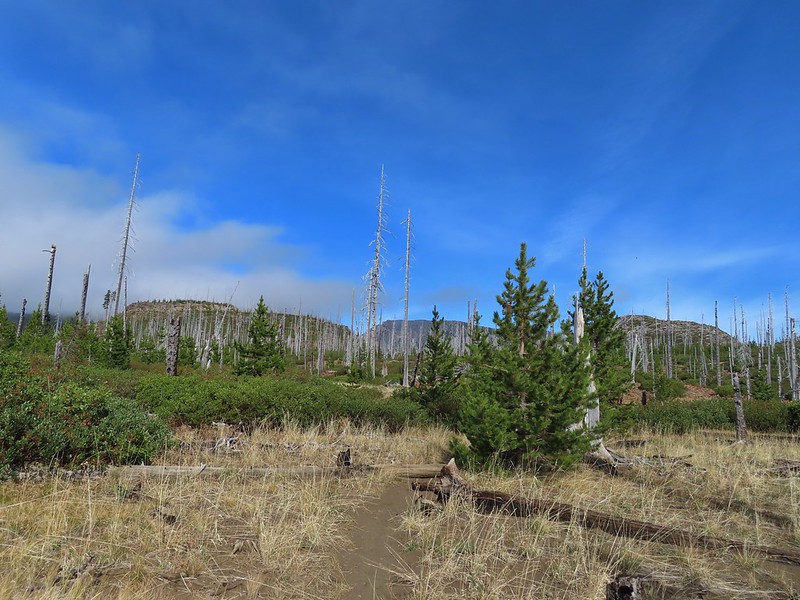 Heading toward Three Fingered Jack we got back under blue skies.
 Square Lake still under a clouds,
 The unnamed lake that drew our attention.
 Similar view from 2012.
 The trail at the gap. It was grey and cloudy to the west.
 Still at the gap, it was blue skies to the east.
 There is Three Fingered Jack.
 A good look at Green Ridge.
 A lupine that was late to the party.
 Booth Lake
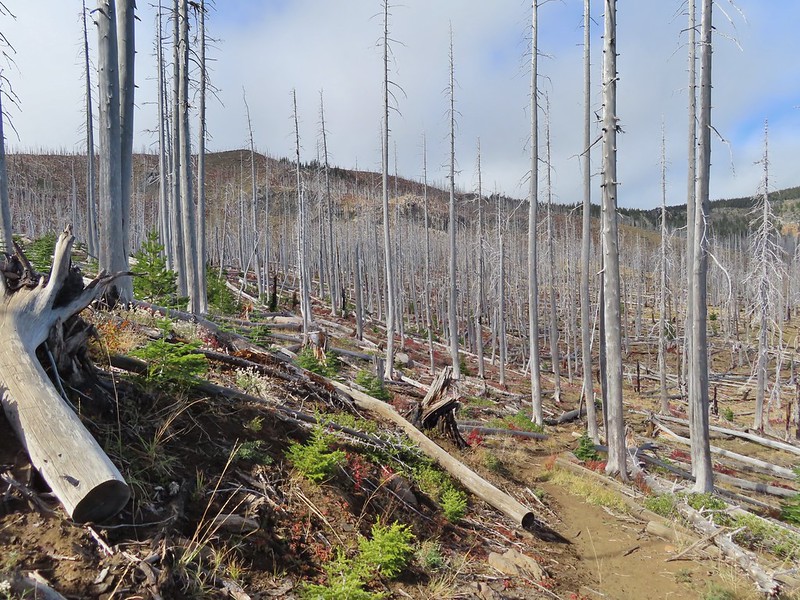
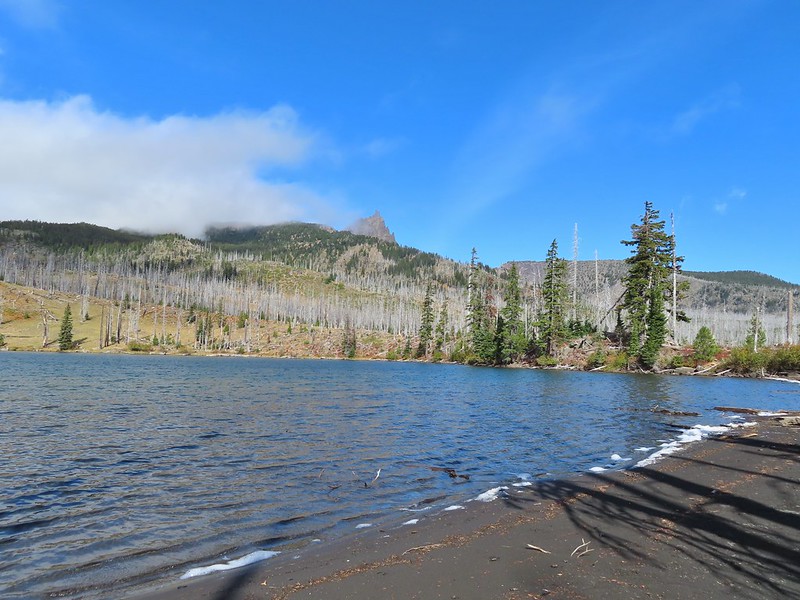


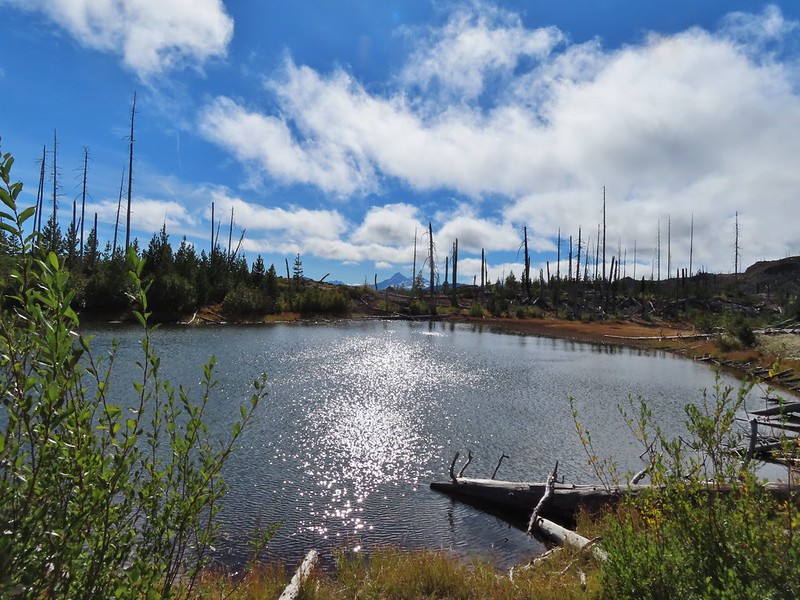
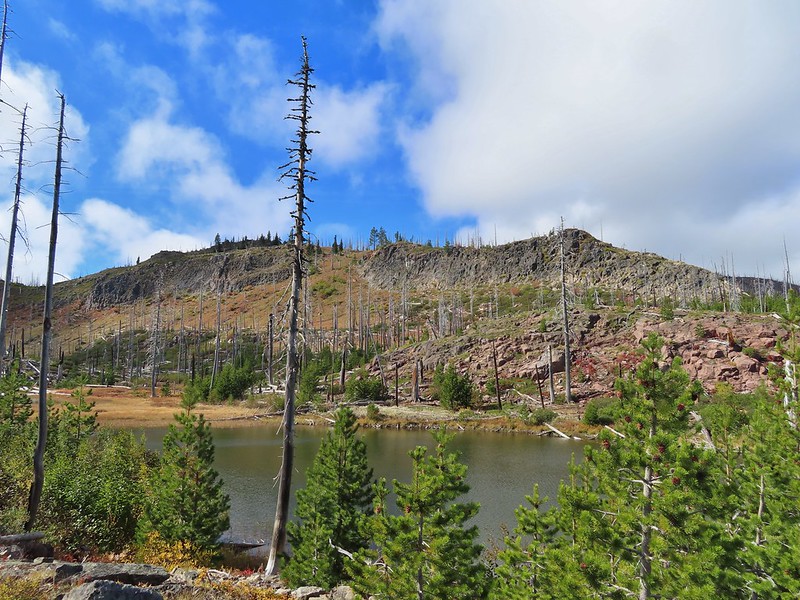
 The trail cut on the far hillside.
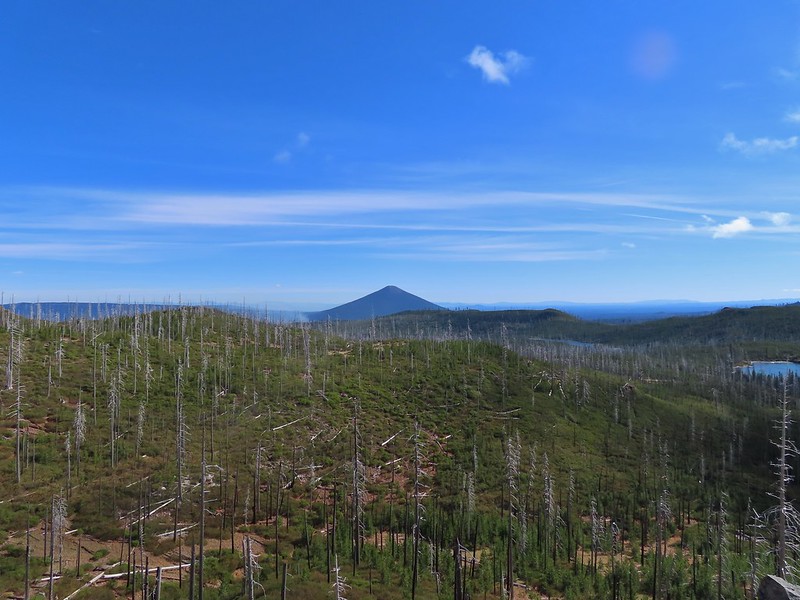 Black Butte, Long Lake, and part of Square Lake.
 Square Lake along with Broken Top and the Three Sisters (Mt. Washington was hiding in the clouds still).
 Part of the rock ledge.
 Three Fingered Jack had once again disappeared.
 Where’s Heather.


 View climbing away from Square Lake.
 Similar view in 2012.
 2012

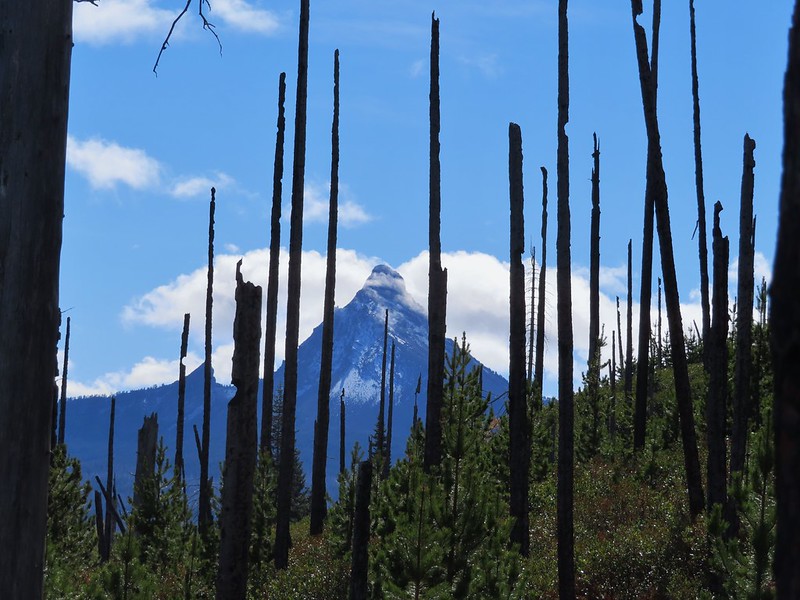

 Finally clear!
 Hayrick Butte and Hoodo as we neared the trailhead.


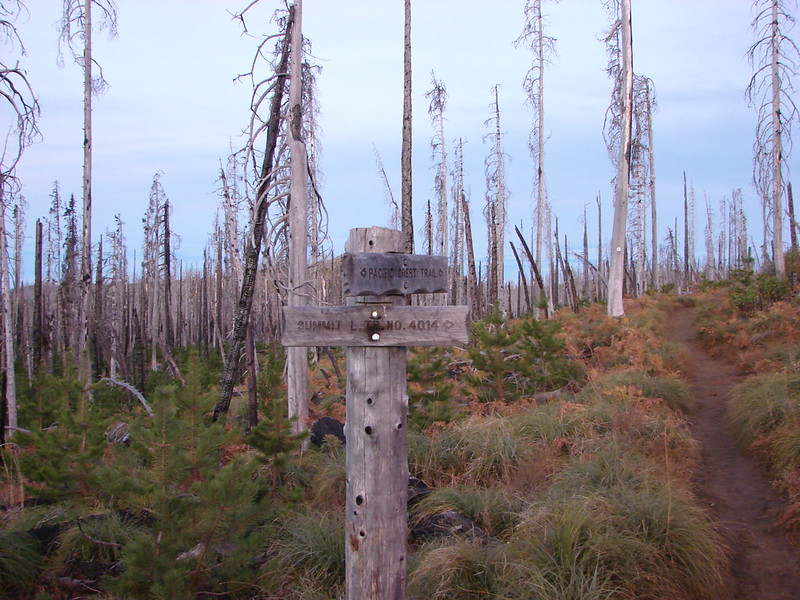 Trail sign at the junction on 10/13/2012.
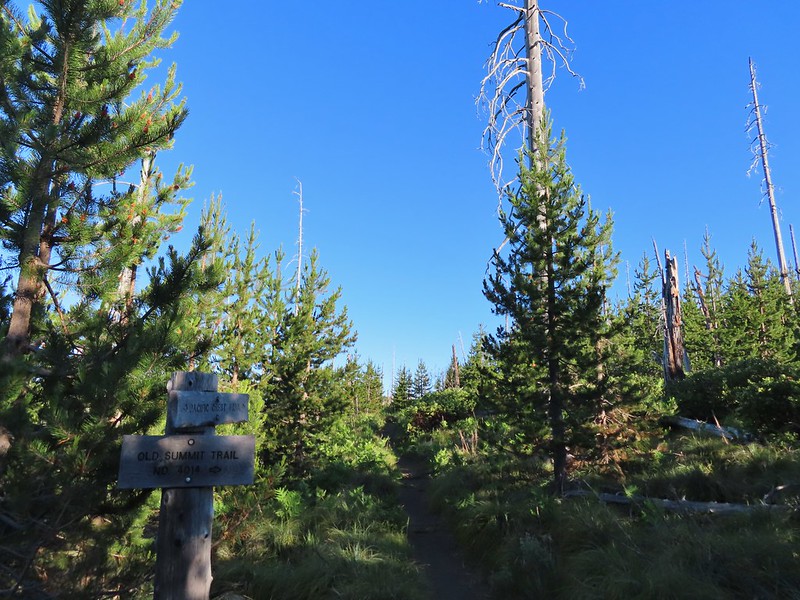 Trail sign at the junction on 07/03/2021.
 Entering the Mt. Jefferson Wilderness in 2012 (0.3 miles from the TH).
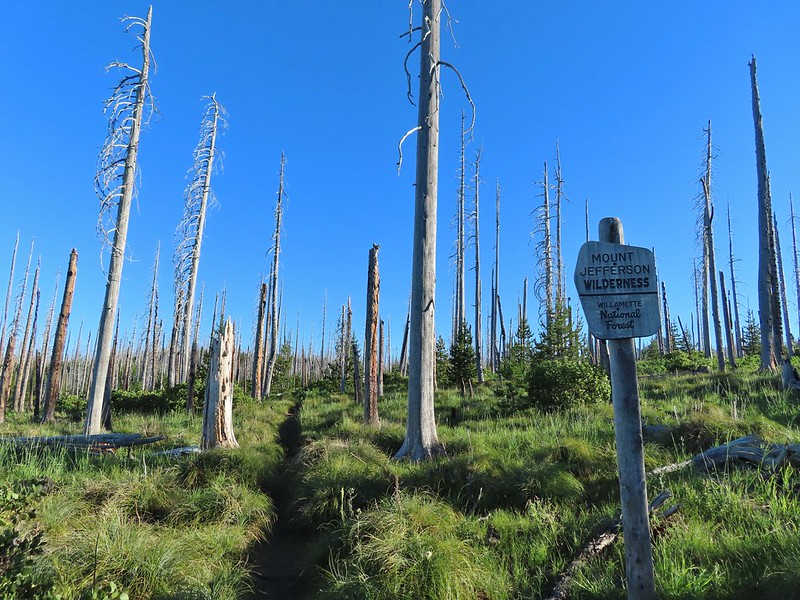 Entering the wilderness in 2021.
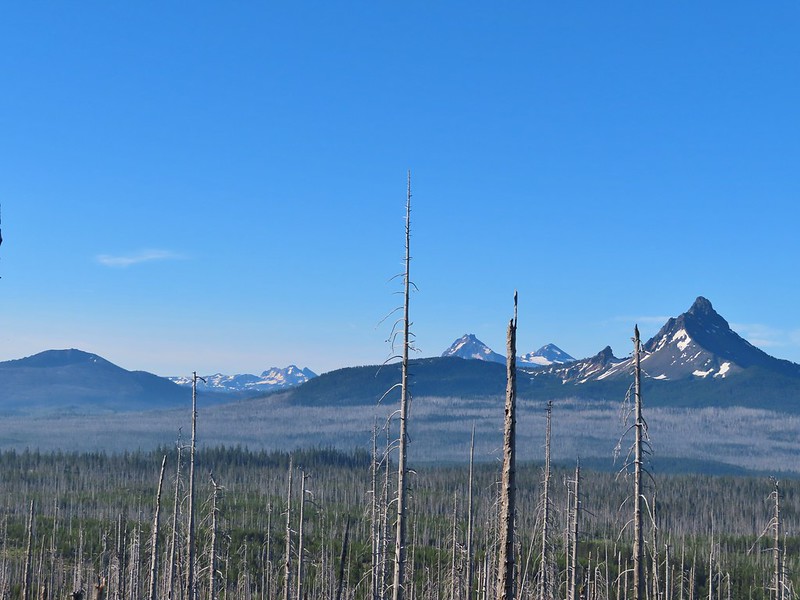
 Cache Mountain, Black Crater (post), Tam McArthur Rim & Broken Top (post), North & Middle Sister, Mt. Washington, and Hayrick Butte (flat top on the right).

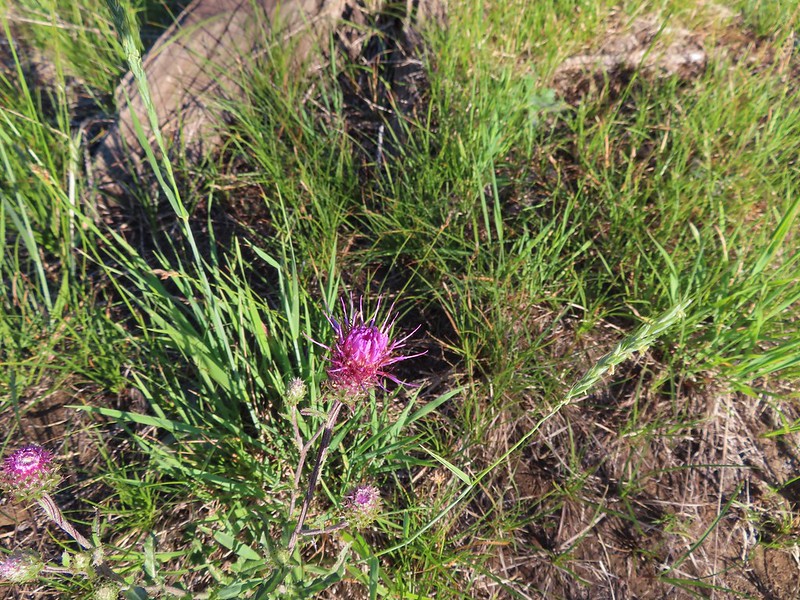 A thistle
 Penstemon
 Bleeding heart
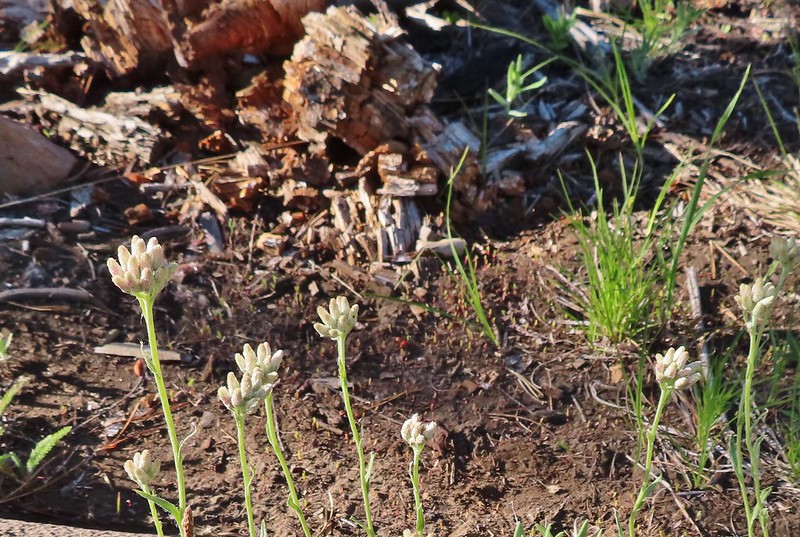 Pussytoes
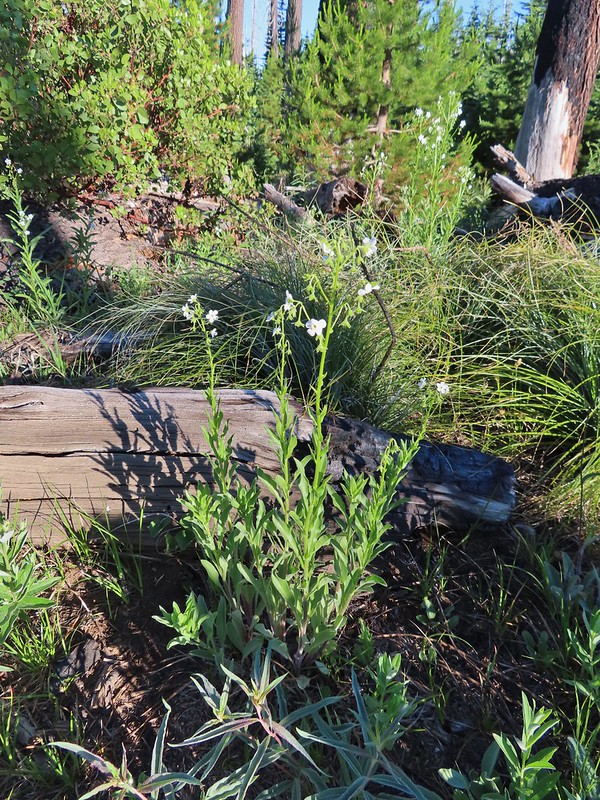 California stickseed
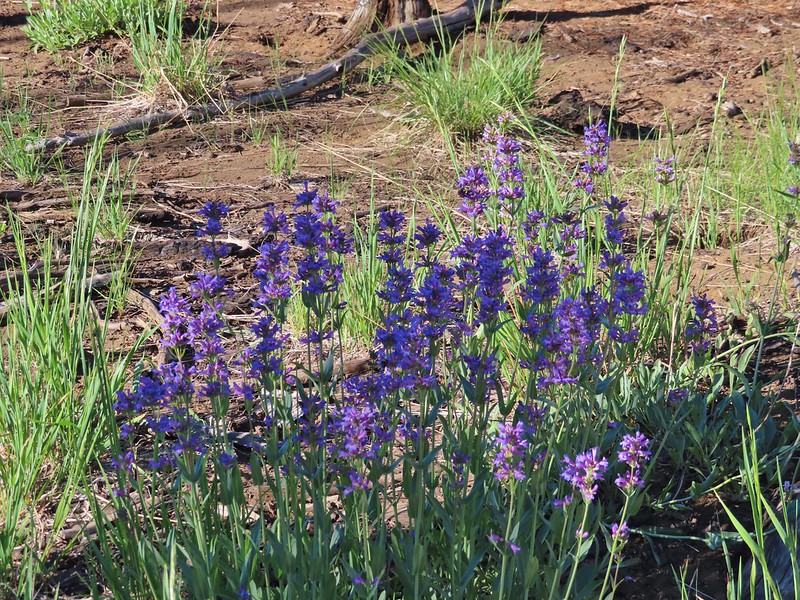 Another penstemon

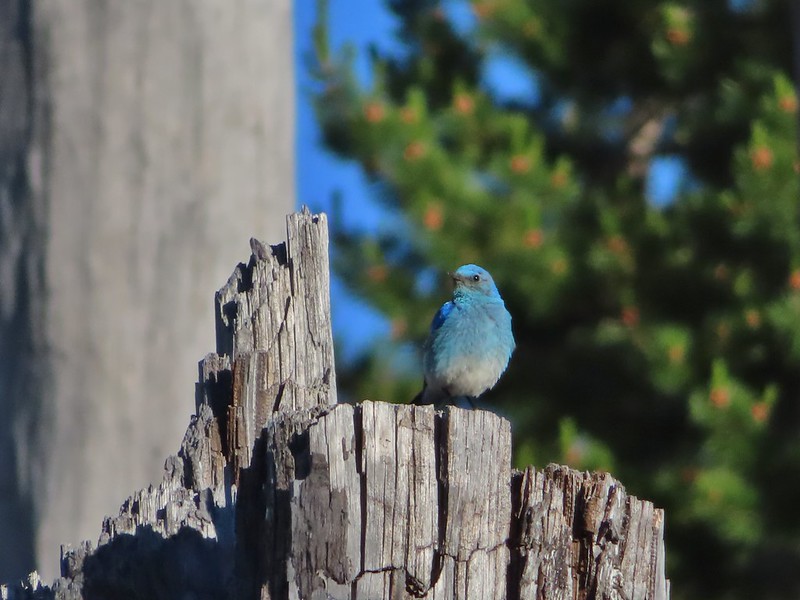 Mountain bluebird by the lake.


 There was a good amount of scarlet gilia blooming along this section of trail.
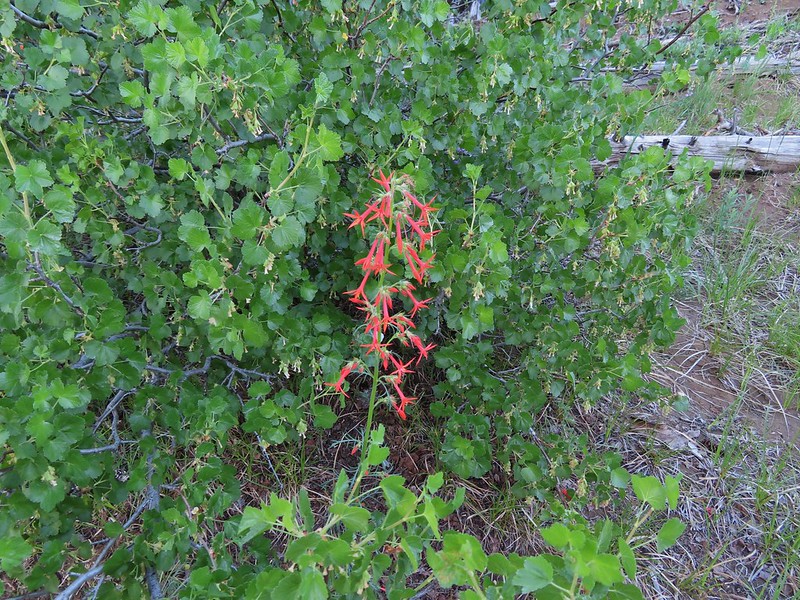
 Three Fingered Jack
 One of the ponds.
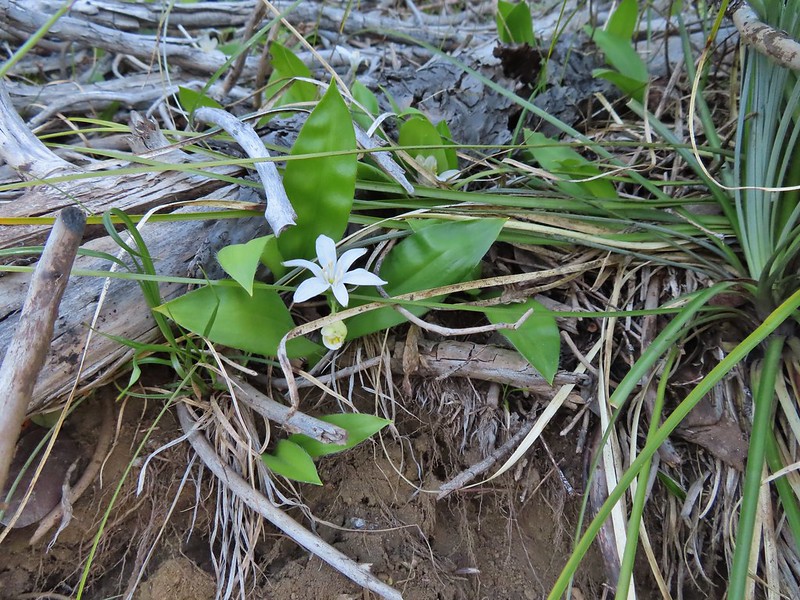 Queen’s cup
 Another pond with Maxwell Butte (
 Unnamed lake along the trail with Maxwell Butte behind.

 Lupine
 Dark-eyed junco
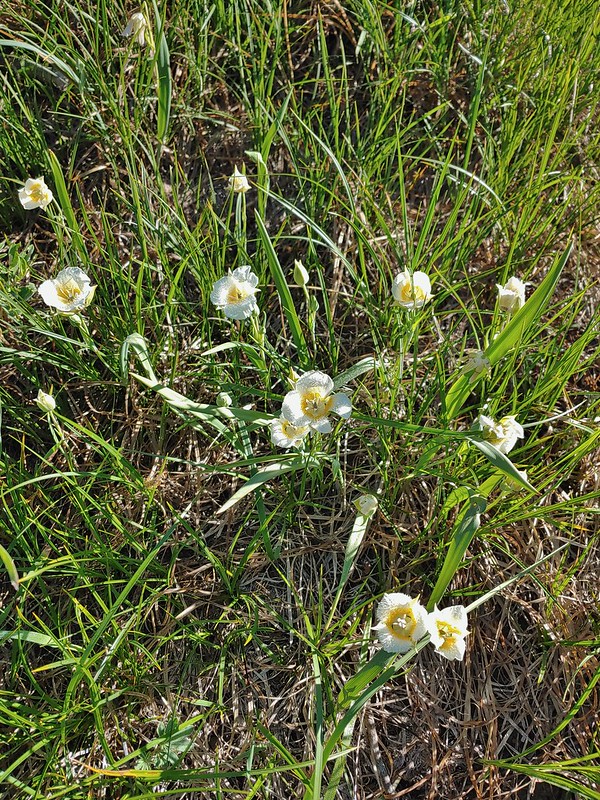 Sub-alpine mariposa lilies
 Woodpecker
 The view south.


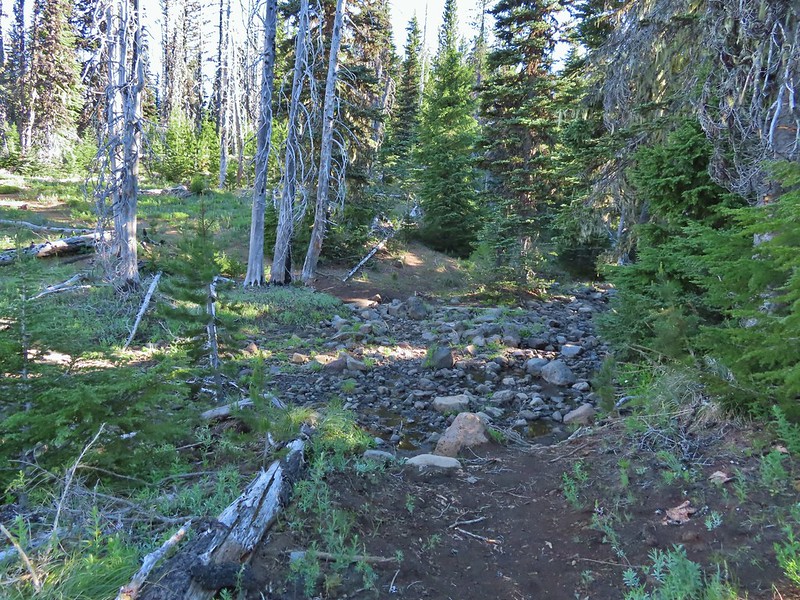
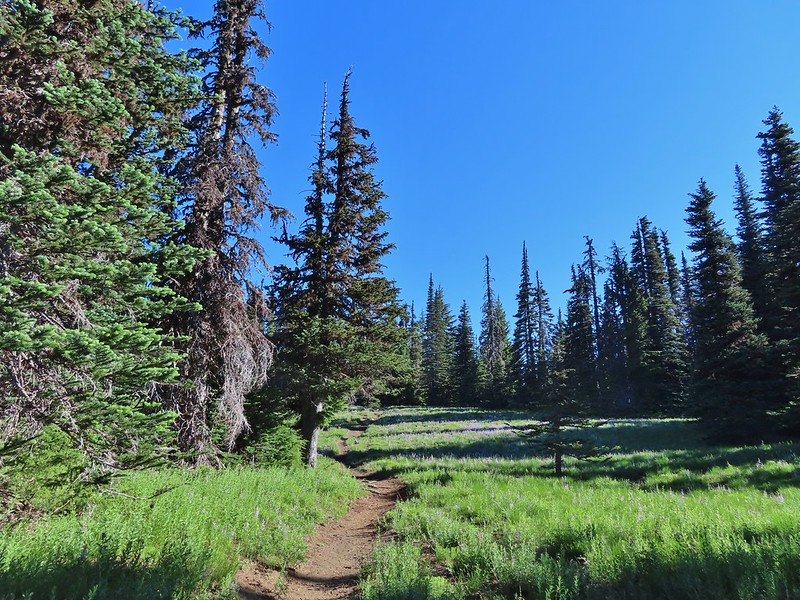


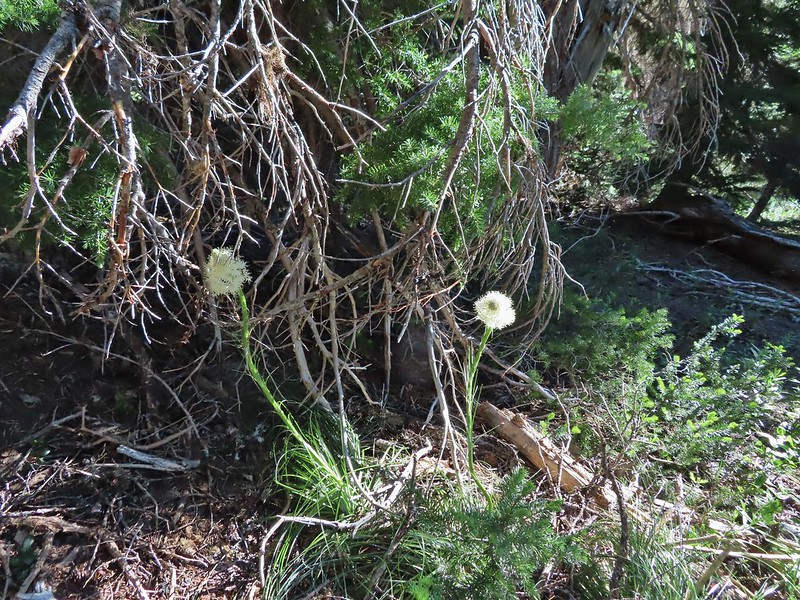 Beargrass

 Recent snow melt is another recipe for mosquitos.
 Another creek crossing.
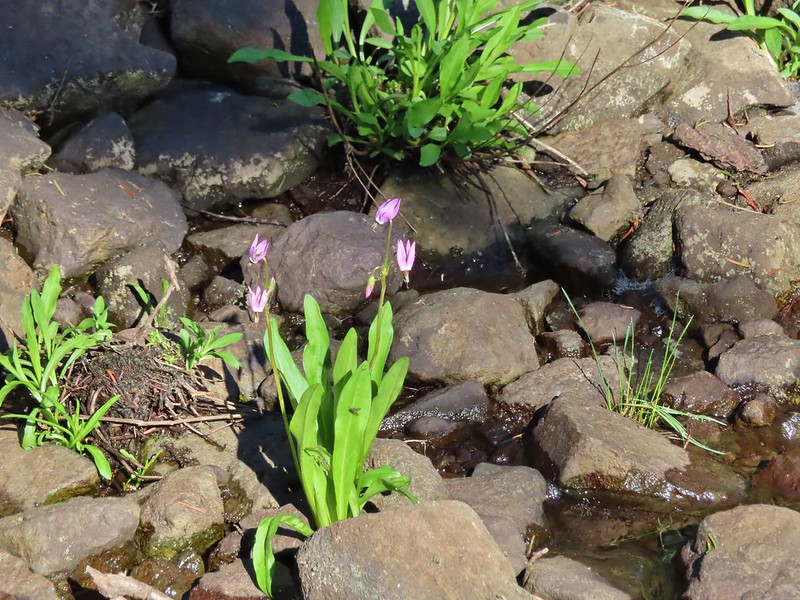 Shooting star
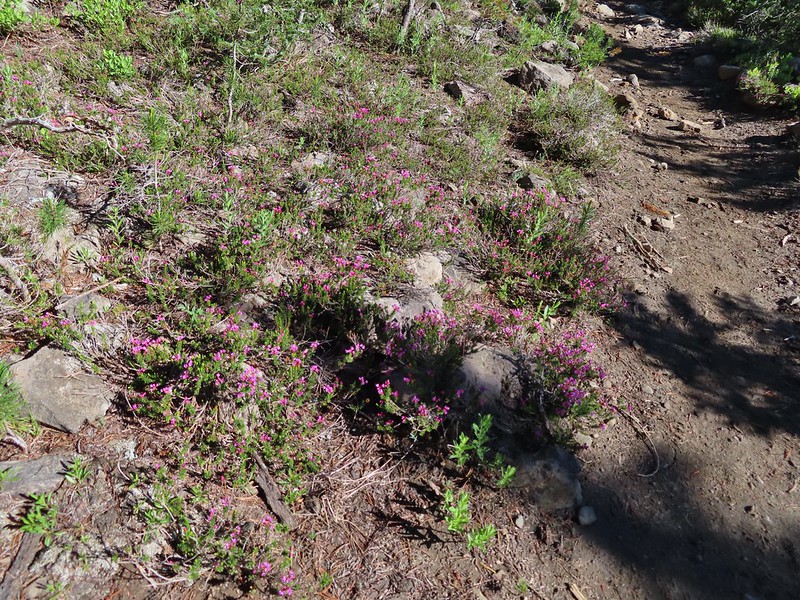 Mountain heather. Typically if we see this blooming we expect there to be mosquitos.

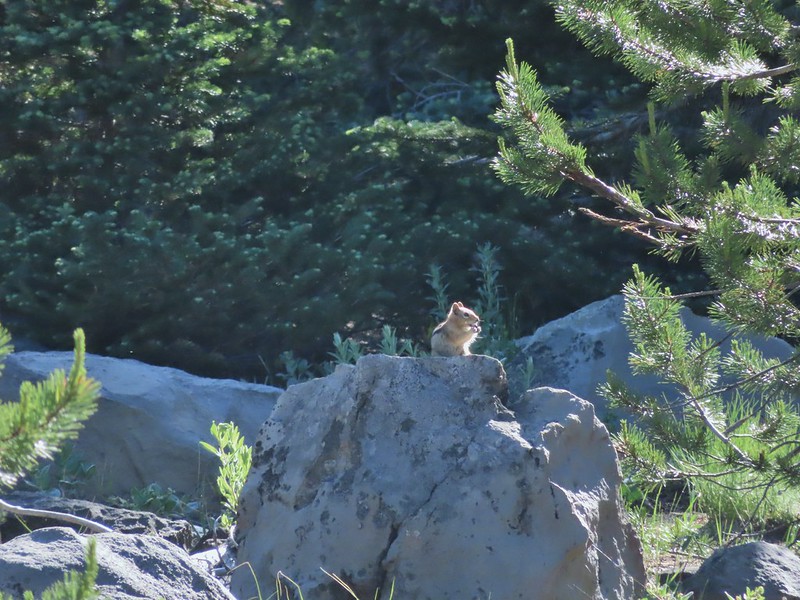
 A sulphur
 Alpine false dandelion
 One of several snow patches at the tree line.
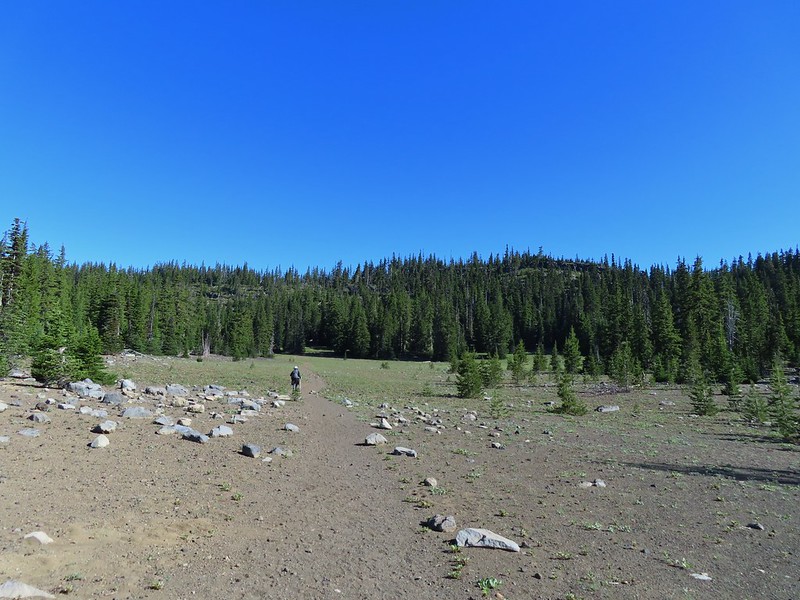 Nearing the end of the opening.
 More snow in the trees.
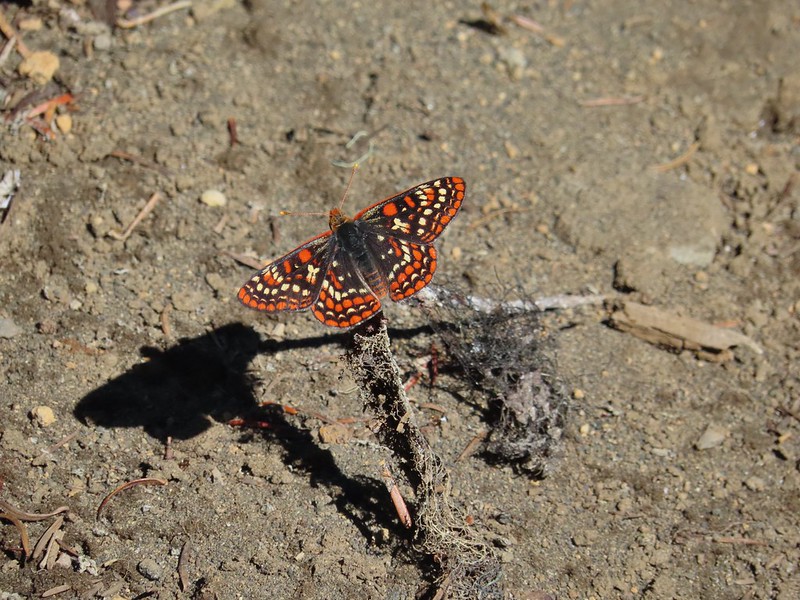
 A checkerspot
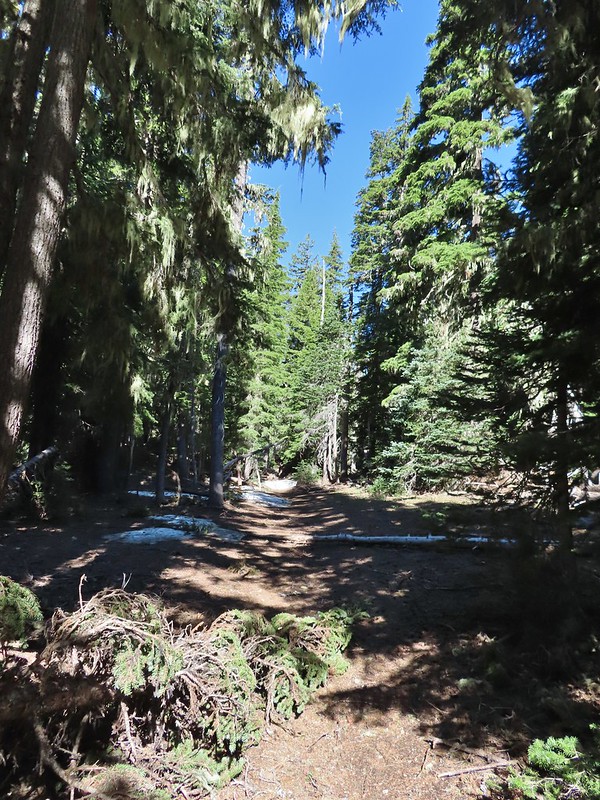
 Trees & melting snow = more mosquitos.
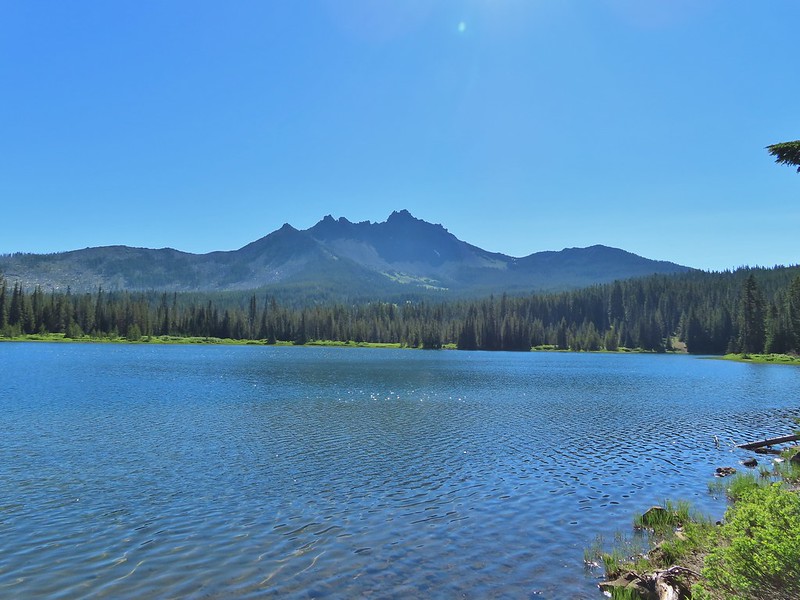
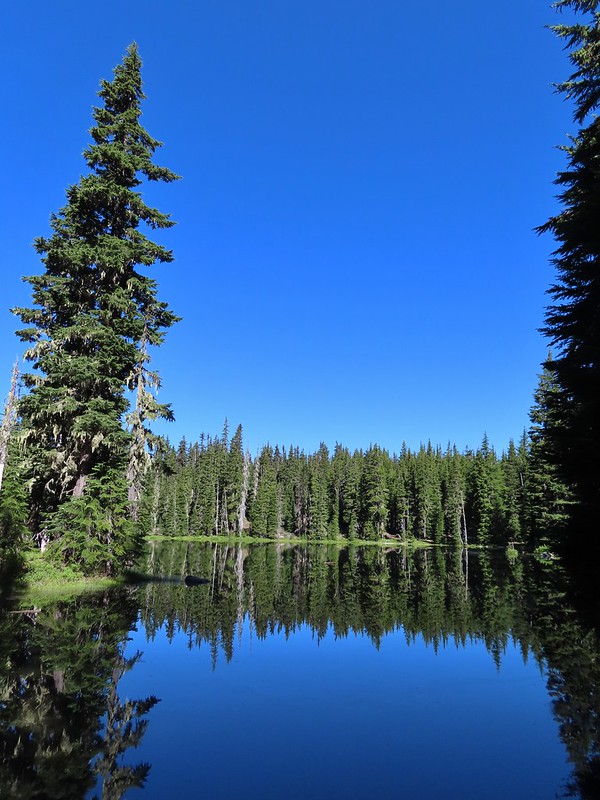 Not Santiam Lake but a very pretty unnamed lake just to the left of the trail approximately 0.4 miles from Santiam Lake.

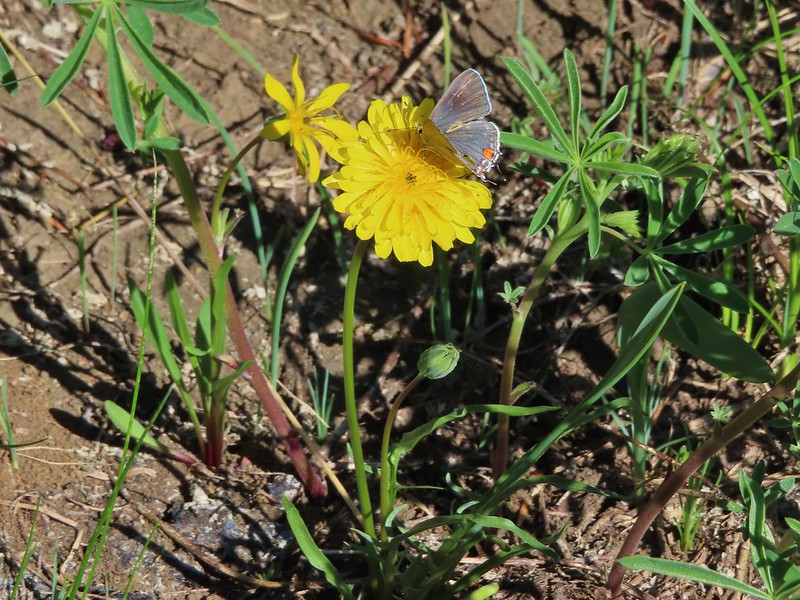 Not sure what type this is but the orange on the wing was pretty.

 Mt. Jefferson behind Red Butte
 Duffy Butte on the left.
 Three Fingered Jack
 Paintbrush, shooting stars, and buttercups.
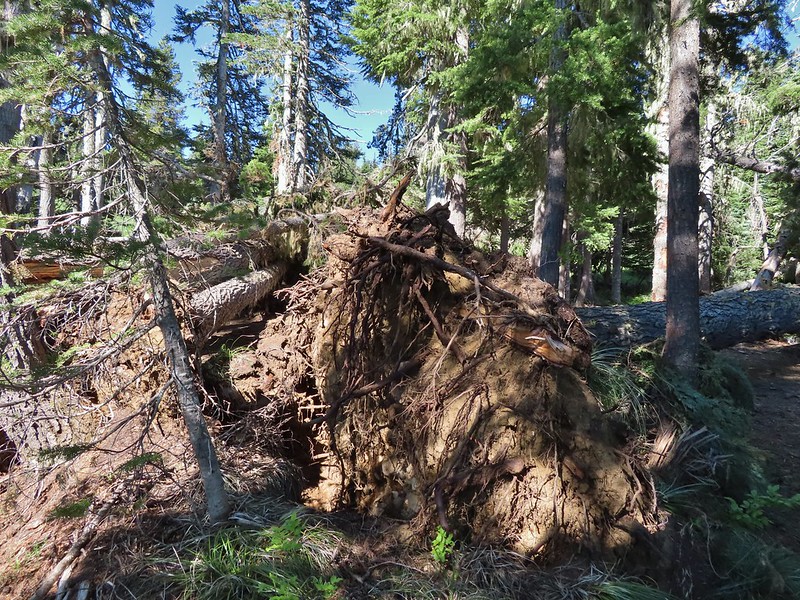 Just one of several large uprooted trees along the shore.


 The “topographic feature” ahead on the right where we planned on turning for Lower Berley Lake.
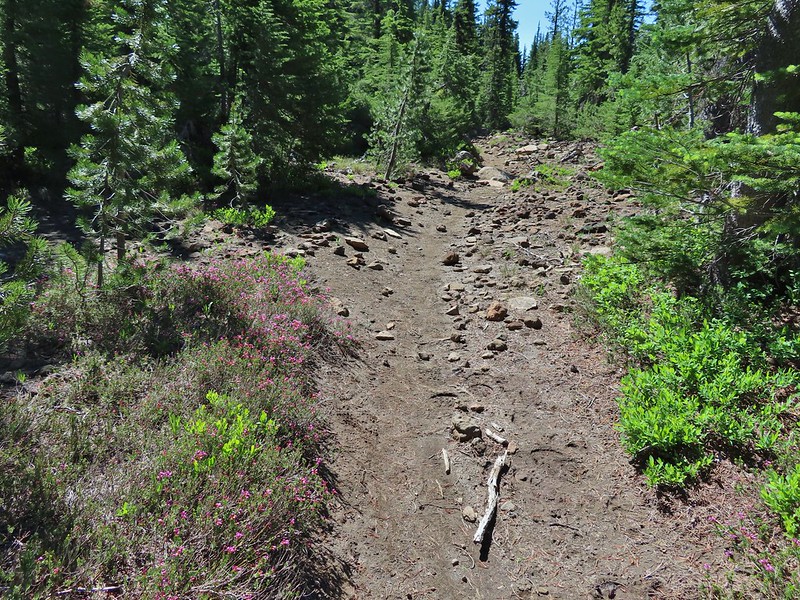 Mountain heather along the trail, it was warm and sunny enough that the mosquitos weren’t as bad this time by.
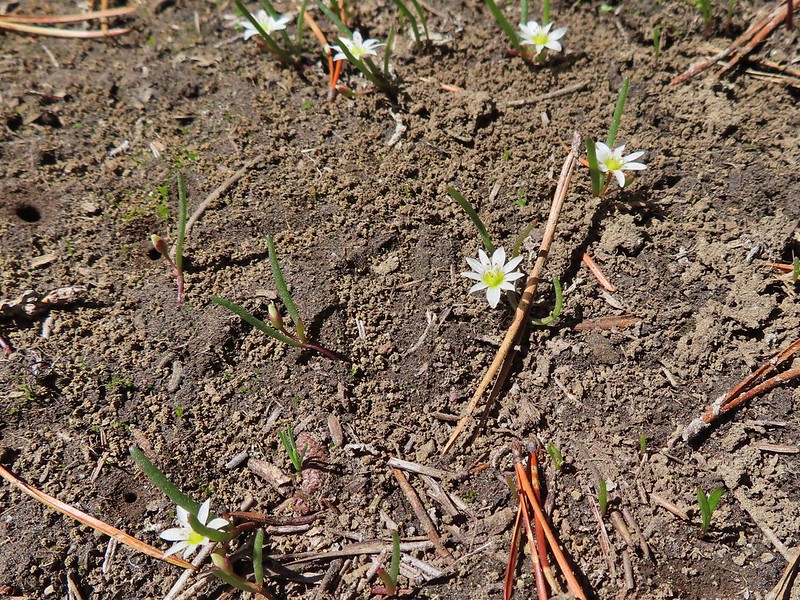 Threeleaf lewisia
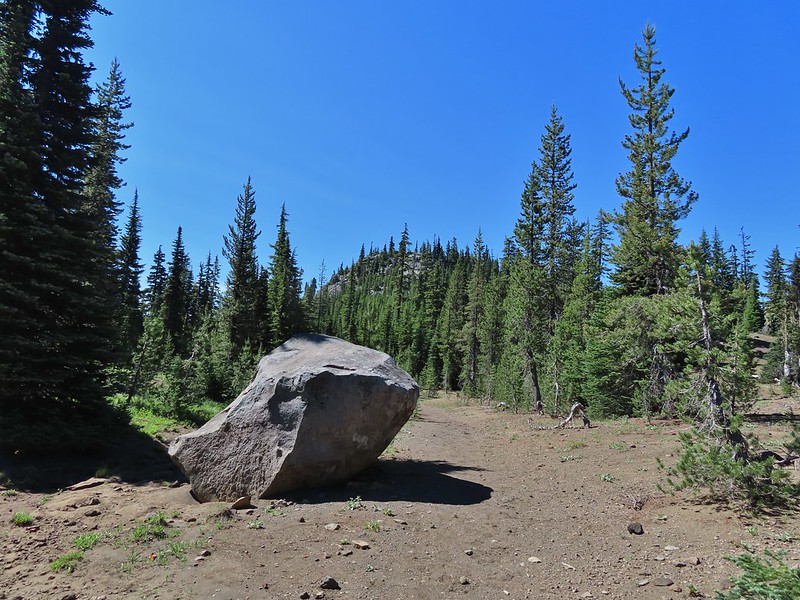 Getting closer to the hill where we planned on turning.
 California tortoiseshell butterflies in the bed of Lost Lake Creek.
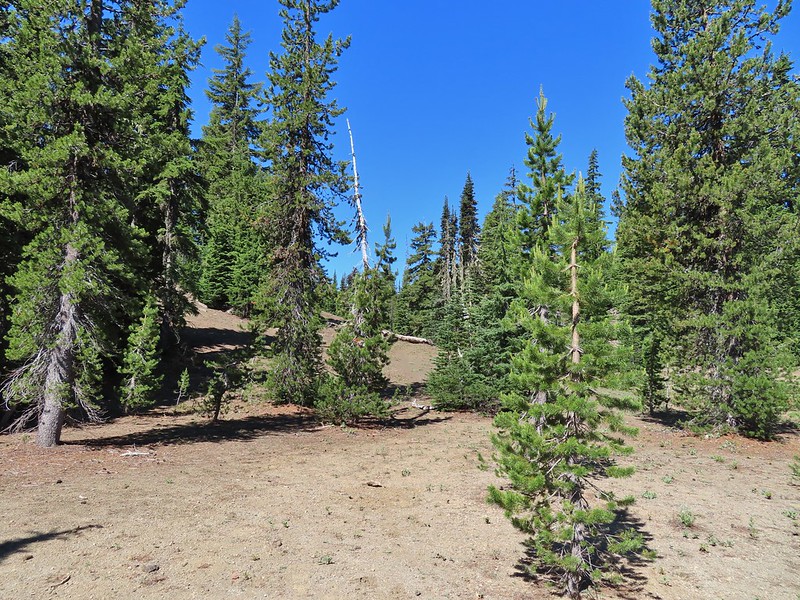


 Three Fingered Jack from the rocks.

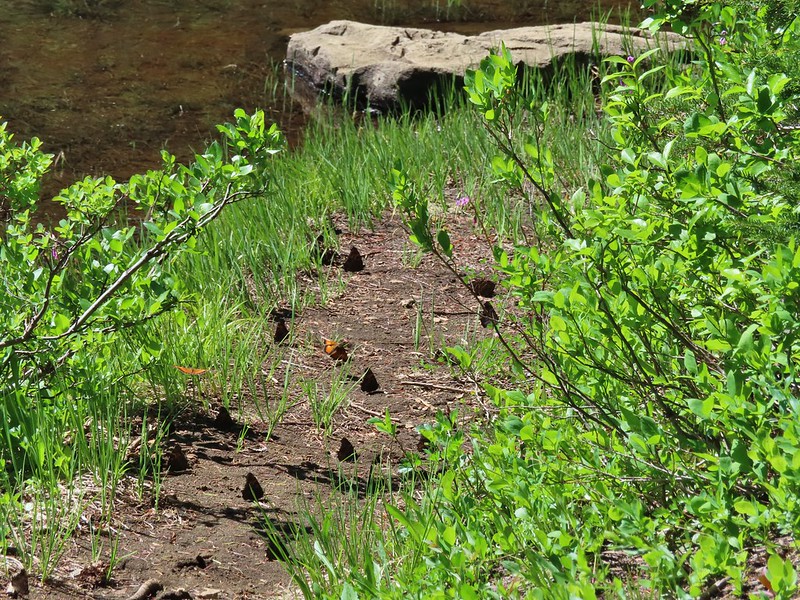 More tortoiseshells


 The bed was popular with the butterflies.
 Cross country to Upper Berley Lake, the doe was in this meadow and headed in the direction of the patch of snow at the far end.
 Upper Berley Lake
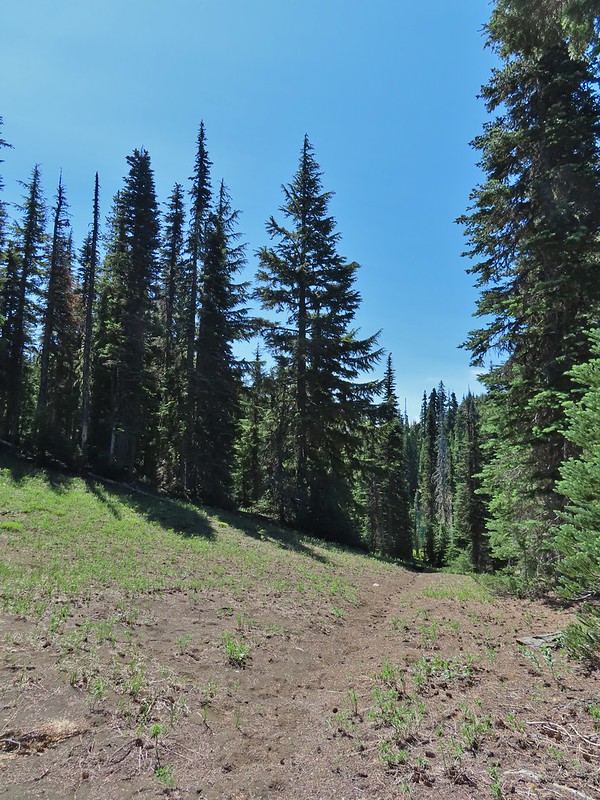 We wound up finding the same “user trail” and followed it down to the lower lake.
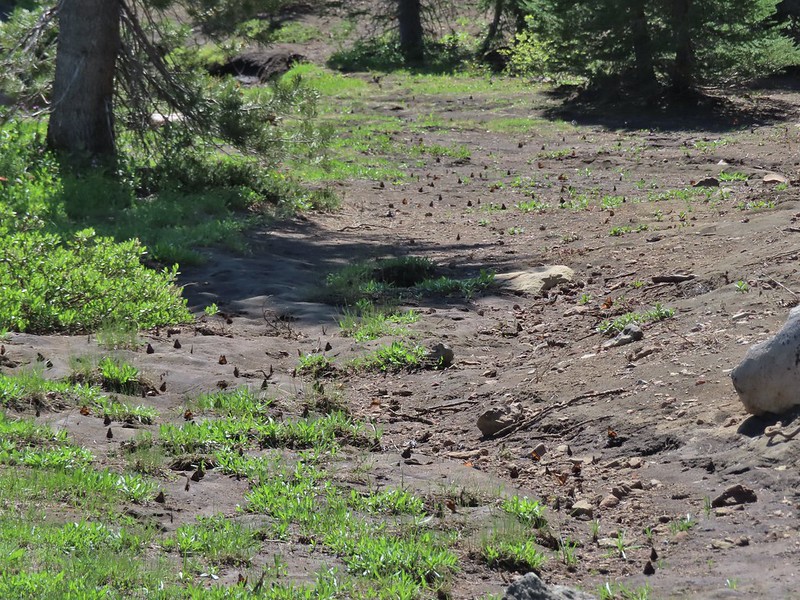 California tortoiseshell butterflies along Lower Berley Lake.
 Three Fingered Jack and about a half dozen butterflies.
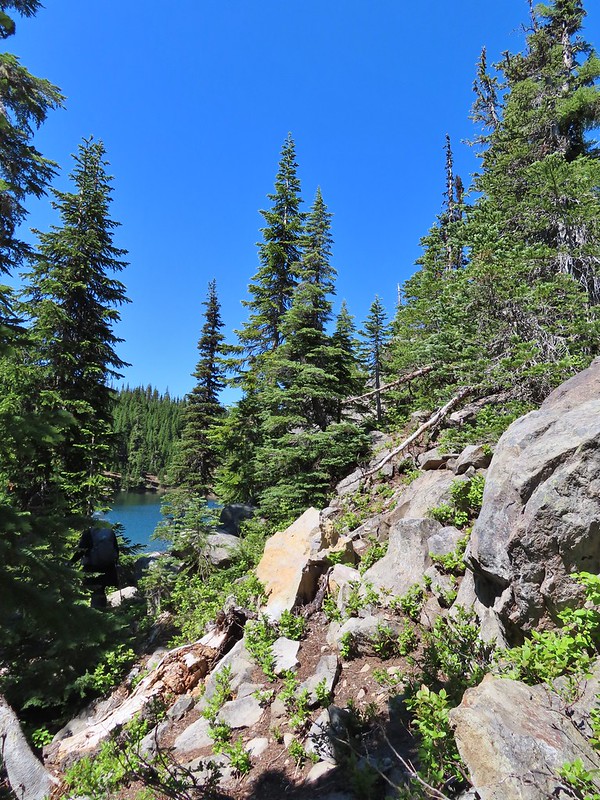
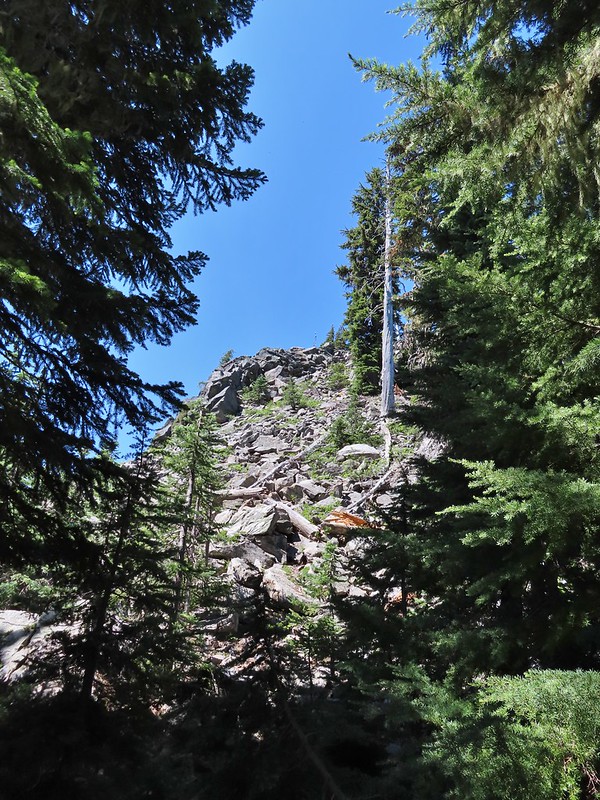 The hillside on the right was rocky.
 The trail dropping down from the saddle with Mt. Washington and the North Sister ahead.


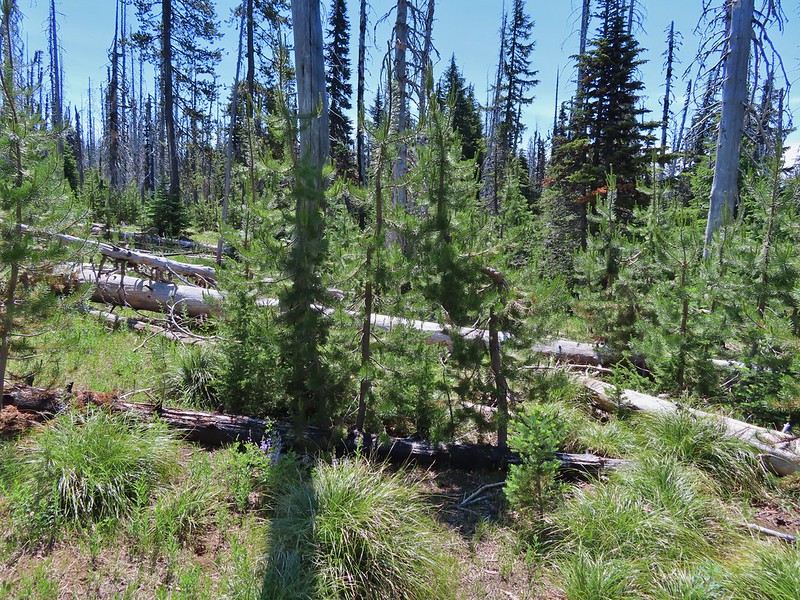
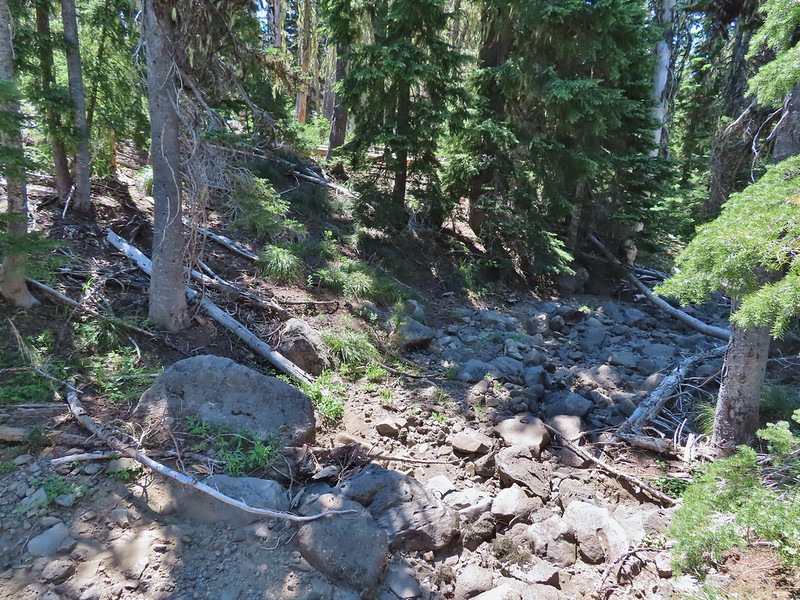
 Found it!


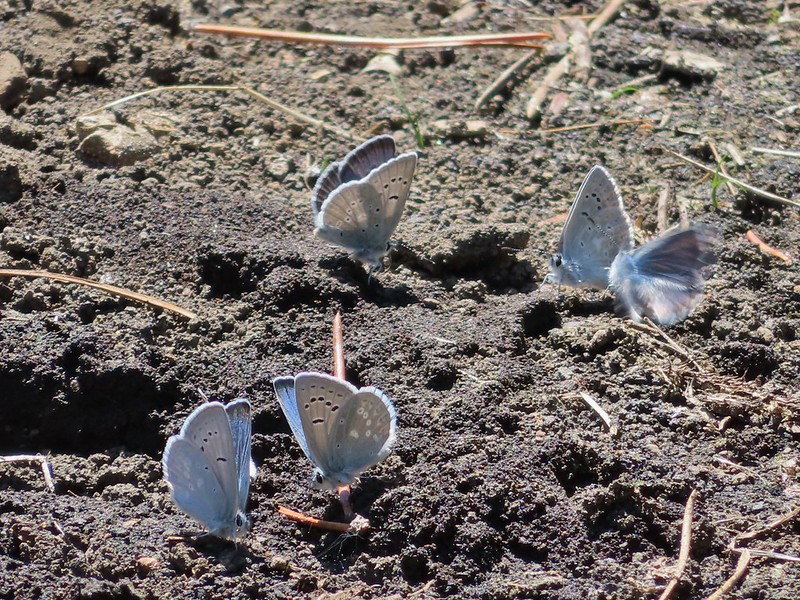
 Yellow beetle on lupine.
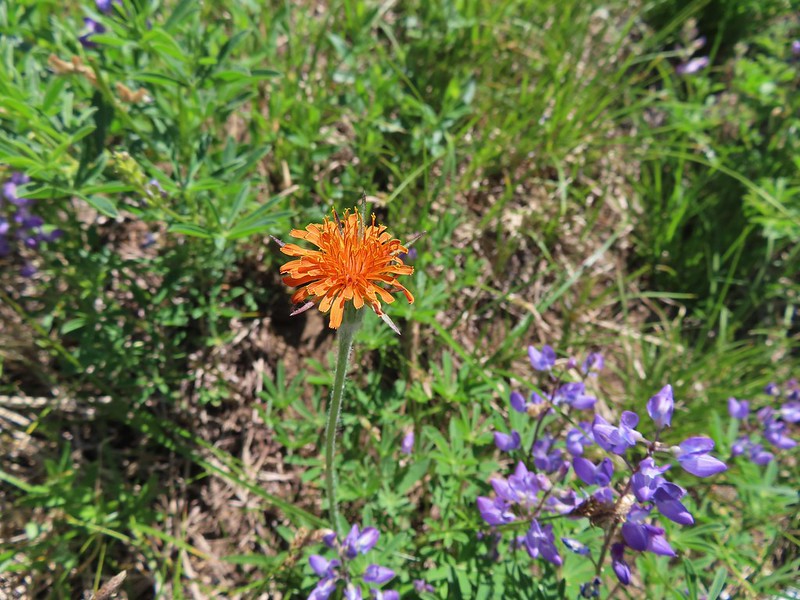 Orange agoseris
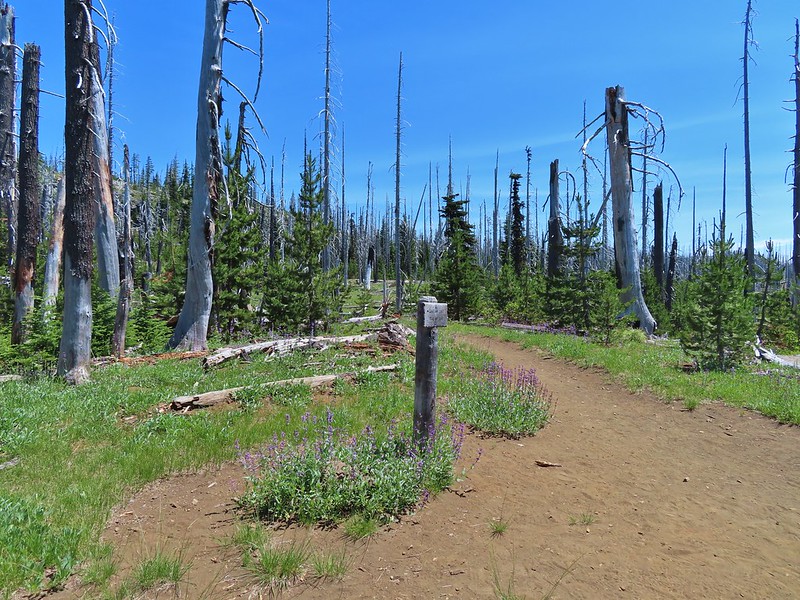 Back at the PCT.
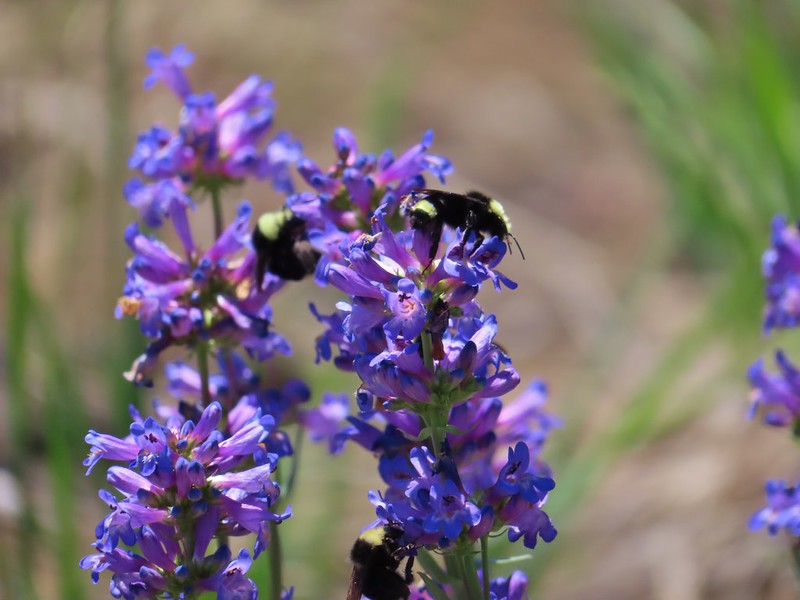 Bumble bees on penstemon.
 Cicada in the grass.
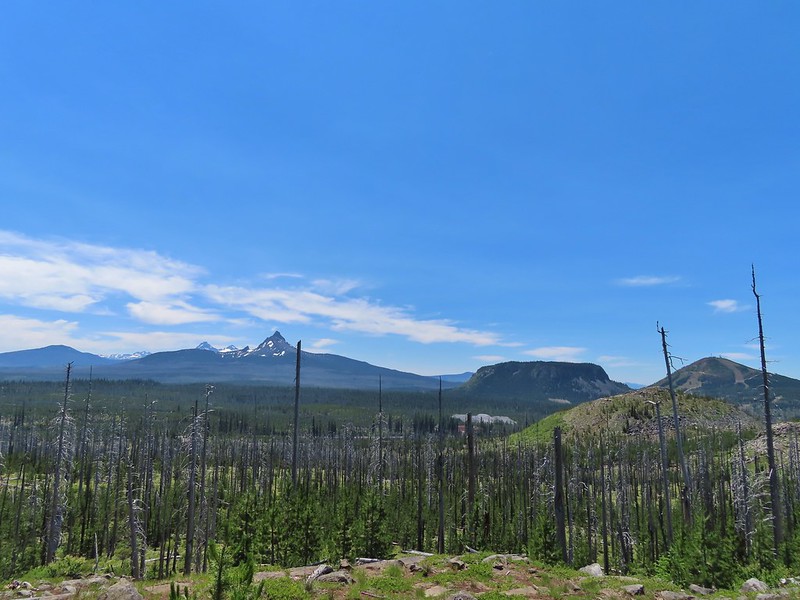 Black Crater, Broken Top, North & Middle Sister, Mt. Washington, Hayrick Butte, and Hoodoo Butte from the viewpoint.


