
For the first time in 2021 we were forced to change plans having to delay our hike at the Ridgefiled Wildlife Refuge until the Kiwa trail reopens. (Nesting sandhill cranes have temporarily closed access as of this writing.) Since Ridgefield was out we looked at our schedule late May 2022 and decided to move up a hike on the Surveryor’s Ridge Trail. We had previously hiked portions of the 16.4 mile long trail as part of our Bald Butte (post) and Dog River Trail (post) hikes. For this visit we planned on hiking the center section of trail to visit Shellrock Mountain and Yellowjacket Point.
There are several possible trailheads for the Surveyor’s Ridge Trail and the Oregon Hikers Field Guide suggests starting at the Shellrock Mountain Trailhead for a 7.9 mile hike. We decided to be a bit different though and chose to park further south along the Forest Road 17 in a large gravel pullout at a spur road on the left. (Coming from FR 44/Dufur Road it is 1.4 miles after turning off of Brooks Meadow Road.)
 Mt. Hood partly obscured by clouds from the parking area.
There were three reasons we chose this starting point. First it meant 2.5 miles less driving on gravel roads. Second if you’re visiting both Shellrock Mountain and Yellowjacket Point from the Shellrock Mountain Trailhead you wind up going to one then back past the trailhead to the other because the trailhead is in between the two. The final reason was this way we would get to experience more of the trail (although the tradeoff is an extra 5 miles of hiking round trip).
We followed the spur road downhill just over a hundred yards to the Surveyor’s Ridge Trail crossing.
 The signpost is laying on the ground.
We weren’t really sure what to expect out of the trail. It is popular with mountain bikers (we saw maybe a dozen or so on the day) so it is well maintained but we weren’t sure what kind of views it might offer except for at Shellrock Mountain and Yellowjacket Point.

We were pleasantly surprised when just a third of a mile in we came to an opening with a view of Mt. Hood to the west.
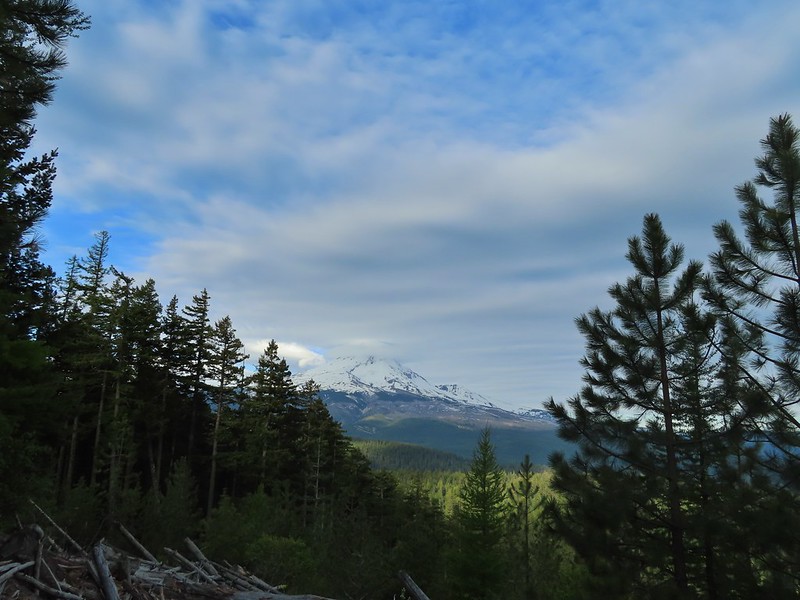
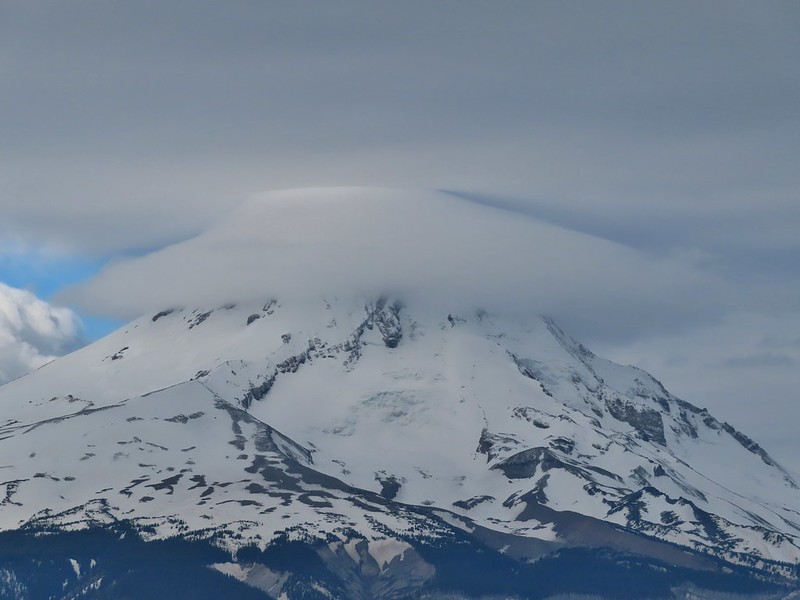
The forecast for the day was mostly sunny skies in the morning with a 20% chance of showers developing after Noon. Our drive to the trailhead had been through low clouds/fog with no view of Mt. Hood to speak of so even seeing this much of the mountain was exciting plus a nice lenticular cloud was developing up top.
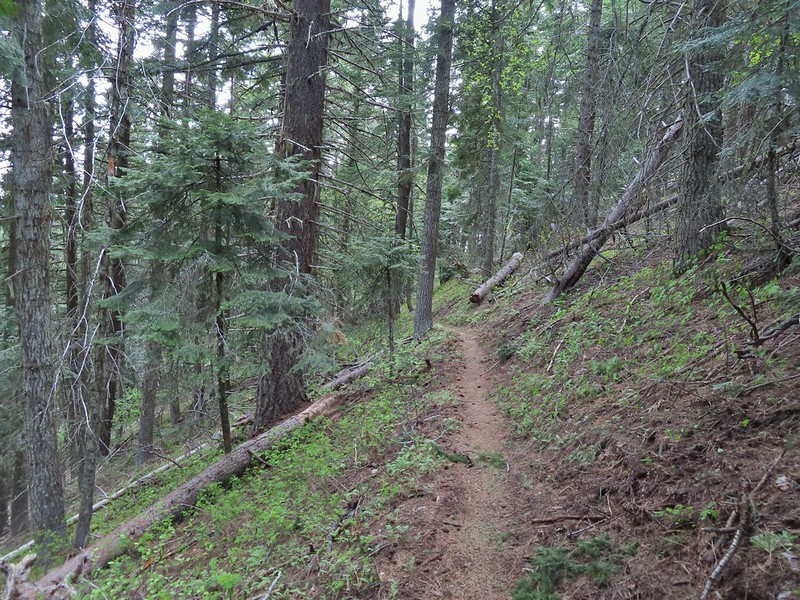
Over the next two and a quarter miles the trail passed through alternating forest types and several more views of Mt. Hood (and one of Mt. St. Helens). While no snow remained, much of the vegetation was in its early stages although a variety wildflowers were blooming.
 Manzanita
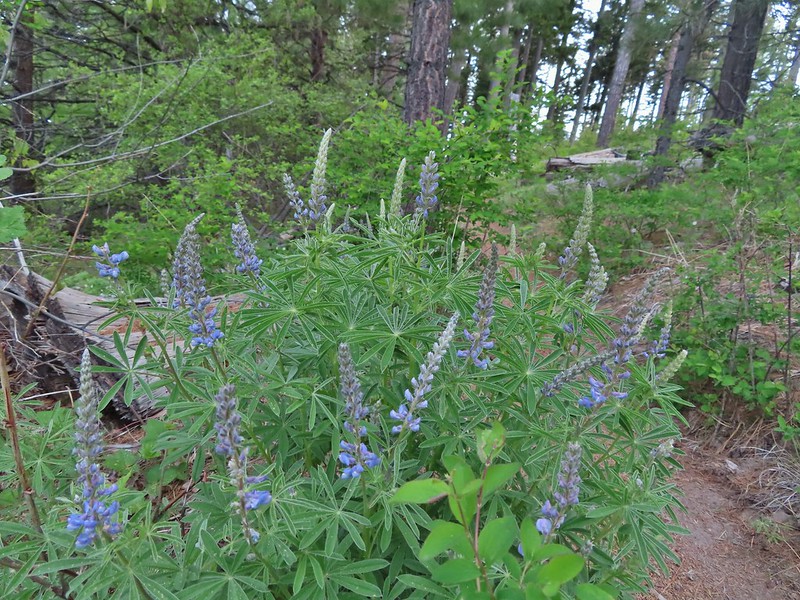 Lupine
 Mt. Hood again.
 Jacob’s ladder
 Red-flowering currant
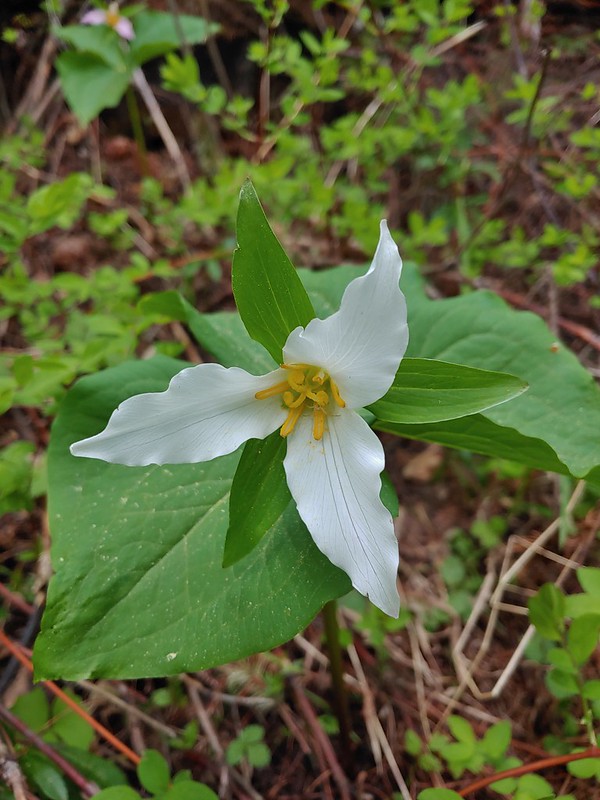 Trillium (can you spot the crab spider?)
 Sticky currant
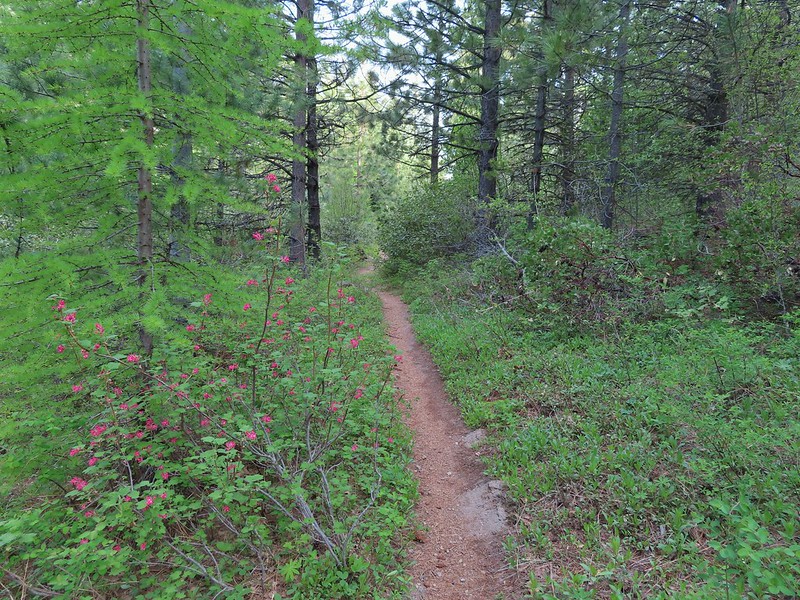 Western larch tree and red-flowering currant on the left.
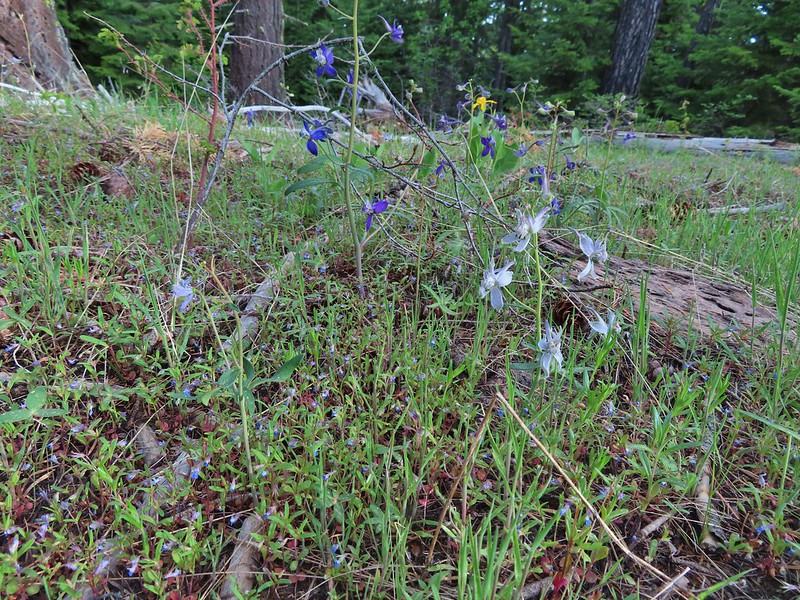 Larks spur and blue-eyed Mary
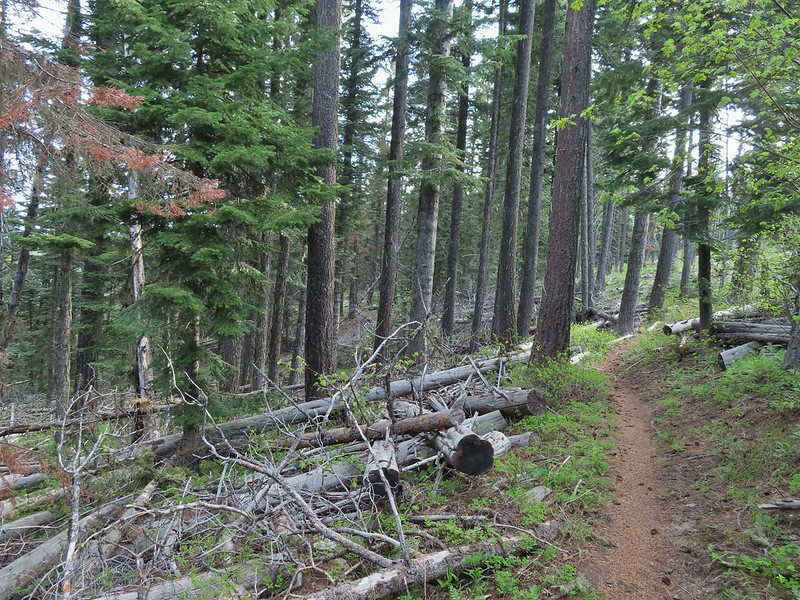
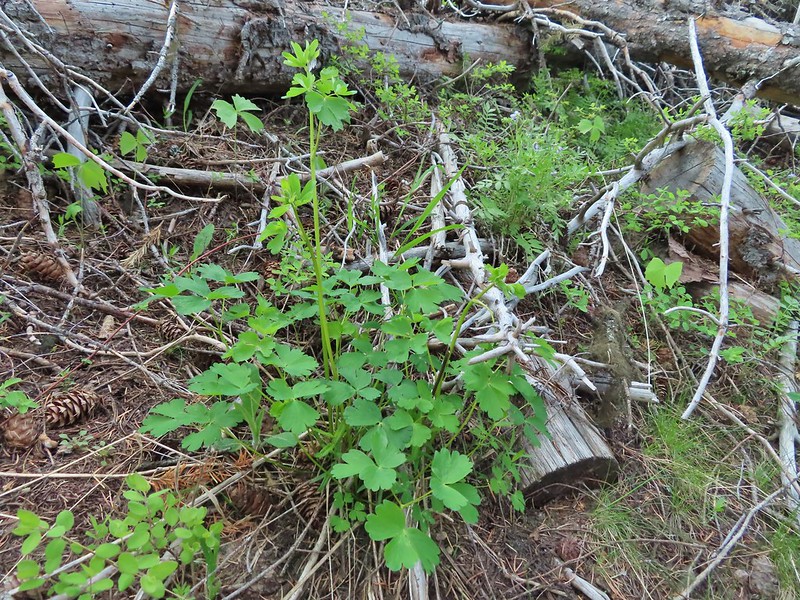 Columbine well before blooming.
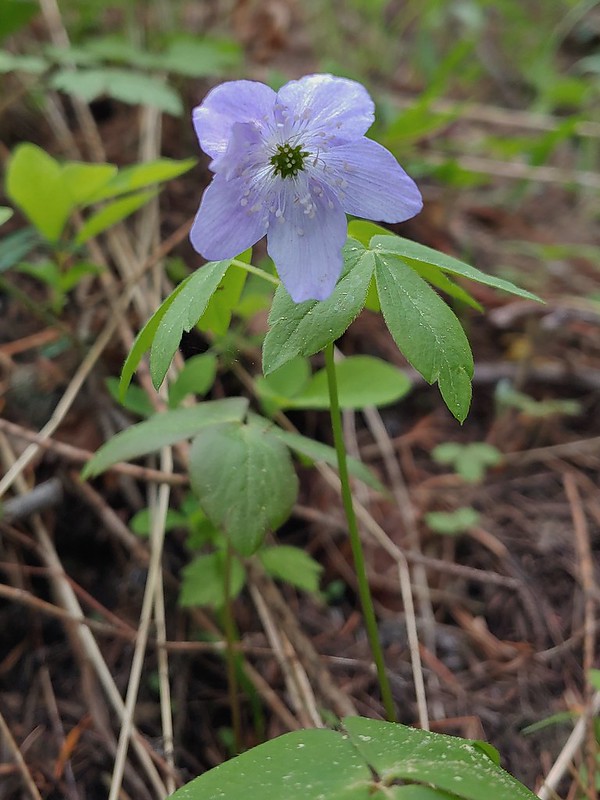 Anemone
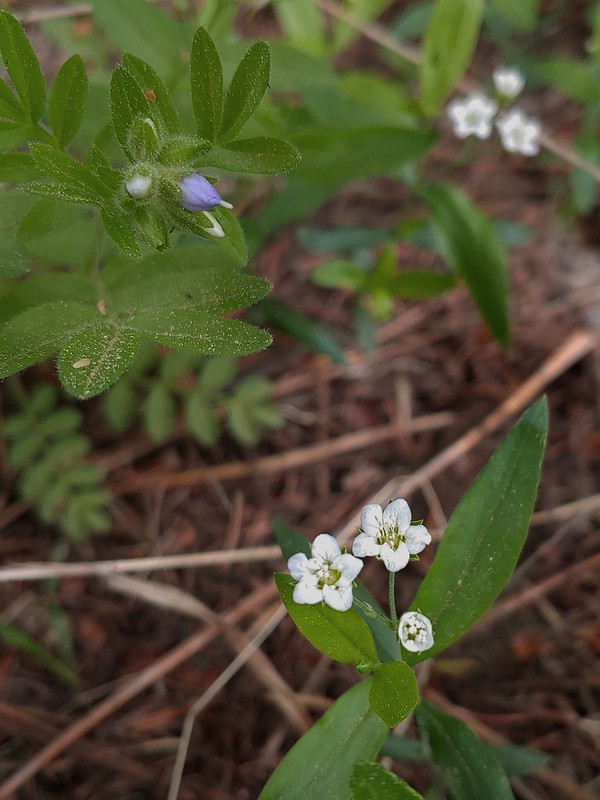 Largeleaf sandwort
 Vanilla leaf getting ready to bloom.
 Arnica
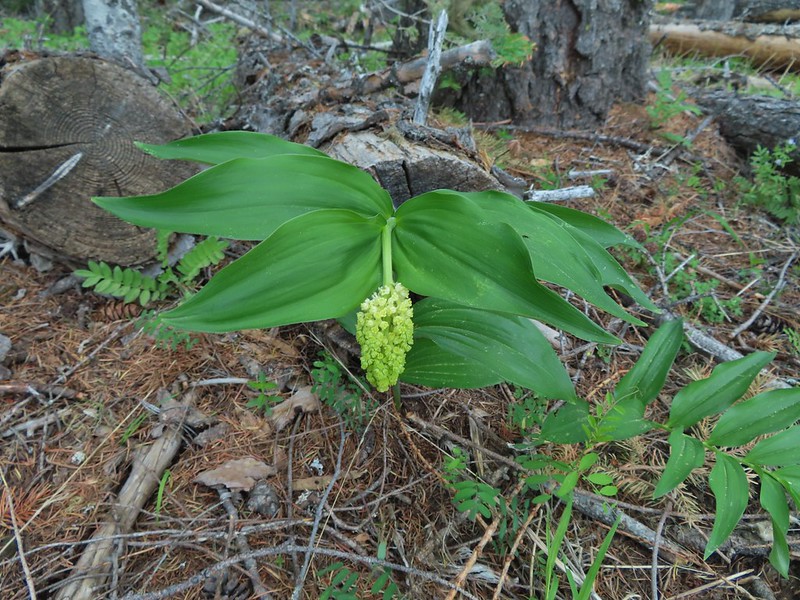 False solomons seal starting to bloom.
 Star-flower false solomons seal prior to blooming.
 Ballhead waterleaf
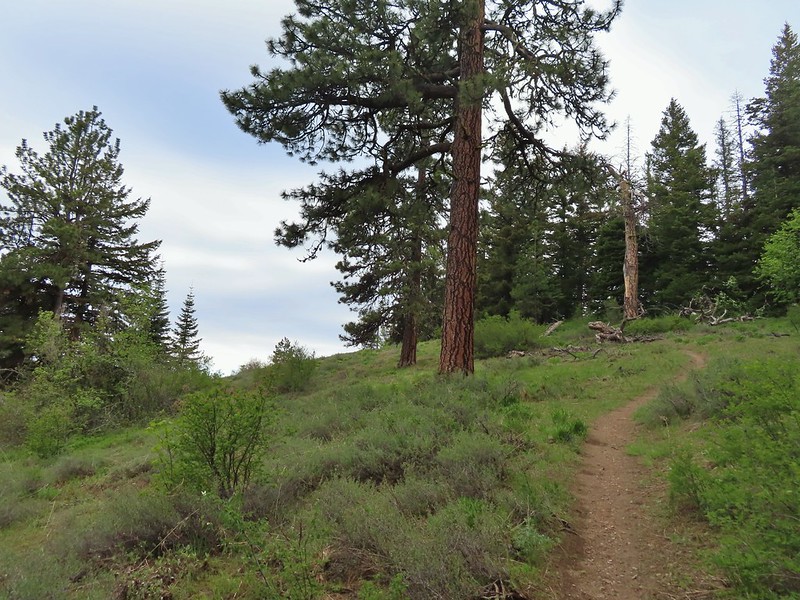 Ponderosa
 Scarlet gilia not yet in bloom.
 Balsamroot
 Hood River Valley and Mt. St. Helens
 Mt. St. Helens
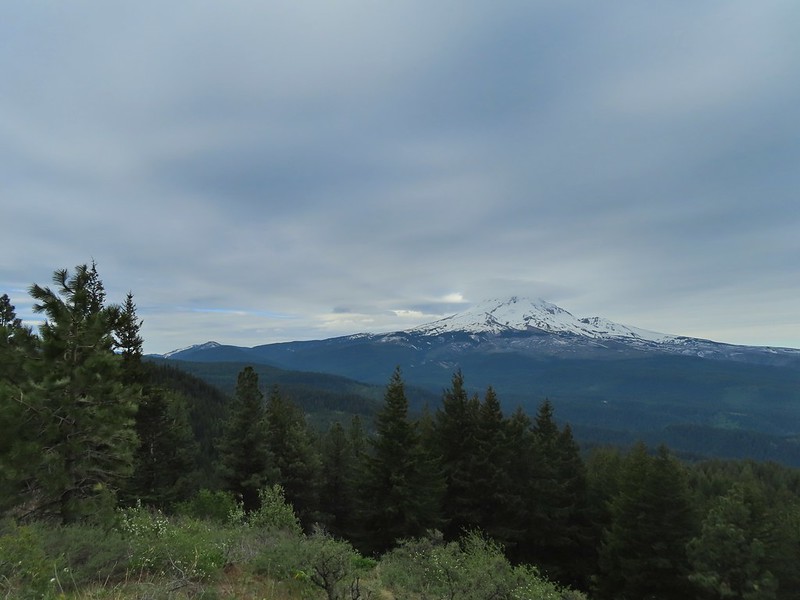 Mt. Hood
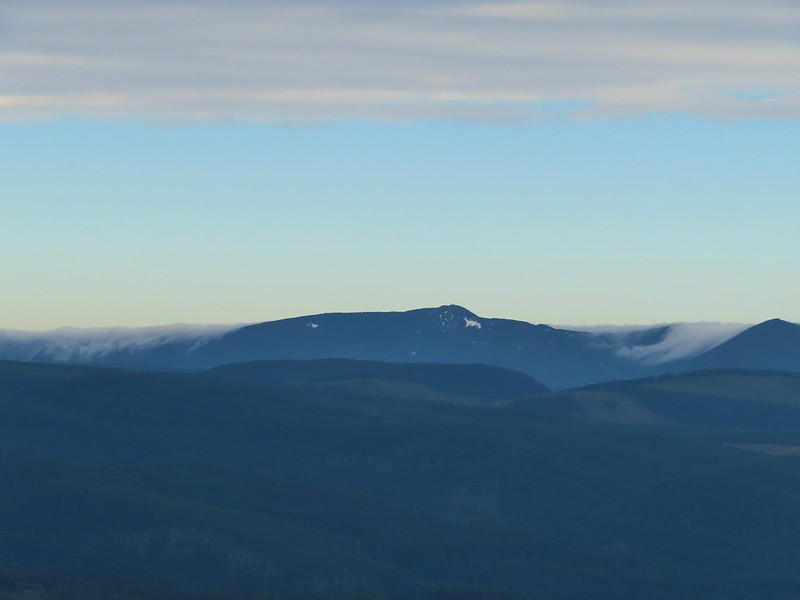 Indian Mountain (post)
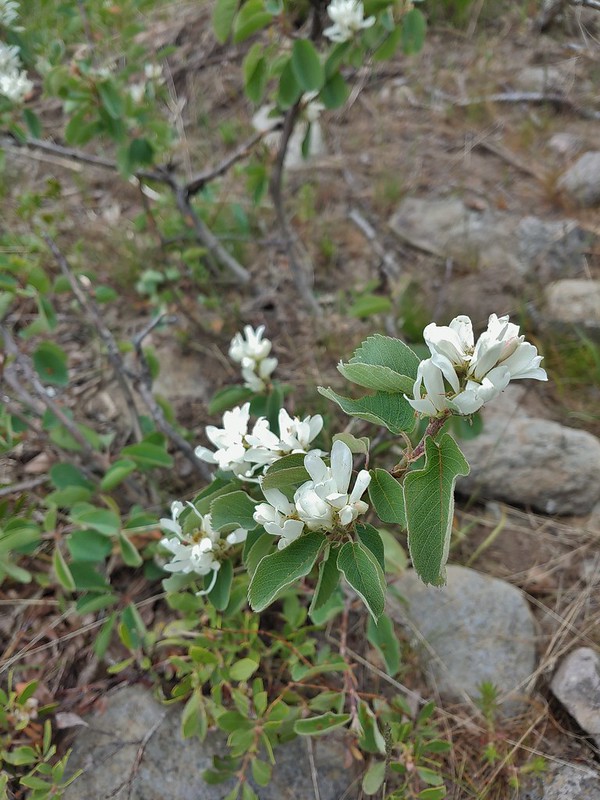 Western serviceberry
 Fairy bells
 Glacier lily
 Shellrock Mountain from the trail.
Just to the south of Shellrock Mountain there is a signed spur to the left for “Shellrock Mountain” which does not go to Shellrock Mountain but rather ends after few hundred feet in a small meadow below the mountain. Despite knowing this we ventured out to the meadow just to check it out.


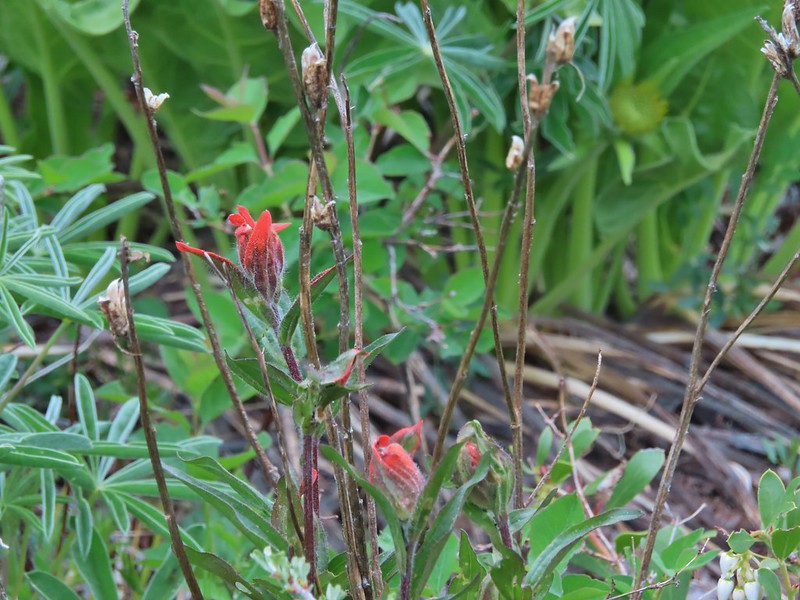 First paintbrush of the day spotted in the little meadow.
The route to the 4449’summit lays .2 miles further north at the crest of the trail where a rough unsigned user trail veers uphill.
 User trail to the left.
The faint trail was fairly well flagged and easy enough to follow through the vegetation to the open rocky slope of Shellrock Mountain.


Once we were out in the open we simply headed uphill to the summit where a lookout once sat. The three-hundred and sixty degree view includes Mt. Adams and Mt. Rainier in addition to Mt. Hood and Mt. St. Helens.


 Shellrock Badlands Basin, an eroded volcanic formation.
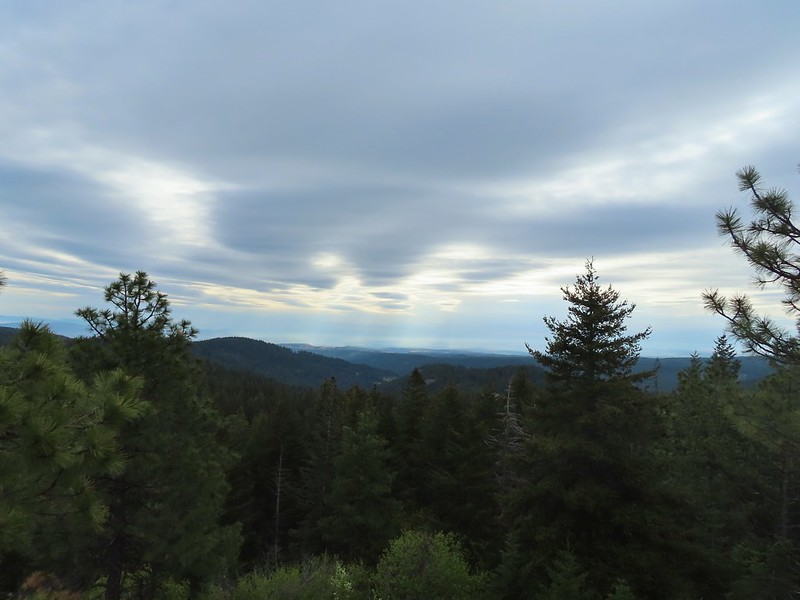 View east into Central Oregon.
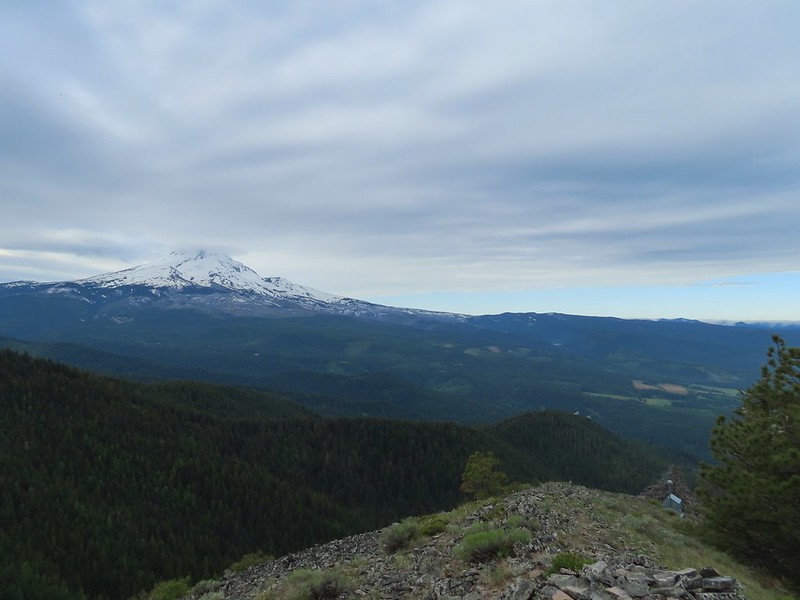 Mt. Hood
 Mill Creek Buttes with Lookout Mountain and Gunsight Butte (post) behind to the right.
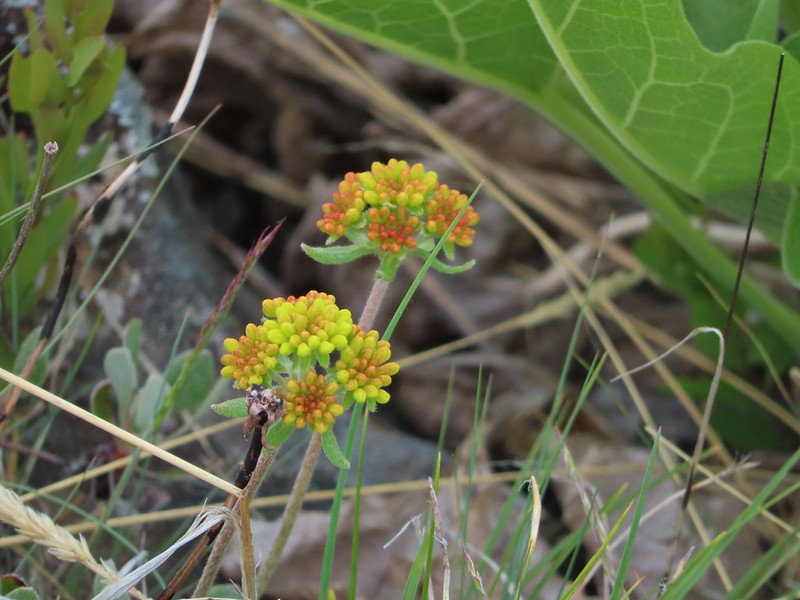 Buckwheat
 Bird below Shellrock Mountain.
We took a nice long break at the summit before descending back to the Surveyor’s Ridge Trail where we continued north.

 A whole lot of trillium.
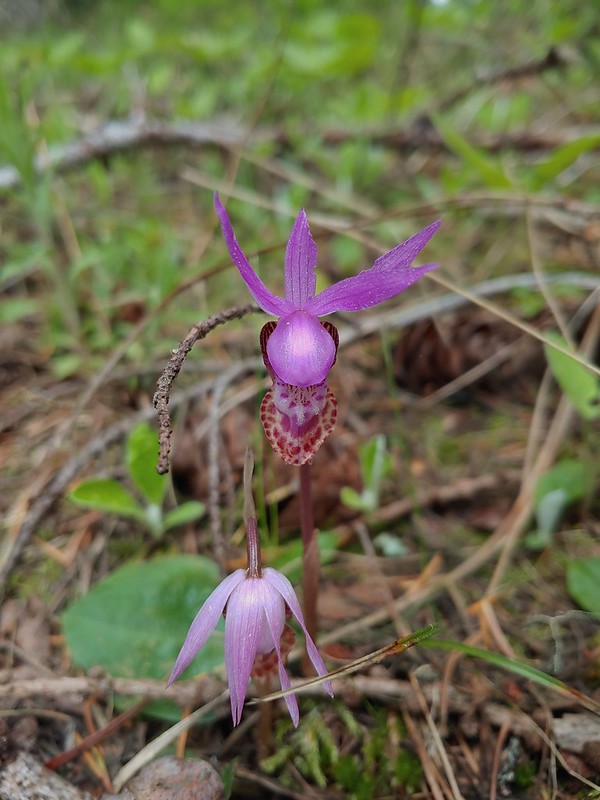 Fairy slippers
Approximately .4 miles from the user trail we arrived at the Shellrock Mountain Trailhead.

 Sign at the trailhead.
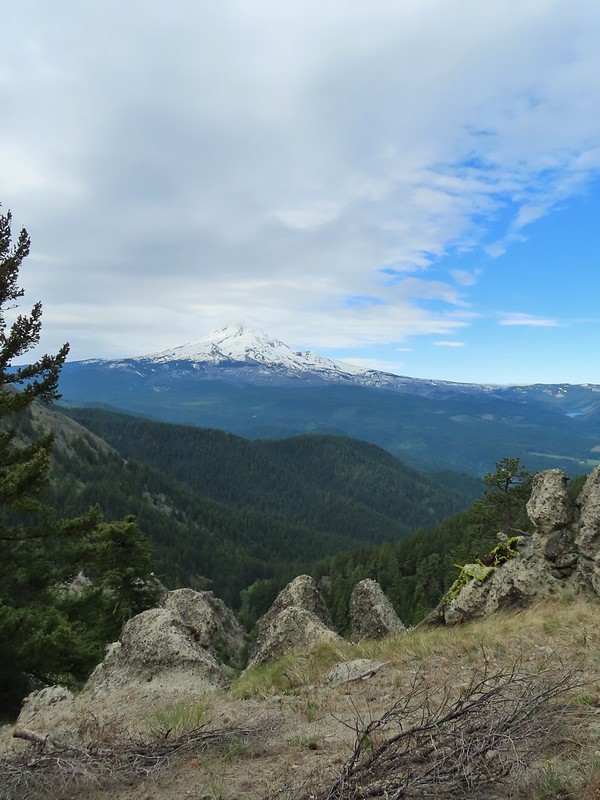
Continuing beyond the trailhead the Surveyor’s Ridge Trail passed above the Shellrock Badlands Basin with views back to Shellrock Mountain and eventually Mt. Hood again.


 parsley and popcorn flower.


 Lupine
Over the course of the morning the cloud situation improved substantially, enough that when we arrived at a viewpoint 3/4 of a mile from the Shellrock Mountain Trailhead most of the sky around Mt. Hood was blue.

While Mt. Hood wore a lenticular cloud for a hat, my hat wore an inch worm.

 I frequently have insects hitching rides, so often that we joke about me being an Uber for bugs.
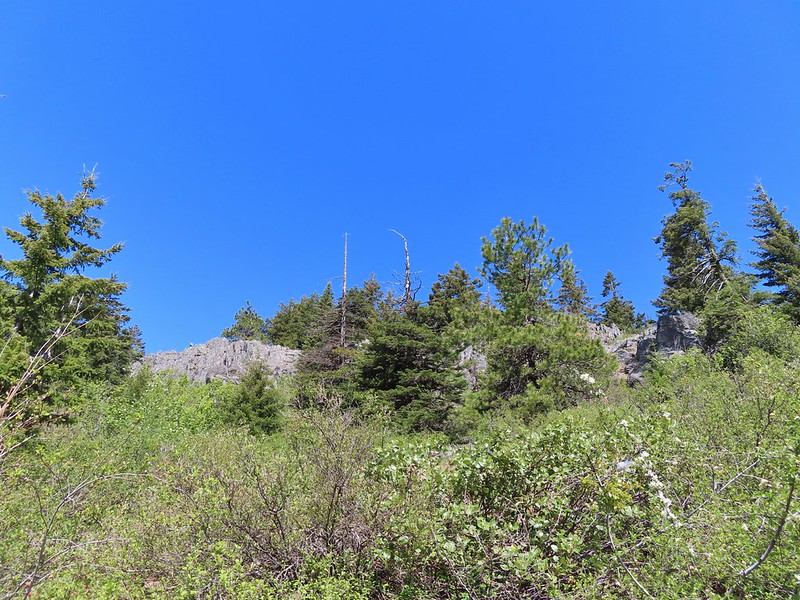
Beyond this latest viewpoint the trail began a gradual climb to the former site of the Rim Rock Fire Lookout (approx 1.75 miles from the Shellrock Mountain Trailhead).
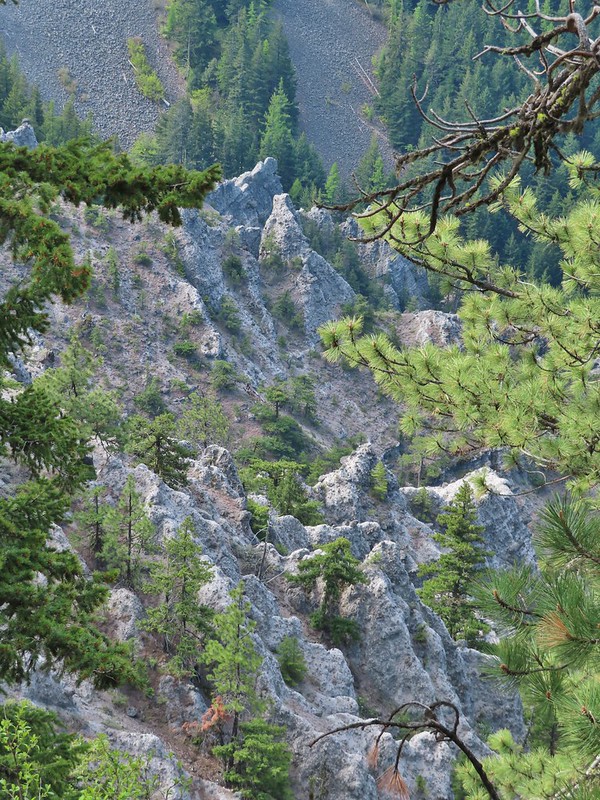
 Rock out cropping in the Rim Rock section of trail.
 Tailed kittentails
 Western tanager female
 Western tanager male
 View from a rocky viewpoint just before crossing from the east side of the ridge back to the top.
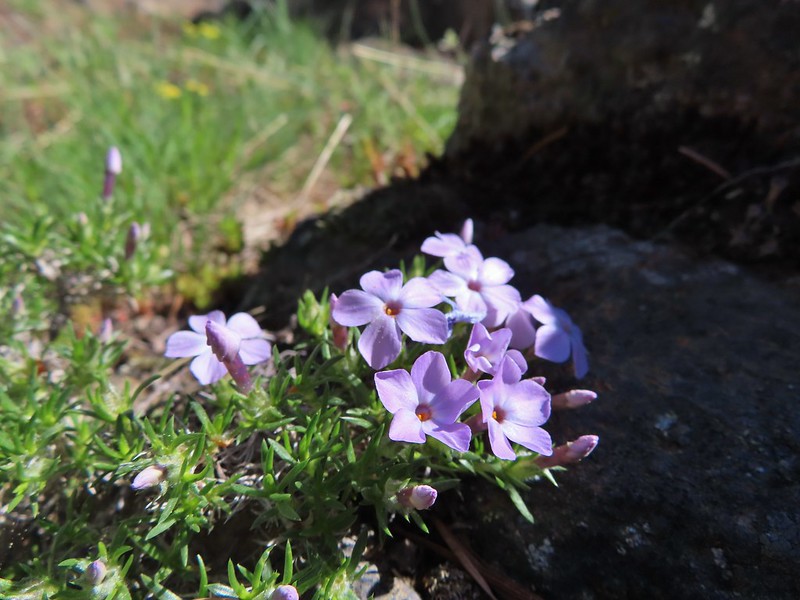 Phlox
Phlox

When the trail regained the ridge crest we took a user trail to a viewpoint where Mt. Hood once again dominated the view.


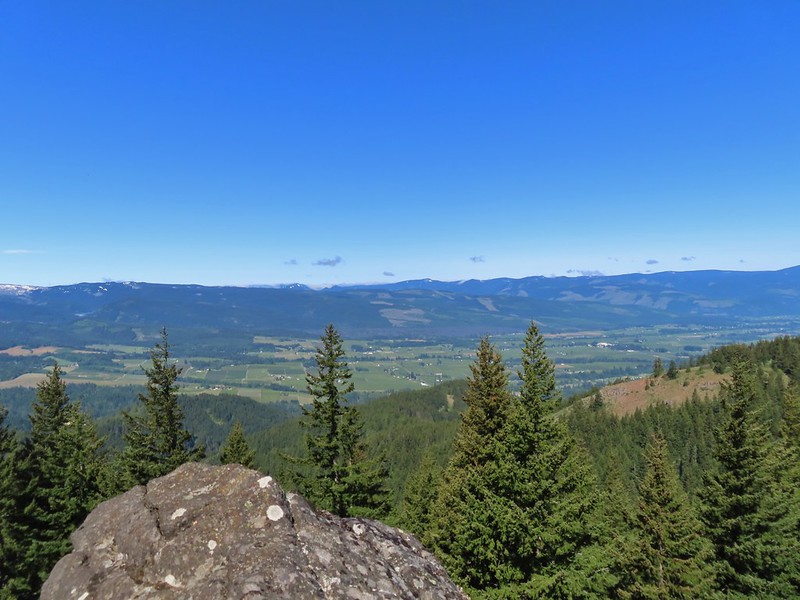 Hood River Valley
Interestingly the improved visibility of Mt. Hood had been countered by a loss of visibility of the Washington Cascades.
 Clouds encroaching on Mt. Adams.
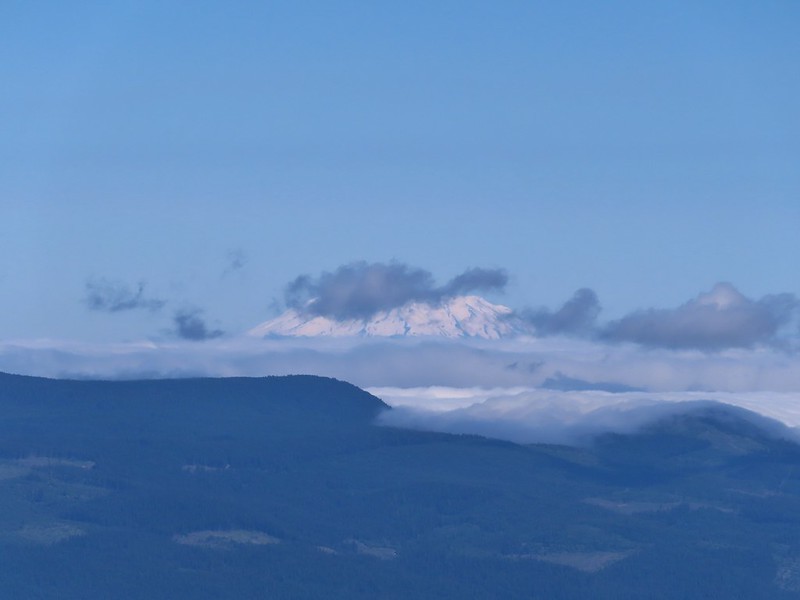 Mt. St. Helens
Another unmarked side trail led to the former lookout site.

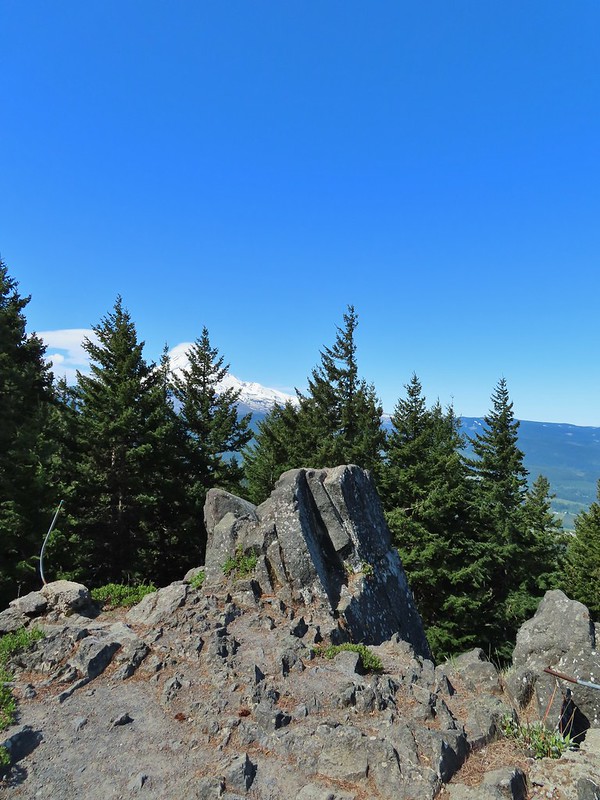 The other viewpoint had a better view.
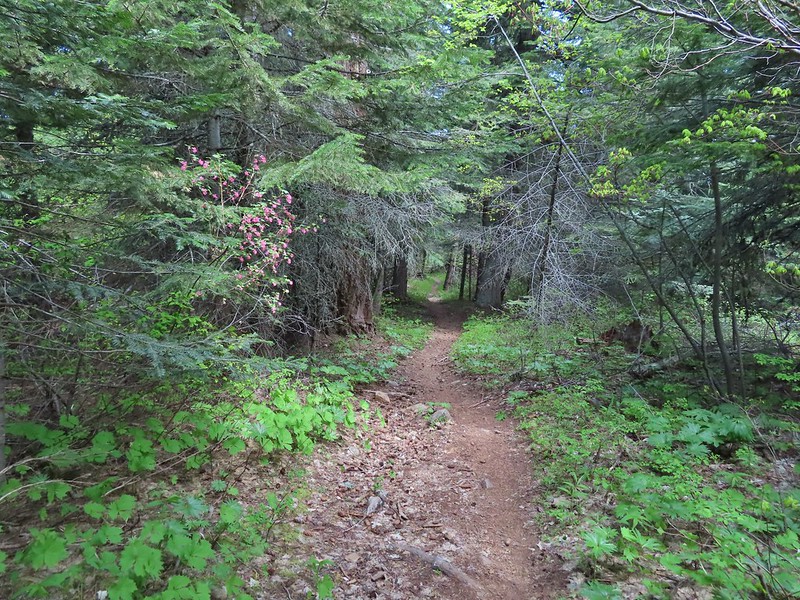
Three tenths of a mile from the lookout site we crossed an old roadbed then crossed a second in another .3 miles.
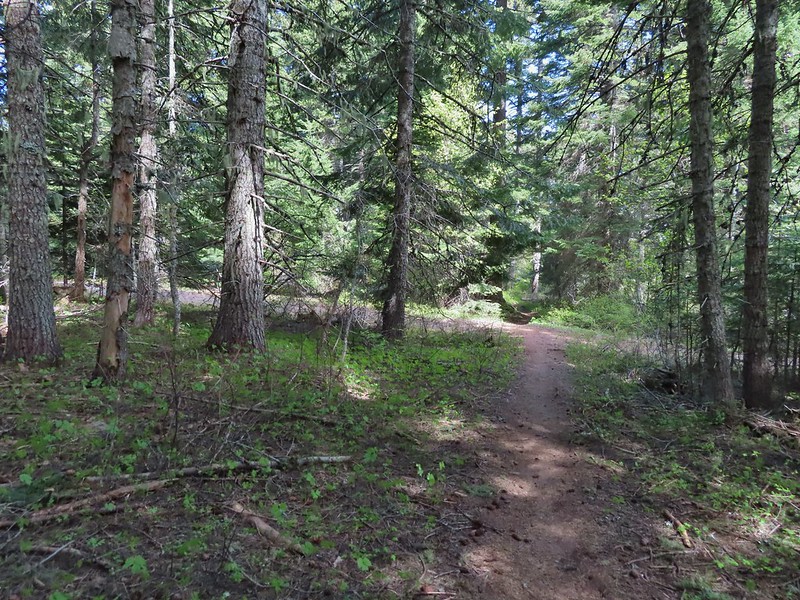 The first roadbed crossing.
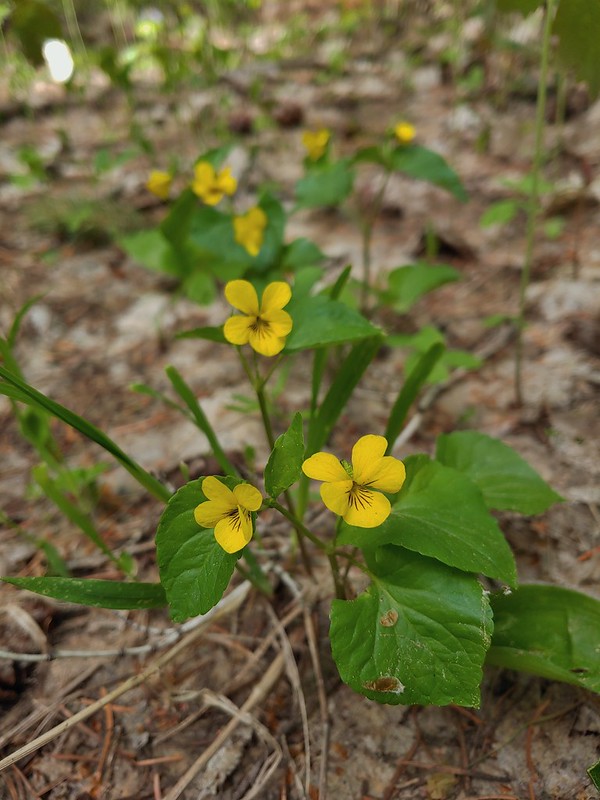 Violets
There was a profusion of Red-flowering currant in between the road crossings.
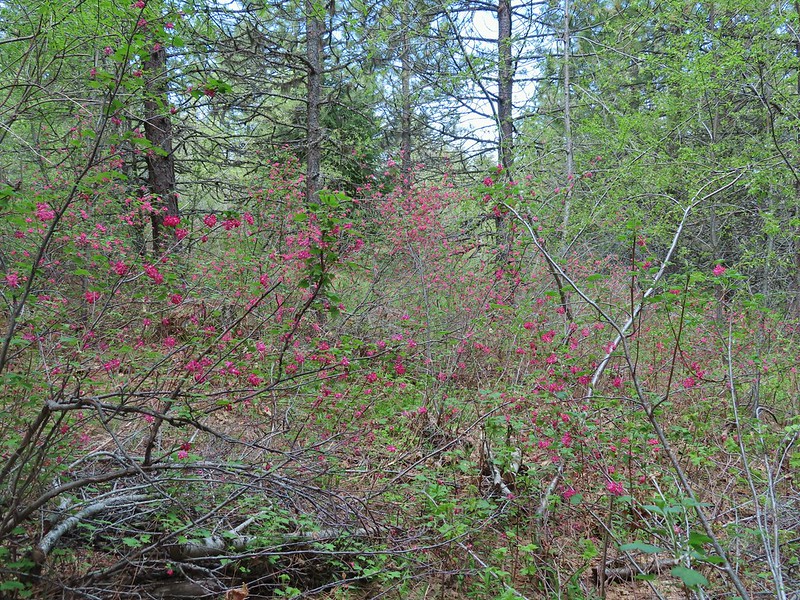
 Trail signs at the second road crossing.
 Coralroot sprouting
Four tenths of a mile beyond the second road crossing we thought we had reached Yellowjacket Point when we arrived at an open hillside where we followed a faint path out to some rocks.

 Balsamroot and paintbrush
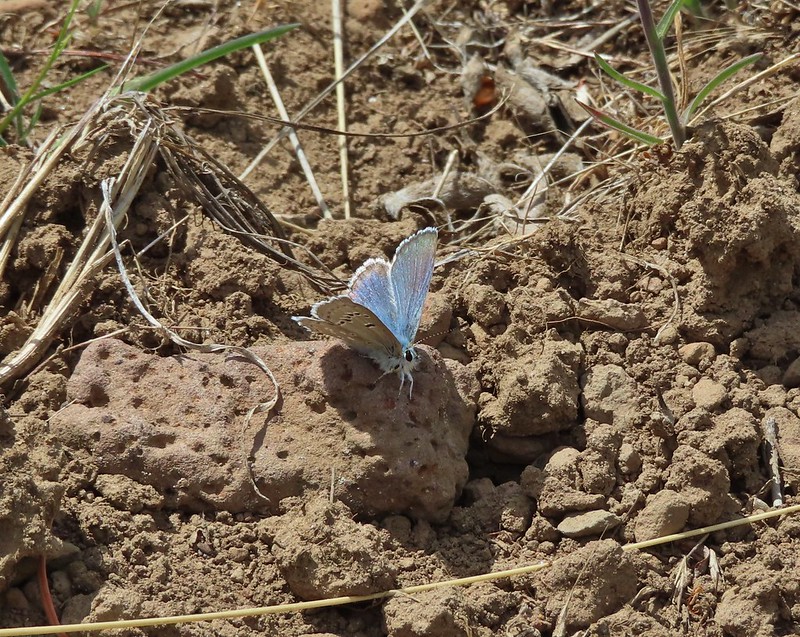

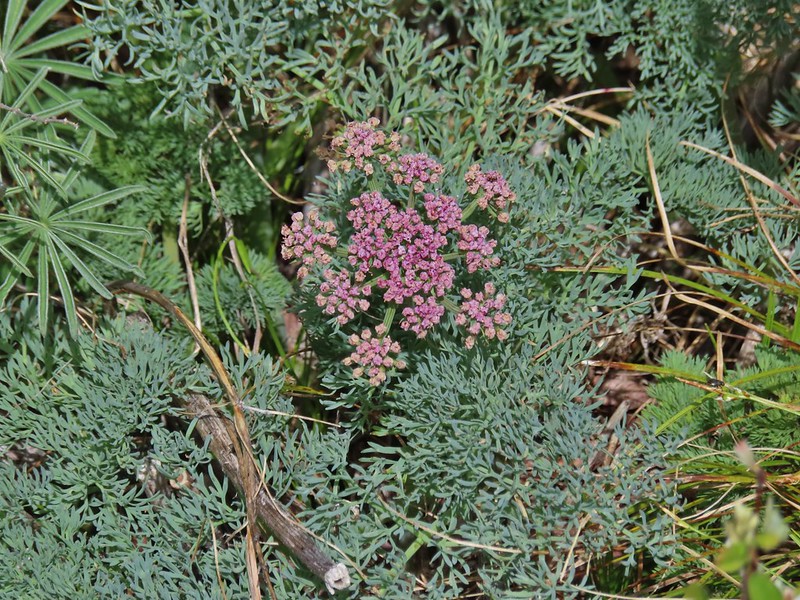 Desert parsley
 Western stoneseed
 Wildflowers on the hillside.
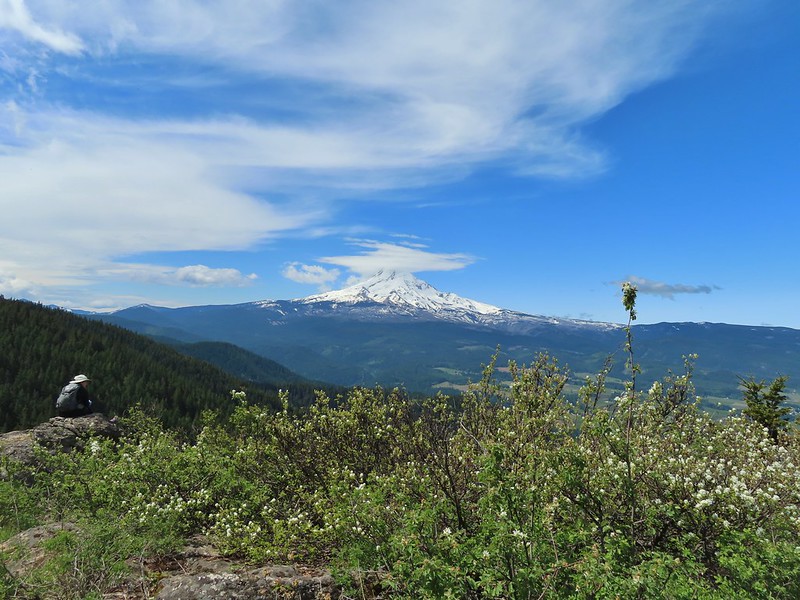
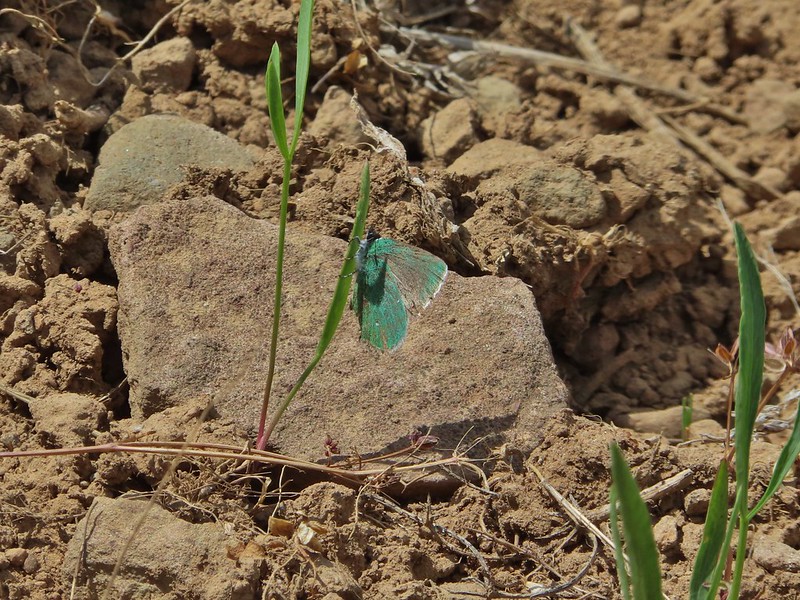
After another long break (and removing two ticks from my pant legs) we started to head back. Something just didn’t seem right though so we checked our location on the GPS and discovered that we hadn’t quite gotten to Yellowjacket Point yet. We turned around and hiked an additional 0.1 miles to a junction where we turned left.
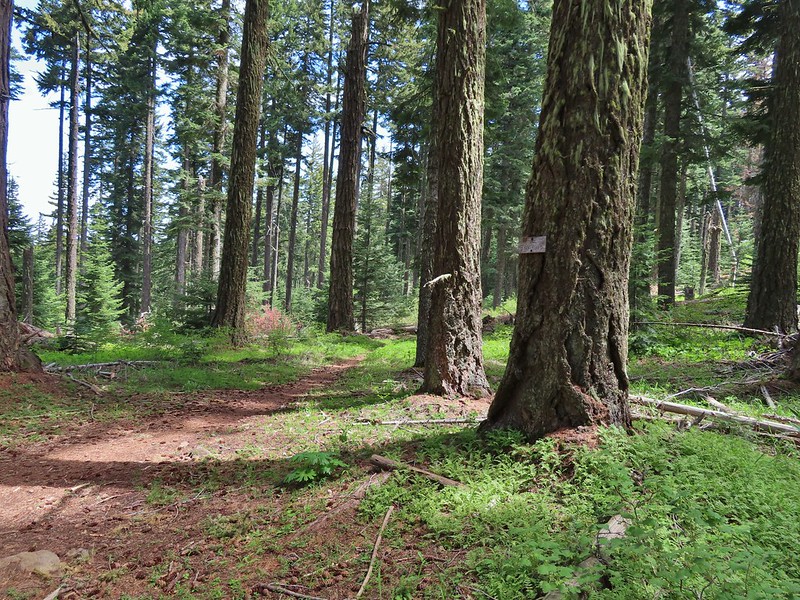 Sign at the junction.
 Spur trail to Yellowjacket Point.
We arrived at Yellowjacket Point a tenth of a mile later.
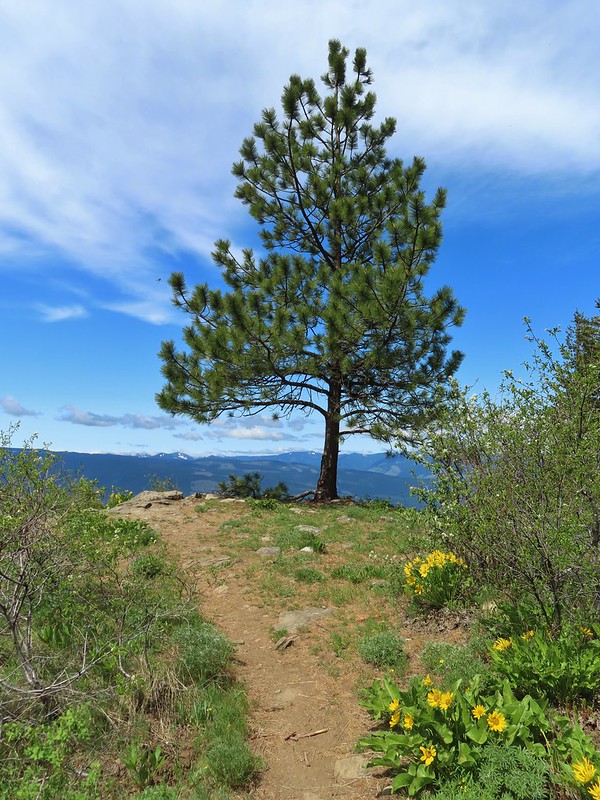
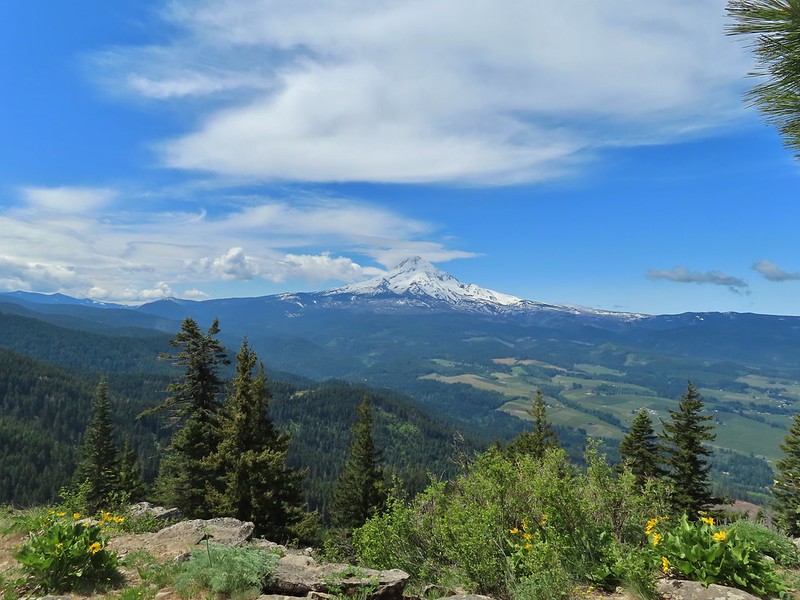
 No yellowjackets, just a robin.
Having finally reached Yellowjacket point we could head back. As usual we kept our eyes open for anything we missed on our first pass.
 Things like this gooseberry shrub.
 Chipmunk
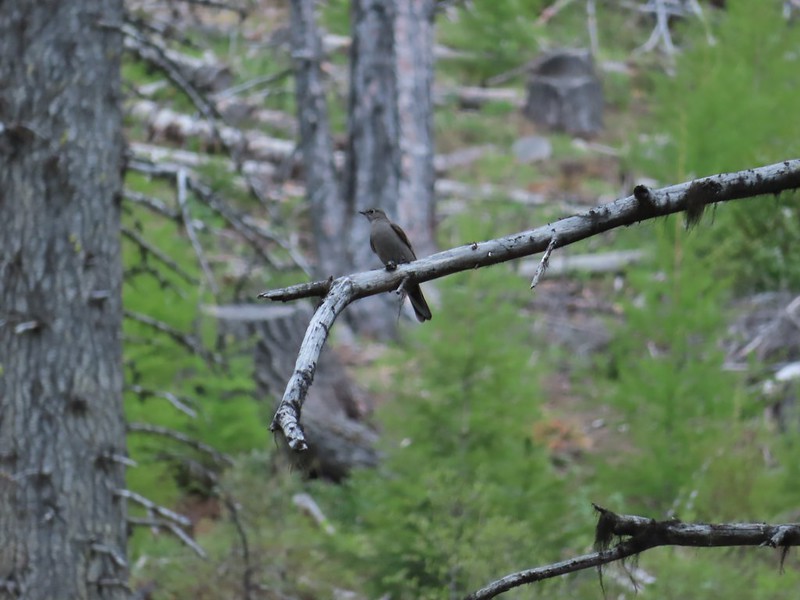 Townsend’s solitare?
The biggest story on our hike back was the deterioration of the view of Mt. Hood. NOAA had not been wrong about the chance of showers in the afternoon and we watched as the clouds moved in. By the time we had arrived back at the car it had indeed started to sprinkle ever so lightly.
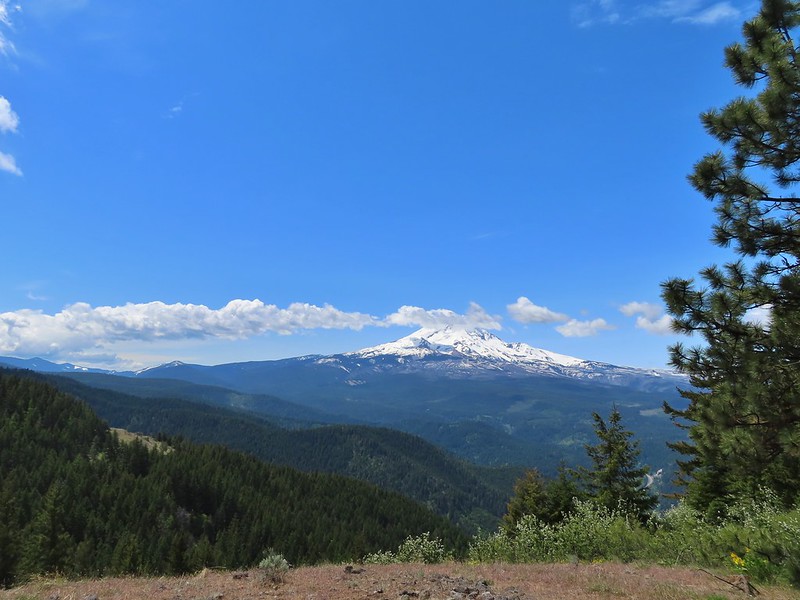 12:40pm
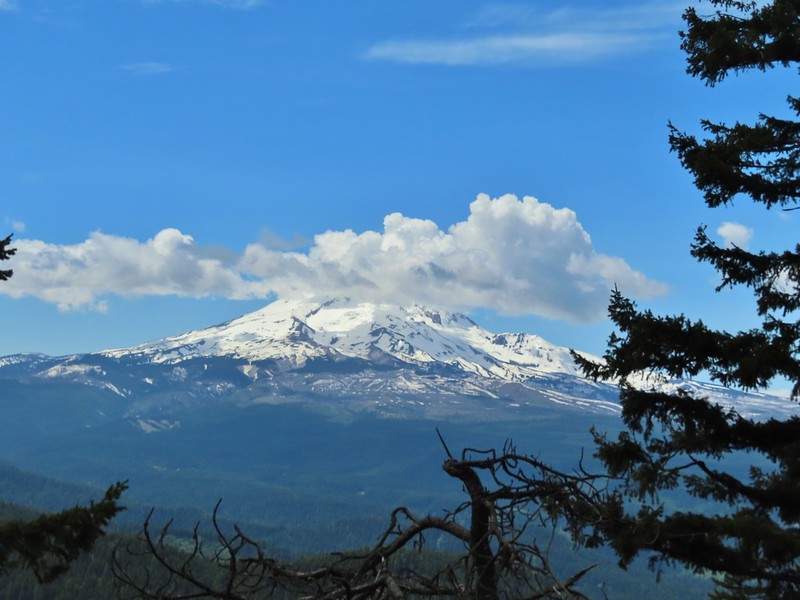 12:50pm

 1:00pm
 1:30pm
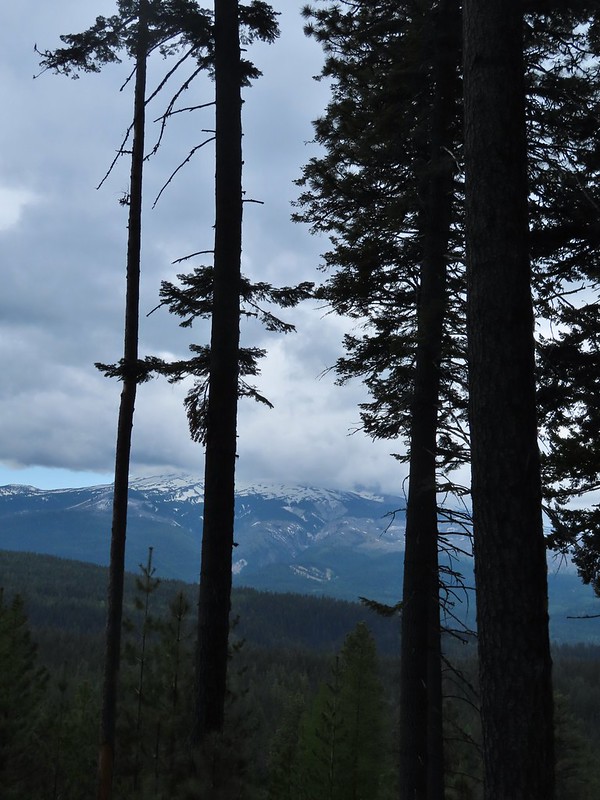 2:04pm
 Returning to the parking area at 2:11pm
The 12.9 mile hike came with approximately 1800′ of elevation gain. We were really impressed with the variety of scenery and the views on this hike. Despite being a multi-use trail we didn’t see that many other users; a few trail runners, a couple of hikers, and a dozen or so mountain bikers. All in all a great day in the forest. Happy Trails!

Flicker: Surveryor’s Ridge
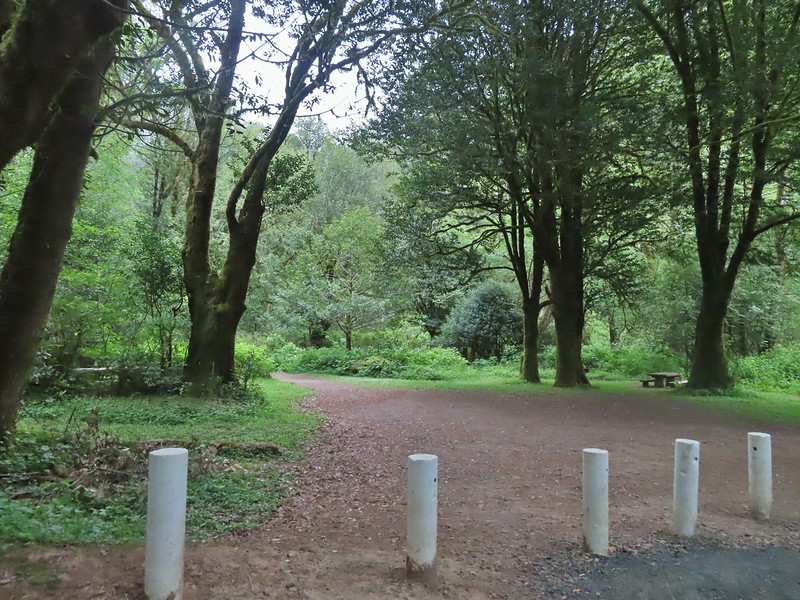


 Rough skinned newt
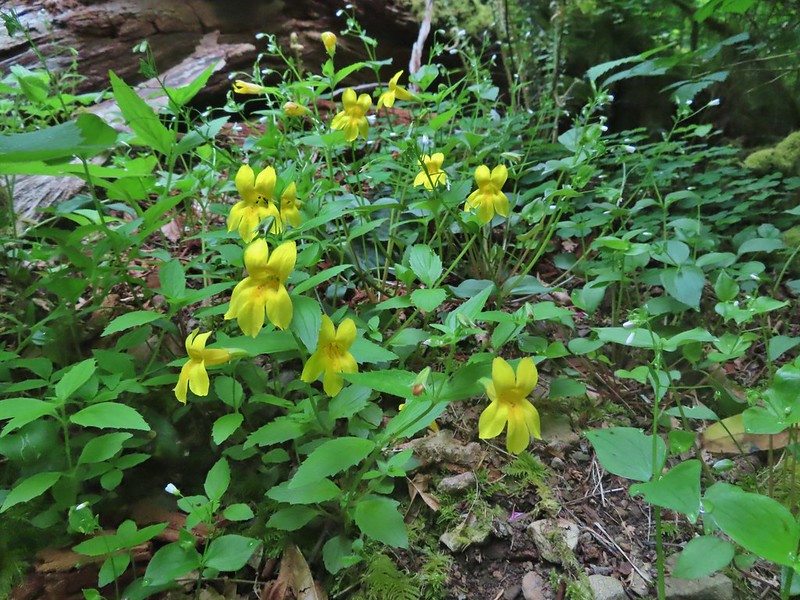 Monkeyflower
 Thimbleberry
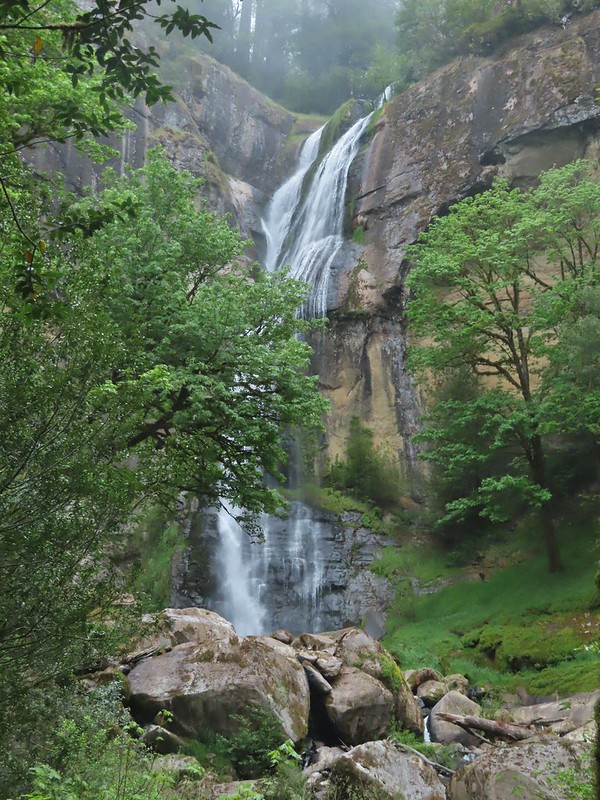

 Wren below Golden Falls
 Columbine
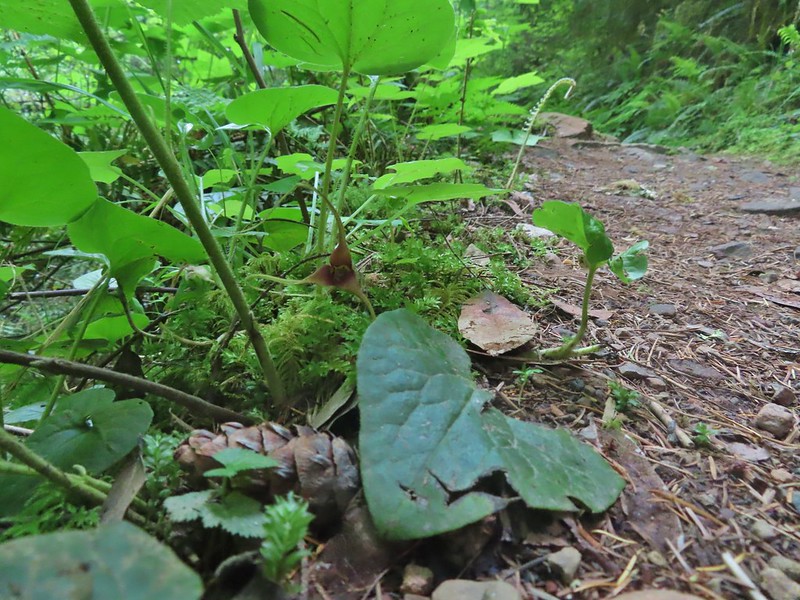 Ginger
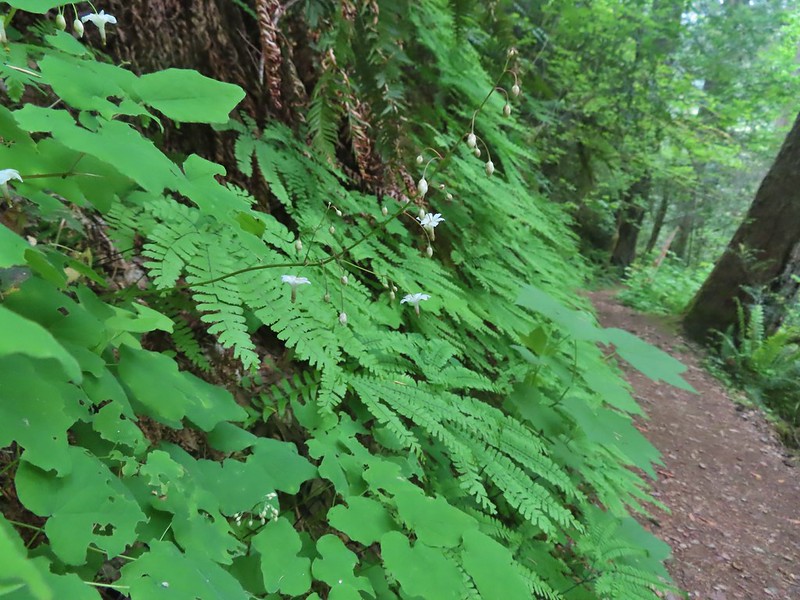 Inside out flower
 Iris
Iris Anemone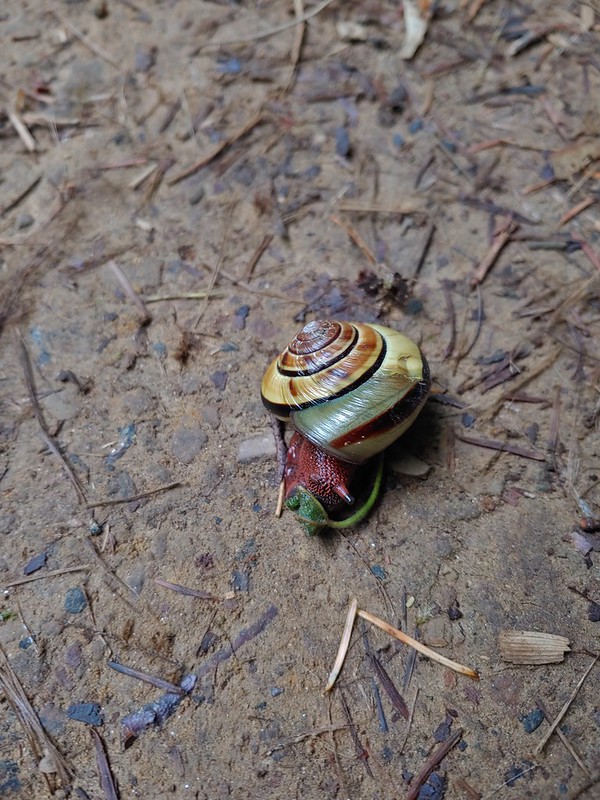

 Ouzel
Ouzel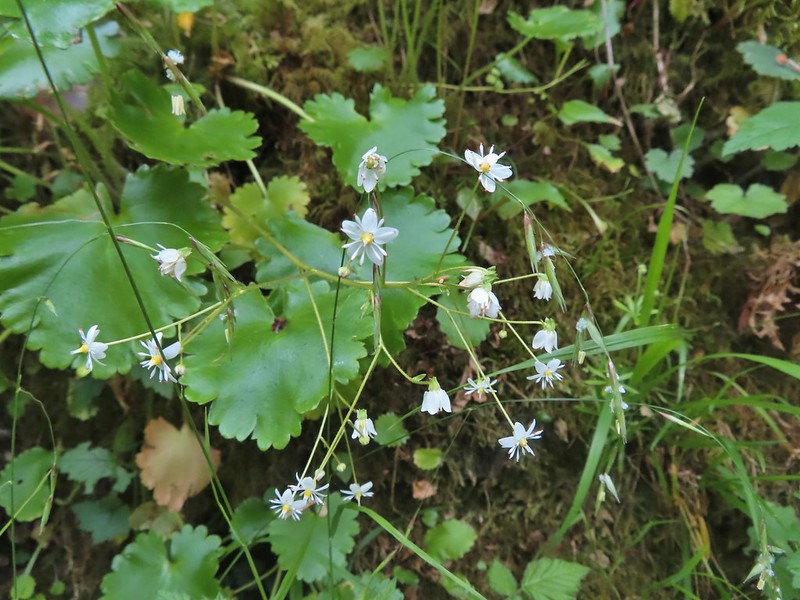 Marshall’s saxifrage

 Plectritis
 Manroot

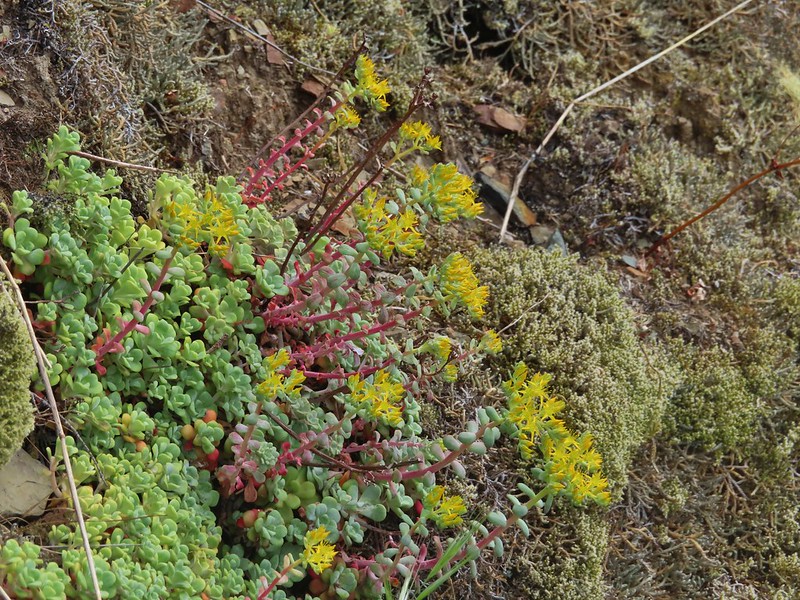 Stonecrop
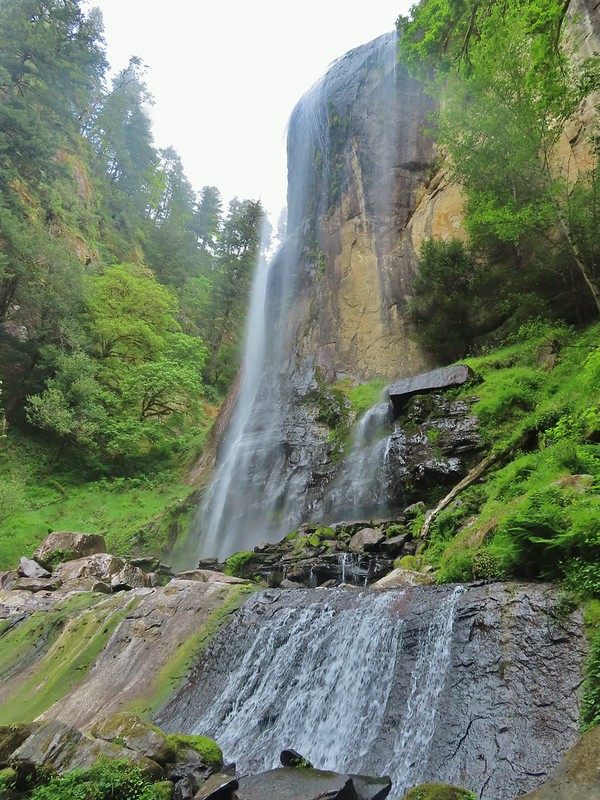
 Upper portion of Golden Falls.
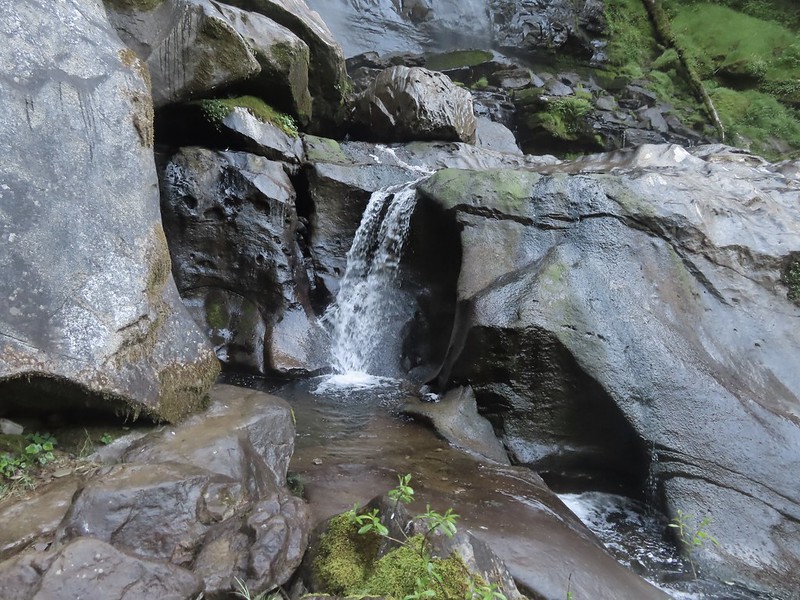
 Glenn Creek above Golden Falls.
 Despite a cloudy morning they stayed high enough to not obstruct the view of the falls.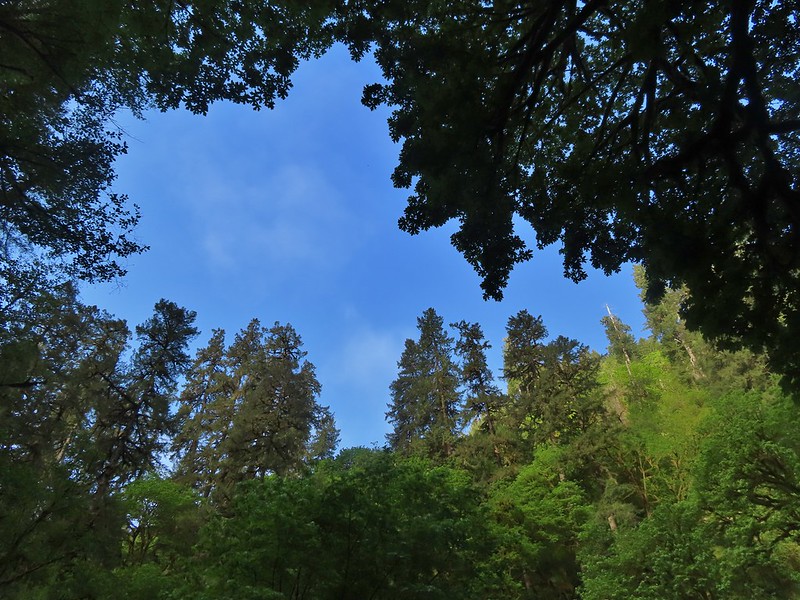

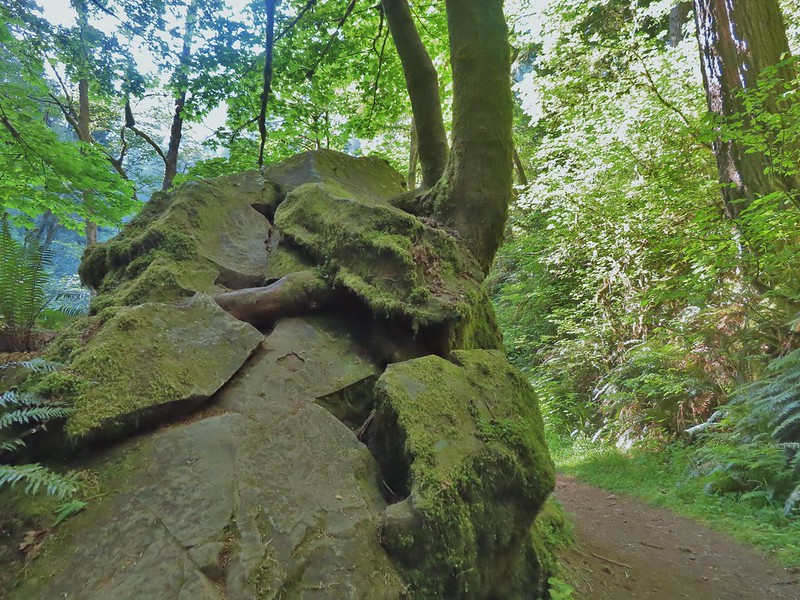 Epic battle between a rock and a tree.
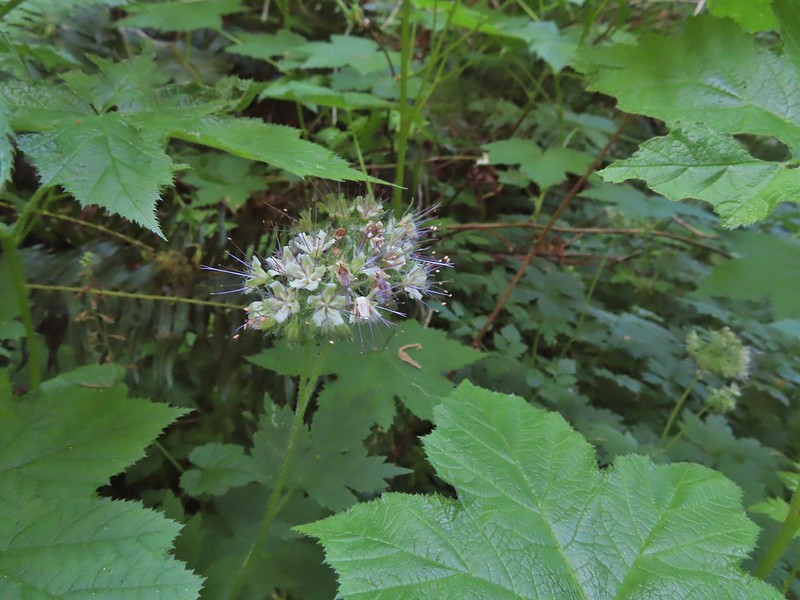 Pacific waterleaf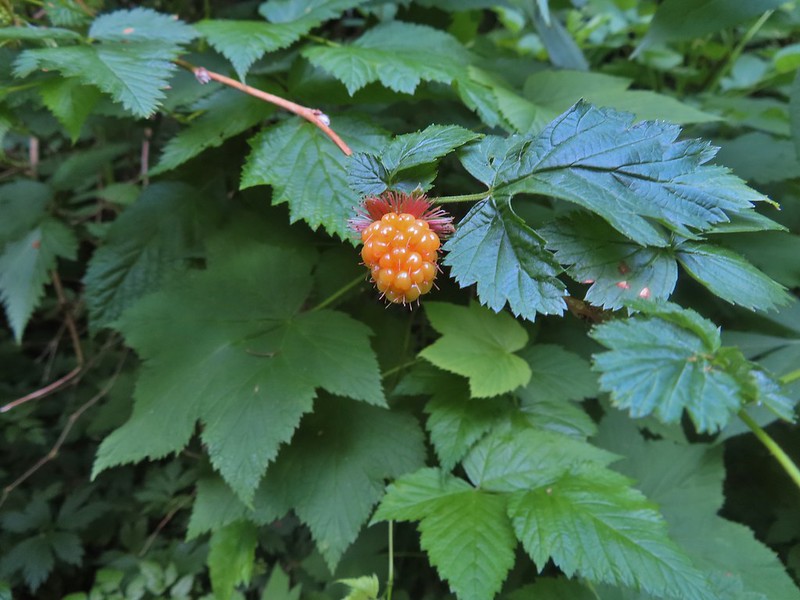

 Larkspur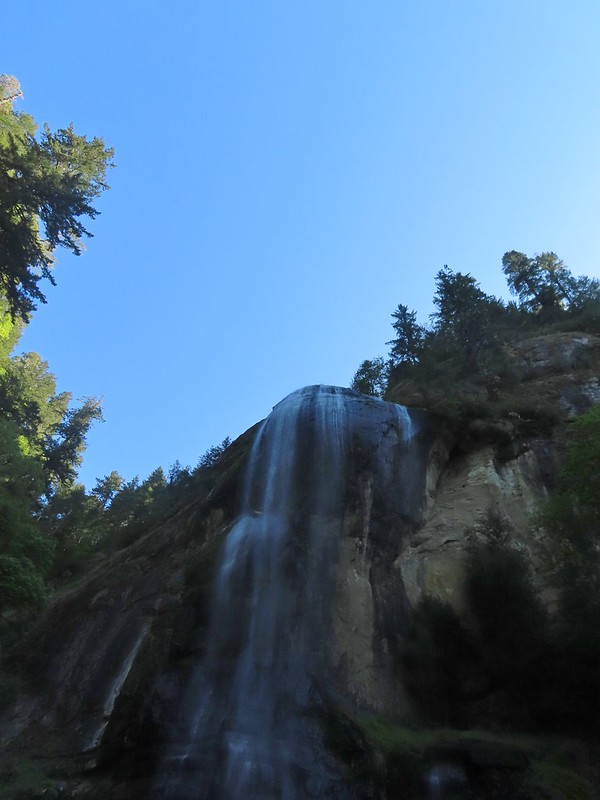
 Ouzel (might be the same one as earlier)



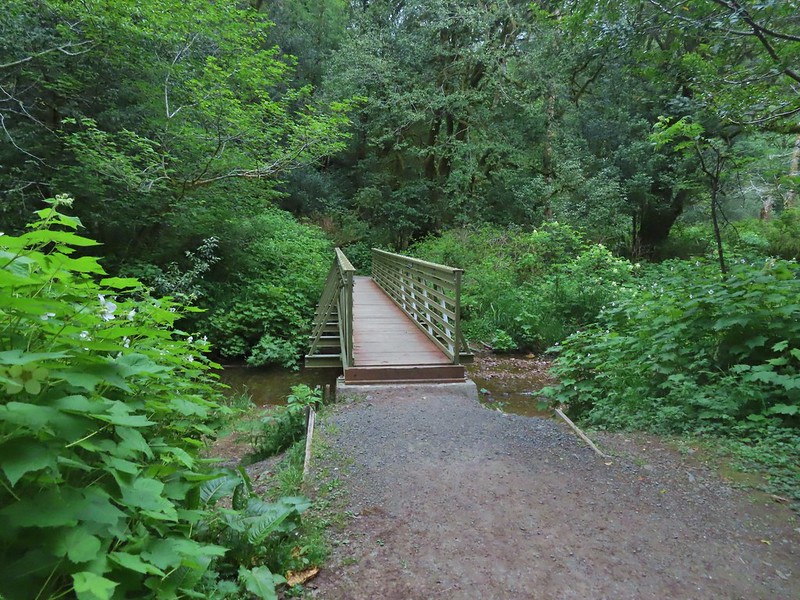
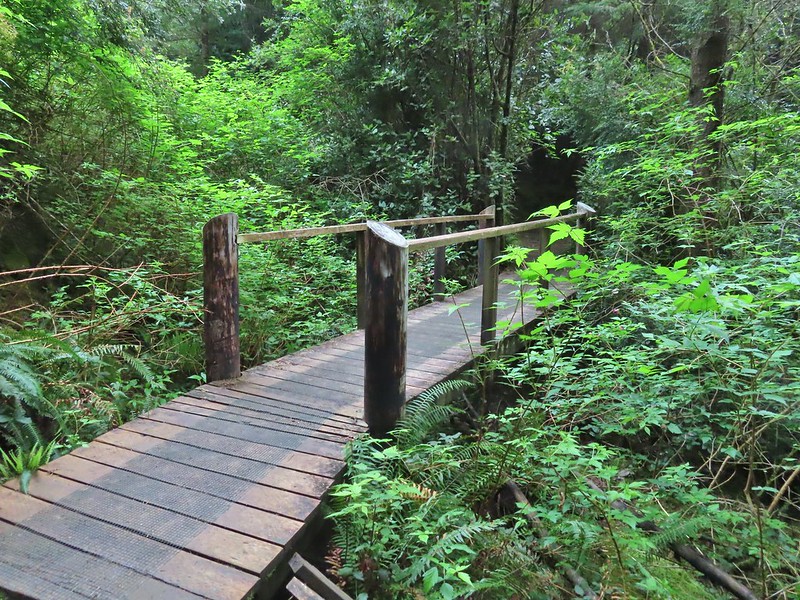
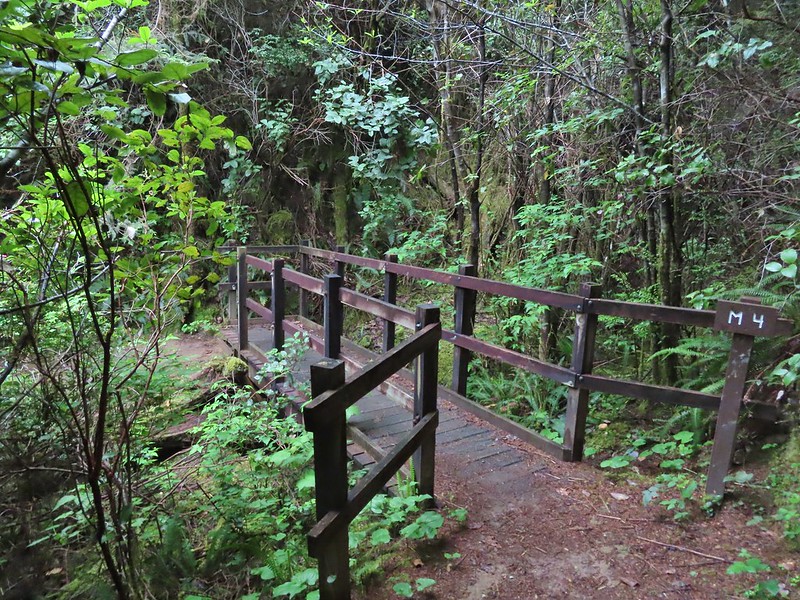 All the bridges had labels consisting of the first initial of the trail and then the bridge number making this the 4th bridge along the Middle Creek Trail.
 Interesting seat.
 That’s a fancy hat for a stump.


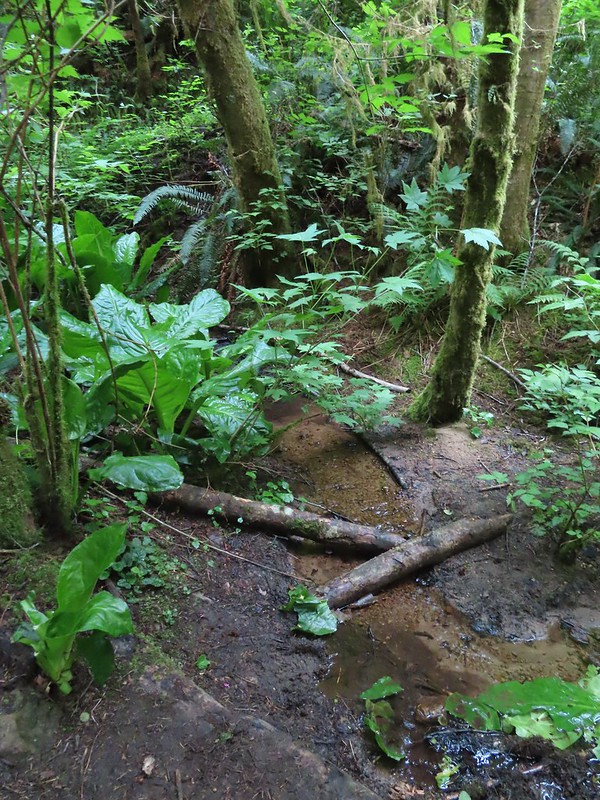


 We saw a lot of rough skinned newts on the trails, but what we were really hopping for was a Pacific Giant Salamander. No luck there this time.
 A few trillium still had petals.
 Woodpecker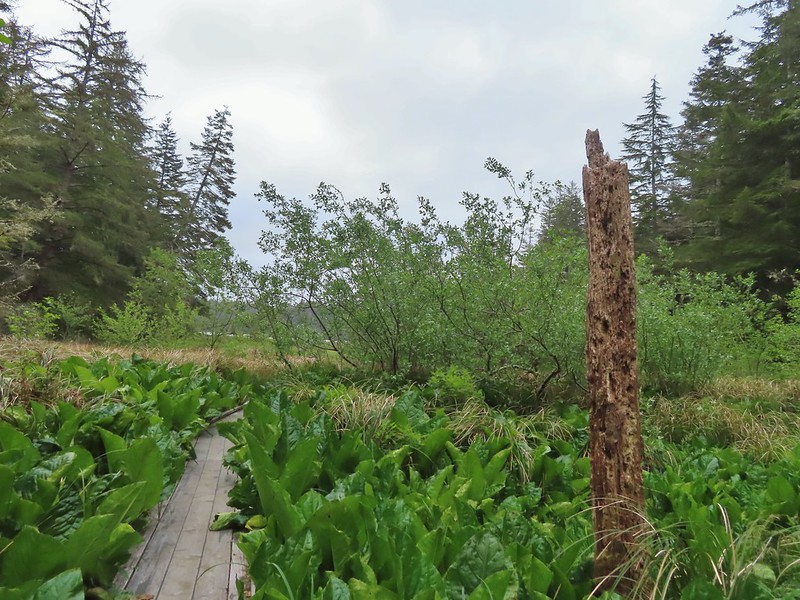
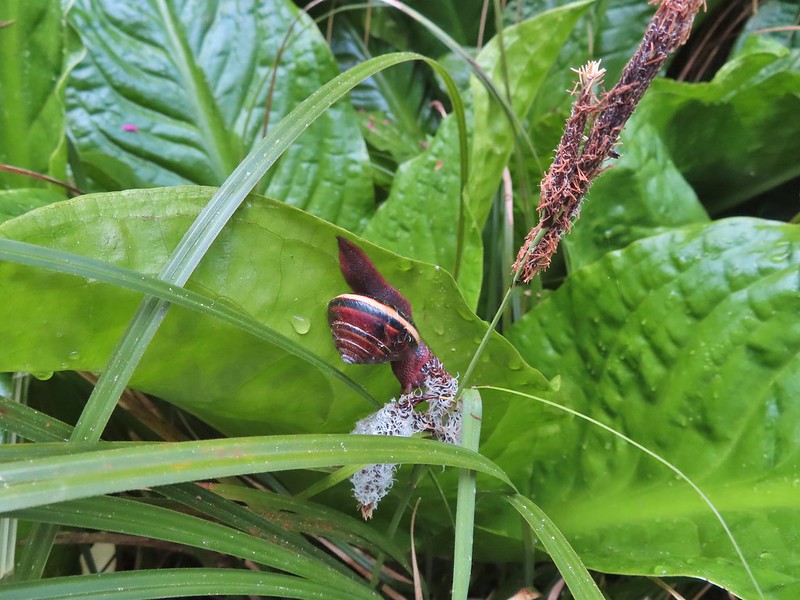

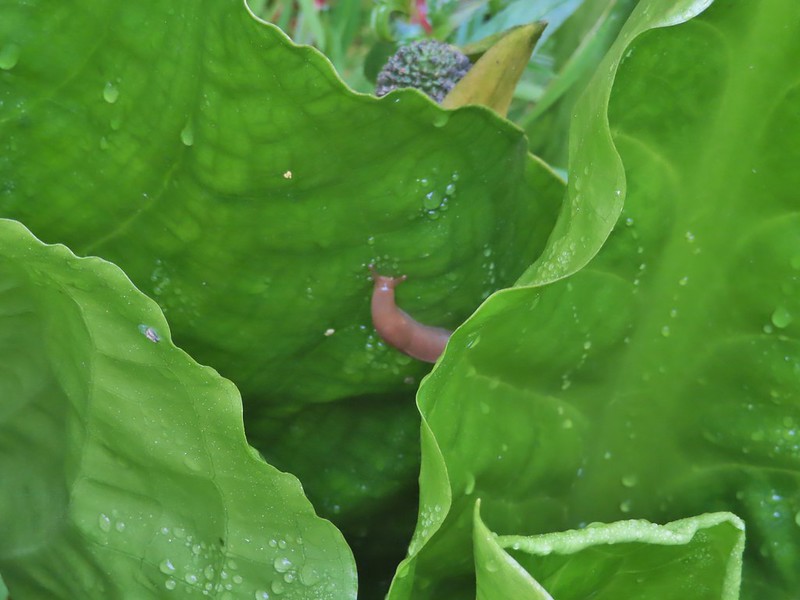

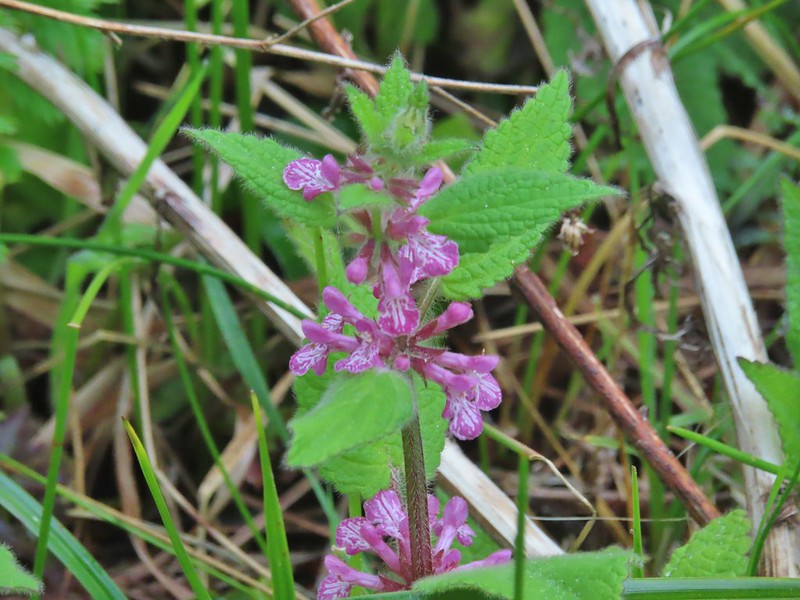 A hedgenettle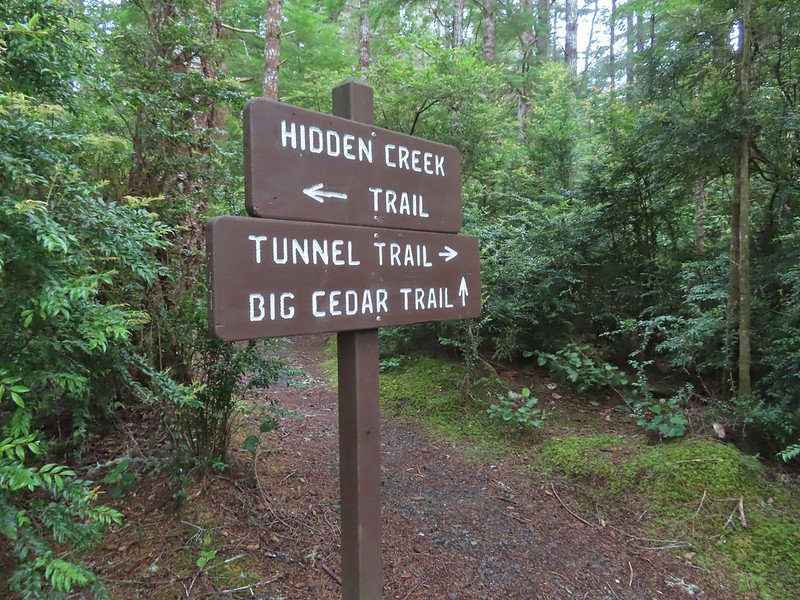

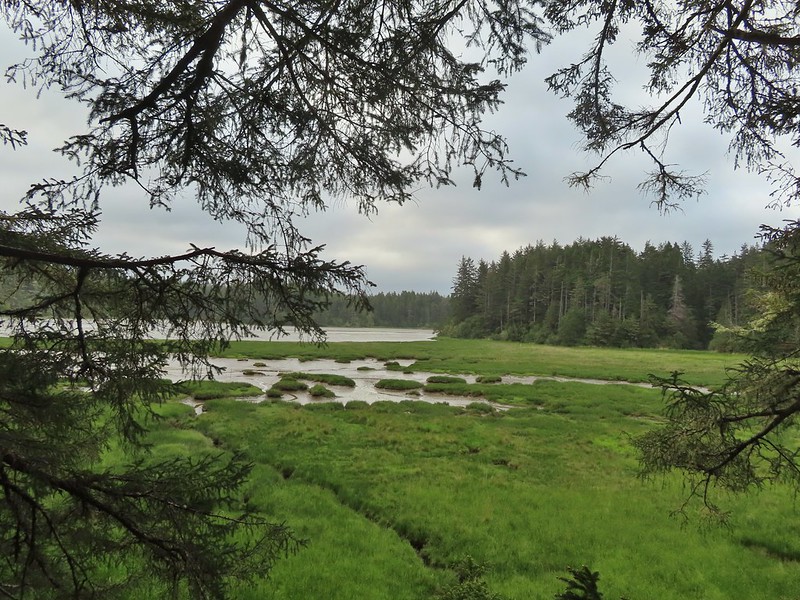

 Tunnel Trail indeed.

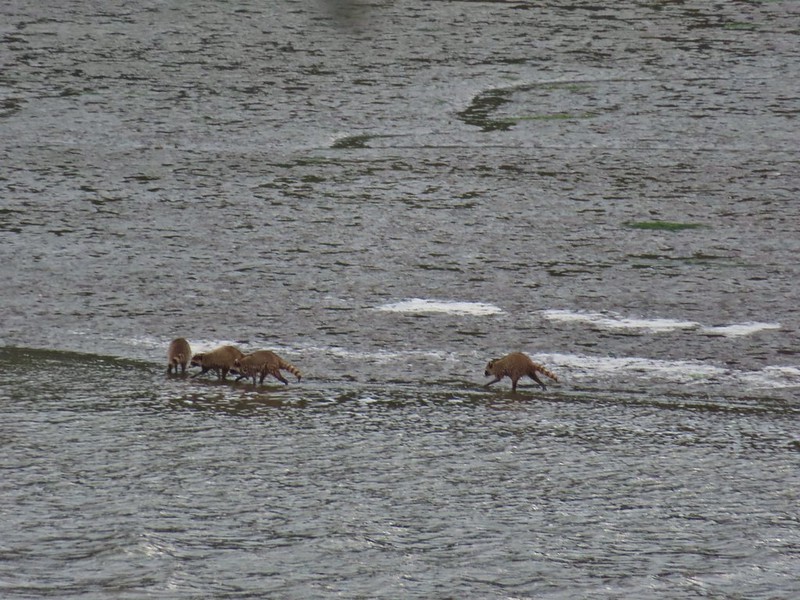



 Castilleja ambigua – Estuarine Paintbrush
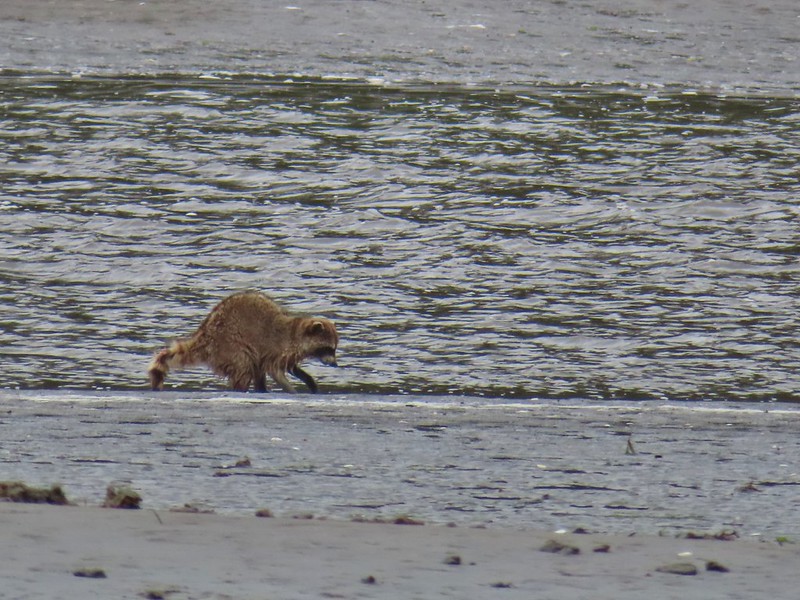


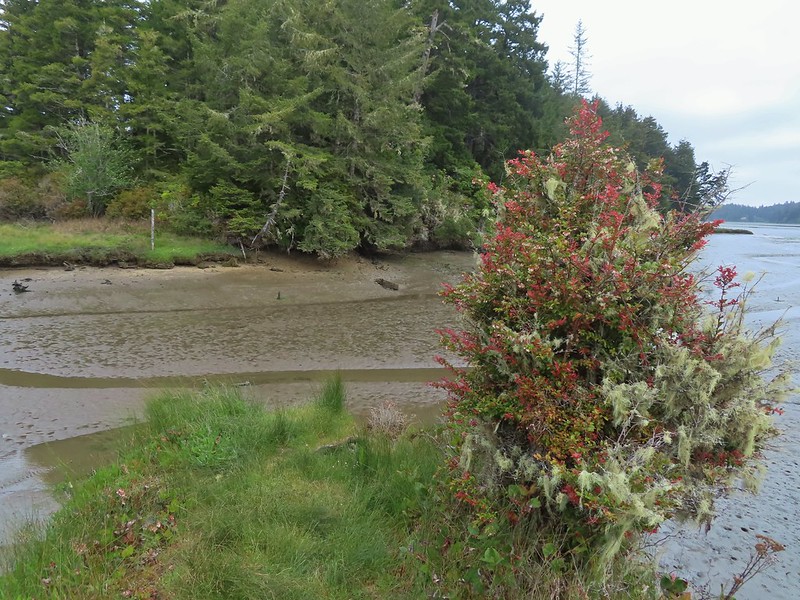 End of the line.
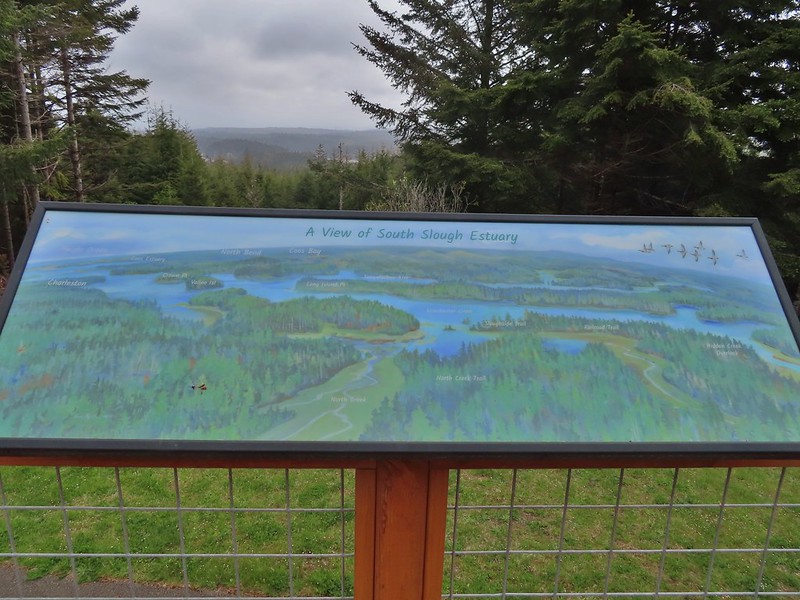
 South Slough
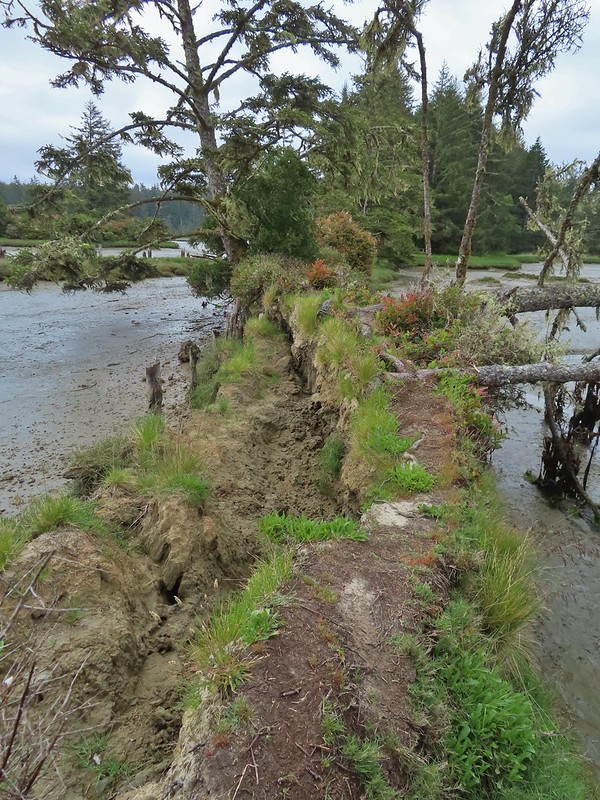 It was interesting to see how this uprooted tree peeled back a layer of the ground.
 Rhoades Marsh
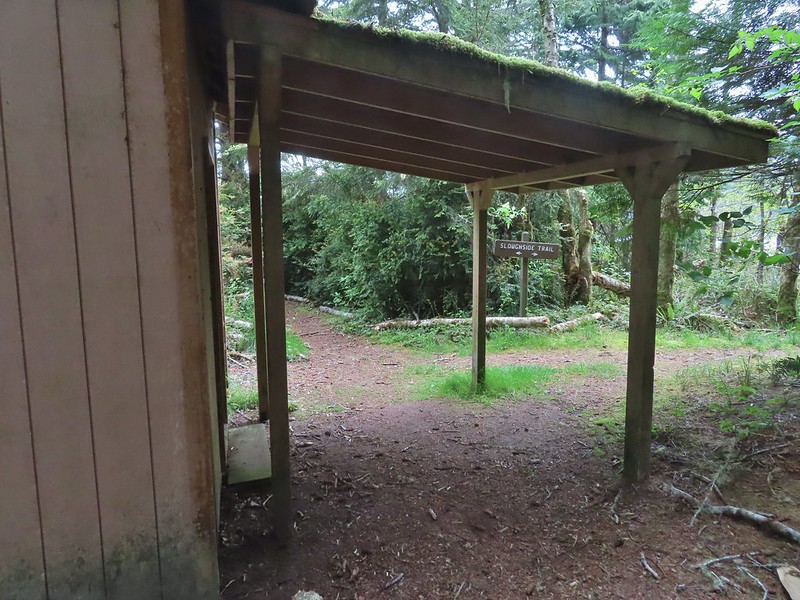
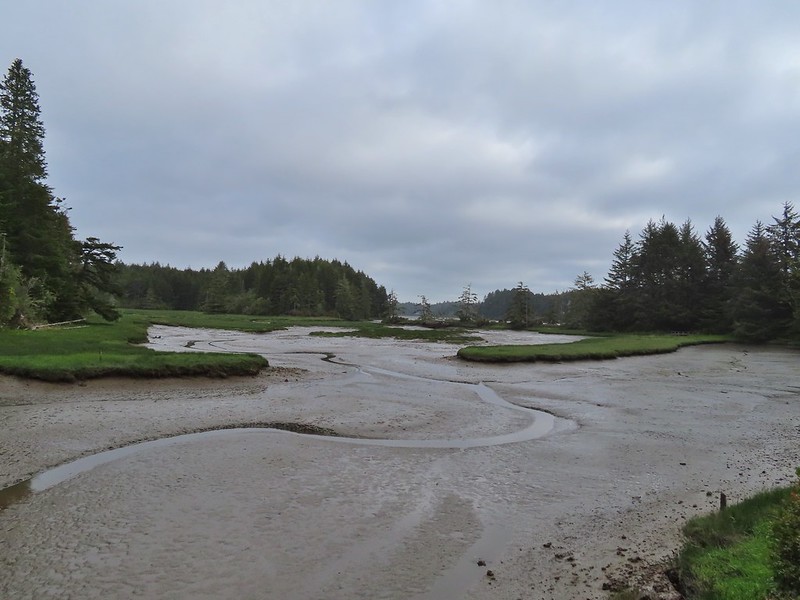 Sloughside Marsh
 Rhododendron


 Bleeding heart, fairy bells, and youth-on-age.


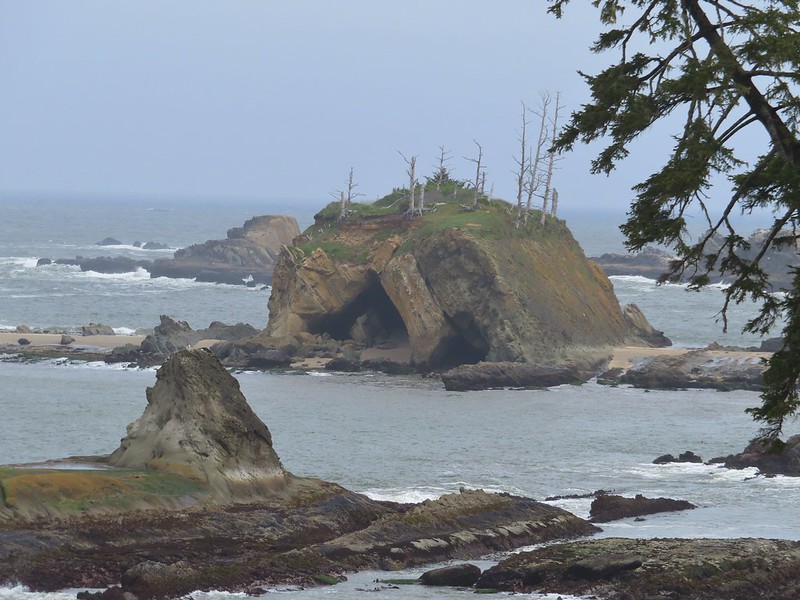
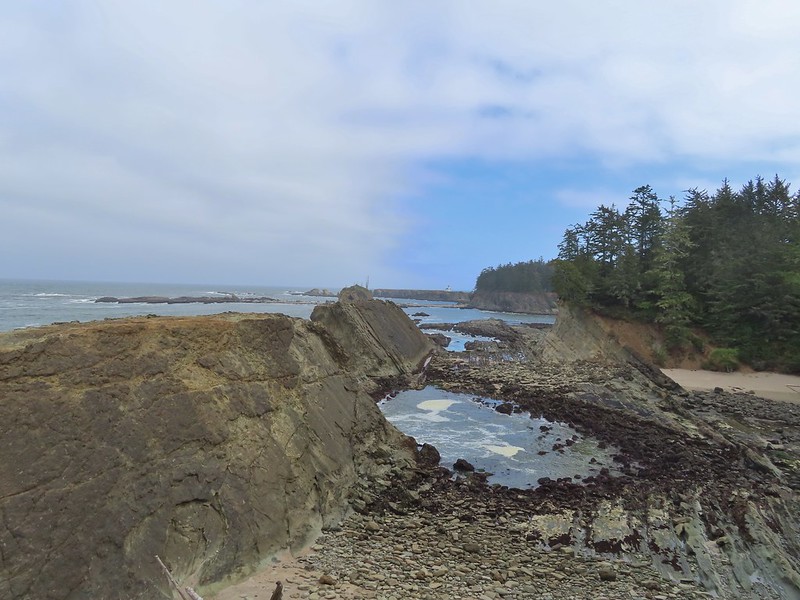
 Cape Arago Lighthouse (not on Cape Arago) on Chiefs Island.
 Salal
Salal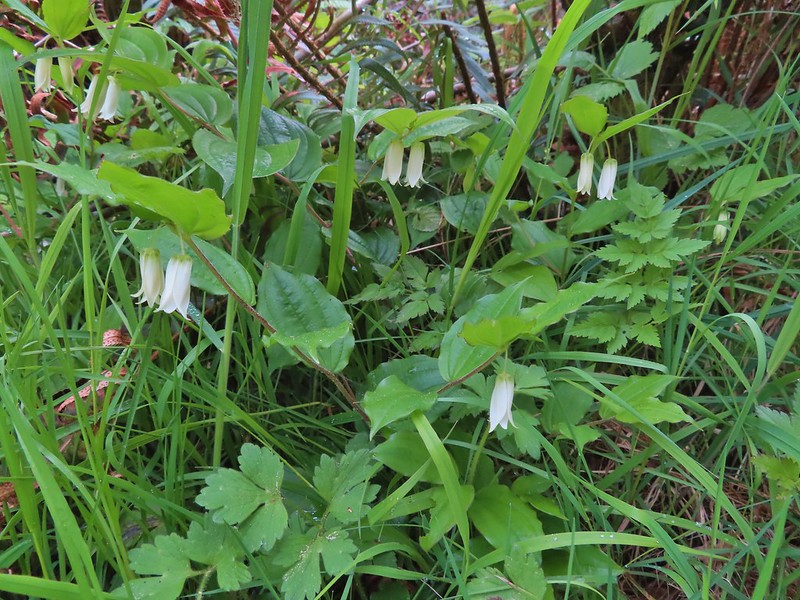
 The group campsite.
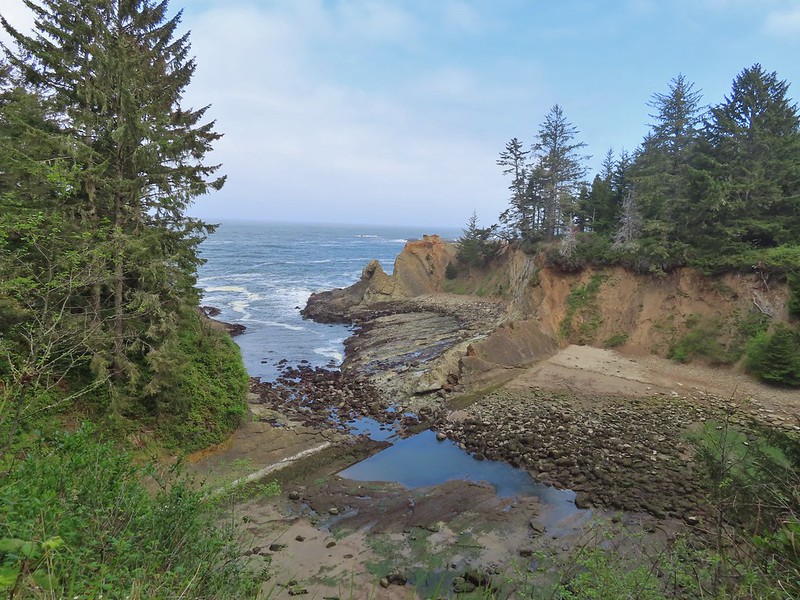



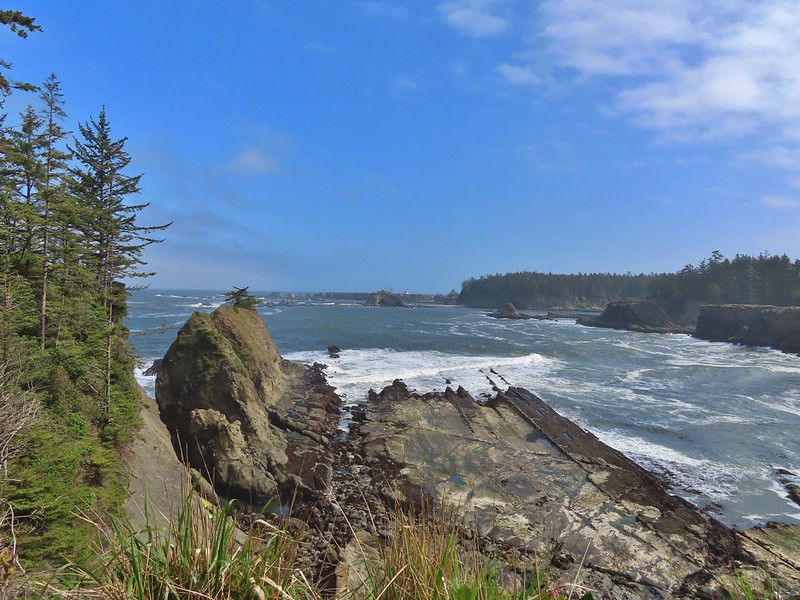


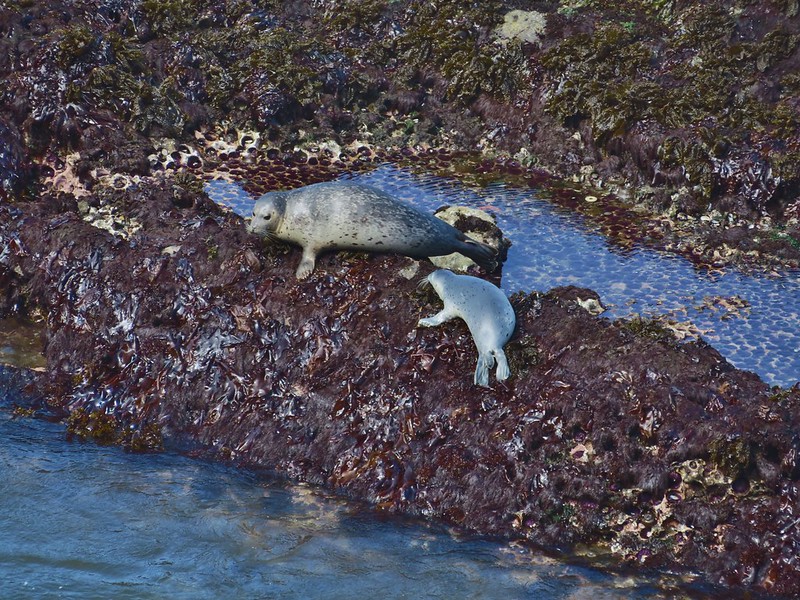
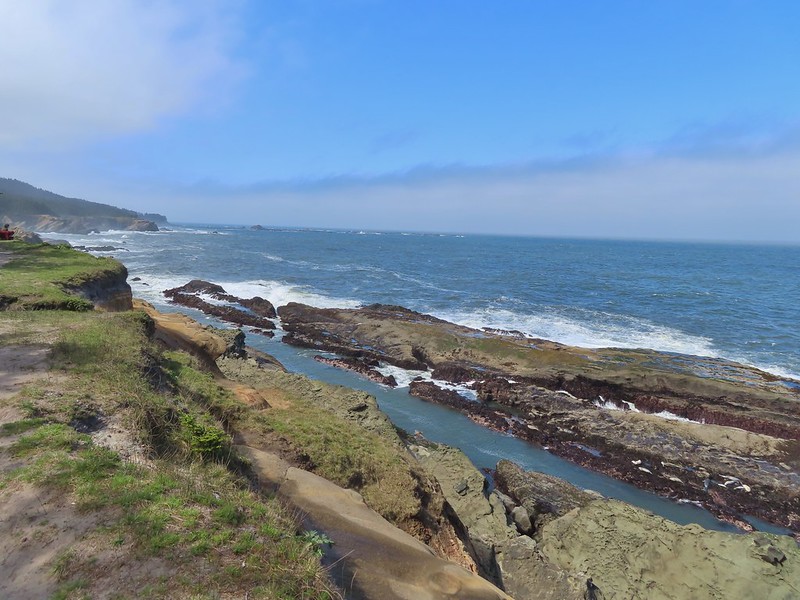 Harbor seals in the lower right hand corner on the rocks.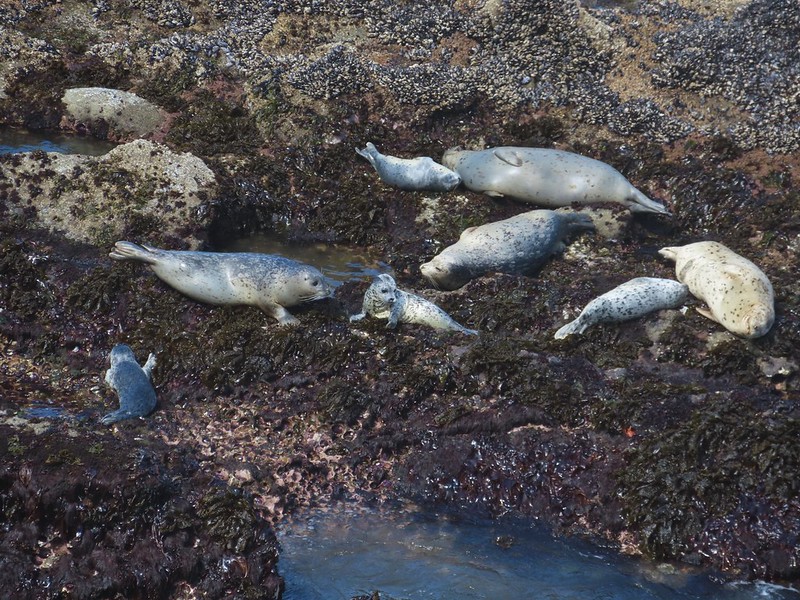

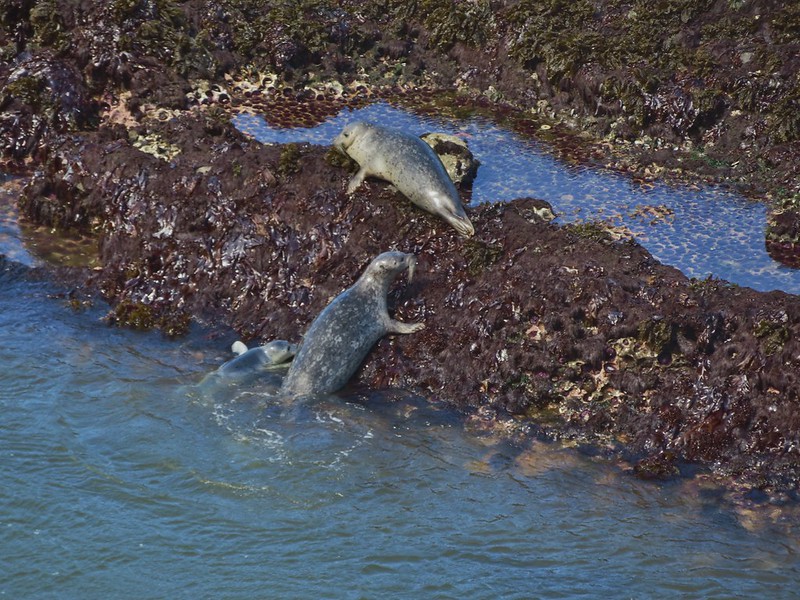
 Success!
 Paintbrush
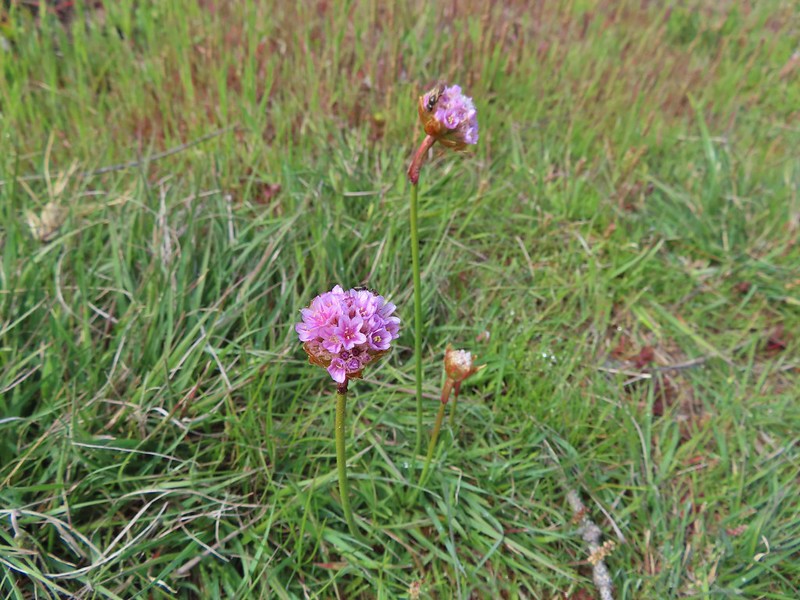 Sea thrift
 Mariposa lilies
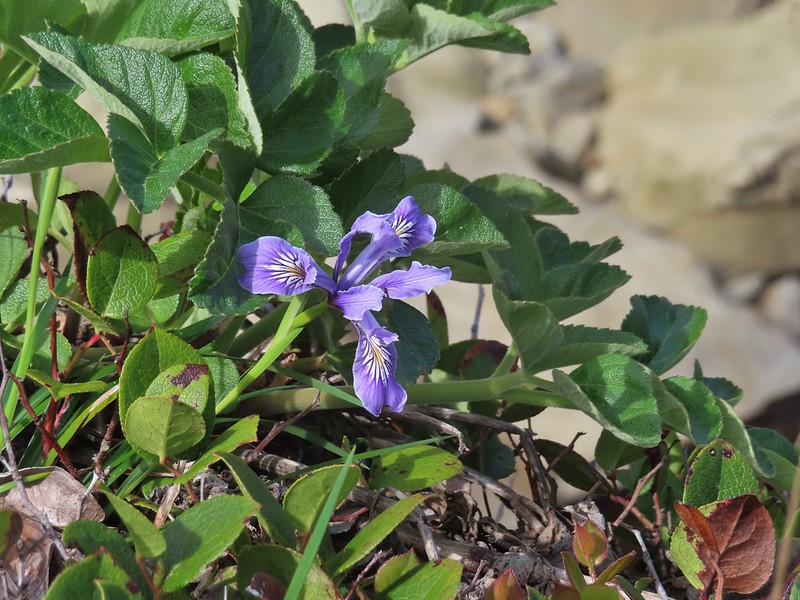 Iris
Iris Former tennis courts.
 View near the tennis courts.
 These roots explain how some of the trees that look like they should be plunging into the ocean don’t.
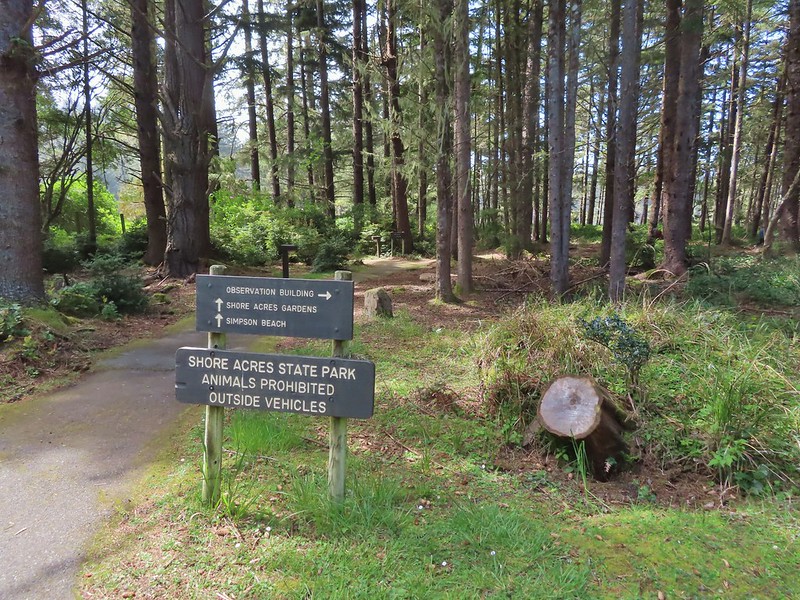
 Observation Building ahead on the cliff.

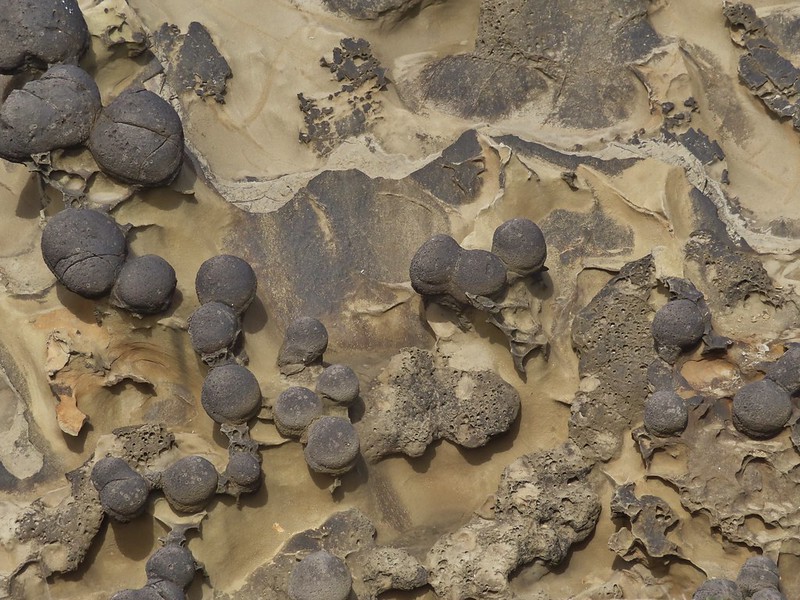






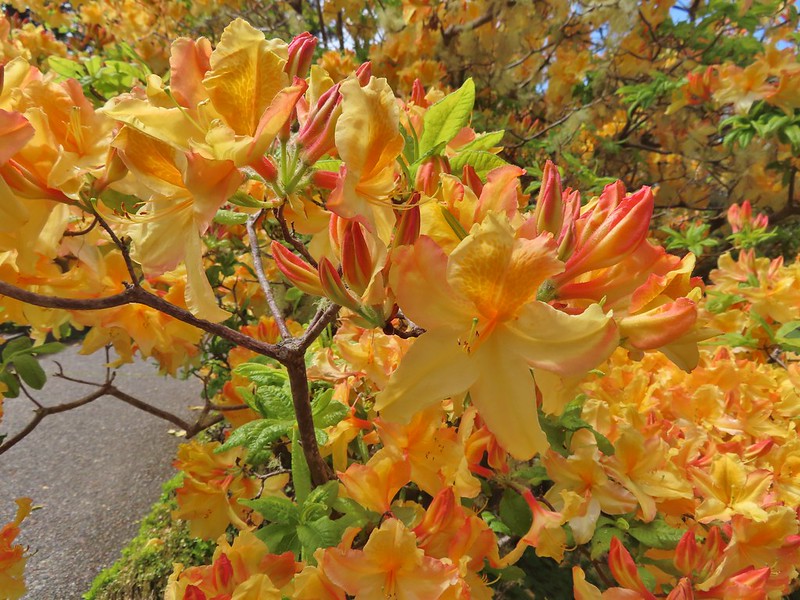

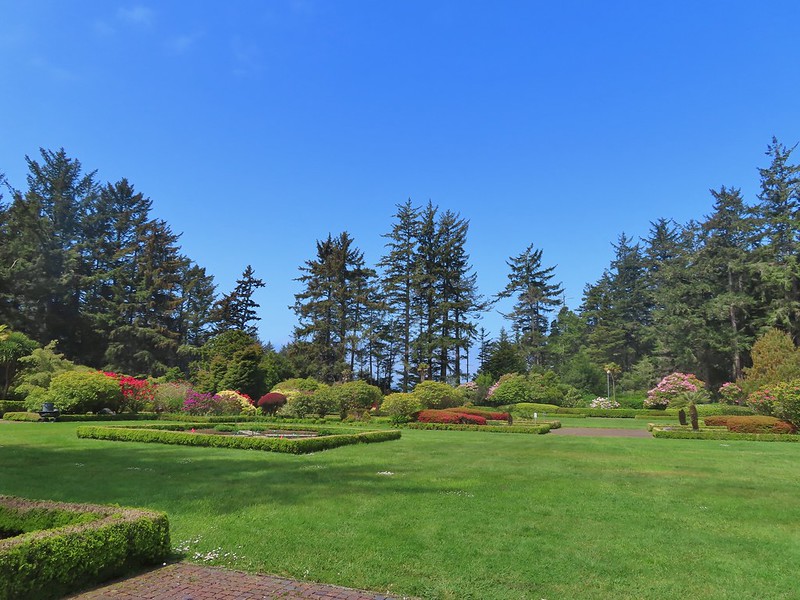

 Prickly Rhubarb from Chile

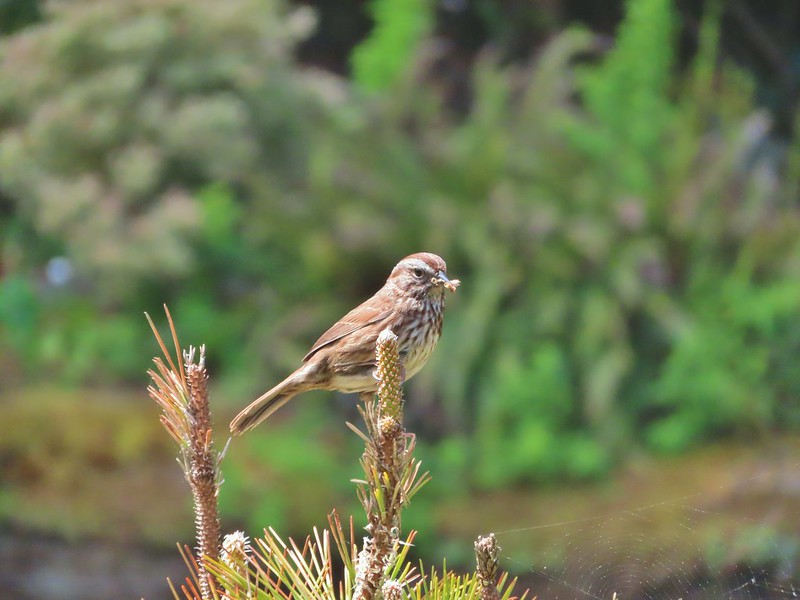
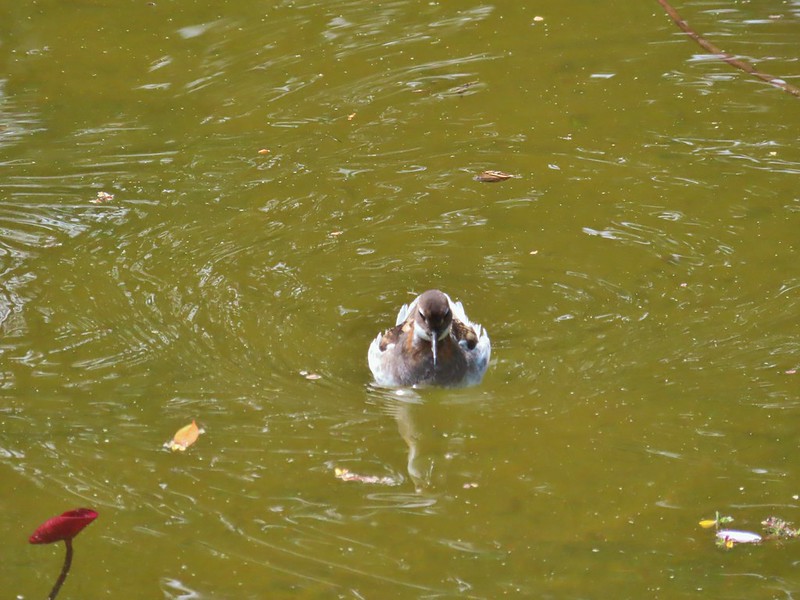
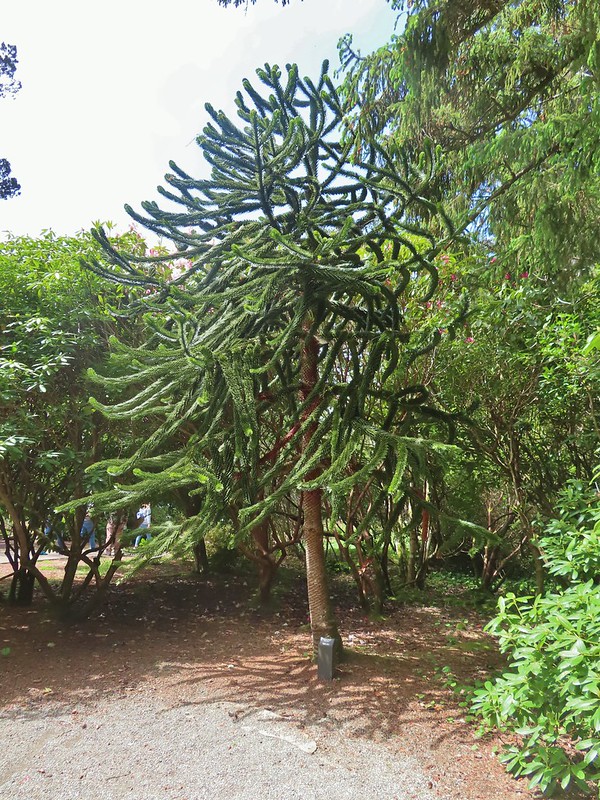 Monkey Puzzle Tree from South America
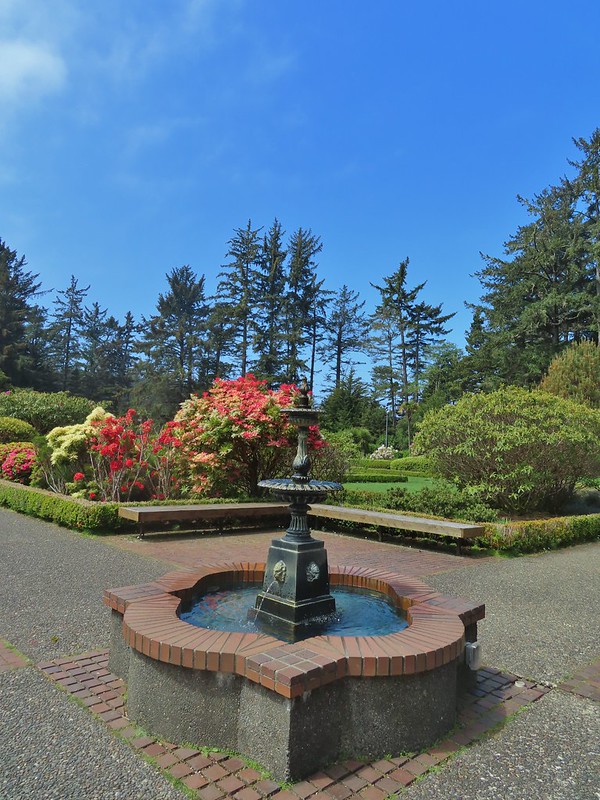
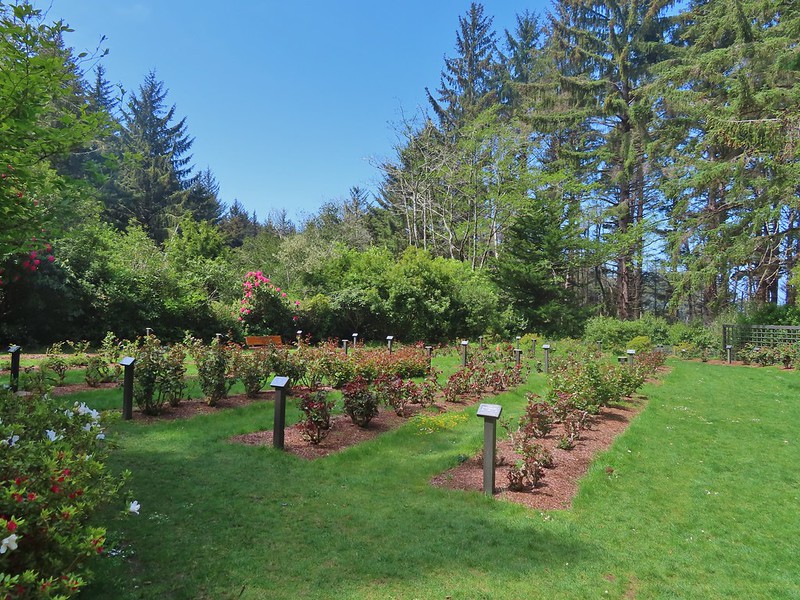 The yet to bloom rose garden.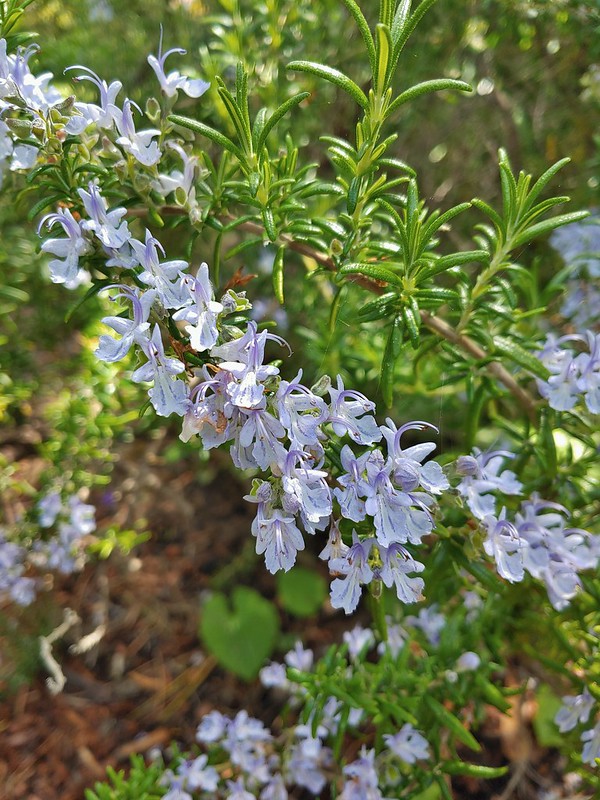
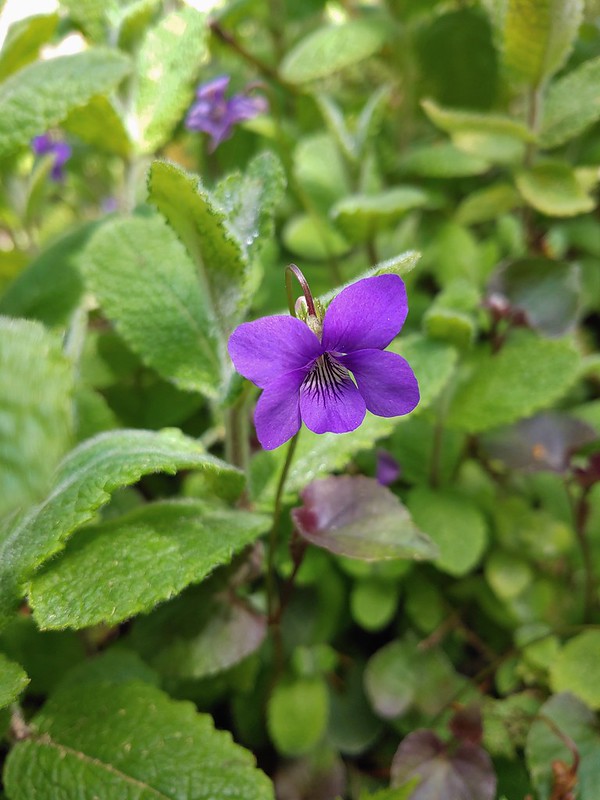

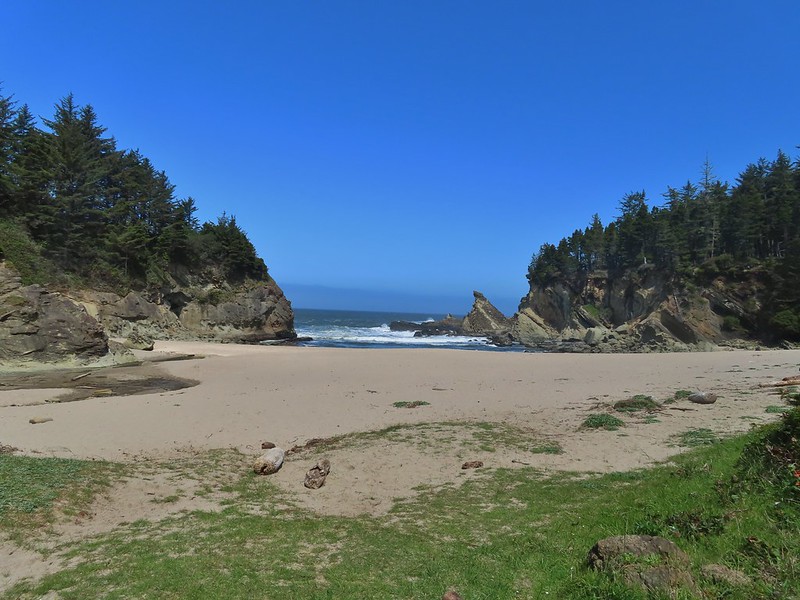

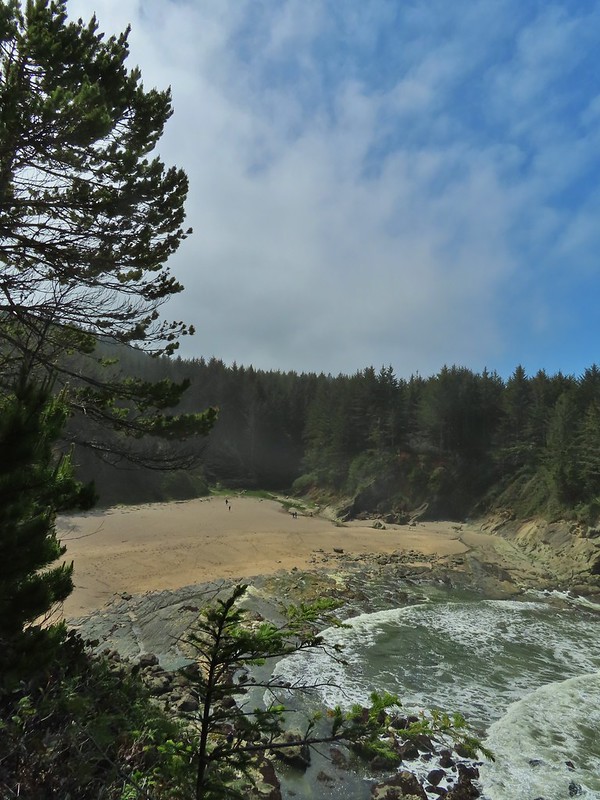
 Looking back across Simpson Cove to the Observation Building.
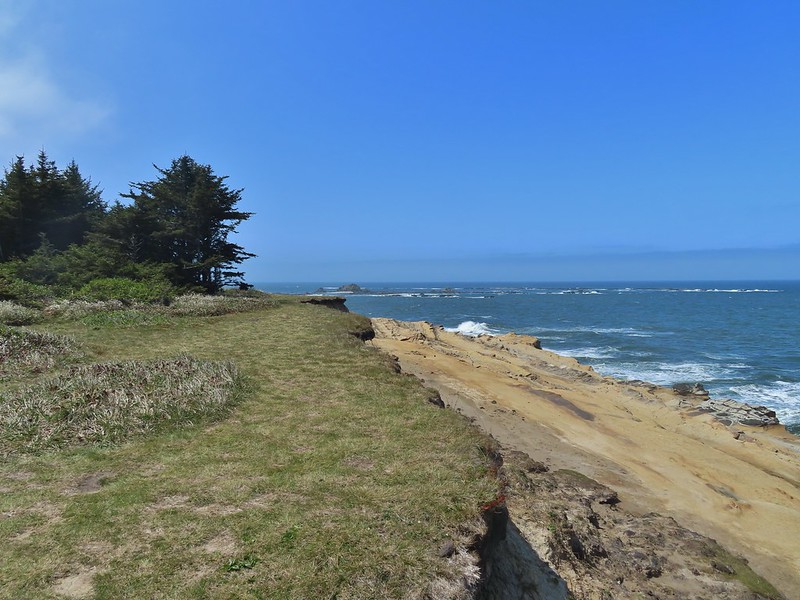 Simpson Reef extending into the Pacific.
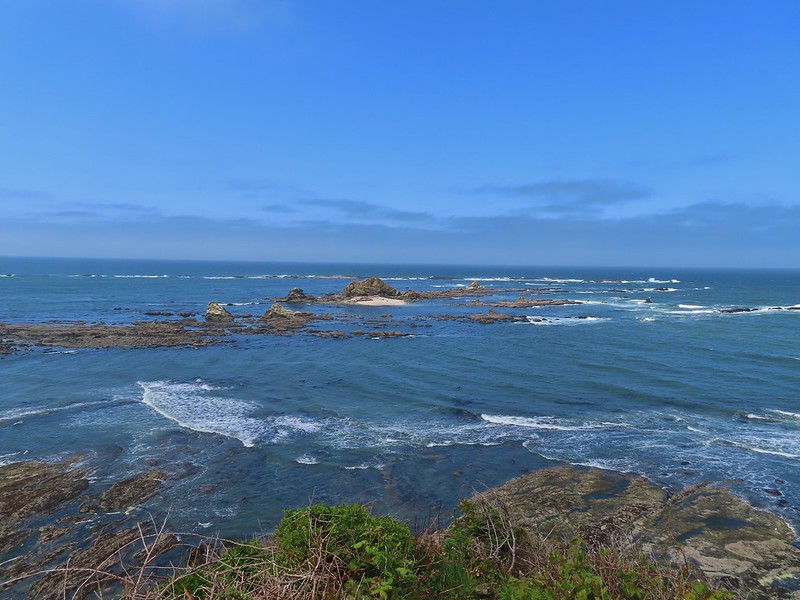 Shell Island in the middle of Simpson Reef.
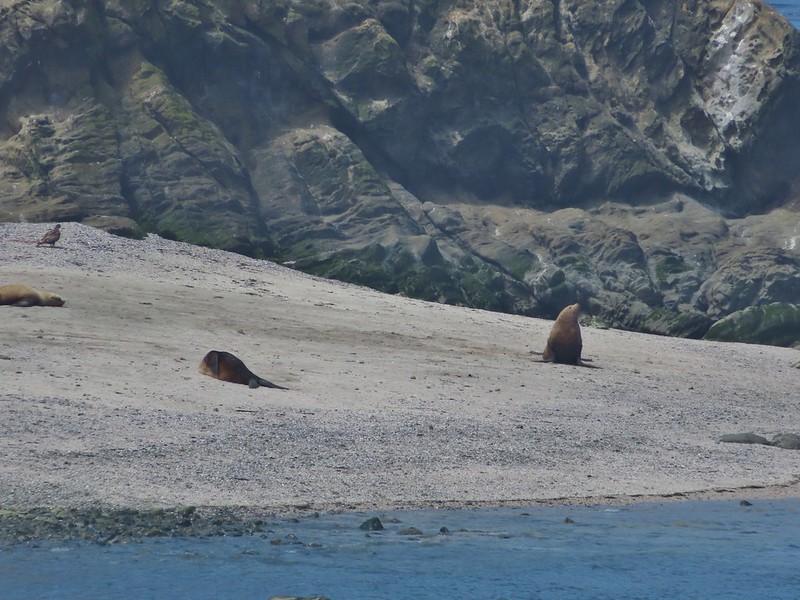
 Sea lions and juvenile bald eagles on Shell Island.


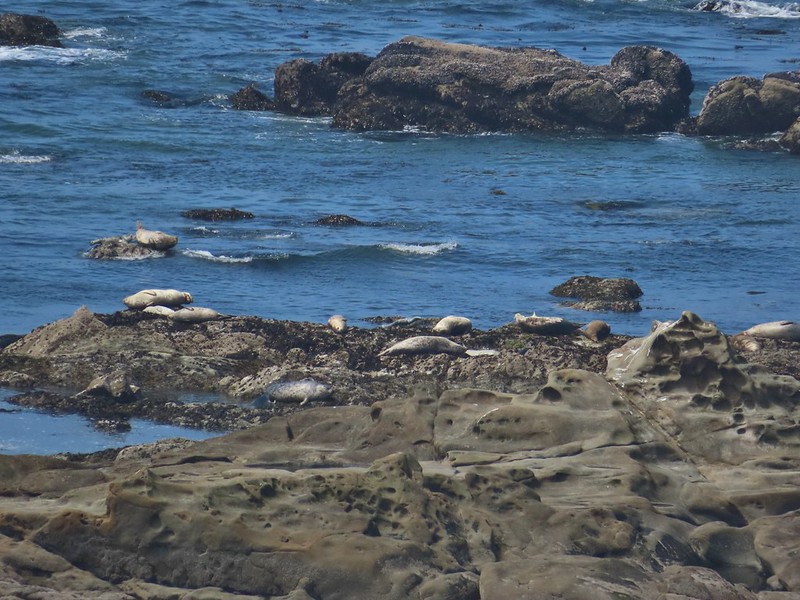 Harbor seals on the reef.

 Coltsfoot
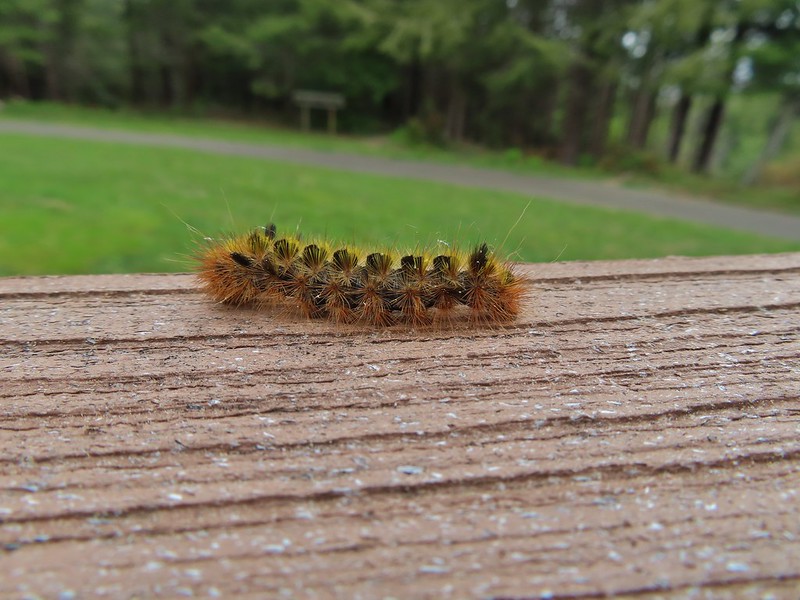
 Woolly bear caterpillar
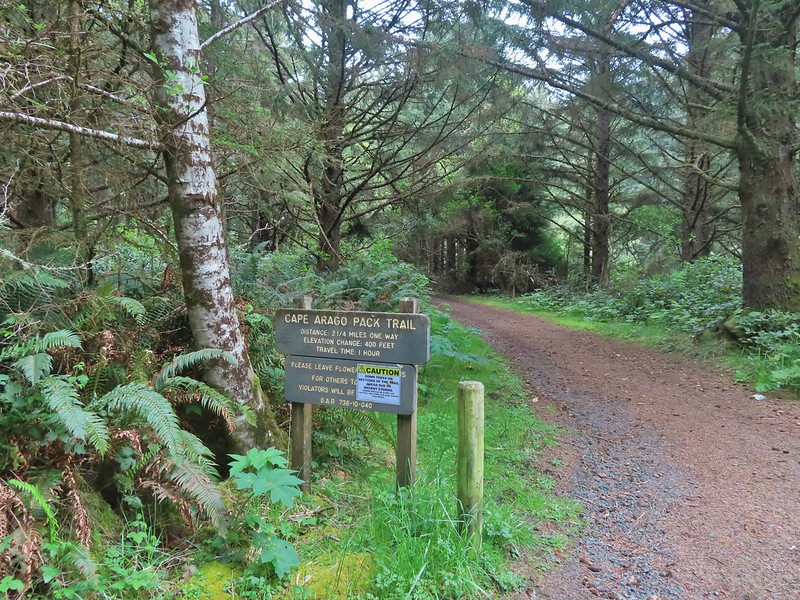 Looking back up the Pack Trail.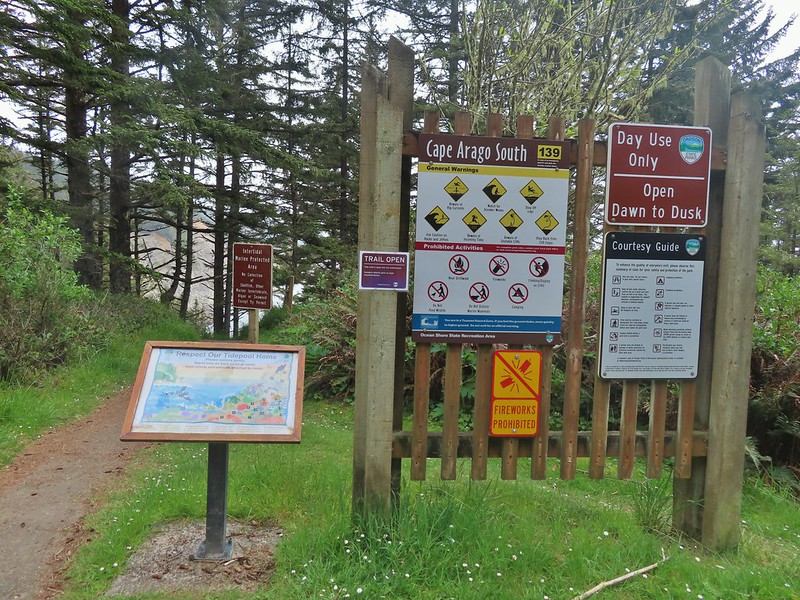

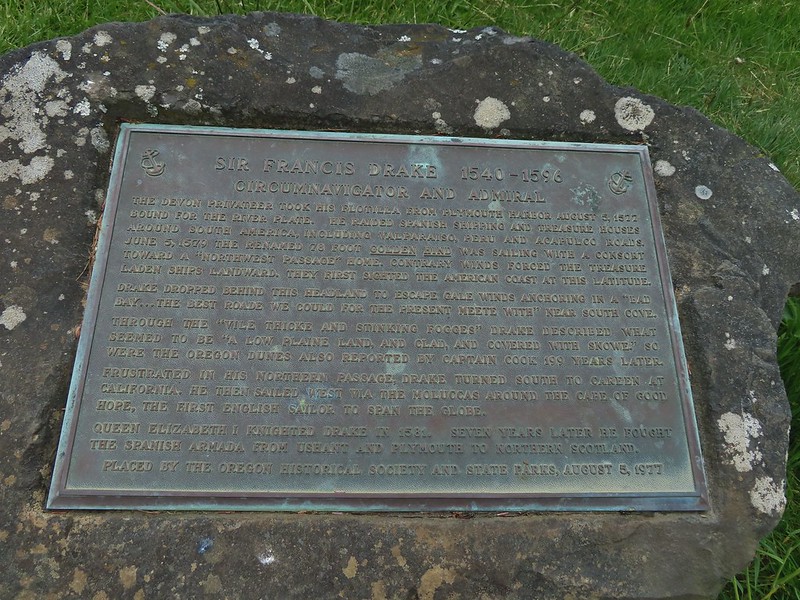 Plaque near the bench commermorating Sir Frances Drake’s visit to the area in 1579.
 Our stalker while we sat at the bench hoping we would leave some food behind (we didn’t).
 We thought we might be hearing things, but no it was a rooster crowing.
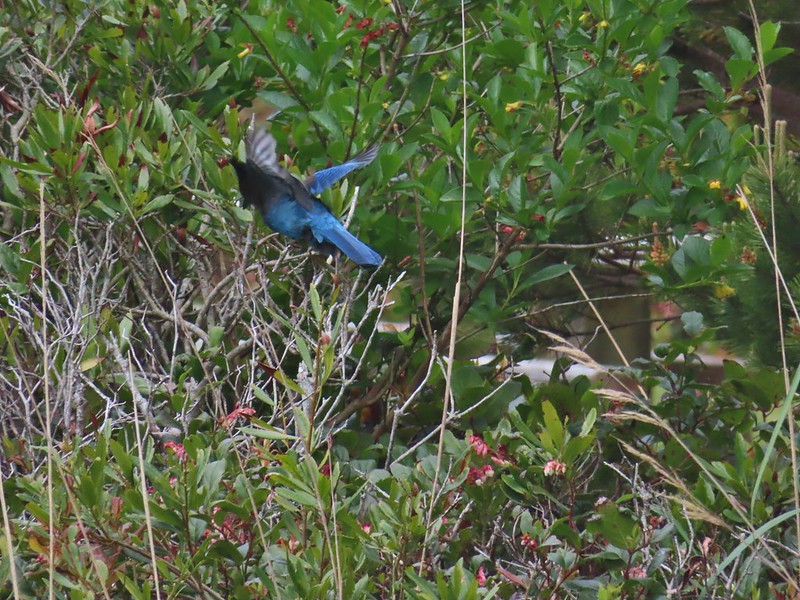 Stellar’s jay
 North Cove (A trail down to that beach was closed for the season.)


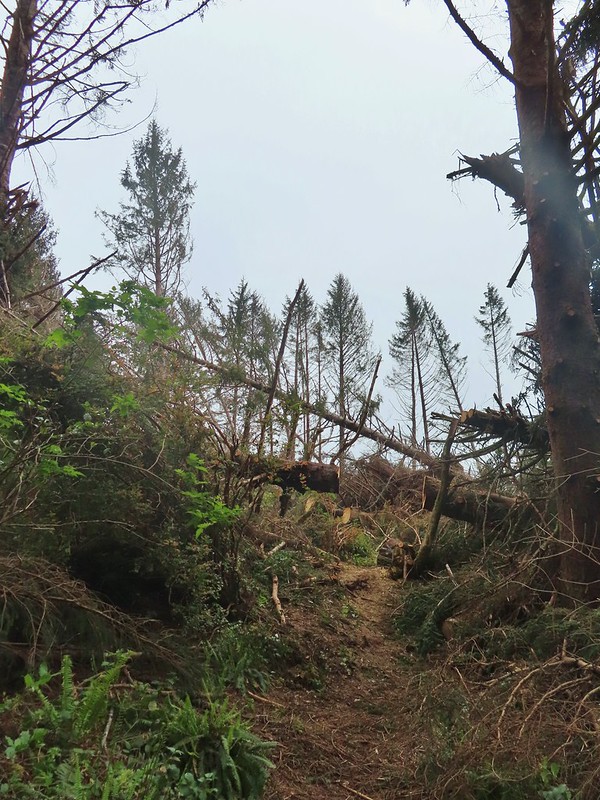

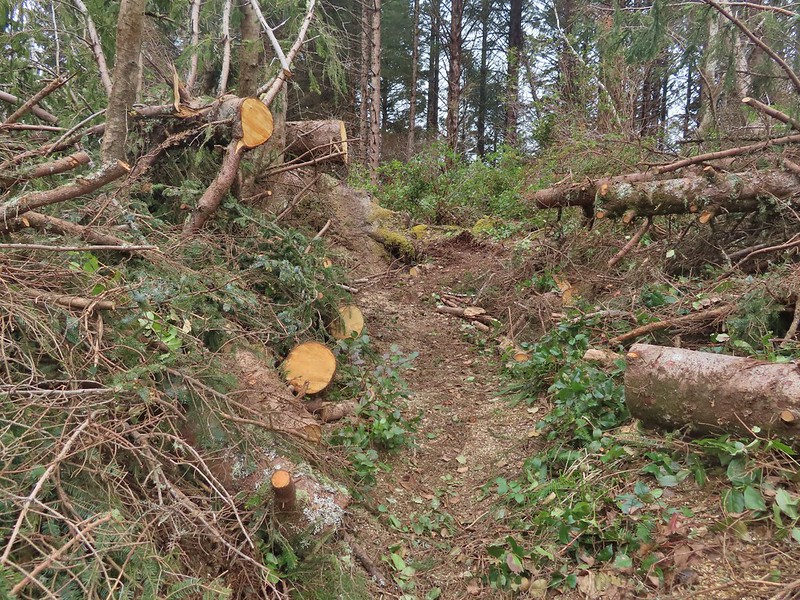
 Heading down.
 Going up.

 The Cape Arago Pack Trail at the highway.
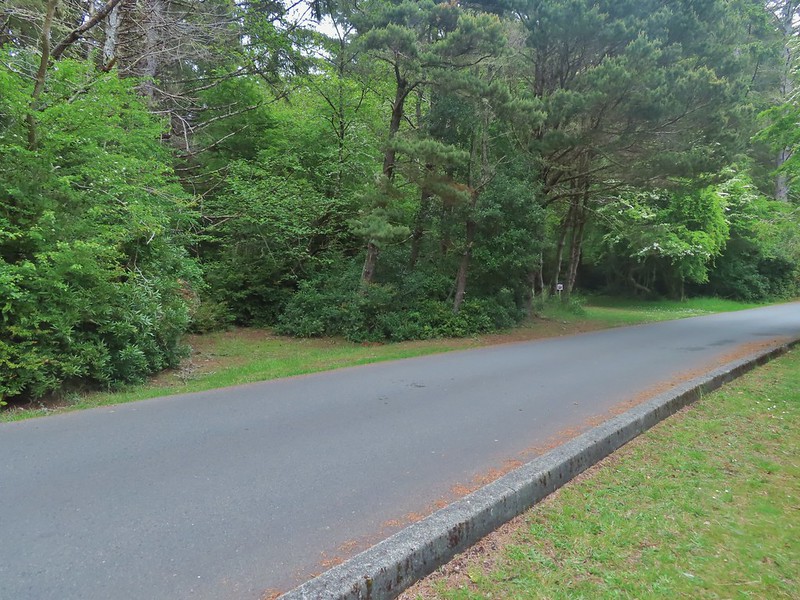



 Madia
Madia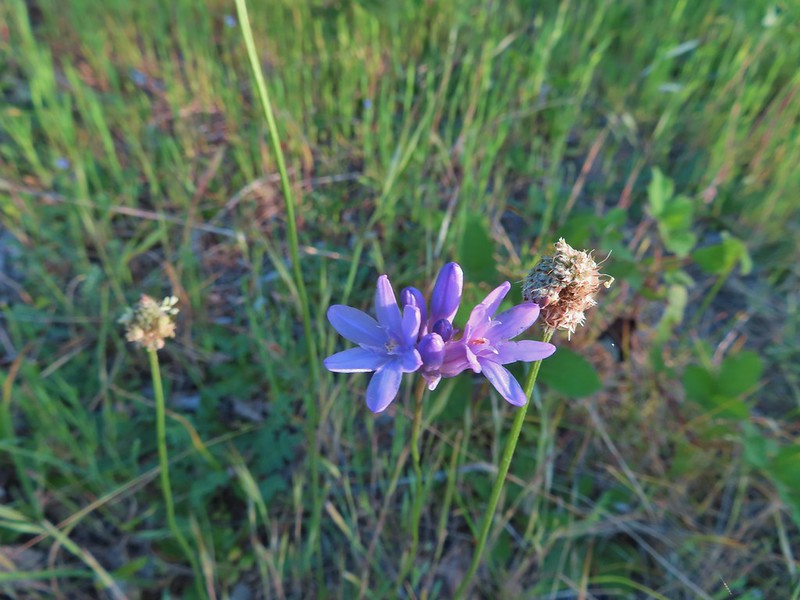 Blue dicks
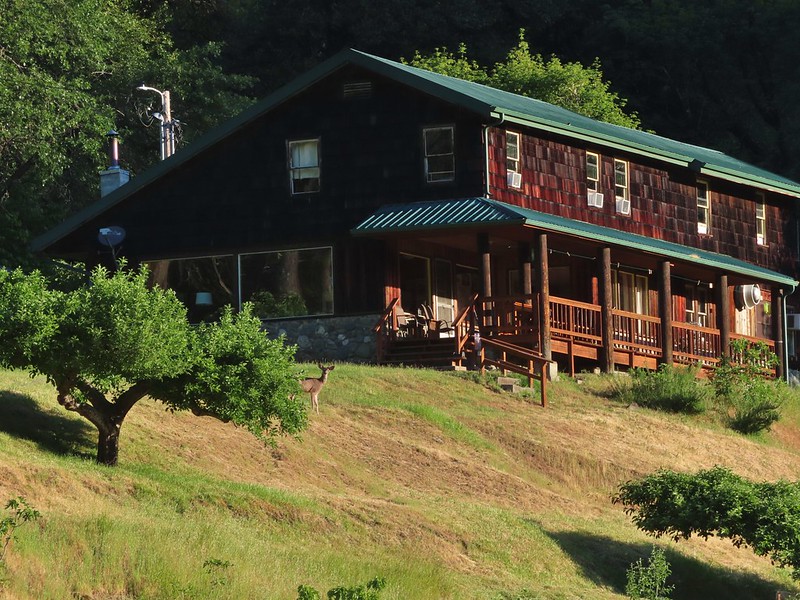
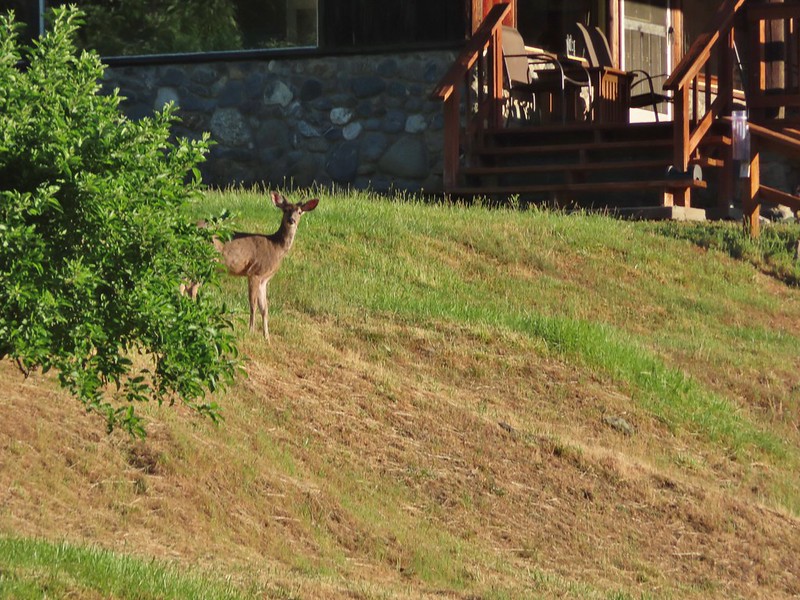
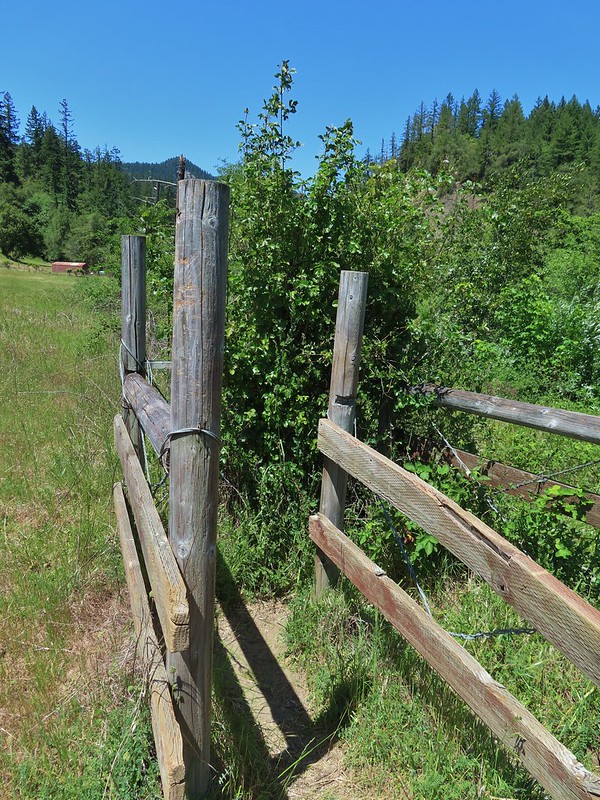 The poison oak trap in the afternoon.
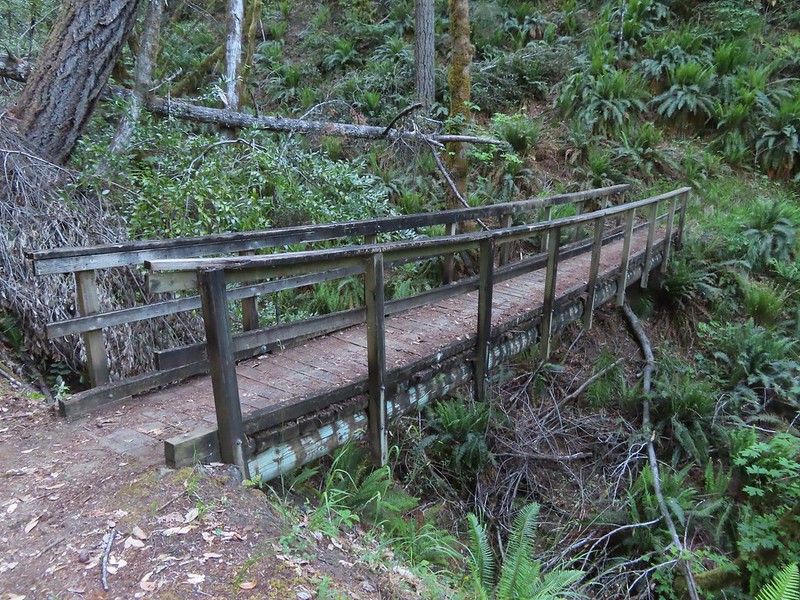
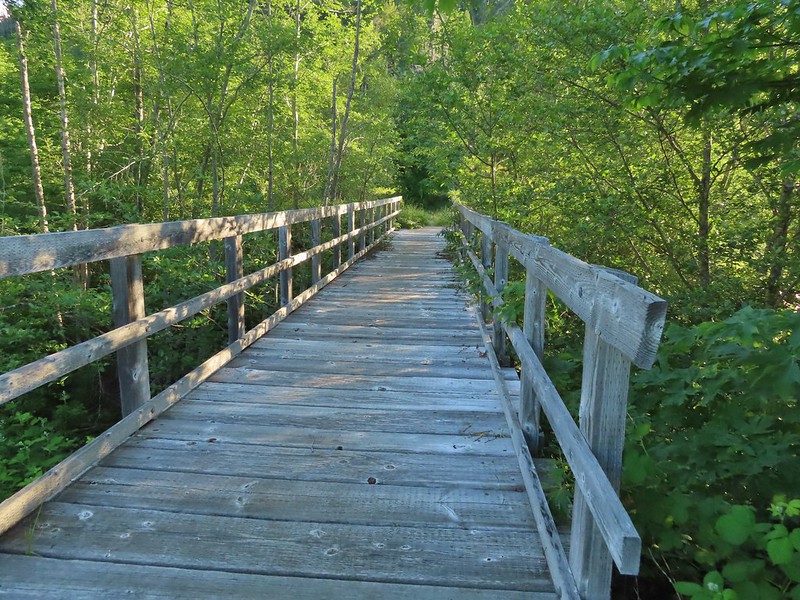 Bridge over Billings Creek.
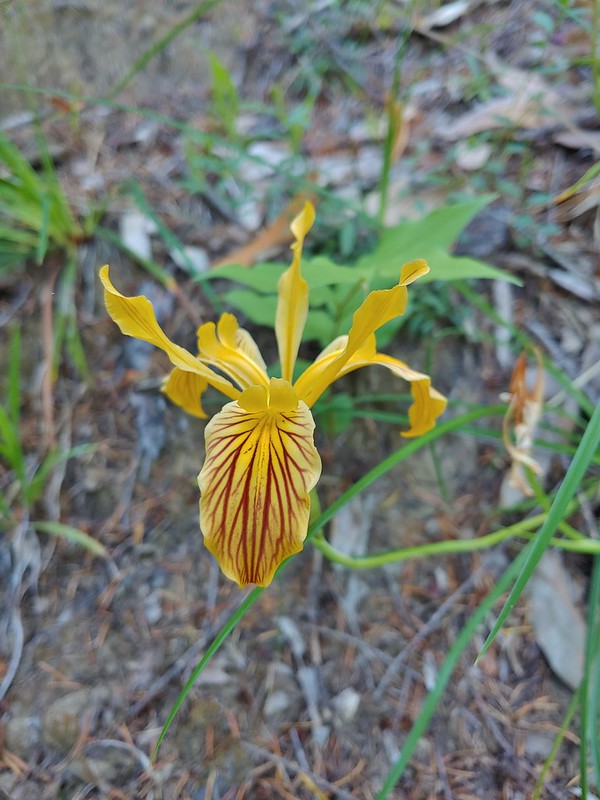 Del Norte iris

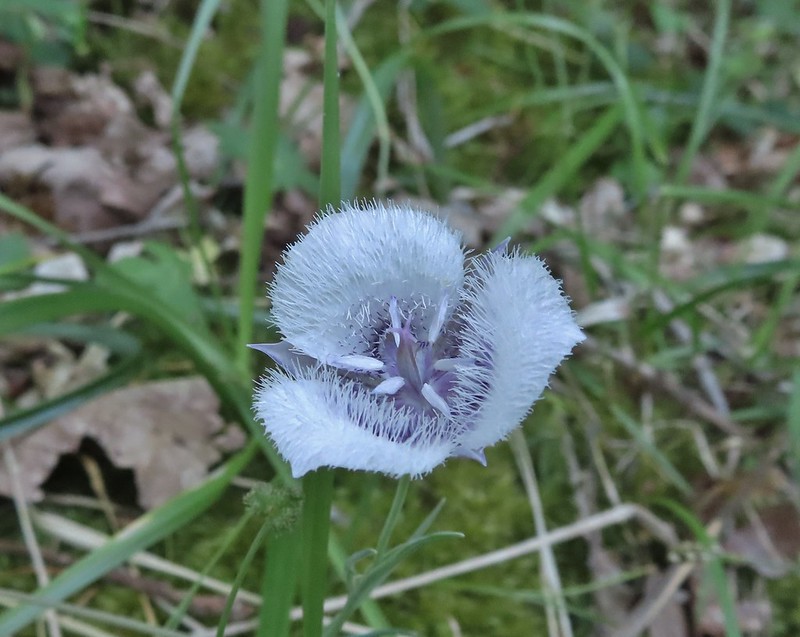 Tolmie’s mariposa lily
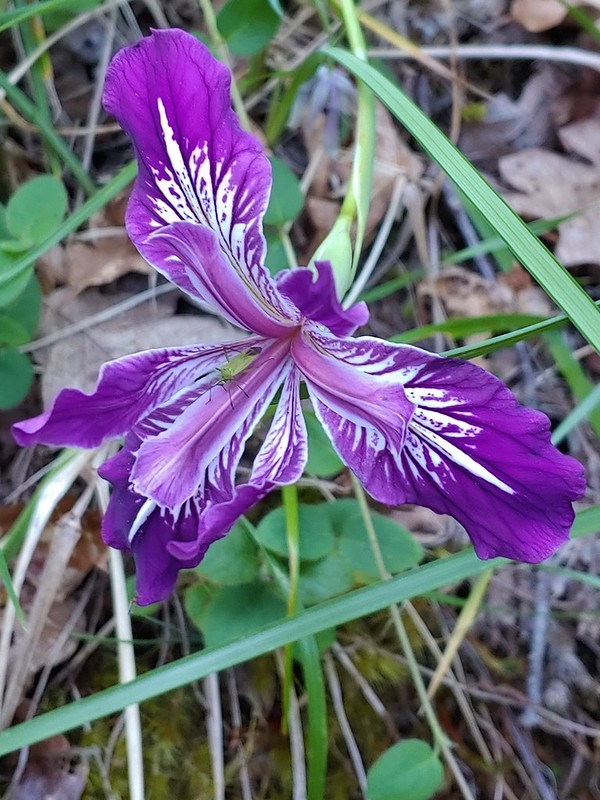 Douglas iris with insect.
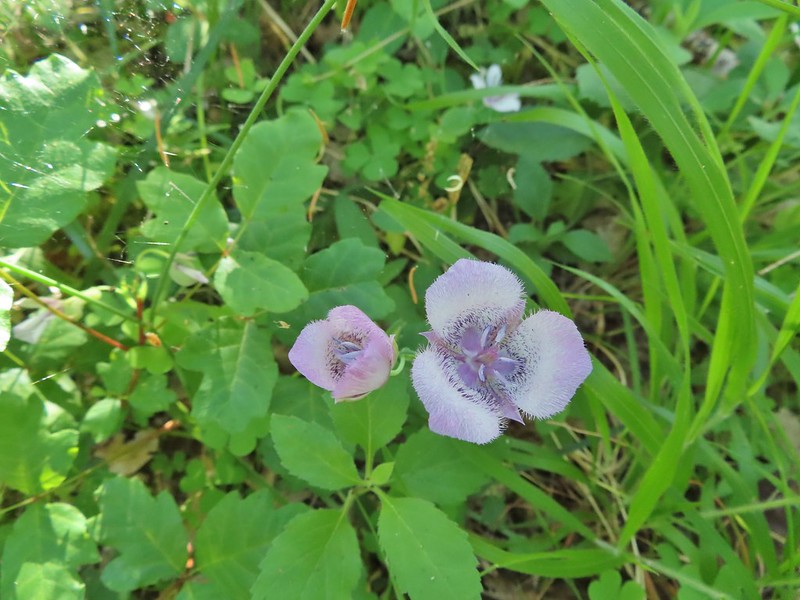 More mariposa lilies (with a poison oak background)
 Thimbleberry

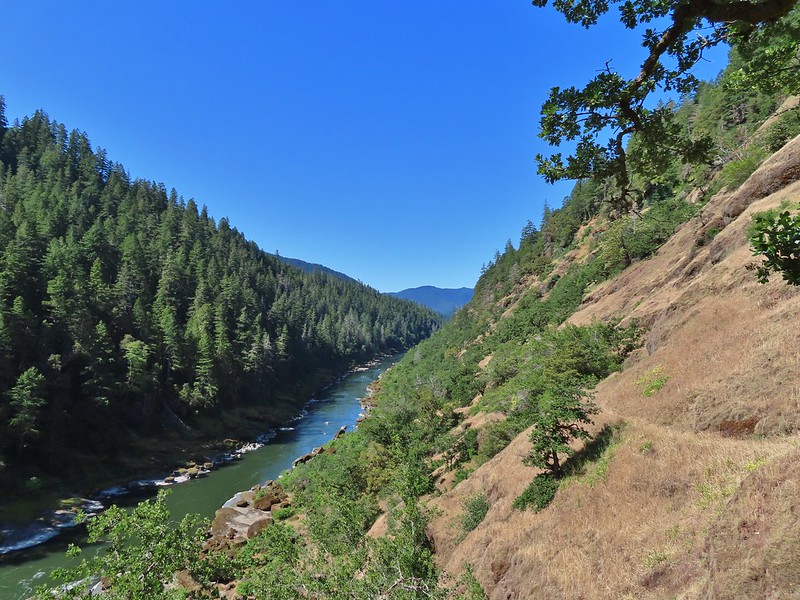
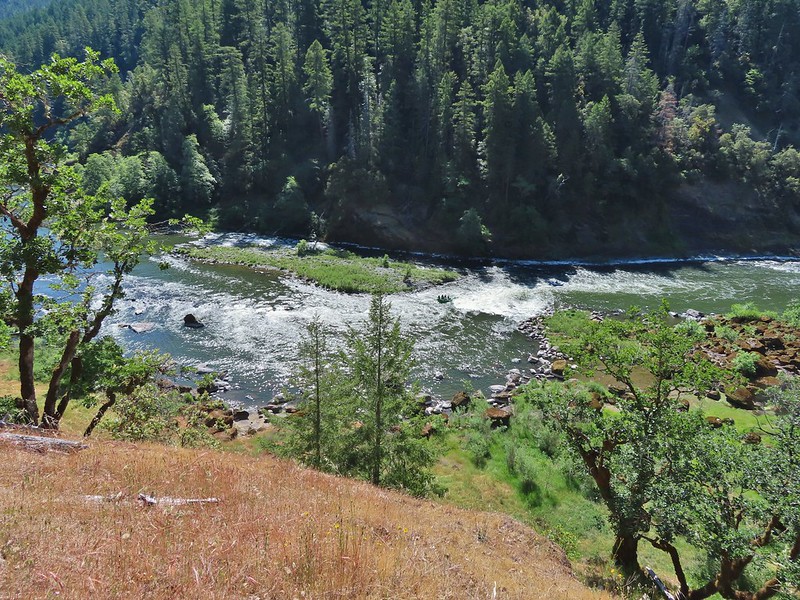
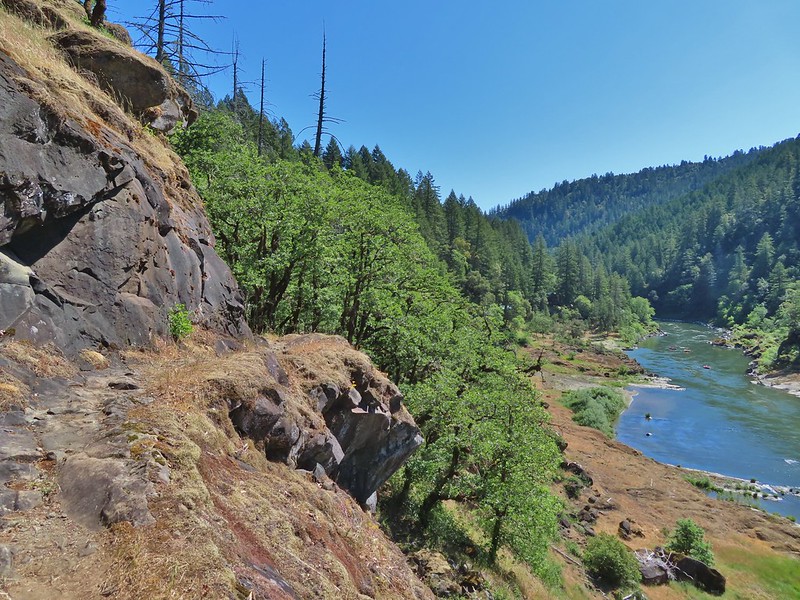
 The Rogue River from the trail during one of the climbs.
 Henderson’s stars
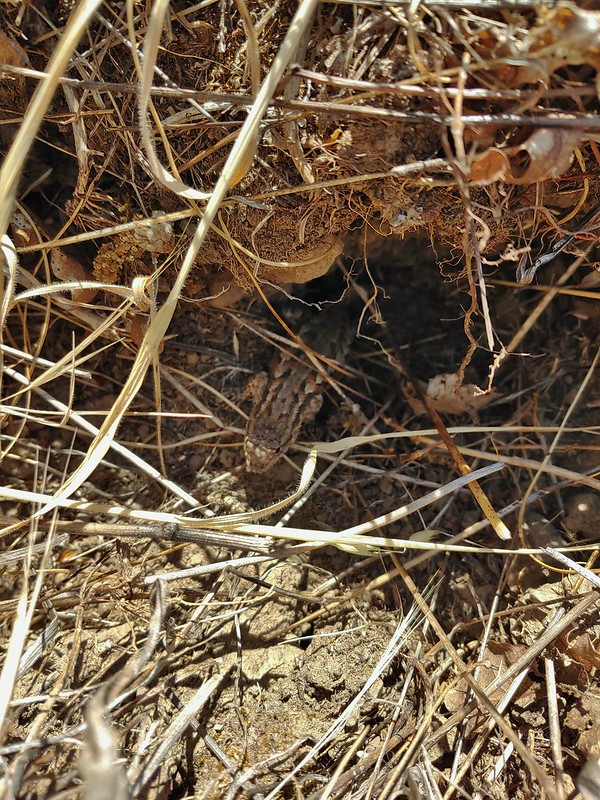
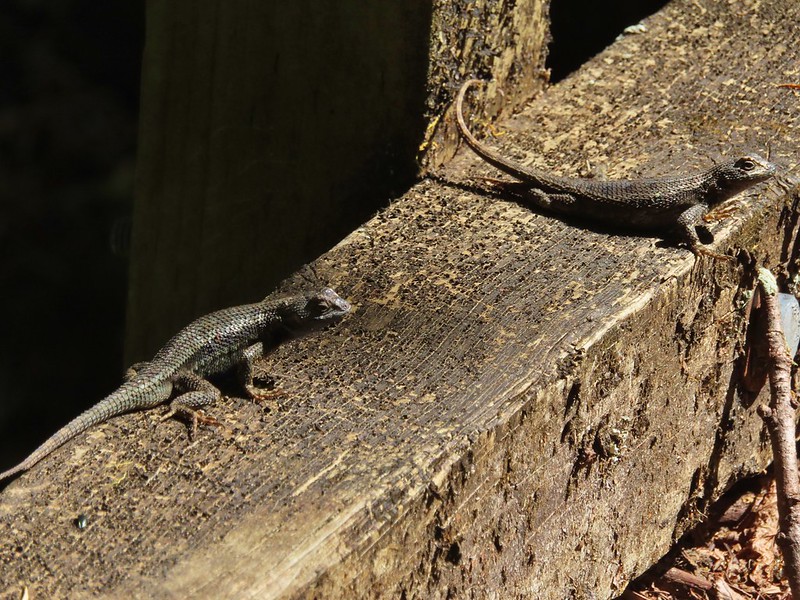
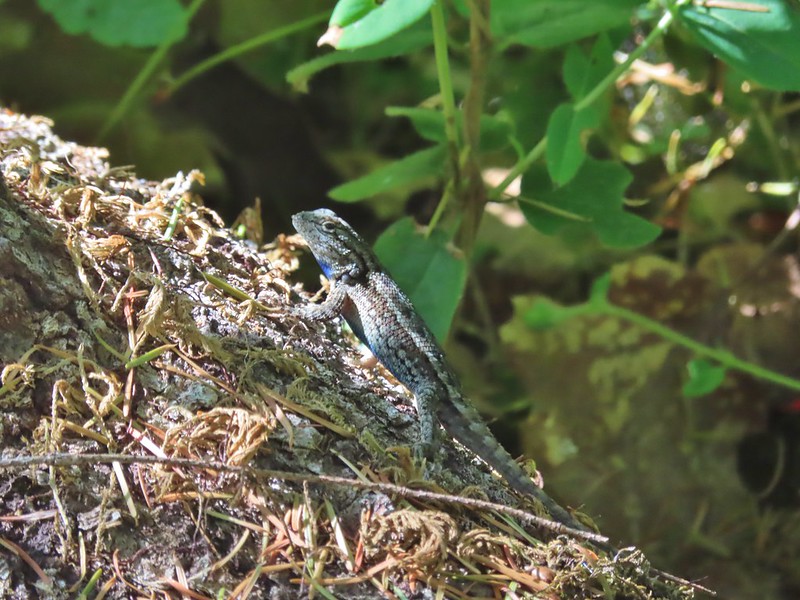 One of dozens of lizards we saw (or heard).
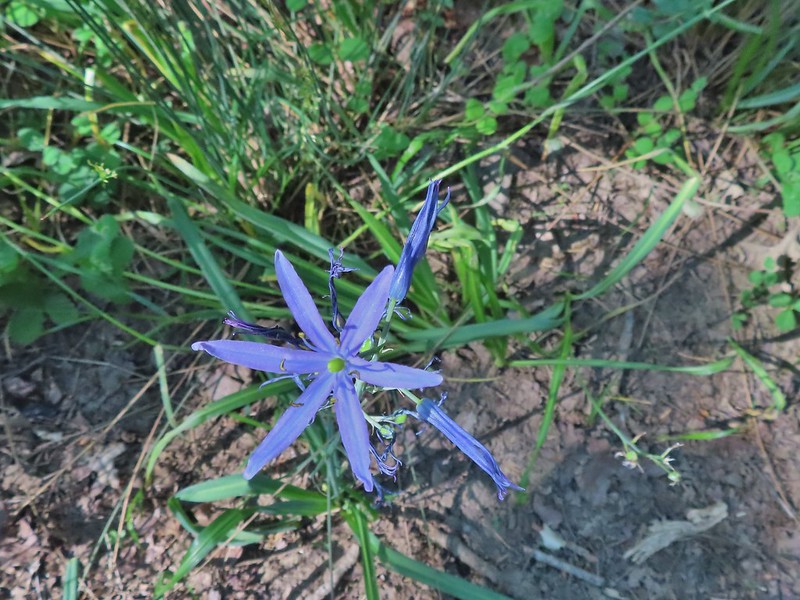 Camas
Camas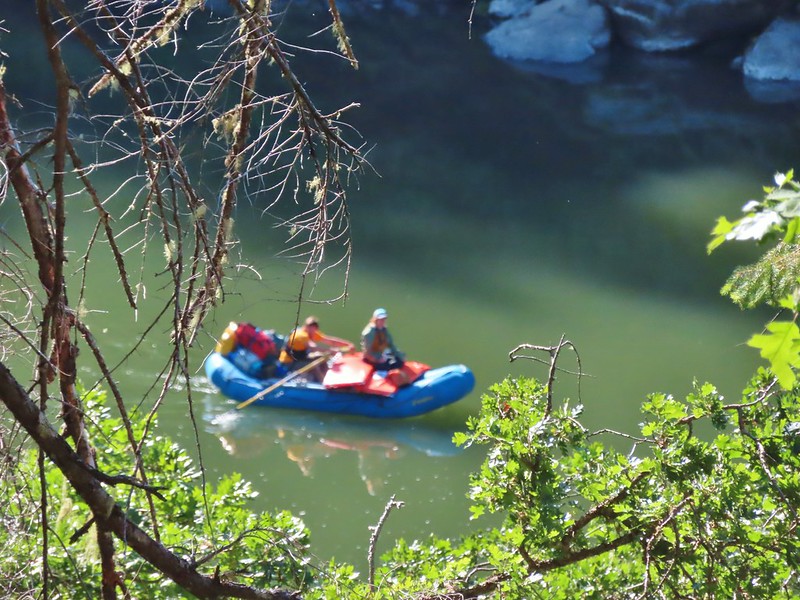
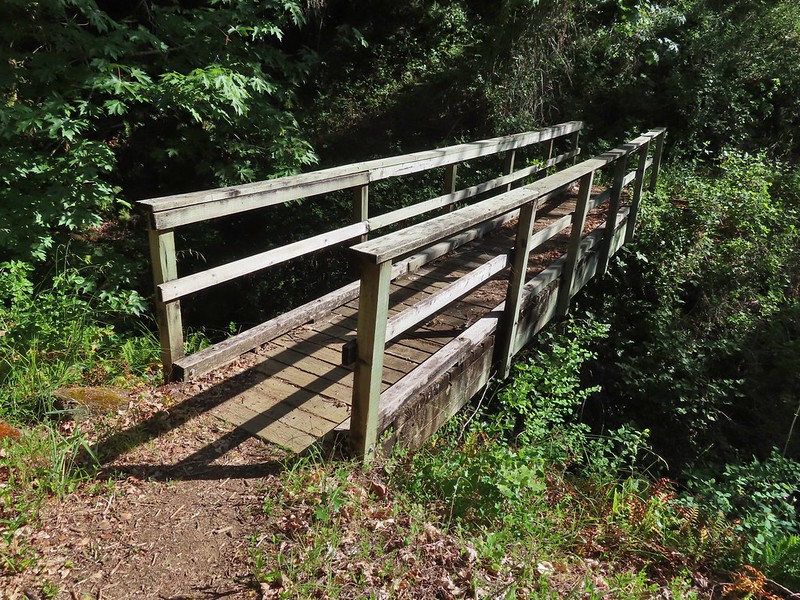 Footbridge over Flea Creek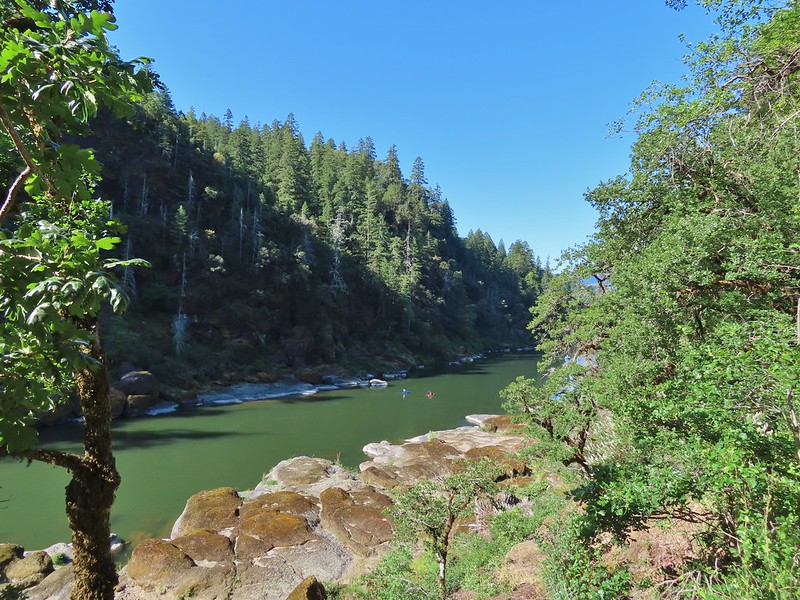
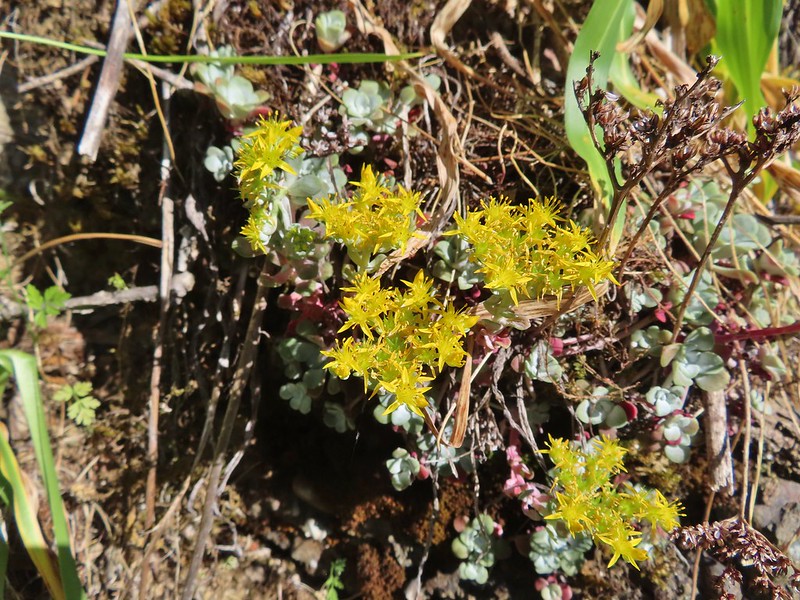

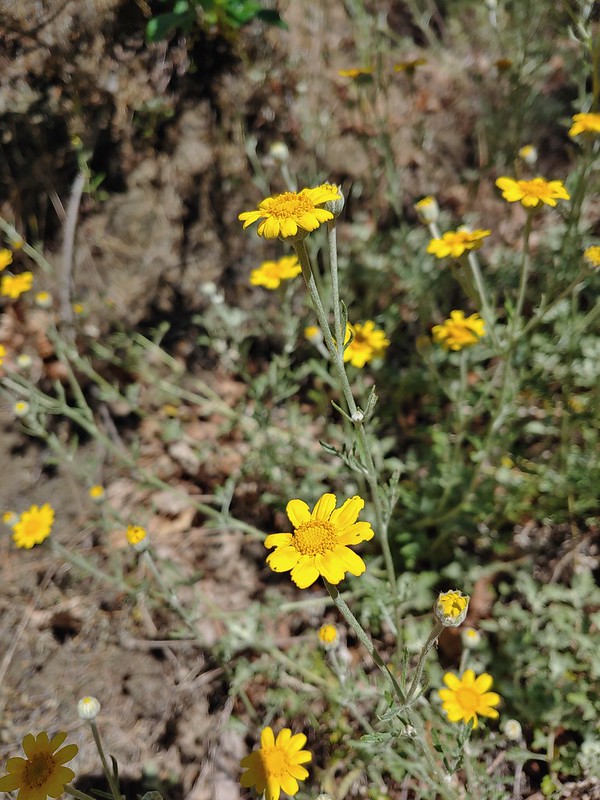 Oregon sunshine
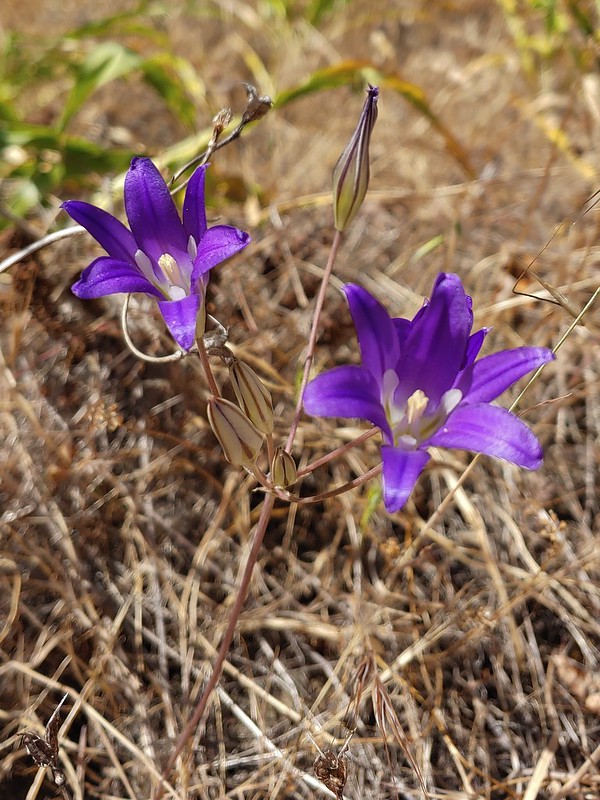 Elegant brodiaea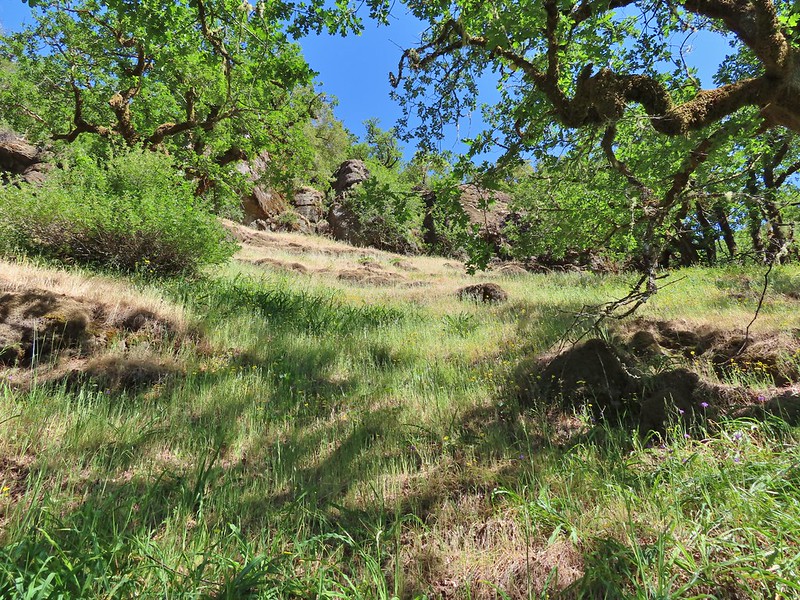
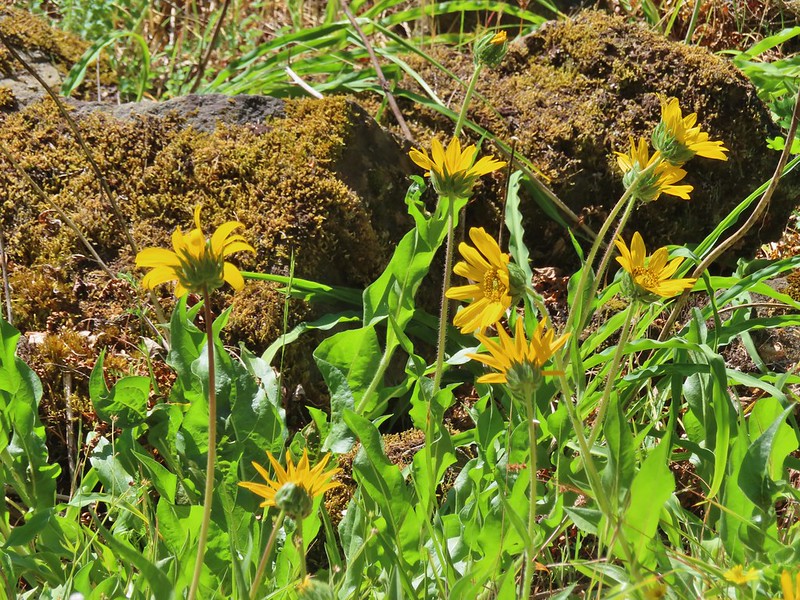
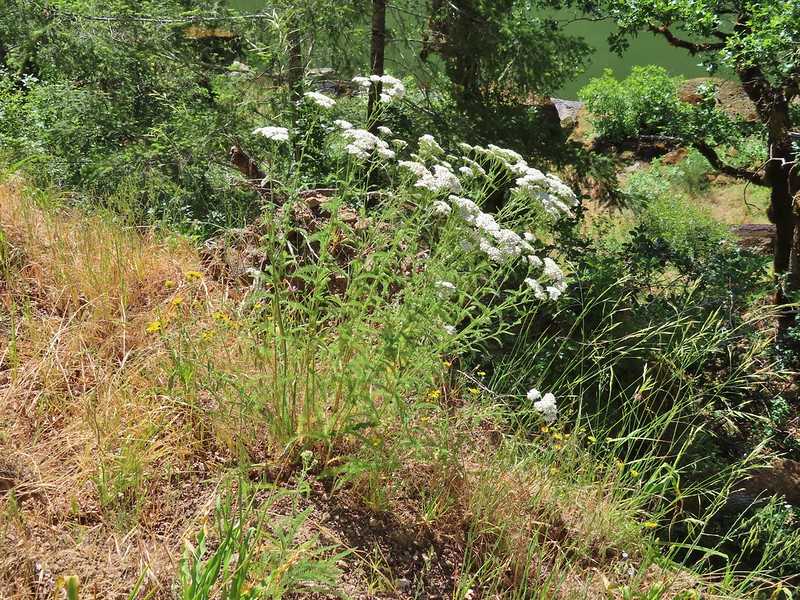 Yarrow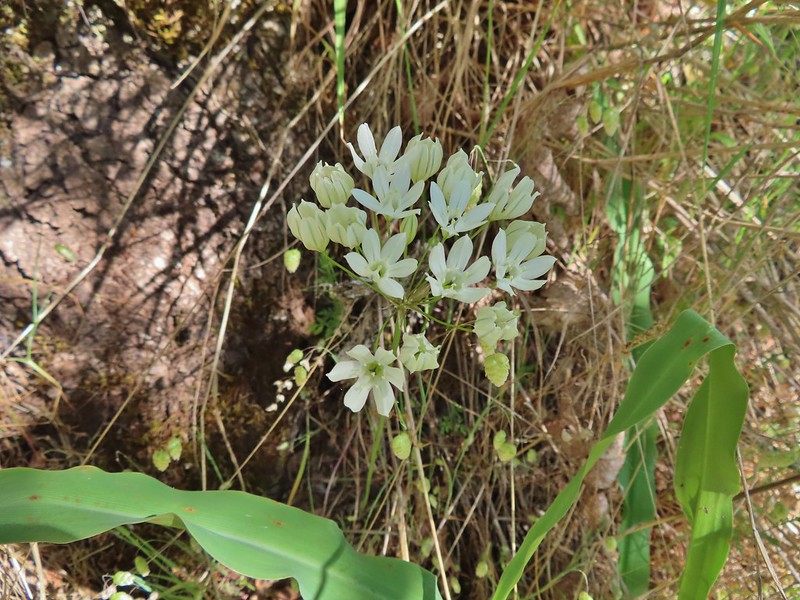
 Bindweed
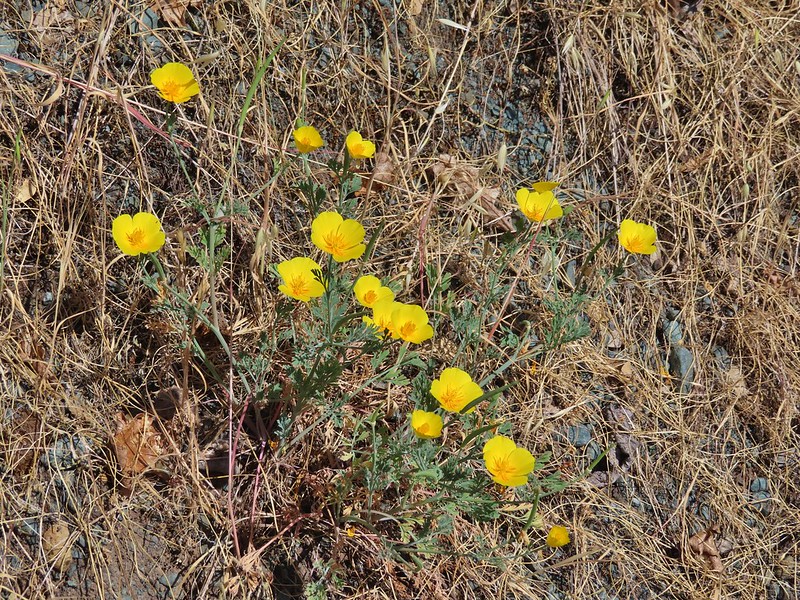 Poppies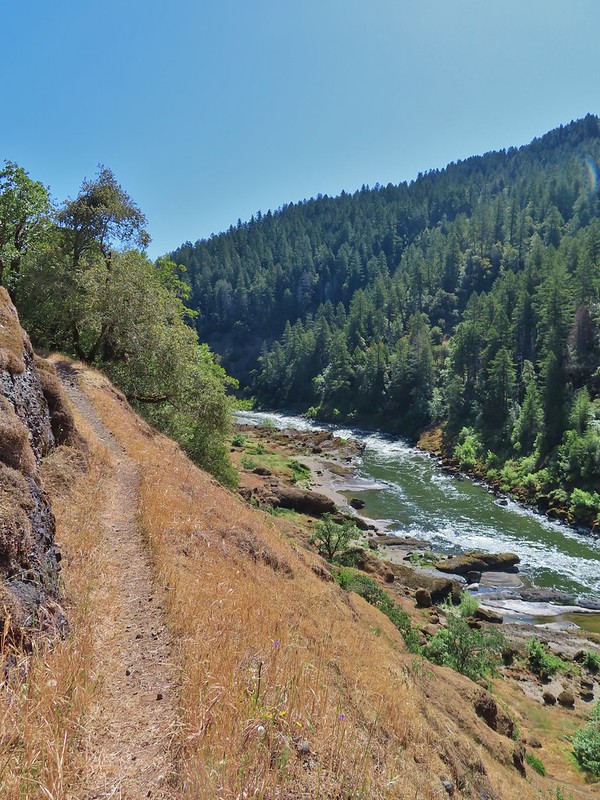


 Clay Hill Lodge
 Rafts in Clay Hill Rapids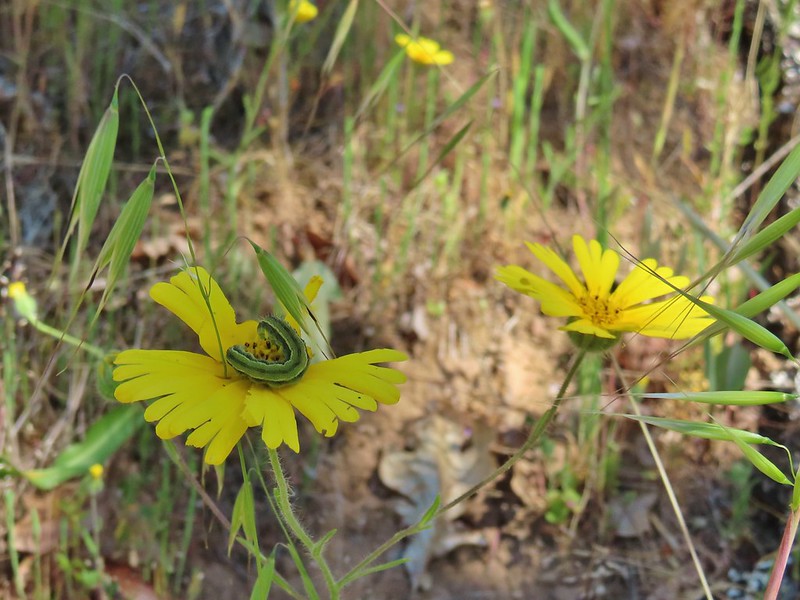

 Winecup clarkia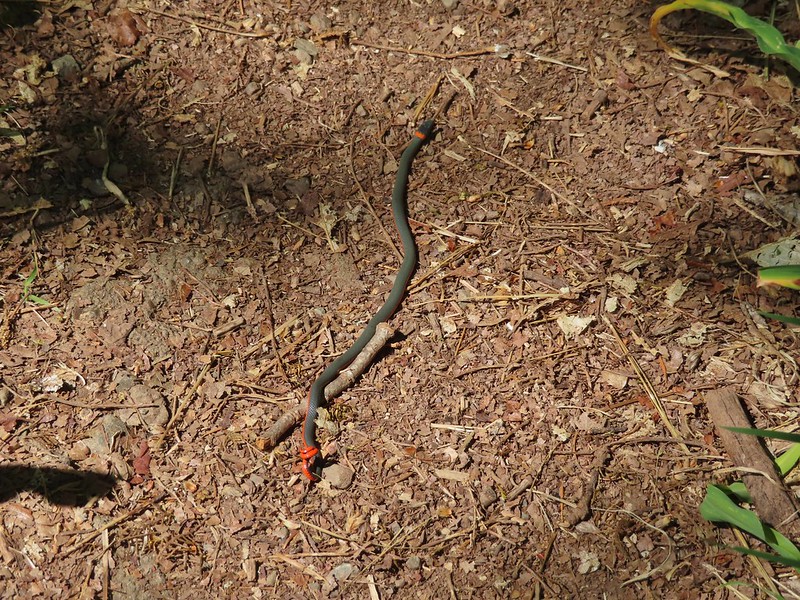

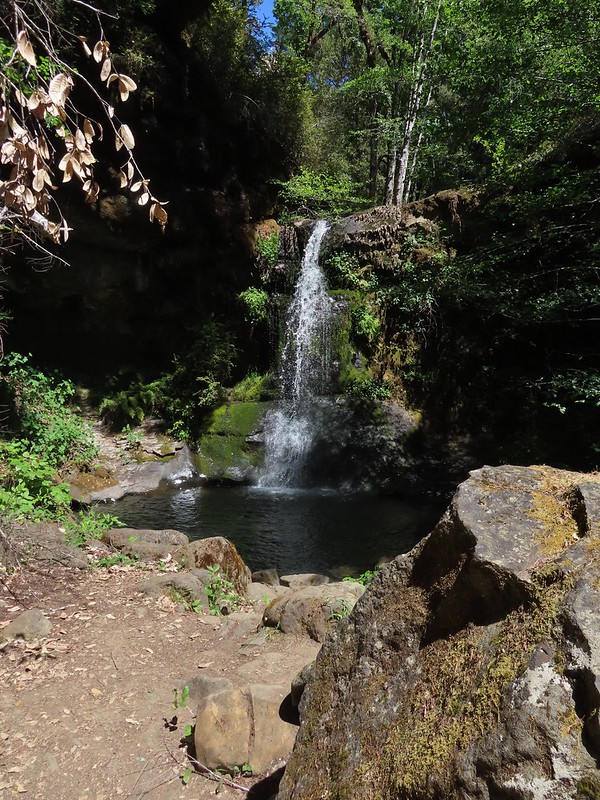
 One of the dozens of photos I took trying to get the swallow tail in flight.


 Thimbleberry
 Salmonberry
 McLeod Creek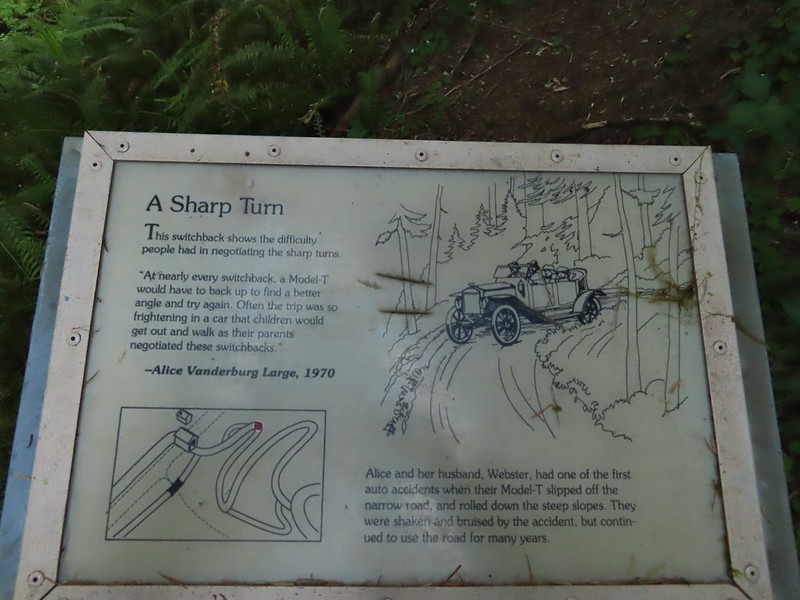
 One of the sharp turns.
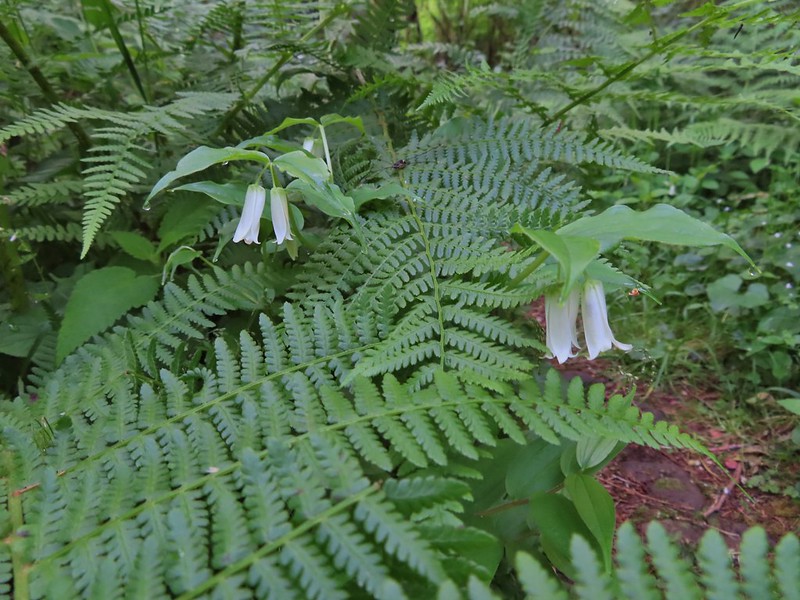 Fairy bells
 Columbine
 Bleeding heart
 Monkeyflower
 Sourgrass
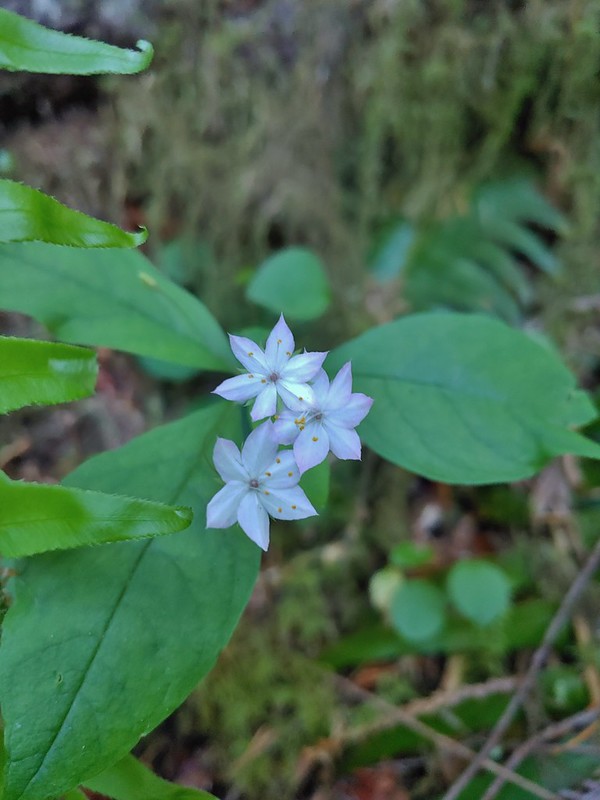 Star flower
 Trillium
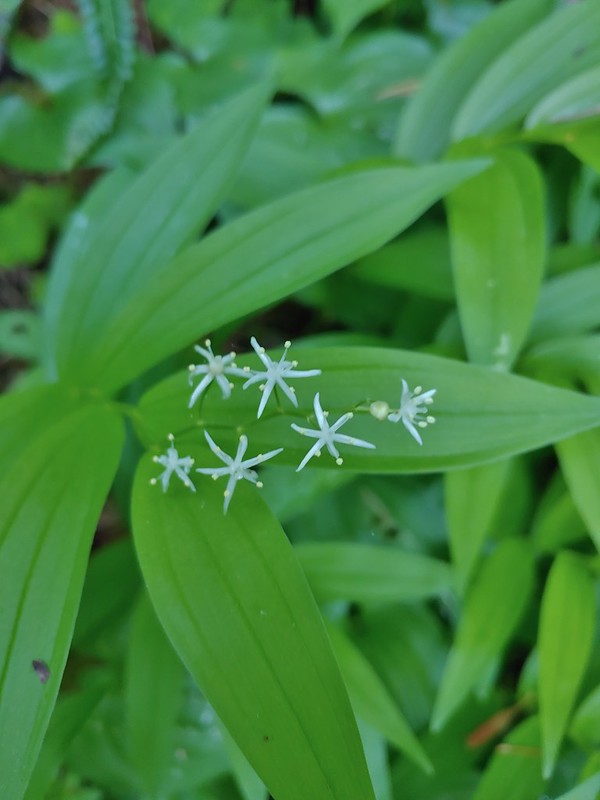 Star flower solomonseal
 Twisted stalk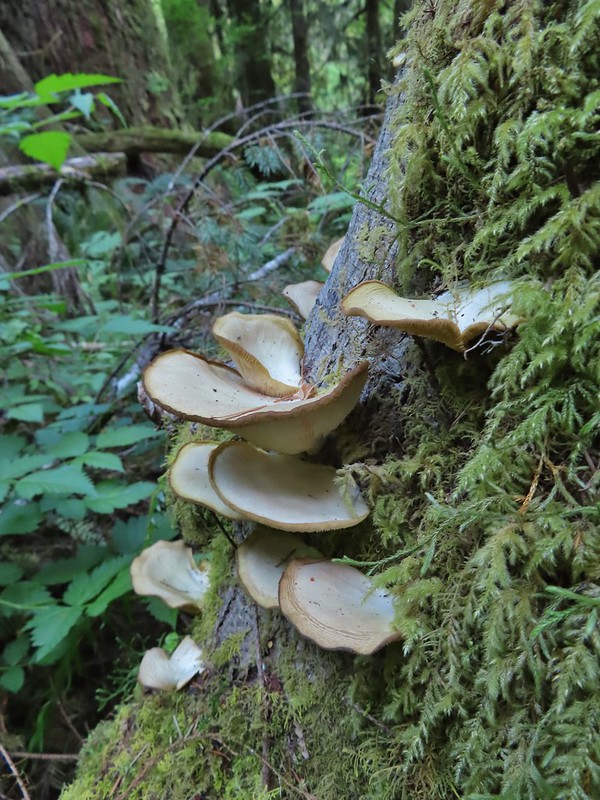
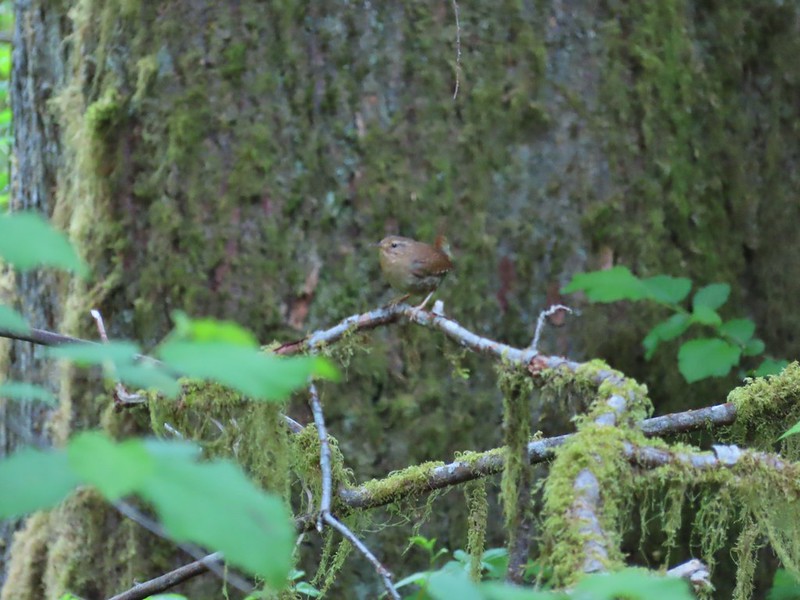 Wren – We heard lots of birds but didn’t see many of them.

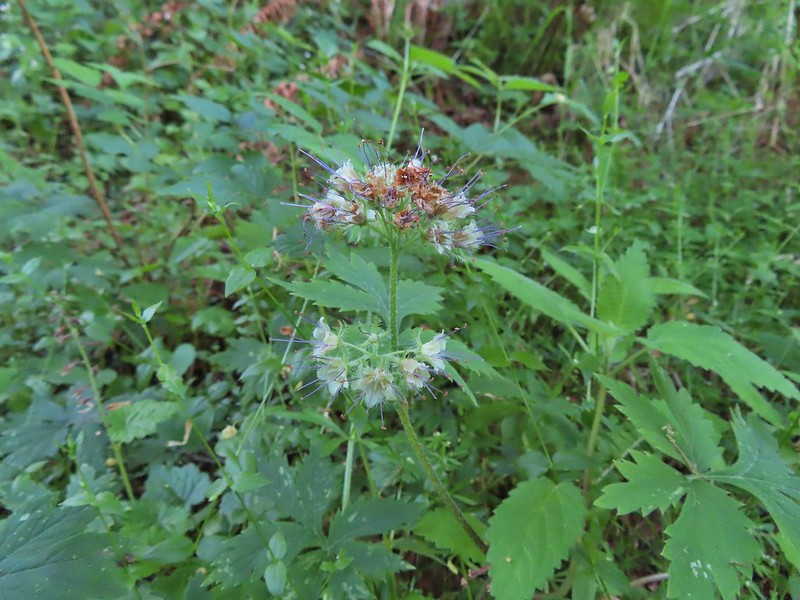 Waterleaf

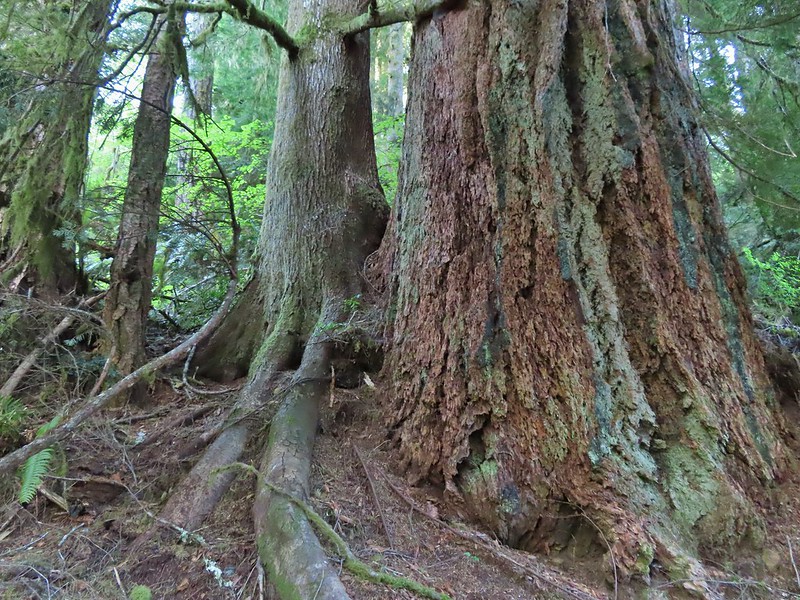
 Marker for a fire scarred Douglas fir. According to the brochure the last major fire in the area was in the 1860s.
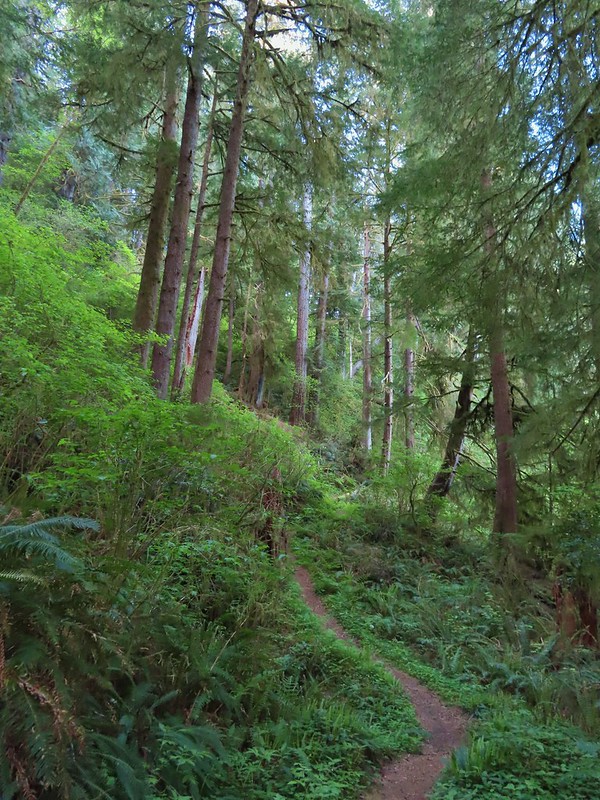

 We had to climb over this big tree.

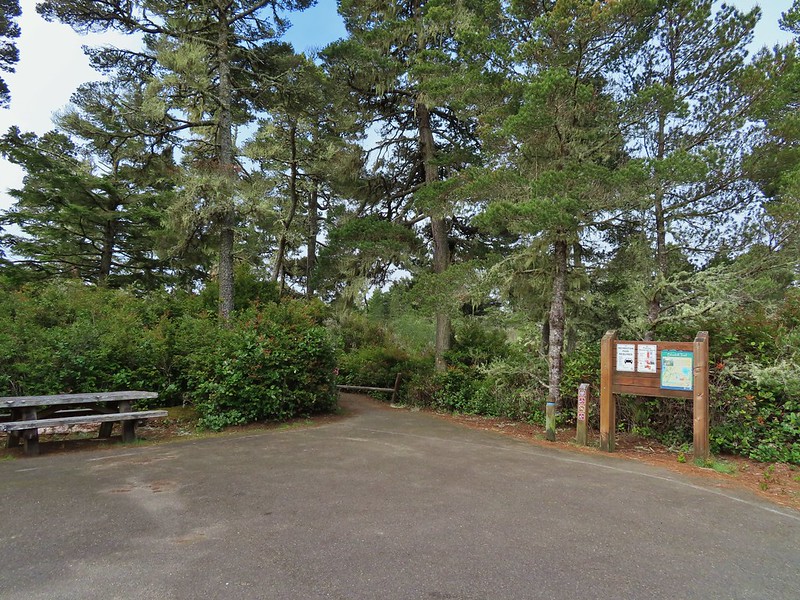

 Looking at the bridge at the north end of the lake.
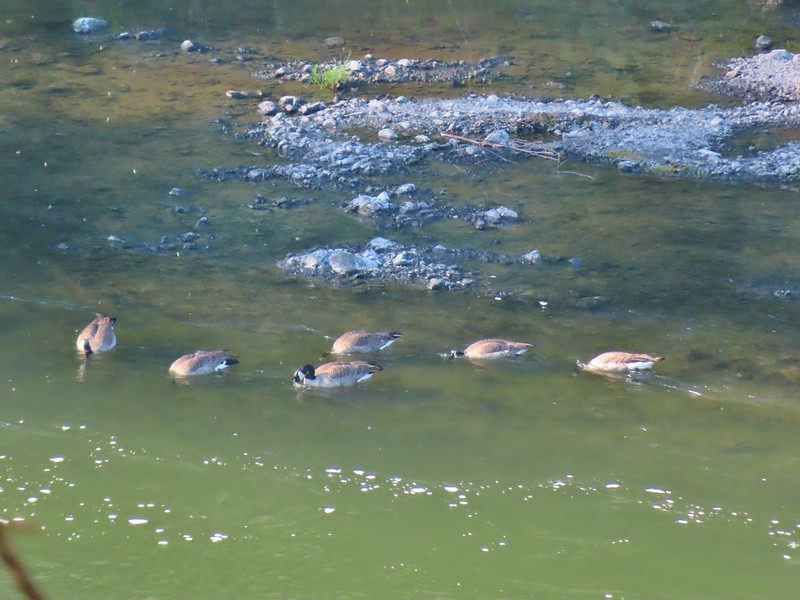
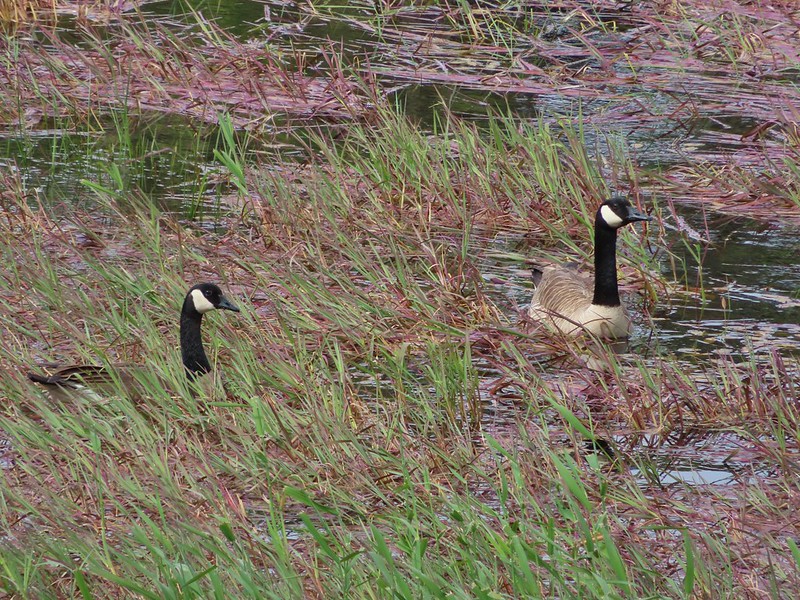 Canada geese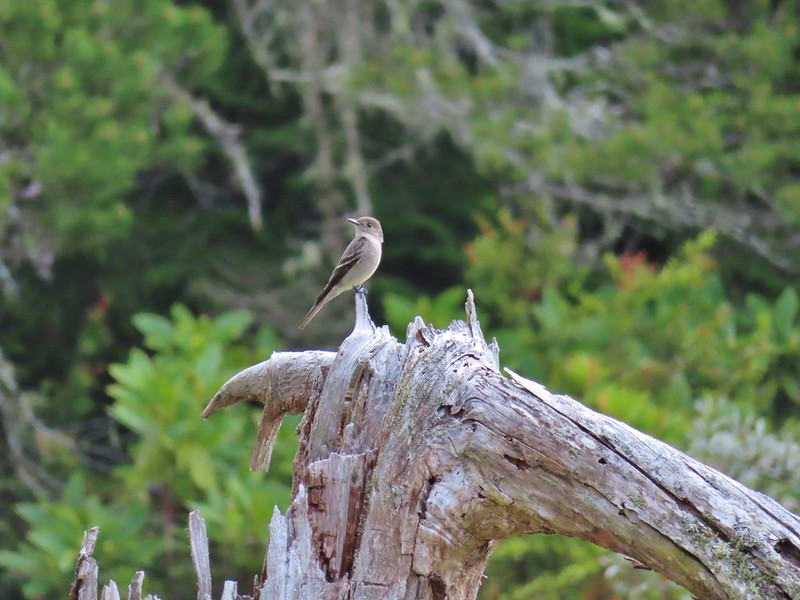
 Cormorants flying above the lake.
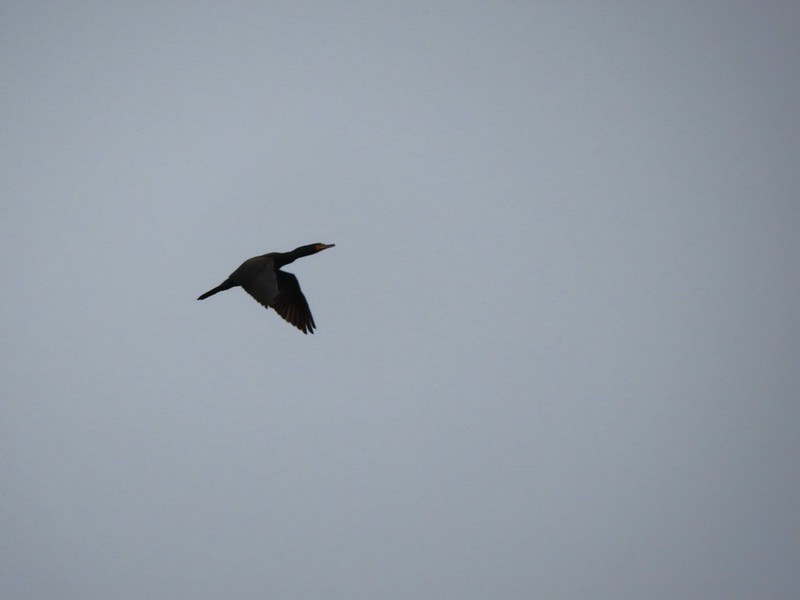 Cormorant
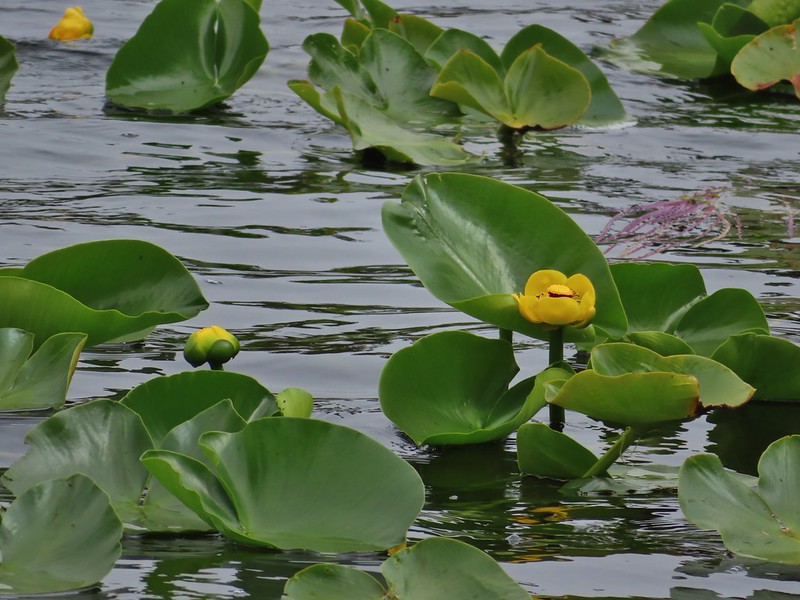
 Ring necked ducks
 Rhododendron
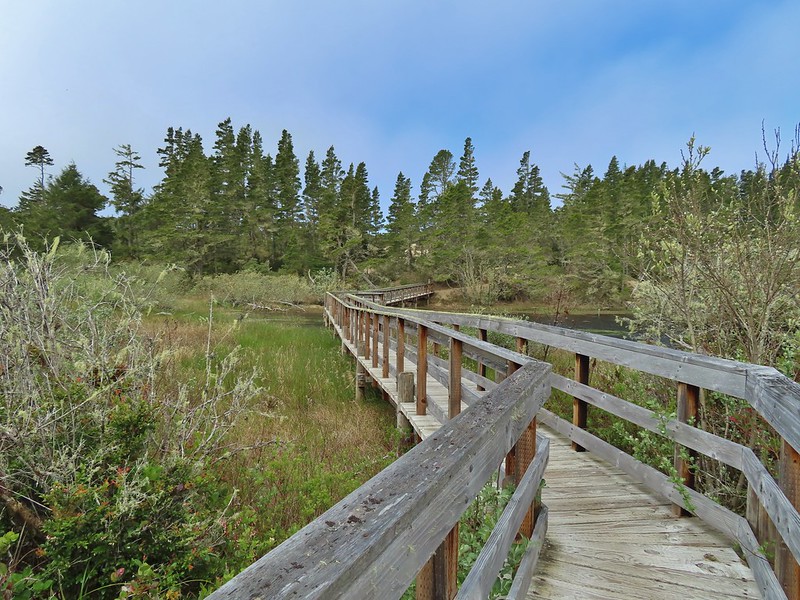 Boardwalk at the south end of the lake.
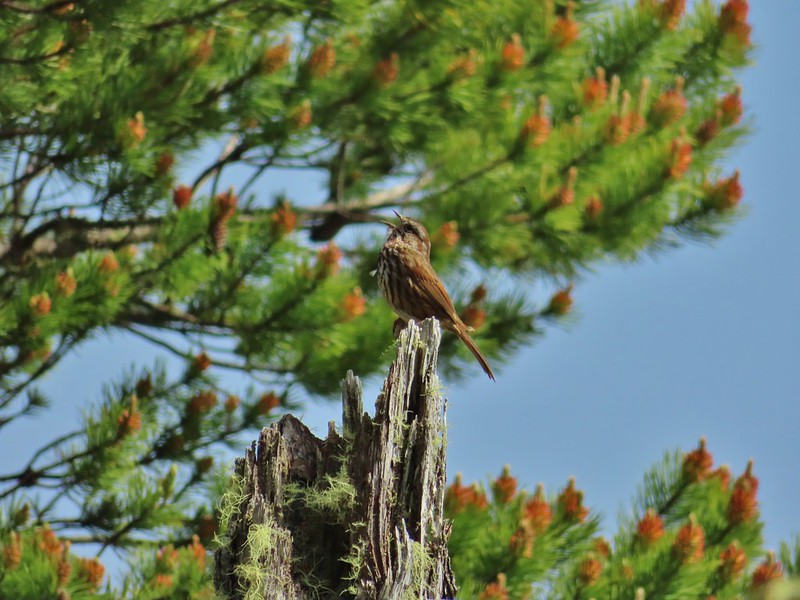 Sparrow
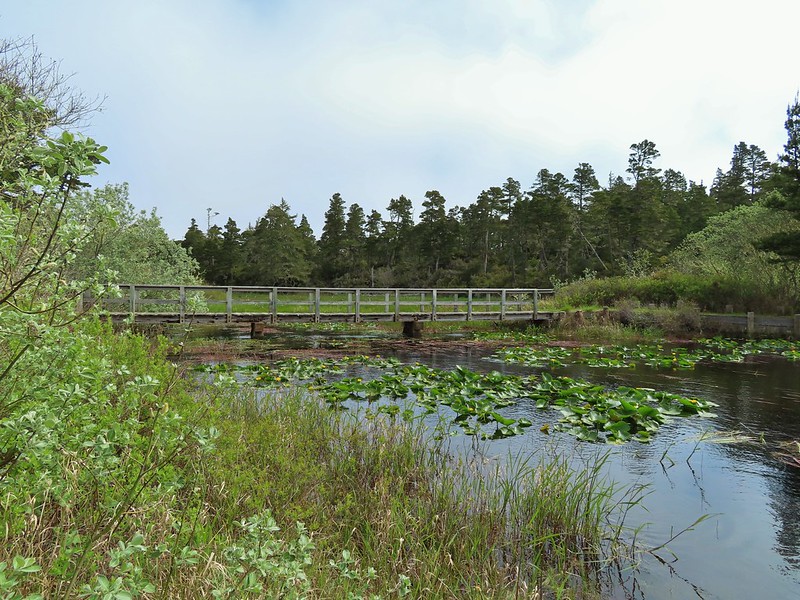 Coming up on the bridge at the north end.
 Yellow rumped warbler
 Finch
Finch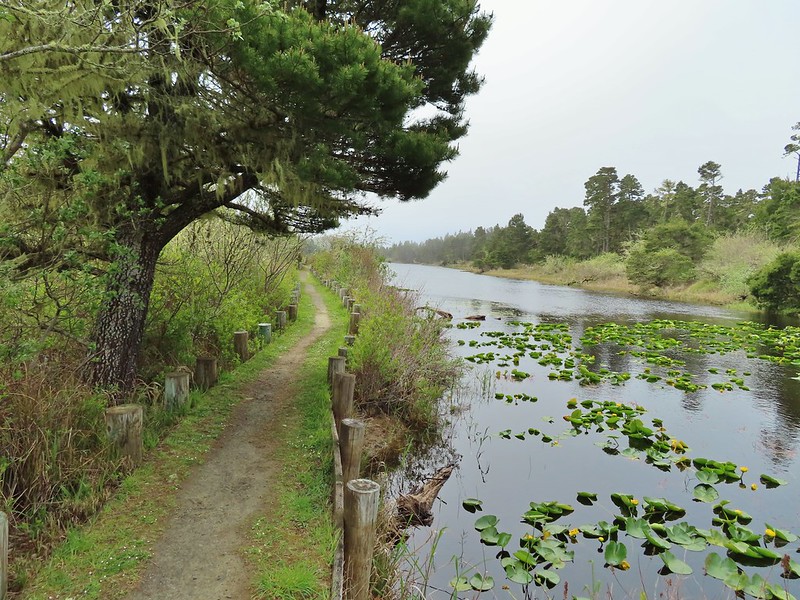
 The trail on the far side of the track.

 One of three panels on a signboard at the start of the trails.
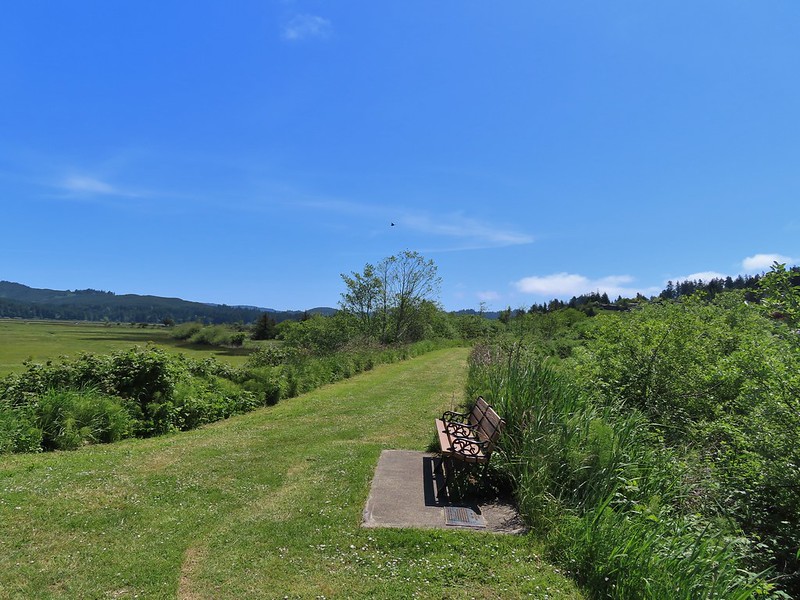 This bench is at the junction.
 Sparrow near the junction.
 Heading to the observation structure.
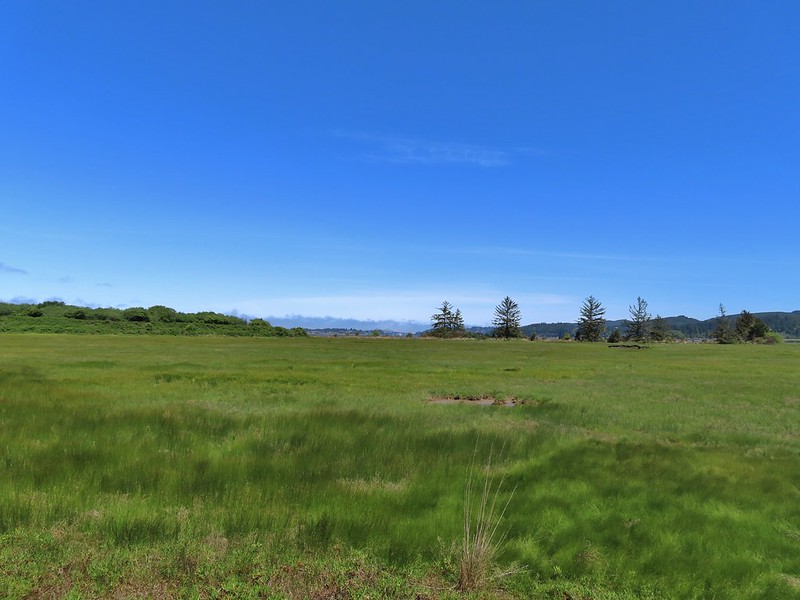 Looking toward Coos Bay along the Coos River.
 McCullough Memorial Bridge spanning Coos Bay.
 Wetlands from the end of the spur.
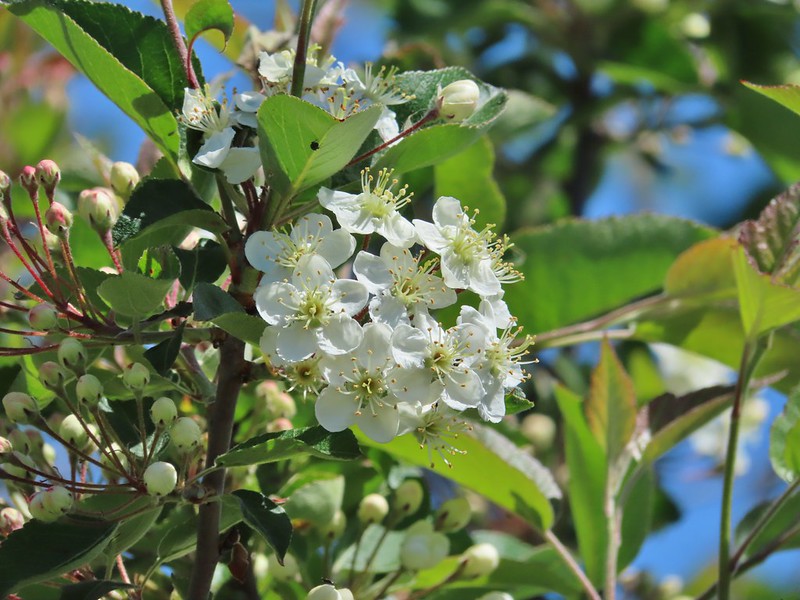 Bitter cherry
 Crow
Crow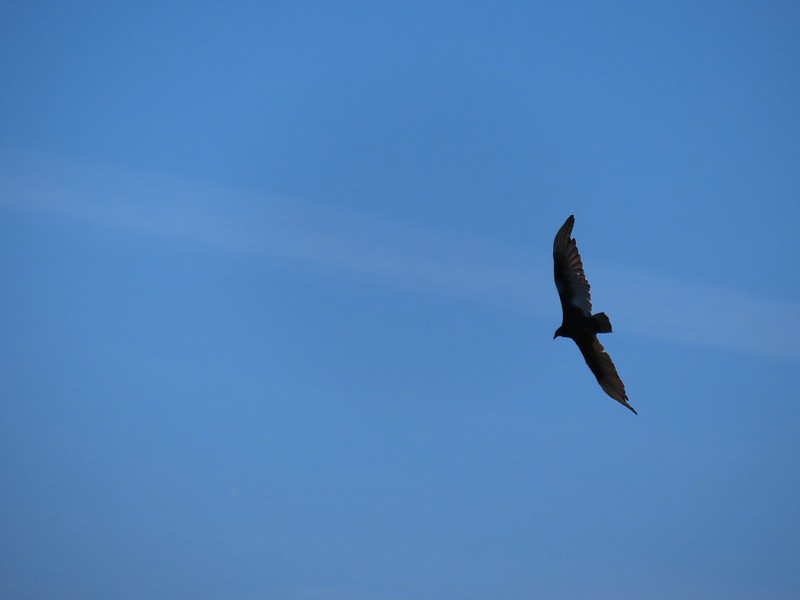 Turkey vulture
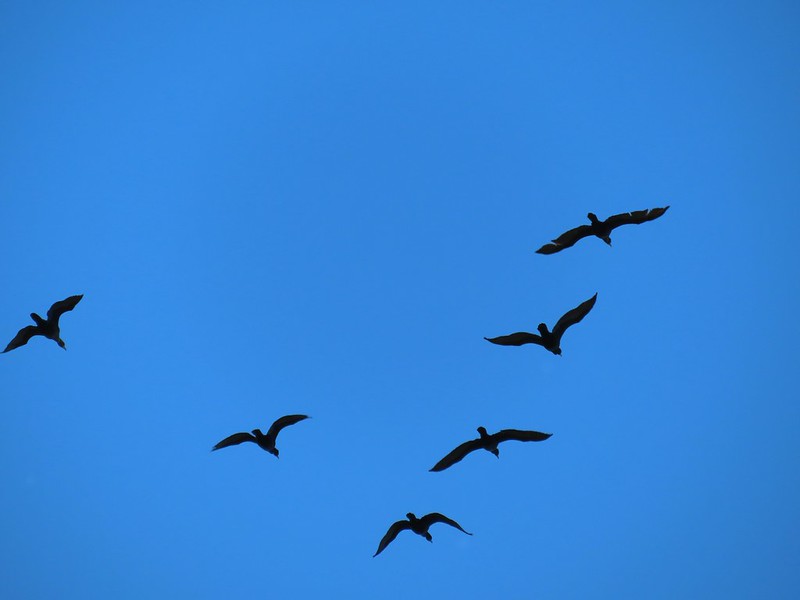 Cormorants overhead
 Canada goose with goslings
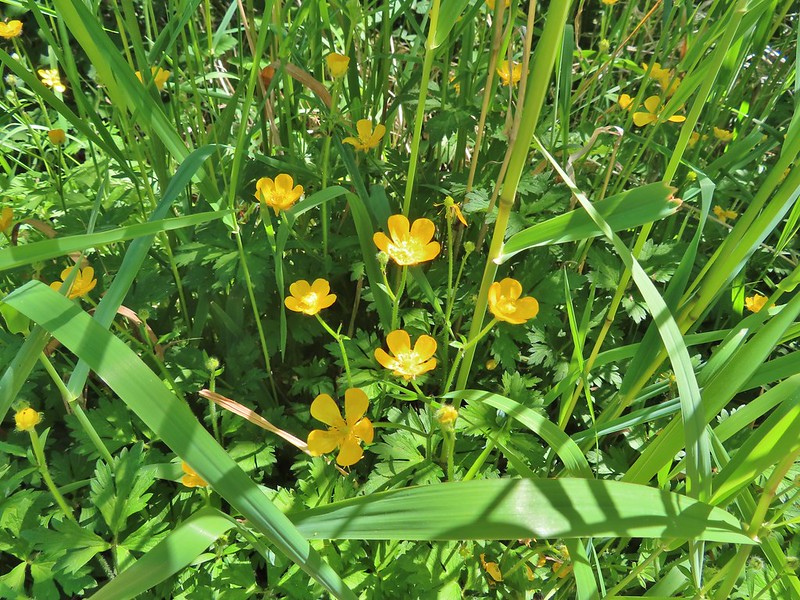 Buttercups
 Pale flax
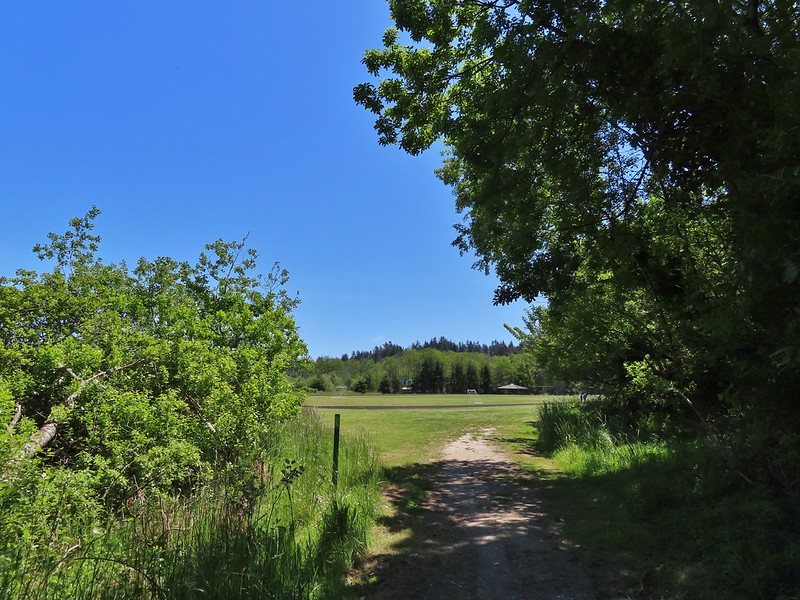 Arriving back at the field.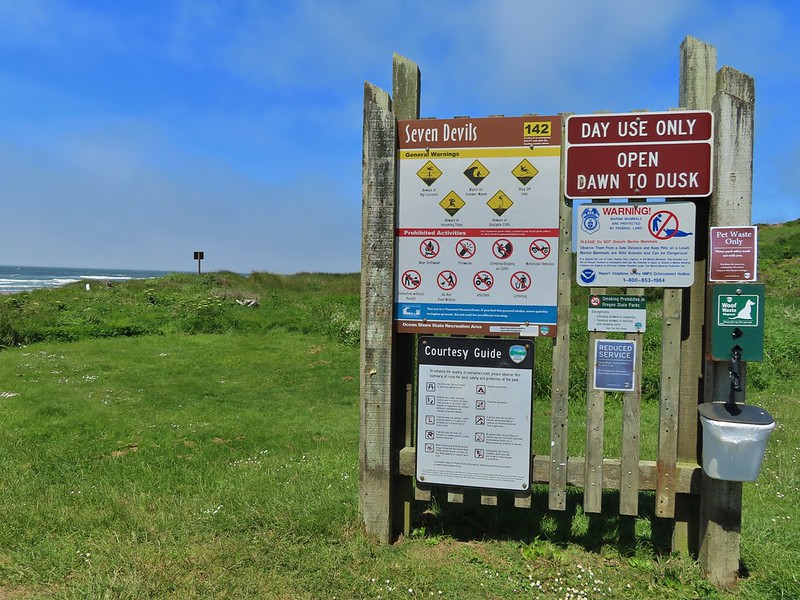
 Ground squirrel enjoying the view.
 Twomile Creek
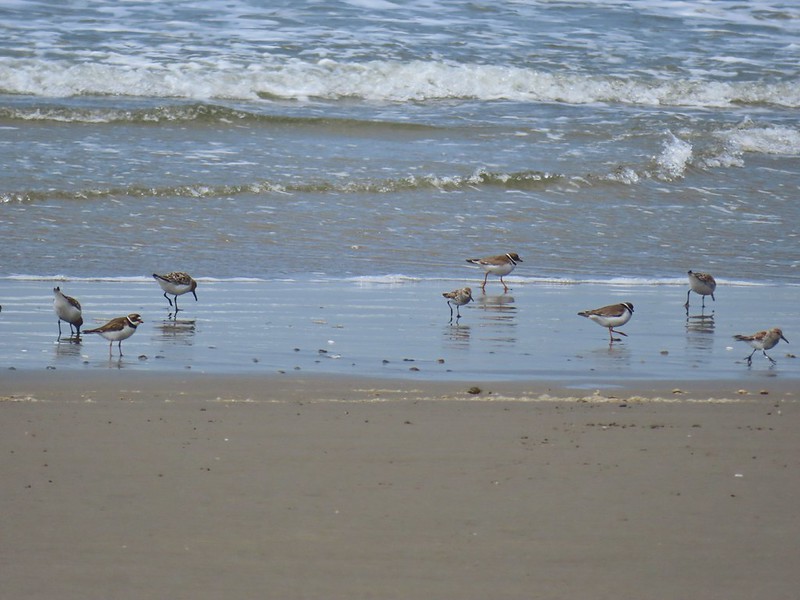
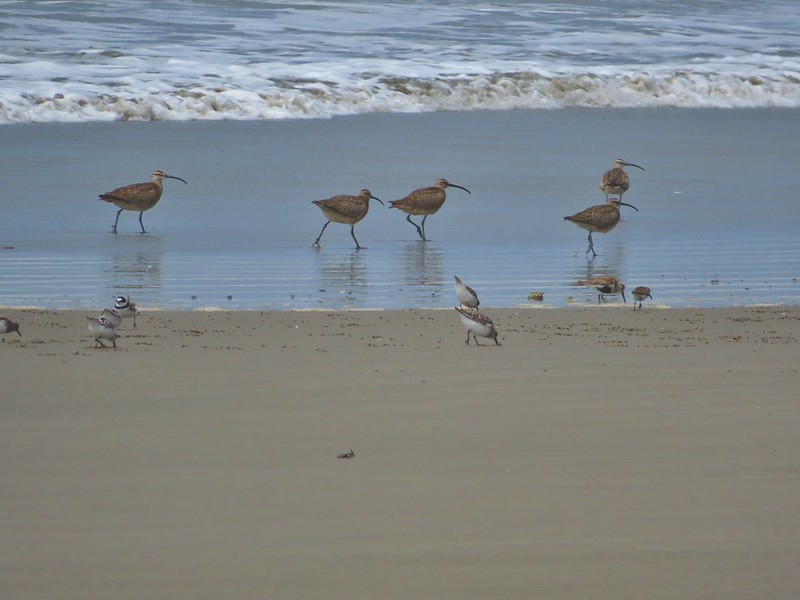
 Shore bird in the creek.


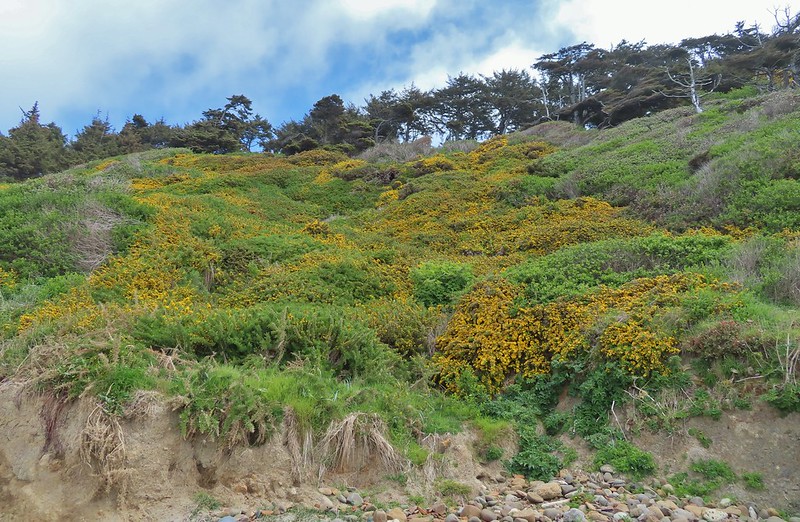
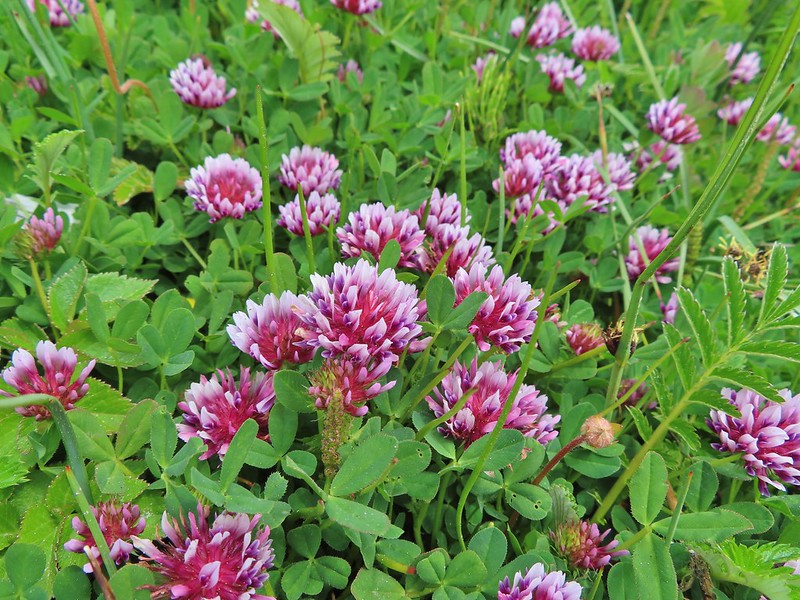
 Brass buttons (another non-native)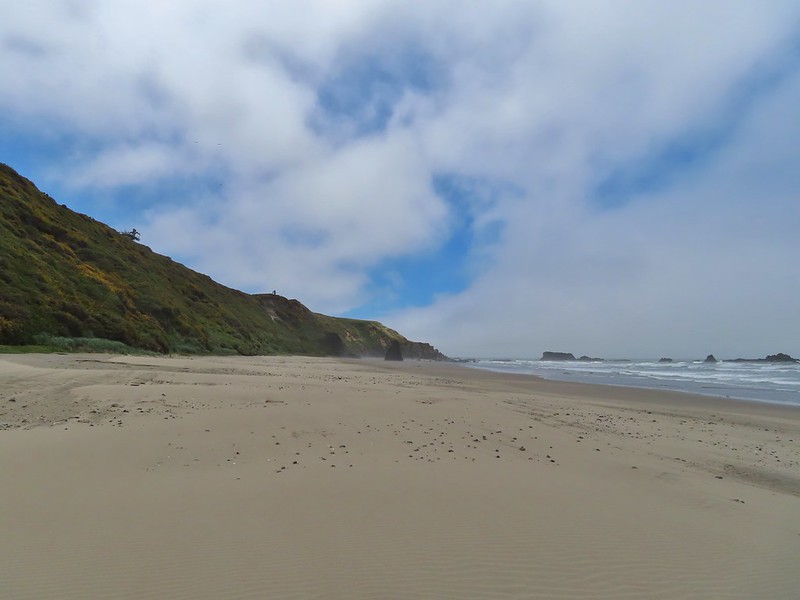


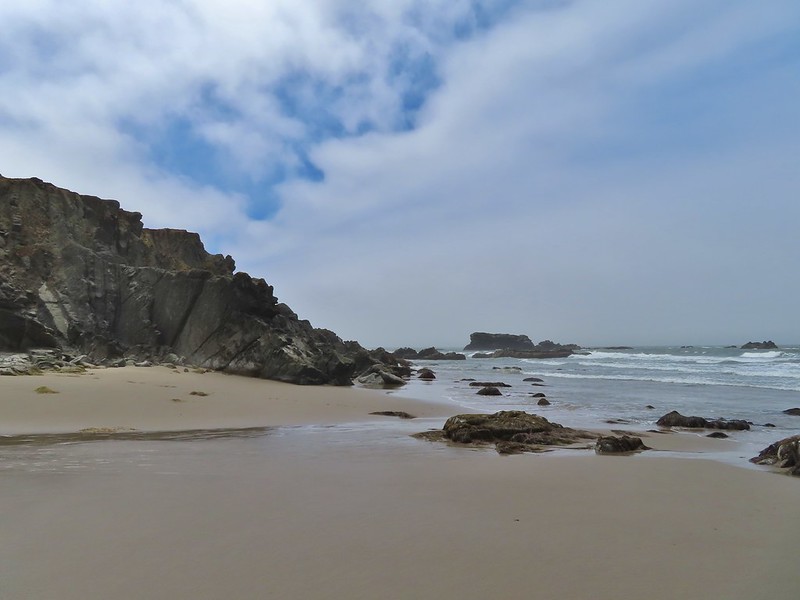 Whiskey Run Beach lay on the other side of the rocks with another parking area 0.8 further south.
 A cormorant off Fivemile Point



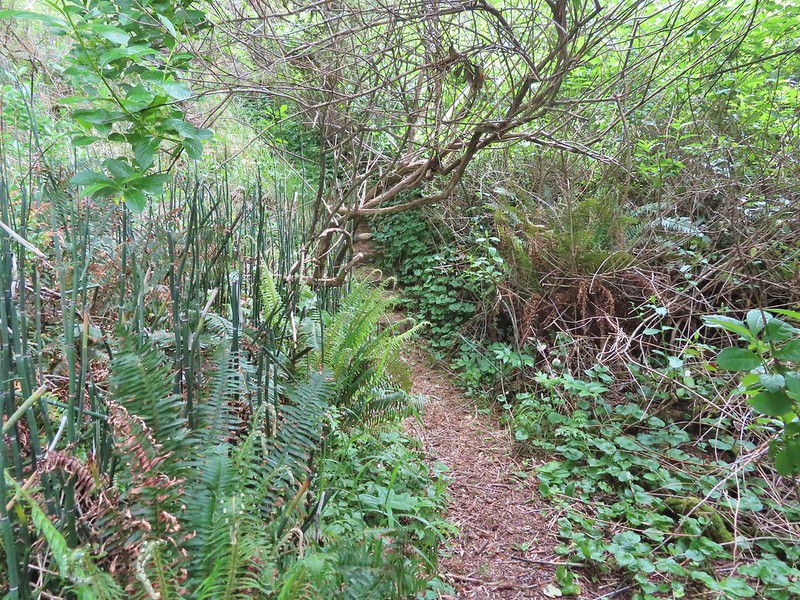
 View from the bench.


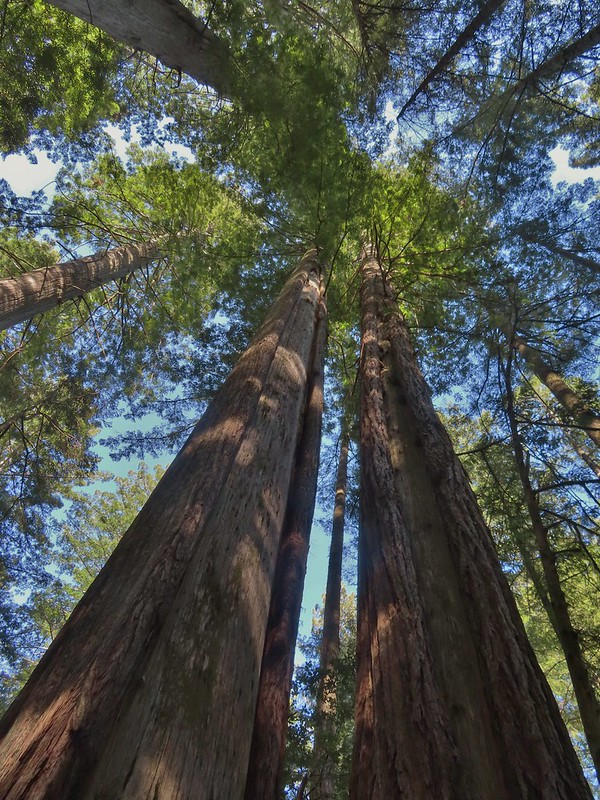
 Coming up on the hollow trunk straight ahead.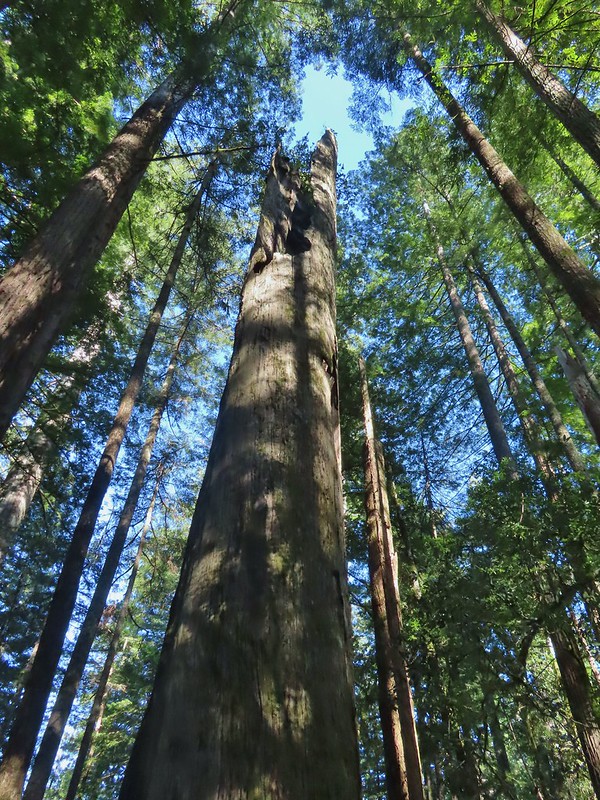


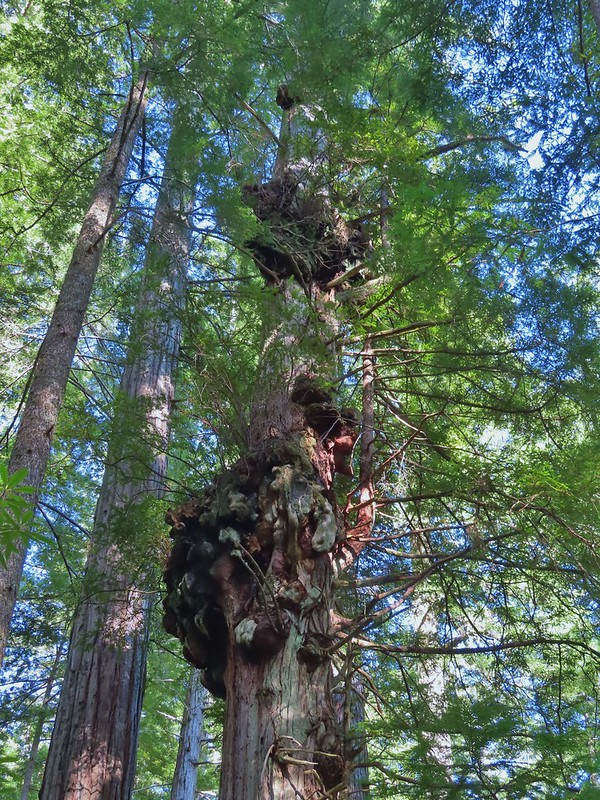
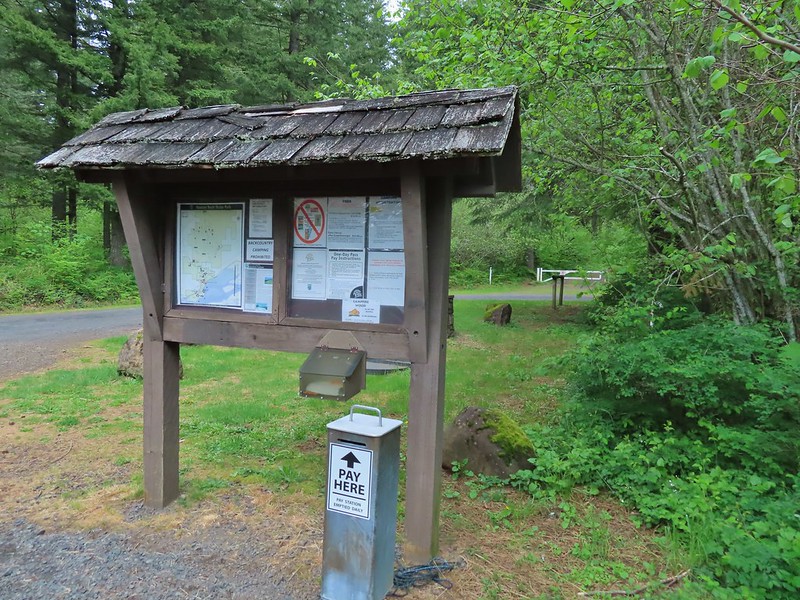
 Equestrian Trail at the trailhead.
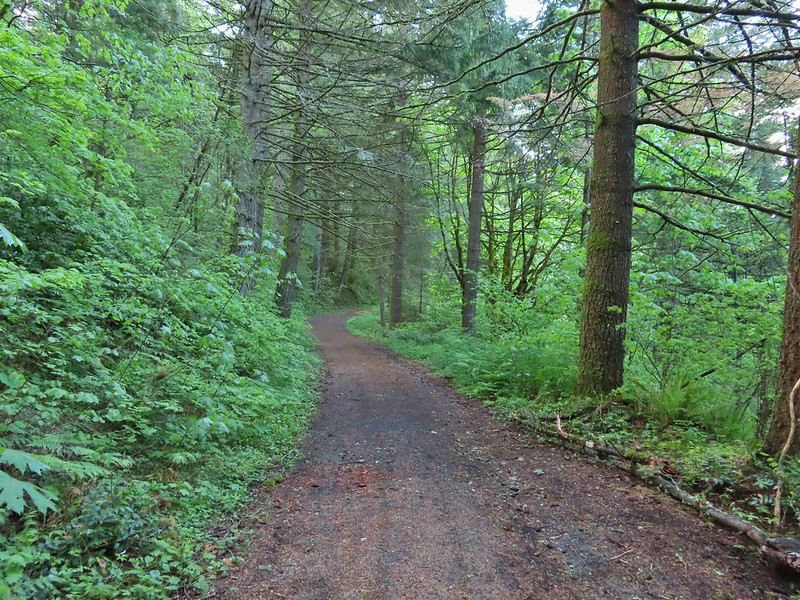 On the old roadbed/Equestrian Trail.
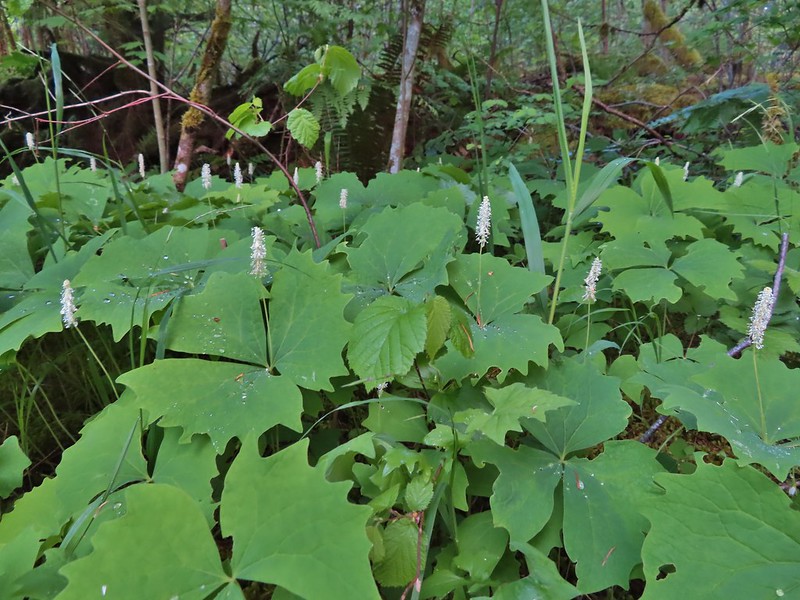 Vanilla leaf
 Fairy bells
 Violets
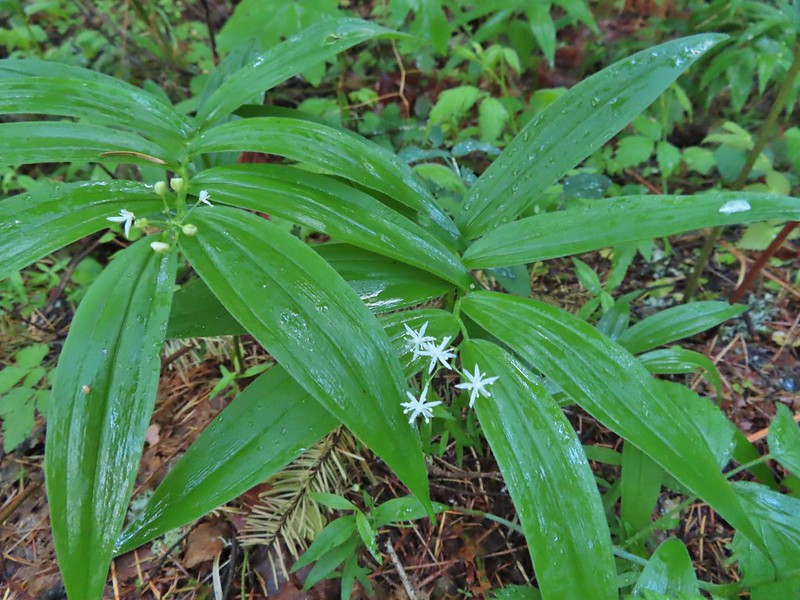 Star-flowered false solomon seal
 Youth-on-age
 Possibly a cinquefoil
 Thimbleberry
 Fringecup
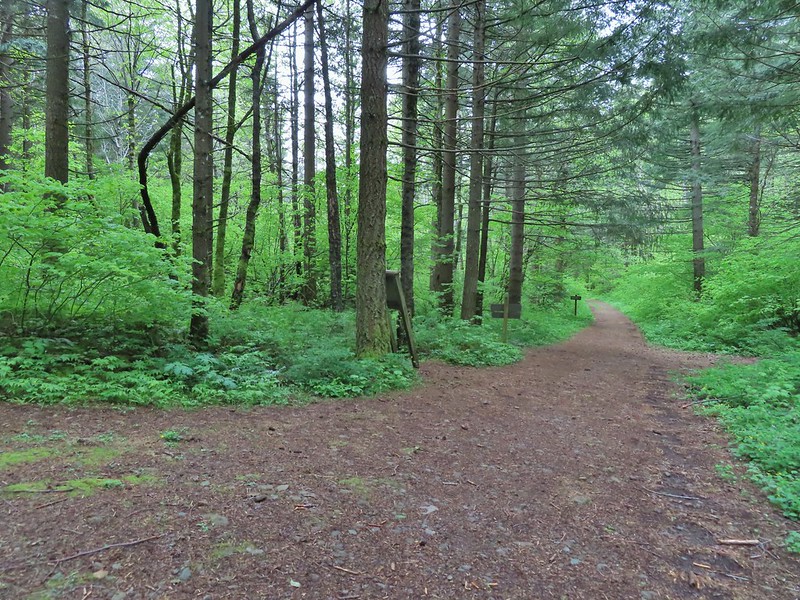
 At the 4-way jct the Equestrian Trial continued straight with the West Hardy Trail to the left and Lower Loop Trail to the right.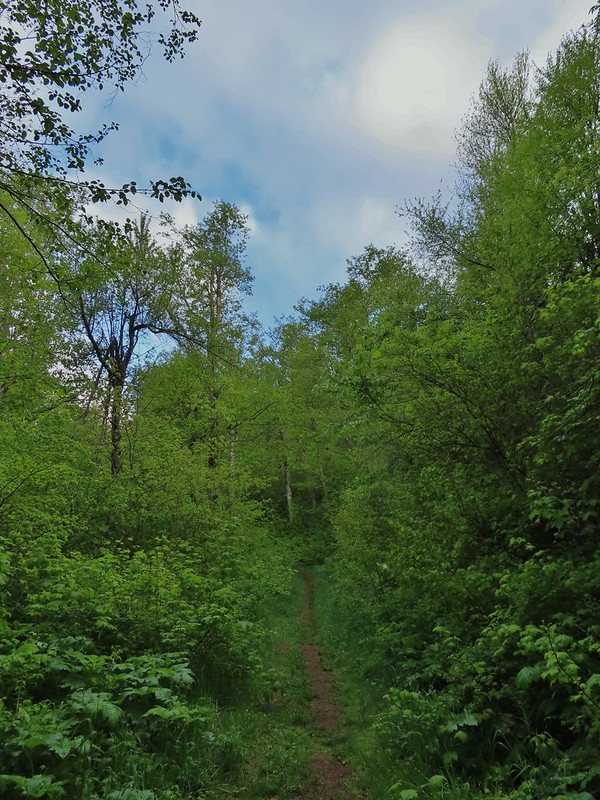

 Salmonberry
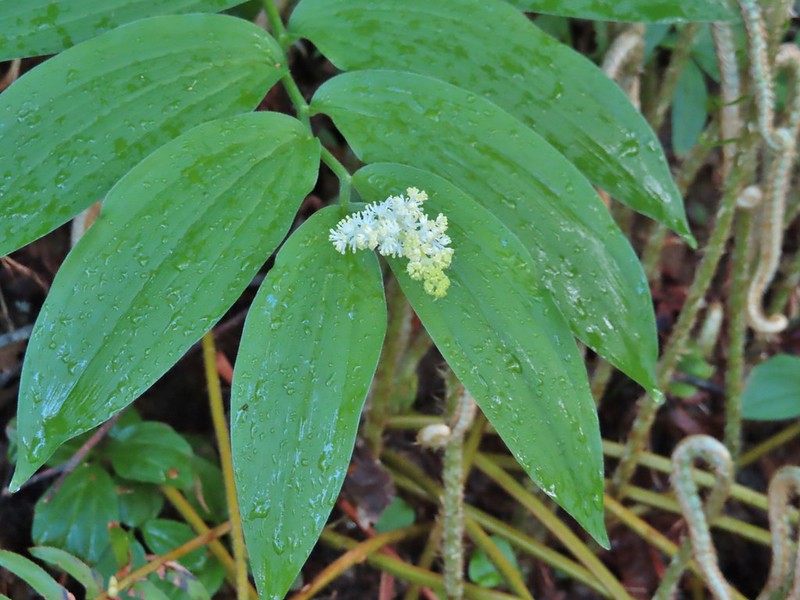 False solomon seal
 Bleeding heart
 Here come the clouds.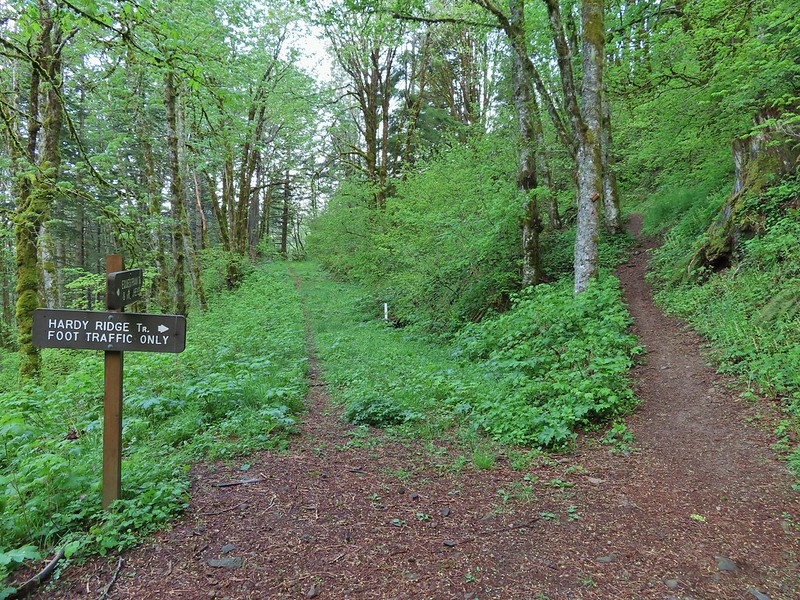

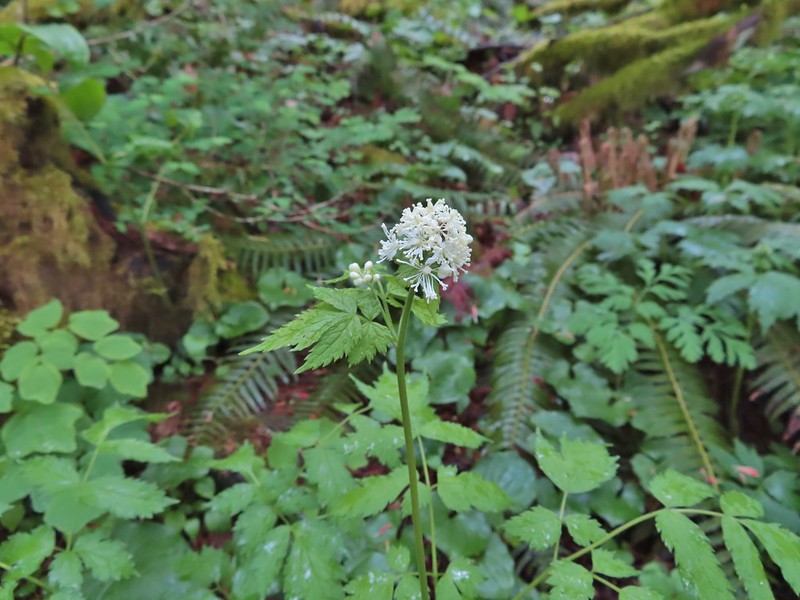 Baneberry
 Trillium
 Paintbrush
 Red flowering currant
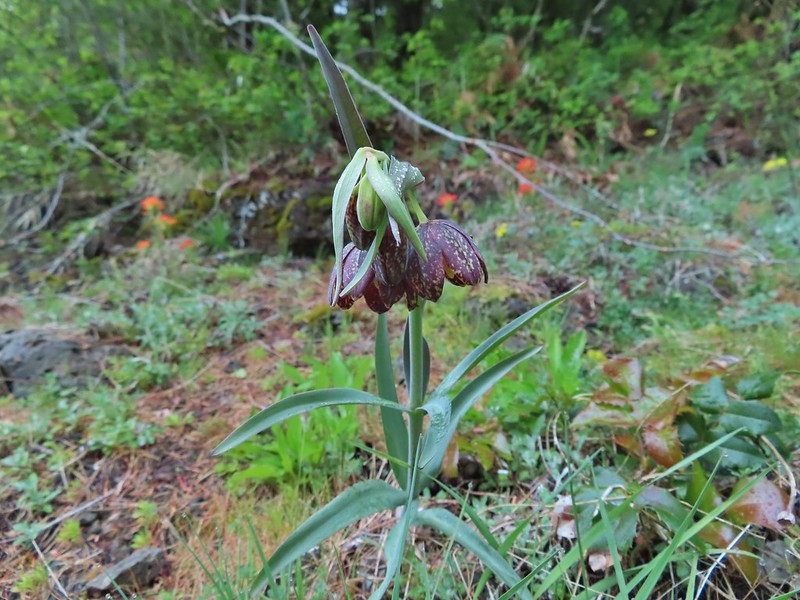 Chocolate lily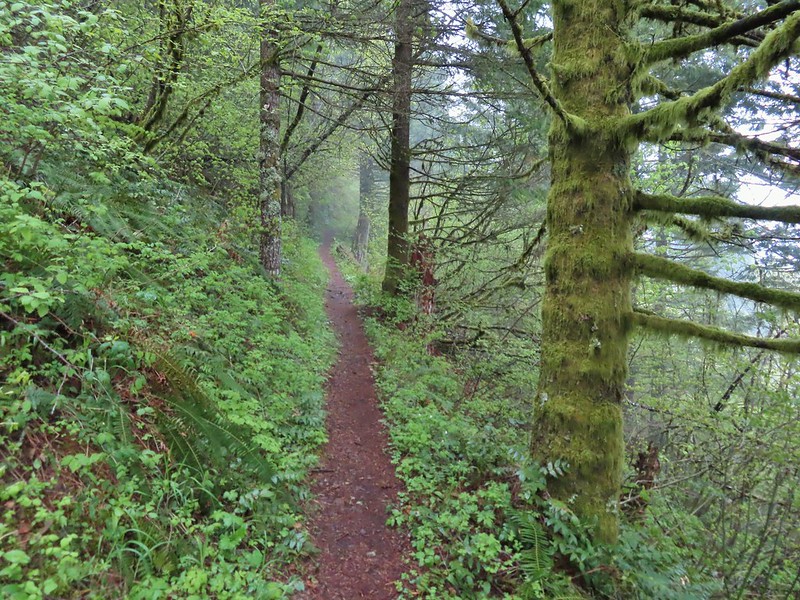
 Anemones
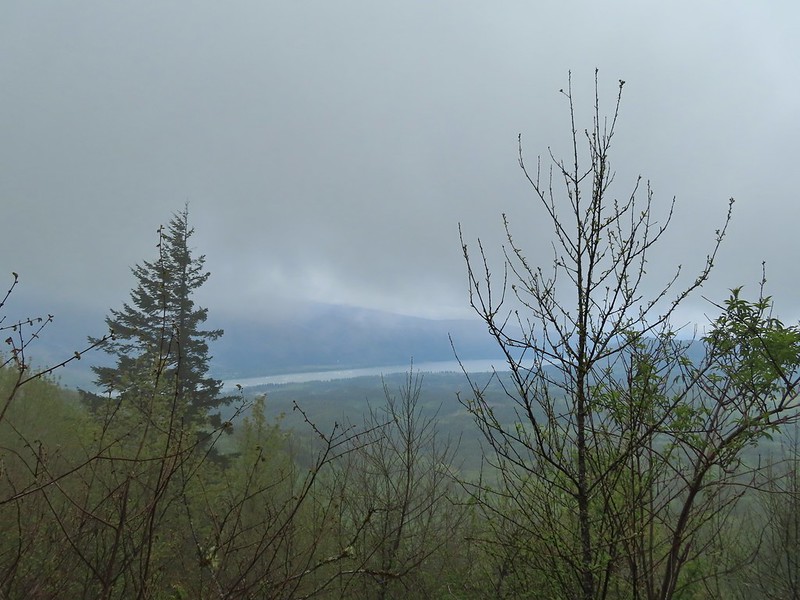 Looking across the Columbia River into Oregon.
 Horsetail Falls (
 Field chickweed and Oregon grape
 Junction at the saddle.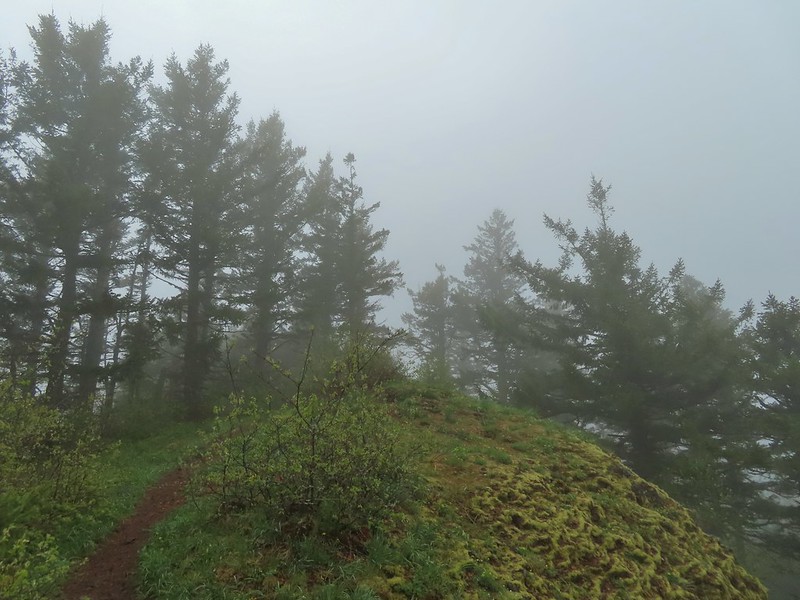
 Glacier lily
 Trilliums
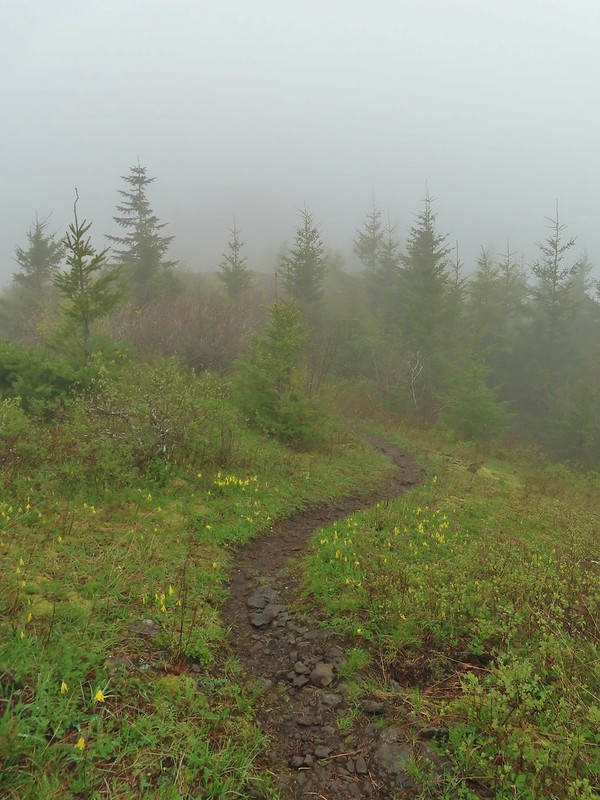 Glacier lilies along the trail.
 Another hiker caught up to us at this rock field not far from the high point. It looked like the trail was going across the rocks for a bit and she decided to turn around but after just a few feet the trail resumed behind a bush.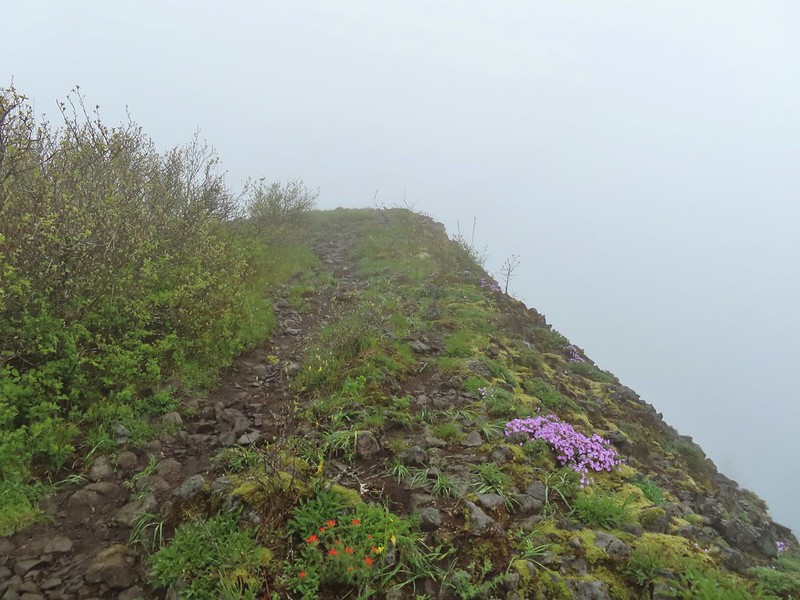
 Phlox
Phlox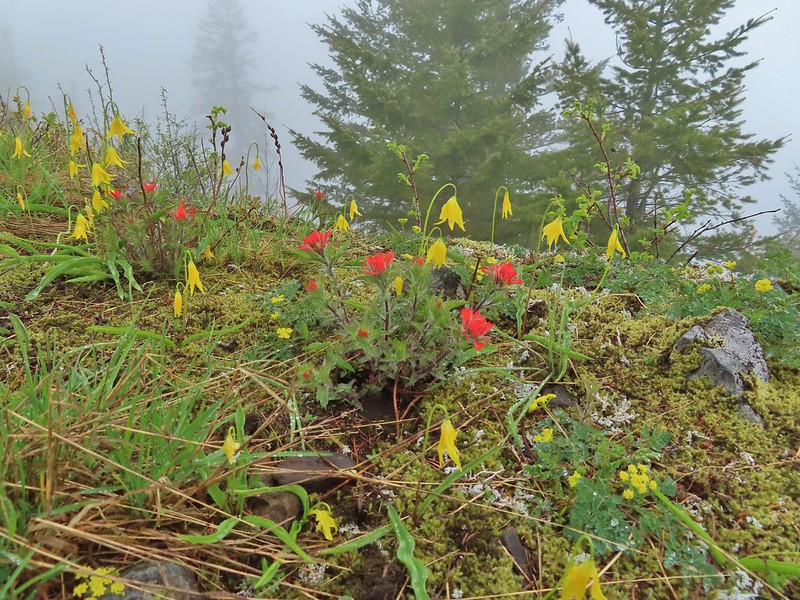 Paintbrush and glacier lilies.
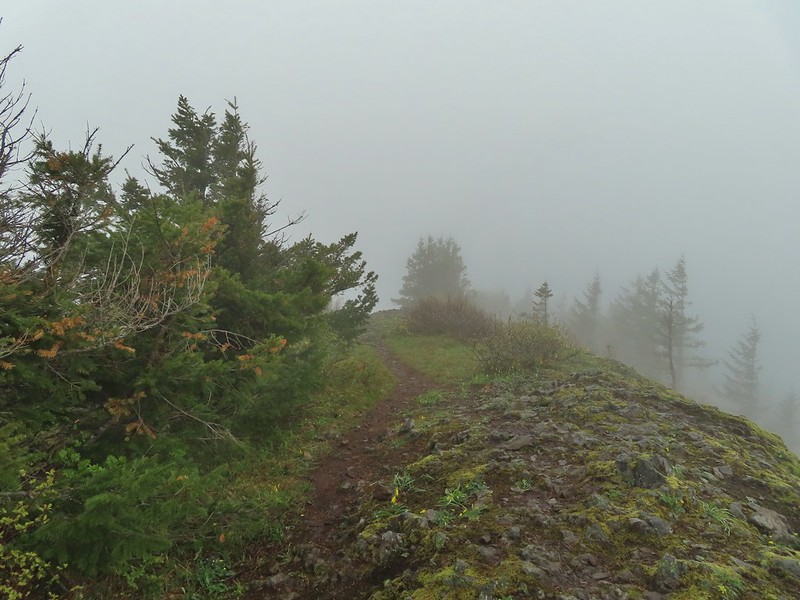 The high point.
 Glacier lilies at the high point.

 Hamilton Mountain (high point to the right) and the Columbia River.
 Bonneville Dam and the Hamilton Mountain Trail crossing The Saddle.
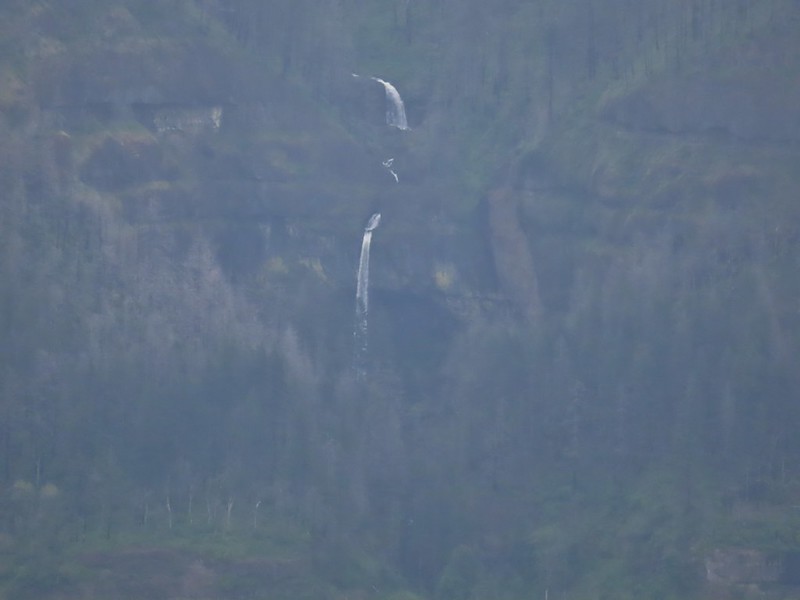 Upper McCord Creek Falls (
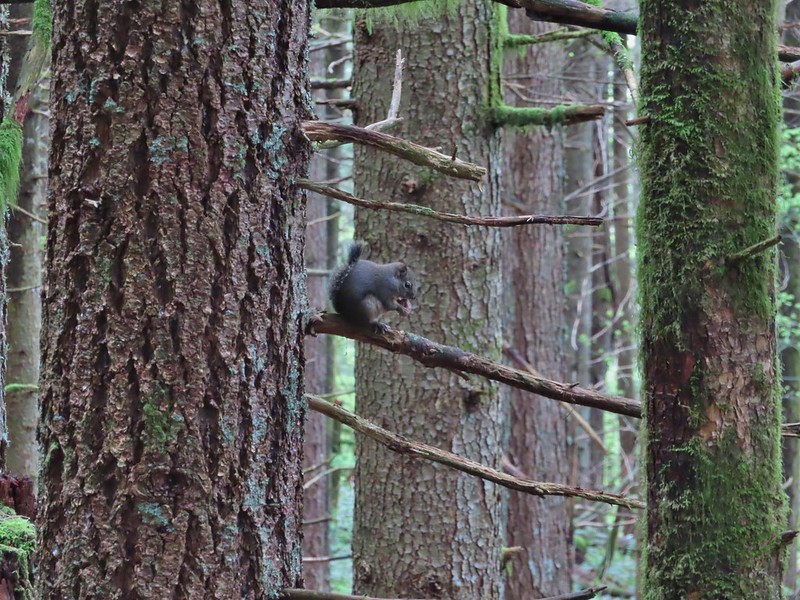 Squirrel
 Snail
Snail

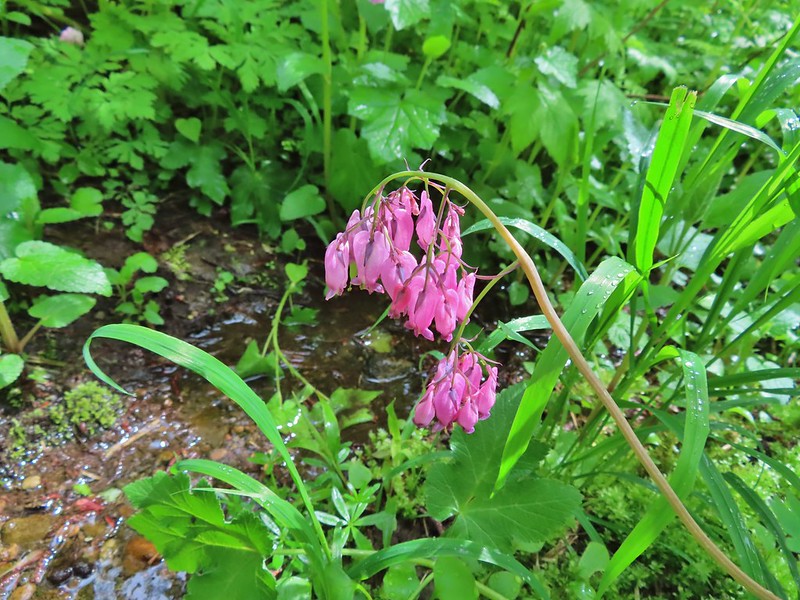 Bleeding heart along a little stream.
 False lily-of-the-valley getting ready to bloom.
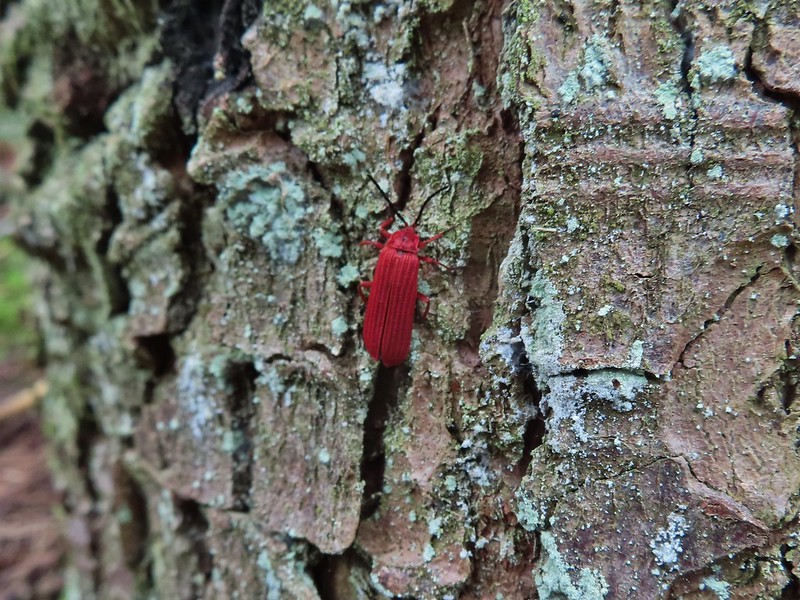 Possibly a Dictyoptera aurora (Golden net-winged beetle)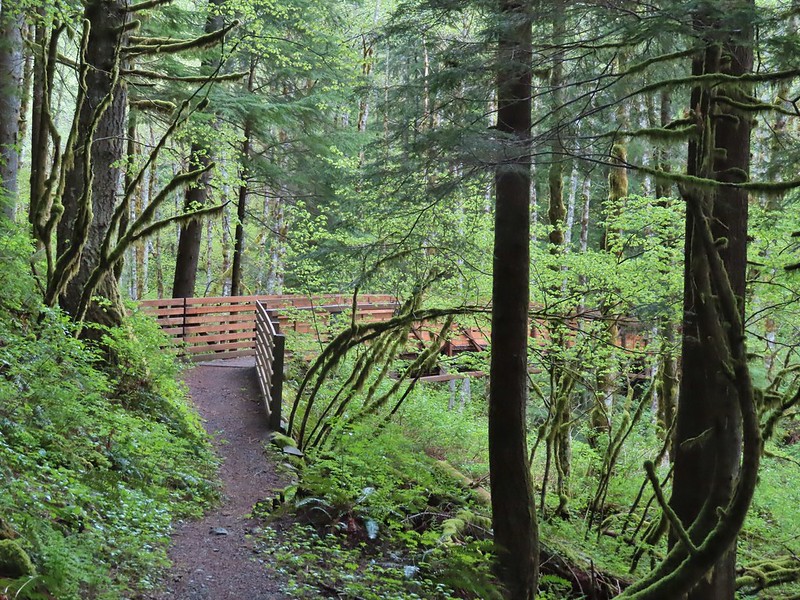


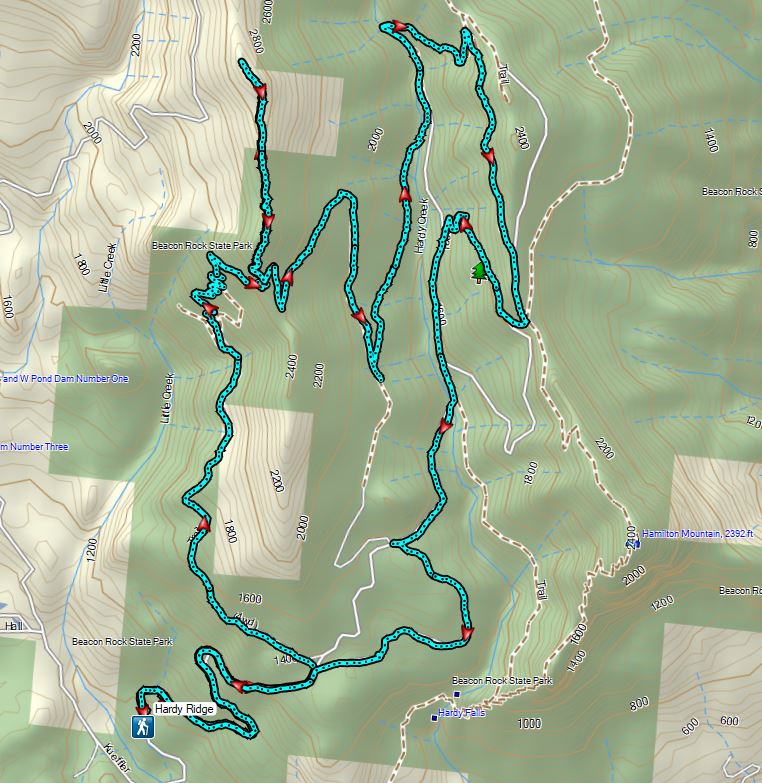
 Hardy Ridge from the Upper Hardy Trail.
 The left fork would have been slightly longer by leading us around the back side of a knoll and making a 180 degree turn following the east side of the ridge toward The Saddle.
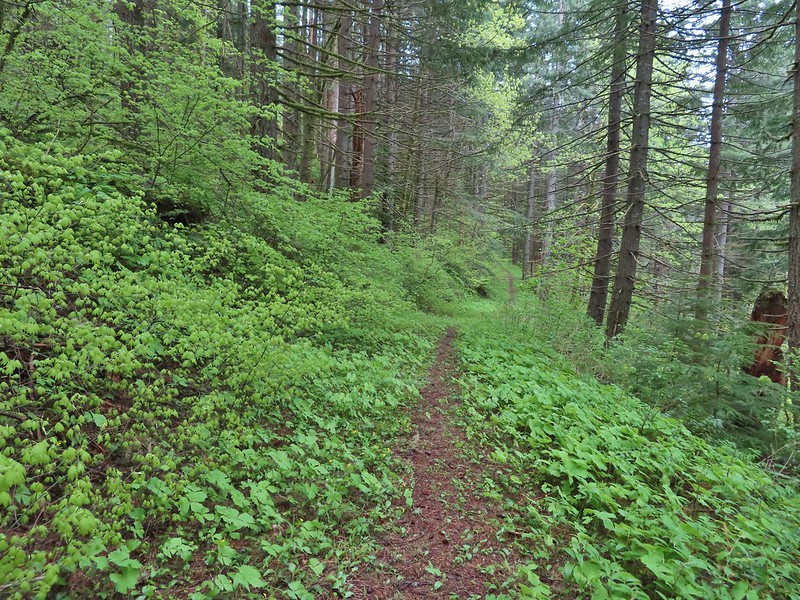 We turned right opting for the slightly shorter route to The Saddle.
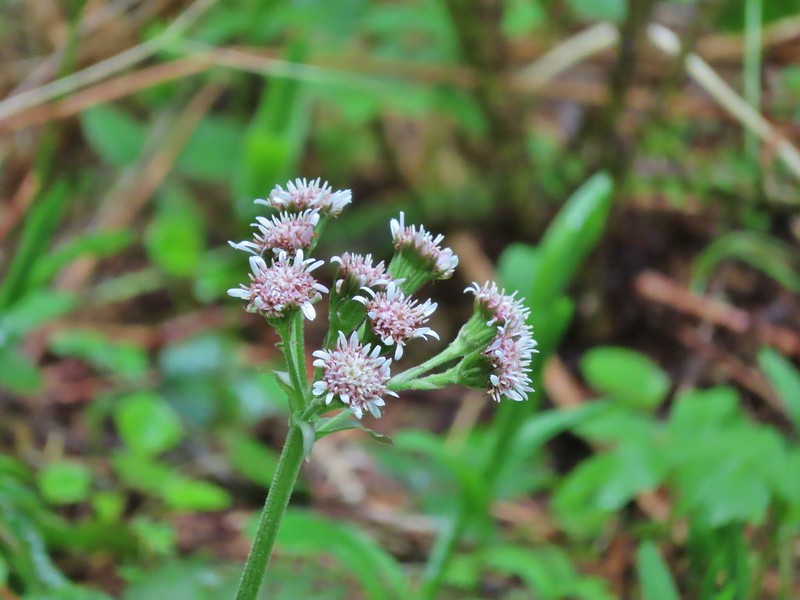 Coltsfoot
 Southern junction of the two forks of the Upper Hardy Trail.
 Hikers coming down from Hamilton Mountain.
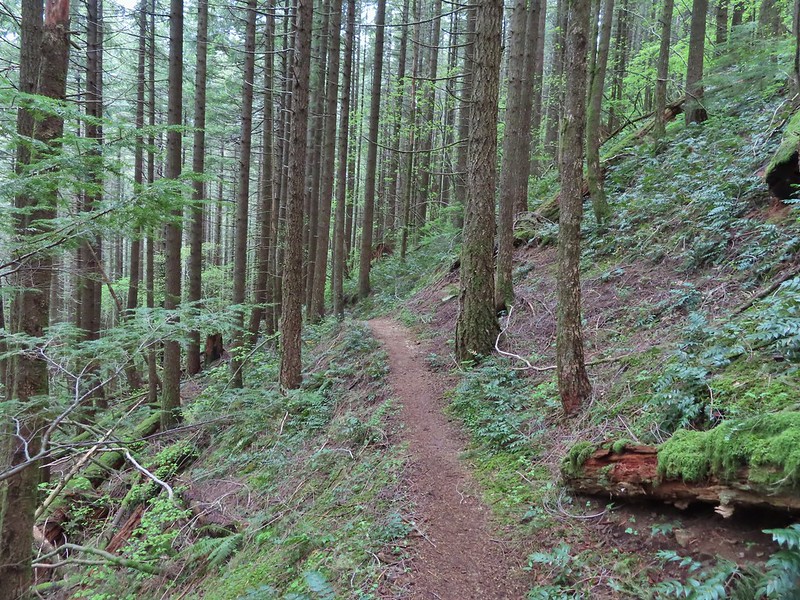
 Dons Cutoff Trail nearing the Upper Hardy Trail.
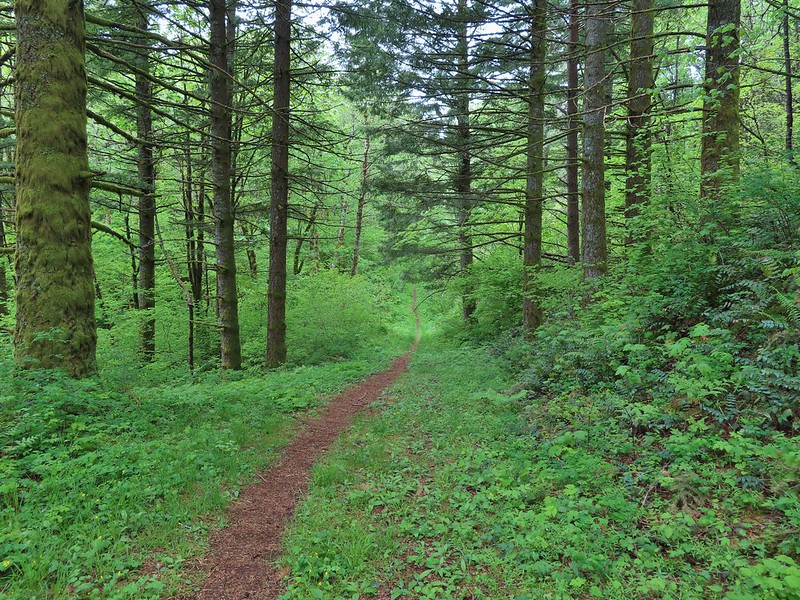
 Upper Hardy Trail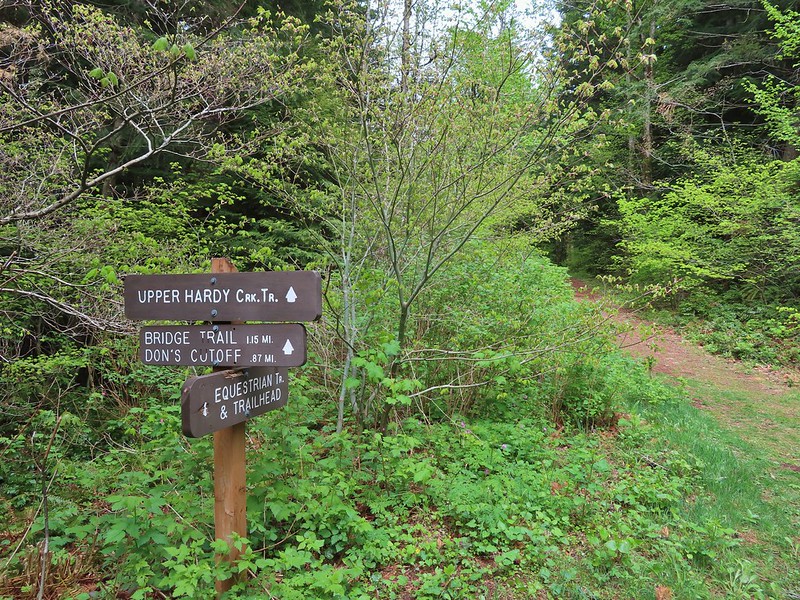
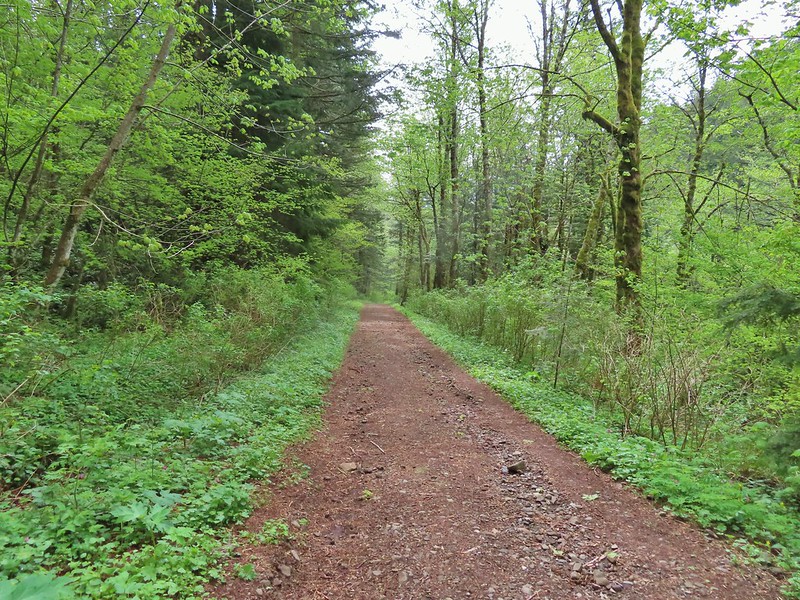 Equestrian Trail
 Hardy Creek



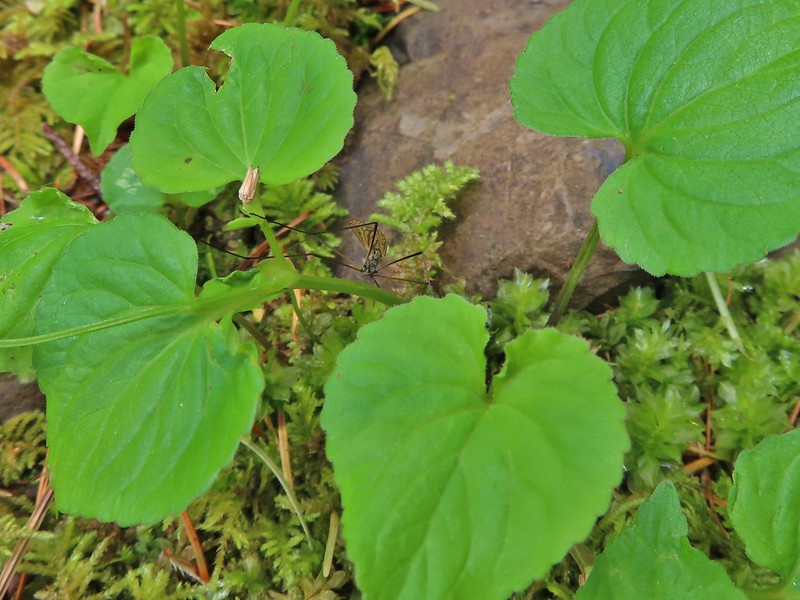 Spotted this guy while I was photographing the slug above. Not sure if it’s a crane fly or ?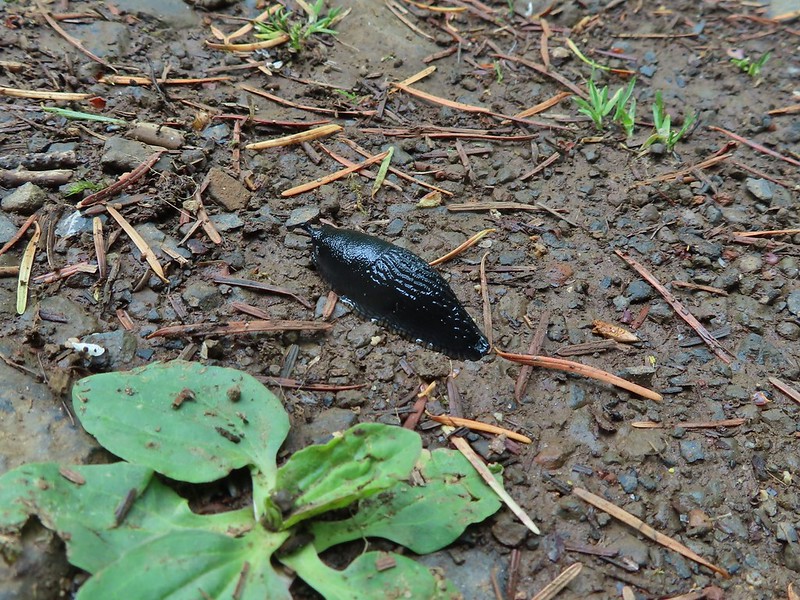
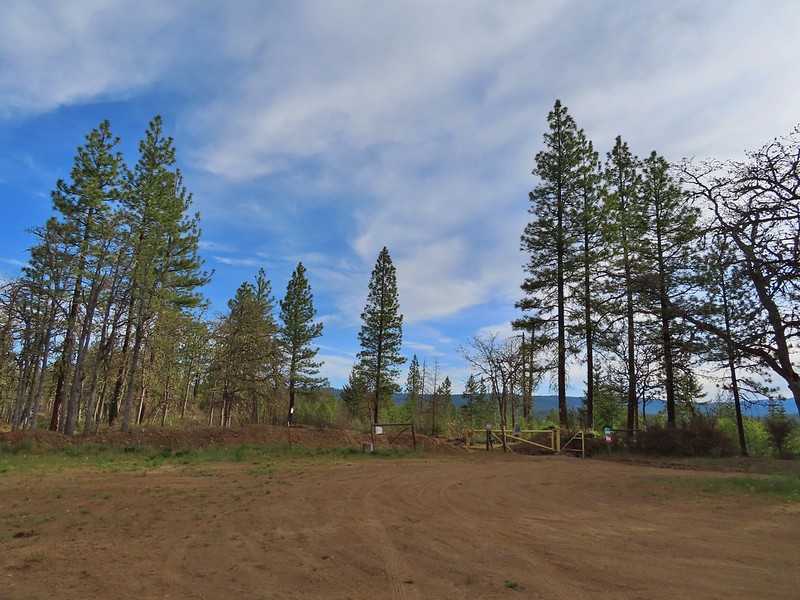
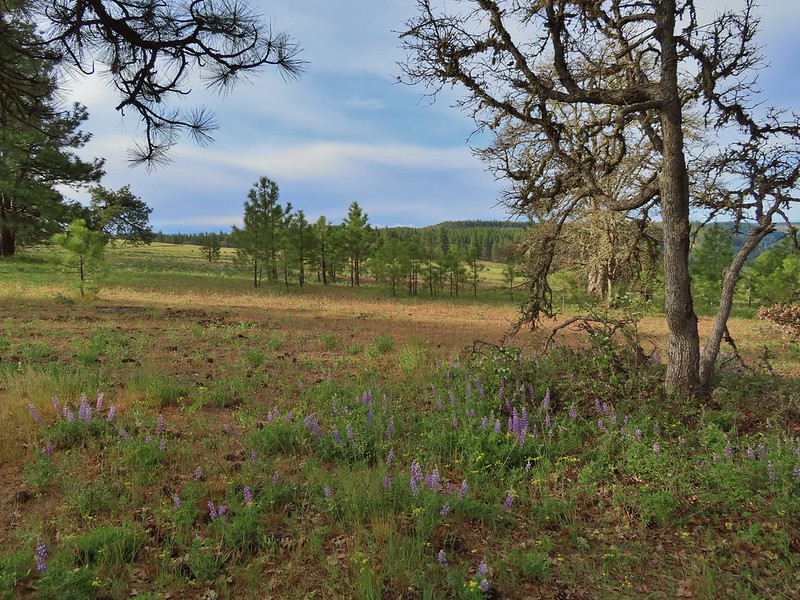 Looking back toward the meadow.
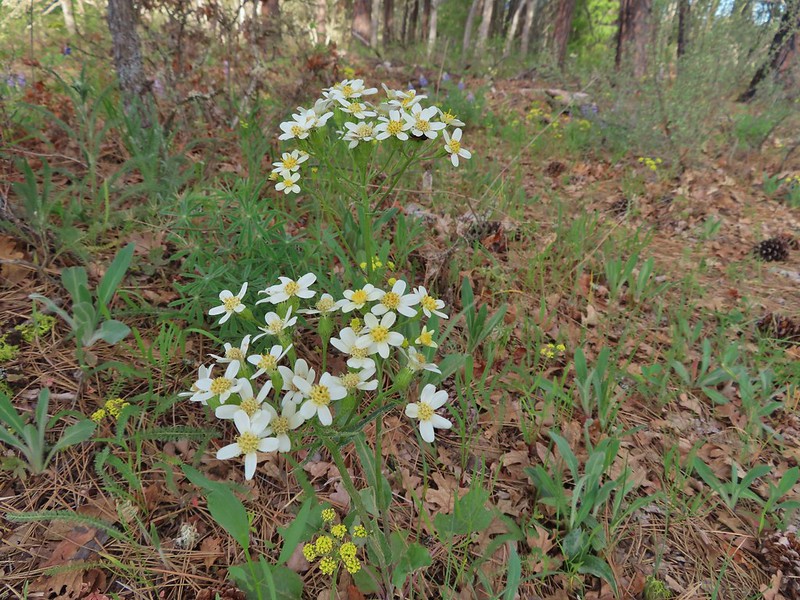 Western white groundsel
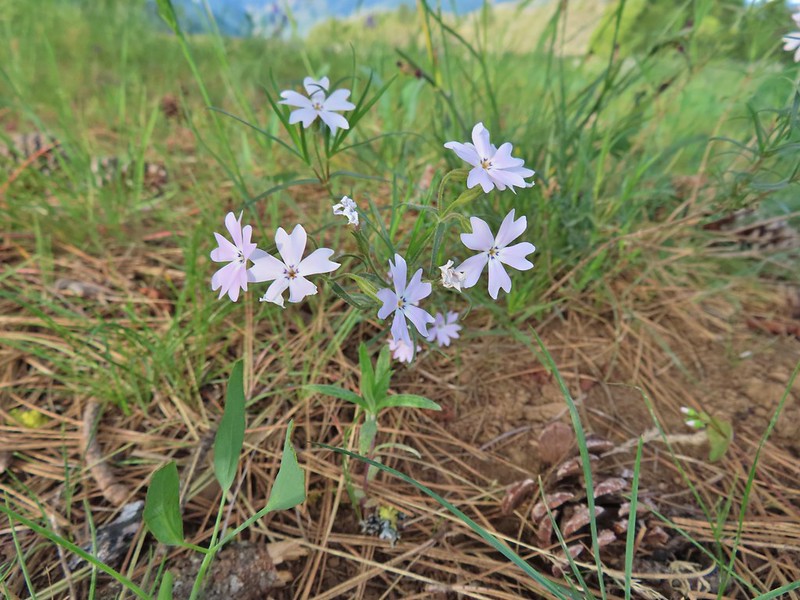 Showy phlox
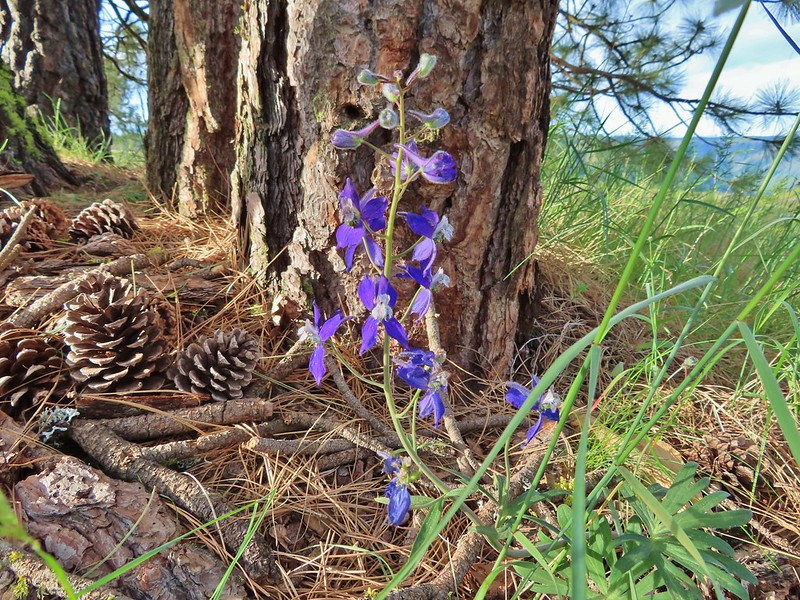 Larkspur
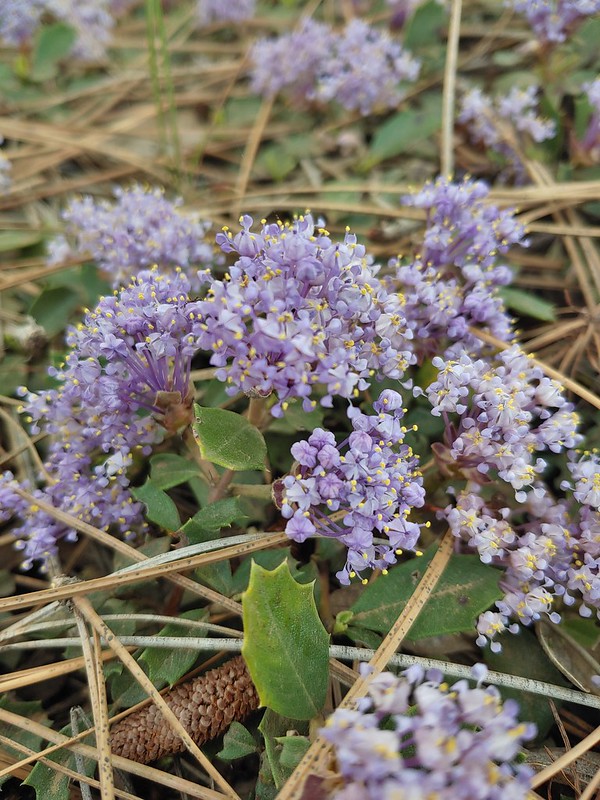 Mahala Mat (Prostrate ceanothus)

 Showy phlox among the oaks.
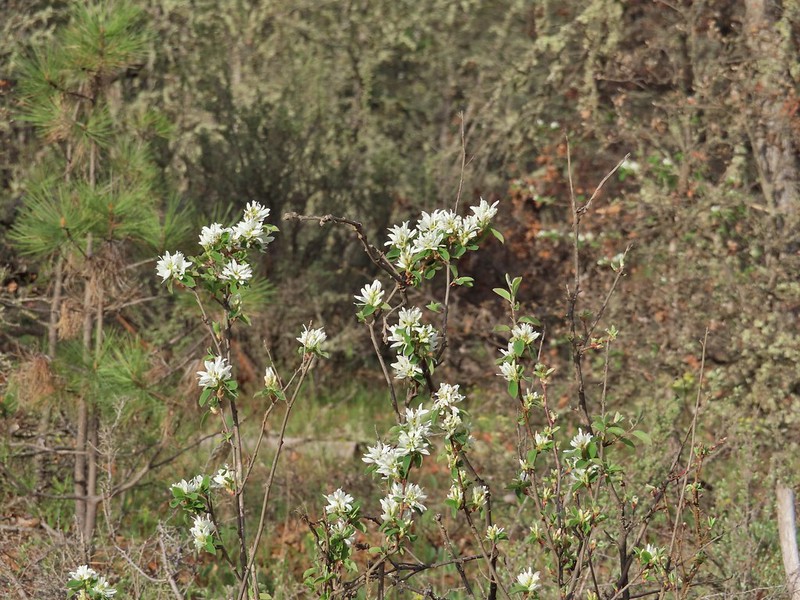 Serviceberry
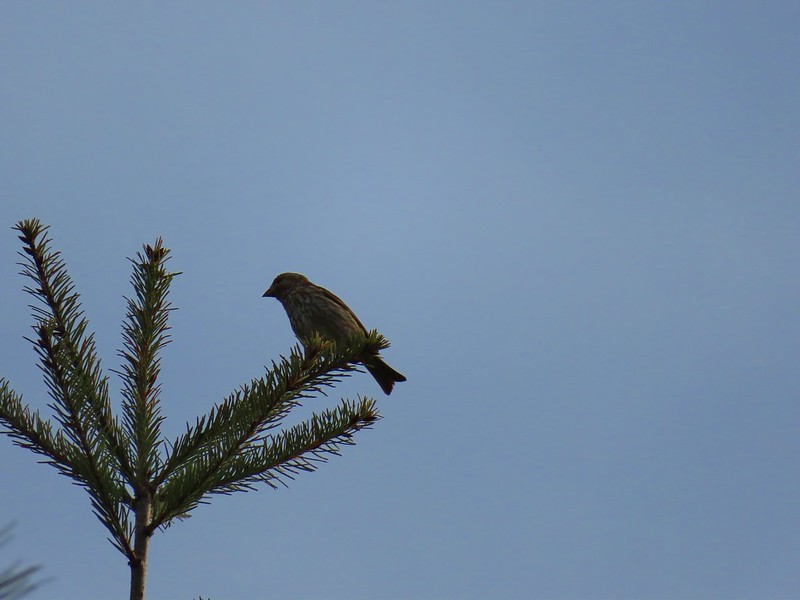 Sparrow
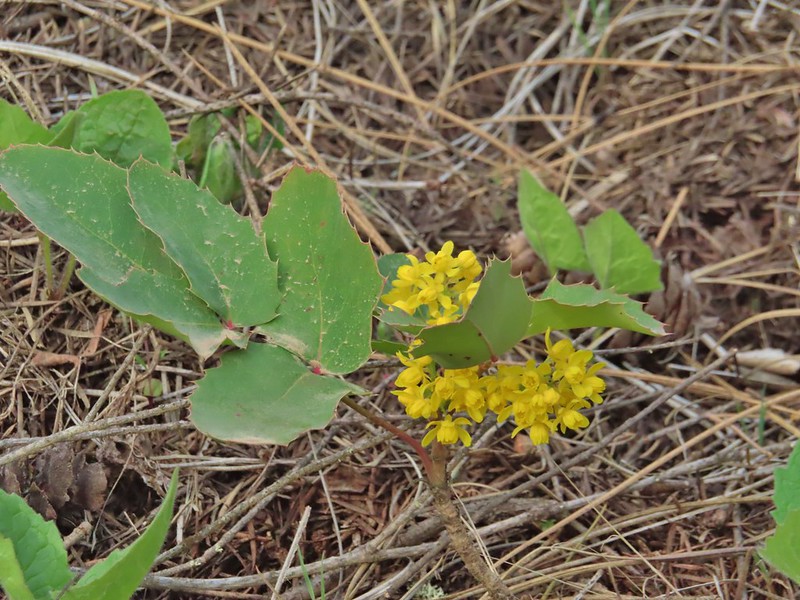 Oregon grape
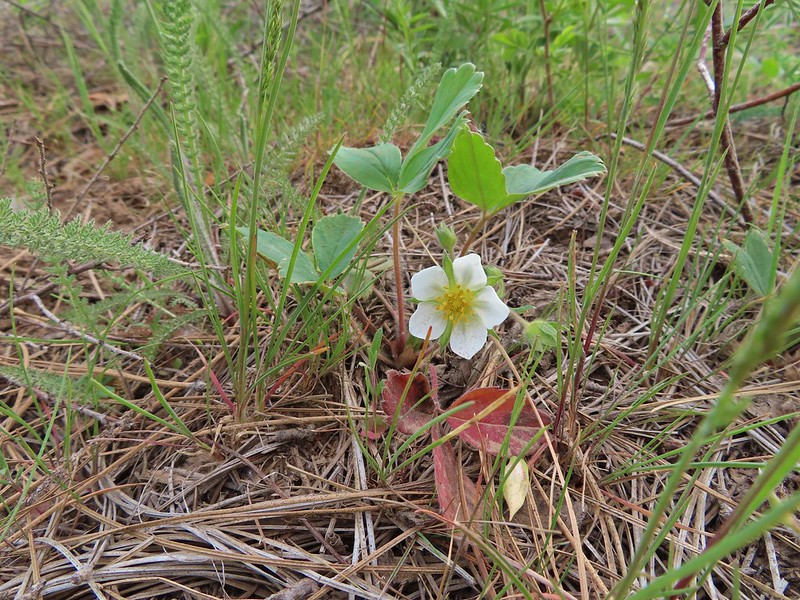 Strawberry
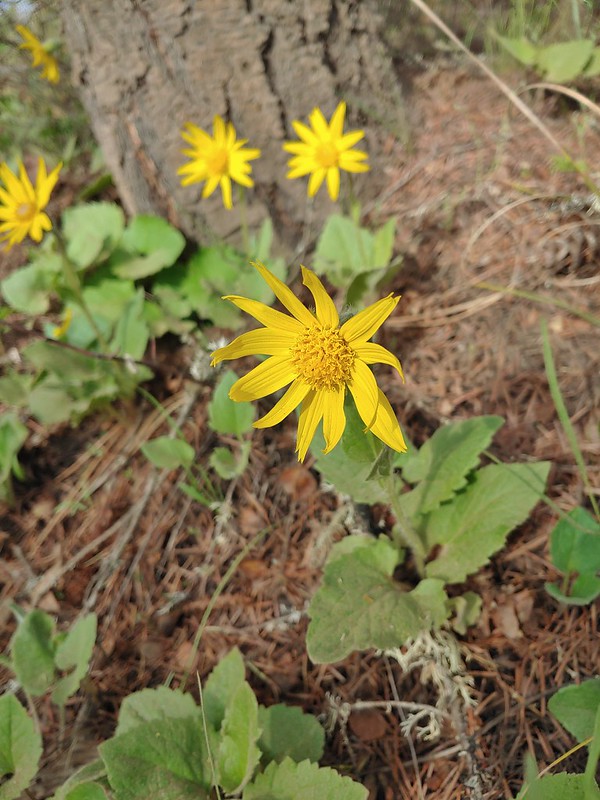 Arnica
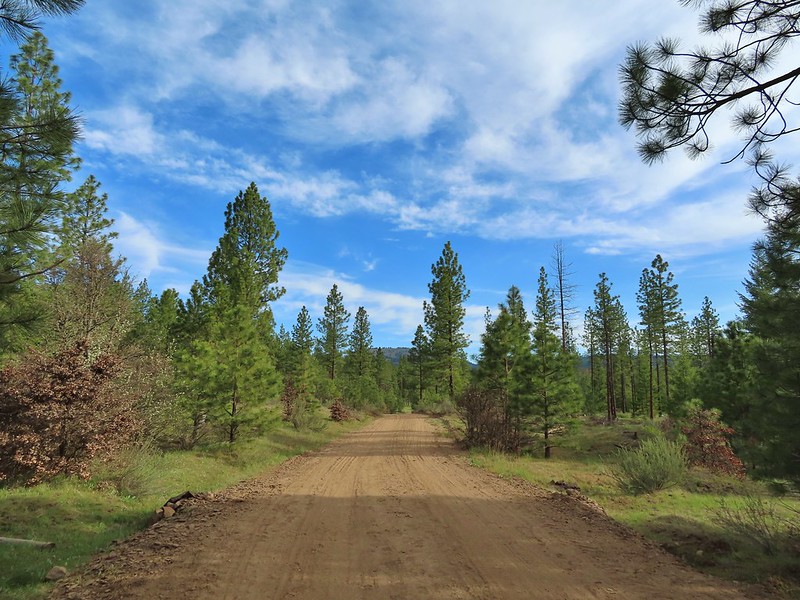 Grayback Mountain from Grayback Road. The first 2.5 miles of the hike only gained 400′ while the next 3.1 gained 1400′.
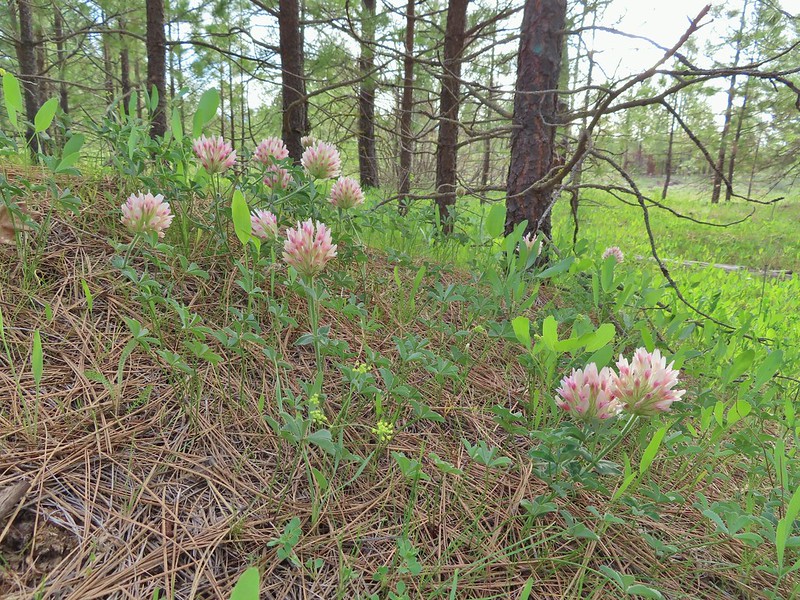 Large head clover
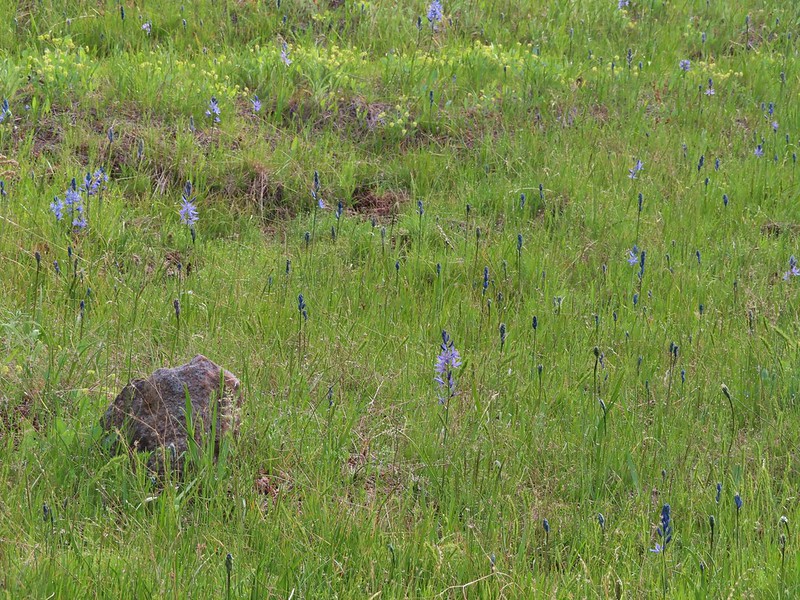 Camas, much of which had yet to bloom.
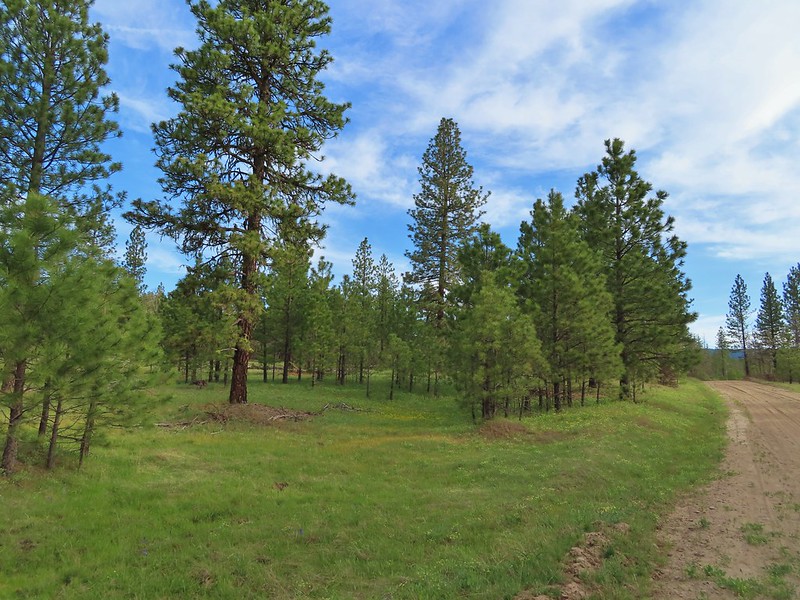 Ponderosa pines along the road.
 Western buttercups
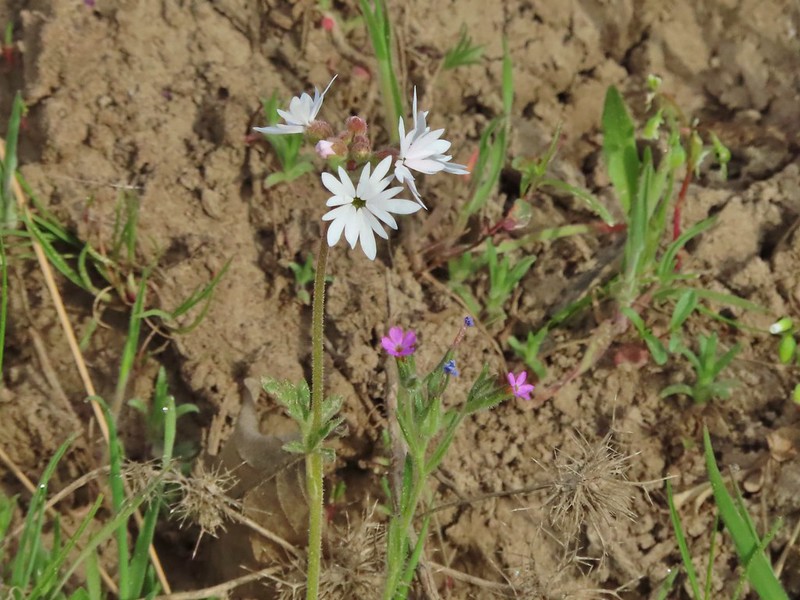 Woodland star and slender phlox
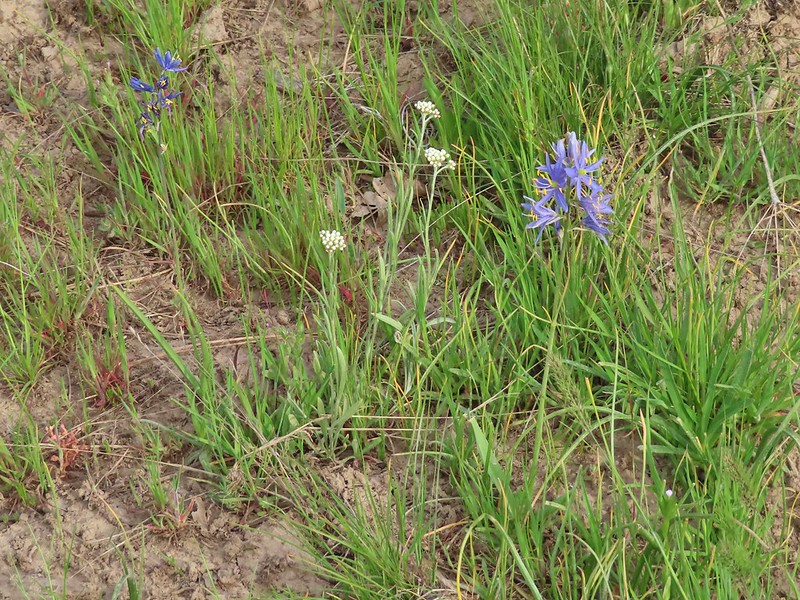 Pussytoes and camas
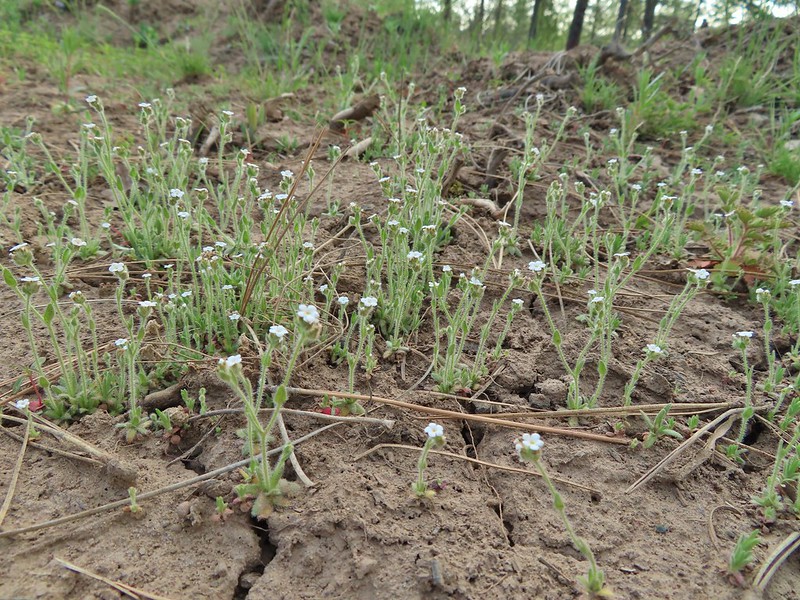 A cryptantha
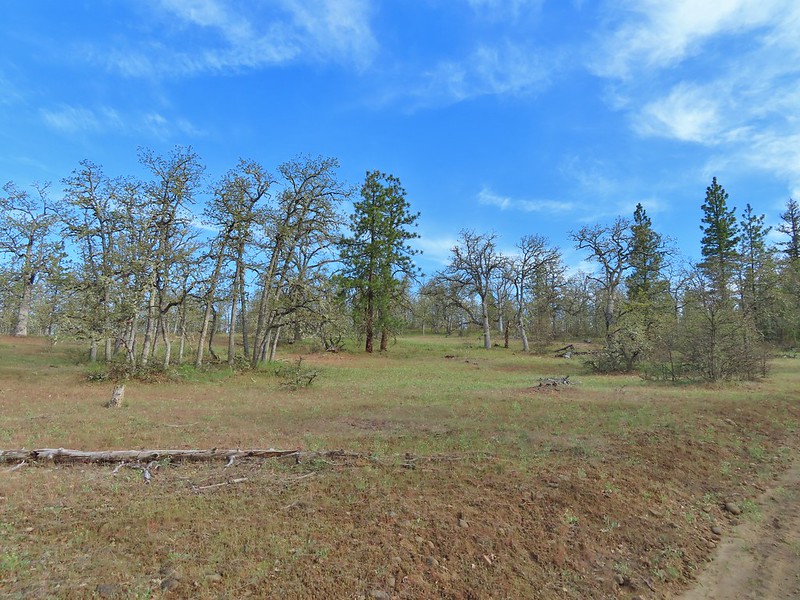 Oaks and ponderosas
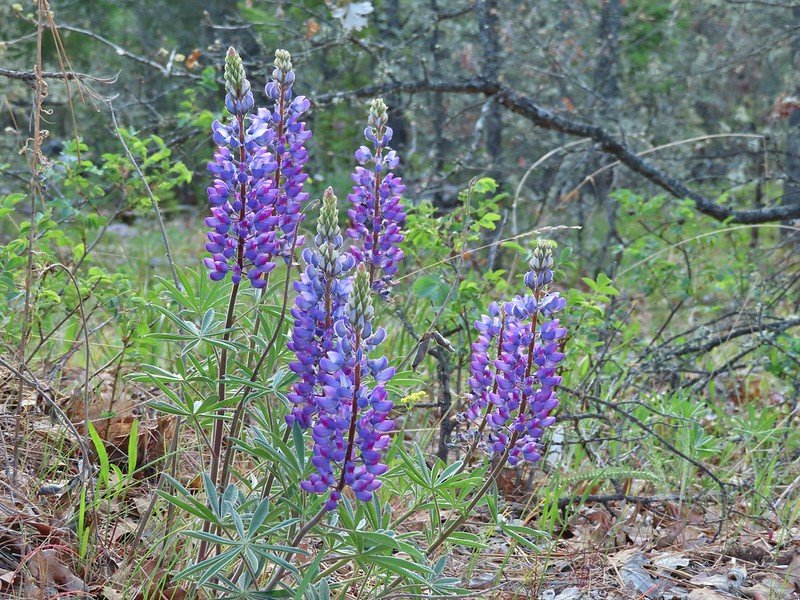 Lupine
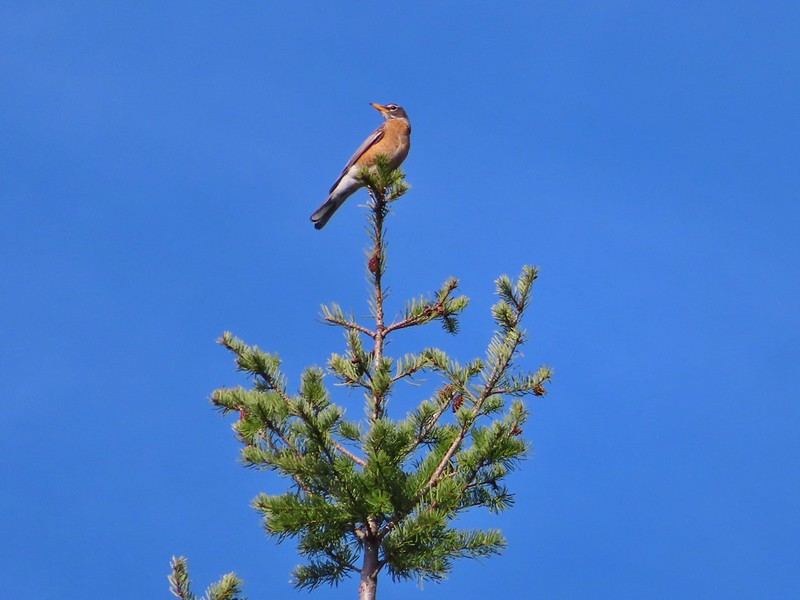 Robin
Robin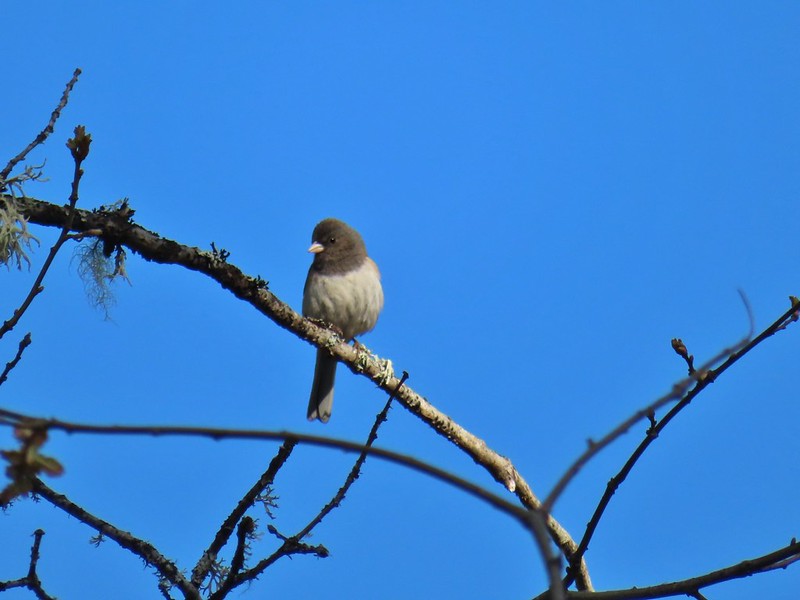 Dark eyed junco
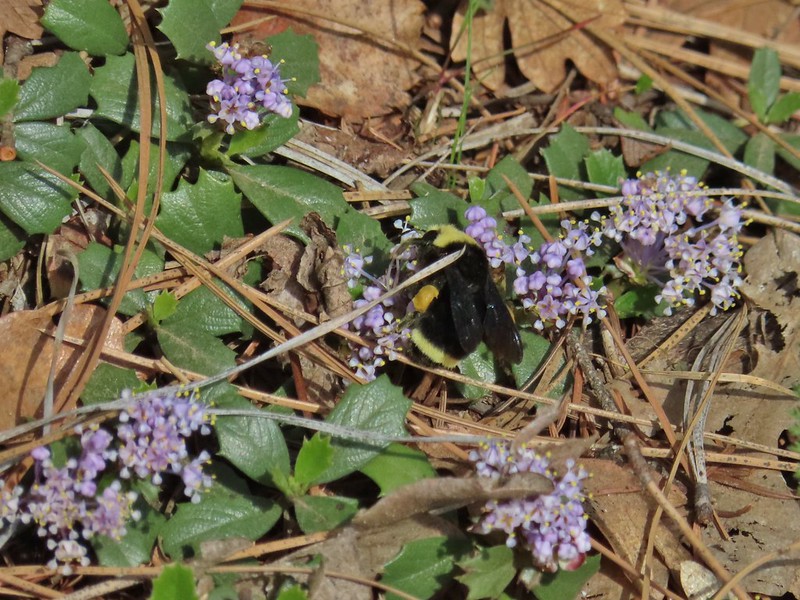 Bumble bee
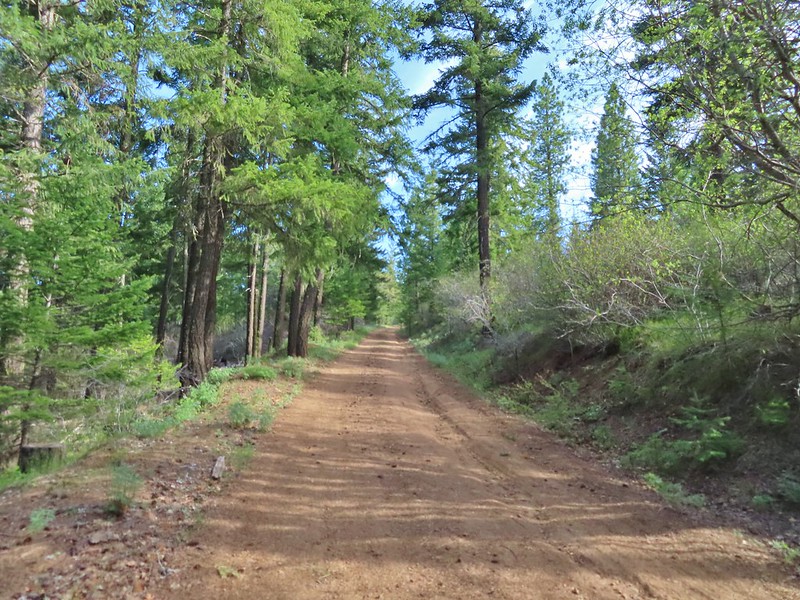 A more forested section of the road.
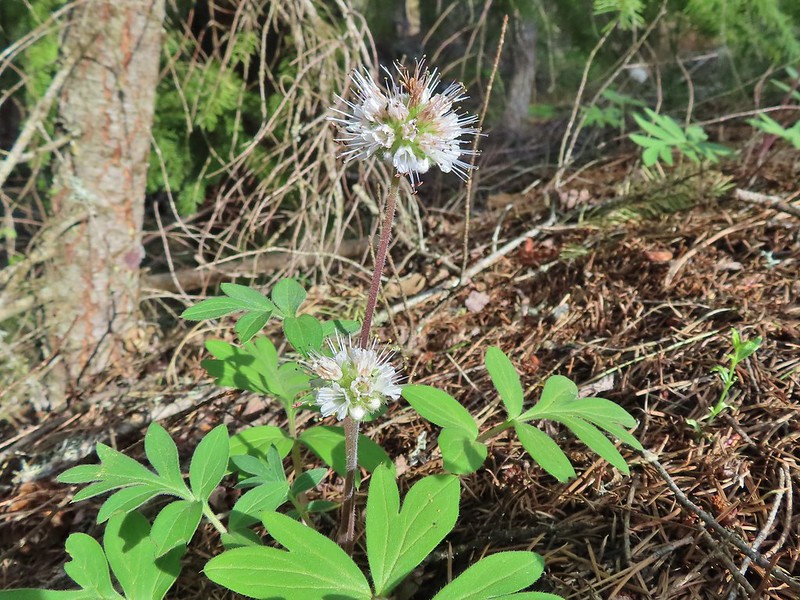 Ball-head waterleaf
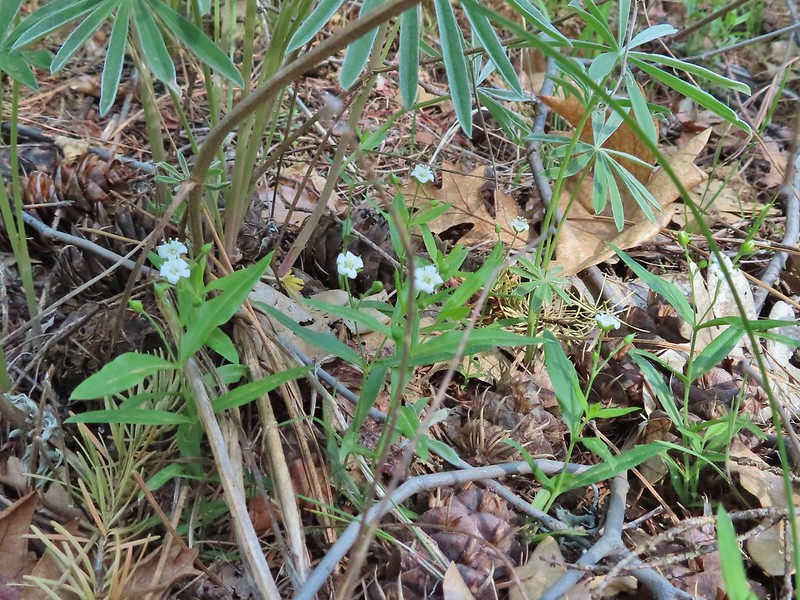 Largeleaf sandwort
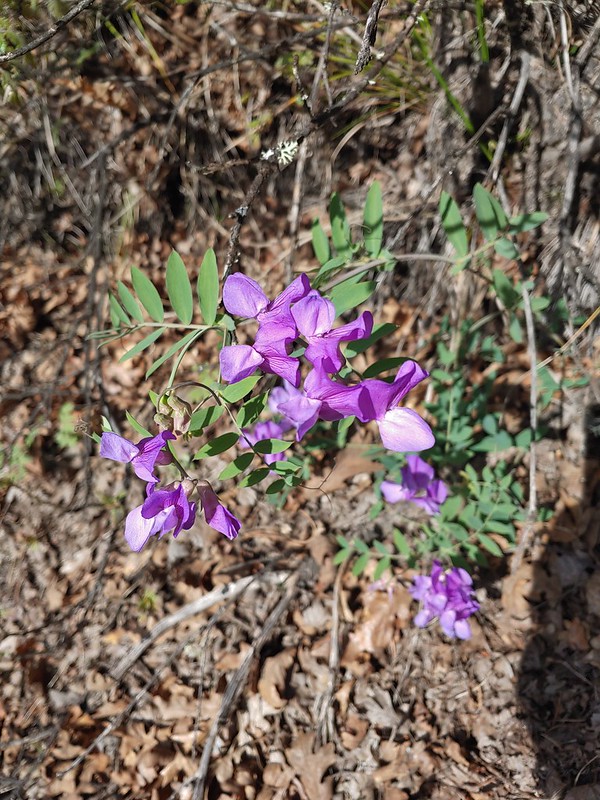 American vetch
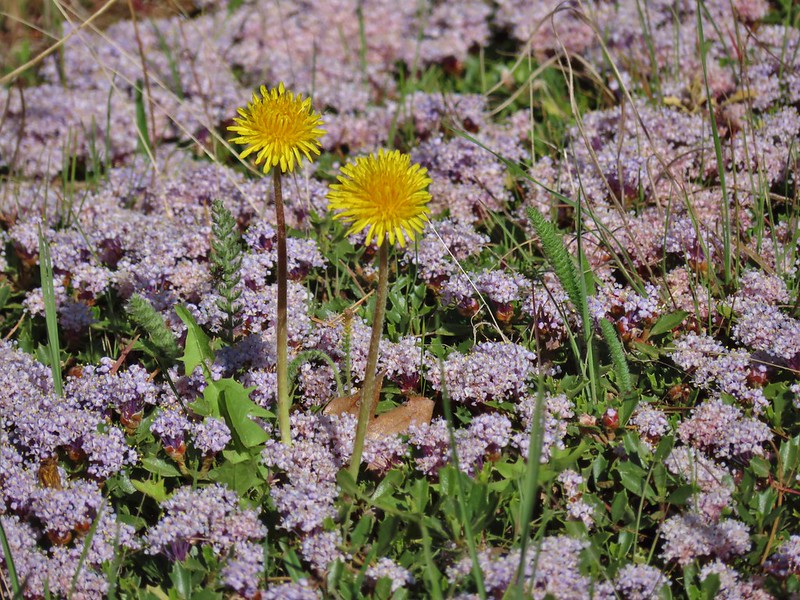 Dandelions in Mahala Mat
 Bitter cherry
 The real climb started at about the 4 mile mark at a junction below Grayback Mountain.
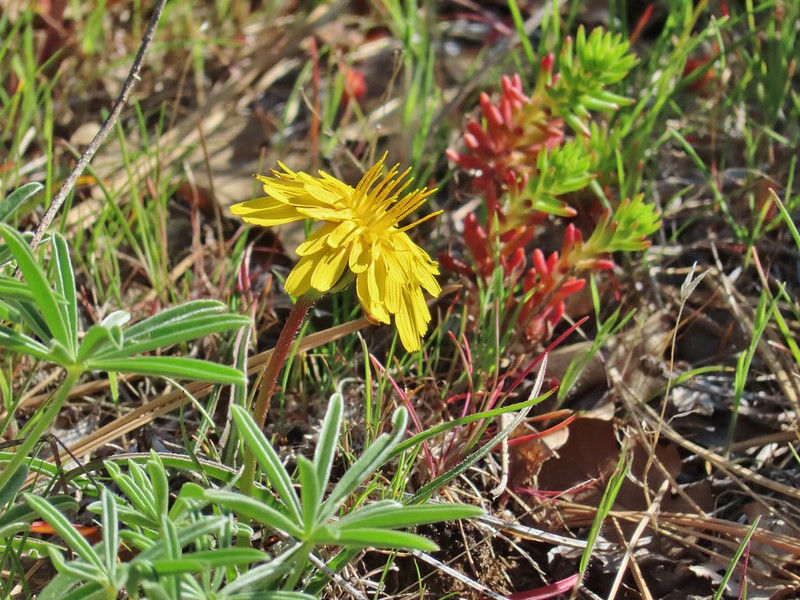 Sagebrush false dandelion
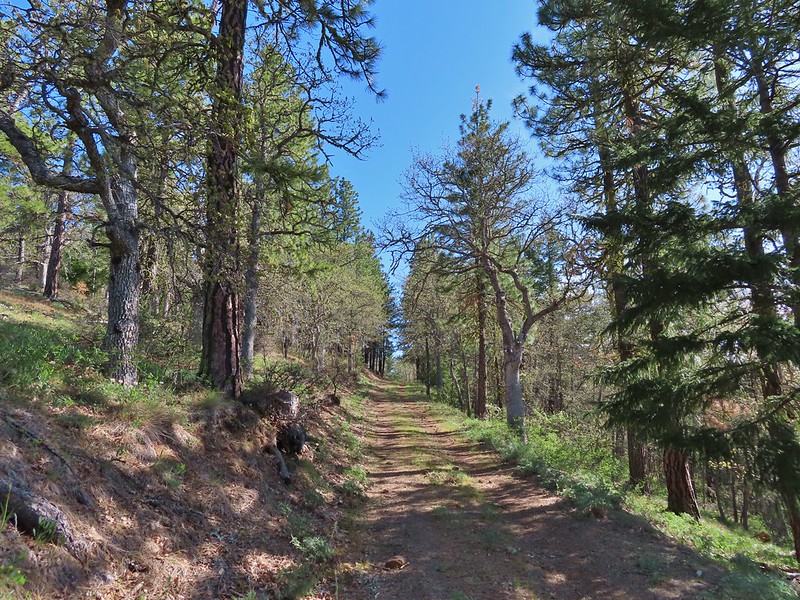 Climbing up Grayback Mountain
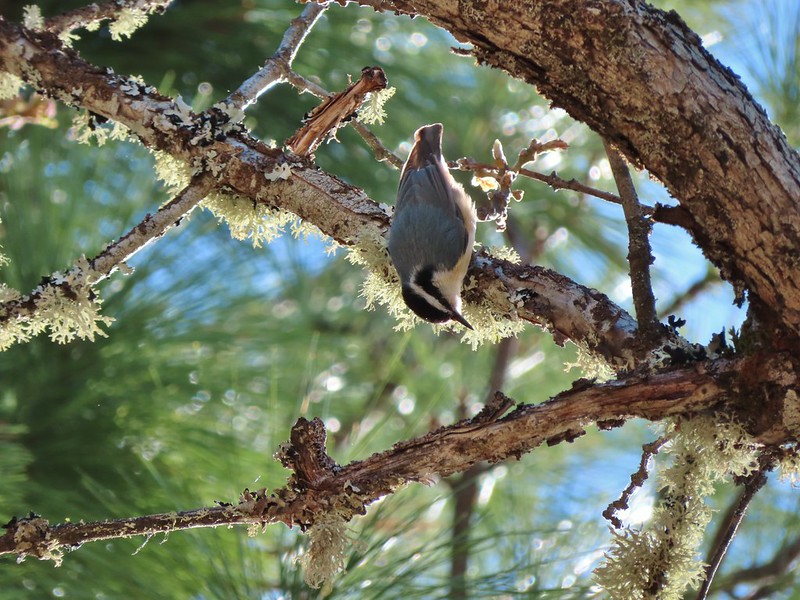 Red breasted nuthatch
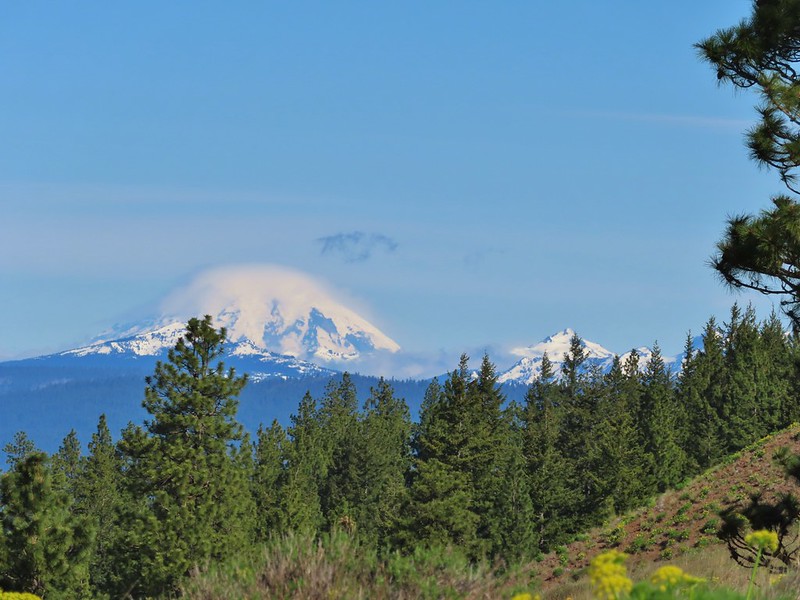
 First view of Mt. Hood since the trailhead.
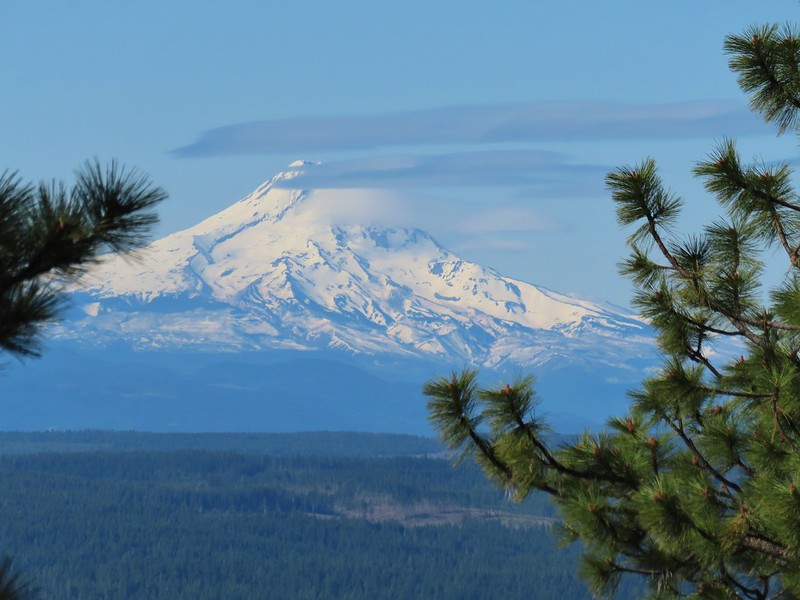 Mt. Hood
 Buckwheat
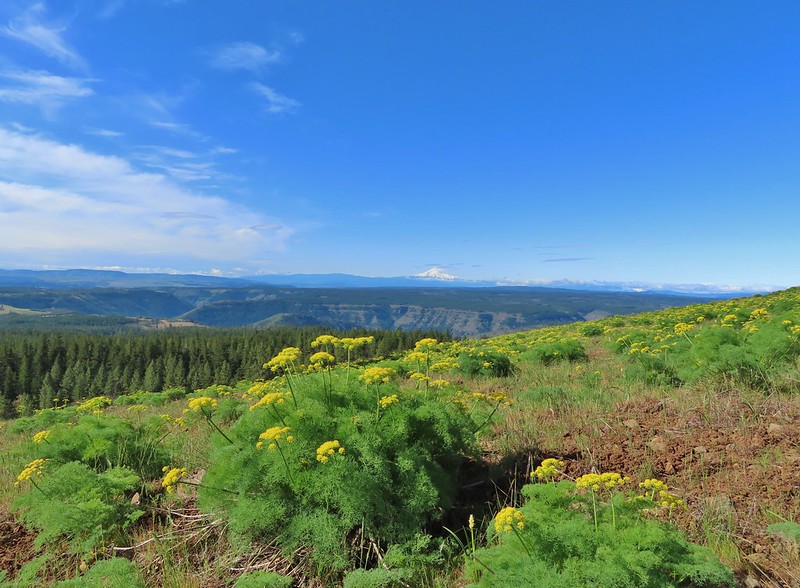 Mt. Hood beyond the Klickitat River Canyon
 Turkey vulture
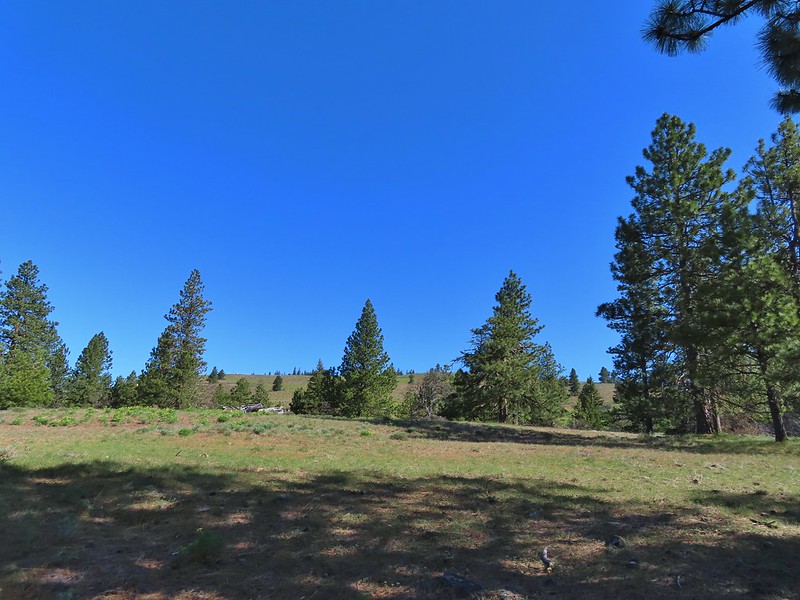 Entering the meadows on Grayback Mountain.
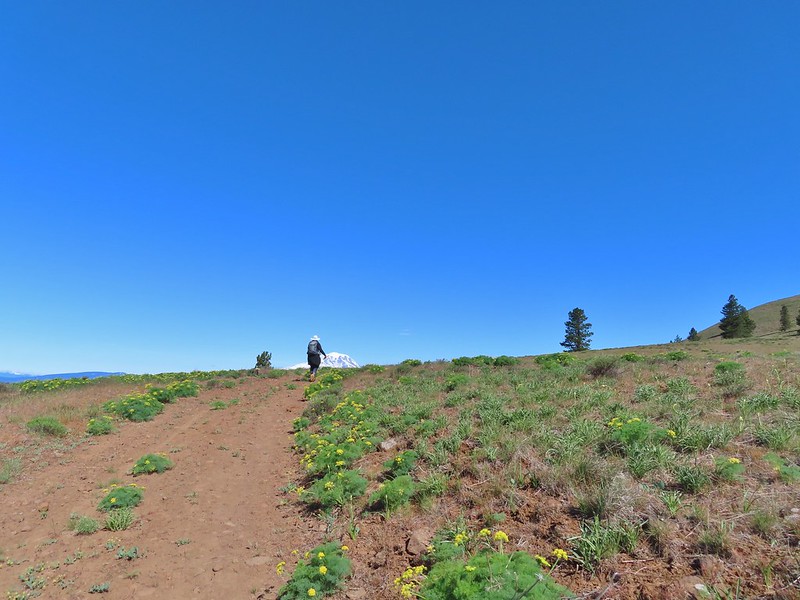 Approaching the first view of Mt. Adams.
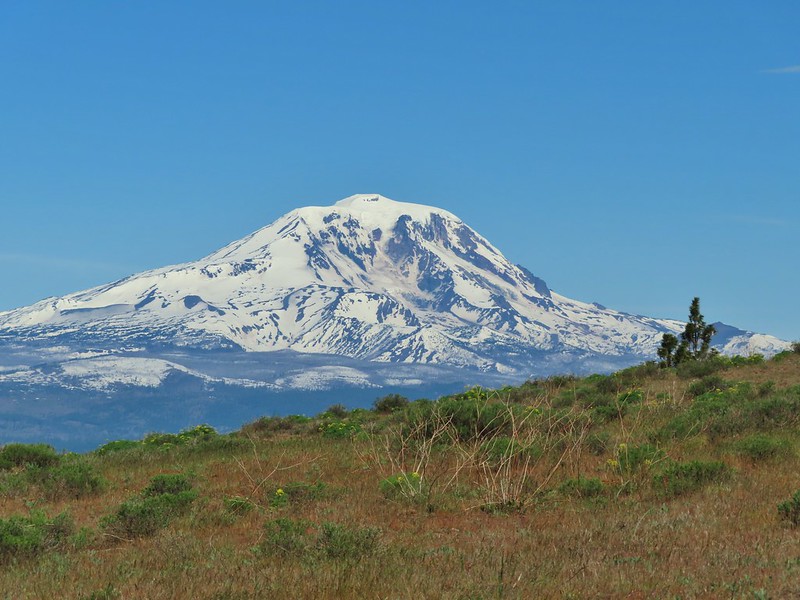 Mt. Adams
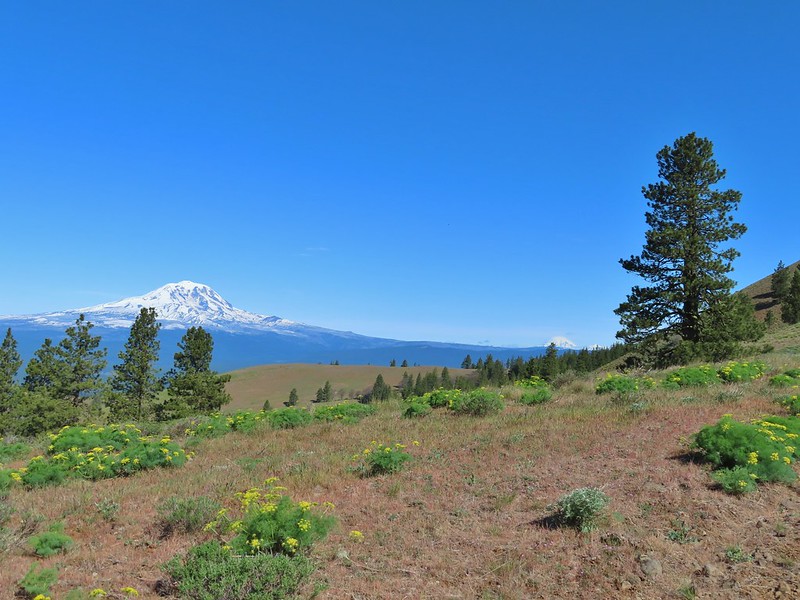 Mt. Adams, Mt. Rainier and Goat Rocks
 Mt. Rainier and Goat Rocks
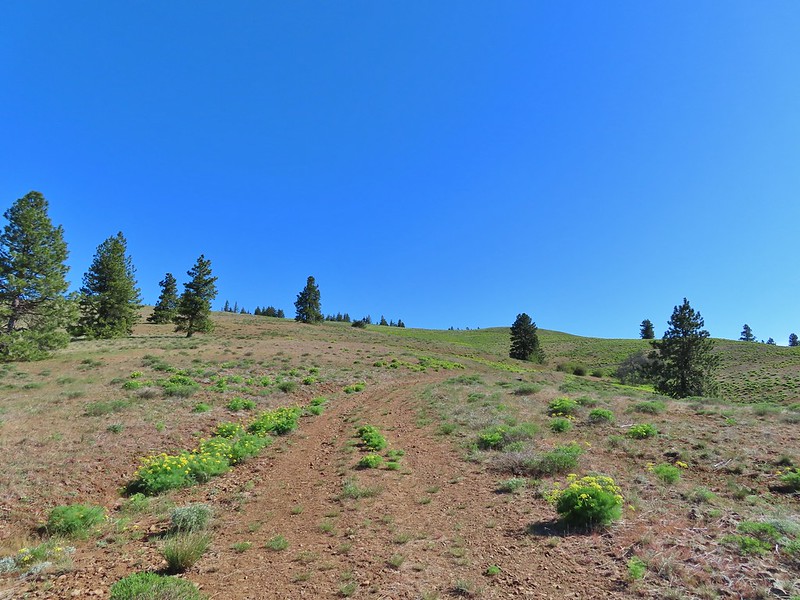 In the meadows.
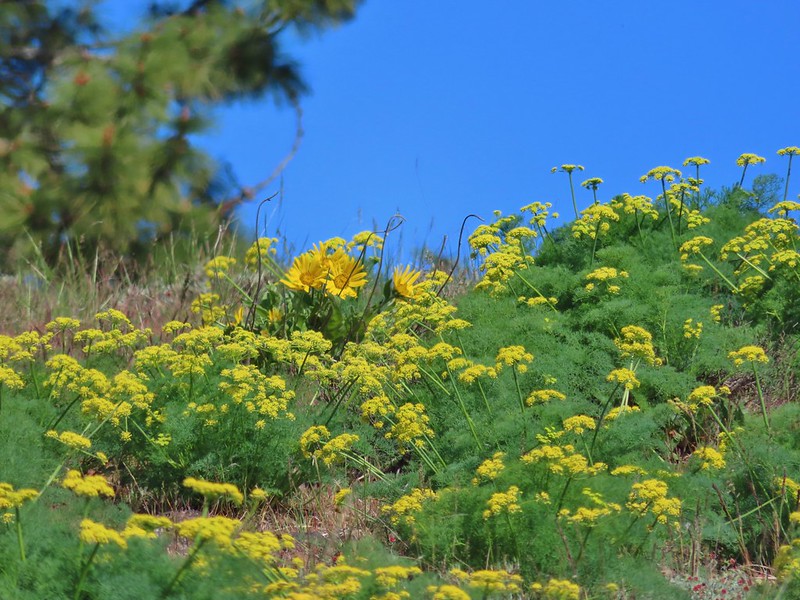 A balsamroot surrounded by parsley.
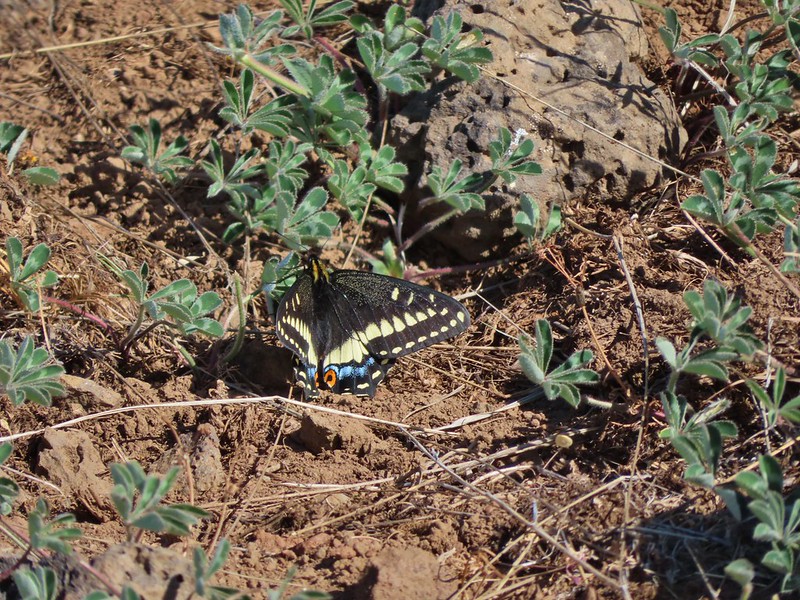 Indra swallowtail
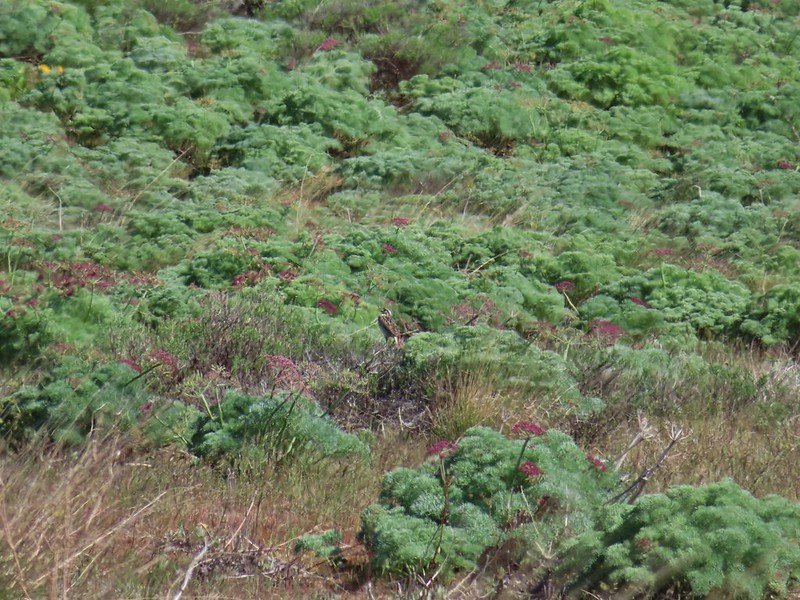 Western meadowlark in a patch of Columbia desert parsley.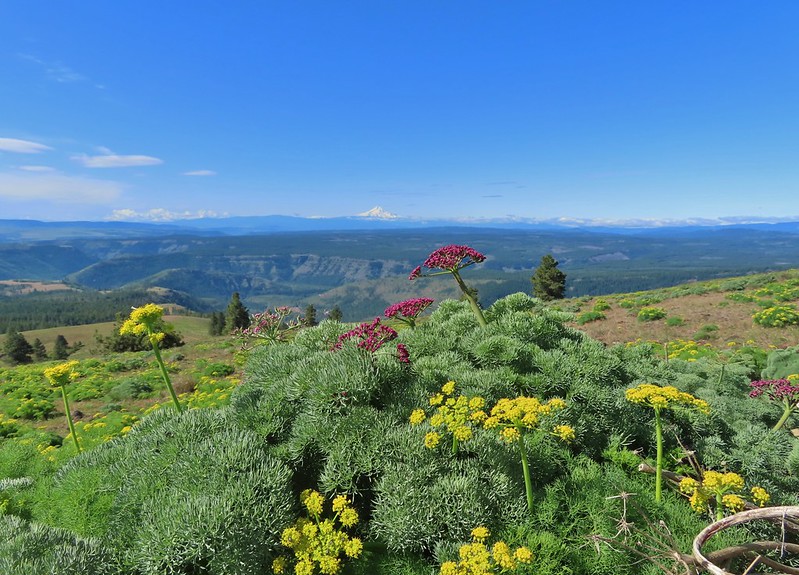
 Radio equipment atop Grayback Mountain with Mt. Adams beyond.
 Mt. Hood (we could just barely make out the top of Mt. Jefferson too.) from the summit.
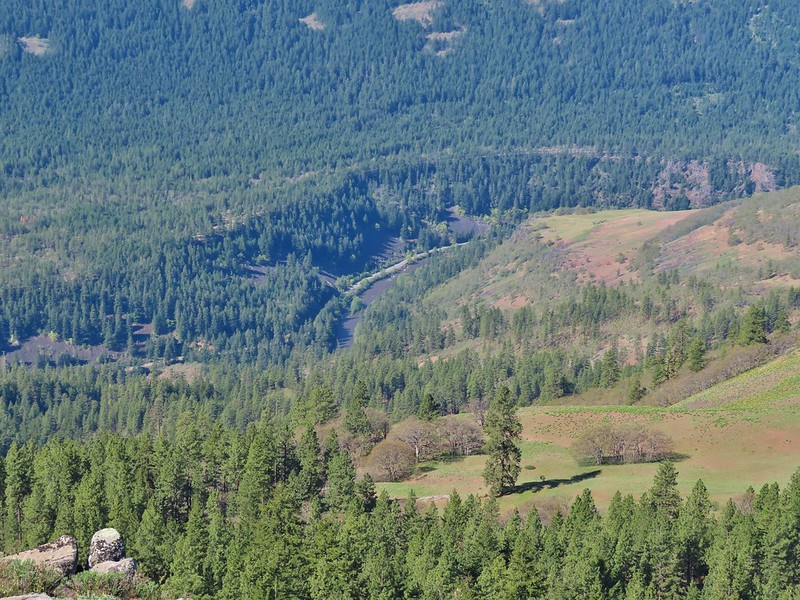 The Klickitat River
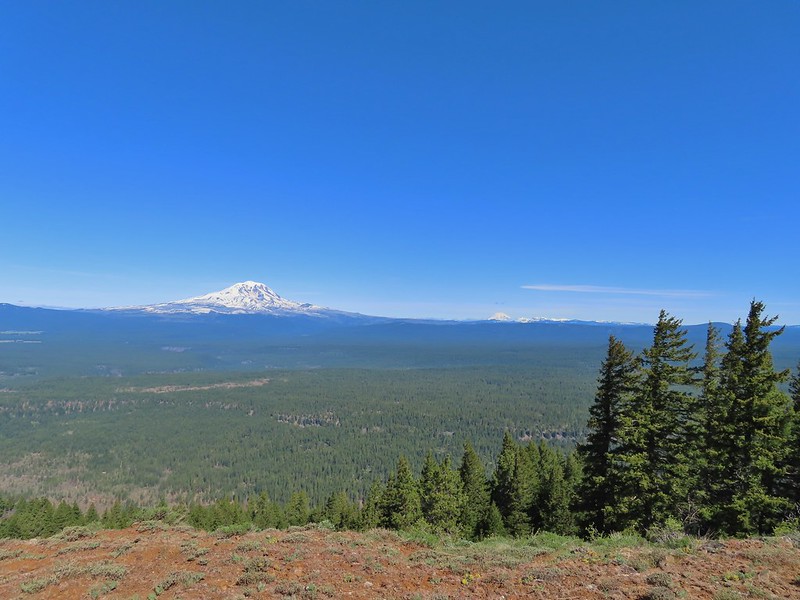 Mt. Adams, Mt. Rainier and Goat Rocks
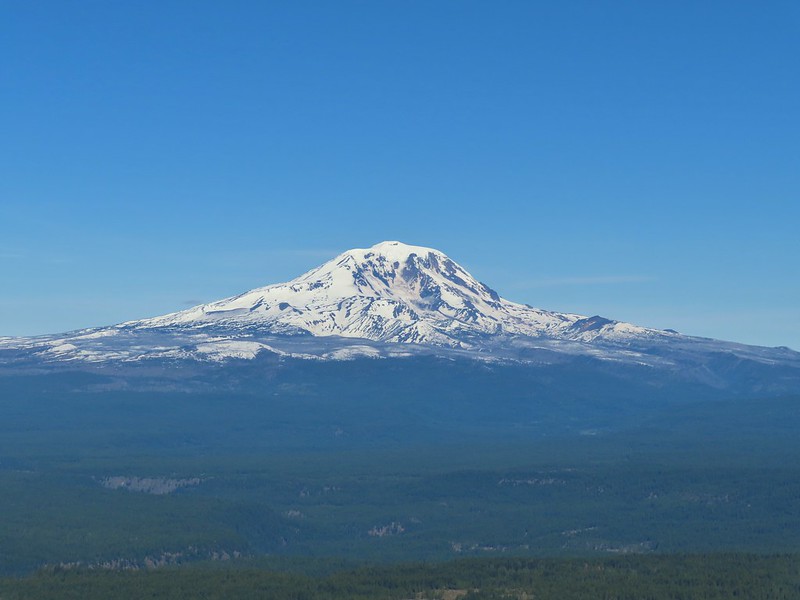 Mt. Adams
 Mt. Rainier and Goat Rocks (the Klickitat River originates from Goat Rocks.)
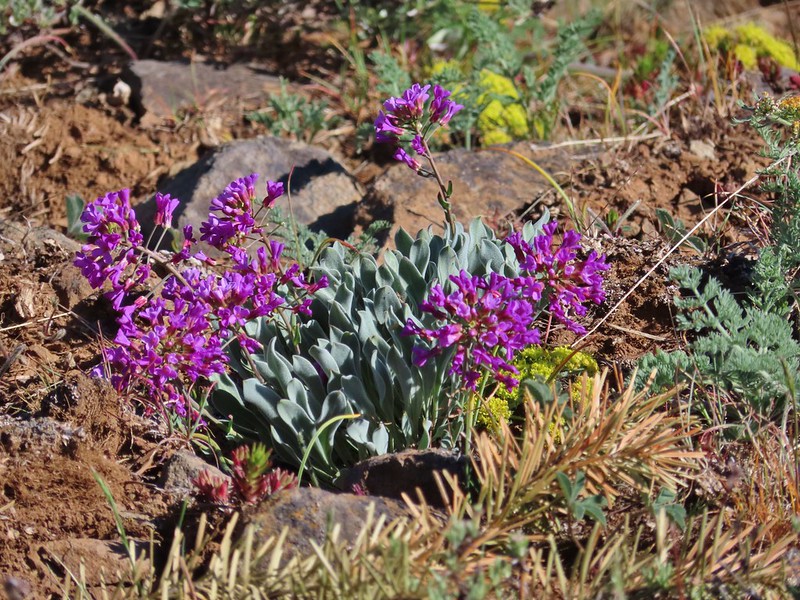 Daggerpod
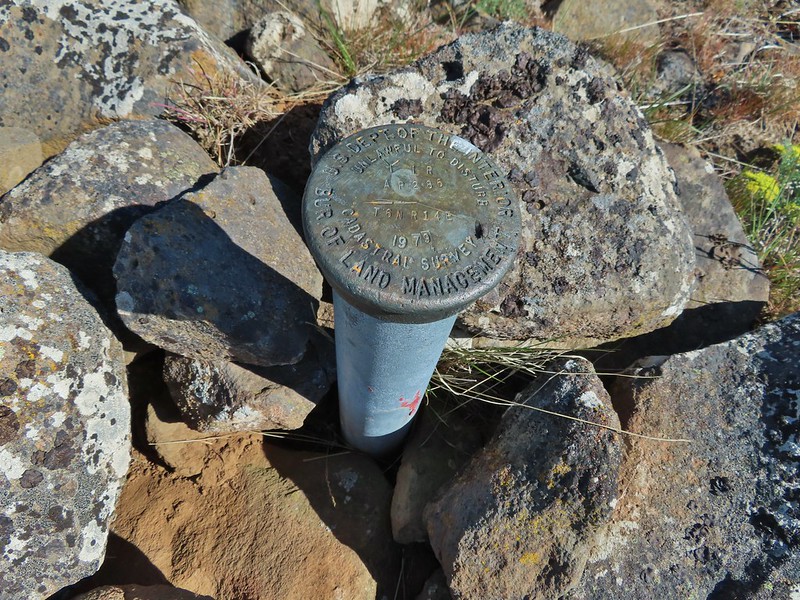 Obligatory survey marker photo.
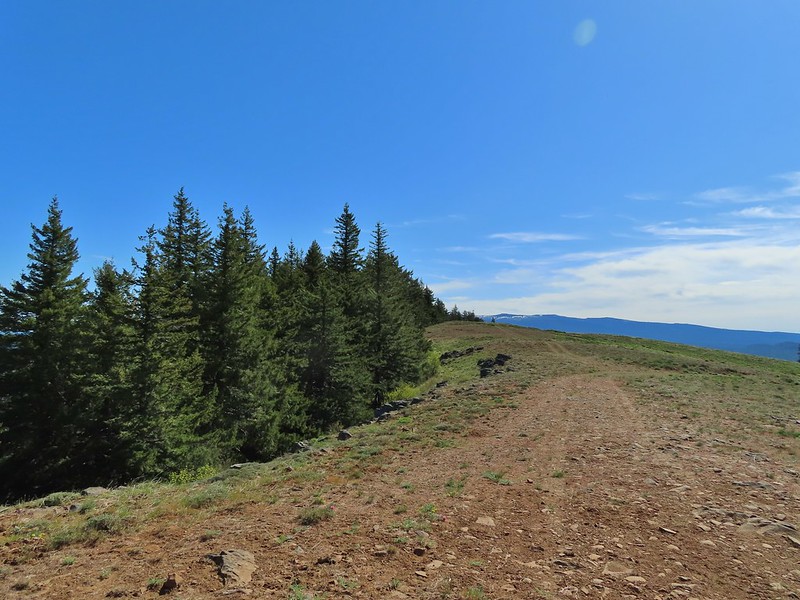 Looking east across the summit to the long ridge of Indian Rock. The boundary of the Yakima Indian Reservation is just on the north side of the summit.
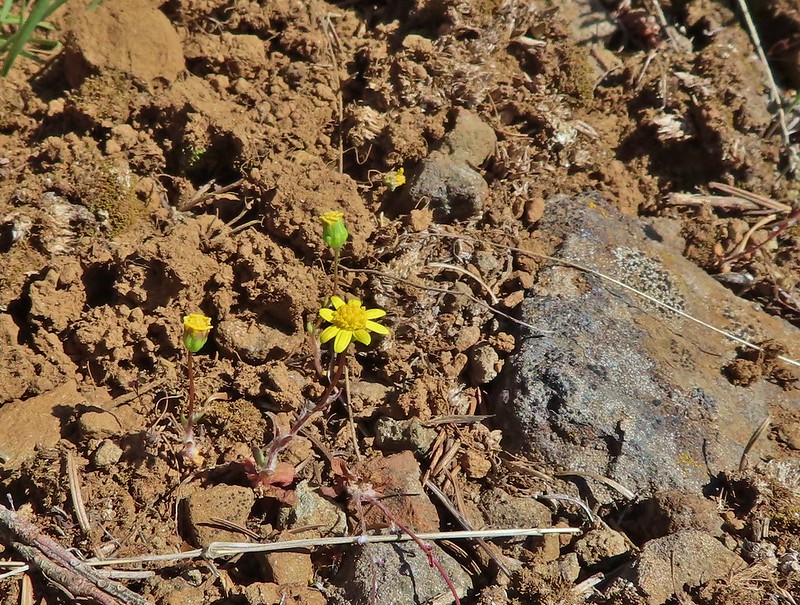 A few gold stars still had petals.
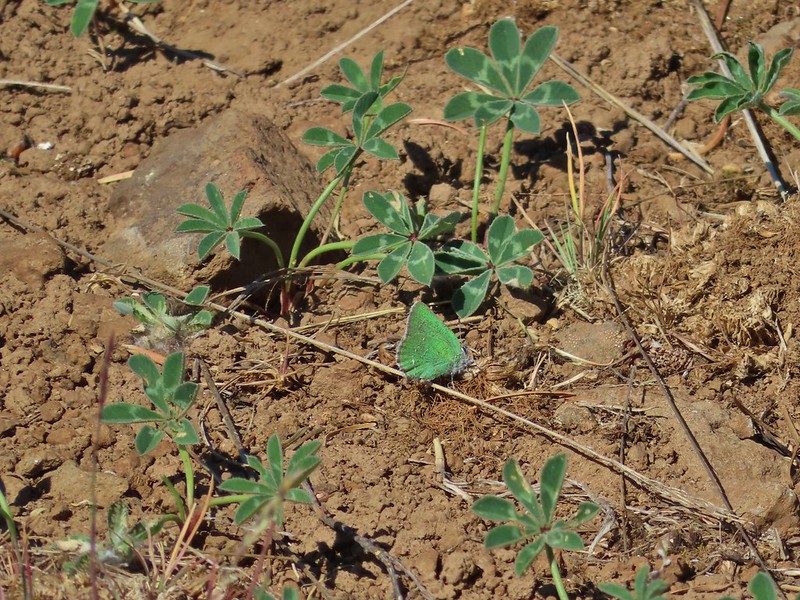 A hairstreak but I’m not sure which type.
 At least 4 ants on a large head clover.
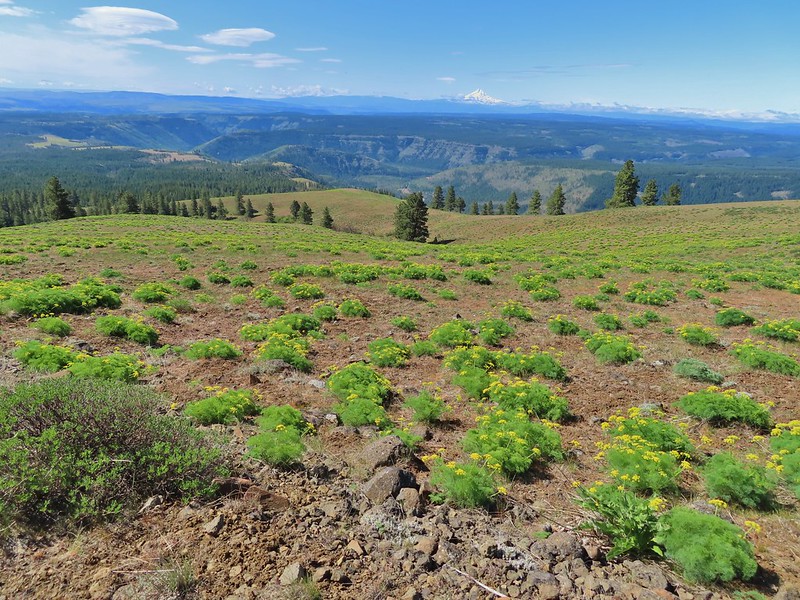 Looking back south down Grayback Mountain.
 There was a lot of white-stemmed frasera in the area but this was the closest one to blooming (and it’s a ways off).
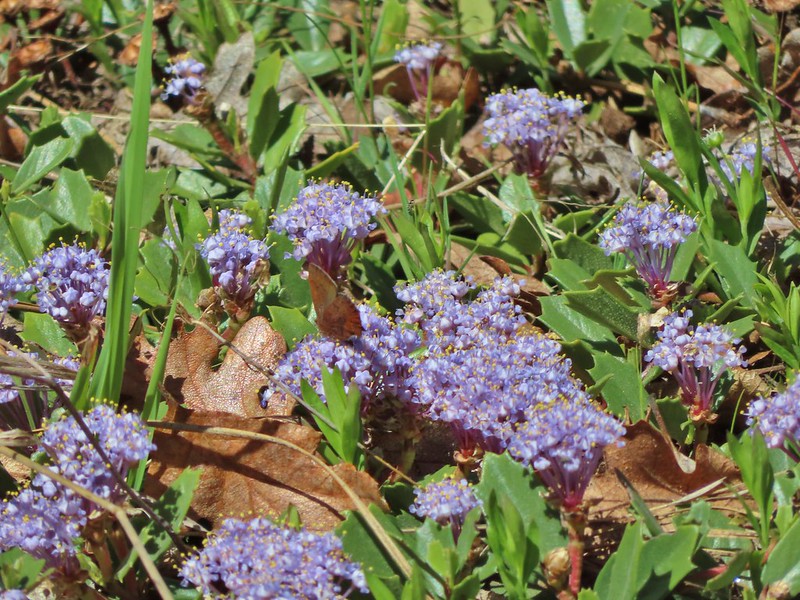 Maybe a brown elfin. I couldn’t get a clear picture of this one.
 Erynnis propertius – Propertius Duskywing (aka Western Oak Dustywing). There were lots of these duskywings flying about, it turns out that oaks are their host plants.
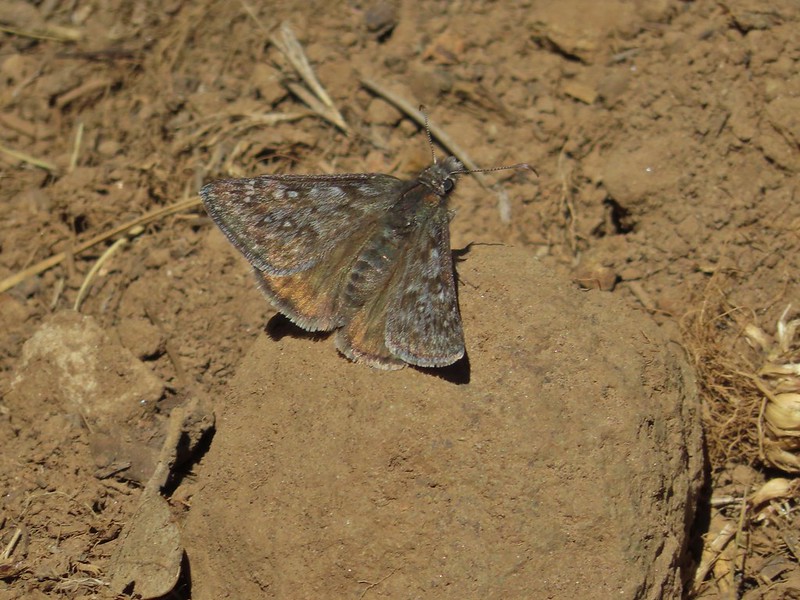 Another Erynnis propertius
 Juba skippers caught in the act.
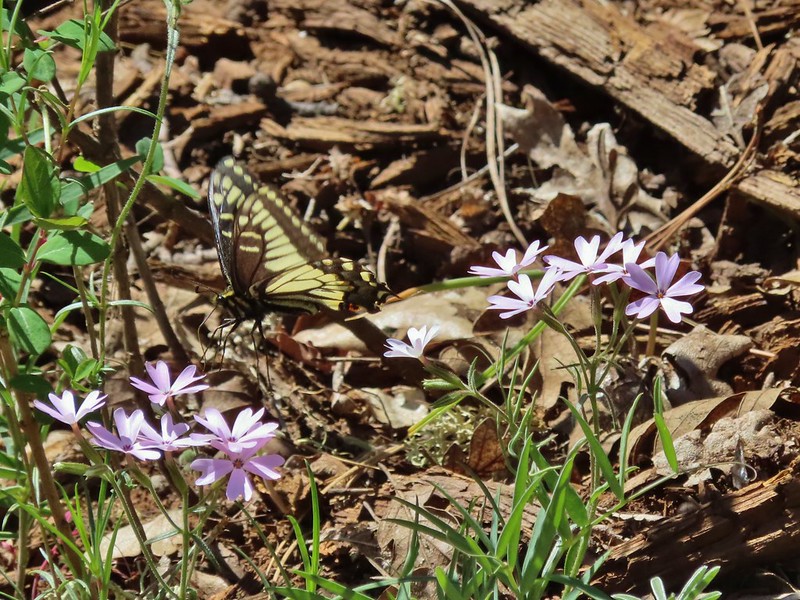 Anise swallowtail coming in for a landing on showy phlox.
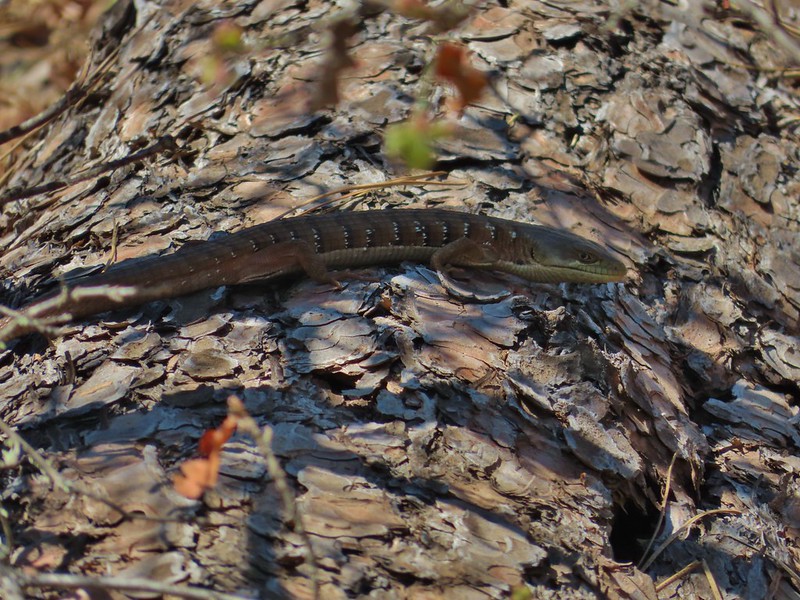 Alligator lizard on a log.
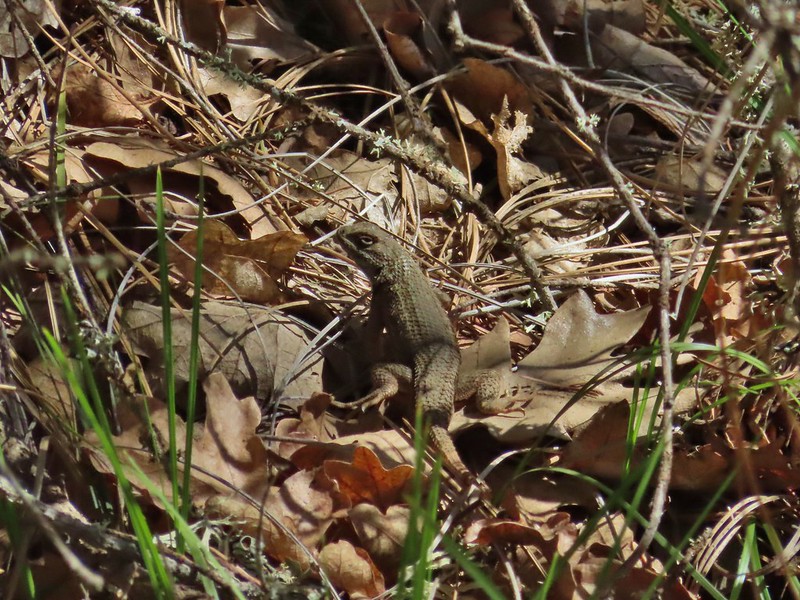 Western fence lizard
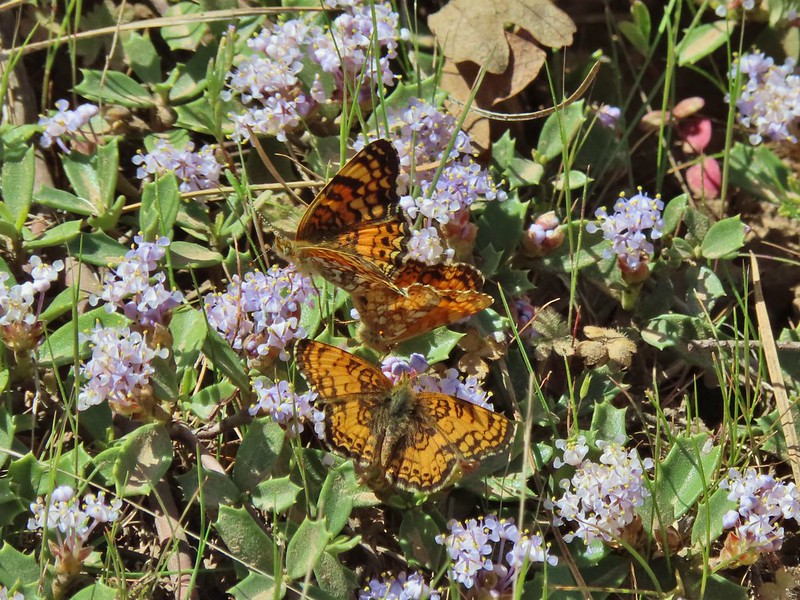 I believe these to be Mylitta crescents.
 wanderingyuncks

