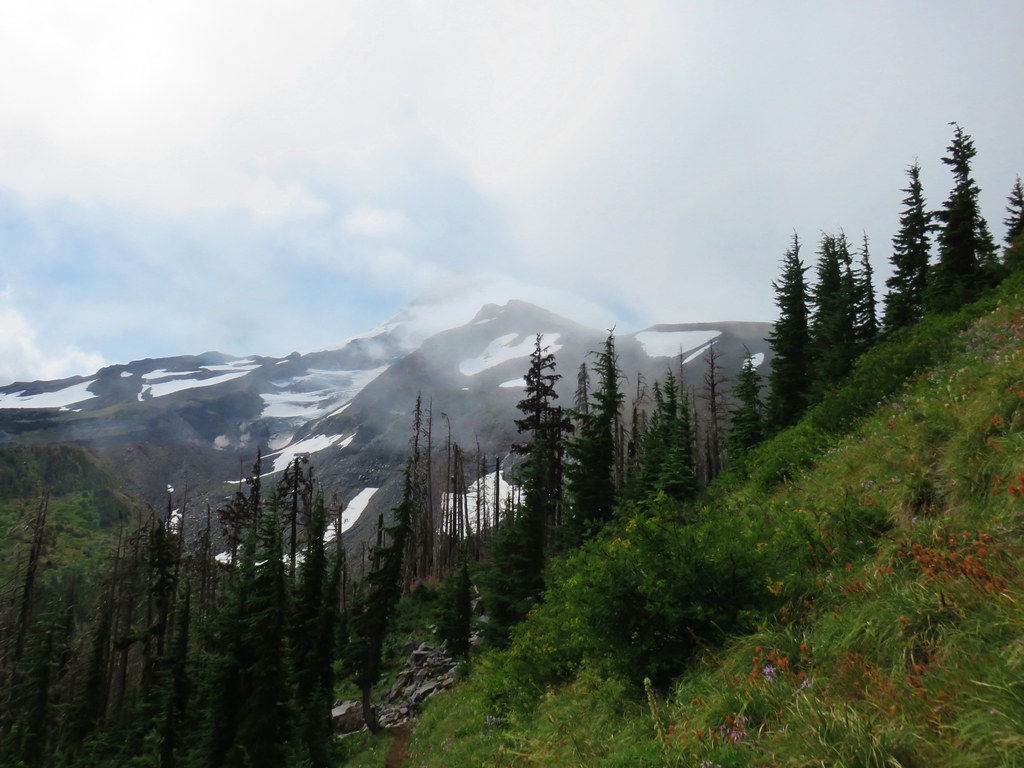
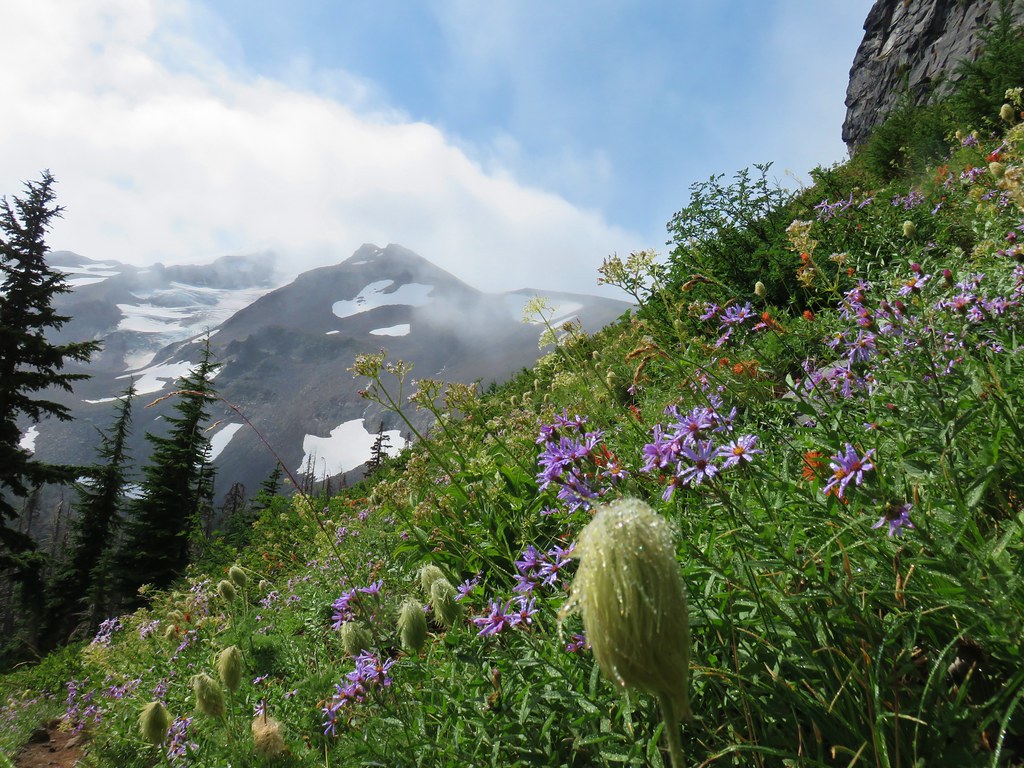
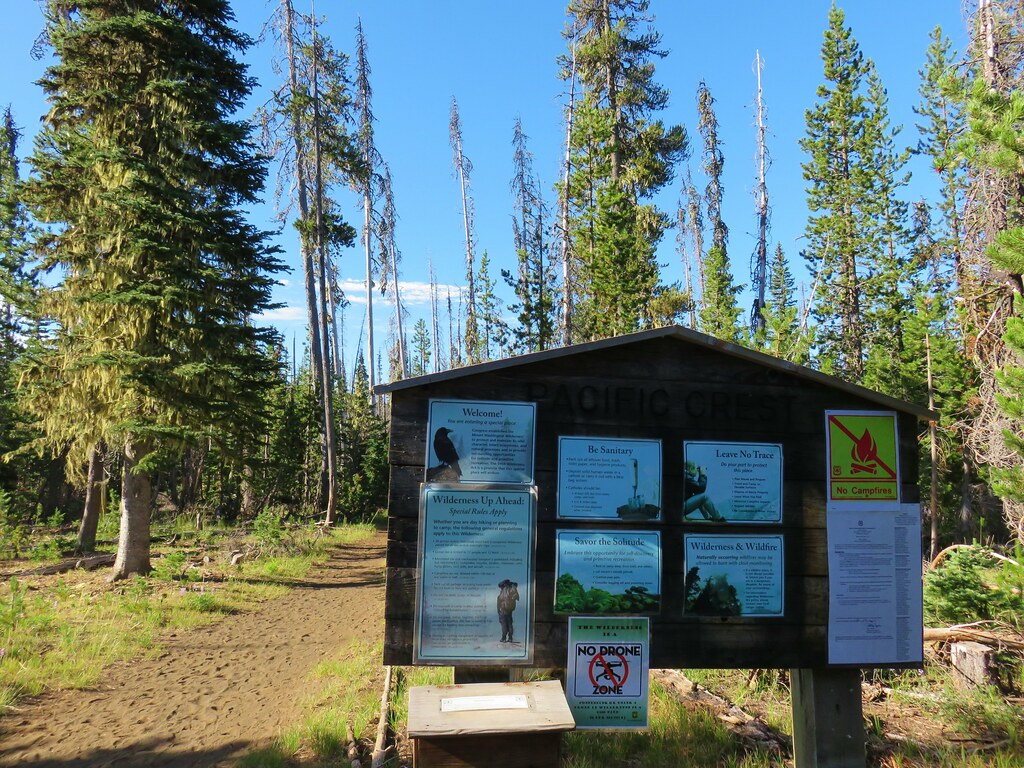
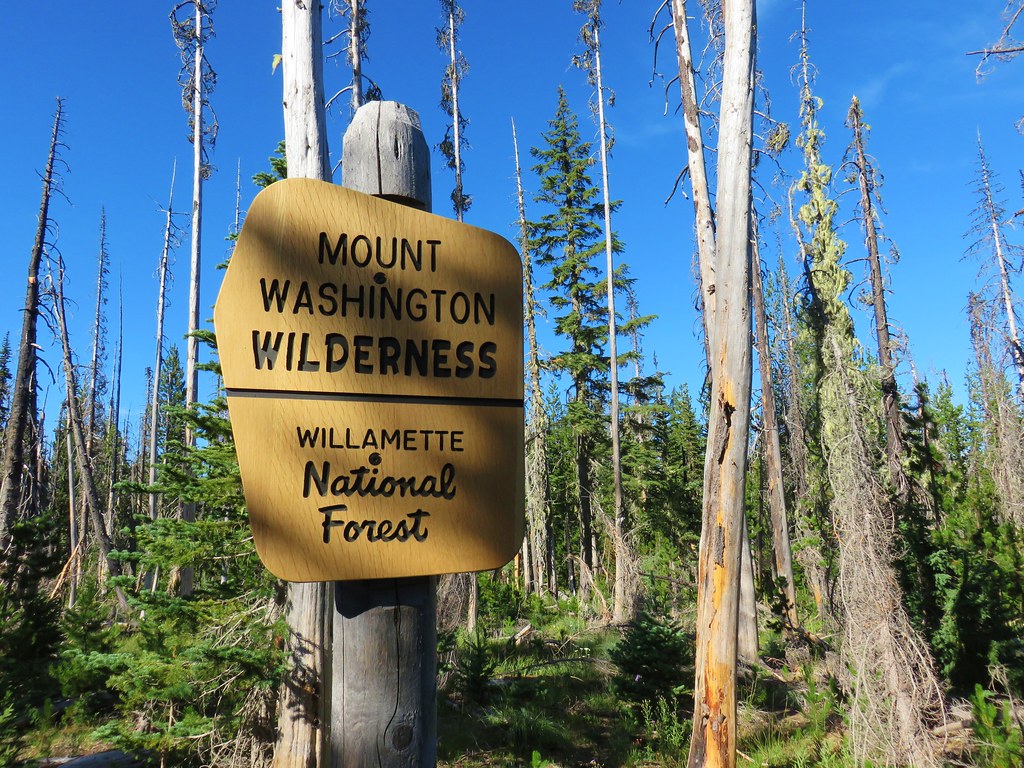
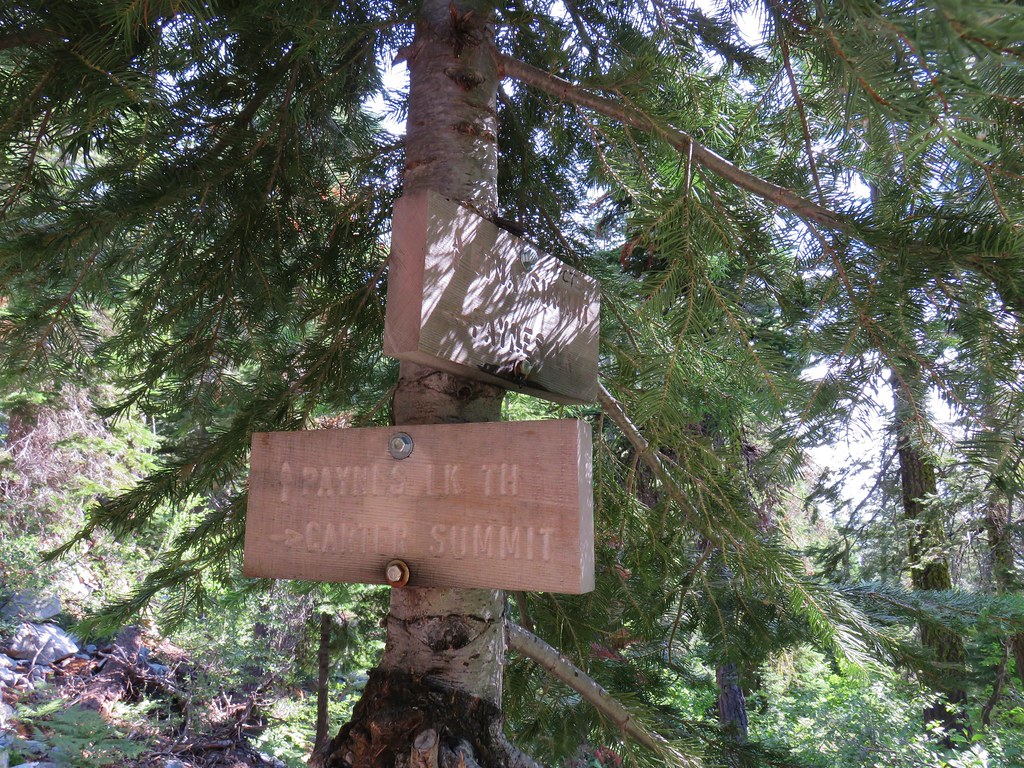
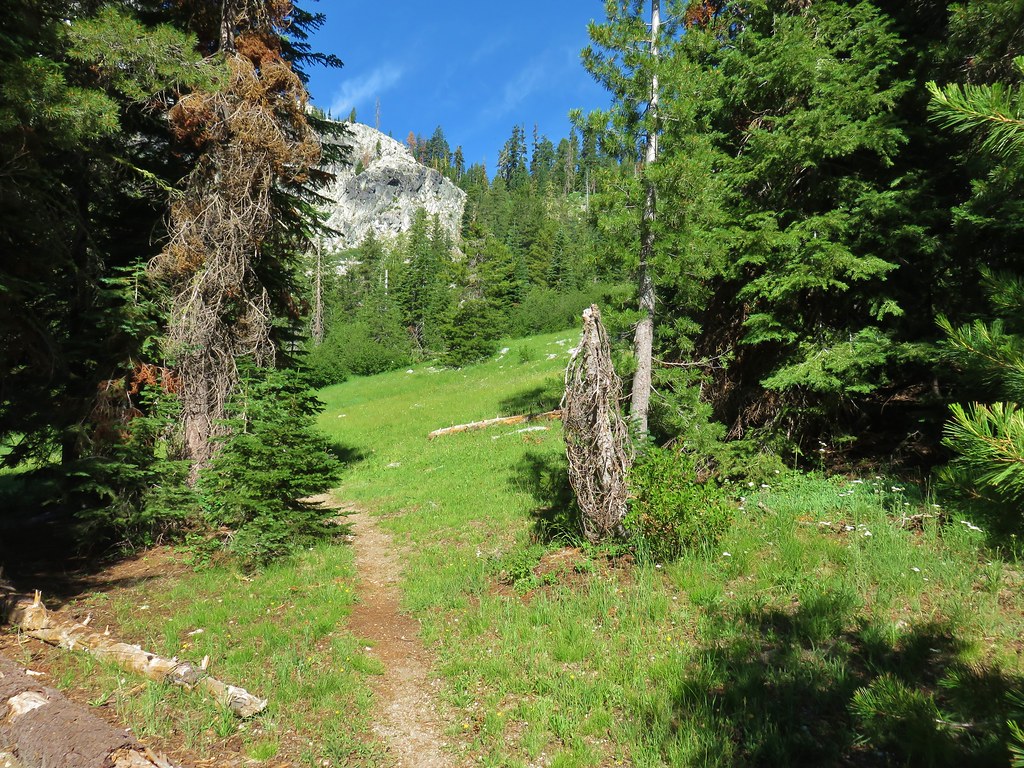
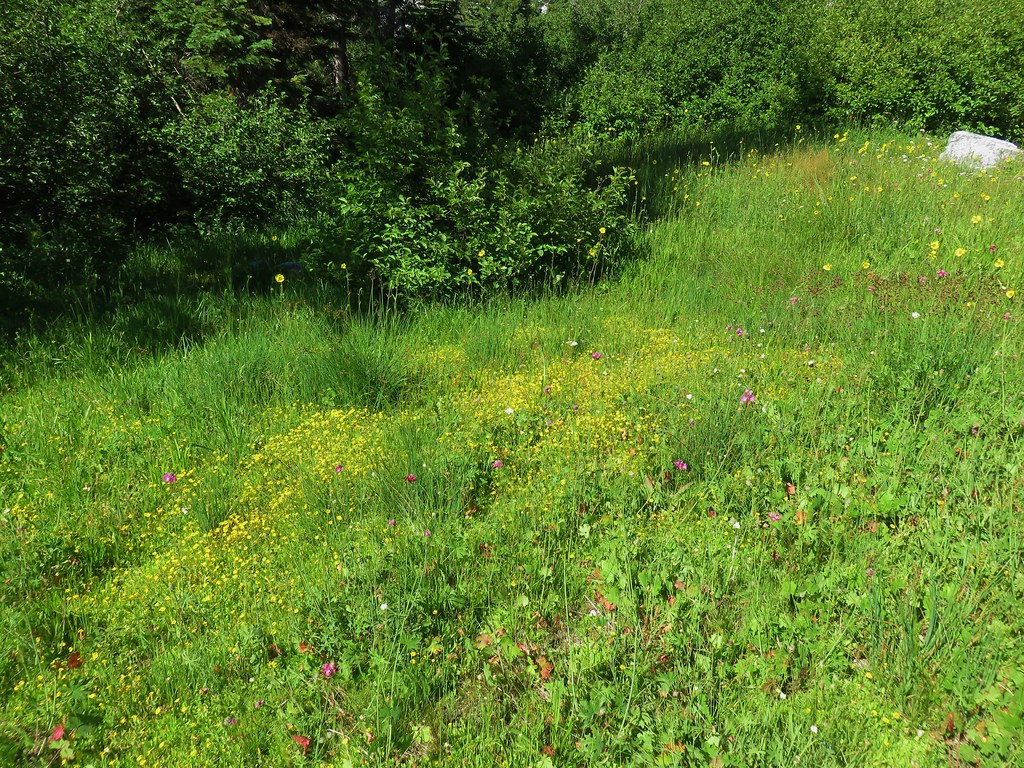
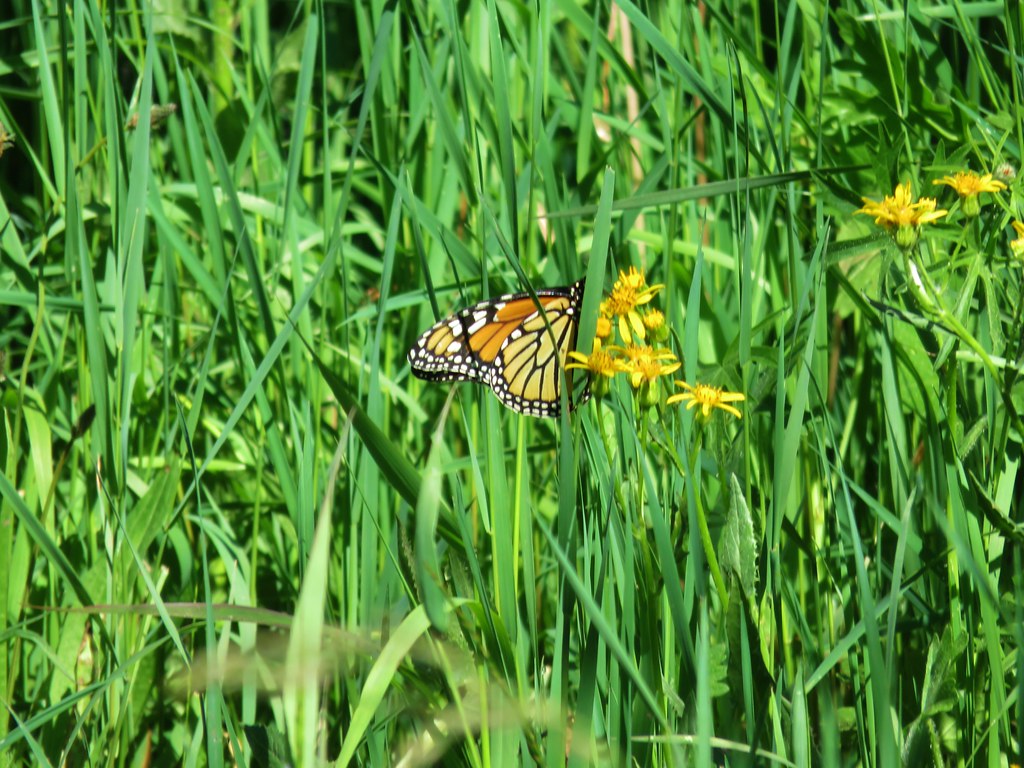
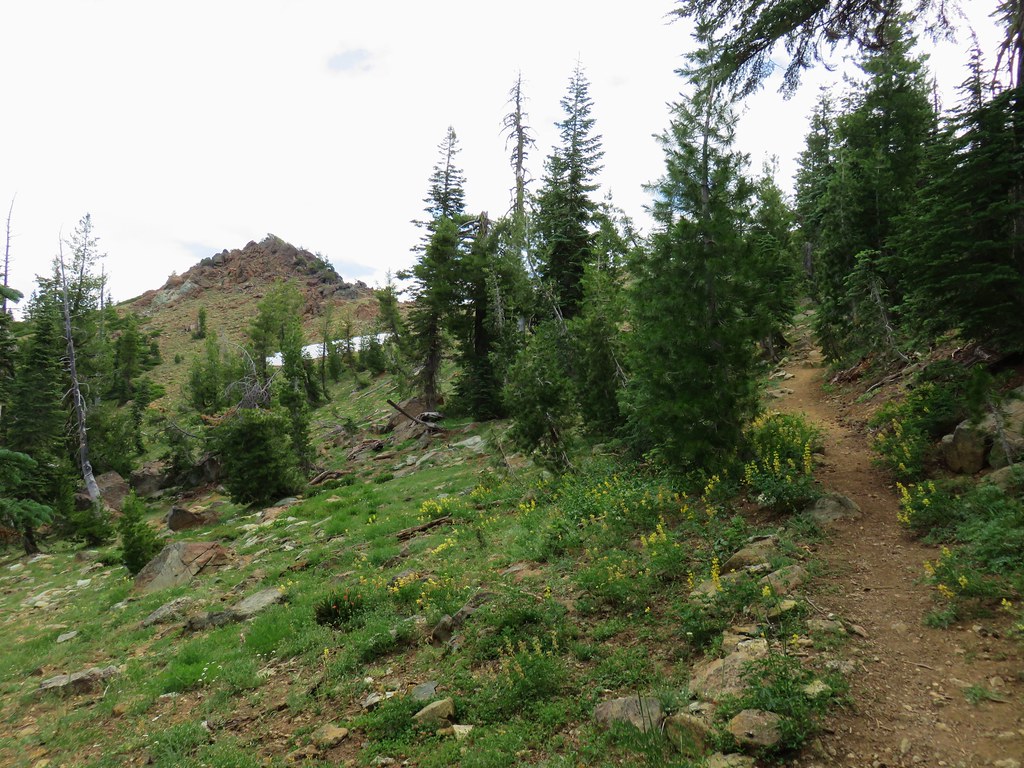
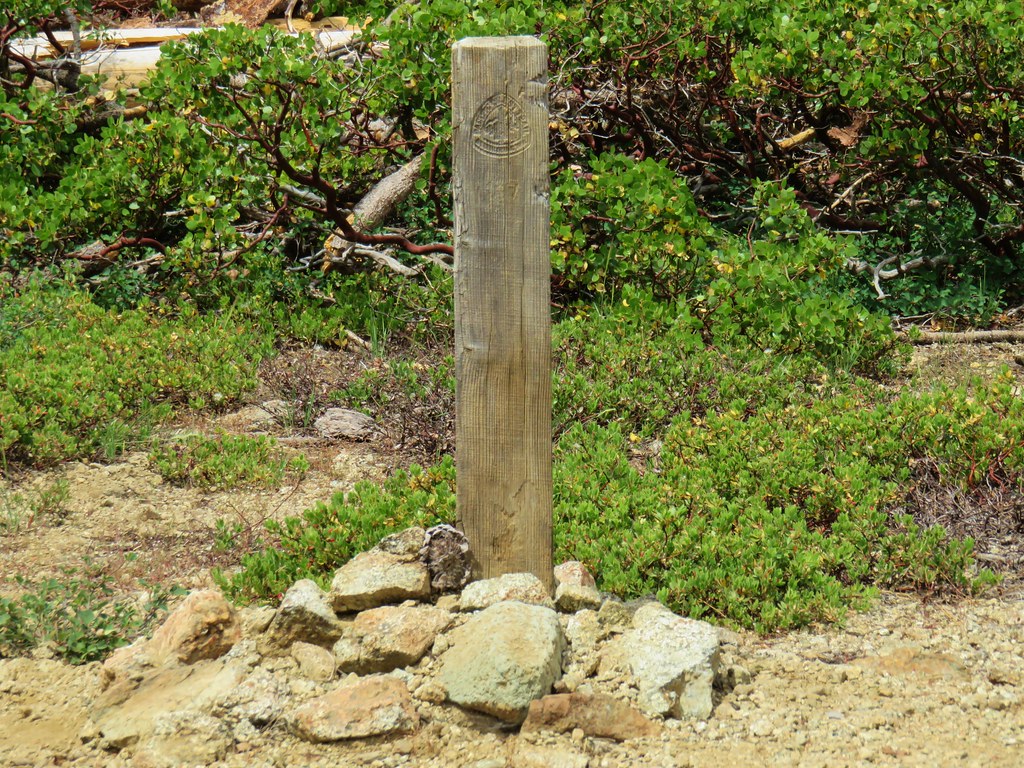
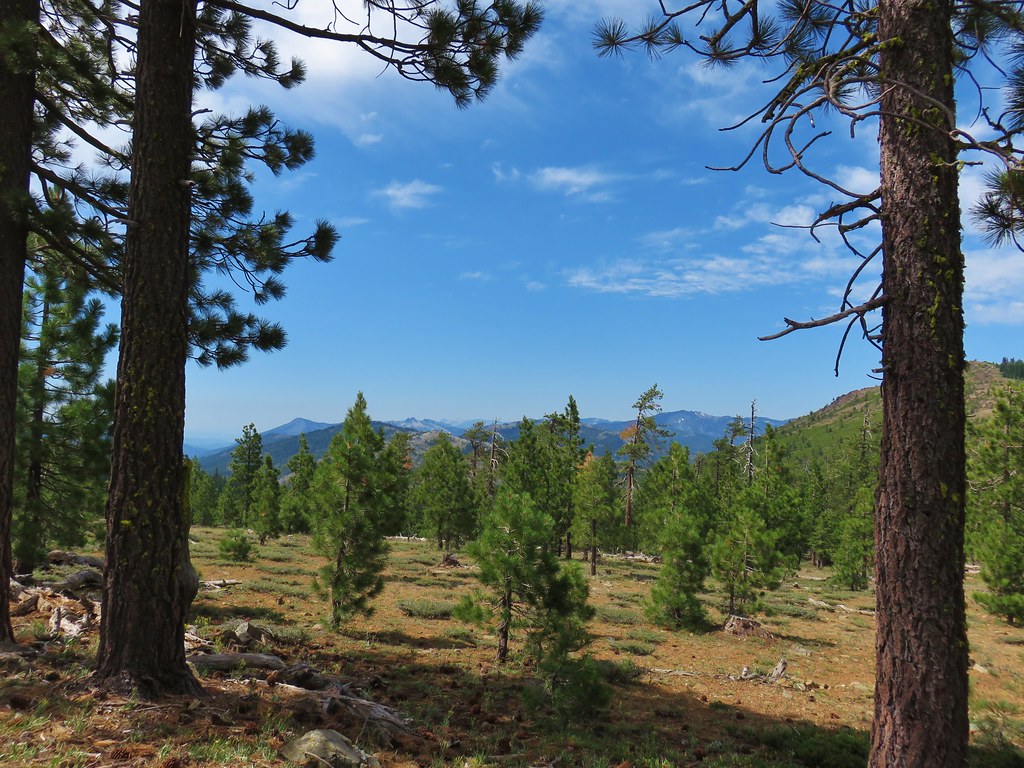
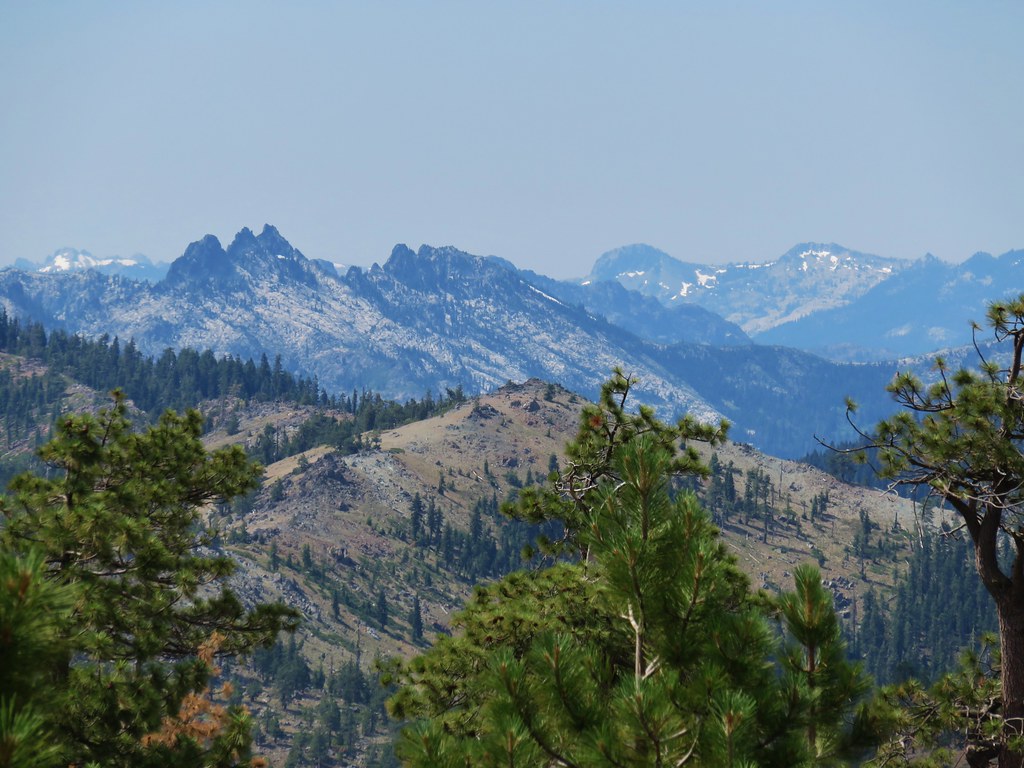
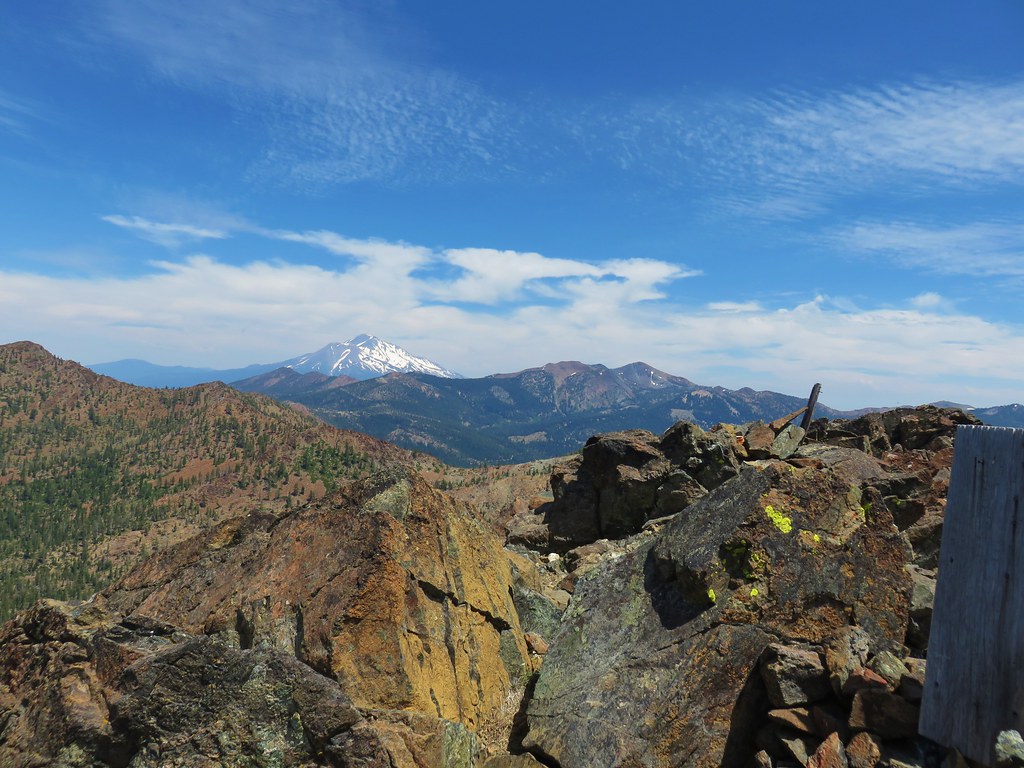
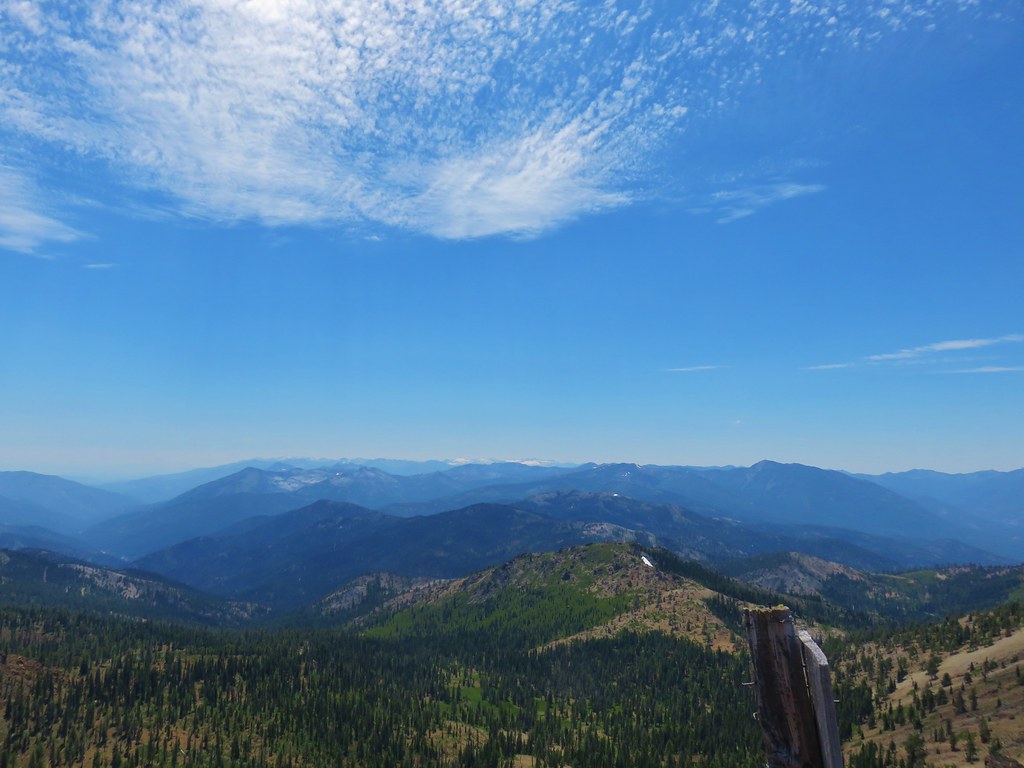
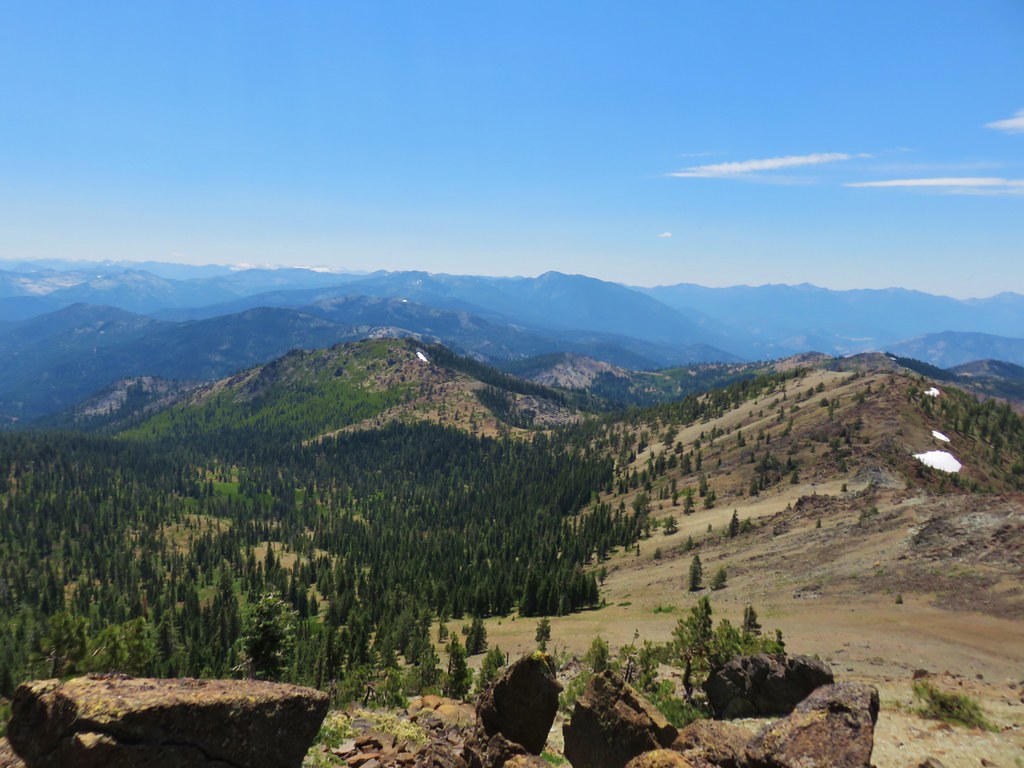
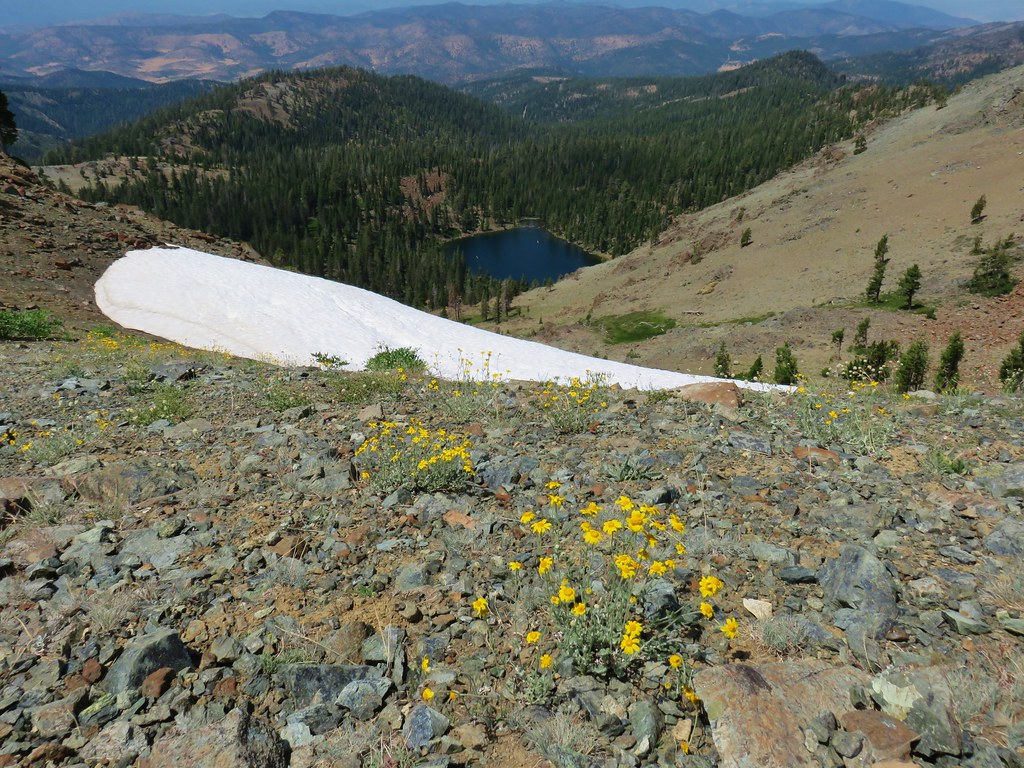
Categories
California Hiking Mt. Shasta Area Trip report

Black Butte, Horse Camp, and McCloud River Falls

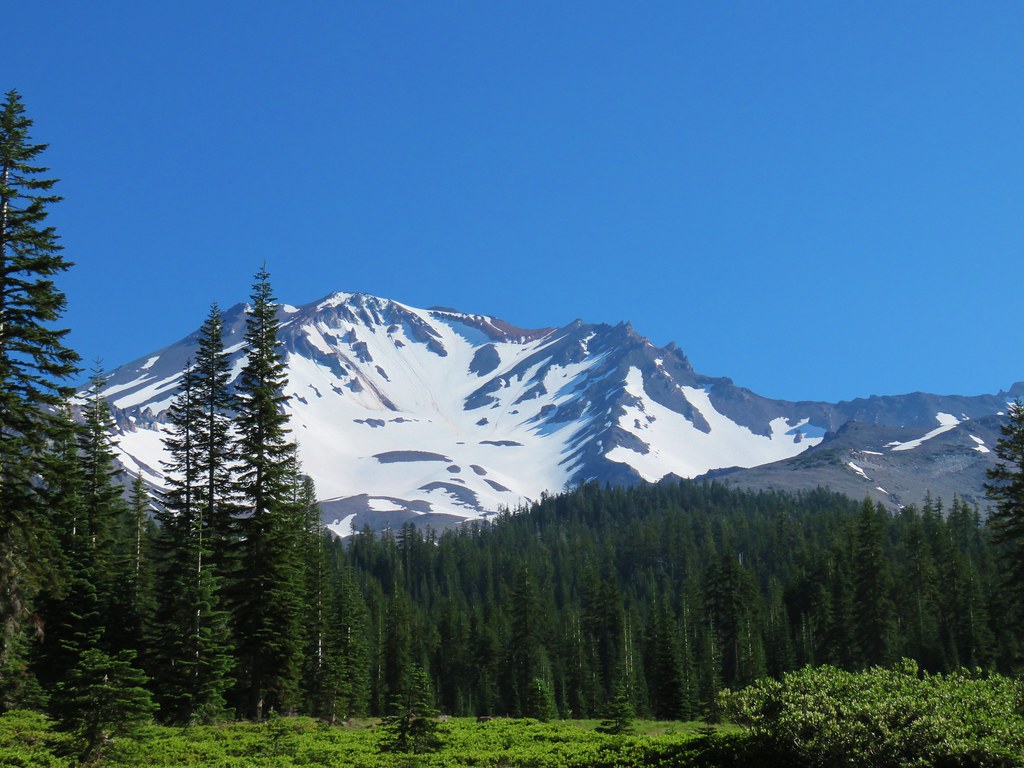
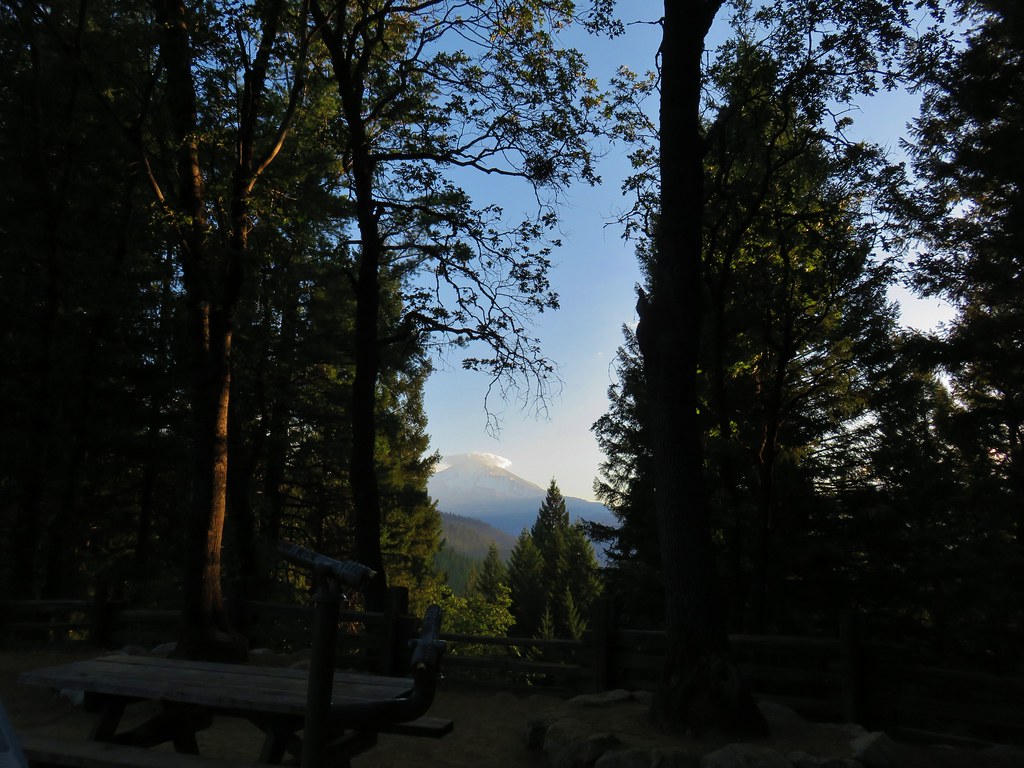
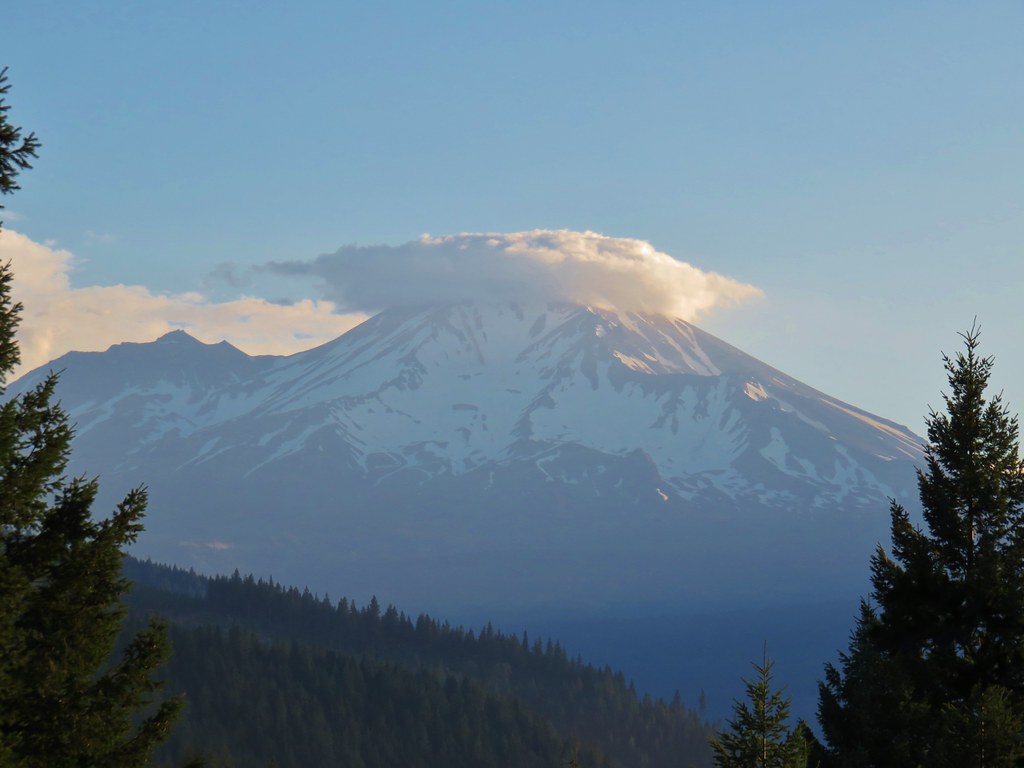
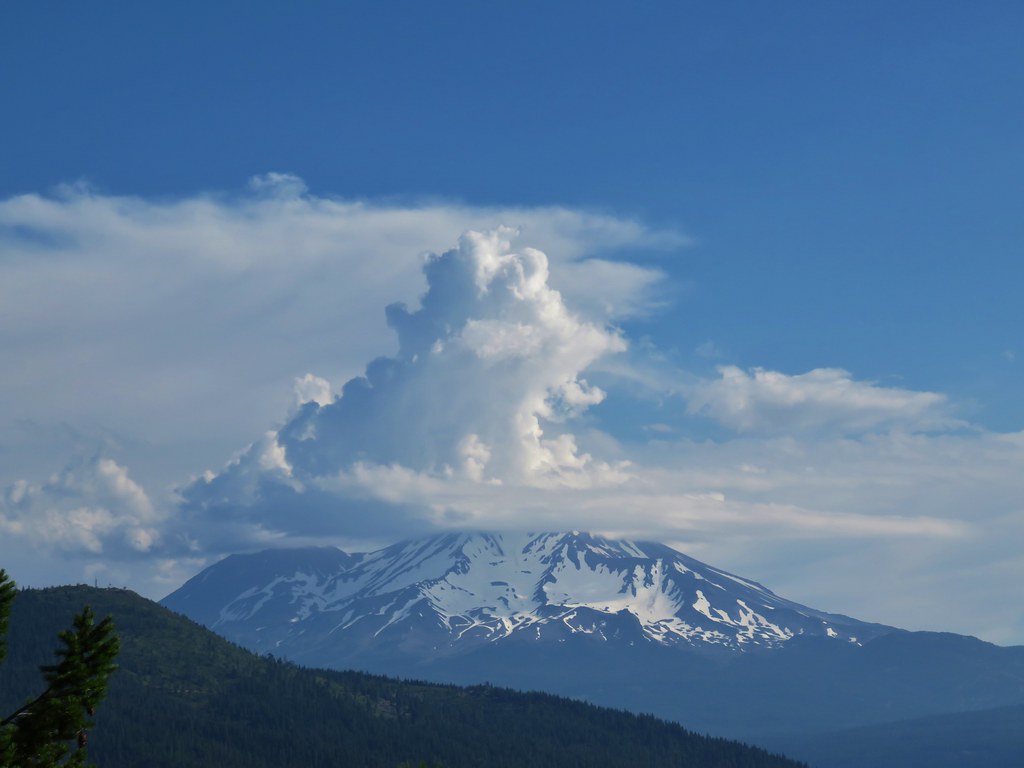
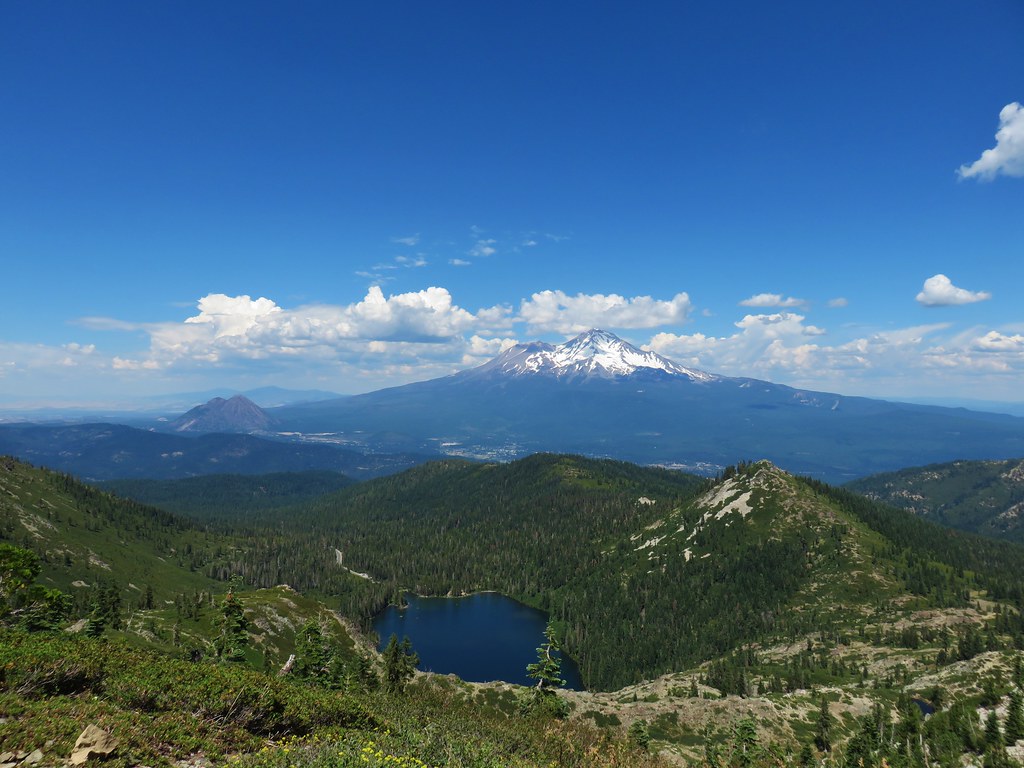
We’d spent five days hiking in the greater Mount Shasta area but it wasn’t until the sixth day that we made it to the mountain that we’d been seeing every day during our hikes. In truth we were holding out hope that the Everitt Memorial Highway might be opened by the end of the week so that we could drive up to the Panther Meadow Trail but that wasn’t in the cards this trip as there was just too much snow still left over from this past winter.

Our plan had always been to do multiple hikes on the day we visited Mt. Shasta and with our other two hikes a go we looked to Hike Mt Shasta for ideas for another trail on the mountain and chose the Horse Camp Trail.

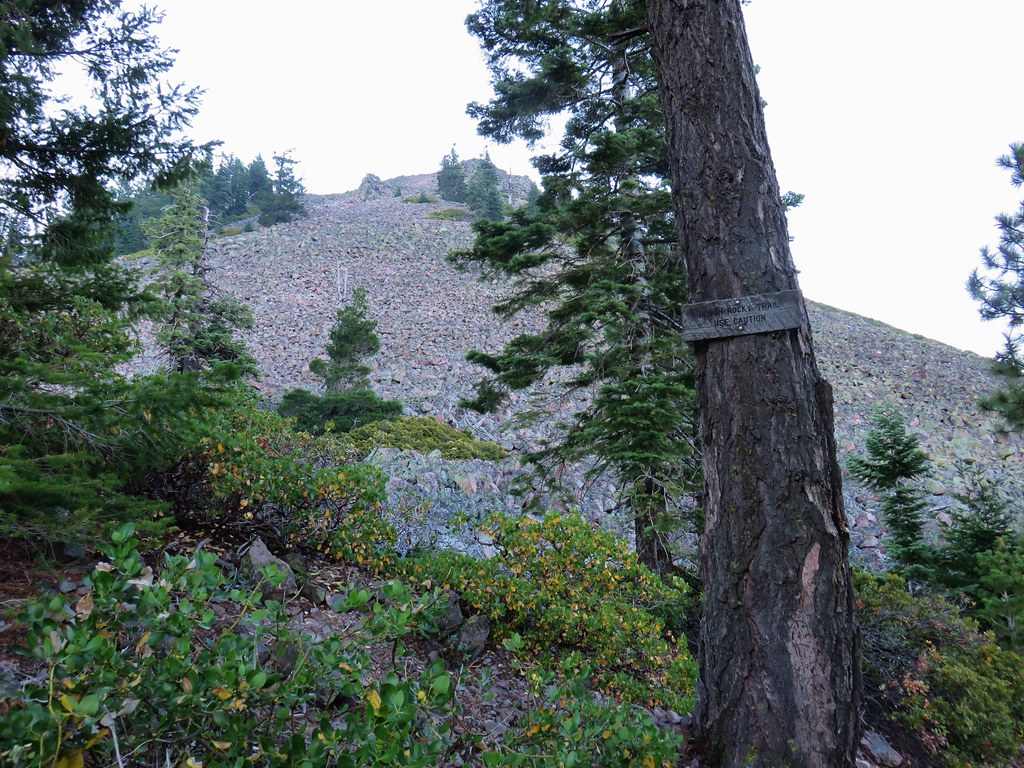
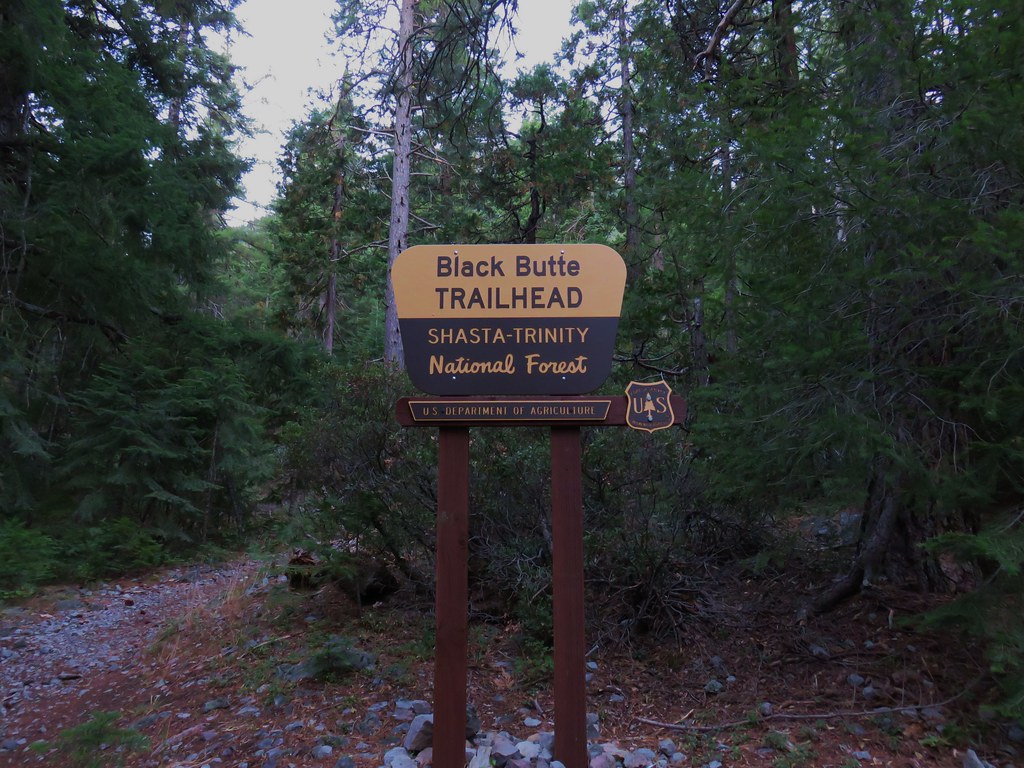
We started our day at the Black Butte Trailhead where we found a caution sign posted by the Forest Service.
IMG_6308

IMG_6390

The slide referenced in the notice was said to be a mile and a half up the the 2.6 mile trail so we figured we could at least get most of the hike in and if it didn’t look too dangerous we could do the whole thing.

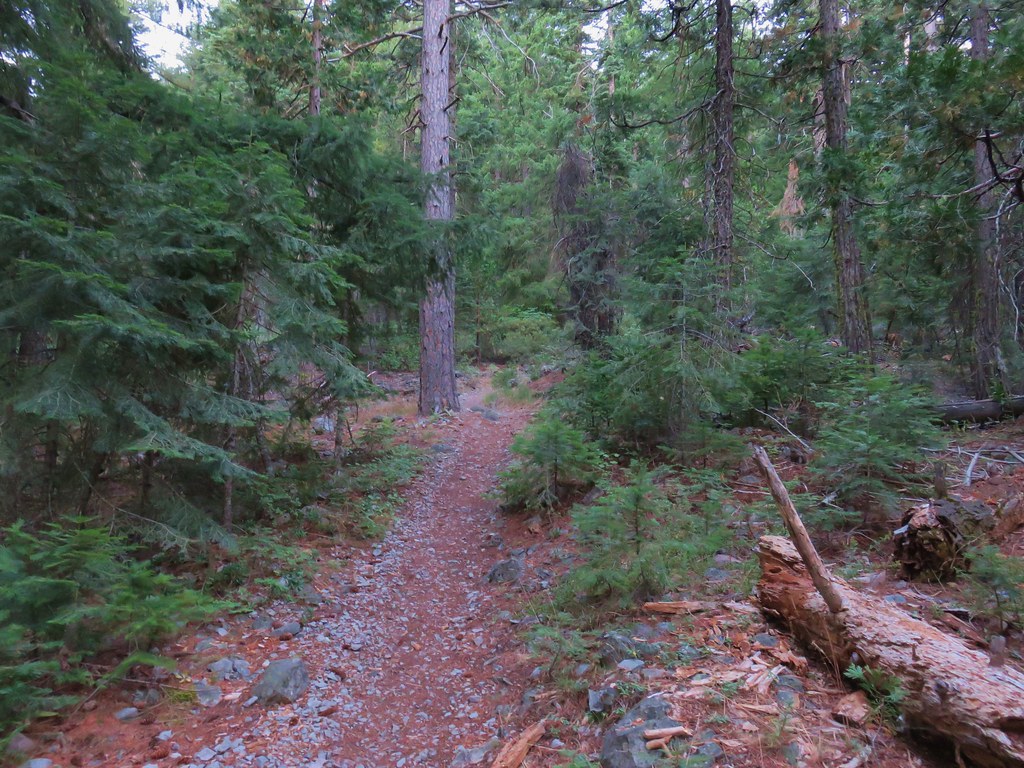
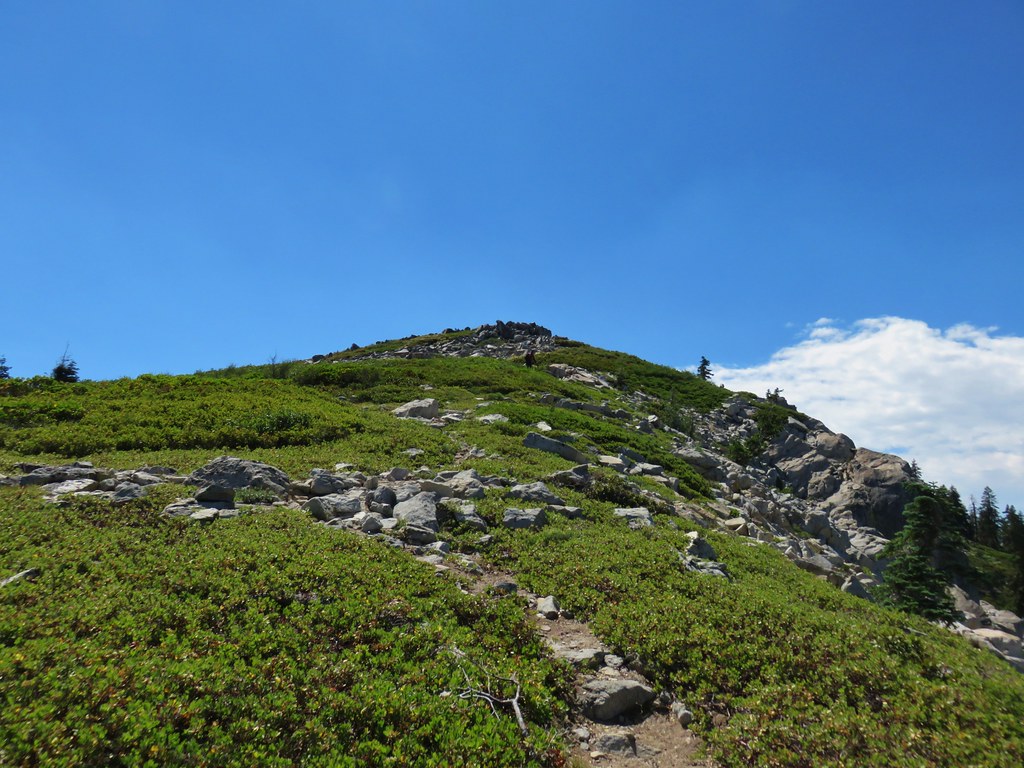
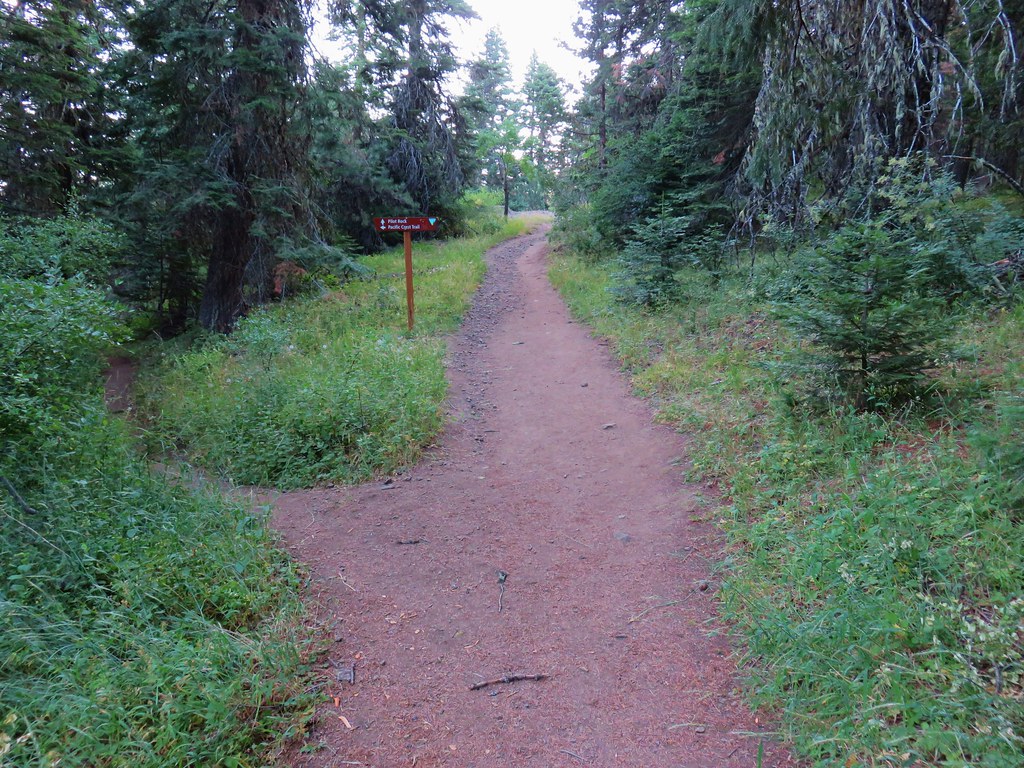
The trail began in a the forest climbing steadily as it wound around the cinder cone.
IMG_6309

We’d gotten an early start which was nice not only for the views but for the temperature as well since we’d be gaining over 1800′ feet if we made it to the summit.

IMG_6311

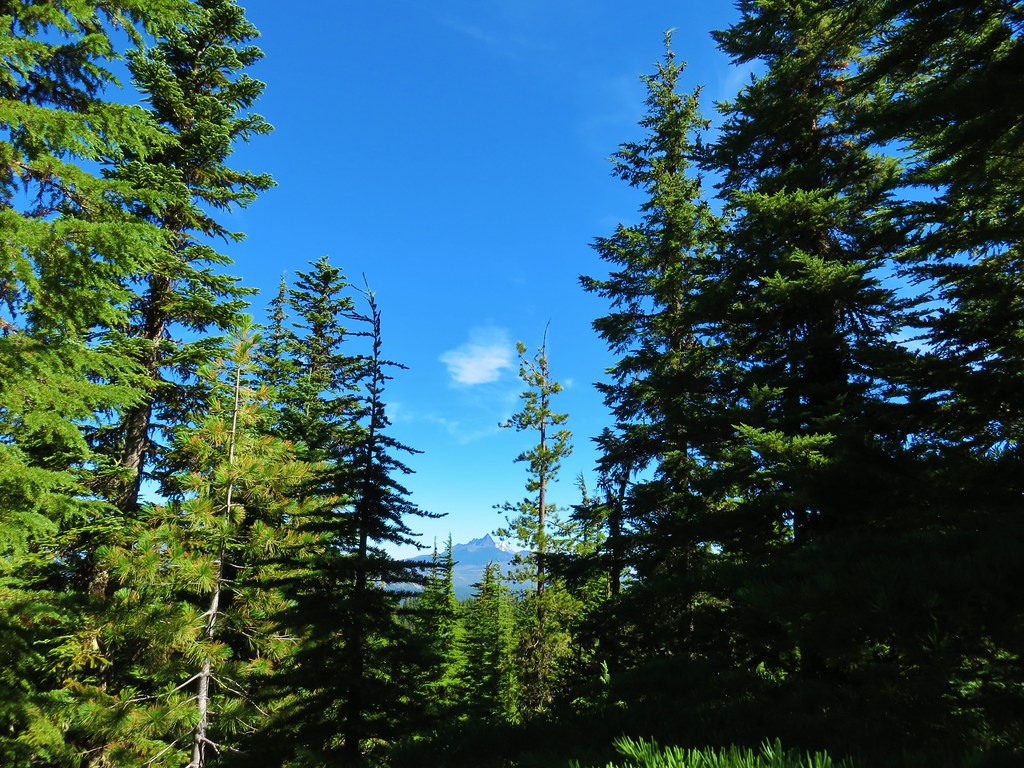
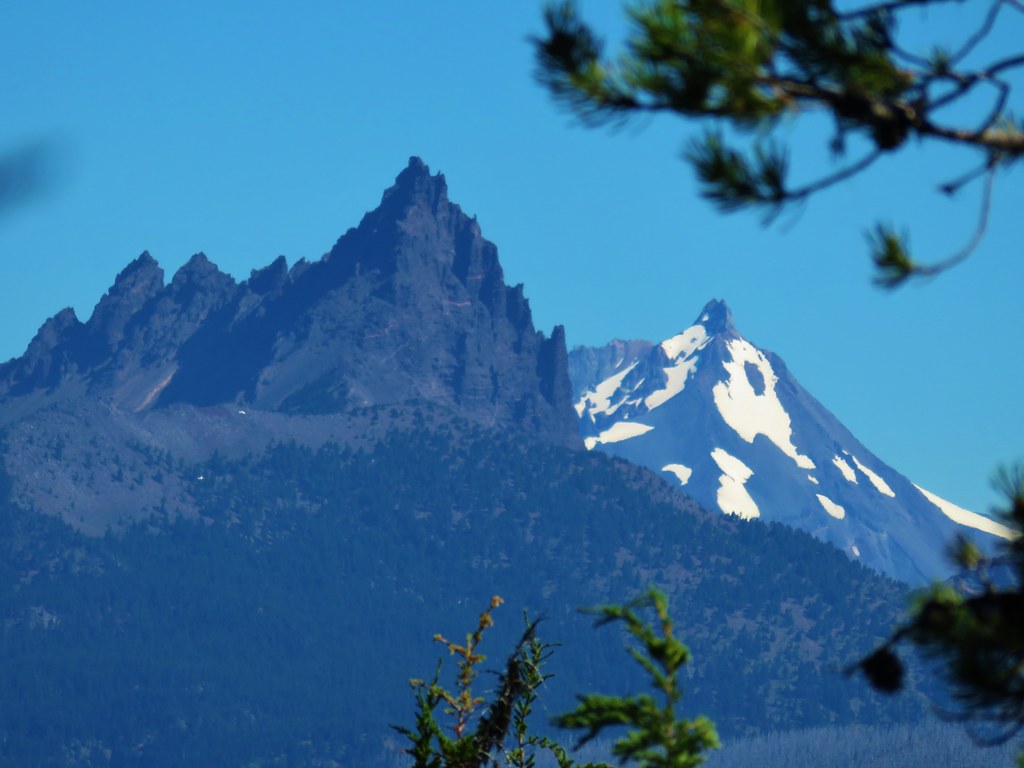
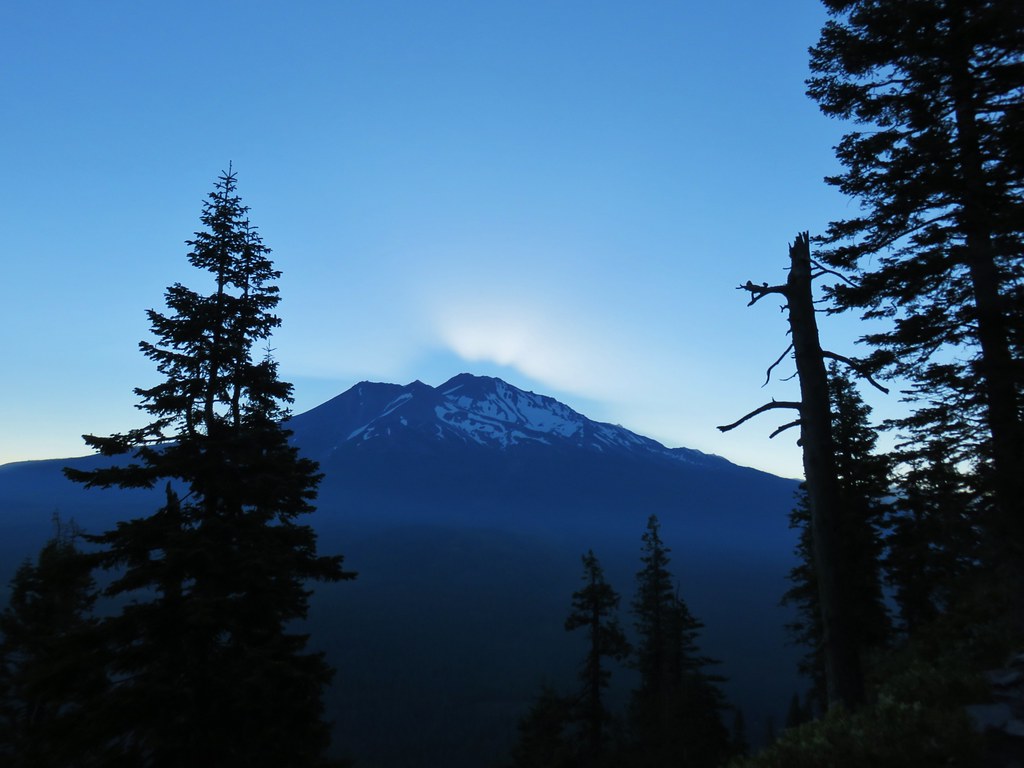
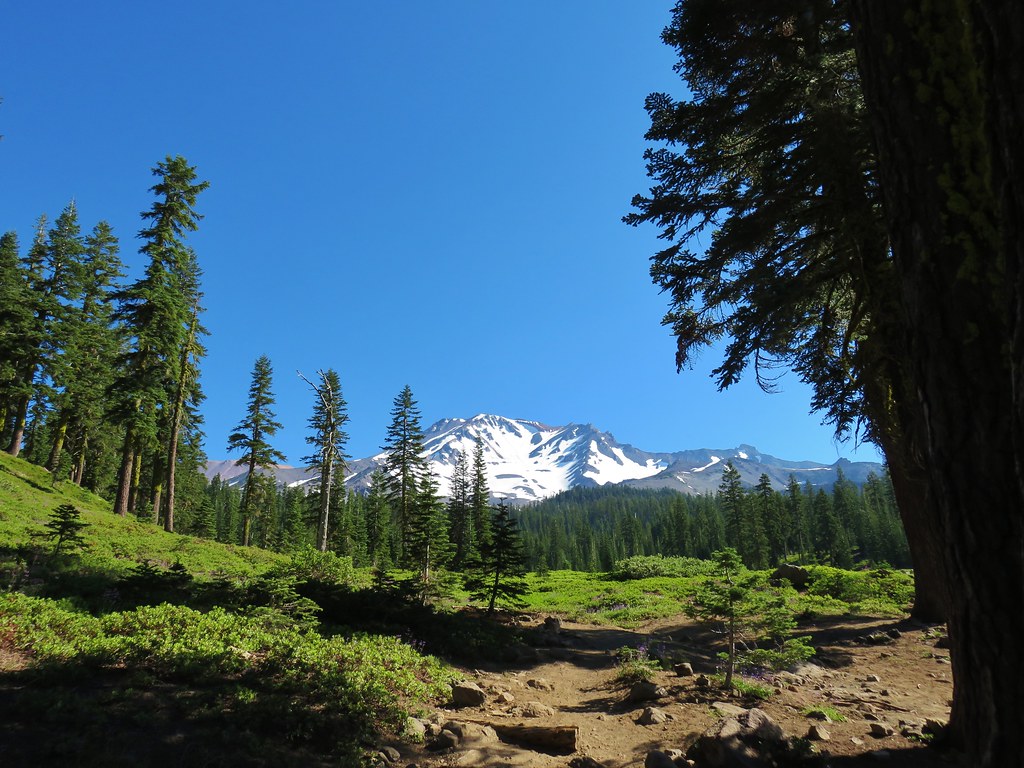
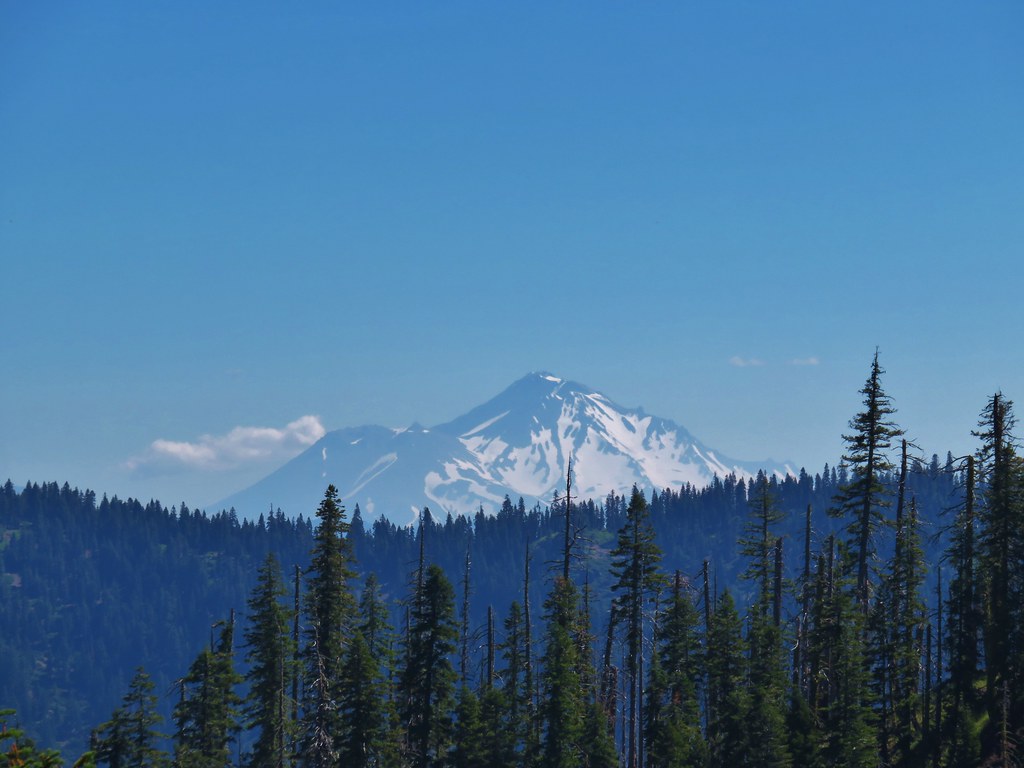
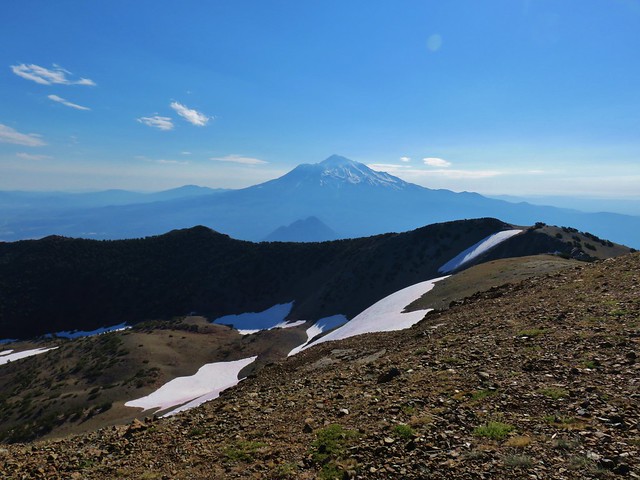
As we emerged from the trees we had a front row view of Mt. Shasta over our shoulders.
IMG_6314

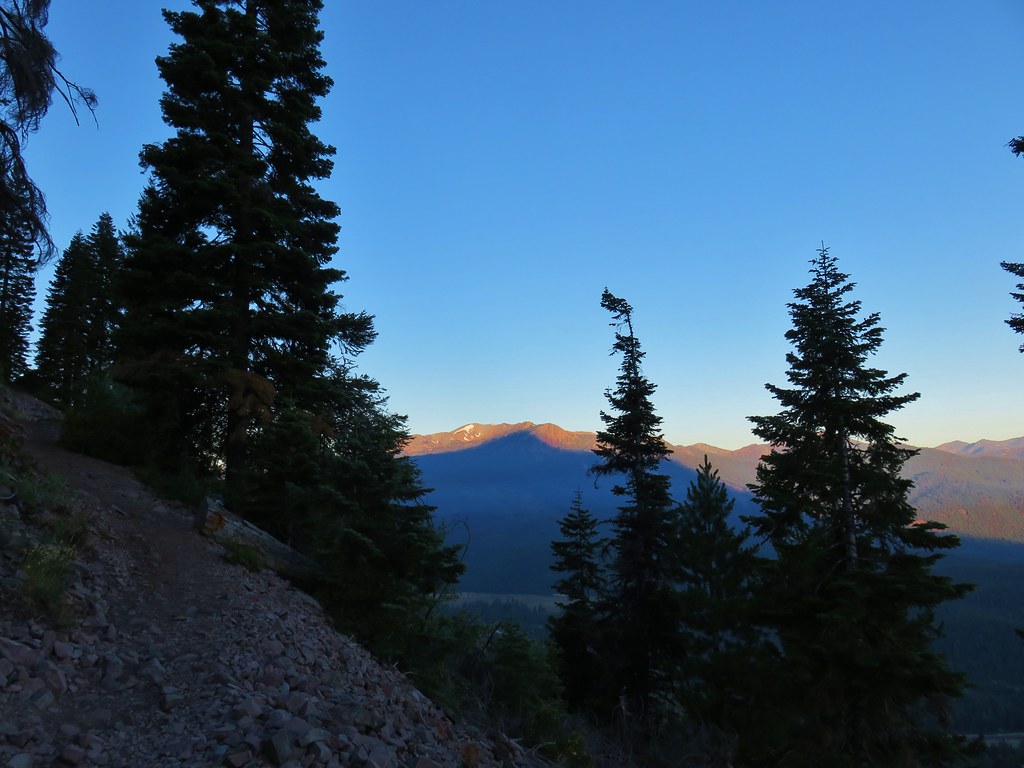
While Mt. Eddy lay straight ahead partly covered by the 14,180′ volcanoes shadow.
IMG_6325

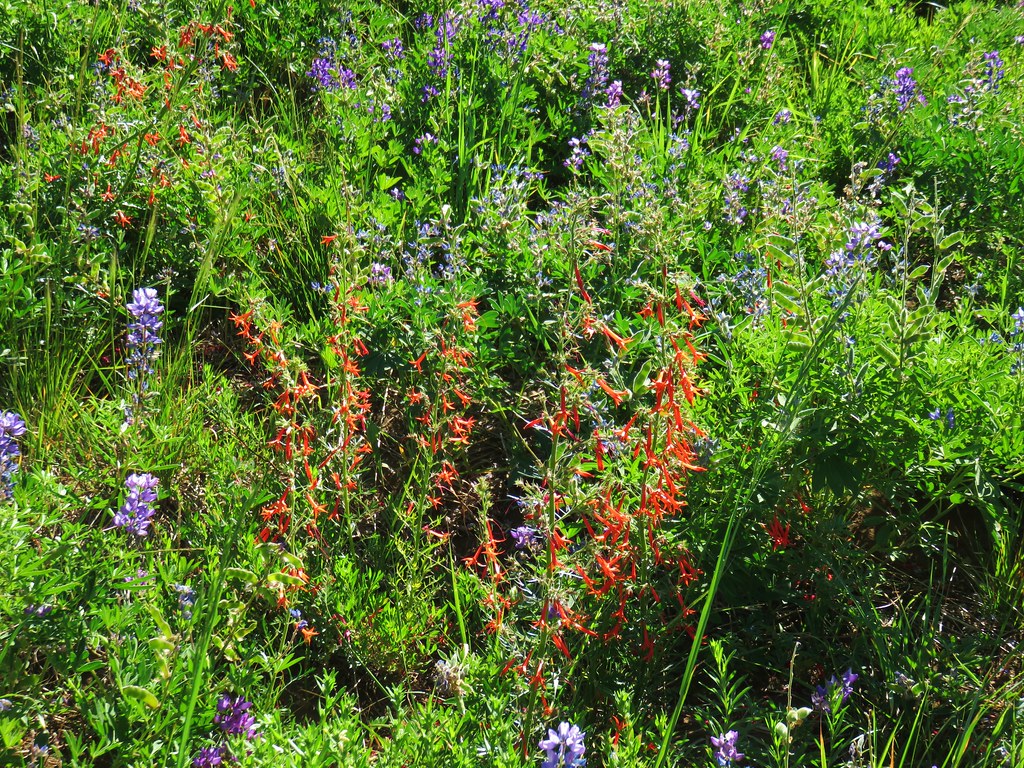
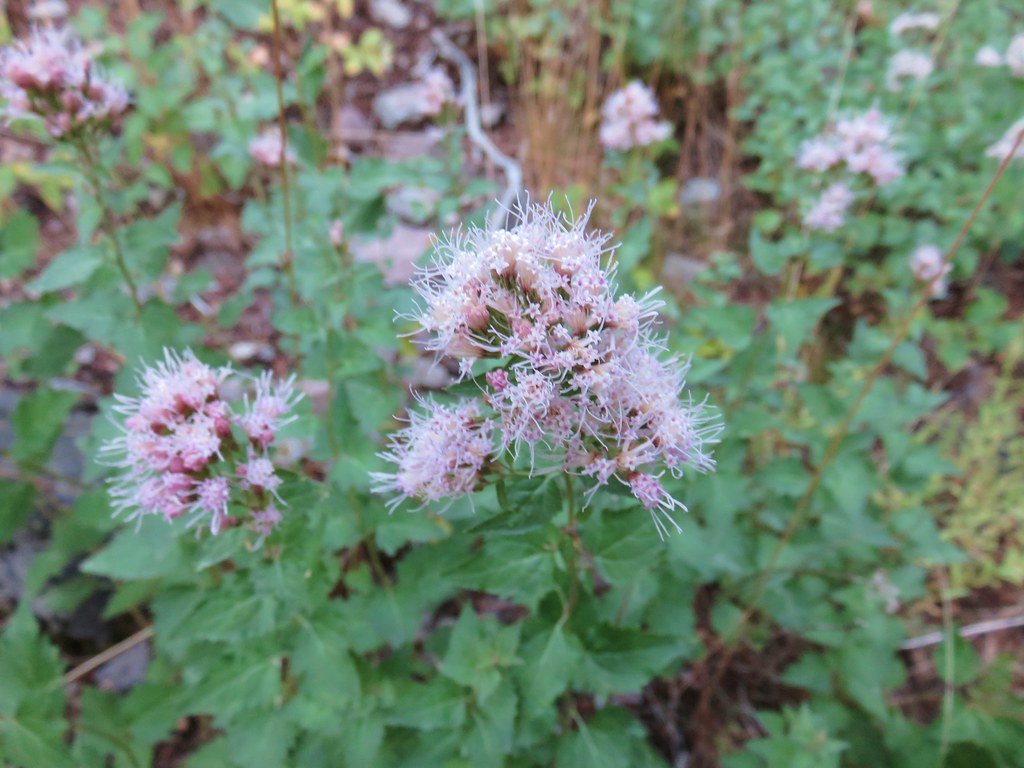
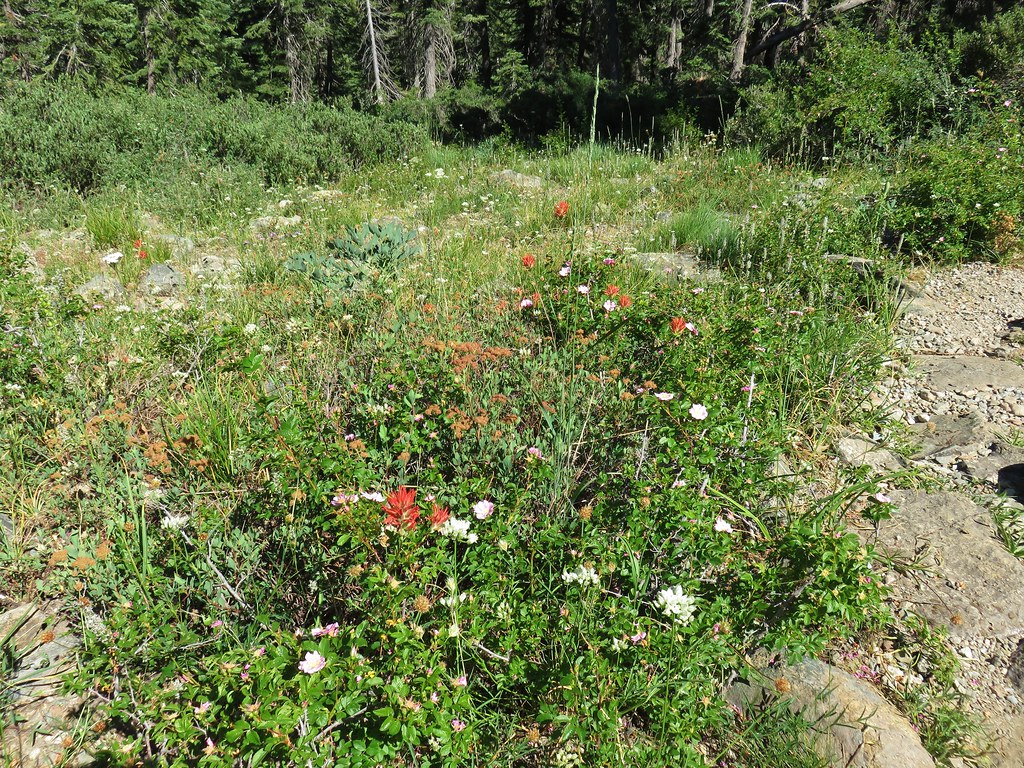
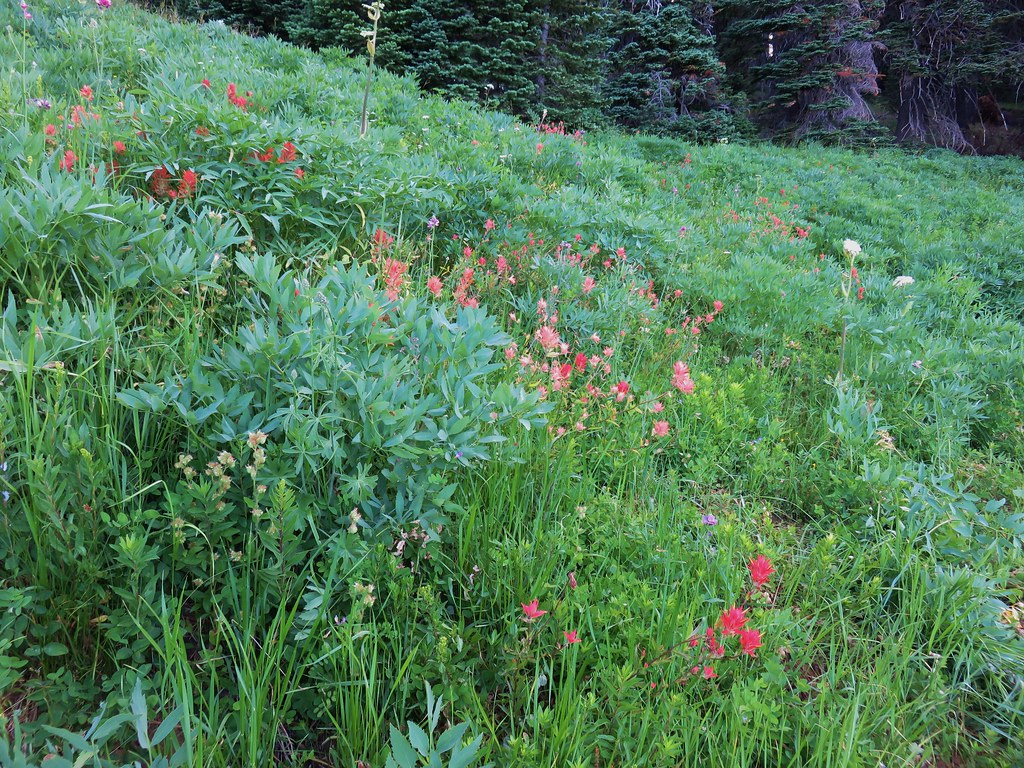
It was a little late in the year for many flowers along the trail but there were still a few as well as some other interesting plants.
IMG_6319

2017-07-28 06.22.39

IMG_6330

2017-07-28 06.25.40

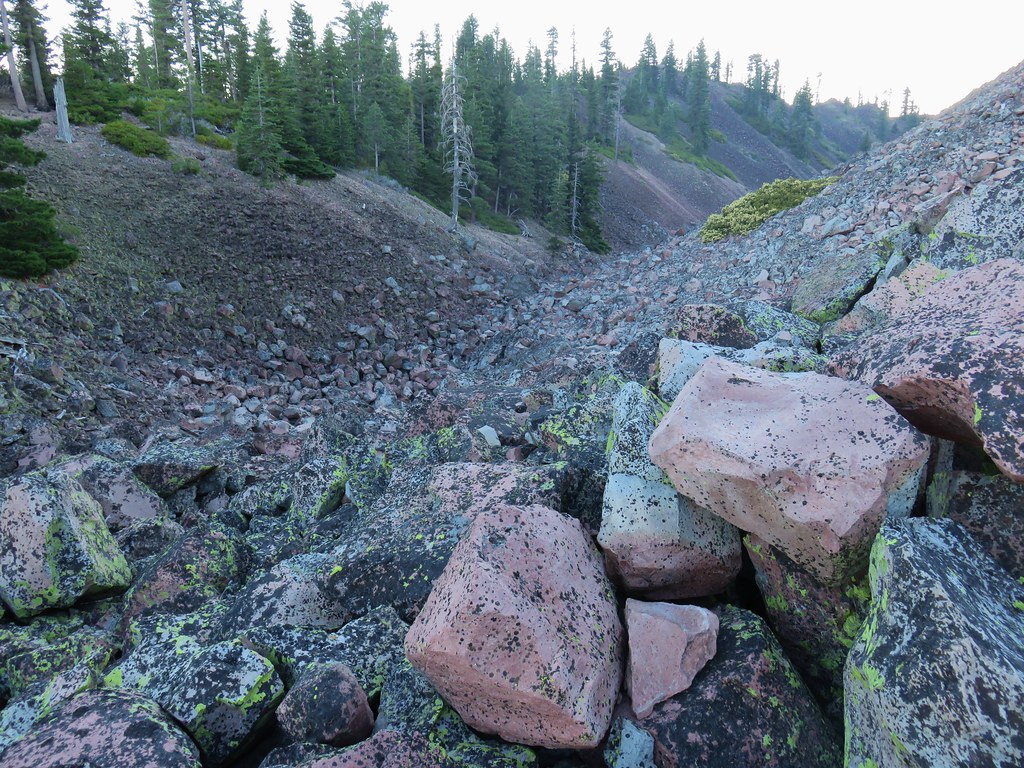
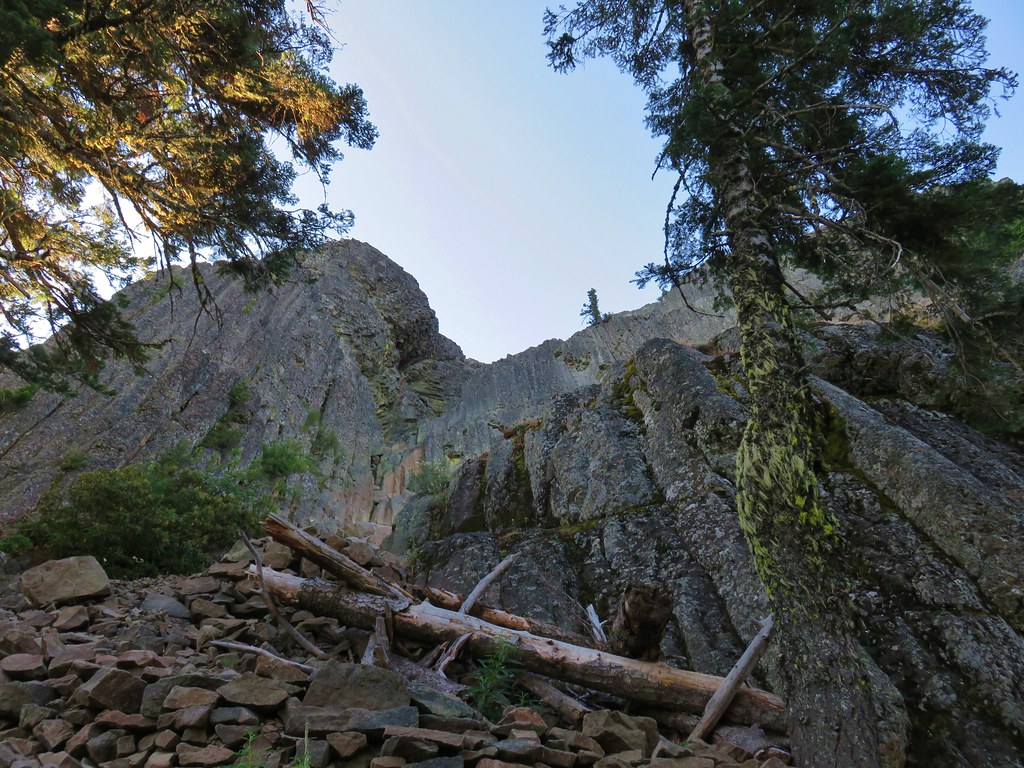
After 1.3 miles the trail came to a switchback revealing a small rocky gorge in the butte.
IMG_6340

IMG_6343

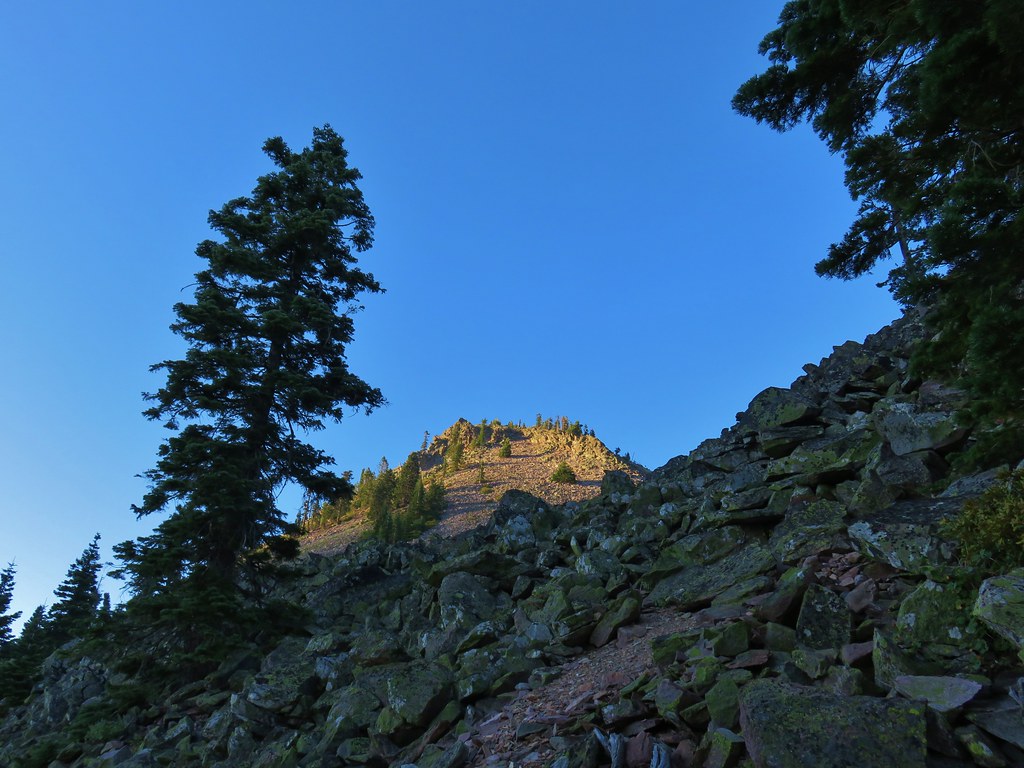
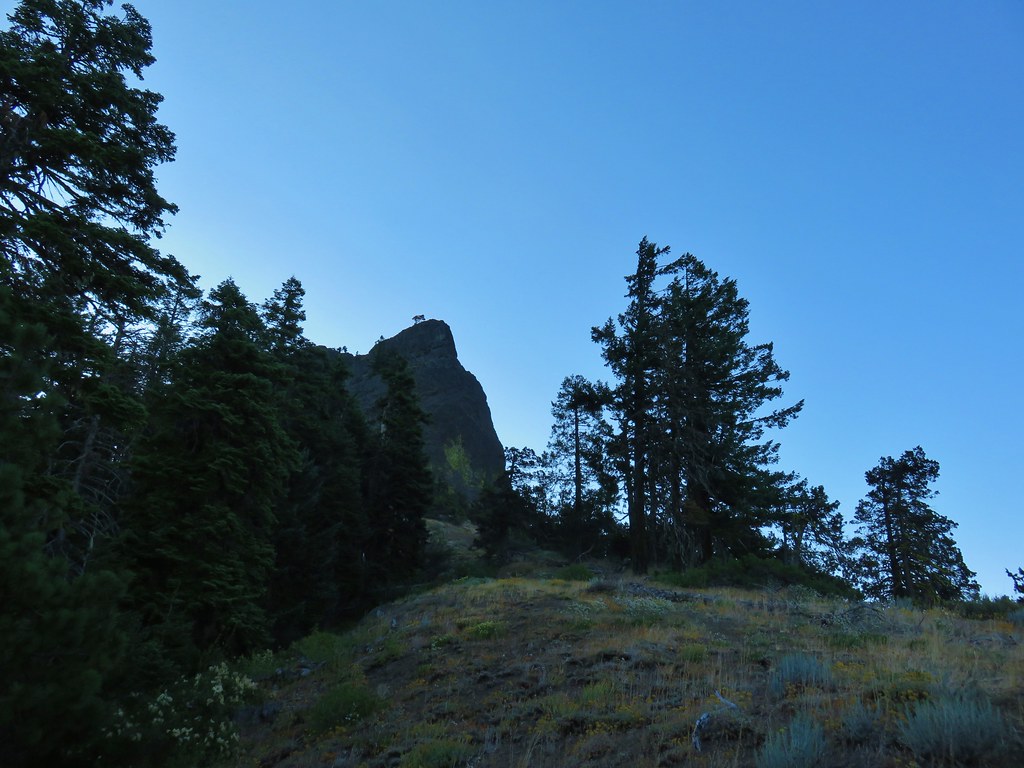
Mt. Eddy was now behind us as we continued to climb with the summit of Black Butte in the sunlight above.
IMG_6345

IMG_6347

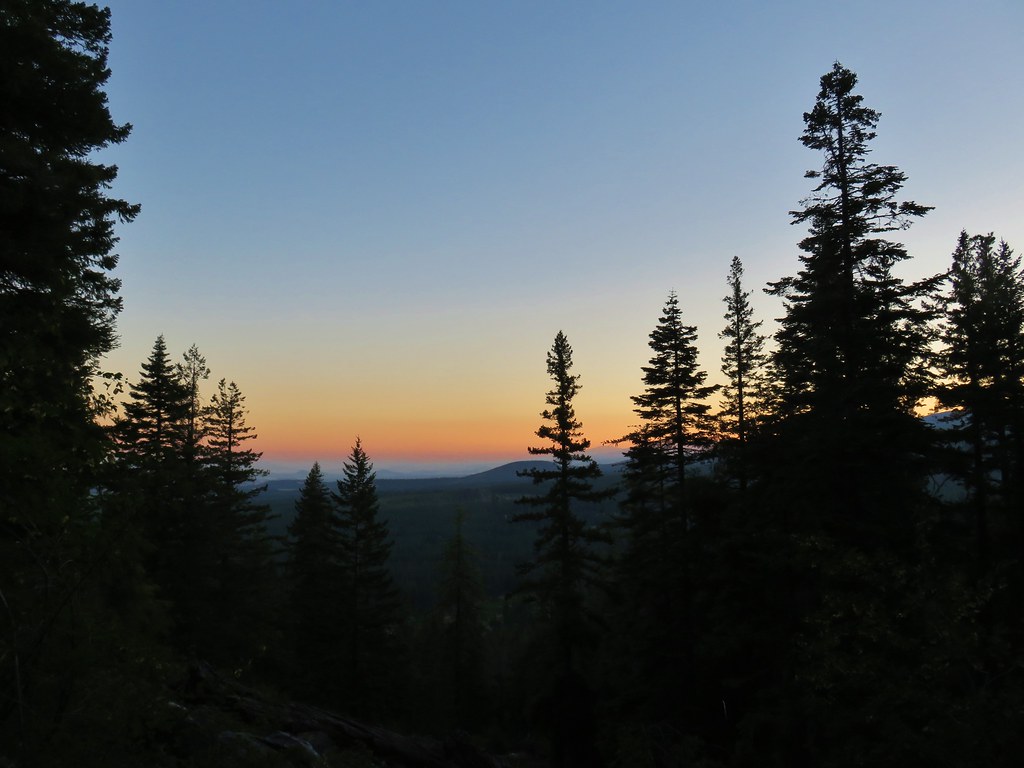
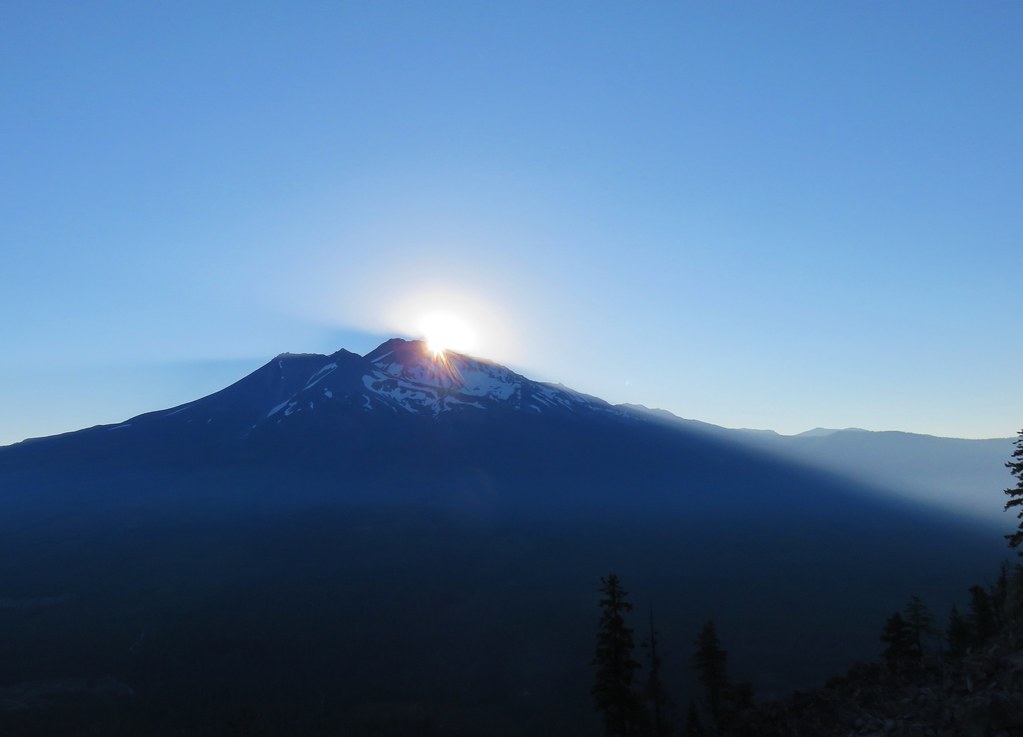
Our timing was good as we were in a great spot to watch the Sun rise over Mt. Shasta.
IMG_6346

IMG_6350

IMG_6353

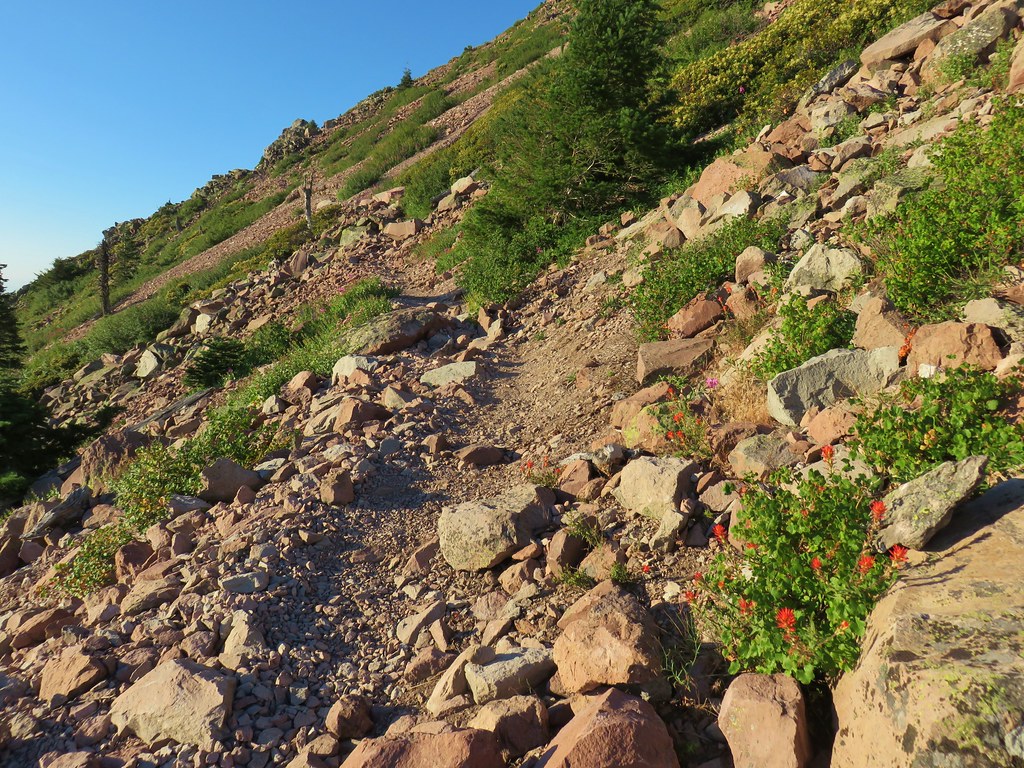
As neat as that was to see the Sun was soon directly on us and things heated up quickly as we clambered over the rocky trail.
IMG_6359

We were beginning to wonder if the Forest Service had made up the slide because we’d been hiking long enough that we were sure we’d gone further than a mile and half and hadn’t seen anything yet. It turned out that the slide was closer to 2 miles along the trail.
IMG_6360

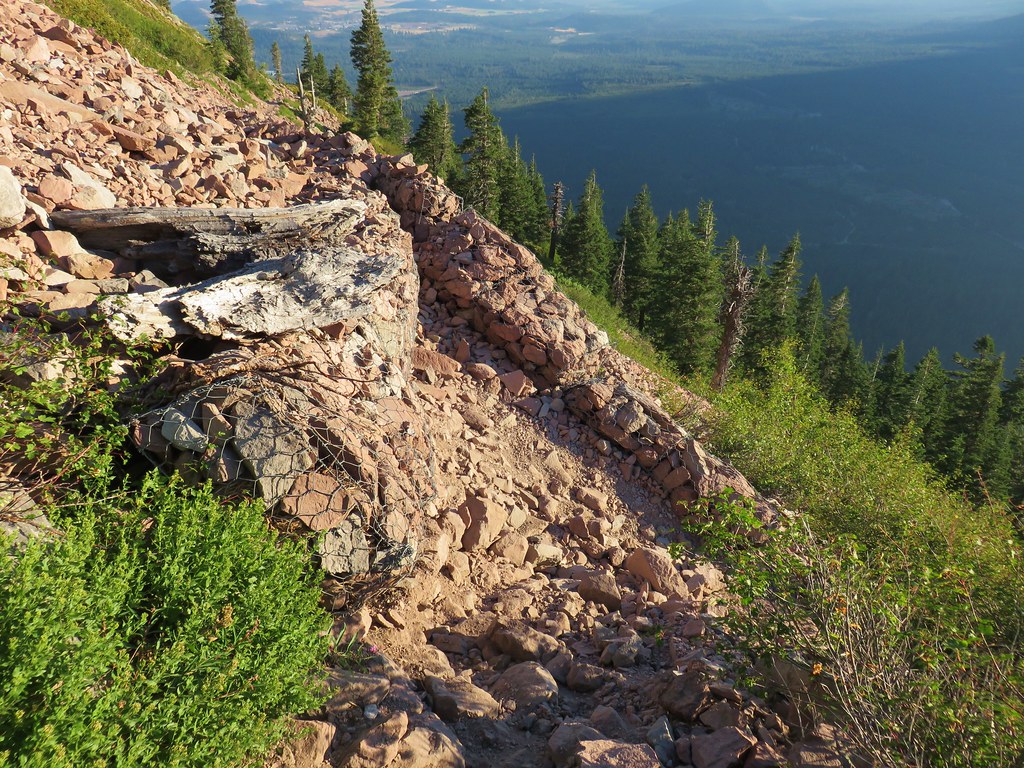
With a little caution it was passable but it didn’t look like it would take much for it to get a lot worse. After passing the slide we came to a second switch back where the trail began to climb more aggressively toward the summit.
IMG_6362

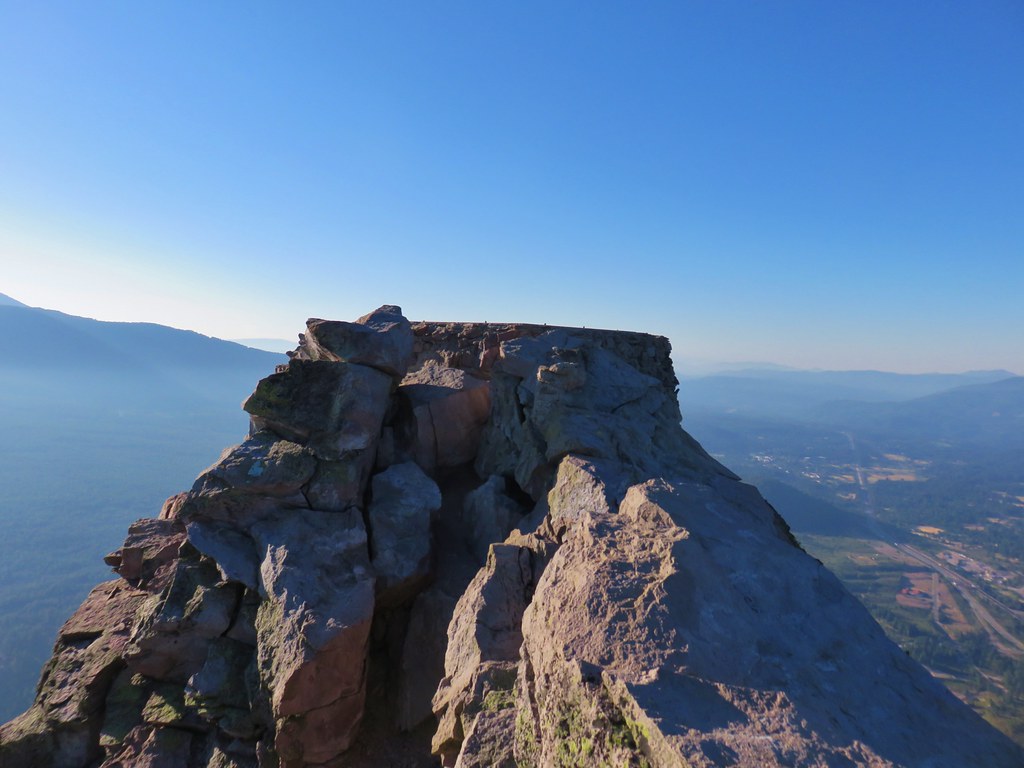
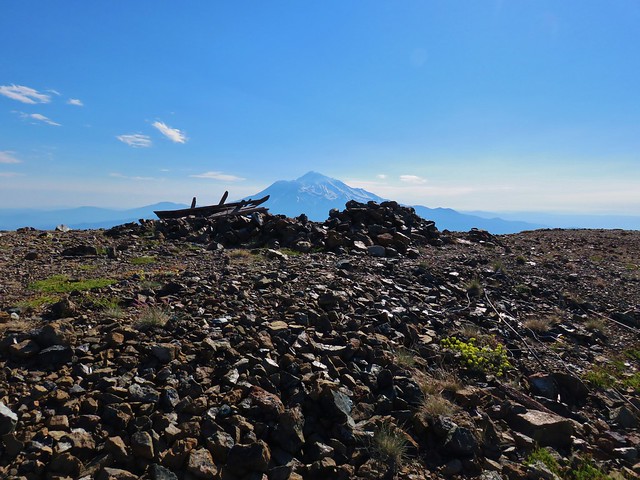
After a third switchback the trail began a series of shorter switchbacks up to the summit where the foundation remains of an old lookout tower.
IMG_6370

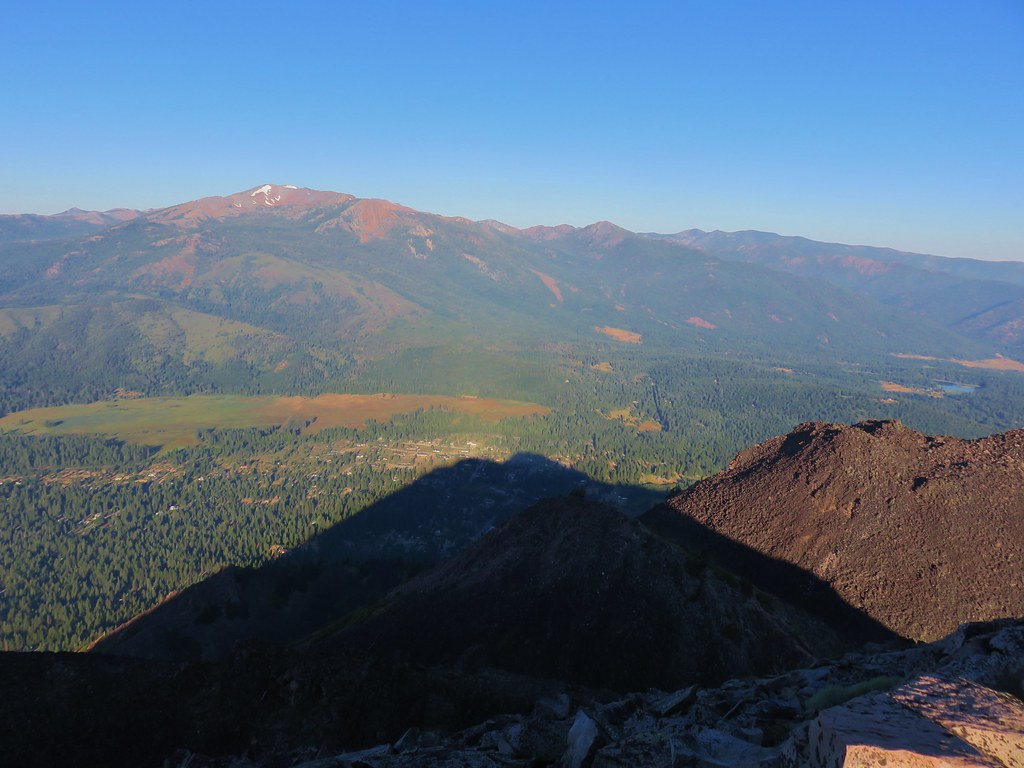
Mt. Shasta’s shadow had been replaced by that of Black Butte, but the 6358′ butte couldn’t reach Mt. Eddy.
IMG_6372

Meanwhile the position of the sun made it nearly impossible to look at Mt. Shasta.
IMG_6374

There was a nice cool breeze at the summit and we lingered there awhile before heading down. After completing that hike we hopped in the car and drove to the Bunny Flat Trailhead which is where the Everitt Memorial Highway was gated closed.
IMG_6391

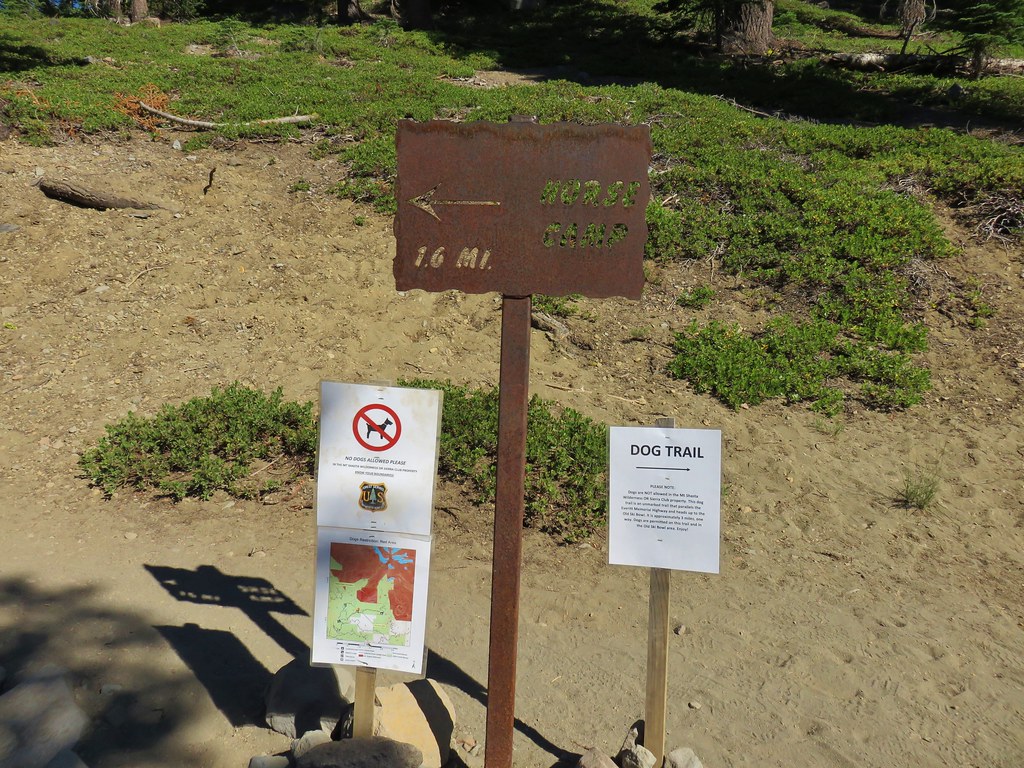
We had several options from this trailhead including Horse Camp, Green Butte, or a loop visiting both. Given the heat and the fact that we were beginning to run out of gas in our legs we opted for the short (1.6 mile) trail to Horse Camp, the site of the Sierra Club Foundation’s Shasta Alpine Lodge.

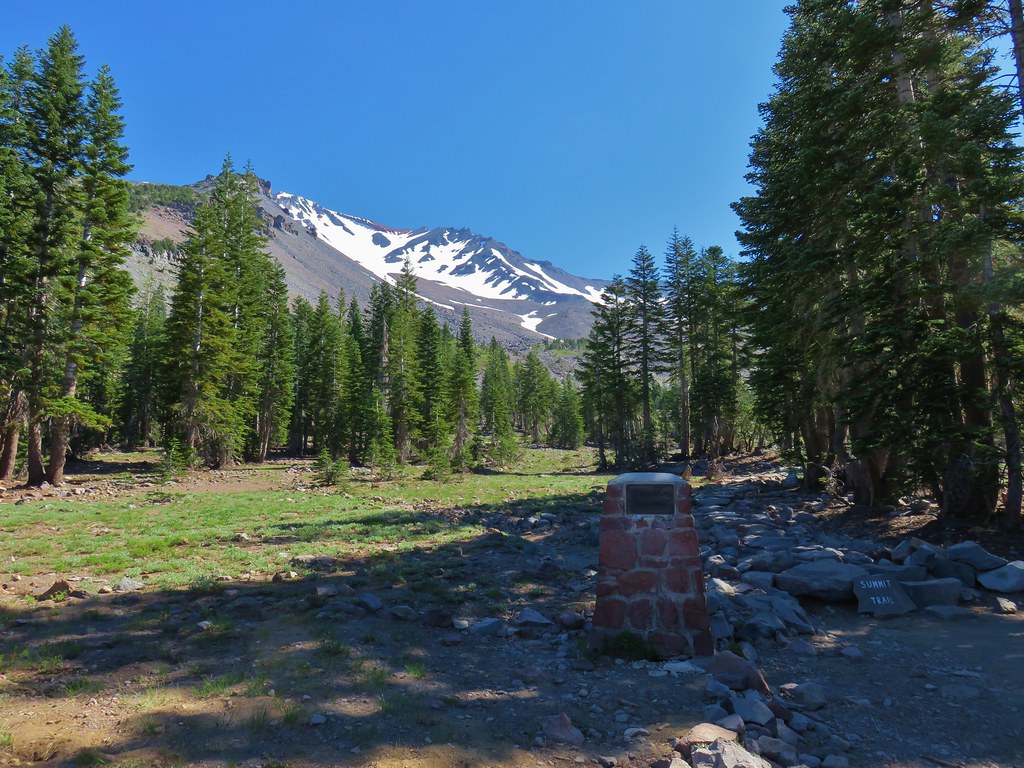
After filling out a wilderness permit we set off on the trail heading directly toward the mountain.
IMG_6392

IMG_6394

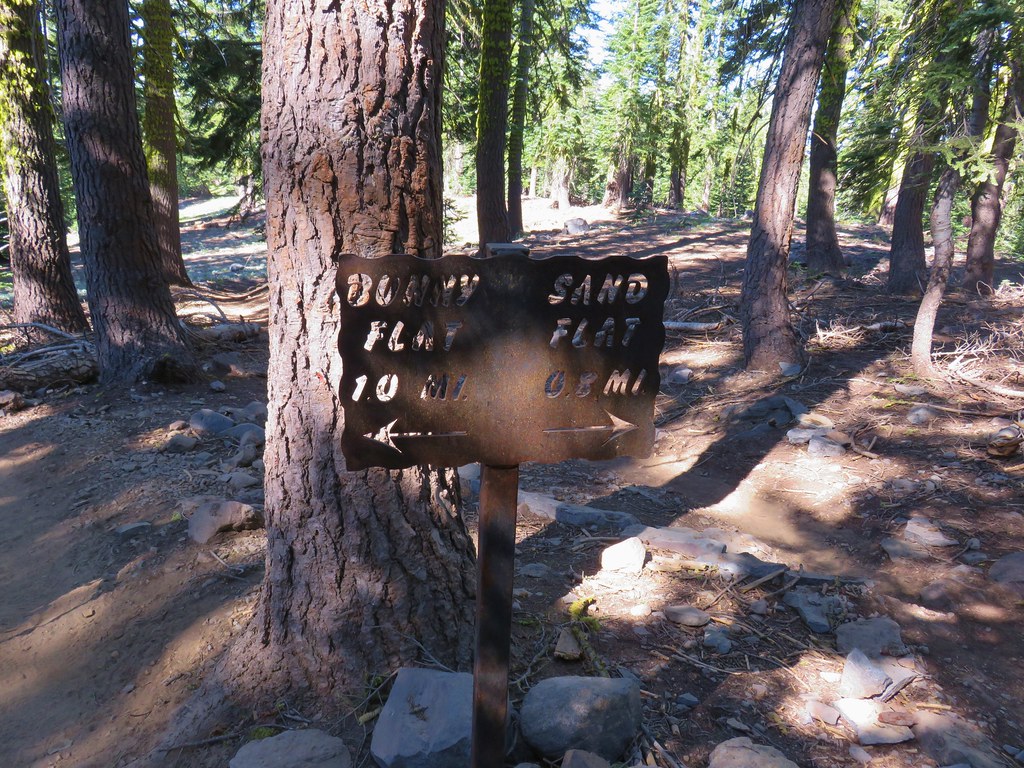
After a short distance we turned left following a pointer for Horse Camp.
IMG_6395

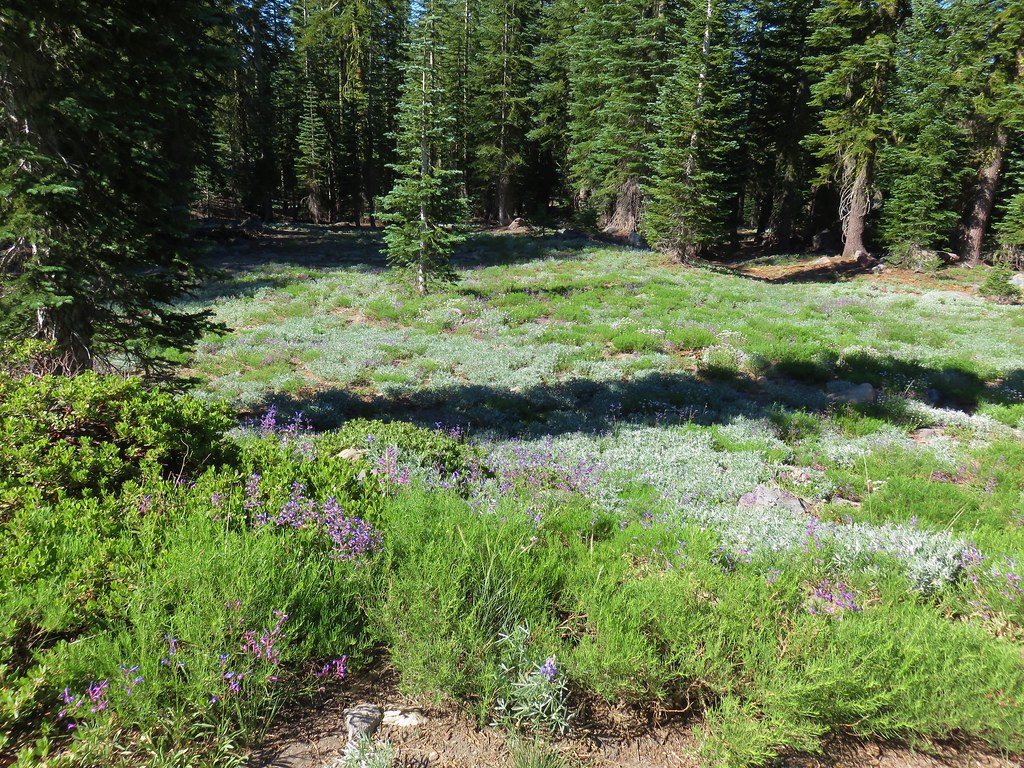
The wide trail passed some patches of wildflowers as it climbed for a mile to a junction with another trail coming from Sand Flat.
IMG_6401

IMG_6399

IMG_6402

IMG_6403

IMG_6405

IMG_6406

IMG_6411

IMG_6413

IMG_6417

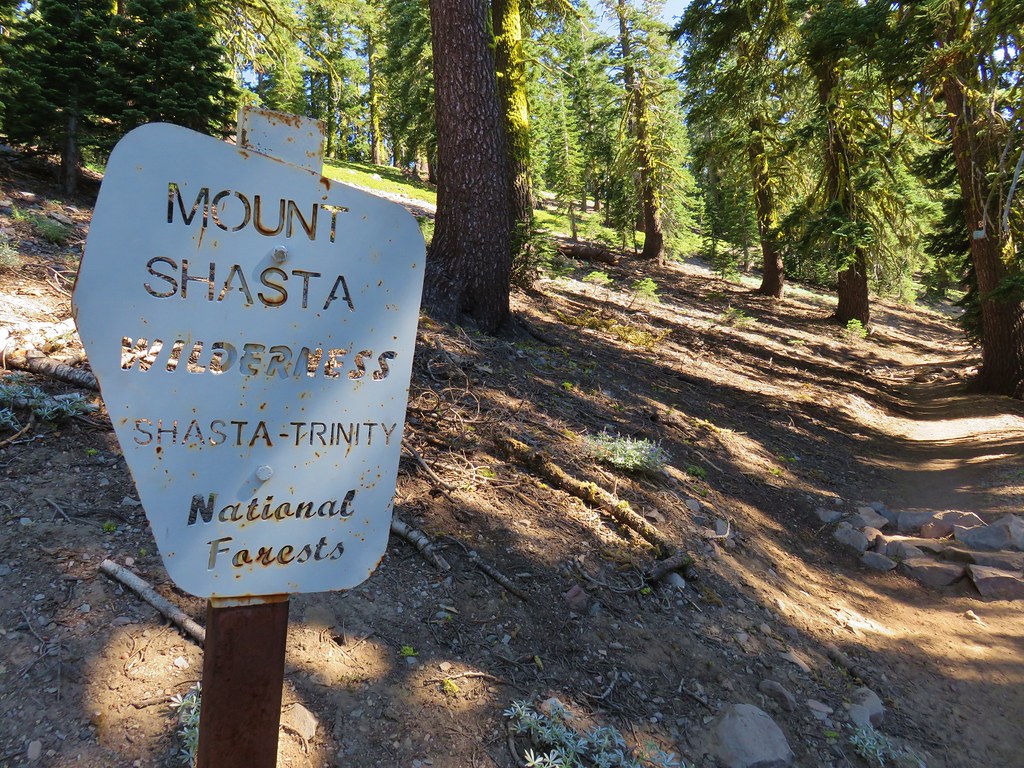
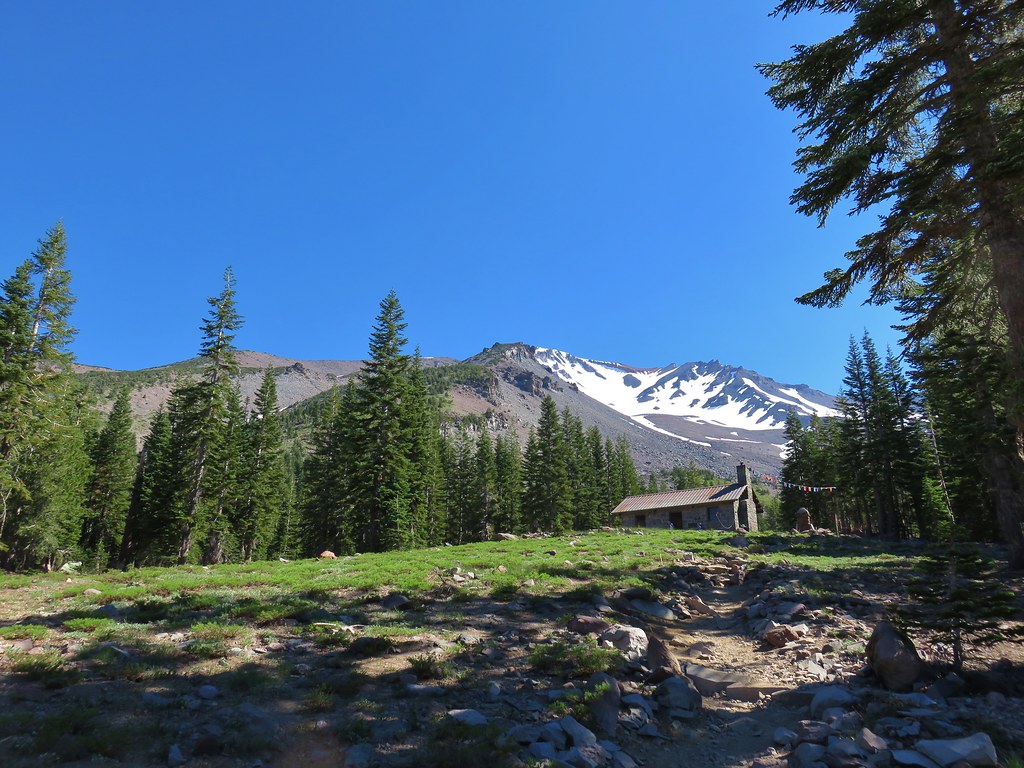
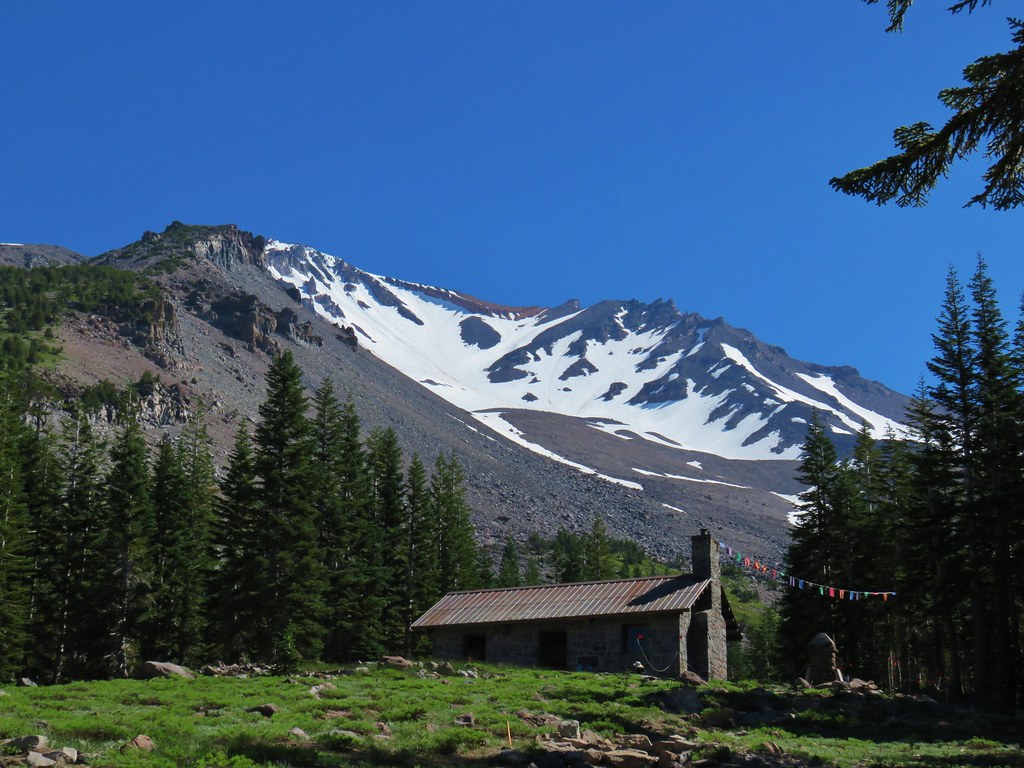
The trail steepened as we entered the Mt. Shasta Wilderness but leveled out some as we arrived at the Shasta Alpine Lodge.
IMG_6419

IMG_6428

IMG_6429

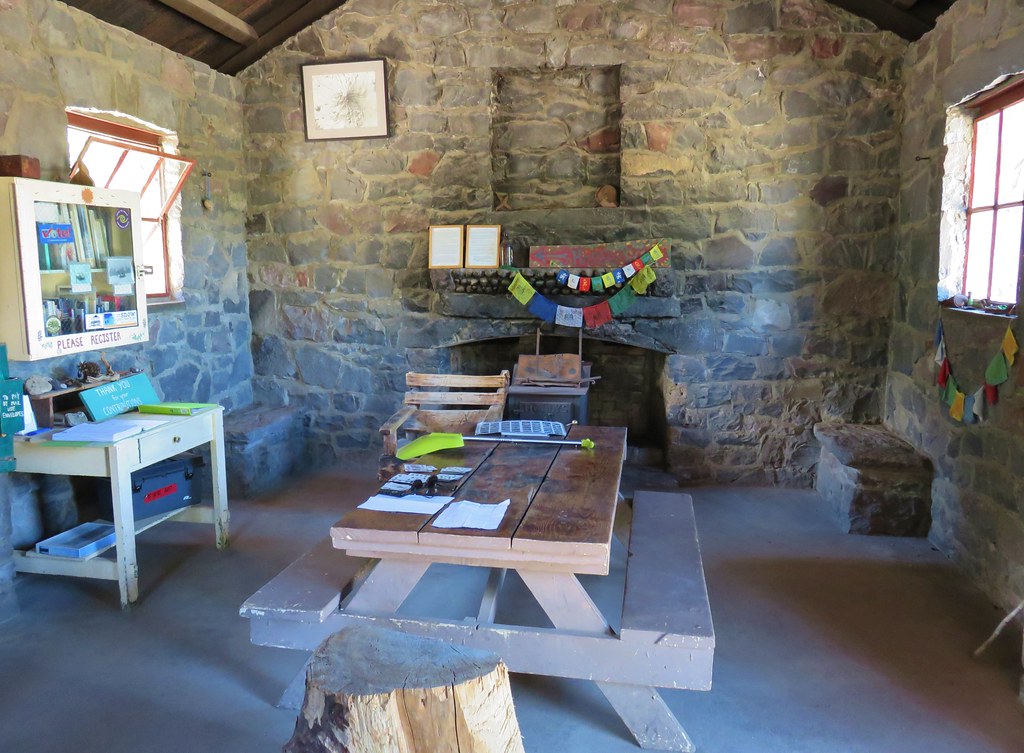
We sat in the shadow of the lodge for a moment then explored the area a bit.
IMG_6431

IMG_6433

Behind the lodge climbers were getting last minute instructions before heading up the summit trail.
IMG_6434

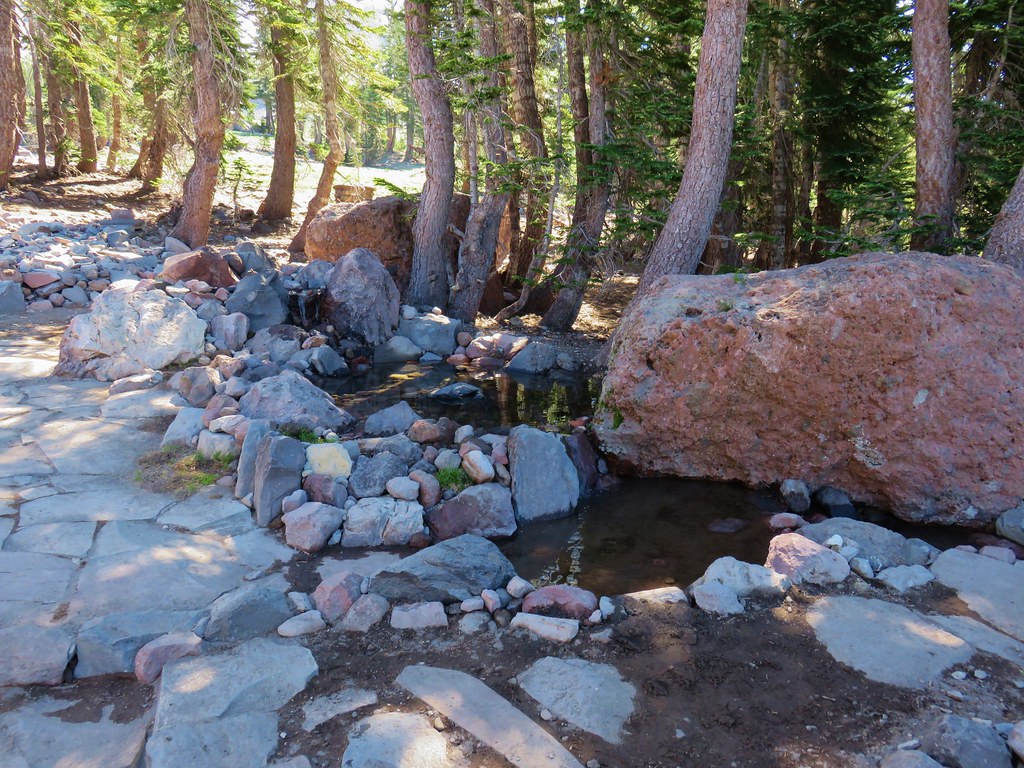
Next to the lodge was a spring and spigot for water.
IMG_6437

We declared victory here deciding to leave any other hiking on the mountain for our next visit. We returned to Bunny Flat and headed for our final stop of the day at the Lower McCloud River Falls picnic area.

For this hike we were using a recently obtained guidebook written by Bubba Suess from Hike Mt. Shasta, “Hiking Northern California A Guide to the Region’s Greatest Hiking Adventures”. The book covers all of Northern California and has some amazing looking hike which we hope to get to at some point.

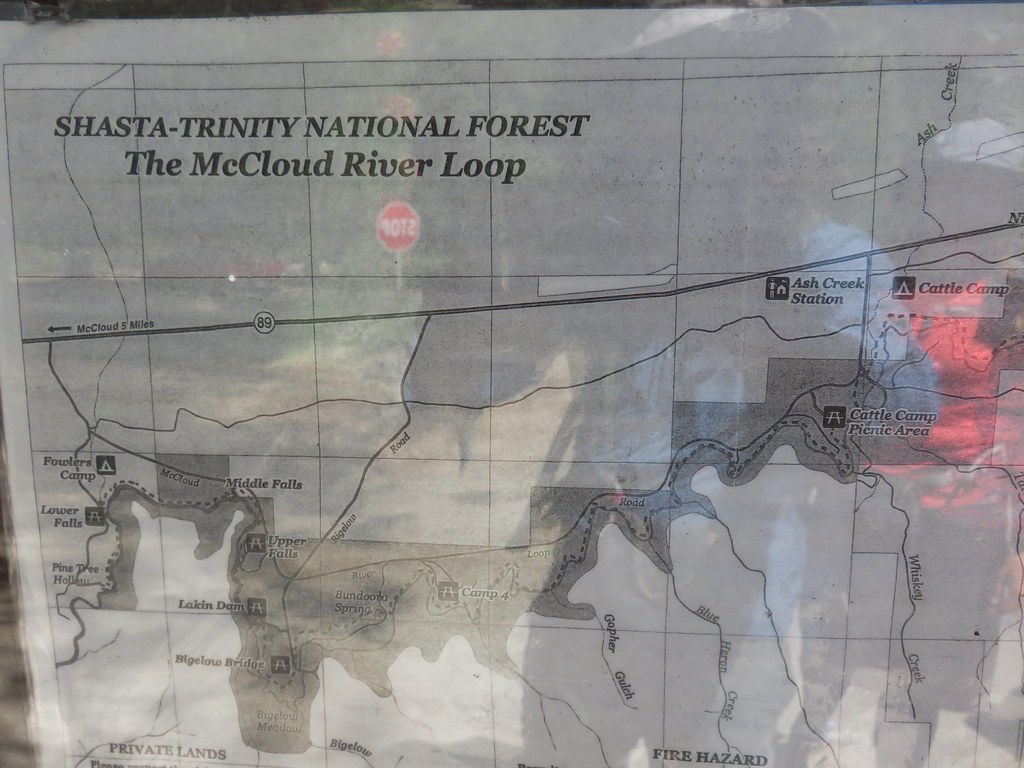
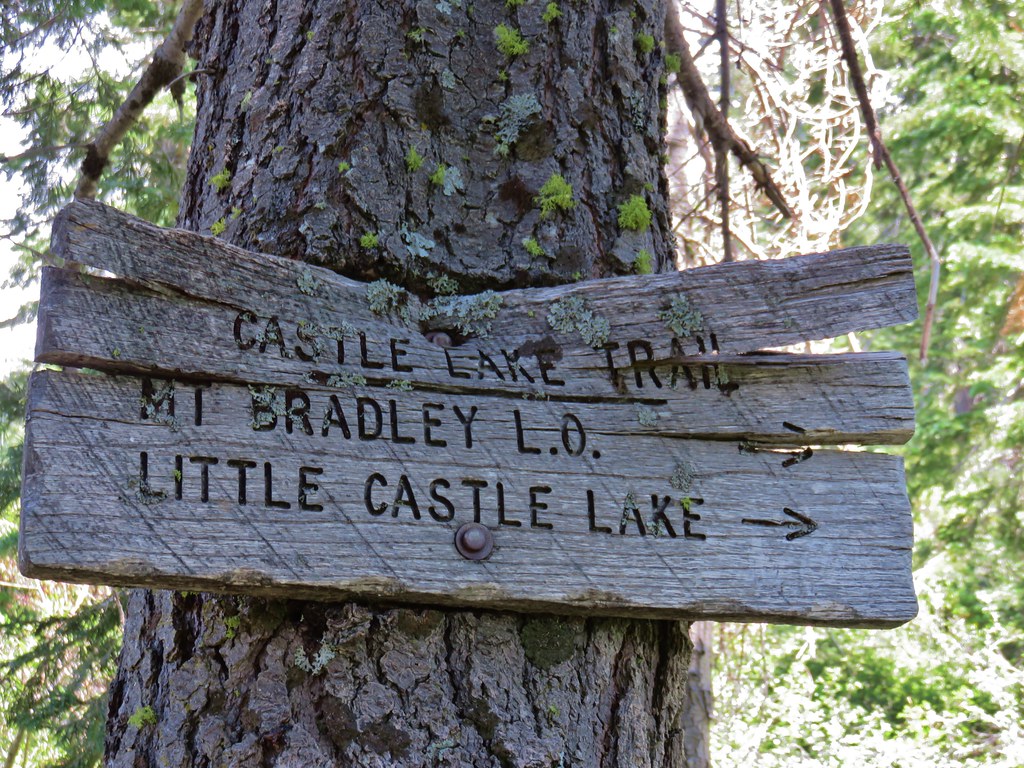
The picnic area is located off of Highway 89 about 15 miles east of Mount Shasta City. Similar to our visit to Castle Lake we were getting a late start due this being our third hike of the day and we found the parking area packed with people trying to escape the heat. We walked over to a signboard with a map and then set off towards a viewpoint of the Lower Falls.
IMG_6447

IMG_6450

A little creative camera work produced a human free photo of the falls.
IMG_6454

We left the crowds at the falls behind and followed the River Trail upstream toward the Middle Falls.
IMG_6455

IMG_6456

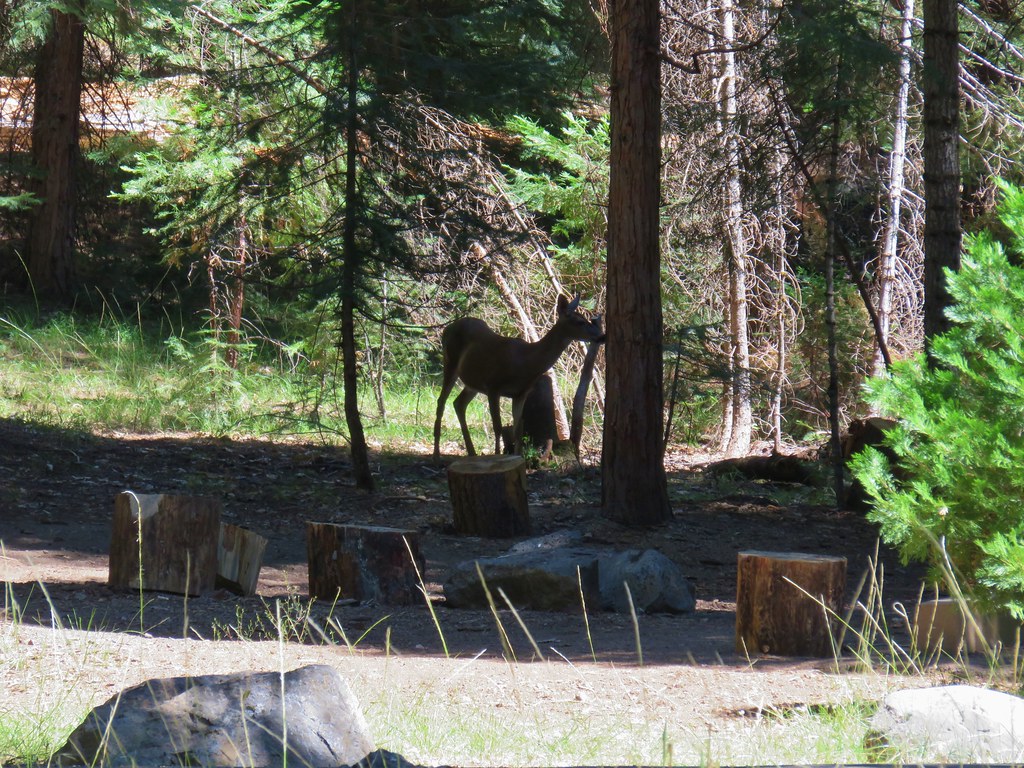
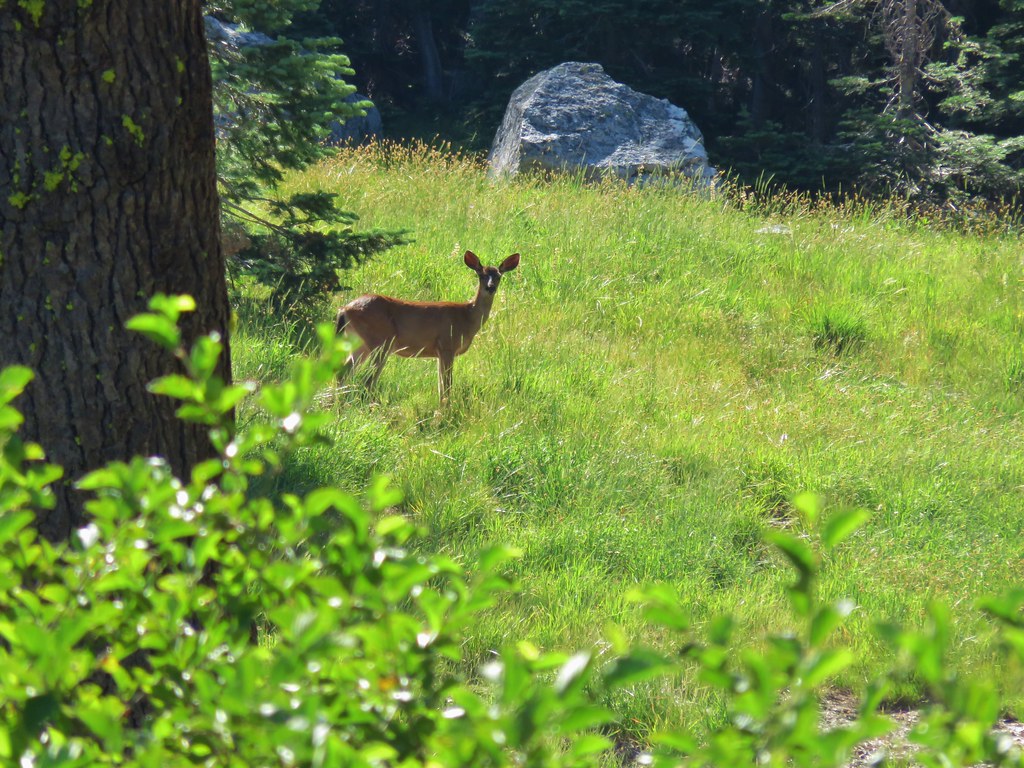
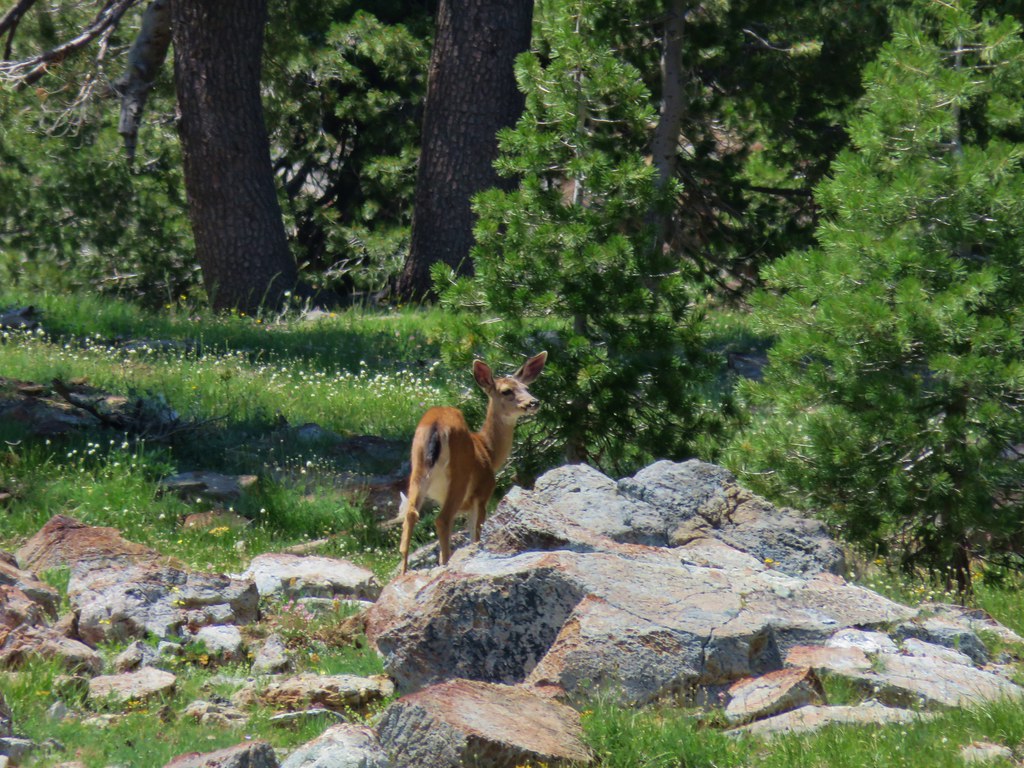
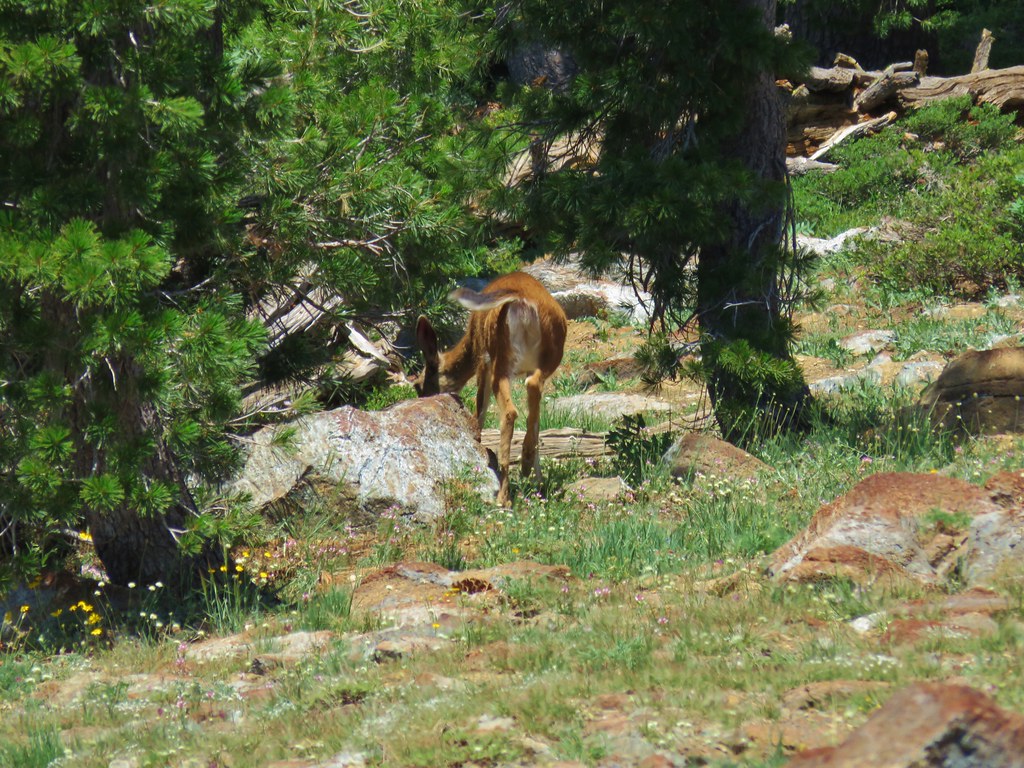
We passed by Fowlers Camp which was busy with campers as well as a doe searching for edibles.
IMG_6469

At the end of the camp was a pointer for Middle Falls.
IMG_6470

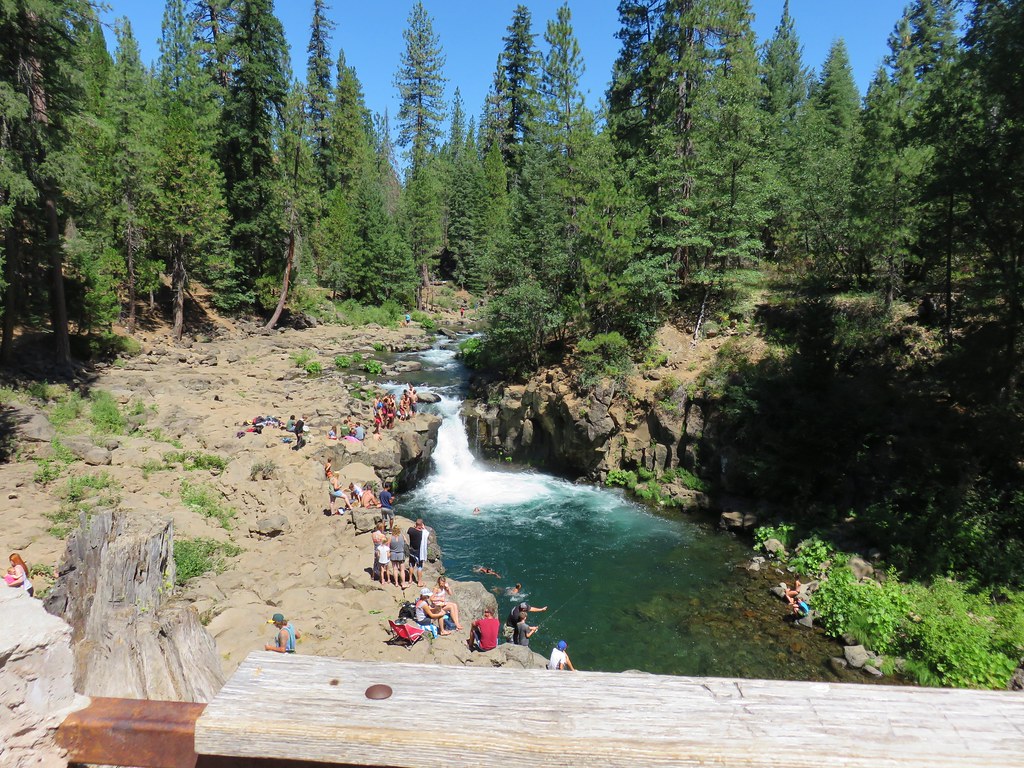
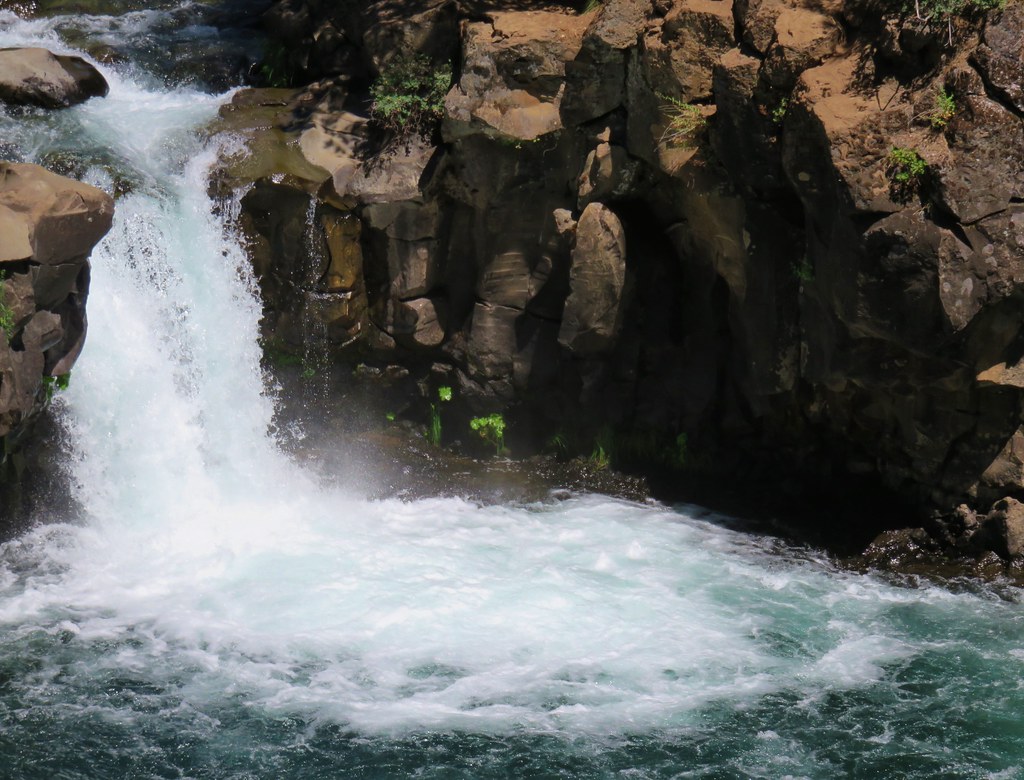
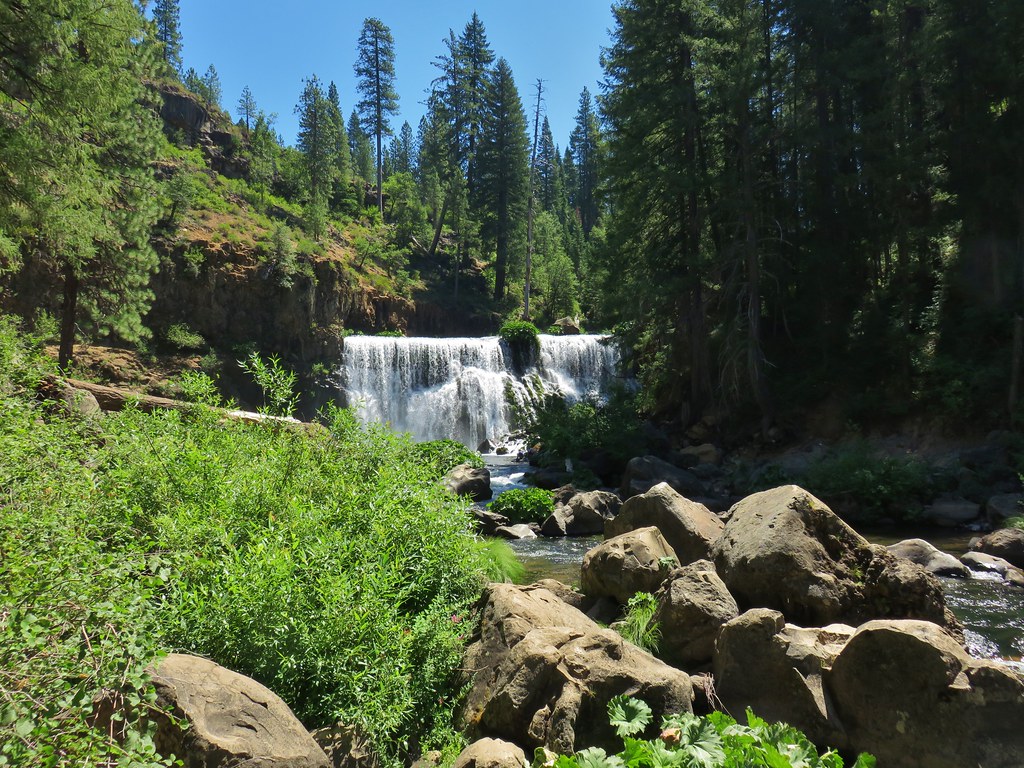
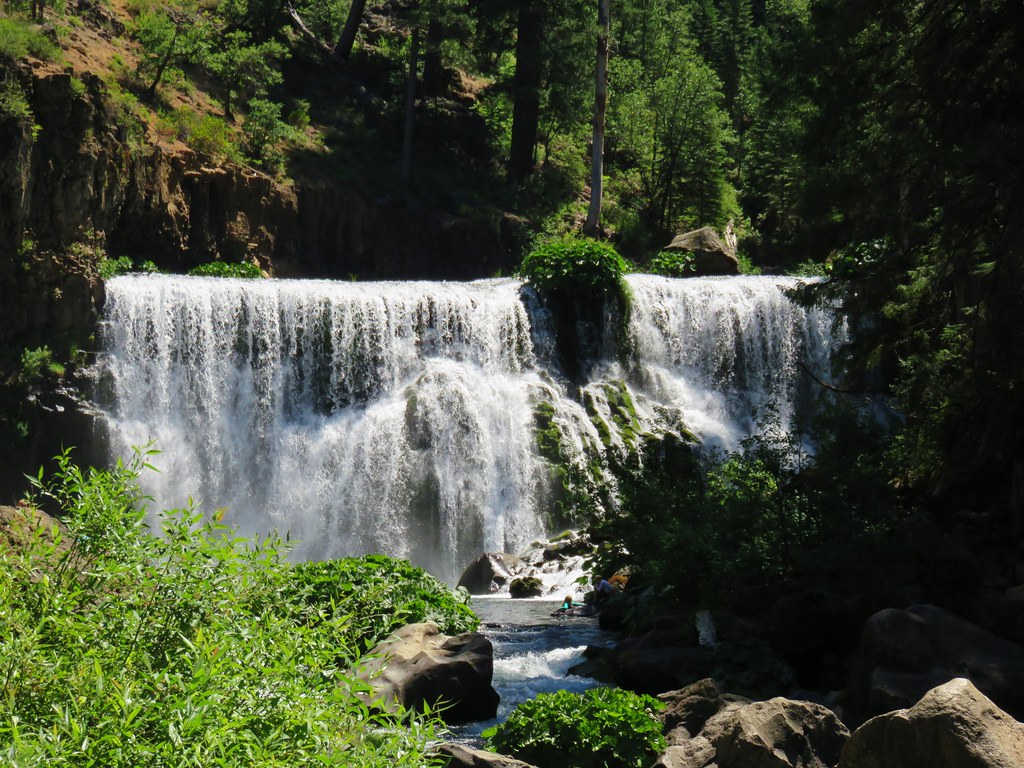
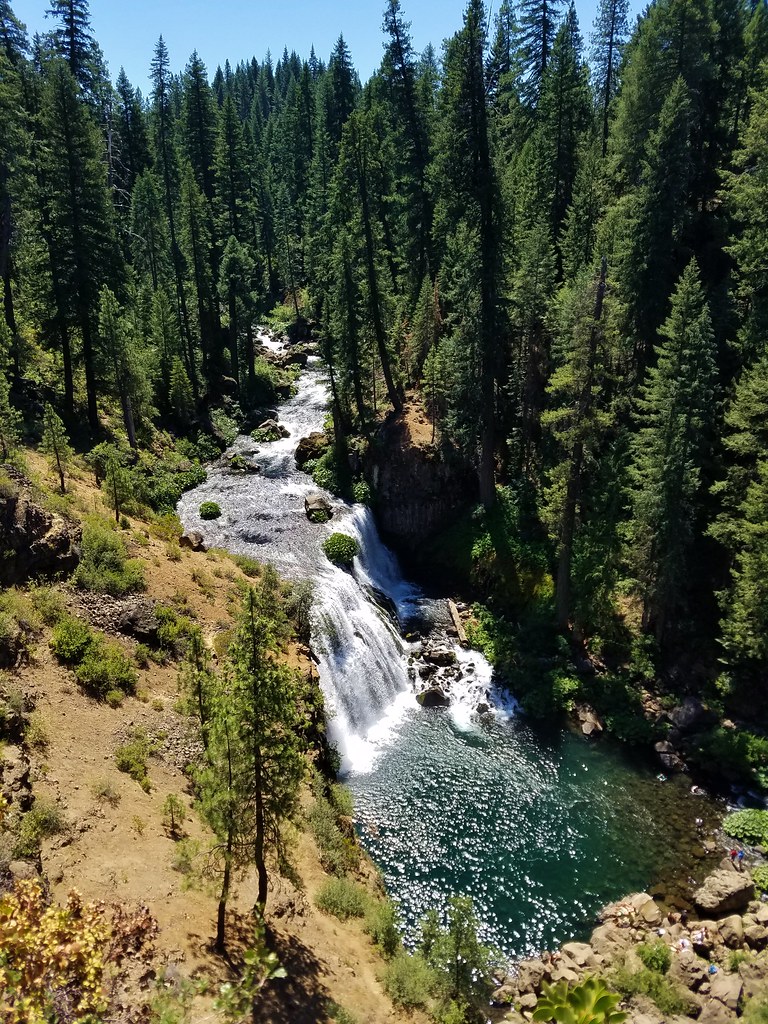
The Middle Falls were quite impressive and although there were a number of people around it wasn’t nearly as busy as the Lower Falls had been.
IMG_6473

IMG_6477

IMG_6481

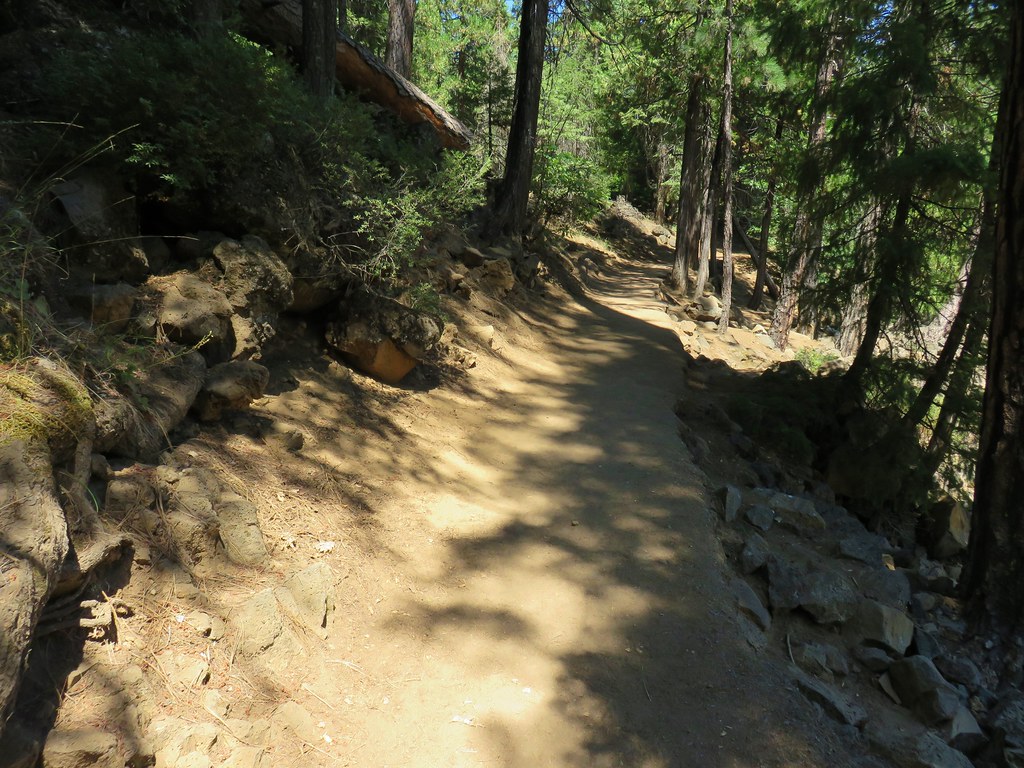
From the base of the Middle Falls the trail climbed via switchbacks above the river.
2017-07-28 12.26.07

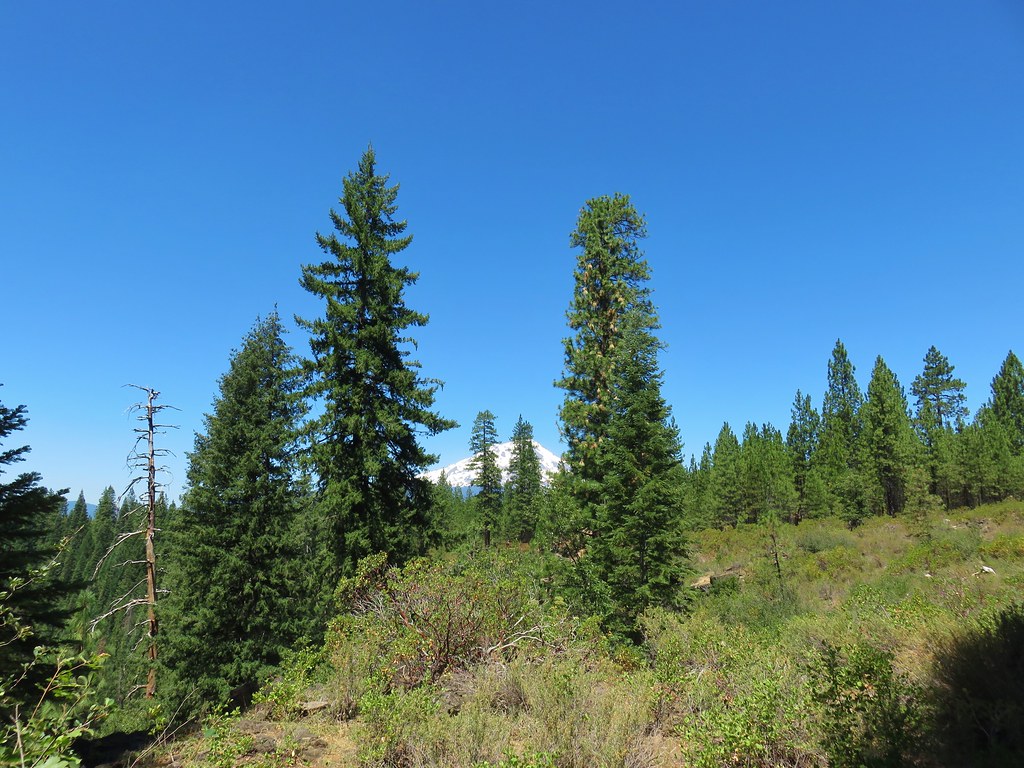
The next .3 miles were level offering a somewhat obscured view of Mt. Shasta.
IMG_6493

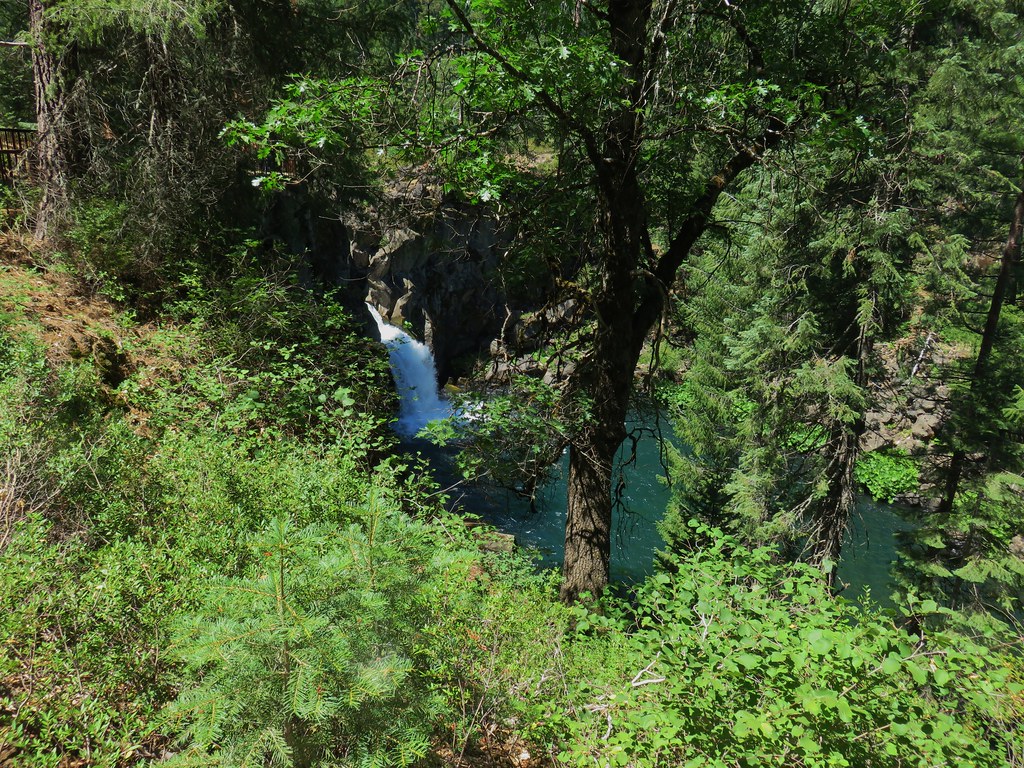
After a total of 2 miles we arrived at the Upper Falls.
IMG_6497

IMG_6502

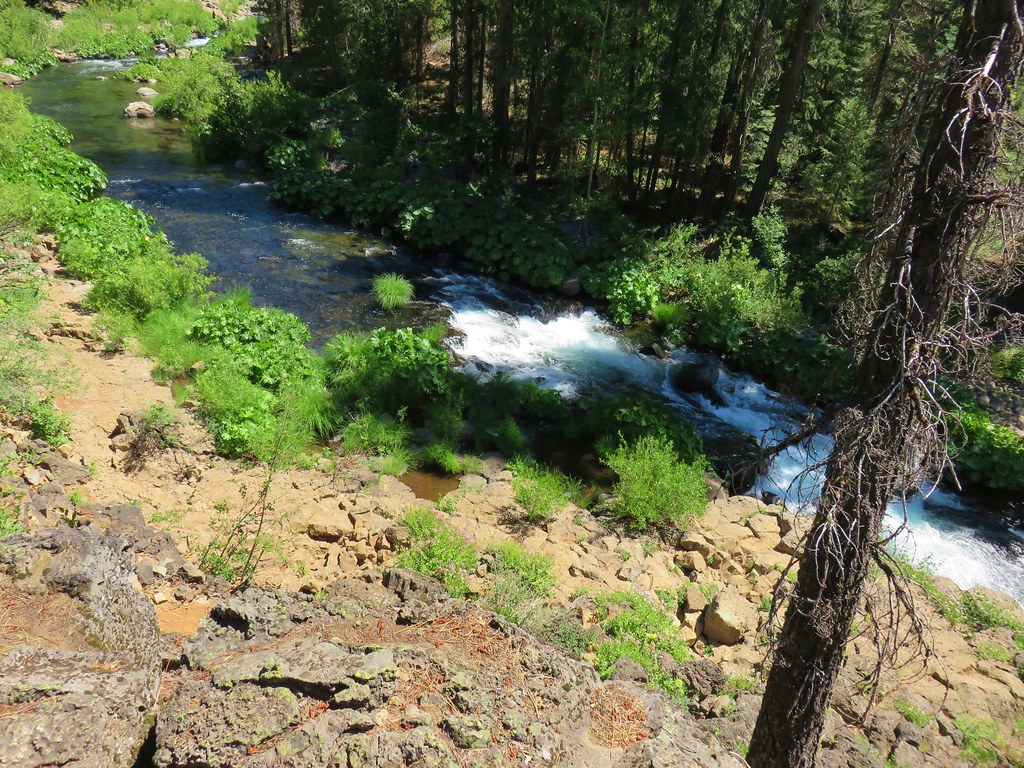
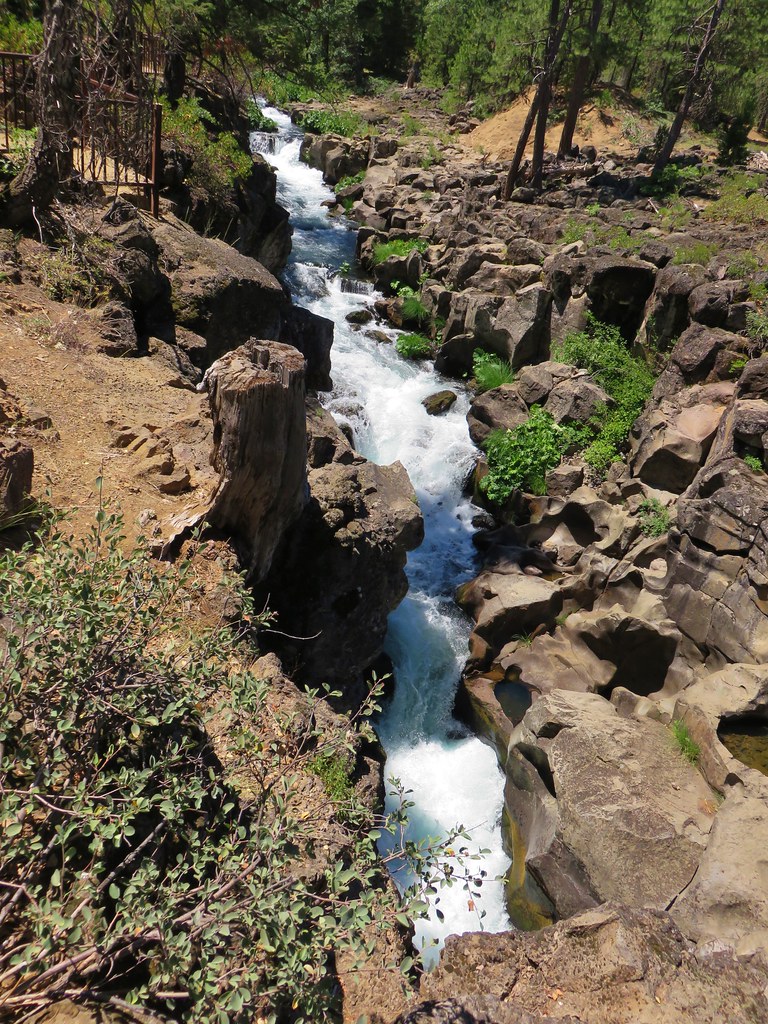
We continued on a short distance to admire the narrow gorge the river passed through above the Upper Falls.
IMG_6508

2017-07-28 12.35.56

IMG_6513

IMG_6510

We returned the way we’d come and drove back to Mount Shasta City having completed 10 hikes in 6 days in California including visiting 4 wilderness areas that we had not previously been to. We’d seen our first rattlesnake, a bear cub and its mom, several deer and lots of other wildlife. We had experienced amazing scenery on all of the hikes and really couldn’t have asked for a better trip. The one negative happened after we’d showered and changed and headed out for an early dinner.

We chose a small Thai restaurant (the food was excellent) and when we were greeted we were informed that they couldn’t serve us any water. It turned out that the city had issued a boil water warning the day before due to some tests of the city’s drinking water that came back positive for E-coli. We’d been drinking the water all week, lots of water. It’s been five days since our last drinks and so far we seem to have escaped unscathed but we could have done without that scare. Happy Trails!

Flickr: Black Butte, Horse Camp, and McCloud River Falls

Categories
California Hiking Klamath Mountains Trinity Alps Trip report

Caribou Lakes – Trinity Alps Wilderness

**Note a portion of this hike burned in the 2021 River Complex.**

On the fifth day of our vacation the forecast was finally free of the threat of thunderstorms. We’d been saving our visit to the Trinity Alps Wilderness for just such a day since it was the longest drive to a trailhead that we had planned. From Mount Shasta City the quickest drive would have been to take Forest Road 42N17 which we had been on for our hike to Mt. Eddy to Highway 3. After being delayed by an ongoing chip and seal project on the drive home we opted for a slightly longer drive by taking the Gazelle Callahan Road to the highway. We followed Highway 3 south for 23.5 miles to Coffee Creek where we turned right onto Coffee Creek Road which we followed to its end at Big Flat Campground.

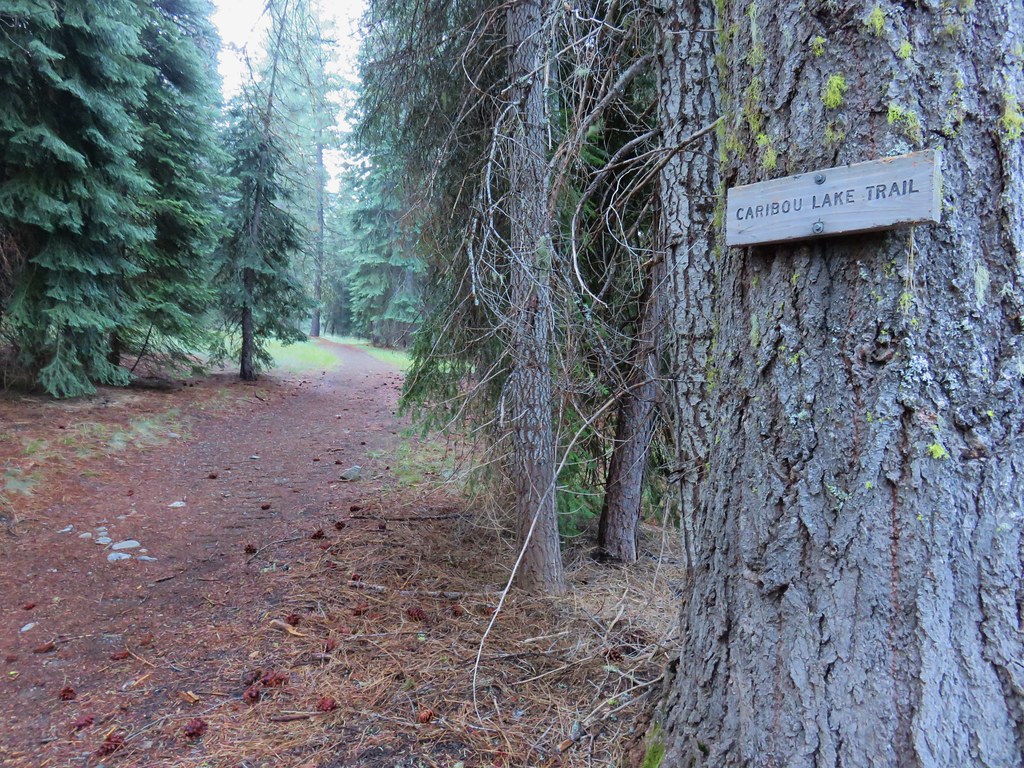
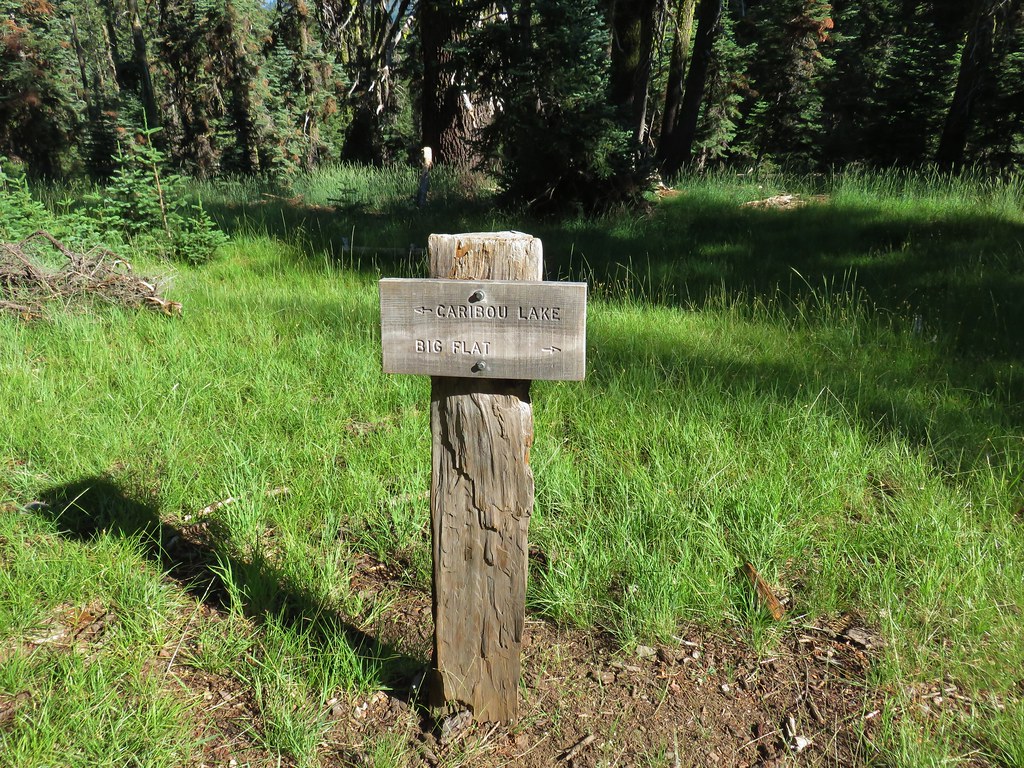
We parked at the signed Caribou Lake Trailhead and set off on the trail which quickly entered the Trinity Alps Wilderness.
IMG_5965

IMG_5971

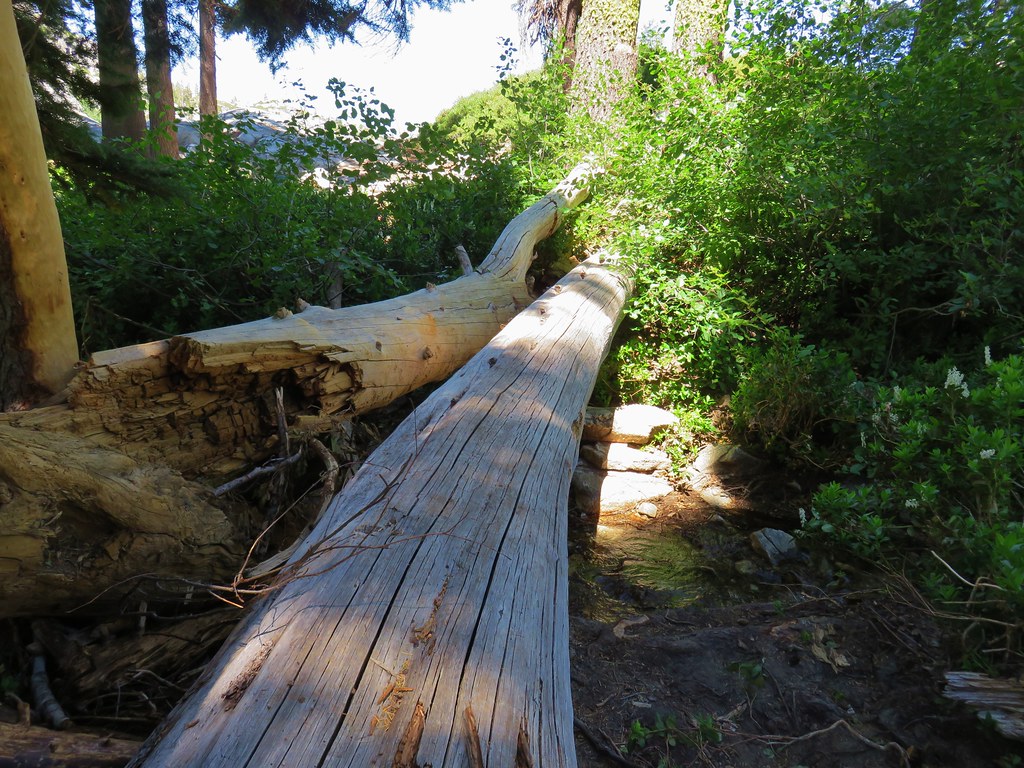
The trail descended for .2 miles to the South Fork Salmon River where we had expected to have to get our feet wet but a downed tree provided a dry crossing.

IMG_5975

On the far side of the river we faced the choice of taking the shorter, steeper Old Trail or the the longer but gentler New Trail. Our planned route was to go up to the lakes on the New Trail and return via the Old Trail which would result in a figure 8 as the trails crossed paths at Caribou Meadows. We wound up not even noticing the Old Trail splitting off to the right as we passed by and were soon climbing along a fairly open hillside.

IMG_5981

IMG_5982

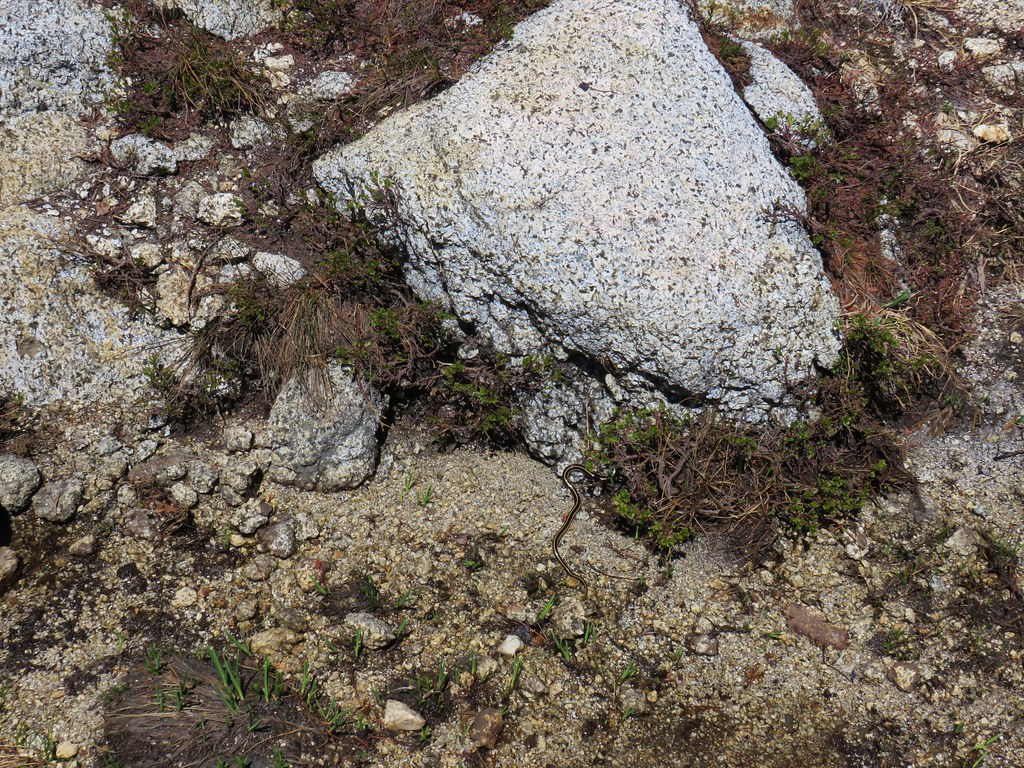
The wildlife was out that morning and we spotted several quail and a snake before reentering the trees.

IMG_5977

We then spotted a bear cub about 200 feet off the trail, downhill in the trees. We both stopped and immediately looked uphill to make sure we weren’t between it and mama bear. We weren’t, she popped her head up from behind a bush near where the cub had been (it ran off downhill). Mama looked at us long enough for me to pull out the camera, turn it on, and then press the power button again instead of taking a picture as she followed her cub deeper into the forest.

We continued the gradual climb to Caribou Meadows arriving in just under three miles from the trailhead.

IMG_5996

IMG_5997

There was a sign here for the Old Trail as it crossed the New Trail and headed off uphill.

IMG_5998

We stuck to the New Trail as it continued its slow climb winding around hillsides towards the lakes.

IMG_5999

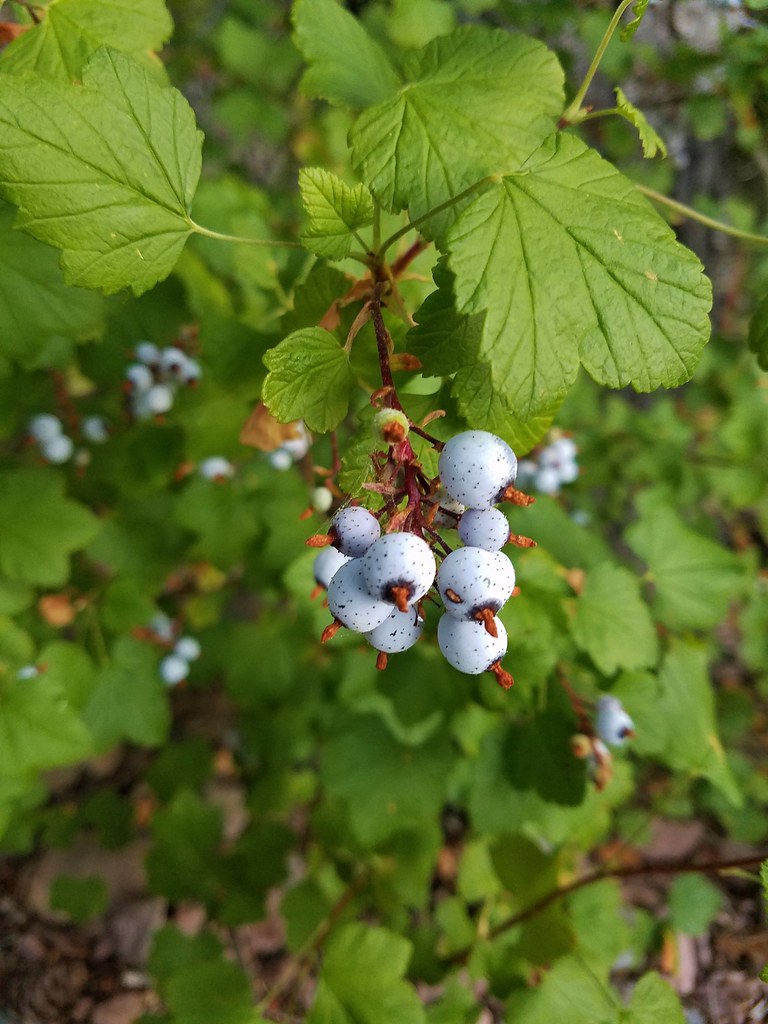
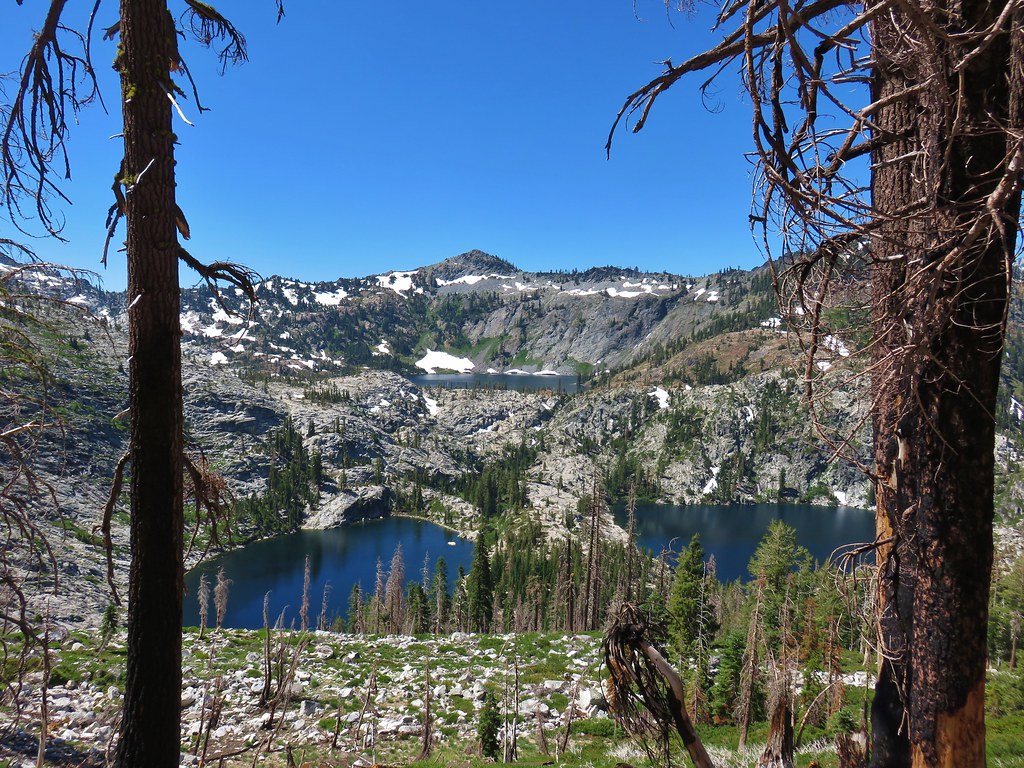
After passing through an area of burnt trees the trail emerged onto a granite hillside. More wildlife and various wildflowers greeted us along this section.

IMG_6000

IMG_6004

IMG_6006

IMG_6012

IMG_6011

IMG_6014

2017-07-27 09.37.57

IMG_6018

IMG_6020

IMG_6031

We passed through another stand of burned trees (where we found a couple of ripe berries) before arriving at Browns Meadow, 1.6 miles beyond Caribou Meadows.

IMG_6032

IMG_6035

IMG_6037

IMG_6040

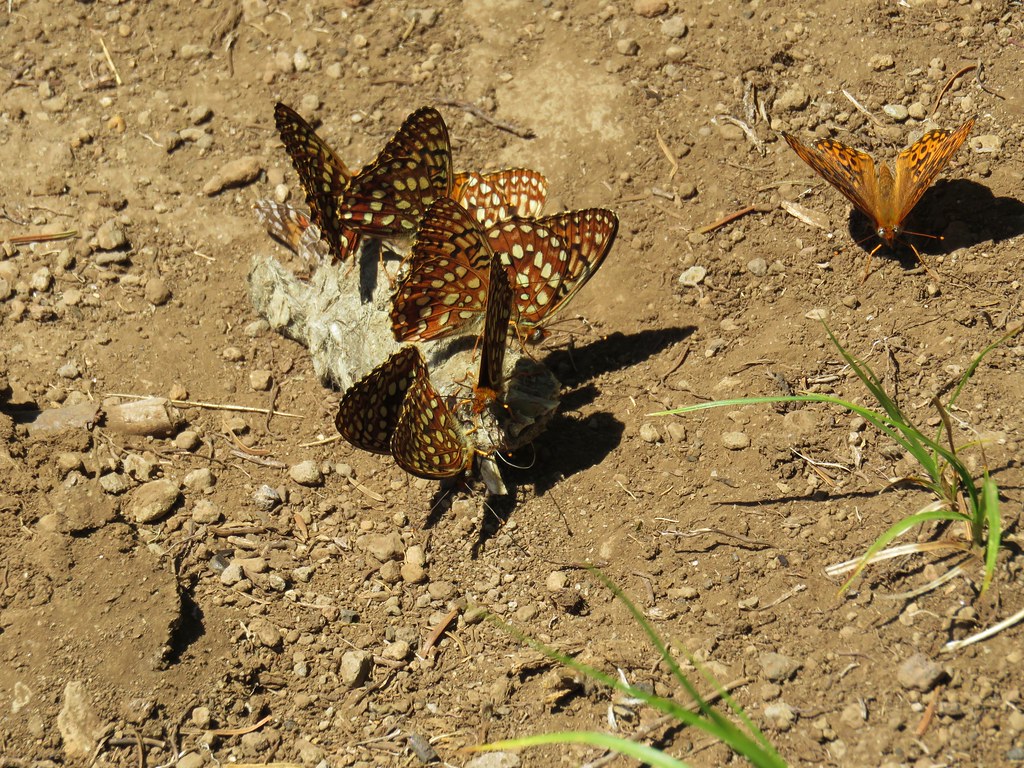
We took a seat on a rock near the edge of the meadow and just enjoyed the sound of a flowing creek amid the peacefulness of the wilderness. As we started to get up I looked behind us and noticed a doe walking through the meadow. She disappeared behind some vegetation heading in the same direction as the trail. Thinking we might get a chance to see her again we resumed our hike but were quickly distracted by a plethora of butterflies.

IMG_6042

IMG_6049

IMG_6052

2017-07-27 10.21.08

IMG_6055

2017-07-27 10.22.19

The trail crossed the creek we’d been listening to.

IMG_6058

As we began to climb away from the meadow I looked back and spotted the deer in the meadow after all.

IMG_6061

We passed another small stream giving life to quite a few colorful flowers.

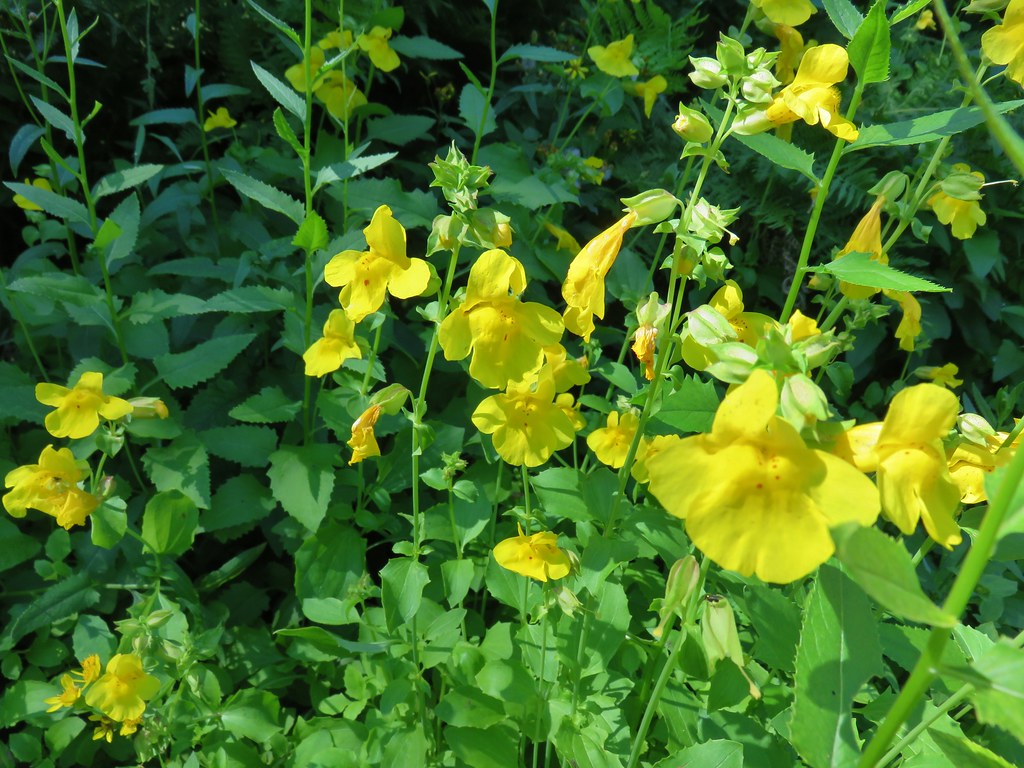
IMG_6072Monkeyflower

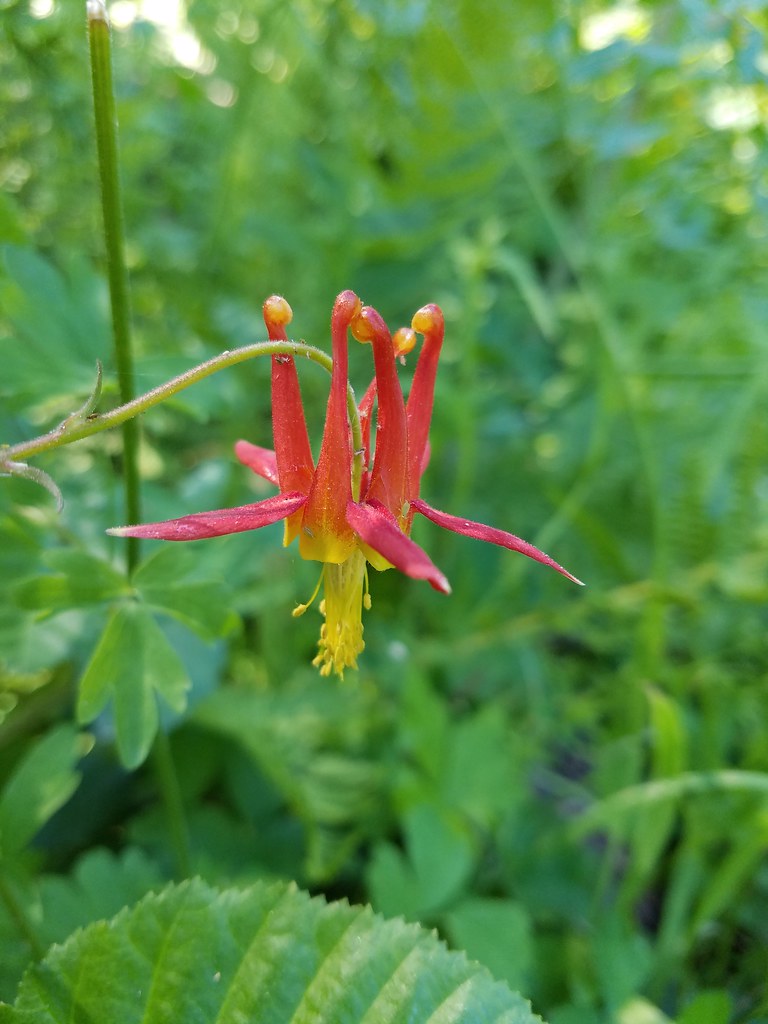
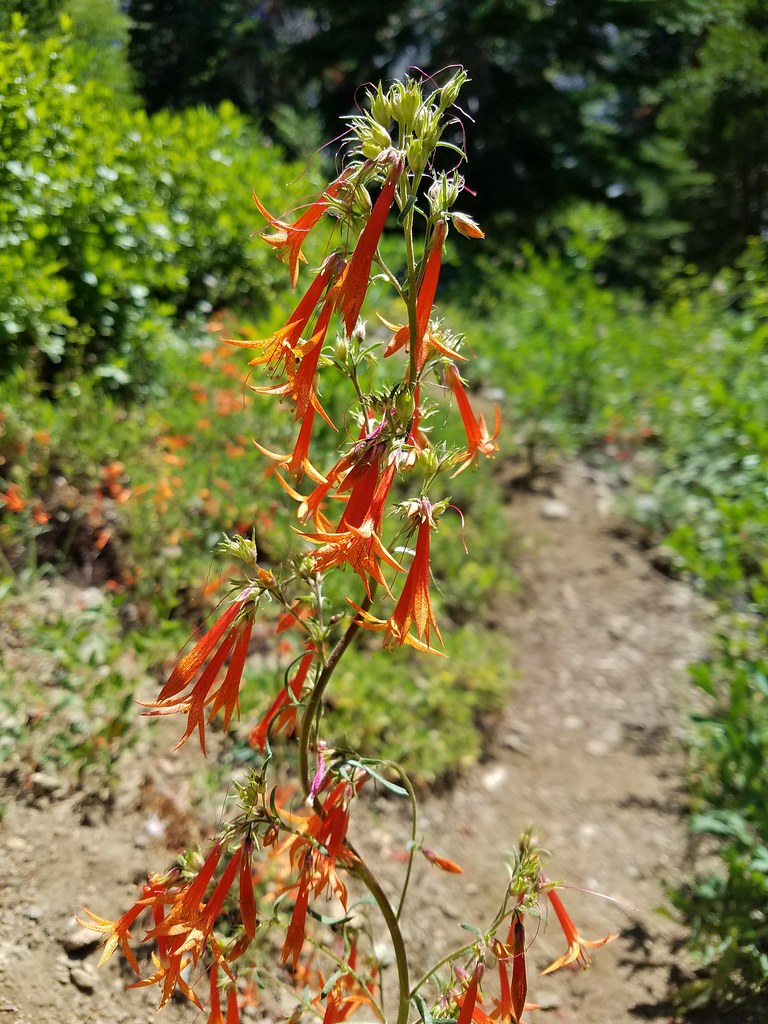
2017-07-27 10.29.25Columbine

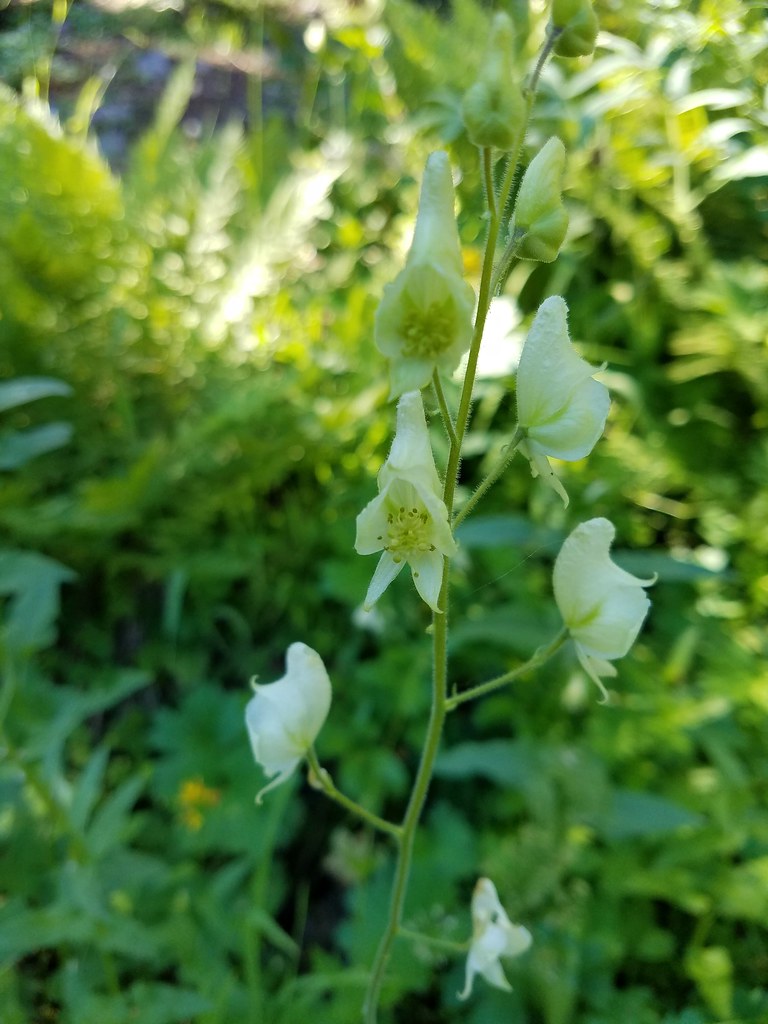
2017-07-27 10.29.39Monkshood

2017-07-27 10.29.58Featherbells

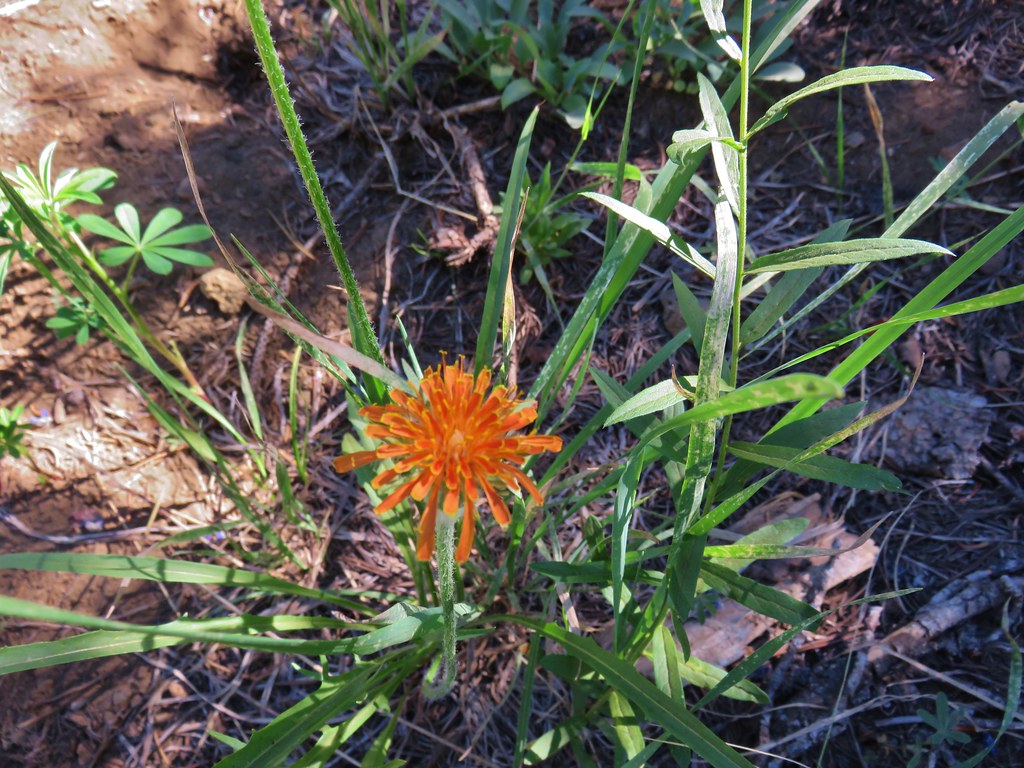
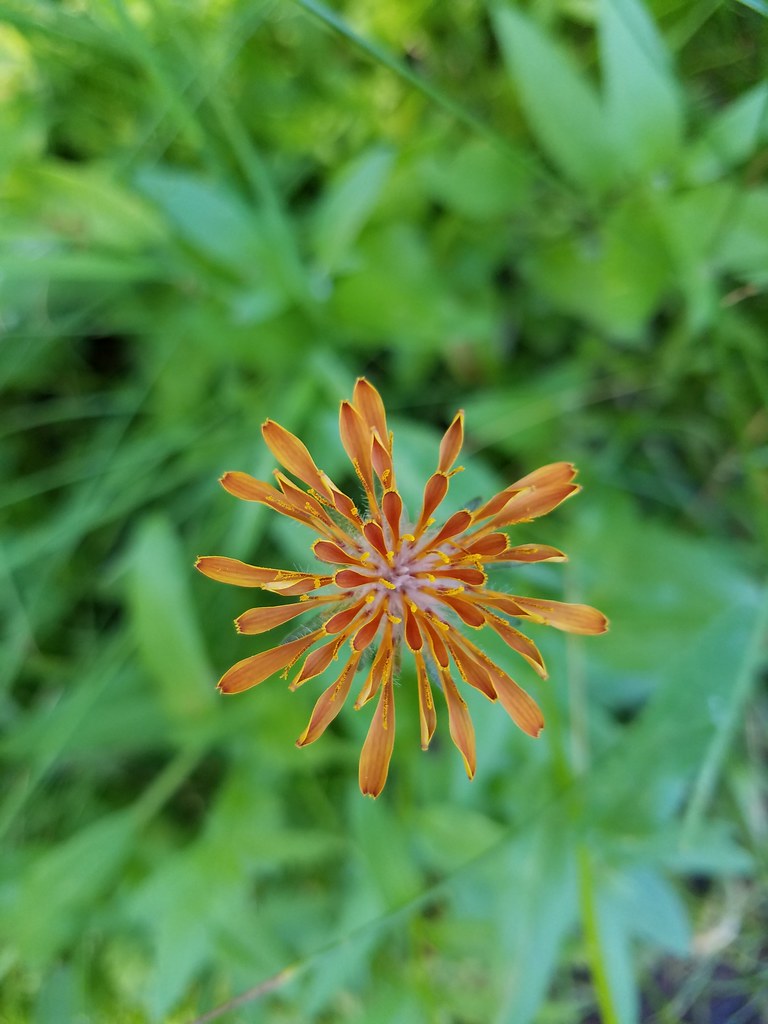
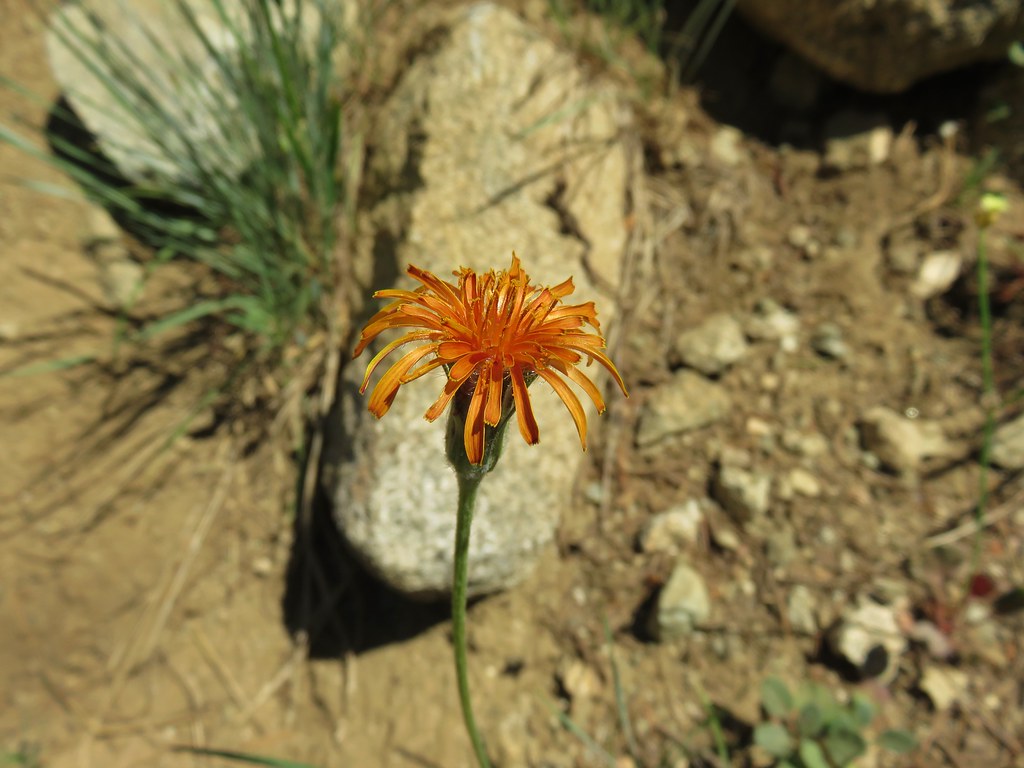
2017-07-27 10.31.06Orange agoseris

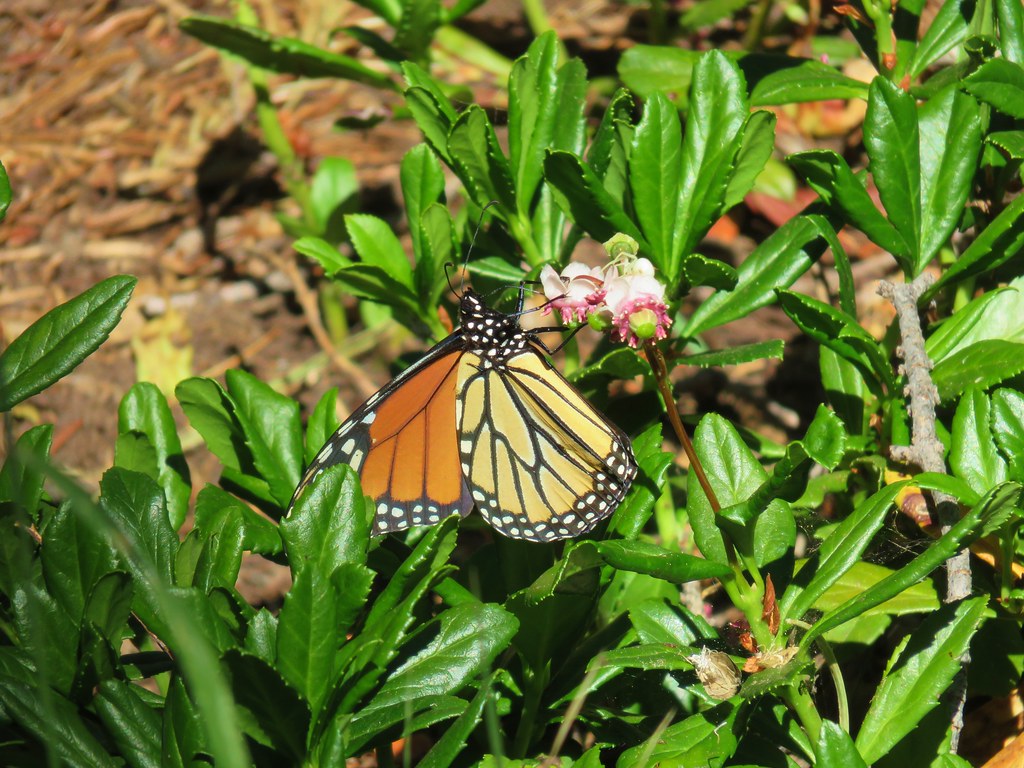
IMG_6063Monarch butterfly

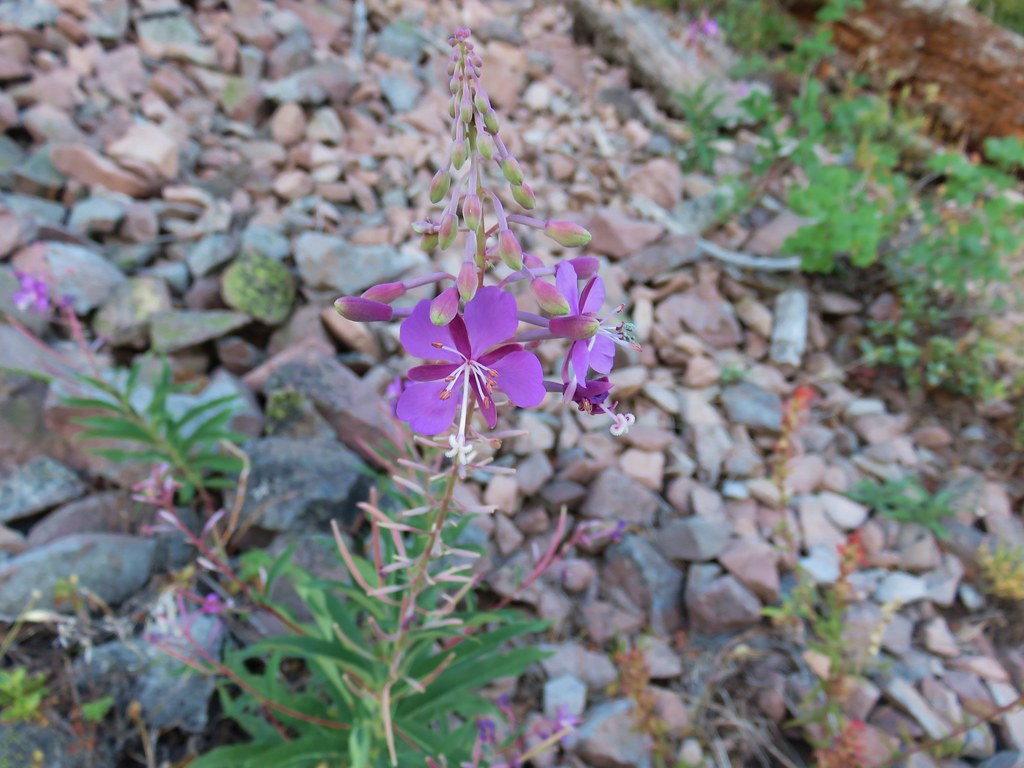
We got our first good look at Mt. Shasta just before rounding a hillside covered in pink fireweed.

IMG_6082

IMG_6084

IMG_6086

As we came around the hillside snowy Caesar Peak came into view with the slightly taller Thompson Peak behind.

IMG_6089

IMG_6093

We were on a 2 mile stretch of trail between Browns Meadow and another junction with the Old Trail. This section of trail had some spectacular views across the valley where Caribou Creek was roaring down over the granite.

IMG_6097

IMG_6100

IMG_6106

2017-07-27 11.04.22_stitch

Eventually Caribou and Lower Caribou Lake could bee seen in the basin below Caribou Mountain and Sawtooth Ridge.

2017-07-27 11.15.30_stitch

We arrived at the junction with the Old Trail and took a look up at our return route for later.

IMG_6145

From the junction it was a about a half mile downhill to Snowshoe Lake which was now visible along with the two Caribou Lakes.

IMG_6147

IMG_6149Caribou Lake

IMG_6153Snowshoe Lake

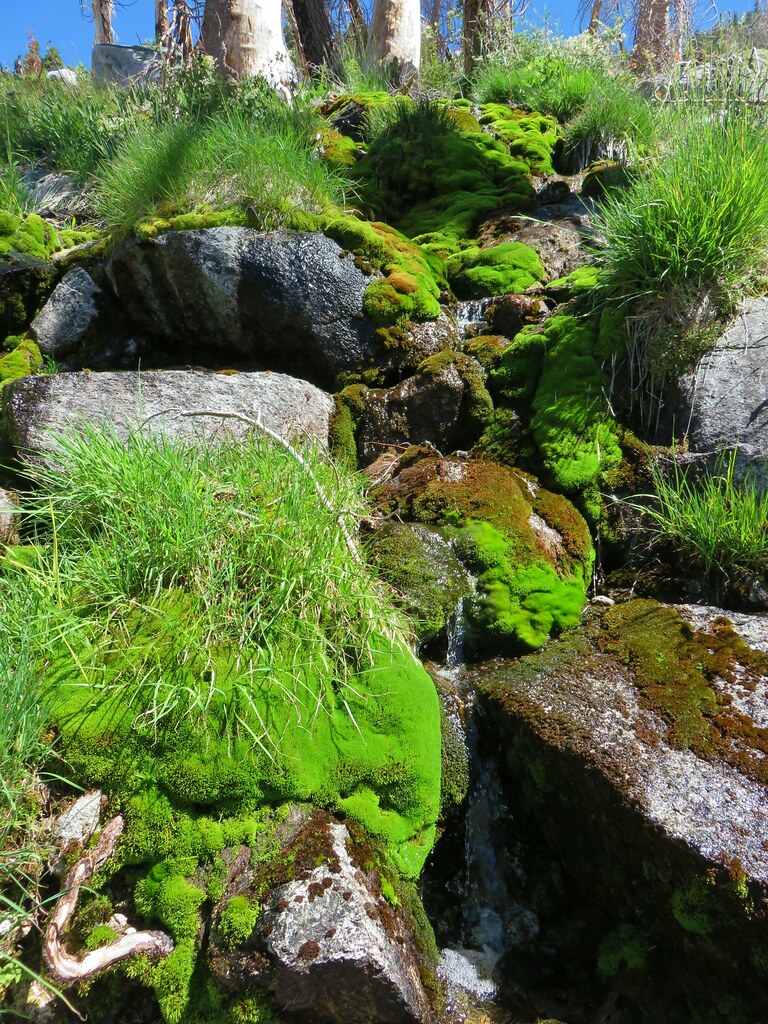
The views from above were simply amazing. We began switchbacking down towards the lakes passing mossy runoff streams and meadows filled with wildflowers.

IMG_6160

IMG_6155

IMG_6162

IMG_6167

IMG_6171

IMG_6170

IMG_6174

We arrived at Snowshoe Lake and found a spot along the shore to soak our feet in the cool water as we listened to the sound of water cascading into and out of the lake.

IMG_6176

IMG_6185

IMG_6179

IMG_6183Snowshoe Lake’s outlet creek

If Snowshoe Lake had been it the hike would have been well worth the effort but there was more to see so after a thoroughly relaxing break we sallied forth following cairns to a small unnamed lake in a meadow.

IMG_6187

IMG_6188

This little lake was fed by creeks flowing from both Snowshoe and Caribou Lake down to Little Caribou Lake. We crossed the creek from Snowshoe Lake on some downed logs and found ourselves on a granite landscape above beautiful Lower Caribou Lake.

IMG_6189

IMG_6191

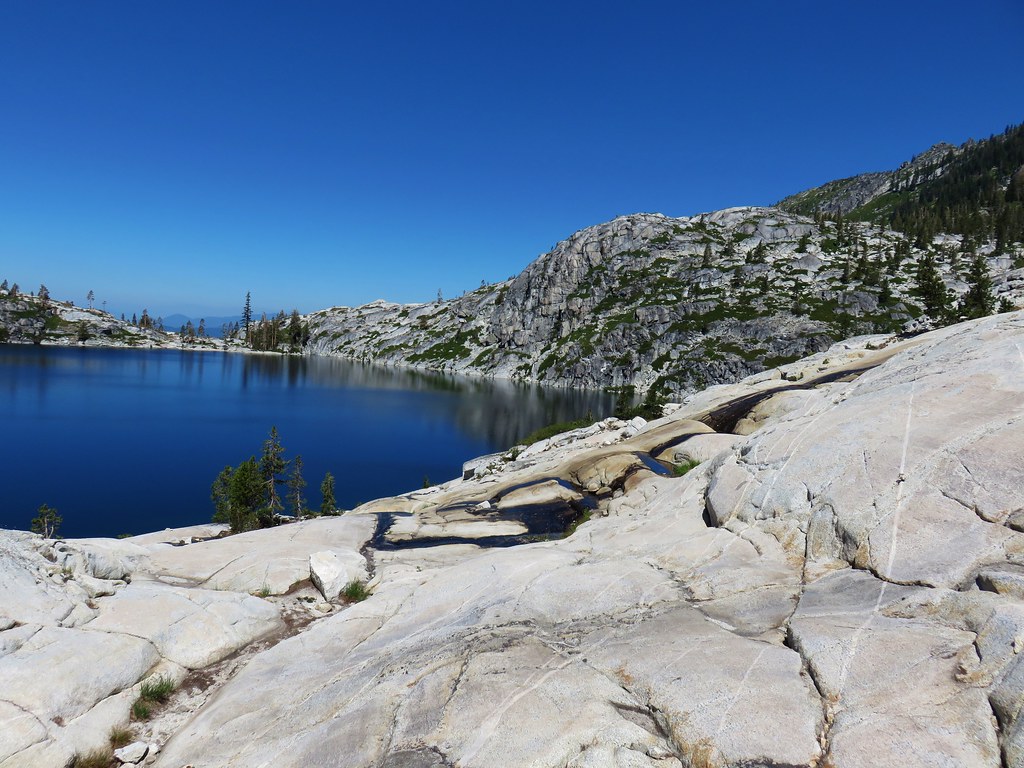
Water from snow melt pools flowed over the white rocks in some places.

IMG_6193

IMG_6194

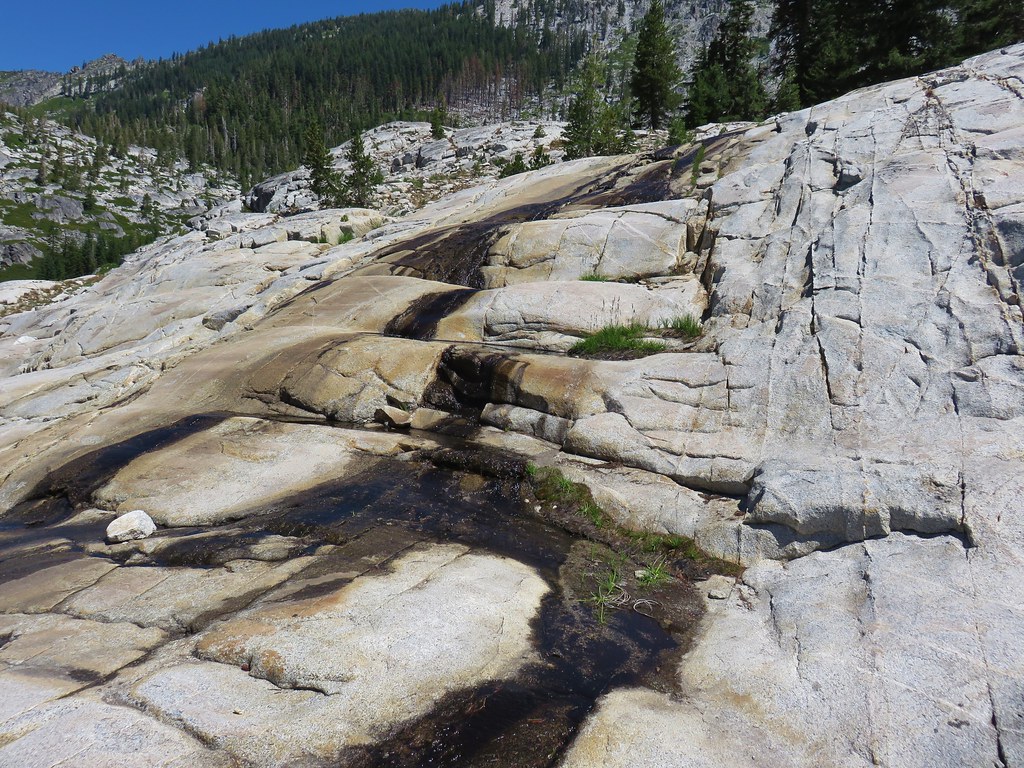
We made our way along the rocks to the inlet creek which proved to be another breathtaking sight.

IMG_6203

IMG_6199

IMG_6200

We followed the stream up to the small lake in the meadow where we hopped across it.

IMG_6204

IMG_6205

IMG_6208

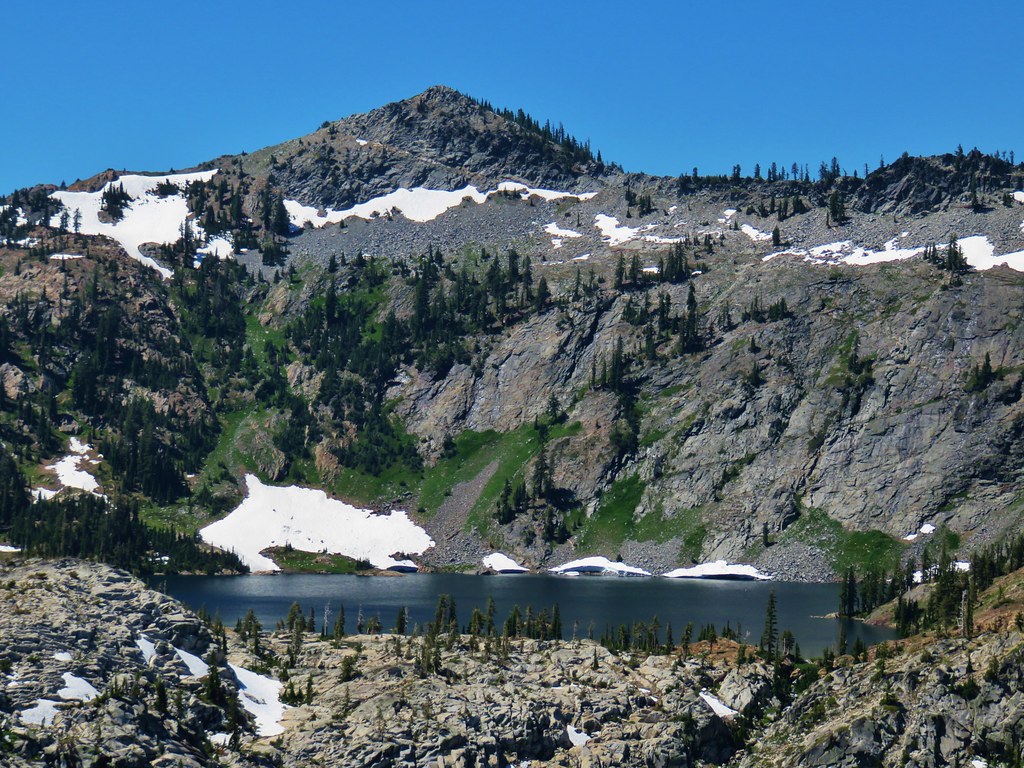
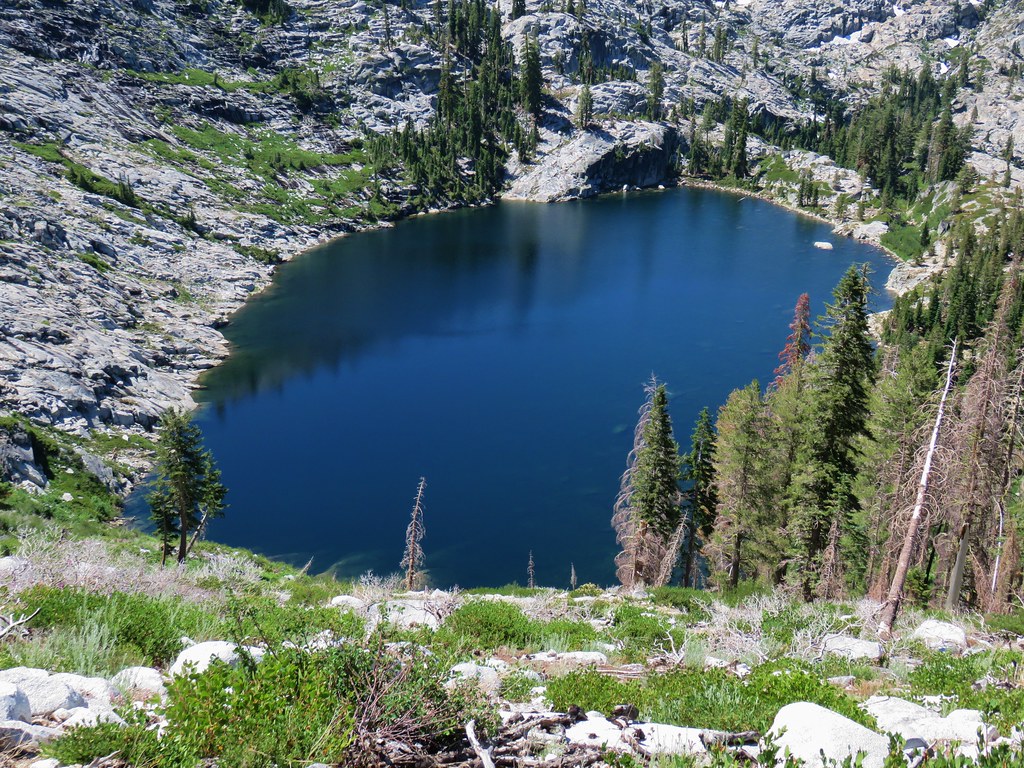
We continued to climb up along the creek until Caribou Lake came into view.

IMG_6213

IMG_6215

Snowshoe Lake was also visible once again below Caribou Mountain.

IMG_6216

We passed several small pools of water on the way to the large lake.

IMG_6222

IMG_6227

Snow heavy enough to keep small trees down still lingered along the shore.

IMG_6229

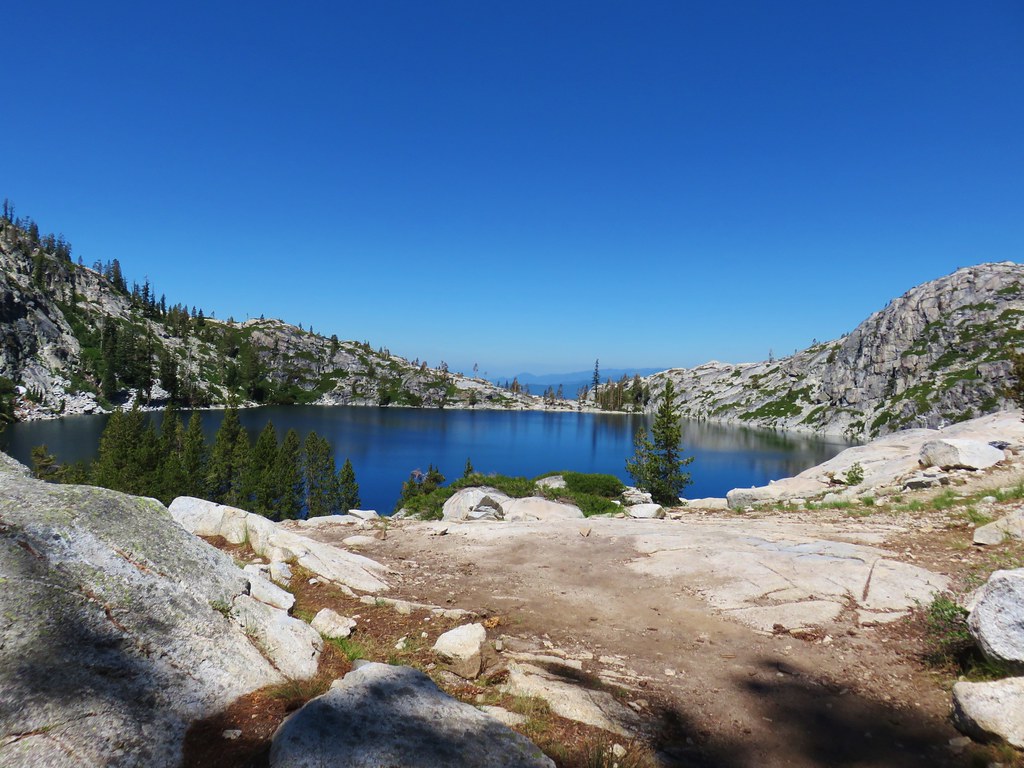
The scene was too big to fit into a single picture making a panorama necessary to even attempt to capture the grand scale of this place.

2017-07-27 13.07.33_stitch

It is possible (and recommended by those in the know) to hike around the left side of the lake and follow a faint path a little over a mile to a viewpoint along Sawtooth Ridge.

IMG_6233

We had contemplated attempting it but that would have made a long day even longer and we still had two more days of hiking ahead of us so we decided to leave that side trip as an excuse to come back to this amazing place someday.

We intended to return to Snowshoe Lake by staying up on the granite above the small lake in the meadow. We started back wandering between even more snow melt pools.

IMG_6239

IMG_6246

IMG_6248

IMG_6250

Along the way a snake caught our attention. It had captured a small frog and was in the process of swallowing it. We felt bad for the frog but it was interesting to see nature at work.

IMG_6241

IMG_6244

We did a poor job of sticking to our planned route and found ourselves back down at the small lake after all. We had a little trouble remembering where we had crossed the creek between Snowshoe Lake and this lake but eventually spotted the logs again which jogged our memories. We made it back to Snowshoe Lake and started the warm climb up to the junction with the Old Trail.

Taking the Old Trail would cut approximately 1.2 miles off our return trip but it also gained about 1000′ of elevation in the first .8 miles as it climbed up and over the shoulder of Caribou Mountain. The shorter distance coupled with a different trail and the promised view from the top was too tempting to pass up despite it being rather warm out.

The Old Trail started up through the trees on a mission to seemingly go straight to the top of the ridge as quickly as possible.

IMG_6255

IMG_6257

The picture taking ended quickly as I became focused on simply trying to keep moving uphill. Eventually I looked back during a couple of breaks to check our progress and admire the lakes. The extra elevation revealed many more of the peaks of the Trinity Alps.

IMG_6260

IMG_6261

By the time we made it to the top of the ridge we were really wondering what kind of maniac devised this trail. The result of it though was an amazing view. Mt. Shasta loomed to the NE.

IMG_6263

IMG_6267

Mt. Lassen lay to the SE barely visible through the haze.

IMG_6266

Closer by the ridge ran SE to the summit of Caribou Mountain, a route that will be very tempting when we return with more time someday.

IMG_6268

To the SW was the heart of the Trinity Alps.

IMG_6269

We had been a little concerned with the possibility of encountering snowfields near the top but we did have our MICROspikes handy just in case. As it turned out there was only one small patch of snow left as we started down the other side, and it posed no problem.

IMG_6276

The descent was twice as long as the climb but it was no less steep losing nearly 2000′ in 1.6 miles to Caribou Meadows.

IMG_6279

Along the way we passed a partly obscured view of Little Caribou Lake which lay in its own glacial cirque to the SW of Browns Meadow.

IMG_6277

The trail did level out a bit for a short stretch where we could look back at Caribou Mountain and the forested slope we’d just descended.

IMG_6290

A final drop brought us back to Caribou Meadows.

IMG_6293

We decided to complete the figure 8 and continue following the Old Trail down to its other junction near the river. After passing through the meadow the trail once again dove seemingly straight down along a small stream crossing it twice.

IMG_6297

Beyond the second crossing the trail leveled out traversing along an open, hot, hillside. The GPS track shows that this final 1.5 miles to the junction resulted in a net loss of elevation but it sure felt like we were going uphill a lot.

IMG_6298

We were pretty hot and tired as we trudged along and began getting funny looks from the locals.

IMG_6303

Things cooled off a bit when we finally reached some trees along the river near the junction.

IMG_6305

When we arrived at the junction with the New Trail we wondered how we’d missed the split that morning, we didn’t see any signs but the tread was clear. A good example of how easy it is to miss things even when you think you’re paying attention. We recrossed the river on the log and returned to our car a bit tired, a little sore, and completely satisfied with our first visit to the Trinity Alps. Happy Trails!

Flickr: Caribou Lakes

Categories
California Hiking Klamath Mountains Trinity Divide Trip report

Castle Crags Wilderness

More potential thunderstorms were forecast for the fourth day of our stay in Mount Shasta City, but then it looked like the threat would be past so we decided to stick close by and spend a day hiking in the Castle Crags Wilderness.

We had three hikes lined up for the wilderness starting with a climb to the base of Castle Dome. For that hike we started at the Vista Point Trailhead in Castle Crags State Park. There was an $8 day use fee for the park which turned into a bit of a fiasco because we only had a twenty, a five, and a one on us and there was no one manning the booth yet to make change. I had hoped that there would be a debit/credit card option but there wasn’t so we had to drive back to Dunsmire to break the twenty.

After obtaining the day use permit we drove the narrow, winding 2.1 mile road to the Vista Point parking area.

IMG_5717

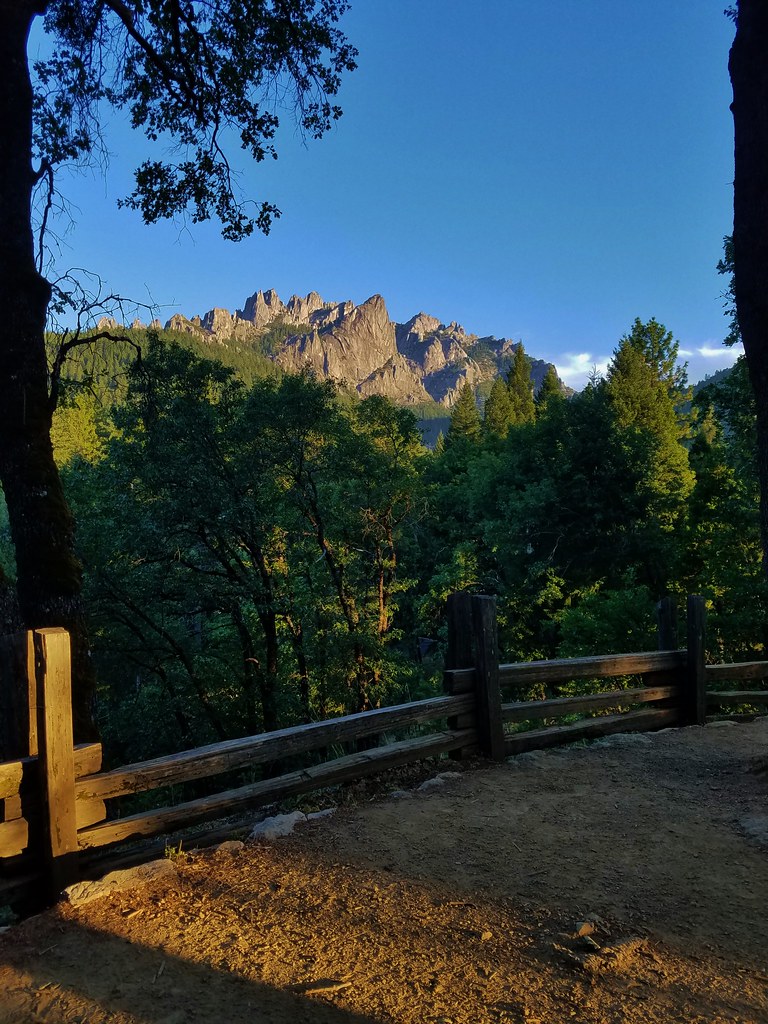
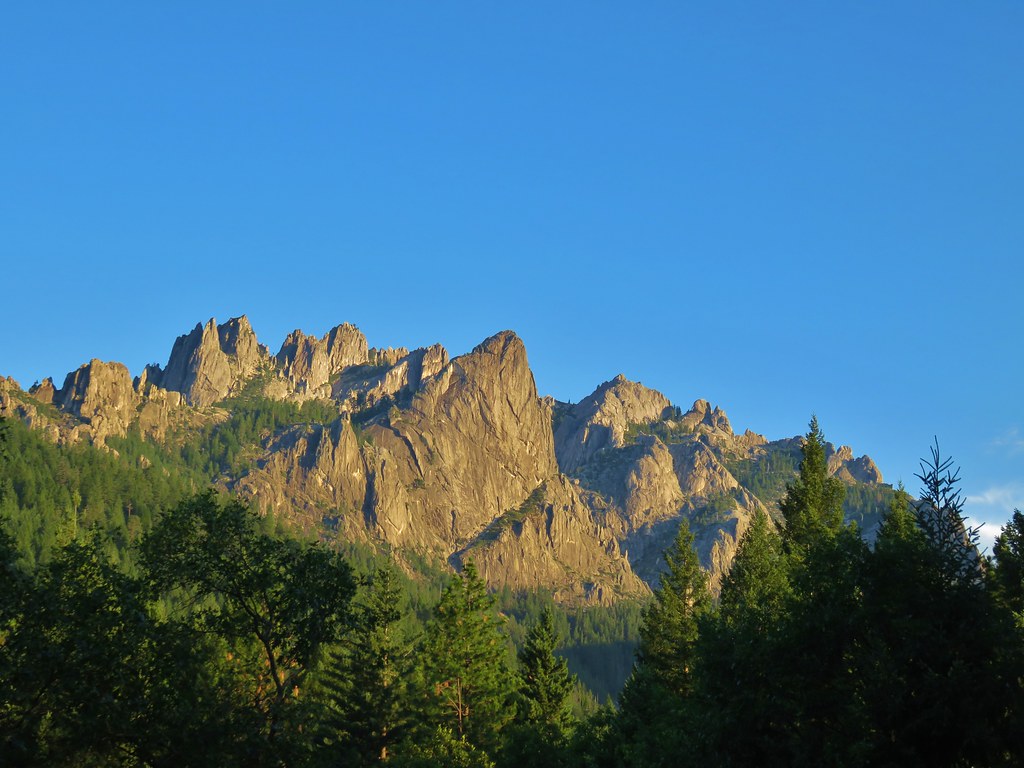
A short walk on the Vista Point Trail brought us to a viewpoint where Mt. Shasta, Gray Rocks, and of course the Castle Crags were visible.

IMG_5720

For the first time during the week Mt. Shasta was sporting a bit of a lenticular cloud.

IMG_5726

IMG_5733

IMG_5735

2017-07-26 06.49.37

IMG_5732

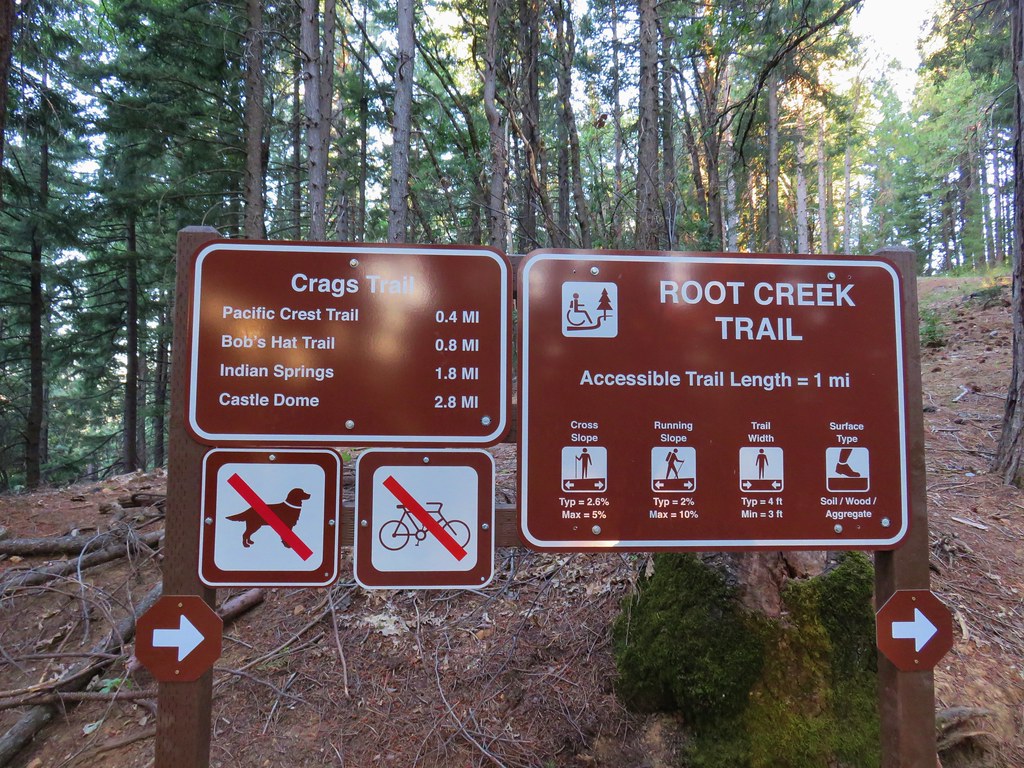
After checking out the view from Vista Point we returned to the parking area and crossed the road to a sign for the Crags and Root Creek Trails.

IMG_5741

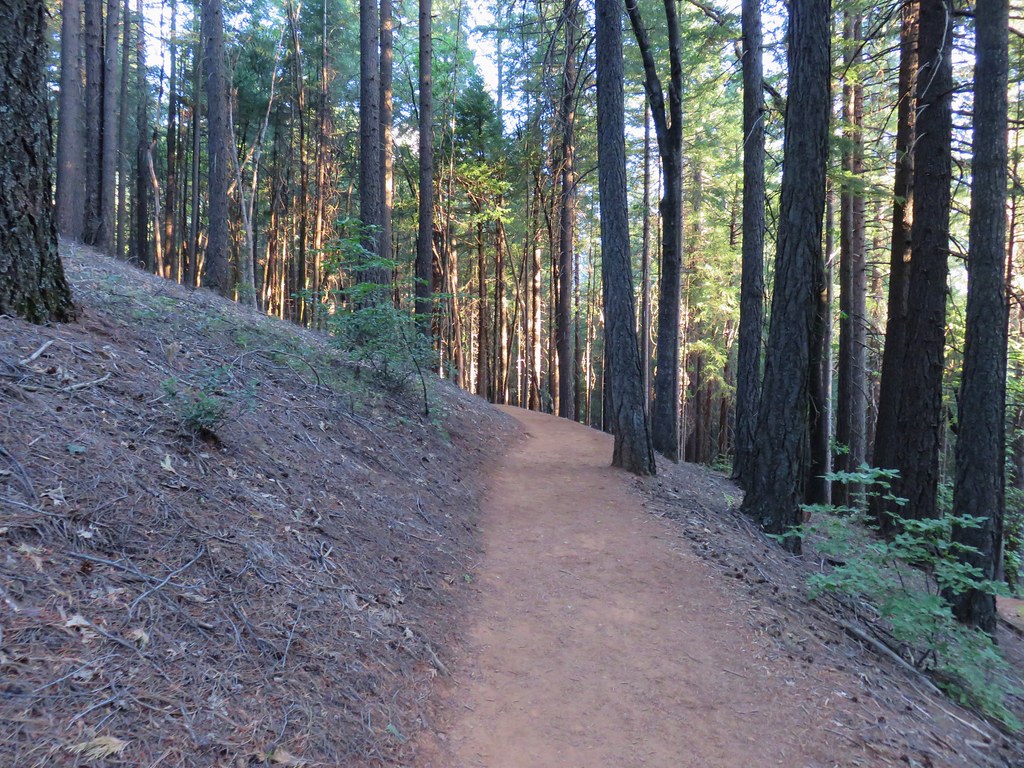
The trail passed through a forest with a bit of poison oak here and there.

IMG_5742

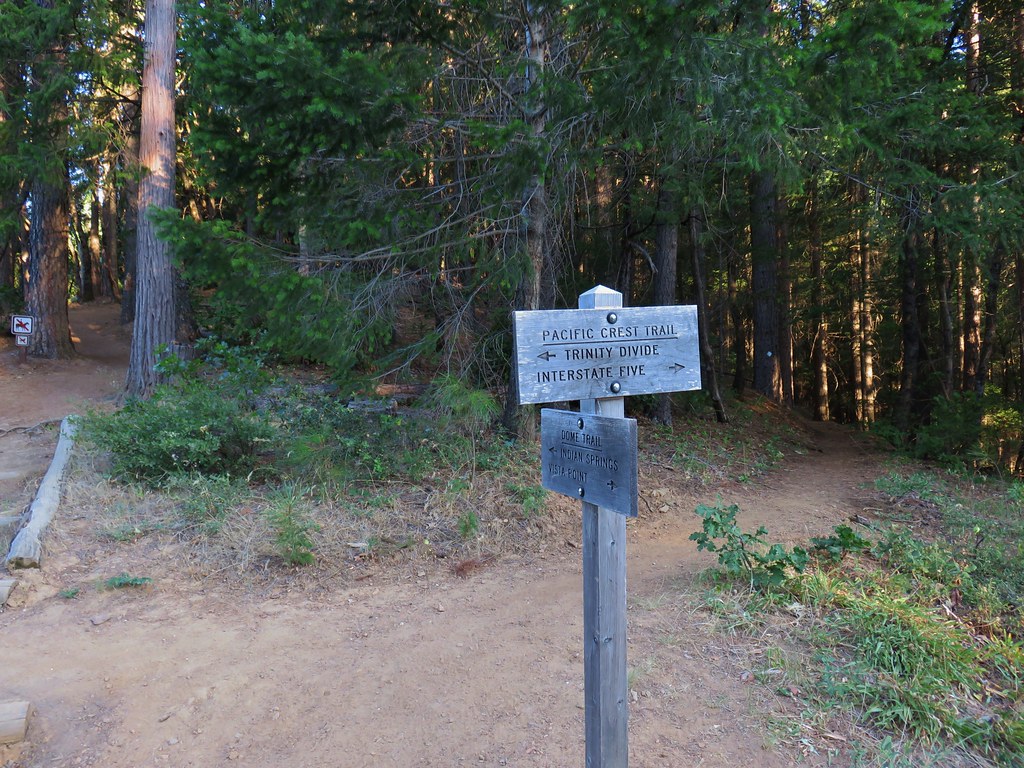
We stuck to the Crag Trail when the Root Creek Trail split off to the right and crossed the Pacific Crest Trail after .4 miles.

IMG_5744

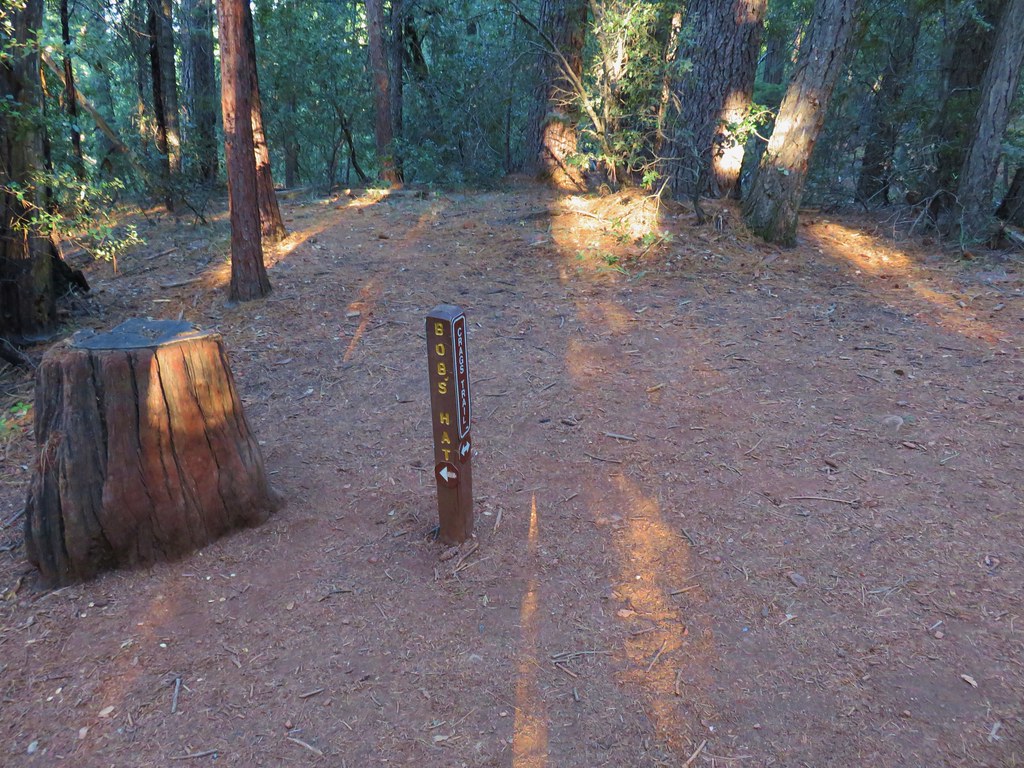
Another .4 miles brought us to a junction with the Bob’s Hat Trail.

IMG_5748

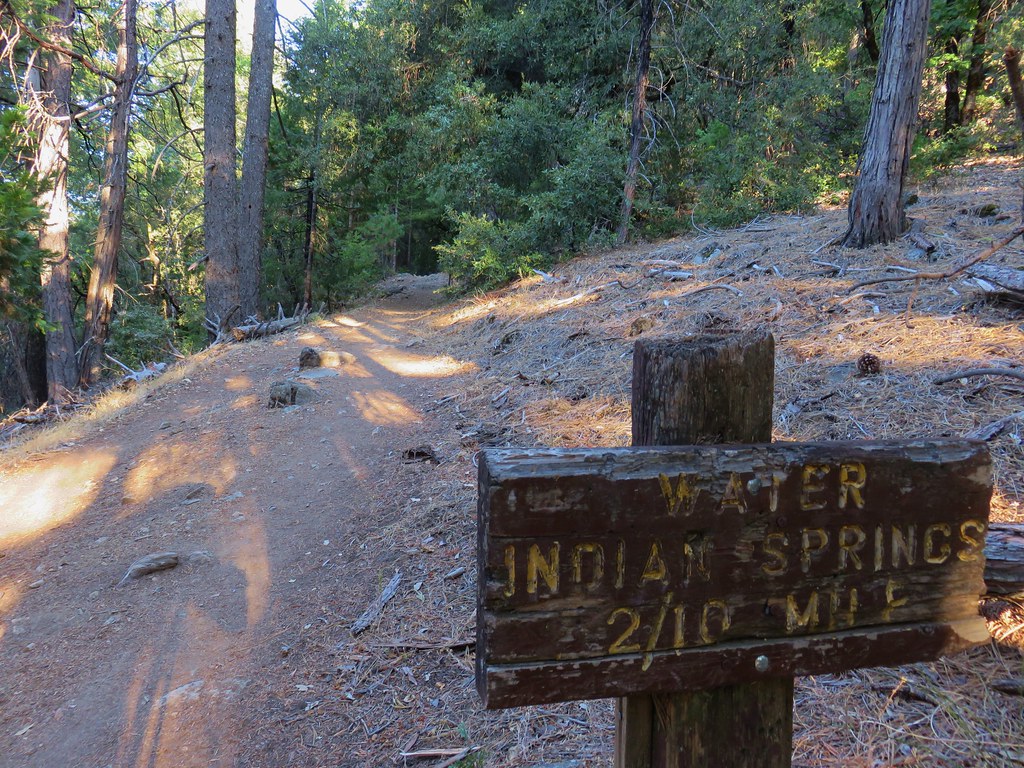
A mile later we passed the .2 mile side trail to Indian Springs.

IMG_5755

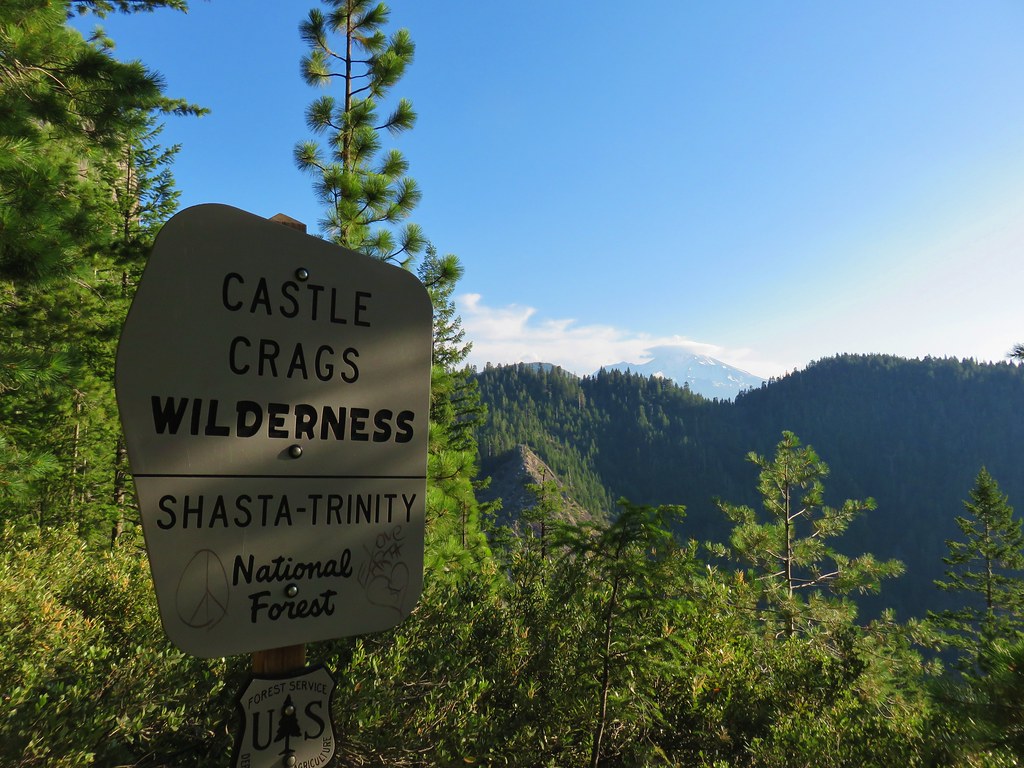
The forest began to thin not long after we’d passed the Indian Springs Trail and we soon entered the Castle Crags Wilderness.

IMG_5757

IMG_5758

From there it didn’t take long to reach the base of the granite spires of the Castle Crags and climb up the rock.

IMG_5767

IMG_5766

IMG_5778

The views really opened towards the end of the official trail. Castle Dome and Mt. Shasta lined up nicely as we passed the base of rounded spire.

IMG_5780

IMG_5783

IMG_5785

IMG_5789

It was possible to continue beyond the end of the trail sign a bit and explore the area a little more. The rock formations were spectacular, it was hard to process everything we were seeing.

IMG_5791

IMG_5795

2017-07-26 08.34.22_stitch

A viewpoint below Castle Dome provided a nice view of Mt. Shasta as well as a look up the granite tower.

IMG_5803

IMG_5805

Although it’s possible to climb Castle Dome, knowing our limitations, neither of us had any intention of attempting to do so. After a long rest in the cool breeze that provided some nice relief after what had been a warm climb up we headed back down. On the way down we noticed that the cloud above Mt. Shasta had morphed.

IMG_5806

IMG_5808

After a mile we turned toward Indian Springs to check them out.

2017-07-26 09.32.46

IMG_5814

IMG_5816

IMG_5818

There were quite a few mosquitoes near the springs so we didn’t stick around long before heading back and returning to our car.

The trailhead for our second hike was a mere 3 miles from the park entrance so after exiting the park we turned right on Castle Creek Road and pulled into a large parking area on the right. The goal for this hike was Burstarse Falls which we hoped might still have a little water flowing over it. We followed the hike described here on Hike Mount Shasta.

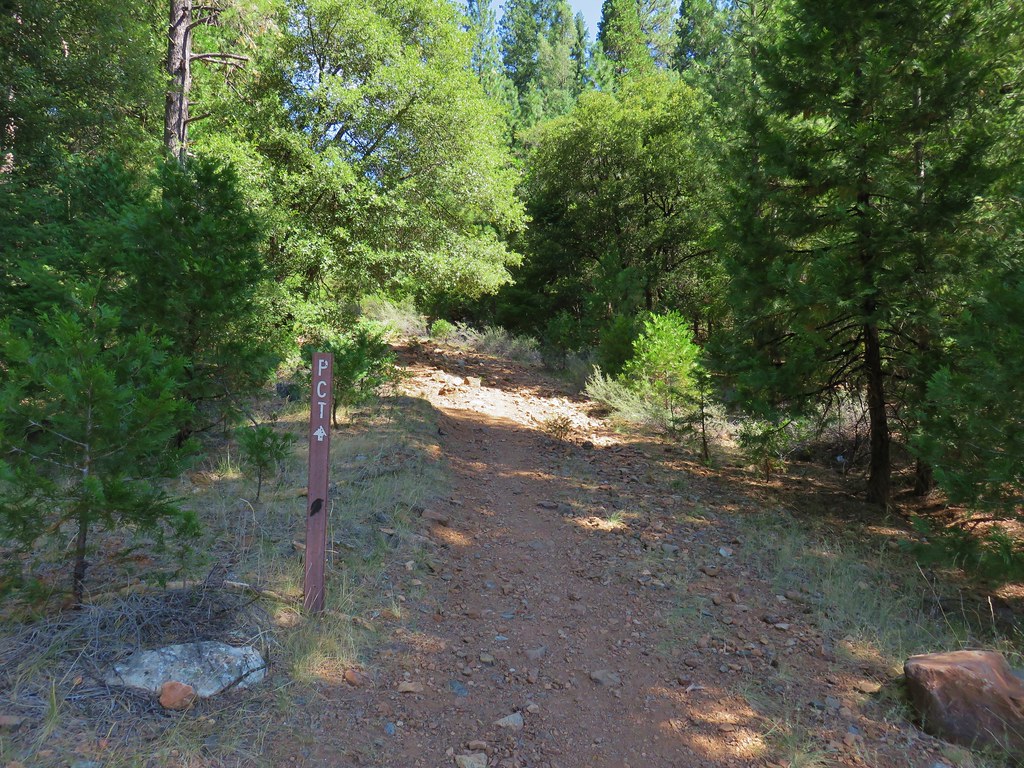
The trail was marked by a metal post with an arrow for the PCT.

IMG_5820

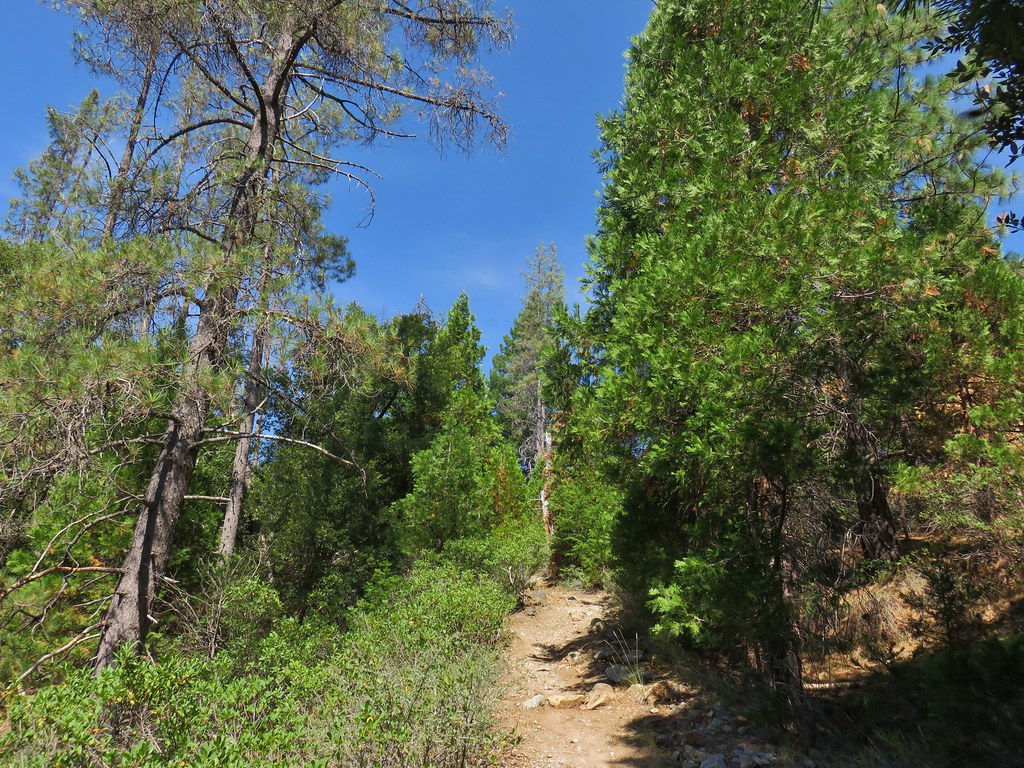
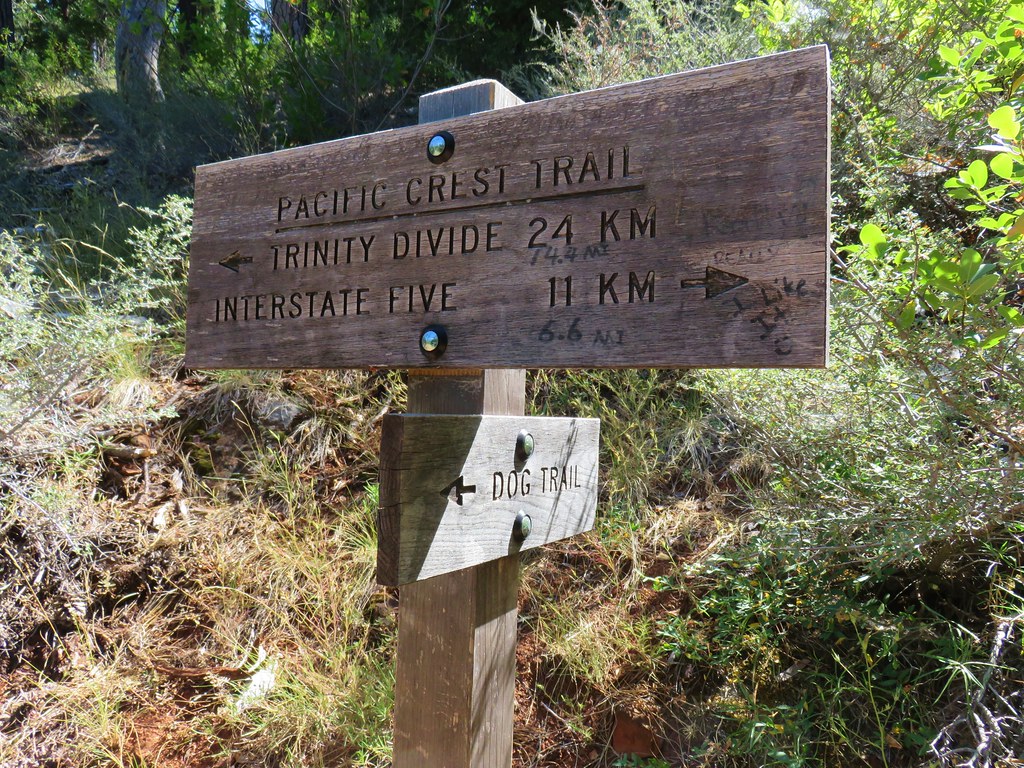
The Dog Trail, so named because dogs are not allowed on the PCT in the Castle Crag State Park so hikers on that trail must go around the park and rejoin the PCT on the other side, climbed for just over a half mile to the PCT.

IMG_5823

IMG_5824

IMG_5828

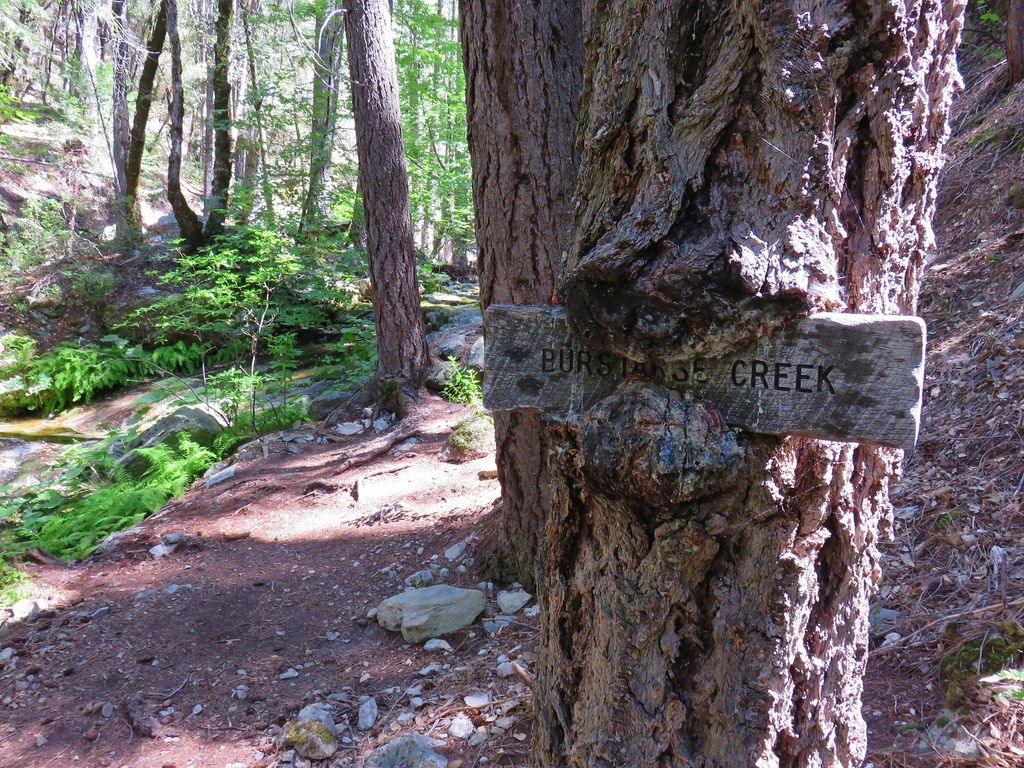
We turned left on the PCT and followed it for approximately 1.7 miles to Burstarse Creek where a hungry tree was devouring a sign for the creek.

IMG_5829

IMG_5834

There had been some poison oak along the trail so we kept our eyes open as we turned onto the use trail on the south side of the creek. The creek did have some flowing water but it wasn’t much.

IMG_5833

IMG_5836

IMG_5838

The use trail was easy enough to follow especially in conjunction with the information from Hike Mt. Shasta. We arrived at the lower falls to find just a trickle of water running down it. We knew that coming this late in the summer would probably mean little to no water but as long as we were in the area it was worth checking out.

IMG_5840

Heather remained at the lower falls while I continued on scrambling above the falls on the right then crossing and recrossing the creek bed before arriving at the upper falls.

IMG_5843

The sight of the basalt amphitheater gave me a decent idea of how nice the falls must be when the water is freely flowing. I settled for a small spray of water cascading over the lip of the rocks.

IMG_5844

I headed back down to the lower falls to rejoin Heather.

IMG_5845

We headed back to the car once again and were soon on our way to the third and final hike of the day.

For our last hike we returned to I-5 and drove north back almost to Mount Shasta City before turning west and heading for Castle Lake.

IMG_5852

It was an unusually late time for us to start a hike (1:30pm) and it was a hot day. When we arrived at Castle Lake at the end of paved Castle Lake Road we found a whole lot of cars. We parked in the first spot we saw and walked past the mass of cars to the trail.

IMG_5849

We bypassed Castle Lake settling for views along the trail which we were following to Heart Lake.

IMG_5853

IMG_5854

After a .7 mile climb we found ourselves at a pass above Castle Lake. A confusion of trails appeared to head in every direction.

IMG_5861

IMG_5864

Heart Lake lay to our right so we just picked a path and headed in that direction.

IMG_5870

Mt. Shasta emerged from behind a peak to the east over our shoulders as we made our way to Heart Lake.

IMG_5874

After cresting the lip of a glacially carved cirque we spied the lake.

IMG_5875

IMG_5876

There is a spectacular view of Mt. Shasta beyond Heart Lake which can be seen here. We did not get this iconic image due to a group of young bikini clad girls taking turns posing for Instagram photos at the edge of the lake in the gap where Mt. Shasta was visible. They were oblivious to everyone else hoping to get an unobstructed picture of the scene.

IMG_5877

We continued on past Heart Lake (and the Instagrammers) planning on following another route recommended by Bubba Suess at Hike Mt. Shasta. His recommendation was to continue west from the lake and follow a ridge up and around to Castle Peak then return down the far side to complete a small loop with some big views. We continued west past a small tarn then headed up hill on a faint but visible use trail.

IMG_5879

An initial steep climb brought us to the top of the ridge where we were rewarded with a great view.

IMG_5890

We still had a ways to go to reach Castle Peak though.

IMG_5891

The route was pretty brushy and at times we weren’t sure if we were following the correct path, but we kept making our way up the ridge.

IMG_5903

IMG_5905

IMG_5907

When we arrived at the summit of Castle Peak we found one other gentleman who had seen us coming up behind him. The 360 degree view was impressive with the Castle Crags jutting up to the south.

IMG_5908

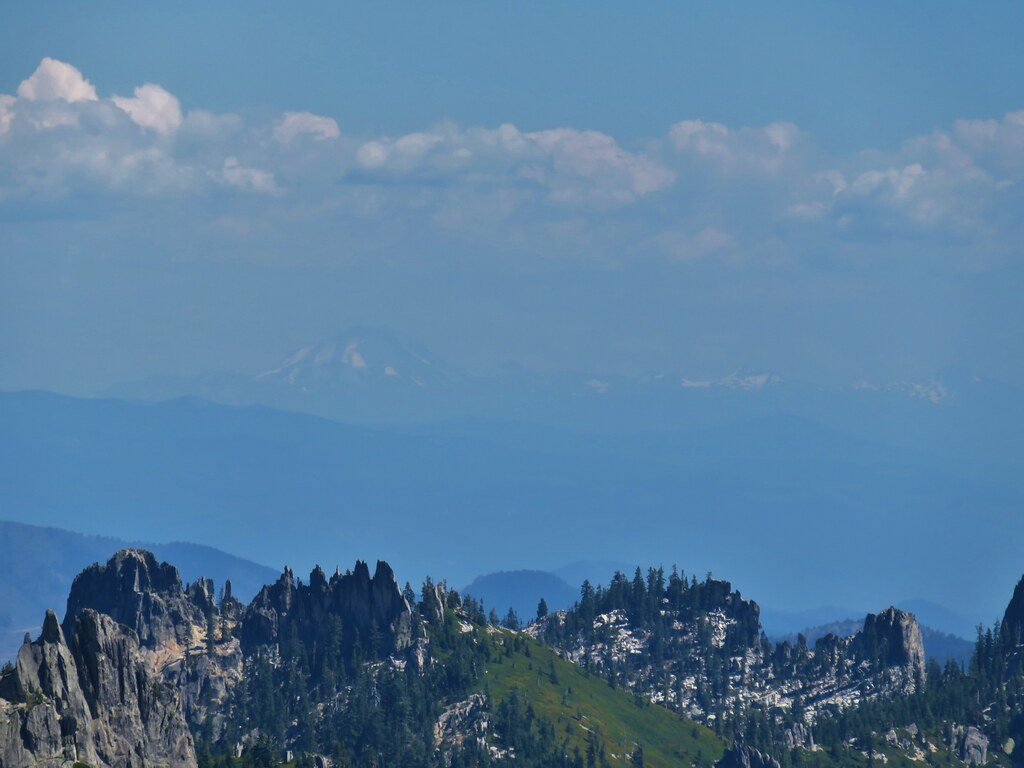
Further away through the haze we had our best view of the trip of Mt. Lassen.

IMG_5914

To the north the size disparity between Black Butte and Mt. Shasta was striking.

IMG_5909

When it was time to continue on we headed east down the the other side of Castle Peak. Again the brush made it difficult to tell what was in fact supposed to be the trail and we found ourselves just lumbering through whatever route looked easiest.

IMG_5920

I had been attempting to match our GPS track to the one shown on Hike Mt. Shasta but we wound up turning downhill earlier than we should have which caused us to have an unnecessarily steep descent back to the trail to Heart Lake. Once we were back on that trail we turned right and kept right making our way to the trail down to Little Castle Lake.

This trail dropped down from the pass to a meadow with quite a few wildflowers.

IMG_5930

IMG_5932

IMG_5938

IMG_5944

A short distance from the far end of the meadow was Little Castle Lake.

IMG_5946

IMG_5952

IMG_5954

After visiting this final lake we headed back down to Castle Lake. On the way we passed a group of naked hikers which was not something we had expected to see. They were a friendly group that was on their way up to Heart Lake. It made for an unexpected end to an interesting day in the Castle Crags Wilderness. Happy Trails!

Flickr: Castle Crags Wilderness

Categories
California Hiking Klamath Mountains Trinity Divide Trip report

Mount Eddy and the Deadfall Lakes

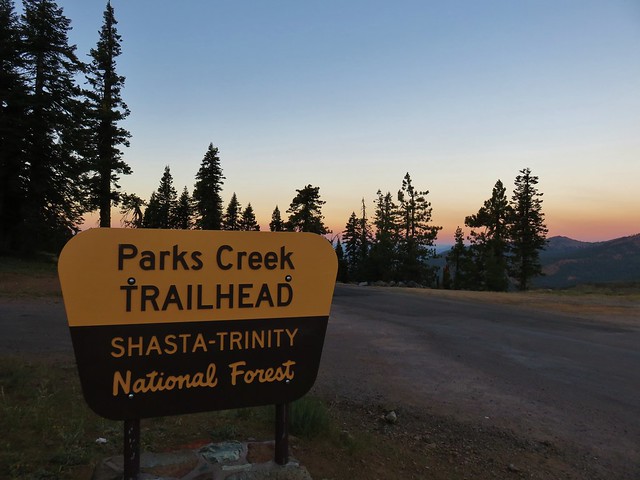
The chance of thunderstorms didn’t seem to be going away anytime soon so we decided to take a chance on our third day of vacation and try Mount Eddy, the highest point in the Klamath Mountains.  We set off early in the morning and drove to the Parks Creek Trailhead located at the Pacific Crest Trail crossing of Forest Road 42N17.

IMG_5328

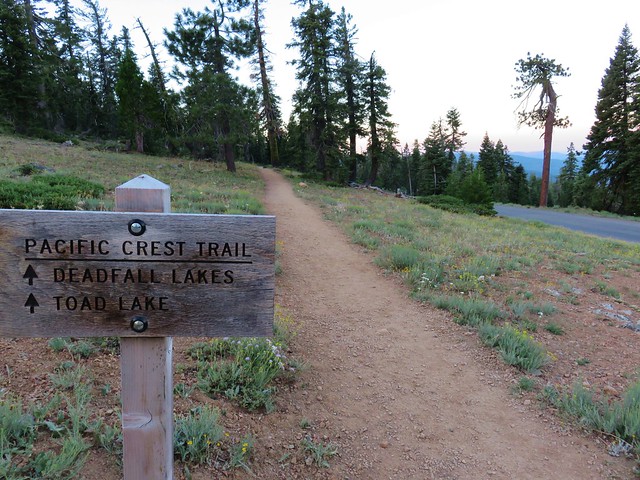
We headed south on the PCT toward the Deadfall Lakes.

IMG_5331

We could see our goal as we hiked the PCT.

IMG_5336

Further to the south were the snowy Trinity Alps.

IMG_5348

Below were meadows surrounding Deadfall Creek.

IMG_5363

As we neared the Deadfall Lakes Basin we began passing some good wildflower displays.

IMG_5372

IMG_5375

IMG_5378

IMG_5383

IMG_5385

IMG_5388

IMG_5391

IMG_5417

IMG_5418

IMG_5419

A little under 3 miles from the trailhead we arrived at a junction with the Deadfall Lakes Trail.

IMG_5427

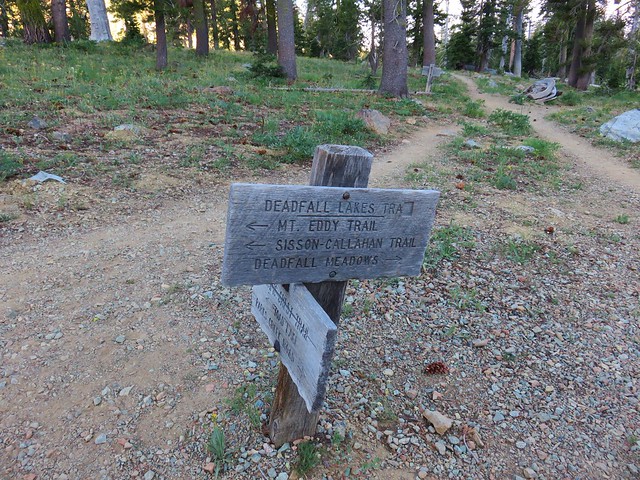
We turned left heading for Mount Eddy. The weather was looking good and we wanted to get up to the summit before any thunderstorms might develop. As we passed by we made a brief stop at Middle Deadfall Lake before continuing on.

IMG_5431

The trail climbed gradually past a series of meadows where we spotted some California pitcher plants.

IMG_5439

IMG_5438

IMG_5440

The trail steepened as it climbed toward Upper Deadfall Lake.

IMG_5444

As we crested the rim of this upper portion of the basin we arrived at a small lake with a big view of Mount Eddy.

IMG_5450

Due to the time the sun wasn’t in the best position to appreciate the view but as we passed by the lake it had a nice reflection.

IMG_5461

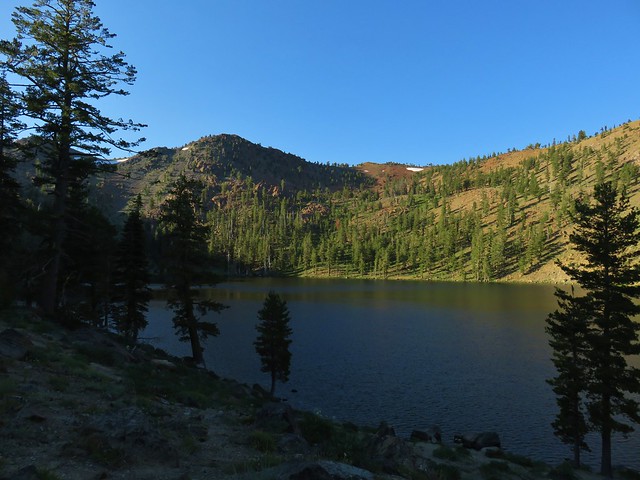
Just a little further along the trail (and a mile from the junction) we came to Upper Deadfall Lake.

IMG_5473

IMG_5482

IMG_5484

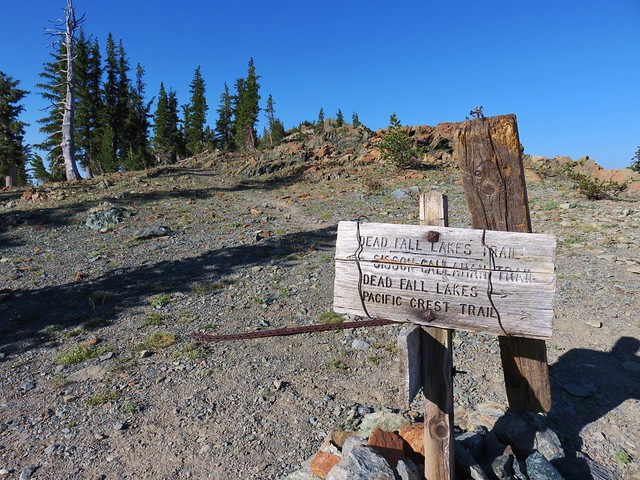
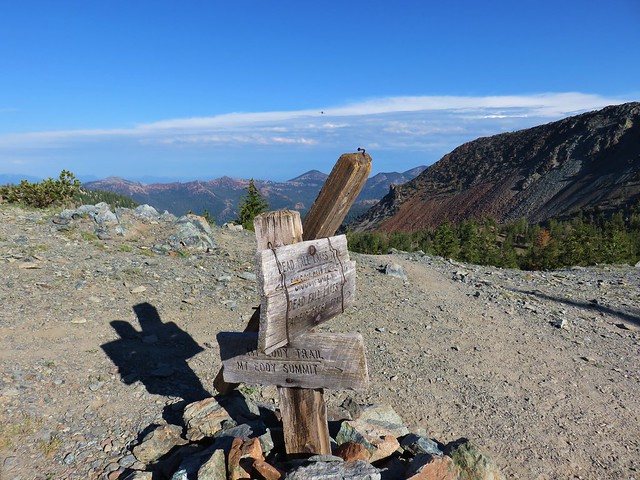
The trail then climbed .4 miles to a pass where the Mount Eddy Summit Trail forked to the left from the Siskiyou-Callahan Trail.

IMG_5504

IMG_5507

IMG_5508

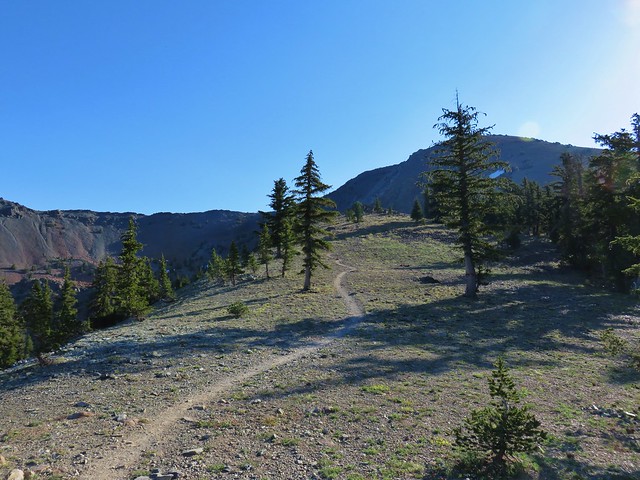
A quick glance at the map showed us that we had about a mile and a half left to the 9025′ summit and another 1000′ to climb. Up we went.

IMG_5515

As we climbed the views of the Deadfall Lakes gradually improved.

IMG_5513

IMG_5522

2017-07-25 08.27.50_stitch

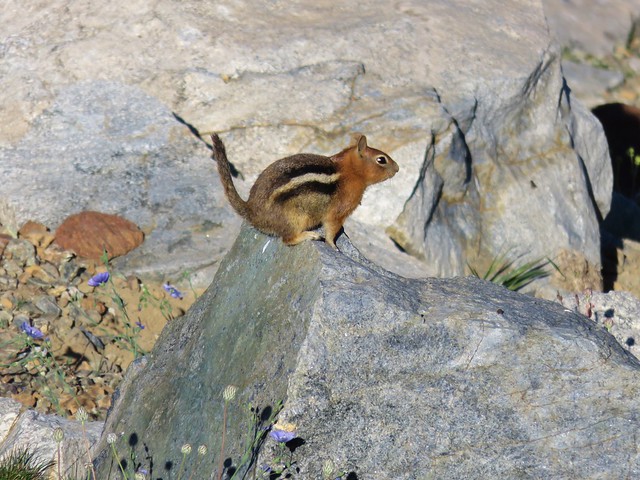
The views and the presence of a number of wildflowers helped keep our minds off the climb. So did the numerous golden-mantled ground squirrels scurrying about.

IMG_5528

Rockfringe willowherb

IMG_5552

IMG_5525

Mt. Shasta greeted us as we crested the summit of Mount Eddy.

IMG_5559

IMG_5570

Looking north we could see that there was definitely some active weather happening but the sky was cloudless above us.

IMG_5568

We explored the broad summit and took a seat overlooking the Deadfall Lakes where we enjoyed a much needed break.

IMG_5577

IMG_5583

IMG_5598

We eventually pulled ourselves away and headed back down toward the lakes.

IMG_5633

By the time we made it back down to the small lake a few clouds had moved in overhead.

IMG_5656

IMG_5659

We stopped at Middle Deadfall Lake and walked along its shore toward Lower Deadfall Lake.

IMG_5664

We followed the outlet creek down to the lower lake.

IMG_5676

IMG_5675

IMG_5678

The lower lake was lovely so we took another break here. As we ate another snack, Heather spotted a doe grazing along the shore.

IMG_5685

IMG_5682

IMG_5693

She took a seat under a tree and we wondered how many times we’ve missed deer or other animals, if we hadn’t been watching her we probably would have never seen her sitting there.

IMG_5700

IMG_5696

We left the lake and returned to the junction with the PCT and followed it back to our car. Our GPS showed an 11.9 mile trip in all with a little over 2000′ of elevation gain. It had been another exceptional hike in the Klamath Mountains. Happy Trails!

Flickr: Mount Eddy

Categories
California Hiking Klamath Mountains Salmon Mountains Trip report

Paynes Lake – Russian Wilderness

We were watching the weather closely during our stay in Mount Shasta City. Scattered thunderstorms were being forecasted for the first half of the week and we didn’t want to be up on some peak during a lightning storm. We’d also added an extra day at the last minute in hopes that the Everitt Memorial Highway would be opened by the end of our stay so we could make it to Panther Meadows on Mt. Shasta. To fill the extra day we chose the hike to Paynes Lake in the Russian Wilderness based in part on a recent trip report posted on vanmarmot.org. While his hike didn’t take him to Paynes Lake it was in the same area and provided some good information on a side trip we could take from the Pacific Crest Trail down to Taylor Lake.

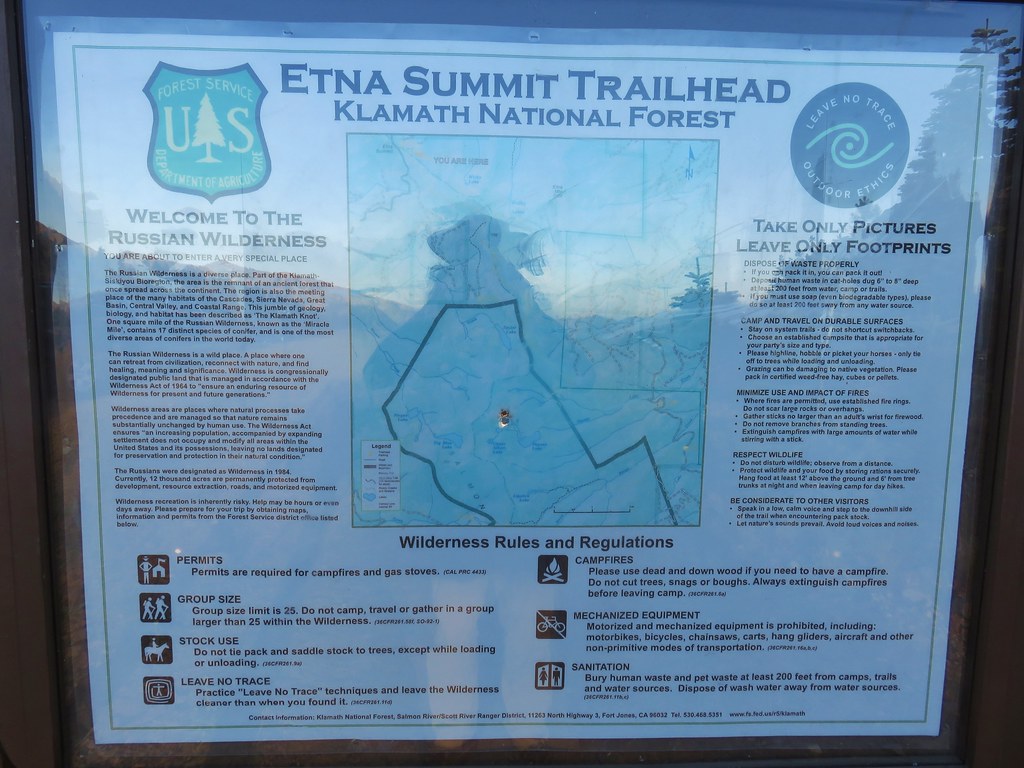
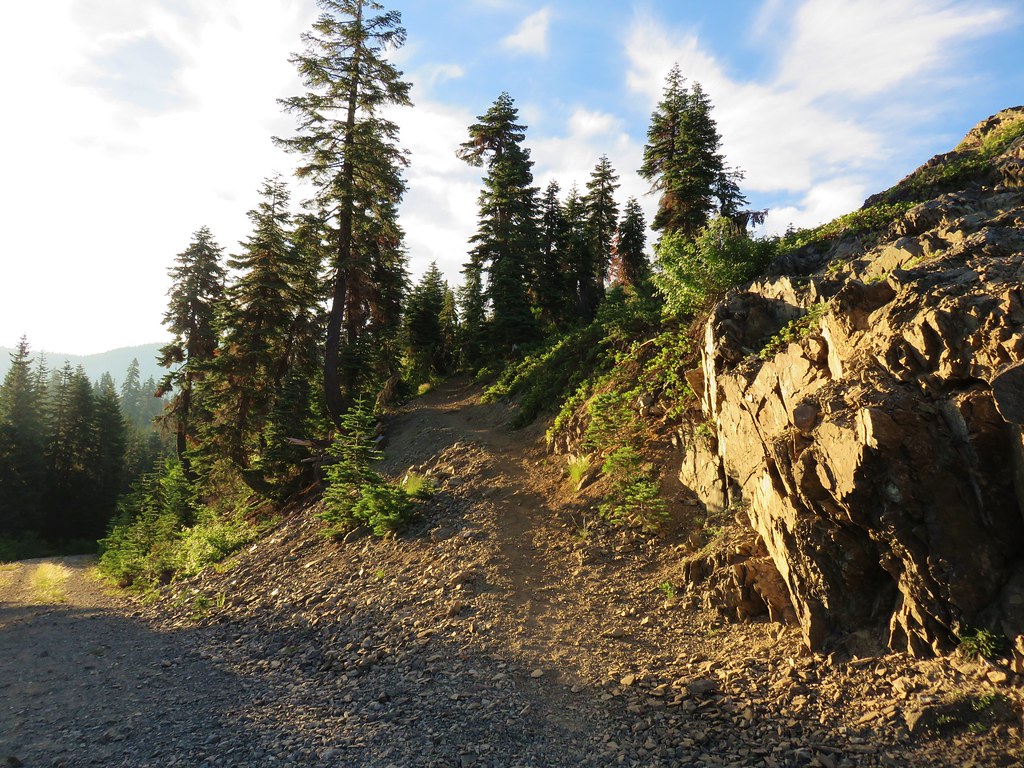
We started our hike at the Etna Summit Trailhead by taking the Pacific Crest Trail south.

IMG_5091

IMG_5095

IMG_5097

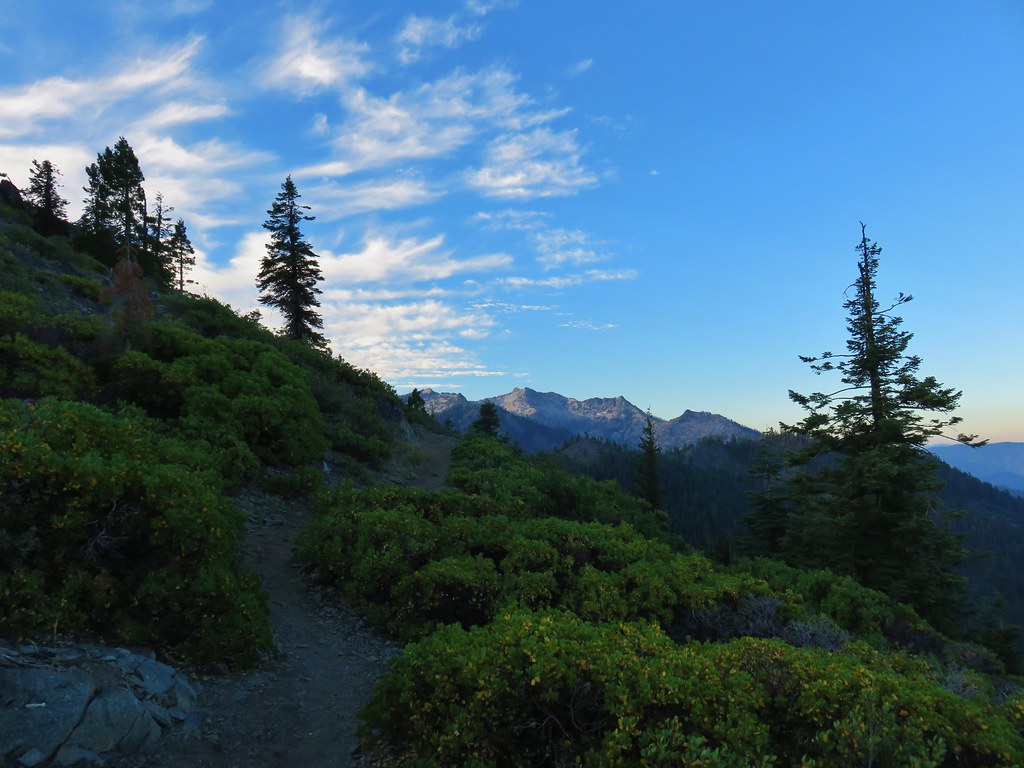
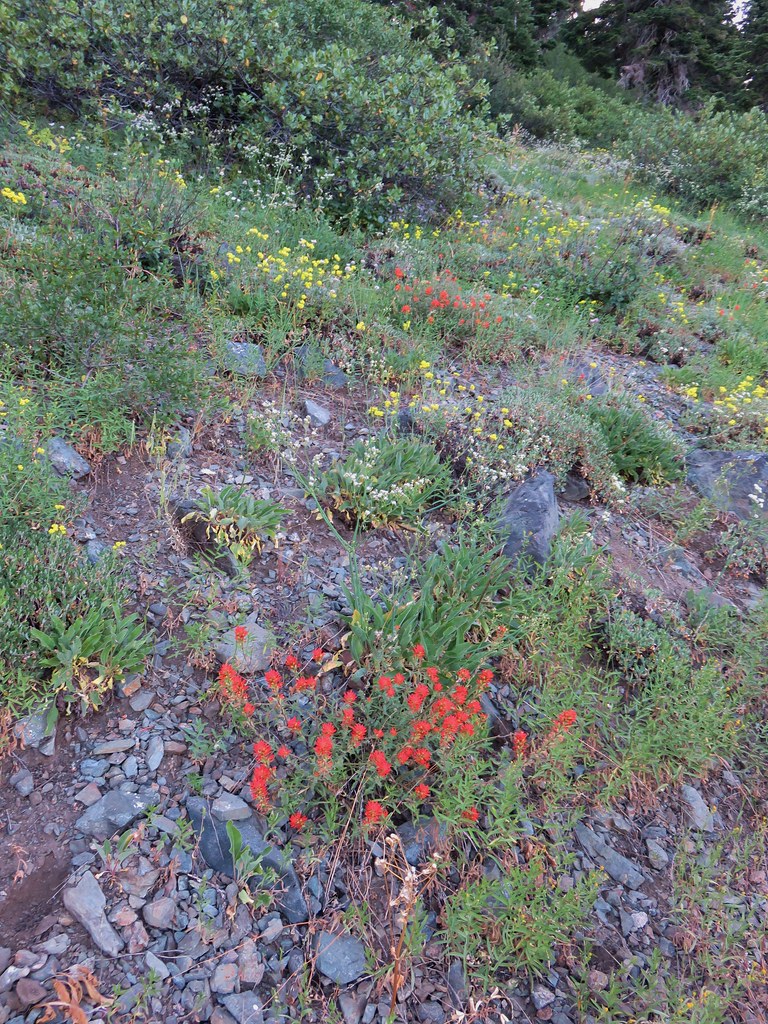
The PCT passed through a couple of nice meadows with wildflowers and great views in the first 1.7 miles.

IMG_5100

IMG_5102

IMG_5106

IMG_5107

IMG_5108

IMG_5113

IMG_5112

IMG_5115

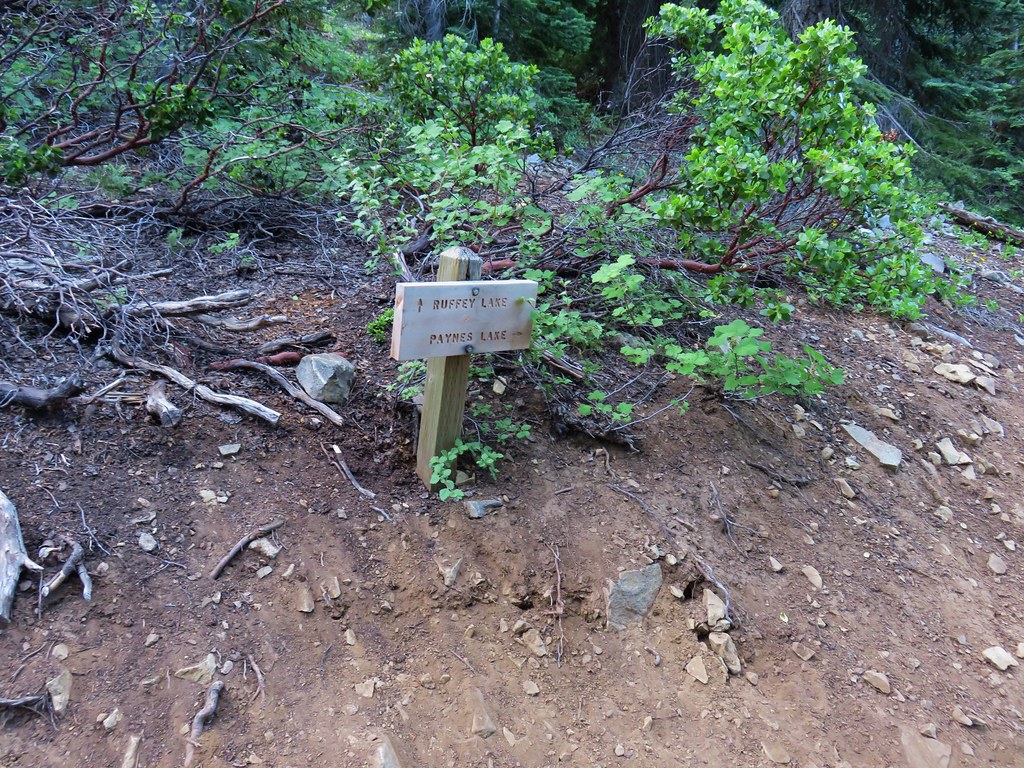
At the 1.7 mile mark we arrived at a 4-way junction where the PCT crossed a on old roadbed now acting as a trail to Ruffey Lake.

IMG_5119

IMG_5120

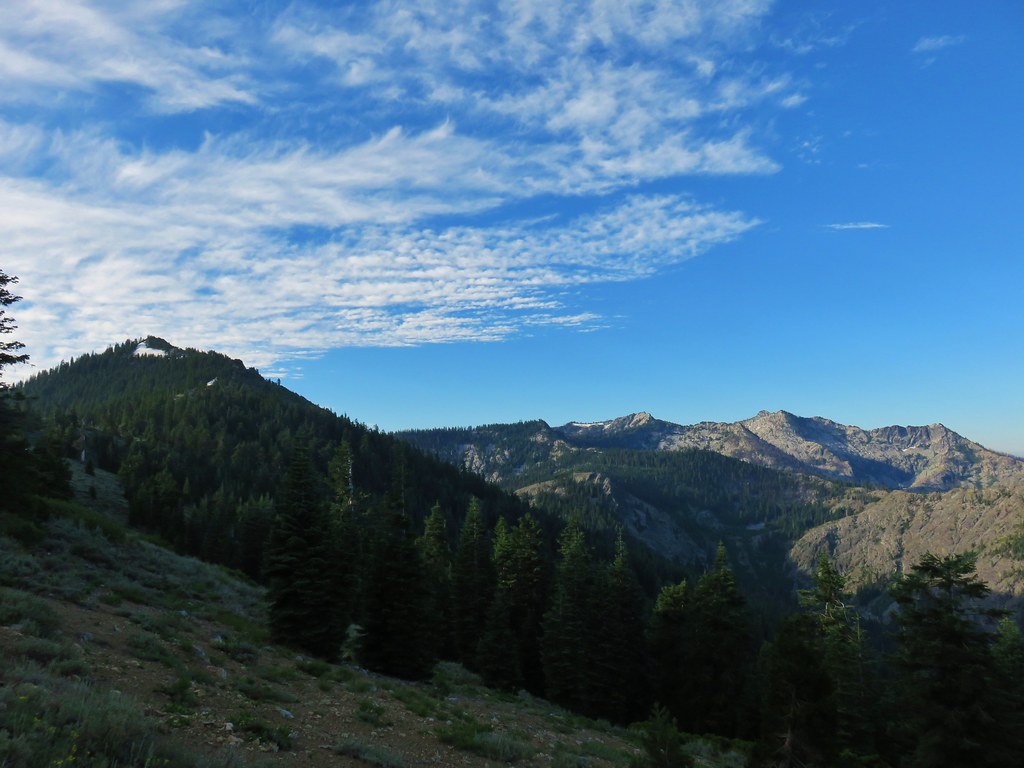
Beyond the junction the trail traversed a sagebrush covered hillside with a good view of the peaks rising from the Russian Wilderness.

IMG_5127

Behind us the Marble Mountains were visible despite a couple of wildfires burning in that wilderness.

IMG_5136

IMG_5137

The trail followed a ridge toward a peak where we could see a large snow drift that we appeared to be heading straight for.

IMG_5141

We spotted a group of hikers just finishing their crossing of the snow so we waited for them to finish taking the opportunity to admire Mt. Shasta looming to the east.

IMG_5145

From below the snow we couldn’t tell just how far we were going to travel on it so we decided to use it as an excuse to finally try out our Kahtoola MICROspikes. After putting them on we stepped out on the snow and fell in love. Unfortunately (or not) our need for them was short lived. After just a few steps up we discovered a clear path in the snow covered with debris to assist with traction.

IMG_5147

Off came the spikes and onward we went. The PCT traversed a hillside above Smith Lake passing through a section of granite rocks.

IMG_5150

IMG_5154

IMG_5170

A total of 3.5 miles from the trailhead we passed Smith Lake and began a fairly substantial descent to a saddle above Taylor Lake. The open rocky hillside was sporting a good variety of blooming flowers.

IMG_5174

IMG_5168

IMG_5177

IMG_5181

2017-07-24 08.47.49

We arrived at the saddle .3 miles after passing Smith Lake where we took note of the user path from Vanmarmot’s trip report.

IMG_5178

Our plan was to take the path down to Taylor Lake on our way back using the old roadbed to Ruffey Lake to return to the PCT. For the time being though Paynes Lake was our goal so we continued on the PCT which continued to traverse the hillside below some impressive rock formations.

IMG_5179

2017-07-24 08.55.40

IMG_5187

We made a 90 degree turn around a ridge end and reentered the trees.

IMG_5190

IMG_5191

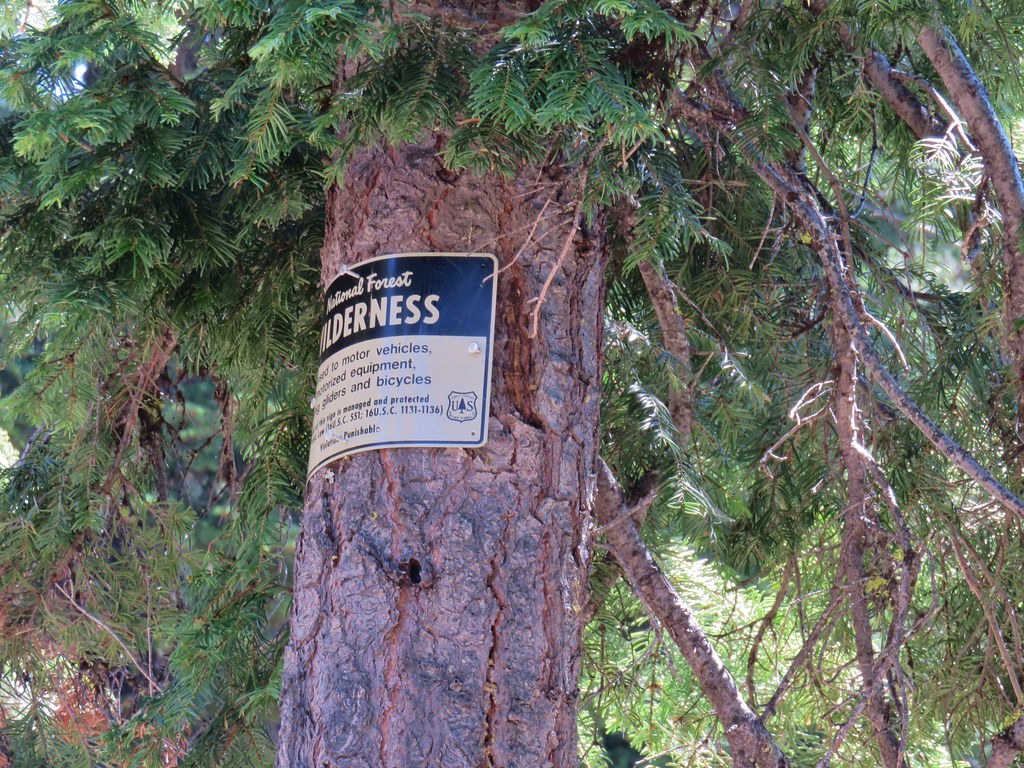
Shortly after making the turn we entered the Russian Wilderness. One of the things that I try and do is get pictures of wilderness signs from the the wilderness areas we visit. We hadn’t noticed a sign by the time we reached an unnamed creak that we knew to be well within the wilderness boundary.

IMG_5197

We’d keep a watch for a sign on the way back and would also be crossing the wilderness boundary near Taylor Lake giving us another possible location for a sign.

Beyond the creek the PCT rounded another ridge end bringing into view the granite peak above Paynes Lake.

IMG_5199

A total of 2.2 miles from the pass above Taylor Lake we arrived at a signed junction with the Paynes Lake Trail.

IMG_5205

We turned right here and arrived at the lake after a hundred feet.

IMG_5209

After admiring the lake for a few minutes we continued on a path along the north side of the lake. We were hoping to follow this path up to the Albert Lakes. We followed the trail to a meadow where we turned uphill a little too soon.

IMG_5212

IMG_5214

We were following what at times looked like a possible trail or several game trails through a boggy, brushy meadow.

IMG_5215

IMG_5223

2017-07-24 10.07.24

After several consultations with the GPS we managed to find the actual faint trail which was actually on the other side of the meadow. It climbed steeply uphill for about half a mile to a basin above Paynes Lake.

IMG_5238

IMG_5233

An amazing display of tiger lilies greeted us to the basin.

IMG_5232

The visible trail ended at Lower Albert Lake.

IMG_5237

In looking at the surrounding terrain the best route to Upper Albert Lake would likely be around the south side of the lower lake but the water level was high enough that crossing the outlet creek didn’t look particularly appealing nor did the climb up to the other lake. If we had been set on completing a loop to Taylor Lake via Big Blue and Hogan Lakes that would have been the way to go, but that was more than we were willing to take on so we returned to Paynes Lake and headed back along the PCT.

When we arrived back at the saddle above Taylor Lake we had a better view of Mt. Shasta than we’d had that morning.

IMG_5247

IMG_5249

We headed downhill on the steep user trail which switchbacked past some nice wildflowers.

IMG_5255

IMG_5258

IMG_5259

2017-07-24 12.29.56

2017-07-24 12.30.13

IMG_5269

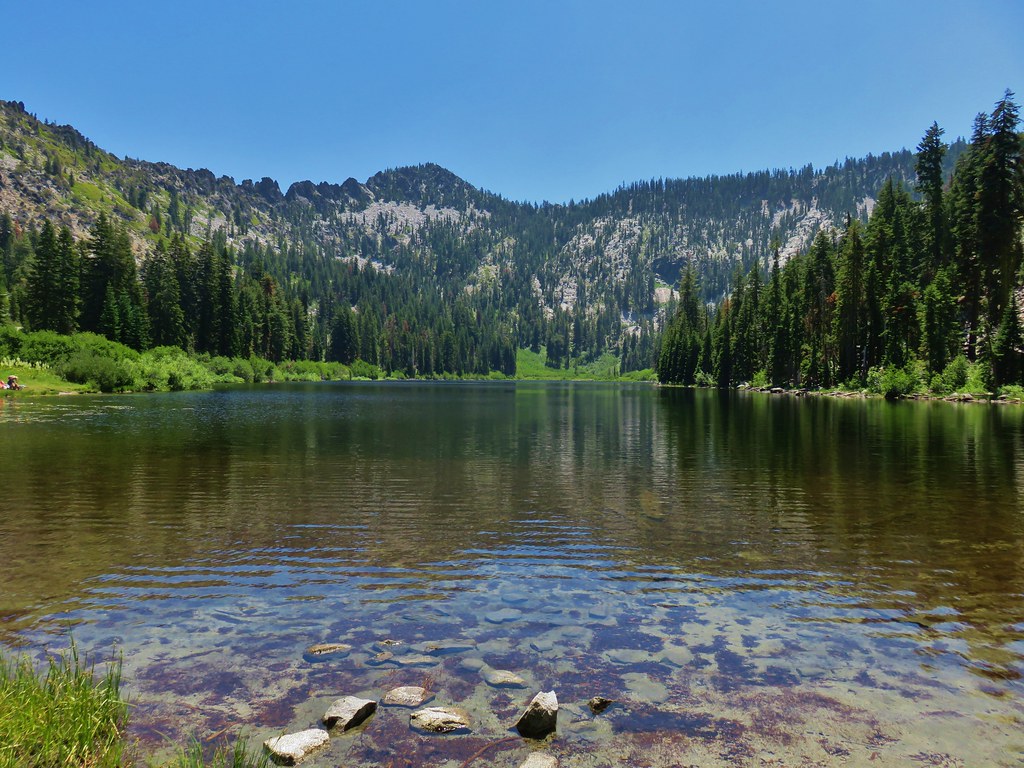
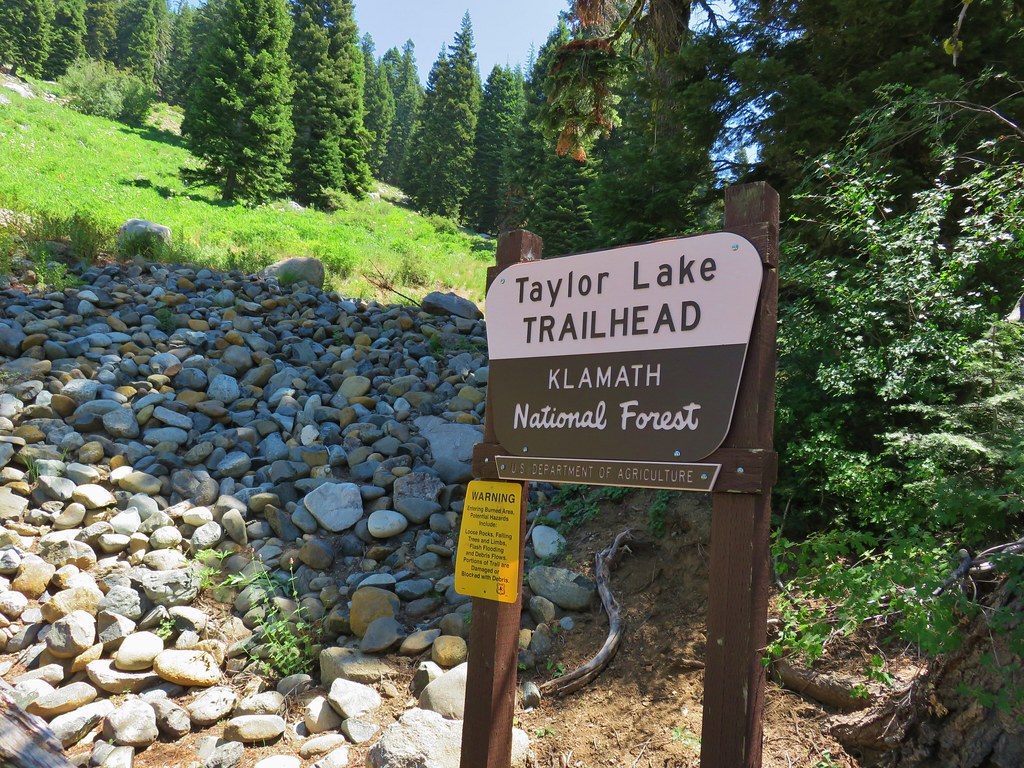
We arrived at Taylor Lake without incident and took another short snack break along the shore before hiking to the right around the lake to the Taylor Lake Trailhead.

IMG_5273

IMG_5291

IMG_5298

My hopes for a Russian Wilderness sign ended when just before we arrived at the Taylor Lake Trailhead we finally spotted a small generic metal sign marking the wilderness boundary.

IMG_5296

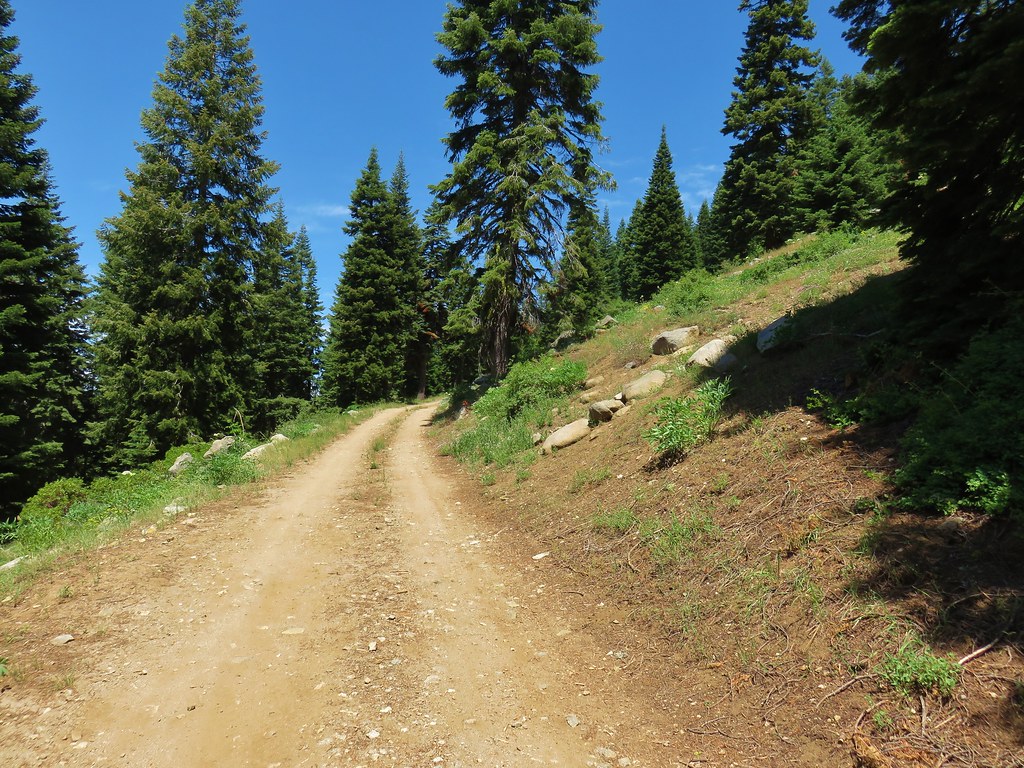
From the trailhead parking area we followed a paved road uphill to the right which quickly turned to dirt.

IMG_5301

The road was still open up to a green metal gate where it deteriorated to a wide trail.

IMG_5304

There were a few views and some wildflowers along the 1.2 miles from Taylor Lake to the PCT.

IMG_5309

IMG_5310

IMG_5312

IMG_5302

IMG_5314

From there it was just 1.7 miles back to the Etna Summit Trailhead where one of the thru-hikers we’d passed on the trail was in need of a ride into Etna, a hiker friendly town along Highway 3. We offered him a ride and had a nice talk during the 10.2 mile drive to town. He introduced himself as Octane from Oakland, CA. He, like many of the thru-hikers this year, had skipped the Sierras due to snow and was having to do sections out of order.

We dropped Octane off in Etna and returned to Mount Shasta City to check the weather forecast to see where we’d be going next. Happy Trails!

Flickr: Paynes Lake

Categories
California Hiking Klamath Mountains Scott Mountains Trip report

Kangaroo Lake

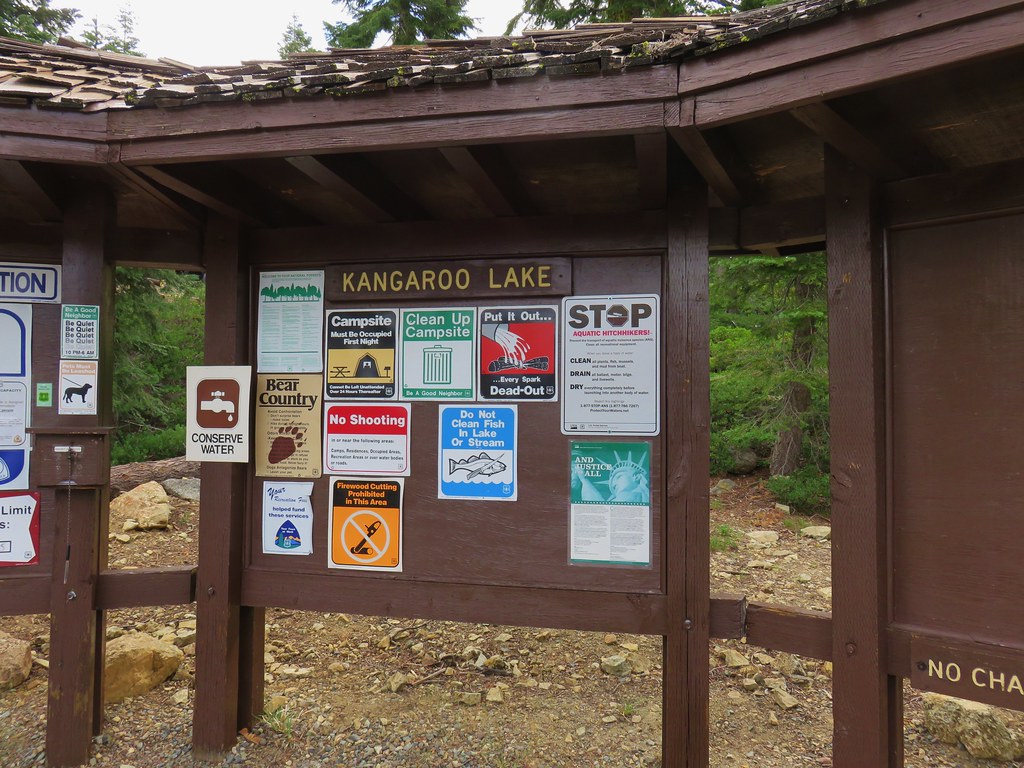
We recently spent a week in Mount Shasta City to do some day hiking in Northern California. We drove down on 7/23/17 and on the way stopped at Kangaroo Lake.

IMG_4804

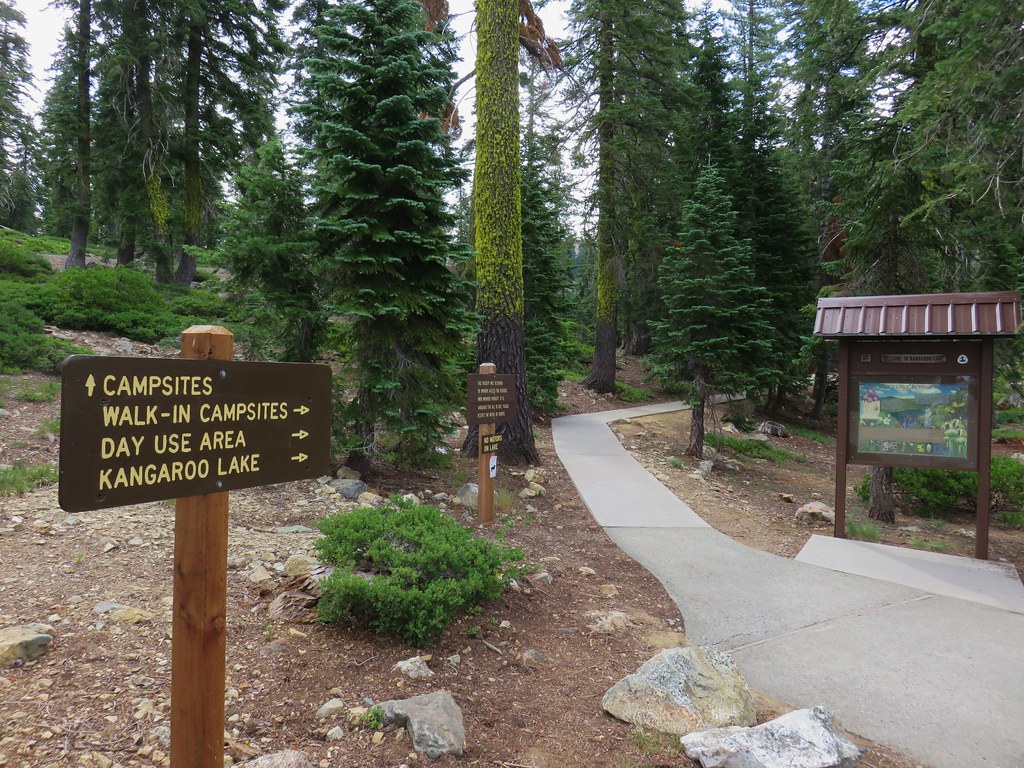
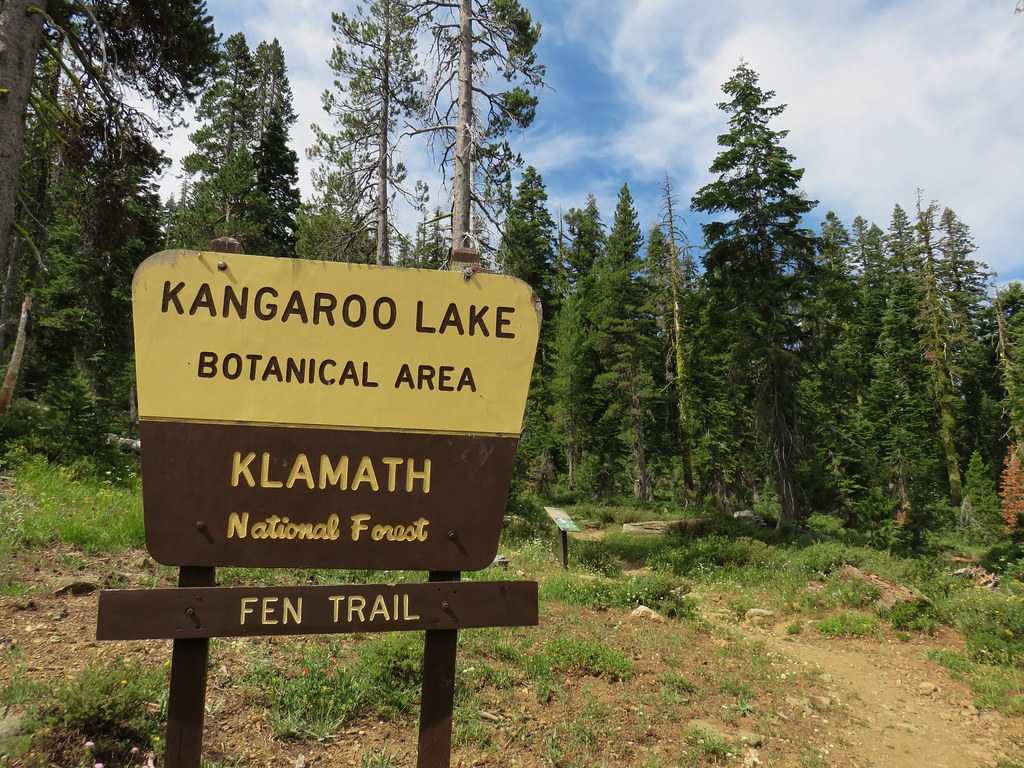
We walked down to the picnic area to eat lunch and look at the lake before walking a short distance back up the entrance road to pick up the Fen Trail.

IMG_4806

IMG_4809

IMG_4816

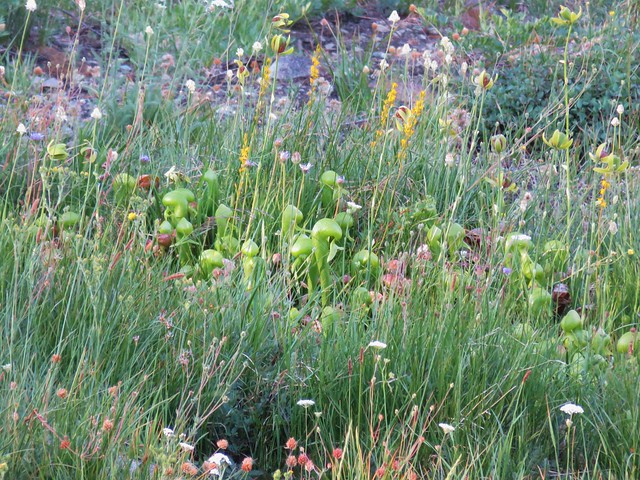
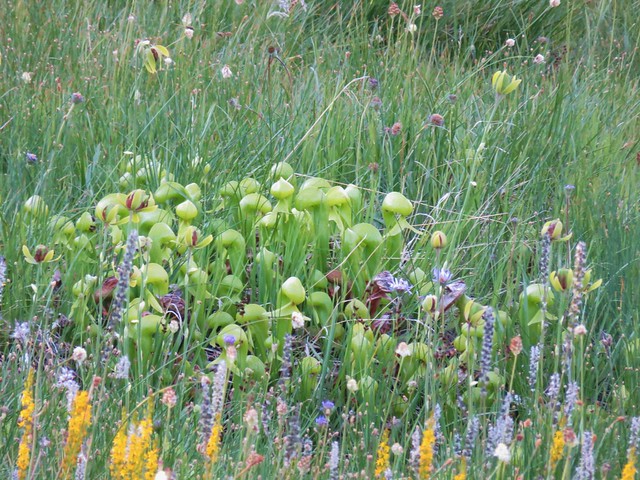
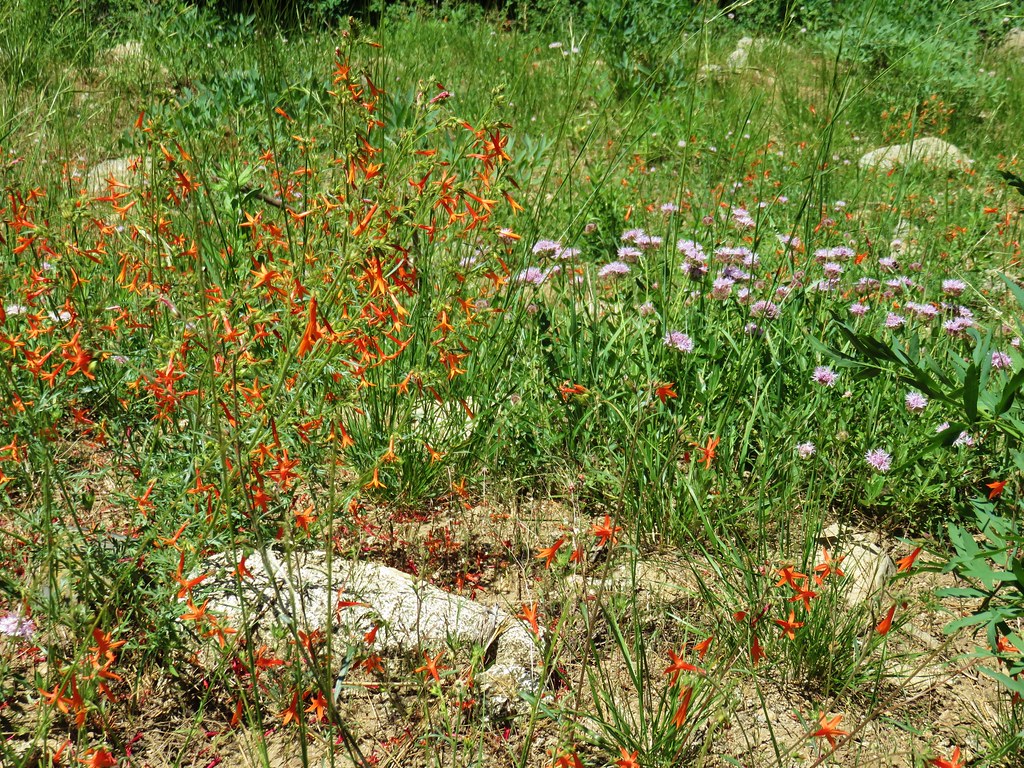
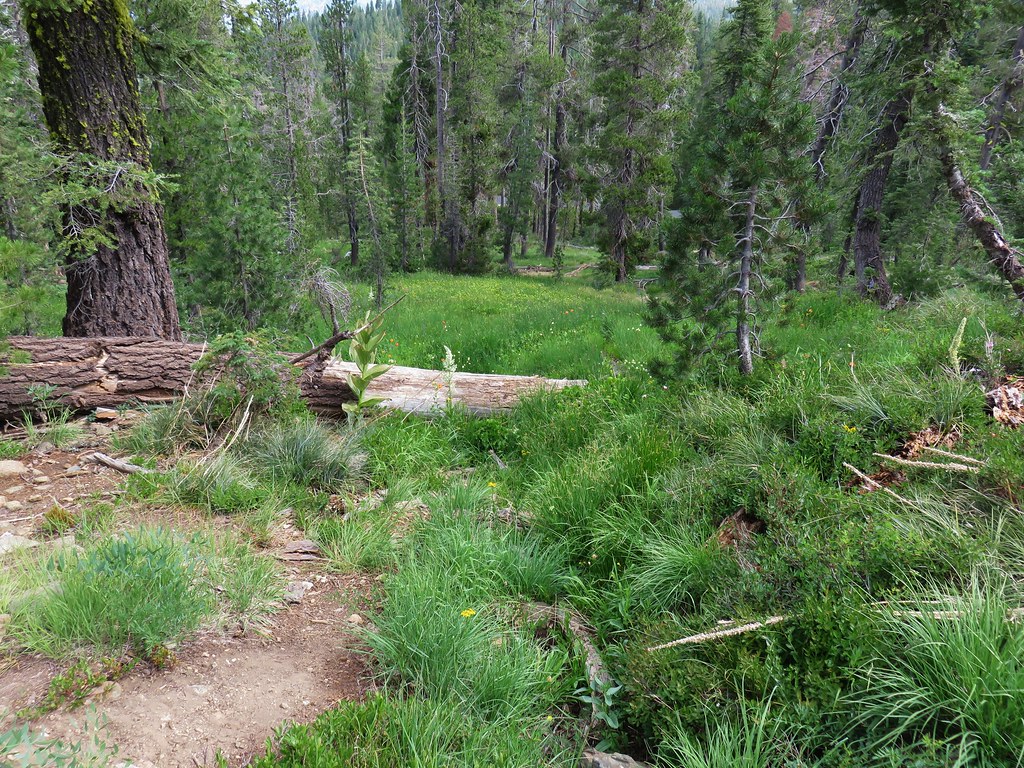
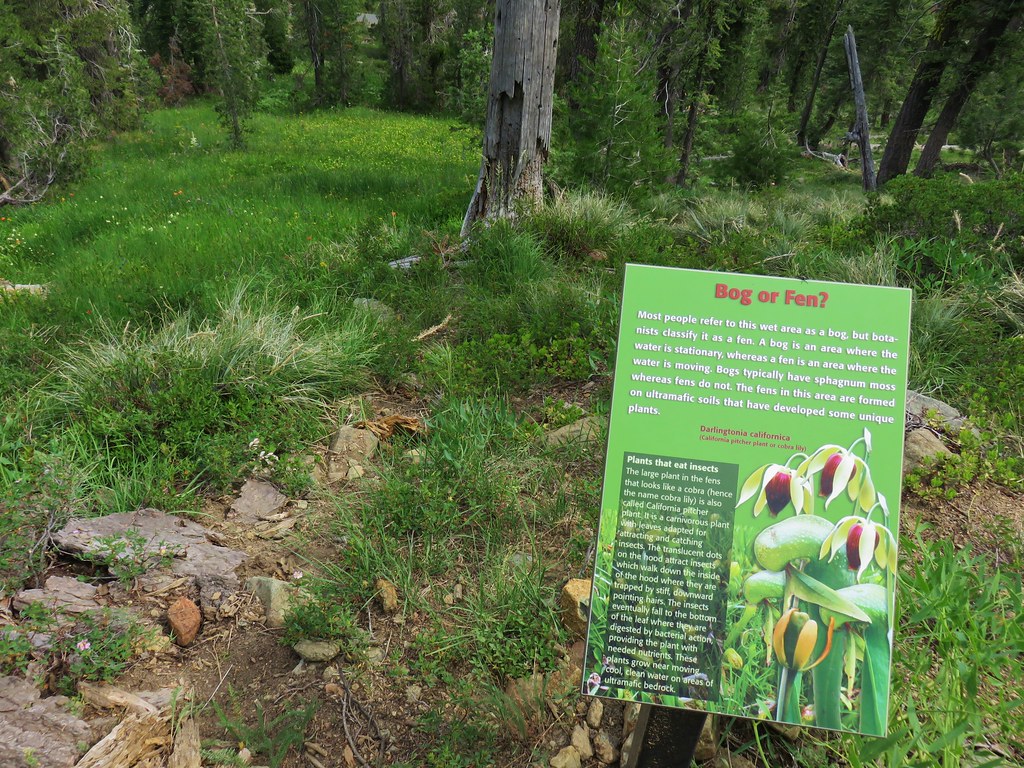
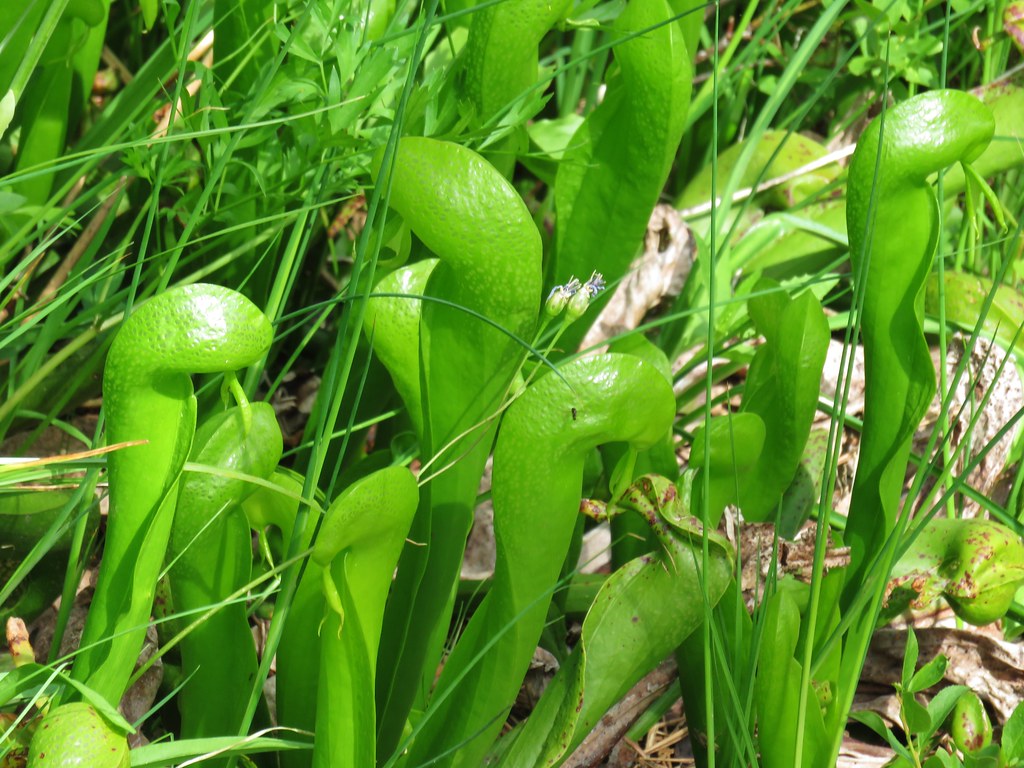
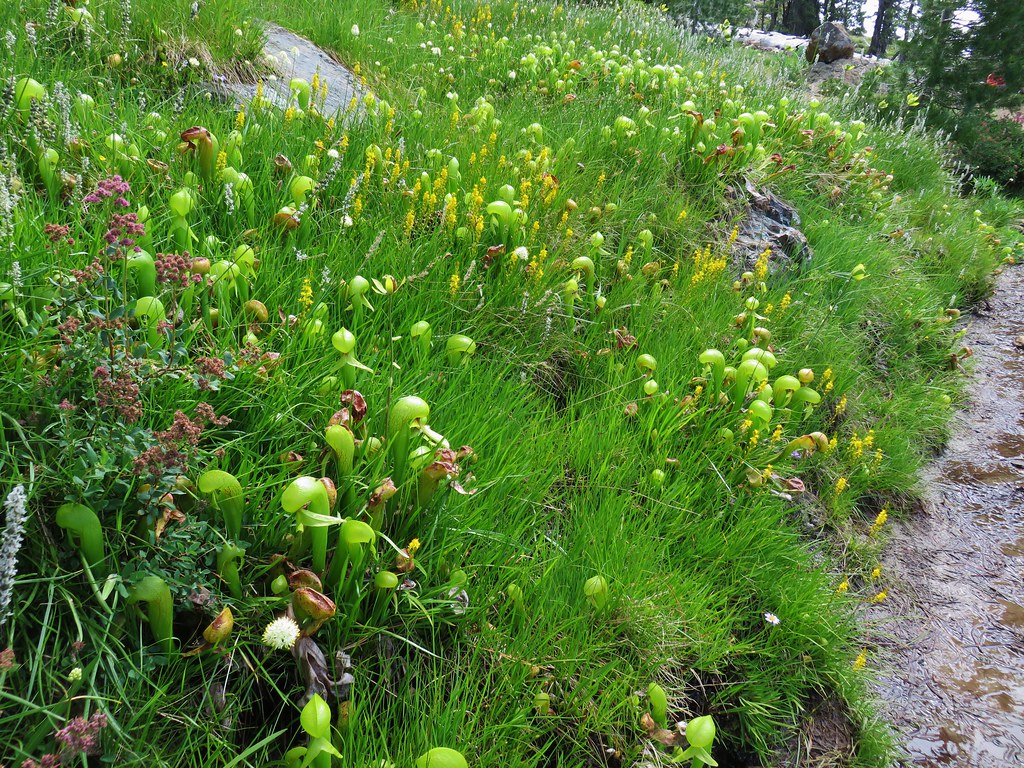
The Fen Trail climbed a hillside along a fen which was home to many wildflowers including Darlingtonia California, California pitcher plants.

IMG_4819

IMG_4826

IMG_4828

IMG_4825

In a half mile the trail came to a viewpoint overlooking Kangaroo Lake.

IMG_4842

The trail continued for another .9 miles passing more wildflowers before ending at the Pacific Crest Trail.

IMG_4857

IMG_4858

IMG_4862

IMG_4876

2017-07-23 11.05.02

IMG_4893

IMG_4910

We turned left (south) on the PCT and headed for Bull Lake. The trail here passed through ponderosa pines with wide open views.

IMG_4921

IMG_4913

<IMG_4915

IMG_4919

The ground along this stretch was covered with balloon pods.

IMG_4925

IMG_4926

IMG_4928

We passed several thru-hikers including a couple resting at a damp hillside which housed more pitcher plants.

IMG_4931

Beyond the pitcher plants the trail entered a drier meadow where we noticed a collapsed structure amid the wildflowers.

IMG_4938

IMG_4941

IMG_4939

As we passed through this area I spotted the final few inches of a rattlesnake slowly leaving the trail and disappearing into a manzanita bush. It was the first we’d seen while hiking and just from the small portion we saw it was a lot bigger than the garter snakes and rubber boas we usually see. We made a wide arc around the bush and continued on, now on high alert.

Just under a mile after turning onto the PCT we stayed left at a fork in the trail which would have taken us down to Robbers Meadow. We did the same in another 1.7 miles when that trail returned to the PCT at a four-way junction at a pass.

IMG_4960

IMG_4955

From the pass we could see Bull Lake below and Mt. Shasta on the horizon.

IMG_4958

We stayed on the PCT until we had nearly passed Bull Lake where we struck off downhill on a faint user trail to the lake shore.

IMG_4963

IMG_4966

IMG_4967

After a relaxing break at the lake it was time to head back. For our return trip we chose to follow a route suggested by Bubba Suess from Hike Mt. Shasta. Our plan was to follow his directions from Bull Lake up and over Cory Peak and back down to the PCT. We returned to the PCT from the lake and when we spotted what appeared to be a fairly open route so we left the PCT and headed uphill.

IMG_4977

The brush soon gave way to a rocky slope which made the cross country route fairly easy, just a bit steep.

IMG_4978

Using the track provided on the website we were able to compare our route shown on our GPS to make sure we were staying on the right track. It’s always interesting to see what is hiding back off the trails. We came to a small green bowl were a doe was grazing.

IMG_4985

She headed uphill on nearly the same route we were on so we saw here a couple more times before our route veered to the right at a saddle to climb up an even higher ridge.

IMG_4992

IMG_4994

IMG_4995

IMG_5000

We arrived at the ridge top just to the SE of a snow melt lake below Cory Peak.

IMG_5001

IMG_5006

IMG_5007

To the SW the snowy Trinity Alps lined the horizon.

IMG_5003

Mt. Shasta and Mt. Eddy rose to the east.

IMG_5008

They were all locations we had plans to visit during the week. After catching our breath we followed the ridge along the lake and scrambled up to the top of some rocks which looked from the lake like the summit of Cory Peak. Once on top we could see that the summit of Cory Peak was actually further along a broad ridge.

IMG_5022

We made our way along the ridge to another set of rocks with an old sign protruding from the top.

IMG_5028

Here we found a geologic survey marker and a summit register.

IMG_5030

IMG_5029

IMG_5034

After another short break we continued west dropping down to a saddle along the ridge where we had a nice view of Rock Fence Lake below to the north.

IMG_5035

IMG_5043

IMG_5039

We followed the ridge down picking up a mylar balloon along the way. Our route passed a nice bunch of wildflowers and below some melting snow before we bailed off the ridge and hooked back up with the PCT about a quarter mile from the junction with the Fen Trail.

IMG_5044Looking back up at Cory Peak.

IMG_5045Mylar balloon.

IMG_5054Looking back along the ridge to Cory Peak.

IMG_5062

IMG_5065

IMG_5067

IMG_5069

IMG_5075More of the ridge we descended.

IMG_5081Final stretch down to the PCT.

Once we were back on the PCT we returned to Kangaroo Lake on the Fen Trail and headed for Mount Shasta City. It had been a good start to the vacation and getting to see many of the areas we were going to be visiting was a great motivator. Happy Trails!

Flickr: Kangaroo Lake

Categories
Hiking Oakridge Area Old Cascades Oregon Trip report

Chucksney Mountain to Grasshopper Meadow – Overnight

**Note the 2024 Young Grasshopper Fire burned over a portion of this hike including Grasshopper Meadow.**

After cancelling our first two planned backpacking trips in June we finally got out for an overnight trip. Originally on the schedule for the last week in June, we moved our visit to Grasshopper Meadow back three weeks to let the snow finish melting off, we just hoped we hadn’t waited too long to see the wildflowers.

Our plan for this trip was to start at Box Canyon Horse Camp and hike to Grasshopper Meadow via the Chucksney Mountain and Grasshopper Trails.

Box Canyon Horse Camp is located just off paved Forest Road 19 (Aufderheide Road) and can be reached by driving south from Highway 126 (4 miles east of Blue River) or north from Highway 58 (3 miles west of Oakridge).

After turning at a sign for the Horse Camp we forked right and parked in a large unmarked parking area where a post marked the start of our trail.
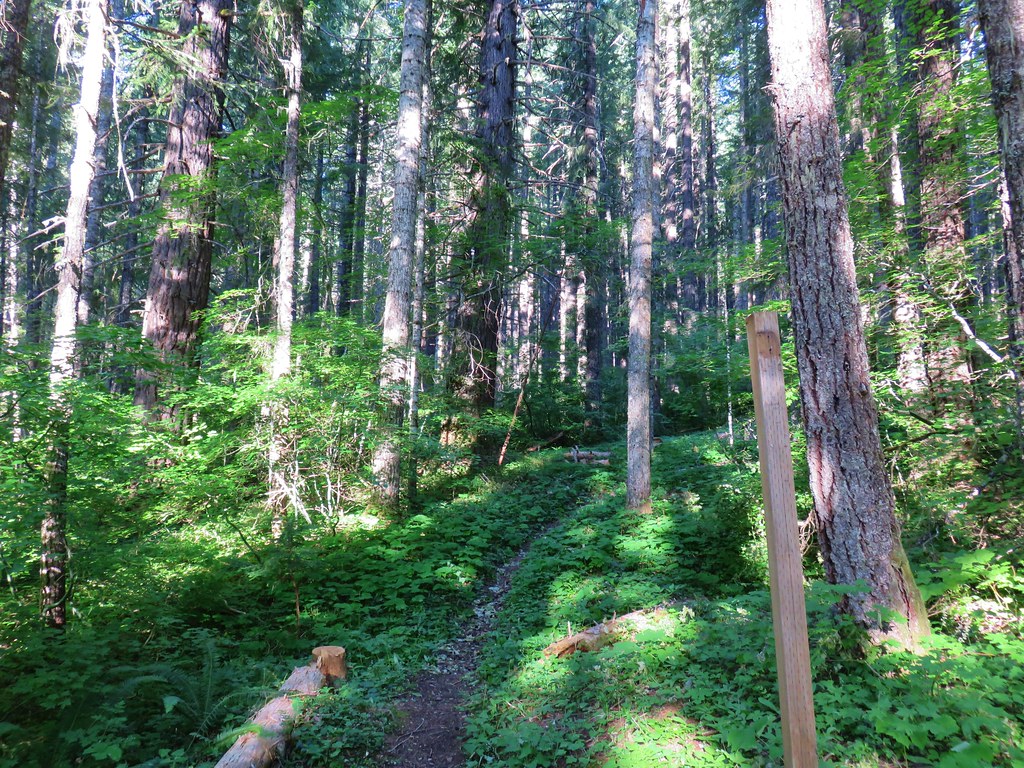
Trail from the car parking at Box Canyon Horse Camp

The trail led uphill and left to a signed trail junction just above the corral at the horse camp where we picked up the Grasshopper Trail.
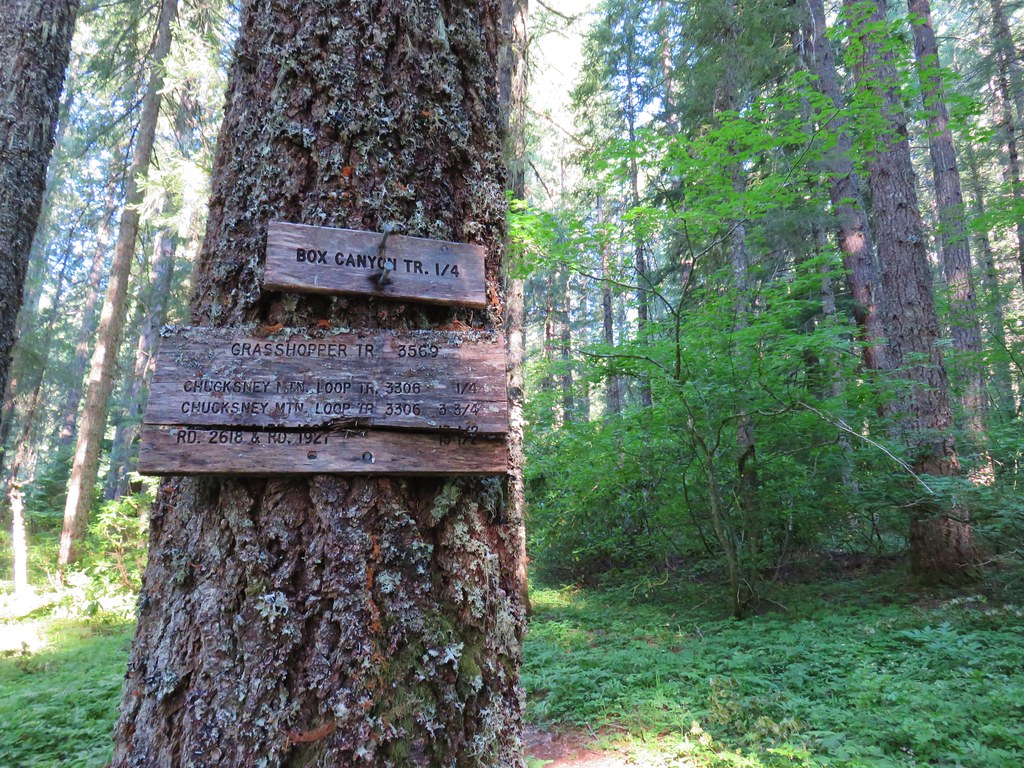
Grasshopper Trail

Mosquitoes were a bit of a nuisance here, and they would be so off and on for the entire trip. We turned uphill passing the Box Canyon Trail which forked to the left before arriving at the signed junction with the Chucksney Mountain Tail. Here we turned right onto the Chucksney Mountain Trail which would lead us to the 5756′ summit in a little under 5 miles. The trail passed through a variety of scenery as it climbed.
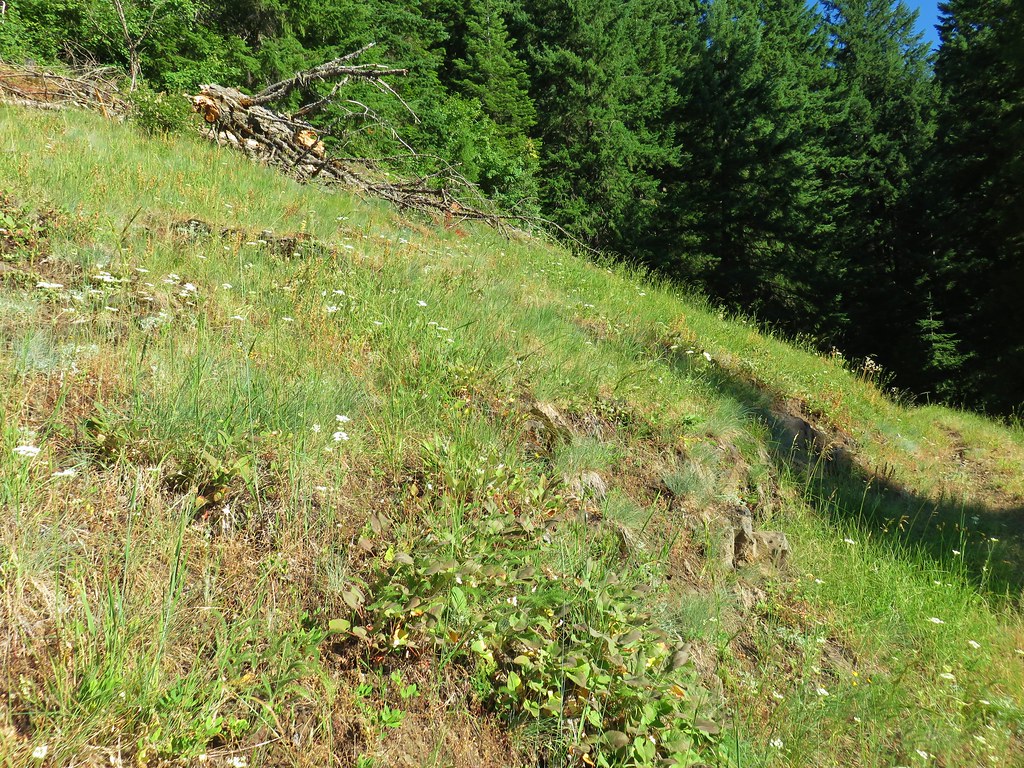
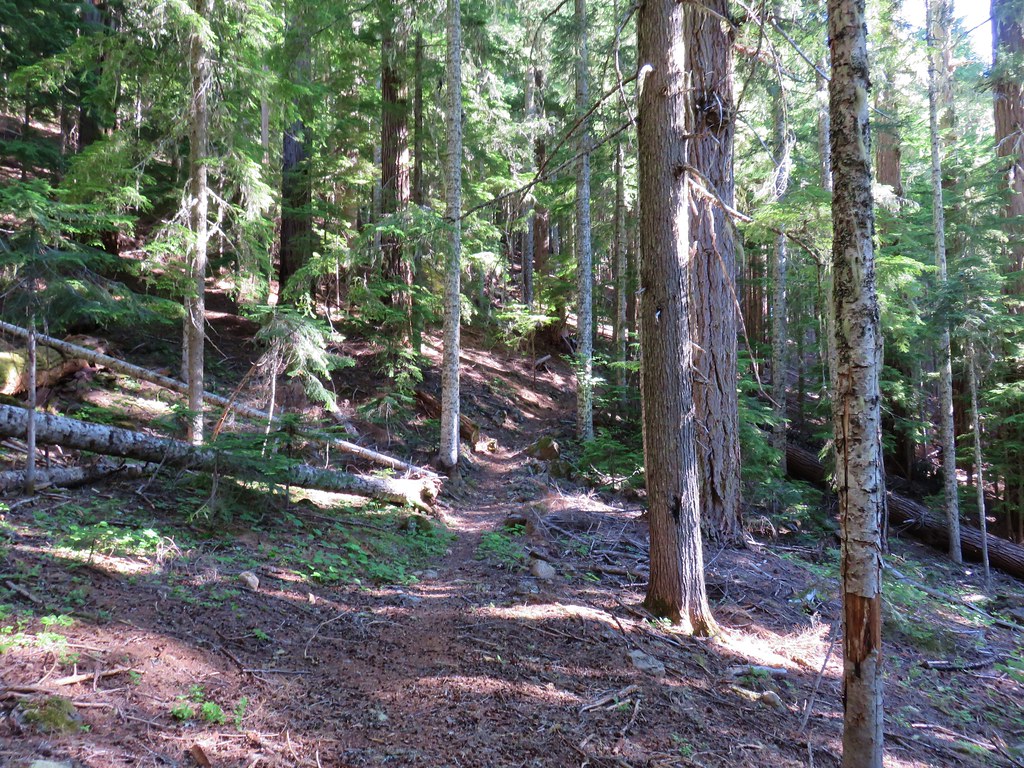
Chucksney Mountain Trail

Chucksney Mountain Trail

Chucksney Mountain Trail

Beargrass and a small burn along the Chucksney Mountain Trail

Chucksney Mountain Trail

In the first 3.5 miles from the trailhead we’d climbed about 1500′ reaching an elevation of 5200′ then the trail dropped a bit and leveled out for about a half mile. The level area held a couple of snow melt ponds and some green meadows which gave rise to plenty of mosquitoes so there wasn’t much stopping for photos as we zipped through. When the trail began climbing again we were approximately 600′ below the summit of Chucksney Mountain.

The trail made up the elevation in a half mile by using a long switchback. As we climbed the number of trees lessened and we passed an increasing number of wildflowers.

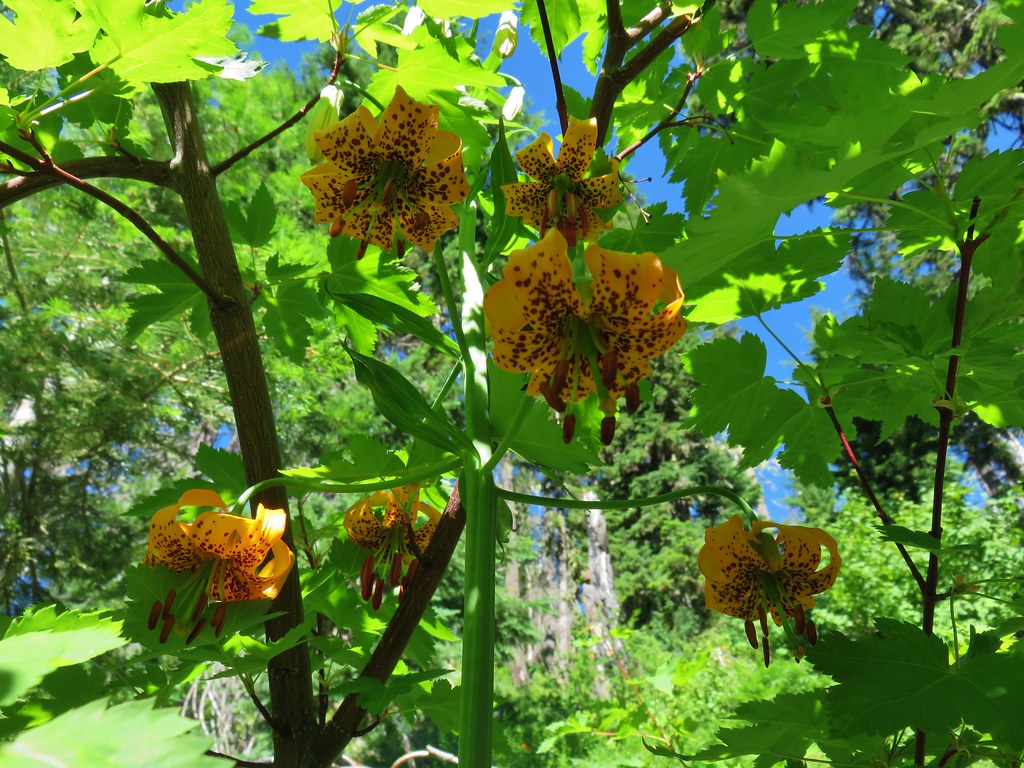
Lupine along the Chucksney Mountain Trail

Tiger lilies

Tiger lilies along the Chucksney Mountain Trail

The trail crested a ridge below the summit in an old burn area which left plenty of exposure for wildflowers as well as open views.
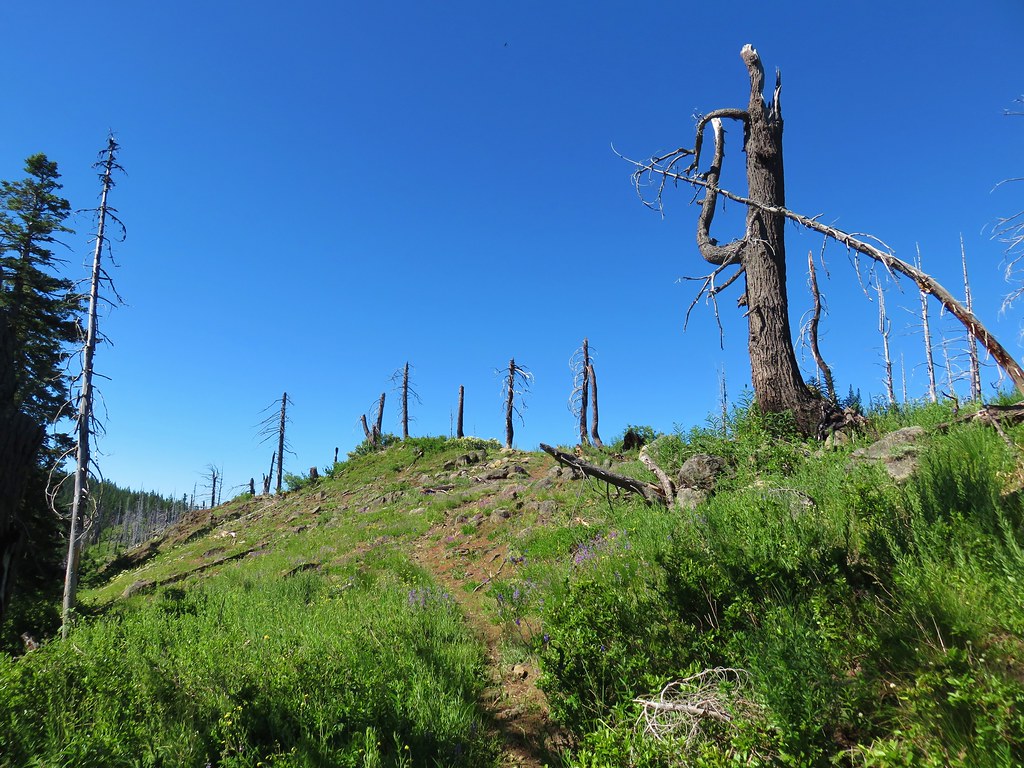
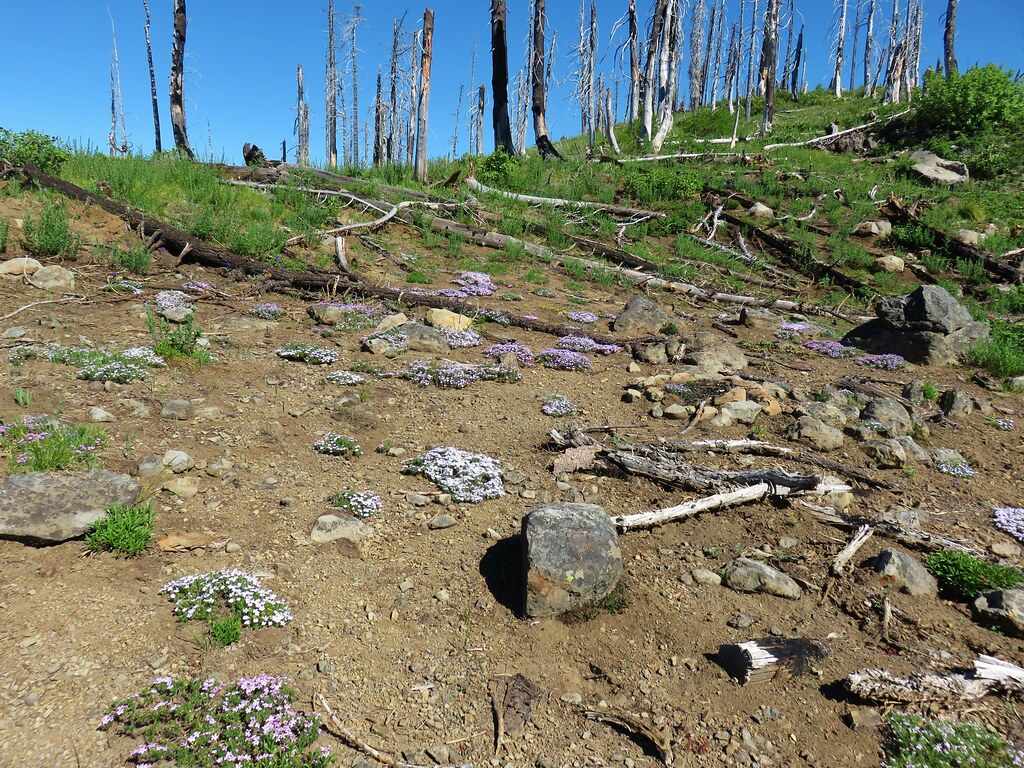
Chucksney Mountain Trail

Phlox

View from Chucksney Mountain Trail

The Three Sisters, Broken Top and Mt. Bachelor

The Chucksney Mountain Trail didn’t actually reach the summit but an easy .1 mile climb along the ridge brought us to the summits survey marker.

Wildflowers on Chucksney Mountain

Survey marker on Chucksney Mountain

A nice variety of wildflowers covered the ridge.

Owl's head clover

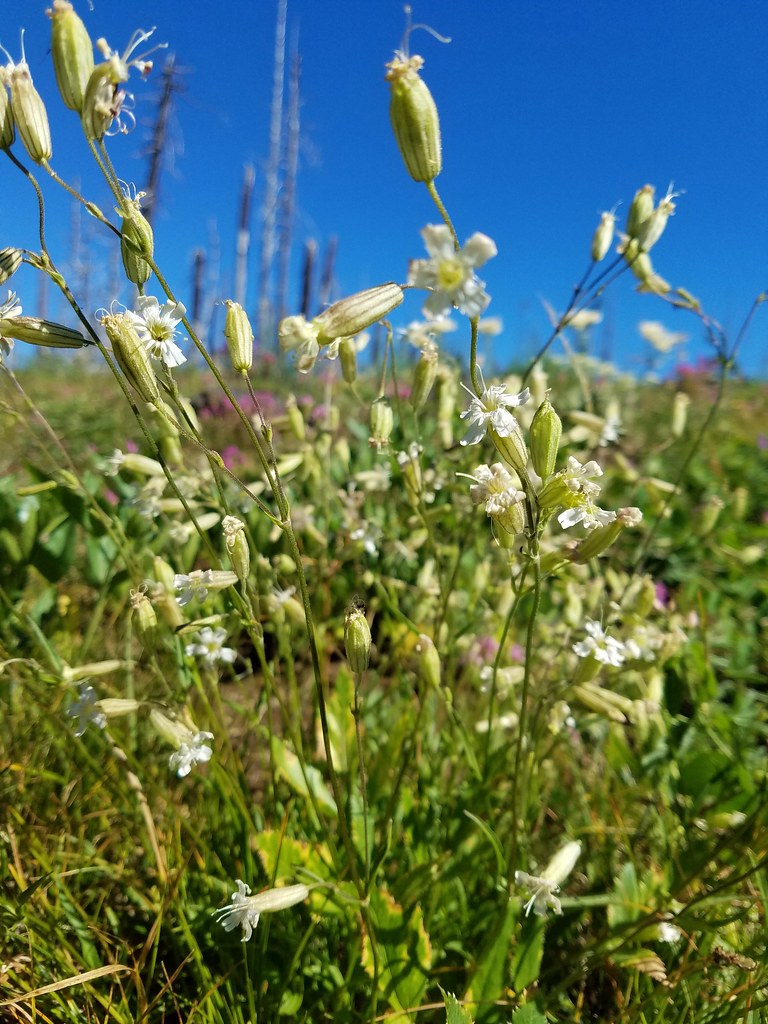
Catchfly

Wildflowers on Chucksney Mountain

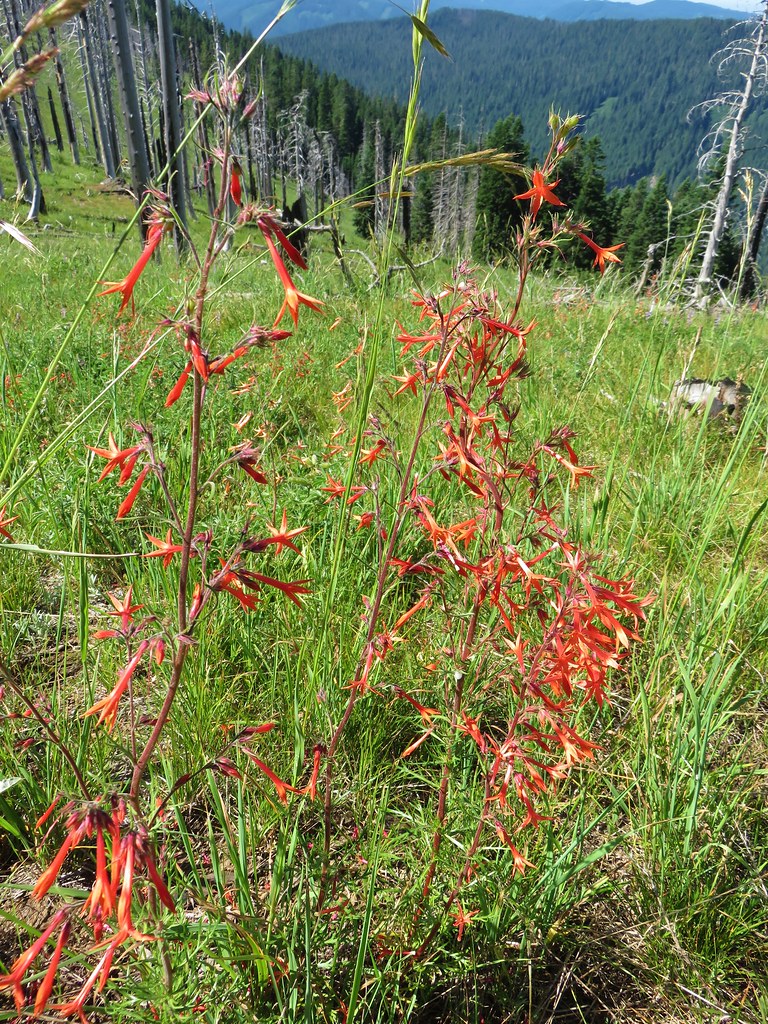
Scarlet gilia

From the summit we could see eight of the Cascade volcanoes from Mt. Jefferson in the north to Diamond Peak in the south.

Mt. Jefferson and Three Fingered Jack from Chucksney MountainMt. Jefferson & Three Fingered Jack

The Three Sisters, Broken Top and Mt. Bachelor from Chucksney MountainThe Three Sisters, Broken Top, and Mt. Bachelor

Diamond Peak from Chucksney MountainDiamond Peak

After a short break at the summit we returned to the trail which turned south along a long ridge where the tread became faint as it passed through a meadow.
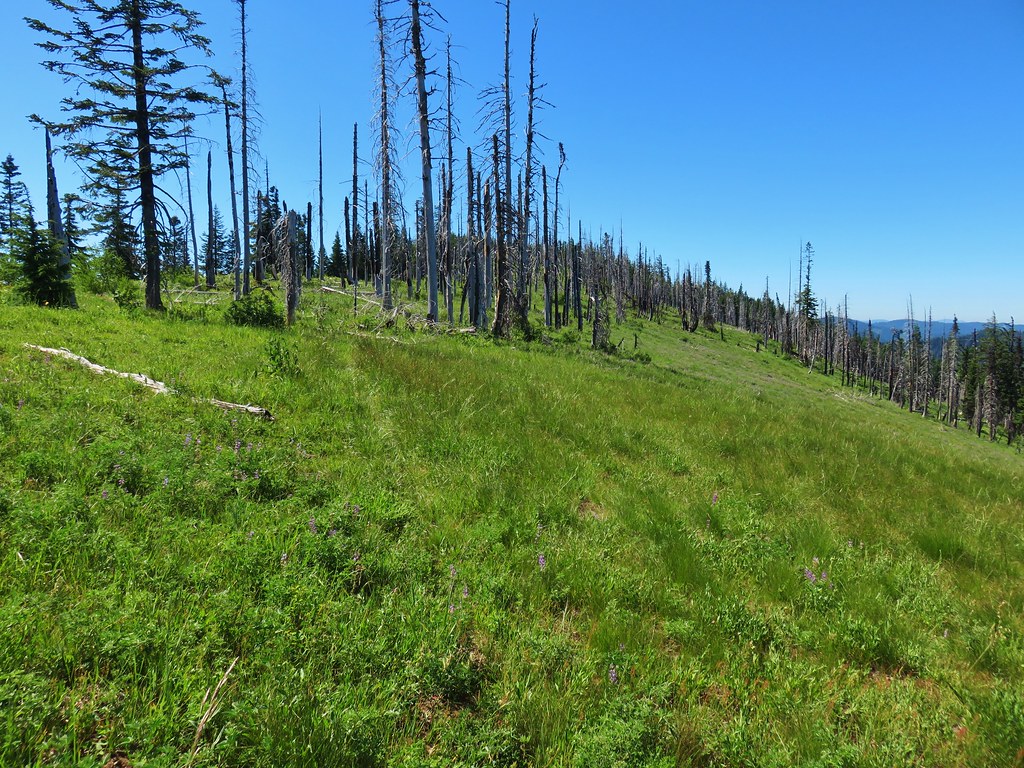
Chucksney Mountain Trail

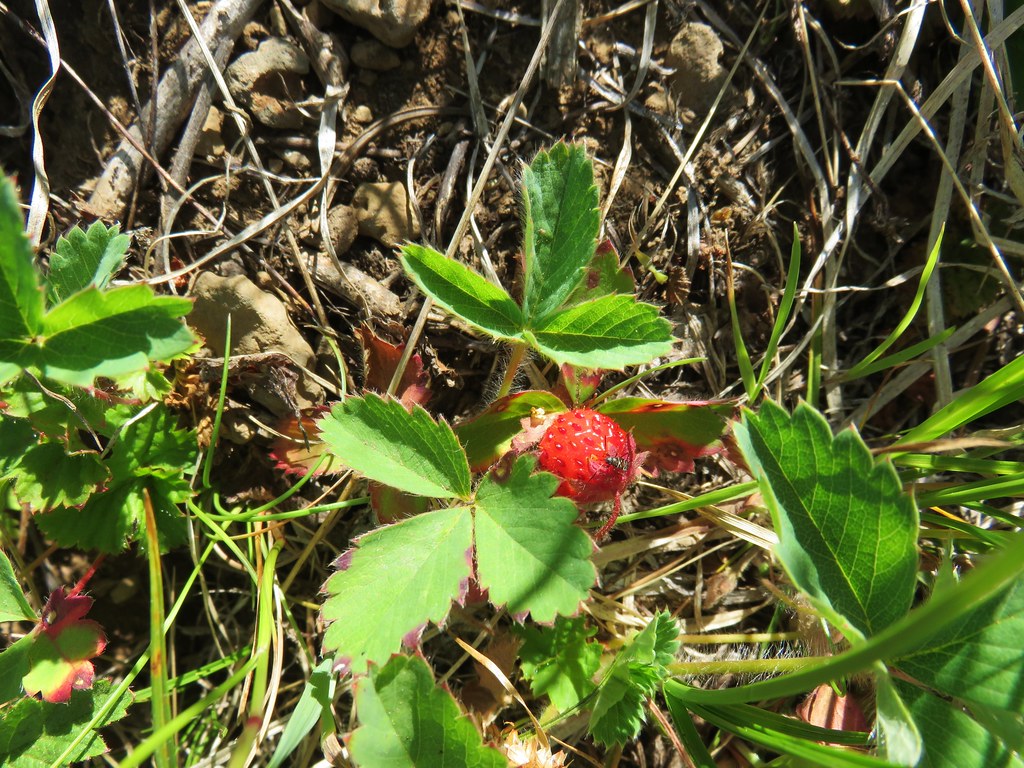
We spotted some other types of wildflowers along the ridge as well as some nice ripe strawberries.
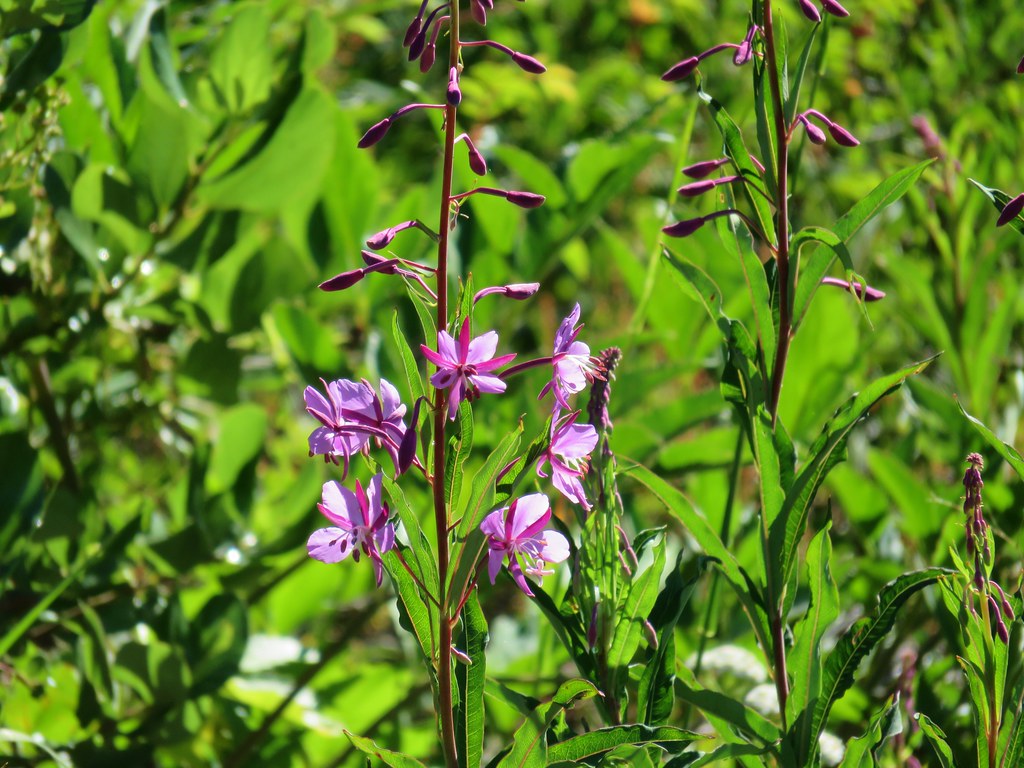
Fireweed

Grand collomia

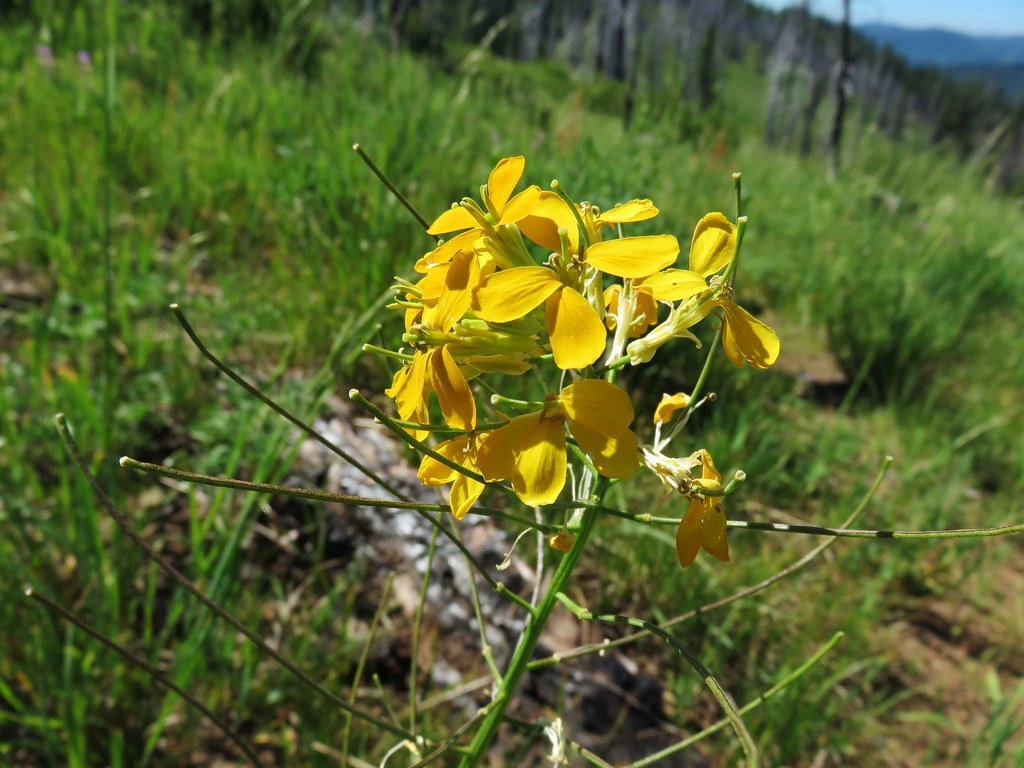
Wallflower

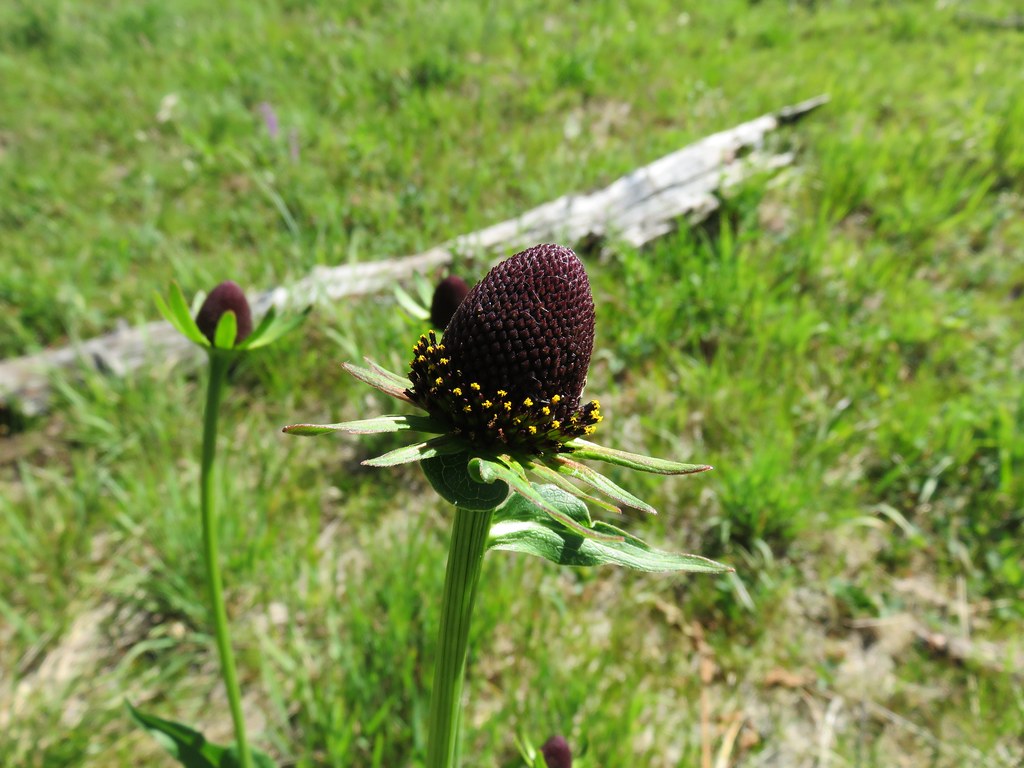
Coneflower

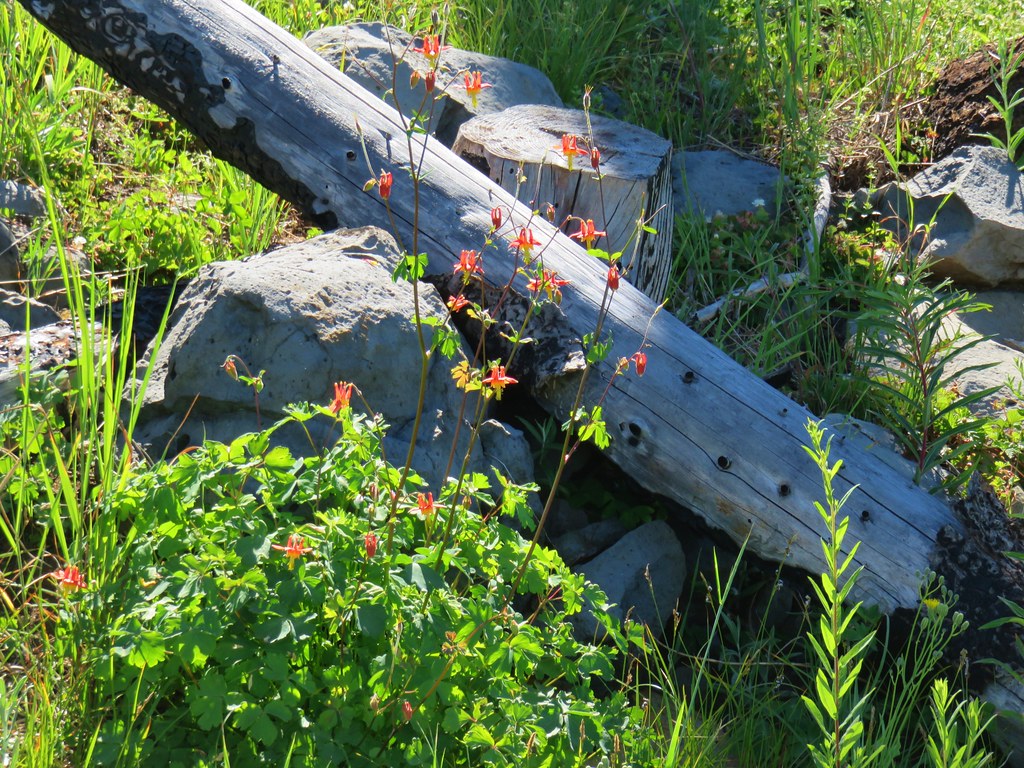
Columbine

Strawberry

The trail reentered the trees as it began a hillside traverse to its end at the Grasshopper Trail.
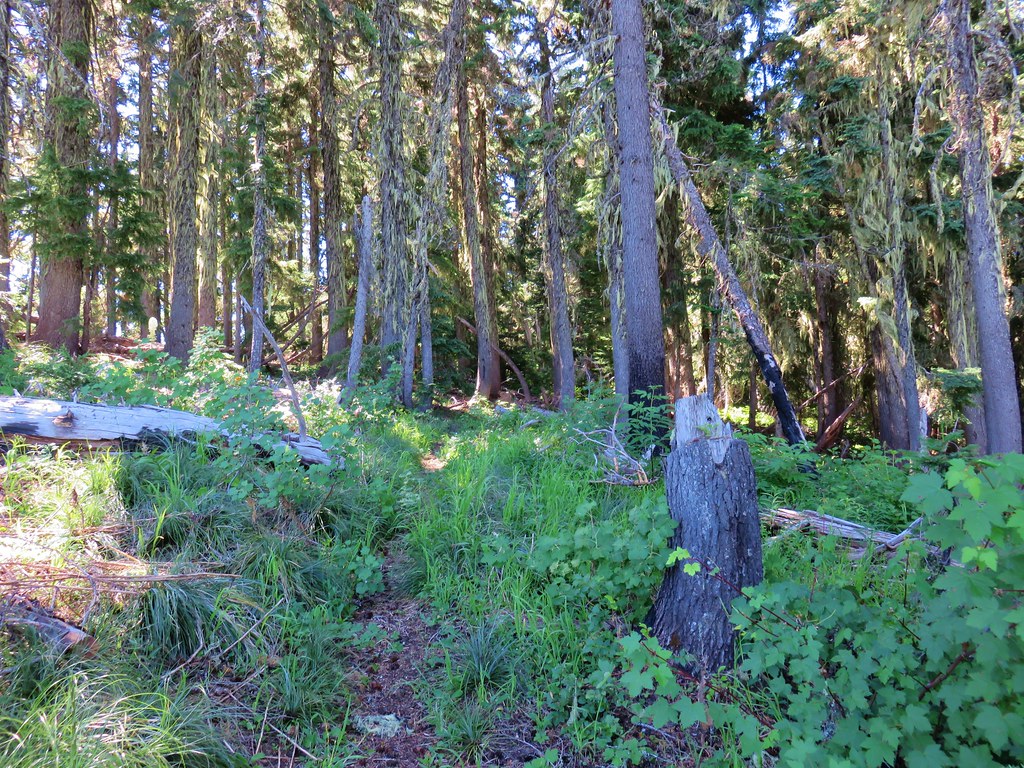
Chucksney Mountain Trail

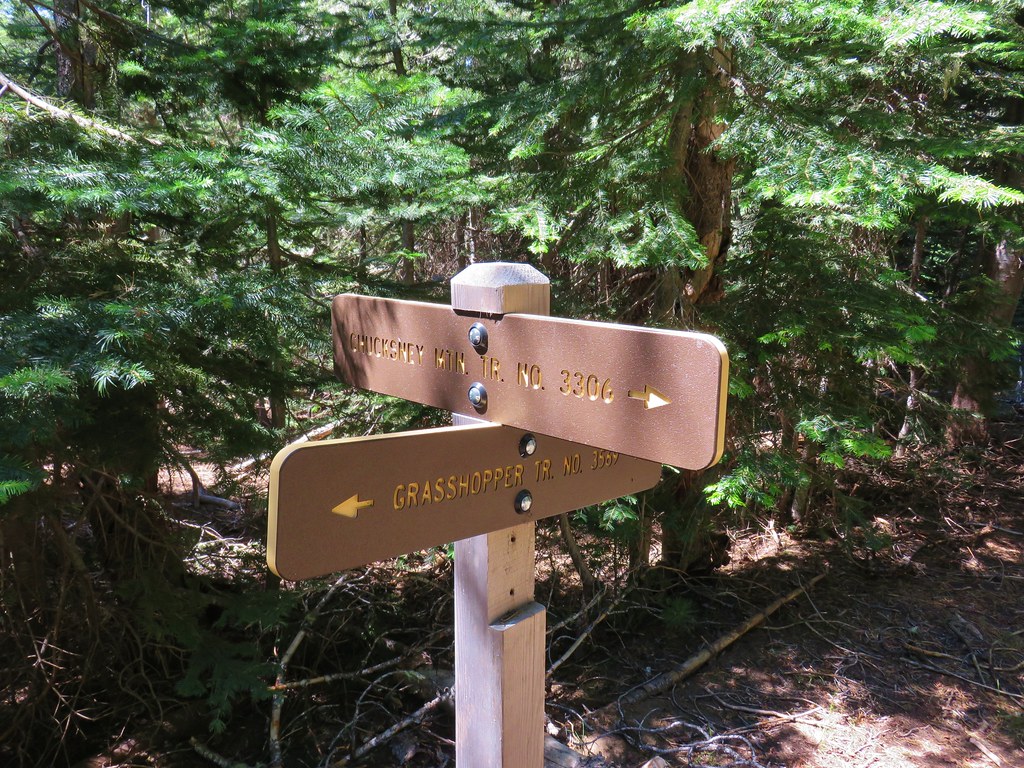
The trail passed along another section of burned forest just before reaching the signed junction.

Meadow along the Chucksney Mountain Trail

Chucksney Mountain Trail junction with the Grasshopper Trail

Turning left here would have led us back to the down to the Box Canyon Trailhead in 3.9 miles but we were saving that section of trail for our return the next day. We turned right and headed east along the Grasshopper Trail which promptly began to descend through and then along a meadow with lots of cat’s ear lilies and a view of Diamond Peak.

Meadow along the Grasshopper Trail

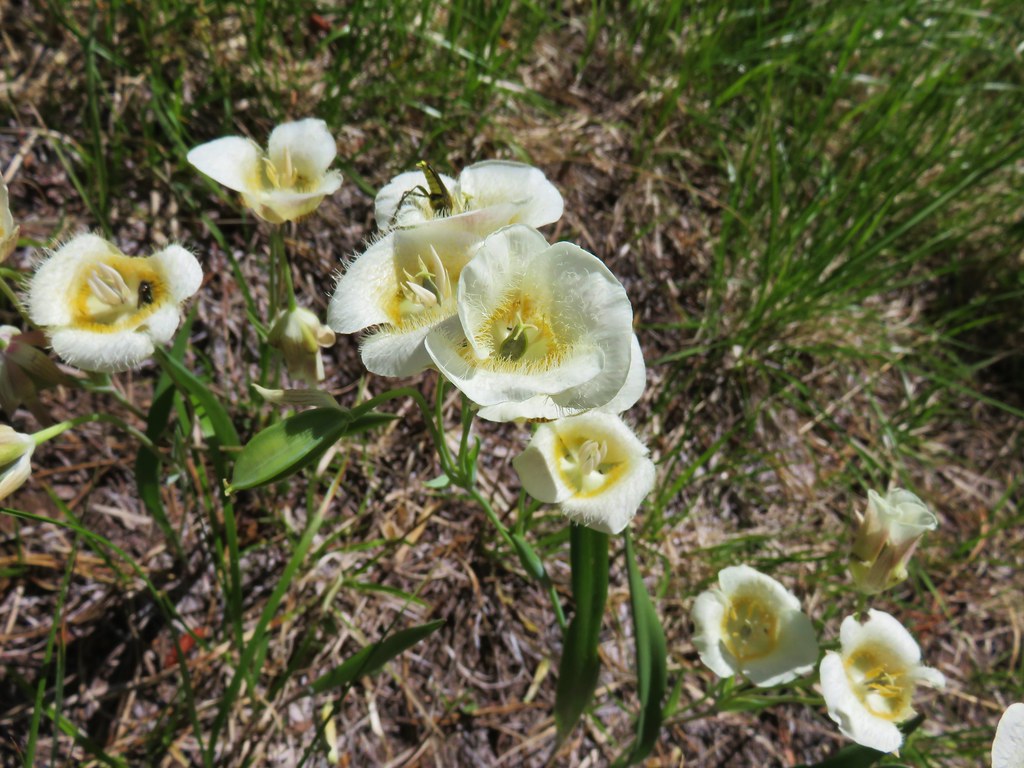
Cat's ear lilies

Cat's ear lilies

Diamond Peak

Diamond Peak

The trail lost a little over 500′ of elevation as it followed the forested ridge east. A little over a mile from the junction we finally hit the low point in a saddle just under 5000′ in elevation. We then began regaining nearly all of the elevation we had lost in the next mile. This climb contained the steepest section of the hike and ended in a beargrass filled meadow.
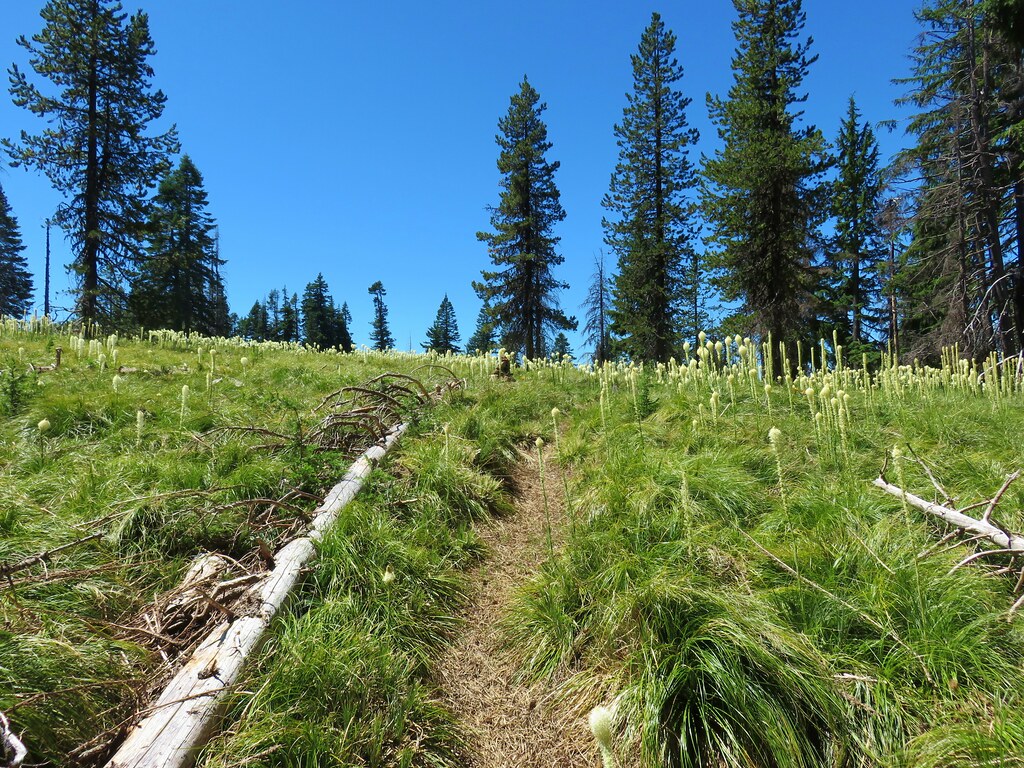
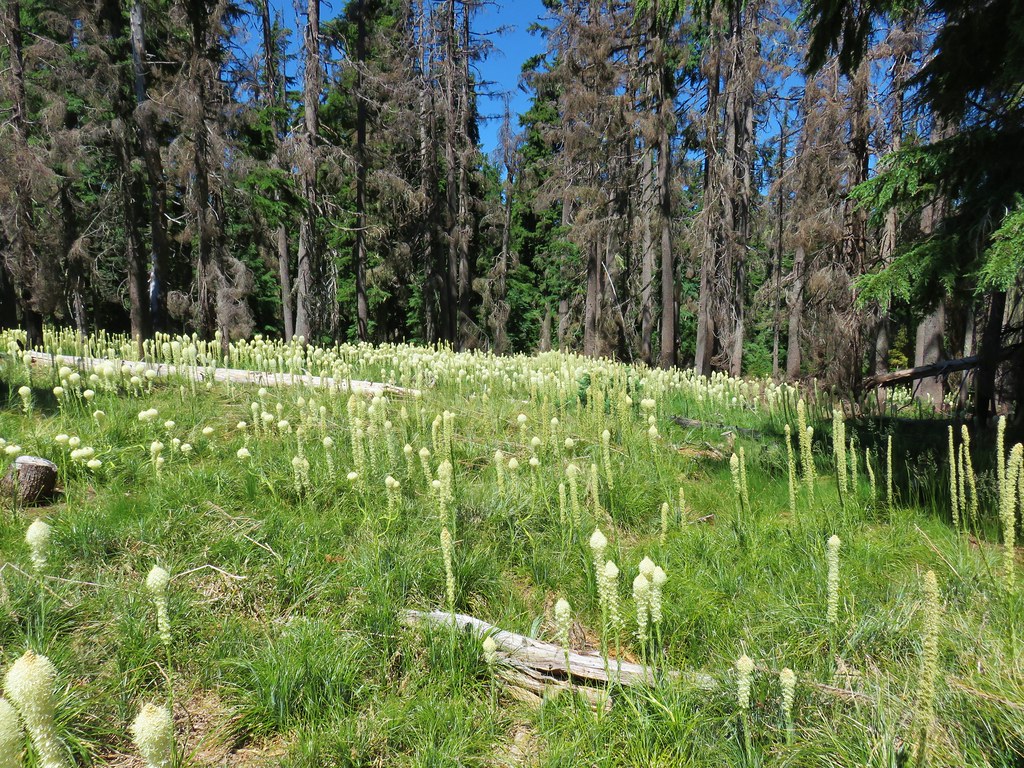
Grasshopper Trail

Beargrass

Beargrass meadow along the Grasshopper Trail

Grasshopper Trail

A brief exploration of the meadow revealed some blocks in the ground of unknown origin.

Blocks in a meadow along the Grasshopper Trail

We also spotted a fairly good sized and very colorful moth which we later identified as a common sheep moth thanks to some help from the folks at Oregonhikers.org.
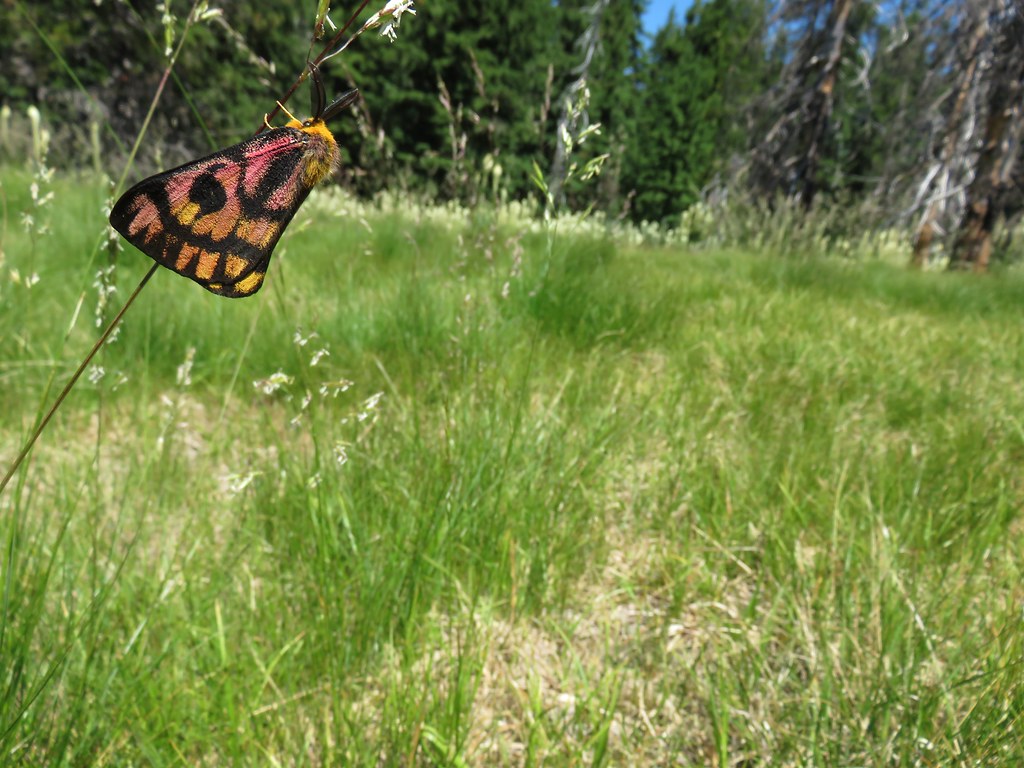
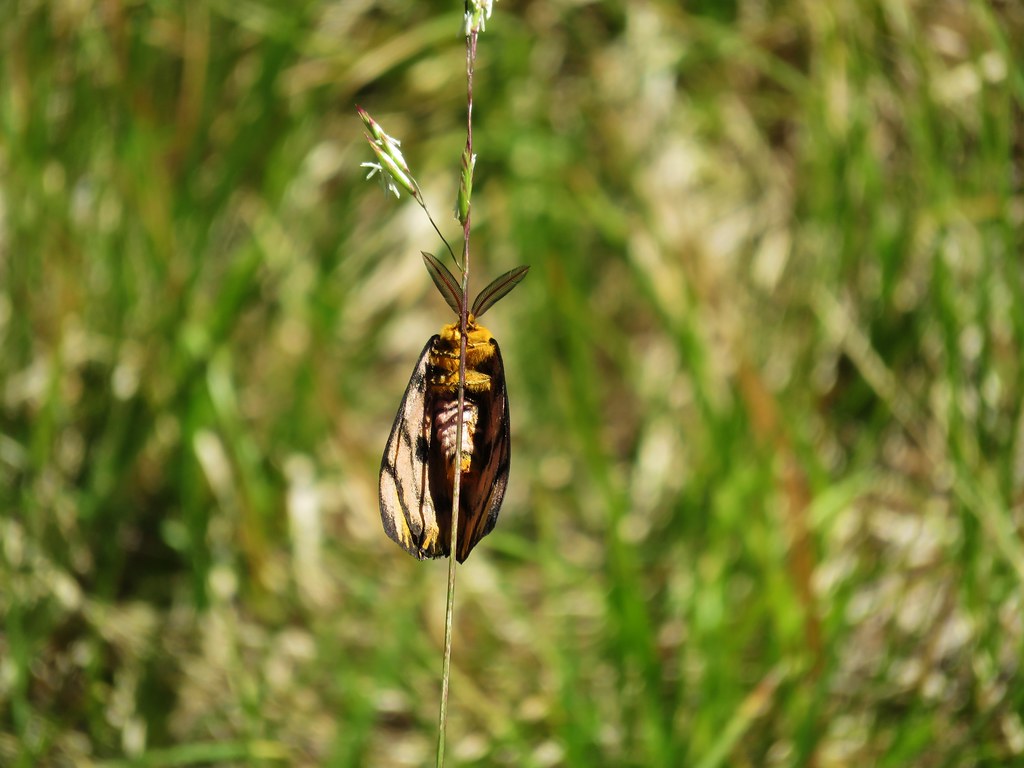
Sheep Moth

Sheep Moth

We had thought this meadow might be Grasshopper Point but after consulting the map it was clear we had a way to go yet before we’d reach that feature. We continued on the trail, which for the next quarter mile traveled along some rocky cliffs offering more views of Diamond Peak.
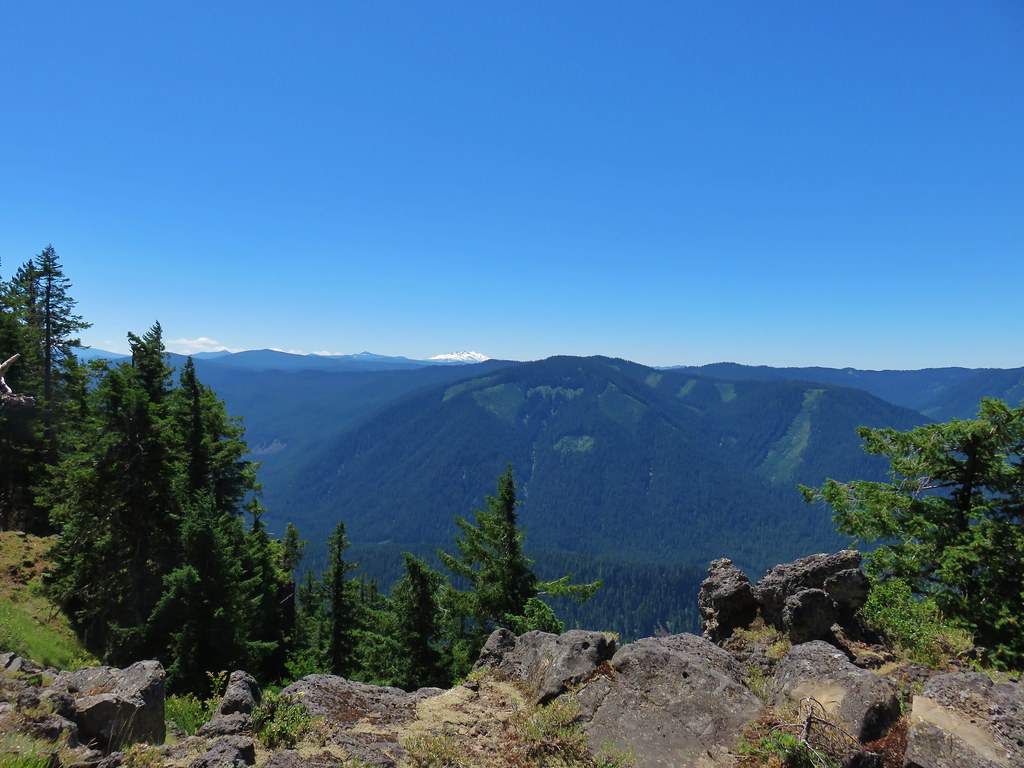
Diamond Peak

Beyond the cliffs the trail turned north as it began to contour around a creek drainage. Up until this point the the trail had been in good shape with signs of recent maintenance where logs had been cut. The Chucksney Mountain Trail had been a bit faint through the meadow along the ridge but it had still been relatively easy to follow. Here we came to a large meadow with signs of another fire but no sign of the trail at first.

The Grasshopper Trail was not visible through this meadow, a few Forest Service flags helped mark the way.

We finally spotted a small orange flag in the middle of the grass and made our way towards it.
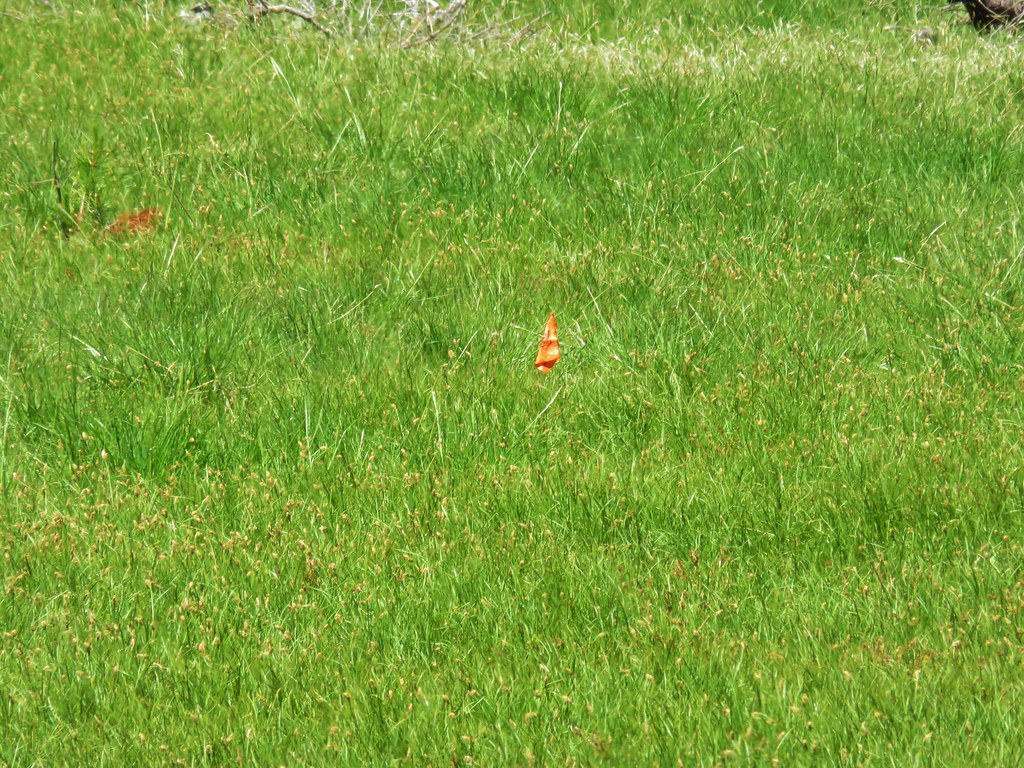
Forest Service Flag marking the Grasshopper Trail

It was a Forest Service “Trail” Flag so we looked for a second one. We did spot one, but it was next to a small tree next to the trail we’d just come from. We scanned for any signs of a trail: flagging, cairns, blazes but there was nothing. Time for the maps. The Garmin, Forest Service, and topographic maps all showed the trail swinging around to the NE so we began using the GPS to stick close to where it showed the trail was supposed to be. We spread out a bit in hopes of rediscovering the trail. We both spotted different flags at about the same time.

Forest Service Trail flag

There wound up being three flags at the lower end of the meadow which led us to the continuation of the trail as it reentered the trees. After a short stint in the trees the trail began to climb out of the valley into another meadow.
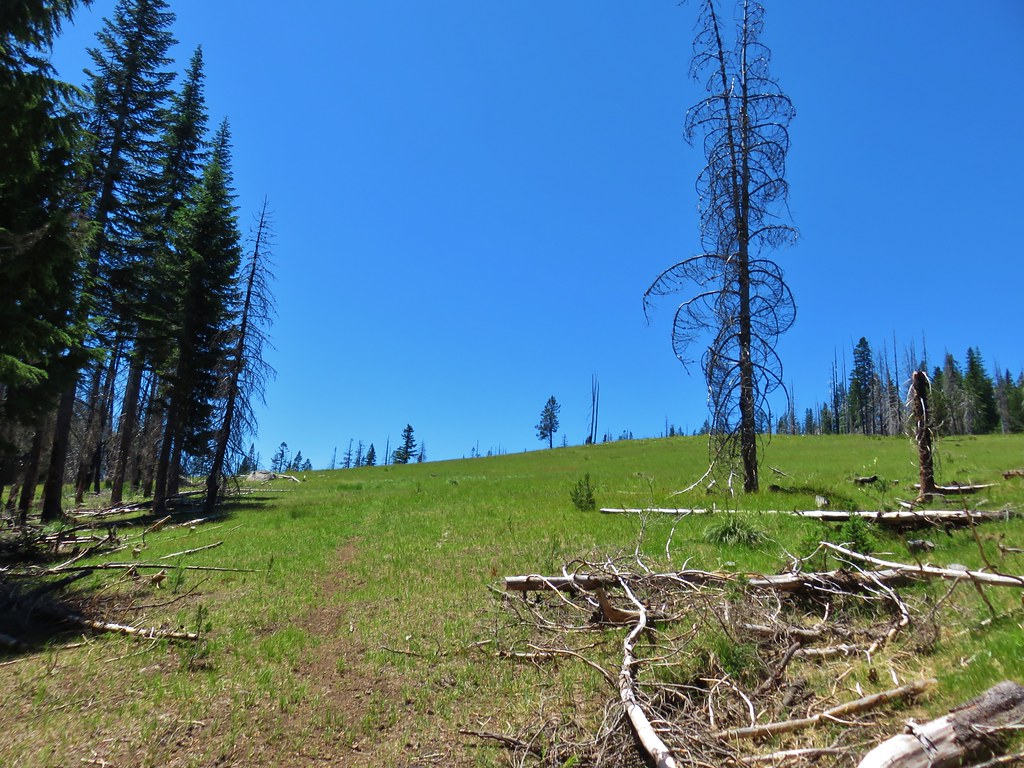
Grasshopper Trail

The trail was faint at times in this meadow as well, but there were large rock cairns to help guide us this time.

Grasshopper Trail

Looking back from this meadow gave us a good look at another meadow across the valley.

Meadows along the Grasshopper Trail

The meadow gave way to a wildflower rock garden as the trail regained the ridge.
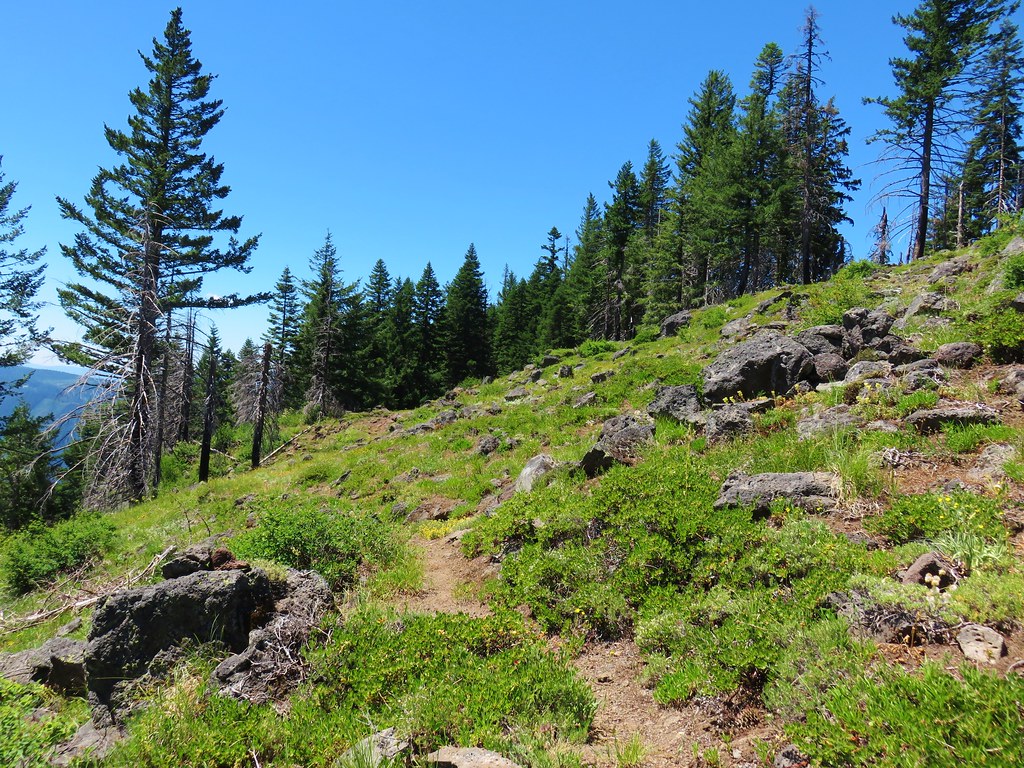
Grasshopper Trail

Owl's head clover

Scarlet gilia

Wildflowers along the Grasshopper Trail

Penstemon

In the next half mile the trail passed through two small meadows, the first filled with lupine and the second more beargrass. The trail was once again very faint in the lupine meadow.
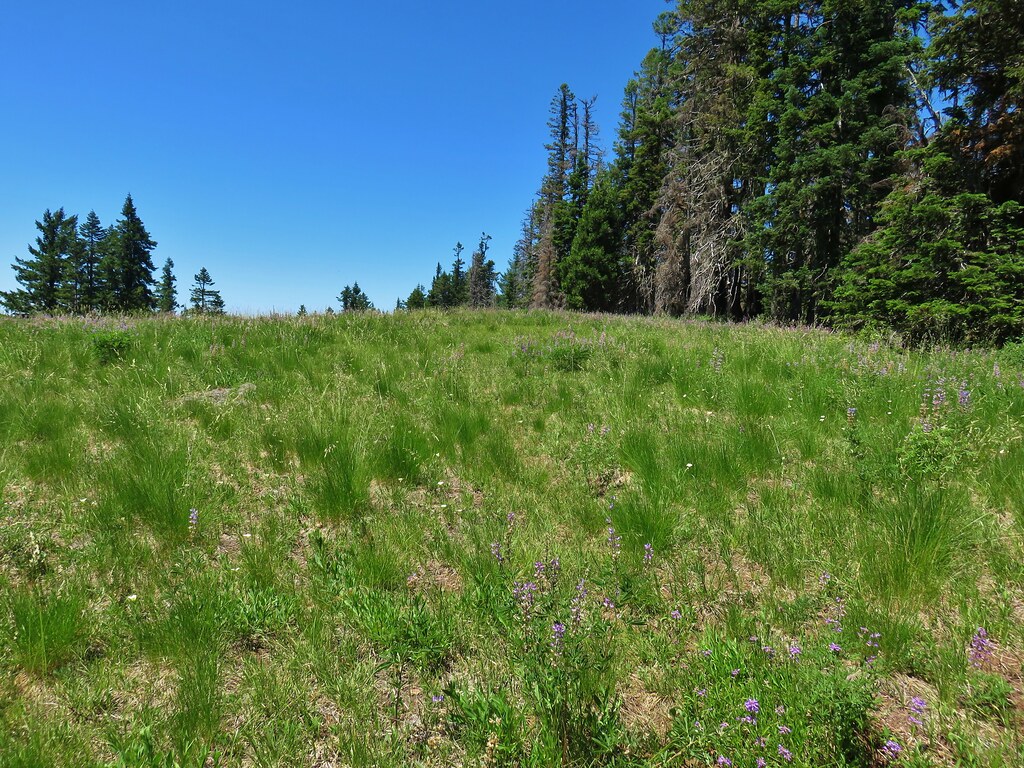
Grasshopper Trail

Lupine

Grasshopper Trail

Grasshopper Trail

The trail then dipped off the ridge, first on the north side, then after climbing back up to a saddle, to the south side to avoid some rock outcrops.
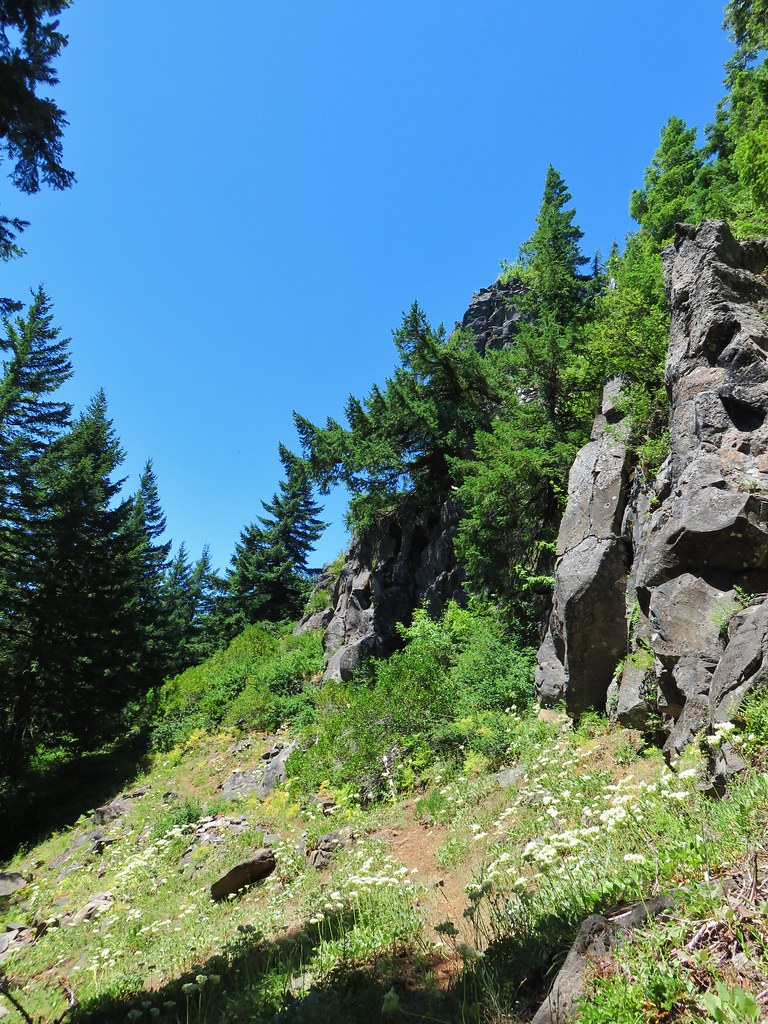
Grasshopper Trail

Beyond the outcrops was a short forested section of the ridge where some fragrant Washington lilies were in bloom.
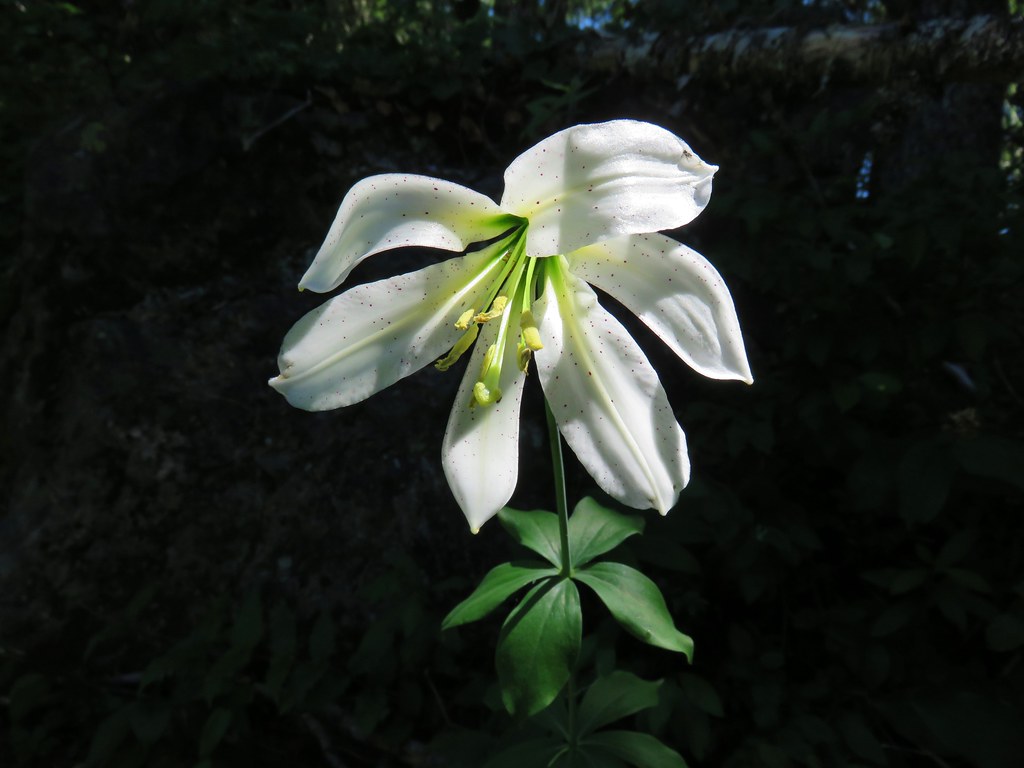
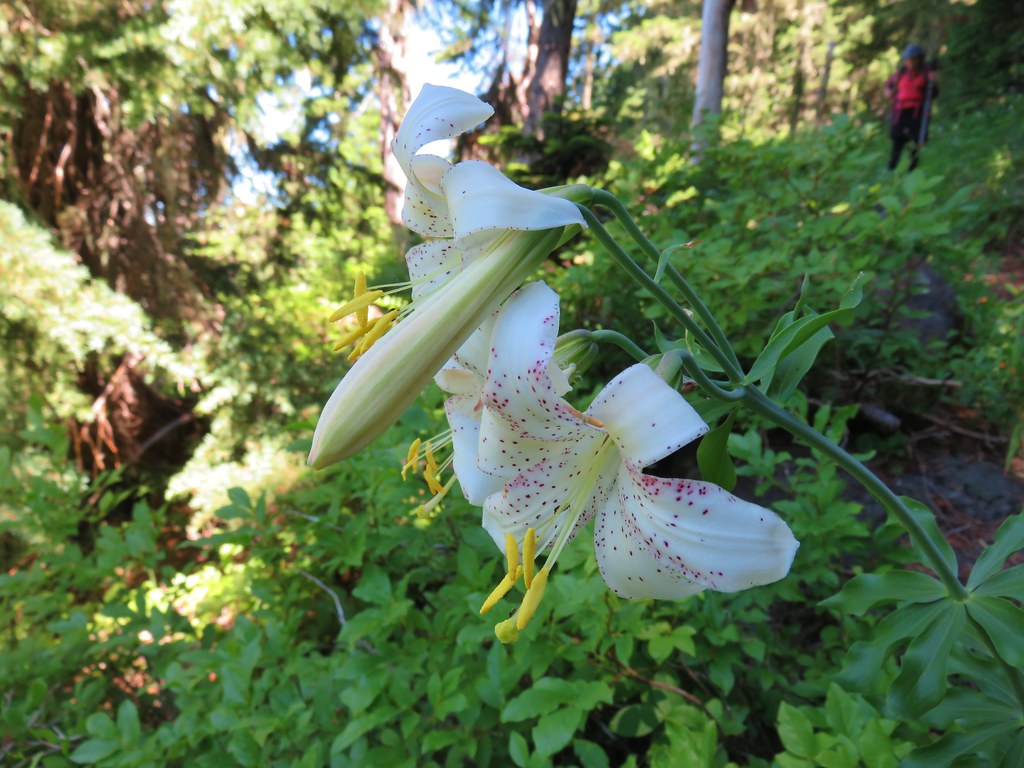
Washington lily

Washington lily

A total of 5.2 miles from the Chucksney Mountain Trail junction we arrived at the meadow near Grasshopper Point.
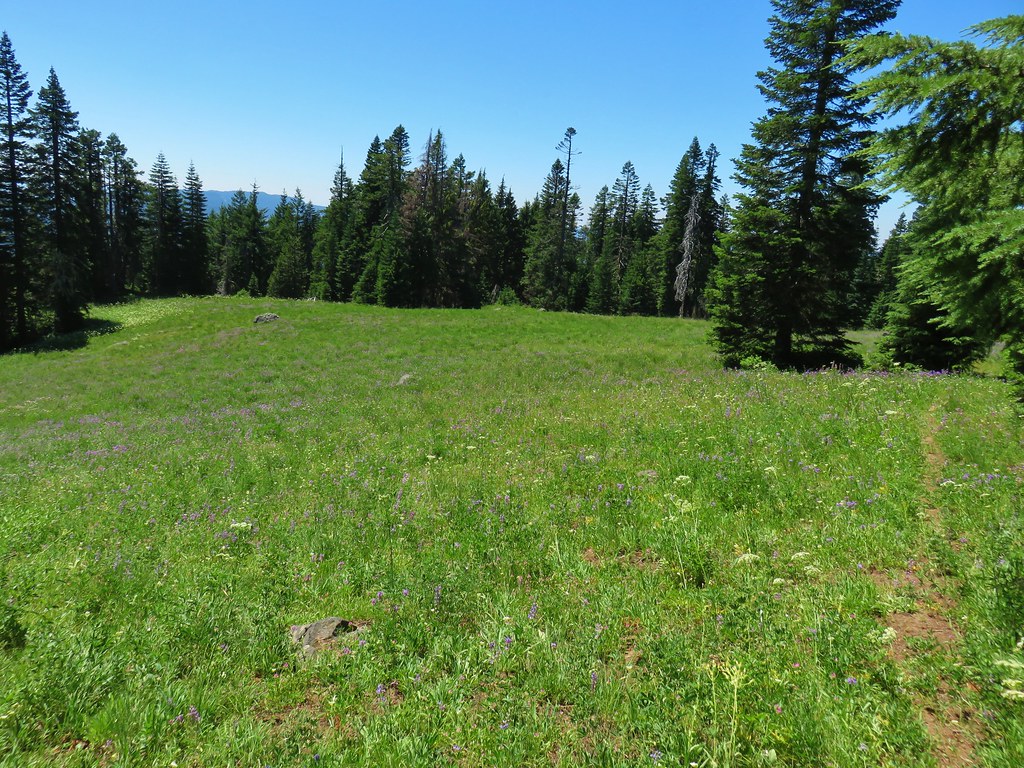
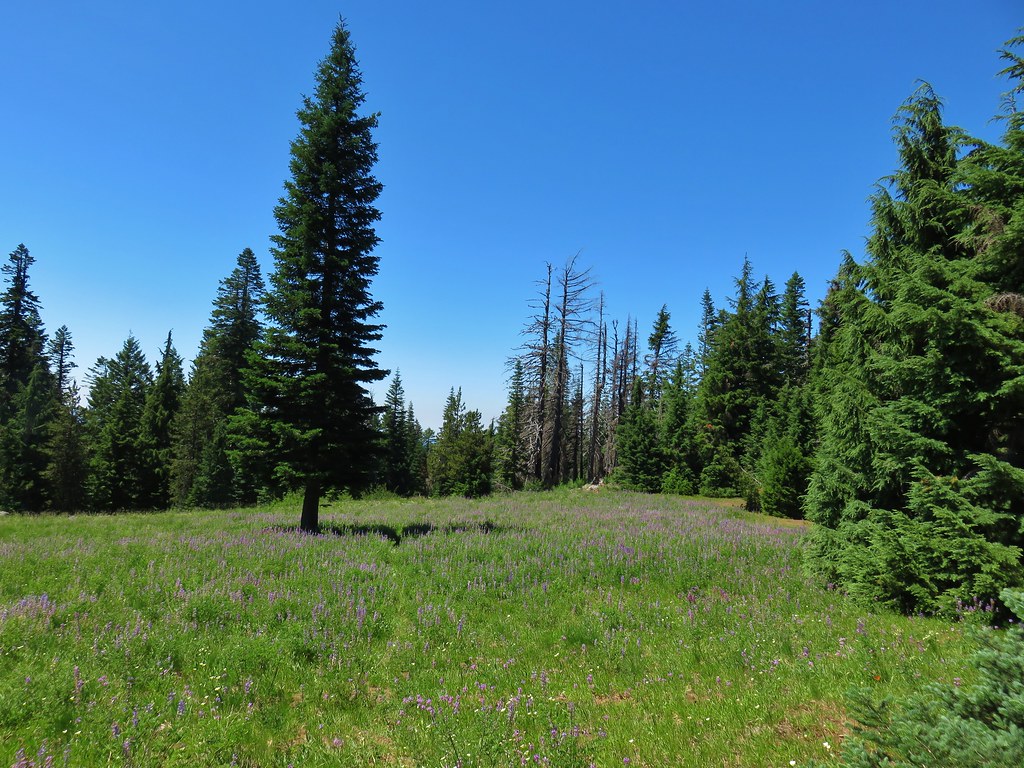
Grasshopper Trail

Grasshopper Trail

We spotted a patch of bare ground at the edge of the meadow near the trees where we decided to set up camp.
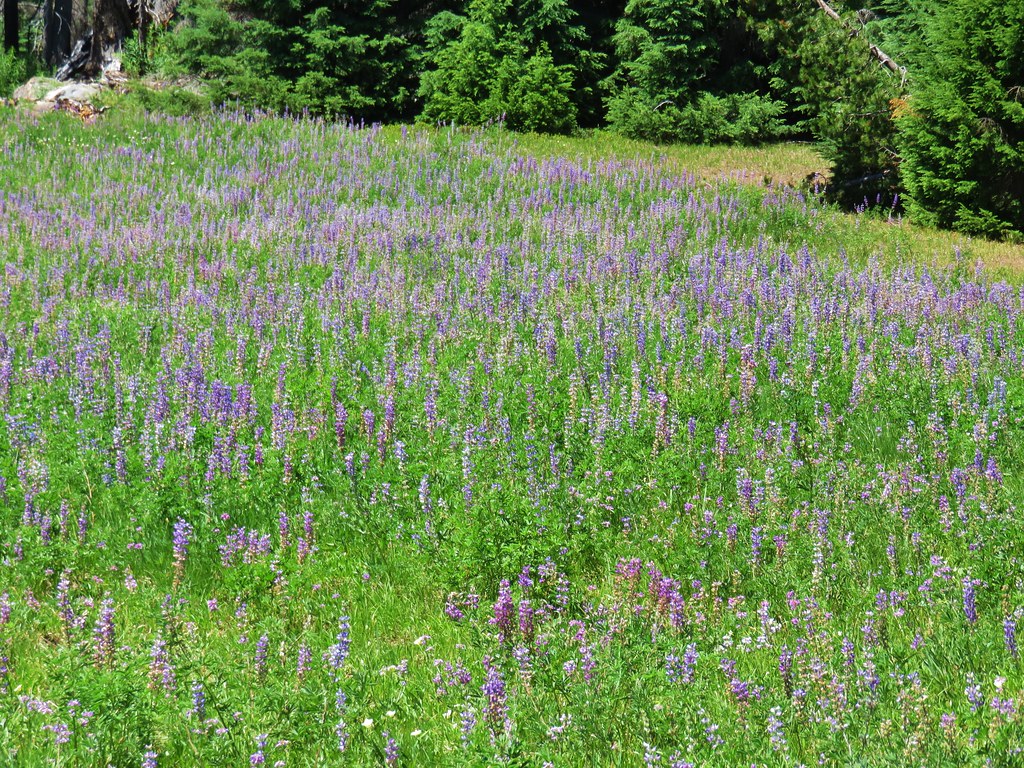
Lupine meadow

Camp site along the Grasshopper Trail

The meadow was filled with flowers and provided views of Diamond Peak, especially on the rocks of Grasshopper Point.

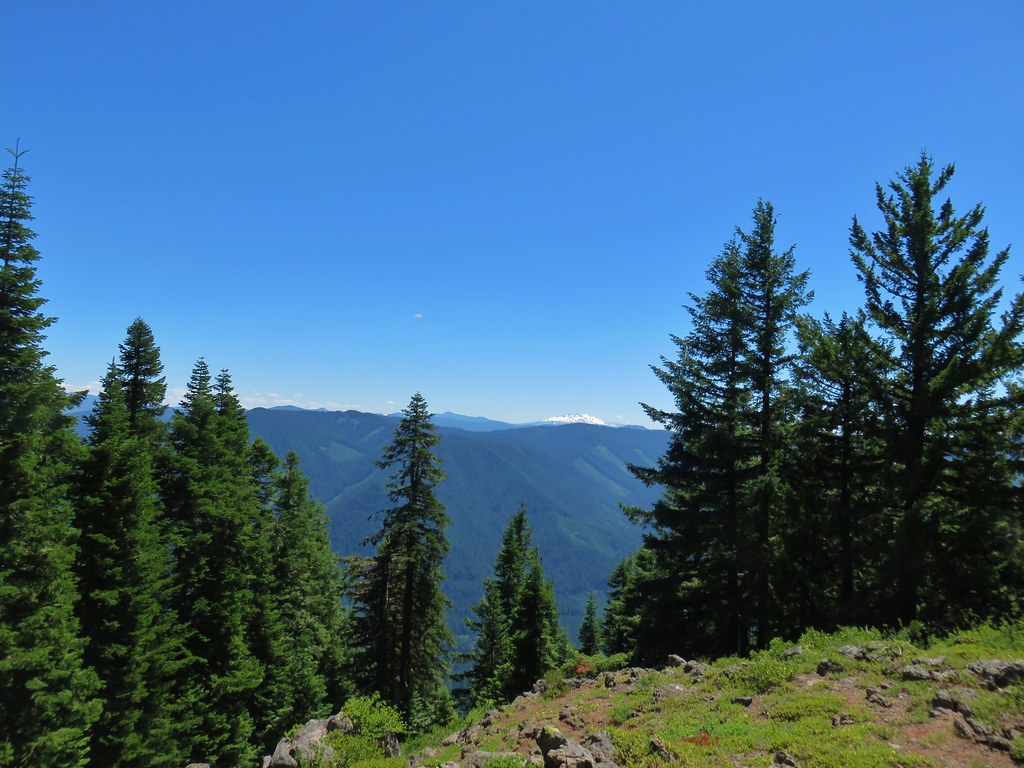
Wildflower meadow along the Grasshopper Trail

Diamond Peak

After setting up camp and taking a nice break at Grasshopper Point we continued east on the Grasshopper Trail to the large Grasshopper Meadow.
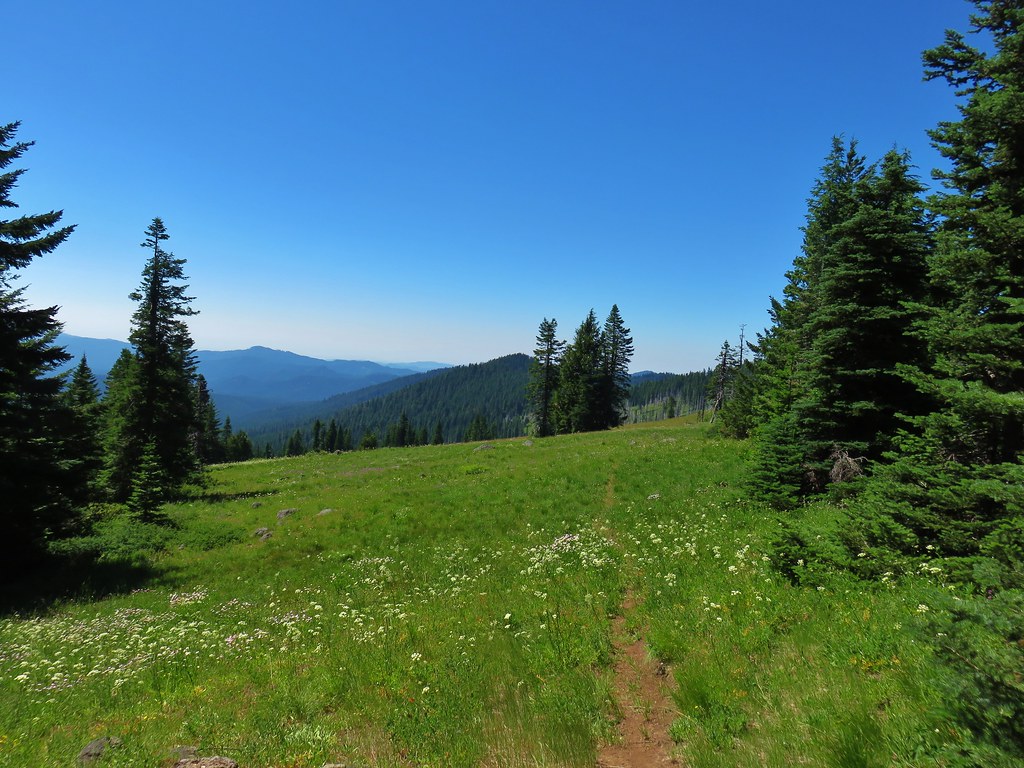
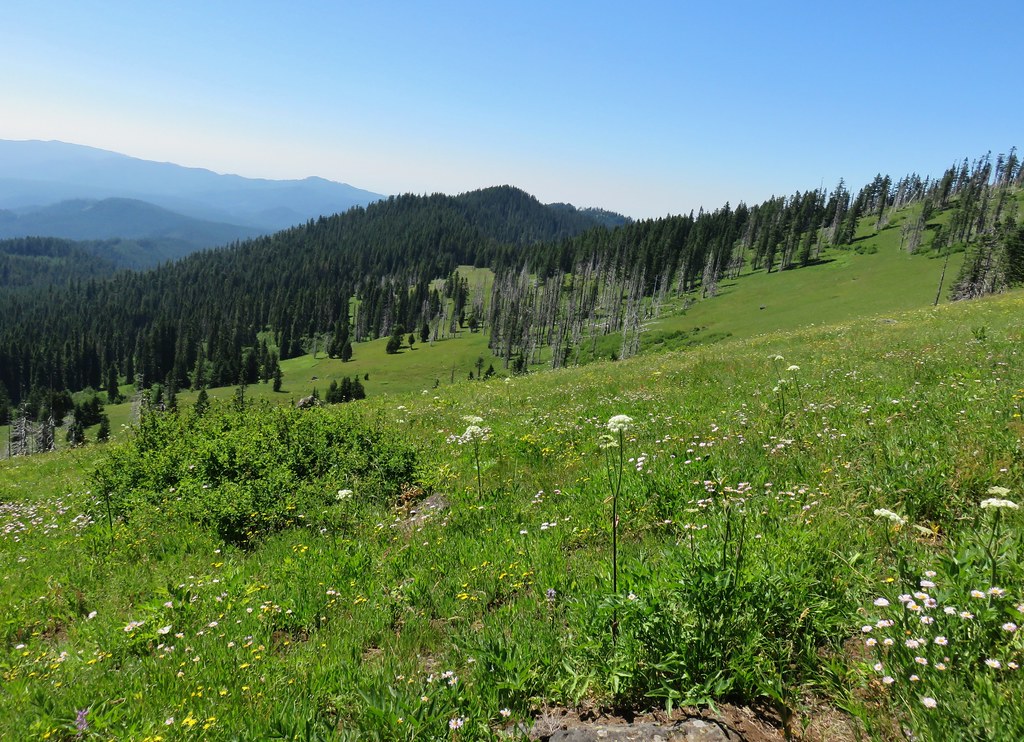
Grasshopper Trail

Grasshopper Meadow

Grasshopper Meadow (and Grasshopper Point for that matter) lived up to their name as dozens of grasshoppers jumped with every step. The number of grasshoppers was impressive but more impressive was the variety of butterflies we were seeing.

Checkerspot butterfly

Swallowtail on tiger liliy

Mountain parnassian

Butterfly in Grasshopper Meadow

Fritillary butterflies

Butterflies in Grasshopper Meadow

Blue copper

There was even another common sheep moth.
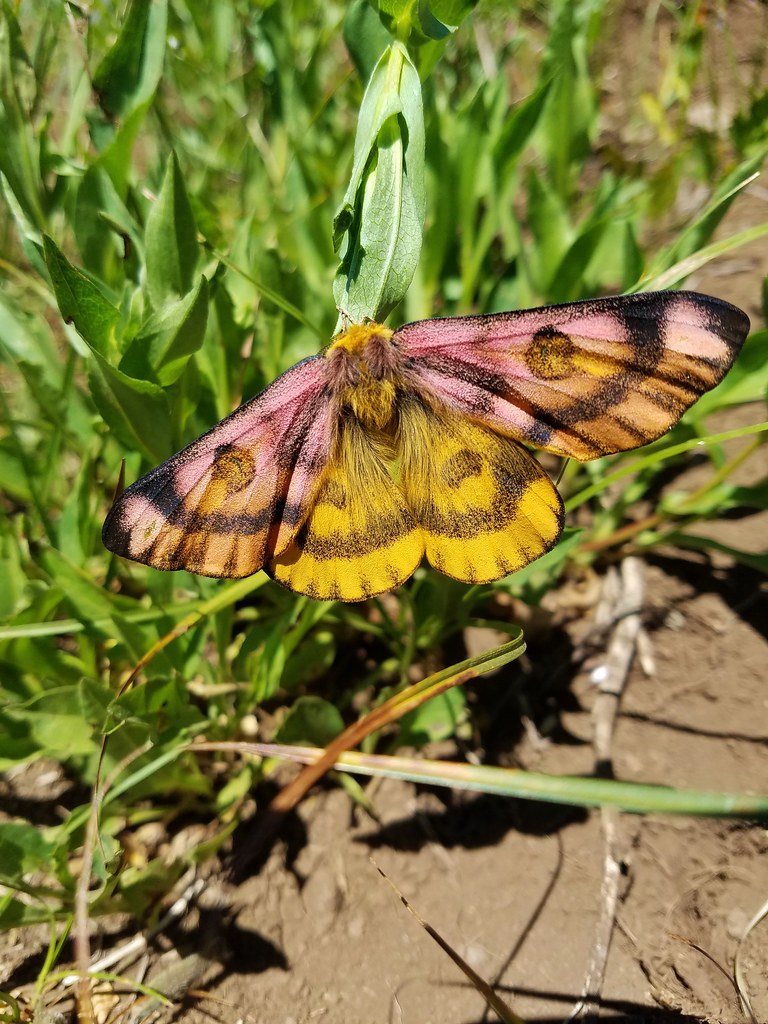
Sheep moth

We were so busy looking at the butterflies and flowers we missed the fork in the trail that would have led down to a spring which is where we had planned on heading. We had brought our dinner with us and had planned on finding a place to eat near the spring so we could refill our water afterward since it was the only source of water around. When we reached a saddle where the trail began to descend to the north of Grasshopper Mountain we realized our mistake. From the saddle the Grasshopper Trail follows Hiyu Ridge for 4 miles to the Grasshopper Trailhead.

The view from the saddle included Diamond Peak to the SE and the Three Sisters, Broken Top, and Mt. Bachelor beyond Chucksney Mountain to the NE.
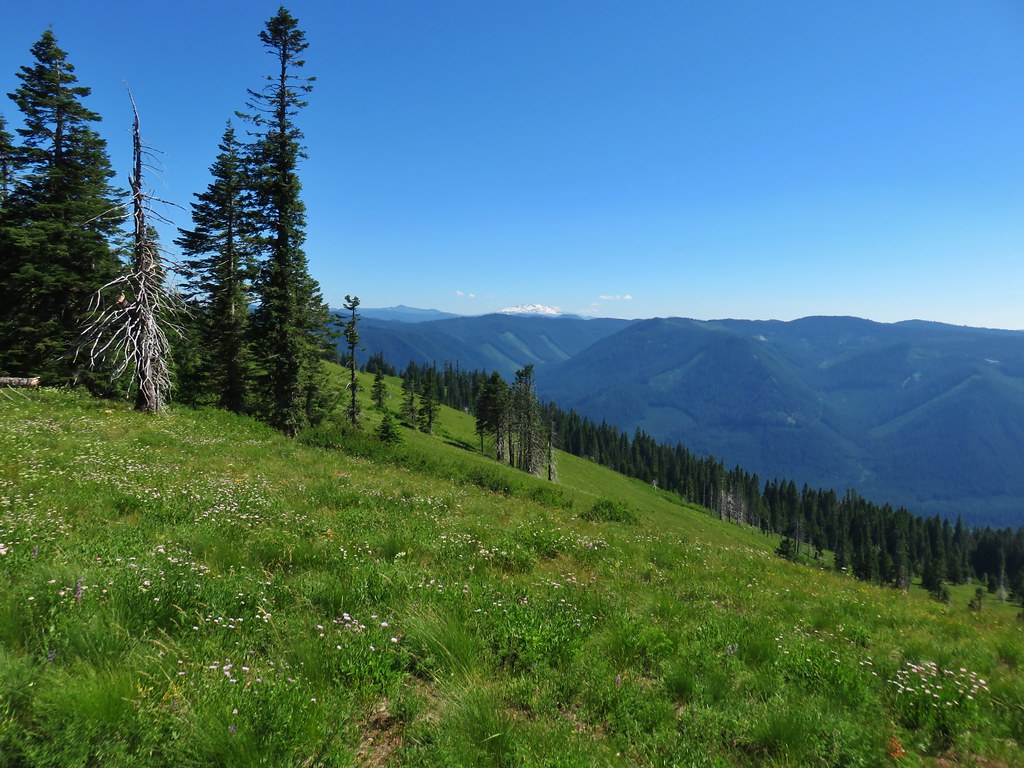
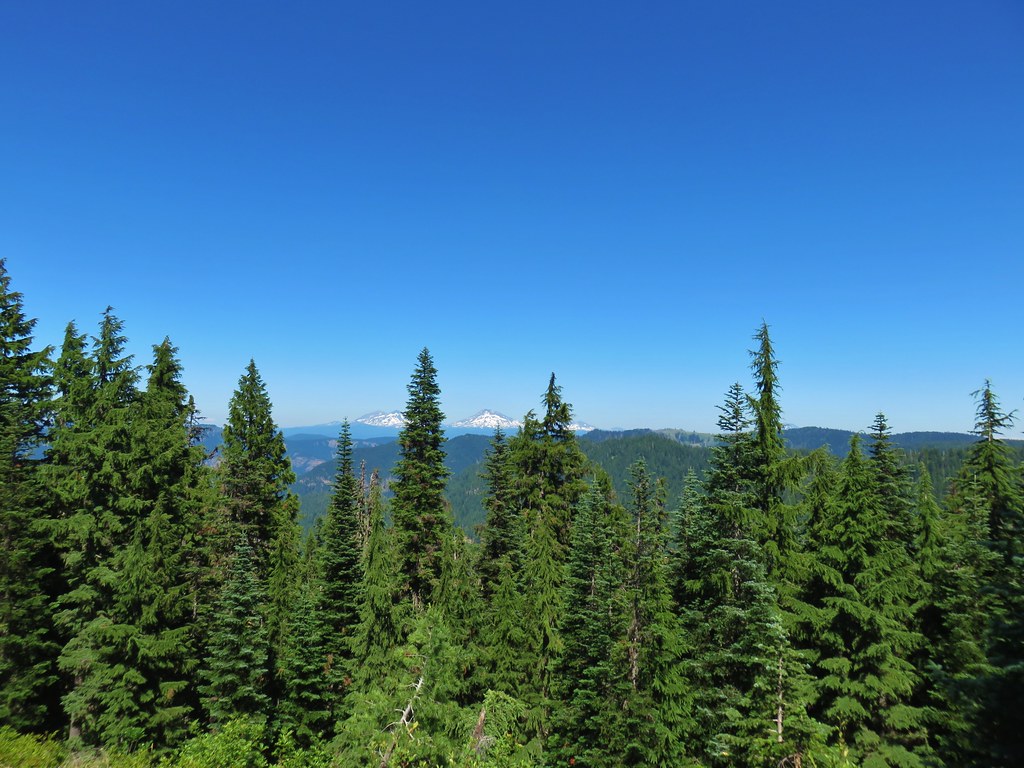
Diamond Peak from Grasshopper Meadow

The Three Sisters and Broken Top

We momentarily considered attempting to bushwack up to the former lookout site atop Grasshopper Mountain but the brush near the summit looked thick and in the end we decided not to exert the effort.
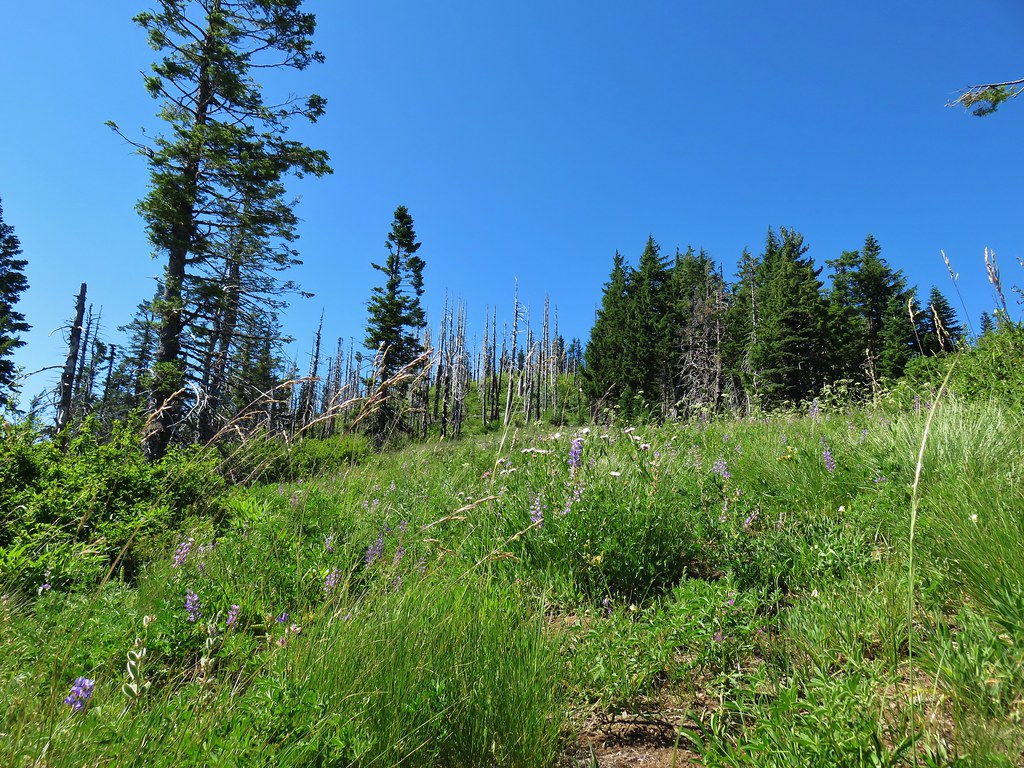
Grasshopper Mountain

Instead we decided to head cross country downhill and use the GPS to locate the spring.
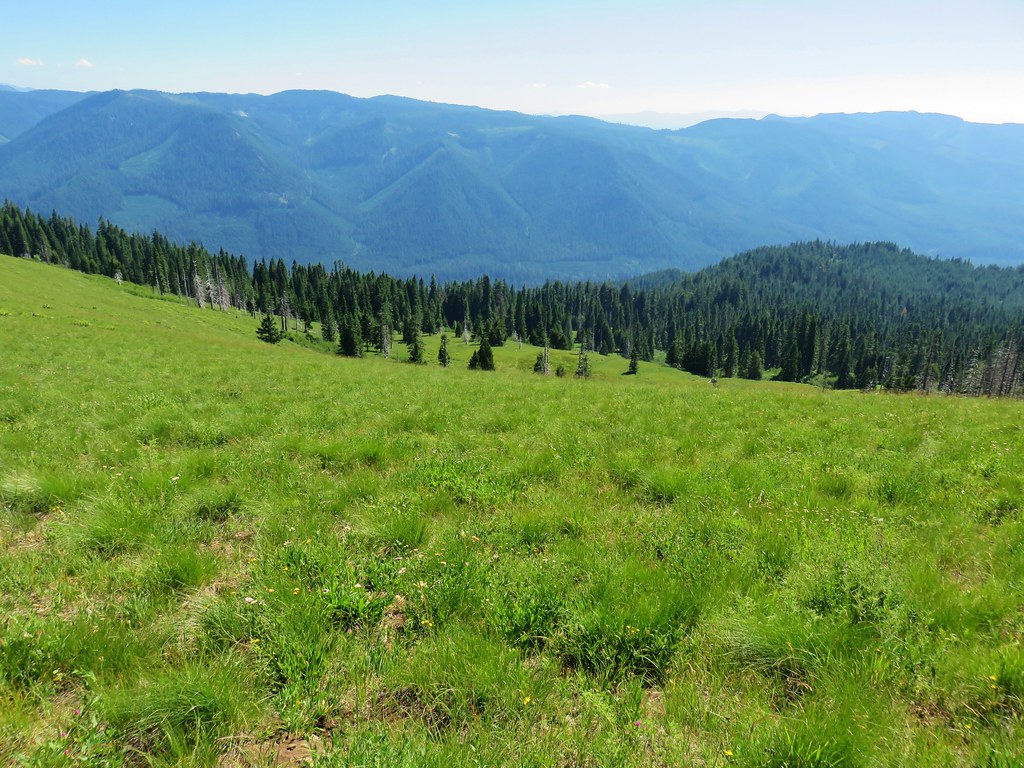
Grasshopper Meadow

From higher up in the meadow we’d seen something near a boulder below and on our way to the spring we took a closer look.
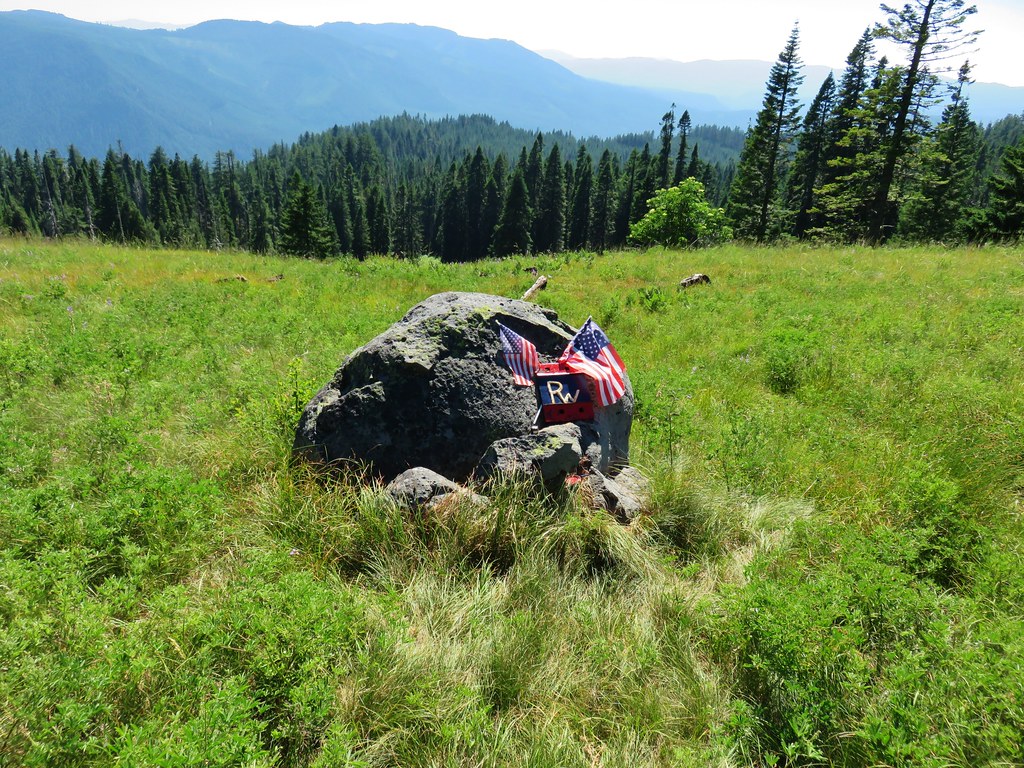
Some sort of memorial in Grasshopper Meadow

Not sure if it was some sort of memorial or what but after satisfying our curiosity we continued steeply downhill to the SE where we managed to find the spring flowing out of a pipe amid a clump of yellow monkey flower and a swarm of blue copper butterflies.

Spring in Grasshopper Meadow

Blue copper butterflies

We filled all our containers from the spring and then picked up a trail just a few feet east of the spring climbing steeply uphill. This trail starts just .7 miles from the spring along Forest Road 1929 and is the described route in William Sullivan’s 4th edition “100 Hikes in the Central Oregon Cascades”.

The terrain was too steep to provide any place for us to fix dinner so we began climbing back up toward the Grasshopper Trail. The trail was faint but visible as we climbed. Along the way we spotted a huge Washington lily blooming in the meadow.

Washington lily in Grasshopper Meadow

Washington lily

Washington lily

We were curious to find out where we’d missed this trail earlier when we passed by. It turned out that the path led over a rocky area where the tread vanished leaving a lone post and small rock cairn as it’s only identifiers.
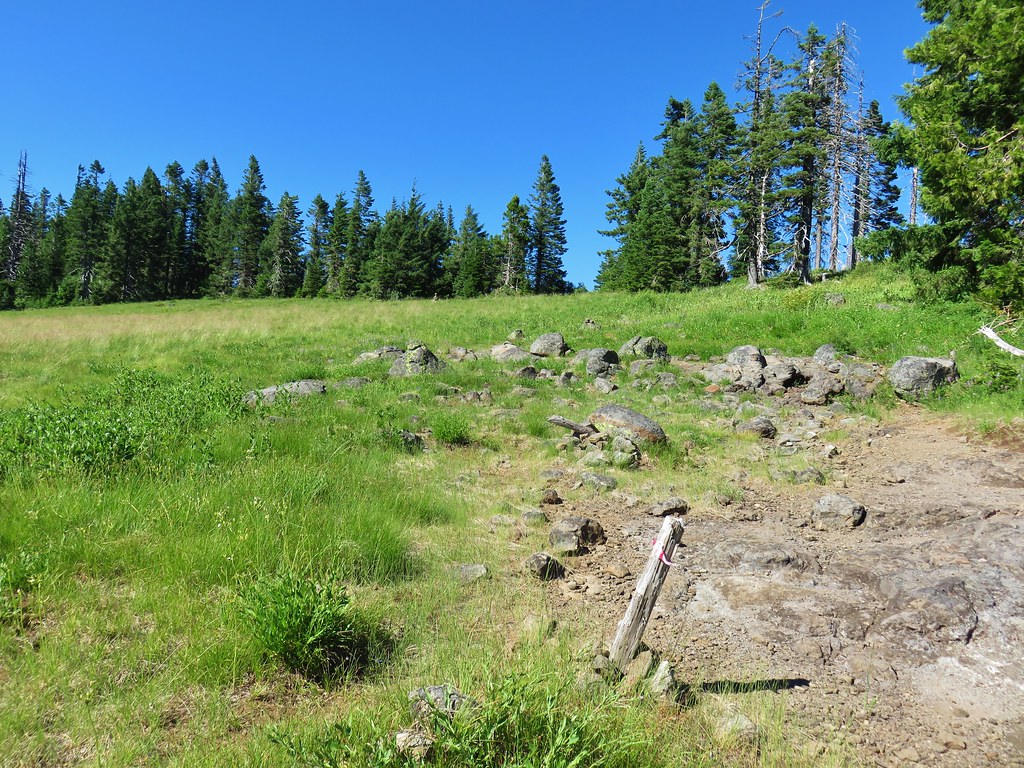
Grasshopper Trail

We decided to return to Grasshopper Point and set up our stove on the rocks there. We fixed dinner then relaxed as we enjoyed the view and listened to the birds.
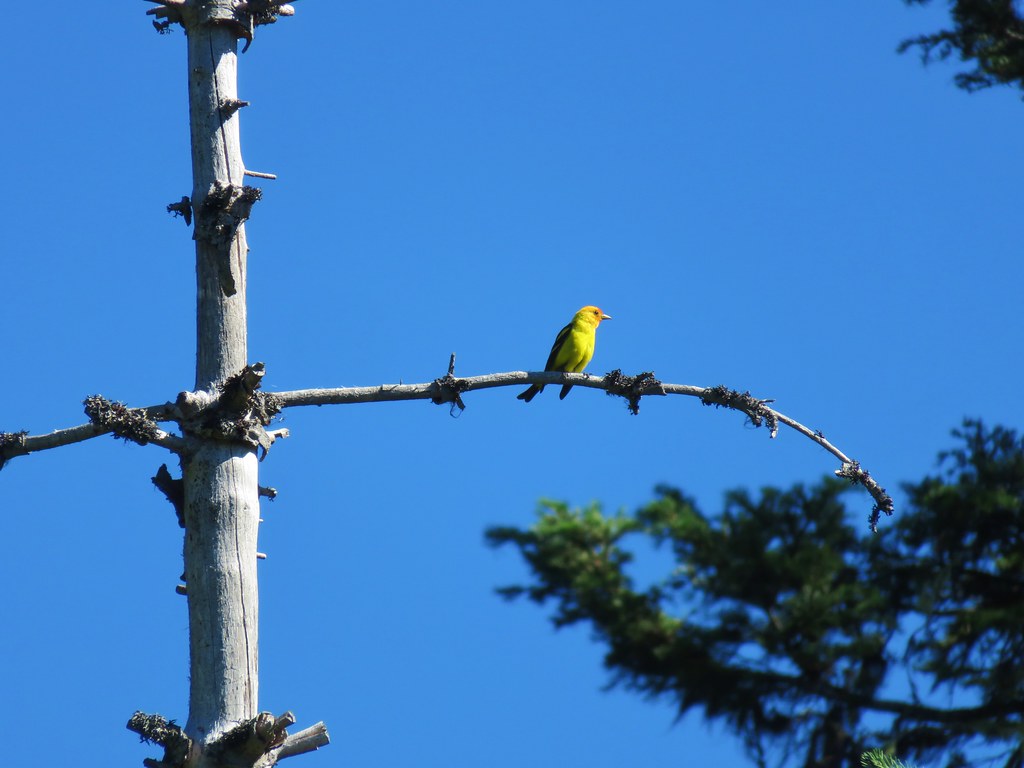
Western tanager

White crowned sparrow

We turned in for the night after having put in a little over 15 miles for the day. After a good nights sleep we awoke early and began preparing to depart. The mosquitoes were out in force, (they had been mostly absent in the meadows during the heat of the previous day) and we were dealing with a fair amount of condensation due to setting up next to the meadow.

Lupine in the morning light

After packing up and applying some DEET we headed back. We had talked about the possibility of seeing some sort of animals in the meadows that morning and sure enough we did spot three deer just as we entered one of the meadows, but they quickly retreated into the trees.

While we hadn’t seen anyone else yet on this trip we did spot some fresh mountain bike tracks as we neared the junction with the Chucksney Mountain Trail. We reached that junction after a little over five miles. We passed that trail and continued straight on the Grasshopper Trail.

Our shoes were soaked from the dew in the meadows and the mosquitoes were ready to pounce whenever we paused, so even though the next 3.6 miles of the Grasshopper Trail was new for us, we kept a brisk pace. The trail wound it’s way downhill through the forest where there were still many of the typical white flowers found amid the trees; bunchberry, anamone, queen’s cup, twin flower, and we even spotted a pair of trillium still in bloom.

Trillium

After a wide switchback we crossed a stream flowing down Box Canyon and in another quarter mile arrived back at the lower junction with the Chucksney Mountain Trail.
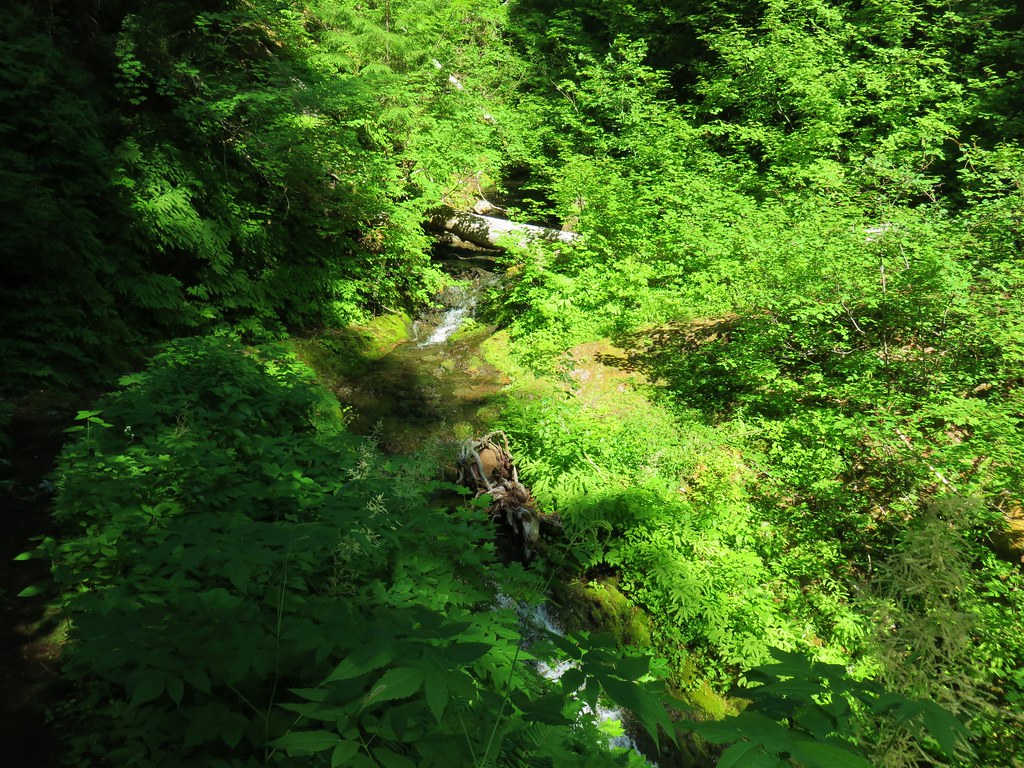
Stream in Box Canyon

Grasshopper Trail junction with the Chucksney Mountain Trail

A final .3 miles brought us back to our car which was being patrolled by a squadron of mosquitoes. We quickly tossed our packs in the back of the car and hopped inside to change. We never did wind up seeing anyone else on the trails which made the fourth hike in a row where we didn’t see another person on the trails.

The trails had been amazingly clear of debris, we only stepped over two logs and one young bent tree, but the faint sections through the meadows required some navigational skill. The relative lack of water along the route make it an unlikely backpacking destination but it worked out well for us. That being said the views and the wildflowers make either Chucksney Mountain or Grasshopper Meadow a worthy early summer day hike destination. Happy Trails!

Flickr: https://www.flickr.com/photos/9319235@N02/albums/72157683128711132
Categories
Clackamas Hiking Old Cascades Oregon Trip report

Big Bottom (Clackamas Wilderness) & Rho Ridge Trail
**Note the 2021 Bull Complex burned around Hawk Mountain, but the lookout survived.**

For the second outing in a row we turned to Matt Reeder’s “101 hikes in the Majestic Mount Jefferson Region” as our guide. A number of the hikes in this book are lesser known and therefor less popular which means fewer people and most likely more challenging due to spoty trail maintenance.

We began our day with a short hike into one of Oregon’s wilderness areas that we had yet to visit, the Clackamas Wilderness. This particular wilderness is broken up into five separate tracts of land, one of which is Big Bottom. The Big Bottom tract protects an old growth forest along the Clackamas River. Although there are no official trails in Big Bottom a decommissioned logging road allows for a mile long walk down to the wilderness boundary where a use trail continues north for a little over half a mile before vanishing in brush.

To reach the decommissioned road we drove Forest Road 46 north from Detroit for 28.6 miles to Fores Road 4670 where we turned left crossing the Clackamas River. Just beyond the bridge we turned right on FR 4671 for .7 miles and parked on the right at the old road.
Closed road 120 which leads to the Big Bottom unit of the Clackamas Wilderness

We followed the roadbed downhill through a previously logged forest.
Heading down to Big Bottom

Just prior to reaching the wilderness boundary the road bed became choked with downed trees which we simply detoured around.
Trees leaning over old road 150

At a junction with an even older roadbed we turned left (north) and followed what became a clear user path into the old growth of Big Bottom.
Big Bottom

Big Bottom

There were a few downed trees to navigate but the path was easy enough to follow until we neared a creek where the ground became marshy and the underbrush extremely thick.
Big Bottom

We turned around at that point returning to the car to complete a 3.4 mile hike. That was our warm-up for the day before a longer hiker on the nearby Rhododendron (Rho) Ridge Trail. Our plan was to start at Graham Pass and follow the trail south 4.8 miles to the Hawk Mountain Trail and take the .4 mile trail up to the Hawk Mountain Lookout.
To reach Graham Pass we followed FR 4670 for 13.9 miles to FR 6530 where a large parking area was visible. There was no signage visible at the parking area, just a blank signboard along an old logging road.
Rho Ridge Trailhead
With no obvious trail visible we turned to the forest service map and our GPS to try and see if we could tell where the trail was supposed to be. Both of these indicated that the trail lay just east of the parking area so we headed into the trees and began to hunt for any sign of it.
Beargrass near Graham Pass

After a few minutes of climbing through the brush and crossing the location of the trail as shown on the GPS several times we decided to head toward the logging road. The GPS showed it curving back to the east further uphill where the Rho Ridge Trail would cross it and we figured the worst case scenario was we’d have to walk the road up to the crossing where we would hopefully be able to identify the trail. We were also beginning to suspect that the location of the trail on the maps was incorrect which is not all that uncommon. Sure enough we found the trail before reaching the road.
Rho Ridge Trail

We turned uphill following this obvious trail through beargrass filled meadows.
Rho Ridge Trail

Beargrass along the Rho Ridge Trail

The trail was brushy at times with lots of huckleberry bushes encroaching on the trail.
Rho Ridge Trail

The tread was faint through most of the meadows and blowdown was common along the way but old blazes and yellow diamonds on trees helped identify the trail.
Rho Ridge Trail

Blowdown over the Rho Ridge Trail

Rho Ridge Trail

The trail had several road crossing and shortly after the third we arrived at Fawn Meadow where a small stream flowed through a meadow of wildflowers.
Meadow along the Rho Ridge Trail

Shooting star

Wildflowers along the Rho Ridge Trail

After a fourth road crossing the trail entered another beargrass meadow with a partial view of Mt. Hood and Mt. Adams.
Penstemon lined road crossing

Mt. Hood and Mt. Adams from a beargrass meadow along the Rho Ridge Trail

The brush was particularly thick as we exited the meadow which required us to really pay attention to the trail which was hard to see through all the green. We reentered the forest where we crossed one final old logging road before spotting the first snow along the trail. (There was actually a larger patch lower that we’d notice on the way back down but somehow we both missed it on the way up.)
Rho Ridge Trail

Snow along the Rho Ridge Trail

The little patch of snow was near Round Creek which was flowing on this day. The sound of the creek was nice but we didn’t dare stop to admire it due to the many blood thirsty mosquitoes that were present. Just under half a mile later we spotted the sign for the Hawk Mountain Trail.
Rho Ridge Trail jct with the Hawk Mountain Trail

We turned uphill here climbing approximately 300′ in .4 miles to the summit meadow and the Hawk Mountain Lookout.
Hawk Mountain Trail

Snow along the Hawk Mountain Trail
Hawk Mountain Lookout and Mt. Jefferson
Hawk Mountain Lookout
The view from the summit is a good one especially of Mt. Jefferson.
Mt. Jefferson, Three Fingered Jack, The Three Sisters and Mt. Washington from Hawk Mountain

Mt. Jefferson
Additionally Three Fingered Jack, The Three Sisters, and Mt. Washington were visible further south with the very top of Broken Top poking up above the ridge north of Three Fingered Jack.
Three Fingered Jack, The Three Sisters, an Mt. Washington

The view wasn’t the only attraction at the summit. An impressive display of wildflowers was underway which had attracted a wide variety of pollinators.
Wildflowers on Hawk Mountain

Wildflowers on Hawk Mountain
Wildflowers on Hawk Mountain
Wildflowers on Hawk Mountain
Butterfly on penstemon

After a nice break it was time to head back.
Mt. Jefferson from Hawk Mountain

On the way down the Hawk Mountain Trail we stepped off the trail briefly to get a view to the north since trees on the summit had not allowed us to see in that direction. Mt. Rainier, Mt. Adams, and Mt. Hood were all visible.
Mt. Rainier, Mt. Adams and Mt. Hood

On the way back we managed to follow the trail all the way down where we discovered that the official start of the trail was just a few feet up the logging road from the blank signboard. The Rho Ridge Trail sign had been just out of sight.
Rho Ridge Trail sign

The hike from Graham Pass to Hawk Mountain was 10.7 but a shorter option exists by starting at the southern end of the Rho Ridge Trail. From this end the hike up to Hawk Mountain is just 4.2 miles round trip. This was the second straight outing that we didn’t encounter a single other hiker along the trails. As overcrowded as some of the popular trails have become it’s nice to know that there are still some out there that offer a little more solitude. Happy Trails!
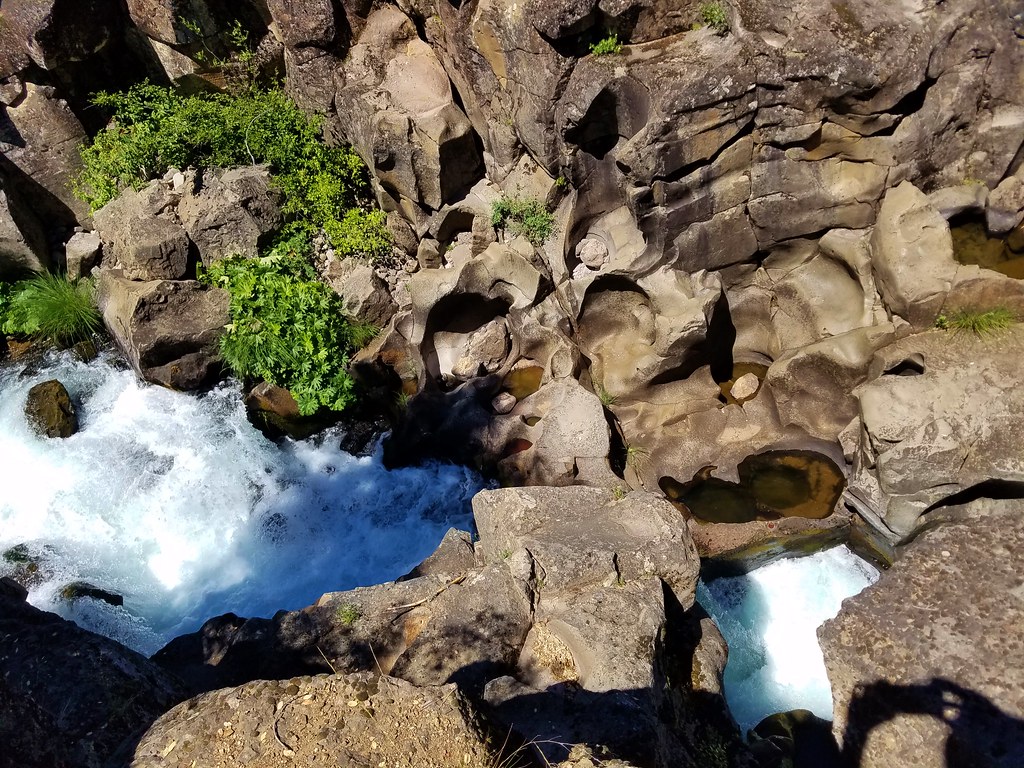
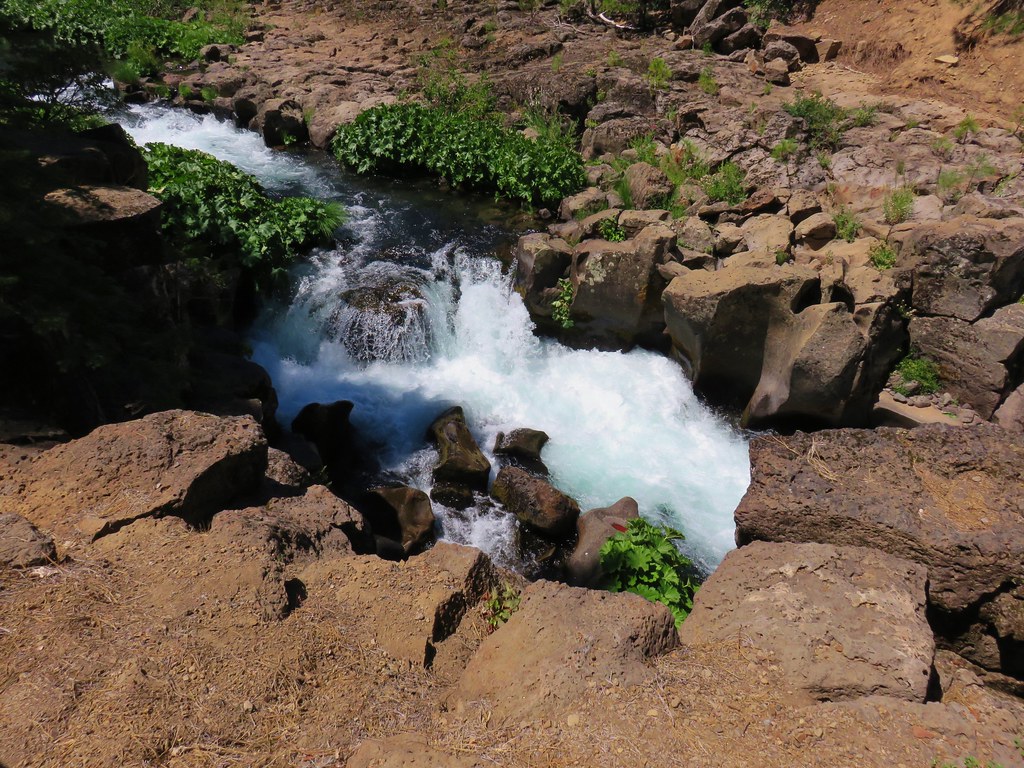
Flickr: Big Bottom & Rho Ridge

Categories
Hiking Middle Santiam Old Cascades Oregon Trip report
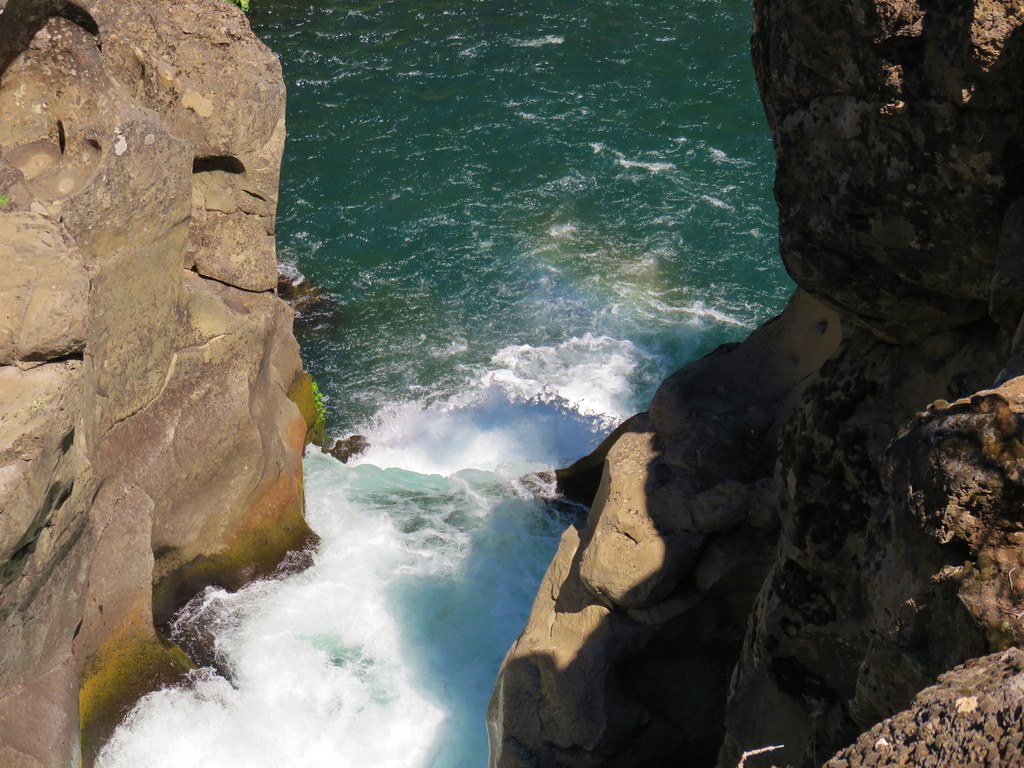
Scar Mountain

We’ve developed a tradition of using the day off of work provided by the 4th of July holiday to take a hike. One of our go to areas in the first part of July is the Old (Western) Cascades. The Old Cascades are older than the volcanic peaks of the High Cascades and rise only half as high meaning they melt out much sooner than their younger companions. These highly eroded volcanoes are home to old growth forests and top notch wildflower meadows.

This year we decided to visit the Scar Mountain Trail. The hike is listed in our usual guidebook, William L. Sullivan’s “100 Hikes in the Central Oregon Cascades” as hike #111. Due to it not being a featured hike the description in that book is brief so we turned to another excellent resource, “101 Hikes in the Majestic Mount Jefferson Region” by Matt Reeder.

We followed his directions to the North Pyramid Trailhead where we parked then crossed Forest Road 2266 to the signed Scar Mountain Trail.

North Pyramid Trailhead

Scar Mountain Trail

The Scar Mountain Trail is part of the approximately 30 mile long Old Cascades Loop. We had done another section of this loop in 2014 when we started at the Pyramids Trailhead and hiked to Donaca Lake for an overnight stay.

The trail climbed through a nice forest,gradually at first then more steeply as it switchbacked up toward a ridge top.

Scar Mountain Trail

The switchbacks ended after just over a mile and the trail began to traverse along the hillside below the ridge. There were occasional glimpses of the Three Pyramids to the south and Daly Lake in the valley below.

Daly Lake below the Three Pyramids

Daly Lake

For the next mile and a half the trail continued to gain elevation via a series of ups and downs as it gained the ridge top and alternated between its west and east sides providing views of several of the High Cascades to the SE, Mt. Jefferson to the NE, and Coffin & Bachelor Mountains to the north.

Mt. Washington, The Three Sisters, and the Husband Mt. Washington, the Three Sisters and the Husband

Mt. JeffersonMt. Jefferson

Coffin and Bachelor MountainsCoffin and Bachelor Mountains

A few small patches of snow lingered on and along the trail.

Snow on the Scar Mountain Trail

The trial began to climb steeply again at the 2.5 mile mark as it headed up Trappers Butte. The forested summit offered some similar views to what we had seen on the way up but one big difference was the presence of some non-white wildflowers near the top.

Paintbrush

Penstemon

The trail then descended roughly 400′ in .8 miles to a saddle where it crossed an old roadbed in a clearing with blooming beargrass and rhododendron and view of the Three Pyramids.

The Three Pyramids

Another one and three quarter miles of ups and downs had us nearing our goal, a dramatic rock pinnacle on Scar Mountain. The trail had been in reasonably good shape with some minor blowdown and a few brushy spots which became a bit more frequent as we climbed Scar Mountain.

Scar Mountain Trail

Rock pinnacle on Scar Mountain

The flowers on and around the pinnacle might not have been as impressive as the meadows on some of the other nearby peaks but there were still some nice displays.

Valerian along the Scar Mountain Trail

Wildflower on Scar Mountain

Yellowleaf iris

Paintbrush along the Scar Mountain Trail

Columbine

Wildflowers along the Scar Mountain Trail

Stonecrop and penstemon

The real reward for this hike were the views from Scar Mountains cliffs.

Mt. Adams and Mt. Hood

Mt. Adams peaking over a ridge and Mt. Hood

Mt. Jefferson from Scar MountainMt. Jefferson

Three Fingered JackThree Fingered Jack

Mt. Washington

Mt. Washington

The Three Sisters and the HusbandThe Three Sisters and the Husband

The Husband and the Three PyramidsThe Husband behind the Three Pyramids

Crescent Mountain, North Peak, Echo Mountian and South PeakCrescent Mountain, North Peak, Echo Mountain, and South Peak

North Peak, Echo Mountain, South Peak, Cone Peak, and Iron MountainNorth Peak, Echo Mountain, South Peak, Cone Peak, and Iron Mountain.

We took a nice break near the pinnacle where there seemed to be less mosquitoes. They hadn’t been too noticeable but with the snow still melting there were more around than we realized given the number of bites we discovered later.

Rock pinnacle along the Scar Mountain Trail

Looking down from cliffs along the Scar Mountain Trail

We returned the way we’d come passing the time on the ups and downs by admiring the many different flowers in the forest including large numbers of coralroots.

Caterpillar on coralroot

Coralroot

Coralroot

Coralroot

Coralroot

Round trip was just under 12 miles with a good amount of elevation gain overall but broken up enough to never feel too daunting. Like many of the trails in the Old Cascades the Scar Mountain Trail offered a good dose of solitude. We neither spotted nor heard another person during the hike. Instead we listened for the calls of sooty grouse, the singing of birds, and “meeps” of hidden pikas. Happy Trails!

Flickr: Scar Mountain

Categories
High Cascades Hiking Oregon Three Sisters Area Trip report

Linton Falls from Linton Lake

**Note the 2017 Separation Fire burned a portion of this hike.**

In 2015 we did an off trail exploration of Linton Creek from Linton Meadows down toward Linton Lake. That day we cliffed out on the south side of the creek somewhere along Linton Falls. The Northwest Waterfall Survey gives Linton Falls a total height of 615′ consisting of 7 drops. We were unable to reach the final drop which is the tallest and most impressive so we vowed to return someday and try coming up from Linton Lake on the north side of the creek.

That day had finally come. We started at the Linton Lake Trailhead which is located 11 miles east of Highway 126 along Highway 242 near the Alder Springs Campground.
Linton Lake Trailhead

Then we crossed the highway and set off on the Linton Lake Trail which quickly entered the Three Sisters Wilderness.
Entering the Three Sisters Wilderness on the Linton Lake Trail

Linton Lake is just under 1.5 miles from the trailhead. The trail spends that time passing through the forest before crossing a lava flow and then descending via a series of switchbacks to the lake.
Linton Lake Trail

Linton Lake Trail

Linton Lake Trail

The trail stays above the lake at first and on this morning there was enough fog to keep us from getting any kind of a decent look. The trail descended to Obsidian Creek after a half mile which marked the end of the official trail.
Obsidian Creek

We crossed the creek and continued on use trails around the lake. We were now able to get down to the shore even though we still couldn’t really see anything.
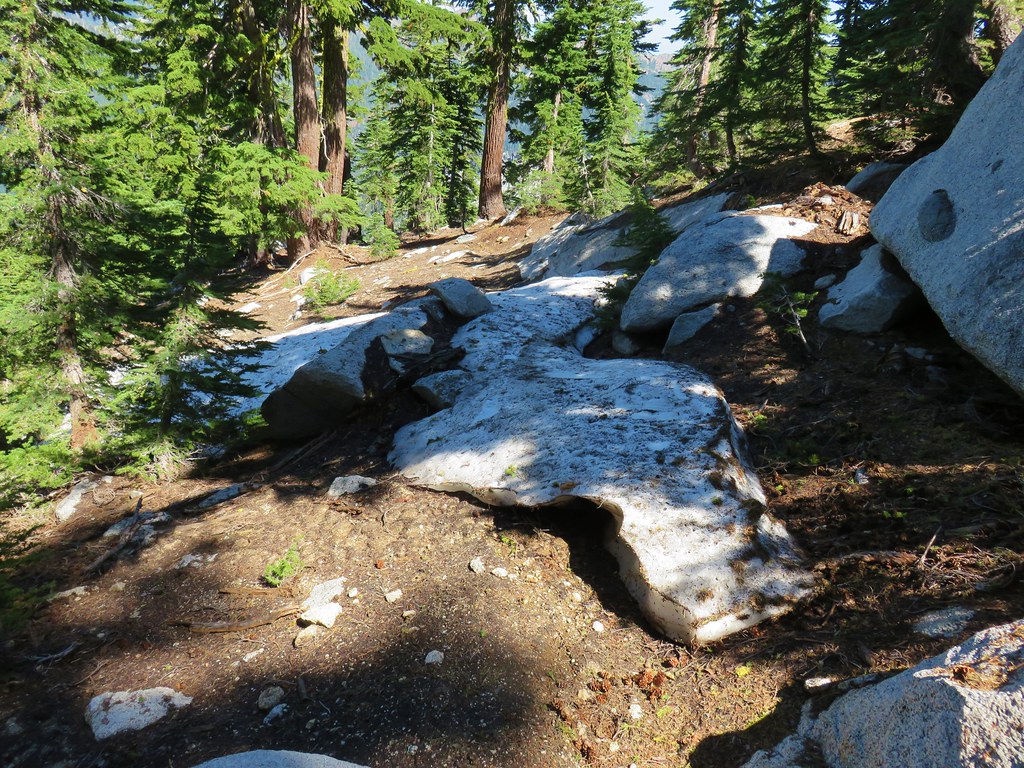
Linton Lake

Since the use trails are not maintained there was a bit of blowdown to navigate but nothing too daunting.
Downed trees along Linton Lake

Linton Lake Trail

We reached Linton Creek just over a half mile from Obsidian Creek.
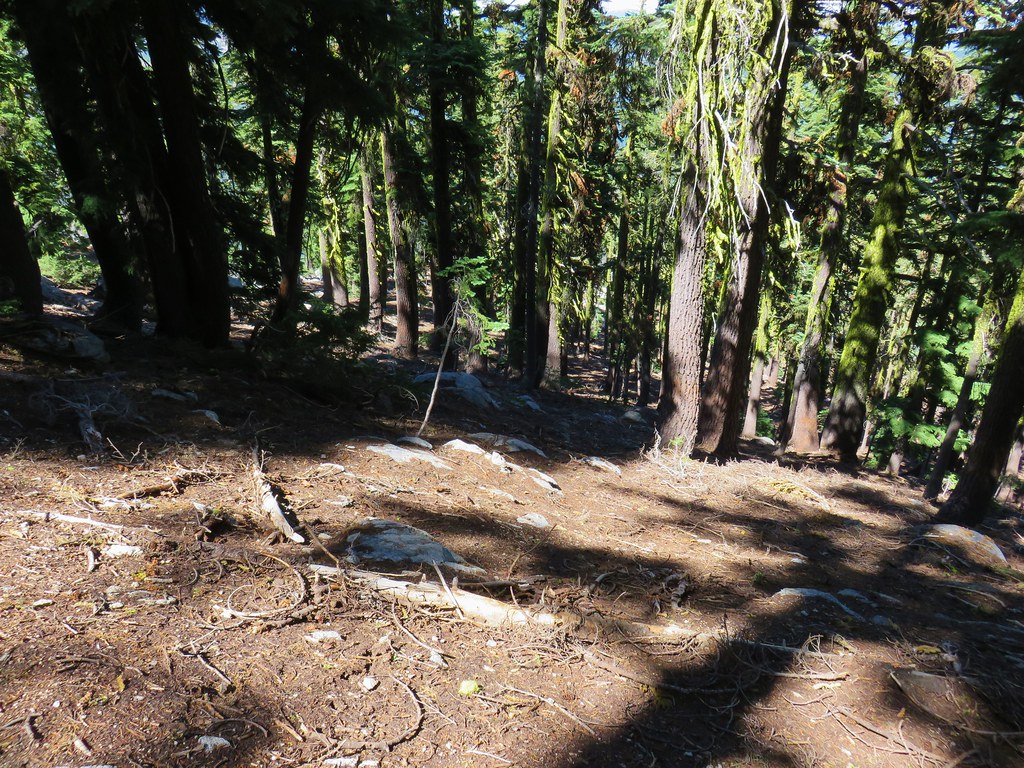
Linton Creek
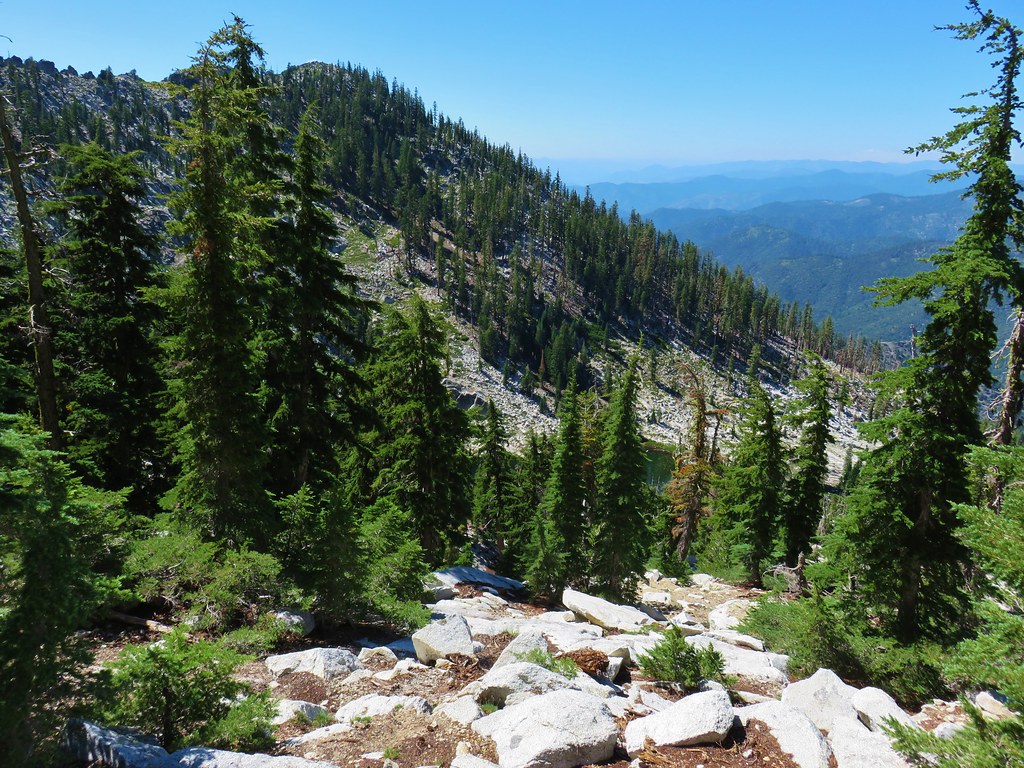
At the creek we headed uphill continuing to follow fairly obvious use trails as we climbed along the creek.
Linton Creek
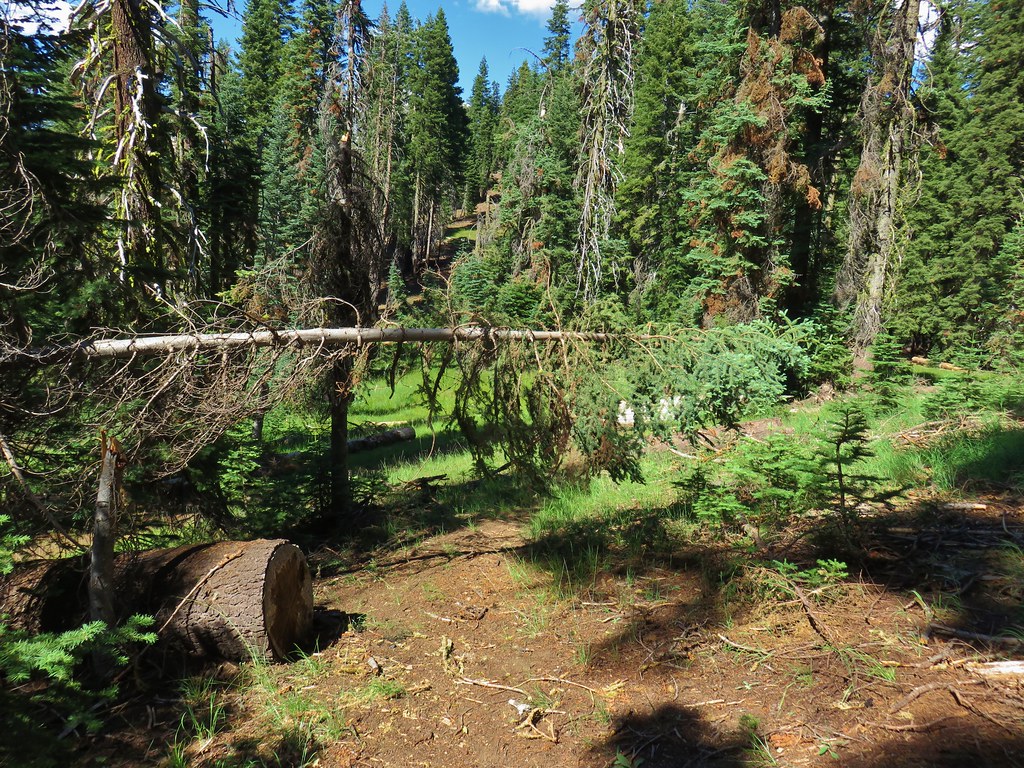
The climb was fairly steep in places but after approximately .4 miles we arrived at a viewpoint of 85′ Lower Linton Falls.
Lower Linton Falls

Lower Linton Falls

The use trails became increasingly faint as we climbed away from Lower Linton Falls. We stopped at the top of the falls to get a look down before continuing on.
Top of Lower Linton Falls

Lower Linton Falls

Not only did the use paths get fainter but the terrain continued to steepen as we climbed. Four tenths of a mile from the viewpoint of Lower Linton Falls we got our first glimpse of the final drop of Linton Falls.
The lowest portion of Upper Linton Falls

This portion of Linton Falls did not disappoint. The only issue with it was the massive amount of spray from the falls made it nearly impossible to keep the camera lens dry.
Upper Linton Falls

Upper Linton Falls

After admiring the view we continued uphill. Our goal was to get far enough up the creek to at least be across from where we’d cliffed out in 2015 on the opposite side. To continue we knew from a 2012 trip report by Wild Umpqua that things were going to get even steeper as we continued. We veered away from the creek and followed an old creek bed uphill.
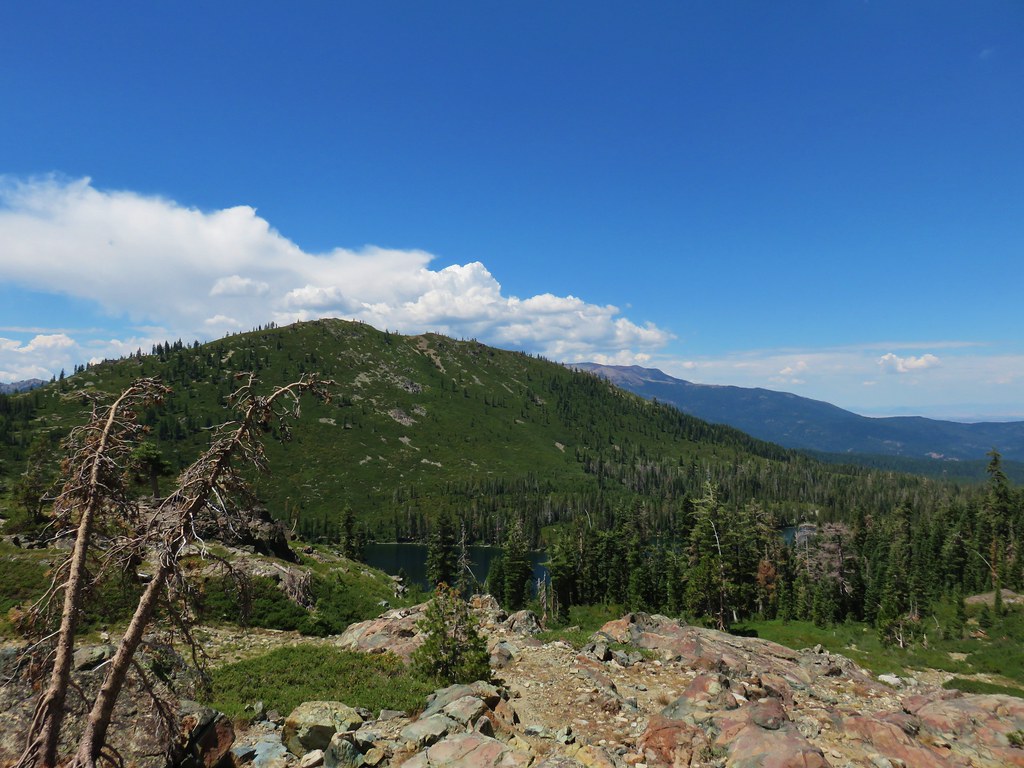
Route to the top of Upper Linton Falls

We knew we were on the right course when we spotted a small cave that was mentioned in that report.
Small cave near Upper Linton Falls

Route up Upper Linton Falls

We cut back over to the creek when the terrain made that a more attractive option than trying to continue up the dry creek bed. As luck would have it that happened to be almost directly across from our GPS track from 2015 and just above the top of a large drop of Linton Falls.
Upper Linton Falls

I was a little confused by the drop we were above because it didn’t look like what I would have expected from anything we’d seen from below. I think the answer is that this was actually the top of a drop that only the very bottom was visible of from below coming from the left around a bend. I was able to follow the ridge down a bit to get a somewhat limited look at the side of this drop.
Upper Linton Falls

Looking up the creek from this drop revealed more of Linton Falls.
Linton Creek above Upper Linton Falls

We walked up along the creek a very short distance where we saw a very familiar looking drop with a log in the middle of the creek.
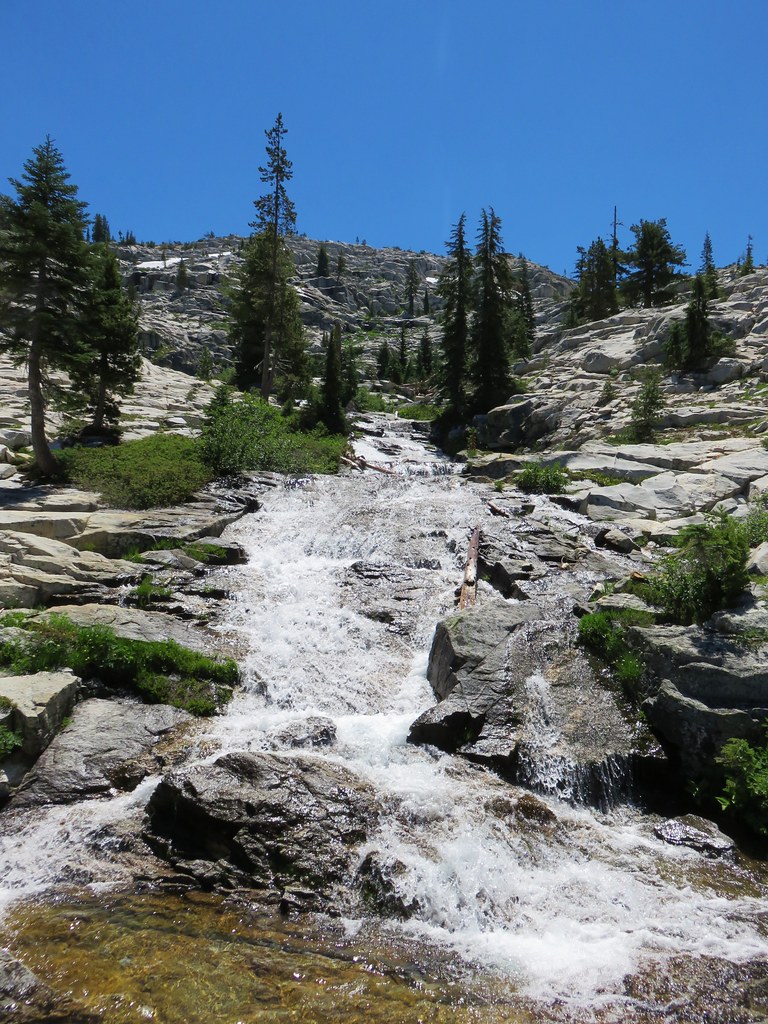
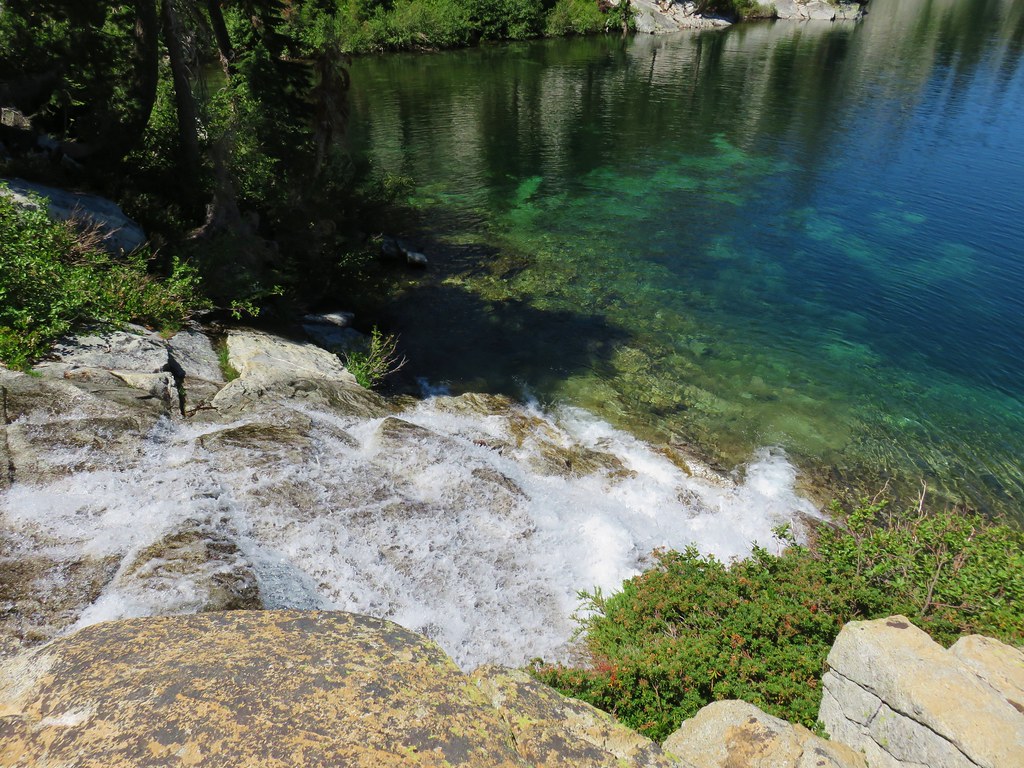
More of the series of cascades that make up Upper Linton Falls

Upper Linton Falls

We’d seen the same log from the other side in 2015.
Another tier of Upper Linton Falls

We now felt like we had seen most of Linton Falls between the two visits. As far as we can guess it goes something like this.
One of the drops that make up Linton Falls

Upper portion of Upper Linton Falls

More drops of Linton Falls

More of the series of cascades that make up Upper Linton Falls

Upper Linton Falls above its final drop

Upper Linton Falls

Upper Linton Falls

Upper Linton Falls

Upper Linton Falls

This is a complicated fall and it’s quite possible that there is something between the final drops and the big drop we were above that we were never able to see. It’s also difficult to say for certain where the actual start of Linton Falls is, but that is part of what makes this such a spectacular waterfall.

As we began our descent the Sun finally started to make an appearance.
Sun finally penetrating the fog

Coming down was harder than going up but we managed to make the descent without incident stopping back by the viewpoints below Linton Falls and above Lower Linton Falls to see how the emerging Sun had changed the views.
Upper Linton Falls

Rainbow over Linton Creek below Lower Linton Falls

Linton Lake was fog free when we made it back.
Linton Lake

As we made our way around the lake it was possible to see some of Linton Falls on the hillside. The view didn’t do much to clear up the makeup of the falls though.
Linton Lake with part of Linton Falls visible up on the hillside beyond

This was actually our third time encountering Linton Creek, our first was in 2014 on a backpacking trip around the South Sister. which has cemented itself as our favorite creek. From it’s beginnings at Linton Springs and Linton Meadows it puts on one amazing and scenic show on it’s way to Linton Lake.
Linton Springs

South Sister and Linton Creek

With nearly all of the creek being off trail it makes for a challenging goal but the rewards are great. Happy Trails!

Flickr: Linton Falls from Linton Lake