During the week a shift in the wind brought wildfire smoke from the numerous wildfires in Pacific NW and British Columbia to the Willamette Valley. After several days of unhealthy air quality another shift began pushing the smoke out of the valley which was good for us but not for the unlucky folks now in the smokes path. Some progress has been made on several of the fires, but new ones keep popping up. One of these was incident 282 in the Willamette National Forest approximately 4.5-miles north of Waldo Lake (post) which was detected on Friday afternoon. Our planned hike for Saturday had been to revisit nearby Bobby Lake (post). While the new fire was relatively small, we felt it was best to avoid the area and began looking for an alternate hike.
We decided that our best bet, based on weather forecast and proximity of fires, was to head to Washington’s Mt. St. Helens. For the main hike we picked the Ape Canyon Trail which we had hiked twice before, but the not since 2013 (post). Before the 2013 hike we had stopped at Ape Cave to explore the lava tube there. There is another short interpretive trail near Ape Cave, the Trail of Two Forests, that we had not visited yet, so we decided to stop there first this time.


A NW Forest Pass is required to park at the TH.
The hike is a short loop on a boardwalk with a number of interpretive stops where lava casts remind visitors of the previous forest that existed before the lava flow.


A tree stood here when the lava arrived.
A highlight is “The Crawl” where you can descend into a tree mold and crawl through a lave tube to a nearby exit.


For the sake of my knees, and the longer hike to come, I opted not to make the actual crawl and stuck to the boardwalk.

The sign for the exit from the entrance.

The exit
This was a fun little hike that would be great for kids as it is just under half a mile in length. There are also several picnic tables at the trailhead.
From the Trail of Two Forests we drove to the Ape Canyon Trailhead.


Map at the trailhead. This becomes important later at the end of our hike.
The hike to Ape Canyon is straight forward in that there are no junctions, it is just a 4.5-mile mostly uphill hike along a ridge to a rock chasm above Ape Canyon with a view of Mt. Adams to the east.


Pearly everlasting

The lower portion of the trail passes closely to the Muddy River’s lahar left created by the melting of much of the Shoestring Glacier during the 1980 eruption.

Red huckleberries, yummy.

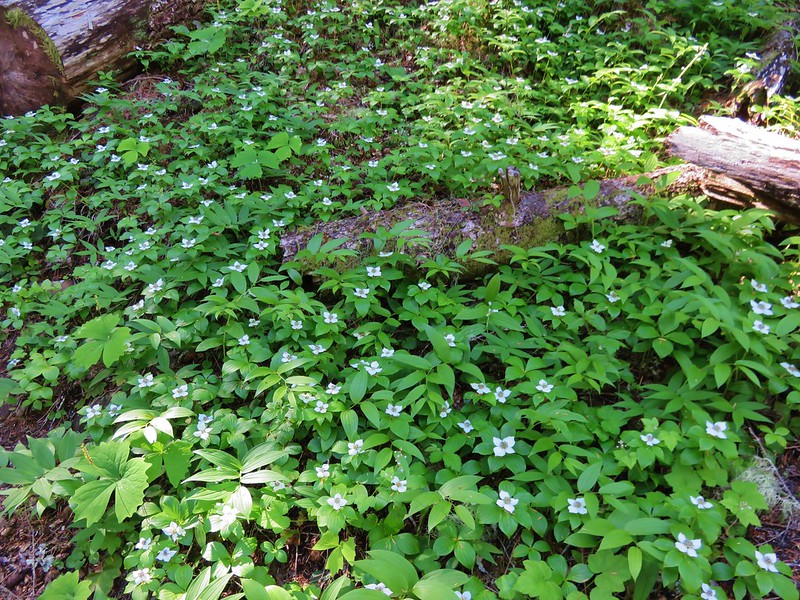
Bunchberry, not edible.


Paintbrush

It was quite a bit smokier than we’d expected based on the forecast. The smell of smoke was prominent over the first couple of miles of trail.

Sickletop lousewort

Thimbleberry, extra yummy.


Oregon grape, apparently this makes good jelly but not pleasant off the plant.

Chipmunk

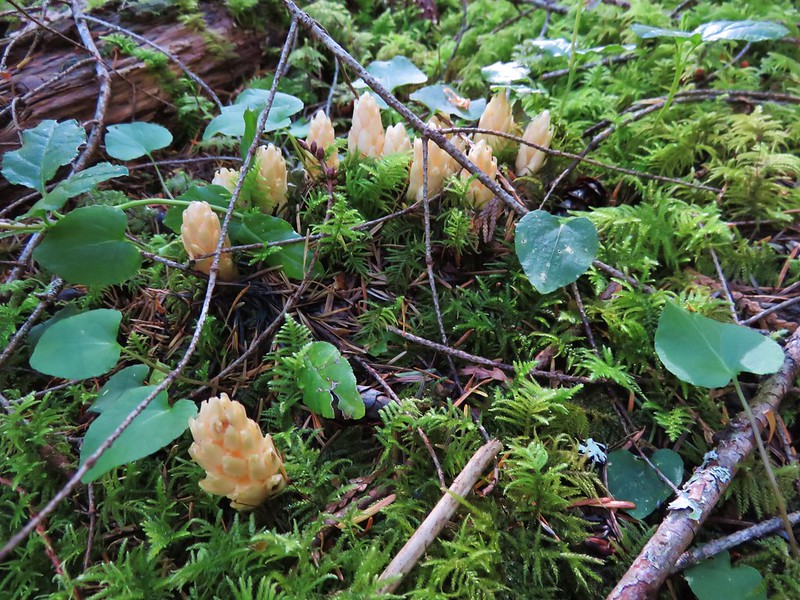
Ghost pipe

Baneberry, not edible.

Beardtongue

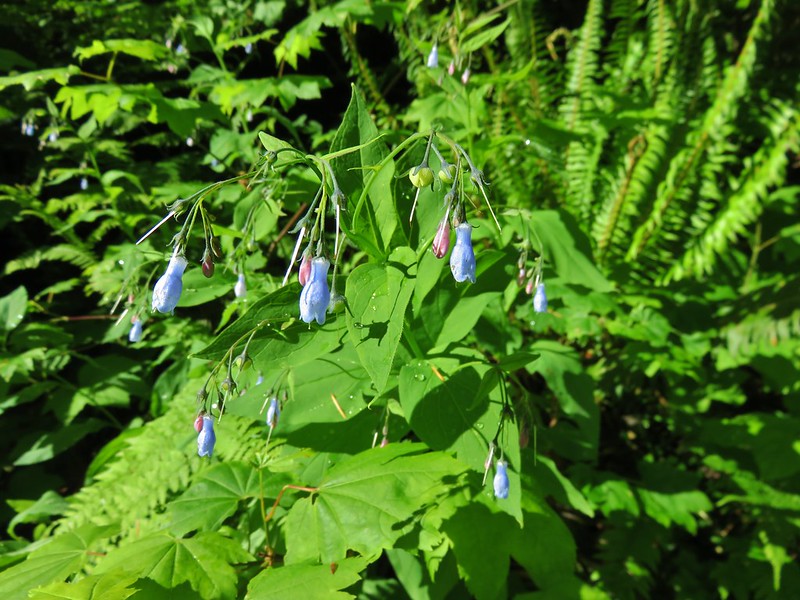
Scouler’s bluebells

We eventually climbed above the smoke.

Red elderberry, not edible raw and potentially dangerous even when processed.

Fireweed

Candyflower
The trail alternates between the SW and NE sides of the ridge providing views of Mt. Adams and Mt. Ranier and Mt. St. Helens.

Mt. Rainier through some haze.

Mt. Rainier

Mt. Adams


Pumice Butte


Mt. Adams amid the wildfire smoke.


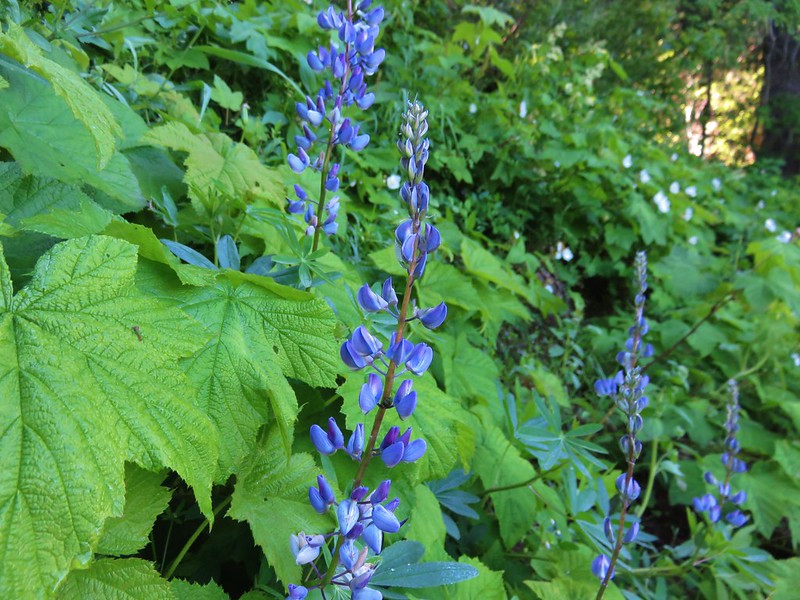
Lupine

Paintbrush


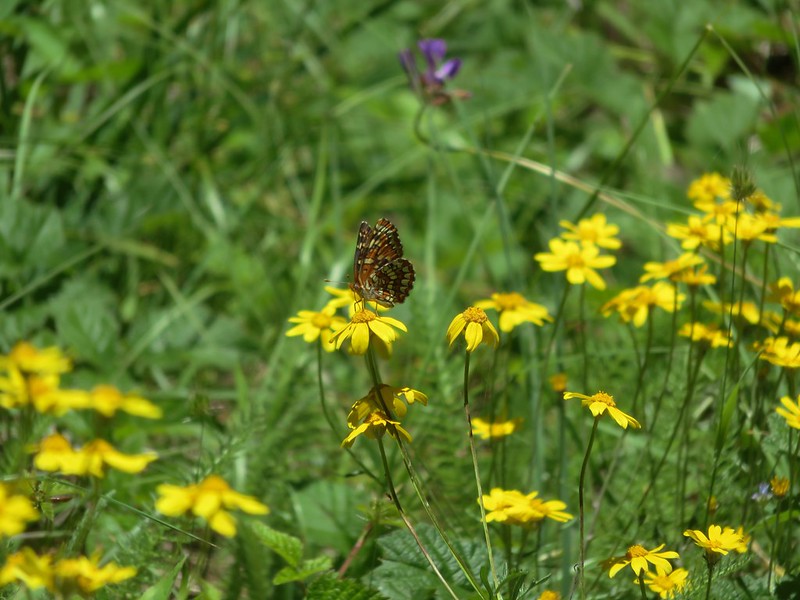
Butterfly on aster

Ape Canyon


Golden-mantled ground squirrel with an itch.

Mountain heather

The chasm with Mt. Adams in the distance.

The trail is a little sketchy opposite the chasm and a reroute may soon be needed.

Just ahead to the right the tread gets pretty narrow.
Just beyond the chasm the trail arrives at a junction with the Loowit Trail.


We turned right onto the Loowit Trail and continued 0.8-miles to a currently dry spring-fed creek in the Plains of Abraham. Heather had spoken to a couple of hikers who mentioned that they had seen mountain goats on one of the hilltops from the trail closer to the spring. Last September I had seen goats on Pumice Butte during my hike from June Lake (post).


Dwarf lupine


Dwarf lupine on the Plains of Abraham.
When we got far enough around to look back at the hills above the Loowit Trail I took several pictures of what looked like they might be mountain goats to the naked eye.

One of them paid off.


The Loowit Trail crossing the Plains of Abraham.

Mountain goat fur.

Heading for the spring with Mt. Adams in the distance.

This area would have had a nice wildflower display if we had visited a few weeks earlier.

Above Ape Canyon.

The springs are back there but there was no flowing water today.

There were two small pools holding water in the creek bed.
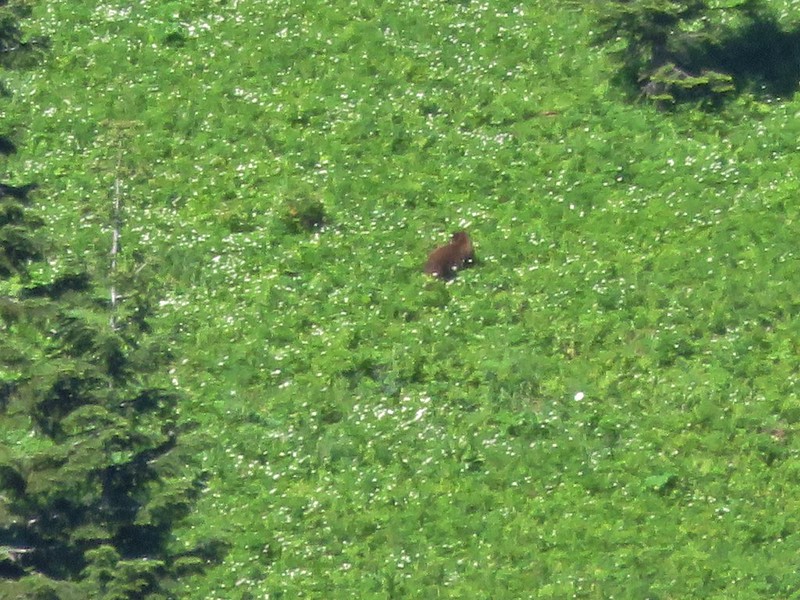
On the far side of the creek bed two mountain bikers that had passed us earlier mentioned that they thought they’d seen a couple of bear cubs in the canyon below but weren’t certain. They continued on and I scanned the hillside.

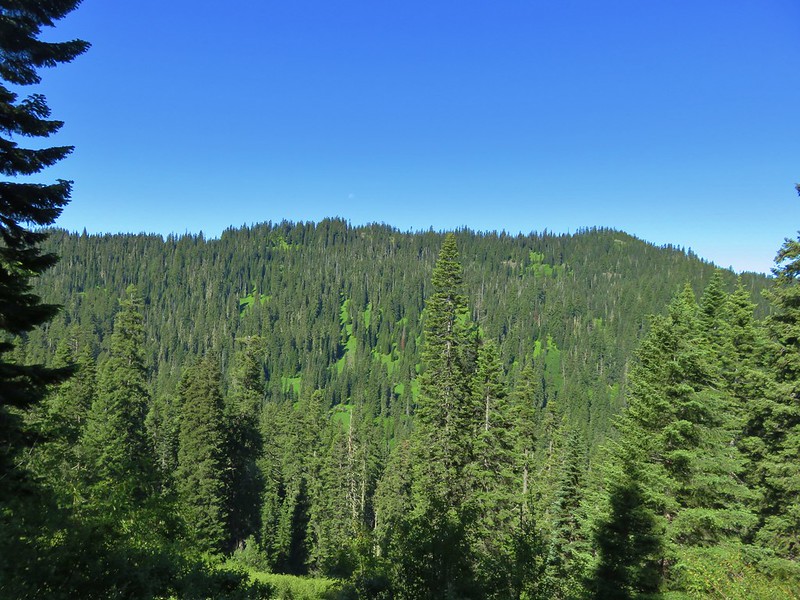
It didn’t take long before I spotted what I thought could be a bear. When I zoomed in with the camera though I couldn’t tell at first if it was a bear or the shadowed end of a log. Then the head moved. It was the momma bear. A few moments later we had spotted the cubs as well.

We got to watch them forage for quite a while. The distance made it hard to get pictures but that didn’t stop me from trying (a lot).


Momma making sure the kids were following.
When we finally lost sight of the bears I decided to continue on the Loowit Trail to a viewpoint at the far end of the plains while Heather opted to break out her camp chair and relax a little longer.


Oregon sunshine

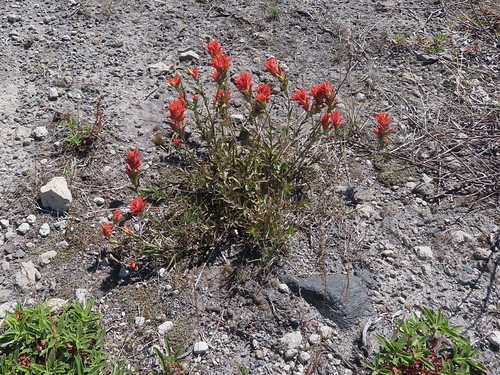
Paintbrush


Curious golden-mantled ground squirrel.

Alpine Butte

Coming up on the viewpoint at the junction of the Loowit and Abraham Trails. The peaks along the ridge from left to right are Coldwater Peak (post), The Dome, and Mt. Margaret (post). The top of Mt. Rainier is visible to the right.

Mt. Rainier

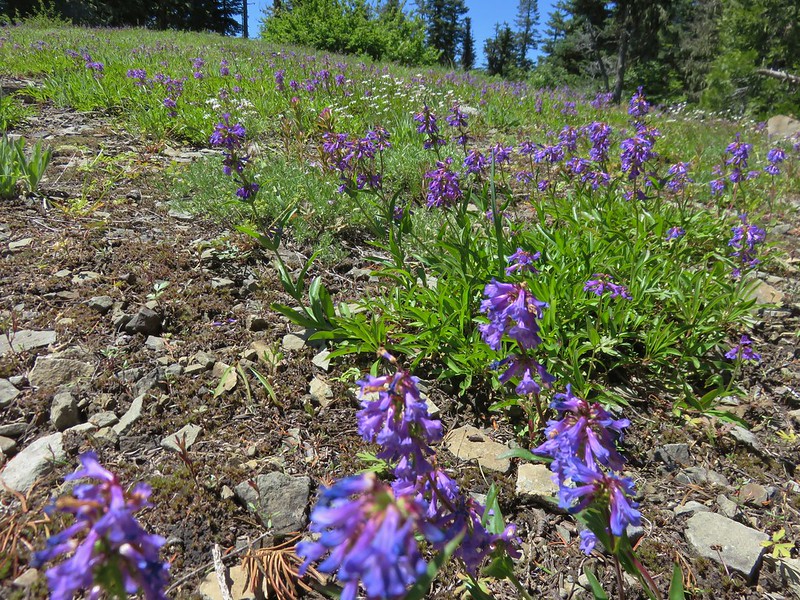
Penstemon
I turned around at the junction and headed back. Along the way I spotted a bear walking up the ridge of the butte that the bears had been below.


I assumed this was momma bear again but I didn’t see the cubs and the bear dropped over the far side of the ridge soon after I’d spotted it.
I reconnected with Heather and we headed back. The visibility of Mt. Adams was much improved and the smoke that had been present over the lower portion of the morning hike and moved on.


There were also clearer views of Mt. Rainier too.

Stonecrop

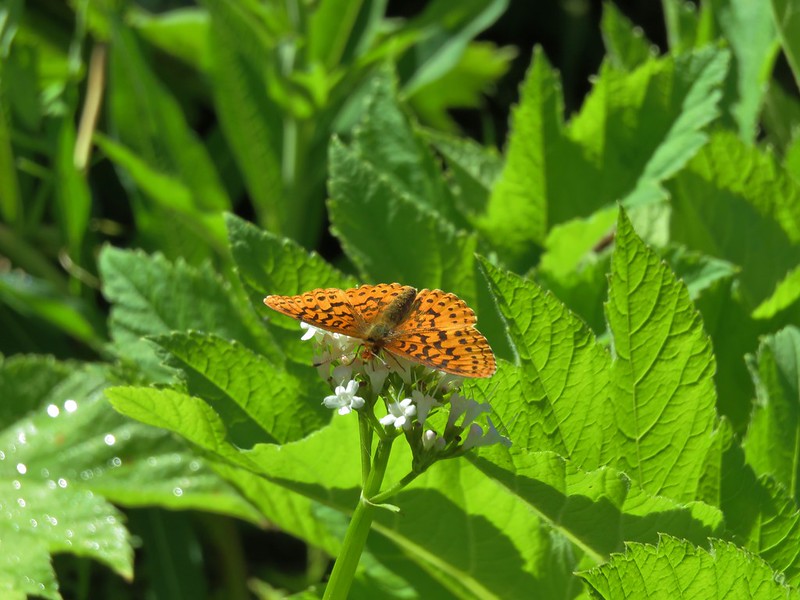
Fritillary on pearly everlasting.

Nuthatch

Marble Mountain across the lahar.
Circling back around to the trailhead head map. I was a little ahead of Heather and got back to the trailhead first. When I arrived there was a group of ladies and kids gathered around the map. One of them asked me if this trail went to the “canyon” and I said yes. I thought to myself it was crazy to be trying to get to Ape Canyon with such little kids and starting after 3pm to boot. A few moments later as I was putting my pack into the car I realized that she may not have been referring to Ape Canyon when she asked about the canyon, and she had probably meant nearby Lava Canyon (post). It was too late to catch them so I hoped that Heather might say something to them, but they didn’t ask her any questions, and she just assumed they were just exploring. I felt really bad and hopefully the figured it out sooner rather than later but in my defense I did give the correct answer to the question that was asked. The trail sign also named it the Ape Canyon Trail and the map was right there.
Aside from probably having sent a family on a wild goose chase the hike was great. Hiking to the far end of the plains put my hike at an even 13-miles.

There is some contention with the elevation gain as both Washington Trails Association and William L. Sullivan list the elevation gain as 1400′ while the Oregon Hikers Field Guide says 2485′. The GPS was much closer to the latter and by the way both Heather and I felt by the end the higher number seemed more realistic. It appears that the lower number is simply the difference in the high point and trailhead elevation and doesn’t account for the uphill sections on the way back.
Regardless of the actual elevation gain any hike that includes both mountain goats and bears (oh my) is a great one. Happy Trails!


 Map at the trailhead signboard and wilderness permit station.
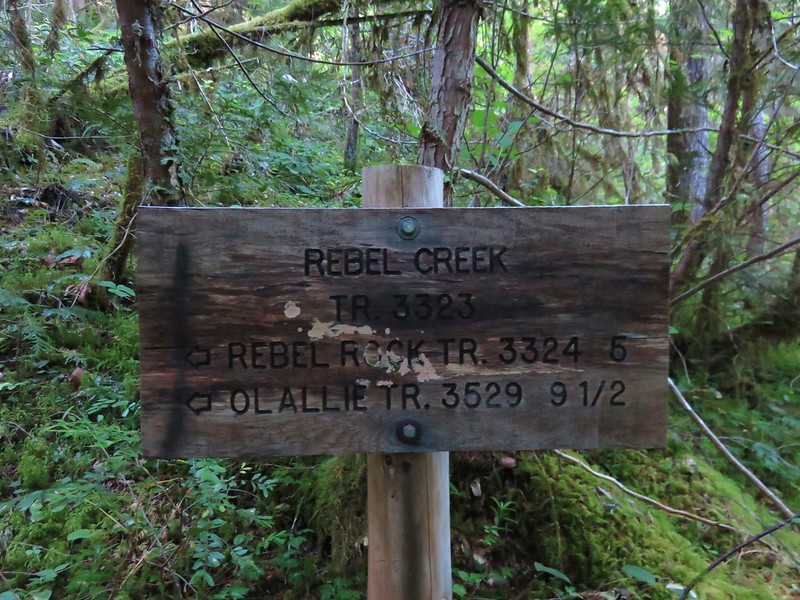
 Trail sign at the split of the East and West Fork trails.

 Trail sign for the East Fork Wallowa Trail at a junction with a gravel road.
 Ghost pipe
 Entering into the Wallowa-Whitman National Forest.

 Chief Joseph Mountain and Wallowa Lake
 I never saw any but I heard a number of pikas in the rock fields.
 Switchback
 Rock clematis seed heads.
 Bridge at the upper end of the access road that I had passed earlier.
 The lower section of the waterfall from the bridge.

 The access road bridge from the switchback.
 East Fork Wallowa River Forebay
 Interpretive sign at the forebay.
 Aster
Aster The trail entering the

 Elderberry and baneberry
 Zoomed in photo.
 Small meadow along the trail.
 Aneroid Mountain in the distance.
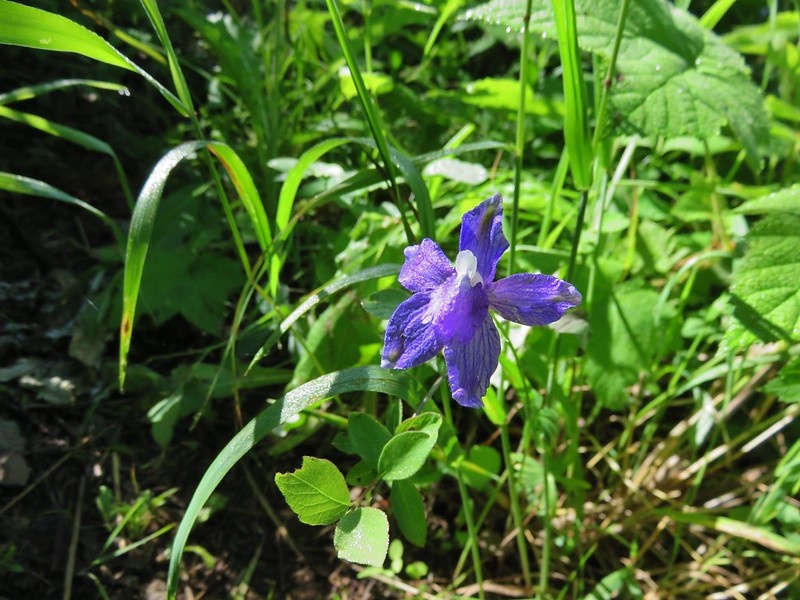
 Mountain larkspur
 Pika underneath some raspberries.
 Pika
Pika A few lupine were still blooming along the trail.
 Doe in a small meadow along the trail.
 Tall mountain bluebells
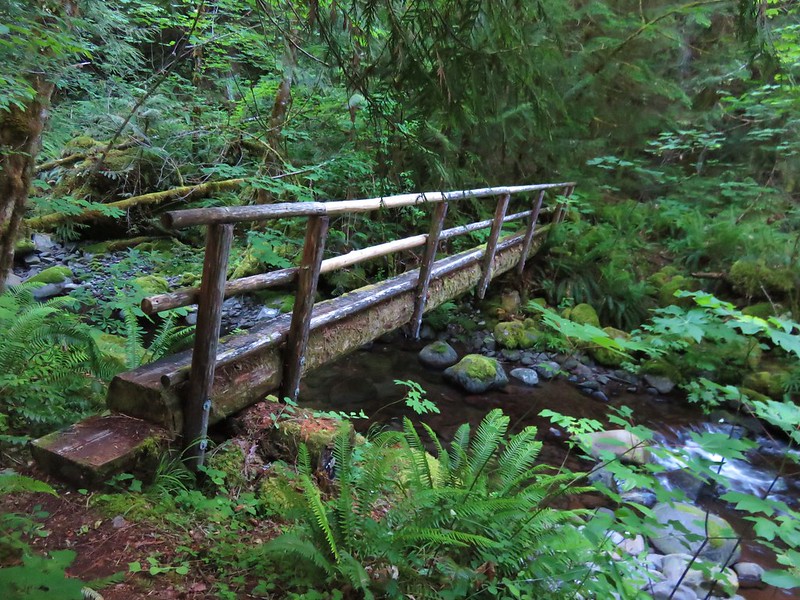
 The damaged footbridge.


 East Fork Wallowa River
 The inbound and outbound forks rejoining.
 East Fork Wallowa River flowing through a meadow along the trail.
 Goldenrod
 Unnamed creek crossing.
 American sawort
 Another doe in a meadow.
 A hazy view of Aneroid Mountain.
 Pearly everlasting along the trail.
 East Peak (
 A closer look at East Peak.


 The benches.
 Groundsel along the trail.
 A boat docked on the lakeshore in the distance.
 An inlet creek to the lake near the boat dock.
 East Peak from Aneroid Lake.


 Signs for Camp Halton at the actual junction with the East Fork Wallowa Trail.


 Hammond’s flycatcher
 East Peak
 Lewis monkeyflower
 Aneroid Mountain
 Pollinator on a flower.
 The split trail.
 The outbound trail dropped quite steeply before meeting back up with the inbound trail.
 The damaged bridge from the other side.
 Fritillary butterfly
 A comma butterfly
 Golden-mantled ground squirrel
 Mount Howard
 Coneflower
 Wallowa Lake
 Quaking aspen
 Arriving back at the trailhead.

 Ants dropping sawdust from a log along the Catherine Creek Trail. We sat and watched these busy ants for quite a while. They had created a good-sized pile on the ground below.
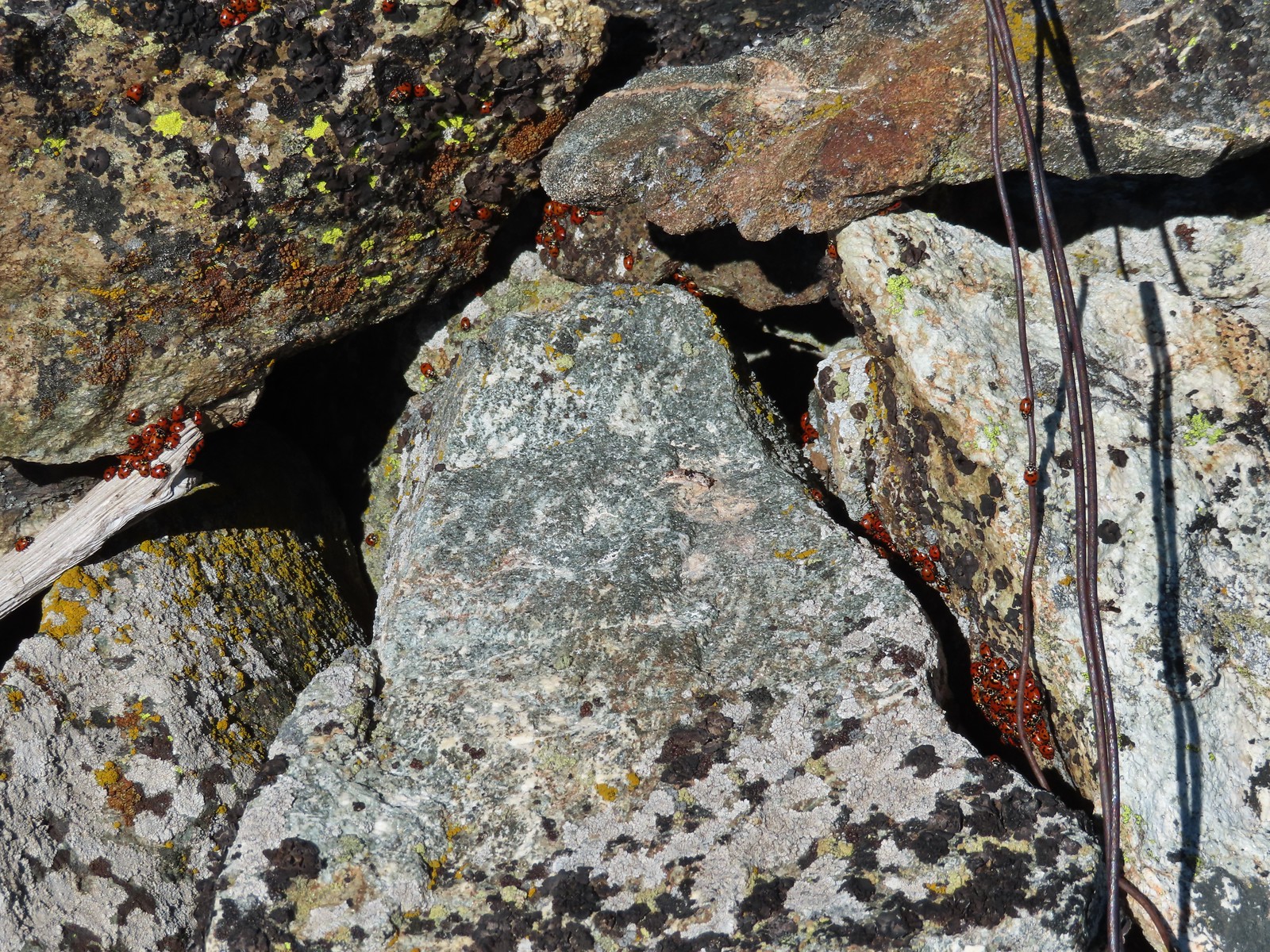 We see a lot of beetles but usually not all at once like these lady bugs on Observation Peak.
 Lady bug – Upper Table Rock
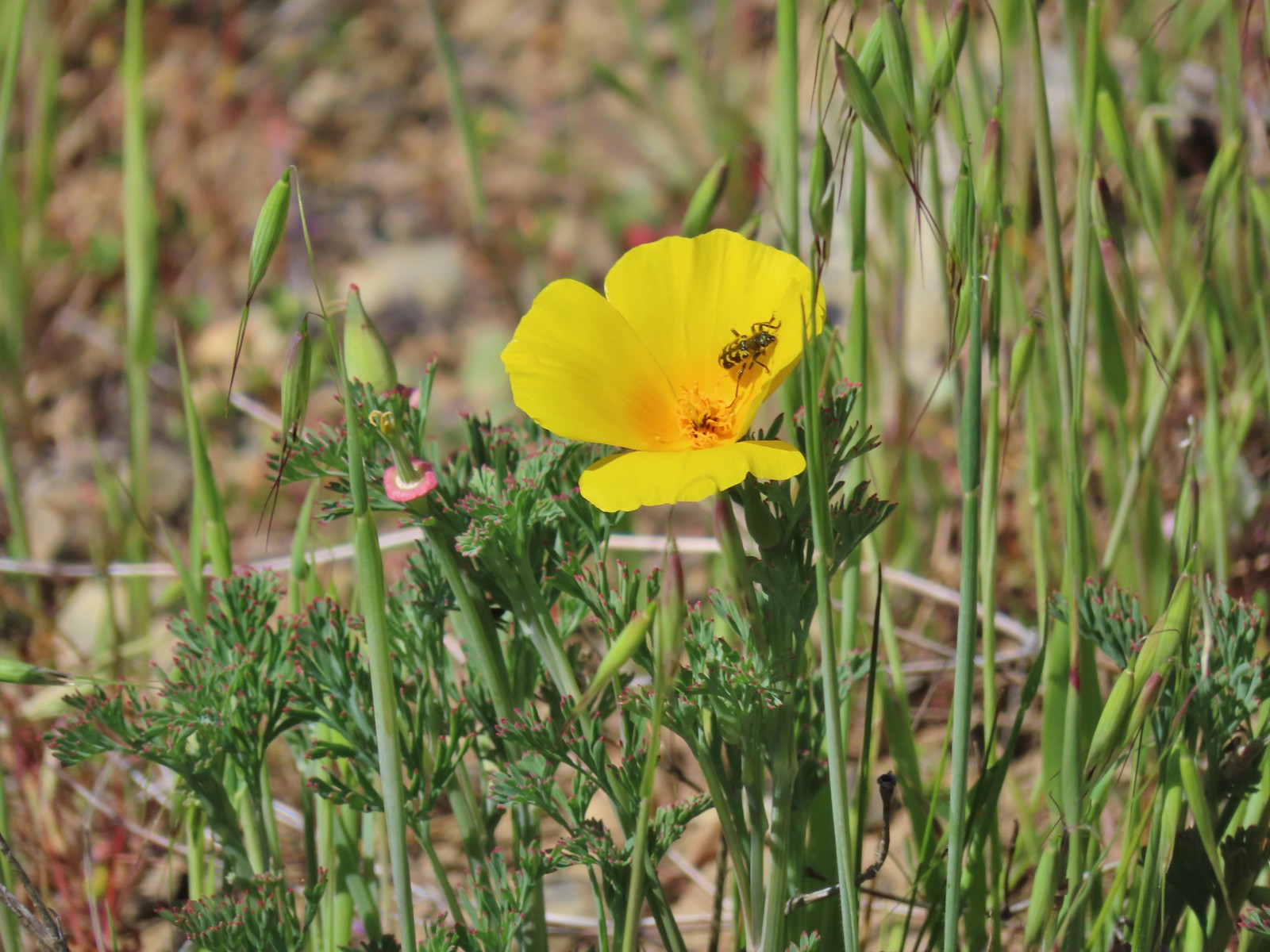 Yellow & black beetle – Mule Mountain
 Redish brown beetle – Siskiyou Wilderness
 Green beetle – Siskiyou Wilderness
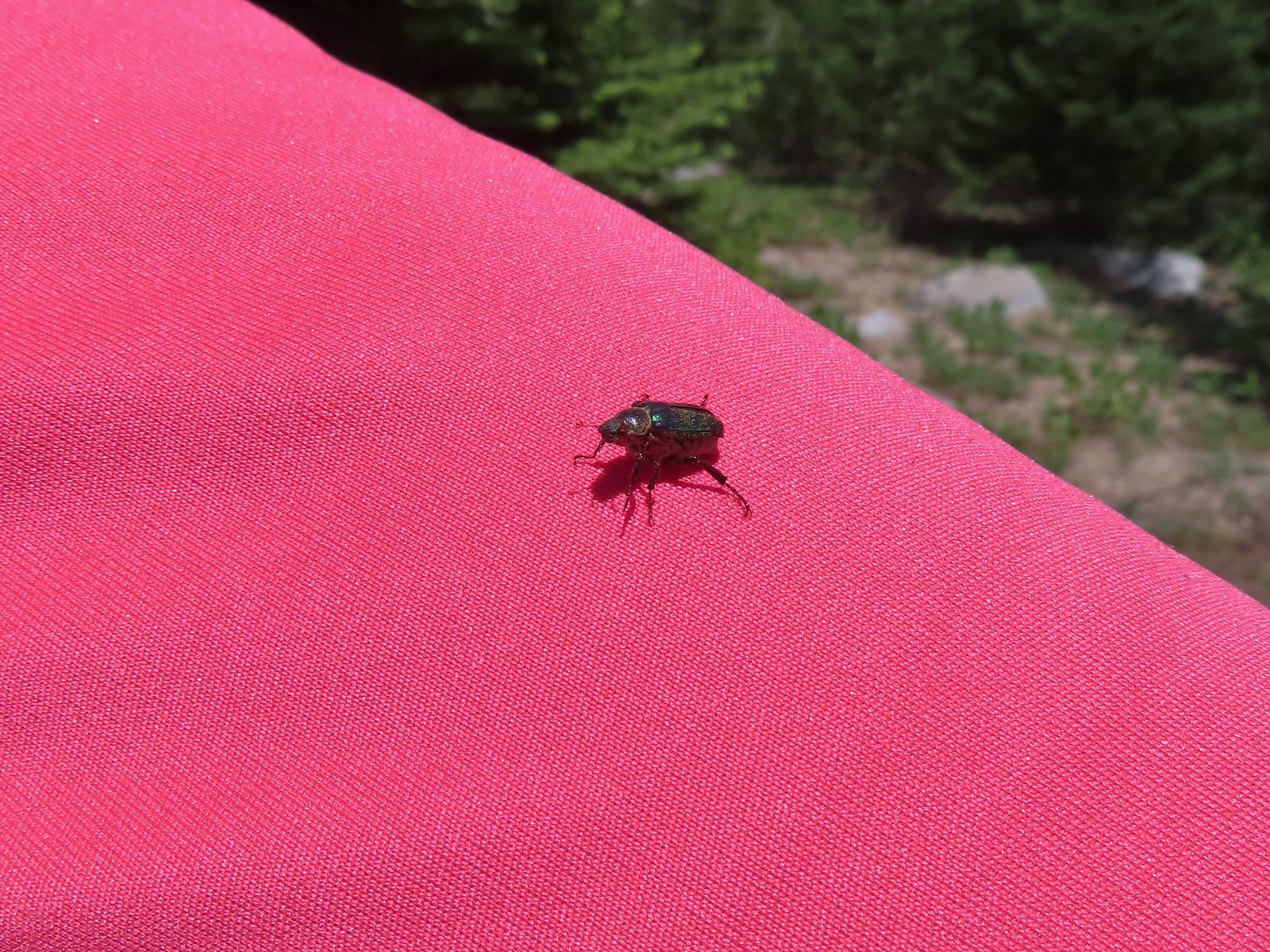 Hitchhiker – Mt. Ireland
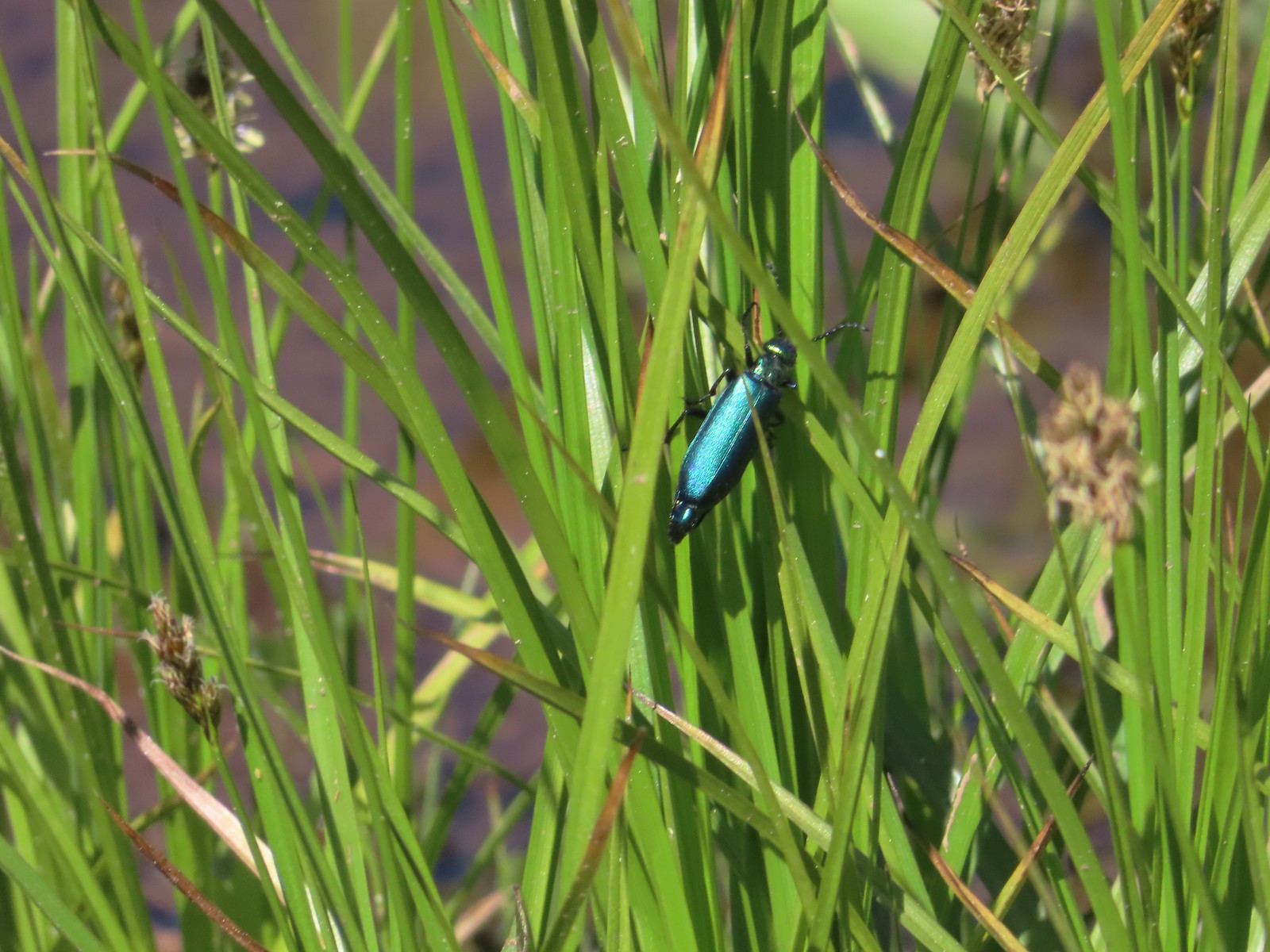 Blueish green beetle – Catherine Creek Meadows
 Small beetle – Catherine Creek Meadows
 Green beetle on a geranium – Eagle Cap Wilderness
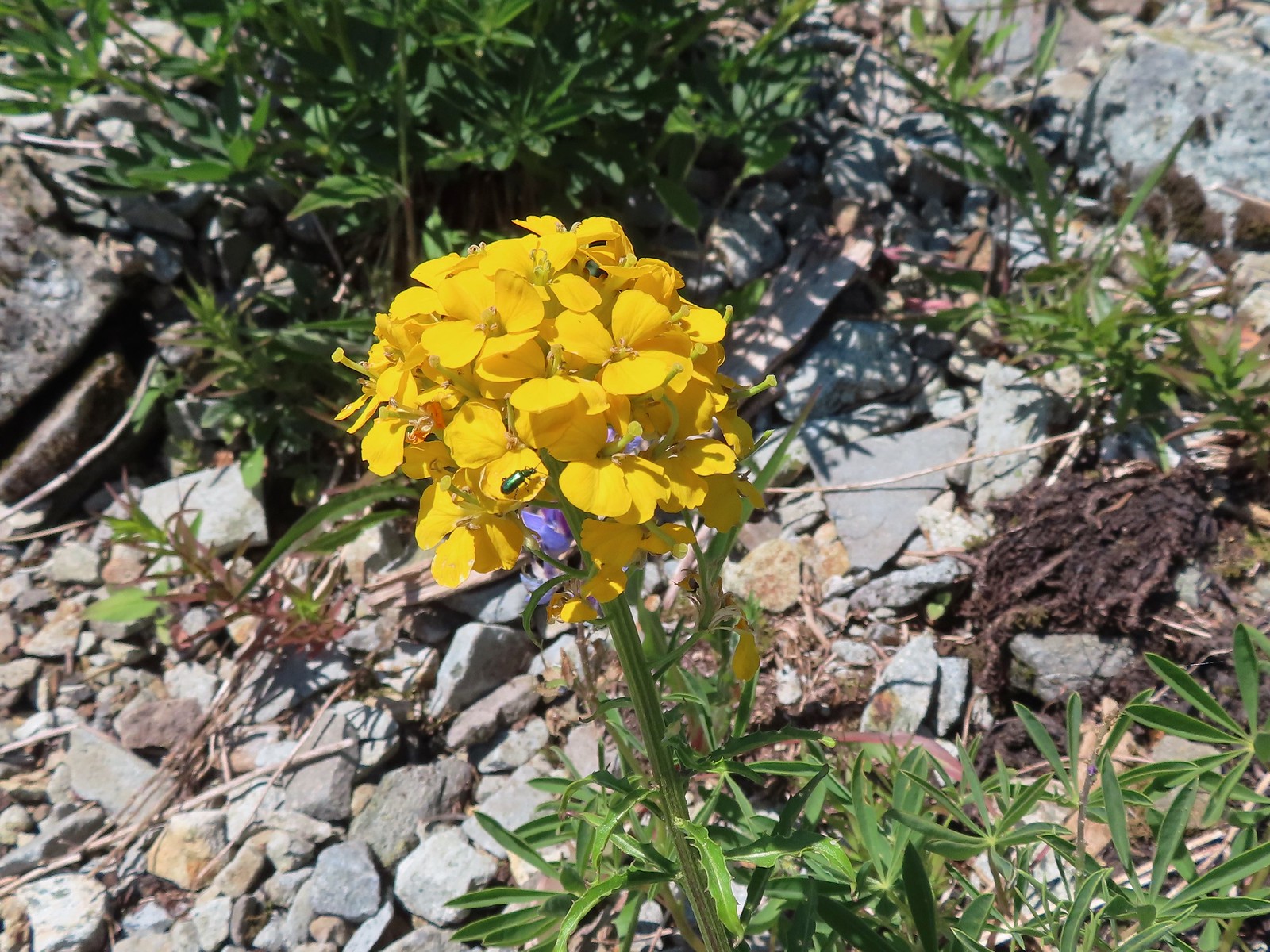 Green beetle on a wallflower – Silver Star Mountain
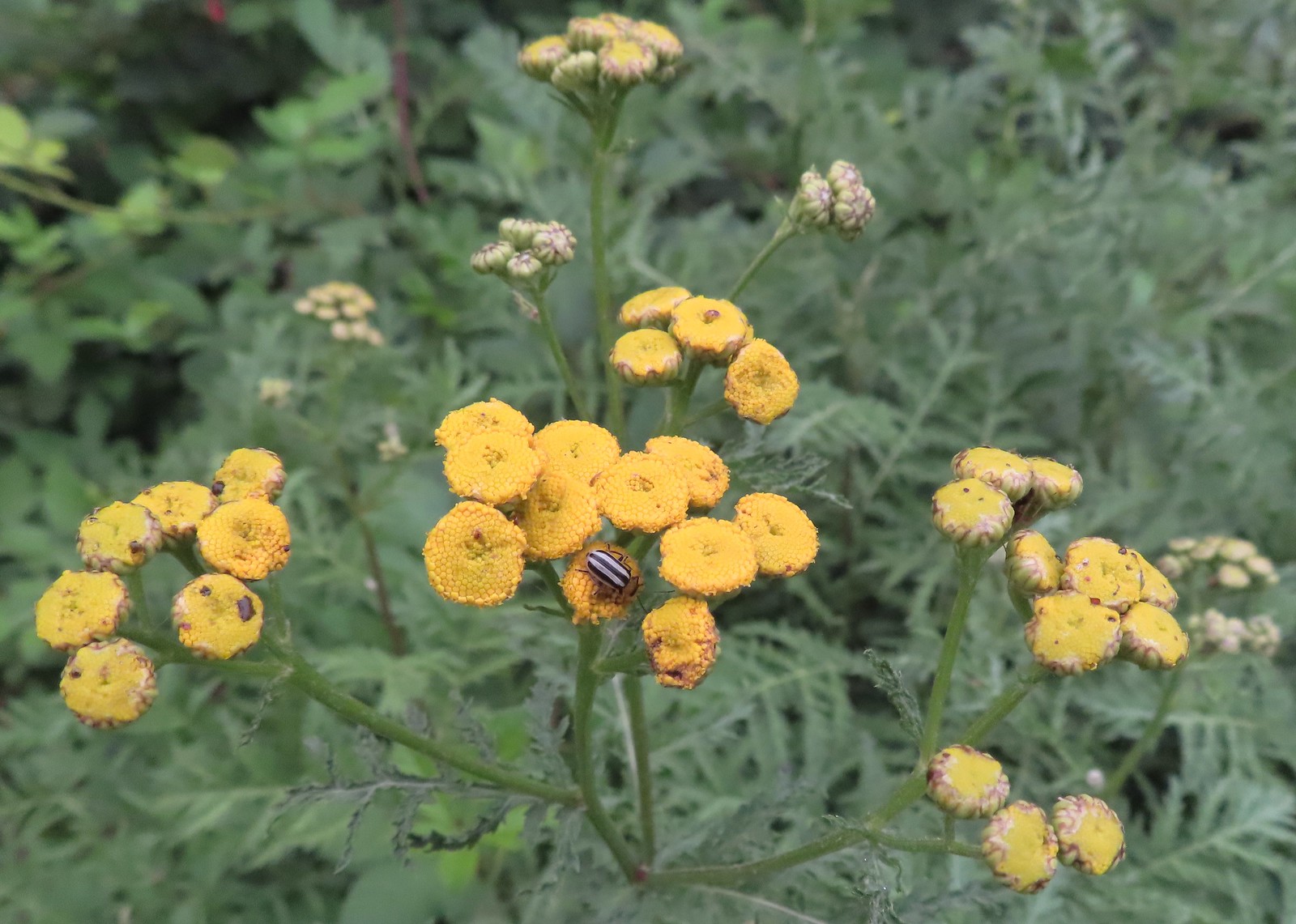 Stripped beetle – Spring Valley Greenway
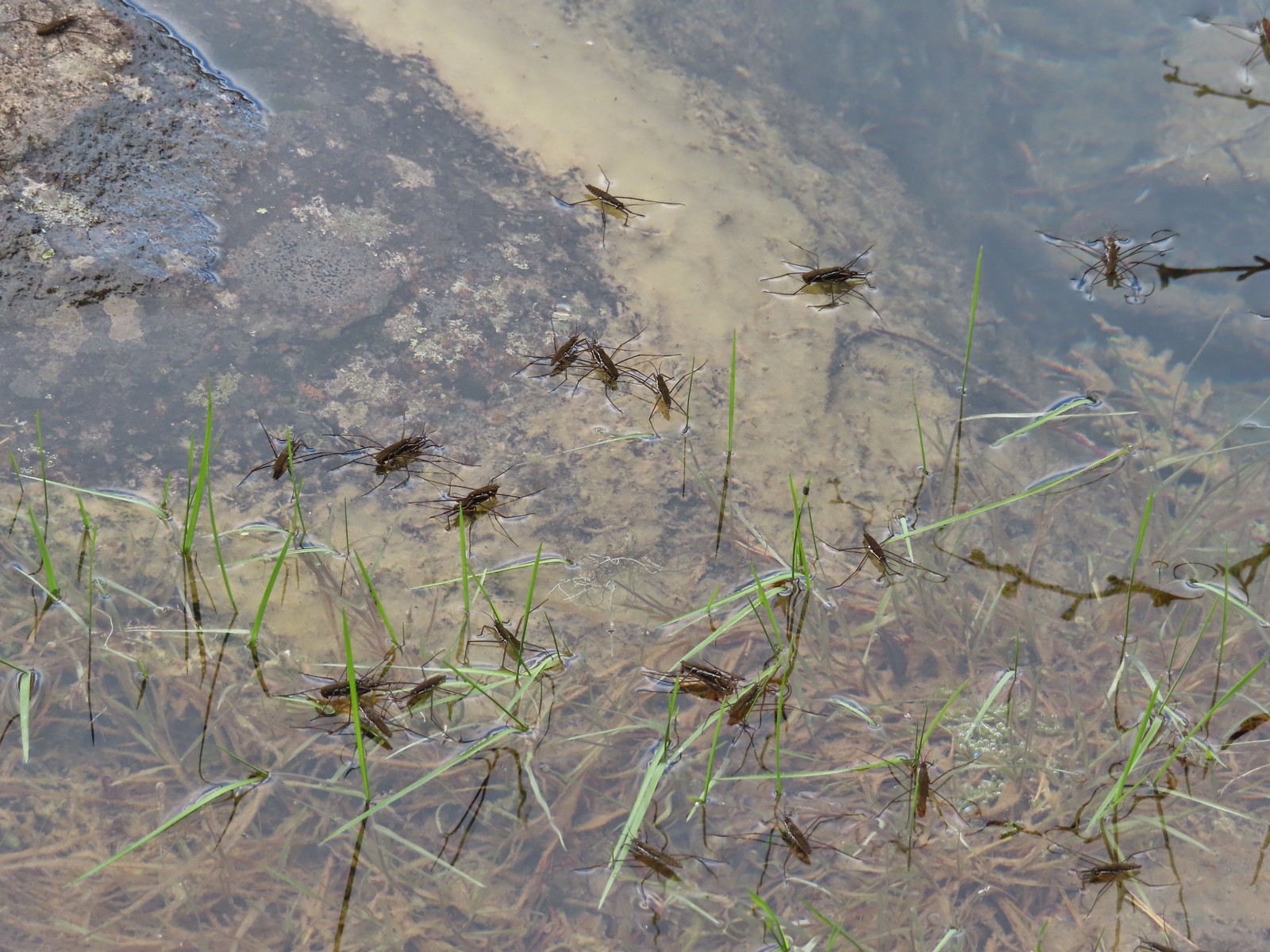 Water skippers – Big Twin Lake
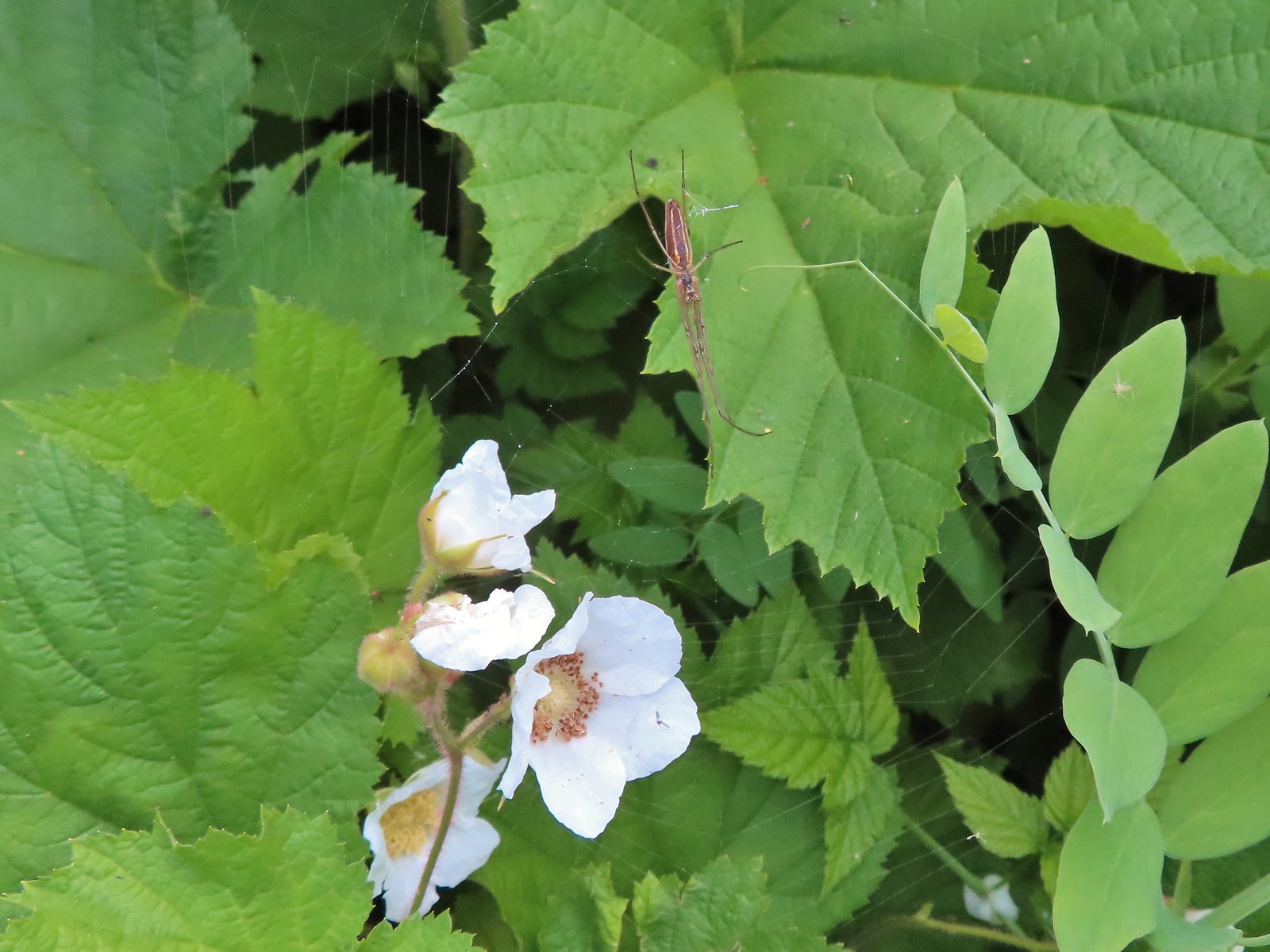 Spider on thimbleberry – Siskiyou Wilderness
 Crab spider – Eagle Cap Wilderness
 Another crab spider – Eagle Cap Wilderness
 Cricket – Pacific Crest Trail
 We are often literally struck by grasshoppers as we hike. Sometimes they stick when they hit us such as this one along the PCT.
 Bee on phacelia – Mule Mountain
 Wet bee on lupine – Julia Butler Hanson Wildlife Refuge
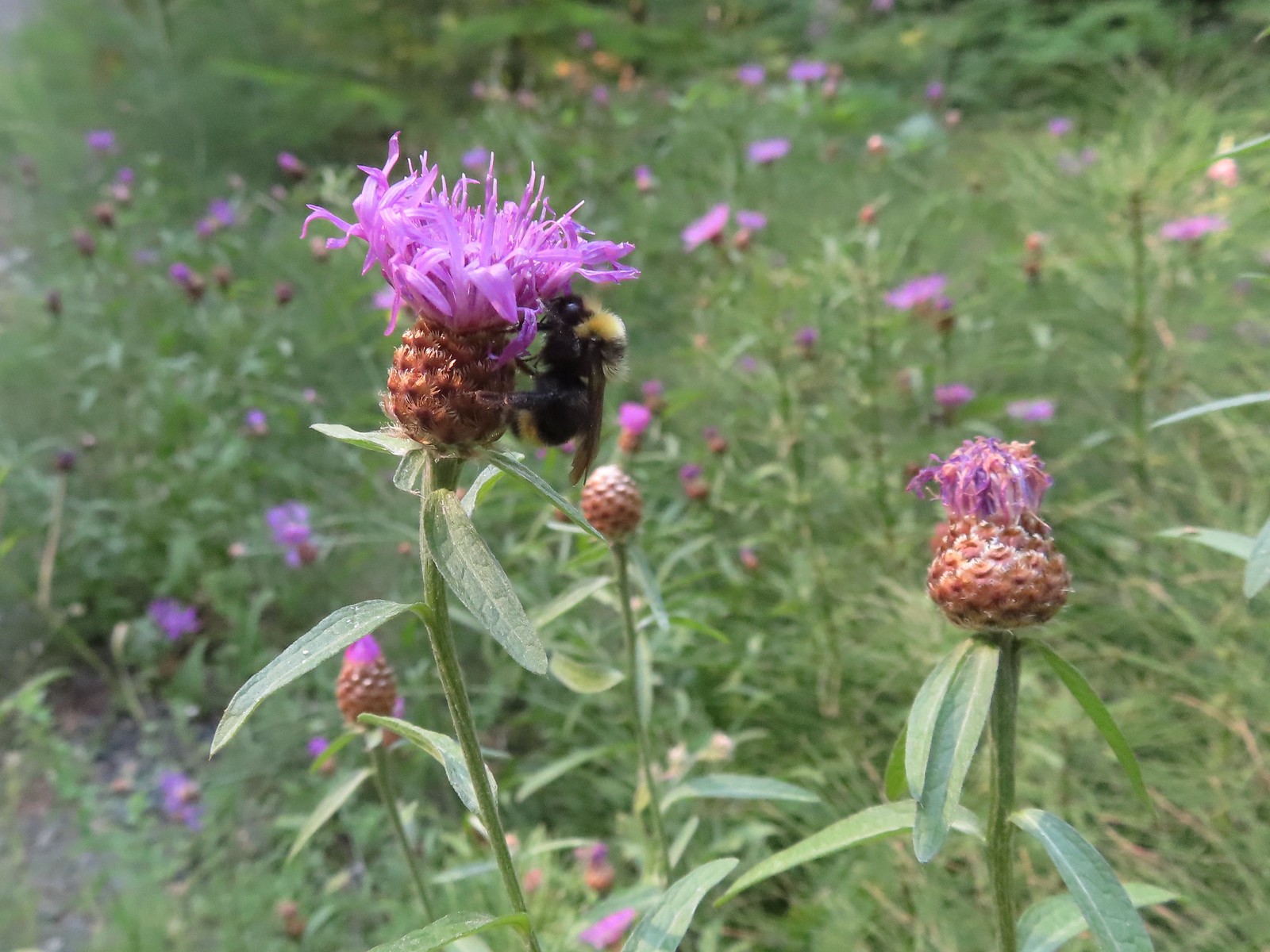 Bumble bee – Hemlock Creek Trail
 Lots of pollen – Mt. Adams Wilderness
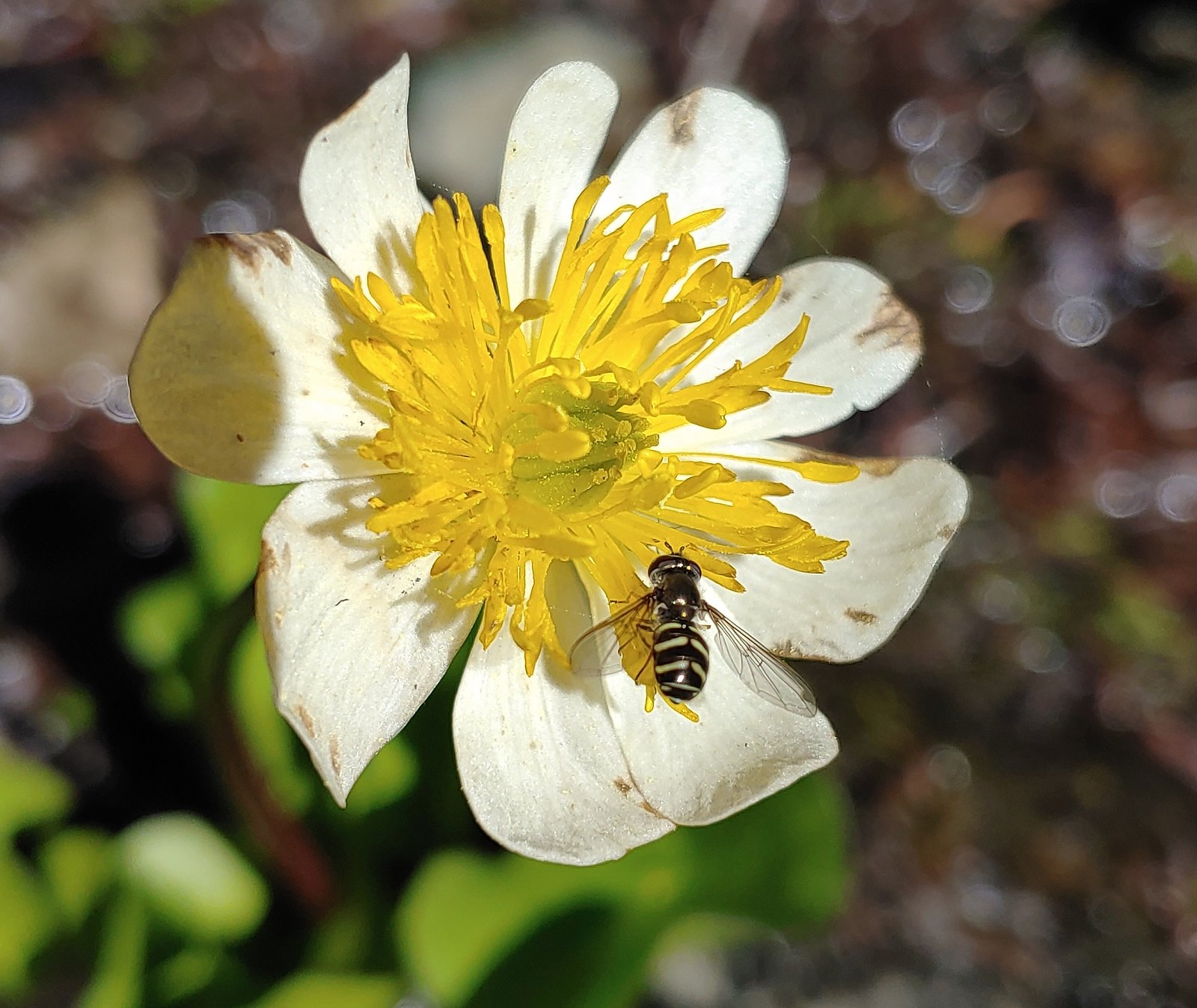 Bee landing on a marsh marigold along the PCT
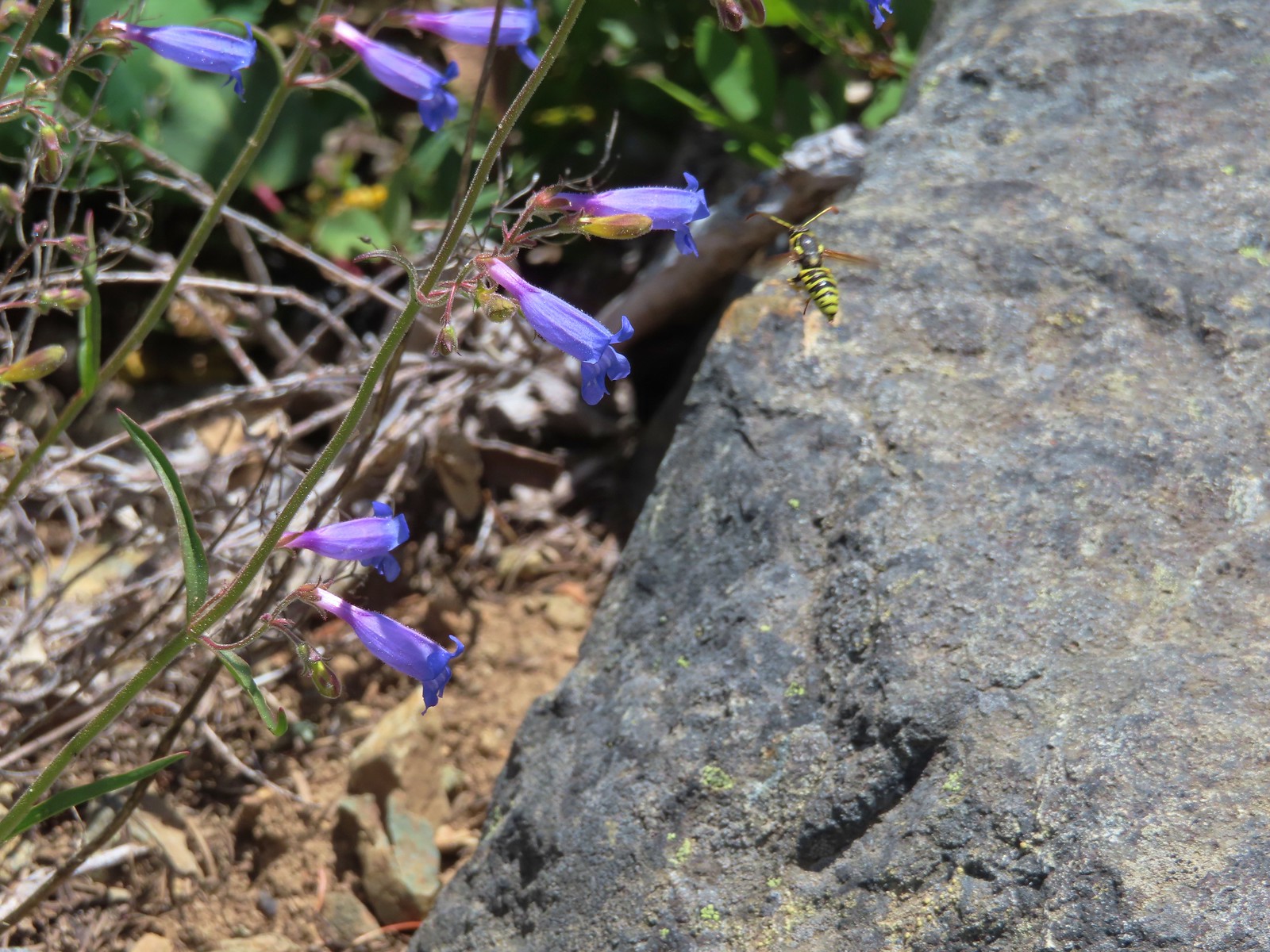 Bee approaching penstemon – Siskiyou Wilderness
 Bee and a tiny ant in a bindweed – Siskiyou Wilderness
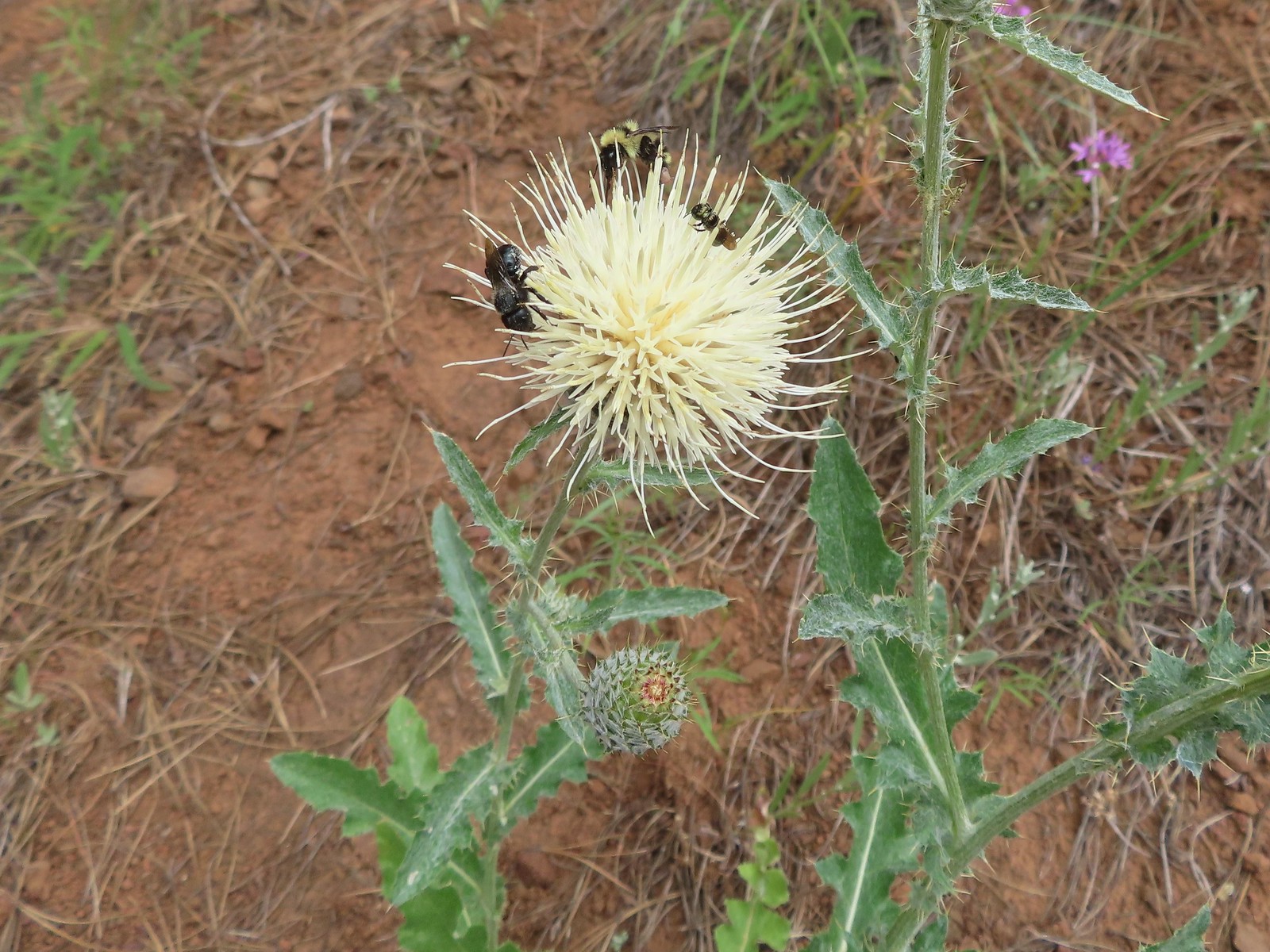 Insects on thistle – Eagle Cap Wilderness
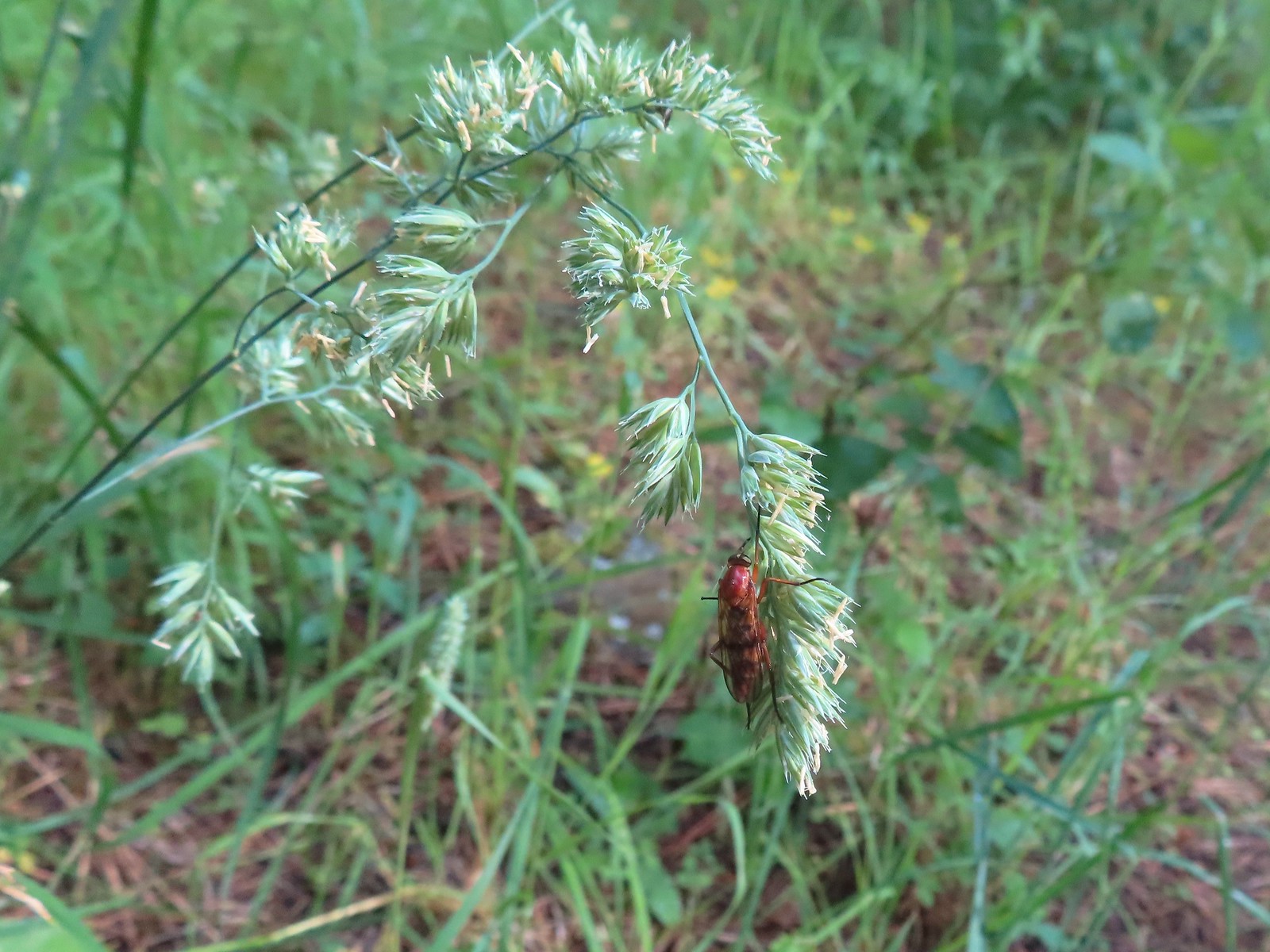 Wasp? – Eagle Cap Wilderness
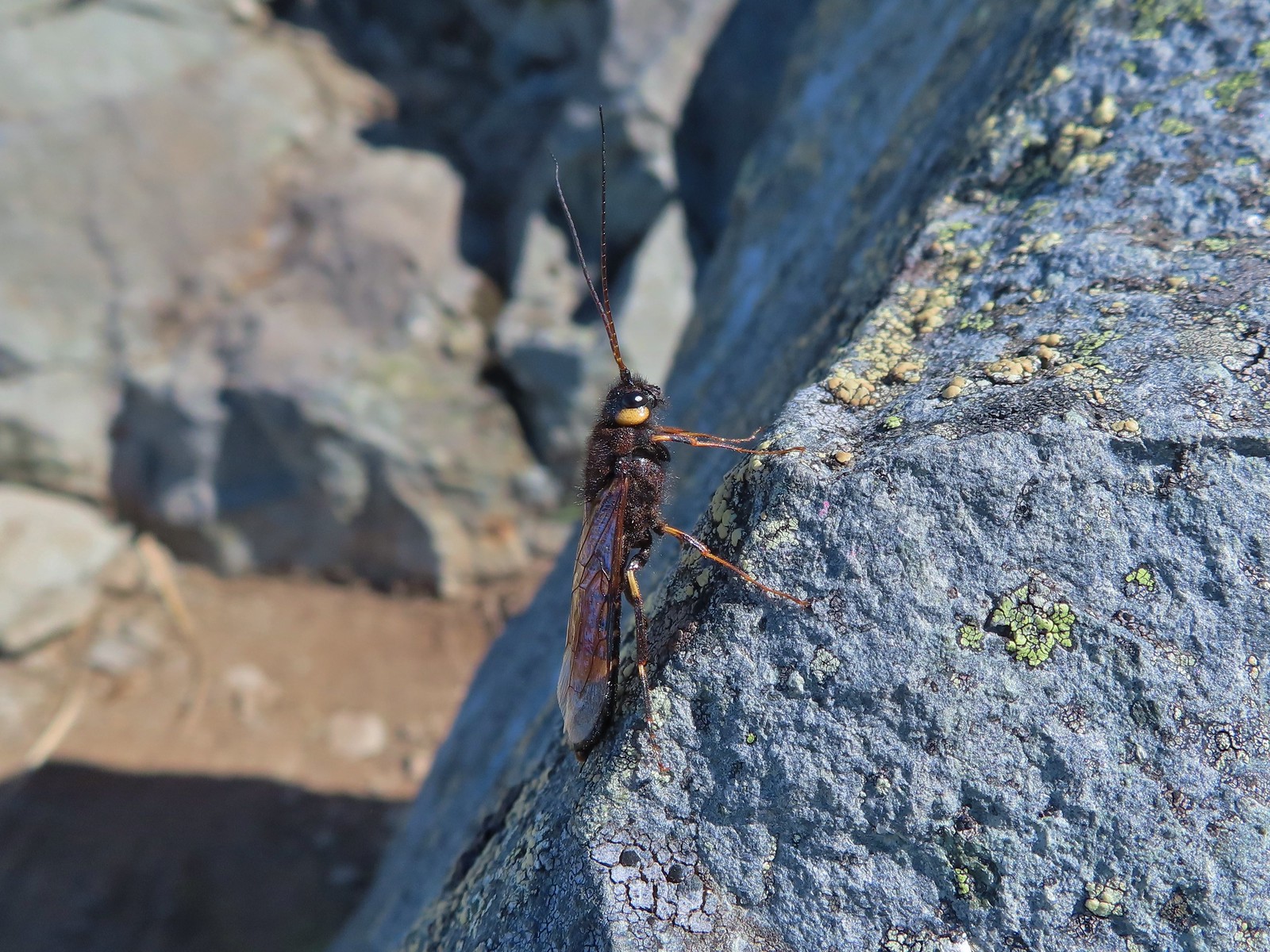 Some sort of wasp – Silver Star Mountain
 Insect along Bear Creek – Eagle Cap Wilderness
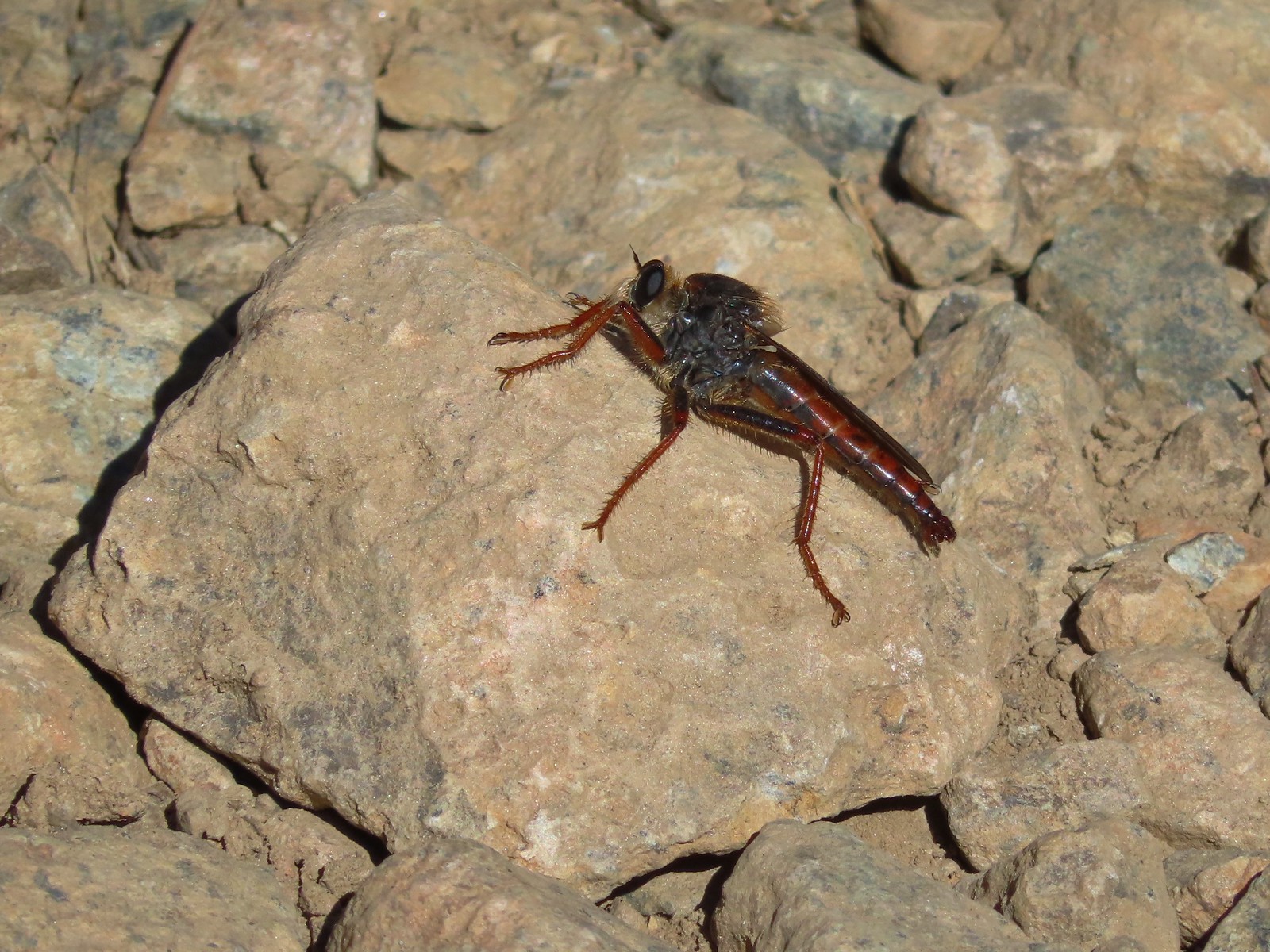 My brother and I used to call these “weird things”; I have no idea what it actually is – Trinity Alps Wilderness
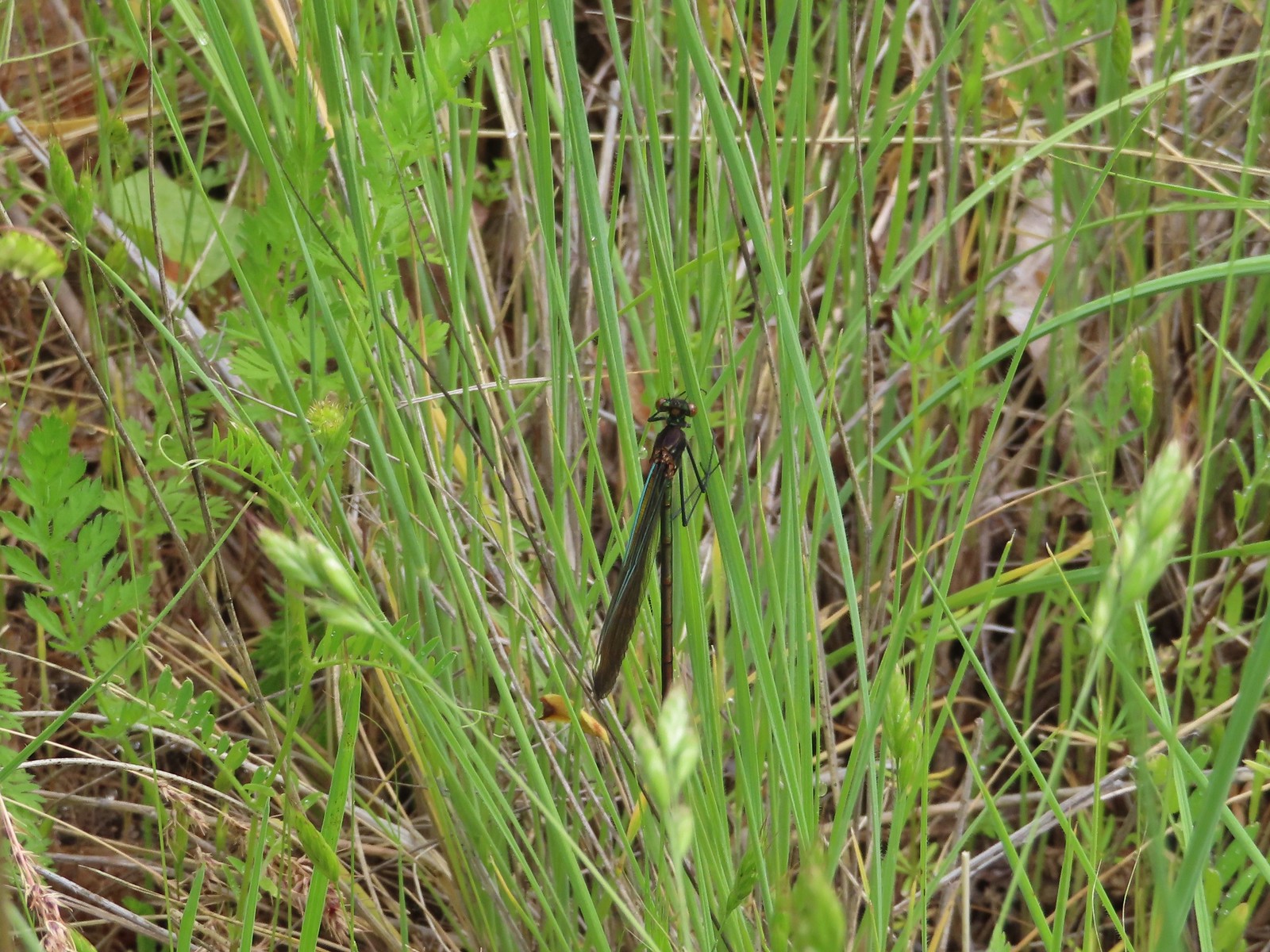 Damsel fly – Denman Wildlife Area
 Damsel fly – Hemlock Lake
 Dragon fly – Goat Marsh Lake
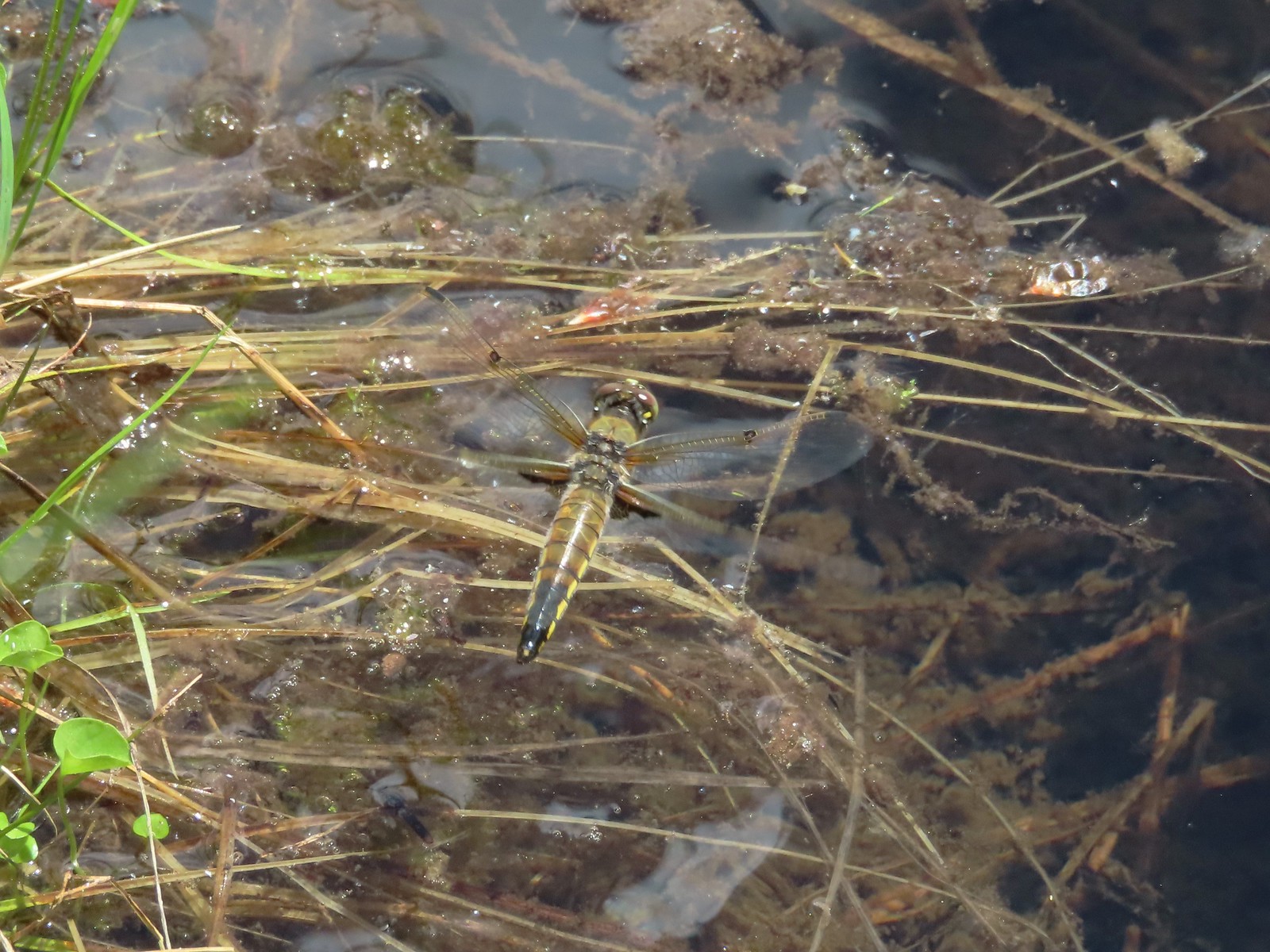 Dragon fly – Siskiyou Wilderness
 Dragon fly – Siskiyou Wilderness
 Dragon fly – Eagle Cap Wilderness
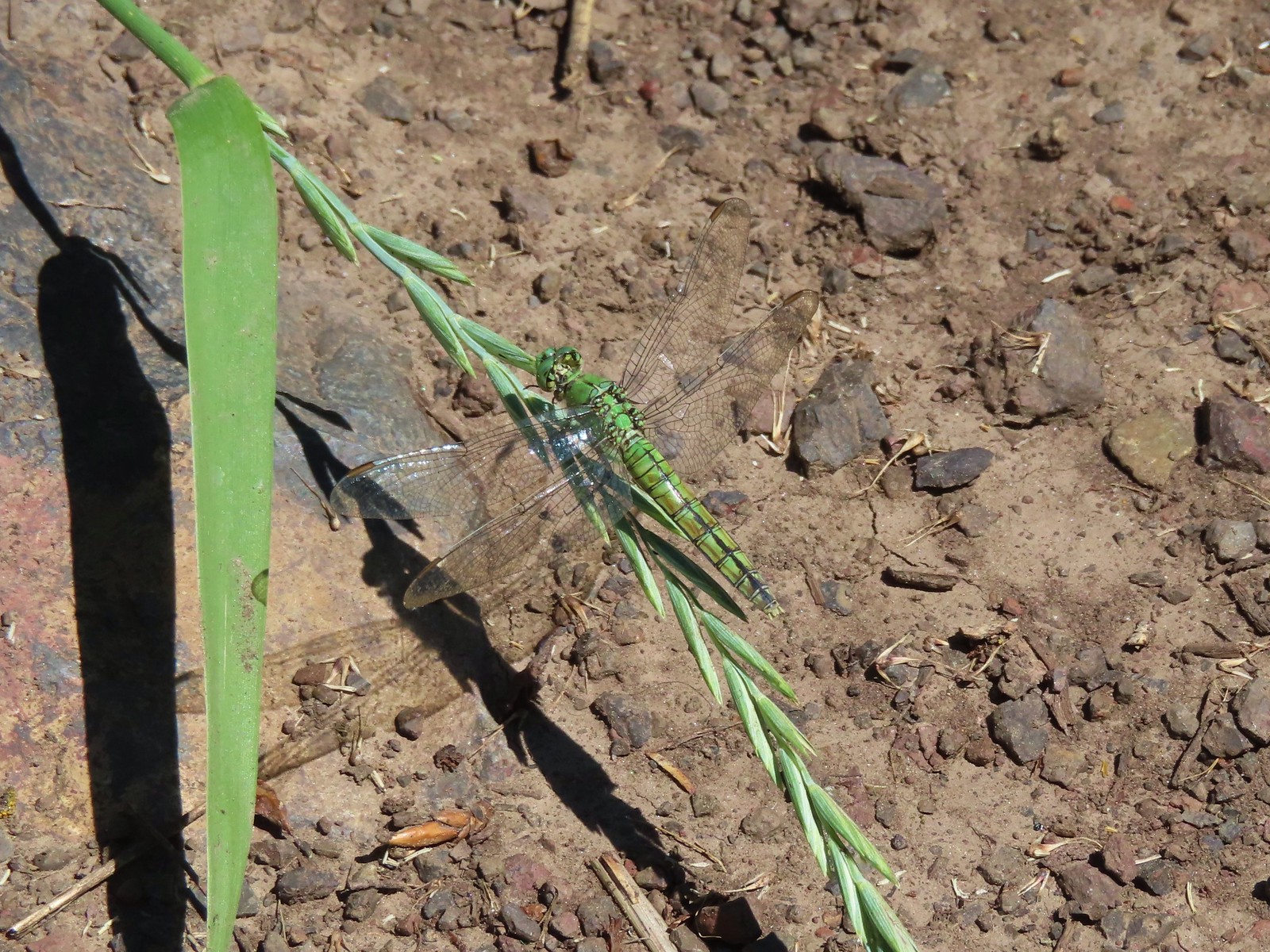 Dragon fly along the Wallowa River – Wallowa Homeland
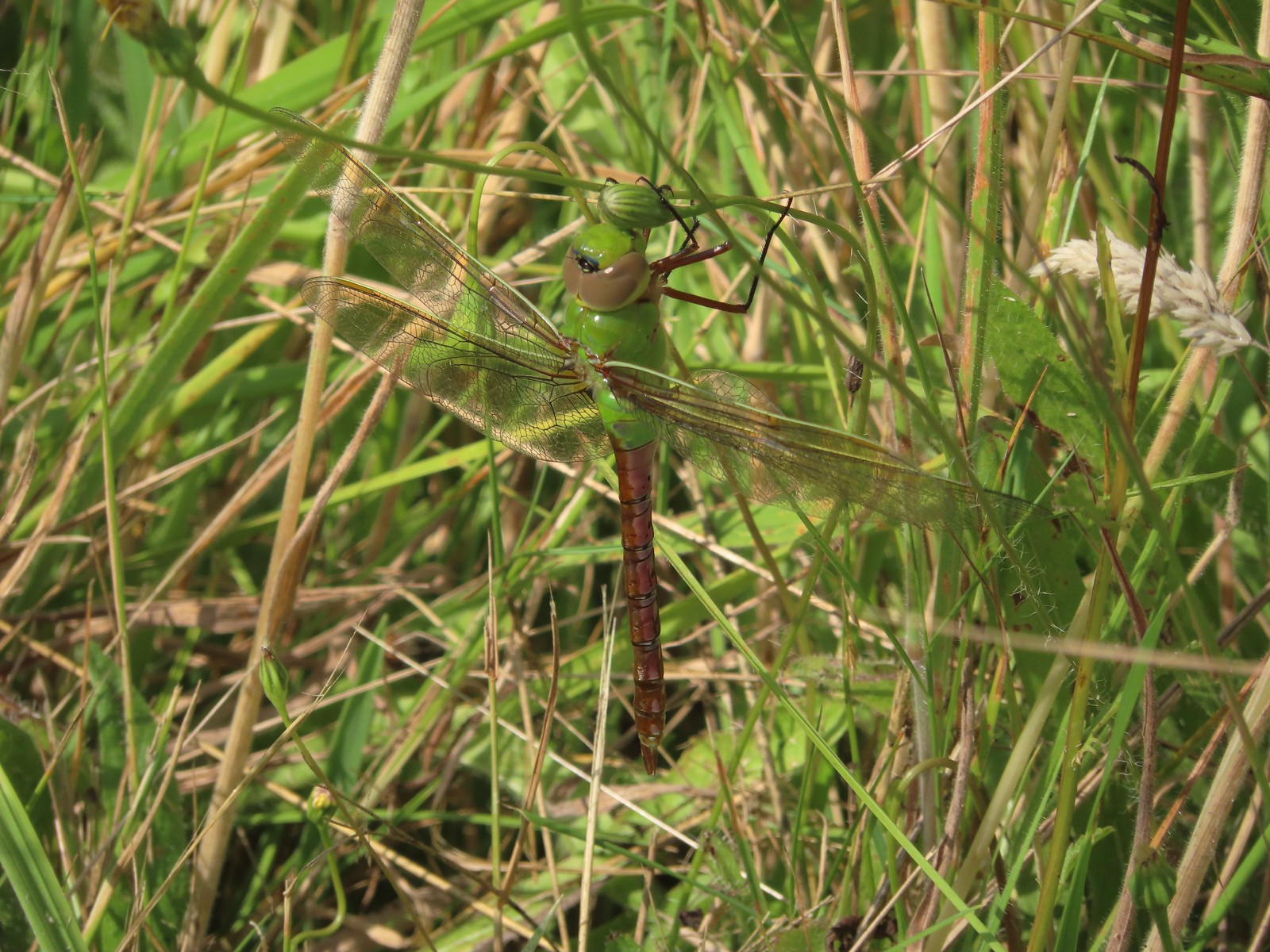 Dragon fly – E.E. Wilson Wildlife Area
 Dragon fly – Hemlock Lake
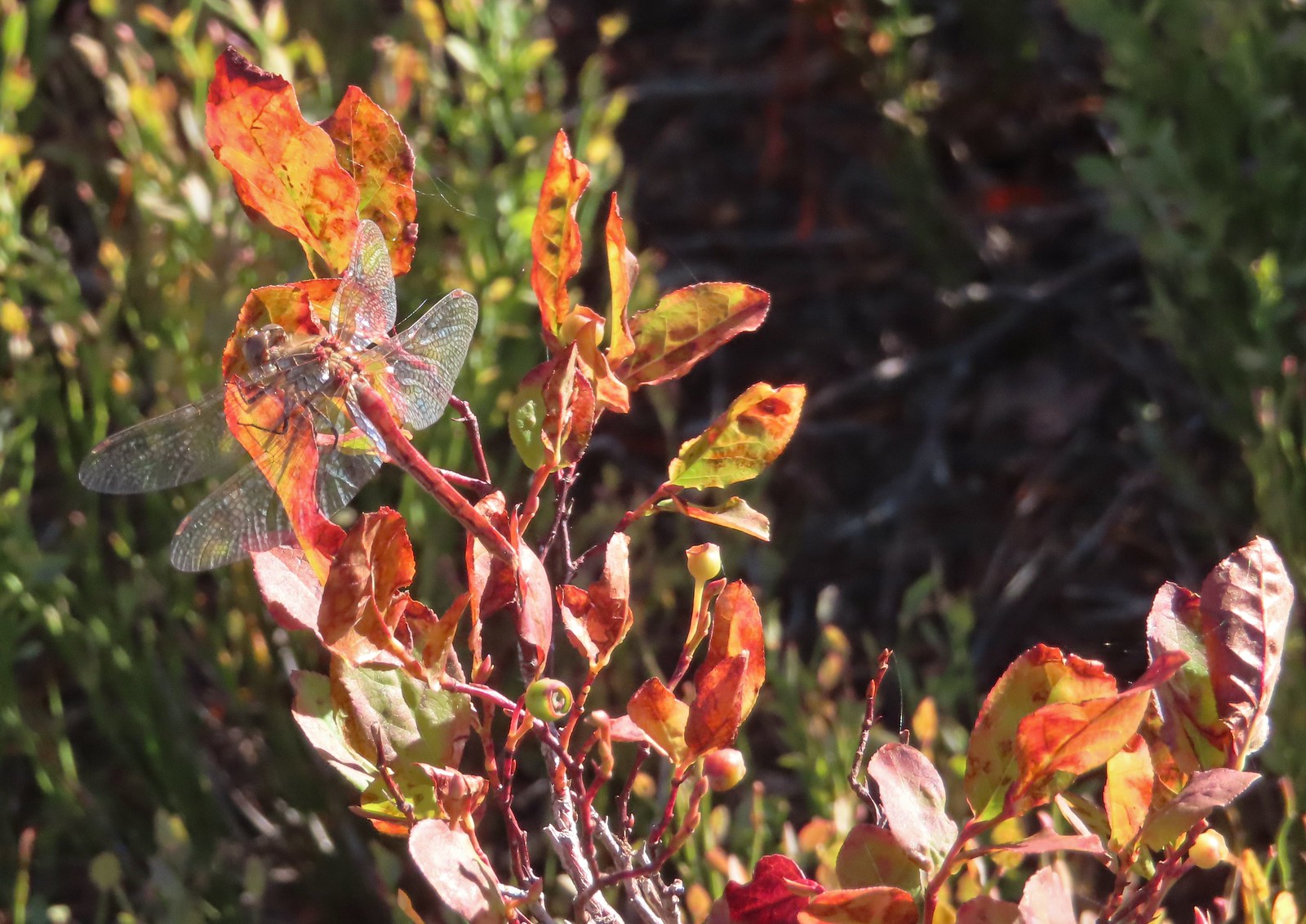 Dragon fly – Sky Lakes Wilderness
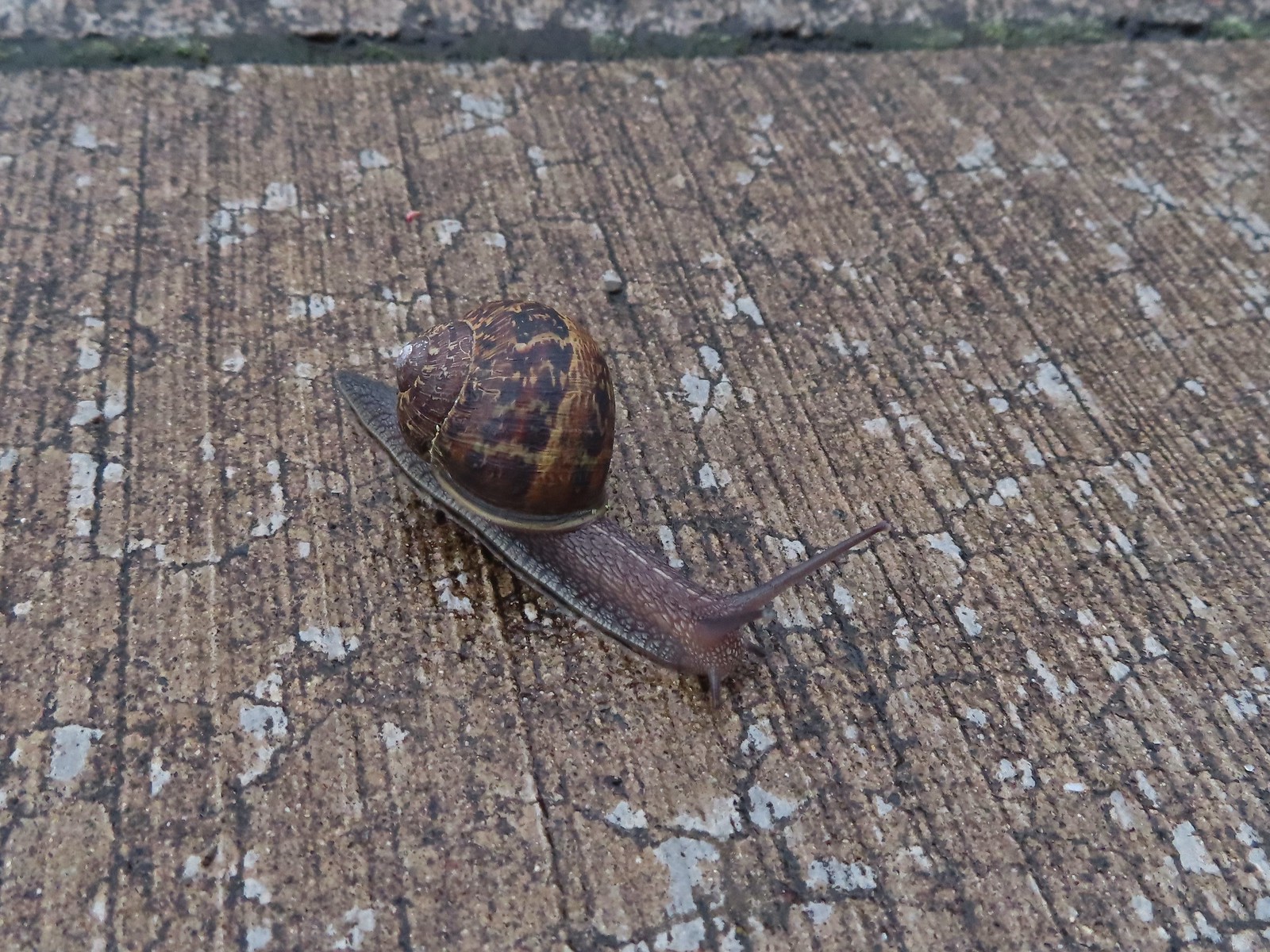 Snail – Rock Creek Trail
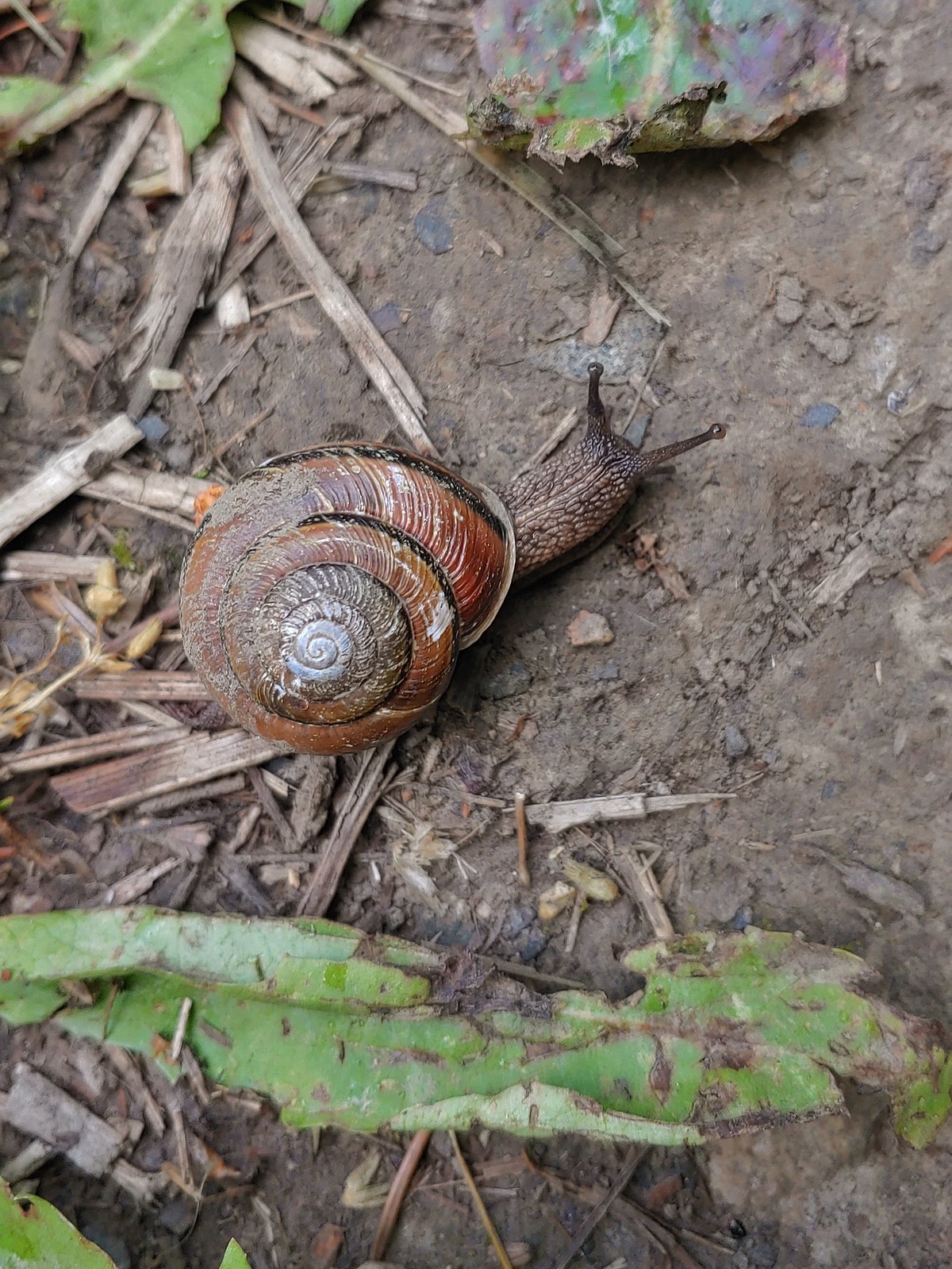 Snail – Applegate Lake
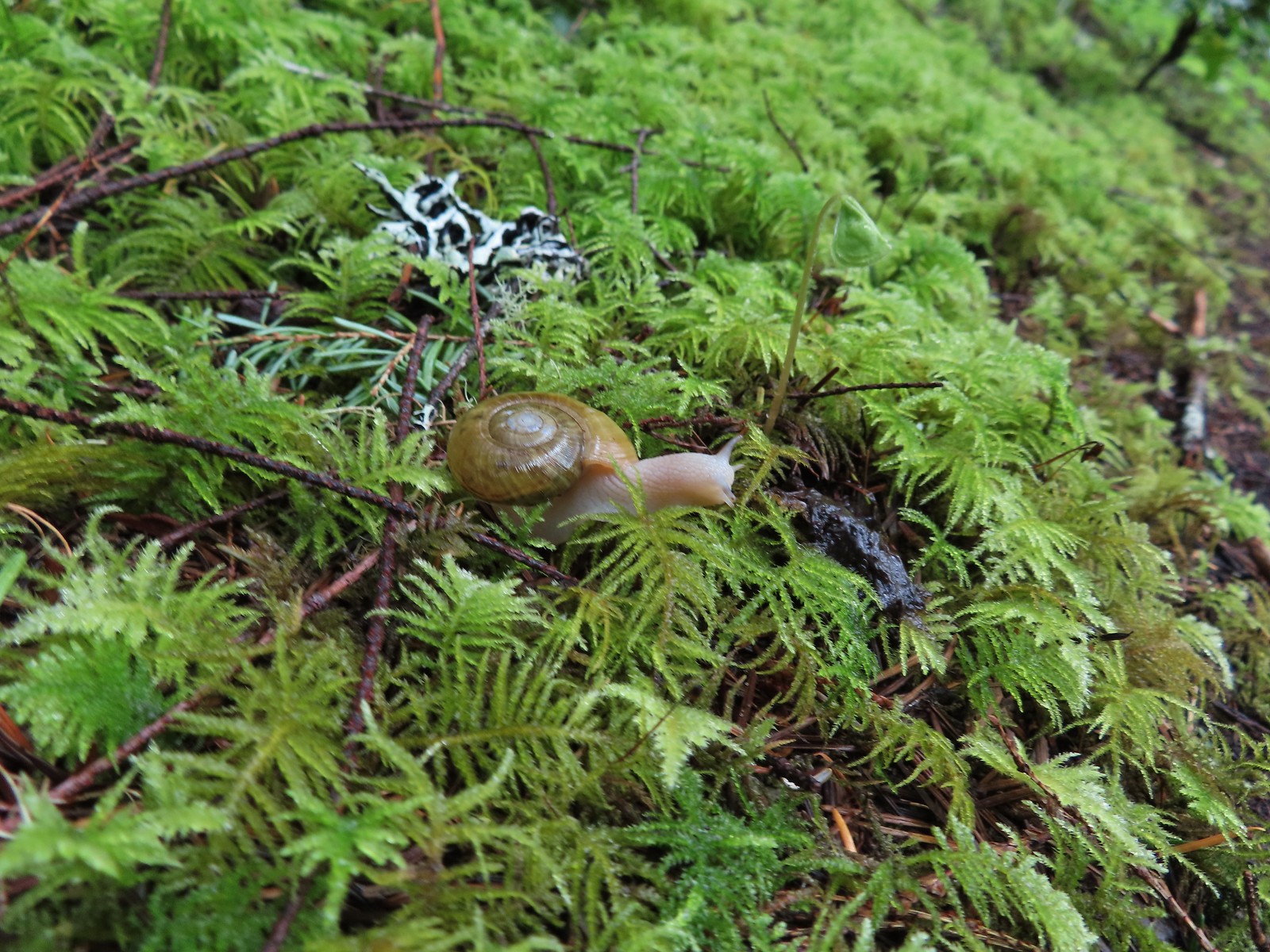 Snail – North Siouxon Trail
 Snail – Julia Hansen Butler Wildlife Refuge
 Snail – Siskiyou Wilderness
 Snail – Cascade Head
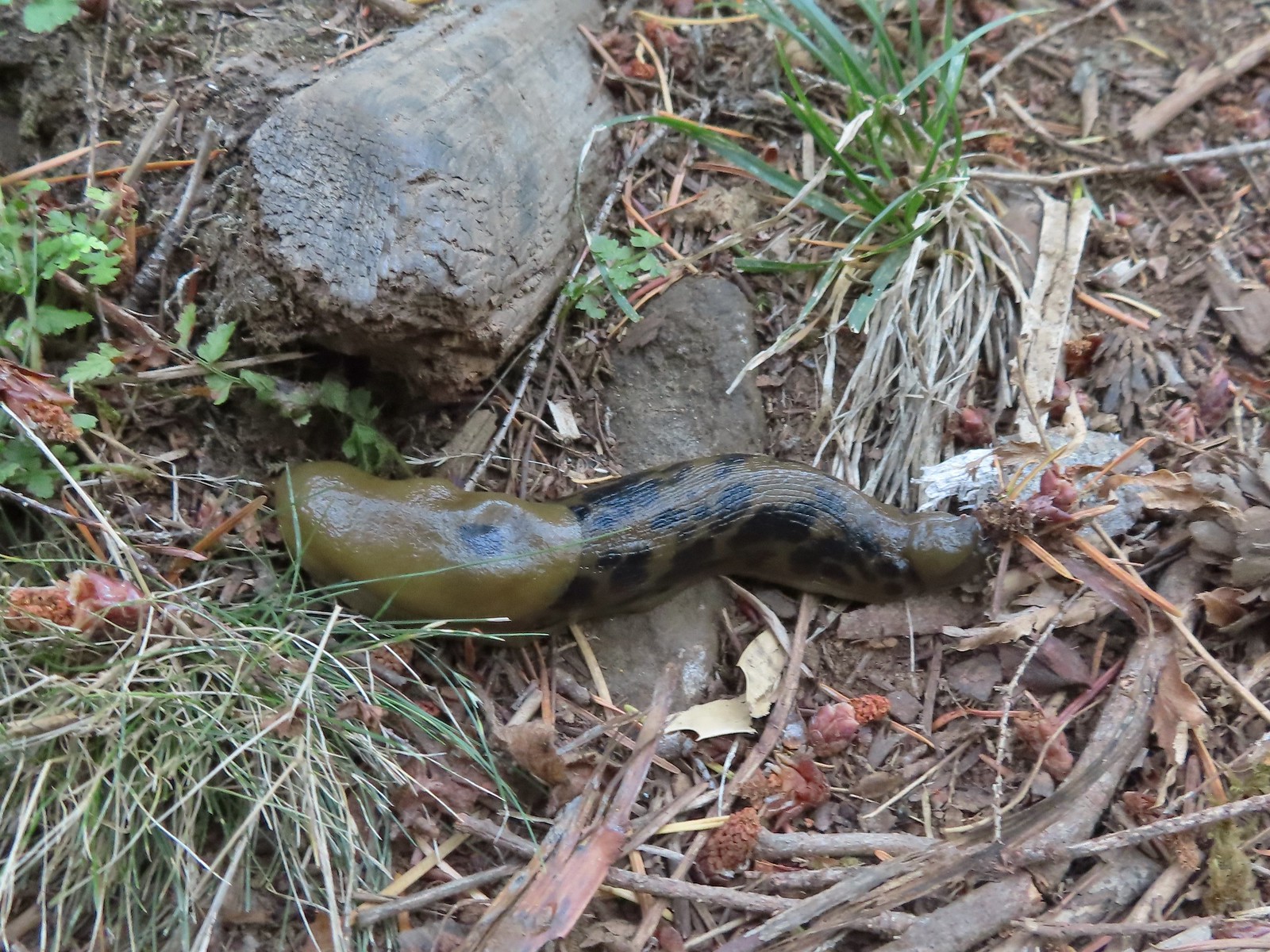 Slug – Larch Mountain Trail
 Slug (and a fly) – Susan Creek Trail
 Slug – Fish Lake
 Slug on lupine – Julia Butler Hansen Wildlife Refuge
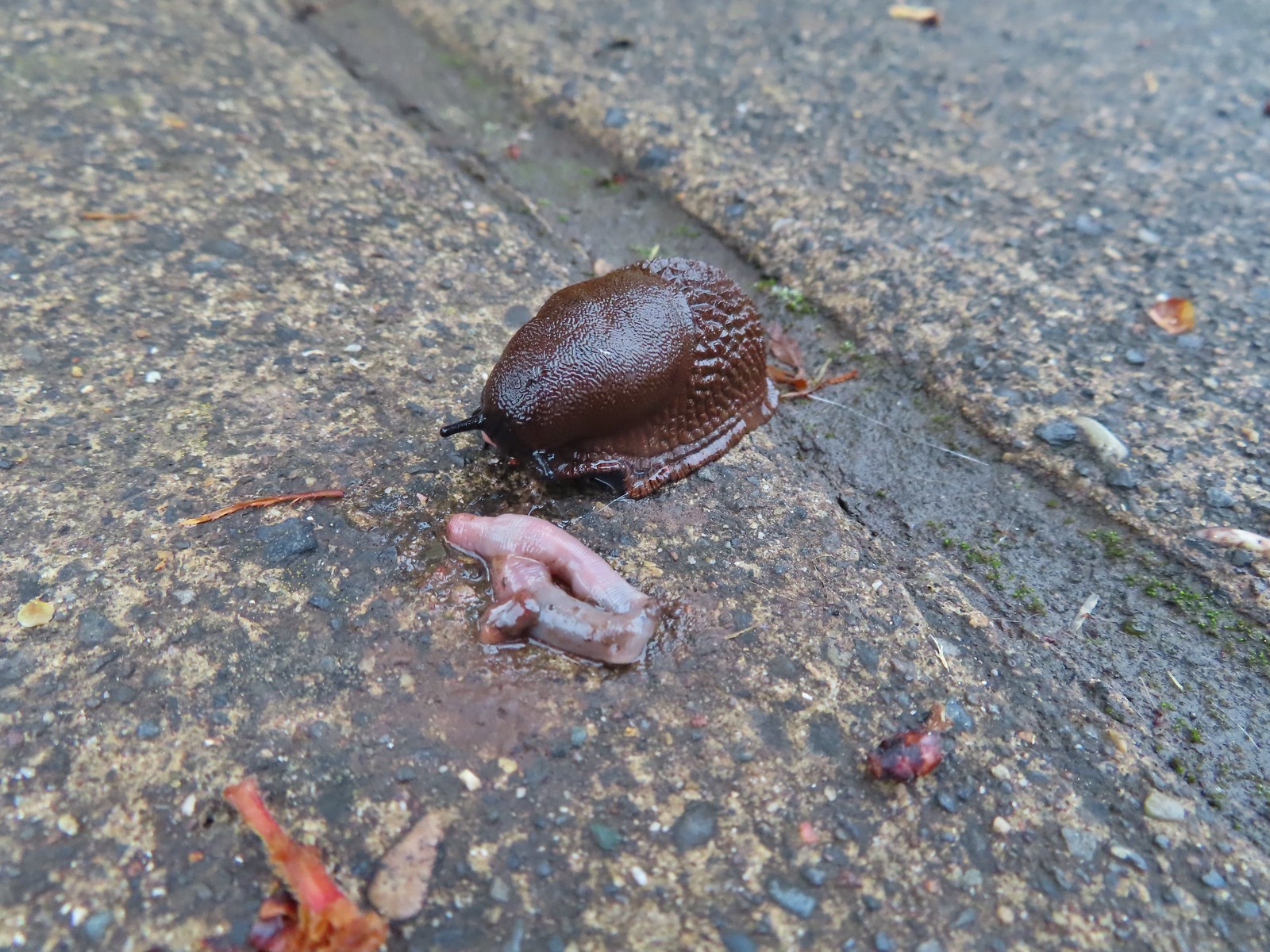 Slug and an unfortunate earth worm – Rock Creek Trail
 Worms – Chehalem Ridge Nature Park
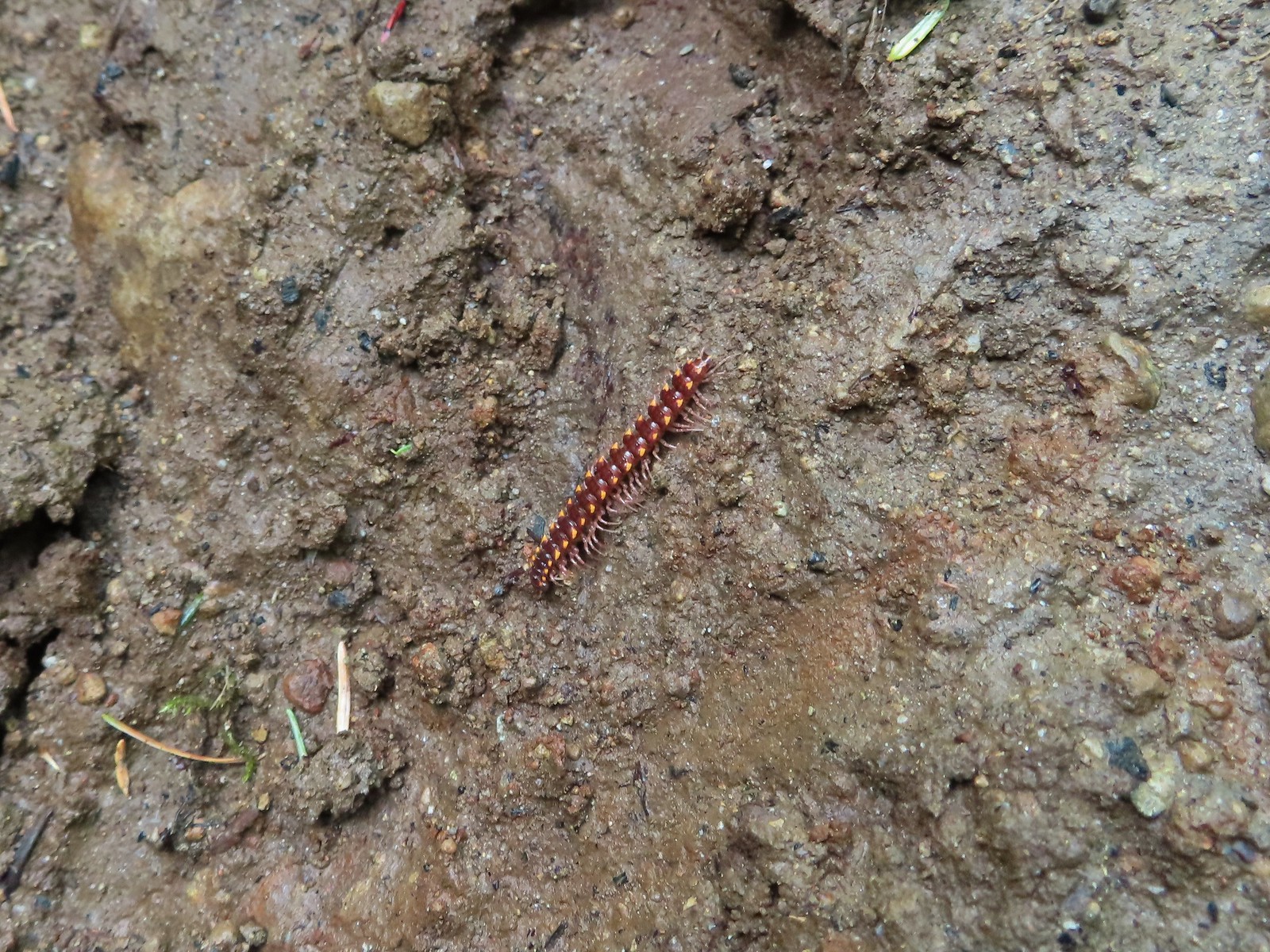 Millipede – North Siouxon Trail
 Millipede – Rock Creek Trail
 Millipede – Illahee Rock
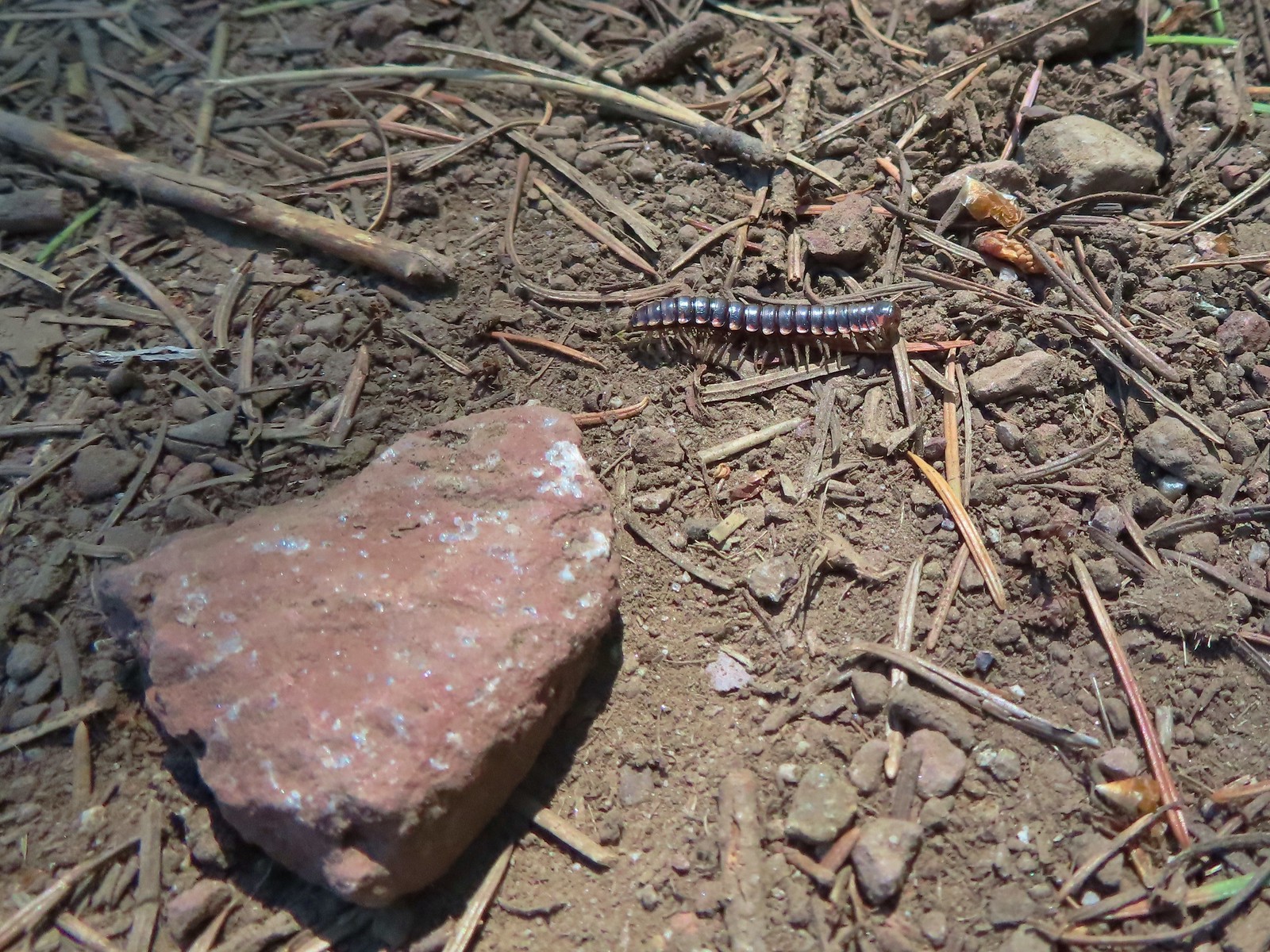 Millipede – Eagle Cap Wilderness
 Wet caterpillar – Yakona Nature Preserve
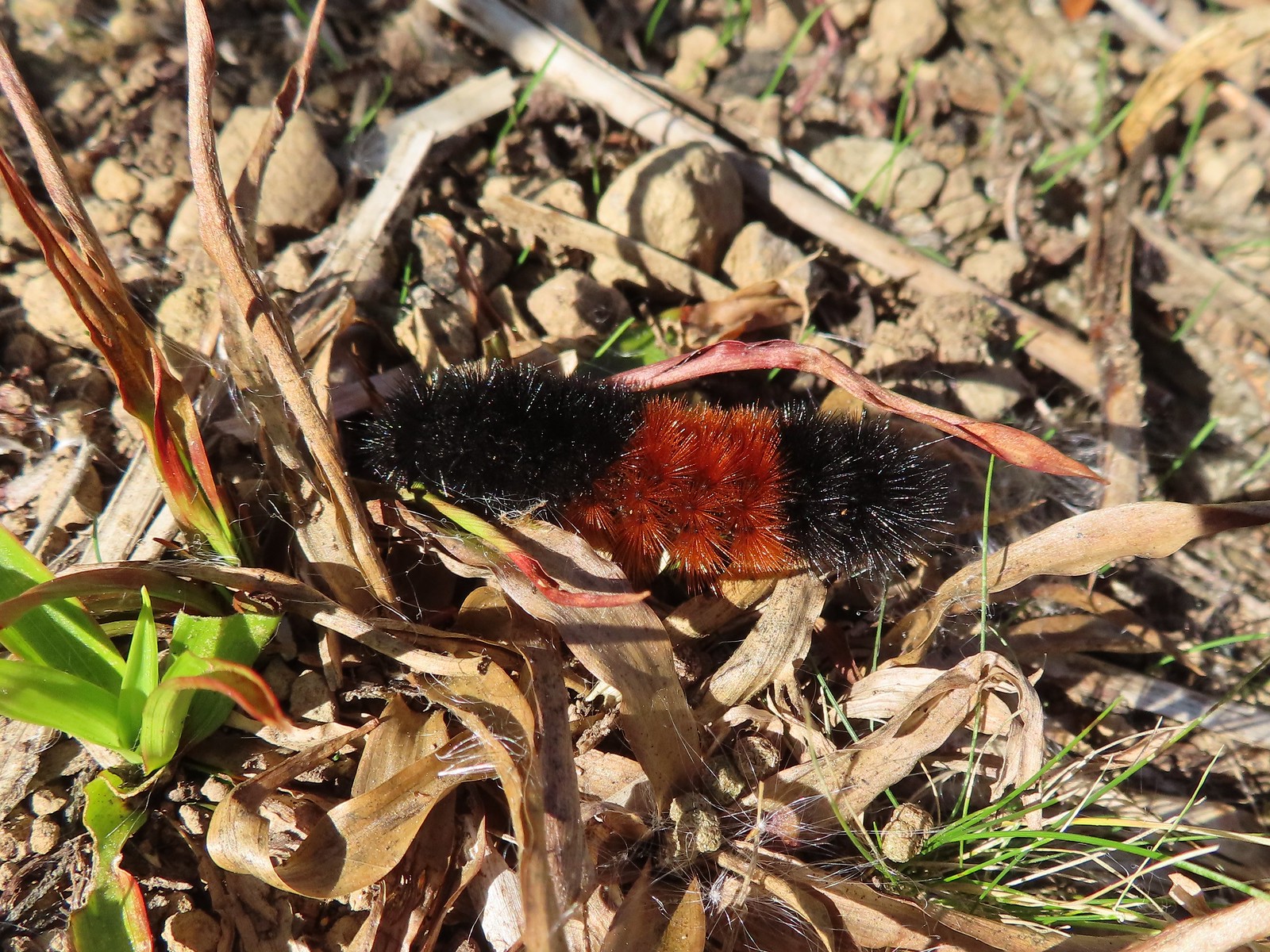 Dry version – Larch Mountain Trail
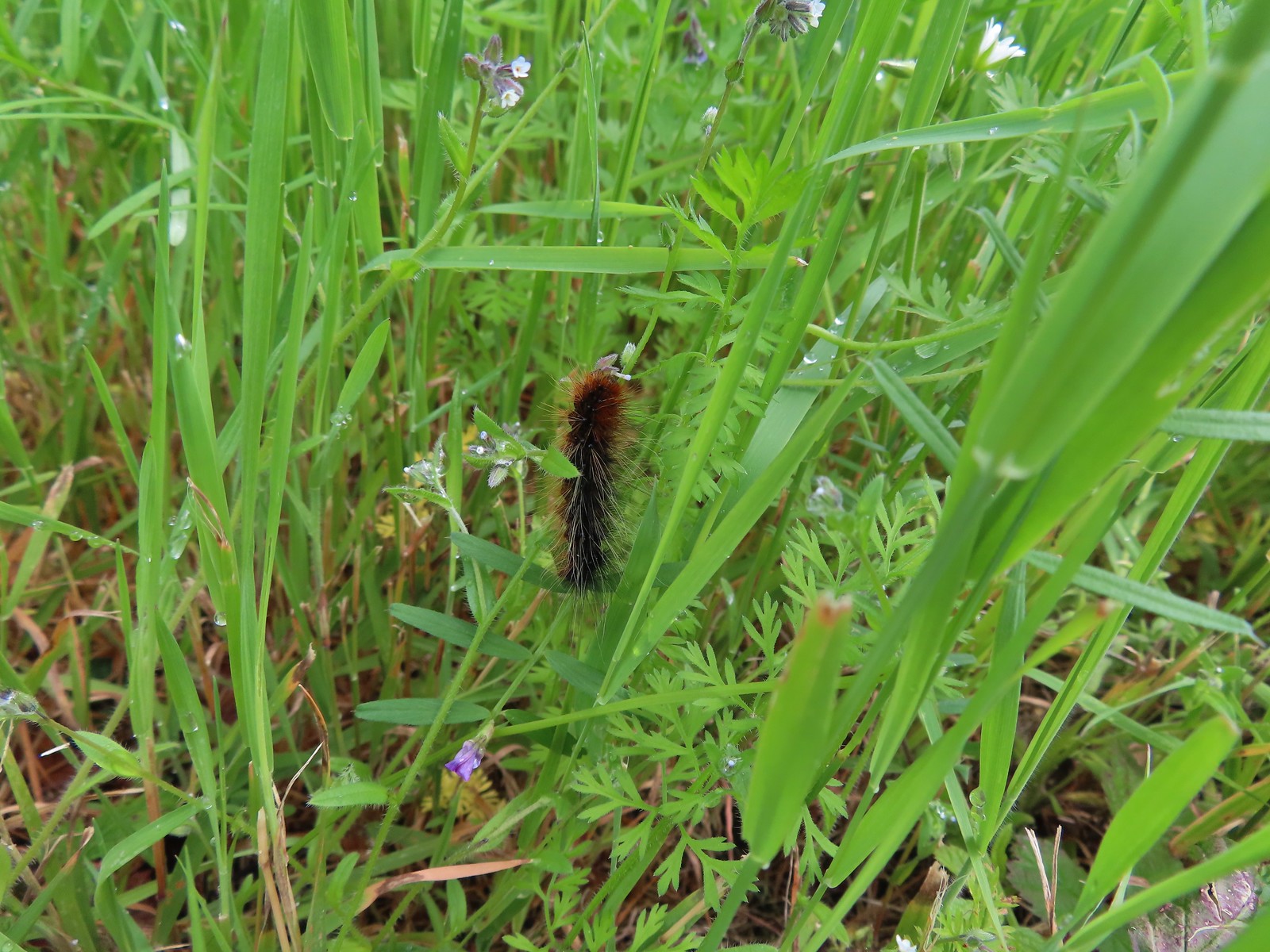 Caterpillar – Julia Butler Hansen Wildlife Refuge
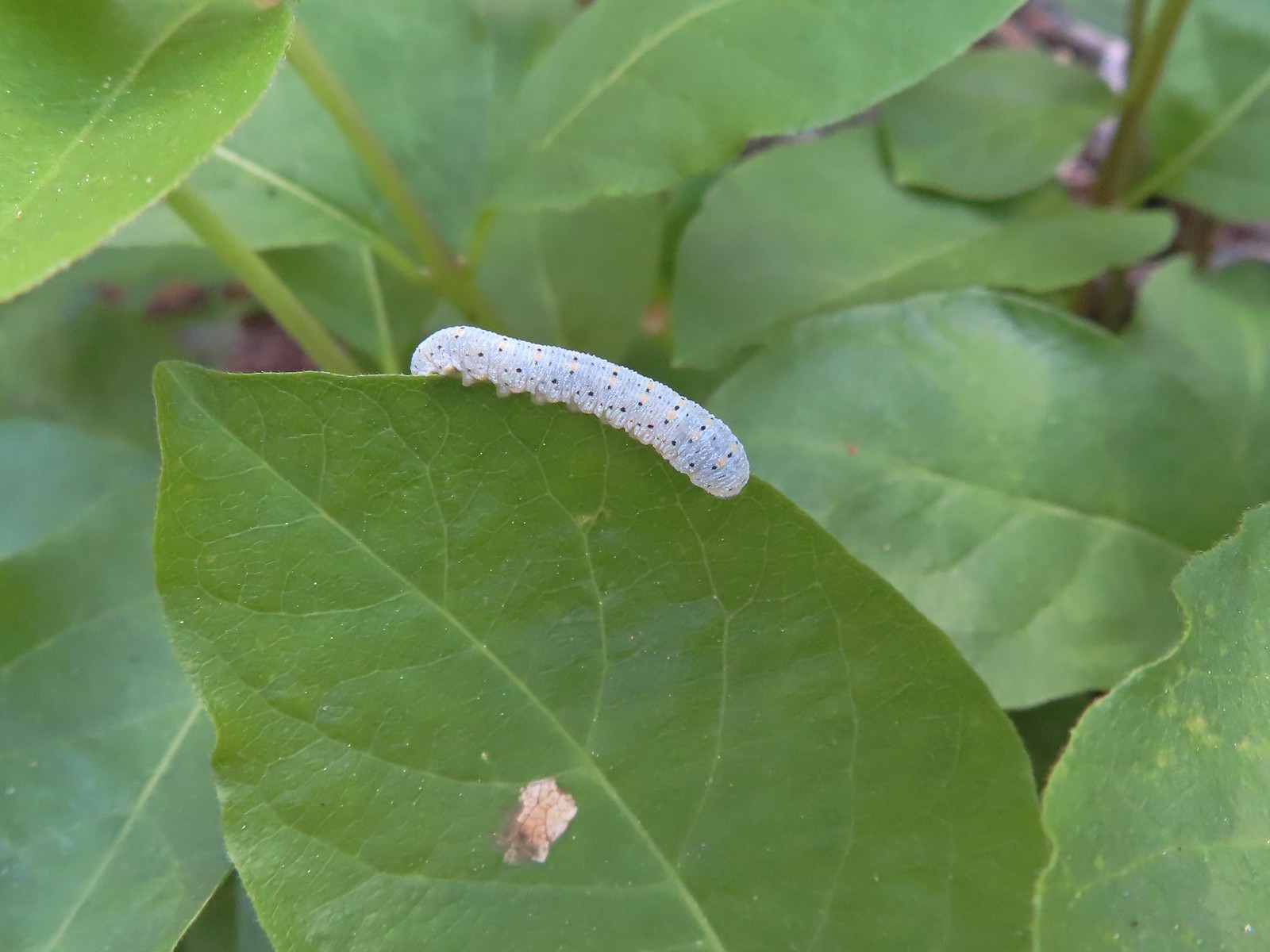 Caterpillar – Siskiyou Wilderness
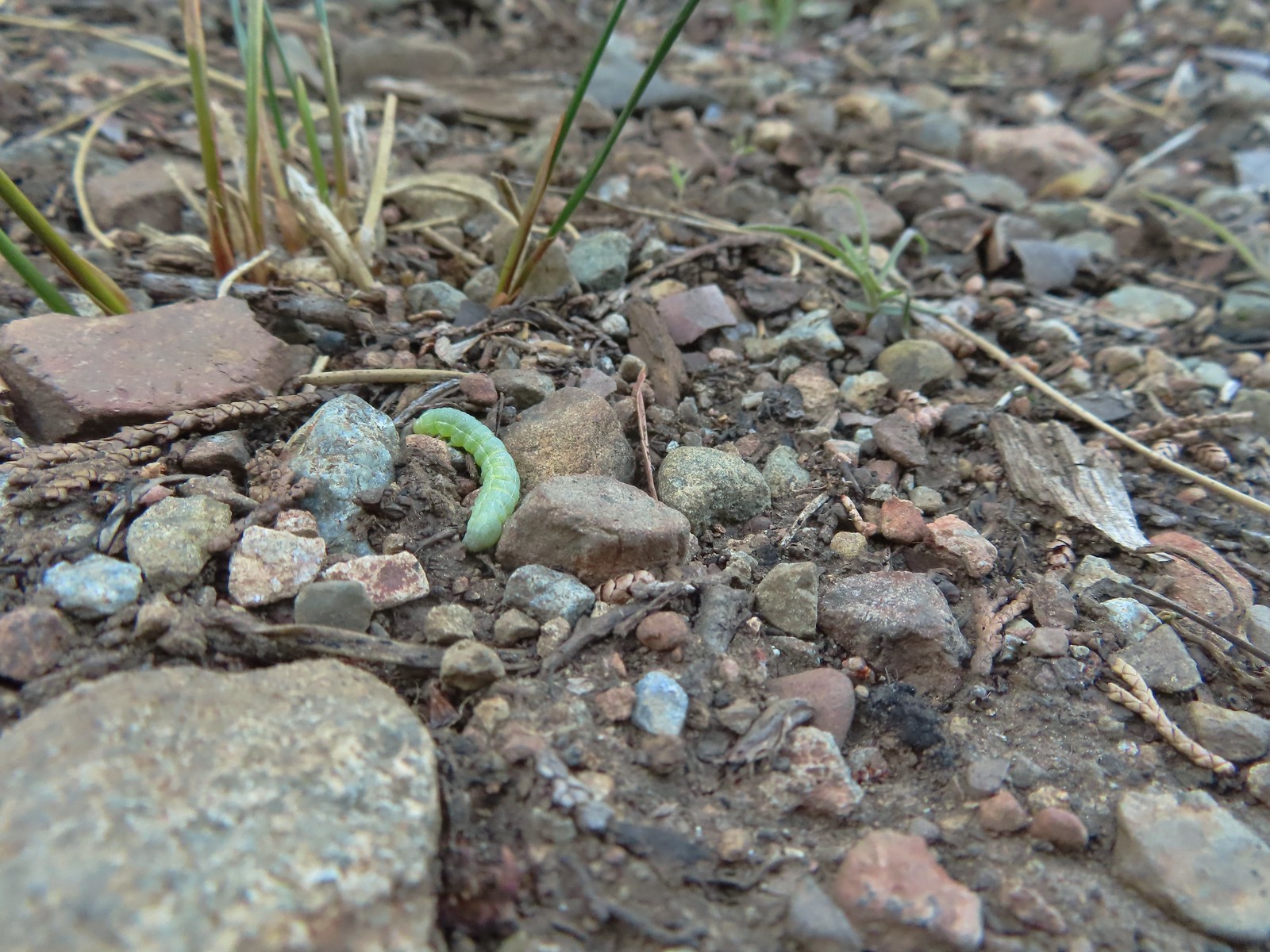 Caterpillar – Siskiyou Wilderness
 Caterpillar – Larch Mountain Trail
 Caterpillar – Larch Mountain Trail
 Caterpillar – Larch Mountain Trail
 Moth – Klickitat Trail
 Moth -Eagle Cap Wilderness
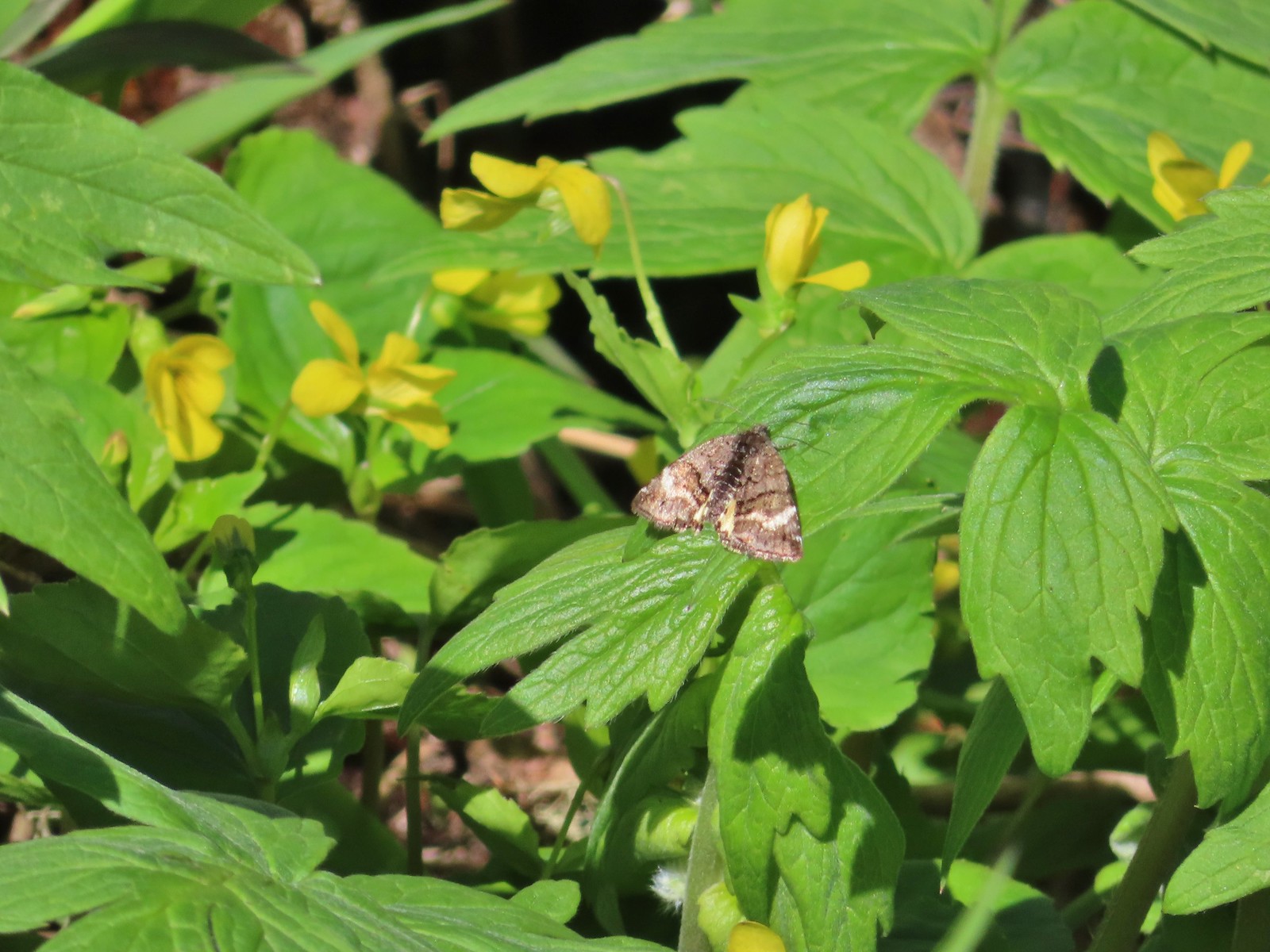 Moth – Twin Lakes
 Moth – Eagle Cap Wilderness
 Moth – Eagle Cap Wilderness
 Moth – Eagle Cap Wilderness
 Moth – Wolf Creek Falls Trail
 Moth – Cascade Head
 Propertius duskywing (Erynnis propertius) – Klickitat Trail
 Duskywing – Siskiyou Wilderness
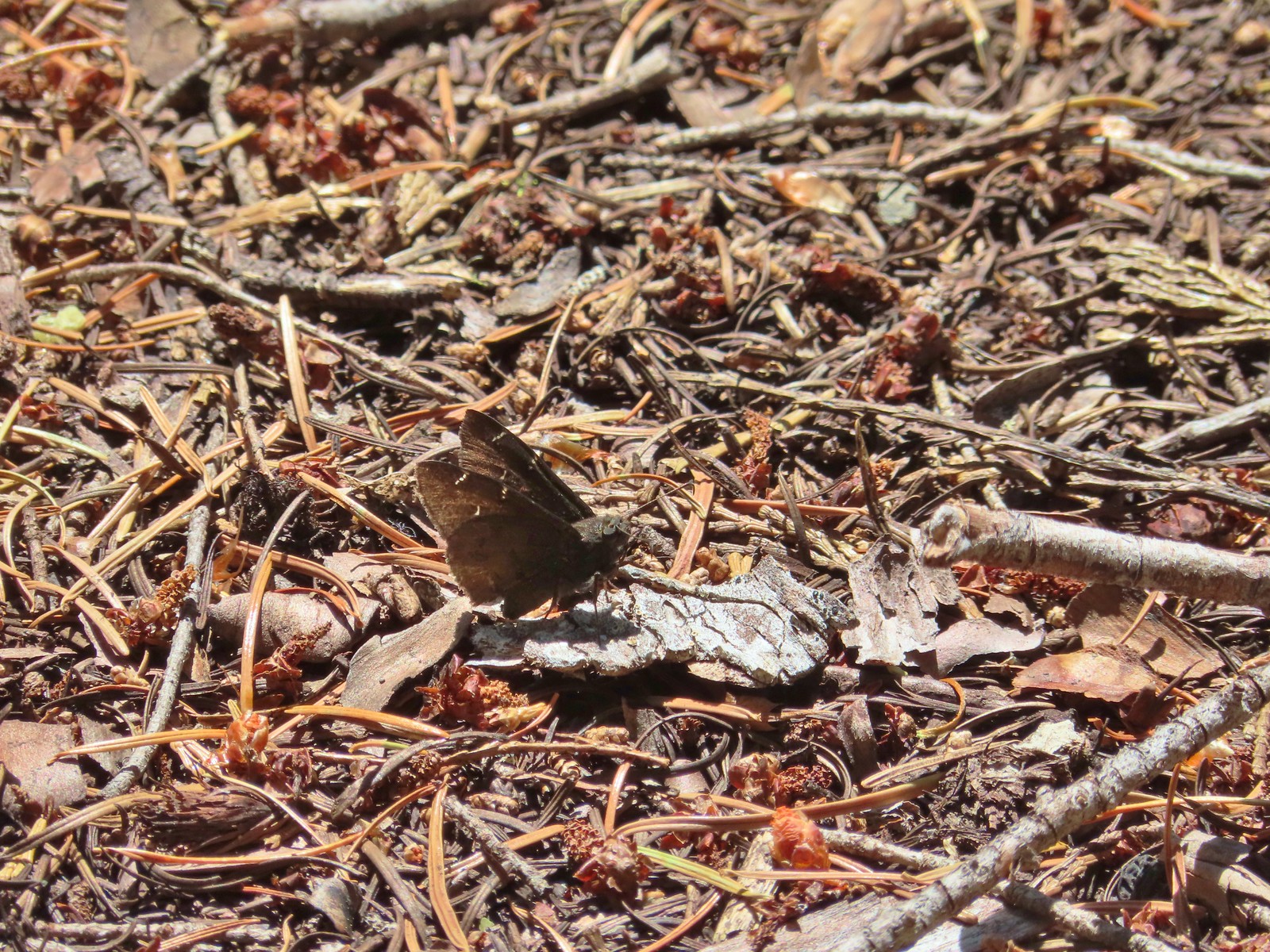 Northern Cloudywing? – Siskiyou Wilderness
 Silver-spotted skipper – Siskiyou Wilderness
 Skipper – Grizzly Peak
 Skipper – Rogue-Umpqua Divide Wilderness
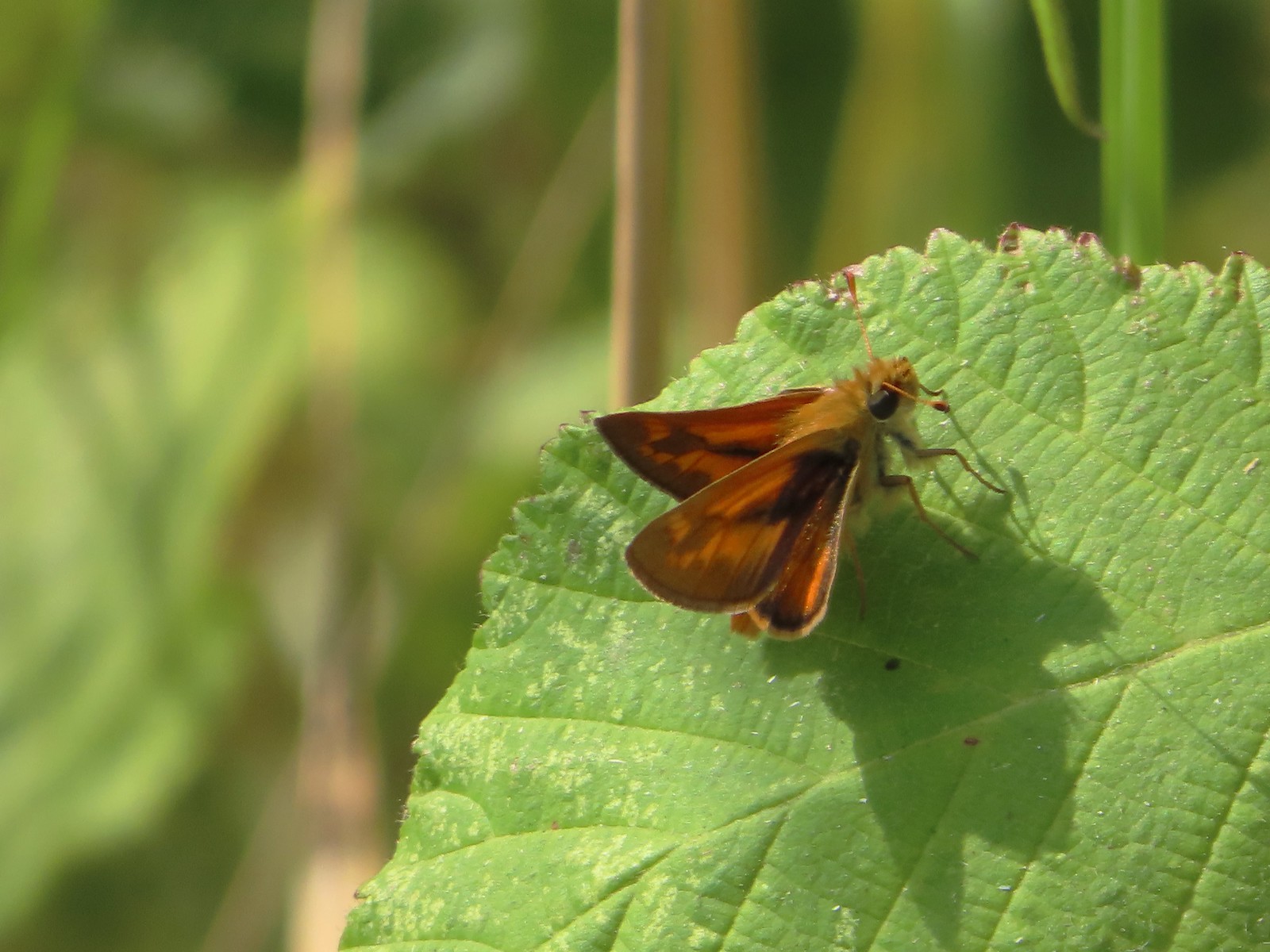 Skipper – E. E. Wilson Wildlife Area
 Hairstreak (bramble?) – Siskiyou Mountains
 Cedar hairstreak – Siskiyou Wilderness
 Hairstreak (possibly thicket) – Eagle Cap Wilderness
 Ochre ringlet – Jack Ash Trail
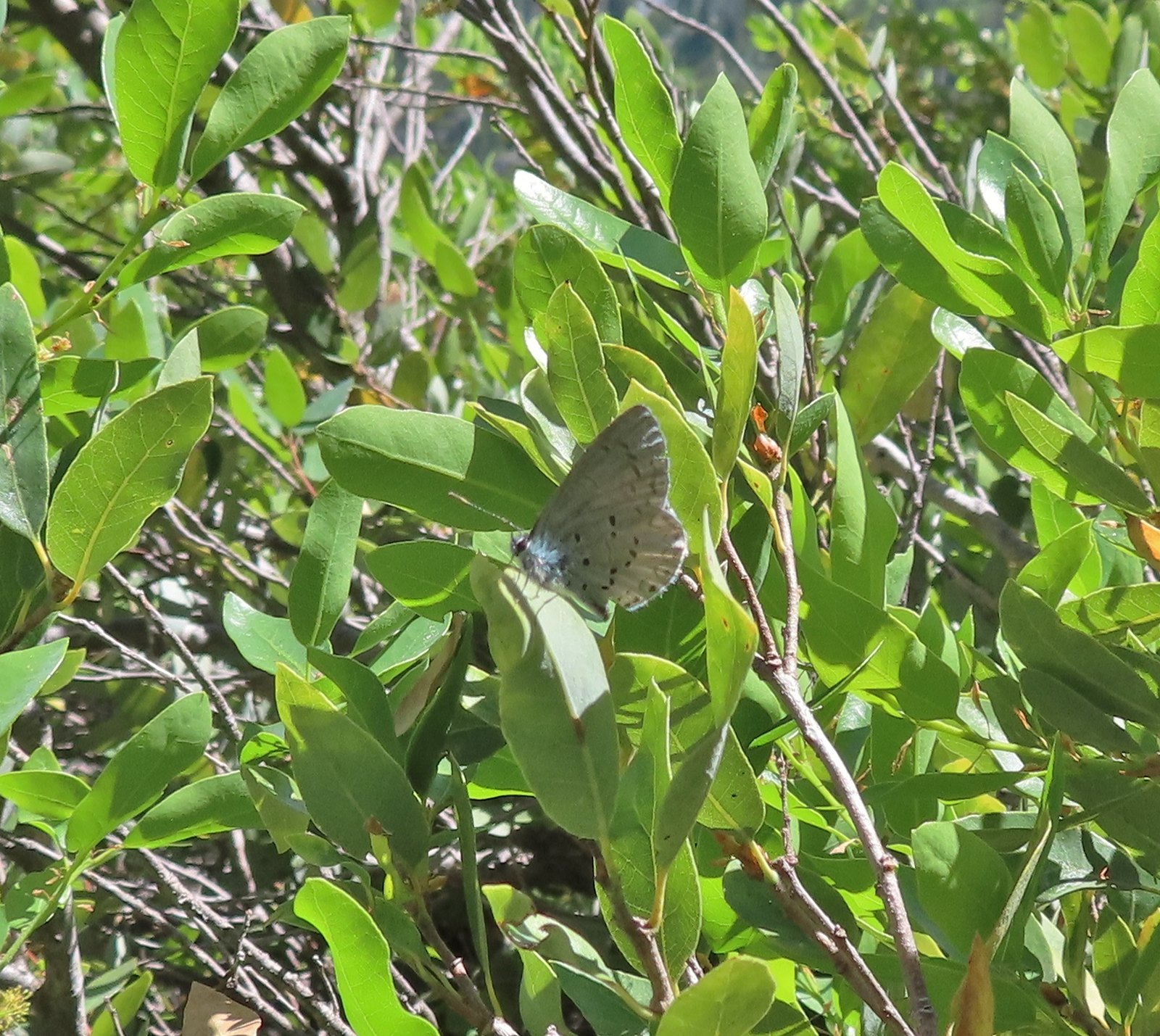 Butterfly – Siskiyou Wilderness
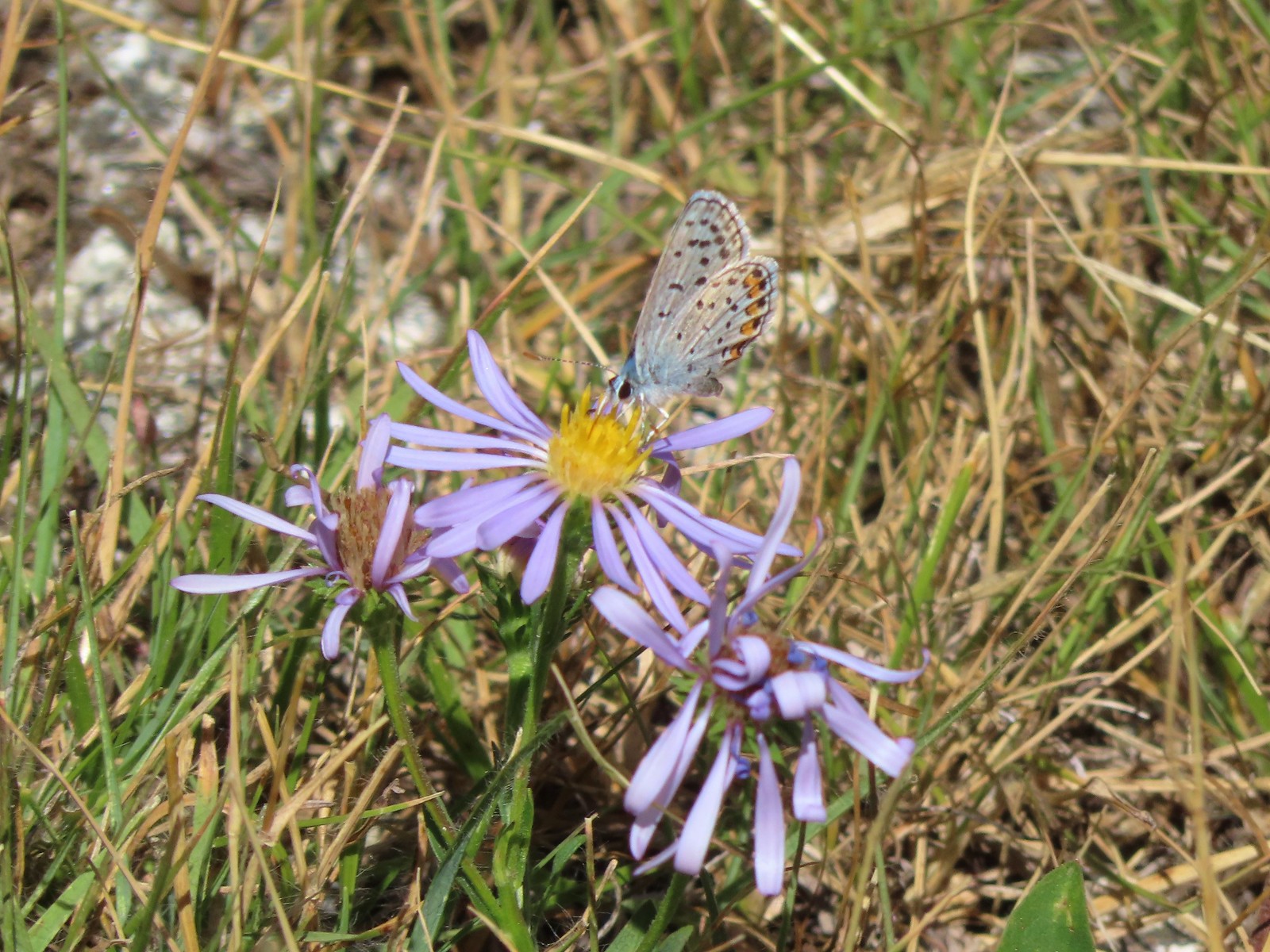 Butterfly – Trinity Alps Wilderness
 Butterfly – Trinity Alps Wilderness
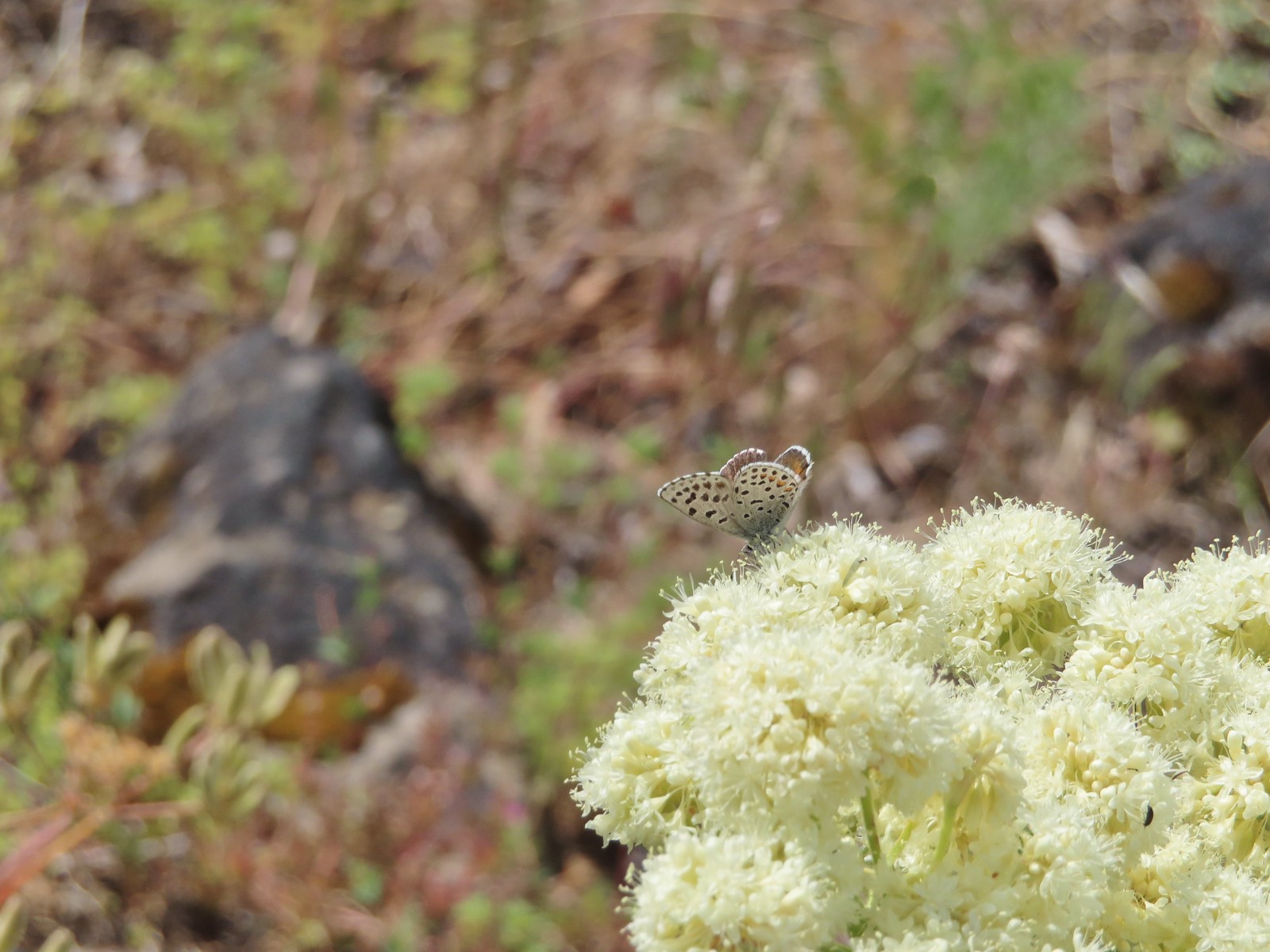 Butterfly – Upper Table Rock
 Butterfly – Mule Mountain
 Butterfly – Eagle Cap Wilderness
 Butterfly – Eagle Cap Wilderness
 Butterfly – Mt. Adams Wilderness
 Butterfly – Mt. Adams Wilderness
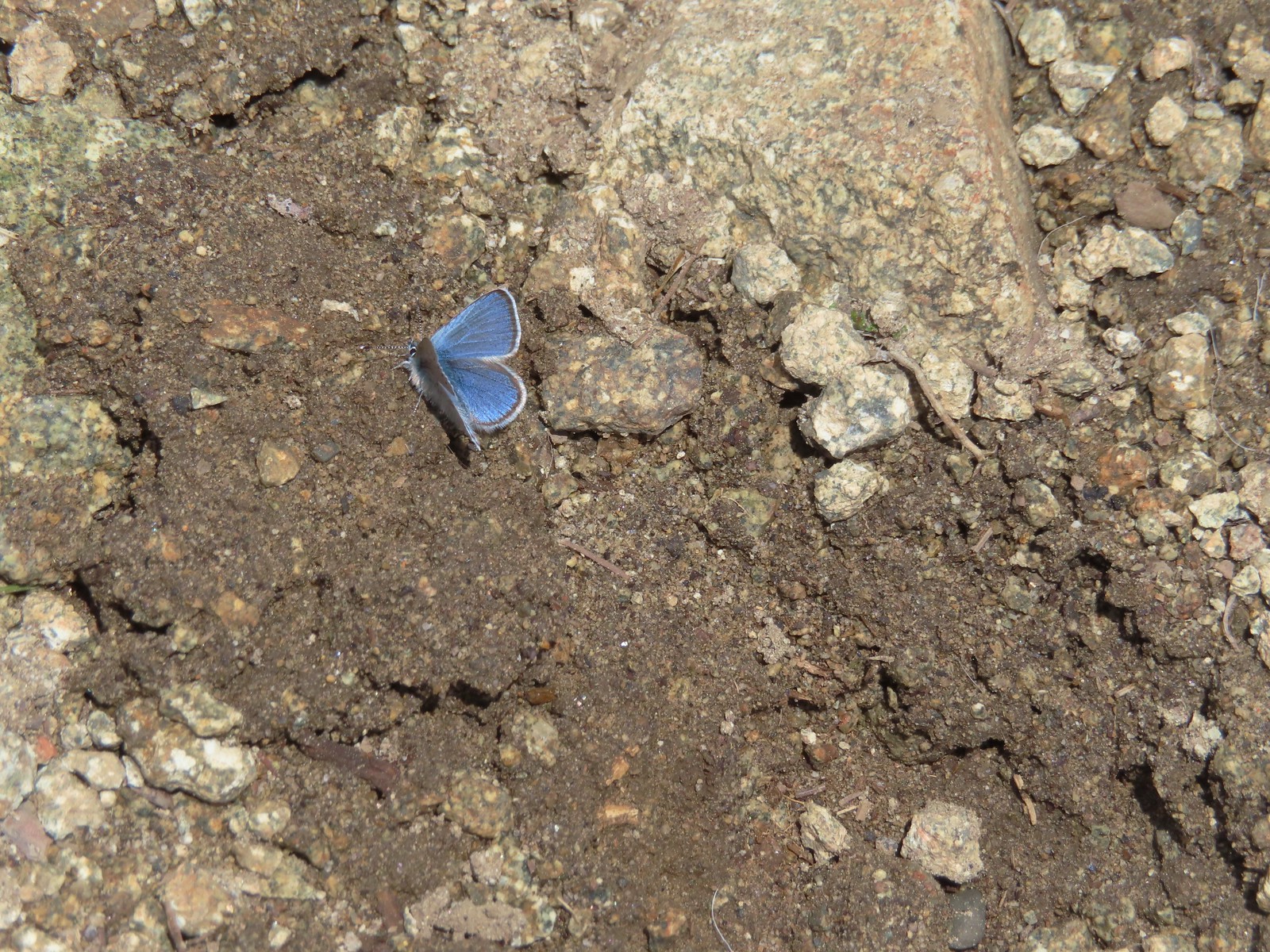 Butterfly – Mt. Ireland
 Butterfly – Trinity Alps Wilderness
 Butterfly – Silver Star Mountain
 Butterfly – Russian Wilderness
 Butterfly – Trinity Alps Wilderness
 Sara’s orangetip – Klickitat Trail
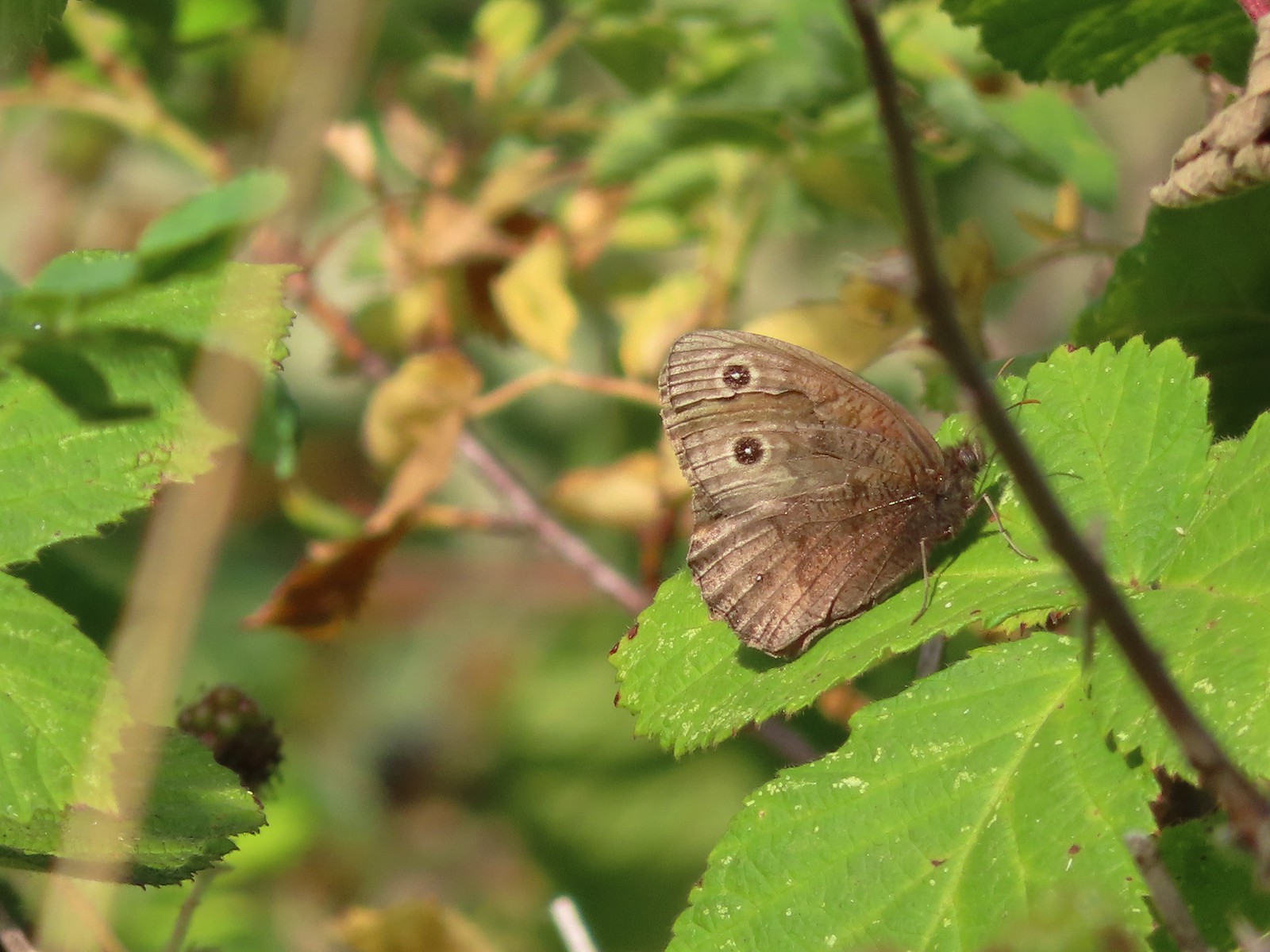 Common woodnymph – E. E. Wilson Wildlife Area
 Another woodnymph – Rogue-Umpqua Divide Wilderness
 Orange sulphur – Siskiyou Wilderness
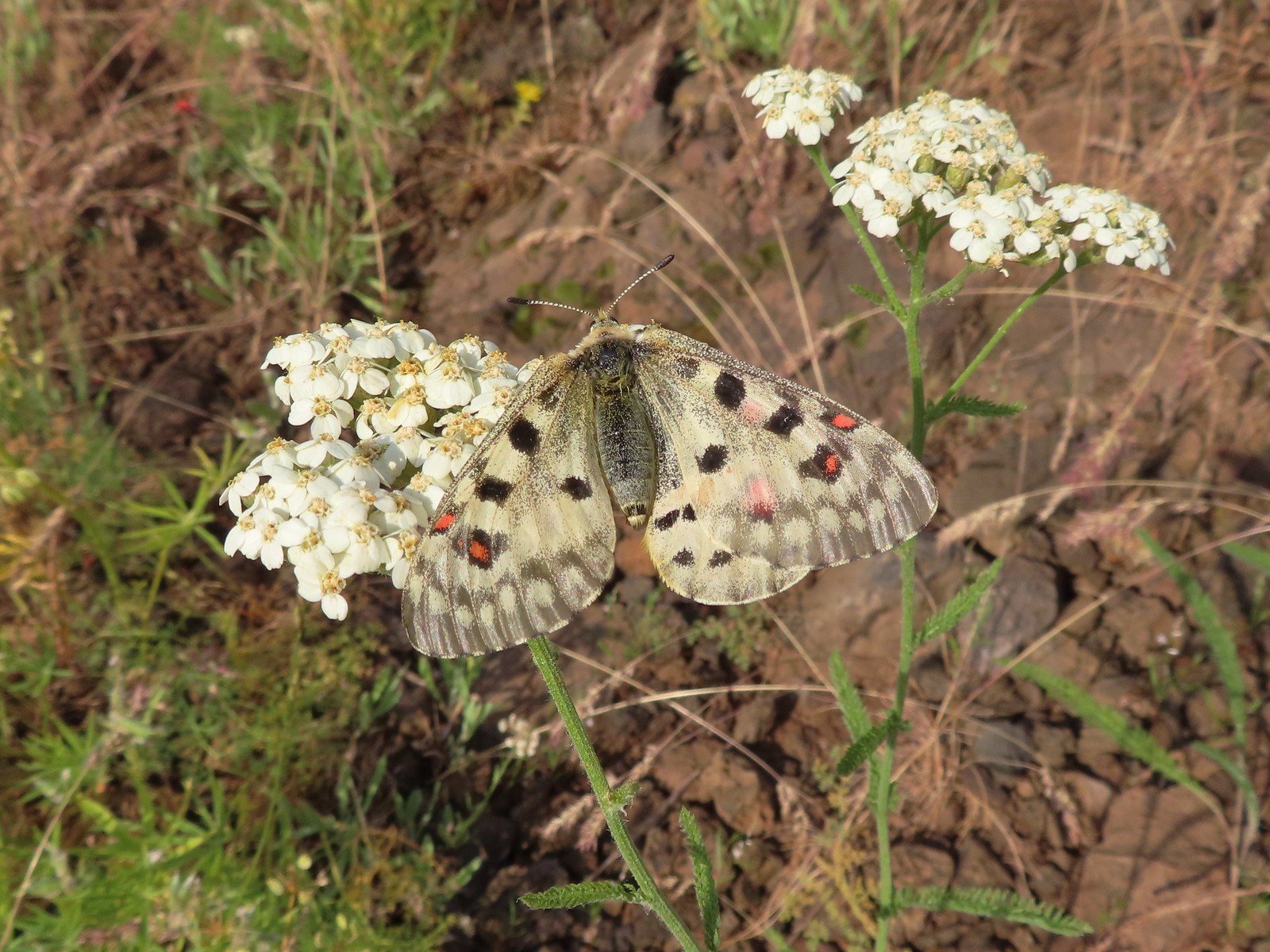 Mountain parnassian – Eagle Cap Wilderness
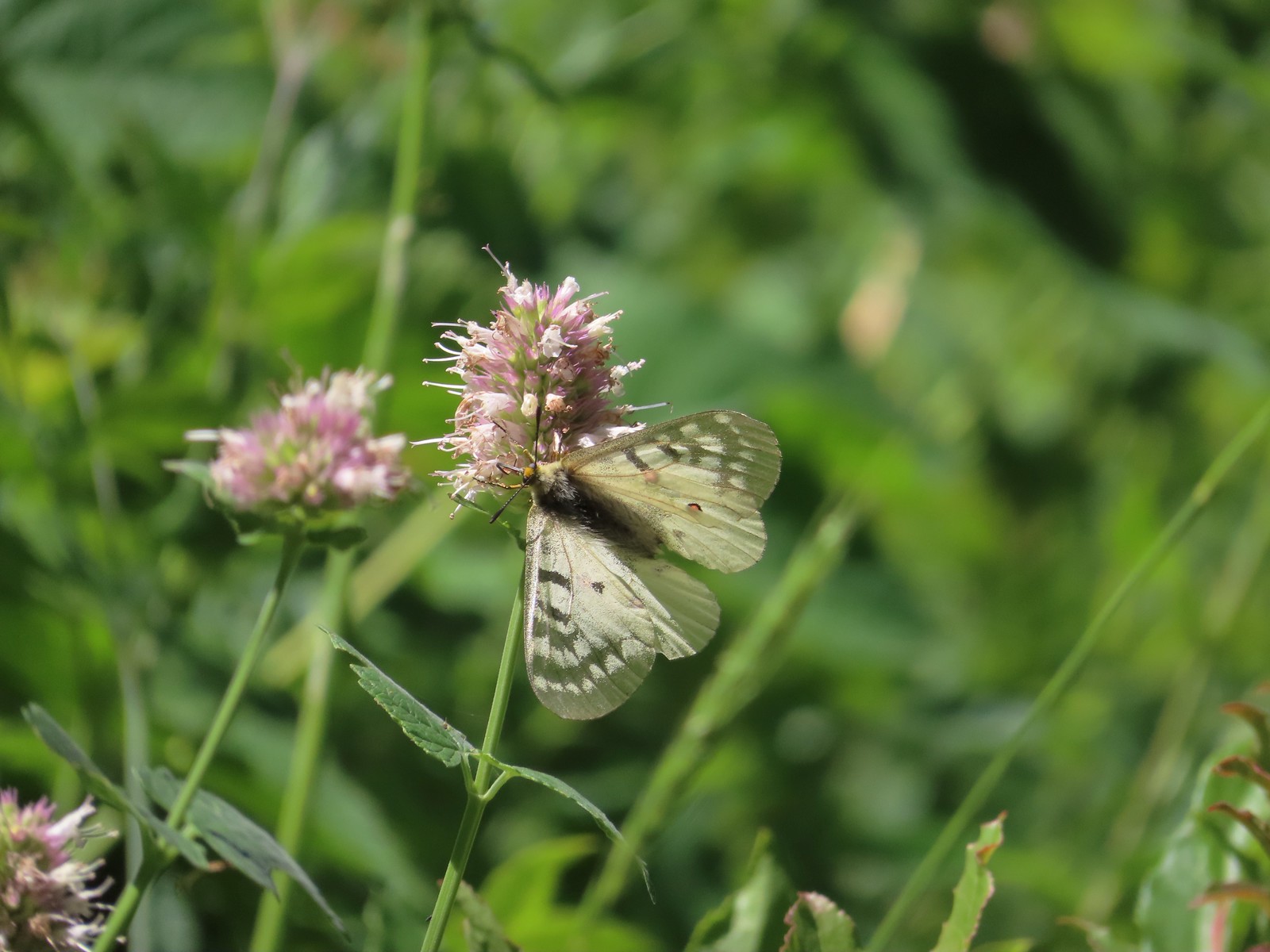 Clodius parnassian – Hemlock Lake
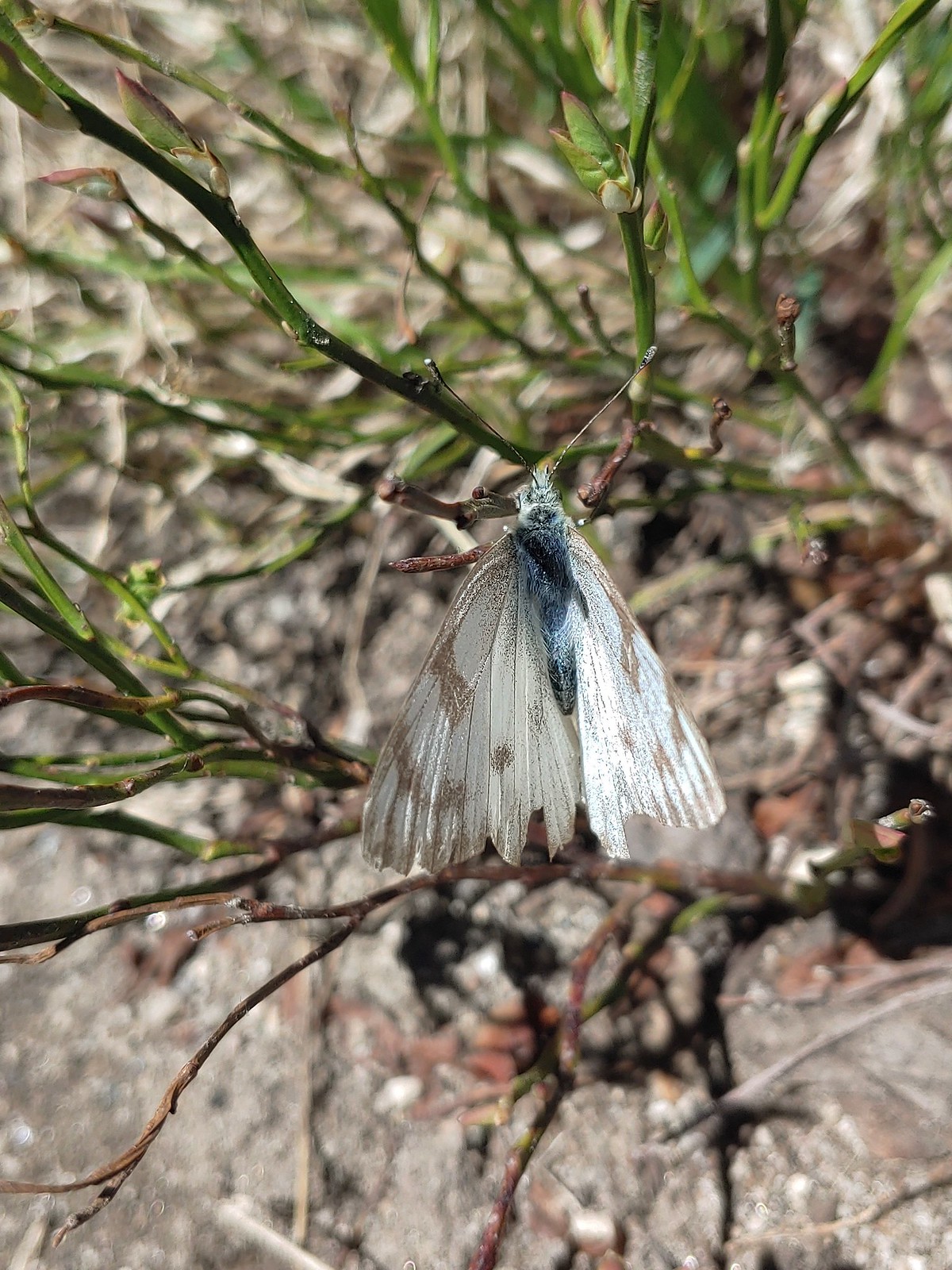 Western white? – Eagle Cap Wilderness
 Western white – Trinty Alps Wilderness
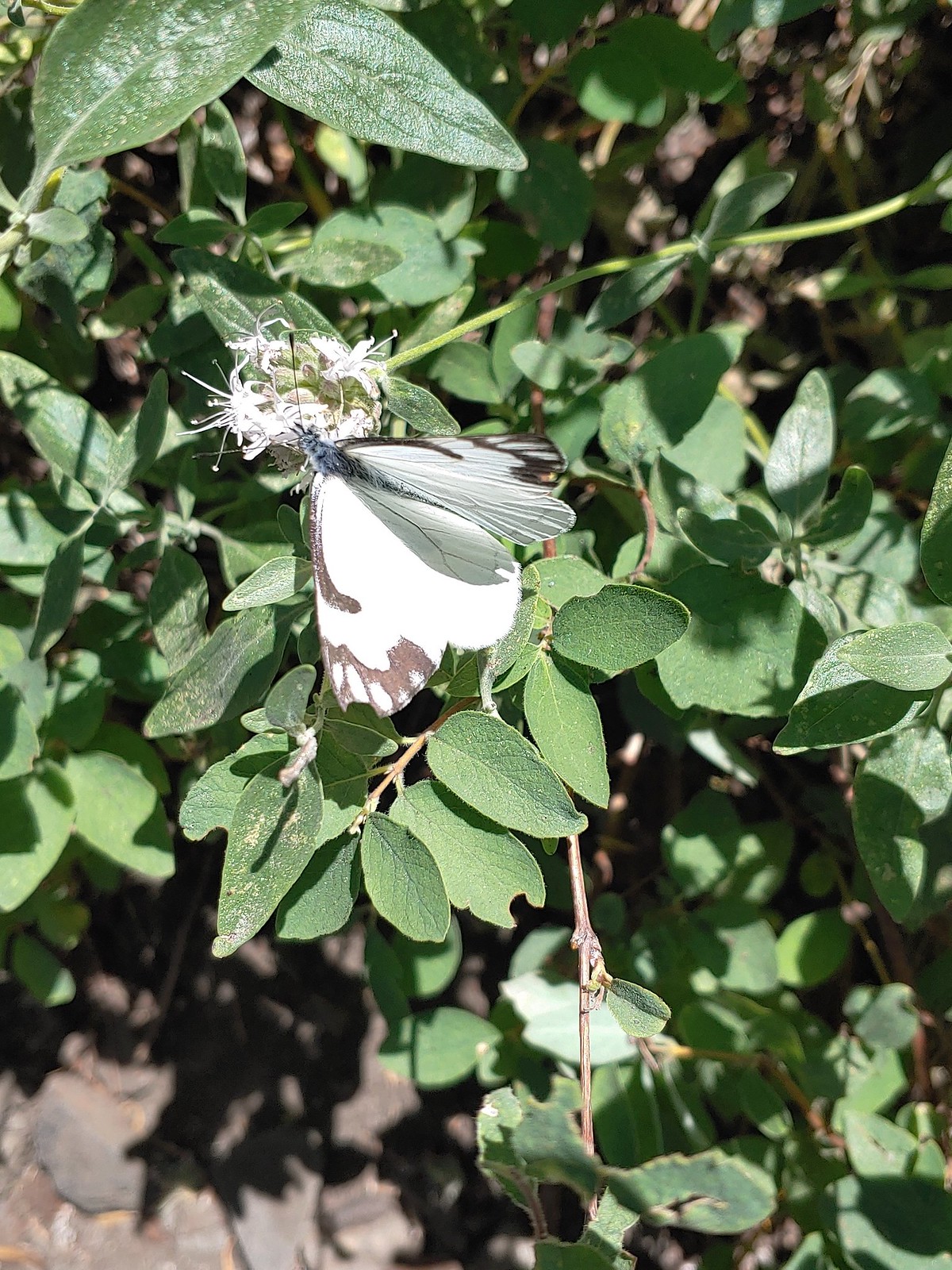 Pine white – Russian Wilderness
 Butterfly – Eagle Cap Wilderness
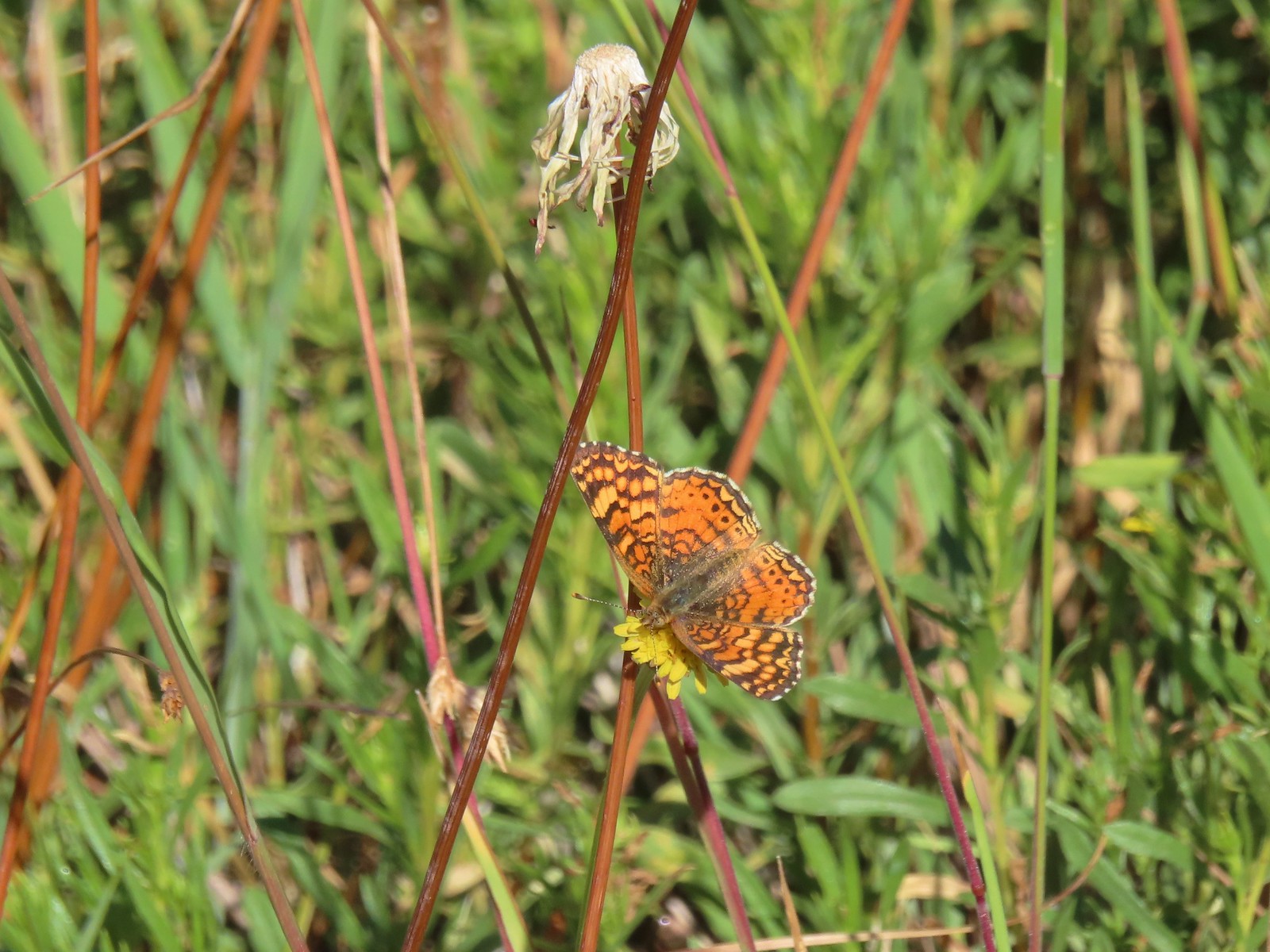 Butterfly – Russian Wilderness
 Butterfly – Mt. Adams Wilderness
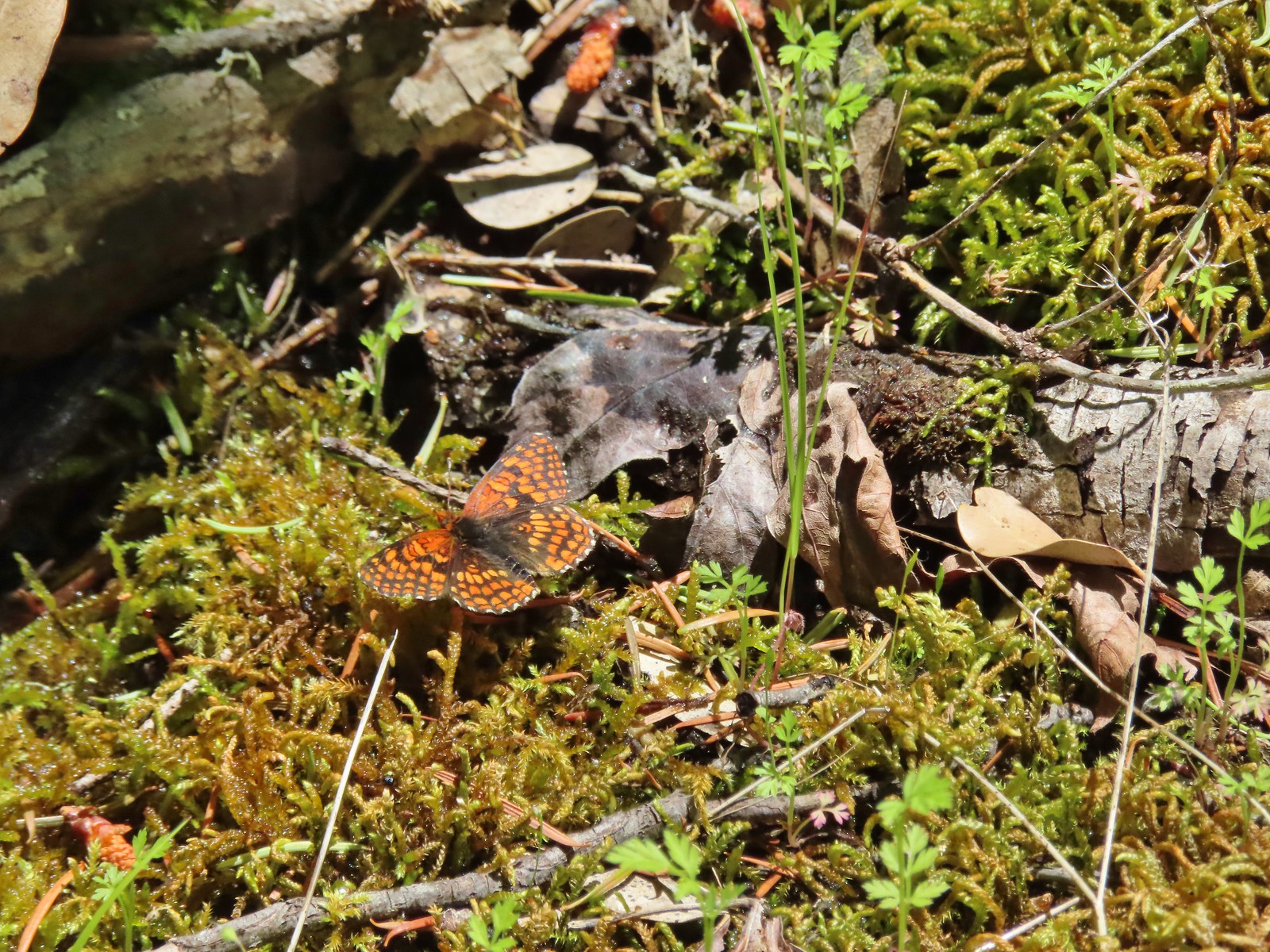 Butterfly – Mule Mountain
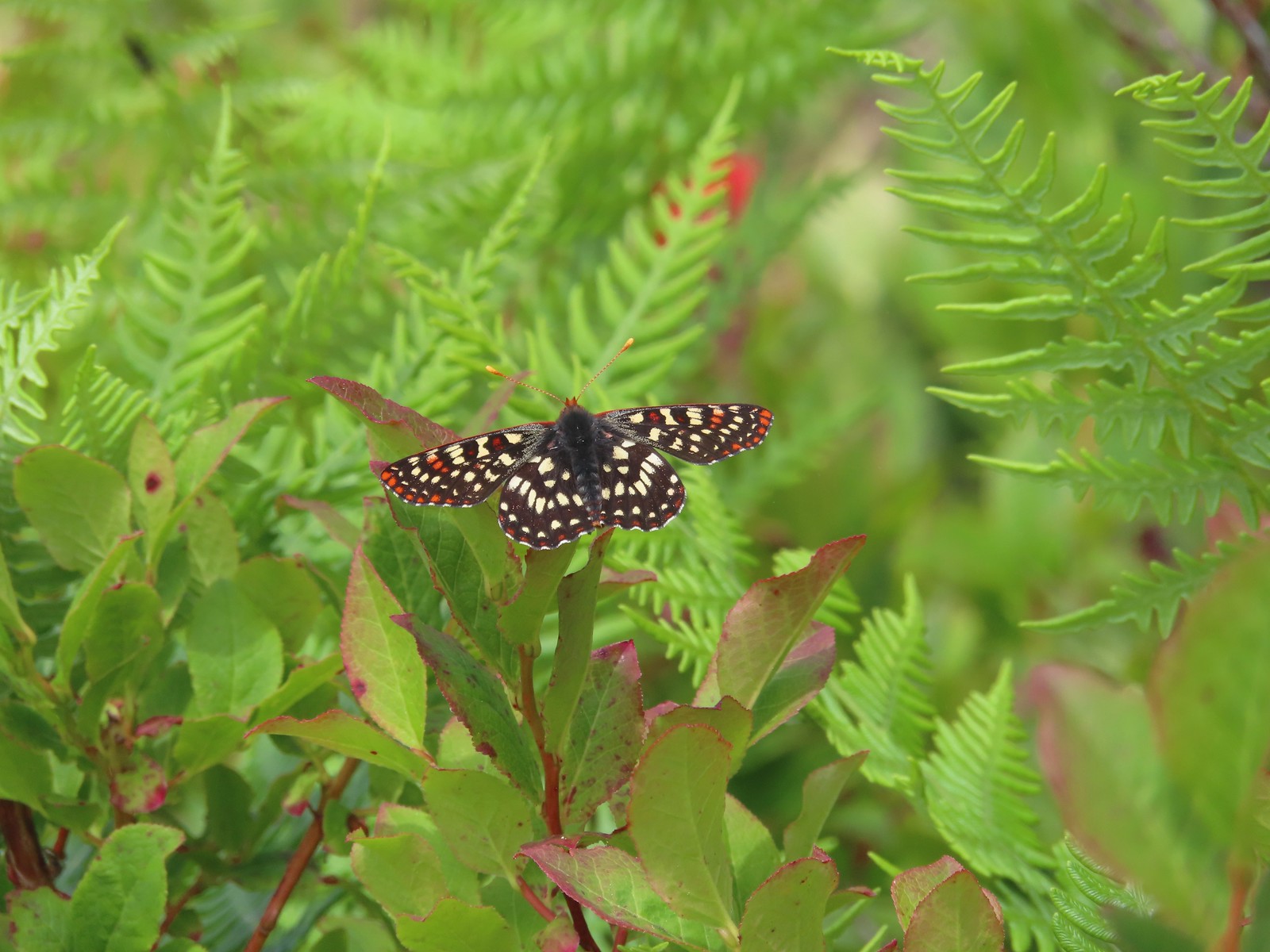 Butterfly – Silver Star Mountain
 Butterfly – Silver Star Mountain
 Butterfly – Silver Star Mountain
 Western meadow fritillary? – Silver Star Mountain
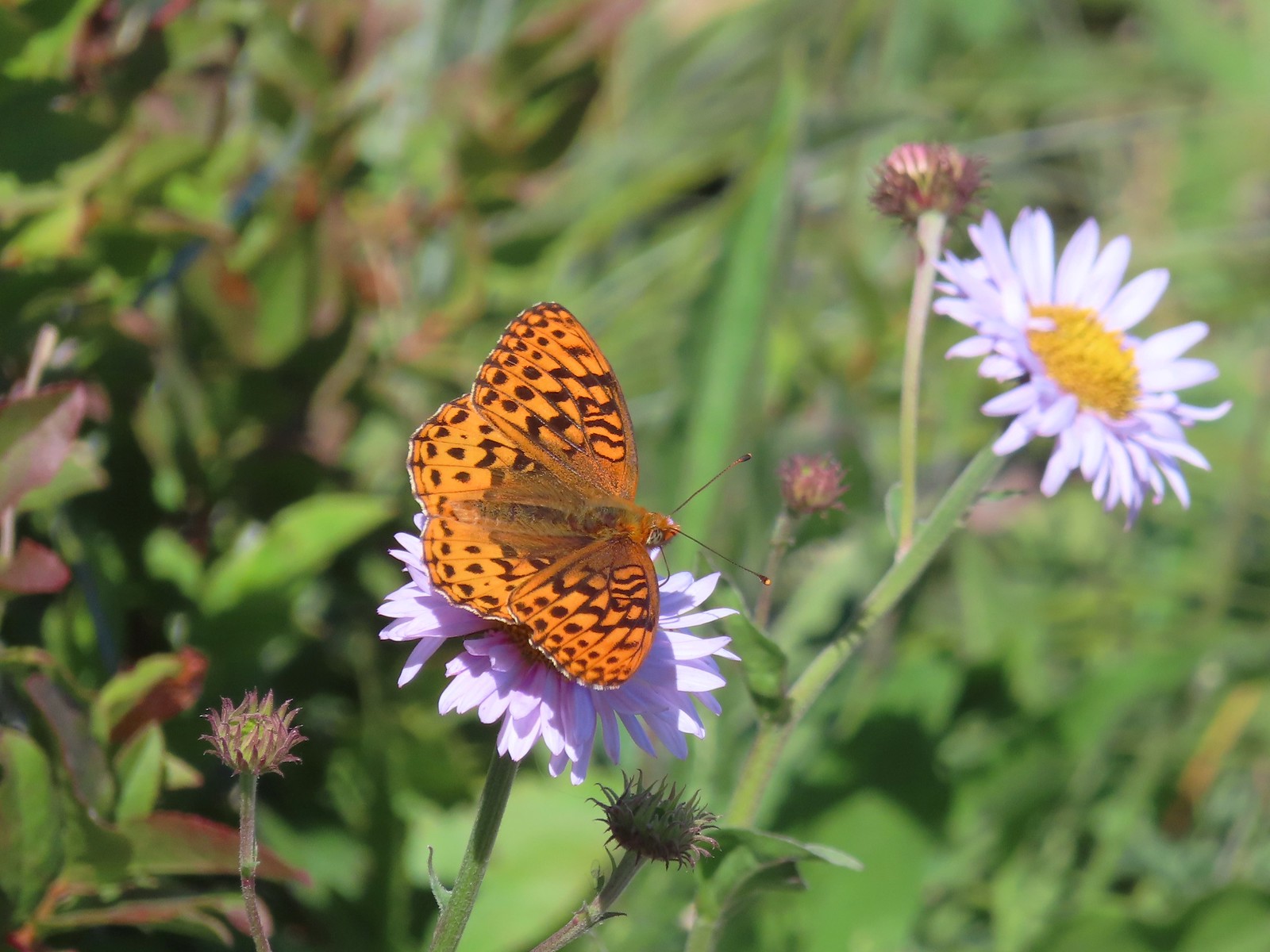 A fritillary – Silver Star Mountain
 A fritillary – Trinity Alps Wilderness
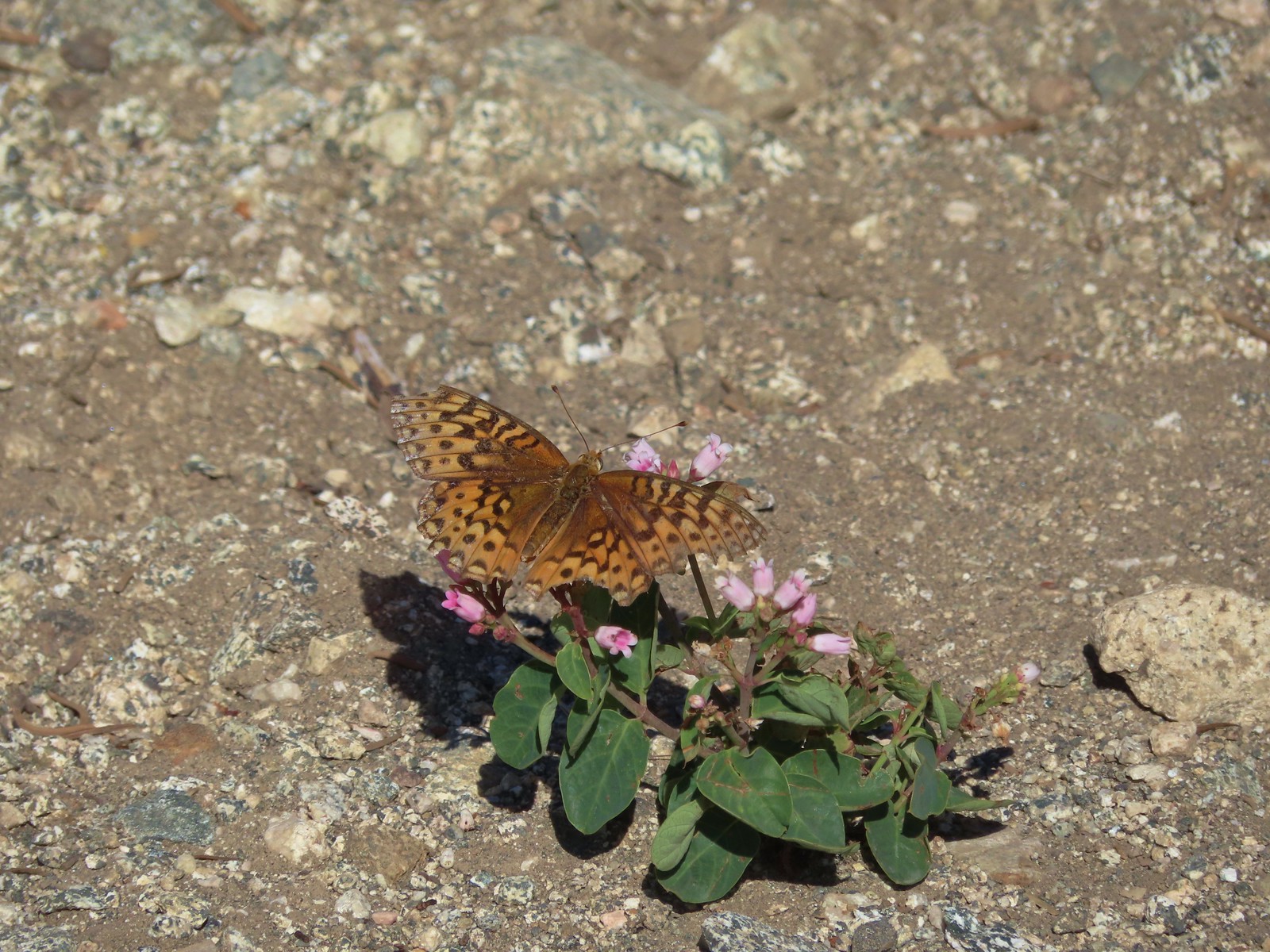 A fritillary -Russian Wilderness
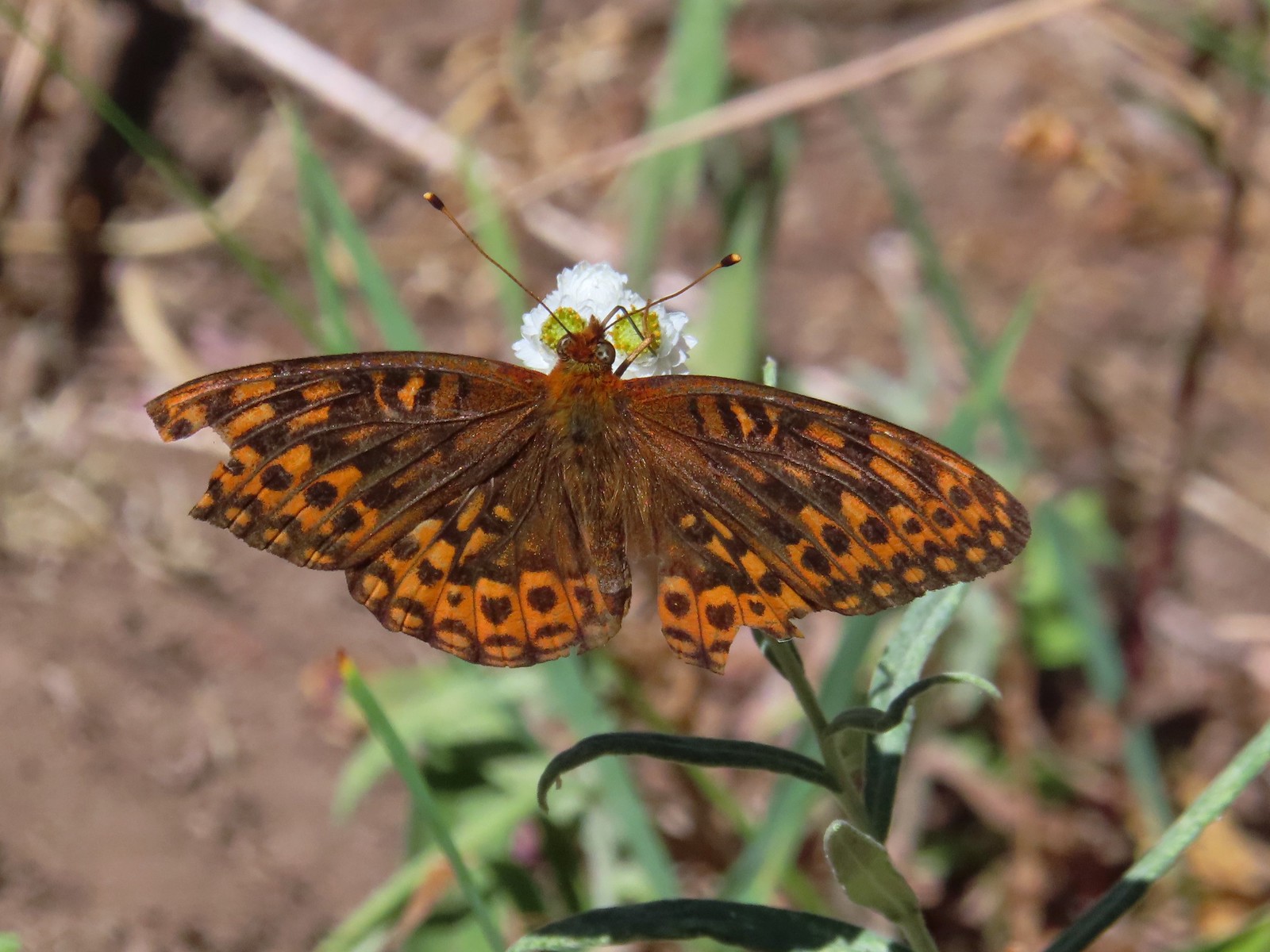 A fritillary – Rogue-Umpqua Divide Wilderness
 Mourning cloak – Klickitat Trail
 California tortoiseshell – Siskiyou Wilderness
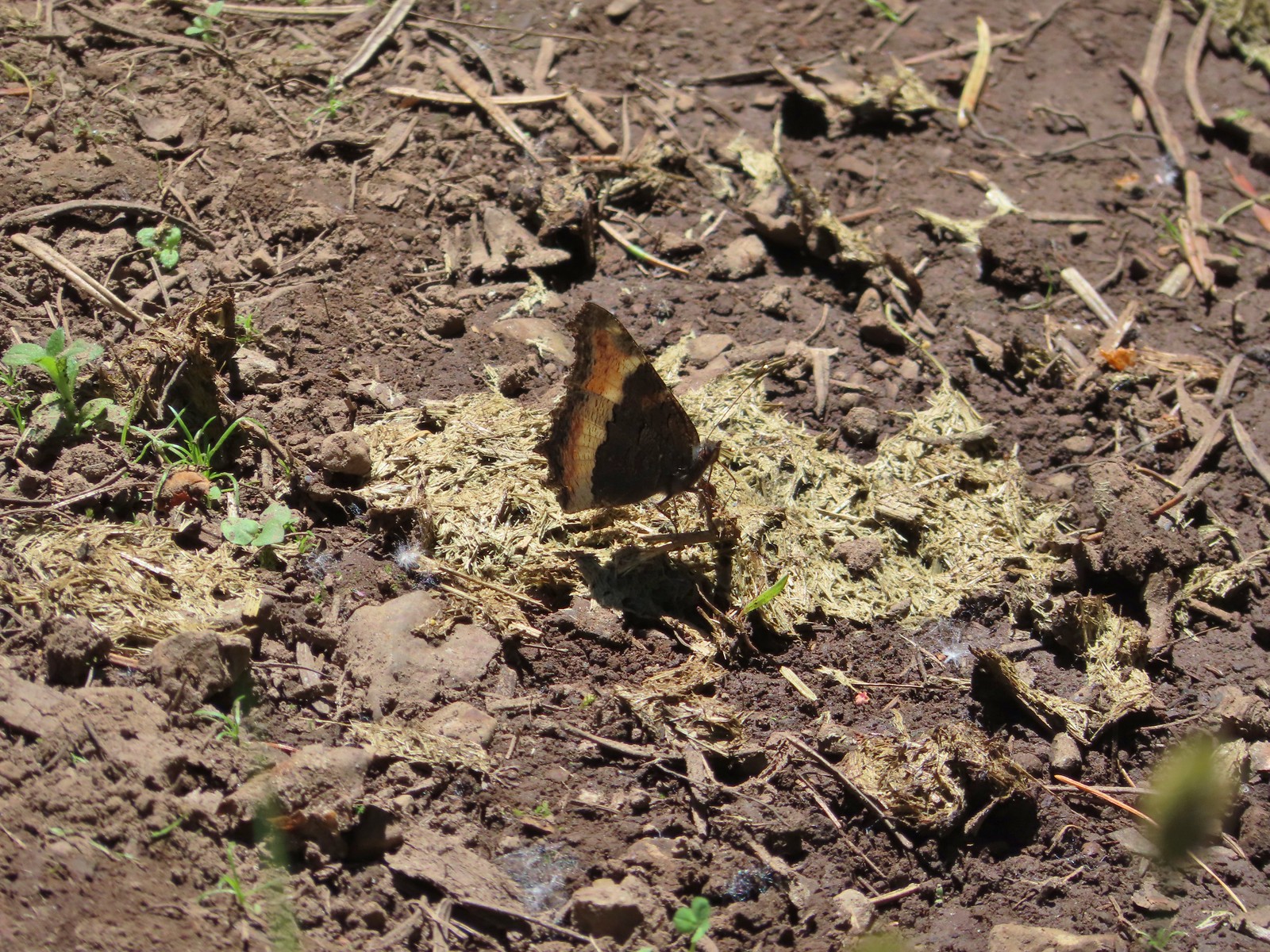 Milbert’s tortoiseshell – Eagle Cap Wilderness
 Lorquin’s admiral – Eagle Cap Wilderness
 Common buckeye – Mt. Shasta Wilderness
 Hoary comma – Sky Lakes Wilderness
 Green comma? – Eagle Cap Wilderness
 Klickitat Trail
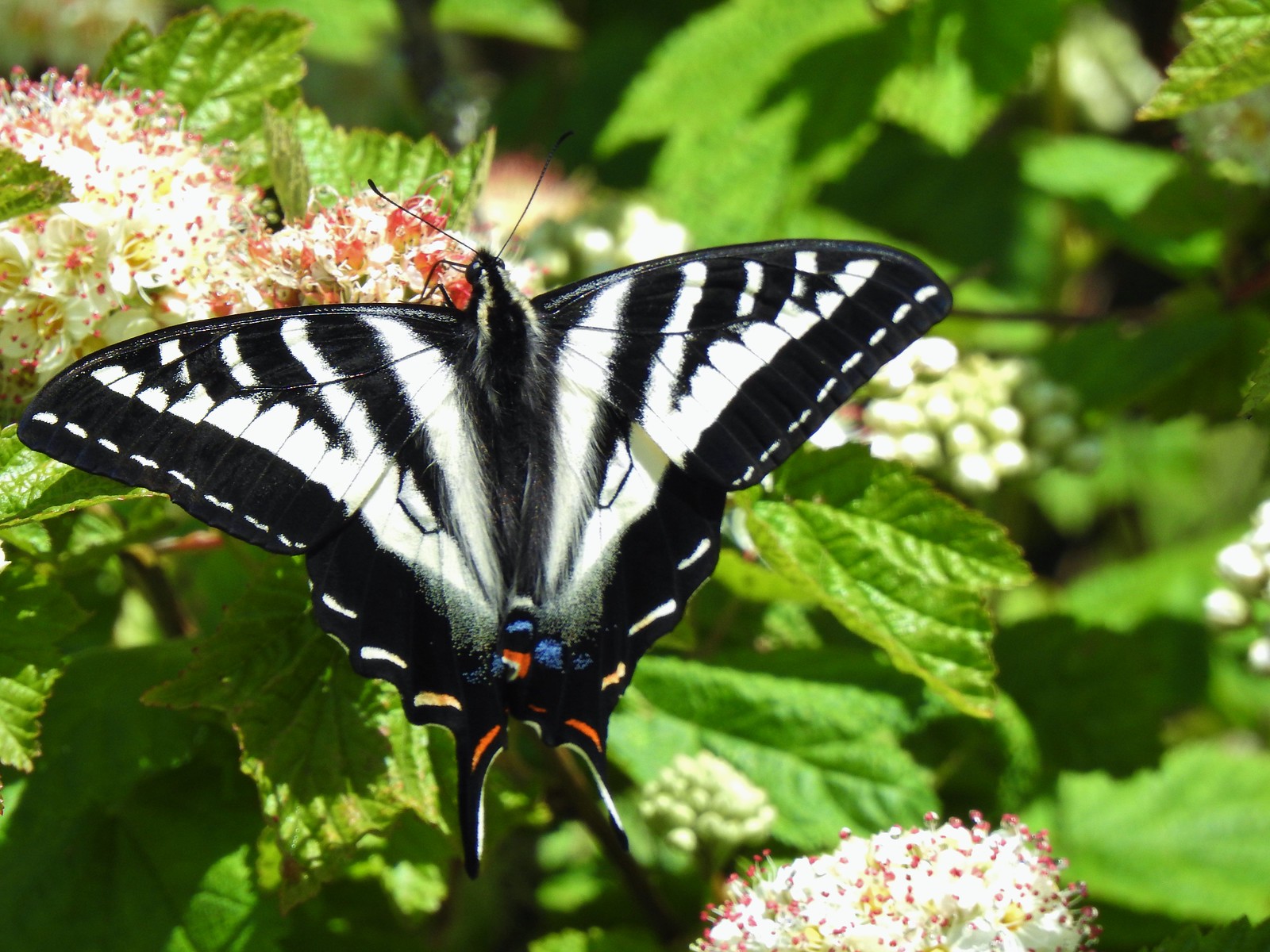 Julia Butler Hanson Wildlife Refuge
 Eagle Cap Wilderness
 Tadpoles – Russian Wilderness
 Tadpole transforming – Mt. Adams Wilderness
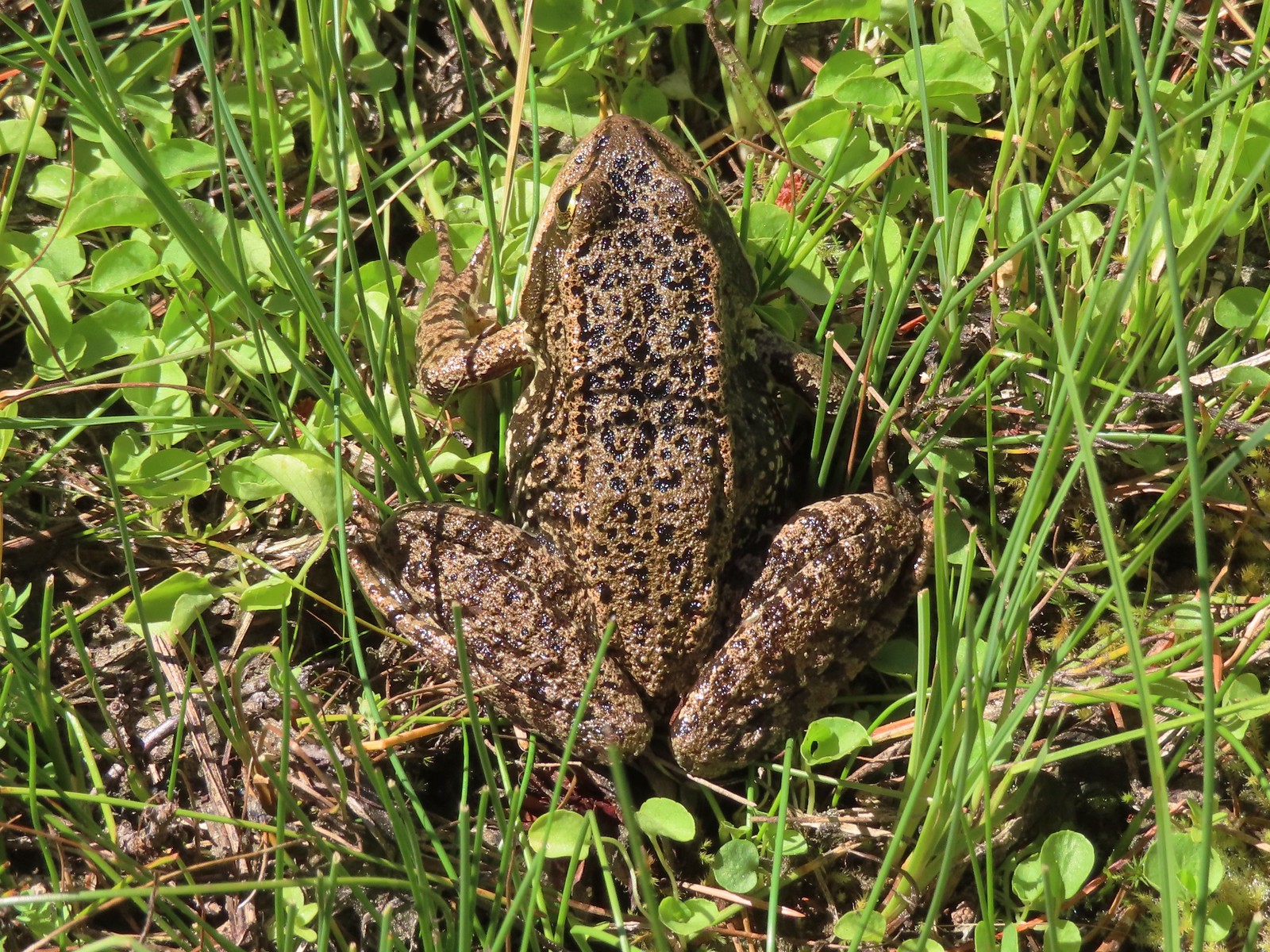 Frog – Russian Wilderness
 Frog – Goat Marsh Lake
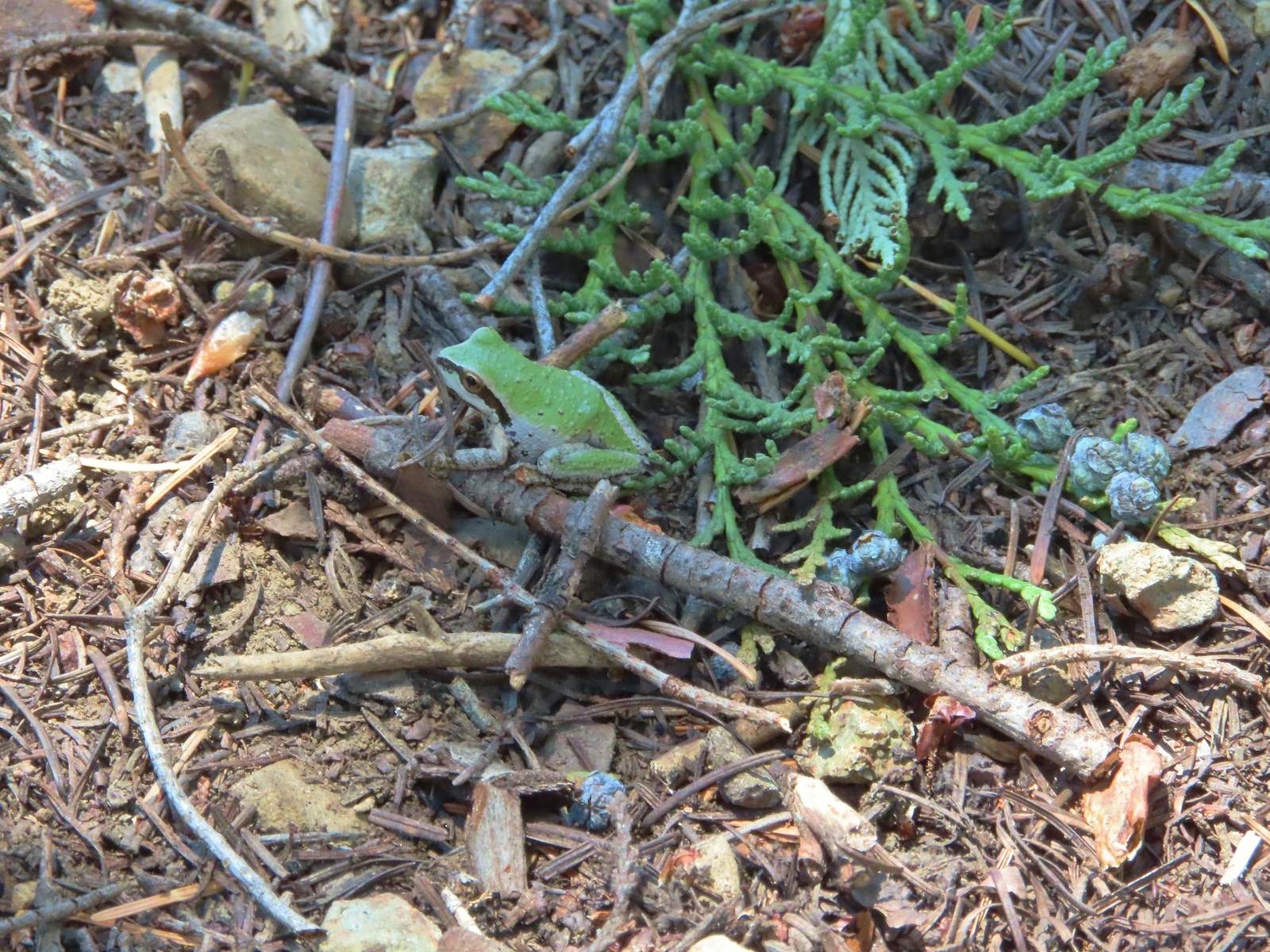 Tree frog – Siskiyou Wilderness
 Frog – Trinity Alps Wilderness
 Toad – Trinity Alps Wilderness
 Toad – Mt. Jefferson Wilderness
 Fish – Siphon Lake
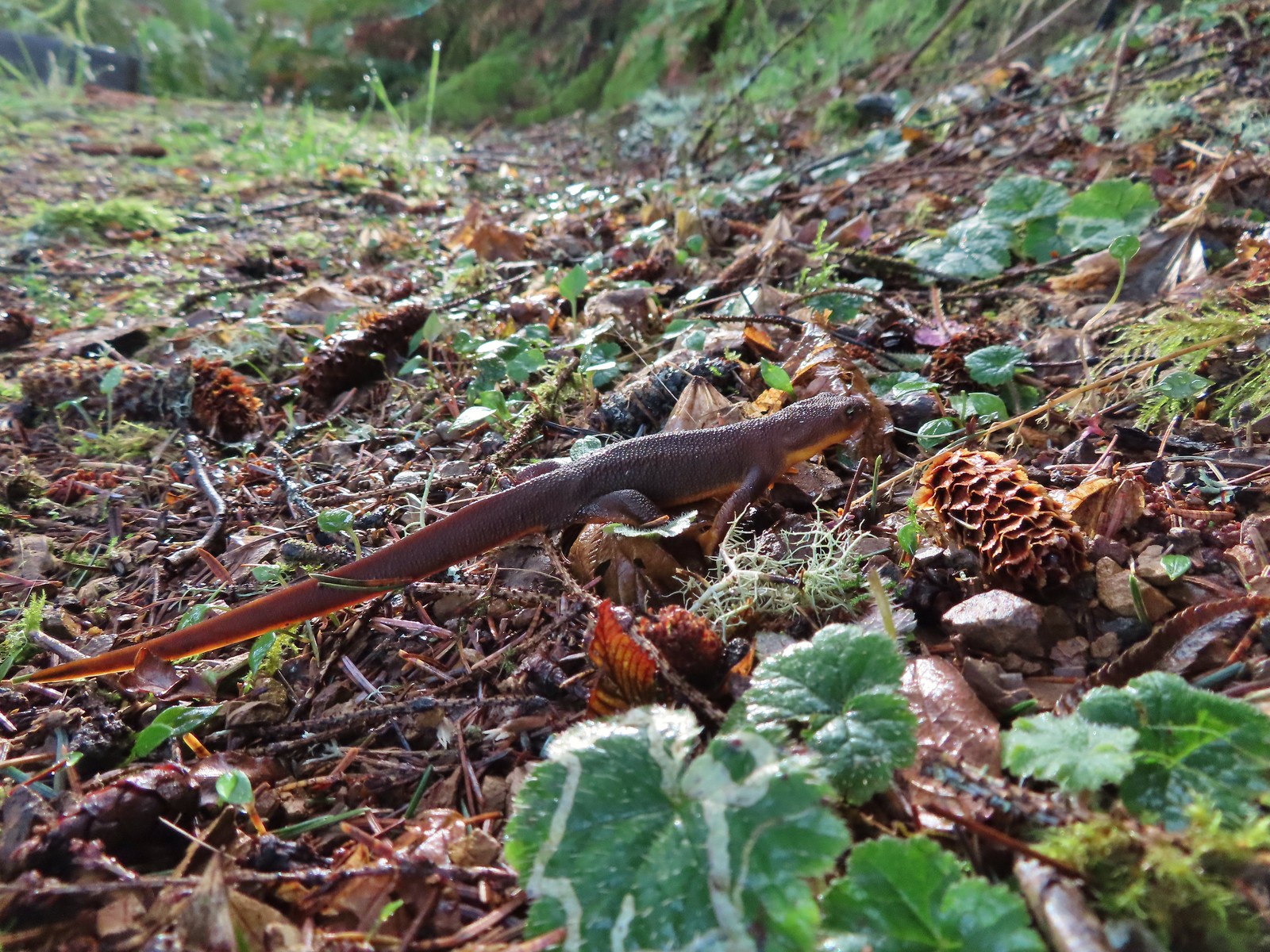 Rough skinned newt – Yakona Nature Preserve
 Western painted turtle – Julia Hansen Butler Wildlife Refuge
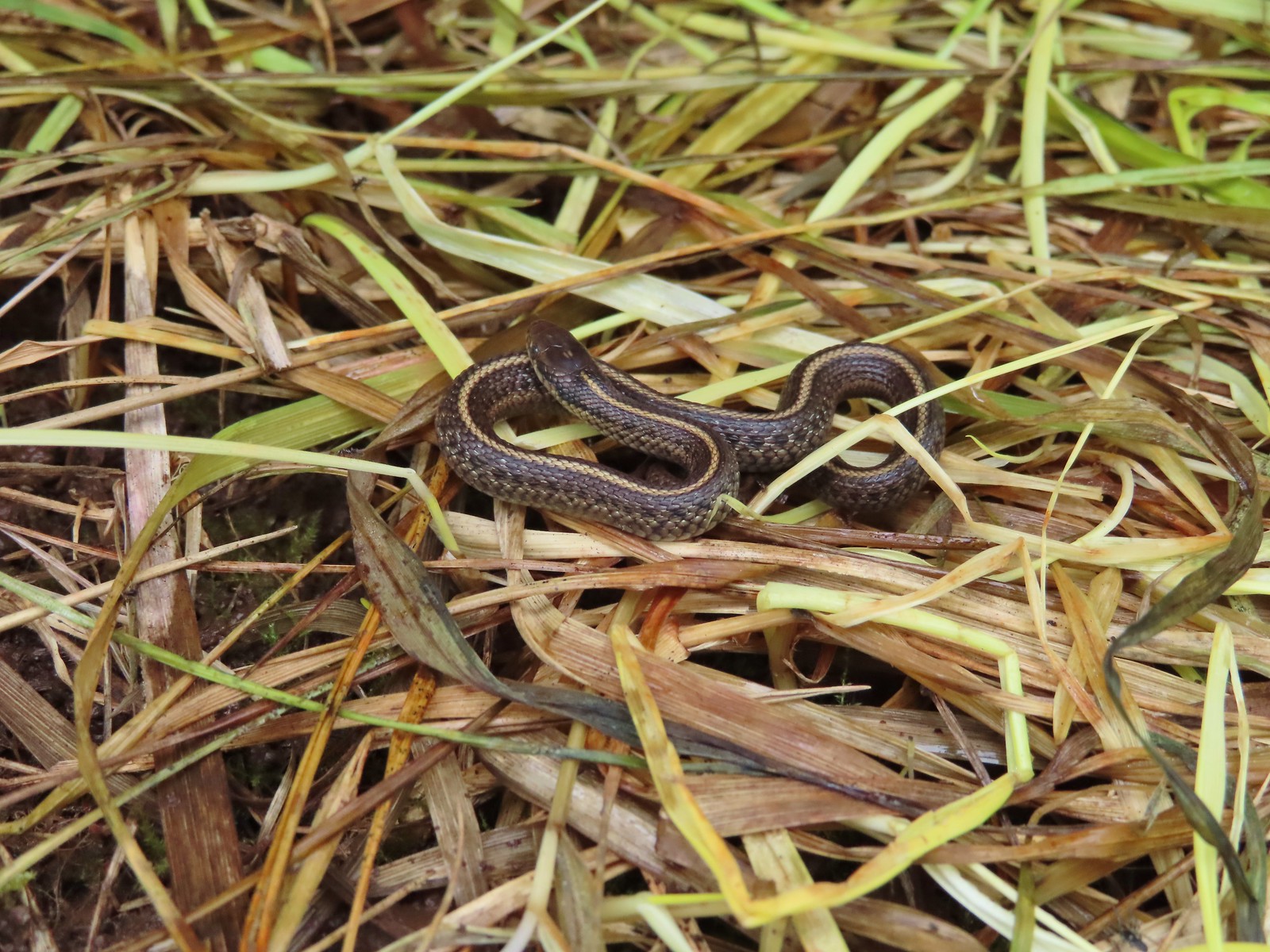 Baby snake – Miller Woods
 Garter snake – Julia Hansen Butler Wildlife Refuge
 Lizard – Mule Mountain
 Lizard – Upper Table Rock
 Lizard – Russian Wilderness
 Lizard – Siskiyou Wilderness
 Lizard – Klickitat Trail
 Lizard – Upper Table Rock
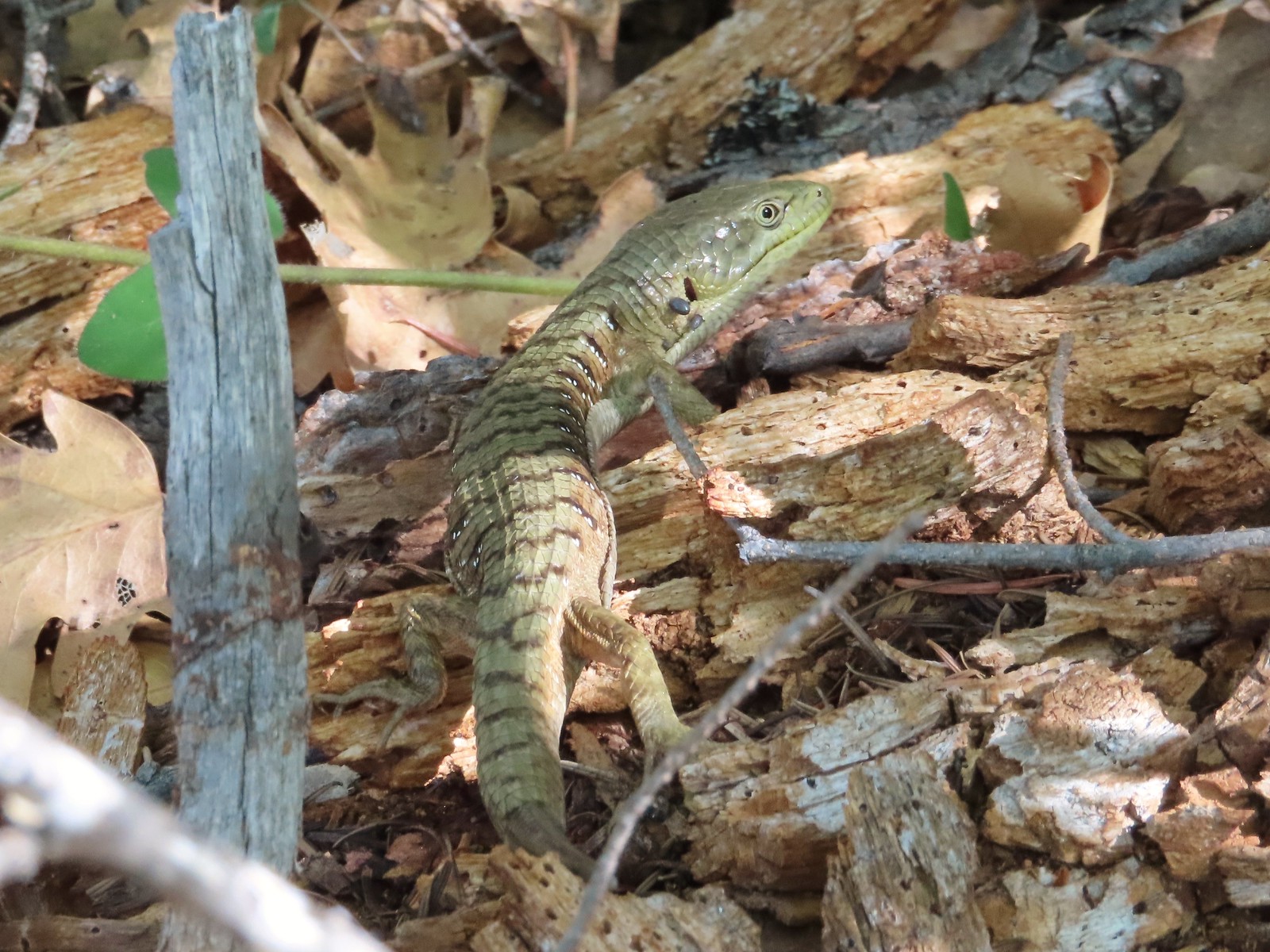 Alligator lizard – Mule Mountain
 Chipmunk – Observation Peak
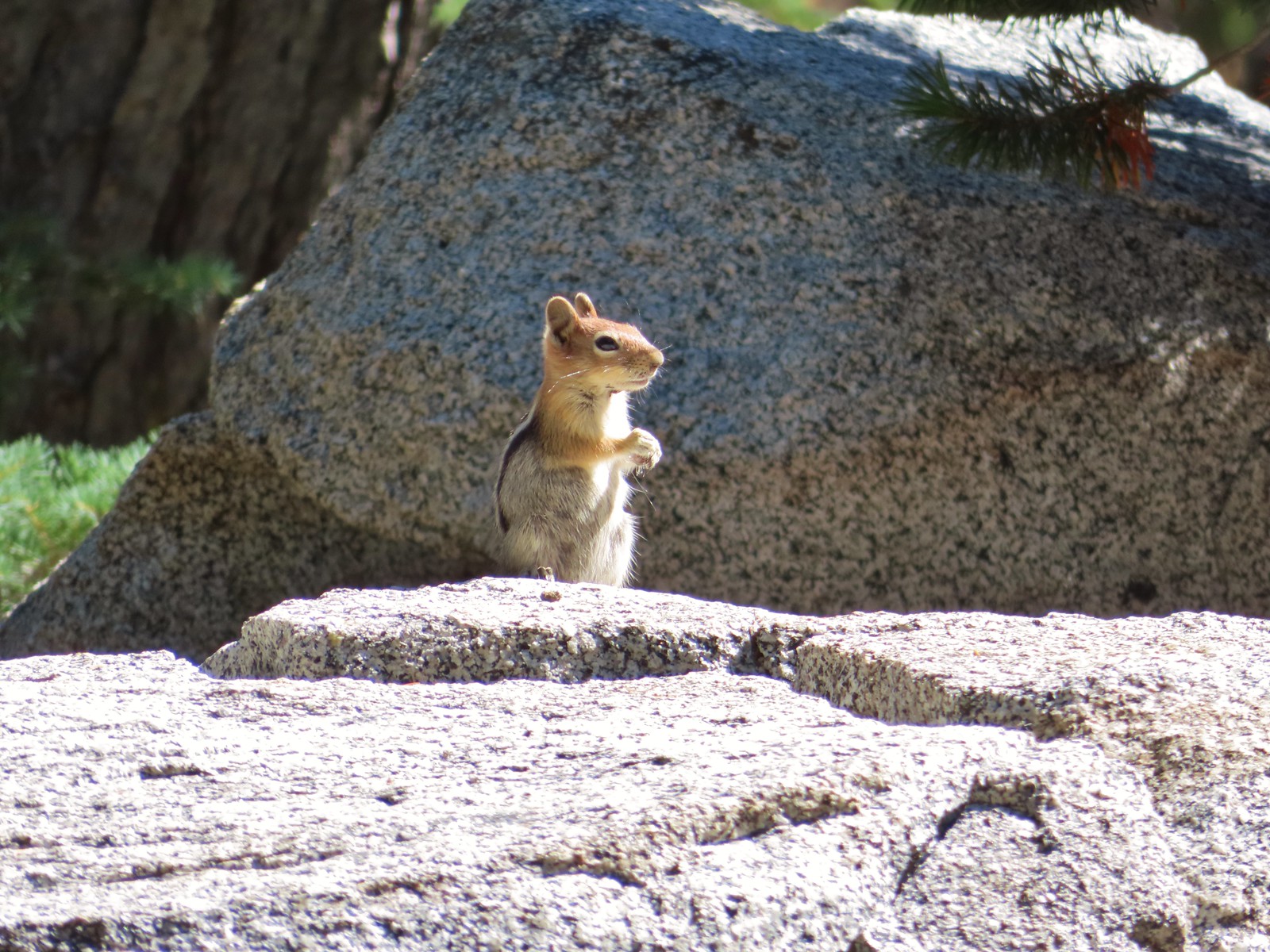 Ground squirrel – Russian Wilderness
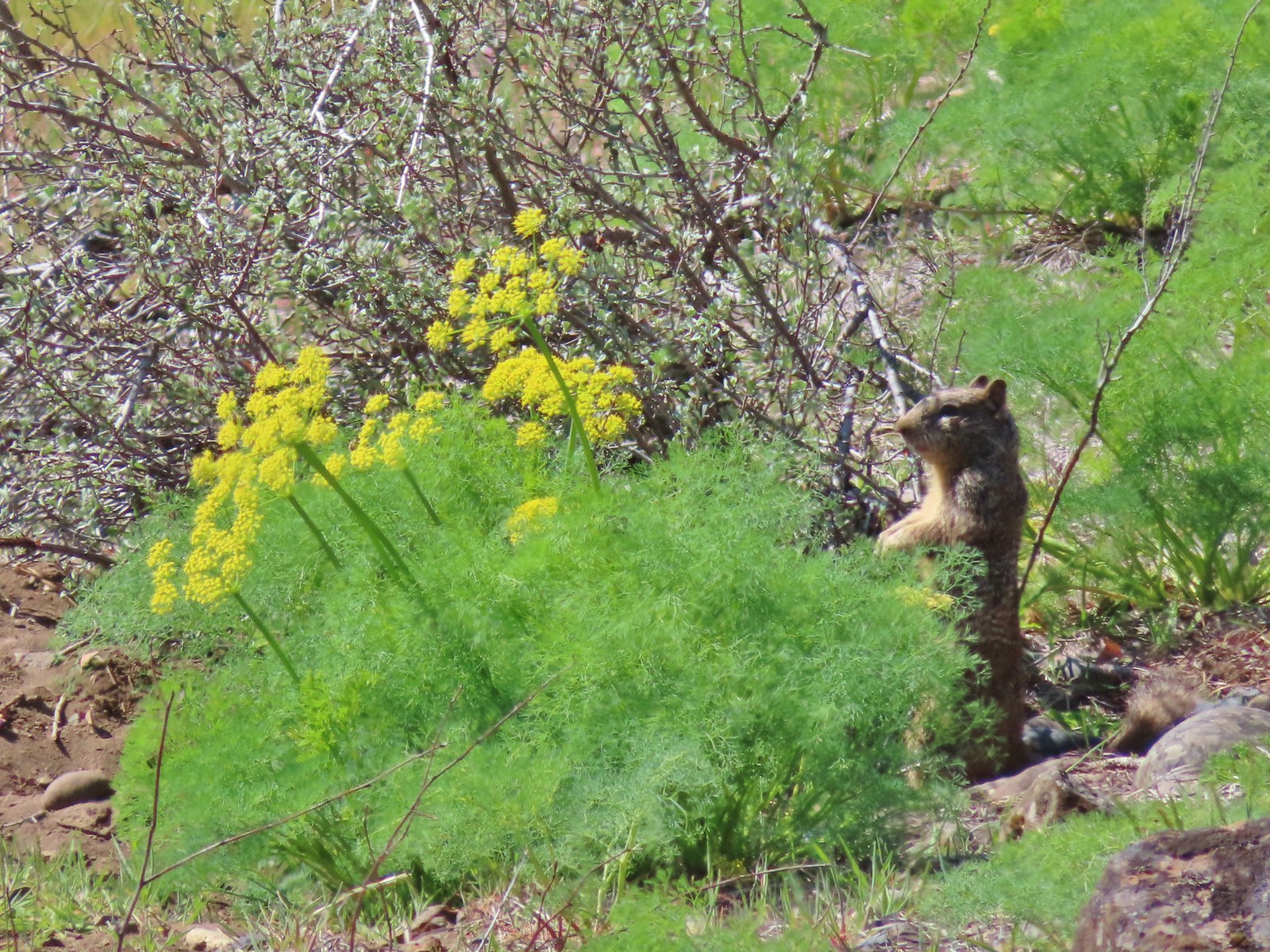 Ground squirrel – Klickitat Trail
 Ground squirrel – Eagle Cap Wilderness
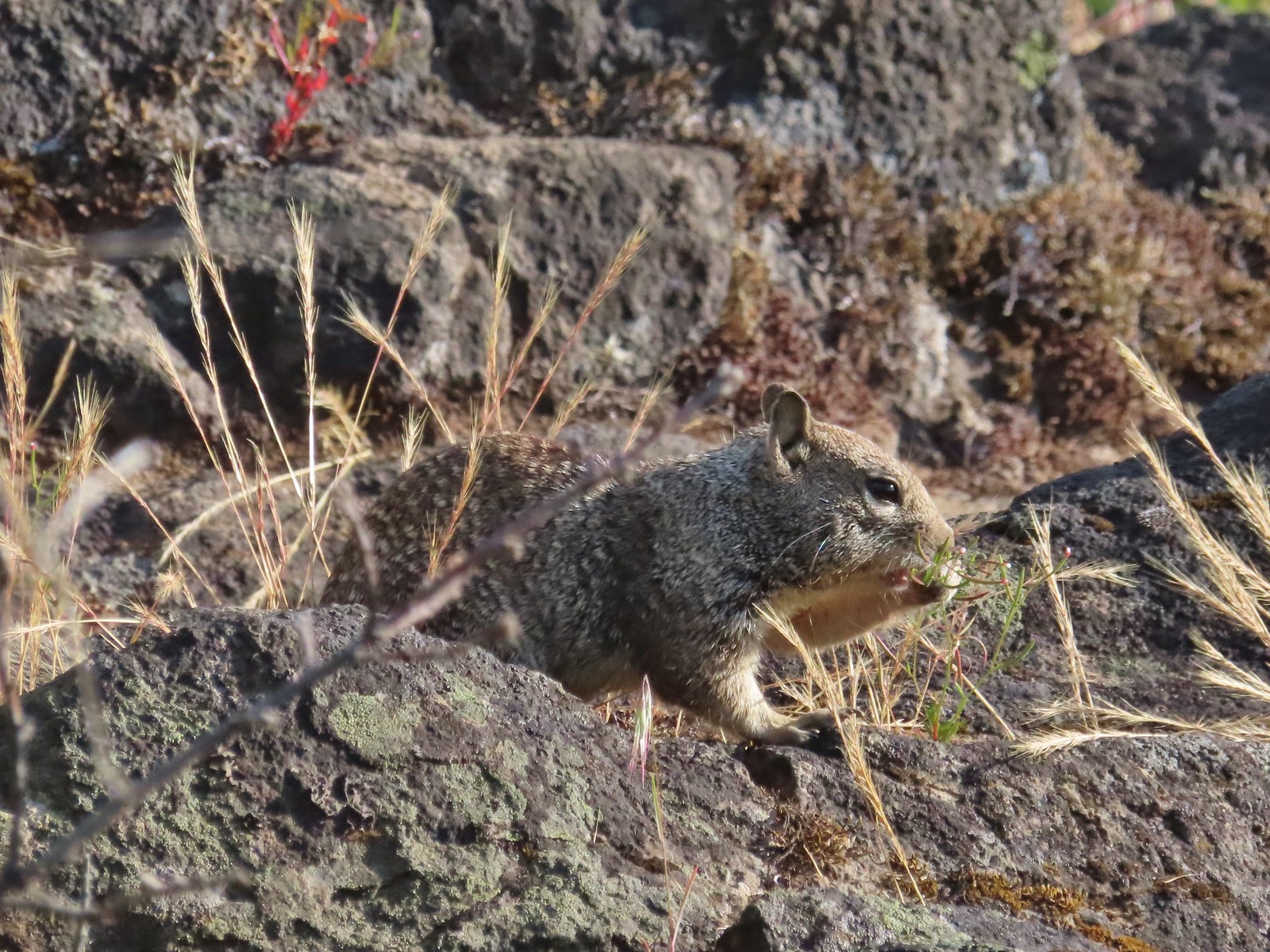 Ground squirrel – Upper Table Rock
 Squirrel – Rock Creek Trail
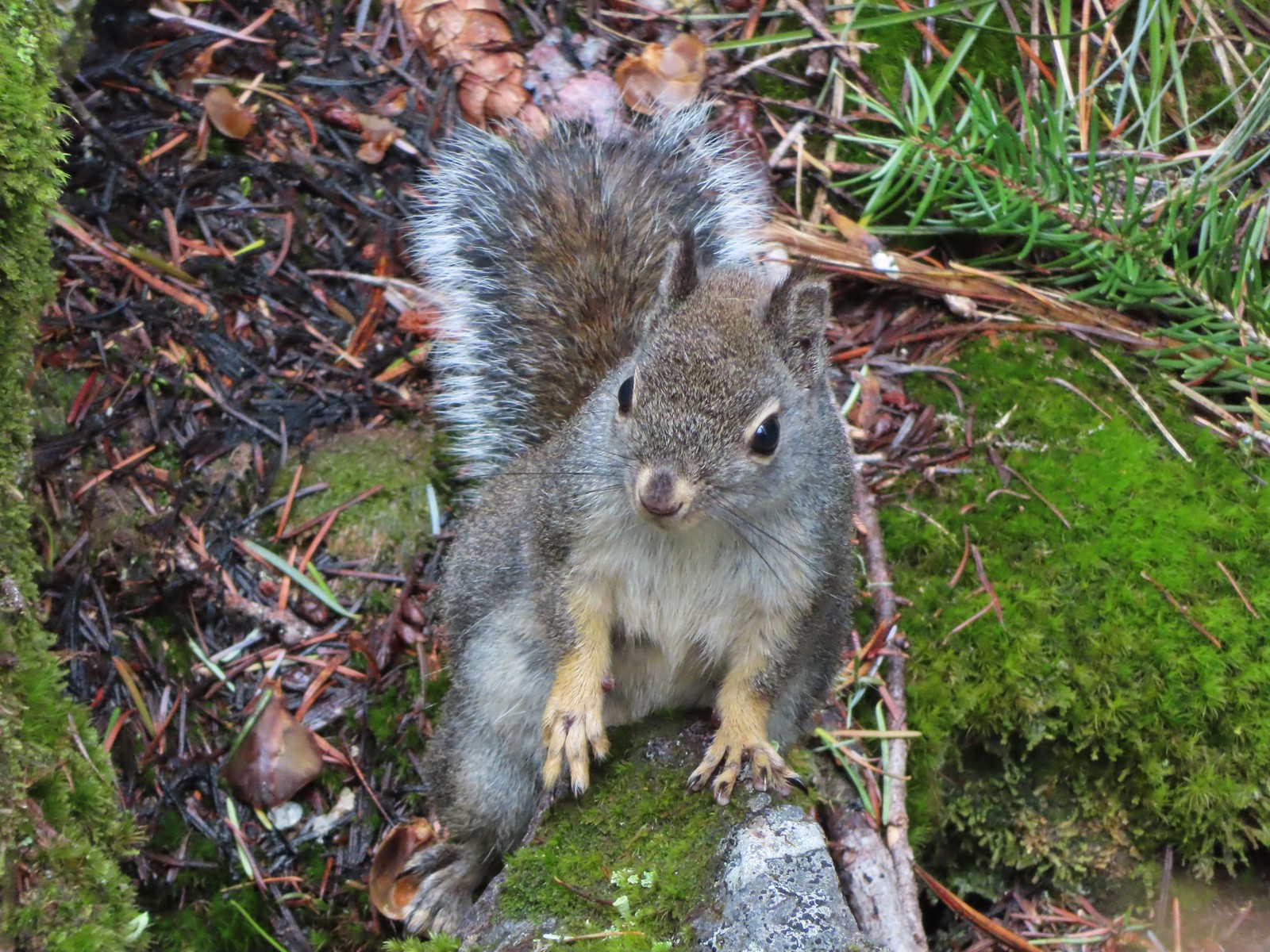 Squirrel – Twin Lakes
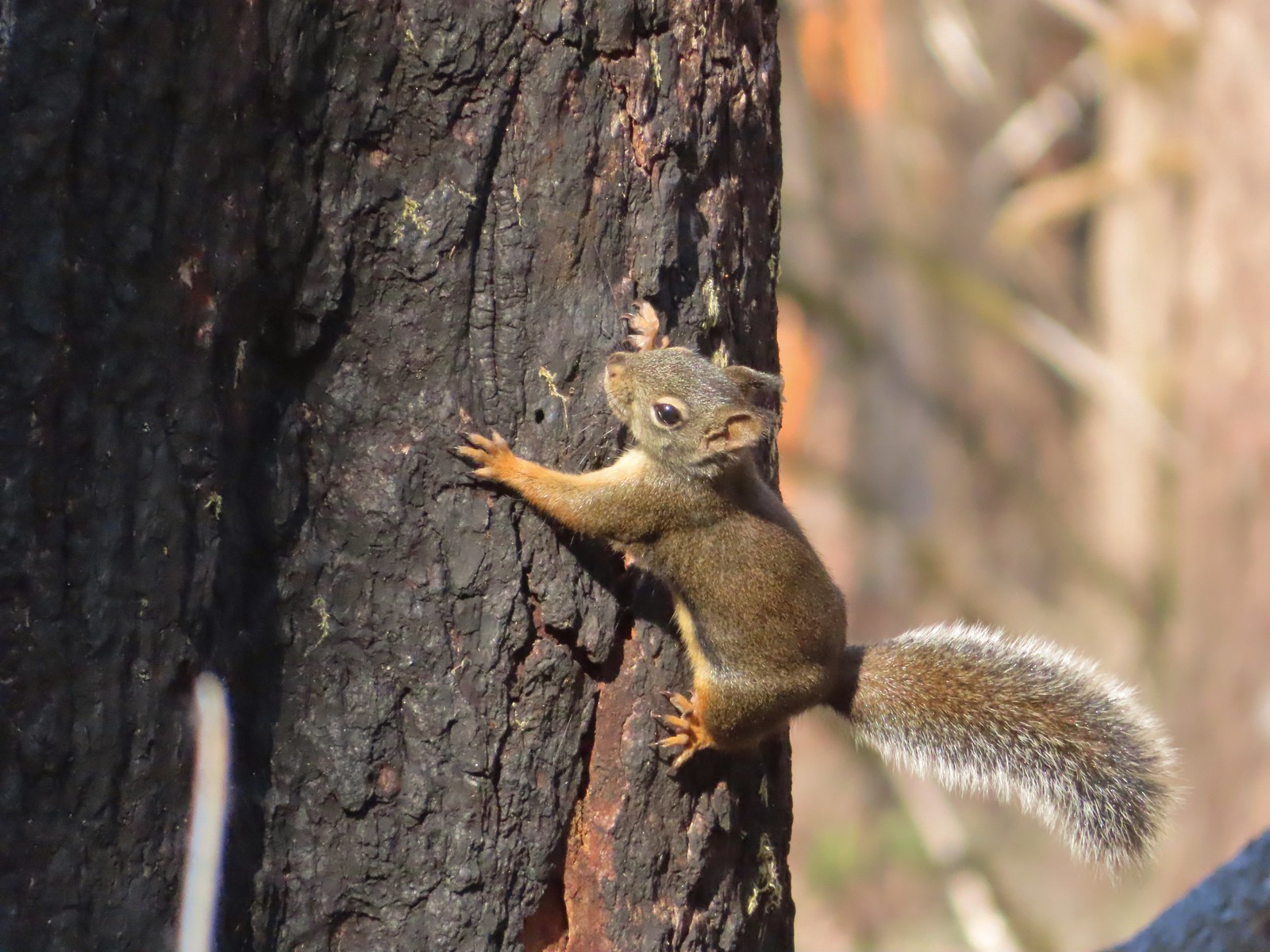 Squirrel – Larch Mountain Trail
 Marmot – Wallowa Homeland
 Jack rabbit – Denman Wildlife Area
 Rabbit – E. E. Wilson Wildlife Area
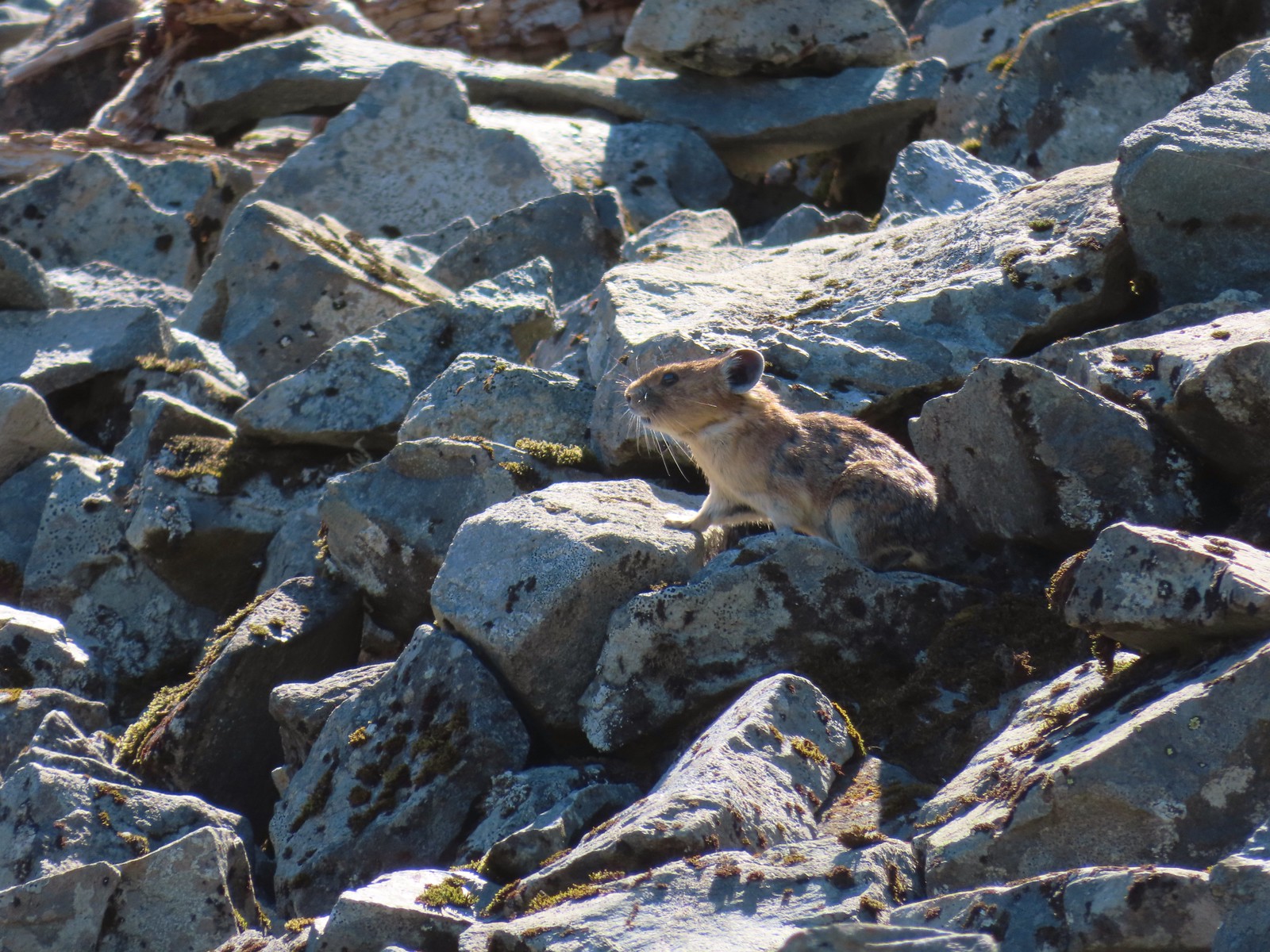 Pika – Silver Star Mountain
 Muskrat – Julia Butler Hansen – Wildlife Refuge
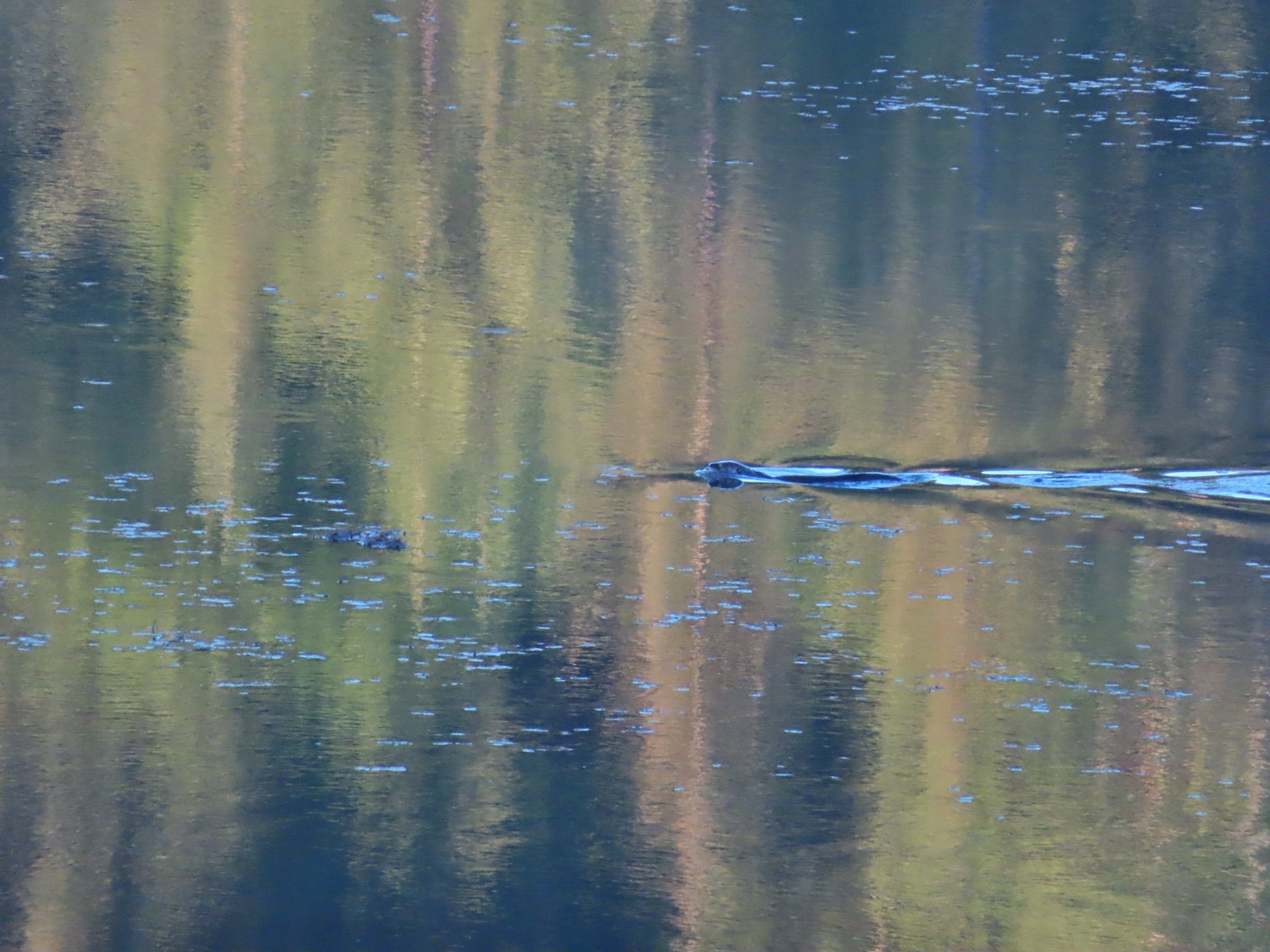 Otter – Killin Wetlands
 Sea lion – Hart’s Cove
 Deer – Memaloose Hills
 Doe – Miller Woods
 Mamma – Roxy Ann Peak
 Fawn – Roxy Ann Peak
 Columbian white-tailed buck – Julia Butler Hansen Wildlife Refuge
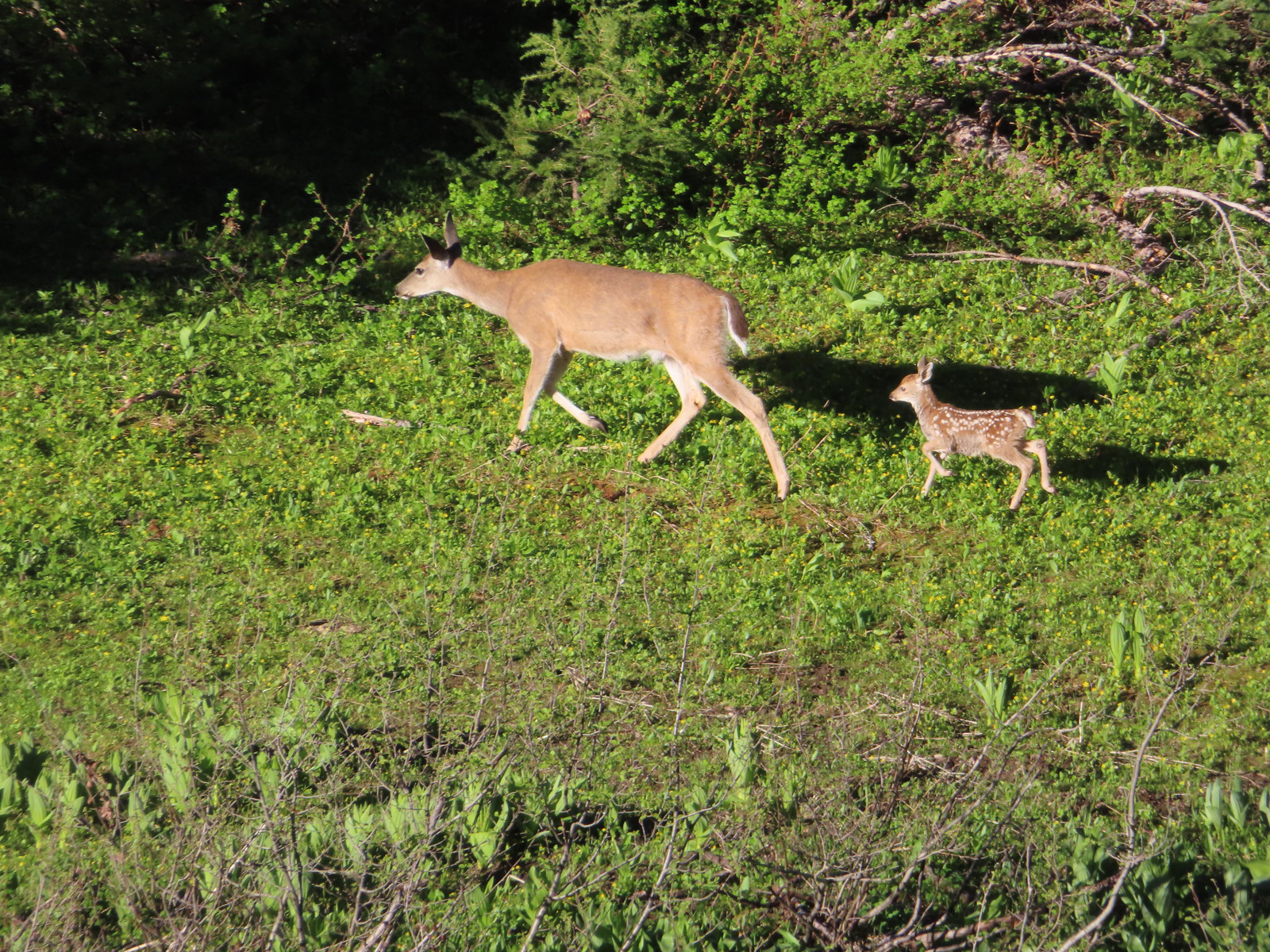 Doe & fawn – Donomore Meadows
 Three bucks – Siskiyou Wilderness
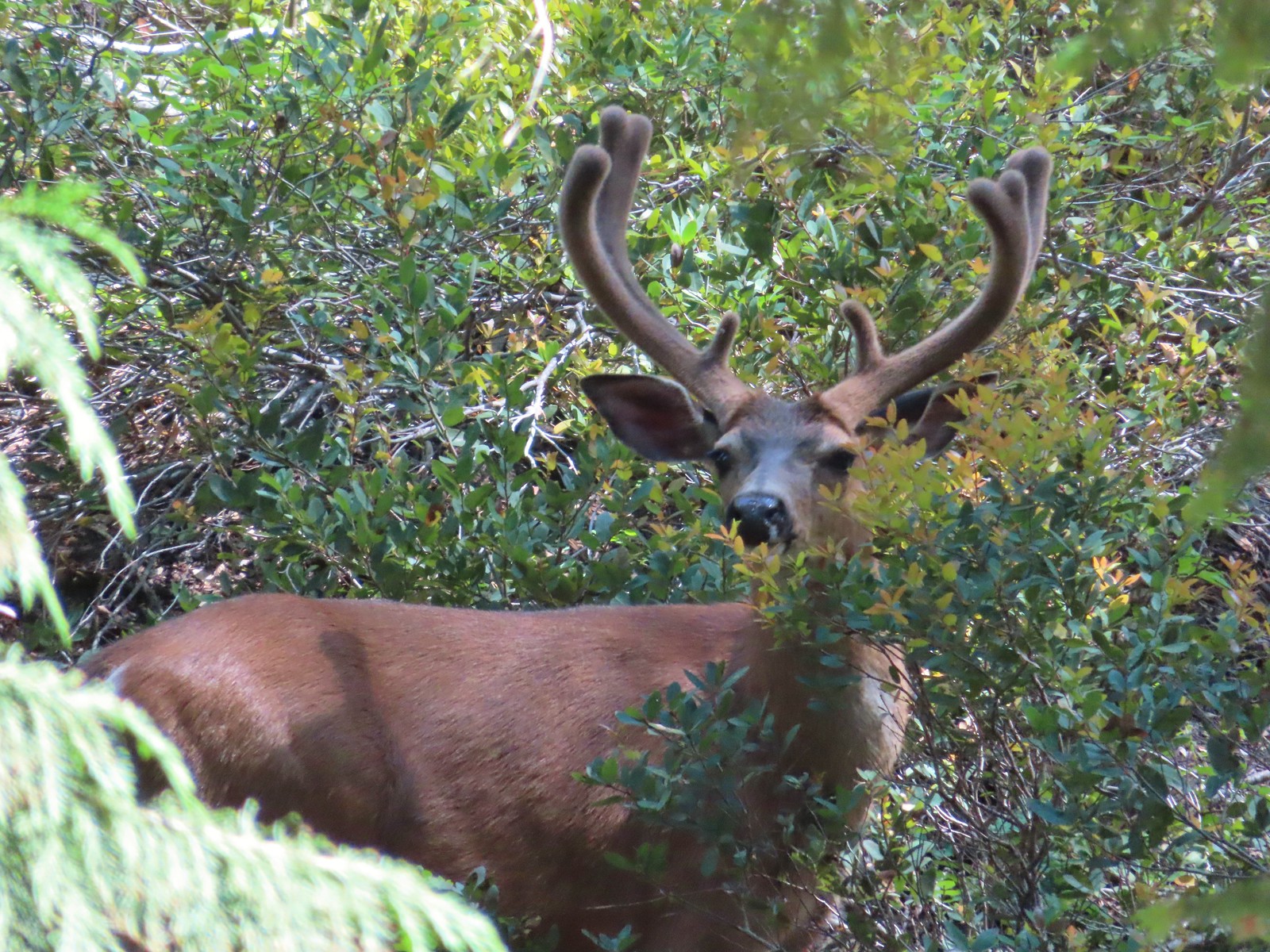 Buck – Siskiyou Wilderness
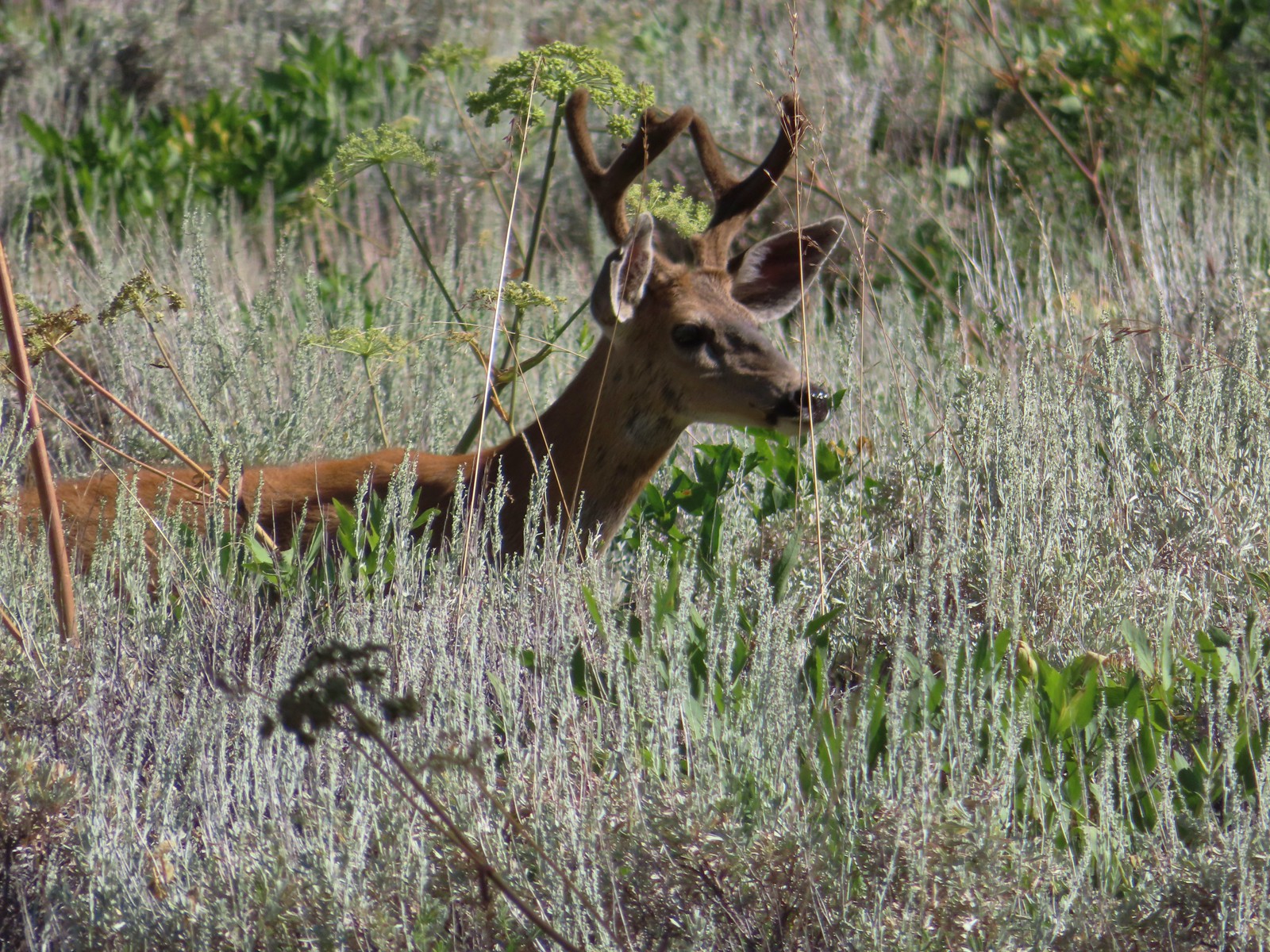 Buck – Trinity Alps Wilderness
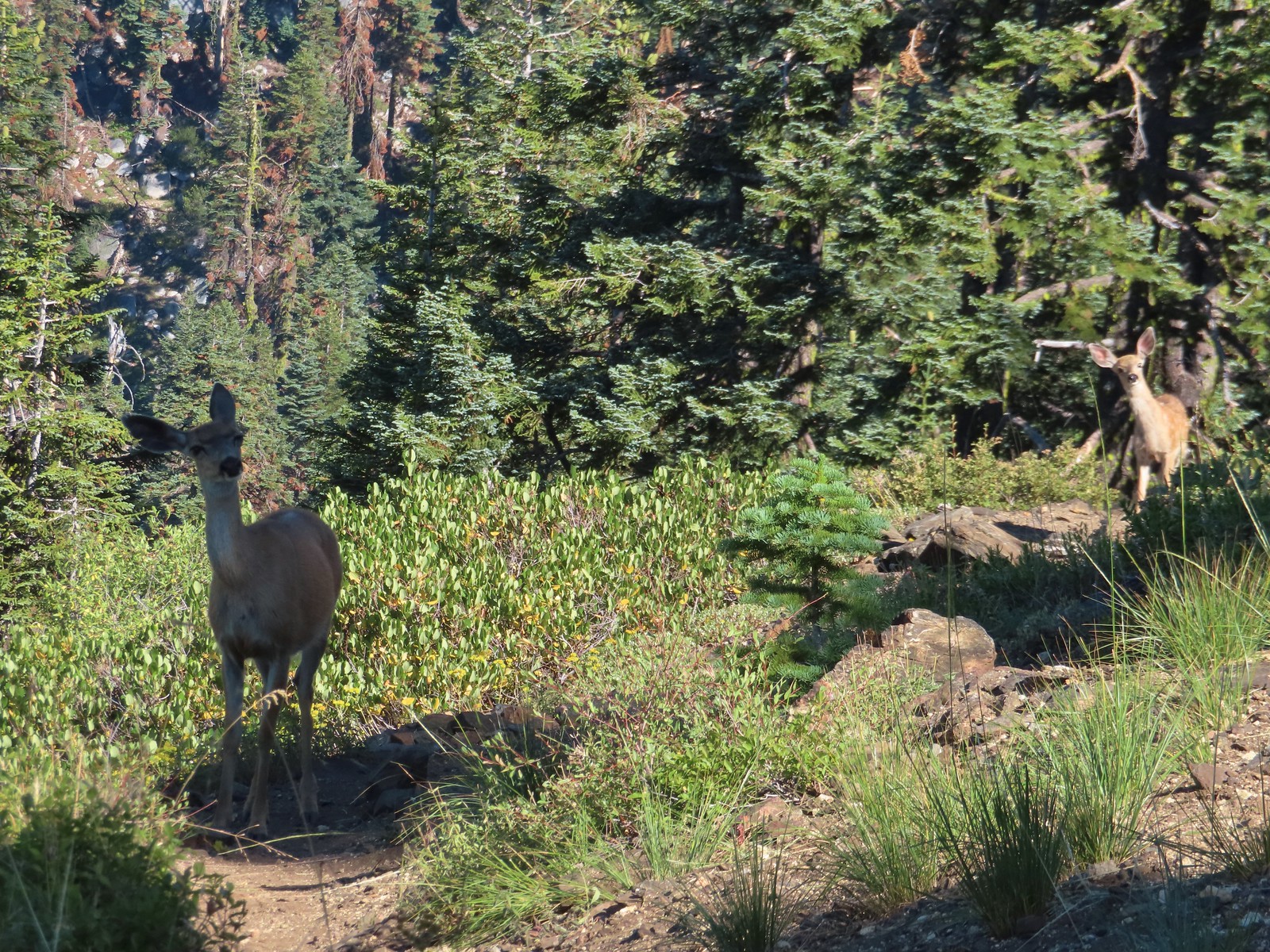 Doe & fawn – Russian Wilderness
 Buck and does – Russian Wilderness
 Two bucks – Crater Lake National Park
 Elk – Yakona Nature Preserve
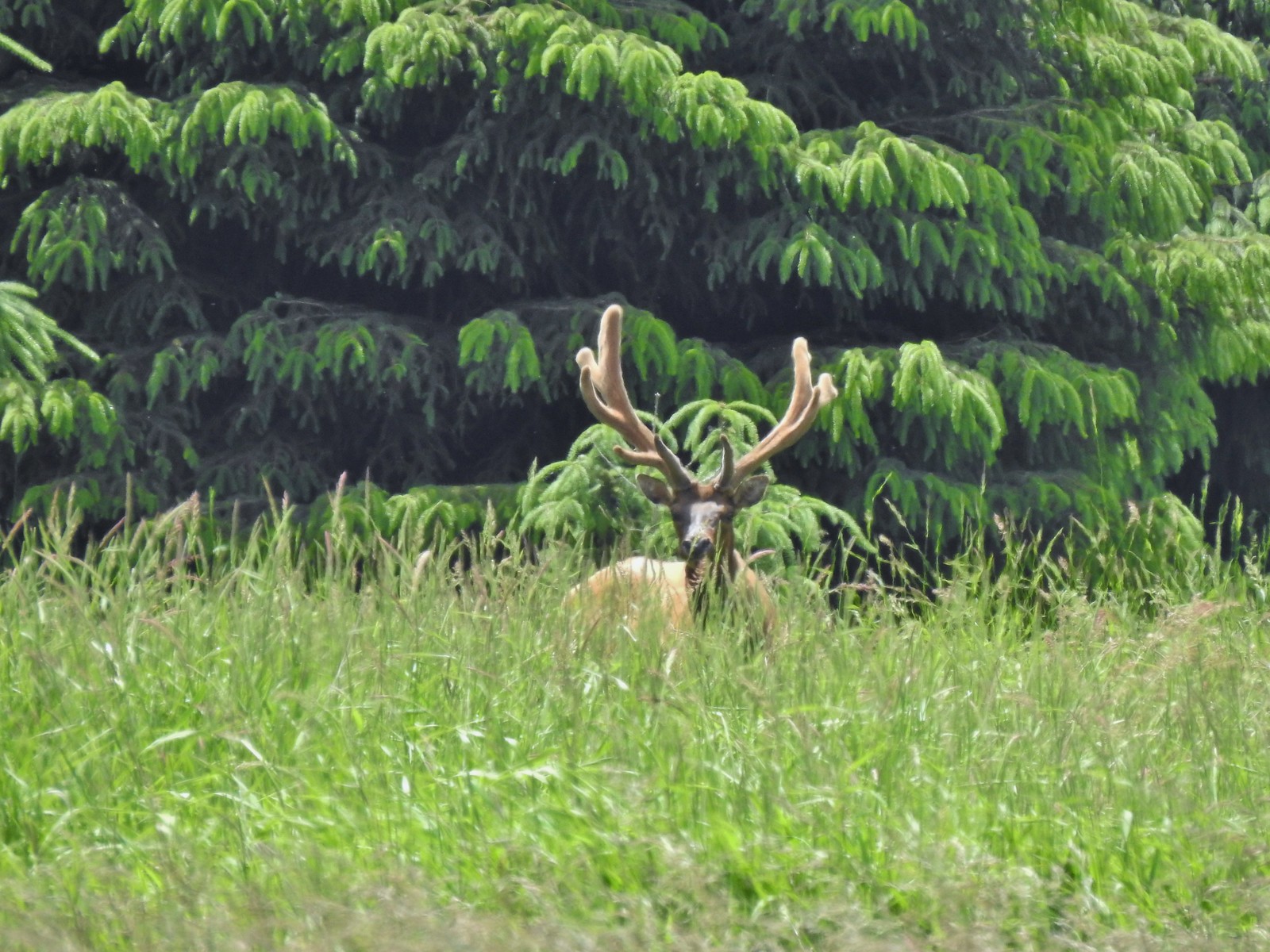 Bull elk – Julia Butler Hansen Wildlife Refuge
 Mountain goat below the Mt. Ireland Lookout – Mt. Ireland
 Domestic goat – Near the Julia Butler Hansen Wildlife Refuge
 Black bear – Siskiyou Wilderness
 The same black bear making eye contact the day before.


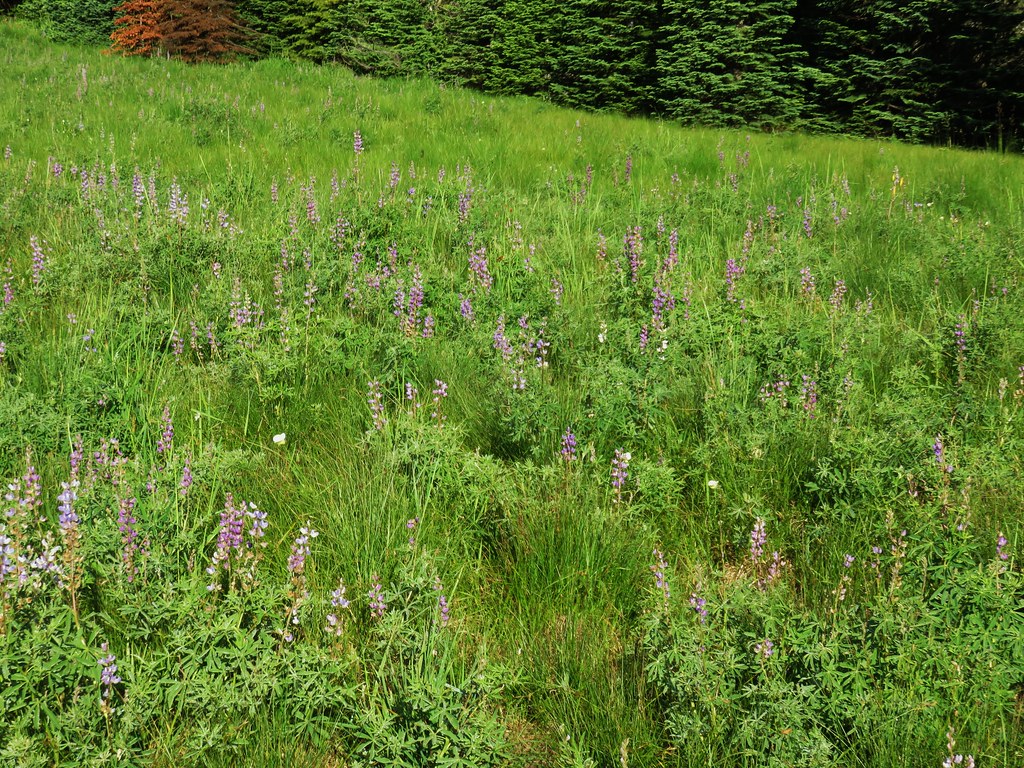
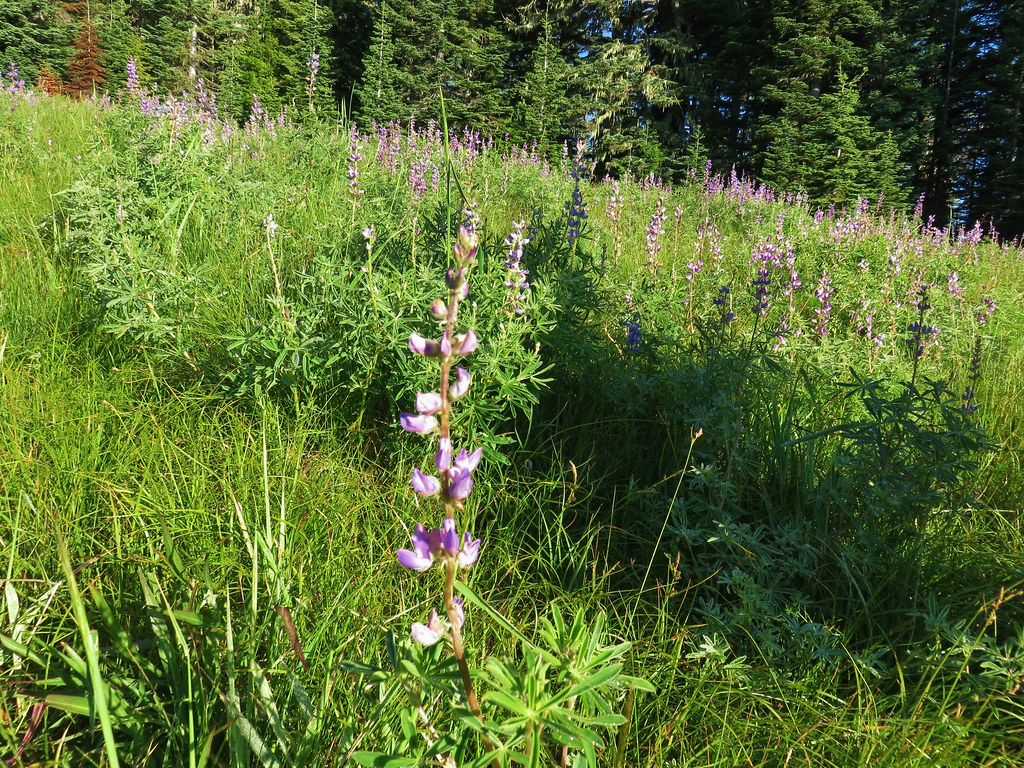
 The only tiger lily that seemed to be open yet.
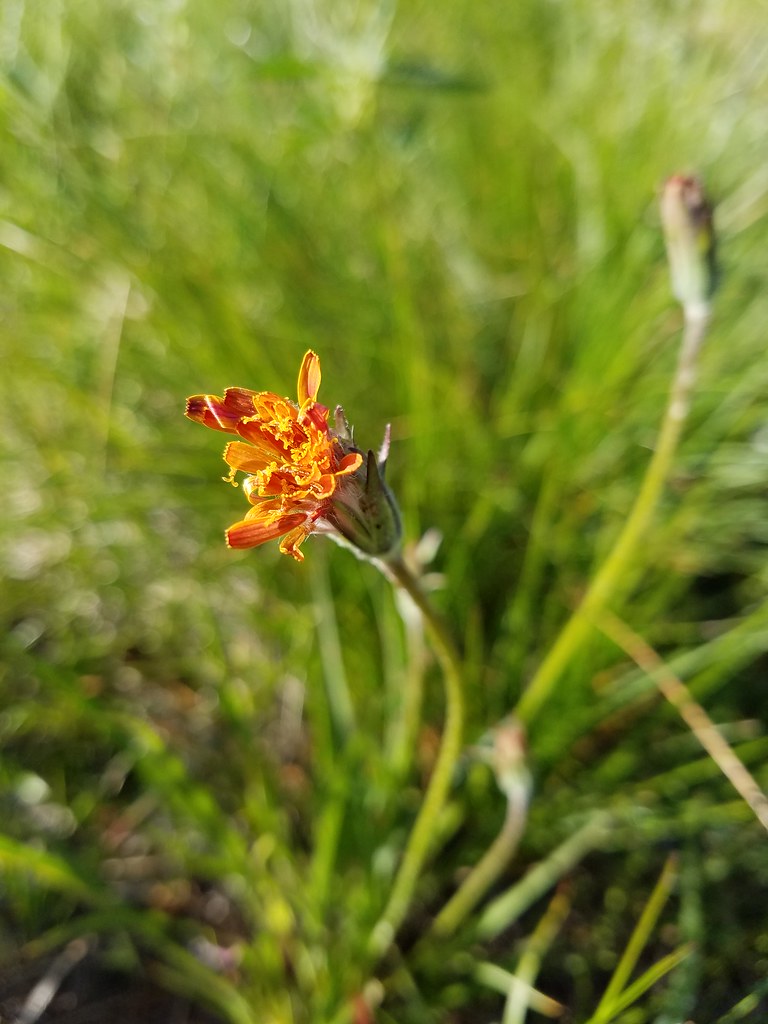 orange agoseris beginning to open.
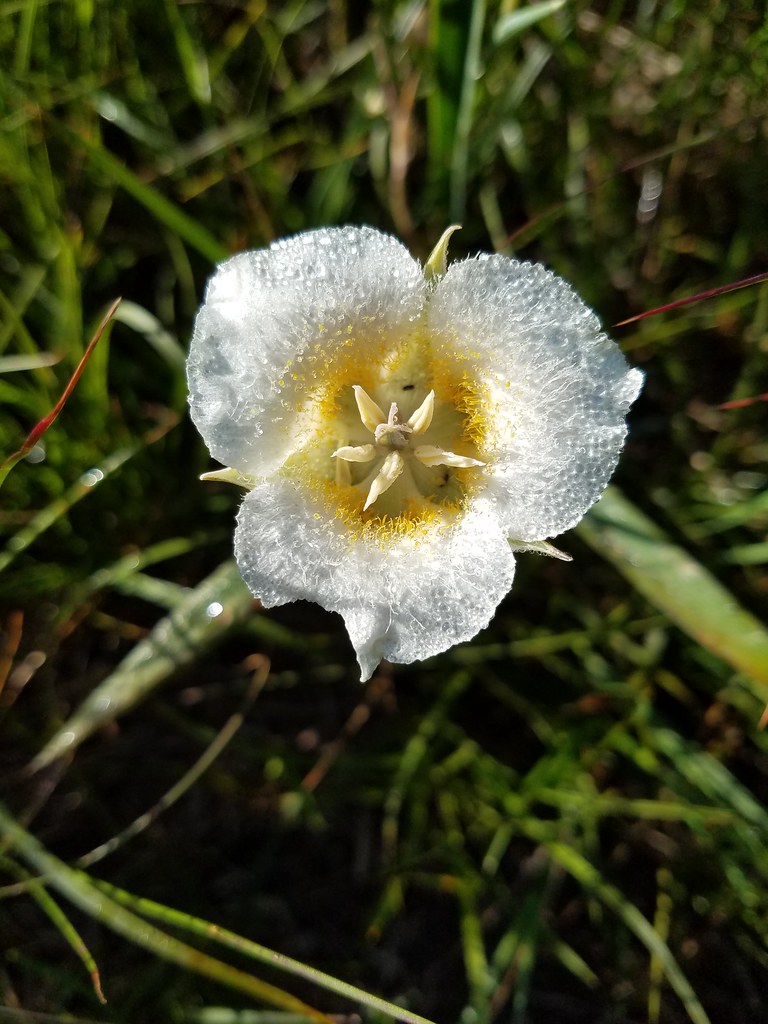 Cat’s ear lily
 Pussytoes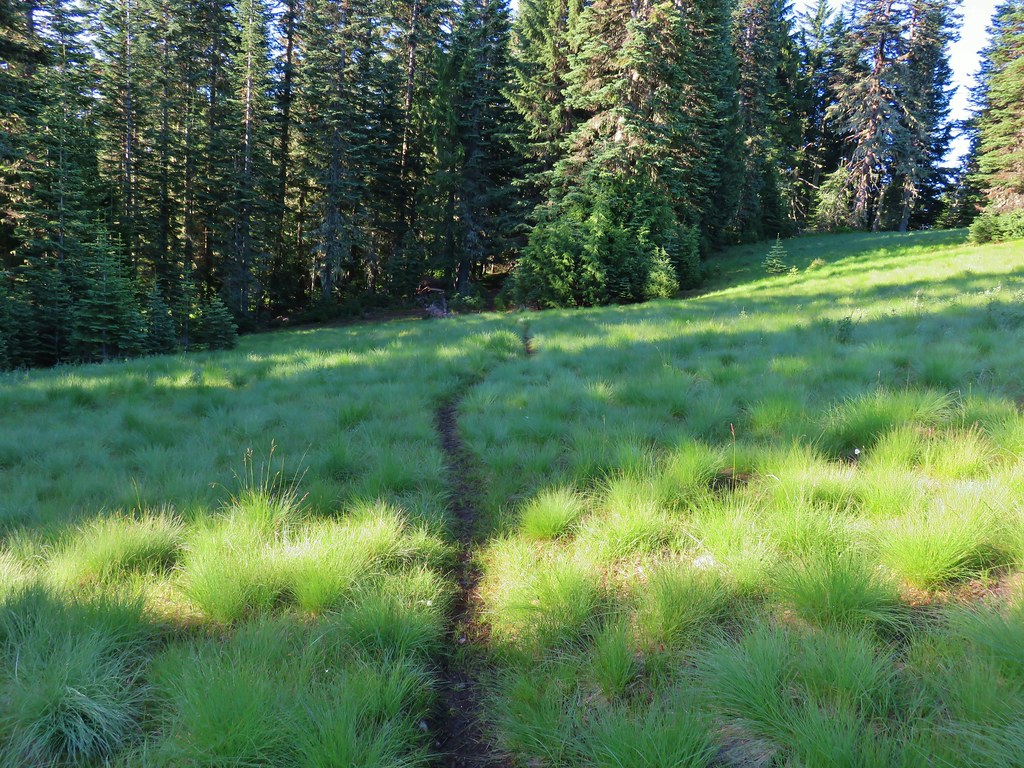

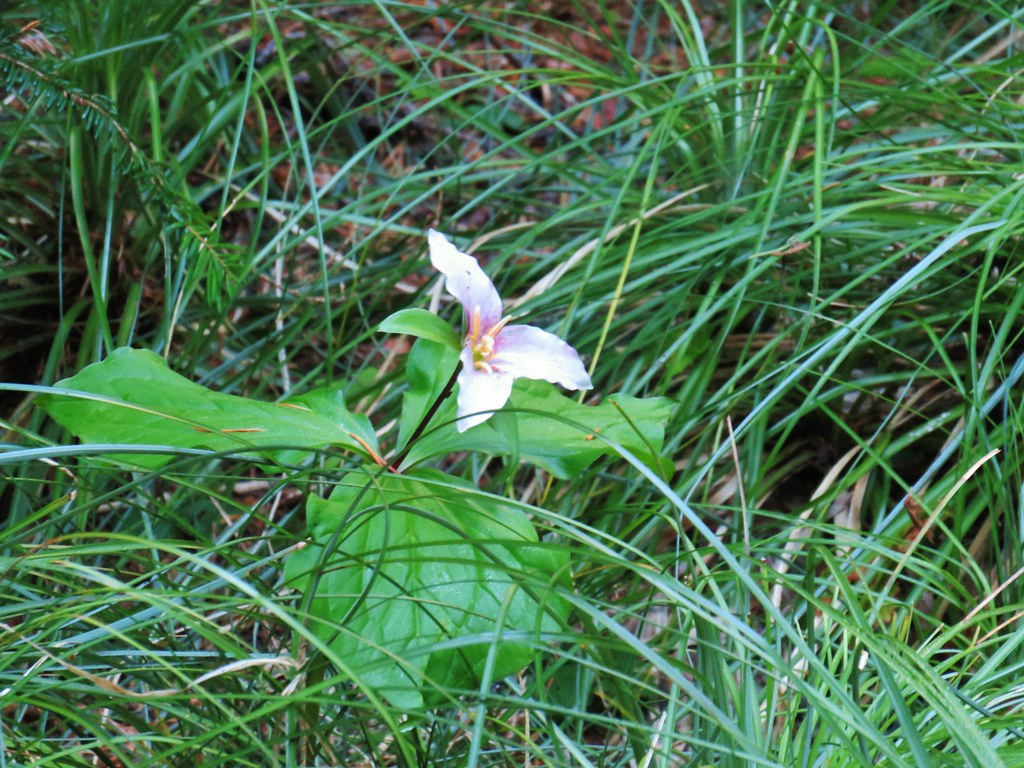
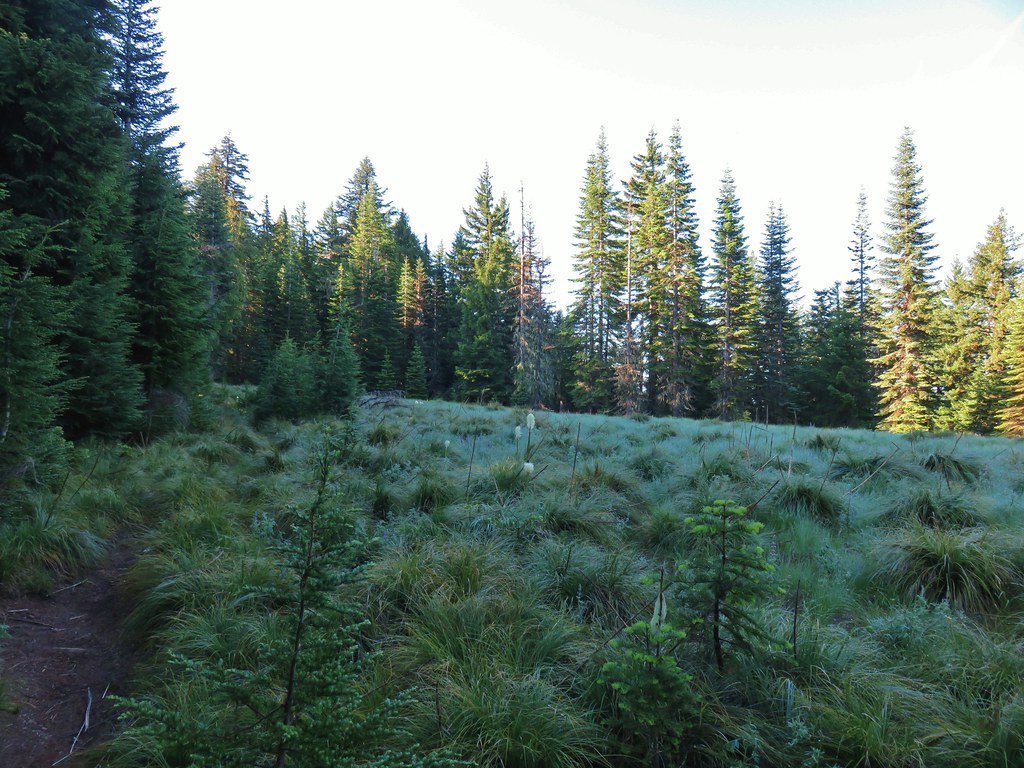

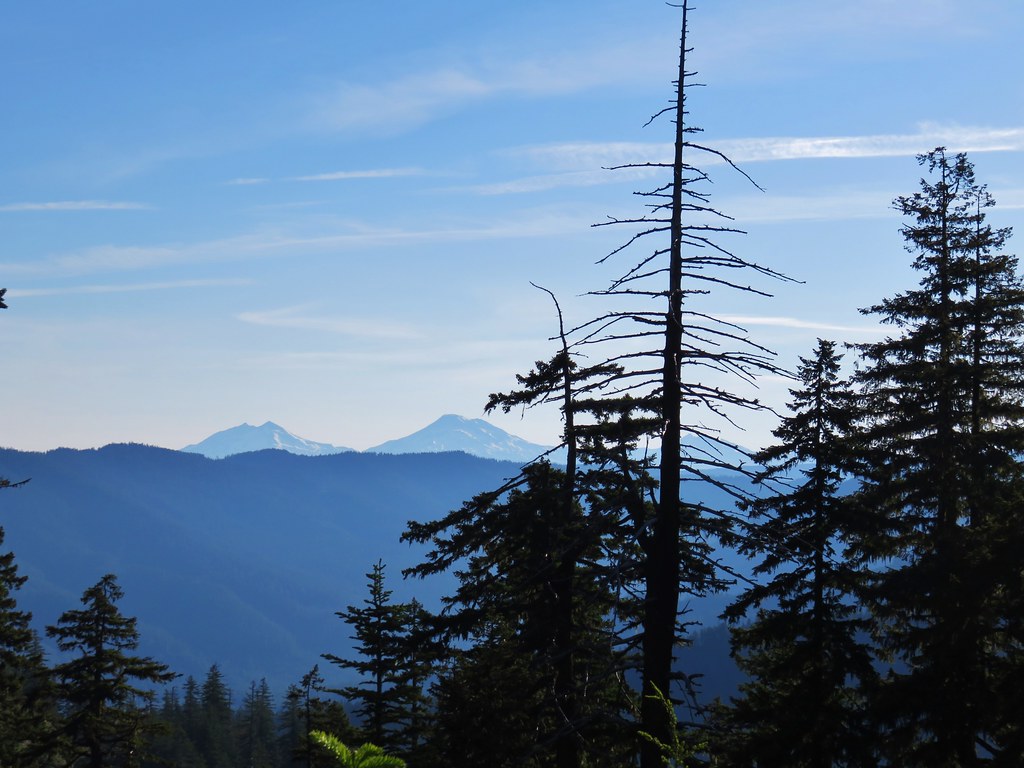 The Three Sisters and Broken Top
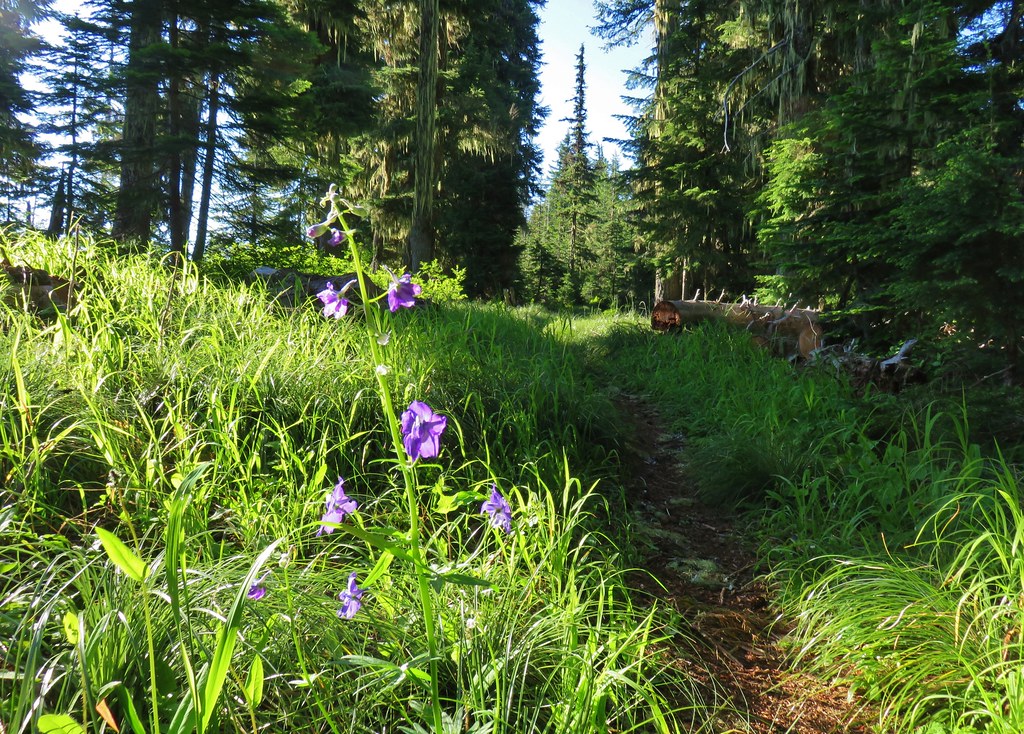 Larkspur along the trail.
 Bunchberry
 Anemone
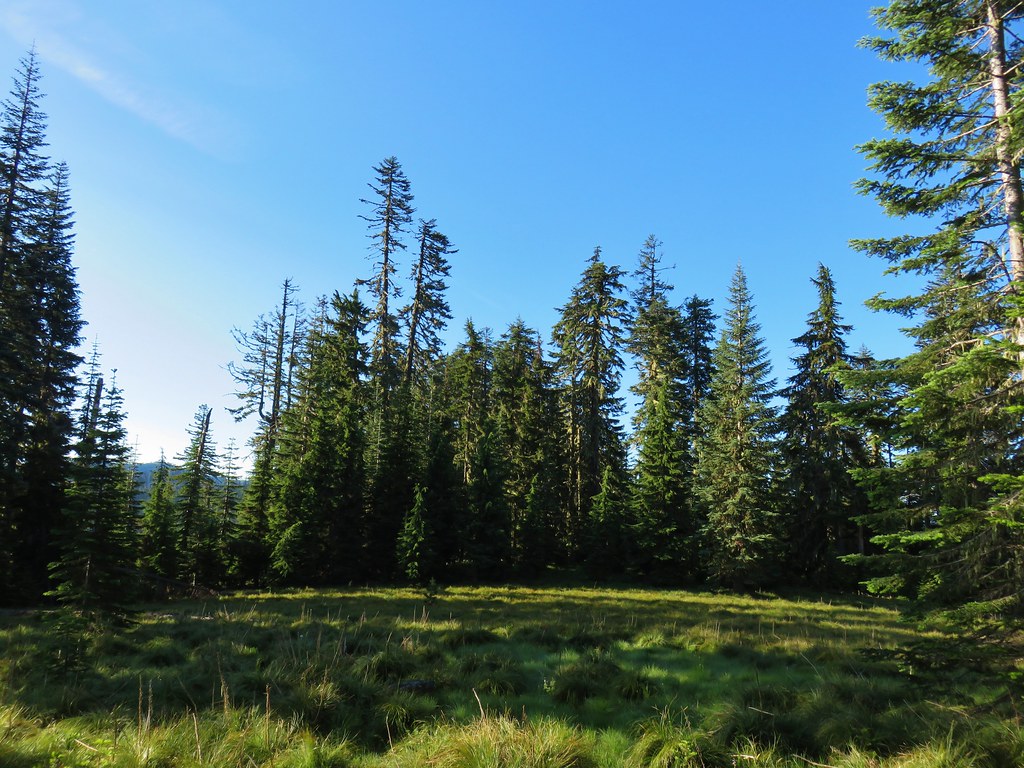 Another meadow
 The Three Sisters and Broken Top
 Queen’s cup
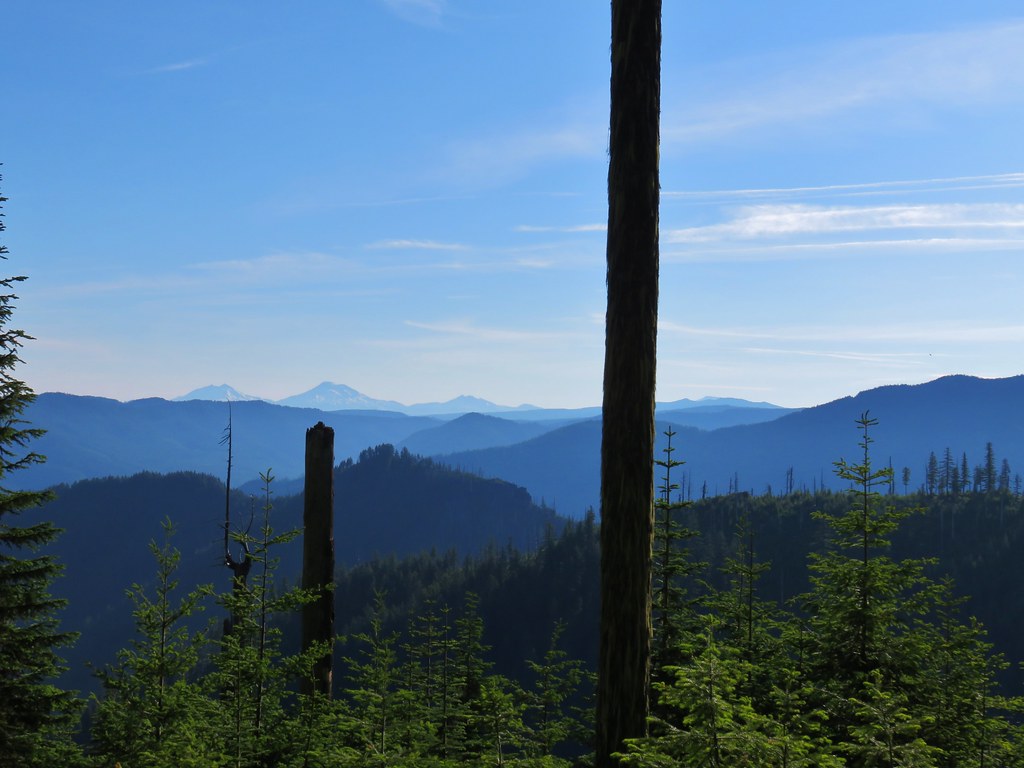 The Three Sisters, Broken Top, and a bit of Mt. Bachelor
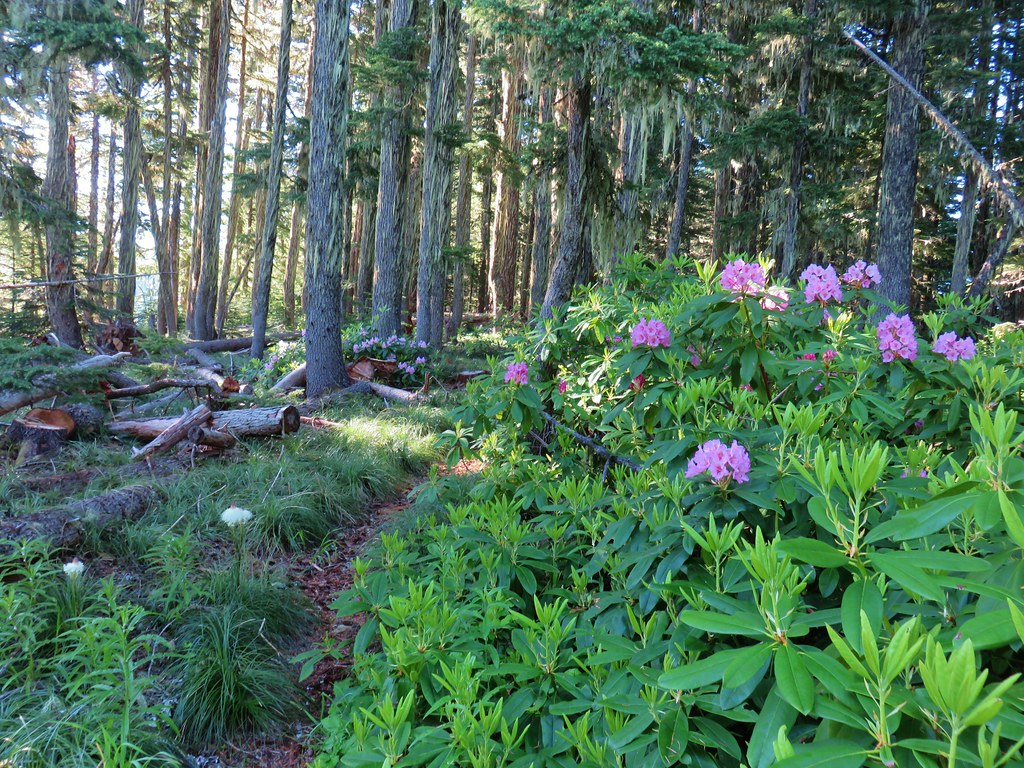 Rhododendron
 Another meadow full of not-in-bloom beargrass.
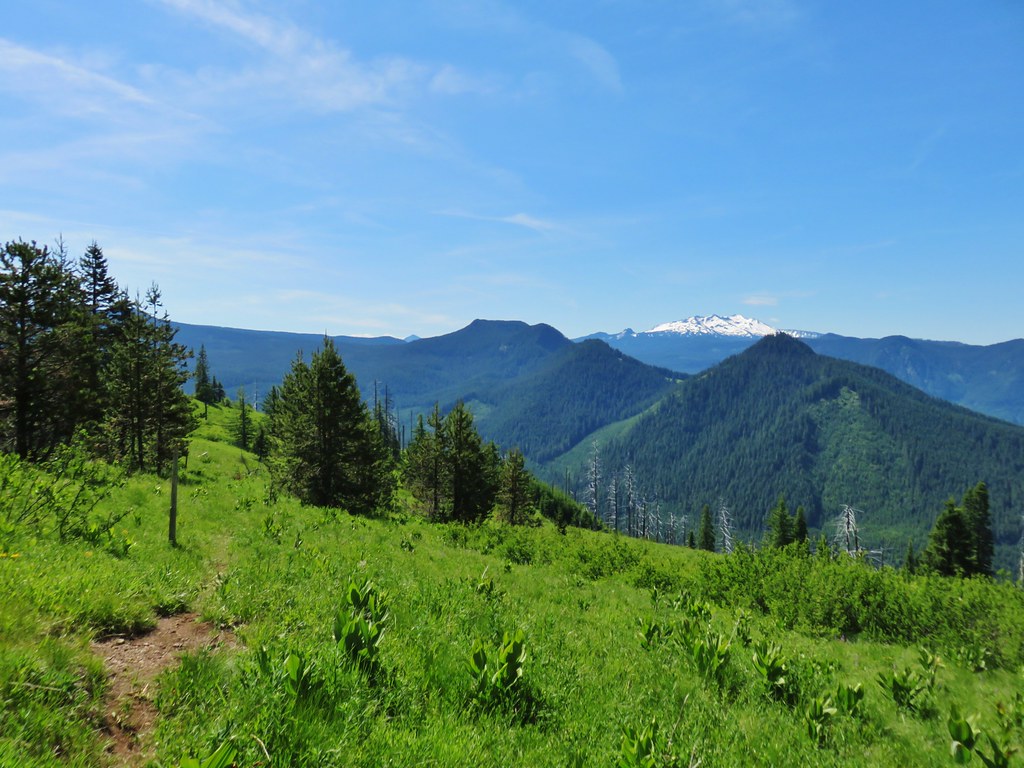
 View from the SW facing hillside.
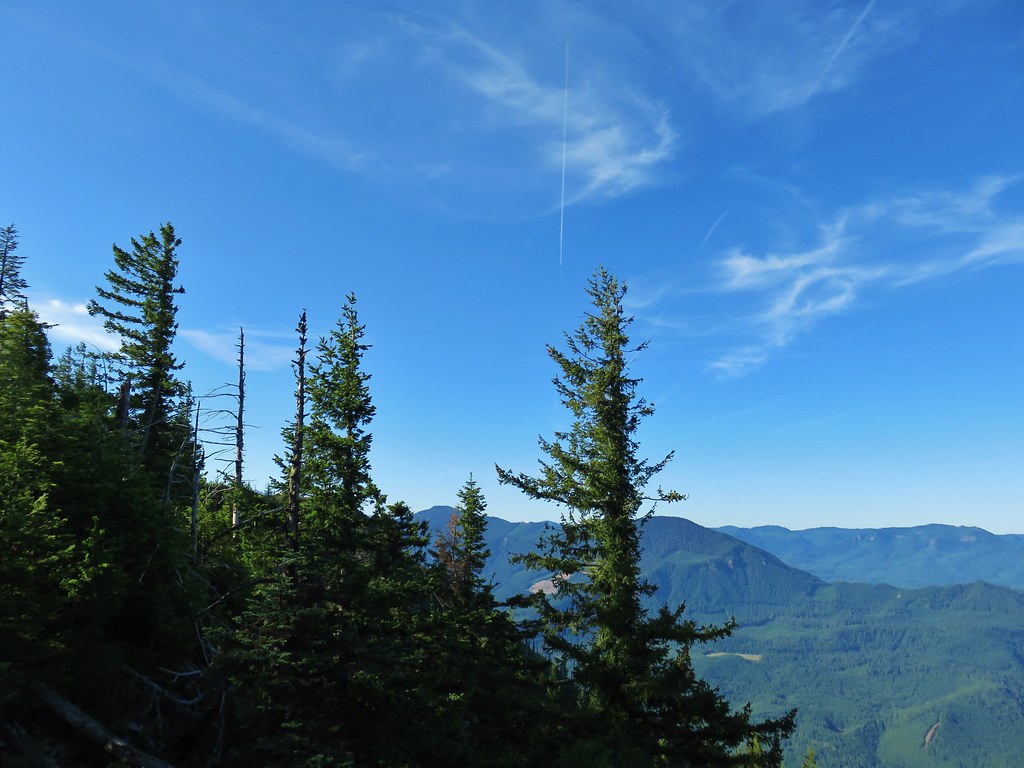 Looking SE

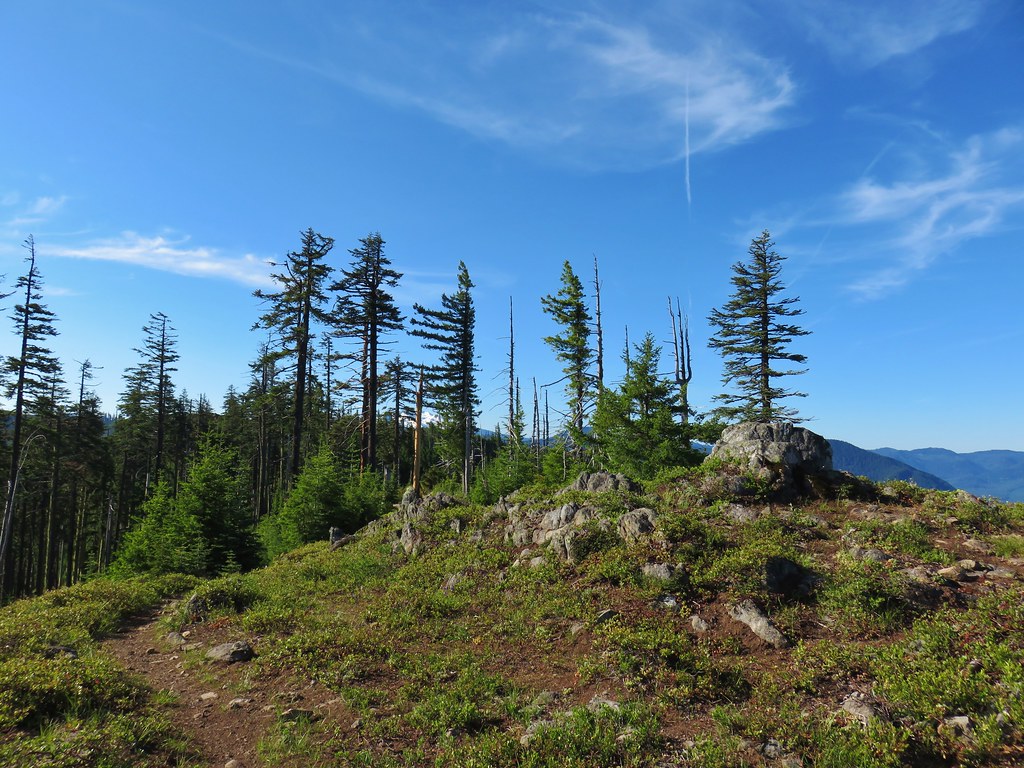 Diamond Peak through the trees.
 Valerian in the saddle.


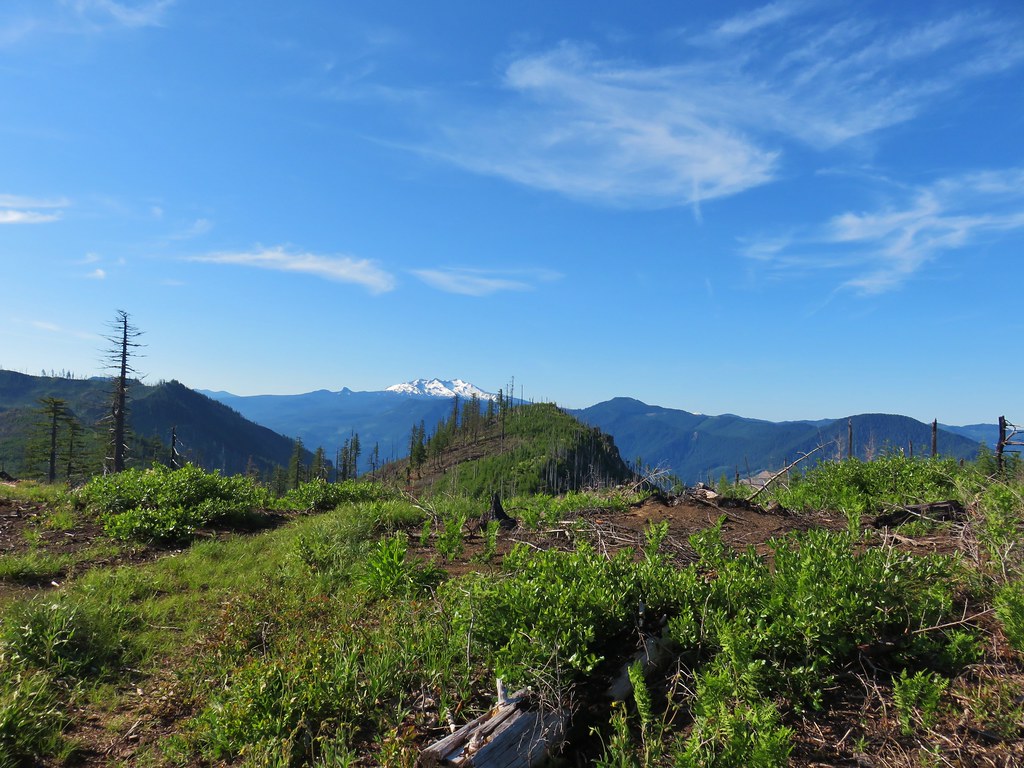 Mt. Yoran, Diamond Peak, and Mt. Bailey
 Mt. Yoran and Diamond Peak
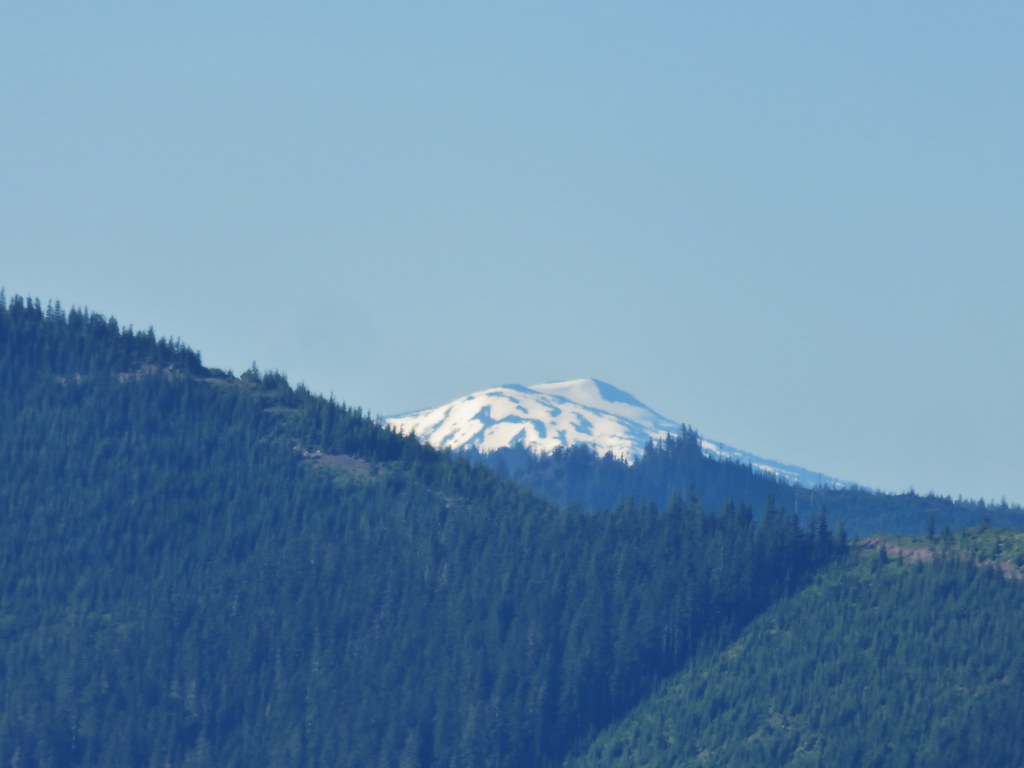 Mt. Bailey
 View to the NE (from the afternoon on the way back)
 The Husband, Three Sisters, Broken Top, and Ball Butte(from the afternoon on the way back)
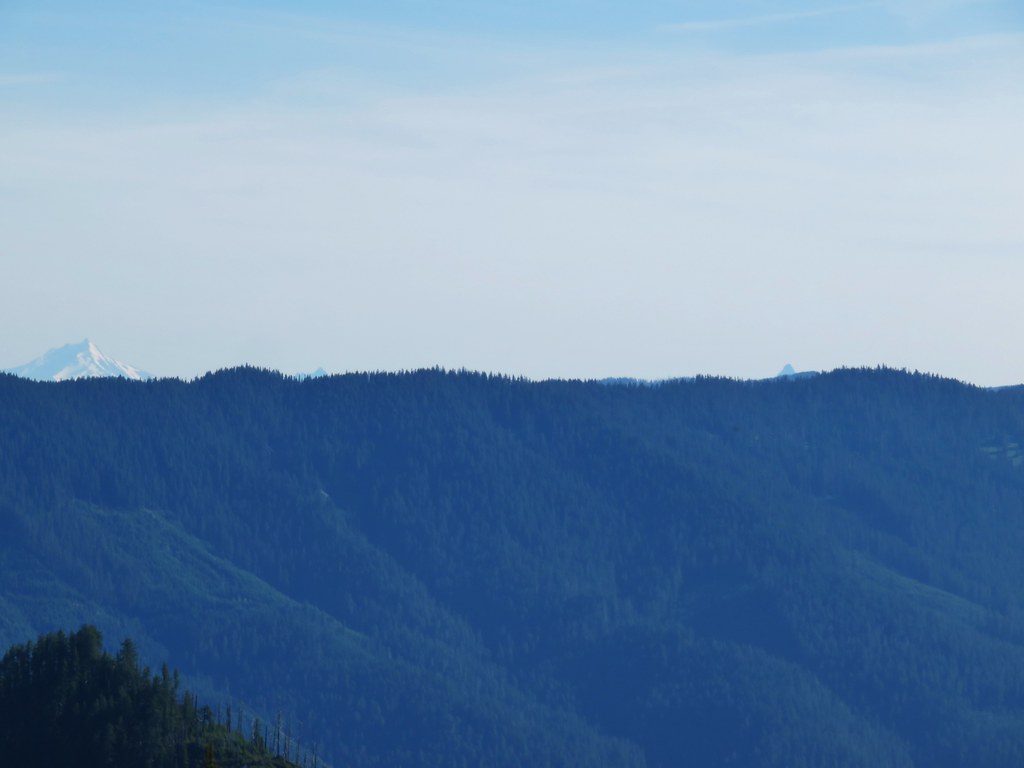 Mt. Jefferson and the tips of Three Fingered Jack and Mt. Washington


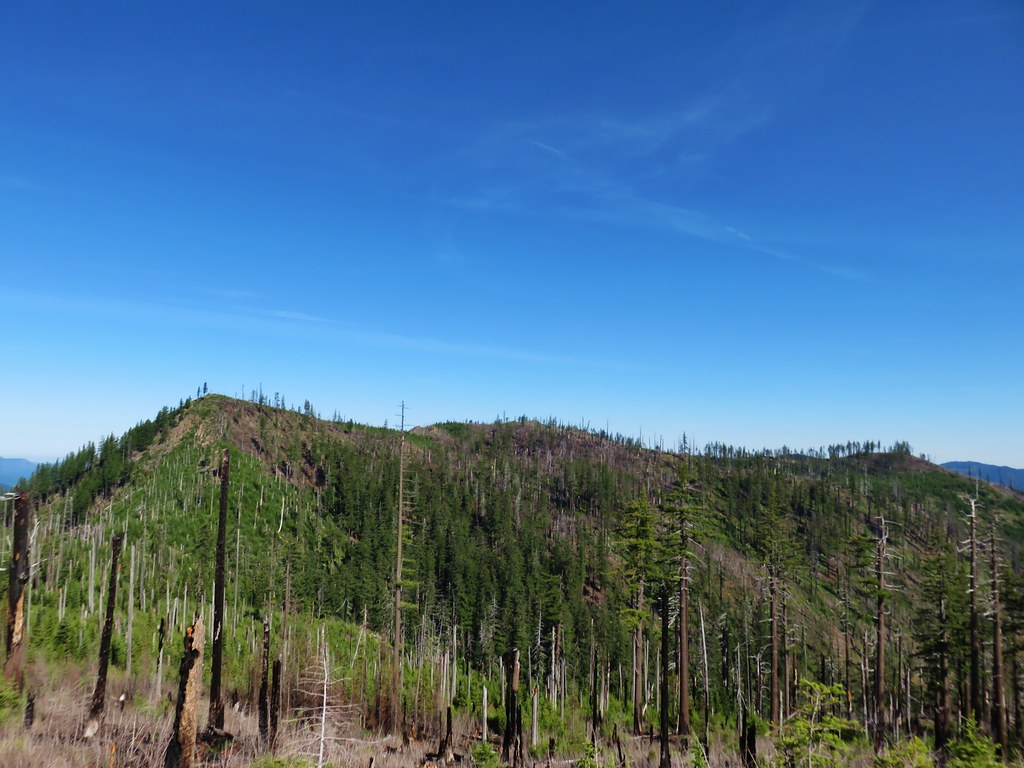


 Giant blue-eyed Mary
 Giant blue-eyed Mary
 Giant blue-eyed Mary and blue-head gilia
 Cat’s ear lily and blue-head gilia
 Coneflower
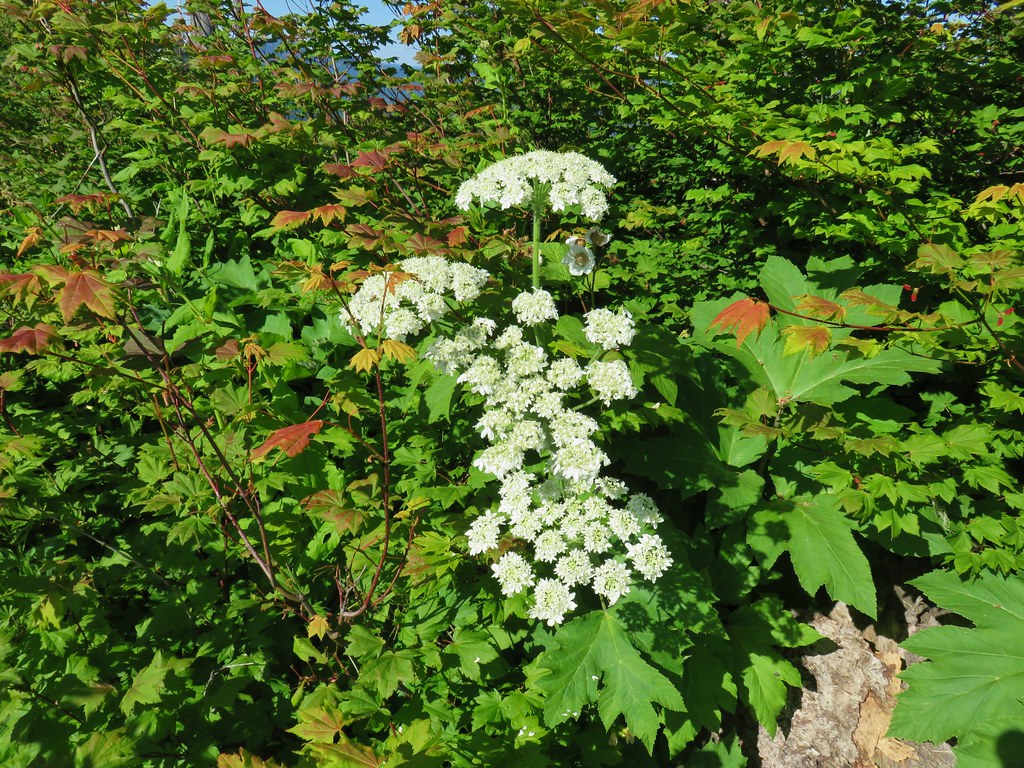 Cow parsnip
 Tall mountain bluebell
 More of the blue flowers
 Larkspur
 Jacob’s ladder
 An aster or fleabane
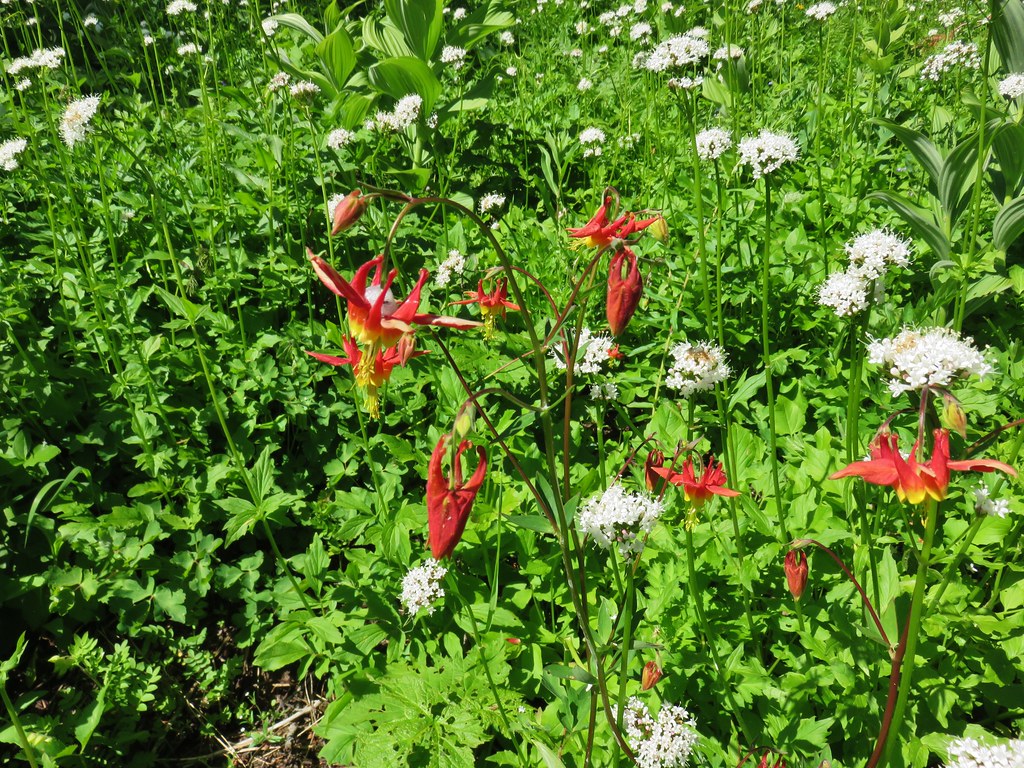 Columbine and valerian
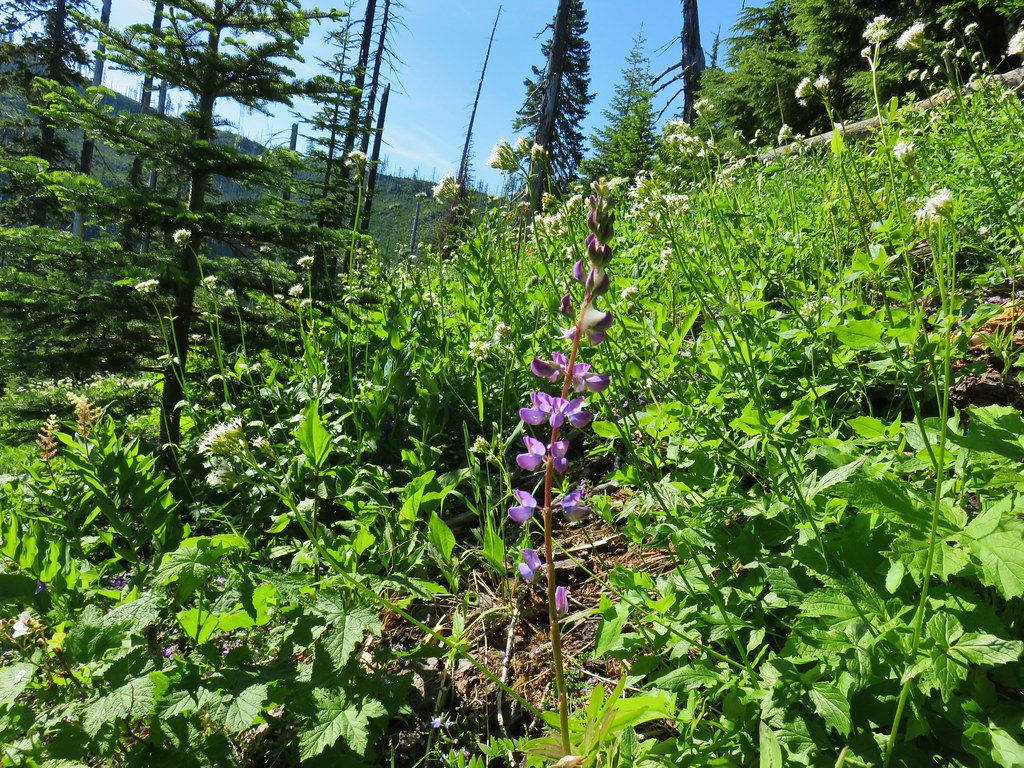 Lupine
 Not sure what type of flower this one is.
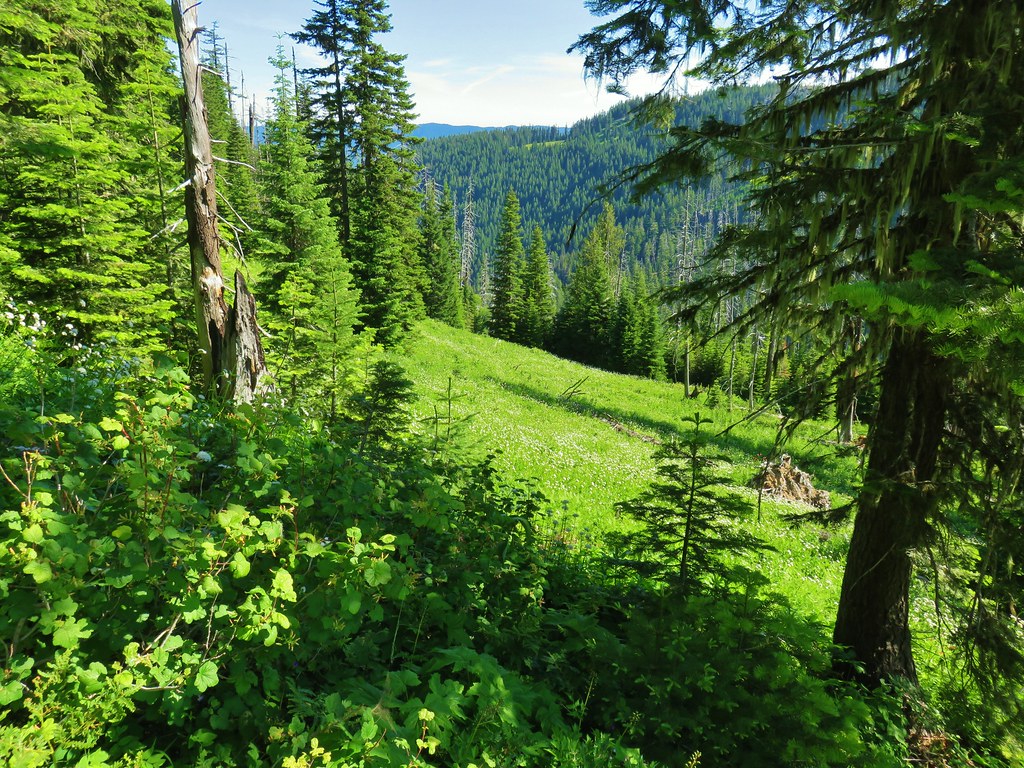 Valerian filled meadow below the trail.
 White yarrow, giant blue-eyed Mary, and tall mountain bluebells
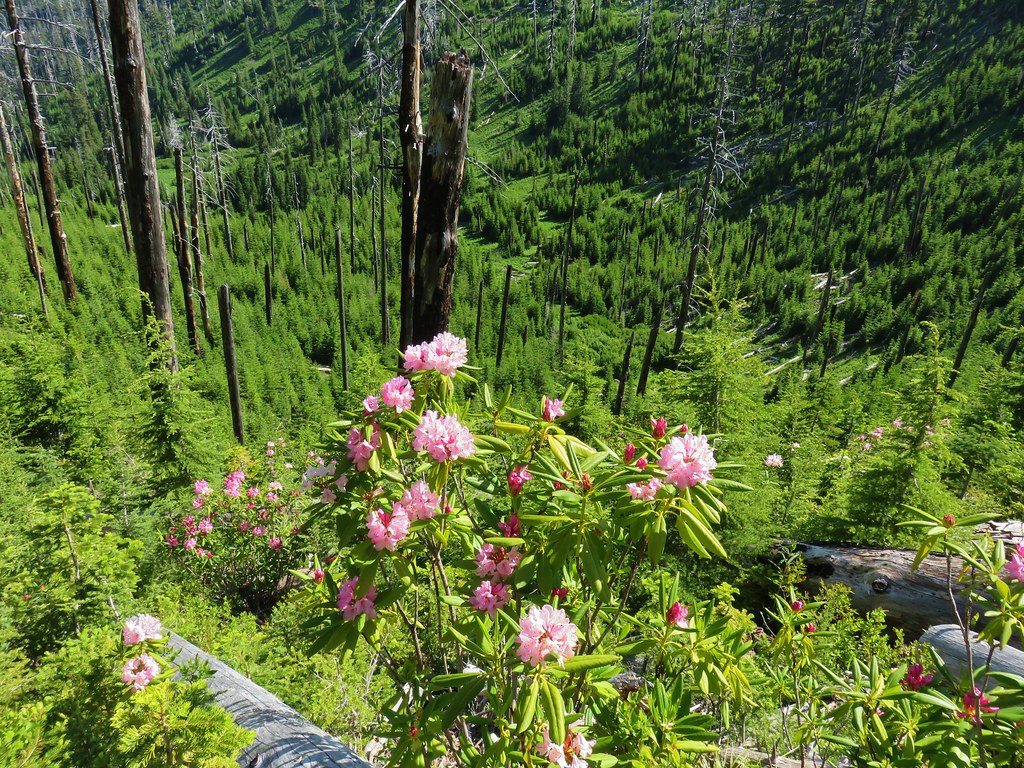
 Looking back at our route so far.
 The trail coming around Kelsey Creek is visible on the hillside behind us.

 Fuji Mountain (left), flat topped Mt. David Douglass, Mt. Yoran (shorter thumb to the left of Diamond Peak), and Diamond Peak.
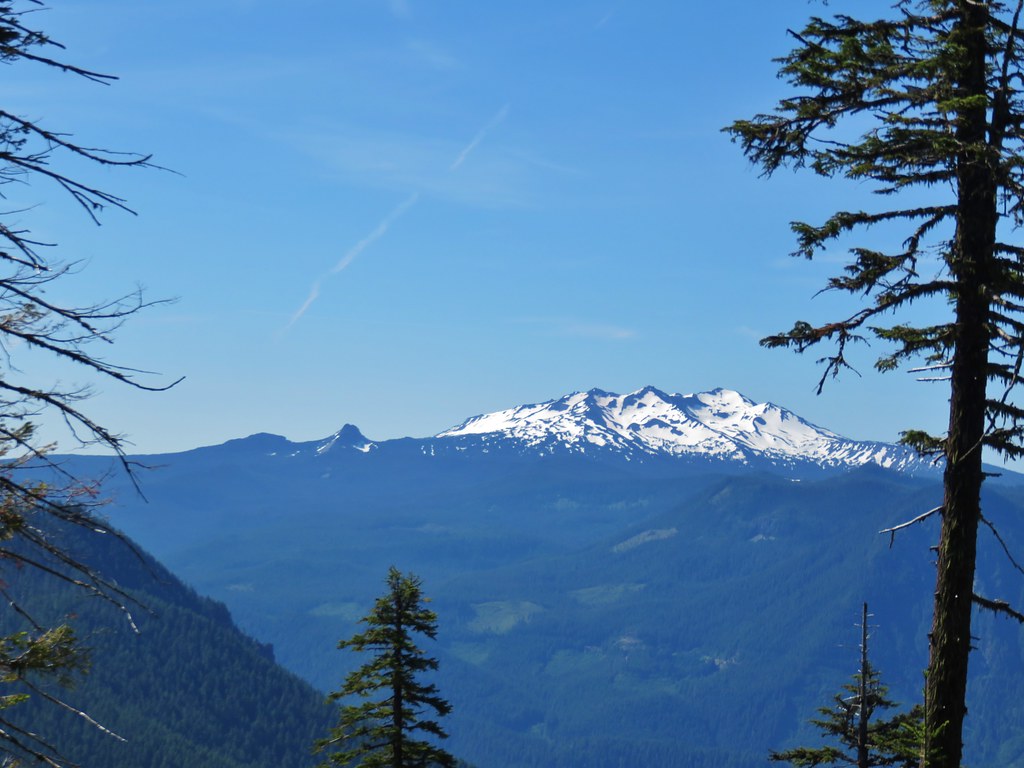 Mt. Yoran and Diamond Peak
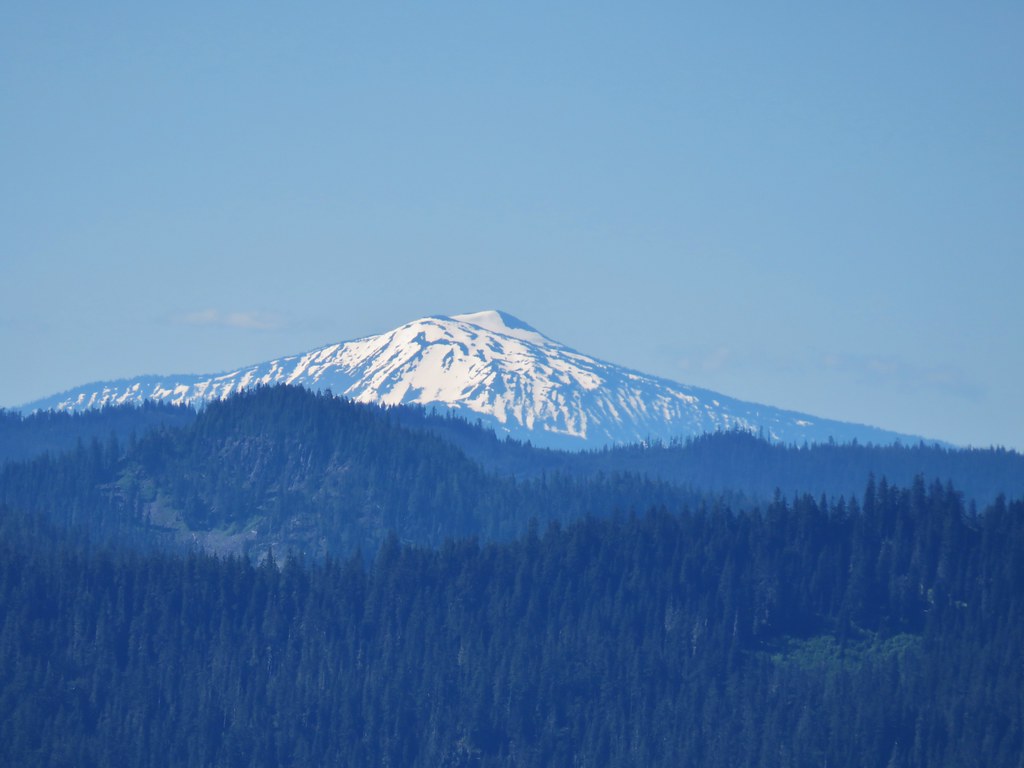 Mt. Bailey

 A few orange agoseris were scattered about.
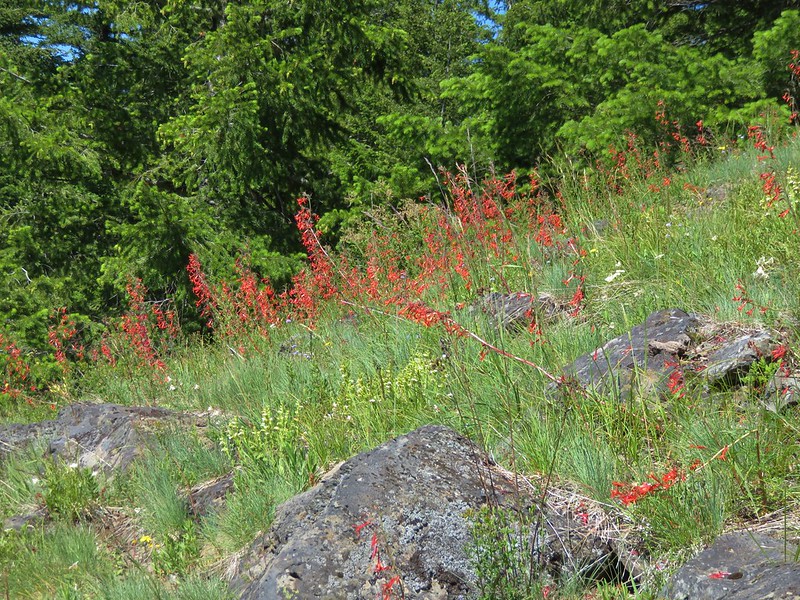
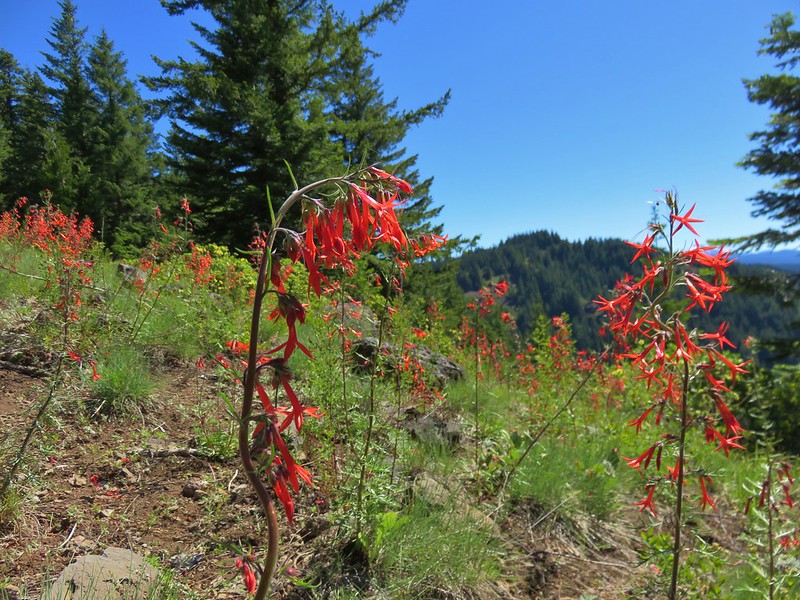
 Scarlet gilia
 More scarlet gilia
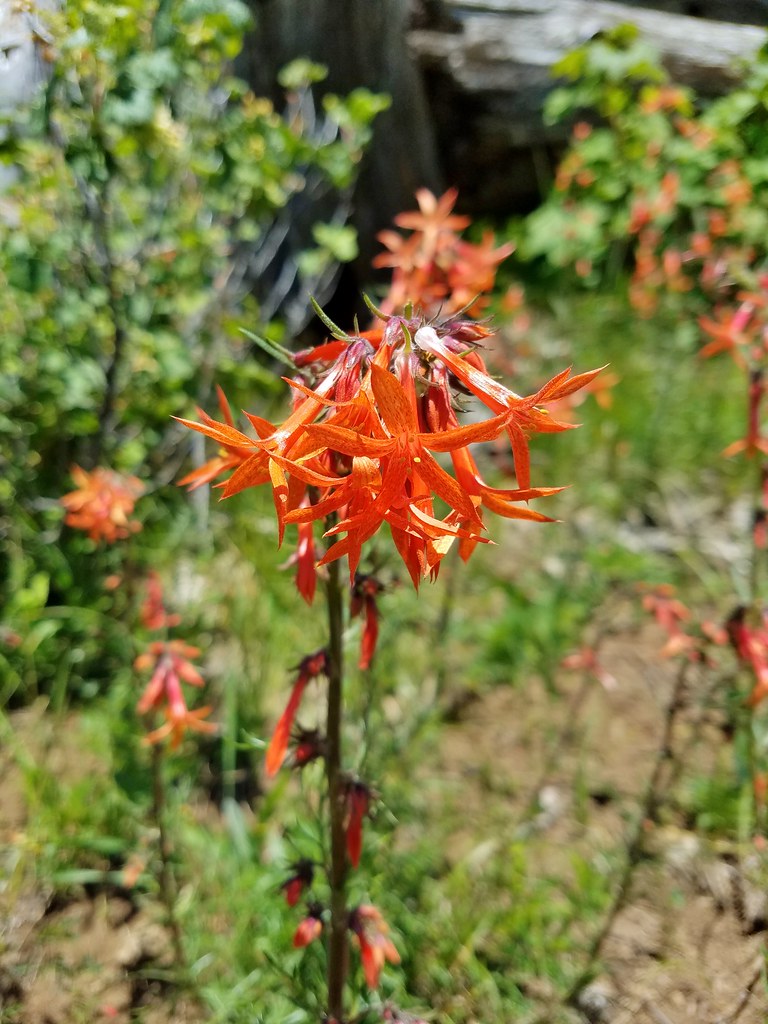 Skyrocket

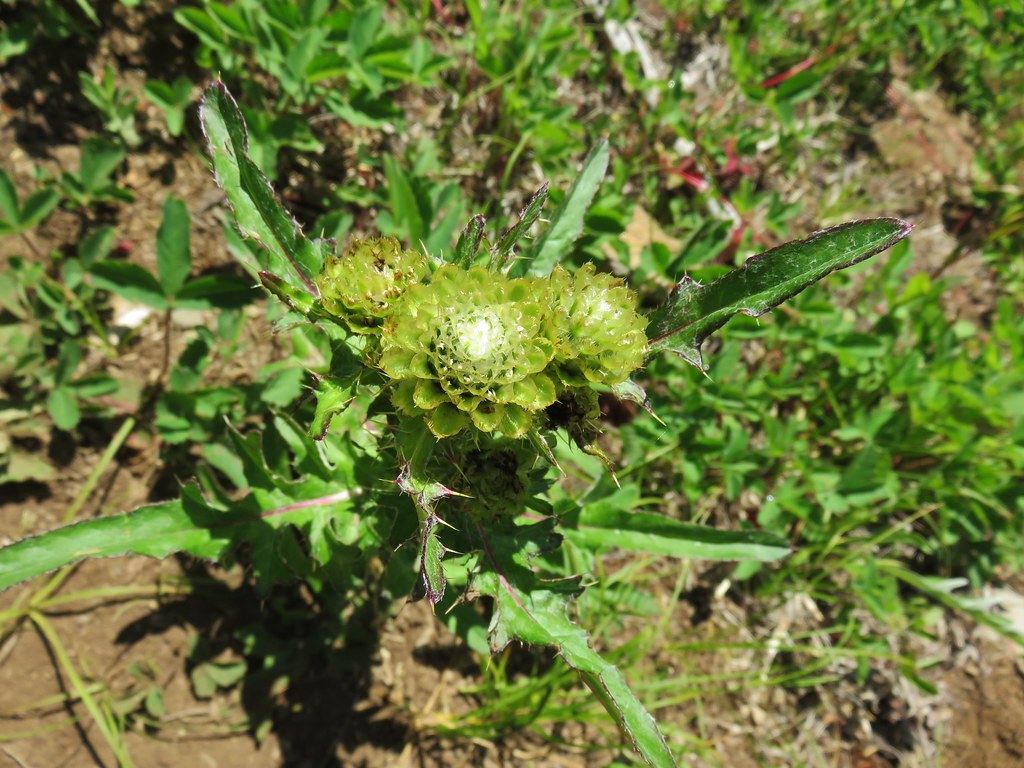 A thistle that was getting ready to bloom.
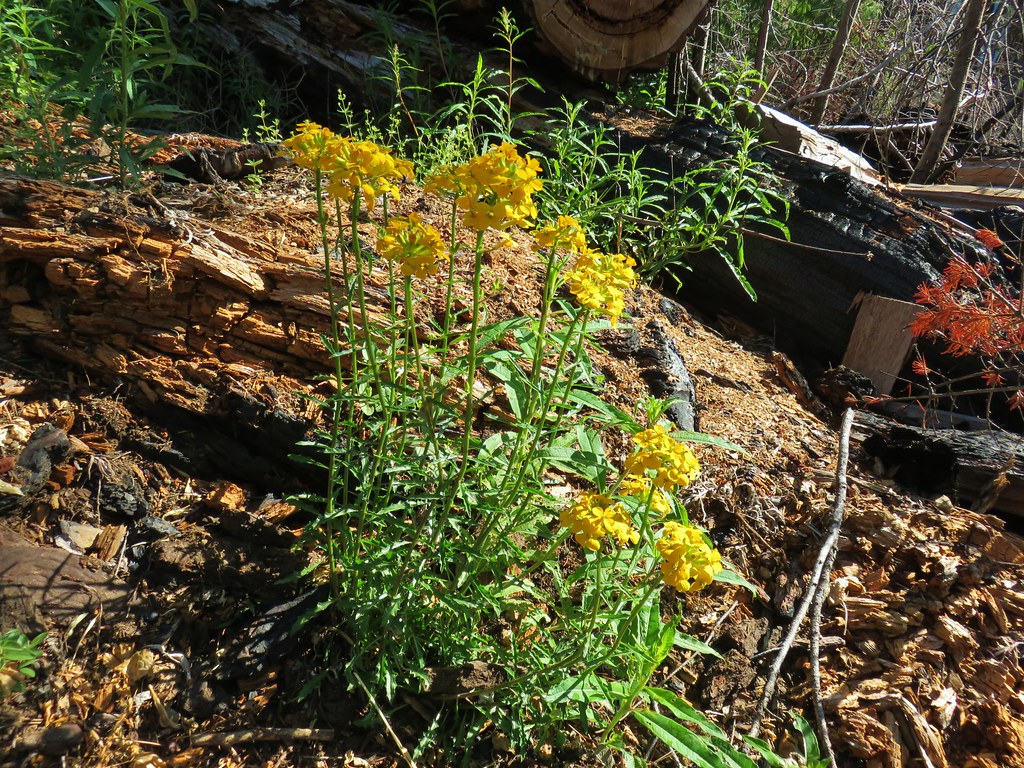
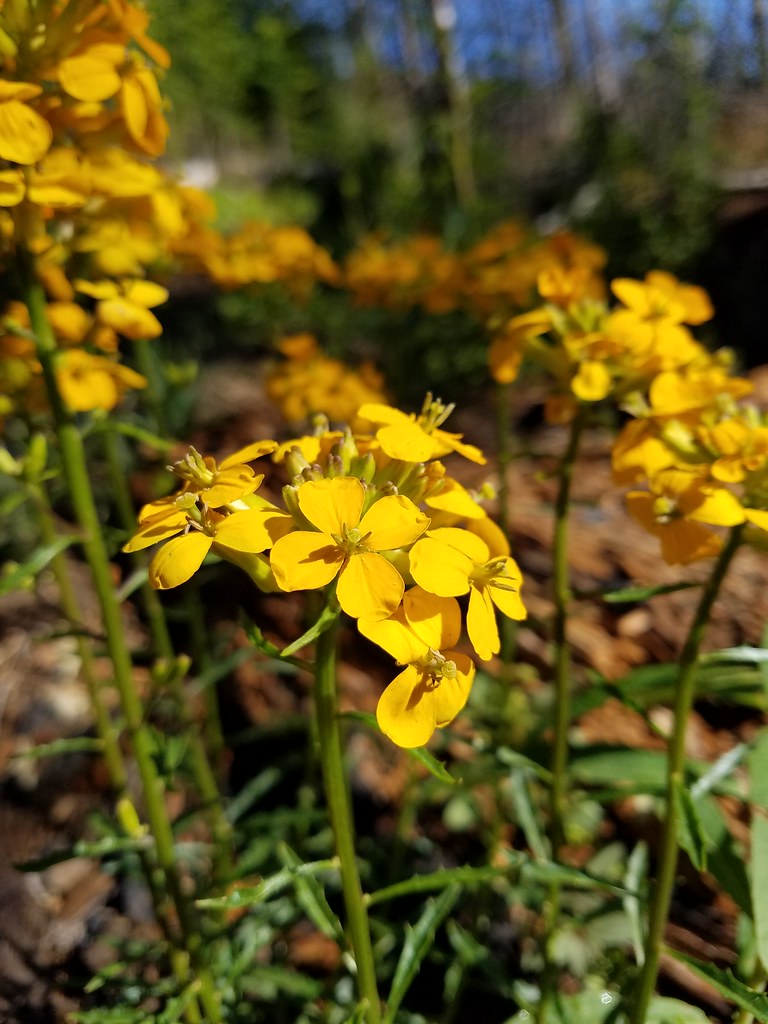
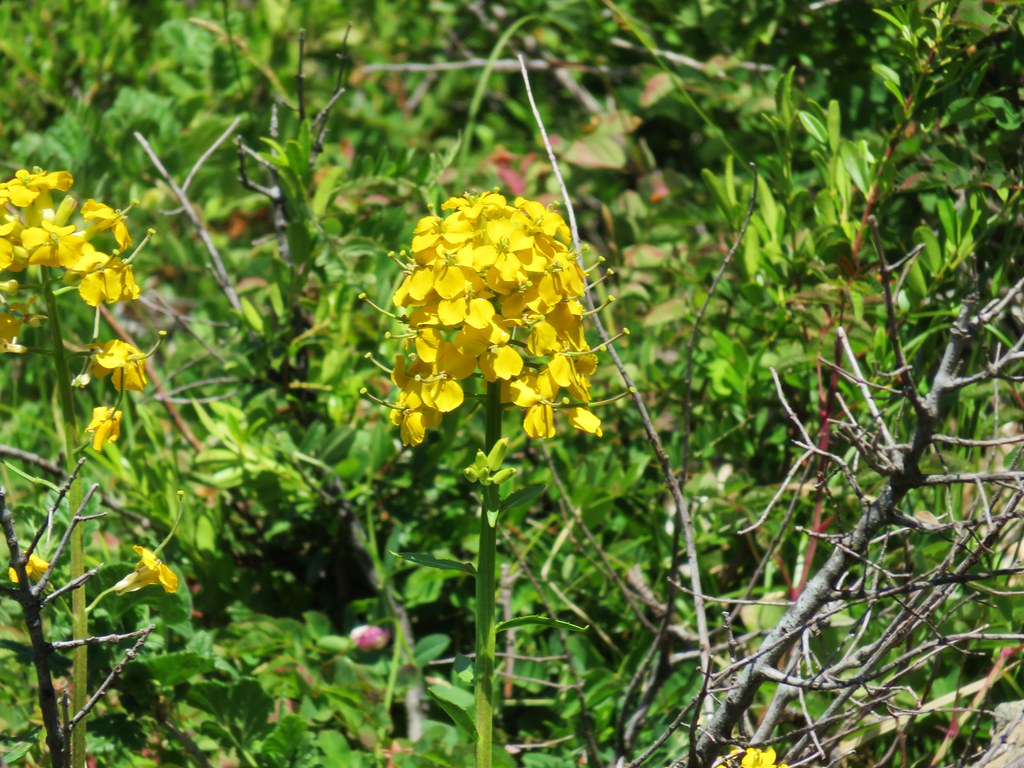 Wallflower


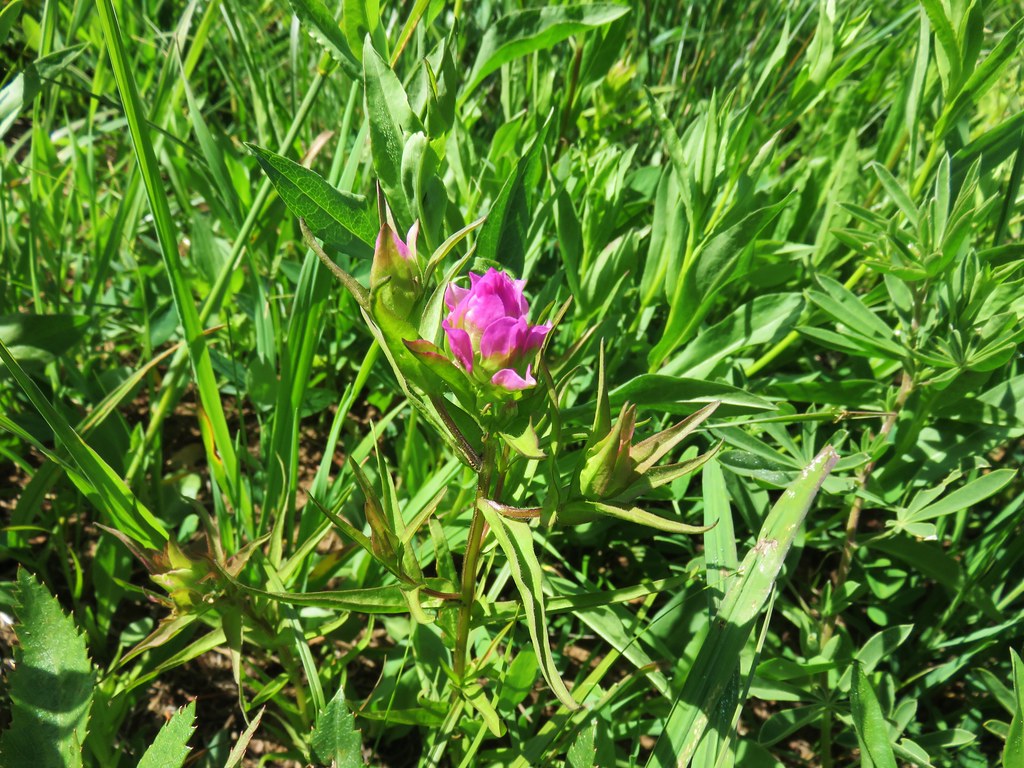 Owl’s head clover
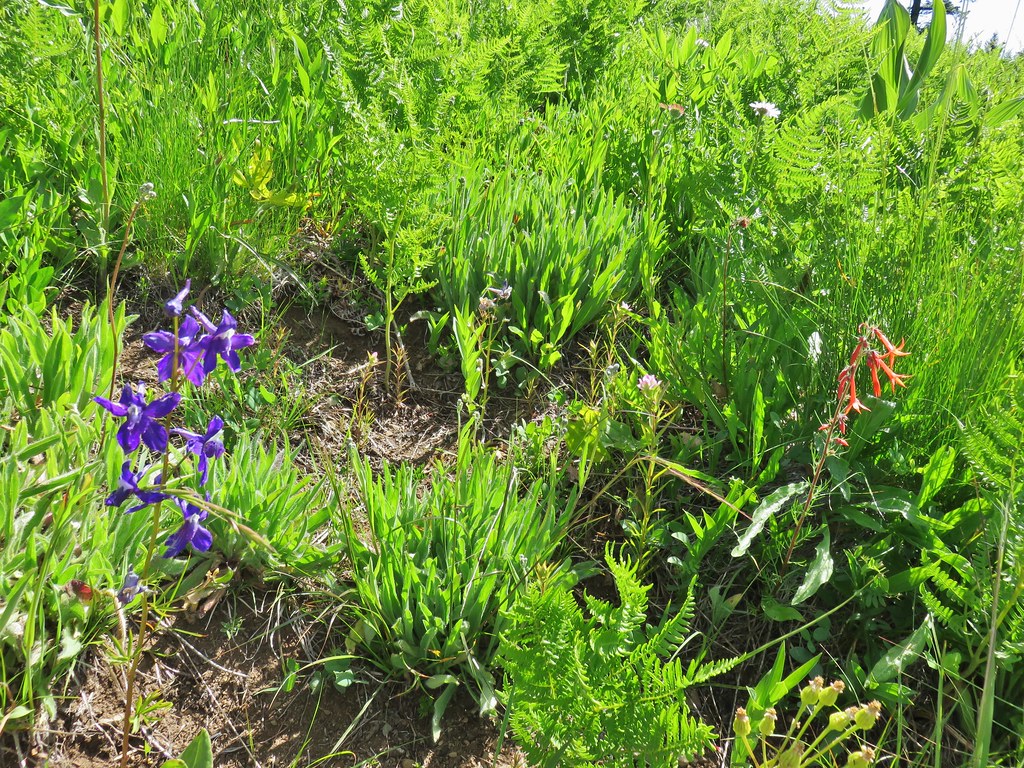 Larkspur, an owl’s head clover, and scarlet gilia
 Aster or fleabane and an orange agoseris
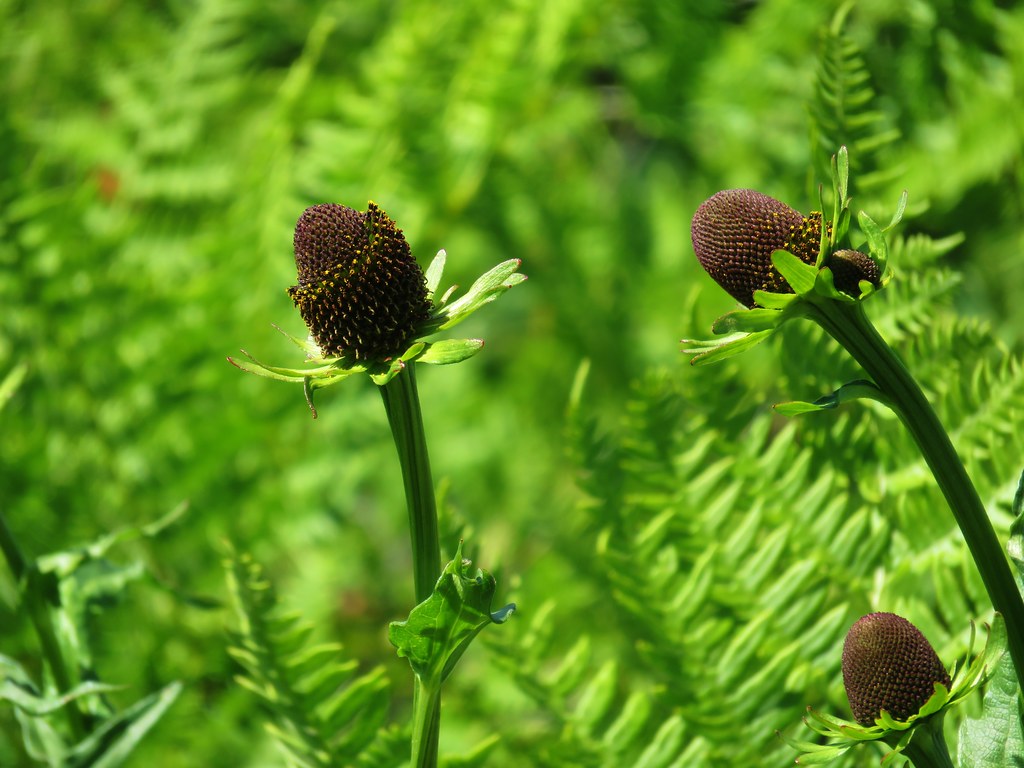 Coneflower
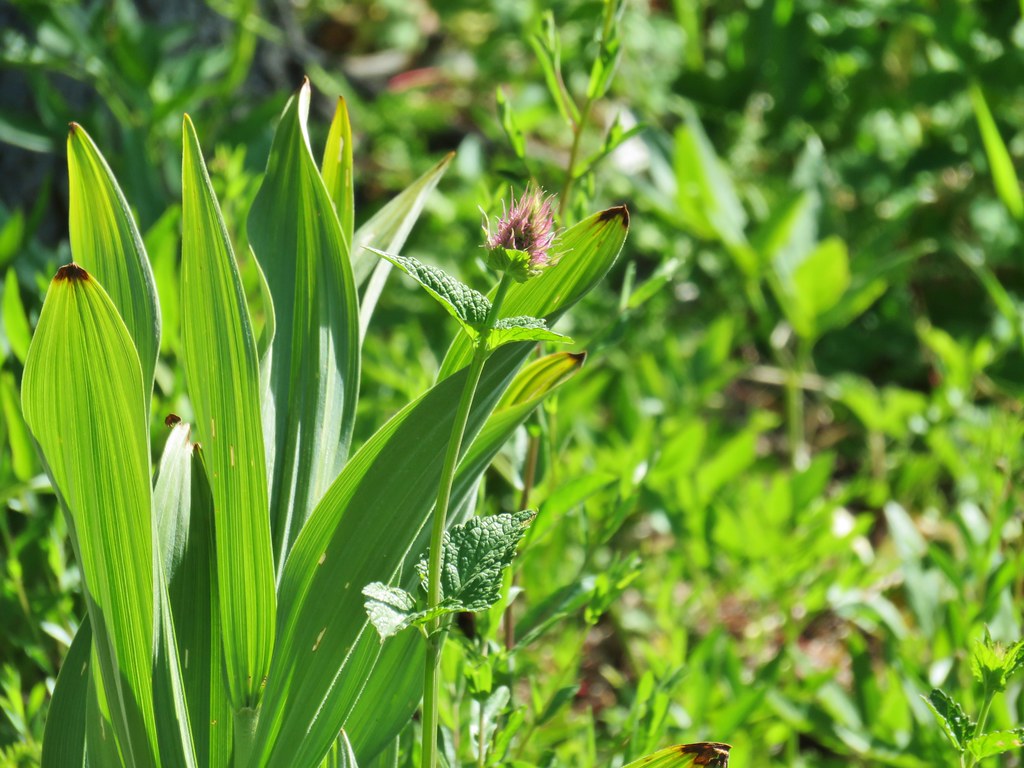 Hyssop
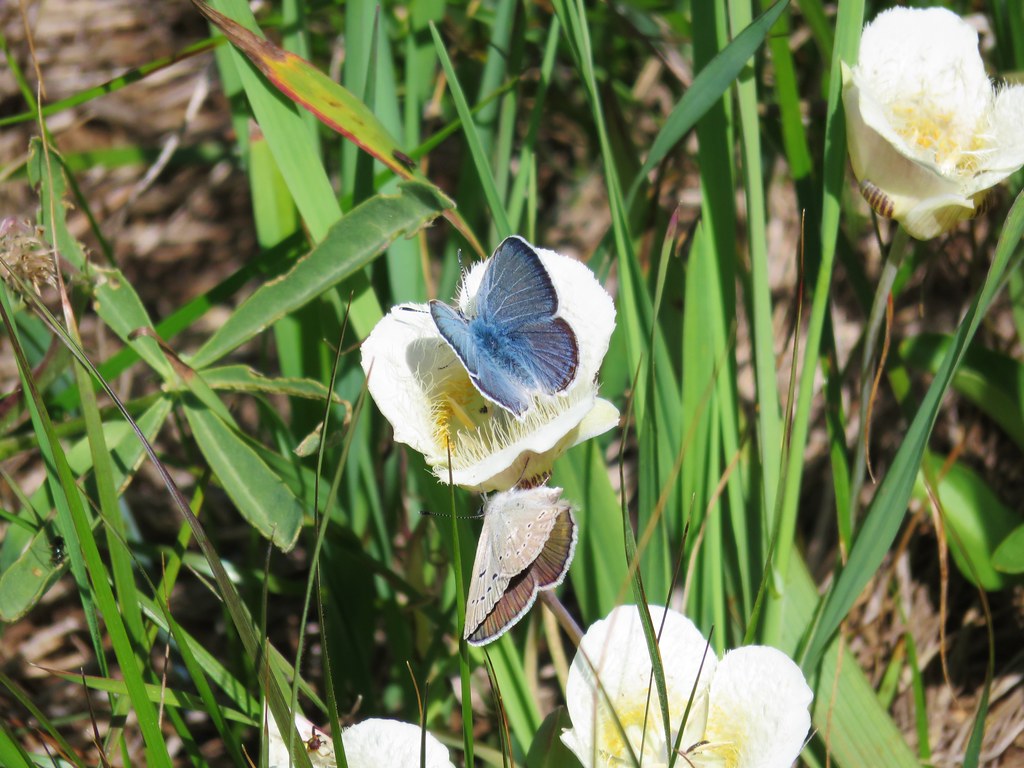 Butterflies on a cat’s ear lily

 Wait that’s not a butterfly.
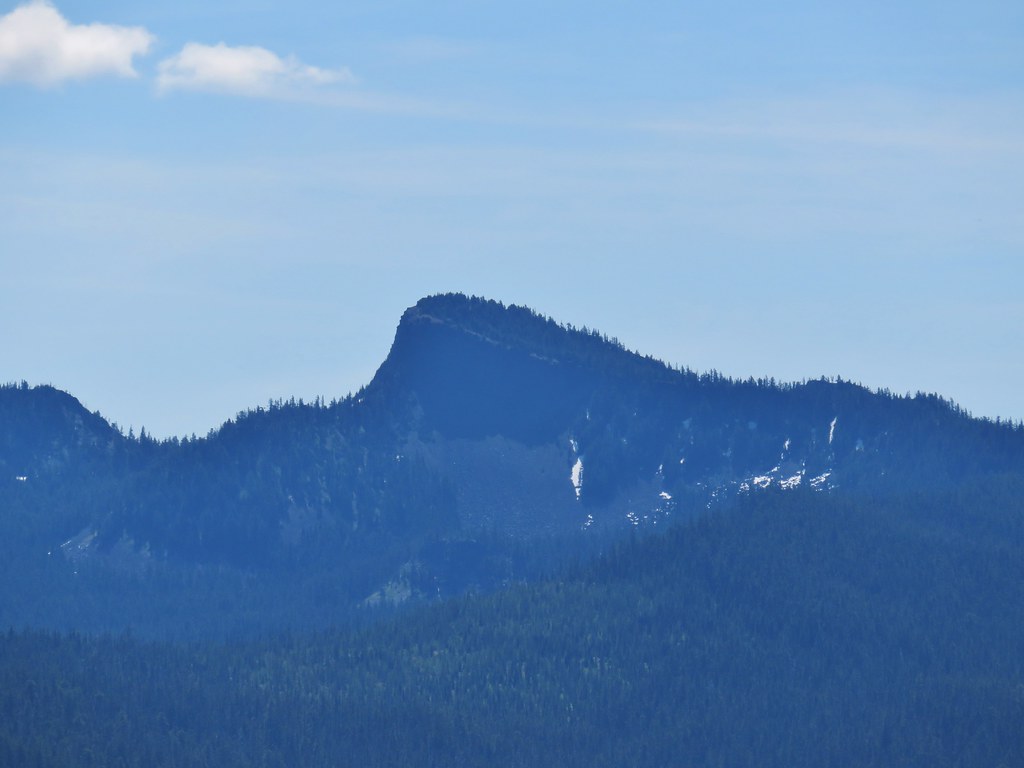 Fuji Mountain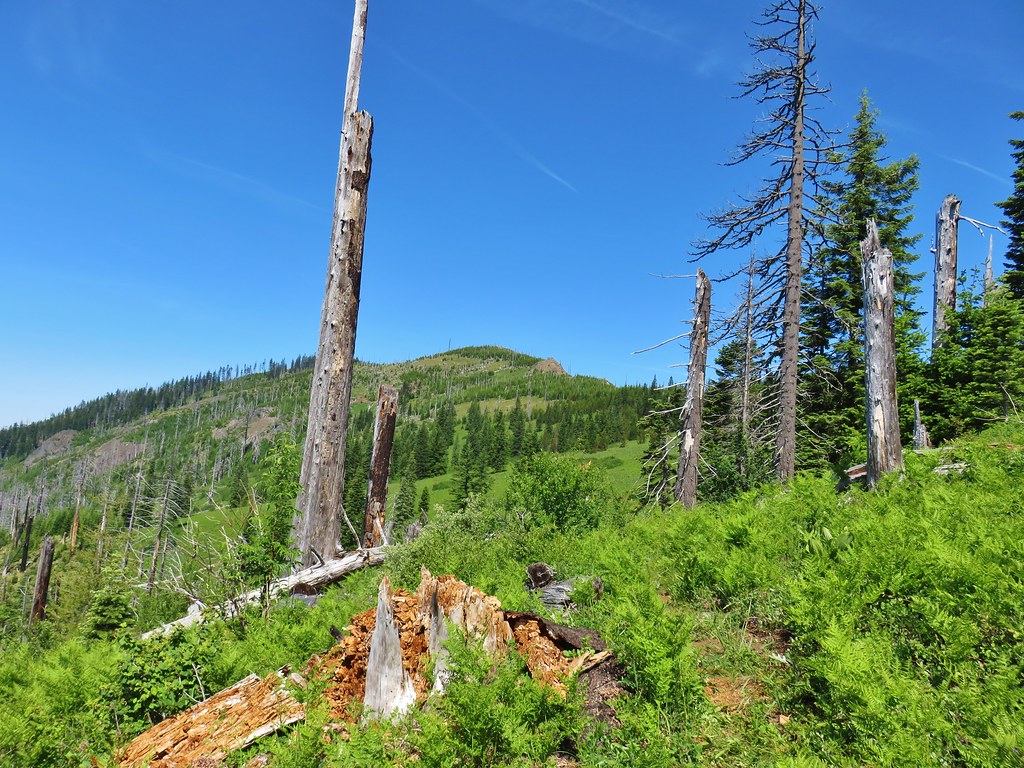
 The post, with an orange top, is up and to the right in front of a tree.
 Heather at the rock outcrop.
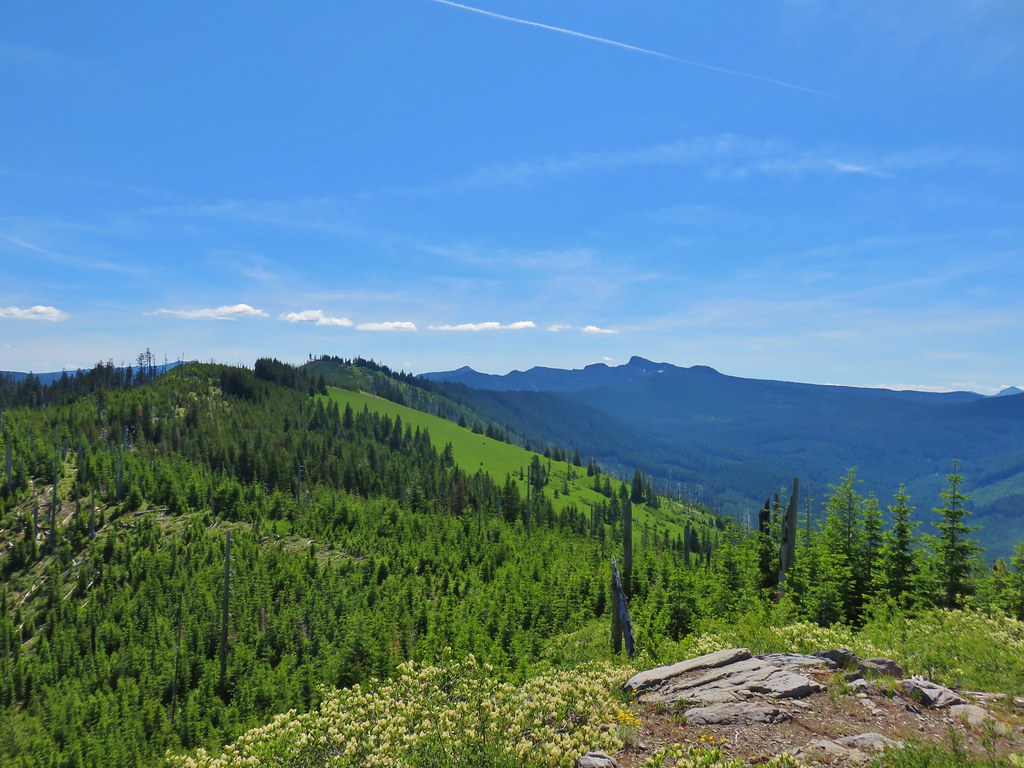 Big Bunchgrass Meadow and Fuji Mountain
 Diamond Peak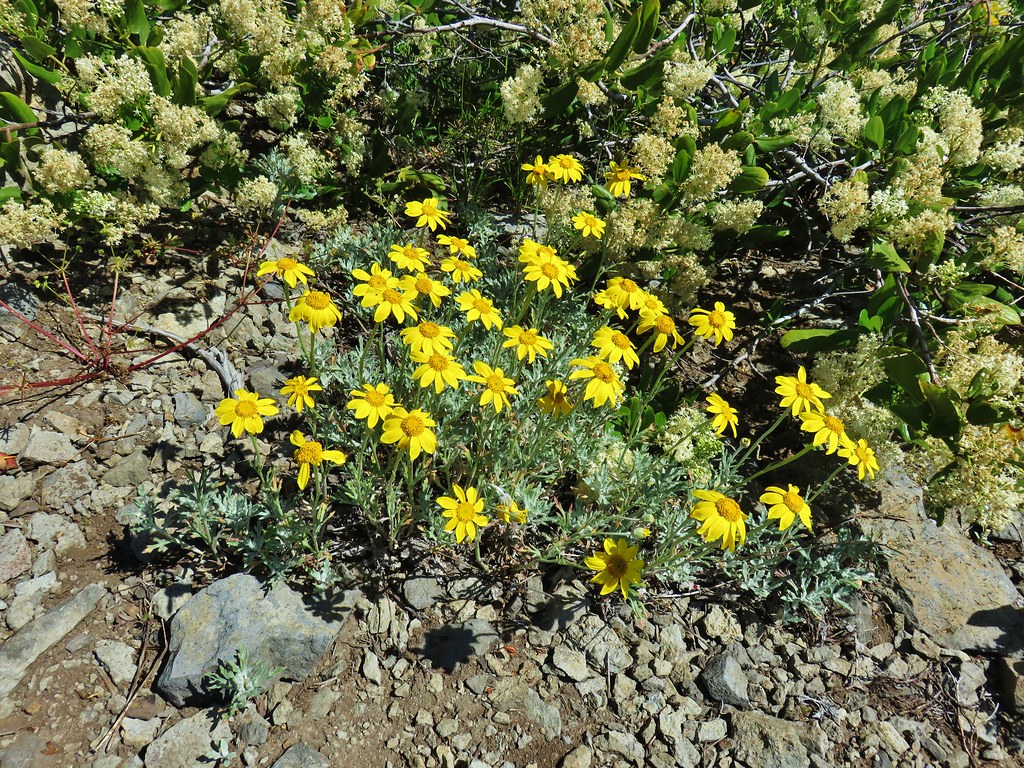

 Crab spider (probably waiting for that Washington lily to open)
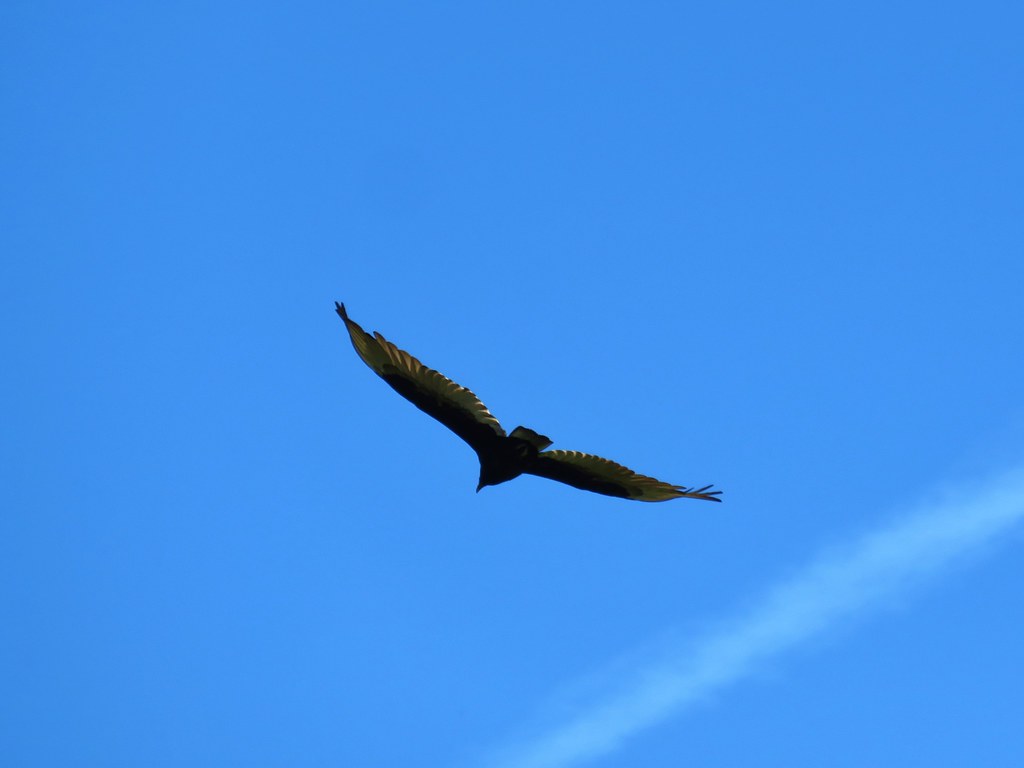 Turkey vulture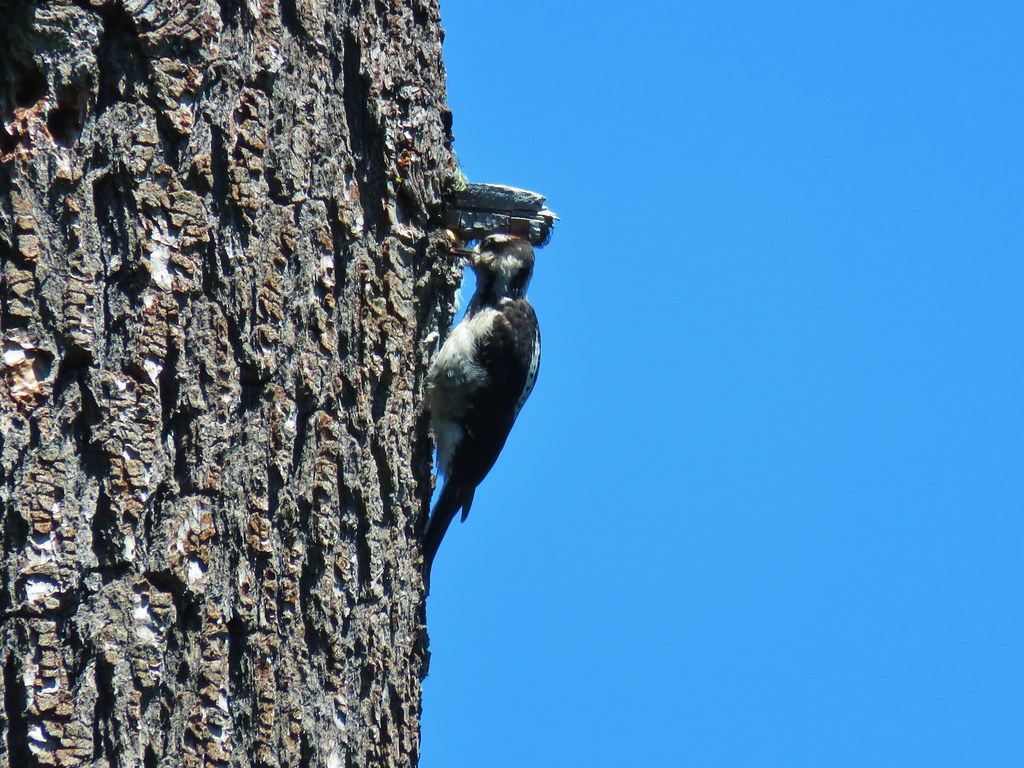
 Back in the valerian meadows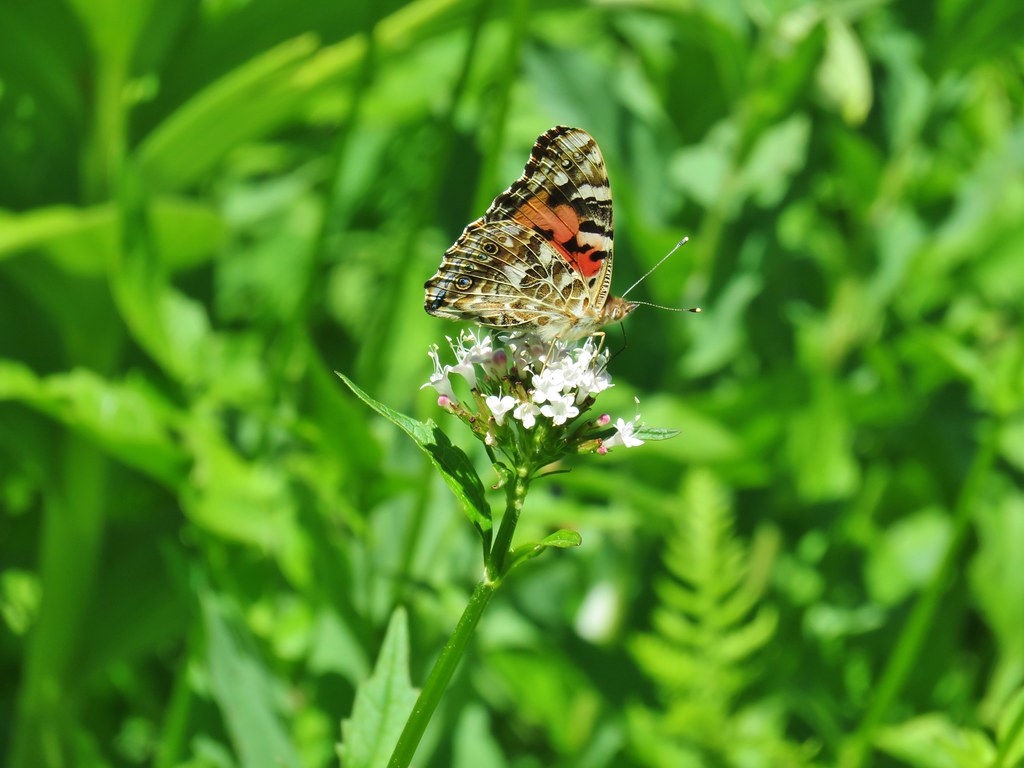


 Not sure what this is going to be either.