Categories
Hiking Oakridge Area Old Cascades Oregon Trip report

North Fork and Buffalo Rock – 05/09/2020

As we continue to deal with the ever changing situation presented by the COVID-19 pandemic we are looking for ways to hike responsibly. That means doing our best to follow social distancing guidelines and honoring any closures in place. The situation with closures has been especially confusing requiring a fair amount of digging to get a clear picture of just what is allowed and what isn’t. With these things in mind we have been looking for hikes that are open and lightly used to limit our interaction with other people.

After looking through our to-do hike list we decided that the best option for an acceptable outing at this point was a pair of hikes along the North Fork Middle Fork Willamette River. In regards to closures, the Willamatte National Forest (as of this writing) has closed all developed recreation sites. Reviewing the March 27, 2020 announcement on their website goes on to say that those sites include “campgrounds, day-use sites, trailheads with bathrooms, Sno-parks, snow shelters, fire lookouts, hot springs, boat launch facilities, and OHV trailhead facilities.” Trails themselves are not on the list and remain open assuming proper social distancing and group size/make up is within acceptable limits.

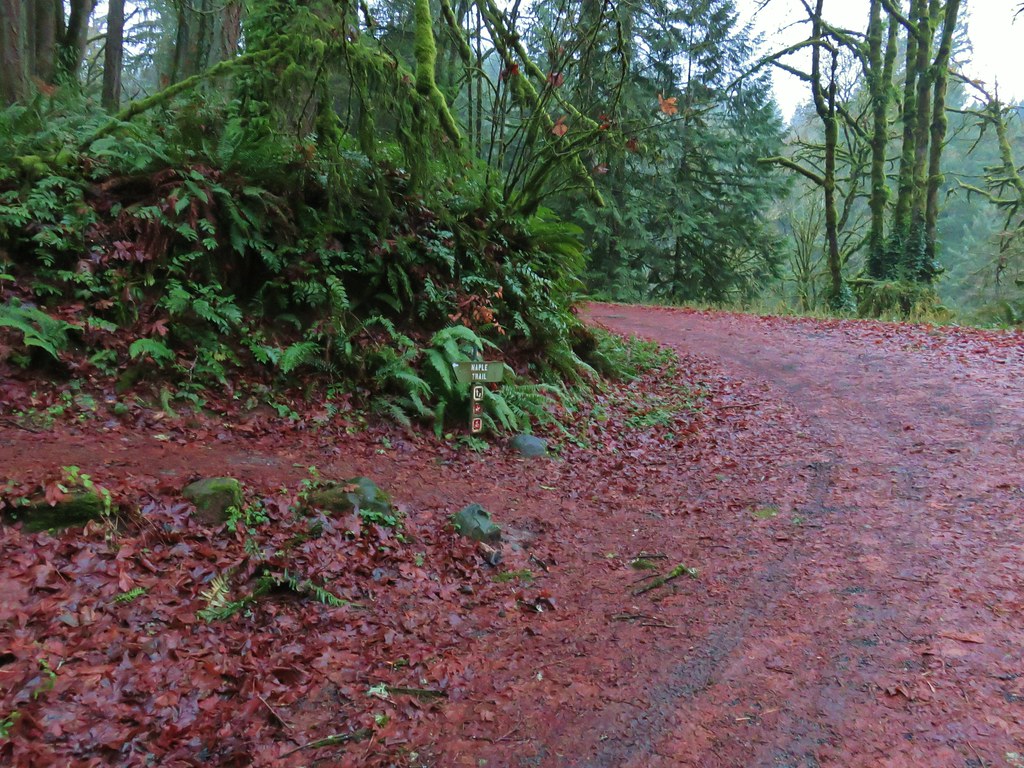
Our first stop was to hike Segment 1 of the North Fork Trail. Since trailheads with bathrooms are part of the temporary closure the traditional trailhead for this hike was out. Our plan was to park at a small pullout along Forest Road 1910 three miles NE of Westfir along Forest Road 19 (Aufderheide Scenic Byway). A decommissioned road just after crossing the river provided the perfect spot to park and happened to be right where the North Fork Trail crossed FR 1910.
North Fork Trail at FR 1910

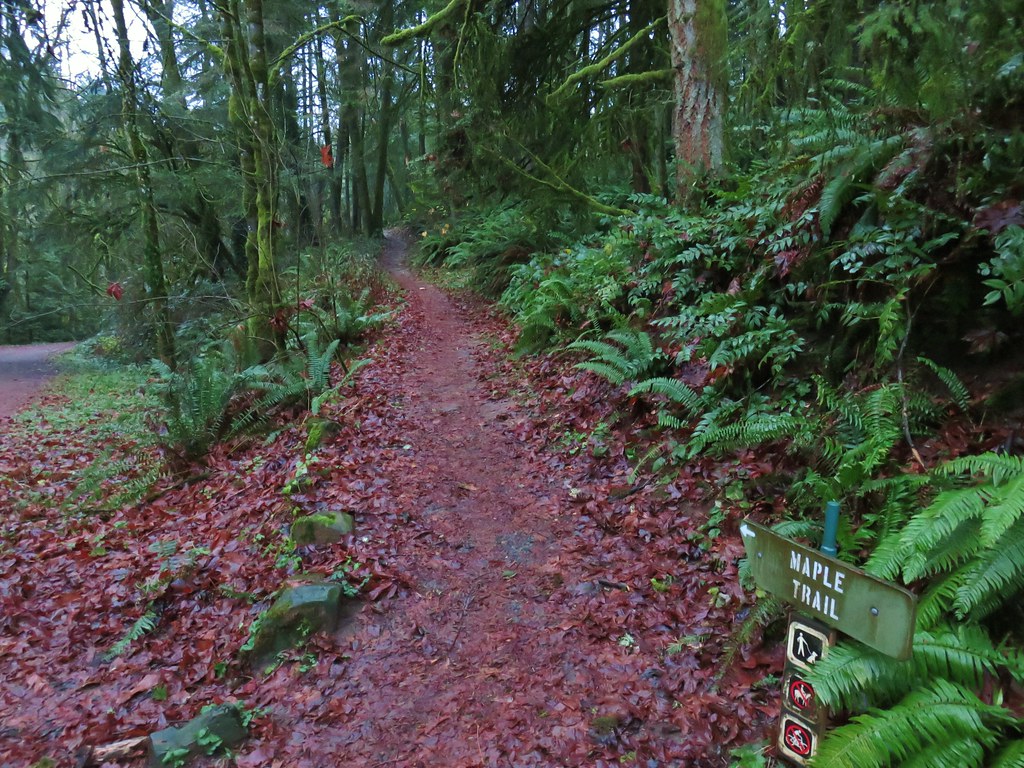
We headed SW into the forest where a number of different wildflowers were currently blooming.
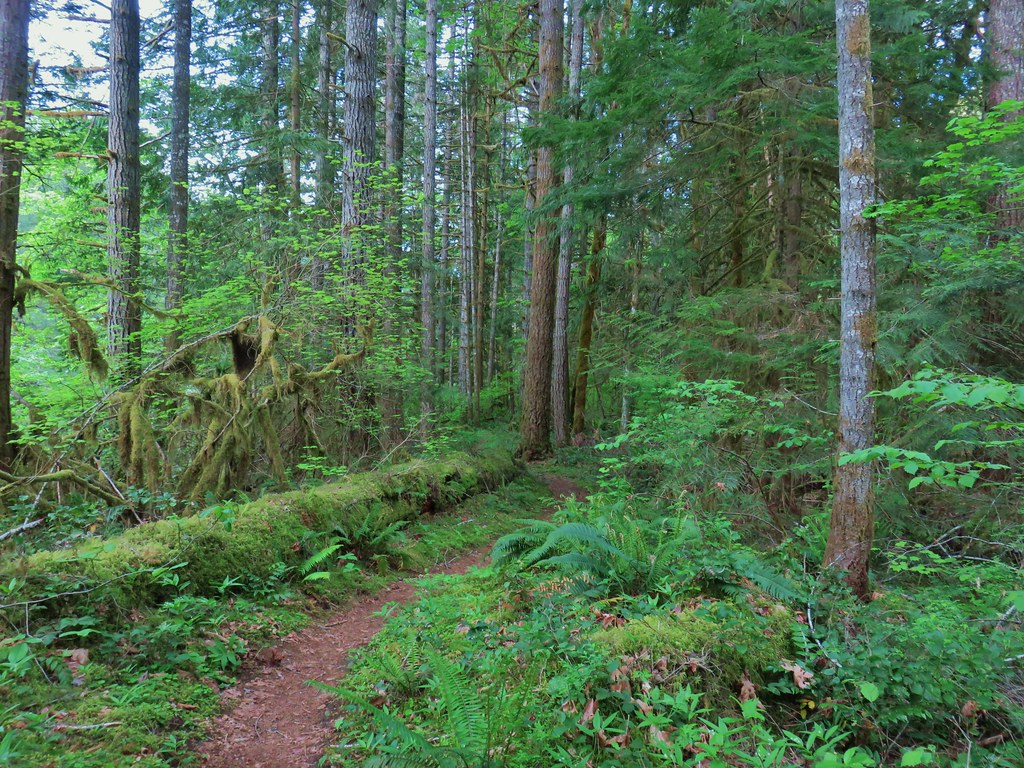
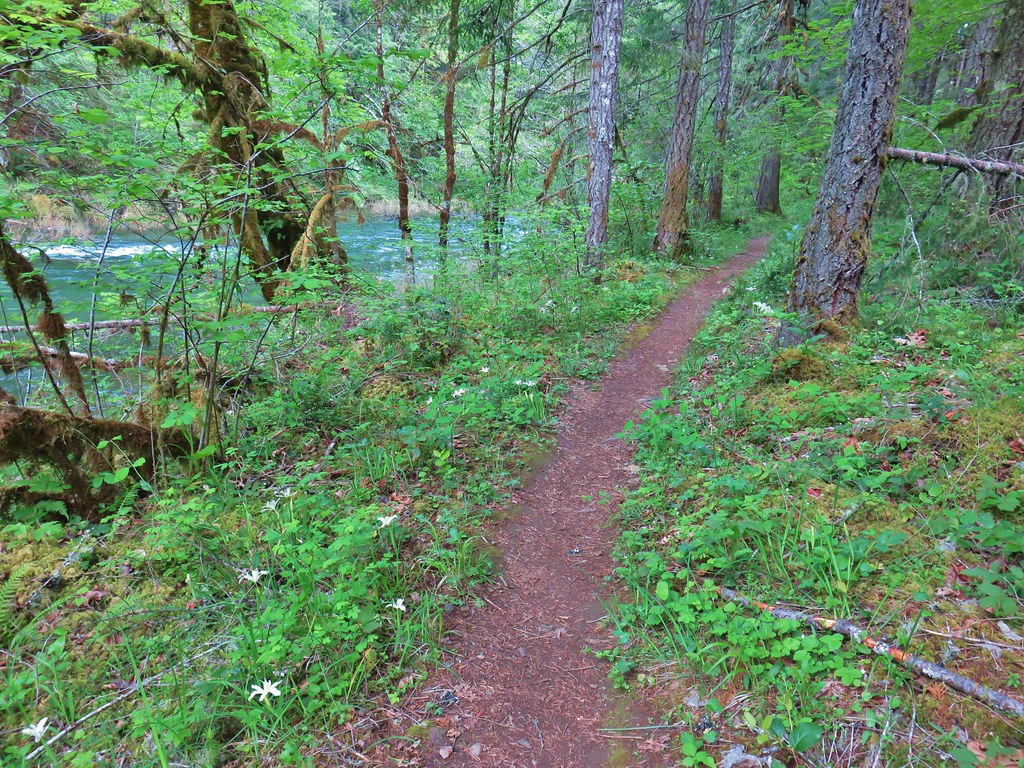
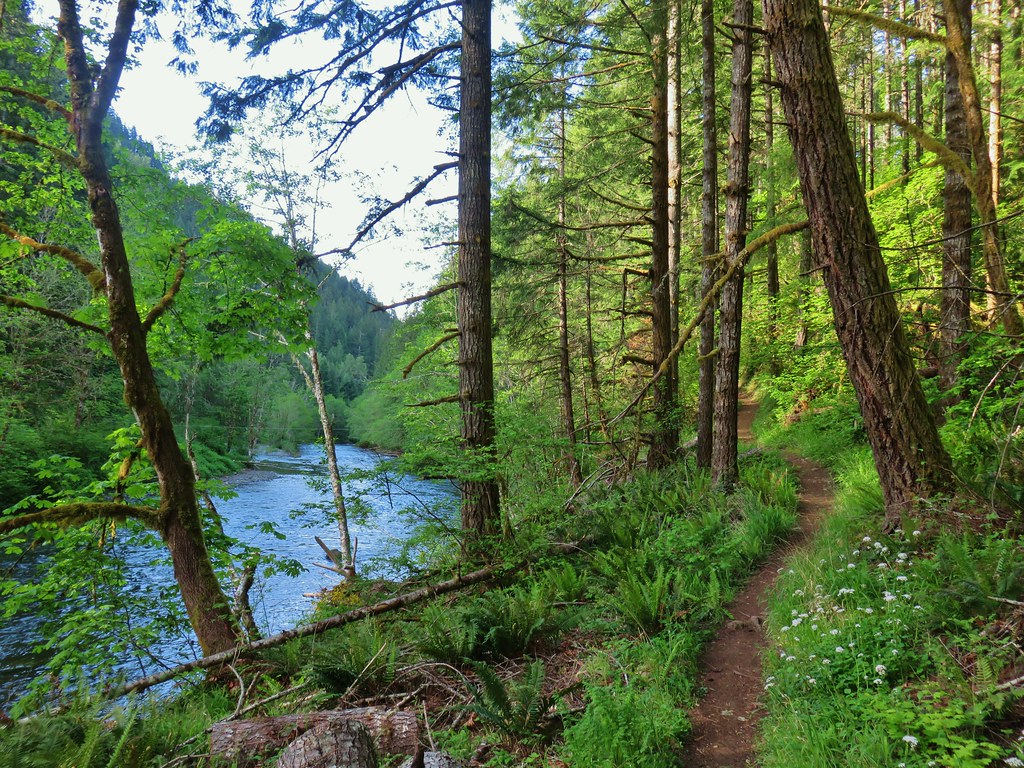
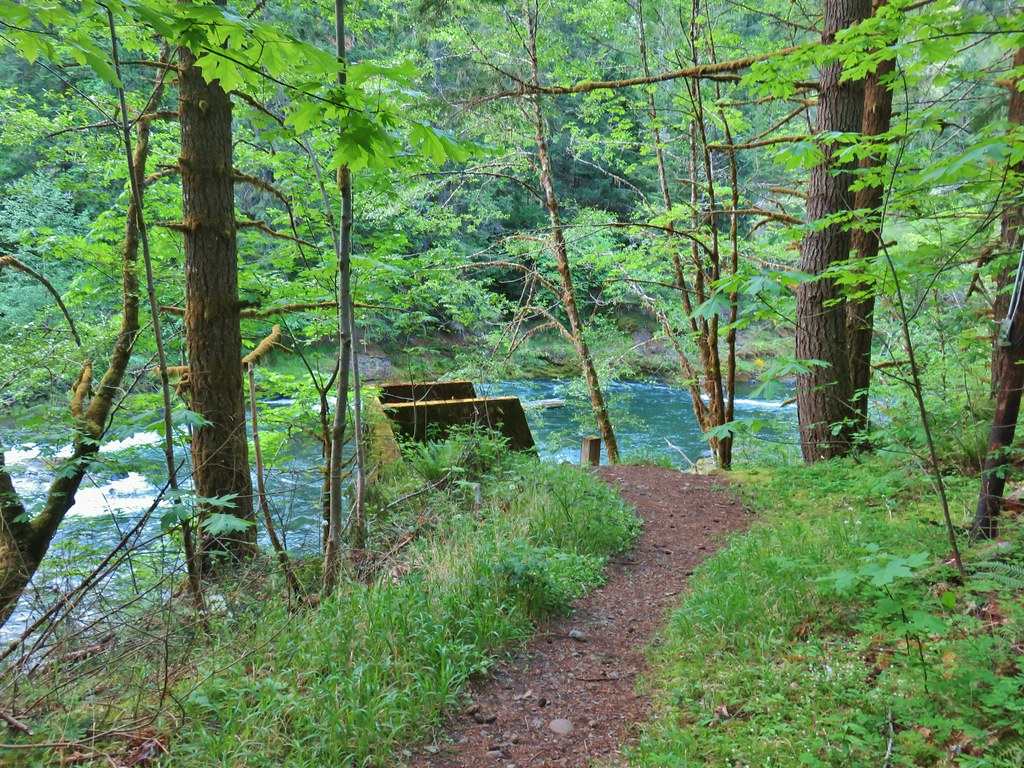
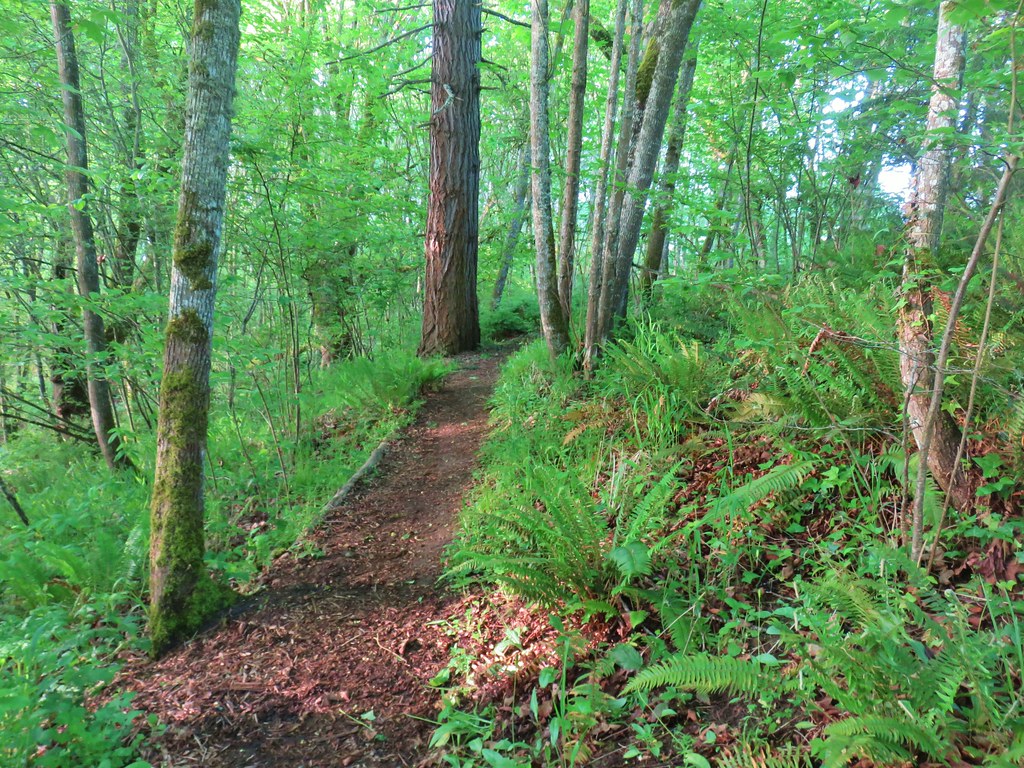
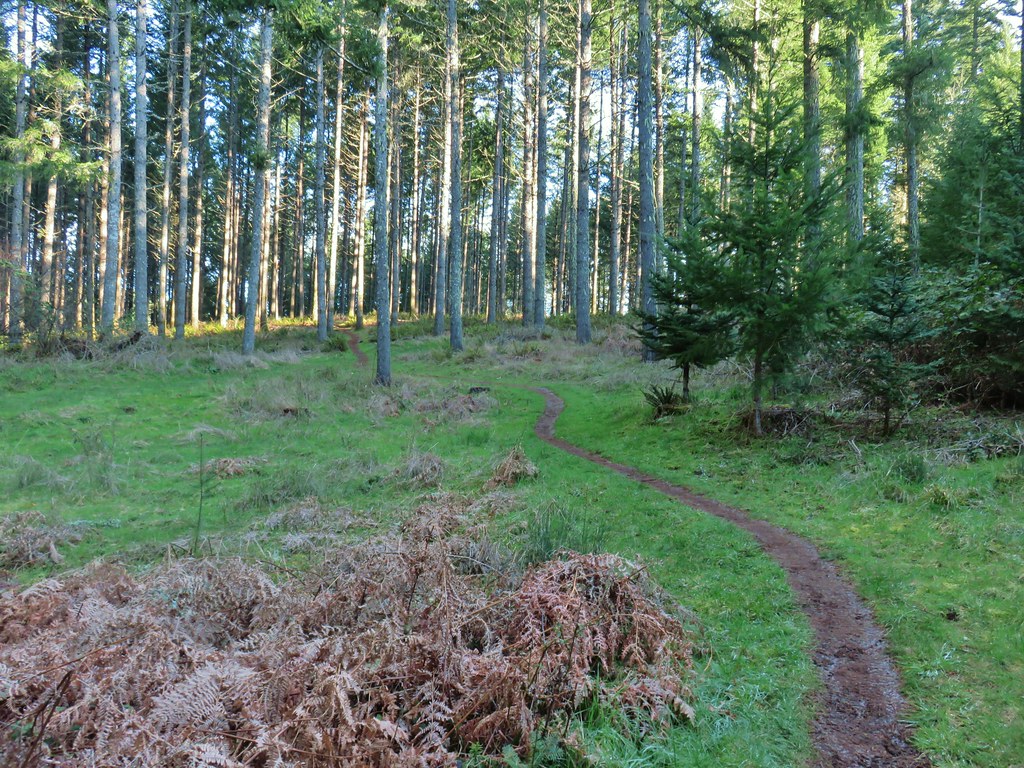
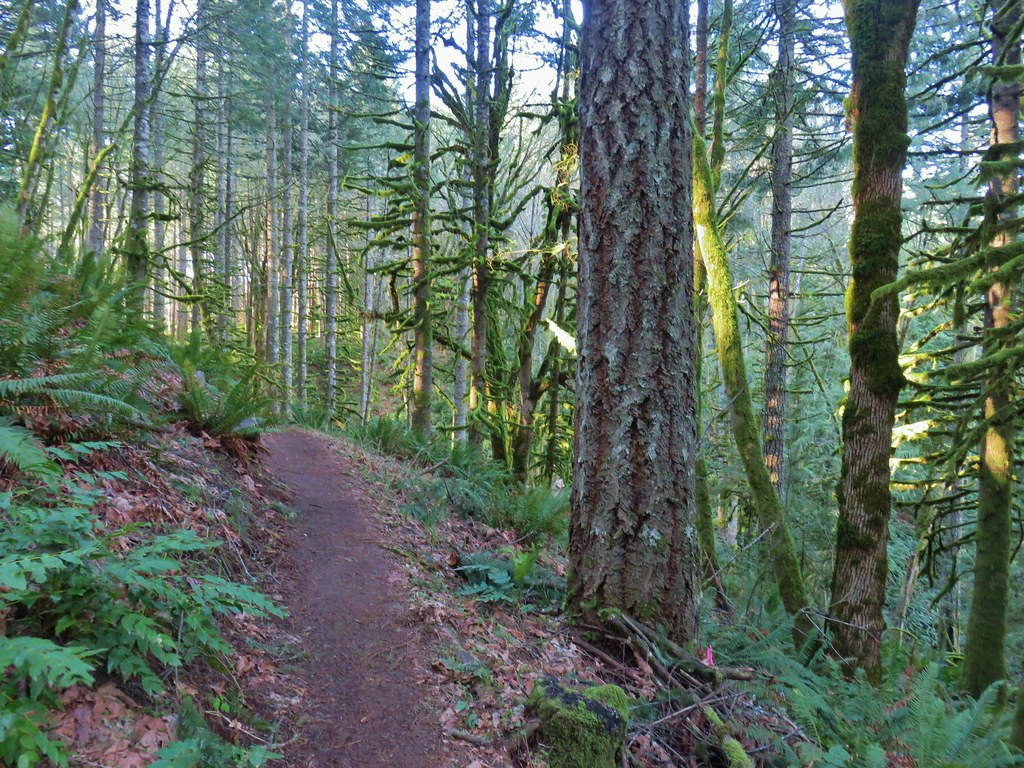
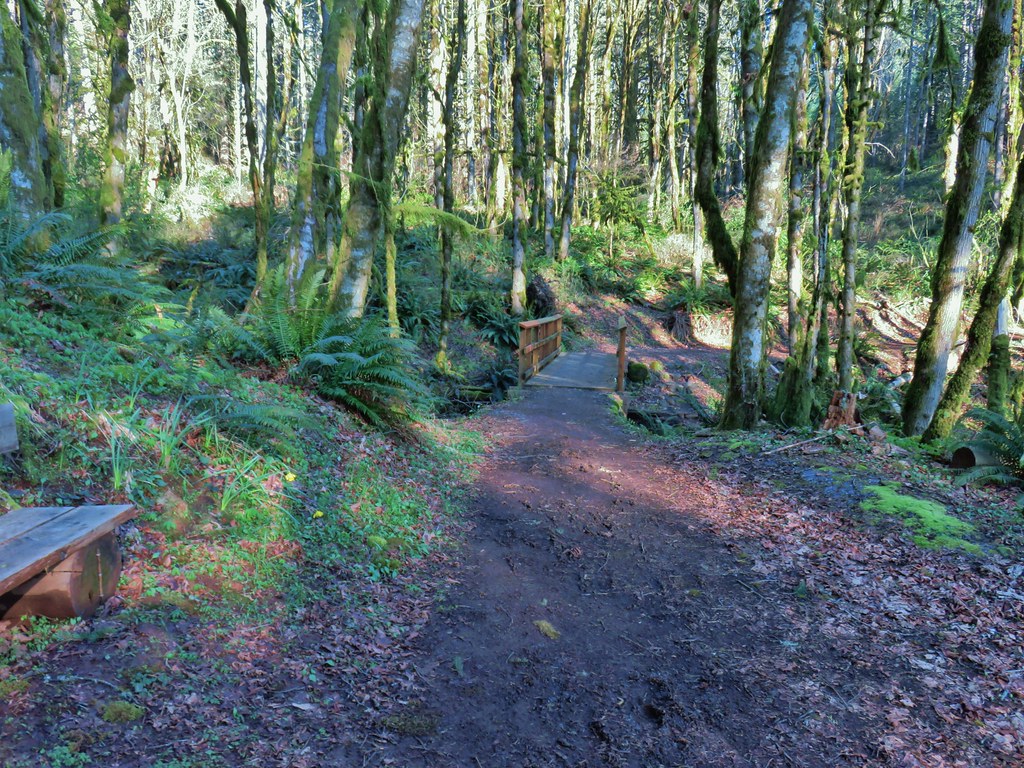
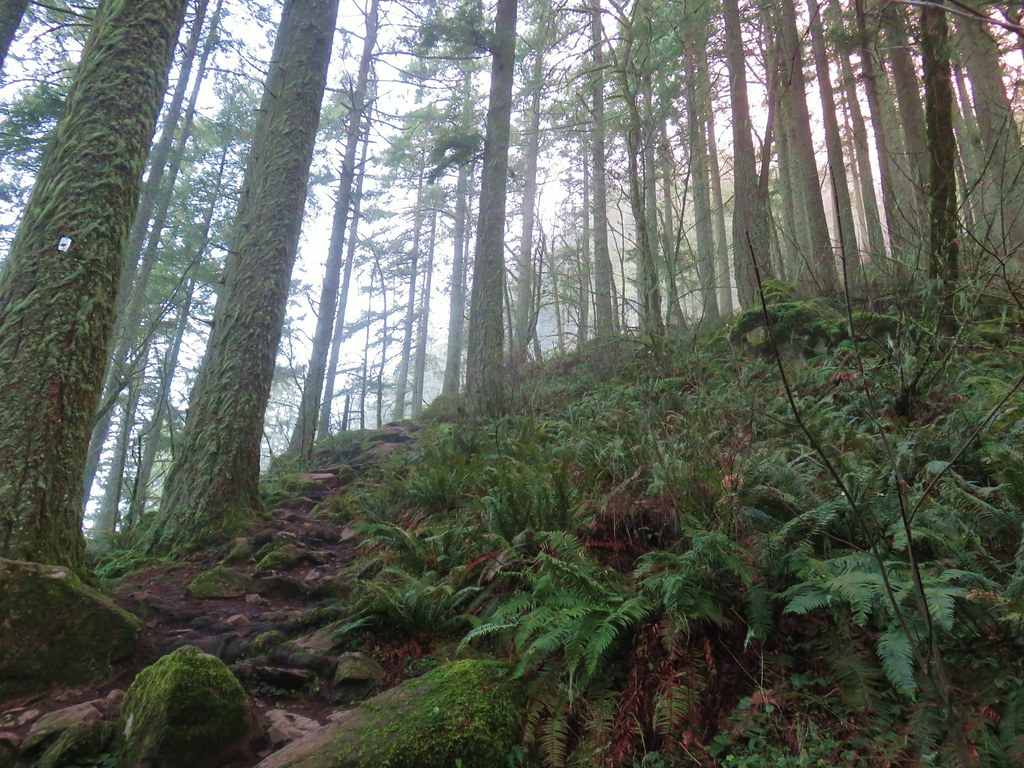
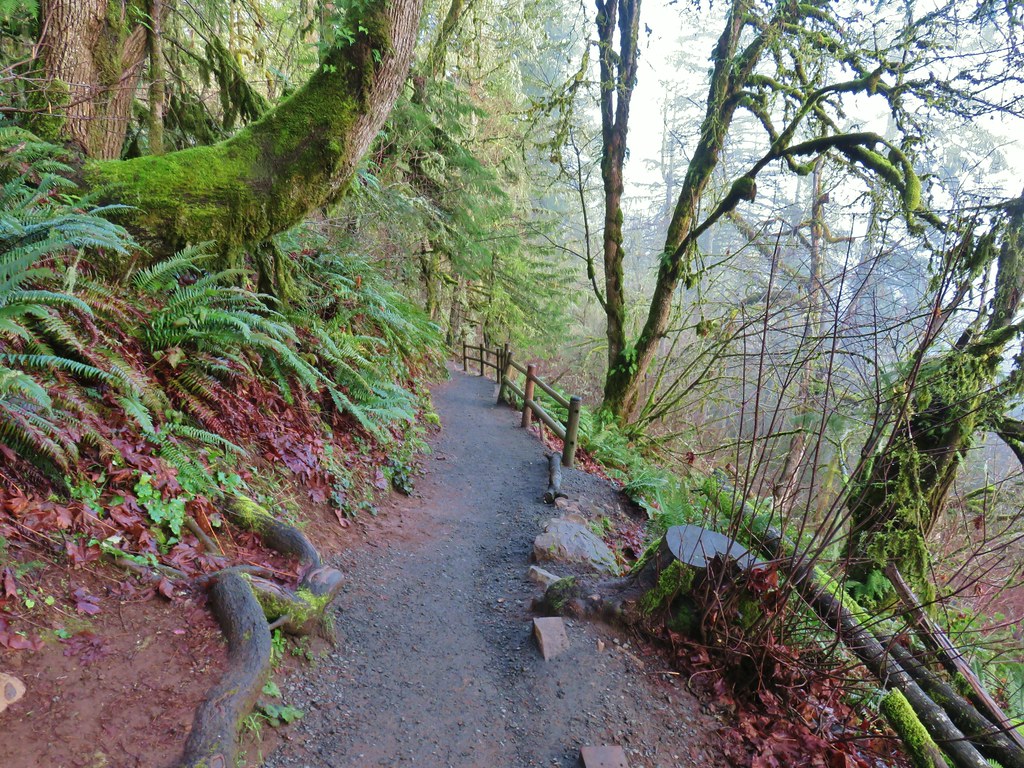
North Fork Trail

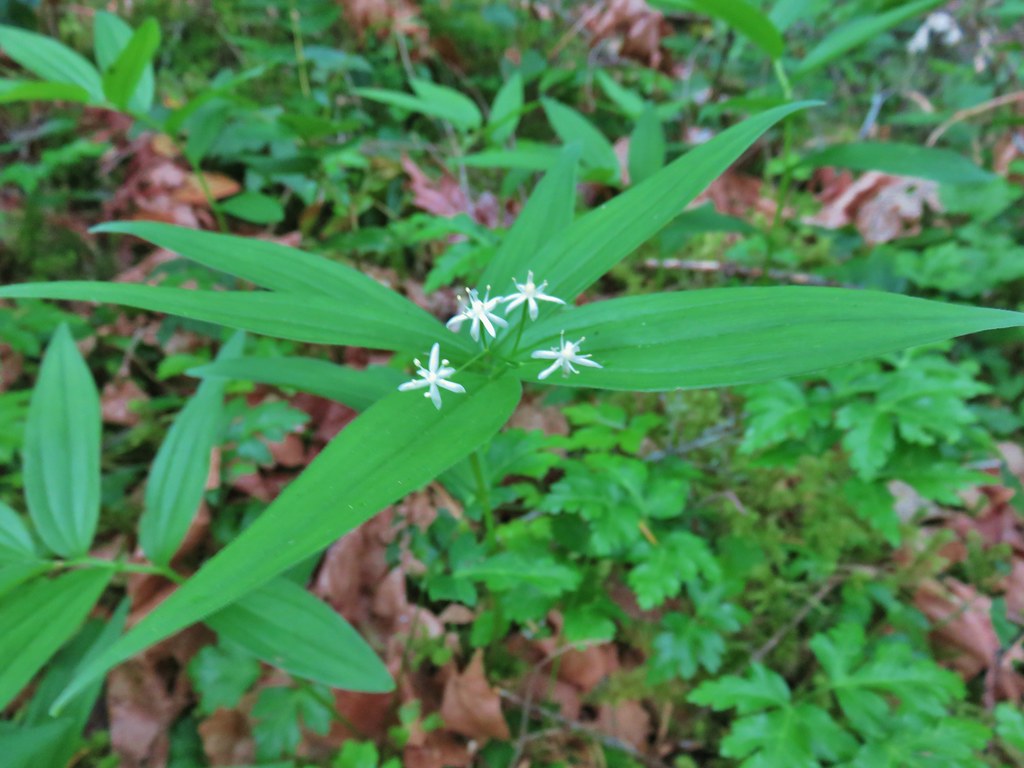
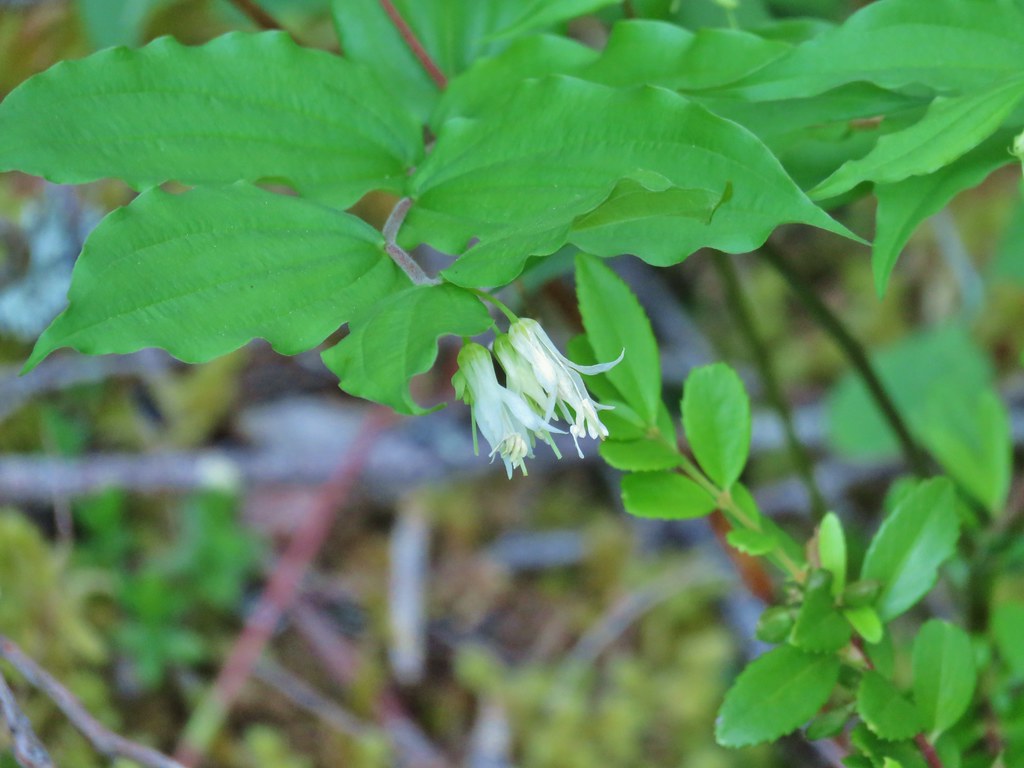
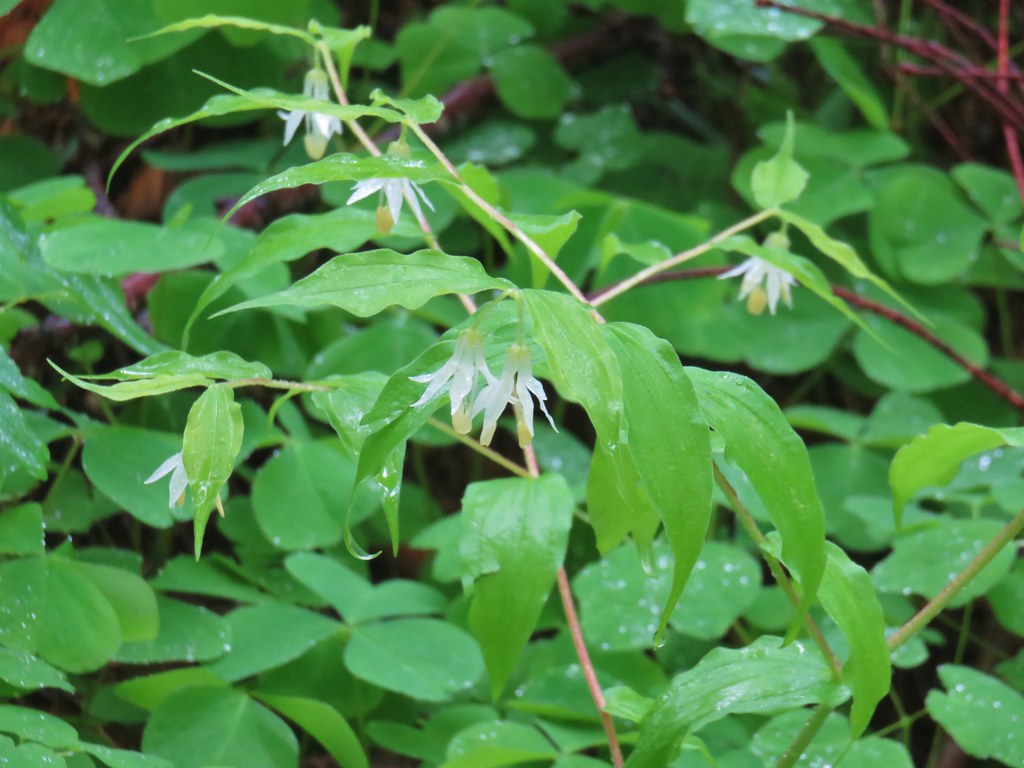
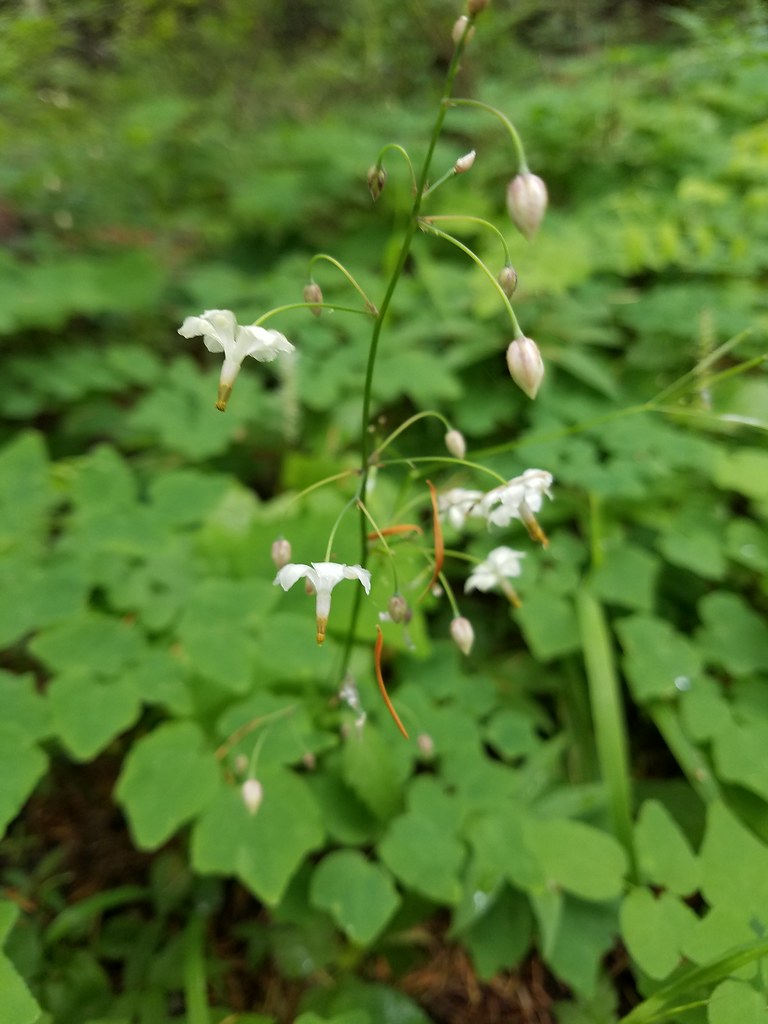
Star-flowered solomonsealStar-flowered solomonseal

AnemoneAnemone

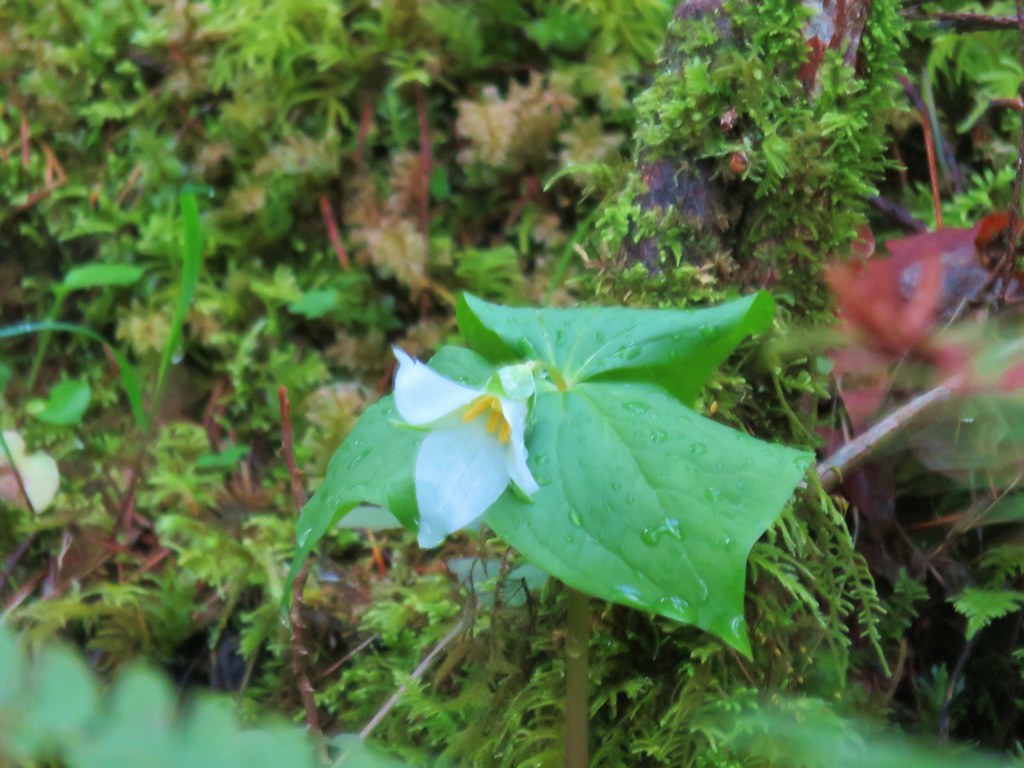
TrilliumTrillium

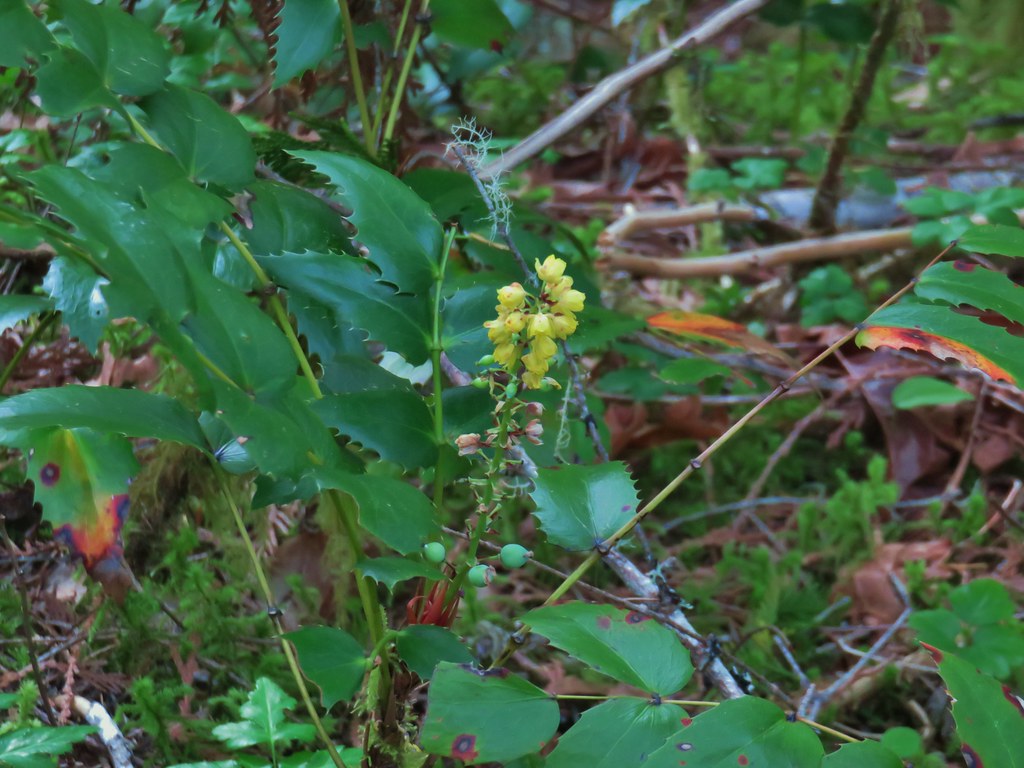
Oregon grapeOregon grape

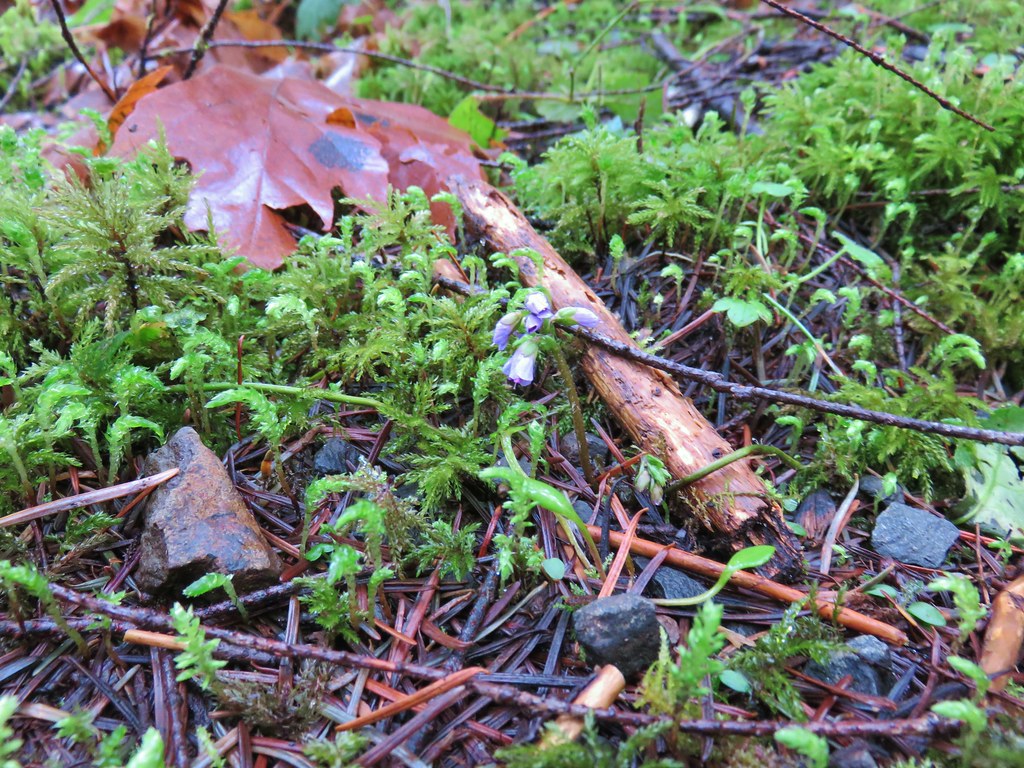
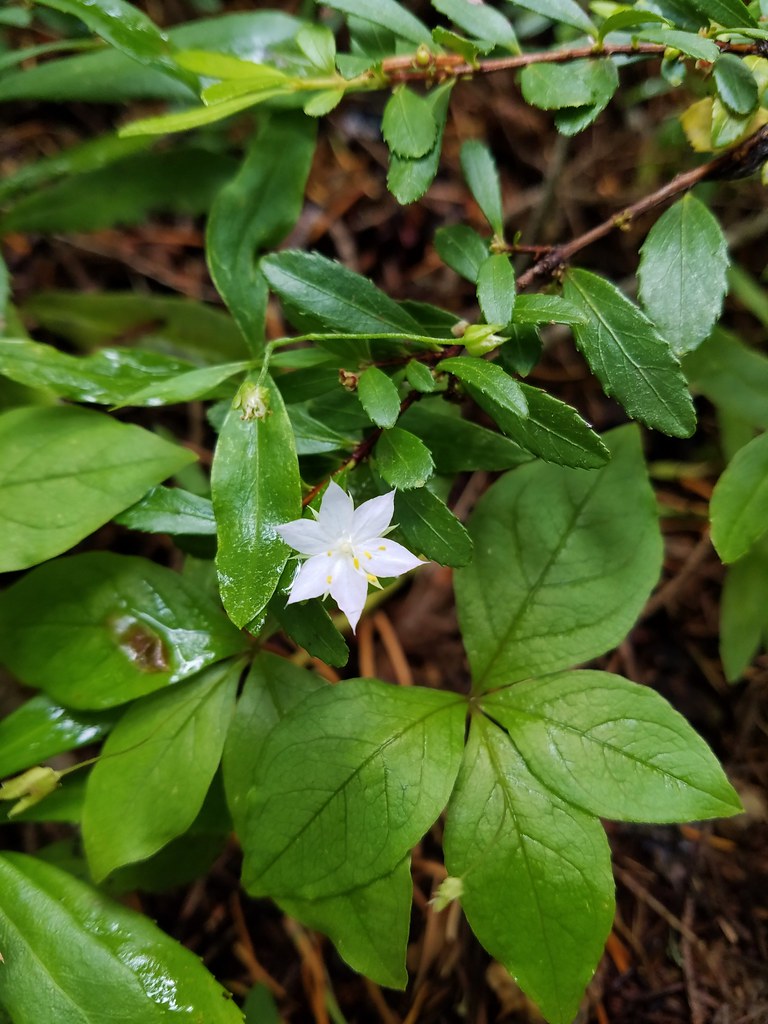
StarflowerStarflower

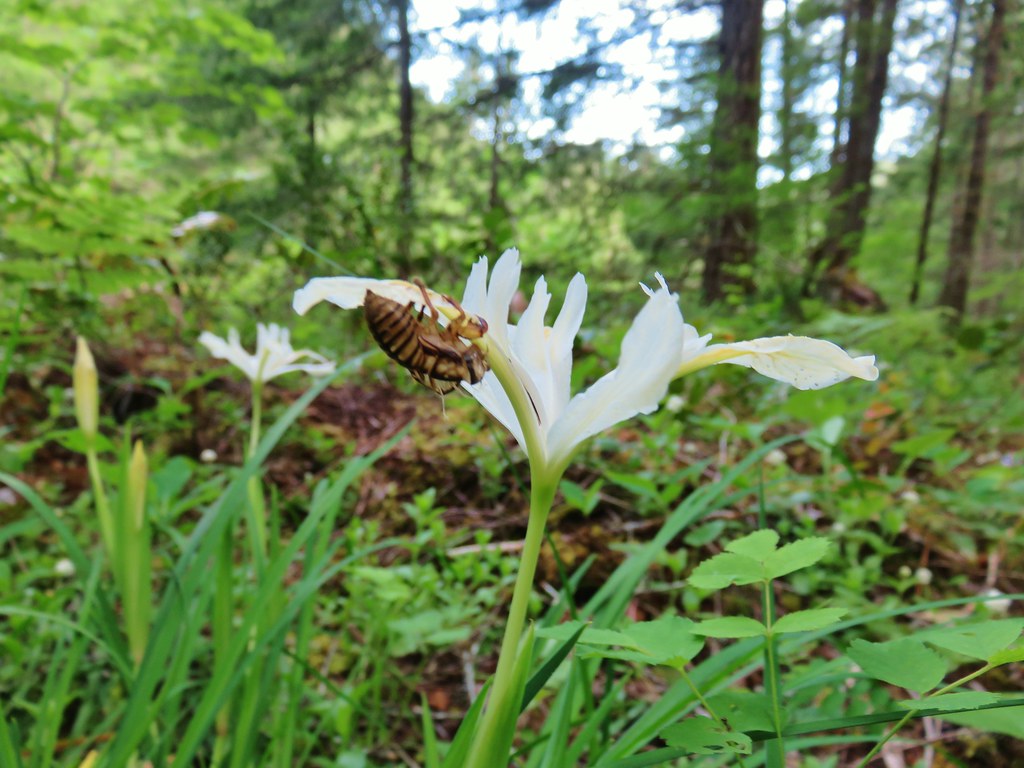
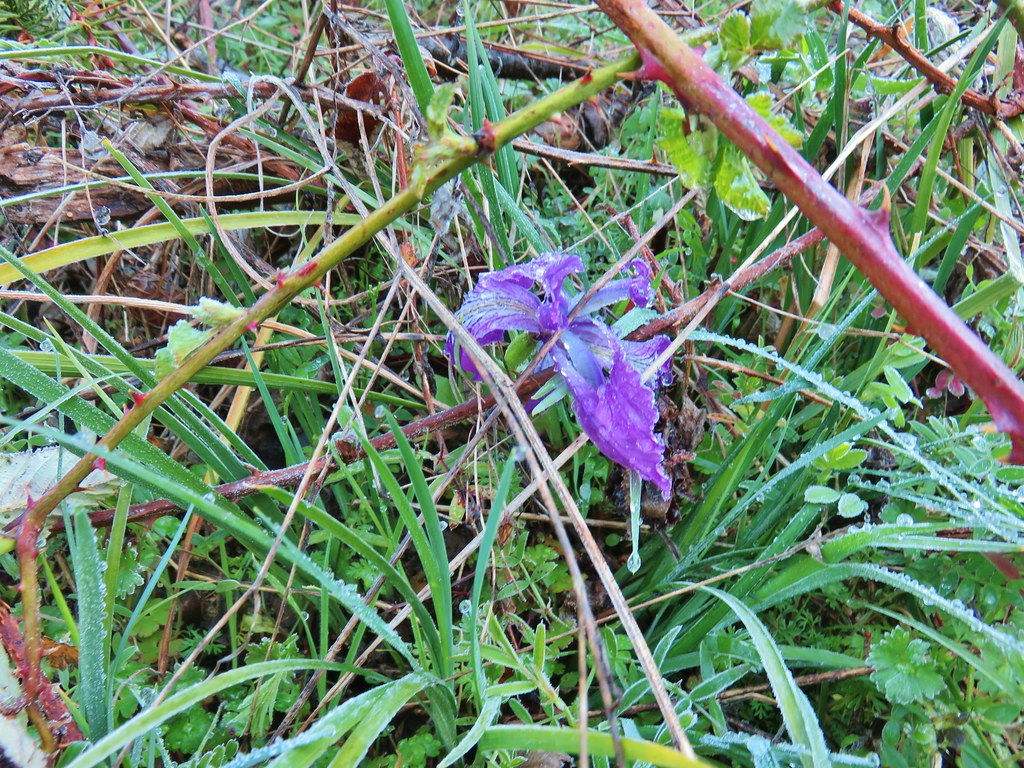
Yellowleaf irisYellowleaf iris

After .2 miles we followed a path down to the riverbank.
North Fork Willamette RiverLooking back at FR 1910’s bridge over the River.

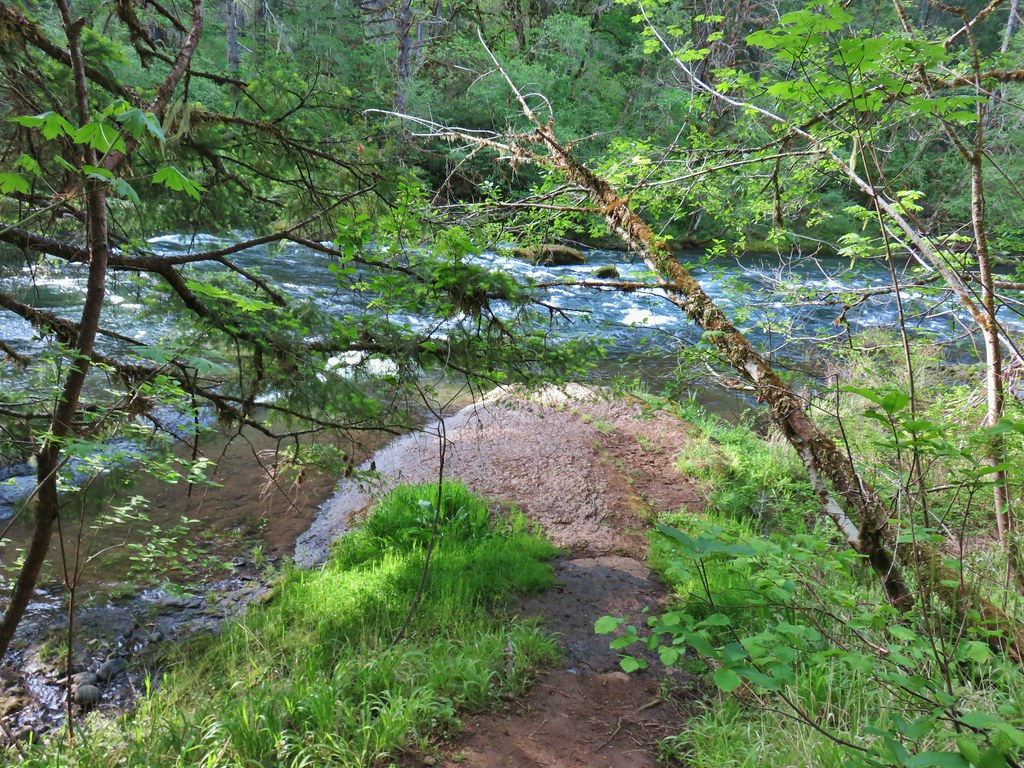
North Fork Willamette River

A few steps after returning to the trail we left the trail again and crossed the decommissioned FR 685 near Short Creek to check out a small slide.
Short Creek

We followed the relatively level trail for another 3 miles turning around at an old road about a tenth of a mile from the parking area of the closed trailhead. Like most river trails the North Fork trail spent some time along the river, above the river, and others back in the forest. There were a few changes to the scenery along the way and plenty of flowers (along with a fair amount of poison oak). Three miles from FR 1910 we passed the concrete remains of a 1930s mill pond.
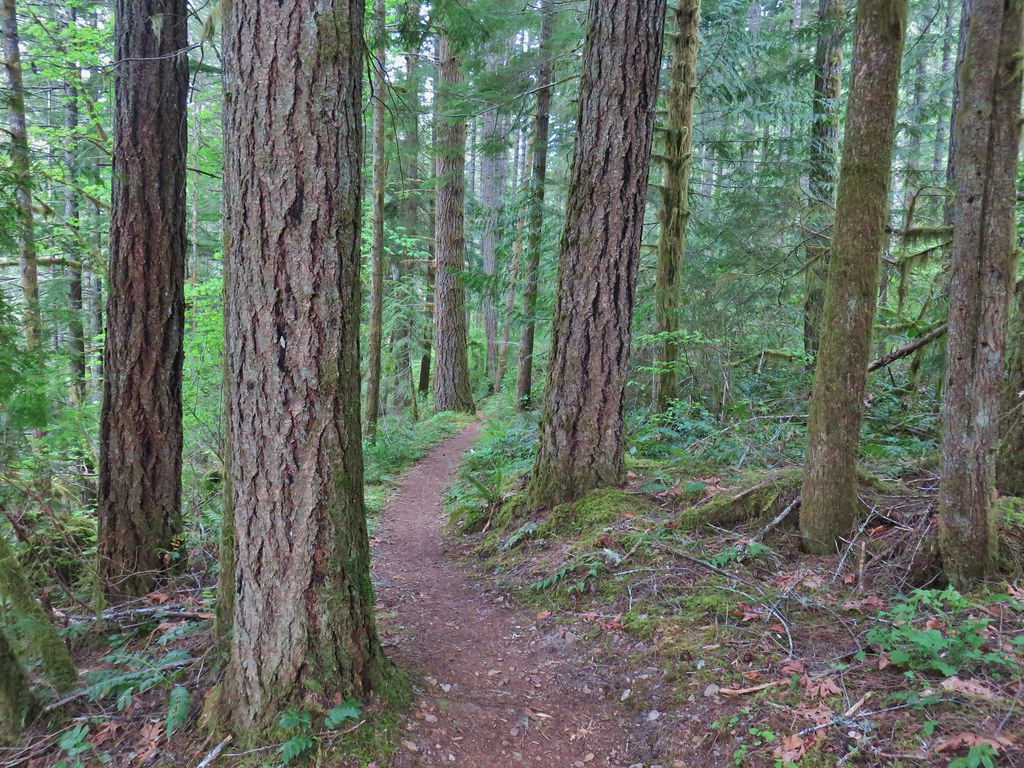
North Fork Trail

ValerianValerian

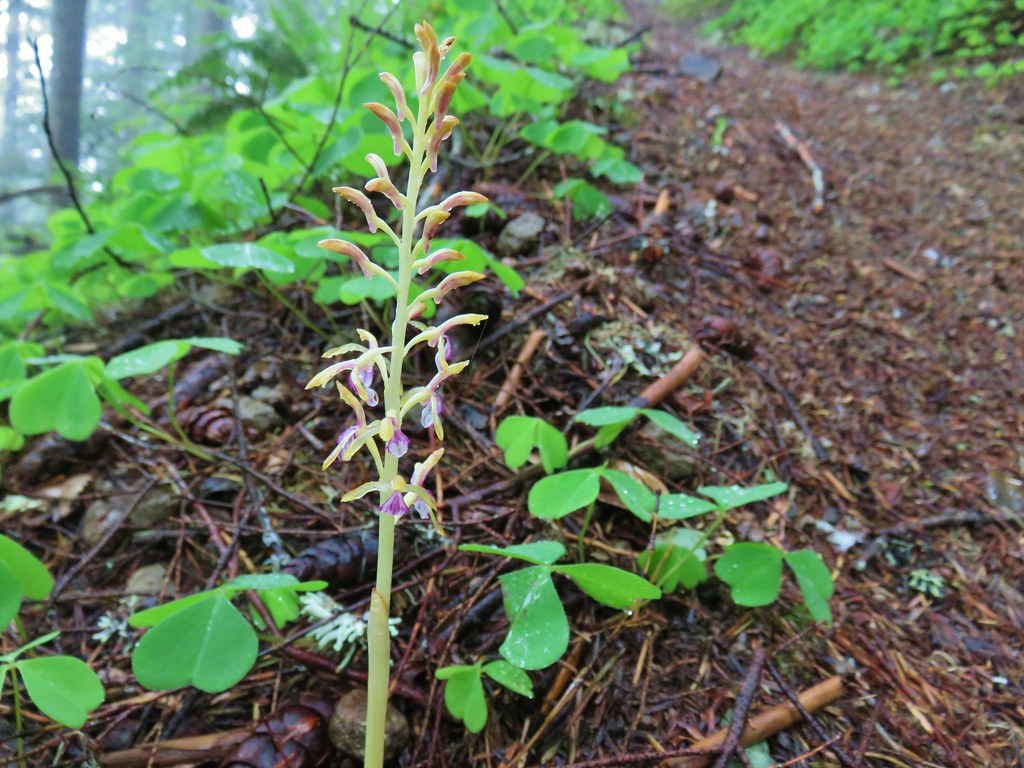
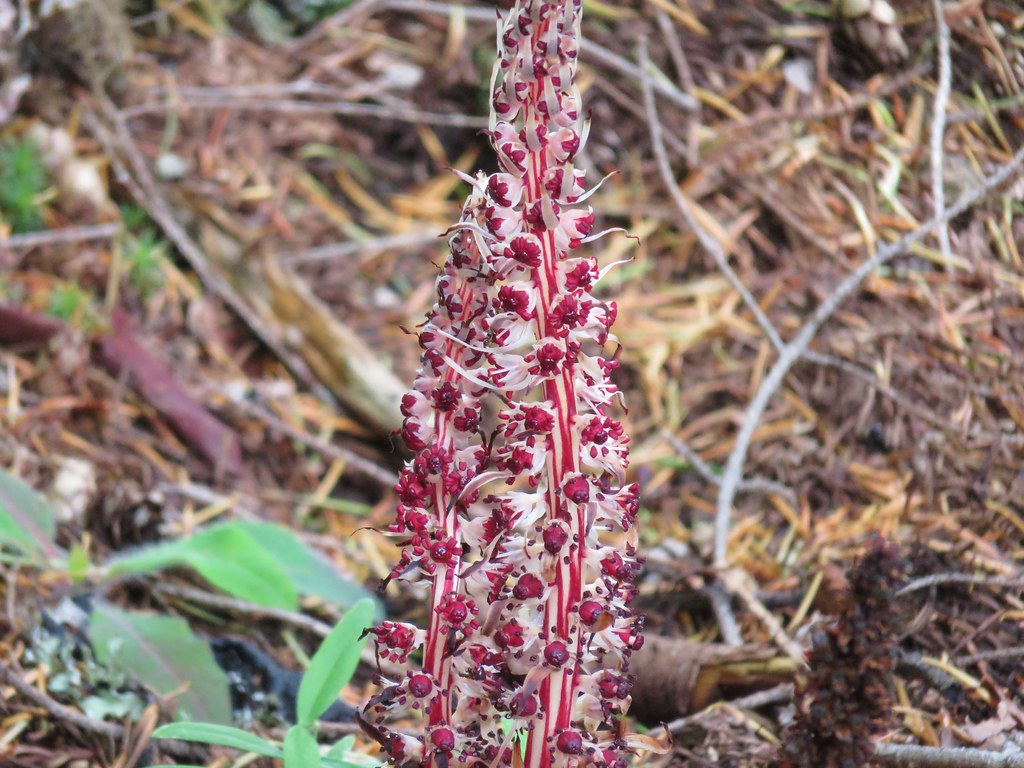
Spotted coralrootSpotted coralroot

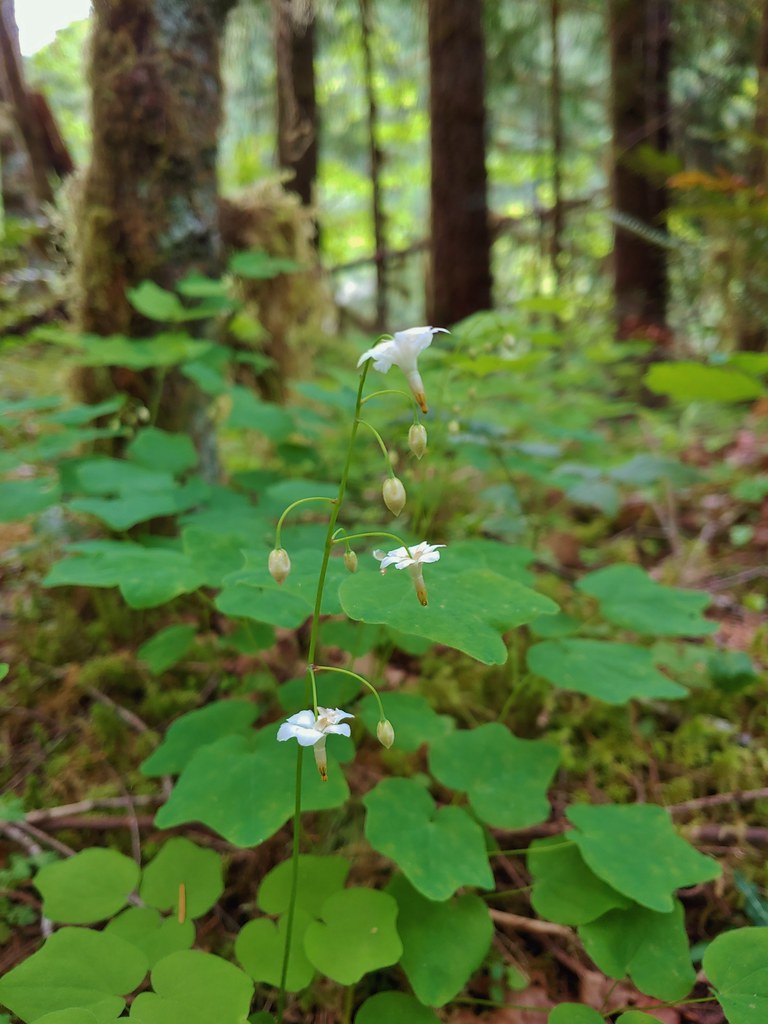
Inside-out flowerInside-out flower

North Fork Trail

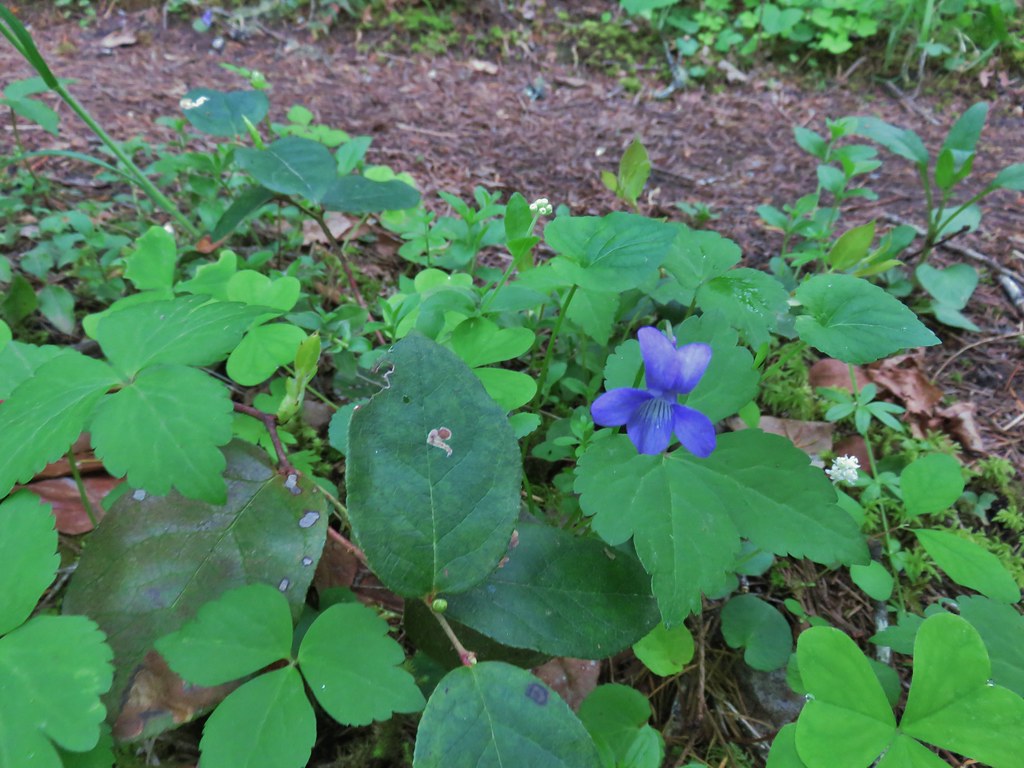
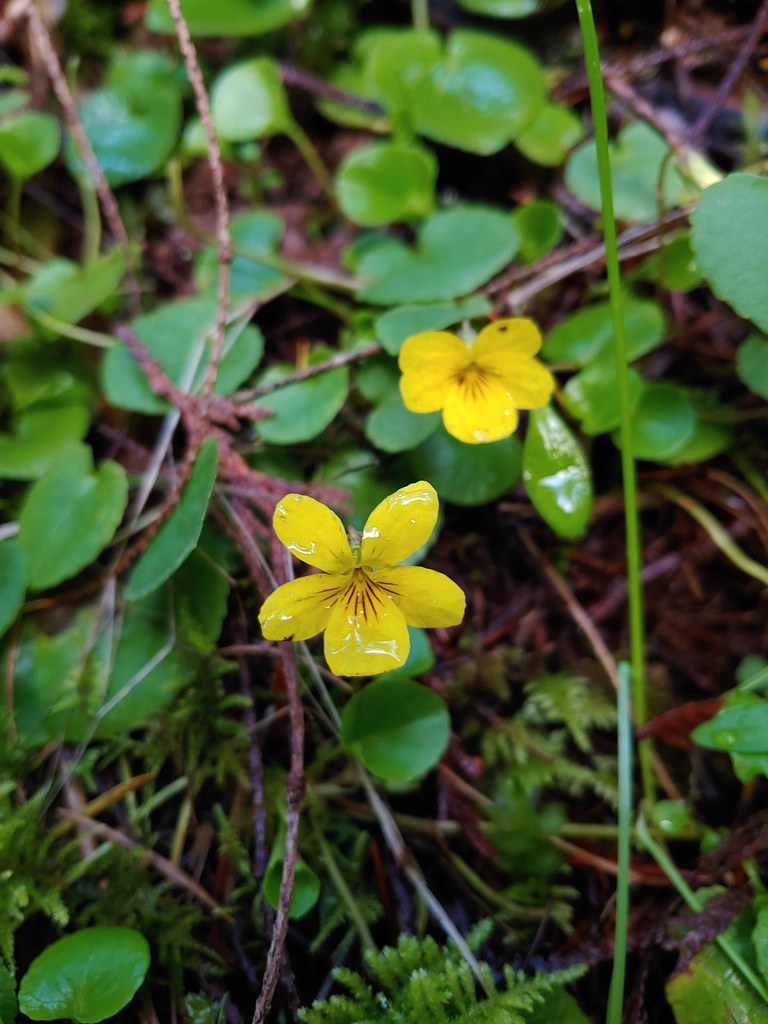
Hookedspur violetHookedspur violet

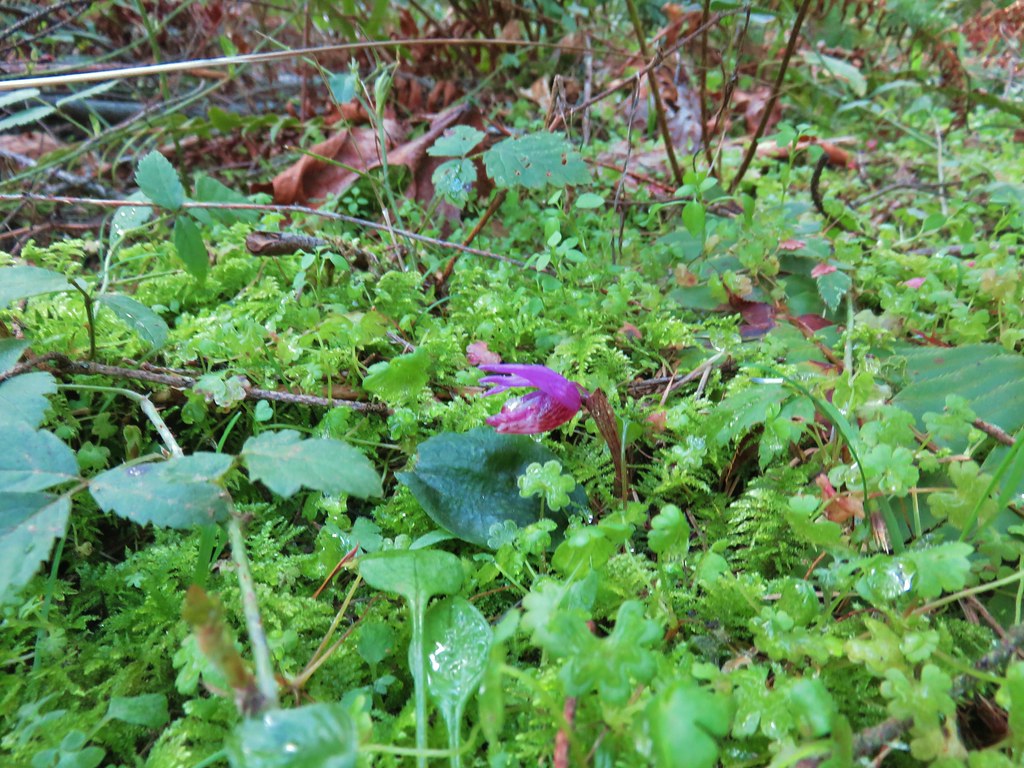
Fairy slipperFairy slipper

Dogwood blossomDogwood blossom

Buck Brush - redstem ceanothusBuck brush

Yellow leaf iris along the North Fork Trail

North Fork Willamette River

Shed skin from a Cicada on a yellow leaf irisShed cicada skin

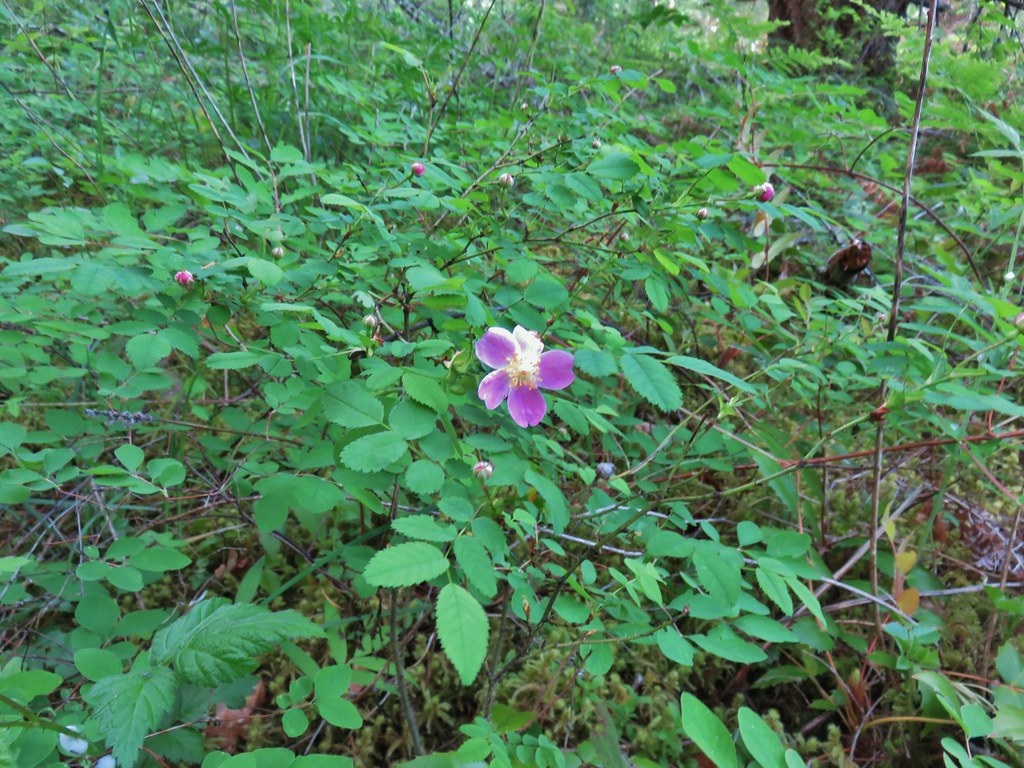
Wood roseWood rose

FairybellsFairy bells

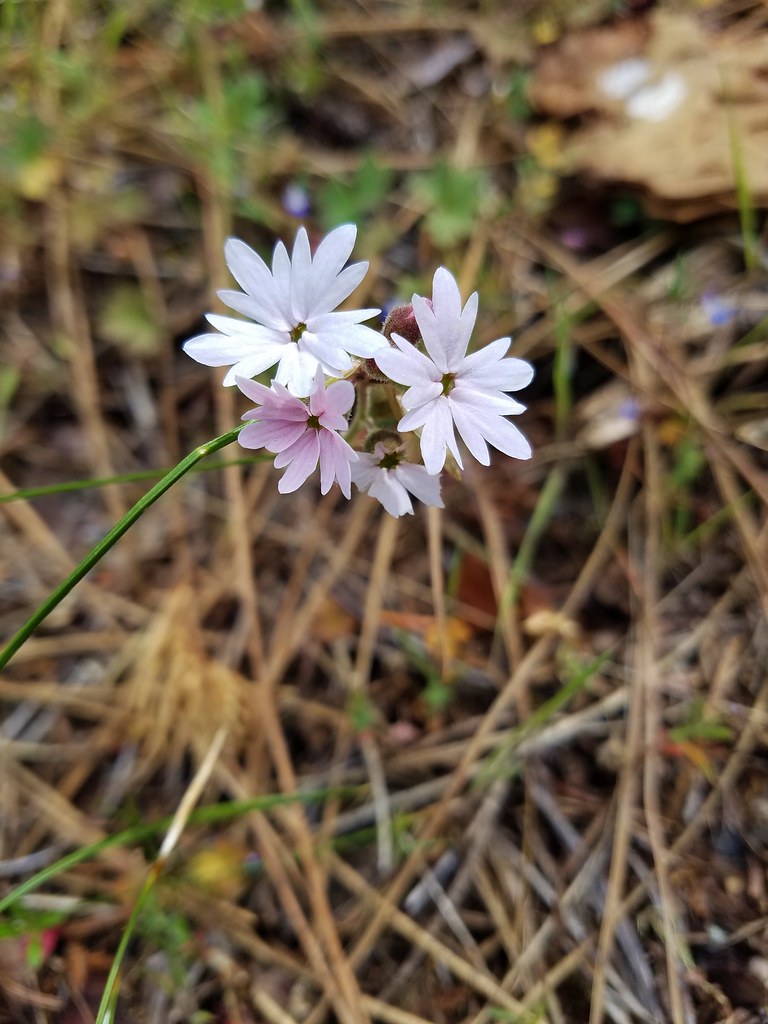
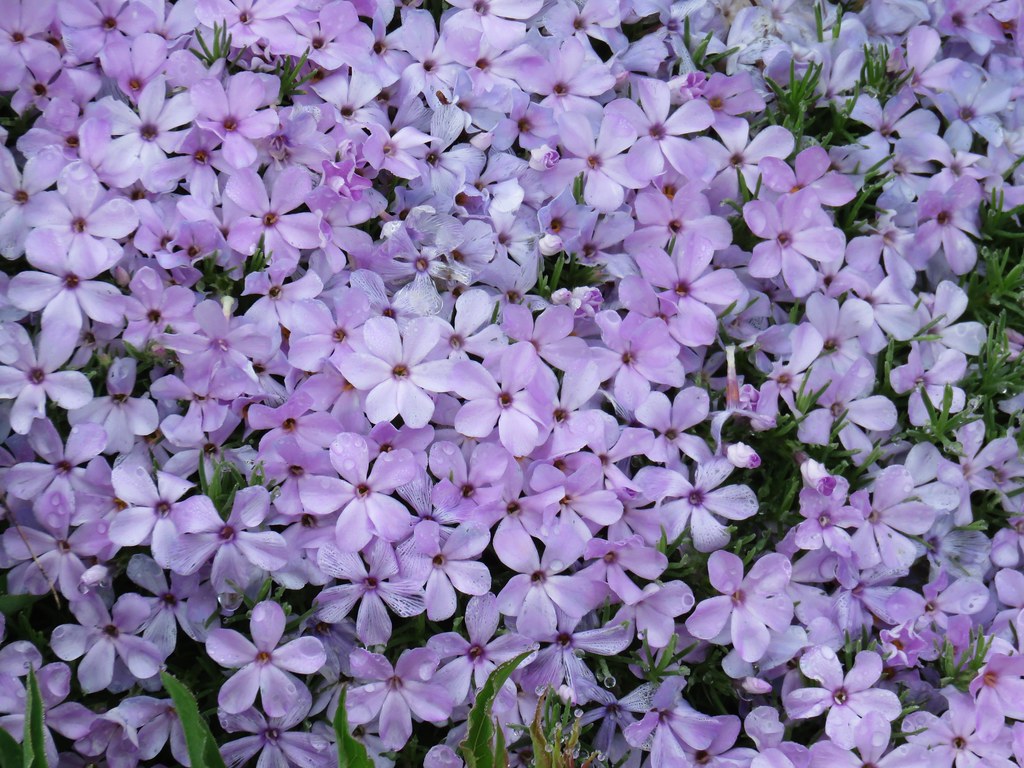
Showy phloxNorthern phlox

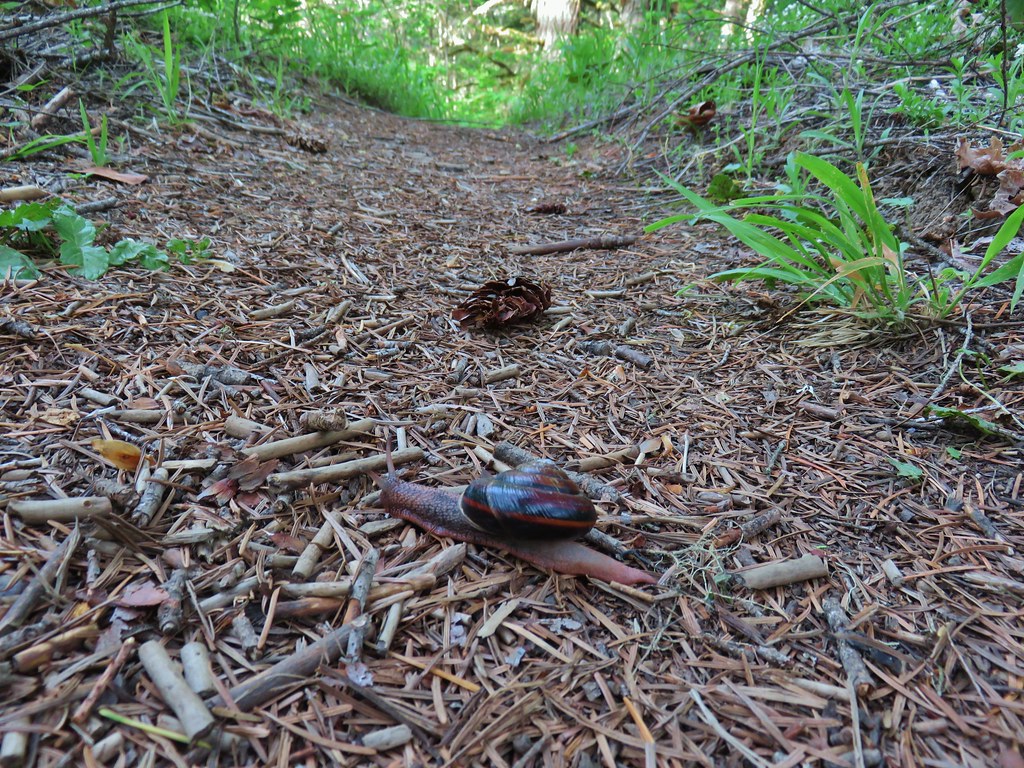
Snail on the North Fork TrailTrail snail

North Fork Trail

HoneysuckleHoneysuckle

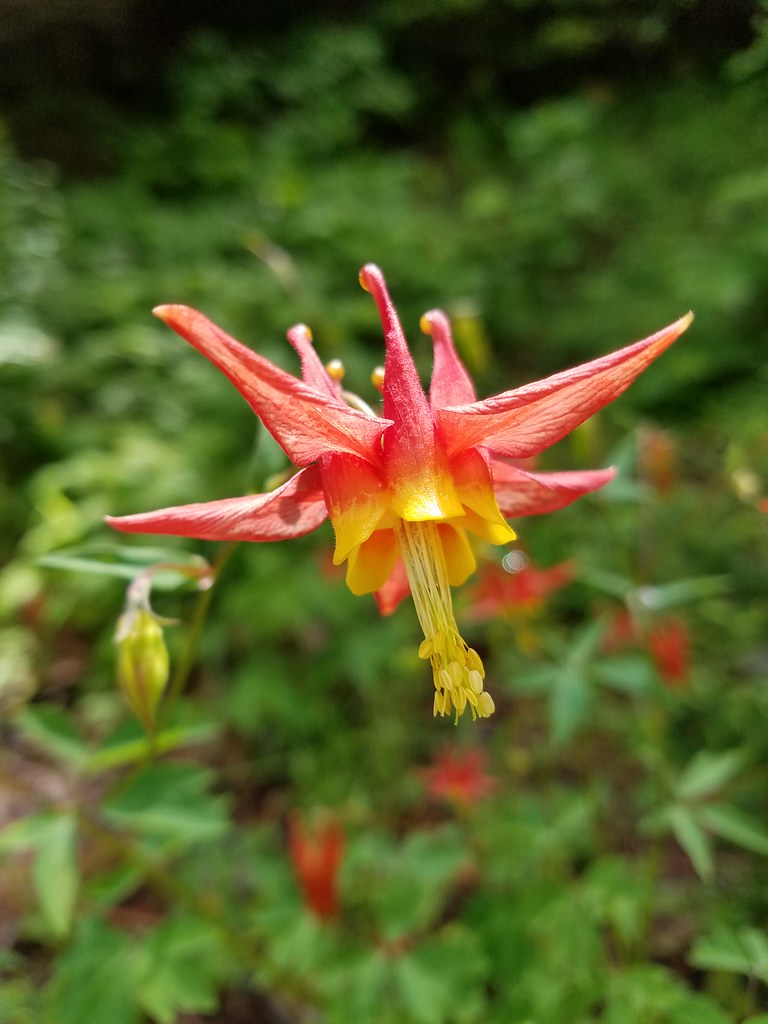
ColumbineColumbine

North Fork Trail along the North Fork Willamette River

Lupine along the North Fork TrailLupine

Youth-on-ageYouth-on-age

North Fork Willamette RiverRock ledge along the river.

North Fork Willamette RiverView from the rock ledge.

Monkey flowerMonkey flower

CamasCamas

North Fork Trail along the North Fork Willamette River

Dam site along the North Fork TrailConcrete tower

North Fork Trail

Pale flaxPale flax

North Fork TrailheadRoadbed near the trailhead.

We returned the way we’d come keeping our eyes open for anything we missed on our first pass, and of course there were a couple of flowers that we missed.
Vanilla leafVanilla leaf

Wild gingerWild ginger

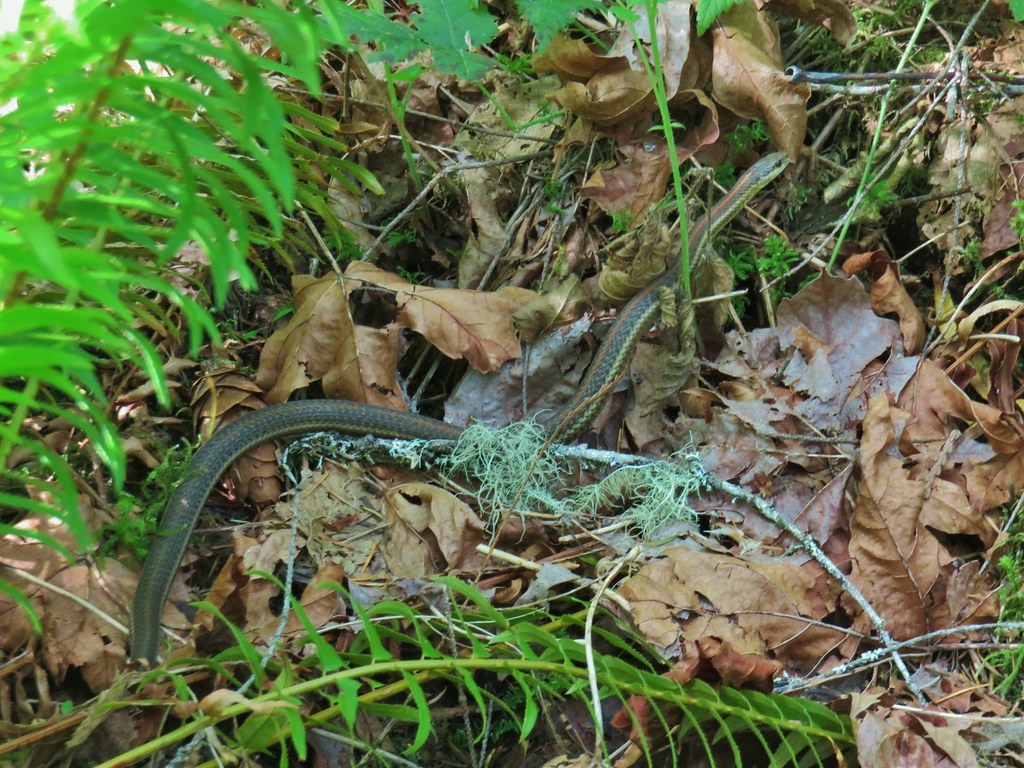
A garter snake provided a bit of excitment when Heather noticed it coming towards her onto the trail. It eventually slithered to a fern on the other side but not before getting her to jump.
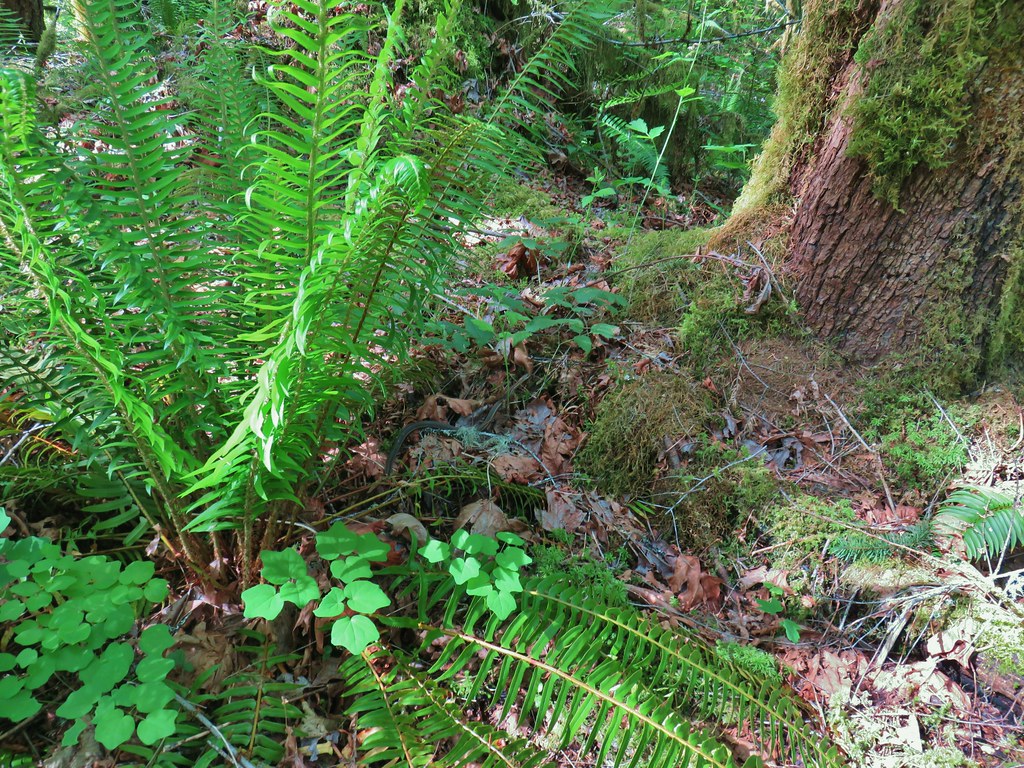
Garter snake

Garter snake

We wound up only encountering 4 people along the trail, a lone hiker and a group of three mountain bikers so this first stop had worked out well from a socially distancing standpoint.

After making it back to our car we returned to FR 19 and turned left (NE) for 18.1 miles to Forest Road 1939 (1.1 miles beyond Kiahania Campground). We turned left onto FR 1939 for 1.2 miles to a hiker symbol on the left marking the start of another segment of the North Fork Trail.
North Fork Trailhead at FR 1939

As best as I can tell from research this 4.5 mile segment of the North Fork Trail appears to have been completed in 2011 or possibly 2010. There is very little information online about it even though it has appeared as a featured hike (along with Segment 1) in William L. Sullivan’s “100 Hikes in the Central Oregon Cascades” books since his 4th edition was published in 2012. I was unable to find any reference to it all on the Willamette National Forest’s website despite the Forest Service hoping to one day connect all the segements of the North Fork Trail from Westfir to Waldo Lake. In any event there is no parking area for this trailhead and there is just enough room for a couple of cars to park off the road on the shoulder nearby.

From the outset it was obvious that this was a much lighter traveled segment than the Segment 1 as the tread was narrower and there was some large trees across the trail.
North Fork Trail

North Fork Trail

There were some similarities though as we saw many wildflowers (some the same as during our earlier stop and some new for the day) and this trail also provided a few access points to the river.
Trillium

Candy flowerCandy flower growing out of a mossy tree trunk.

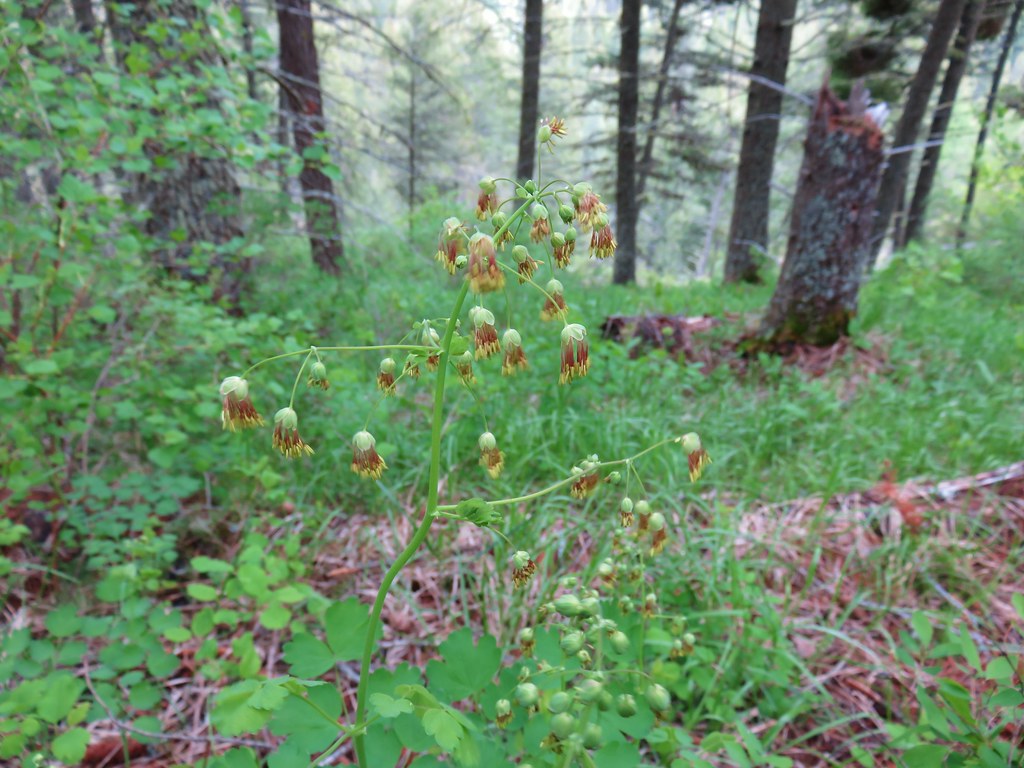
Western meadowrueWestern meadowrue

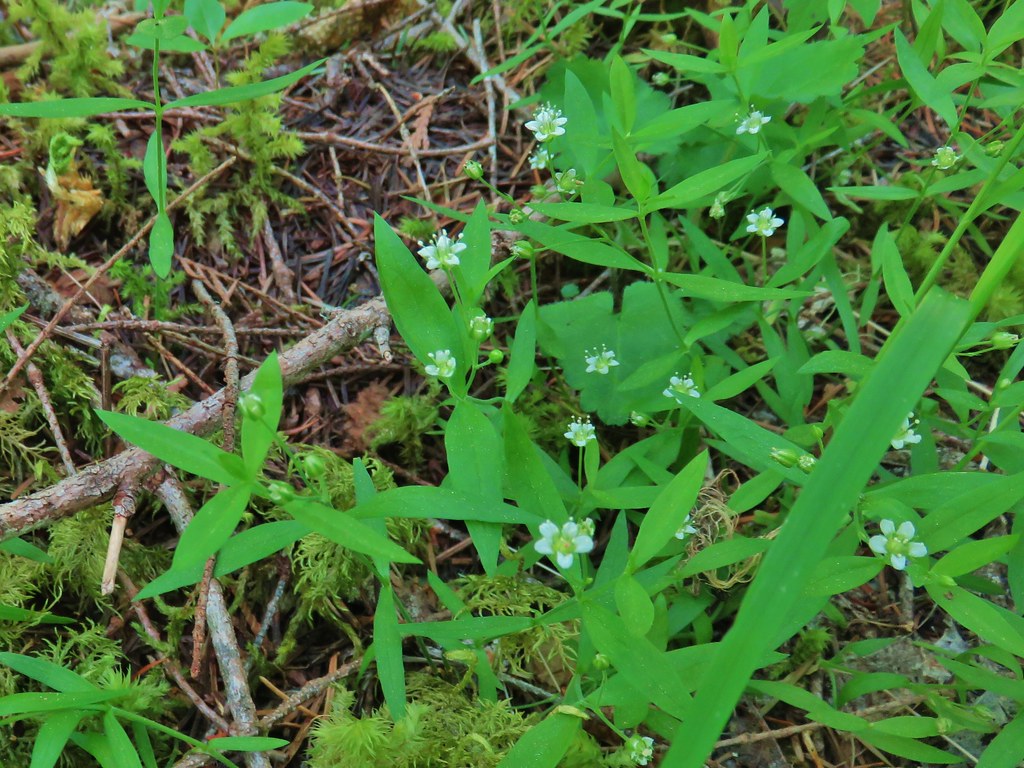
Largeleaf sandwortLargeleaf sandwort

North Fork Willamette River

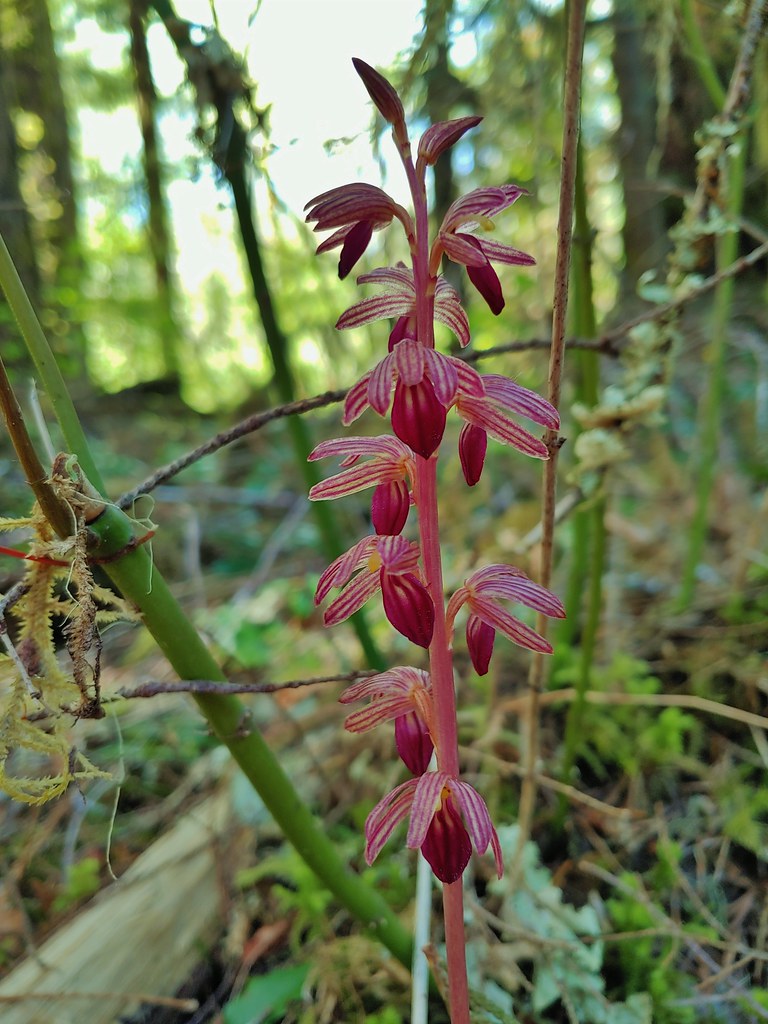
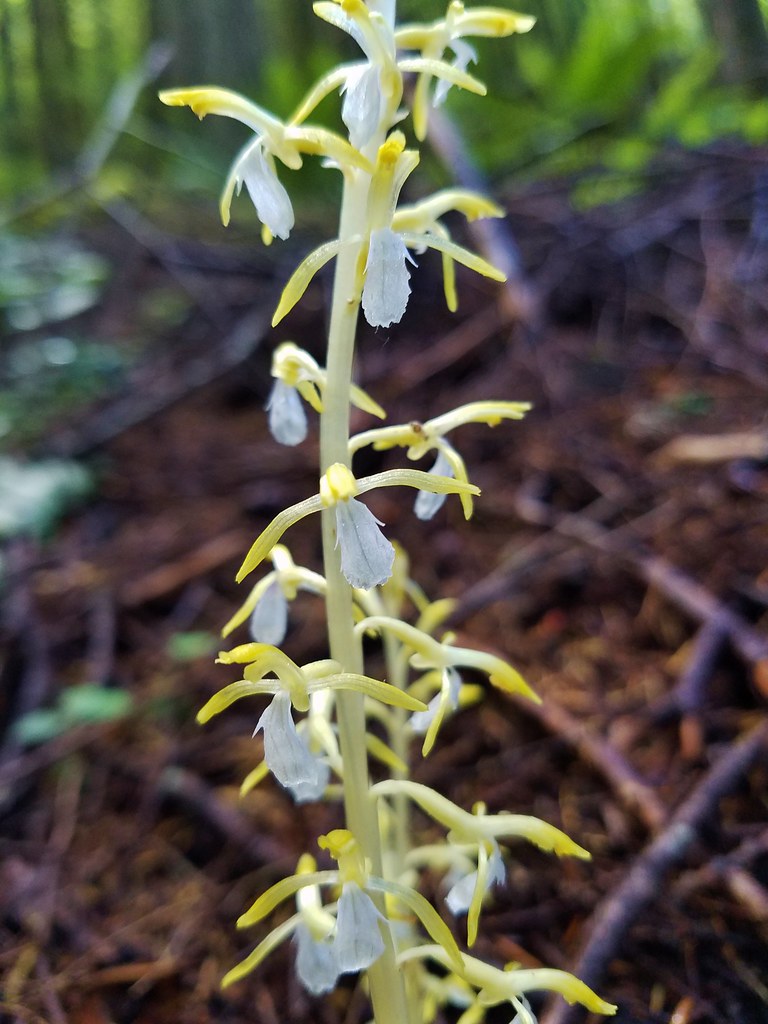
Striped coralrootStriped coralroot

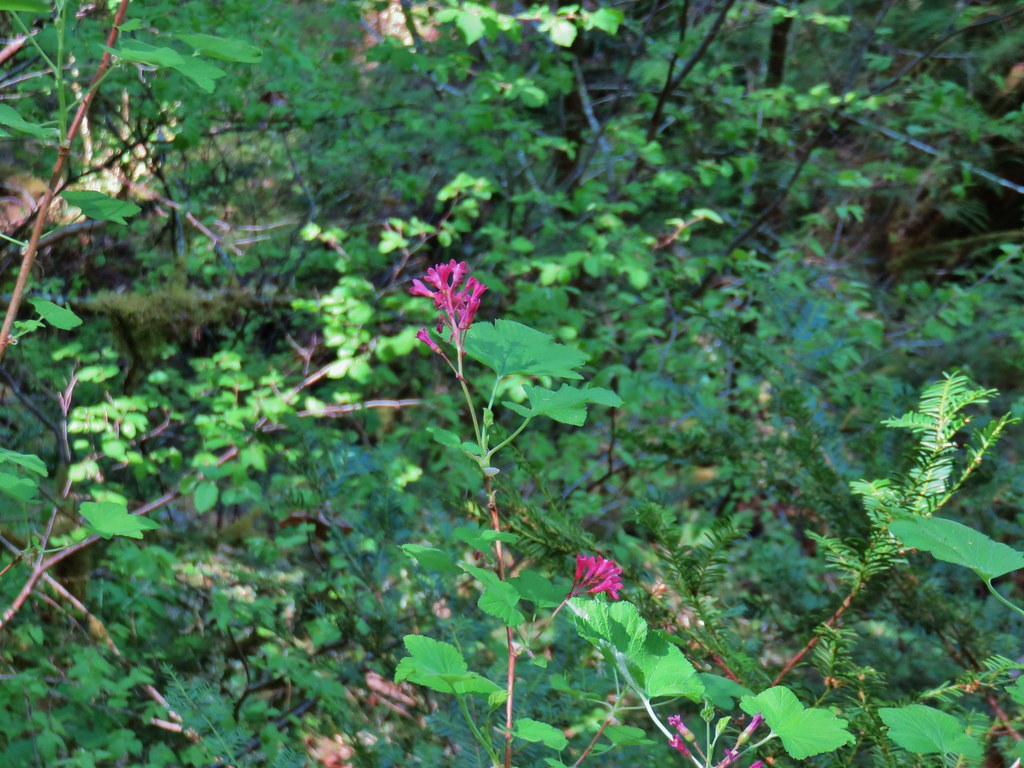
Red flowering currantRed flowering currant

There were several creeks to cross, the first was too wide at the trail to hop across requiring a slight detour downstream. The rest all had rocks allowing us to cross dry footed.
North Fork TrailThe second creek crossing.

The trail turned away from the river to drop to the third substantial creek crossing.
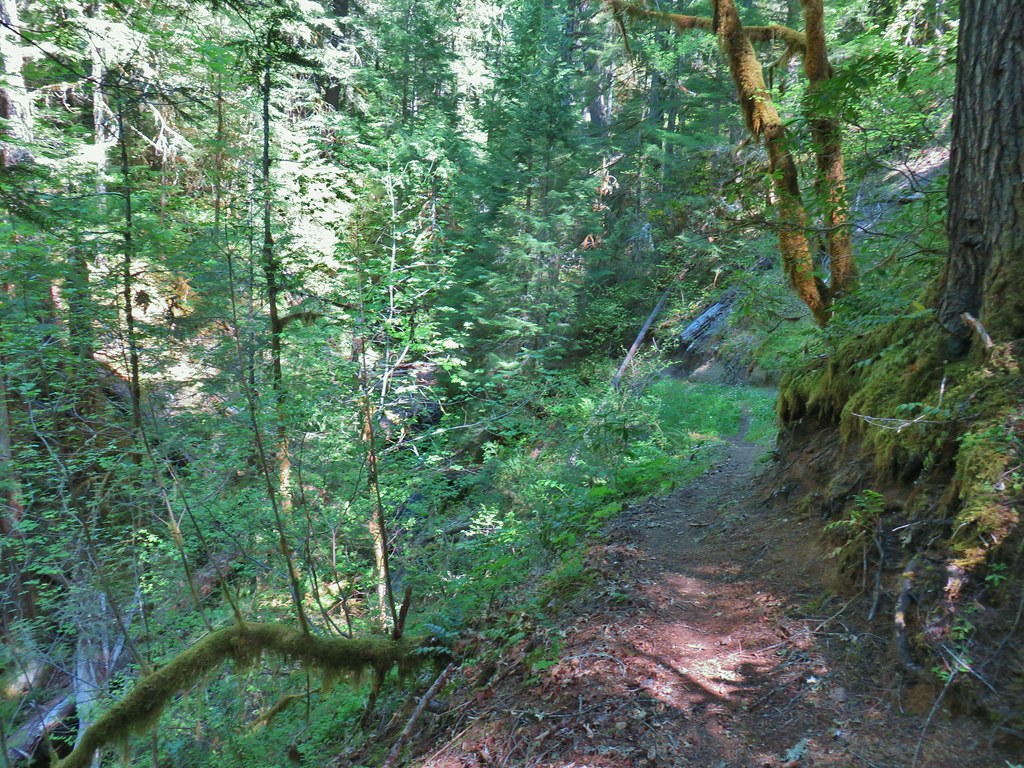
North Fork Trail

Creek along the North Fork Trail

It was at this third creek that we realized we’d missed a 10 foot waterfall marked on Sullivan’s map at the 1.1 mile mark. A quick re-reading of the hike description told us it was 150 feet offtrail which explained why we hadn’t seen it. We made a mental note to look for it on the way back.

At the 2.3 mile mark the trail passed close to the river and a cobblestone beach from which the basalt outcrop of Buffalo Rock was visible.
North Fork Willamette River

Buaffalo Rock from the North Fork Willamette River

As the trail began to pass under Buffalo Rock it became even wilder than it had been beginning with a large tree blocking the trail just on the other side of a creek crossing.
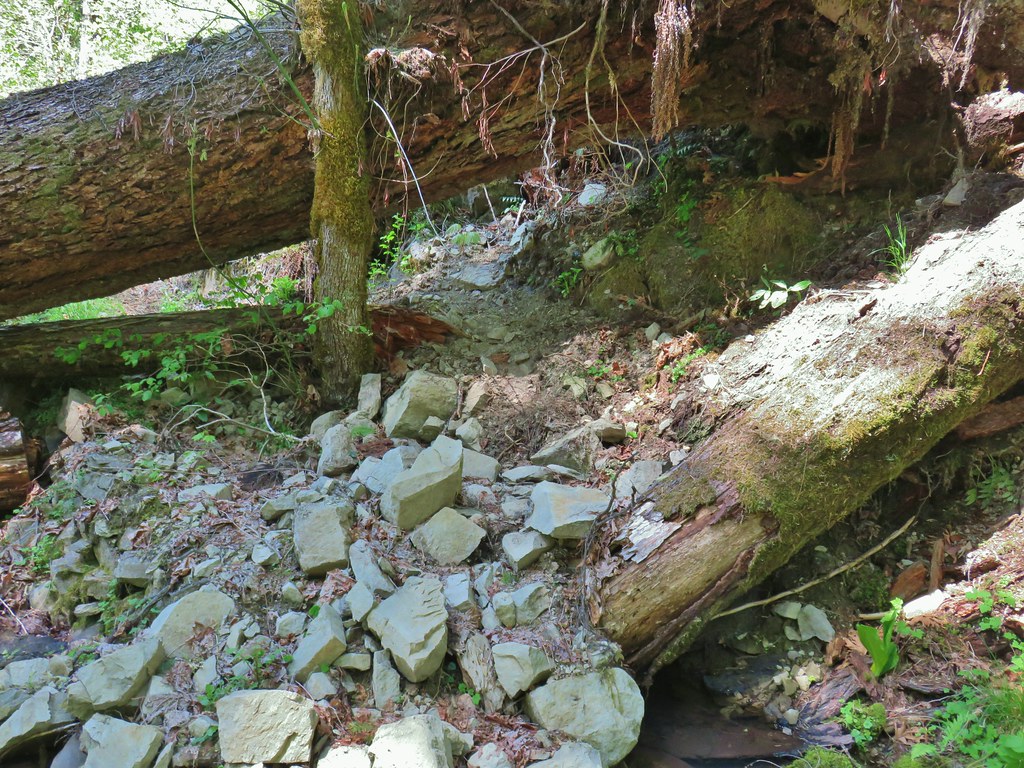
North Fork Trail

After ducking under the tree the trail passed through a small hillside meadow.
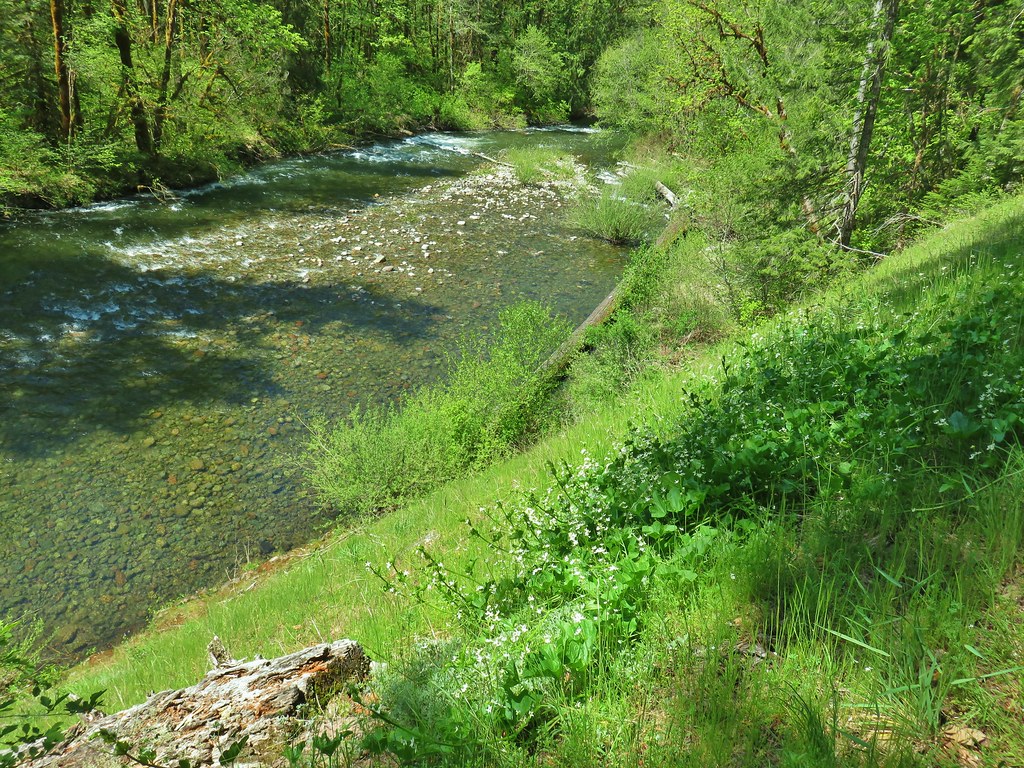
North Fork Willamette River

Coastal manrootCoastal manroot

Sticky cinquefoilSticky cinquefoil

Popcorn flowerPopcorn

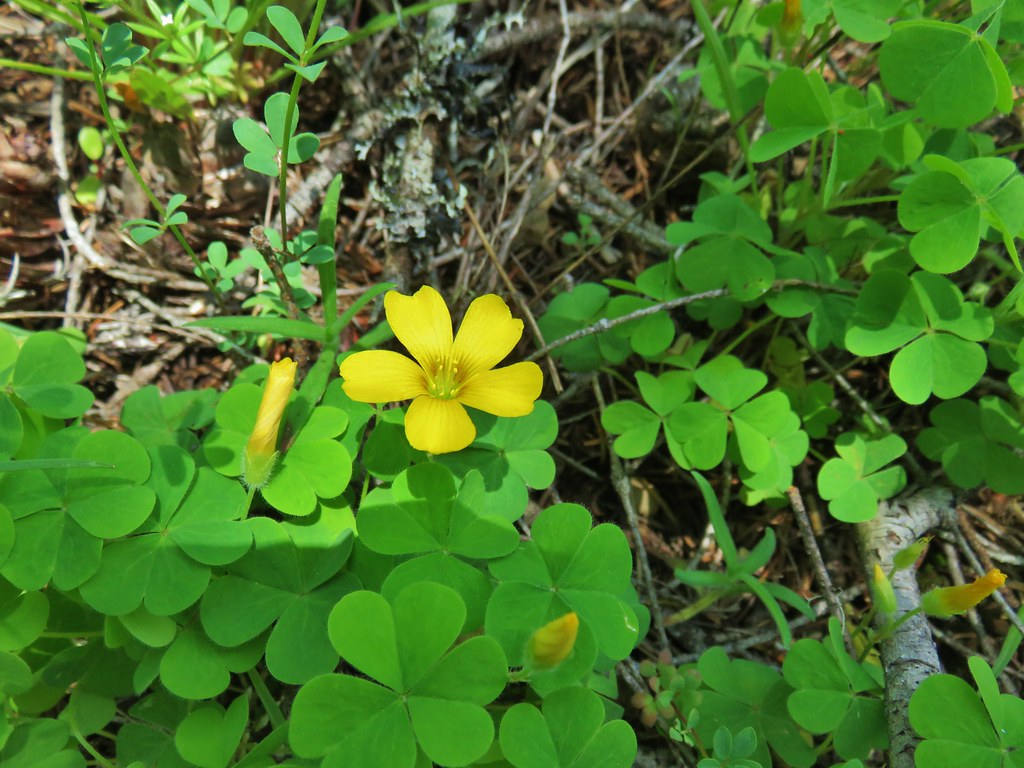
Western yellow oxalisWestern yellow oxalis

The dry, rocky hillside below Buffalo Rock provided for some different types of flowers and plants and was the only spot along this trail that we noticed any poison oak.
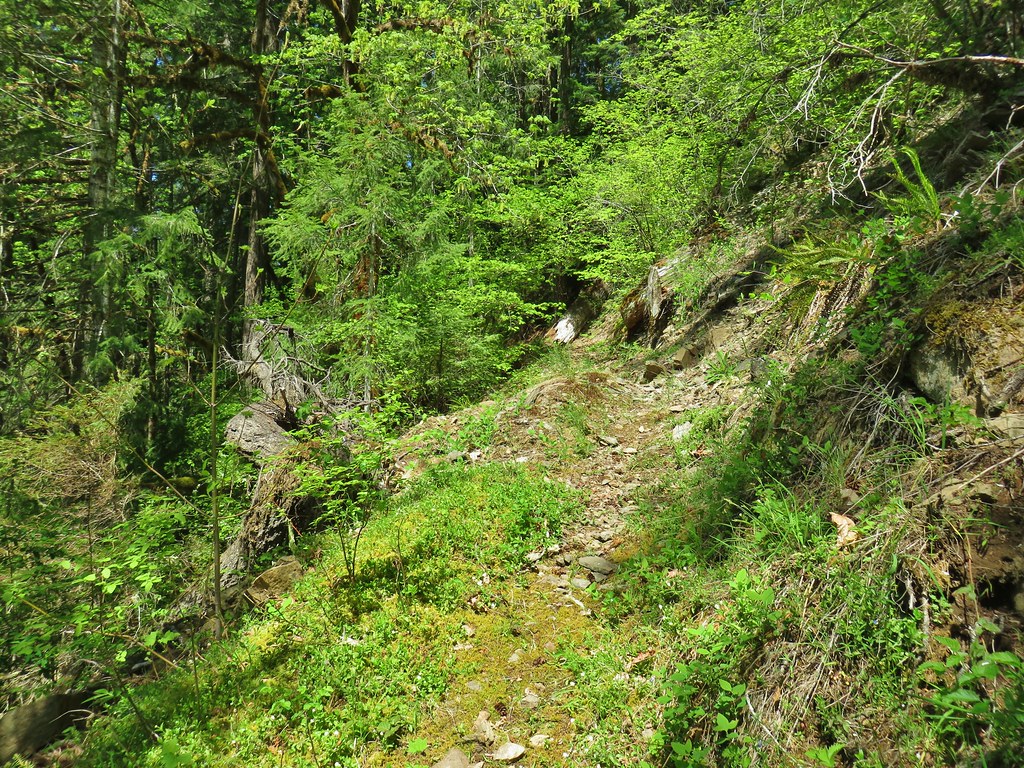
North Fork Trail

Buffalo Rock

Collomia heterophylla - Variable CollomiaVariable collomia

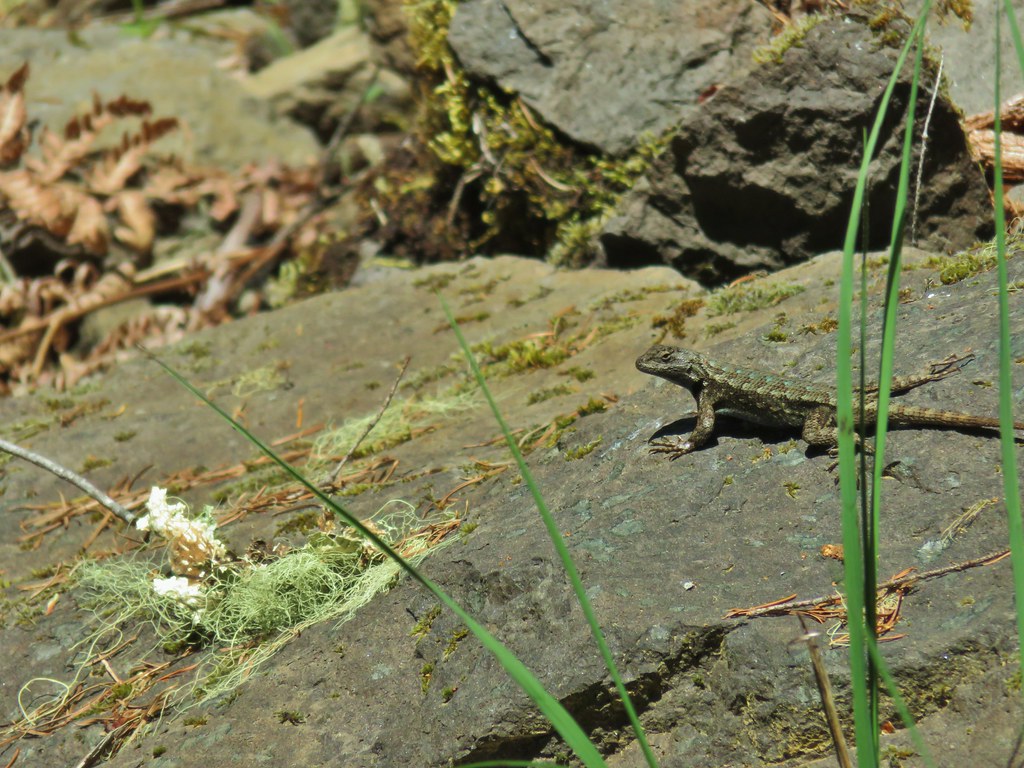
Western fence lizardWestern fence lizard

Giant blue-eyed MaryGiant blue-eyed Mary

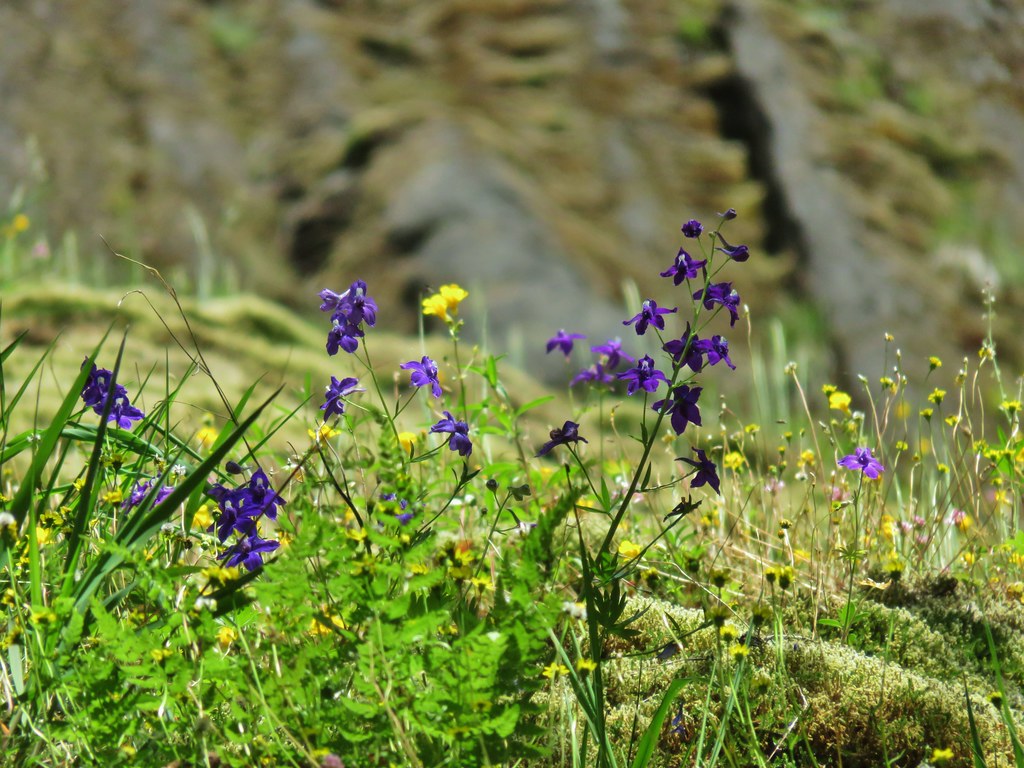
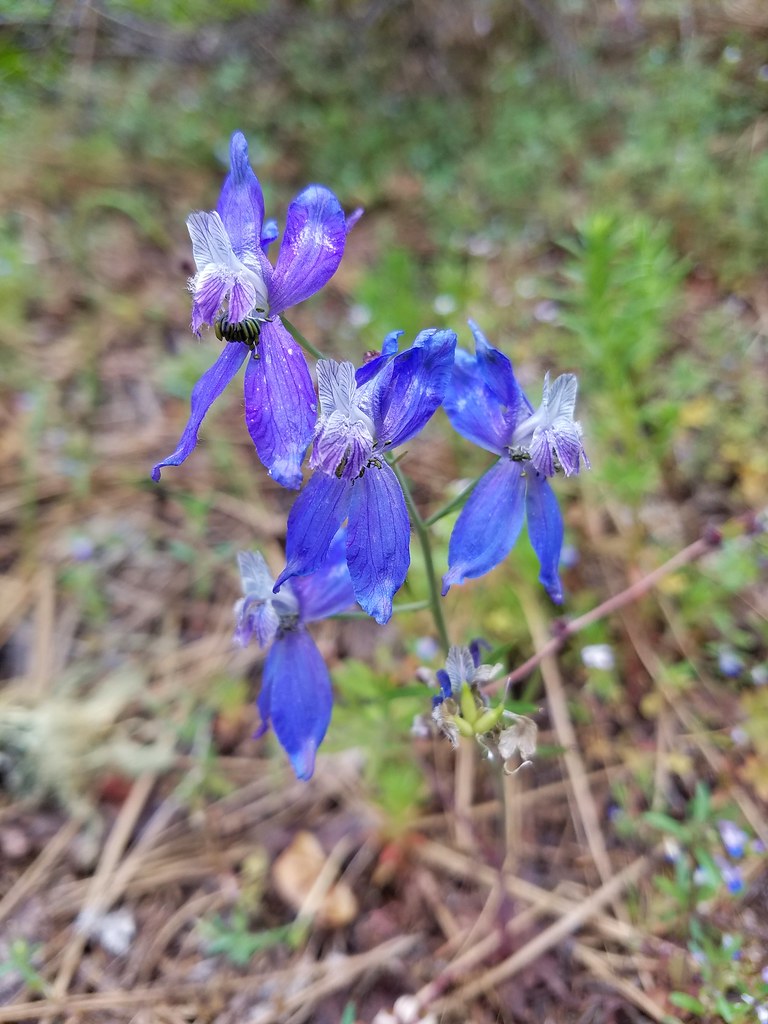
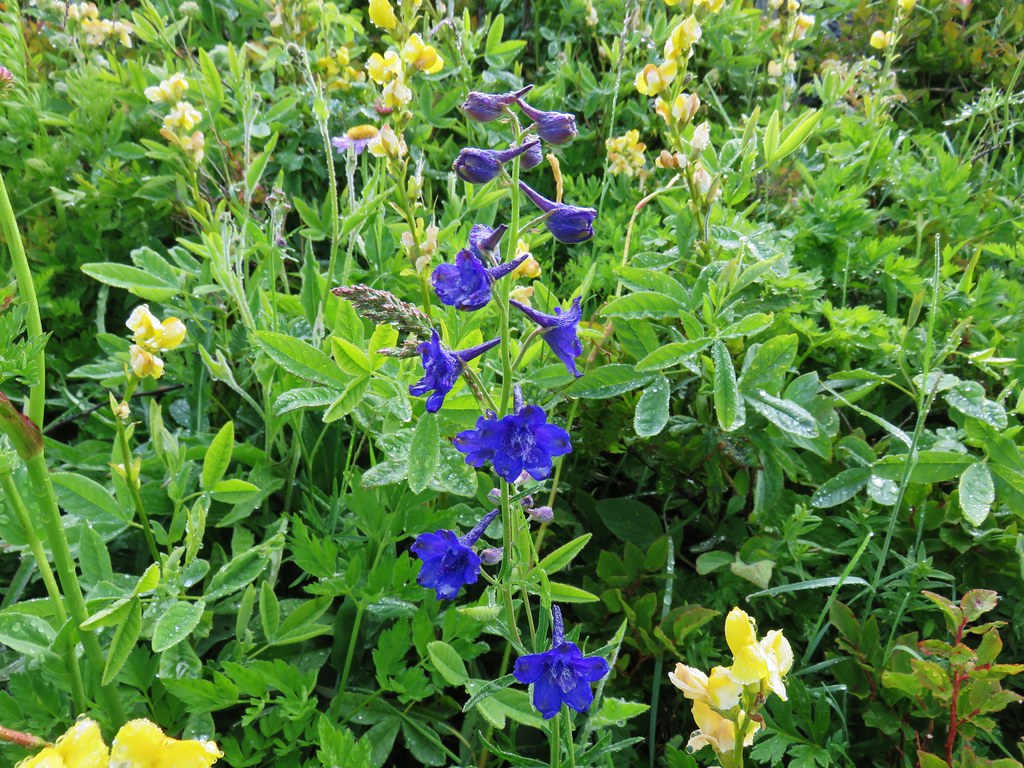
LarkspurLarkspur

This segment of the trail had originally extended another 2 miles from beneath Buffalo Rock with the next marker on Sullivan’s map being a “mossy pool” a mile from the end of the trail. As we continued on from Buffalo Rock though we found that the trail was quickly deteriorating. It was evident that what little maintenance this segment saw, had all been focused on the section between FR 1939 and Buffalo Rock.
North Fork TrailHad to climb over this on the left side by the standing tree.

North Fork Trail under some blowdownThe only choice here was to use this tree as the trail.

North Fork TrailMinor debris on the trail.

North Fork TrailCuts most likely from the original establishment of the trail.
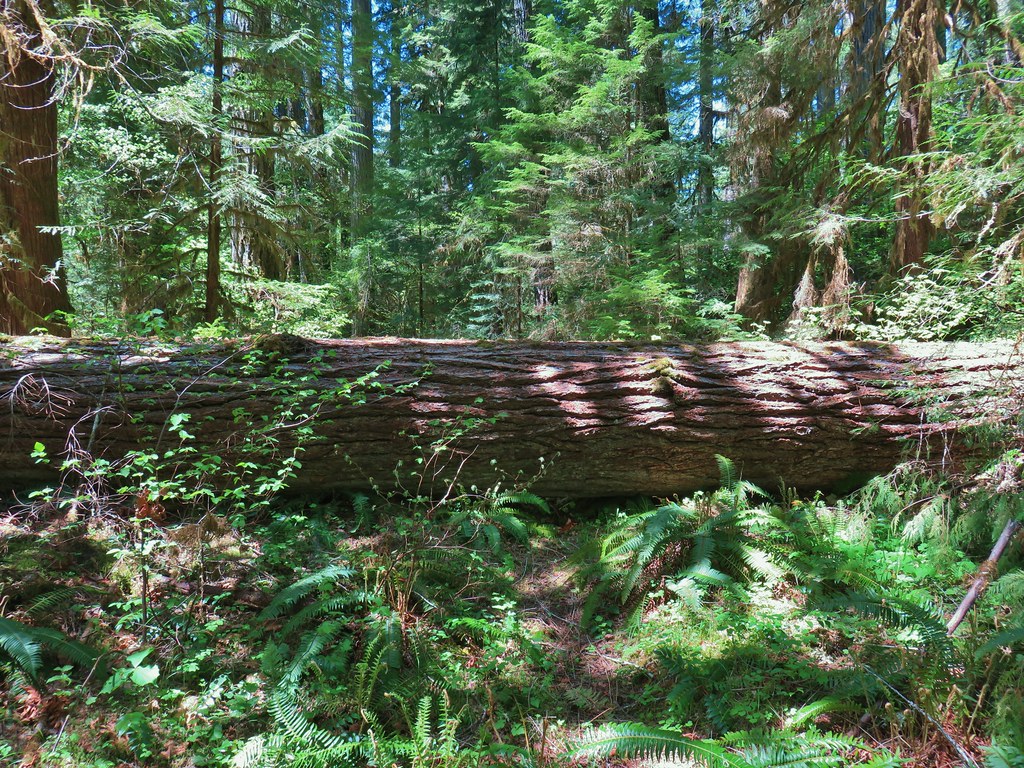
North Fork TrailThis one required a detour to the right around the end of the tree.

North Fork TrailForest reclaiming the trail tread.

Given the conditions we were experiencing and the distance we were facing for the day we decided to shoot for the mossy pool and turn around there instead of trying to reach the end of the trail. Sullivan himself had suggested turning around at Buffalo Rock and other than noting the pool on his map made no mention of it so we weren’t exactly sure what to expect. The trail turned away from the river to descend to the creek crossing where we expected to find the mossy pool.
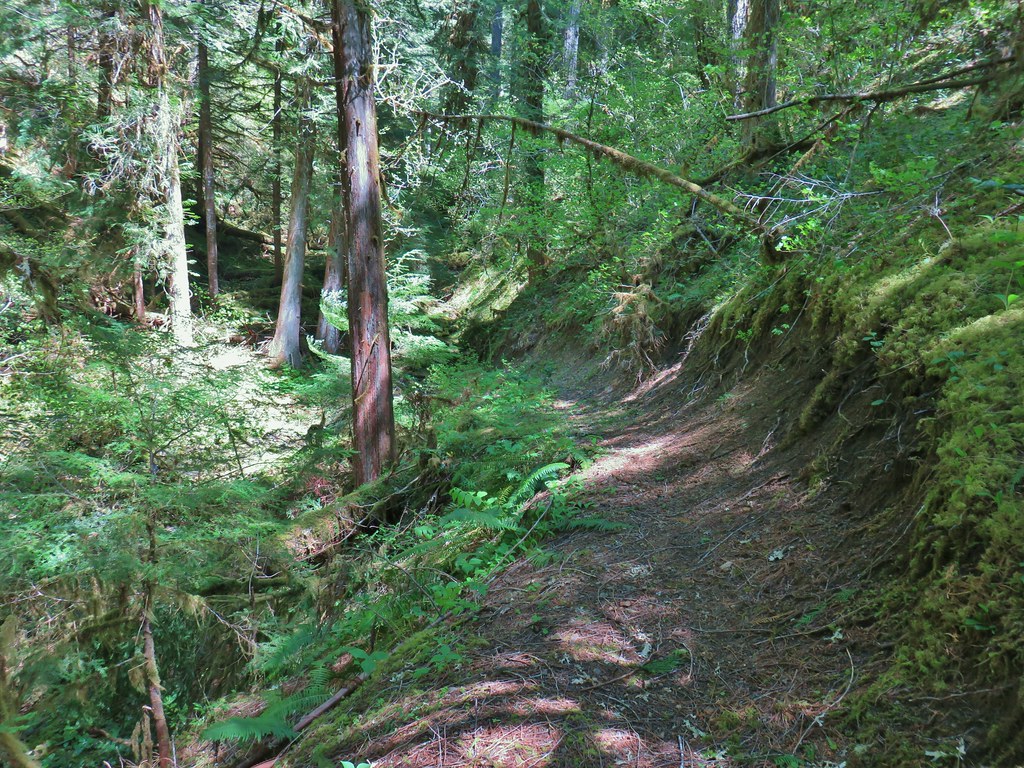
North Fork Trail

The creek had done a good job of erroding the trail which provided one final tricky obstacle to reach the little pool.
Creek along the North Fork Trail

We were pleasantly surprised by how nice this little creek and the pool were. There was a small cascade creating the pool.
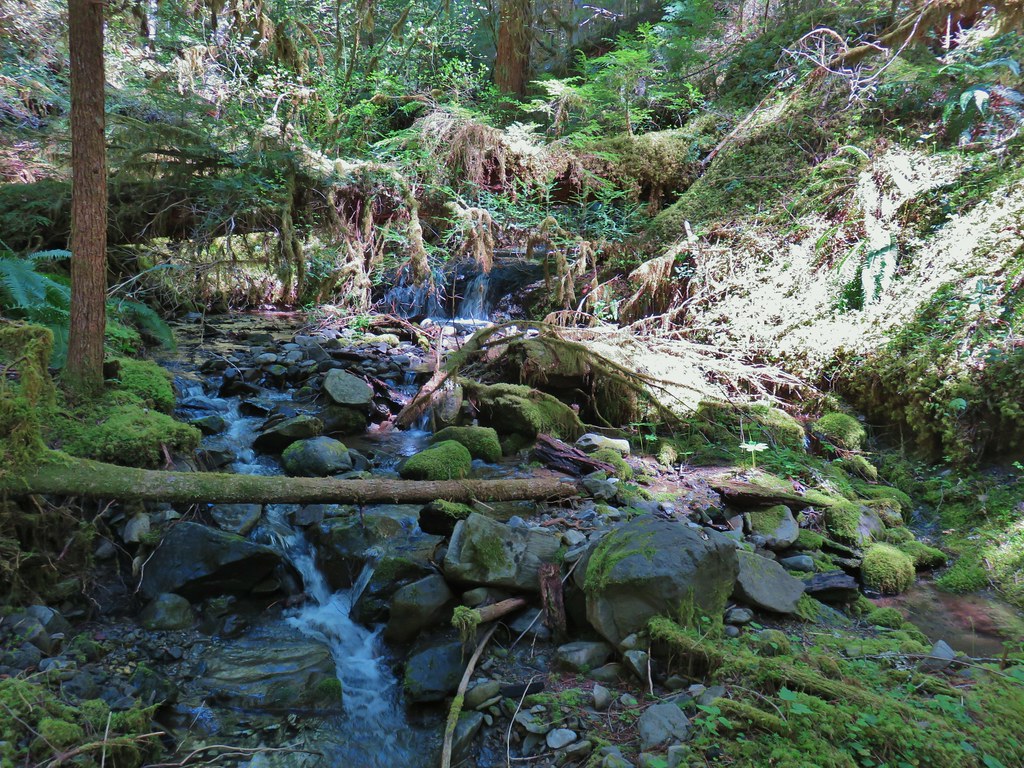
Mossy pool

Small cascade

Mossy pool

It was the perfect spot for a nice break. It was the warmest day of the year thus far with temperatures expected in the mid to upper 80s and it felt every bit that hot, but here by the creek the air was cool and refreshing. Between that and the calming sound of the water we both could have easily taken a nap but alas we needed to head back.
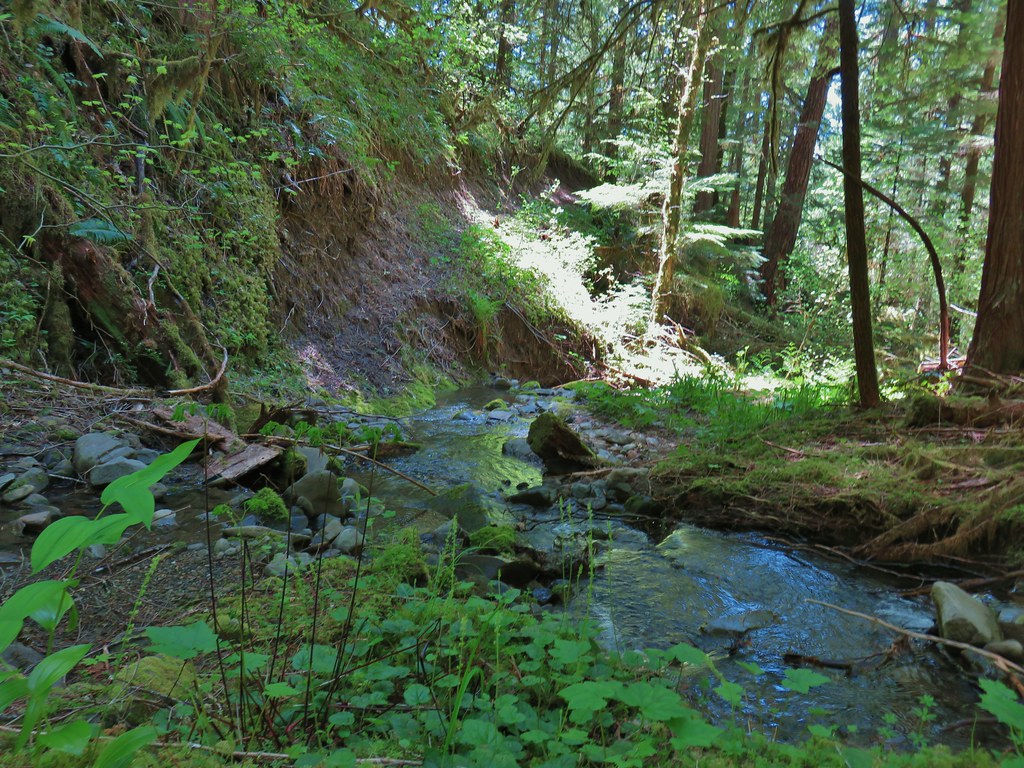
North Fork Trail from the mossy pool

We headed back before we had time to stiffen up with a mission to find the off-trail waterfall. From Sullivan’s map it appeared that there was no creek at the trail to follow up to the waterfall and his description said to listen for the sound of water and follow it. When we thought we were in the right general area we started listening. We took one wrong turn up a small stream that we thought was too soon but didn’t want to accidently miss it again. After following this little stream a short distance we determined that there was no sound of a waterfall of any kind so we returned to the trail and continued on. After descending a series of switchbacks we were in another promising area and this time we could hear water on the opposite side of the trail from the river. We bushwacked uphill to find the little waterfall.
Small off-trail waterfall

Small off-trail waterfall

After seeing the waterfall we returned to the car and headed home. We did see one other couple on our way back to the car making it a half-dozen between the two stops for the day. The two hikes totaled 13.9 miles, 6.4 on Segment 1 and 7.5 at Buffalo Rock.

We will continue to look for responsible options to allow us to keep hiking during these unprecedented times. Please be smart and safe and as always Happy Trails!

Flickr: North Fork and Buffalo Rock

Categories
Hiking Oregon Salem/Albany Trip report Willamette Valley

Baskett Slough Wildlife Refuge – 05/03/2020

Our “hiking season” has typically coincided with the start of May. This has been a unique year and the current situation with COVID-19 meant that if we were going to stick with our normal starting date we needed to scrap our plans (at least for the first part of our season) and find hikes that are open, nearby, and allow us to recreate responsibly. For our April outing that had meant a long walk around Salem to visit various parks (post). To officially kick off our 2020 season though we opted for a more traditional hike.

Despite living nearby, it had been nearly 10 years since we had done our one and only hike at Baskett Slough Wildlife Refuge. The previous visit was our second hike in July of 2010 which is the year in which we started to get serious about hiking. To change things up from our first visit we chose to start our hike from the Smithfield Road Trailhead (we had started our 2010 from the Baskett Butte Trailhead). Please note that the Smithfield Road Trailhead is closed from October 1 – March 31 to protect wintering wildlife.
IMG_2883

We set off straight ahead from the trailhead and soon were passing Morgan Lake. A couple of heavy rain showers had passed over between 5 and 6:30am but there was some encouraging blue sky overhead as we passed the lake.
IMG_2891

IMG_2893

IMG_2907

IMG_2910

There wasn’t a lot of activity on the lake this morning, just a few mallards, but there were plenty of other birds singing and flying between the trees along the lake, most of which wouldn’t sit still long enough to be photographed.
IMG_2909Mallards

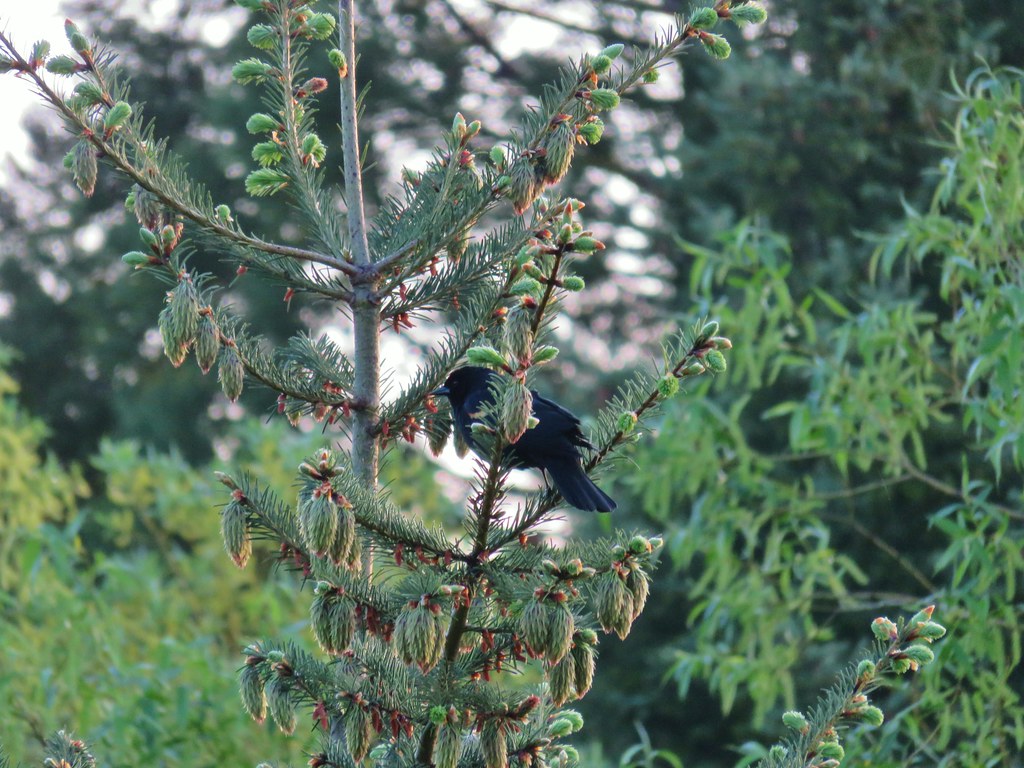
IMG_2905Crow

IMG_2914Sparrow

IMG_2916Guessing some sort of warbler

IMG_2919California quail scattering

After passing Moran Lake the trail headed toward a saddle between two hills. Heather noticed something up on the hillside to our left.
IMG_2925

The camera confirmed it to be a pair of elk.
IMG_2923

She had actually pointed out an area in some grass just a bit earlier that appeared to have been used as beds but we weren’t really expecting to see elk on this hike.

The grassy path that we were on seemed to be a popular breakfast spot for the wildlife. We spotted a couple of rabbits, several quail, and many small birds.
IMG_2941Rabbit with sparrows behind.

IMG_2945Rabbit with a quail behind.

Golden-crowned sparrowsGolden-crowned sparrows

IMG_2955Most of the rabbits we see run off right away but this little guy was pretty brave.
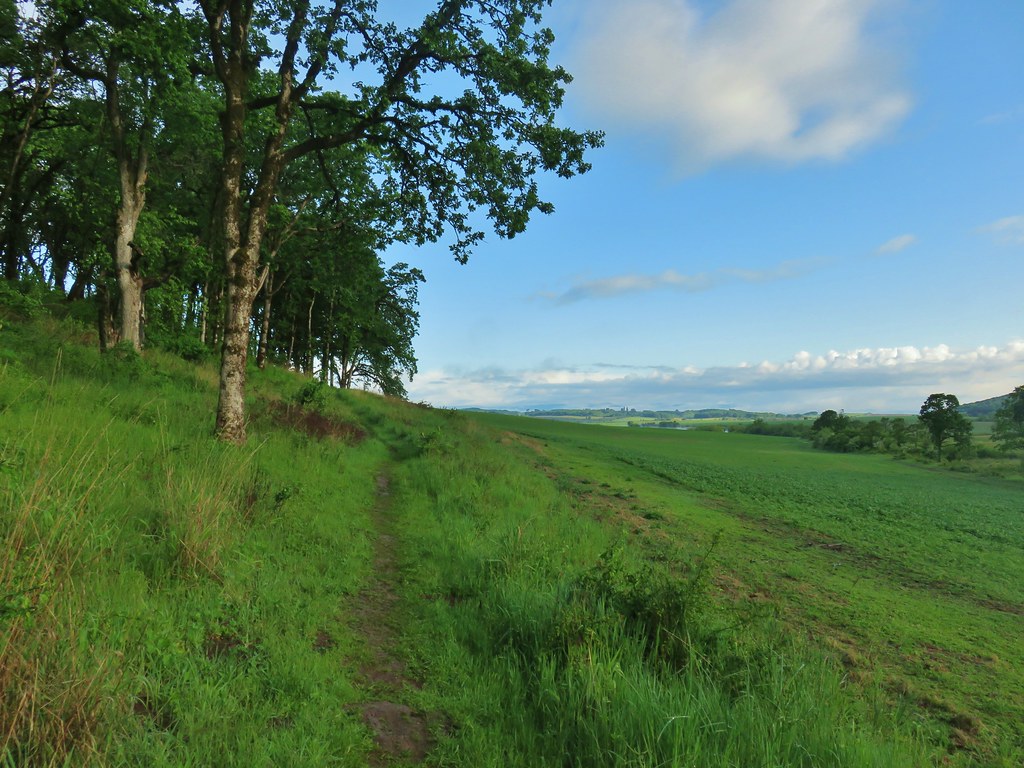
A little before reaching the saddle (a little over 1 1/4 miles from the trailhead) the trail made a nearly 180 degree turn turning from the grassy track to a dirt path that climbed along a wooded hillside. Near the turn we started seeing a few wildflowers.
IMG_2965
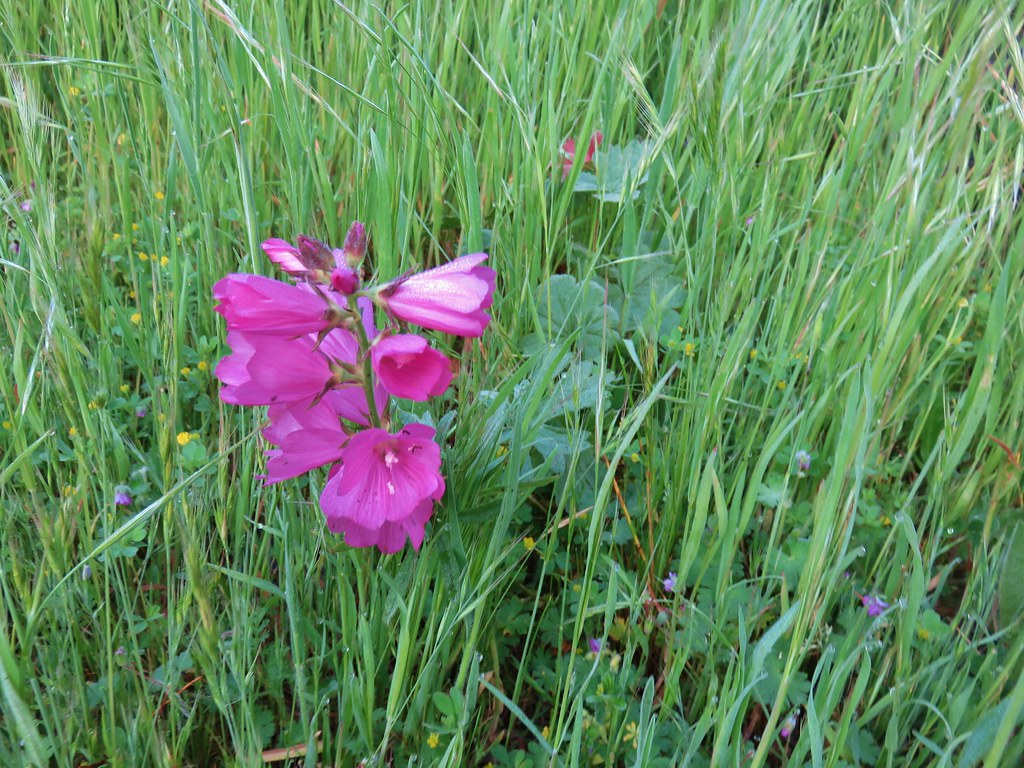
Meadow checker-mallowMeadow checker-mallow

IMG_2961Tough-leaved iris

IMG_2969Columbine

IMG_2974Morgan Lake from the trail.

IMG_2975Heading into the woods.

We met another trail user in the woods when we spotted a rough skinned newt.
IMG_2978

IMG_2981Spotted towhee

I had just mentioned to Heather to be on the lookout for Tolmie’s mariposa lilies when we noticed a patch of them on the hillside.
IMG_2992

They were a little watered down but still pretty.
IMG_2994

We came to a signed junction 1.6 miles from the trailhead. A right turn here would keep us on the 3 mile Moffiti Marsh – Morgan Lake Loop while a left turn would lead us .2 miles to the start of another loop and eventually a viewpoint atop Baskett Butte. We went left and headed uphill to a meadow in a saddle.
IMG_2996

IMG_2997

In the meadow were a few more types of flowers including lupine and plectritis.
IMG_2998

IMG_3000

We were busy looking at the flowers and nearly missed a pair of deer passing through the meadow ahead of us.
IMG_3008

IMG_3012

At the far end of the meadow the trail split. Here we turned right and entered a denser wood with lots of underbrush and a few more newts.
IMG_3029

IMG_3041Old tree trunk

IMG_3042Ferns

IMG_3033Woodland stars

Thin-leaf peaThin-leaf pea (and a spider behind the blossoms)
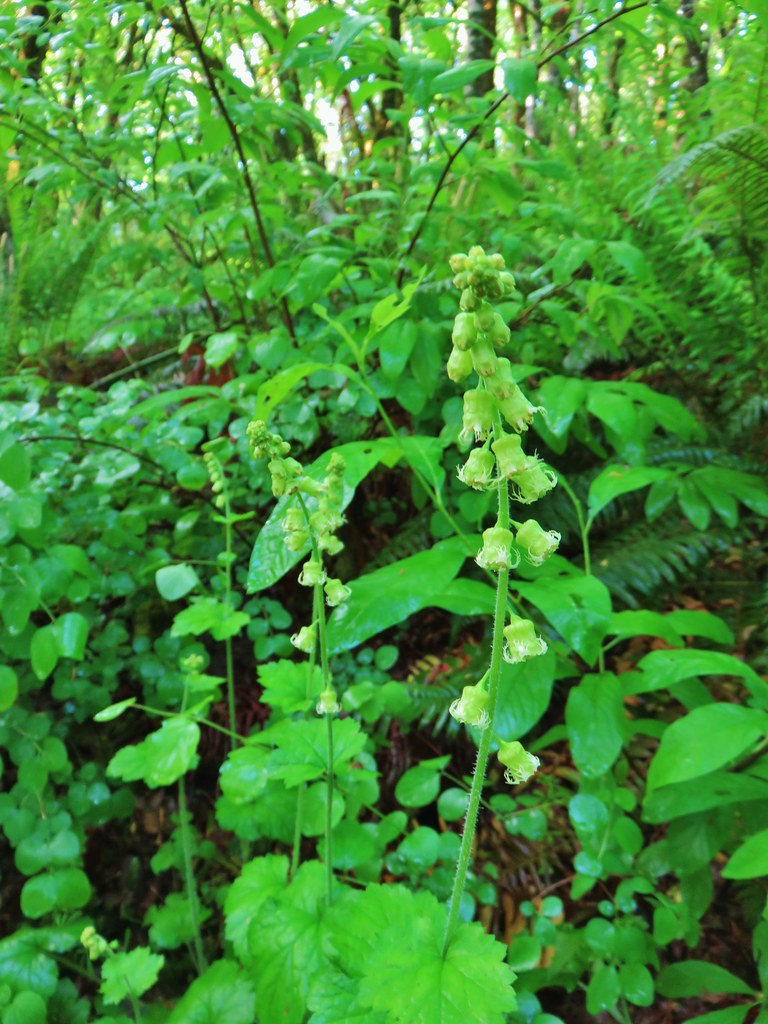
IMG_3043Fringecup

IMG_3030Given their size we believe this was proper social distancing for rough-skinned newts.
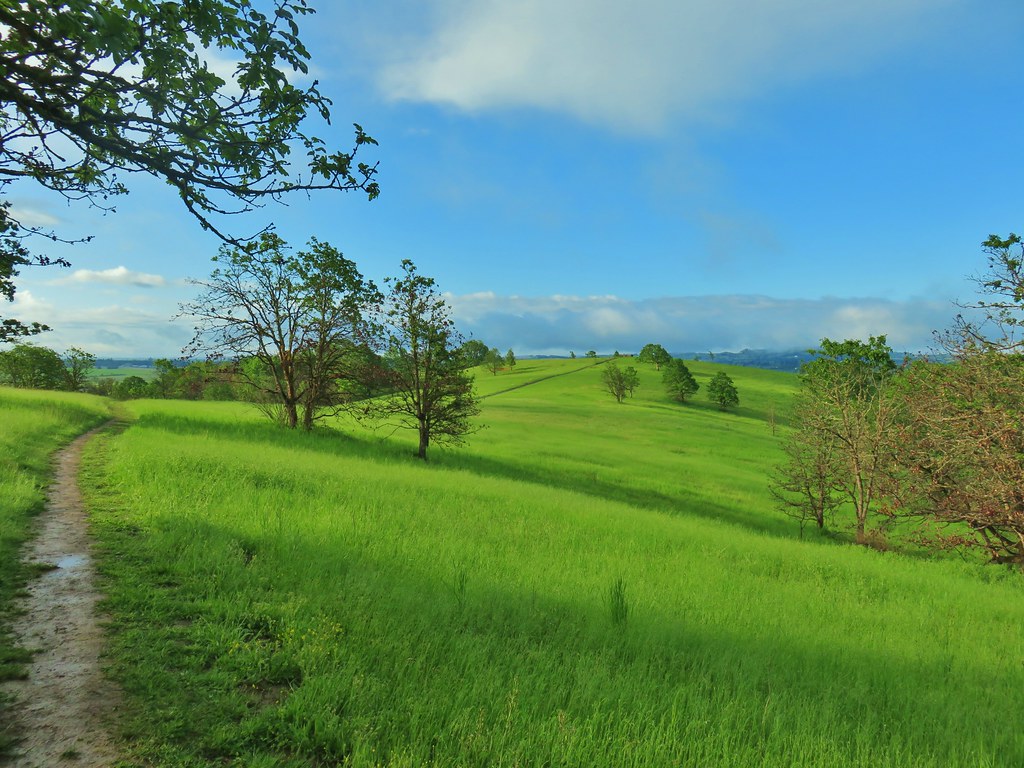
The trail left the woods after four tenths of a mile and entered another meadow.
IMG_3046

We spotted several additional types of wildflowers in this meadow all while being serenaded by a western meadowlark.
IMG_3053Western meadowlark

Tomcat cloverTomcat clover

IMG_3056Giant blue-eyed Mary

IMG_3057A checker-mallow surrounded by pale flax

IMG_3059Camas

A tenth of a mile later we arrived at a junction near a signboard.
IMG_3061

The loop continued to the left but we headed right to visit the viewpoint on Baskett Butte and to enjoy the display of wildflowers that lined this stretch of trail.
IMG_3064

IMG_3065Plectritis

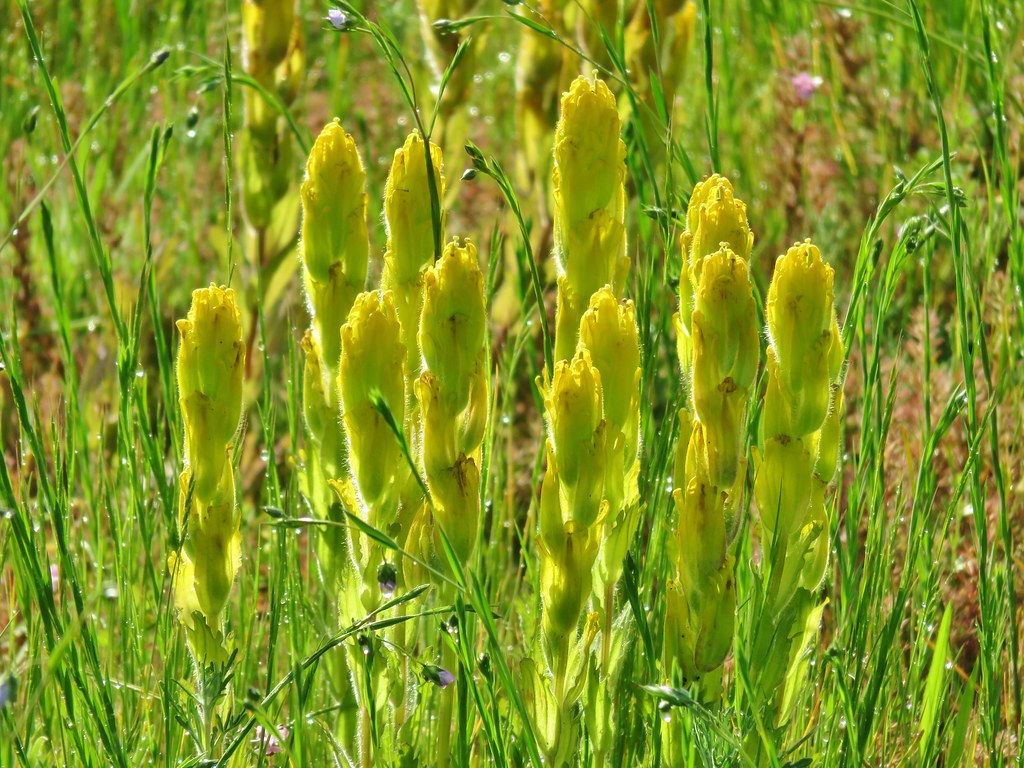
Castilleja levisecta - Golden PaintbrushCastilleja levisecta – Golden Paintbrush which historically occurred in the grasslands and prairies of the Willamette Valley. The species had been extirpated from the valley with the last sighting in Oregon occurring in Linn County in 1938. It was reintroduced to various areas starting in 2010 including here at Baskett Slough. In the wetter areas it failed to take but the plant has managed to take hold on Baskett Butte.
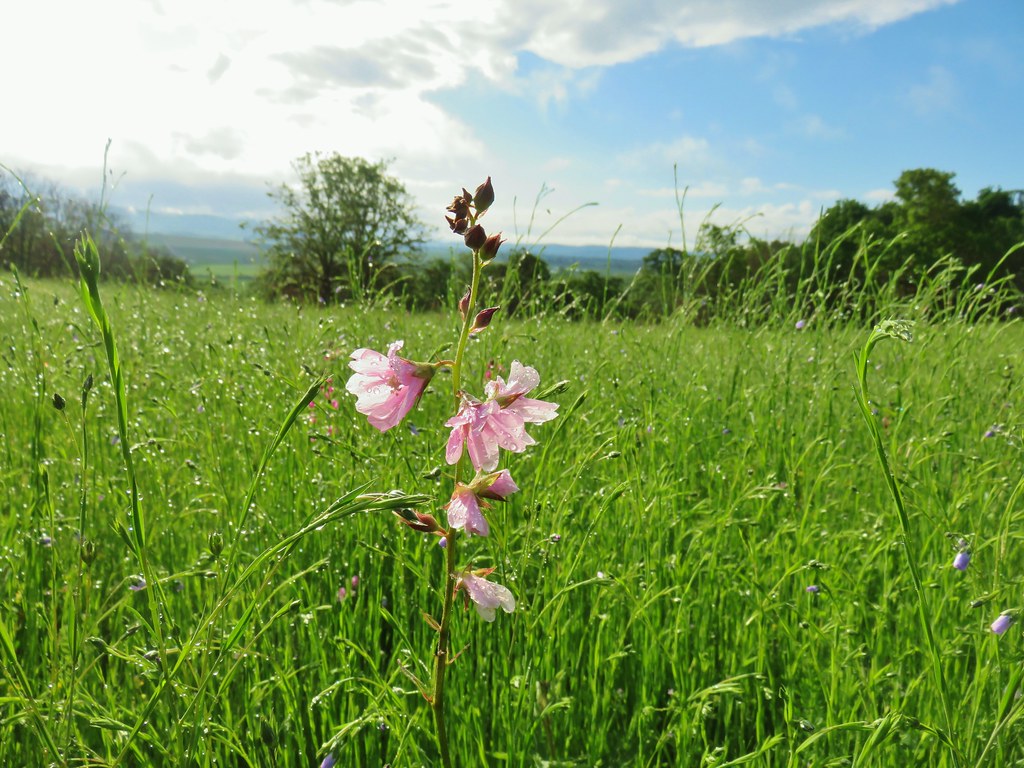
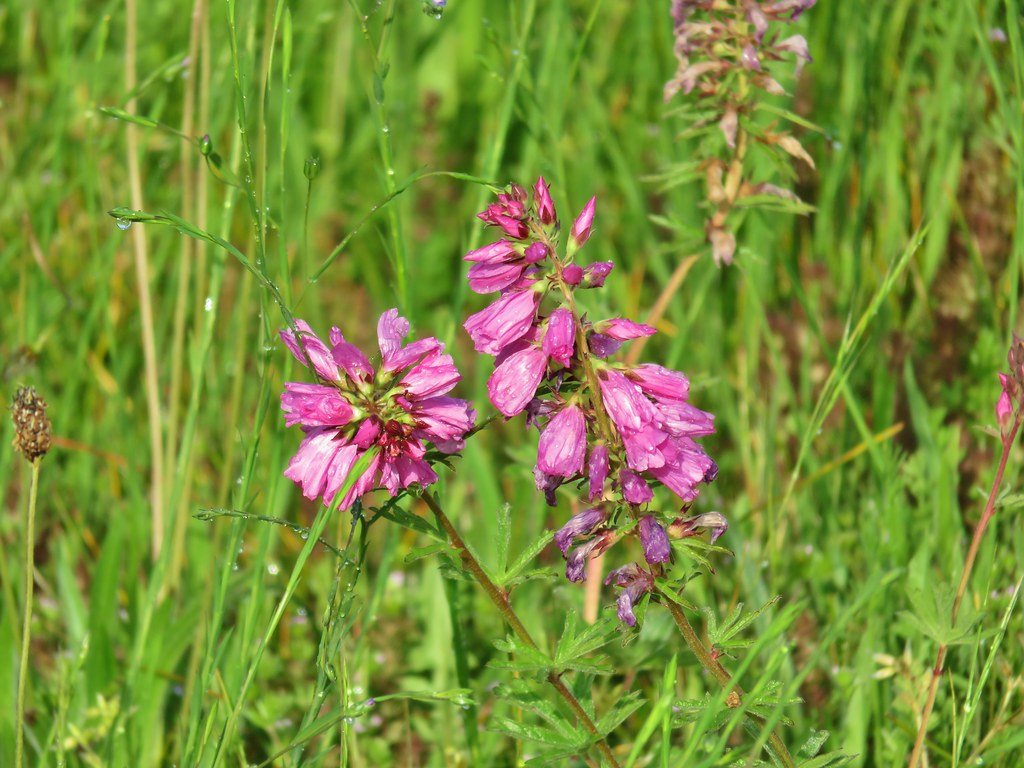
There appeared to be at least a couple of different flowers from the mallow family present.
IMG_3075

IMG_3076

IMG_3078

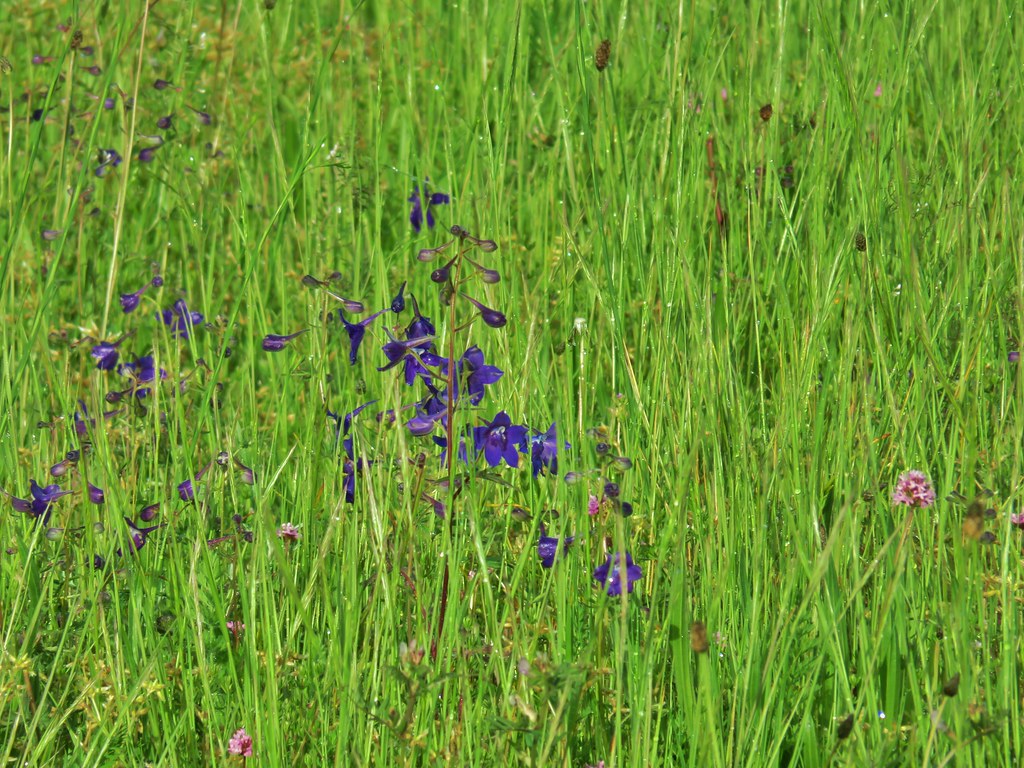
IMG_3079Larkspur

IMG_3089Biscuitroot

IMG_3083The white patch in the foreground is coastal manroot while the red patch uphill is columbine.

IMG_3091Some of the mass of columbine.

IMG_3104Tolmie’s mariposa lilies

We took a break at the viewpoint listening to ducks and geese in the wetland below.
IMG_3105

IMG_3107

Before heading back to the loop we followed a small path east (left) from the viewpoint. The path appeared to go all the way down to one of the refuge roads but it would have taken us out of the way (and left us with even more of a climb back up) so after about 450 feet we turned around. In that little distance though we spotted two more flower types that we hadn’t noticed yet.
IMG_3118Meadow death camas

IMG_3120Oregon sunshine

There was also another nice patch of columbine mixed with some cow parsnip.
IMG_3114

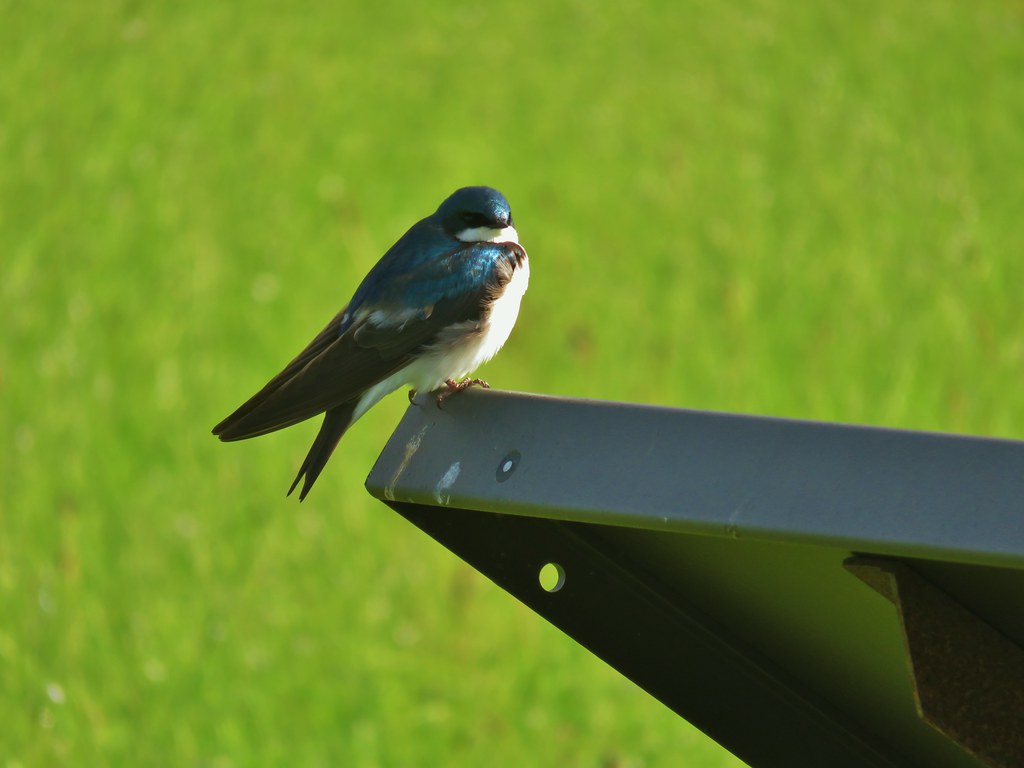
We headed down from Baskett Butte to the junction where we found a swallow sitting on the signboard.
IMG_3146

We turned right back onto the loop and descended for a tenth of a mile to another junction spotting yet another couple of different flowers along the way.

Hairy vetchHairy vetch

IMG_3153Purple sanicle

There was another signboard at this junction where we turned left (the right hand trail led down to the Baskett Butte Trailhead.
IMG_3155

We followed this path three tenths of a mile to the junction where we had started the loop and turned right passing back through the meadow where we’d seen the deer.
IMG_3160

IMG_3162Yarrow starting to bloom.

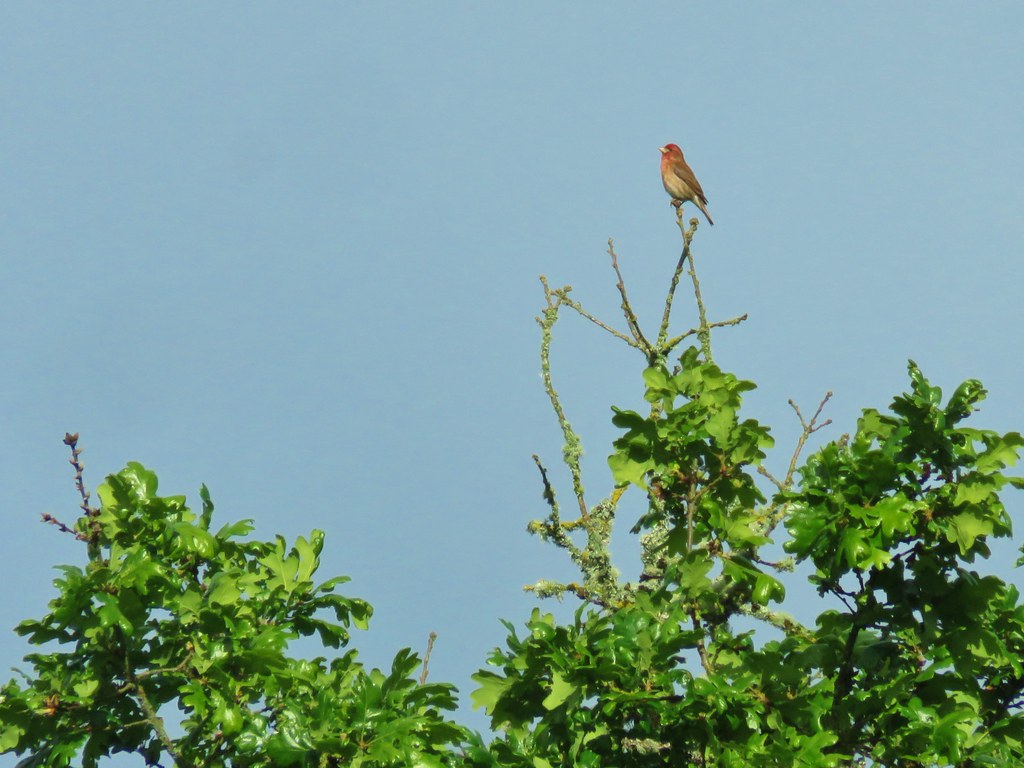
We didn’t see the deer this time but we did spot the red head of a house finch.
IMG_3164

After passing back through the meadow we came to the signed junction for the Moffiti Marsh – Morgan Lake Loop and veered left down a grassy track.
IMG_3165

IMG_3176

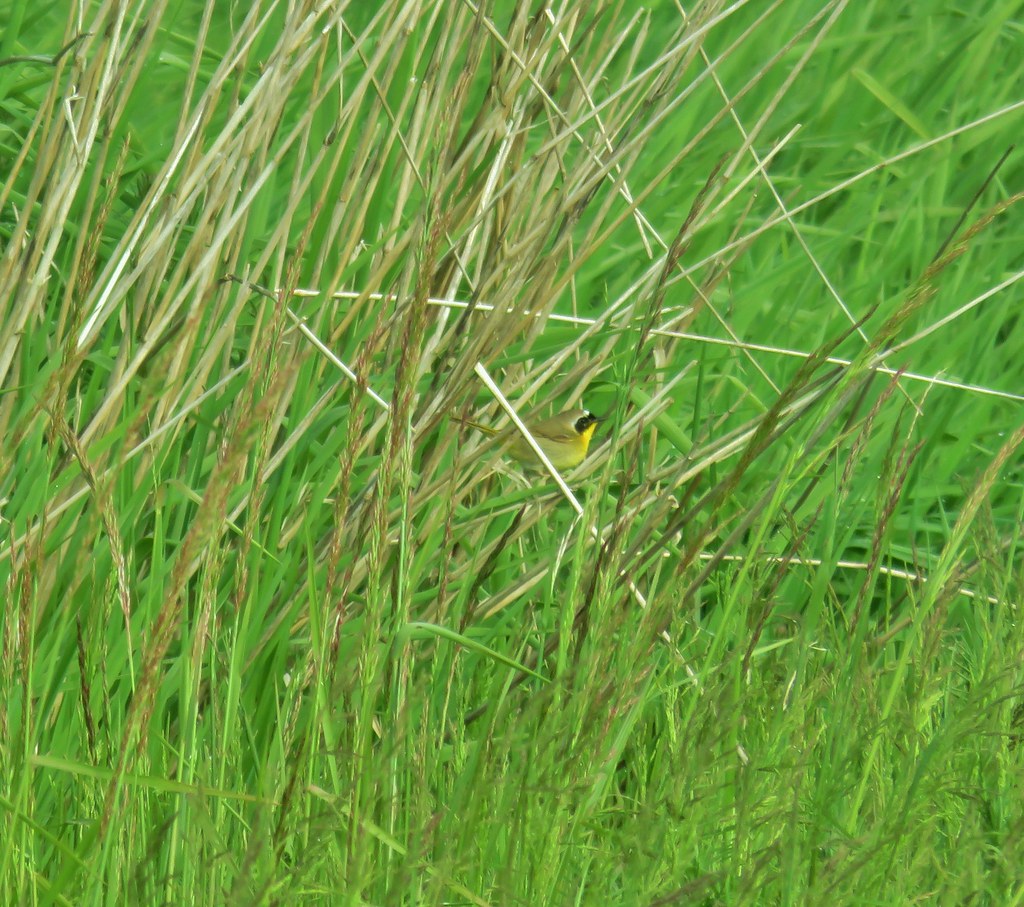
There were a few nice flowers along here, nothing that we hadn’t seen already during the hike though. We did however spot some new widlife.
IMG_3175A pair of American goldfinches

IMG_3184Silvery blue butterfly

IMG_3194Common yellowthroat

The grass gave way to gravel as we approached Moffiti Marsh. This time of year the marsh has a pretty good amount of water and judging by the number of ducks, swallows and other birds in the area is much preferred over Morgan Lake by those with feathers. There was also a loud chorus of frogs signing along this path.
IMG_3196

IMG_3197Moffiti Marsh

IMG_3200Great blue heron flying over

IMG_3214Ducks on the water and swallows in the air.

IMG_3215Northern shoveler on the left.

IMG_3219A couple different types of ducks.

The gravel path ended at a gate along Smithfield Road where we turned right on another grassy track.
IMG_3220

IMG_3221

It was just a little under a quarter mile back to the trailhead which gave us plenty of time to spot more flowers and wildlife.
IMG_3222Western bluebird

IMG_3229Female western bluebird gathering items for a nest.

IMG_3230Wild rose

IMG_3235Canada geese flying over.

IMG_3236Two pairs of American goldfinches.

IMG_3242Cinnamon teal

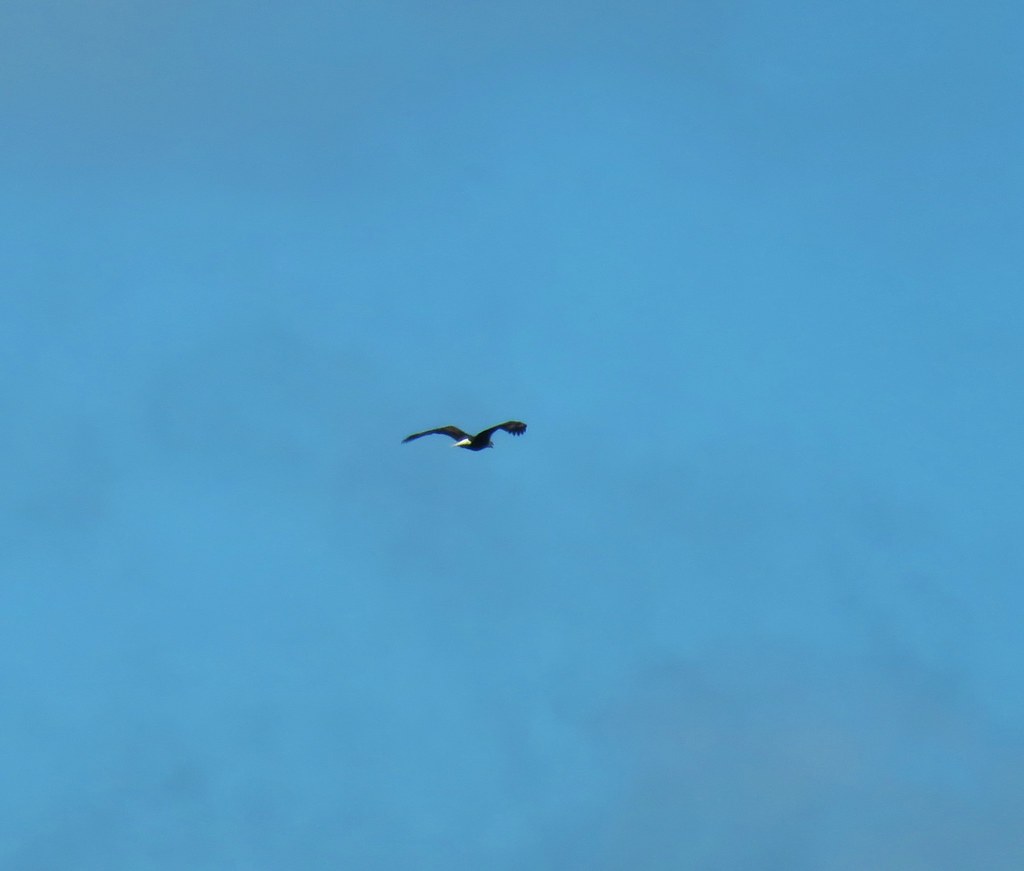
IMG_3248Bald eagle flying overhead

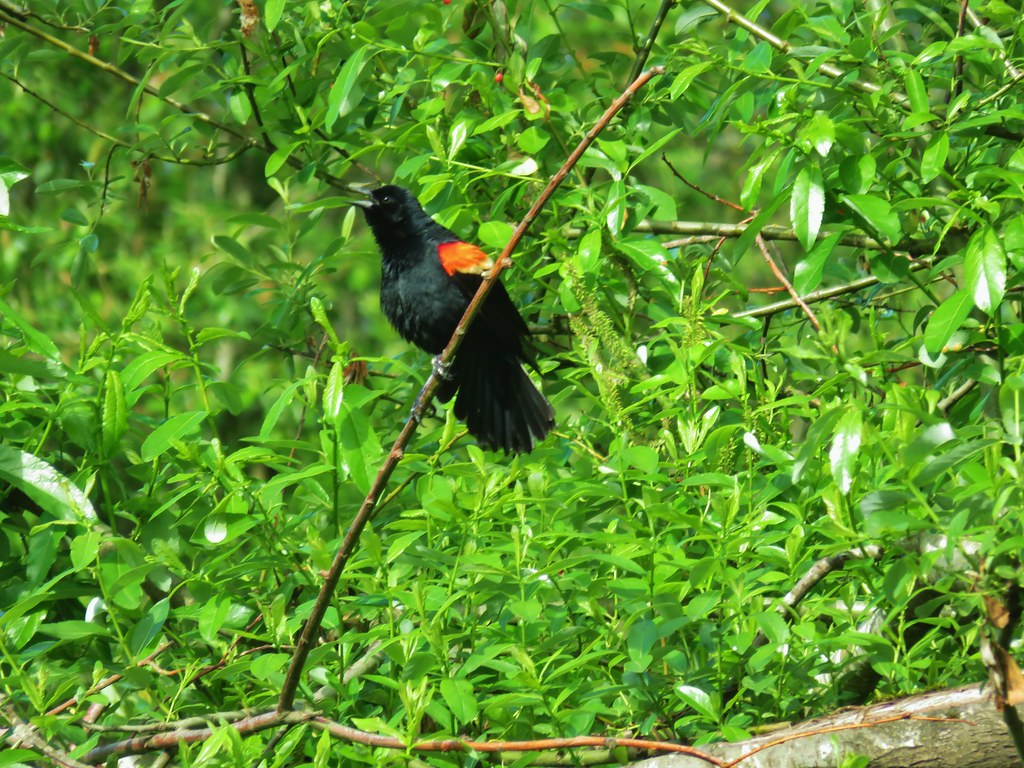
IMG_3250Red-winged blackbird

Our route on this day covered a similar area as that of our first visit although we started at a different trailhead and wound up being just a tad under 5 miles. That is where the similarities ended. Our photo album from 2010 consists of a total of 10 photos. There are a few deer, a dragon fly, and a couple of photos from the viewpoint atop Baskett Butte. The album for this hike ended up having 208 photos. The number of different flowers and types of wildlife that we were lucky enough to see exceeded our expectations. We were also lucky enough to escape all but a brief sprinkle of rain.

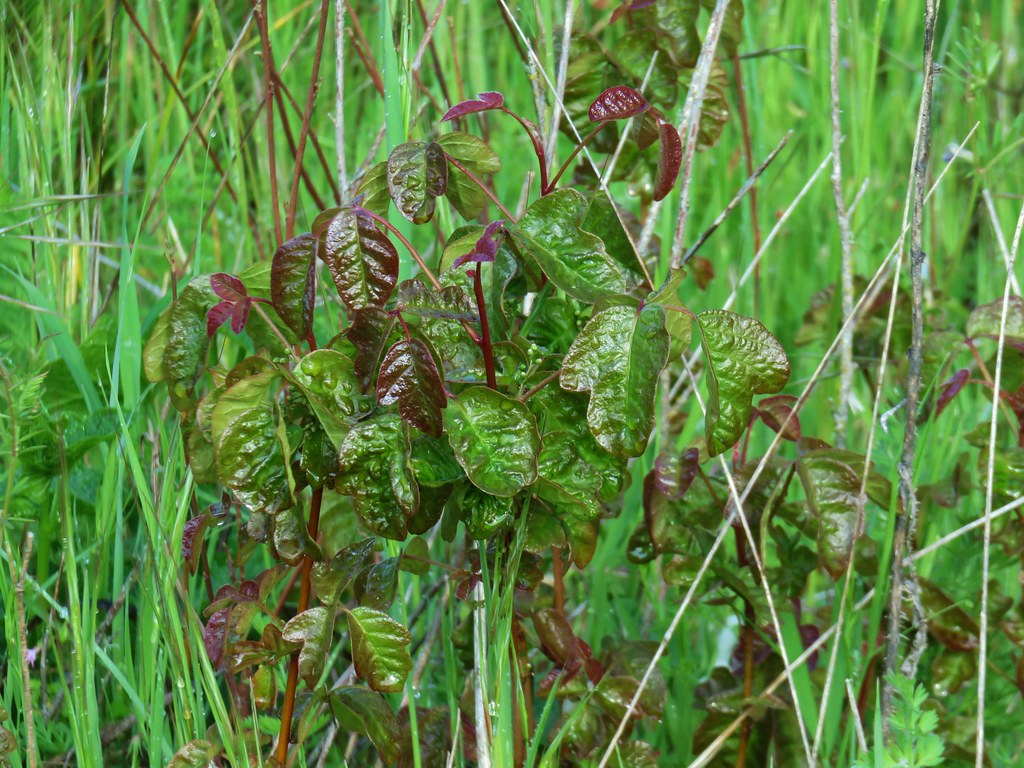
One caution for the area is that there is a decent amount of poison oak off trail which at this time of year was also looking rather nice even though we wanted nothing to do with it.
IMG_3159

Even though we were only doing this hike due to COVID-19 it wound up being a wonderful morning and a great start to what looks to be a really different hiking season.
IMG_3243Moffiti Marsh

Happy (socially distanced) Trails!

Flickr: Baskett Slough

Categories
Hiking Oregon Salem/Albany Trip report Willamette Valley

Salem Parks – 4/26/2020

With COVID-19 still affecting every day life we decided to get a little creative with our April hike. We wanted to get outside and do our best to see some of the typical Spring sights that we have been missing while still following responsible stay-at-home guidelines. Our solution was to set off on an urban hike from our house to visit a number of area parks and natural areas. We grabbed our smallest day packs and some face masks (just in case) and headed out our front door.
IMG_2627

Living in the hills of West Salem we are often greeted with blue sky when the city below is shrouded in fog and this was one of those mornings.
IMG_2629

In addition to a few less mornings of fog, living up in the hills also provides us views of several Cascade mountains from various spots in the neighborhood. At one intersection we always look for Mt. Jefferson (Jeffry as we refer to the mountain). It’s become a kind of running joke that even if it’s pouring rain one of us will ask if Jeffry is visible. We were lucky enough this morning to be able to make out the mountain through a thin layer of fog.
IMG_2630

Our hope for the outing was to spot some wildlife and enjoy some flowers. Being an urban hike through neighborhoods there were plenty of flowers to see in different yards but what we were really looking for were the ones growing wild.

The first park that we passed was 5.5 acre Eola Ridge Park. The neighborhood park is thin on development other than some picnic tables and short paved path between Eola Dr. and Dan Ave NW. Wetlands on the western end of the park attract birds and other wildlife.
IMG_2631Wetlands near Eola Ridge Park

IMG_2633Red-winged blackbird

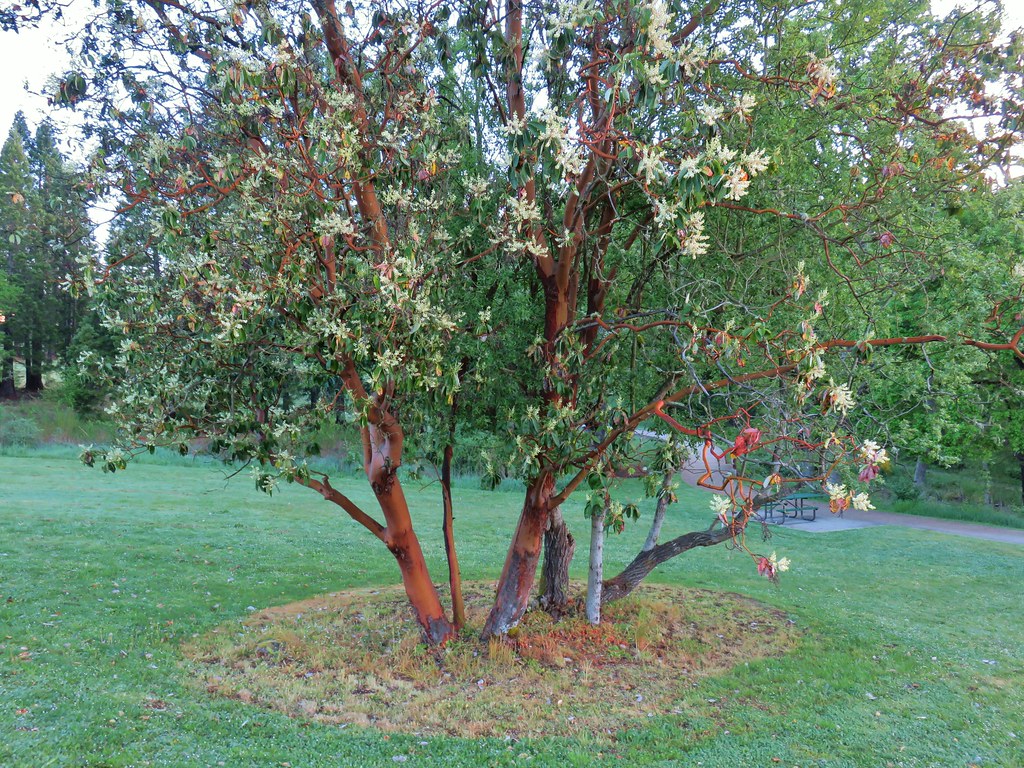
IMG_2635Madrone in Eola Ridge Park

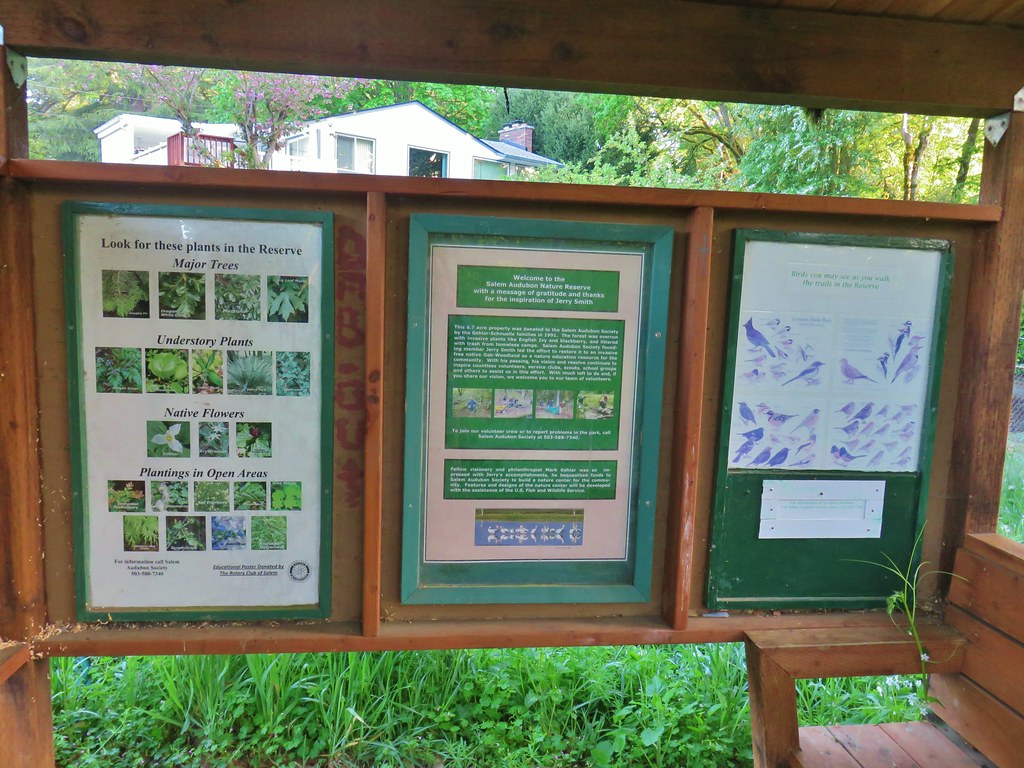
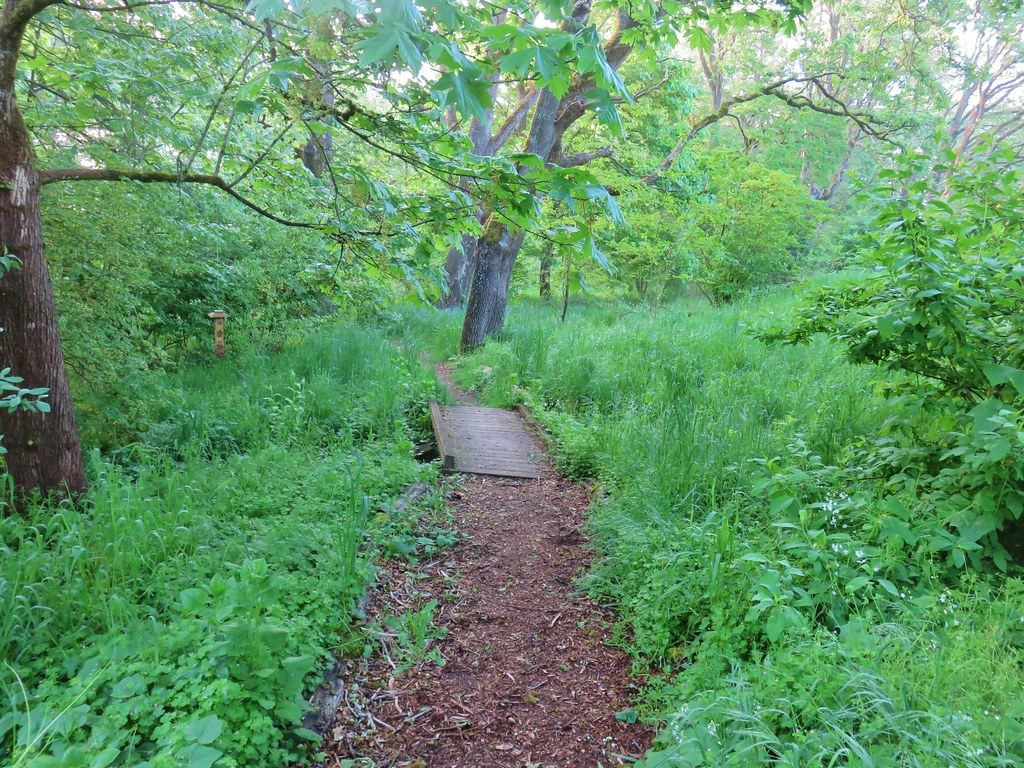
Continuing east on Eola Dr the next natural area we came to was the Salem Audubon Nature Reserve. This seven acre reserve has a few trails and interpretive signs.
IMG_2641

IMG_2645

We drive by the reserve daily and often see volunteers working on the area and their dedication showed as we made our way through the area.
IMG_2643Bleeding heart and miners lettuce around a small bench.

IMG_2646

20200426_070411

IMG_2647

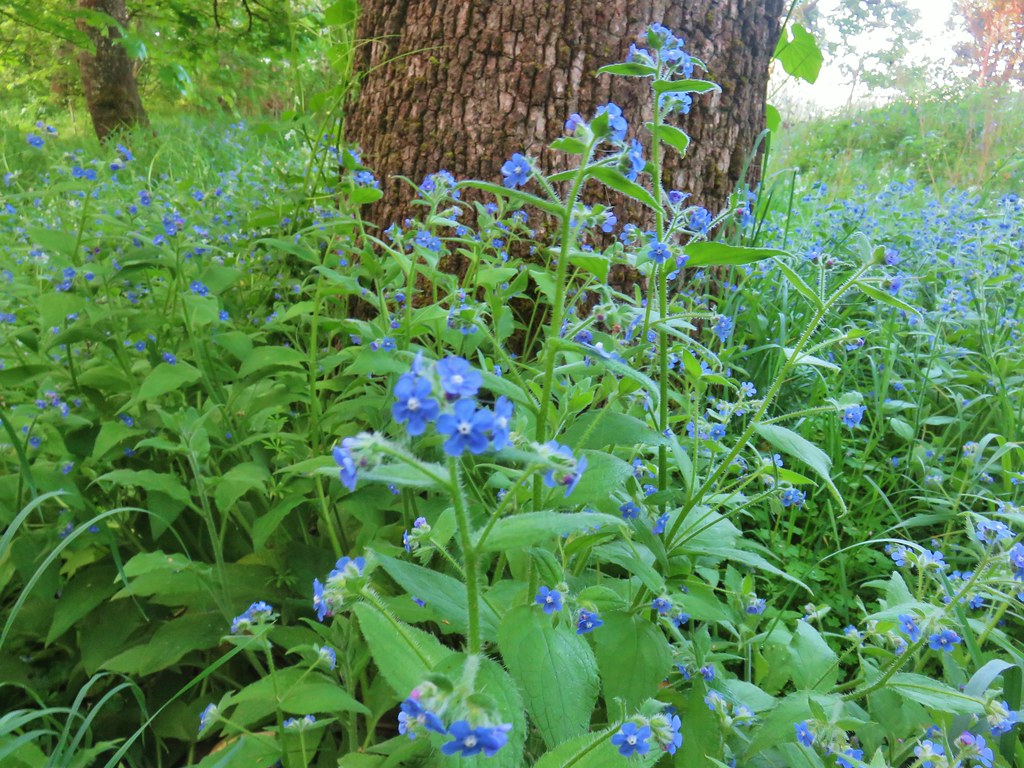
IMG_2650Possibly forget-me-nots.

IMG_2653Fringecup

IMG_2654

IMG_2655Giant white wakerobbin

IMG_2657Coastal manroot and annual honesty

IMG_2659Blue-bells

IMG_2661Plummed solomon’s seal

IMG_2664I think this is a checker-mallow but I’m never sure between the checker-mallows and checkerblooms.

After leaving the Audubon Nature Reserve we made our way down to Edgwater Street where we turned left eventually passing the old West Salem City Hall.
IMG_2665

From 1913 to 1949, when it merged with the city of Salem, West Salem was it’s own incorporated city. The old city hall building was opened in 1935 and functioned as city hall until the merger.

We could have followed Edgwater east to Wallace Road (Highway 221) and from that intersection crossed the Willamette River on the Center Street Bridge, but that is a noisy walk along the busy Highway 22 so instead we opted for a slightly longer route to the bicycle and pedestrian only Union Street Bridge. To reach the Union Street Bridge we wound through some neighborhoods eventually making our way to Wallace Road on Taggert Drive and then heading south along Wallace to the now paved former rail line leading to the bridge.
IMG_2672 The city has put up a number of these direction pointers all over Salem which are actually really helpful.
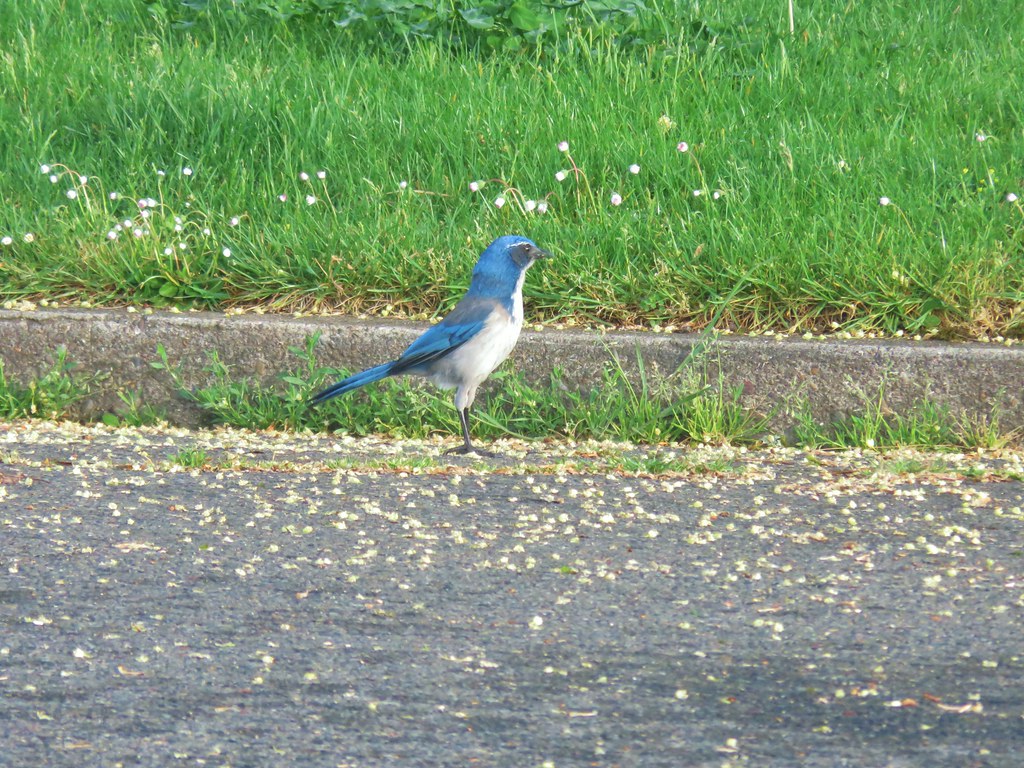
We’d heard a lot of birds in the nature reserve but couldn’t see most of them in the woods there but in the neighborhoods they were easier to spot.
IMG_2667Scrub jay

IMG_2668Starlings

IMG_2673Spotted Towhee

The morning fog was burning off quickly save for a little lingering over the Willamette here and there as we approached the bridge.
IMG_2674Path leading to the Union Street Bridge

This bridge showed up in one of our other hikes back in 2018 when we toured Wallace Marine, Riverfront, and Minto-Brown Island Parks (post). The bridge connects Wallace Marine and Riverfront Parks by spanning the Willamette River and is always a good place from which to spot ducks and geese.
IMG_2675

IMG_2676Family of geese

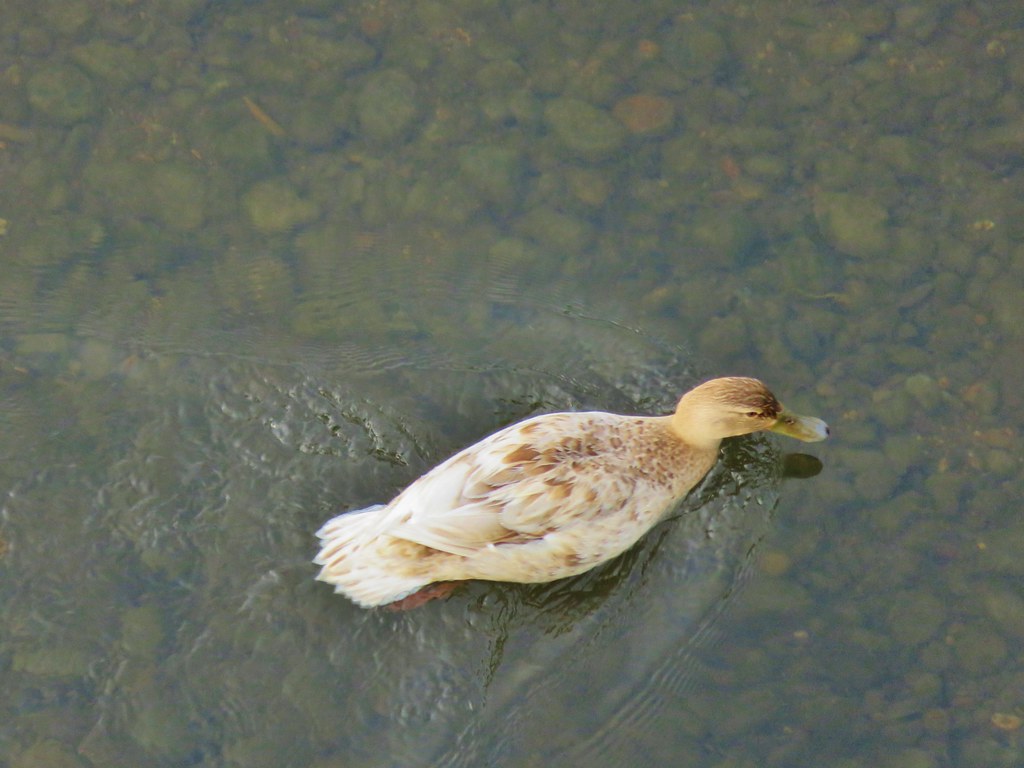
IMG_2682A very light colored mallard

20200426_075631

As we reached the eastern end of the bridge near Riverfront Park we started to see a lot of squirrels.
IMG_2683

IMG_2686

IMG_2687Two squirrels on a tree.

IMG_2693This squirrels was vigoursly attacking this bush.
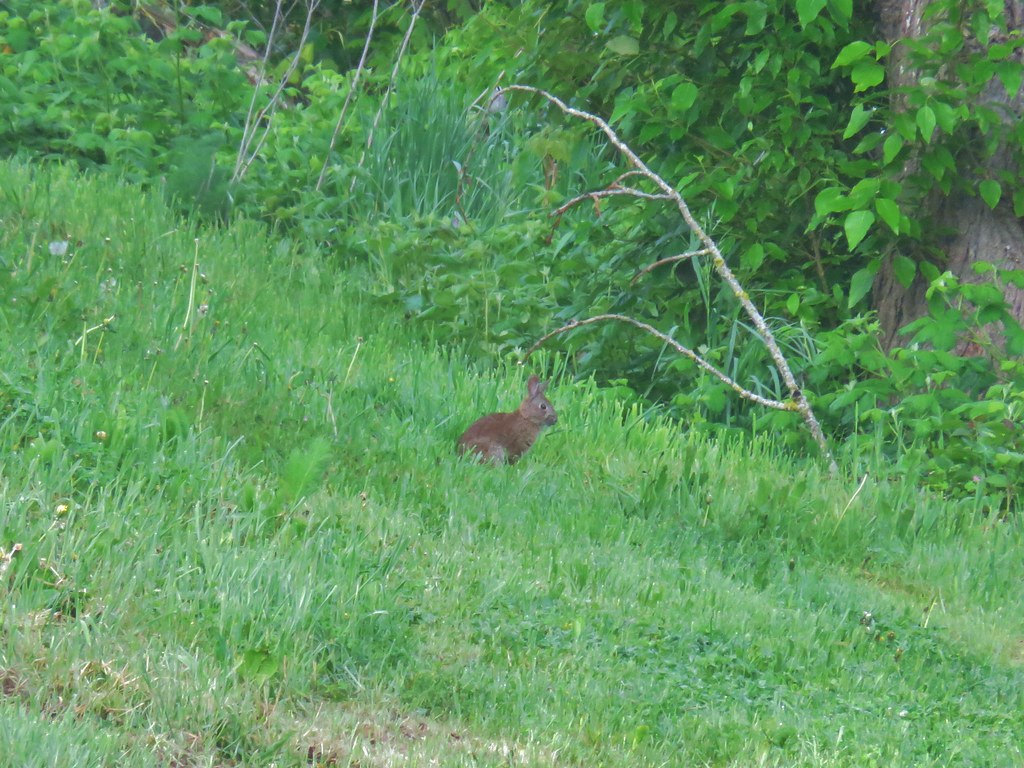
As we neared the Willamette Queen Heather spotted a rabbit in the grass.
IMG_2688

IMG_2689

There were a few people out and about, some of which were wearing masks.
IMG_2692 (We hope this mask was no longer usable because we’d hate to see them wasted, but it did make us chuckle.)

Since we covered Riverfront Park during our 2018 hike we walked through the park and crossed into downtown at State and Front Streets. We then walked a block down State Street to Commercial Street where we turned right (south) and passed the Salem Convention Center on the way to The Mirror Pond in front of the Salem City Hall.
IMG_2697

IMG_2698Pringle Creek from Commercial Street with City Hall in the distance.

IMG_2699The Mirror Pond

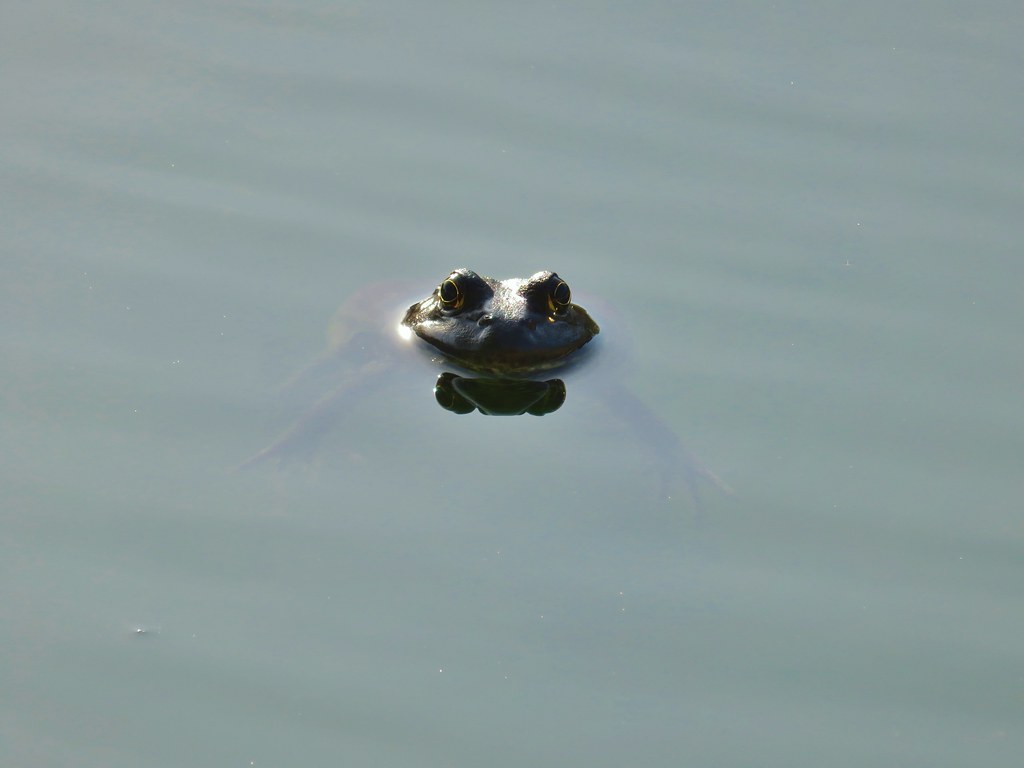
We’d seen blue herons in the water here (in addition to the statute of one that is in the pond) but as we neared the pond today it was two sets of eyes that caught my attention. I wasn’t sure what I was seeing until one set disappeared and then I realized they were frogs.
IMG_2701

IMG_2702

IMG_2705The heron statue

IMG_2707Mallards

We passed The Mirror Pond and followed a path beneath Liberty Street and over Pringle Creek.
IMG_2709

IMG_2710

We then made our way to High Street crossing it in front of the SAIF building where another small green space and water feature tends to attract ducks.
IMG_2711

IMG_2713

IMG_2715

We passed through the green space and then turned right on Church Street (south again). We crossed over Pringle Creek again and took a quick detour down to the George Arthur Powell Meditation Garden.
IMG_2718Pringle Creek at Church Street.

IMG_2719

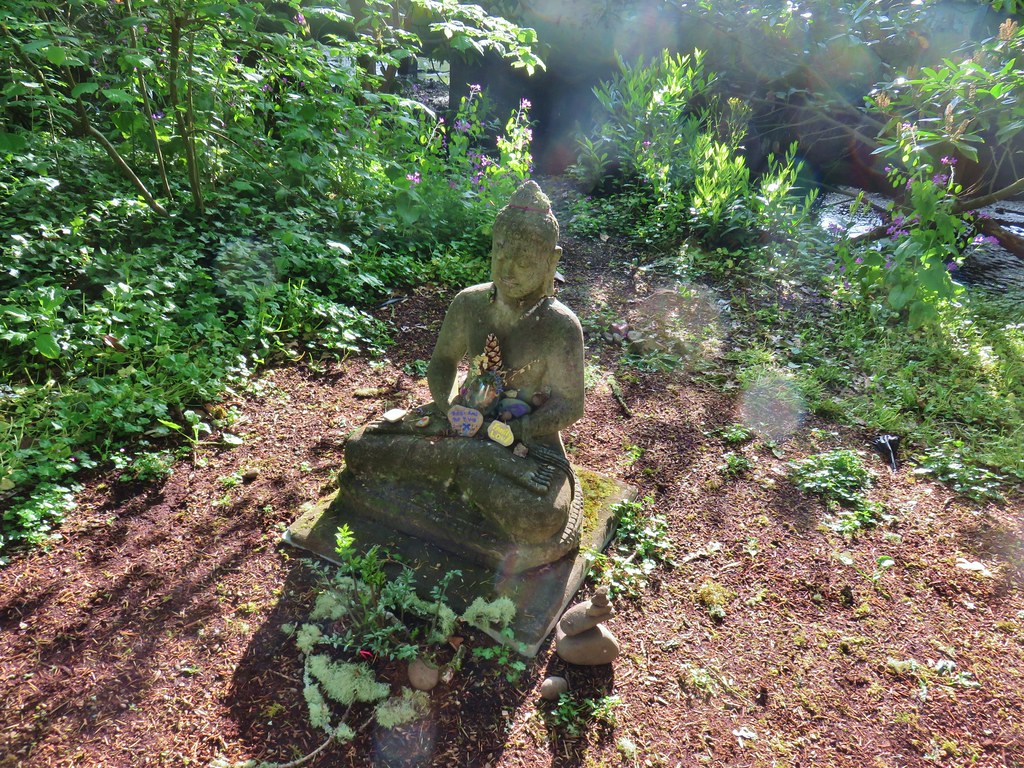
The small garden had a small bench and lots of flowers.
IMG_2722

IMG_2720

IMG_2721

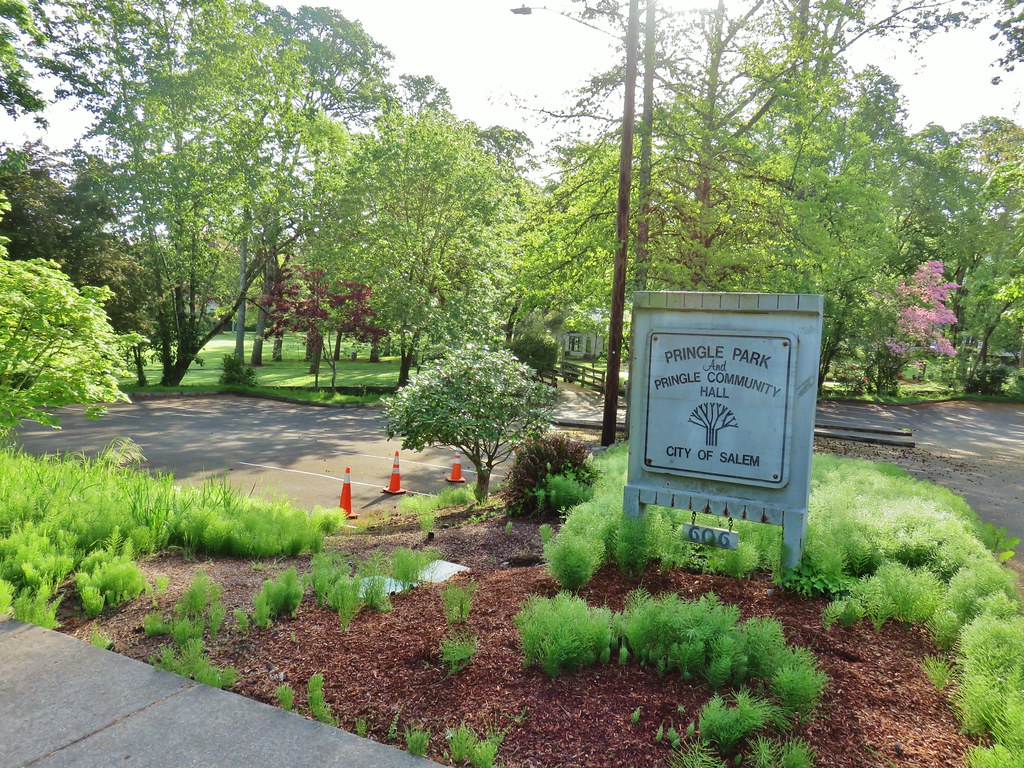
On the opposite side of Church Street is Pringle Park and the Pringle Community Hall. When we both worked near the hospital we would often walk through this park during lunches.
IMG_2723

We skipped Pringle Park today though and continued south on Church Street toward Bush’s Pasture Park.
IMG_2725 Passing the Let’s All Play Park. part of the Salem Hospital Campus on Church Street.

IMG_2726Sign at Bush Park

IMG_2728Bush House Museum

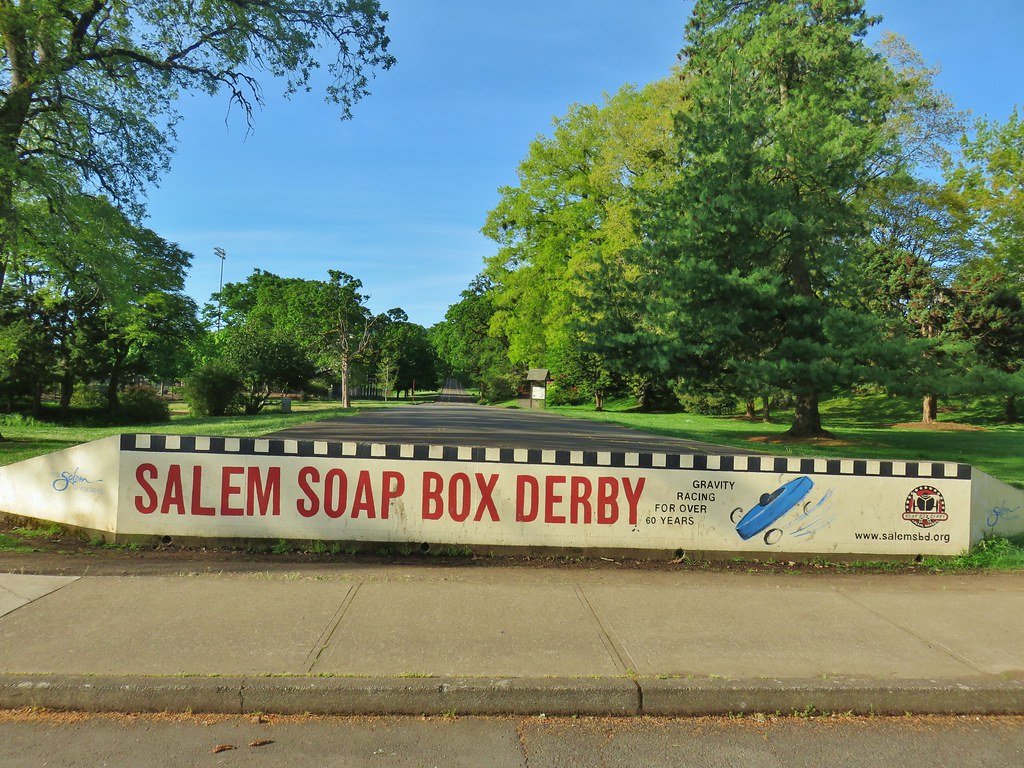
At 90.5 acres Bush’s Pasture Park is one of the larger parks in Salem and may provide the most diverse set of activites. Along with the Bush House Musuem and Rose Garden there are picnic areas, playgrounds, tennis courts, ball fields, woods, and open swaths of grass. There is also a soap box derby track and some of Willamette University’s sports fields.
IMG_2730

IMG_2731

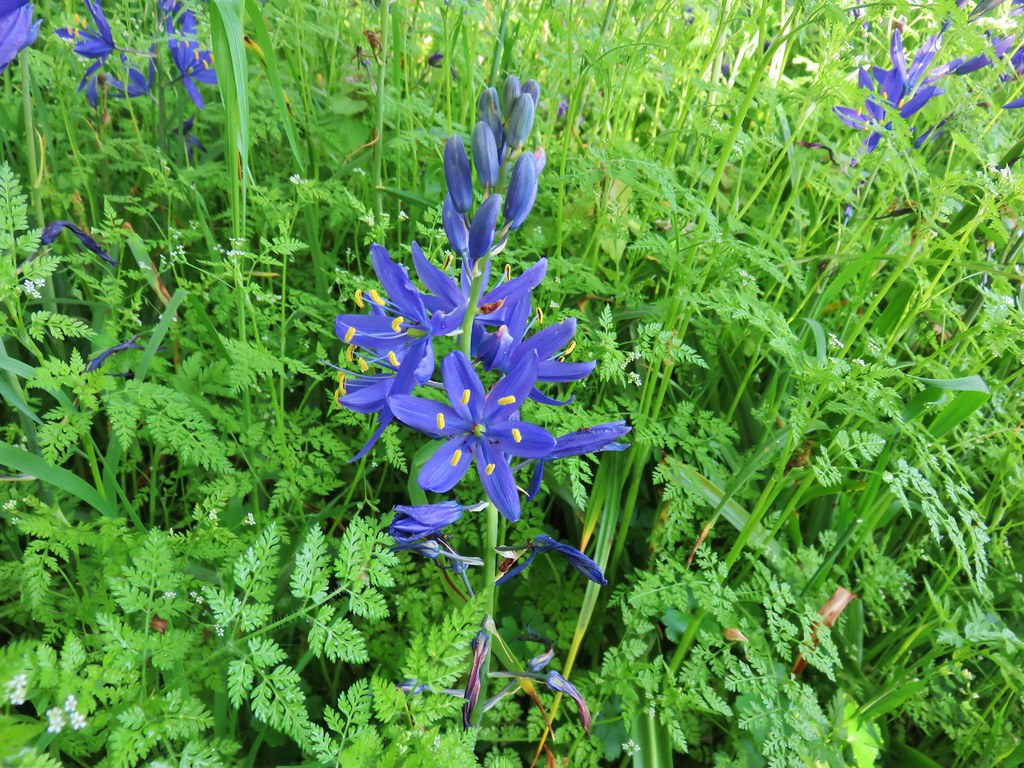
Our main motivation for getting to Bush Park though was to check out the camas bloom. For years I’d been wanting to see the camas bloom at Bush Park up close instead of from the car while driving by on Mission Street. COVID-19 had at least provided the right situation to prompt us to finally get here. We made our way to the NE end of the park and turned into the woods at the interpretive signs for the camas.
IMG_2737

IMG_2739

IMG_2743

IMG_2735

IMG_2742

IMG_2748

IMG_2761

IMG_2774A white camas

While camas was the predominate flower there were a few others present.
IMG_2749

IMG_2776Western buttercups

IMG_2765Buscuitroot

IMG_2763

We emerged from the woods near the SE end of the park at a large open field.
IMG_2780

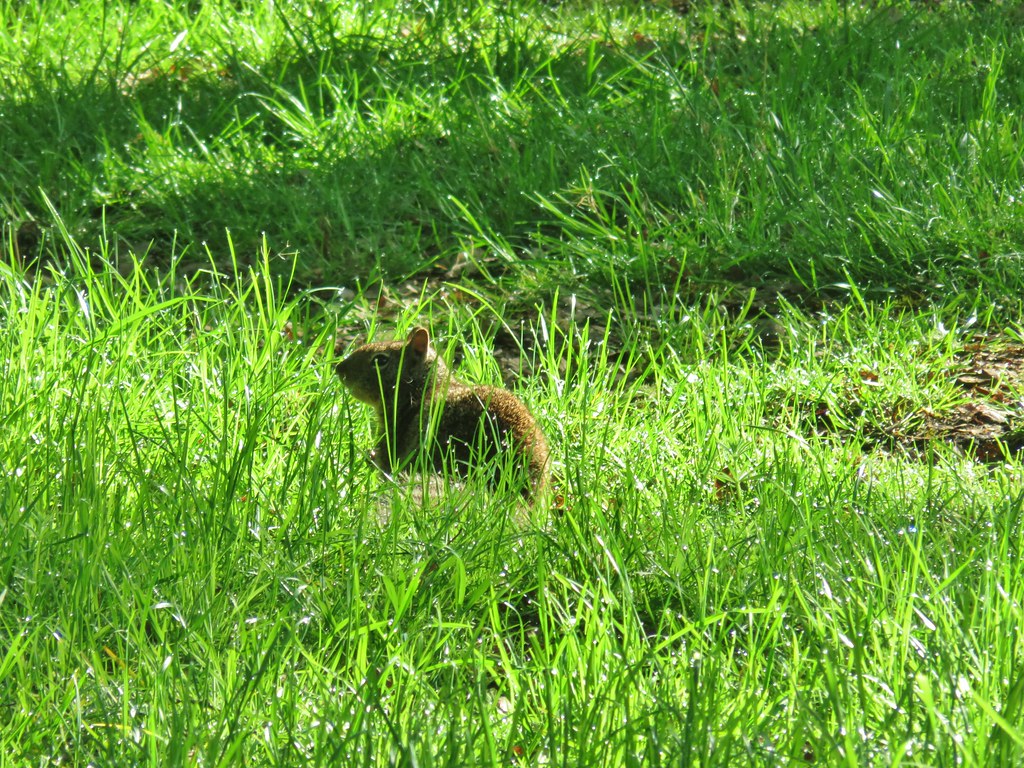
IMG_2778Ground squirrel

We headed SW along the field to a newer flower garden along a hillside.
IMG_2785

IMG_2787

IMG_2788

IMG_2789

IMG_2790

After climbing the hill we passed through a grassy picnic area (the tables weren’t out due to COVID-19) and exited the park at its SW corner.
IMG_2791

Our plan from here was not very well thought out. The rough plan was to make our way up to Fairmount Park in the foothills of South Salem. We hadn’t laid out a route though so after recrossing Liberty and Commercial Streets we simply zigzaged our way through neighborhoods up to the park. On on occassion we had to back track when the street we had chosen had no outlets.
IMG_2792Neat old carraige in a yard.

IMG_2794Stellars Jay

After wandering for a little over a mile we finally arrived at Fairmount Park.
IMG_2796

This neighborhood park is just under 17 acres with a picnic shelter, playground, a half-court basketball hoop and is next to the Fairmount Reservoir.
IMG_2798

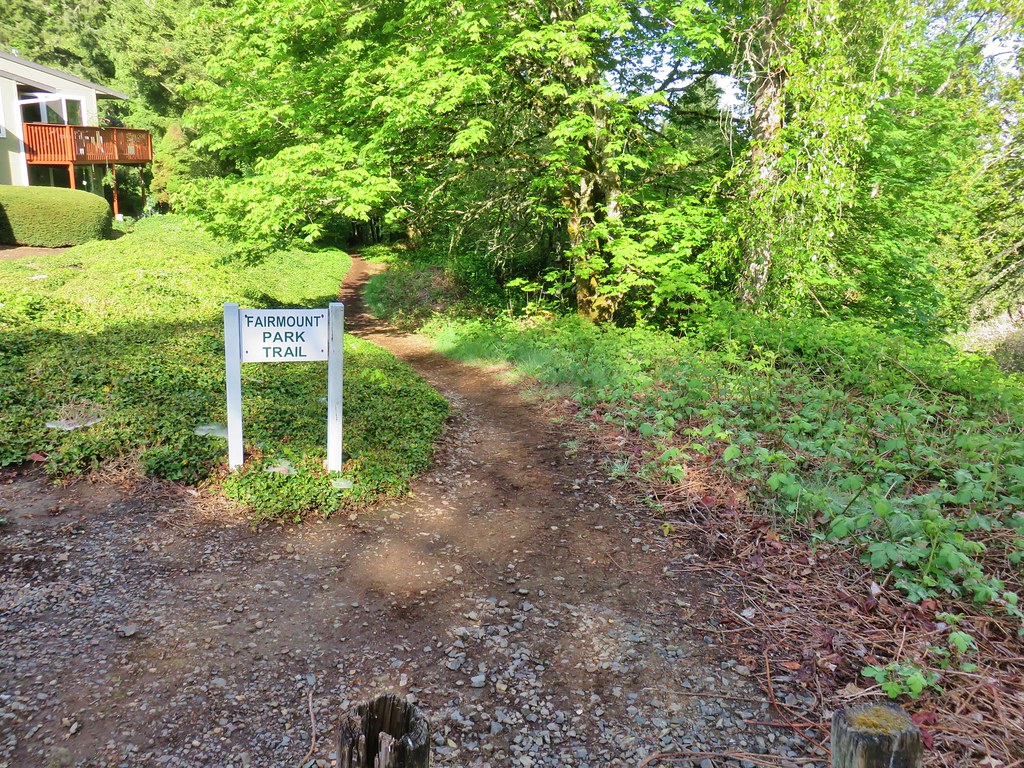
Our reason for coming here though was the Fairmount Park Trail which we could theoretically follow down to the River Road entrance to Minto-Brown Island Park.
IMG_2799

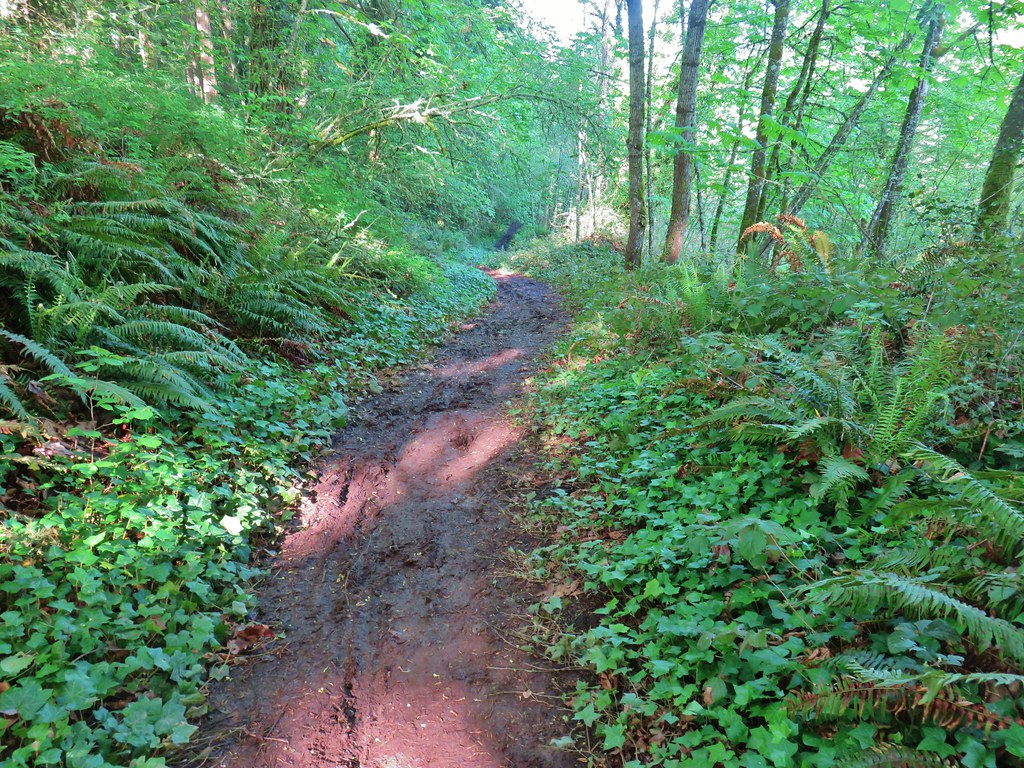
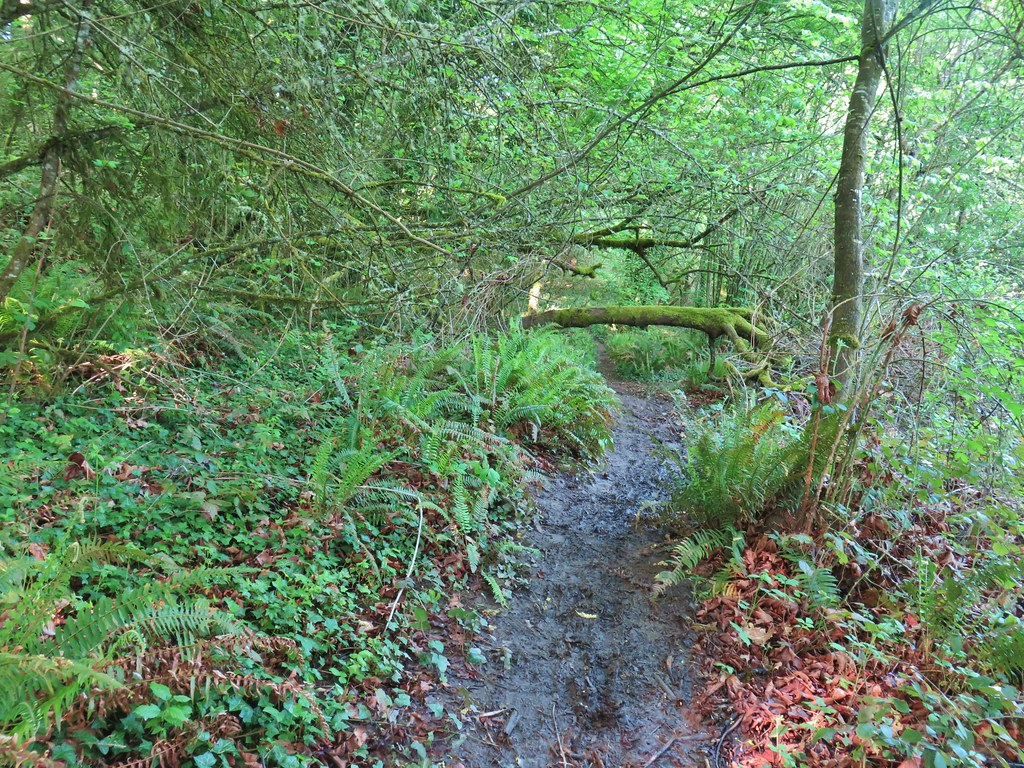
I said we could theoretically follow the trail down becuase we knew from other people that it was possible, but we had never tried it and we quickly discovered that there were a number of spur trails, none of which were marked to let us know if we were following the correct one. The muddy sufrace and presence of poison oak along the trail made it a bit more of an adventure than anywhere else we’d been in the morning.
IMG_2801

IMG_2802

We had been behind a couple and their dog but lost them when we stopped for a quick break at one of the unmarked intersections. We decided that we would simply choose downhill trails to the right whenever possible knowing that River Road was in that general direction. This worked fine for the first three tenths of a mile or so but just after spotting River Road the trail we were on began deteriorating quickly on the steep hillside.
IMG_2803

We weren’t all that high up, but the poison oak had become much more abundant so we didn’t want to get off the trail at all. Some fancy footwork and a lot of luck at the bottom got us onto the shoulder of River Road less than a quarter mile NE of the entrance to Minto-Brown. As we arrived at the entrance we spotted the couple that we had briefly followed on the Fairmount Trail approaching form the opposite direction. Clearly they had known a safer route down than we had and must have kept left at one of the junctions where we had gone right.
IMG_2804

At this point we were approximately 8.5 miles into our hike and given that most of it had been paved our feet were starting to feel it so we took the most direct route through Minto-Brown to the Peter Courtney Bridge which brought us back to Riverfront Park. We did of course stop for birds and flowers along the way.
IMG_2805Another scrub jay

IMG_2806We risked the caution for mud and high water since this was the shortest way to the bridge.
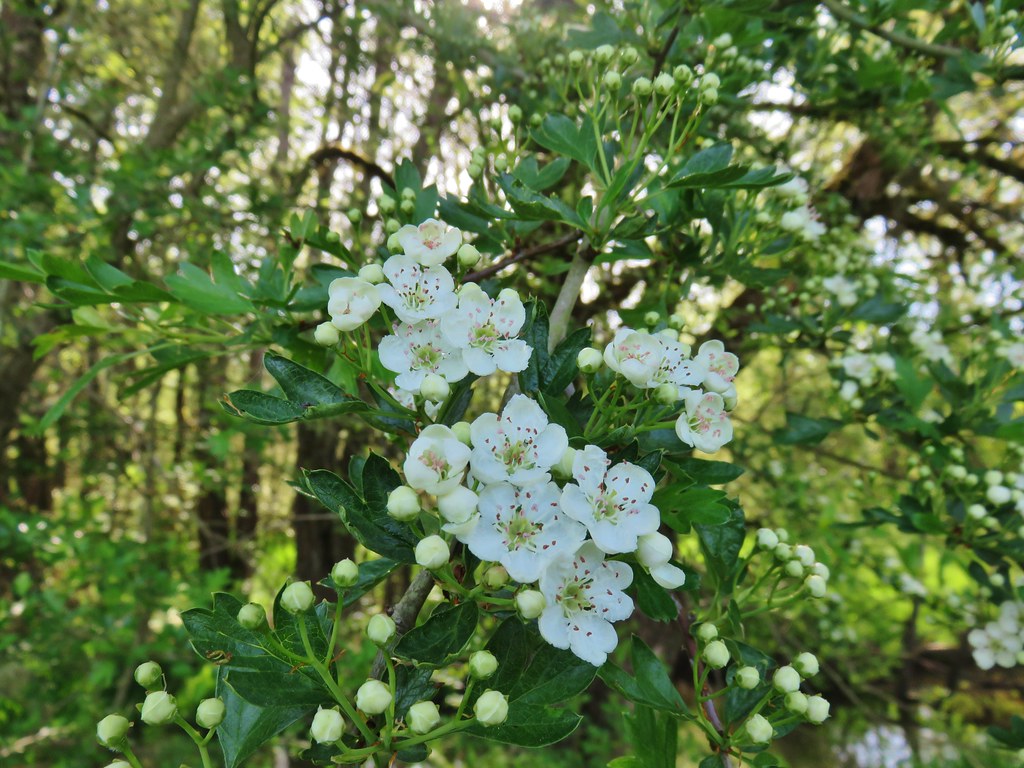
IMG_2808Tree blossoms

IMG_2812The high water wasn’t an issue, but it was really muddy around that puddle.

IMG_2817Sparrow

IMG_2820I mistook this small bird for a hummingbird but after looking at the photo it might just be a baby?

IMG_2823We tried to take our first sit down break of the day here but the bench was still wet from the morning. On to Riverfront it is.

IMG_2824Riverfront Park and the Peter Courtney Bridge in the distance. (We had found a dry bench by this time, thank you Gallagher Fitness Resources)

IMG_2825Looking across a field to West Salem and its green water tower in the hills.

IMG_2827California poppy

IMG_2830Red flowering currant

IMG_2831Sparrow

IMG_2834Western service berry

IMG_2835Crossing the Peter Courtney Bridge.

We then headed back through Riverfront Park to the Union Street Bridge and took a slightly modified route back to the Audubon Nature Reserve.
IMG_2836Willamette River from the Union Street Bridge

IMG_2839More geese

IMG_2846

Having taken the Hillside Trail that morning we followed the Upper Trail uphill through the reserve.
IMG_2849Perriwinkle

IMG_2850Pacific waterleaf

IMG_2857Camas

IMG_2860Another checker-mallow(or checkerbloom)

IMG_2861California poppy

IMG_2863Haven’t figured this one out yet.

One of the things that we look forward to every year is the return of osprey to a nesting platform at the reserve. The platform had been replaced earlier this year and Heather had noticed some new sticks showing up recently. We hadn’t noticed any activity earlier when we passed by but now there were osprey flying around overhead.
IMG_2864

We watched as one landed with another stick for the nest. It was soon followed by a second.
IMG_2868

IMG_2871

IMG_2872

Hopefully there will be young osprey to watch later this year.

After watching the osprey we trudged uphill (and down and back up) past Eola Ridge Park and back into our neighborhood. By this point we were both dealing with blisters and generally sore feet. Jeffry was still visible, although the positioning of the Sun made it difficult to see. In addition we were able to see both Mt. Hood and Mt. Adams briefly as we limped our way back to our house.
IMG_2878Mt. Hood beyond the green water tower.

IMG_2882Mt. Adams through a little haze.
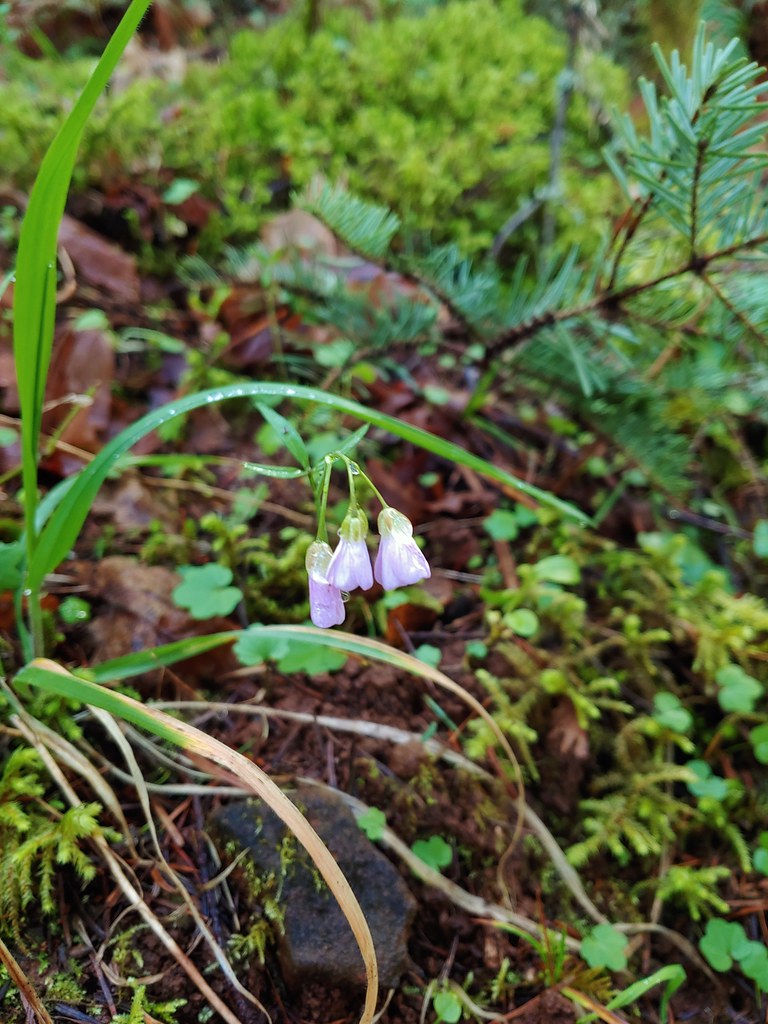
I had used Google to map out a potential route a week before our outing and it had led me to believe that it would be around 13 miles to hit these different parks. Our Garmin 62s and watch had us in the 15 mile range though which made us feel a little better about how we were feeling at the end.

As long as things stay locked down we’re planning on heading out from home to check out what’s close by (definitely not 15 miles worth though). Hopefully everyone reading this has stayed healthy and things will start getting back to normal sooner rather than later. Happy Trails!

Flickr: Salem Parks Tour

Categories
Coastal Range Hiking Oregon

Miller Woods & Trappist Abbey – 3/15/2020

We had decided to make 3/15 (Sunday) the day for our March hike to take advantage of a clear, albeit cold, forecast and to get it in before COVID-19 becomes any larger an issue. We started our day by visiting Miller Woods, a conservation area maintained by the Yamhill Soil & Water Conservation District. The 130 acre property was donated to the district in 2004 and is open from dawn to dusk for hiking (no pets). Although there is no fee, donations are welcome and can be made online (the option we used). These donations appear to be put to good use based on the amount of obvious work that has been put into the area.

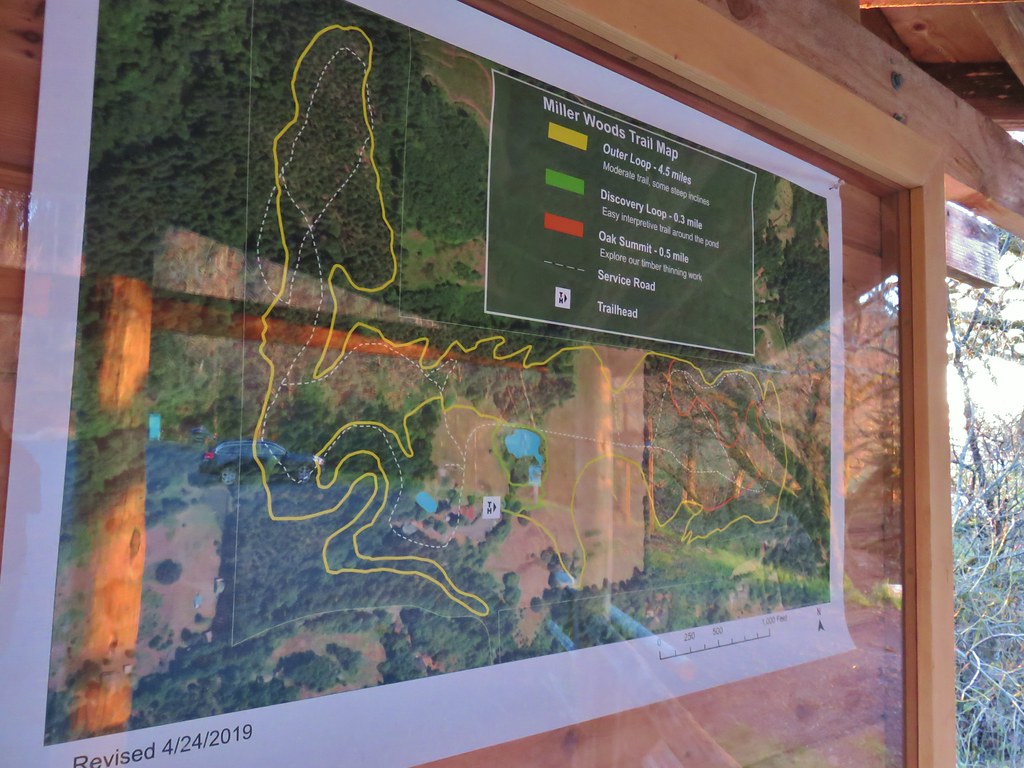
As hard as it may be to believe we were the first car in the parking lot. After stopping at the information kiosk (laminated maps were available) we set off on the Outer Loop Trail planning on going counter-clockwise around the approximately 4.5 mile loop.
Miller Woods Trailhead

Miller Woods

Miller Woods trail map

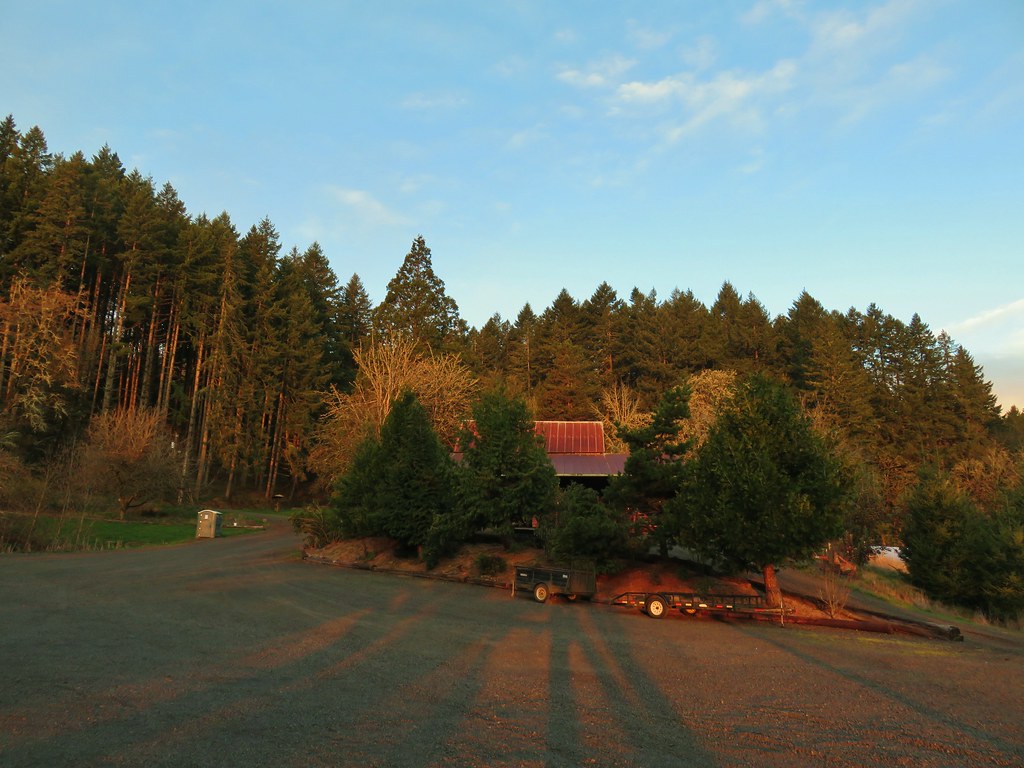
Morning at Miller Woods

Part of the work being done at Miller Woods is Oak Savanna restoration, which is what most of the Willamette Valley was made up of prior to development.
Interpretive sign at Miller Woods

Miller Woods

After passing some of the restoration work the trail entered a forest of Douglas firs.
Perimiter trail at Miller Woods

Miller Woods

We had our first covering of snow at our house when we awoke on Saturday and the near freezing temperatures had our hands stinging by the time we had made it to the trees but in the forest we were reminded that Spring is on the way as we began to notice several of the early wildflower varieties.
ToothwortSlender toothwort

Trillium at Miller WoodsTrillium

Violet at Miller WoodsViolets

The trail wound around a hillside above Berry Creek before looping back toward the old farm fields.
Miller Woods

Berry CreekBerry Creek

Nest along the trail at Miller WoodsBird’s nest that Heather spotted along the trail.
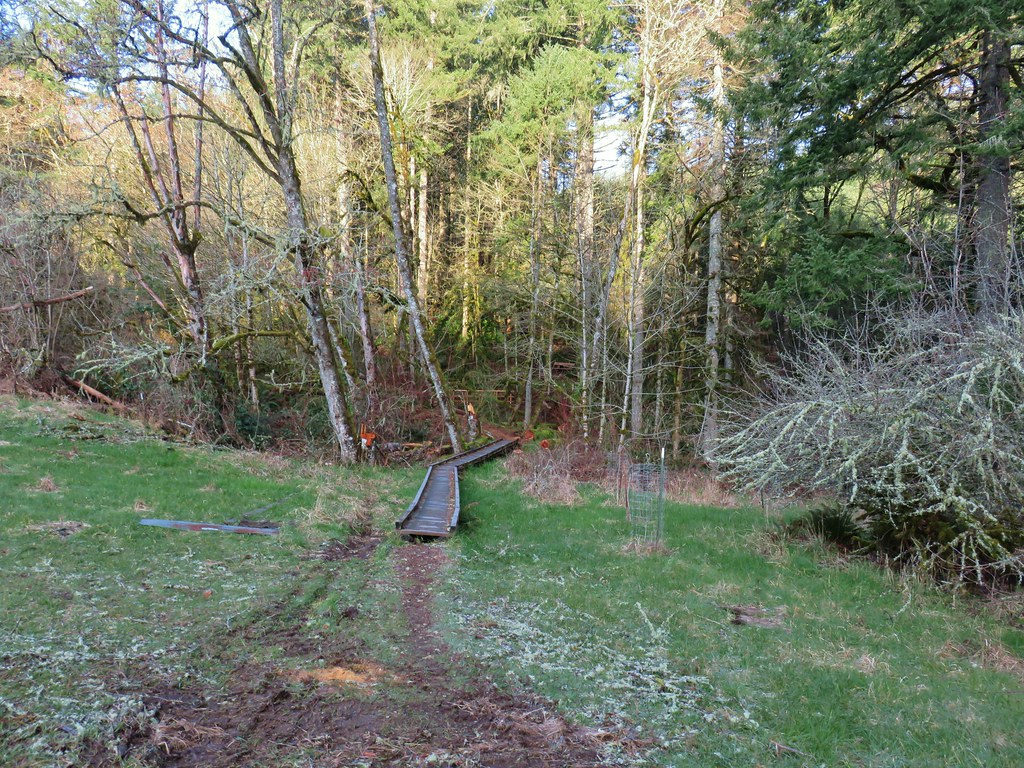
Miller Woods

After briefly passing through the edge of the field the trail reentered the forest after crossing an outlet stream from a pond.
Trail at Miller Woods

Creek at Miller Woods

A shorter loop was possible here by taking the green Discovery Loop back to the parking area.
Trail sign at Miller Woods

We stuck to the Outer Loop though and began a gradual climb to the loop’s high point at the 600′ K.T. Summit. As we were climbing we spotted what we thought was a pair of deer (it turned out to be three).
Deer up on the hillside at Miller WoodsThe first deer we spotted (up near the top of the hill at center).

Deer at Miller WoodsZoomed in shot of the second deer at upper left.
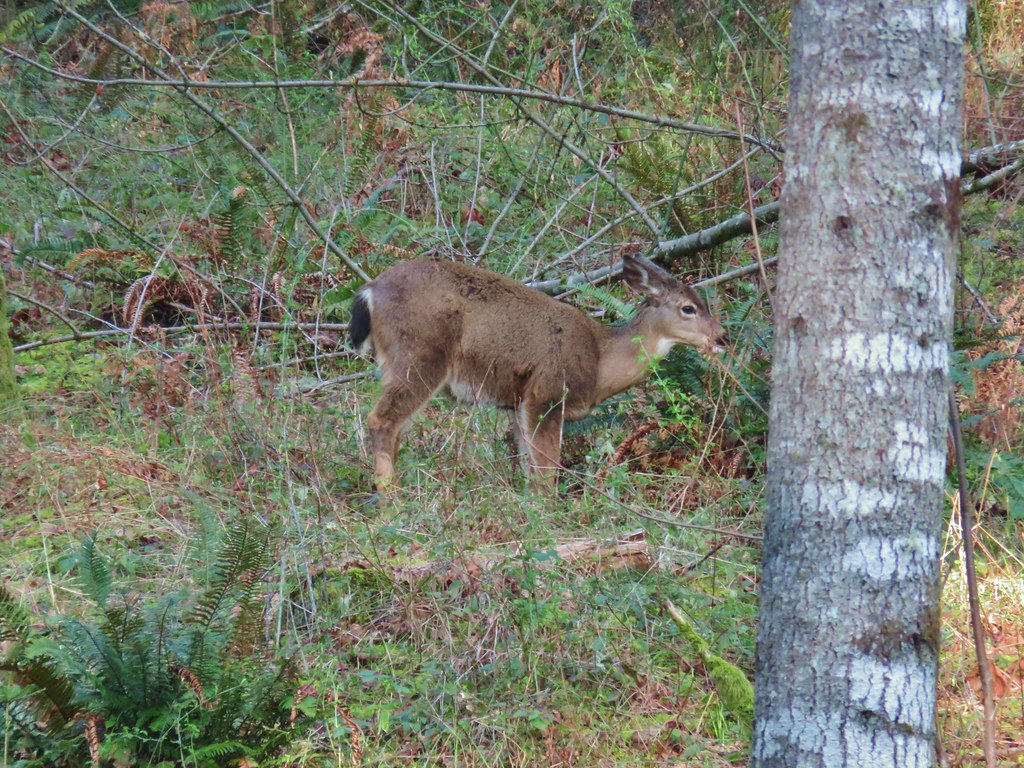
Deer at Miller WoodsFirst deer again.

The trail zigzagged up the hill and wound up taking us right past the deer who seemed less than worried about us.
Deer at Miller WoodsFirst deer crossing the trail ahead of us.
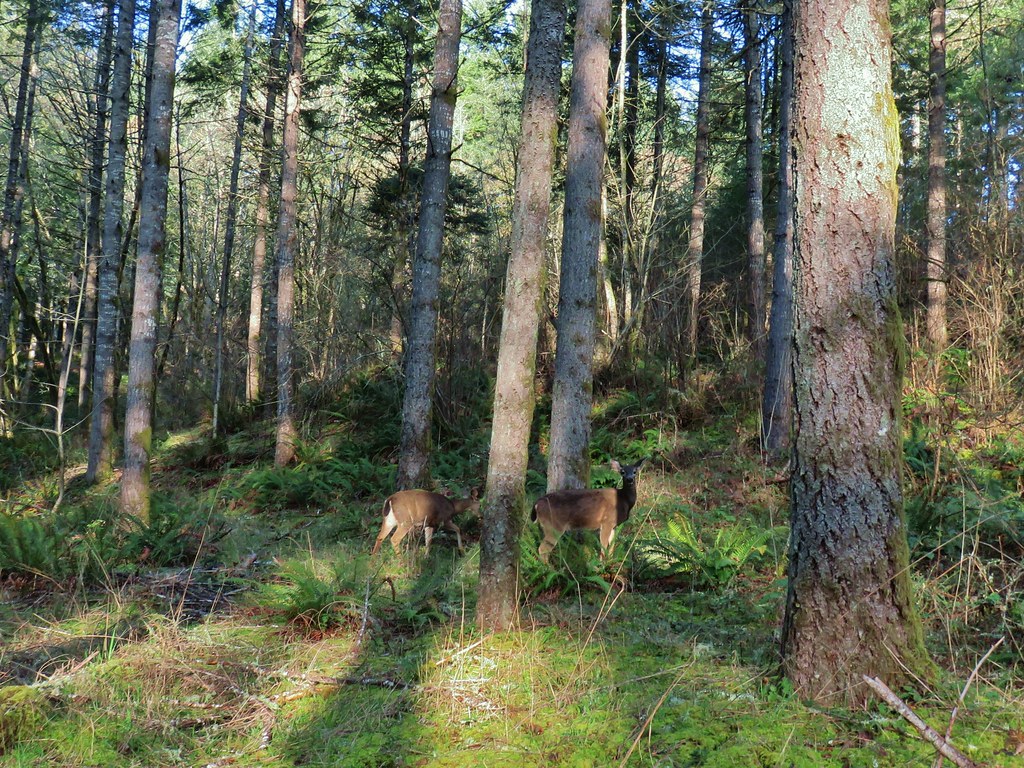
Deer at Miller WoodsThe second and third deer watching us pass.

After passing the deer we also passed a memorial to the Miller’s who had donated the property.
Memorial at Miller Woods

Memorial plaques at MIller Woods

Perimiter trail at Miller Woods

The summit was marked by a sign and a bench but lacked a view.
K.T. Summit sign at Miller Woods

Beyond the summit the trail began to descend back down to the fields. The forest here was a little more mature and we spotted another early wildflower getting ready for Spring when we noticed a fairy slipper emerging from some green moss.
Perimeter trail at Miller Woods

Fairy slipper staring to open at MIller Woods

We also noticed a little dusting of snow left on a few leaves and stumps.
A slight dusting of snow left on a stump at Miller Woods

The trail wound down to a crossing of the pond’s inlet creek where some skunk cabbage was putting on a nice display.
Trail at Miller Woods

Creek at Miller Woods

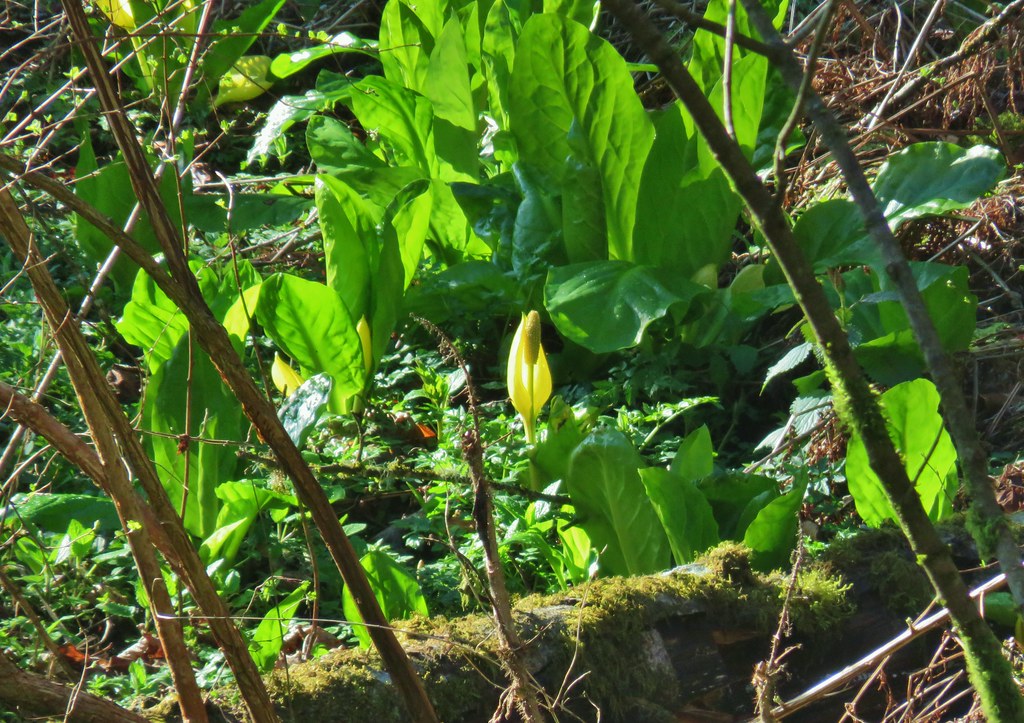
Skunk cabbage

We emerged from the forest and followed the trail to the pond where the trail split. We went left passing the pond on our right and made our way back to the trailhead.
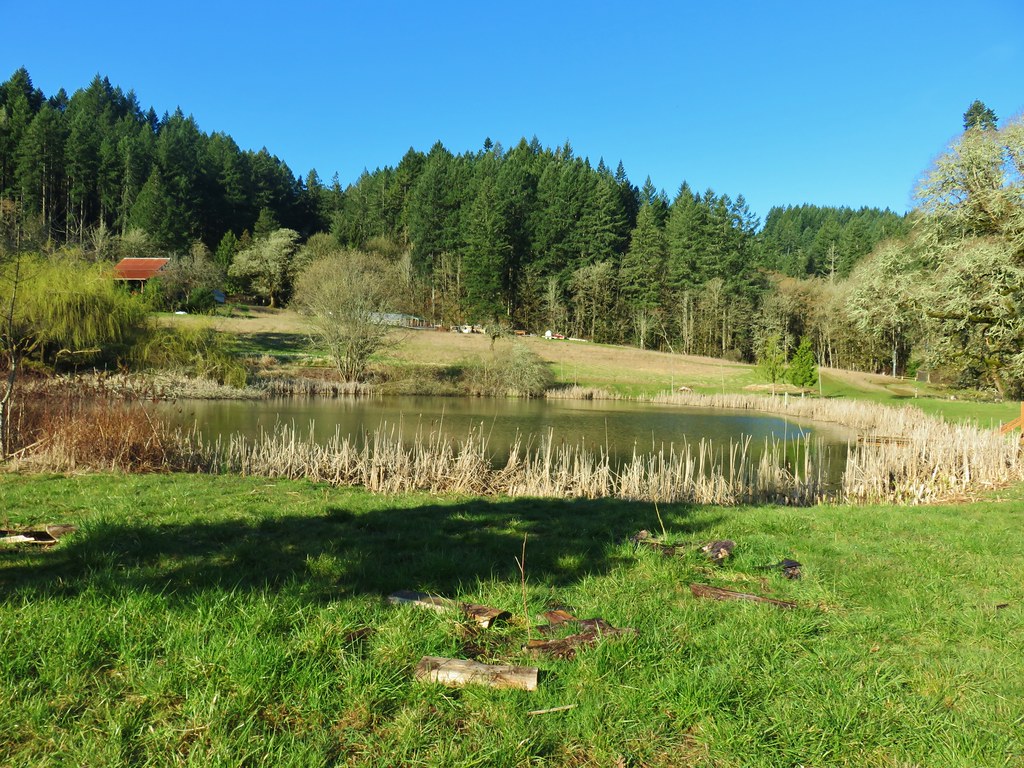
Pond at MIller Woods

Miller Woods

Blackbird at MIller WoodsThe area around the pond was popular with the birds.

Robin at Miller WoodsThere were quite a few robins about.

From Miller Woods it was just a 15-20 minute drive to Our Lady of Guadalupe Trappist Abbey.
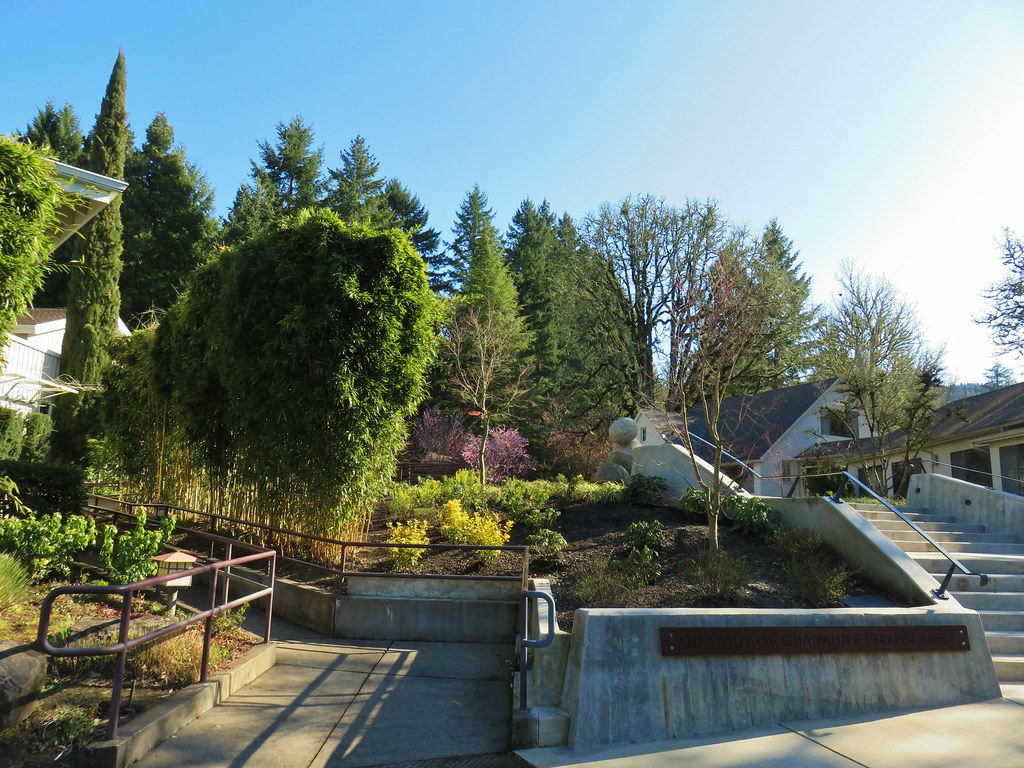
Our Lady of Guadalupe Trappist Abbey

Book binding, a bakery, a wine warehouse and forestry all occur at here and a gift shop sells fruitcakes and honey. Given that “social distancing” is a thing right now we opted not to enter the gift shop or any of the other buildings on this visit and walked through the courtyard to a gravel path leading between two ponds.
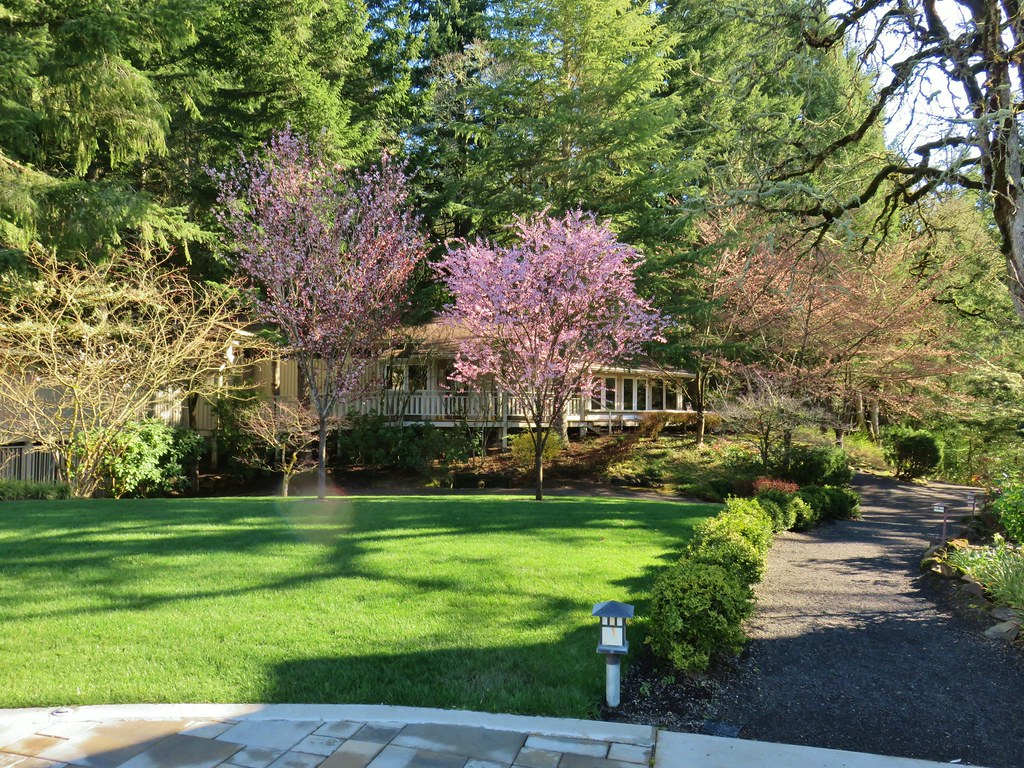
Our Lady of Guadalupe Trappist Abbey

Pond at Our Lady of Guadalupe Trappist AbbeyLarger of the two ponds

Footbridge by the pondLittle footbridge by the large pond

Pond at Our Lady of Guadalupe Trappist AbbeySmaller pond

Beyond the ponds we turned uphill on an old roadbed.
Trail at Our Lady of Guadalupe Trappist Abbey

We followed the road as it climbed up a tree thined hillside gaining views to the west of the snow covered coastal range.
Monk's Trail junctionWe ignored the signed trails sticking to the road which was also signed as the “Guadalupe Loop”
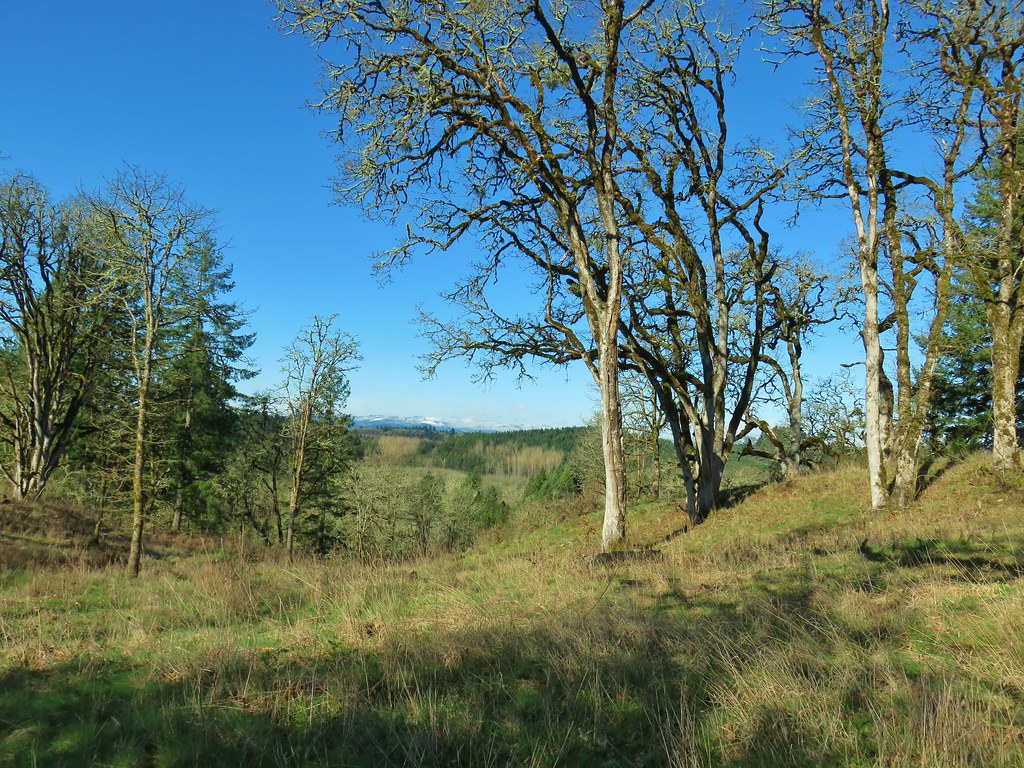
More snow on the Coast Range

View from the Guadalupe Loop

There were quite a few birds in the remaing trees. We watched a pair of acorn woodpeckers for a bit and a spotted towhee was busy picking through some grass while stellars jays could be heard but seldom seen.
Acorn woodpeckerAcorn woodpecker

Acorn woodpeckerSecond acorn woodpecker

Spotted towheeSpotted towhee

We soon left the thinned area and entered a forest where we spotted more toothwort and some sort of blooming tree.
Guadalupe Loop

Toothwort

Blossoms along the Guadalupe Loop

After about a mile we came to a fork in the road where the left side was gated (and posted no hiking beyond the gate). We forked right continuing uphill for a half mile to another fork. This time we went left which led a short distance to a viewpoint overlooking vineyards and Mt. Hood in the distance. (We should have taken a fork right shortly after taking the left but missed it and ended up having to backtrack a bit.)
Mt. Hood from a viewpiont at Trappist Abbey

Mt. Hood from a viewpiont at Trappist Abbey

We returned to the fork and went straight on what was still the Guadalupe Loop for just over a quarter mile to a sign for a shrine.
Snow along the Guadalupe LoopSnow along the Guadalupe Loop

Shrine at Trappist Abbey

A short spur led to the shrine and a viewpoint of the Coast Range.
Shrine at Trappist Abbey

Snowy Coast Range

Snow in the Coast Range

Snowy peak in the Coast Range

Our guidebook said to turn back here and return the way we’d come. We toyed with the idea of continuing on the Guadalupe Loop and started to do just that, but we weren’t certain if it was really in fact a loop or how long it might be. We decided not to tempt fate but then instead of going back the way we’d come we turned left at a sign for St. Juan Diego Pass and followed a grassy track downhill.
Trail at Trappist Abbey

A patch of purple caught our eyes on the hillside and it turned out to be an iris that was weighted down a bit with water.
Iris

ChipmunkThis chipmunk also caught our attention.

We followed the path for a little over half a mile before popping back out on the Guadalupe Loop near the fork with the gated road where we turned left and hiked the mile back down to the parking area.
Trappist Abbey

It turned out to be a beautiful day (once we thawed out from the initial frozen hands at Miller Woods) with a total of 8.2 miles of hiking (4.4 at Miller Woods and 3.8 at Trappist Abbey). There were very few folks out, we saw two trail runners at Miller Woods and passed a handful of groups at Trappist Abbey, had some wildlife encounters, and spotted a few Spring flowers along the way. Hopefully things will settle down sooner rather than later with the corona virus but until then stay safe and Happy Trails!

Flickr: Miller Woods and Trappist Abbey

Categories
Eugene Hiking Oregon Trip report Willamette Valley

Spencer Butte, Shotgun Creek, and Horse Rock Ridge – 2/9/2020

We jumped on a favorable forecast and headed for Eugene for our February outing. On our itinerary was a trio of stops that would allow us to check two more of Sullivan’s featured hikes off our to-do list. The three stops were short enough that even with doing them all the total mileage would remain under 10 miles.

We chose to start off with Spencer Butte (Hike #74 in the 5th edition of “100 Hikes/Travel Guide Central Oregon Cascades”). We started here in hopes to avoid crowds as we’d read that this was a popular hike. We started at the Spencer Butte Trailhead which provides the shortest routes up to the viewpoint atop Spencer Butte.
Spencer Butte Trailhead

Other trailheads and longer hikes are possible using Eugene’s Ridgeline Trail System but we stuck to Sullivan’s described hike this time.
Map for the Ridgeline Trail System

At a fork at the top of some stairs leading uphill from the trailhead we veered left following a sign for the “West (Difficult) Route to Spencer Butte Summit”.
Spencer Butte Summit West Route

This route gained nearly 800′ in less than 3/4 of a mile climbing steeply over exposed rocks and mud. There was a fair amount of fog in the forest which was helping to keep things nice and damp which made the rocks a little slick.
Spencer Butte Summit West Route

Spencer Butte Summit West Route

As we neared the summit we began to break out of the thicker fog and gain some views. A mass of clouds covered the lowlands to the West.
Cloudy, foggy view from Spencer Butte

The trail left the trees a little below the summit and a confusion of trails headed up into the rocks. To fine the recommended route keep left on the main trail to a big switchback in the trees. We turned up a bit early on one of the other, steeper trails which eventually joined the better route above the switchback.
Looking up toward Spencer Butte's summit ridge

A word of warning for this hike (in addition to it being steep) is that there is a fair amount of poison oak in the exposed grassy areas and the butte is home to some rattlesnakes. It was way too cold to be worried about any snakes on this visit but apparently in warmer weather they could be about.

At an elevation just over 2000′ the summit was above most of the clouds although there was some thin fog lifting from the thicker clouds below impacting the views a bit.
Spencer Butte's summitSpencer Butte’s summit high point.

View from Spencer ButteView north from the high point towards Mary’s Peak (post) which was above the clouds.

There is said to be a nice view of the Three Sisters from the summit, but by avoiding the crowds (we hadn’t seen another hiker yet) we were staring directly at the rising Sun which effectively stymied any hopes of a mountain view.
View east from Spencer Butte

The lack of a view was partially mitigated by a really good “glory” or Brocken spectre which is the magnified shadow of an observer cast upon clouds opposite the Sun’s direction surrounded by a rainbow-like halo.

After a short rest we started getting chilly so we began our descent. We headed down a path on the east side of the butte.
Descending Spencer Butte

This longer route was a little less steep and definitely an easier descent than trying to go down the West Route would have been. After a series of stone steps the trail reentered the foggy forest.
Fog in the forest at Spencer Butte

Descending Spencer Butte

A little over 3/4 of a mile from the summit we came to a junction with the Spencer Butte Tie Trail which connects the loop to the Ridgeline Trail.
Trail junction at Spencer Butte

We stayed right here to complete the loop back to the trailhead passing a grassy picnic area near the end.
Picnic tables near the Spencer Butte Trailhead

We passed quite a few more hikers on the way back to the trailhead. Given that we were back at the car by 8:35am we could only imagine how crowded the summit would be later, so even though the view could have been better we were happy with our choice to start here.

Our next stop was at the Shotgun Creek Recreation Site. There is a $3 fee listed on the BLM website but that appears to only be enforced during busier months although be prepared to pay the fee at any time. We began the hike from the Shotgun Creek Trailhead and immediately started up a trail next to the signboard with a pointer for the Tiki Trail.
Tikit Trail

Not far up this trail we spotted our first wildflower of the year, some little snow queen.
Snow queen

We also quickly realized that we were going the wrong way (at least for the hike Sullivan describes in Hike #76 of the 5th edition. We had only gone about a tenth of a mile so we turned around and returned to the trailhead where we crossed the parking lot and took a paved path past the recreation sites amenities.
Shotgun Creek Recreation Area

We followed paved paths to Shotgun Creek and then along the creek to the signed Upper Shotgun Trail.
Shotgun Creek

Upper Shotgun Trail

This trail followed along the creek for a mile before turning into the forest to loop back toward the recreation site.
Shotgun Creek

Upper Shotgun Trail

We spotted our second variety of wildflower as we began to loop back around, a lone skunk cabbage near a small seasonal stream.
Skunk cabbage in the forest

Skunk cabbage

After a little over 2 miles on the Upper Shotgun Trail we came to a 4-way junction.
Upper Shotgun Trail junction with the Tiki and Drury Trails

The trails straight ahead and to the right were labeled for the Tiki Trail with the right hand trail being the one that we had started out on earlier which would have allowed for a short loop of approximately 2.5 miles. Sullivan’s description of the hike would have had us go straight here on the Tiki Trail loop resulting in a nearly 3.5 mile loop. This time we decided not to stick to Sullivan’s hike and instead turned left past a pointer for the Drury Trail.
Drury Trail

This route was the suggested route in the Oregonhikers.org Field Guide. This trail climbed nearly 500′ over the next mile as it passed through the forest. The climb provided no views but simply began dropping back down after reaching its high point near a BLM road. The second mile of the trail approached a clear cut where there were views out of the forest but the view consisted of clear cut scars which are frankly just depressing to look at. That being said along the 2 mile Drury Trail there were a few nice sights include some older trees and our first yellow violet of the year bringing our wildflower variety county up to three.
Drury Trail

Big tree along the Drury TrailAn older tree along the trail.

Tree mushroomsMushrooms on a trunk near the clear cut view.

Wood violet along the Drury TrailViolet

When we arrived back at the Tiki Trail we turned left.
Drury Trail junction with the Tiki Trail

Initially we were headed back toward the clear cuts but then the trail did a 180 degree turn heading back toward the trailhead. Shortly before arriving back at the recreation site we again had a look at Shotgun Creek.
Shotgun Creek

The loop that we did came in at 5 miles. We were just under 7 miles for the day with one stop to go, Horse Rock Ridge. The Horse Rock Ridge Trailhead was only about 6 miles away but 1400′ higher in elevation than Shotgun Creek. We followed the windy narrow paved roads to find that while we’d seen no other hikers at Shotgun Creek that was not going to be the case here. There were a number of cars here so we parked on the side of the road at a pullout and walked up to the start of the trail behind some boulders and a wire fence.
Horse Rock Ridge Trailhead

The first part of the trail follows an old roadbed which is banned to OHVs and other motorized vehicles. The boulders, fence, and logs laying across the old road are unfortunately necessary because despite having miles of OHV friendly roads and trails in the area some of those folks just can’t respect the fragile habitats set aside for preservation such as Horse Rock Ridge.
Horse Rock Ridge Trail

Horse Rock Ridge Trail

After .7 miles the trail entered the first of a series of meadows along the ridge where a reportedly impressive display of late Spring wildflowers occurs in May and June. Being February we were treated to frost :).
Frosty meadow along the Horse Rock Ridge Trail

Frosty meadow

Steam rose from the wet hillsides as we followed the trail through the meadows past exposed basalt formations.
View from the Horse Rock Ridge Trail

Horse Rock Ridge Trail

About halfway through the meadows the trail passed to the north of a large rock outcrop. It had to drop beneath the rocks which proved to be the trickiest part of this hike because the outcrop shielded the north facing side from the Sun leaving the rocks icy and slick.
Frost on the backside of a rock formation along the Horse Rock Ridge Trail

Horse Rock Ridge Trail

I picked on the OHV folks earlier but they aren’t the only ones that can cause damage. Despite signs at the trailhead to remain on the trail to not damage the vegetation it was obvious many “hikers” had been walking on the grass and other vegetation, especially along this section. In a case like this if the condition of the trail is such that you feel it is not safe or possible to use it then it probably should be your turn around point. We took an inventory of the trail and decided that there were enough exposed footholds that we could carefully navigate the icy conditions and continued.
Horse Rock Ridge TrailHeather emerging from behind the outcrop.

More sunny meadows awaited (as did another little climb) and we passed a small pool of water and the only wildflowers we would see here today on some manzanita.
Small pool along the Horse Rock Ridge Trail

Manzanita

Near the top of the meadows the trail approached a basalt dike which we are taking to be Horse Rock although we couldn’t confirm that.
Horse Rock Ridge Trail

From this area the view extended to the snowy Cascade Mountains although the clouds that had been covering the valleys from Spencer Butte had lifted and moved east enough to now be interfering a bit with those views. We still managed to get nice looks at Mt. Jefferson and North & Middle Sister.
View from the Horse Rock Ridge Trail

Mt. Jefferson

North and Middle Sister from the Horse Rock Ridge Trail

Three Fingered Jack was also somewhat visible above the clouds.
Three Fingered Jack

At the end of the dike was a rock overhang.
Small overhang at the end of Horse Rock

The trail continued on into the trees ending near some towers. We went ahead and followed it finding a reminder that despite the sunny green hillsides it was still Winter for a bit longer.
A little snow near the top of Horse Rock Ridge

A little snow near the top of Horse Rock Ridge

We returned the way we’d come ending this hike just under 3 miles giving us 9.8 total miles for the day. While there were quite a few hikers on Horse Rock Ridge it didn’t seem like as many as the cars at the trailhead suggested. All three of the hikes were relatively short but Spencer Butte was not an “easy” hike. The slick rocks on Horse Rock Ridge made that a little tricky although we saw a child around six and another hiker that was easily in their 80’s on the other side of that tricky section. For kids though the Shotgun Creek Recreation Area would probably be the best with the creek and other amenities. We will probably look at getting to Horse Rock Ridge during wildflower season somewhere down the line, but for now it’s another hike checked off our to-do list and we couldn’t have really asked for a much nicer day. Happy Trails!

Flickr: Spencer Butte, Shotgun Creek, and Horse Rock Ridge

Categories
Central Coast Hiking Oregon Oregon Coast

Netarts Spit – 1/25/2020

We were down to the last weekend of the month so in order to get our monthly hike in we were going to have to deal with whatever weather we were dealt. Heading into Saturday the forecast was for rain everywhere I checked so we decided to stick to our original plan which was to visit a series of lakes in the coastal range. That plan was scrapped on Friday night when I checked the trail conditions and discovered that one of the ones that we’d be on had been closed this month due to heavy storm damage. Plan B had been a nearly 3 hour drive to Reedsport, but a 100% chance of rain didn’t warrant that long of a drive. I looked to our 2021 hikes and decided on Netarts Spit at Cape Lookout State Park which was a more reasonable hour and a half drive away.

We set off just before 6am with all our rain gear and drove to the Cape Lookout Day Use Trailhead where we purchased a $5 parking pass and noted that it was in fact not raining here.
IMG_2116

We suspected it was just a matter of time and put our rain gear on before starting off. One of the issues with last minute hike swaps is that it limits the amount of time we have to read up on the hike. The Netarts Spit hike is featured in two of our books by Matt Reeder (“Off the Beaten Trail” and “PDX Hiking 365”) as well as in the Oregonhikers.org field guide. I had looked at both and noted that while Reeder’s description indicated to hike along the beach the field guide mentioned an inland route for the first portion. After walking down to the beach near a picnic shelter we walked back up to the shelter and followed a path north through some trees.
IMG_2119

IMG_2122

IMG_2123

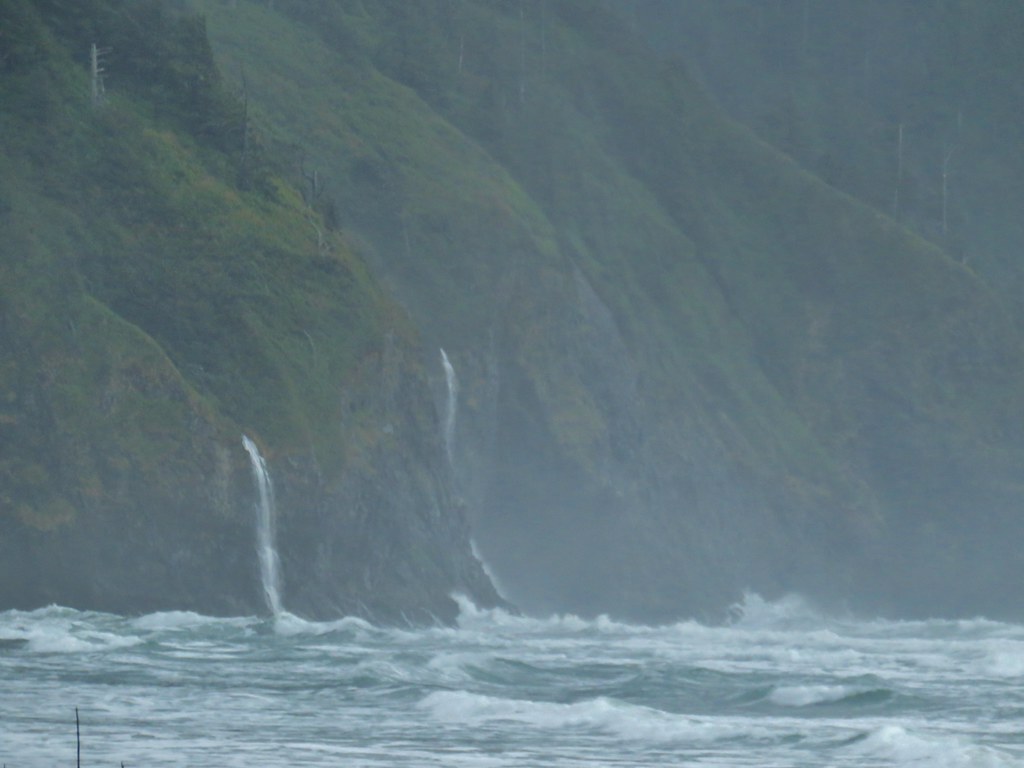
The view south from this path was dominated by Cape Lookout jutting out into the Pacific. Several waterfalls could be seen on it’s flanks.
IMG_2124

IMG_2125

When we came to another beach access point just before a gated section of the campground we decided to head down to the beach.
IMG_2128

Had I studied the entry in the field guide more thoroughly I would have known that it recommends following the road through the campground to avoid the cobblestones along the beach here.
IMG_2132

The tide was just high enough that in order to stay out of the Ocean we were forced to walk on these rocks and they are not fun. Ankles were rolling and twisting in all sorts of directions as we stumbled along.
IMG_2136Ocean coming right up to the rocks.

When we got our next chance we popped back up off the beach into the campground following a gravel track past some group tent sites.
IMG_2141

We’d already seen one bald eagle fly overhead and here we spotted another one sitting in a tree ahead.
IMG_2146

While watching the eagle a great blue heron flew over.
IMG_2144

Beyond the group tent sites the road was gated and turned into a grassy path with Netarts Bay to the right and dunes to the left.
IMG_2150

IMG_2151

The grassy roadbed soon ended at a stand of trees where a clear trail continued.
IMG_2153

IMG_2154Trail at lower right with a little standing water.
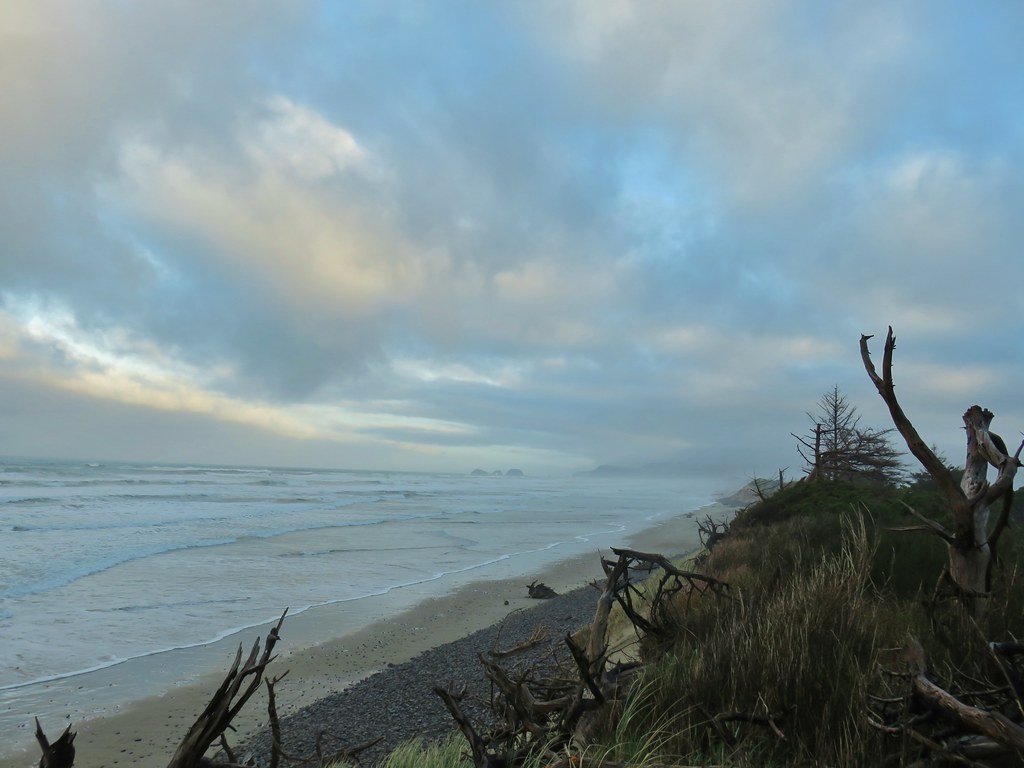
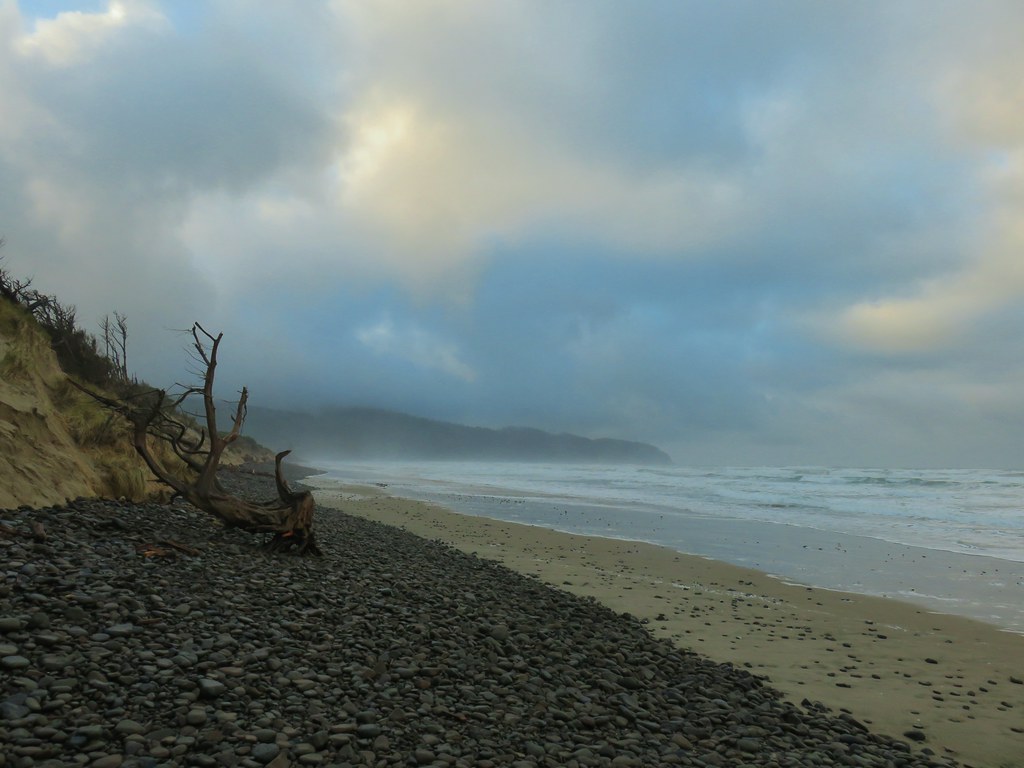
The field guide had mentioned that sections of this trail may have standing water but we weren’t quite prepared for long stretches of calf deep ponds. Heather was smart enough to find a deer path a little higher up on the left side (Which was something the field guide said you might have to do but in my quick reading I hadn’t picked up on that.) I tried sticking to the trail for a bit, but after a while in the water my feet starting getting cold so I joined her. We made the decision to try and follow one of these paths up and over to the beach which we managed to do.
IMG_2155

Then it was just a matter of finding the best spot to drop back down onto the beach, and more cobblestones, yay.
IMG_2156

IMG_2157

Luckily it wasn’t long before we were able to drop onto the sand.
IMG_2167

There was a lot more blue sky than we’d been expecting which was a pleasant surprise. To the north we could see the Three Arch Rocks although a perpetual fog seemed to be hanging over them.
IMG_2172Three Arch Rocks – one of two wilderness areas in Oregon off limits to visitors.

We were able to spend the next 4 miles to the end of the spit on the beach. There were no other people in sight (until the fishing boats in the bay). There were a few seagulls here and there and we saw at least 8 different Bald Eagles counting at least 6 congregated in a short stretch of trees.
IMG_2190

IMG_2174

IMG_2175

IMG_2192

IMG_2200

IMG_2201

IMG_2204

IMG_2207

A final eagle awaited near the end of the spit.
IMG_2212

IMG_2219

We were hoping that by the time we got to the turn around point we’d have a better look at Three Arch Rocks but the view wasn’t much clearer than it had been all morning.
IMG_2221

IMG_2214

IMG_2217

We had stubbornly kept our rain gear on waiting for the forecast to come to fruition, but we stopped here to remove it since we were way too warm. We then made a short loop around the tip of the spit to look at the bay before starting back.
IMG_2222

IMG_2223

One thing that both Reeder and the field guide agreed on was that it was impossible to travel along the bay due to marshy conditions so we started back down the beach.
IMG_2226

The tide was coming in and we noticed that waves were starting to cover the entire beach and forced us up into the dunes a bit where we followed some deer tracks for awhile.
IMG_2227

We spent the majority of the next three and a half miles staying up as high on the dunes as possible which made for some more difficult travel. The grass on the dunes is surprisingly sharp tipped and it was all pointing north so we were walking directly into the points. The thickness of the grass also meant that you couldn’t really tell what the terrain underneath was like so there were plenty of awkward steps, although no falls. I had done that on the beach when I tripped over a small piece of driftwood.
IMG_2233Looking back north from the dune crest.

IMG_2235Looking north at what was to come.

IMG_2230Thick forest between the bay and the dune.
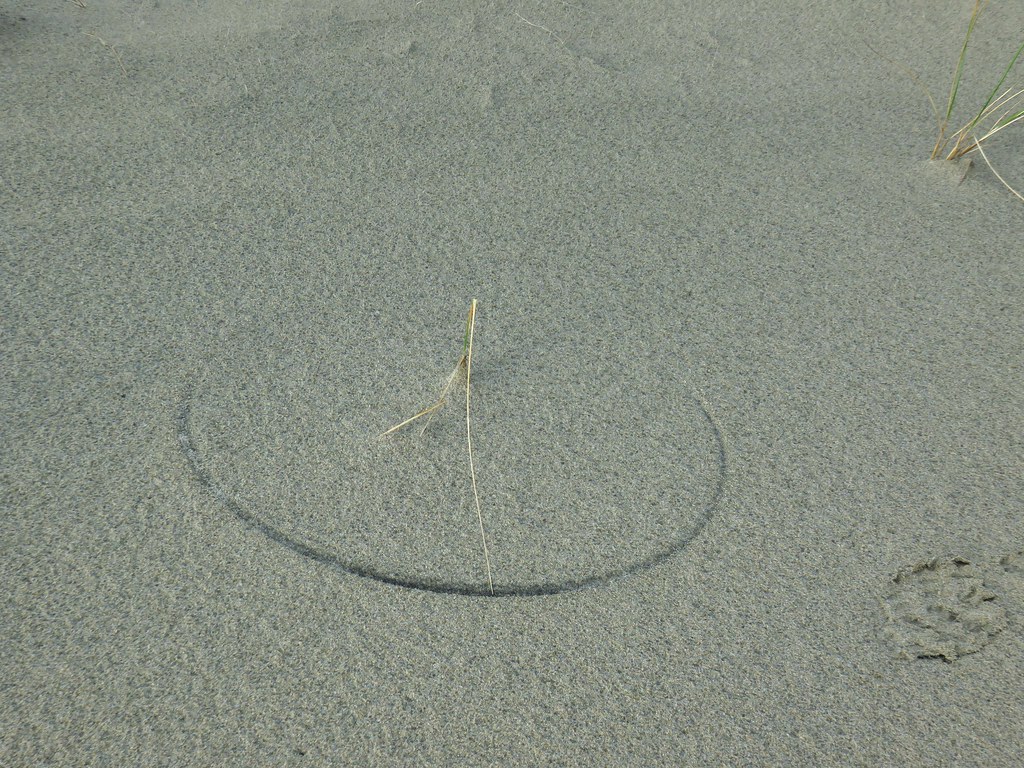
IMG_2236One of several semi-circles created by grass going back and forth.

Being up on the dune did allow for some views of the bay where we spotted birds including surf scooters and great blue herons.
IMG_2238

IMG_2240

IMG_2242

We were forced down onto the backside of the dune as we neared the point where we had crossed over the beach that morning. Here a maze of game trails led in all directions. The trick was attempting to avoid the thorny rose stalks and blackberry bushes as well as thickets of nearly impassable salal.
IMG_2245

We eventually made it back to the submerged trail and grassy track from earlier which we followed back to the campground and then stuck to the paved road as we returned to trail leading between the campground and picnic shelter.
IMG_2255Cape Lookout from the trail to the picnic shelter.

IMG_2257Seagull atop the shelter.

Our GPS put our hike at 11.1 miles which was in line with the field guides 11.2 and a little longer than Reeder’s 10 miles. We both agreed that it may have been the hardest hike we’d done along the coast due to the tricky terrain, although part of it might also be that it had been over a month since our previous hike and we’re a bit out of hiking shape. In any event it felt like an adventure which was nice and the fact that the rainy forecast turned into just a mostly cloudy day with a couple of sun breaks made for a great start to 2020’s hikes. Happy Trails!

Flickr: Netarts Spit

Categories
Hiking Year-end wrap up

2019 Wildflower Gallery

One of the most challenging things about our hiking trips is attempting to identify the numerous different wildflowers that we see (and knowing if it’s an invasive like foxglove or if it’s native). We love seeing the flowers and spend much of our hikes looking for them but we’re just a couple of amateurs when it comes to knowing much about them. We rely heavily on the Wildflower Search website and more knowledgeable folks in wildflower groups for ids. Asters and fleabanes as well as many yellow wildflowers tend to give us the most trouble. On our own we probably get as many wrong as right. Even when we have a good idea we tend to use a general common name such as “penstemon” or “lupine” instead of attempting to identify the specific variety.

We saw somewhere in the vicinity of 200 different varieties of flowers. We have labeled them on Flickr with our best guesses, but in most cases the id is uncertain so any corrections/suggestions are greatly appreciated.

With that here is a fairly comprehensive gallery of the different flowers that we saw during our 2019 hikes. I’m posting these in the date order in which the photos were taken (with the exception of the first and last) but this is not necessarily the order in which we first saw them during the year.

In February we encountered our first flowers of the year.
Snow queenSnow queen

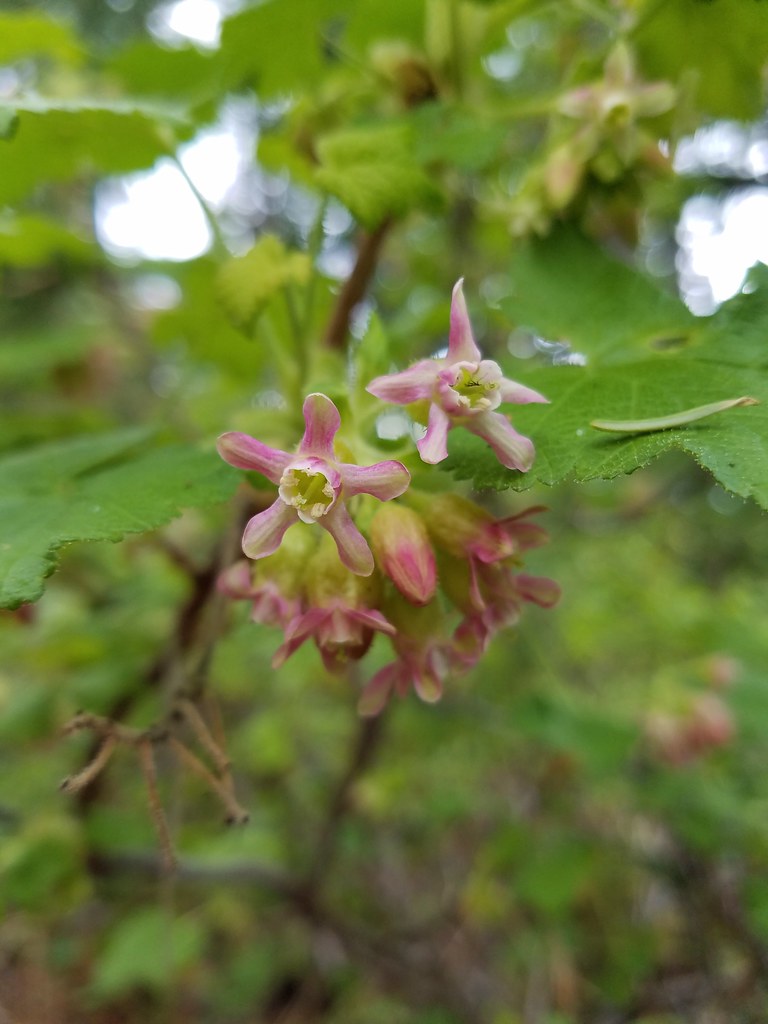
Red flowering currantRed flowering currant

ToothwortToothwort

Fairy slipperFairy slipper

Glacier liliesGlacier lilies

Chickweed monkeyflowerChickweed monkeyflower

Giant white wakerobinGiant white wakerobin

Giant fawn liliesGiant fawn lilies

Camas and plectritisCamas and plectritis

FringecupFringecup

Bleeding heartBleeding heart

BluebellsBluebells?

DogwoodDogwood

Large solomonsealLarge solomonseal

Vine mapleVine maple

Something in the pea family

Chocolate liliesChocolate lilies

ColtsfootColtsfoot

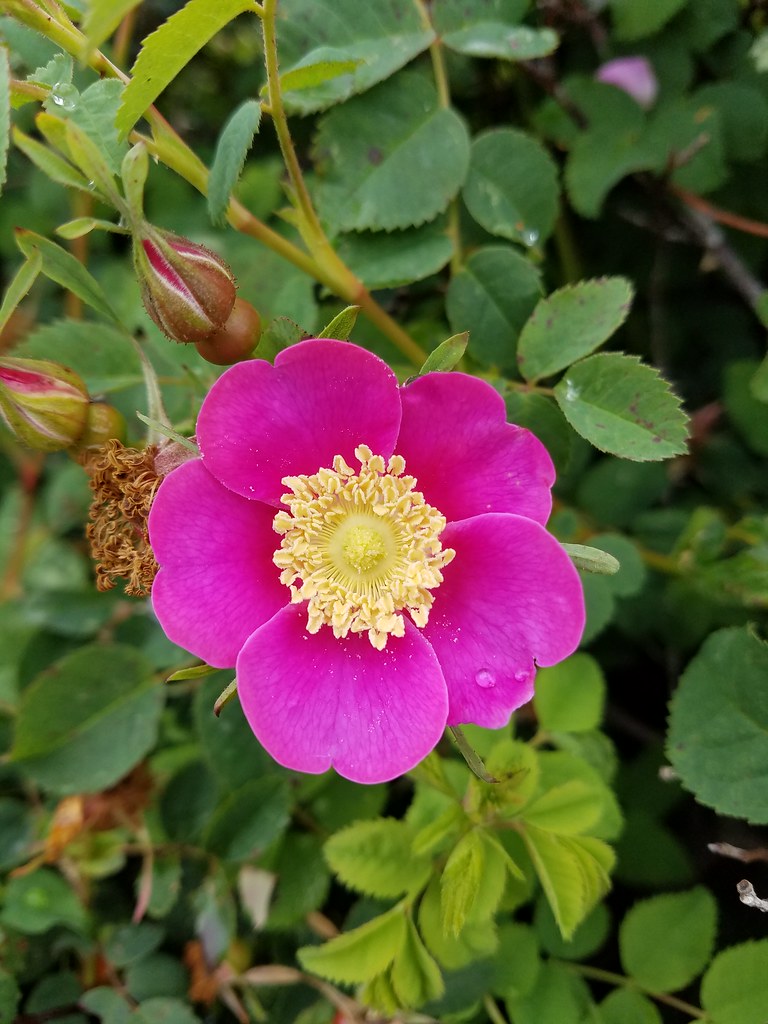
Wild roseWild rose

Wildflower at Warrior Point

Ball-head waterleafBall-head waterleaf

ArnicaArnica

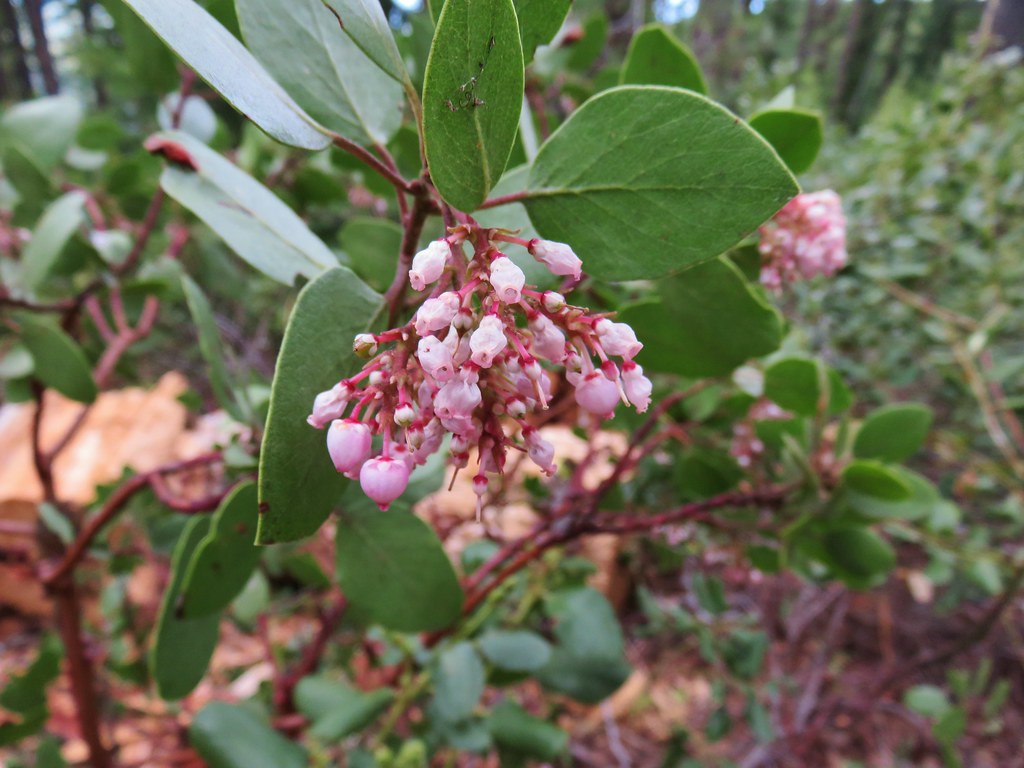
ManzanitaManzanita

CurrantA currant

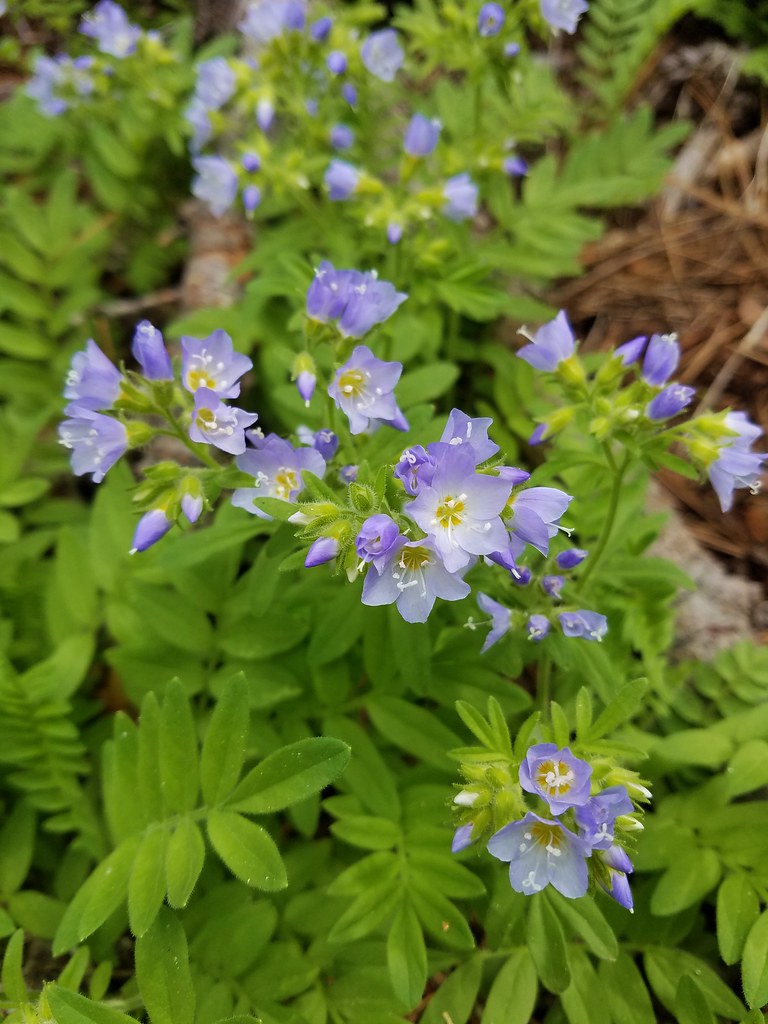
Jacob's ladderShowy jacob’s ladder

Oregon anemoneOregon anemone

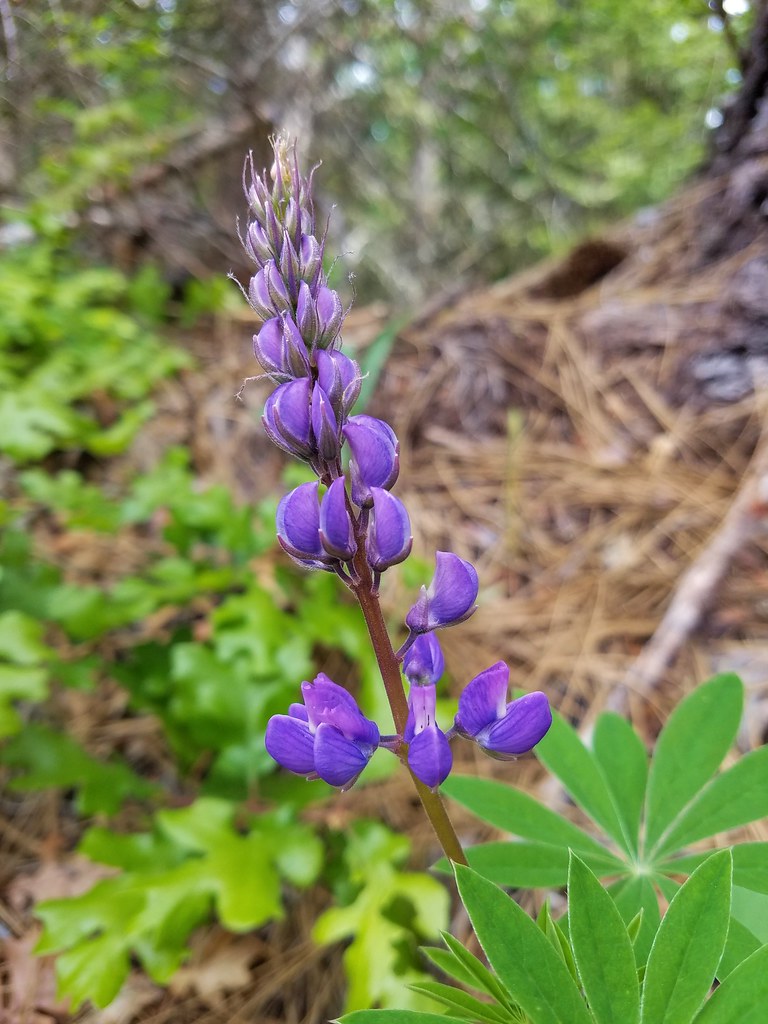
LupineLupine

Vanilla LeafVanilla leaf

LarkspurLarkspur

Woodland starsWoodland stars

Popcorn flowerPopcorn flower

SalsifySalsify

Deadly nightshadeDeadly nightshade

Rock clematisRock clematis

TwinberryTwinberry?

BluebellsBluebells

CinqufoilCinquefoil

MeadowrueMeadowrue

VioletA violet

Shooting starShooting star

Old man's whiskersOld man’s whiskers

Western stoneseedWestern stoneseed

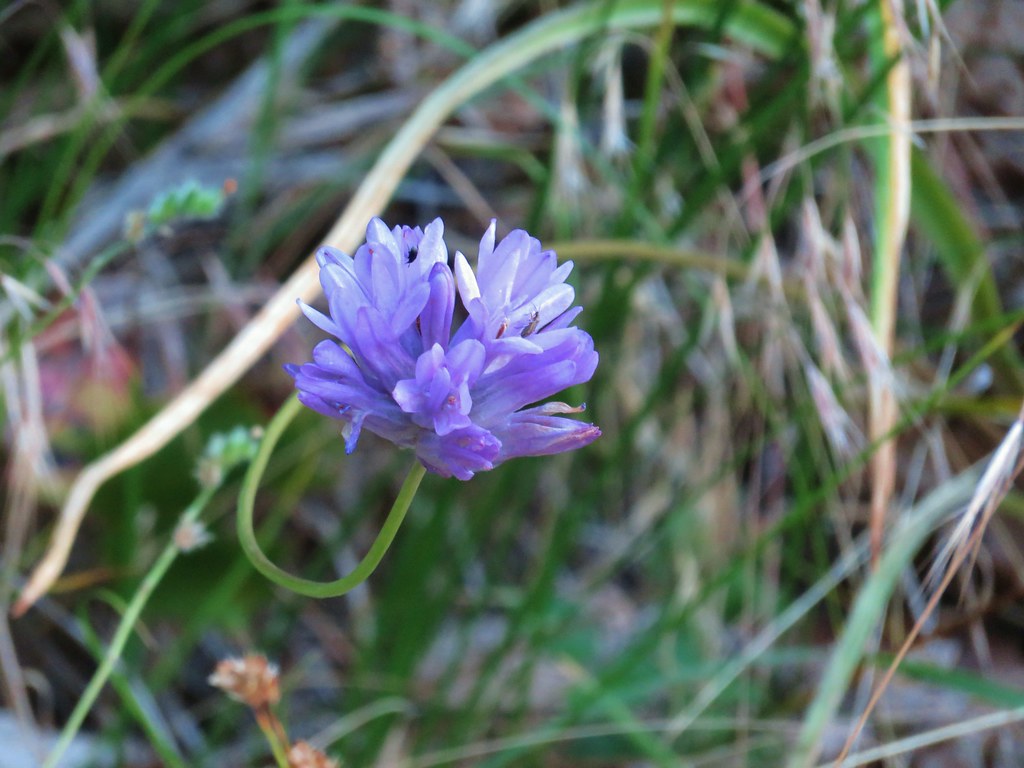
Blue dicksBlue dicks

BalsamrootBalsamroot

Slender phloxSlender phlox

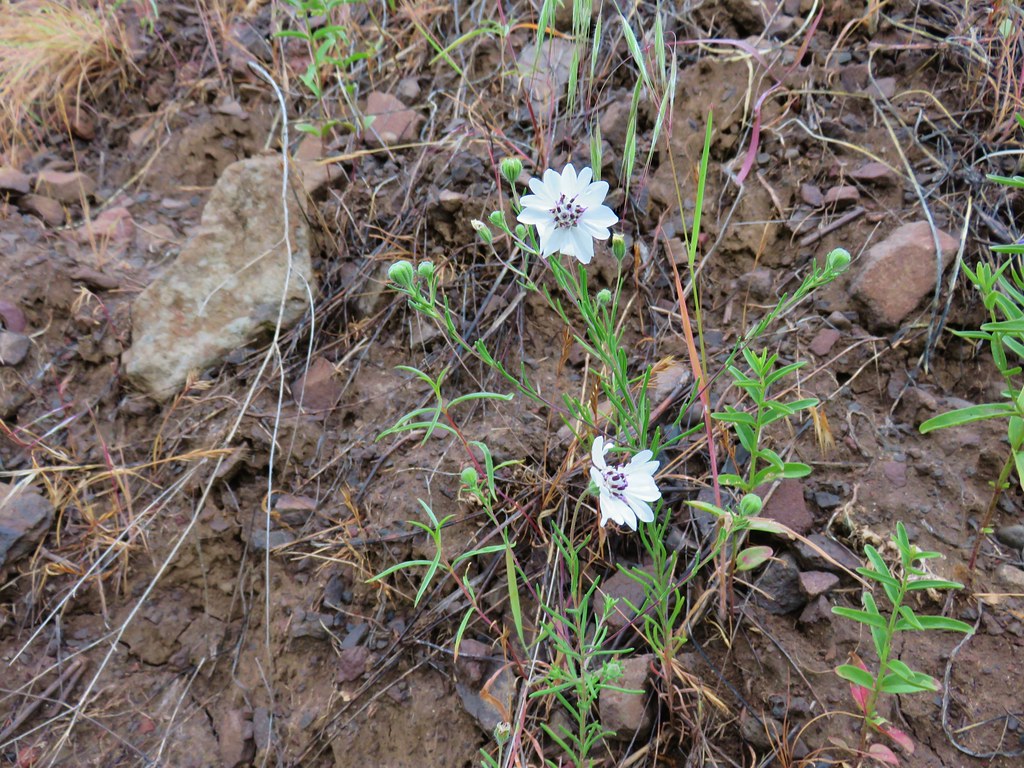
Cutleaf daisyCutleaf daisy

Large head cloverLarge head clover

KittentailsKittentails

Hariy clematisHairy clematis

Yellow bellYellow bell

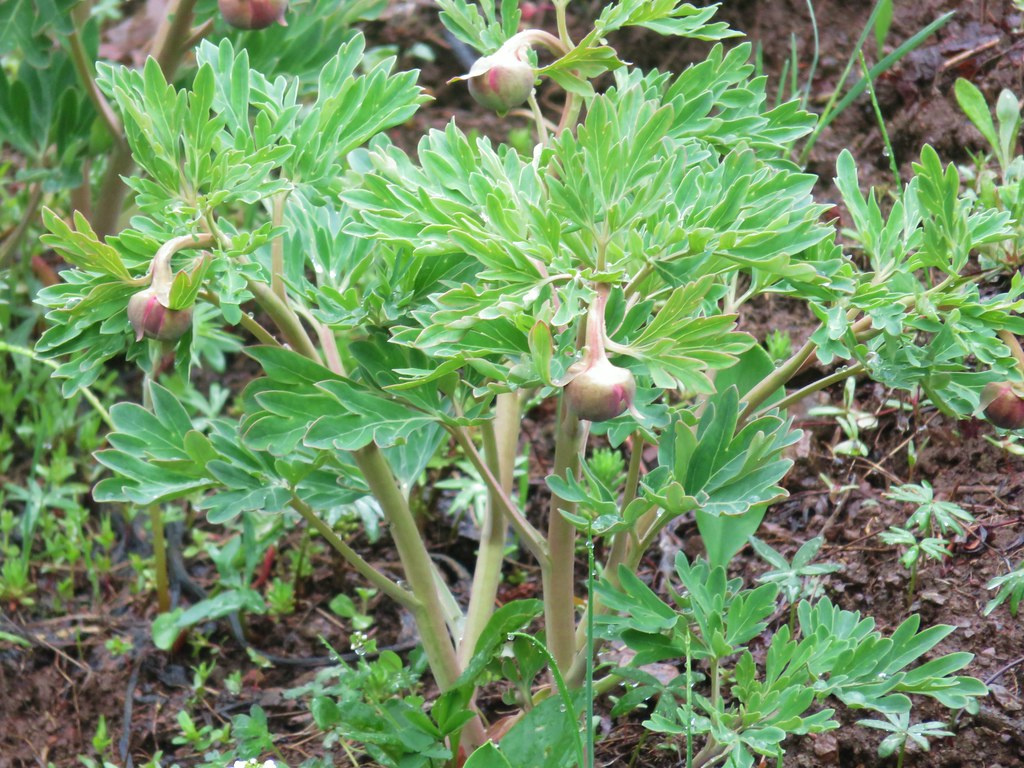
Browns peonyBrown’s peony (blossoms hadn’t opened yet)
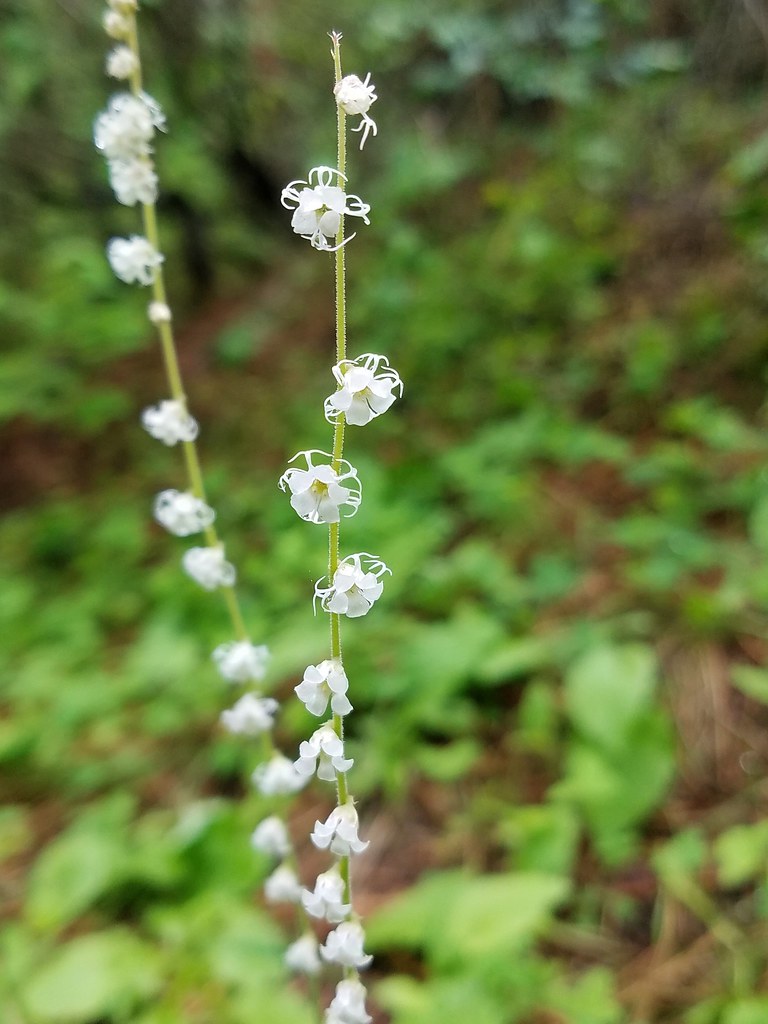
Small flower miterwortSmall flower miterwort

VetchVetch

YarrowYarrow

HoundstongueHoundstongue

CatchflyA catchfly

Branched hareleafBranched hareleaf

WatercressWatercress

FiddleneckFiddleneck

Rough eyelashweedRough eyelashweed

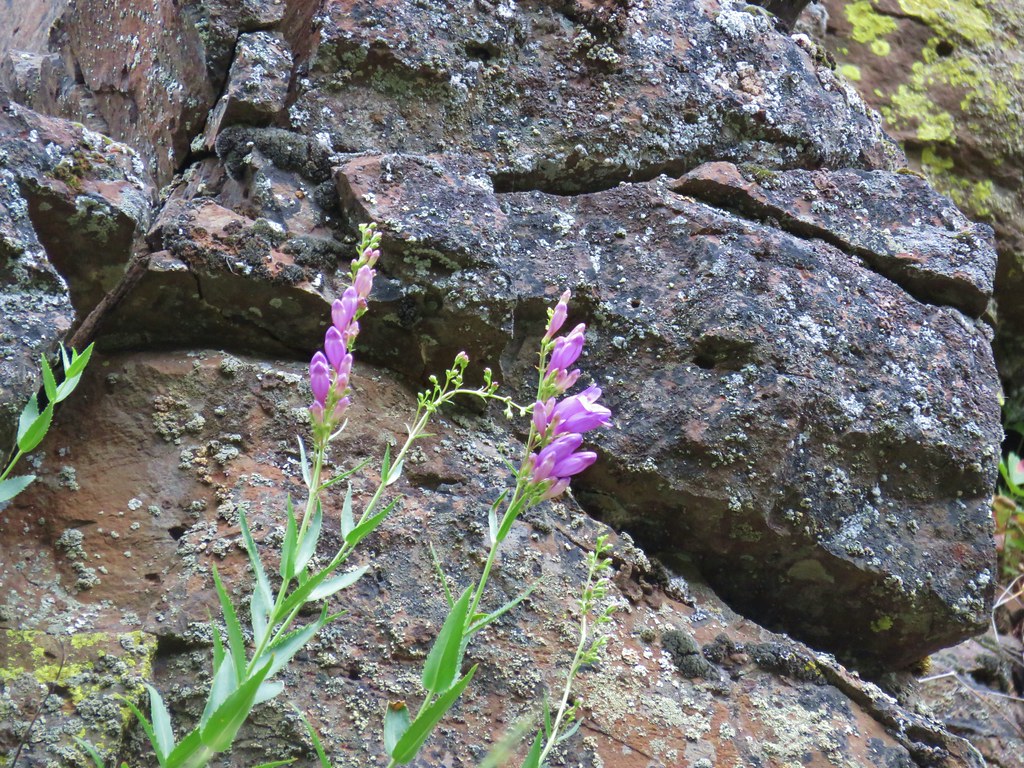
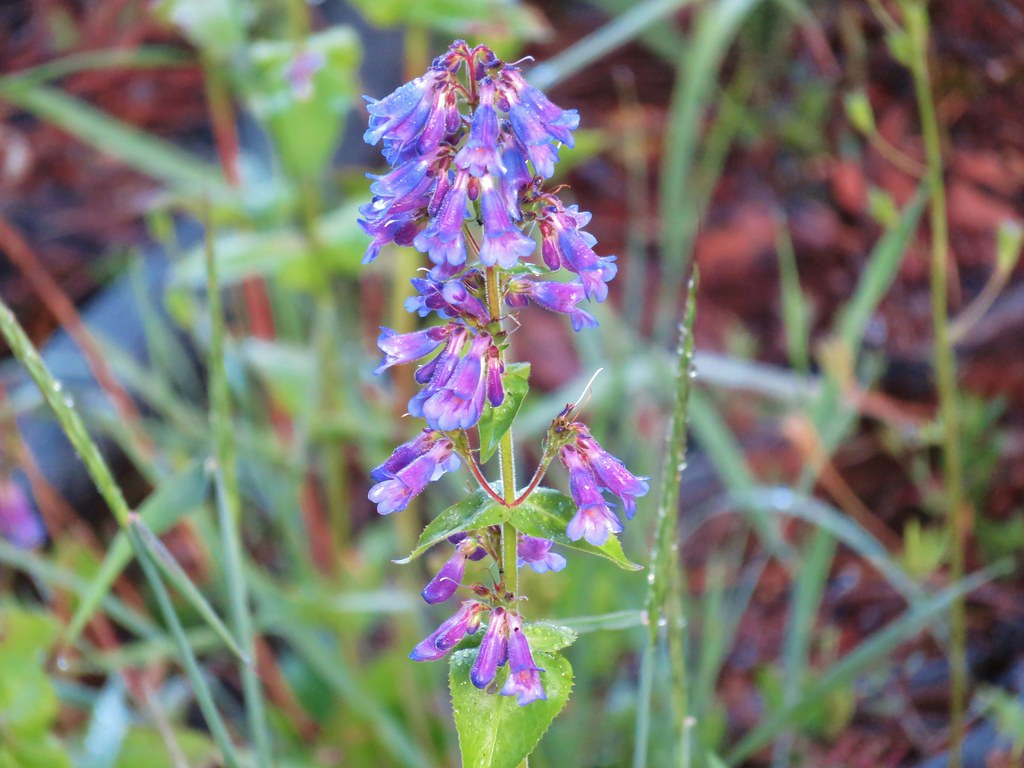
PenstemonPenstemon

PhloxPhlox

Spreading dogbaneSpreading dogbane

BuckwheatBuckwheat

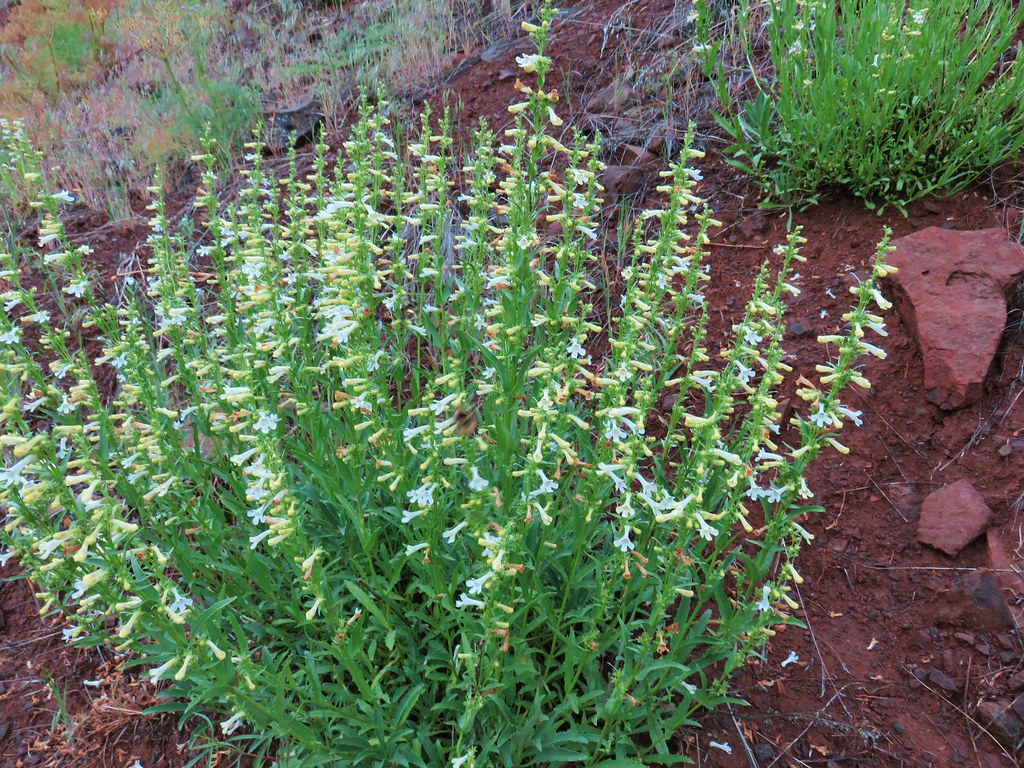
Scab penstemonScab penstemon

Wildflower along the Wenaha River Trail

Oregon sunshineOregon sunshine?

False sunflowerFalse sunflower?

Sticky purple geraniumSticky purple geranium

Threadleaf phaceliaThreadleaf phacelia

SkullcapSkullcap

Stream globe mallowStream globe mallow

Blue mustardBlue mustard?

ClarkiaRagged robin

Blanket flowerBlanket flower

Cusick's paintbrushCusick’s paintbrush

Wild onionWild onion

Monument plantMonument plant

RockcressRockcress

Hoary balsamrootHoary balsamroot

CamasCamas

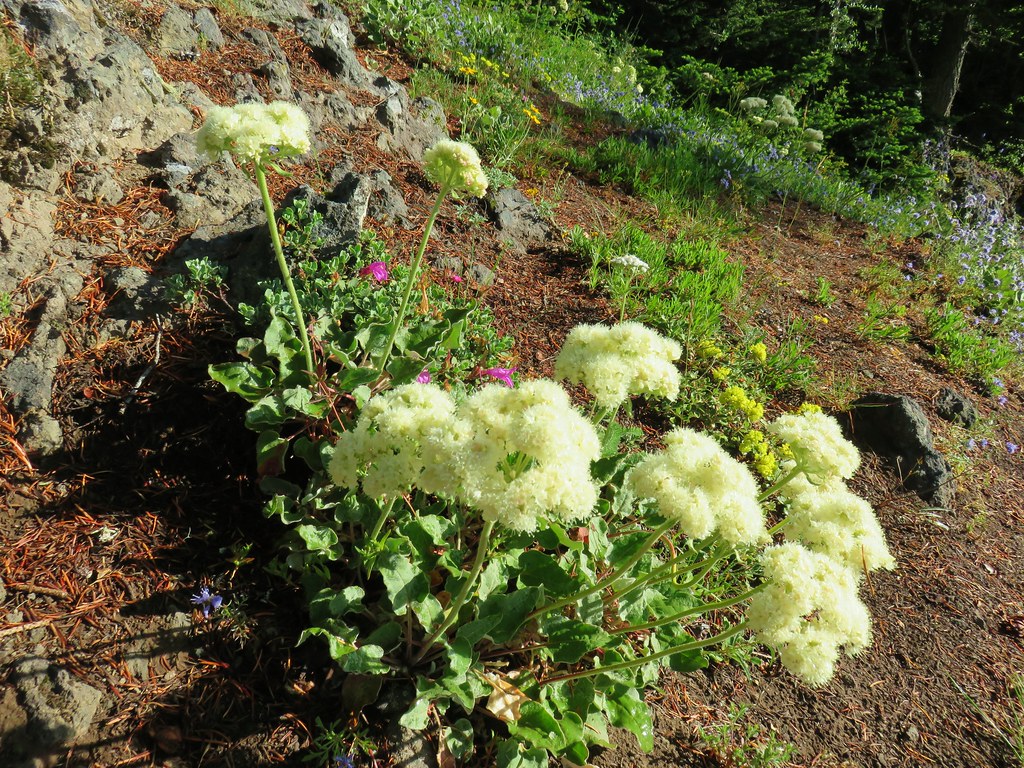
White-stem fraseraWhite-stem frasera

Milk vetchMilk vetch

CloverA clover

Dwarf yellow fleabaneDwarf yellow fleabane

IrisIris

Wild irisIris

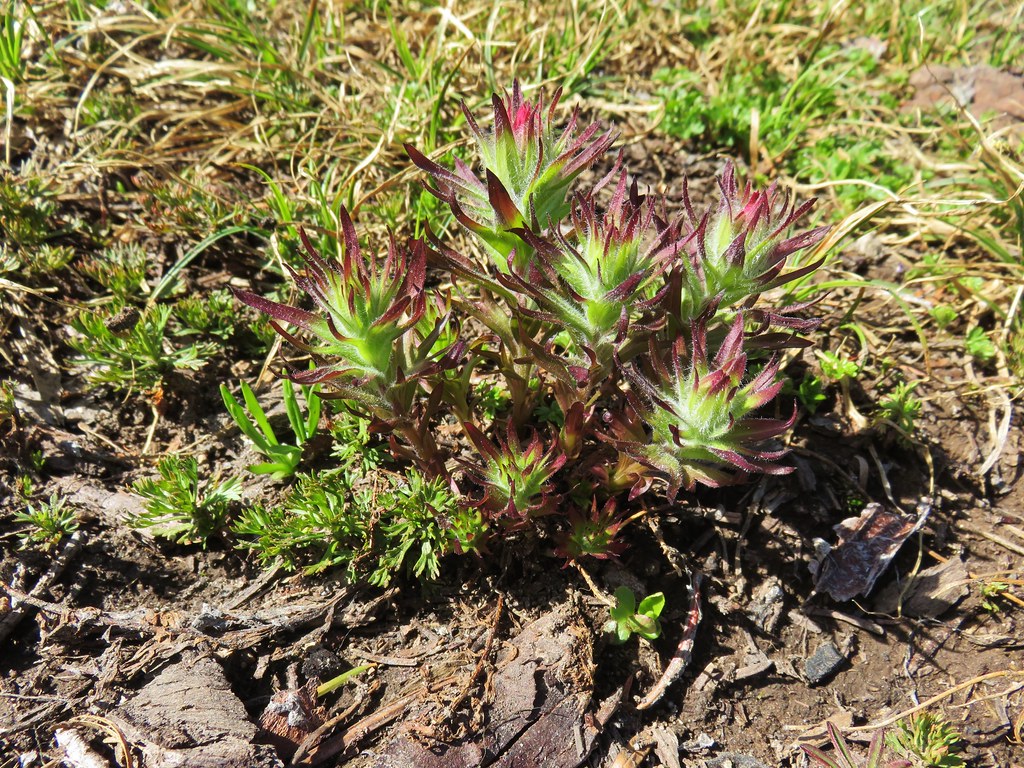
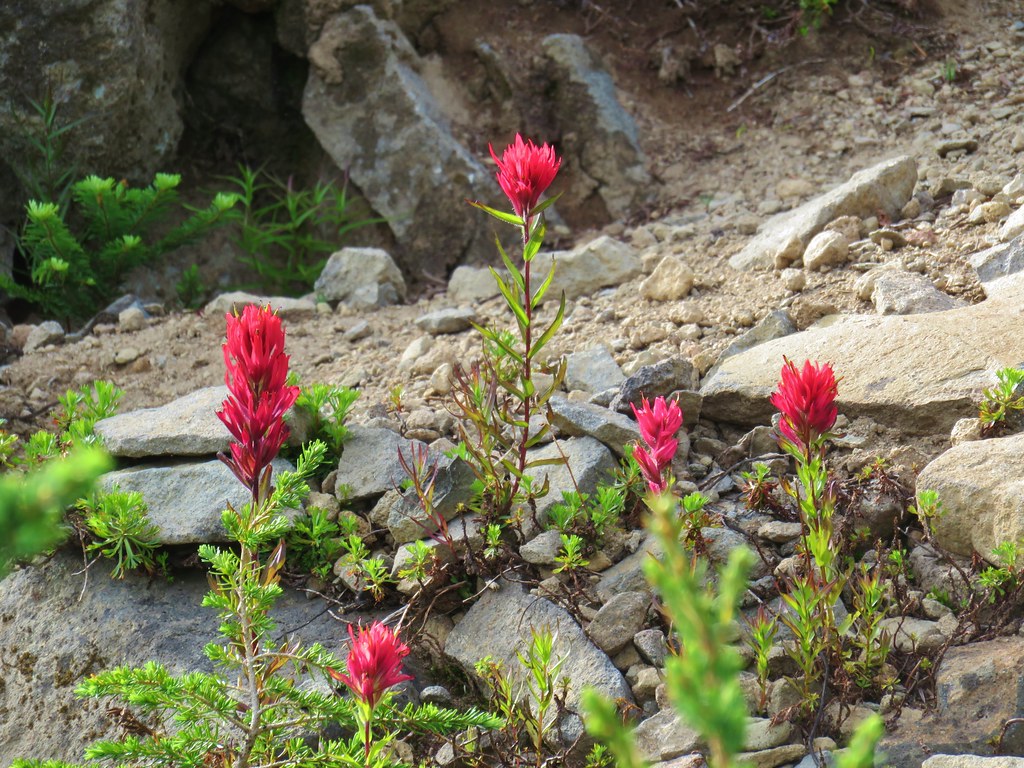
PaintbrushPaintbrush

Blue-eyed maryBlue-eyed mary

Cats ear liliesCat’s ear lilies

CandyflowerCandy flower

ThimbleberryThimbleberry

StonecropStonecrop

Youth-on-ageYouth-on-age

Wildflower along the Cascade Streamwatch Trail

False lily of the valleyFalse lily of the valley

CoralrootCoralroot

FairybellsFairybells

Scoutler's cordyalisScouler’s cordyalis

CoralrootCoralroot

OokowOokow

AnemoneAnemone

Bunch berryBunchberry

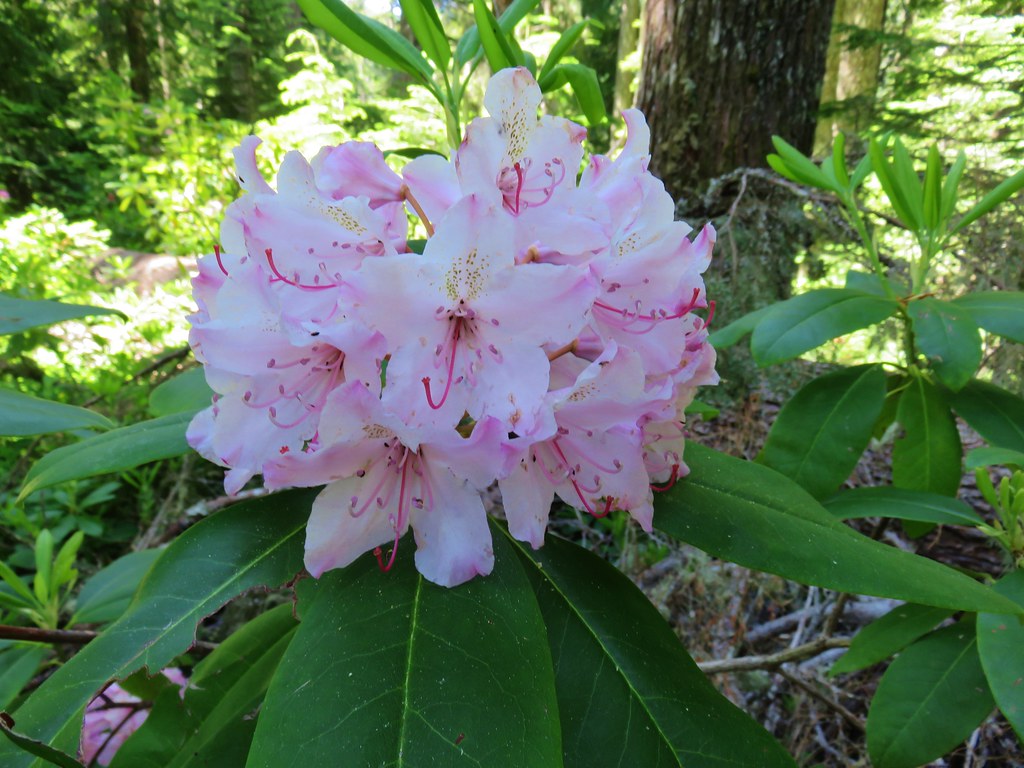
Rhododendron blossomsRhododendron

Wild bugbaneWild bugbane

Avalanche liliesAvalanche lilies

PaintbrushPaintbrush

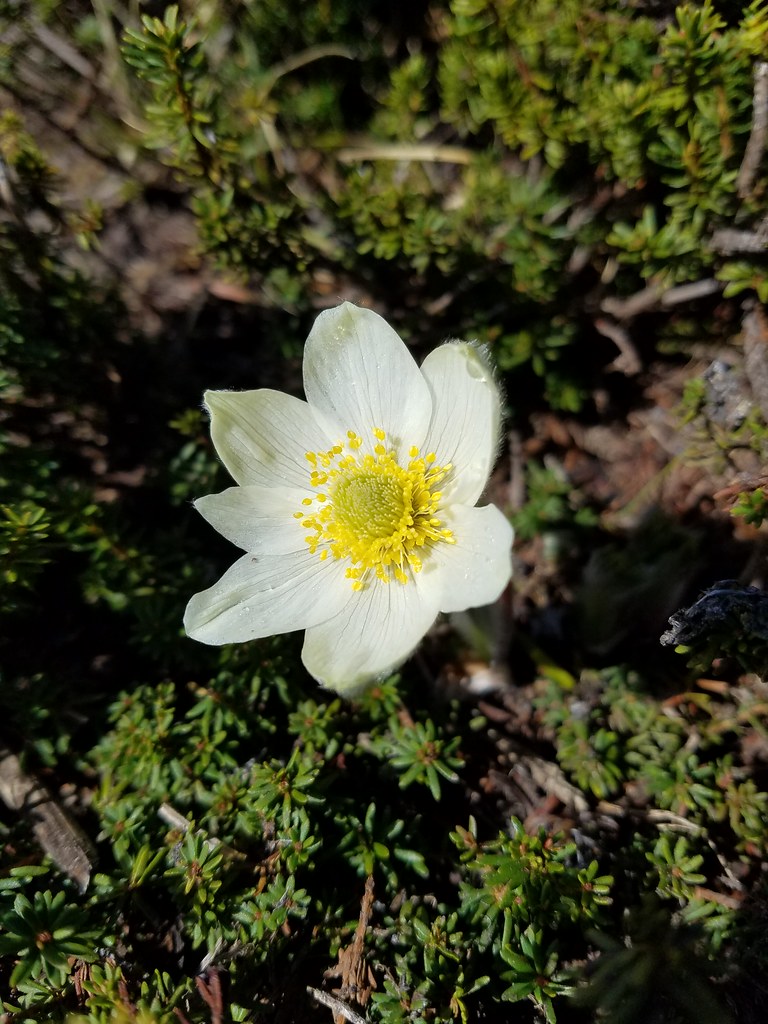
Western pasque flowerWestern pasque flower

ValerianValerian

Mountain heatherMountain heather

PenstemonPenstemon

ManzanitaManzanita

Dwarf lupineDwarf lupine

PussypawsPussypaws

White dwarf lupineWhite dwarf lupine

Sagebrush false dandelionSagebrush false dandelion?

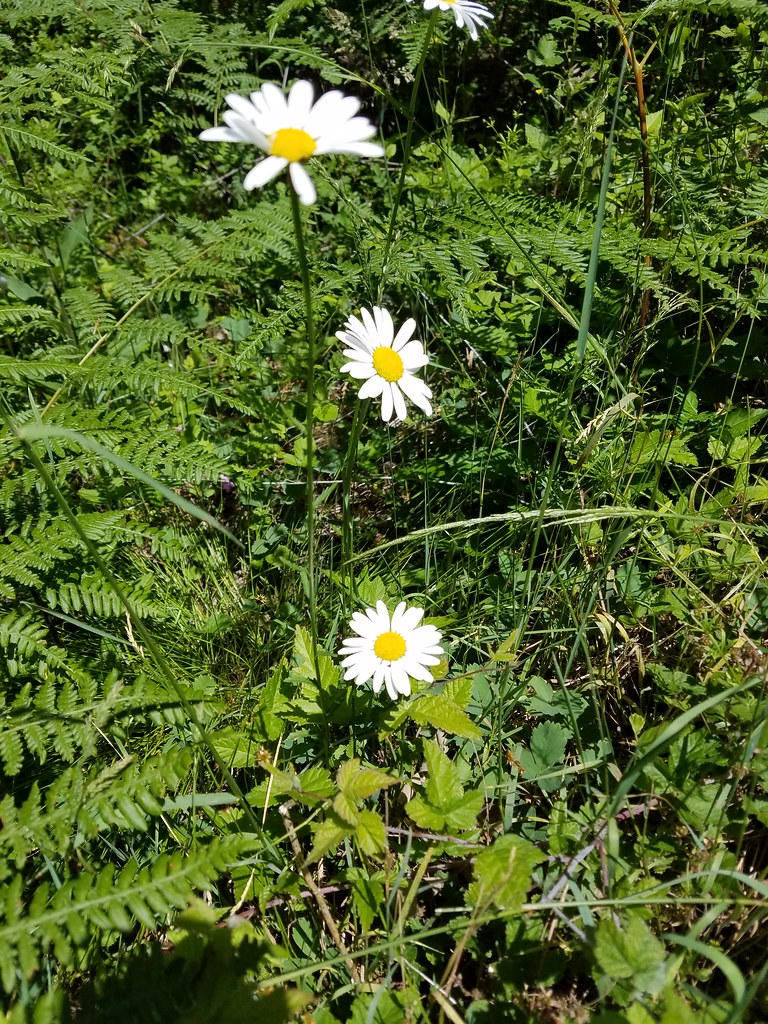
DaisiesDaisies

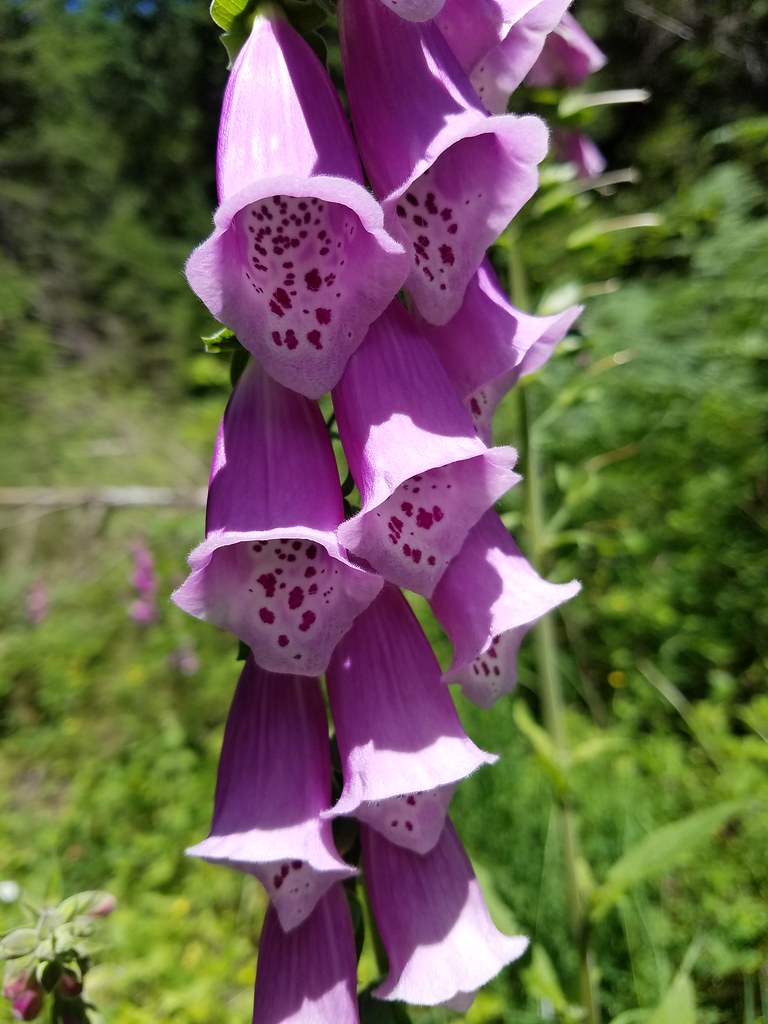
FoxgloveFoxglove

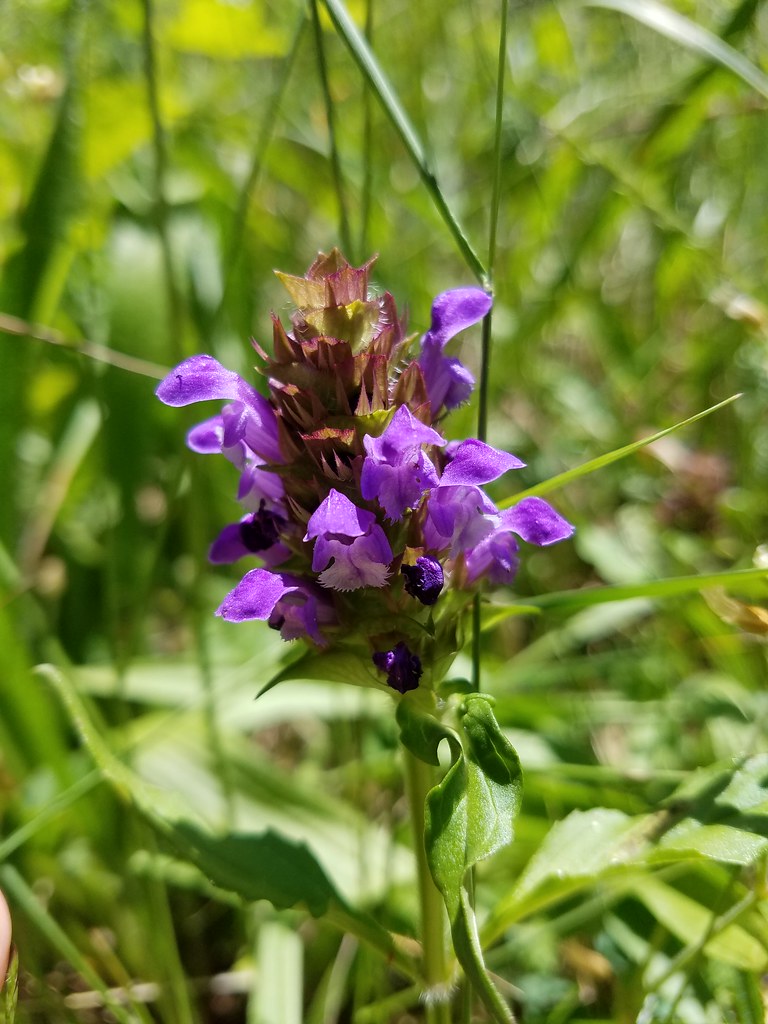
Self-healSelf-heal

Tailed kittentailsTailed kittentails

Wildflowers along the Grouse Vista TrailGoldenbanner?

VetchVetch?

LarkspurLarkspur

PhloxPhlox

PaintbrushPaintbrush

LupineLupine

VioletsViolets

LousewortLousewort

Marsh marigoldMarsh marigold

SalalSalal

ThistleThistle

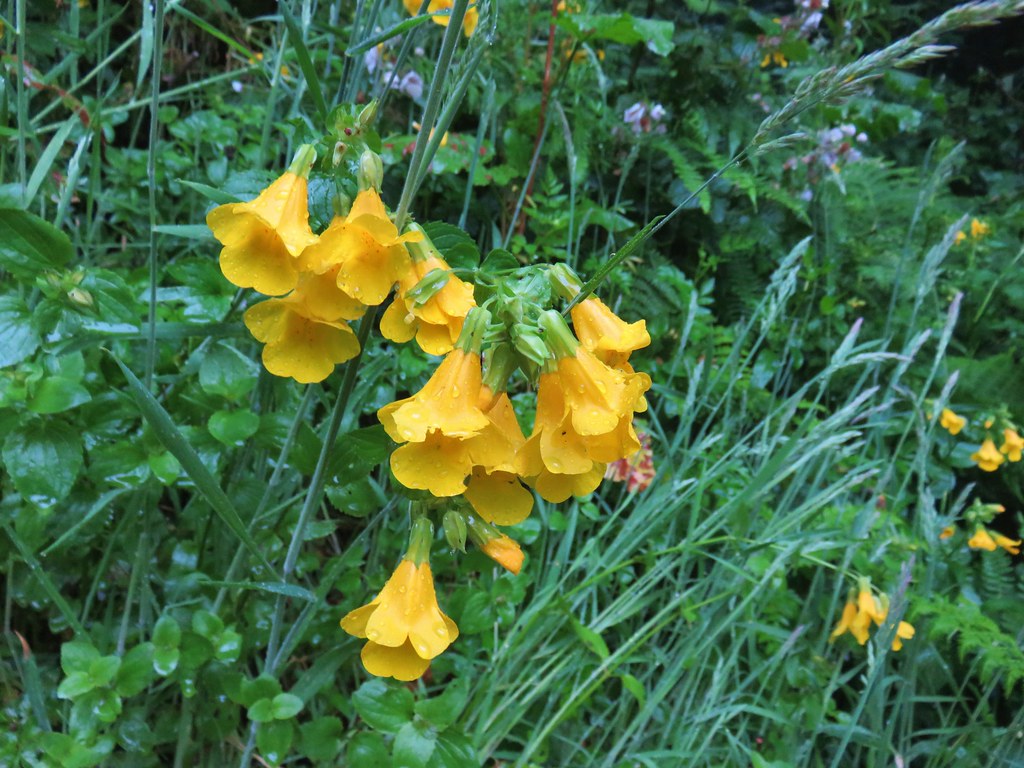
MonkeyflowerMonkeyflower

Probably cultivated radishCultivated radish?

CloverA clover

Beach morning gloryBeach morning glory

GroundconeGroundcone

Wild roseSome sort of rose

Striped coralrootStriped coralroot

PenstemonPenstemon

Arrowleaf buckwheatArrowleaf buckwheat

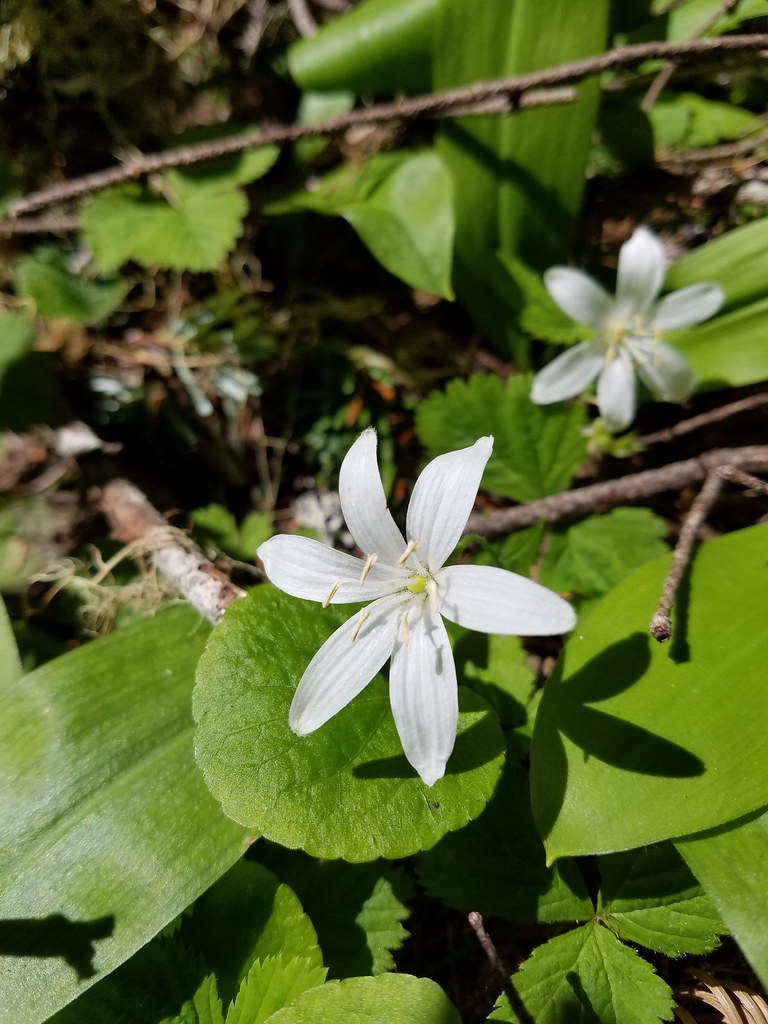
Star-flower solomonsealStar-flower solomonseal

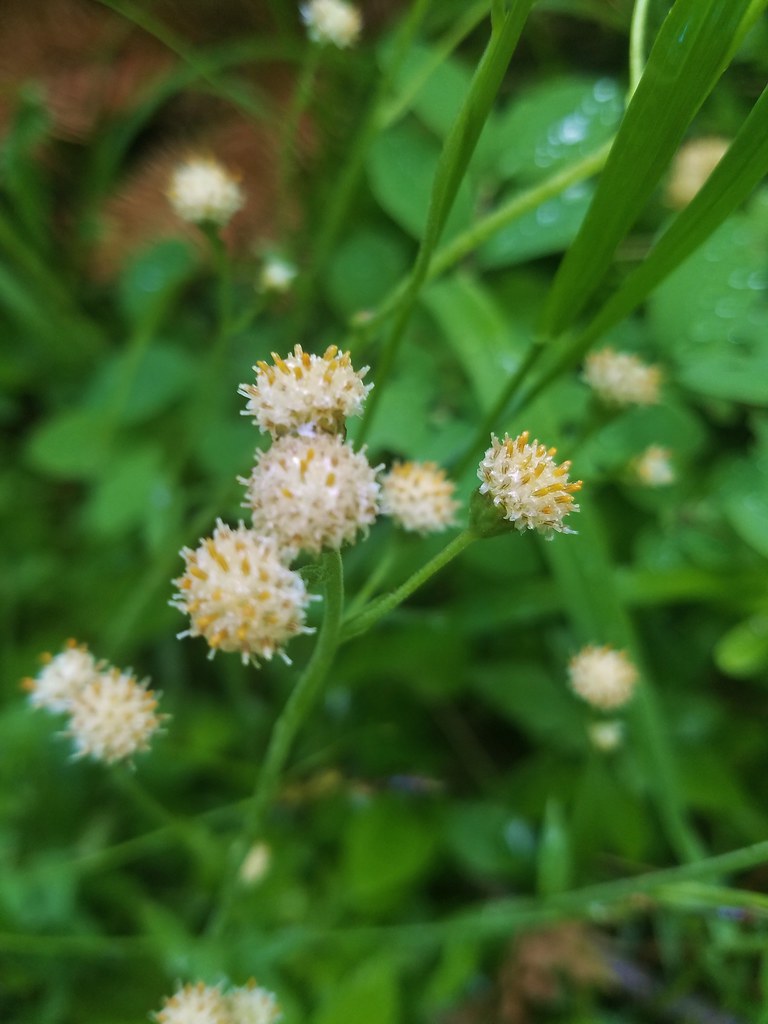
Raceme pussytoesRaceme pussytoes

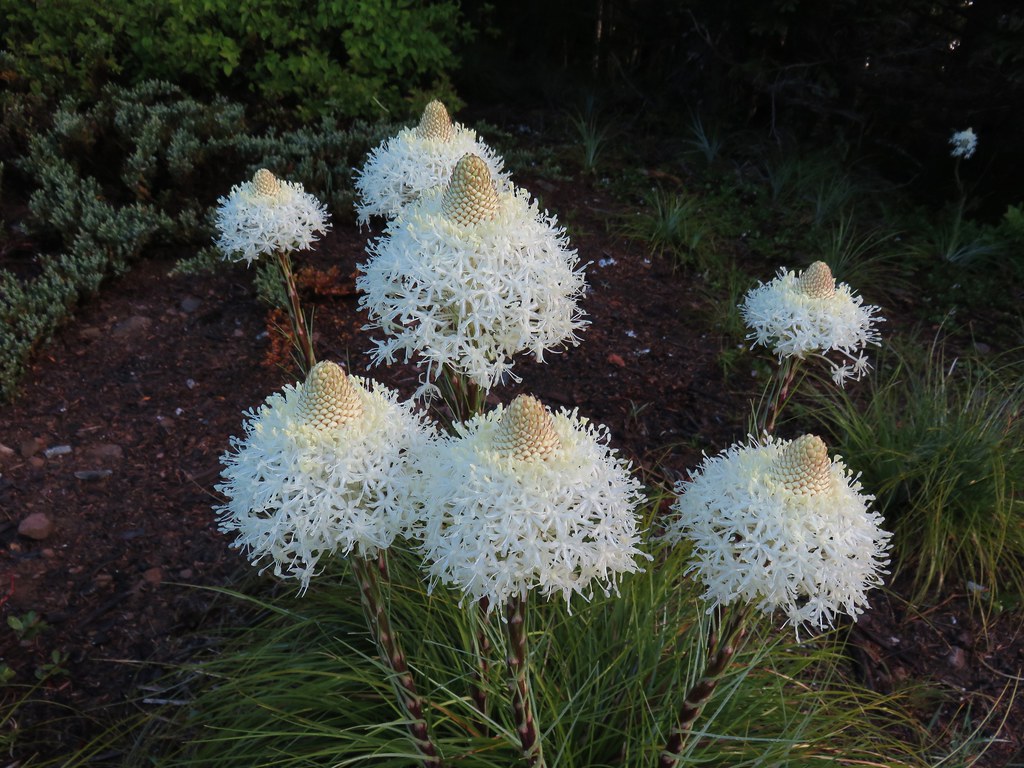
BeargrassBeargrass

CoralrootCoralroot

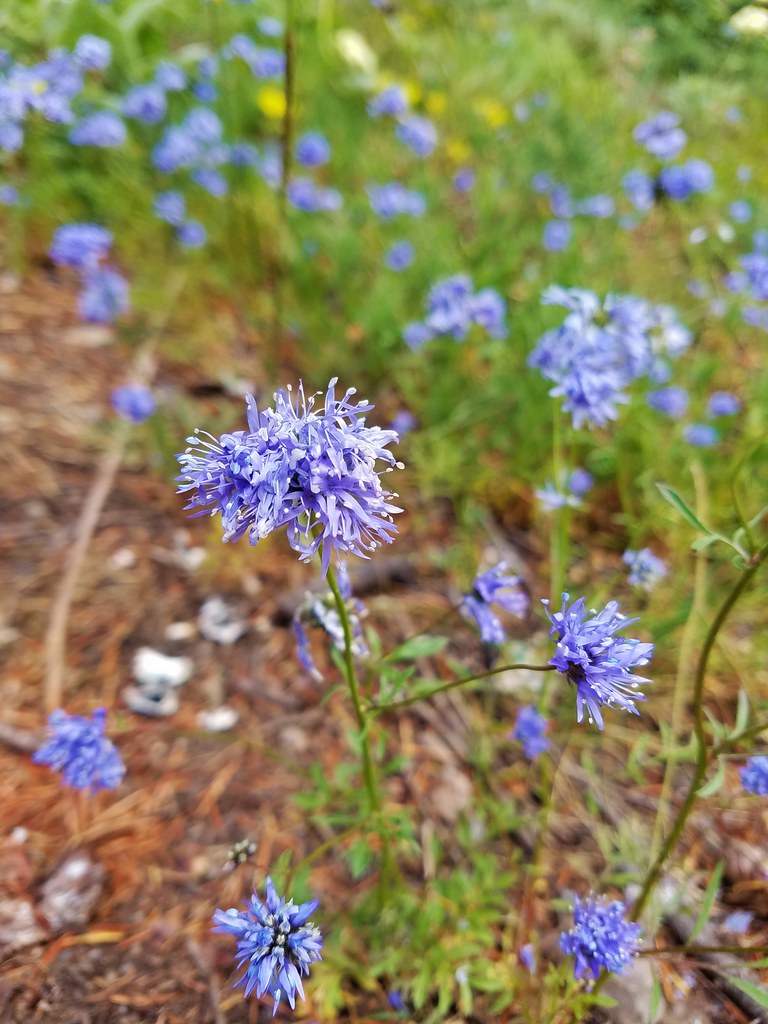
Blue-head giliaBlue-head gilia

PenstemonPenstemon

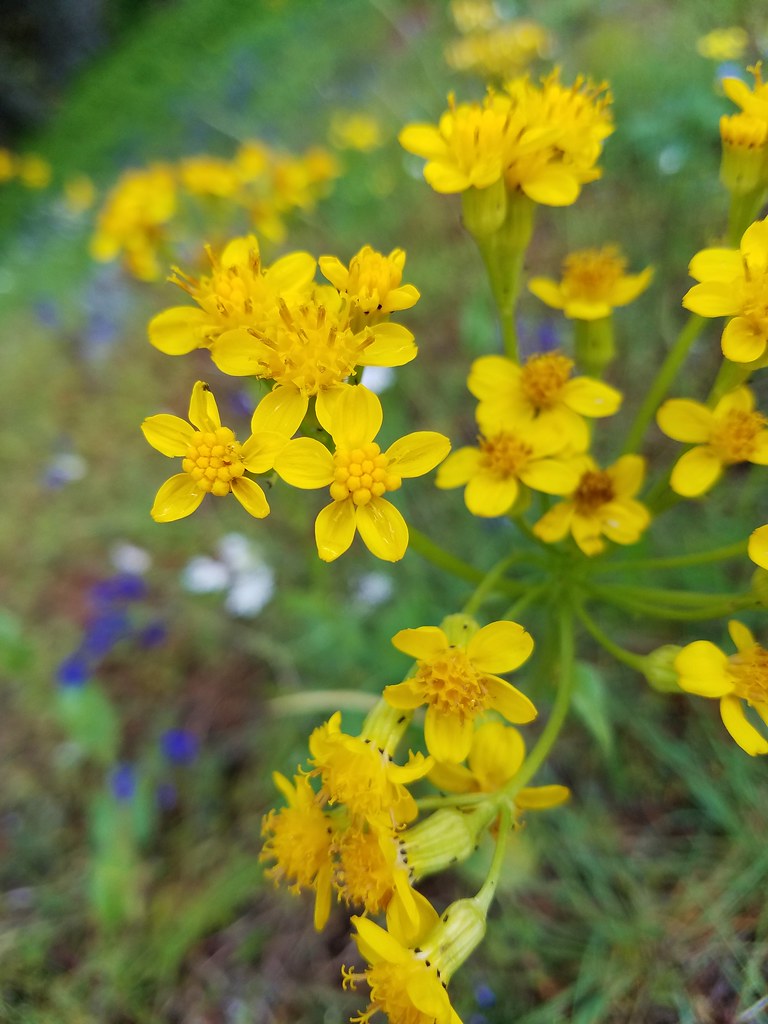
GroundselGroundsel?

Insideout flowerInside-out flower

StarflowerStarflower

CandysticksCandysticks

Wild strawberryWild strawberry

ColumbineColumbine

Showy phloxShowy phlox

TrilliumTrillium

Bladder campionBladder campion?

CatchflyCatchfly

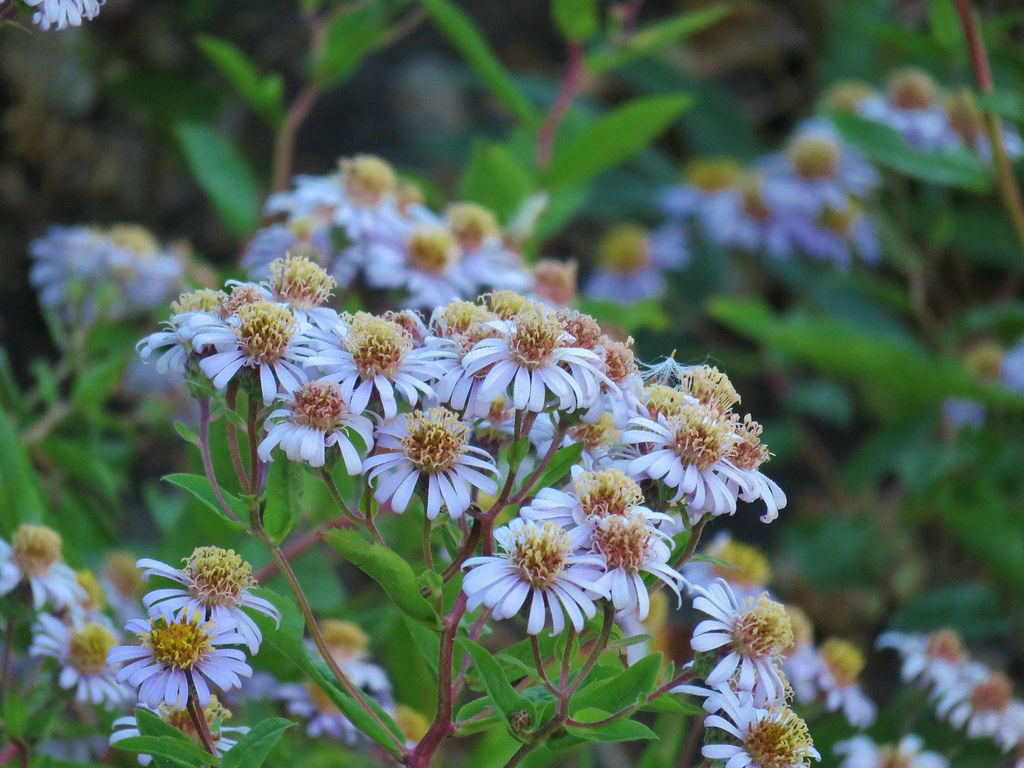
AsterAster or fleabane

CurrantA currant

Wood violetWood violet

PussytoesPussytoes

LousewortLousewort

Jacob's ladderJacob’s ladder?

WallflowerWallflower

Wild gingerWild ginger

Giant blue-eyed maryGiant blue-eyed mary

ConeflowerConeflower

Cow parsnipCow parsnip

tall bluebellsTall mountain bluebells

Scarlet giliaScarlet gilia

Orange agoserisOrange agoseris

Owls cloverOwls clover

A phaceliaSome sort of phacelia?

HoneysuckleHoneysuckler

Wild onionWild onion

Twin flowerTwin flower

PenstemonPenstemon

PaintbrushTwo types of paintbrush

Stream orchidStream orchid?

Tiger lilyTiger lily

Wildflowers along the Grassy Knoll Trail

PenstemonPenstemon

Field chickweedField chickweed

Wildflowers along the Grassy Knoll Trail

LupineLupine

Wildflowers along the Grassy Knoll Trail

Wildflowers along the Grassy Knoll Trail

Spotted coralrootSpotted coralroot

LupineLupine

AvensAvens?

Farewll to springFarewell to spring

PenstemonPenstemon

Washington lilyWashington lily

WintergreenWintergreen

PinesapPinesap

PinedropPinedrop

PaintbrushPaintbrush

Mock orangeMock orange

Prince's pinePrince’s pine

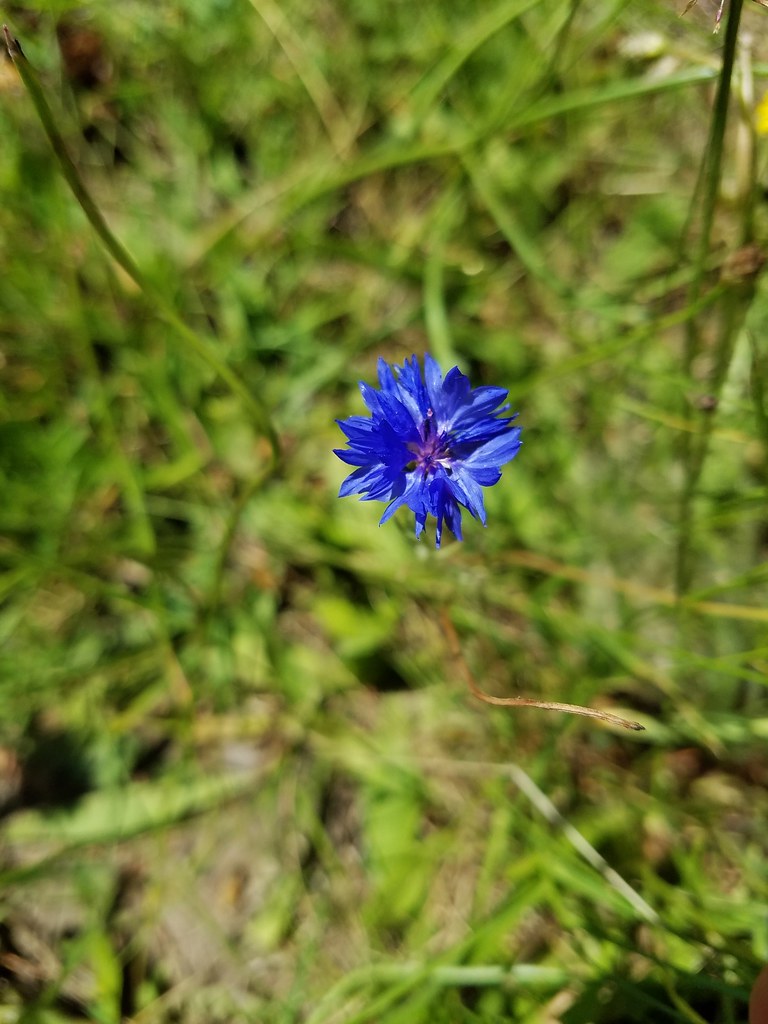
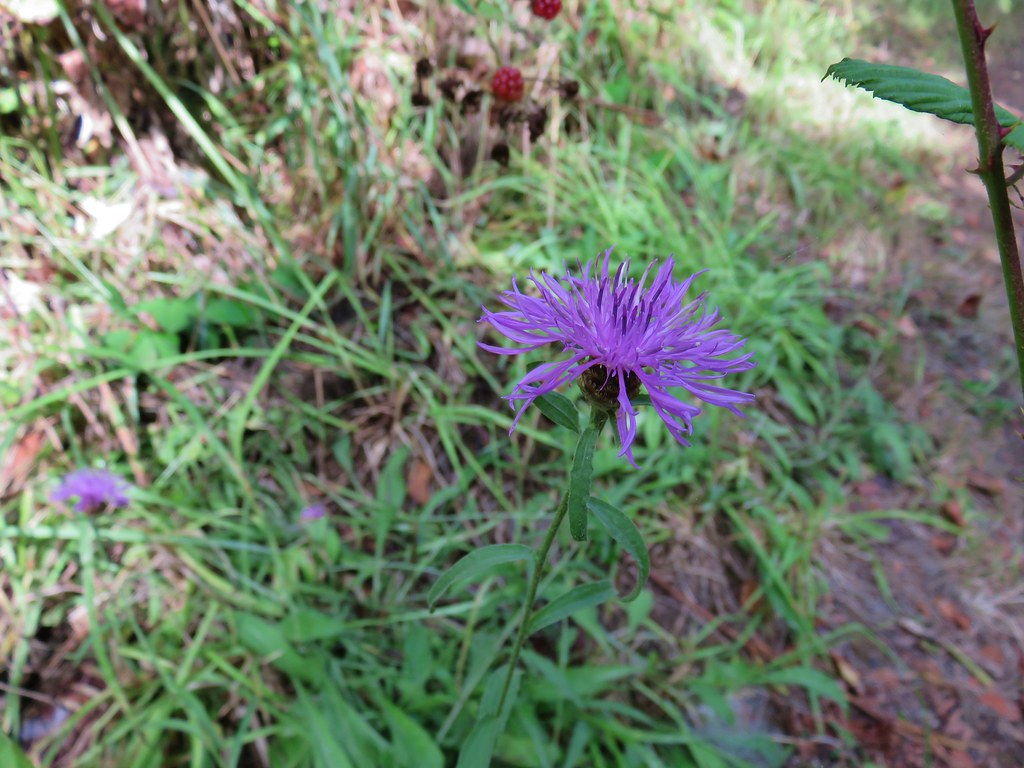
Bachelor buttonBachelor button

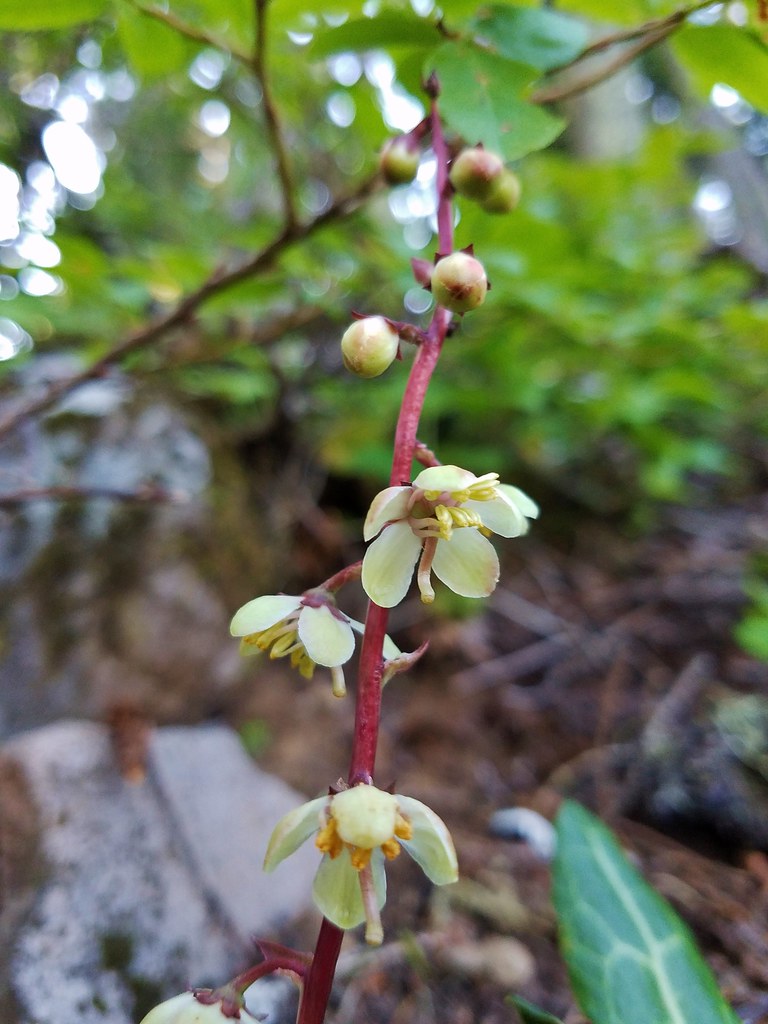
A pyrolaPyrola

Queen's cupQueen’s cup

AsterAster (or a fleabane)?

Bog orchidBog orchid

Elephants headElephant’s head

RainieraRainiera

Ghost pipeGhost pipe

Scouler's bluebellsScouler’s bluebells

MonkshoodMonkshood

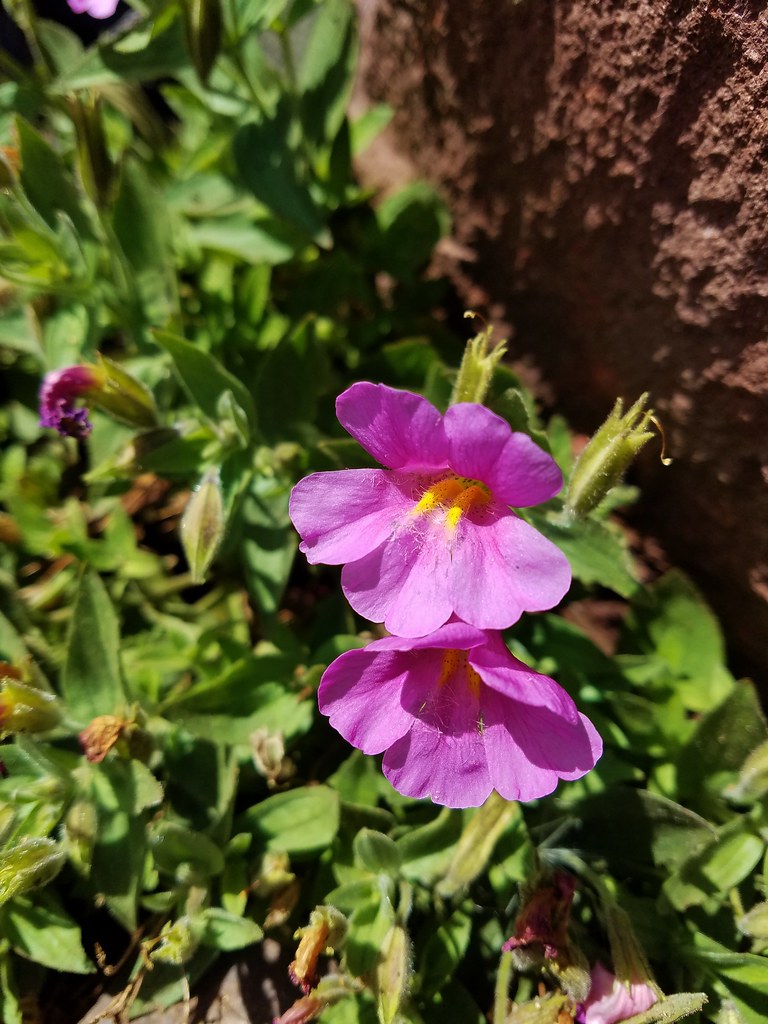
MonkeyflowerPink monkeyflower

Creeping wire lettuceCreeping wire lettuce

FireweedFireweed

PenstemonPenstemon

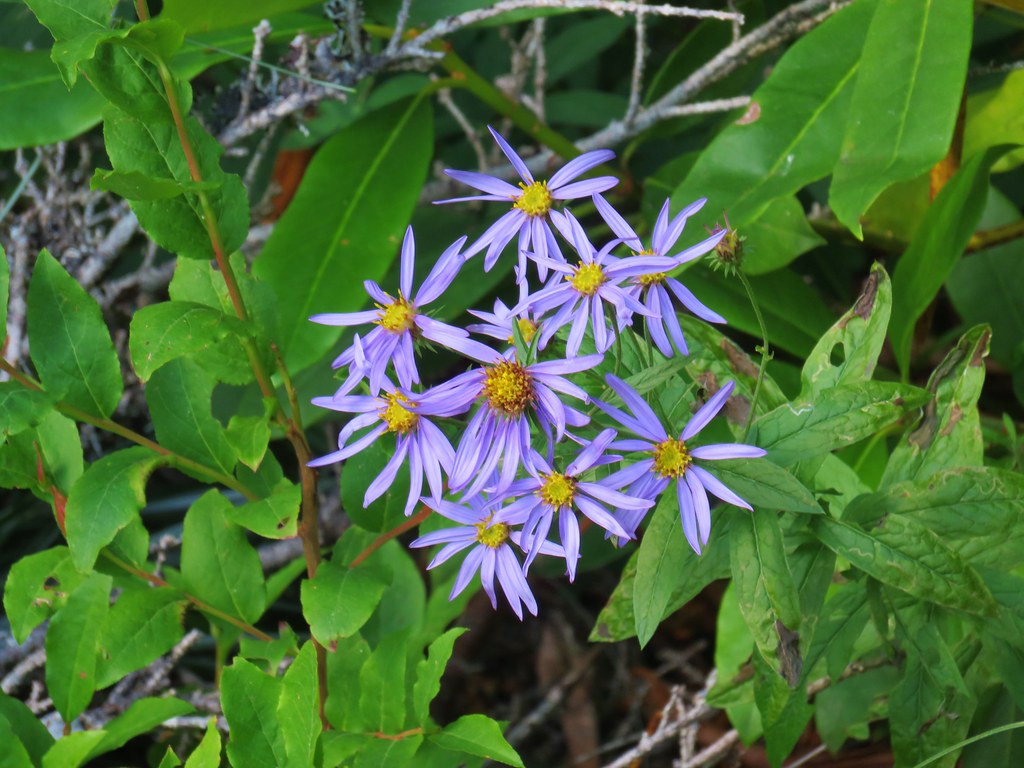
AsterAster (or a fleabane)

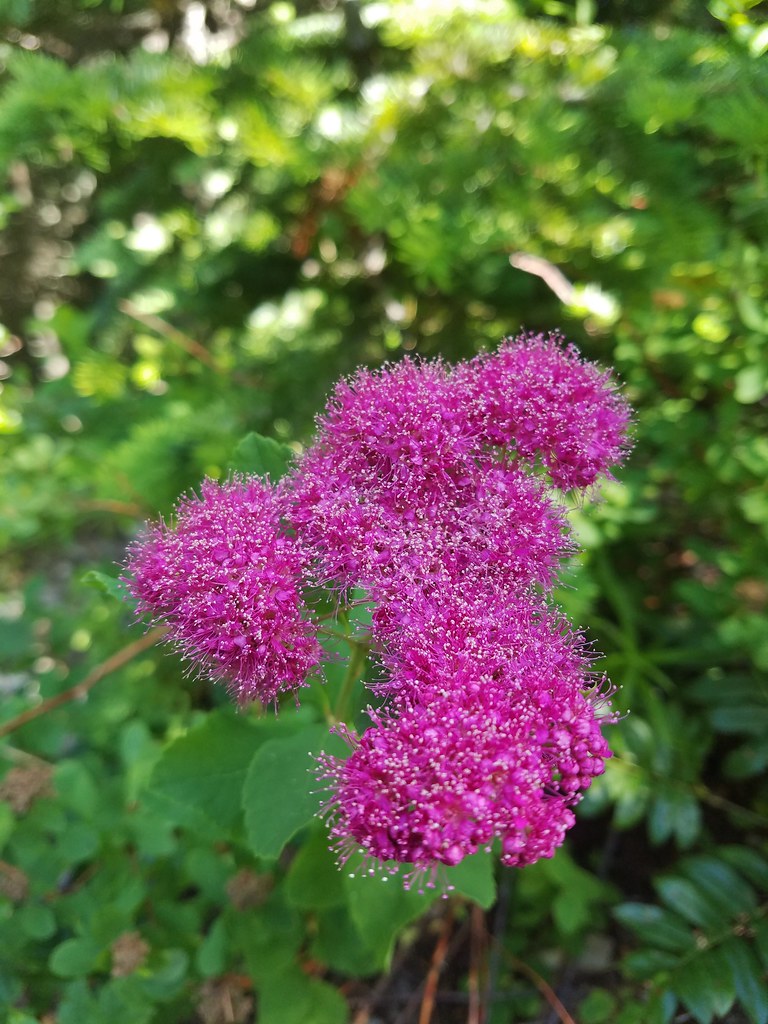
SpireaSpirea

Wildflower along the Olallie Mountain Trail

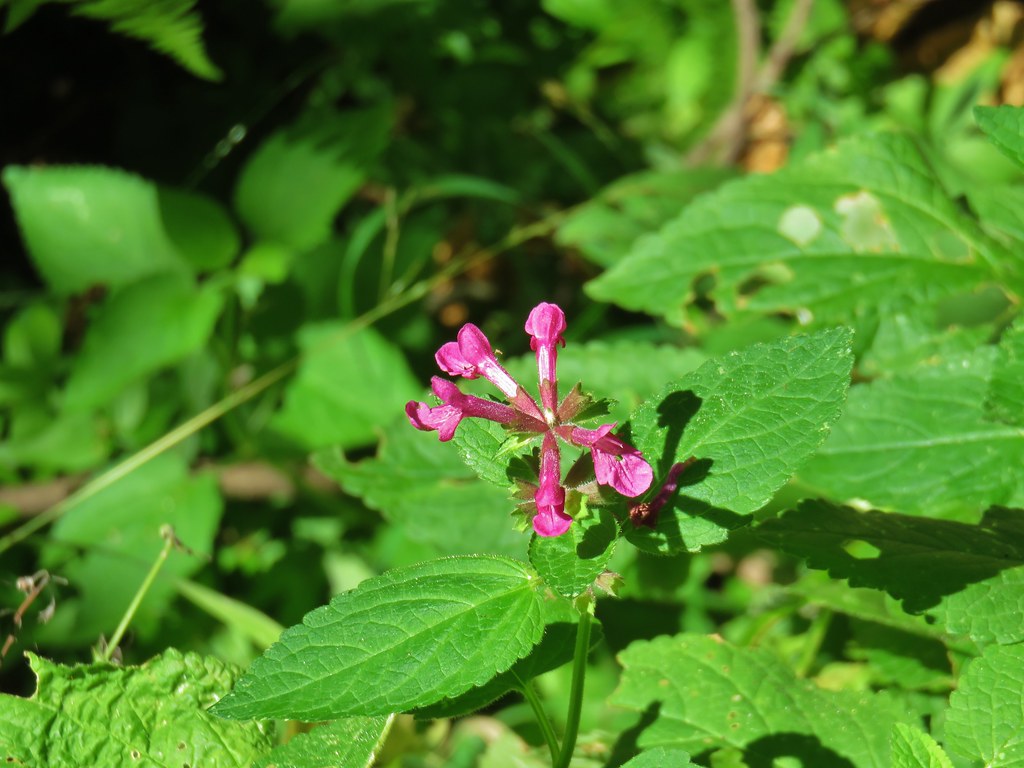
HedgenettleHedgenettle

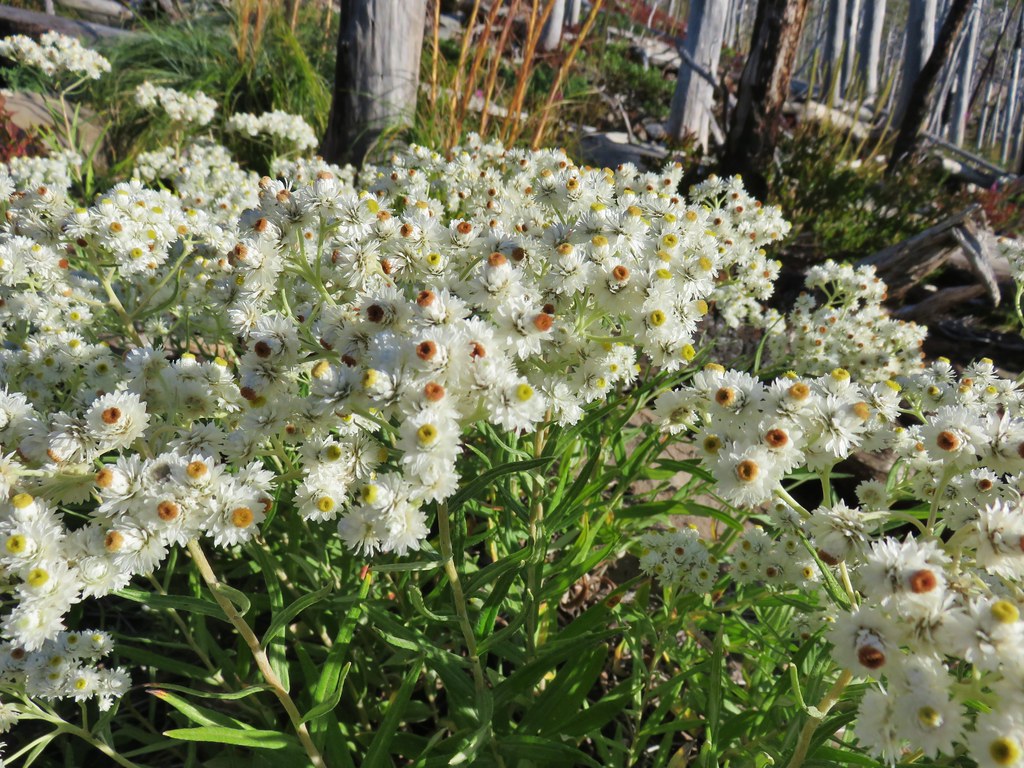
Scouler's St. Johns wort and pearly everlastingScouler’s St. Johns wort

Wildflowers along the trail to Crabtree Valley

GentianGentian

PennyroyalPennyroal

ChicoryChicory

PeaA pea?

ThistleThistle

The last wildflowers for us this year (we aren’t counting the invasive herb robert seen at Forest Park in December) was some fading pearly everlasting in mid-October.
Pearly everlastingThis pearly is in better shape from an August hike.

Hopefully we aren’t too far off on these. Names aside they are all a delight to see out on our hikes. Happy Trails!

Categories
Hiking Year-end wrap up

2019 Wildlife Gallery

We had so much fun in 2018 putting together posts of the different species and varieties of wildlife and wildflowers we’d seen that year that we decided to do it again for 2019. While we didn’t see a lot of larger animals this year we did see a lot of pikas, frogs and toads, and a number of new birds.

In the spirit of Leave No Trace principles we do our best not to cause any distress to the wildlife we see by keeping our distance, not feeding them, and doing our best not to disturb or startle them in any way.

Starting out small-
Beetle on a blue dicks

Ladybug on a thimbleberry leaf

Beetle

Beetle in a rose

Green beetle

Green beetle

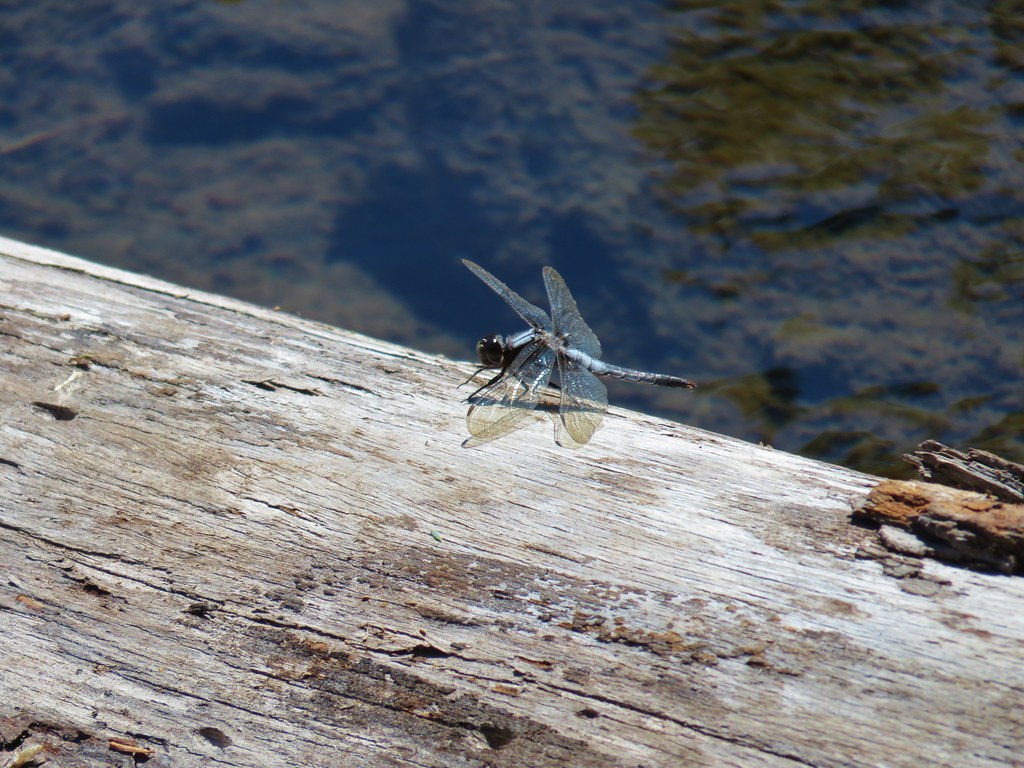
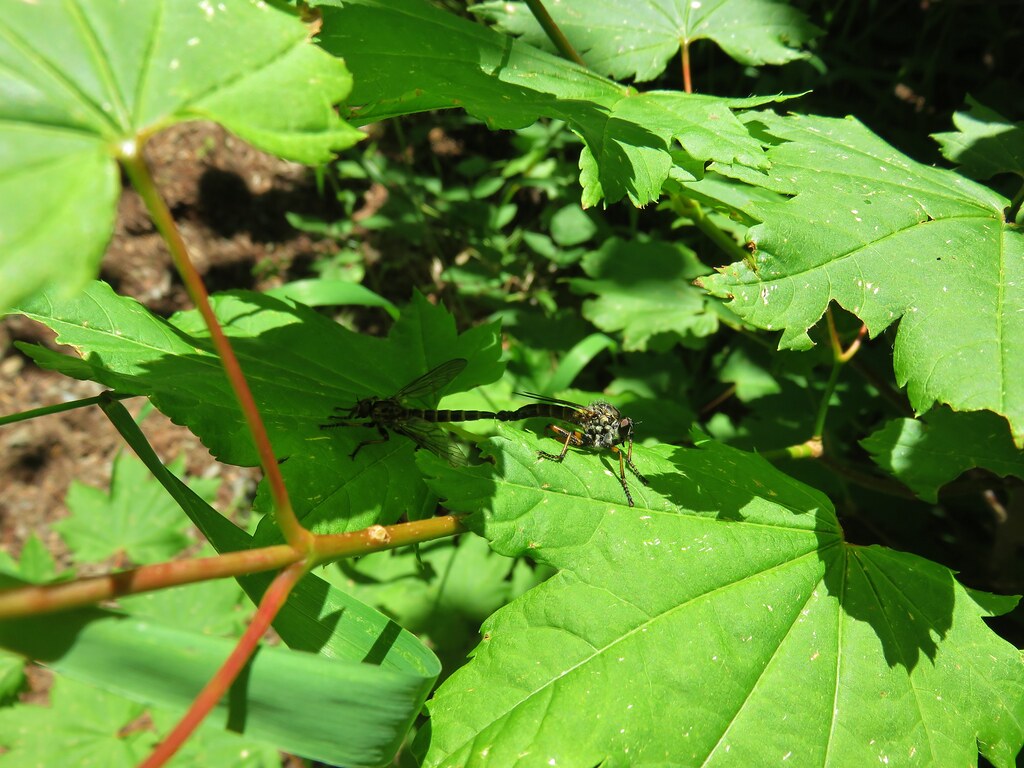
Dragon fly

Dragon fly

Bug shenanigans

Bee on showy phlox

Bumblebee on thistle

Wasp

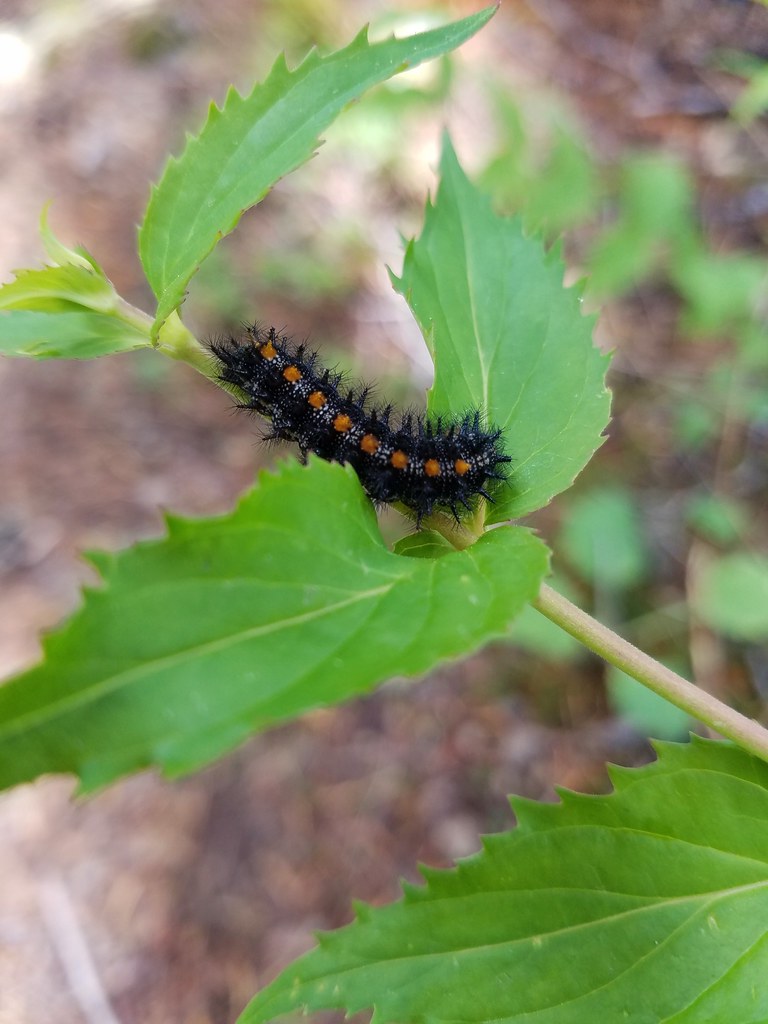
Catapiller

Caterpillar

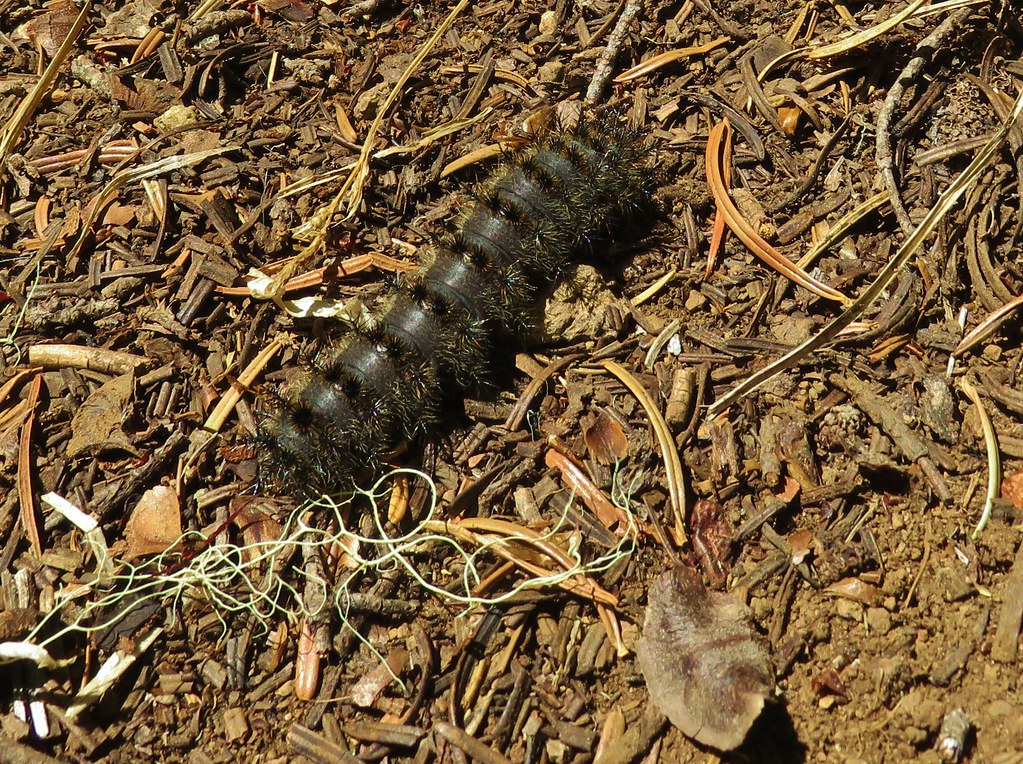
Wooly bear caterpillar

Millipede

Snail and a millipede

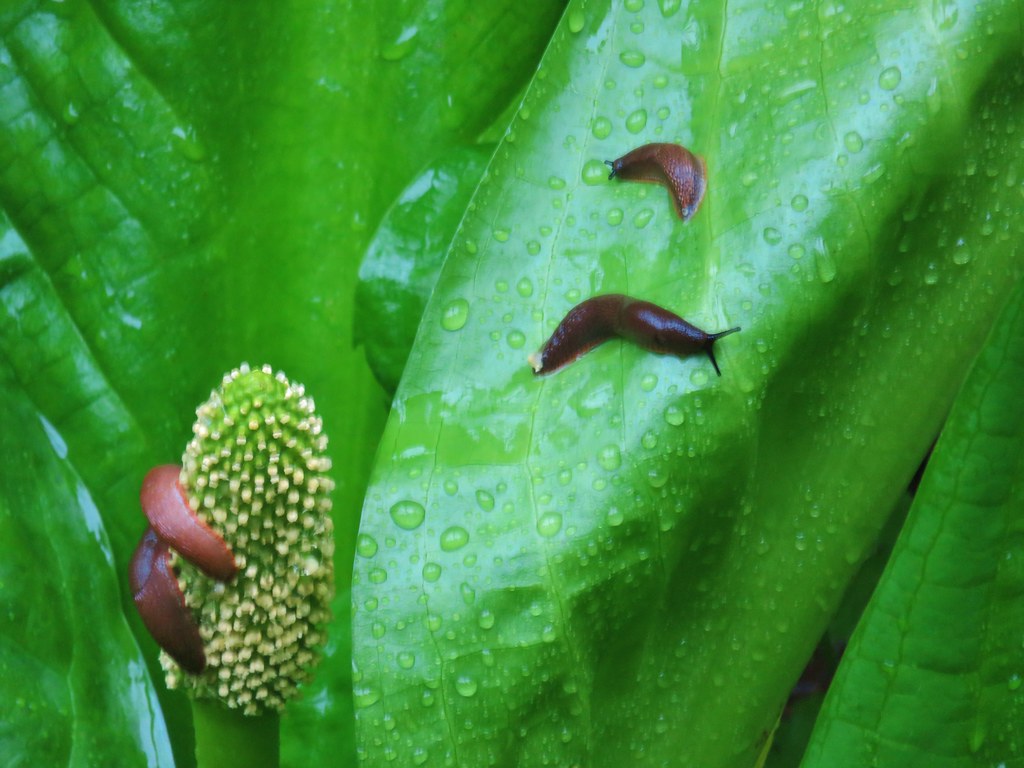
Slugs on skunk cabbage

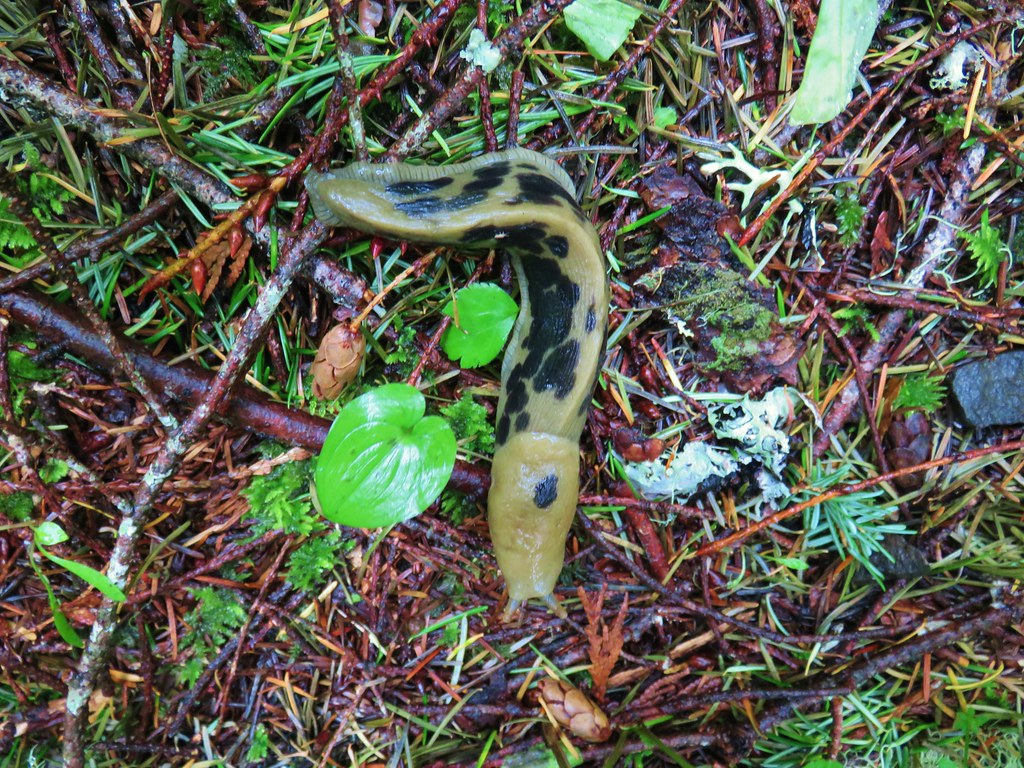
Slug

Wolf spider

Crab spider

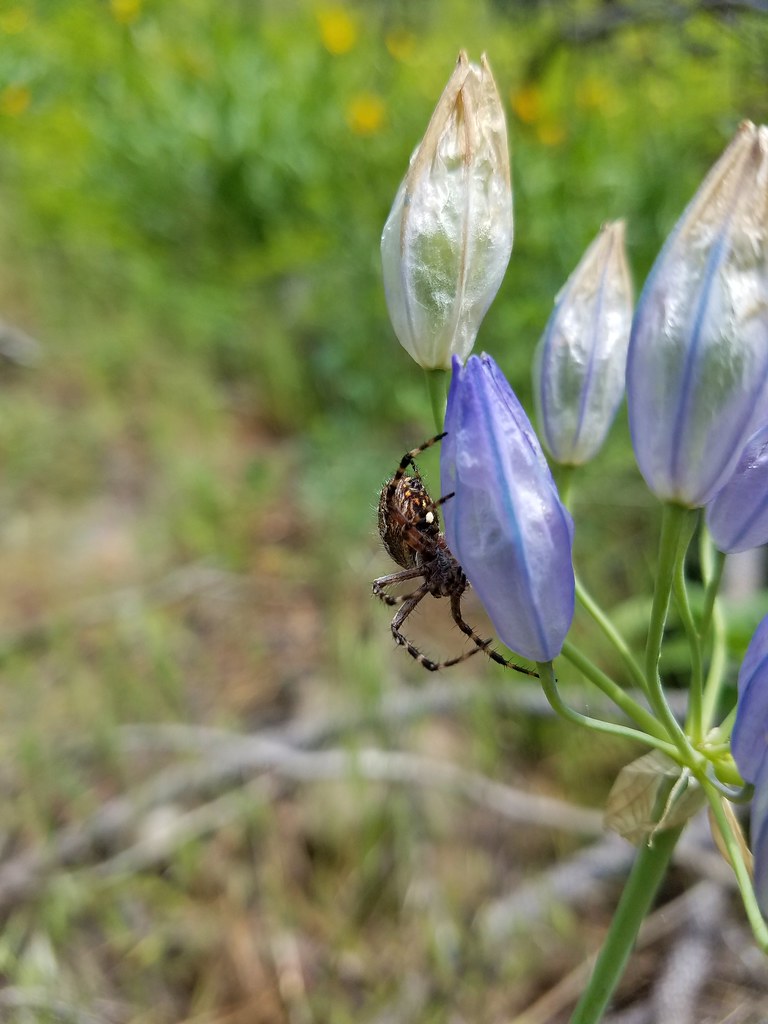
Spider on bluedicks

Spider fight

We didn’t see as many different moths and butterflies this year but we saw quite a few of several types.
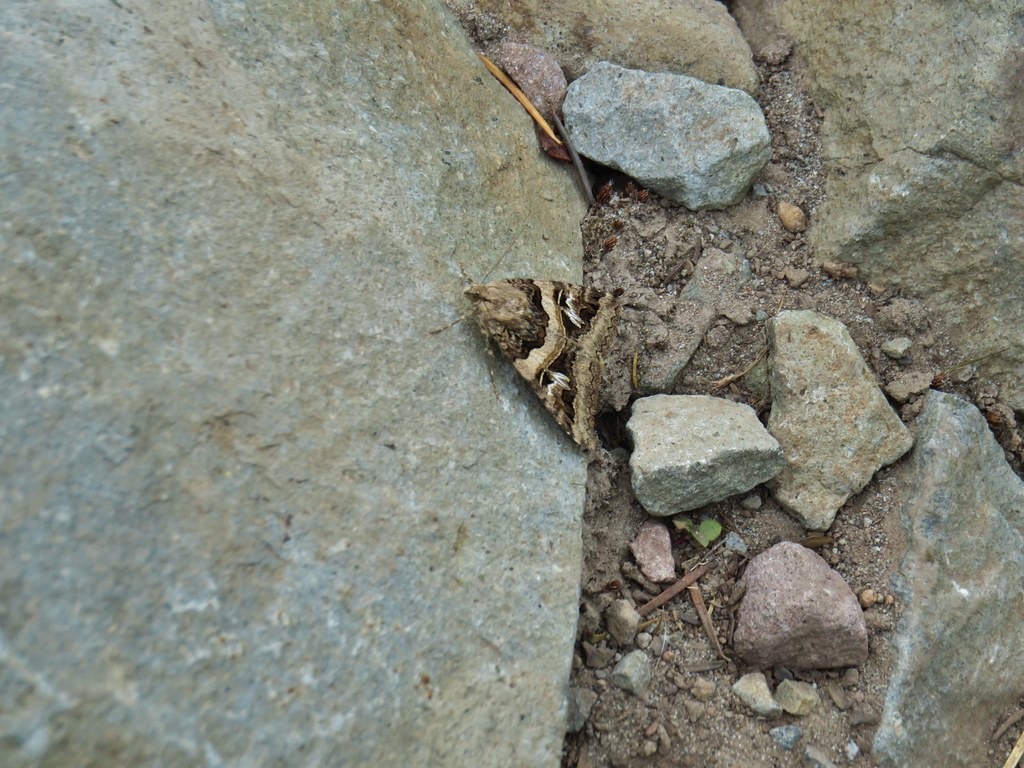
Moth on the Boulder Lake Trail

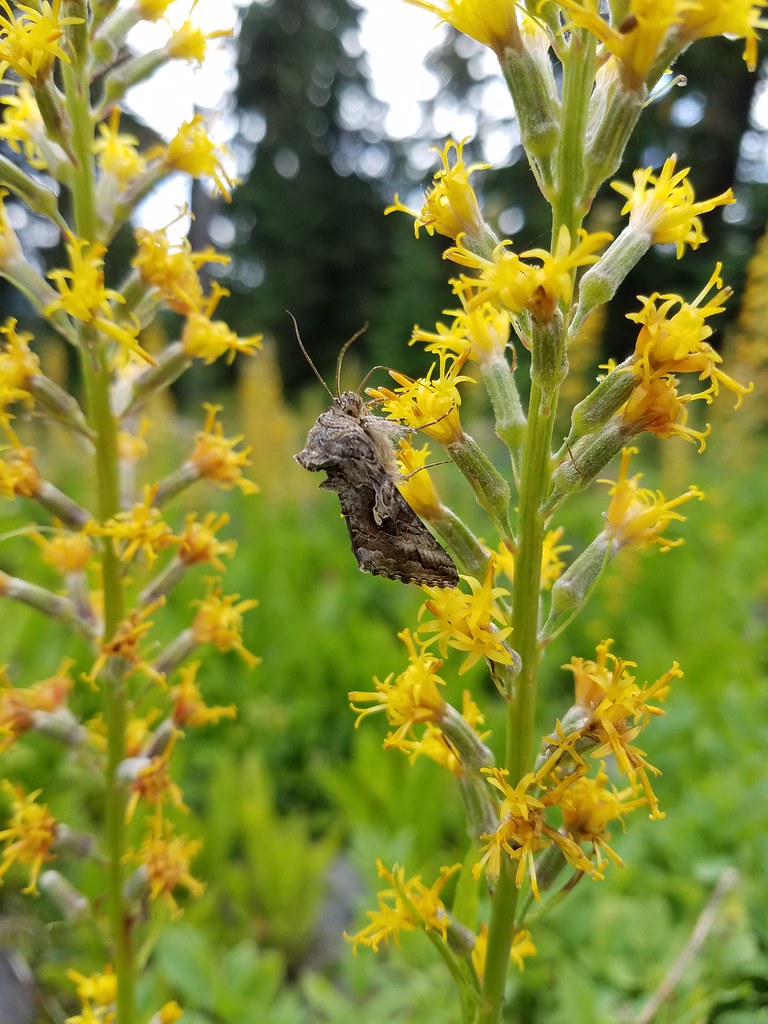
Moth on rainiera

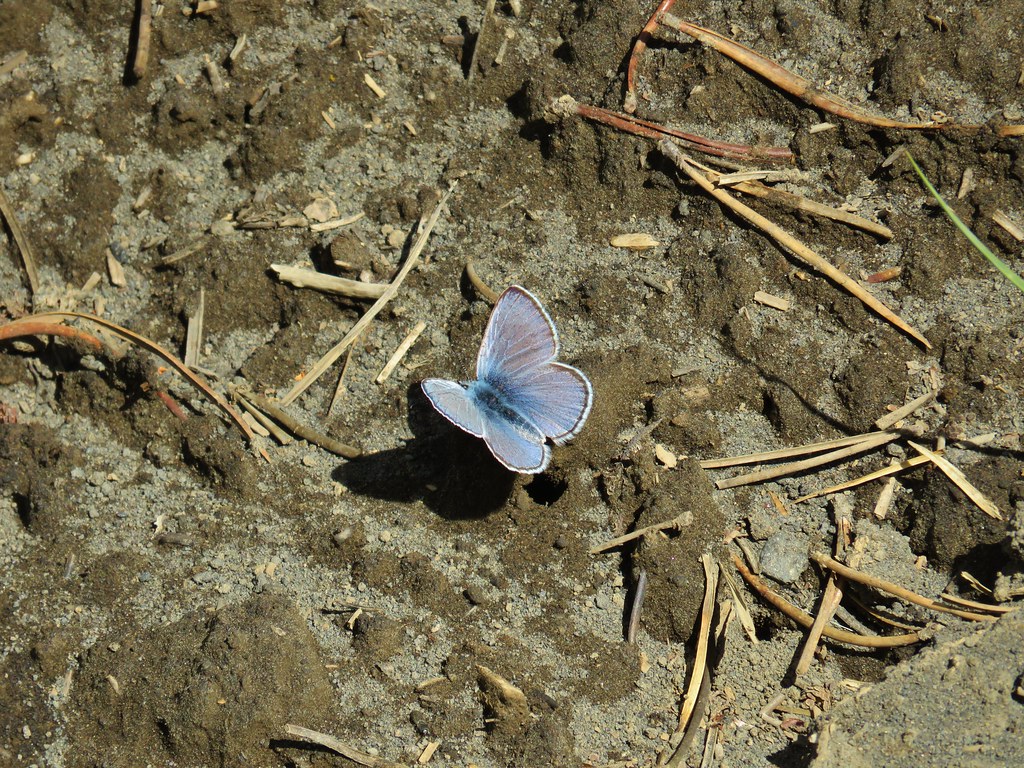
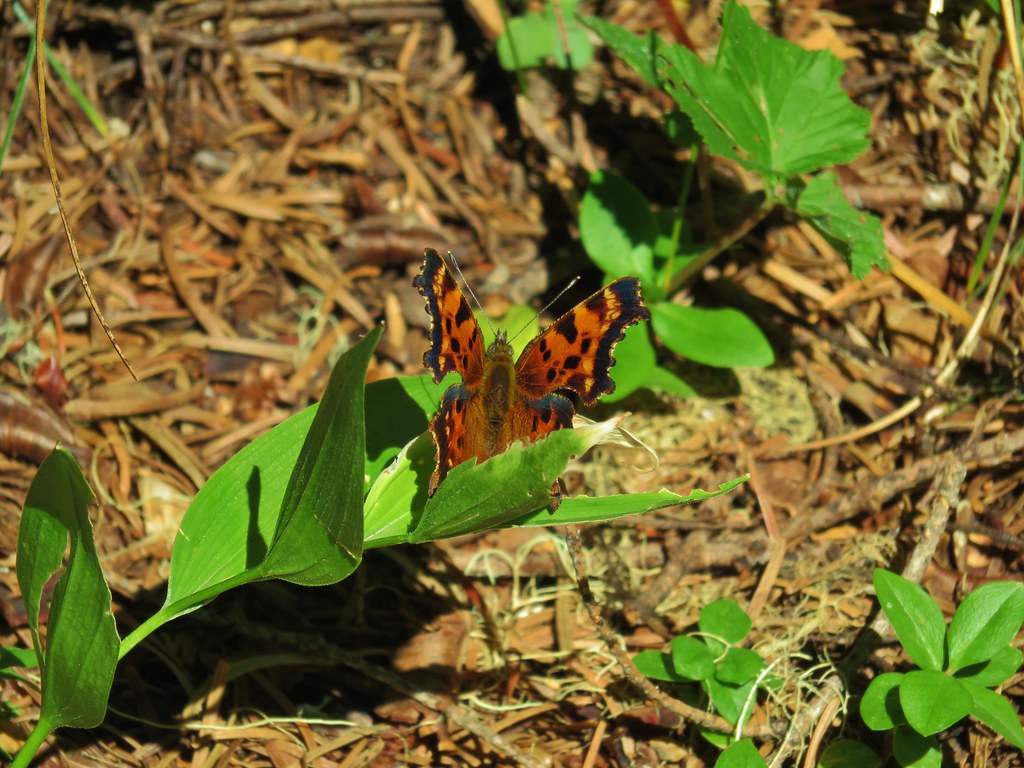
Blue copper

Blue copper on aster

Some sort of copper butterfly

Ruddy copper

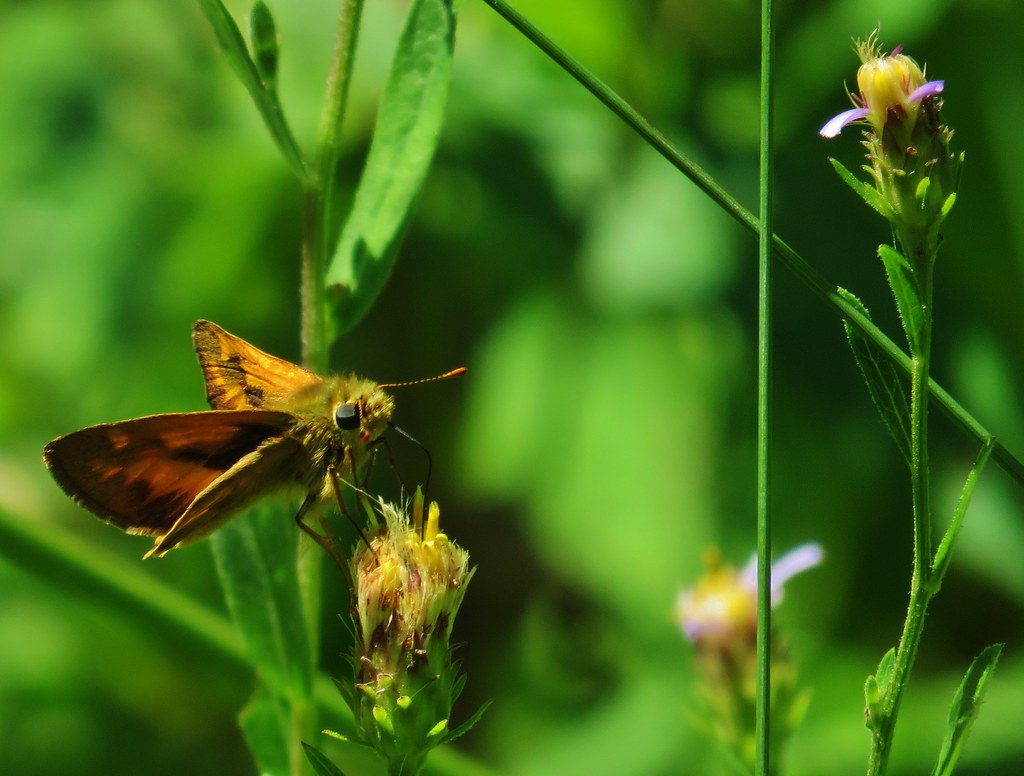
Skipper

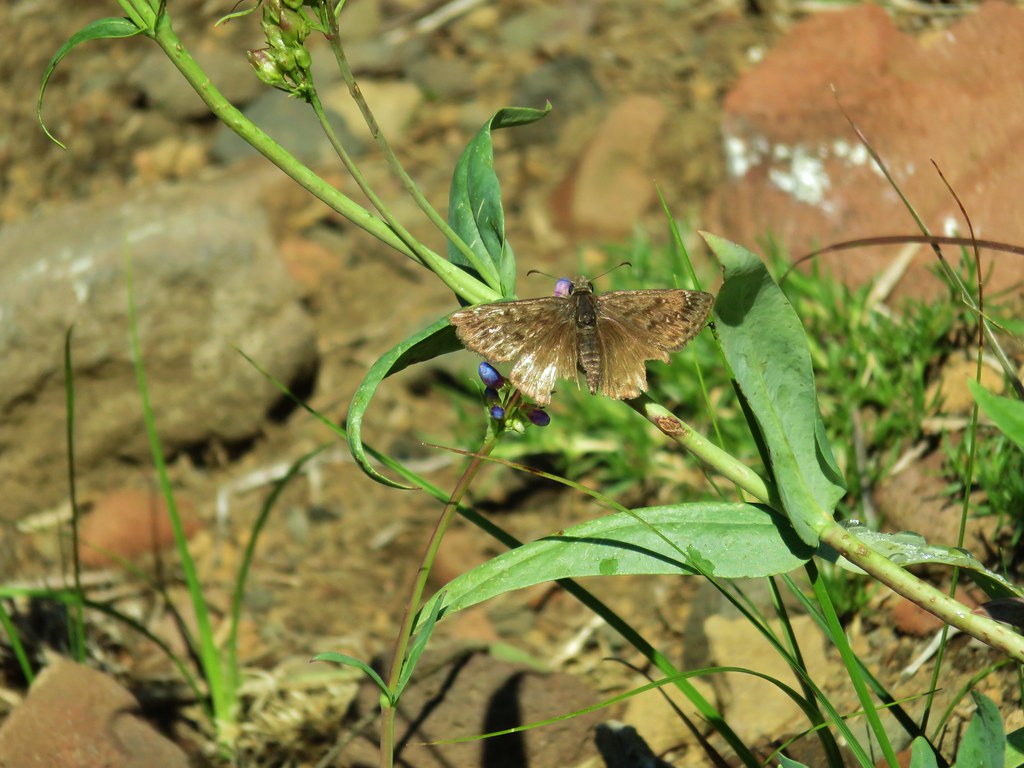
A skipper of some sort or a duskywing

Skipper

Buttefly on the Hertiage Trail

Butterfly on aster

Butterfly on the Tarbell Trail

Butterfly

Fritillary butterfly

Butterfly along the Wenaha River Trail

Butterfly on valerian

Butterfly

Butterfly

Butterfly on stonecrop

Butterflies on aster

Butterfly

Butterfly on a flower

It was a good year for reptiles and amphibians, especially frogs and toads.
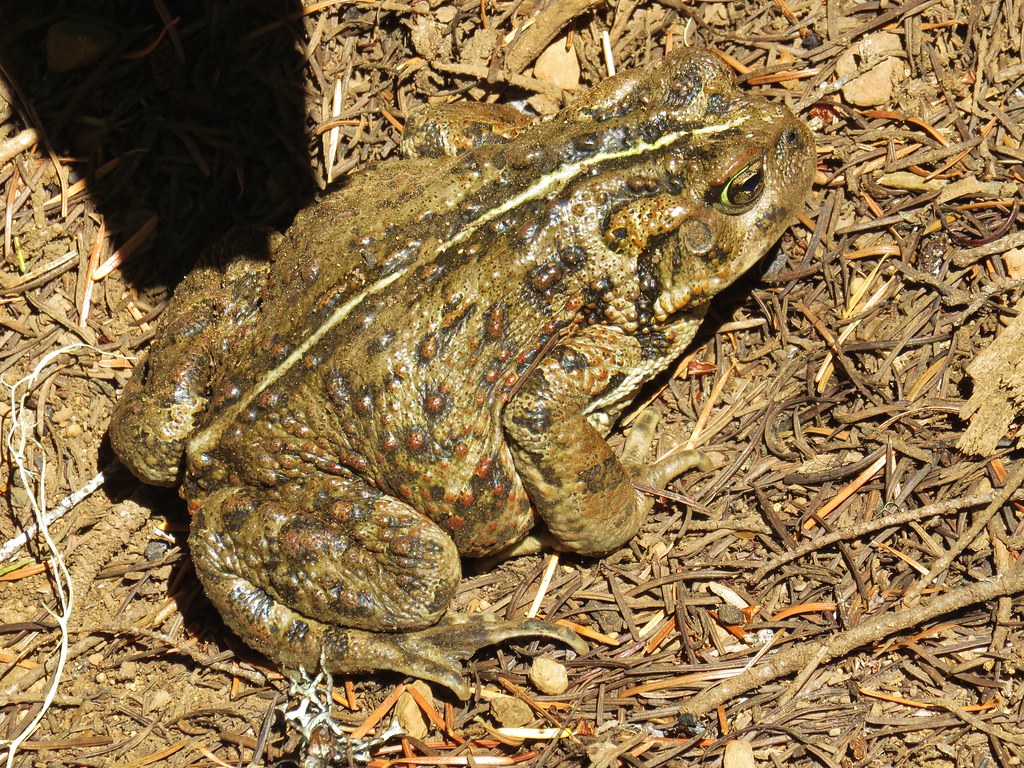
Cascade toad

Toad

Western toad at Temple Lake

Frog

Frog

Frog

Frog

Frog

Frog on moss

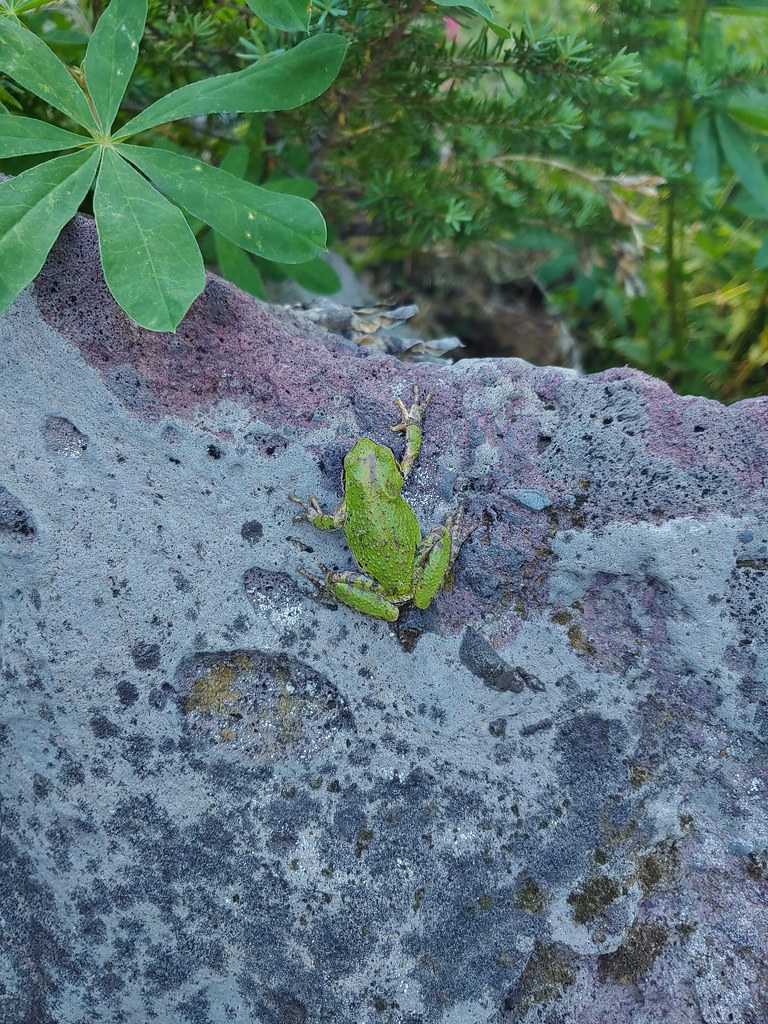
Tree frog

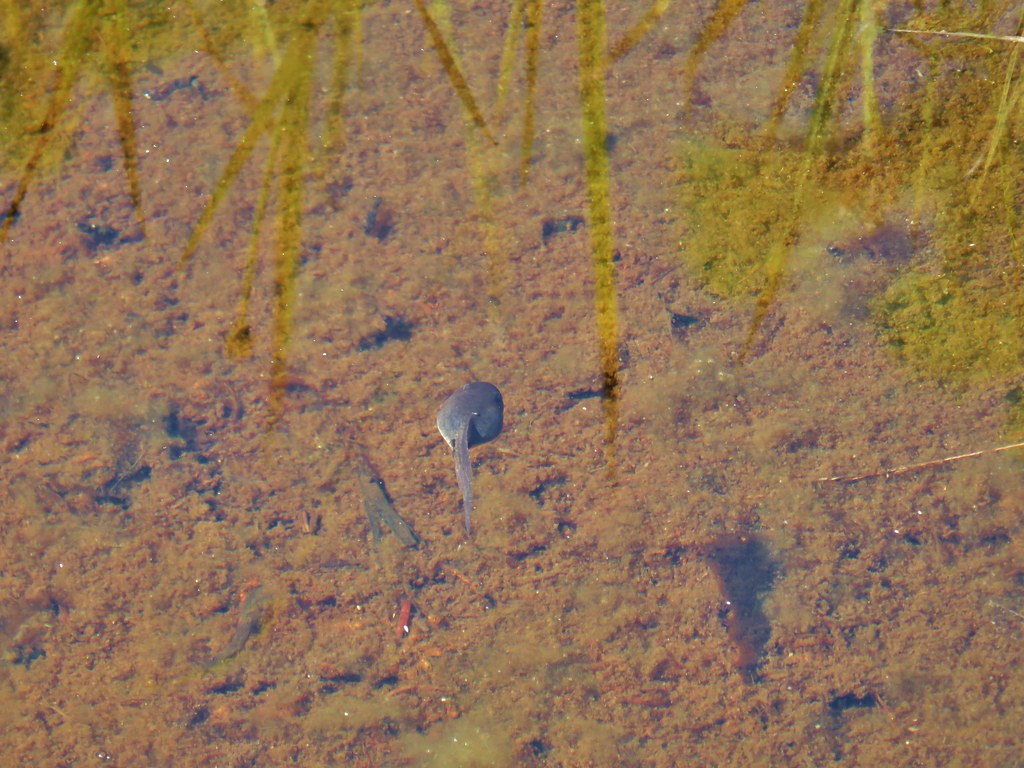
Tadpole

Rough skinned newt on Amanda's Trail

Northern alligator lizard

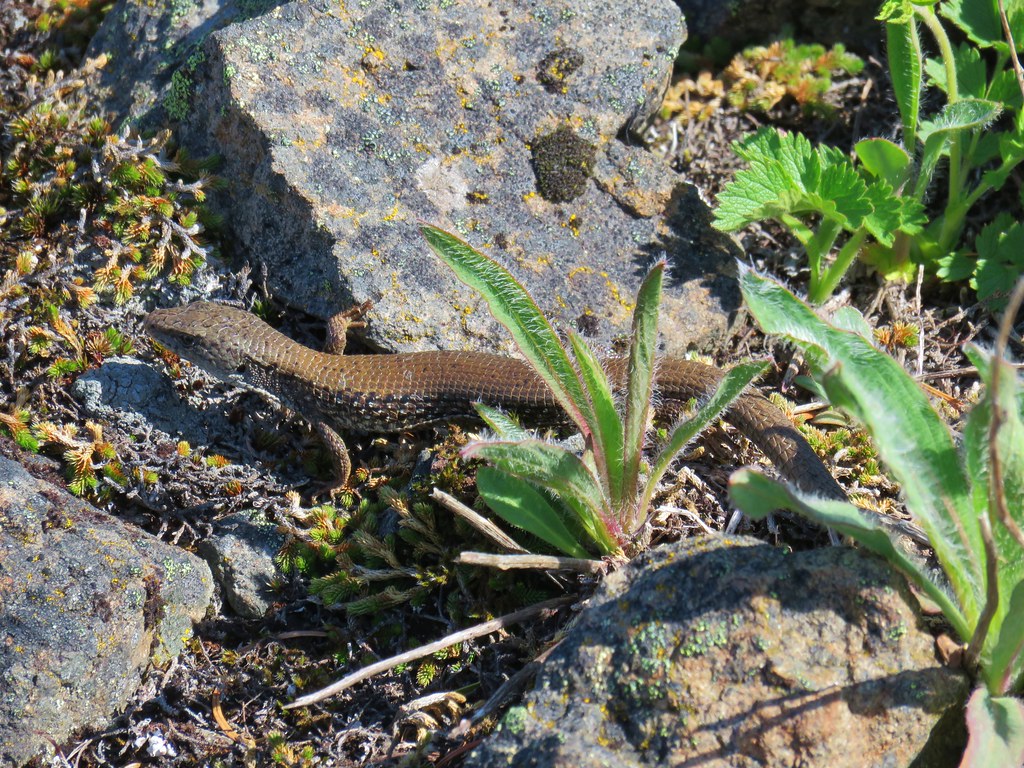
Western fence lizard

Sagebrush lizard

Pygmy short horned lizard

Snake with an attitude

Water held a couple of creatures.
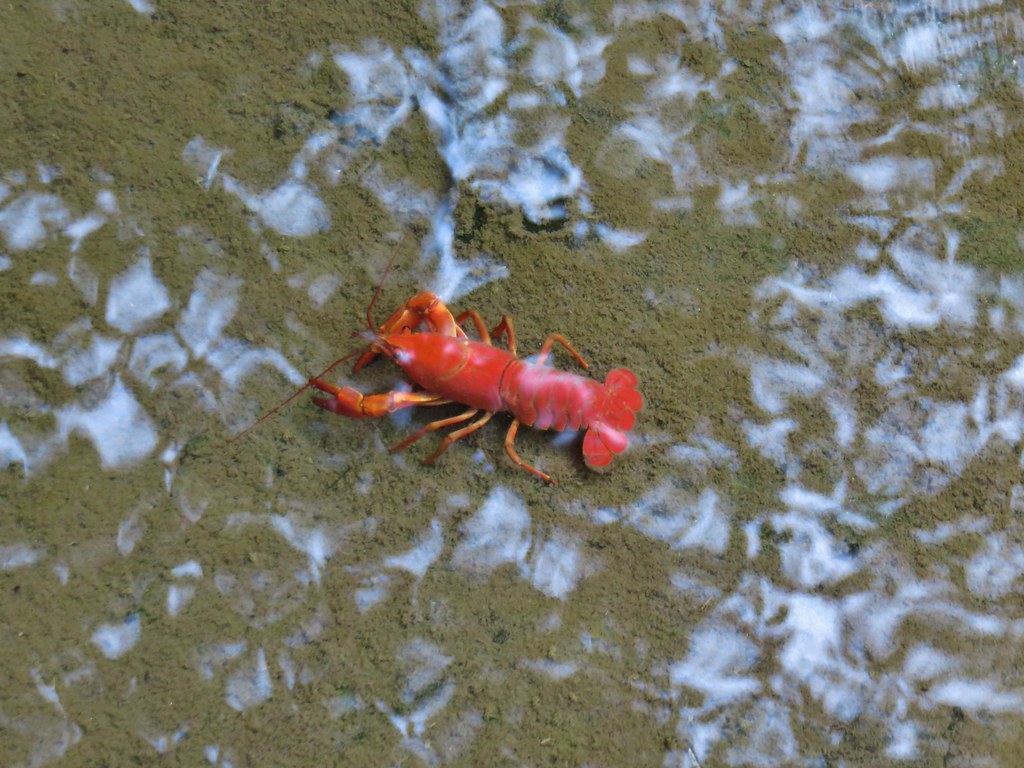
Crawdad

Fish in the Clackamas River

We had good luck with birds this year as well, being the one animal where we saw quite a few varieties for the first time (that we know of).
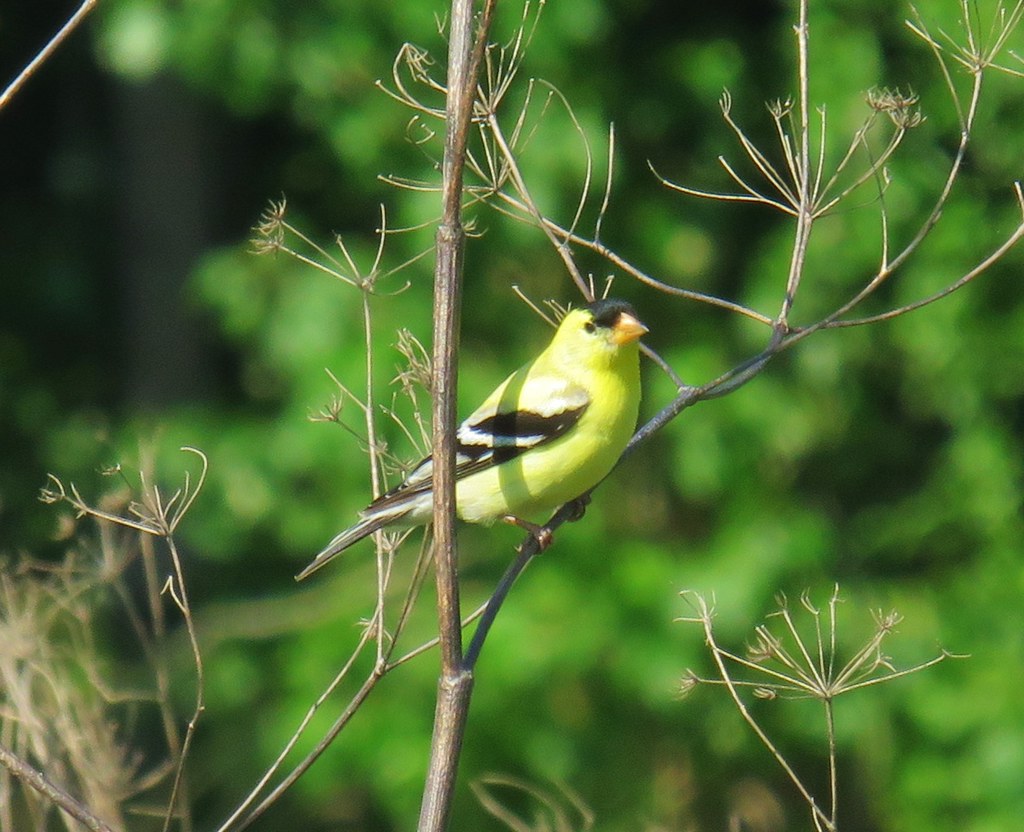
American goldfinch

Bald Eagle

Bird along the Boulder Lake Trail

Black-headed grosbeak

Bullock's Oriole

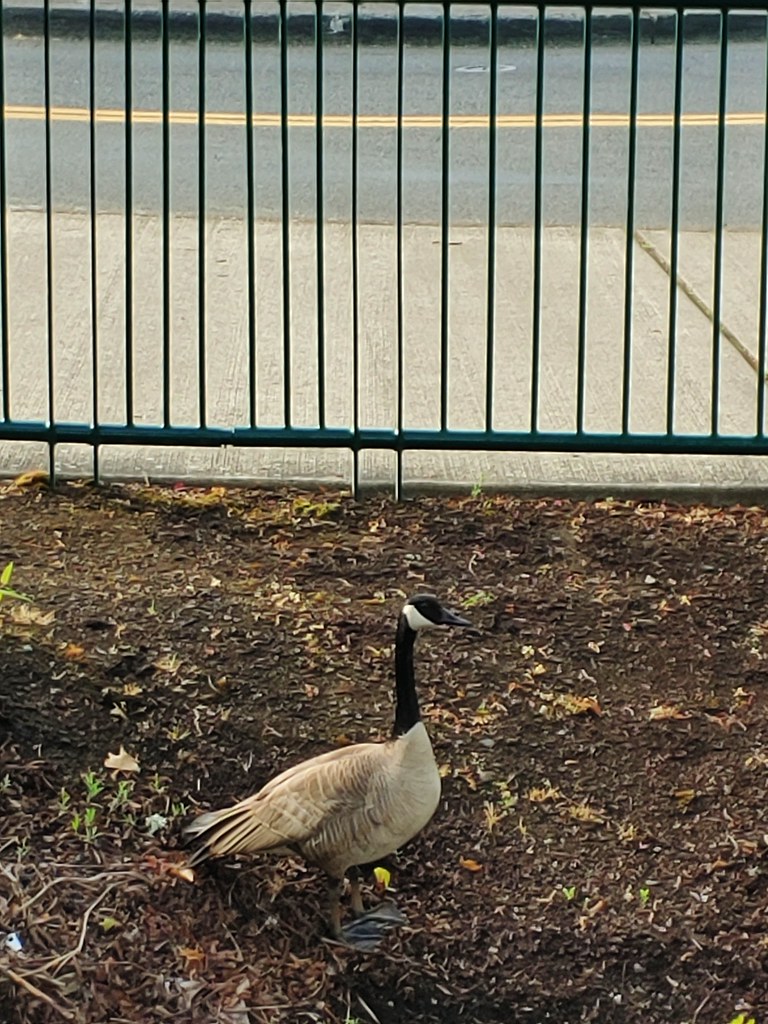
Canada geese

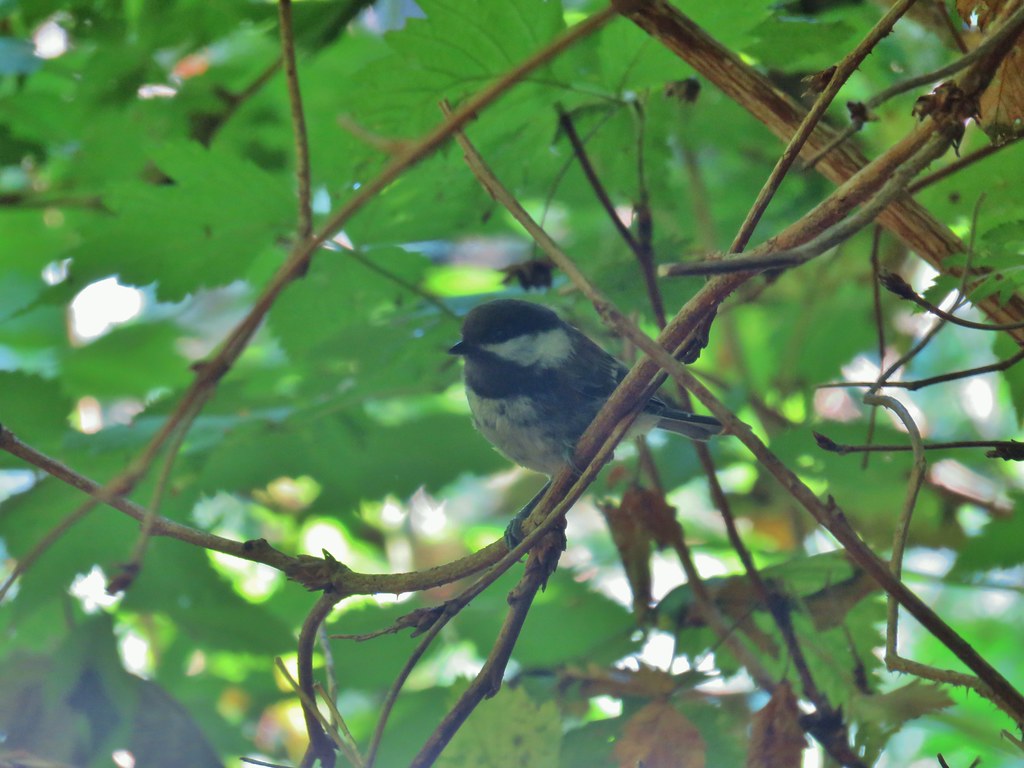
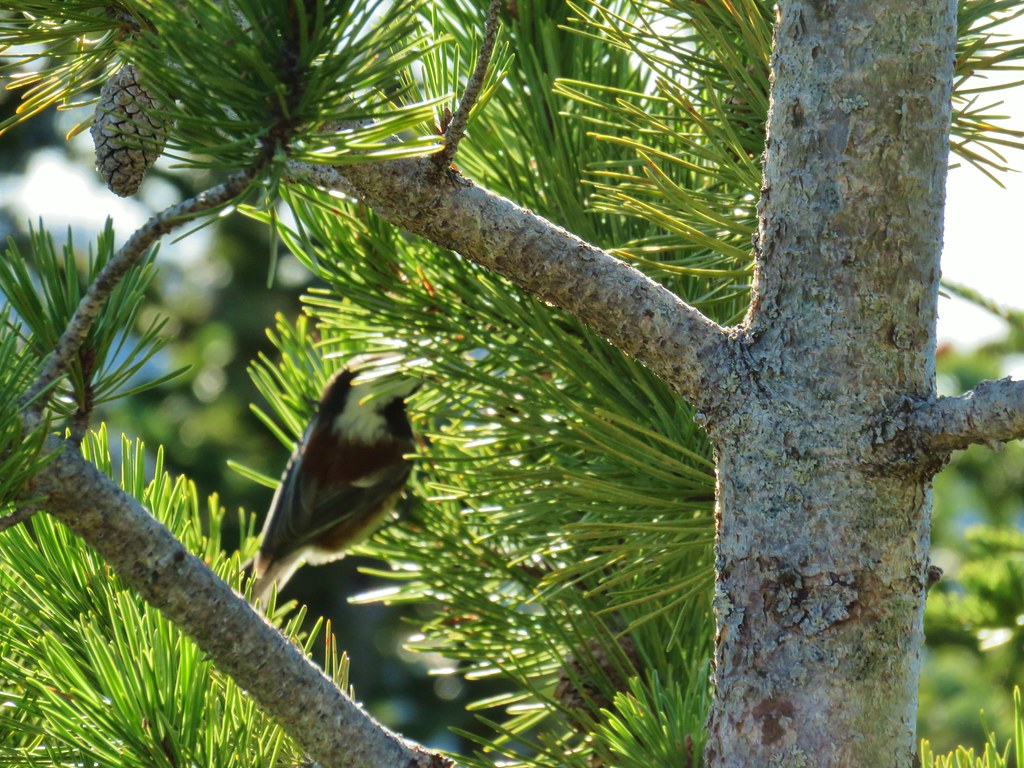
Chickadee

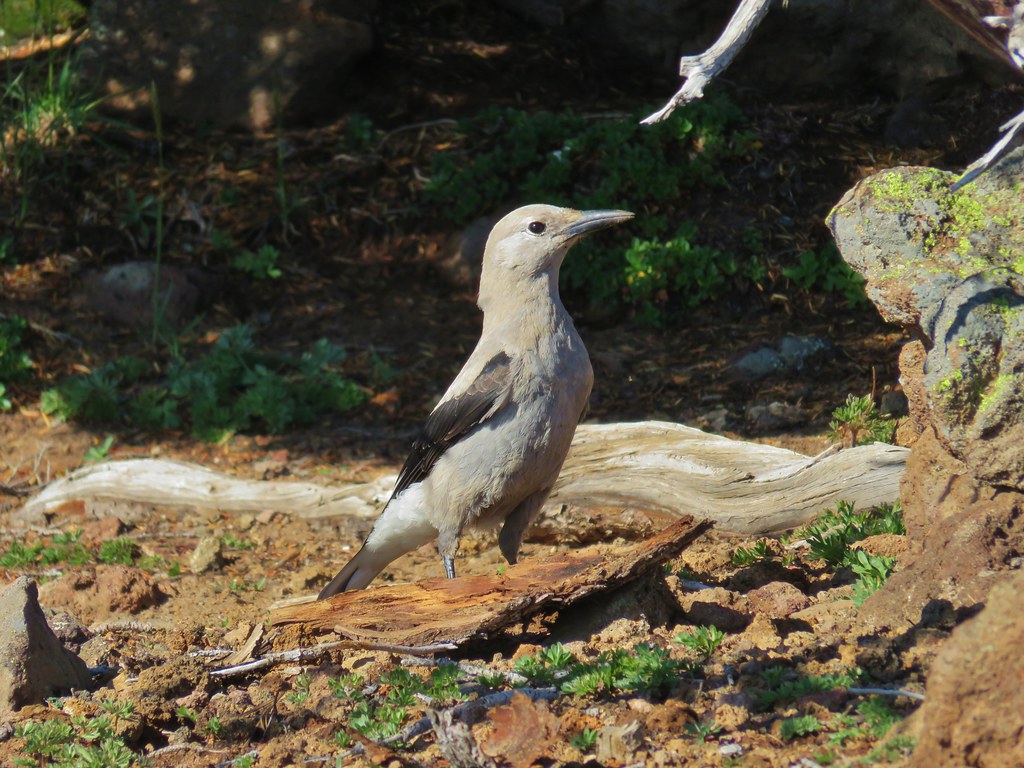
Clark's nutcracker

Duck on Monon Lake

Duck on Russ Lake

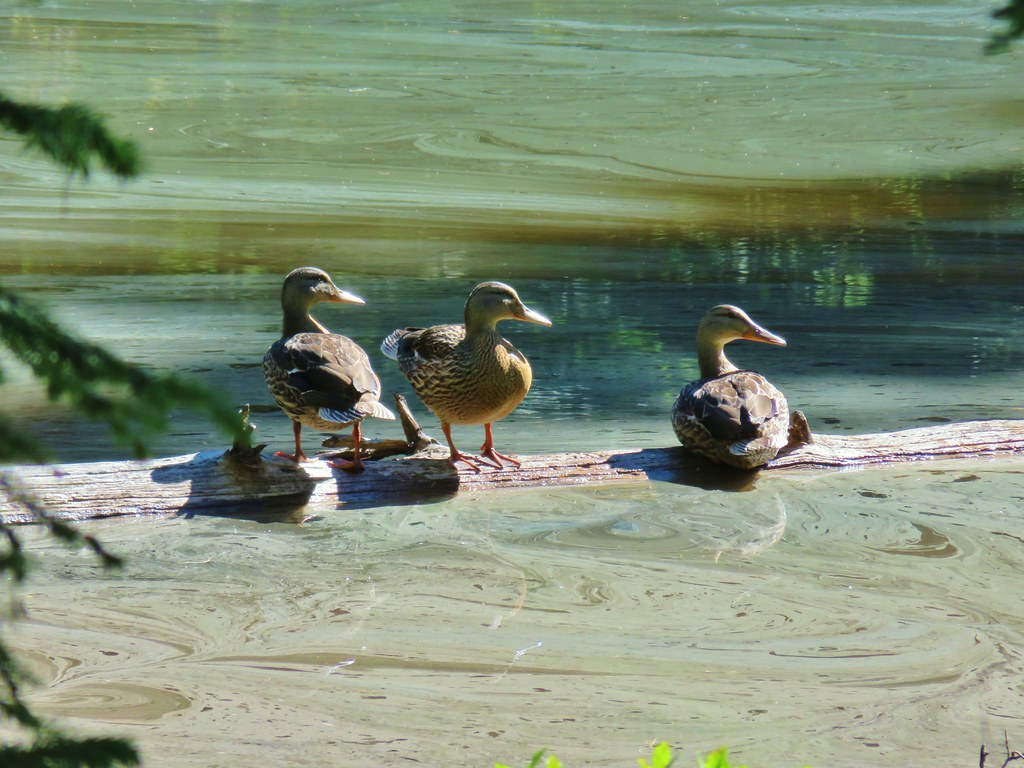
Ducks

Egret and great blue heron

Golden eagle being chased by a smaller raptor

Gray jay

Grouse

Hummingbird

Hummingbird on a mountain ash

Junco

Killdeer

Kingbird

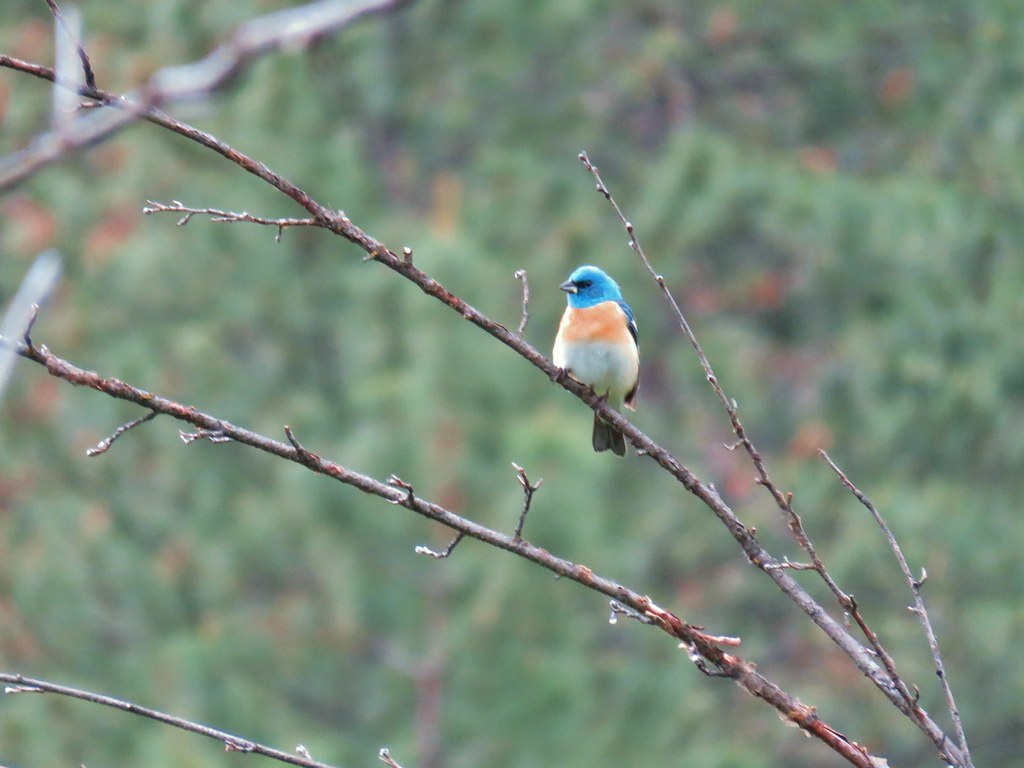
Lazuli bunting

Lewis's woodpecker

Little bird along Trail 5

Mergansers

Merlin

Mountain chickadee

Northern flicker

Nuthatch

Osprey with Mt. Adams in the background

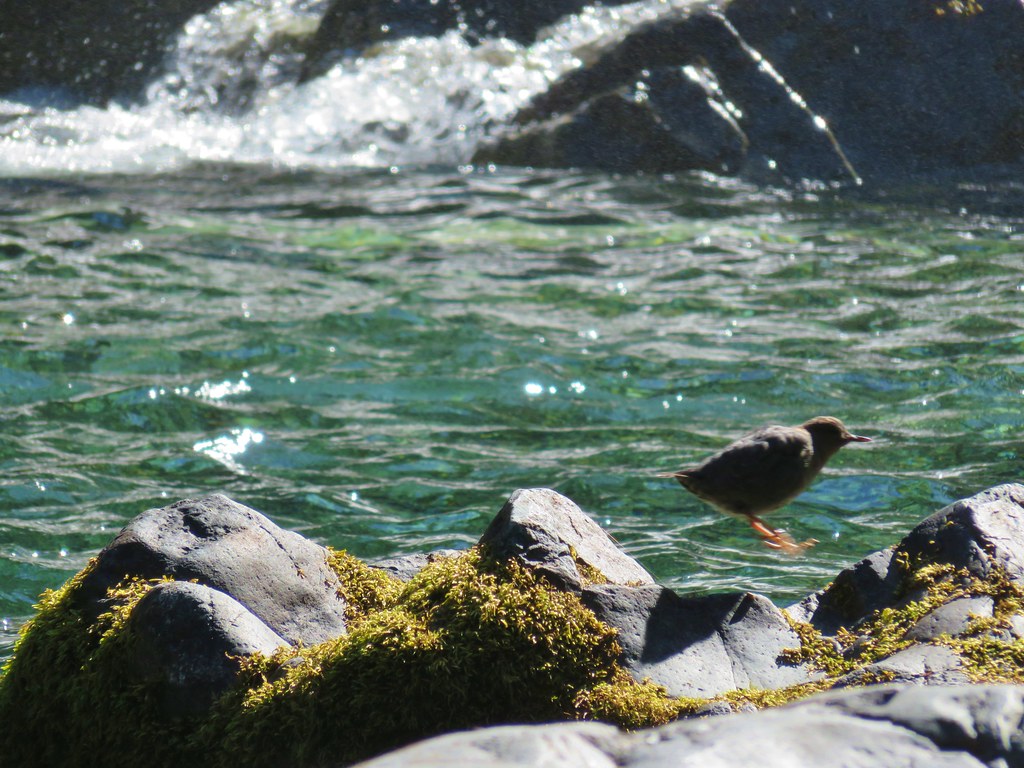
Ouzel at Sawmill Falls

Pied-billed grebe

Pileated woodpecker

Raven

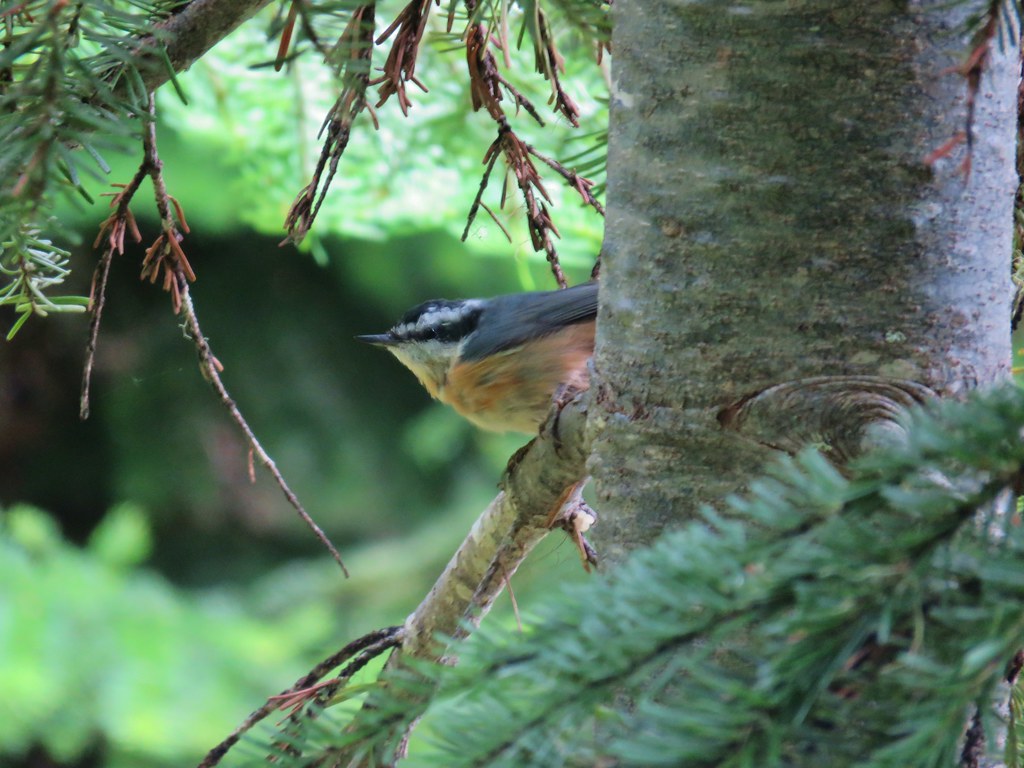
Red breasted nuthatch

Red tailed hawk

Red-breasted sapsucker

Red-winged blackbird

Robin

Sparrow

Stellar's jay

Scrub jay

Swallow and a sparrow

Turkey

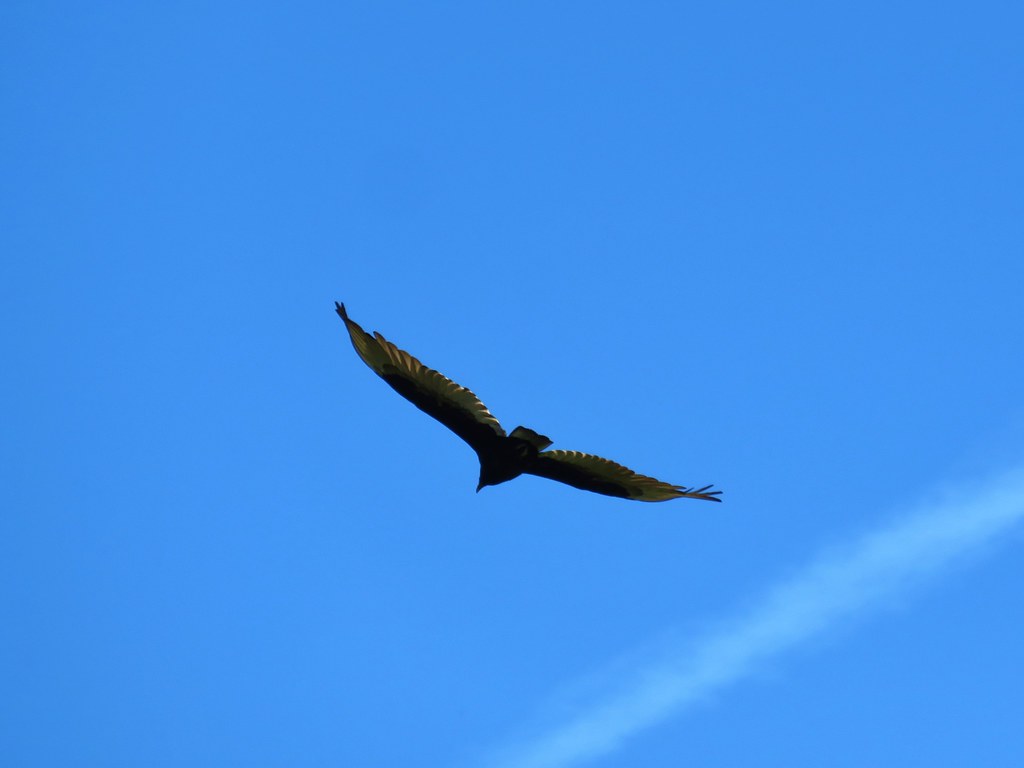
Turkey vulture

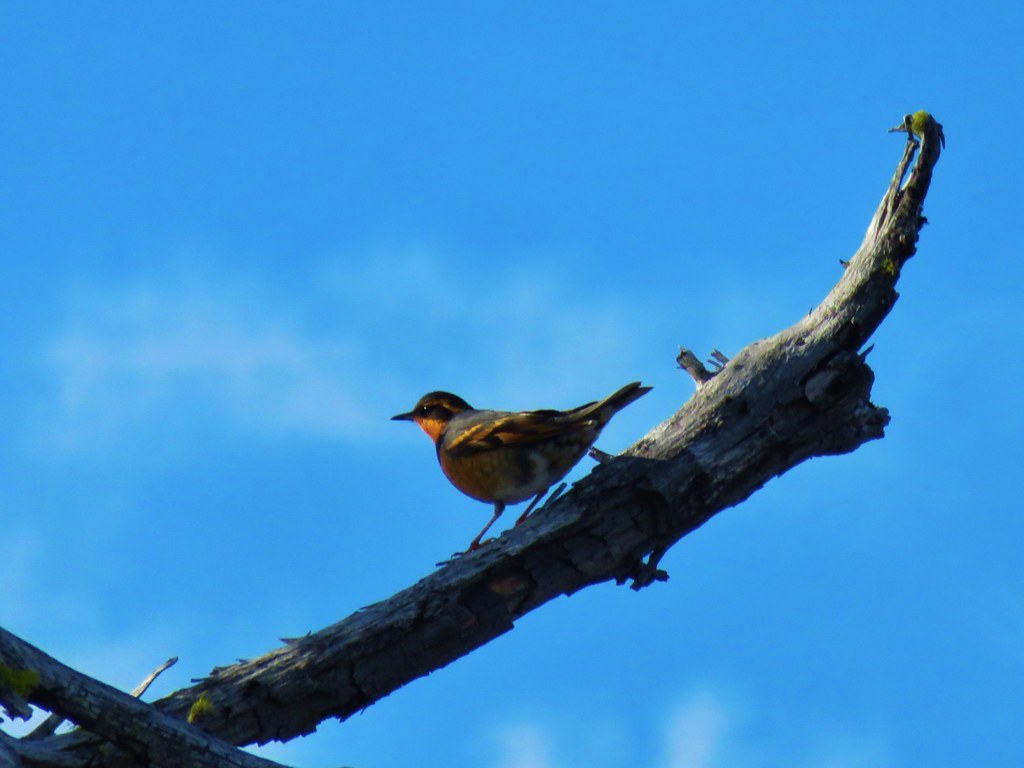
Varied thrush

White crowned sparrow

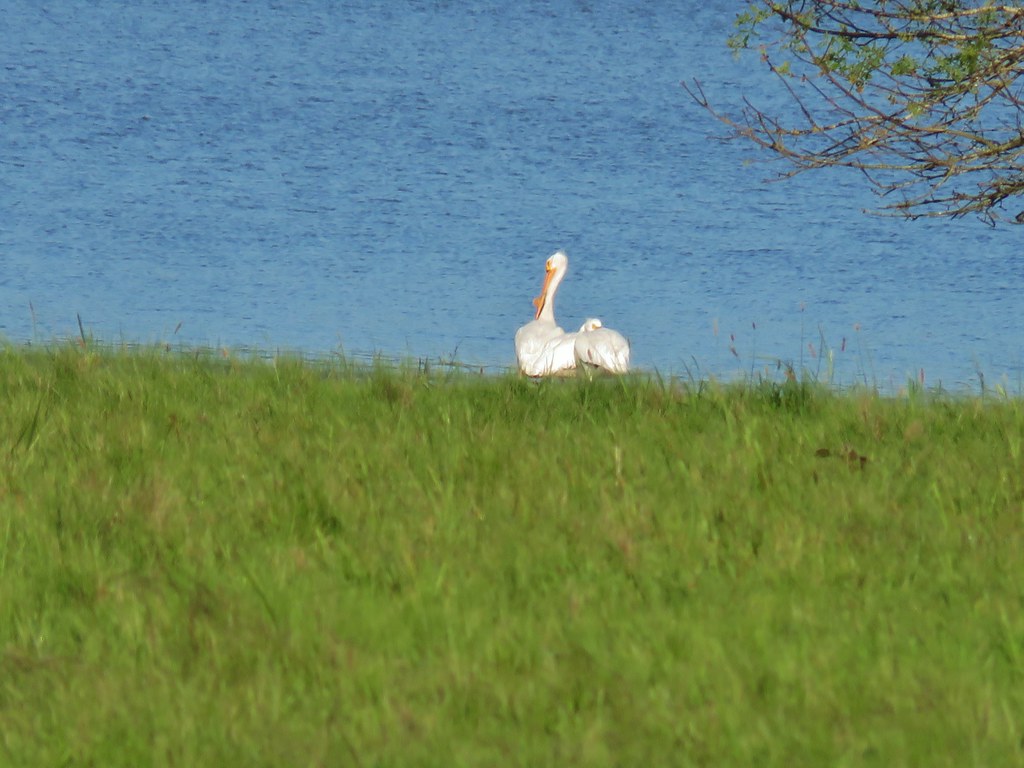
White pelicans

Wilson's snipe

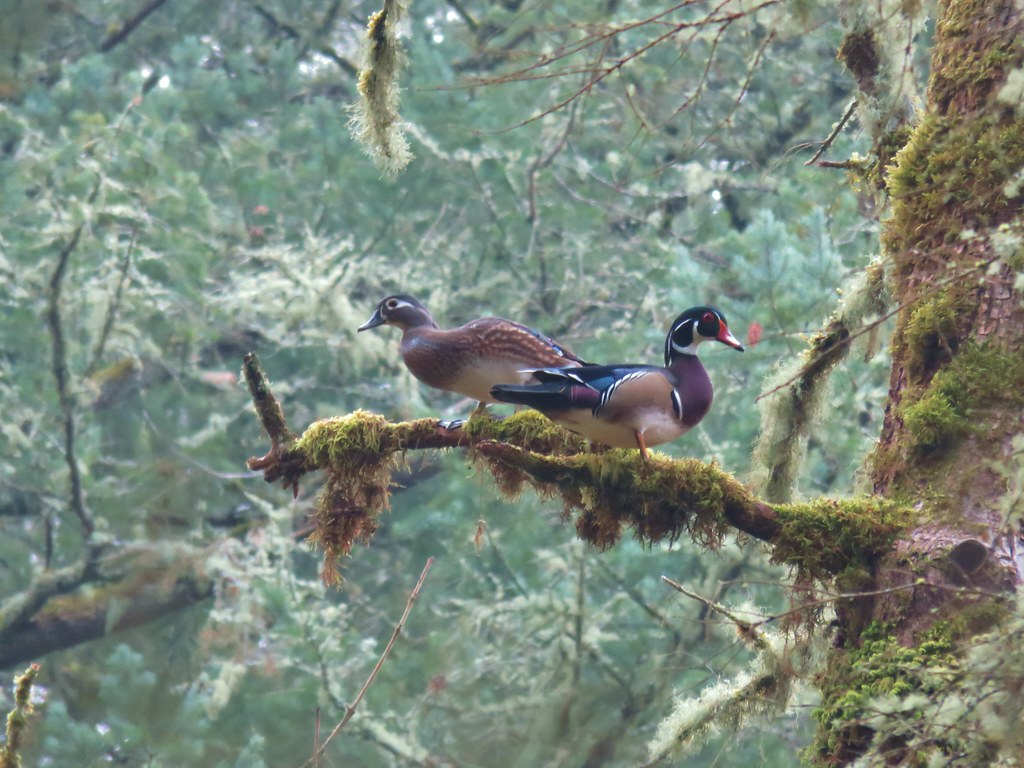
Wood Ducks

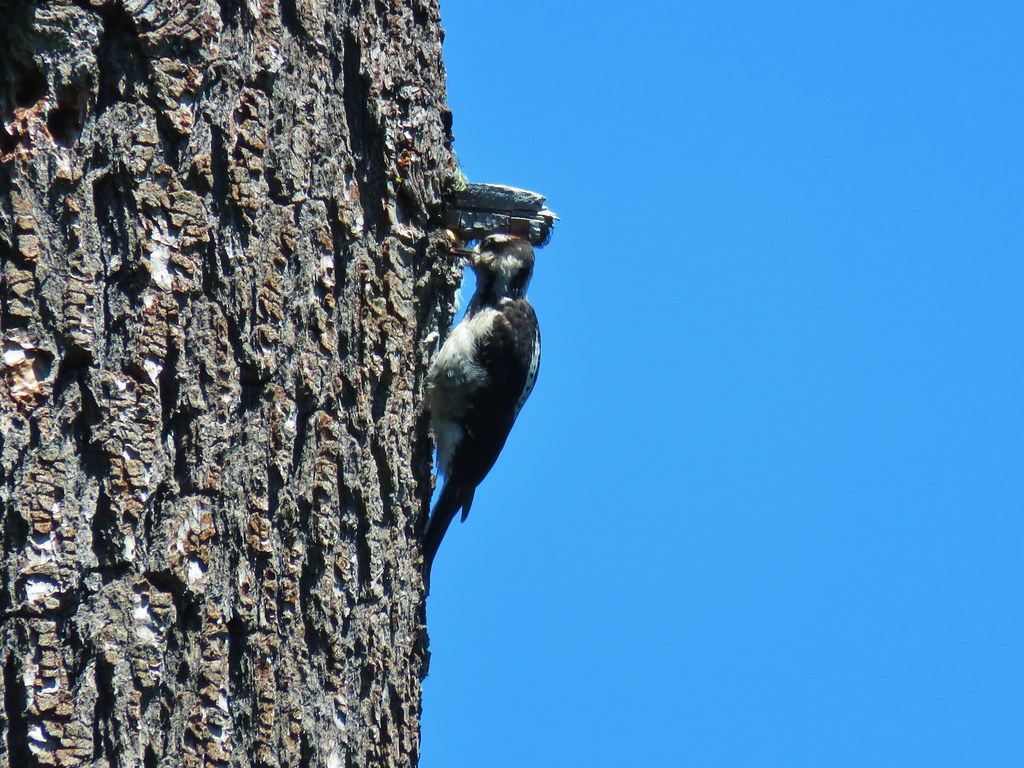
Woodpecker

Wren

Yelllow rumped warbler

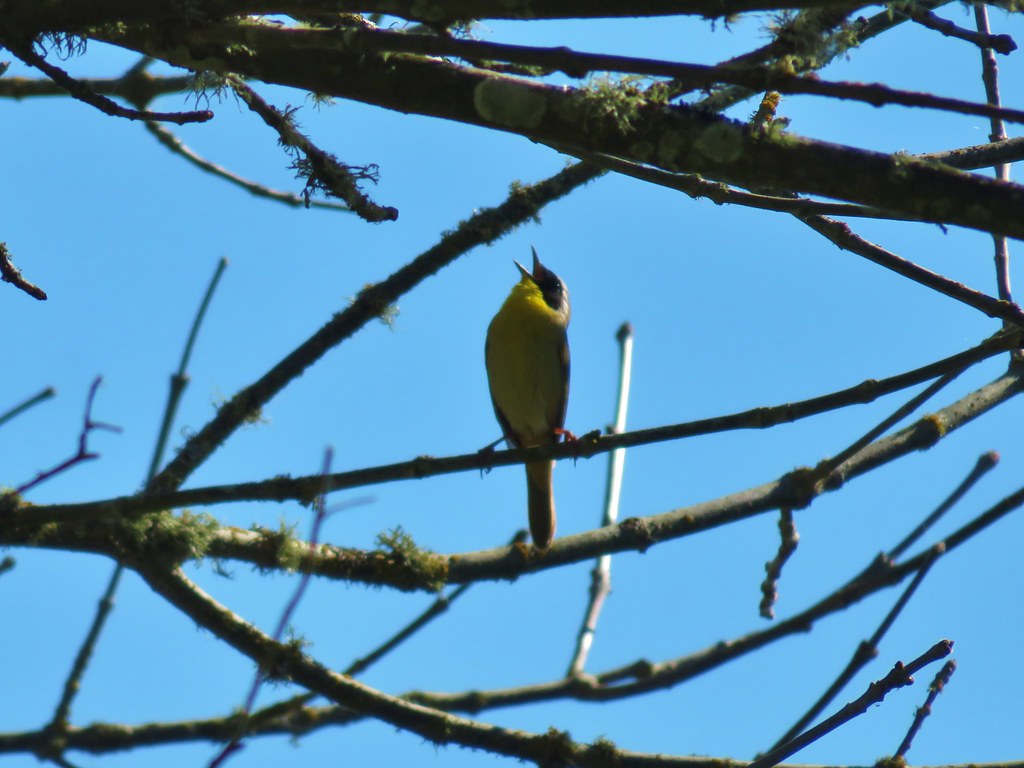
Yellow breasted chat

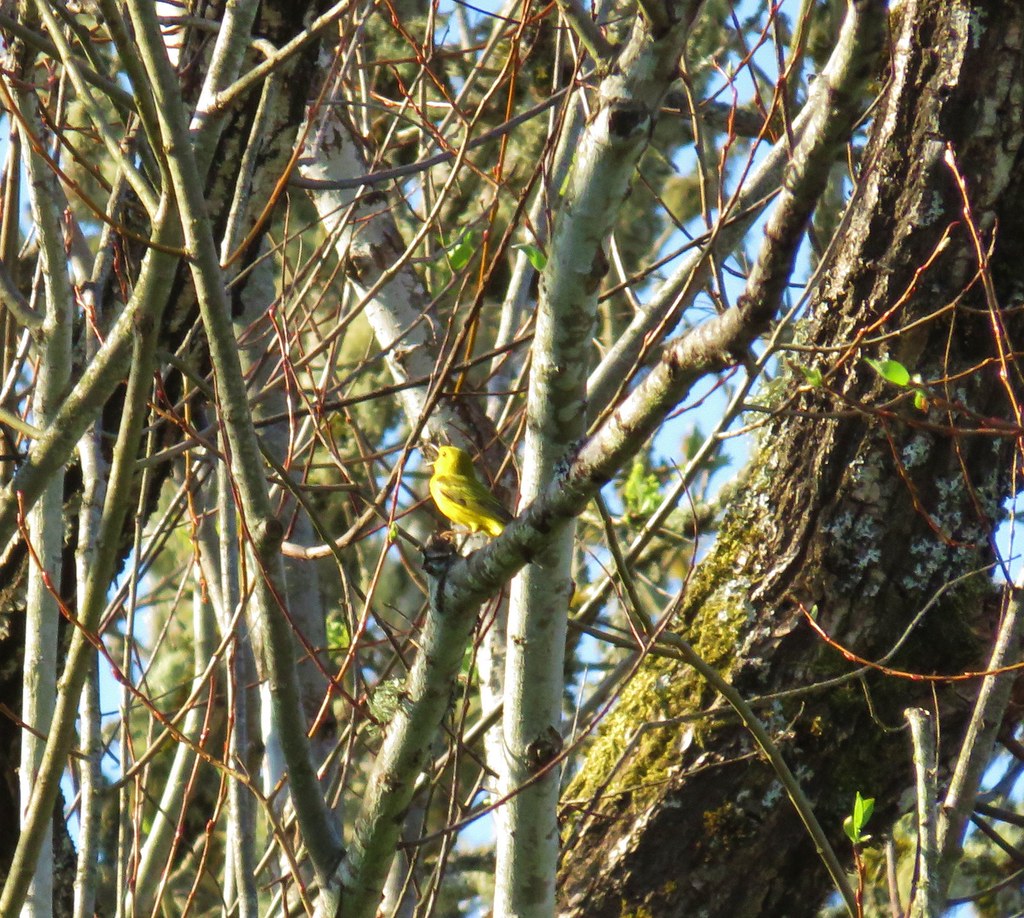
Yellow warbler

Yellow-throated warbler

Spotted towhee

Black-throated warbler

Small furry creatures included a number of our personal favorites the pika.
Pika

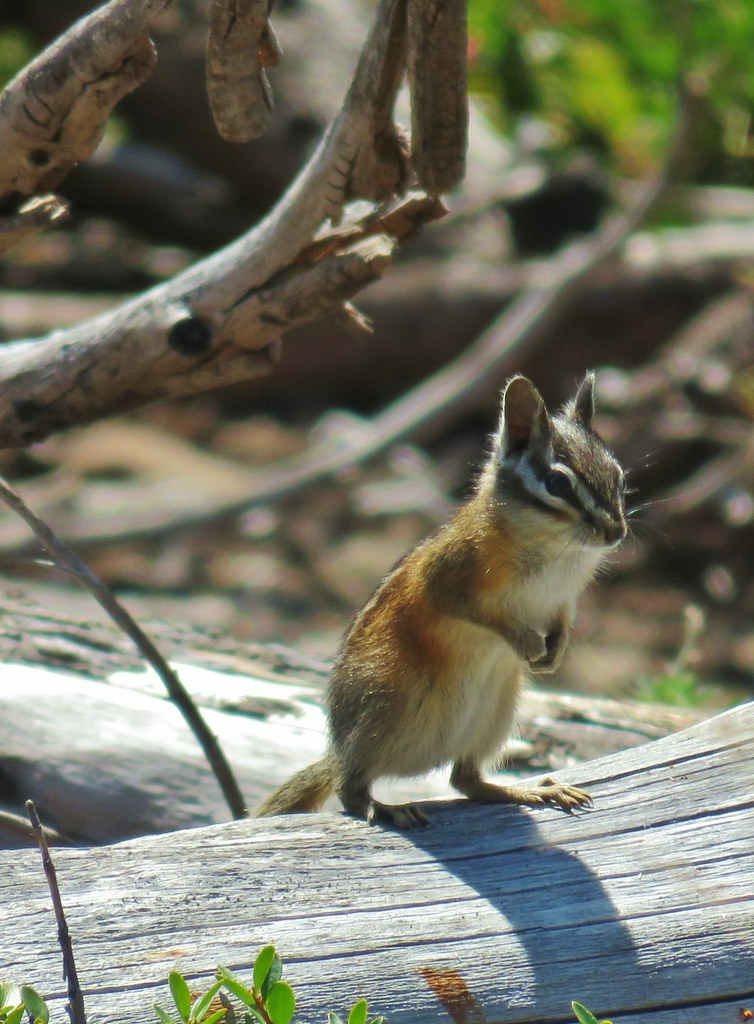
Chipmunk

GOlden-mantled ground squirrel

Ground squirrel

Belding's ground squirrel

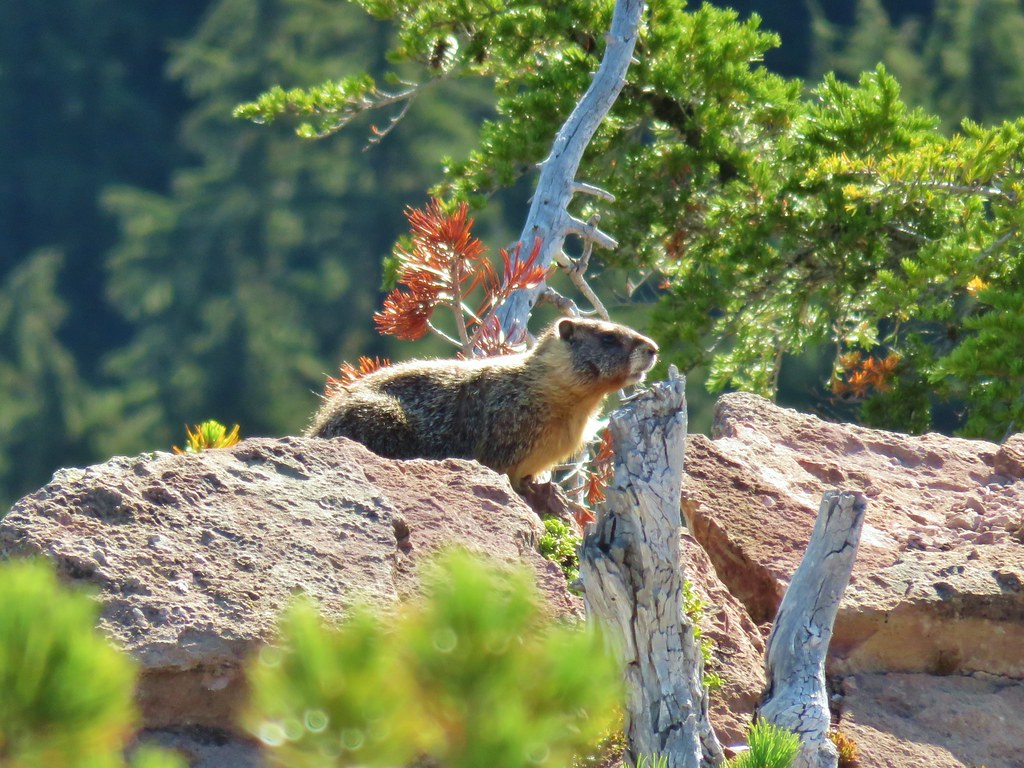
Marmot

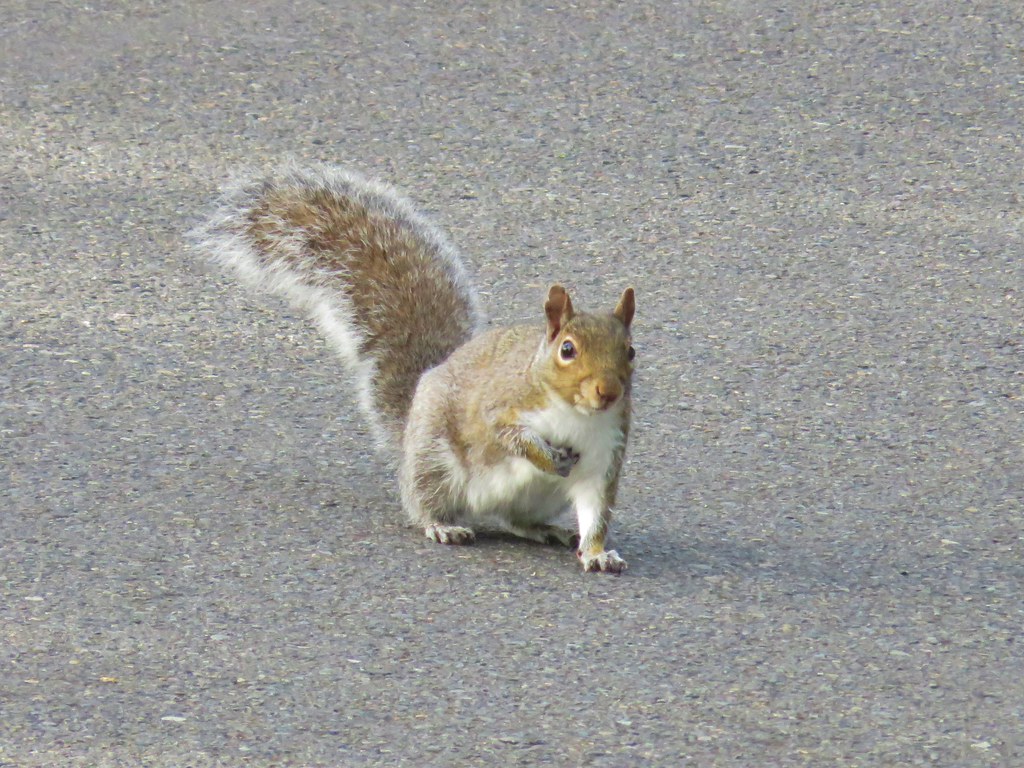
Squirrel

Rabbit

Finally the larger mamals which included the wildlife highlight of the year, watching a group of big horn sheep roughhousing on the far side of the Wenaha River canyon.
Big horn sheep

The deer near Wallowa Lake got into the roughhousing as well.
Deer in front of the Edelweiss Inn

Didn’t see many elk but these were at Zumwalt Prairie.
Elk

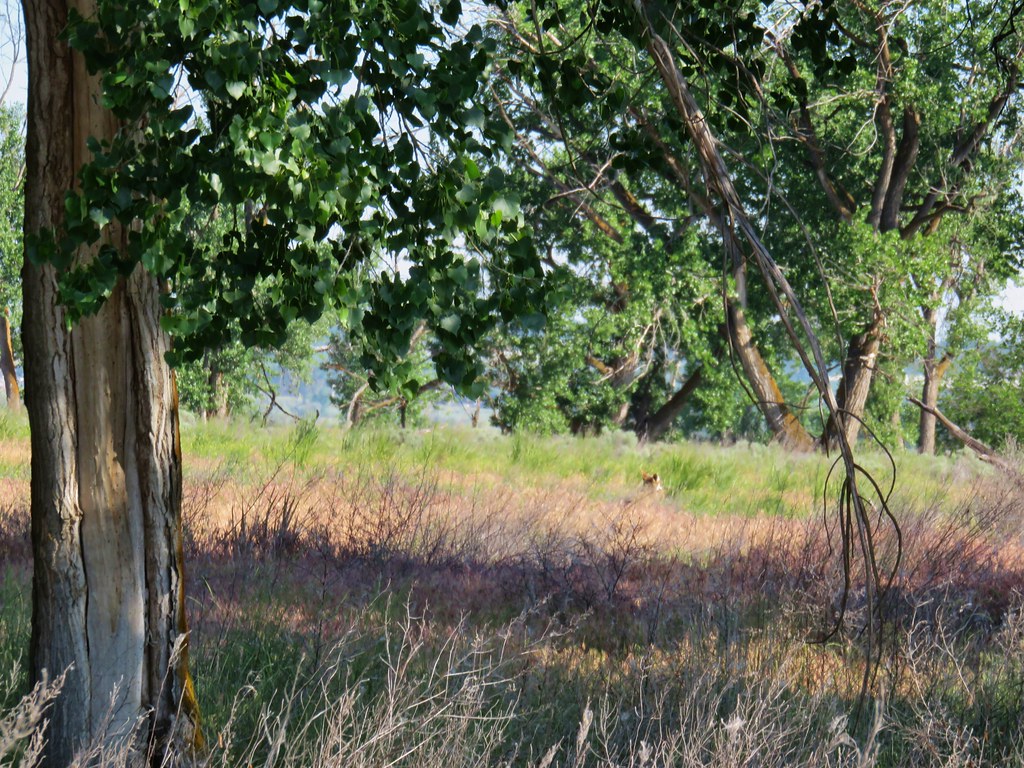
We spotted two coyotes in the brush at the Umatilla Wildlife Refuge. One’s head can be seen here as it was running off.
Coyote in the grass

There are still a handful of animals (that we are aware of) that we haven’t seen yet but continue to keep an eye out for. At the top of that list are cougar, bobcat, beaver, otter (Apparently there was one swimming in Crabtree Lake (post) while we were there this year but we didn’t notice it.) porcupine, wolf, and wolverine. The odds of seeing any of these are not in our favor, but they are out there and have probably seen us. Keeping an out for these and all the other animals we’ve seen or have yet to see is an additional motivation to get out and explore. Happy Trails (and tails)!

Categories
Hiking Year-end wrap up

The Hikes of 2019 – A Look Back

2019 turned out very differently than we’d originally planned. Not long after our first planned long trip to Joseph, OR one our cats, Buddy, had some health issues. After some time at the veterinarians he was doing better but he needed to be prescribed 3 daily medications (two twice a day). We decided that being there for our friend of 17 years was more important than our remaining plans so we cancelled nearly all of our overnight trips and spent the rest of the year doing day hikes from Salem. Buddy is still with us and seems to be doing well although he sleeps more than ever and has taken to wearing sweaters for warmth.
20191102_134933

With us only doing the one long distance trip we didn’t make it to as many new areas as we have been in recent years. On that trip we stopped at the Umatilla Wildlife Refuge near Hermiston (post), OR and hiked in the Hells Canyon (post) and Wenaha-Tucannon Wilderness areas (post).
McCormack SloughMCormack Slough in the Umatilla Wildlife Refuge.

Looking into Hells Canyon from the Summit Ridge TrailLooking towards Hells Canyon from Freezout Saddle.

Wenaha River CanyonWenaha River Canyon

Thanks to my parents willingness to take care of the cats we also managed to take an overnight trip up to Seattle in September to watch a Seattle Seahawks game stopping on the way up at Mt. Rainier National Park (post).

Cancelling the majority of our overnight trips had a couple of effects. First it reduced the number of days of hiking from an original 60 to 54. These would have been shorter hikes back to the car after backpacking or on the drive home from wherever we’d been. It also compressed the area in which we were able to hike keeping it under a 3 hour drive from Salem.
2019 HIkes

One thing that wasn’t affected was our tendency not to repeat hikes. Of our 54 days hiking only two days were repeats. For the first time we were able to hike with my brother and his family from Missouri taking them to Jawbone Flats and the Little North Fork Santiam River (post).
Little North Santiam River

The second repeat was to the old lookout site atop Maxwell Butte (post) to get the view that eluded us on our first hike there (post).
Mt. Jefferson, Santiam Lake, and Three Fingered Jack from Maxwell Butte

A visit to Four-In-One Cone, also to get a view that had previously eluded us, (post) was nearly a repeat but we started from a different trailhead making the first (and final) .4 miles new to us.
View from Four-in-one Cone

Thirteen other days did include some trail that we’d previously hiked and three more outings had turn around points that we’d previously been to but from an entirely different route. That left 35 days with entirely new trails to us. To put those figures in miles we hiked a total of 627.7 miles (according to my GPS). Only 70.6 of those miles, or just over 11%, were on portions of trails that we had hiked on in previous years.

I say “trails” but in reality not all the miles we hiked were on actual trails. Some of it was spent on paved roads, decommissioned roads, and some was entirely off trail/road.
Scoggins Creek Recreation AreaRoad walk at Henry Haag Lake

Baty ButteDecommissioned road to Baty Butte.

North Sister and the headwaters of Soap CreekCross country to Thayer Glacial Lake.

2019 was a really good year weather wise. Aside from some rain/snow showers on our Freezout Saddle hike in June and a brief stint of rain at Cascade Head and in the Mollala River Recreation Area precipitation was almost non-existent during our outings.
Marks Cabin Trail a bit below usSnow falling on our Freezout Saddle hike.

Salmon River through the fogRain shower approaching at Cascade Head.

Huckleberry TrailTaking cover under a tree in the Mollala River Recreation Area as a rain shower passes overhead.

Even on those three hikes with measurable precipitation there were breaks allowing for some sort of views.
Rainbow Framing the Wallowa MountainsRainbow framing the Wallowa Mountains from the Feezout Saddle Trail.

View from the Cascade Head TrailView from Cascade Head after the shower.

Veiw from Amanda's TrailView from the morning across the Mollala River Canyon.

Between the cooperative weather and a lack of significant wildfires in the area made 2019 a great year for viewpoints. In fact there was only one hike, our second to the summit of Huckleberry Mountain (post) where we felt skunked on views. That hike began in the Wildwood Recreation area and the interpretive trails along the Salmon River made up for the lack of views up top.
3d Model of Mt. Hood along the Cascade Streamwatch TrailNeat 3D display at Wildwood Recreation Area.

Viewpoint on Huckleberry MountainView atop Huckleberry Mountain.

Even on that day blue sky made an appearance before the end of our hike.
Mt. Hood behind some clouds

We also never got much of a view (but we did see blue sky) on our visit to Silver Star Mountain (post) but the point of that hike was to see the flower display.
Wildflowers along the Silver Star Trail

As always our hikes included a variety of landscapes, natural features, and some man-made ones. A sample of which follows. (We will cover wildflowers and wildlife in separate posts later.)
Gales CreekGales Creek – Coast Range

Dry Creek FallsDry Creek Falls – Columbia River Gorge, OR

Camassia Natural AreaCamassia Natural Area – West Linn

The Two Chiefs and Table MountainTwo Chiefs and Table Mountain – Columbia River Gorge, WA

Nature Trial at Oak IslandOak Island – Columbia River

B.C. Creek FallsB.C. Creek Falls – Wallowa Mountains

Wallowa Mountains including Hurricaine Point and Ruby PeakWallowa Mountains

Harins ButteHarsin Butte – Zumwalt Prairie

Sardine MountainSardine Mountain – Willamette National Forest

Gorton FallsGorton Creek Falls – Columbia River Gorge, OR

Mt. Hood from Lost LakeMt. Hood from Lost Lake

Mt. Hood from the Vista Ridge TrailMt. Hood from Vista Ridge

Sand Mountain LookoutSand Mountain Lookout – Willamette National Forest

Cape Kiwanda and Haystack RockCape Kiwanda and Haystack Rock from Sitka Sedge Beach

High LakeHigh Lake – Mt. Hood National Forest

Tidbits MountainTidbits Mountain – Willamette National Forest

Bunchgrass MeadowBunchgrass Meadow – Willamette National Forest

Top tier of the Breitenbush CascadesBreitenbush Cascades – Willamette National Forest

Mt. St. HelensMt. St. Helens from Cinnamon Ridge – Mt. St. Helens National Volcanic Monument

View from Bear PointMt. Jefferson from Bear Point – Mt. Jefferson Wilderness

Sawmill FallsSawmill Falls – Little North Fork Santiam River

Three Fingered Jack with Three Sisters and Mt. Washington beyond Red ButteThree Fingered Jack, The Three Sisters, and Mt. Washington

Scramble route up Baty ButteScramble route to Baty Butte – Mt. Hood National Forest

Boulder LakeBoulder Lake – Mt. Hood National Forest

Drift CreekDrift Creek – Drift Creek Wilderness

Thayer Glacial LakeNorth Sister and Thayer Glacial Lake – Three Sisters Wilderness

View from Four-in-one ConeNorth Sister, Middle Sister, and The Husband from Four-In-One Cone – Three Sisters Wilderness

Mt. Hood from Tumala MountainMt. Hood from Tumala Mountain – Mt. Hood National Forest

Bull of the Woods LookoutBull of the Woods Lookout – Bull of the Woods Wilderness

Mt. Hood and Barret Spur from Elk CoveMt. Hood from Elk Cove – Mt. Hood Wilderness

Mt. Jefferson and Hunts CoveMt. Jefferson and Hunts Cove – Mt. Jefferson Wilderness

Mt. Jefferson with Monon, Olallie and Timber LakesView from Olallie Butte – Warm Springs Indian Reservation

Lillian FallsLillian Falls – Waldo Lake Wilderness

Olallie Mountain lookoutOlallie Mountain Lookout – Three Sisters Wilderness

King TutKing Tut – Crabtree Valley

View from Ruddy HillMt. Jefferson from Ruddy Hill – Mt. Hood National Forest

Henry Haag LakeHenry Haag Lake – Scoggins Valley

View from the north summit of The TwinsWaldo Lake and the Cascade Mountains from The Twins – Deschutes National Forest

Bobby LakeBobby Lake – Deschutes National Forest

Patrol Cabin at Indian Henry's Hunting GroundIndian Henry’s Hunting Ground – Mt. Rainier National Park

Fog over the valley from Trail 17 (Theodore Trail)Fog over the valley from Mt. Pisgah – Eugene, OR

Twin Peaks and Gifford LakeTwin Peaks and Gifford Lake – Olallie Lake Scenic Area

Mt. Adams from Lookout MountainMt. Adams from Lookout Mountain – Badger Creek Wilderness Area

Huckleberry TrailMollala River Recreation Area

View from the PCT and Indian Mountain Trail junctionView toward Washington from the Pacific Crest Trail near Indian Mountain – Mt. Hood National Forest

Clackamas River at Alder FlatClackamas River – Mt. Hood National Forest

Maple TrailForest Park – Portland, OR

Tilikum CrossingTilikum Crossing – Portland, OR

There were many more great places and sights that we visited but they can’t all be included here. It was another amazing year of discovering God’s creation and we are looking forward to seeing what next year brings. For the first time I have two sets of planned hikes going into next year, one is in the hopes that Buddy continues to do well on his medications leading us to stick to day hikes through the year and the other includes long distance trips in the unfortunate event that we have to say goodbye to our furry friend.

Either way we know that we will be blown away yet again by whatever we see on those hikes. Happy Trails and Happy New Year to all!

Flickr: Album List

Categories
Hiking Oregon Portland Willamette Valley

Maple Trail (Forest Park) and Tilikum Crossing – 12/14/2019

For our final outing of 2019 we combined a little hiking with a bit of Christmas Shopping by heading up to Portland for the day. Our plan was to do a pair of Sullivan’s featured hikes before visiting the Portland Saturday Market.

We started our morning at the 5,200 acre Forest Park for a 7.5 mile lollipop hike using the Maple and Wildwood Trails. Our hike started at the Lower Saltzman Road Trailhead

We were the second car at the small parking area where we set off past the green gate blocking further access to Saltzman Road.
IMG_1958

We followed the closed road for .4 miles to a junction where the Maple Trail crossed the road. Here we turned left onto that trail.
IMG_1961

IMG_1962

IMG_1965

We followed this trail for a mile and a half, ignoring side trails, as we climbed gradually to Leif Erikson Drive. It was a cloudy morning and the forest was damp but it wasn’t raining which made for a pleasant walk amid the trees.
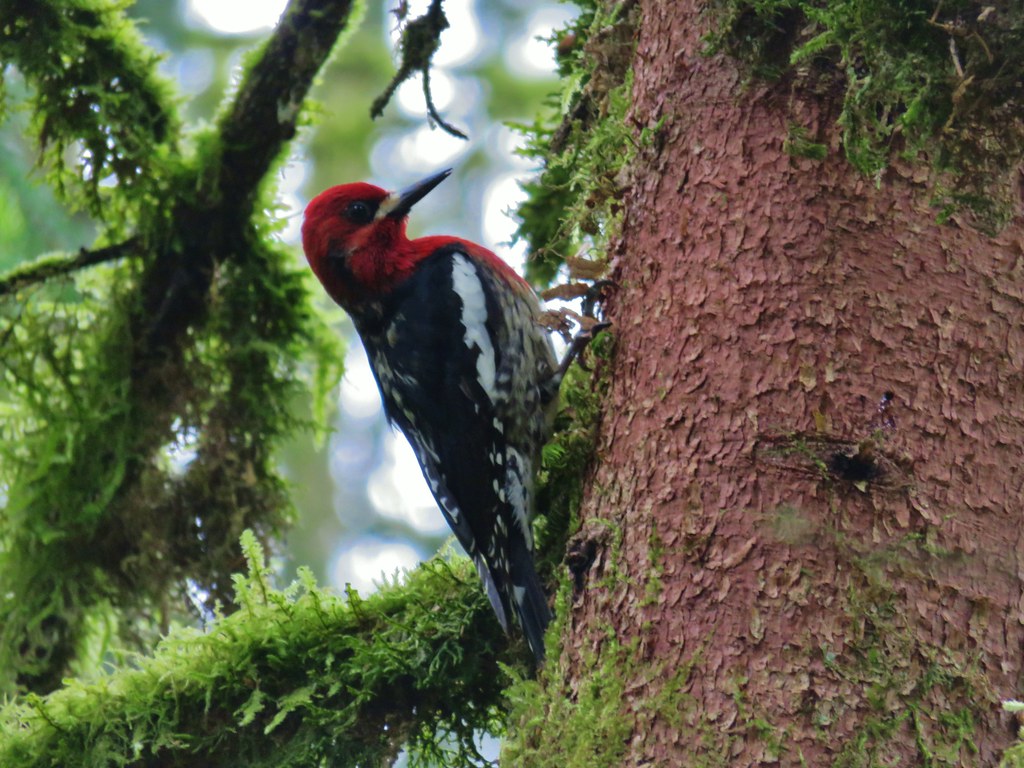
IMG_1968

IMG_1974

IMG_1975Bridge over a small stream.

IMG_1977Heading into a little bit of fog.

IMG_1981Too cloudy for any real views.

IMG_1983Leif Erikson Road.

We crossed the closed road and continued on the Maple Trail for another .4 miles to a fork where we veered right at a pointer for the Wildwood Trail.
IMG_1984

IMG_1989

A short climb brought us to the Wildwood Trail where we turned right and headed up some wooden steps.
IMG_1990

This was our third time on the 30 mile long Wildwood Trail (11/18, 5/18) and we followed it for 3.2 miles through a variety of scenery.
IMG_1992

IMG_1996

IMG_2006

IMG_2017

Along the way we crossed Saltzman Road.
IMG_2018Saltzman Road at the 2.5 mile mark of the 3.2 mile stretch.
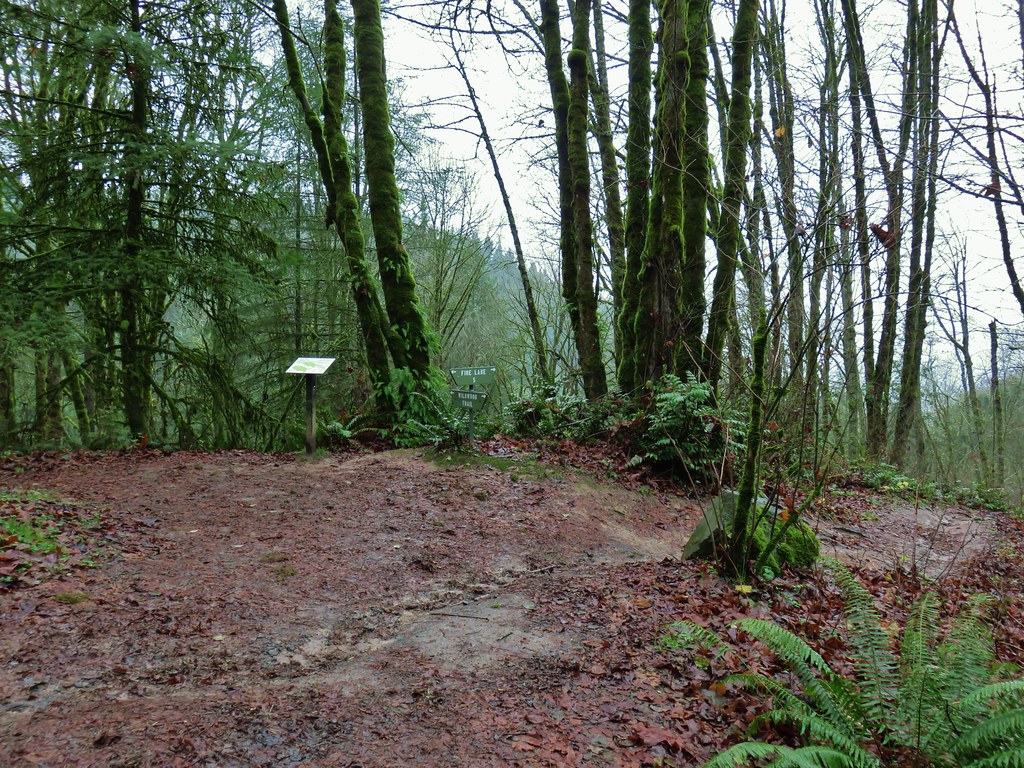
Approximately .7 miles after crossing Saltzman Road we turned right onto signed Firelane 5.
IMG_2022

This windy track was rutted by bike tires as it made its way downhill to Leif Erikson Drive after about half a mile.
IMG_2023

IMG_2025Aproaching Leif Erikson Drive.

We turned right onto Leif Erikson for .2 miles to a curve with a grassy flat on the left with a sign for the Maple Trail.
IMG_2027

IMG_2028

We followed the Maple Trail for 1.2 miles back to Saltzman Road where we turned left and hiked the .4 miles back to the trailhead. The forest along this section of the Maple Trail was nice and on a clearer day there may have been a few views but we settled for the trees and some passing geese.
IMG_2030

IMG_2032

IMG_2034

IMG_2035

IMG_2041

The trailhead was full when we got back so we quickly changed our shoes and opened up a spot for another trail user. We headed for downtown Portland for our next stop at Tom McCall Waterfront Park. We actually parked at a lot on the corner of 4th and Harvey Milk St. and walked 3+ blocks to the park.
IMG_2044

IMG_2050

The Saturday Market was just a bit to the left but we went right heading for the Morrison Bridge and planning on hitting the market at the end of our loop.
IMG_2045

There were almost as many geese as people in this section of the park.
IMG_2052

We followed the Waterfront Park Trail along the Willamette River under the Morrison Bridge and toward the Hawthorne Bridge.
IMG_2053

IMG_2056Hawthorn Bridge

IMG_2060

After about three quarters of a mile we passed through the South Waterfront Park Garden.
IMG_2062

IMG_2063

This was quickly followed by Poet’s Beach under the Marquam Bridge.
IMG_2068

IMG_2069

After passing under the Marquam Bridge we had a good look at OMSI and the USS Blueback Submarine on the far side of the Willamette and the OHSU Aerial Tram on our side of the river on Marquam Hill.
IMG_2073

IMG_2072

IMG_2071

IMG_2078

There was also an interesting piece of art near the Tilikum Crossing Bridge where we would be heading across the river.
IMG_2074

IMG_2076

The bridge was opened in September 2015 and is restricted to transit, pedestrian, and cyclist use only.
IMG_2080

IMG_2081

IMG_2083Marquam Bridge from Tilikum Crossing.

After crossing the river we turned left towards OMSI on the Eastbank Esplanade.
IMG_2085Tilikum Crossing from the esplanade.

We followed the Eastbank Esplanade for a total of 1.75 miles to the Steele Bridge. The scenery along this stretch was a bit more industrial with sections not too far from the Interstate, but there were still some interesting and pretty sights along the way.
IMG_2086Behind OMSI

IMG_2090More geese.

IMG_2091

IMG_2093

IMG_2094Cormorants

IMG_2097

IMG_2098

IMG_2103

IMG_2099

We recrossed the Willamette on the Steele Bridge arriving back at Waterfront Park near the Japanese American Historical Plaza and the Portland Saturday Market.
IMG_2106

IMG_2110

IMG_2112

IMG_2113

We wound our way through the market visiting all the booths before returning to our car and heading home. We did manage to find a couple of Christmas gifts so it had not only been a fun day hiking but it had been productive as well. We walked about 5 miles between the loop around the Willamette and the market which was just about as much as our feet could handle for the day.

That’s it for us as far as hikes go for 2019, we hope everyone has a Merry Christmas and Happy New Year! (and Happy Trails too!)

Flickr: Maple Trail and Tilikum Crossing