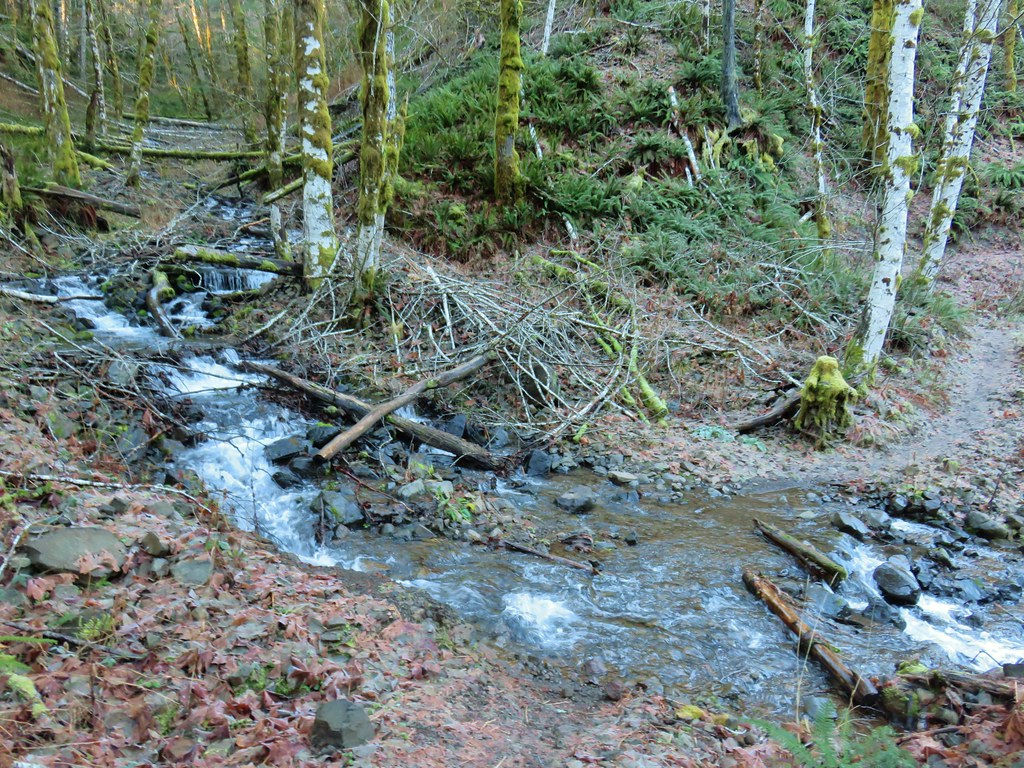
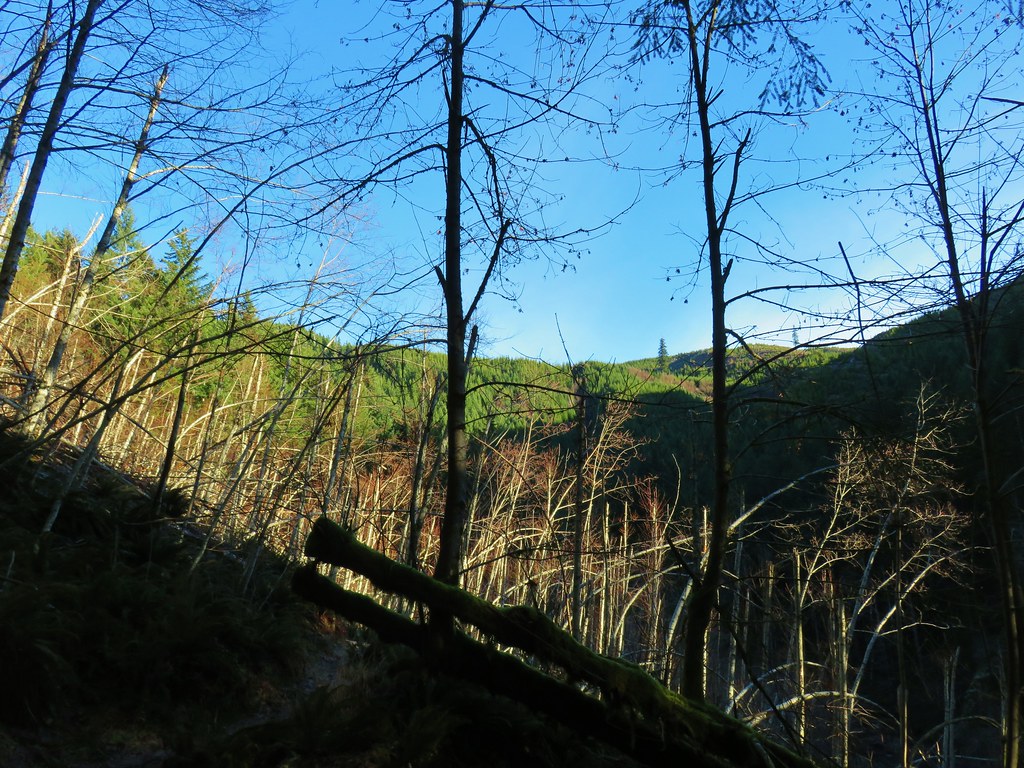
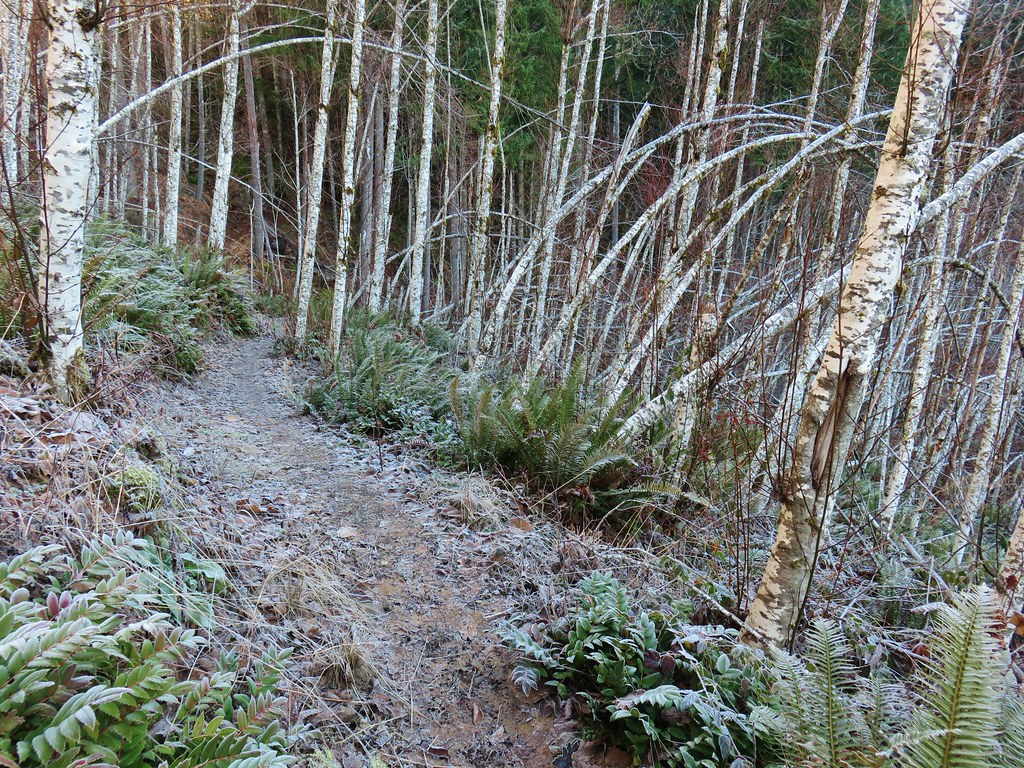
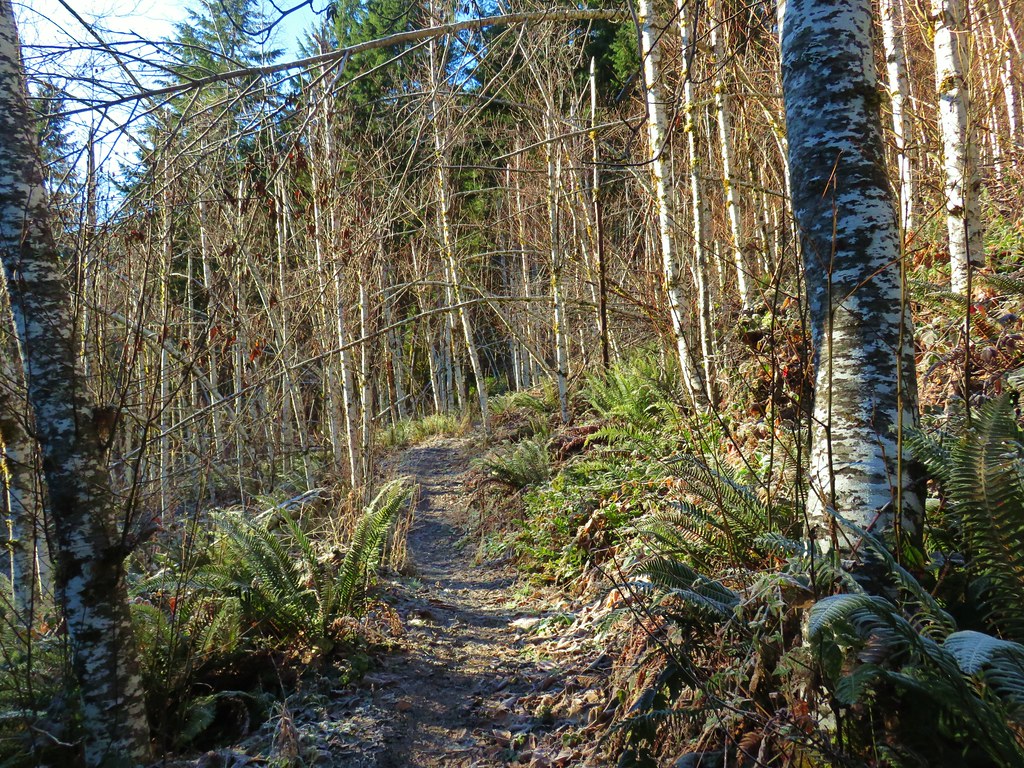
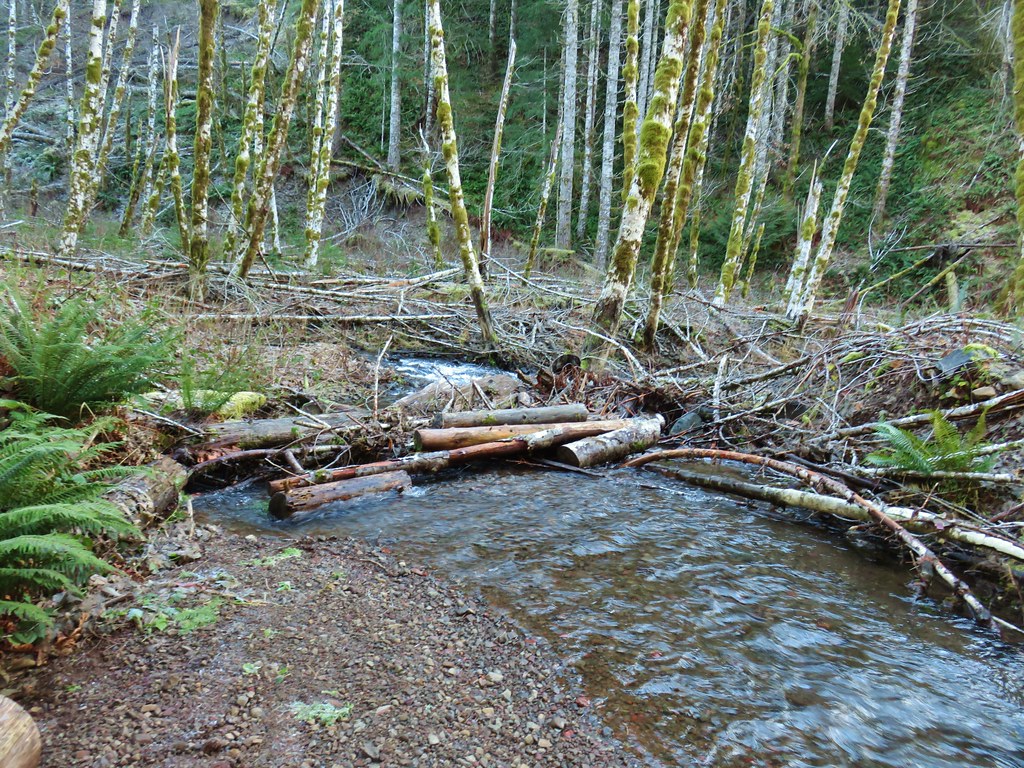
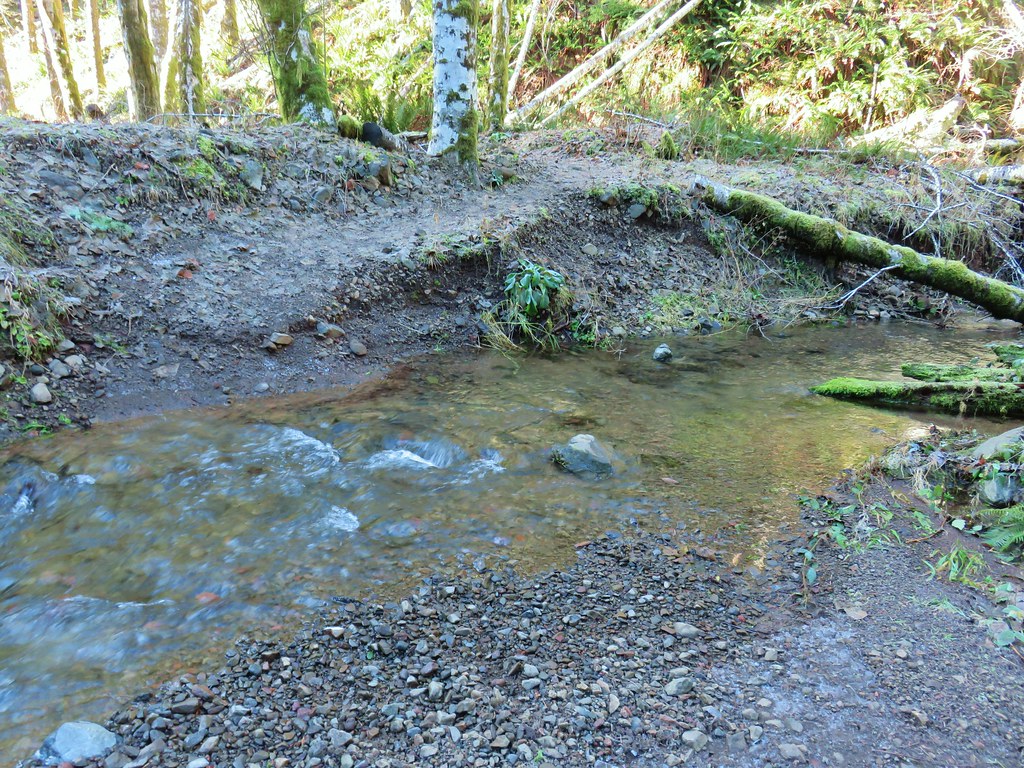
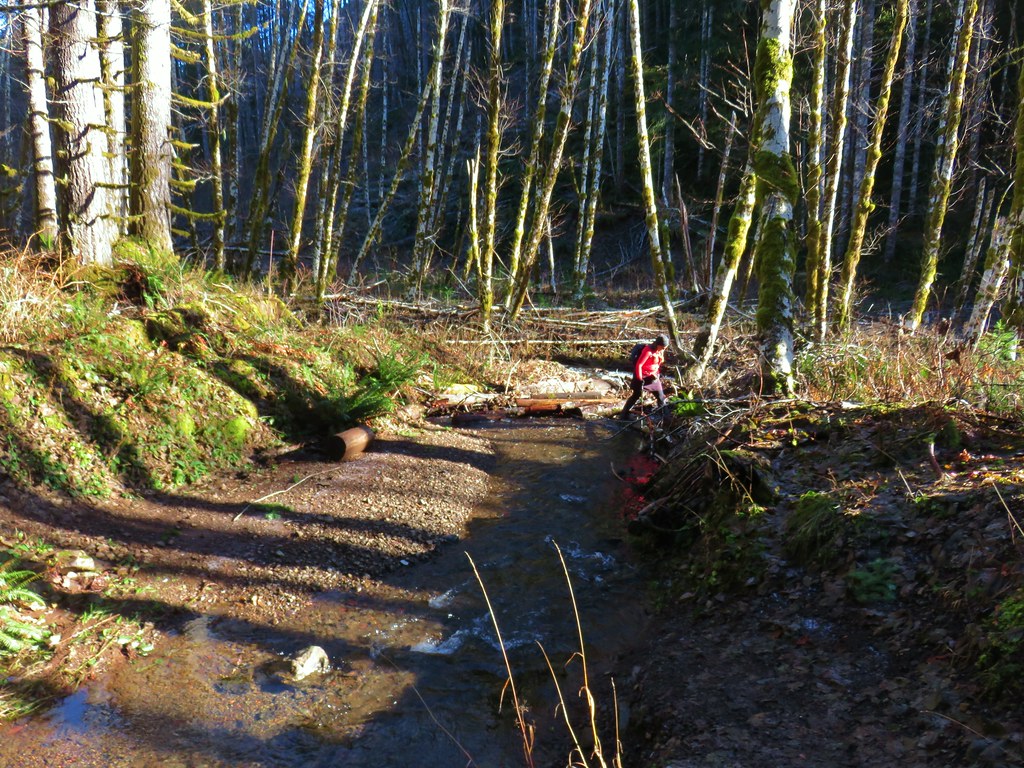
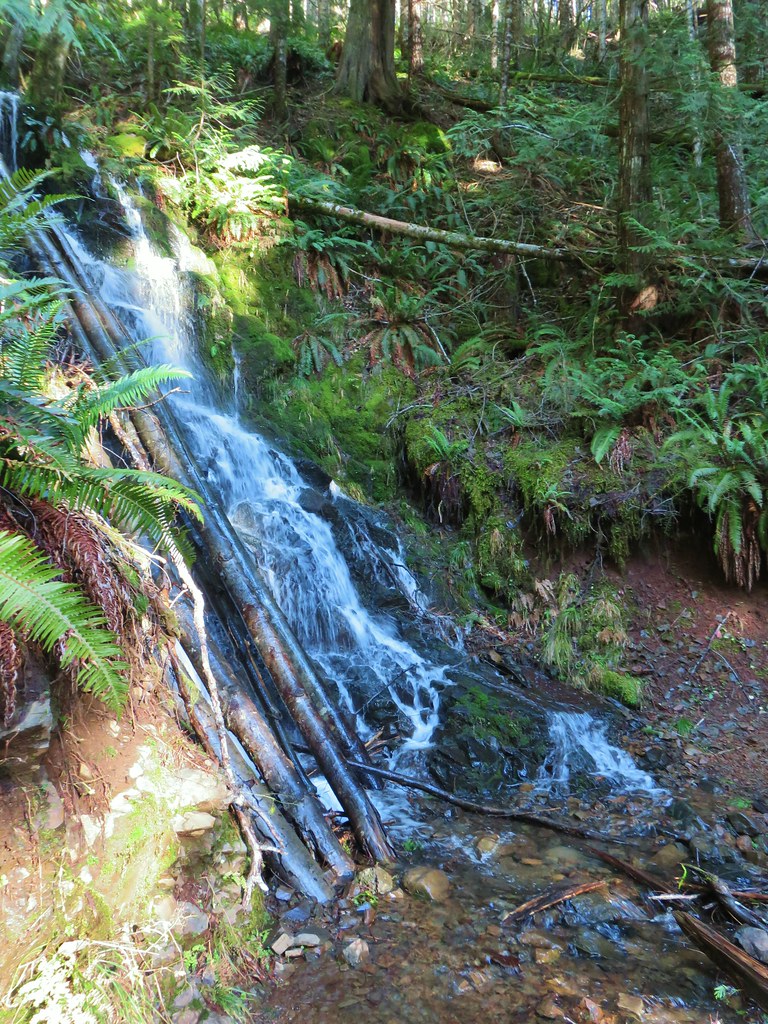
Categories
Coastal Range Hiking Oregon

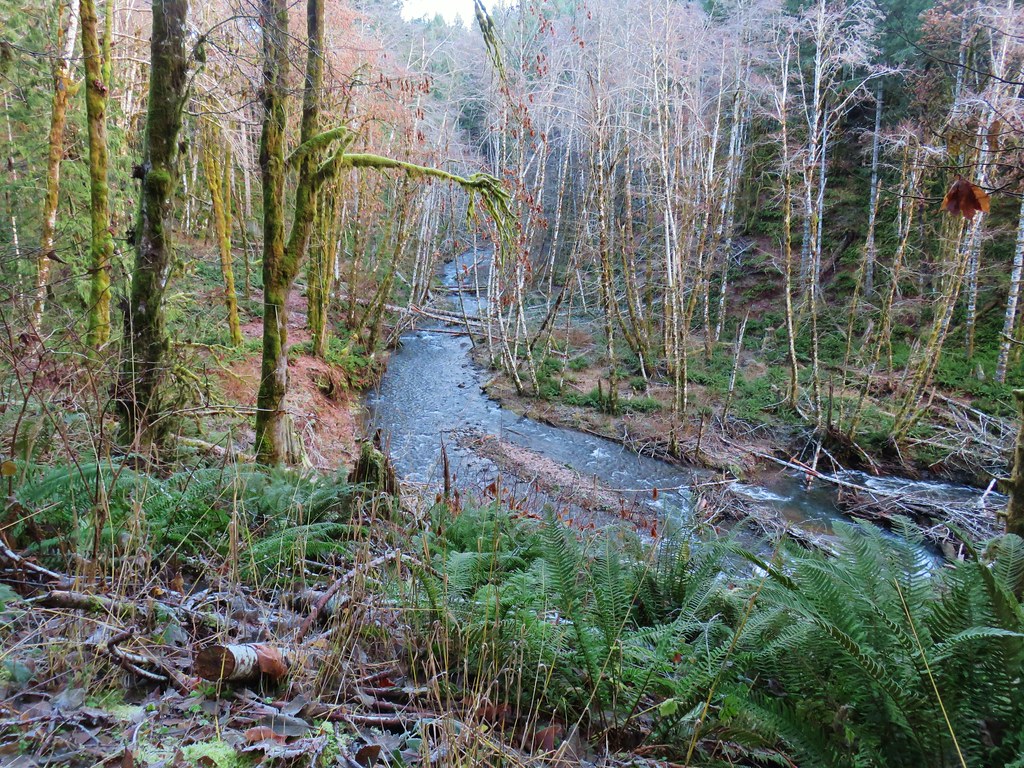
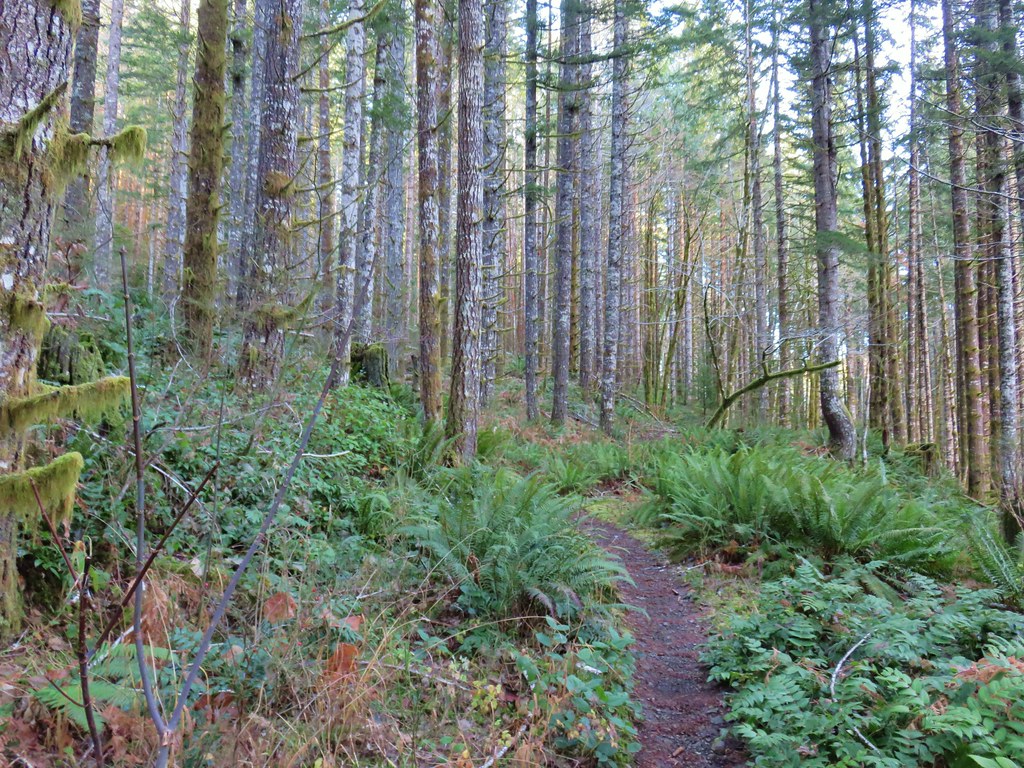
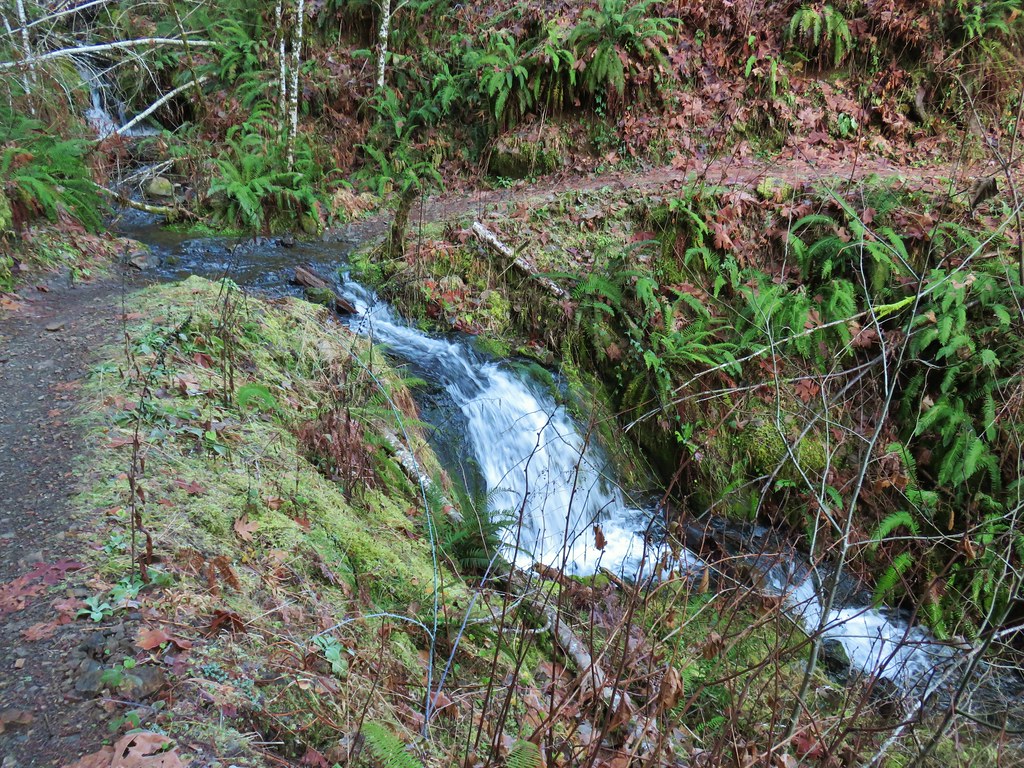
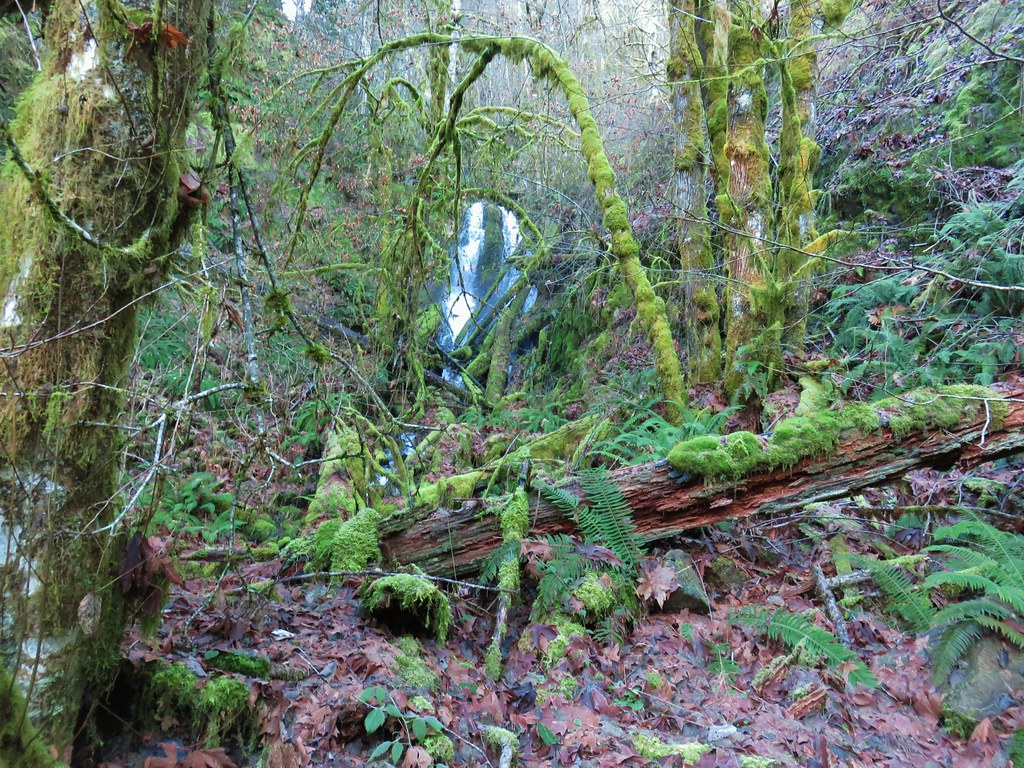
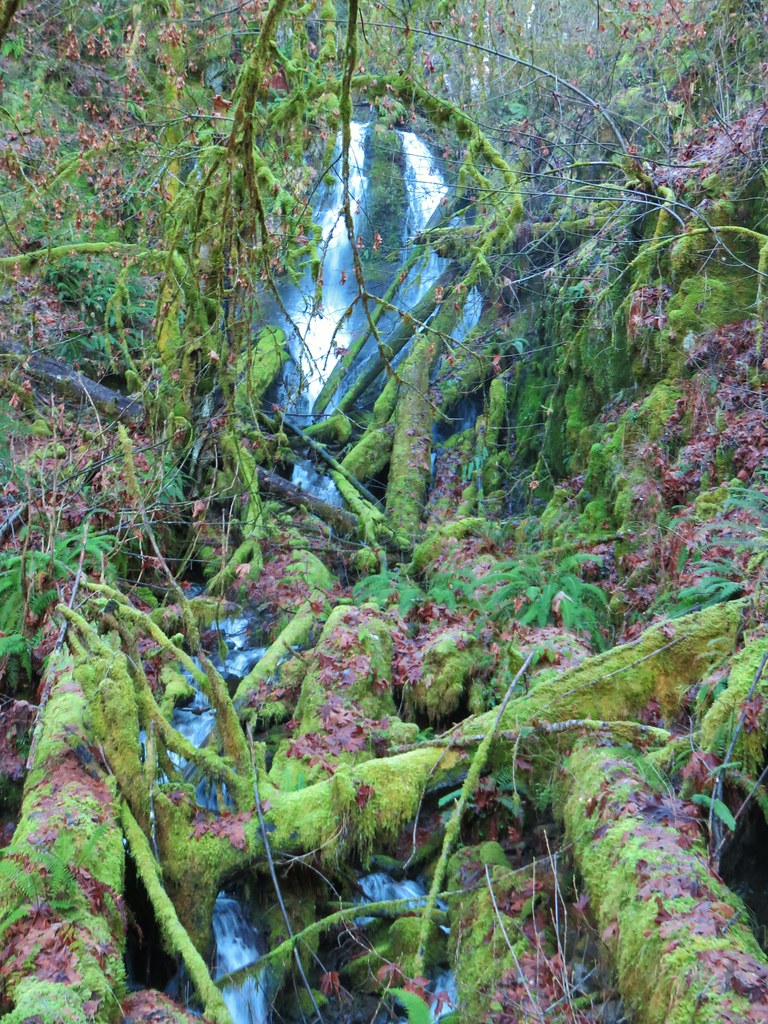
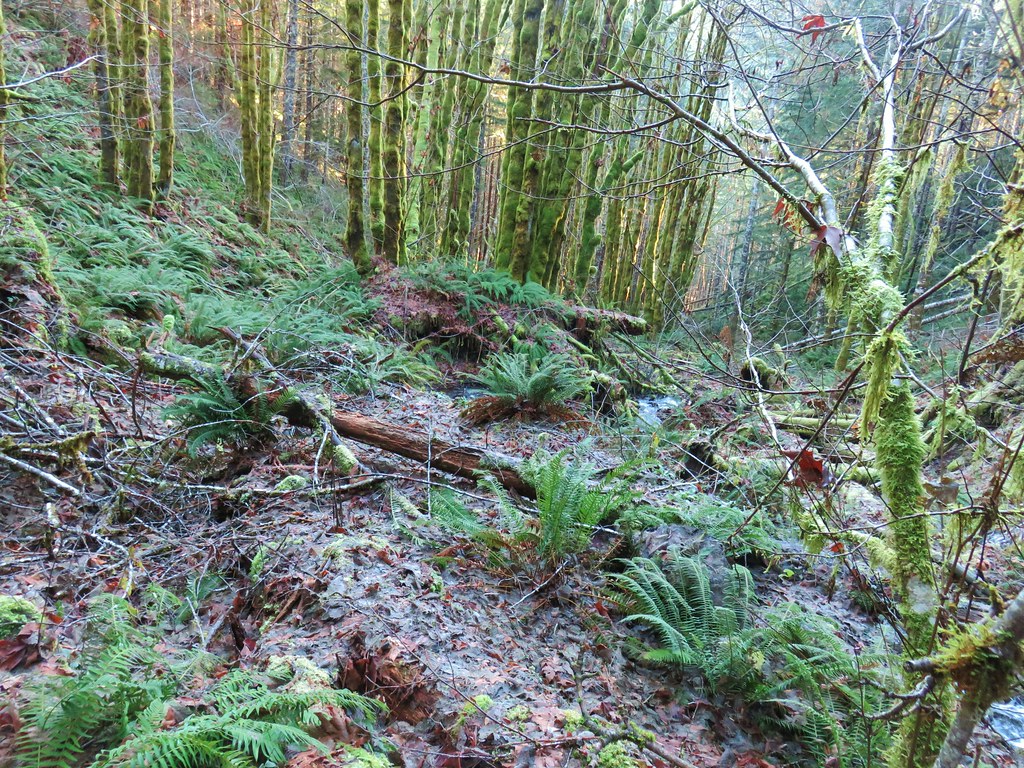
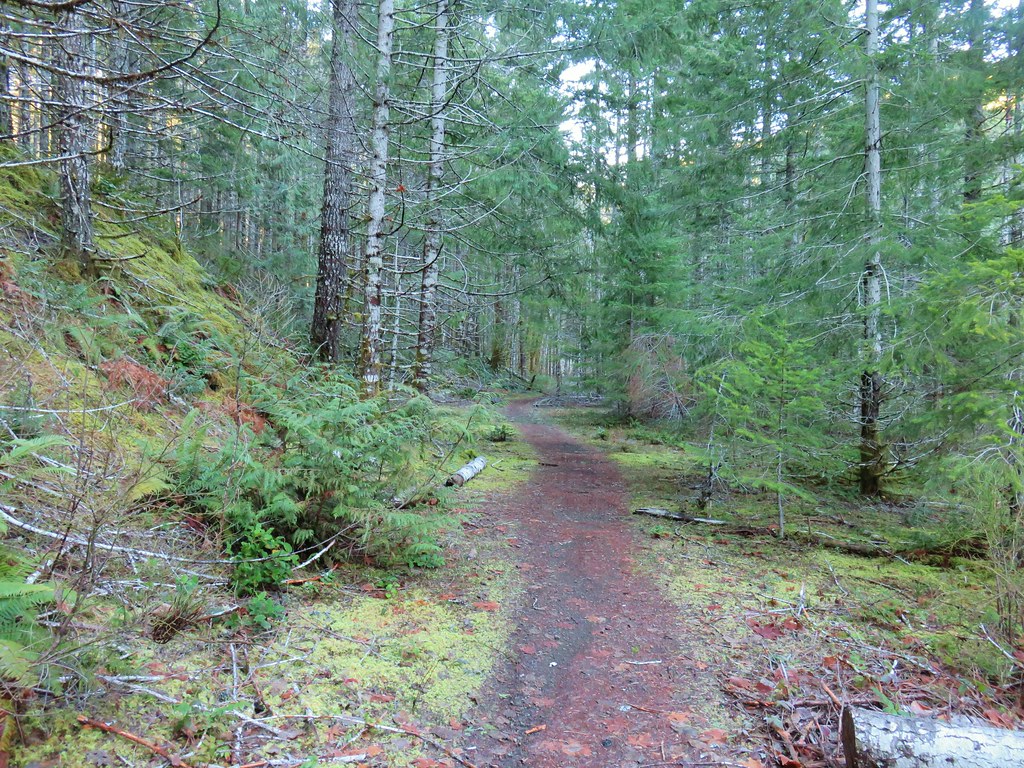
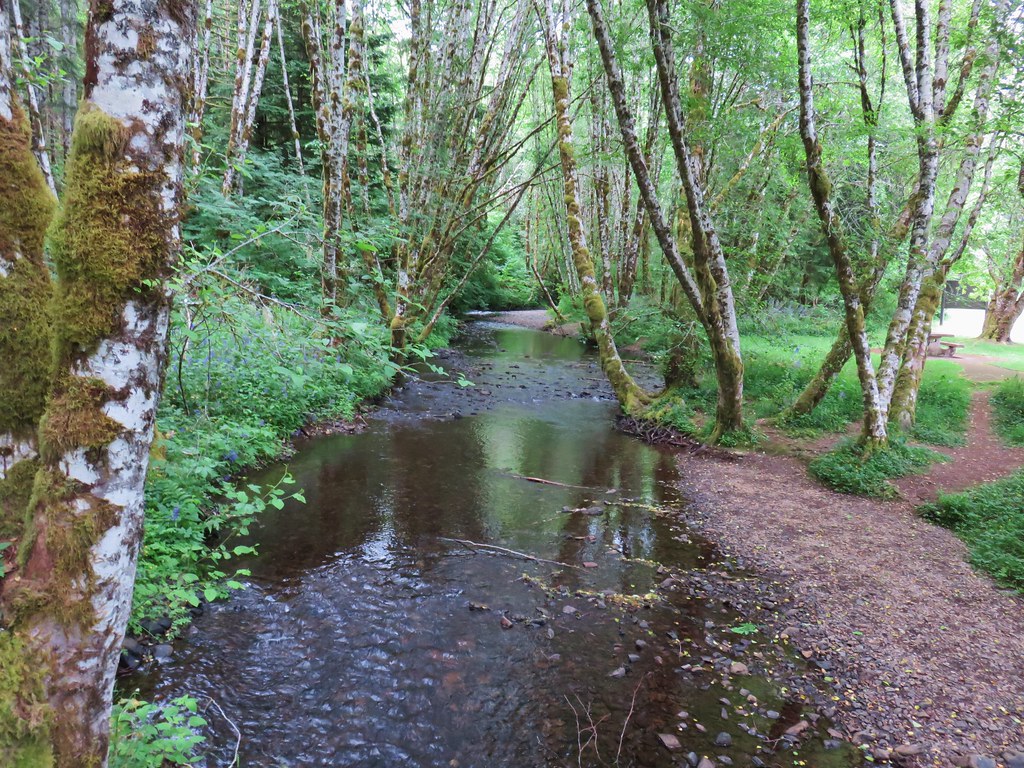
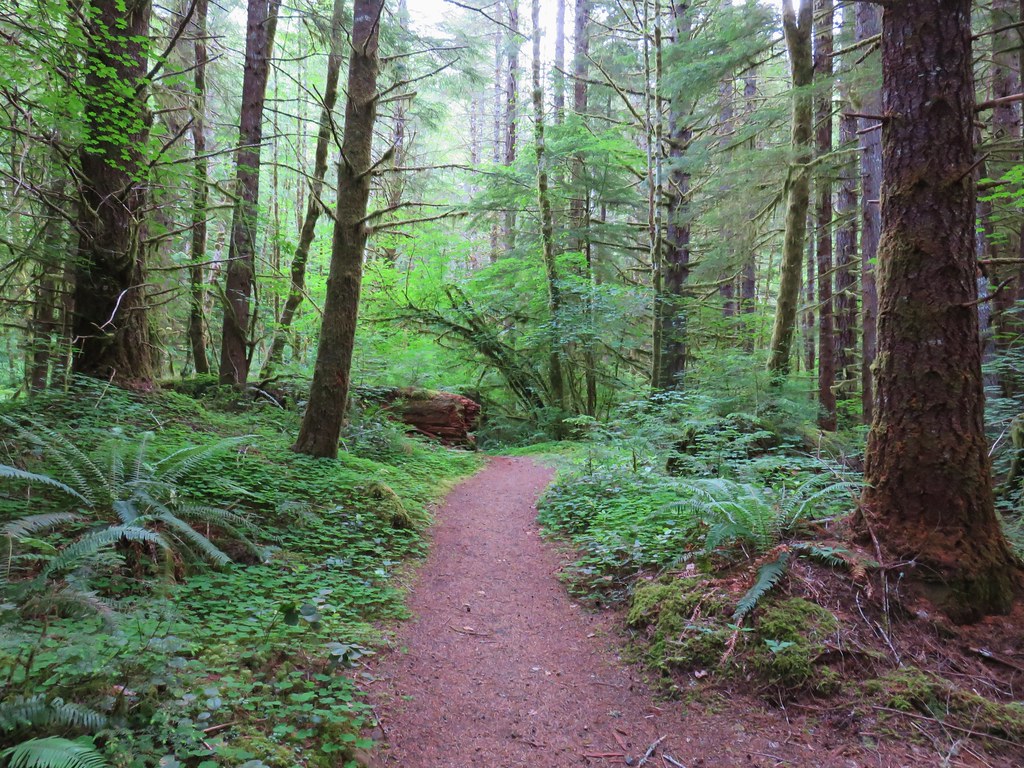
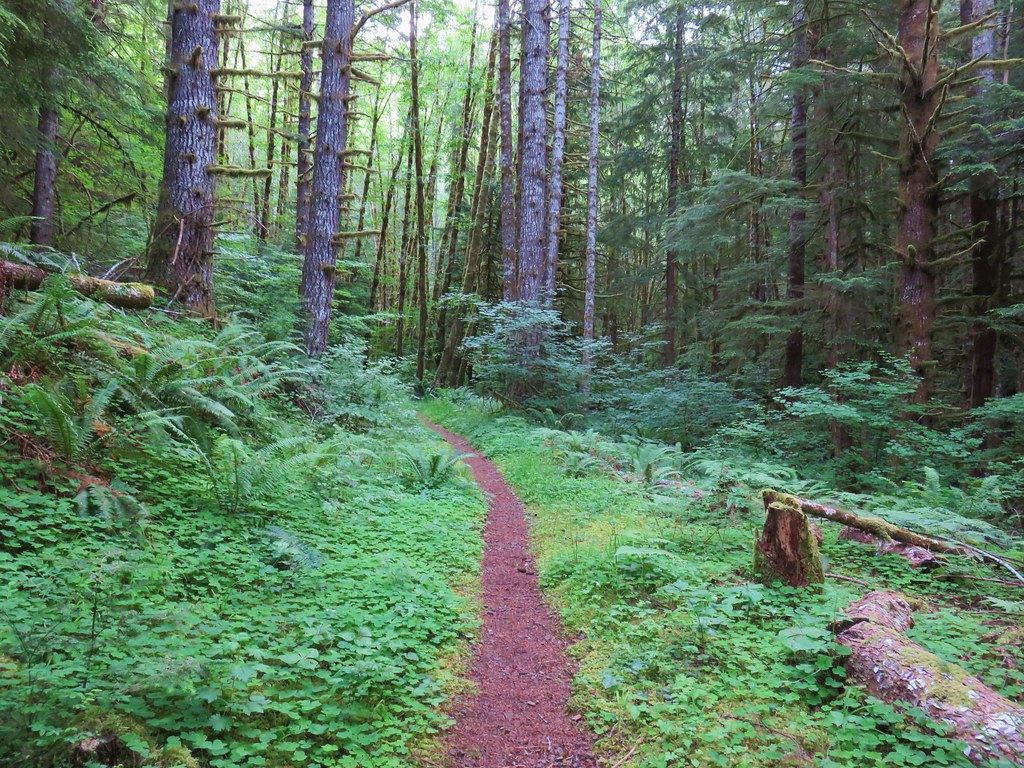
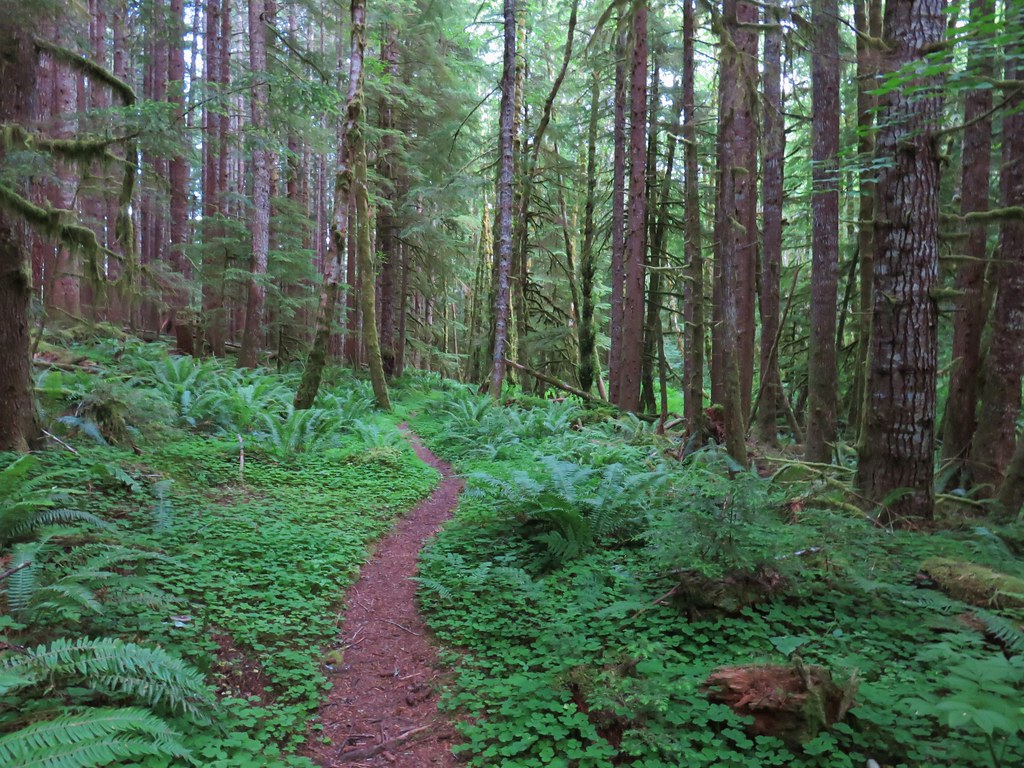
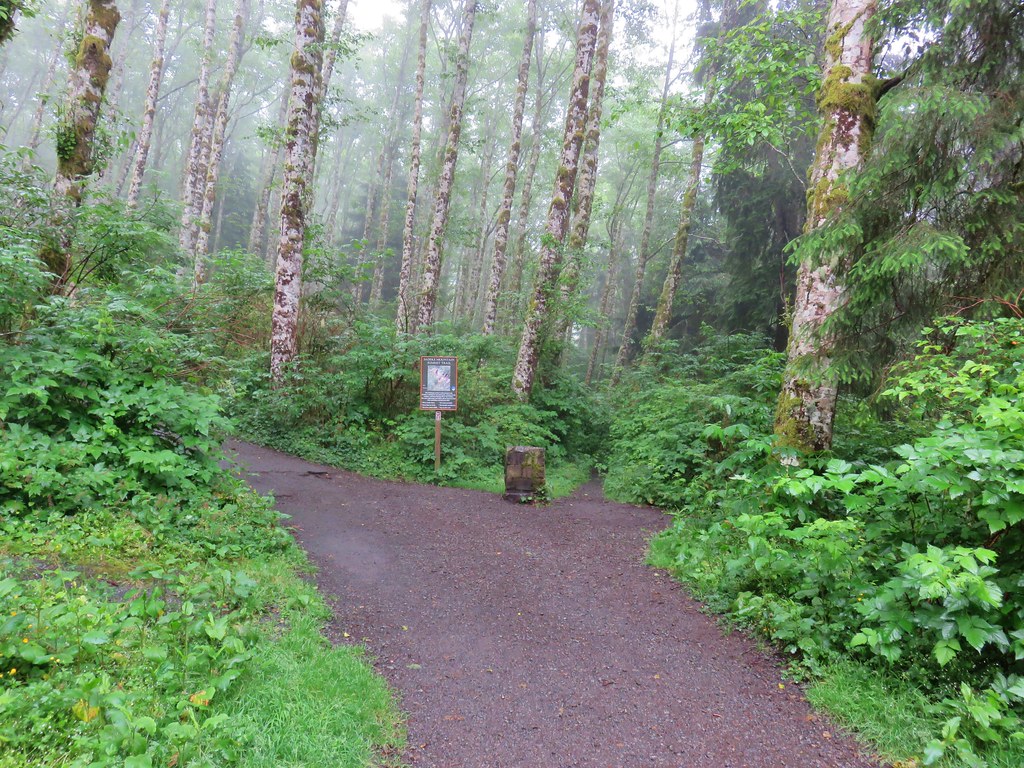
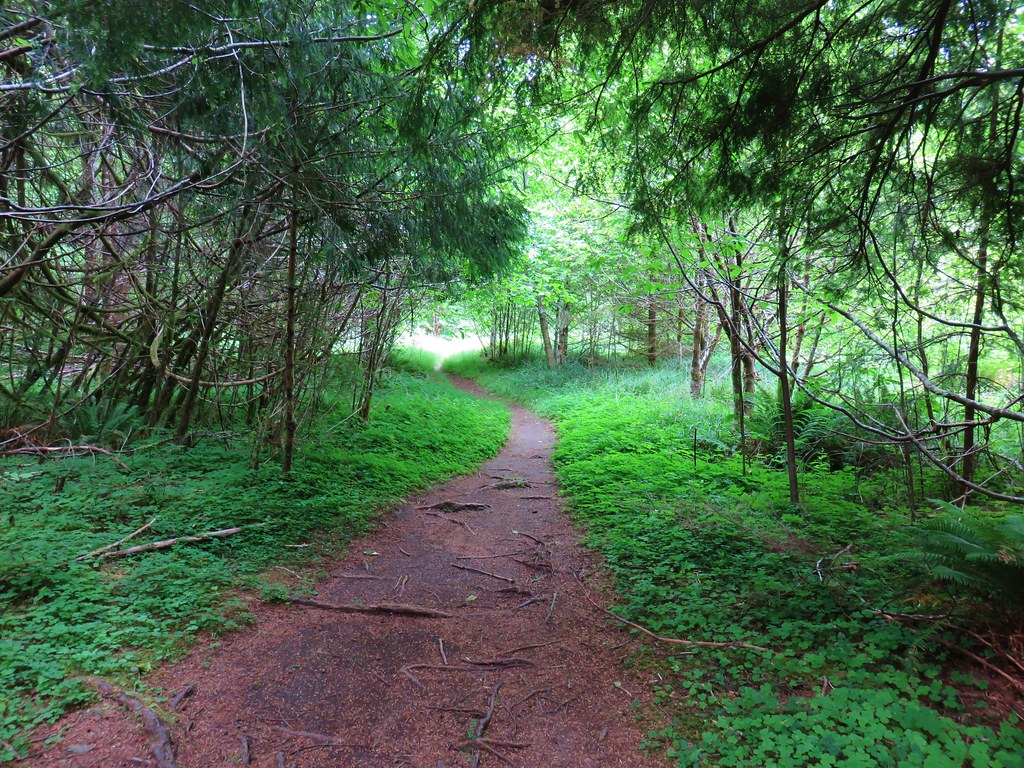
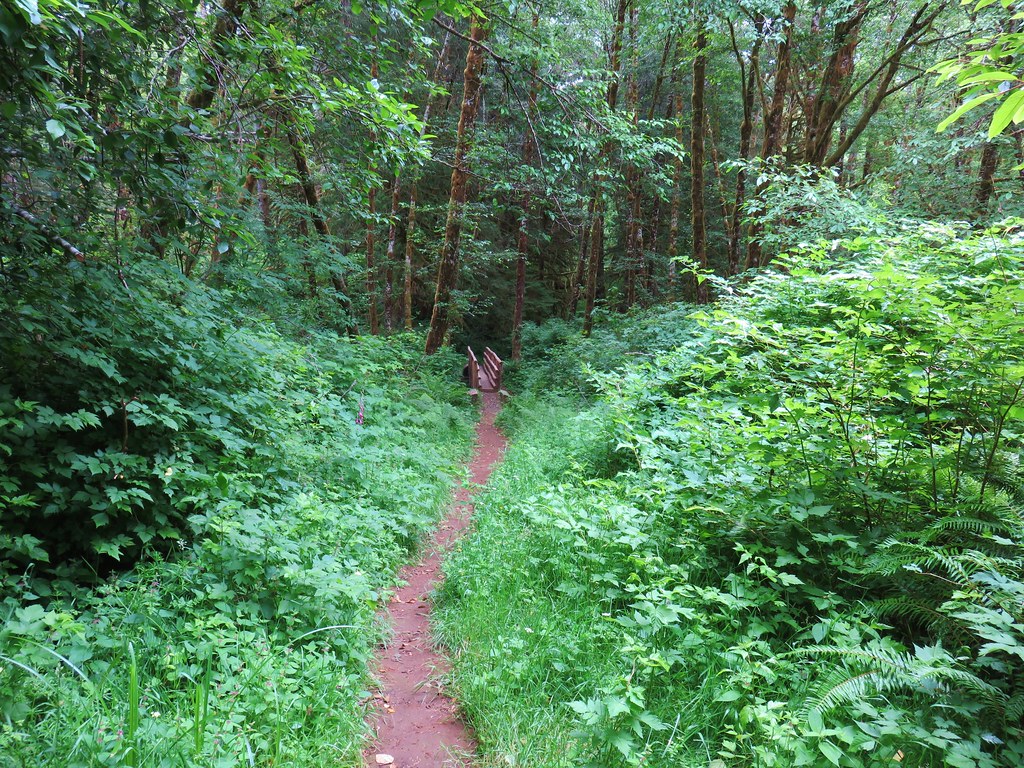
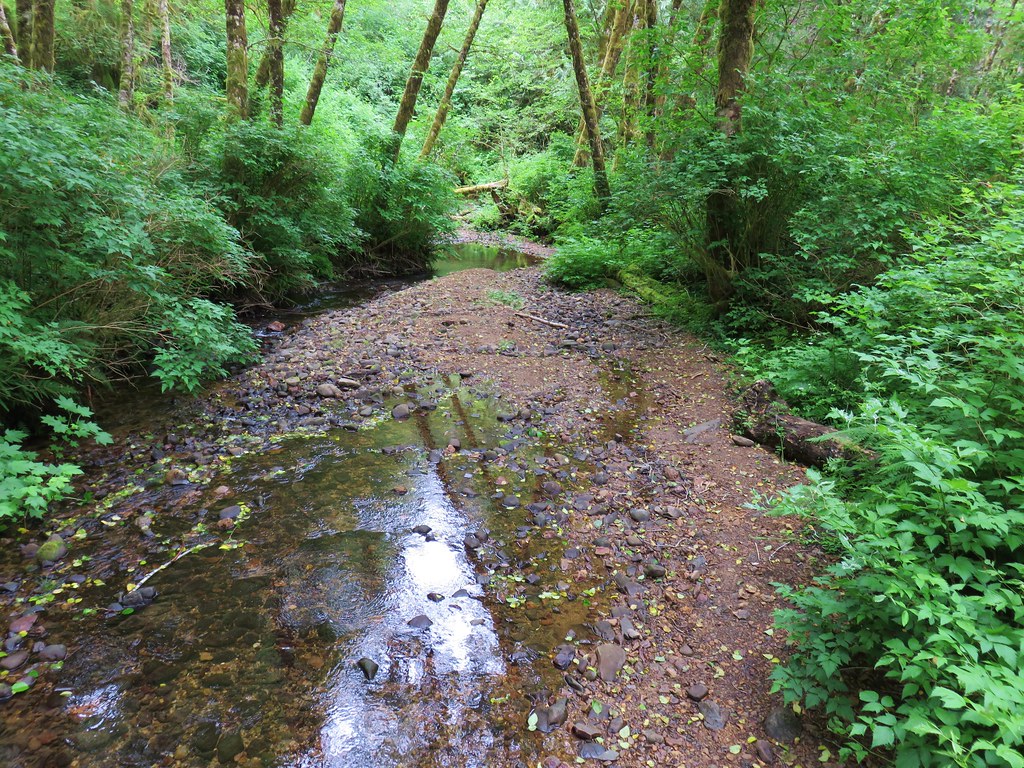
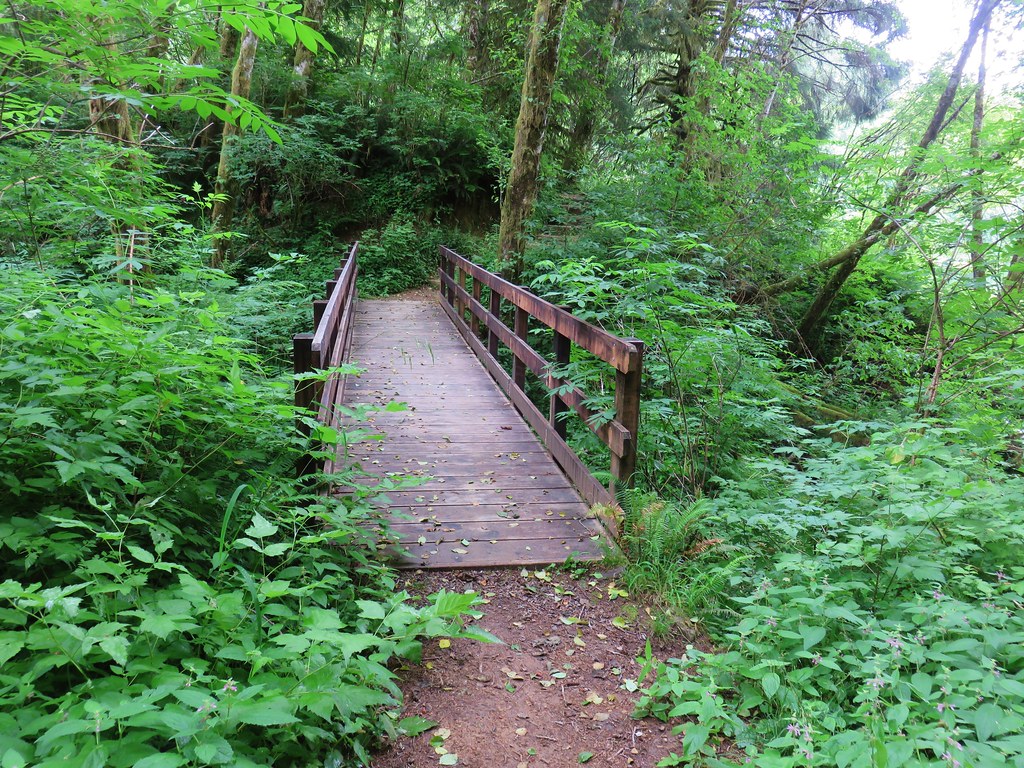
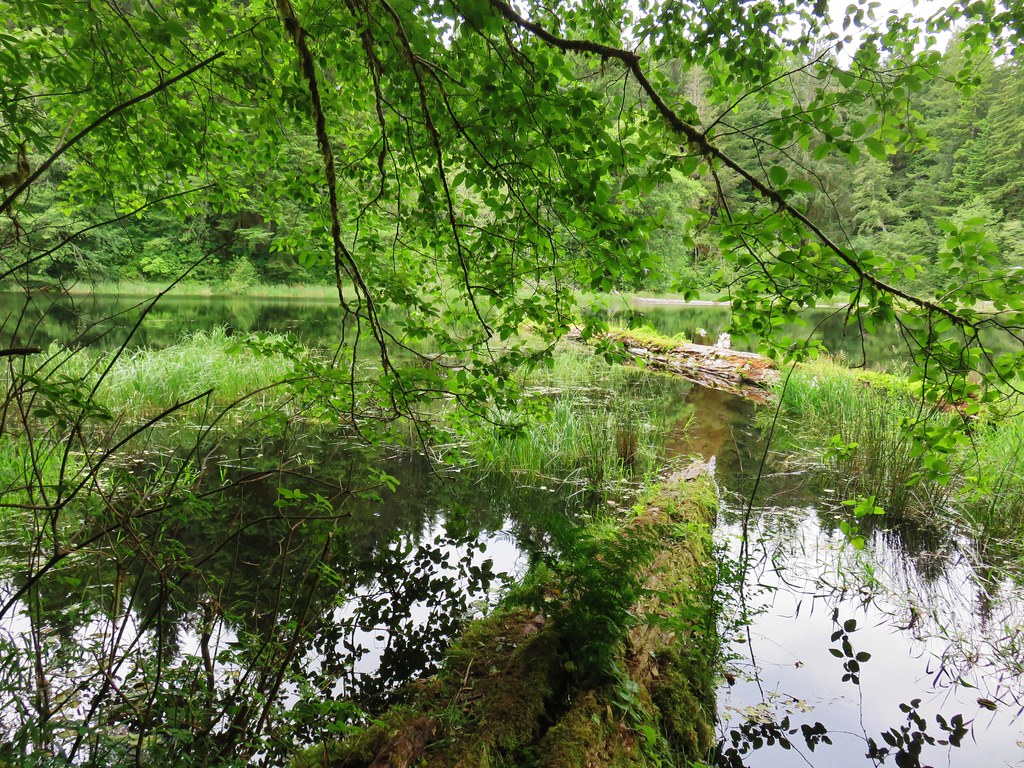
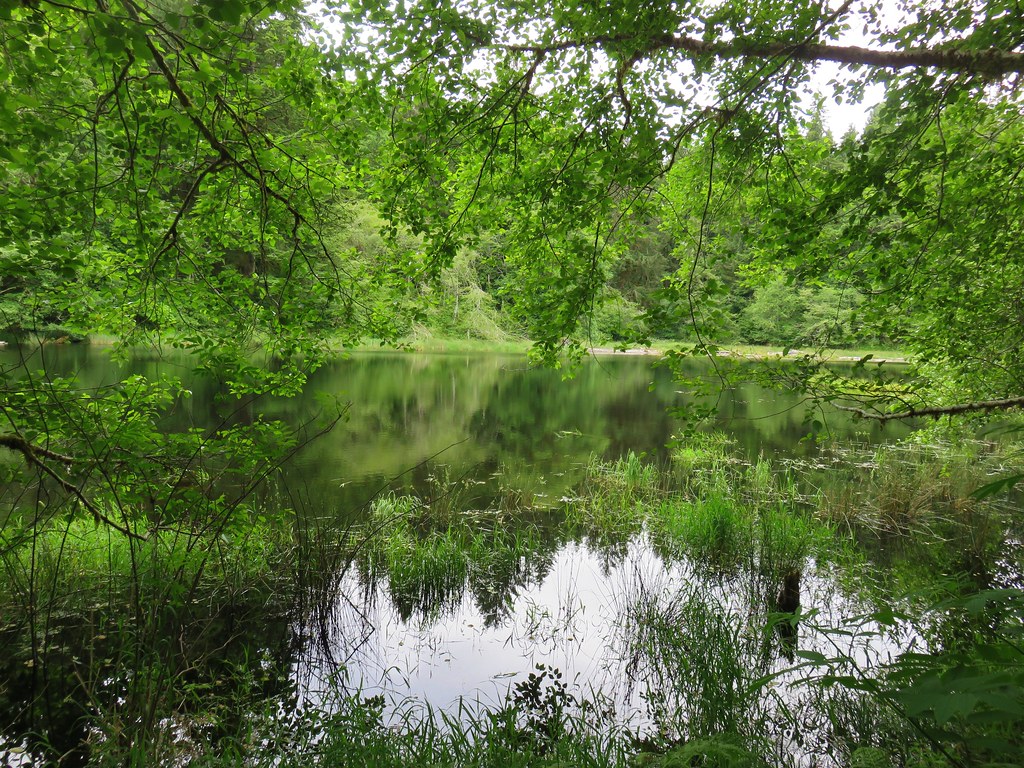
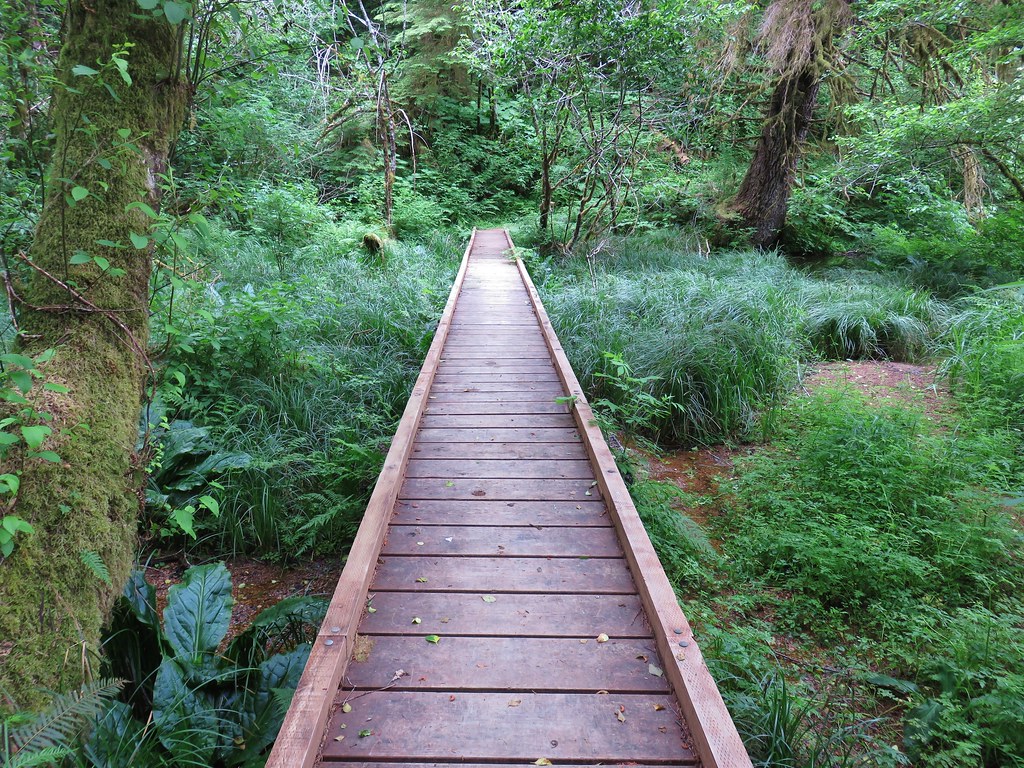
Harris Ranch Trail (Drift Creek Wilderness) – 8/3/19

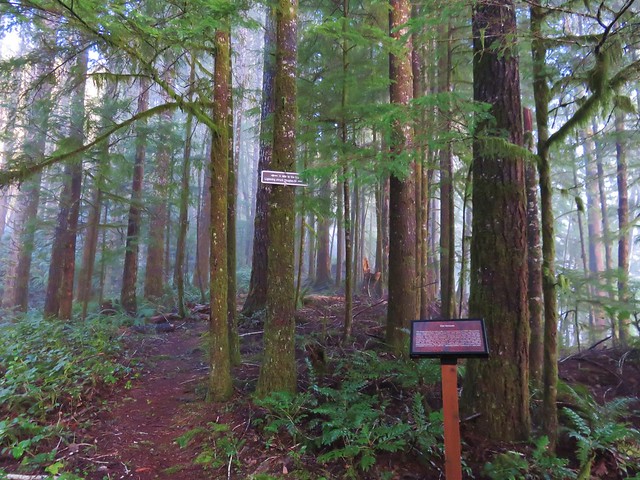
Our annual family reunion at the Oregon Coast always provides us an opportunity to work up an appetite by starting the morning off with a shorter hike on the way there. This year we chose to revisit the Drift Creek Wilderness.

This would be our second visit to the area with the first having been in 2010 (post), the year we really started hiking. At that point we hadn’t developed the appreciation for old growth forests that we have now so we were interested to see what our opinions of this hike would be compared to that first visit.

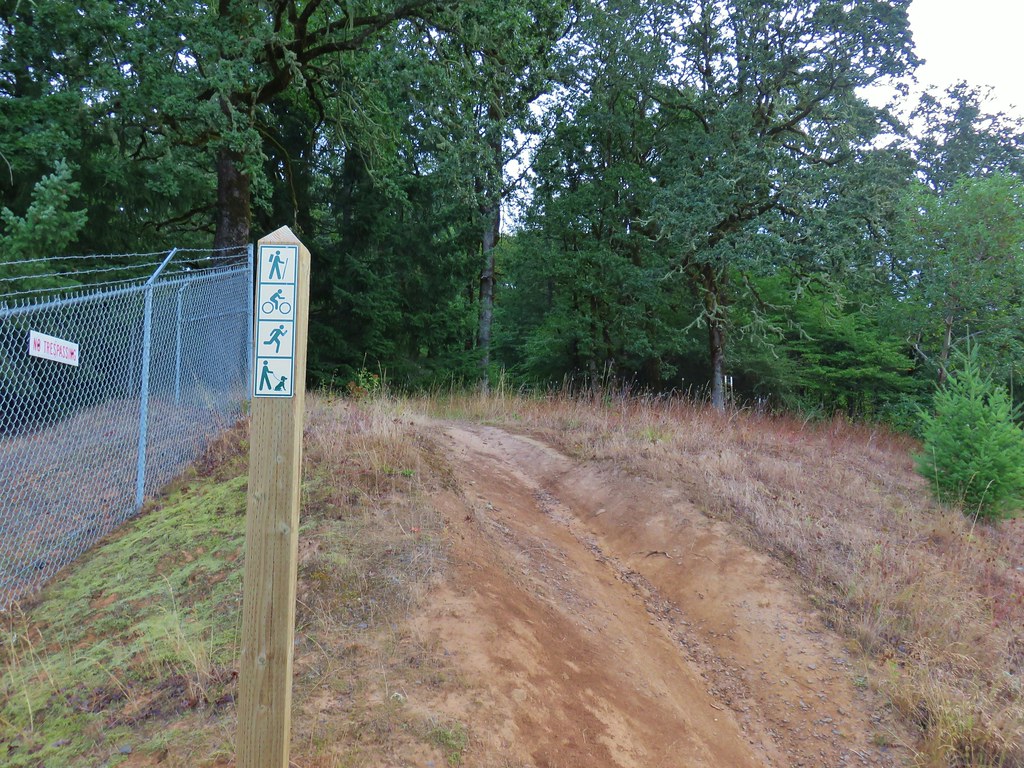
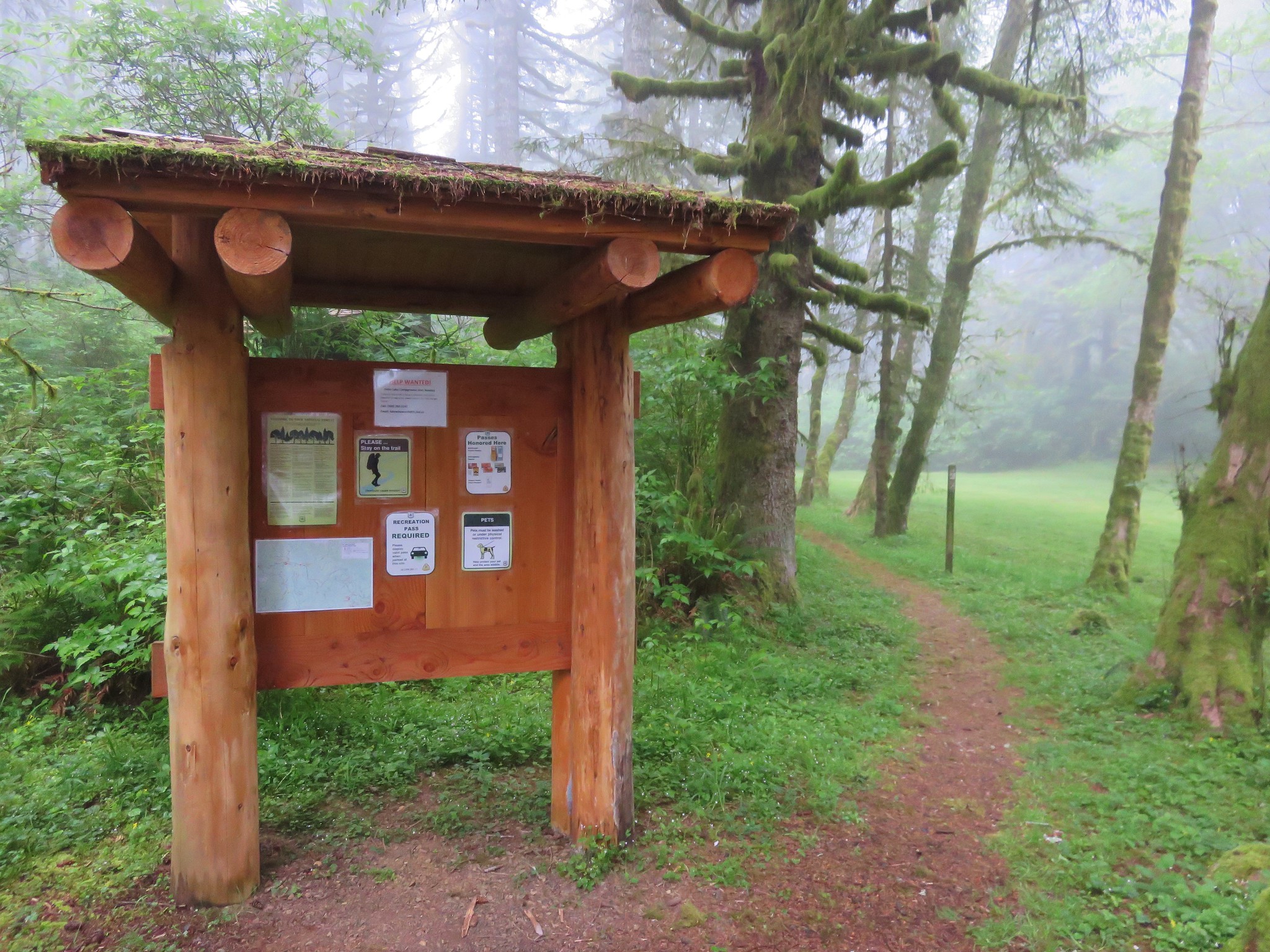
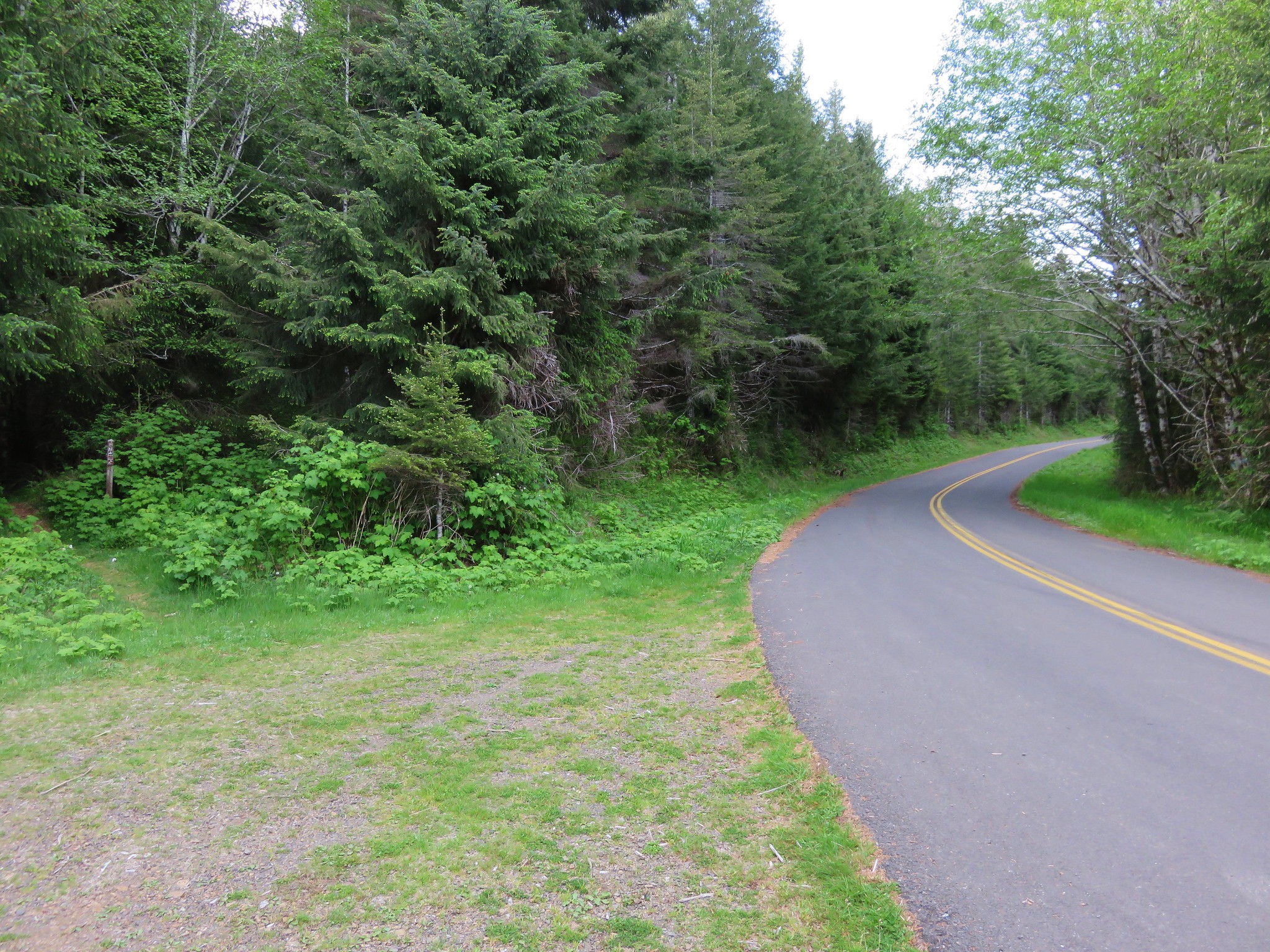
We began our hike at the Harris Ranch Trailhead which was located .3 miles down the rather brushy FR 346.
IMG_5379

IMG_5382

IMG_5383

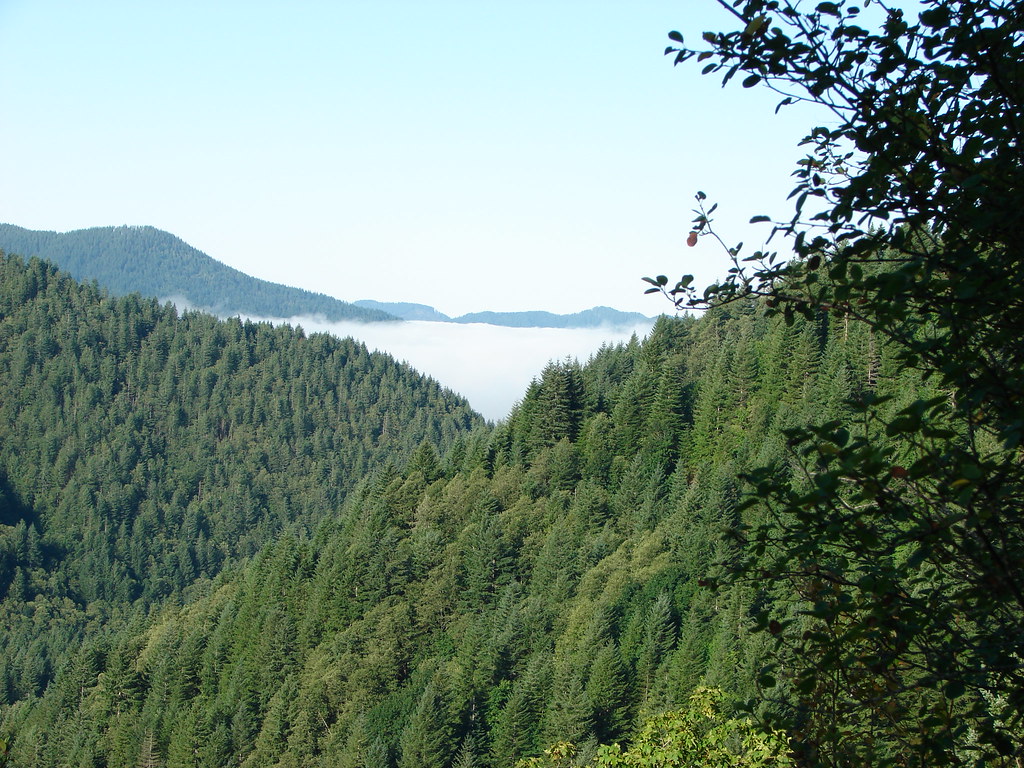
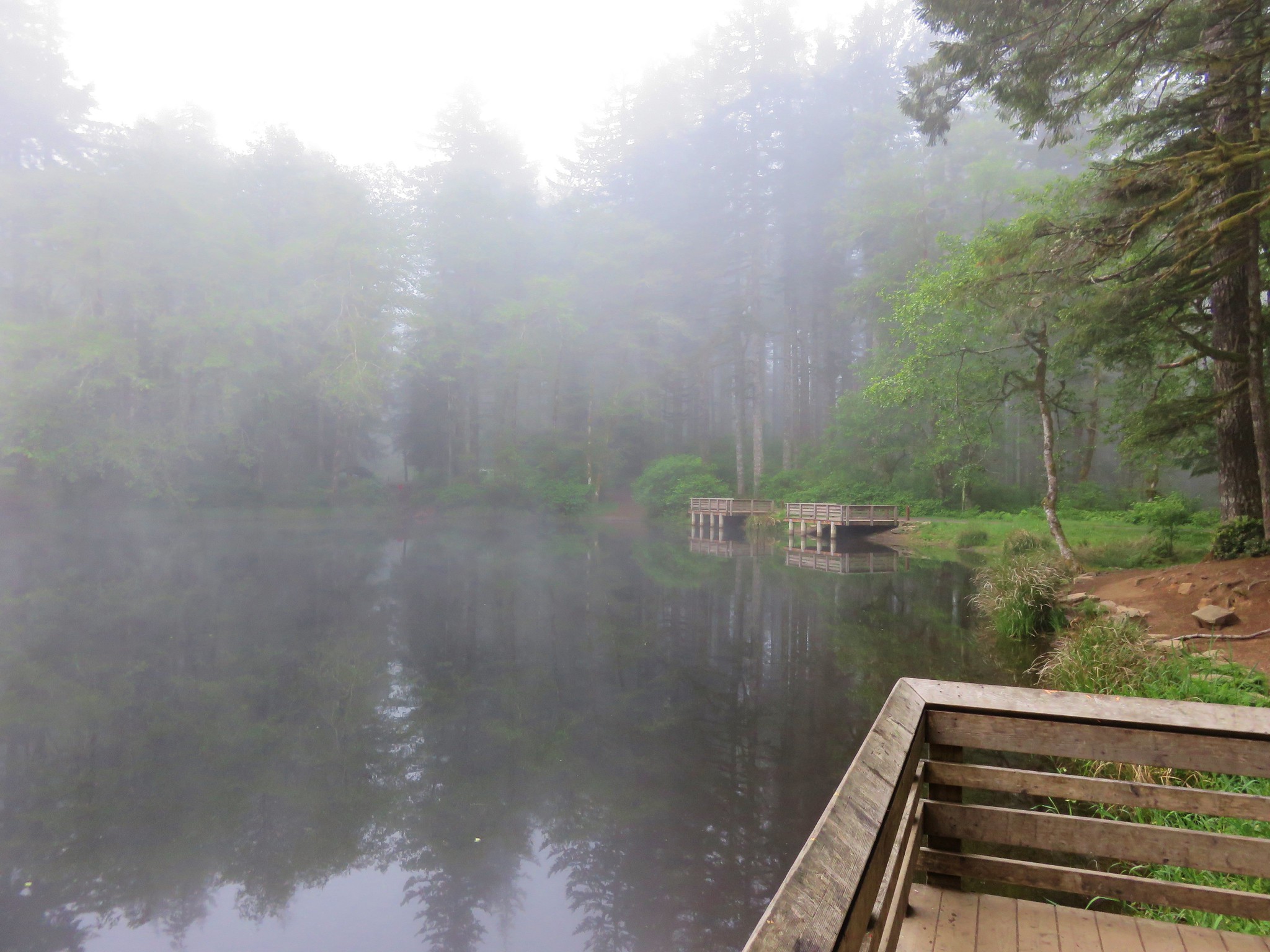
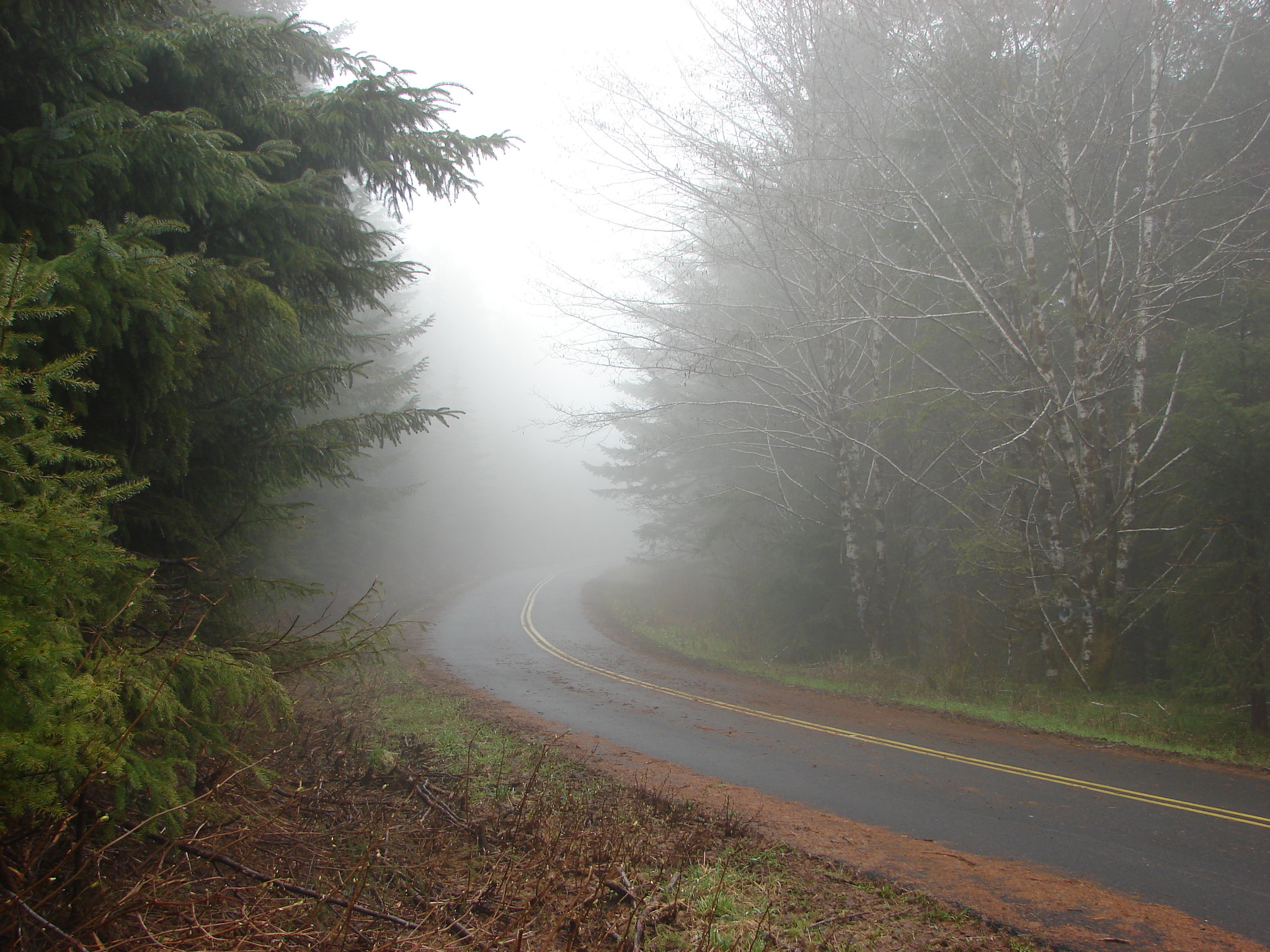
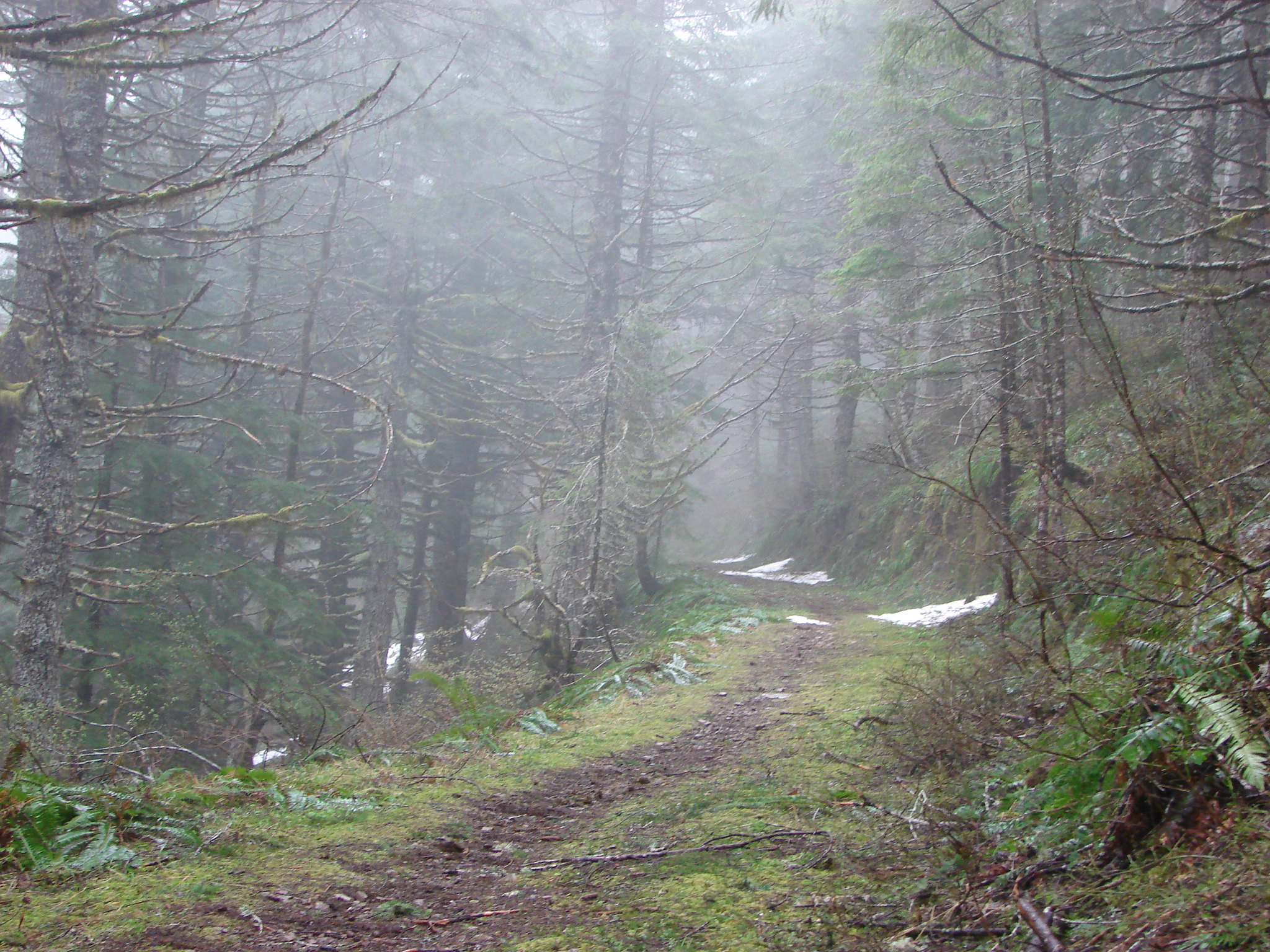
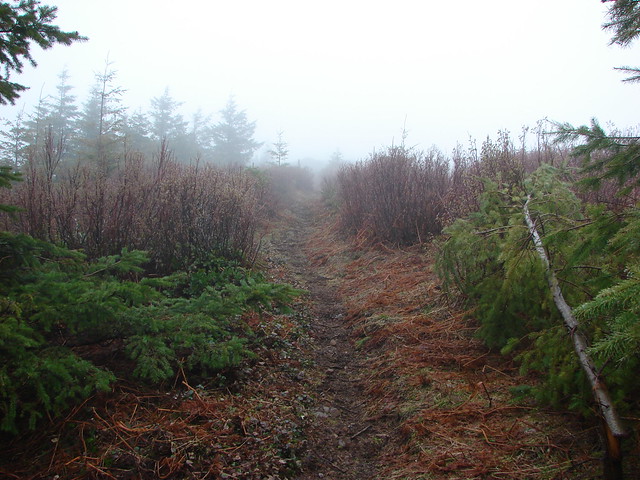
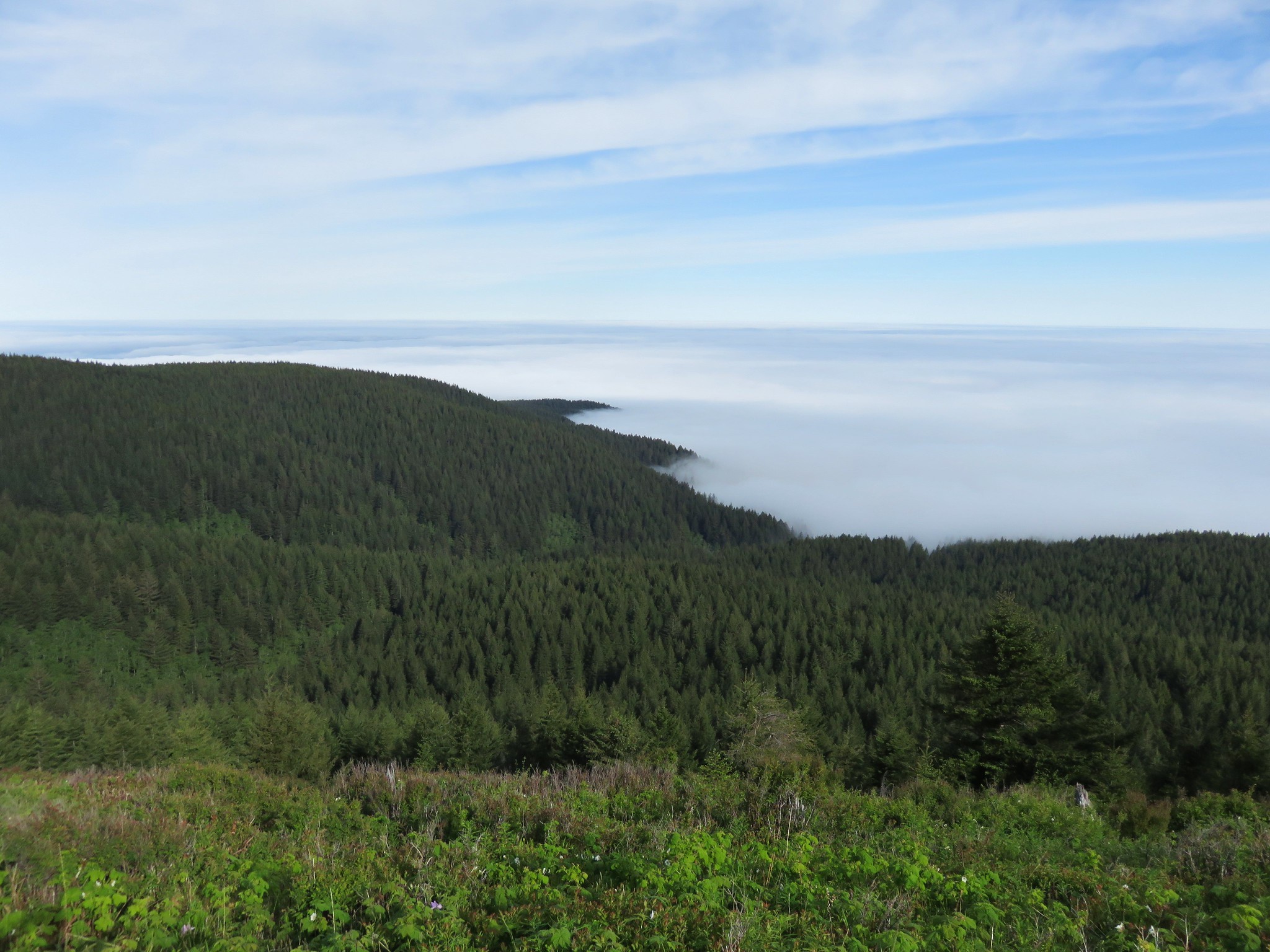
It was a foggy morning which we expected to keep things a bit on the cooler side but instead it was a warm, humid morning as we set off on a decommissioned road.
IMG_5384

IMG_5386

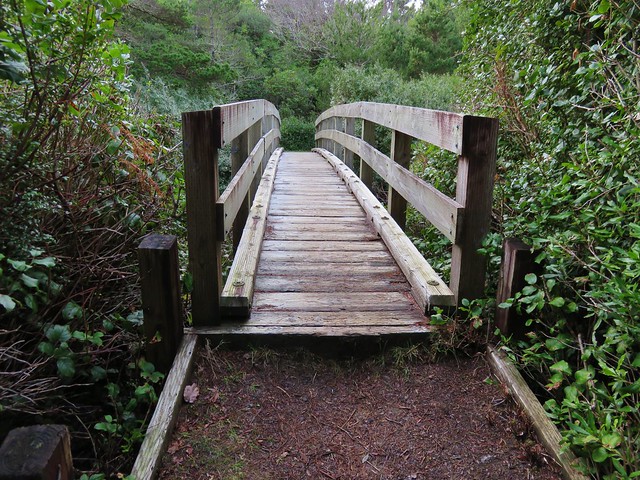
The first three quarters of a mile followed an old roadbed which gradually descended before ending just before the start of the Drift Creek Wilderness.
IMG_5390

IMG_5392

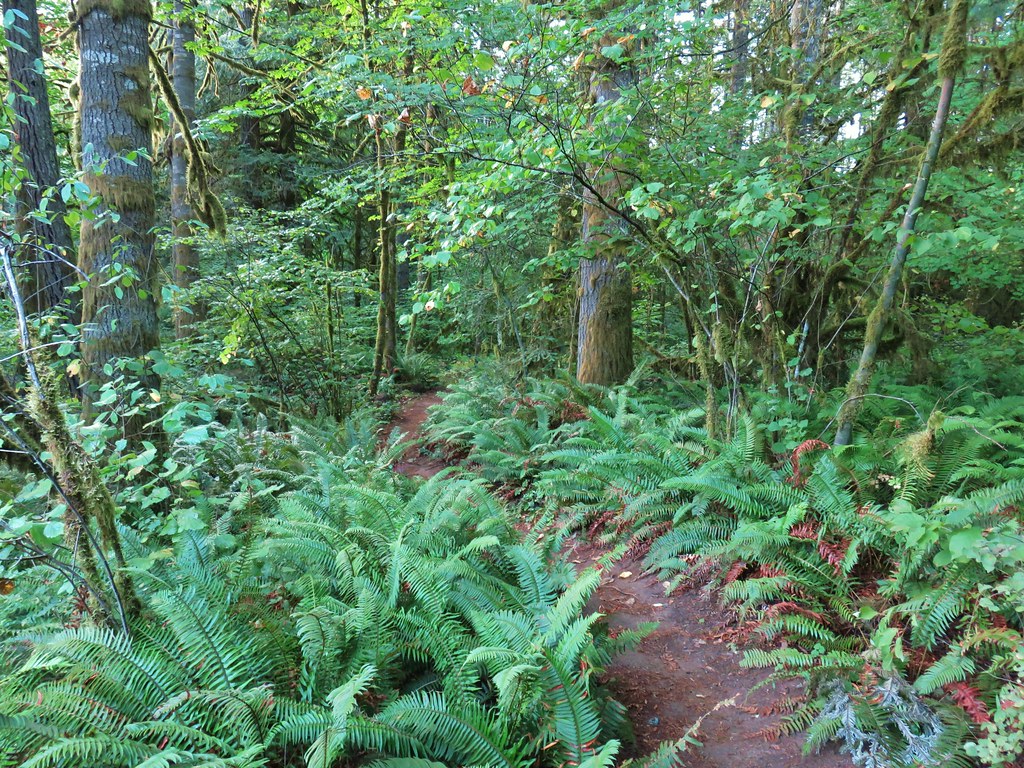
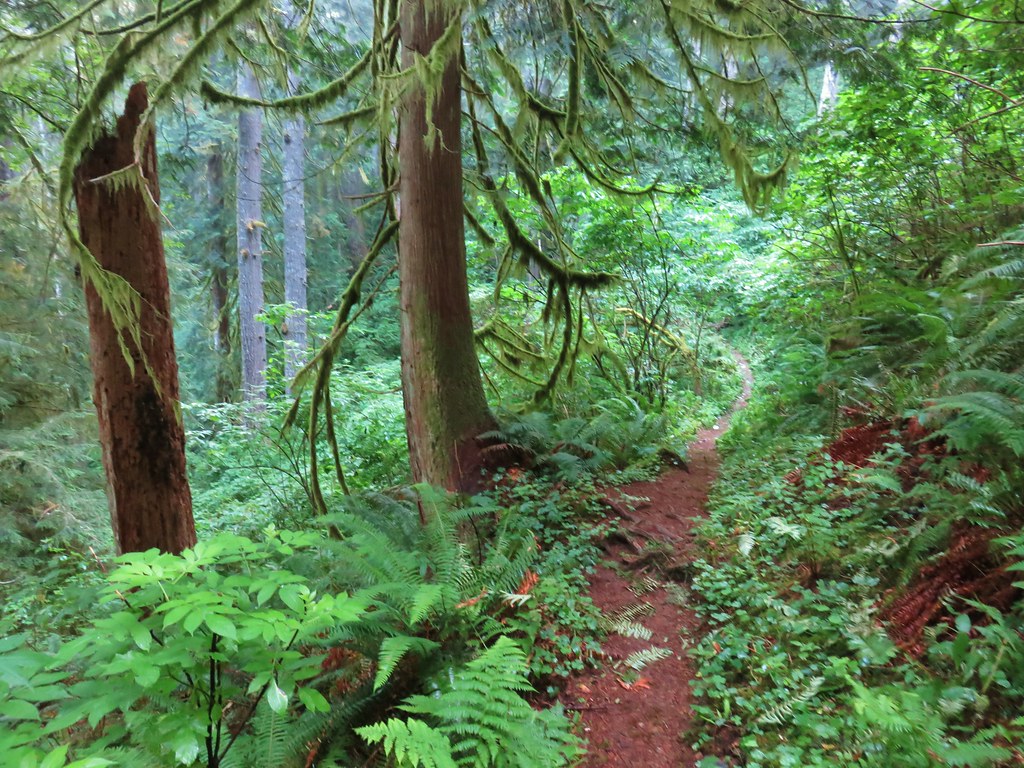
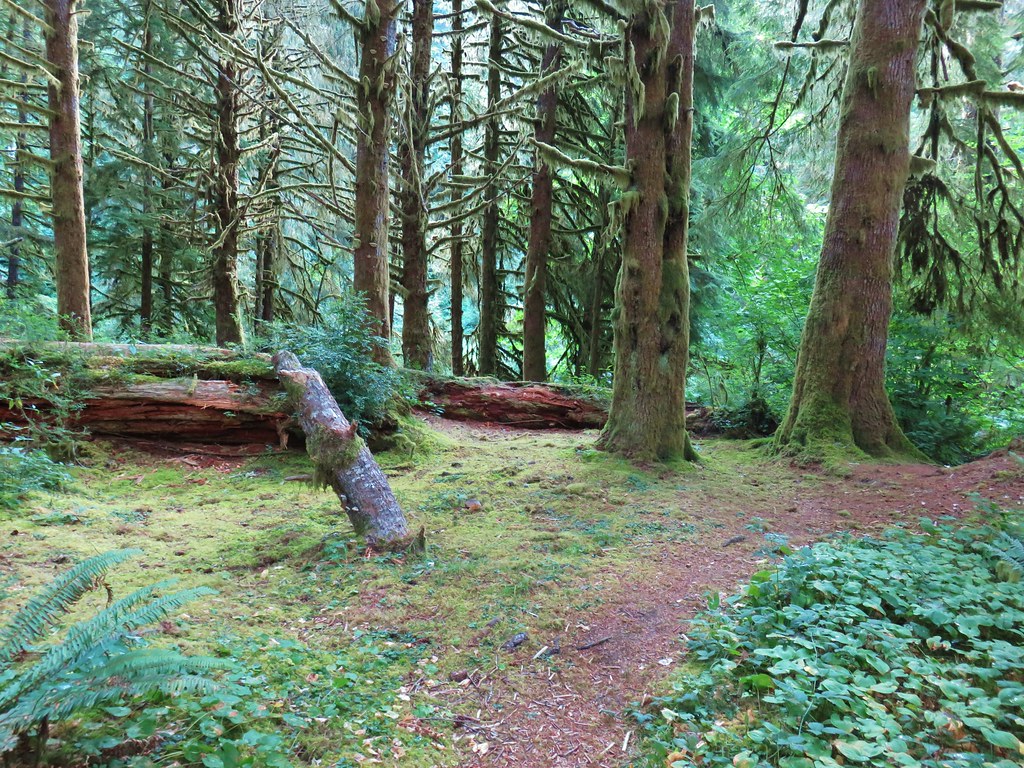
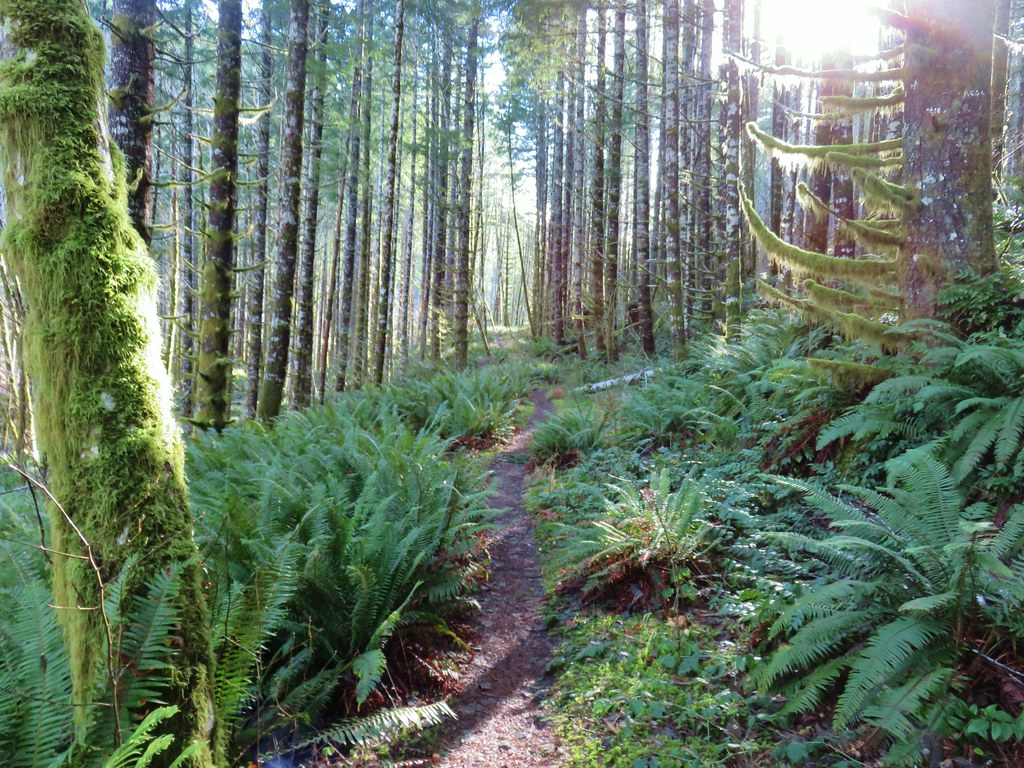
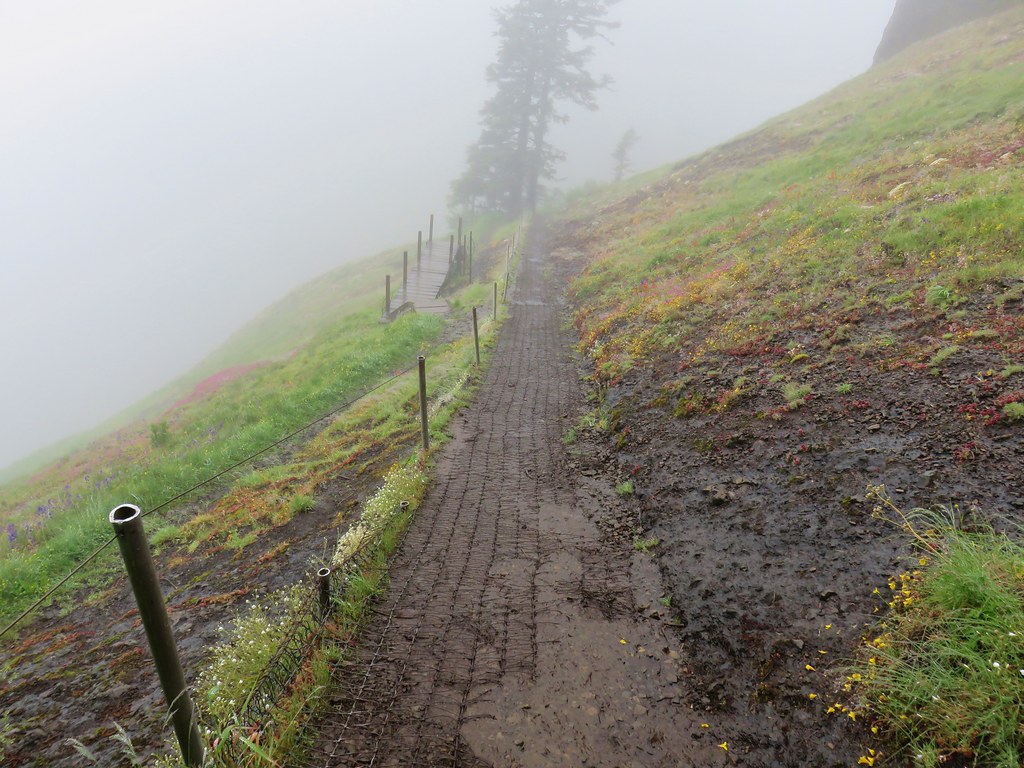
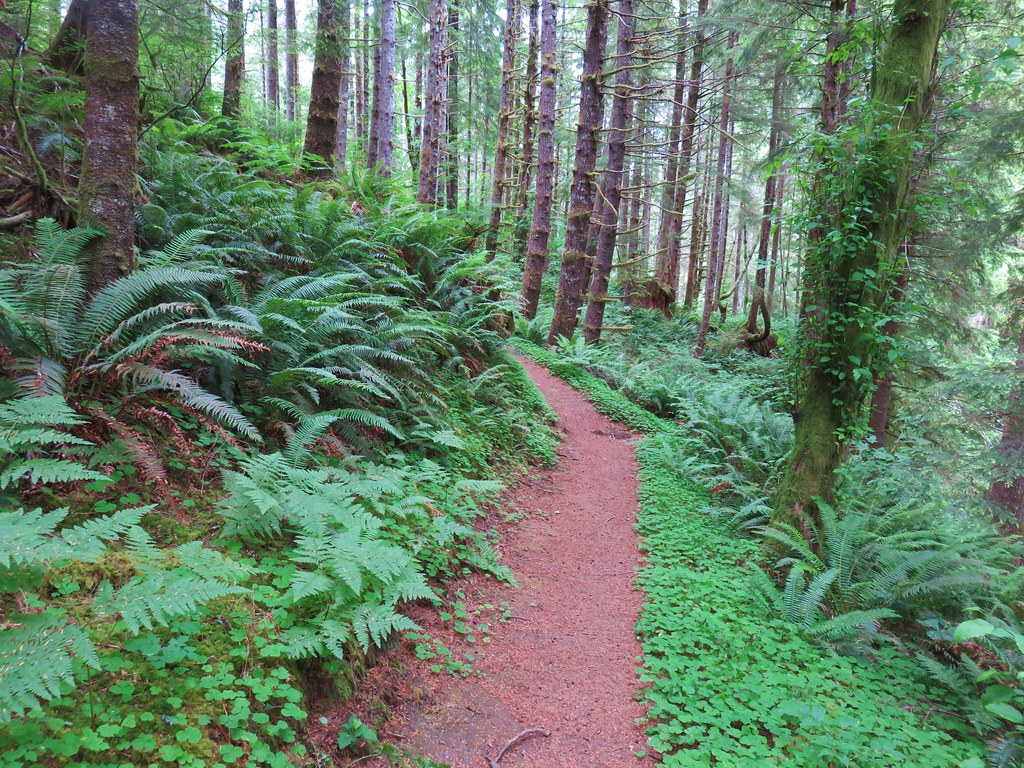
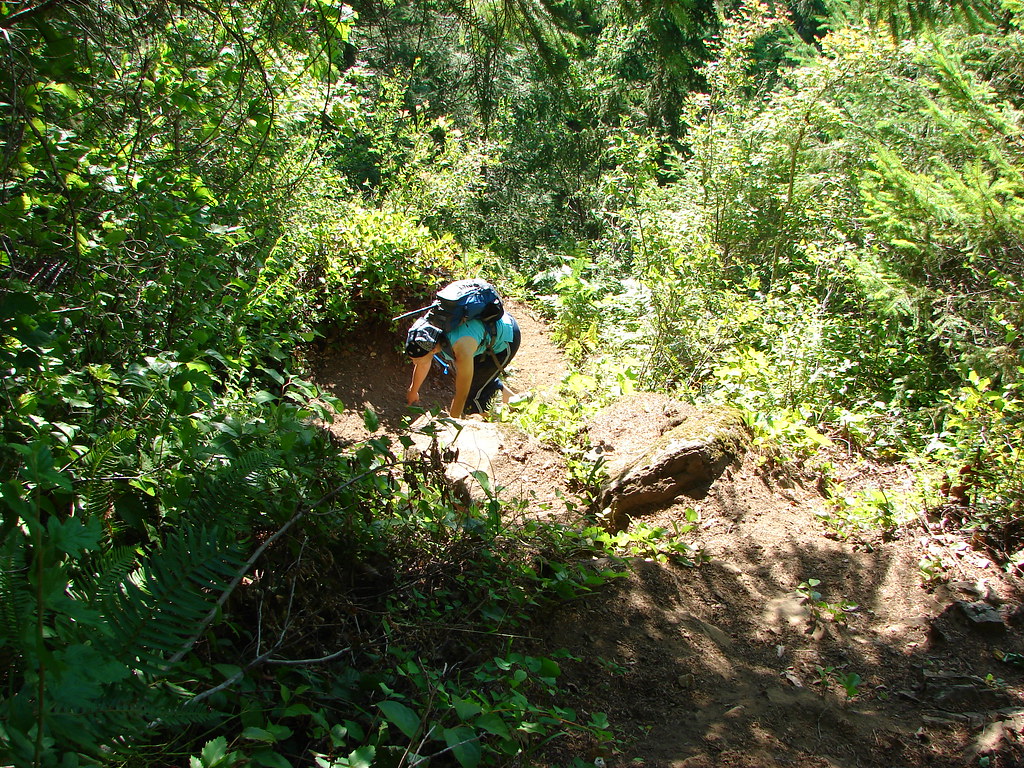
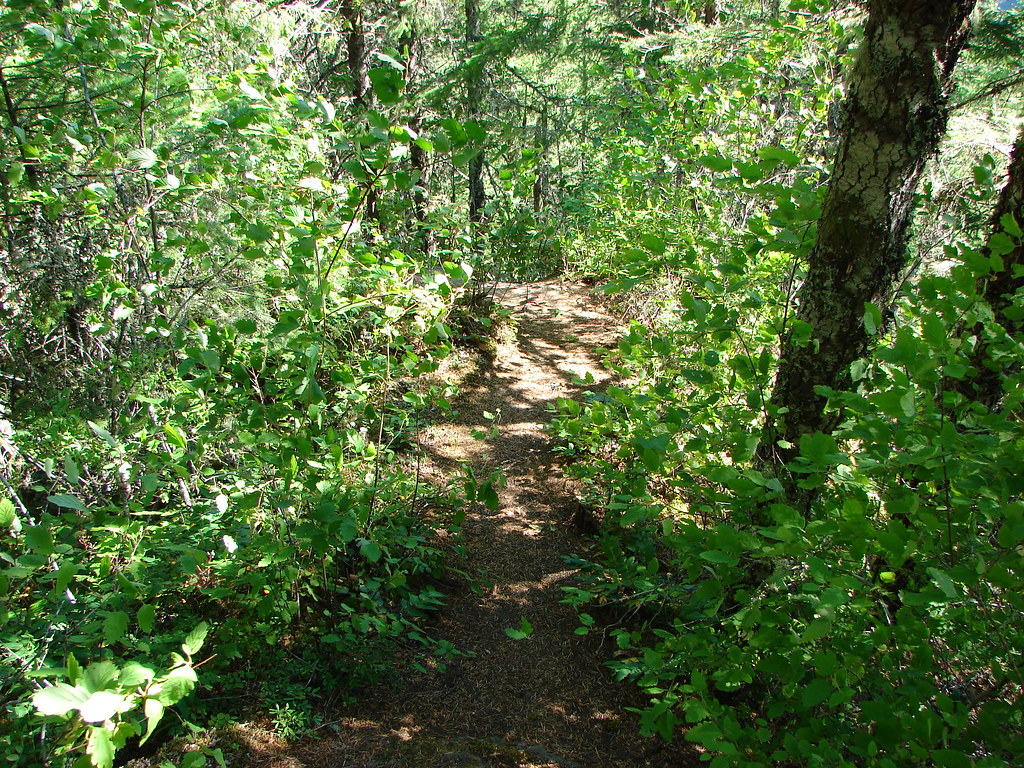
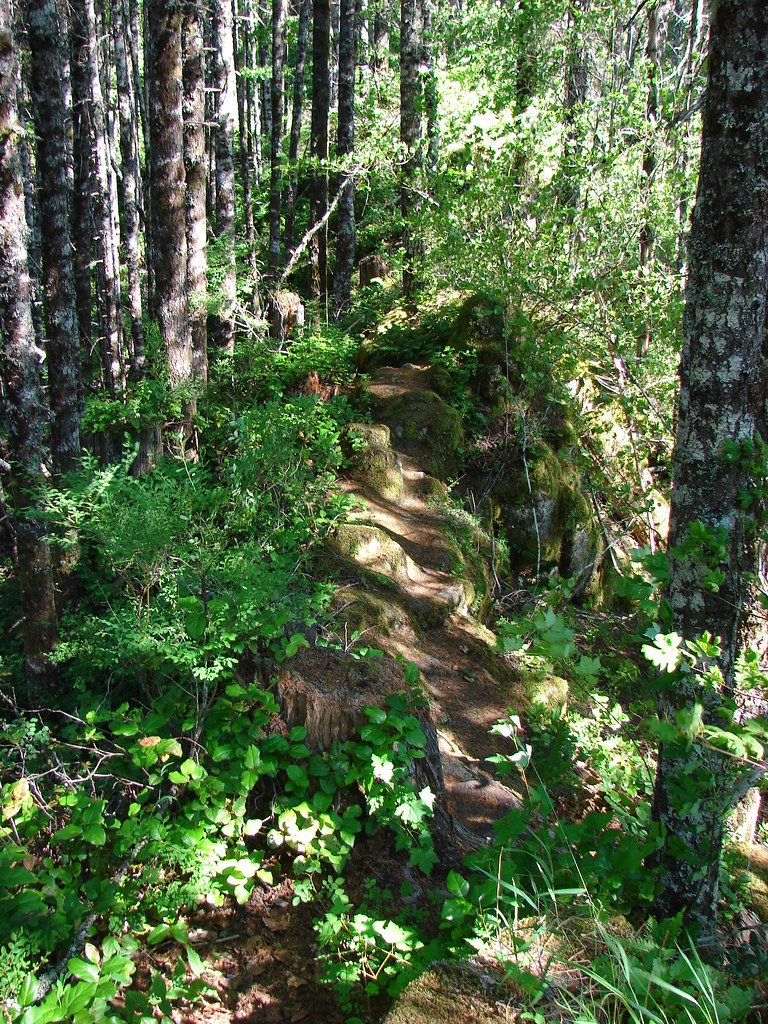
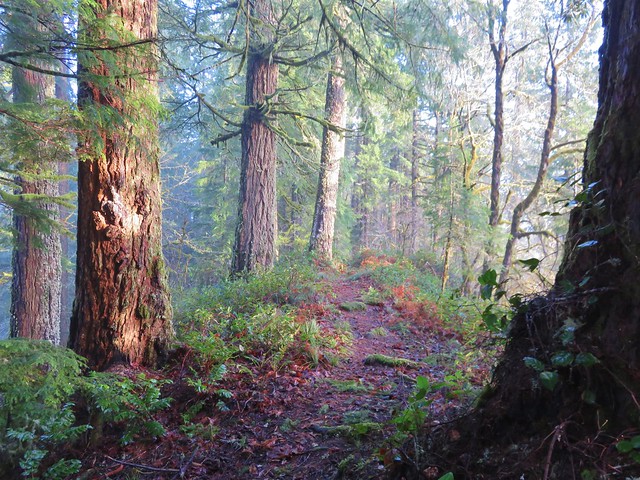
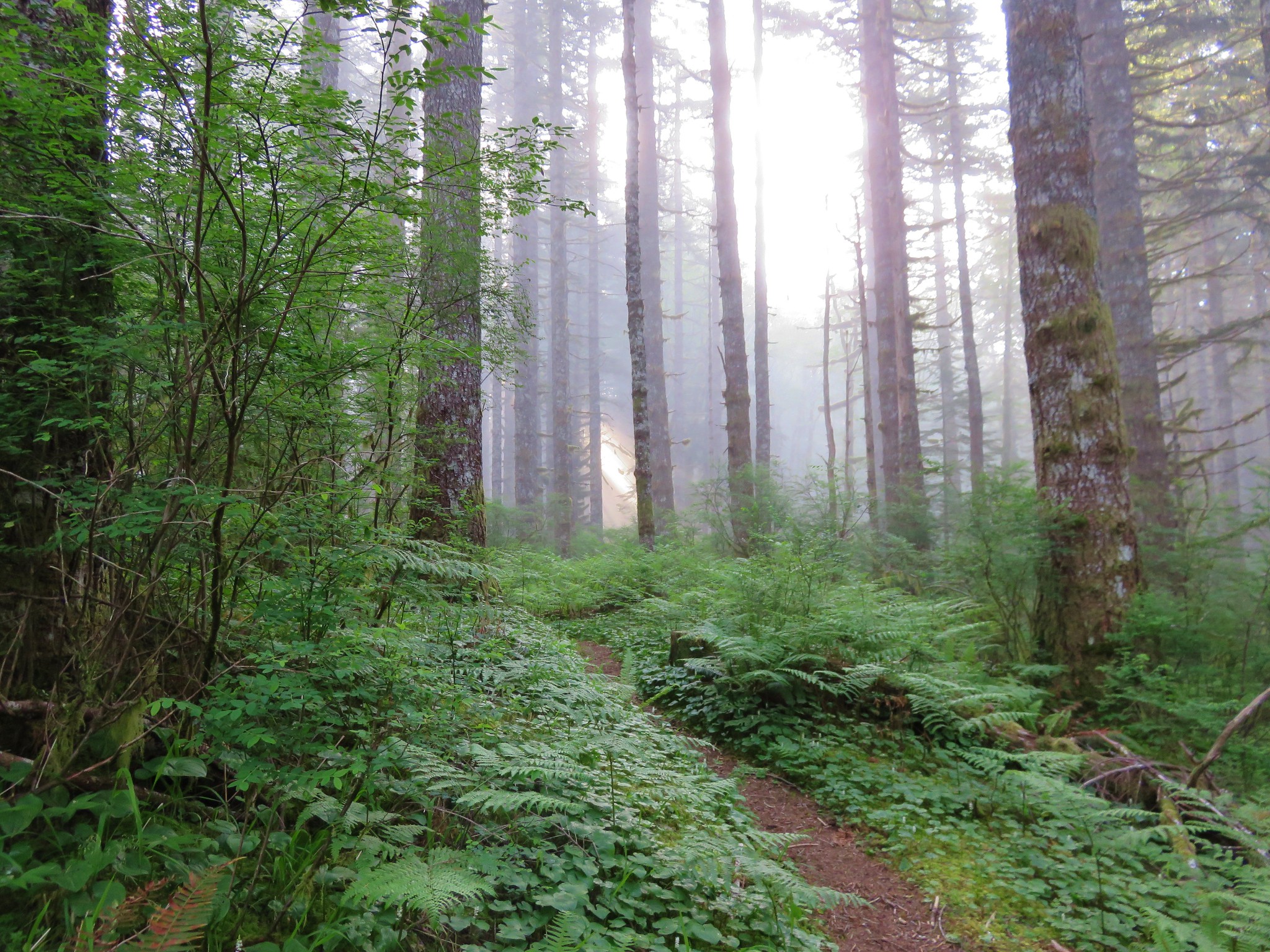
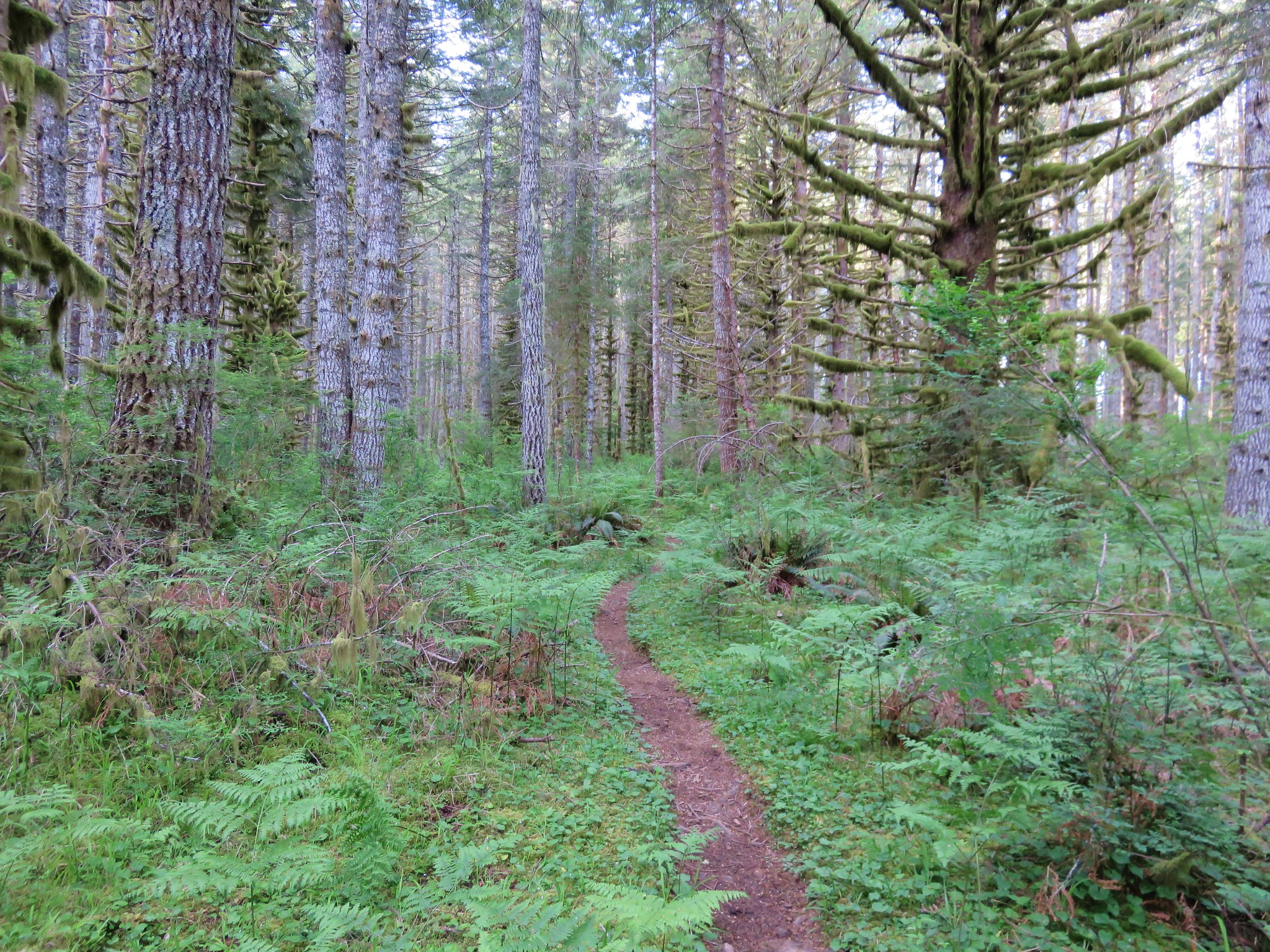
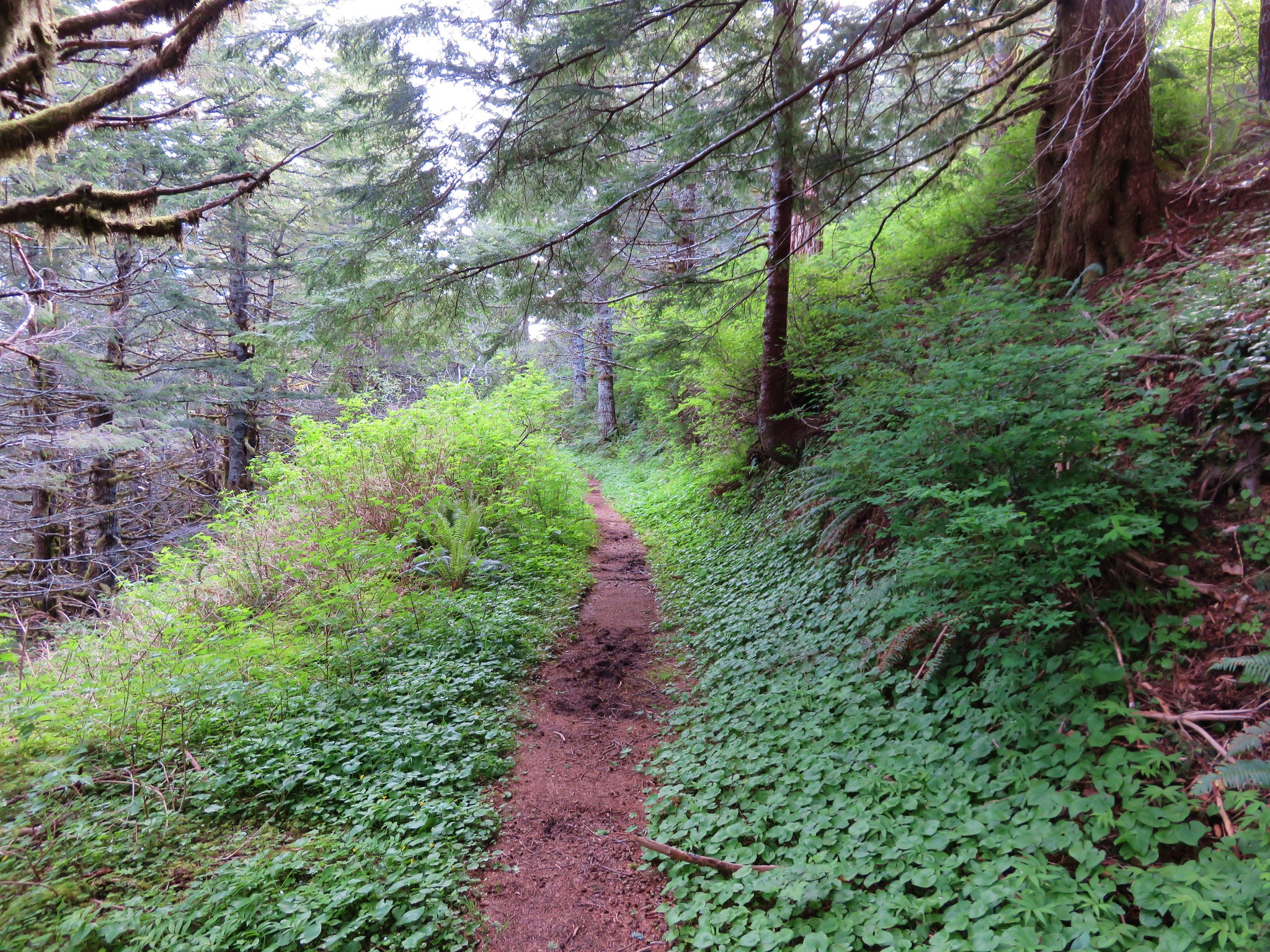
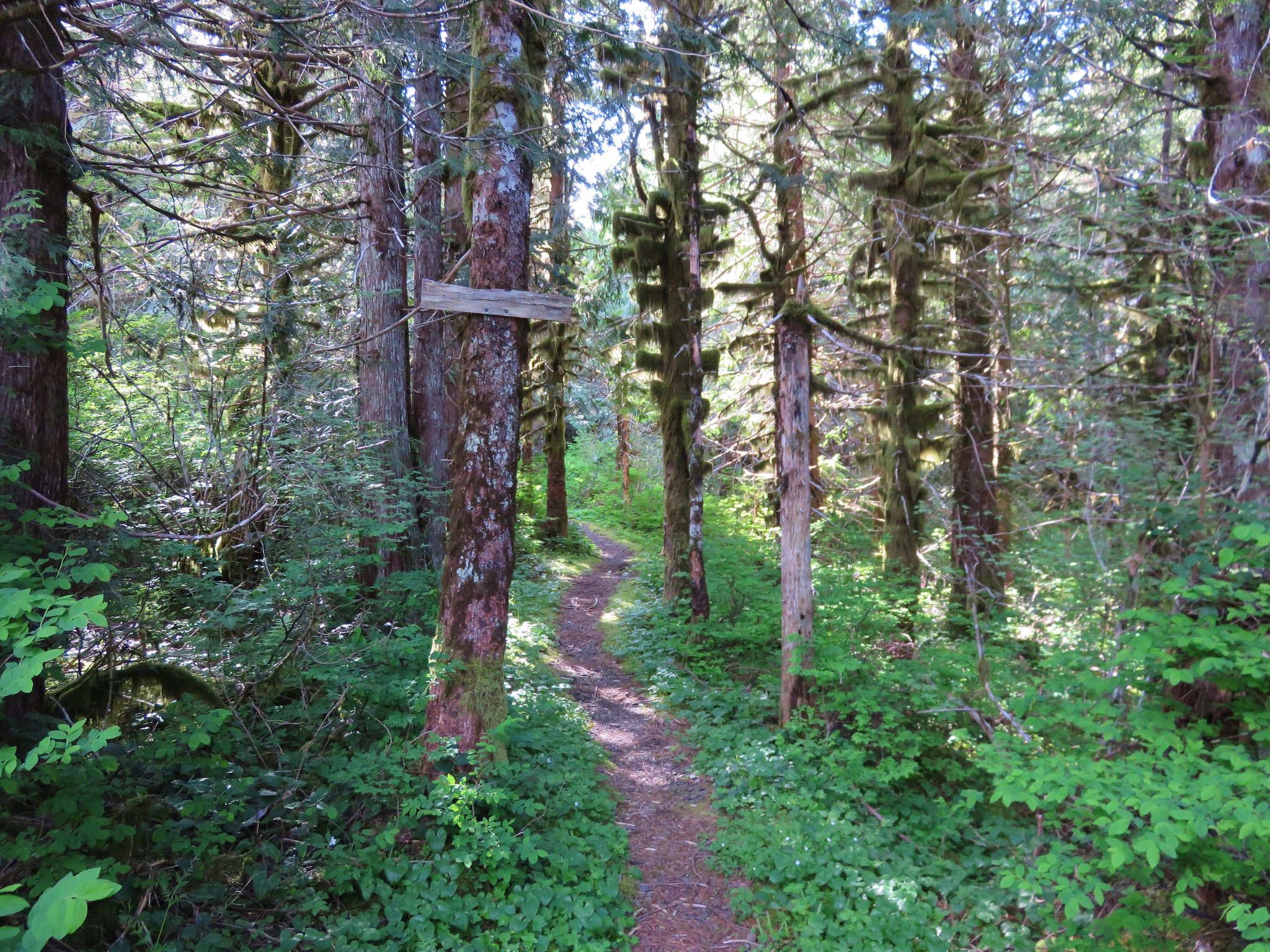
Once the trail entered the wilderness it began a steeper 2.3 mile descent along a ridge down to Drift Creek. The trail was in good shape with signs of some recent clearing of brush near the top and only one muddy section (which is saying soemthing for a trail near the coast).
IMG_5409

IMG_5413Fern clippings in the trail showing some trimming had been done.
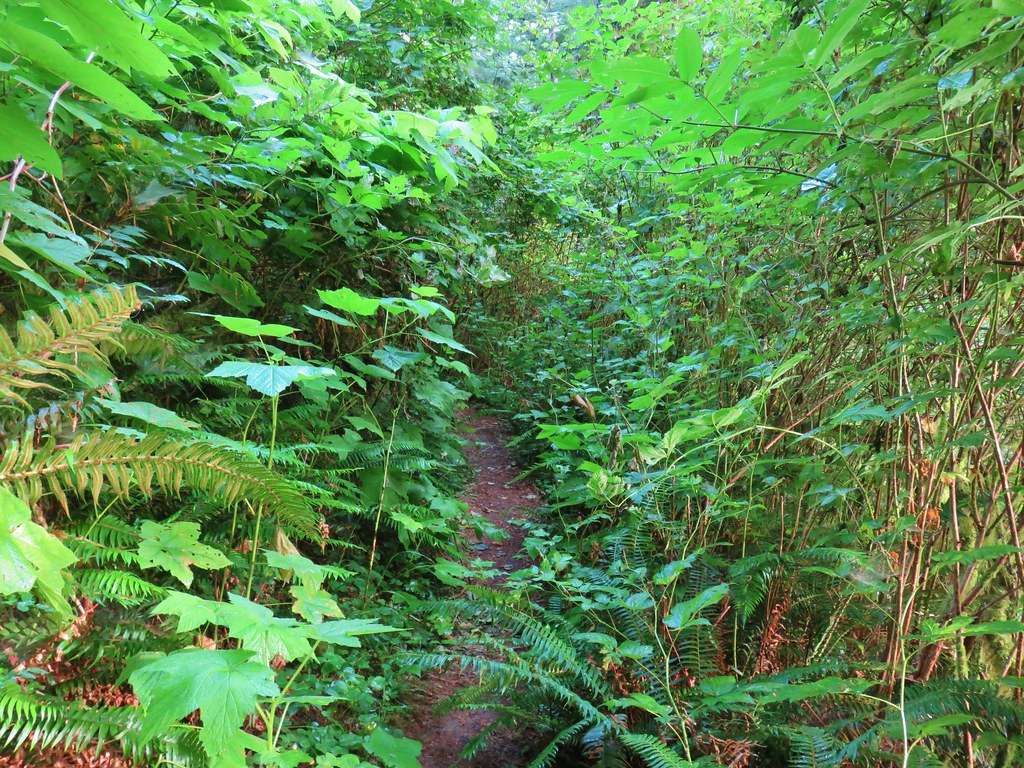
IMG_5419Whoever had done the brushing hadn’t made it down the whole trail.
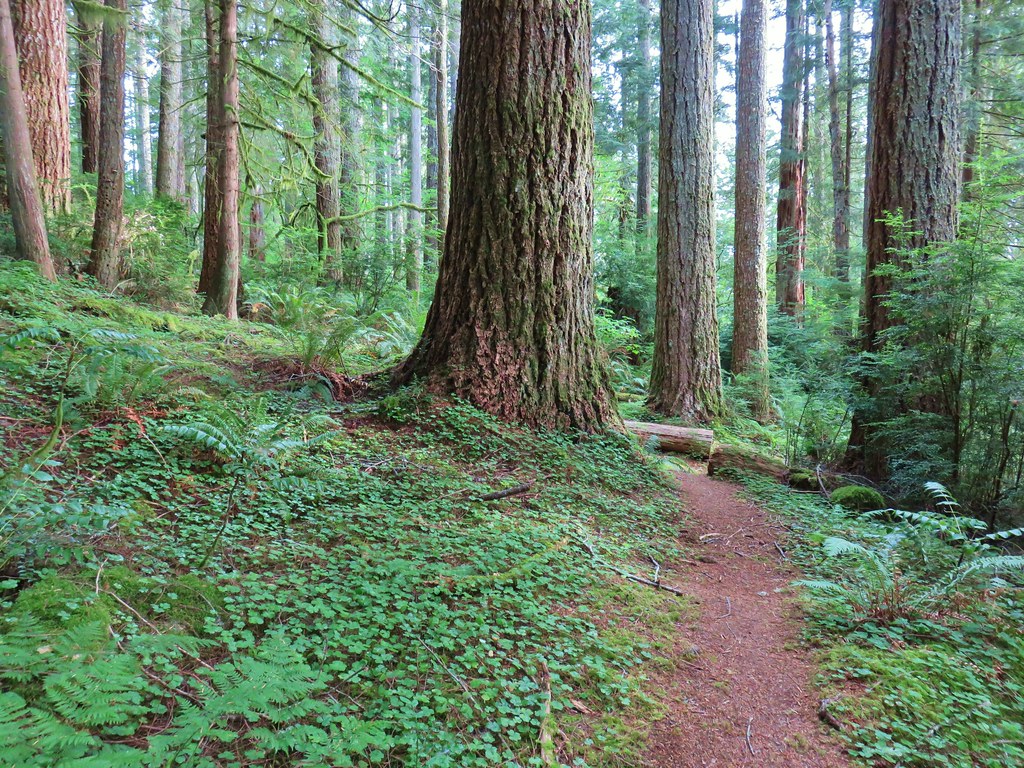
IMG_5426

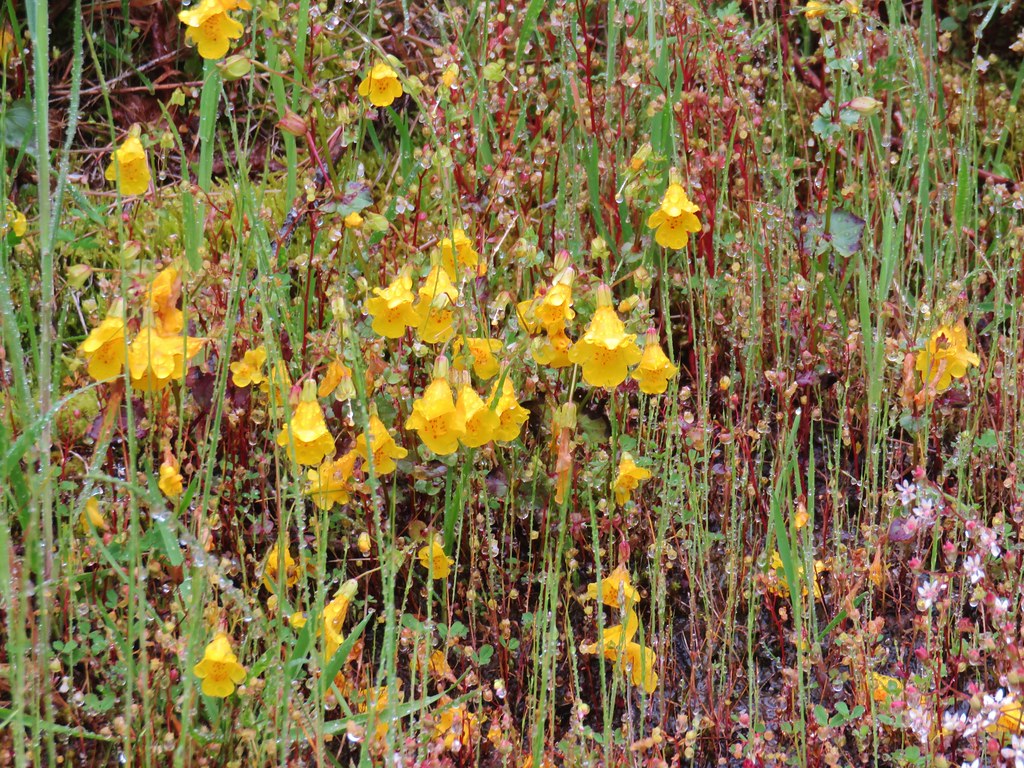
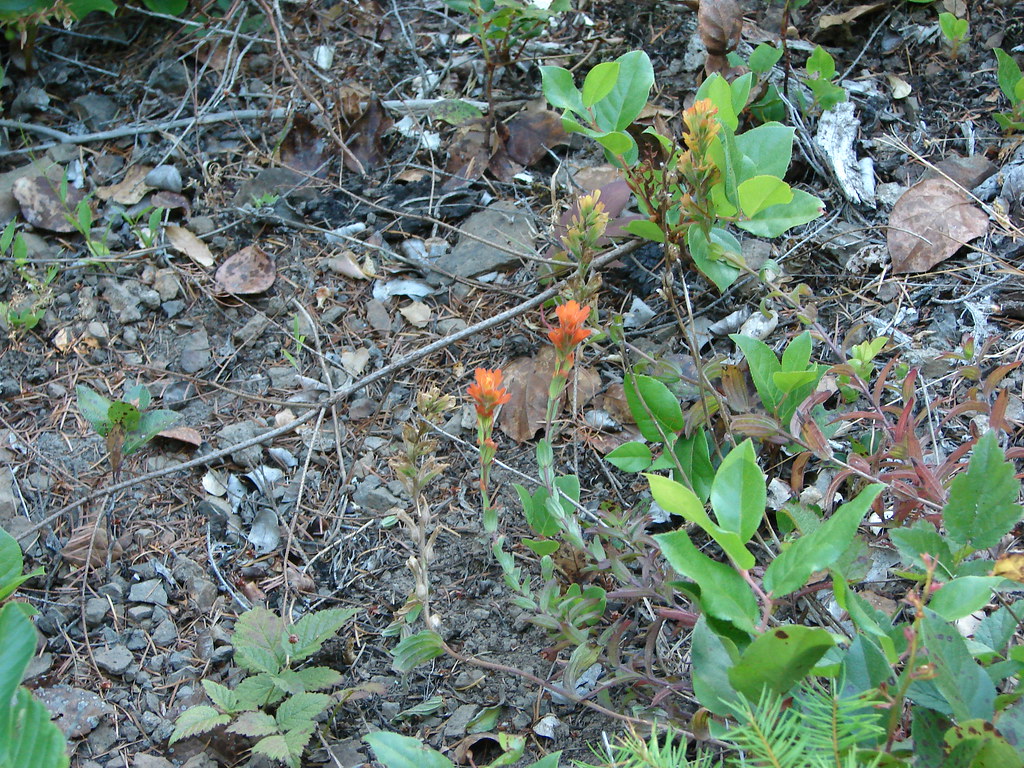
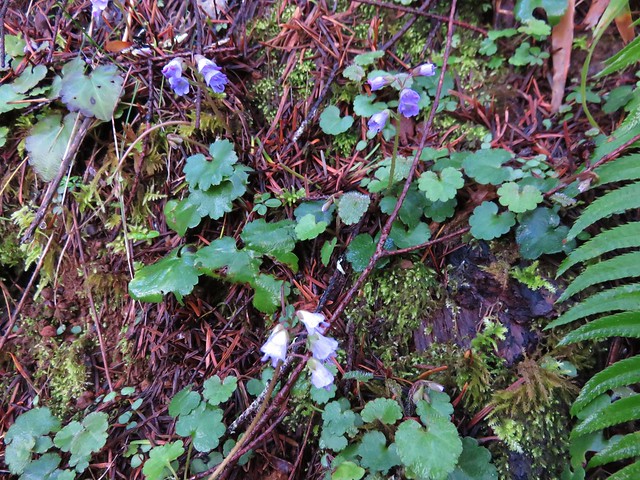
IMG_5433There were a few monkey flowers scattered about.
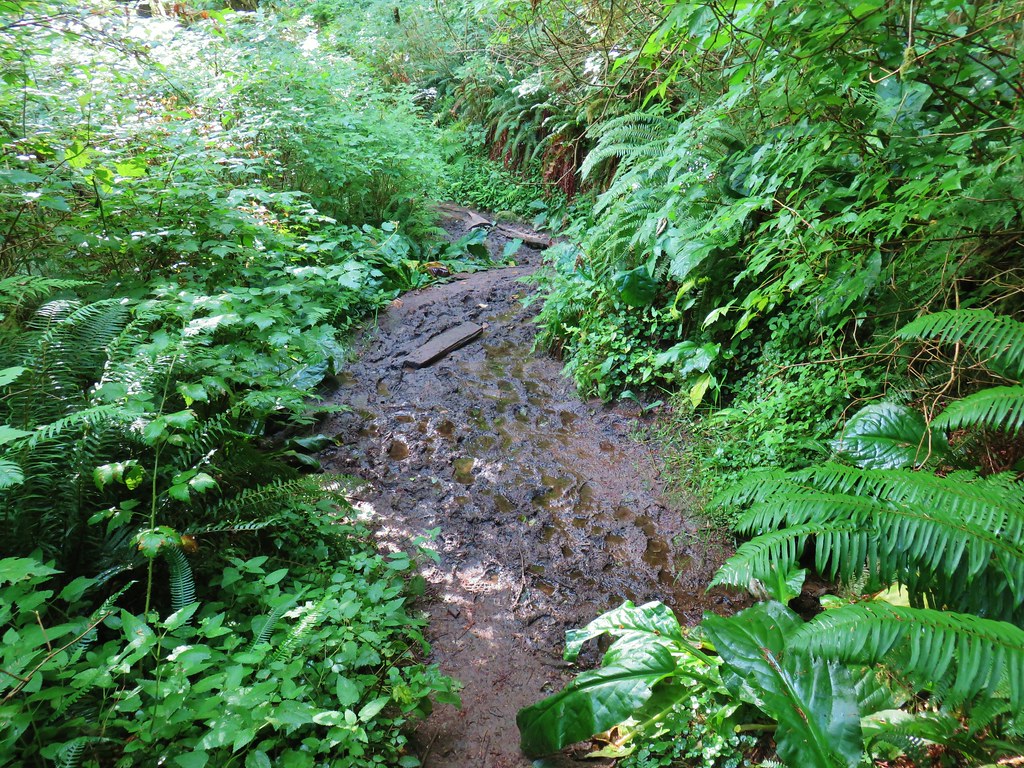
IMG_5445Obligatory coastal trail muddy section.

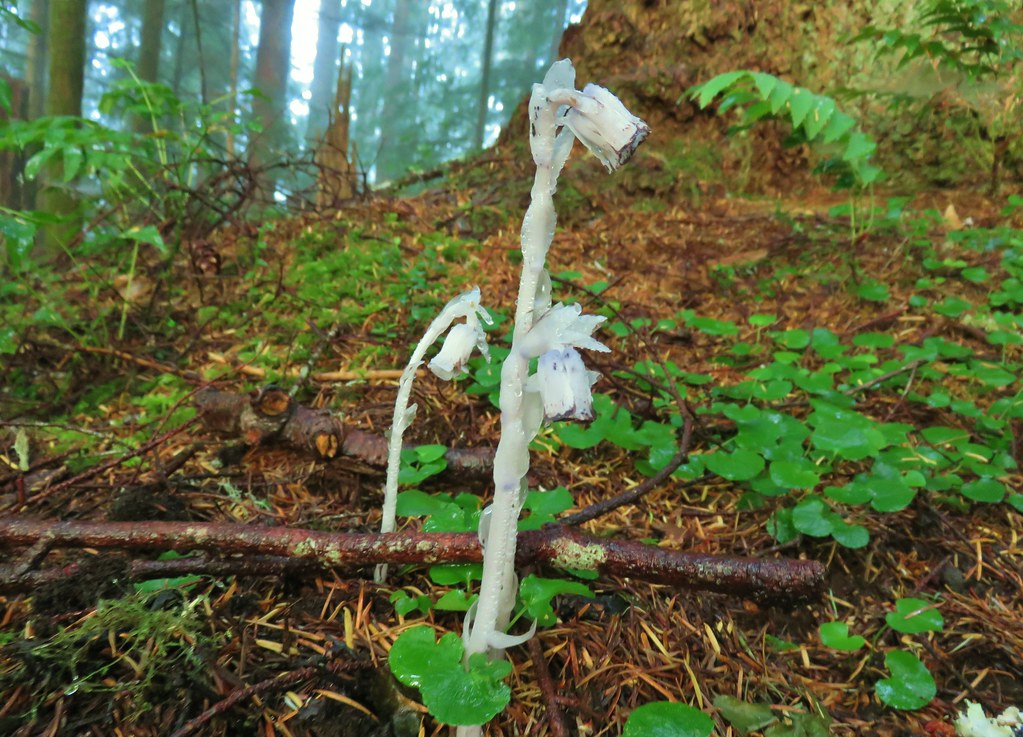
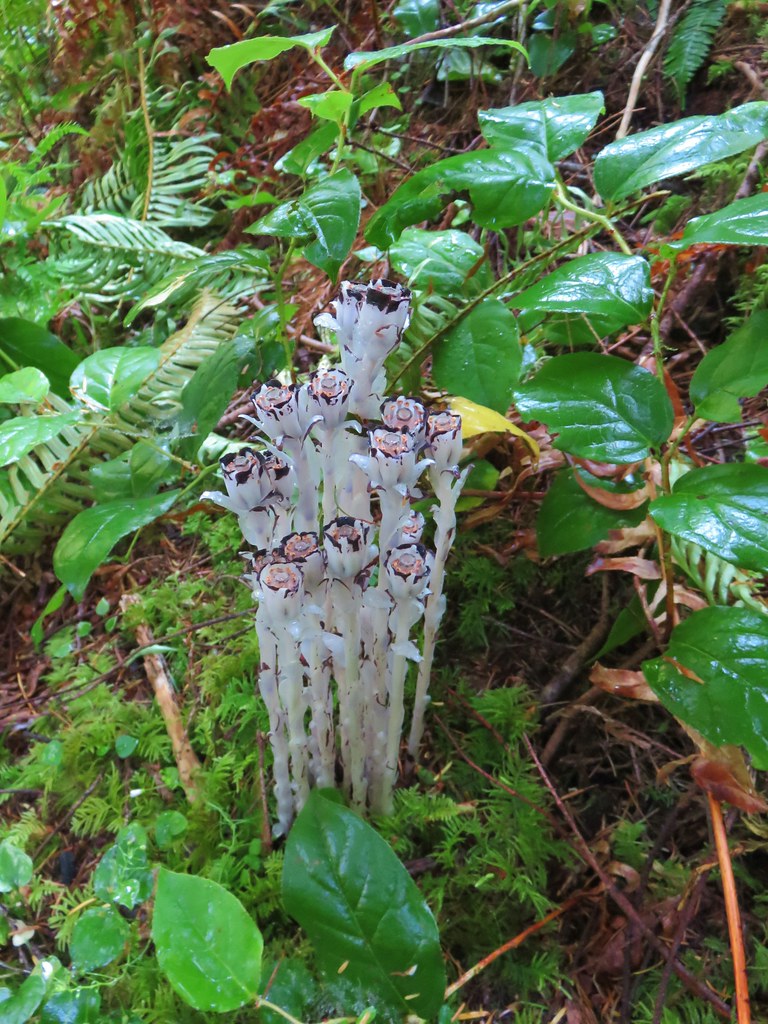
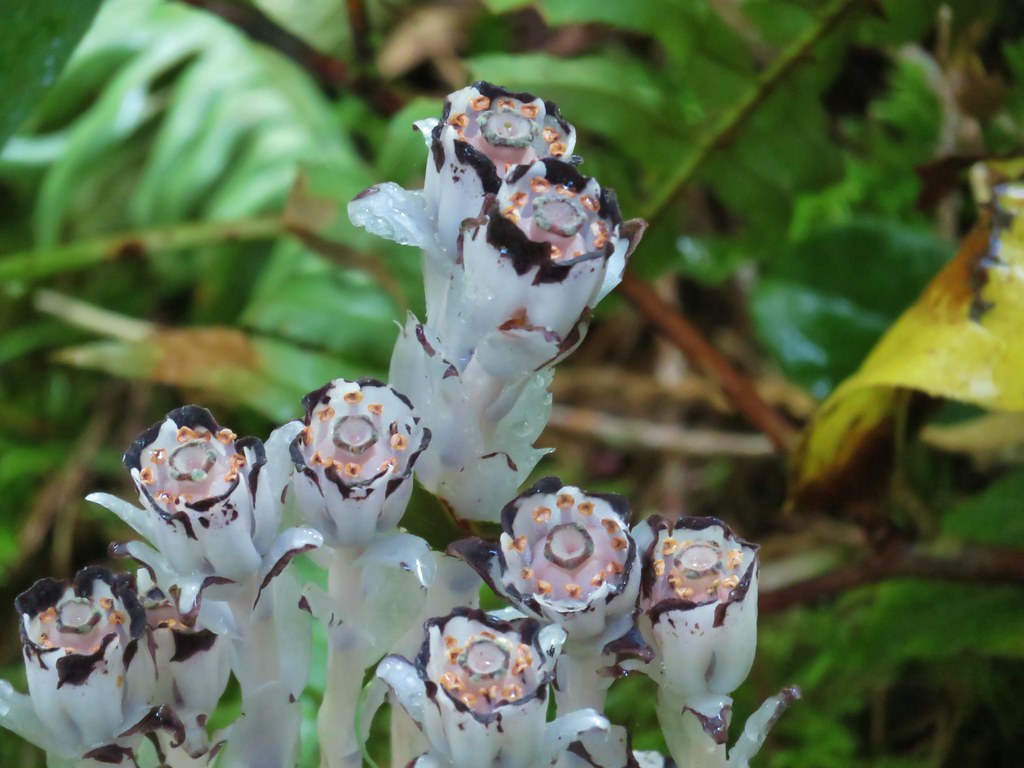
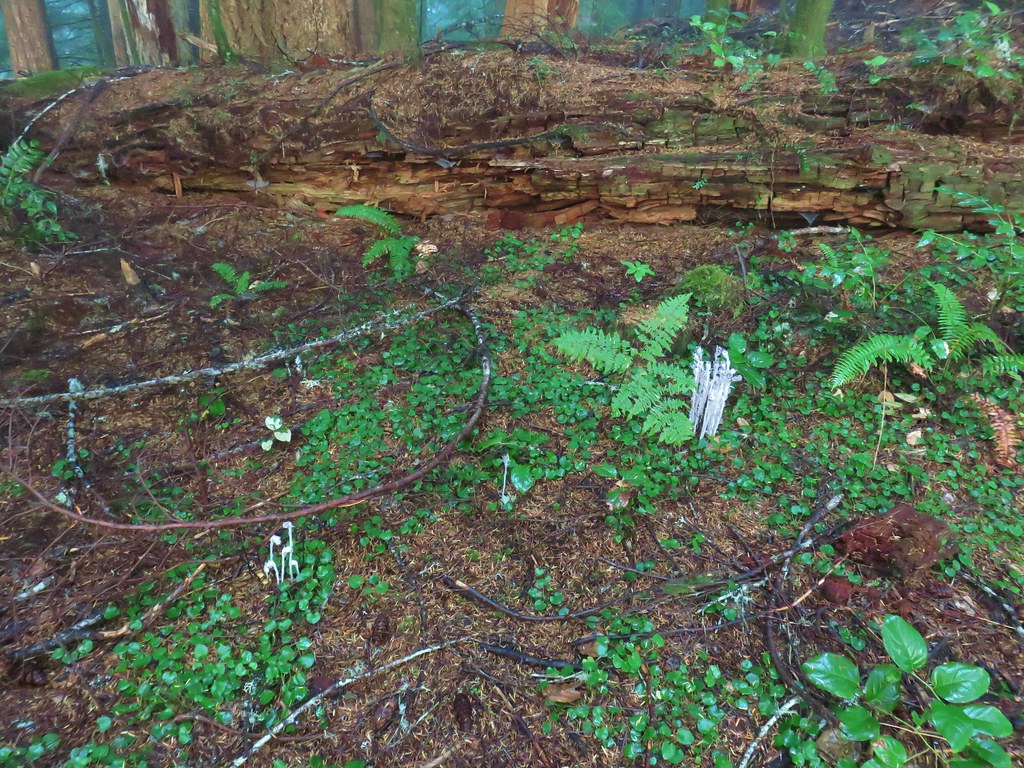
Several clumps of Monotropa uniflora aka Ghost Plant or Indian Pipe were present along the upper portion of the trail as well. We’d only seen this plant one or two other times so it was exciting to see so much of it.
IMG_5393

IMG_5397

IMG_5406

IMG_5537

IMG_5540

IMG_5551

Near Drift Creek the trail reaches the site of the pre-world war II homestead pasture of Harris Ranch. A few campsites now occupy the area.
IMG_5450

IMG_5453

IMG_5454

IMG_5455

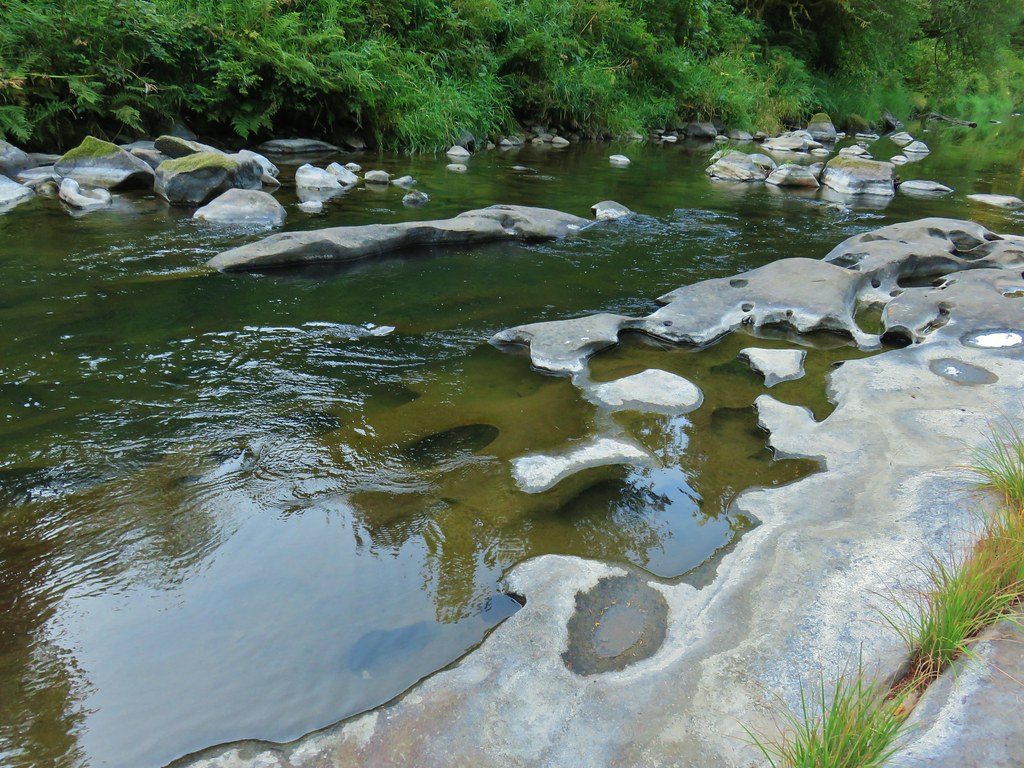
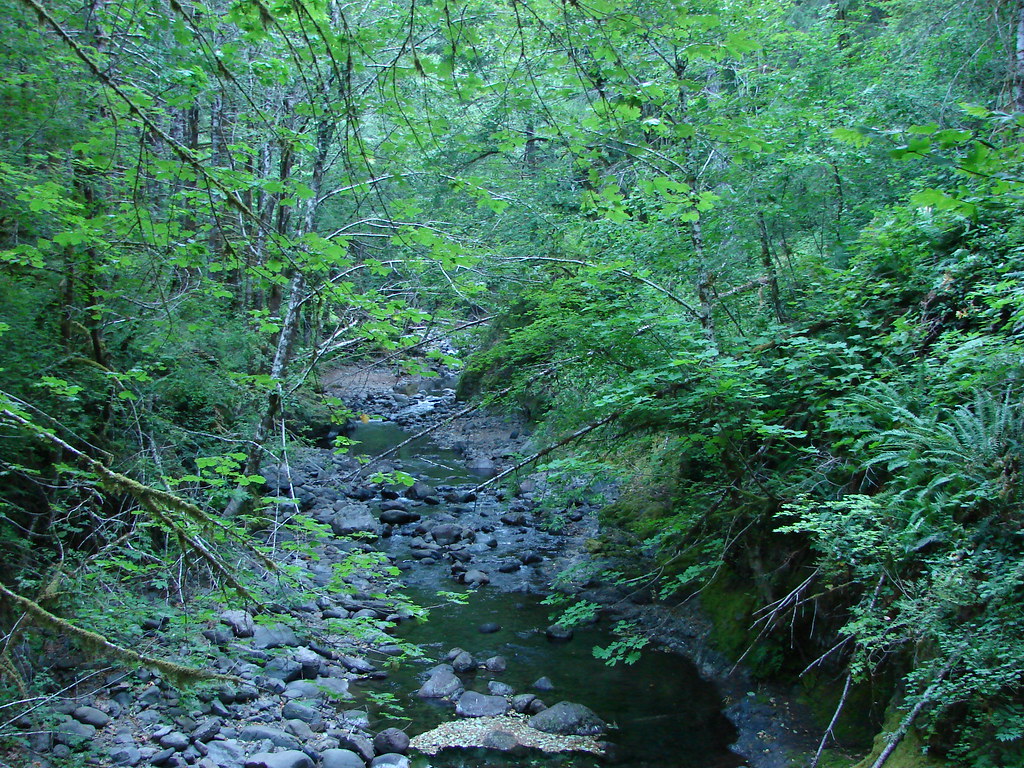
Drift Creek was much more inviting from this side. There wasn’t a steep embankment to descend and a shelf of exposed bedrock made exploring easy.
IMG_5459

IMG_5457

IMG_5463

IMG_5466

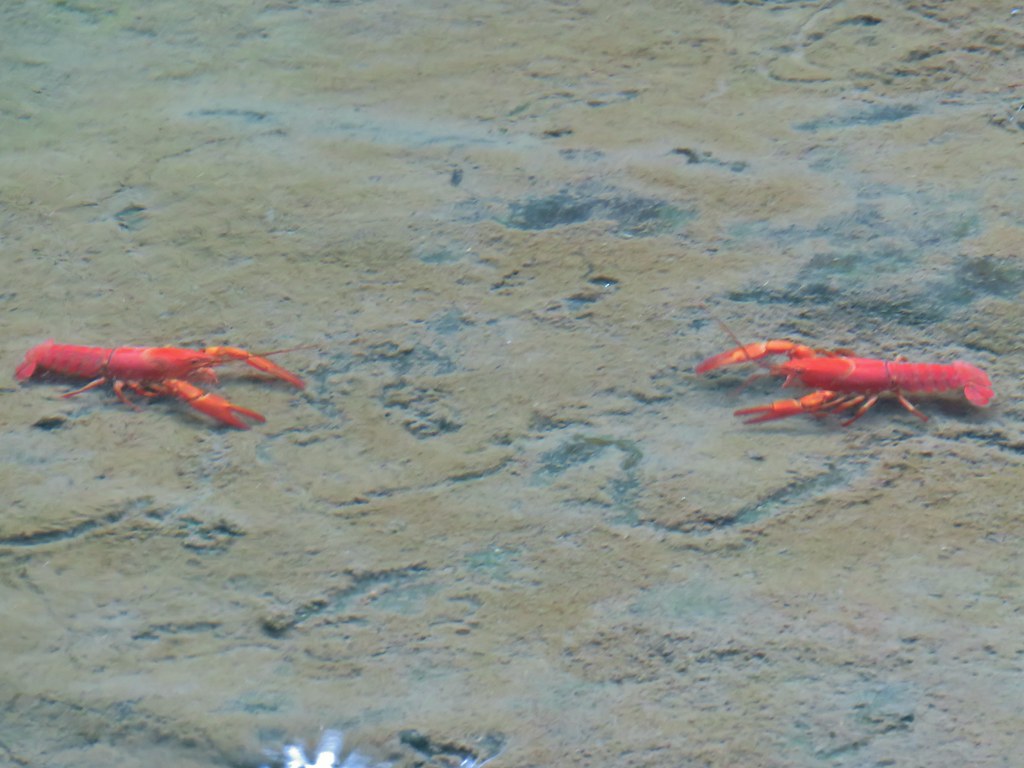
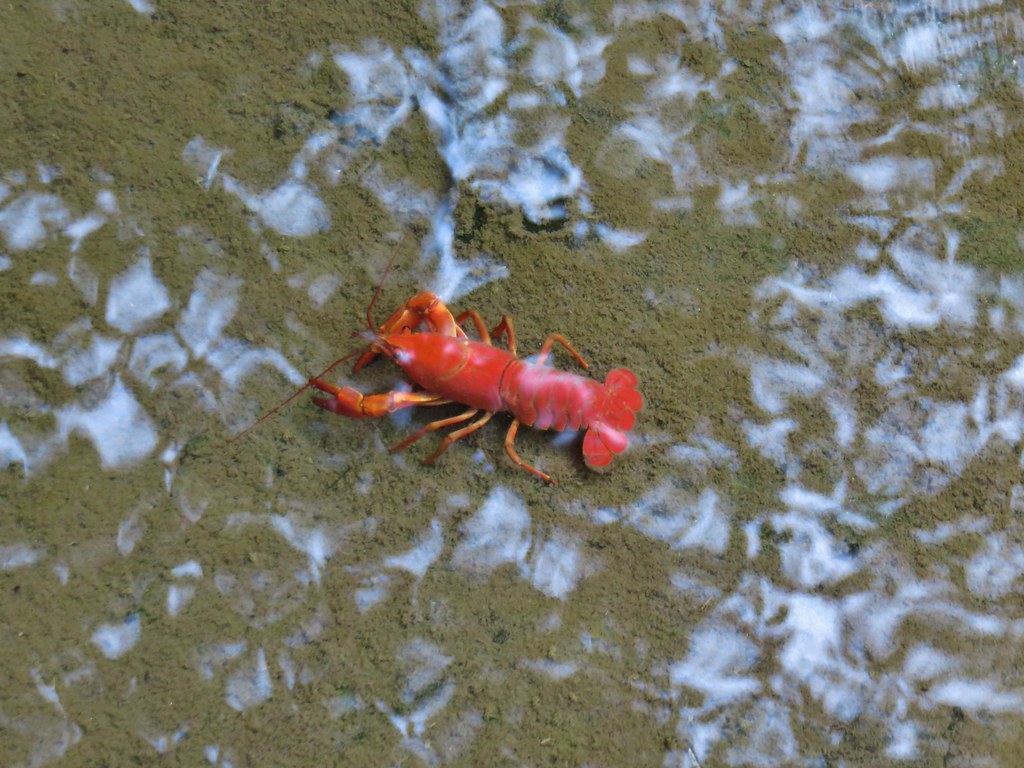
We watched several crawdads moving around in the water while we rested by the creek.
IMG_5472

IMG_5481>

IMG_5485

IMG_5487

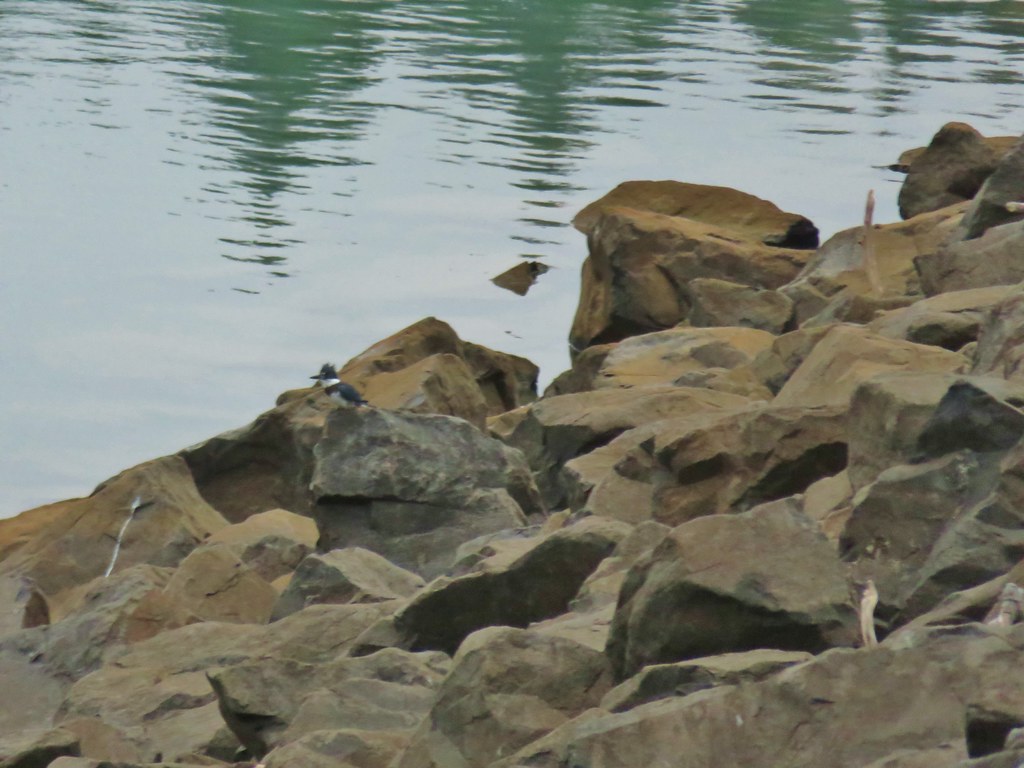
The crawdads we saw in the water were greatly outnumbered by the remains strewn about the rocks though. Something had been dinning on them, perhaps the kingfisher that flew past twice while we rested.
IMG_5494

By the time we headed back up the fog had burned off which added a little extra heat to the 1300′ muggy climb back to the trailhead.
IMG_5506

IMG_5516

IMG_5519

IMG_5512

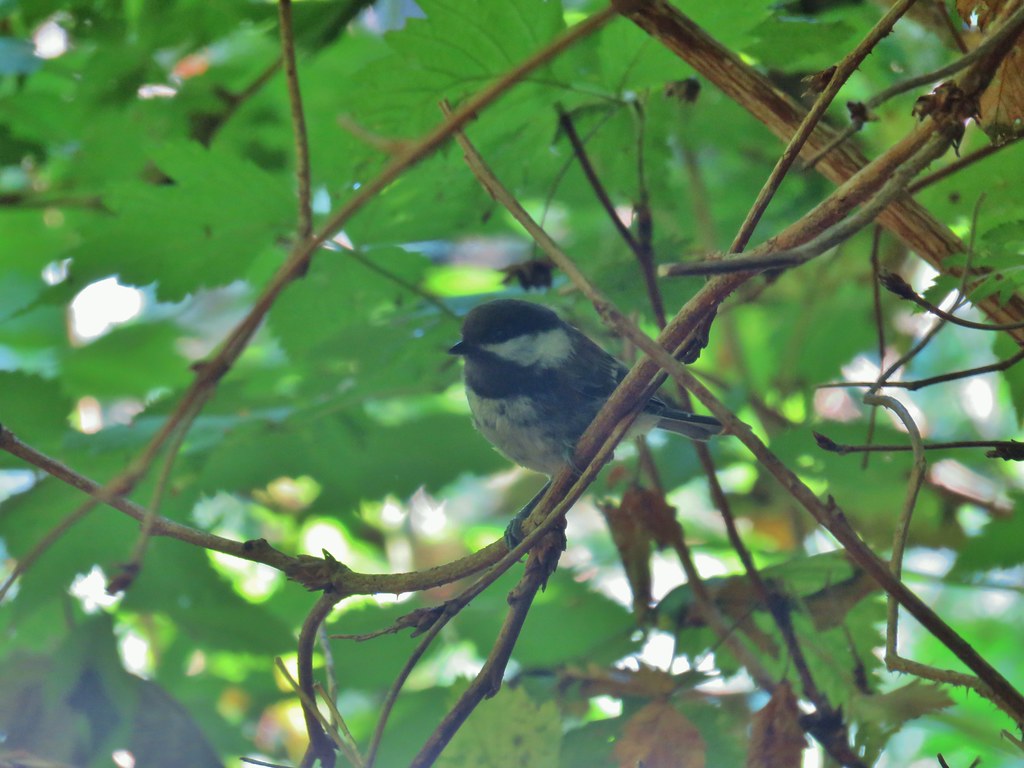
IMG_5526Chickadee

IMG_5544

IMG_5559Woodpecker

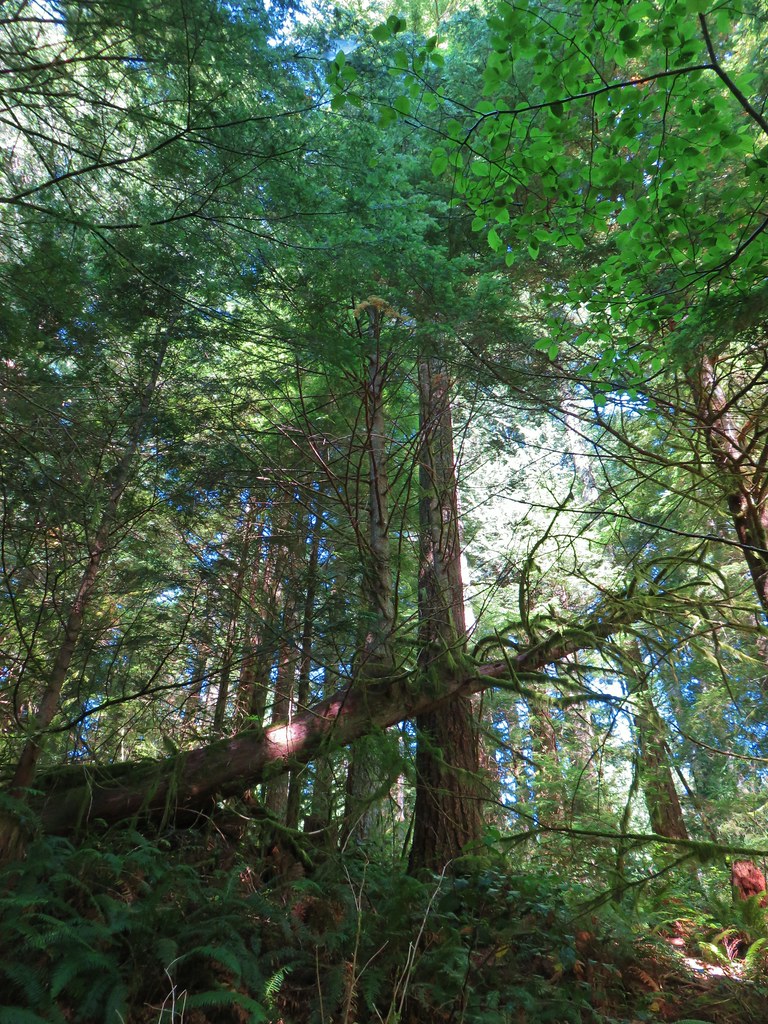
Approximately a tenth of a mile from the trailhead there was an interesting tree above the road. It appeared that the tree had begun to fall but its root system stayed in tact so a couple of the original trees branches began to grow as their own trees. At first we thought it was a nursery log, but the two vertical “trees” don’t seem to have their own root systems.
IMG_5580

IMG_5577

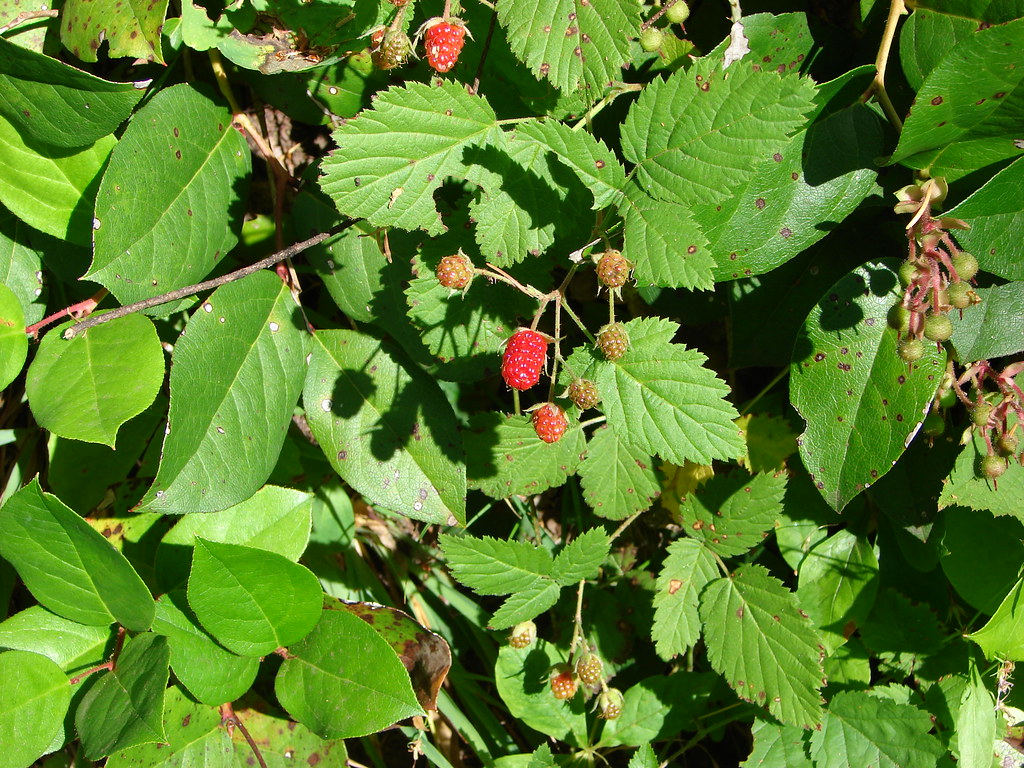
When we got back to the car we picked a handful of ripe thimbleberries to take to the reunion since they are one of my Dads favorites.
IMG_5380

With the creek exploration the hike was just over 6.5 miles and it had been much more enjoyable for us than our first visit now that we understood better what a special place the designated wilderness areas are. Happy Trails!

Flickr: Harris Ranch Trail

Categories
Coastal Range Hiking Oregon Trip report

Gales Creek Trail

A day off of work for New Years and a clear weather forecast = our first hike of 2019. Our trail of choice was the Gales Creek Trail in the Tillamook State Forest. We began our hike at the Gales Creek Trailhead, the same trailhead that we used in 2015 for a hike to nearby University Falls (post).

We began this hike as we had on our previous visit by following the Gales Creek Trail west from the parking area.
IMG_5410

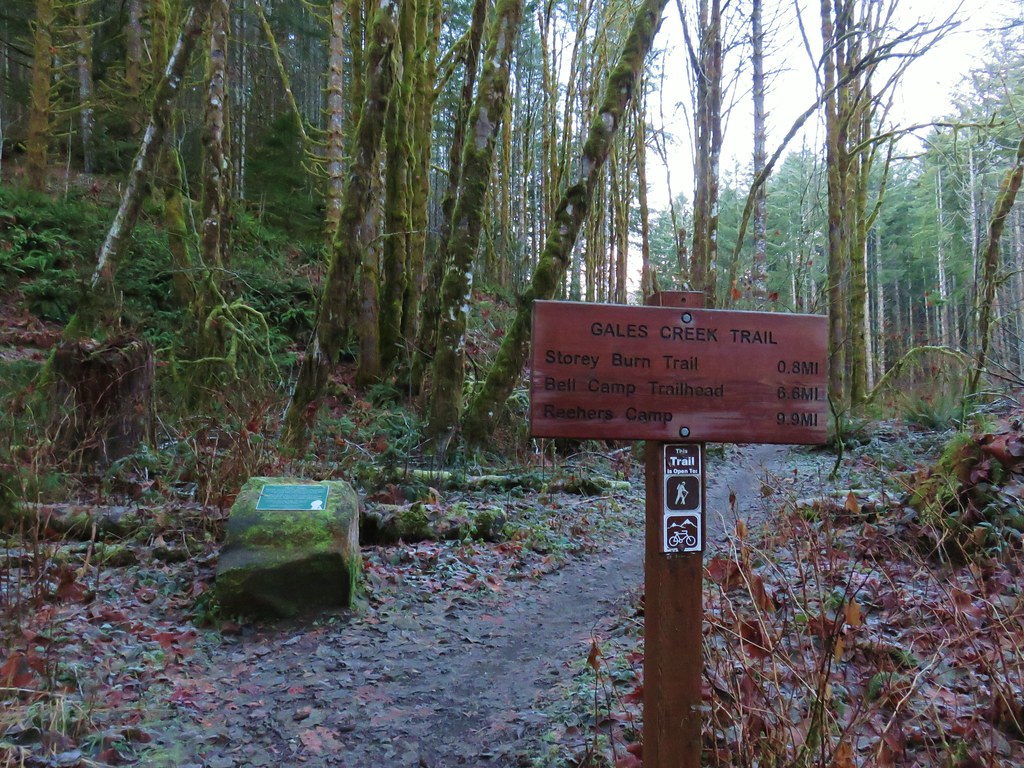
The first .8 miles to the Storey Burn Trail was a repeat of 2015 as we crossed Low Divide Creek on a footbridge and arrived at the trail junction.
IMG_5415

IMG_5417

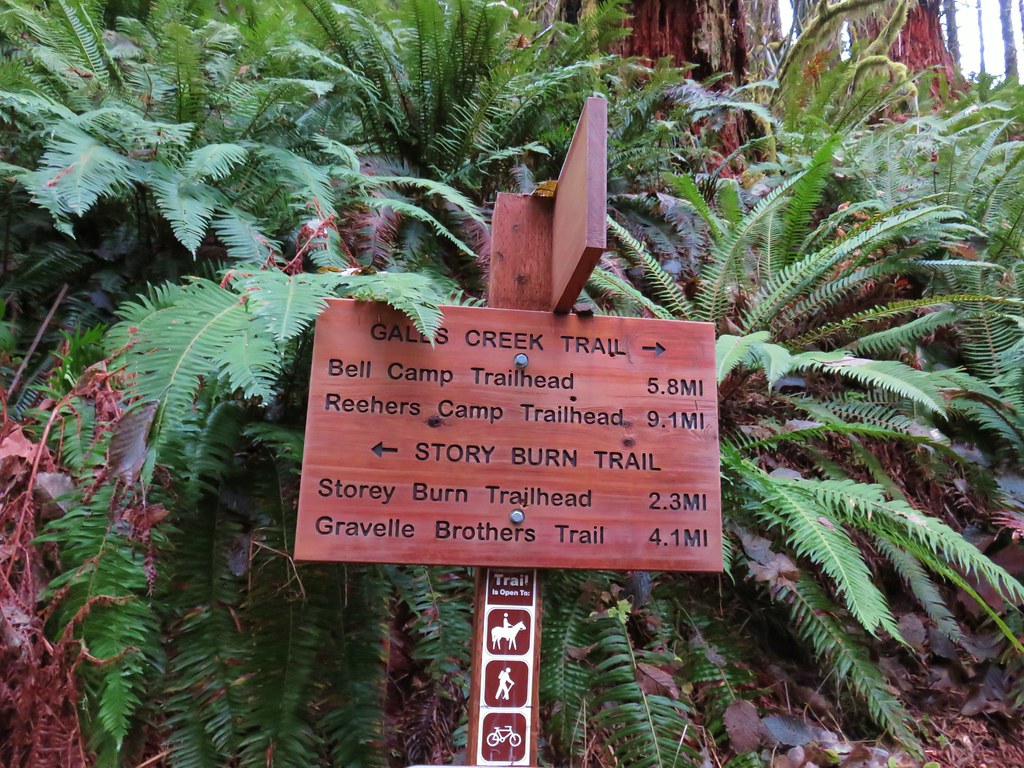
Unlike last time when we turned left onto the Storey Burn Trail this time we turned right sticking to the Gales Creek Trail which paralleled Gales Creek.
IMG_5421

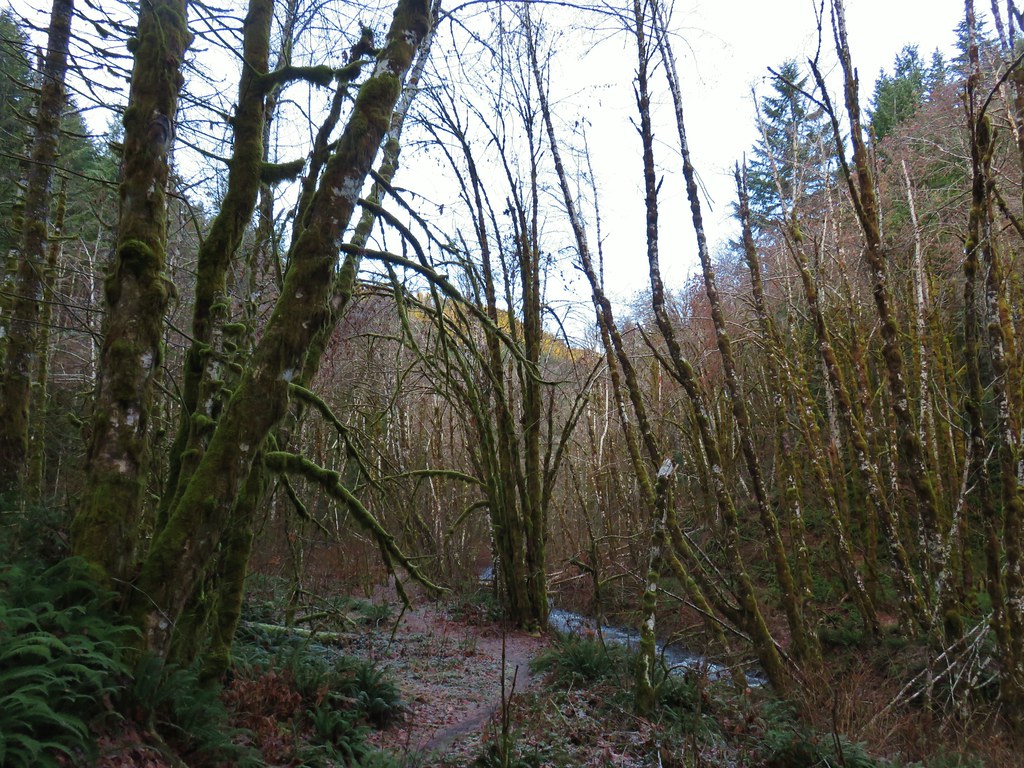
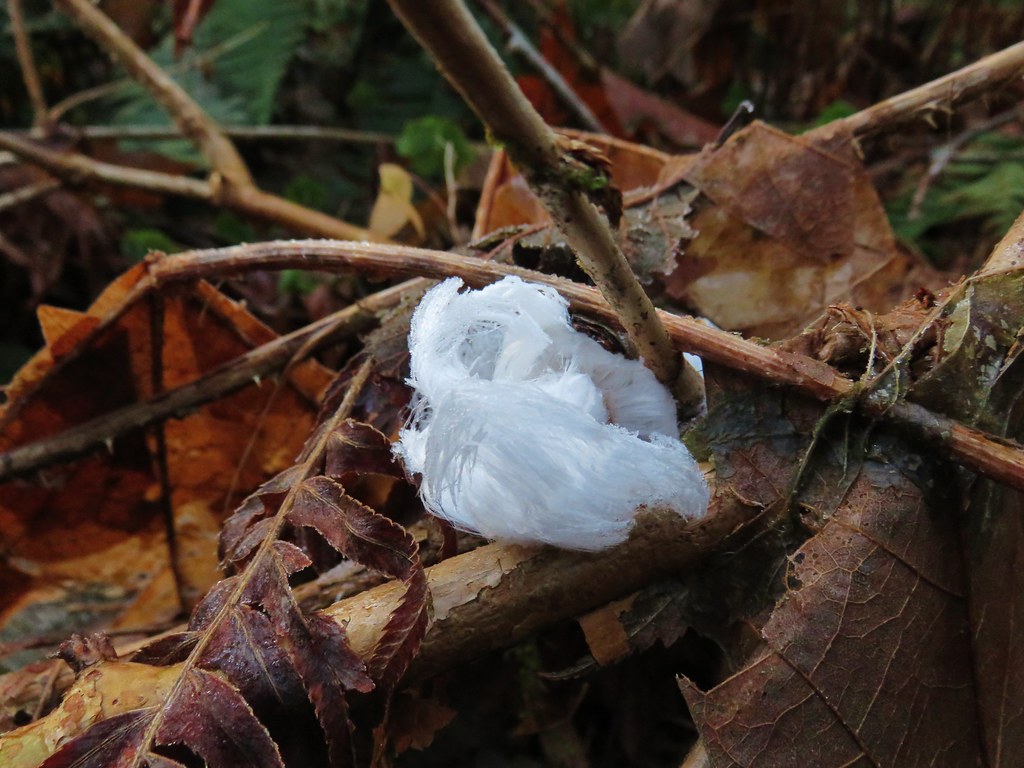
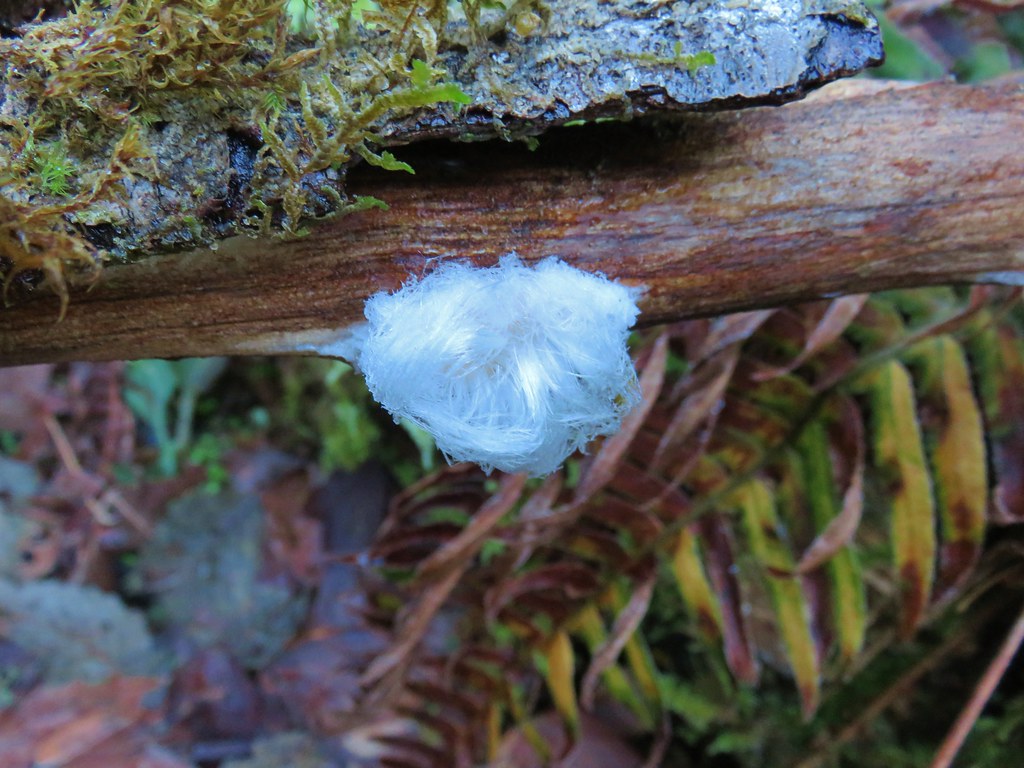
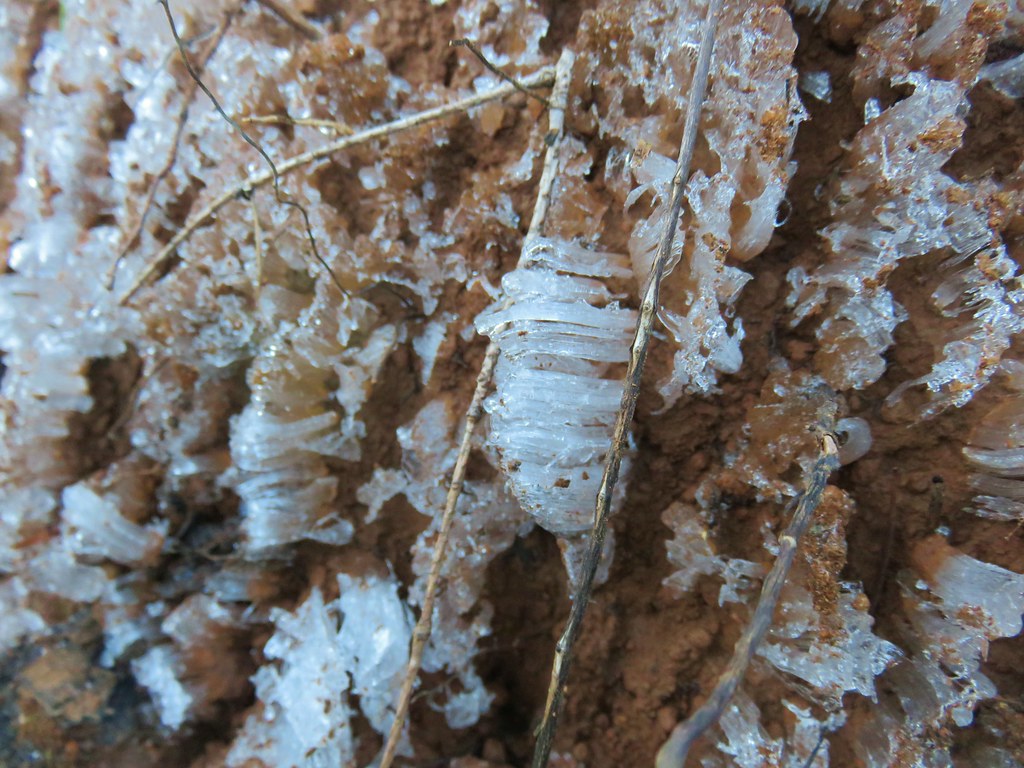
It was a chilly morning, about 28 degrees, and there was a fair amount of frost on the ground and plants. In addition to the typical frost we see on a chilly morning, we had been noticing white clumps here and there. The clumps looked like they could be garbage at first glance but it wasn’t. Other thoughts were fur but we couldn’t think of any animals in the area with white fur or something from a tree but it wasn’t the right time of year for things like cottonwood. Our next guess was a little closer with a fungus but upon closer inspection we determined it was some sort of fine ice/frost.
IMG_5423

IMG_5452

It was very interesting. The scarcity of the clumps told us that there must be some set of conditions to create these frost clumps and spent much of the hike marveling at the designs. Thanks to the help of some fellow hikers over at Oregonhikers.org we later learned that this type of frost is the result of a fungus inside certain rotting wood that leaves water and carbon dioxide behind as the wood decays. The CO2 forces the water out of the wood through tiny holes and when the temperature is just a bit below freezing creates the frost “hairs” . Here is a post describing the phenomena in more detail and a article on BBC – Earth with a time lapse video of the frost forming.

The Gales Creek Trail stuck fairly close to the creek, sometimes rising a bit above it as it passed through the forest and crossed several streams that would likely have been dry in the summer months.
IMG_5425

IMG_5427

IMG_5432

IMG_5433

A mile and a half from the Storey Burn Trail junction we did come to a dry creek bed, but a flash of water back in the trees looked like it might be a decent waterfall. The terrain looked like it might make for a reasonable off-trail jaunt and the fact that there was no water down at the trail but there was some further up made us curious so we decided to head uphill. After about a quarter mile climb over and around downed trees we found ourselves looking at a nice 20′ or so waterfall. The terrain narrowed enough that we couldn’t get right up to the falls but it was still a nice view (although not the best lighting for photos).
IMG_5437

IMG_5448

IMG_5450The route we came up.

After admiring the falls we returned to the trail and continued west toward the Bell Camp Trailhead.
IMG_5453A short section of railroad grade.

More creek crossings followed, some trickier than others, but we managed to keep our feet fairly dry using rocks or logs.
IMG_5454

A total of 2.25 miles from the junction we arrived at stand of alders as the site of good sized slide that occurred in 2007.
IMG_5457

IMG_5459

IMG_5461

Just over a mile from the alder stand we came to the trickiest crossing of the day. There appeared to be two options across, a lone rock barely sticking out of the water and a pile of slick looking logs. Due to the direction we were heading the rock was too far to reach so we opted for the logs. Some carefully placed steps got us across dry.
IMG_5471The logs we came across.

IMG_5472The rock after having crossed.

On the way back I opted to attempt a jump from the rock. It worked but after watching Heather recross fairly easily on the logs my 46 year old body thought that would have been a better choice.
IMG_5508Heather finishing her crossing on the way back.
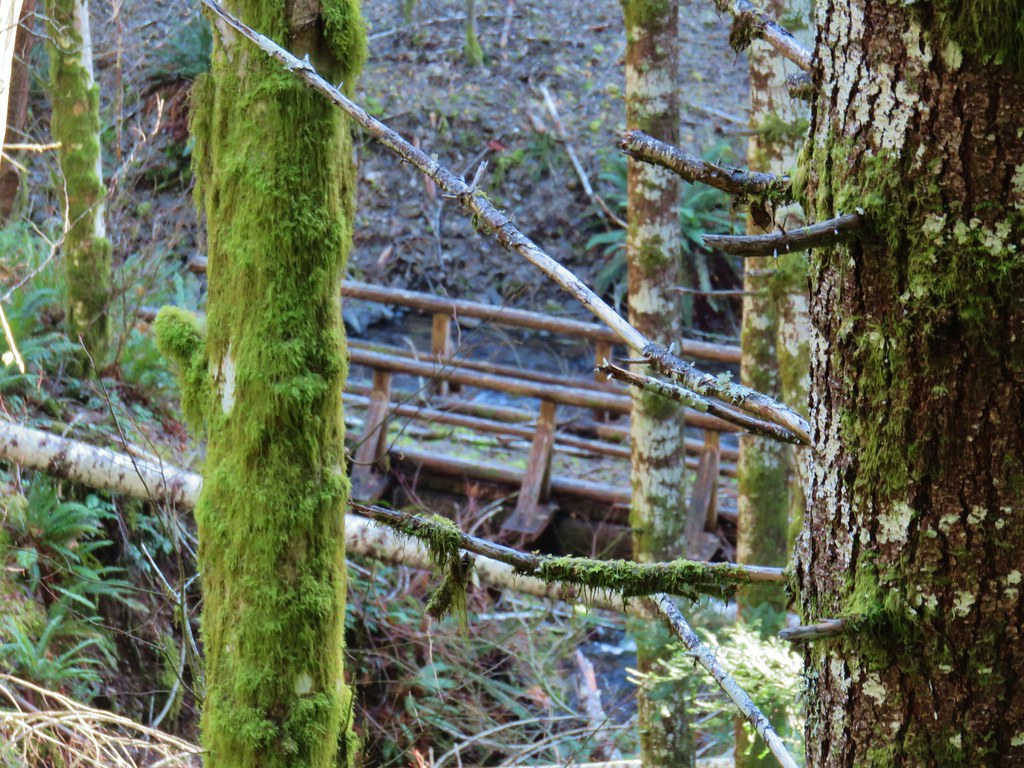
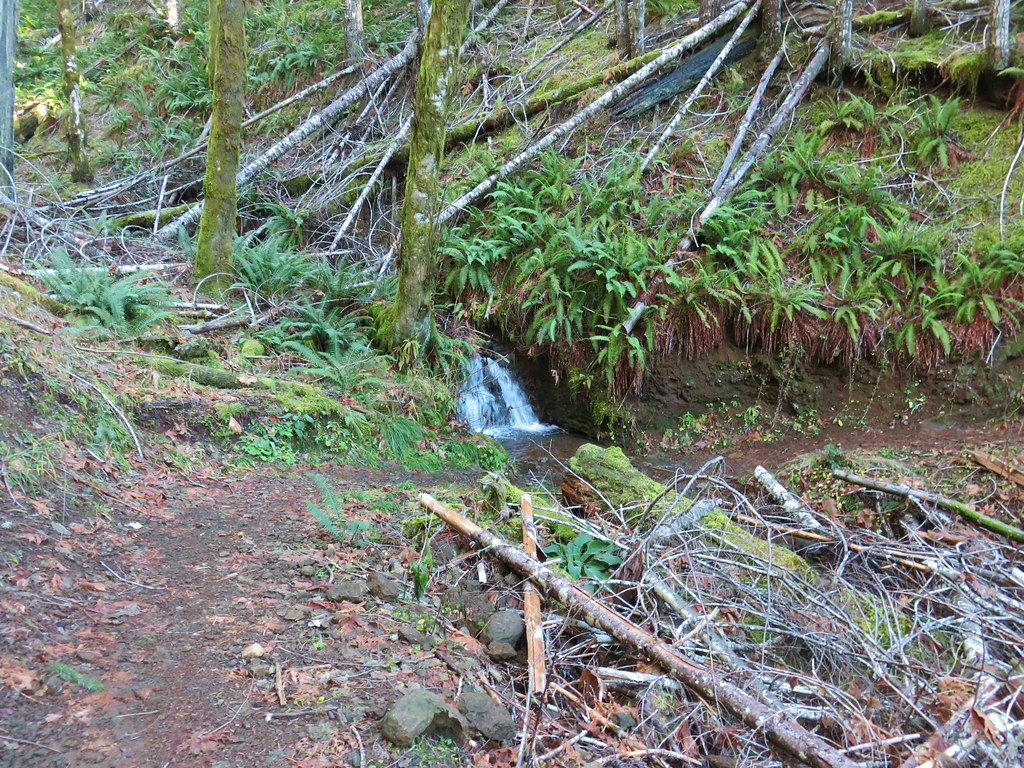
Beyond this crossing the trail turned inland away from Gales Creek a bit. Slides apparently forced the trail to be rerouted at some point because a footbridge could still be seen through the trees closer to Gales Creek.
IMG_5507

We passed a very small cascade along this section and then approximately 1.75 miles from the tricky creek crossing arrived at our turn around point, a 25′ waterfall right along the trail.
IMG_5473

IMG_5483

IMG_5486

We took a break at the falls and as we studied the falls the light moved enough to create a small rainbow.
IMG_5499

IMG_5500

We returned the way we’d come. The sun was shining but it was still chilly as we made our way back.
IMG_5511

IMG_5516

IMG_5464

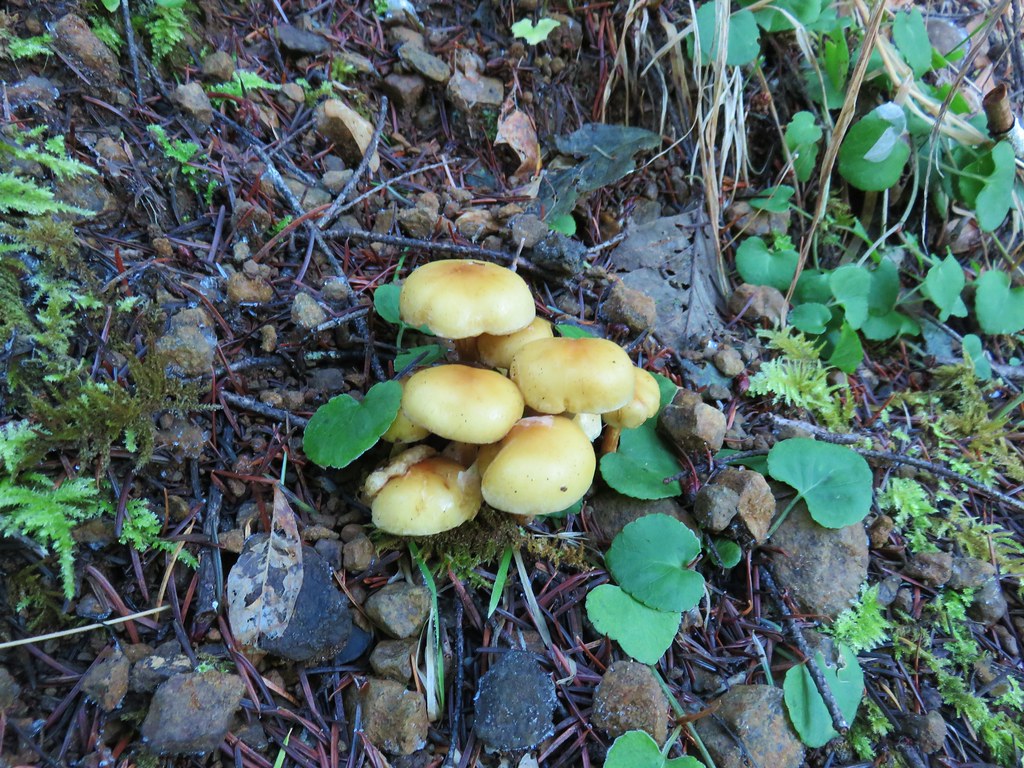
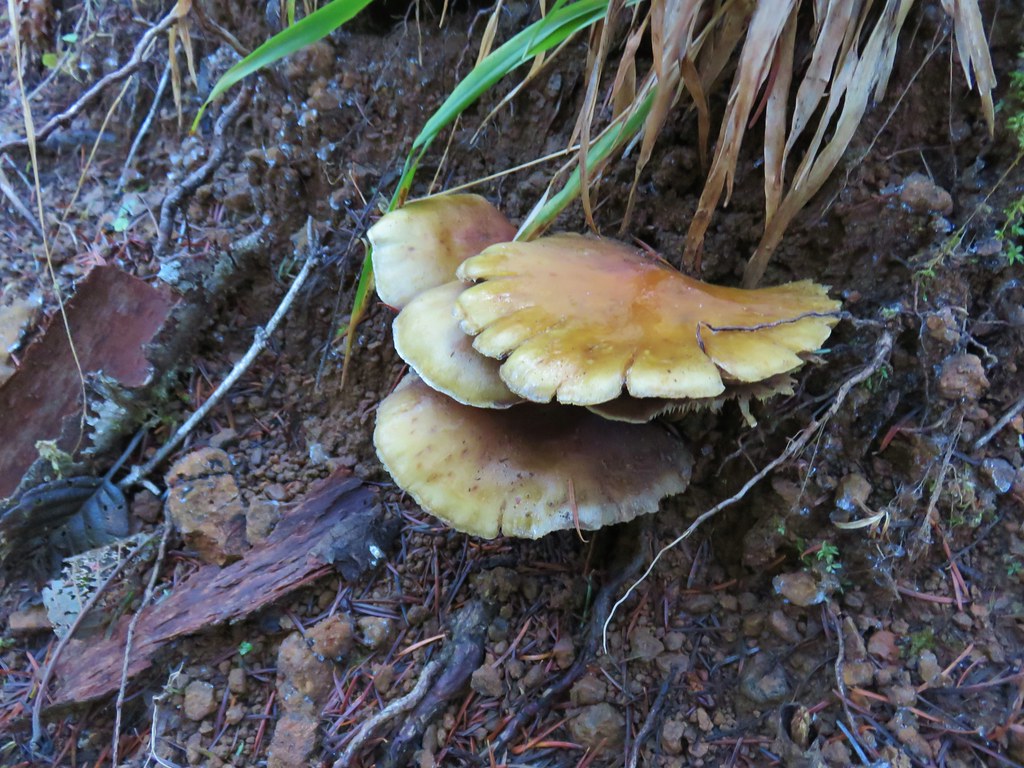
We didn’t see much wildlife, just a handful of birds, and being the middle of winter no wildflowers but there were a few mushrooms to enjoy.
IMG_5467

IMG_5469

IMG_5523

With the half mile side trip the hike wound up being just under 12.5 miles with approximately 1500′ of elevation gain. It was a nice start to a new year of hiking. Happy Trails!

Flickr: Gales Creek Trail

Categories
Coastal Range Hiking Oregon Trip report

4 County Pt., Sunset Rest Area, Saddle Mt., & Soapstone Lake

For the most part the weather had been cooperating with us this year but that wasn’t the case on our most recent outing. Admittedly I had not rechecked the forecast the night before but just a couple of days earlier the predication was for mostly sunny skies and a high in the mid to upper 70s. It had been cloudy all week in Salem so when those clouds broke up in the afternoon the day before our hikes I took that as a sign that the earlier forecast was still correct. It was a little cloudier than expected as we left Salem the morning of our hikes and as we headed west on Highway 26 from Beaverton we started to notice a little moisture on the windshield.

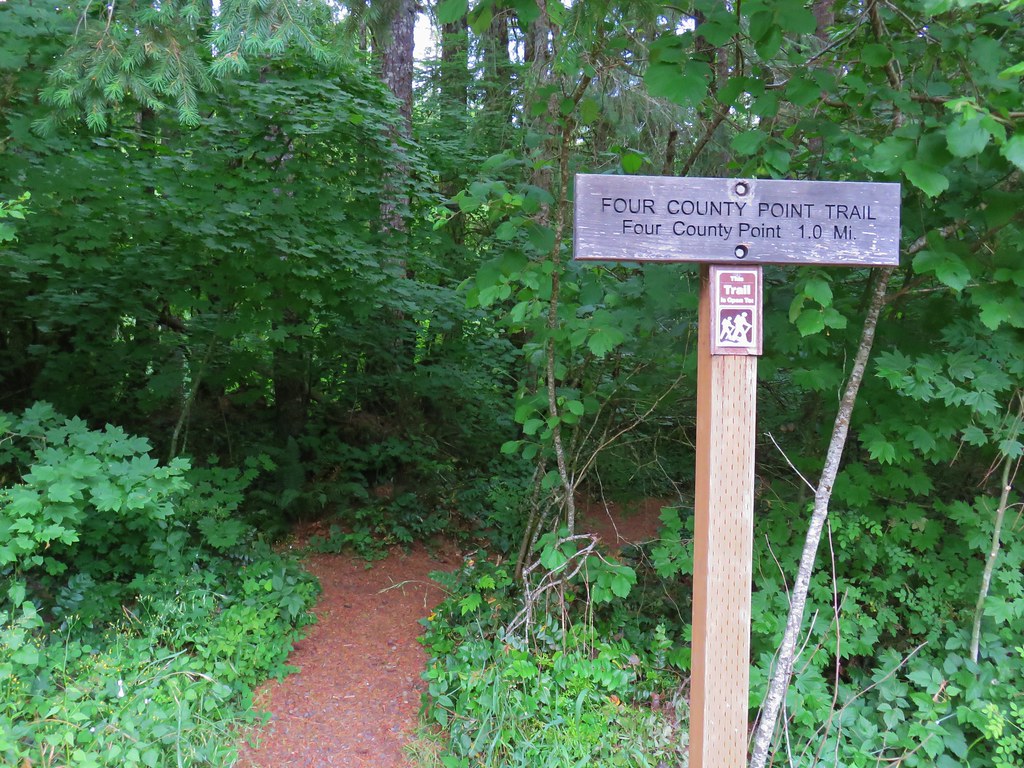
Our first stop for the day was at a small pullout on the north side of Highway 26 between mile posts 34 and 35. The Four County Point Trail begins here at a trail sign.
IMG_7278

The trail quickly came to a fork and a post with no signage.
IMG_7302

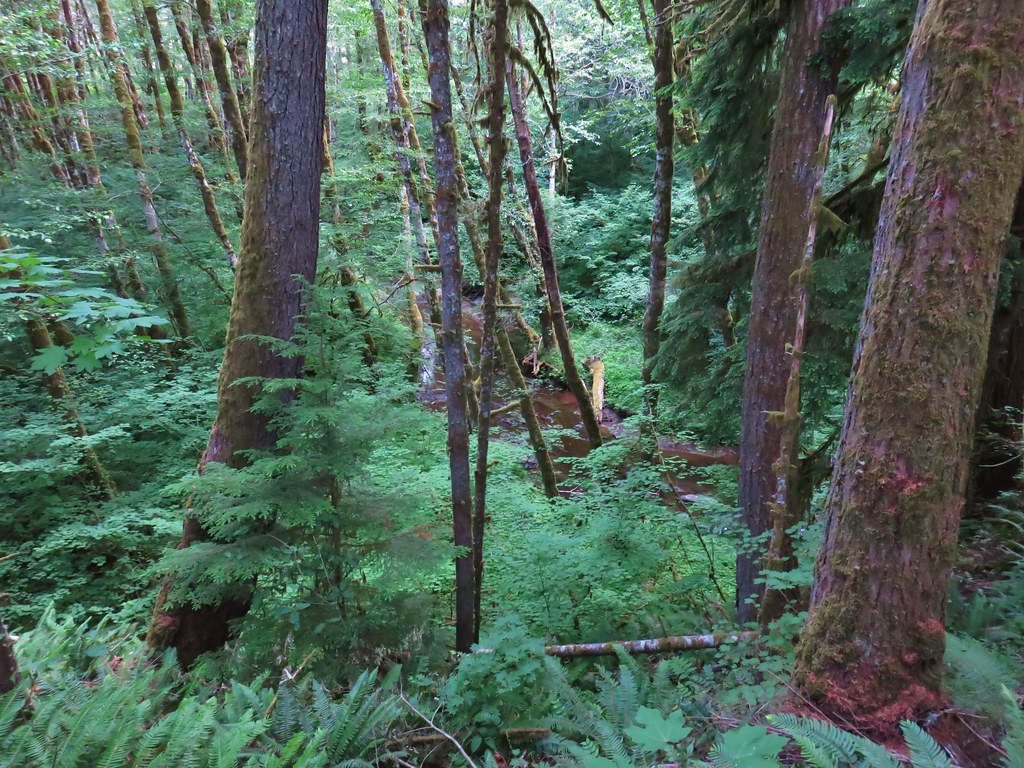
Left is the way to Four Corner Point so we took that fork and hike through a green forest (such a contrast after a week in Central and SE Oregon. The trail was between the highway on the left and North Fork Wolf Creek on the right.
IMG_7280

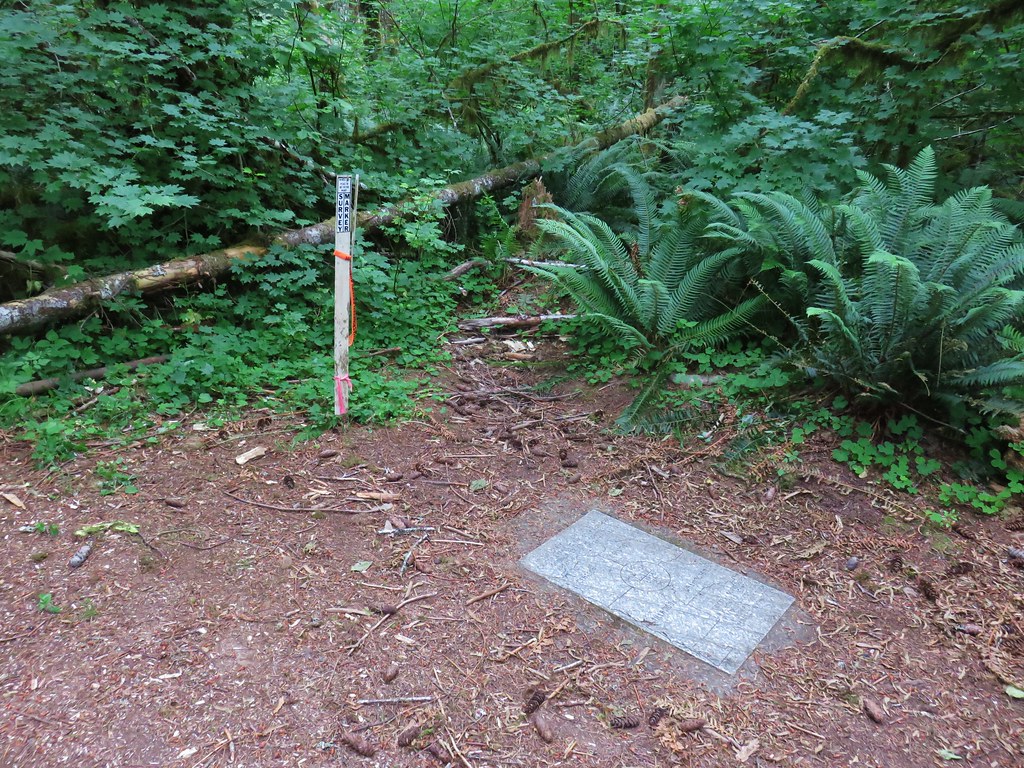
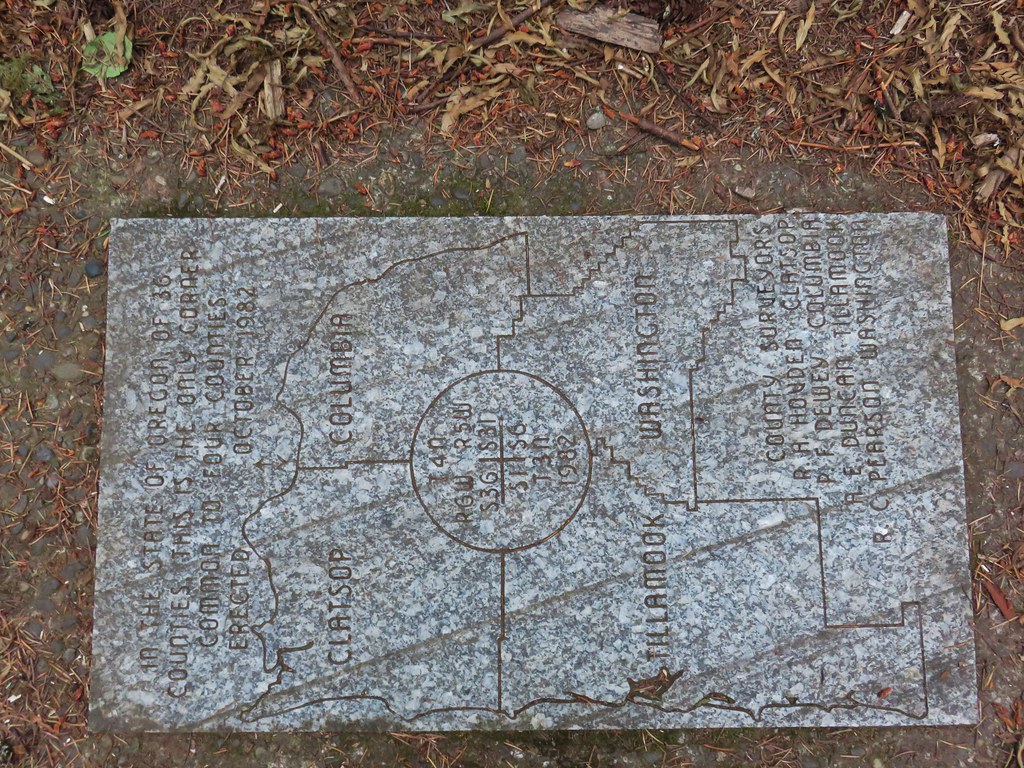
Between the highway being that close and a nearby public shooting range (which was busy even before 7am) this wasn’t exactly a tranquil hike but it ended at an interesting location, the meeting point of four counties: Clatsop, Columbia, Tillamook, and Washington.
IMG_7293

IMG_7294

Although the sign indicates that the trail length is a mile it’s closer to .8 miles to the plaque making it a nice warm up or leg stretcher. The noise and a visible clear cut did detract from the enjoyment.

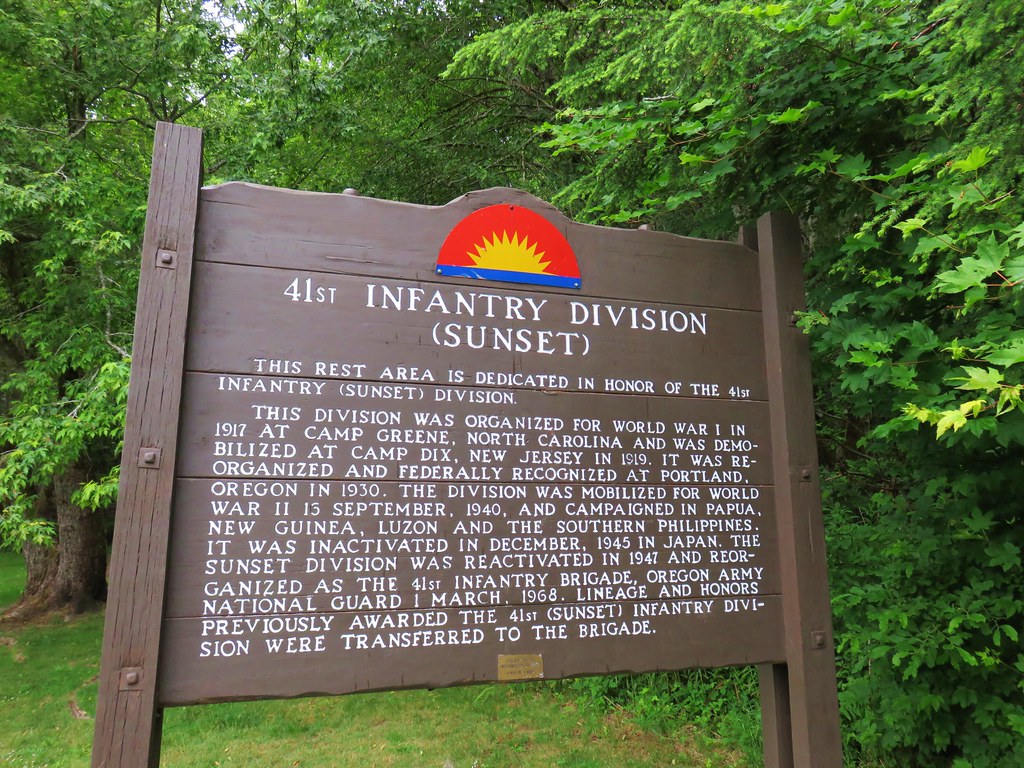
Our next stop was just an additional six miles west of the pullout at the Sunset Rest Area.
IMG_7308

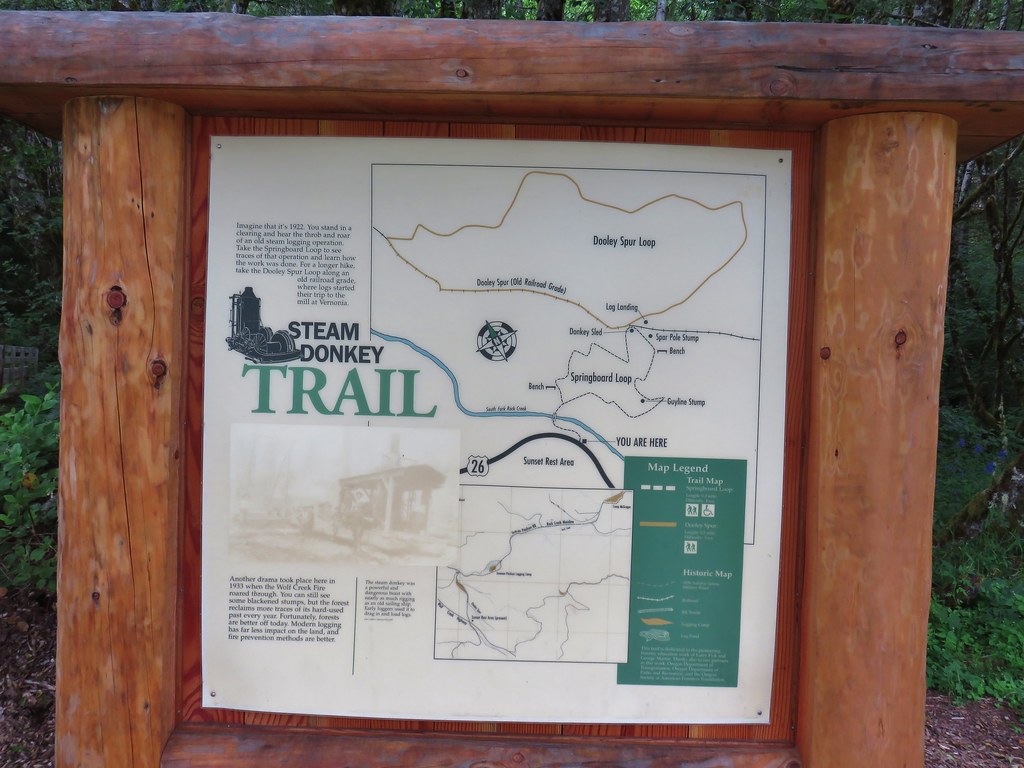
Here the Steam Donkey Trail offered two possible loop options.
IMG_7309

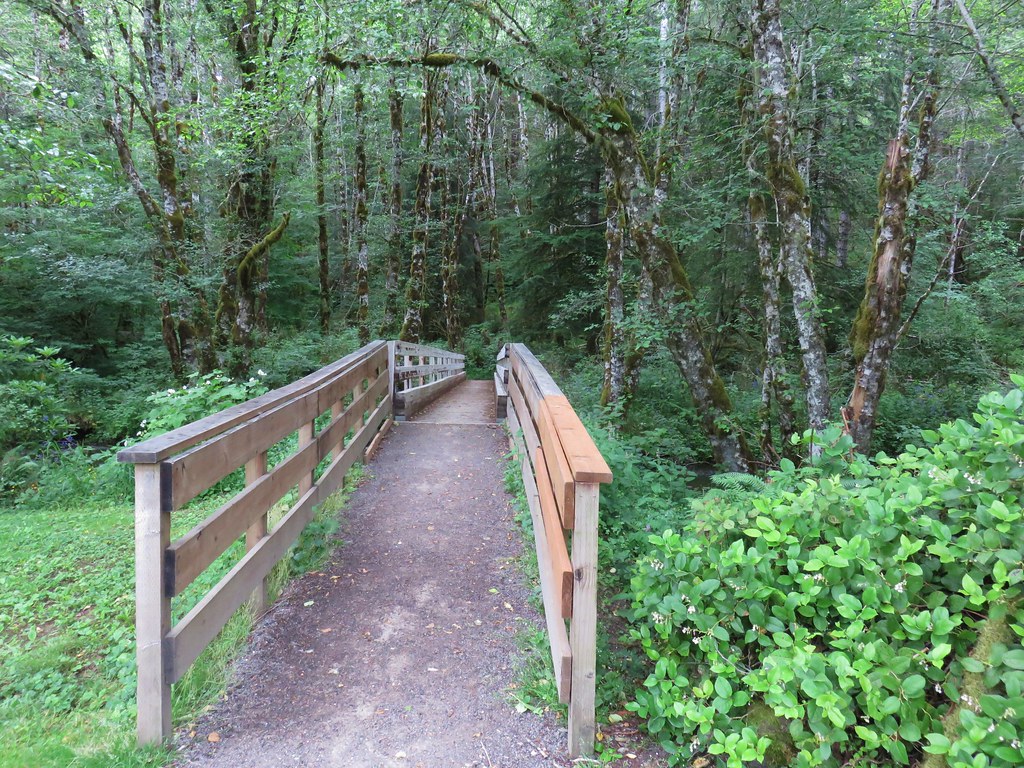
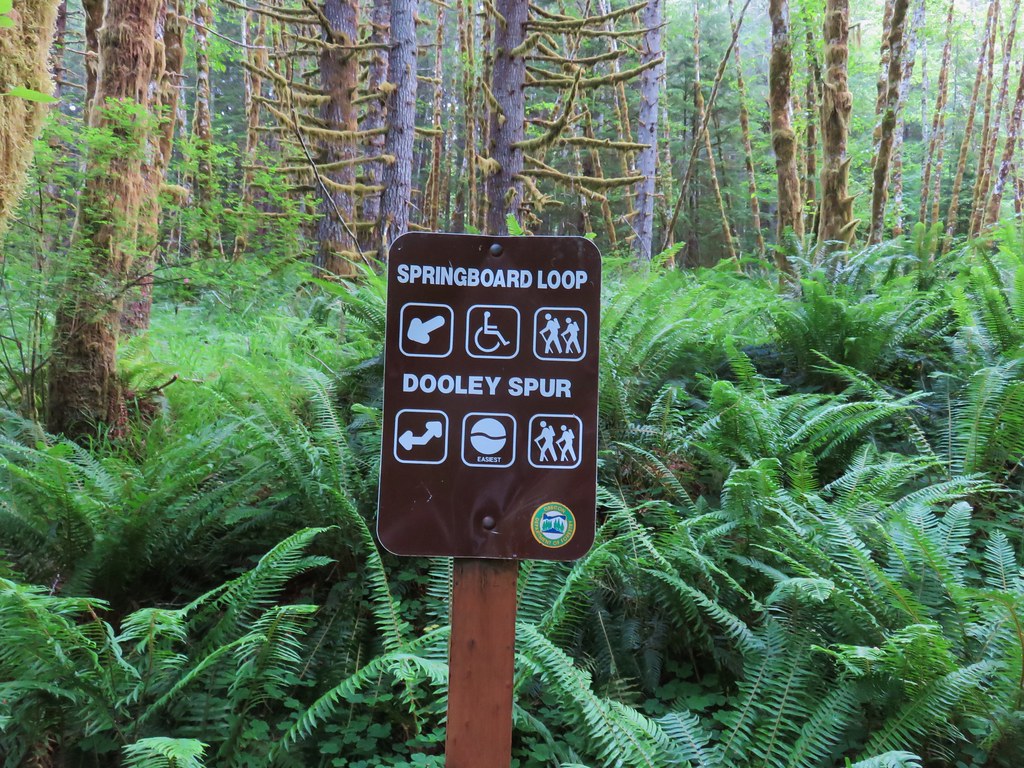
Both options are short so we did both the Springboard Loop and the Dooley Spur Loop which basically form a figure eight. The trail crossed South Fork Rock Creek on a footbridge before reaching the start of the Springboard Loop.
IMG_7311

IMG_7314

We opted to do the loop counter clockwise so we headed right through another lush green forest.
IMG_7317

With the Springboard Loop only being .3 miles long we quickly arrived at a four way junction with the Dooley Spur Loop.
IMG_7319

We turned right again for this .5 mile loop.
IMG_7320

IMG_7323

This was another nice leg stretcher and was much quieter than the Four County Point Trail and with options for .3 or .8 mile loops would be a good hike for youngsters.

Our third stop of the day was for the only trail we had previously hiked, Saddle Mountain (post). Although it had been cloudy at our first two stops it hadn’t been raining and there had been one or two glimpses of blue sky so we were hopeful as we turned off Highway 26 near milepost 10 following the Saddle Mountain sign. The further along the 7 mile paved entrance road we went the wetter things got. When we arrived at the trailhead parking area there was a steady drizzle falling.
IMG_7328

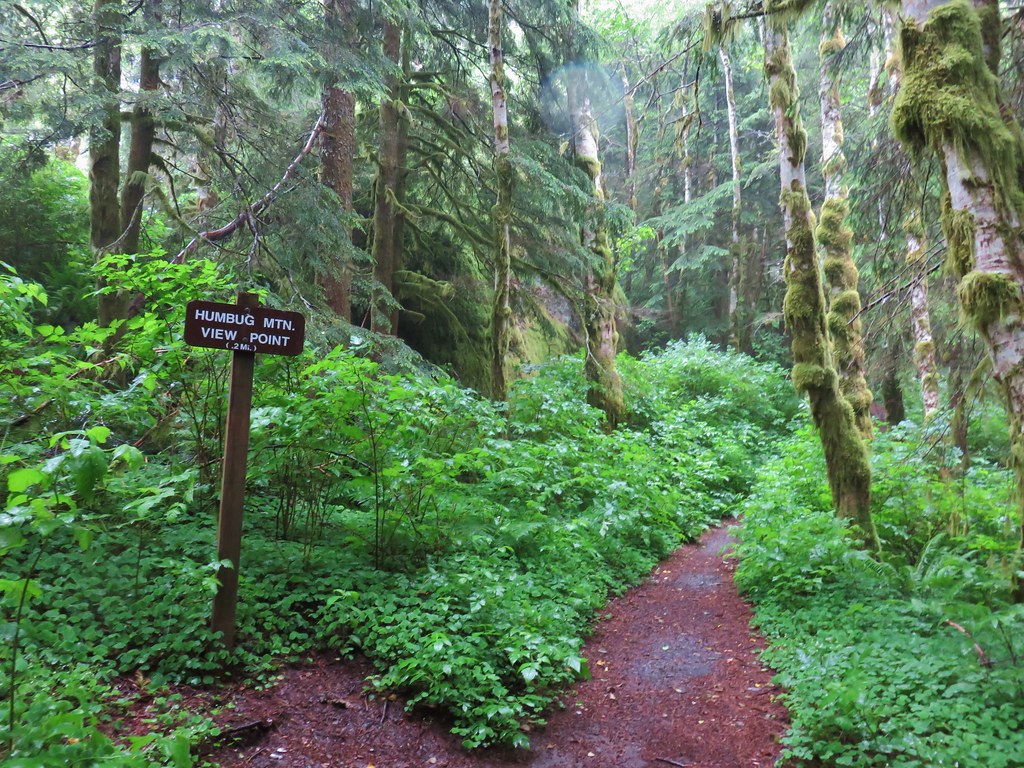
We set off uphill hoping that perhaps by the time we got to the summit the conditions would improve. At the .2 mile mark we turned right on the signed Humbug Mountain View Point spur trail.
IMG_7331

We didn’t expect a view given the conditions, but we’d been out to the viewpoint on our first visit plus we figured a little extra time spent down below gave that much more time for the weather to improve. There were indeed no views at the end of the .2 mile spur trail but we did see a few nice flowers along the way.
IMG_7345

IMG_7333Paintbrush

IMG_7335Tiger lily

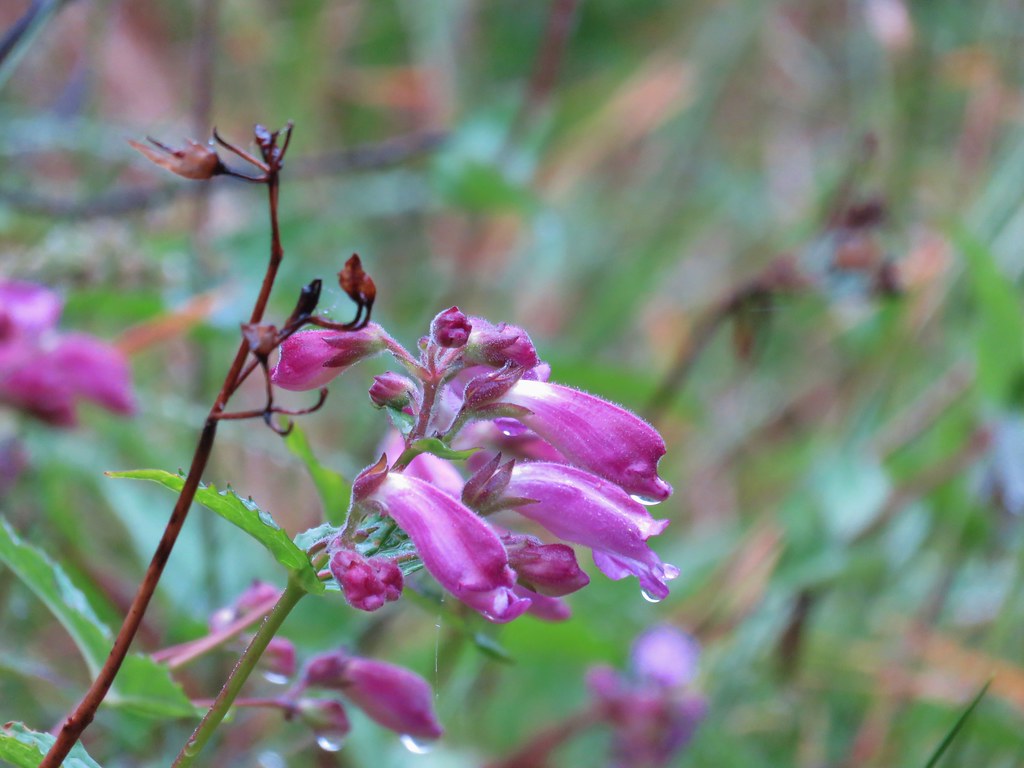
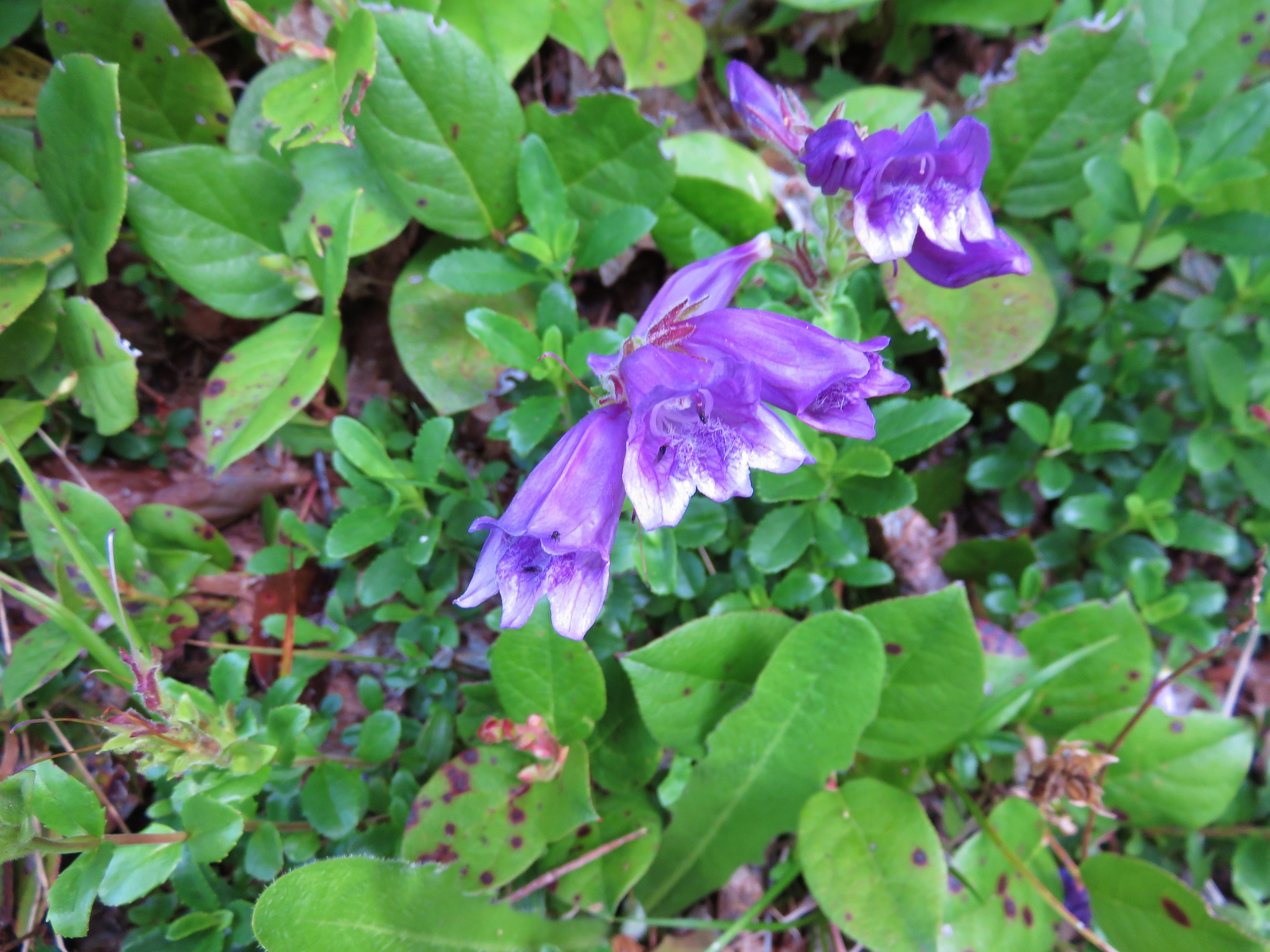
IMG_7336Penstemon

IMG_7343Twin flower

IMG_7338

IMG_7337

We returned to the Saddle Mountain Trail and continued up into the drizzle and fog.
IMG_7350

Our first visit had been on June 1st, 2013 which had been a few weeks too early for many of the flowers. It had also been a cloudy day so we were hoping that this time we would not only hit the flowers closer to peak but also have better views. The views were by far worse, but the flowers were so much better. Unfortunately the foggy, wet conditions limited sight and the ability to fully capture the beauty of the wildflower show along the 2.5 mile climb to the summit but here are a few of the highlights.
IMG_7348Checkermallow

IMG_7364Wild iris

IMG_7391

IMG_7394Larkspur

IMG_7398

IMG_7401

IMG_7403Monkeyflower

IMG_7409

IMG_7417

IMG_7418

IMG_7420Plectritis

IMG_7436Old man’s whiskers

IMG_7442Columbine

IMG_7449

IMG_7450

IMG_7452

IMG_7456Wallflower

IMG_7470Larkspur

Having done the two other hikes we had gotten a little later start here than we normally would have so there were several people already at the summit when we arrived. A good breeze was bring moisture right up the hillside from the NW making it extra damp on top.
IMG_7460Summit view

We didn’t stay long and were soon heading back down the steep, slick trail.
IMG_7429

After our SE Oregon vacation, where we more often than not encountered no other hikers on the trails, the number of people trudging up Saddle Mountain on our way down was mind boggling. The place was a zoo despite the less than ideal weather. We had toyed with the idea of making this our last hike of the day instead of second to last and boy were we glad we hadn’t. We made our way back to the trailhead as quickly as possible given the slick conditions and seemingly stopping ever two minutes to let another uphill group go by.

We drove back to Highway 26 and turned west once more heading for our final stop of the day. Six tenths of a mile from the Saddle Mountain turnoff we took a left leaving Highway 26 in favor of Highway 53. We followed this highway 4.7 miles to a sign for the Soapstone Lake Trail where we turned left onto a gravel road for .4 miles to the trailhead. The weather here was markedly better here than it had been at Saddle Mountain.
IMG_7481

The Soapstone Lake Trail starts along the path of an old roadbed.
IMG_7483

Ripe salmonberries (and a few huckleberries) lined the trail.
IMG_7488

Near a meadow at the .6 mile mark the trail left the old road bed.
IMG_7495

On the far side of the meadow the trail crossed Soapstone Creek on a footbridge.
IMG_7496

IMG_7498

The trail then climbed a ridge for .3 miles to the start of a loop around the lake.
IMG_7501

IMG_7507

The trail to the left went downhill while the right hand fork went uphill. We decided to go left in order to end the loop on a downhill instead of a climb. The trail quickly crossed Soapstone Creek again and made its way around the east side of the lake.
IMG_7508

IMG_7511

IMG_7512

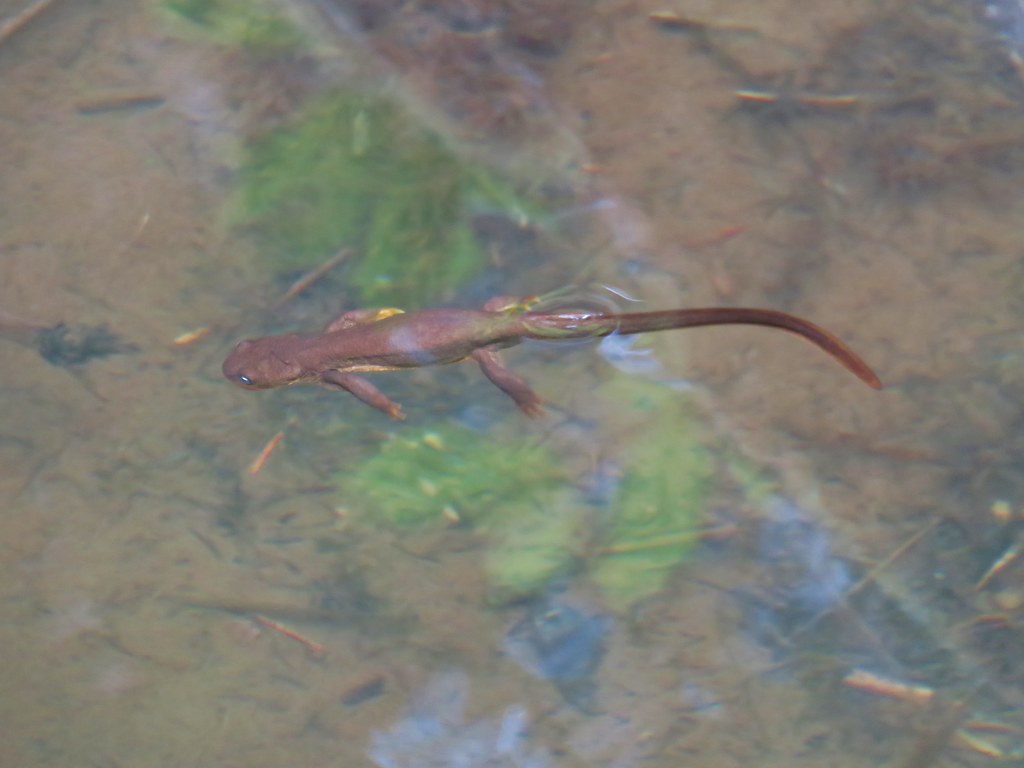
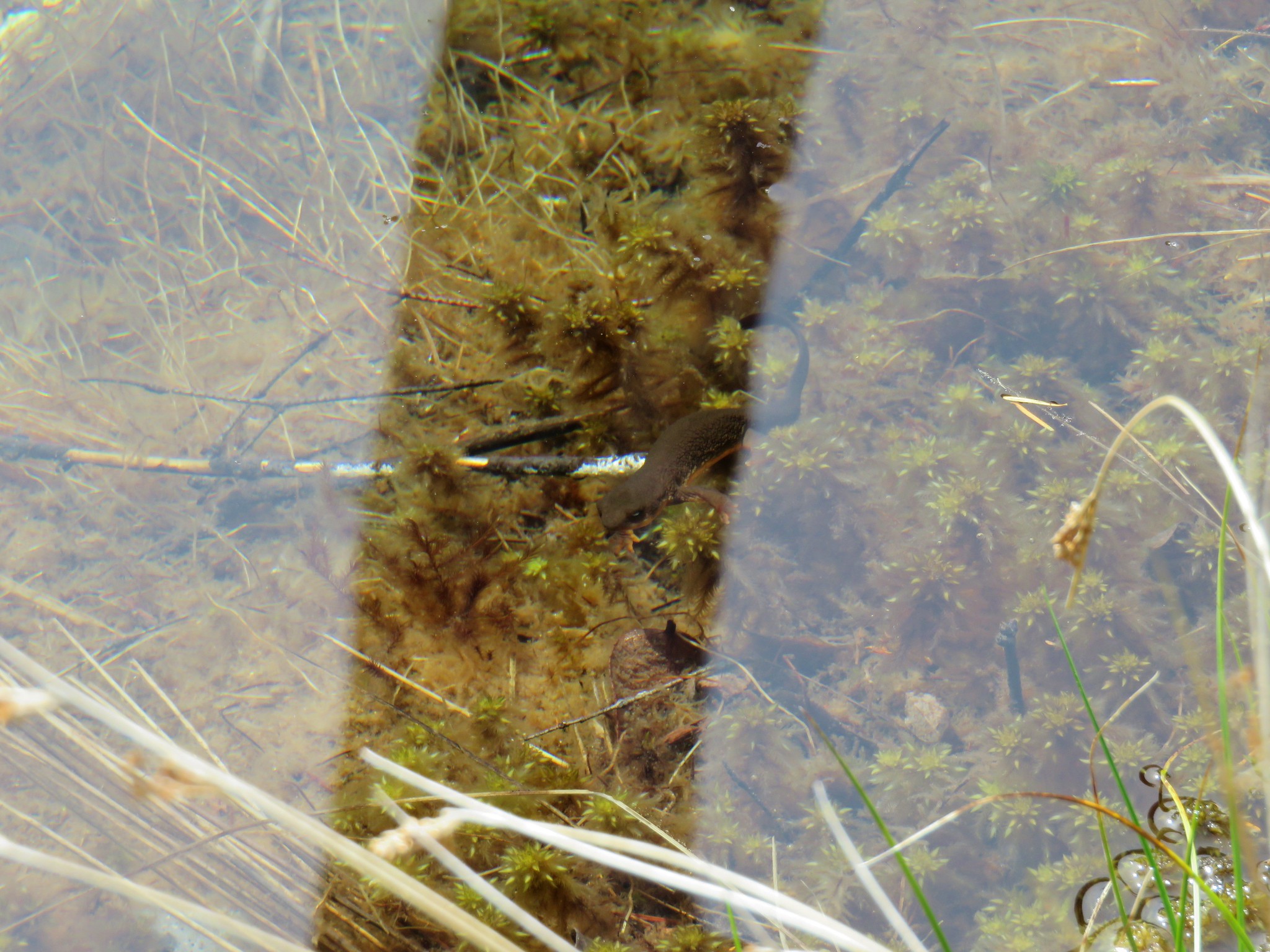
At then south end of the lake the trail crossed a swampy area on a boardwalk where we spotted several rough skinned newts in the water.
IMG_7515

IMG_7517

The loop continued around the west side of the lake, but here the trail climbed above and a little away from the water.
IMG_7521

After passing a large camp site the trail descended to the start of the .8 mile loop and we returned the way we’d come. This had been another nice, short hike (2.8 miles total) that would be good for kids. The four hikes combined had only come to 10.4 miles with Saddle Mountain accounting for half of that total (and nearly all the elevation gain for the day). All in all it had turned out to be a pretty good day despite the disappointing weather on Saddle Mountain. C’est la vie as they say. Happy Trails!

Flickr: Four County Point, Sunset Rest Area, Saddle Mt. & Soapstone Lake

Categories
Coastal Range Hiking Oregon Throwback Thursday Trip report

Throwback Thursday – Elk & Kings Mountains

This week’s Throwback Thursday hike features one of the most challenging hikes in the Oregon Coast Range. On 8/16/2010 we headed to the Elk Creek Trailhead located just off Highway 6 twenty-four miles west of it’s junction with Highway 26 near Banks, OR.

This was one of our earliest hikes so we were still on a steep learning curve and in hindsight August probably wasn’t the best time of year for this particular hike but not knowing any better we arrived at the trailhead for an early morning start. After reading the information posted at the start of the trail we began wondering exactly what we were getting into.
Elk Mountain Trail information

Our plan was to do the nearly 11 mile loop which came with nearly 4000′ of elevation gain. We set off at a sign for the Wilson River Trail which crossed Elk Creek then split after .2 miles. The Wilson River Trail continued to the left and would be our return route. We veered right continuing onto the Elk Mountain Trail.
Trail sign at the Elk Mountain Trailhead

Elk Creek

Trail sign for the Elk Mountian Trail

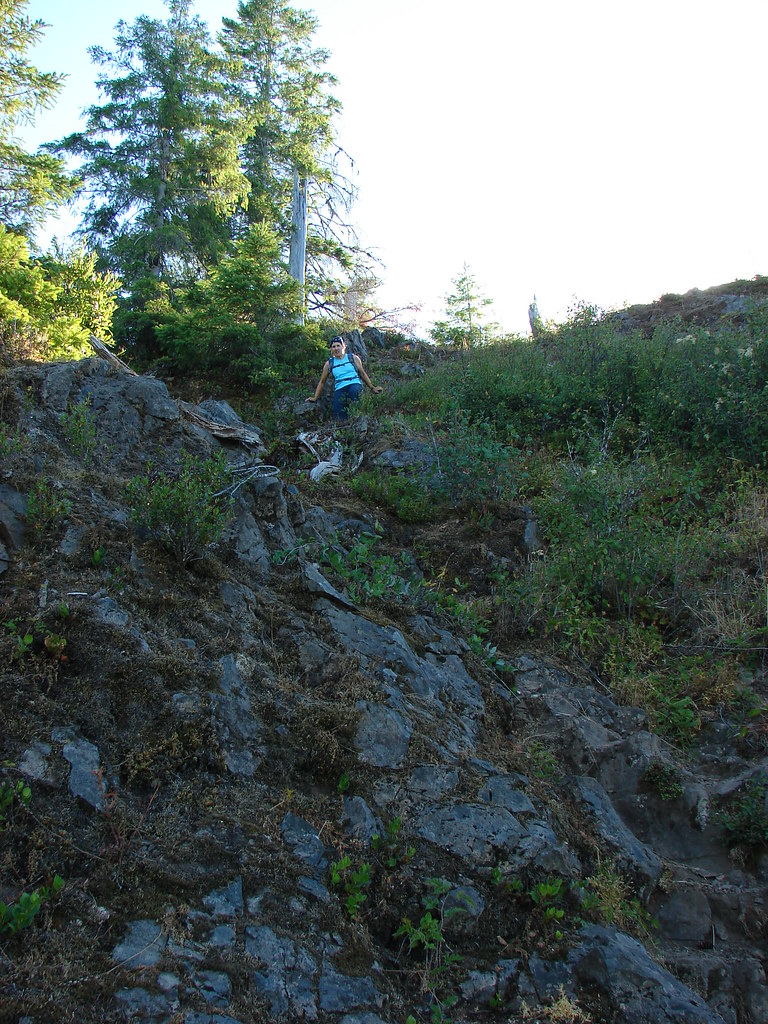
We were, as usual, following William Sullivan’s guidebook in which he describes the the Elk Mountain Trail as having “all the subtlety of a bobsled run”. The nearly 1.5 mile climb was certainly deserving of that description and was unlike any trail we’d experienced to that point. In fact this hike was the impetus for looking into and eventually getting trekking poles as we were at times forced to use our hands to make it past sections of loose scree.
Elk Mountian Trail

Elk Mountian Trail

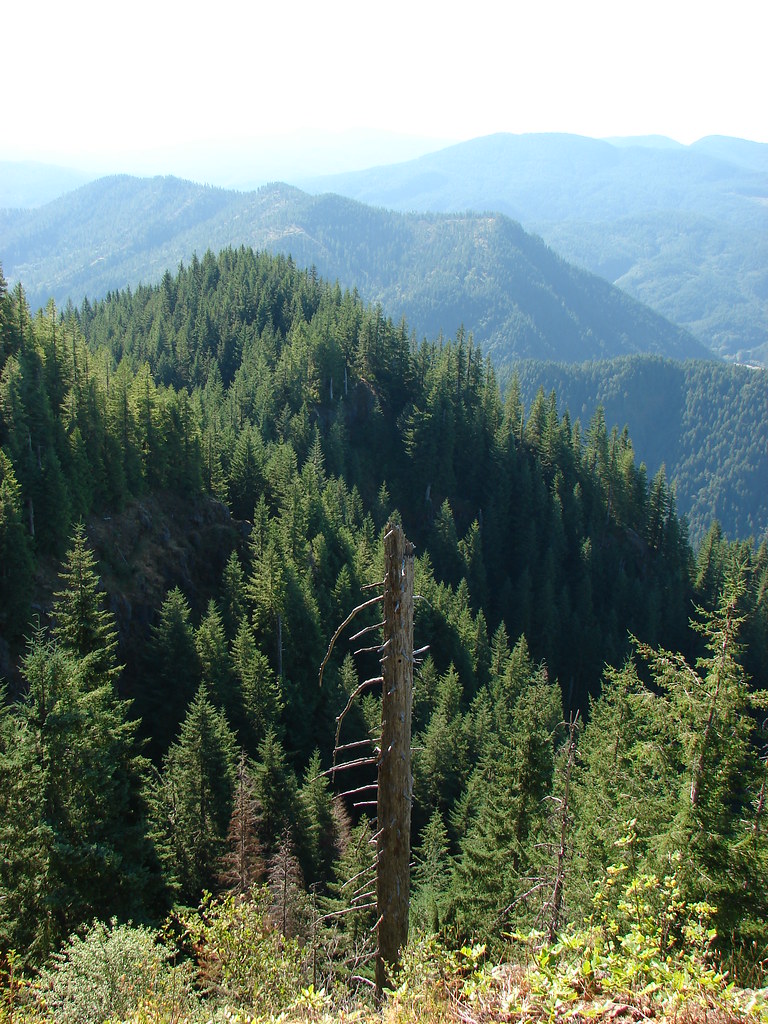
The trail did have some positive attributes including some views that were not for folks made nervous by heights.
View from the Elk Mountian Trail

Low clouds in the valley

Looking down from the Elk Mountian Trail

View from the Elk Mountian Trail

Only a few flowers remained along the trail which is one of the reasons that our timing wasn’t great, the other being the exposed sections of trail were really warm in the August sun.
Paintbrush

View from the Elk Mountian Trail

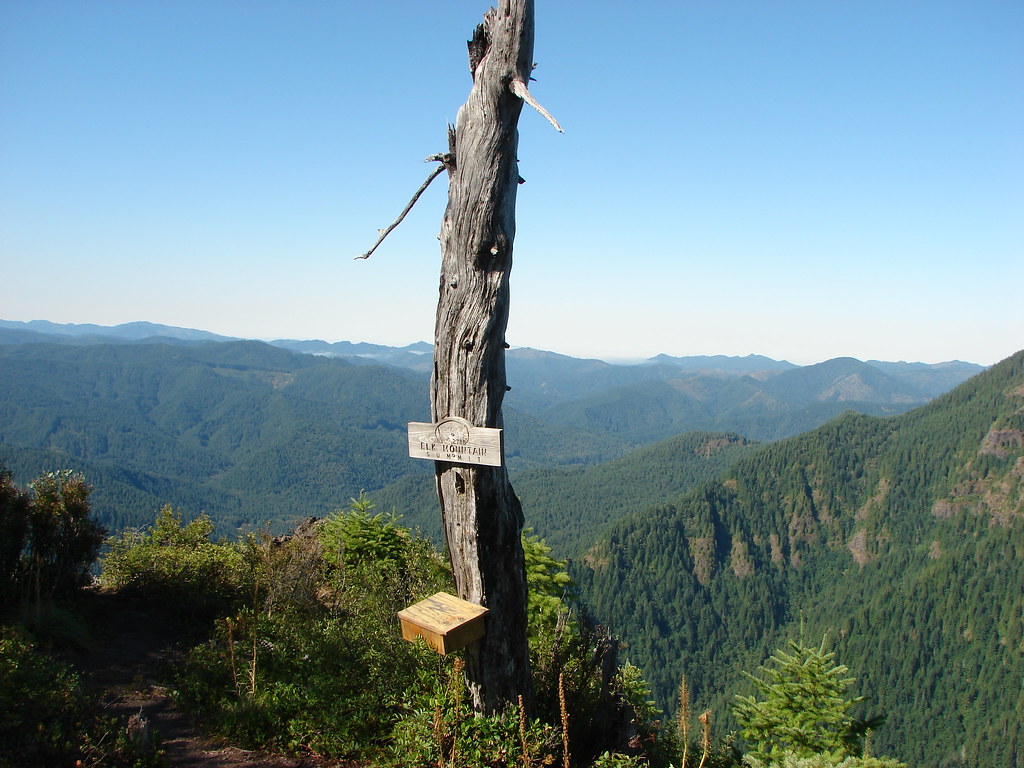
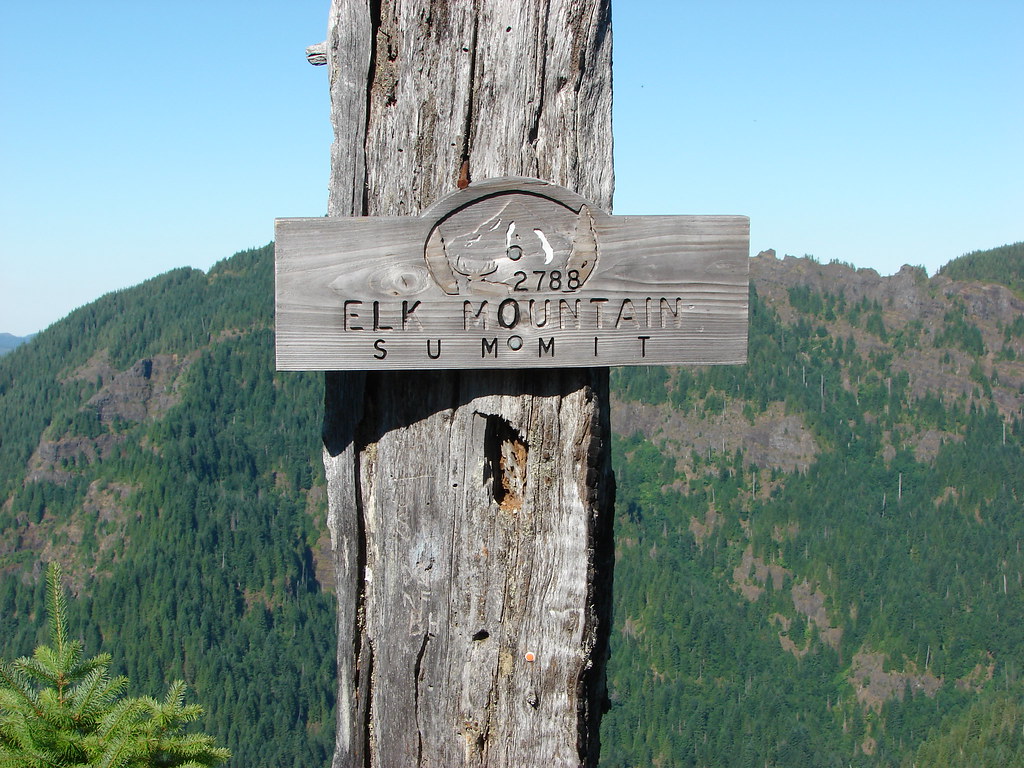
A nice sign and summit register greeted us at the summit letting us know that we’d made it.
Elk Mountain Summit

Elk Mountain summit

From the summit we were able to get a good look at the days second summit, Kings Mountain, to the west.
Kings Mountain from Elk Mountain

We continued on the loop which dropped steeply off the far side of Elk Mountain.
Elk Mountian Trail

For the next half mile the trail traversed a ridge that was rather narrow and rocky in spots.
Elk Mountian Trail

Elk Mountian Trail

We were relieved when we reached an old roadbed which we then followed for the next mile and a half. This section was much easier on the nerves (and knees). Berries and wildflowers lined the old roadbed.
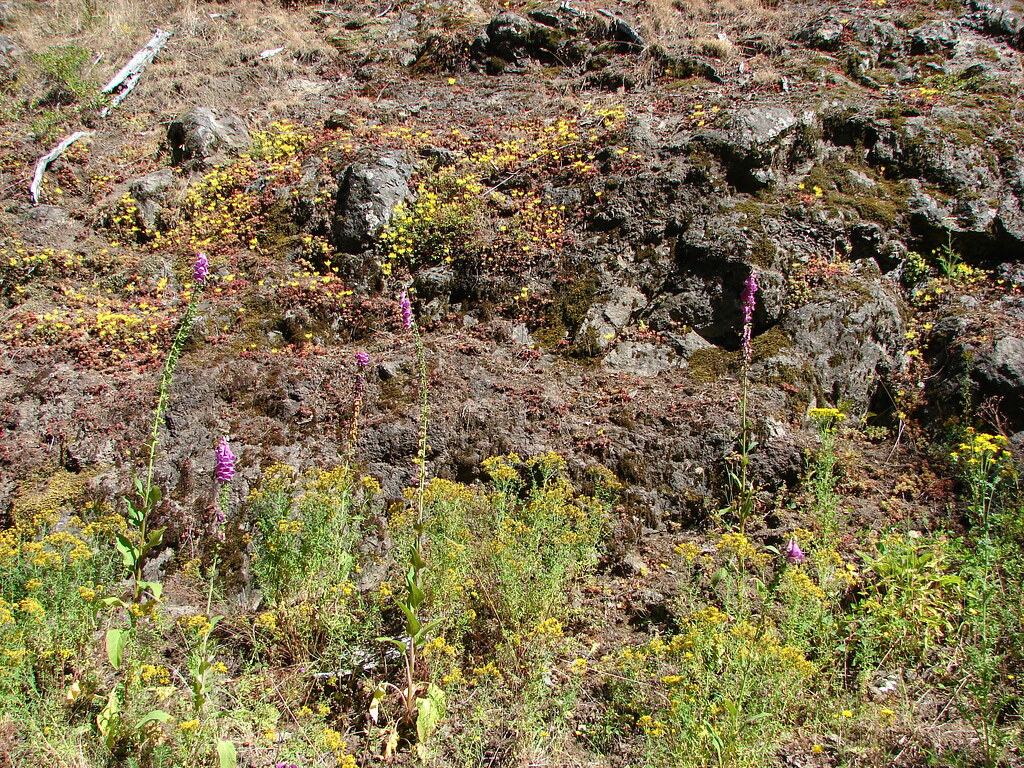
Raspberries and salal

Foxglove

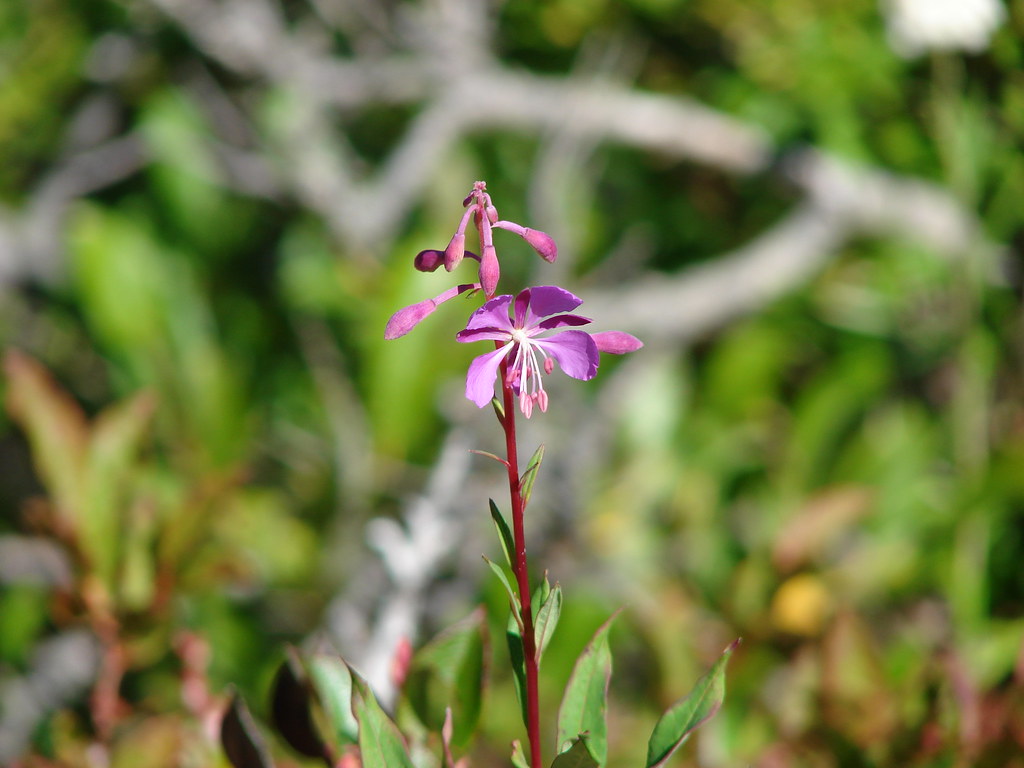
Fireweed

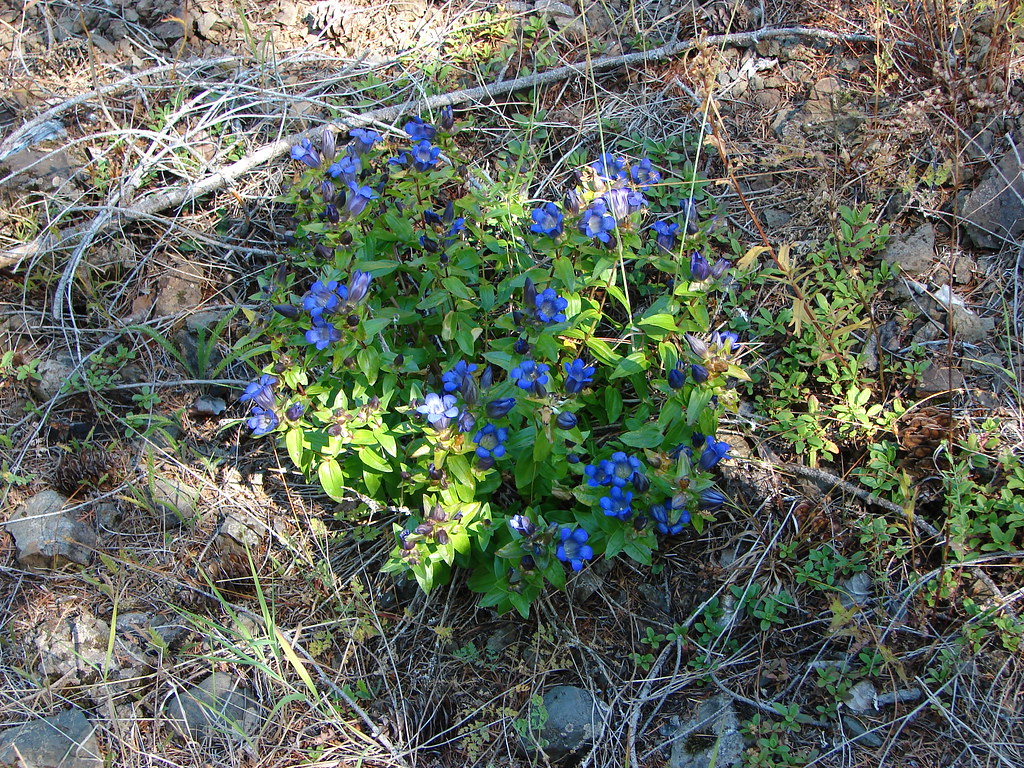
Gentian

At a pass two miles from the Elk Mountain summit we arrived at signed junction where we followed pointers for the Kings Mountain Trail.
Junction with the Kings Mountain Trail

The old roadbed soon gave way to another narrow rocky section of trail.
Kings Mountain Trail

Kings Mountain Trail

Soon the trail came to a series of pinnacles which forced the trail from the south side of the ridge to the north side. The vertical face of the pinnacles also forced the trail to drop in order to get far enough below them to traverse the hillside. If we thought the trail couldn’t get any more nerve wracking we were wrong. A small caution sign on a stump tipped us off that the next section was going to be a doozy.
Caution sign along the Kings Mountain Trail

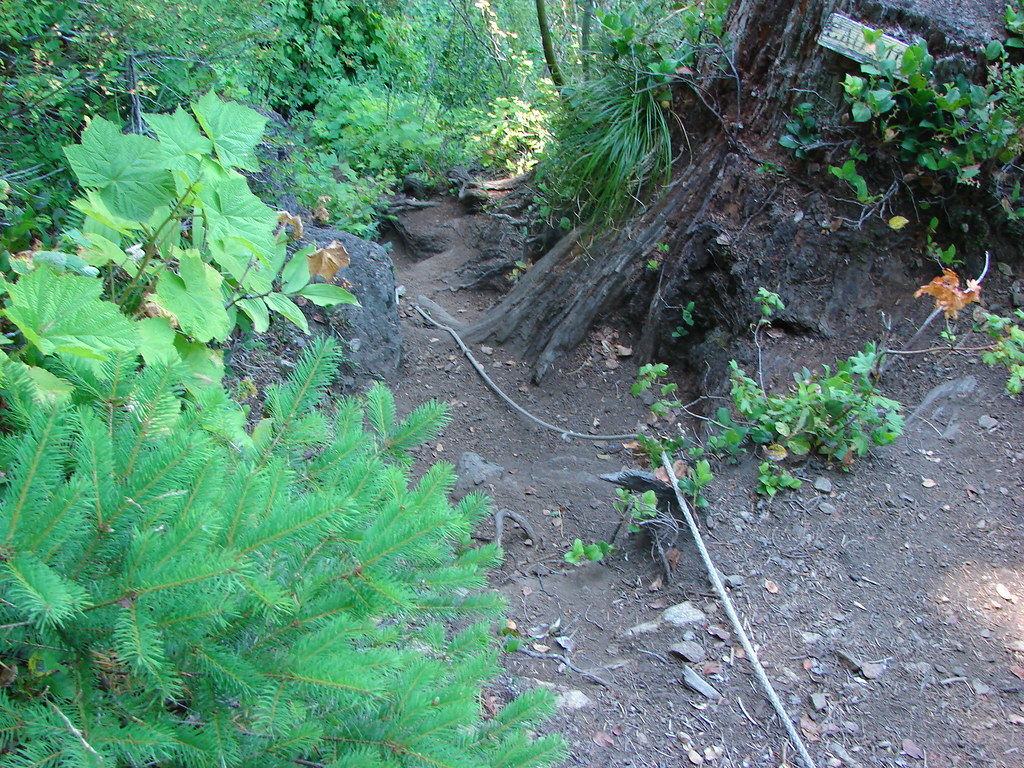
A rope was in place here to assist with the descent.
Kings Mountain Trail - rope section

The traverse below the pinnacles was the by far the scariest section of trail we had been on and remained so until 2014 when the section of the Pacific Crest Trail known as The Knifes Edge took that title. There was a vertical rock wall along the trail and the drop on the other side of the trail seemed nearly as vertical. Thimbleberry bushes lined the trail on the down slope side making the trail feel even narrower than it was. No pictures were taken along this stretch as I was too busy using my hands to grab whatever I could along the rock wall.

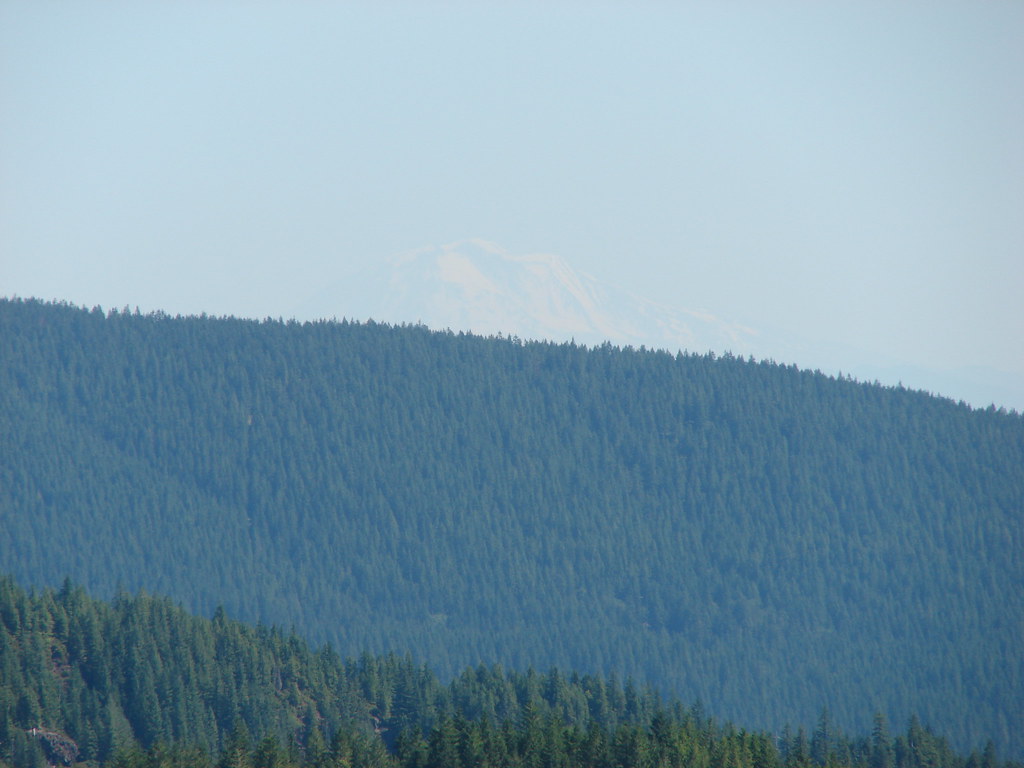
Upon reaching the far end we briefly distracted ourselves with the view to the north which included a vary hazy Mt. Hood and Mt. Adams.
View from the Kings Mountain Trail

Mt. Hood

Mt. Adams

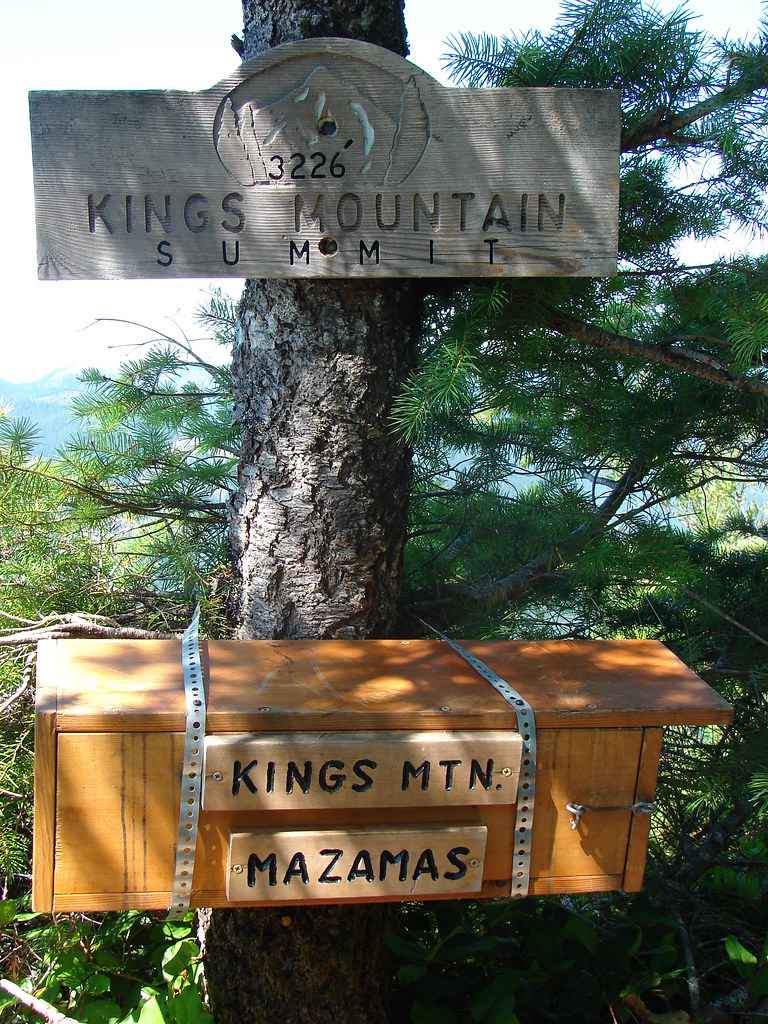
After we recovered our wits we continued on the much less stressful section of the trail and shortly arrived at the Kings Mountain summit.
Kings Mountain summit register

We had only gone 1.3 miles from the junction at the pass but the traverse below the pinnacles had made it seem much longer. An interesting oddity near the summit was a picnic table placed by Troop 299 of the Eagle Scouts.
Picnic table along the Kings Mountain Trail

Picnic table along the Kings Mountain Trail

From the summit the Kings Mountain Trail simply headed straight down a steep ridge.
Kings Mountain Trail

We managed to slow our descent long enough to visit a signed viewpoint on the way down.
Viewpoint sign along the Kings Mountain Trail

Kings Mountain Trail viewpoint

Again trekking poles would have been wonderful on the 2.5 mile descent. As it was we did our best to stay upright as we bounced from tree to tree using them in an attempt to control our speed. As we neared the bottom the trail mercifully began to level out in the forest.
Kings Mountain Trail

We turned left onto the Wilson River Trail when we came to the junction near the Kings Mountain Trailhead.
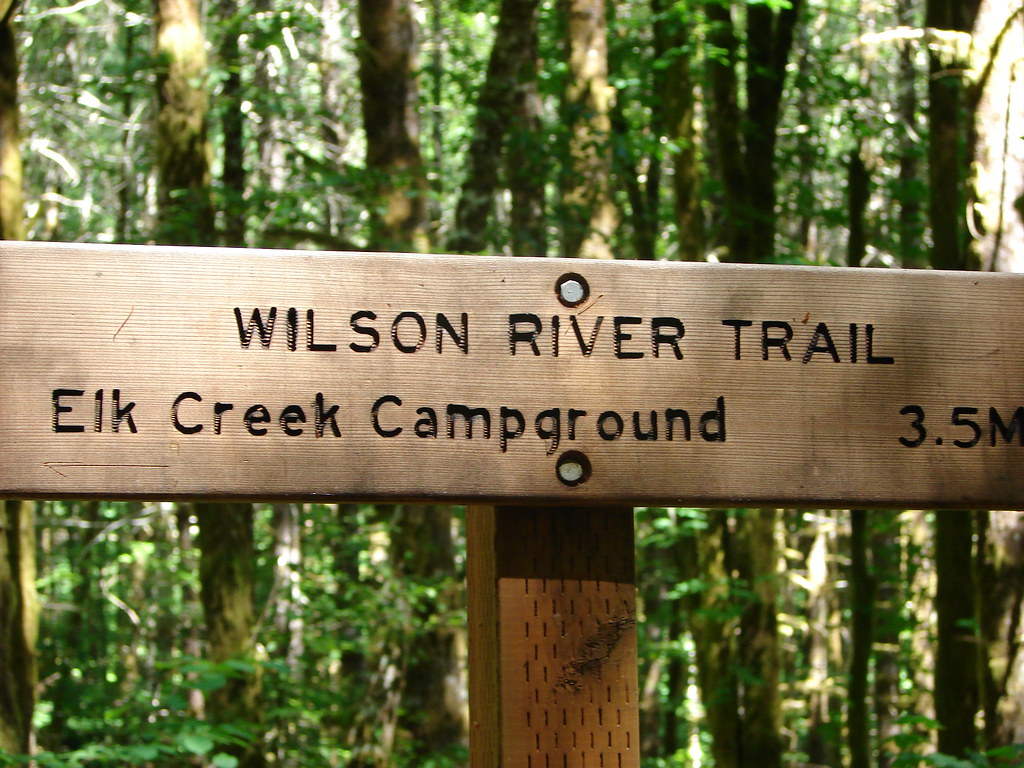
Wilson River Trail sign

It was a fairly easy, but warm, 3.5 mile hike back to the Elk Creek Trailhead. The Wilson River was on the opposite side of Highway 6 but the trail passed through a nice meadow and crossed Dog Creek on a footbridge in the first mile and a half.
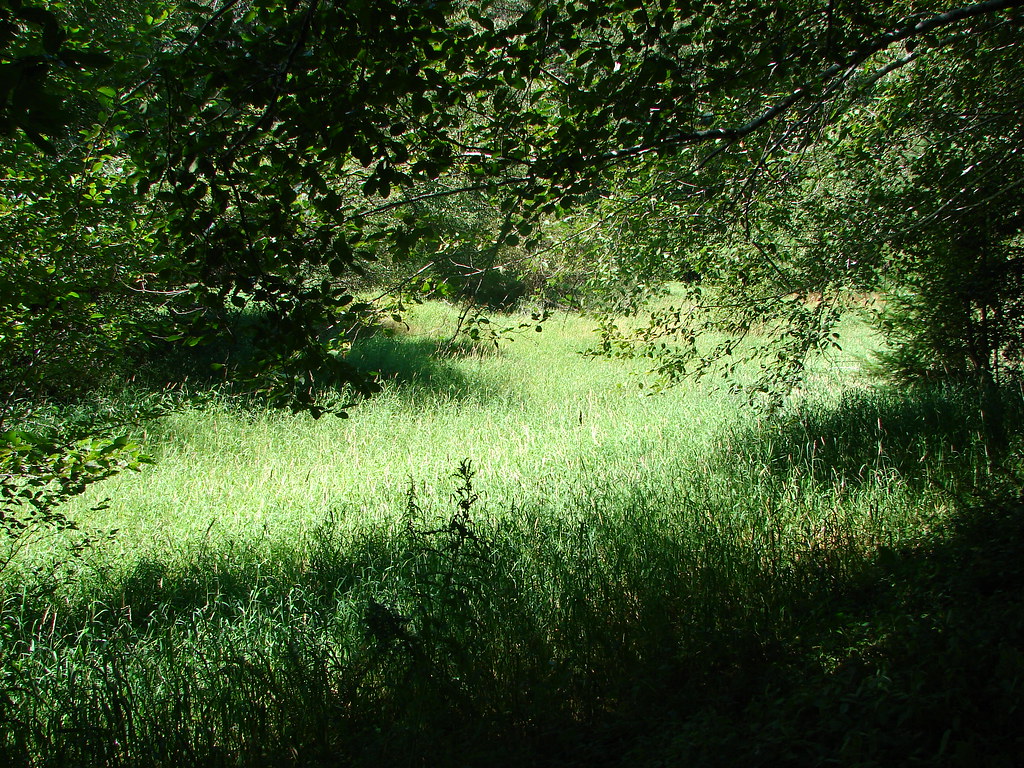
Meadow along the Wilson River Trail

Creek along the Wilson River Trail

The final two miles were more exposed allowing the mid-day sun to beat down us so we were glad when we finally made it back to Elk Creek. It had been a pretty amazing hike, definitely unlike anything we’d done up to that point and we are looking forward to going back in the not too distant future to see what it’s like now that we’ve been hiking for a much longer time. Happy Trails!

Flickr: Elk and Kings Mountains

Categories
Coastal Range Hiking Oregon Throwback Thursday Trip report

Throwback Thursday – Alsea Falls

Now that we are in the midst of our offseason it’s time to bring back our Throwback Thursday posts. This installment of Throwback Thursday features our final hike of 2012 and the last hike we took before starting this blog.   On 12/19/2012 we headed for the Alsea Falls Recreation Area which is located in the Coast Range west of Monroe, OR.  To reach the area from Highway 99w we turned west near Monroe at a sign for Alpine.  Signs for the recreation area kept us headed in the right direction.  We could have started our hike in a couple of places including the most popular trailhead at a day use picnic area practically next to Alsea Falls. We opted to instead to begin further up the South Fork Alsea River at a small trailhead along Miller Road.

Alsea Falls trailhead

The level trail followed the South Fork Alsea River for a mile to the Alsea Falls Campground. At the .7 mile mark a trail joined from the right which was to be our return route. Had it been earlier in the year there probably wouldn’t have been many views of the river along this stretch but with the leaves gone from the trees the river was often visible.

South Fork Alsea River

South Fork Alsea River

We didn’t take the footbridge across the river into the campground opting to stay on the east side of the river for another .6 miles to a second footbridge ignoring a side trail to the right (our return route) shortly before the bridge.

Bridge over the South Fork Alsea River

This bridge led to the day use picnic area. We crossed the bridge pausing to look downstream at the top of Alsea Falls.

South Fork Alsea River

A .3 mile path continued downstream on the south side of the river below the falls. The photos we’d seen of Alsea Falls had obviously been taken at other times of the year. The pictures we’d seen were of a terraced fall gently cascading over rocks, but what we found was a whitewater cascade.

Alsea Falls

Alsea Falls

Alsea Falls

After admiring just how much more water was flowing now than what we’d seen in the photos we recrossed the footbridge and turned left continuing downstream. The trail climbed a bit before dropping back down near river level and another split in the trail after .6 miles. A trail here descended to the river bank before petering out.

South Fork Alsea River

From here the trail soon joined an old road which we followed briefly toward McBee Park to another trail which led slightly uphill to the right.

Alsea Falls Trail

Trail to Green Peak Falls

This trail ran parallel to Peak Creek but stayed far enough away to keep it hidden most of the half mile to Green Peak Falls.

Trail to Green Peak Falls

Meadow on the way to Green Peak Falls

Peak Creek

Having not seen any pictures of Green Peak Falls we weren’t sure what to expect but were pleasantly surprised by this 60′ waterfall.

Green Peak Falls

Green Peak Falls

Green Peak Falls

Almost as mesmerizing as the waterfall was a tree on the far side of the creek that was covered in light green lichen.

Lichen draped tree

On the way back we had a couple of loop options. We could have taken a .6 mile section of trail from the picnic area to the campground, but we chose a slightly longer loop with a little extra elevation gain. Just beyond the footbridge to the picnic area we turned left at a trail sign and headed uphill into the forest.

Trail sign in the Alsea Falls Recreation Area

This path climbed for a half mile to a road where we turned right for another half mile before descending on another half mile trail to the junction we had passed that morning .7 miles from Miller Road. This mile and a half was view less but the trails were well maintained.
Forest in the Alsea Falls Recreation Area

The Alsea Falls Recreation Area is popular in the warmer months when the river is more inviting but we had basically had the area to ourselves and the strong flow over the falls made a Winter visit worthwhile as well. Happy Trails!

Flickr: Alsea Falls

Categories
Central Coast Coastal Range Hiking Oregon Oregon Coast Trip report

Niagara Falls and Neskowin

We took advantage of a favorable forecast and headed out for our February hike to visit a pair of coastal waterfalls and then the beach near Neskowin.  We’ve had a lot of snow and rain this winter making it a good time to catch the waterfalls assuming you can reach them.  The storms have left their mark on some of the trails and roads so we weren’t sure what to expect as we prepared to head out, but a quick check of the Forest Service website listed the Niagara Falls Trailhead as open so we were optimistic.

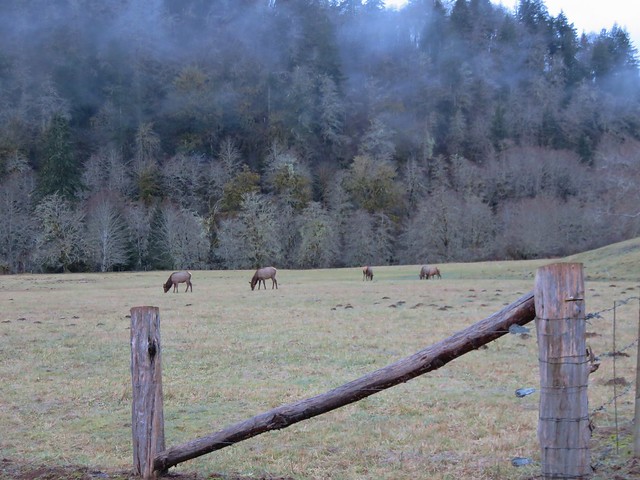
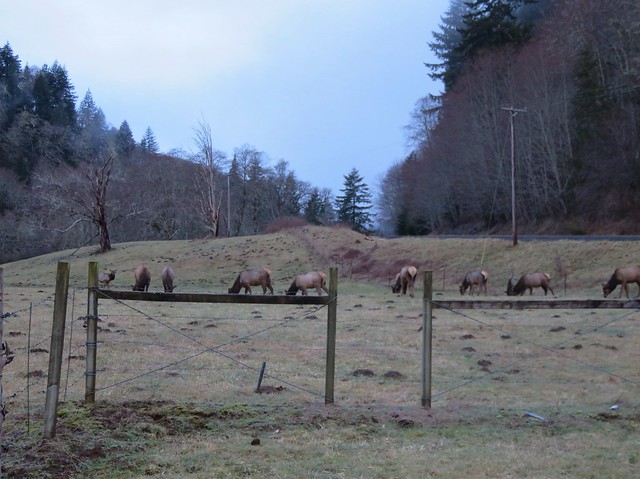
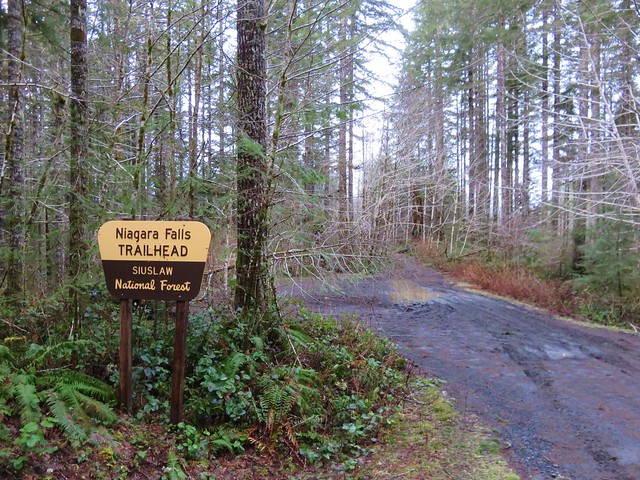
The Niagara Falls Trailhead is located east of Mt. Hebo in the Siuslaw National Forest. There was good signage along the route which took us  5 miles east of Blaine, OR on Upper Nestucca Road (Forest  Road 85) where we turned right onto Niagara Road (Forest Road 8533). A small herd of elk were grazing in the field at this turn.
IMG_8536

IMG_8538

We followed this gravel road for 4.3 miles. The road was in pretty good shape and had obviously been cleared recently. At the 4.3 mile mark we forked right following signs for the trail for another .7 miles to the trailhead.
IMG_8543

The mile long Niagara Falls Trail led downhill through a fern filled forest crossing a small creek three times on footbridges.
IMG_8545

IMG_8551

This small creek was flowing well enough to create its own decent, albeit hard to see little fall.
IMG_8553

As the trail leveled out along Pheasant Creek the first fall to come into view was Niagara Falls.
IMG_8556

IMG_8563

As the trail neared Niagara Falls an opening to the left revealed Pheasant Falls.
IMG_8576

A footbridge below Pheasant Falls brought us to a picnic table at the end of the Niagara Falls Trail.
IMG_8579

IMG_8582

IMG_8590

We returned the way we’d come. The 2 mile hike had been a nice warm up and now we were headed back to Highway 101 and then south to Neskowin.

We stared our second hike of the day at the Winema Road Beach Access which is located near the Wi-Ne-Ma Christian Camp. The beach access can be reached by driving .6 miles on Winema Road which is 4 miles north of Neskowin along Highway 101.
IMG_8604

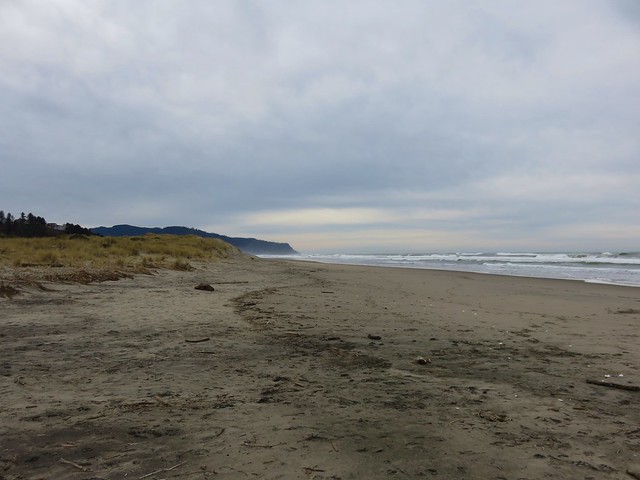
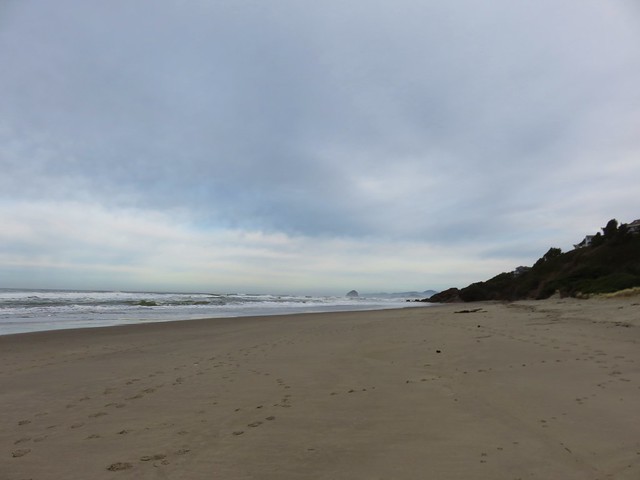
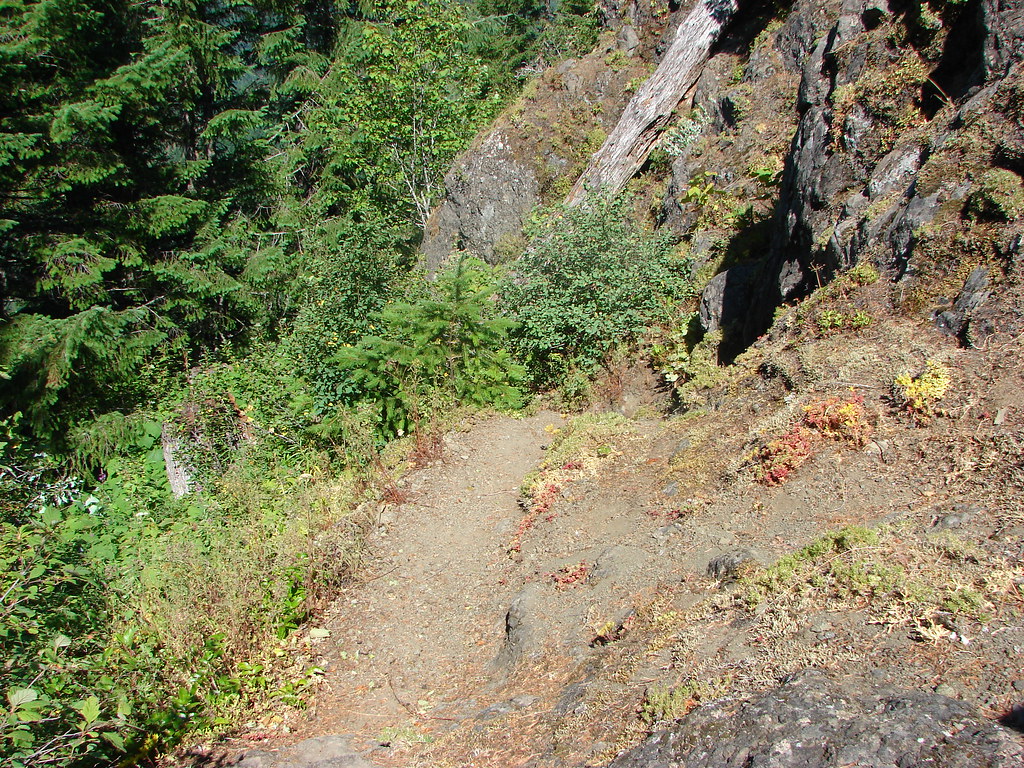
From the beach the view south extended to Cascade Head and to the north to Cape Lookout beyond Haystack Rock.
IMG_8614

IMG_8615

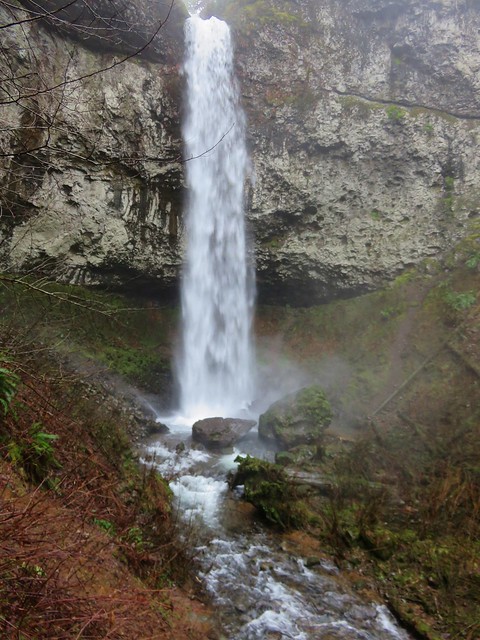
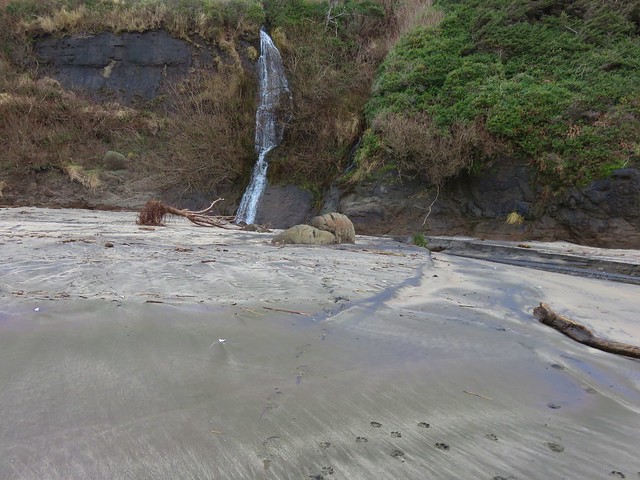
Our timing wasn’t great as it was a little before 10am when we started and high tide would be just after 12:30 so it was already coming in. This meant we would not be getting to a couple of places that would have been accessible at lower tide. We headed north first for .4 miles to some rocks jutting out onto the beach. Along the way we passed a small waterfall that we had not been expecting.
IMG_8618

IMG_8619

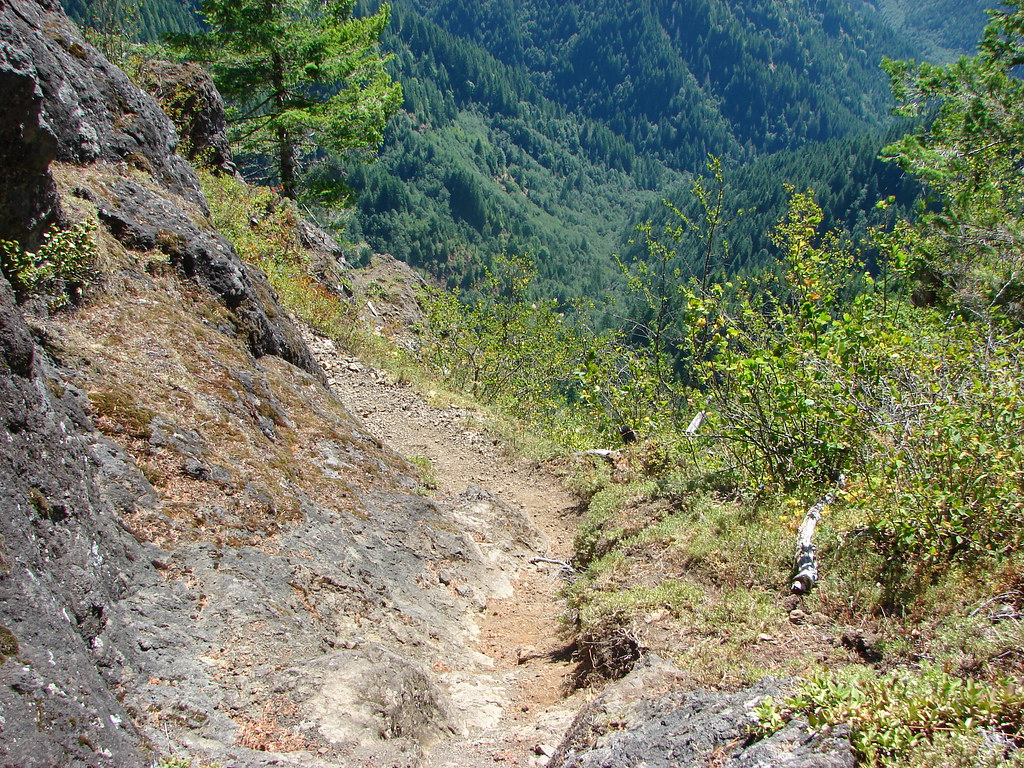
At low tide it is possible to continue .6 miles to the mouth of the Nestucca River across from Bob Straub State Park but the waves were already reaching the rocks and we knew if we continued we’d be stuck until the tide went back out so after playing around on the rocks for a minute we turned around and headed south.
IMG_8621

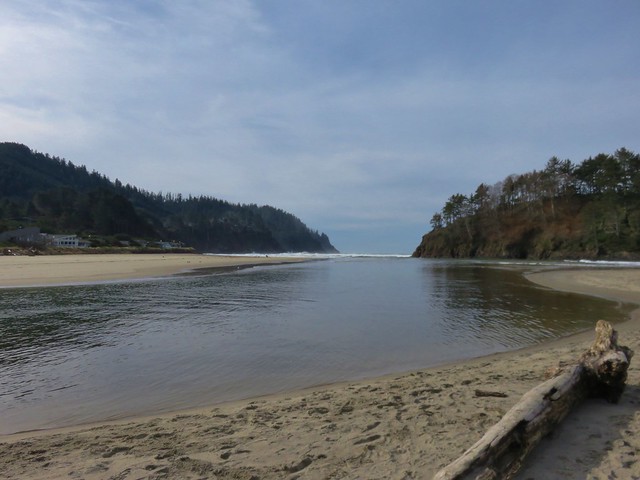
We hadn’t gone too far to the south when we reached the outlet creek of Daley Lake which wasn’t mentioned in our guidebook. The only way across was to ford the creek, but luckily it was only ankle deep and not too cold.
IMG_8627

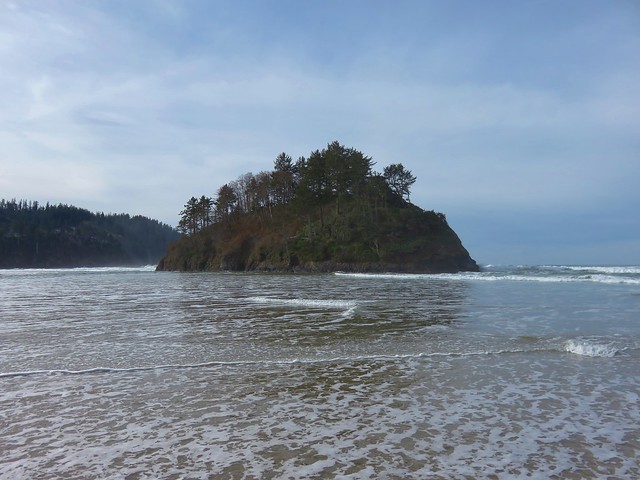
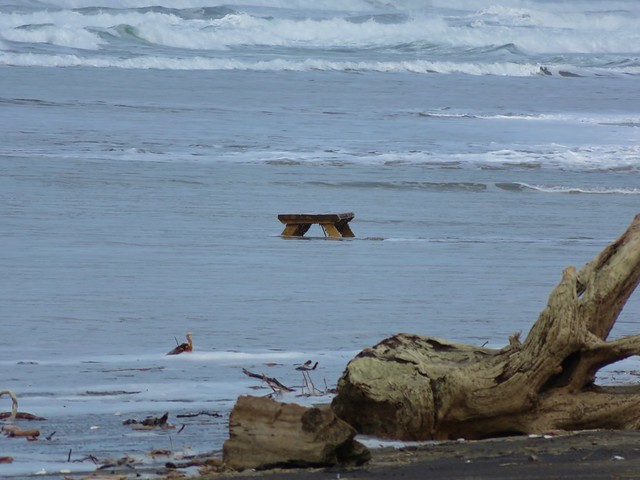
On the other side of creek was a picnic table that seemed really out of place. Heather noted that it appeared to be close enough that the ocean would reach it, although it wasn’t very close at that time. The rest of the sights were pretty typical of a beach walk. Driftwood, rocks, pieces of shells, seaweed, boats, sea birds, and lots of washed up garbage.
IMG_8628

IMG_8633

IMG_8624

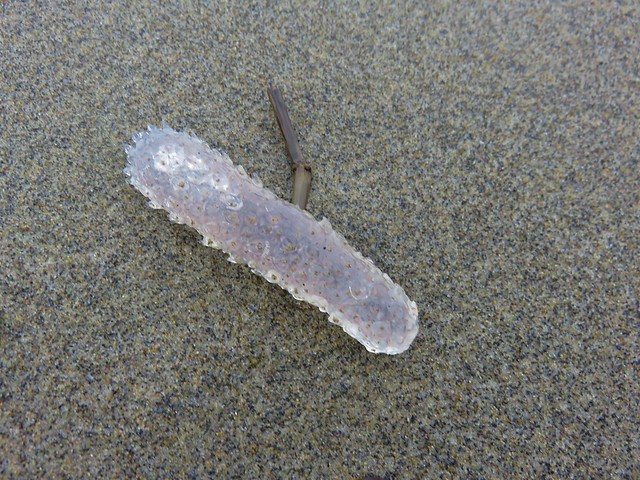
There was something we couldn’t recall seeing before though. Large numbers of pickle shaped jelly fish looking things of various sizes.
IMG_8622

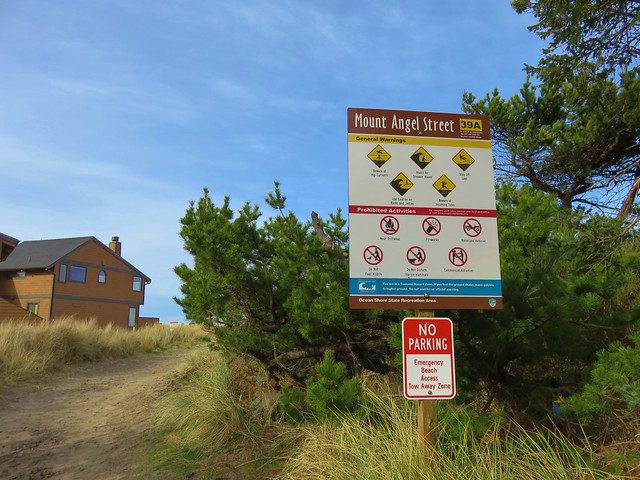
A little under 2.5 miles from the Winema Beach Access the beach became impassable due to the tide reaching the rock wall protecting the houses at Neskowin. Luckily the Mt. Angel St. access was located at the north end of the rock wall so we left the beach and walked inland to Breakers Blvd.
IMG_8634

We turned right on the paved street and walked for .7 miles to Carlton Ave. where we turned left toward the Proposal Rock Inn which was on the far side of Neskowin Creek. At the creek we turned right and followed it to Proposal Rock.
IMG_8638

IMG_8639

Our guidebook indicated it was possible to continue another .6 miles south to Cascade Head but the creek was far too swollen for us to ford it. Likewise we were unable to reach Proposal Rock due to it’s being surrounded by water.
IMG_8644

With the tide in we couldn’t walk back along the beach from there so we took the paved streets of Neskowin once again back to the Mt. Angle St. access. We then hiked back along the beach where we discovered that Heather had been right about the ocean reaching that odd picnic table.
IMG_8653

IMG_8654

IMG_8651

You just never know what you’re going to see along the Oregon Coast. Happy Trails!

Flickr: Niagara Falls & Neskowin

Categories
Coastal Range Hiking Oregon Salem/Albany Trip report Willamette Valley

Minto-Brown Island Park and the Banks-Vernonia State Trail

We didn’t have any hikes planned for awhile after our visit to Tamanawas Falls due to Heather having a half-marathon to run on April 10th. Her half-marathon wound up being an opportunity for a pair of short hikes on race weekend though.

On the day before the race we made the short trip to Salem’s Minto-Brown Island Park for a short walk to help make sure Heather stayed loose. We’ve spent quite a bit of time in the park, sometimes walking and other times passing through on runs. This was the first time I’d brought the camera along to get some photos though.

The area used to be islands in the Willamette River but flooding changed the course of the river so that the former islands are connected to the rest of Salem. At more than 1200 acres, the park contains 19 miles of trails, a playground, a 30 acre off-leash dog area, and fishing opportunities.

The paths are a mix of paved and soft surface trails making the park a popular place to run, walk, or bike. High water does close some of the trails at times but there is almost always a few that remain passable. Later this year a footbridge connecting this park to Salem’s Riverfront Park will make it possible to visit both of these parks as well as Wallace Marine Park without setting foot on a road.

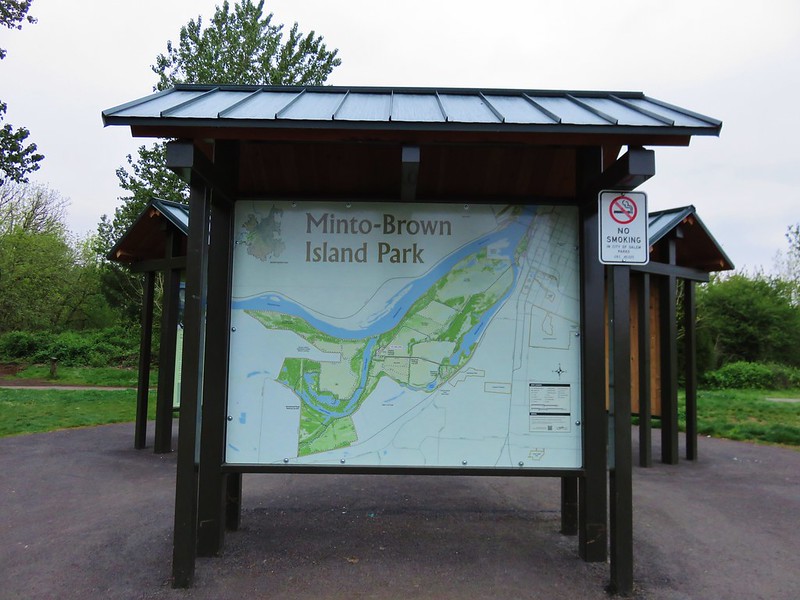
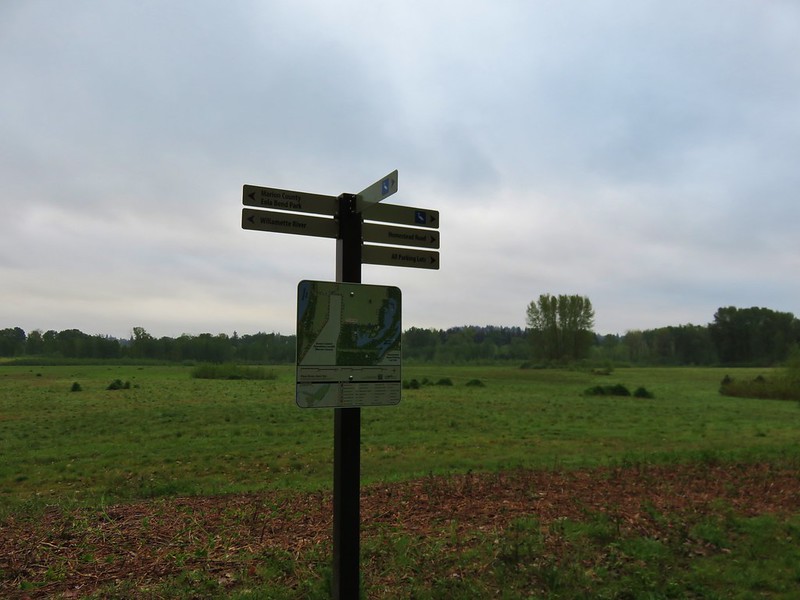
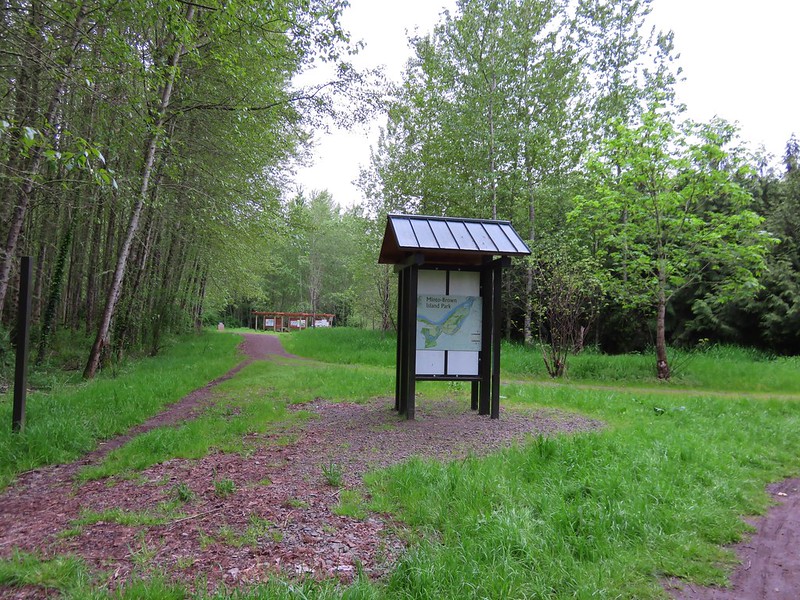
We parked at the Shelter Parking Lot at the end of Minto Island Road SW and set off toward the shelter following signs for the Blue Heron Loop. The park has plenty of signboard maps as well as trail pointers throughout.
Signboards at the parking lot near the gazeebo.

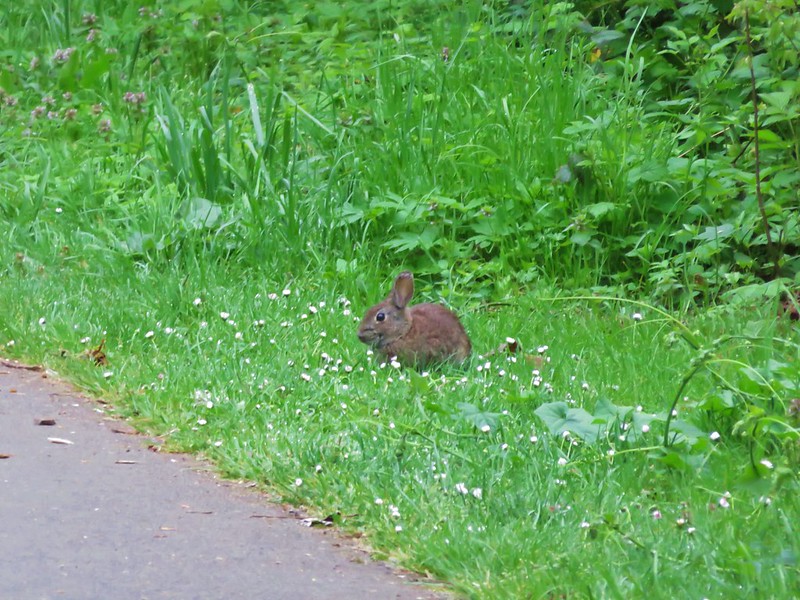
Rabbits are plentiful and often spotted in the strips of grass along the paths.
Lots of little rabbits in the park

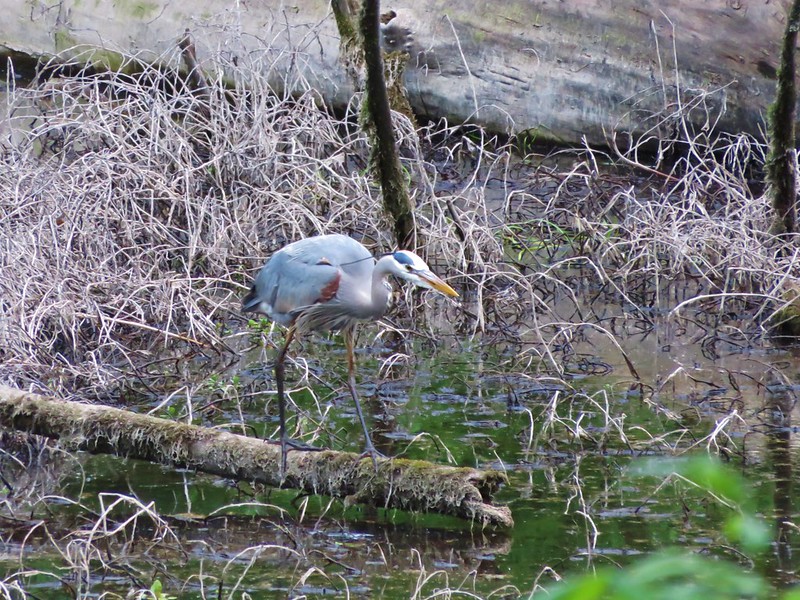
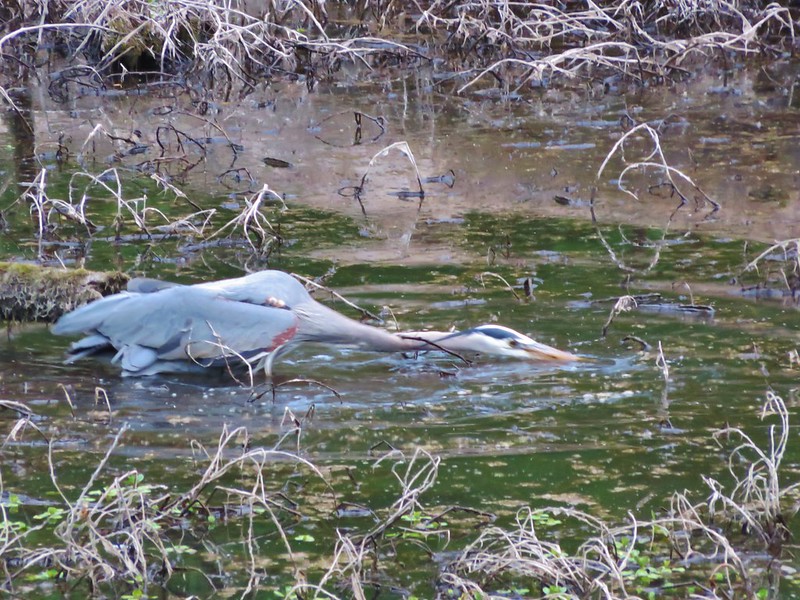
The Blue Heron Loop leads across a footbridge between a pair of sloughs where we spotted a Great Blue Heron searching for snacks.
Slough in Minto-Brown Island Park

Great Blue Heron

Great Blue Heron going after a treat

Shortly after crossing the bridge a sign for the Blue Heron Loop led us off the paved path and onto one of the parks soft surface trails.
Trail in Minto-Brown Island Park

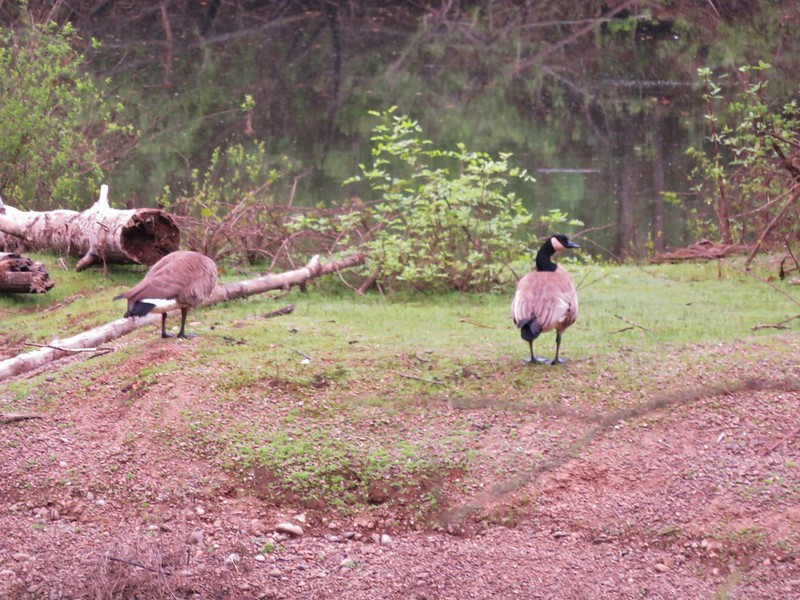
This portion of trail passed another slough on the right where we spotted Canadian Geese, a pair of wood ducks (not pictured due to fast swimming), and an Osprey sitting in its nest.
Canada Geese

Osprey in its nest

We left the wooded path and came to a trail sign at a junction near one of the many fields in the park.
Trail signs in Minto-Brown Island Park

We left the Blue Heron Loop here and headed for the Brown Island Landfill (the park has a little of everything it would seem). We skirted around it to pick up the Turtle Loop running along the north side of the landfill.
There are several connector trails running between the Turtle Loop trails making several different distances possible. We took one of these through the field to rejoin the Turtle Loop along the Willamette River. Here we found some recent beaver work.
Minto Brown Island Park

Recent beaver work

We followed the Turtle Loop back along the river to the shelter parking lot and our car. Even though the park is in Salem its size and the variety of trails makes it a nice spot to “get away” and you are almost certain to see some wildlife along the way.

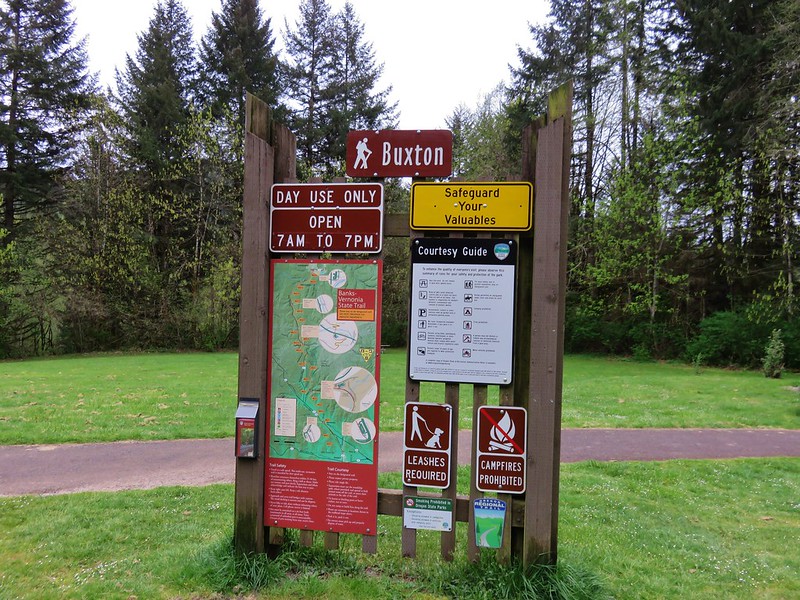
On race day we headed to the Banks Middle School in Banks, OR where Heather’s race would finish and she would catch a bus up to the starting line at L.L. Stub Stewart State Park. The race would follow the Banks-Vernonia State Trail which is a converted rail bed, Oregon’s first rail-to-trail. Heather hopped on a bus at 7am and I had a couple of hours to kill before the race would start at 9am. So I took the opportunity to hike a section of the trail. I had decided to be at the Buxton Trailhead, one of several possible traileheads to access the trail, which was near the 6 mile mark of the half-marathon.

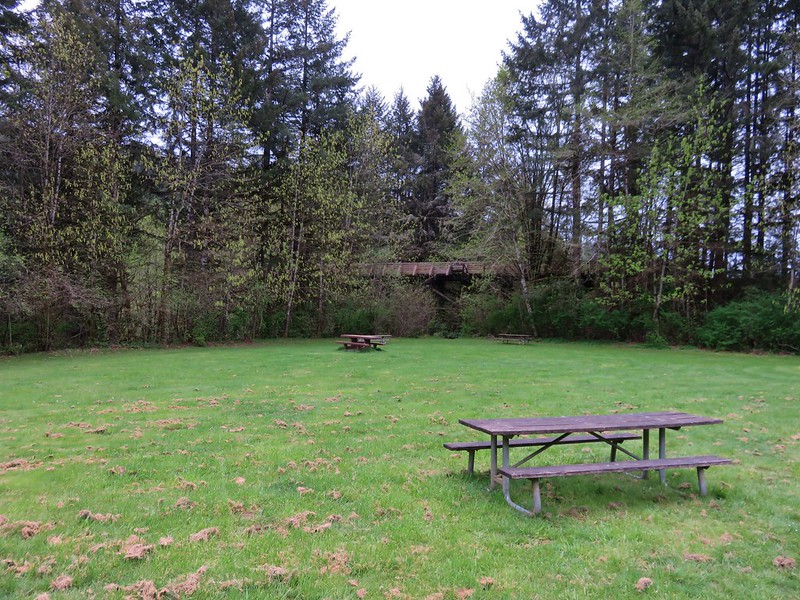
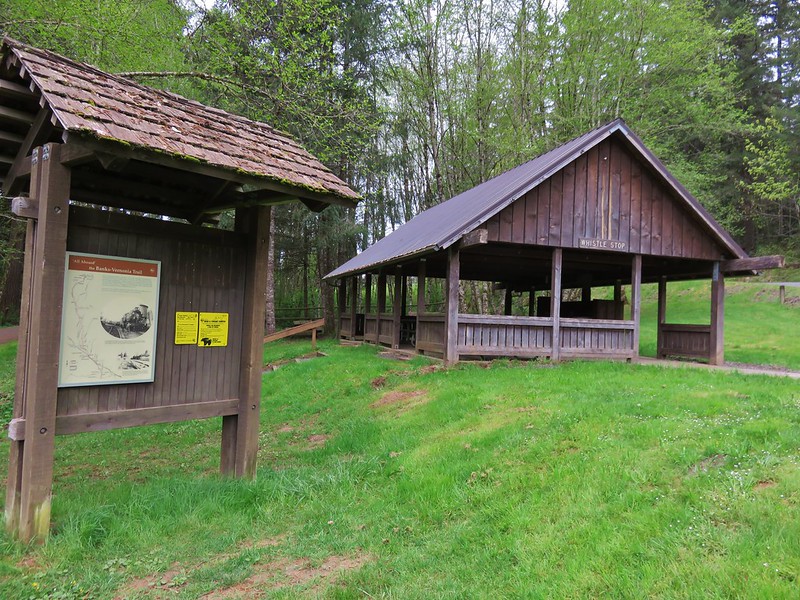
The trailhead had a large parking area with picnic tables, and a shelter.
Buxton Trailhead

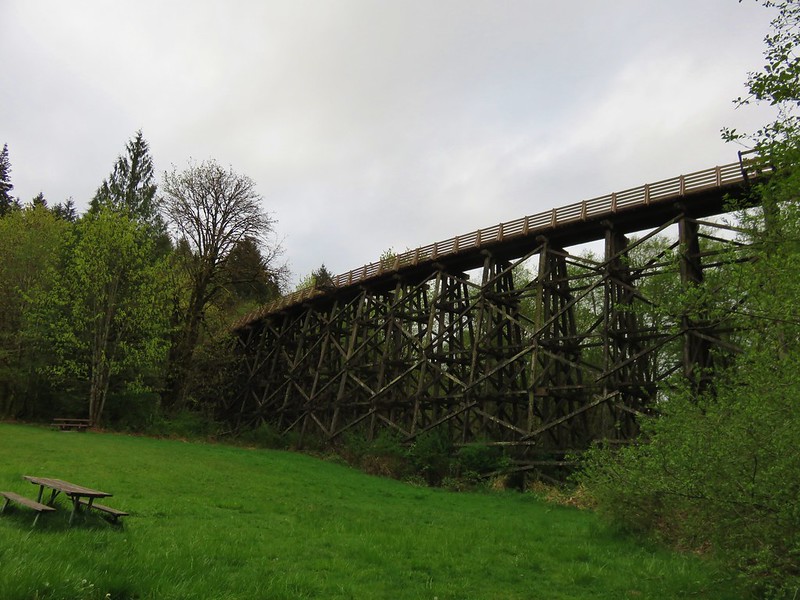
Buxton Tressel from the trailhead

Building and sign at the Buxton Trailhead

I had calculated that Heather would be passing by that spot a little before 10am so I had about 2 1/2 hours available to hike. I took a path to the left of the parking lot down to a creek crossing below the Buxton Trestle.
Footbridge over Mendenhall Creek

Mendenhall Creek

Buxton Trestle

The path then led uphill joining the Banks-Vernonia State Trail just beyond the trestle.
Trail heading up to the Buxton Trestle

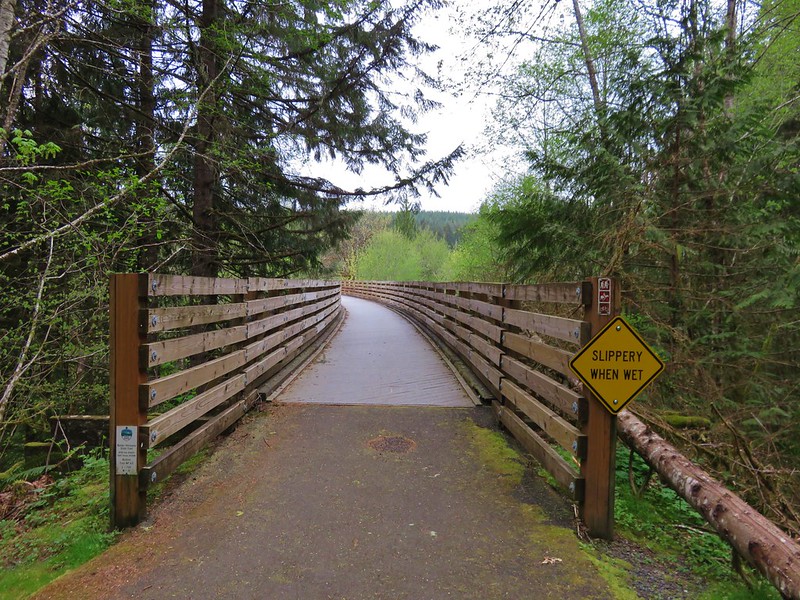
My plan was to head east toward the Banks end of the trail for an hour and then head back to the trestle to wait for Heather, but before I headed down the trail I wandered out onto the trestle.
Buxton Trestle
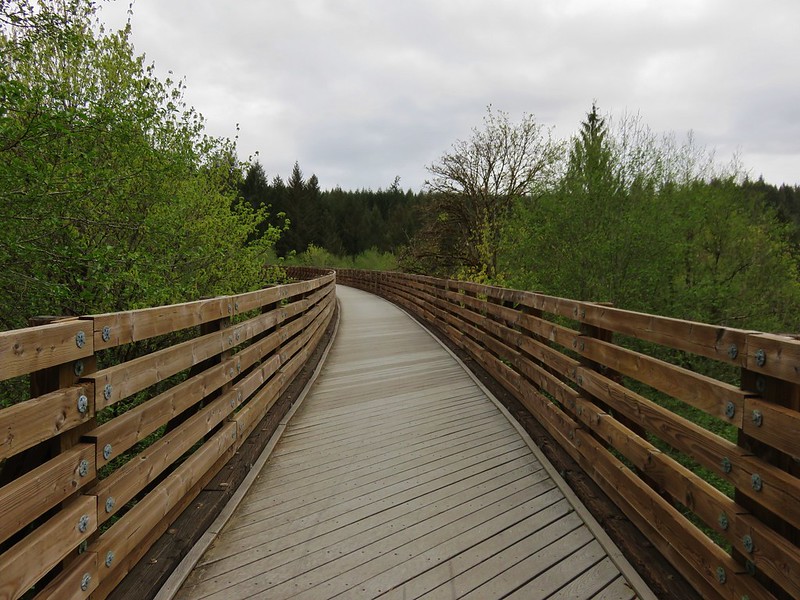
Buxton Trestle

View from the Buxton Trestle

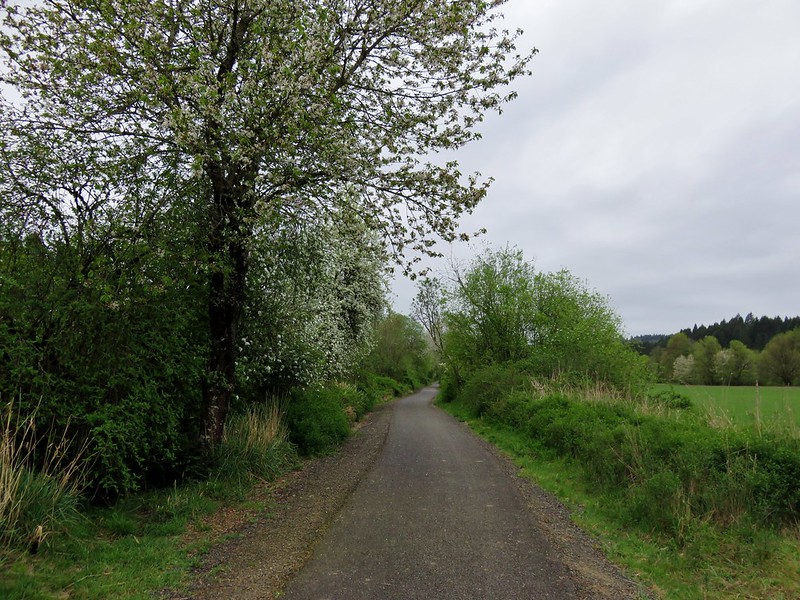
The entire 21 miles of the trail are paved which makes it popular with bicyclists, runners, walkers, and it also sees some equestrian traffic. It was still pretty early though so for the first 45 minutes I saw more wildlife than people.
Starling

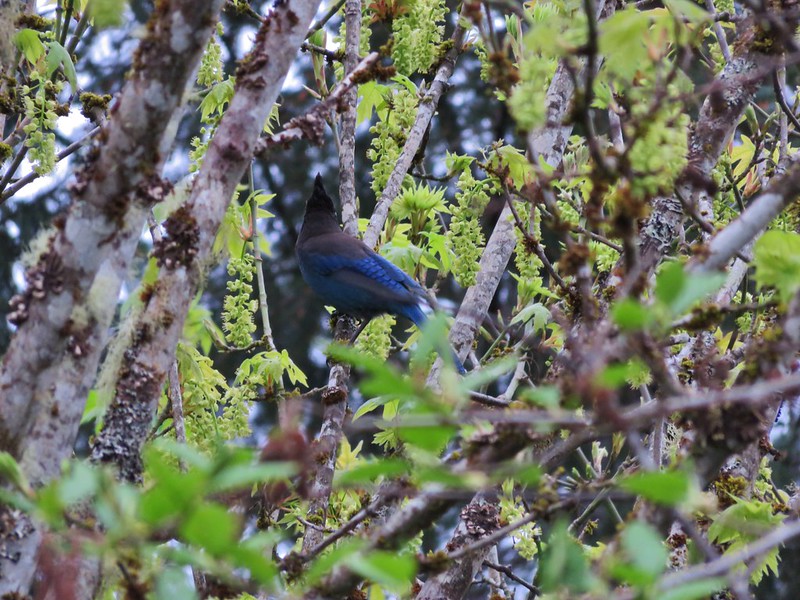
Stellars Jay

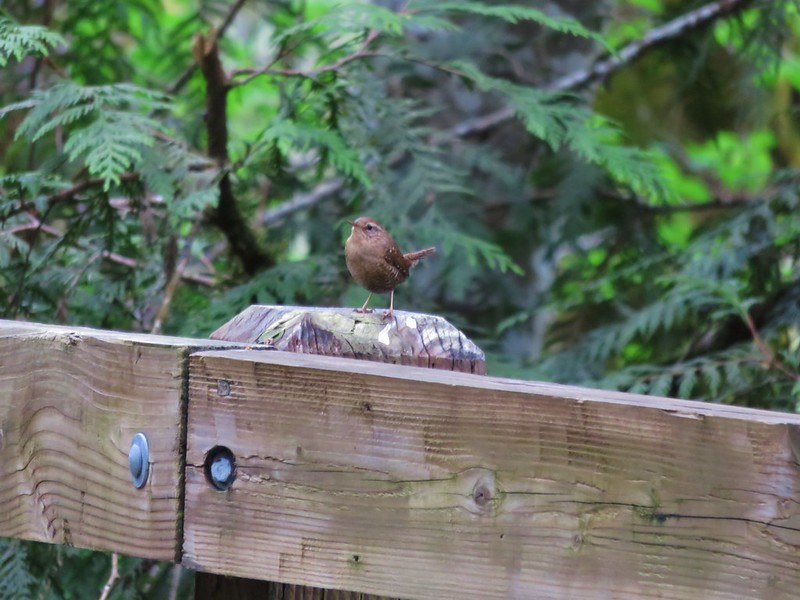
Wren

The highlight happened as I passed a draw to my left and noticed something moving up the hillside through the brush. It was a decent size but it had its head down making it hard to tell what I was seeing. When it finally raised its head I could see it was a coyote. It blended really well with the brush and wouldn’t stop moving making it extremely difficult to get a decent picture. I finally made a little noise to get its attention hoping it would pause long enough for a photo, but it was quicker than I was and darted off as soon as we made eye contact.
Coyote

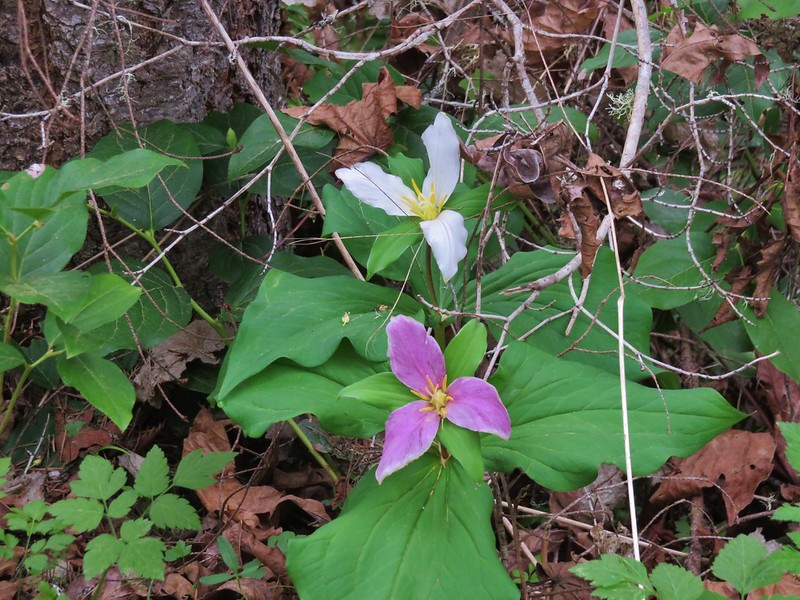
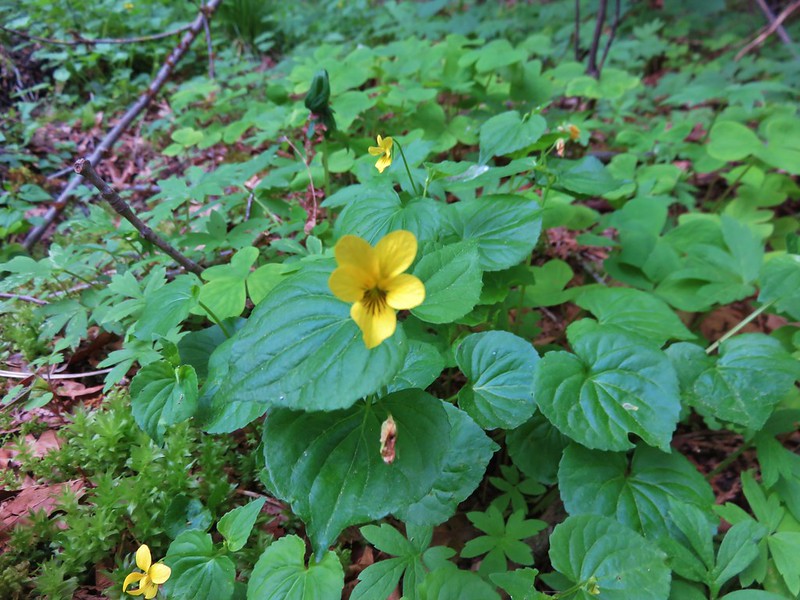
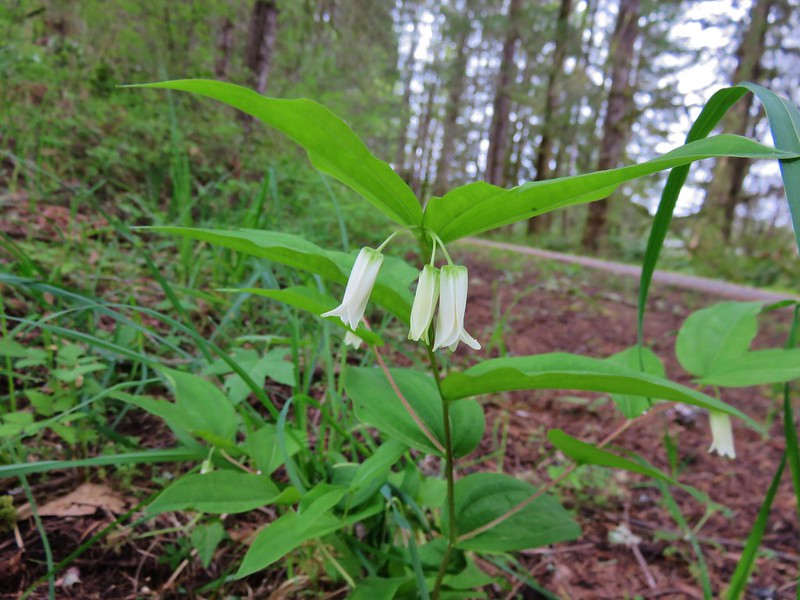
In addition to the wildlife there were plenty of Spring wildflowers along the trail. The forested hillside was dotted with trillium, bleeding heart, pioneer violets, and a few fairy bells.
Trilliuims

Bleeding heart

Violet

Fairybells

From the trestle the trail had gradually descended to a gravel road crossing where it left the trees and leveled out as it began to pass between pastures.
Banks-Vernonia State Trail

Birds were abundant, mostly sparrows, swallows, and robins but across one of the fields I spotted a bald eagle flying between trees.
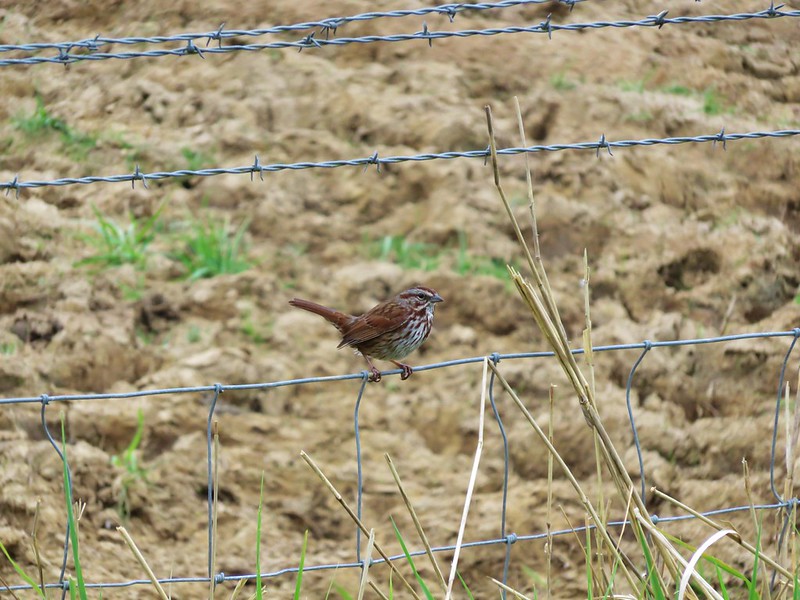
Sparrow

Sparrow

Bald Eagle

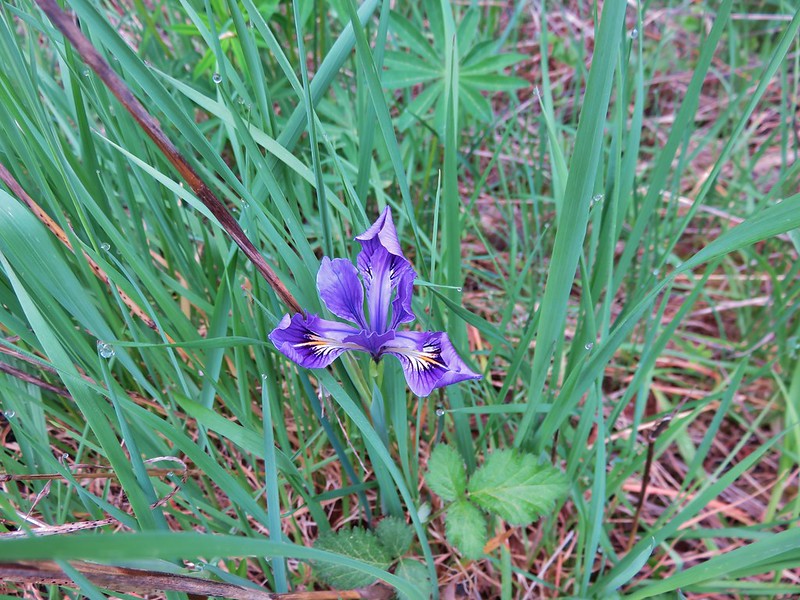
I also spotted a single tough leafed iris and a couple of camas blossoms.
Wild iris

Camas

By 8:30am the trail had become quite a bit busier, especially as I neared the Manning Trailhead which I reached just as it was time to turn around and head back.
Manning Trailhead

I had just crossed the Buxton Trestle when the first runners passed by on their way to Banks. These were the sub 6 minute milers so I figured I had about 15 to 20 minutes before Heather would be passing by. I grabbed a snack and waited along the trail for her to pass by which she did right on schedule.
IMG_4015

After cheering her on I hopped back in the car and headed for the finish line to meet her. Her goal for this racing season was to break 2hrs in a half-marathon which she managed to do finishing in 1:52:42. With the race completed and her goal accomplished our attention now turns to our hiking season which will last for the next 6+ months. Happy Trails!

Flickr: Minto-Brown- https://www.flickr.com/photos/9319235@N02/sets/72157666808908512

Banks-Vernonia – https://www.flickr.com/photos/9319235@N02/albums/72157666857451492

Categories
Central Coast Coastal Range Hiking Oregon Oregon Coast Trip report

Florence Area Trails

It’s been over a month since our last hike and I was beginning to go a bit stir crazy so when the forecast called for a mostly sunny Saturday we jumped on the chance and hit the trails.  We try and make sure our hikes are long enough so that we spend as much or more time hiking rather than driving.  On this day we did this by visiting several shorter trails near Florence, OR.

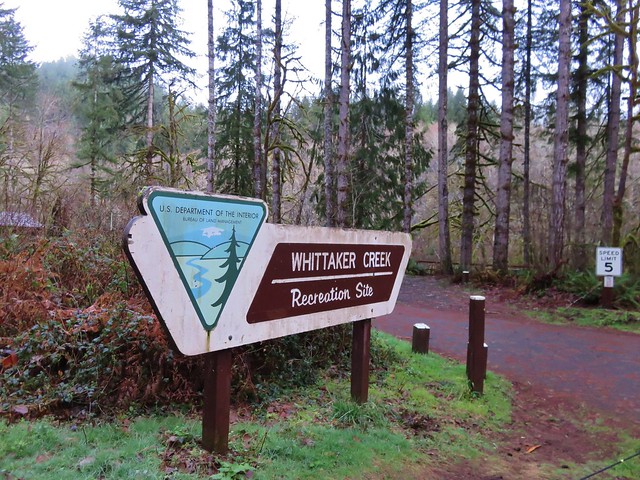
We started the day at the Whittaker Creek Recreation Site just off Highway 126.
Whititaker Creek Recreation Site sign

From there we walked through the campground and headed across Whittaker Creek on a footbridge.
Footbridge over Whittaker Creek

Whittaker Creek

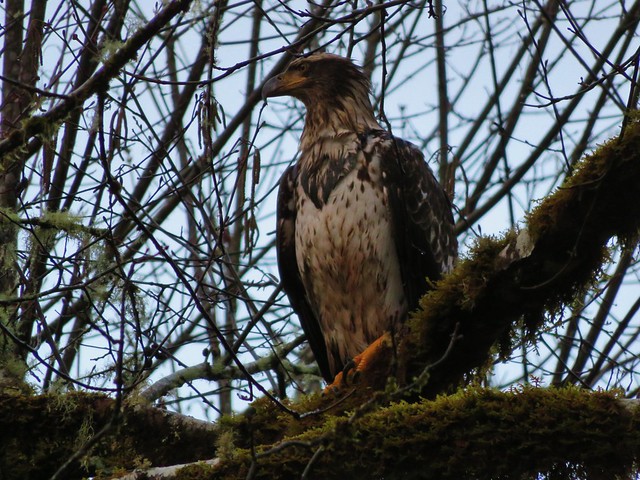
A young bald eagle had flown over our heads and landed in a tree along the creek and allowed us to get fairly close before taking flight again.
Bald Eagle flying over Whittaker Creek

Bald Eagle

Bald Eagle taking off

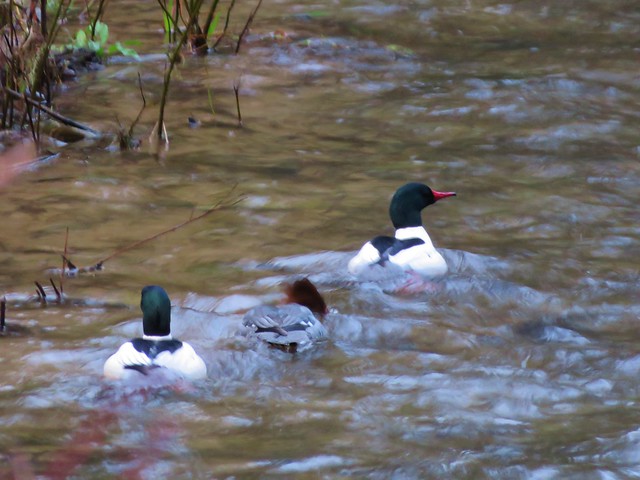
Meanwhile some common mergansers were floating the creek.
Mergansers

From the NW end of the campground we took the Old Growth Trail 1.2 miles up to the summit of the ridge. A mix of sunlight and morning fog created some interesting lighting in the forest.
Old Growth Ridge Trailhead sign

Old Growth Ridge Trail

Old Growth Ridge Trail

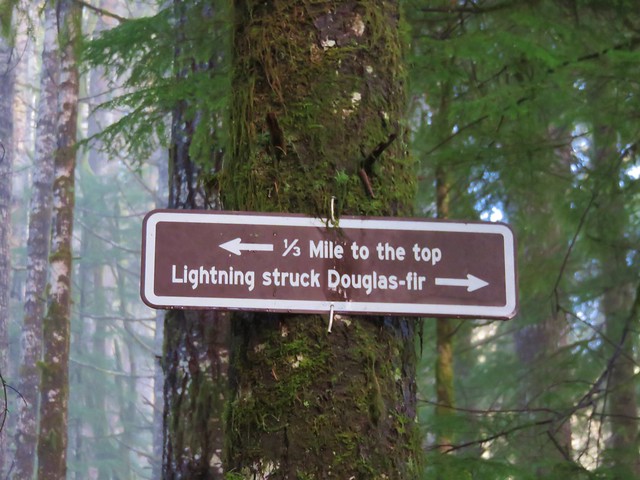
Along the way up we spotted a number of little snow queen flowers and stopped at a tall Douglas fir tree that had been struck by lighting at some point.
Snow Queen

Sign along the Old Growth Ridge Trail

Lightning struck Douglas fir

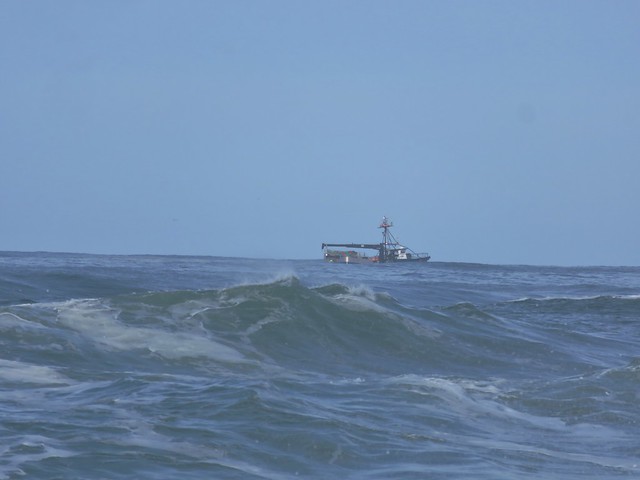
At the summit were benches and a sign giving the history of the trail. The low clouds and fog hid much of the view on this day.
Summit of the Old Growth Ridge Trail

Interpretive sign at the summit of the Old Growth Ridge Trail

View from the summit of the Old Growth Ridge Trail

On the way back down we turned on the signed Armantrout Loop Trail which led back to the campground in 1.5 miles.
Armantrout Loop Trail

There were a few spots of blowdown along this trail that were easily passed and numerous interpretive signs to stop and read.
Just a little blowdown along the Armantrout Loop Trail

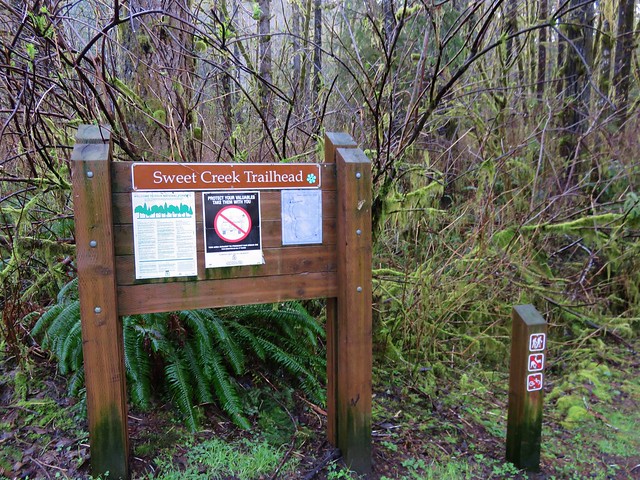
After returning to our car we continued west on Highway 126 to Mapleton and turned west on Sweet Creek Road for 10.2 miles to the Homestead Trailhead.
Swee Creek Trailhead

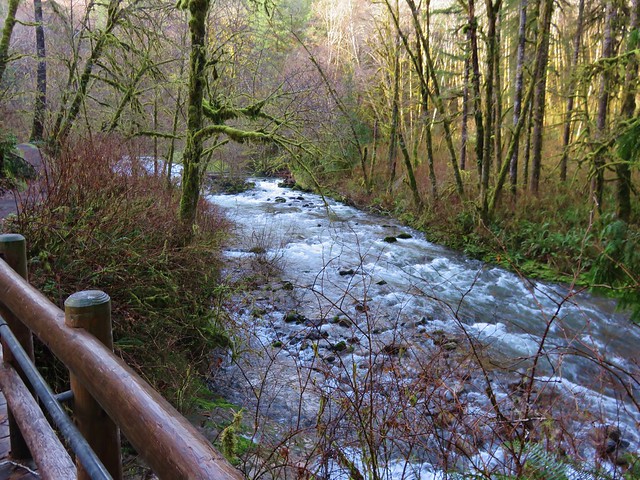
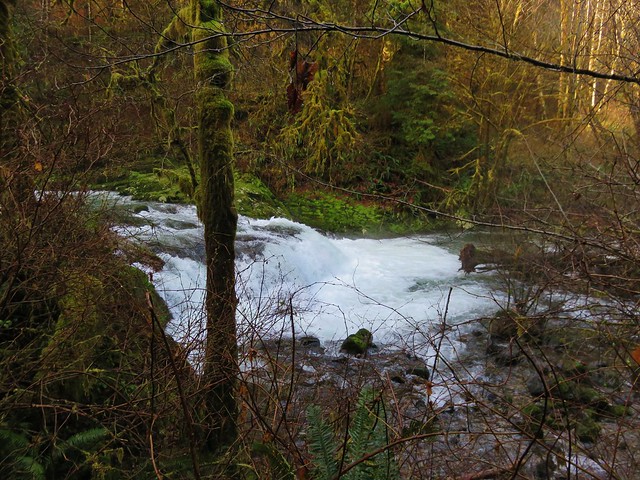
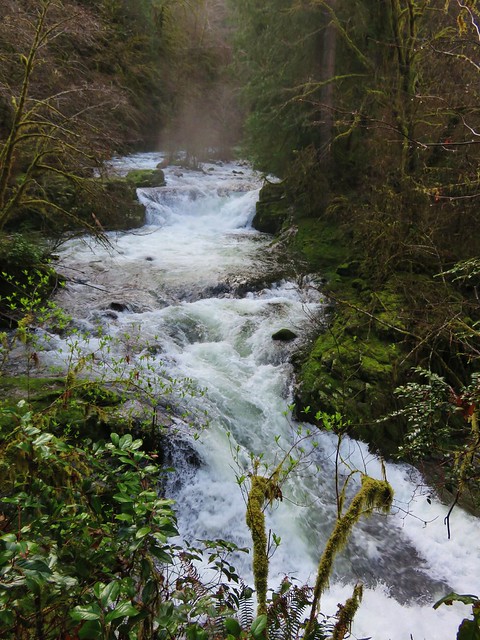
There are a total of four trailheads that access the Sweet Creek Trail with the Homestead Trailhead being the most northerly. From there we followed the Sweet Creek Trail south for .9 miles to a junction with the connector trail from the second trailhead. Both the creek and surrounding forest were beautiful. A series of small falls and cascades line this section of Sweet Creek and on this day there was plenty of water flowing over them.
Sweet Creek

Small fall on Sweet Creek

Sweet Creek

Sweet Creek

Sweet Creek Trail

Sweet Creek Trail
Annice Falls
Sweet Creek and Annice Falls

Sweet Creek

Small cascade along Sweet Creek

Unnamed waterfall (possibly seasonal) on the far side of Sweet Creek

Unnamed waterfall (possibly seasonal) on the far side of Sweet Creek

Elk Wallow Falls
Elk Wallow Falls

Trail sign along the Sweet Creek Trail

From the junction another scenic half mile of the Sweet Creek Trail brought us to Sweet Creek Falls and the end of the trail.
Sweet Creek Falls

Sweet Creek Falls

A short trail leads up to an upper viewpoint.
Sweet Creek Falls from the upper viewpoint

It is possible during lower flow times to cross the creek below the falls and pick up the continuation of the Sweet Creek Tail on the far side, but that wasn’t going to happen given the volume of water that was currently flowing over the falls. After returning to the Homestead Trailhead we drove to the Wagon Road Trailhead 1.3 miles further south along Sweet Creek Road.
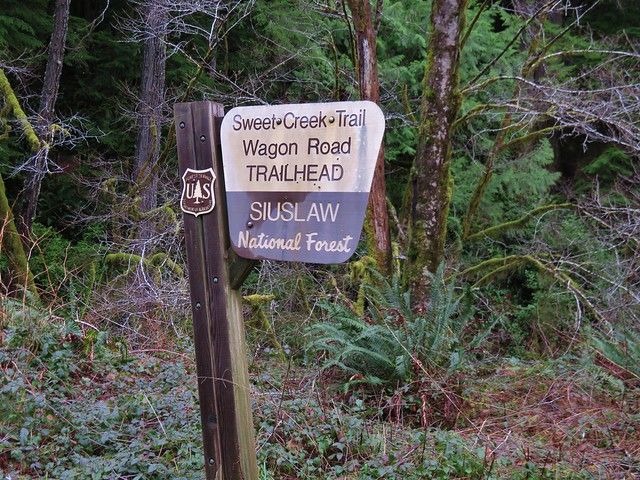
Wagon Road Trailhead for the Sweet Creek Trail

The Sweet Creek Trail heads away from the road in both directions from this trailhead. We began with the segment on the west side of Sweet Creek Road which would lead bus back down to Sweet Creek Falls on the opposite side of the creek.
Sweet Creek Trail

Sweet Creek Falls

Sweet Creek Falls

Sweet Creek Falls

Near the bottom of this trail were a number of skunk cabbage flowers.
Skunk cabbage

After visiting the base of Sweet Creek Falls we returned to the Wagon Road Trailhead and took the .6 mile segment of the Sweet Creek Trail to Beaver Creek Falls.
Sweet Creek Trail

Beaver Creek Falls

Beaver Creek Falls

We left the Wagon Road Trailhead and headed back to Highway 126 and headed toward Florence. We made a quick stop at Florence Yamaha to pick up a Northwest Forest Pass which we needed for our final hike at the Holman Vista Day Use Area just north of Florence.
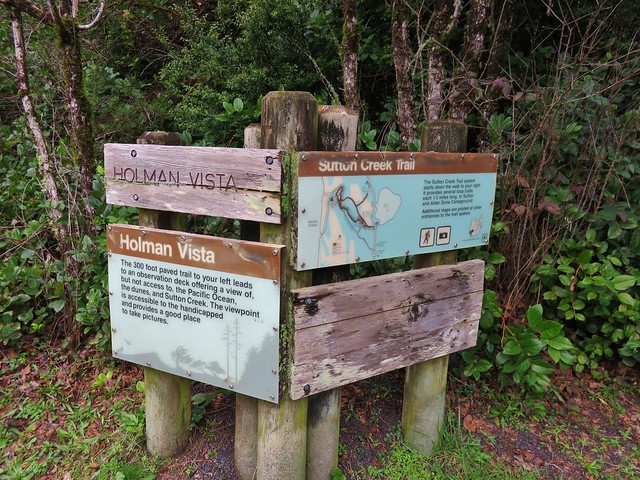
Sutton Creek Trailhead

We started this hike by taking a short paved path to an overlook of Sutton Creek and a glimpse of the Pacific Ocean.
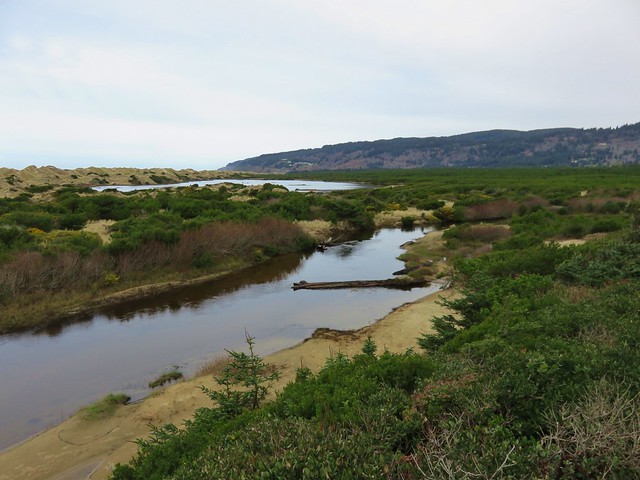
Sutton Creek

Sutton Creek and the Pacific Ocean

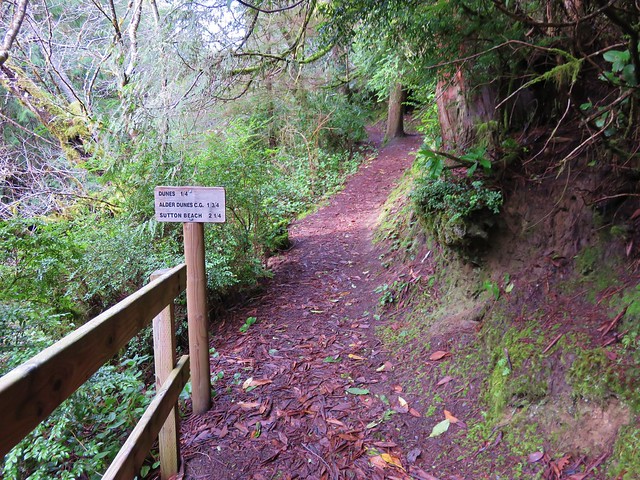
Next we set off on the Sutton Creek Loop Trail which led along Sutton Creek through a coastal forest .8 miles to a trail junction near Bolduc’s Meadow.
Sutton Creek Trail

Sutton Creek Trail

Crazy tree along the Sutton Creek Loop Trail.
Crazy tree along the Sutton Creek Trail

Sutton Creek

Sutton Creek

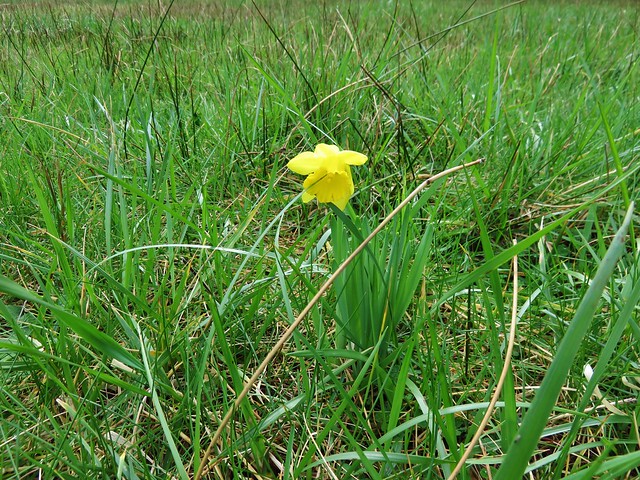
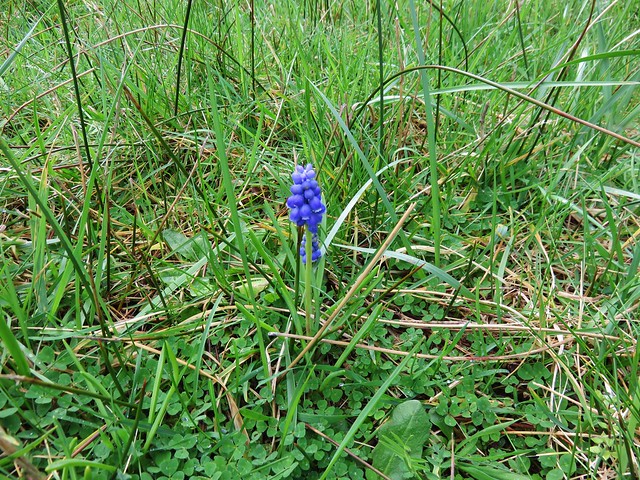
We kept straight at the junction passing Bolduc’s meadow where we spotted a lone daffodil and a single grape hyacinth.
Bolduc's Meadow

Daffodil in Boluduc's Meadow

Grape Hyacinths

We were now on the South Sutton Creek Trail which continued to follow the creek for 1.5 miles of short ups and downs. This trail brought us to the Sutton Campground where we picked up the continuation of the trail at a footbridge near site B16.
Footbridge across Sutton Creek

After crossing the footbridge we had the option to go left or right on the North Sutton Creek Trail. The left hand trail led a quarter mile to a dune while the right and would have brought us to the same dune on a .6 mile loop.
Sutton Creek Trail

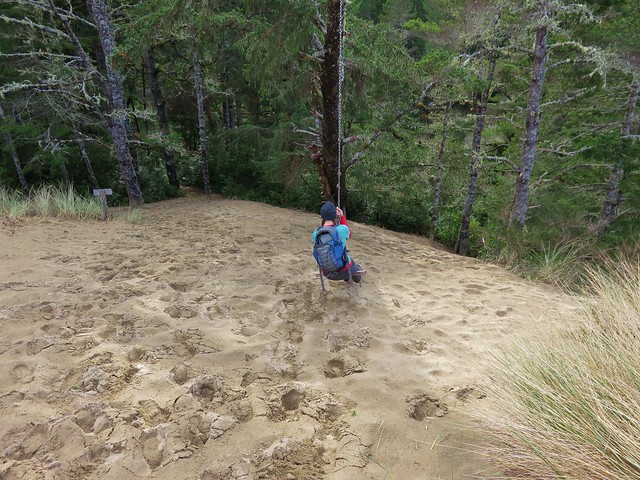
At the dune we found a swing which Heather made use of.
Sutton Creek Trail

Dune along the Sutton Creek Trail

Swing break along the Sutton Creek Trail

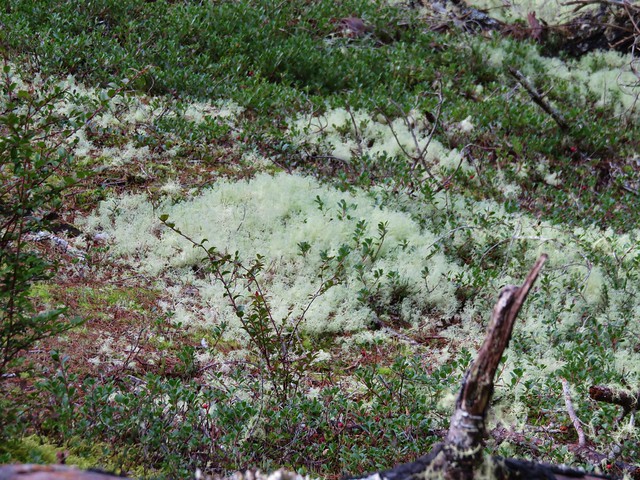
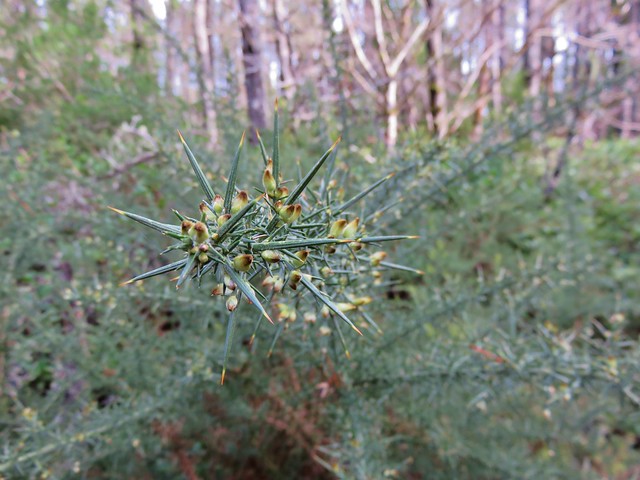
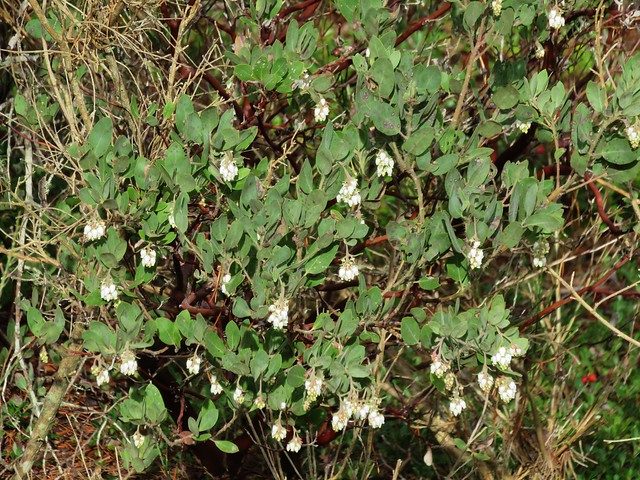
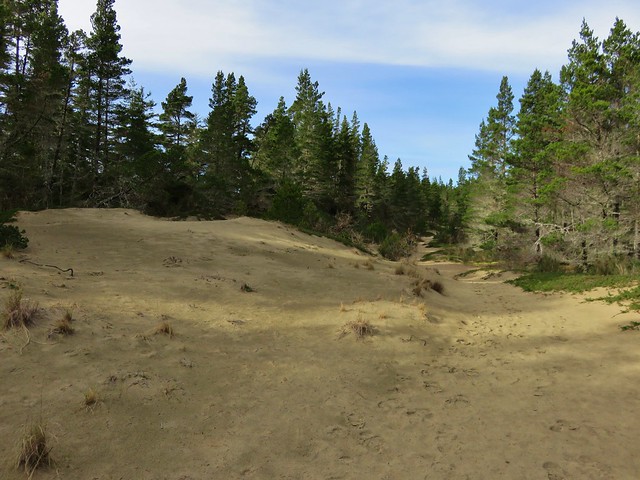
From the swing we followed the North Sutton Creek Trail for 1.3 miles back to the trail junction near Bolduc’s Meadow. This section of trail passed dunes with a less dense forest. Common gorse and manzanita was beginning to bloom along the trail and some areas were covered in a light green moss that reminded us of snow.
Sutton Creek Trail

Moss

Common Gorse
common gorse

common gorse//embedr.flickr.com/assets/client-code.js

Common manzanita
Common manzanita

Sutton Creek Trail

Bearberry
Bearberry

Dunes along the Sutton Creek Trail

Footbridge across Sutton Creek to the trail junction near Buldoc’s Meadow
Fottbridge over Sutton Creek near Buldoc's Meadow

After crossing the footbridge we turned right and then quickly turned left on an unsigned trail which led us .5 miles back to the parking lot at the Holman Vista Day Use Area.

We had a great time on these trails and it was nice that they were all very different from one another. We wound up doing a little over 13 miles of hiking but each of these trails are worthy of doing on their own. The Old Growth Ridge/Armantrout Loop hike was approximately 3.5 miles with about 800′ of elevation gain. Our first hike along Sweet Creek from the Homestead Trailhead was a little under 2.5 miles with 350′ of elevation gain while the segments from the Wagon Road Trailhead totaled just under 3 miles and 300′ of elevation gain. The hike on the Sutton Creek Trails was 4.5 miles with only about 100′ of total elevation gain. Happy Trails!

flicker: https://www.flickr.com/photos/9319235@N02/albums/72157662585681453

Categories
Coastal Range Hiking Oregon Trip report

Mt. Hebo and Munson Falls

Mt. Hebo was another hike on our list of do-overs. Our previous visit had been on May 30, 2011 which normally would be a good time for a visit to the meadows that dot the top of the mountain. 2011 was not a normal year though and our visit that day turned out to be a cold and foggy trek past patches of lingering snow to a view-less summit. We decided this was the year for the re-hike and we were even able to do it on the same day as before May 30, 2015. This time we threw in a second short stop at Munson Falls State Park to check out 266′ Munson Falls. Both of these hikes are located near Tillamook, OR.

We started the morning at Hebo Lake Camp Ground at the Pioneer Indian Trail trailhead. When we arrived we were having a bit of deja-vu as fog filled the forest much like our first visit. We knew there would be no snow this year, but would we get any views. The trail starts near the far end of the lake and heads into the forest.
IMG_2347

IMG_2348

Not too far along the trail we came to an unsigned junction that neither of us recalled from our first visit. It wasn’t marked on the map in our field guide either and we at first turned left which is incorrect. Luckily Heather spotted a “Trail ->” sign pointing back the way we’d come which caused me to double check with our GPS (which I should have done at the junction anyway) and we realized we needed to go back and take the right had fork.
Unsigned jct.
IMG_2356

As we continued along the sun began to burn through the clouds which was a welcome sight.
IMG_2357

IMG_2365

The trail passes several interpretive signs before reaching a plantation of trees which had been planted by the forest service in the early 1900s. The contrast between the two sections of forest is really interesting.
Forest before the plantation.
IMG_2369

Some of the plantation trees.
IMG_2375

The trail crosses a gravel road then at the 2.9 mile mark after a good climb crosses paved road 14. I had taken a photo at this crossing on our first visit allowing for a good comparison of just how different things were this time around.
2011
029

2015
IMG_2384

After crossing the road the trail follows an old road bed which is where we had encountered the first of the snow in 2011. This time around we encountered flowers instead.
2011
032

2015
IMG_2403

IMG_2393

IMG_2398

IMG_2401

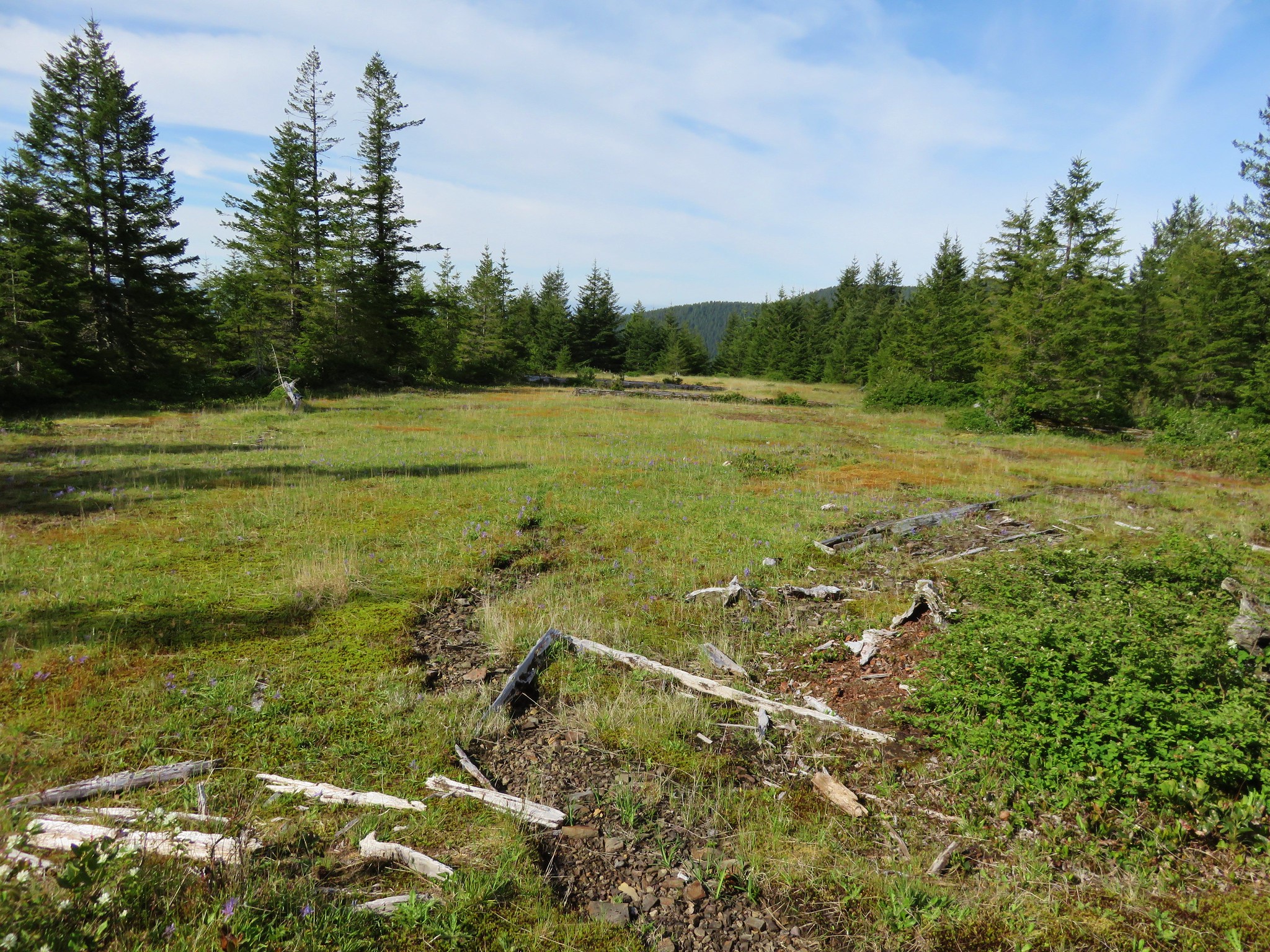
Just over a mile from the road 14 crossing the trail enters the first meadow. Here again we found a vastly different scene than on our previous visit.
2011
035

2015
IMG_2408

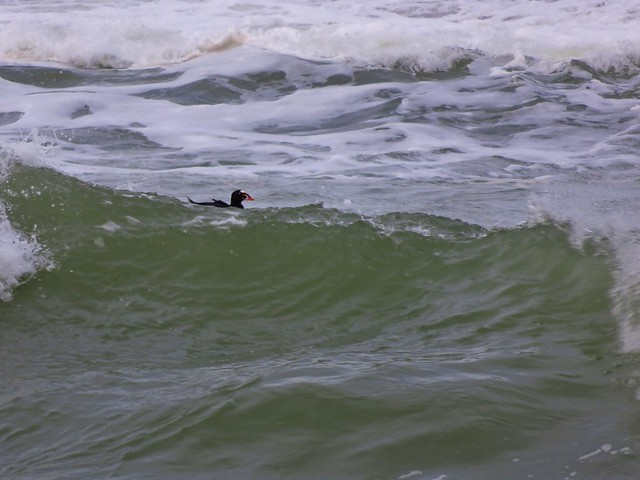
There was a wide variety of flowers dotting the meadow and the view was much improved. We still could not see the ocean or any of the cascade peaks but much of the coast range was visible above the clouds.
Paintbrush
IMG_2409

Violet
IMG_2415

Columbine
IMG_2418

Wild Iris
IMG_2427

Lupine
IMG_2458

IMG_2428

IMG_2435

IMG_2442

The trail passes through the first meadow then a short section with some trees before emerging in a much larger meadow.
IMG_2448

IMG_2454

IMG_2456

We had turned around in this meadow after being blasted by a cold wet wind in 2011 but on this beautiful day we continued on recrossing road 14 and reentering the forest.
IMG_2461

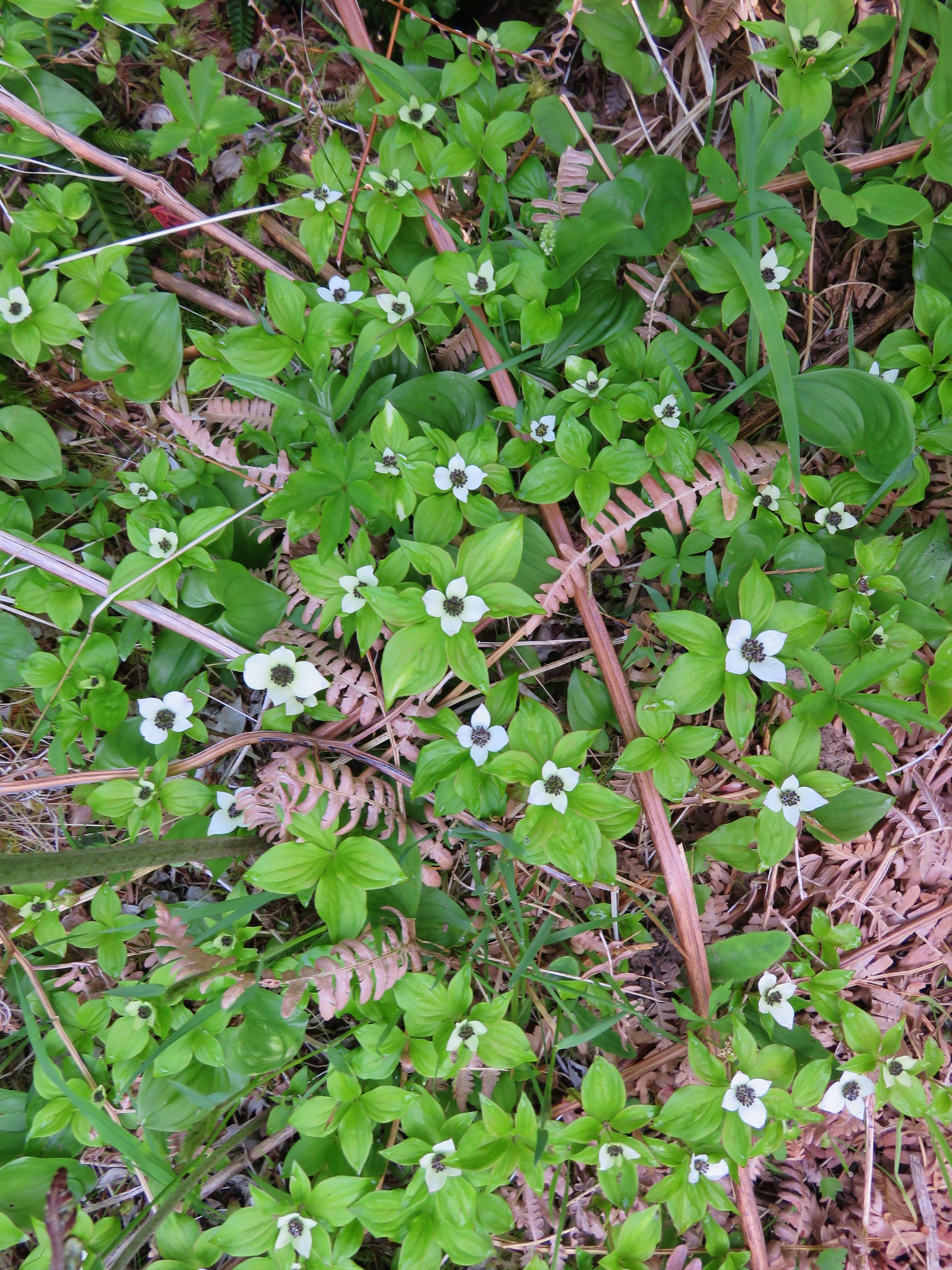
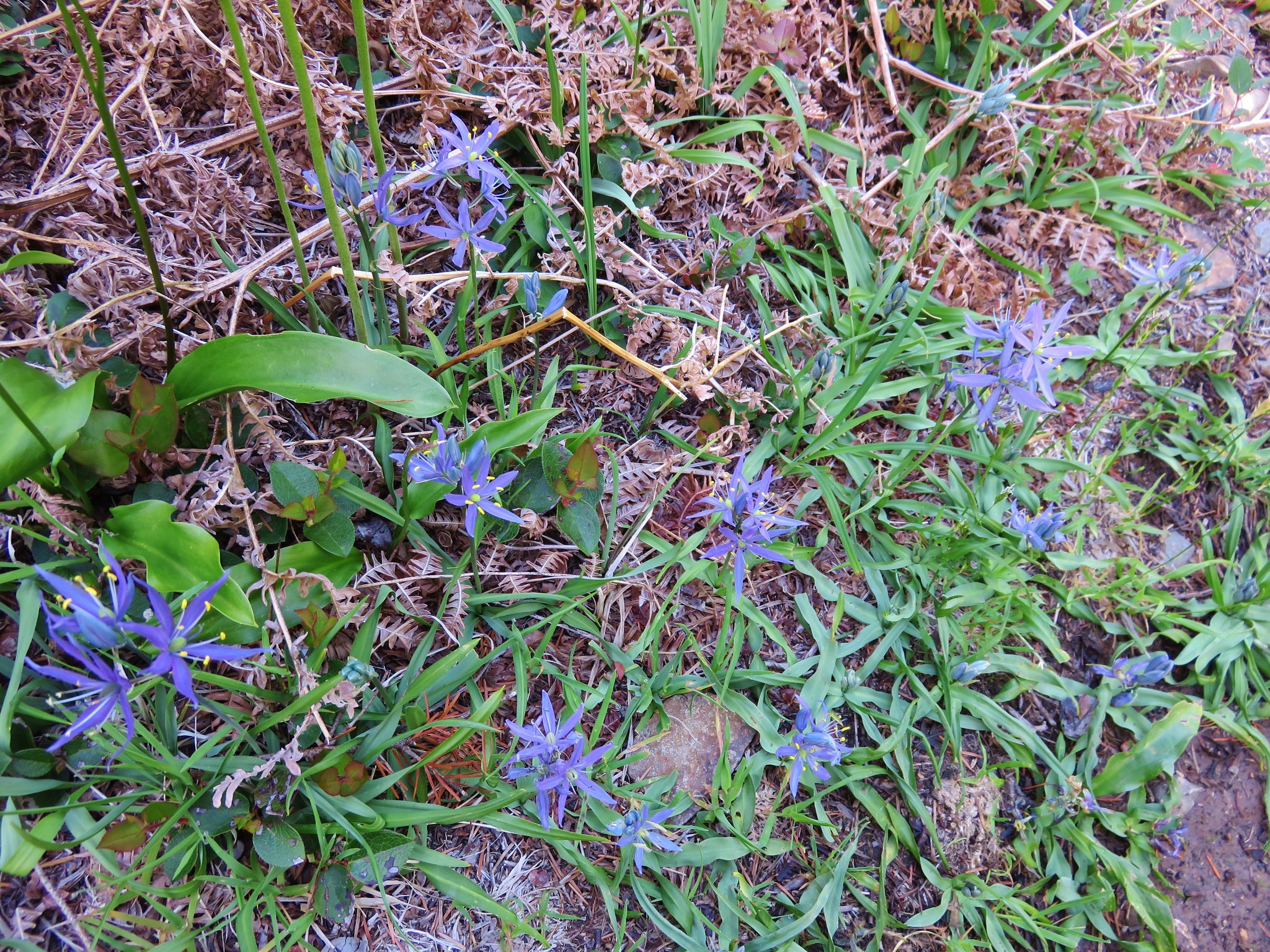
There were new flowers to discover on this section of the trail including bunchberry, anenome, and camas which we were really surprised to see.
IMG_2459

IMG_2460

IMG_2462

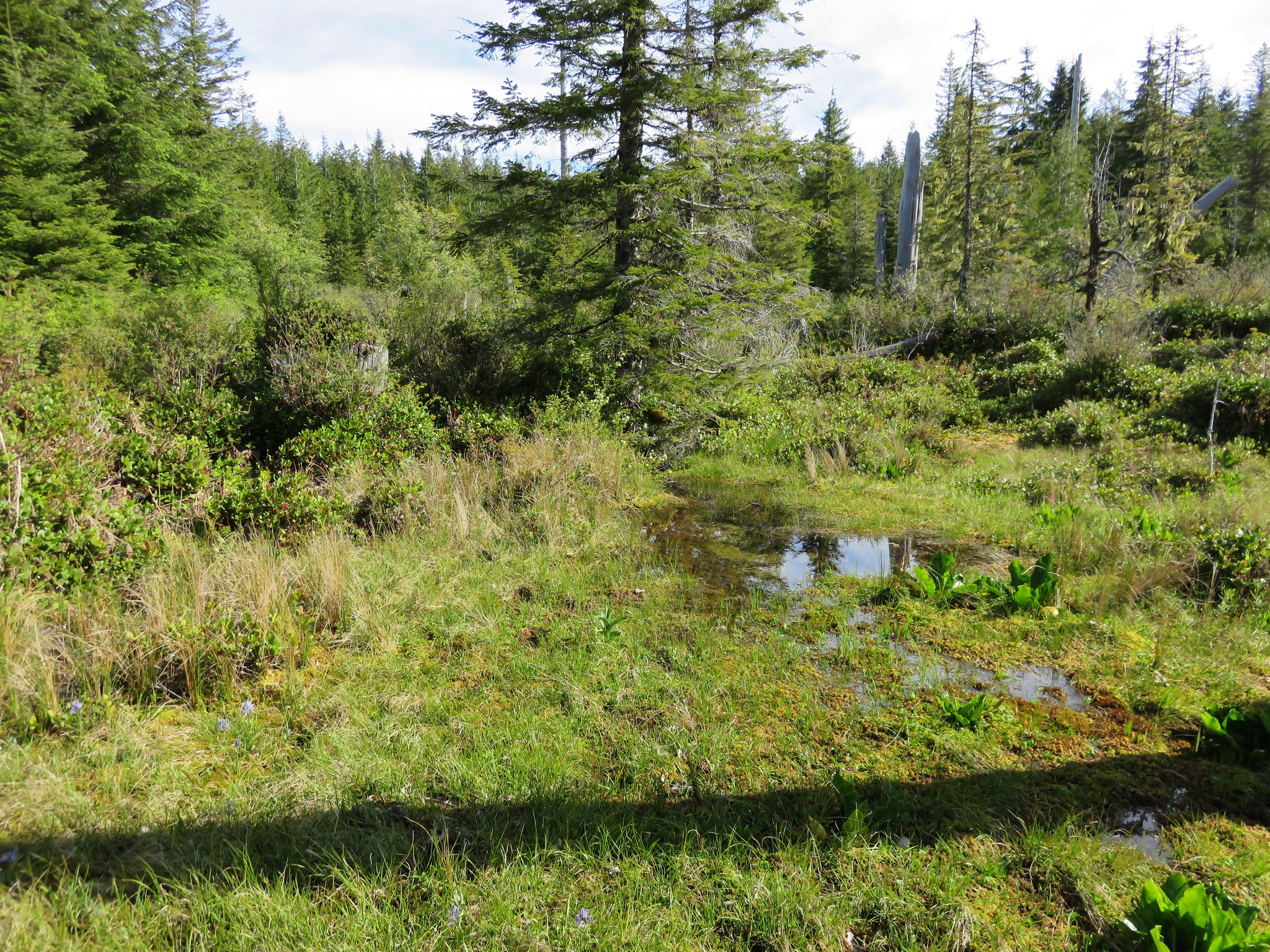
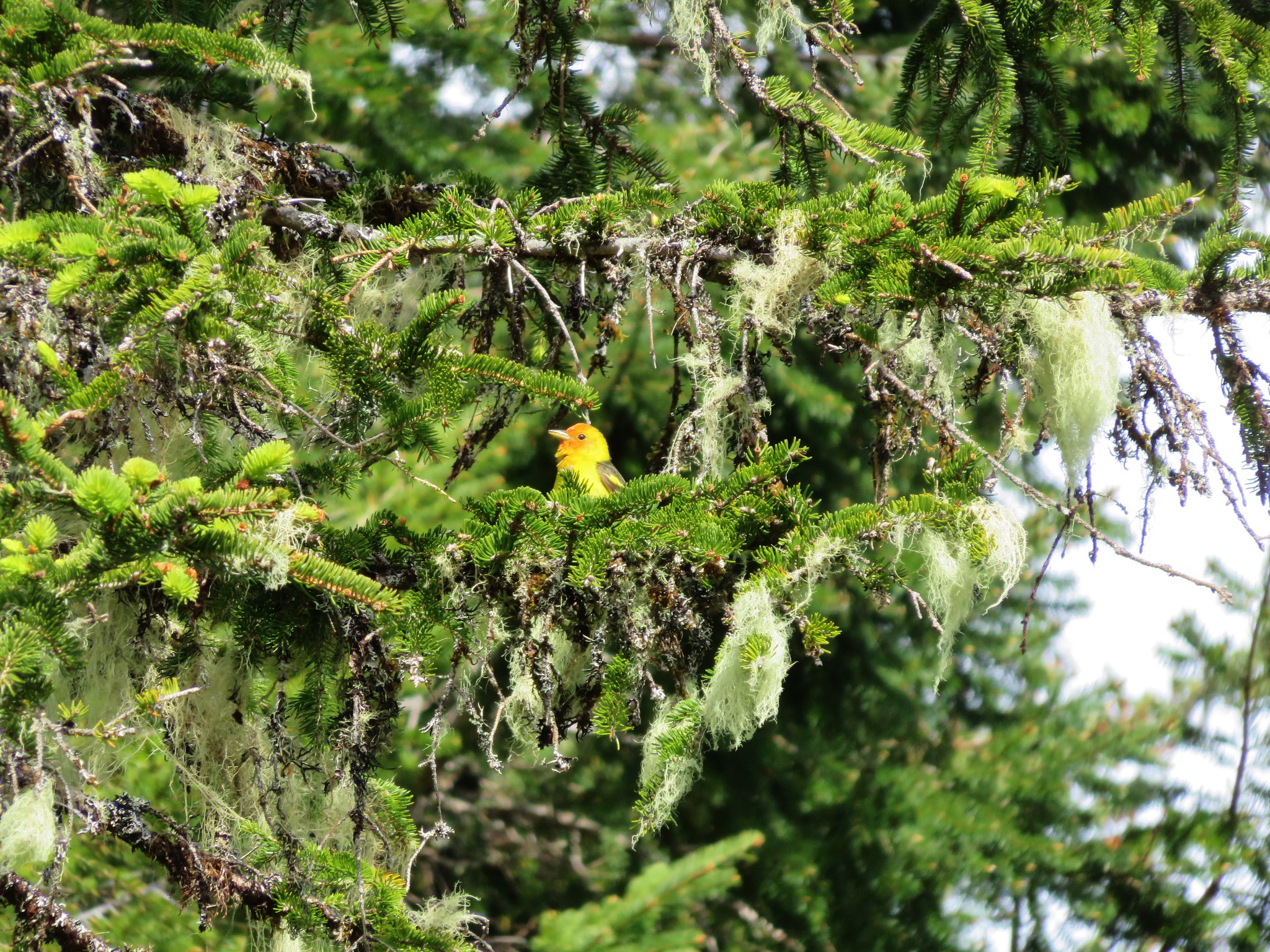
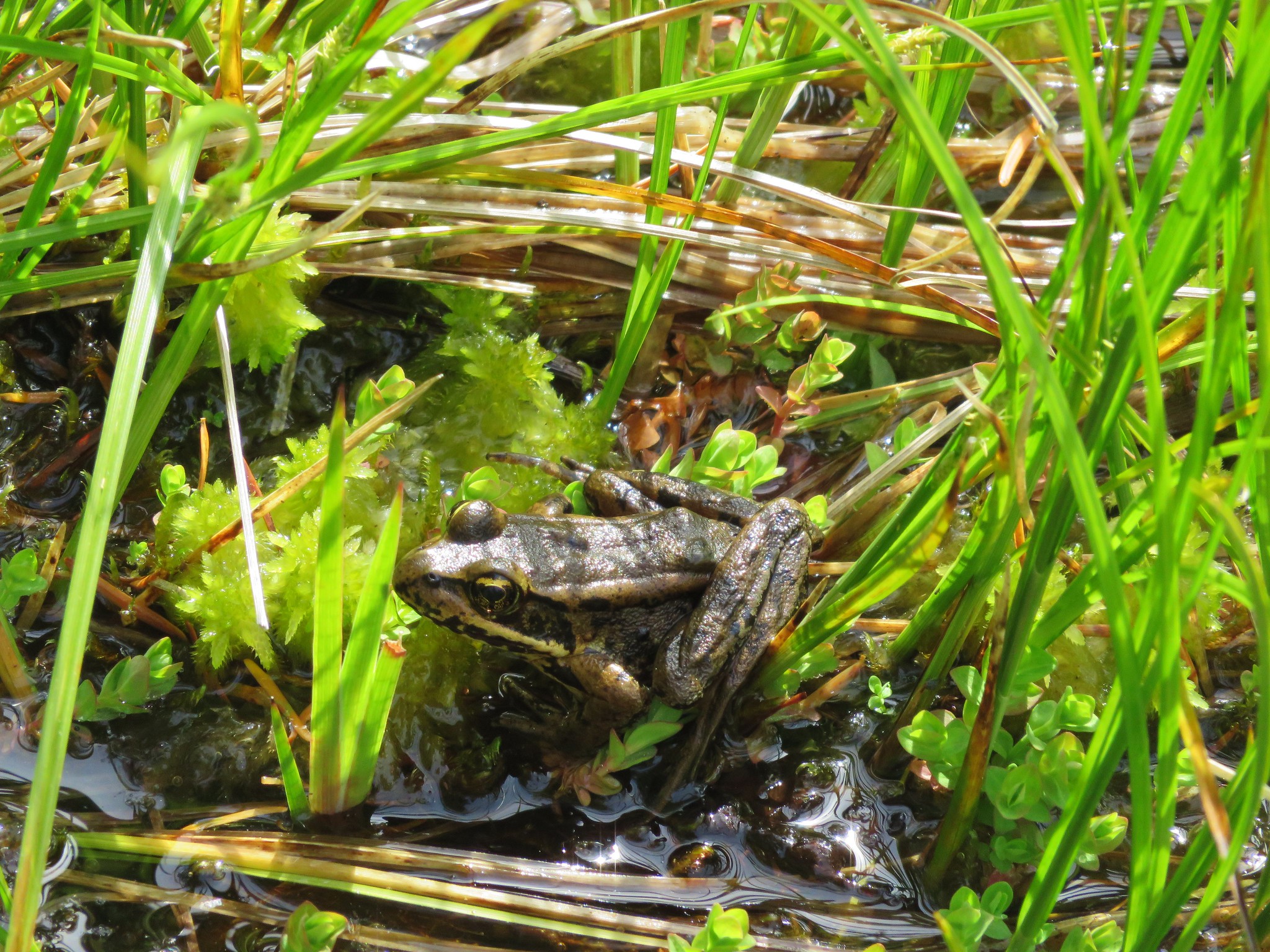
We also crossed a little stream coming from a marshy wetland area. As we took a quick look we noticed some frogs hopping into several pools and a number of birds in the area. We didn’t get any pictures of wildlife on the first pass but on our way back by we were luckier.
IMG_2468

Western Tanager
IMG_2493

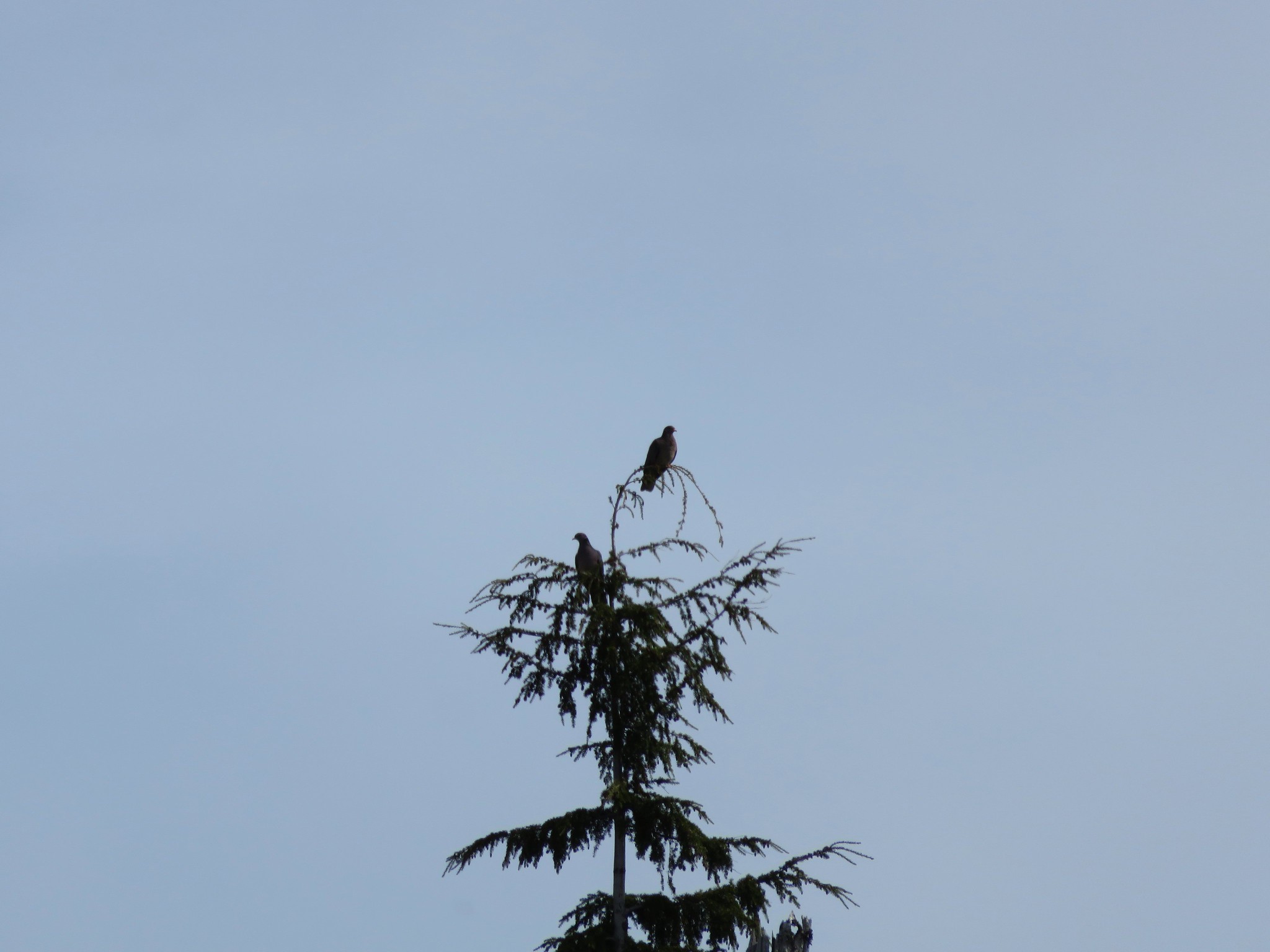
Band-tailed Pigeon
IMG_2499

IMG_2517

IMG_2518

This little area would have made a good turnaround point but we continued on a bit further looking for a viewpoint that was shown in our guide book. We passed a couple of smaller meadows filled with camas and found some nice penstemon in bloom but not a particularly nice viewpoint before the trail began to descend toward North Lake.
IMG_2472

IMG_2473

IMG_2484

IMG_2485

We weren’t interested in having to climb back up from the little lake so we turned around and headed back to the meadows. The clouds to the west had really retreated when we arrived back at the meadows revealing more of the coastal foothills.
IMG_2525

IMG_2529

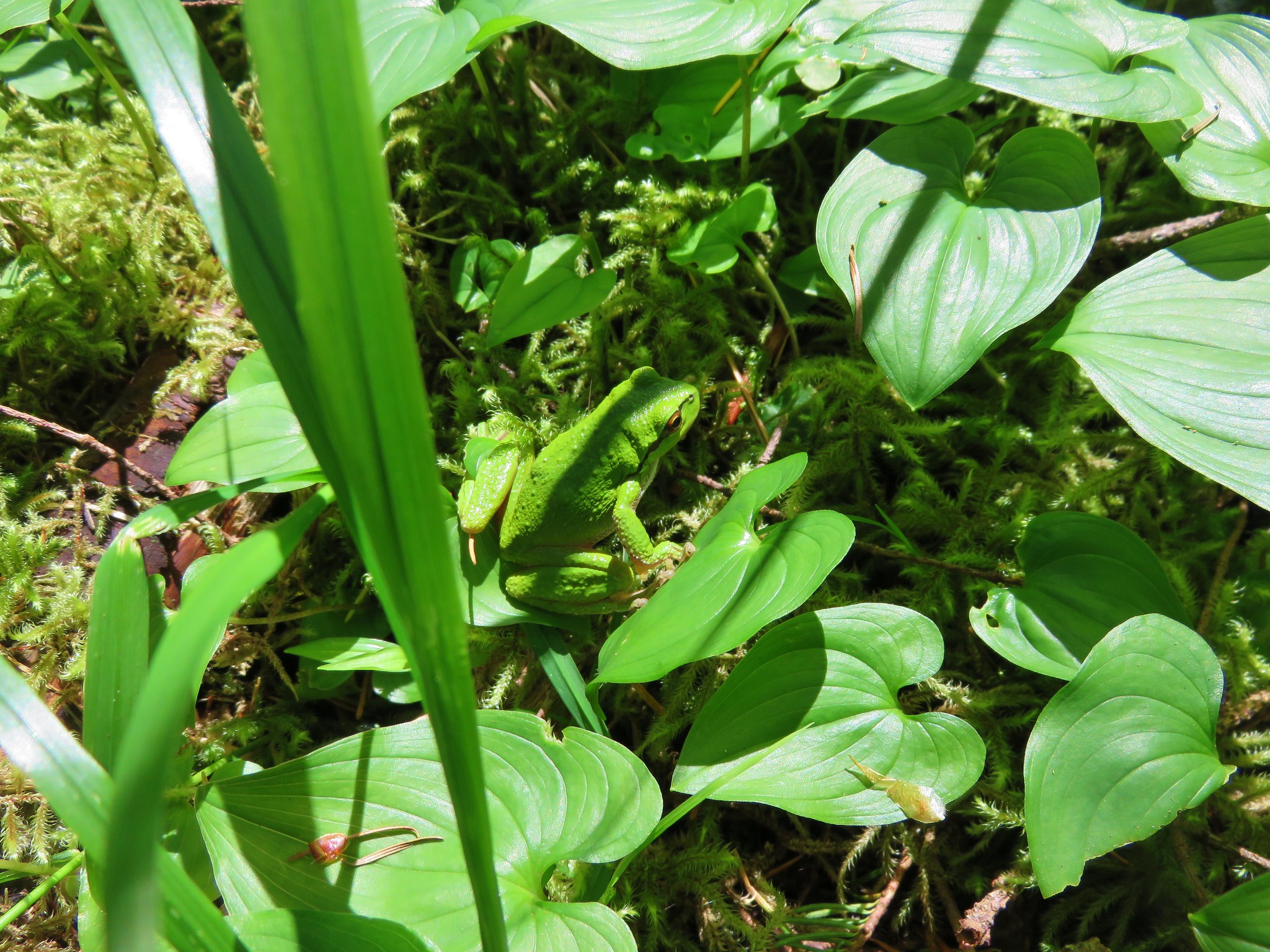
As we were passing back through the forest along the lower portion of the trail Heather spotted a really good sized Pacific-Tree Frog.
IMG_2565

IMG_2556

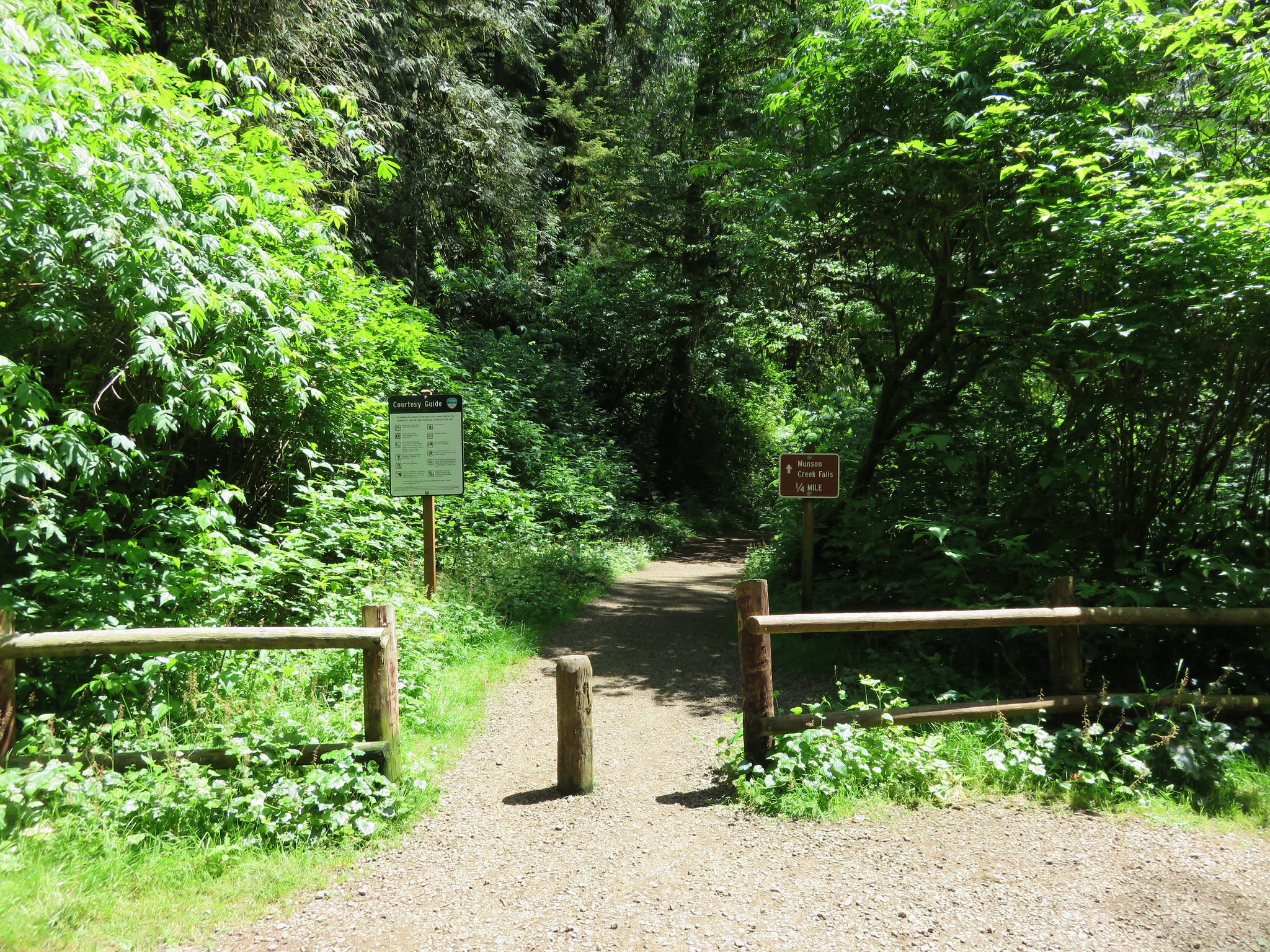
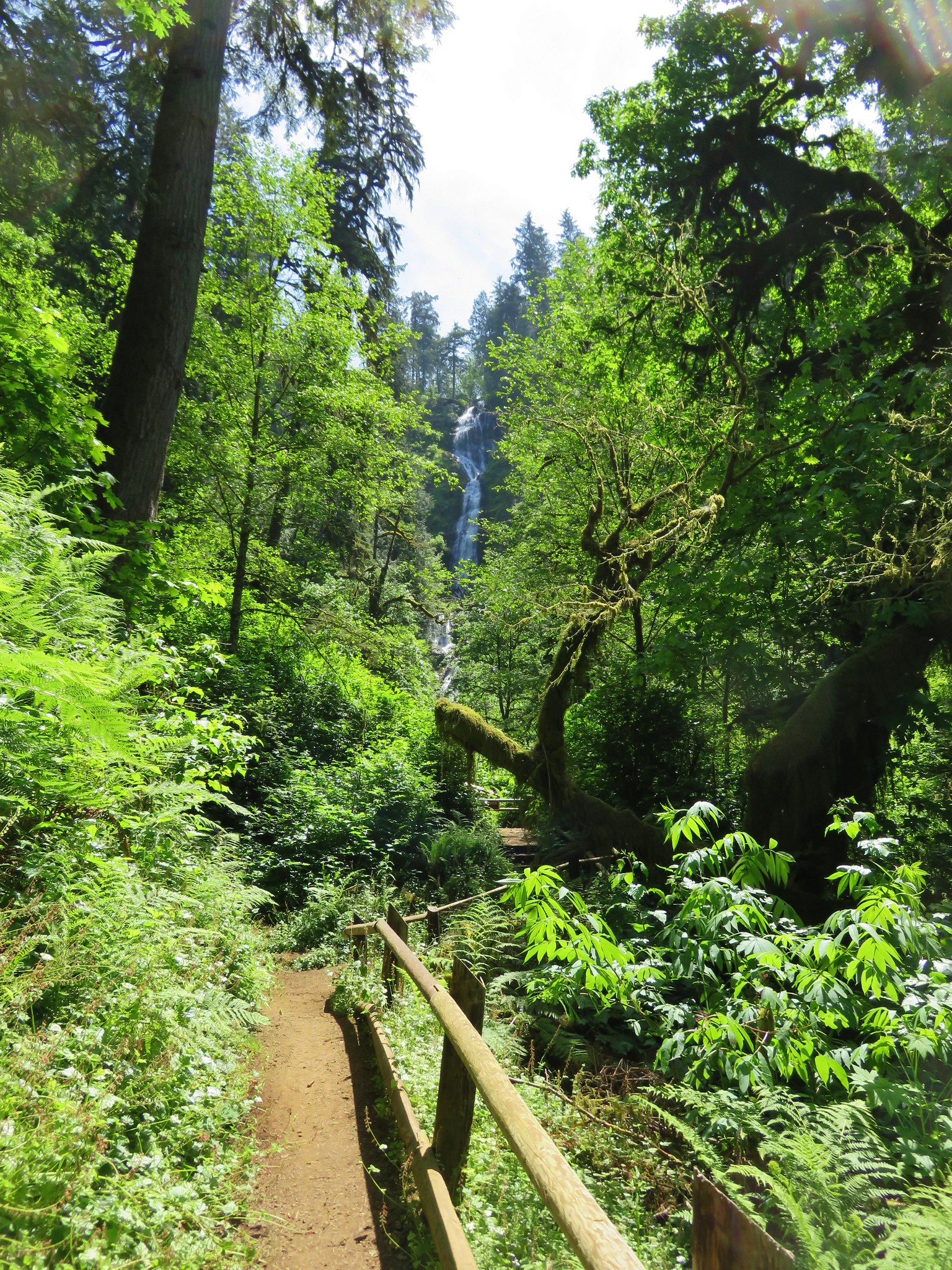
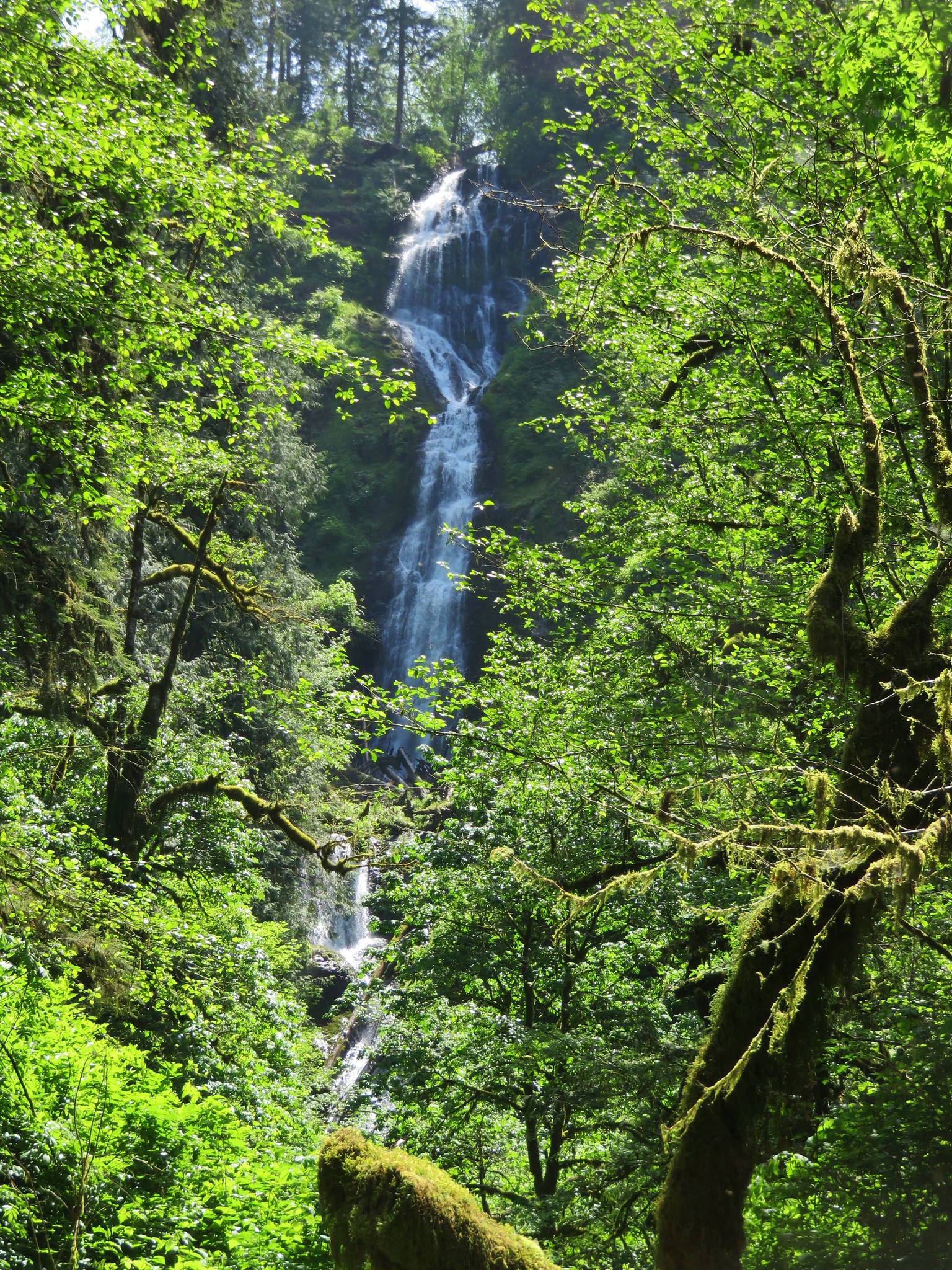
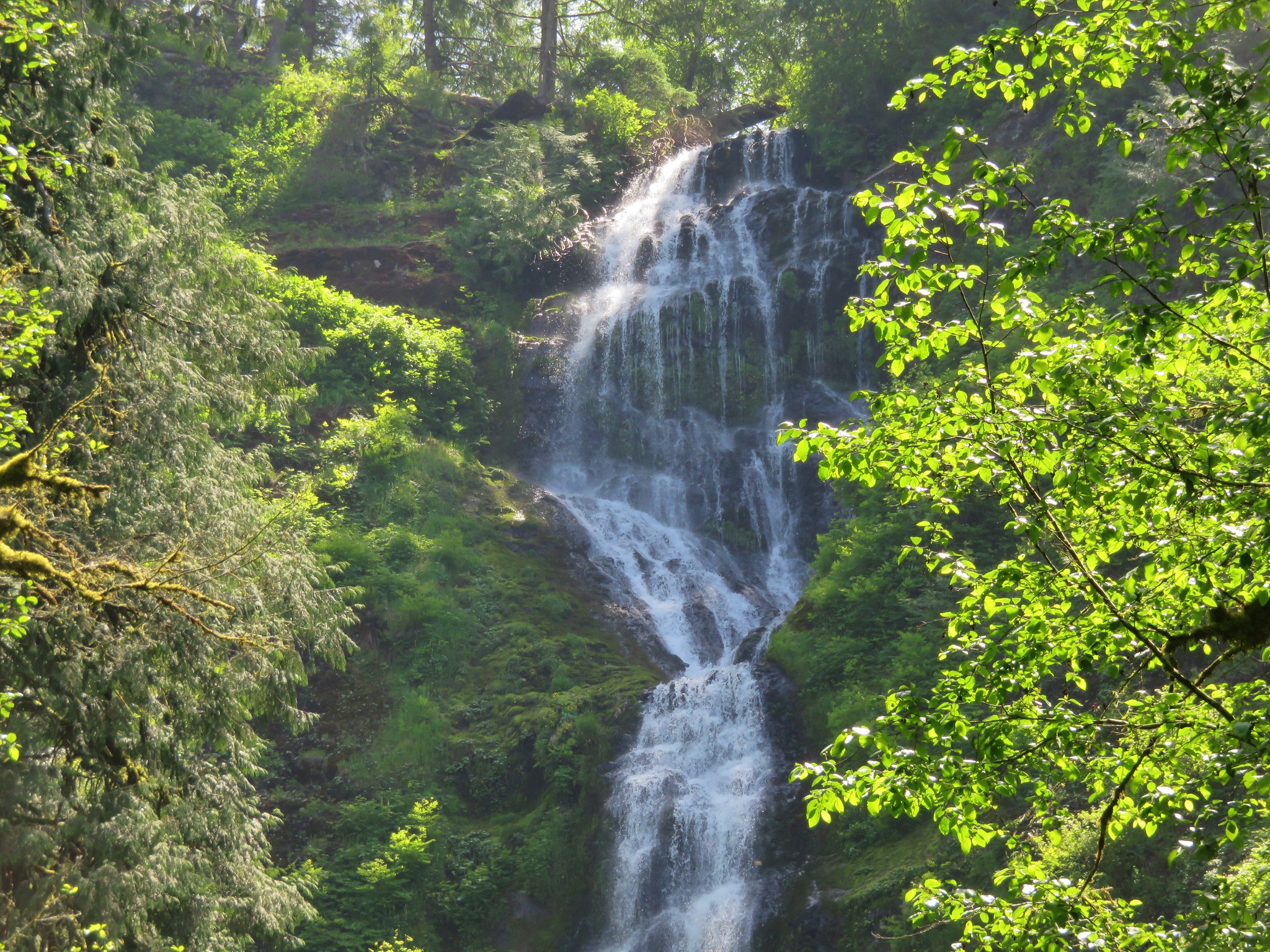
After finishing the Mt. Hebo hike we headed north on Highway 101 toward Tillamook to Munson Falls State Park. Here a quarter-mile path leads to a view of the tallest water fall in the Coast Range. Unfortunately it is virtually impossible to get a clear view of the entire 266′ cascade due to a narrow canyon full of downed logs and thick brush. Still the waterfall was one of the more impressive we’ve seen and well worth the visit.
IMG_2574

IMG_2588

IMG_2591

IMG_2597

After our brief visit to the falls we took a little detour on the way home through Pacific City in order to stop at the Pelican Pub & Brewery which has become on of our favorite post hike places to grab a meal. Happy Trails!

flickr: https://www.flickr.com/photos/9319235@N02/sets/72157653321256339
flickr 2011 visit: https://www.flickr.com/photos/9319235@N02/sets/72157632953522057

Categories
Coastal Range Hiking Oregon Trip report

Kentucky Falls

We had originally planned to visit Kentucky Falls a couple of years ago but winter storms damaged the North Fork Smith River Trail causing us to postpone the hike. Much of the trail has since been repaired and we decided that it was finally time for that trip. The North Fork Smith River Trail extends for over 8.5 miles between two trailheads in the Siuslaw National Forest west of Eugene, OR. We chose the Kentucky Falls Trailhead located on National Forest Road 919 as our starting point for a couple of reasons. First of all the three large waterfalls along the trail are closer to this trailhead and secondly the storms that damaged the trail had also damaged the 1 1/2 mile bridge (Named for its distance from the North Fork Smith Trailhead on forest road 23.) making it unsafe to cross and leaving a river ford as the only way to continue past on the trail.

From the Kentucky Falls Trailhead the path gradually descends through the forest to a view above Upper Kentucky Falls.
IMG_1835

The trail then begins a steeper descent as it switchbacks down to Kentucky Creek below the falls.
IMG_1842

IMG_1846

The trail again descends gradually crossing the creek on a footbridge before a second set of swtichbacks brings you to a trail junction at a sharp switchback.
IMG_1856

Sharp switchback
IMG_1893

The switchback is the continuation of the North Fork Smith River Trail and the route for a longer hike. A short path leading straight from the switchback junction leads a short distance to two more large falls. Lower Kentucky Falls and North Fork Falls.
IMG_1867

Lower Kentucky Falls
IMG_1870

North Fork Falls
IMG_1882

Turning back here would have made the hike approximately 4.5 miles, but we were planning on a longer trek so when we returned to the switchback junction we continued along the North Fork Smith River Trail. Under a mile from the junction we came to Swimming Pool Falls. A much smaller waterfall than the three upstream but scenic none the less.
IMG_1896

The trail after Swimming Pool Falls began to show signs of little use. The tread became narrower with some small plants and moss growing on the path.
IMG_1910

We had to watch our step but not because of the trail condition, we had to watch out for the numerous snails, slugs, millipedes, and other critters that we saw all along the trail.
IMG_1851

IMG_1861

IMG_1911

Our map showed that it was approximately 2.7miles from Swimming Pool Falls to the 3 mile bridge. This is the second bridge over the North Fork Smith River coming from the North Fork Smith Trailhead. We were on the lookout for a couple of markers along the way though, a small drippy waterfall and an 11′ Douglas fir. We spotted the drippy waterfall just fine which looked like it would have been very pretty with a higher volume of water.
IMG_1913

Not far after drippy falls there was a large tree trunk across the trail which made for a decent obstacle.
IMG_1986

Then we came to an unsigned trail junction at a switchback. This junction was not on any forest service map of the area we had seen and it wasn’t marked on the map in our field guide. The right hand fork led down a ridge while the left fork switched back along the canyon wall.

This picture is taken from the left hand fork looking back up at the unsigned junction.
IMG_1922

We decided to take the right hand fork to see if led down to the 11′ tree or possibly a campsite out on the ridge. We did pass an old campsite but the trail continued on down toward the river growing a little fainter as it went. We were following a side creek down the hillside which the maps showed the trail doing as it arrives at the 3 mile bridge so we kept going wondering if we had missed the 11′ tree and already arrived at the bridge. The trail crossed the little stream and arrived at another junction. This one had signs. A Kentucky Falls sign pointed right toward a very faint path while a North Fork Smith Trail sign pointed back up the way we’d come. The sign for the left hand fork said Swinging Bridge.
IMG_1914

We were headed for a bridge but it was odd that Sullivan had not mentioned the “Swinging” aspect of the bridge in his book. That is the kind of detail that he does include in his descriptions. Not far from the junction we arrived at the bridge though.
IMG_1916

It was a nice suspension bridge which was something else that didn’t fit the field guide description. We ventured out on the bridge and at the far end was a small sign that simply said. “3.5 miles to gated road 4880”. The path leading away from the bridge was an old roadbed that was overgrown with grass. We were able to deduce that the bridge must connect the trail system to some private land on which was shown on the map in our field guide on the opposite side of the river. So back up the hill we went to the unsigned junction to the path we hadn’t taken. This portion of trail had not been maintained for some time, probably since the storms that damaged the bridges, leaving a couple of wash outs that had to be navigated.
IMG_1925

IMG_1930

When the trail began to descend a ridge toward the river we realized that we must have missed the big tree and would have to look for it on our return trip. In the meantime we were busy trying not to miss the trail as it became increasingly overgrown the closer we got to the river.
IMG_1933

We passed as small former campsite near a small stream with a very small fall into a little pool.
IMG_1936

Then we arrived on the bank of the river. Here the trail was almost completely overgrown, but Heather did an excellent job following it through the undergrowth.
IMG_1941

IMG_1943

We struggled through the brush for a couple hundred yards at least before finally popping out at the river with a view of the 3 mile bridge.
IMG_1945

The next obstacle was figuring out the best way to reach the bridge which had been cut off by a new channel of the river after the storms. While we looked for the best route we noticed several little fish in the water.
IMG_1946

In the end we decided to go around to the right of the pool in front of us which worked out well and we were soon across the bridge. The trail then followed the river through a less overgrown wood. Here the sun was shinning and flowers lined the path.
IMG_1950

IMG_1957

Several neat moss covered trees also added to the character of this section.
IMG_1952

IMG_1956

IMG_1961

The scenery changed again when the trail left the more woodsy forest behind and entered a different feeling area where there was very less undergrowth and giant stumps told of a past forest fire.
IMG_1964

We finally arrived at what remains of the 1 1/2 mile bridge.
IMG_1965

There were visible cracks in the middle of the log and clearly not something anyone should attempt to cross. Determined hikers could look for a place to ford the river and there was a rope that was tied on a log near the bridge to assist in climbing up the embankment, but this may not be an option in high water.
IMG_1967

We turned around and began our return trip having decided to stop at a sandy beach we had passed earlier near a 2 1/2 mile post.
IMG_1962

We sat by the creek and cooled our feet off in the cold (really cold) water.
IMG_1969

An ouzel was busy hunting for insects in the water just downstream.
IMG_1978

IMG_1976

After resting for a bit we resumed our return hike focused on spotting the 11′ Douglas fir this time. We spotted it this time and also noticed a sign along the trail apparently identifying the tree. What the sign actually said we couldn’t tell but the tree was certainly larger than any of the other trees around.
IMG_1985

We also spotted a salamander in one of the little streams along the trail. I tried to identify the exact type of salamander this was, as it was the first we’d seen of this type, but all I was able to find out for sure is that it was indeed a salamander.
IMG_1987

When we arrived at the spur trail to Lower Kentucky and North Fork Falls we took it again wanting to see how the change in the suns position affected the appearance of the falls. They had been impressive in the morning, but now the sun was shining on the cascades and they were even prettier.
IMG_2003

IMG_2008

IMG_2001

We found the same thing at Upper Kentucky Falls.
IMG_2023

We finally arrive back at our car around 5pm after over 9 hours of hiking. The GPS put us at 17.4 miles and our feet agreed, but it had been a great hike full of plenty of surprises and adventure. According to a sign at the trailhead the Forest Service plans to replace the bridges in 2016, but until then the North Fork Smith River Trail should remain a bit on the wilder side. Happy Trails!

Flickr: https://www.flickr.com/photos/9319235@N02/sets/72157650241947594/with/17493753445/