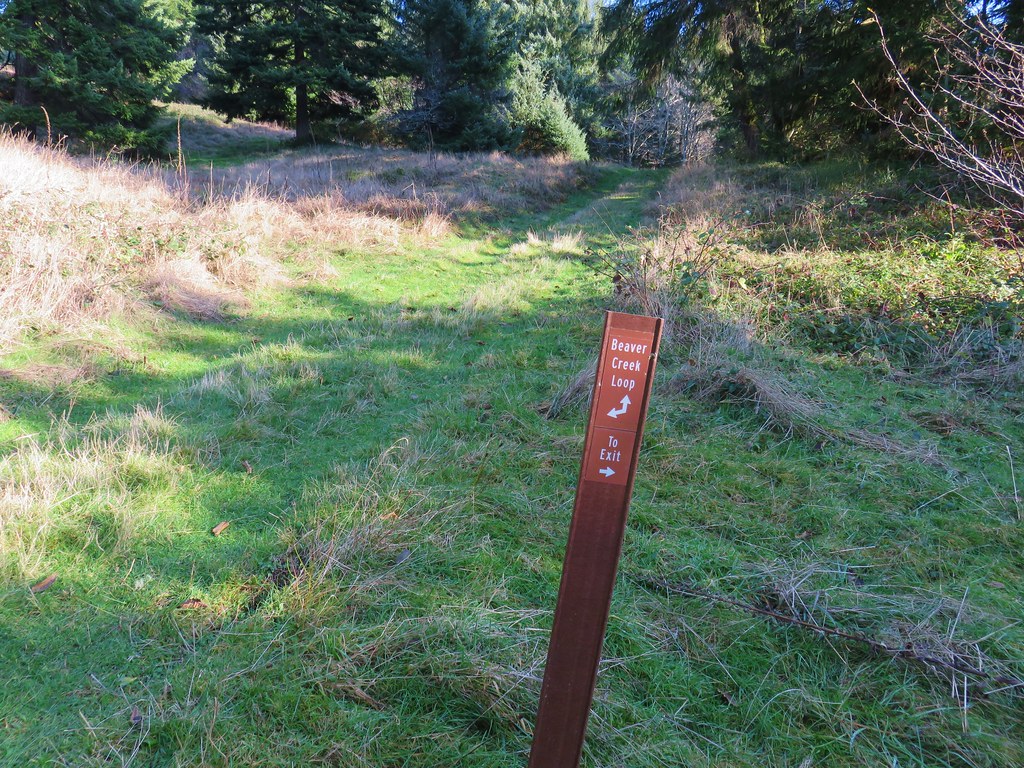
Categories
Hiking Oregon Portland Trip report Willamette Valley

Oaks Bottom Wildlife Refuge

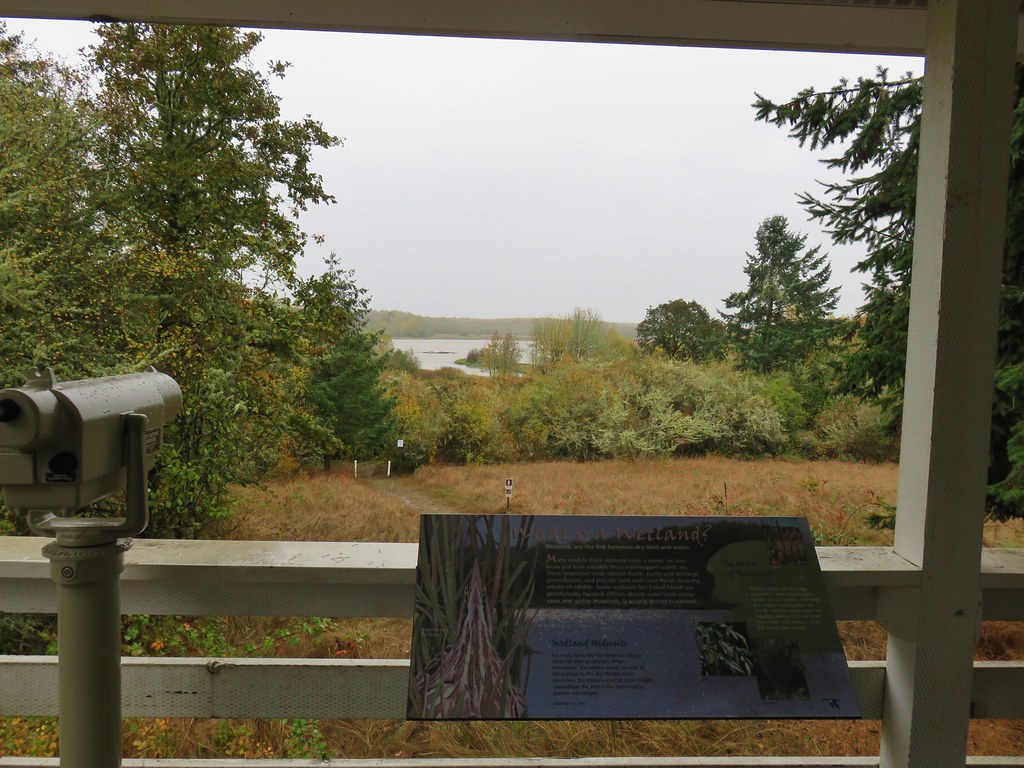
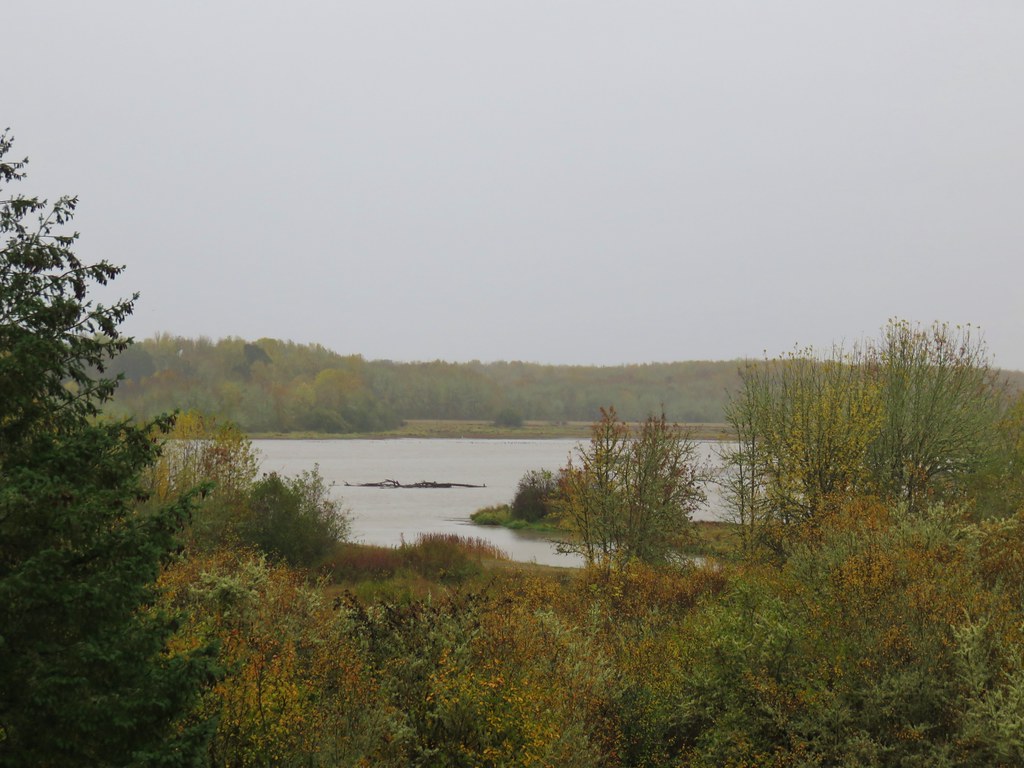
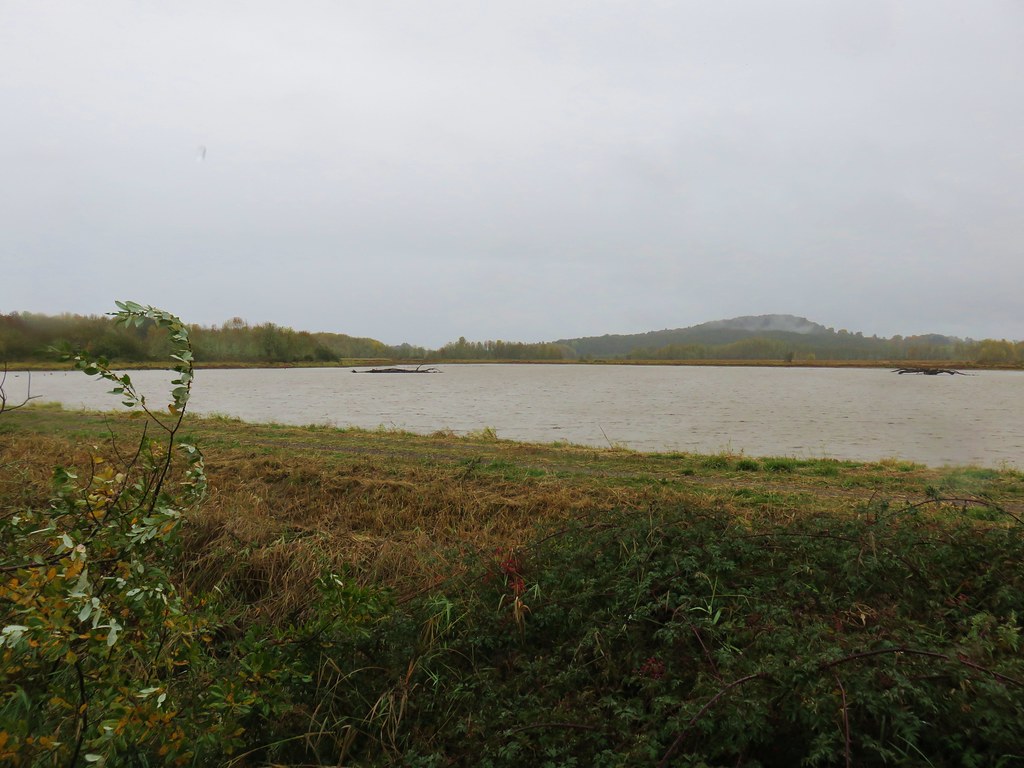
We made a late addition to our scheduled hikes when it became clear that the weather on the day of the Give and Get Social for Trailkeepers of Oregon (TKO) was going to be too nice to pass up.  We had short two featured hikes in Portland from William L. Sullivan’s 100 Hikes in NW Oregon & SW Washington that we had not been able to work into our future plans.   The TKO event was taking place at Dig a Pony which was conveniently close to one of these two hikes, Oaks Bottom Wildlife Refuge.

We began our hike uncharacteristically late, just after 1:15pm, from the north parking area on SE Milwaukee Ave.

IMG_1291

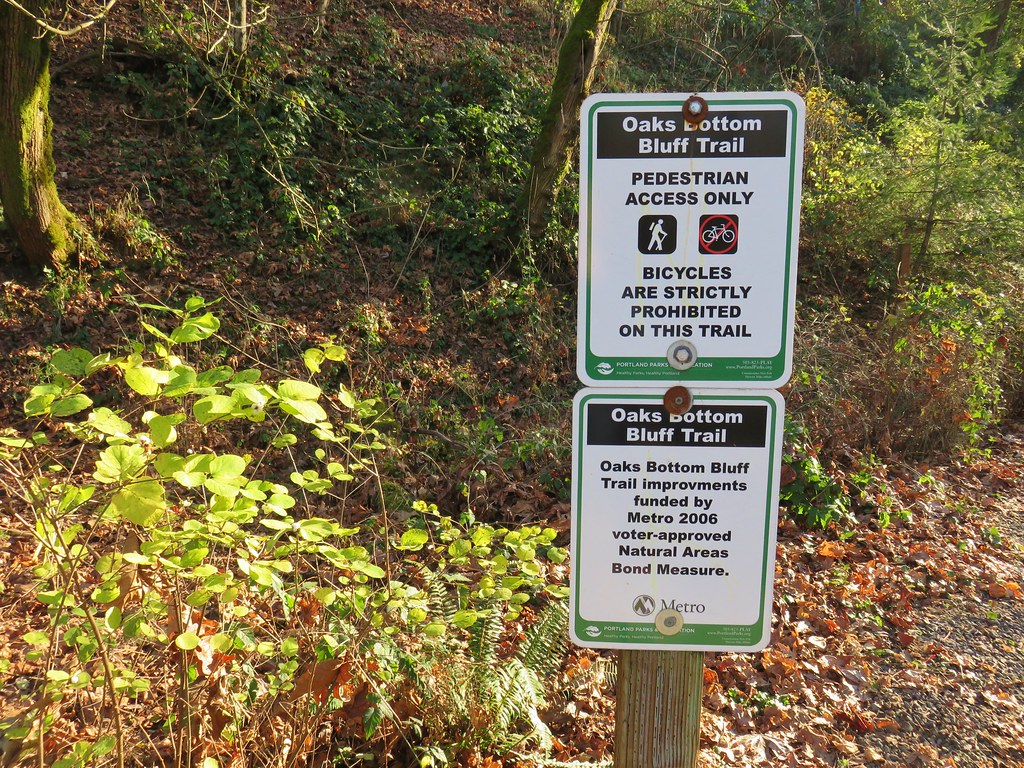
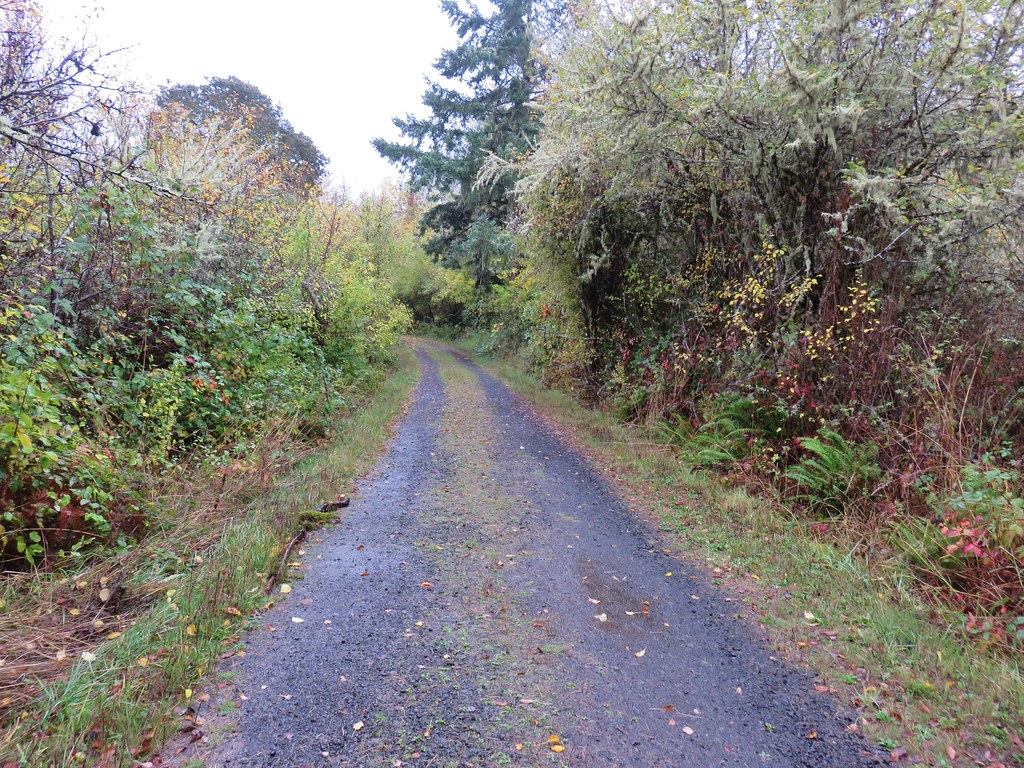
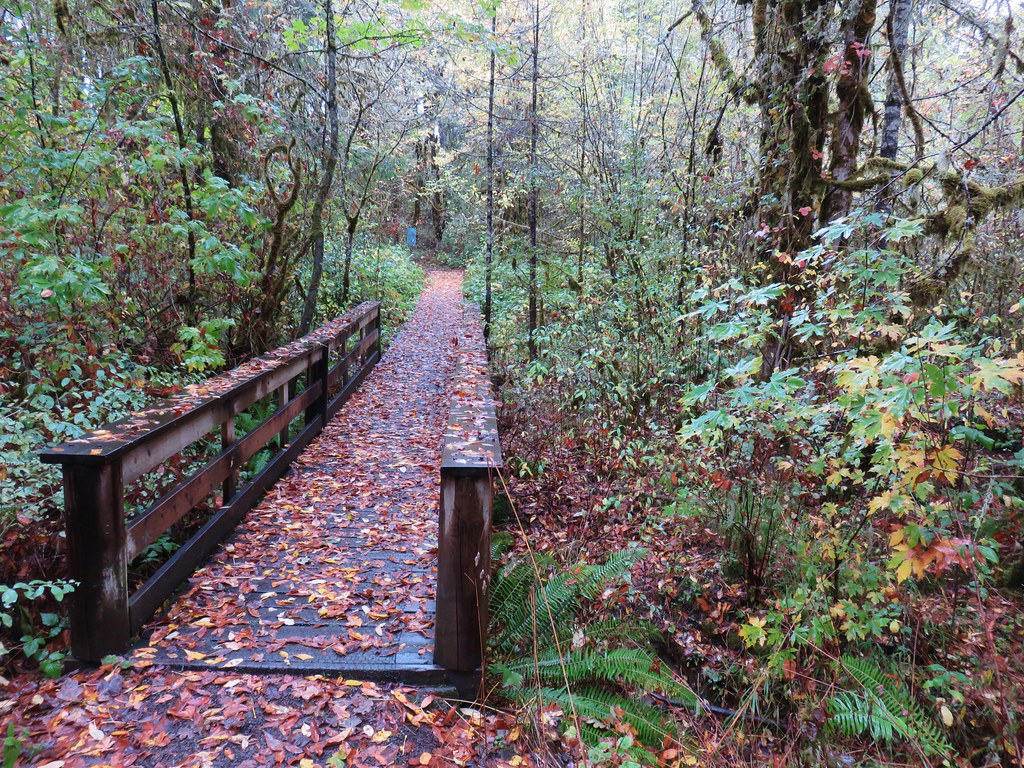
We followed a paved path downhill to a sign for the Oaks Bottom Bluff Trail.

IMG_1294

IMG_1299

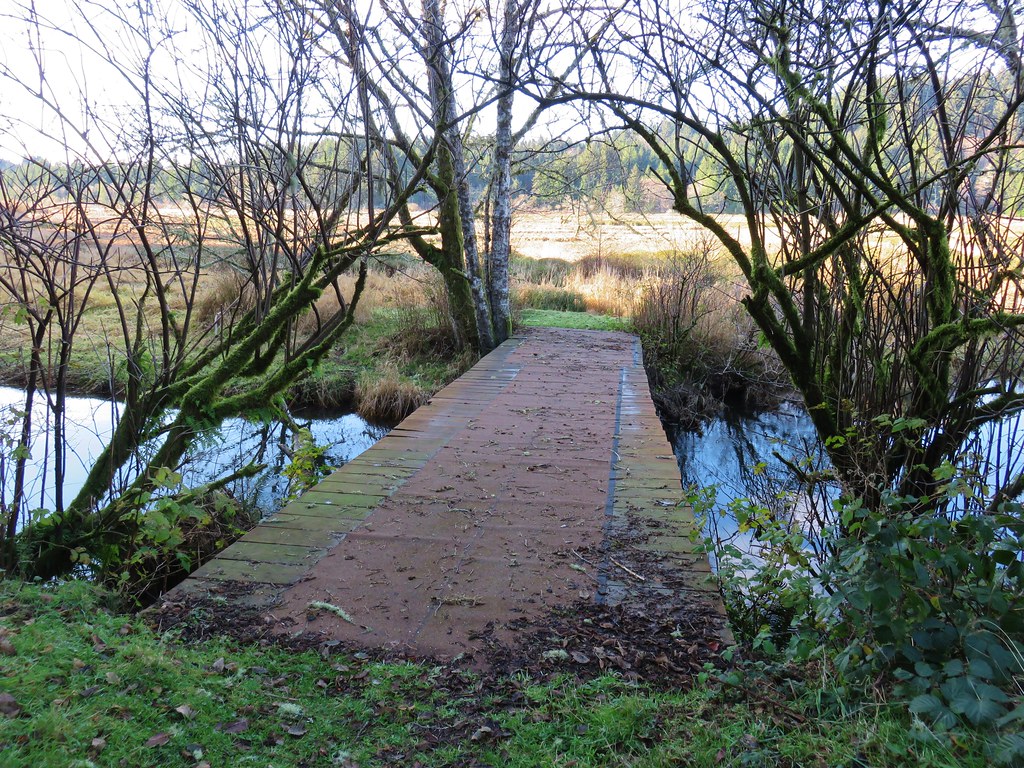
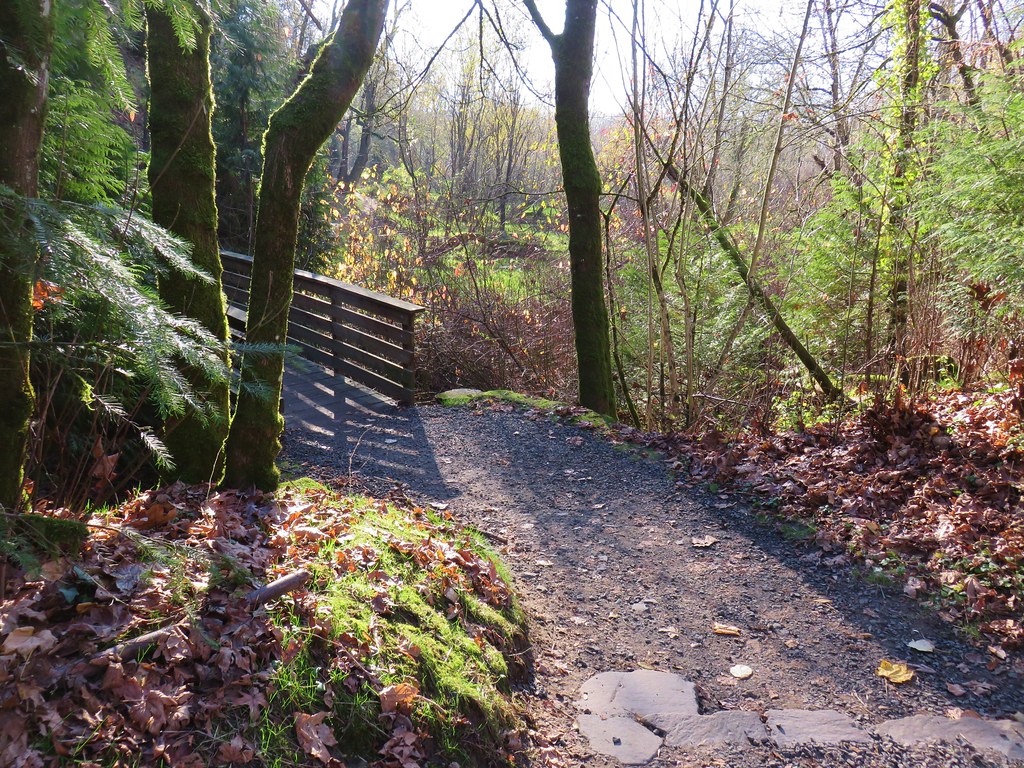
Here the trail split and we stayed left crossing a small footbridge. We would return via the right fork after completing a loop around Wapato Marsh.

IMG_1300

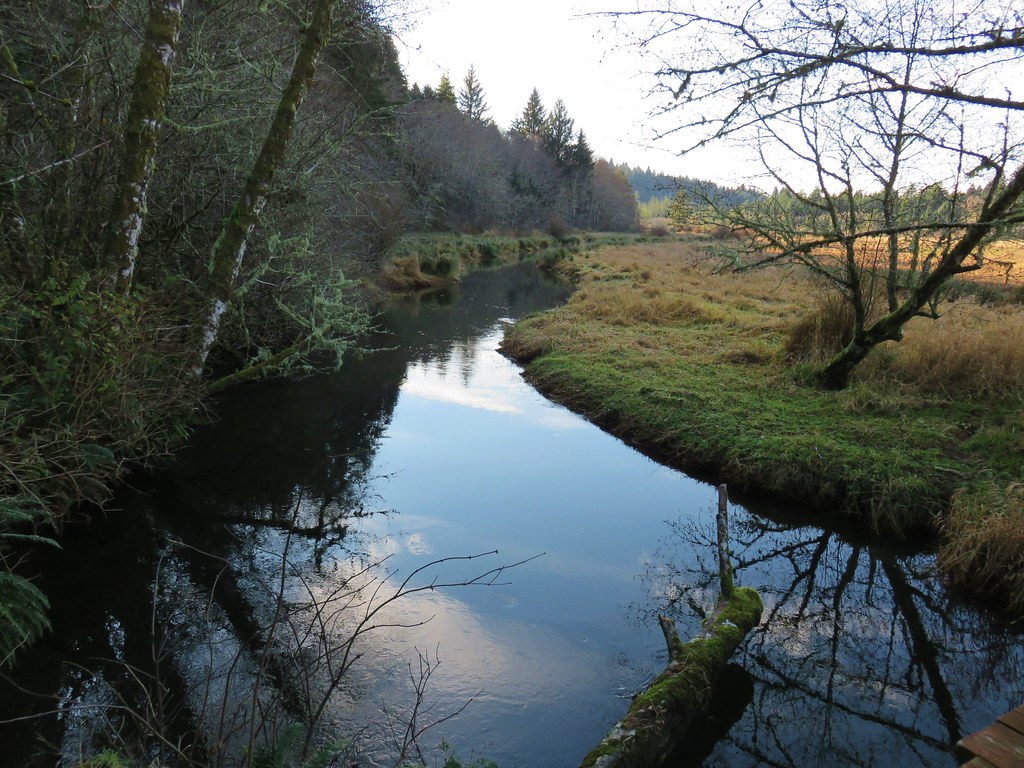
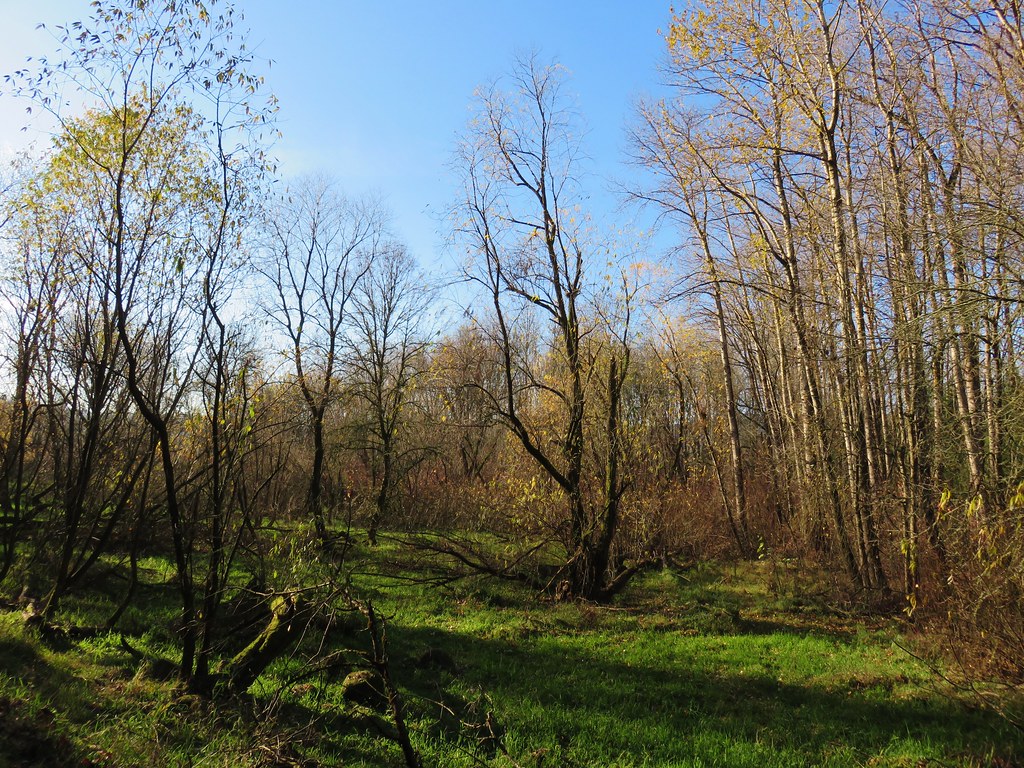
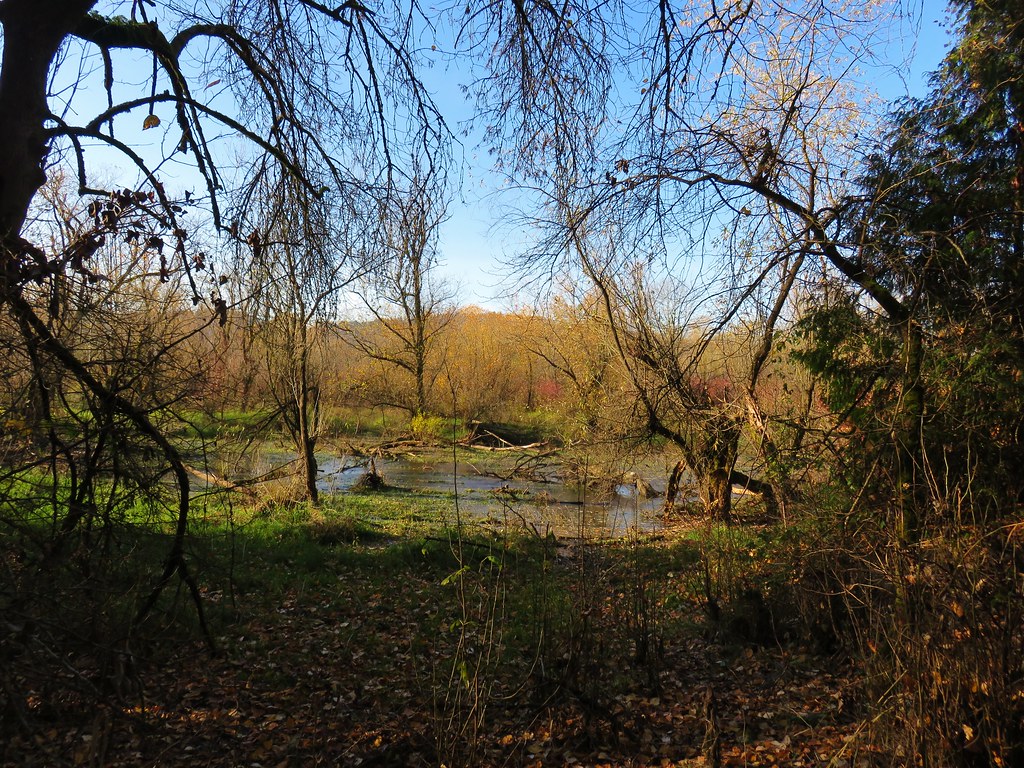
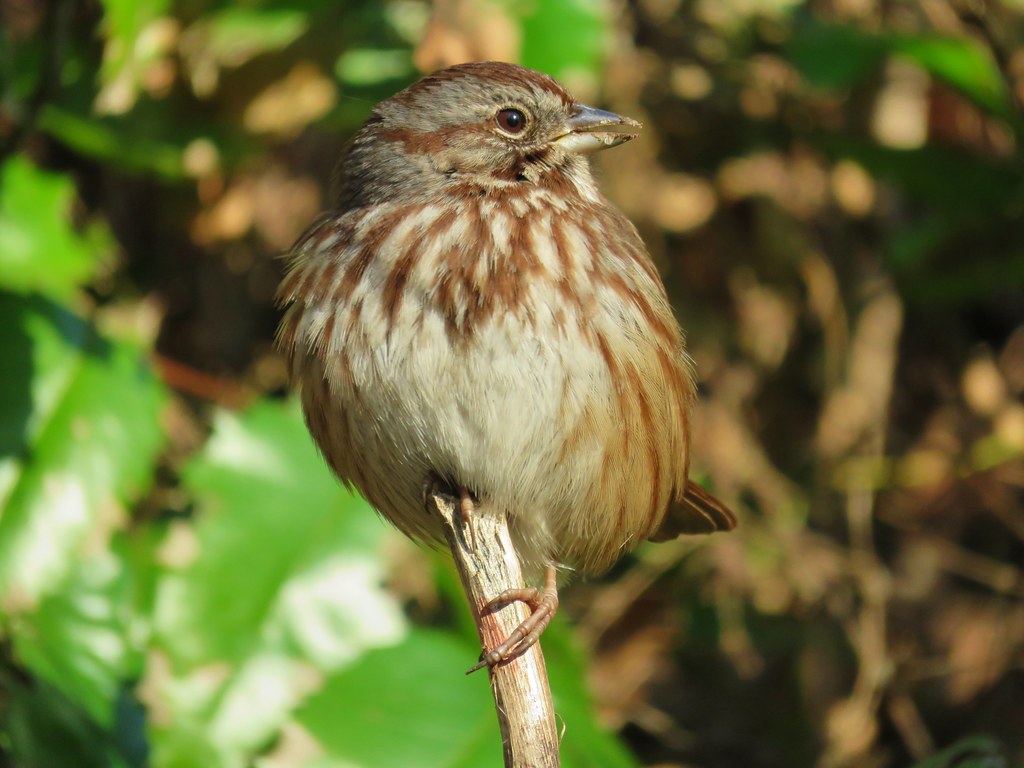
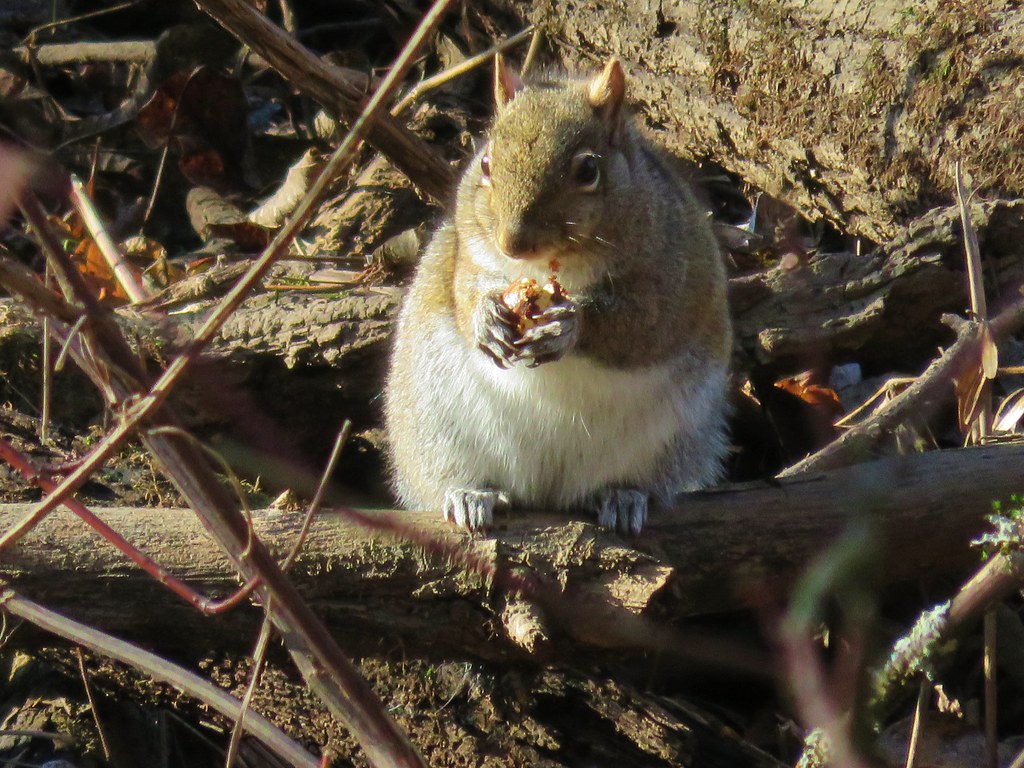
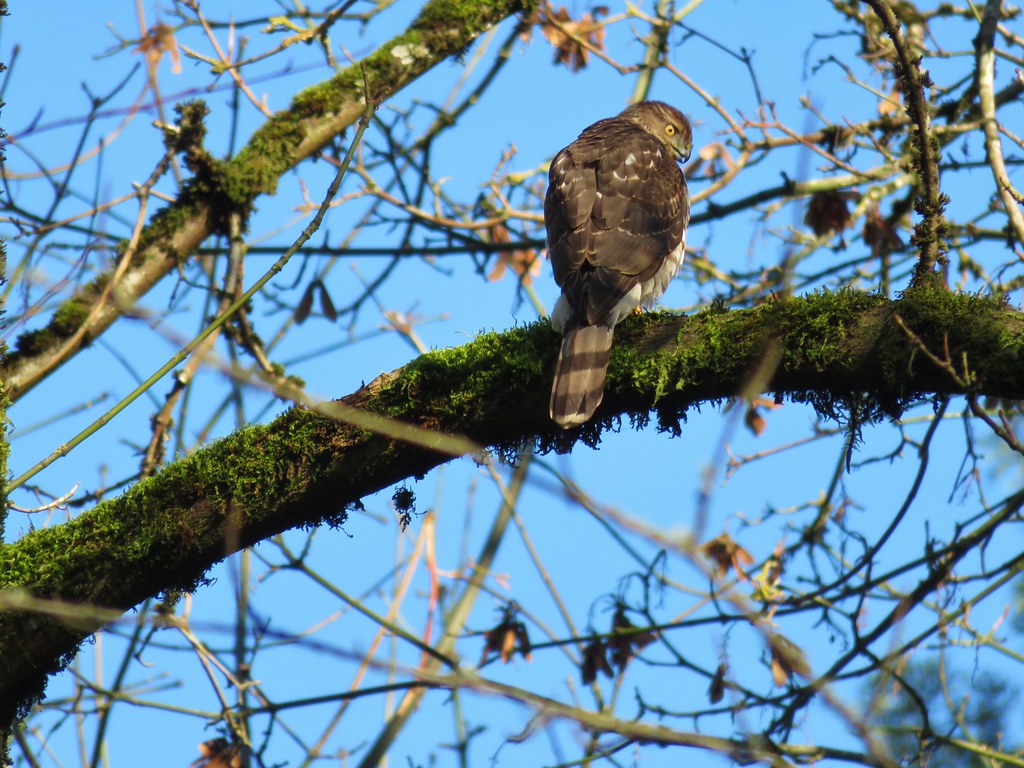
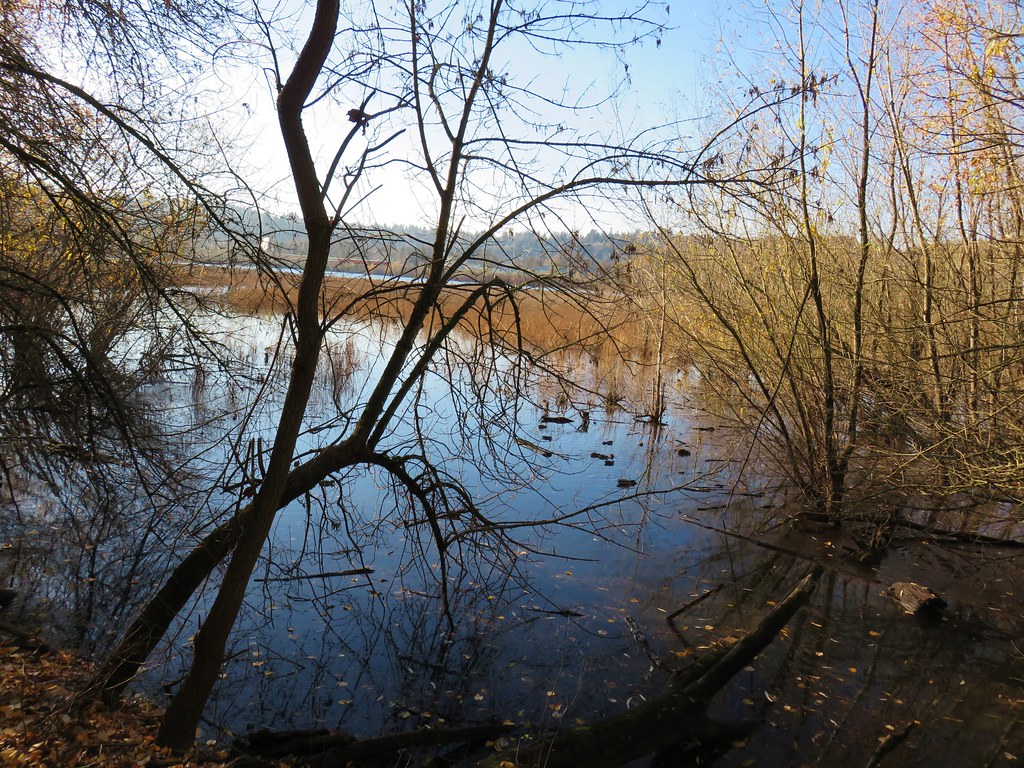
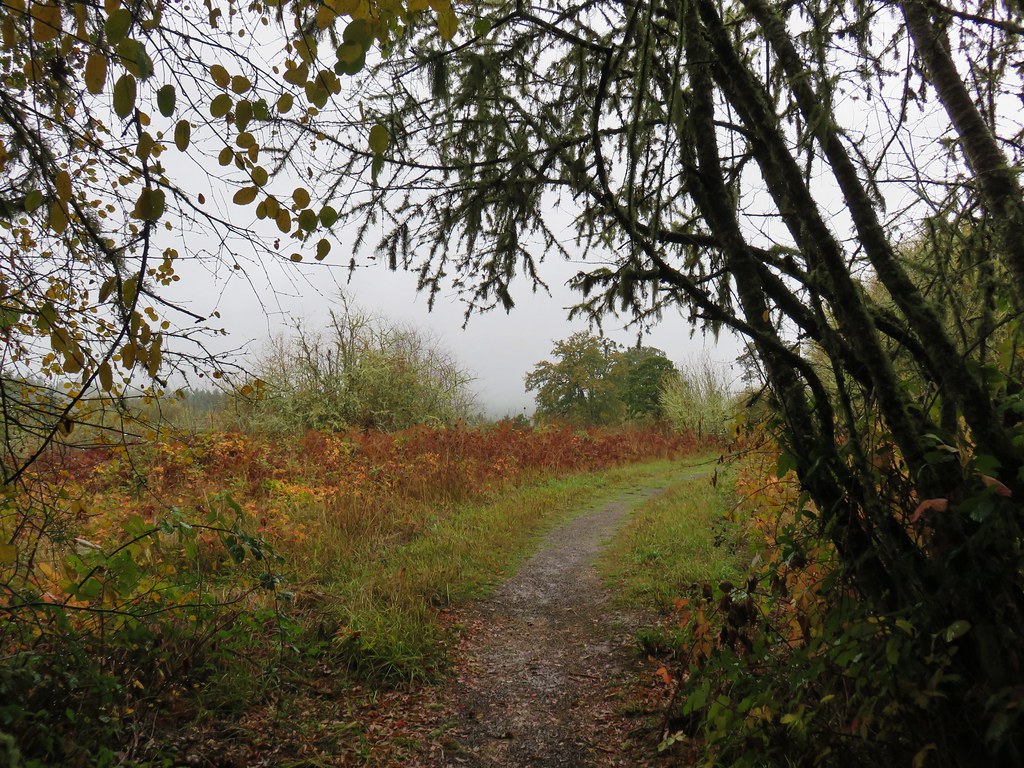
The amount of water in the marsh increased as we went. The first wildlife we spotted were small birds, squirrels and a hawk.

IMG_1313

IMG_1314

IMG_1327

IMG_1326

IMG_1320

IMG_1305

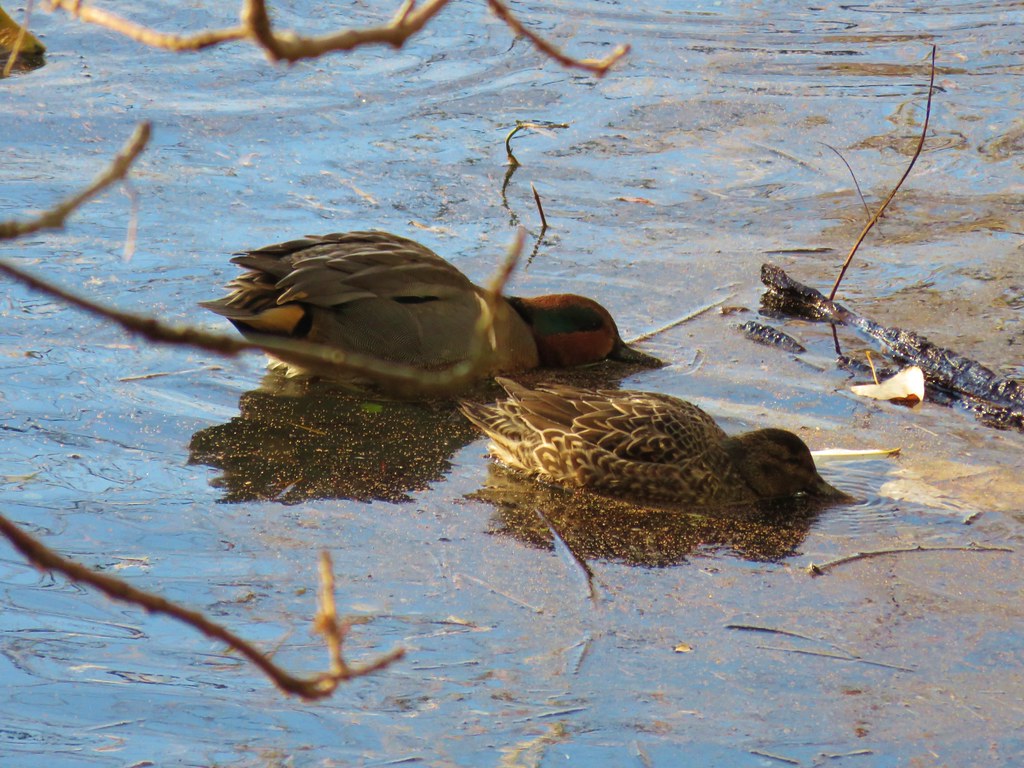
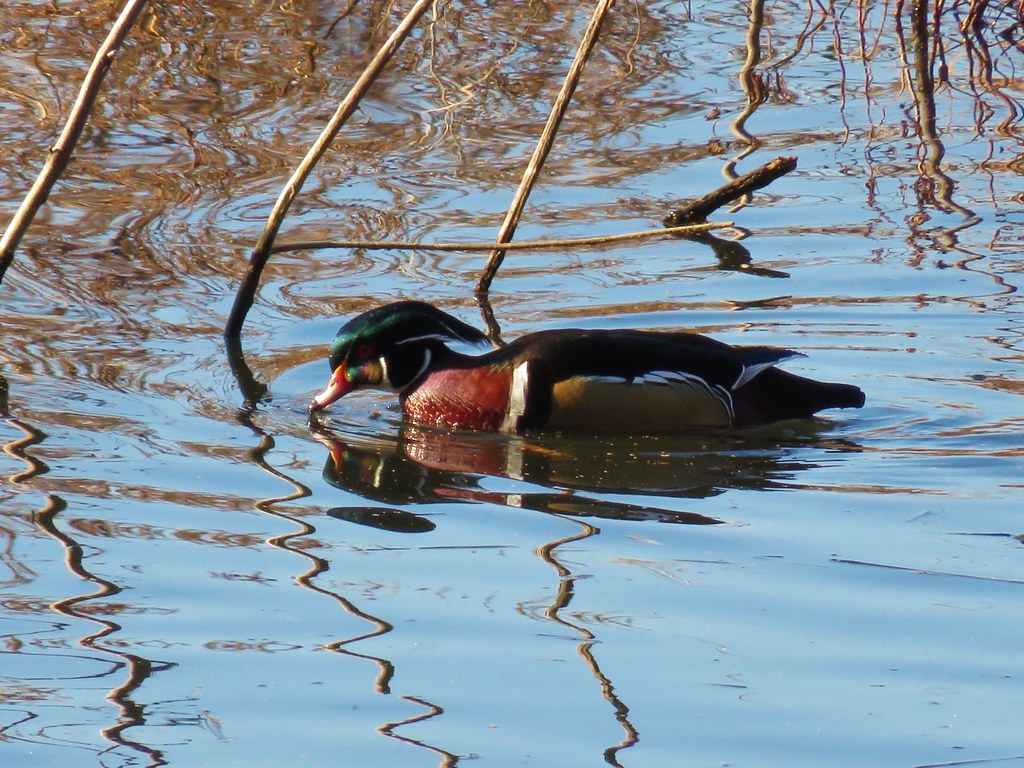
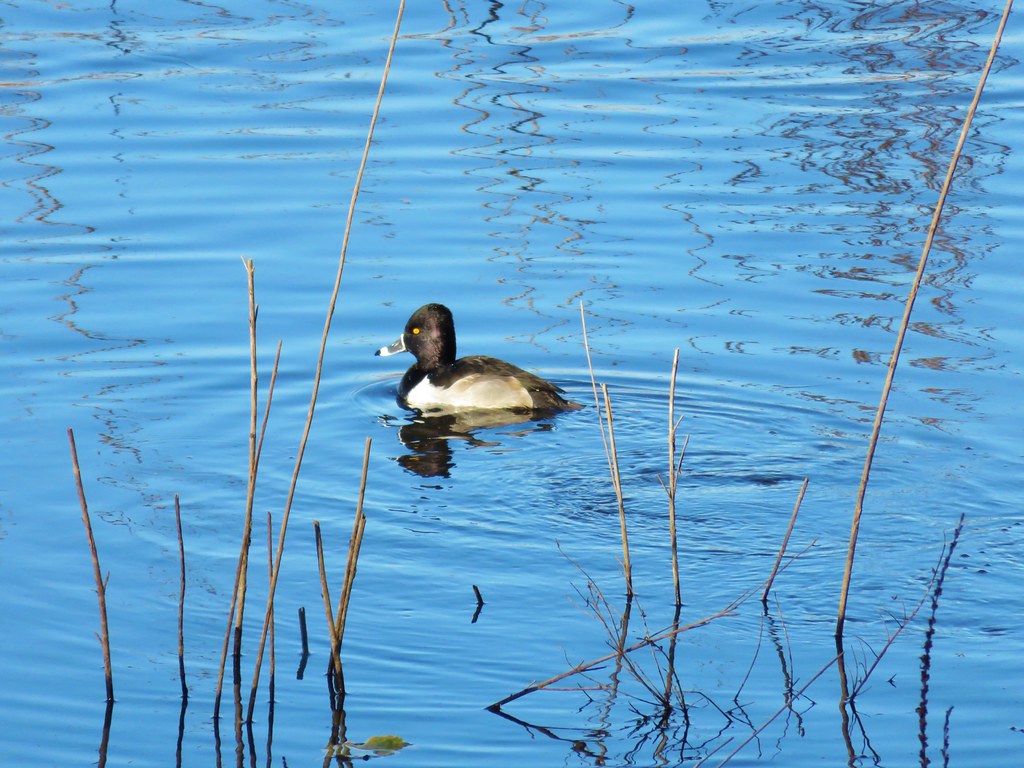
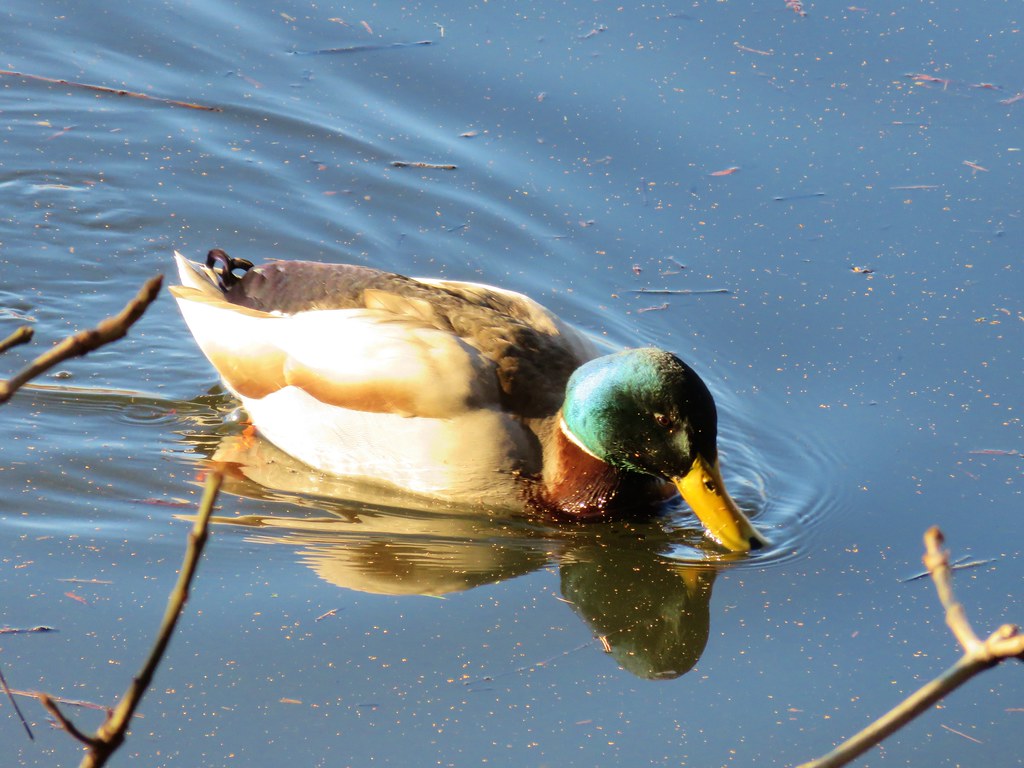
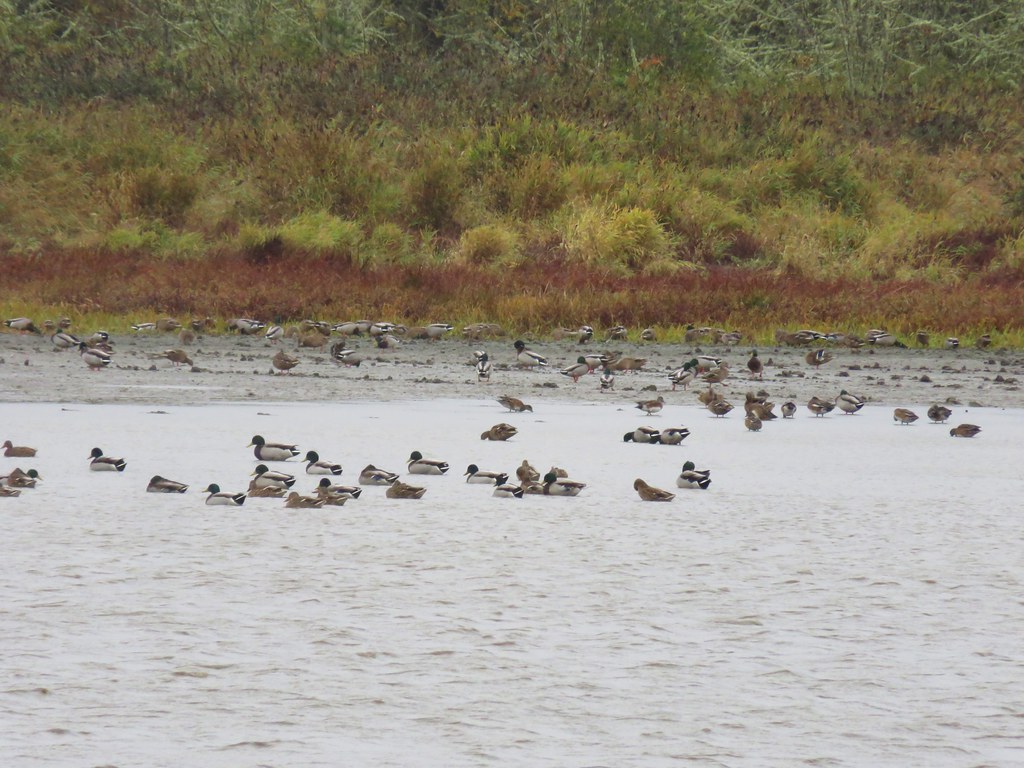
As the amount of water increased we began to see a number of ducks. Several species were present, some of which we were unfamiliar with.

IMG_1332

IMG_1339Green-winged teal

IMG_1349Wood duck

IMG_1377Ring necked duck?

IMG_1354Mallard

IMG_1360Not sure what kind of duck is in the upper left hand corner.

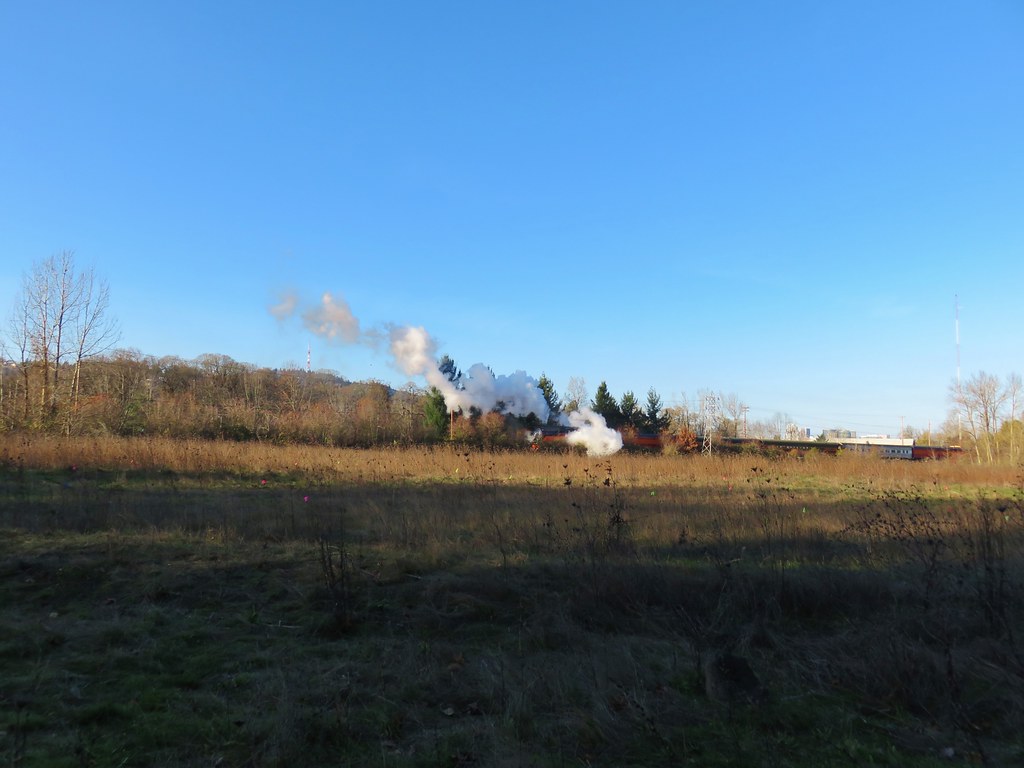
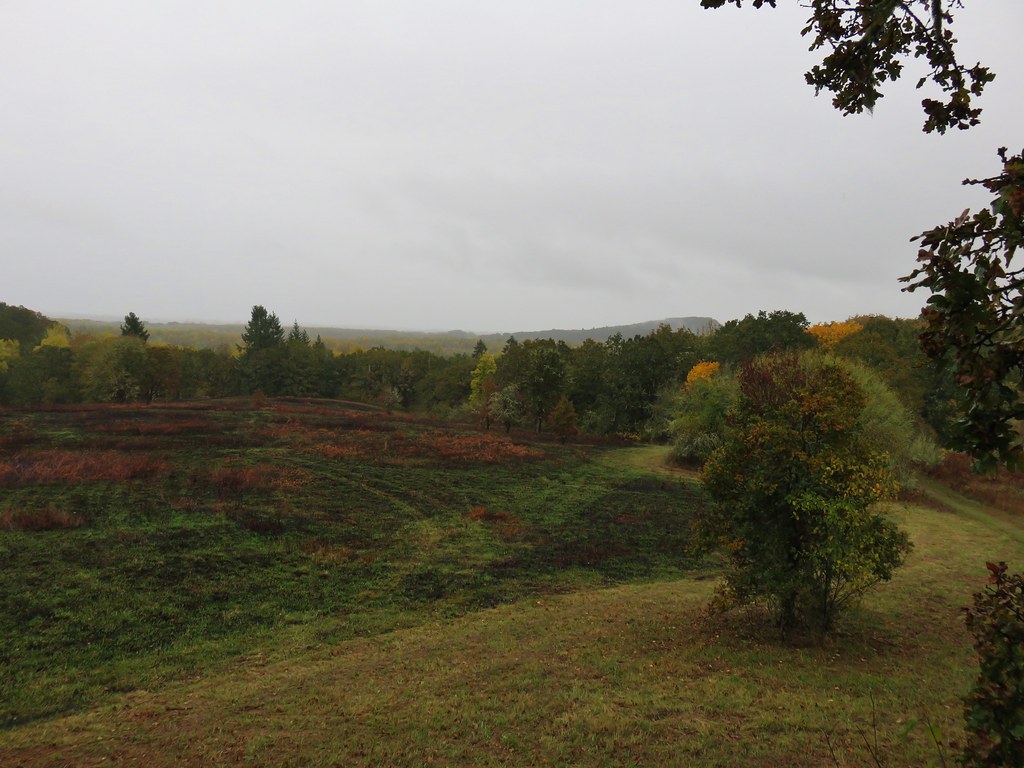
At the far end of the marsh trails from Sellwood Park joined at a meadow. Across the meadow to the west the Holiday Express train was preparing to depart.

IMG_1380

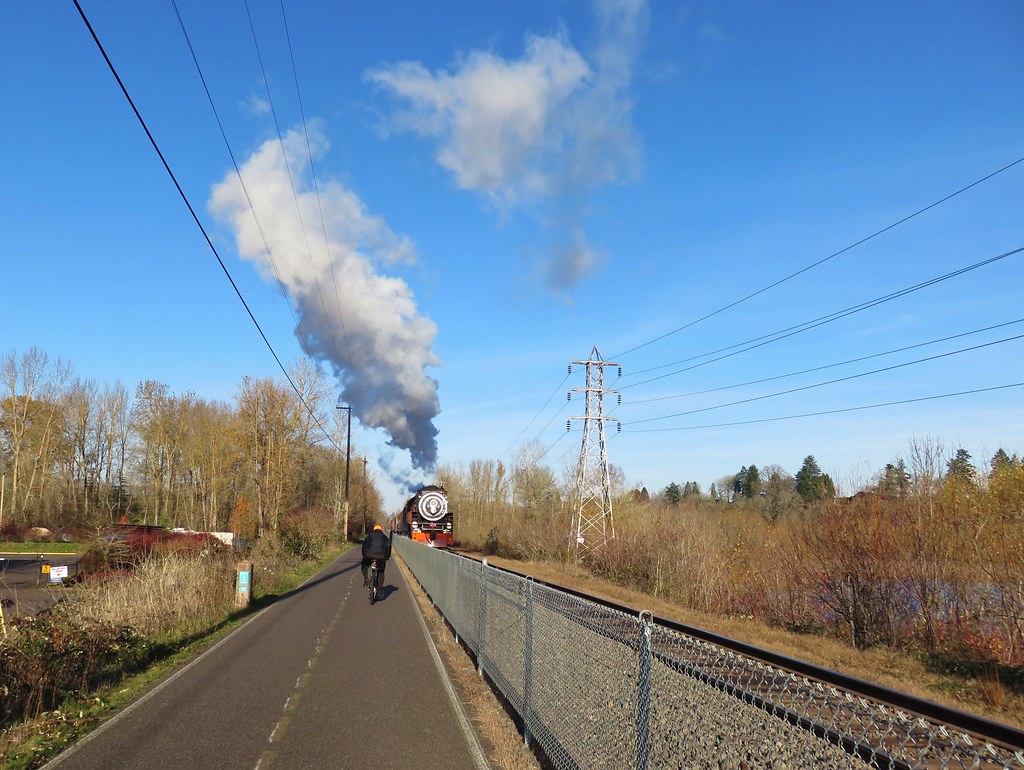
We continued around the marsh passing under the train tracks and turned right on the paved Springwater Corridor. The Holiday Express passed us as we went.

IMG_1385

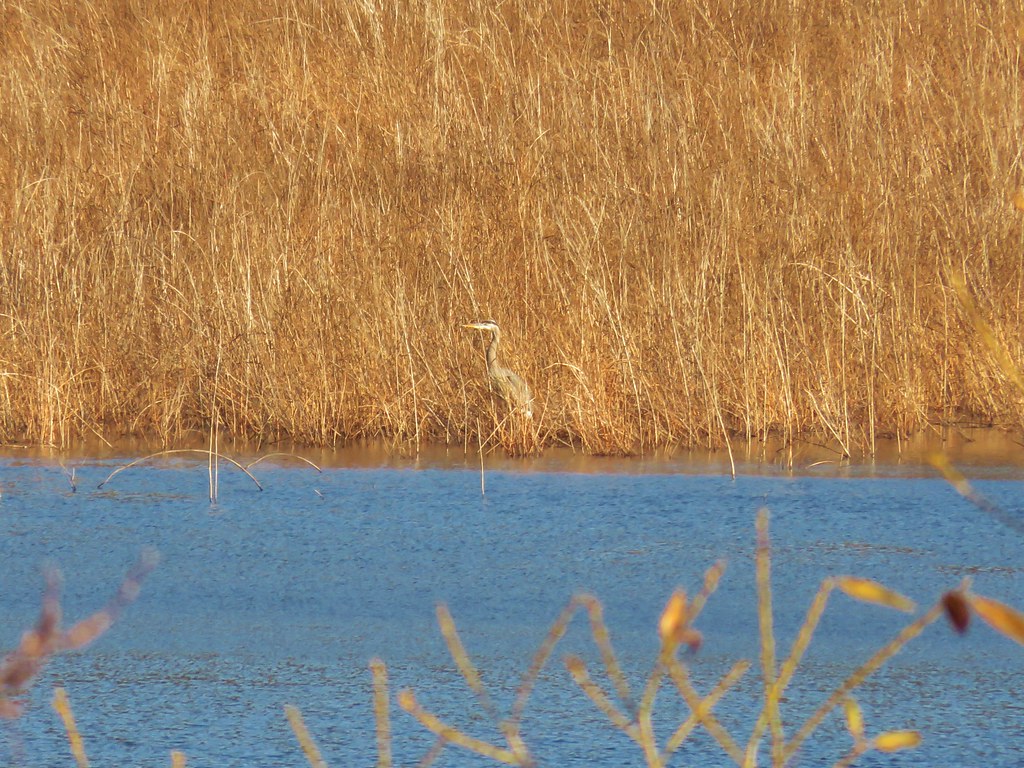
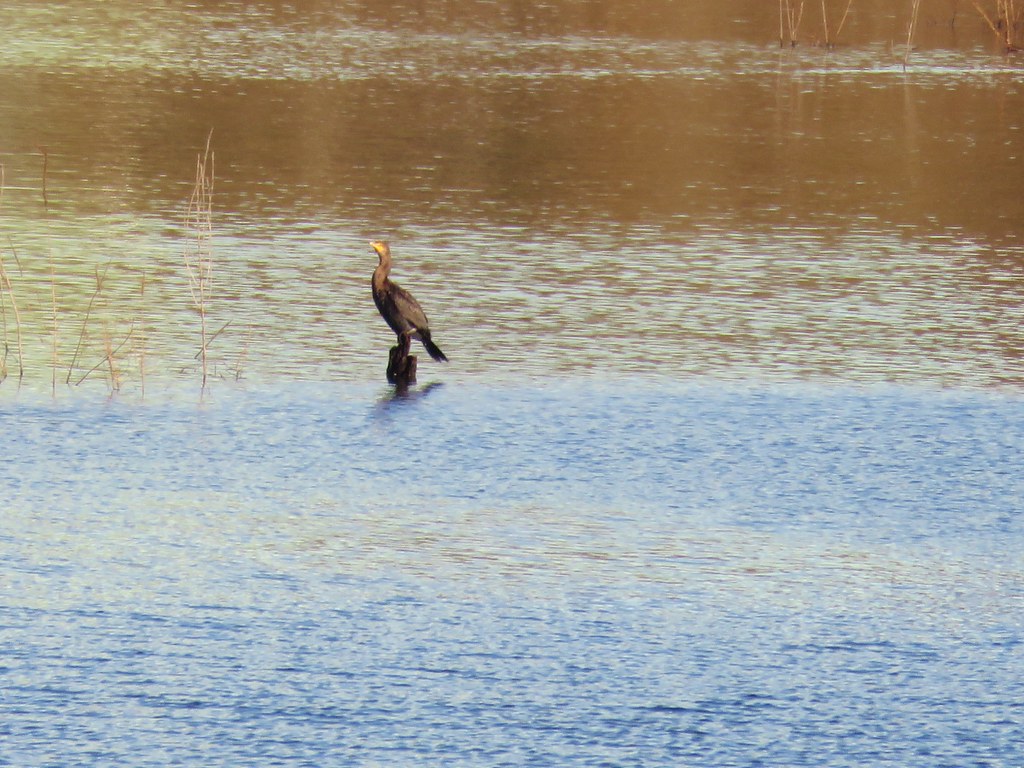
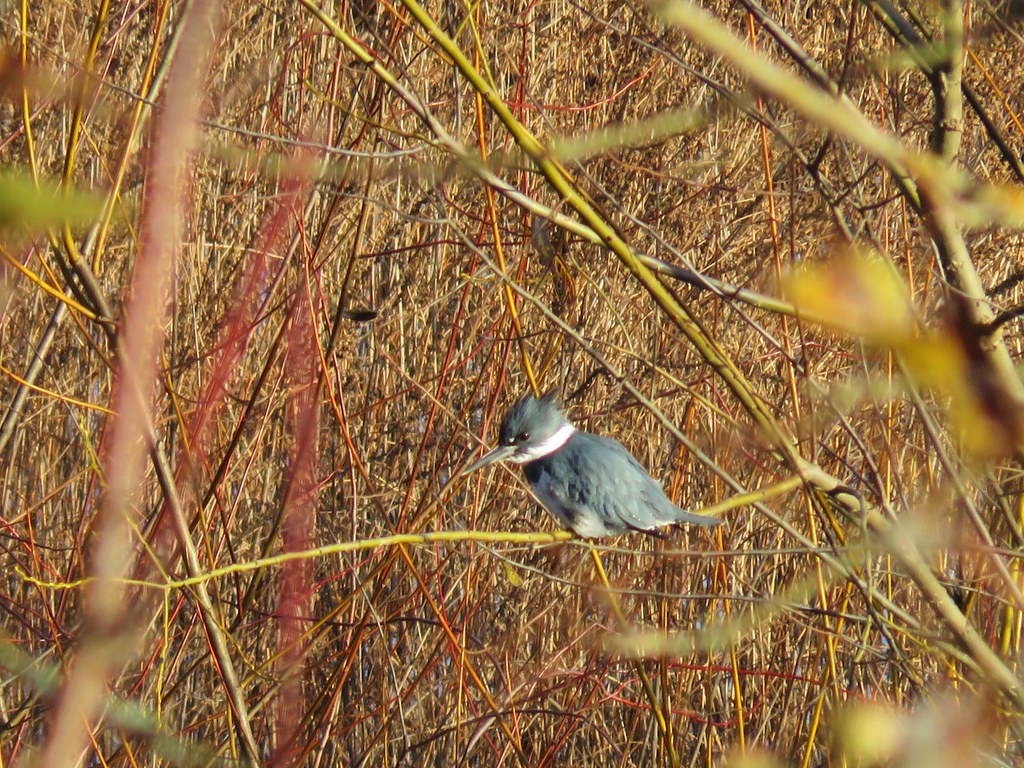
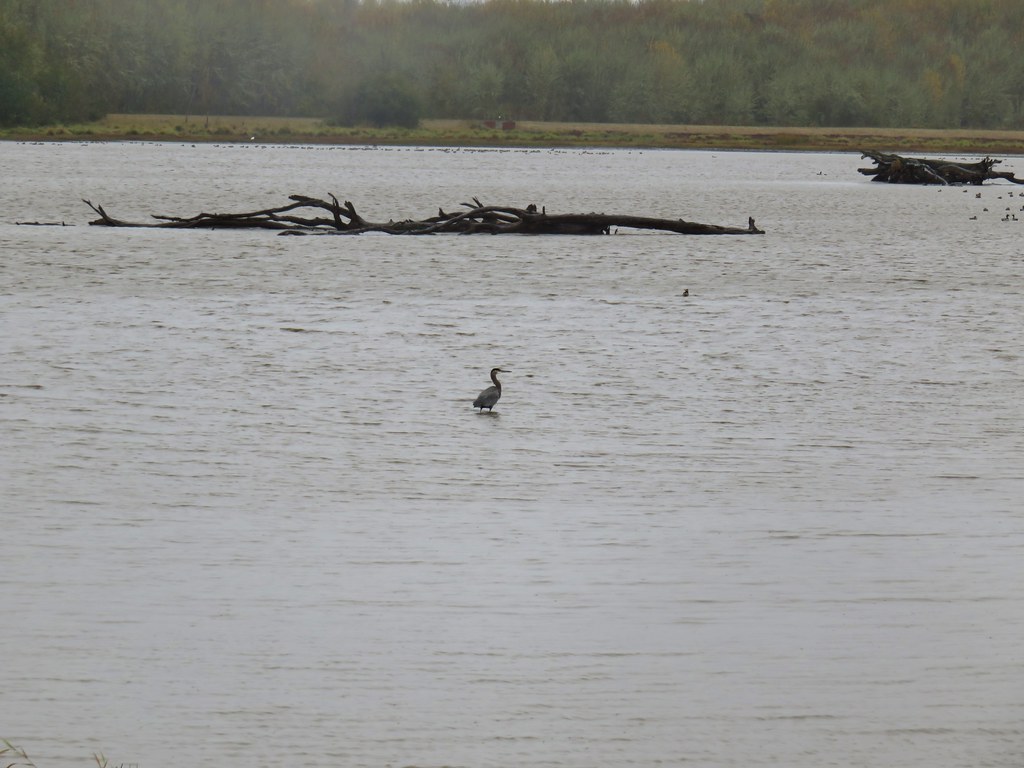
From this path we spotted some other birds including several herons, a cormorant, and a kingfisher.

IMG_1395

IMG_1392

IMG_1403

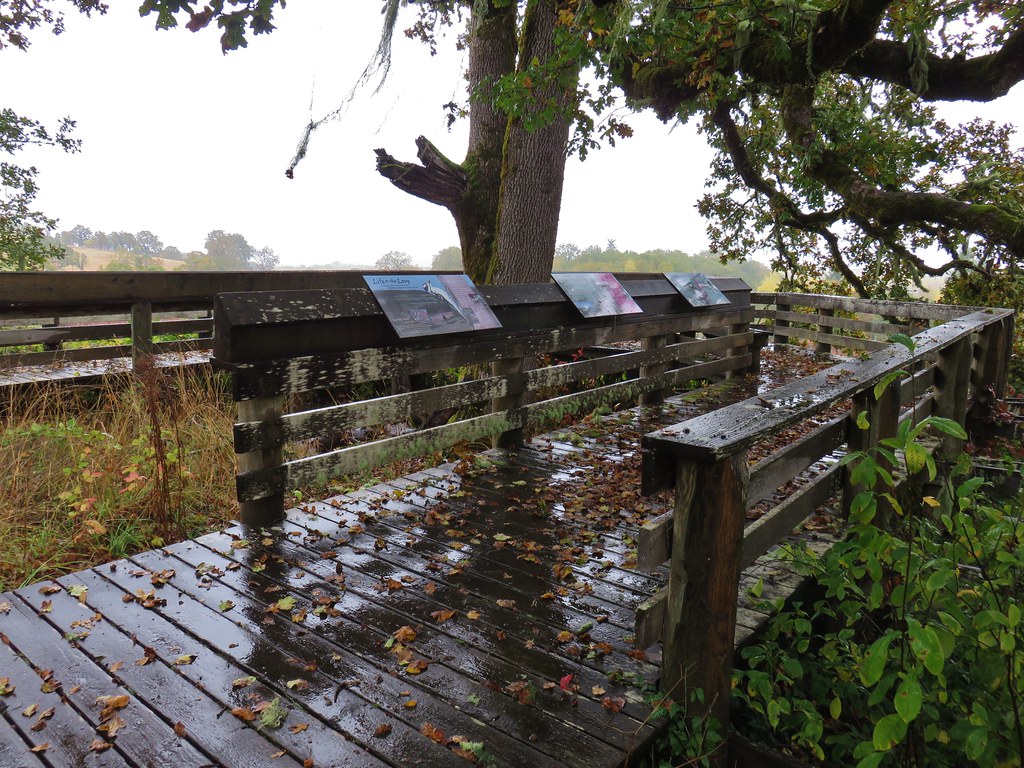
We passed a viewpoint of the Willamette River to the west before passing back under the railroad tracks.

IMG_1405

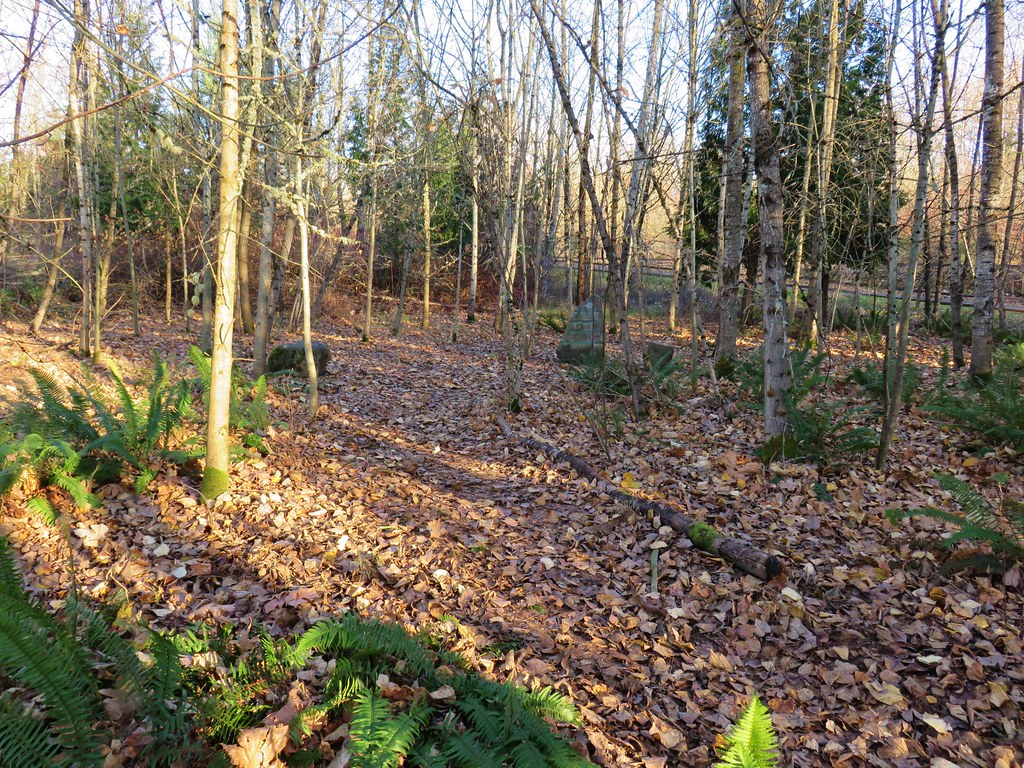
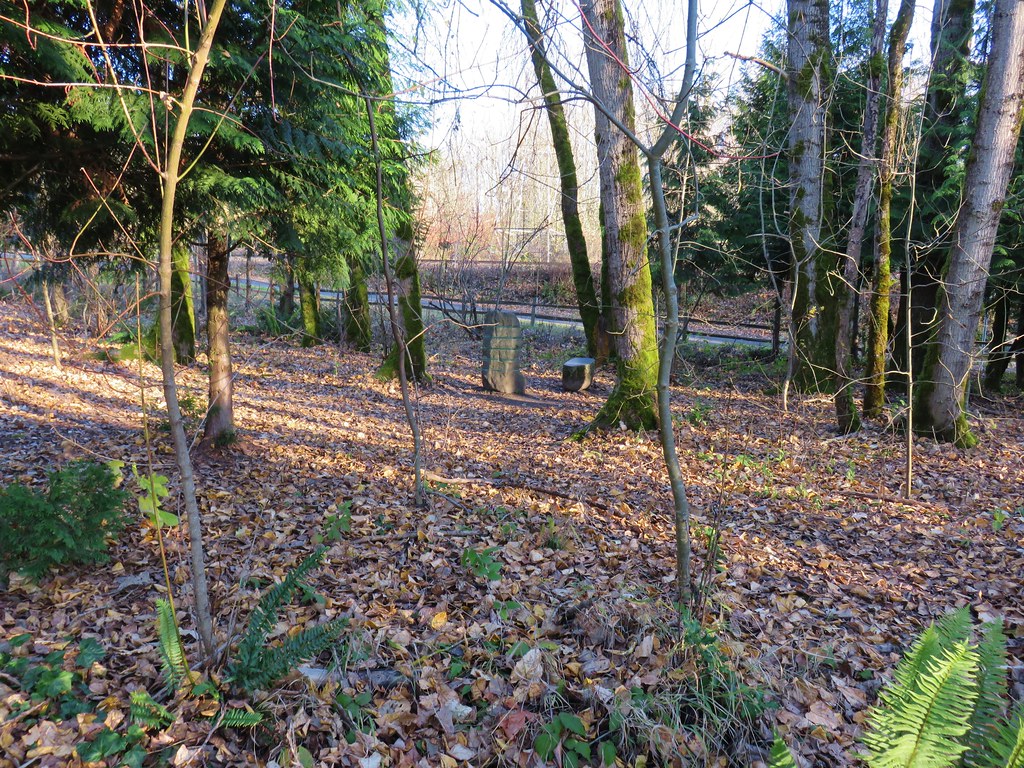
Before passing back under the the tracks we took a short path to the west toward the river where a few pieces of art could be seen amid the trees.

IMG_1408

IMG_1407

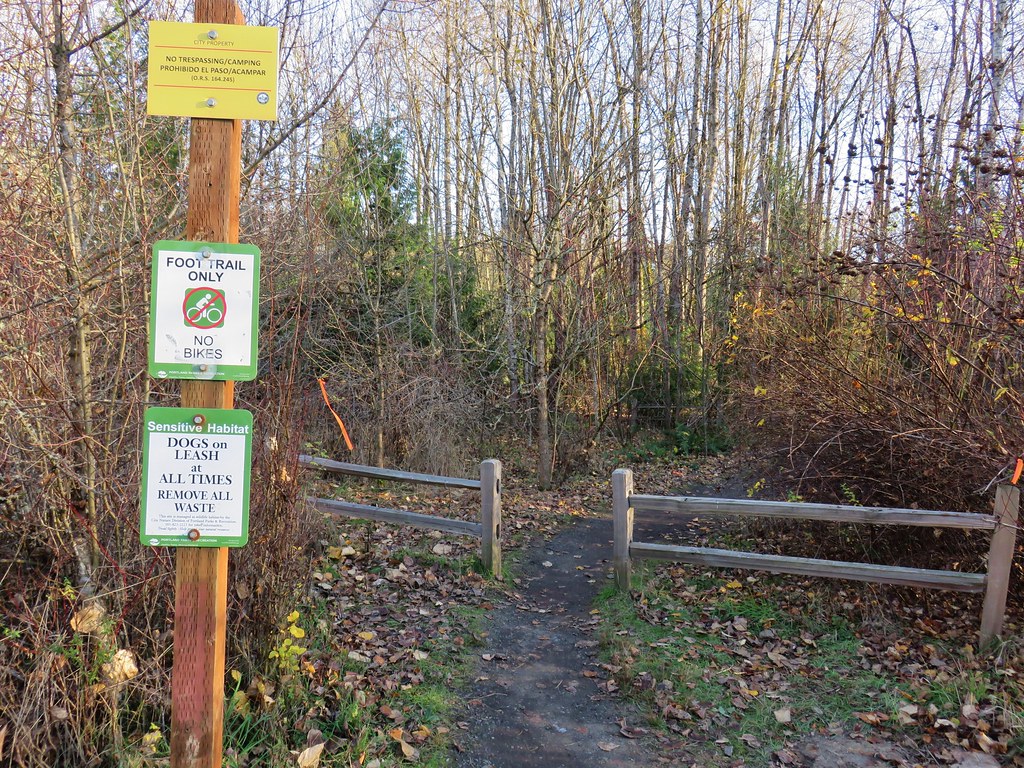
We turned off the paved path at a hiker only sign and passed through a wooden fence.

IMG_1410

We were quickly back at the start of the loop and returned uphill to our car. A nice three mile or so stroll with lots of wildlife to watch. We ended our day at Give and Get where we had a good time despite not winning any of the raffles. Happy Trails!
Flickr: Oaks Bottom Wildlife Refuge

Categories
Central Coast Hiking Oregon Oregon Coast Trip report

Cummins Ridge Trail – Cummins Creek Wilderness

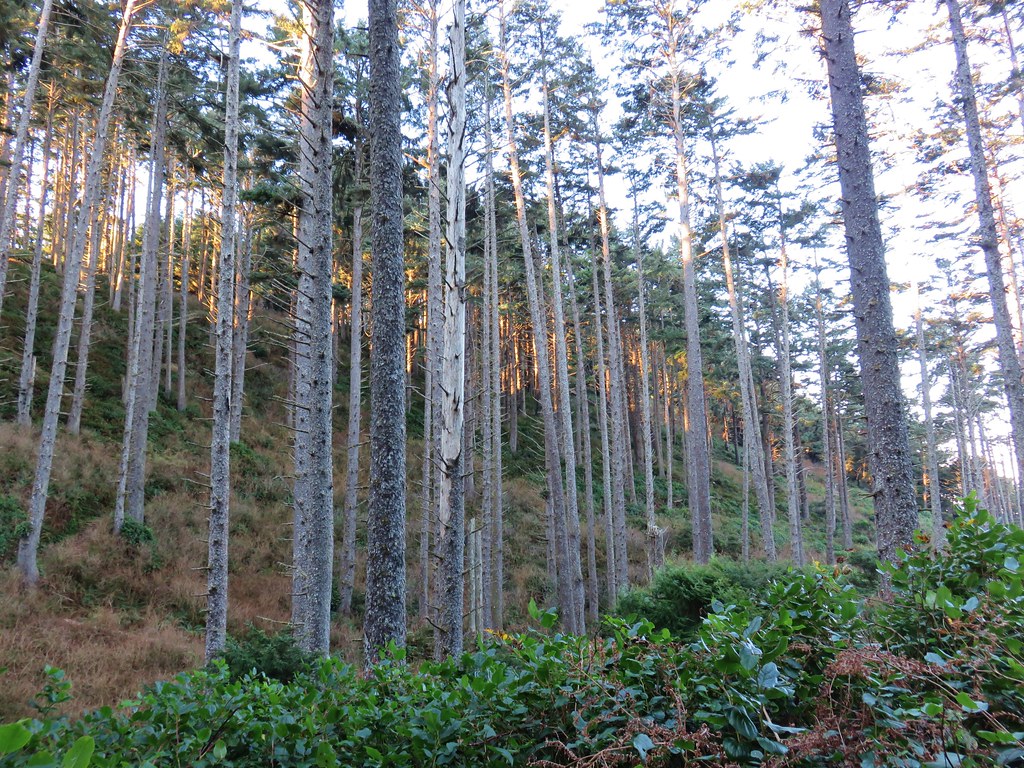
On Veterans day we celebrated our 22nd wedding anniversary by visiting our 34th Oregon wilderness area – the Cummins Creek Wilderness. The 9,173 acre wilderness is located along the Oregon Coast between Florence and Waldport. The Cummins Creek Wilderness is home to the only old-growth Sitka Spruce forest in the state. For our visit we chose the only designated trail in the wilderness, the Cummins Ridge Trail.

There are trailheads at either end of the nearly 6 mile long Cummins Ridge Trail which opens up the option of a car shuttle if one only wanted to hike the trail one way. For a shuttle hike starting at the upper (east) trailhead located along Forest Road 5694 would make the most sense as the majority of the hike would be downhill. Our plan was to do an out and back so we started from the lower (west) trailhead located approximately 2.5 miles from Highway 101 on Forest Road 1051.
Lower Cummins Ridge Trailhead

The trail almost immediately enters the wilderness area.
Informational sign board at the lower trailhead

Cummins Creek Wilderness sign

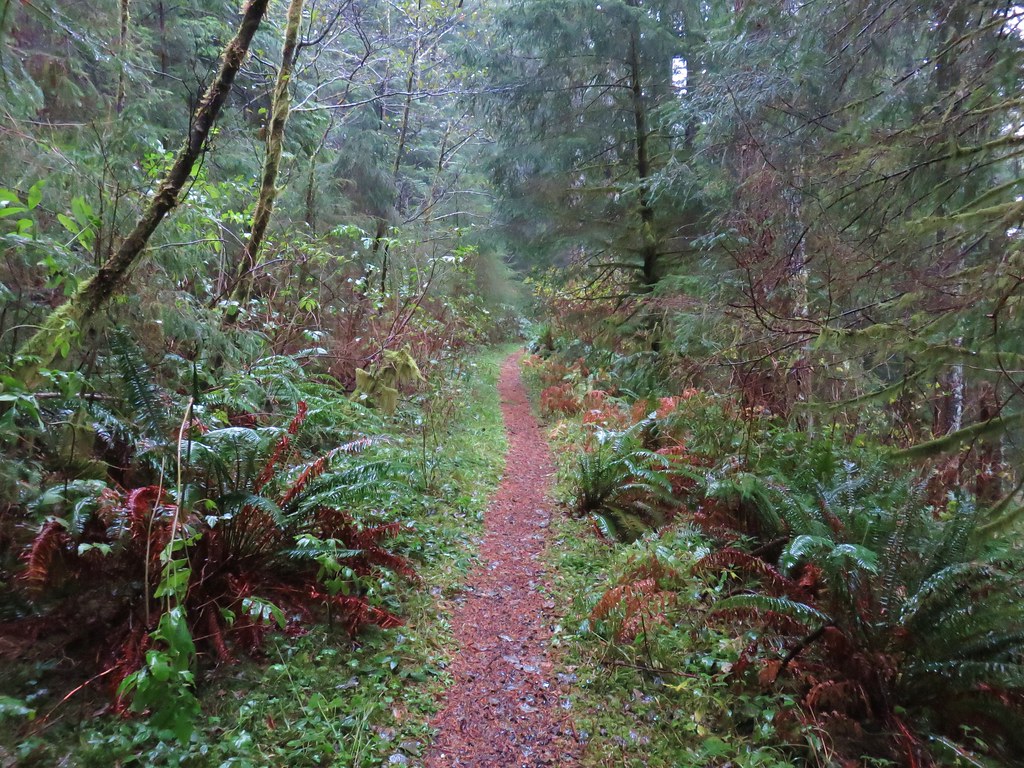
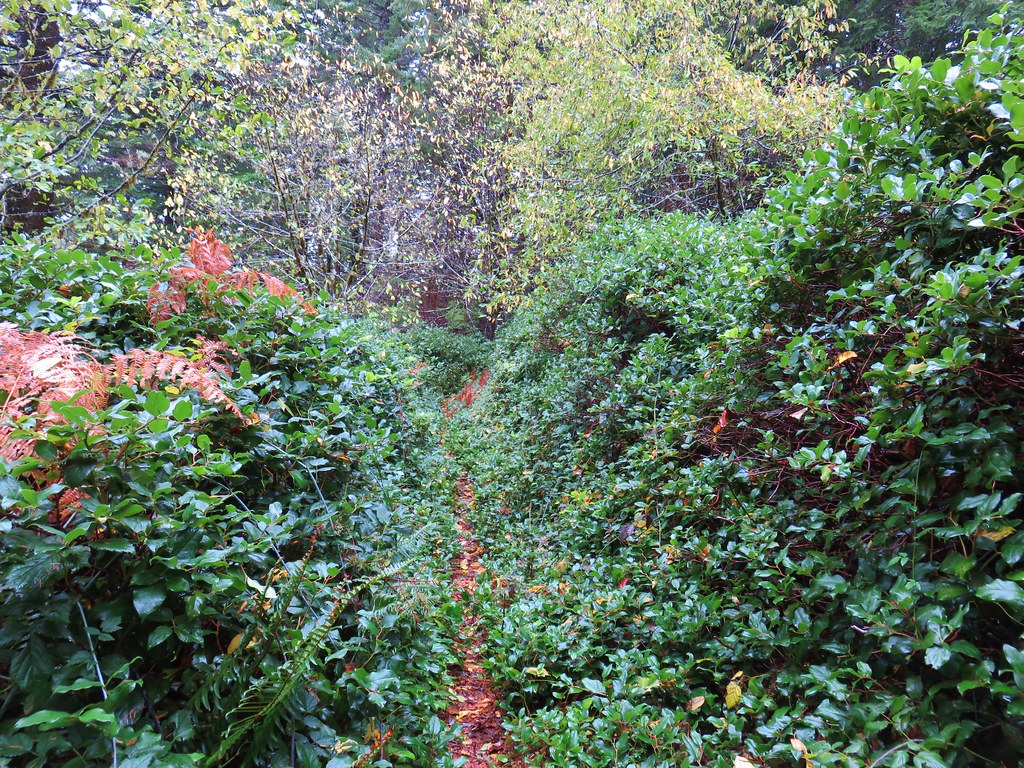
It was raining steadily as we set off which we hadn’t really expected based on the forecast but as the day progressed the rain lessened and eventually quit. The lower portion of the trial followed an old road bed which at times was obvious but at others the vegetation had nearly hidden it.
Cummins Ridge Trail

Cummins Ridge Trail

Cummins Ridge Trail

Cummins Ridge Trail

Cummins Ridge Trail

Cummins Ridge Trail

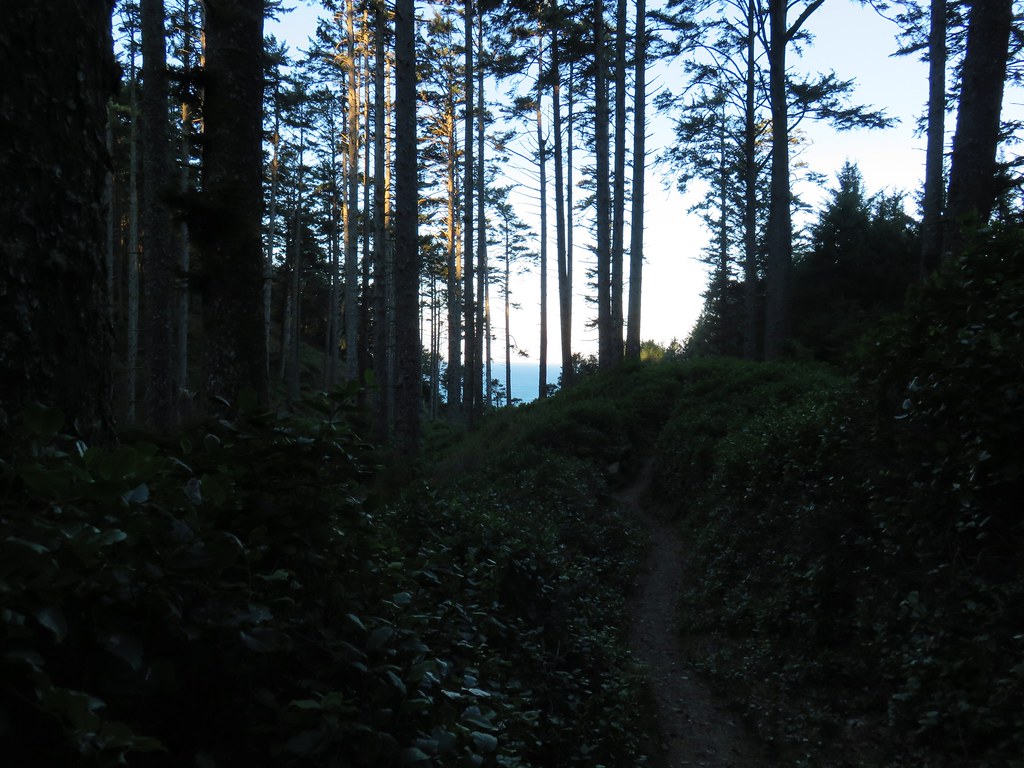
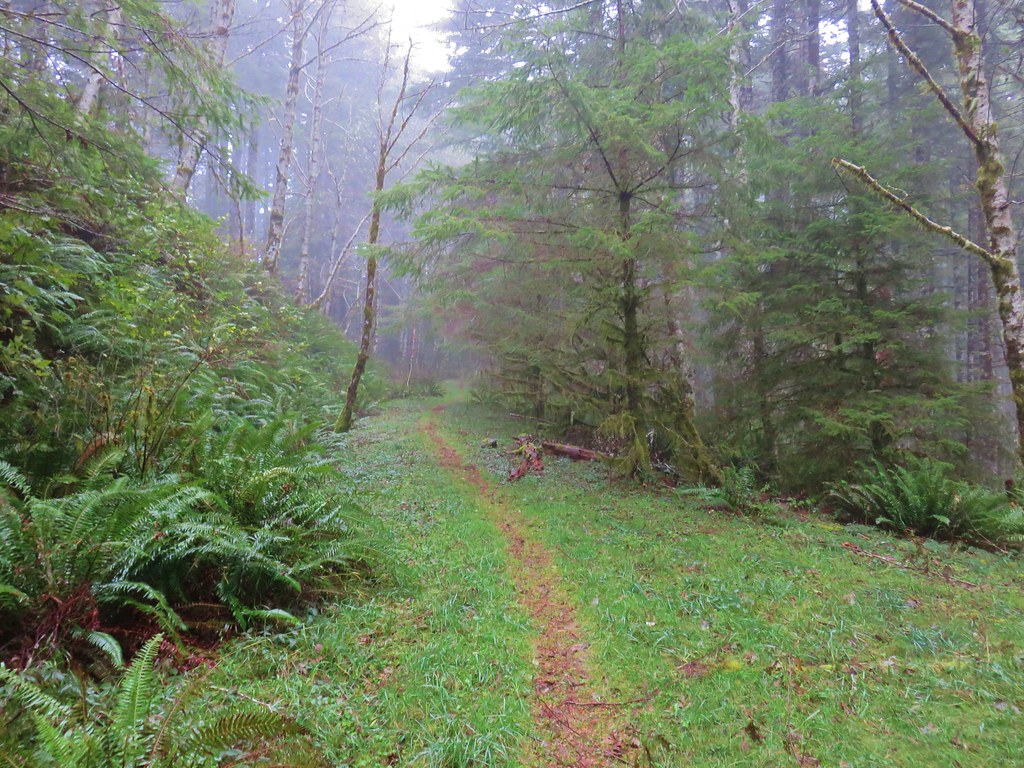
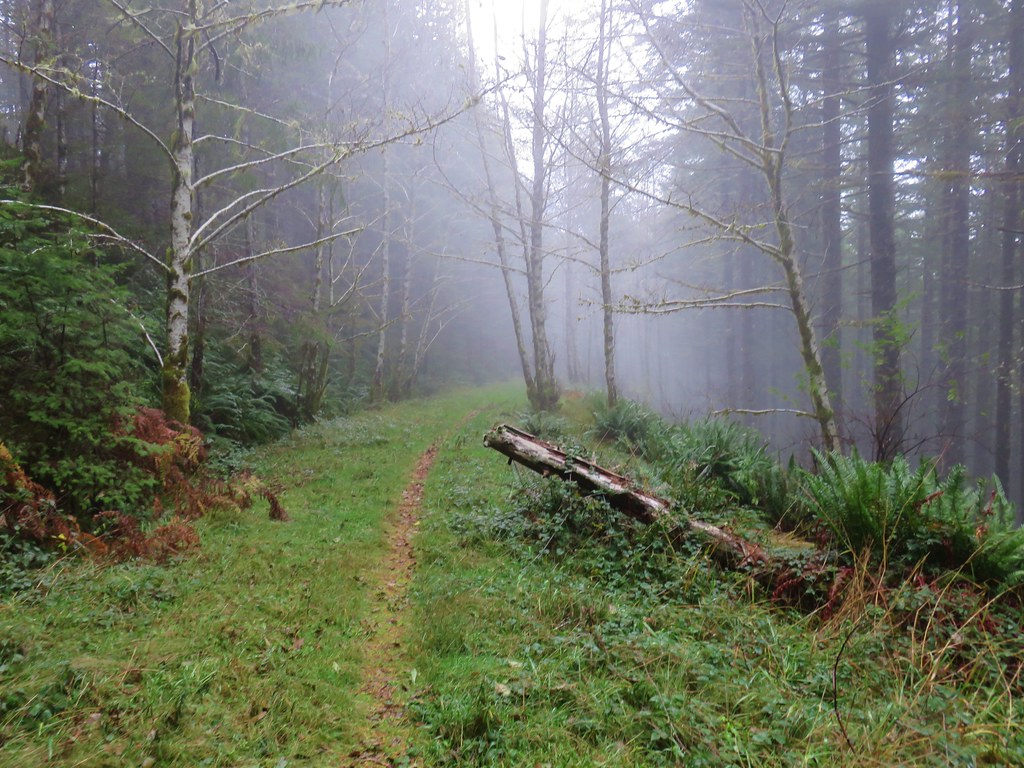
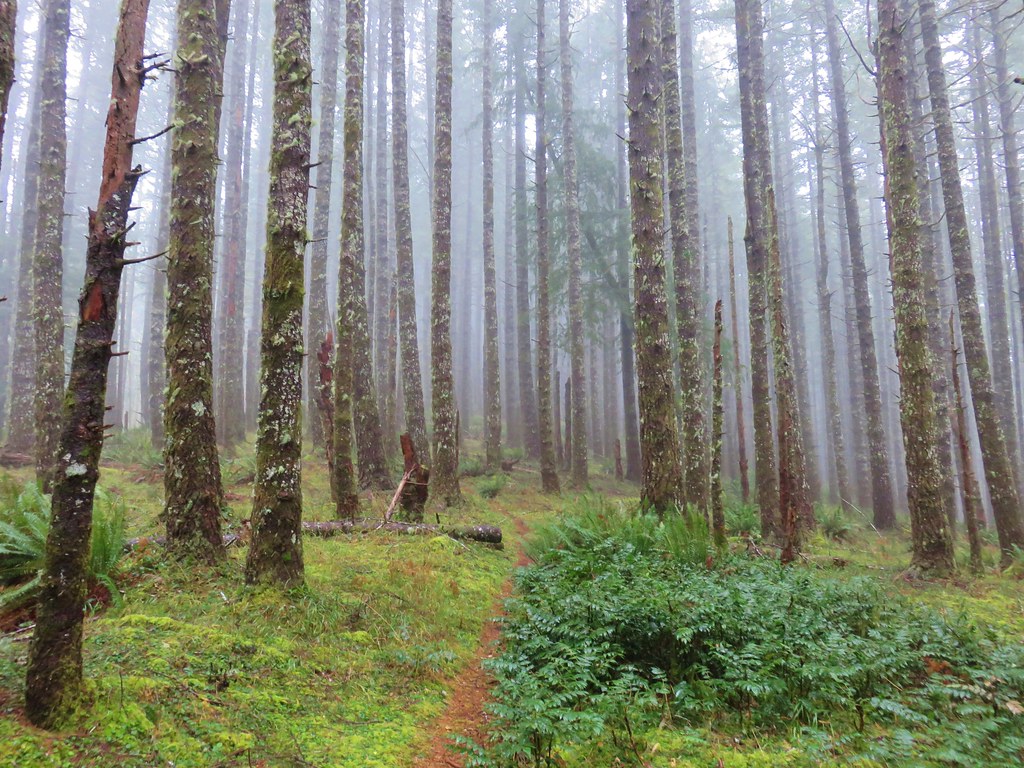
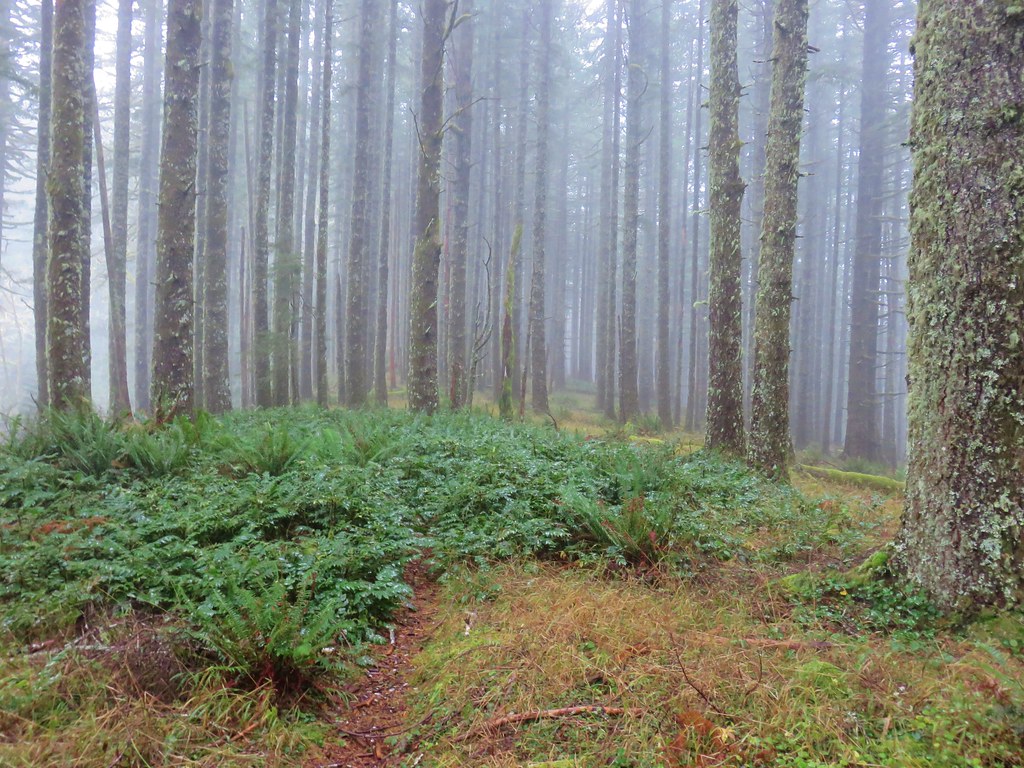
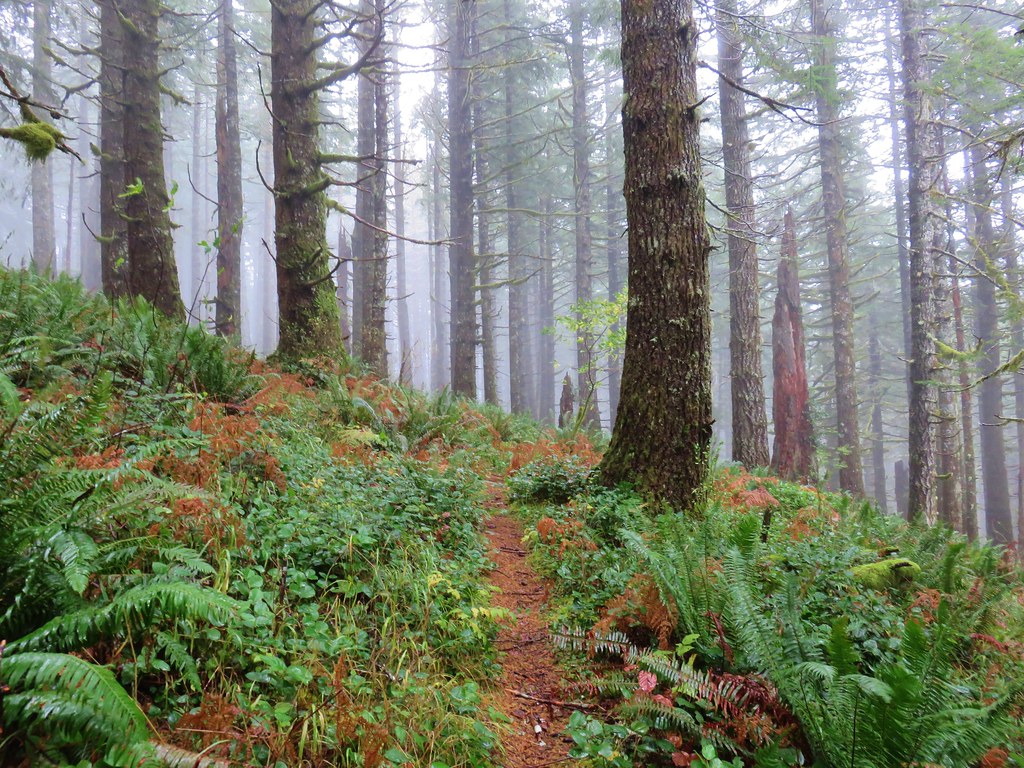
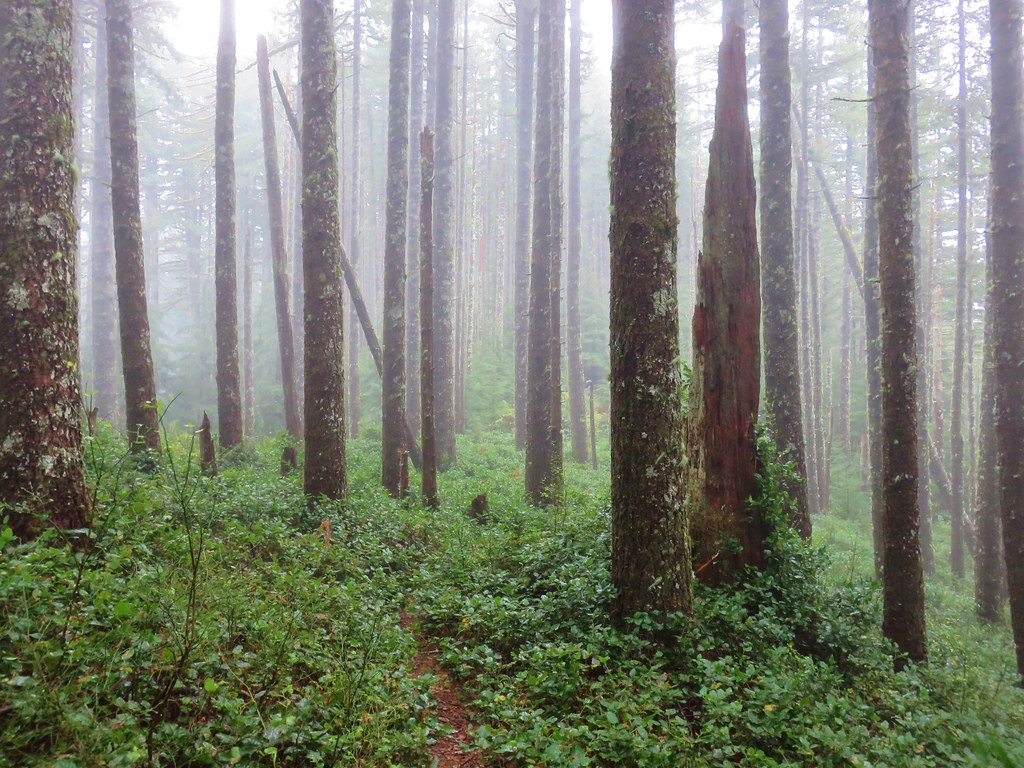
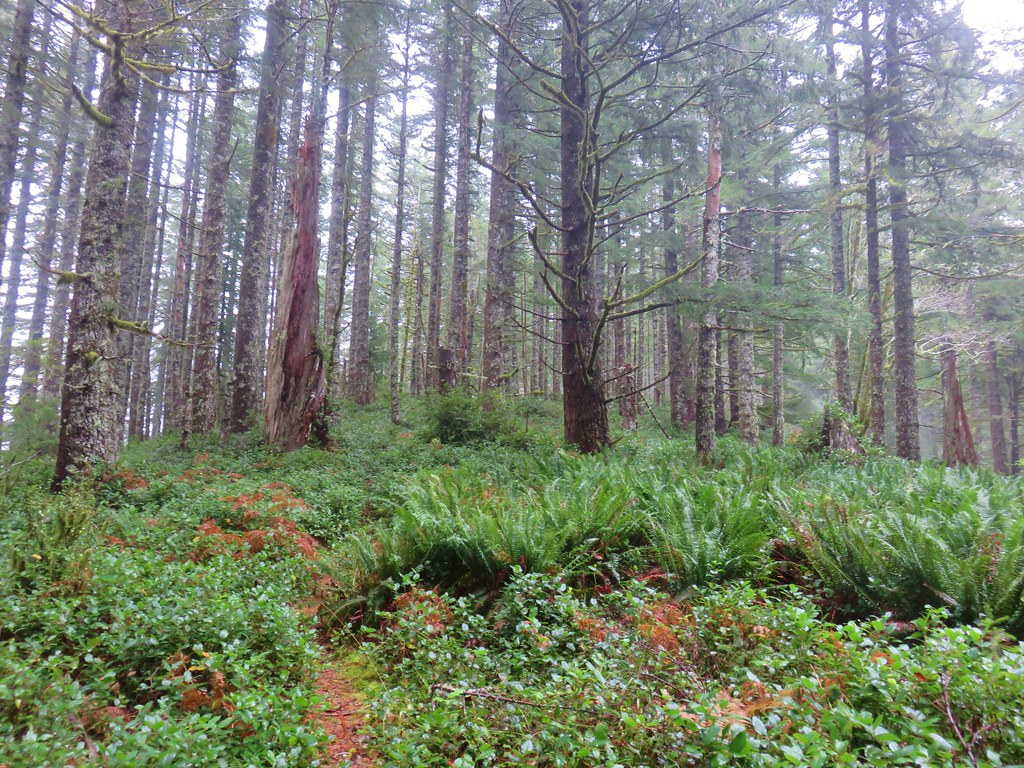
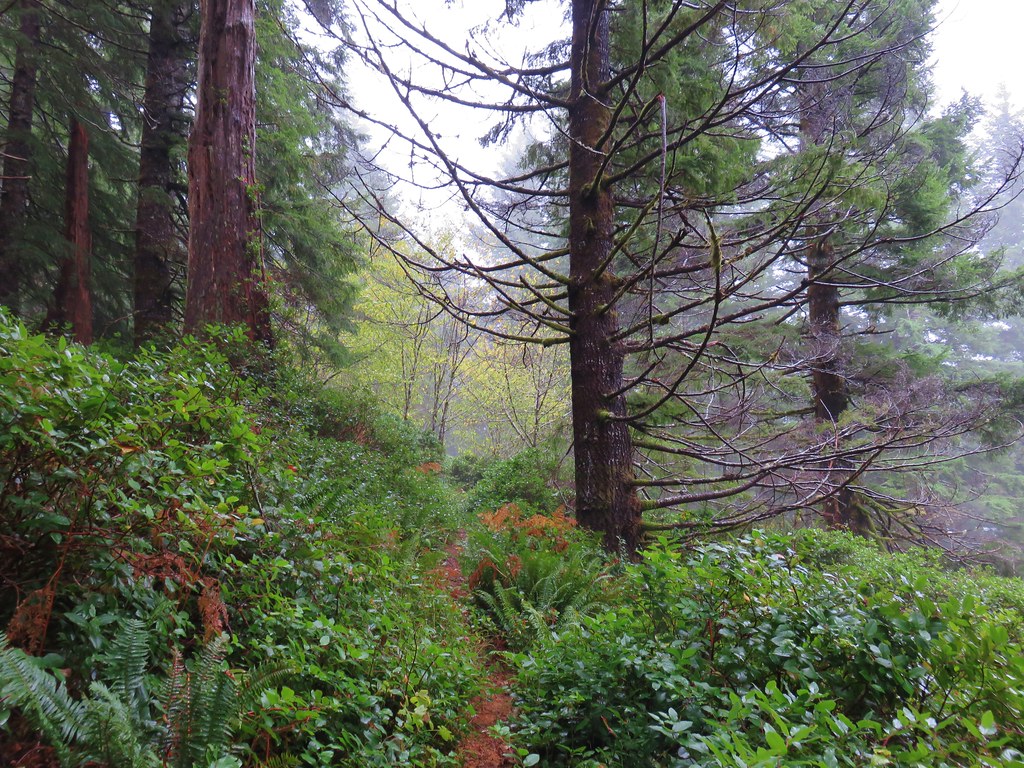
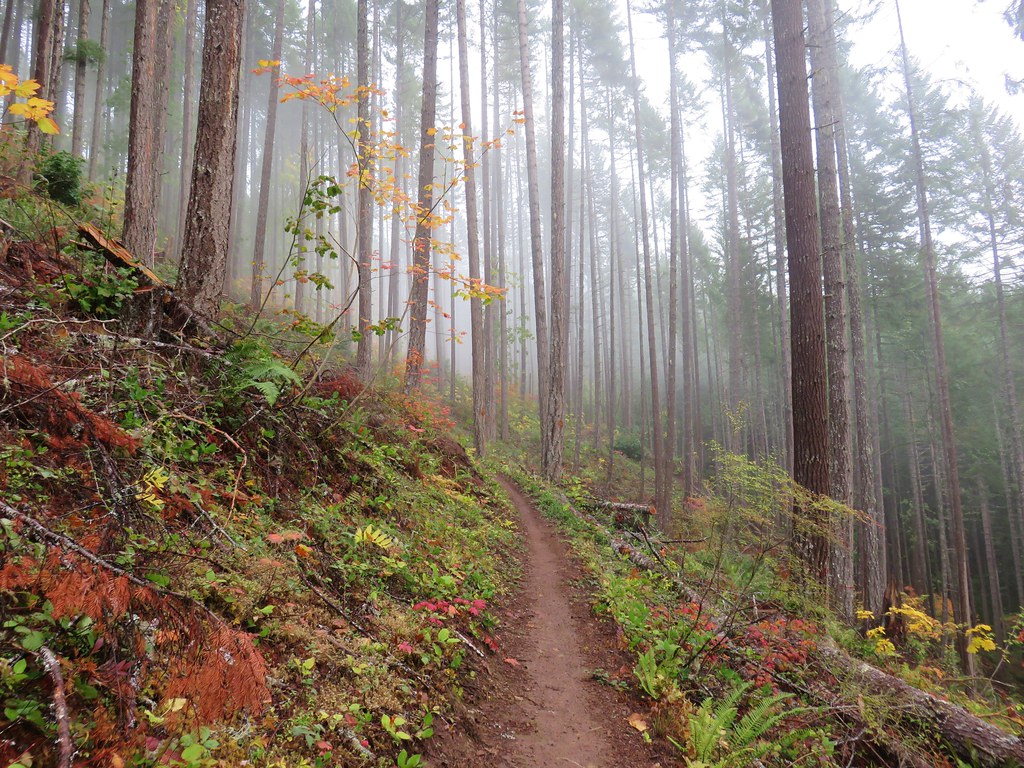
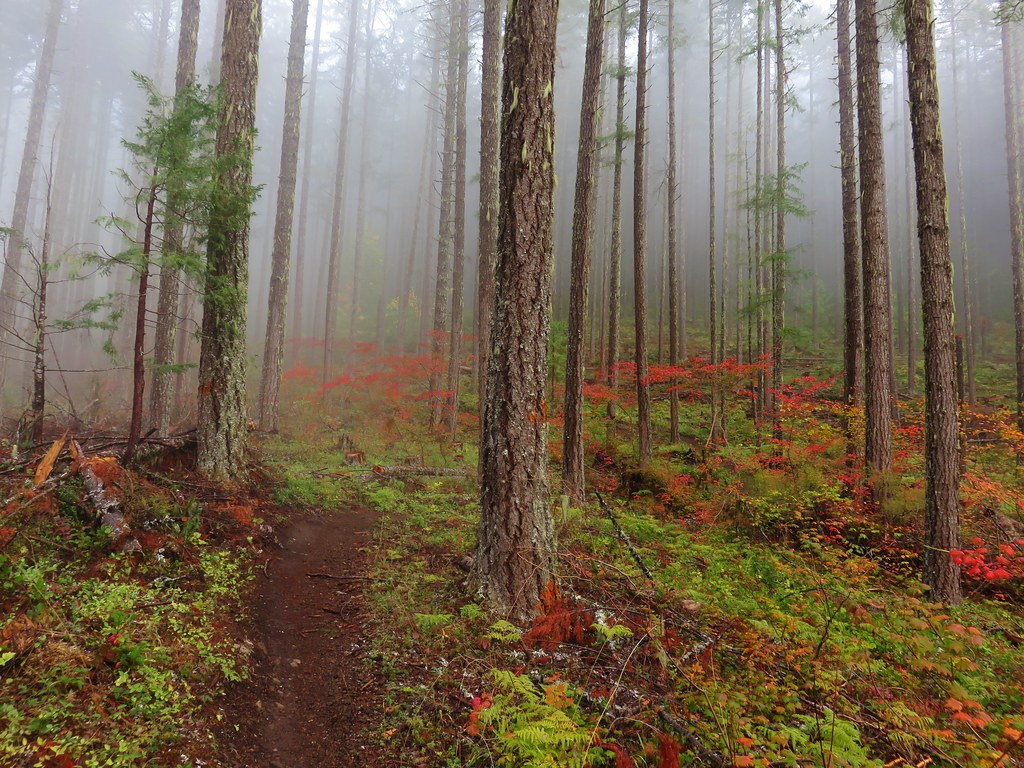
After about 3 miles on the old road bed the trail forked to the right leaving the road and leading us into a foggy forest.
Cummins Ridge Trail

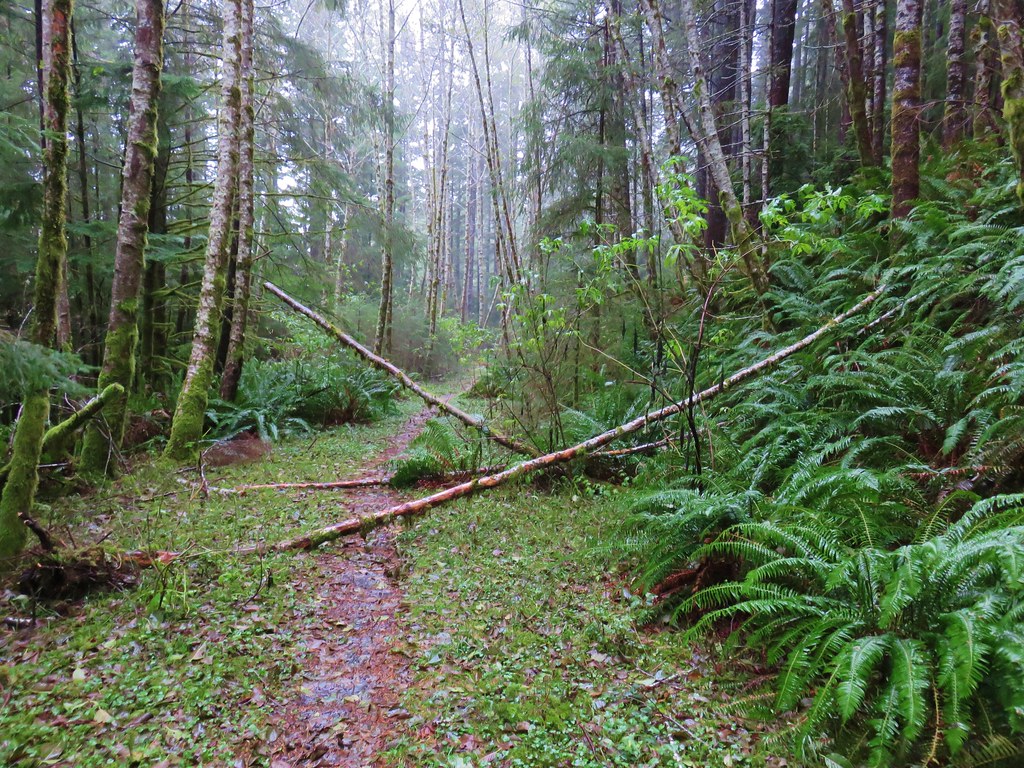
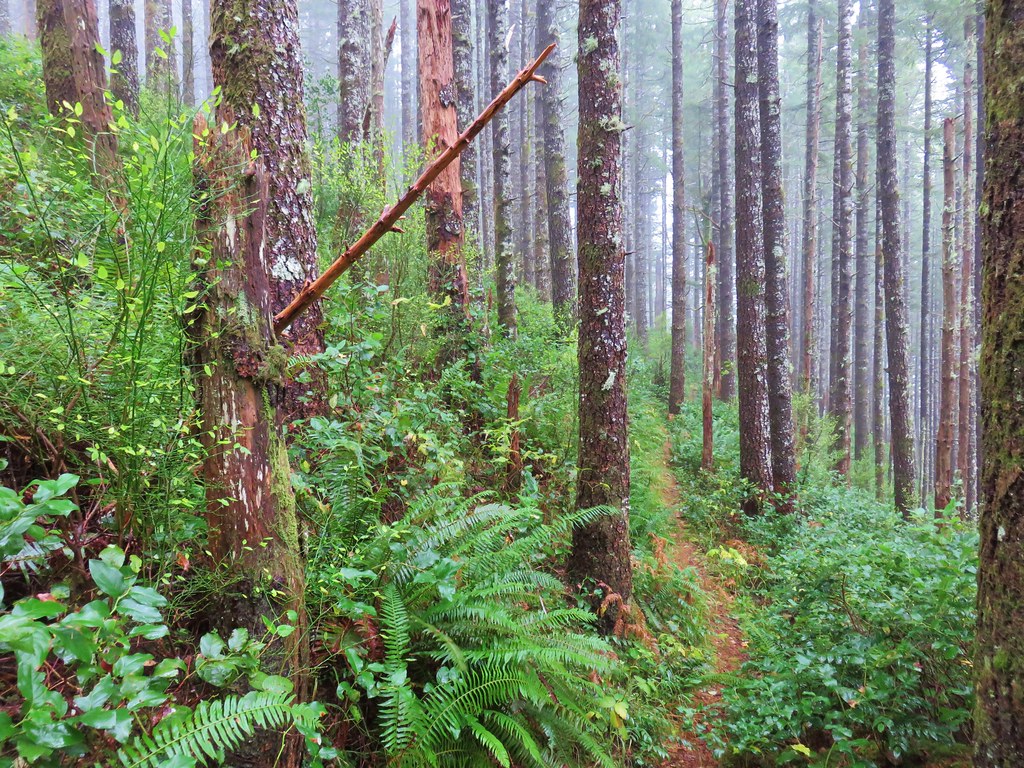
The trail was in good shape with just a couple of short overgrown sections and never very steep as it followed the ridge up and down to the upper trailhead.
Cummins Ridge Trail

Cummins Ridge Trail

Cummins Ridge Trail

Cummins Ridge Trail

Cummins Ridge Trail

Cummins Ridge Trail

Cummins Ridge Trail

Upper Cummins Ridge Trailhead

We returned the way we’d come for an 11.9 mile hike with approximately 1200′ of elevation gain. The forest along the ridge limit any real views that might otherwise be available from the trail.
View from the Cummins Ridge Trail

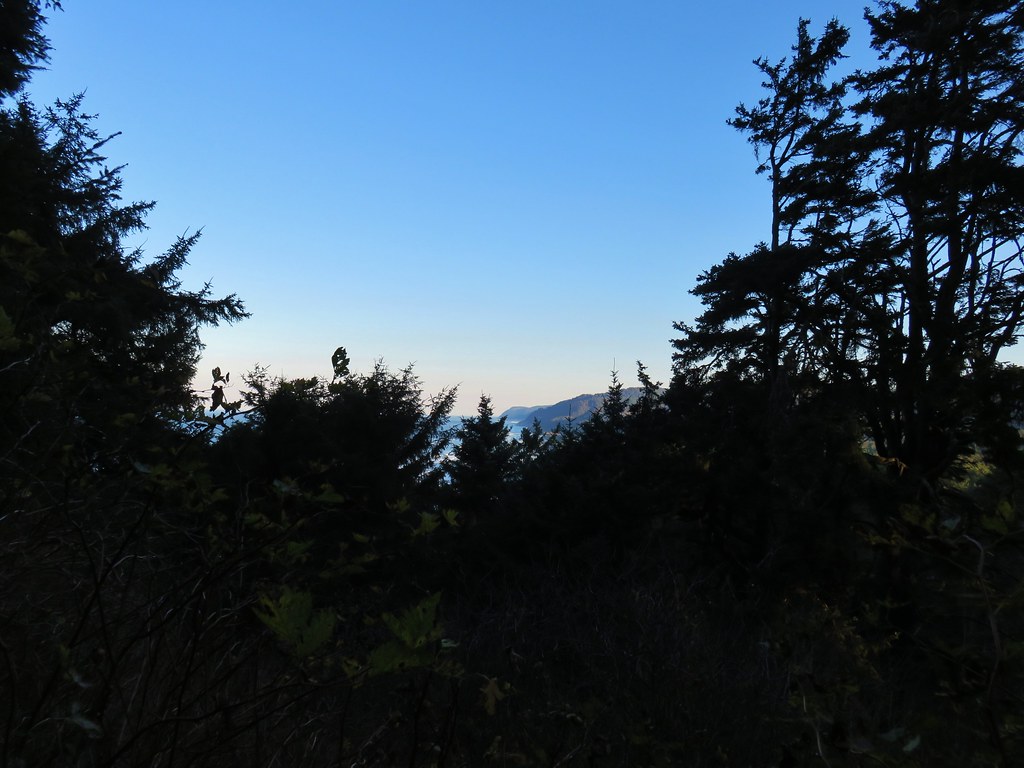
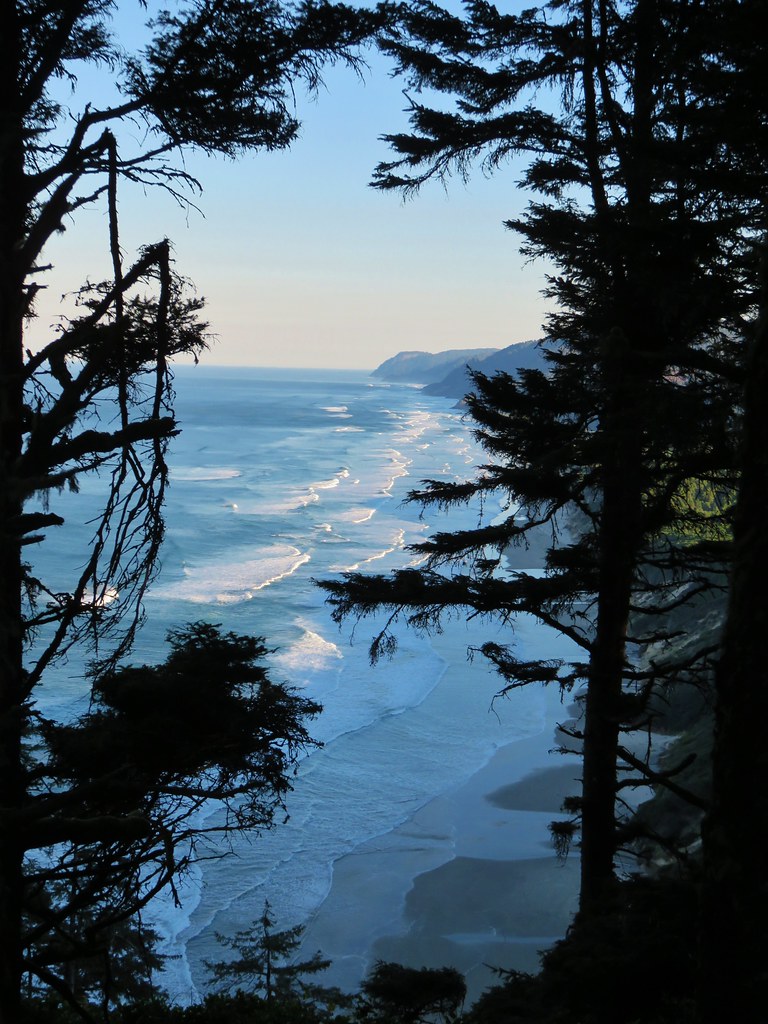
We did manage a couple of brief glimpses of the Pacific Ocean through the trees.
Pacific Ocean from the Cummins Ridge Trail

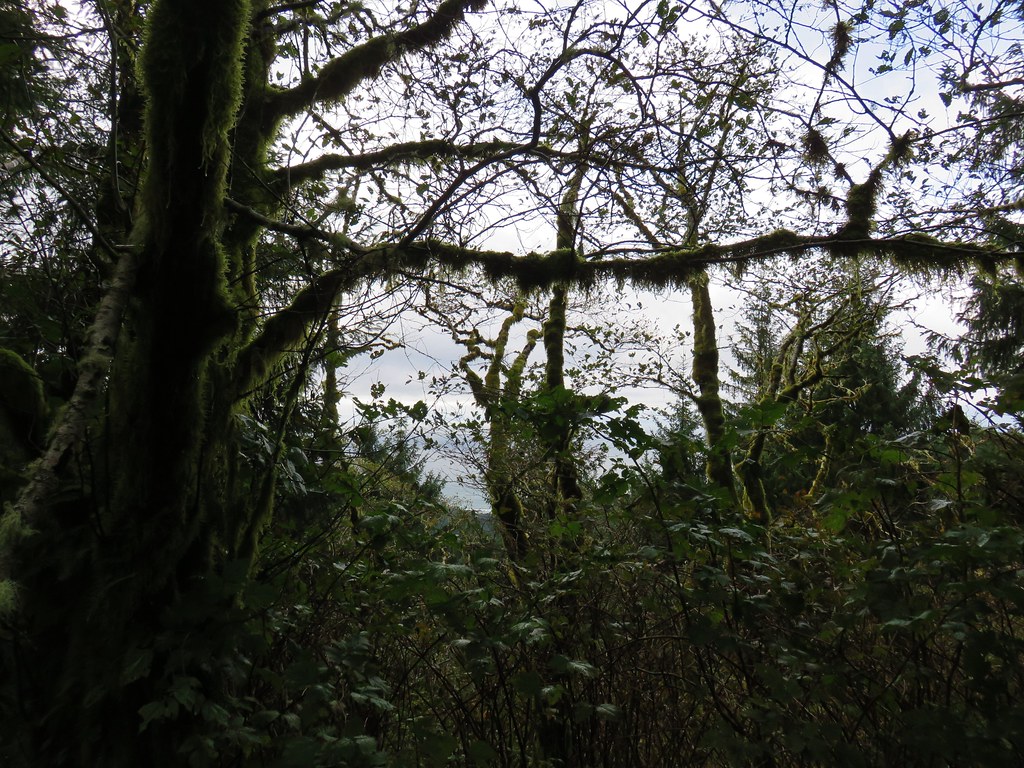
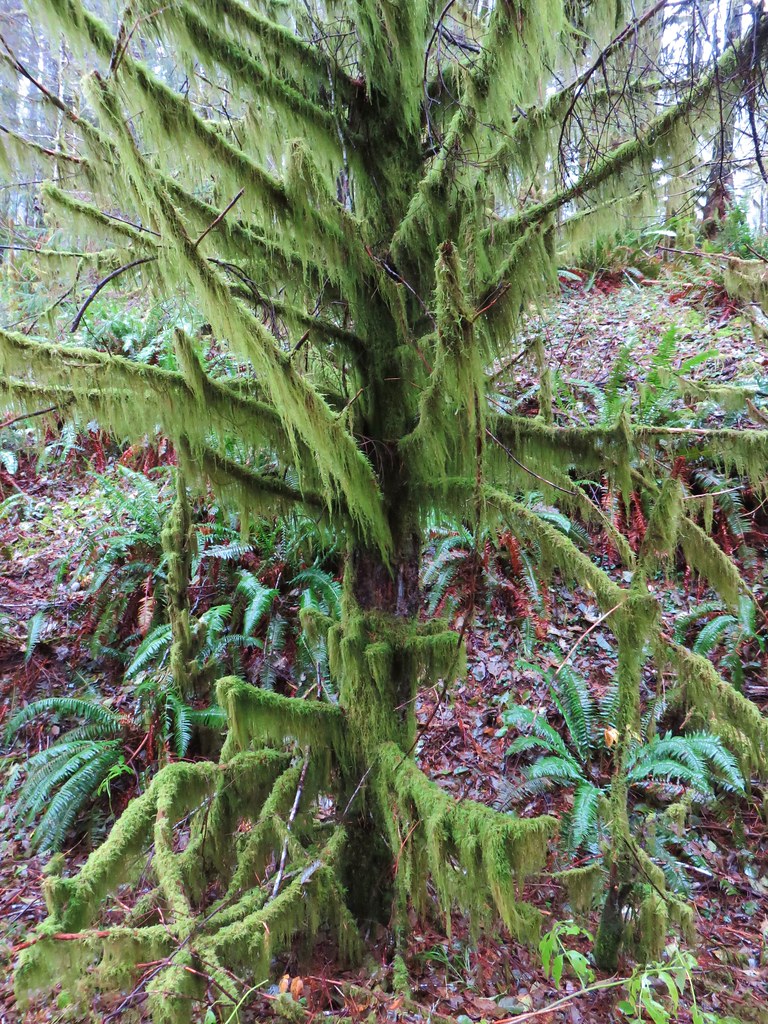
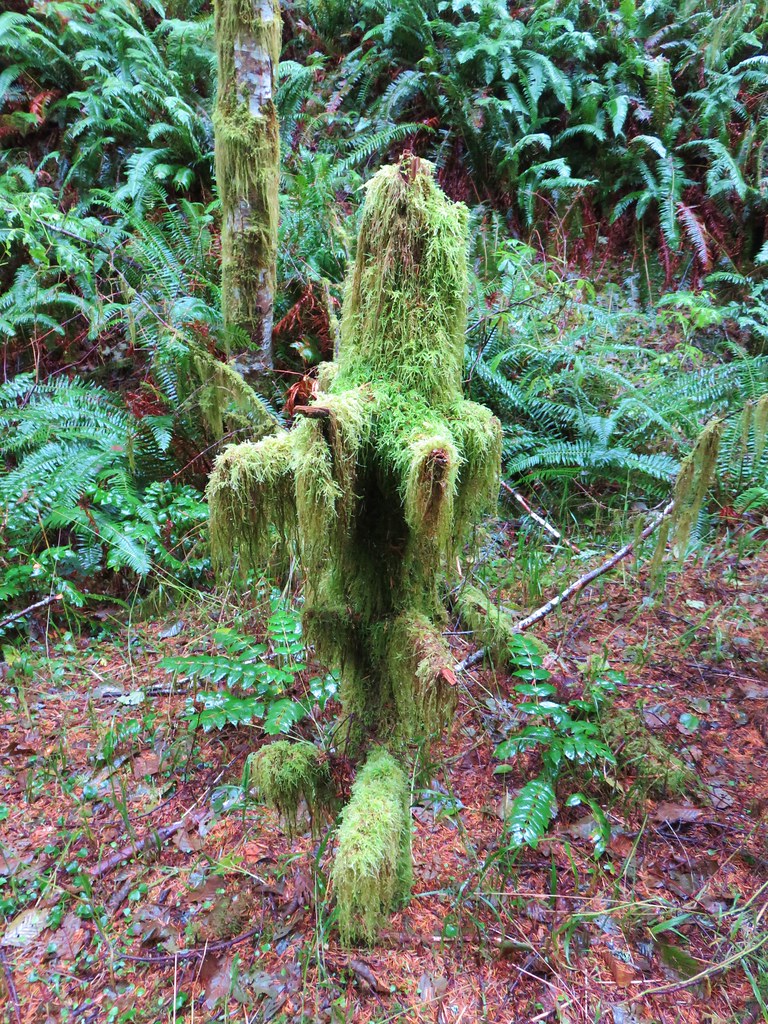
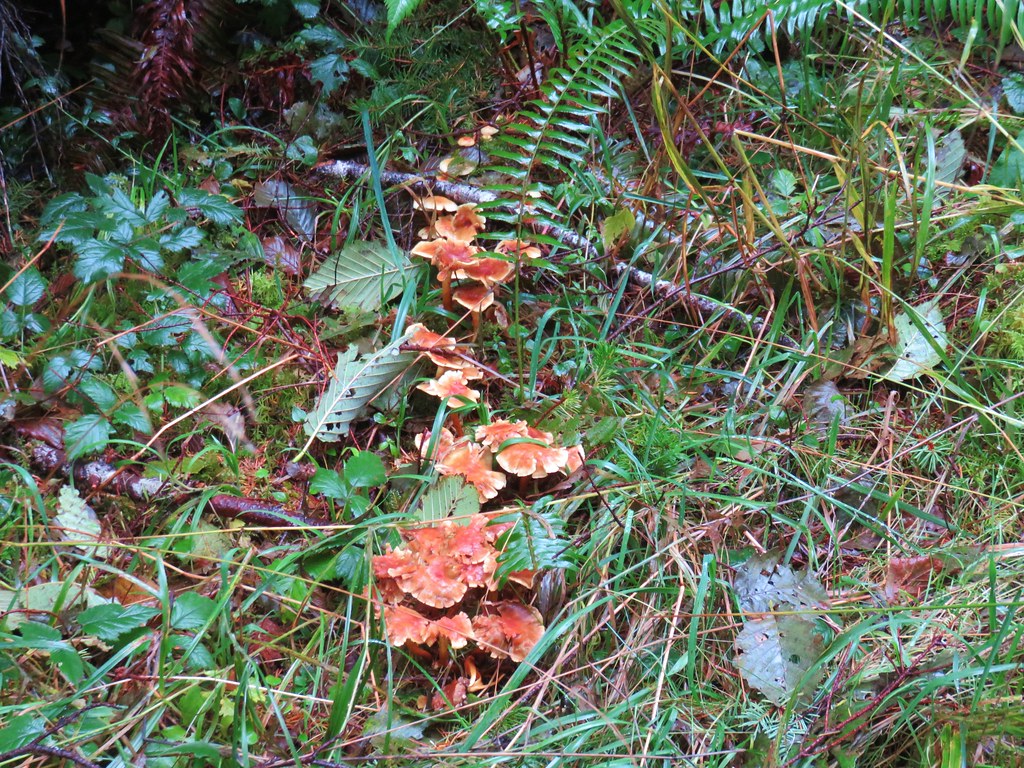
With no viewpoints and no water features along the trail it is strictly a hike for those who are looking for a nice forest stroll. Not all hikes need to lead to an amazing view or some Instagram destination to be enjoyable. We enjoyed the moss covered trees, various mushrooms, and some bird sightings on our visit.
Mossy tree

Fuzzy little tree

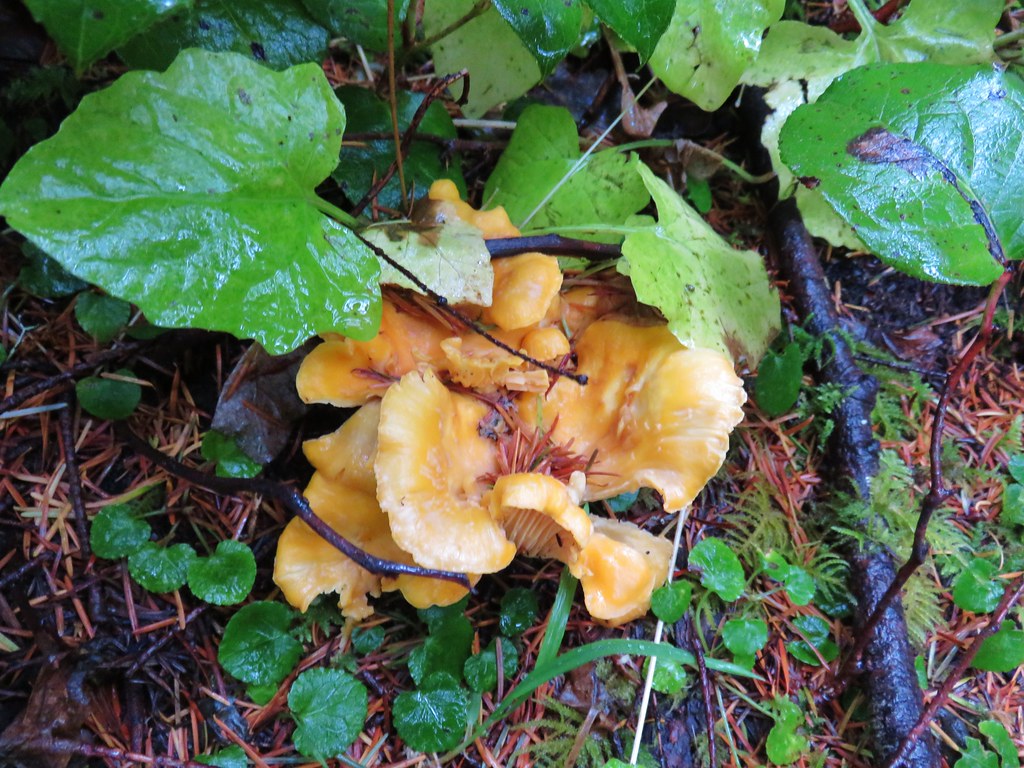
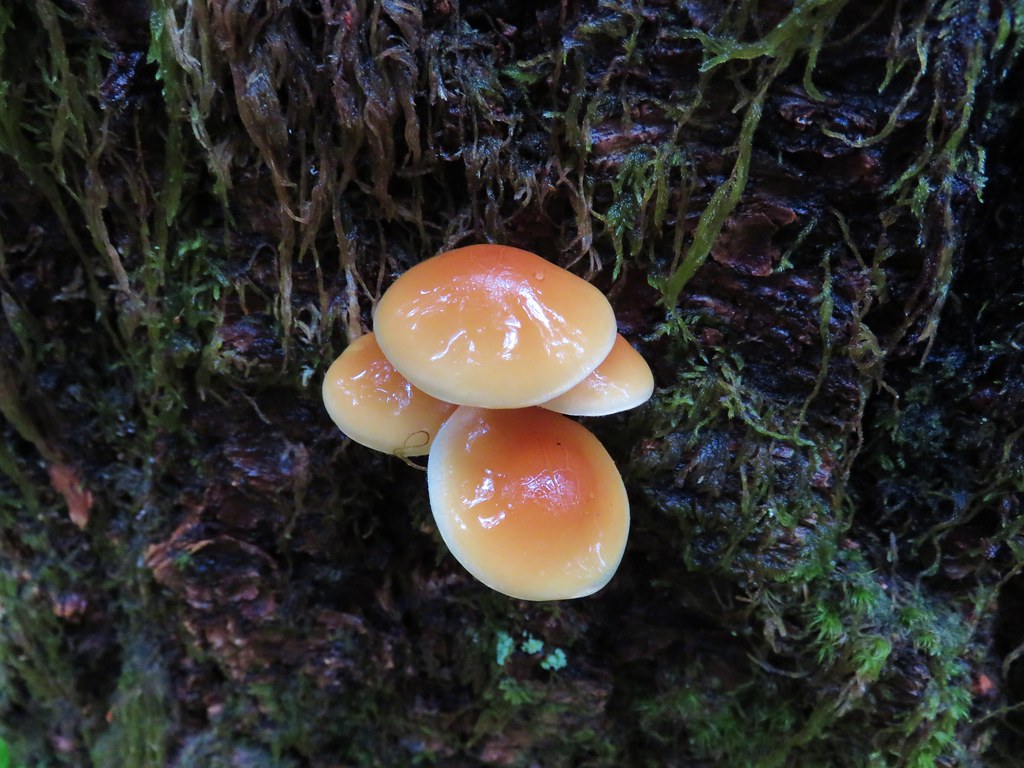
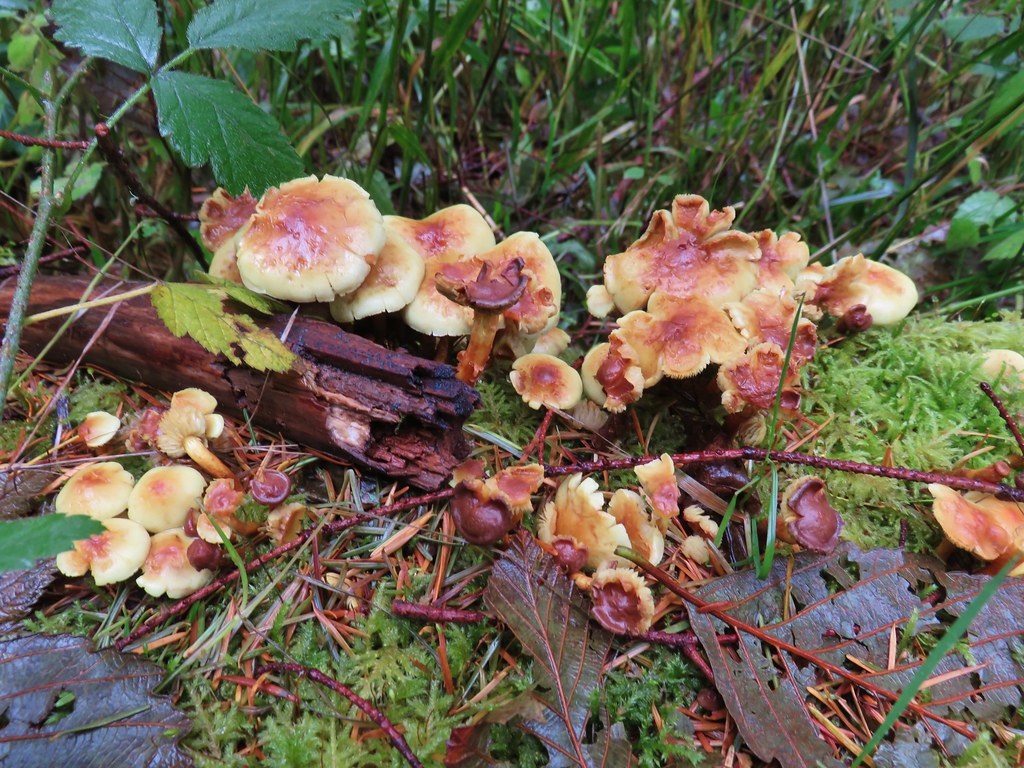
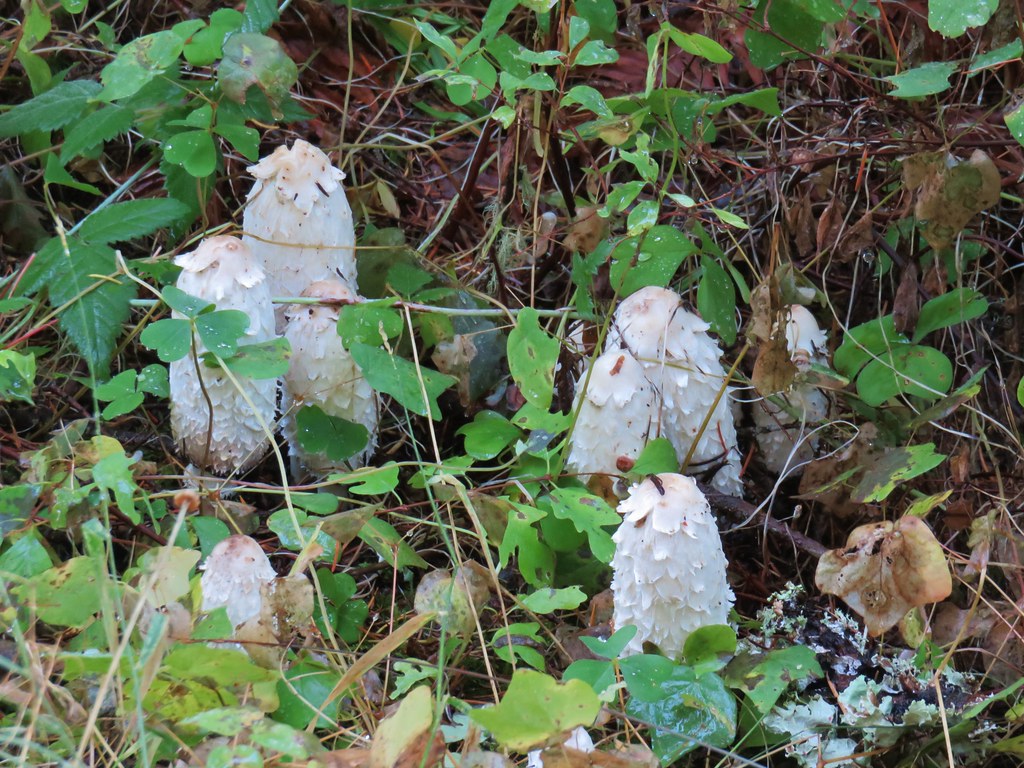
Mushrooms along the Cummins Ridge Trail

Mushrooms

Mushrooms

Mushrooms

Mushrooms

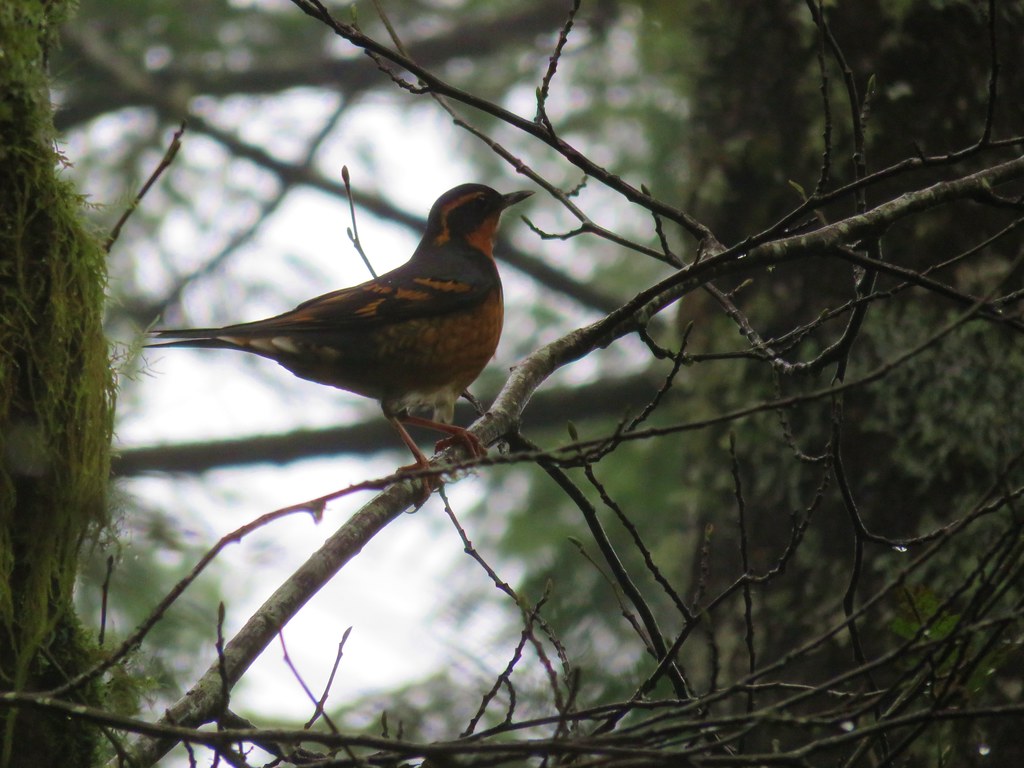
Varied Thrush

This was a great cloudy/rainy day hike and leaves us with just 11 of the 45 visit-able Oregon Wilderness areas left to go. Happy Trails!
Flickr: Cummins Ridge Trail

Categories
High Cascades Hiking Mt. Hood Area Oregon Trip report

Mirror Lake and Pioneer Bridle Trails

As our official 2017 hiking season came to a close, a break from the recent wet and cold weather provided us an opportunity to turn back to a hike we had be planning to do two weeks earlier. Possible icy road conditions had kept us from attempting the early morning drive to the Mirror Lake Trailhead near Government Camp, OR then.

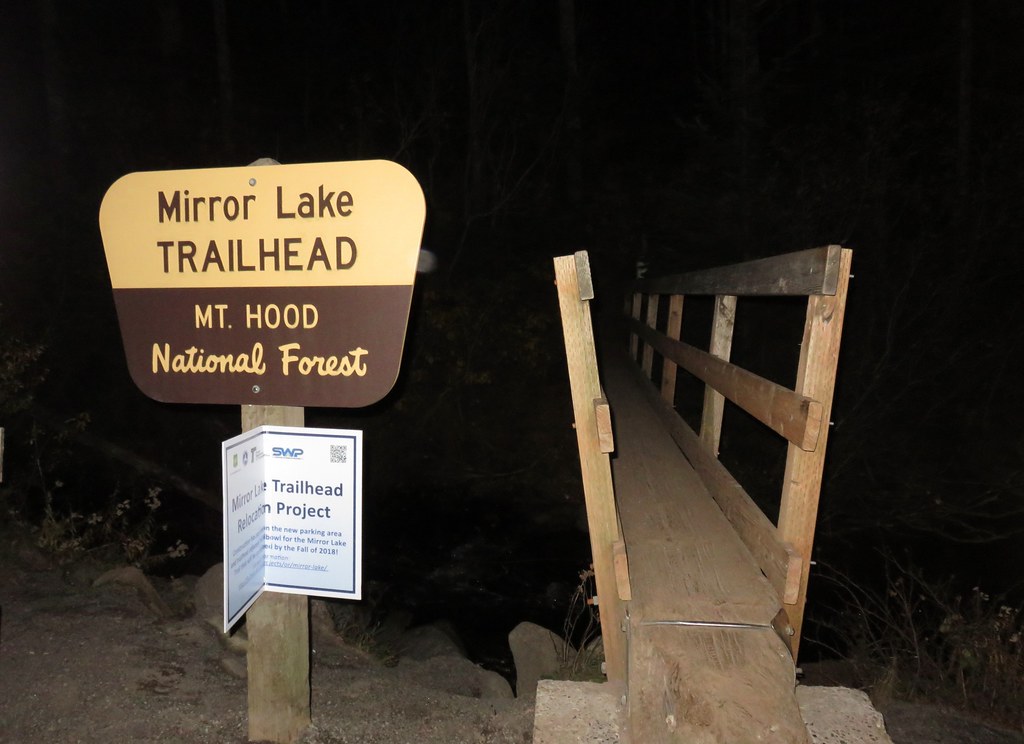
The Mirror Lake Trail is one of the most popular trails in the Mt. Hood area and the parking area fills up fast so we wanted to get to the trailhead as early as possible. The Federal Highway Administration is in the process of moving the trailhead which is scheduled to be completed in the Fall of 2018 (click here for details).

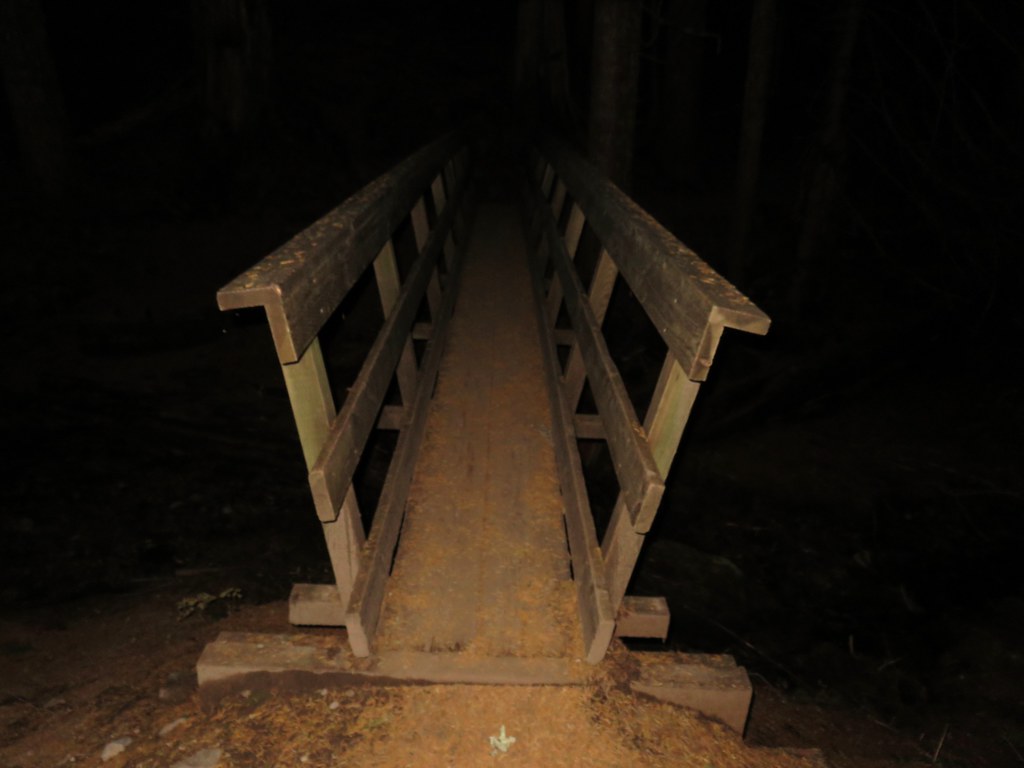
We arrived before dawn and then discovered that the batteries were dead in my headlamp so we had to wait for some light before setting off on the trail which starts by crossing Camp Creek on a footbridge.
IMG_1011

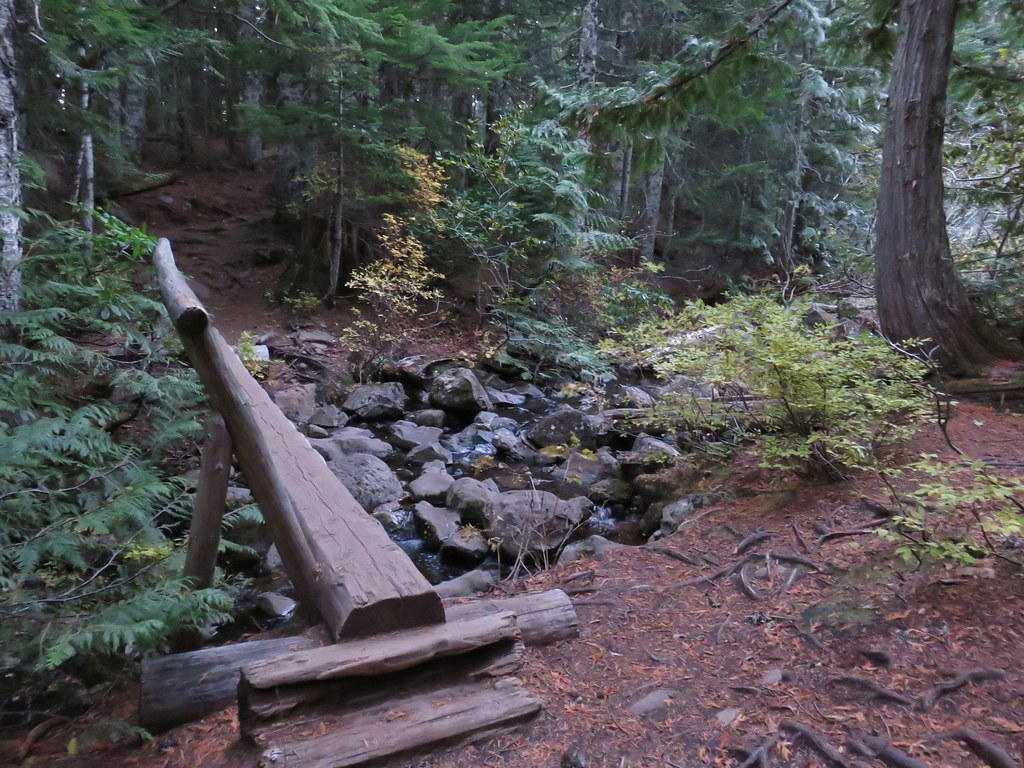
A second footbridge crosses over Mirror Lake’s outlet creek.
IMG_1016

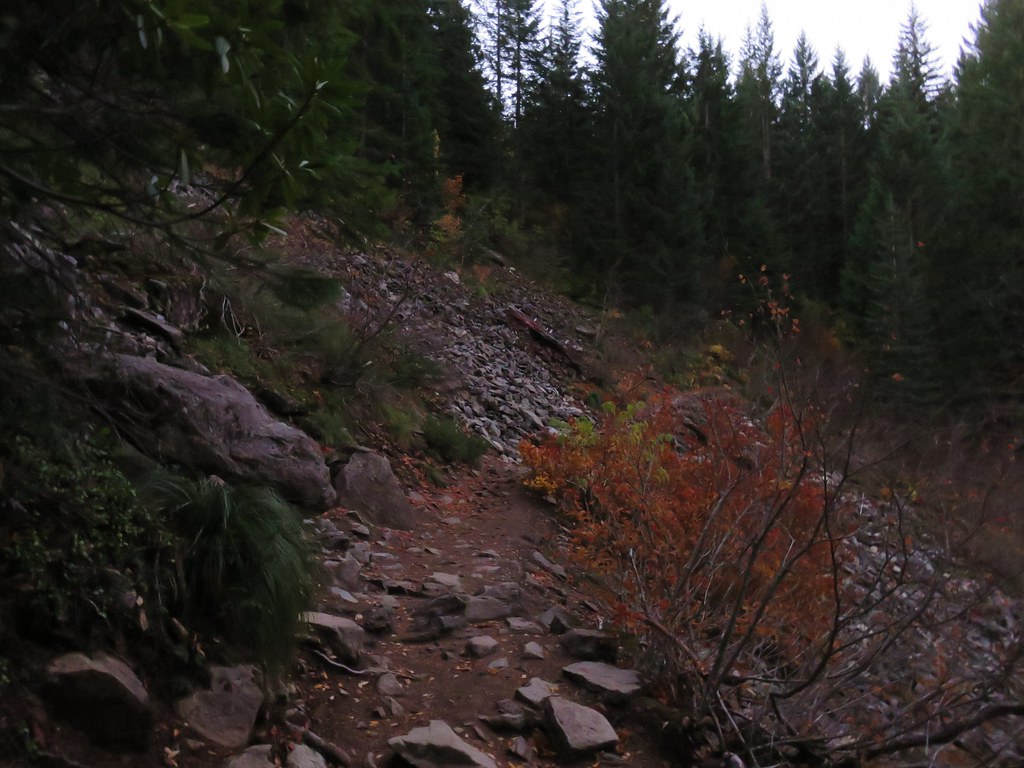
It was still fairly dark as we climbed up towards Mirror Lake which is just 1.4 miles from the trailhead. The short distance is part of the reason for the trails popularity as it makes it kid friendly. As it climbs the trail passes through some rock slides with limited views.
IMG_1017

IMG_1022

Just before reaching the lake the trail splits providing a loop around the water. We went left crossing the outlet creek again and worked our way clockwise around the small lake.
IMG_1024

IMG_1026

Across the lake we could see our goal for this hike, Tom Dick and Harry Mountain.
IMG_1031

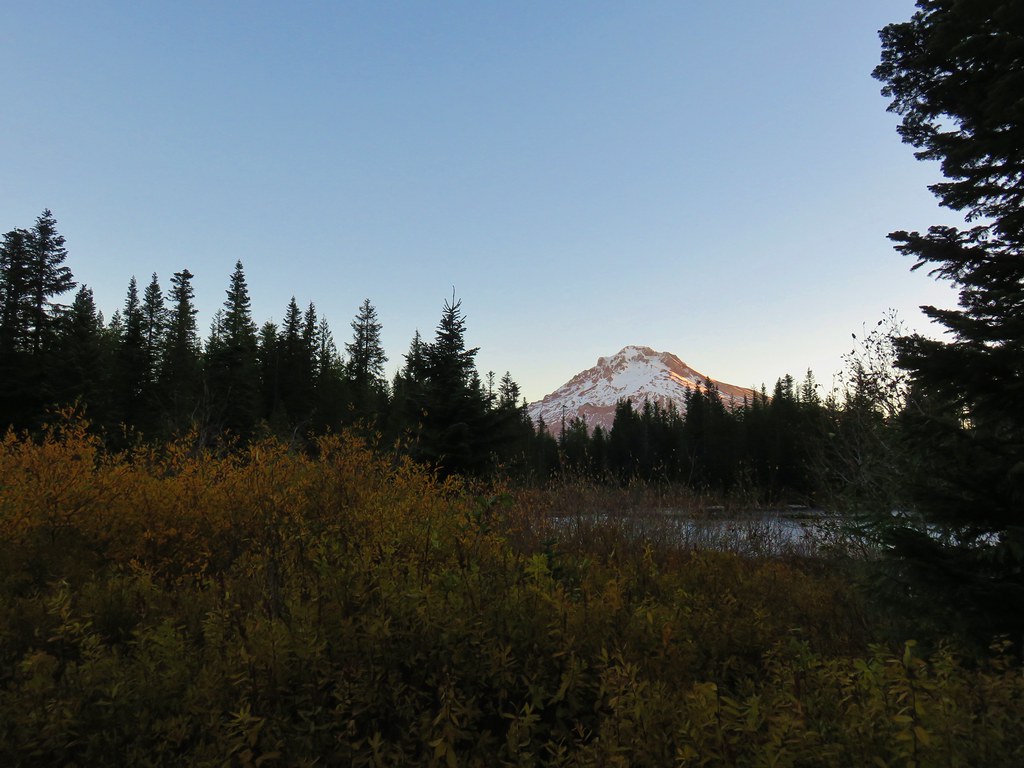
One of the other things that makes this hike popular is that there is a view of Mt. Hood from the south end of Mirror Lake.
IMG_1043

It was too windy to have a reflection of Oregon’s tallest peak.
IMG_1033

IMG_1036

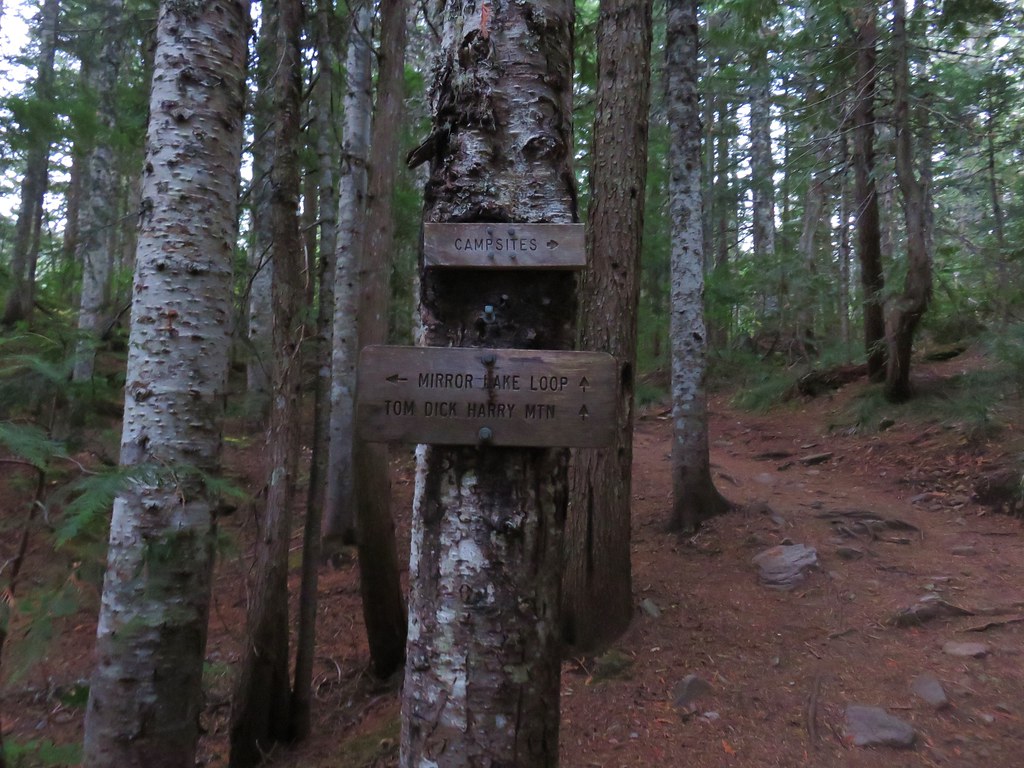
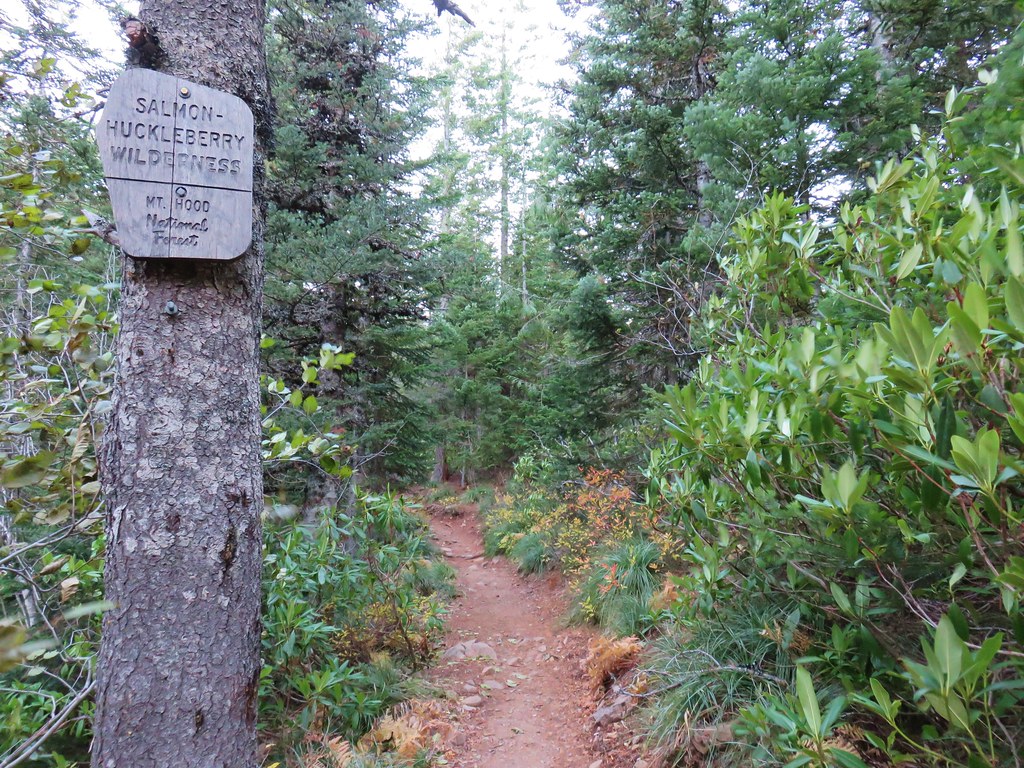
When we came to a T-shaped junction on the west side of the lake we turned left toward Tom Dick and Harry Mountain and we were soon in the Salmon-Huckleberry Wilderness.
IMG_1048

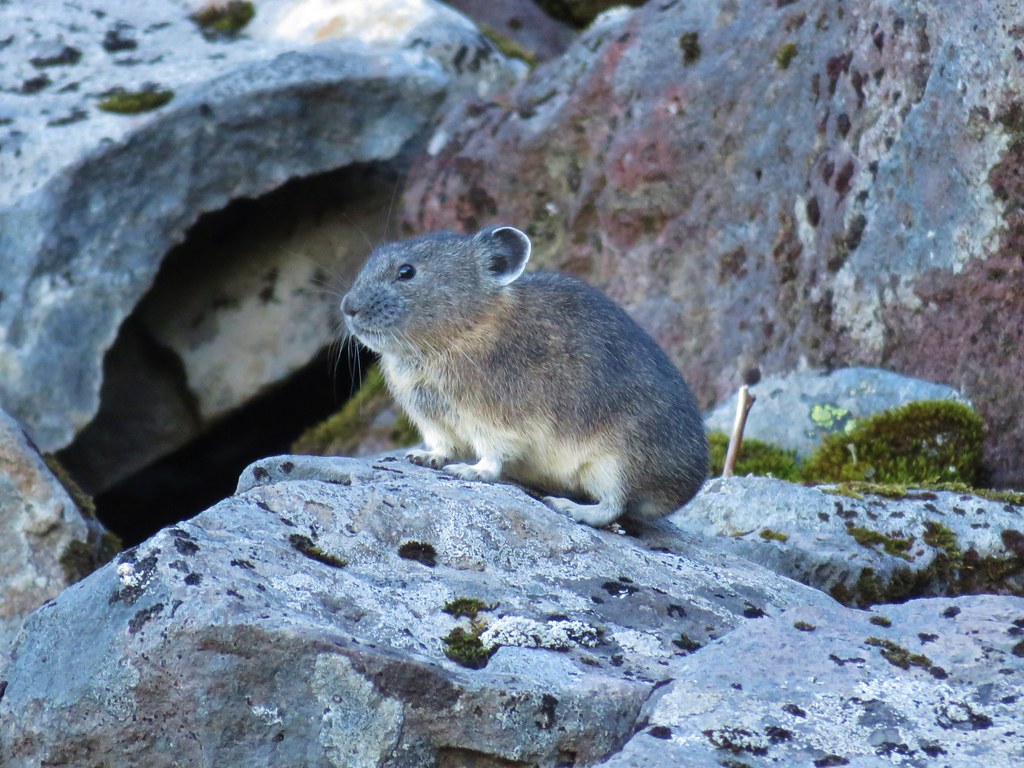
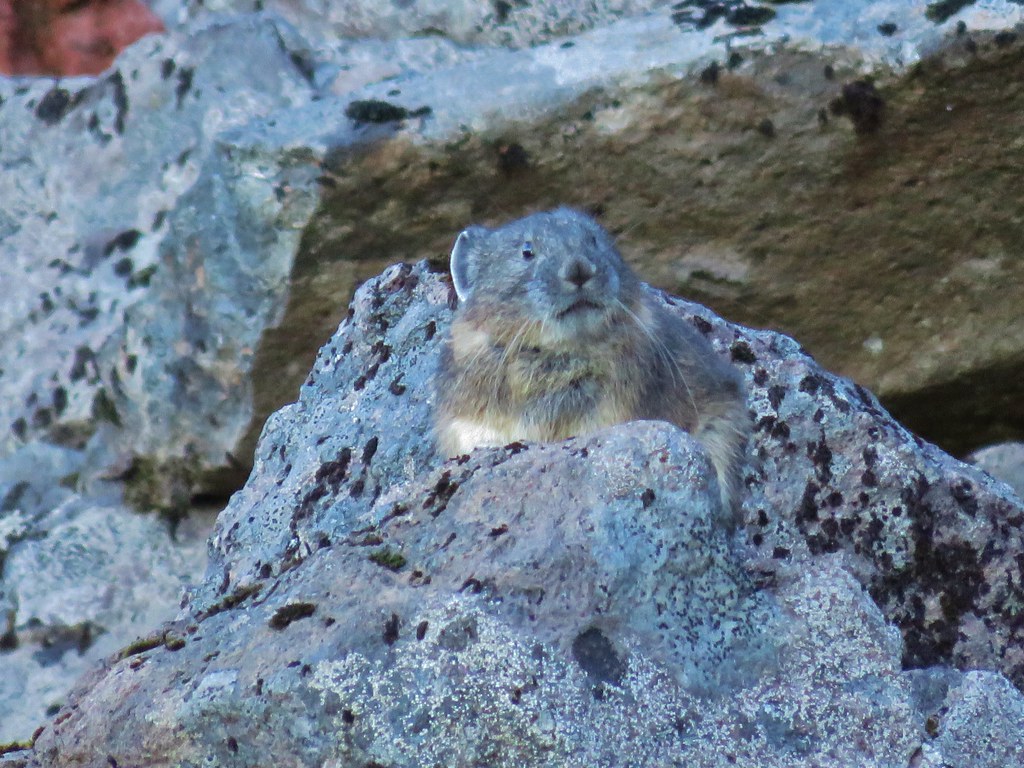
The trail traversed along a hillside passing through more rock slides where we heard some pikas and had a view across Highway 26 and back over our shoulders to Mt. Hood.
IMG_1053

IMG_1052

IMG_1054

Approximately a mile from the junction the trail turned sharply left at a huge rock pile.
IMG_1061

The trail then climbed gradually through an open forest to the rocky summit of the western most of three summits that earned the mountain three names.
IMG_1063

IMG_1064

Two weeks before, snow had been down to Mirror Lake and the summit was covered but warmer weather had melted all of it. It was going to be another unseasonably warm bluebird day which allowed us a clear 360 degree view from the summit.
IMG_1077Mt. Hood and Mirror Lake with Mt. Adams in the background

IMG_1081From left to right: Mt. St. Helens, Mt. Rainier, and Mt. Adams.

IMG_1073Salmon-Huckleberry Wilderness

IMG_1071Mt. Jefferson

IMG_1094Olallie Butte, Mt. Jefferson, and the top of Three Fingered Jack

IMG_1096The rest of Tom Dick and Harry Mt.

IMG_1099Lookout Mountain and Gunsight Butte in the Badger Creek Wilderness east of Mt. Hood.

There were a few other hikers at the summit (those that had working headlamps) but it was still early enough not to feel crowded. We spent a while sitting on the rocks and might have spent more time had it been a little less breezy. Instead of pulling layers out of our packs we headed back down. We passed a lot of people on their way up, but we also passed a number of local residents including a squirrel and a pika who both took a breaks from gathering food to pose for us.
IMG_1106

IMG_1114

IMG_1123

Any hike that involves a pika sighting is a success.

By the time we passed by Mirror Lake there was a steady stream of hikers coming uphill. Luckily the trail is wide enough to allow two way traffic in many places. IMG_1126

The roundtrip distance for the hike was 6.5 miles with 1500′ of elevation gain. That left us with plenty of time and enough gas in our tanks for a second stop.

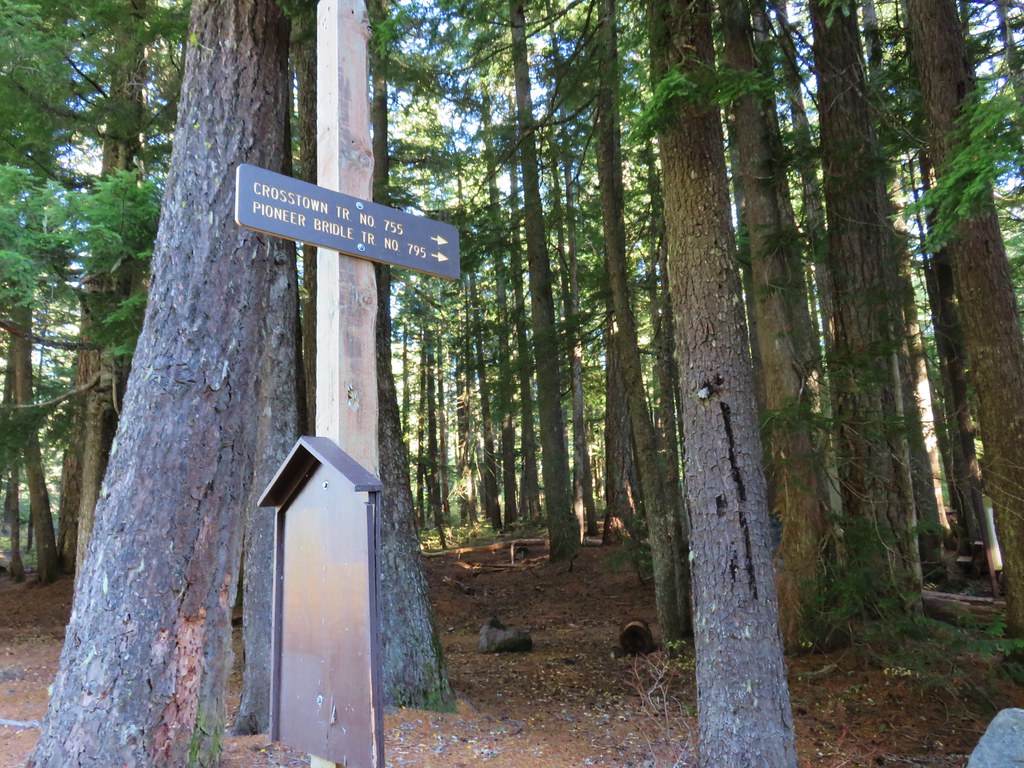
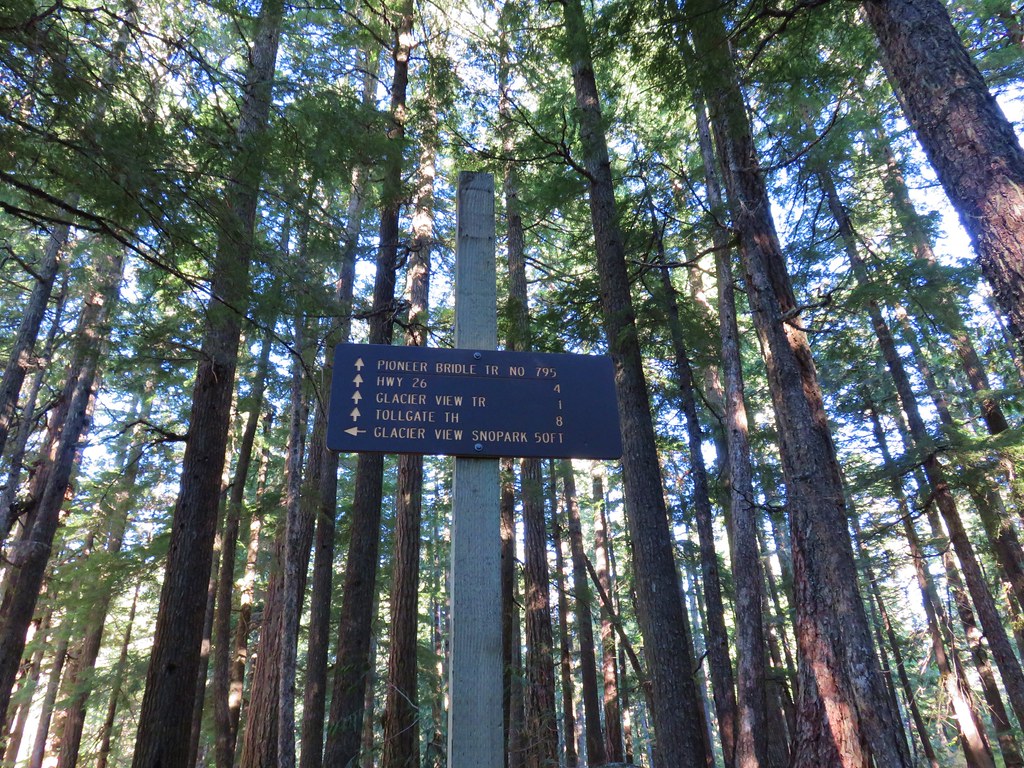
That second stop was basically just across Highway 26. From the current Mirror Lake Trailhead we headed east on the highway for three quarters of a mile where we turned left opposite the western entrance to Mt. Hood Ski Bowl at a sign for the Glacier View Sno-Park. We parked at a gate after just .2 miles and followed a pointer for the Crosstown and Pioneer Bridle Trails.
IMG_1134

IMG_1135

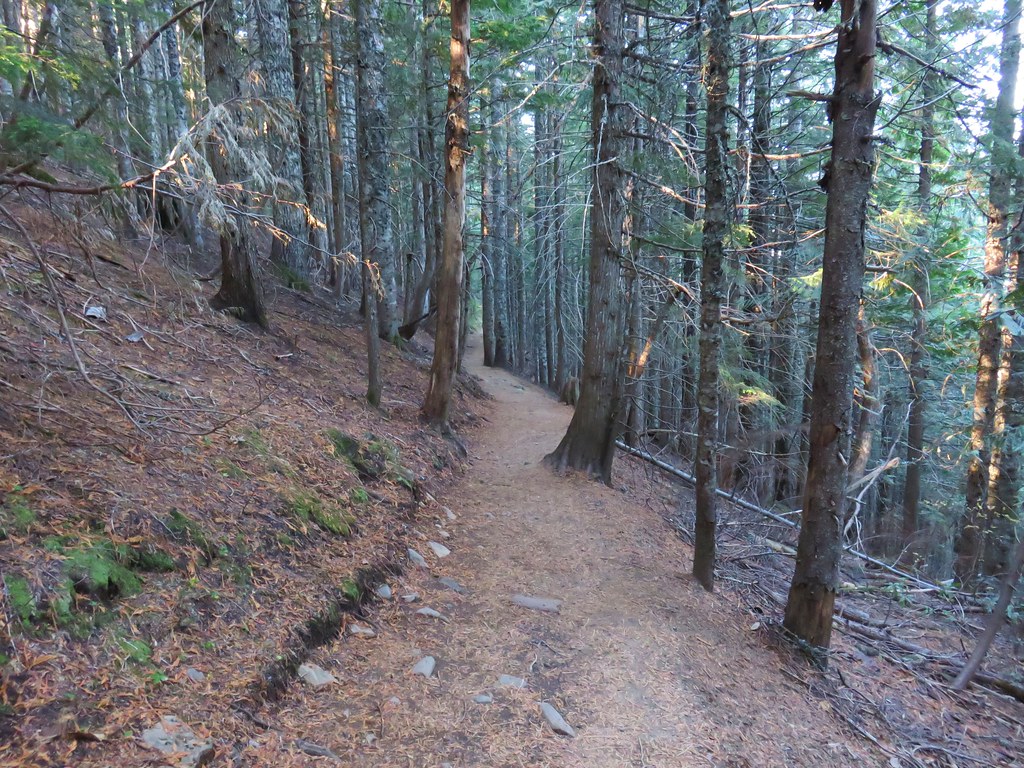
A confusion of trails met here but we followed the pointers and signs for the Pioneer Bridle Trail.
IMG_1137

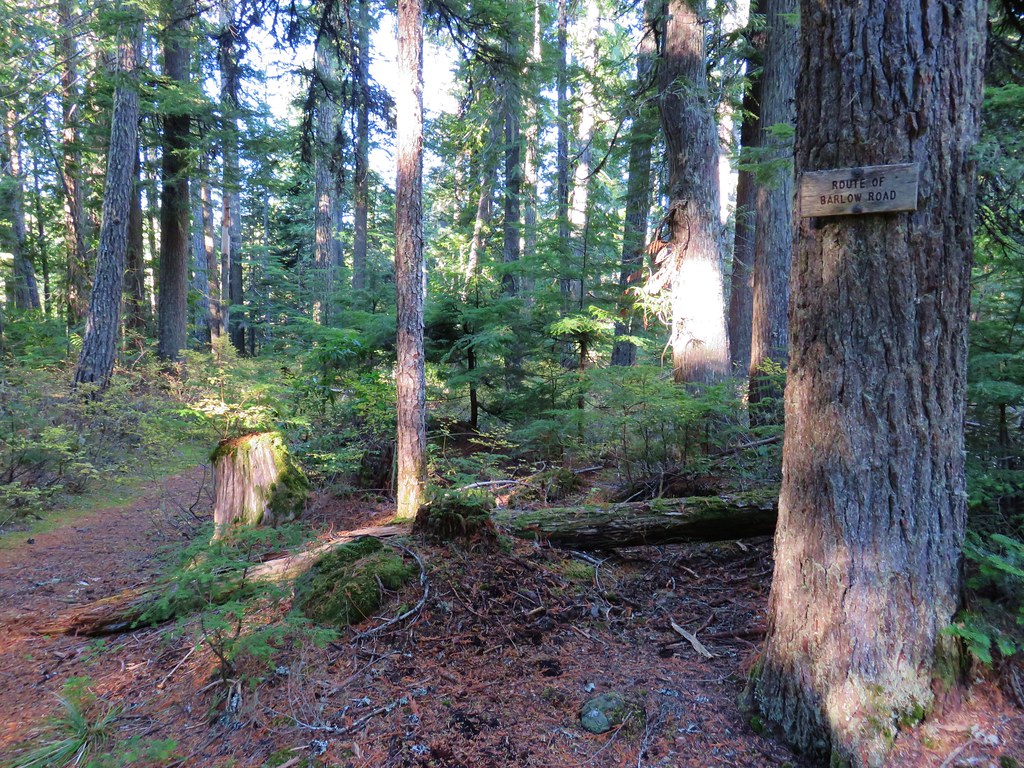
After a very short distance on the Pioneer Bridle Trail we came to a fork where a sign on the path to the left identified it as the “Route of Barlow Road
IMG_1140

IMG_1141

The 80 mile Barlow Road is a historic wagon road was built by Sam Barlow, Phillip Foster and their crews in 1846 as a new route on the Oregon Trail. Although it was steep and rough the route offered an alternative to the dangerous and expensive Columbia River passage. The ability of large wagons to pass over the Cascades to the Willamette Valley led to a significant increase in the number of emigrants to Oregon.

Our route followed the Pioneer Bridle Trail though so we took the signed right hand fork which soon crossed over the small outlet creek of Enid Lake.
IMG_1142

IMG_1144

IMG_1145

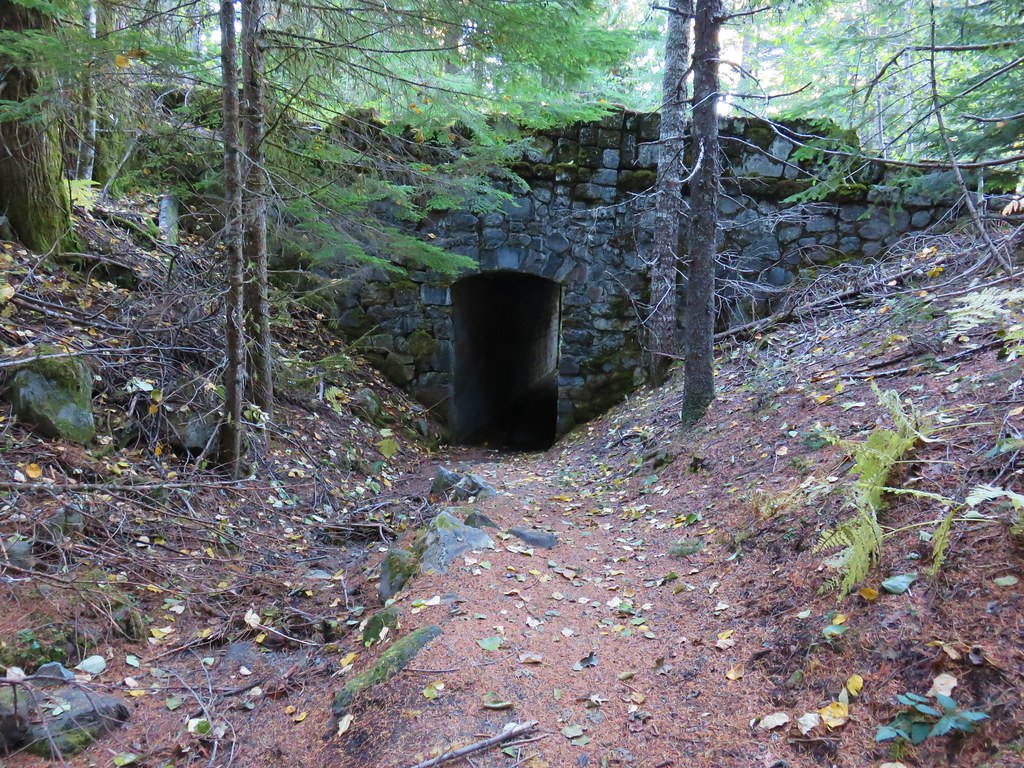
The Pioneer Bridle Trail spent most of it’s time close enough to Highway 26 that the sound of traffic on the road was consistent and for a short stretch was right next to the guard rail which didn’t make for the most peaceful hike. Just under a mile and a half from where we’d parked the Pioneer Bridle Trail passed under the abandoned Mt. Hood loop highway.
IMG_1186

Before descending to the tunnel we took a short spur path to the old road and turned right hoping to visit Little Zigzag Falls.
IMG_1149

IMG_1150

After following the road for a tenth of a mile we arrived at the Little Zigzag Falls Trailhead (yes you can drive here).
IMG_1151

A short quarter mile family friendly path here follows Little Zigzag Creek to scenic Little Zigzag Falls.
IMG_1159

IMG_1162

IMG_1171

IMG_1179

After visiting the falls, which we were lucky enough to have to ourselves for a bit, we returned to the Pioneer Bridle Trail. We turned right and passed through the tunnel continuing west on the trail.
IMG_1187

Not long after passing under the old highway the current highway began to fall away from the trail making this section a bit more serene. A fence along the way marked the spot of an old mine shaft.
IMG_1189

IMG_1188

Approximately three quarters of a mile from the tunnel the trail split. This wasn’t shown on our map or in our guidebook but we forked right which wound up being the Original route of the Oregon Trail.
IMG_1191

The trails rejoined in under a half mile (the Pioneer Bridle Trail was often visible through the trees). We continued for approximately another 3/4 miles to the start of a series of switchbacks. We decided to end our hike here instead of descending for about a mile to the lower Pioneer Bridle Laurel Hill Trailhead.
IMG_1195

We stuck to the Pioneer Bridle Trail on the way back. The total distance for this hike was 7.4 miles with around 700′ of elevation gain. If we were to do it over as a stand alone hike we probably would have started at the lower trailhead and hiked up to Little Zigzag Falls and back due to how close Highway 26 was to the trail at the upper end but having done the Mirror Lake hike first it made more sense to start at the upper end.

For the day we put in 13.9 miles and we got a lot back. Clear views of 5 volcanoes (and the top of Three Fingered Jack), a lake with a mountain view, a waterfall, some history and best of all a Pika. Happy Trails!
Flickr: Mirror Lake and Pioneer Bridle Trails

Categories
Corvallis Hiking Oregon Trip report Willamette Valley

Finley Wildlife Refuge

Another weekend of snow in the mountains and rain in the valley combined with plans to get together with a friend in town from Mississippi made it a perfect time to finally visit the William L. Finley Wildlife Refuge. Located about an hour from Salem the refuge is located just off Highway 99 ten miles south of Corvallis.

There are a number of trails in the refuge, some open year round others from April 1st thru October 31st. We had planned two stops in the refuge with the first being at the Cabell Lodge located near the Cabell Marsh Overlook 1.5 miles after entering the refuge.
Cabell Lodge

From the gravel parking area we followed a pointer for the Cabell Marsh Trail to the overlook.
Cabell Marsh Trail

Cabell Marsh Trail

The covered overlook provided shelter from the steady rain and an opportunity to watch the plethora of ducks on the water and a white egret on the far shore.
Cabell Marsh

Cabell Marsh

Ducks at Cabell Marsh

A seasonal trail continued beyond the overlook which we followed a short distance to a service road where we turned right.
Cabell Marsh Trail

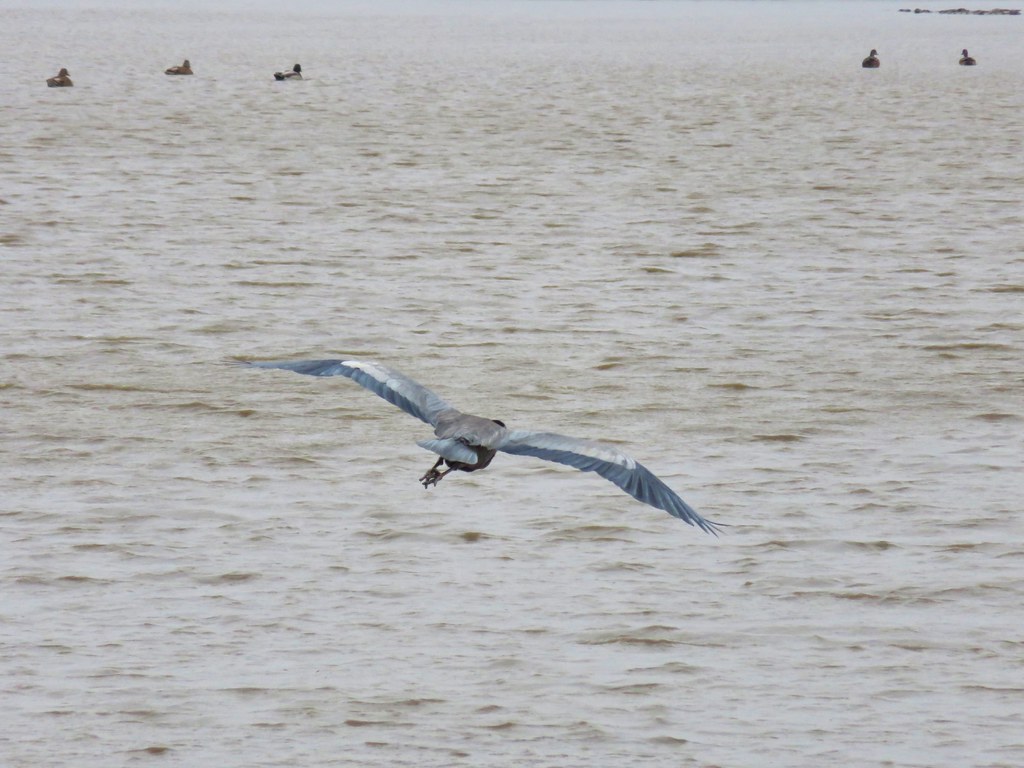
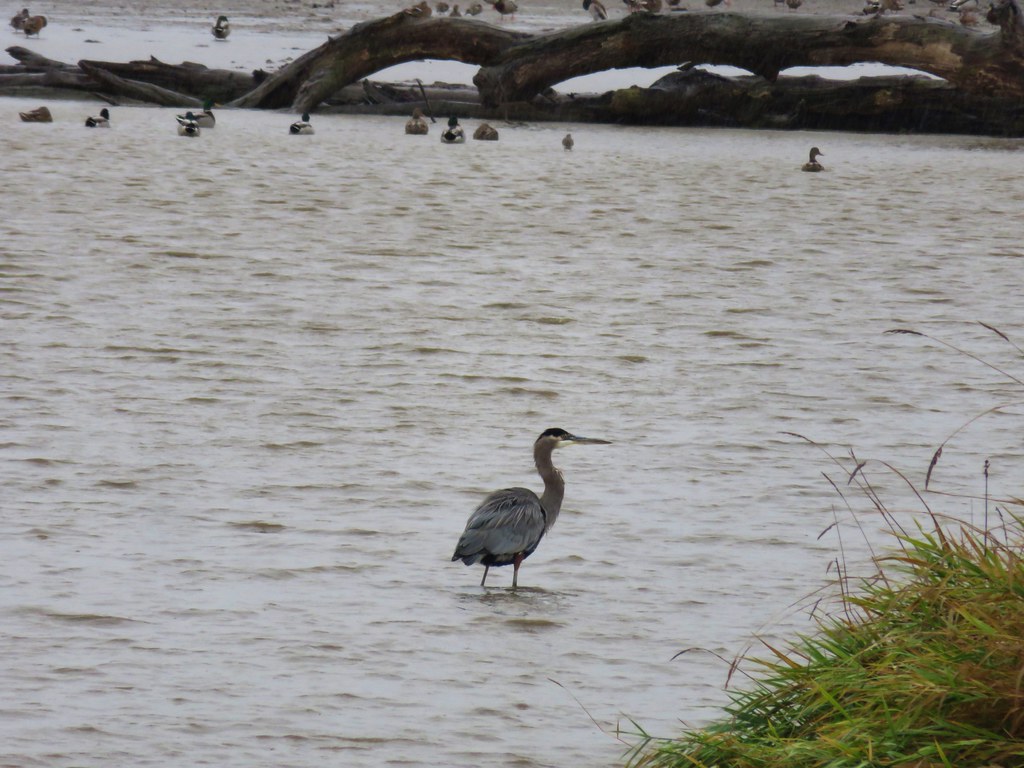
The roadbed/trail soon arrived at the water giving us a closer look at the ducks and a great blue heron.
Great Blue Heron

Great Blue Heron

Great Blue Heron

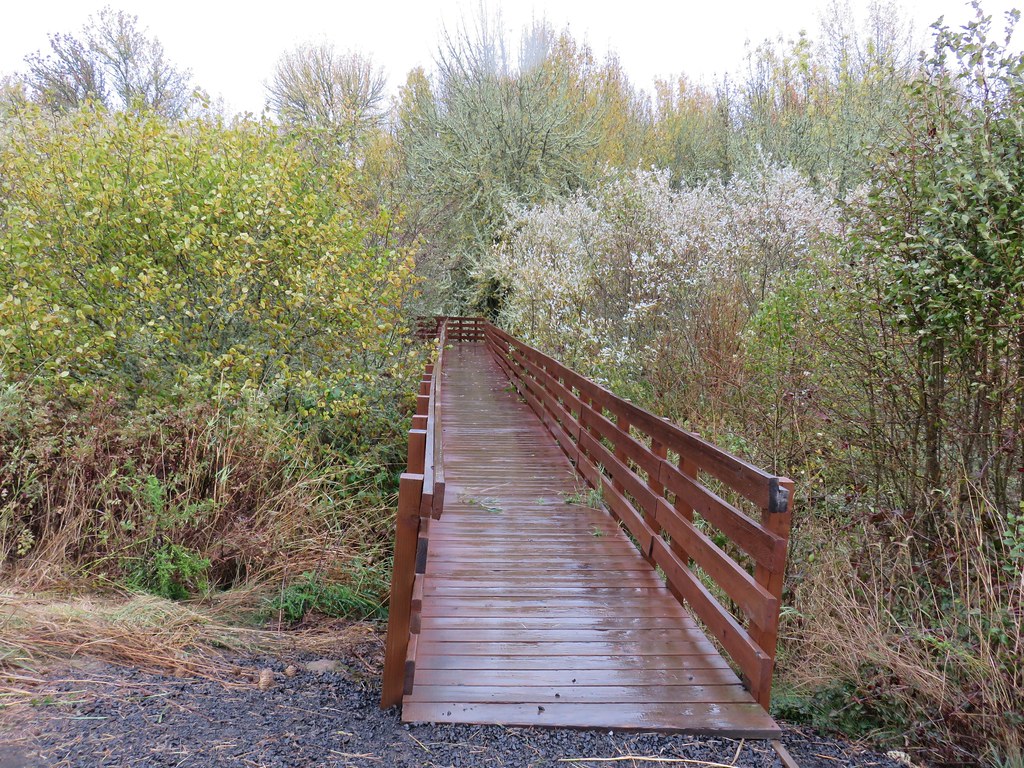
After a quarter mile on the road we turned left onto the Homer Campbell Boardwalk.
Homer Campbell Boardwalk

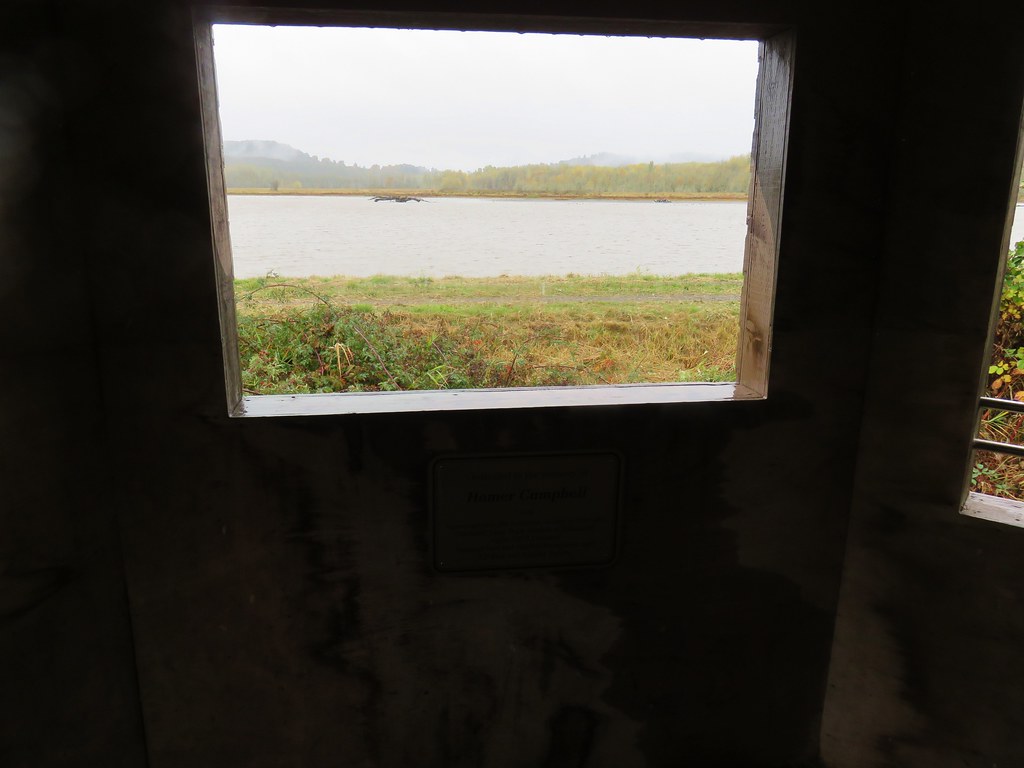
The .4 mile boardwalk is open year round with a handy viewing blind located along it’s route.
Viewing blind along the Homer Campbell Boardwalk

Cabell Marsh

Ducks at Cabell Marsh

Beyond the blind the boardwalk passed through a scenic ash forest where lichen hung from the tree limbs.
Homer Campbell Boardwalk

Homer Campbell Boardwalk

At the end of the boardwalk we found ourselves at a small parking area. A short walk up the gravel road here brought us to the park’s main road (the one we’d driven in on) where we turned left. A short uphill walk toward the Cabell Barn brought us to the Fletcher House on our left.
Old barn at Finley Wildlife Refuge

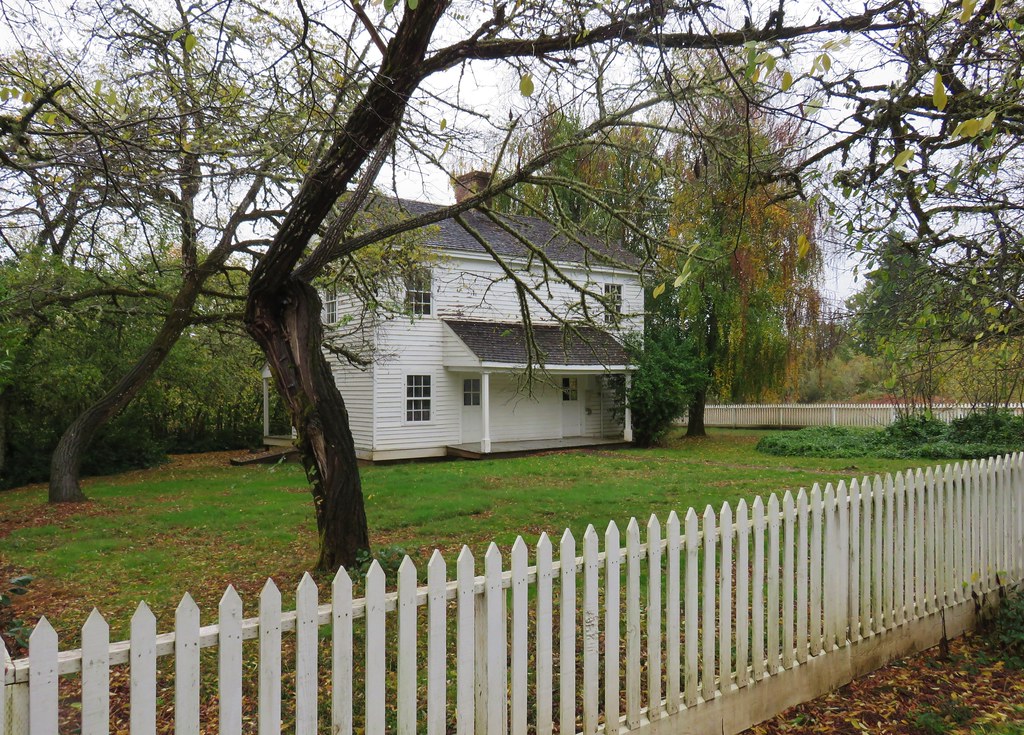
Fletcher House

One of the oldest buildings in Benton County, the Fletcher house is believed to have been constructed in 1855. In 1933 the Carriage House was added when the then owner William F. Cabell remodeled the Fletcher House.
Fletcher House

Interpretive sign at the Fletcher House

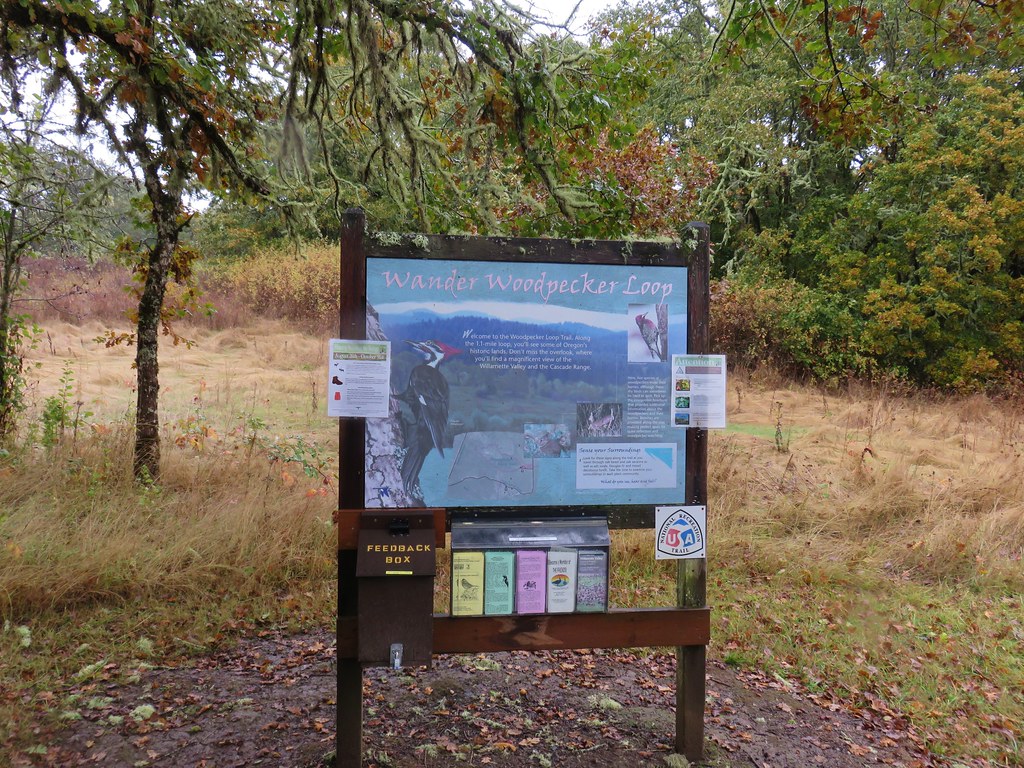
From the Fletcher House we followed a very short grassy path back to the Cabell Marsh Overlook parking area. After putting a couple of towels down on our car seats we drove .7 miles further into the refuge turning right at a sign for the Woodpecker Loop Trail. The trail began at a signboard and headed into oak woodlands.
Woodpecker Loop Trailhead

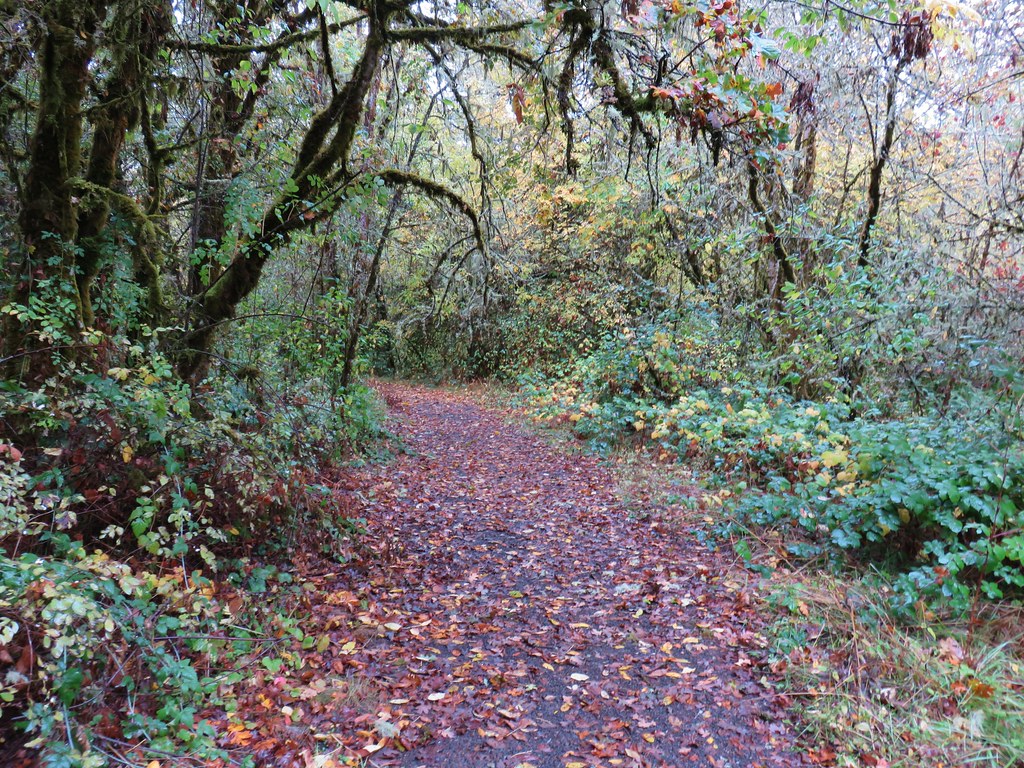
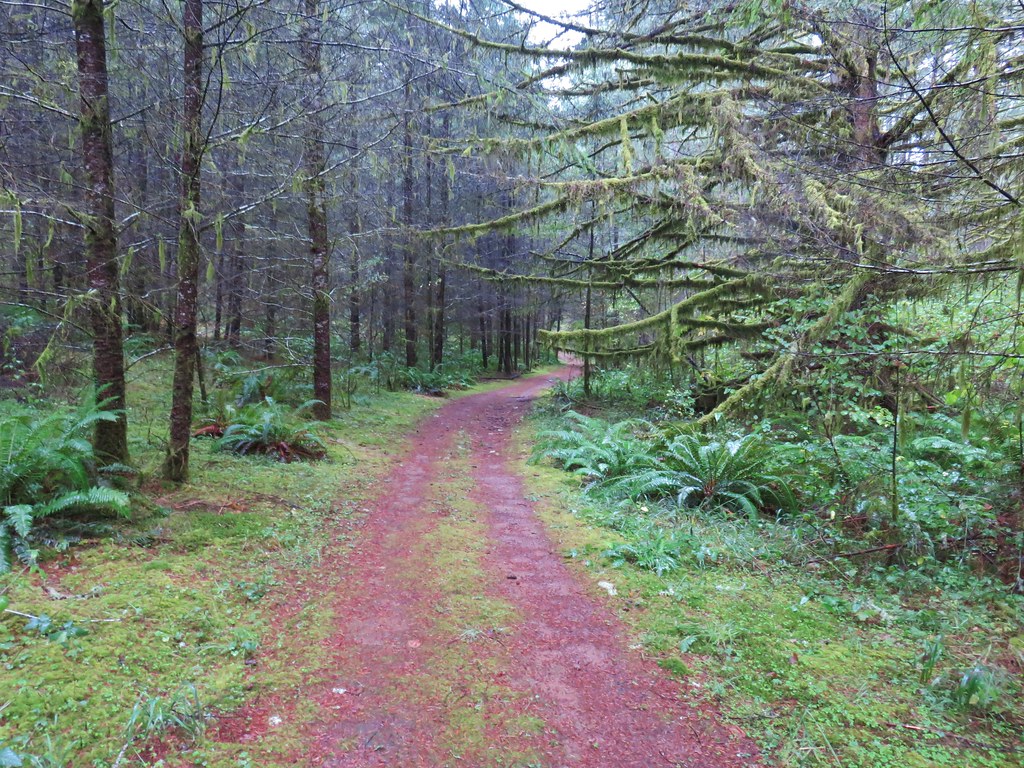
Woodpecker Loop Trail

Our plan was to link the Woodpecker Loop with the Mill Hill Loop via the Inter-Tie Trail so when we arrived at the beginning of the loop we forked right across a footbridge.
Woodpecker Loop Trail

The Woodpecker Loop is named in honor of the 5 different species of woodpeckers that can be found in the area. We were able to check one off the list when we spotted a northern flicker in a tree.
Nothern Flicker

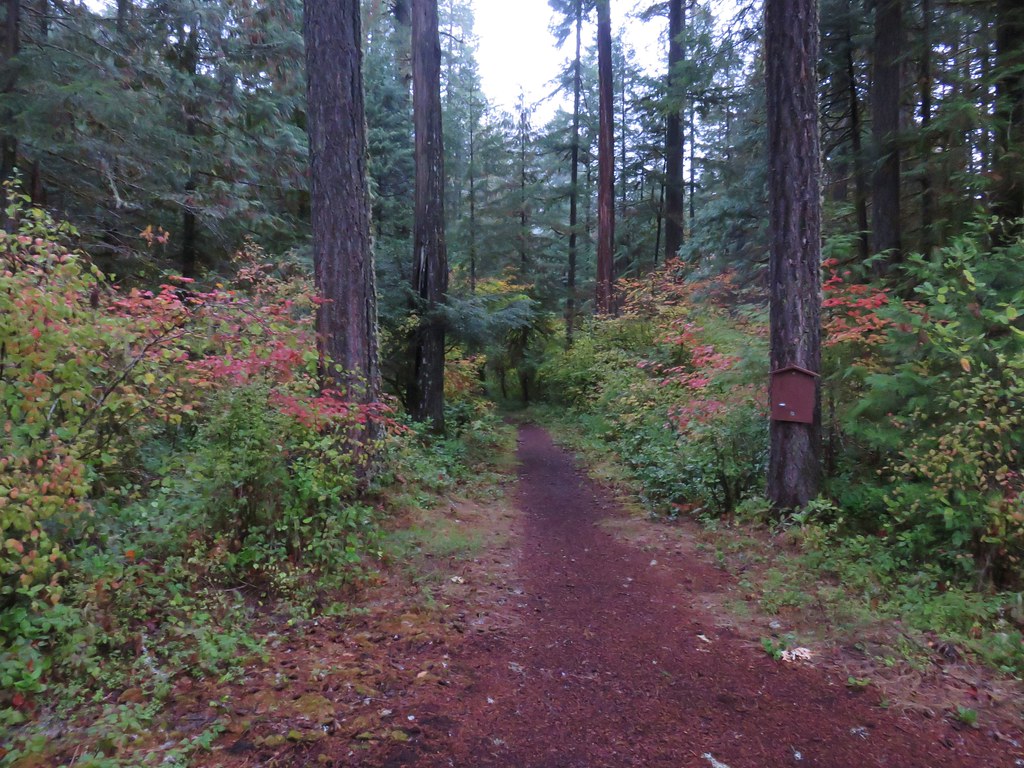
The trail climbed gradually through the oak forest eventually leaving the tress in favor of more open grasslands.
Woodpecker Loop Trail

View from the Woodpecker Loop TrailBald Hill

We stopped at a viewing platform around a large oak tree. On a clear day the tops of the Three Sisters and Mt. Jefferson are said to be visible but we were unable to verify that.
Viewing platform along the Woodpecker Loop Trail

View from the Woopecker Loop

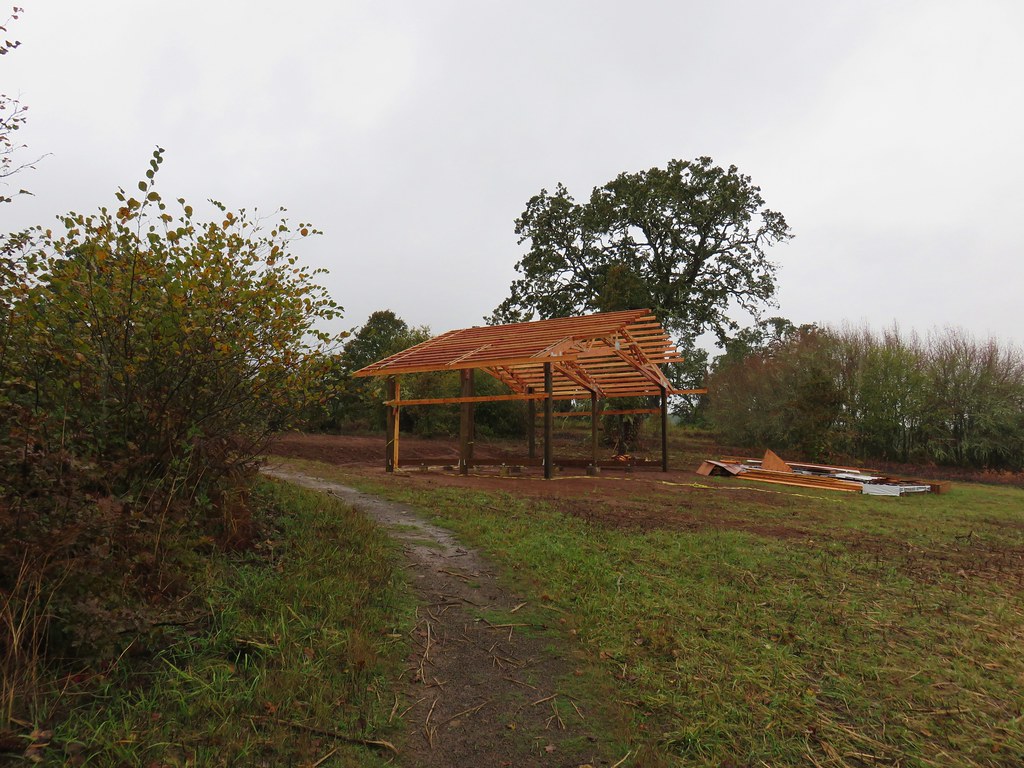
Just a short distance beyond the platform a new building was being built.
New building along the Woodpecker Loop

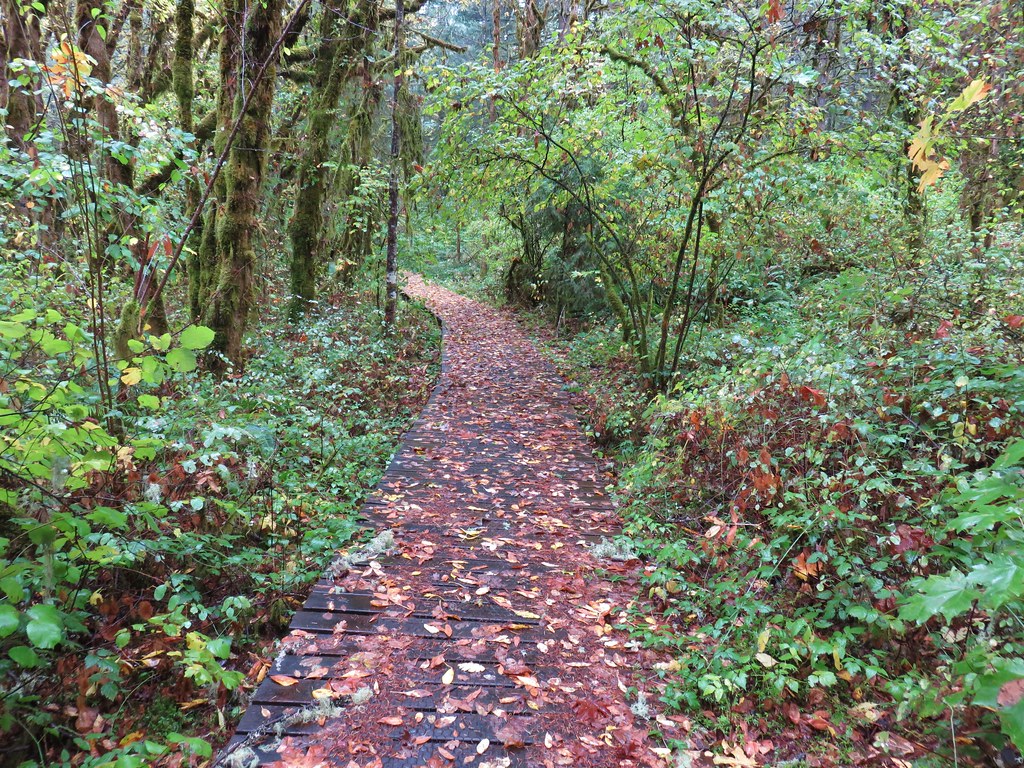
The trail then began descending where it reentered the trees and passed over a swale on a long boardwalk.
Woodpecker Loop Trail

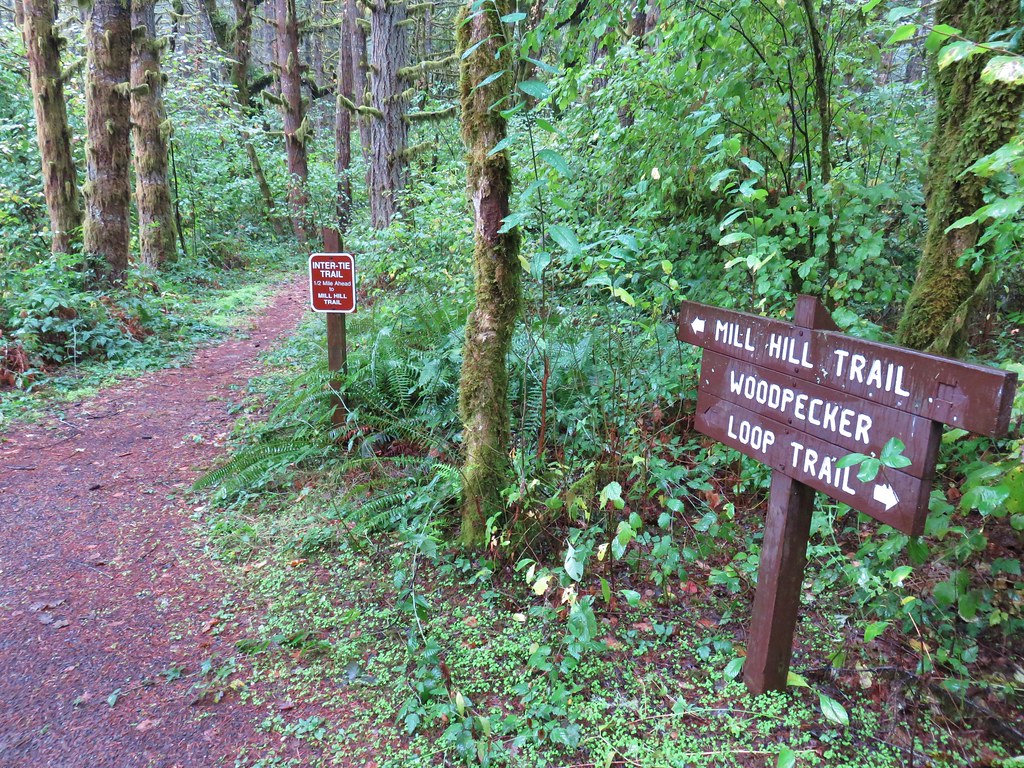
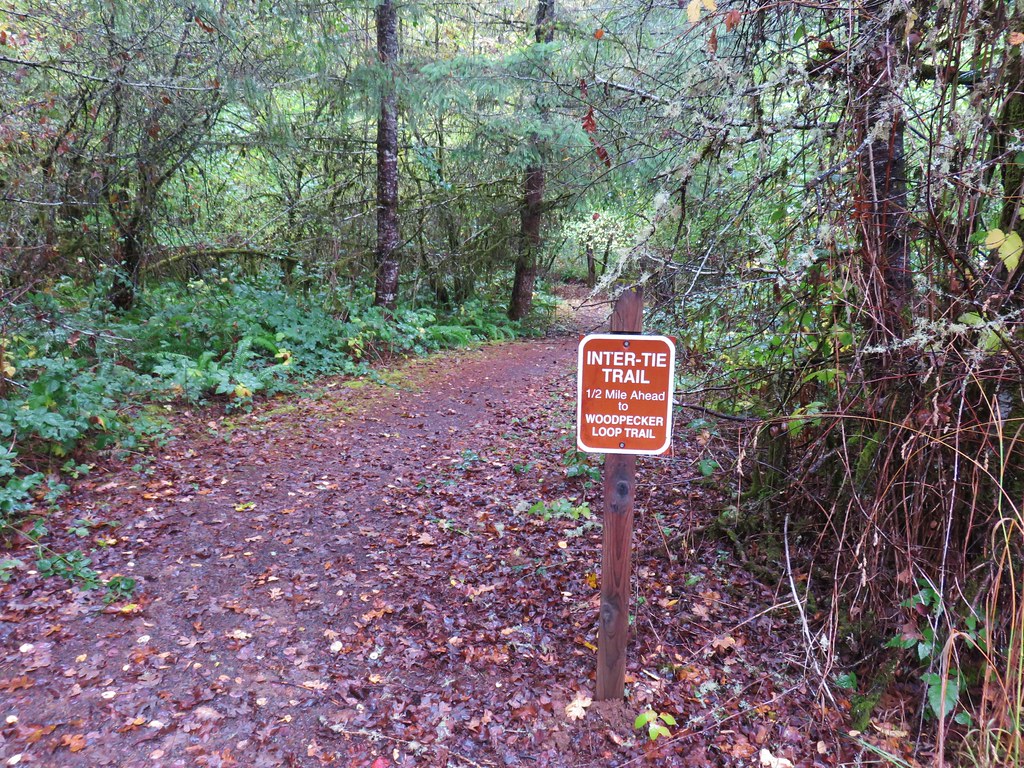
When we arrived at the junction with the Inter-Tie Trail we turned right following the pointer for the Mill Hill Trail.
Inter-Tie Trail

This half mile trail led us through the forest and across a gravel road.
Inter-Tie Trail

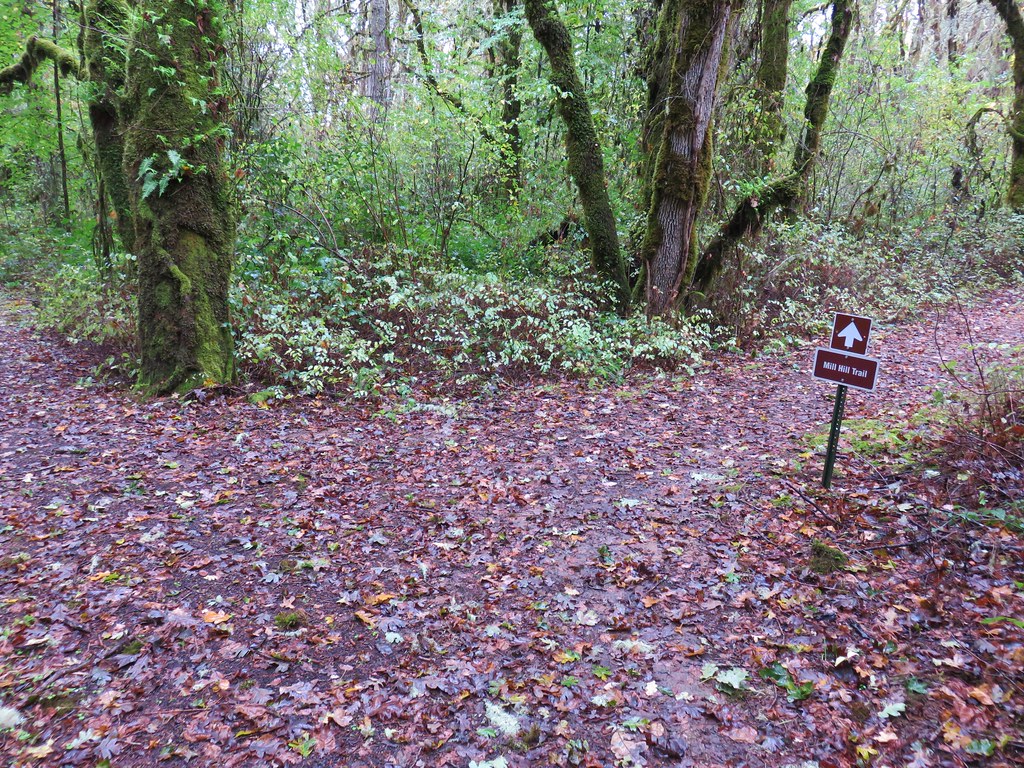
It wasn’t entirely clear where the Inter-Tie Trail ended and the Mill Hill Trail began but based on it’s half mile length the Inter-Tie Trail either ended at the road crossing or at a trail junction just a bit further along.
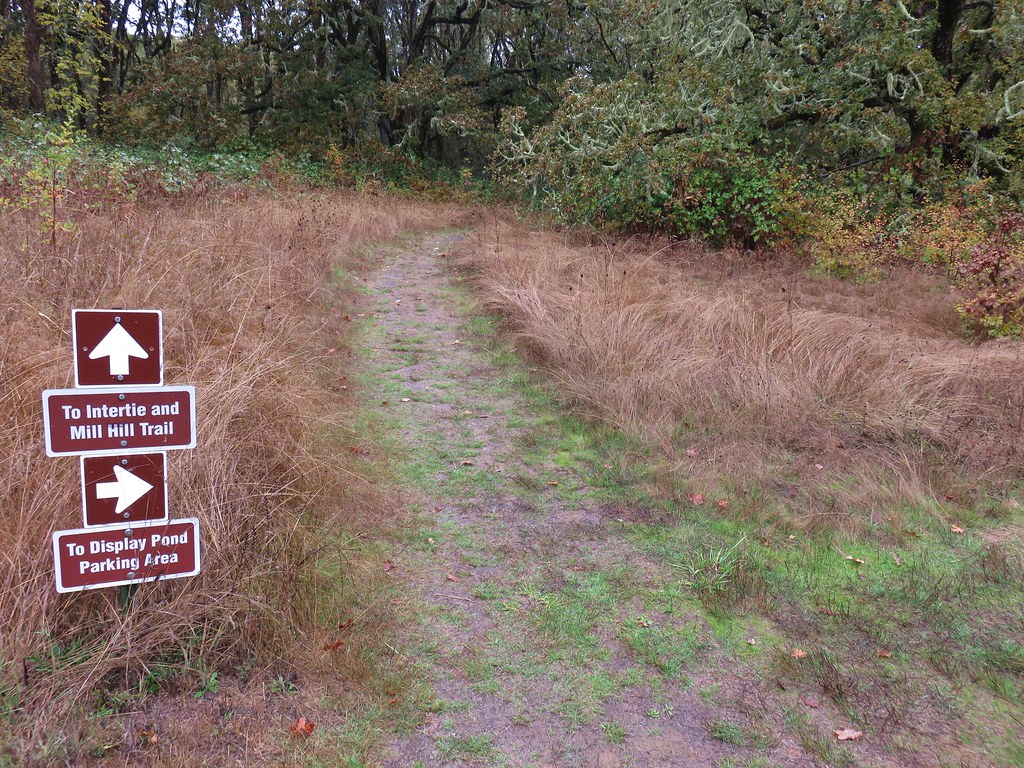
Inter-Tie Trail to Mill Hill Trail

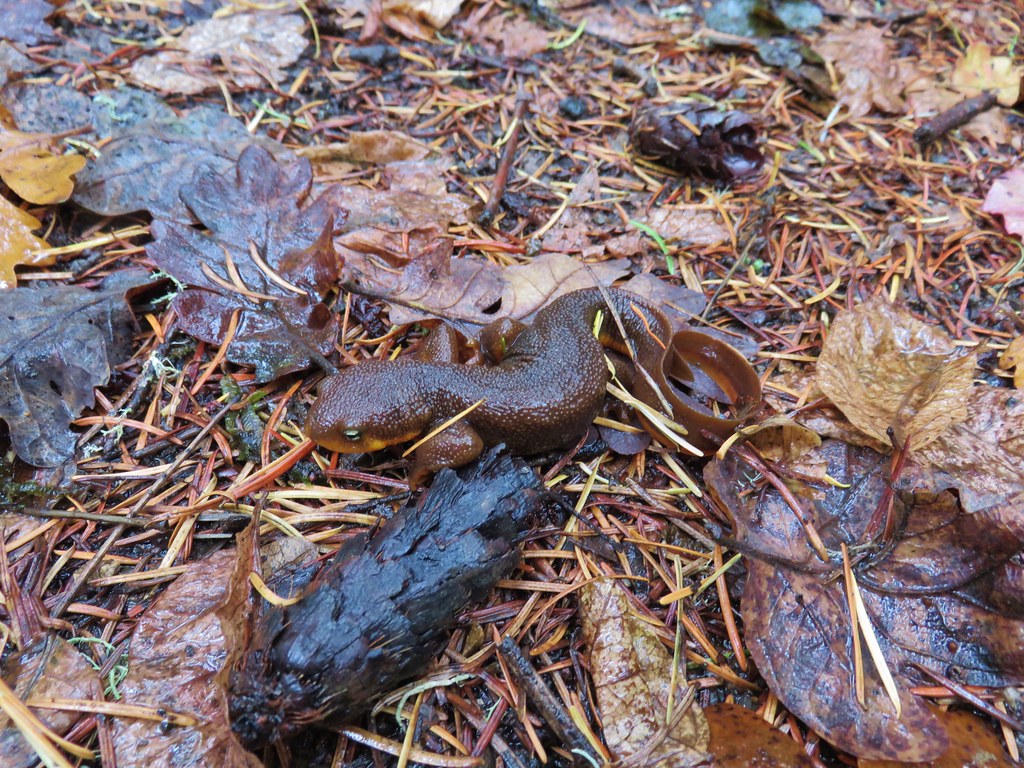
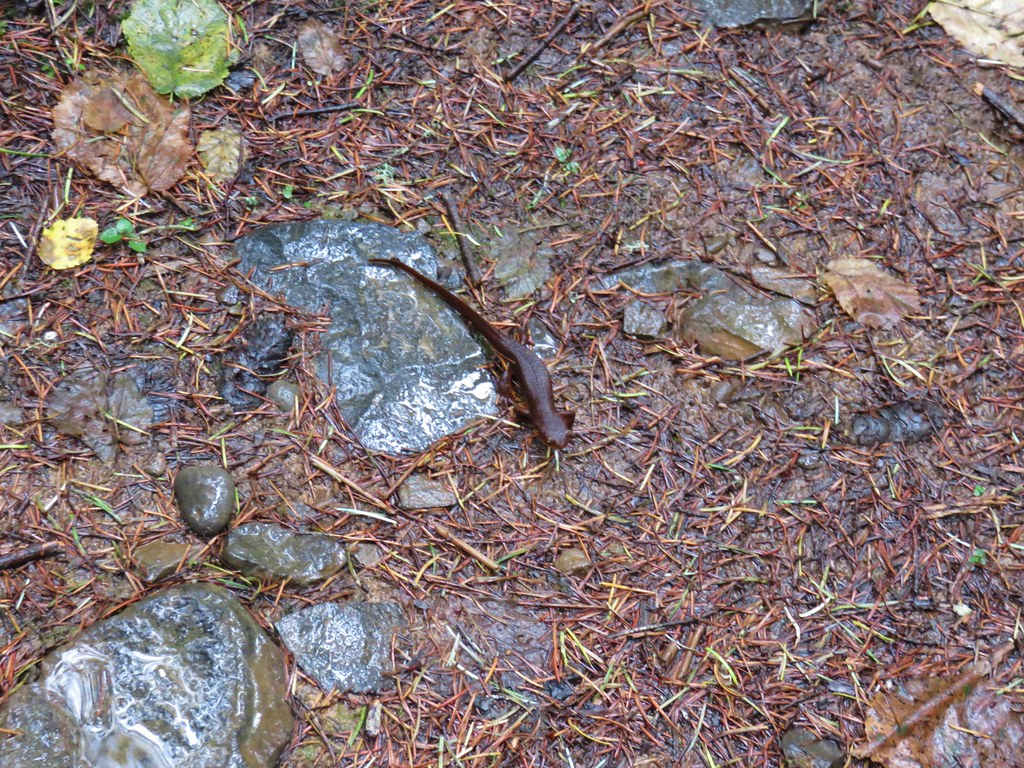
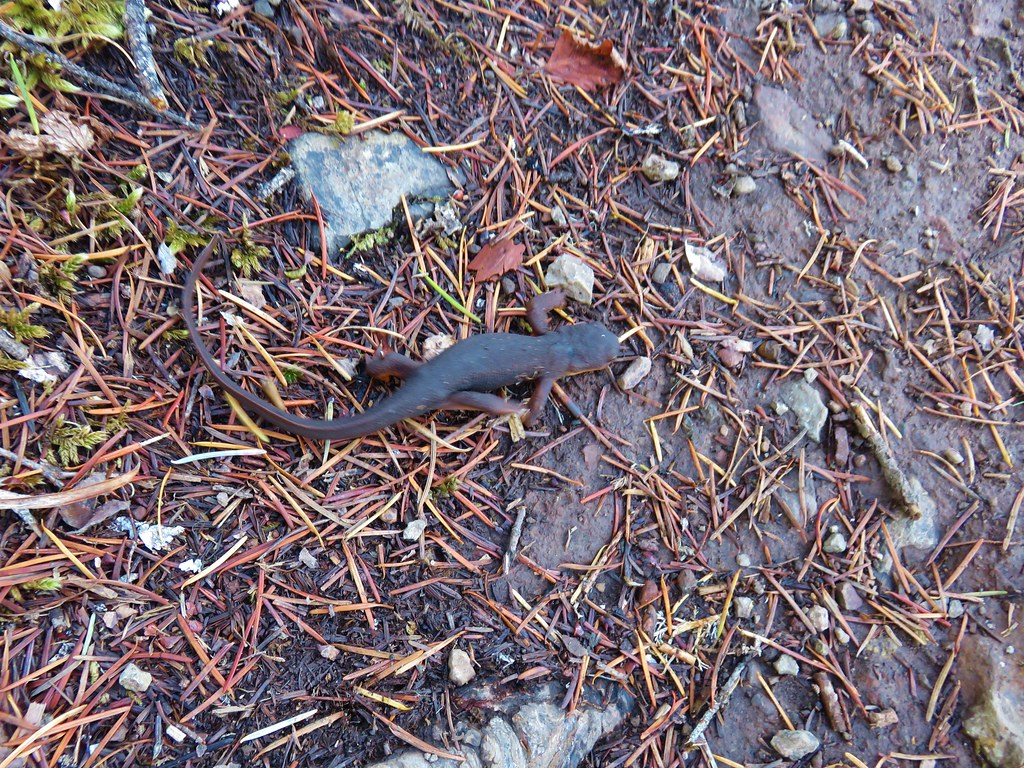
The left hand fork led to the Display Pond parking area so we veered to the right. We had just been discussing the fact that it seemed like an area where we might see one of our trail favorites, rough skinned newts, when sure enough we spotted one curled up on the trail.
Roush skinned newt

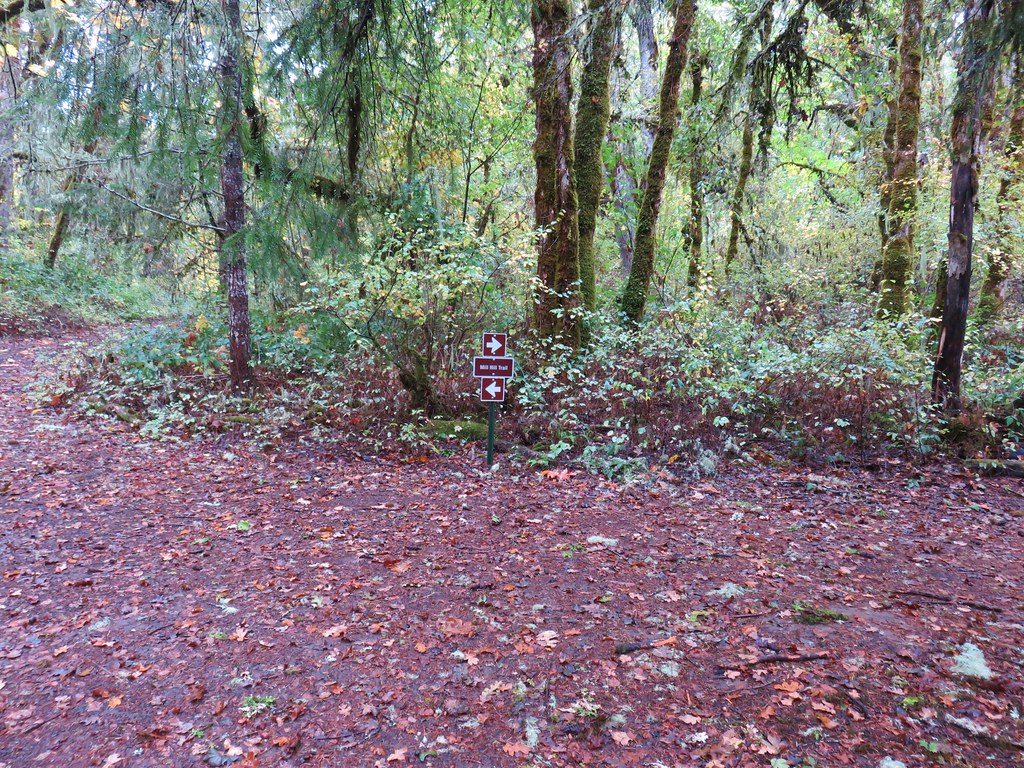
We stayed right again at a second trail junction, this one coming from the park headquarters and nature store.
Inter-Tie Trail to Mill Hill Trail

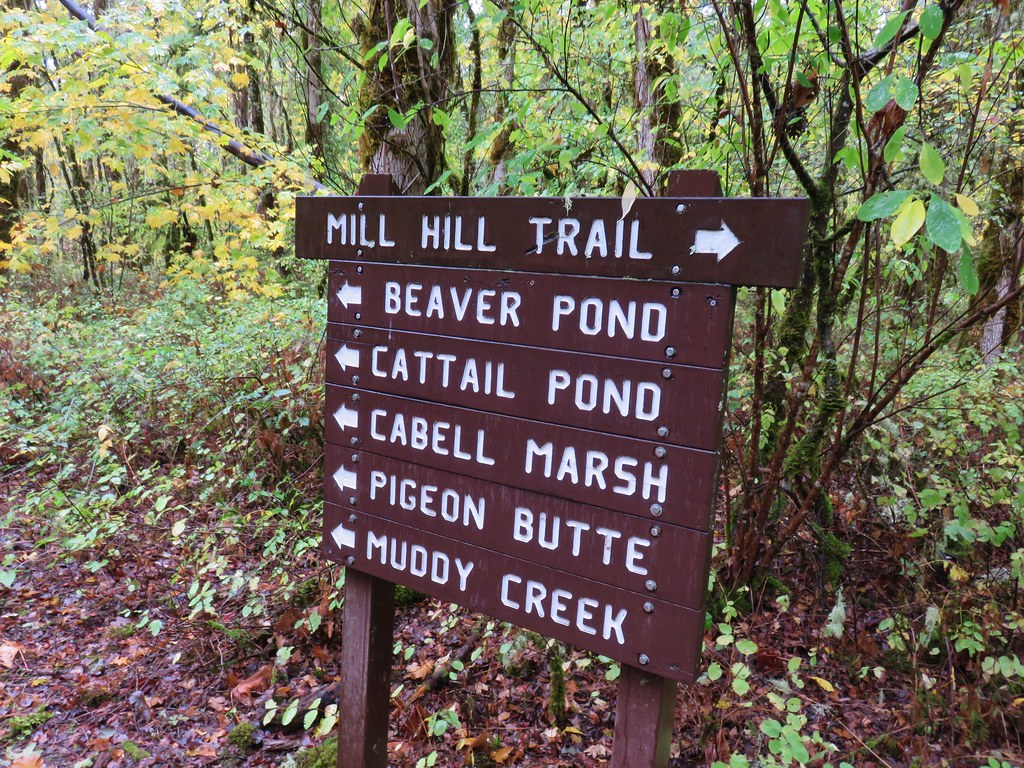
Approximately .6 miles from the road crossing we arrived at a four way junction. From the junction the Mill Hill Trail loops around Mill Hill while another path led to several other destinations.
Mill Hill Trail

Trail sign along the Mill Hill Trail

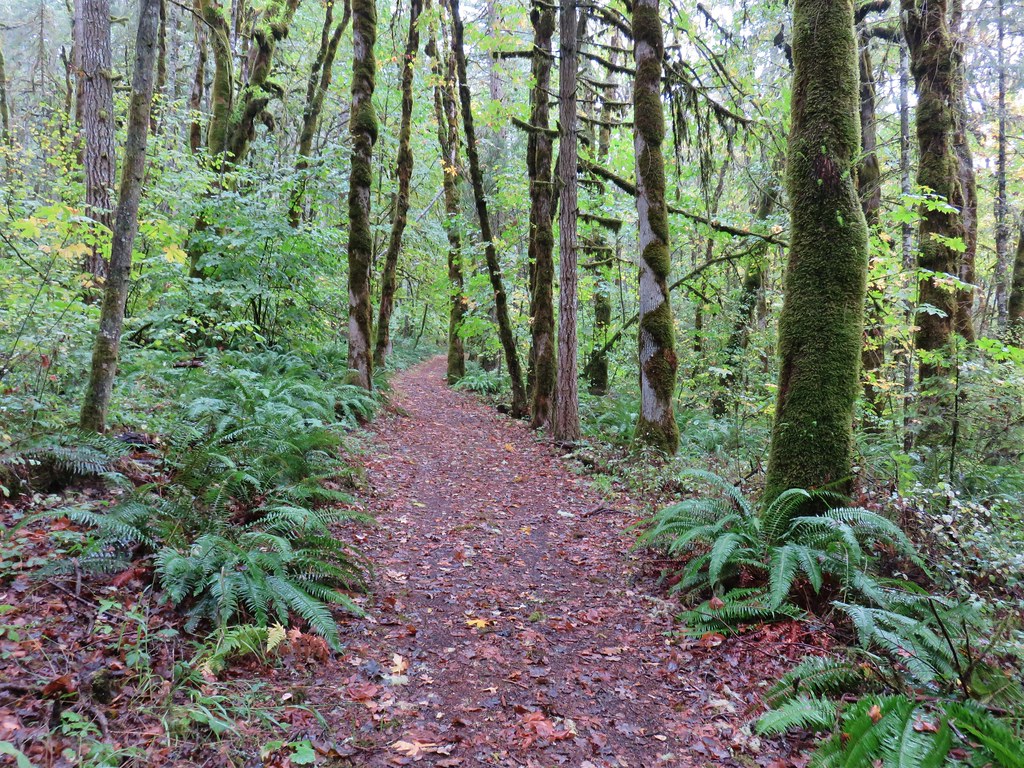
We forked right choosing to do the loop in a counter-clockwise direction. The forest along the trail changed a number of times on this 1.7 mile loop.
Mill Hill Trail

Mill Hill Trail

Mill Hill Trail

The rain had been steady all day and was only picking up as we made our way around Mill Hill. We stopped briefly at a viewpoint of Gray Creek which looked more like a pond, but for the most part just kept hiking at a quick pace.
Gray Creek from the Mill Hill Trail

We were however on the lookout for newts.
Rough skinned newt

When we arrived at the four way junction we decided to try and go back a slightly different way so we followed the pointer for Cabell Marsh then quickly turned left onto a service road. This road passed behind some refuge buildings before coming to a gate along the parking lot of the headquarters and nature store.
Finely Wildlife Refuge offices and store

A sign on the gate said the area was closed to the public so we probably shouldn’t have come down that particular road but now that we were at the headquarters we walked across the lot toward the Display Pond then turned left at a signboard for the Mill Hill Loop.
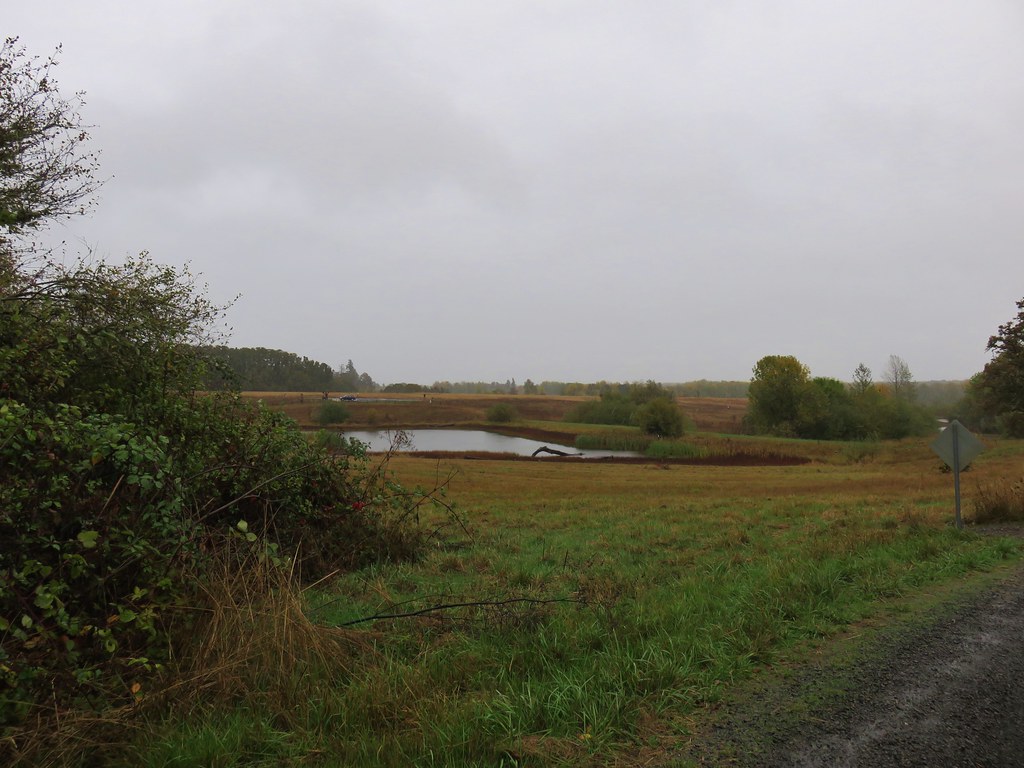
Display Pond

Mill Hill Trail

We passed a junction with a trail coming from the Display Pond and continued uphill.
Mill Hill Trail

We wound up meeting up with the Mill Hill/Inter-Tie Trail at the first junction we’d come to after crossing the service road earlier in the day.
Inter-Tie Trail

We turned right, recrossed the service road, and returned to the Woodpecker Loop Trial where we again turned right to complete that loop.
Inter-Tie Trail junction with the Woodpecker Loop Trail

It was about a half mile back to the trailhead from this junction. We were now officially soaked. Our “waterproof” layers were beginning to fail and water was now reaching our base layers. Apparently 2 hours is the limit to the effectiveness of our waterproof garments. It had been a nice morning of hiking and we are now eager to go back on a nicer day when we can really take our time and enjoy the surroundings. The two hikes came in as 1.1 miles and 5.1 miles respectively which we completed in a little over 2 hours due to our quicker than normal pace.

It has certainly been a different year as far as hiking goes for us. It will be interesting to see what the final few hikes we have planned wind up looking like. Happy Trails!

Flickr: Finley Wildlife Refuge

Categories
Hiking Oakridge Area Old Cascades Oregon Trip report

Deception Butte and Dead Mountain Trails

Our latest outing was a microcosm of our year so far. Several days of rain and snow coupled with overnight temperatures in the mid 20’s had our plans in flux until the night before our hike. In the end we wound up having a great time but the planning and process were anything but smooth.

In the end we decided to try the Deception Butte Trail . The trailhead elevation was low enough that we didn’t need to worry about icy roads in the morning which was our biggest concern in determining our destination.

We weren’t sure what to expect from the Deception Butte Trail. In 2014 the Deception Fire had closed and burned some of the trail. The trail description on the Forest Service page didn’t say anything about the trail still being closed, but it did contain a map from 2014 showing the closure. The map description states “This map shows the open and closed sections of the trail resulting from damage from the Deception Fire in 2014.” It was unclear whether that was just to let the reader know that the map was old and that was why there were red and green sections of the trail or if it was to inform the reader that the trail remained closed. Spoiler alert it was the latter.

We started our morning at the Lower Deception Butte Trailhead which is located 3 miles west of Oakridge, OR one hundred yards up Deception Creek Road.
Deception Butte Trailhead

We were encouraged by the lack of any signage to indicate that part of the trail remained closed as we set off into the forest.
Deception Butte Trail

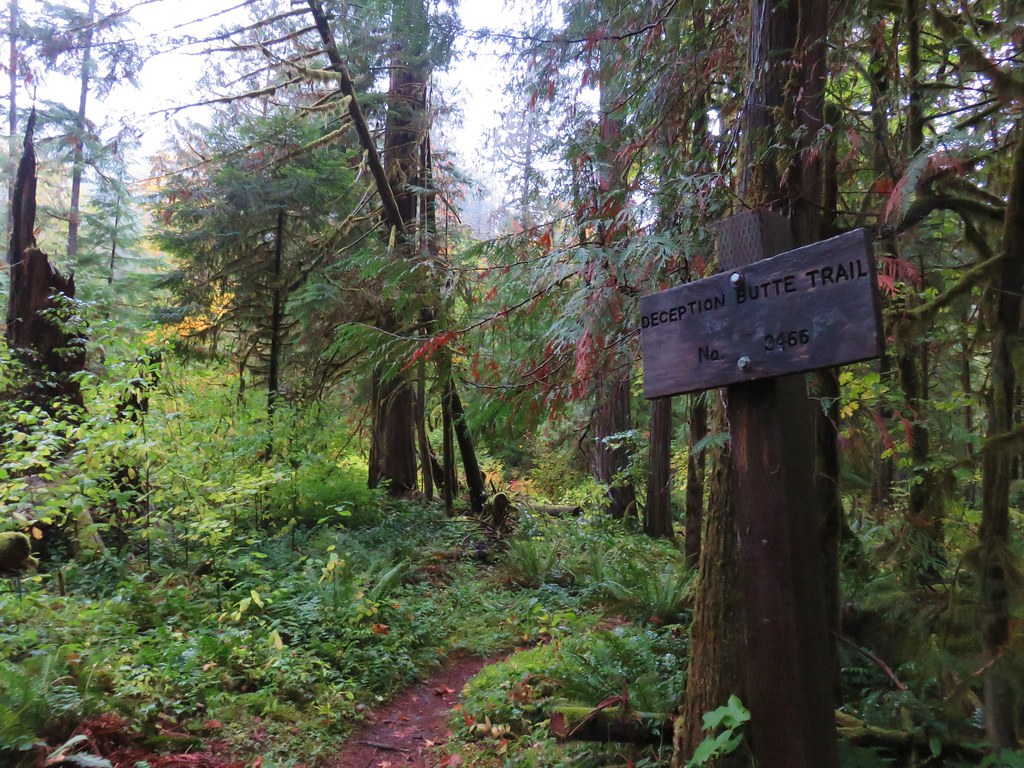
We followed the Deception Butte Trail sign.
Deception Butte Trail

The trail passed through a lush forest as it bent around a hill where it began to follow along Deception Creek.
Deception Butte Trail

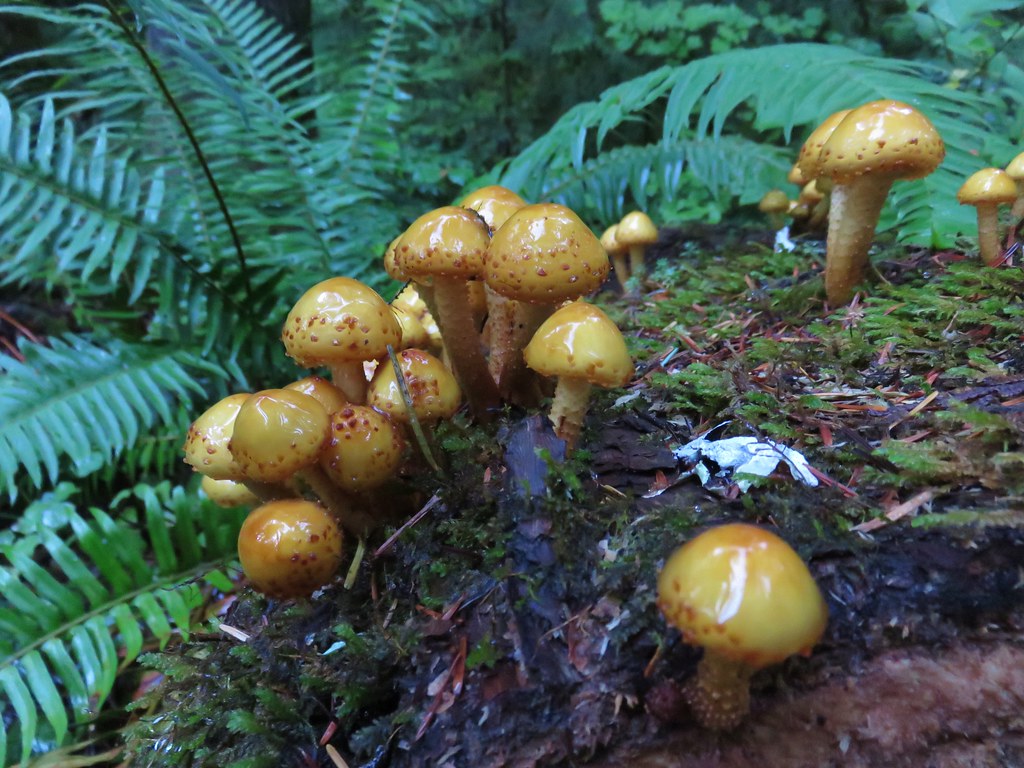
Mushrooms on a log

Forest along the Deception Butte Trail

Deception Creek from the Deception Butte Trail

The trail dropped a bit to the creek which was flowing fairly well due to all the recent precipitation.
Deception Creek

Deception Butte Trail

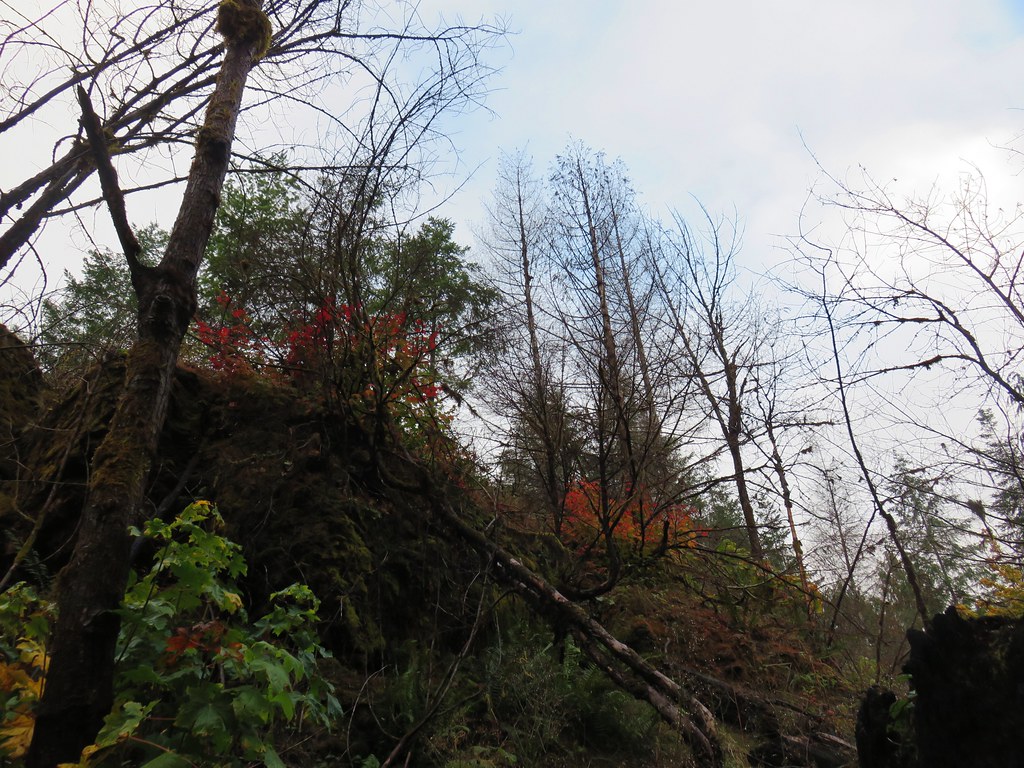
Signs of the 2014 fire could be seen on the hillside above the trail.
Burned forst above the Deception Butte Trail

At the 1.75 mile mark we came to a footbridge over Deception Creek.
Footbridge along the Deception Butte Trail

Deception Creek

There still had been no signs warning of a trail closure so we crossed the bridge and continued on. Not even a tenth of a mile beyond the bridge we came to a rocky ridge and entered the burn area.
Deception Butte Trail

Vine maple

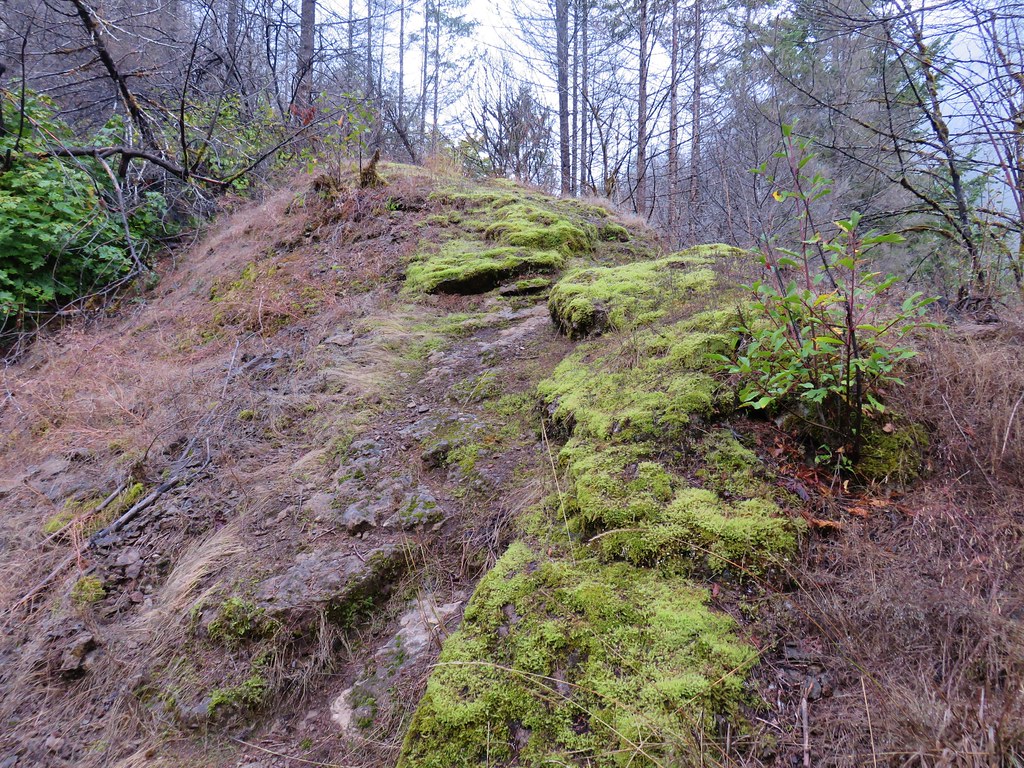
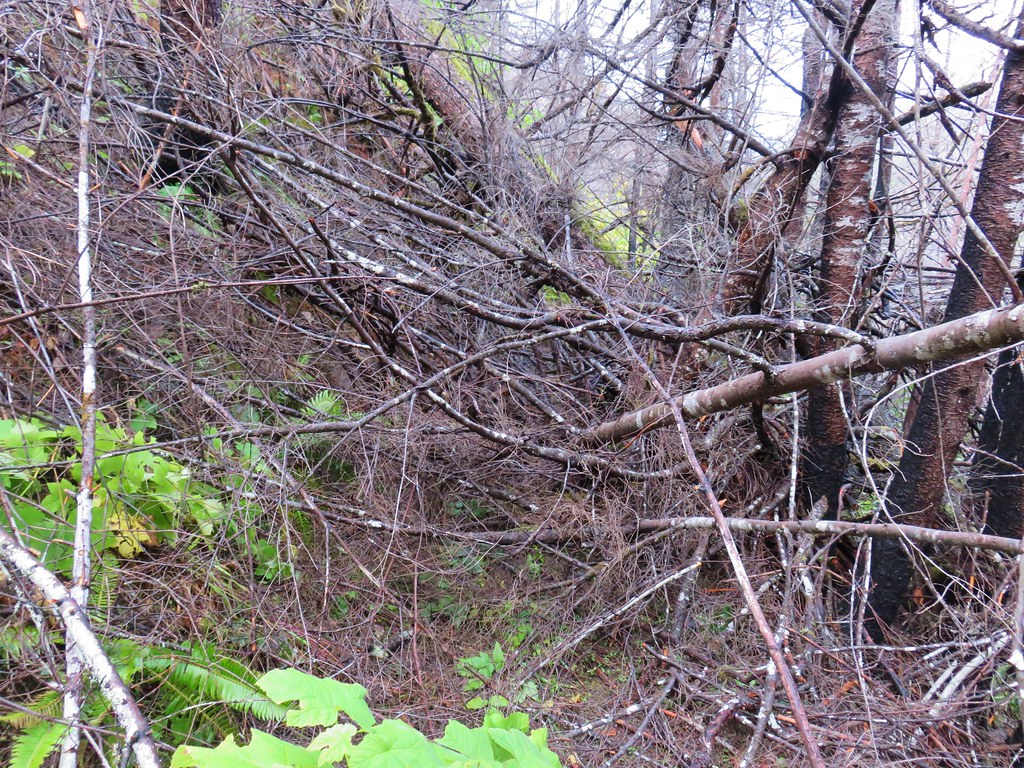
We began to encounter blowdown almost immediately. The first couple of obstacles were navigable but then we came to this.
Blowdown over the Deception Butte Trail

The steepness of the hillside made going around the jumble of debris impossible so we turned back. Even though there had been no notices of the trail being closed it clearly wasn’t being maintained. We had made it 1.8 miles before heading back making this a 3.6 mile round trip. The forest along Deception Creek was nice and so was the creek so the trail is still good for a quick leg stretcher or easy day hike.

For us the hour and a half hike wasn’t going to be enough to justify the hour and forty five minute drive each way so we turned to our contingency plan, the Dead Mountain Trail.

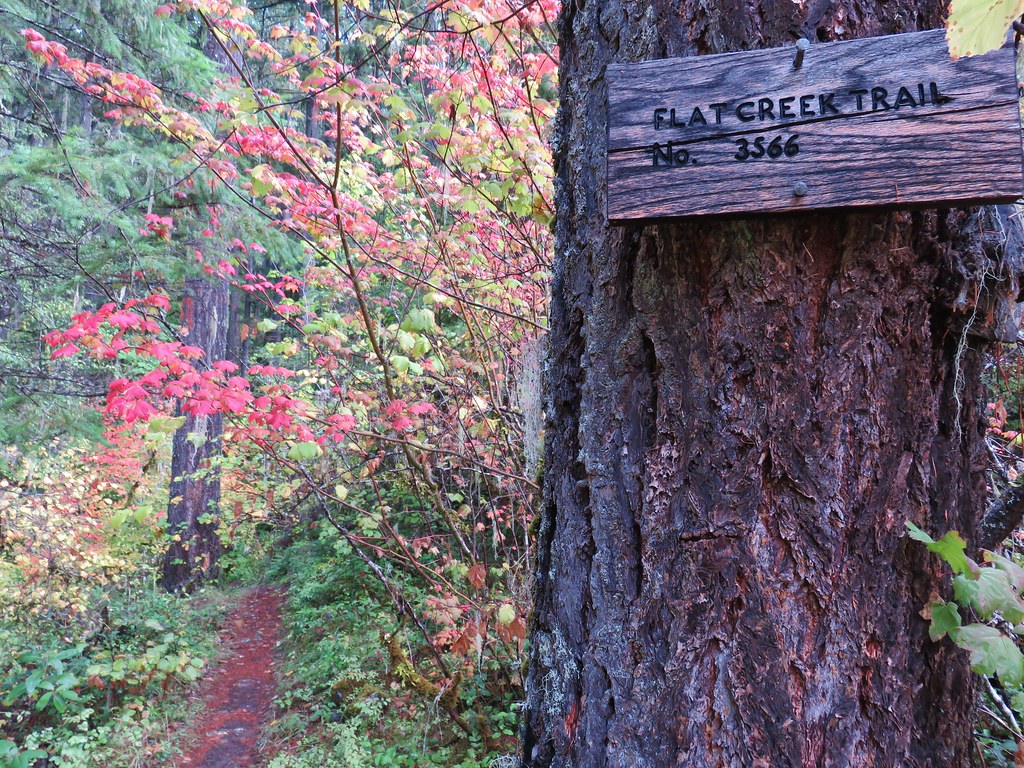
Formerly the Flat Creek Trail, the trail and name were changed in 2015 when it was extended from 4.3 miles to 6.3 miles. Sections were added at both ends to connect the trail from the Salmon Creek Trail up to the summit of Dead Mountain. Our guidebook was written prior to the trail extension so instead of parking at the new lower trailhead 2 miles outside of Oakrdige on Forest Service Road 24 (Salmon Creek Road), the hike description we had said to start .7 miles along Forest Road 2404 (Flat Creek Road) which was only 1.75 miles outside of Oakridge.

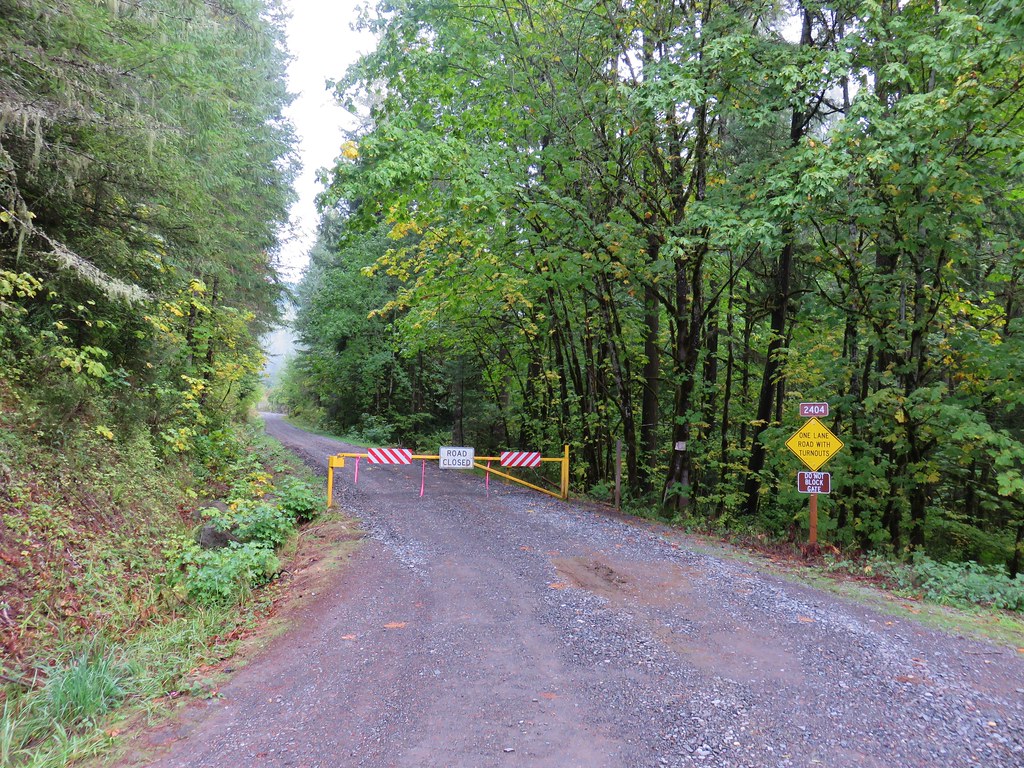
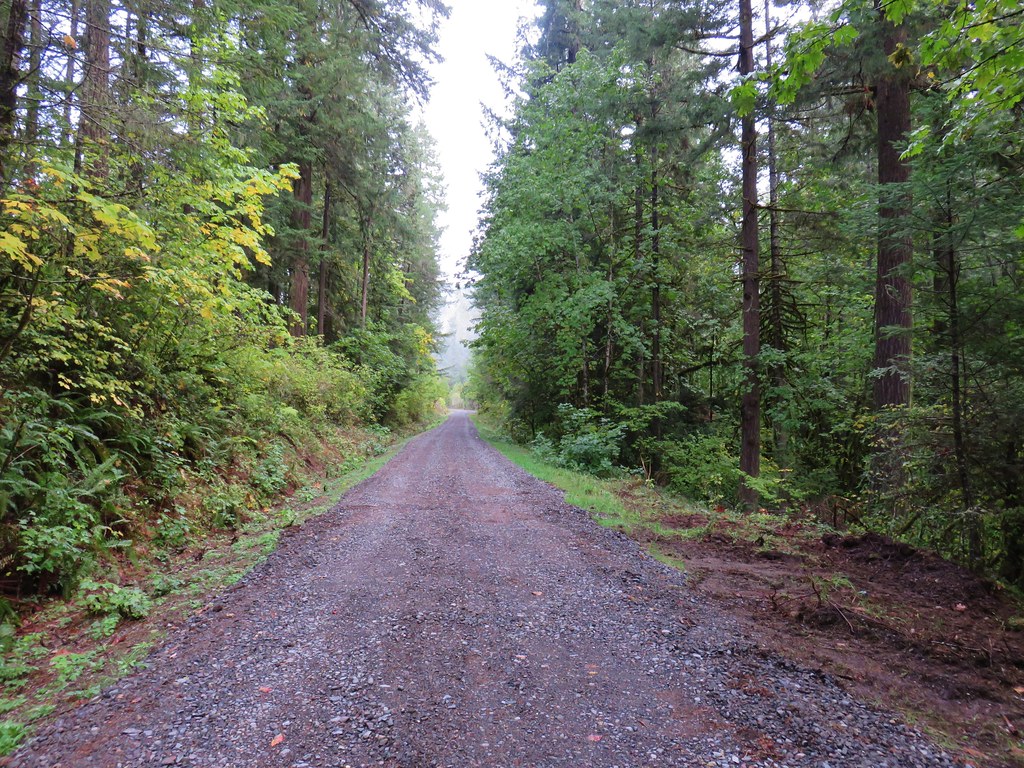
Flat Creek Road was gated shut so we parked on the shoulder and began hiking up the road.
Flat Creek Road

Flat Creek Road

As we were walking up the road we spotted a runner cross the road from the left to the right then recross the road a short time later. We were about a half mile from the gate when we came to the spot where the runner had crossed. A trail was visible on both sides of the road but it was unsigned and not shown on the GPS leaving us to wonder what it was and where it went. We continued on the road for another .2 miles where we came to the former Flat Creek Trailhead marked by a hiker symbol on a tree.
Dead Mountain Trail at Flat Creek Road

We had noticed other runners on a trail that was running parallel with the road which helped us realize that the trail we had crossed back on the road was an extension of the Flat Creek/Dead Mountain Trail. We began to suspect there was some sort of trail race happening since they were wearing numbered bibs. We joined that trail and turned right heading uphill.
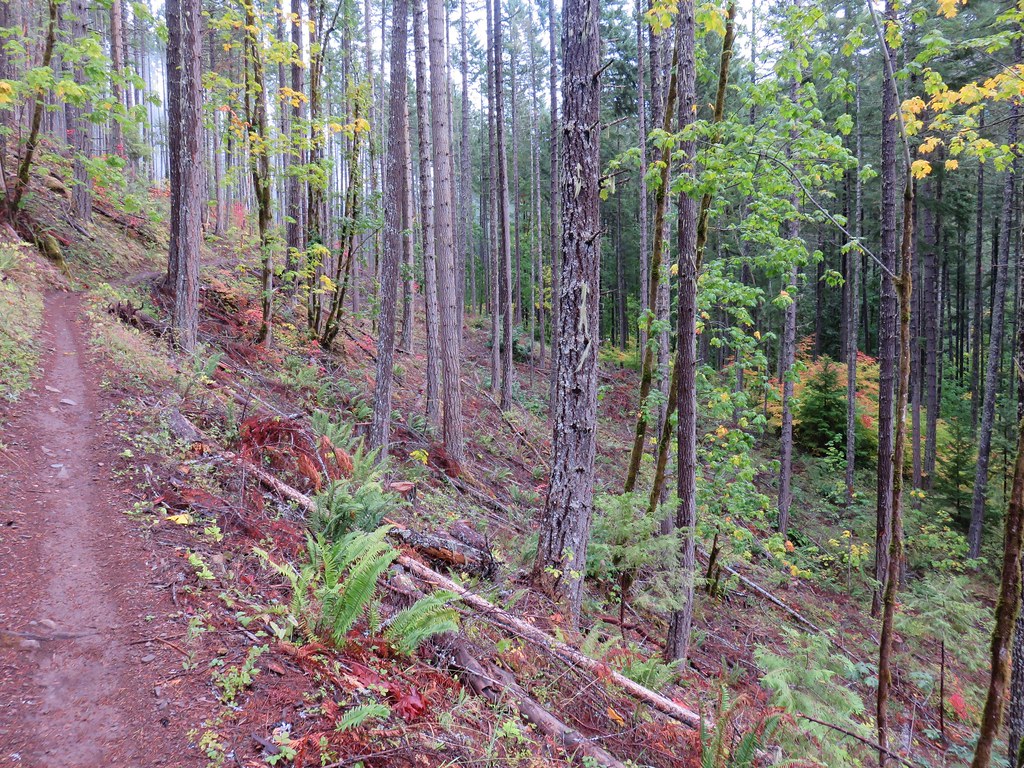
Dead Mountain Trail

Dead Mountain Trail

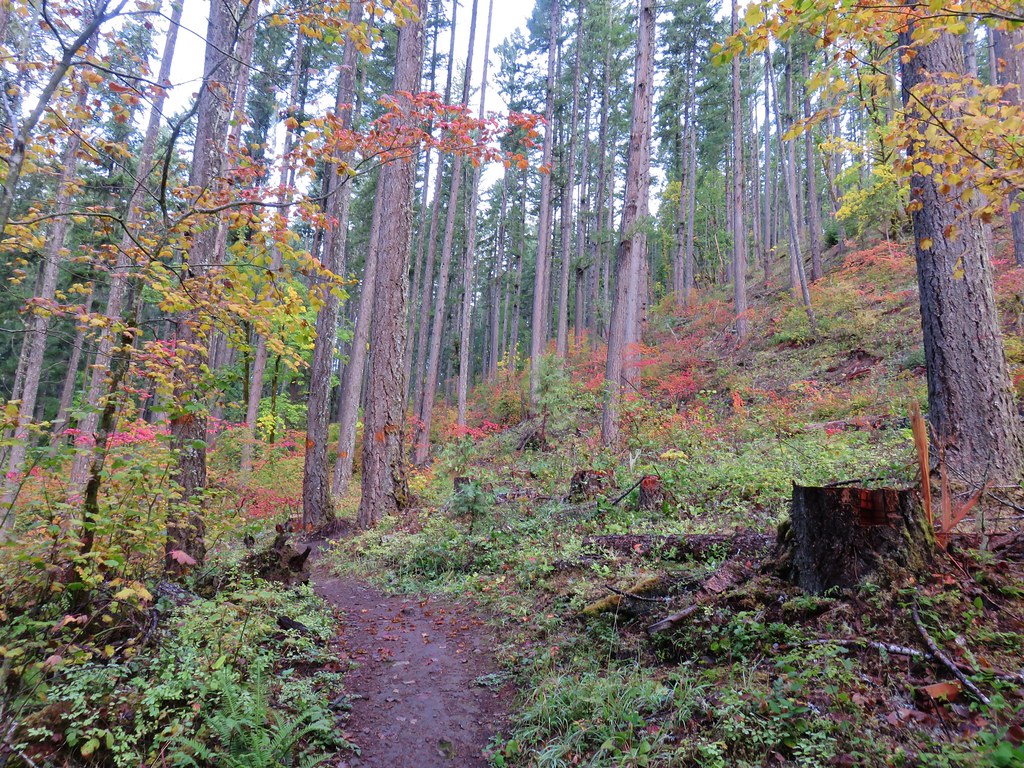
The trail is open to hikers, equestrians, mountain bikes and motorcycles and is heavily used so it was in really good shape as it climbed through a thinned forest full of fall colors.
Dead Mountain Trail

Dead Mountain Trail

Dead Mountain Trail

Dead Mountain Trail

There were also a few madorne trees along the trail.
Dead Mountain Trail

The forecast had been for sun but we had been stuck under low clouds or in fog on both trails. As the morning wore on signs pointed to clearing skies.
Clouds breaking up from the Dead Mountain Trail

About two miles from the gate as we neared the end of the thinned forest we finally broke out of the fog.
Dead Mountain Trail

The trail then promptly entered a denser forest.
Dead Mountain Trail

Dead Mountain Trail

Dead Mountain Trail

The trail crossed an old road before arriving at another road junction a quarter of a mile later where an aid station was set up for the trail race. We asked the volunteers what race it was and they explained that it was the Oakridge Triple Summit Challenge, a three day event where runners make three different summit ascents.

Our guidebook would have had us turn uphill to the right on Dead Mountain Road at this junction but with the extension of the trail we crossed the road and continued on a path that had been clearly designed to be a mountain bike trail.
Dead Mountain Trail

Dead Mountain Trail

The trail had many ups and downs and hairpin corners as it climbed toward the summit.
Dead Mountain Trail

Just over 1.75 miles from the road junction the trail crossed Dead Mountain Road.
Dead Mountain Trail

After another tenth of a mile of climbing we arrived at the broad flat summit of Dead Mountain.
Dead Mountain Trail

Dead Mountain Trail

The trail wound around the summit to the Upper Dead Mountain Trailhead at the end of Dead Mountain Road.
Dead Mountain Trail

Several radio and cell towers were located near the upper trailhead and it was in this area where we were finally able to get a mountain view.
Diamond Peak

Diamond Peak
Diamond Peak

We did a little exploring and headed downhill on a road track which led to a path that headed out onto a narrow ridge with even better views. It was a great view but definitely not a spot for anyone with a fear of heights.
Ridge on Dead Mountain

View from Dead MountainLooking SW

View from Dead MountainHills Creek Reservoir (behind the tree)

Diamond Peak

Diamond PeakMount Yoran and Diamond Peak

Waldo MountainWaldo Mountain

We decided to follow Dead Mountain Road down for a bit which was the route that the runners had followed.
Dead Mountain Road

There were some interesting white mushrooms along the road.
Mushrooms on Dead Mountain

We followed the road for approximately three quarters of a mile passing a “Road Work Ahead” sign along the way.
Road work sign on Dead Mountain Road

After the three quarters of a mile we forked right on another old road bed then took a short trail which had been marked for the race back to the Dead Mountain Trail.
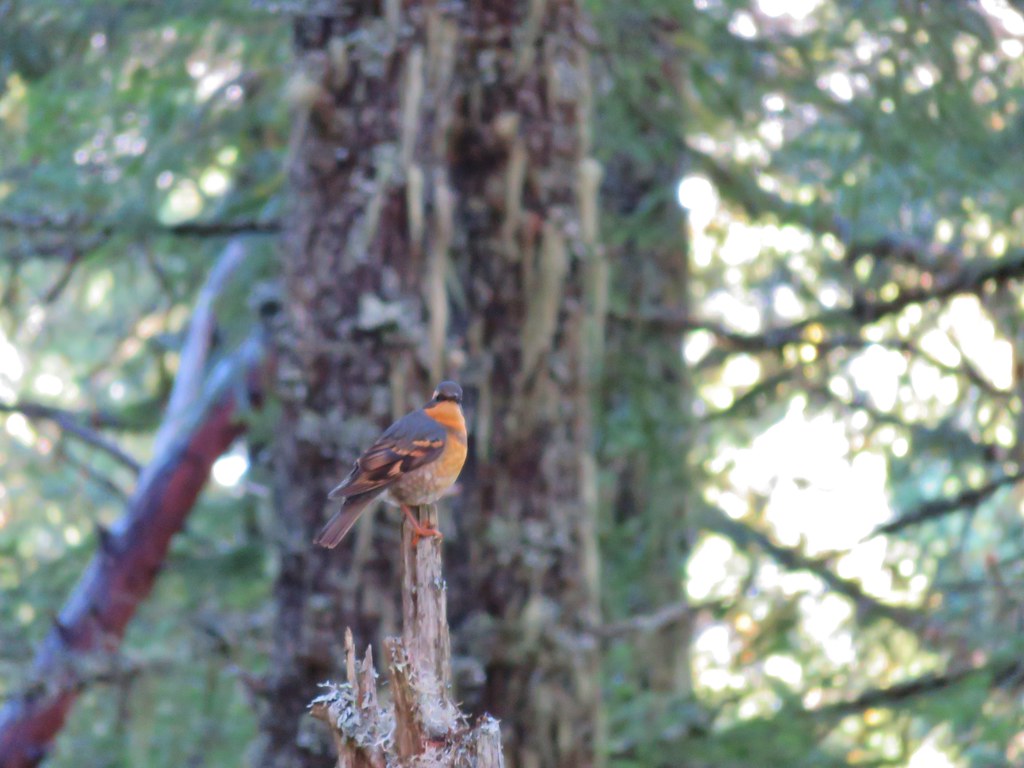
Along the way we had an encounter with my old nemesis, the varied thrush. We see quite a few of these colorful birds on the trails but I am rarely able to get an even remotely decent photo. They move around a lot and they always seem to be in poorly lit areas. After a couple of attempts at this particular thrush it finally sat still long enough for a slightly blurry photo.
Varied thrush

The aid station had been packed up and removed by the time we arrived back at the road junction and the runners on the trail had been replaced by other hikers and mountain bikers (and one speedy newt) as we made our way down.
Rough skinned newt

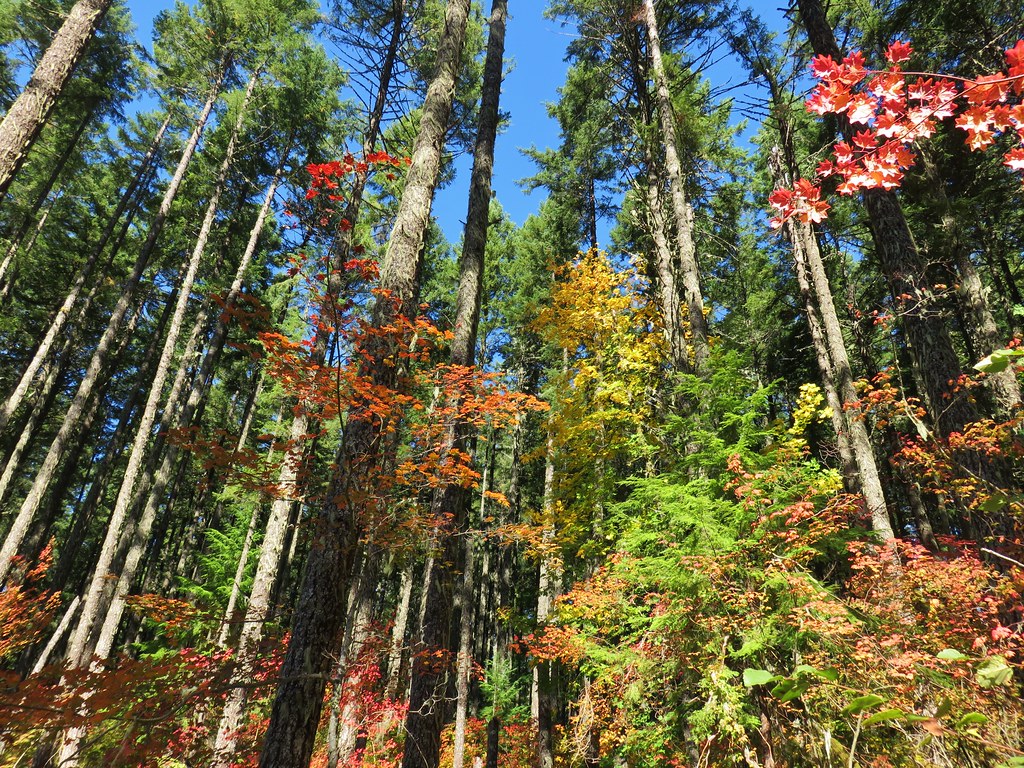
With the fog gone the fall colors were on full display in the thinned area.
Fall colors along the Dead Mountain Trail

Vine maple

Dead Mountain Trail

Vine maple

We followed the Dead Mountain Trail past where we had joined it from Flat Creek Road earlier but didn’t take the portion between Flat Creek Road and Salmon Creek Road due to not knowing for sure how long it was nor how far it might leave us from our car.
Dead Mountain Trail

Our route for this hike wound up being a total of 10.7 miles with over 2000′ of elevation gain. The trail made for a nice hike but given it’s design as a mountain bike trail and heavy use might not always be the most peaceful hike.

As our hiking season winds down we’ve done few of the hikes we’d planned on but those that have taken their places have turned out well and today was no different. Happy Trails!
Flickr: Deception Butte and Dead Mountain Trails

Categories
High Cascades Hiking Oregon Three Sisters Area Trip report

Senoj Lake Trail

The day after a long but enjoyable hike on the Winopee Lake Trail we returned to the Cascade Lakes Highway for another lake hike. Our plan was to follow the Senoj Lake Trail past Lucky Lake and to Senoj Lake. We had made a short detour to Senoj Lake in 2014 during a hike to Cliff Lake along the Six Lakes Trail (post). This time we would be arriving at Senoj Lake from the other direction completing the Senoj Lake Trail.

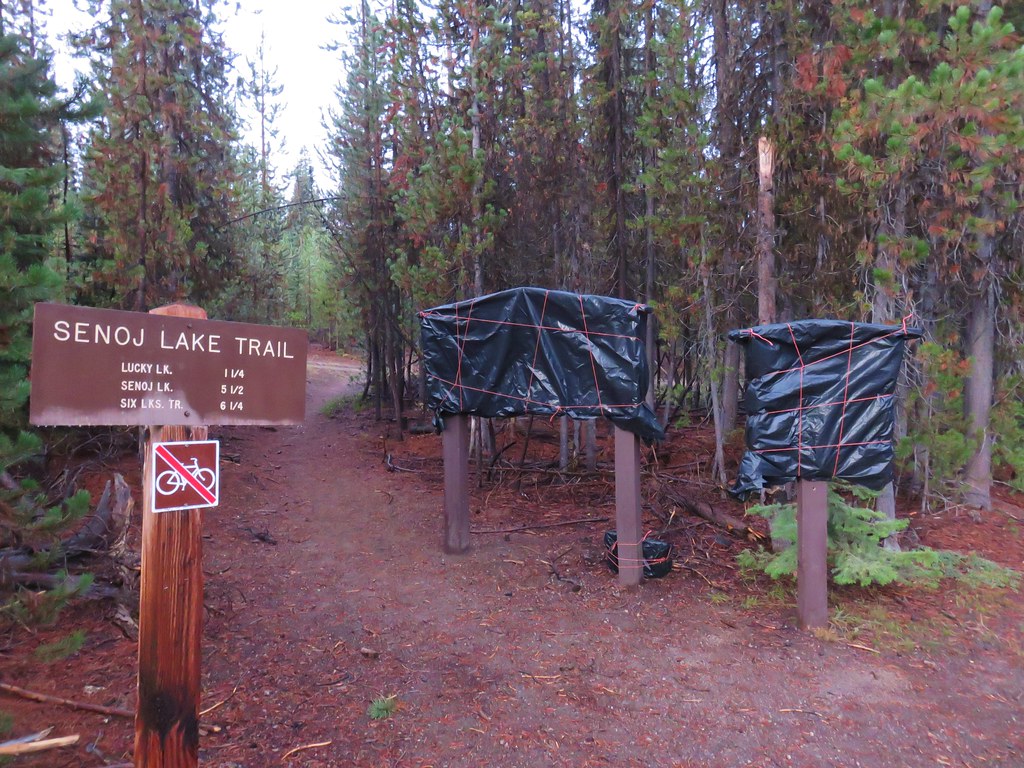
We left Bend around 6:15am and headed south on Highway 97 to exit 153 where we headed west on South Century Drive. After 21.5 miles, at a stop sign we turned right onto the Cascade Lakes Scenic Byway for 5.9 miles to the signed Lucky Lake Trailhead on the left. We would discover later that the hiker trailhead is along a short paved spur to the right after turning into the trailhead area. We stayed left and wound up at the equestrian trailhead which was already wrapped up for the winter.

Senoj Lake Trail - Equestrian Trailhead

We had passed through a brief snow flurry on the drive to the trailhead but it was just a little damp as we set off into the forest.

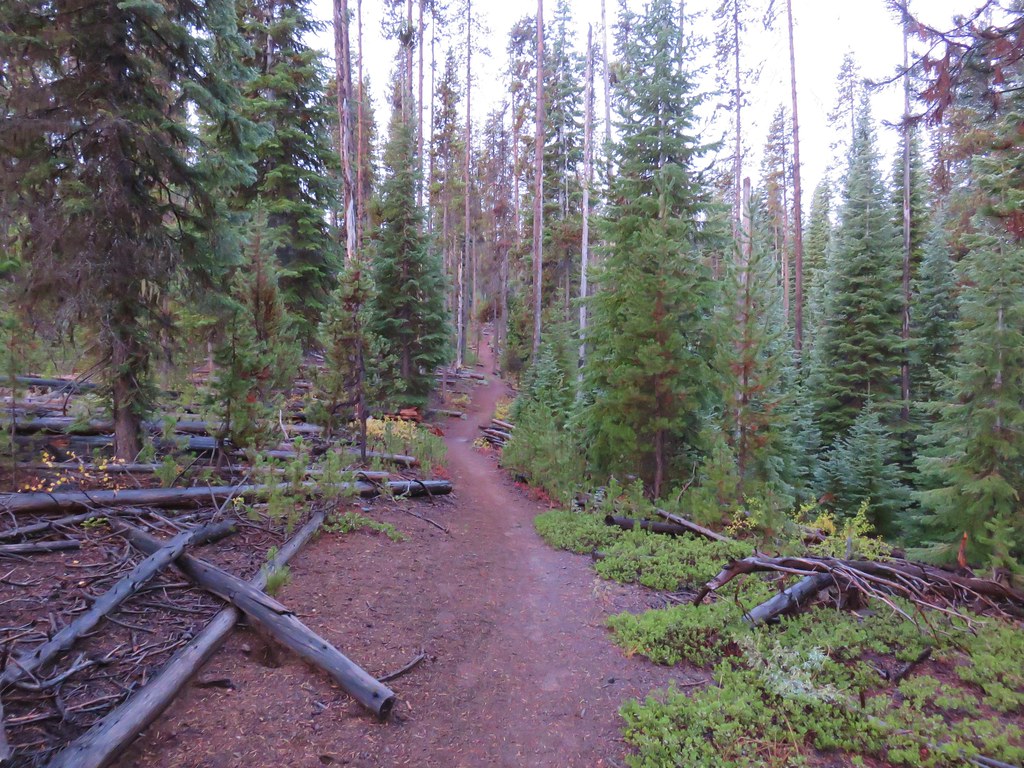
Senoj Lake Trail

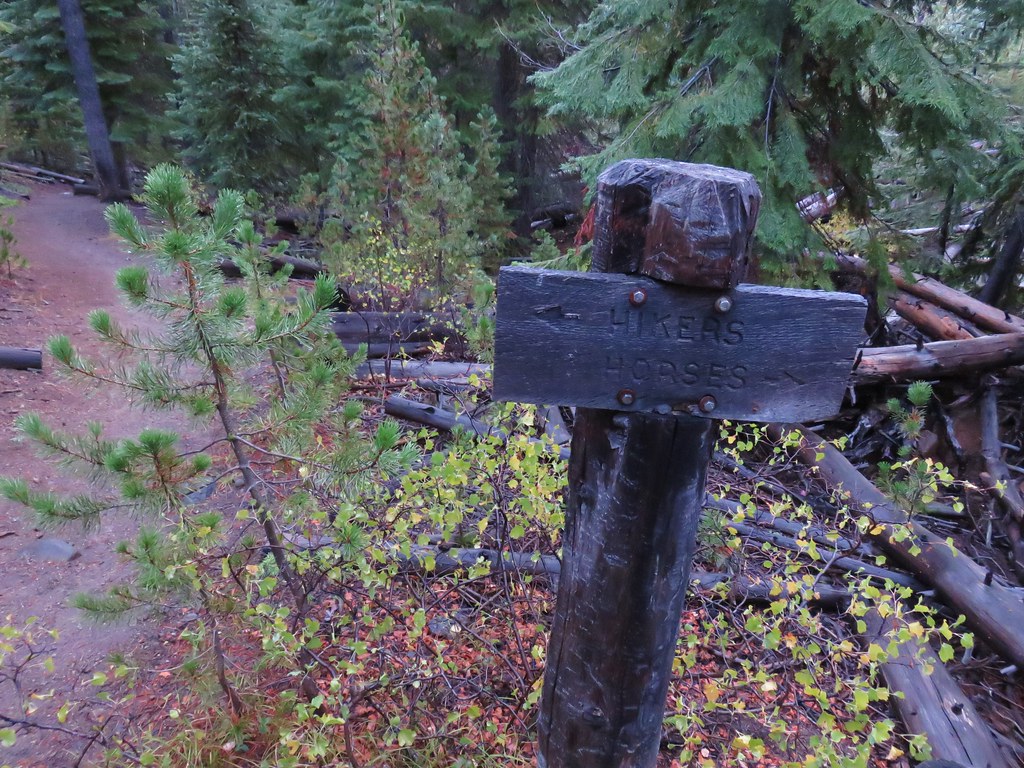
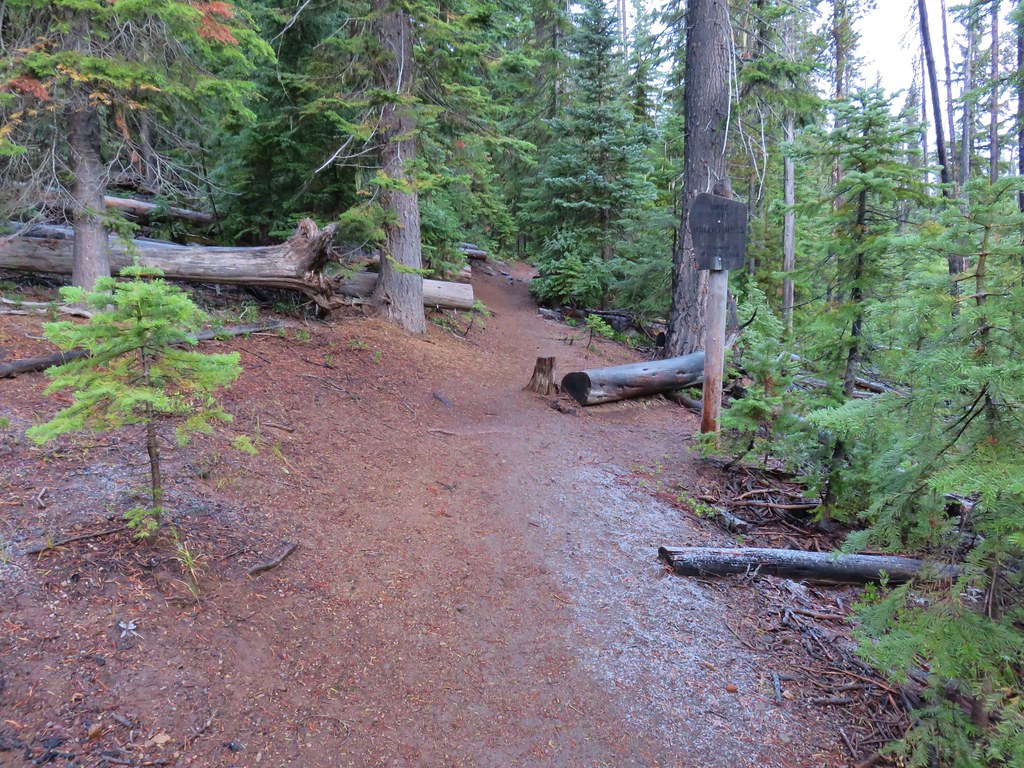
It was about a tenth of a mile into the hike when we came to a hikers/horses sign at a junction that we discovered that there was more than one trailhead and we’d parked at the equestrian trailhead.

Hikers and Horses versions of the Senoj Lake Trail

We decided that on the way back we’d take the hiker trail just to see where we’d gone wrong. For now though we continued on. It wasn’t long before we began seeing a little snow here and there along the trail.

Senoj Lake Trail entering the Three Sisters WildernessEntering the Three Sisters Wilderness

Dusting of snow along the Senoj Lake Trail

We arrived at Lucky Lake after 1.4 miles.

Lucky Lake

We could see that there was quite a bit more snow in the forest on the other side of the lake.

Snowy buttes across Lucky Lake

We followed the Senoj Lake Trail along the western side of Lucky Lake for almost half a mile to the far end.

Senoj Lake Trail along Lucky Lake

Lucky Lake

Lucky Lake

There was indeed more snow on the northern end of the lake.

Snow near the north end of Lucky Lake

Senoj Lake Trail

Beyond Lucky Lake the Senoj Lake Trail climbed nearly 750 feet in the next 1.5 miles as it passed over the eastern side of 6304′ Williamson Mountain. The trail itself topped out just over 6000′ in elevation. The extra elevation led to increased amounts of snow which maxed out at about an inch in the deepest spots.

Senoj Lake Trail

Snowy trees along the Senoj Lake Trail

Senoj Lake Trail

A series of small meadows dotted Williamson Mountain and seemed to be popular with various animals based on the number and variety of prints in the snow.

Senoj Lake Trail

Tracks along the Senoj Lake Trail

Paw prints along the Senoj Lake Trail

Deer print along the Senoj Lake Trail

After reaching the high point the trail dropped down off the mountain into a basin where the snow lessened only a bit.

Senoj Lake Trail

Three and a half miles from the high point the trail dropped to Senoj Lake.

Senoj Lake Trail

Senoj Lake

The lake looked a little different than it had in 2014 with the snow.

Senoj Lake

Senoj Lake

Senoj Lake

Senoj Lake

While not the most exciting lake in the forest there is something to be said for the lakes simplicity. On both visits it has just felt peaceful there. It was also cold. A crisp breeze was blowing off the lake so it was a quick visit and we were soon heading back.

Senoj Lake Trail

It was around 10:30 when we were passing back over Williamson Mountain and could already see the change in the amount of snow. More and more blue sky and sunlight had been making it through the clouds.

Three Sisters Wilderness

Snow melting along the Senoj Lake Trail

View from the Senoj Lake Trail

Although we never saw any of the critters that had left the prints in the snow we did see quite a few birds along the way.

Sparrow

By the time we’d arrived back at Lucky Lake it almost felt like it could have been a Summer day.

Lucky Lake

We ran into a few other hikers at the southern end of the lake where we followed a pointer for Corral Lakes around the lake a bit hoping for a view of the South Sister. There were some pesky clouds lingering between the lake and the mountain but there was just enough of an opening to see the mountains summit.

South Sister from Lucky Lake

South Sister from Lucky Lake

South Sister from Lucky Lake

We sat for a bit on the lake shore before heading back. On the way down to the car I managed to find one semi unobstructed view of Broken Top.

Broken Top from the Senoj Lake Trail

We took the hiker trail down to the parking area and discovered that the signboards there had not been wrapped for the winter yet.

Senoj Lake Trail - Hiker Trailhead

The hike wound up being 12 miles round trip with approximately 1750′ of cumulative elevation gain. The hike to Lucky Lake was short and easy enough for most kids. The trail to Senoj Lake might not have had a lot of wow factor but it was in good shape, never too steep, and passed through a nice peaceful forest. The snow only added to the peaceful feeling making this a really enjoyable hike for us.

Afterwards we drove back to Bend completing a loop by driving past Mt. Bachelor where there was still a little slush on the road in places. We were glad we’d chosen to drive to the trailhead the way we had since we figured there had probably been a fair amount of it on the road that morning and as much as we enjoyed hiking in the white stuff we’re not ready to drive it yet this year. Happy Trails!
Flickr: Senoj Lake Trail

Categories
High Cascades Hiking Oregon Three Sisters Area Trip report

Winopee Lake Trail

Our year of rearranging hikes continued with what was to have been our final overnight trip of the year. Similar to our last planned vacation a cold, moist weather system coming in from British Columbia caused us to rethink the backpacking plans. The forecast for the first day was for rain showers off and on all day and night with temperature dropping to near freezing then turning to snow and rain showers the next day.

In “The Ultimate Hiker’s Gear Guide” long distance hiker Andrew Skurka writes “Raining and 35 degrees Fahrenheit is the most challenging combination of conditions that most backpackers ever experience.” We have yet to have the privilege of experiencing those conditions first hand and weren’t about to put that statement to the test now so we decided to do a couple of day hikes instead so we could dry off and warm up each day after hiking.

Since our original plans had included a visit with our Son in Bend after the overnighter we simply headed to Bend a day early where we could stay at Heather’s parents house. On our way over to Bend we stopped at the Winopee Lake Trailhead near Cultus Lake Campground.

Winopee Lake Trailhead

With much of the Three Sisters Wilderness still closed due to this year’s wildfires this trail had remained open and offered a chance for us to visit several different lakes which is one of our favorite destinations in the Fall and on rainy days. We didn’t exactly have a plan going into this hike, we knew it was a 10 mile round trip to Muskrat Lake based on an abbreviated description in William L. Sullivan’s “100 Hikes in the Central Oregon Cascades” but more lakes lay a little further from the trailhead and the trail ended at the Pacific Crest Trail which made a lollipop loop possible. We weren’t certain how far that lollipop would be so we decided to set a turn around time if we had not yet reached the PCT. It was 8am when we arrived at the trailhead so we set a turn around time of Noon and off we went.

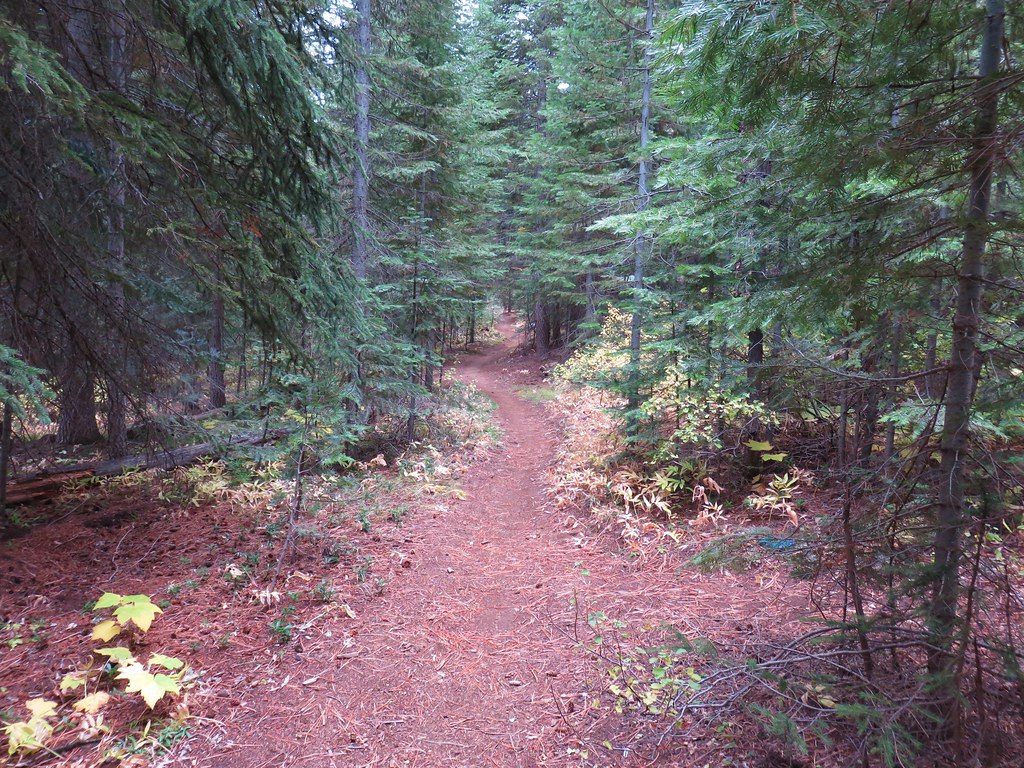
Winopee Lake Trail

Not far from the trailhead we came to Cultus Lake where we could see everything but the top of Cultus Mountain across the water.

Cultus Lake

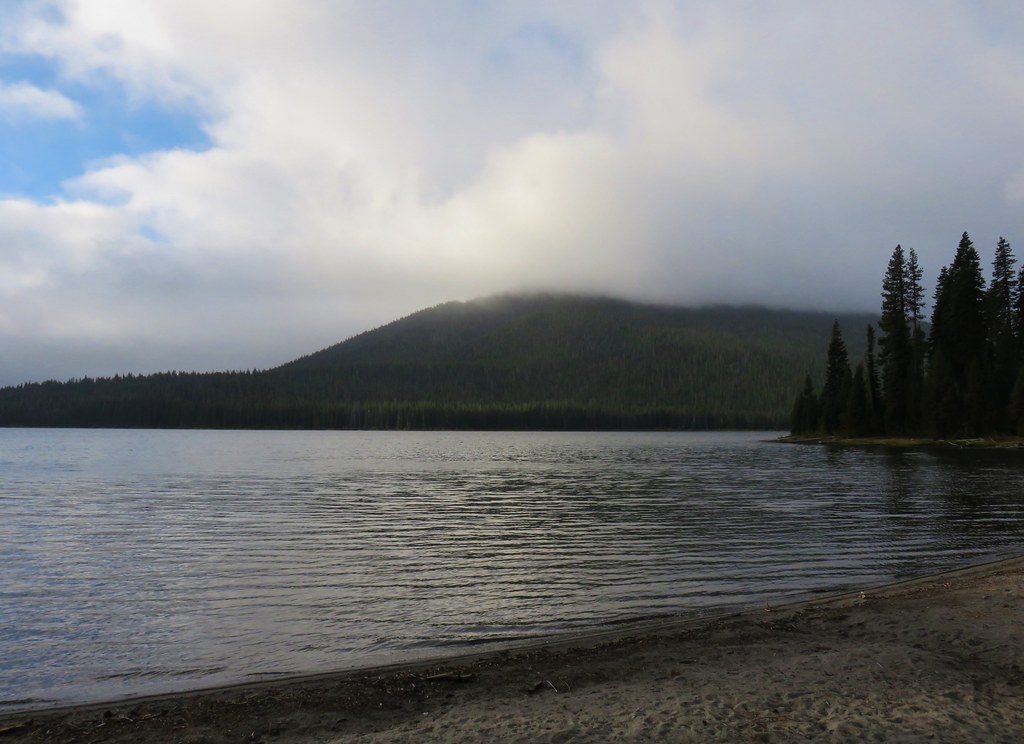
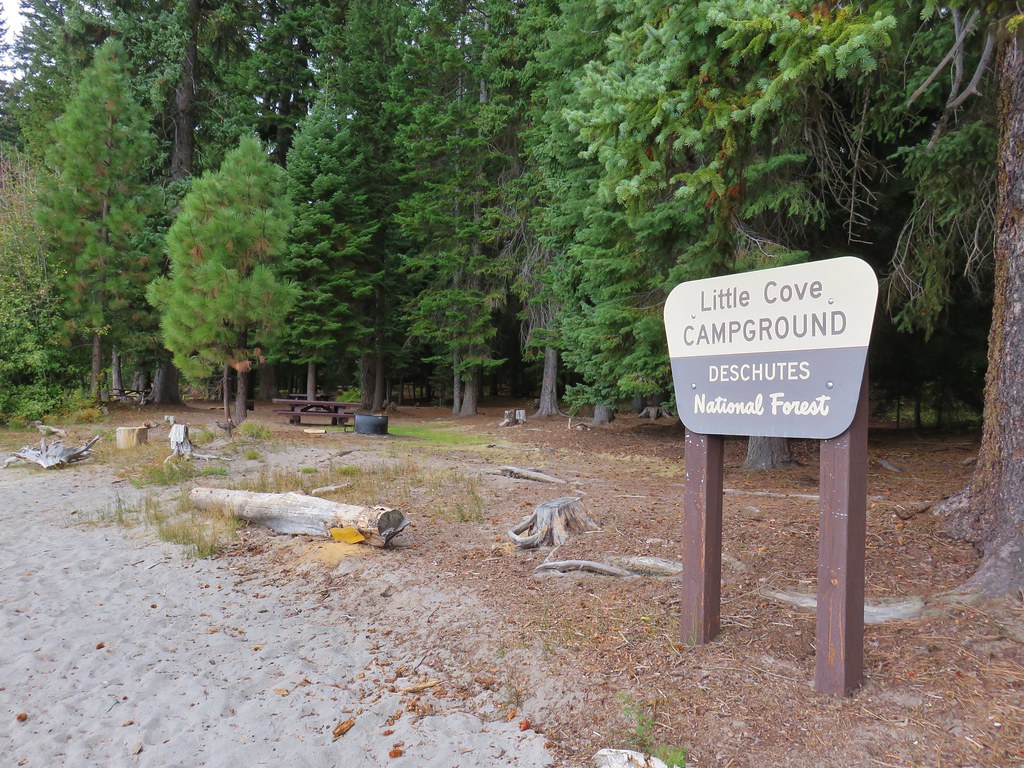
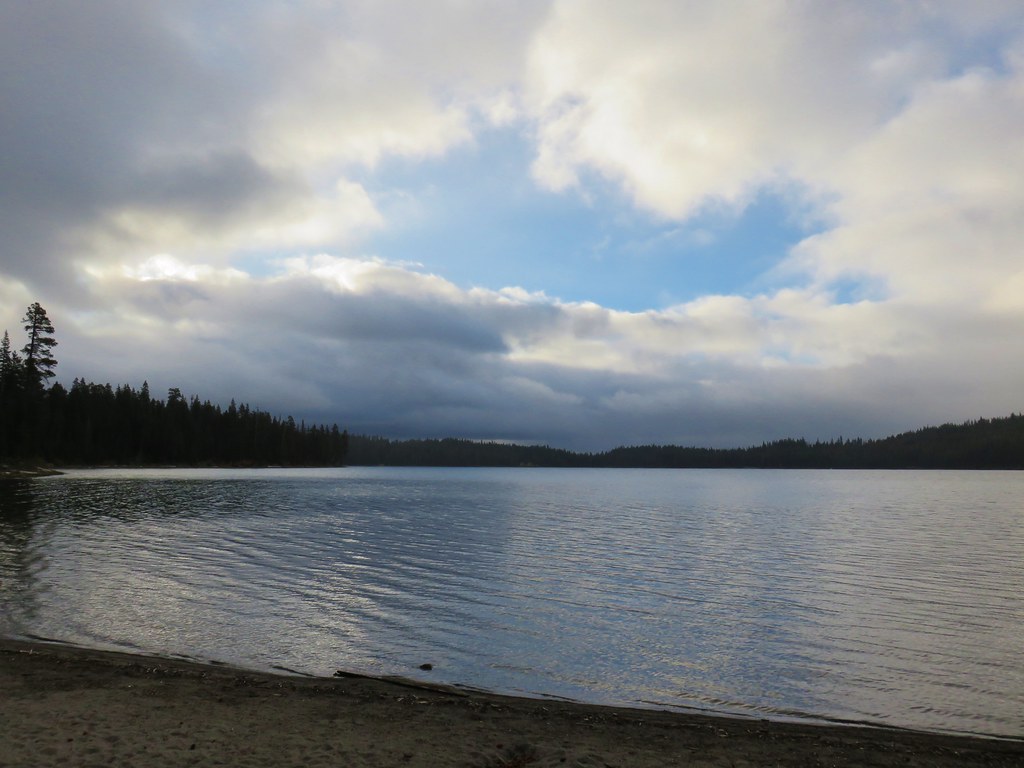
The trail then passed along Cultus Lake but back in the trees away from the lake shore. After almost a mile a side trail led down to a nice beach at the Little Cove Campground, one of three boat-in (or hike-in) sites along the north side of the lake.

Beach along Cultus Lake

Little Cove Campground at Cultus Lake

Cultus Lake from Little Cove Campground

Beyond the camp site the trail again veered just a bit away from the lake. Near the far end of the lake the trail climbed slightly to a junction at approximately the 2.5 mile mark.

Winopee Lake Trail

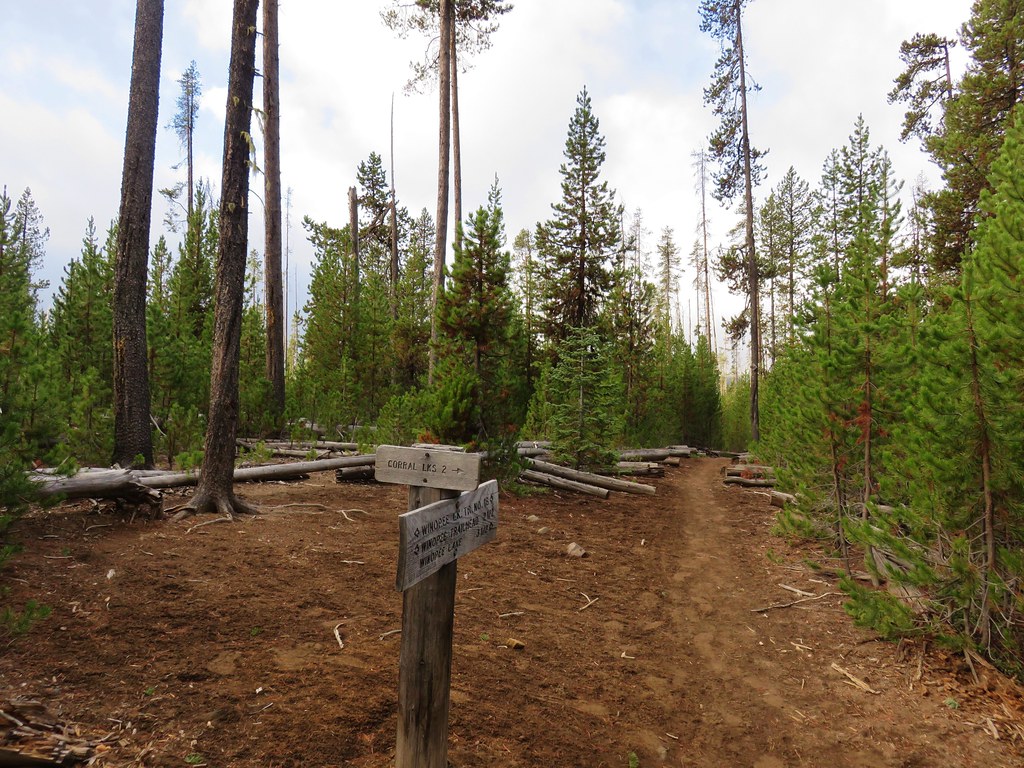
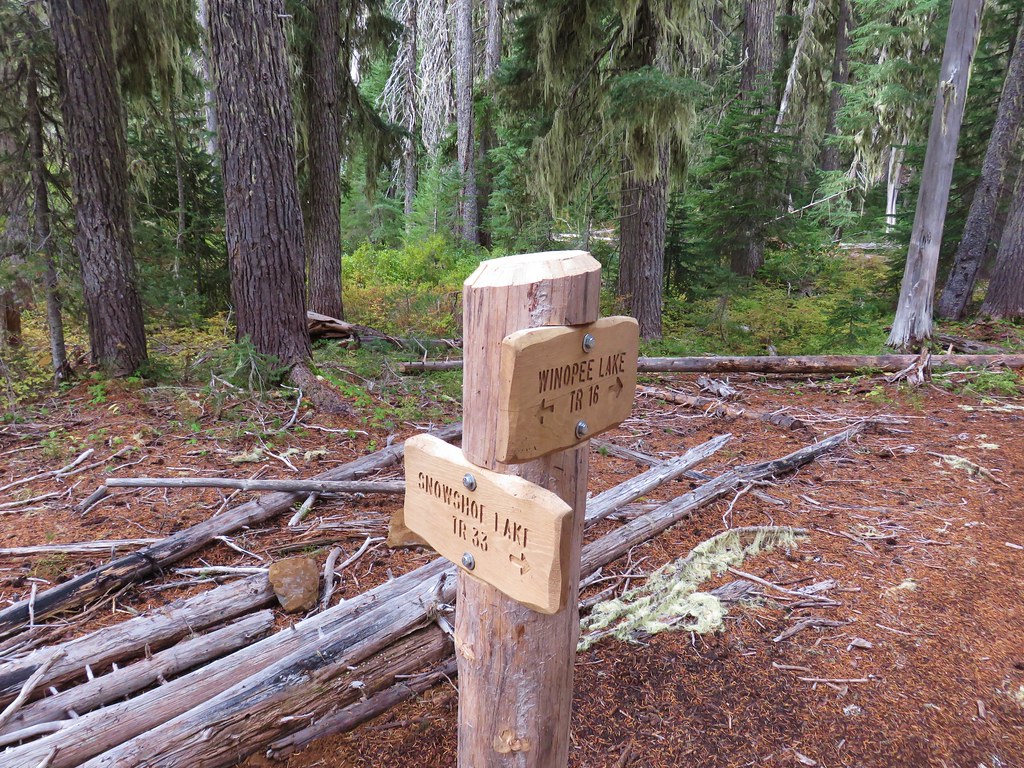
Winopee Lake Trail jct with the Corral Lakes Trail

We stayed to the left on the Winopee Lake Trail and came to a second junction in another quarter of a mile.

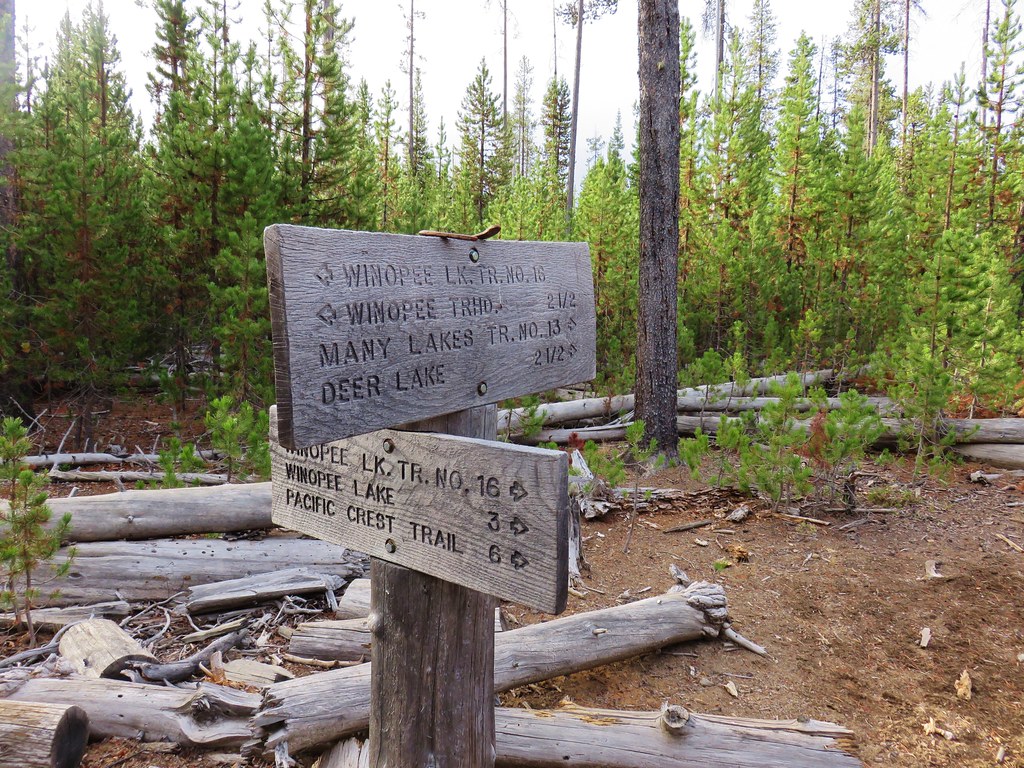
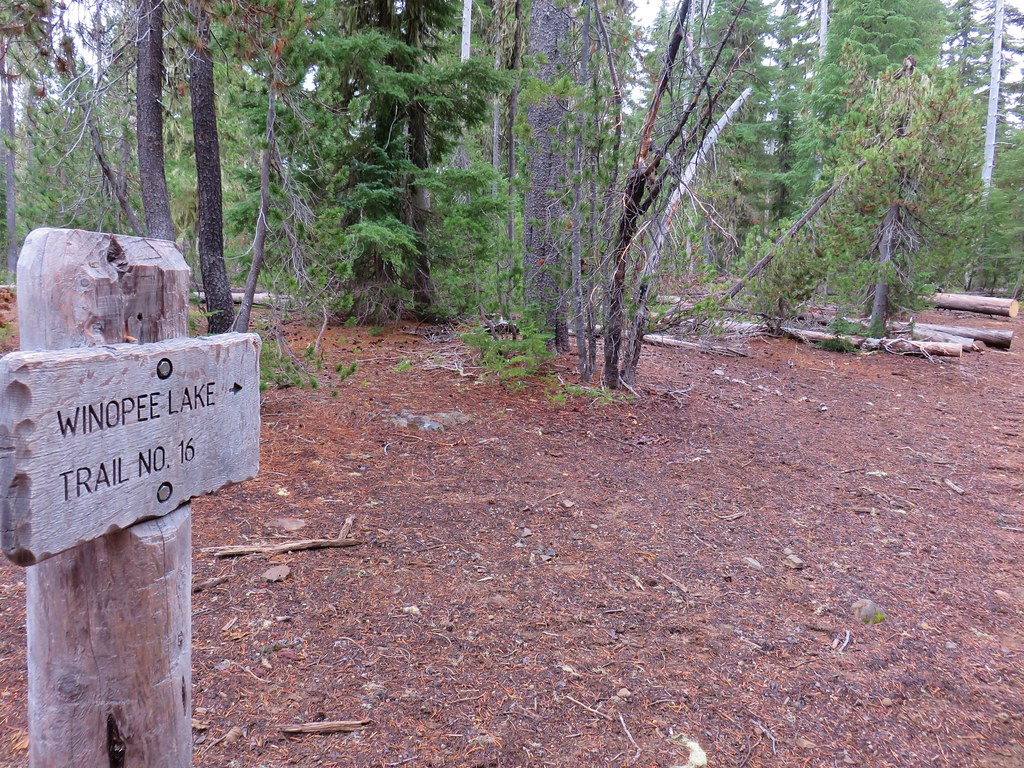
Trail sign along the Winopee Lake Trail

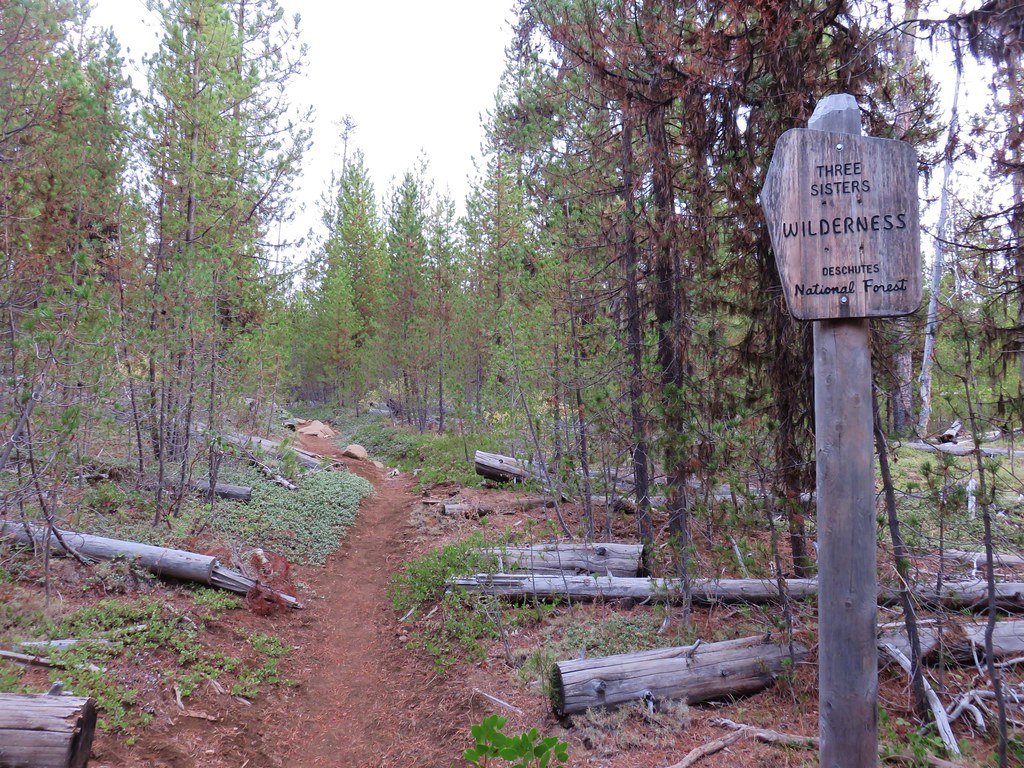
Again we followed the pointer for the Winopee Lakes trail, this time forking to the right past a wilderness signboard and permit box and into the Three Sisters Wilderness.

Winopee Lake Trail entering the Three Sisters Wilderness

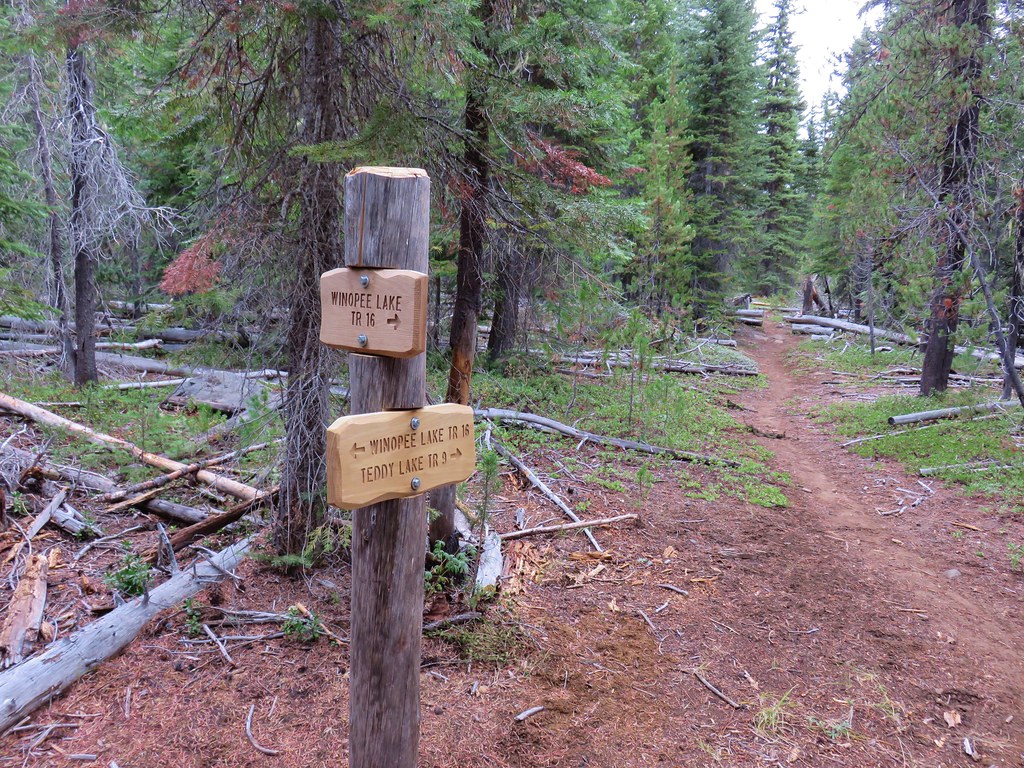
Less than 3/4 mile after entering the wilderness we passed the short side trail to Teddy Lake.

Winopee Lake Trail jct with the Teddy Lake Trail

We skipped this half mile side trail and continued on the relatively flat Winopee Trail for another mile to Muskrat Lake.

Muskrat Lake

Muskrat Lake

A unique feature at this lake is an old cabin ruin. The cabin was reportedly built in the 1920’s by a man who attempted to raise muskrats there. The last few years have not been kind to the cabin which as recently as 2012 still looked relatively intact.

Old cabin at Muskrat Lake

Old cabin at Muskrat Lake

Cabin ruins at Muskrat Lake

The trail followed an unnamed creek beyond Muskrat Lake. This creek flows from Winopee Lake to Muskrat Lake.

Creek between Winopee and Muskrat Lakes

Soon we came to another body of water with a bunch of snags.

On the map this was a creek but it seemed to be an arm of Winopee Lake

According to the map on the GPS we were still hiking along the creek but this seemed more like a lake or pond and may have been attached to the irregularly shaped Winopee Lake.

On the map this was a creek but it seemed to be an arm of Winopee Lake

The trail left the water for a bit then passed a small pond that was clearly not part of Winopee Lake.

Winopee Lake Trail

Unnamed lake/pond near Winopee Lake

At the 7 mile mark we arrived at a trail junction with the Snowshoe Lake Trail having never really gotten a look at Winopee Lake.

Winopee Lake Trail jct with the Snowshoe Lake Trail

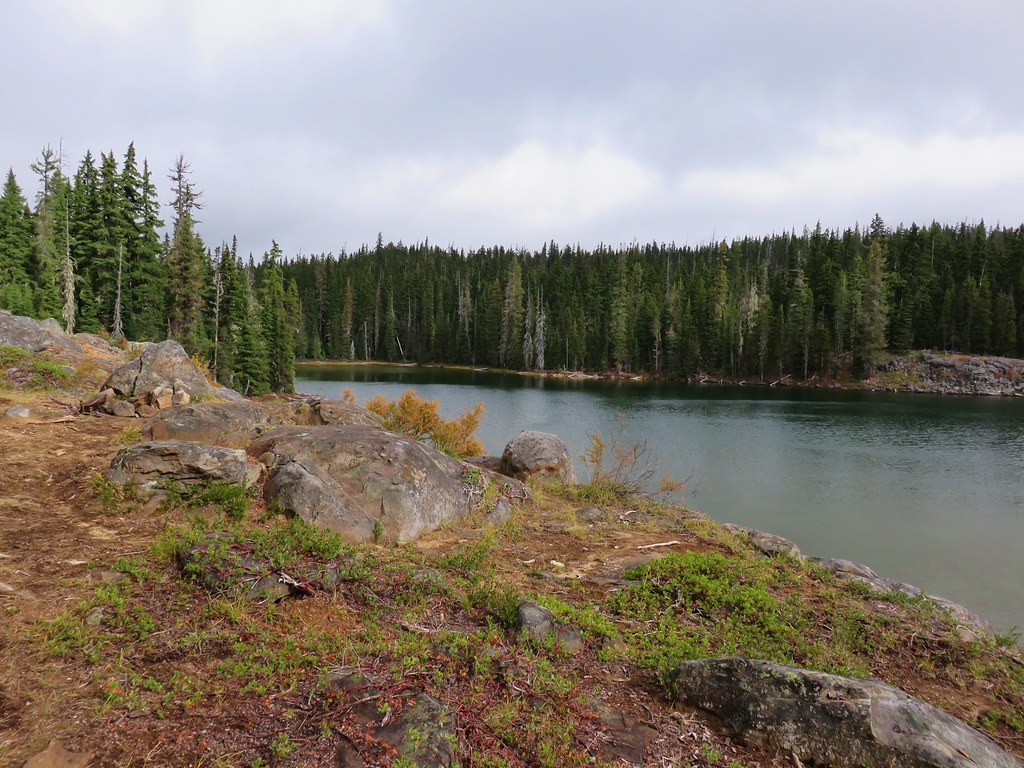
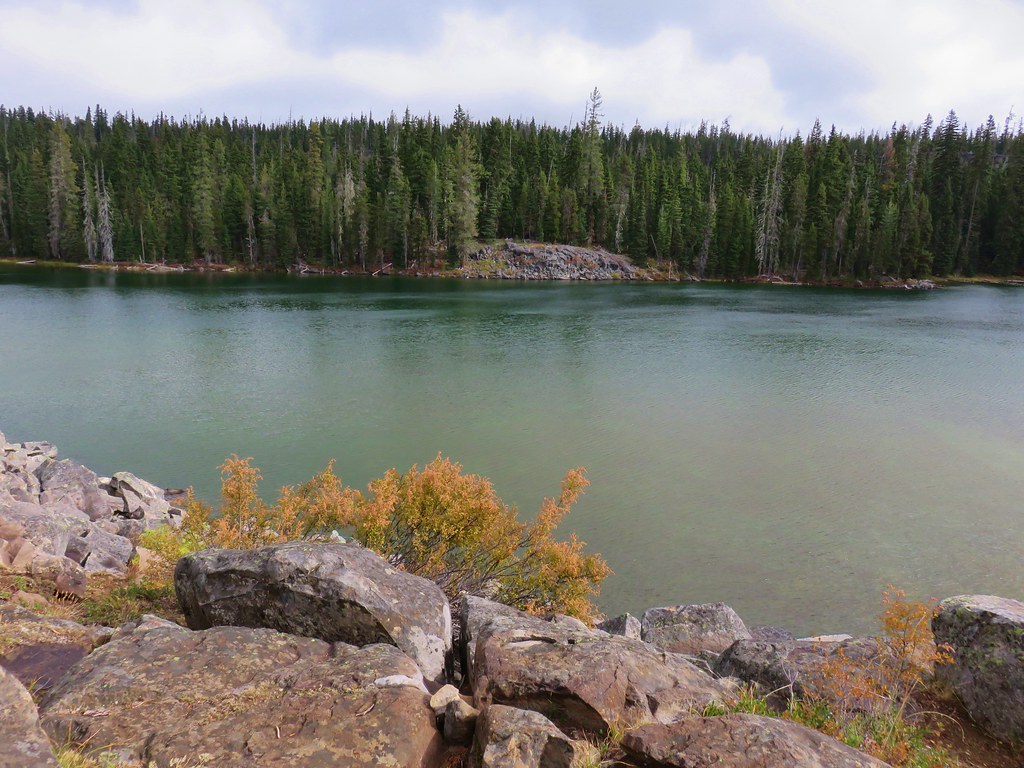
It was just before 10:30 so we had another hour and a half before our turn around time. We turned up the Snowshoe Lake Trail in case we had to turn back prior to reaching the Pacific Crest Trail. This trail passed several lakes before ending at the PCT  while the Winopee Lake Trail was lake-less for the remainer of its length.

In just a quarter of a mile we arrived at the first of these lakes, the trails namesake, Snowshoe Lake.

Snowshoe Lake

Snowshoe Lake

This was a nice little lake with a couple of campsites. We sat on some rocks above the lake and took a short break before continuing on. Another half mile through the forest brought us to Upper Snowshoe Lake on the left.

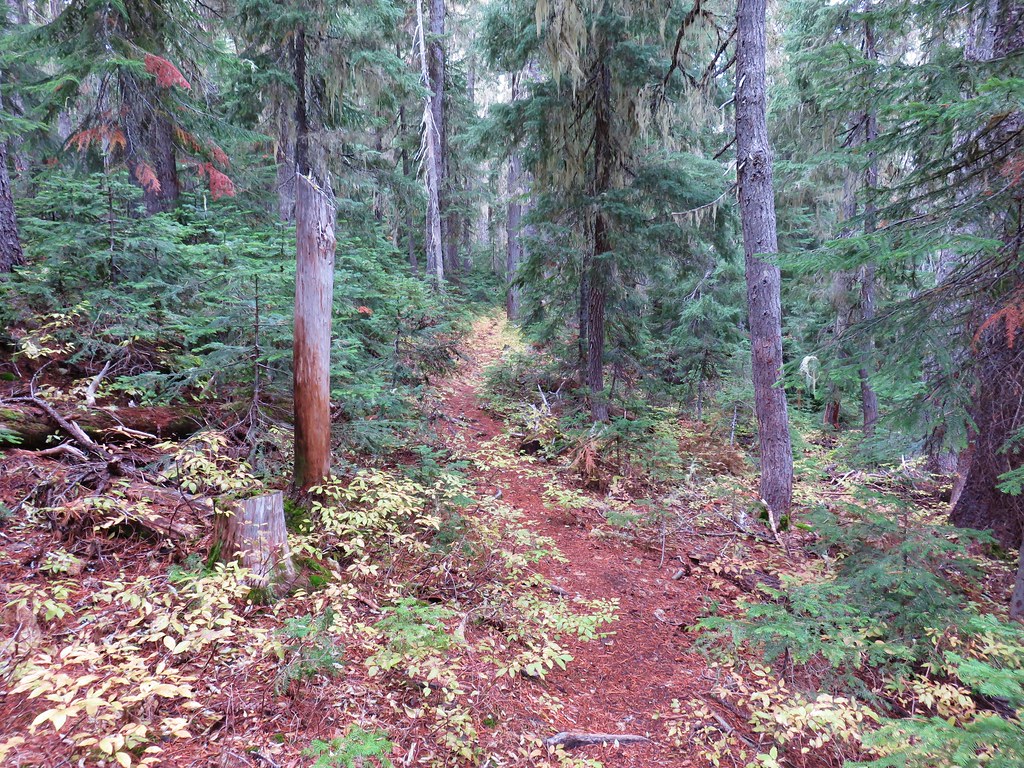
Snowshoe Lake Trail

Upper Snowshoe Lake

Upper Snowshoe Lake

The trail spent about half a mile making its way by this lake then passed by the mostly hidden Long Lake. We kept expecting to see a side trail down to that lake but never did. The forest was open enough that it looked like it would have been a fairly straight forward cross country jaunt to the lake if one really wanted to visit it.

Just under a mile beyond Upper Snowshoe Lake we came to Puppy Lake.

Puppy Lake

This time the trail was close enough to the lake to get some good looks of this pretty little lake.

Puppy Lake

Puppy Lake

Puppy Lake

A quick time checked showed it was still before 11:30 so we kept going arriving at the Pacific Crest Trail, a half mile from Puppy Lake, at 11:40.

Snowshoe Lake Trail jct with the Pacific Crest Trail

Pacific Crest Trail

Despite off and on drizzle we had stayed relatively dry up to this point. That all changed on the PCT. After turning left on the PCT it took less than 10 minutes for our feet to become soaked. It wasn’t because it started raining harder but rather the presence of huckleberry bushes lining the trail. The colorful leaves made for some great fall color but they were also loaded with moisture.

Pacific Crest Trail

Pacific Crest Trail

We traveled south on the PCT for just over a mile to a four-way junction. Here the Elk Creek Trail headed west into the Willamette National Forest. That portion of the Three Sisters Wilderness was still closed due to fire.

Pacific Crest Trail junction with the Winopee Lake Trail

Closed Elk Creek Trail

We turned west (left) back onto the Winopee Lake Trail.

Winopee Lake Trail

This section of trail through a drier, more open forest as it gradually descended back to Winopee Lake.

Winopee Lake Trail

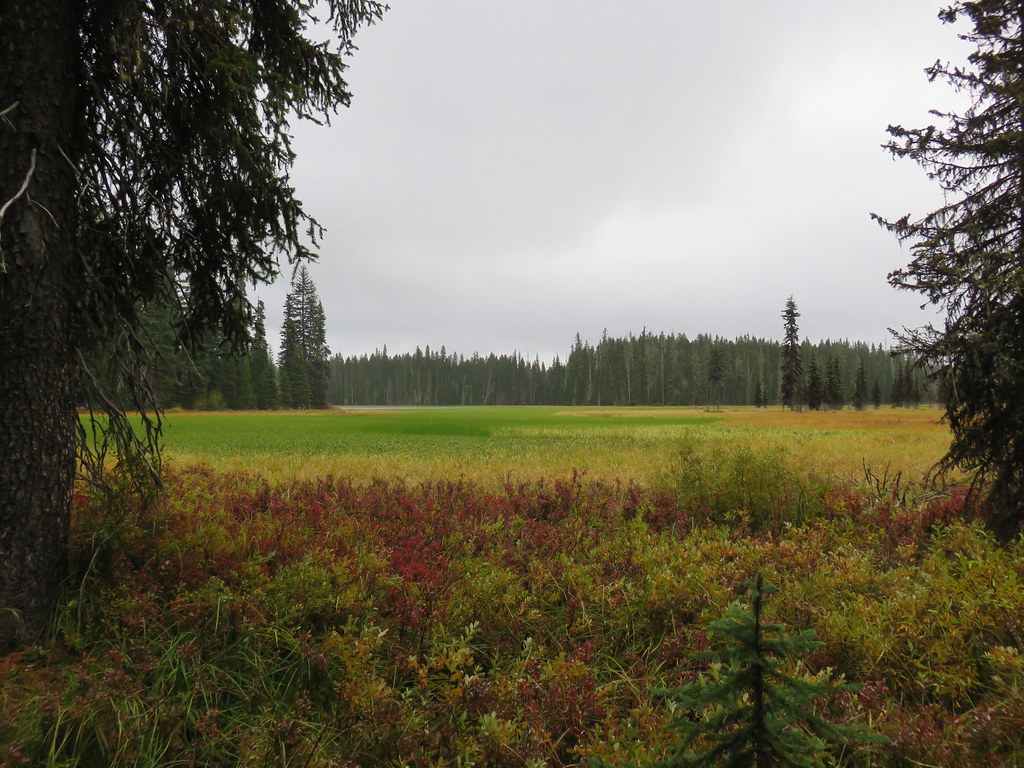
Our first and only real view of the marshy Winopee Lake came after approximately 1.75 miles.

Winopee Lake

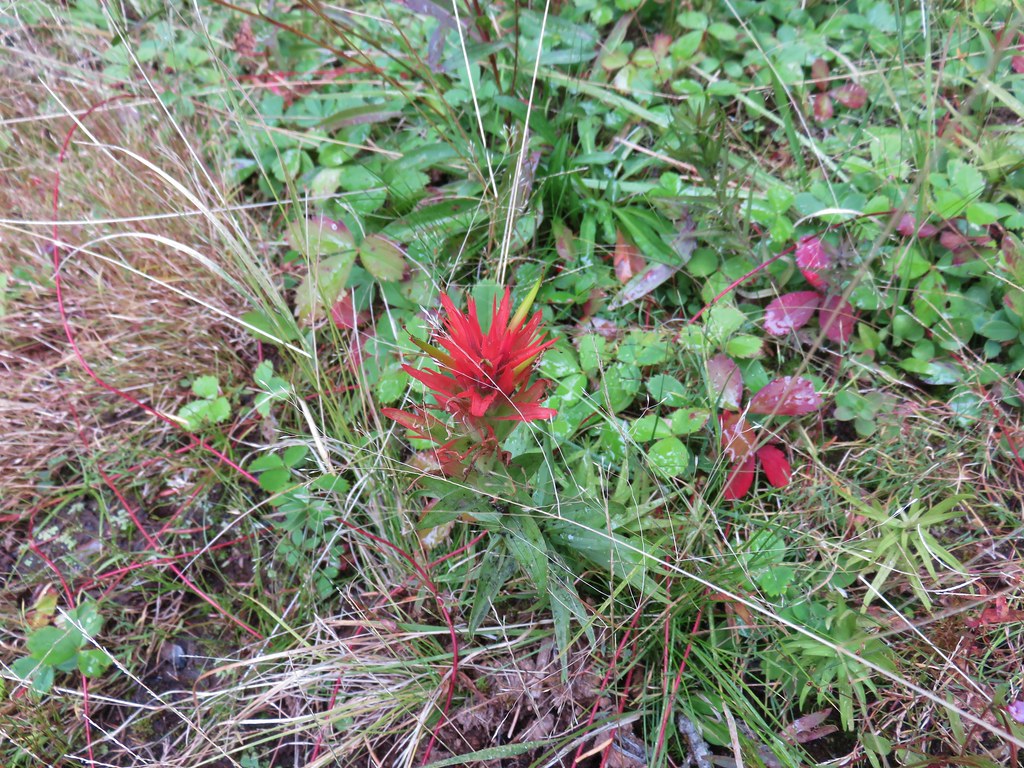
Another quarter of a mile brought us back to the junction with the Snowshoe Lake Trail completing our little loop. We returned the way we’d come that morning. As we passed by Muskrat Lake we spotted a lone paintbrush standing defiantly against the changing seasons.

Paintbrush

The cool weather and lack of any significant elevation changes had allowed us to hike at a quicker pace than normal allowing us to complete what wound up being a 20 mile hike in 7 hours and 15 minutes. For a day hike that’s a bit long for many but with the various lakes and access to the Pacific Crest Trail this would be a good backpacking option after mosquito season.

It wound up being a fun day despite the drizzle but we were thankful to get to Heather’s parents house to warm up and dry off before our next outing. Happy Trails!
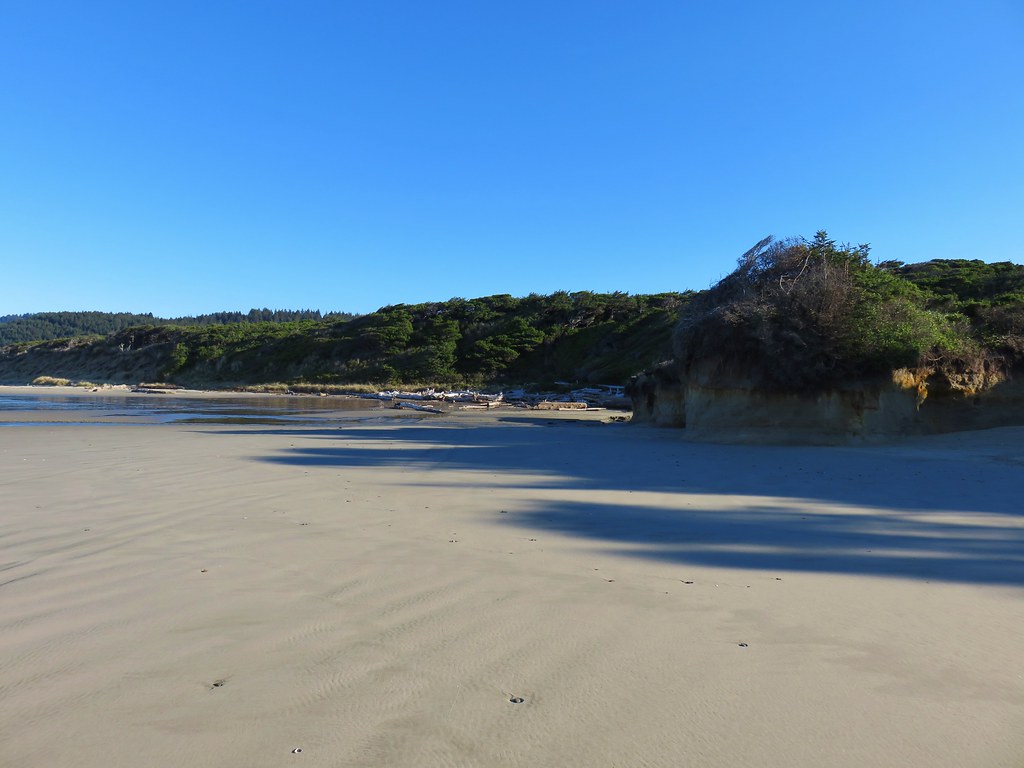
Flickr: Winopee Lake Trail

Categories
Hiking Oregon Portland Trip report Willamette Valley

Oxbow Regional Park and Powell Butte Nature Park

A trip to Portland to celebrate my Grandmother’s 93rd birthday provided us an opportunity to do some hiking in the morning before the festivities began. In the previous couple of years we had taken a hike in the Columbia River Gorge before seeing Grandma for her birthday but the Eagle Creek Fire had changed those plans this year so we turned to a couple of Portland area parks instead.

We started our morning at Oxbow Region Park. We paid the $5/car day use fee and drove through the park to the boat launch near the campground.

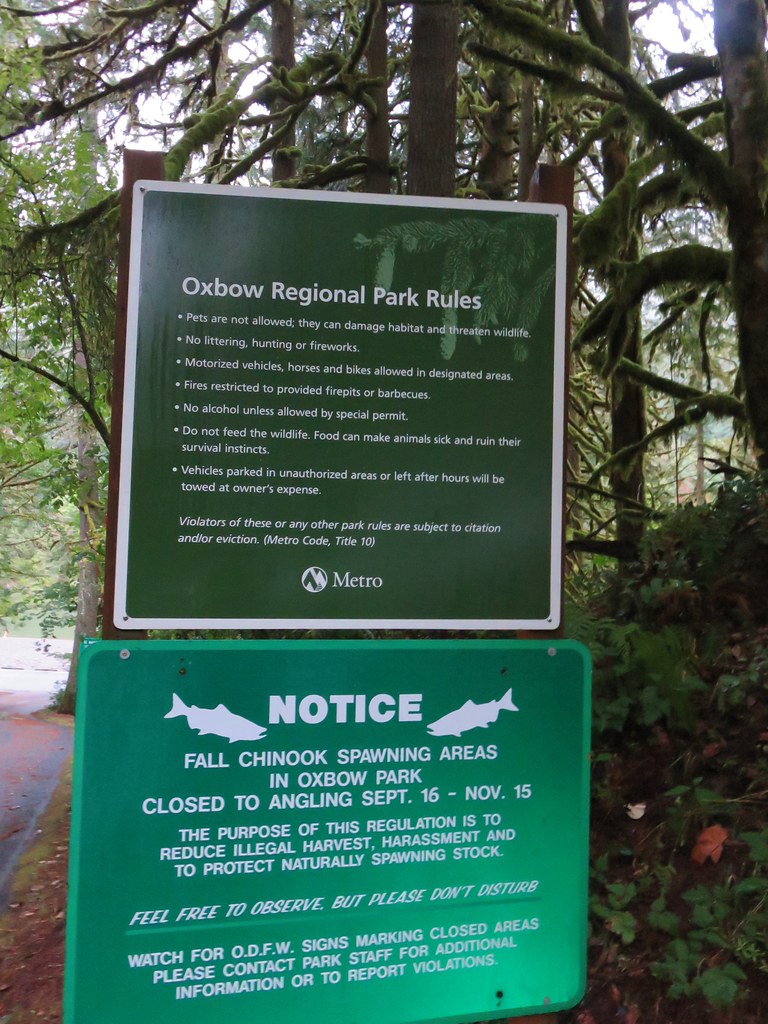
Sign at the Oxbow Park boat ramp

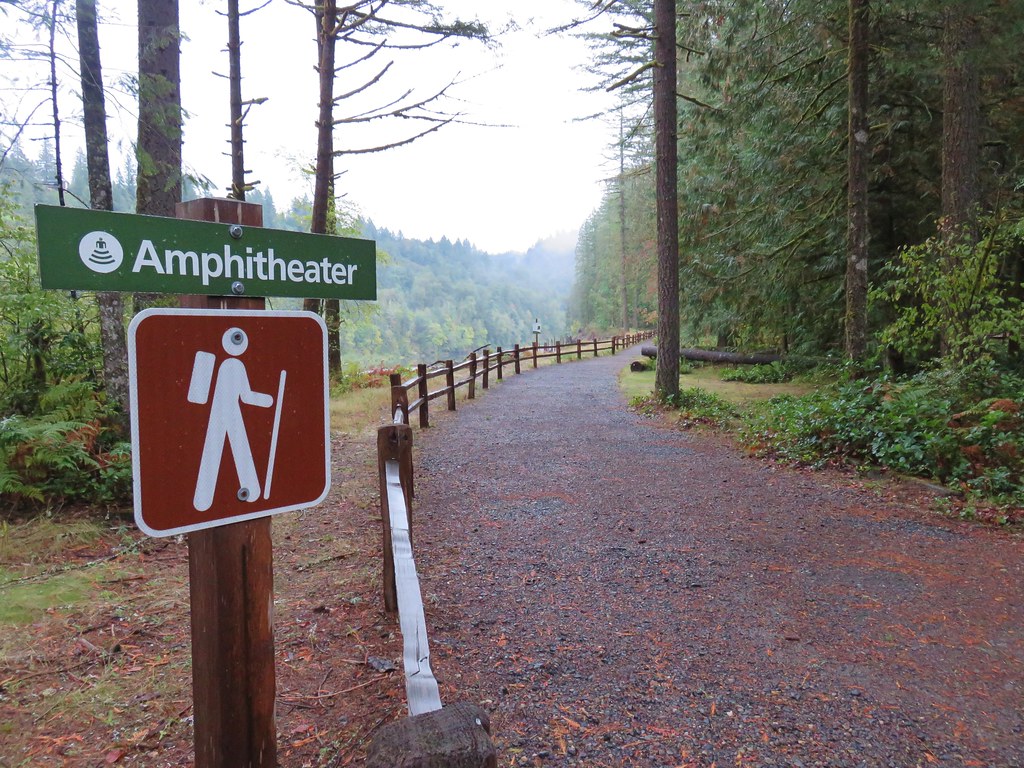
After a quick trip down to look at the Sandy River we headed east on a trail marked by a hiker symbol and a sign for the amphitheater.

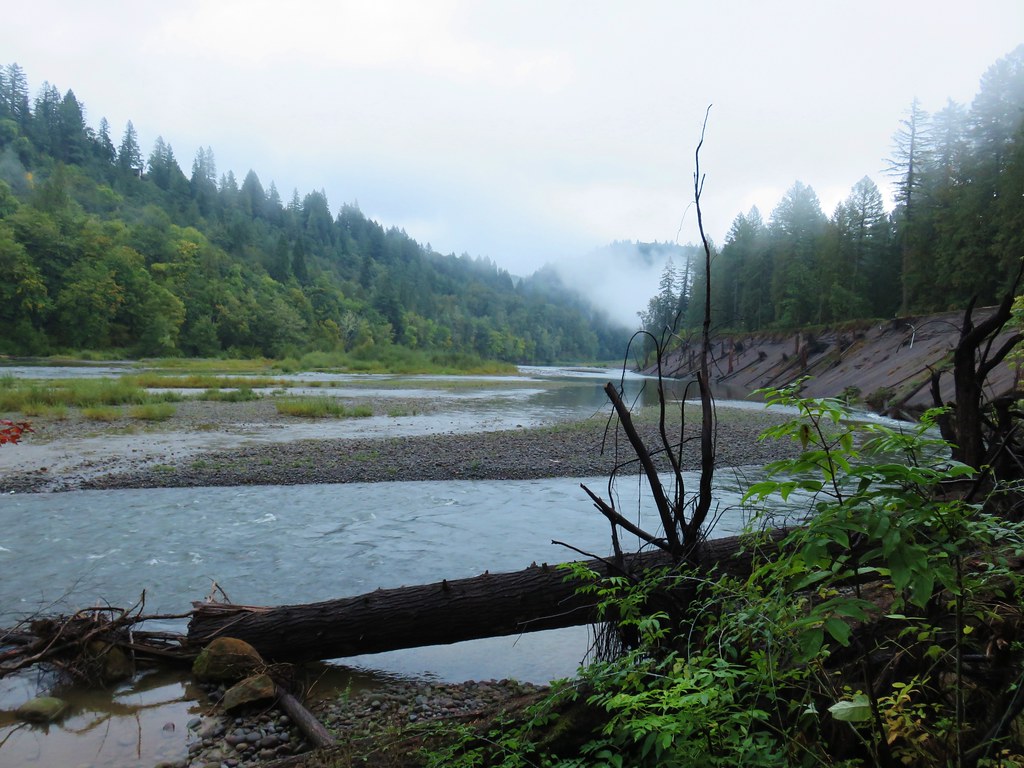
Sandy River

Amphitheater trail in Oxbow Park

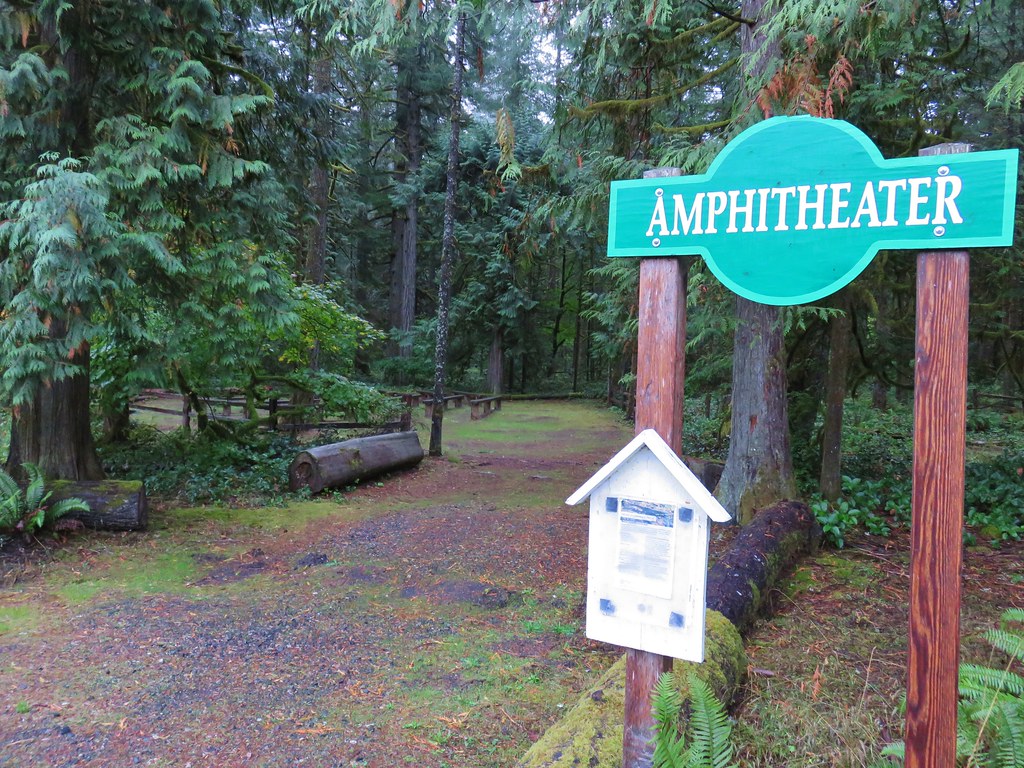
We soon passed the amphitheater on our right.

Oxbow Park Amphitheater

On the left the banks of the Sandy River showed much erosion where an ancient forest is being exposed years after being buried by volcanic eruptions from Mt. Hood.

Eroding bank along the Sandy River

Eroded bank of the Sandy River

One of many signs along the river bank

We were on Trail M which passed by the campground before dropping down into a green forest.

Trail in Oxbow Park

Trail in Oxbow Park

The trail was near the river offering occasional views.

Sandy River

We had planned on sticking to Trail M which followed the river around past Buck Bend but encountered a closed trail sign along the way.

Closed trail in Oxbow Park

There was a trail leading to the right at the closure so we turned onto that trail instead. A lack of signage and the presence of more trails than what the map in our guidebook showed caused a bit of confusion for the next little while. It didn’t help that none of the trails in the park were showing on the GPS so we decided to wing it and just work our way in the general directions that our book showed.

Trail in Oxbow Park

Ferns in Oxbow Park

Trail in Oxbow Park

After about .4 miles of making our way to the south and west we arrived at what is labeled on the park map as Group Camping area 2.

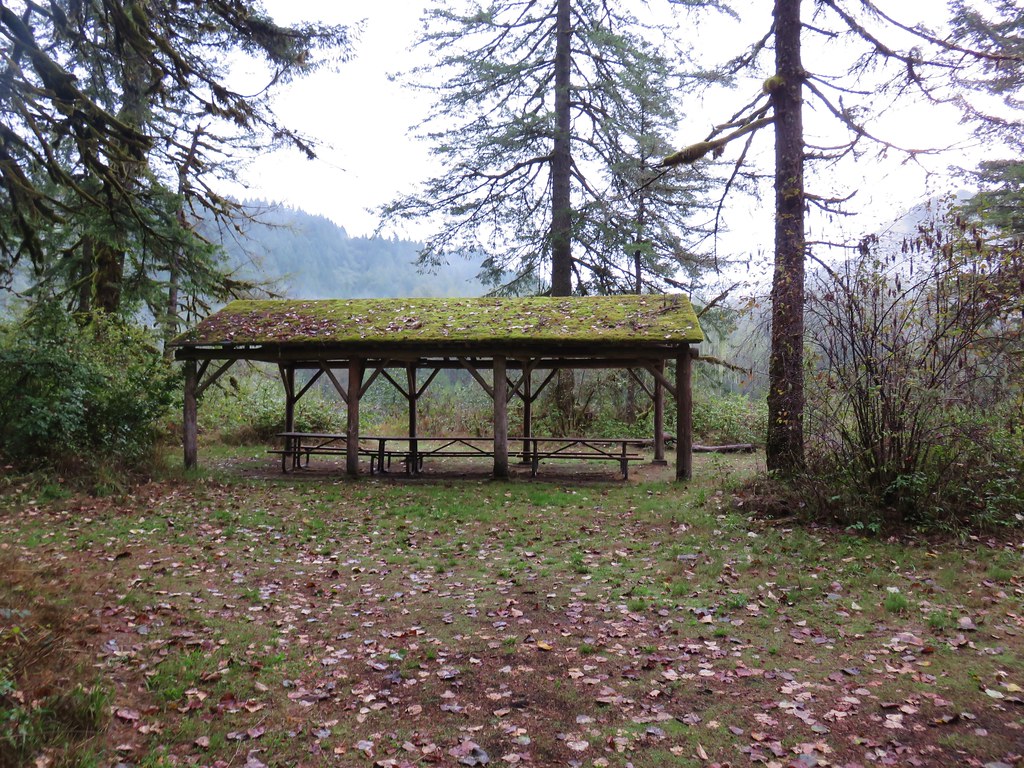
Group camping area 2

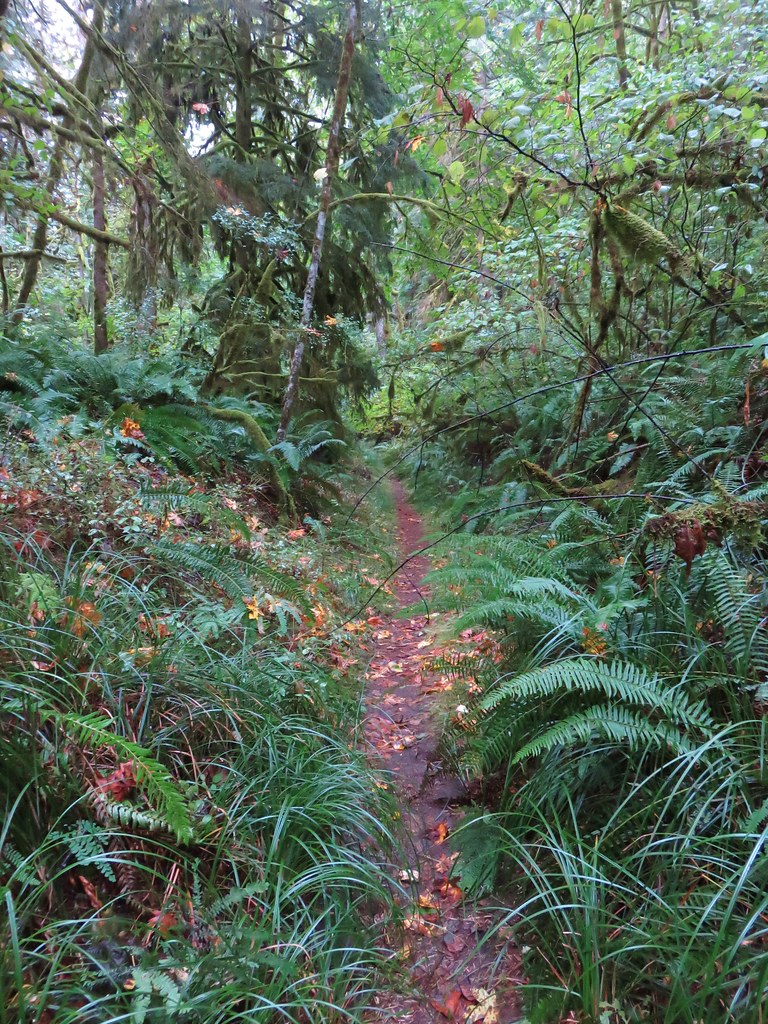
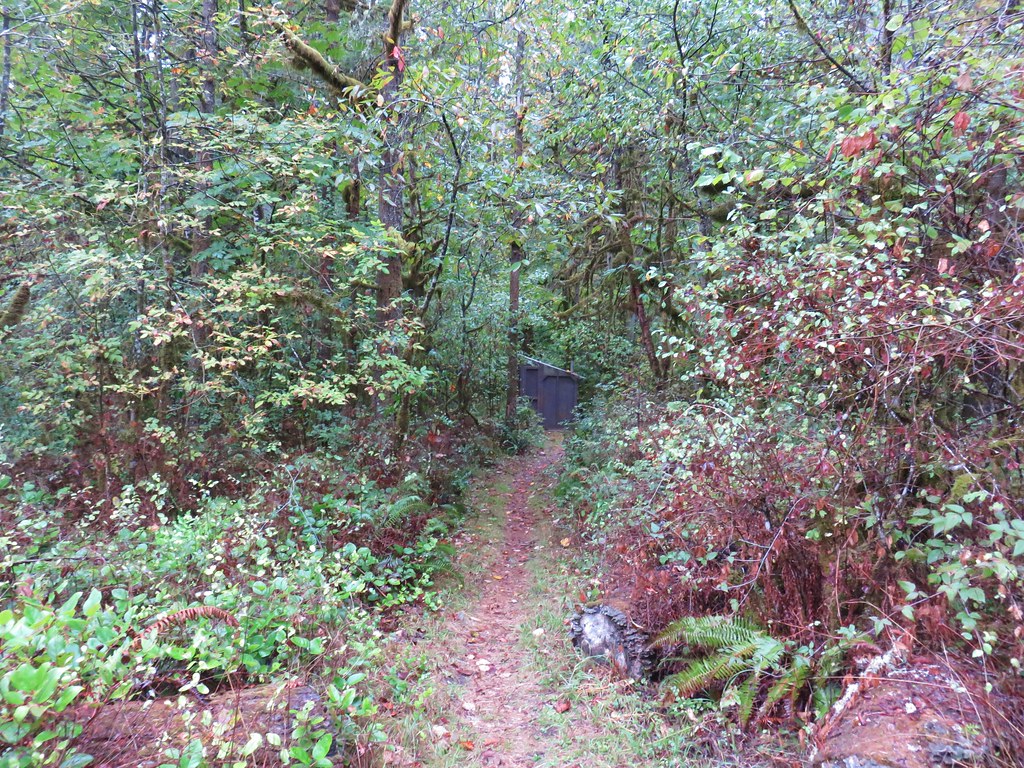
Old outhouse

From the camping area we turned right (south) and began following the river again. We were looking for a trail (I believe it would have been Trail N) on our right that would lead us back toward the center of the park on a bit of a loop. We passed an unmarked trail to the right at a small section of wooden fence but it seemed too close to the camp so we continued on a bit further. We hadn’t gone much further when we began to second guess ourselves and turned back around. When we got back to the little fence we decided we were so close to the camping area we should explore in the other direction for just a bit.

We passed the covered picnic area and headed north along the river past a new looking bench.

Newer looking bench

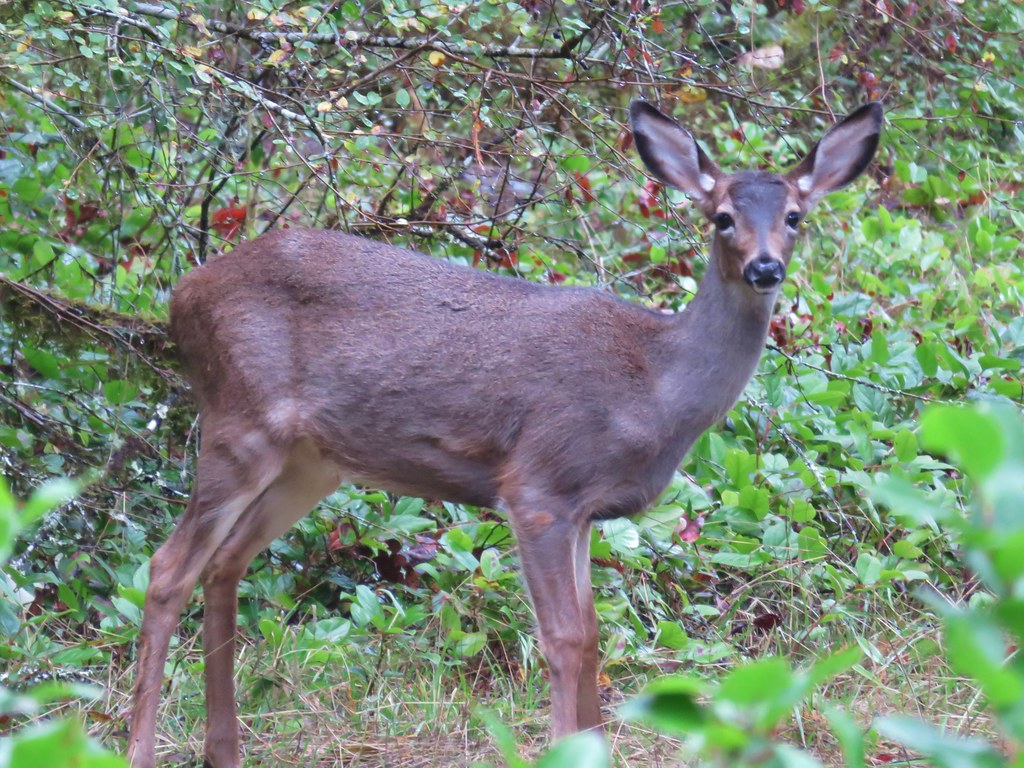
Not too much further we spotted the back of the closed trail sign and realized we had inadvertently wound up on that trail after all. We turned around again and headed back past the camp and turned right at the fence. This path angled back past the camping area but was clearly not Trail N which we had not gone far enough to reach. It turned out okay though as we spotted a couple of deer along this trail near the camping area.

Trail in Oxbow Park

Black tailed deer

We continued to follow paths in the general direction shown in our guidebook (NW) and were passing along a hillside when Trail N joined from the left. This was when we knew for sure that turning at the small fence had not been the trail we had been looking for. We were now on a wide path which soon split.

Trail in Oxbow Park

Trails in Oxbow Park

We initially went right but that trail quickly arrived at the parks campground so we turned around and took the left fork. In a little under three quarters of a mile we came to an old roadbed (Trail G) at a gate post. The road was coming downhill from Alder Ridge and is the route taken by equestrians that start at the Homan Road Equestrian Trailhead. We had actually planned on starting there to avoid the $5 fee but there were “No Parking” signs all around the actual trailhead and we weren’t sure at the time about parking further away along Homan Road. It turns out that would have been okay but without knowing for sure we played it safe.

We turned up the old roadbed heading for Trail H which completes a 1.6 mile loop around Elk Meadow on Alder Ridge.

The loop was pleasant but low clouds ended any chance of views from the ridge.

Alder Loop

Foggy forest in Oxbow Park

After completing the loop we took Trail G, the old roadbed, back downhill to the junction by the gate post and turned left sticking to the old road bed until we reached a junction with the narrow Trail F forking slightly uphill to the left.

Trail in Oxbow Park

We hadn’t been on Trail F for long when we spotted a doe and fawn in the trees below.

Black tailed deer

Black tailed deer

We followed Trail F until we reached Trail D where we turned right.

This path crossed the park entrance road and brought us to Trail C along the Sandy River where we turned right back toward the boat ramp.

Sandy River

We followed this path back to our car completing a 6.3 mile hike that consisted of a lot of backtracking. It was a fun hike though as we spotted 5 deer in the lush green forests of the park.

Oxbow

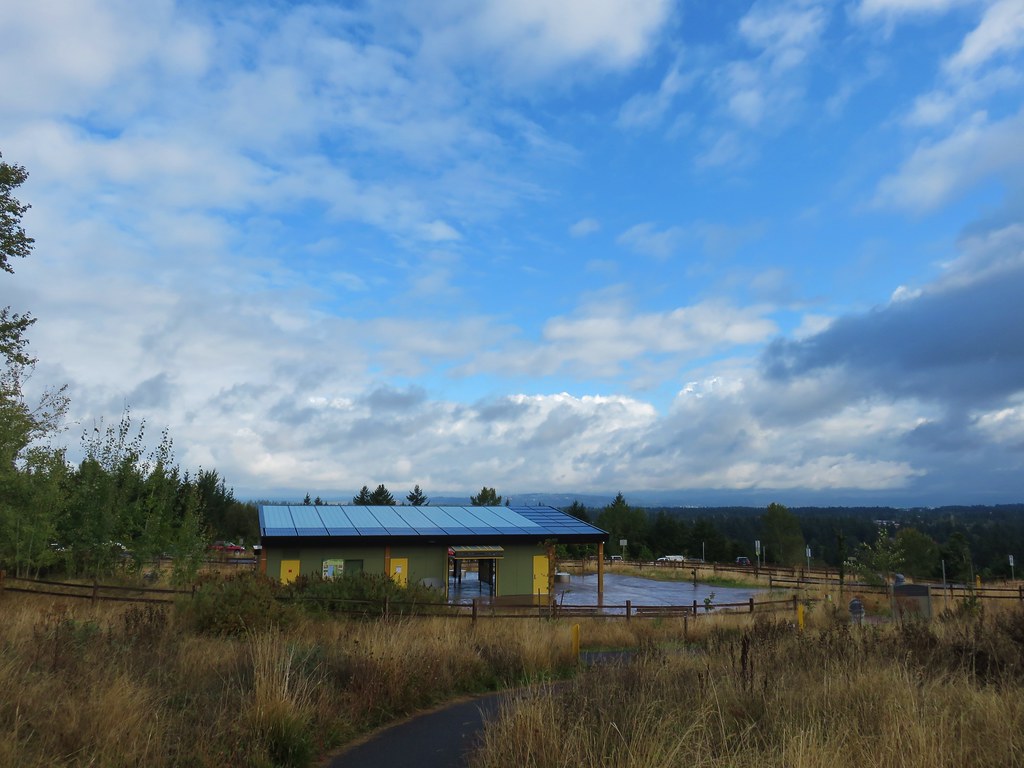
We weren’t due at my Grandma’s house until 1pm and it was not quite 10am when we finished this first hike so we had plenty of time to check out another nearby park. Our second stop was at Portland’s Powell Butte Nature Park. We used google to drive to Powell Butte from Oxbow Park which took a little less than half an hour. We parked in a large parking area near the Visitors Center.

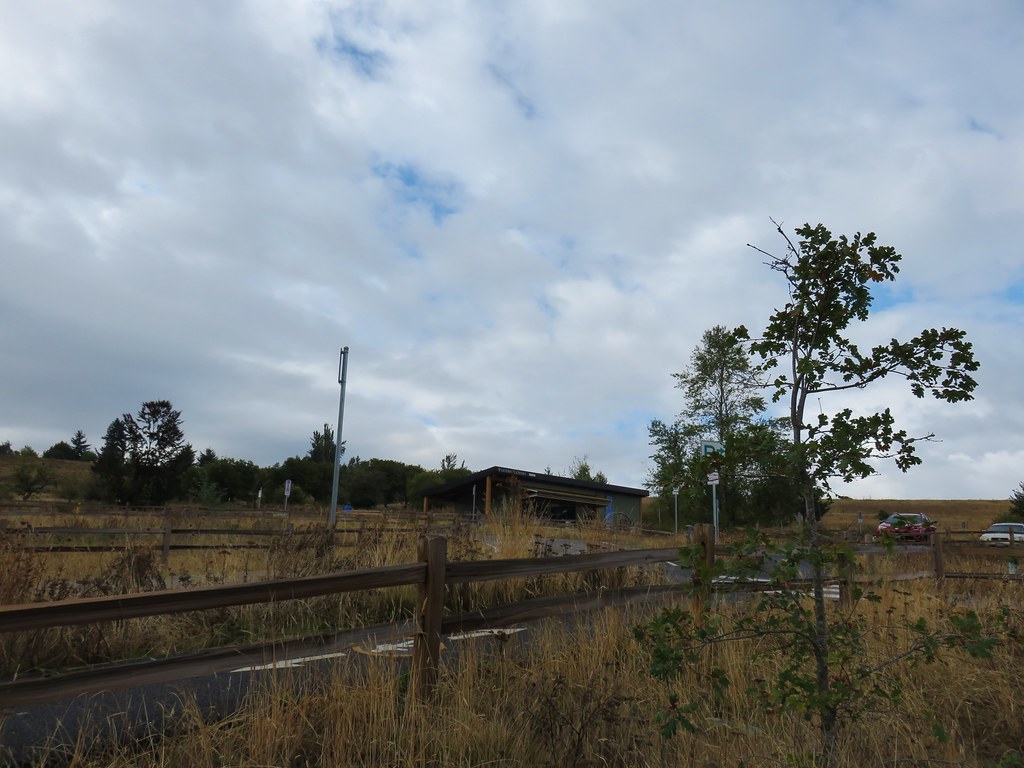
Powell Butte Nature Park

Visitors center at Powell Butte Nature Park

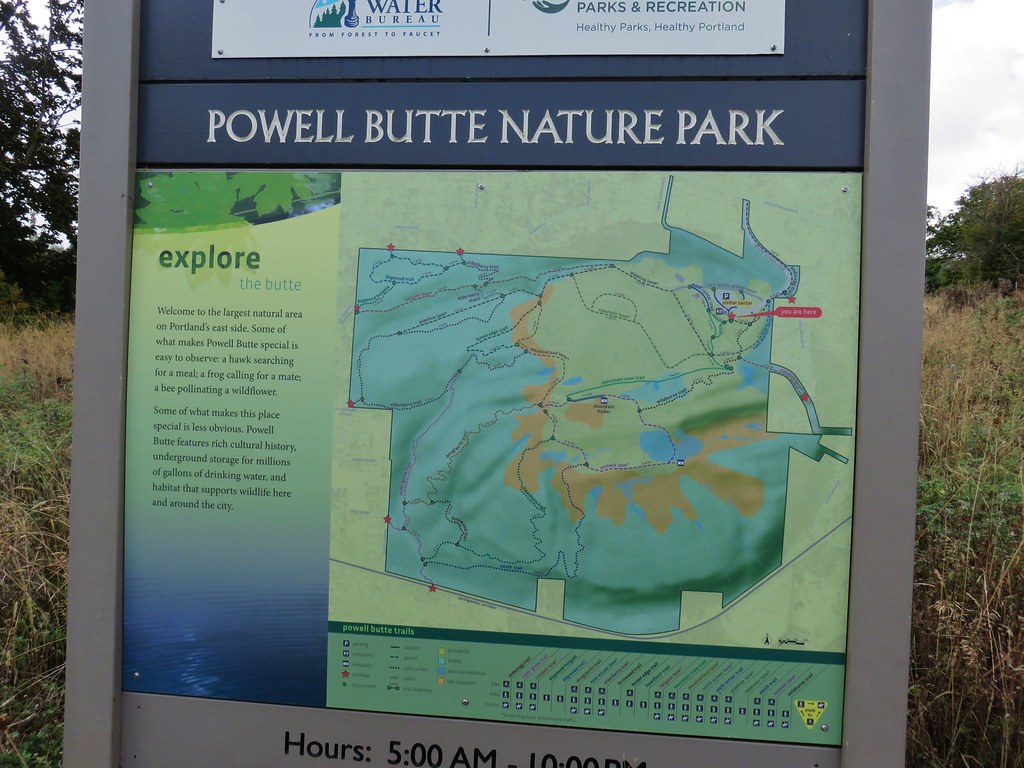
We set off at a signboard with a trail map just beyond the Visitors Center.

Powell Butte Nature Park map

The map was a welcome sight after the issues we’d had in Oxbow Park. Heather took a photo which was really helpful considering some of the trails had been renamed and new trails added since our guidebook had been printed.

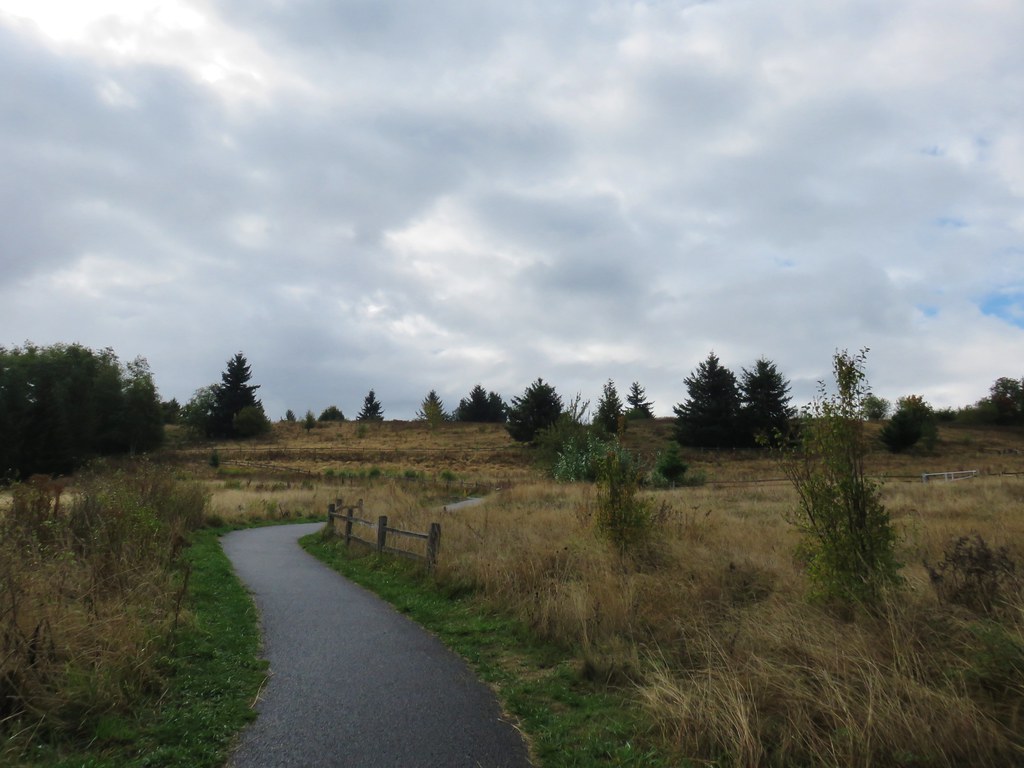
We followed the paved Mountain View Trail uphill away from the center.

Powell Butte Nature Park

Mountain View Trail

We followed this path for .44 miles to a three-way junction where we stayed left following a pointer for .1 miles to a Mountain Finder.

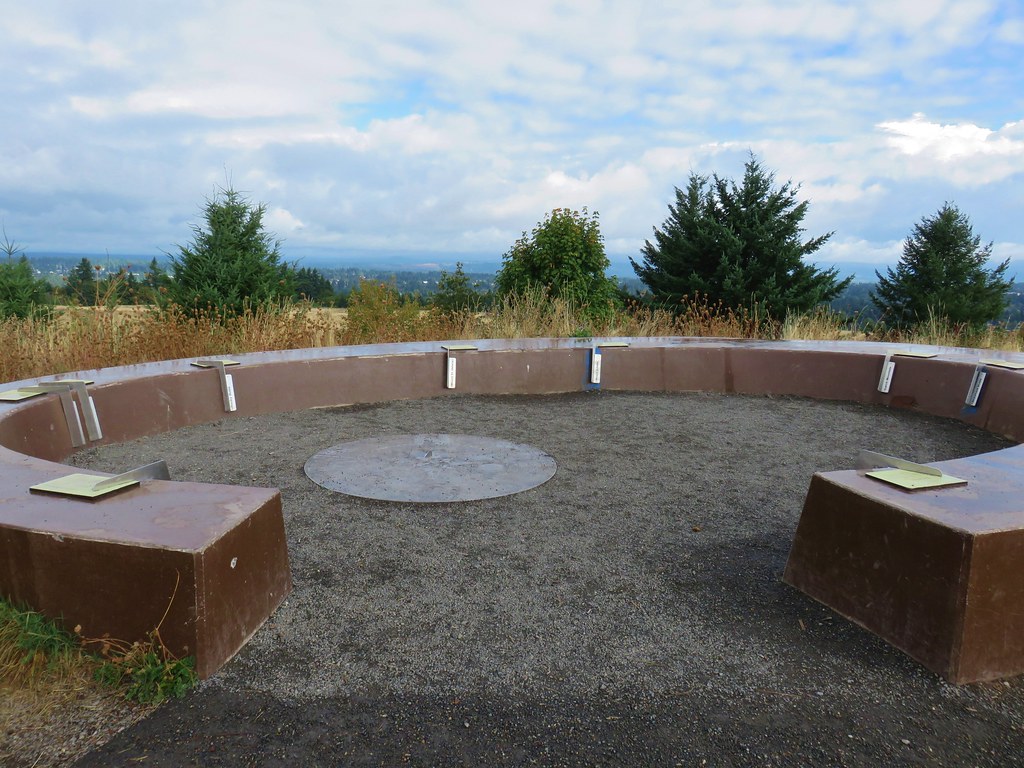
Mountain finder

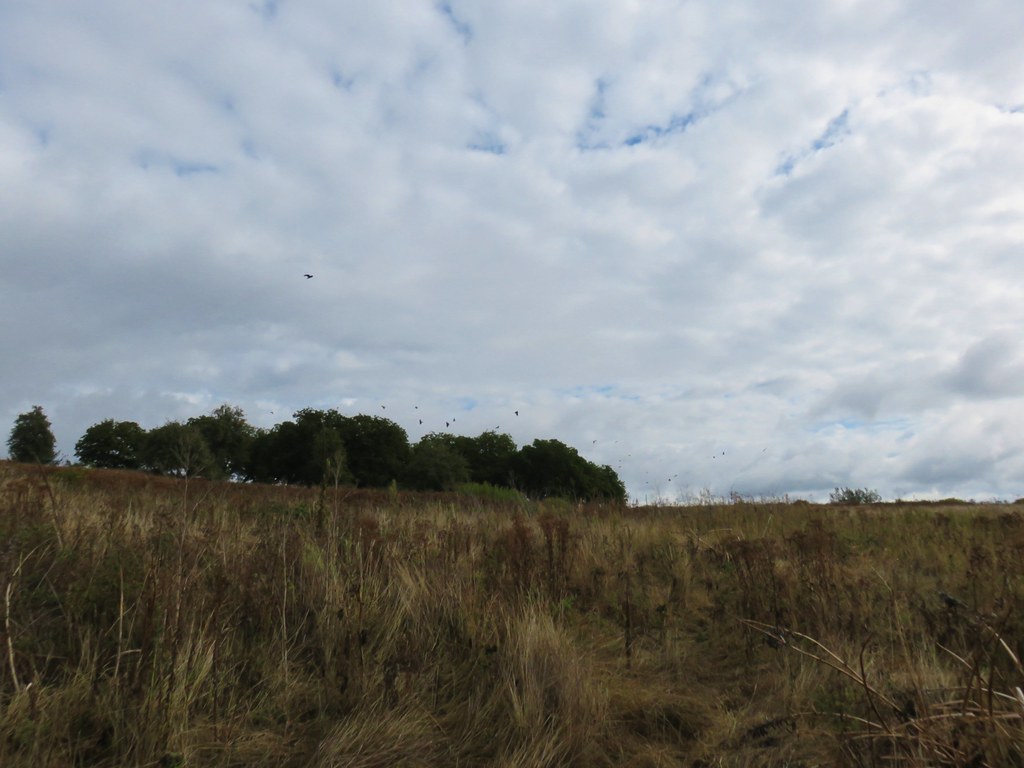
It was too cloudy to see most of the peaks identified by the finder but the brief descriptions of each were interesting none the less. After checking out the finder we continued on what was now the Summit Lane Trail. We stayed right at junctions on this trail for just under three quarters of a mile as it looped around open grasslands and a small group of trees left over from an old orchard where a murder of crows had gathered.

Powell Butte Nature Park

Crows in Powell Butte Nature Park

Crows in an apple tree

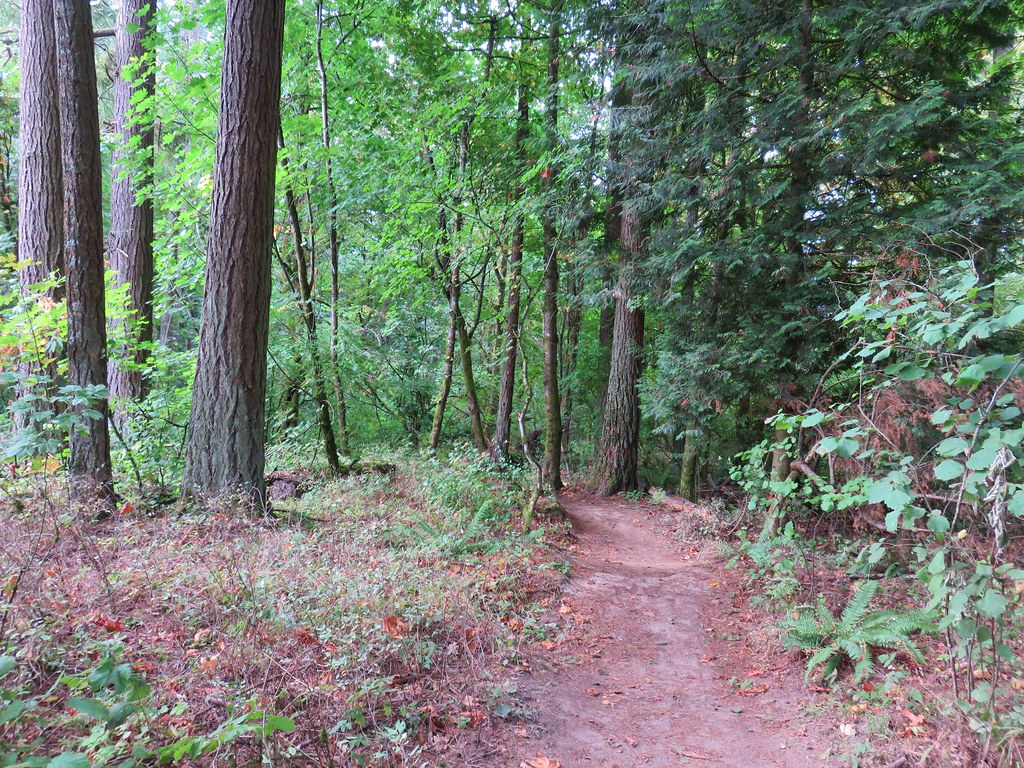
At a four way junction we turned left onto the Douglas Fir Trail which left the grassland and entered a forest.

Douglas Fir Trail

After .6 miles we stayed right at a junction with the Fernwood Trail.

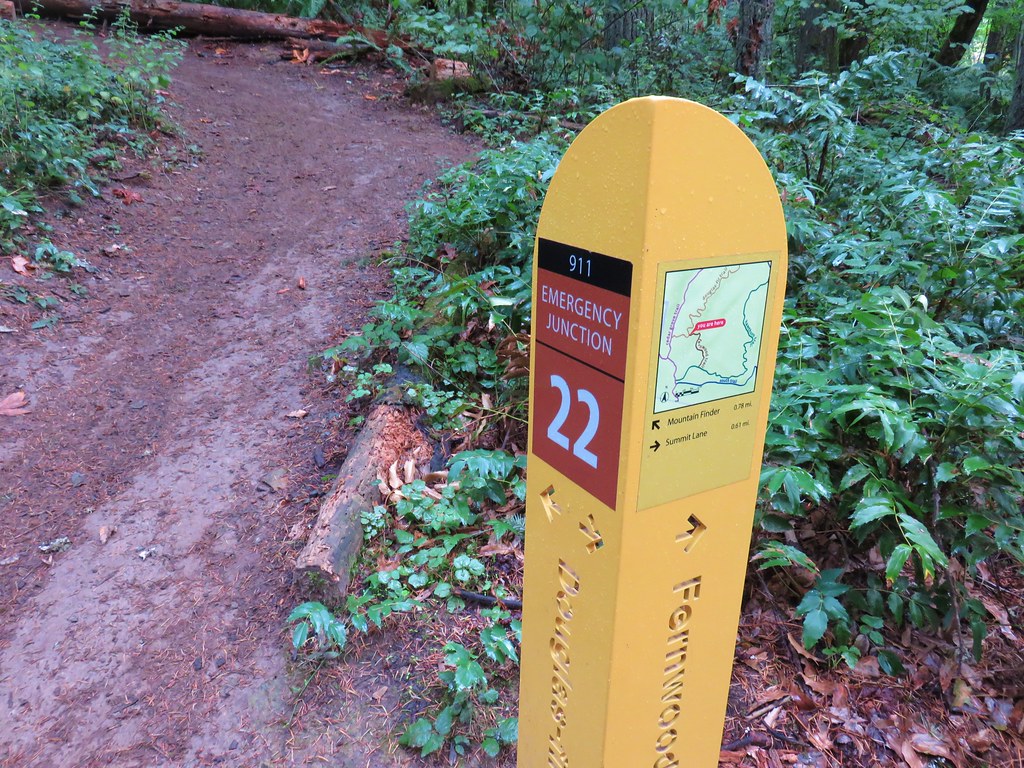
Trail sing in Powell Butte Nature Park

In less than a tenth of a mile from that junction the Douglas Fir Trail ended at the Cedar Grove Trail.

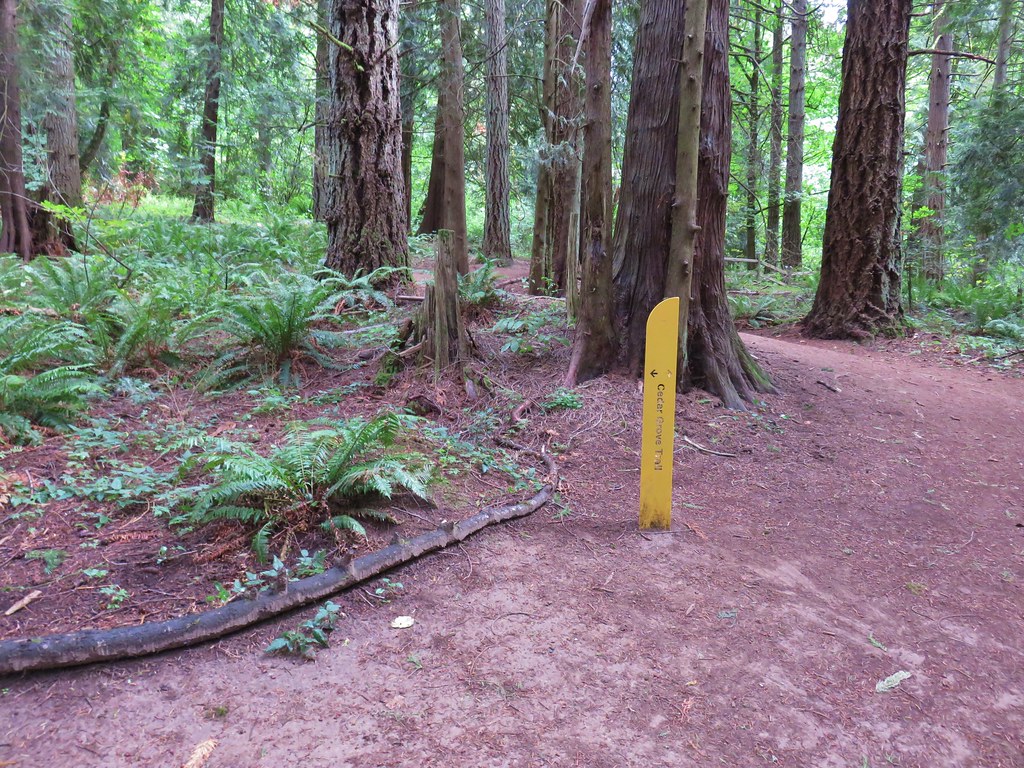
Cedar Grove Trail sign

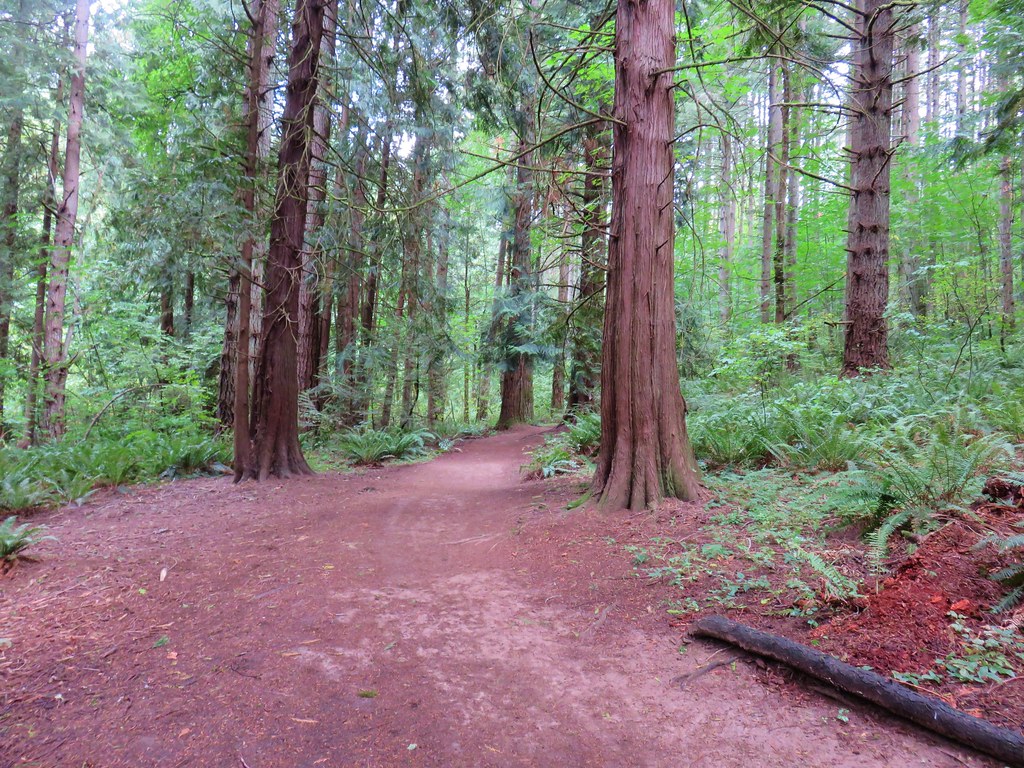
Cedar Grove Trail

We climbed uphill on the Cedar Grove Trail for .4 miles where we then stayed right on the Elderberry Trail. This trail ended after just over a quarter mile at the wide gravel Meadowland Lane. We turned right on this path for a quarter mile which brought us back to the four way junction where we had taken the Douglas Fir Trail earlier.

Powell Butte Nature Park

Here we turned left back onto Summit Lane for less than a tenth of a mile to the Mountain View Trail which we followed back down to the Visitors Center for a 4 mile hike. We’ll have to go back sometime earlier in the year when more of the areas flowers are blooming and on a less cloudy day to see the mountains but even without those attractions this was a really enjoyable hike.

We arrived at Grandma’s right on time and had a good time celebrating her birthday with cake and ice cream before heading back home. Happy Trails!
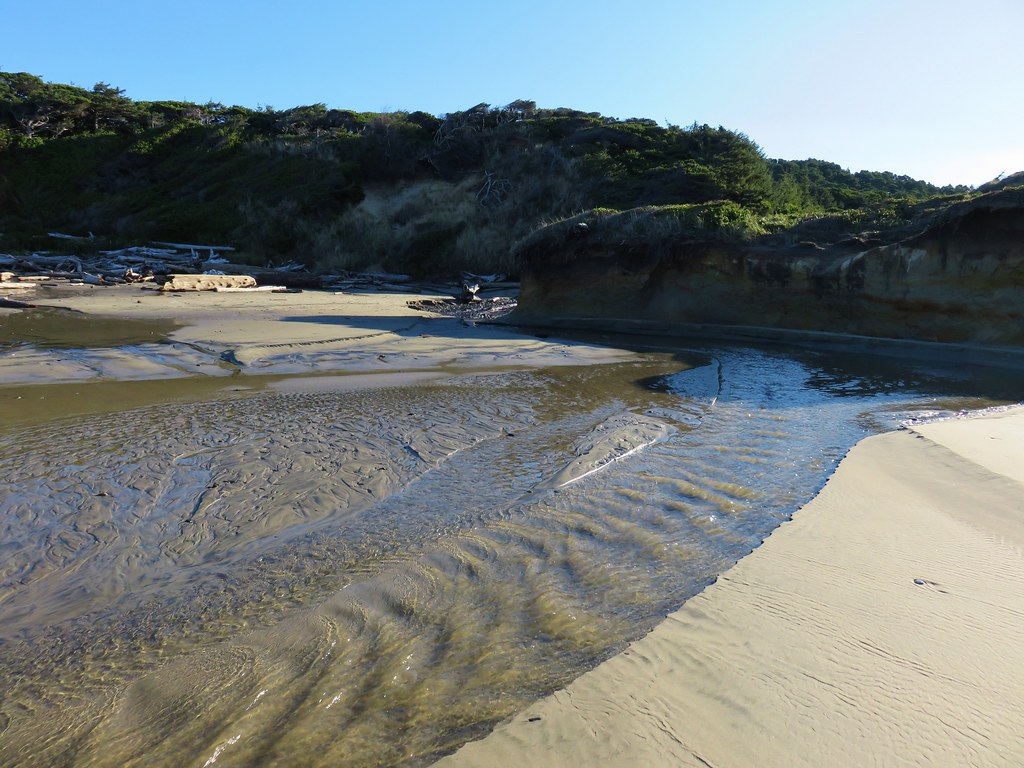
Flickr: Oxbow Regional Park and Powell Butte Nature Park

Categories
Bend/Redmond Central Oregon Hiking Oregon Trip report

Chimney Rock

The first day of fall saw our time in Sumpter come to an end. We left town at 7am and started our long drive back to Salem. We had a couple of stops to make along the way, one to visit our Son in Bend and the other a short hike in the Crooked River’s canyon.

We took Highway 26 into Prineville and after a bit of confusion located Main St. and headed south. Main Street becomes Highway 27 and follows the Crooked River through a canyon to Prineville Reservoir.

Our planned hike was a 2.6 mile round trip to visit Chimney Rock along the rim of the canyon. We parked at the signed trailhead on the NE side of the road 16.6 miles from Prineville.
IMG_0234

IMG_0235

The weather systems that had provided rain and snow for the previous 5 days were breaking up creating a lot of different scenes in the sky as we set off on the trail.
IMG_0238

IMG_0251

IMG_0254

IMG_0261

The trail gains approximately 500′ in the 1.3 miles to Chimney Rock so it’s a pretty good climb at times but the views of the Crooked River Canyon are worth it.
IMG_0268

IMG_0273

IMG_0281

The sound of songbirds added to the relaxing scene.
IMG_0278

Chimney Rock was hidden for most of the hike but as the trail leveled out on the rim the unique pillar came into view.
IMG_0283

IMG_0287

The trail leads right to the pillar and a nearby bench.
IMG_0293

IMG_0295

From Chimney Rock we had a nice view of the Crooked River as it wound through the rimrock canyon.
IMG_0296

IMG_0297

It was a pretty quick up and down taking us just over an hour but it gave us an opportunity to stretch our legs and enjoy some impressive views at the same time.

After visiting our Son we drove home over Santiam Pass. Clouds obscured many of the mountains but both Three Fingered Jack and Mt. Washington were brilliantly white with snow which was such a welcome sight. Just 7 days earlier when we passed by going the other way they were hidden by thick smoke from wildfires. Happy Trails!
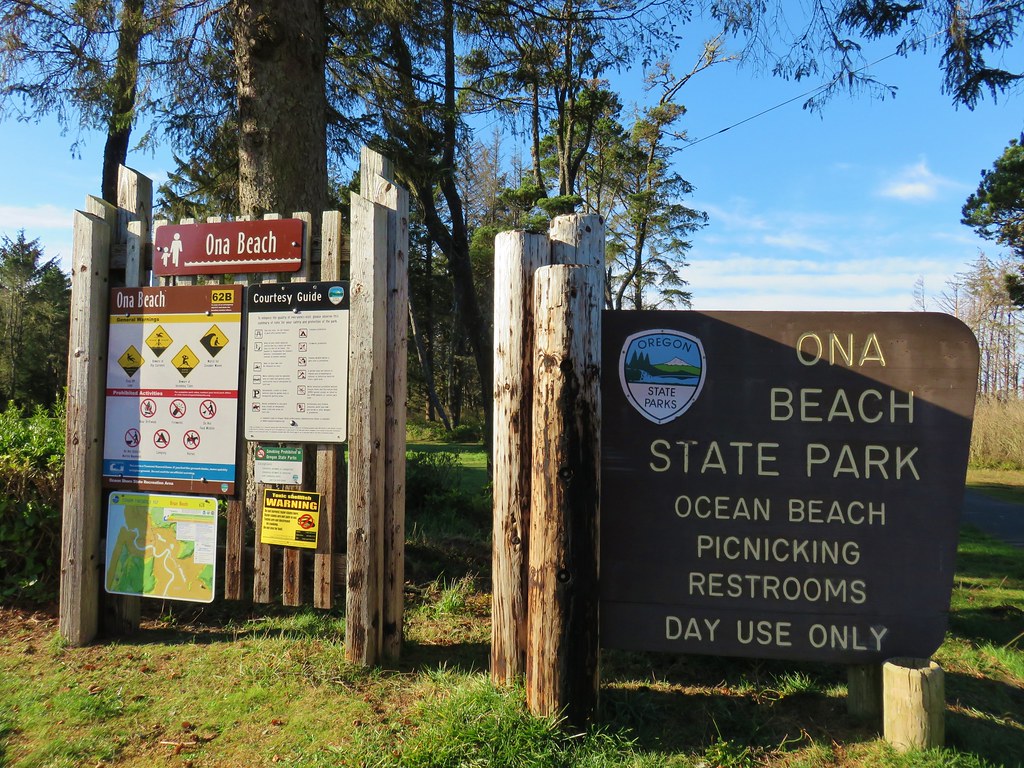
Flickr: Chimney Rock

Categories
Blue Mountains - South Hiking Oregon Trip report

Phillips Reservoir and Granite Creek

We had originally planned a different set of hikes for the Thursday of our vacation week but after getting a look at Mt. Ireland from Baldy Lake the previous day we had decided to save that hike for another time. The plan had been to hike Granite Creek in the morning and Mt. Ireland in the afternoon.

With Mt. Ireland out and freezing temperatures overnight we were a little concerned about trying to get to Granite Creek in the morning due to having to pass over the 5860′ Blue Springs Summit between Sumpter and Granite. We turned to our trusty guidebook, William L. Sullivan’s 3rd edition of “100 Hikes/Travel Guide Eastern Oregon” for a solution.

Hike number 142 – Phillips Reservoir was the answer we came up with. We’d passed the reservoir on Monday when we drove to Baker City for groceries. Located less than 10 miles east of Sumpter a hike there in the morning would give the roads time to warm up before attempting the drive to Granite Creek.

When we walked out to our car a little before 7am Thursday morning we felt even better about our decision. For the first time in a long time it was necessary to scrape the ice off our windshield.

We decided to start our hike from the Union Creek Campground.

As we drove east along Highway 7 we had to pull over to get a picture of the snow covered Elkhorn Mountians.
IMG_0021

We turned off Highway 7 at a Union Creek Campground sign and after paying the $6 day use fee we parked at the picnic area and headed for the Shoreline Trail.
IMG_0025

IMG_0027

Sullivan’s abbreviated entry for this hike was one of the least enthusiastic descriptions that we’d seen in any of his guidebooks so we were pleasantly surprised by the scene at the reservoir.
IMG_0028

We headed west on the Shoreline Trail which extended 1.7 mile east from the picnic area and 4 miles to the west. The trail passed along the reservoir through open pine woods.
IMG_0038

Within the first mile we’d already spotted a number of different birds.
IMG_0037Osprey and Great Blue Heron in flight

IMG_0041Ducks

IMG_0044Heron

IMG_0046Canada Geese

IMG_0054Hawk

We continued along the shoreline arriving at a dry Bridge Creek after 1.4 miles.
IMG_0062

IMG_0063

IMG_0064

Here the trail passed through a meadow with views of the Elkhorns to the north.
IMG_0066

IMG_0068

IMG_0071

IMG_0076

We spotted even more wildlife over the next mile before reaching the Social Security Point Trailhead.
IMG_0081Canada Geese

IMG_0083Chipmunk

IMG_0085Mergansers

IMG_0086Various ducks and birds

IMG_0091Woodpecker

It was 8:30am when we arrived at the Social Security Point Trailhead so we decided to continue another mile to the Mowich Loop Picnic Area before turning around.
IMG_0092

The trail passed through more open forest before reaching the wide open flat where Smith Creek empties into the reservoir.
IMG_0094

IMG_0106

Even more birds could be seen in the grassy flat and in the distance was a group of white birds that we later realized where pelicans.
IMG_0095Canada Geese

IMG_0107Raven

IMG_0097Pelicans, herons, and other assorted birds

Before exiting the trees we passed a carcass that had drawn a large crowd of ravens and magpies who were none to happy with our presence.
IMG_0110

IMG_0109

IMG_0114

After leaving the trees the trail wound up skirting a meadow and leading us up to Highway 7 a quarter mile from the Mowich Loop Picnic Area.
IMG_0111

We decided to call it good there instead of walking along the highway and turned around. More wildlife sightings occurred on the return trip including an osprey with a freshly snagged fish.
IMG_0117Squirrel

IMG_0122Hawk

IMG_0136Osprey

IMG_0138Northern flicker

The fog had lifted off the reservoir by the time we’d gotten back to the car and the weather was beautiful.
IMG_0133

It was 9:30am when we completed our 6.3 mile hike. We felt comfortable with it now being warm enough to make the drive over the pass to Granite Creek so we headed back to Sumpter then made the familiar drive to Granite.

To reach the Granite Creek Trailhead from Granite we turned left on Red Boy Road (Road 24) for 1.4 miles then forked right on Granite Creek Road for 4.3 miles to the signed trailhead.
IMG_0141

From the trailhead a gated mining road headed downhill to the left (our return route) while the Granite Creek Trail headed slightly uphill to the right after passing through an open fence.
IMG_0142

IMG_0144

For a little over a mile the trail traversed the hillside above Granite Creek through open pine woods.
IMG_0149

IMG_0150

IMG_0159

The trail then descended to a crossing of Indian Creek before entering the North Fork John Day Wilderness.
IMG_0162

IMG_0165

The trail was still above the creek but not quite as far above.
IMG_0178

We had remarked on the variety of trees we were seeing in the forest here which included western larch trees. We spotted one that was already changing into its fall color.
IMG_0176

The forest around the trail shifted from open pine to a denser fir forest before crossing Granite Creek on a wide footbridge at the 2 mile mark.
IMG_0180

IMG_0183

The trail once again climbed away from the creek before dropping back down to a log footbridge over Lake Creek.
IMG_0187

IMG_0189

IMG_0190

Near the 3 mile mark we passed a small wooden box housing Snowshoe Spring.
IMG_0192

Two tenths of a mile later we passed the Lake Creek Trail coming downhill on the left.
IMG_0194

A second crossing of Granite Creek followed .2 miles later.
IMG_0200

IMG_0201

Shortly after crossing the creek we arrived at the end of the Granite Creek Trail at the North Fork John Day River Trail.
IMG_0203

This was the same trail we’d started out on for our Tuesday hike.

We continued on this trail just far enough to cross the river on a footbridge.
IMG_0204

IMG_0208

IMG_0207

We returned the way we’d come but after 2 miles at a fork we headed downhill to the right where we joined the mining road.
IMG_0219

This road passed through mining tailings left over from dredges and hydraulic mining.
IMG_0221

IMG_0224

There are still active claims along the road so we stayed on it for the 1.3 miles back to the trailhead.

The total distance for this hike was 6.8 miles putting the two hikes combined at 13.1 miles. The weather had been about as good as we could have asked for and we’d stayed reasonably dry other than our shoes due to the wet vegetation. It was a relaxing end to our week hiking in the Blue Mountains.

On our way back to the Sumpter Stockade we noticed that the corn dog cart (Cajun Concessions) was open even though it was Thursday. After dropping off our hiking gear in our room we walked up the street and each got a hand dipped corn dog and cheese stick. It was now a perfect ending to our stay in Sumpter. Happy Trails!
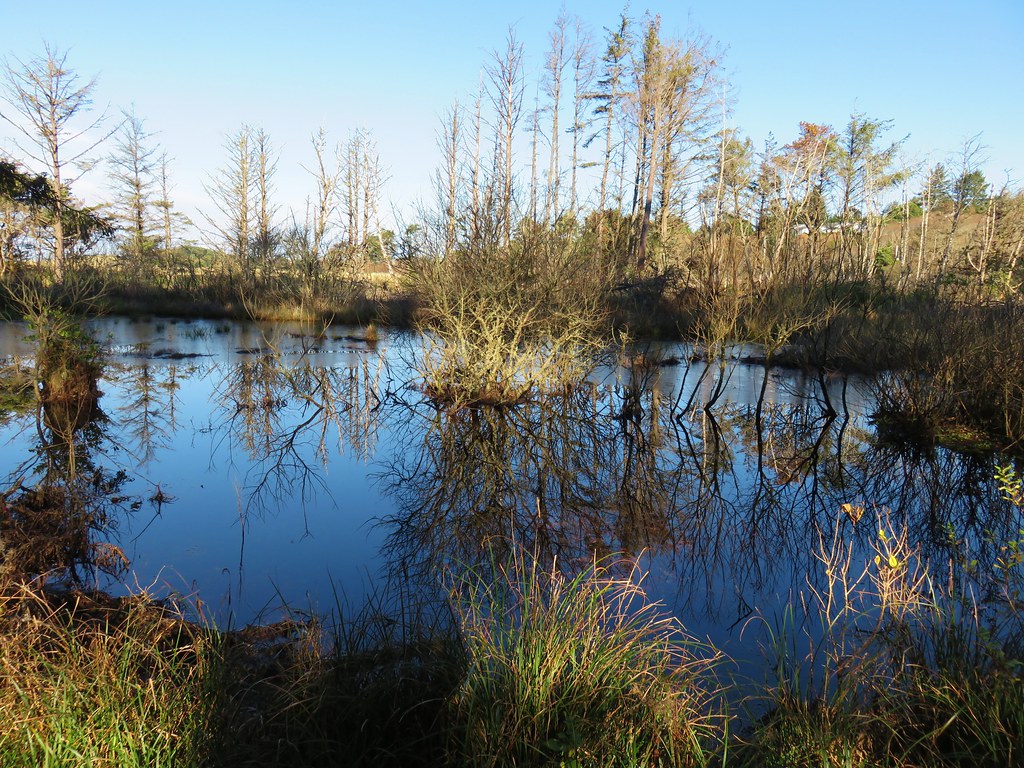
Flickr: Phillips Reservoir & Granite Creek