For the grand finale hike of our August vacation we headed for Mt. Hood to do the section of the Timberline Trail from Cloud Cap to Elk Cove. We had been to Cloud Cap in 2016 during our hike up Cooper Spur (post) and we’ve visited Elk Cove a couple of times (most recently in 2017 post) via a western approach on the Timberline Trail. We had not however been on the 5 mile section of the Timberline Trail between the Coe Branch (we turned back at the crossing in 2014 post) and the Cloud Cap Saddle Campground.
We had a bit of a scare on the way to the trailhead as most of the drive was spent in a light drizzle which became heavier at Government Camp. At the White River sno-park Mt. Hood was hidden behind a layer of gray clouds but as we continued north on Highway 35 we emerged from the grey. By the time we were winding our way up Cloud Cap Road the sky was blue and there were no signs of the clouds hiding on the other side of the mountain. We parked at the Cloud Cap Trailhead and hiked through the campground to a pair of signboards marking the Timberline Trail.
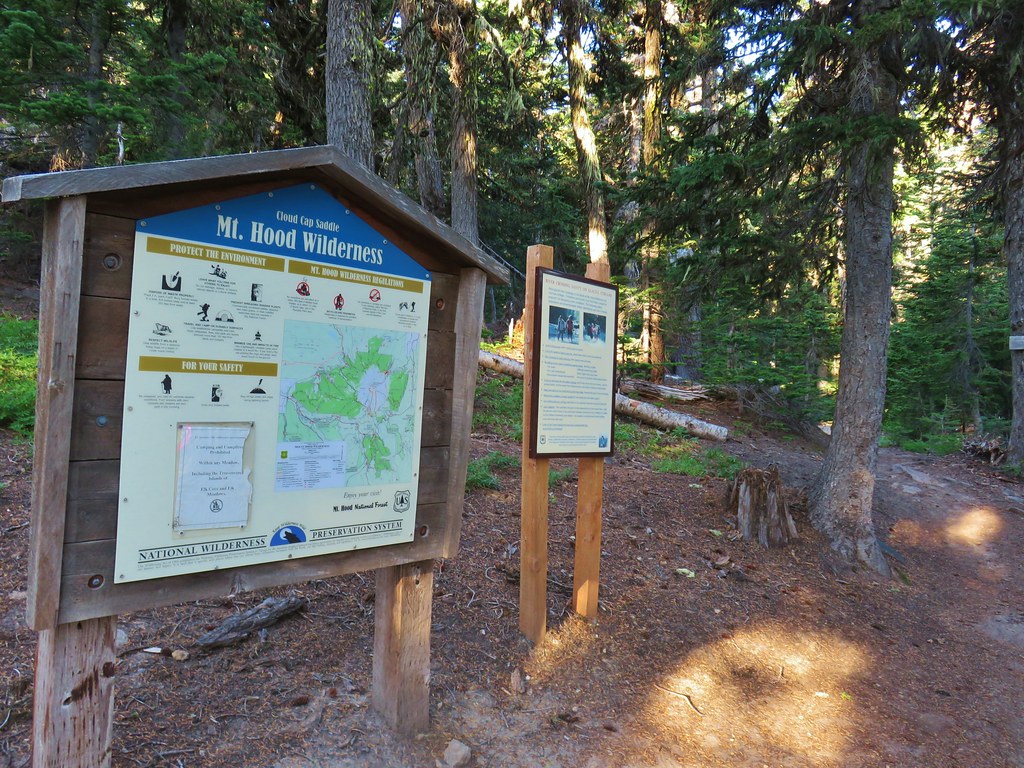
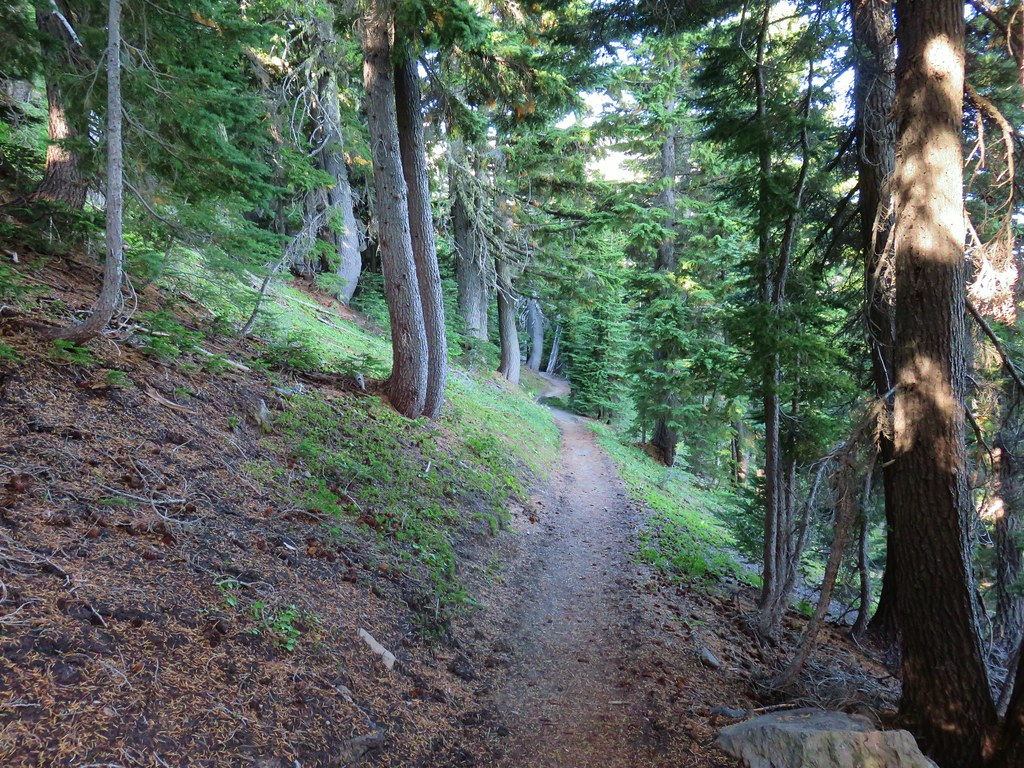
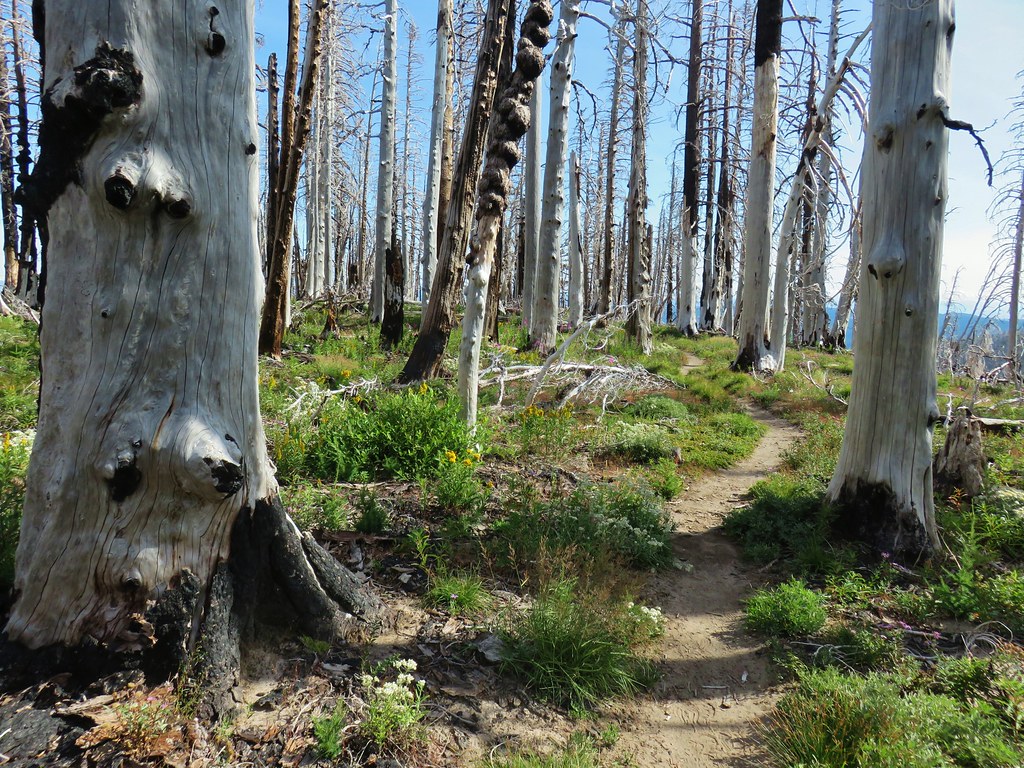
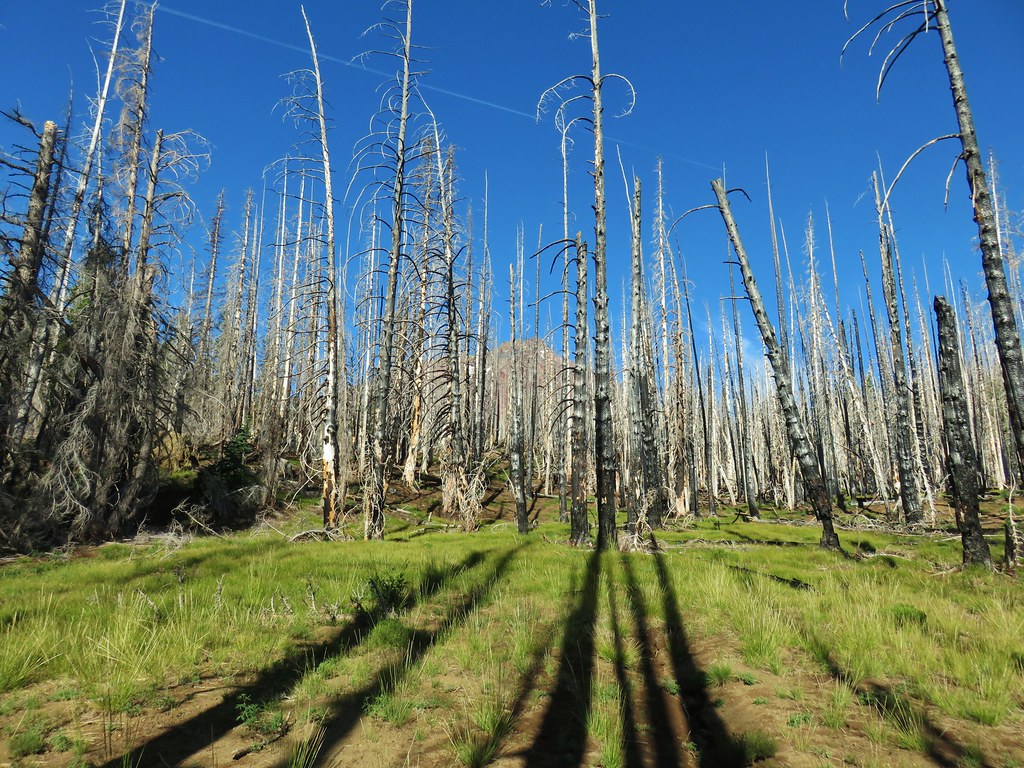
We turned right onto that trail and followed it through a short stretch of green trees before emerging into a recovering fire scar.


The trail turns north toward Mt. Adams and away from Mt. Hood as it prepares to drop steeply into the gorge carved by the glacial Eliot Branch which could be heard roaring in the chasm below.
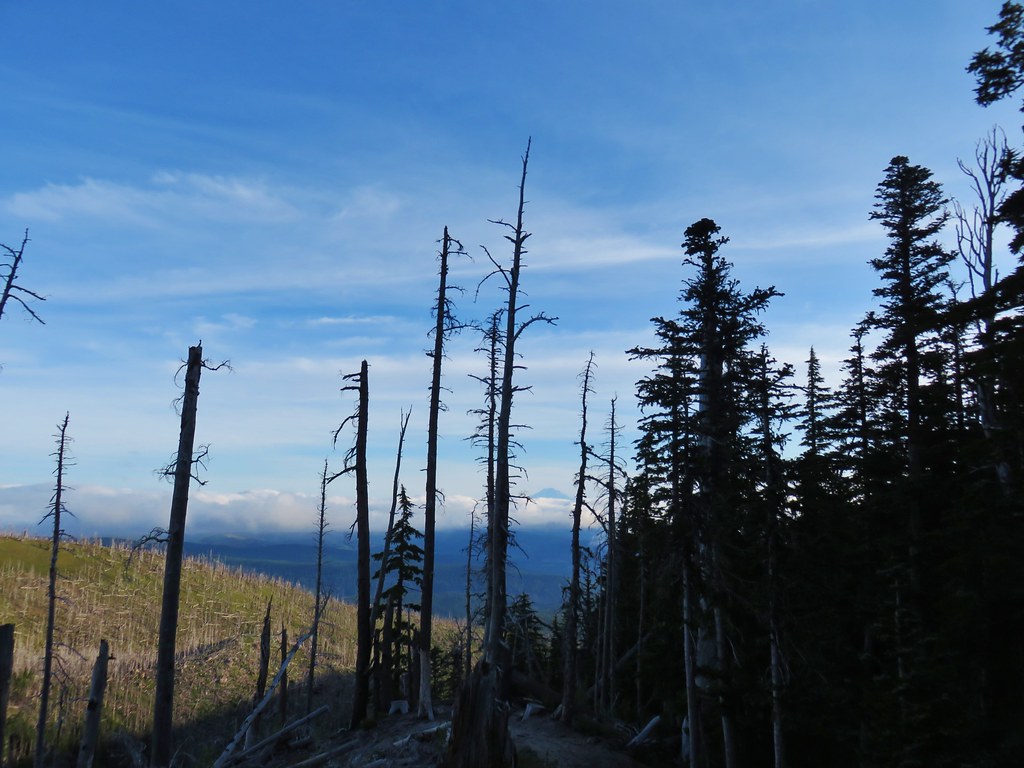 Mt. Adams ahead above the clouds.
We descended a series of switchbacks which provided ample views of Mt. Hood without having to strain our necks looking behind us.
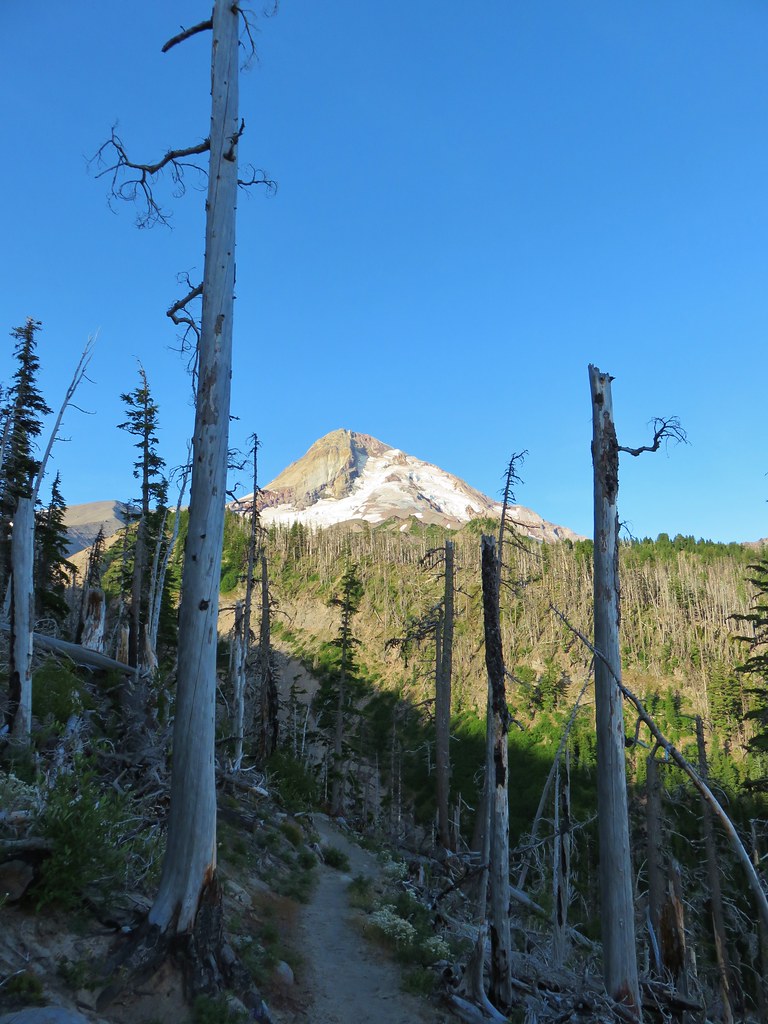 Mt. Hood
The Eliot Branch has a reputation as being one of the trickier crossing on the mountain ever since a bridge was swept away over a decade ago. In fact the Timberline Trail had “officially” been closed for years (there were still unofficial crossings) until the Forest Service completed a reroute of the trail in 2016. As we neared the stream the first looks were impressive.

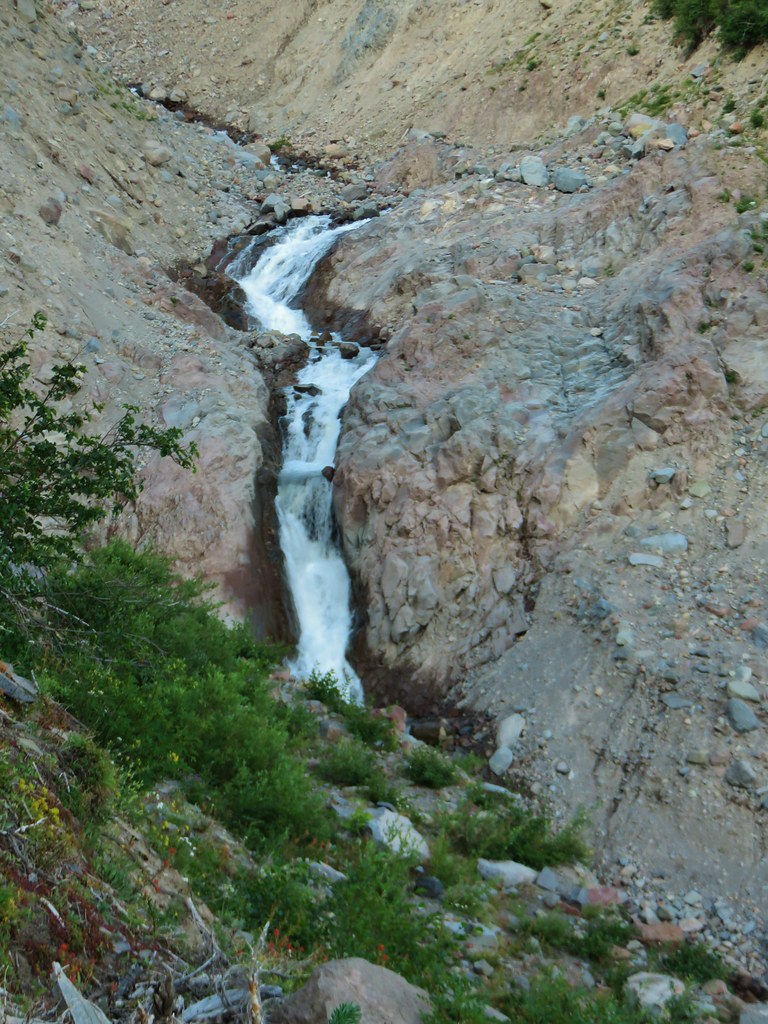
The combination of the cloudy water, thundering noise, and swift current make glacial streams seem particularly daunting. Crossing earlier in the day minimizes the amount flow making morning crossings easier than those later in the afternoon or evening. We arrived at the crossing shortly before 8am so that was in our favor. There was also a promising looking log a bit downstream but it looked like it might be a tricky descent to reach it from this direction and we were (or at least I was) hoping to get a little fording practice in so we picked a reasonable looking spot and made our way through the water which was only just reaching our calves at its deepest.


It was a fairly uneventful crossing except for having forgotten just how cold a glacial stream is. Brrrr!!
We had lost over 350′ of elevation getting down to the Eliot that needed to be made up now that we were across. The Timberline Trail gained over 500′ in the next three quarters of a mile as it climbed out of the canyon.

 We entered the Mt. Hood Wilderness on the way up.


The burned trees allowed for fairly consistent views of both Mt. Hood and Mt. Adams.
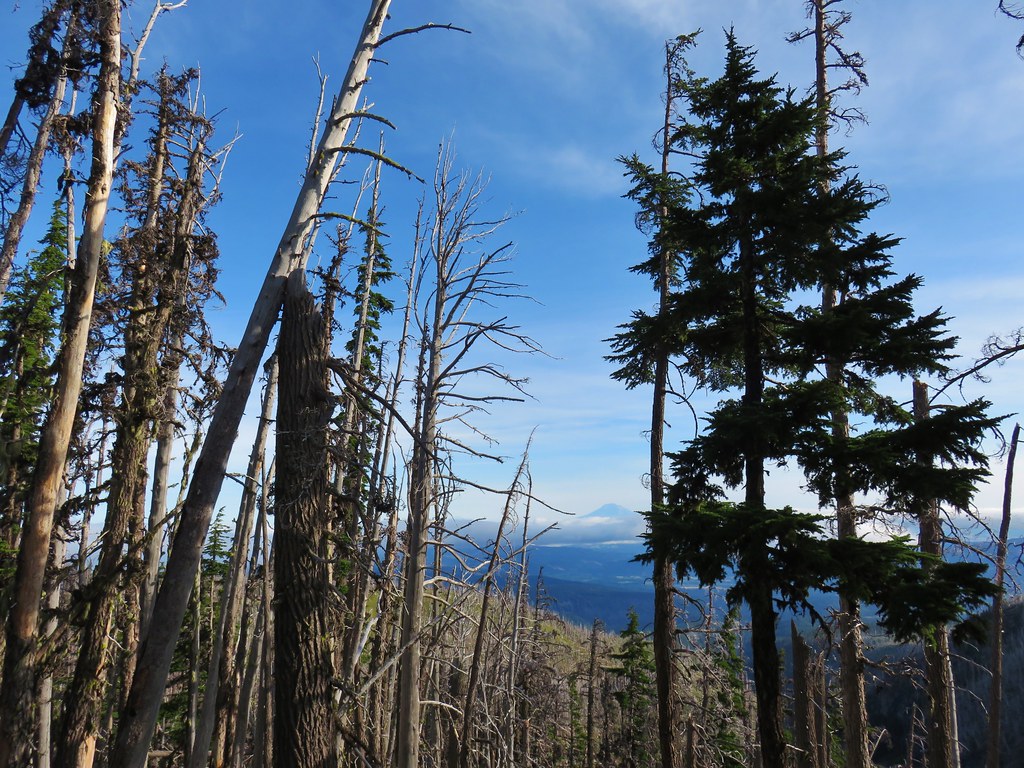 Mt. Adams
 Mt. Rainier peaking over the clouds to the left of Mt. Adams.
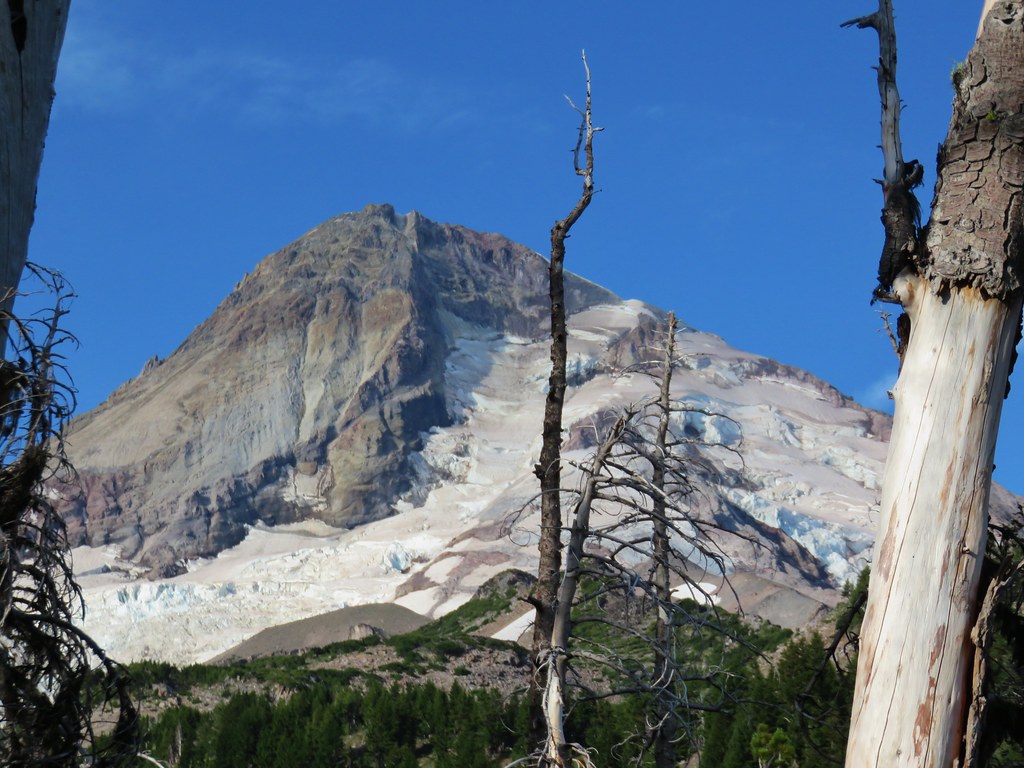
 Mt. Hood
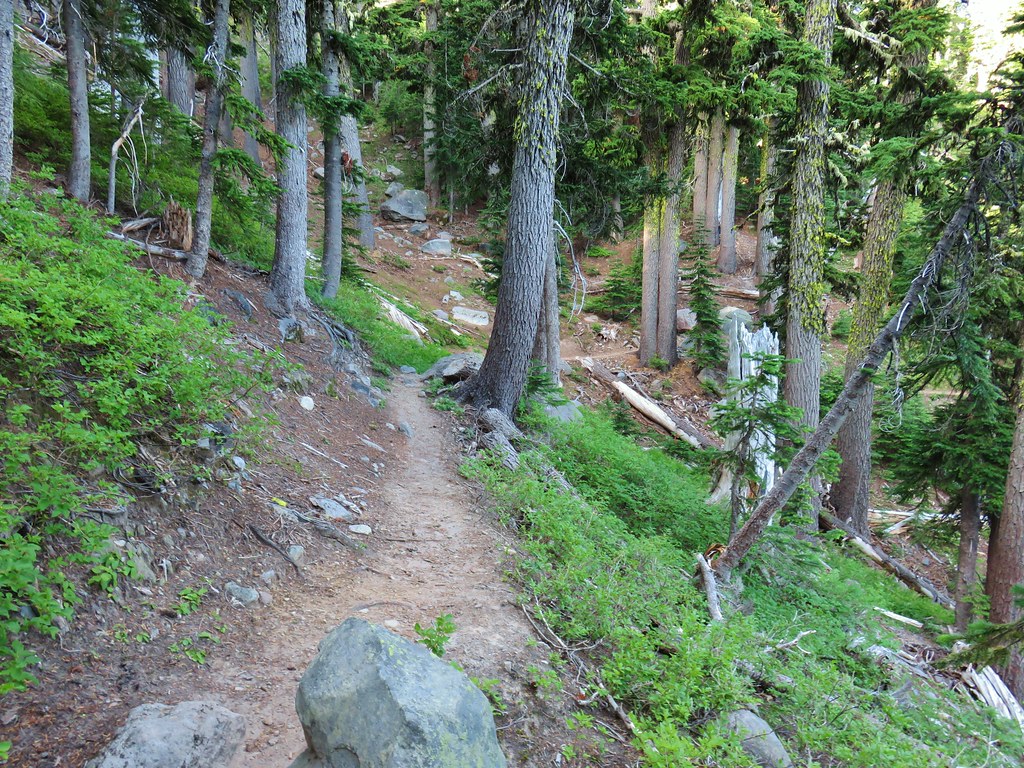
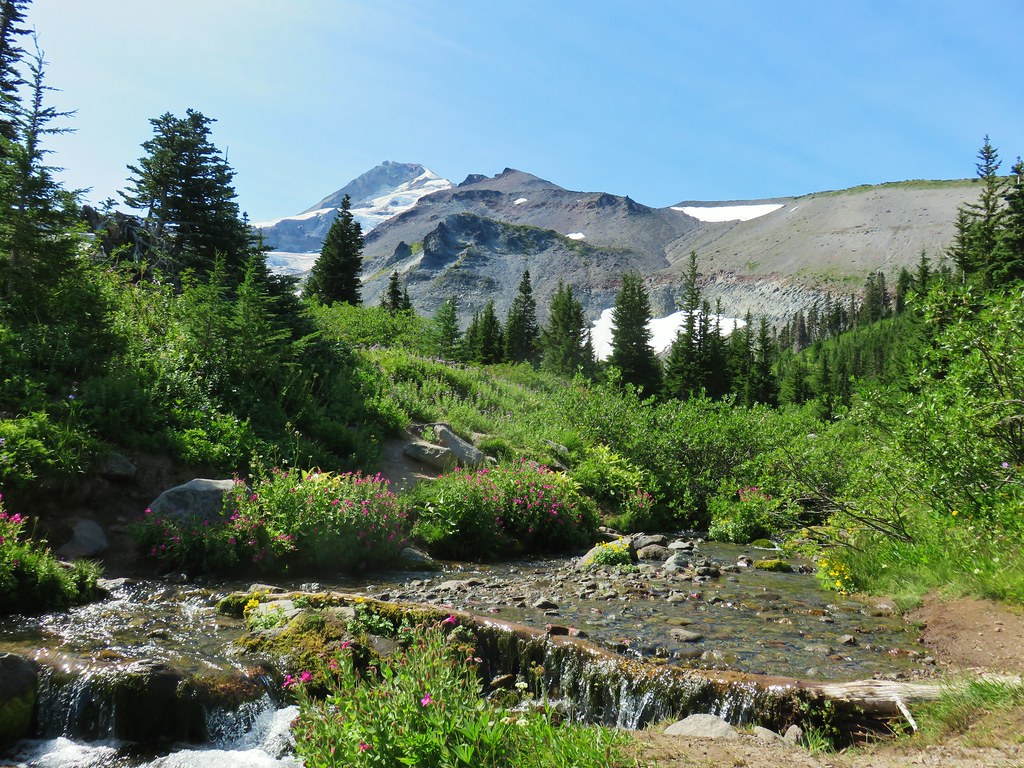
The trail leveled out near the 6000′ elevation and passed through a stand of green trees before arriving at a small wildflower lined stream. A pair of marmots ran into the rocks as we approached.
 Penstemon

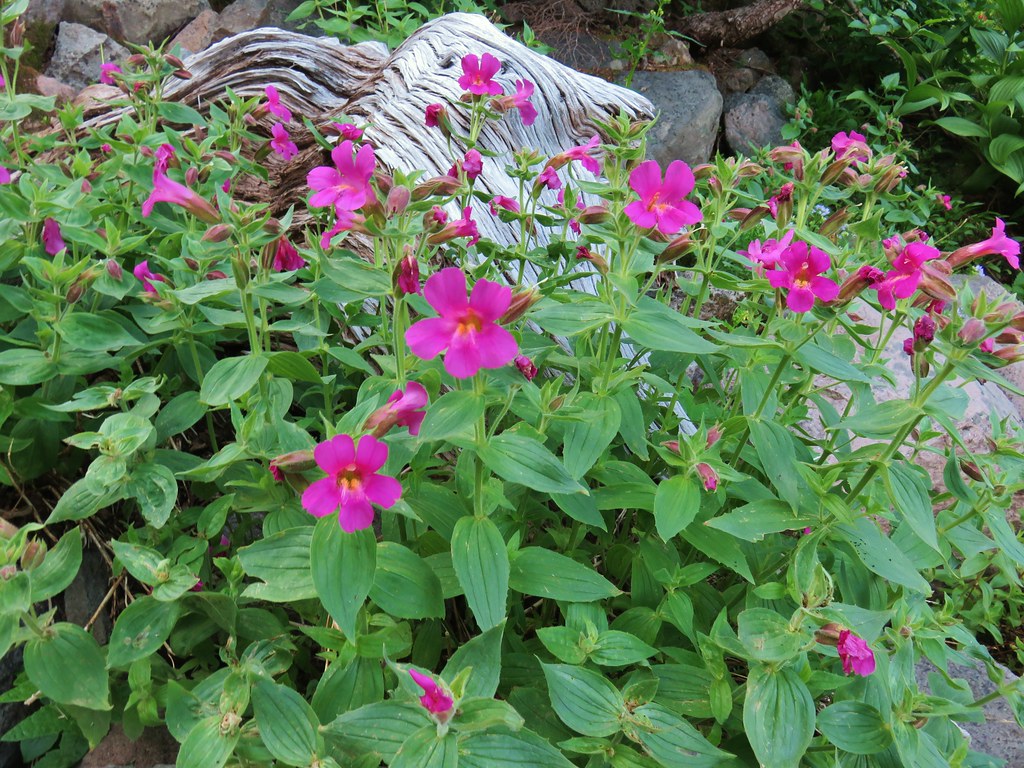 Monkeyflower

 Jacob’s ladder
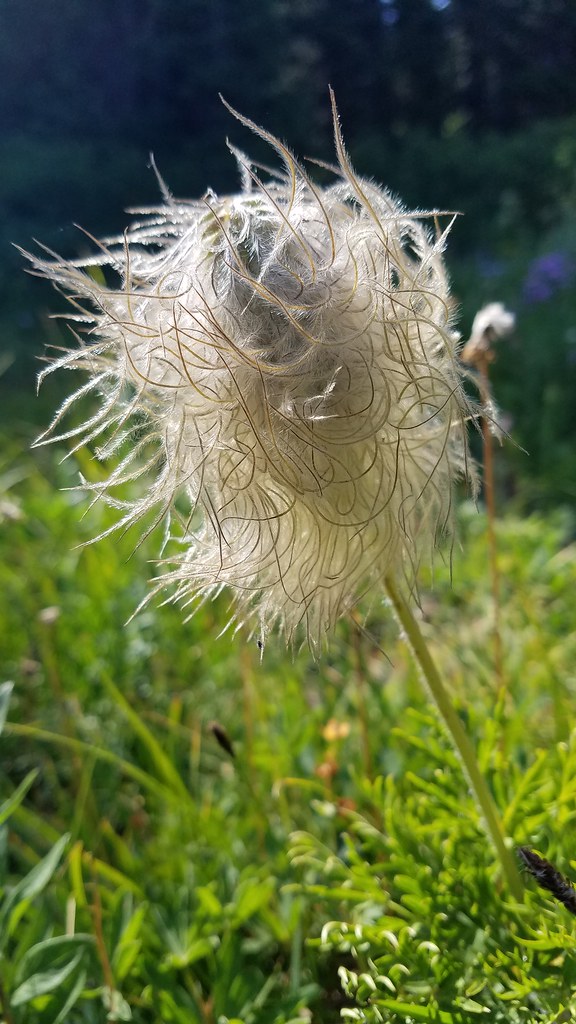
 Western Pasque flower
A second stream followed shortly after.

 Paintbrush
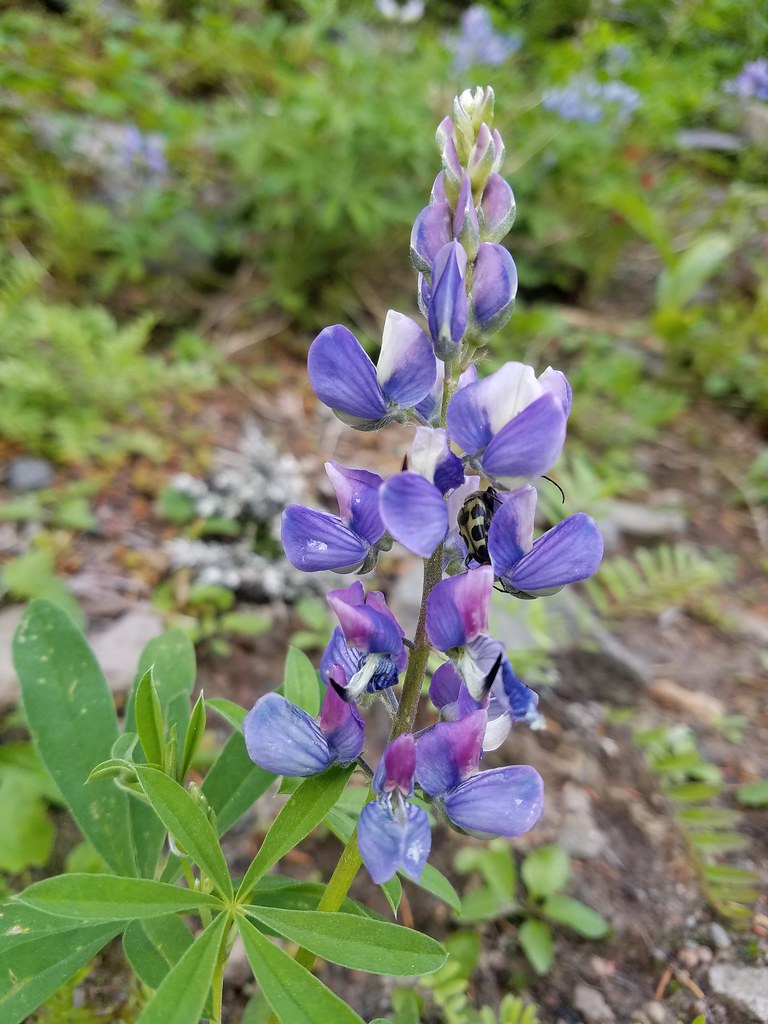 Lupine with a beetle.
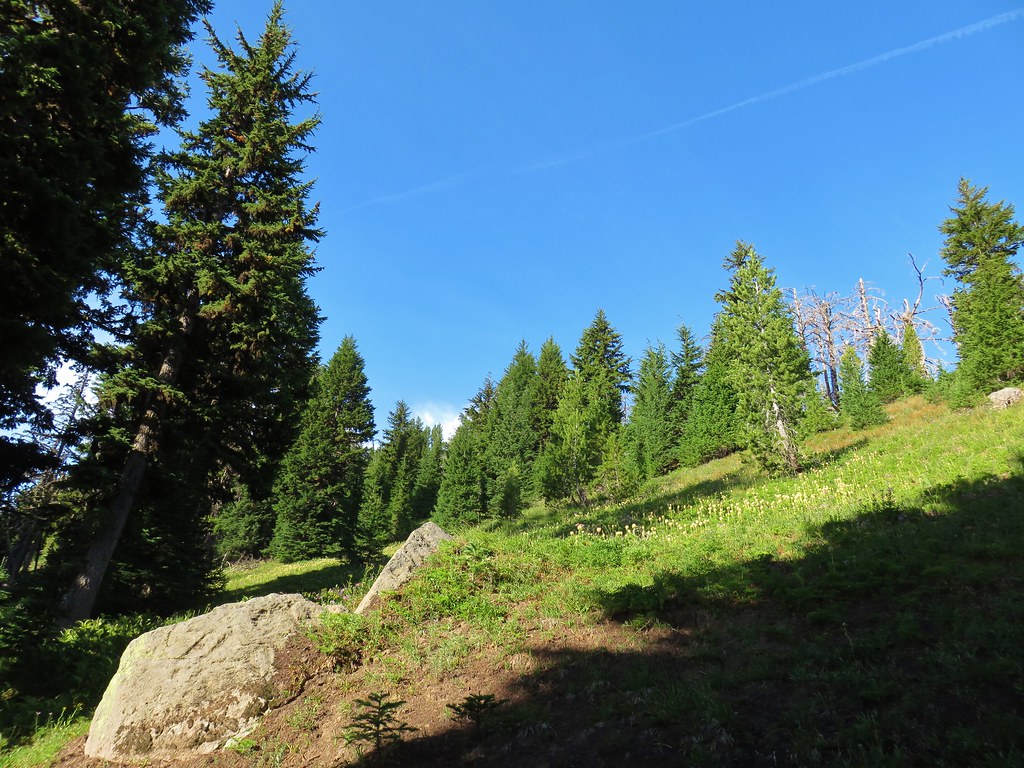
Continuing on we passed a hillside covered with western pasque flower seed heads, often referred to as hippies on a stick.

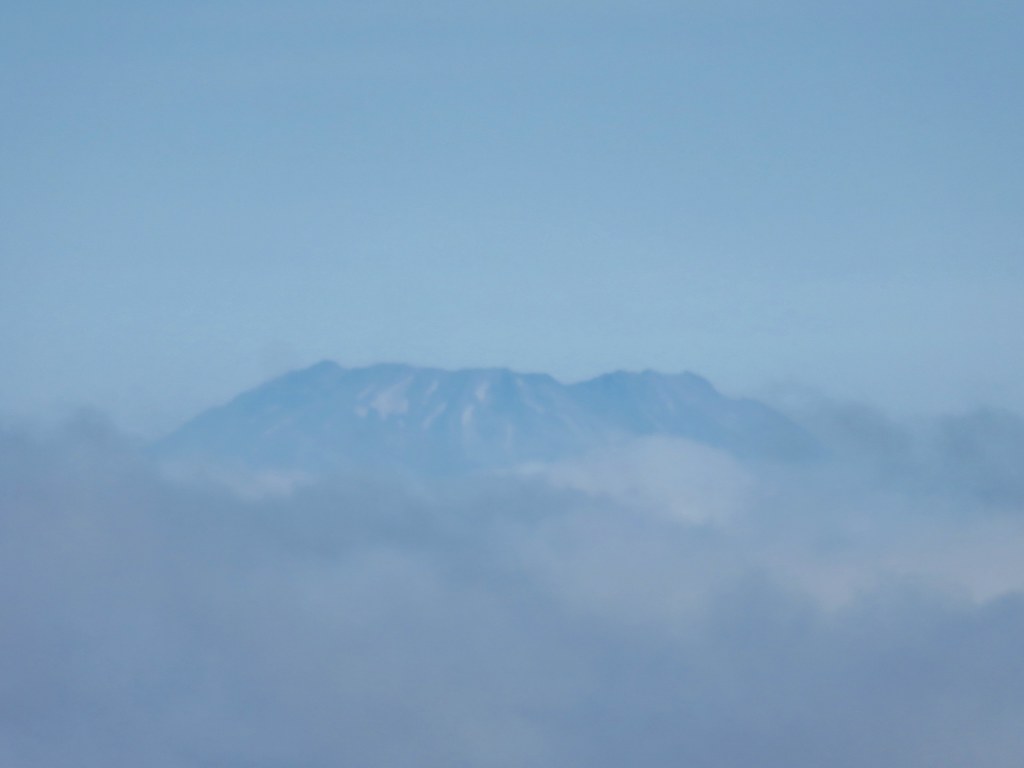
As we rounded a ridge end we stopped to talk to a backpacker going in the other direction. He asked if we were from the area and wanted to know which mountains he had been seeing to the north. In addition to Adams and Rainier, Mt. St. Helens was just barely visible from that spot which we were able to point out to him.
We rounded the forested ridge and came to a large rock field below the Langille Crags.


Just over a mile from the Eliot crossing we arrived at the first of Compass Creeks three branches.

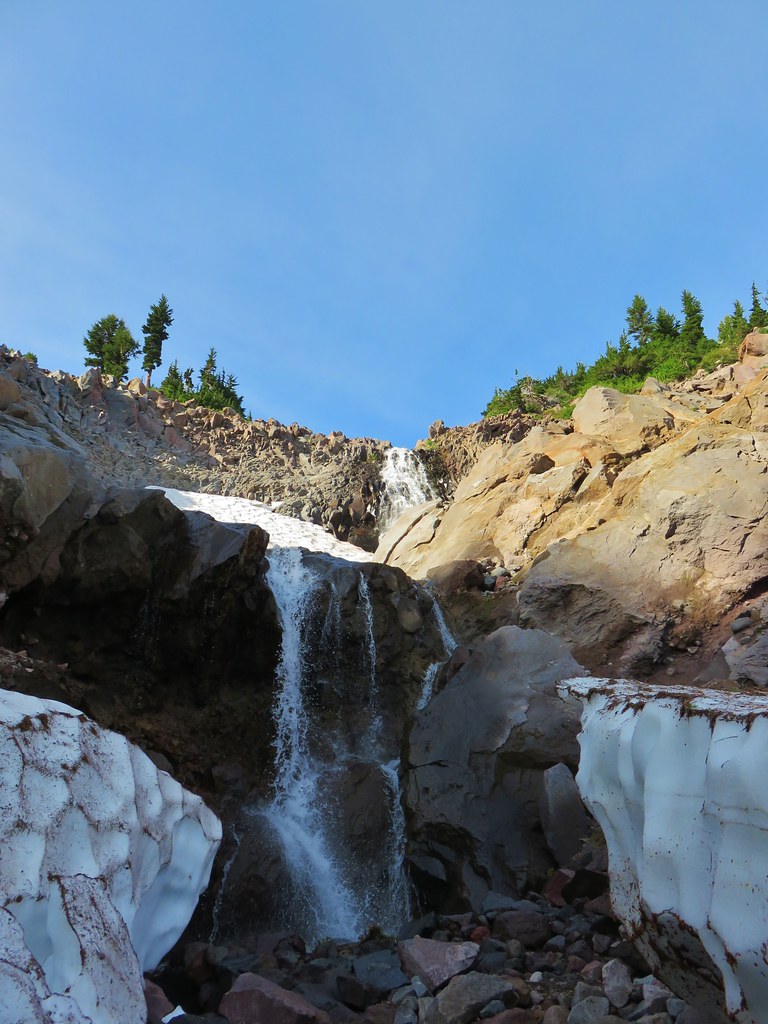
Compass Creek is fed by the Langille Glacier and each branch sports a waterfall above the Timberline Trail.
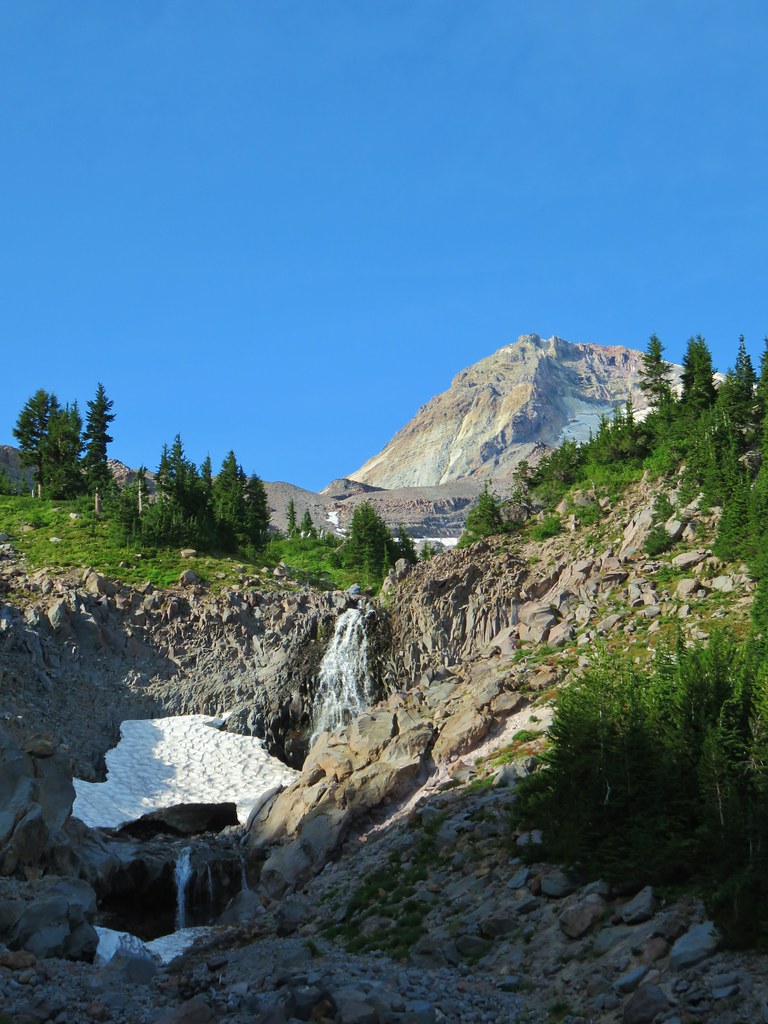
A short scramble up the rocks along the creek brought us to the base of the falls.

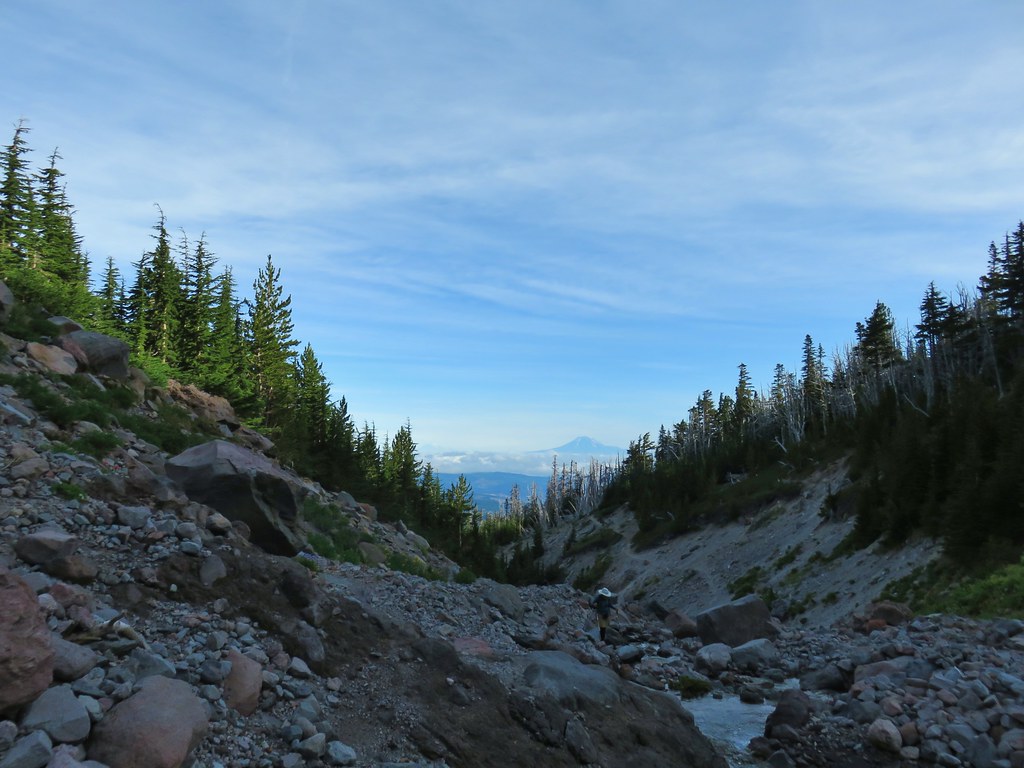 Mt. Adams from Compass Creek.
 Wildflowers along Compass Creek.
 Monkeyflower and paintbrush
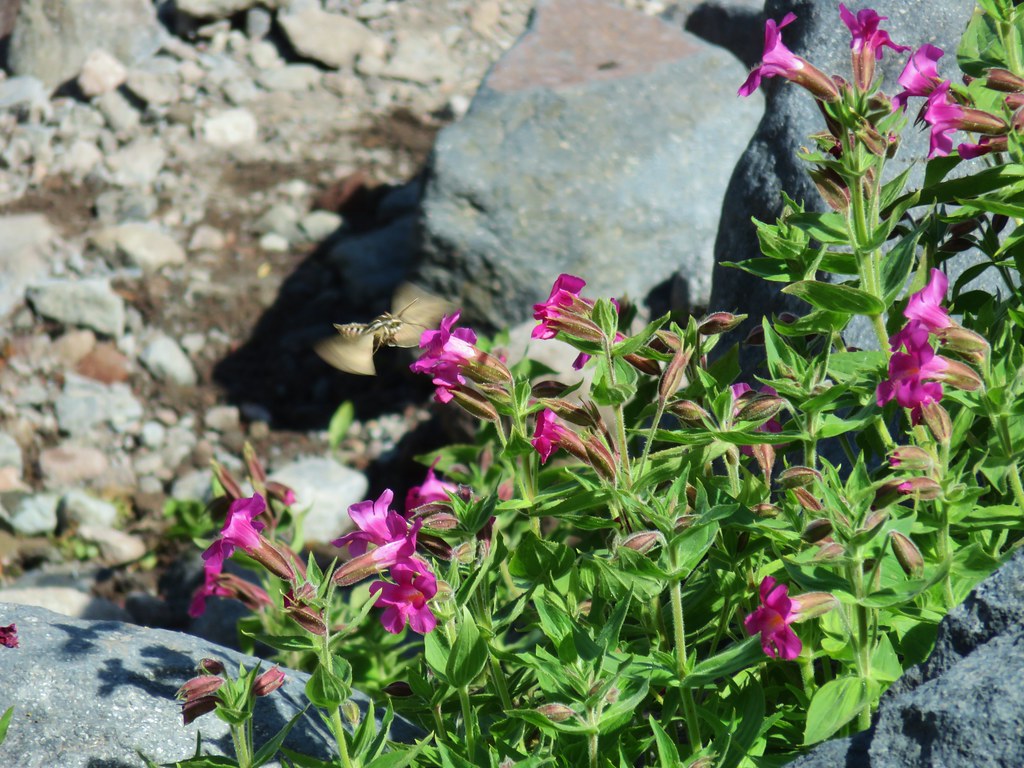
 Hummingbird near Compass Creek.
After admiring the falls we continued on rounding two small ridges before arriving at the middle branch of Compass Creek .3 miles from the first.


This branch didn’t have nearly the amount of water as the first leaving the waterfall a little wispy.

There was yet another stream a short distance away which was putting on a wonderful wildflower display including a nice combination of pink and yellow monkeyflowers.

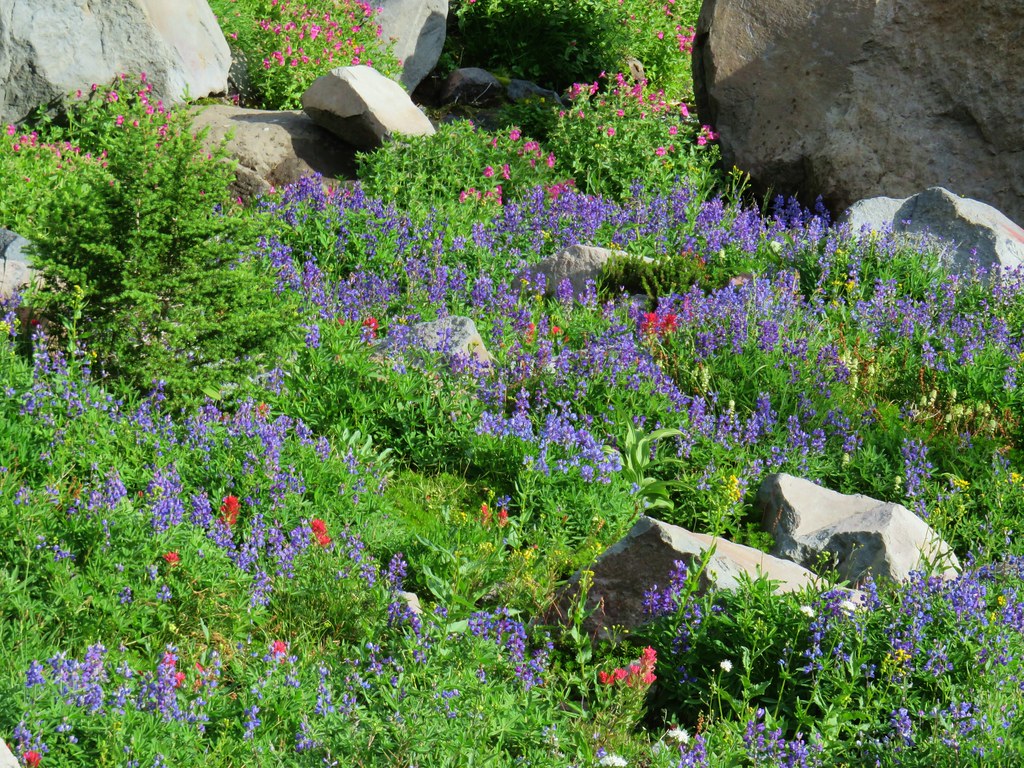 Lupine, paintbrush and monkeyflower.

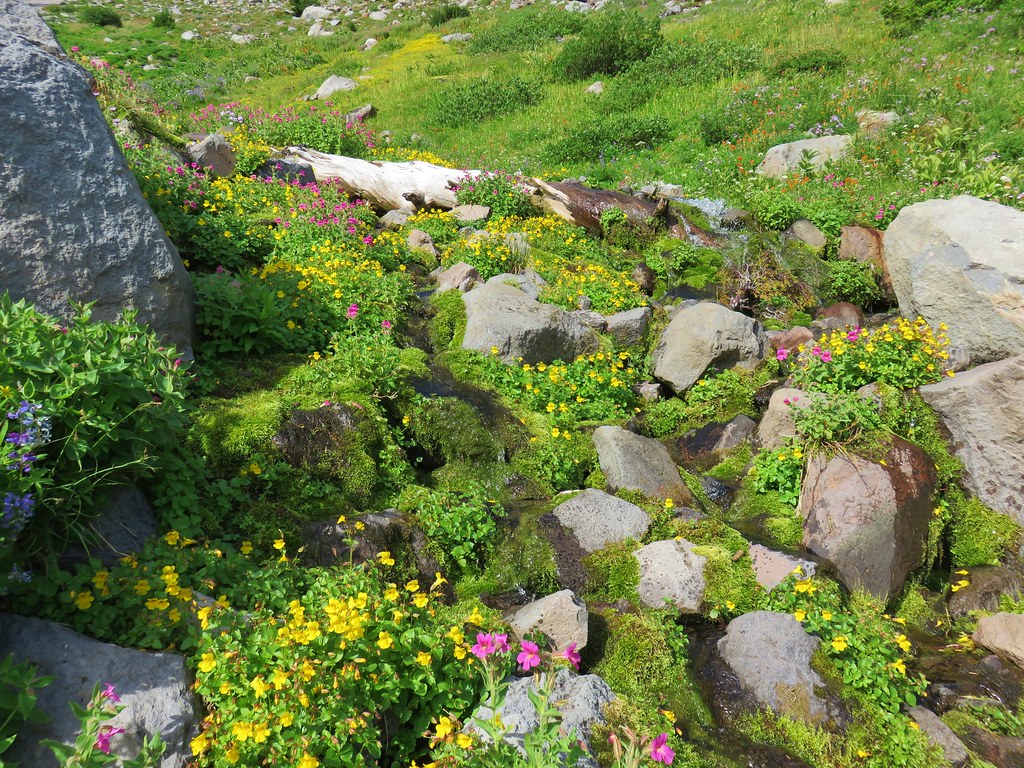

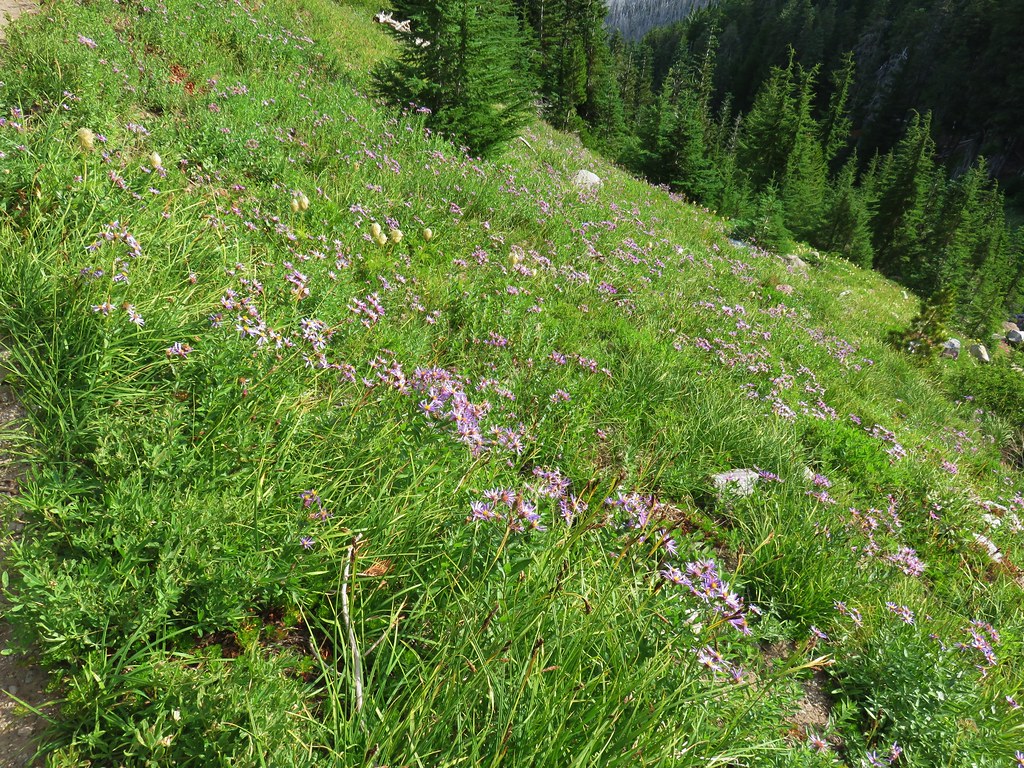
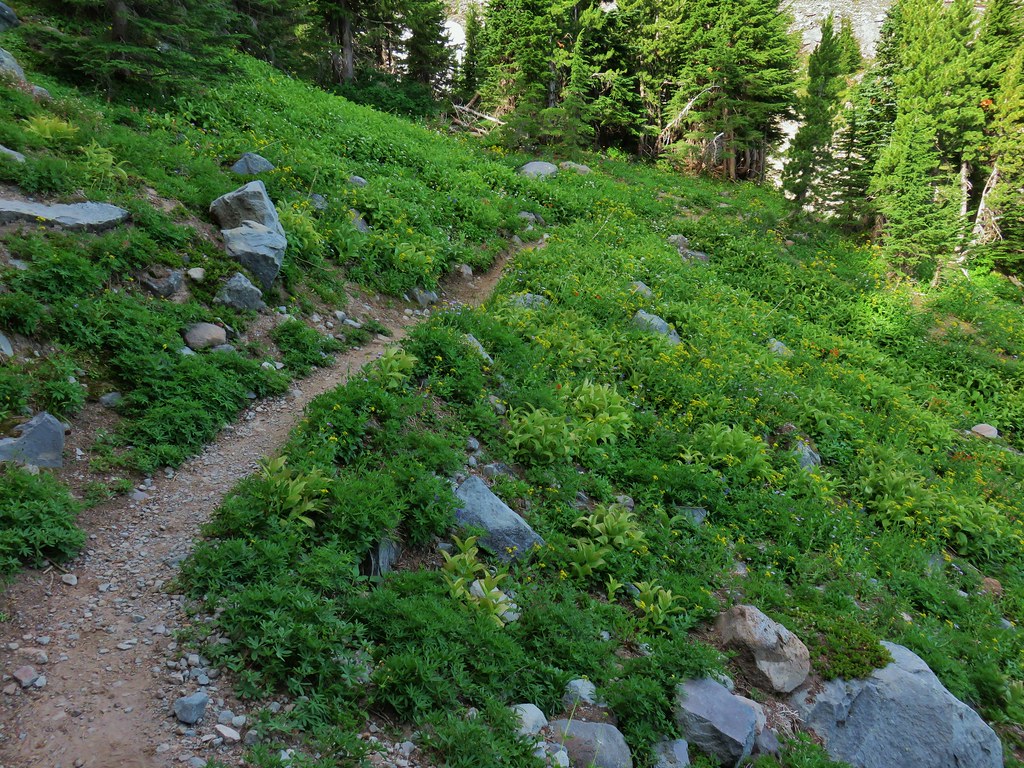
This alpine stream was sublime and a reminder of why Mt. Hood is such a wonderful place. We kept going passing an aster covered hillside and then another meadow full of other types of flowers.

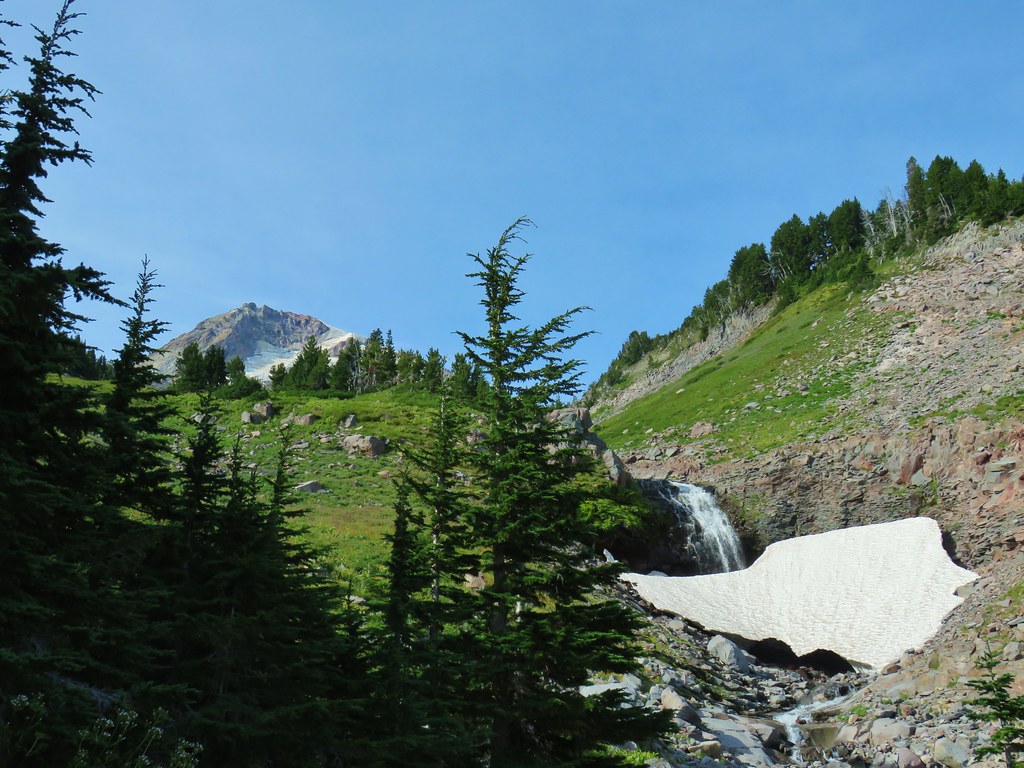
It was another .3 miles between the middle and final branches of Compass Creek where another waterfall crashed down behind a snow bridge.
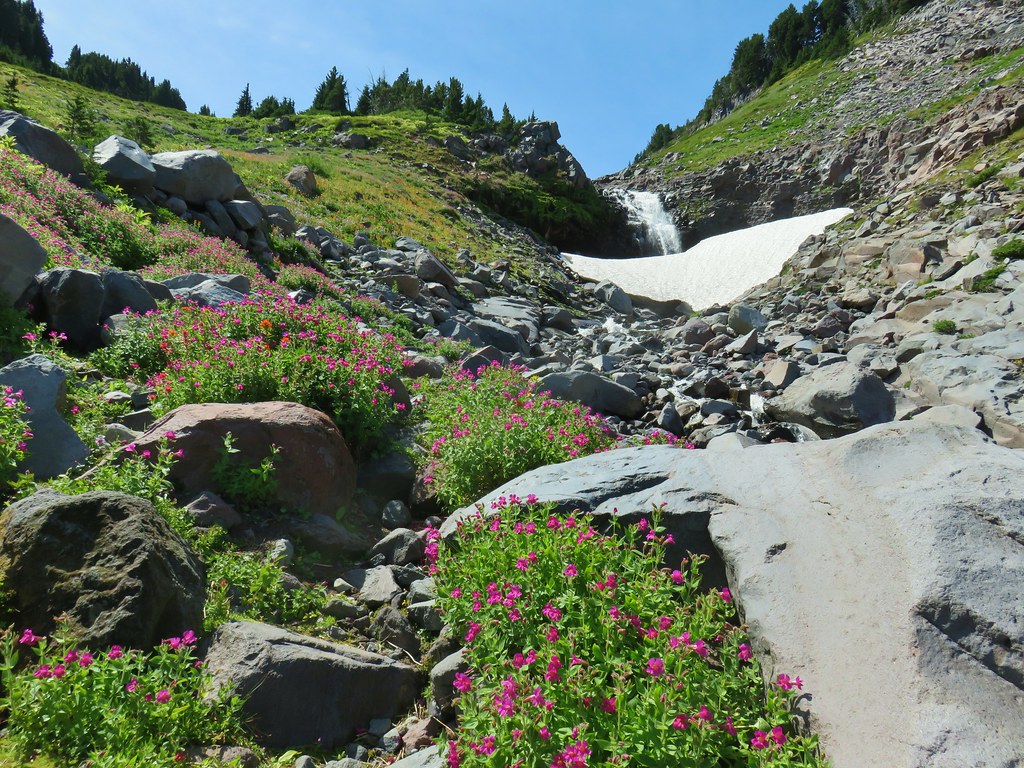


After crossing the final branch of Compass Creek the trail headed down a ridge along the creek passing views of a lower waterfall.
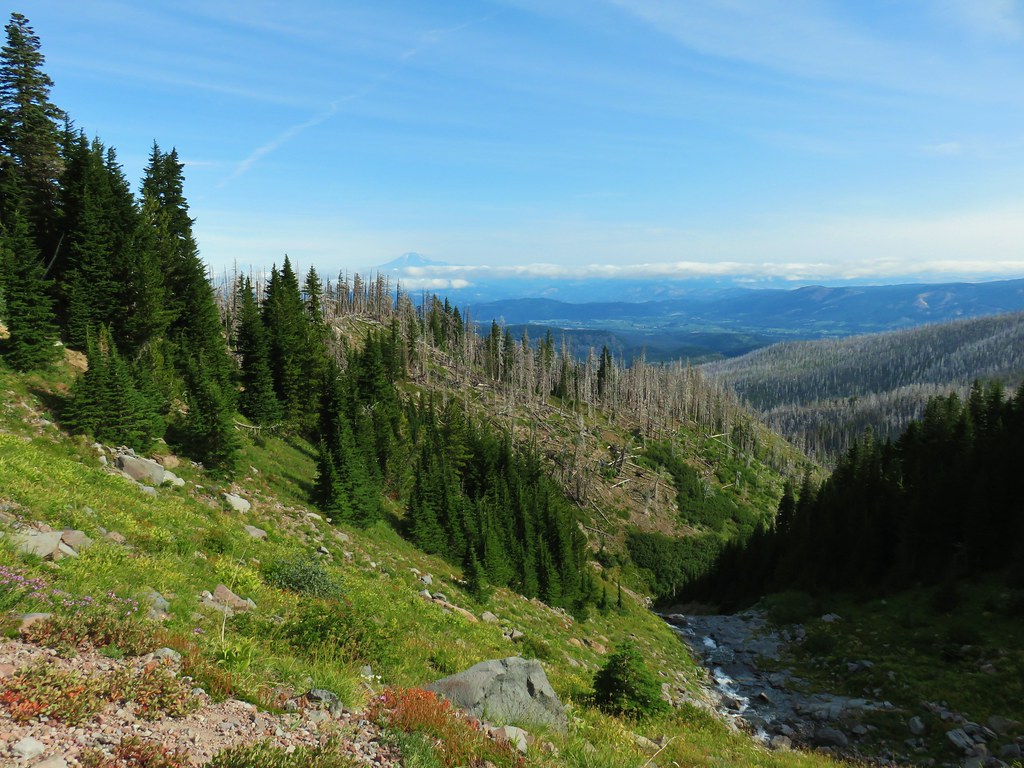 Mt. Adams (again) from Compass Creek.

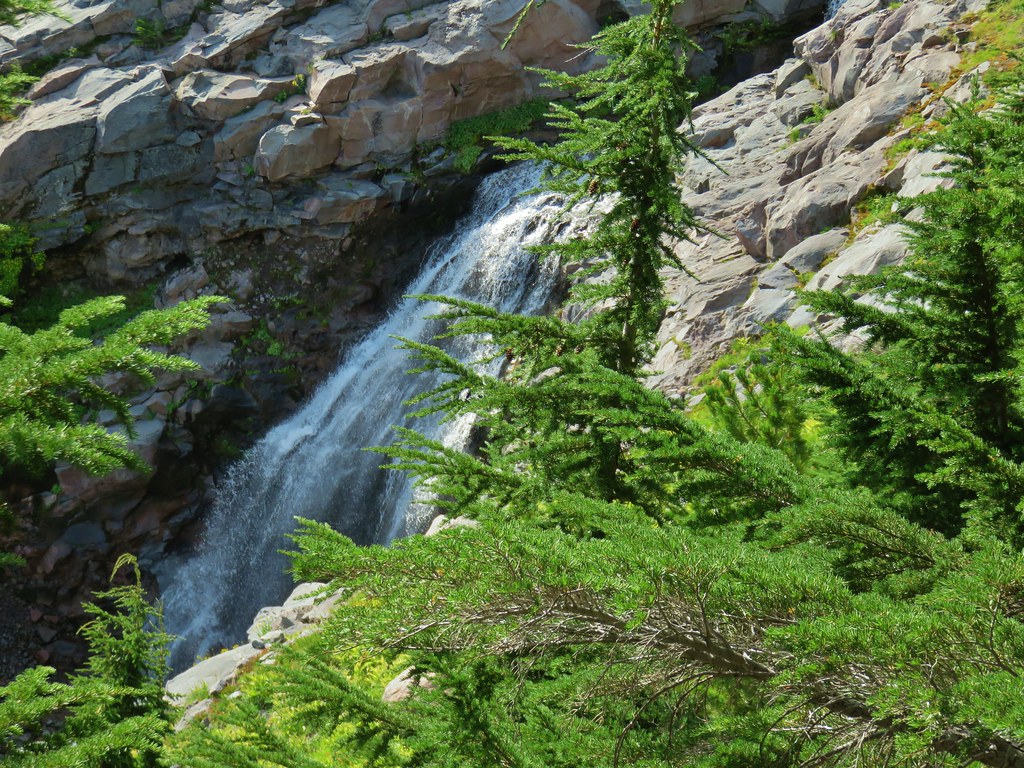 Waterfall on Compass Creek below the Timberline Trail.
In the next mile we passed through a wildflower meadow, green trees, a fire scar, and lost 350′ of elevation before arriving at yet another little stream.
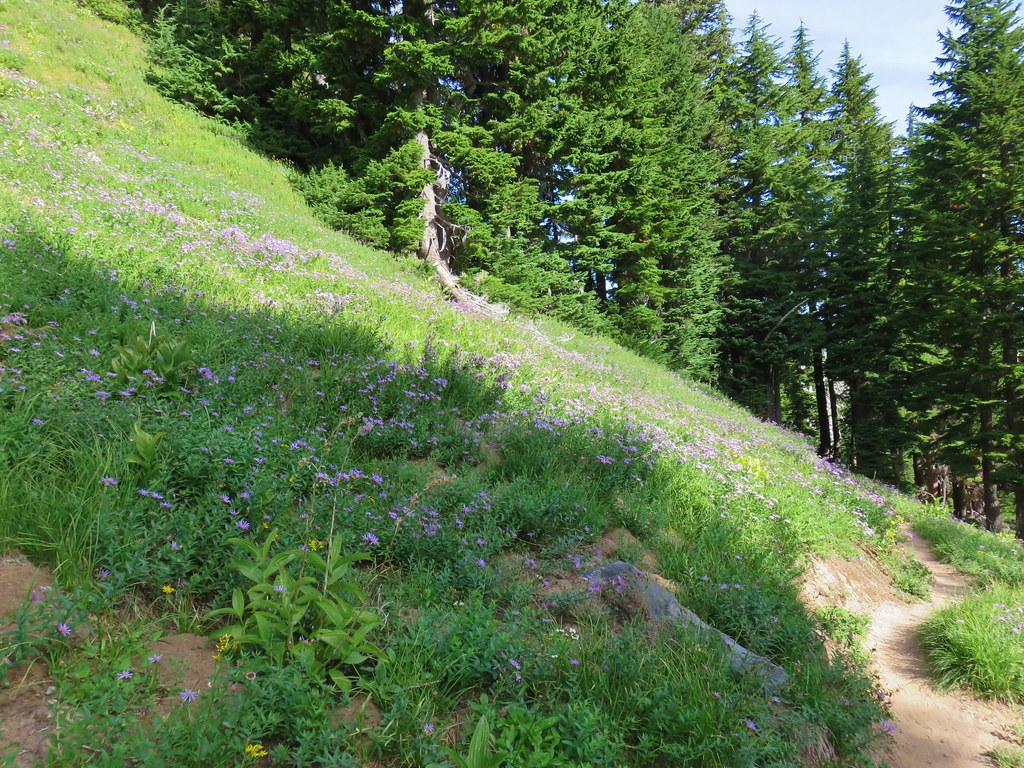




The trail then headed downhill more quickly as we approached the Coe Branch.

A little over a mile and a half from Compass Creek we arrived at the Coe Branch and were pleased to find a pair of nice makeshift log bridges spanning the stream.


The crossing was no issue at all and we soon found ourselves climbing away from the Coe.


The climb away from the Coe Branch wasn’t nearly as steep as the descent had been and after three quarters of a mile we arrived at a sign for Elk Cove.

We followed the trail into the meadow where the view of Mt. Hood and Barrett Spur (post) was as impressive as always.


We explored a bit and then rested at a familiar spot along the stream that flows through Elk Cove.

 Coe Glacier
After resting and soaking in the scenery we headed back. We stopped again below Compass Creek Falls where we watched a hummingbird moth visiting the monkeyflowers.

When we had finally made it back to the Eliot crossing we used the log we’d seen that morning as suggested by some hikers who we passed shortly before reaching the stream.
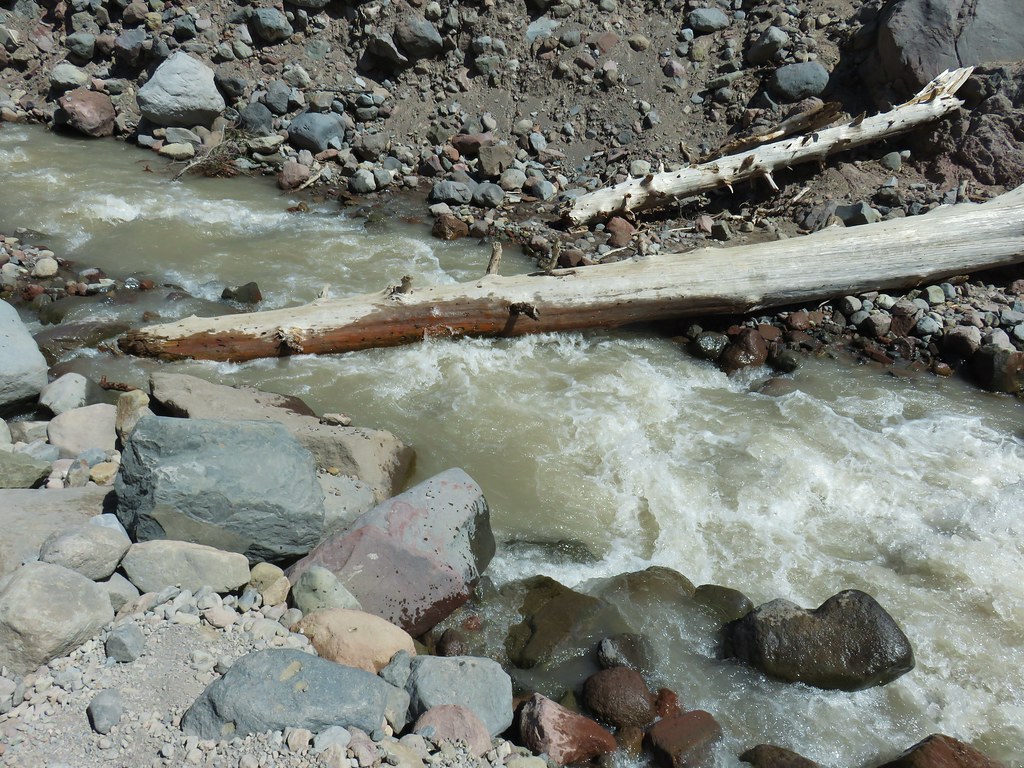

We actually wouldn’t have minded the ice cold water at that point, but the flow had increased now that it was after 1pm so the log was the safest option. We made the final climb back up to Cloud Cap taking our final look at Mt. Hood and the Eliot Glacier.
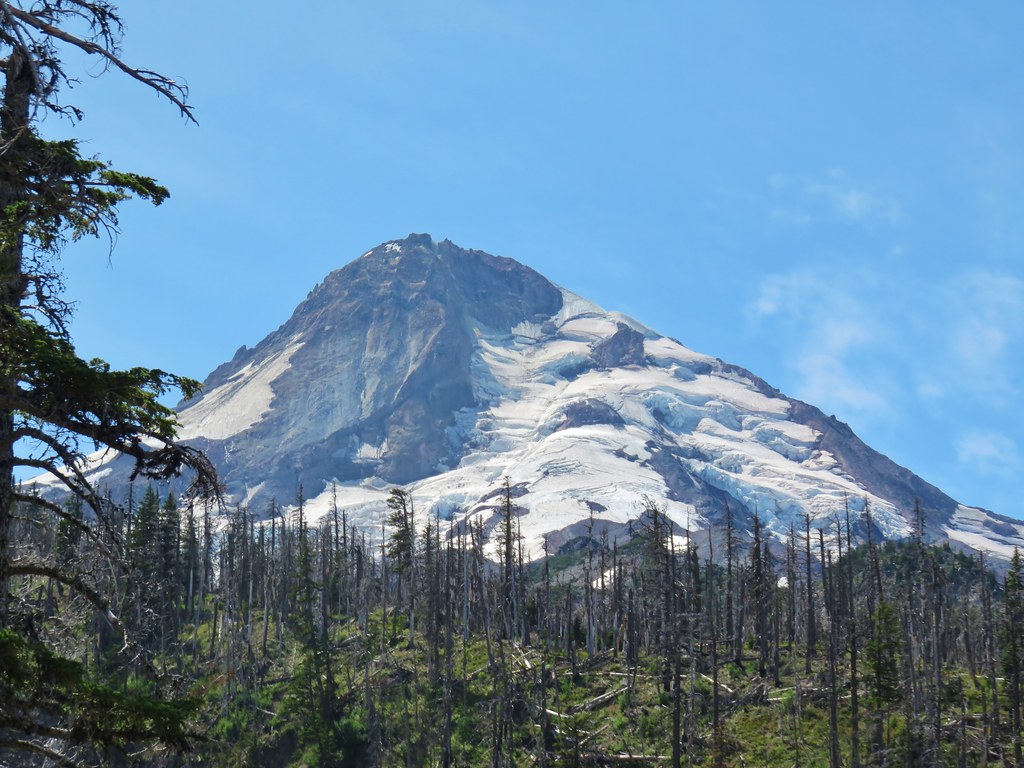
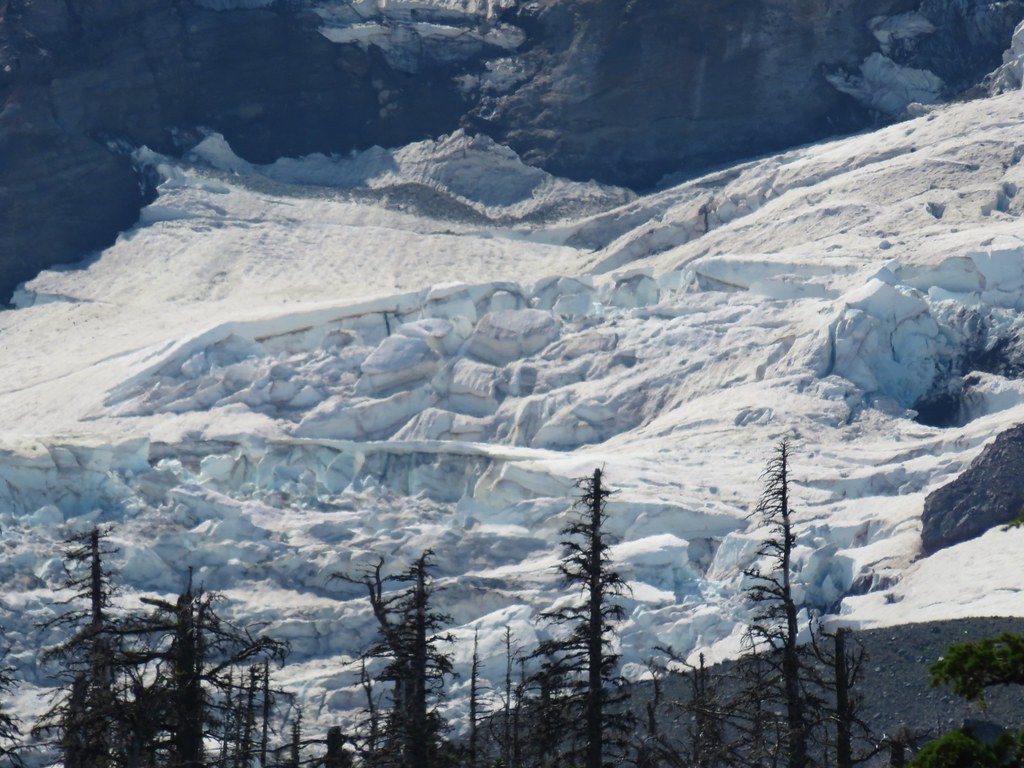
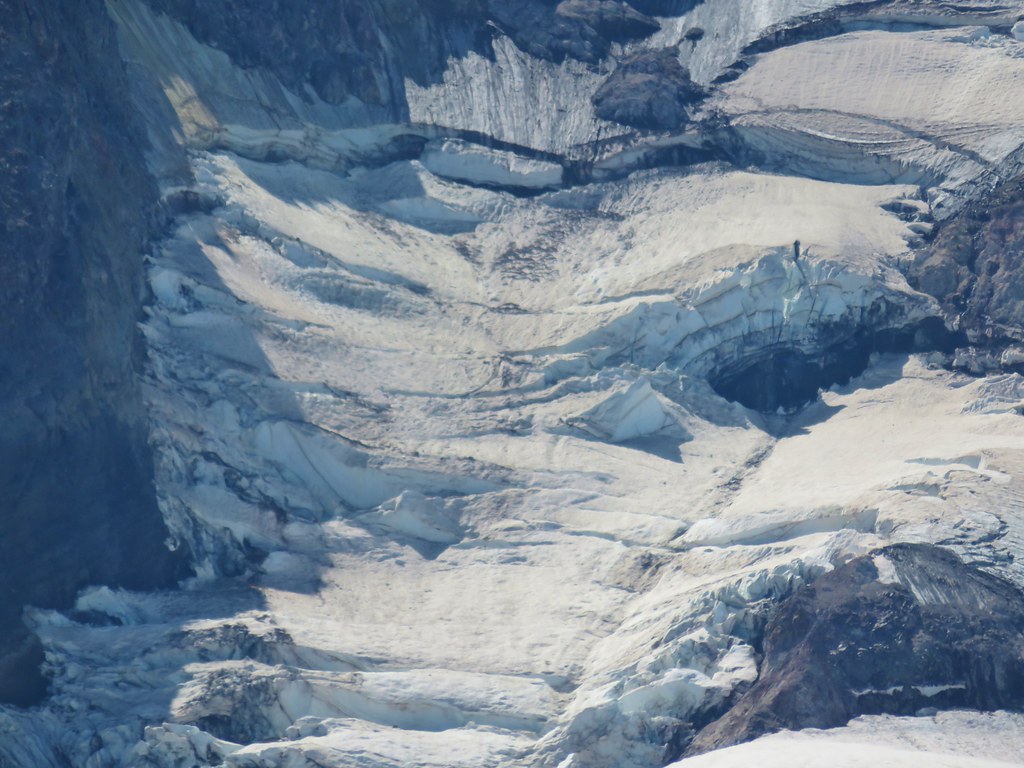
The hike was 12.3 miles round trip with approximately 2700′ of cumulative elevation gain, most of which came from dropping down to and climbing up from the Eliot and Coe Branches. It was a perfect day, blue skies and cool temperatures, and there couldn’t have been a better way to end our 6 days of hiking. Happy Trails!
Flickr: Cloud Cap to Elk Cove






 Mt. Hood
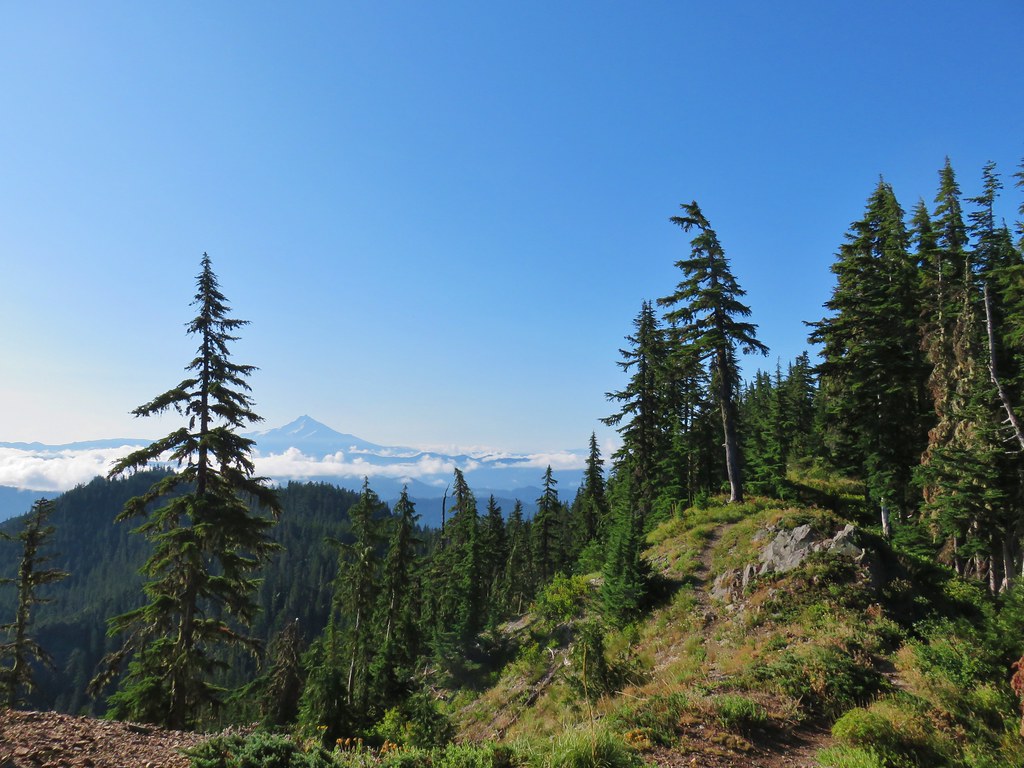 Mt. Jefferson
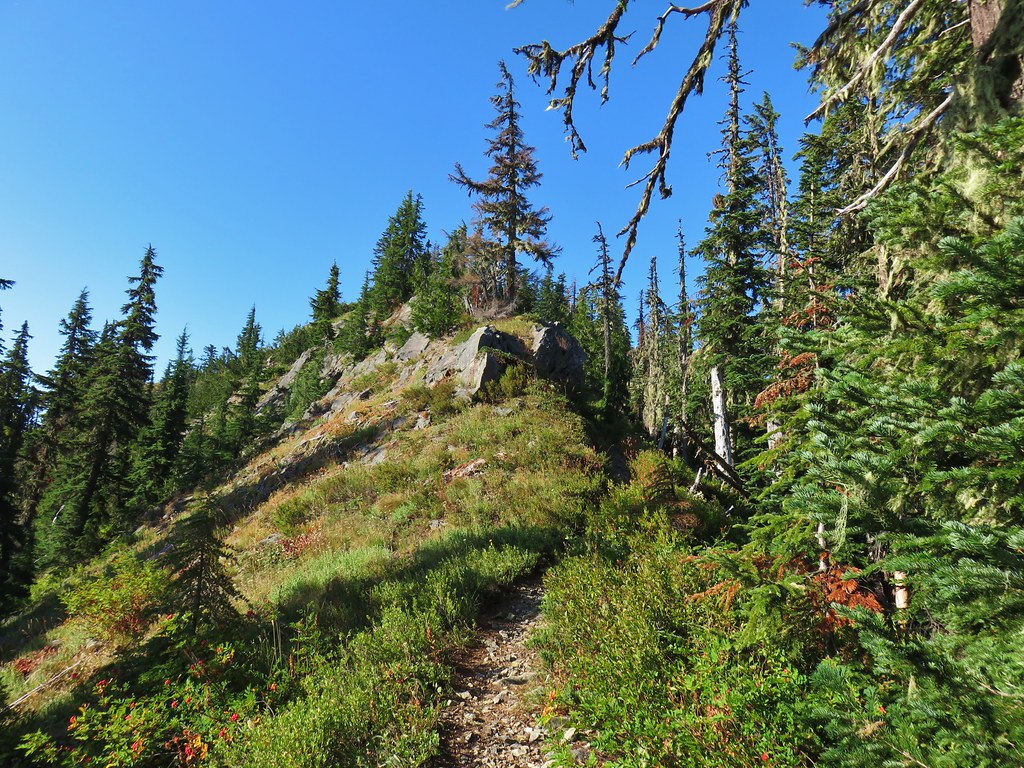
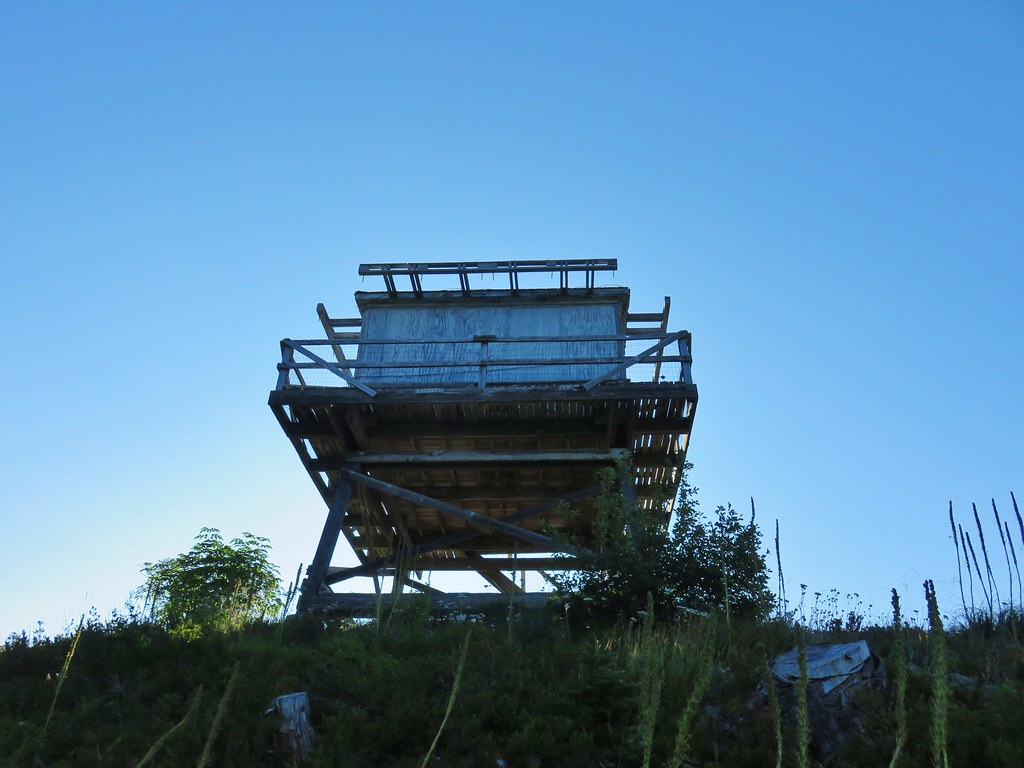

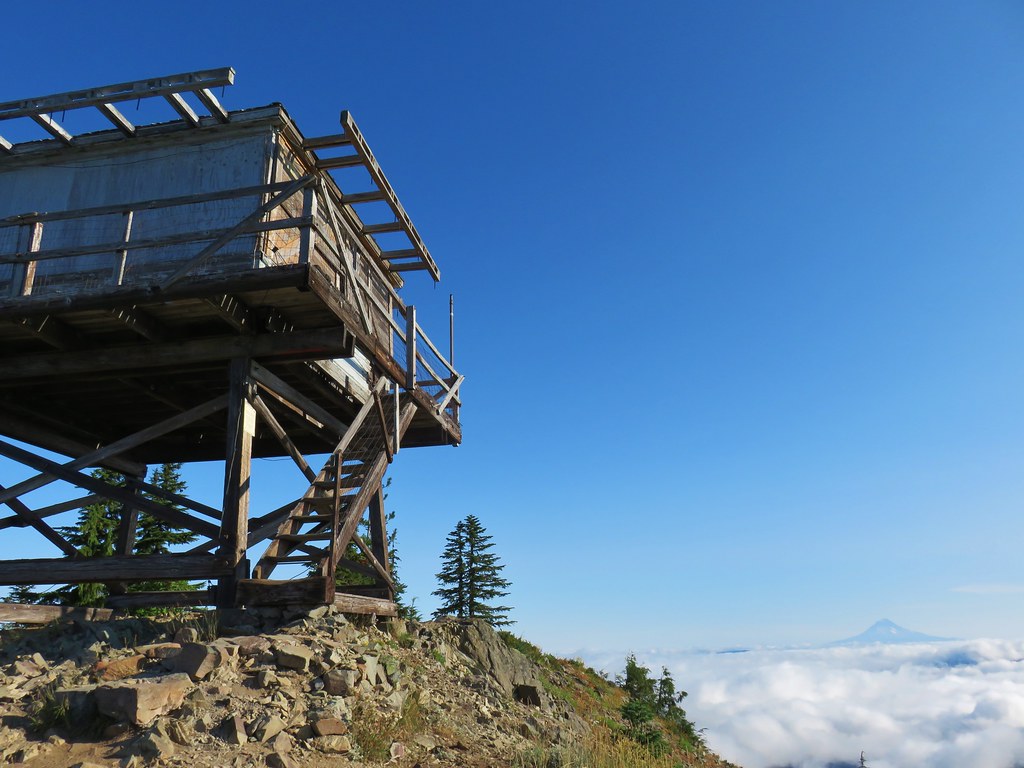


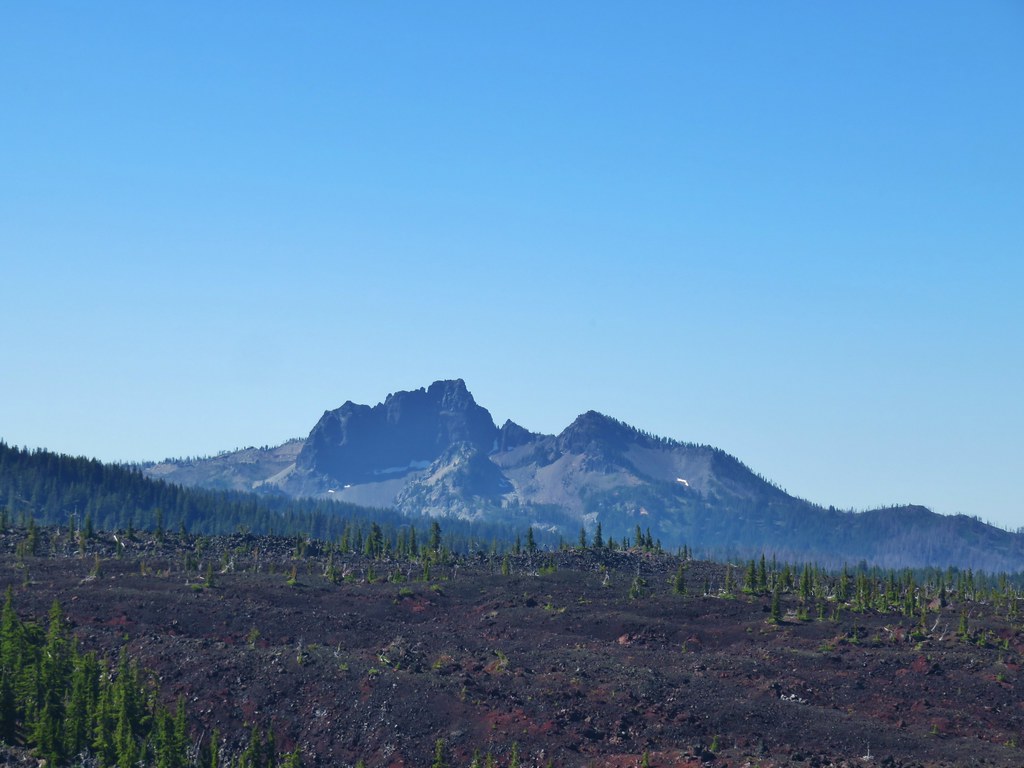
 Three Fingered Jack
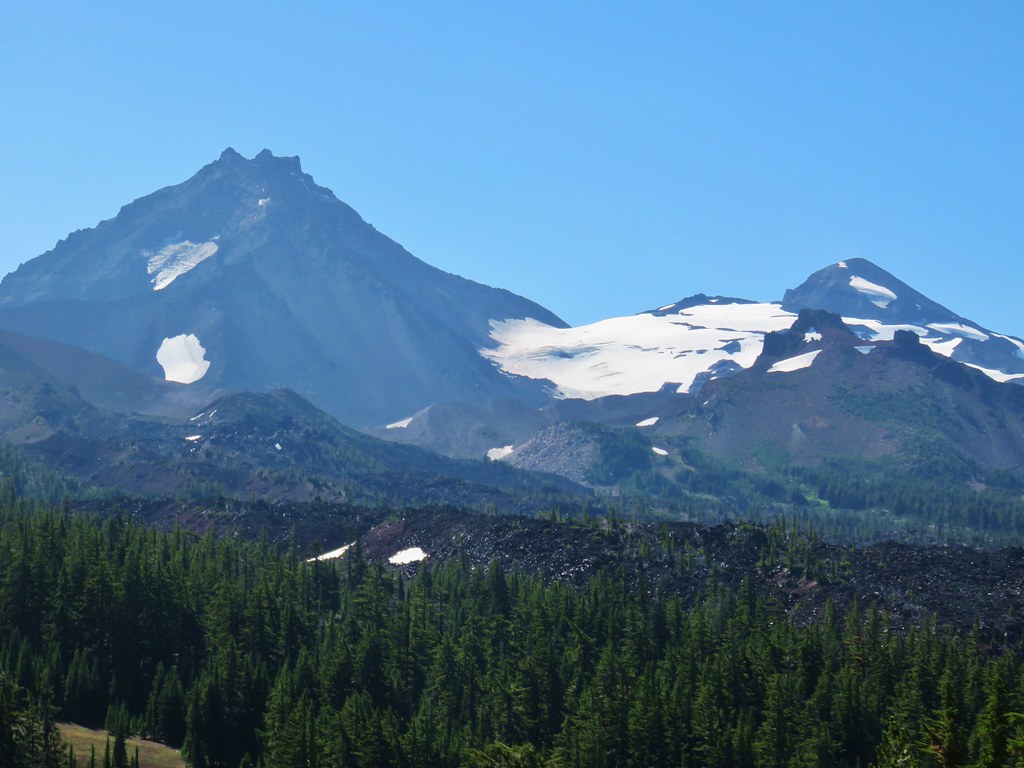
 Mt. Washington and the Three Sisters

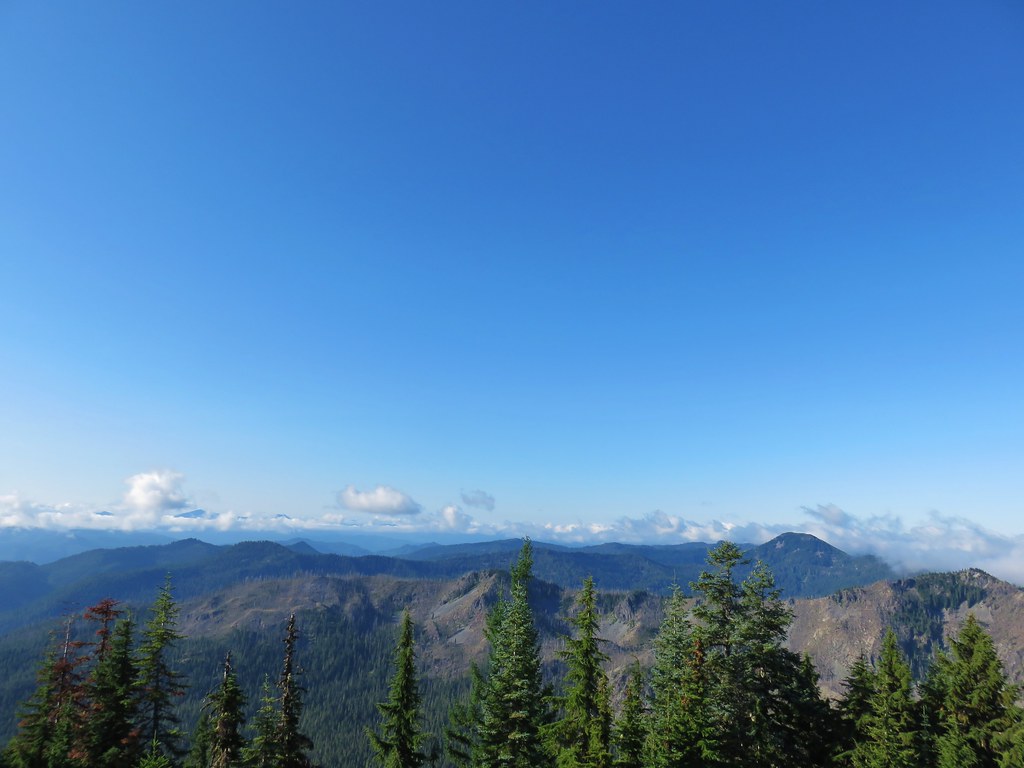

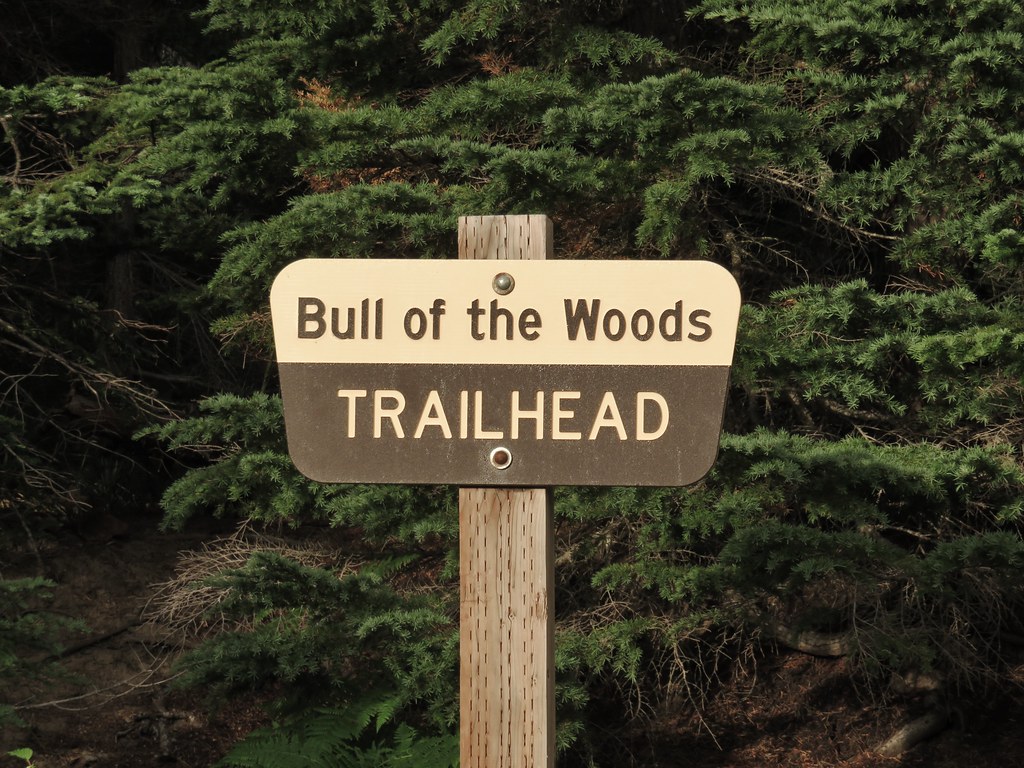
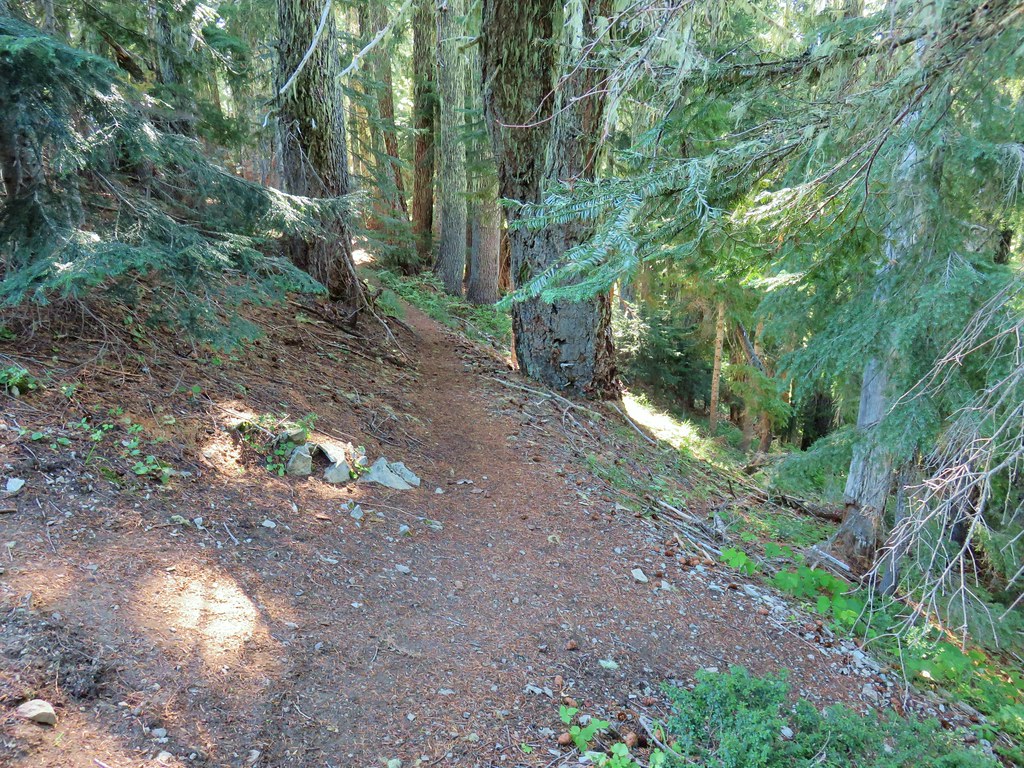 Bull of the Woods Trail ending at the Mother Lode Trail.


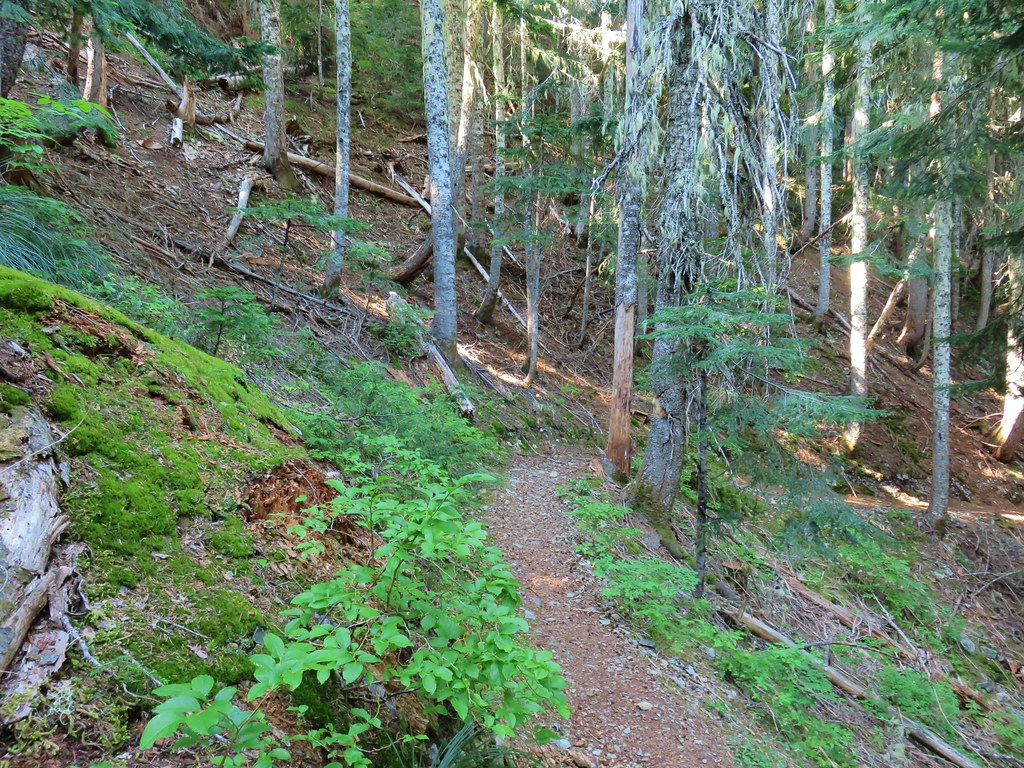
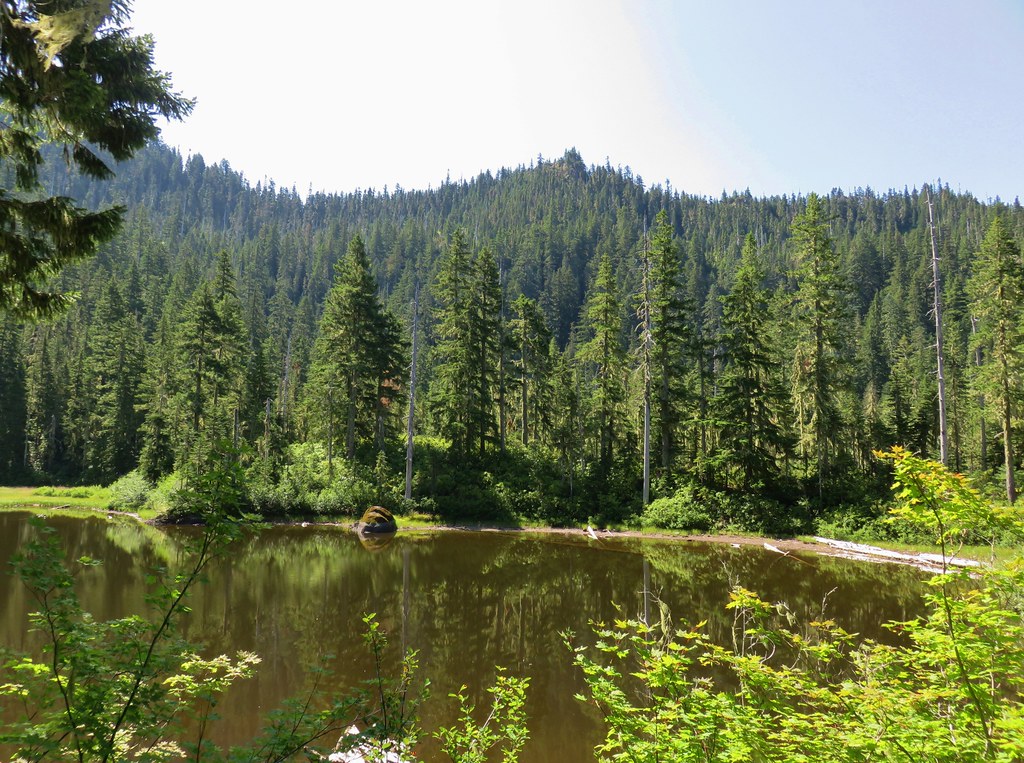
 First look at Pansy Lake.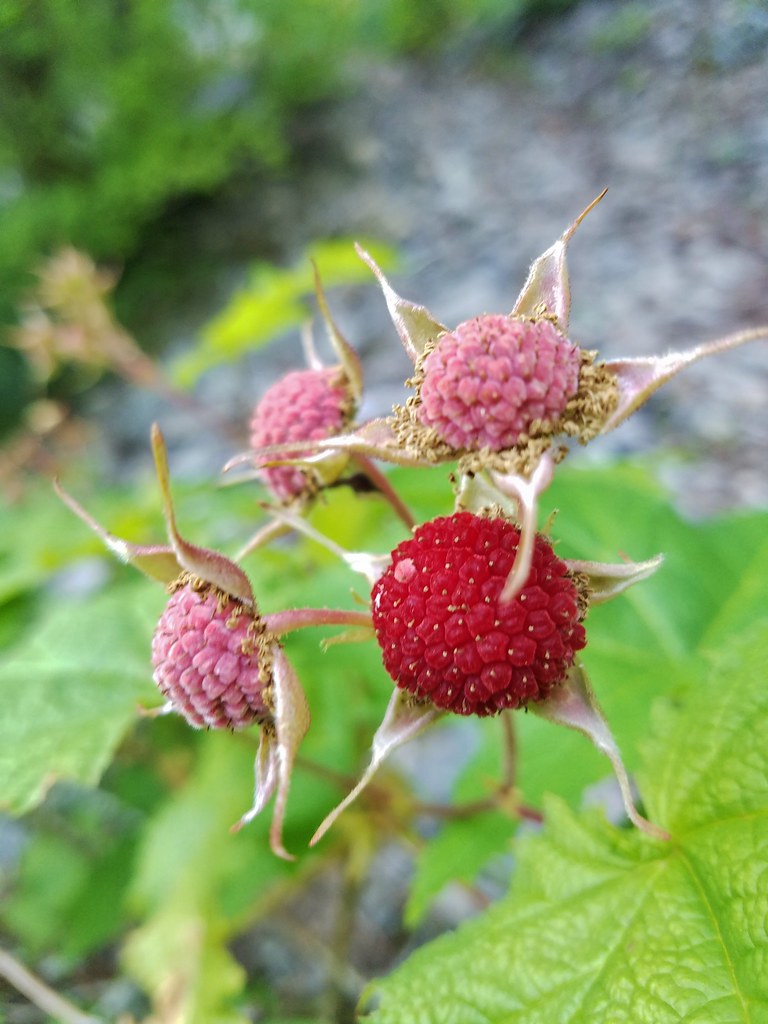










 Wildcat Mountain (


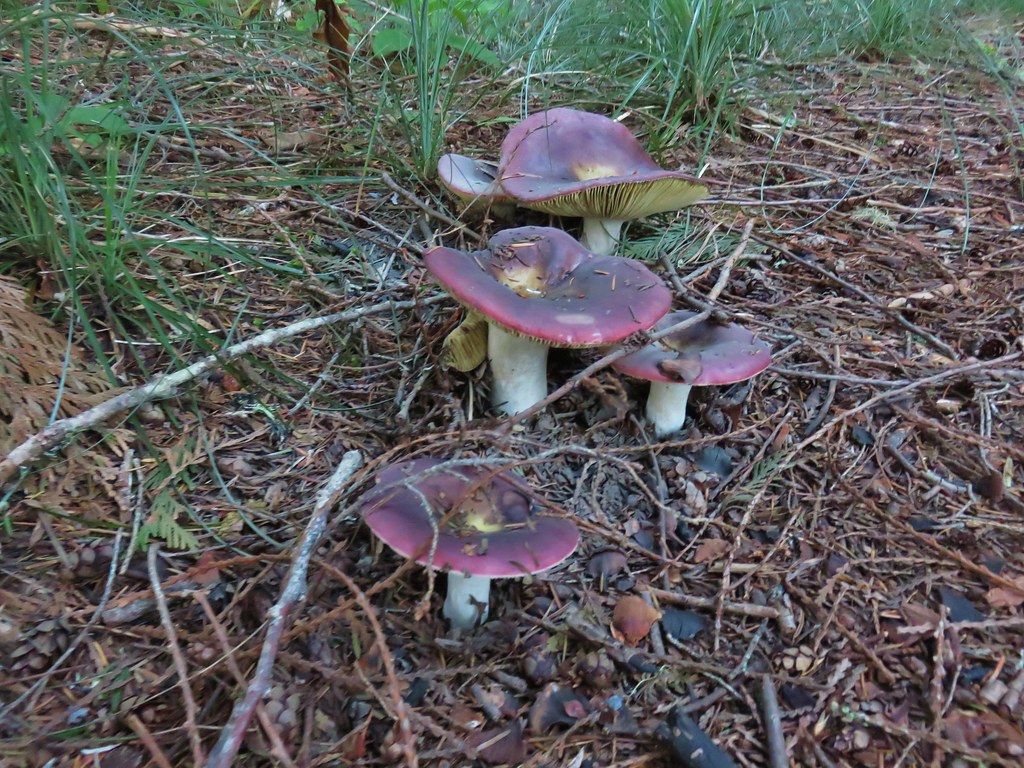
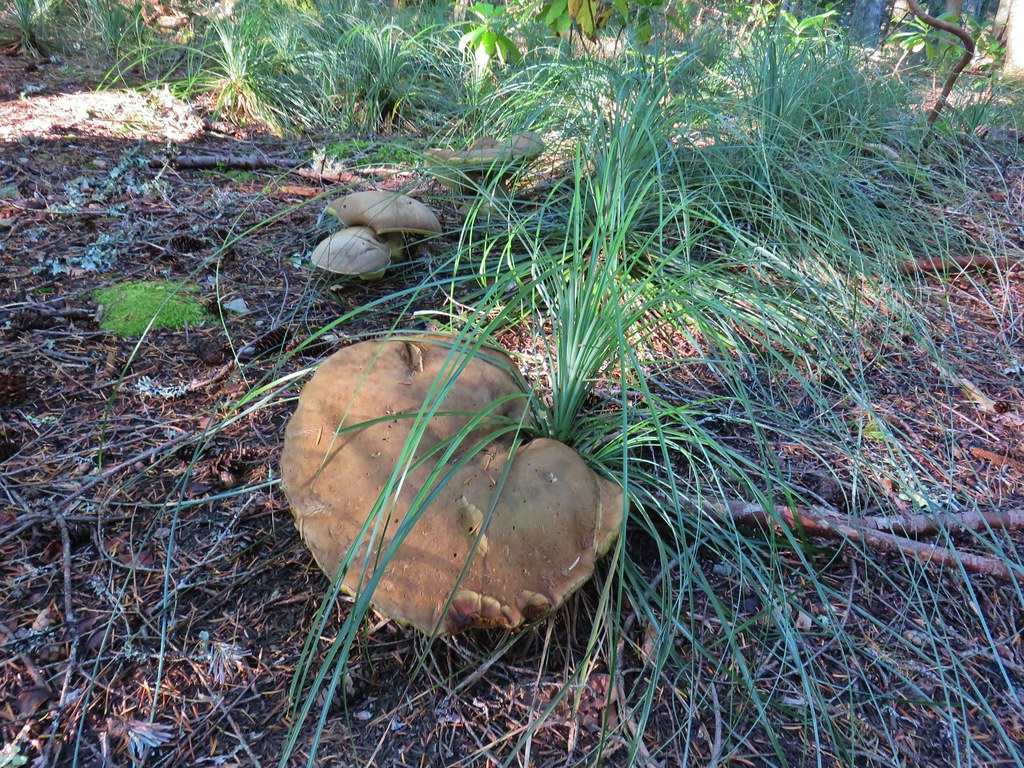
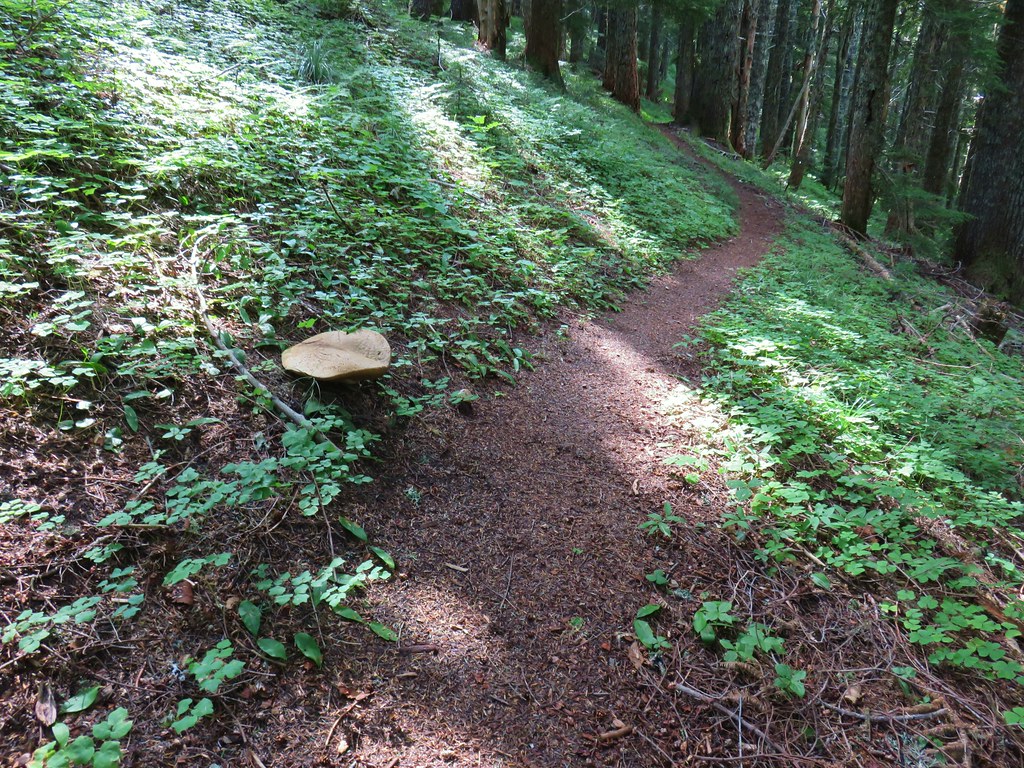 Huge mushroom along the downhill.
 Fanton Trail coming up from the right.


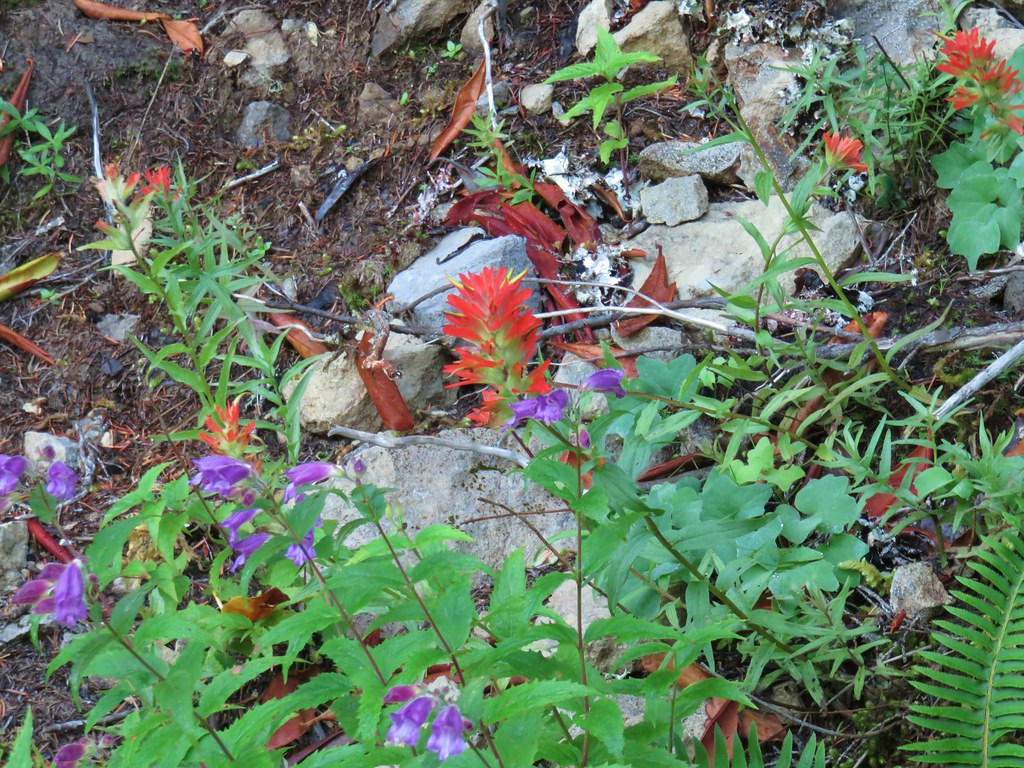

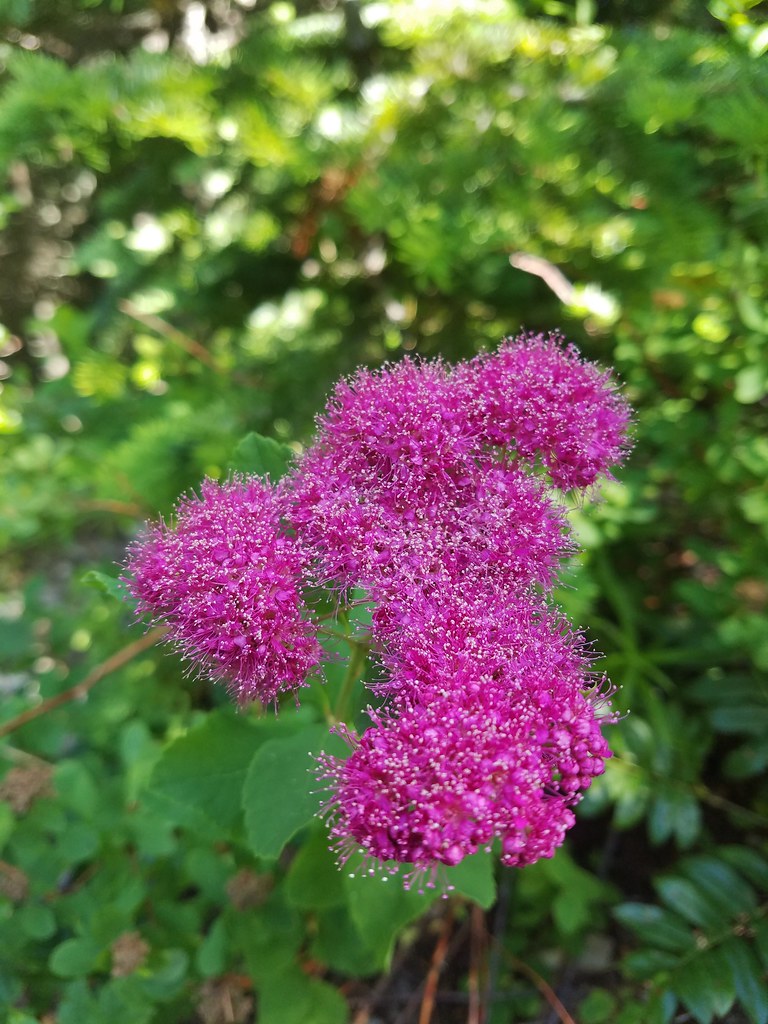


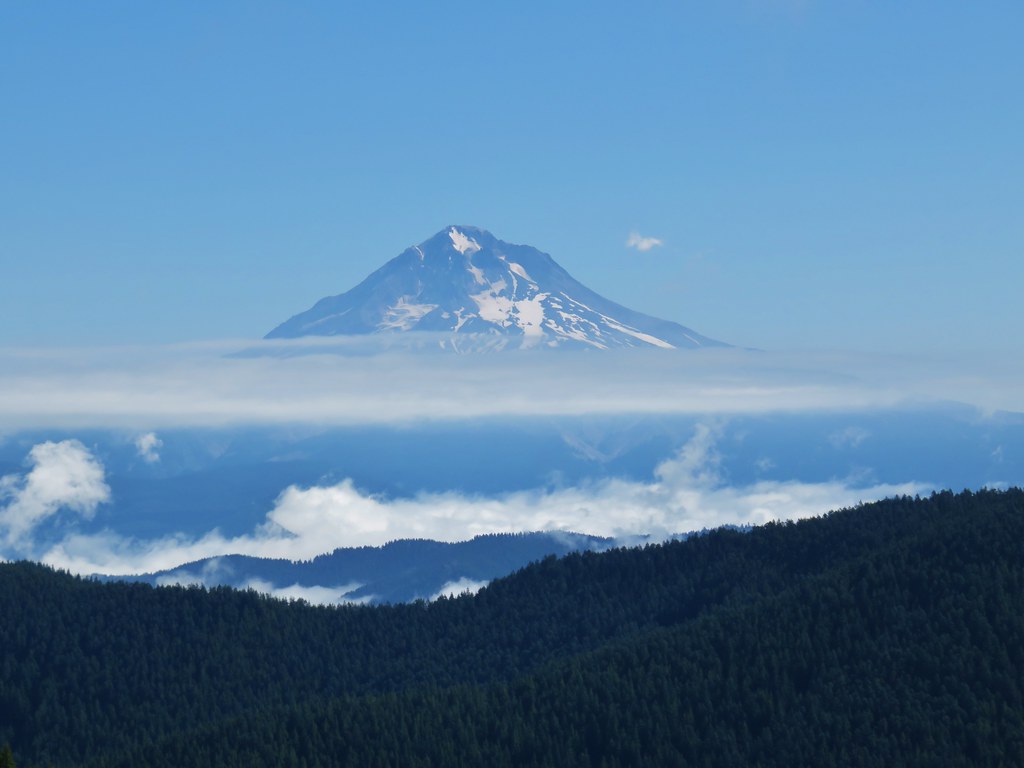


 Three Fingered Jack and the Three Sisters even further south.
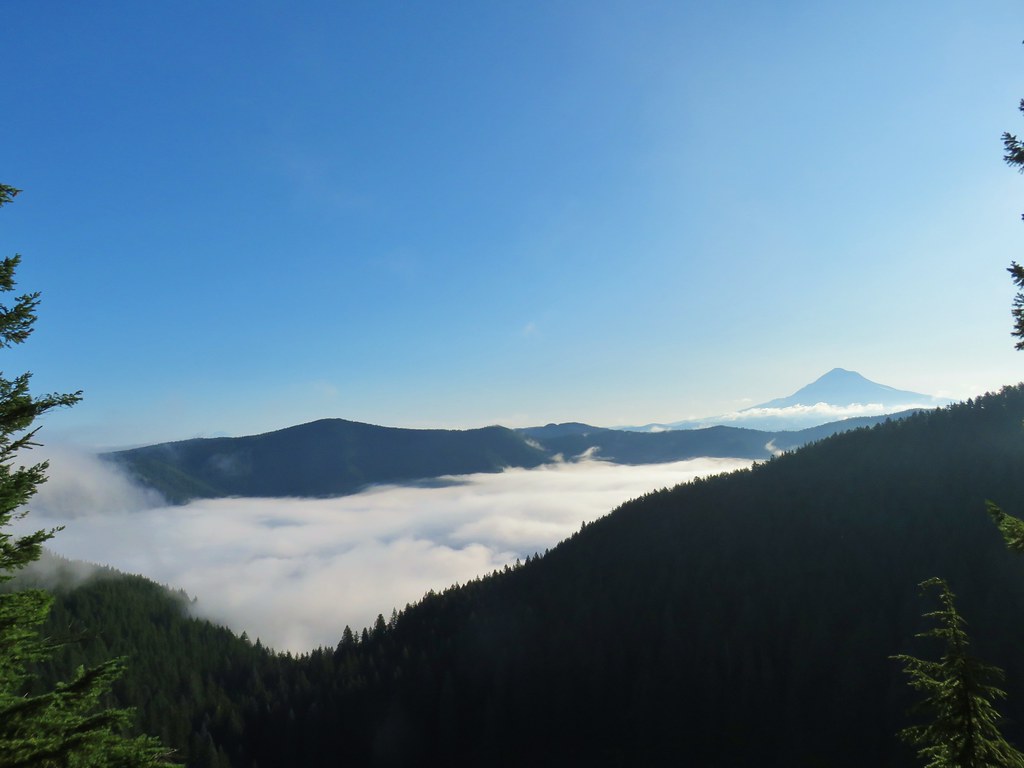
 Looking west into the cloud covered Willamette Valley.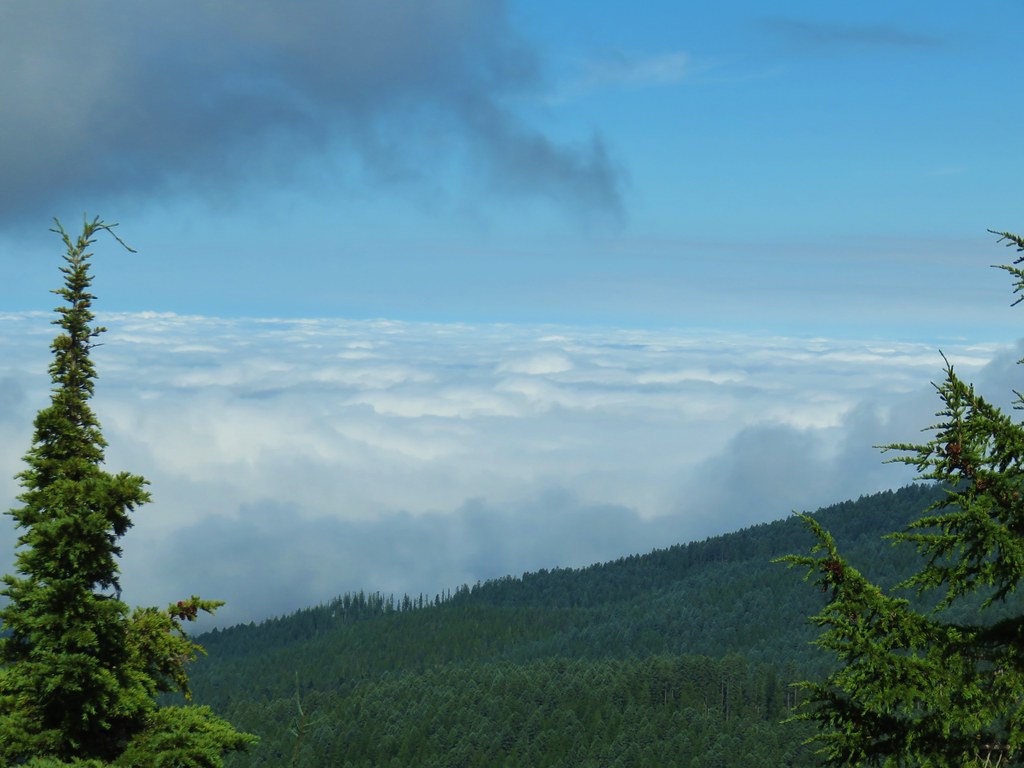
 Stairs to the former lookout.
 Mt. Hood from the former lookout site.



 Pinesap
 A very blurry deer spotted through the trees.



 North Sister
 Middle Sister
 More spies watching us.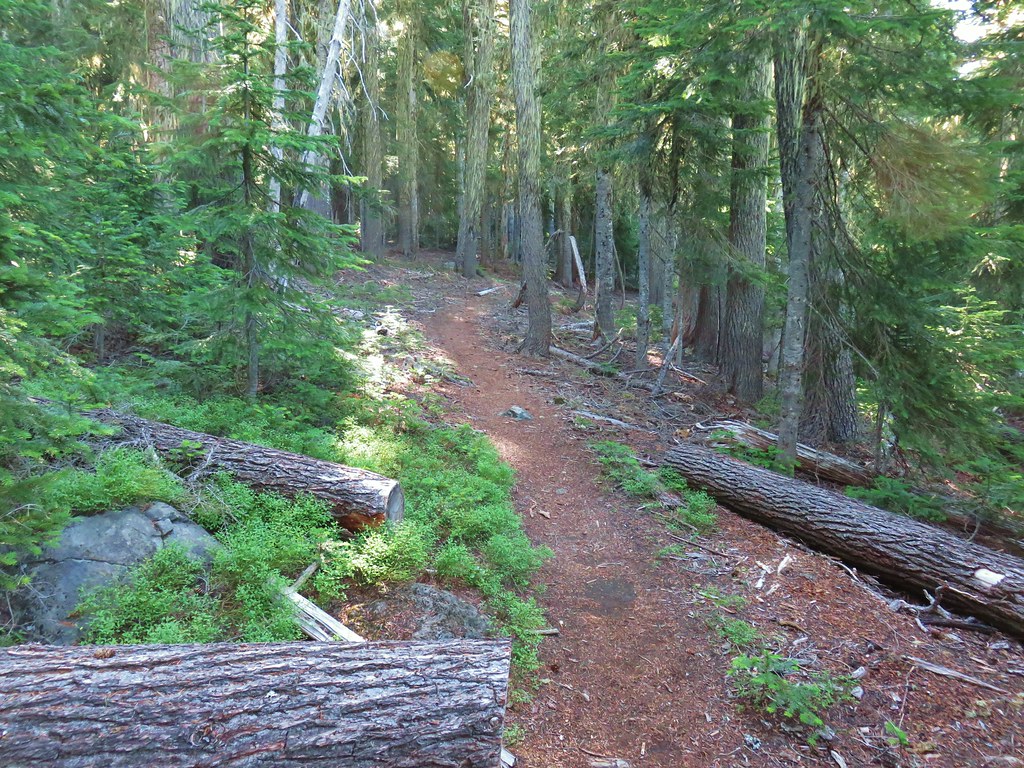


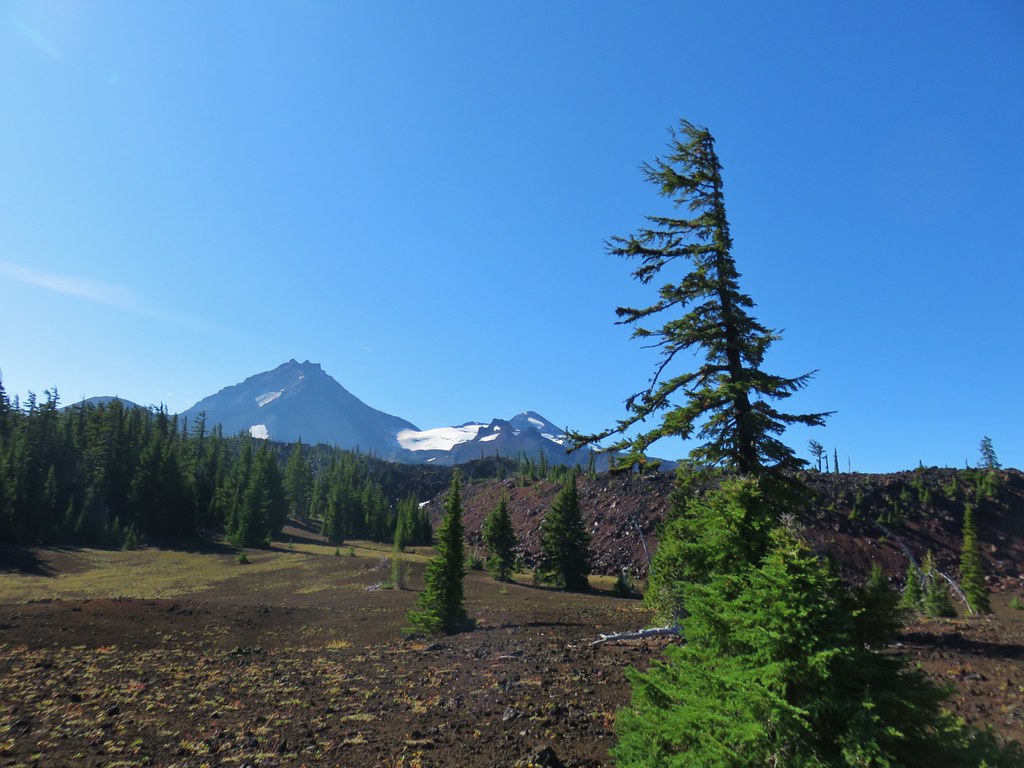 North and Middle Sister behind the Little Brother.
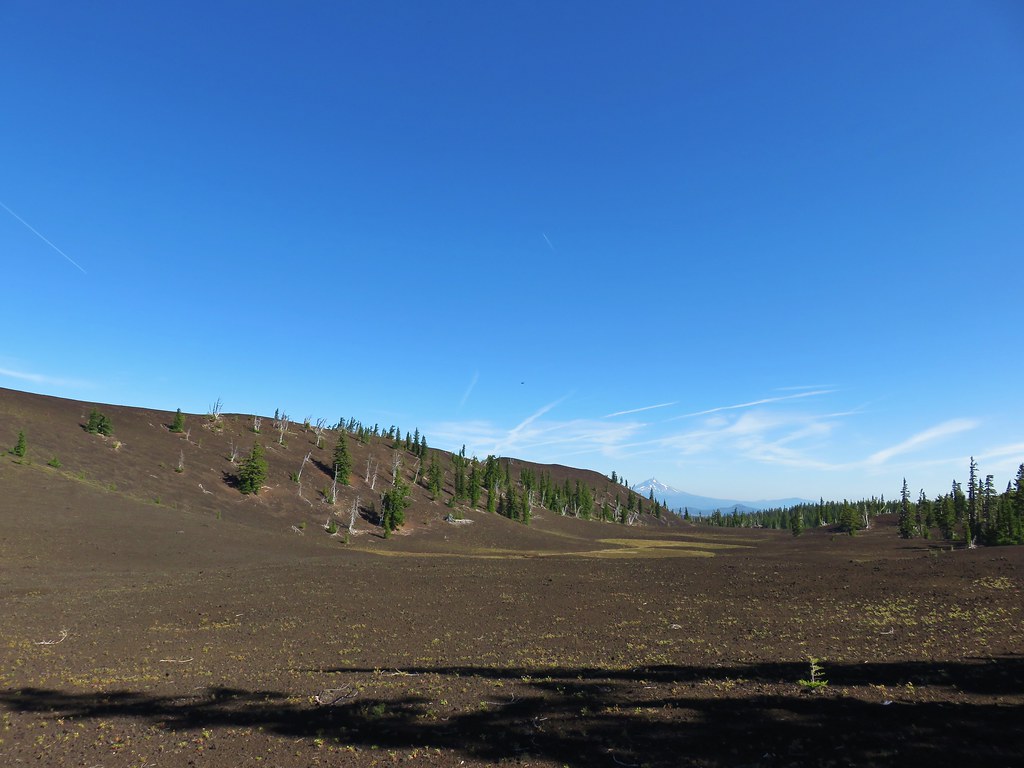 Mt. Jefferson beyond Four-In-One Cone
 Mt. Hood over the right shoulder of Mt. Jefferson.
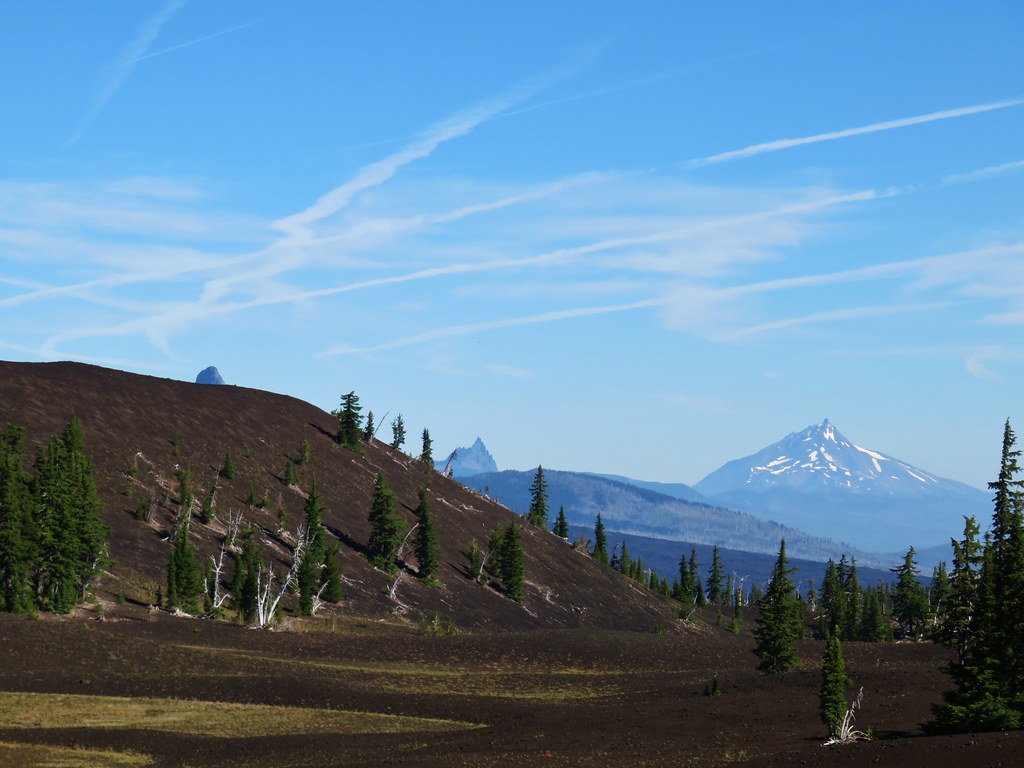 Mt. Washington’s spire behind the cone with Three Fingered Jack and Mt. Jefferson.
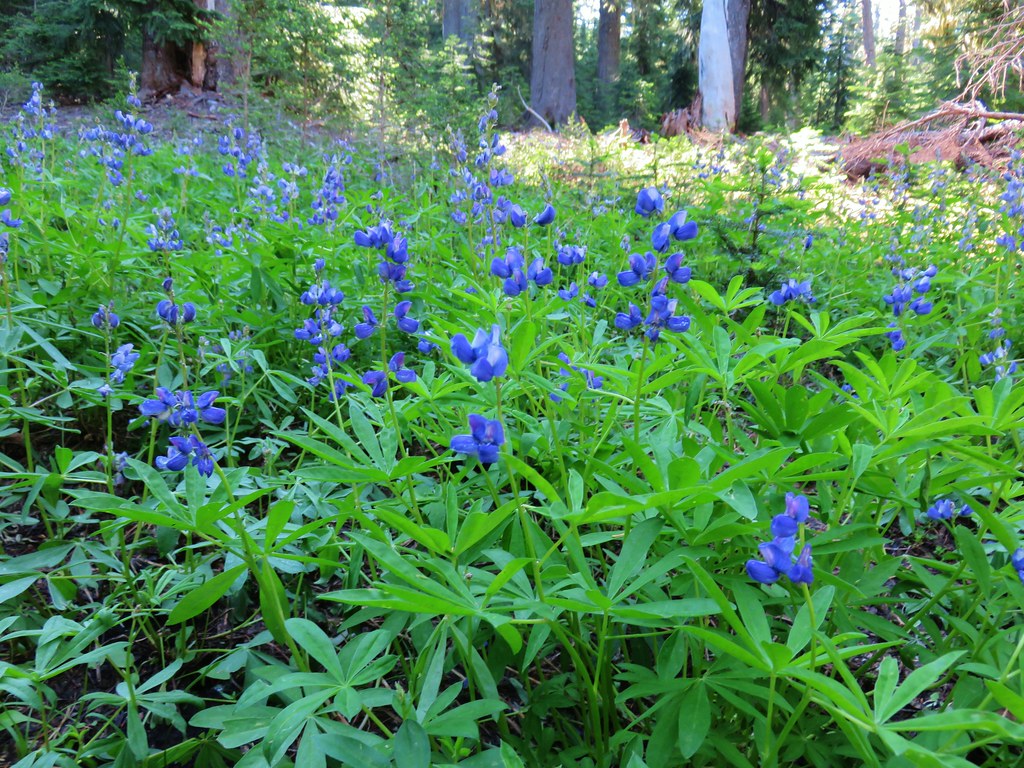
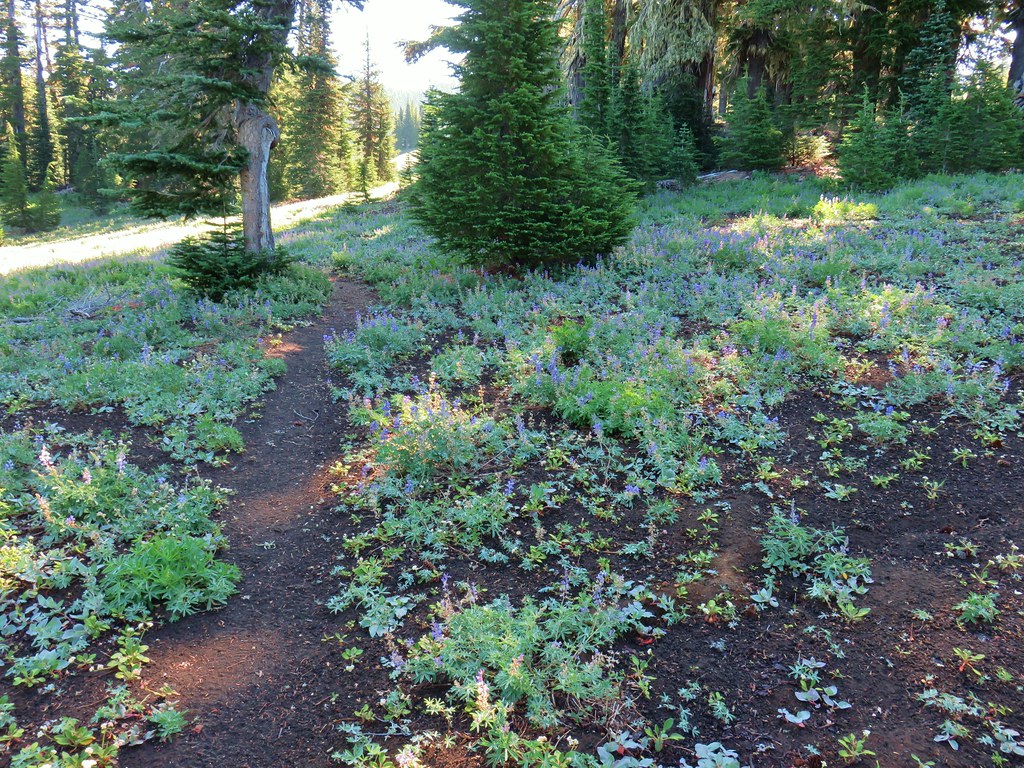

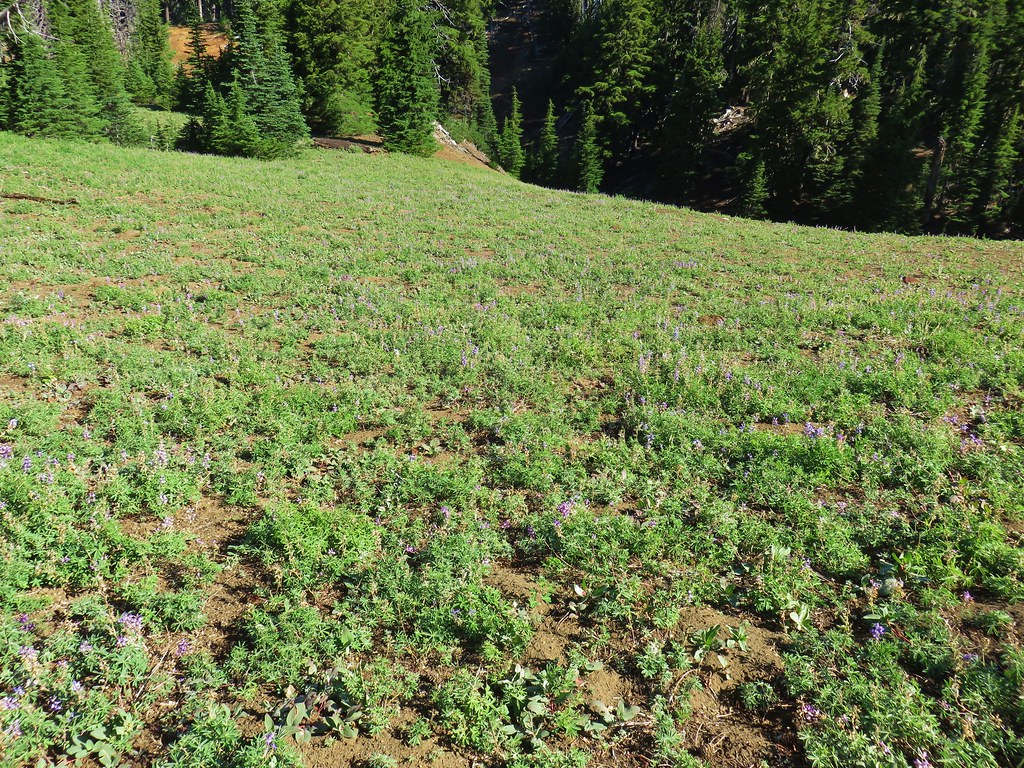
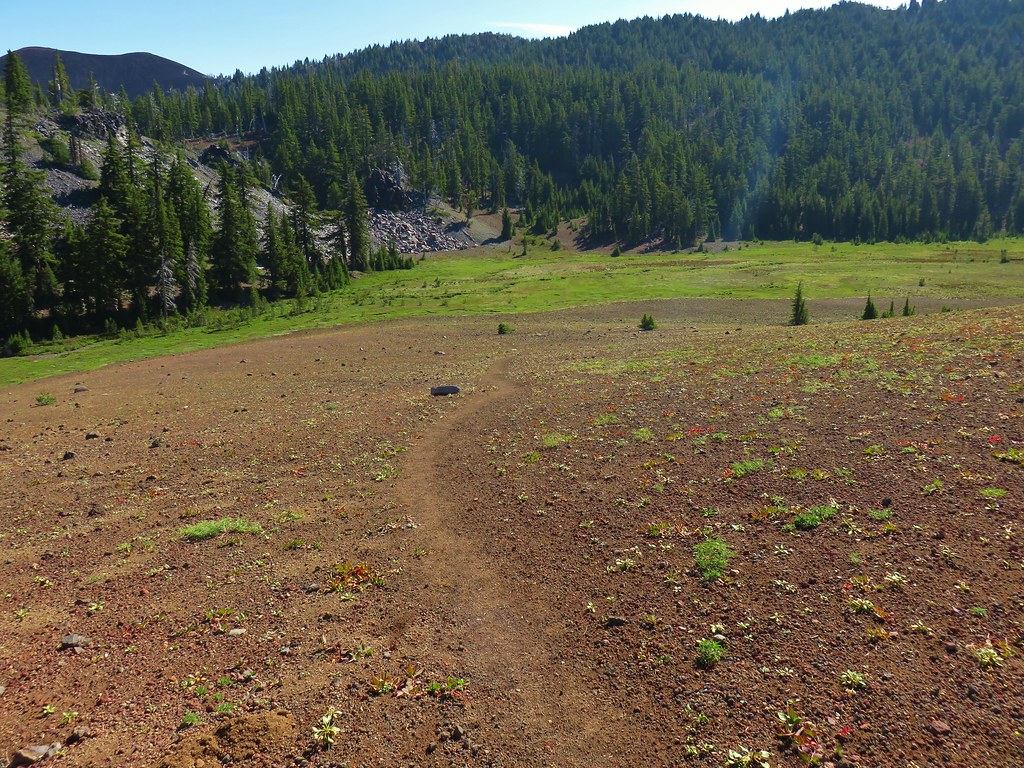 Scott Meadow


 North Sister, Middle Sisters behind Little Brother and The Husband.
 North Sister with Collier Cone in front and South Sister behind Little Brother.
 The Husband
 Scott Mountain (
 One of the craters.
 Mt. Washington, Three Fingered Jack, Mt. Jefferson, Mt. Hood, and Black Crater (
 Looking back south.
 Belknap Crater (
 Mt. Washington beyond Little Belknap Crater with Three Fingered Jack behind.
 Mt. Jefferson and Mt. Hood
 Middle and North Sister
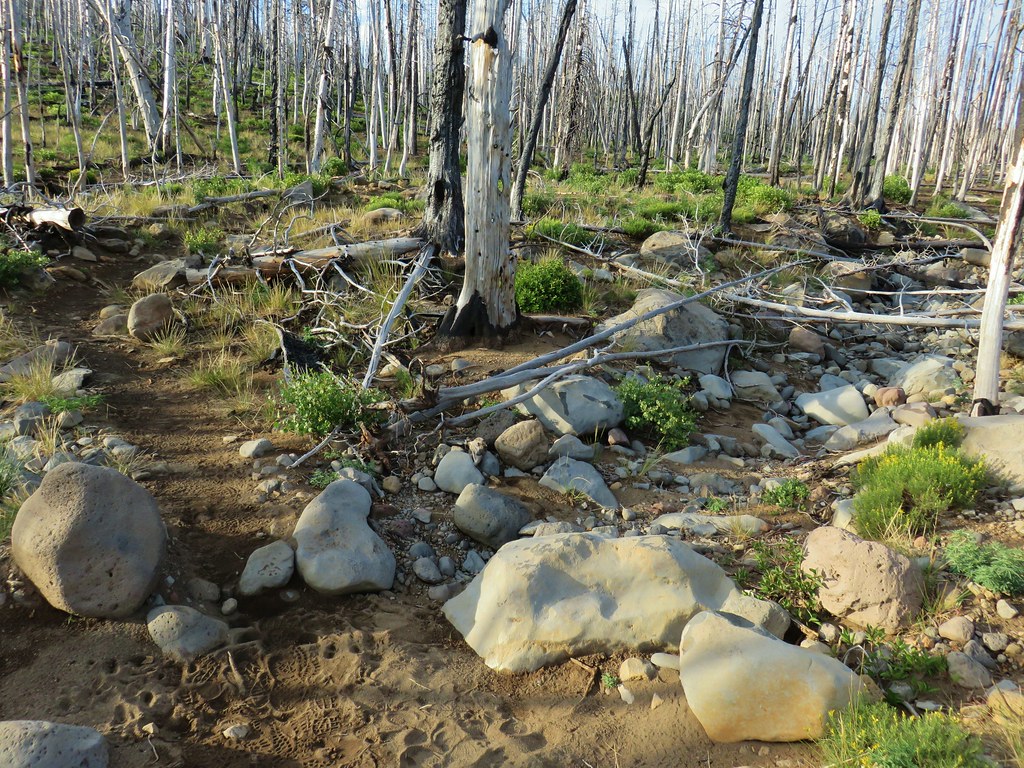 Dry bed of Pole Creek.
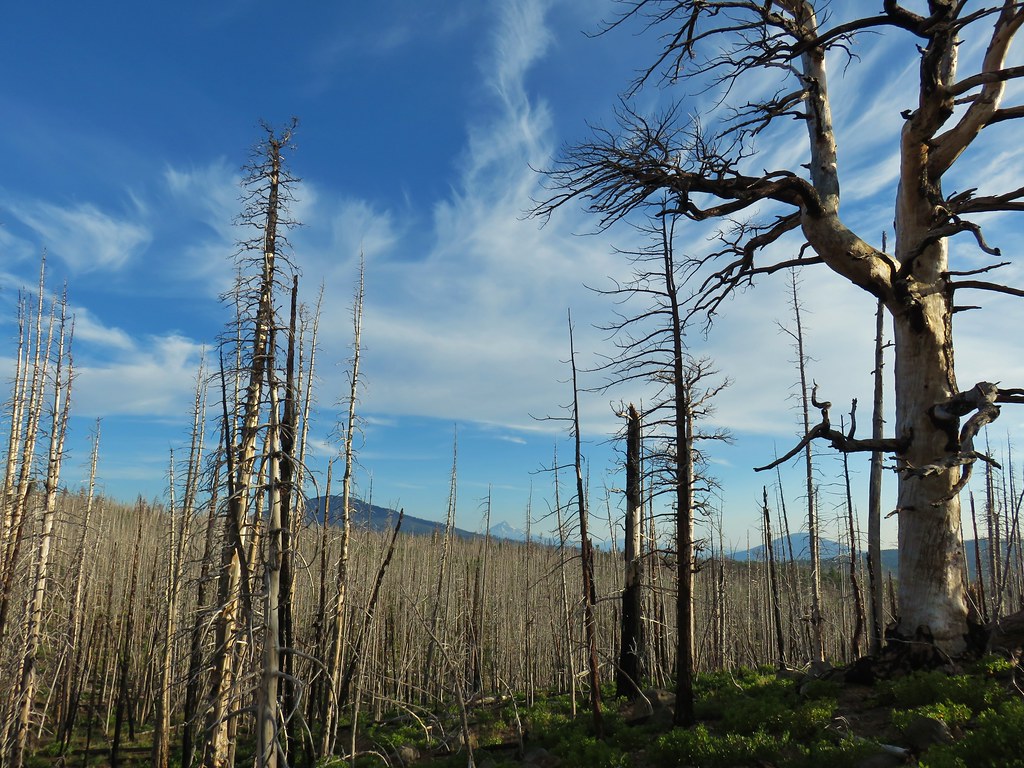 Black Crater, Mt. Jefferson, and Black Butte to the north.
 Entering the Three Sisters Wilderness.
 A few survivors amid the snags.
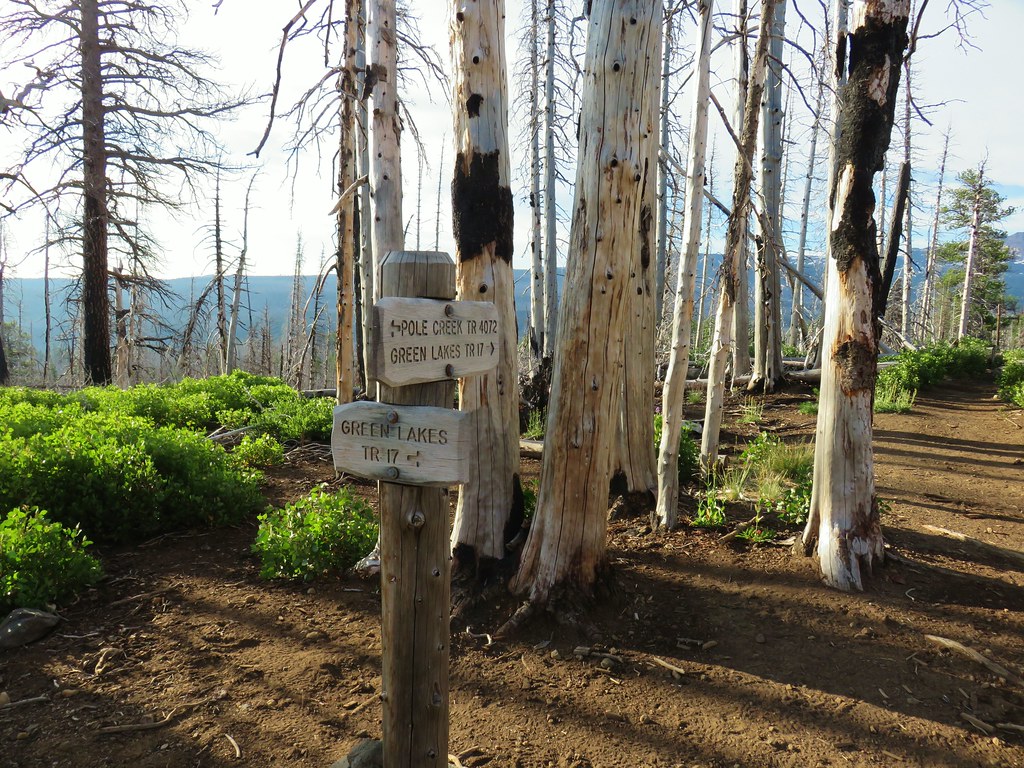 Green Lakes Trail junction.
 Broken Top and the South Sister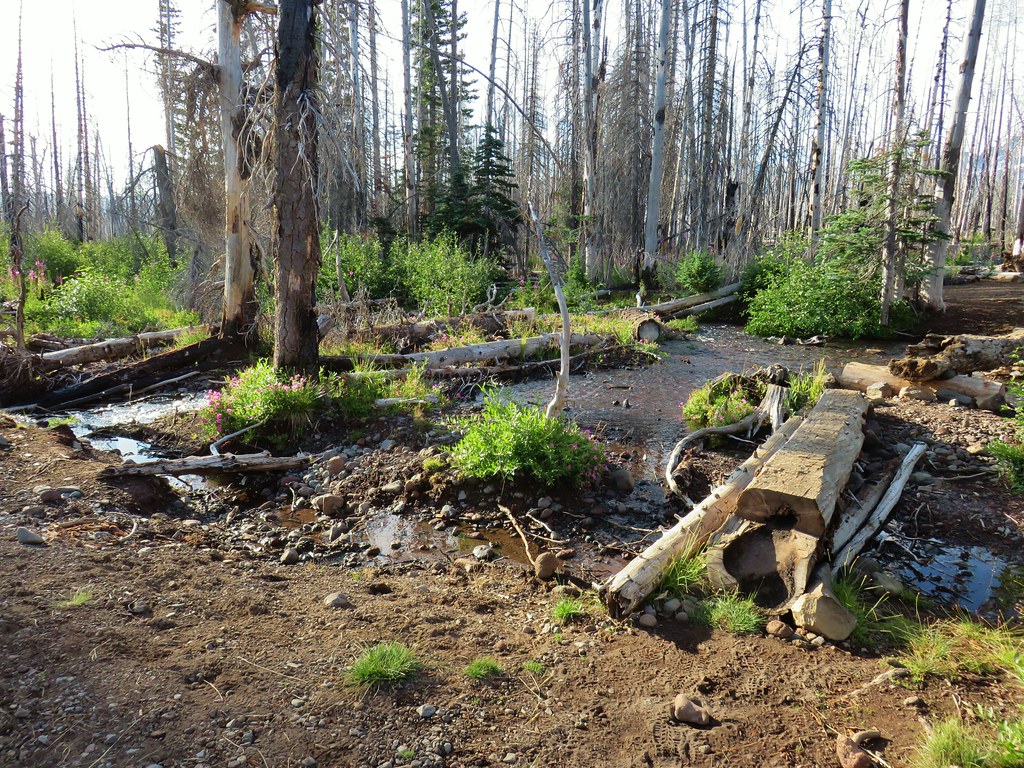
 Monkeyflower along Soap Creek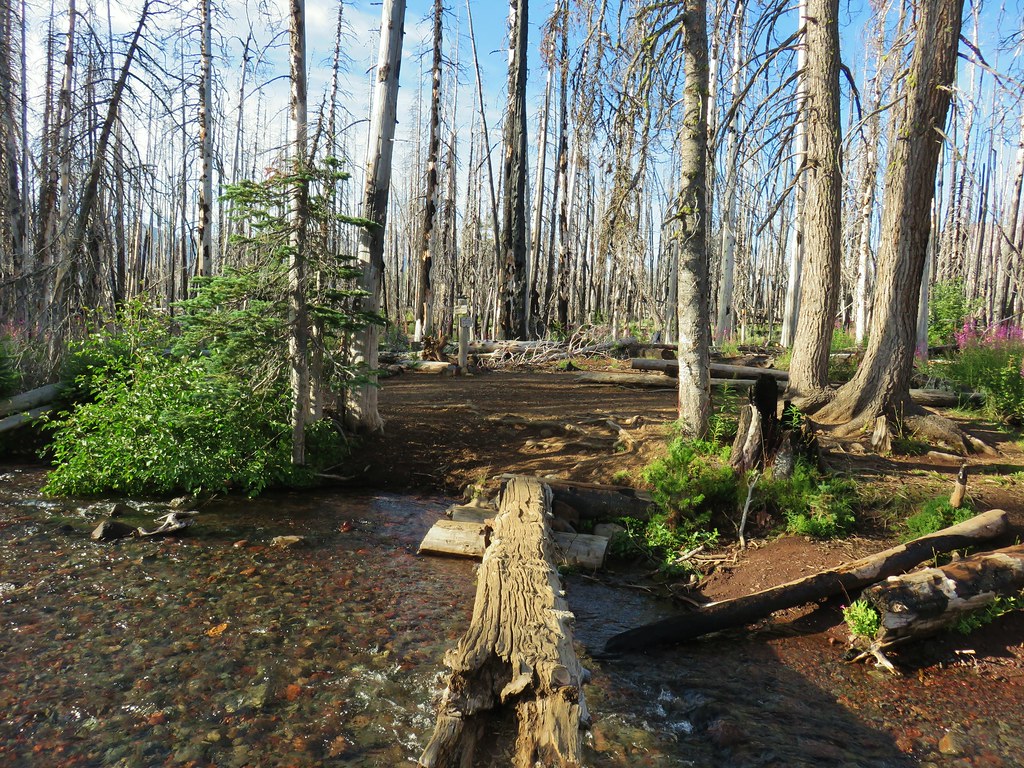
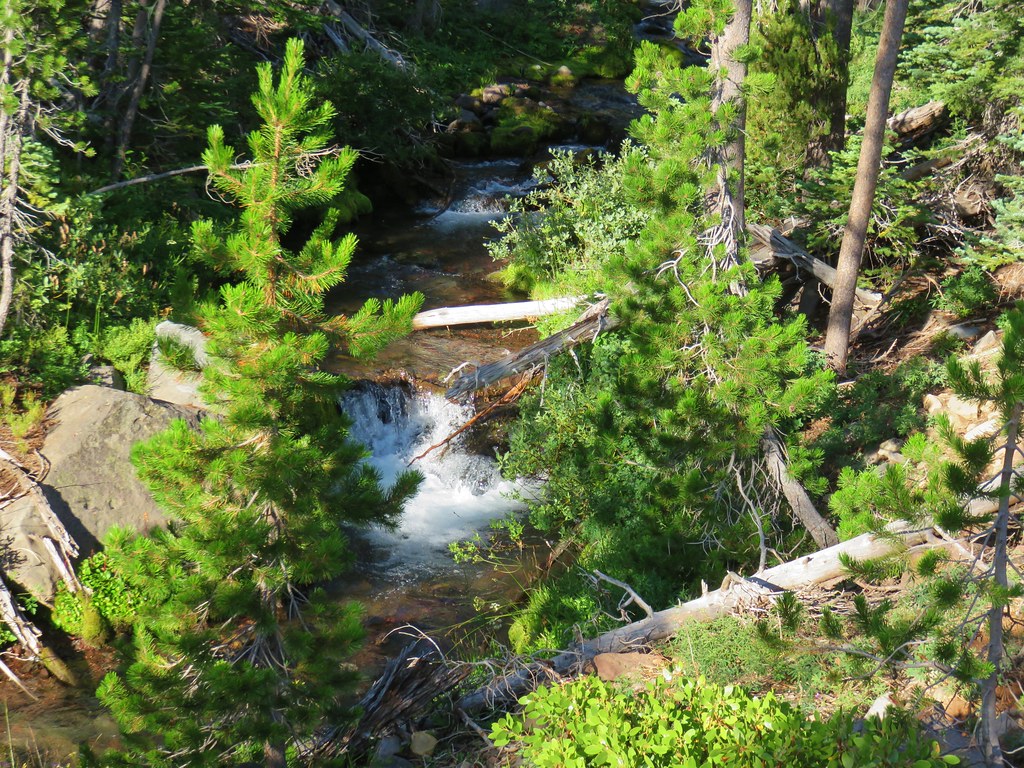 Soap Creek
 View of the North Sister that would not have been there pre-fire.
 Soap Creek and the Middle and North Sister
 Monkshood
 Might be a trail in there, might not.
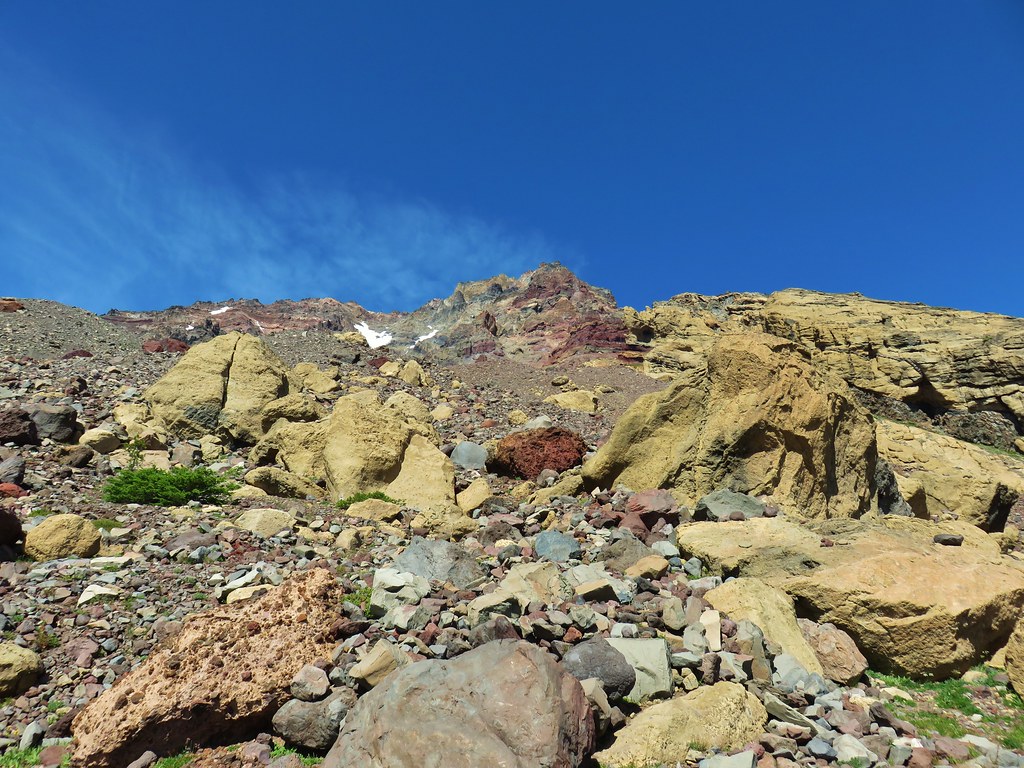
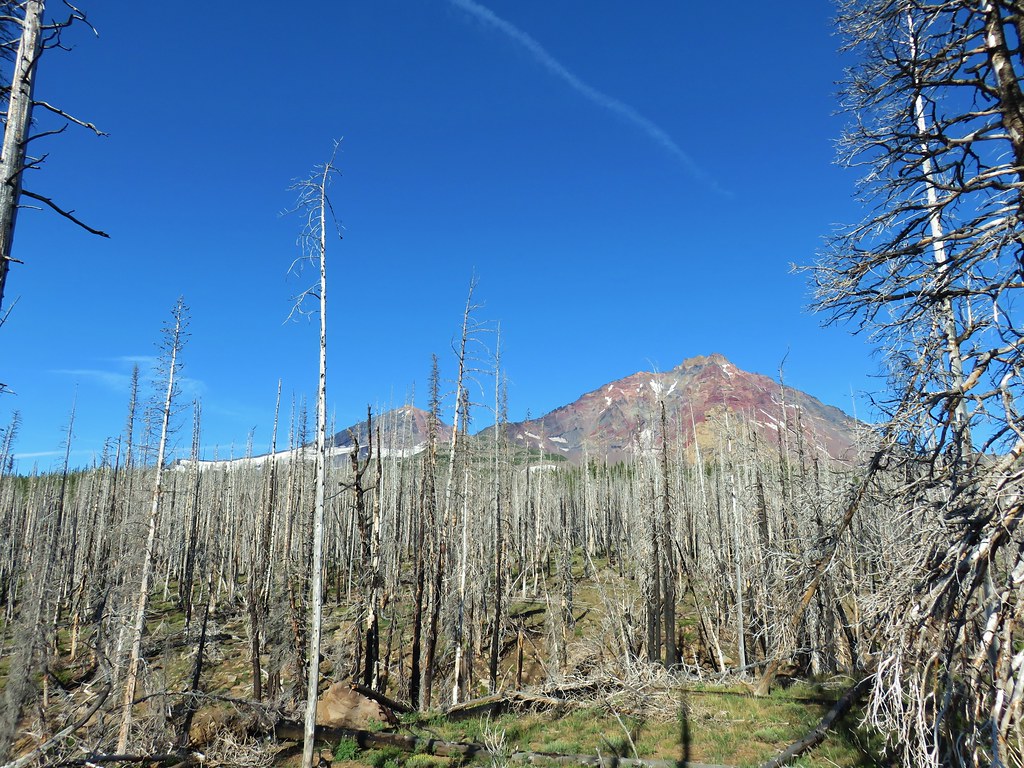 Decent look at the yellow bulge on North Sister.
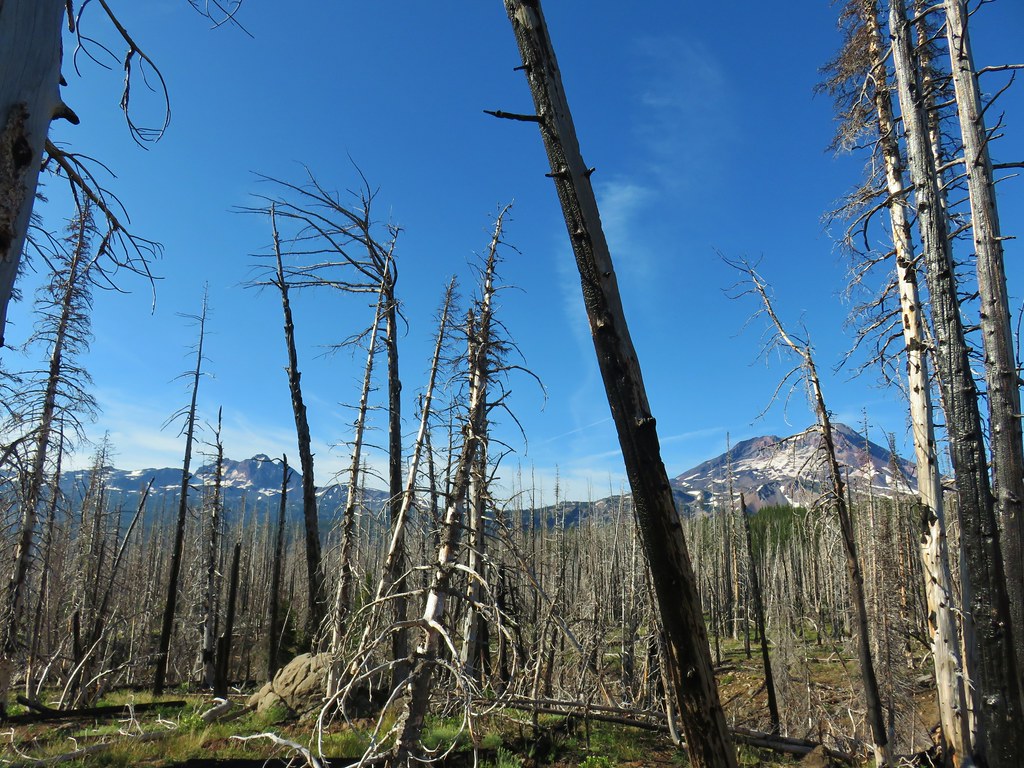 Broken Top and South Sister
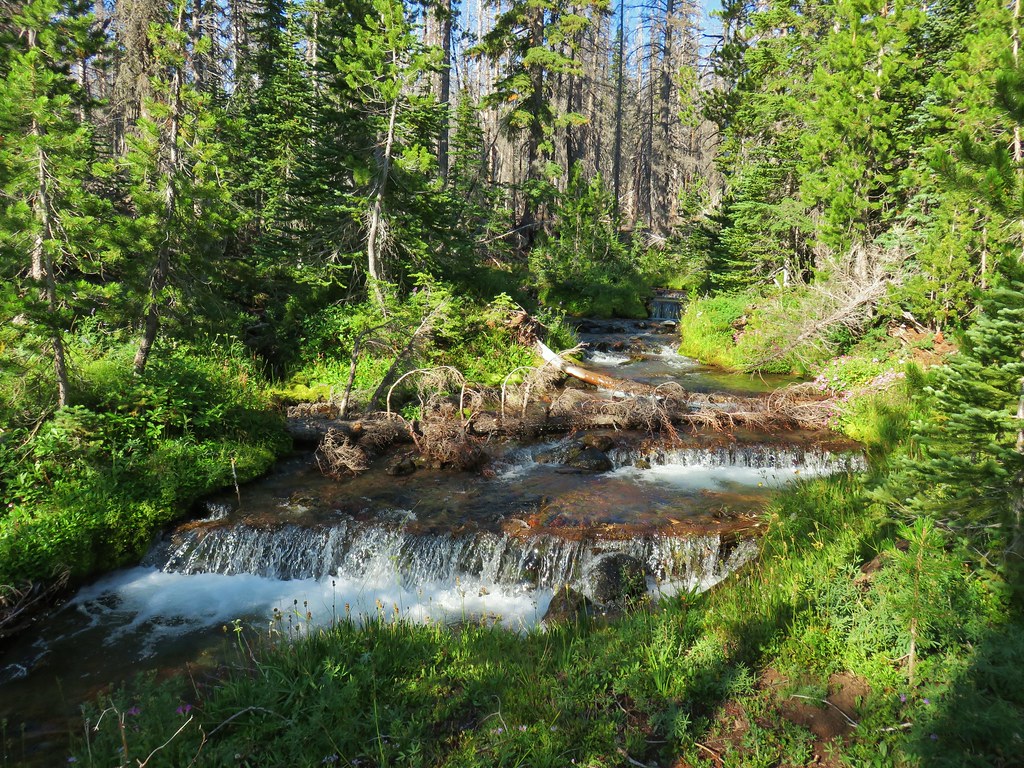 Soap Creek
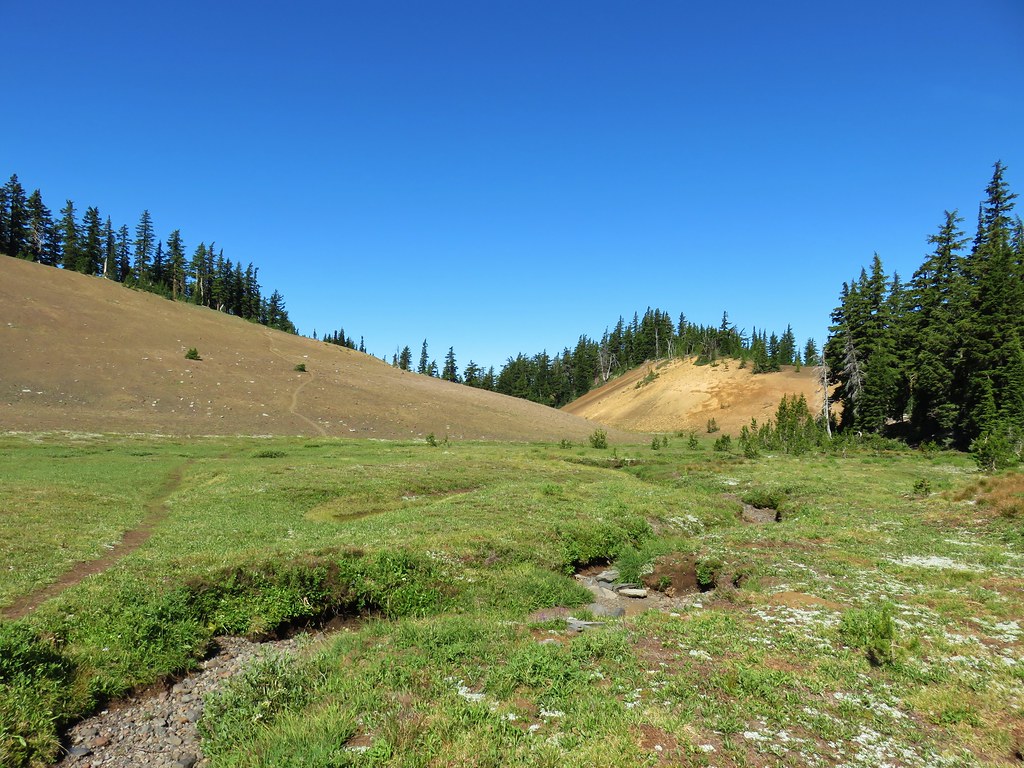
 Meadow where there was no discernible trail apparent.
 Typical cross country obstacles.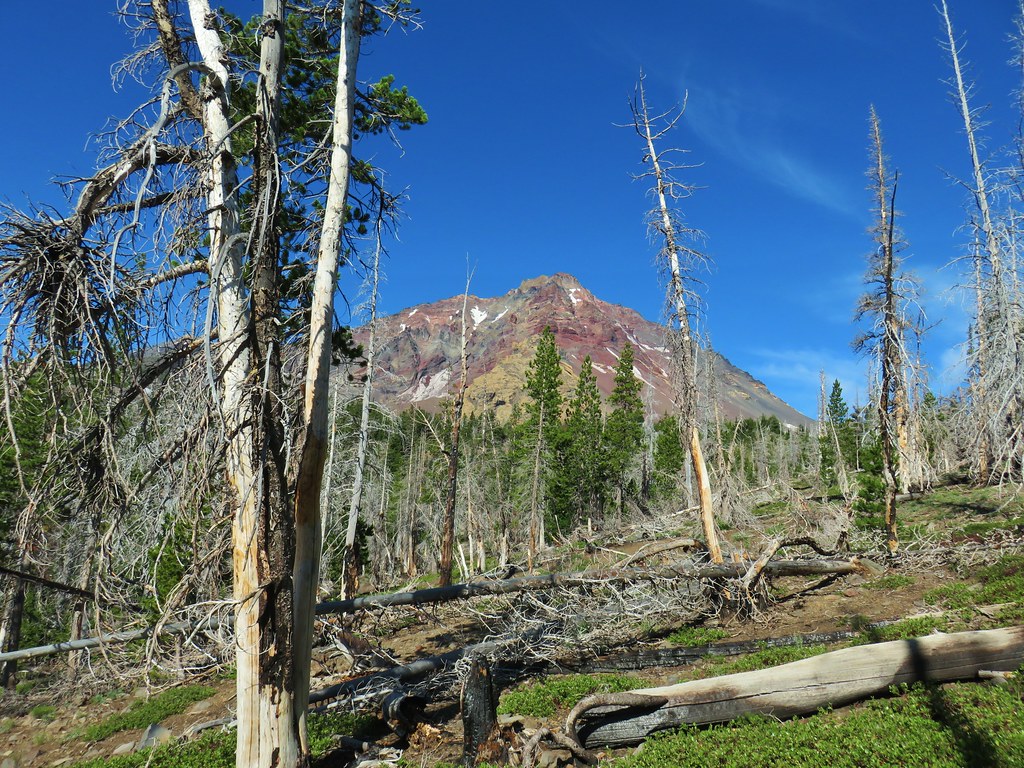
 Dry creekbed.
 Elephants head
 The moraine to the left of the bulge.
 A clump of Monkeyflower

 Penstemon
 Our shady spot.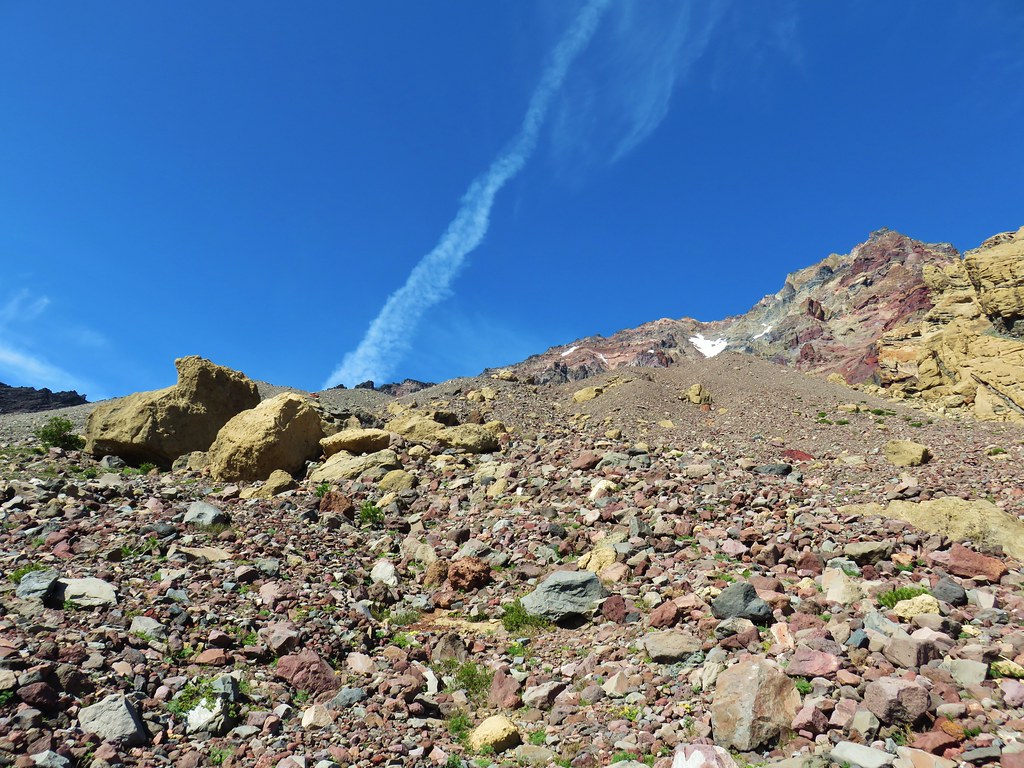
 Paintbrush growing on the moraine.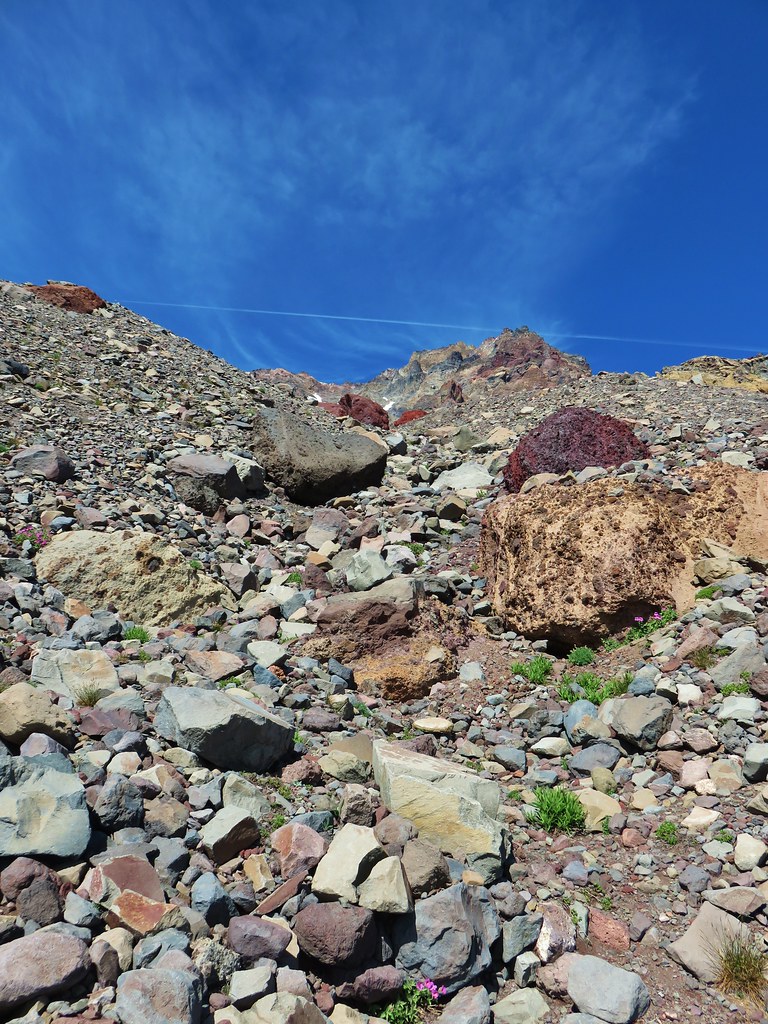
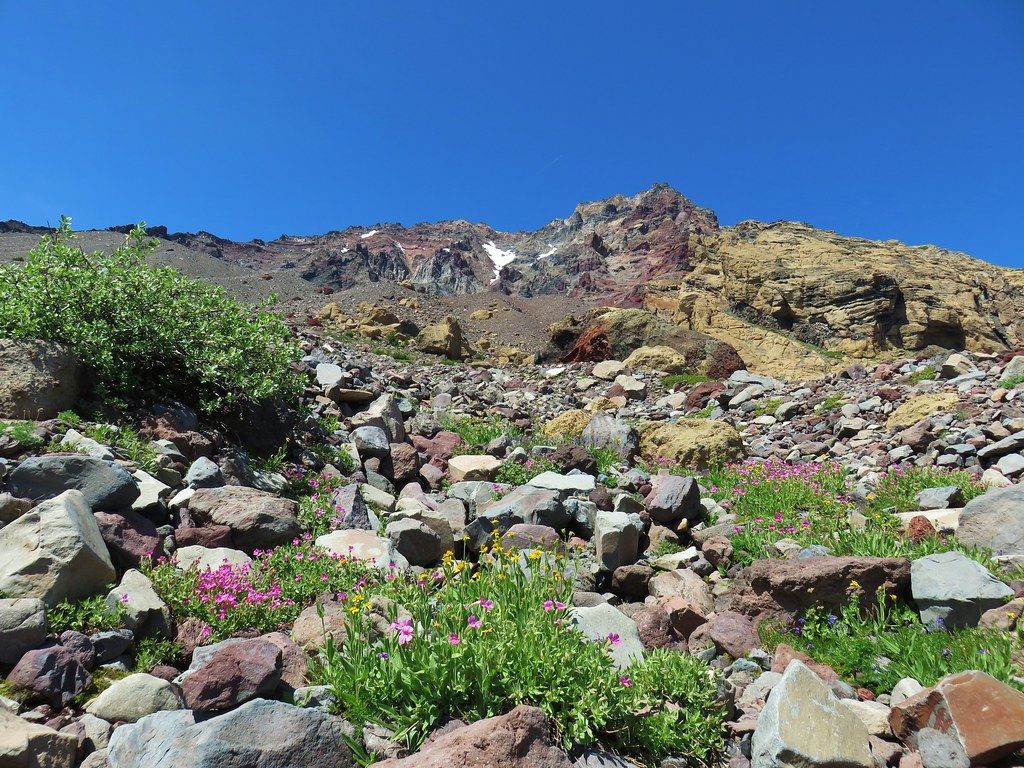
 More flowers amid the rocks.


 The yellow bulge, Mt. Hood, Black Crater and Black Butte to the north.
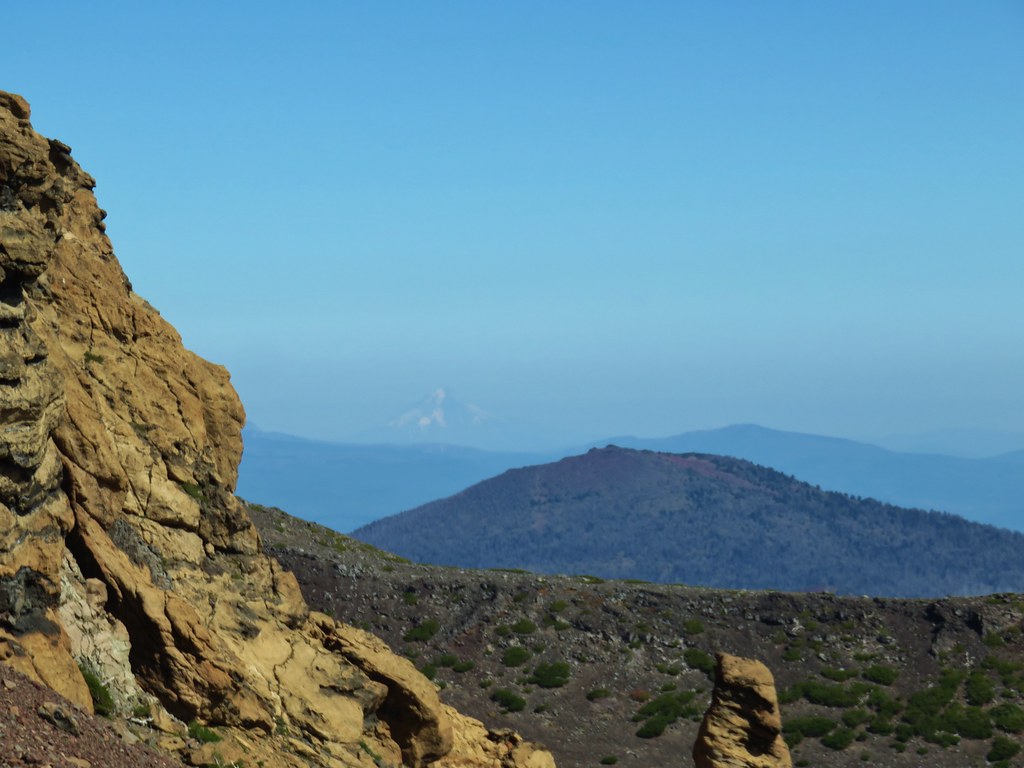 Mt. Hood
 Broken Top to the north.
 The rim above Thayer Lake.
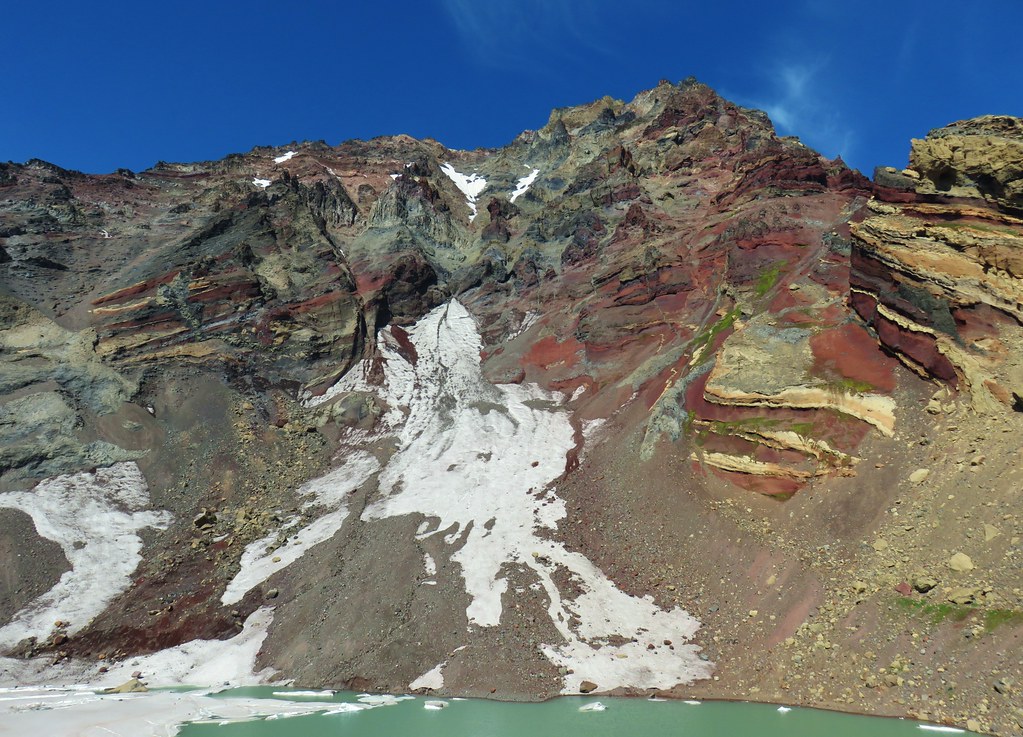 North Sister and the Thayer Glacier
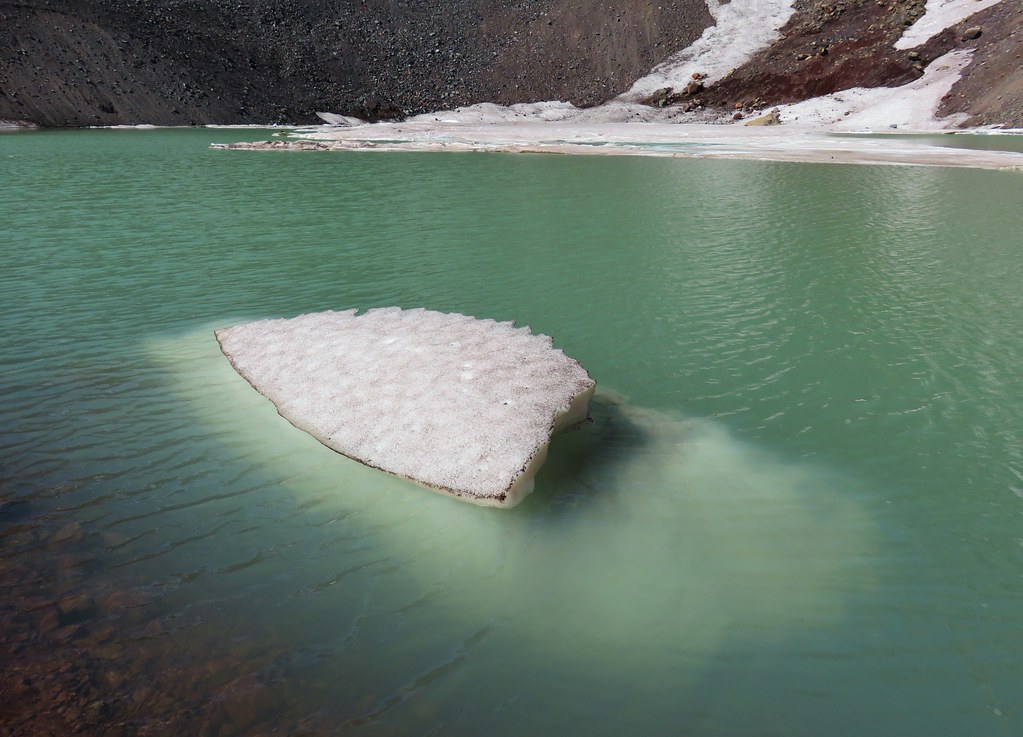
 Heather near some large boulders in the lake.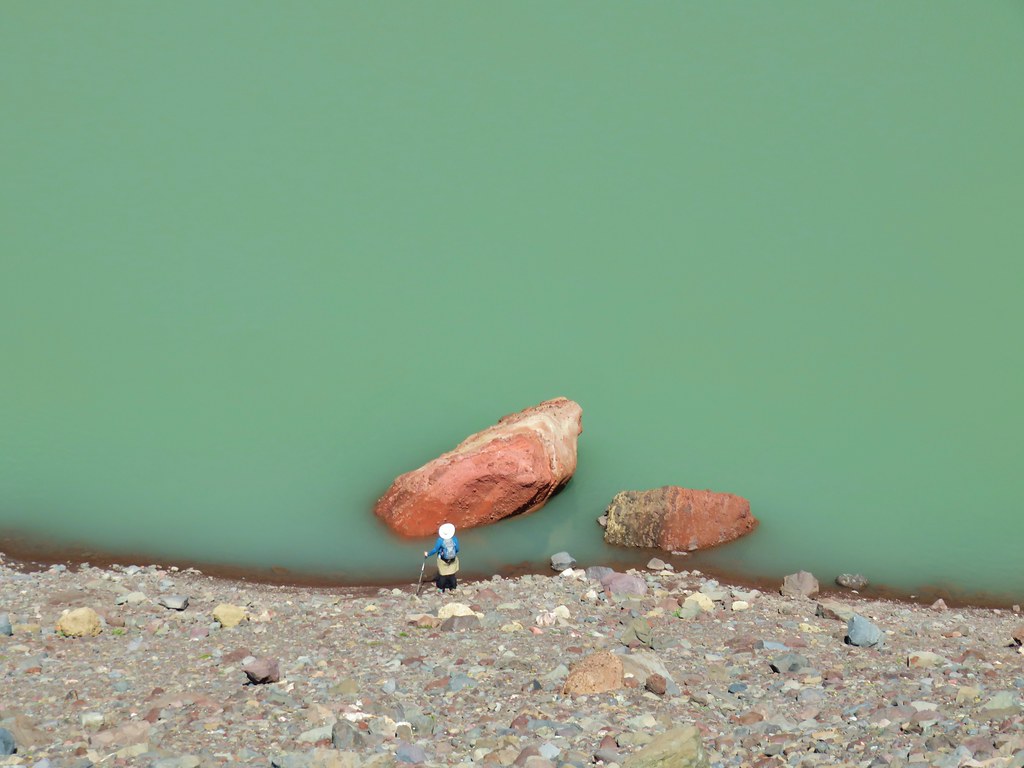






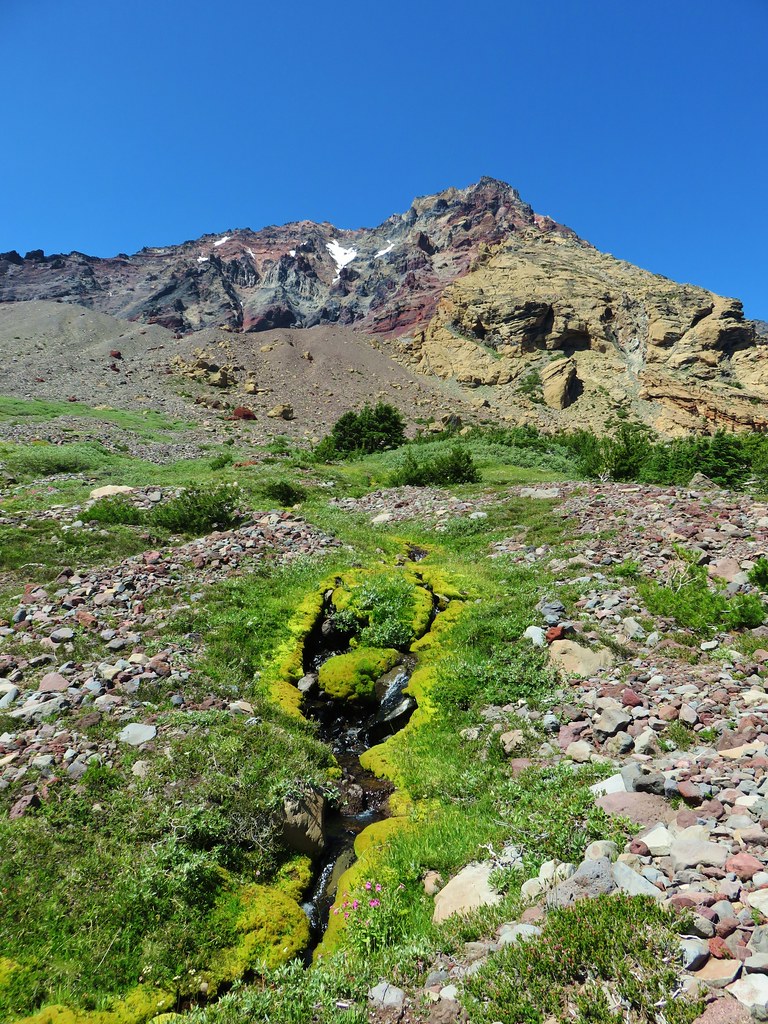

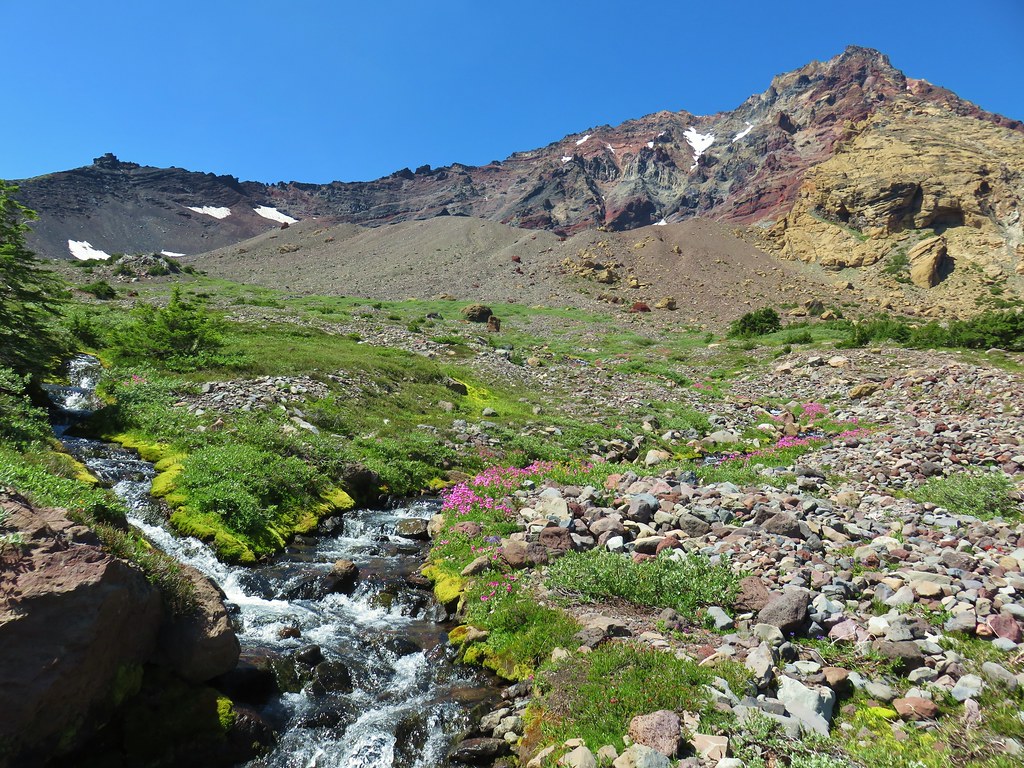
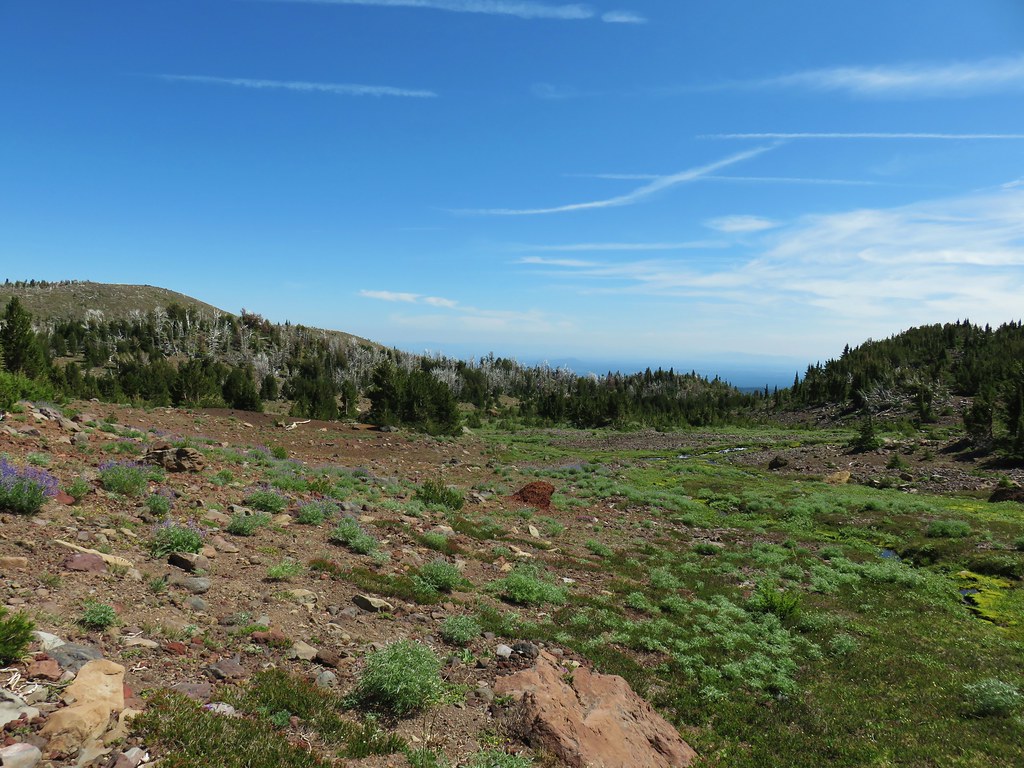

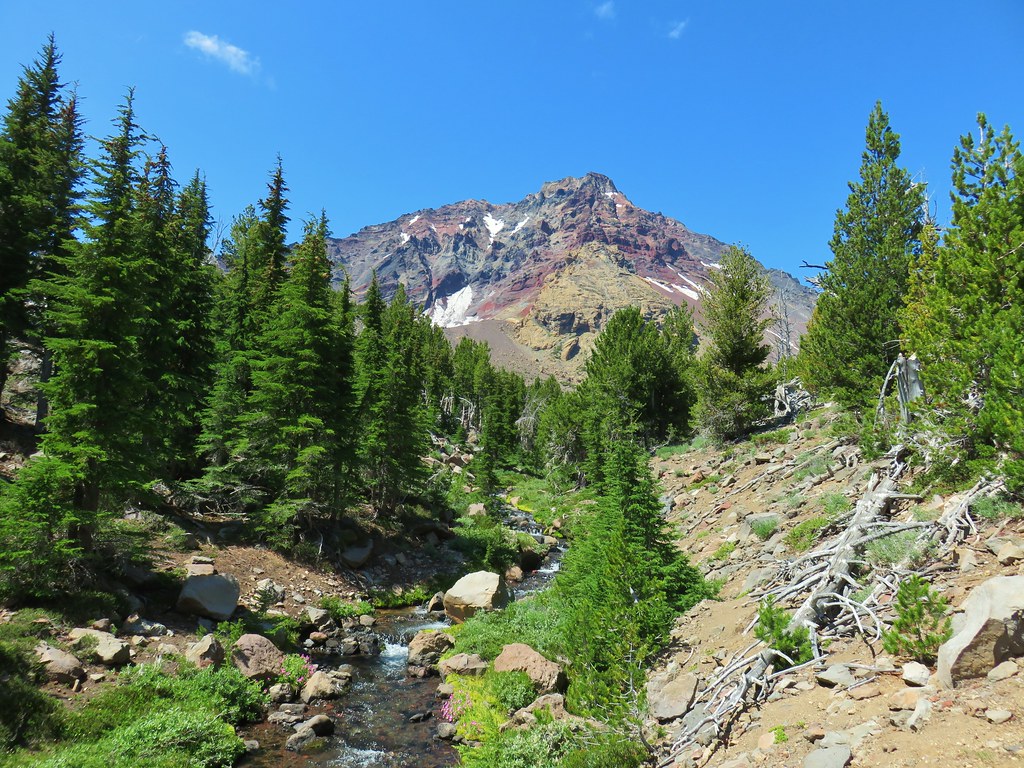
 Starting to get too narrow and the topographic map showed it getting more so further downstream.
 Climbing out of the gully.
 Broken Top and South Sister from the ridge.


 The wilderness sign in 2015.

 2015
2015
 2015
2015

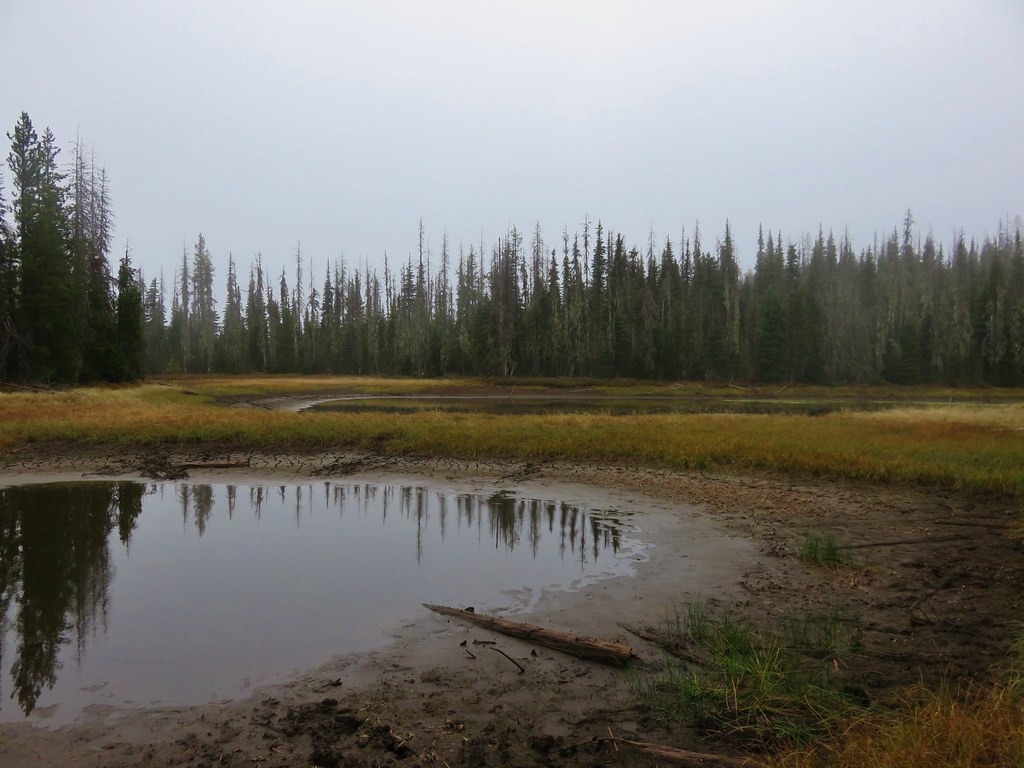 2015
2015
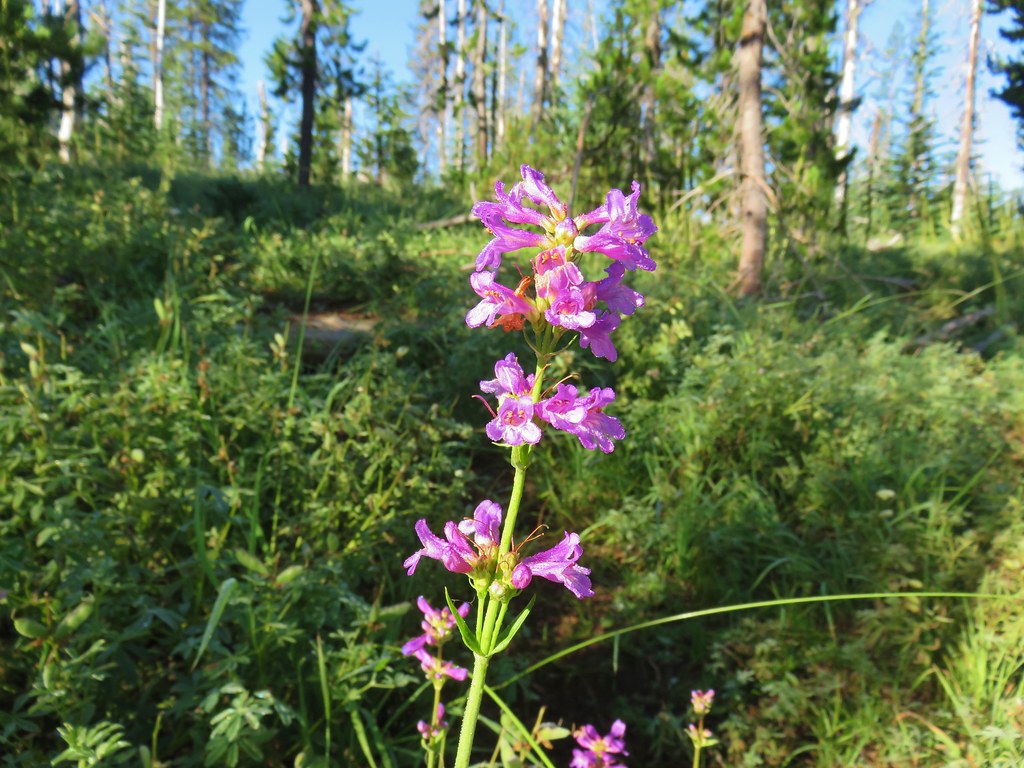 Penstemon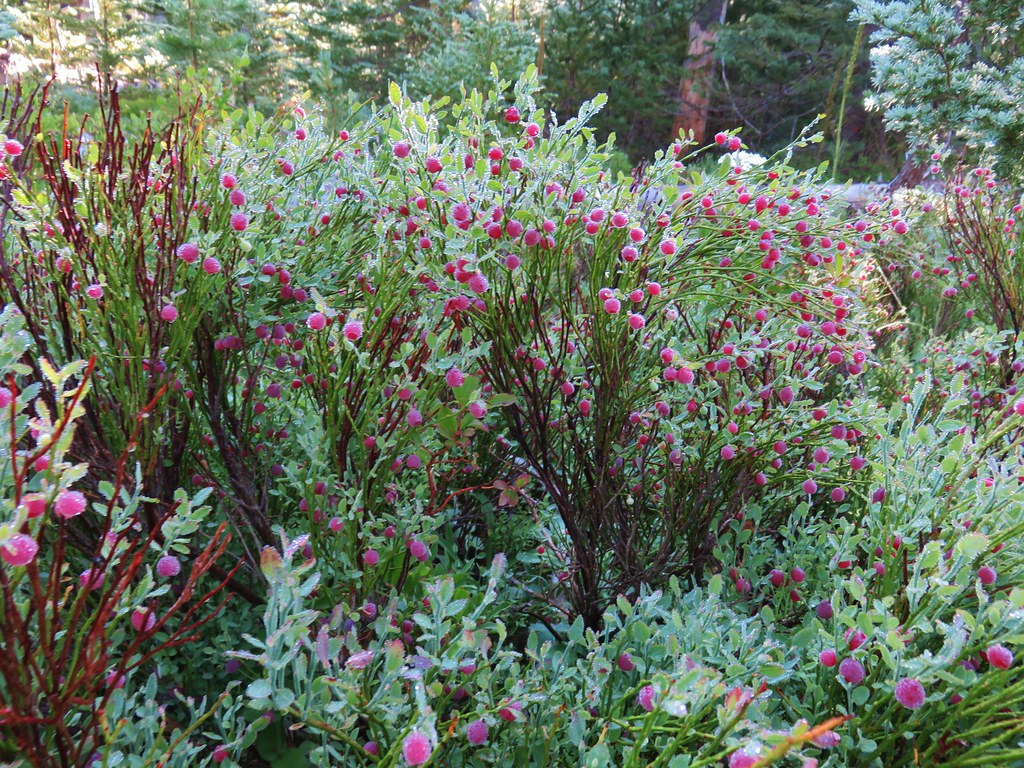
 Lousewort
 Scarlet gilia
 A couple of short (and late) beargrass plumes.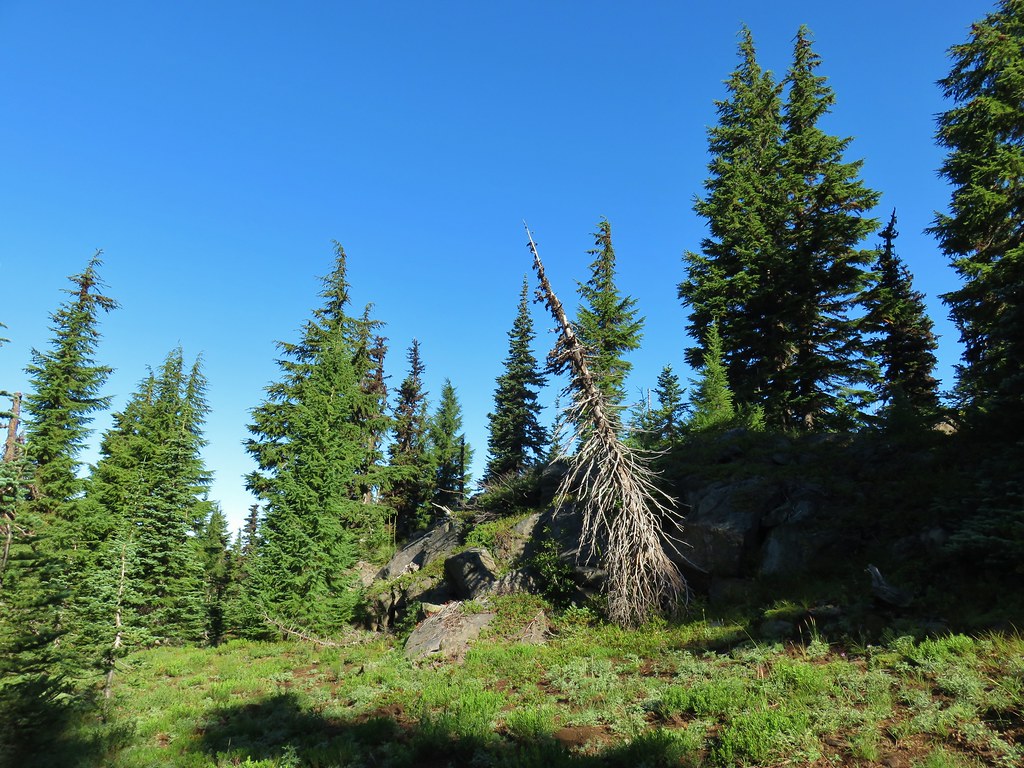

 This looked like prime pika habitat to us.

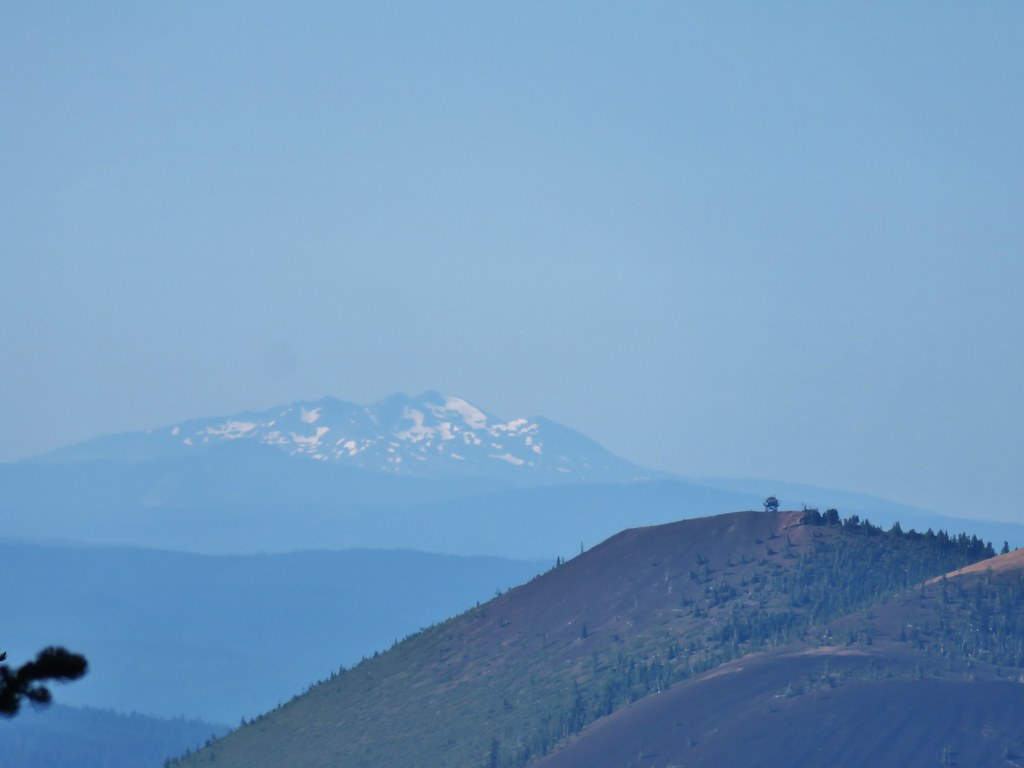

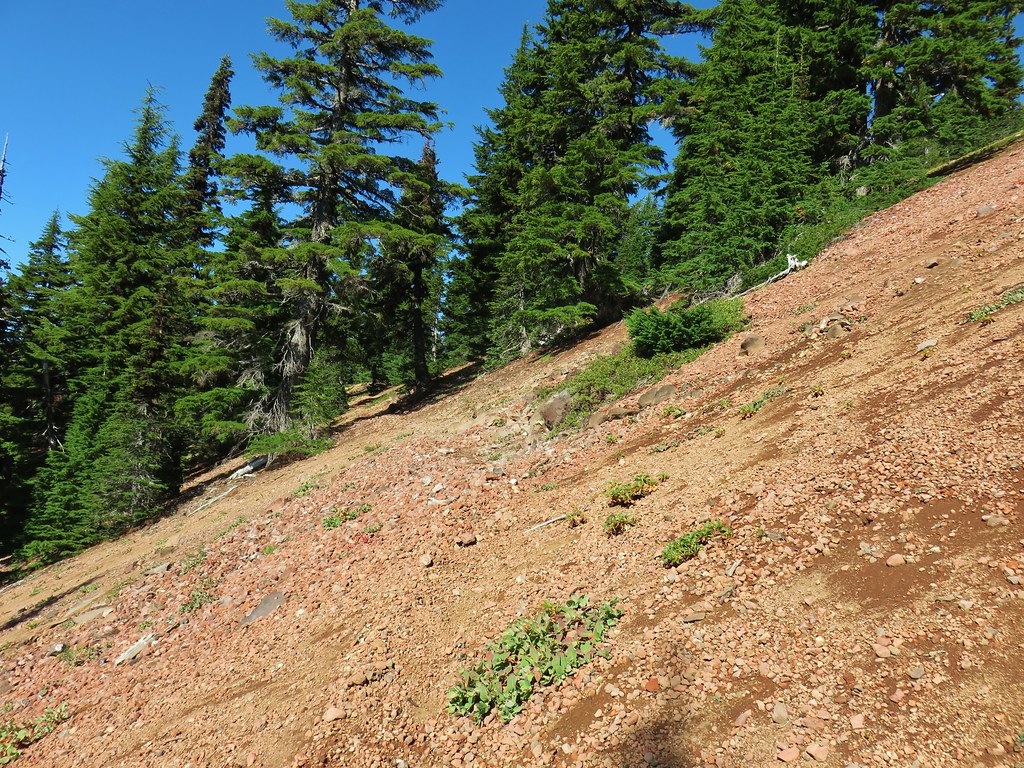

 Hogg Rock (near left), flat topped Hayrick Butte next to Hoodoo Butte, Mt. Washington with Broken Top behind left and the Three Sisters behind right.
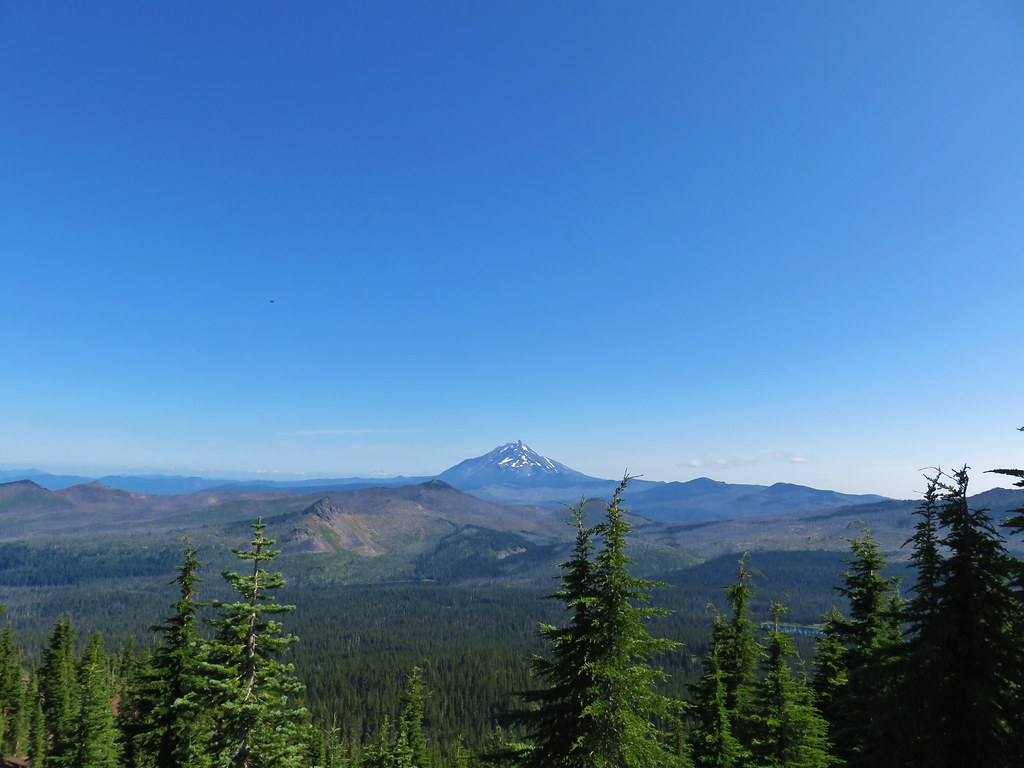
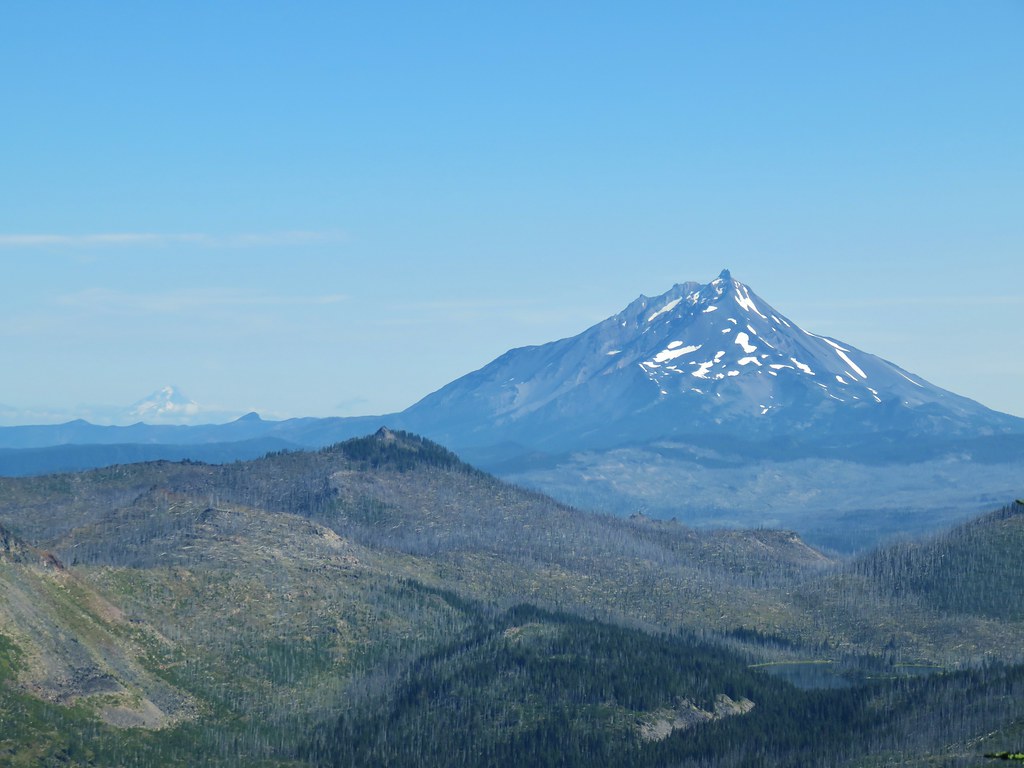 Mt. Hood in the distance to the left of Mt. Jefferson.

 Mt. Jefferson and Three Fingered Jack with Santiam Lake in the forest below.
 The view south.
 Broken Top, Mt. Washington, and the Three Sisters with Hayrick Butte in the forefront.
 Santiam Lake
 Duffy Lake (
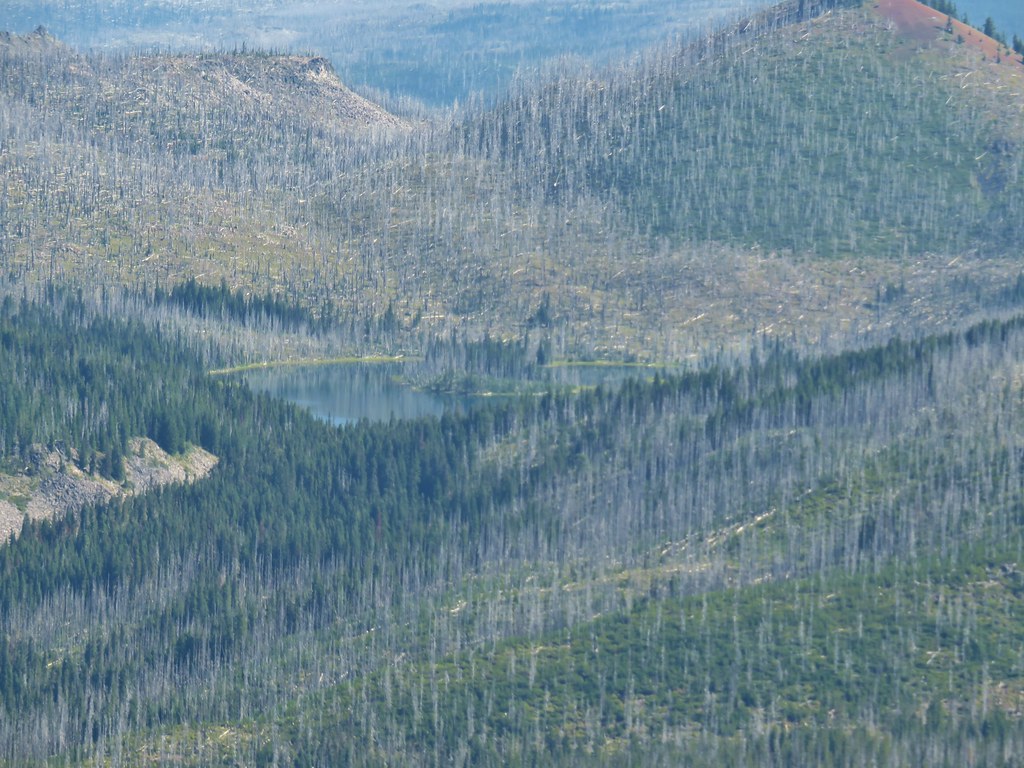 Mowich Lake
 Paintbrush in the crater.


 Pika
Pika Golden-mantled ground squirrel in the same rocky area as the pika.
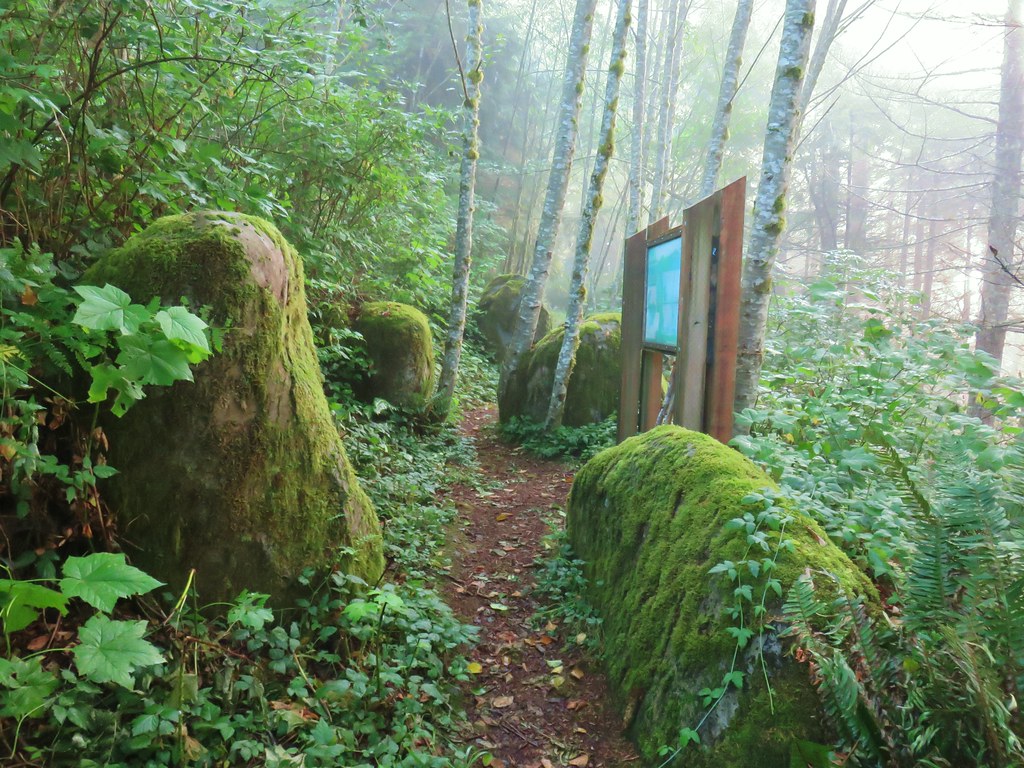


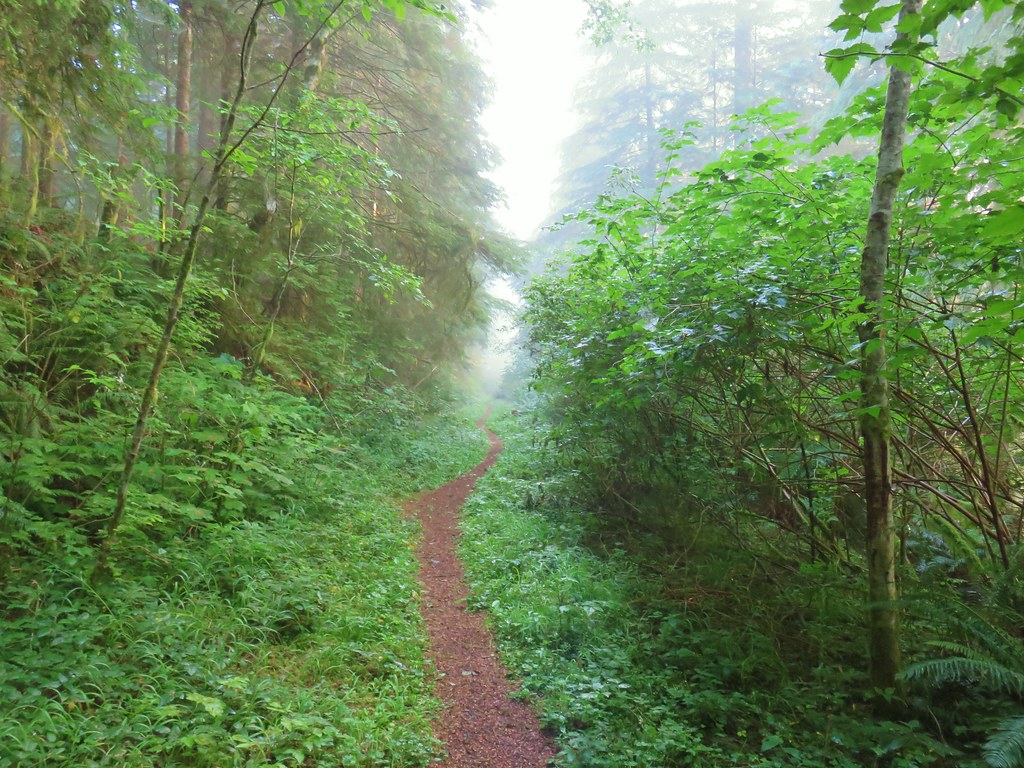


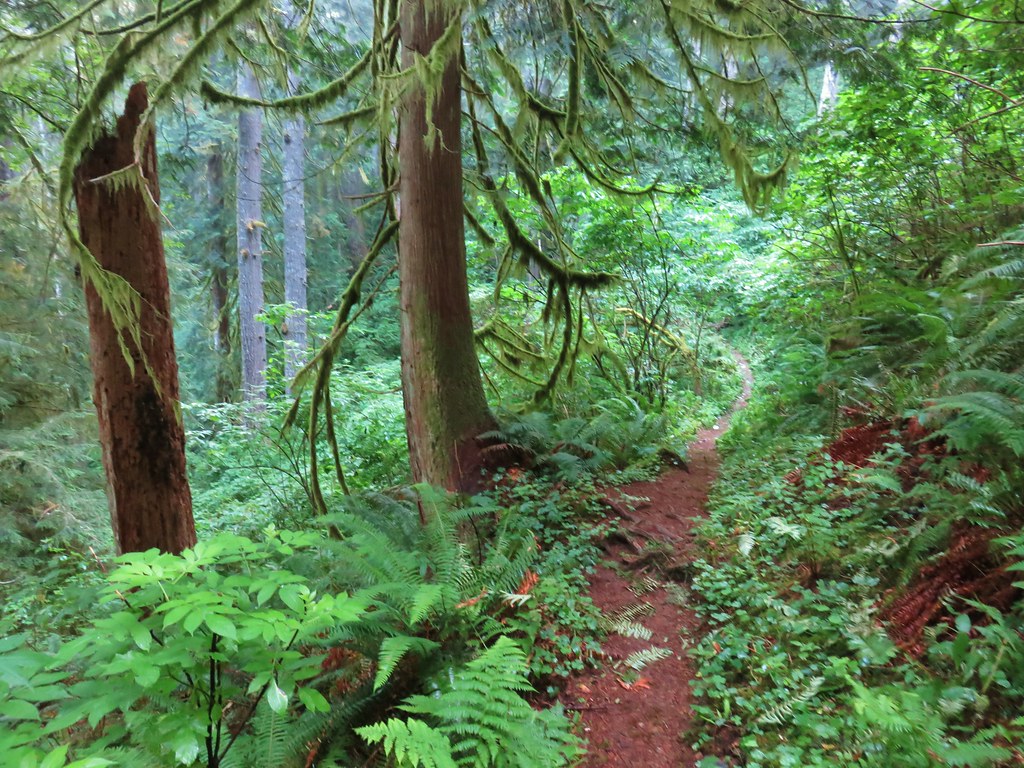 Fern clippings in the trail showing some trimming had been done.
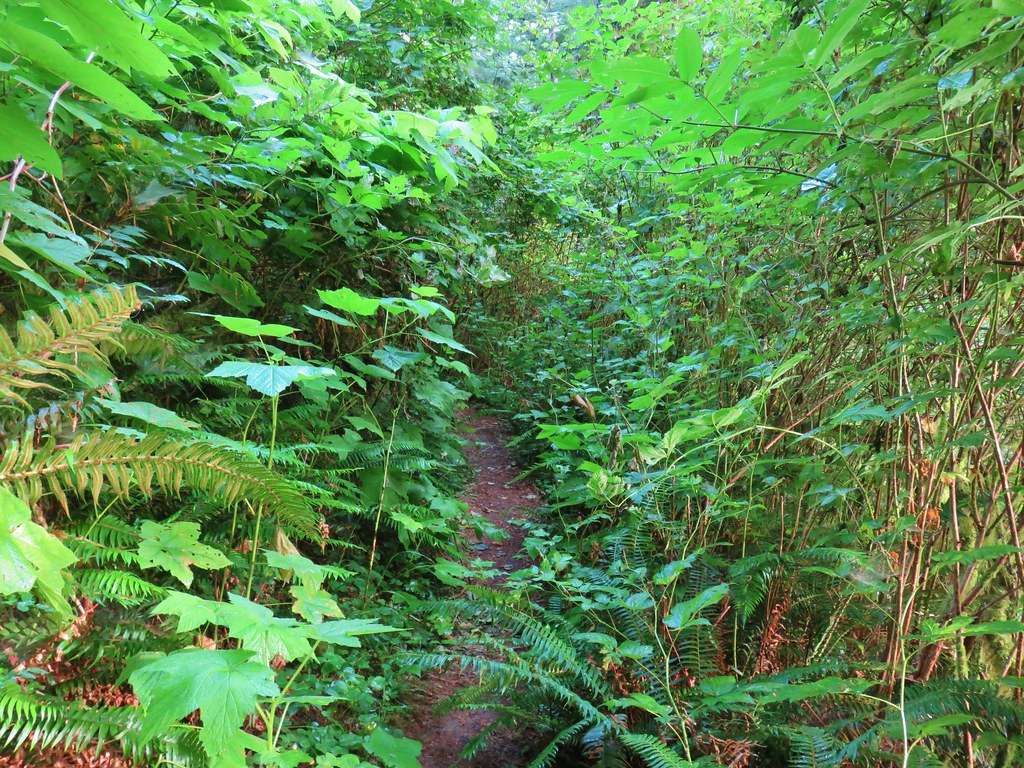 Whoever had done the brushing hadn’t made it down the whole trail.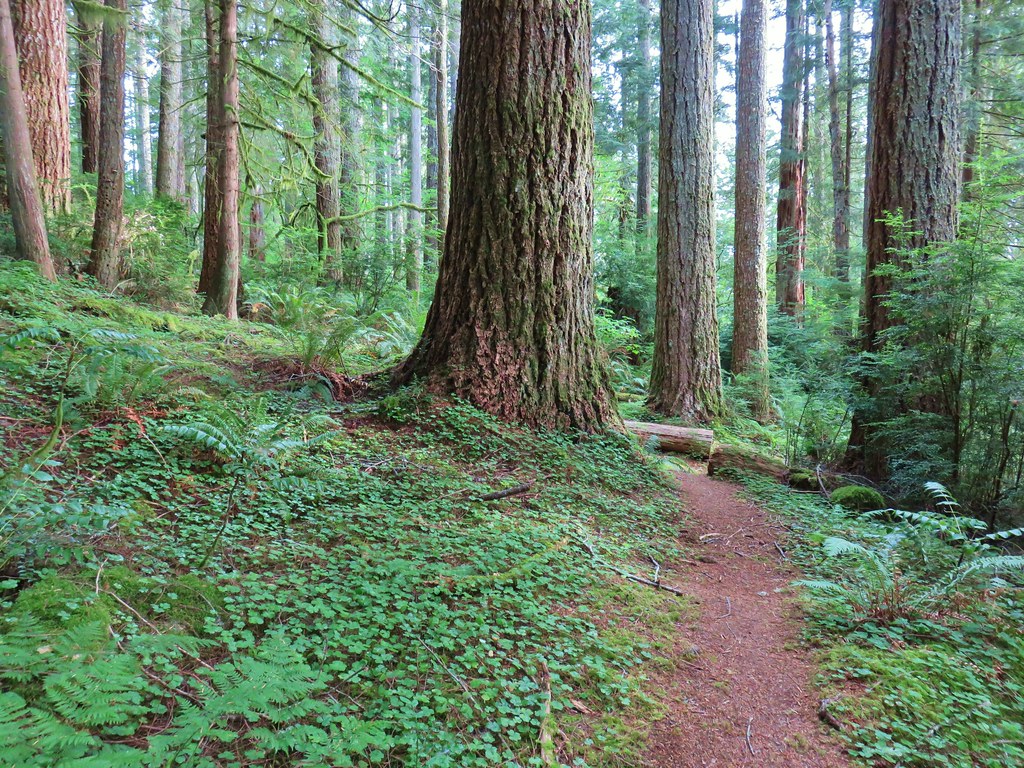
 There were a few monkey flowers scattered about.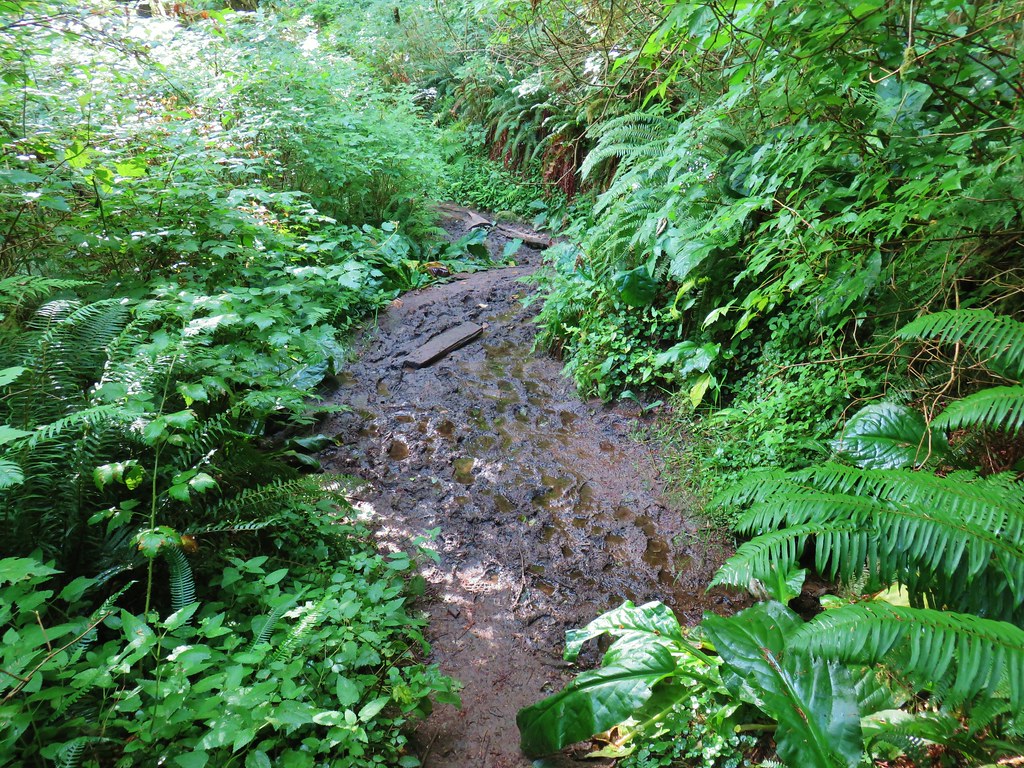







 >
>


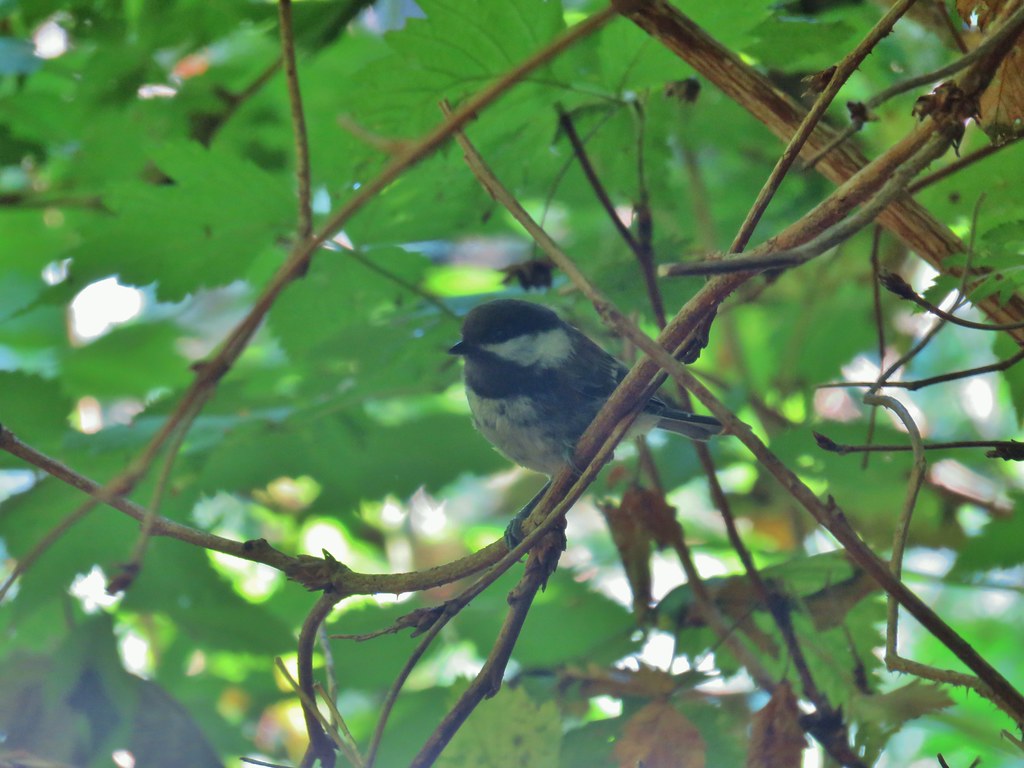 Chickadee
 Woodpecker





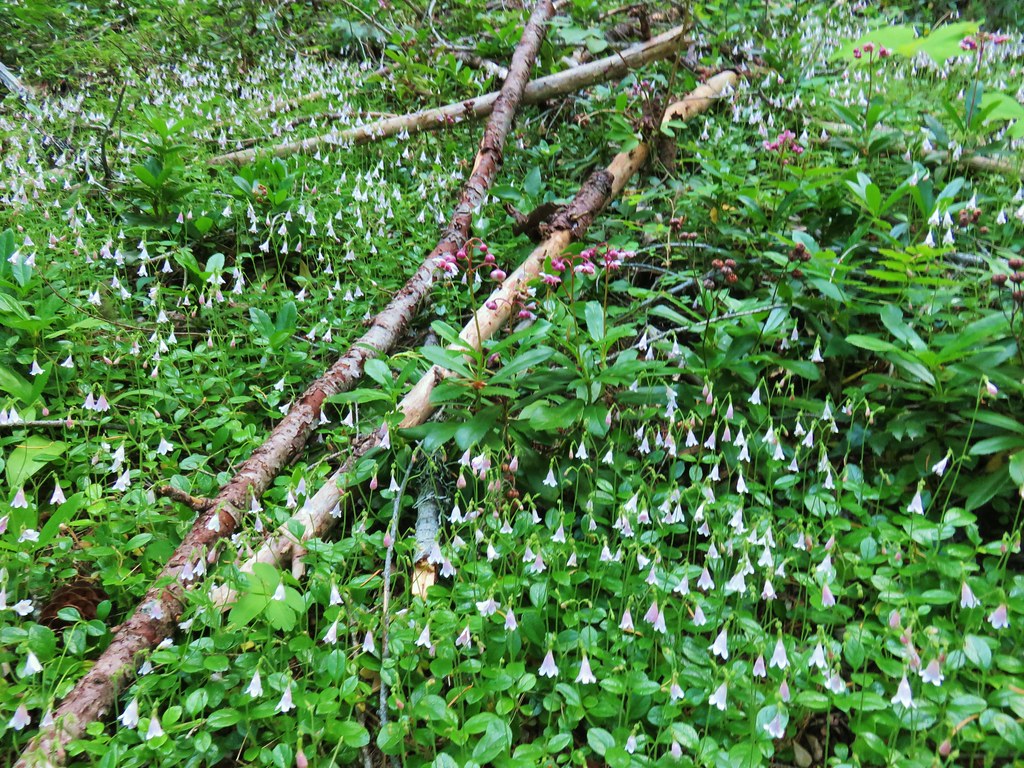 Twin flower and prince’s pine
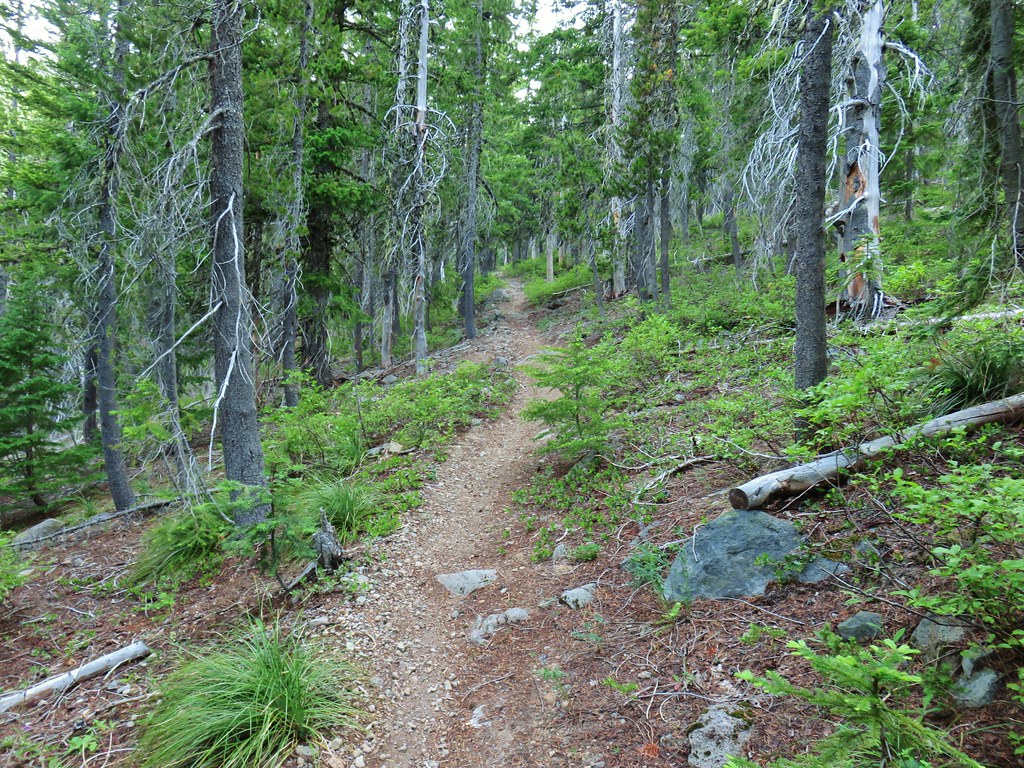
 Overcast skies over Bonney Butte


 Mountain chickadee
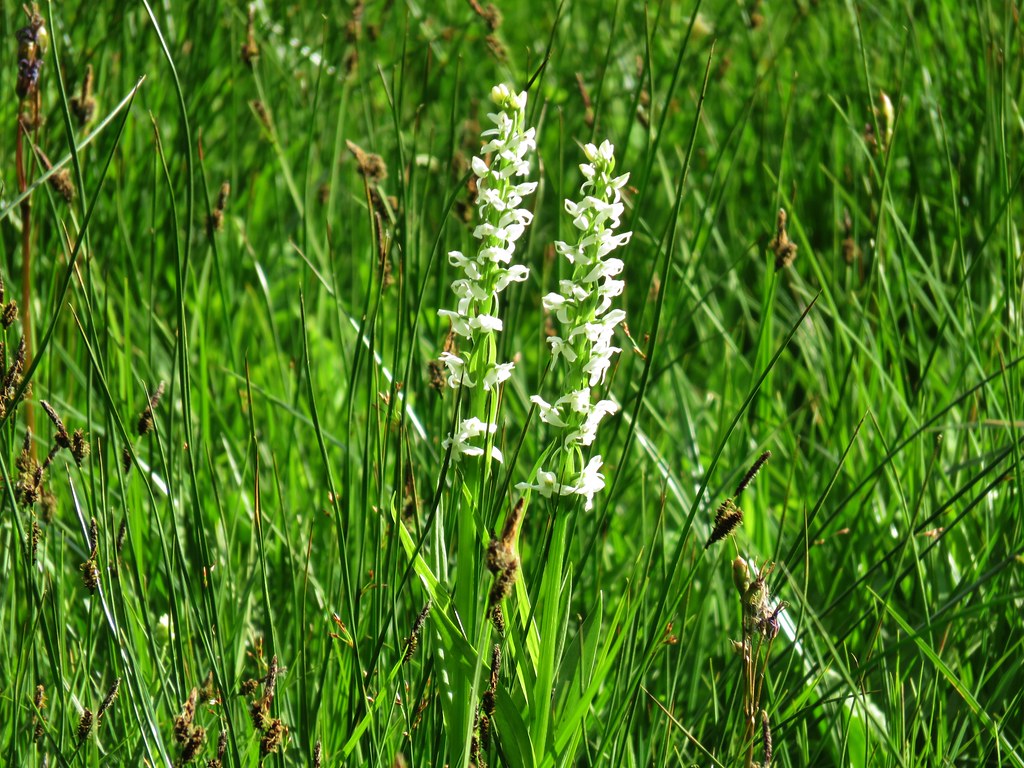 Bog orchids
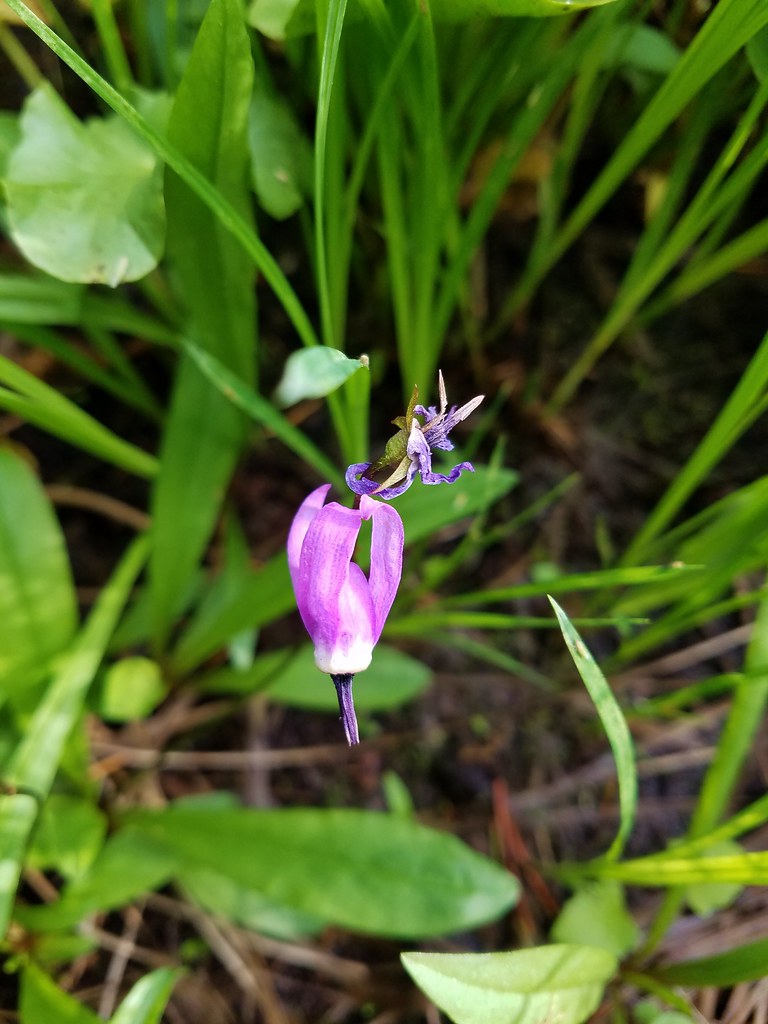 Shooting star
 Elephants head
 Lupine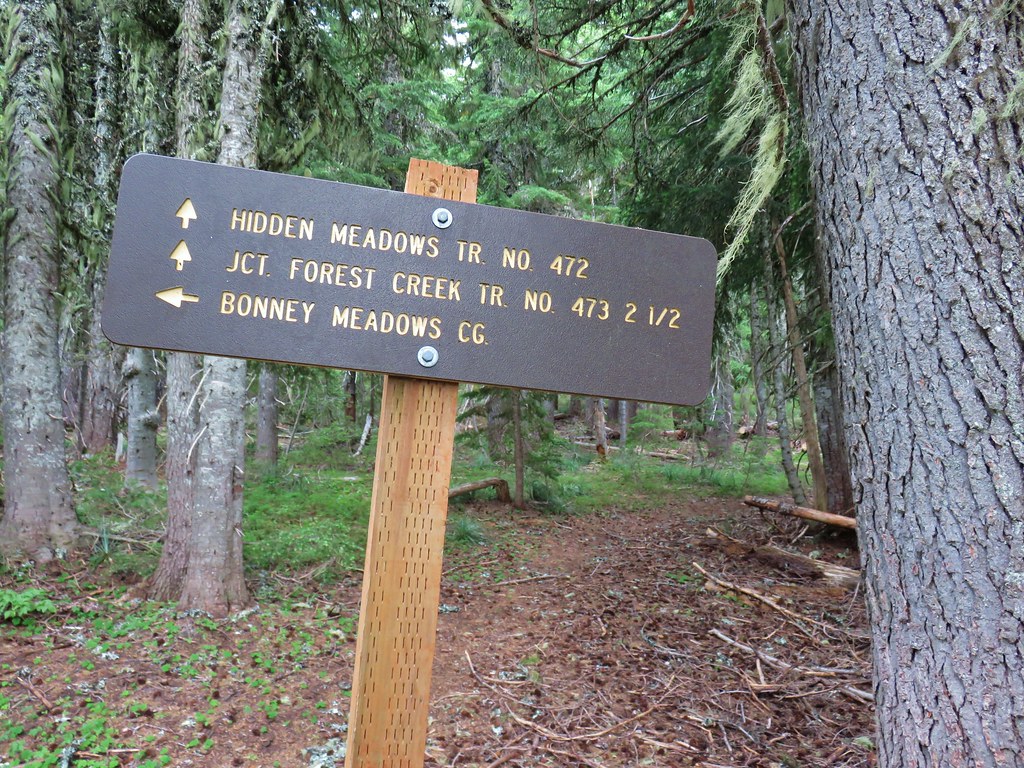

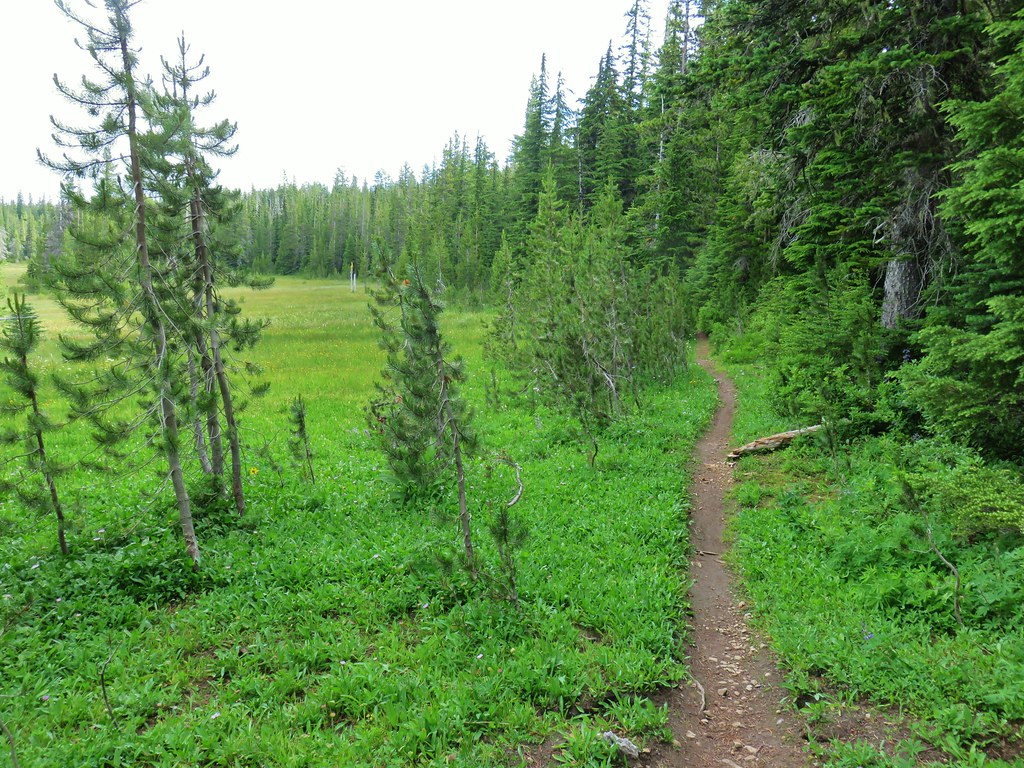
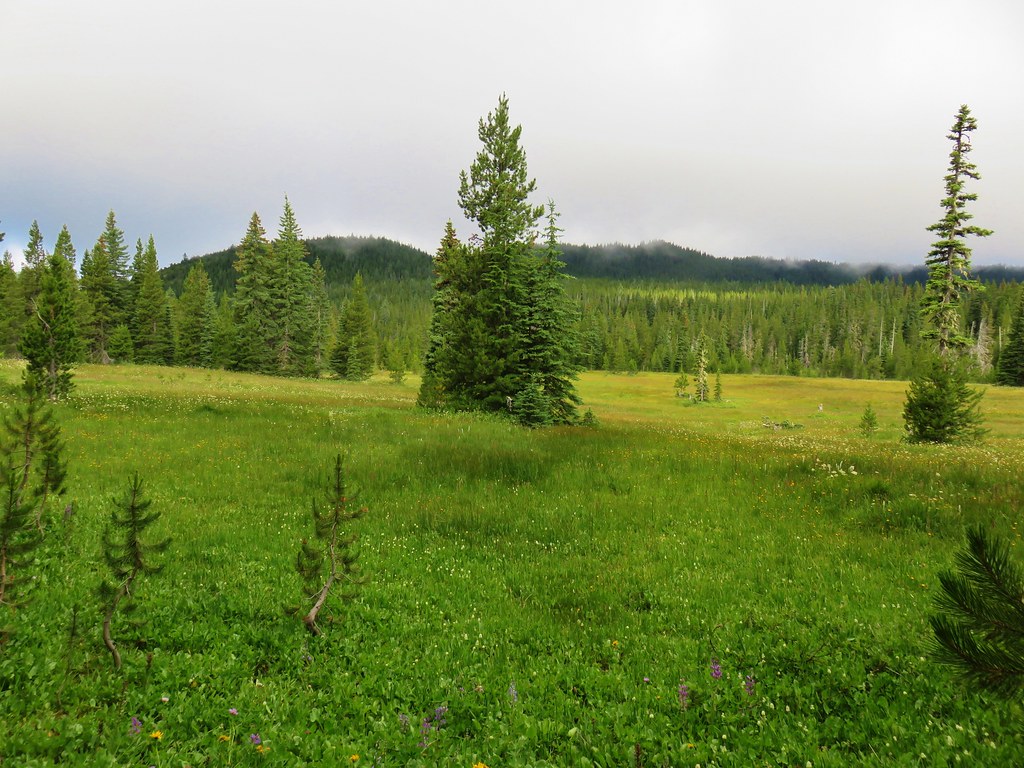 Clouds dropping down after passing over Bonney Butte, it looked like we’d made a good choice.
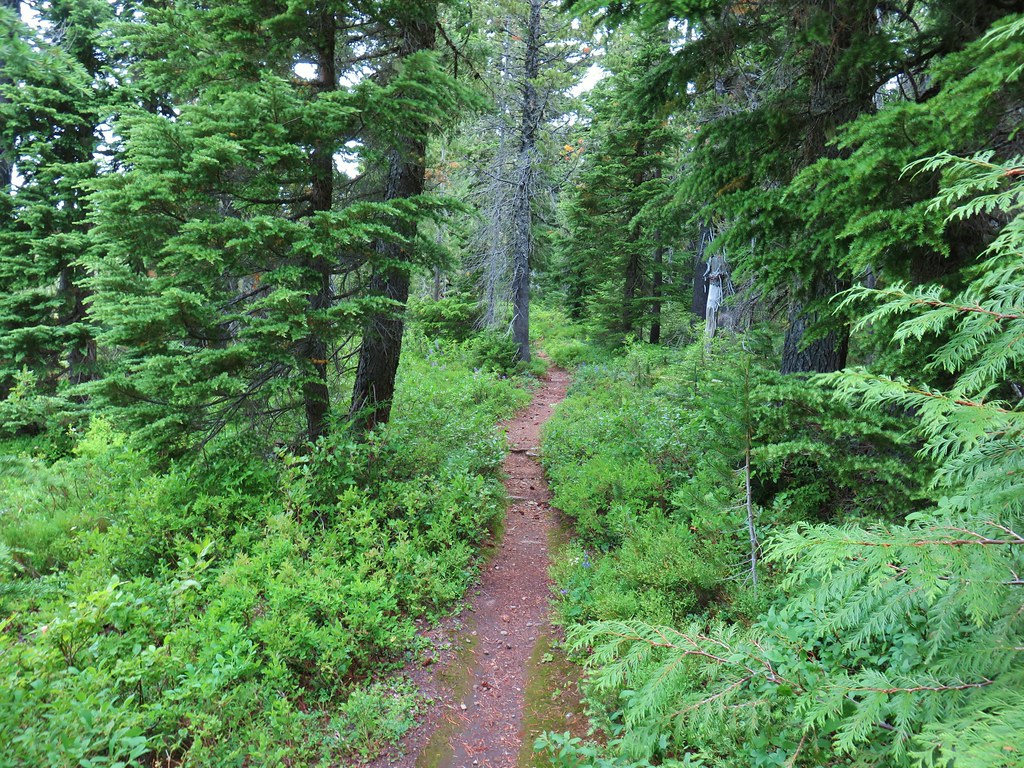

 Mt. Hood should be straight ahead.


 Mock orange

 Red-breasted nuthatch
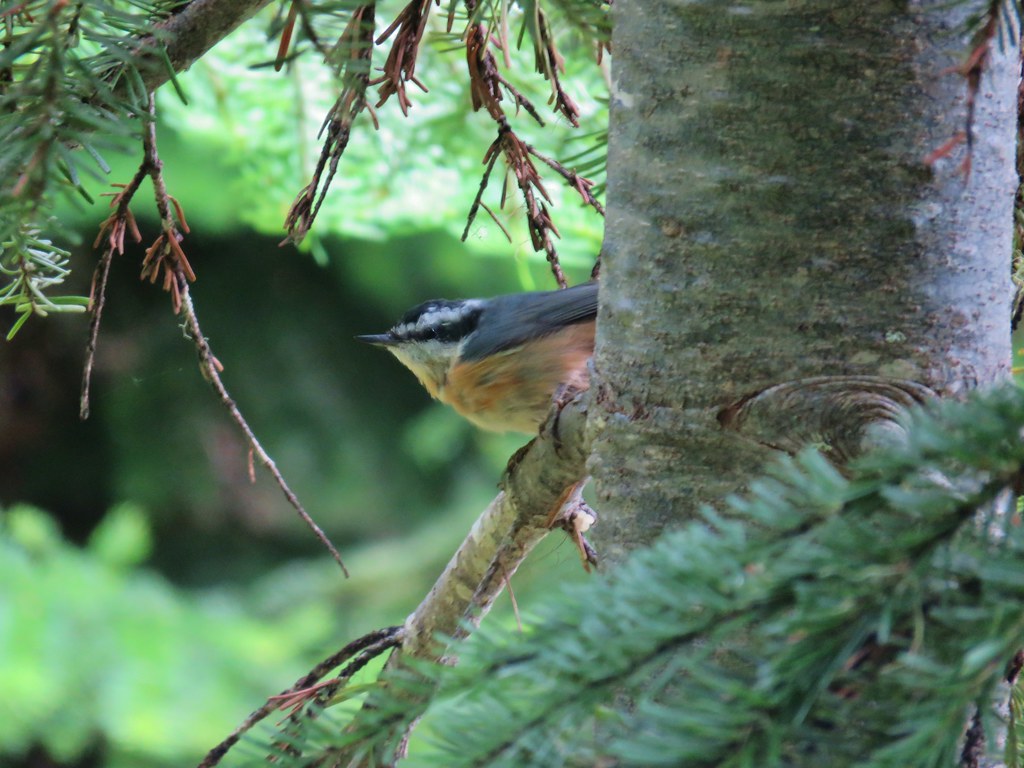 Another nuthatch
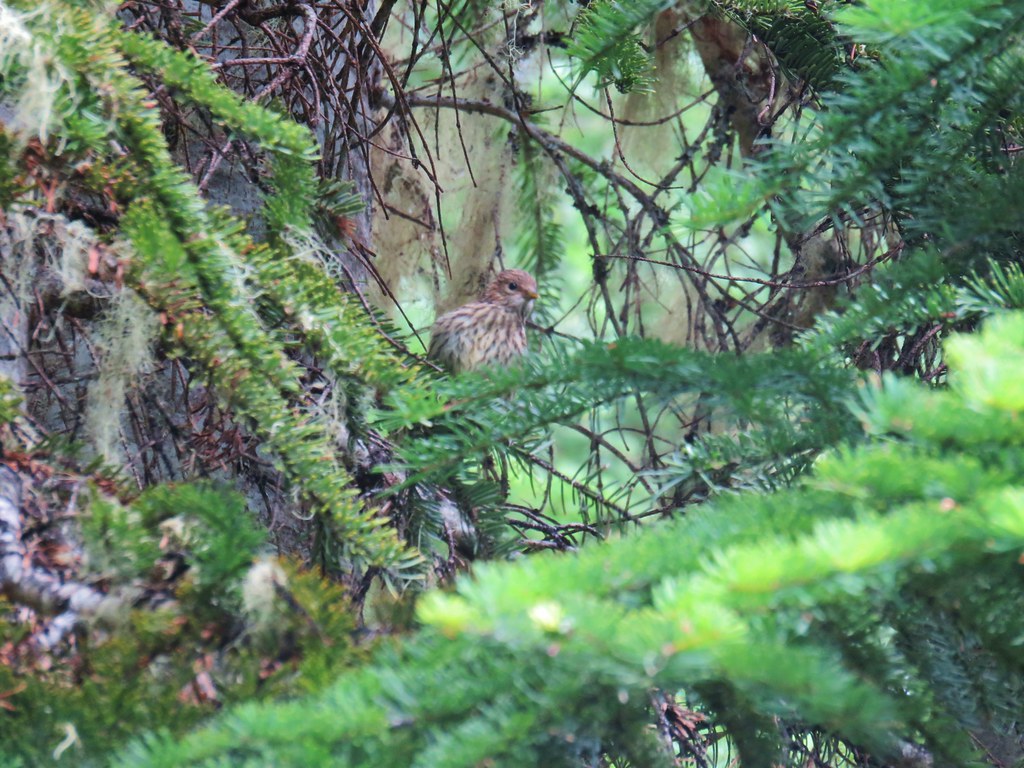 Sparrow
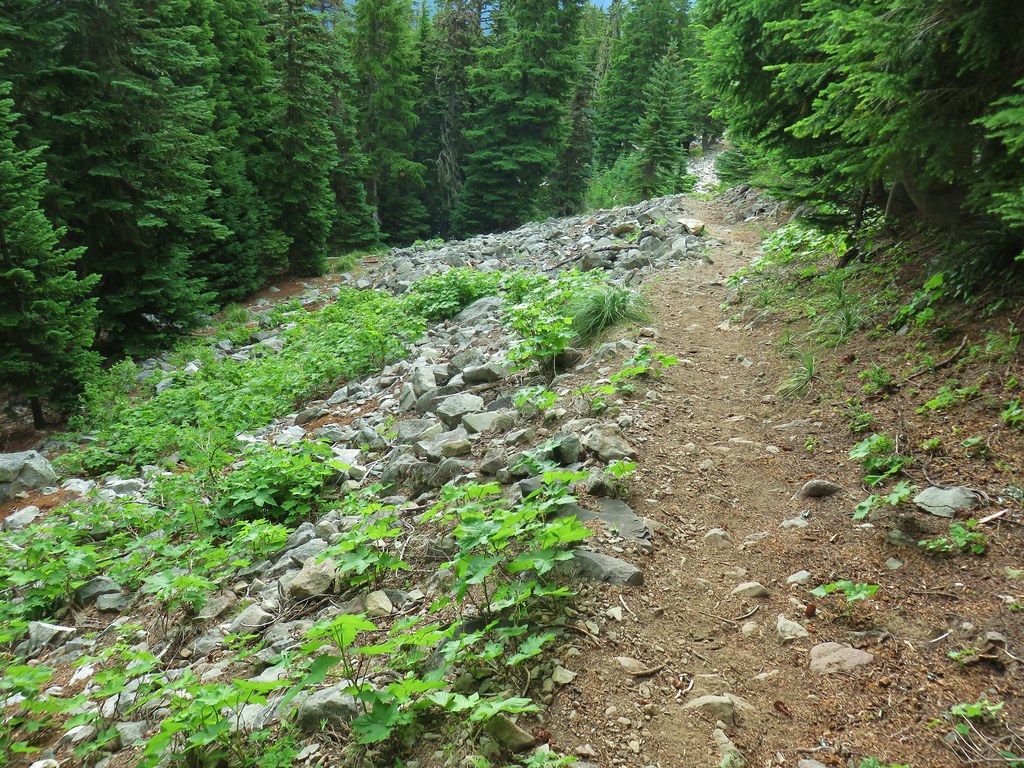
 First pika
 Second pika
 Paintbrush
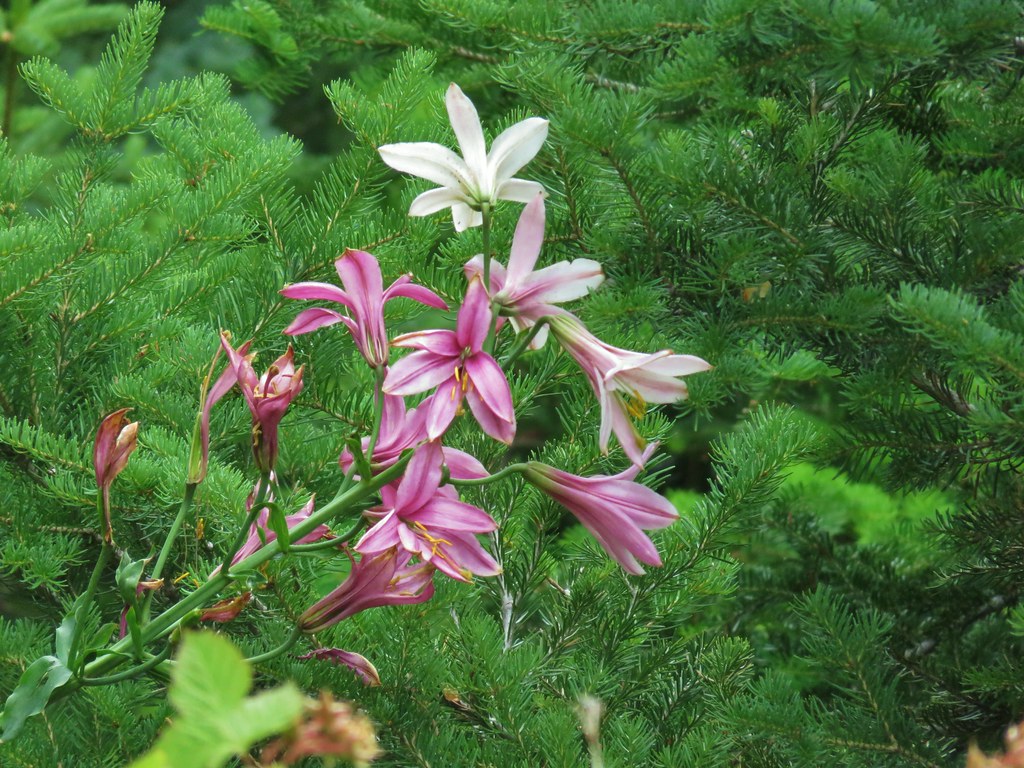 Washington lily
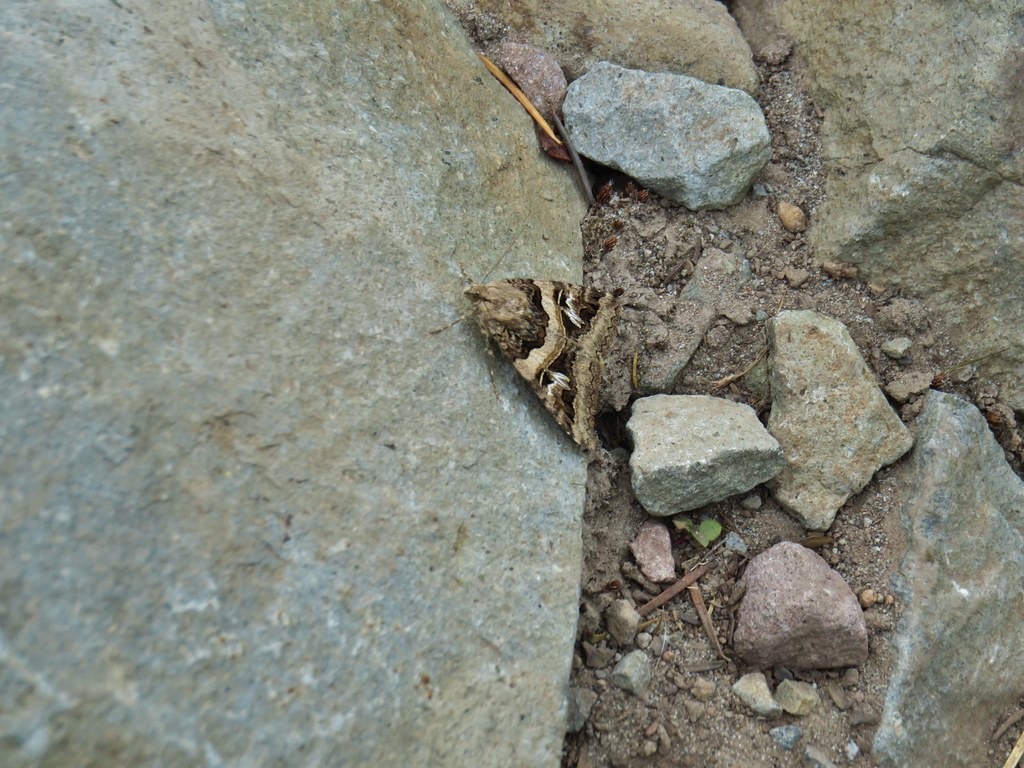 Moth
Moth Golden-mantled ground squirrel
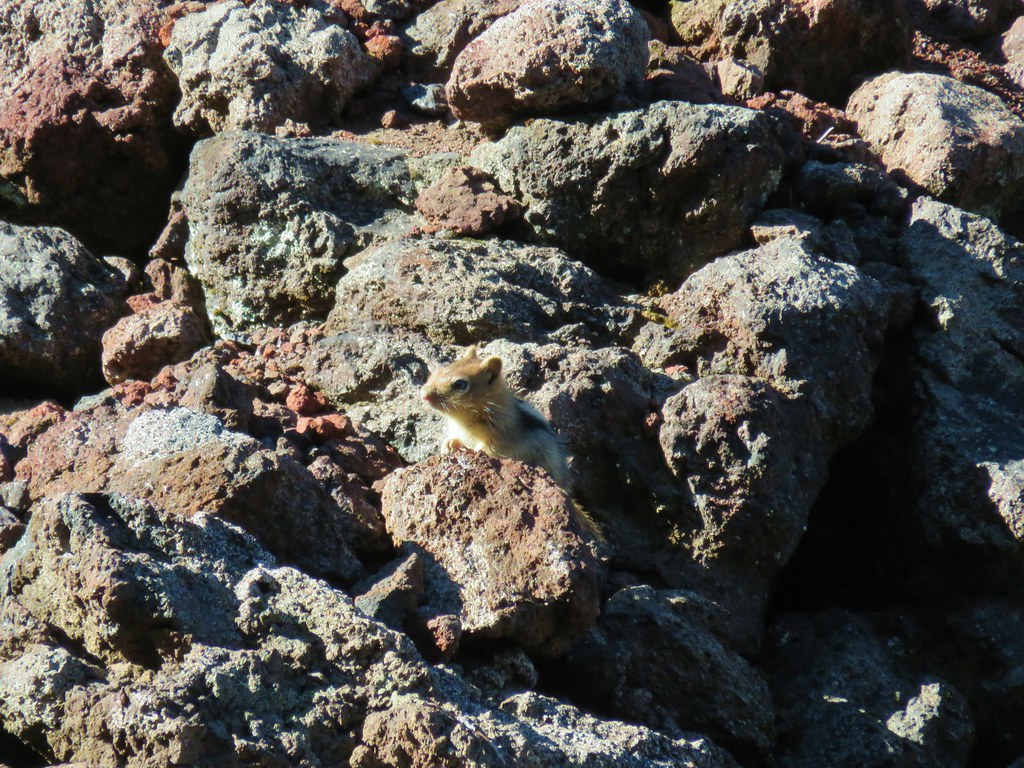
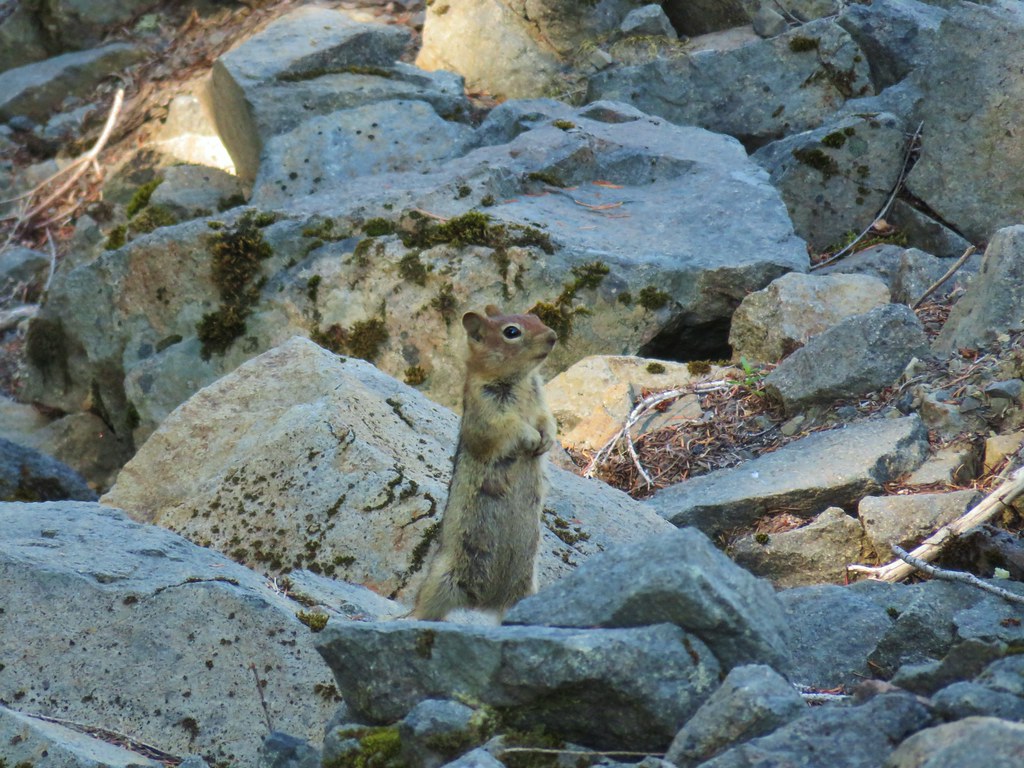
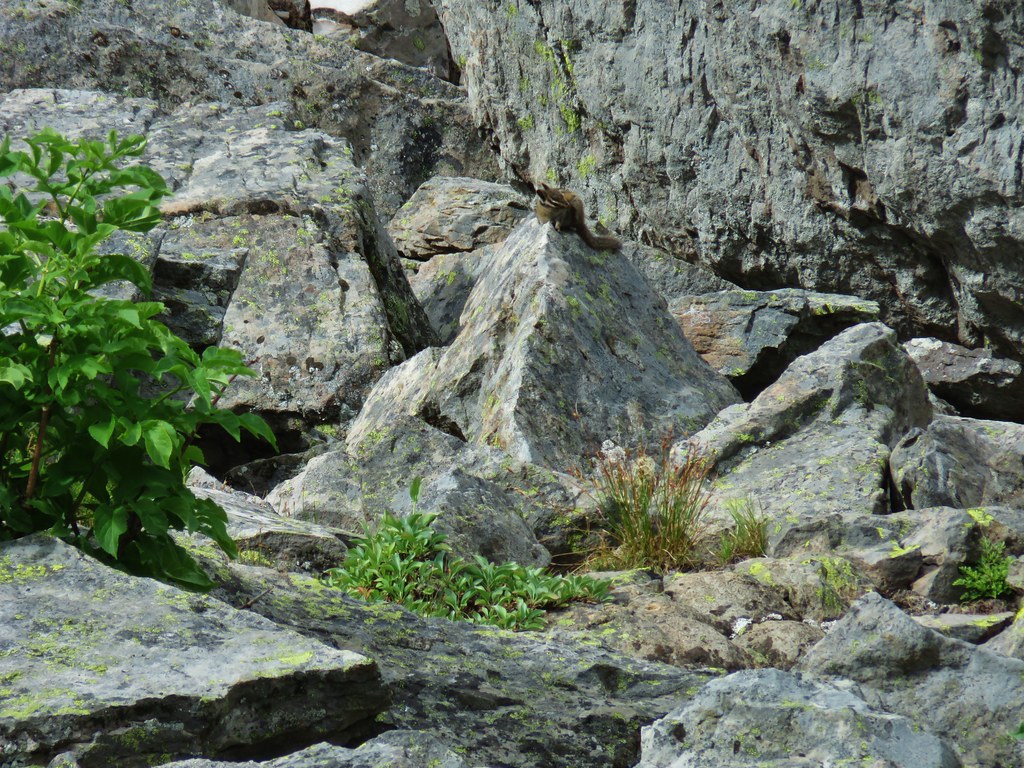 Chipmunk
 Penstemon
 Tall bluebells
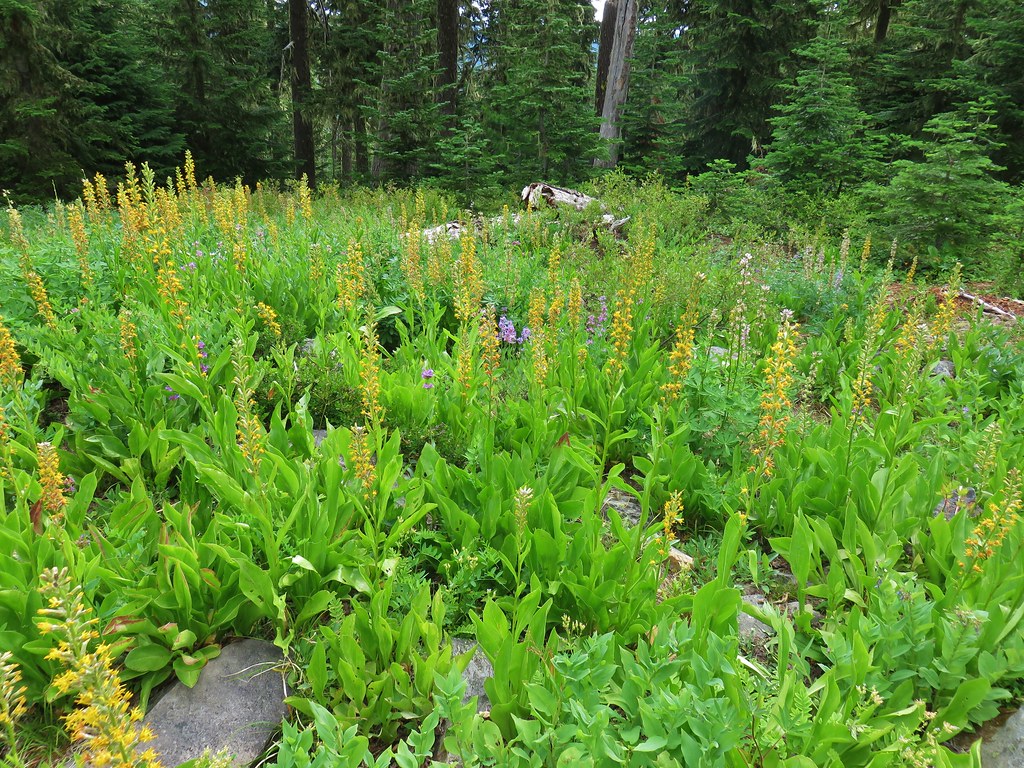 Rainiera
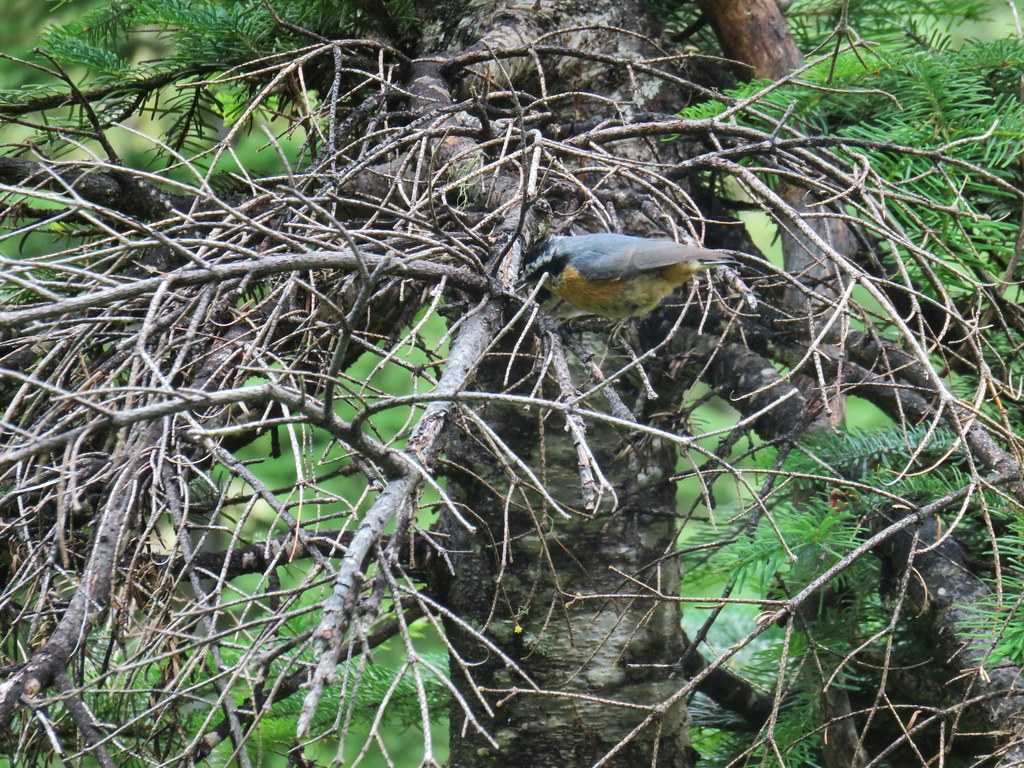 Nuthatch
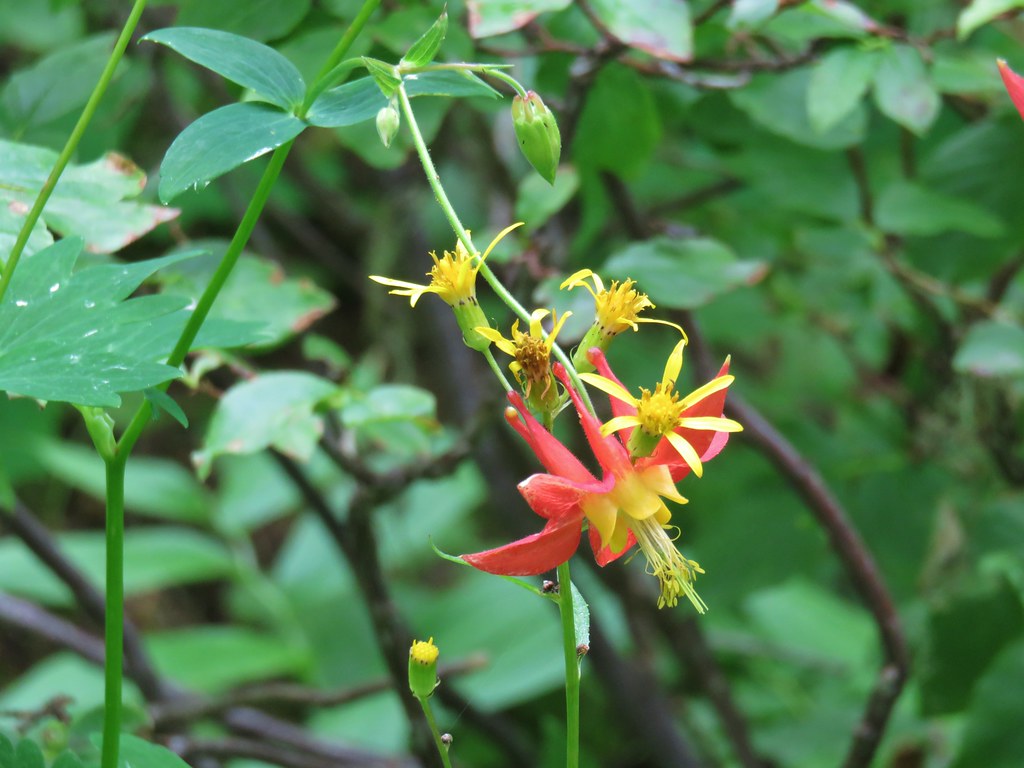 Columbine
 Gray jay

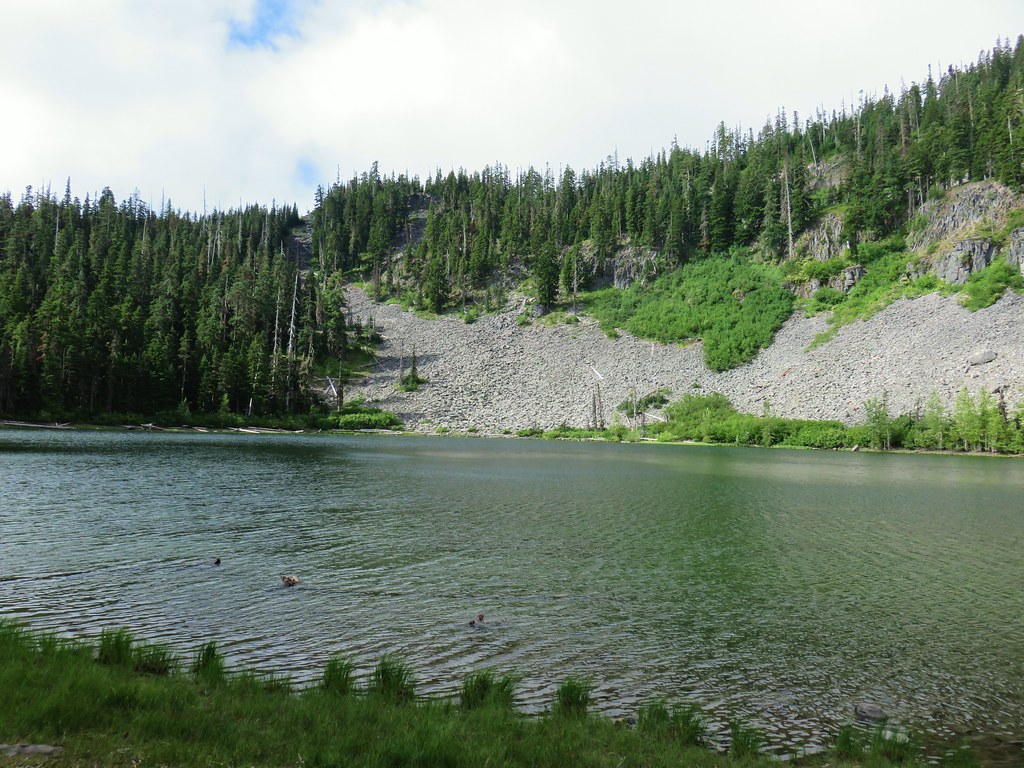


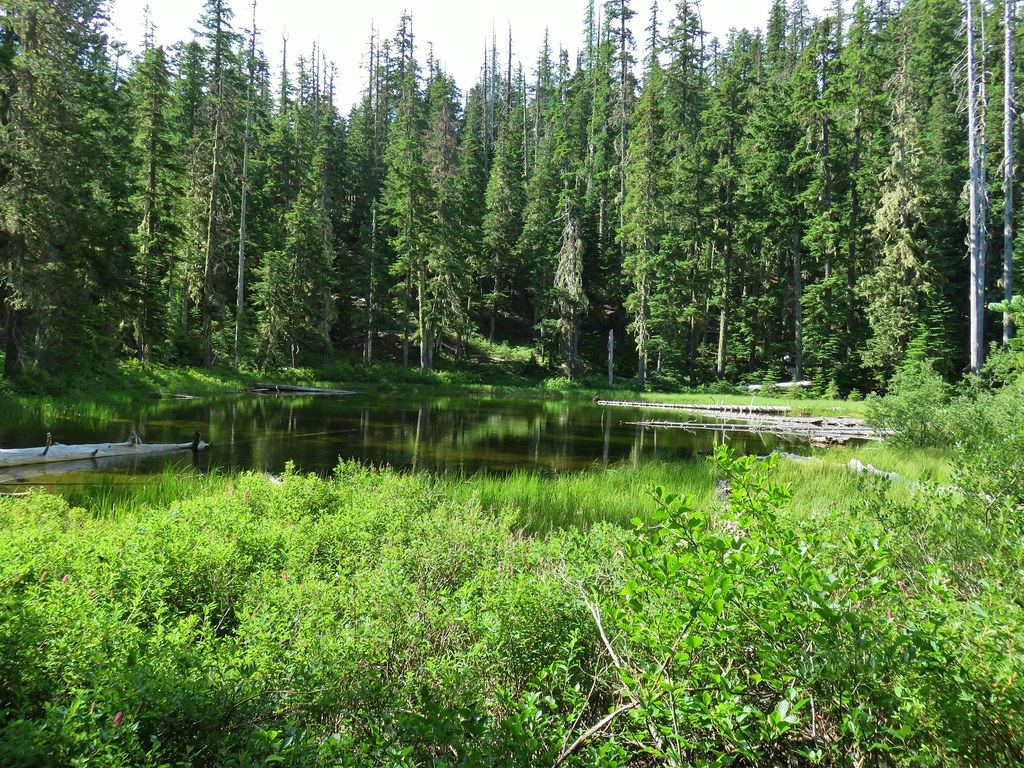 Spinning Lake

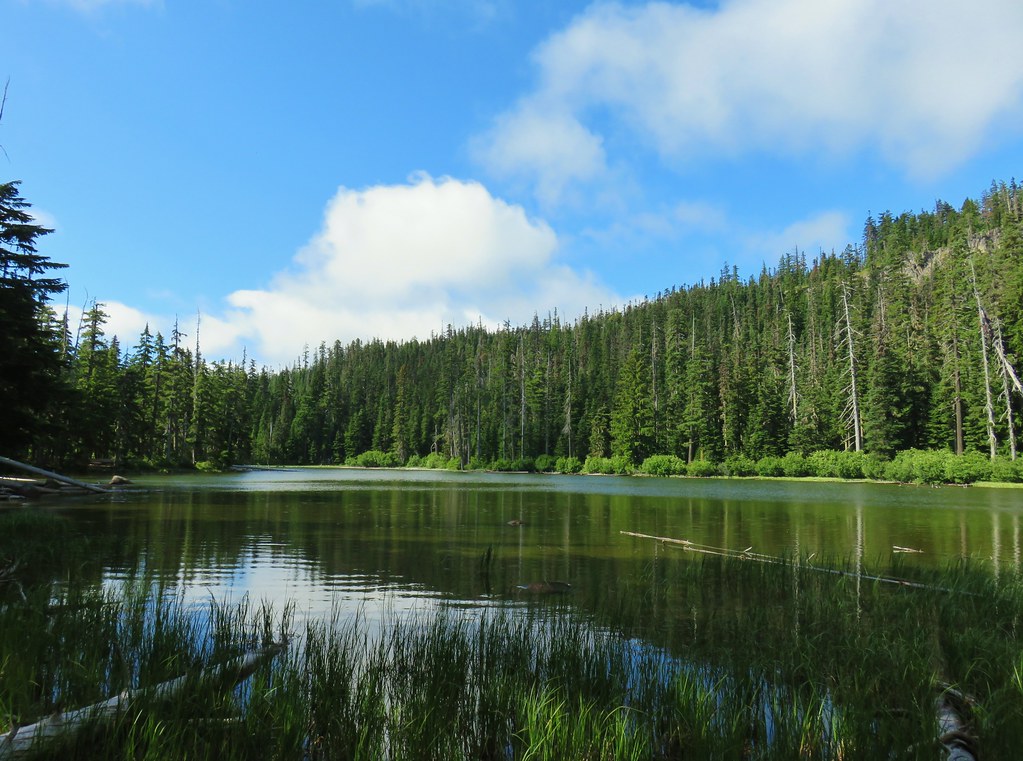




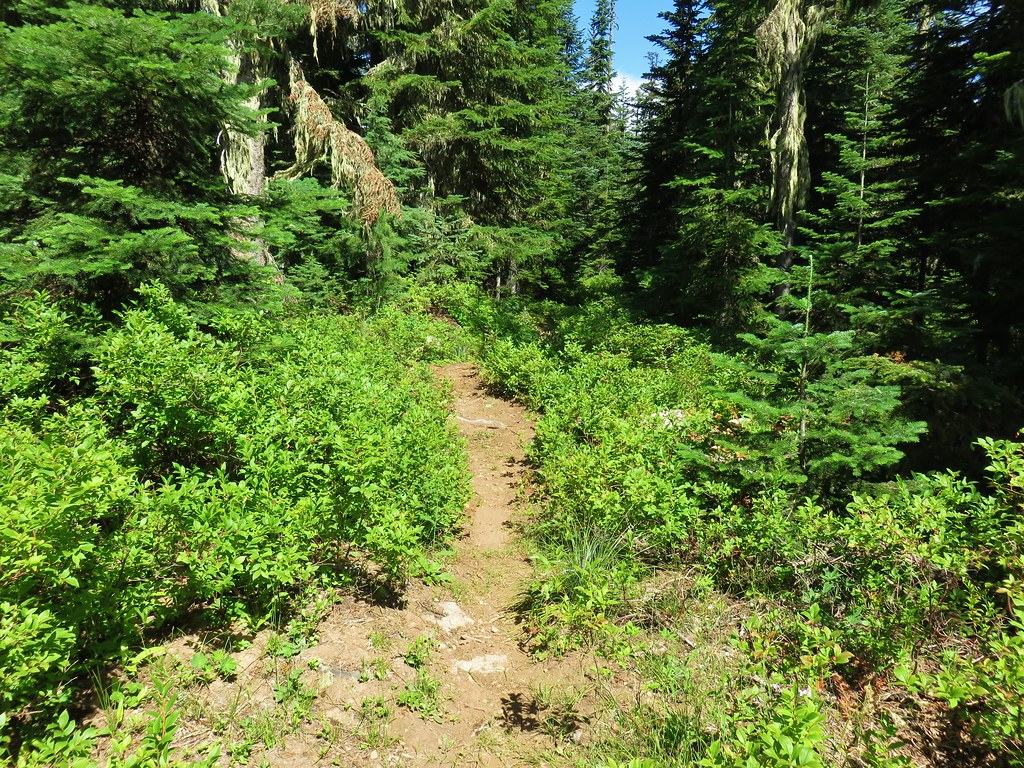
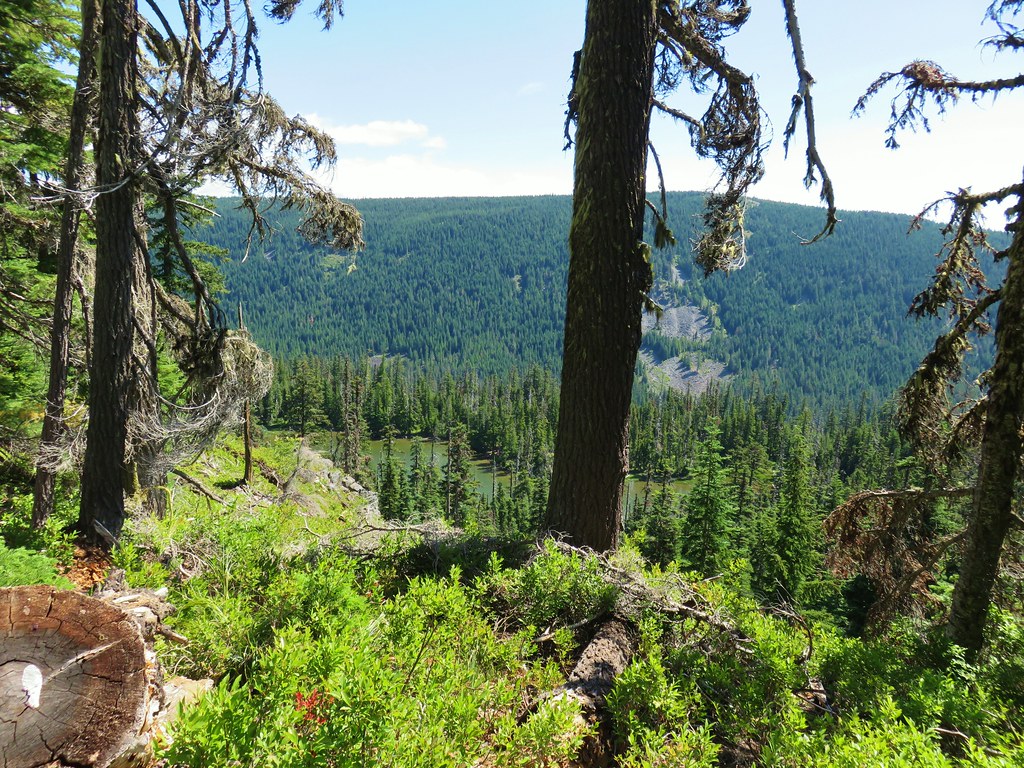

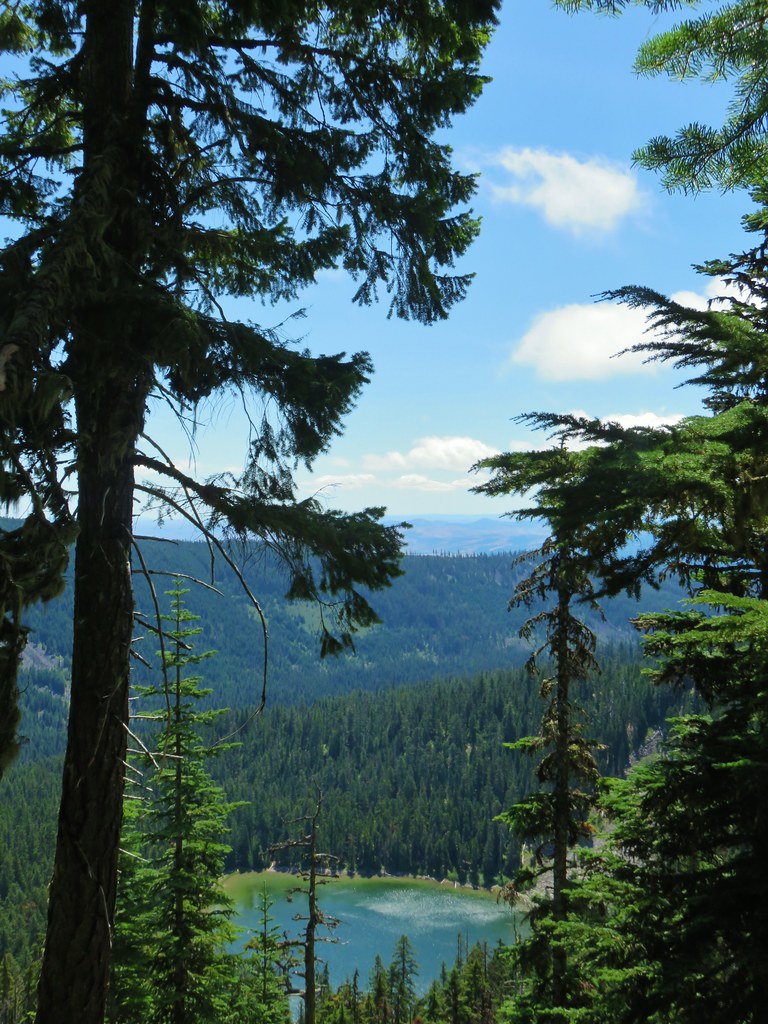


 Gunsight Butte, Lookout Mountain, and Badger Butte.
 Boulder Lake from Echo Point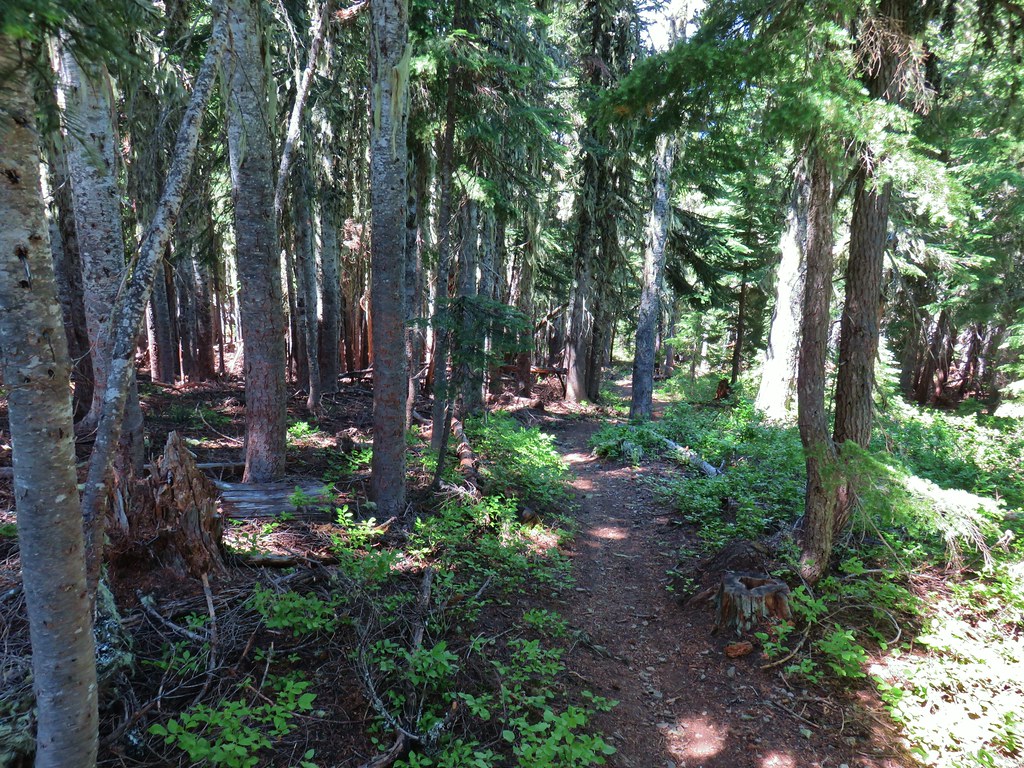




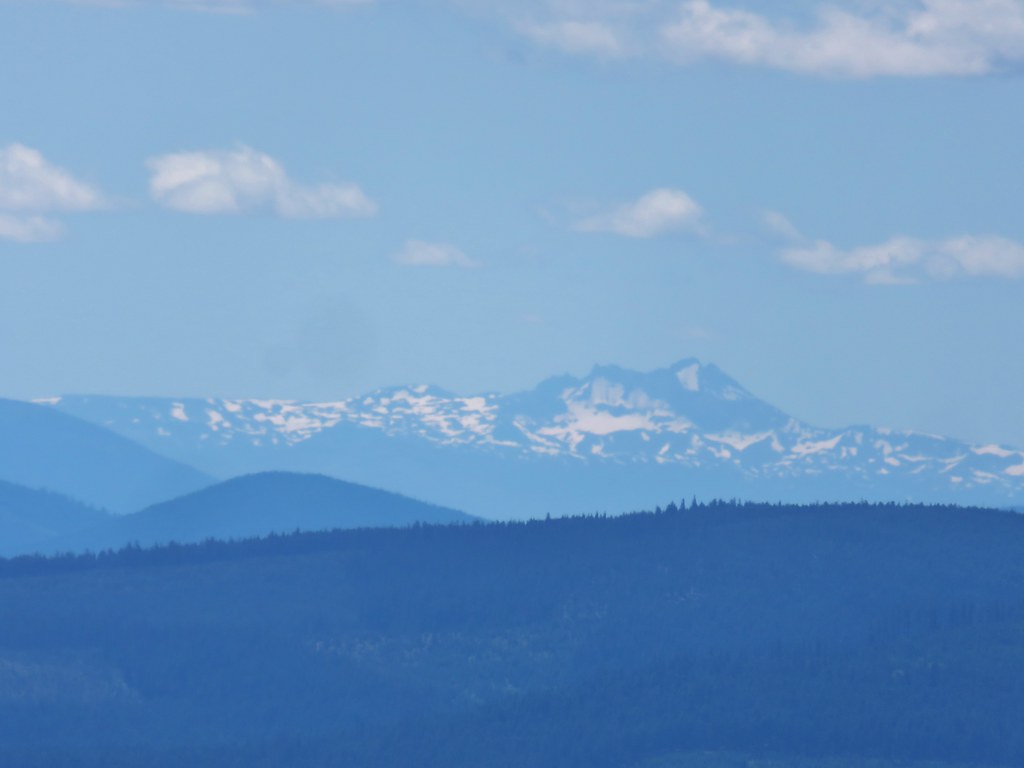 Broken Top
 Broken Top, The Three Sisters, and Mt. Jefferson

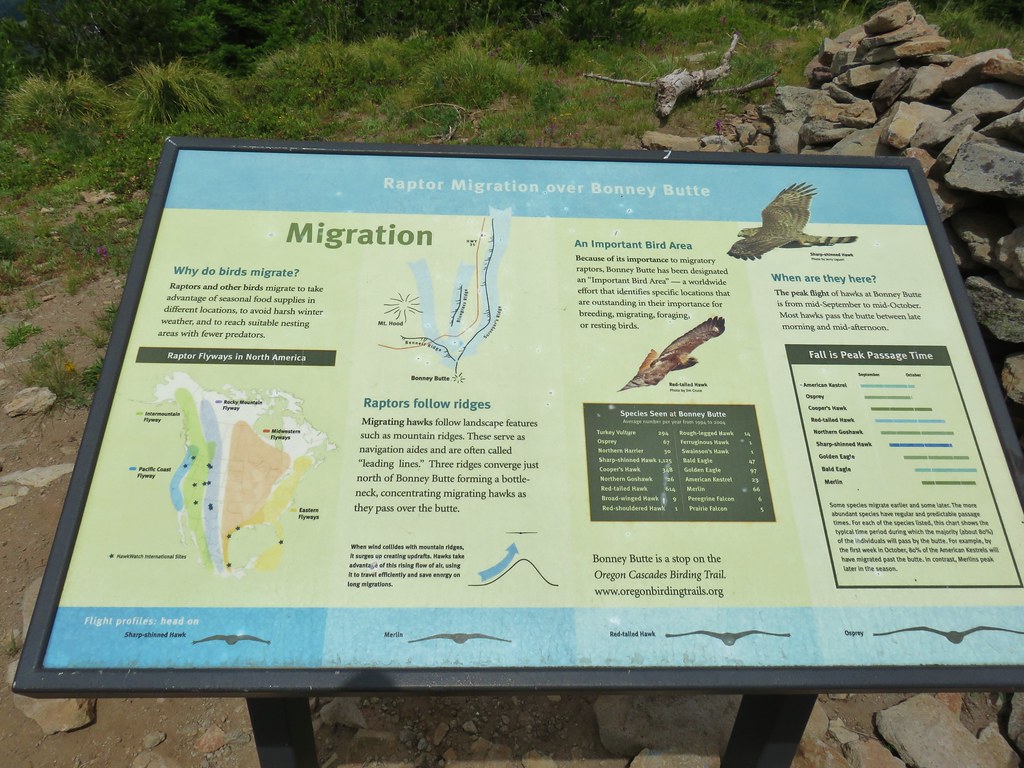
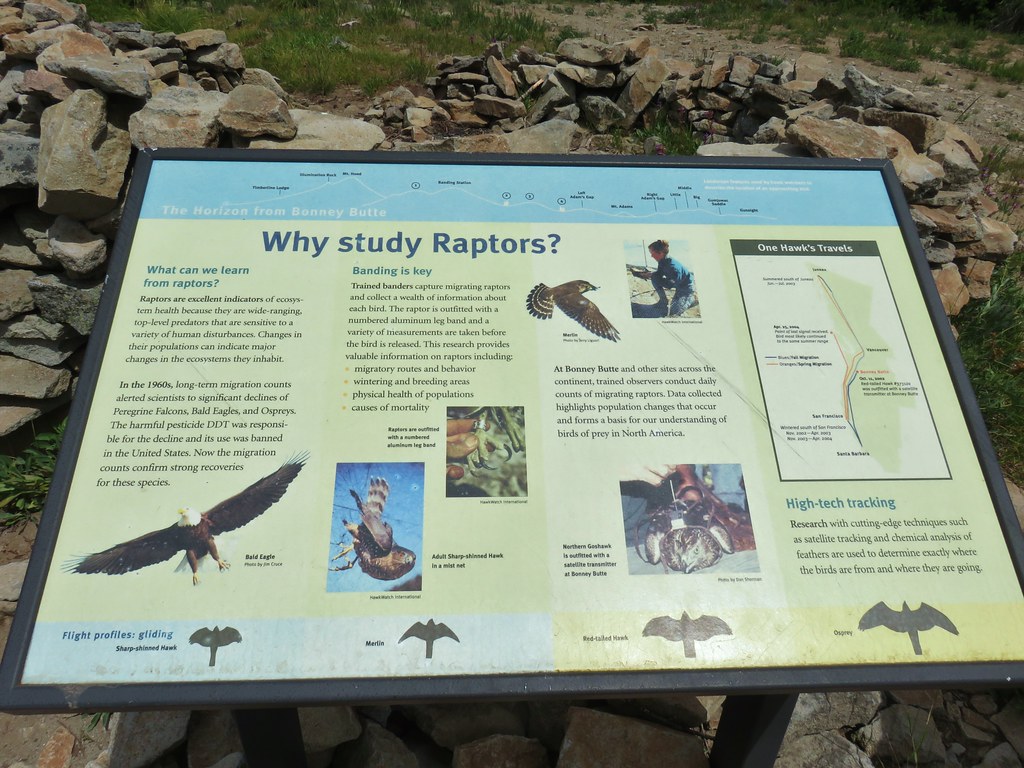

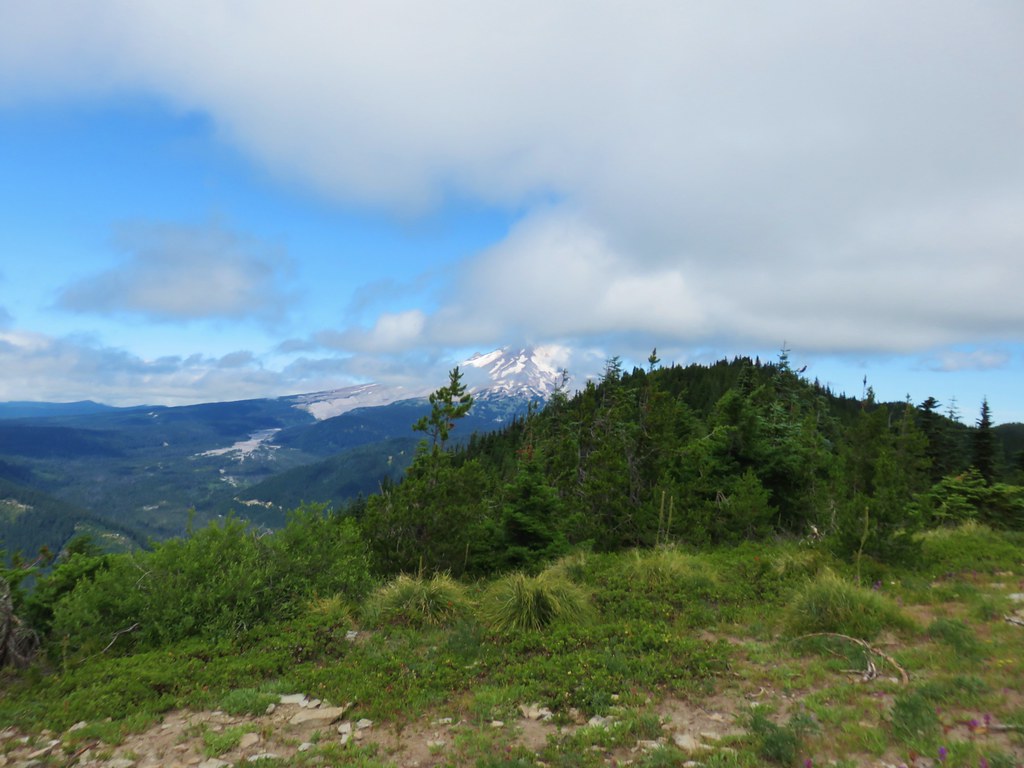
 Highway 35 bridge over the White River
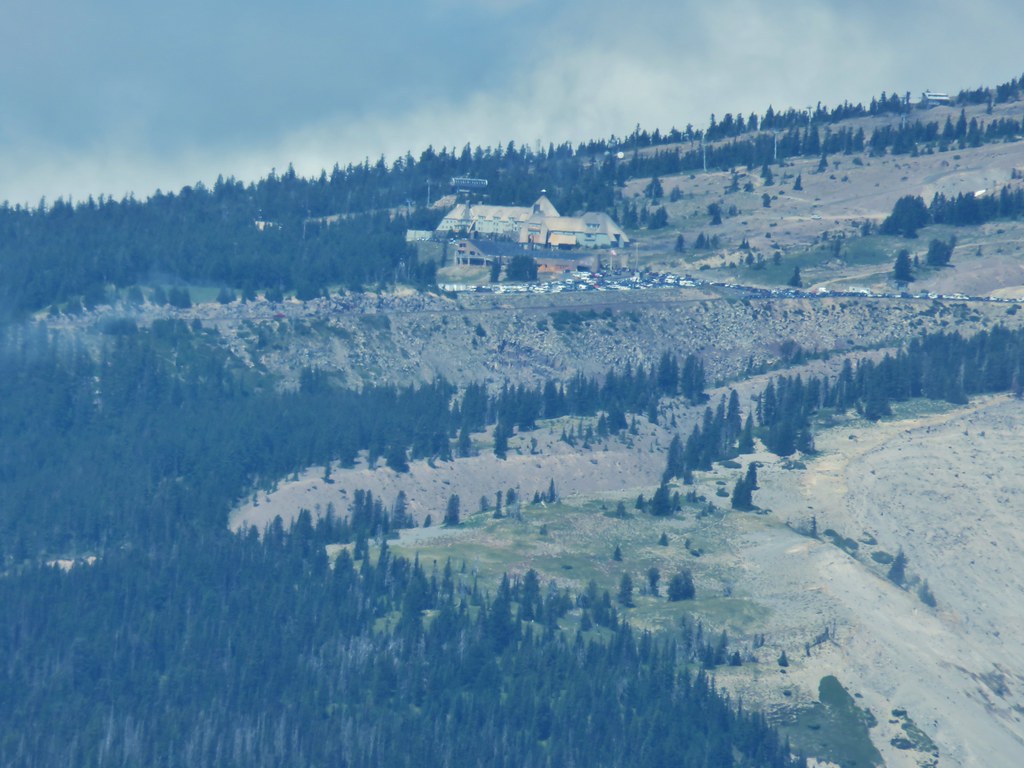 Timberline Lodge
 Close but no cigar.
 Turkey vulture
 There’s the summit for a second.
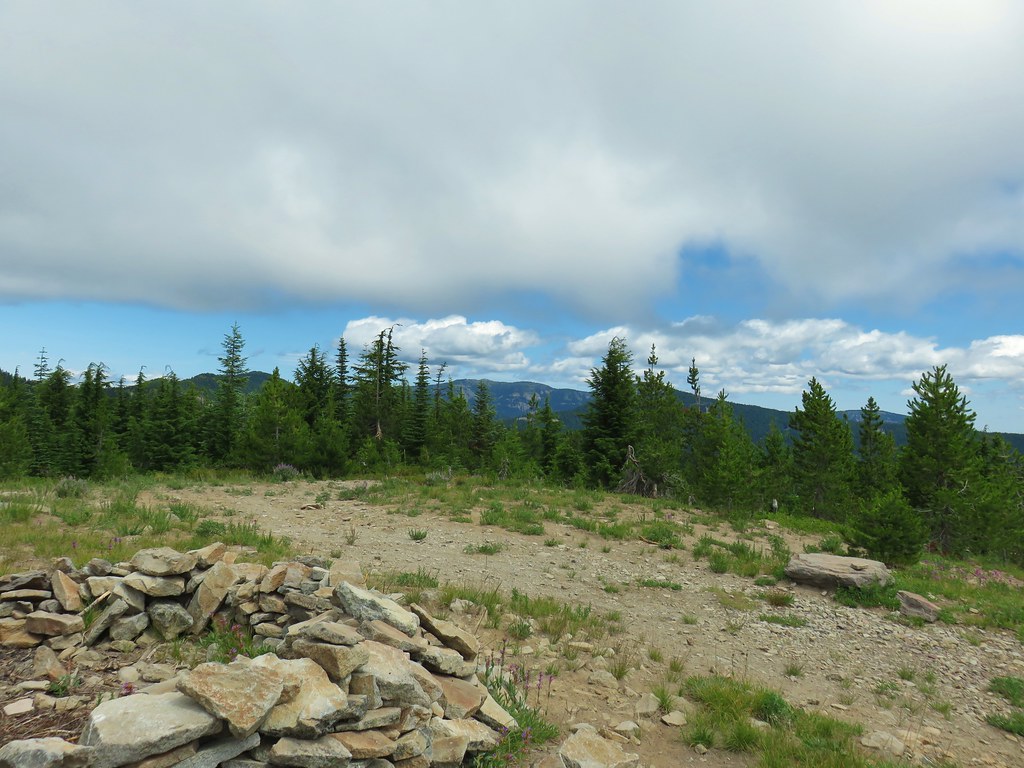 Lookout Mountain (
 Bonney Meadows
 Bonney Creek
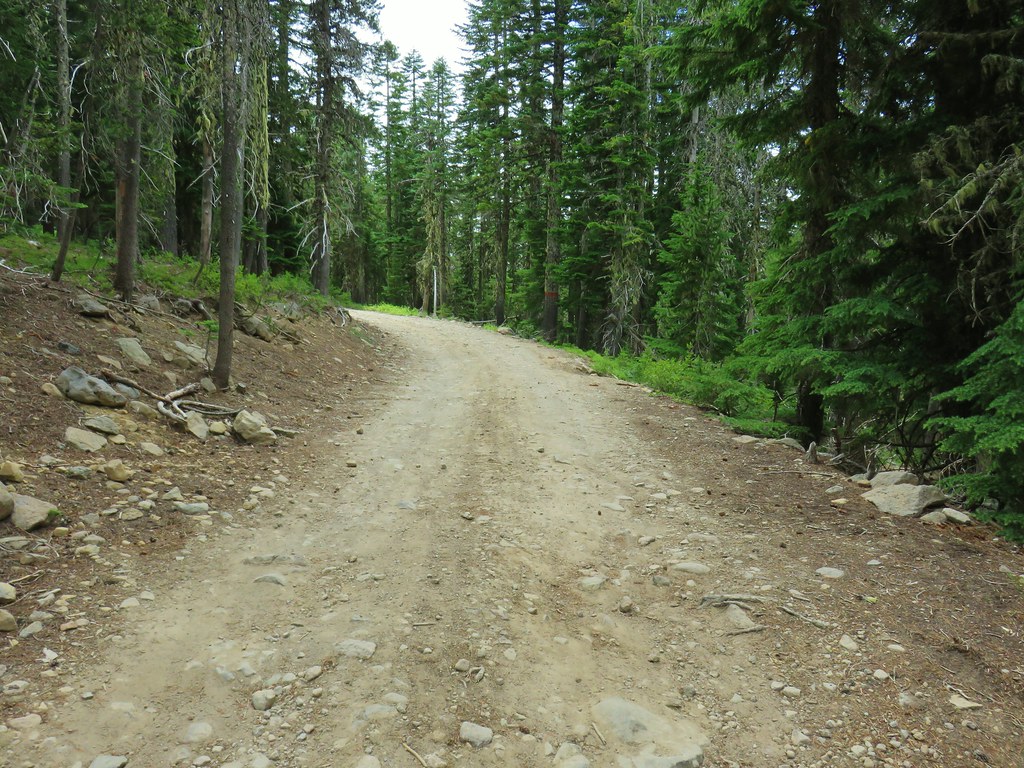 Approaching the Bonney Meadows Trail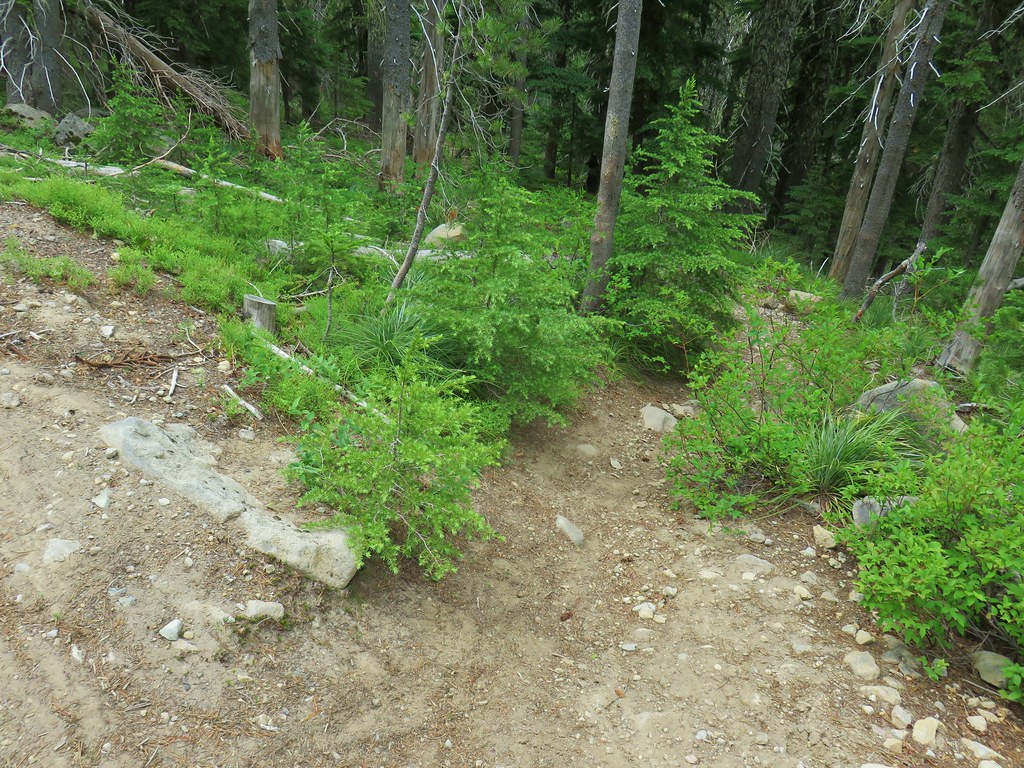
 Spur road leading to the trail from the pullout.
 Signage at the end of the closed spur.
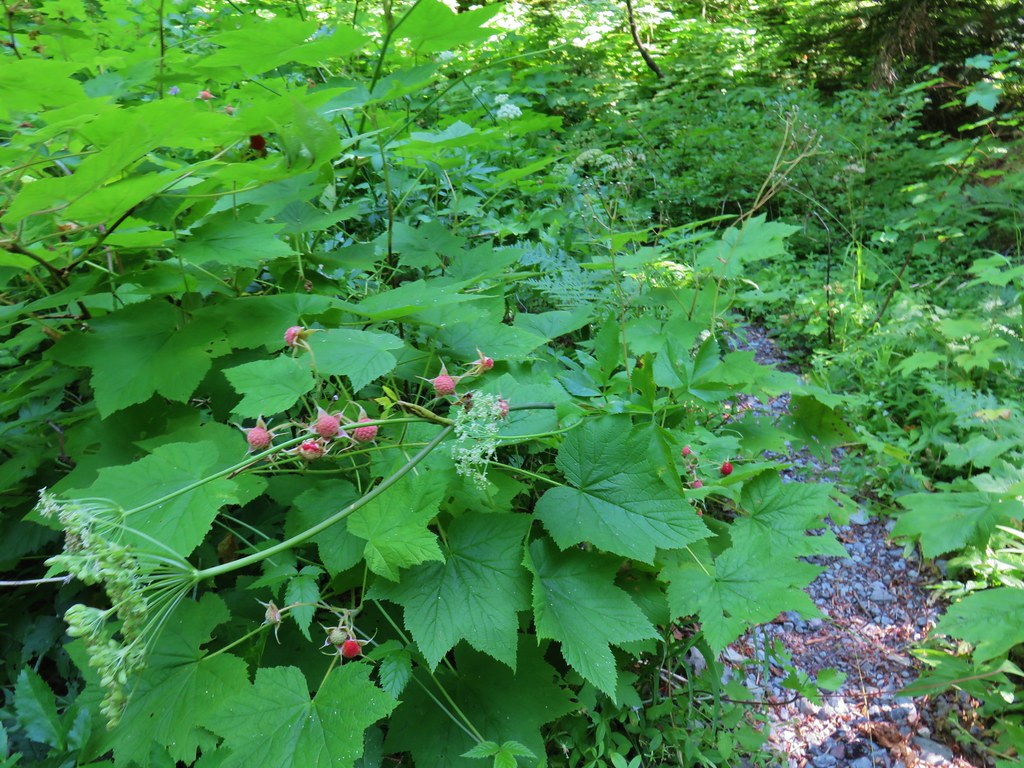
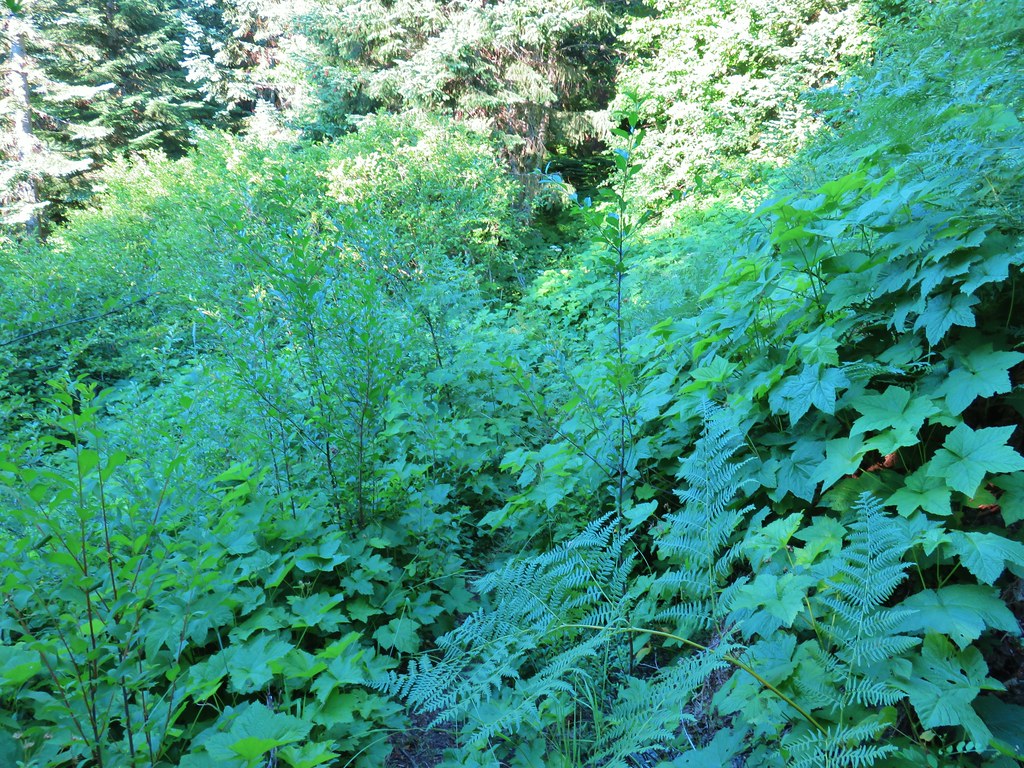 Thimbleberry crowding the trail.
 Devil’s club along the trail. We each had our hands brush against some and it doesn’t feel pleasant.
 Lupine and paintbrush in the thimbleberries as the trail enters the forest.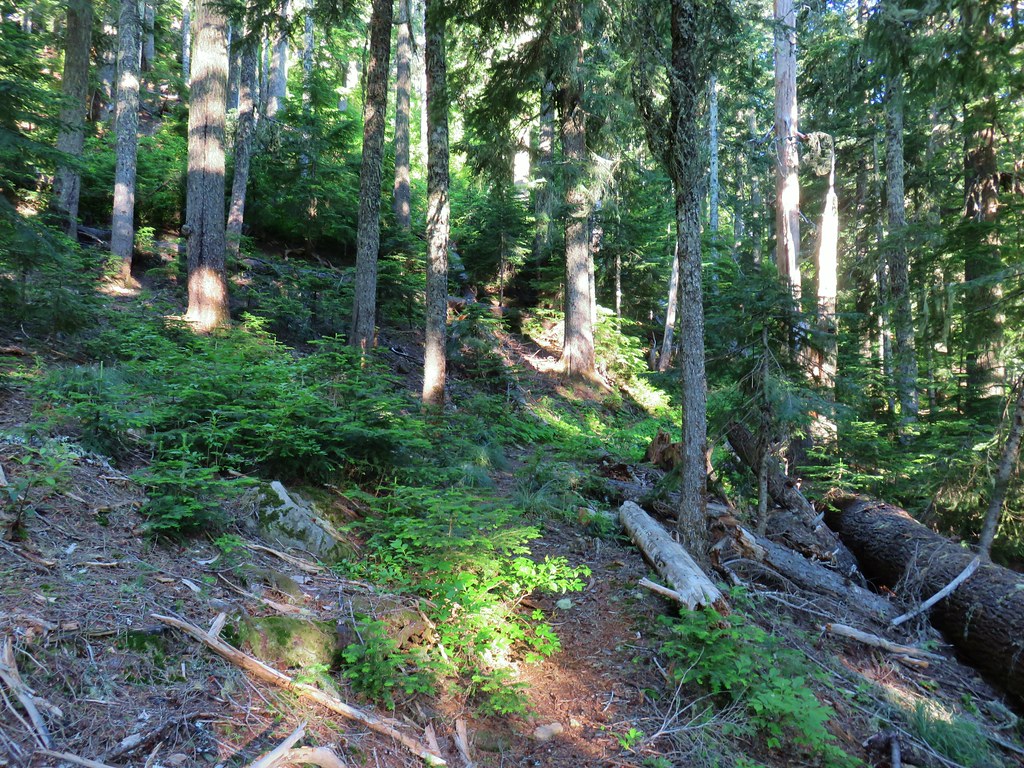
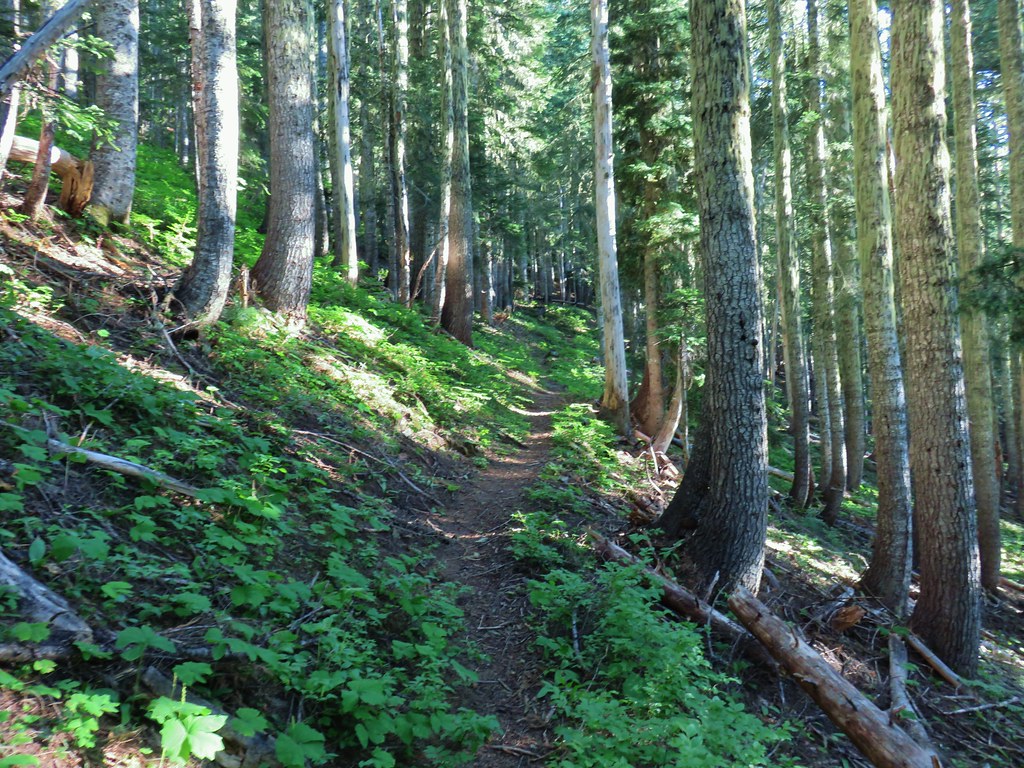
 It looked like these two trees fell out of the same hole but in different directions.
 Anemone and queen’s cup
 Beargrass and huckleberry bushes.
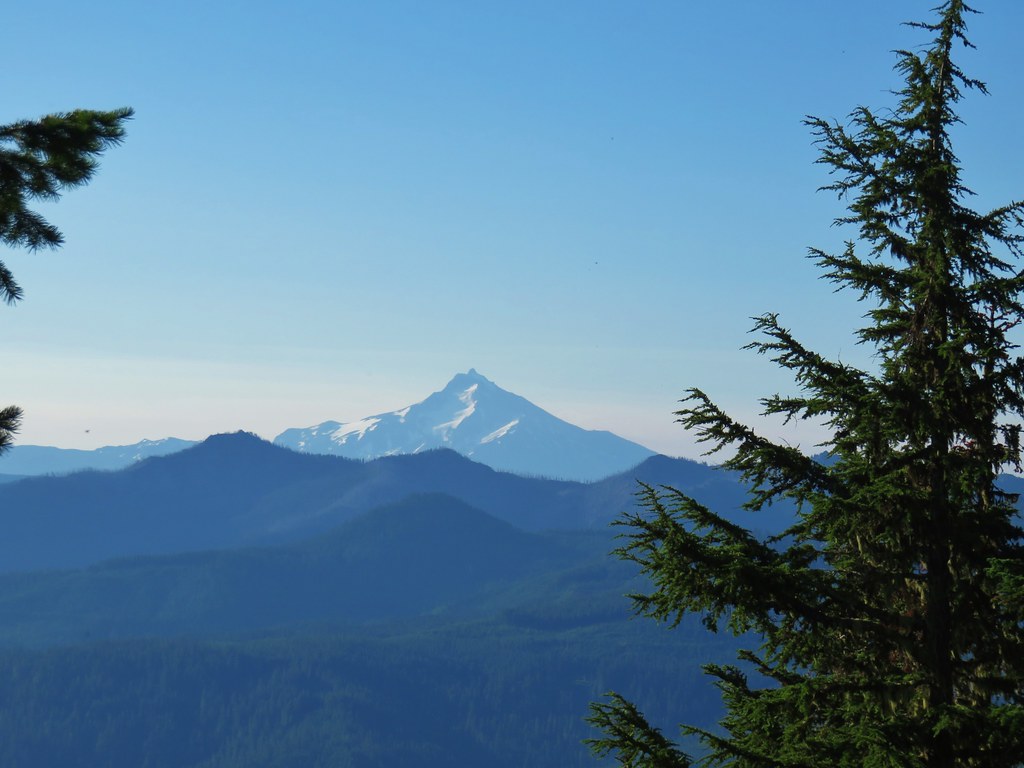 Schreiner Peak in front of Mt. Jefferson.
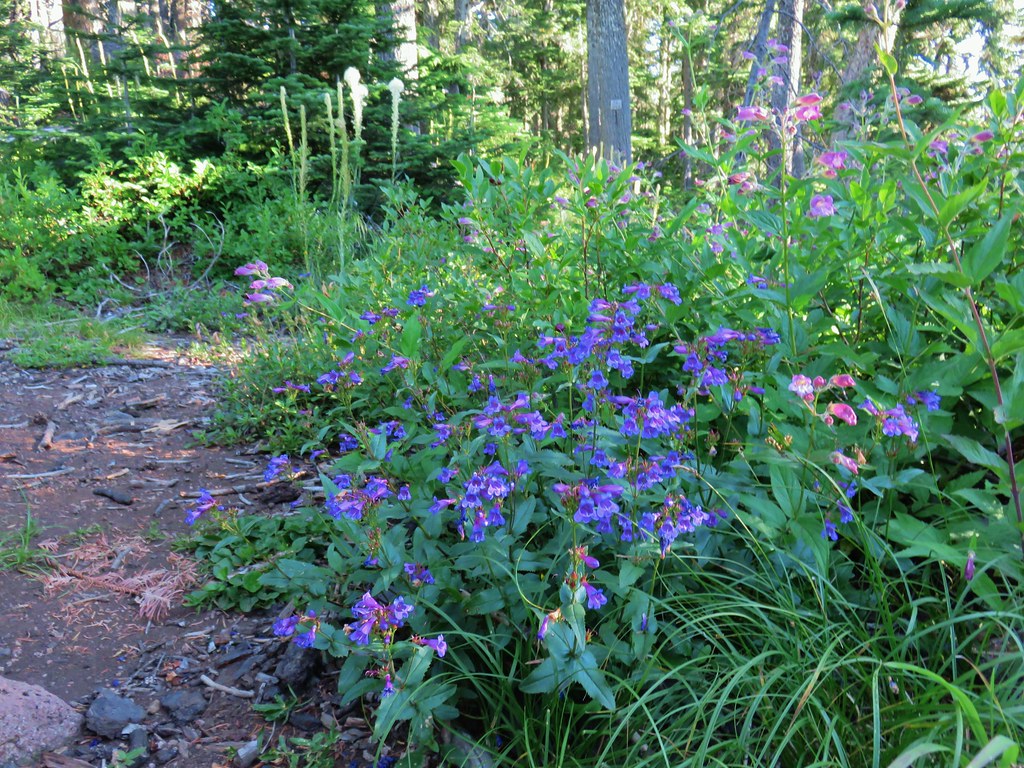 Small sign on the tree marking the trail to Thunder Mountain’s summit.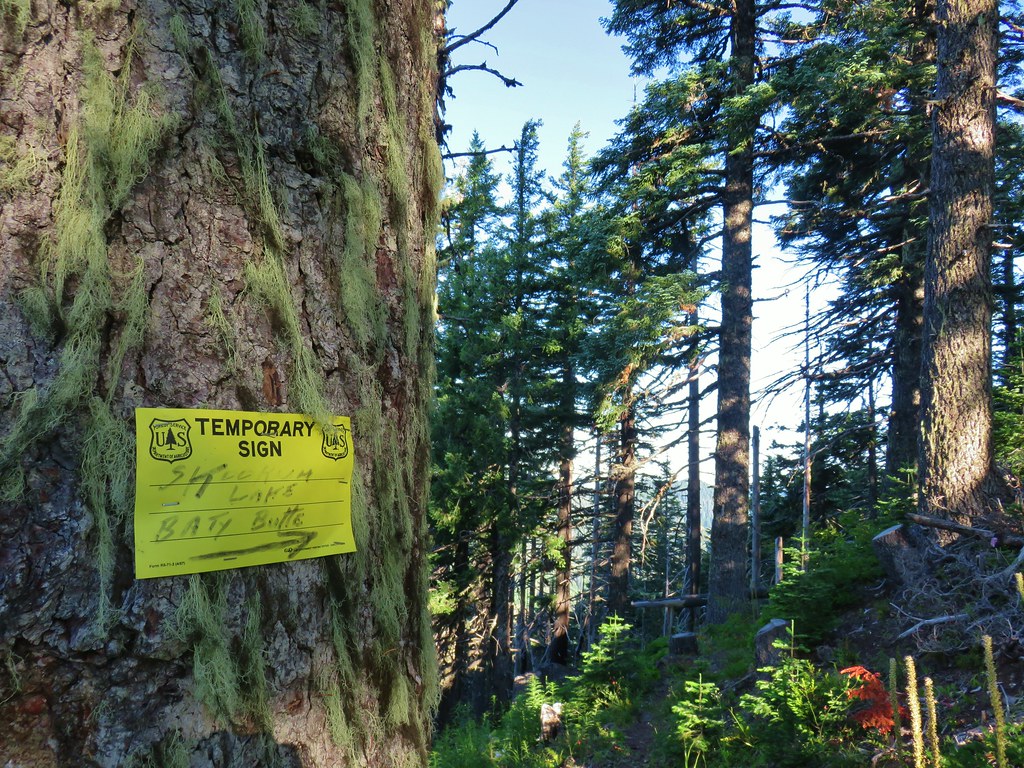
 Columbine
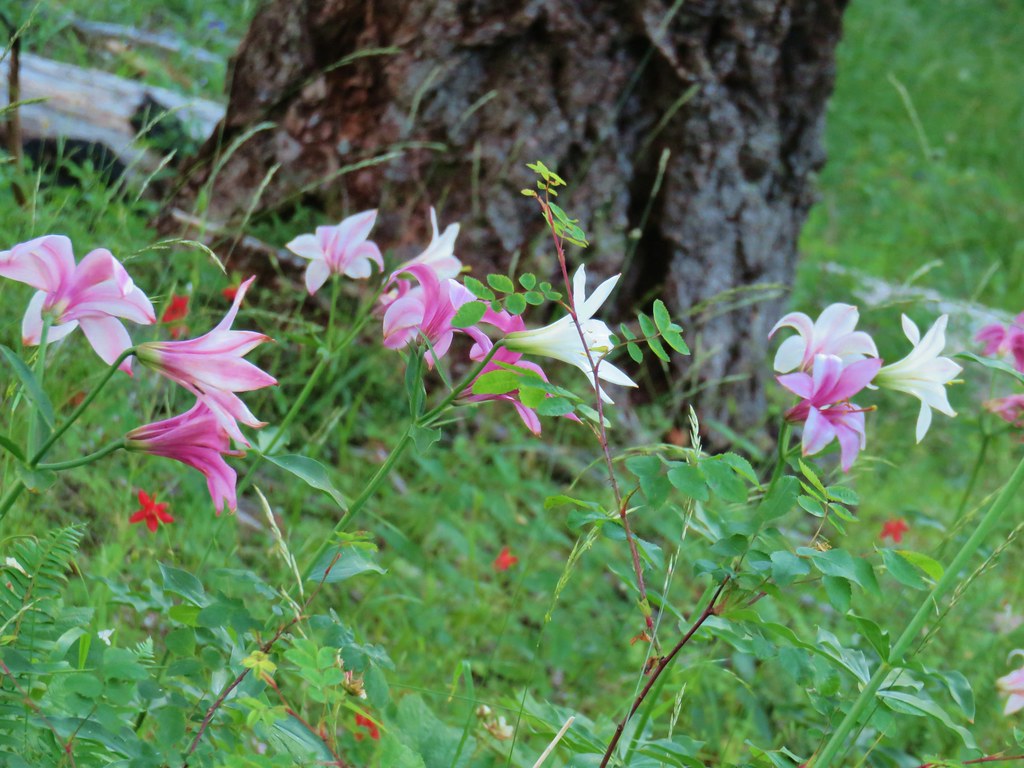 Washington lilies
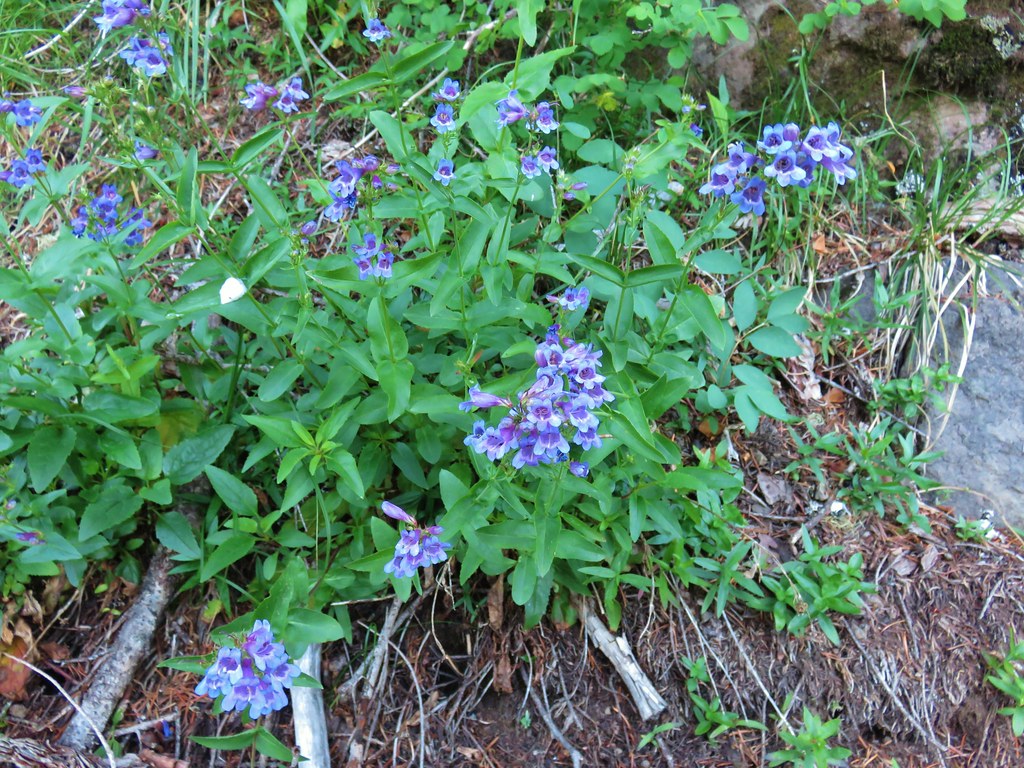 Penstemon
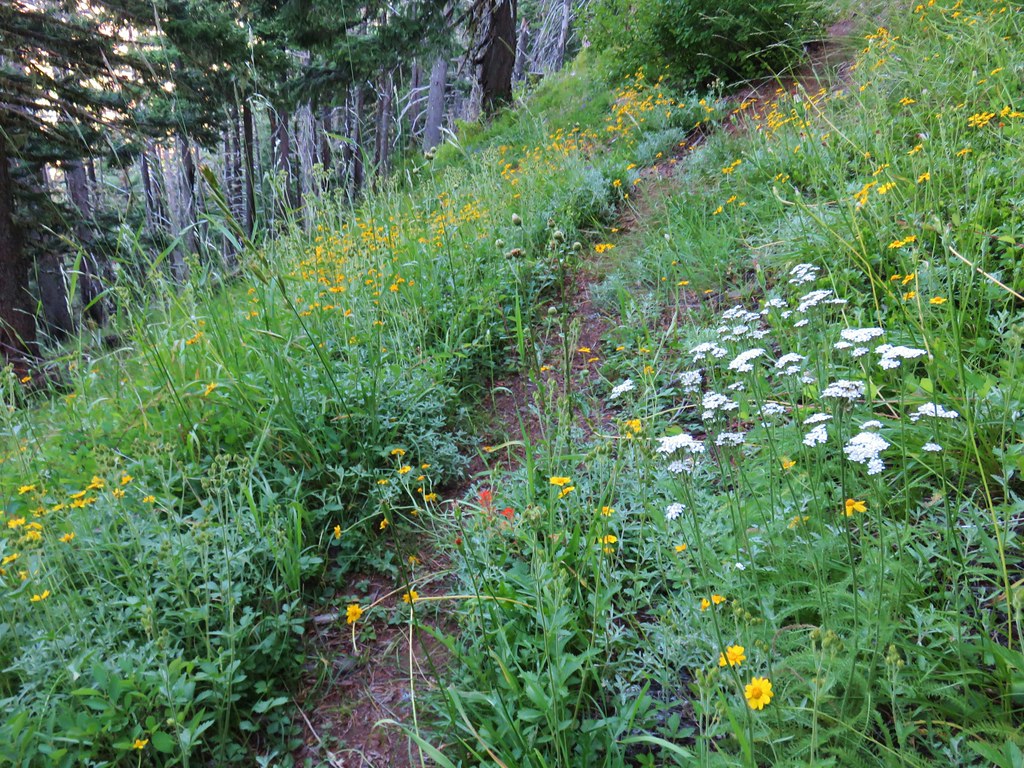 Assorted flowers
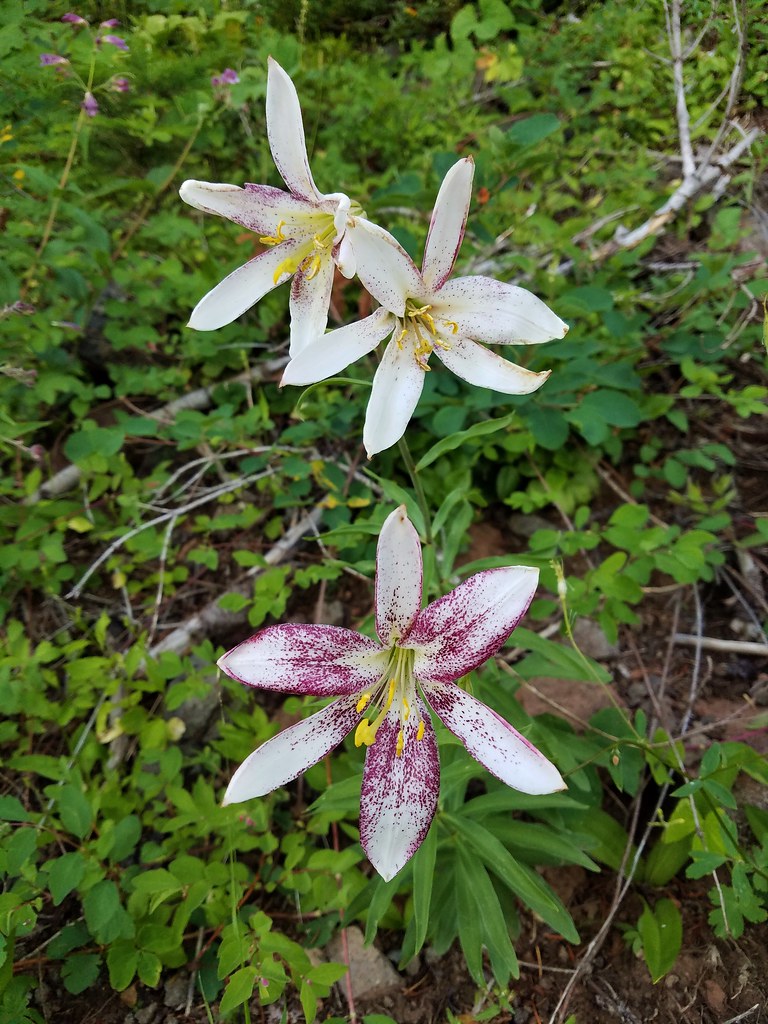 Washington lilies
 Oregon sunshine
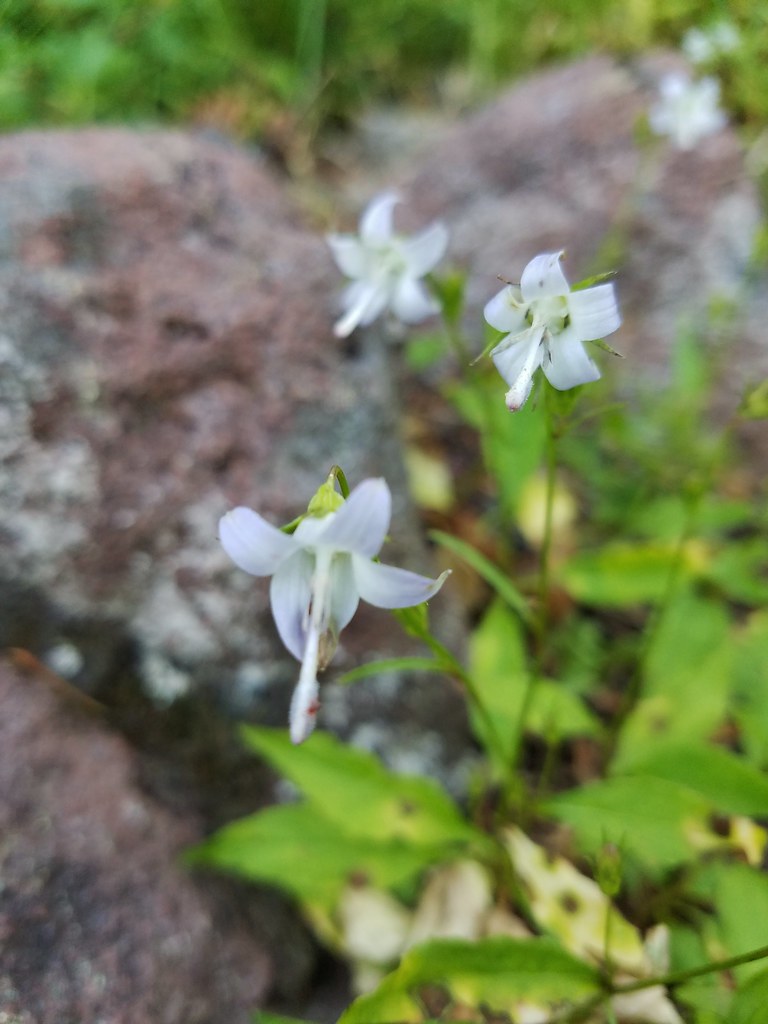 Scouler’s bluebells
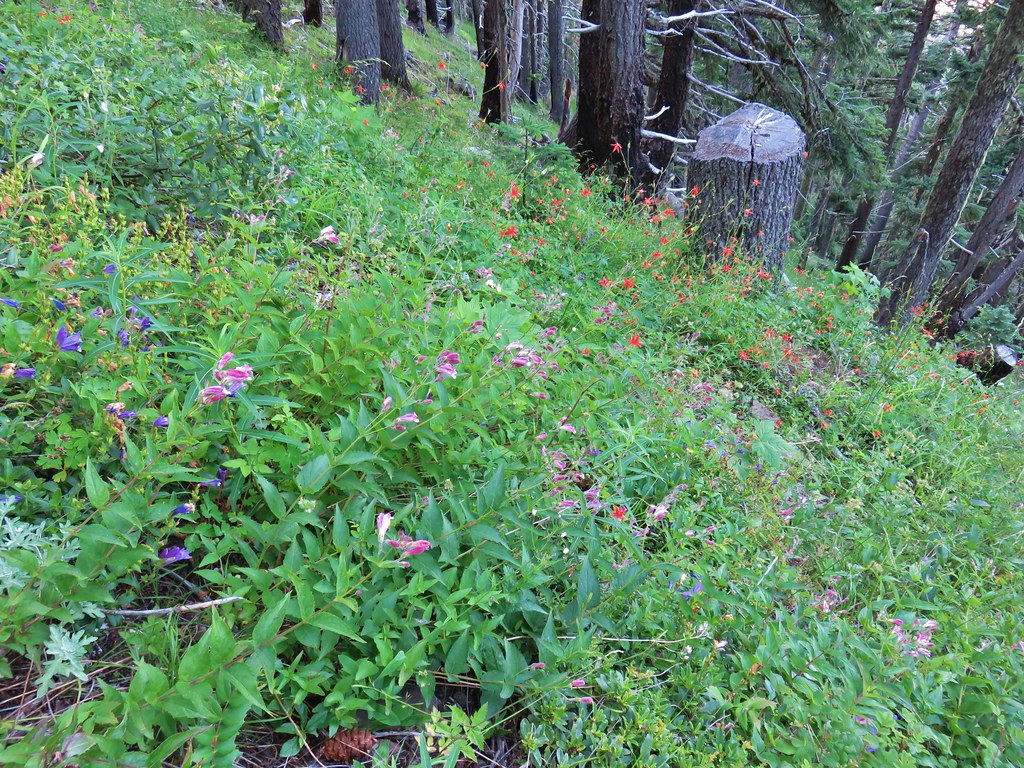 Columbine and a couple different types of penstemon.
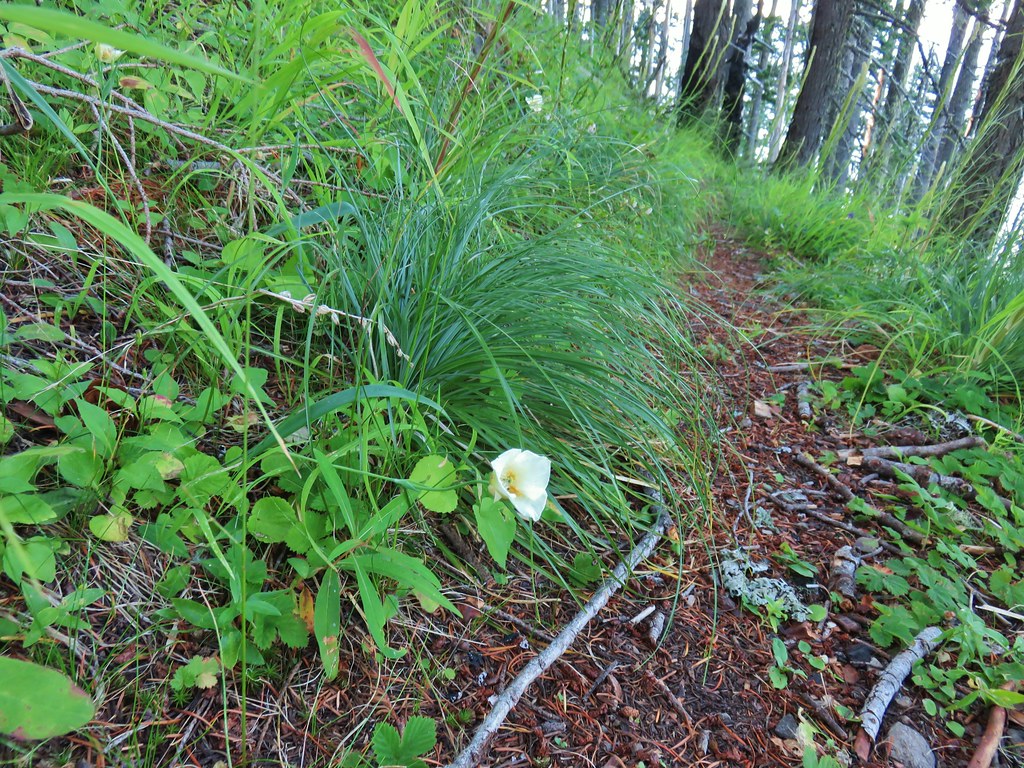 Cat’s ear lily
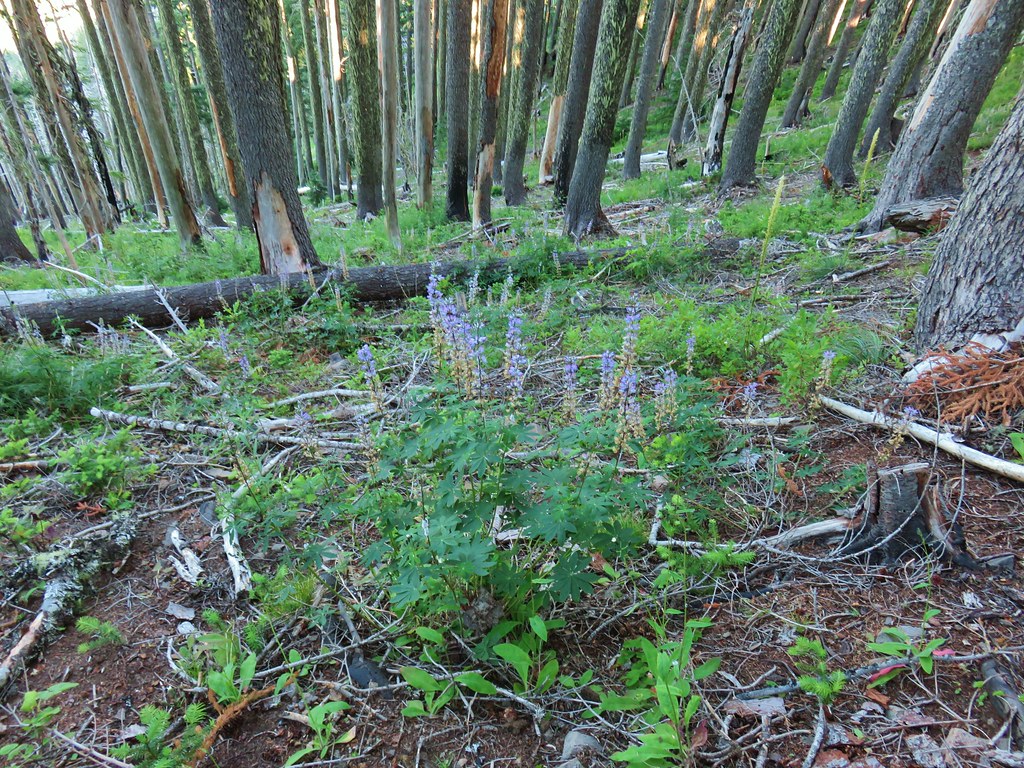 Lupine
 Pyrola
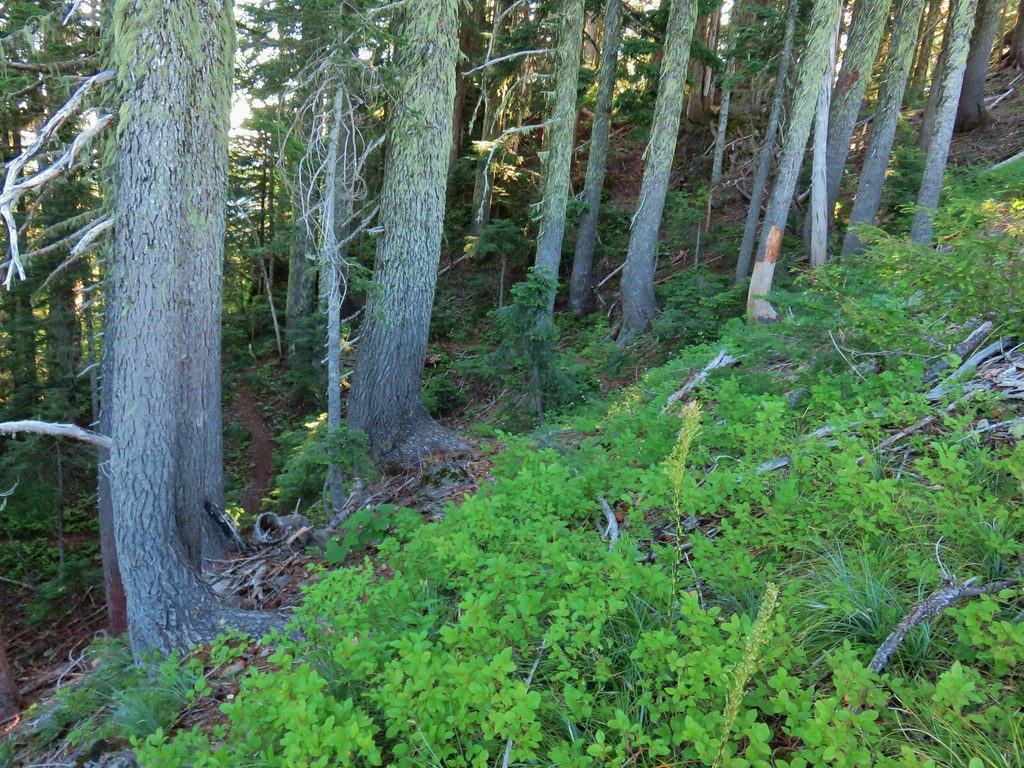 Skookum Lake Trail below coming out of the horseshoe turn.

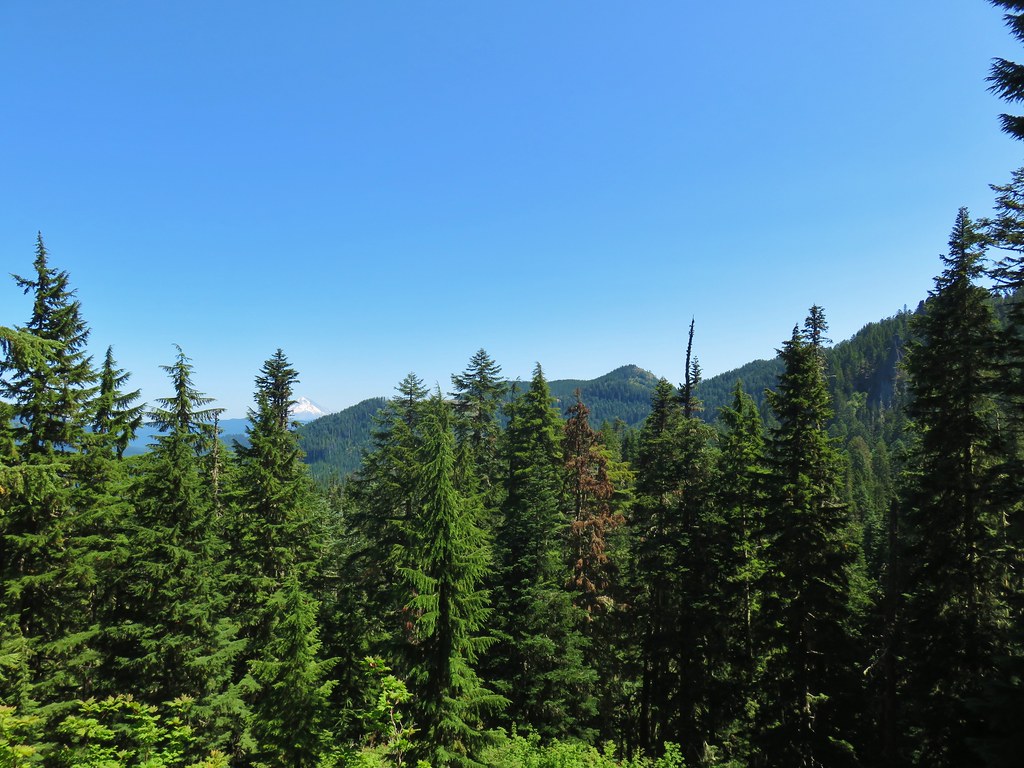
 Mt. Hood
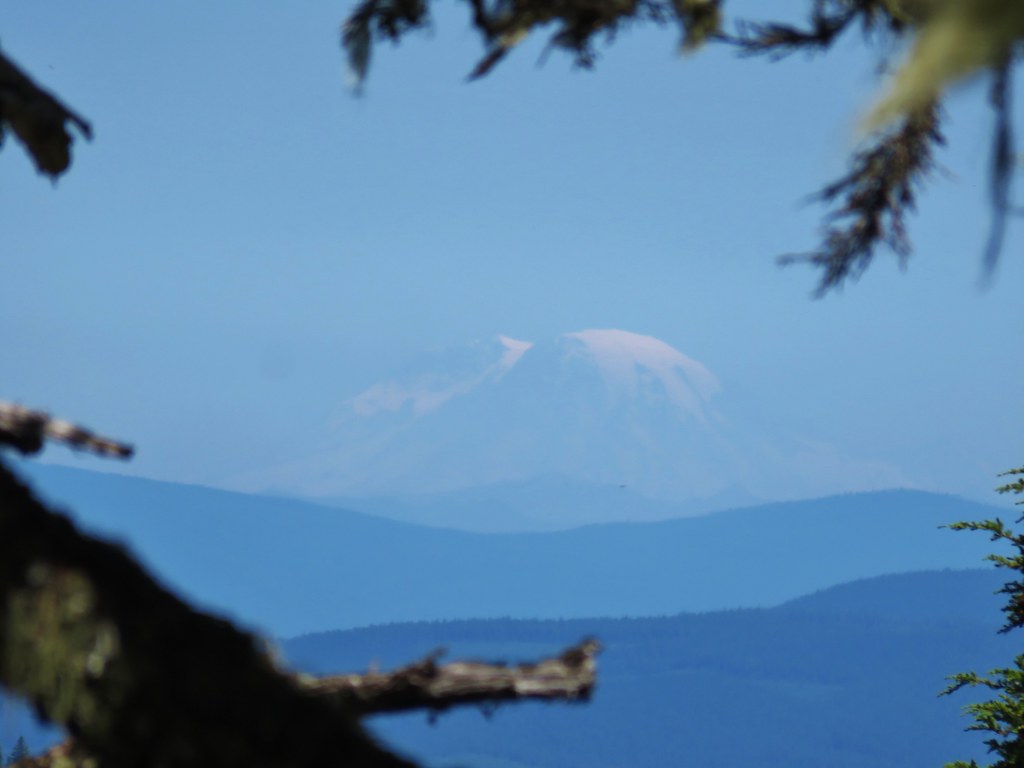 Mt. Rainier
 The trail skirts a talus slope above the meadow.
 Finally leveling out by the meadow after losing approximately 700′.
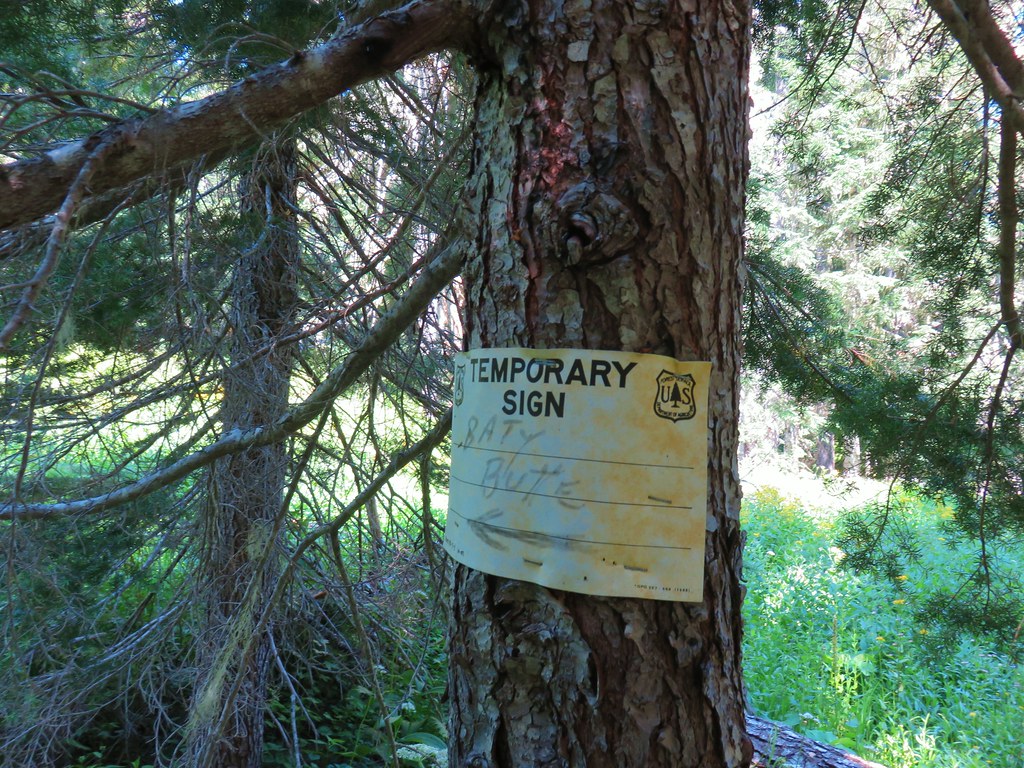 I missed the sign until we had come back and started down the Skookum Lake Trail.
 Tall bluebells
 The yellow might be a groundsel.
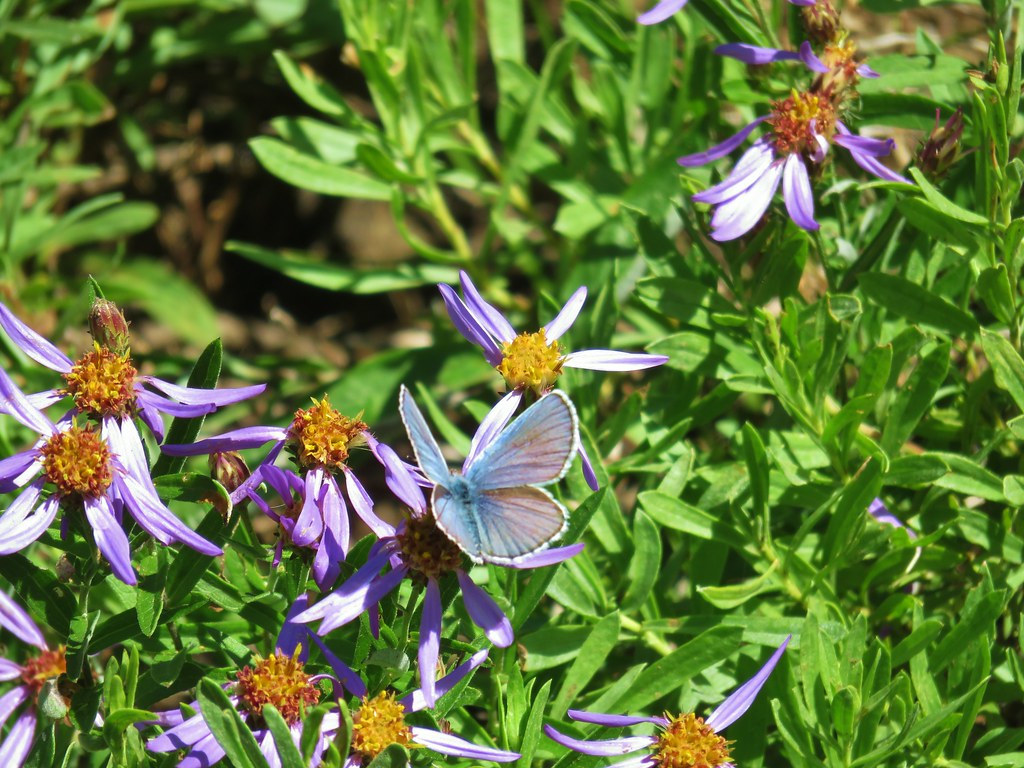
 Aster
Aster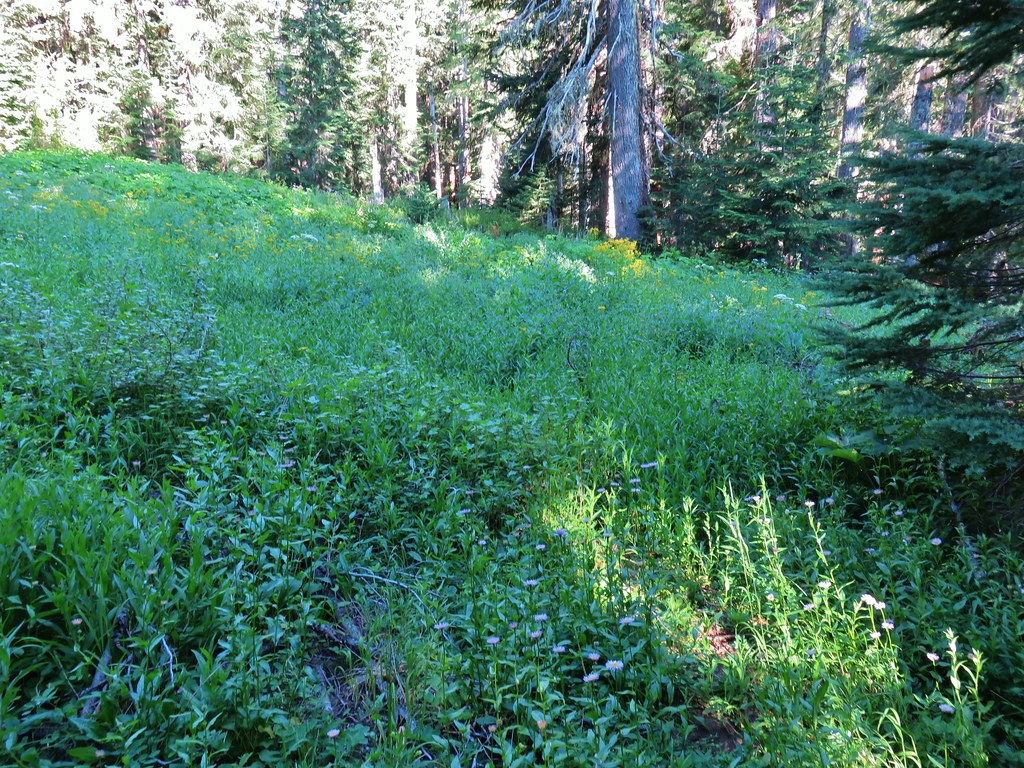


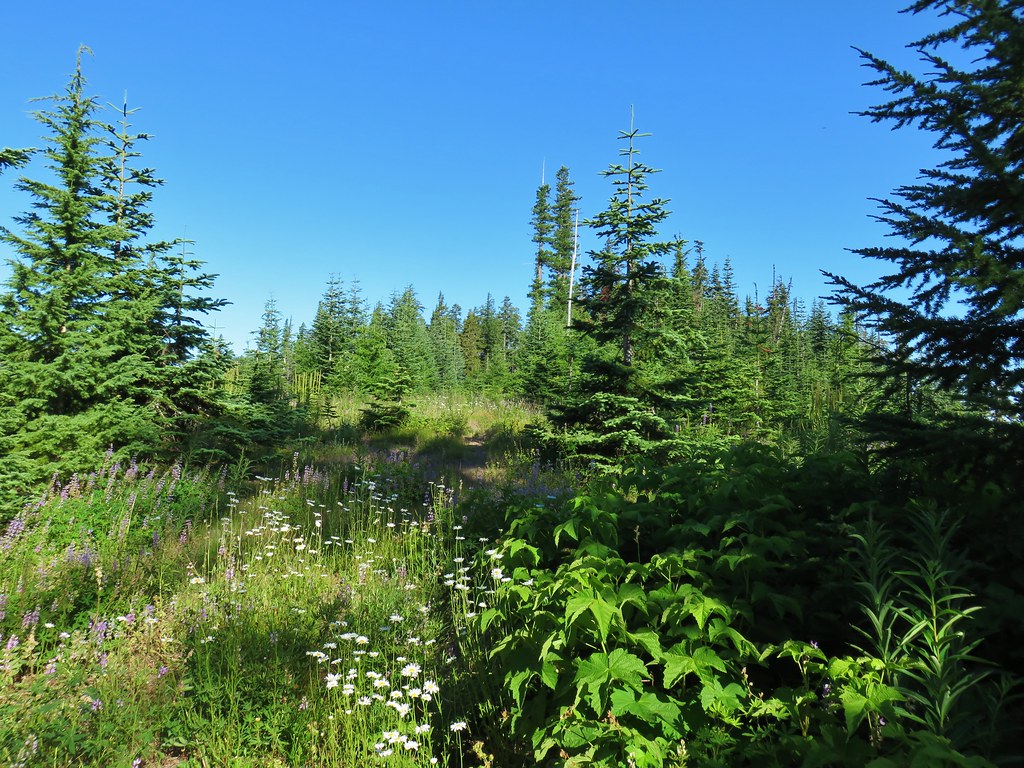


 Paintbrush, penstemon and lupine

 Mostly past lupine

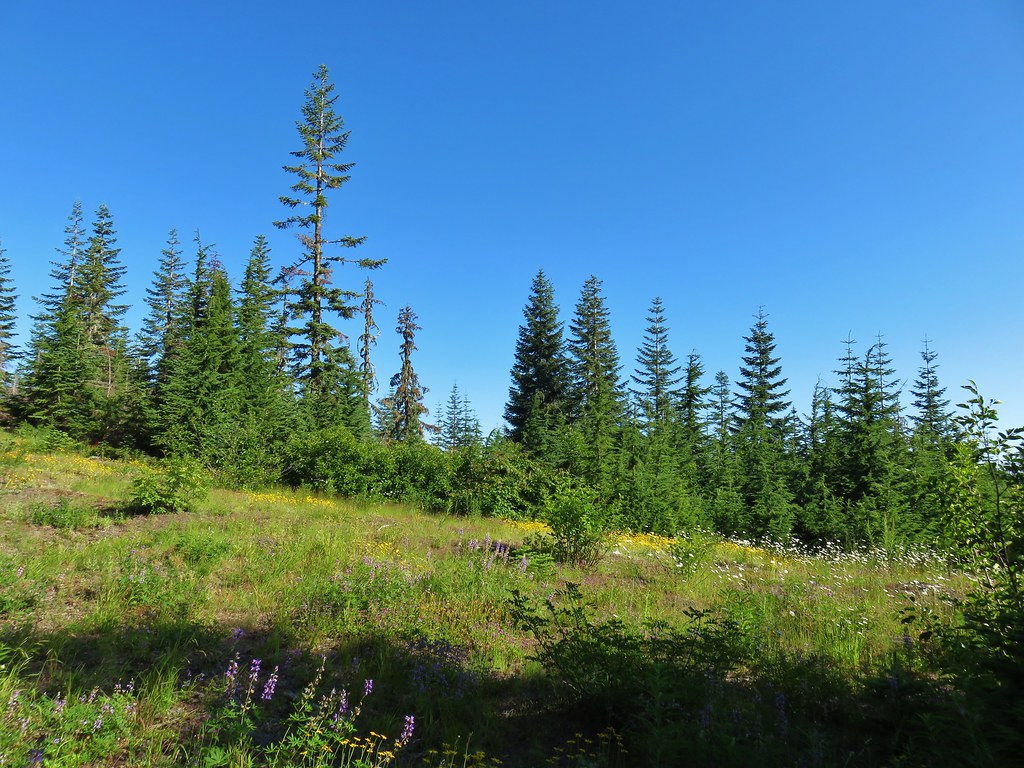
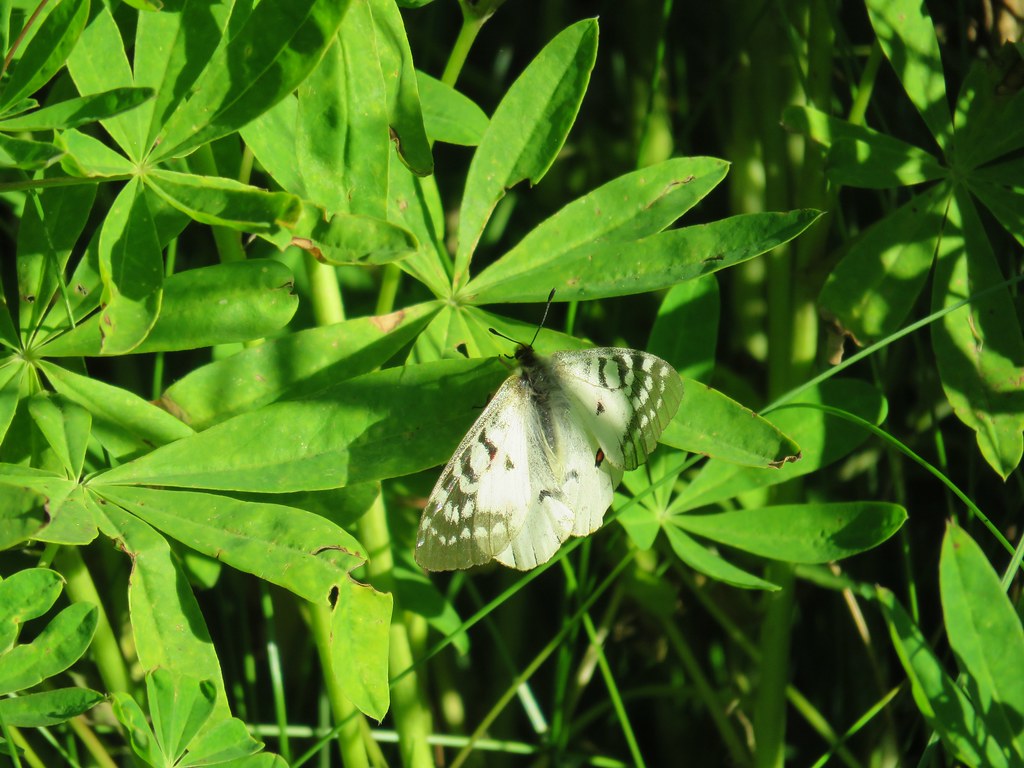
 Several butterflies on Oregon sunshine.
 Scarlet gilia
 Fireweed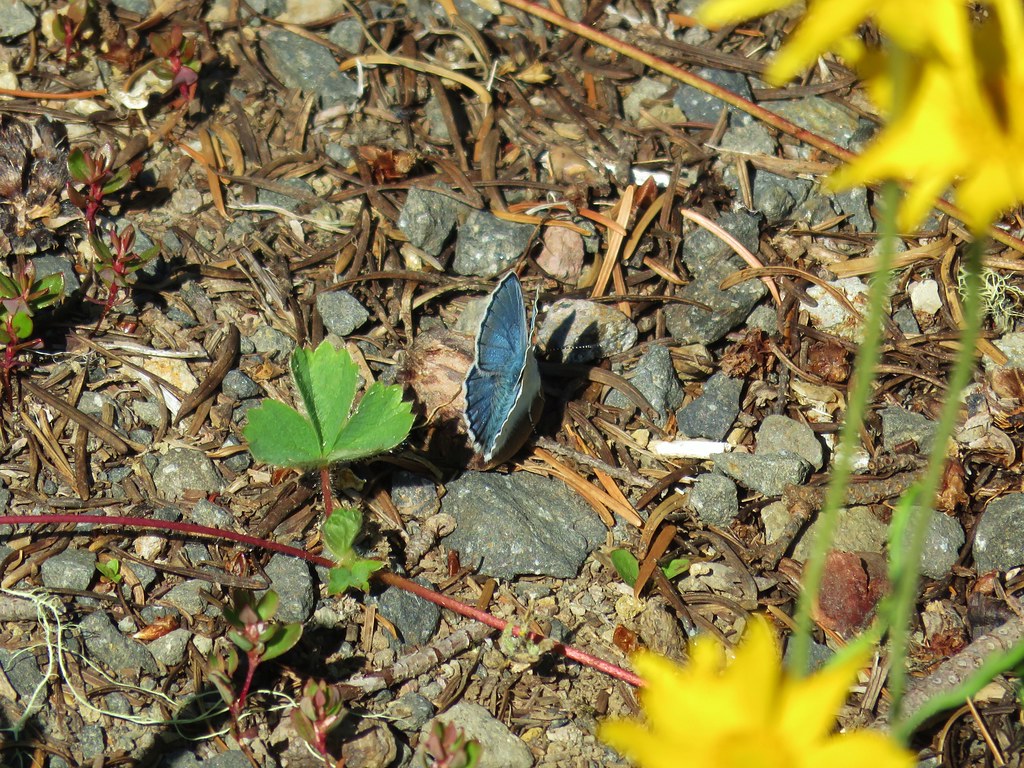

 Left is the wrong way on the return, the correct route is to the right through the brush.
 Flagging marking the correct path.



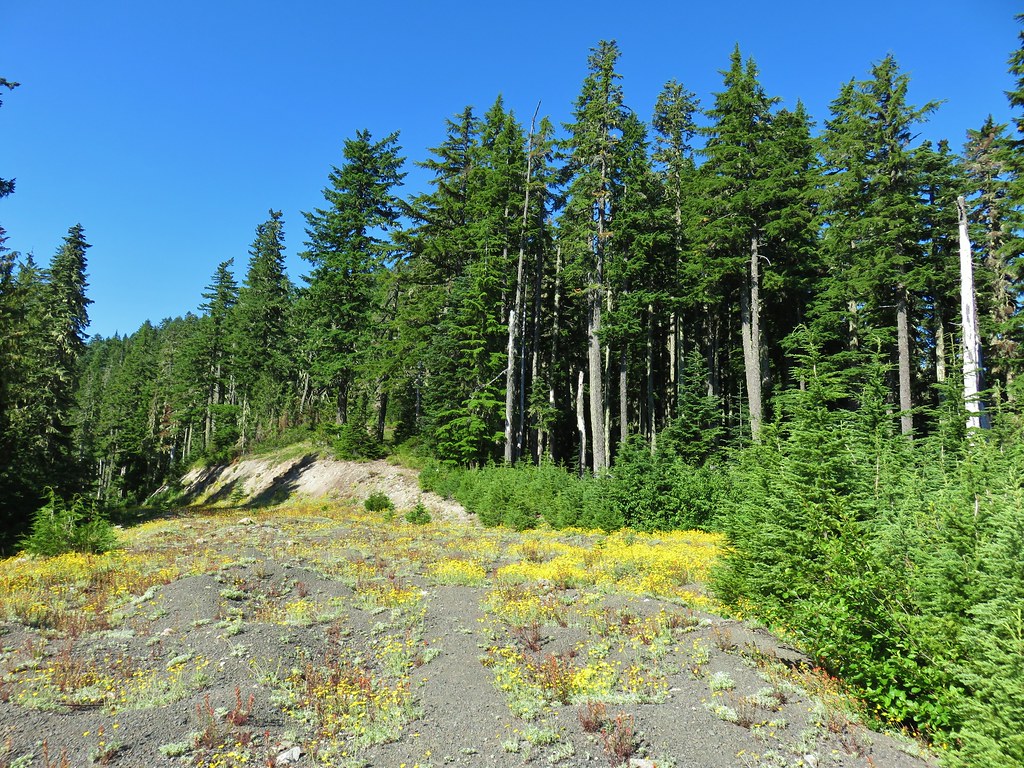
 Baty Butte Trail to the right.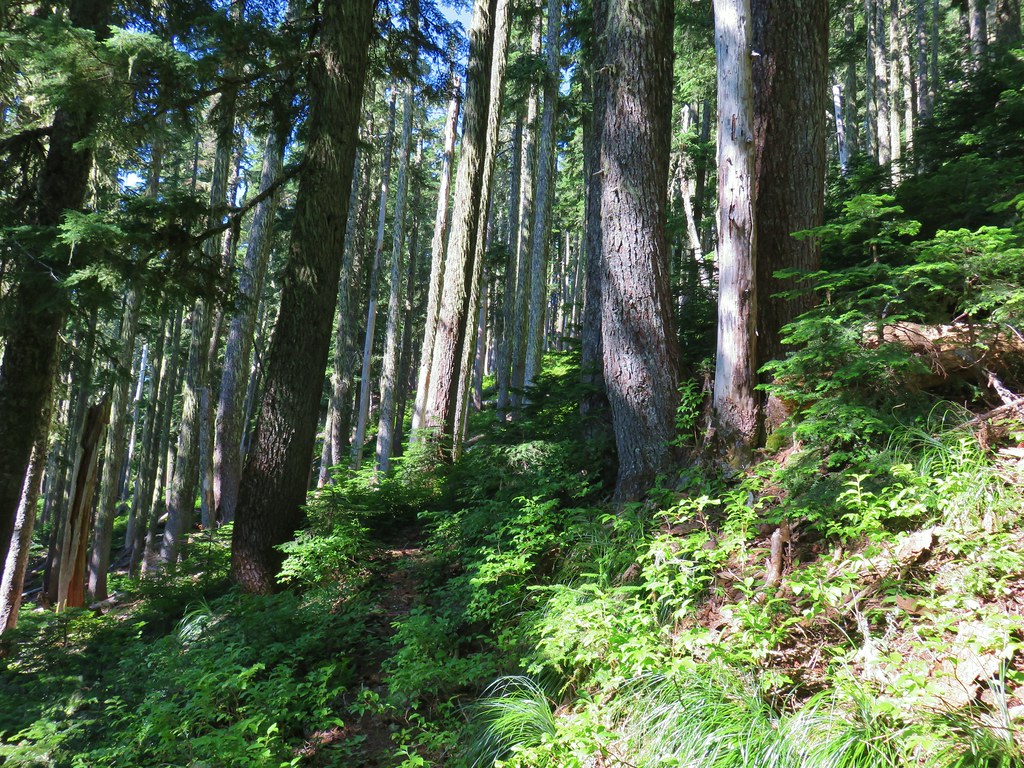
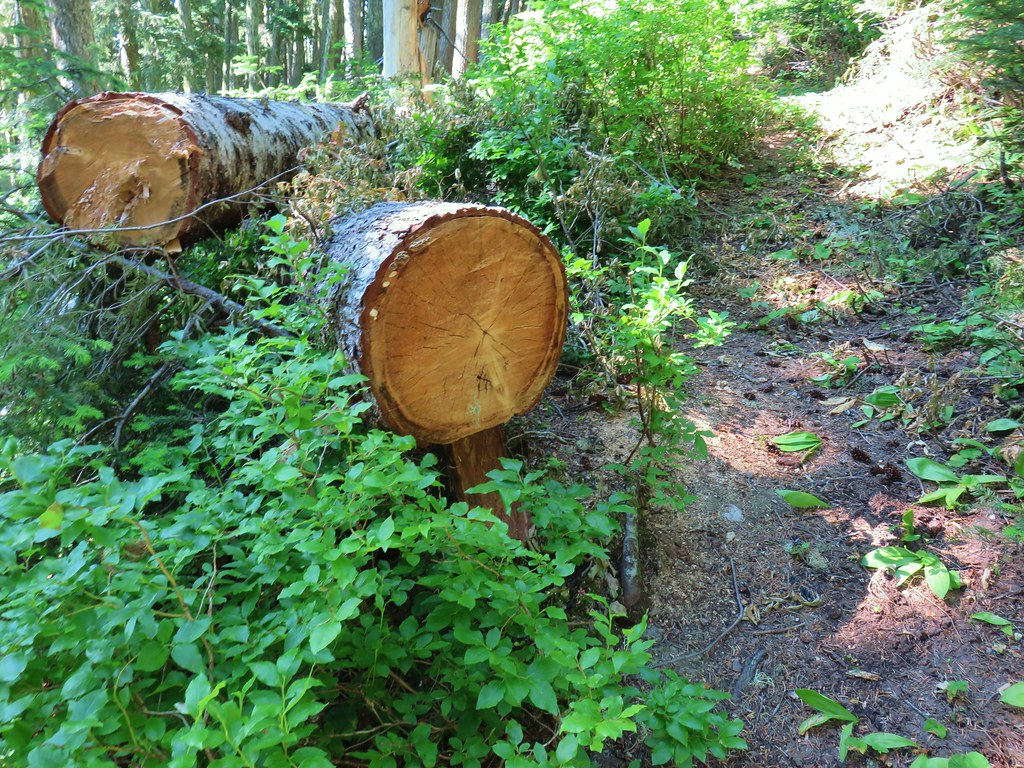
 Baty Butte Trail starting to curve around the ridge.
 Scramble route up the ridge.
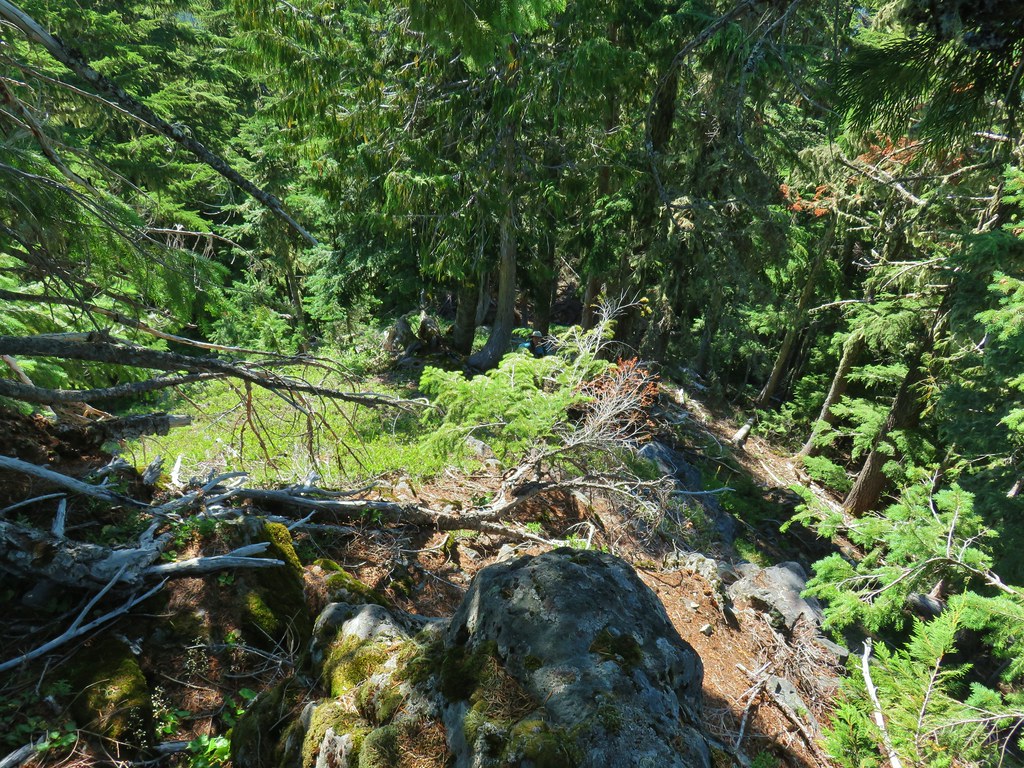 Looking down from the start of the spine.


 Mt. Jefferson
 Three Fingered Jack, Mt. Washington, and the Three Sisters.
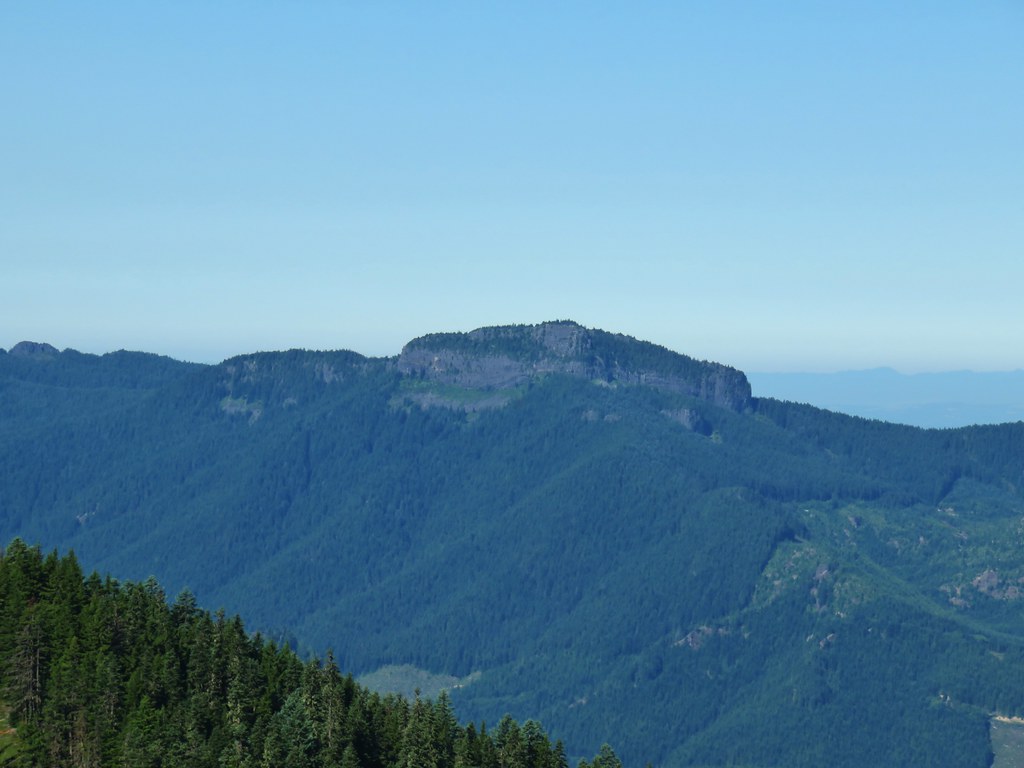 Rooster Rock is the formation to the far left.
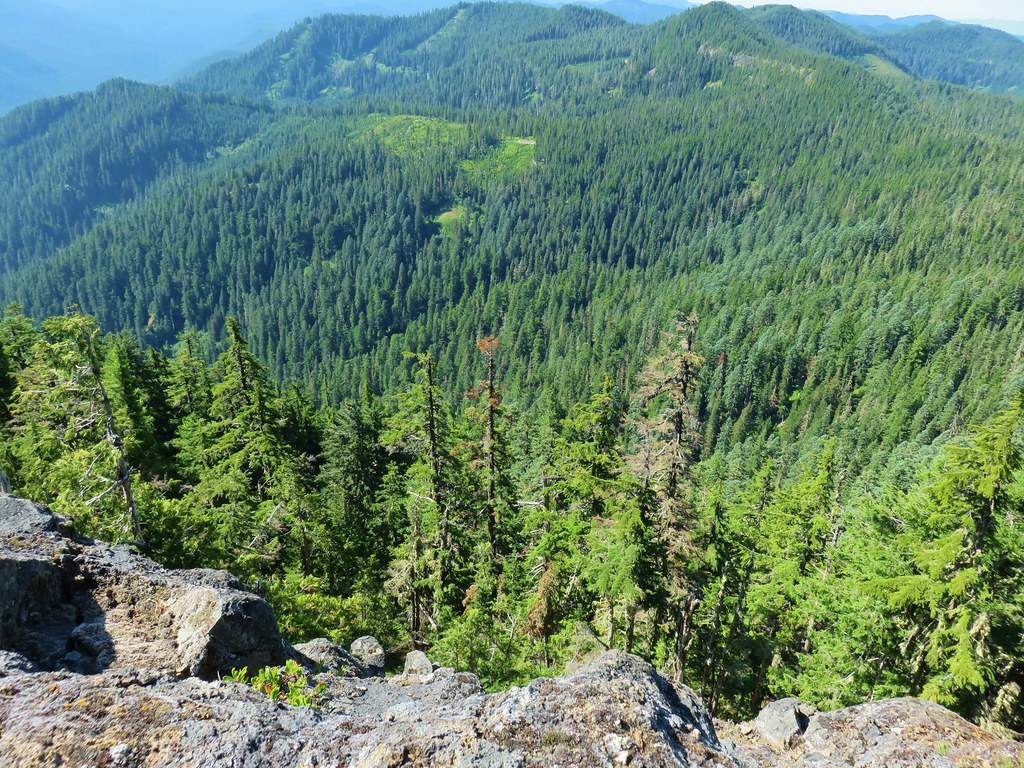 Looking down from Baty Butte.

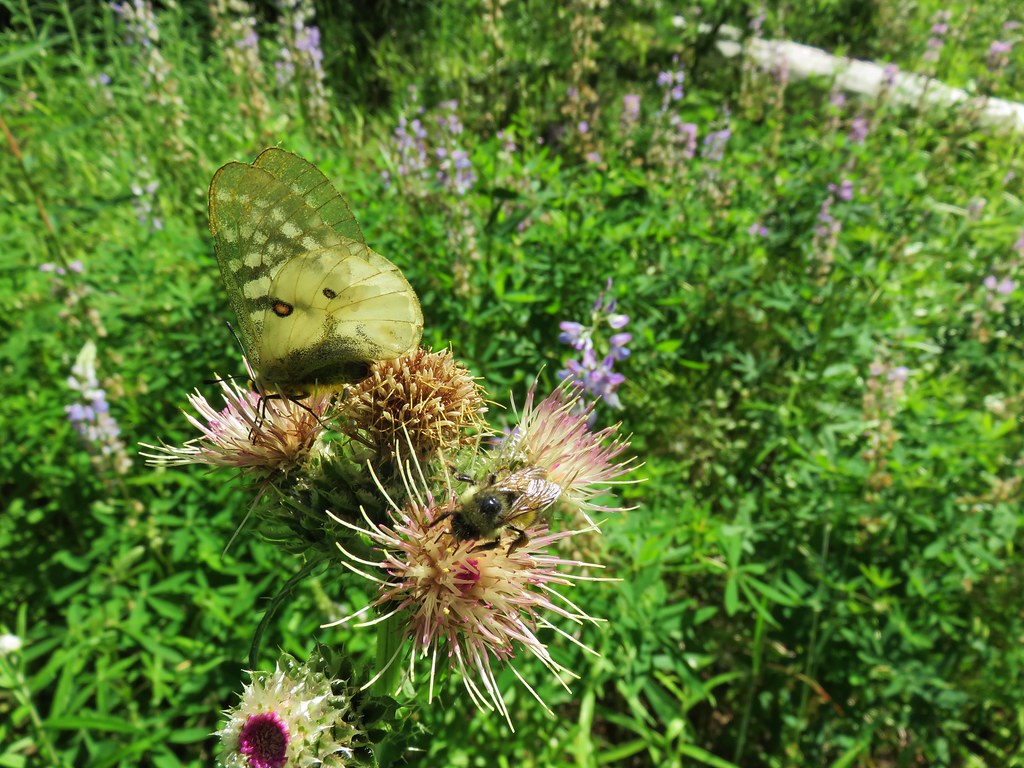
 Orange agoseris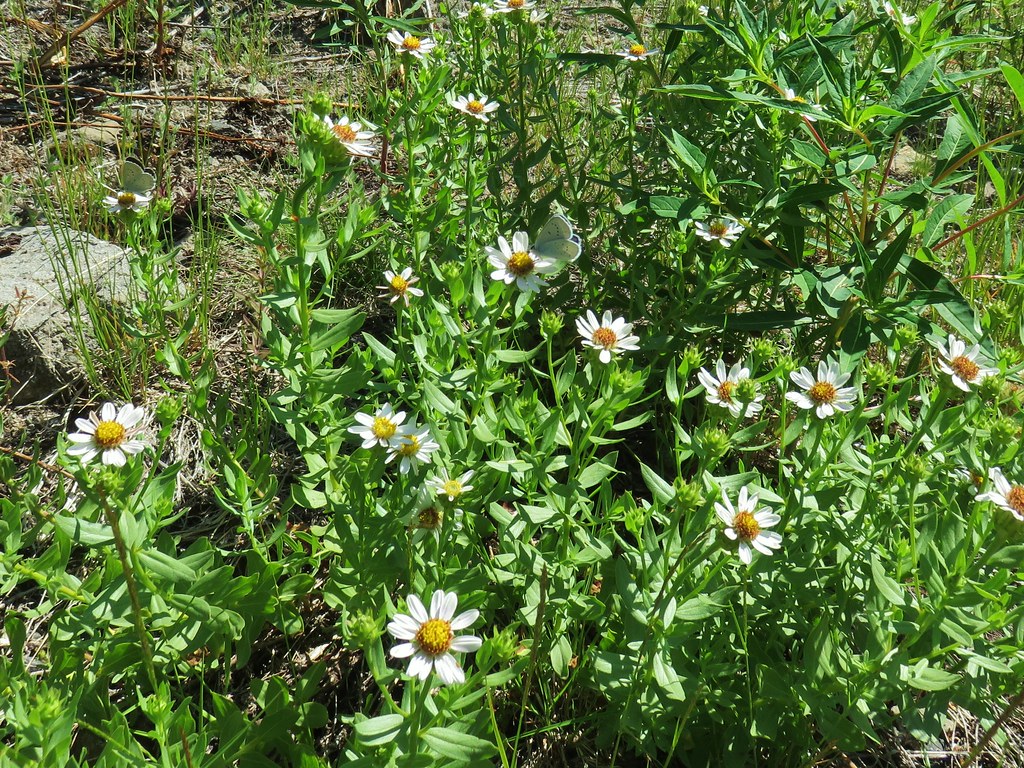
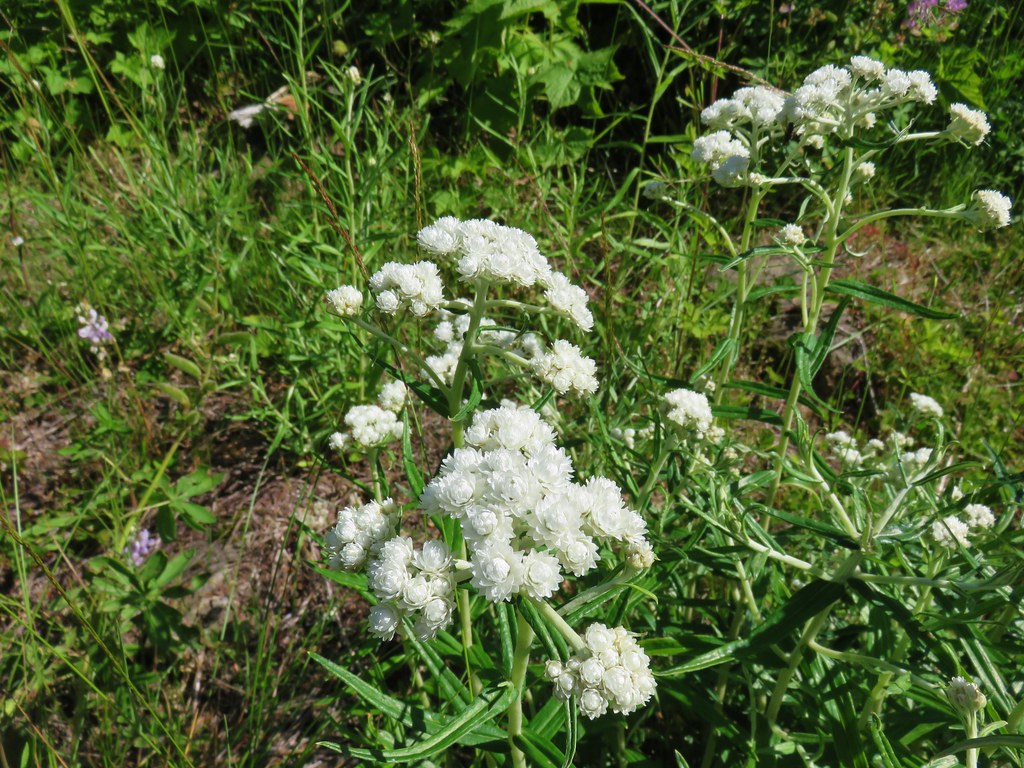 Pearly everlasting
 Penstemon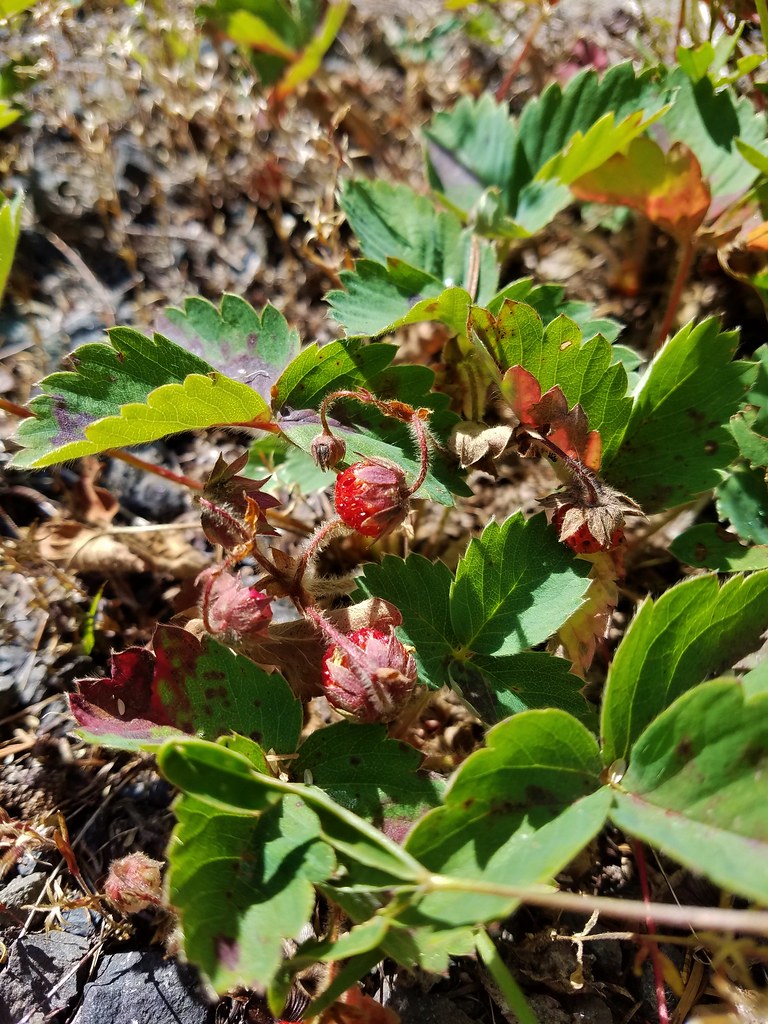

 Monkeyflower along the trail.
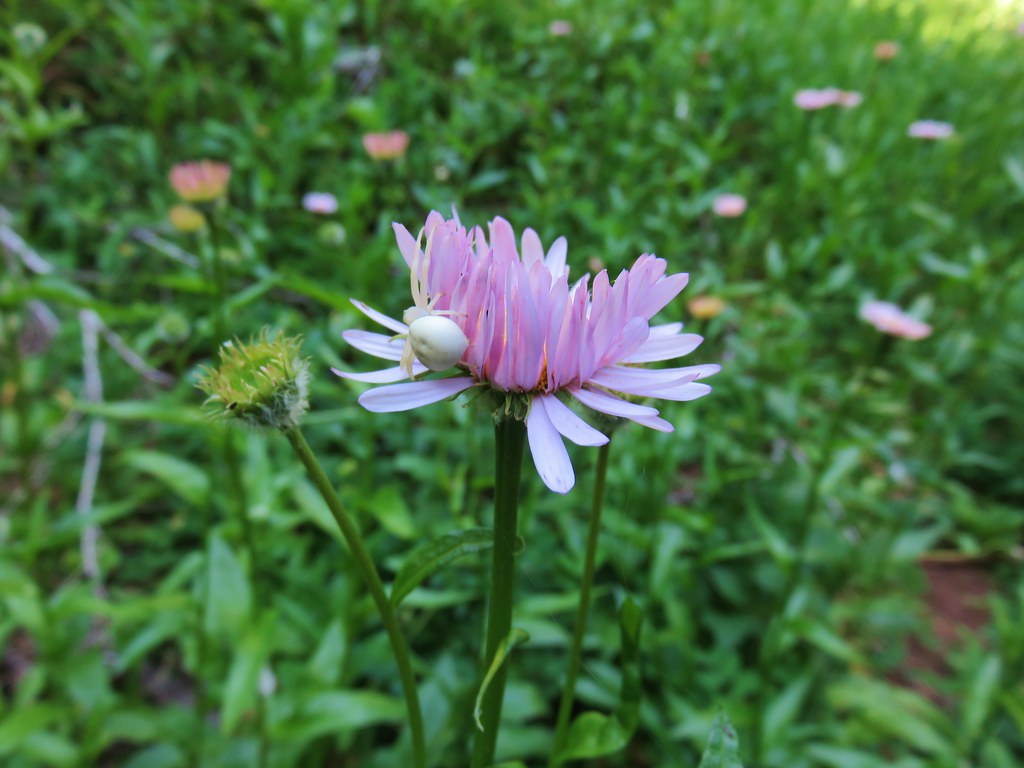 Crab spider on aster.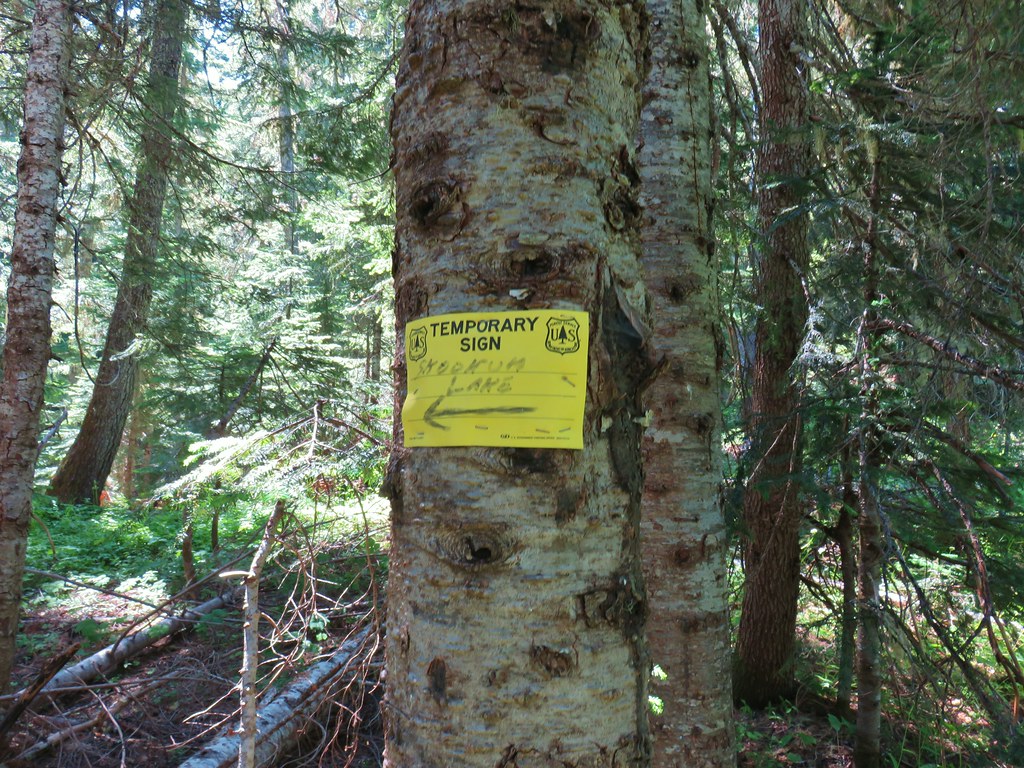
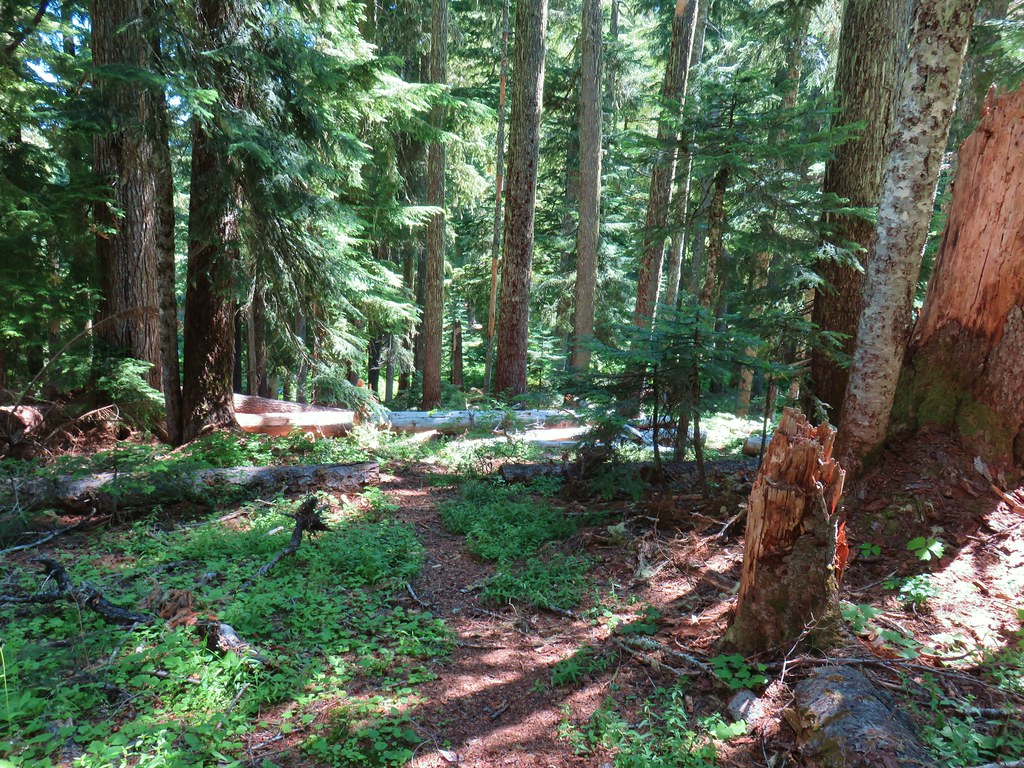
 Rhododendron along the Skookum Lake Trail.


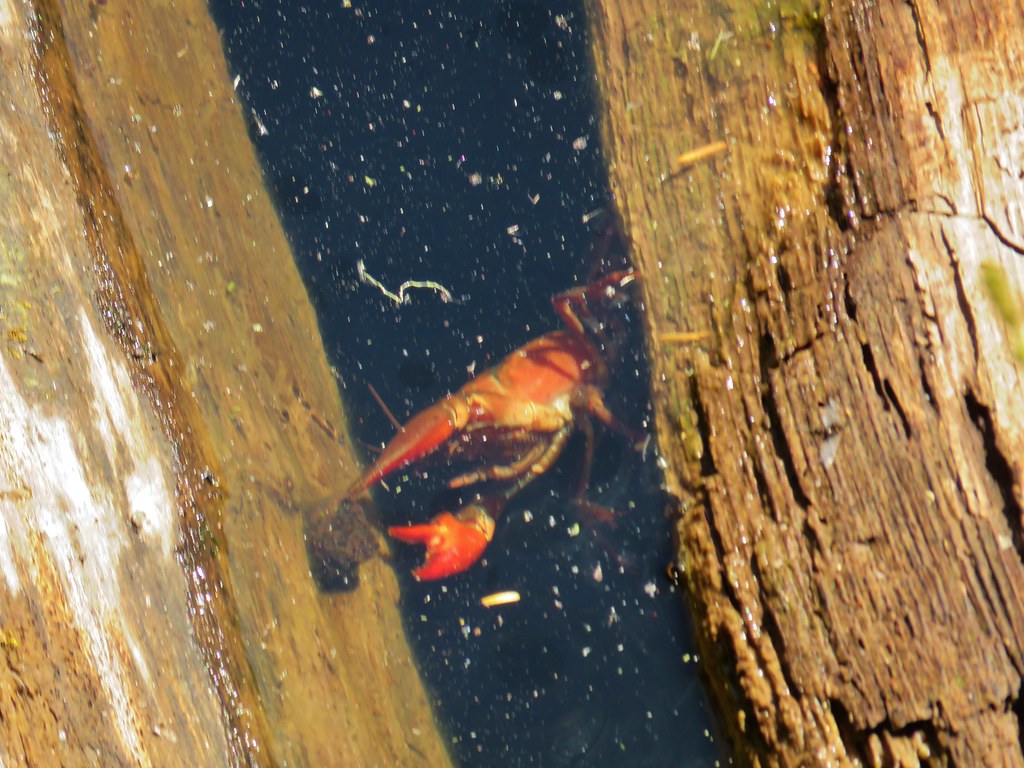

 Small sign on a tree marking the trail to the summit of Thunder Mountain.

 The view north.
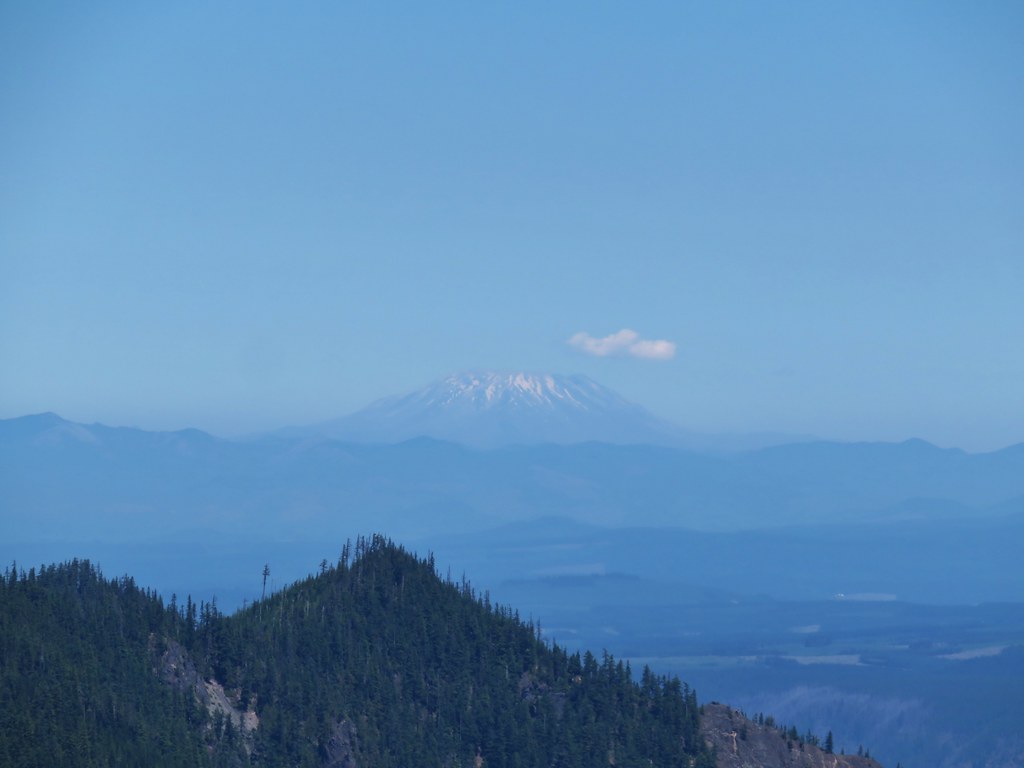 Mt. St. Helens
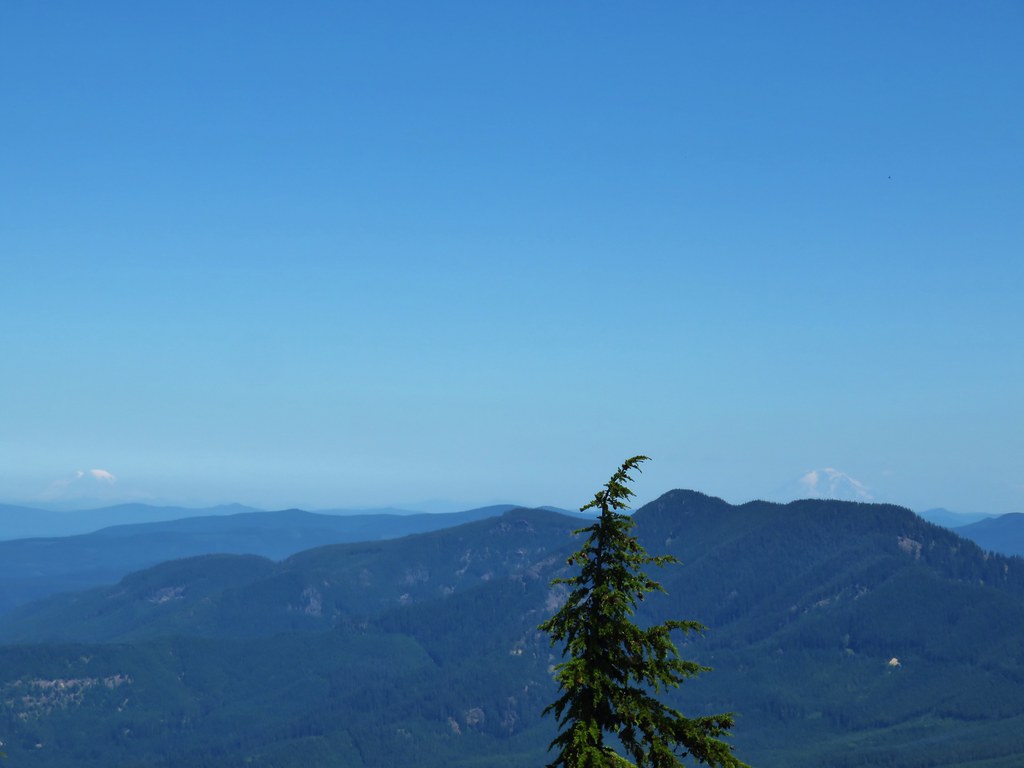 Mt. Rainier and Mt. Adams beyond Fish Creek Mountain (
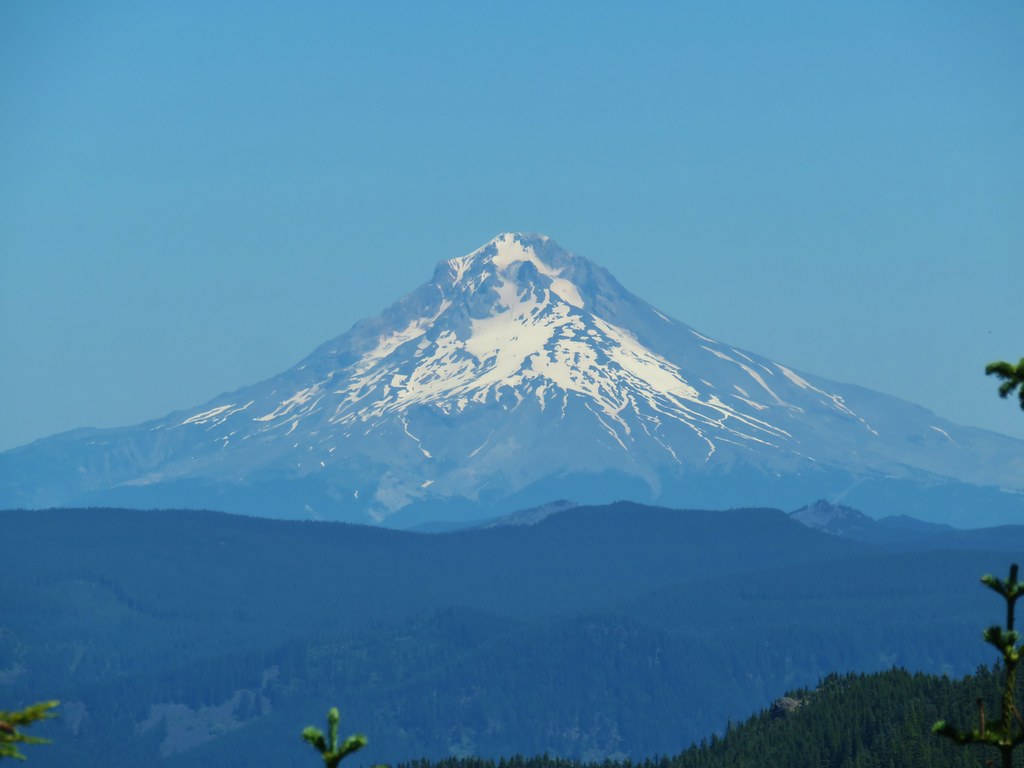 Mt. Hood
 Mt. Jefferson





 Turpentine Peak
 Washington lily
 Unburned forest
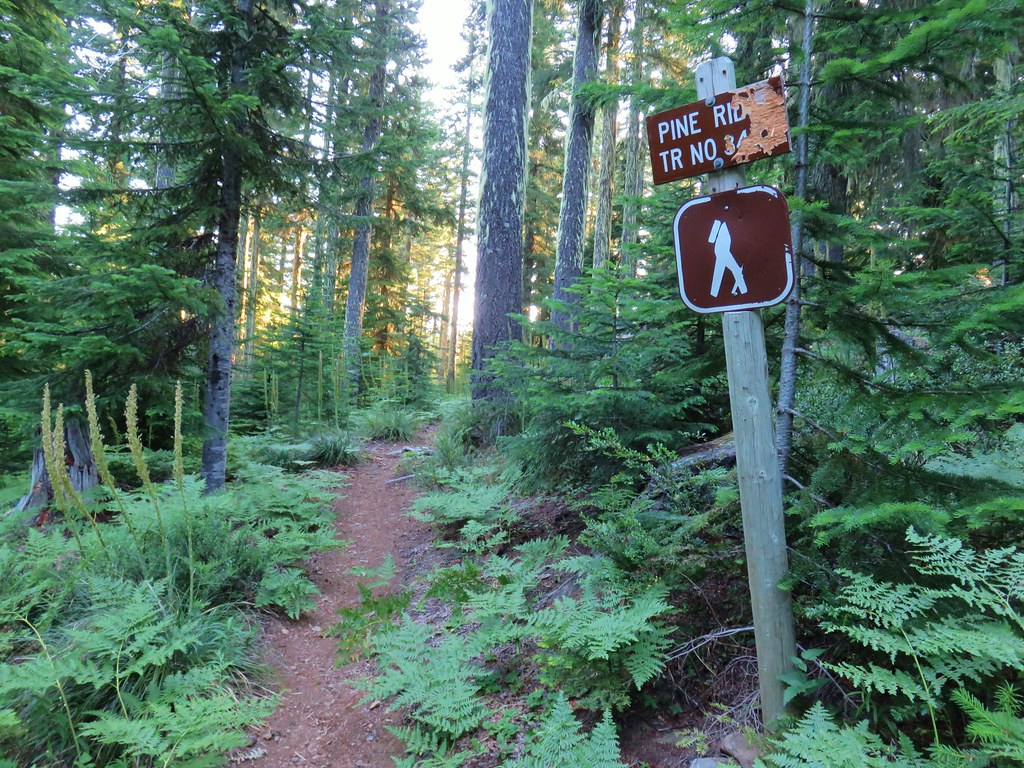
 Mt. Jefferson from the Pine Ridge Trail.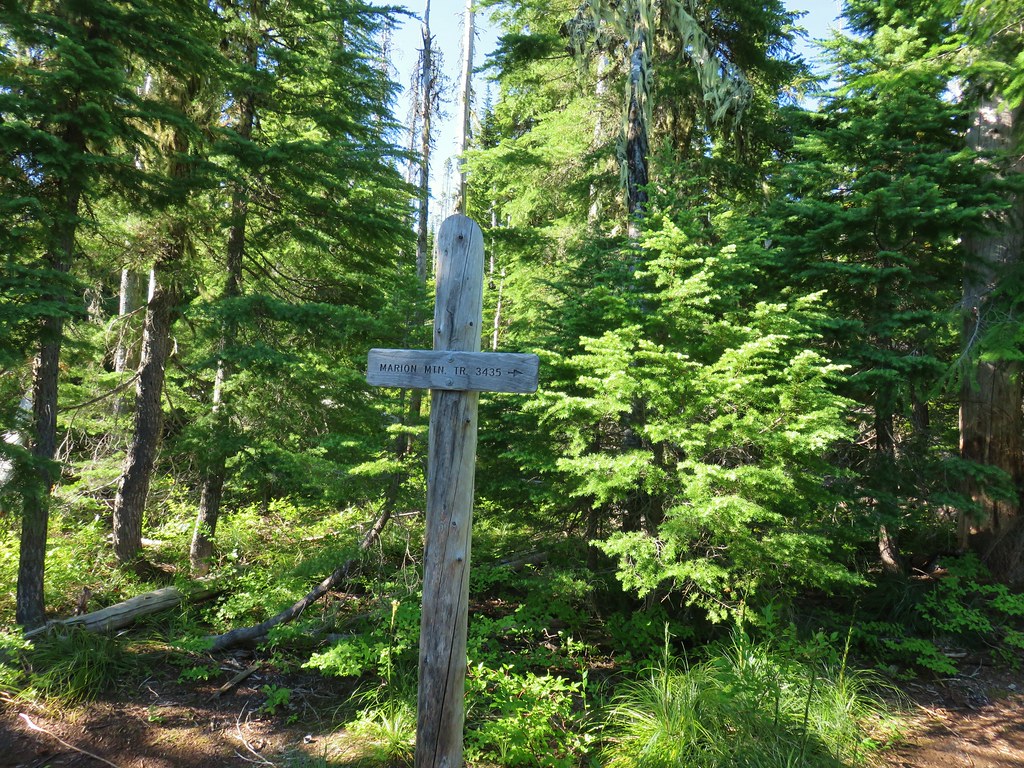
 Mt. Jefferson and Marion Lake (
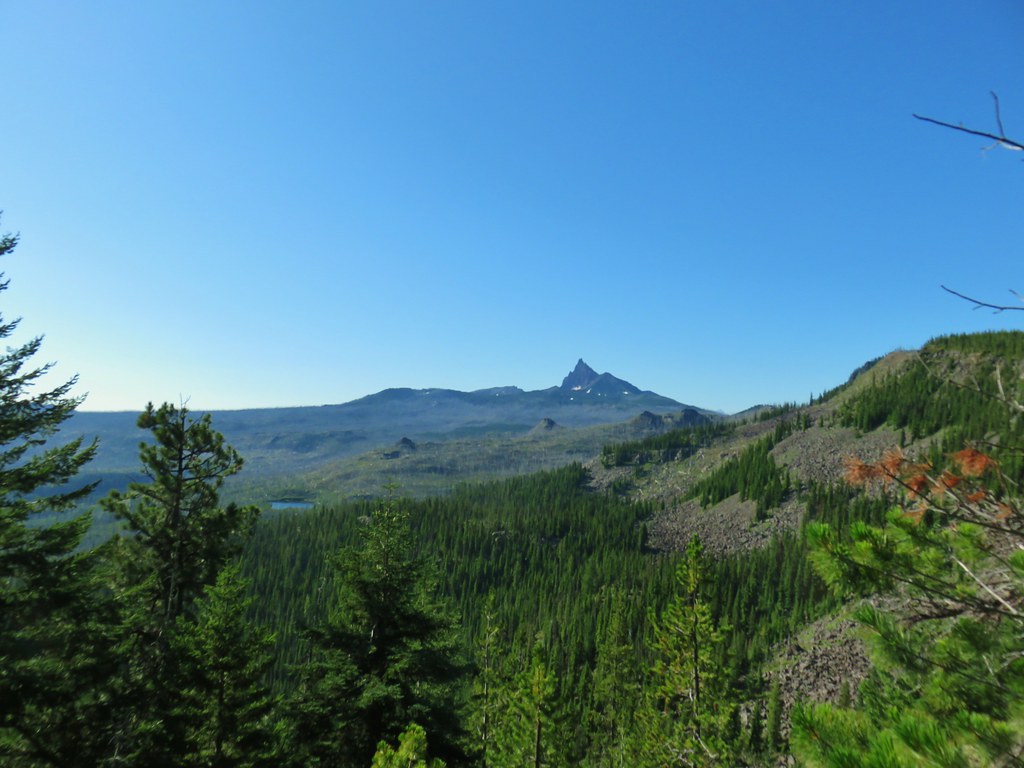 Three Fingered Jack
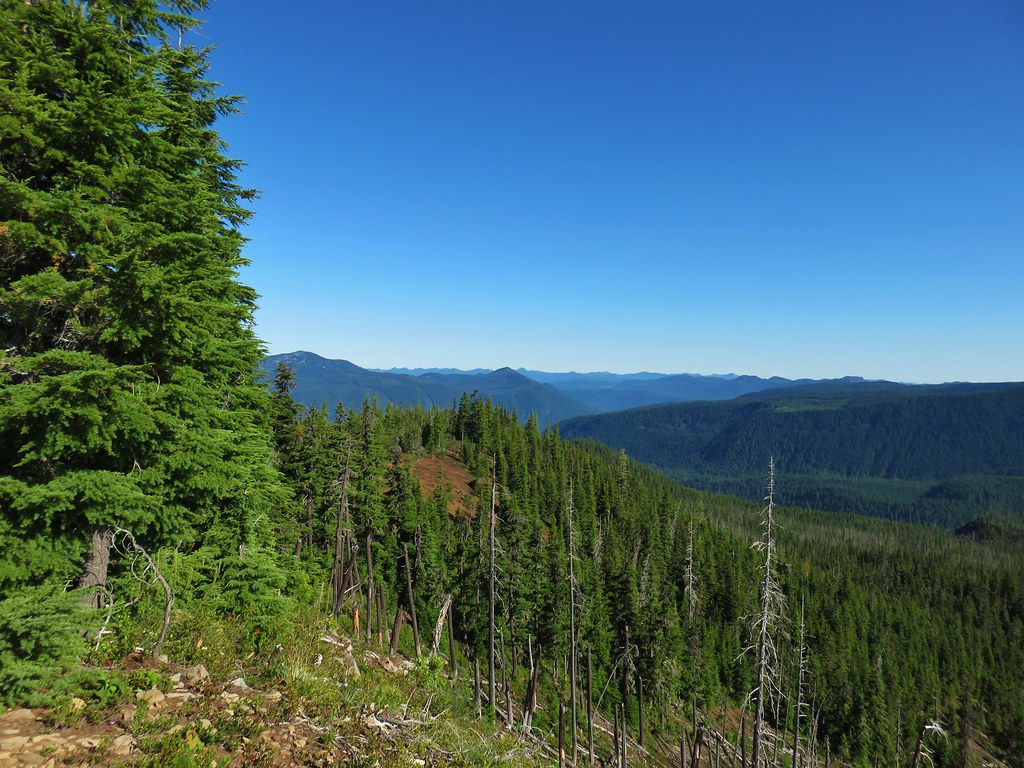 The cinder viewpoint from Marion Mountain.

 Three Fingered Jack
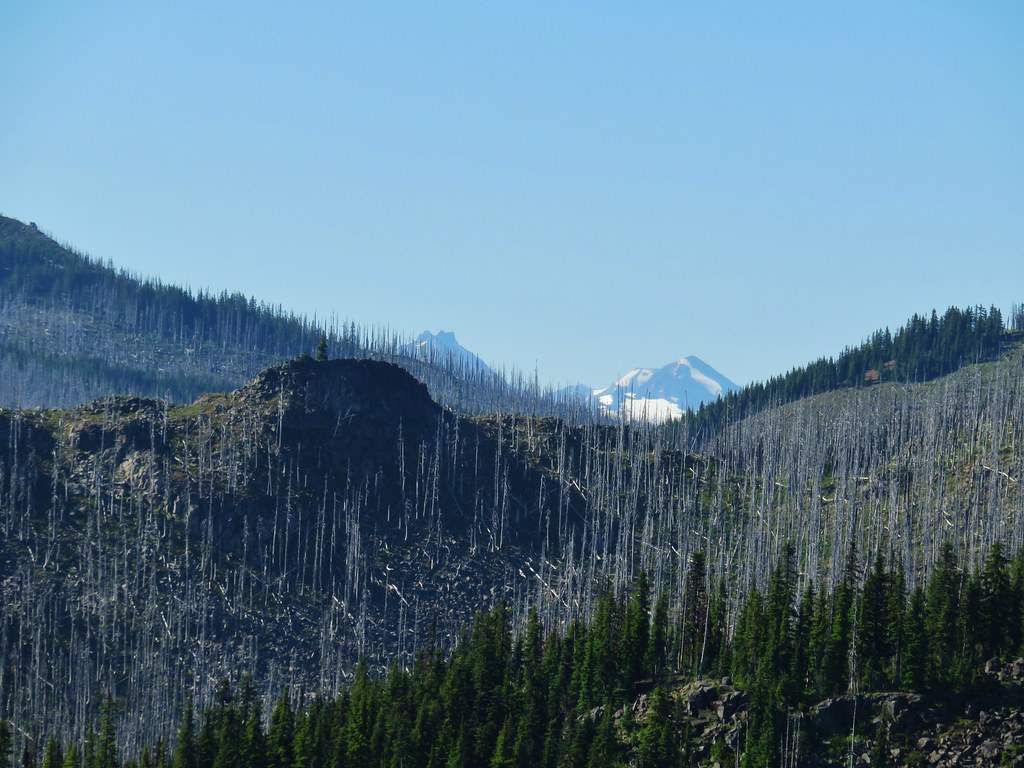 Tops of the Three Sisters.
 Coffin Mountain (
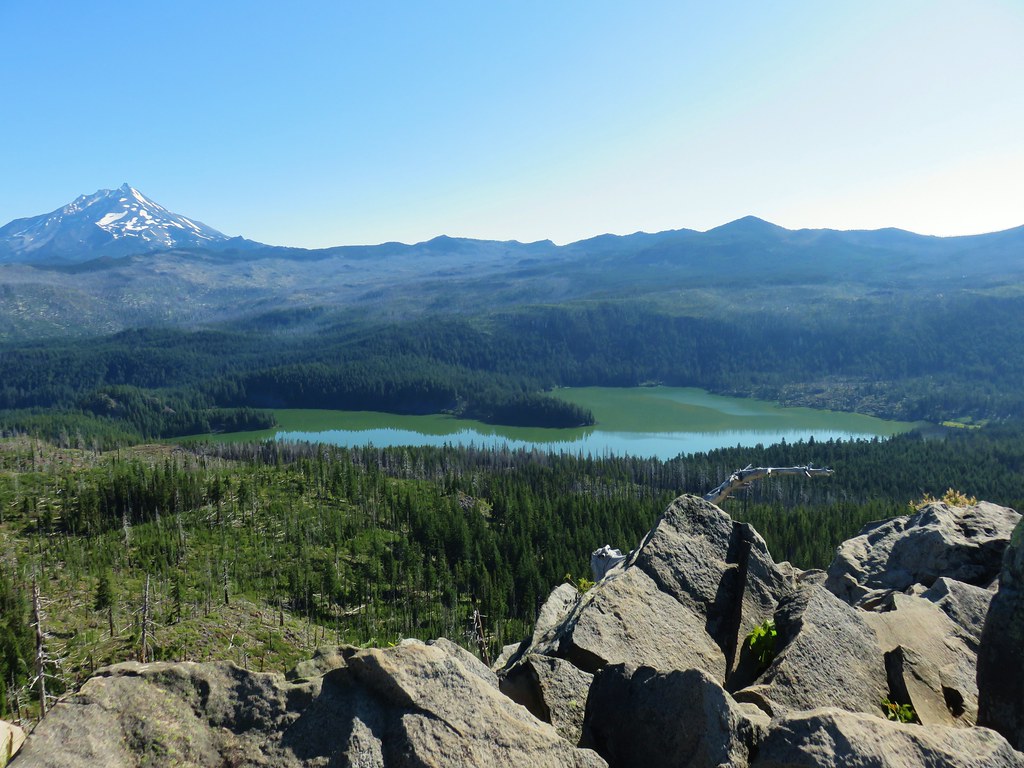 South Cinder Peak is the high point along the ridge.

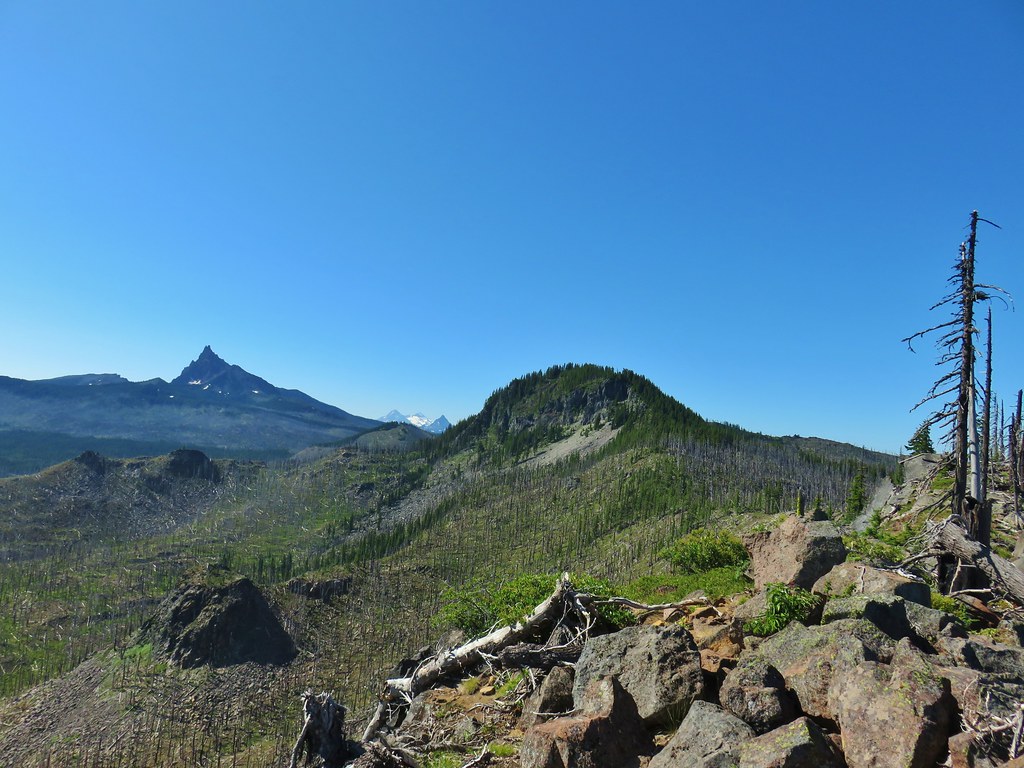 The saddle that we didn’t want to drop down to.
 Three Fingered Jack with the Three Sisters and Mt. Washington in the gap.
 The Three Sisters and Mt. Washington beyond Red Butte (
 Jenny and Melis Lake
 Marion Mountain at the end of the ridge.
 Bear Point (
 Turpentine Peak along the ridge.
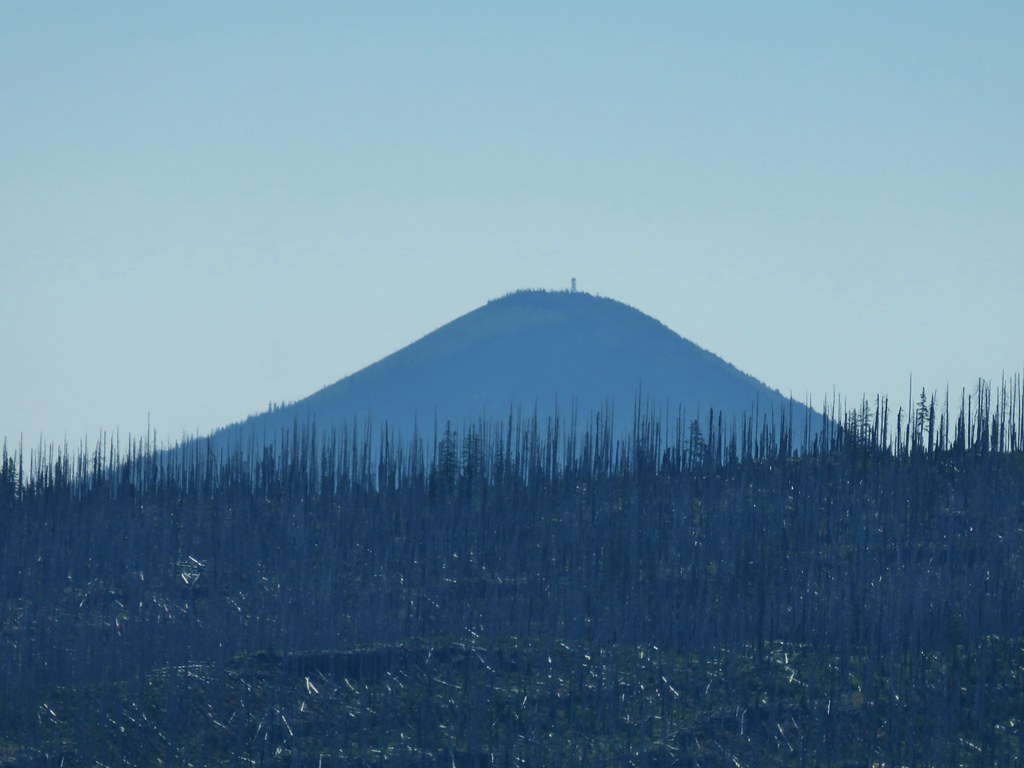 Black Butte (
 Stonecrop
 Prince’s Pine
 Penstemon
 Washington lily

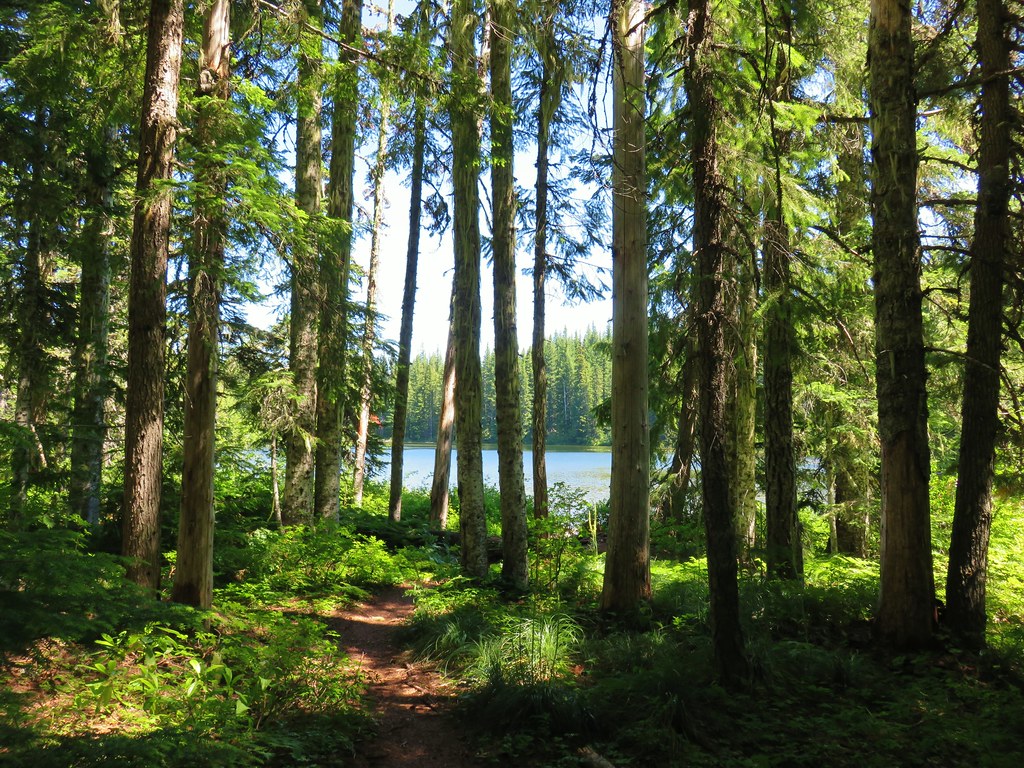

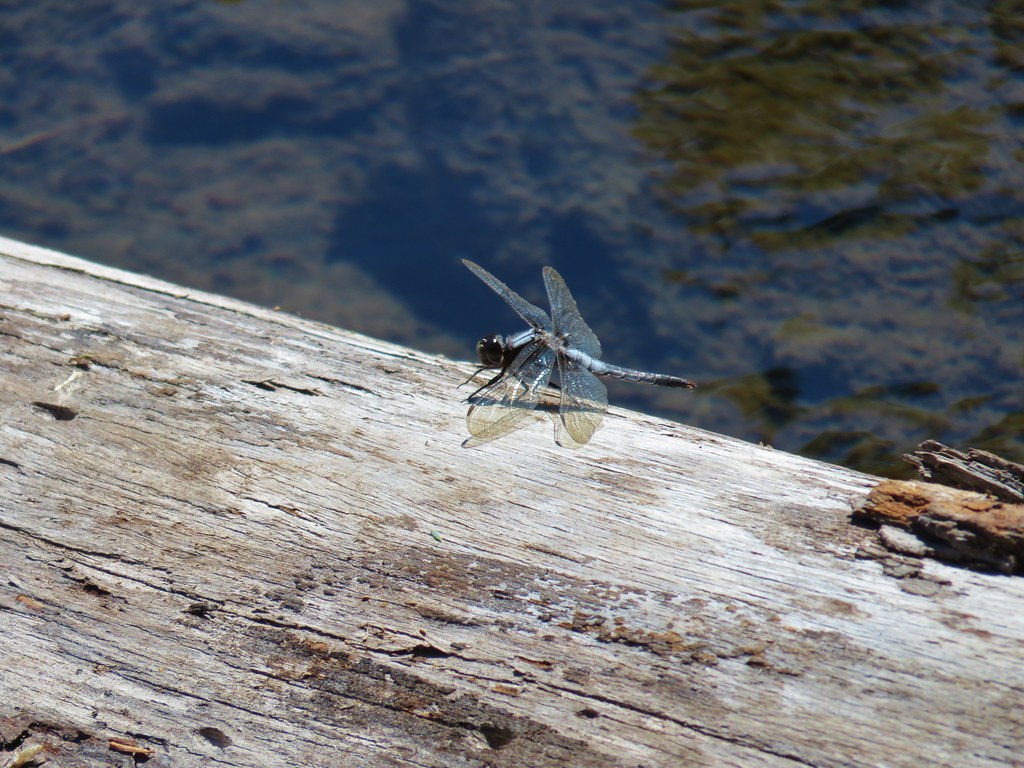 Dragon fly



 wanderingyuncks