**Note the 2024 Warner Peak Fire burned over the Warner Overlook.**
We took our second outing to the Hart Mountain National Antelope Refuge in three short hikes. The temperatures were still expected to be high and Wednesday also provided the best chance for afternoon thunderstorms so we wanted to be done early for the day.
Our first hike for the day was Petroglyph Lake. As I mentioned in our previous post the Petroglyph Lake Road was closed so we had to decide how we wanted to get there. The easiest choice would have been to walk the closed road for 1.6 miles to visit the lake but Sullivan described a 5 mile off trail loop that not only visited the lake but also a viewpoint along Poker Jim Ridge. We picked the loop and parked along Hart Mountain Road near the signed Hill Top Reservoir Road.

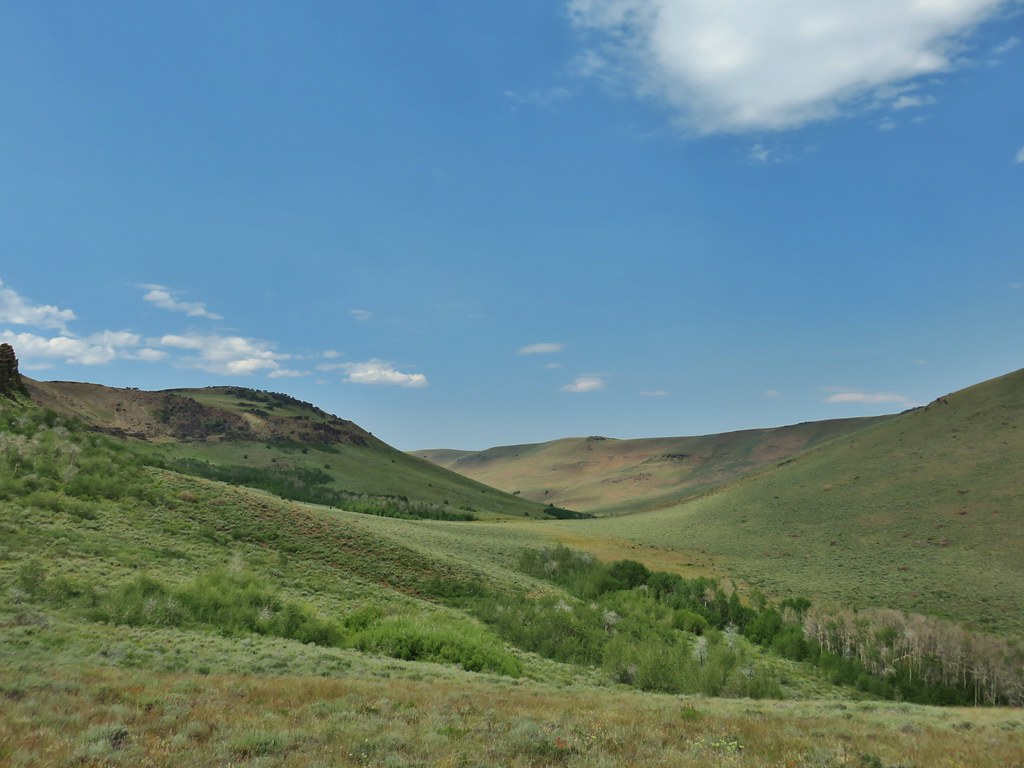
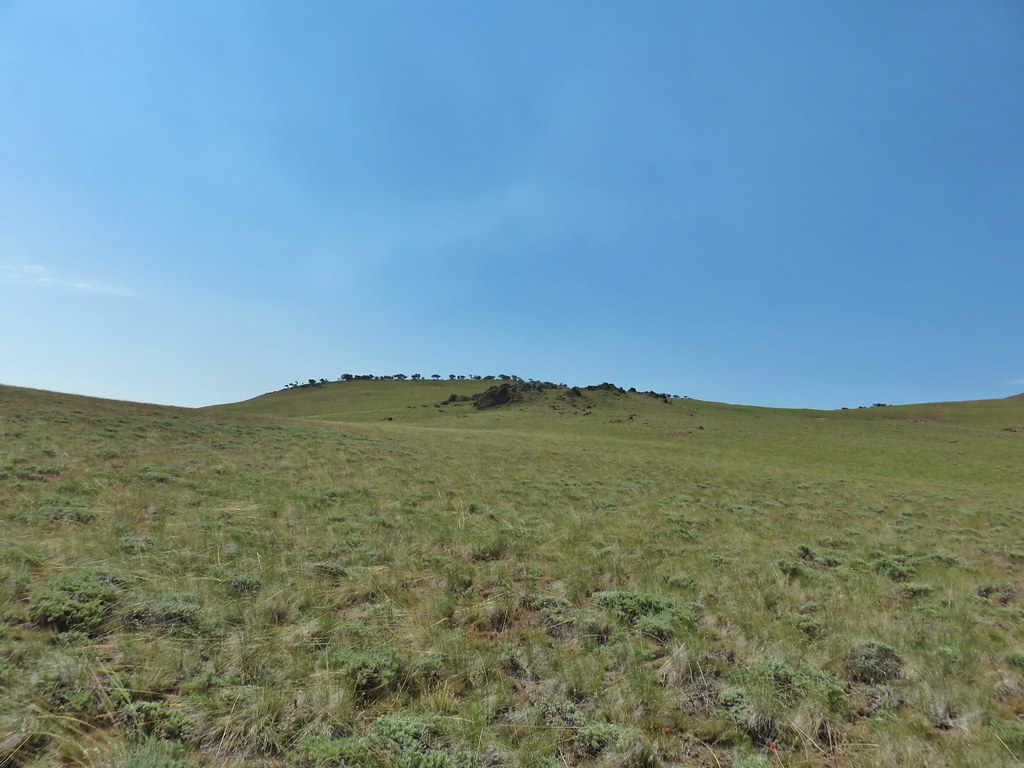
Looking across Hart Mountain Road we could see the small juniper covered knoll along Poker Jim Ridge that we were going to be aiming for.
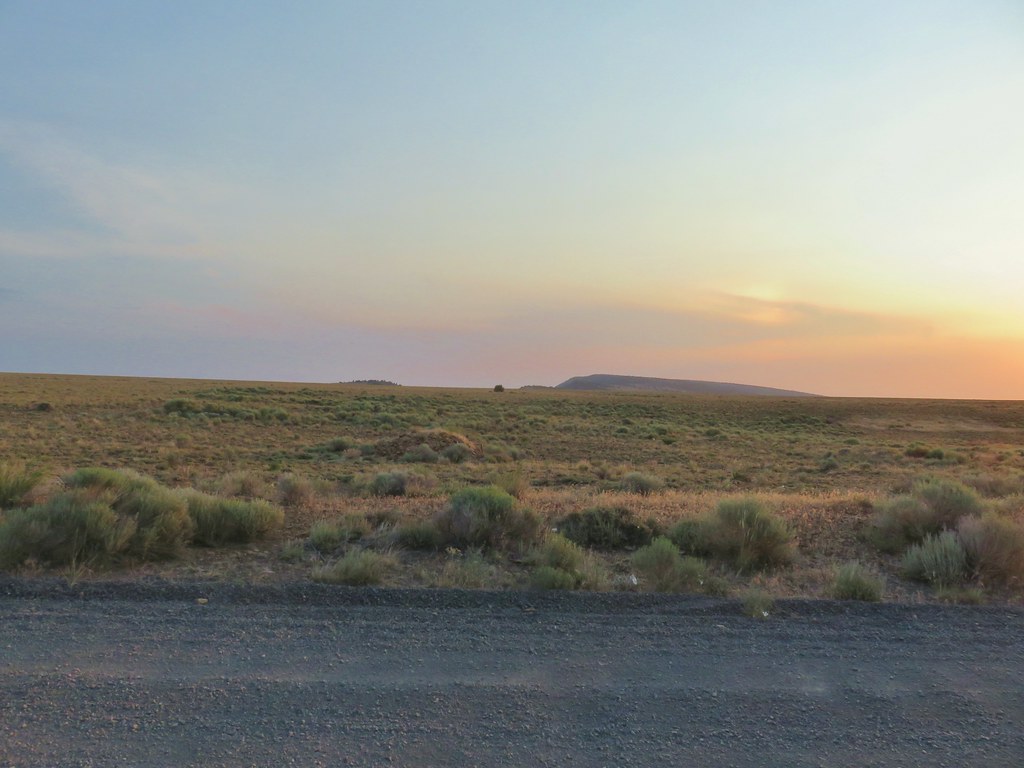 The knoll is the lower rise to the left.
There was a lone pronghorn grazing in the morning light.

We set off across through the sagebrush angling for the rim.

 From left to right: Flagstaff Lake, Upper Campbell Lake, and Campbell Lake.
 Hart Mountain Road climbing up to the plateau.

 Campbell Lake
We followed the rim north toward the knoll.


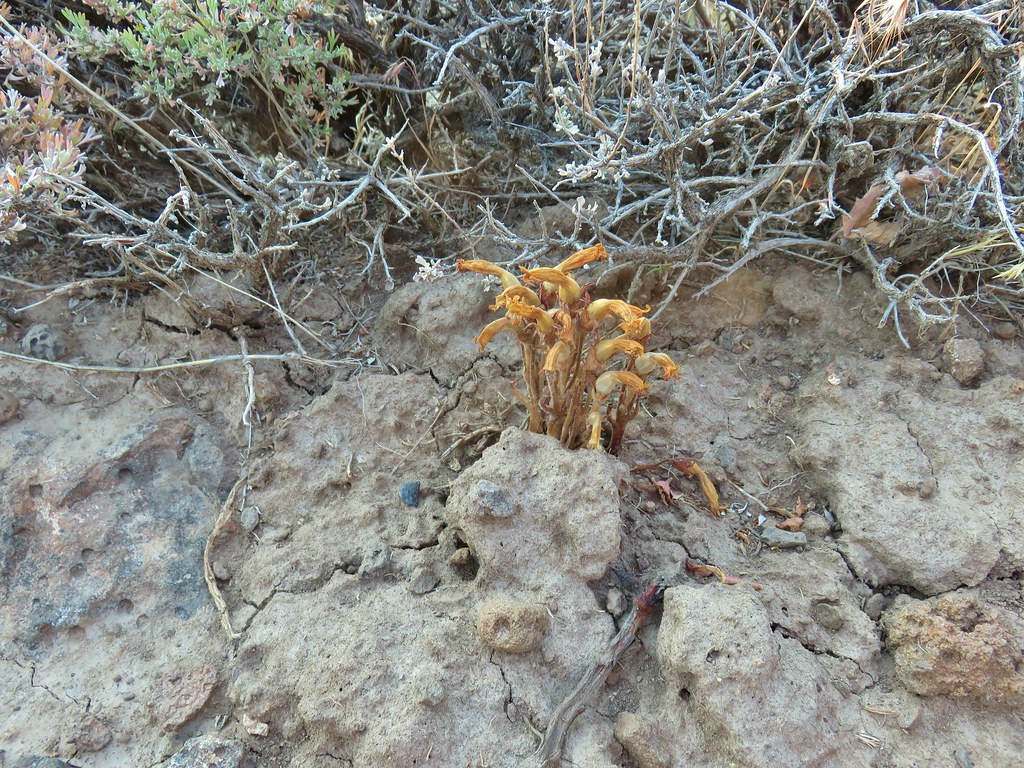 An Orobanche
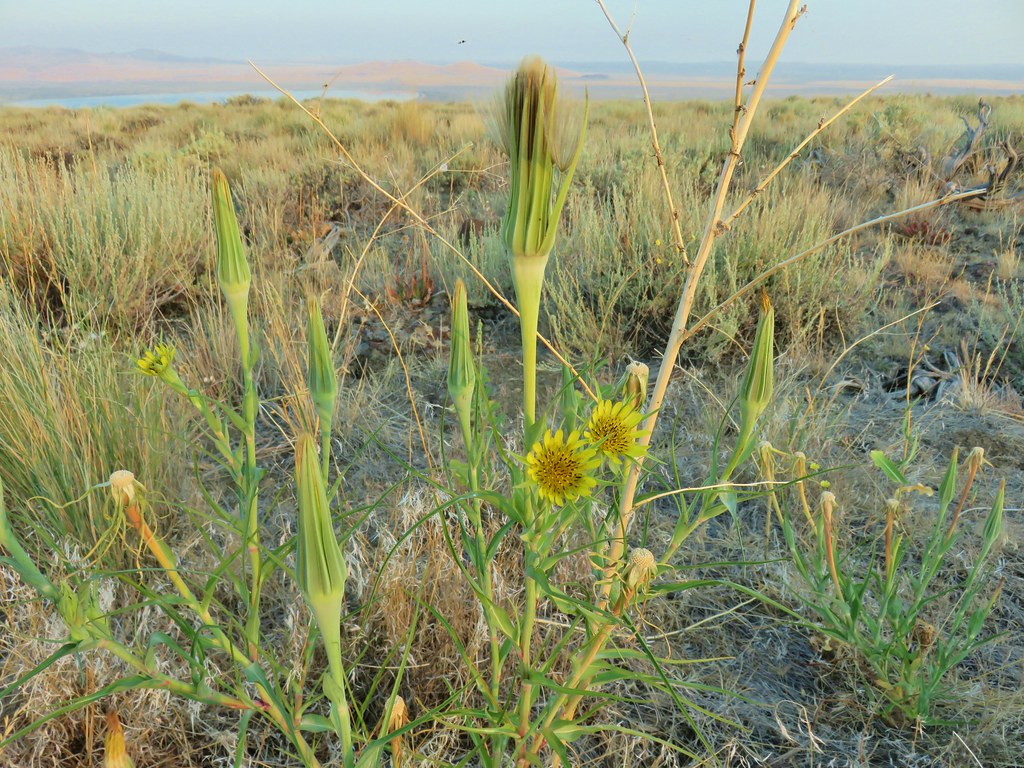


Petroglyph Lake was not visible at first but it lay to the east and we could make out the basin that it was in.

As we gained elevation the further north that we got we finally could see the lake in the basin.

We arrived at the knoll a little over 2 miles from where we’d parked.

 White pelicans and seagulls on Campbell Lake.
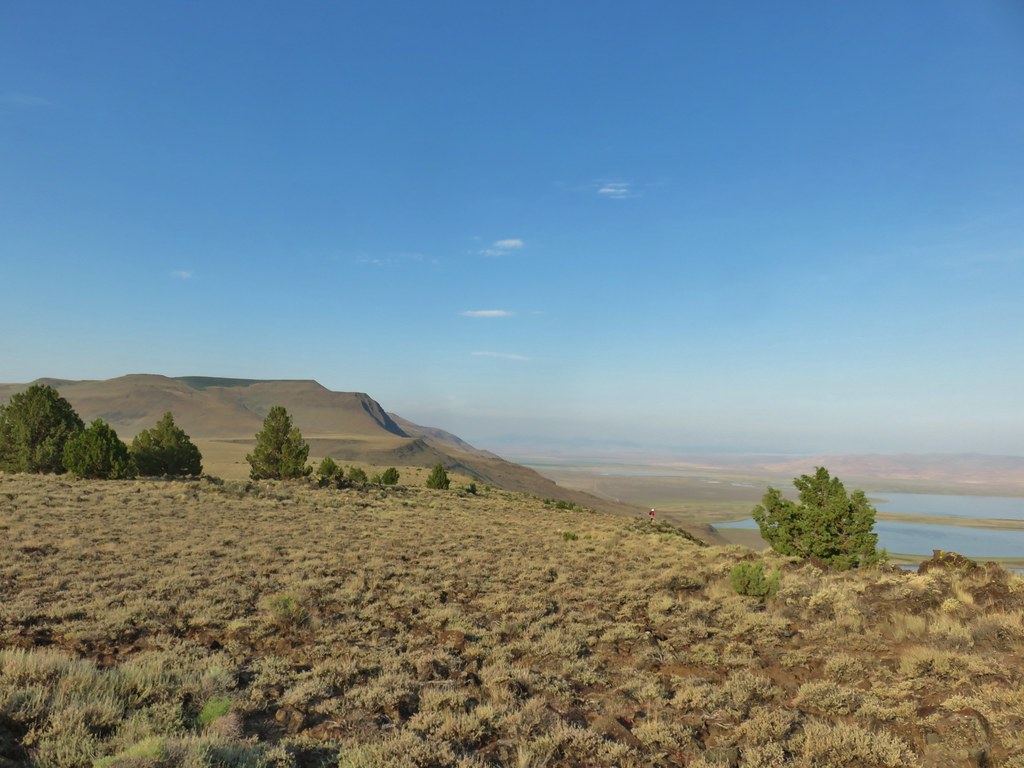 Looking south along Poker Jim Ridge
 Looking north along Poker Jim Ridge
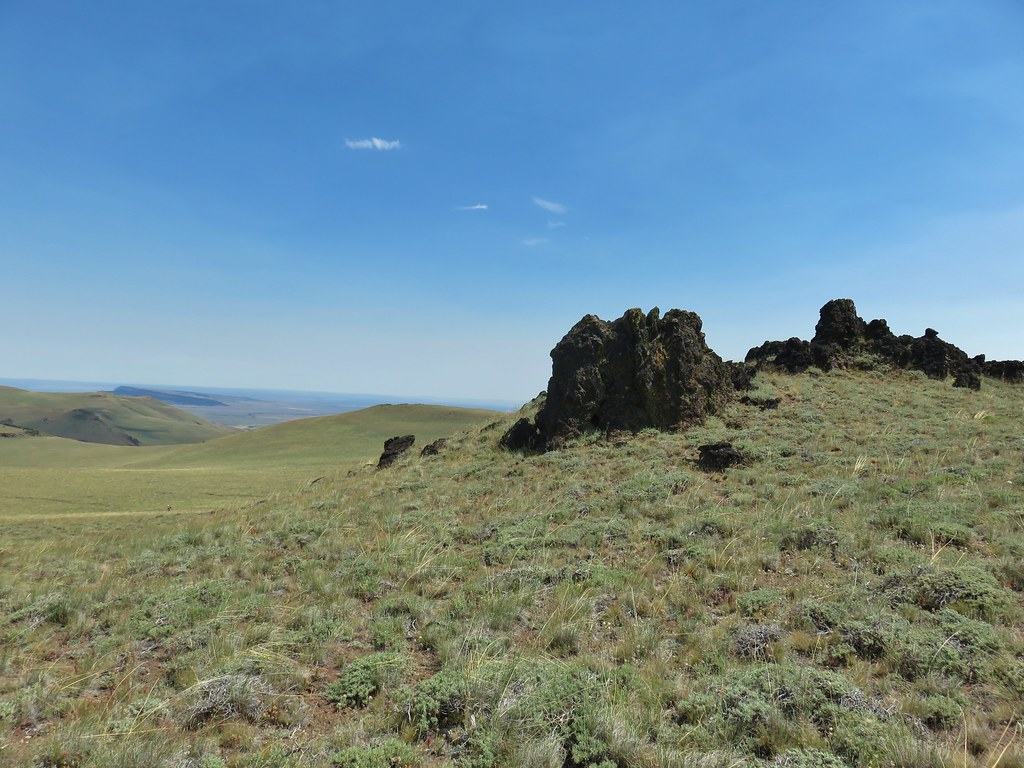
 Junipers on the knoll
We made our way to the north end of the knoll to get a better view in that direction.
 Bluejoint Lake below the ridge.
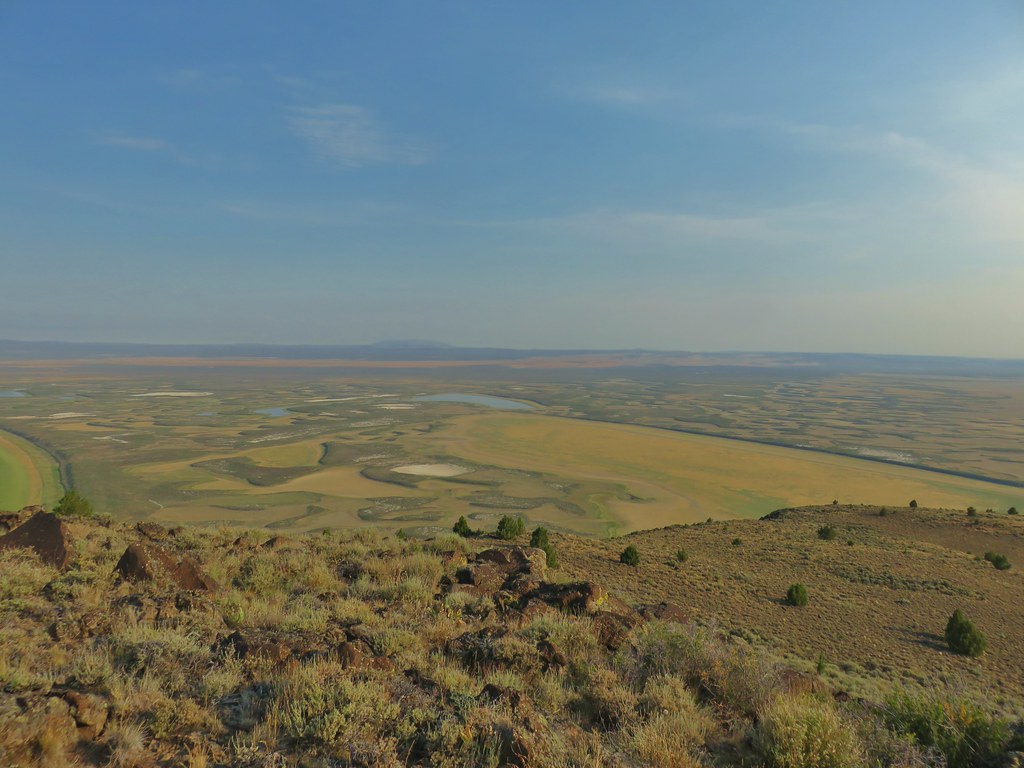 Stone Corral Lake
To reach Petroglyph Lake we had to backtrack to the south on the knoll to avoid a rocky descent.

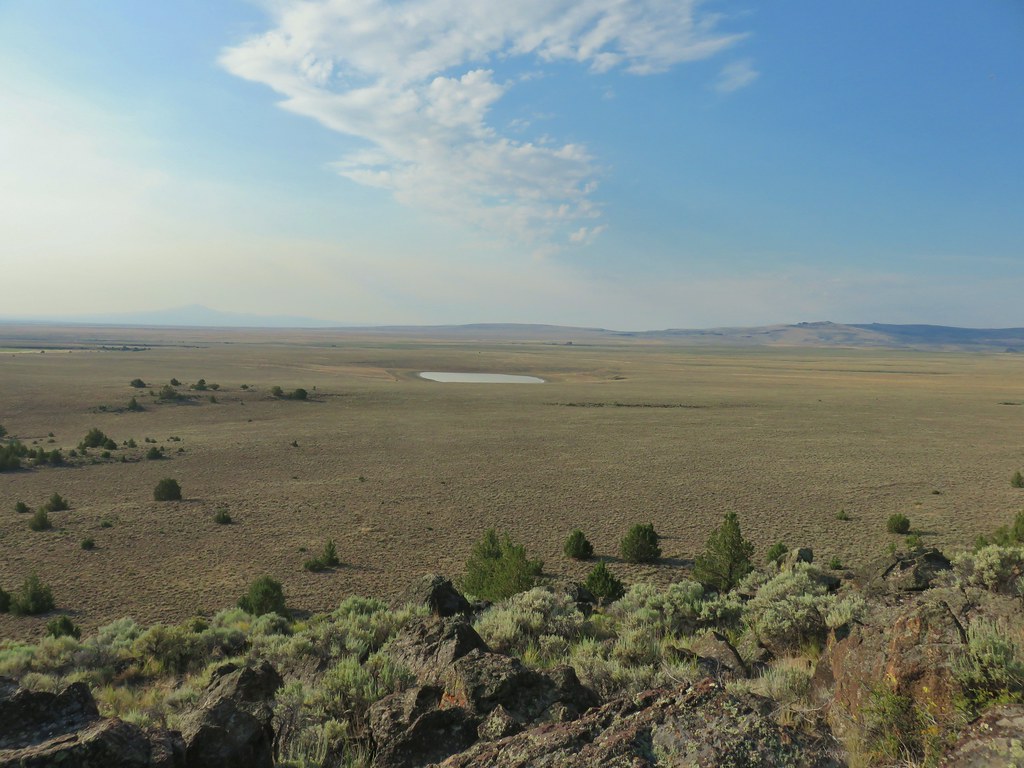
When we found a suitable spot to descend we could see the lake clearly but we knew that we would lose sight of it again once we were down off the knoll so we picked out some other features to use as reference points. When we were able to see the lake again we aimed for the left side knowing that a rock ledge rimmed its right side.


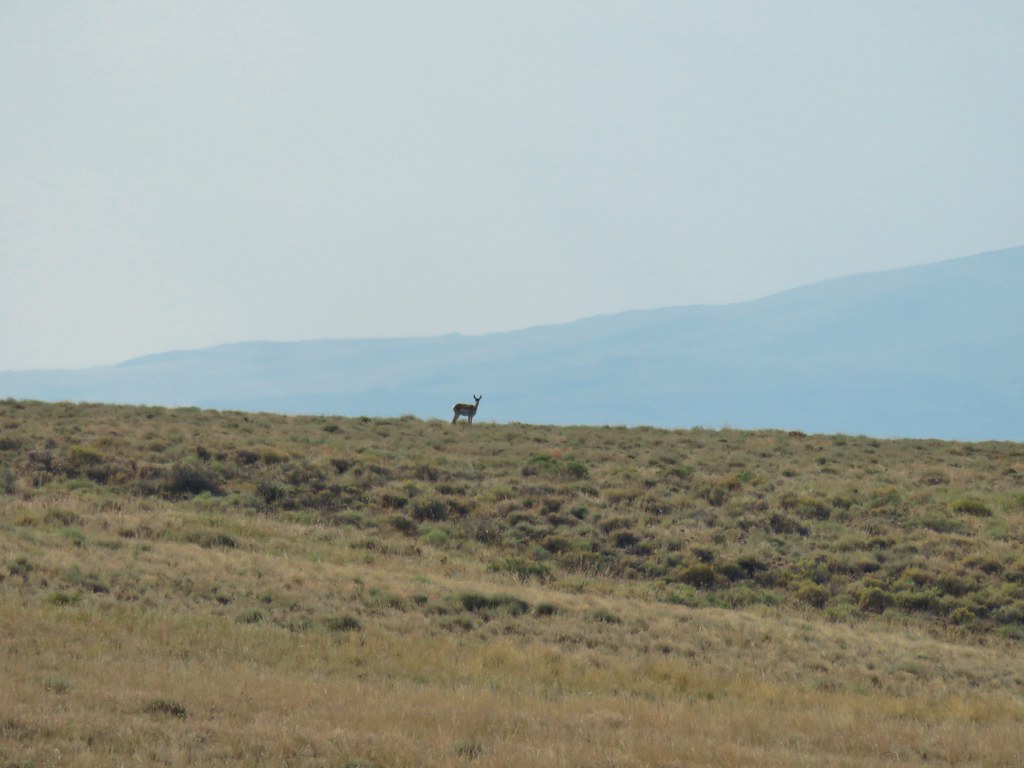 Pronghorn above the lake.
As we neared the lake we got below the rim rock and turned right to explore along it as this is where the petroglyphs are.
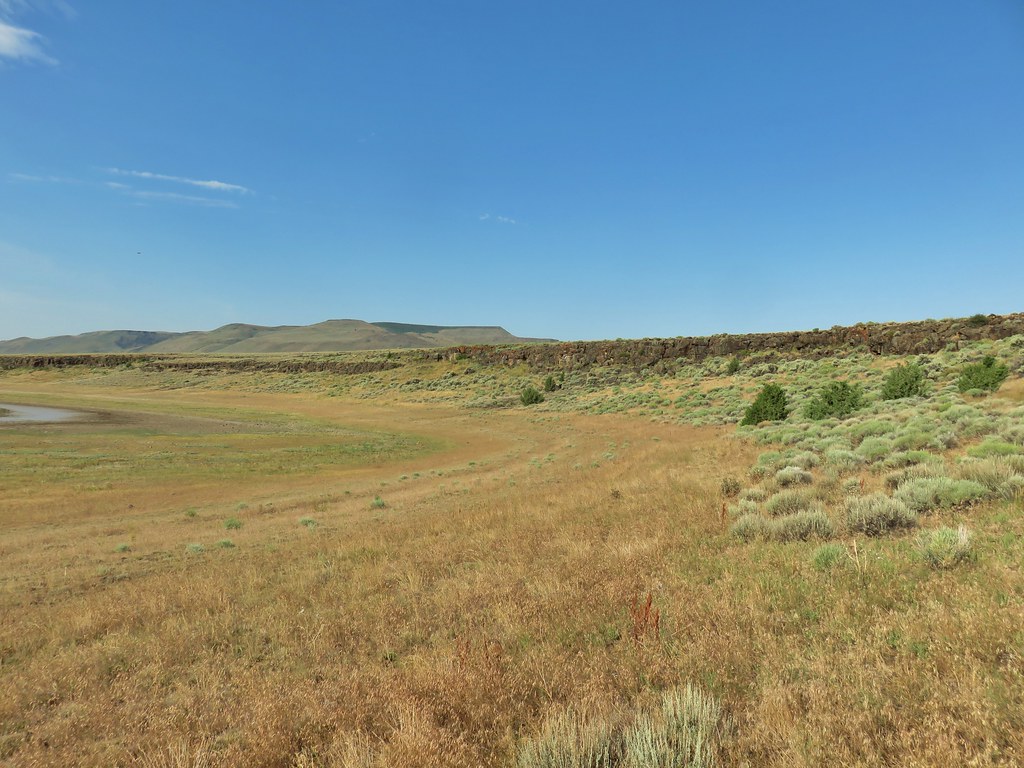
It was approximately a half mile to Petroglyph Lake Road at the far end of the lake and most of that distance was along the cliffs looking at the petroglyphs.
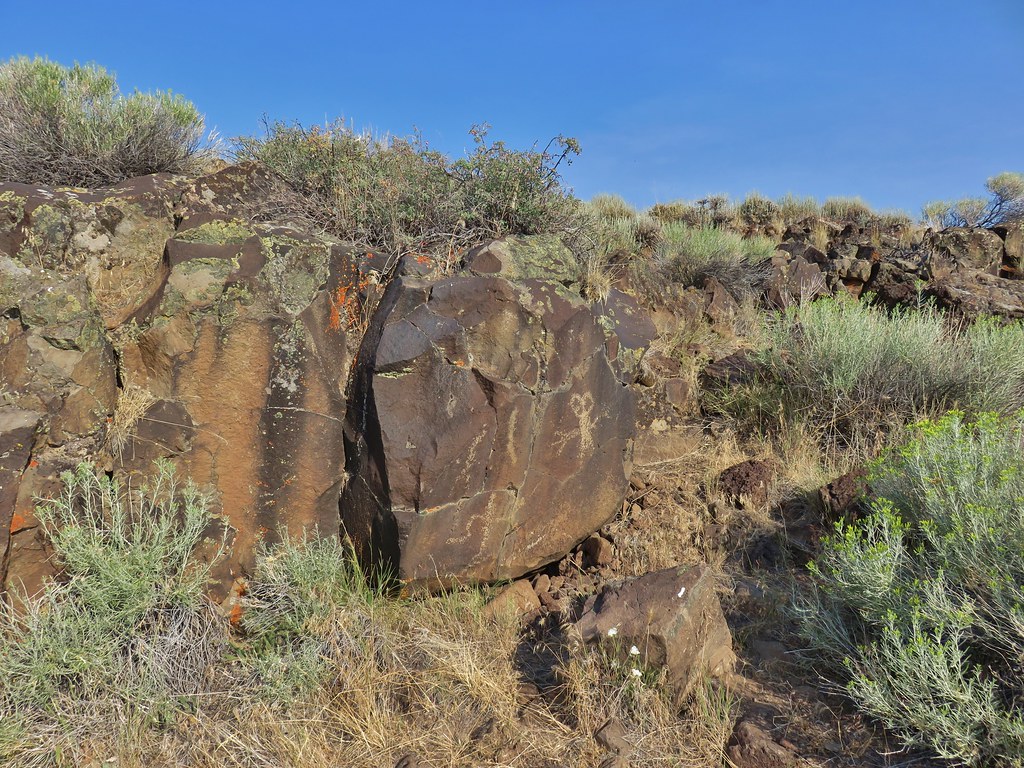
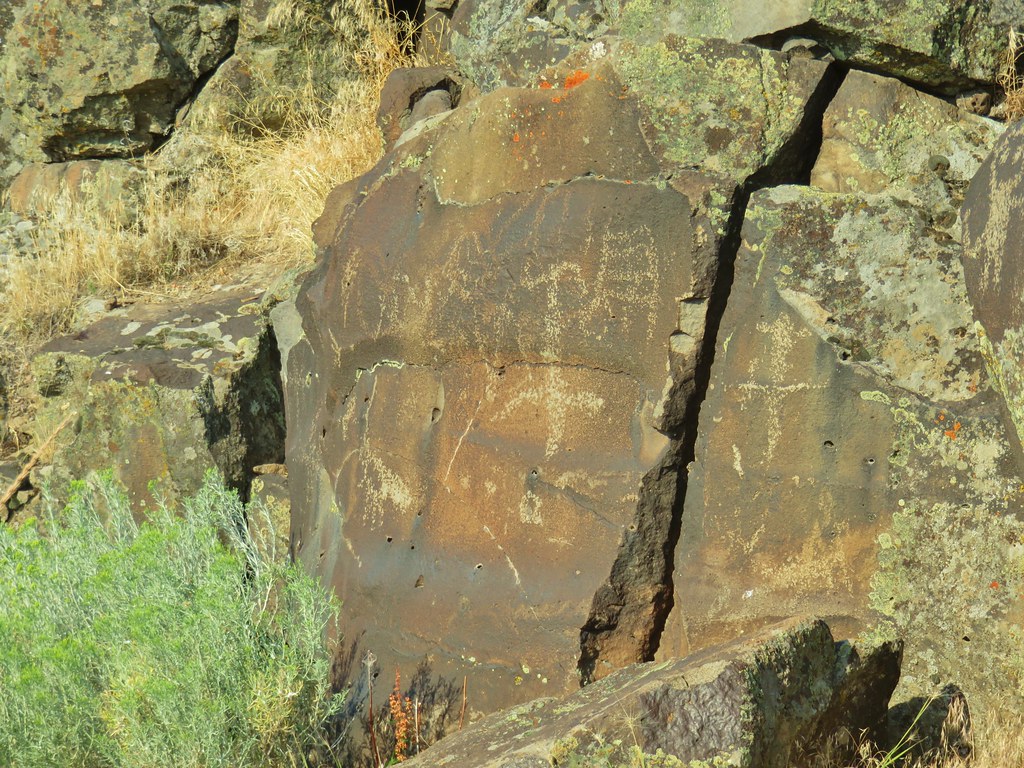
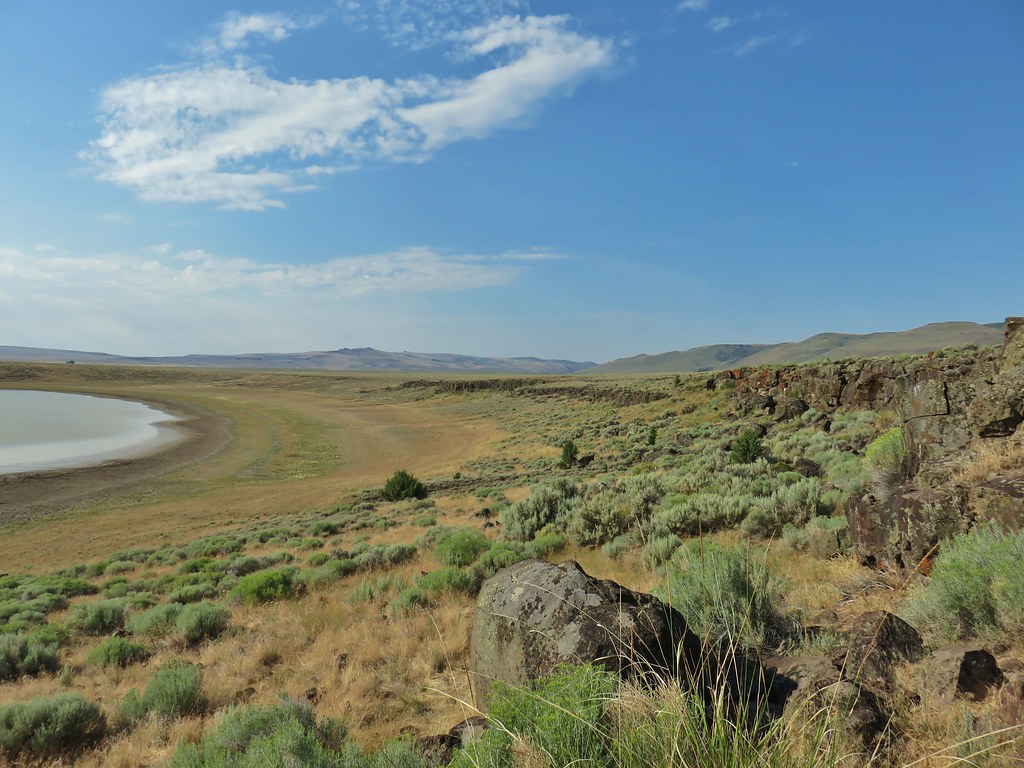


 Dragon fly
 Western fence lizard
 Yellow bellied marmot


When the cliffs began to fade we followed a clear path along the lake to the road where we encountered the first other hikers since the previous Saturday (we’d been passed by a single mountain biker the day before).
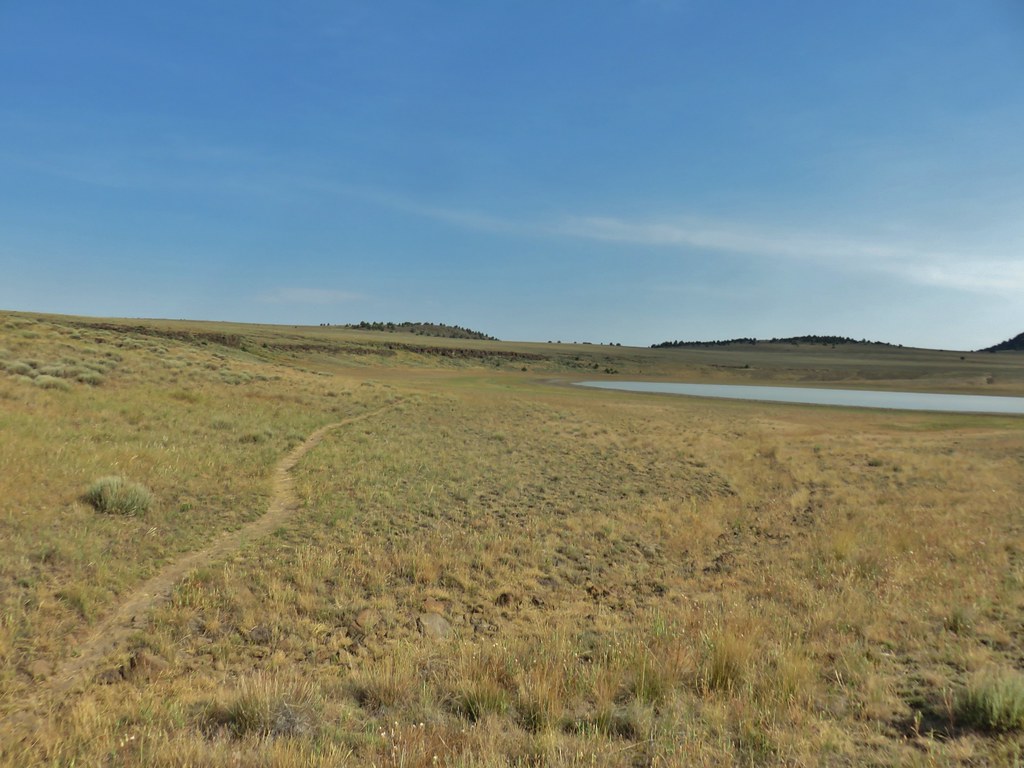
After a brief (6 foot) conversation with them we were ready to continue on but we faced a choice. Sullivan’s loop would have had us setting of cross country for 1.5 miles back to the hill top where our car was parked. We could also walk Petroglyph Lake Road to Hart Mountain Road and then walk up that road back to the car. This second option doubled the mileage but it also took us to within a mile of the refuge headquarters where we’d seen the bulk of the pronghorn the day before and it was road walking and not bushwhacking which we were both about done with for a while. The road it was.

The road walk was fine, there were several flowers, a plethora of butterflies, and we did see a few more pronghorn, albeit at a distance.
 Some type of primrose I think.


 Lupine
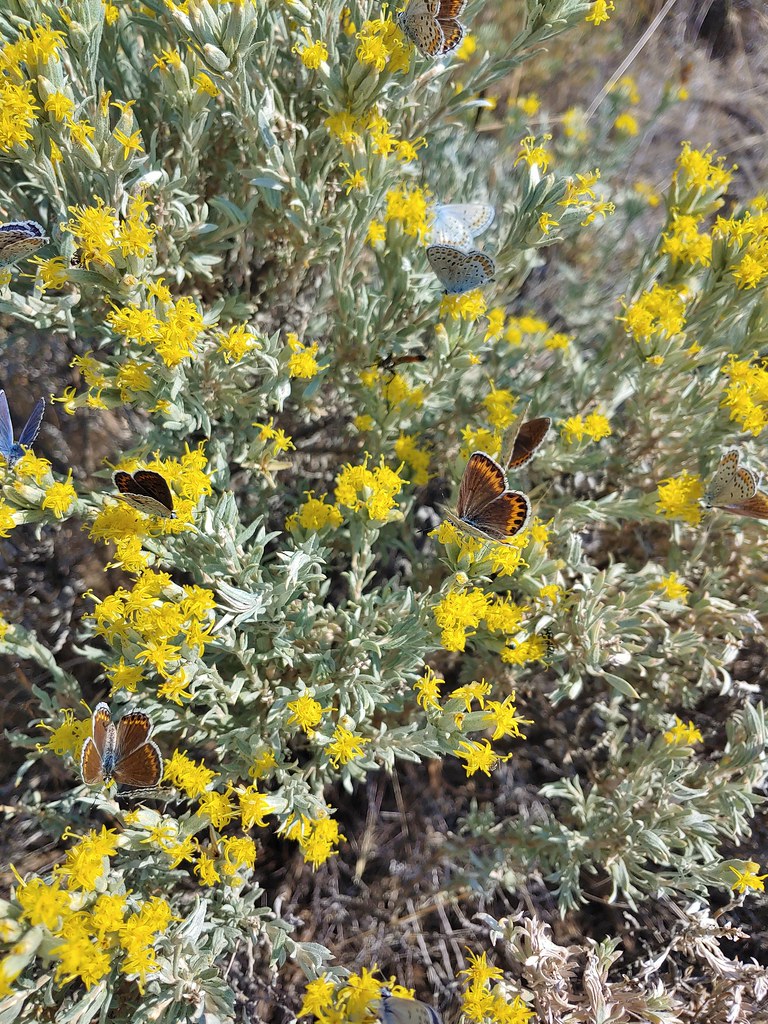
 There were dozens of butterflies and other pollinators on this rabbitbrush.

 The gate at Petroglyph Lake Road
 Hart Mountain Road
 The juniper knoll along Poker Jim Ridge and yes there are a few pronghorn out there.
 Pronghorn keeping their distance from us.
After making it back to our car we drove just under 2 miles back down Hart Mountain Road to a small pullout with a Warner Mountain Overlook sign and a short (.4 mile) loop trail. We weren’t aware of this little interpretive loop until we drove past it the day before but it looked interesting so we added it to this days itinerary.
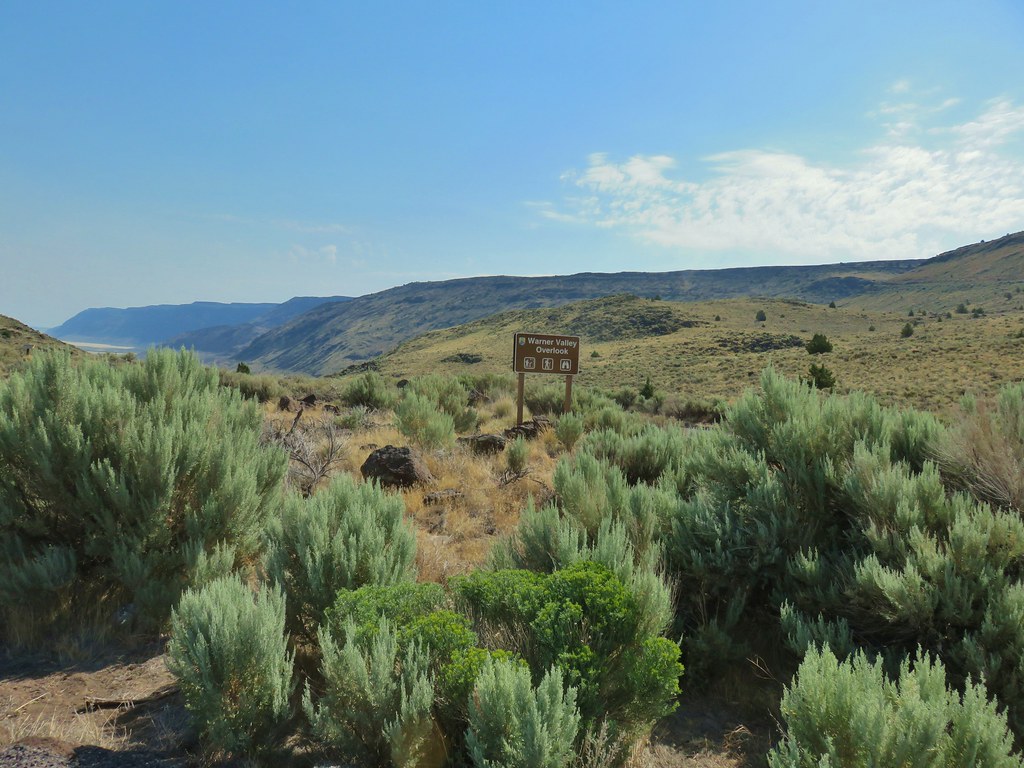 Sign for the overlook.
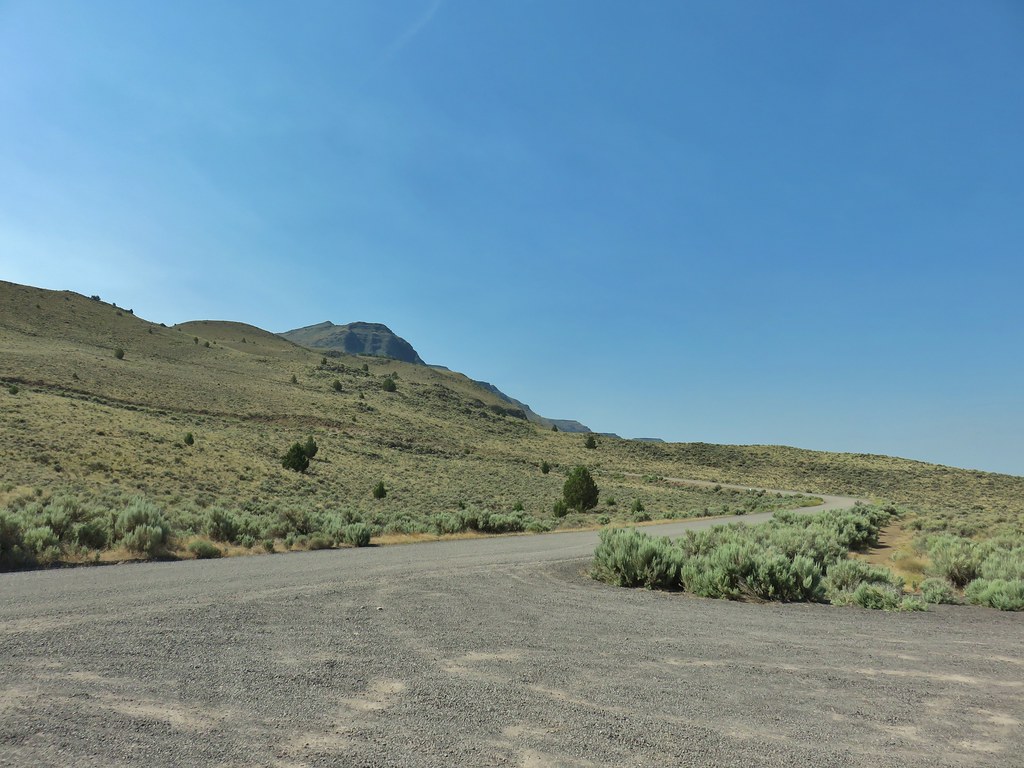 View from the pullout back up toward Hart Mountain.
 The start of the loop trail.
Since we had already been up to the juniper knoll which looked this same direction the views from the overlook were not much different from those, but the half dozen interpretive signs along the route were interesting and worth the quick stop.
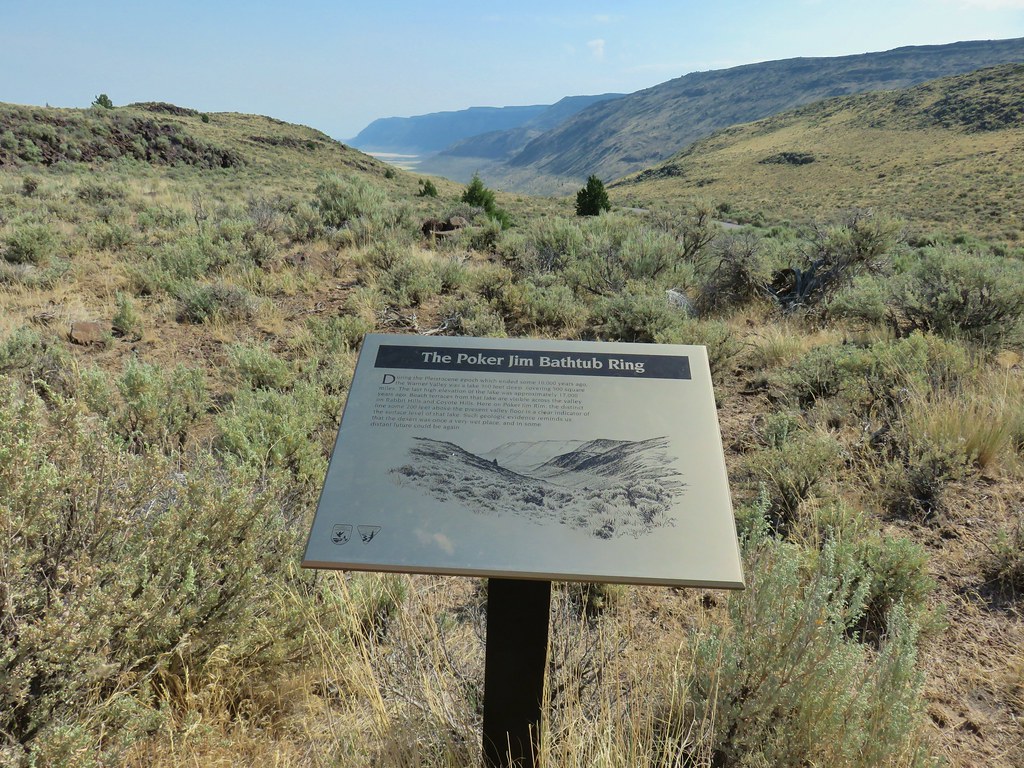 We like interpretive signs like this where we can see with our own eyes what is being described.
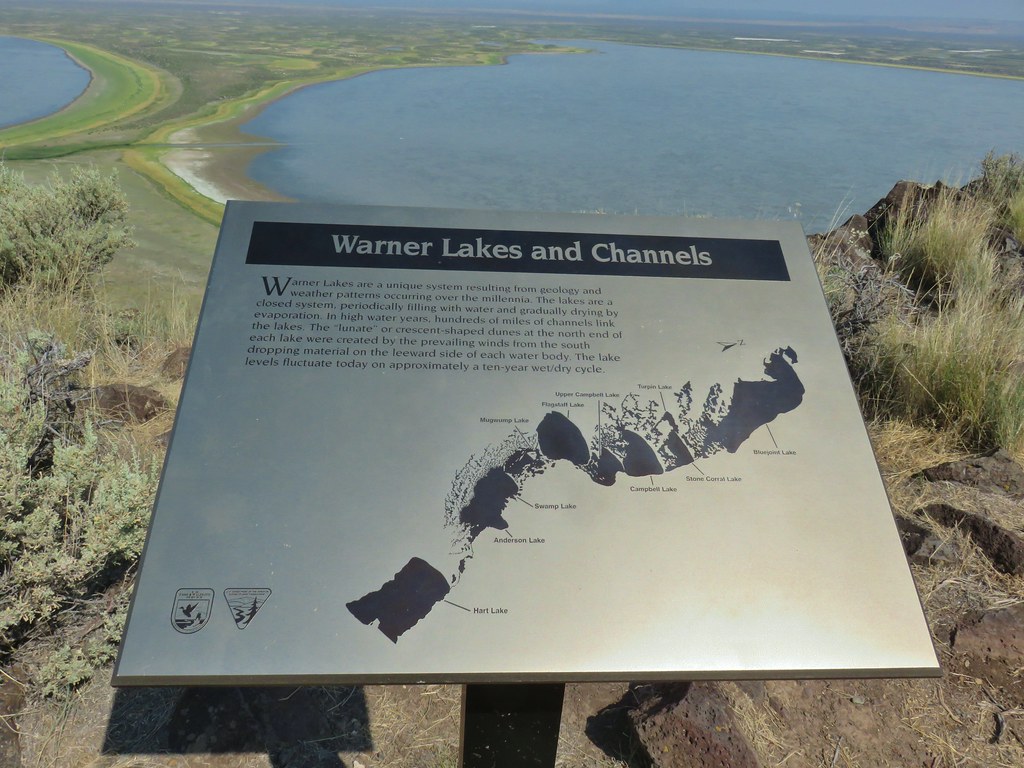 This one helped with identifying the different lakes plus provided the history.
 Another of our favorites are the ones that identify the various hills and peaks.
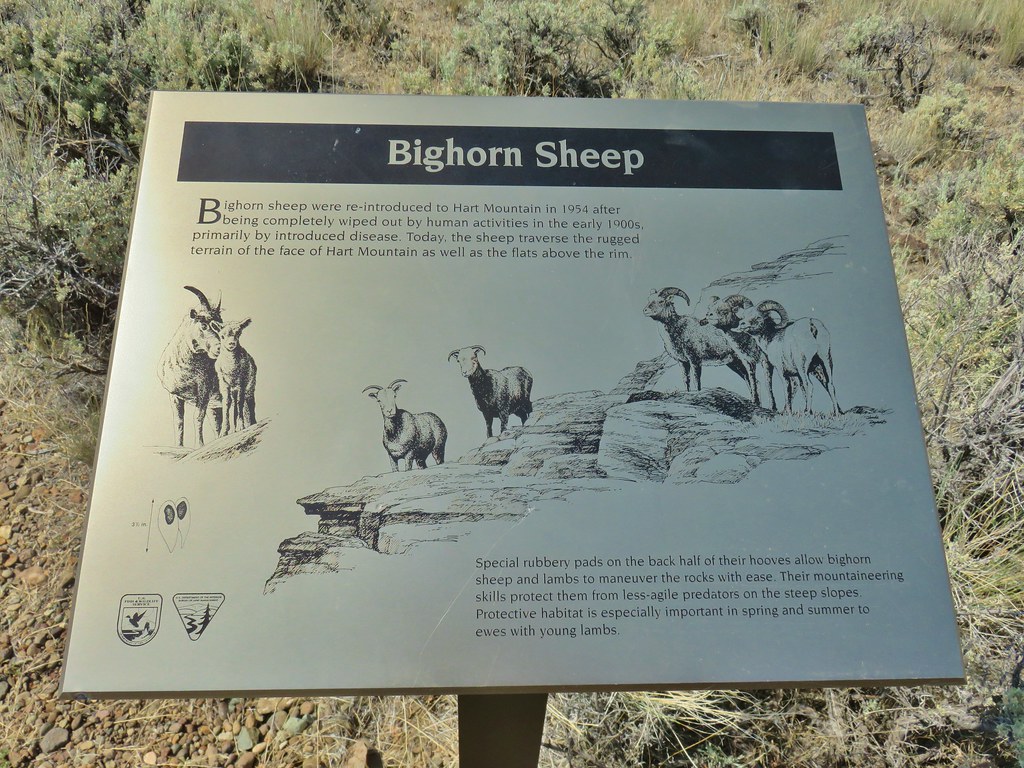 We worked really hard on spotting some big horn sheep on this trip to no avail. There was so much space that they could be in it was like looking for a needle in a haystack.
After completing the loop we continued our drive back toward Lakeview on Hart Mountain Road. We turned off once more at a small pointer for DeGarmo Canyon (4.5 miles after pavement resumed in this direction or 9.4 miles from Plush). Sullivan described the half mile dirt road as very rough and requiring a high clearance vehicle, otherwise he suggested parking along Hart Mountain Road and walking to the trailhead. Typically we heed these warning from him but for some reason I decided to test the road with our Outback. It wasn’t pretty but we did make it to the parking area and I vowed not to make that mistake again.
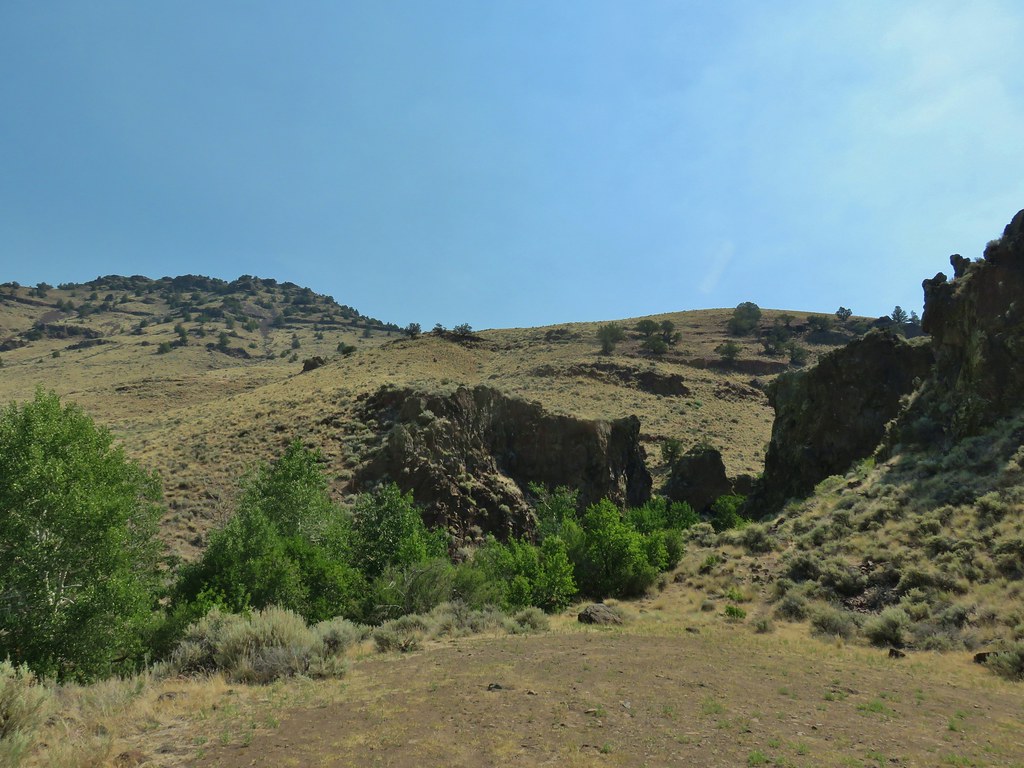
Sullivan lists three possible hikes with with some additional optional side trips. He has a 1.4 mile out and back to a 35′ waterfall, a 2.6 mile loop, and a 9.4 mile hike to DeGarmo Notch. If you make it to DeGarmo Notch it’s only 2 more miles (4 round trip) to Warner Peak. When our vacation started my plan had been the 9.4 mile hike with the optional trek up Warner Peak. As the week progressed we wound up hiking to Warner Peak the day before from Barnhardi Basin (post) so we didn’t need to do that anymore. We had toyed with the idea of still hiking up to DeGarmo Notch but we had seen that feature the day before as well and we were hot, tired, and a little sick of bushwacking which the 9.4 mile hike had some more of. That left us with the 1.4 mile out and back or 2.6 mile loop, both of which visited the waterfall.
Before we decided which option we would be doing we needed to get across DeGarmo Creek. Sullivan had warned of a dangerous crossing just above a 10′ waterfall and recommended following a rock ledge 50′ upstream to an easier crossing. Given the time of year the creek wasn’t flowing very strongly and vegetation was crowding the rock ledge so we opted to cross above the 10′ waterfall despite the warning.
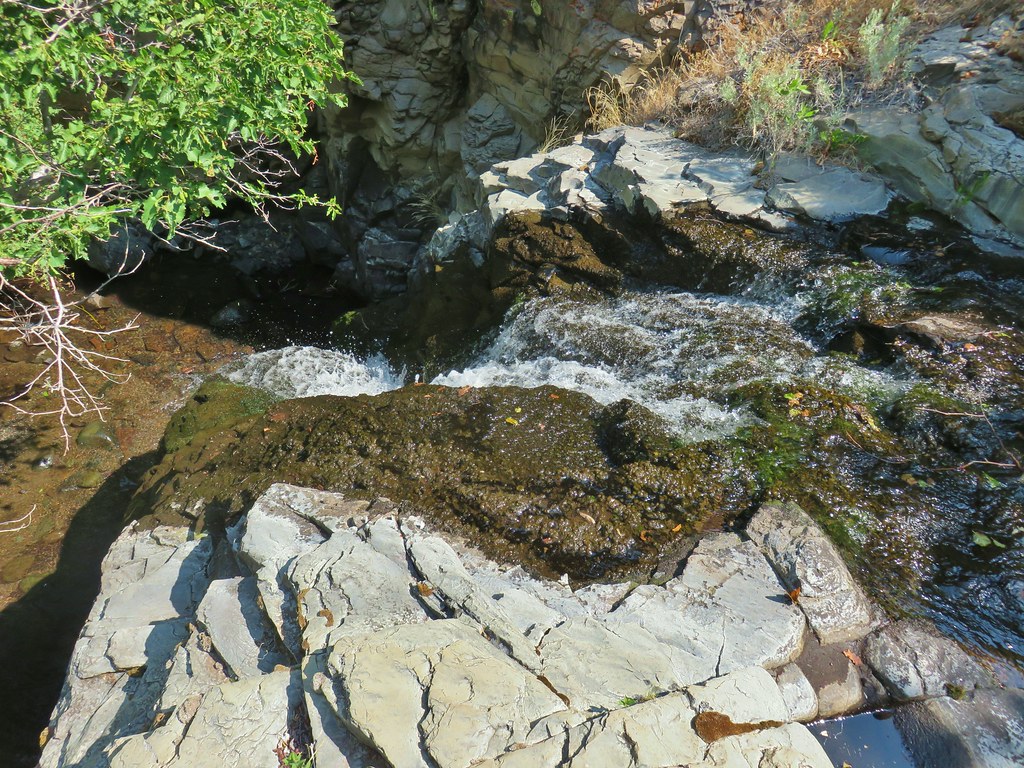 It’s not visible in this photo but there were dry rocks close enough on the far side to simply step over the water onto. The wet rock would have been very slippery and certainly dangerous.
We followed a path upstream and found the location of Sullivan’s recommended crossing.

A steep trail led up around the vegetation along the creek into a wider canyon that had some very interesting rock formations. It was also extremely warm as it was directly in the sun and there was no breeze.


We had our eyes out for snakes but only saw a couple of lizards.

The 35′ waterfall was just .7 miles up the canyon and it came into view well before we arrived at it.
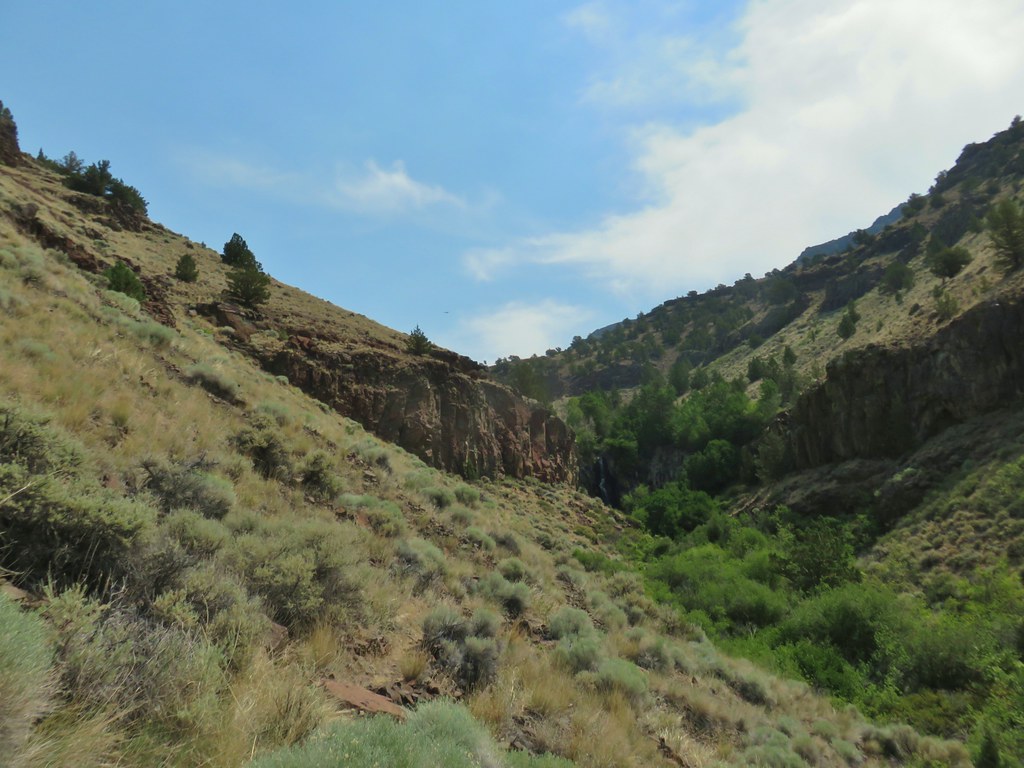
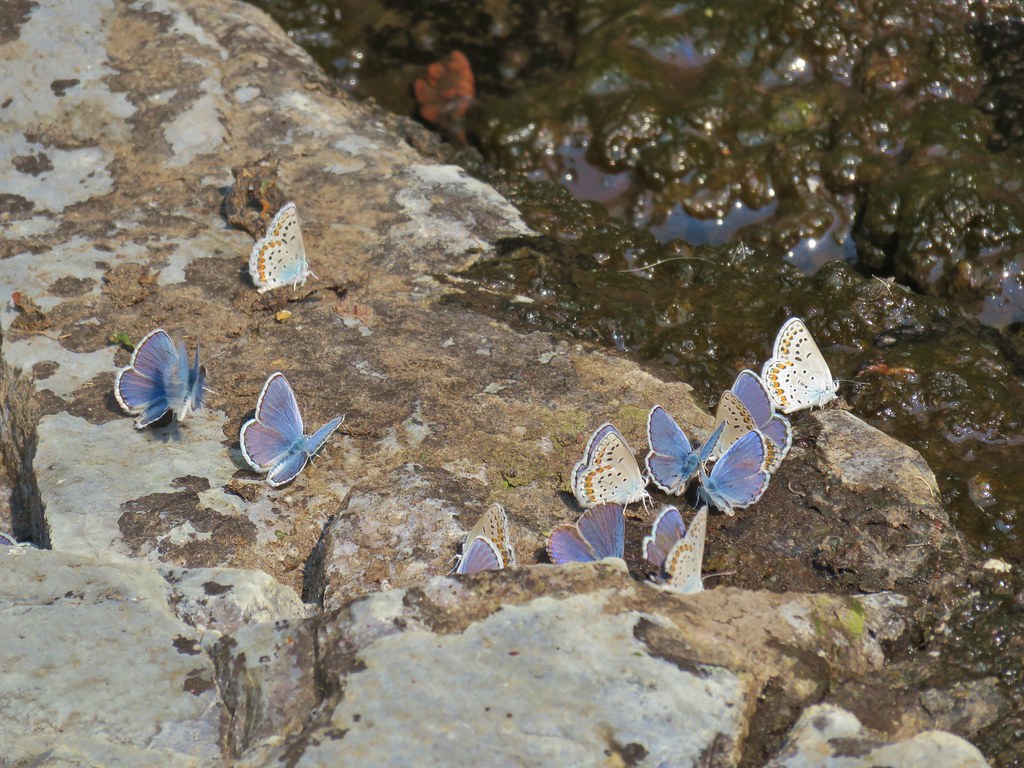
The temperature at the falls was much more pleasant and was a popular spot with the local butterflies.


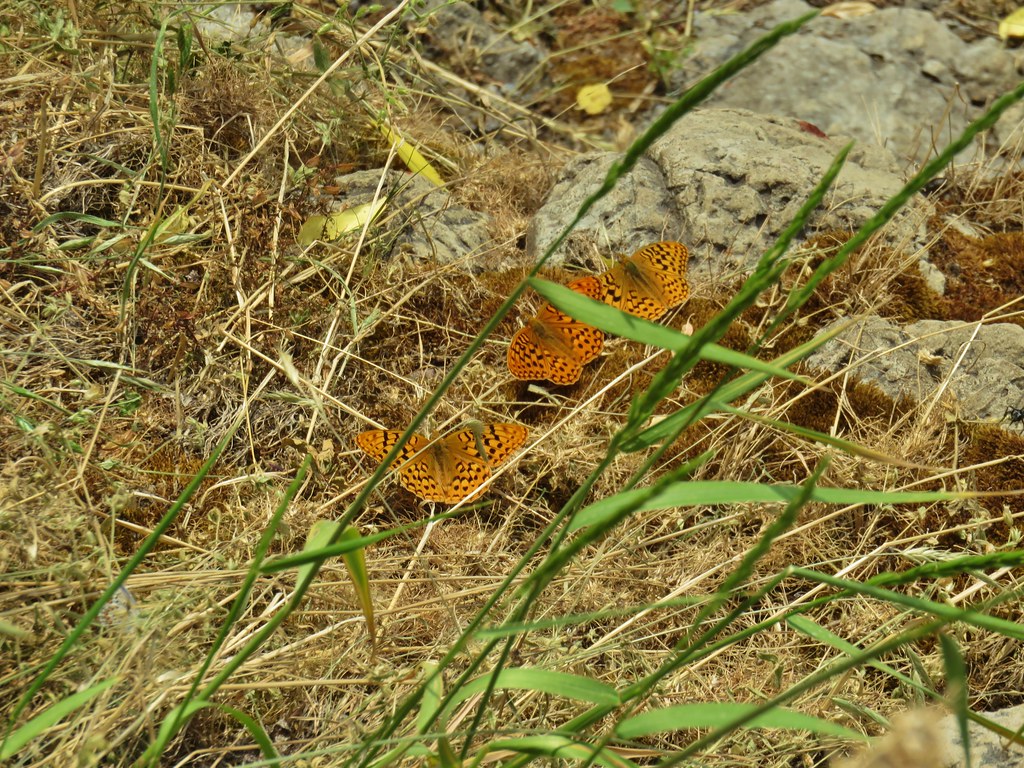
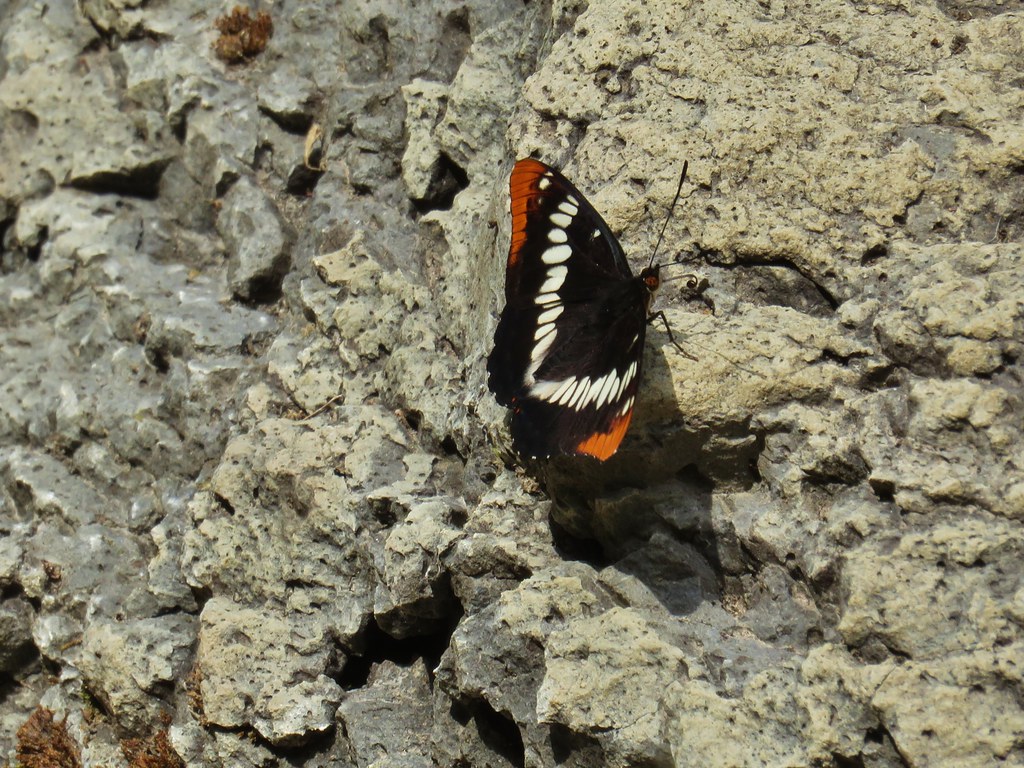

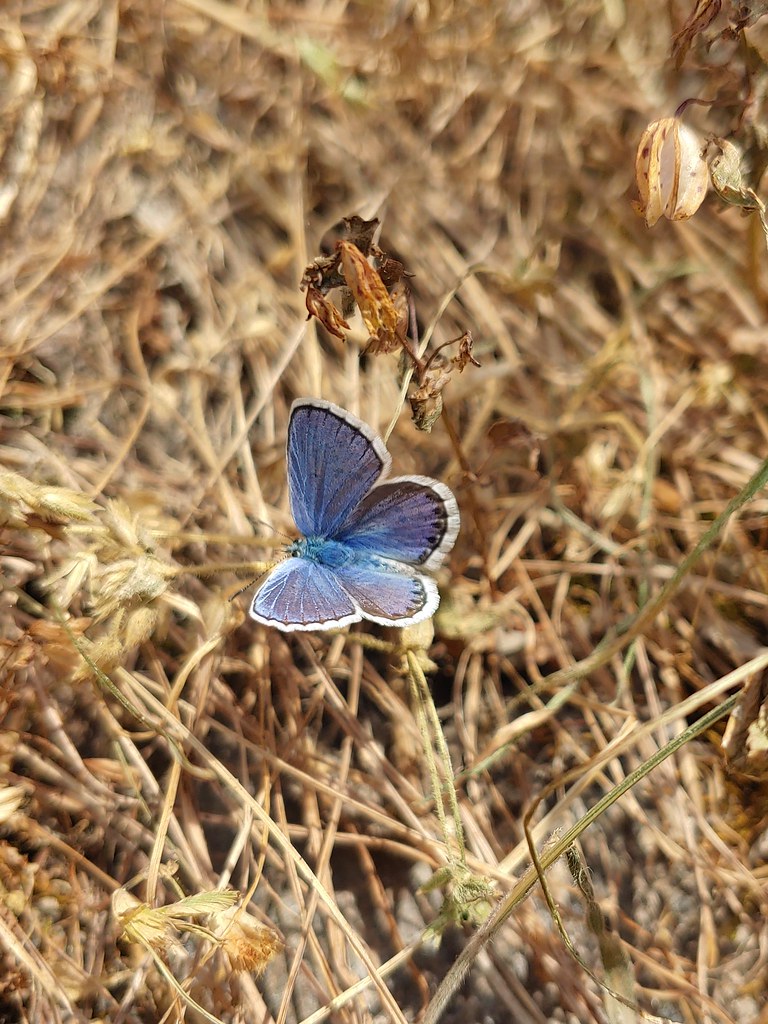
We took a relaxing break at the falls surrounded by the butterflies. When it was time to continue our hike we both agreed that neither one of us was up for what it would take to do any of the options other than the 1.4 mile out and back. In order to do any of the longer hikes, even the 2.6 mile loop, we would have needed to follow a steep scramble route 200′ before the falls up around some cliffs. We had both spied the route on our way to the falls and both thought “not today”.
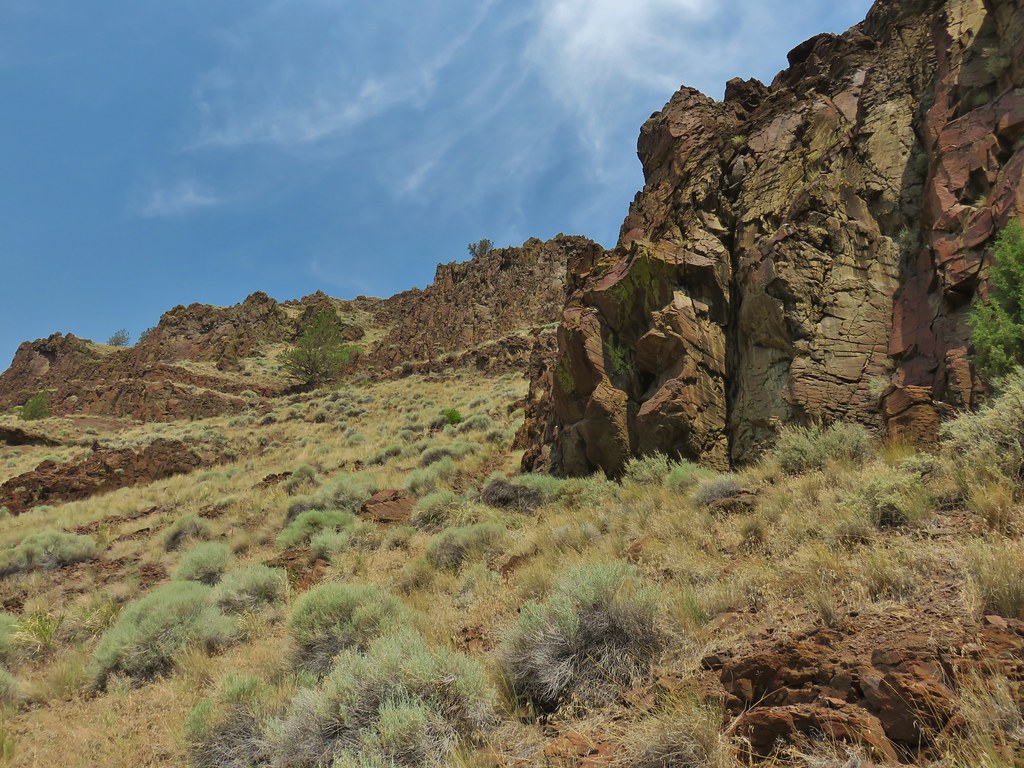 The scramble route is at the base of the cliff to the right.
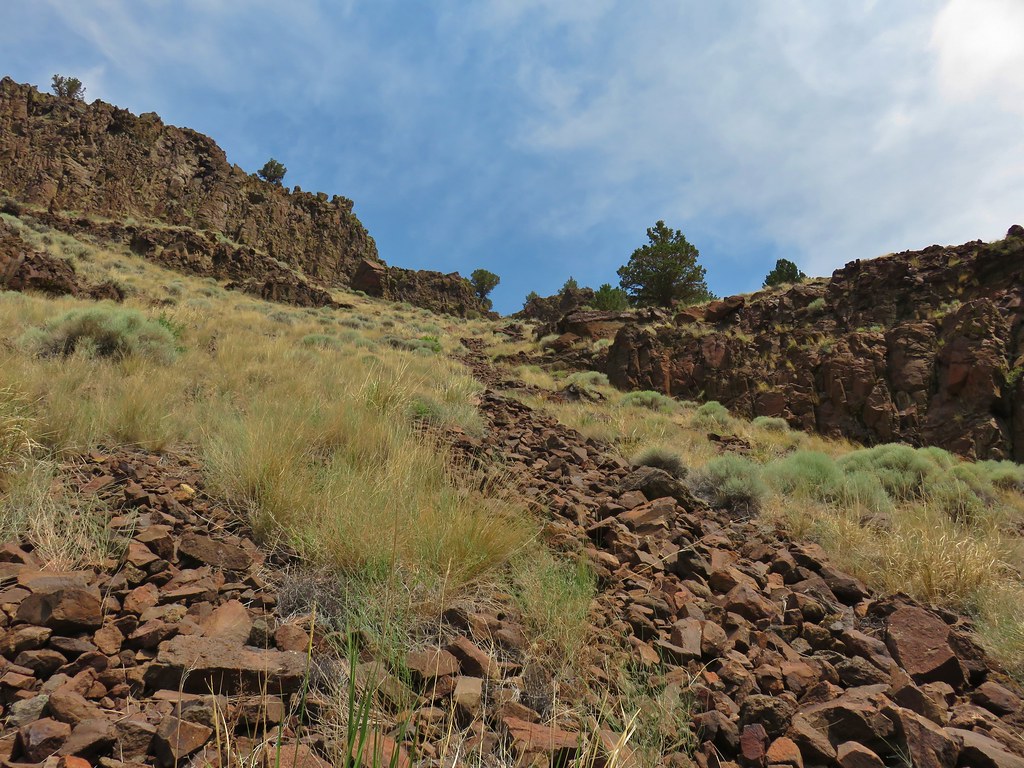 Looking up from the trail at where the scramble route was heading.
We were happy with our choice and ready to get out of the heat so we retraced our steps back to the 10′ water fall.
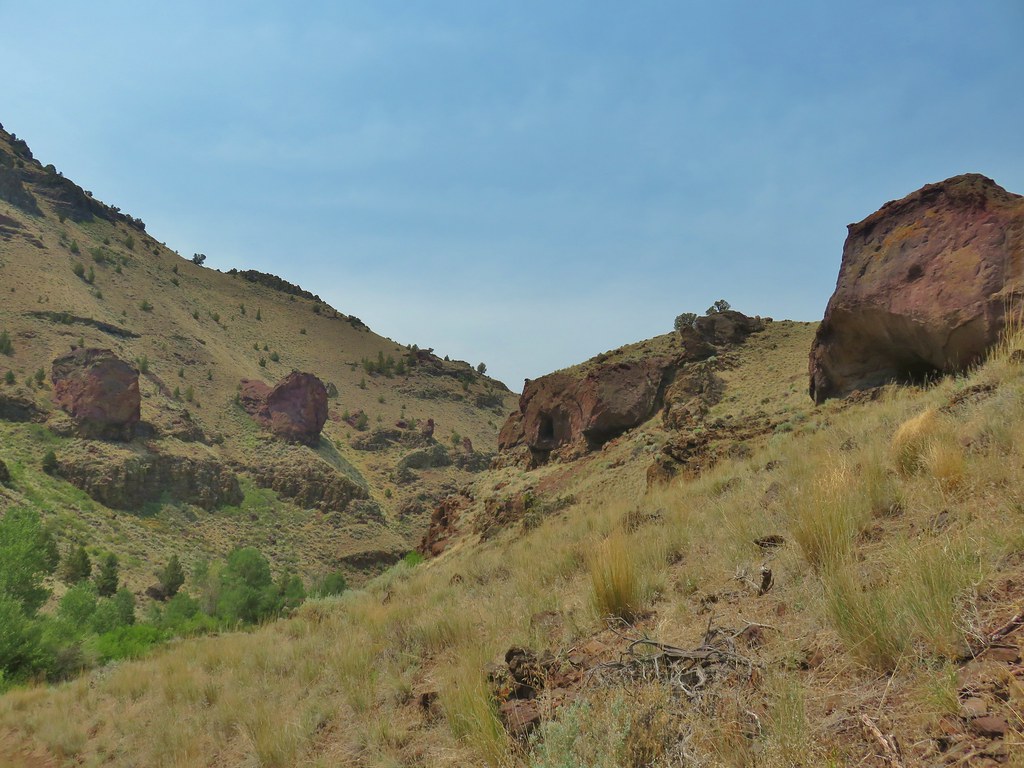

The smaller waterfall had been invaded by butterflies too.

After carefully driving the wretched half mile to Hart Mountain Road we headed back to Lakeview to treat ourselves to burgers and milkshakes from the Burger Queen drive thru. It was our shortest day so far of the vaction at 8.7 miles (6.8 at Petroglyph Lake, 0.4 at the overlook, and 1.5 at DeGarmo Canyon) but that was plenty. Thursday’s hike had the potential of being the longest of our trip as we were set to visit one of the six remaining wilderness areas in Oregon that we had yet to hike in, the Gearhart Mountain Wilderness. Happy Trails!
Flickr: Petroglyph Lake, Warner Valley Overlook, and DeGarmo Canyon
 Hart Mountain in the morning.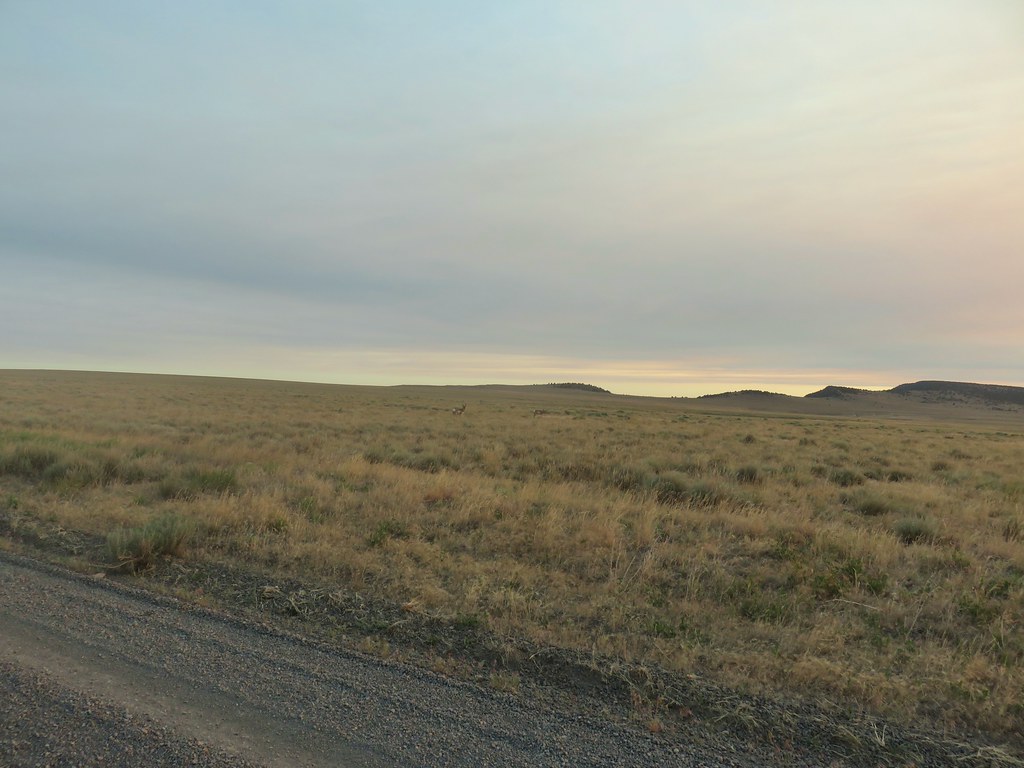
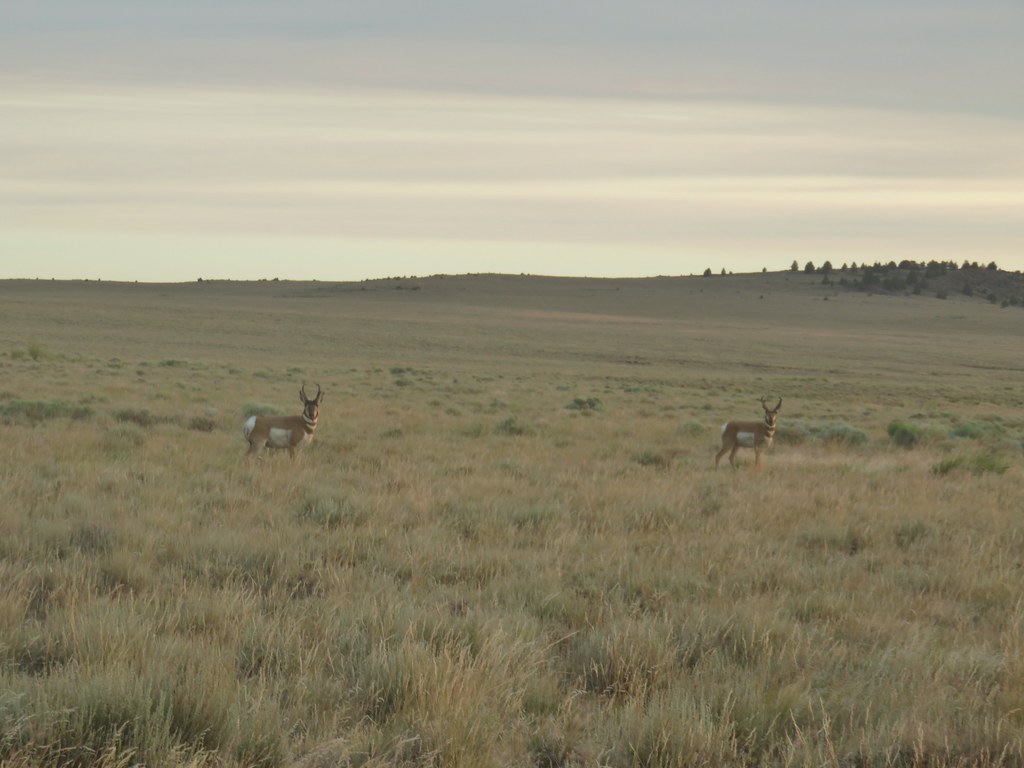
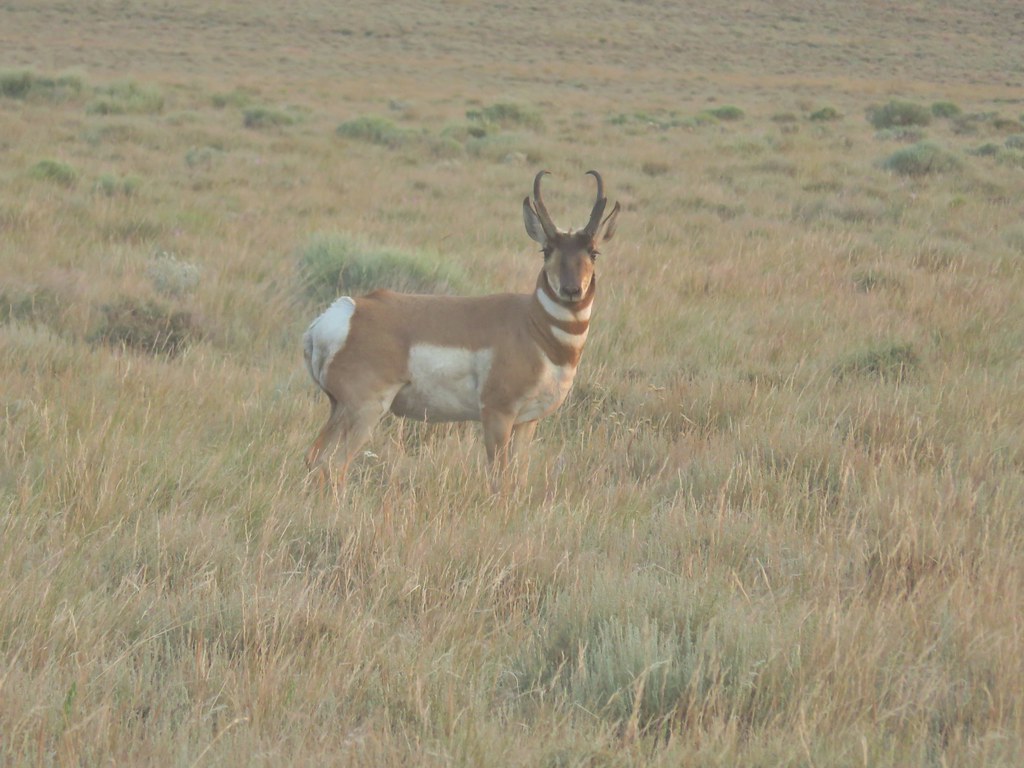
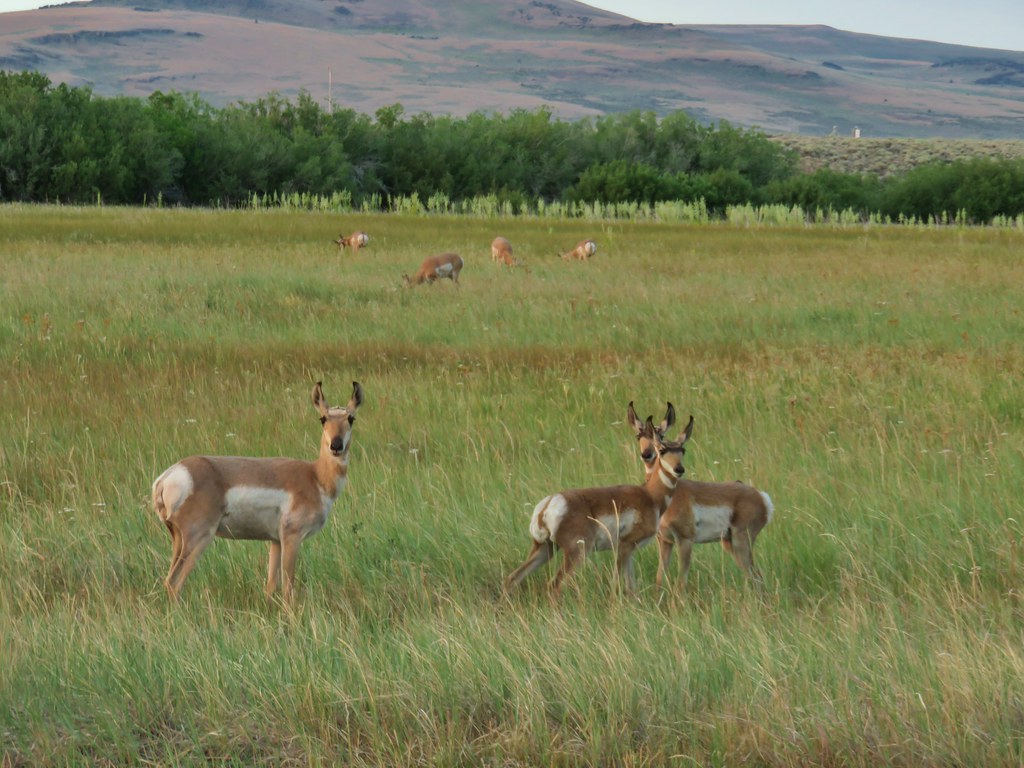 Just a few of the many pronghorn.
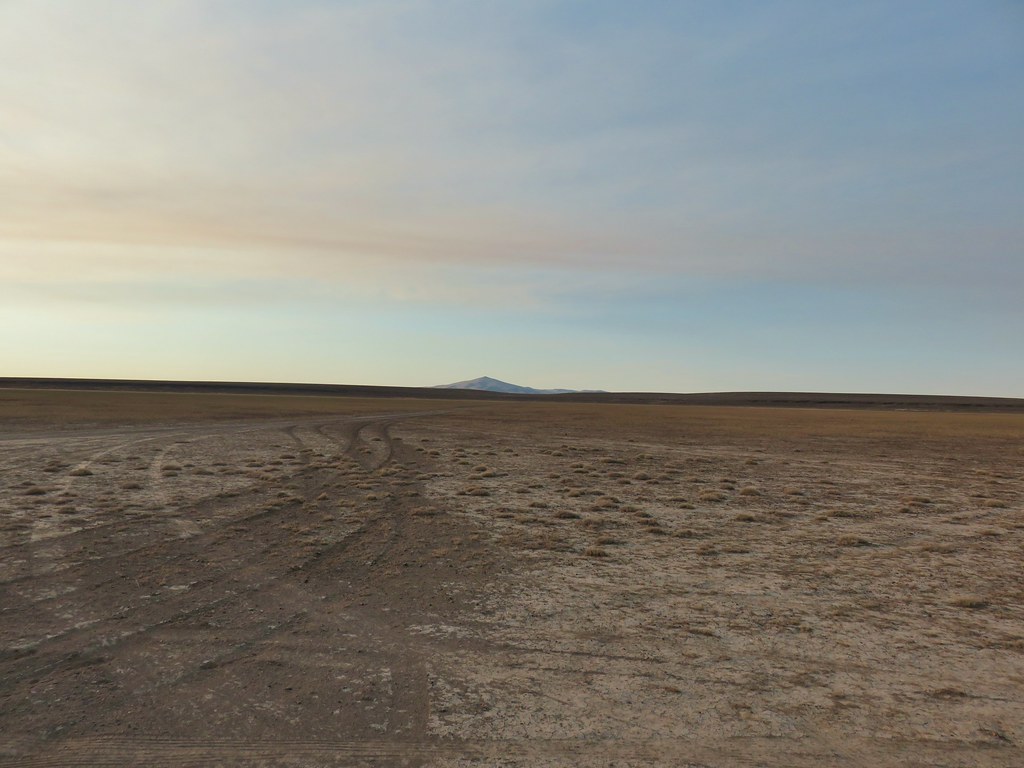 Flook Lake Road continuing on with Beatys Butte in the distance.
 The reservoir
 Steens Mountain on the horizon to the east through smoky skies.
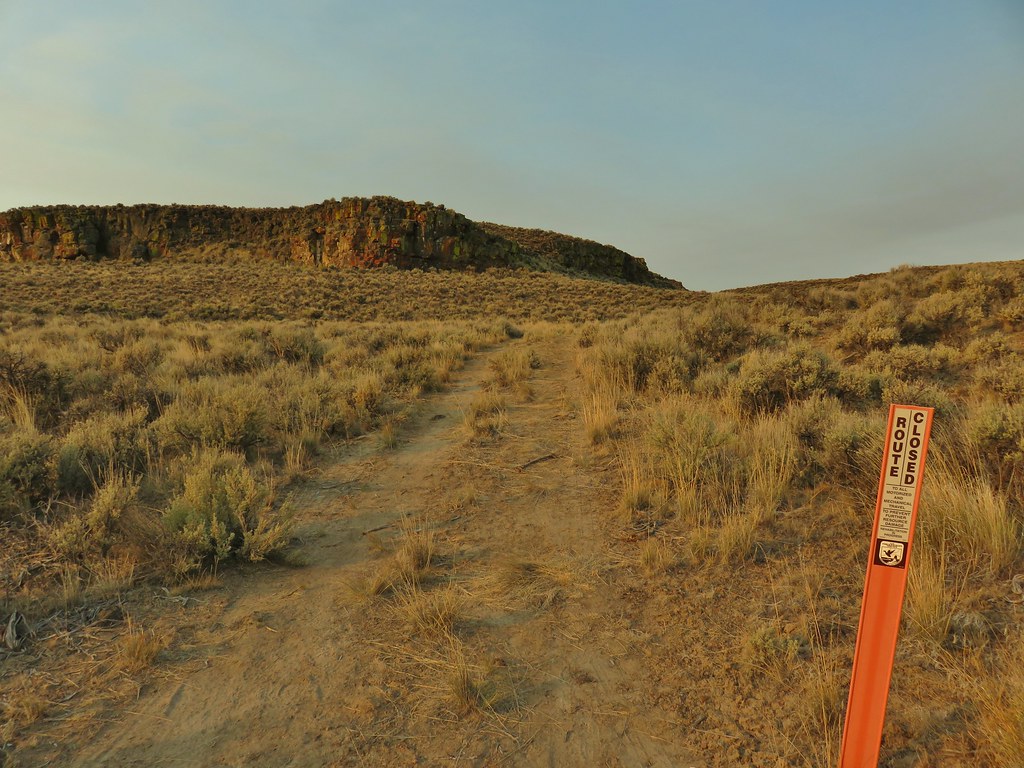
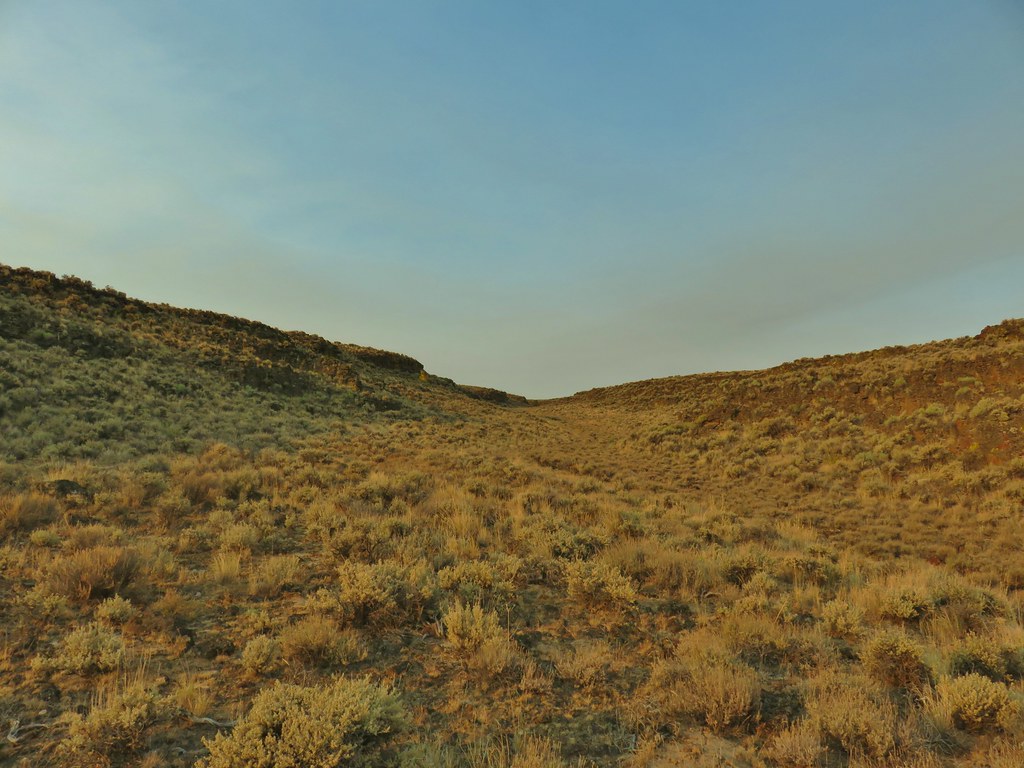
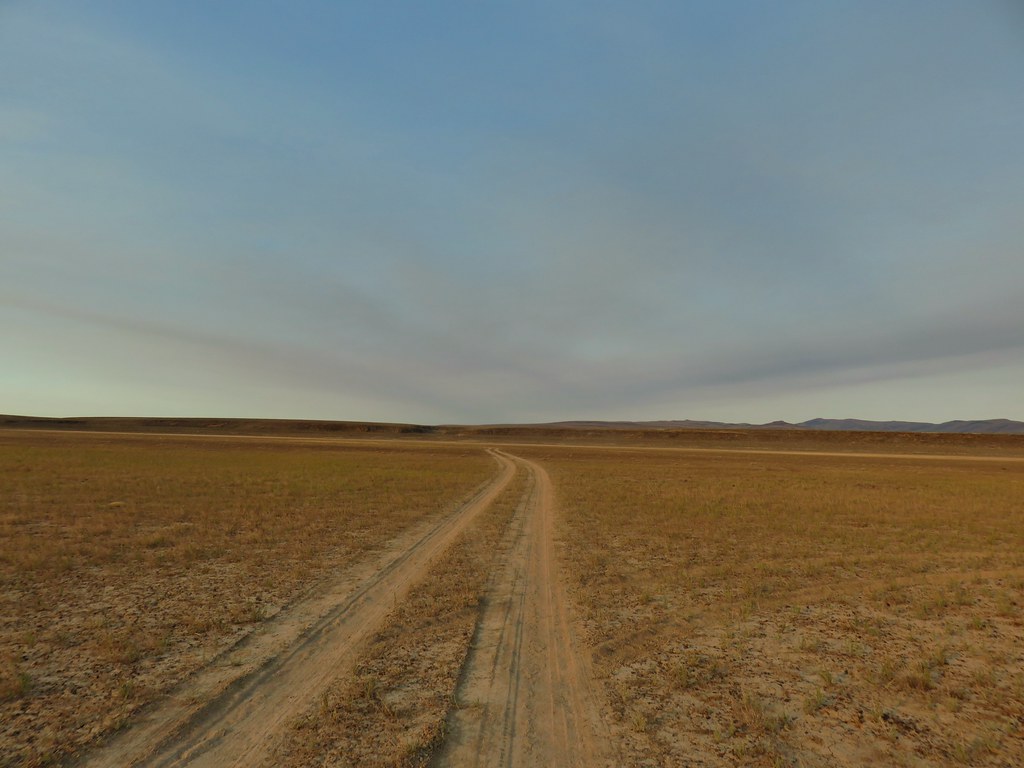 The canyon we were aiming for from near our car.
 Zoomed in a bit.
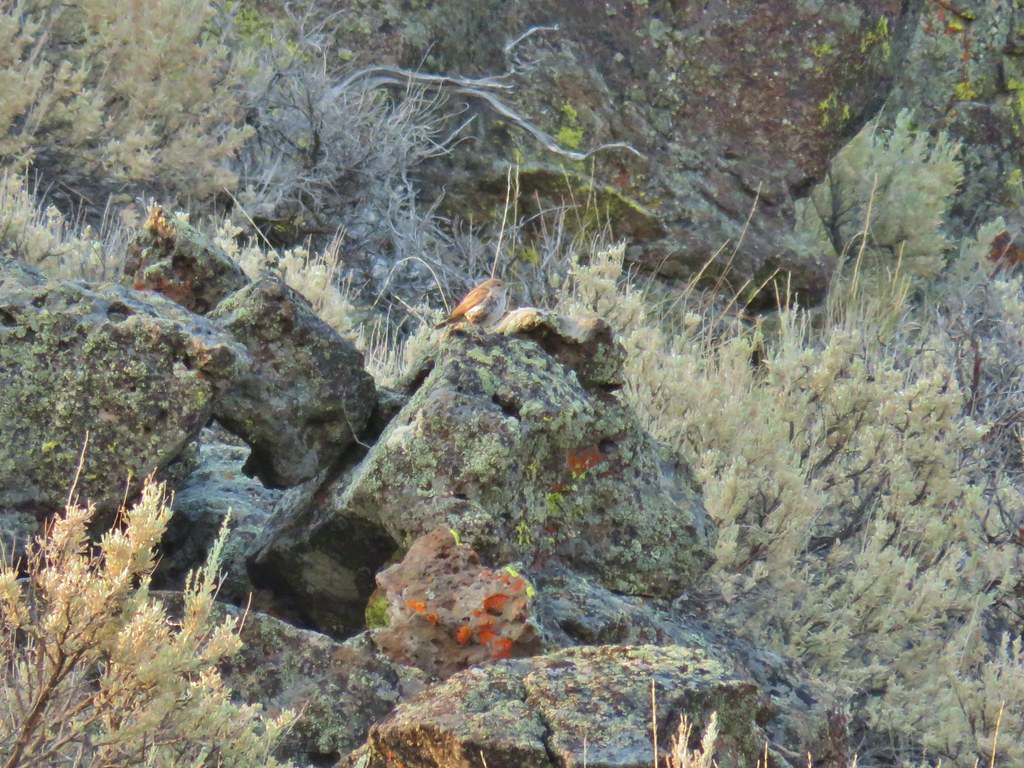
 Rabbit #1
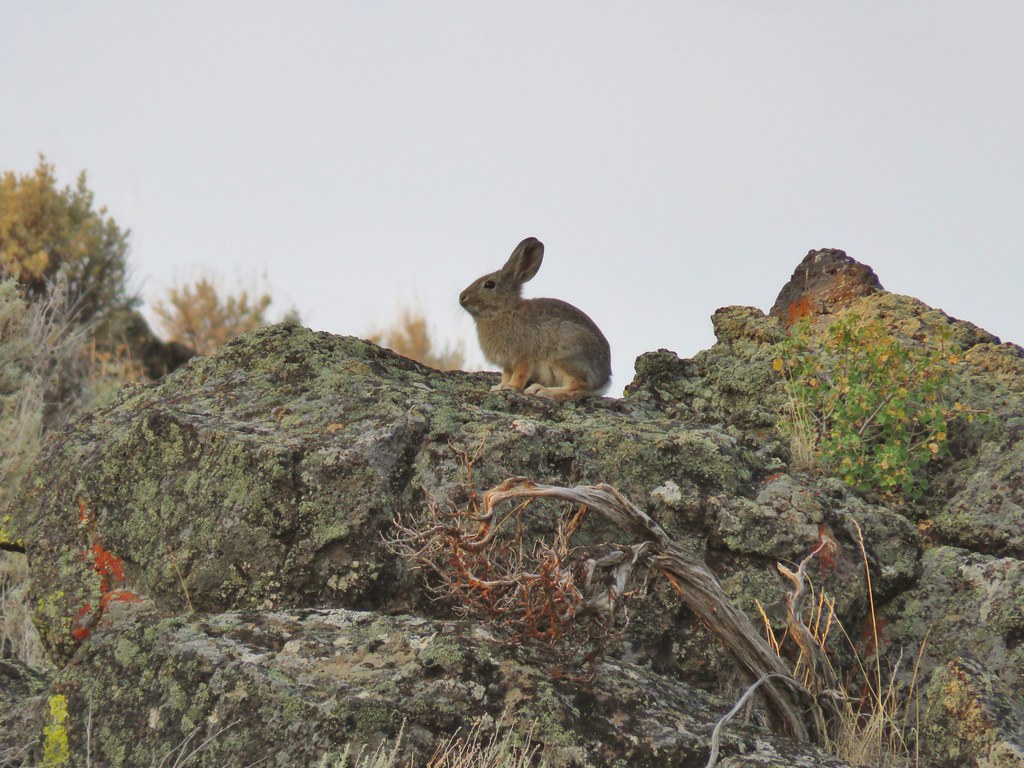 Rabbit #2
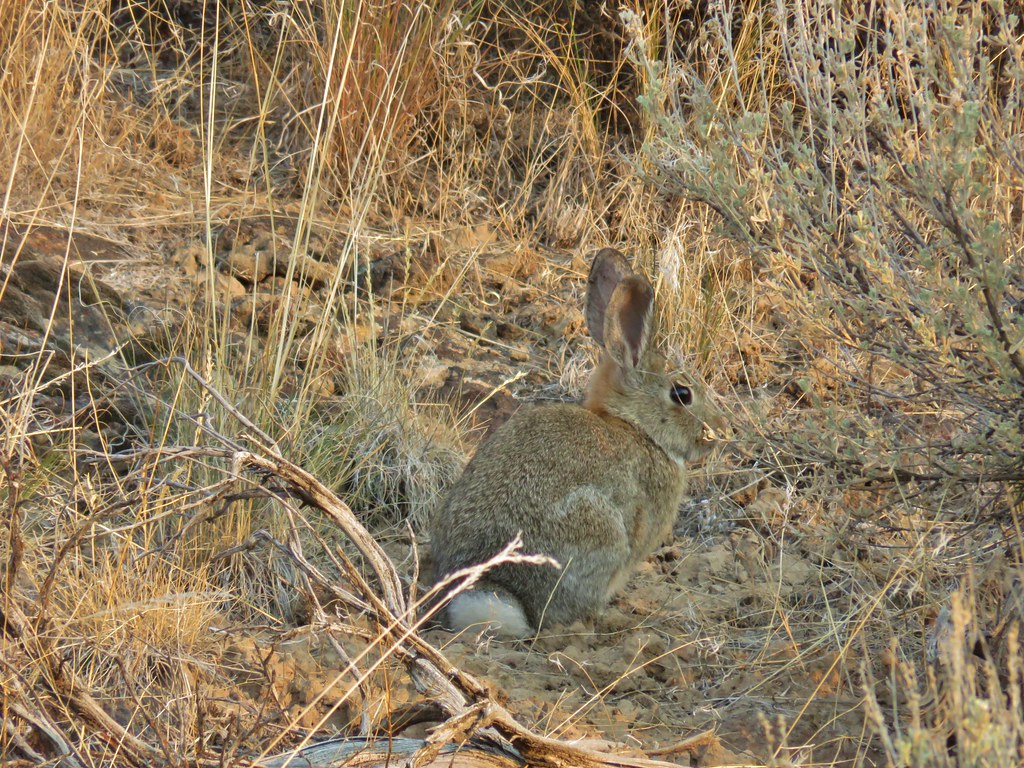 Rabbit #3
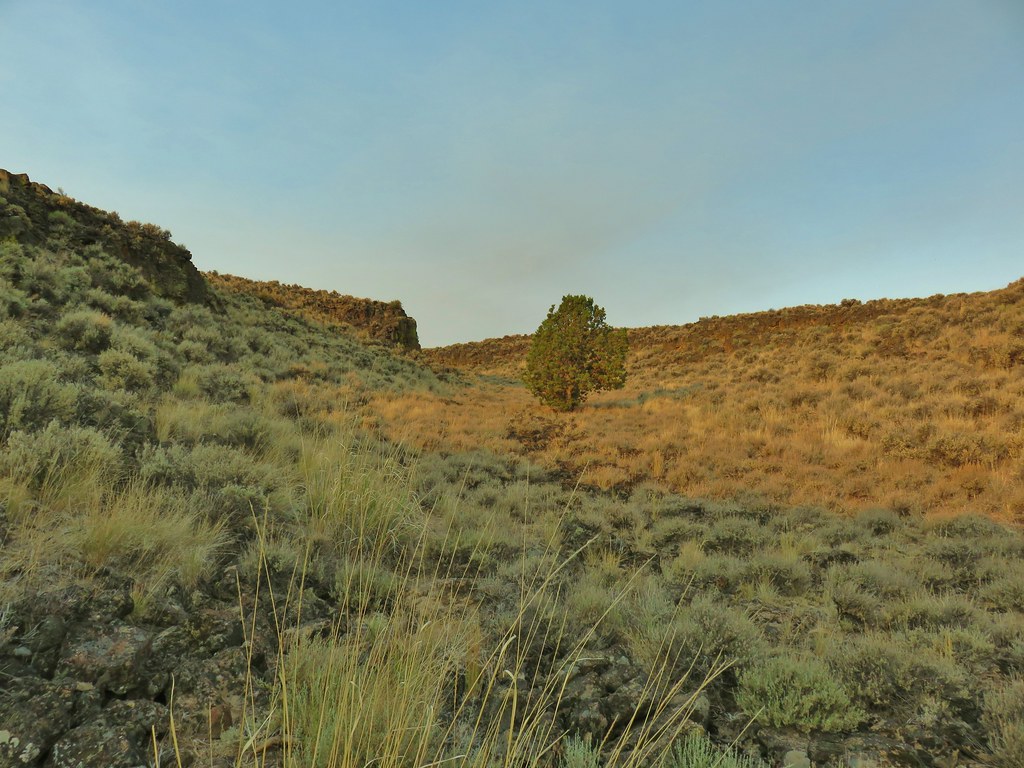 A lone juniper in the canyon.
 Rabbit #4

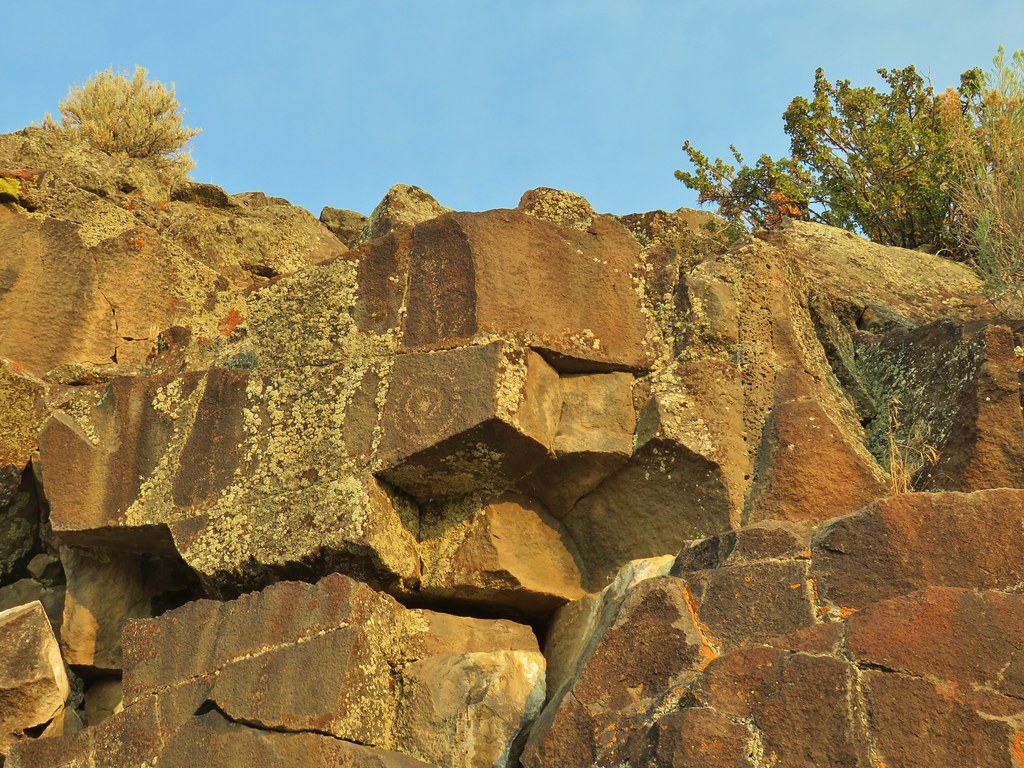


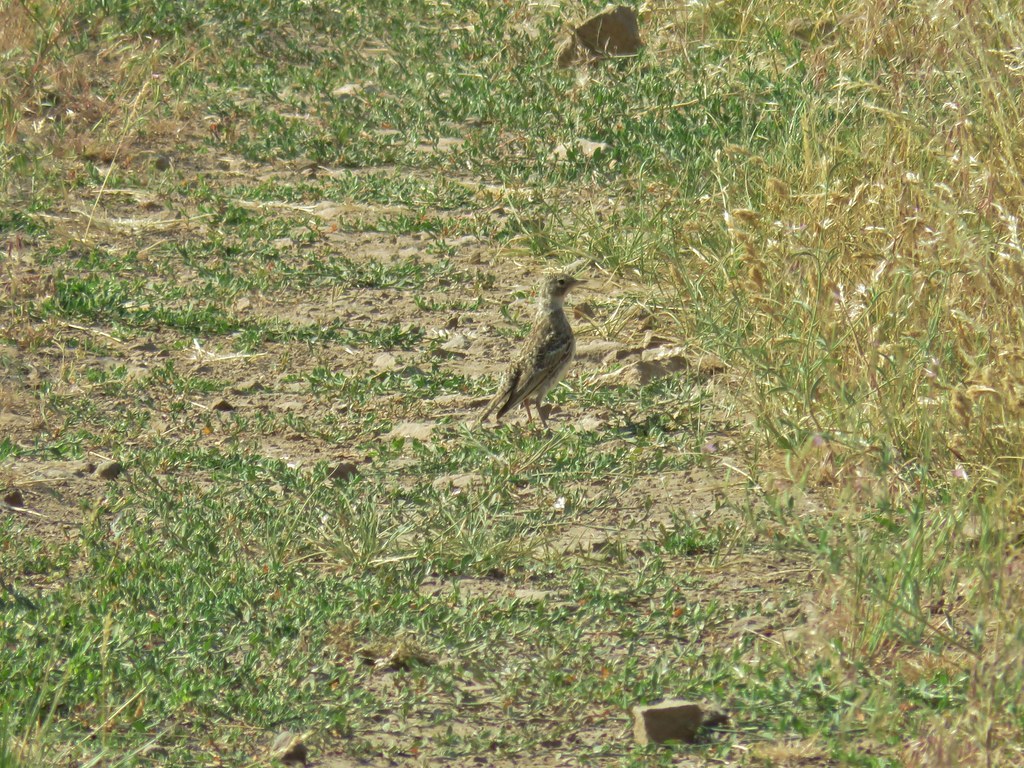
 Horned lark near the spring.
 Rabbit #5, this one was a jack rabbit.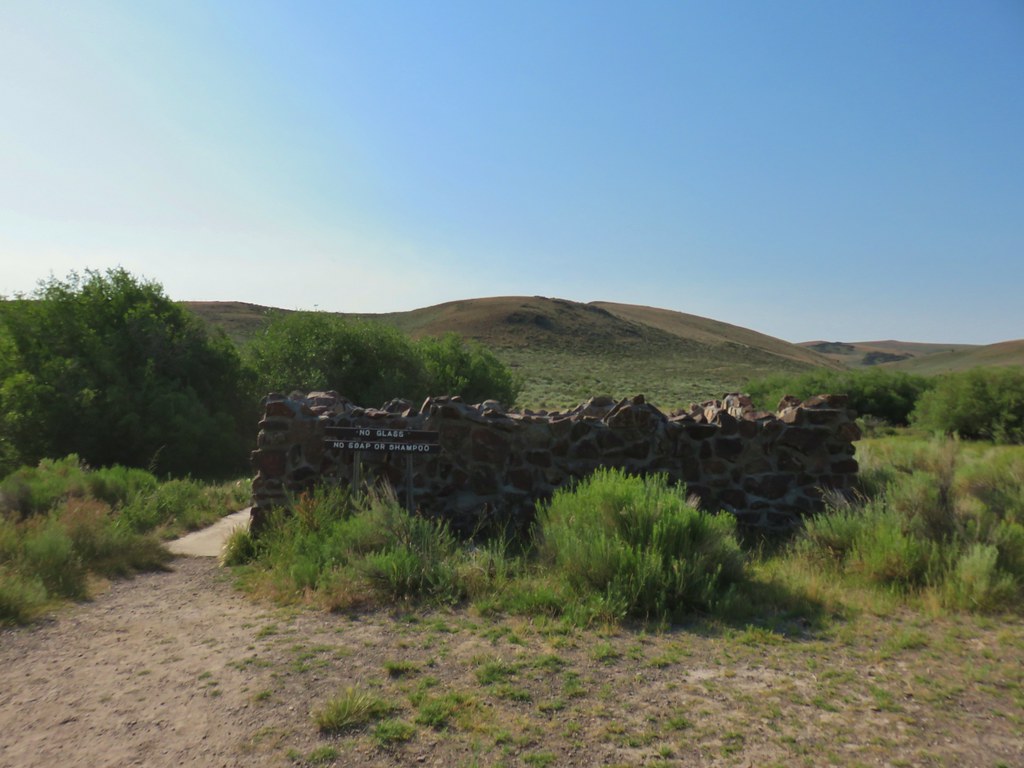
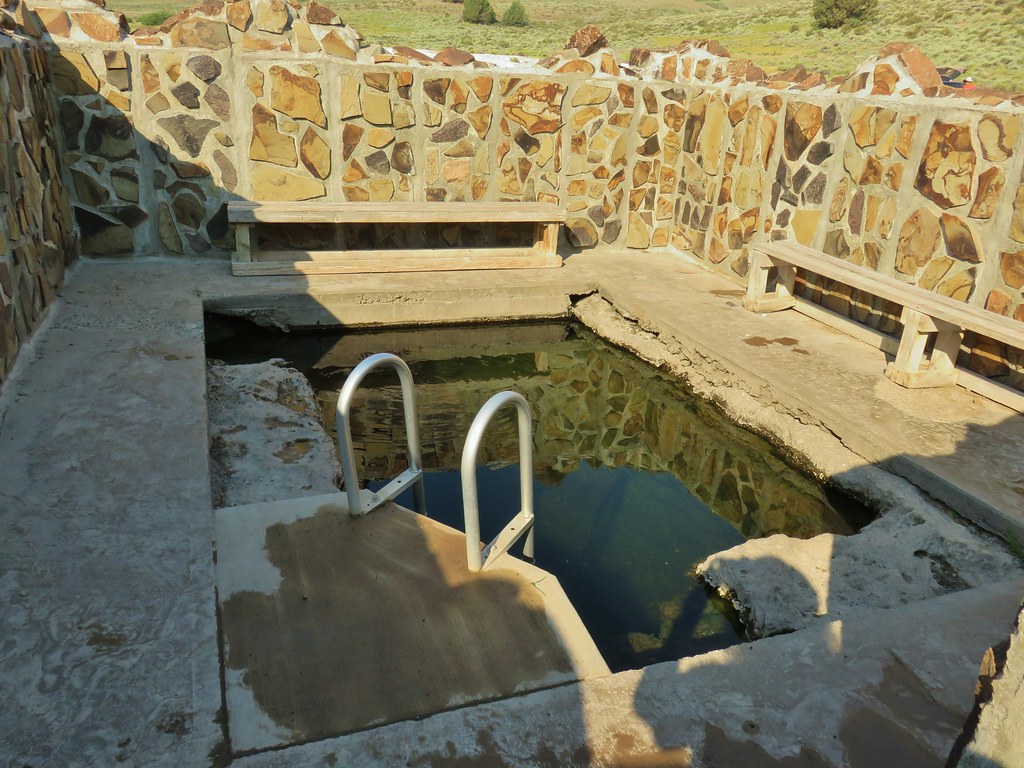
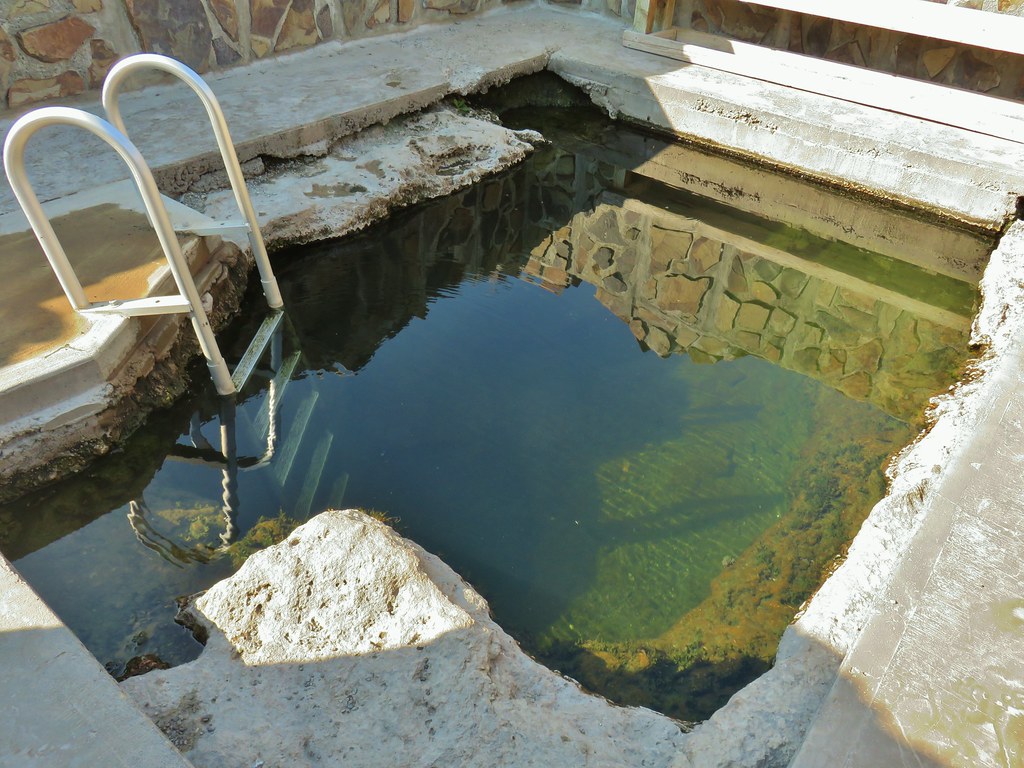


 Hawk hanging out near the hot springs.
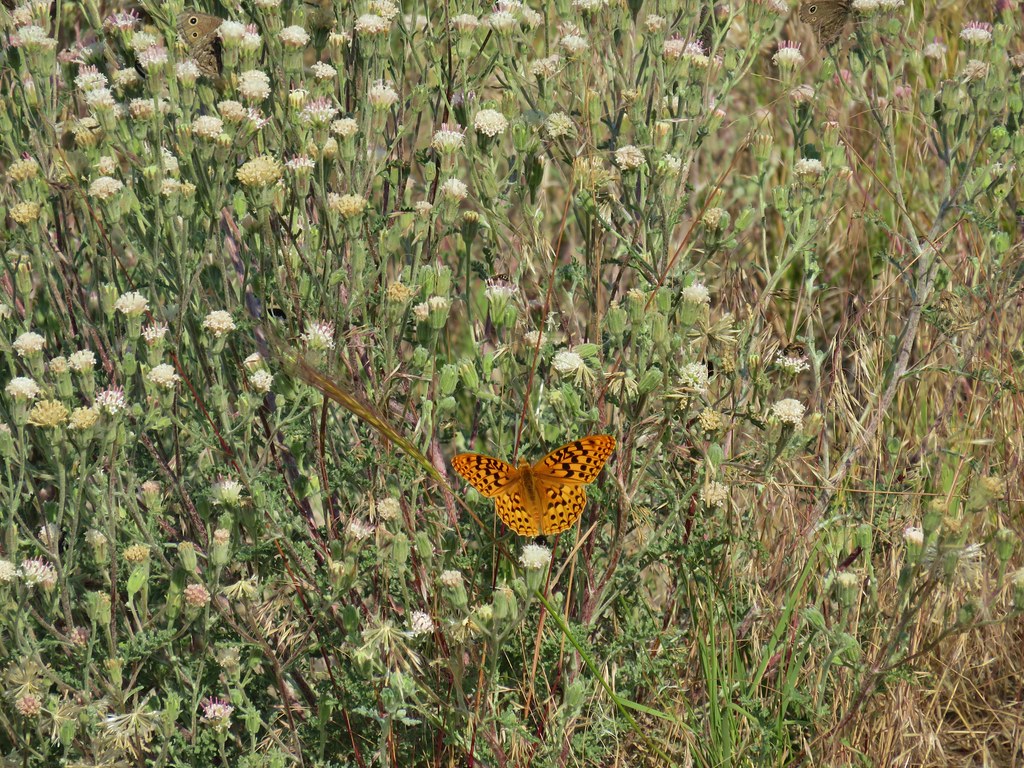 Butterfly on dusty maiden.
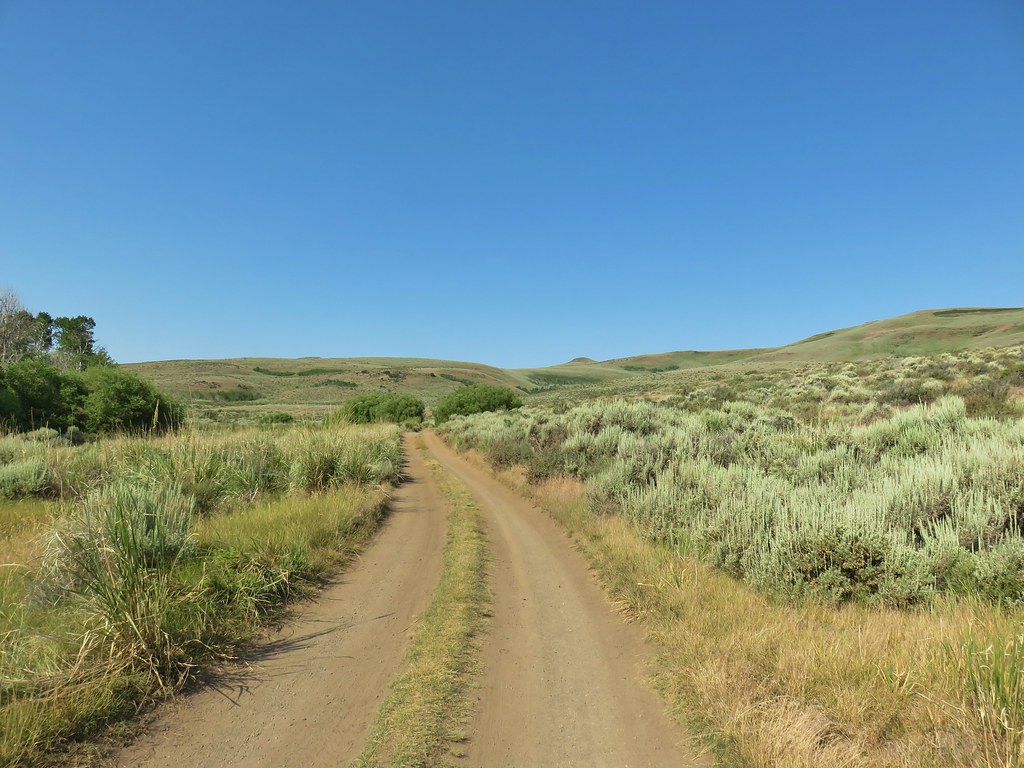 Barnhardi Road
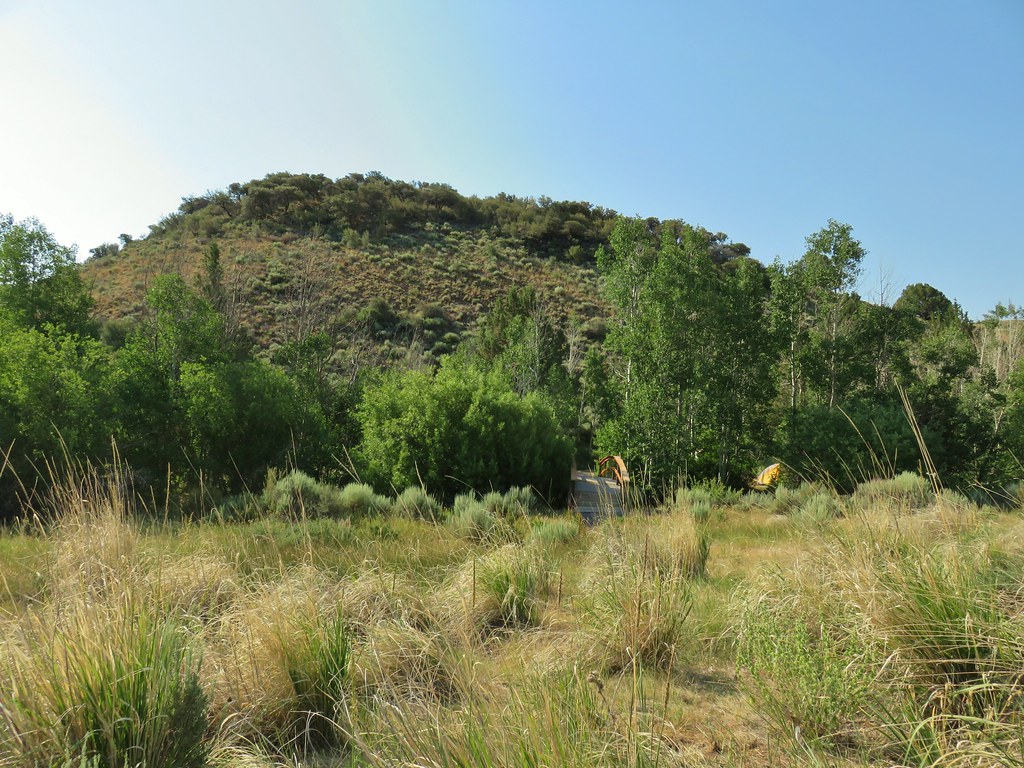 Campground across Rock Creek.
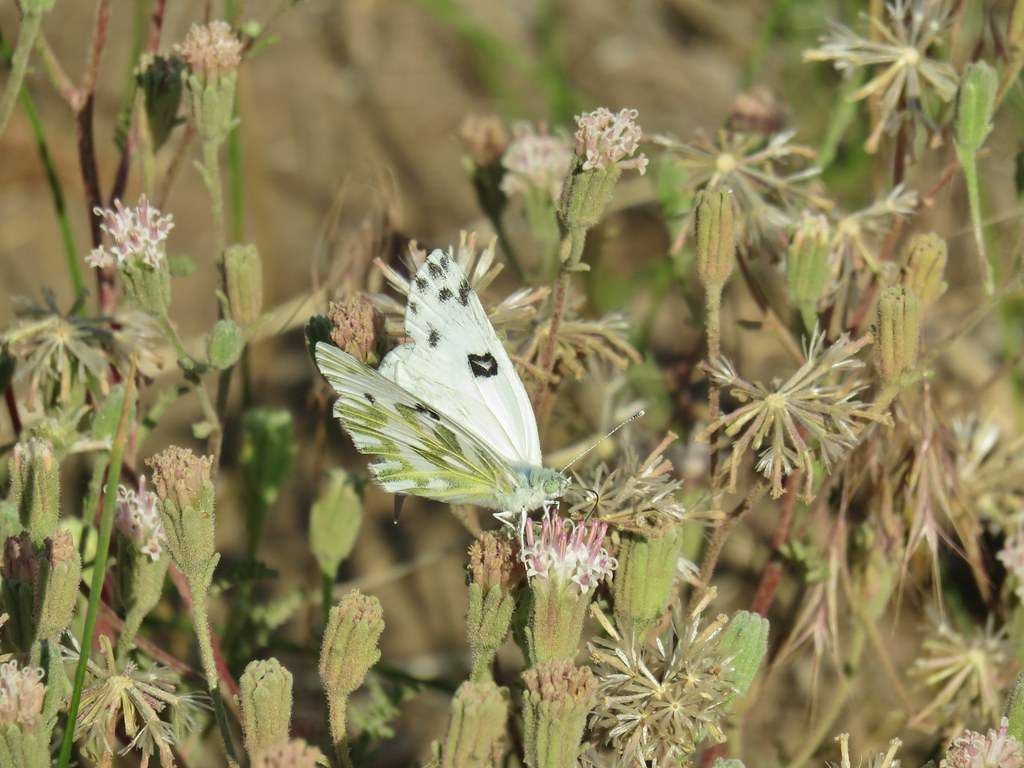 Becker’s white
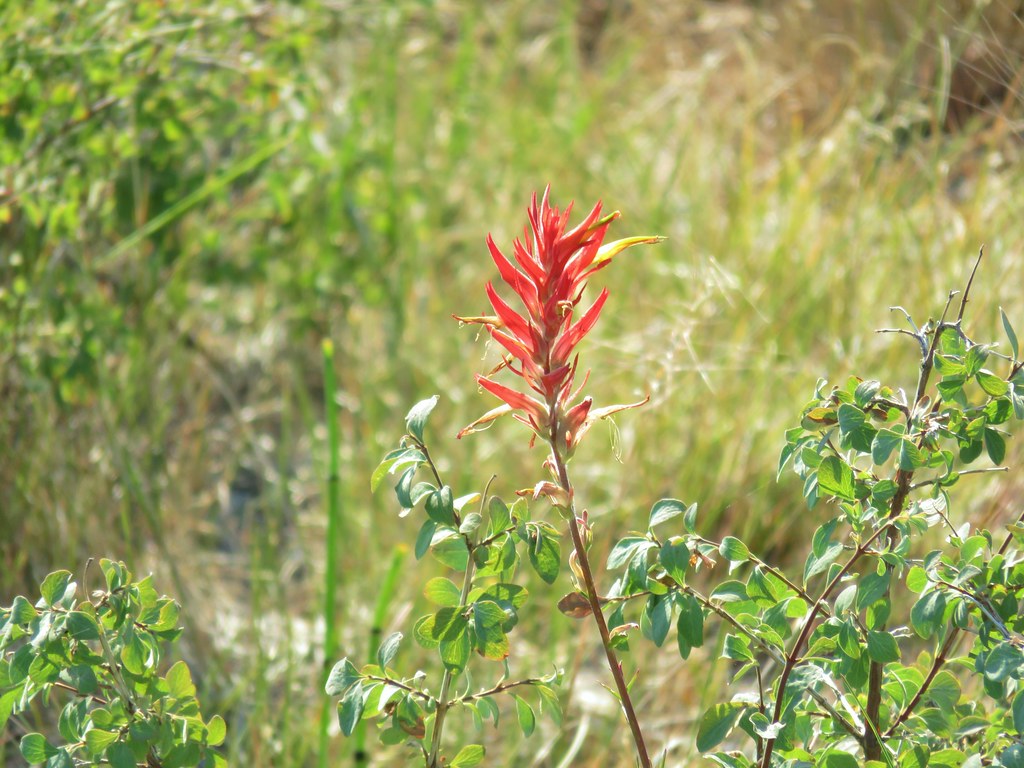 Paintbrush
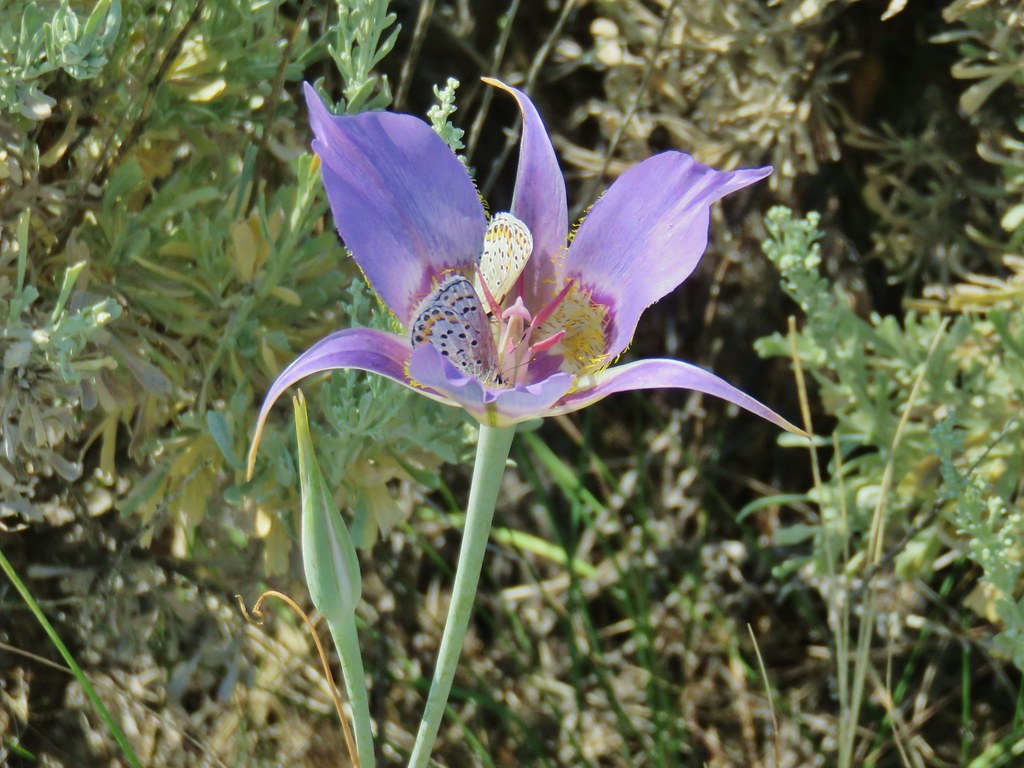
 Sagebrush mariposa lily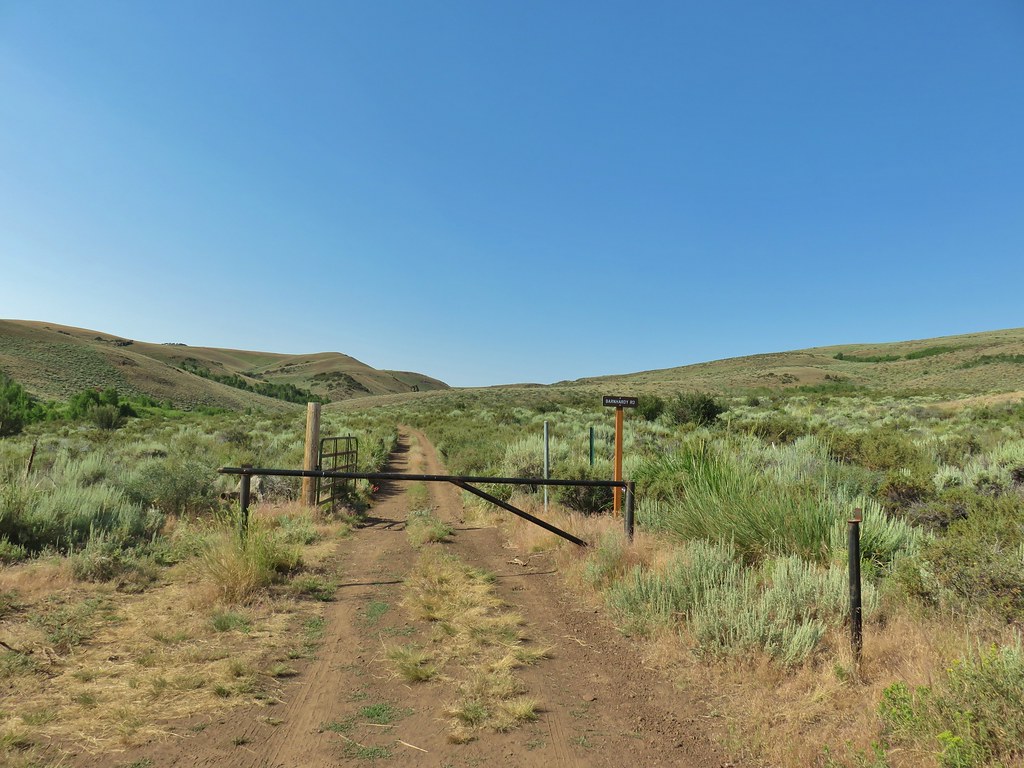
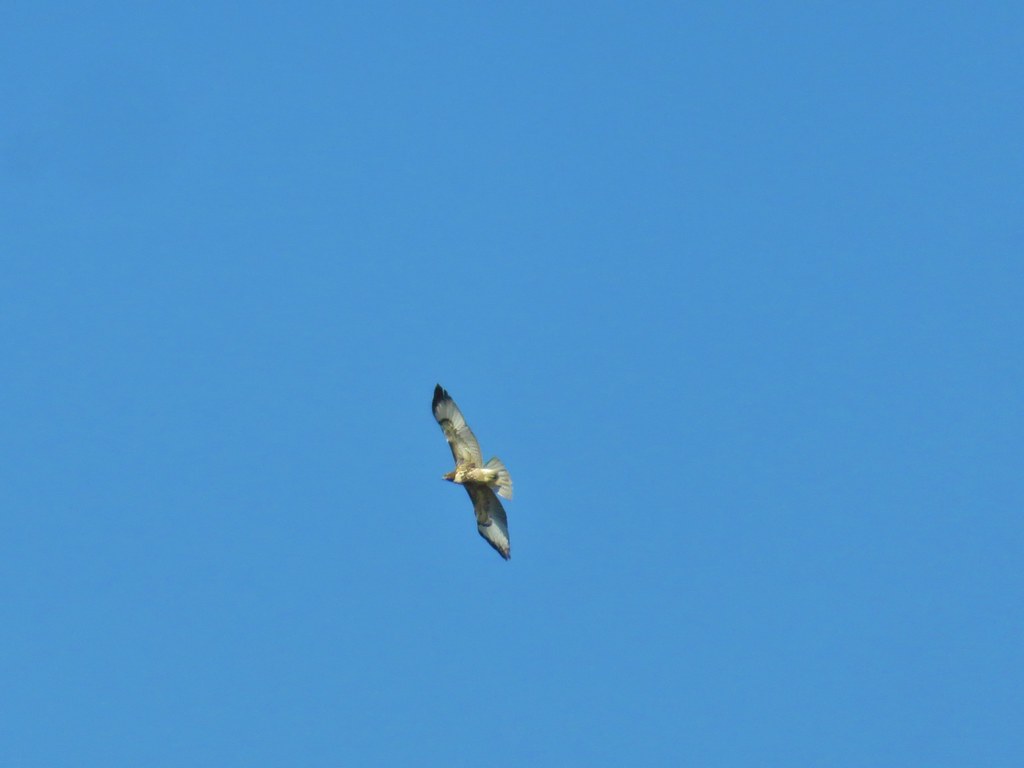 Hawk overhead
 Balsamroot in the sagebrush.
 Wild roses in a quaking aspen stand.
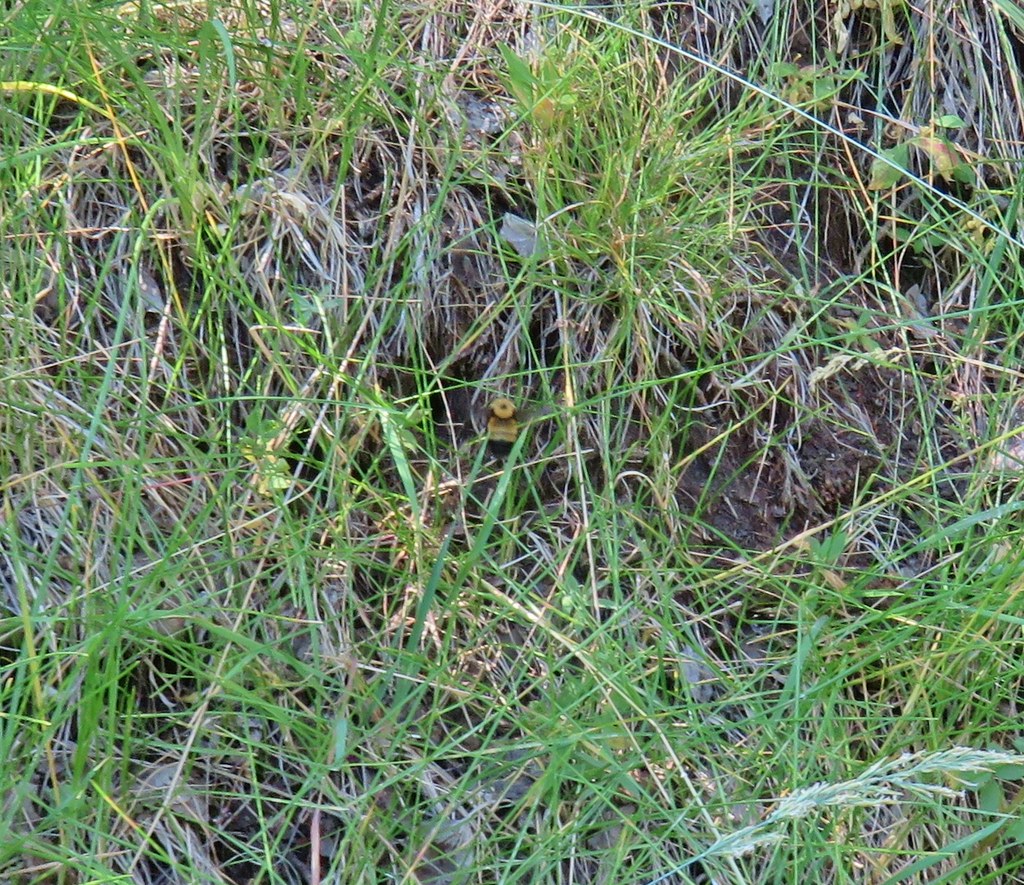 Biggest bumble bee either of us had ever seen.
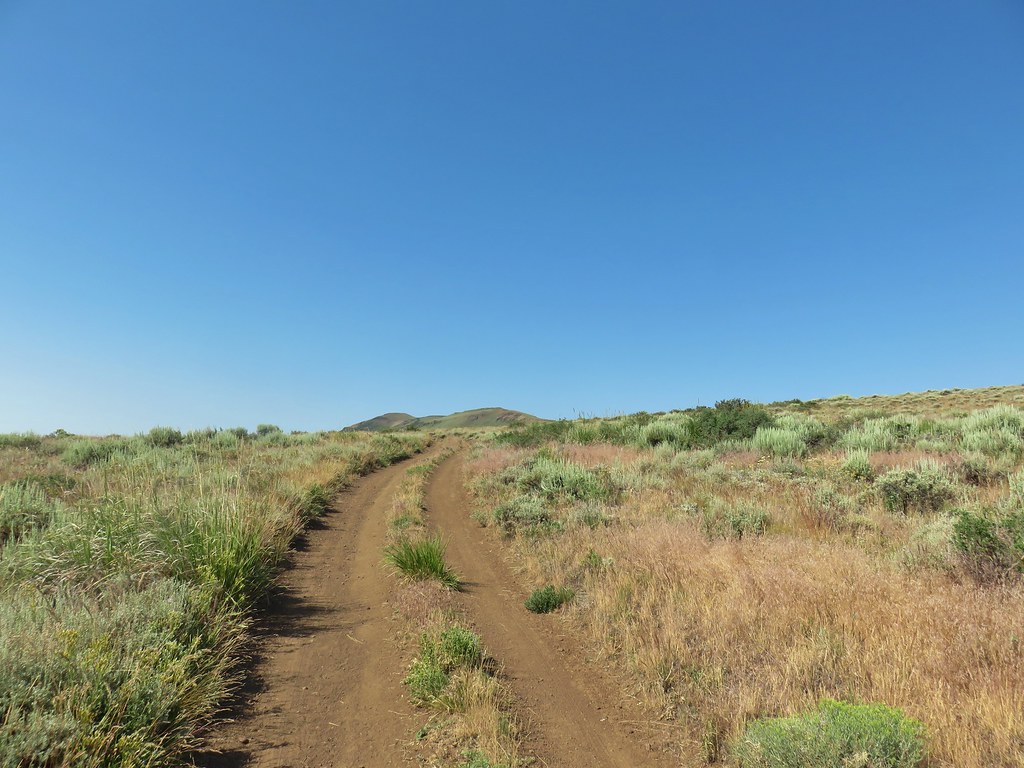 Coming up on the crest at the 1 mile mark.
 View after the crest heading down to Barnhardi Basin.
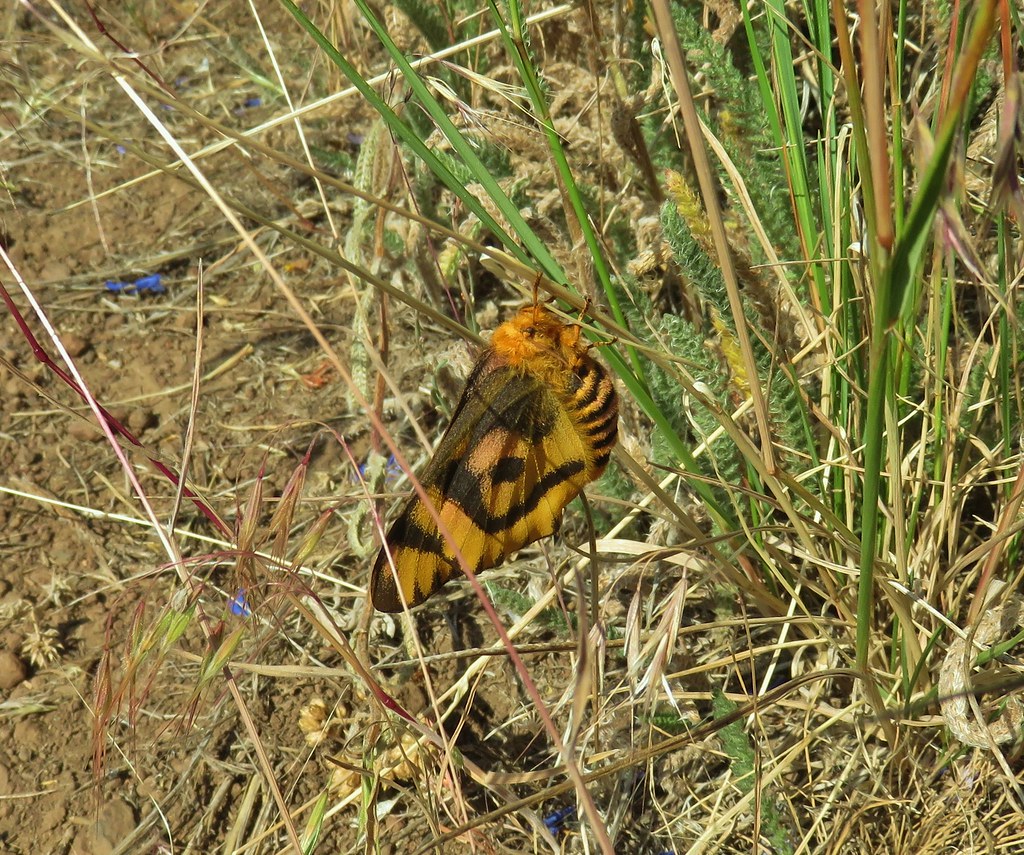 Sheep moth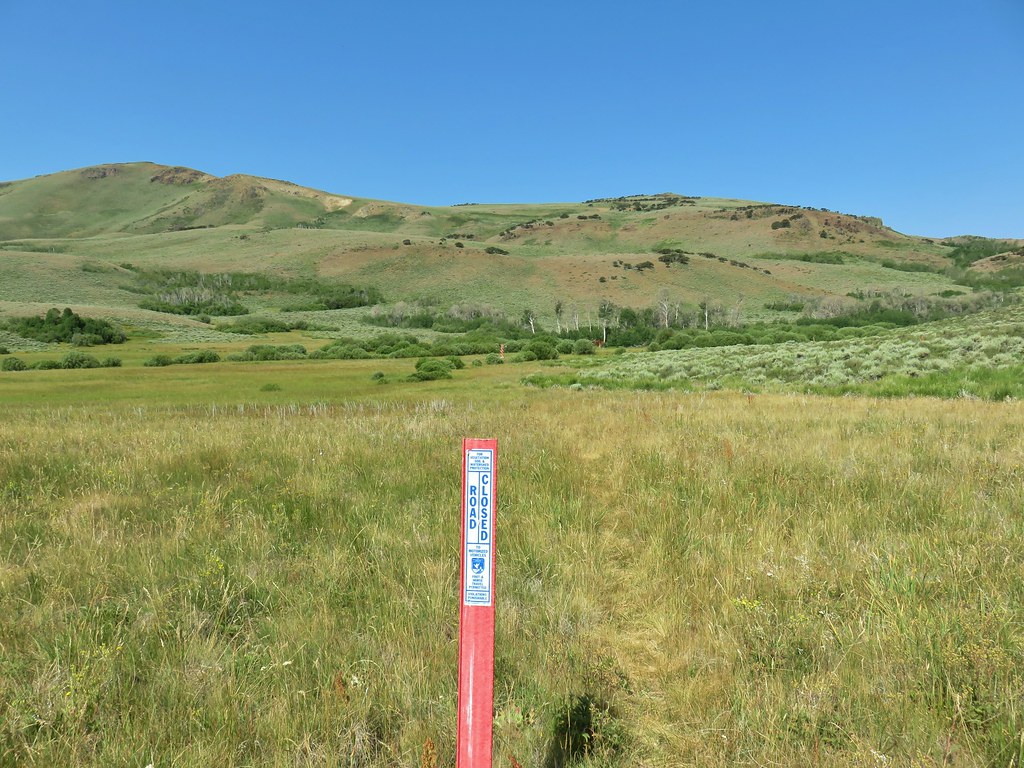
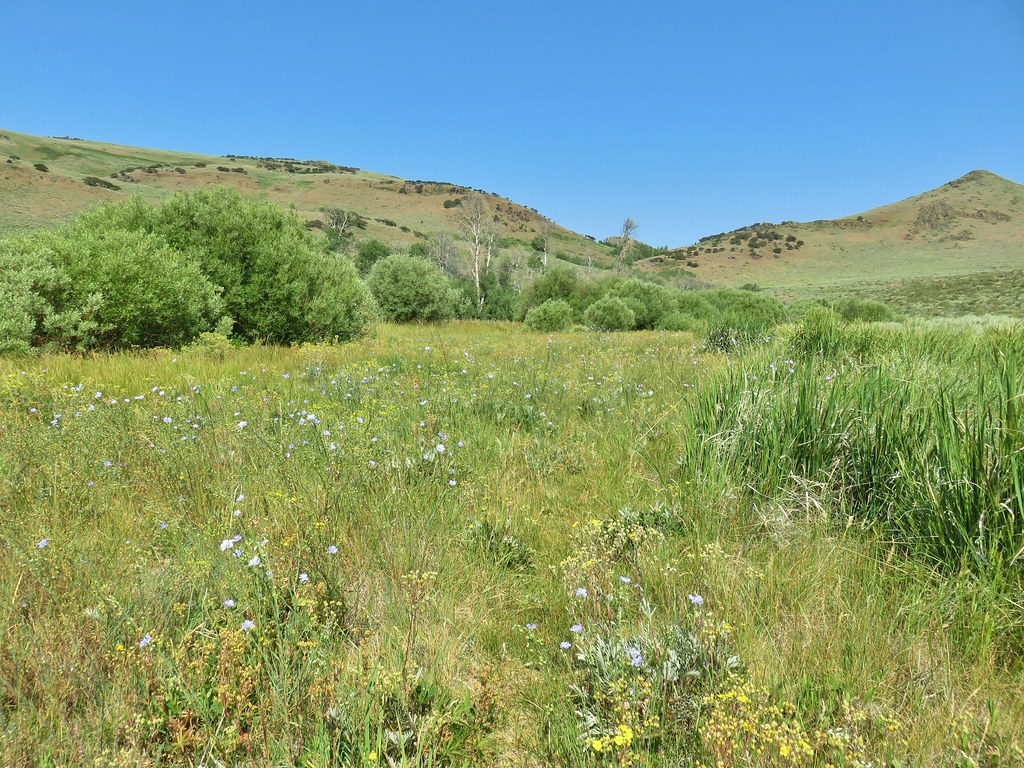 Lewis flax blooming in the meadow.
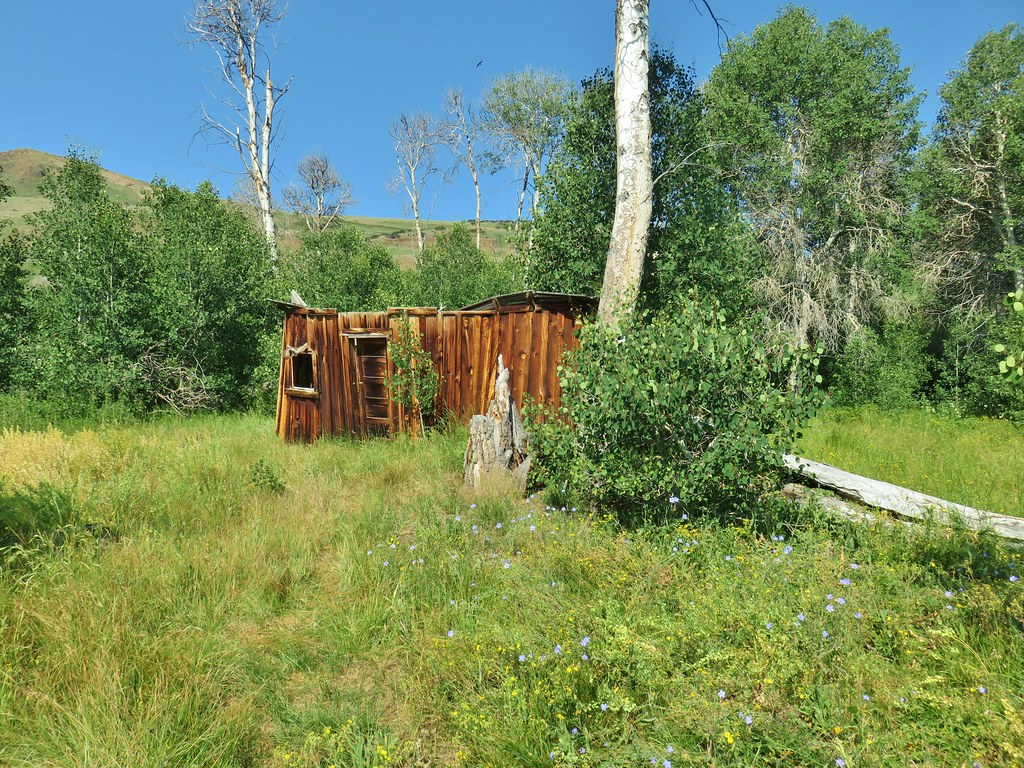 Barnhardi Cabin


 Another sheep moth
 The spring.
 White triteleia
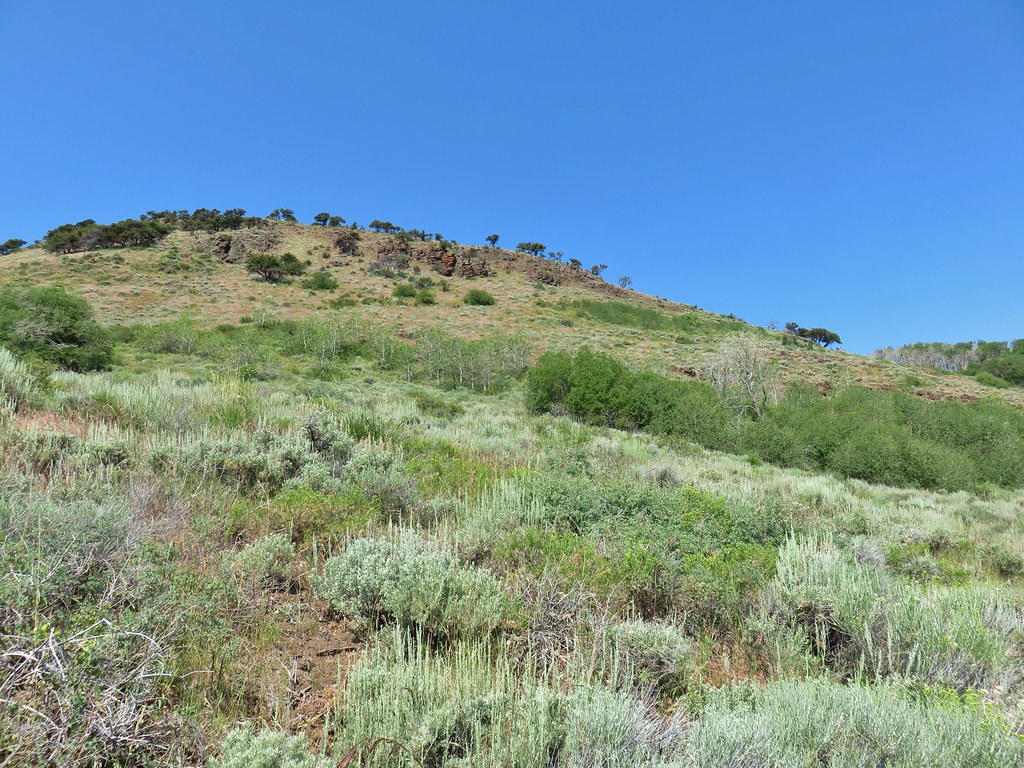
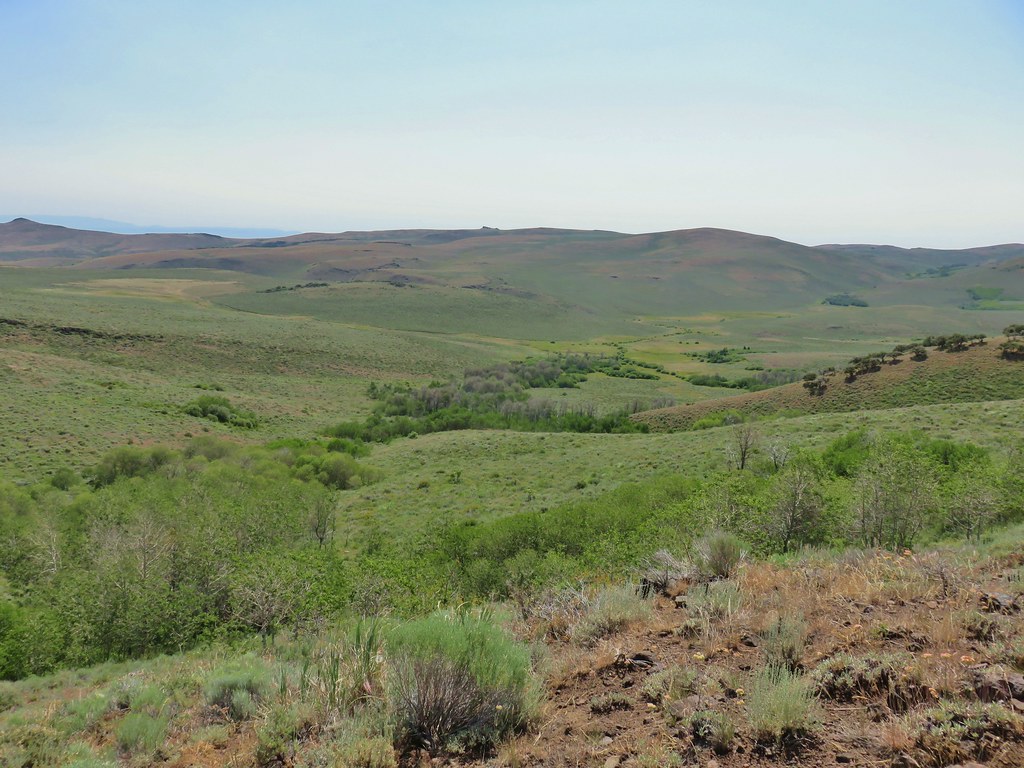 Barnhardi Basin from the side of the knoll.
 View across the creek.
 The knoll was steeper and brushier than it had appeared from below but we managed to make it around.
 Hawk flying around above us.
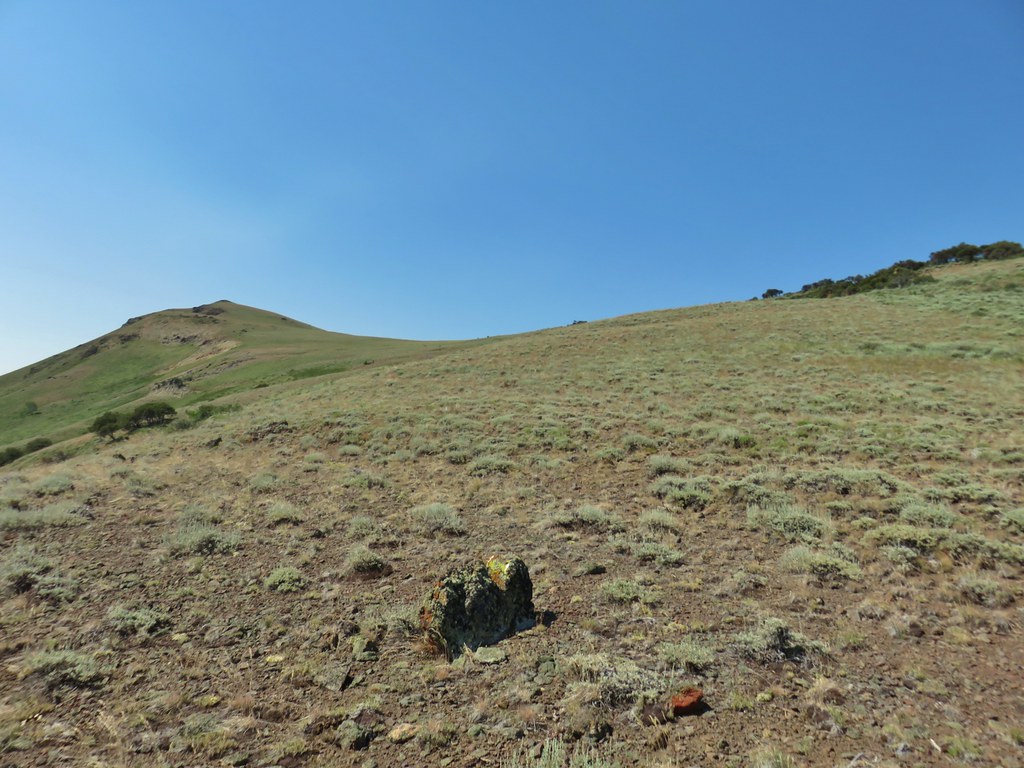 High Point is the peak ahead.
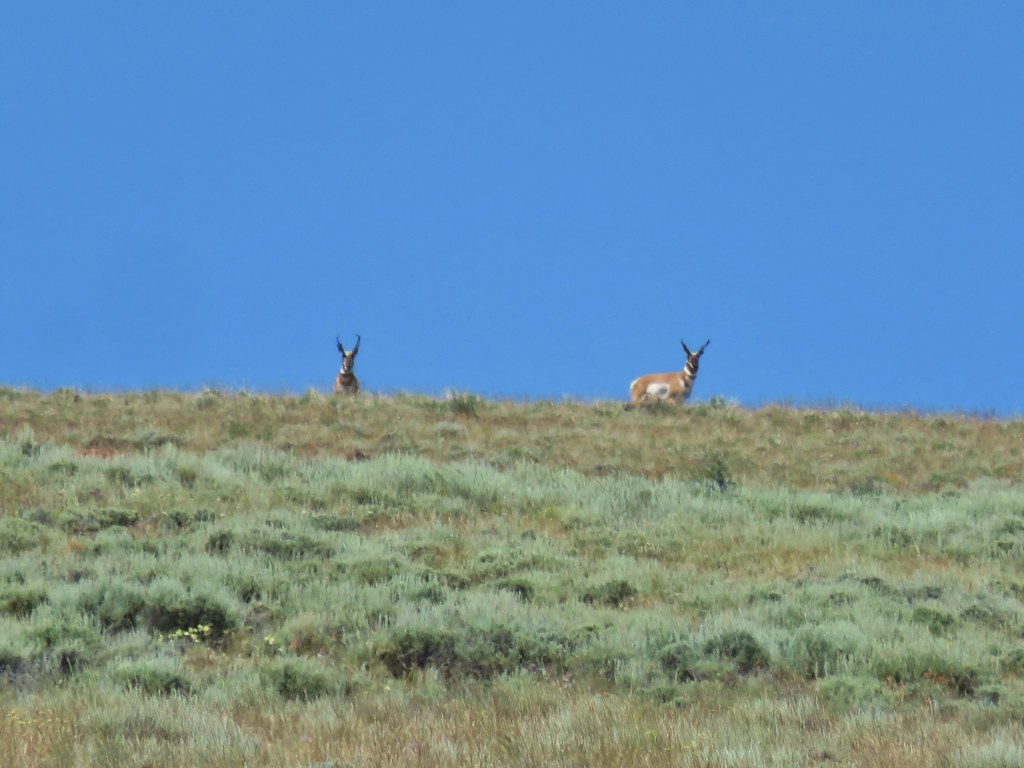
 DeGarmo Notch
 Paintbrush
 We had to drop under this.
 Warner Peak is straight ahead with a tower on top beyond the line of trees in the distance.
 Barnhardi Basin getting further away.
 Looking back toward DeGarmo Notch.
 We first aimed for the the small rock outcrop beyond High Point then bent to the right to pass the larger rock outcrop before climbing up to the trees in the distance.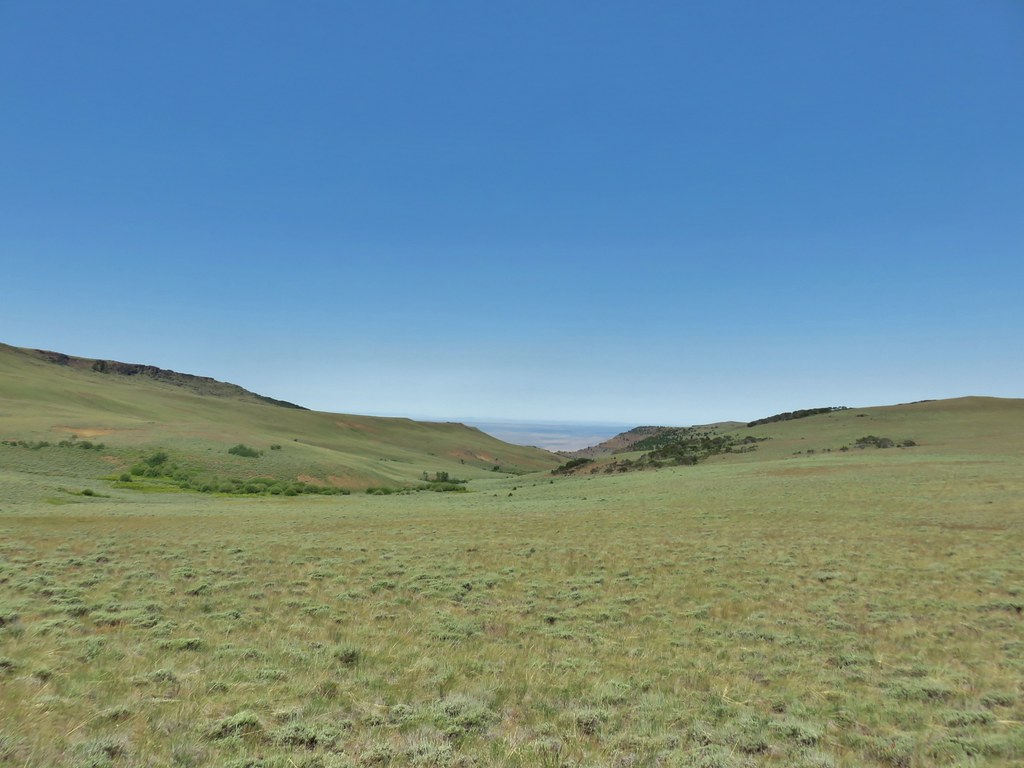
 Made it past the first outcrop and heading for the right side of the second.
 At the second outcrop.

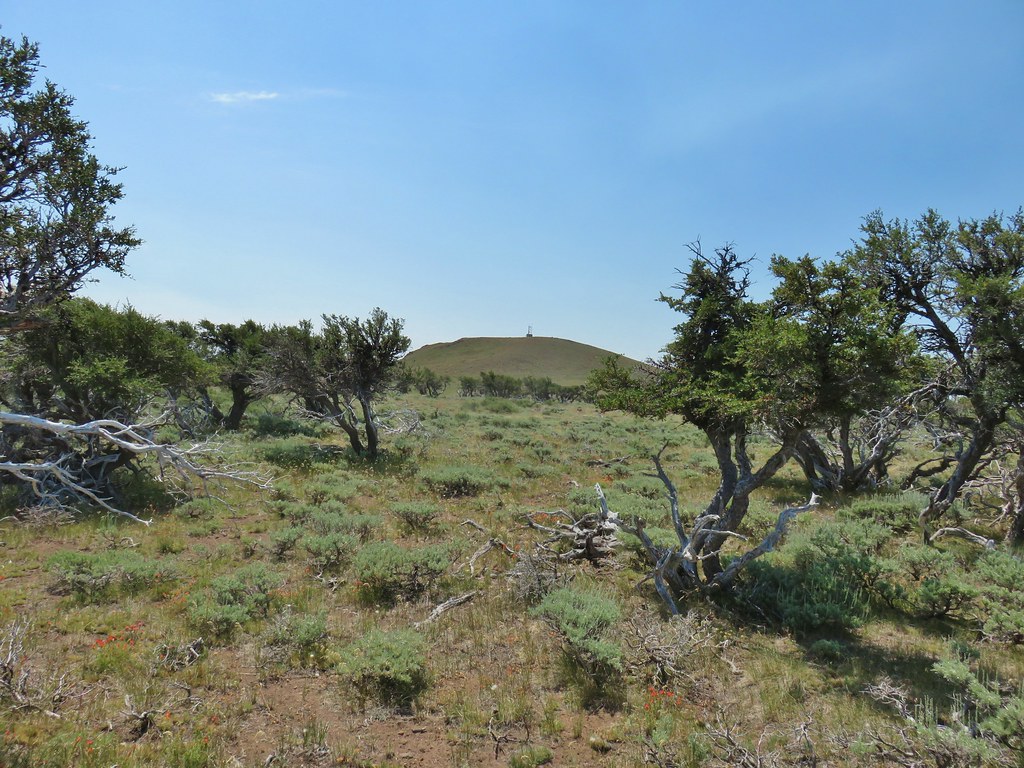

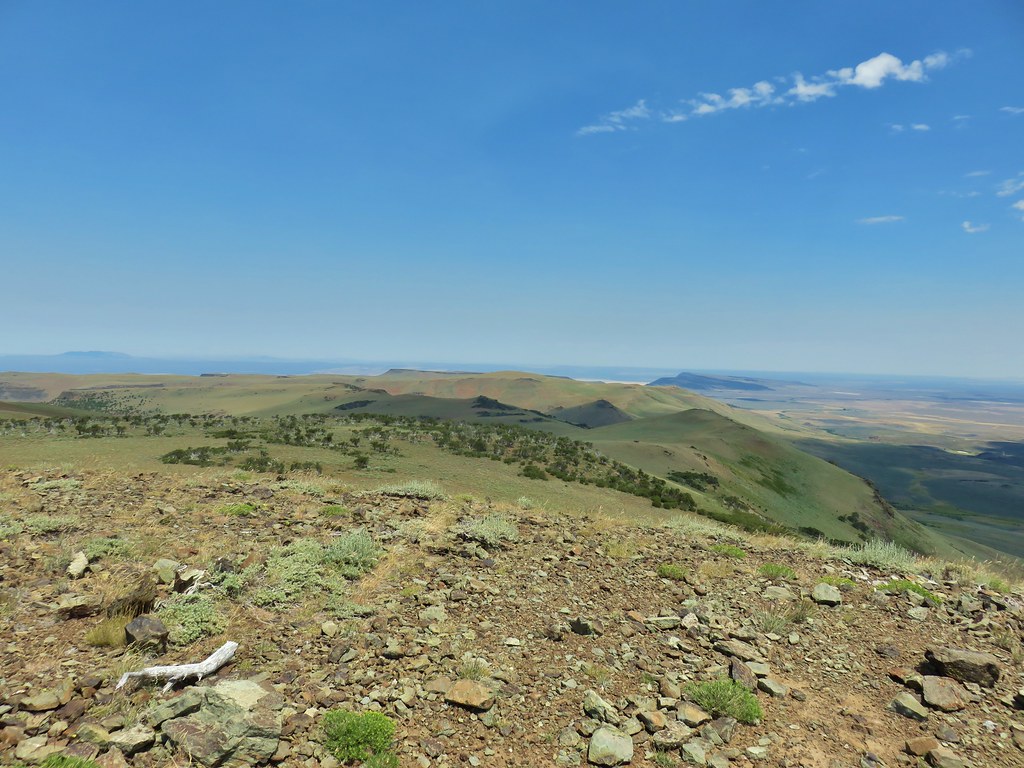 The white patch in the distance to the right just beyond the shadow is the parking area.
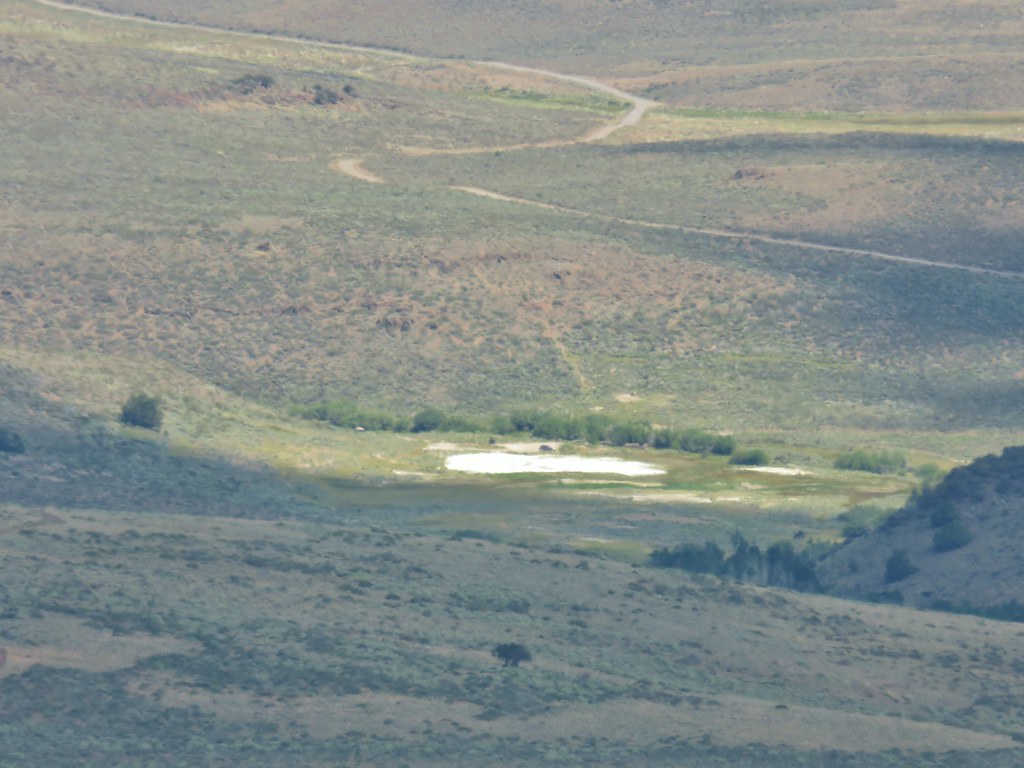 Our car was still there.
 View south over Hart Mountain.
 SW to Drake Peak with part of Hart Lake visible below the cliffs.
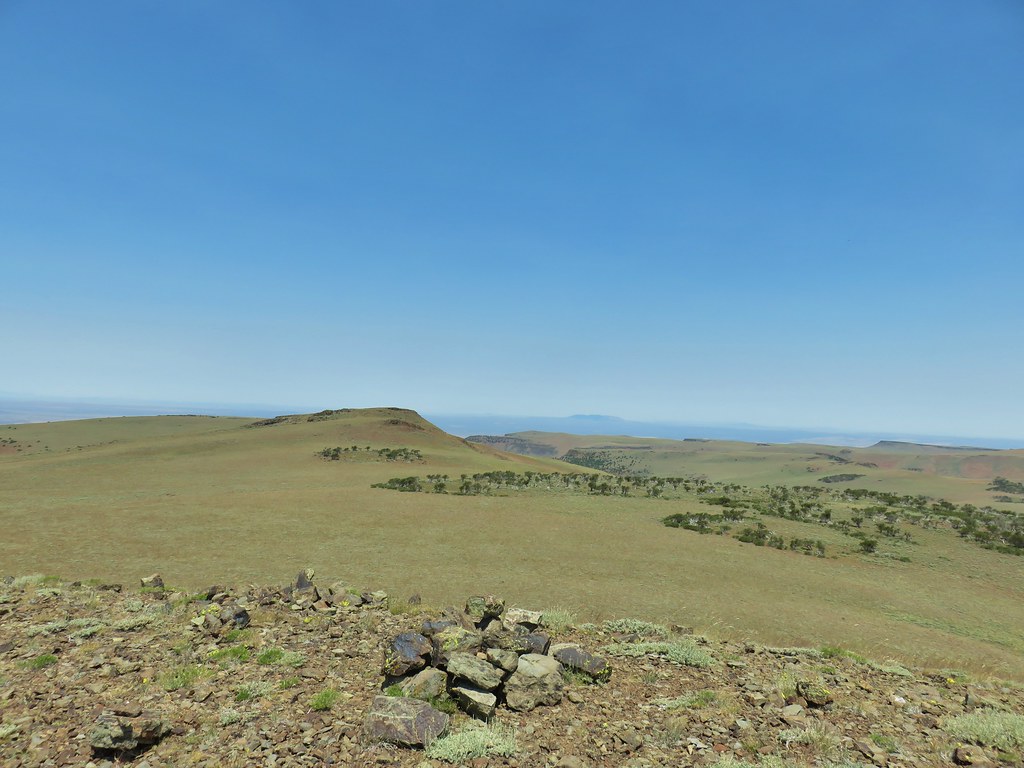 Looking north toward Juniper Mountain.
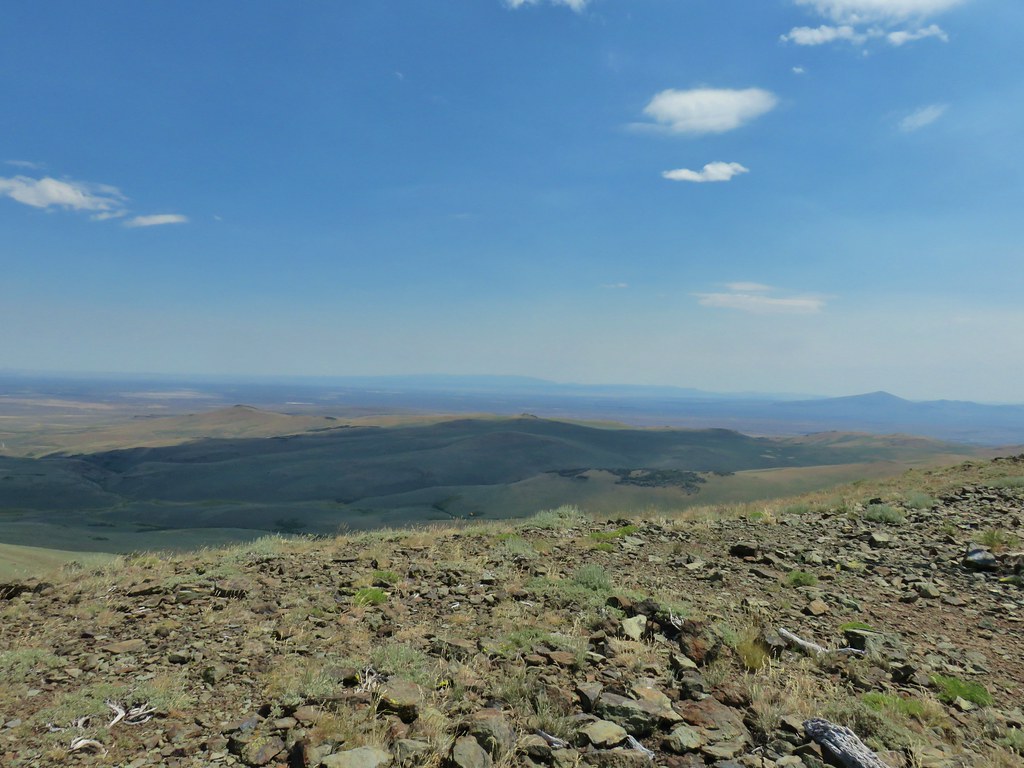 East toward Steens Mountain
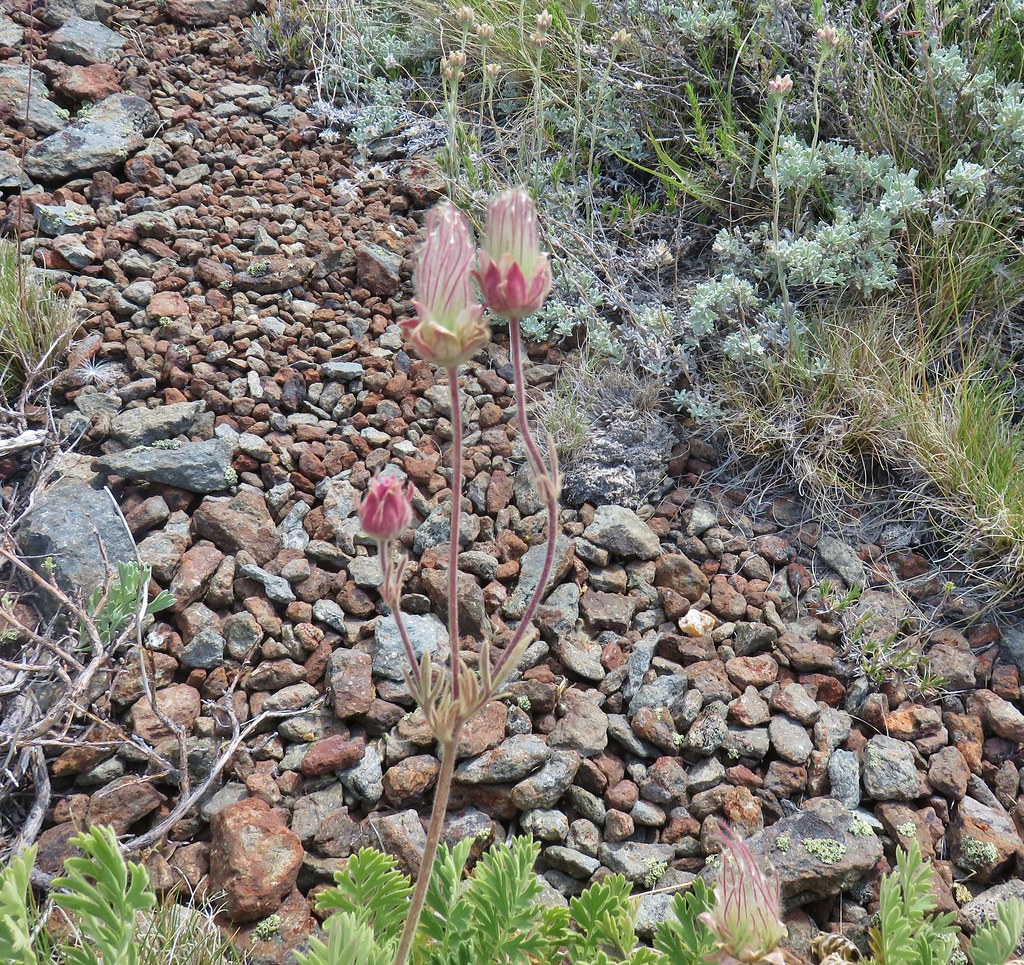 Prairie smoke
 Balloon pod milk vetch
 Paintbrush
 Lupine
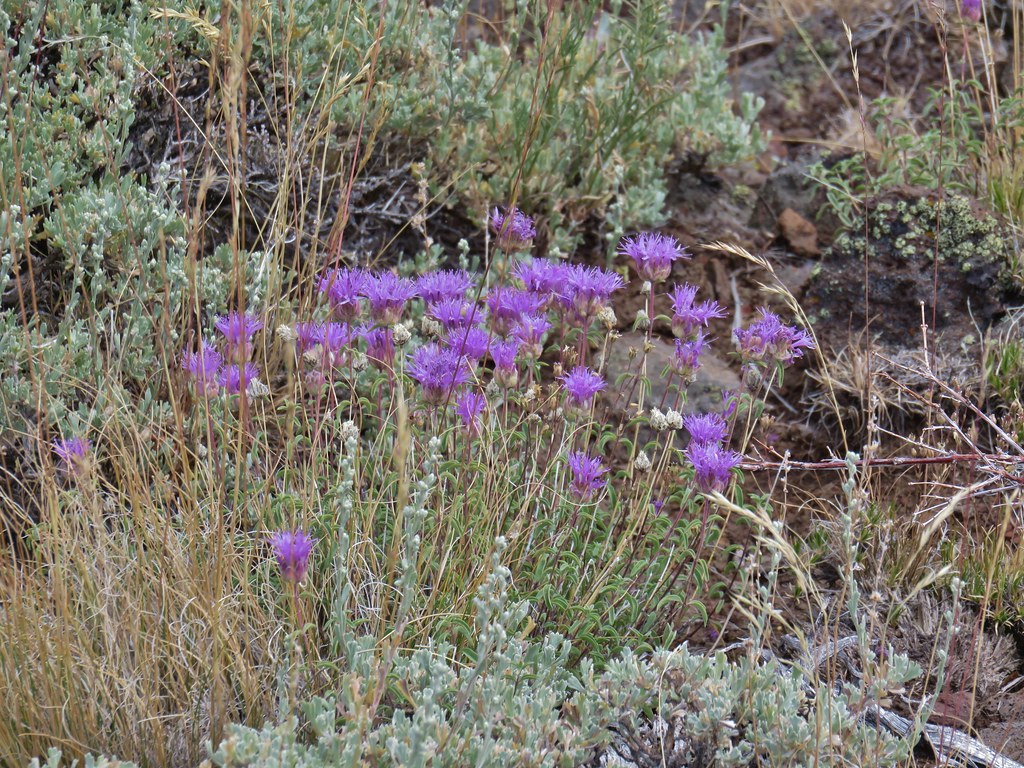 Mountain coyote mint
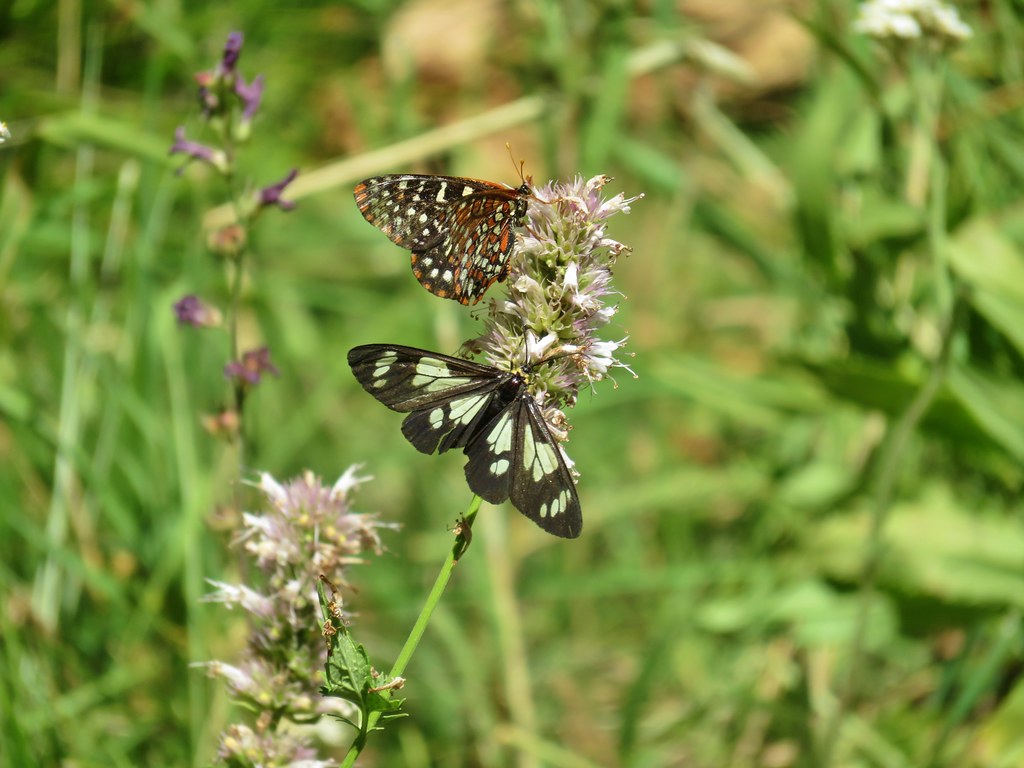
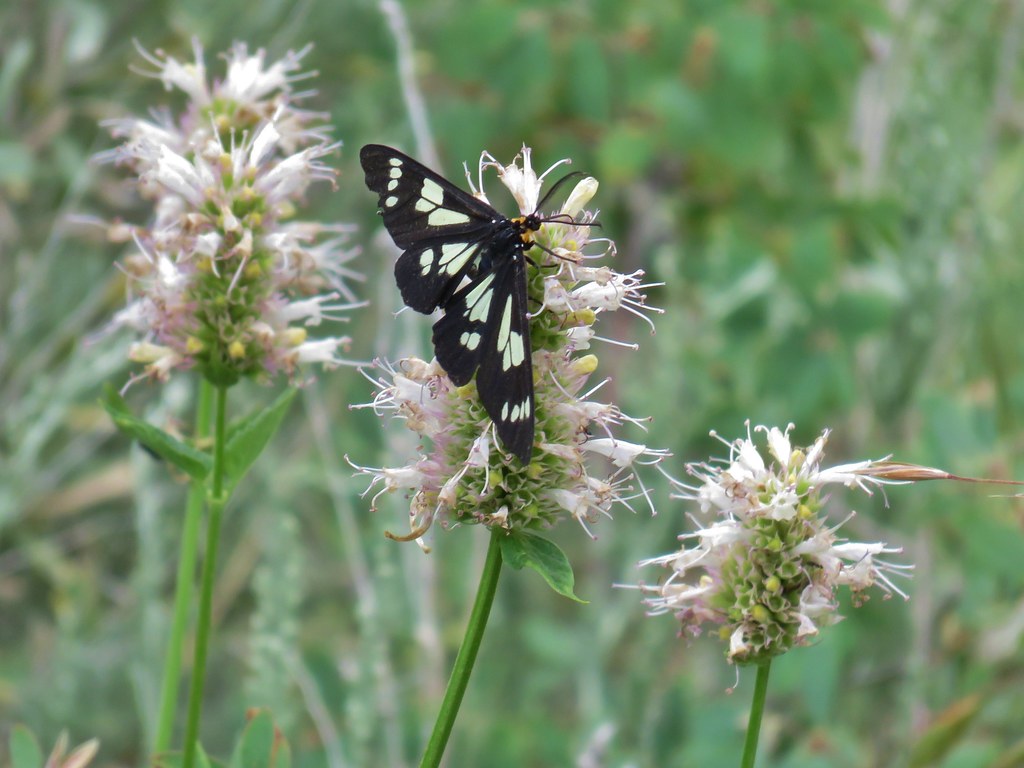 Police car moth on hyssop


 Butterflies on rabbitbrush
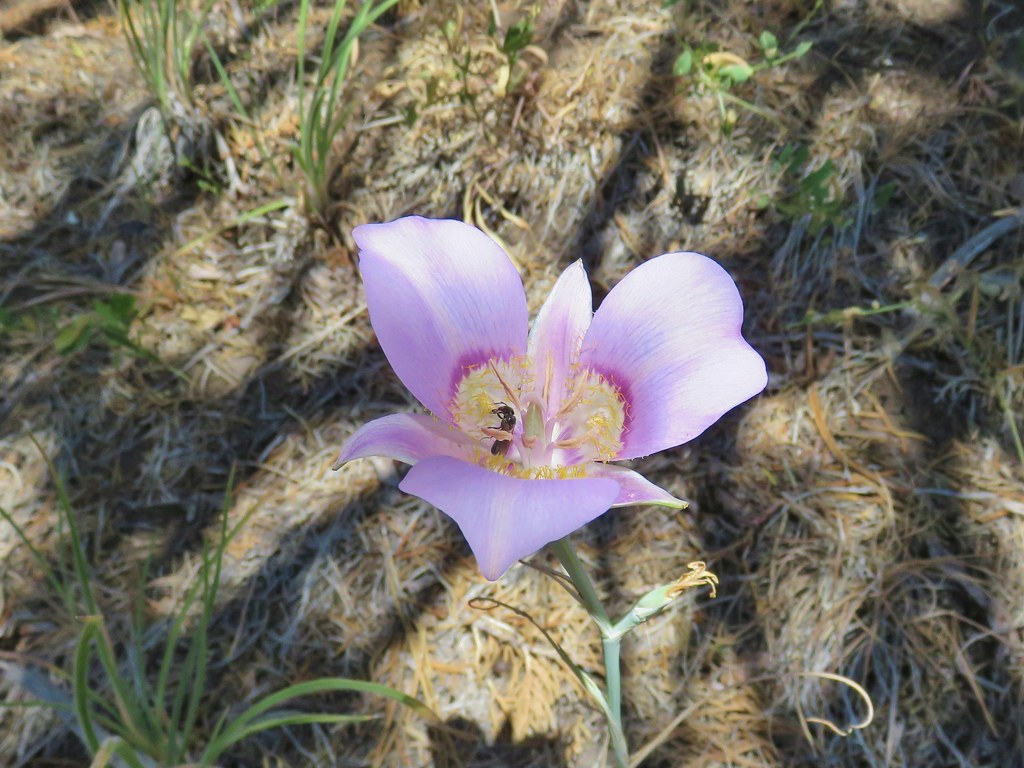
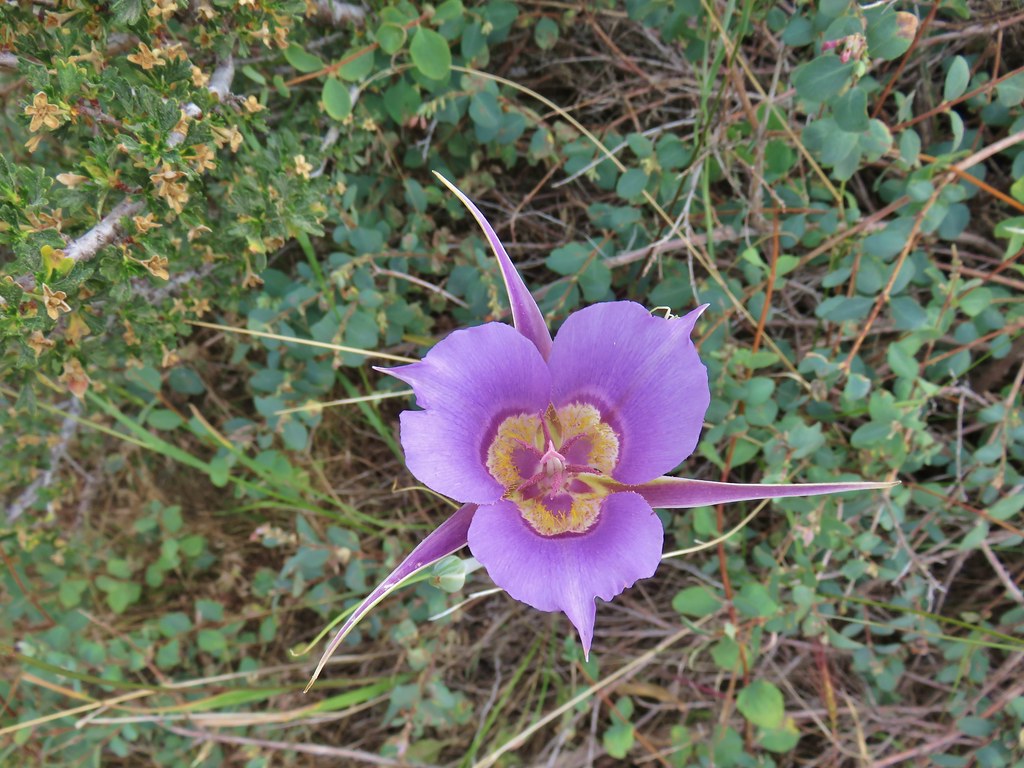 Sagebrush mariposa lily


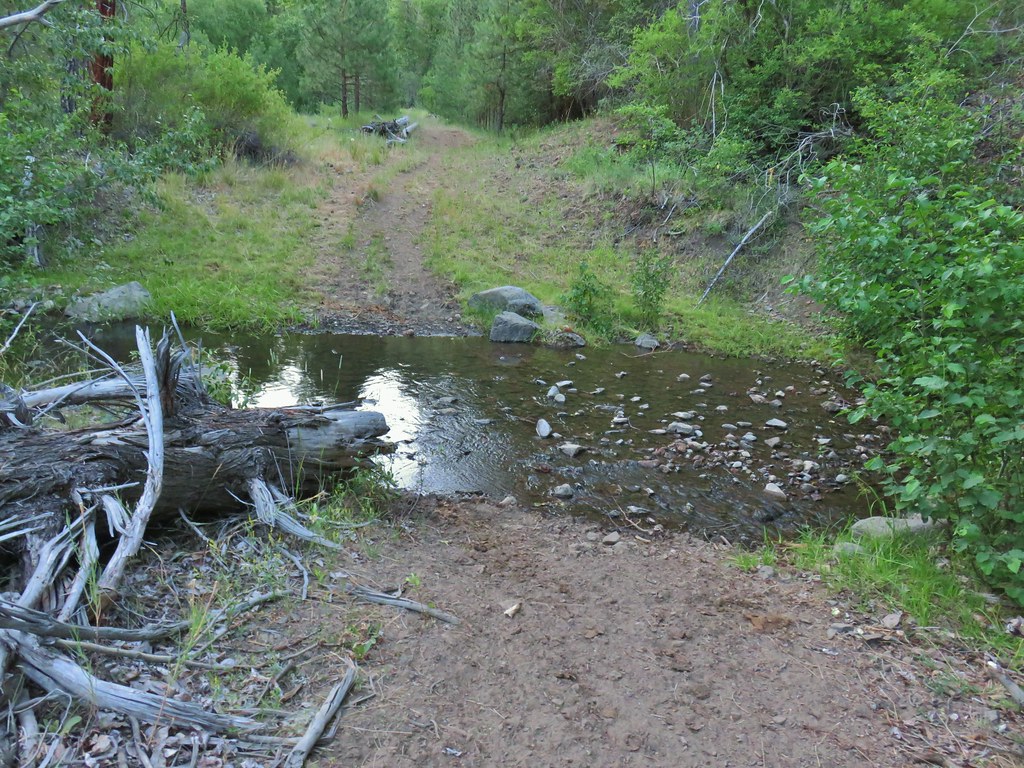
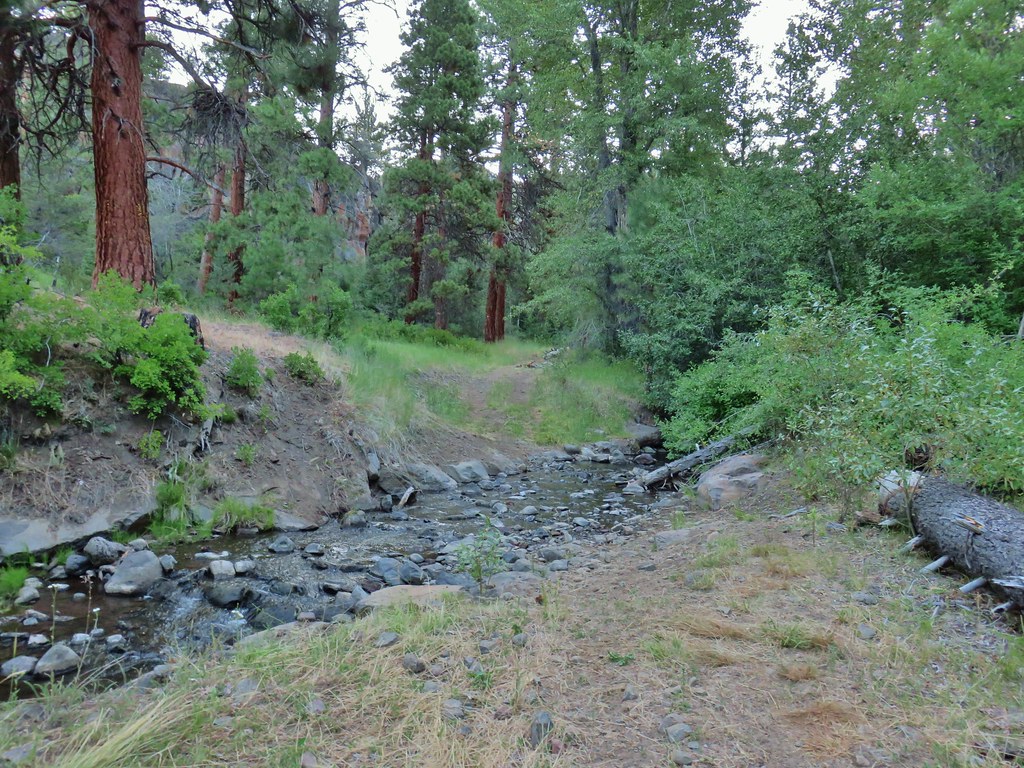
 The trail joining the road after the 3rd creek crossing (picture is from the afternoon).
 Downed post marking the trail to avoid the creek crossings.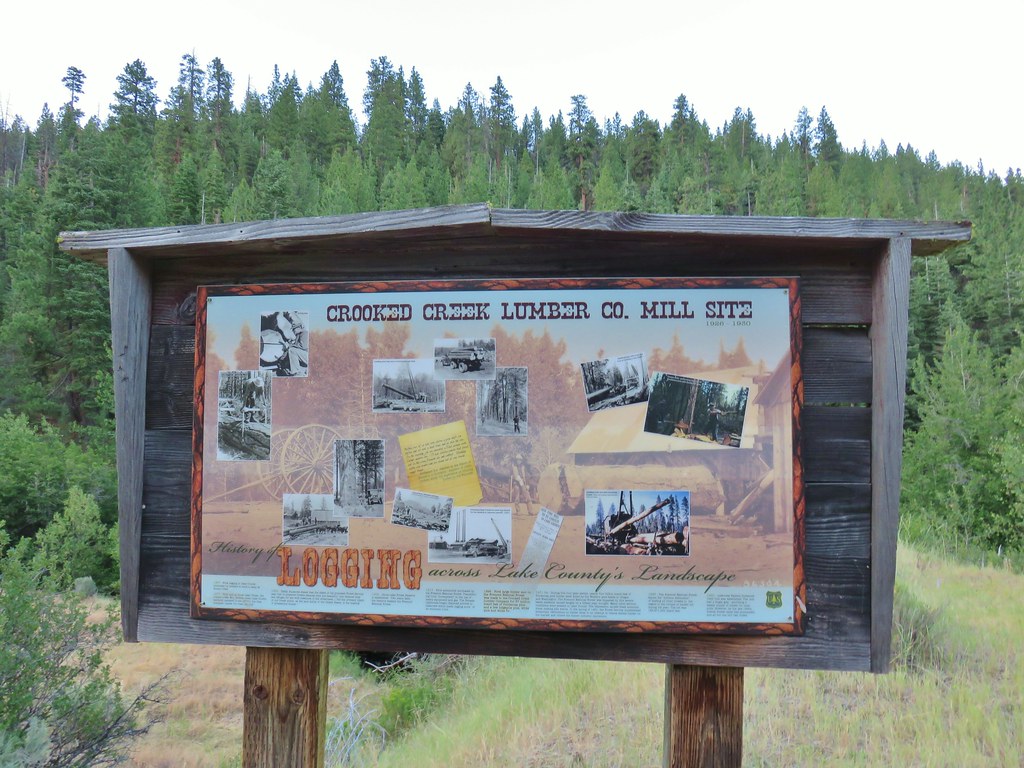

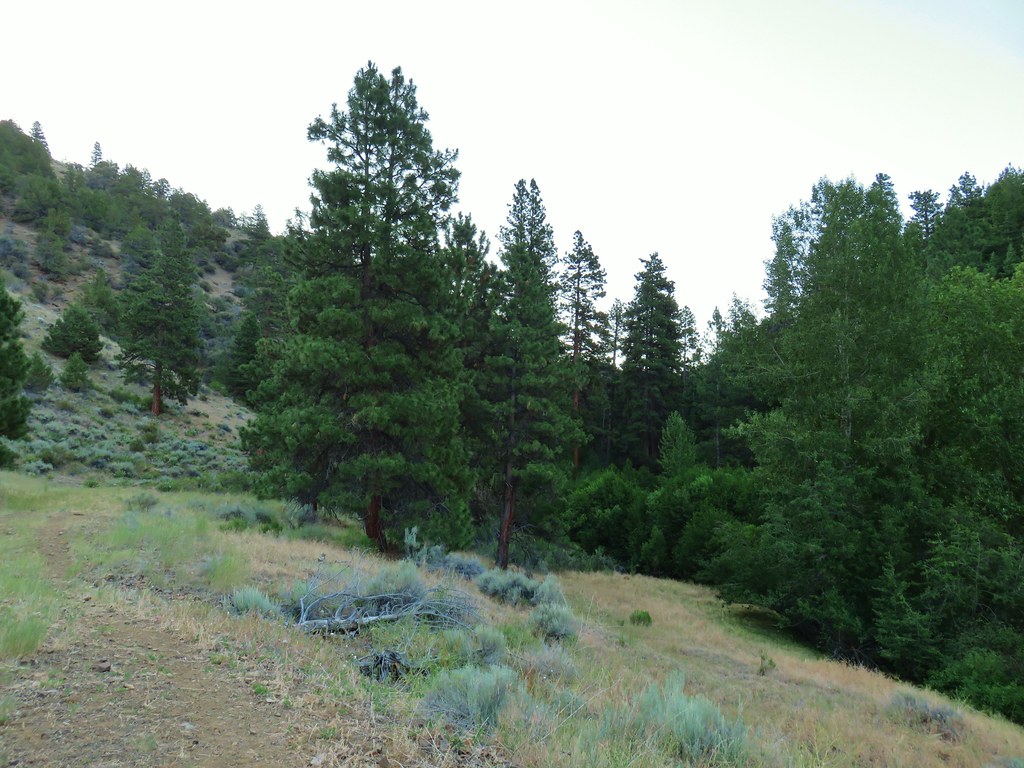
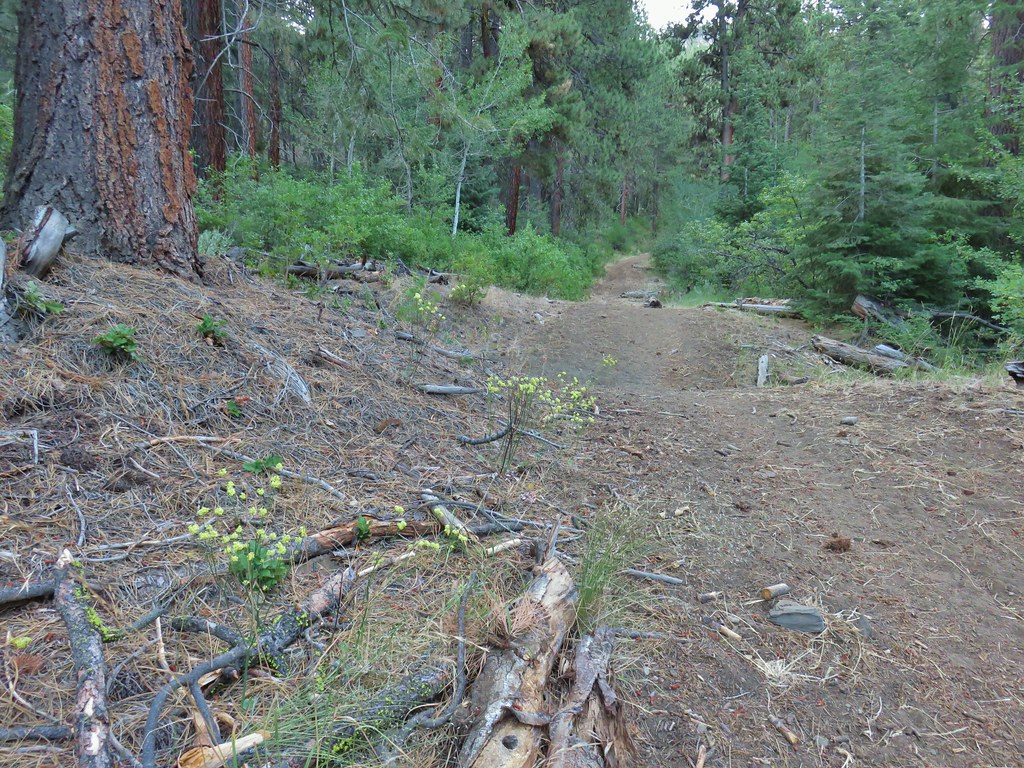 A short stretch where both sides looked similar.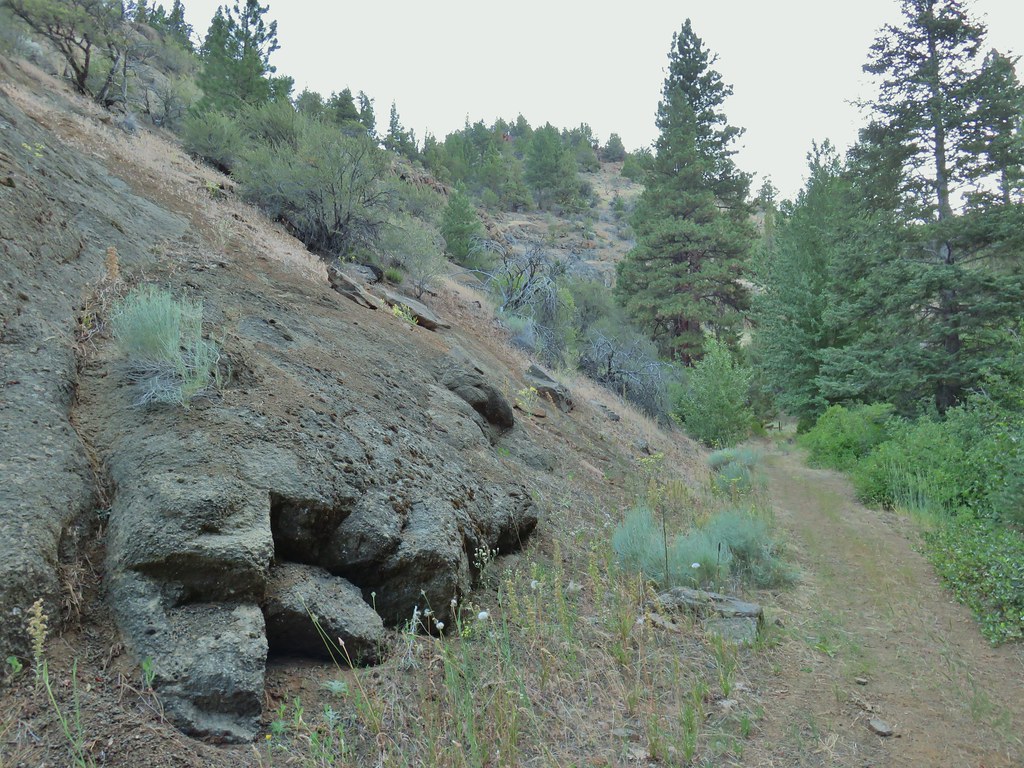
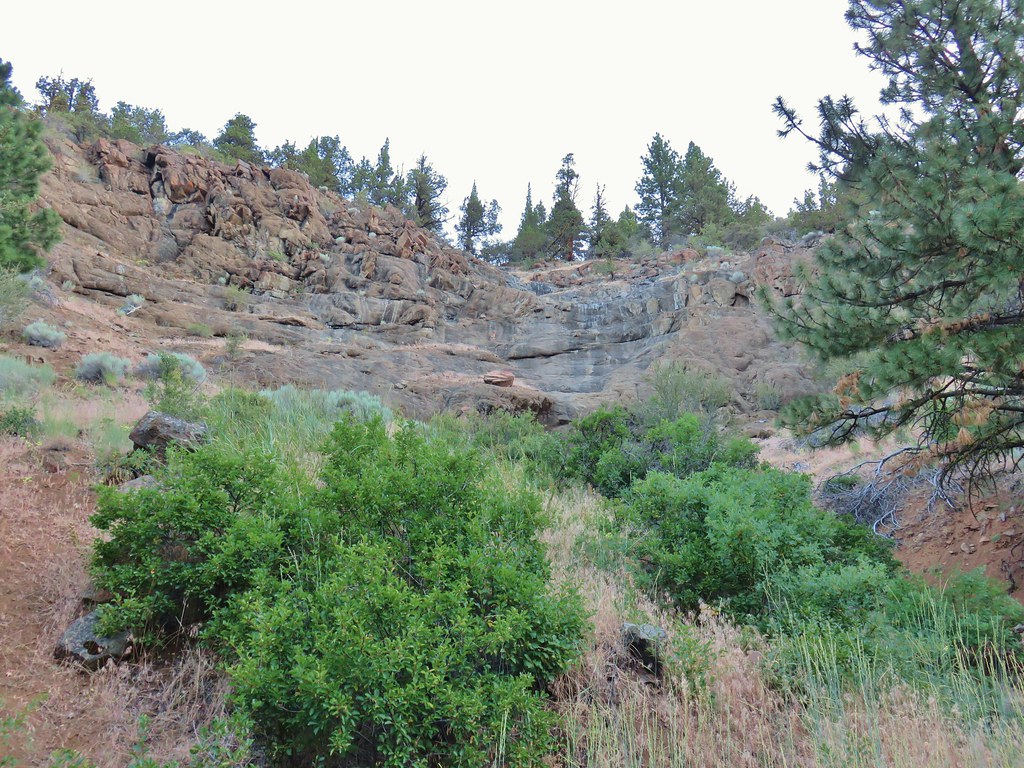 Dry waterfall
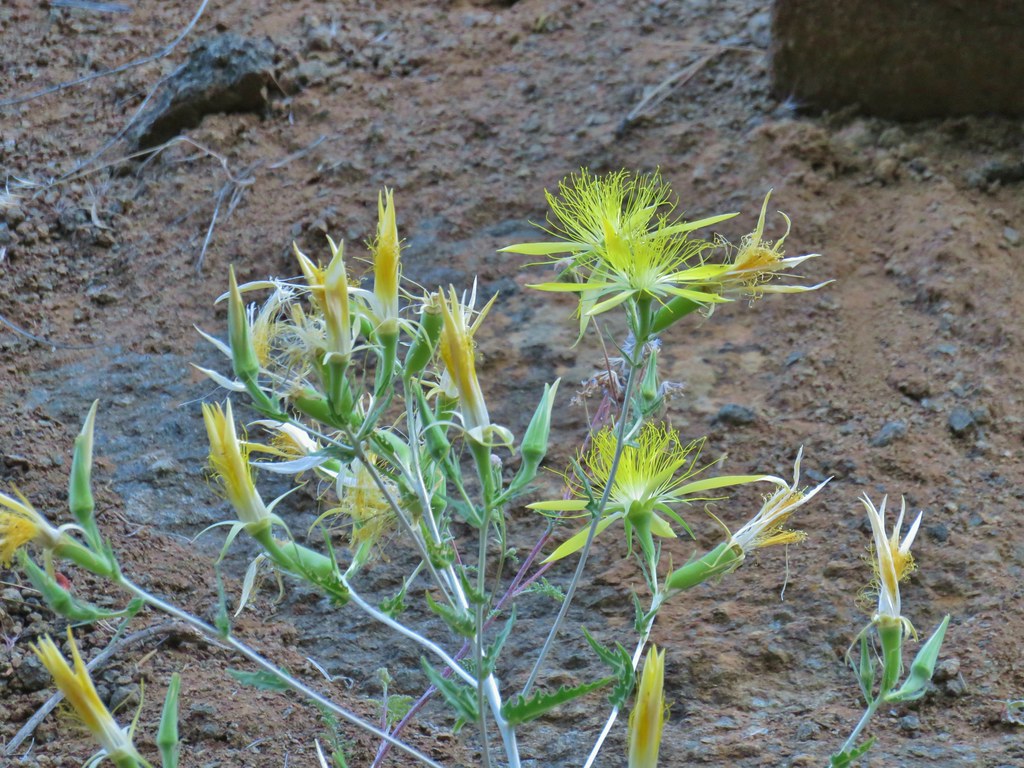 Smooth stemmed blazing star
 Oregon sunshine
 Fireweed
 Butterfly sleeping on yarrow
 Sticky purple geranium
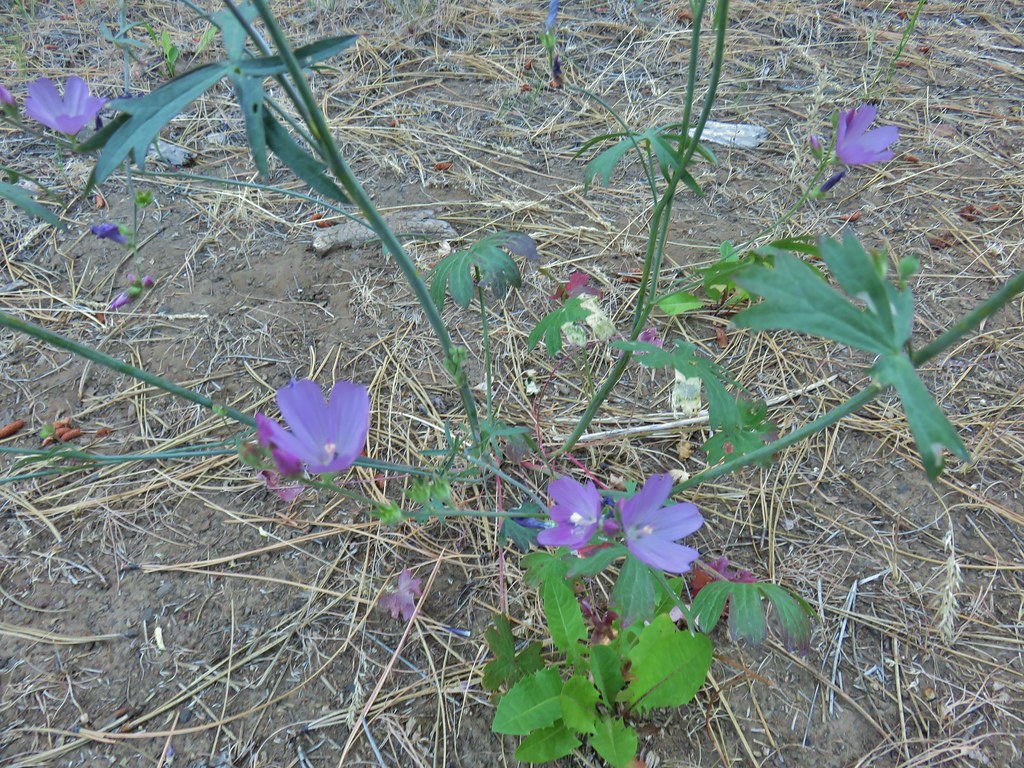 A mallow
 Balsamroot
 Rough eyelashweed
 Various wildflowers along the road bed.
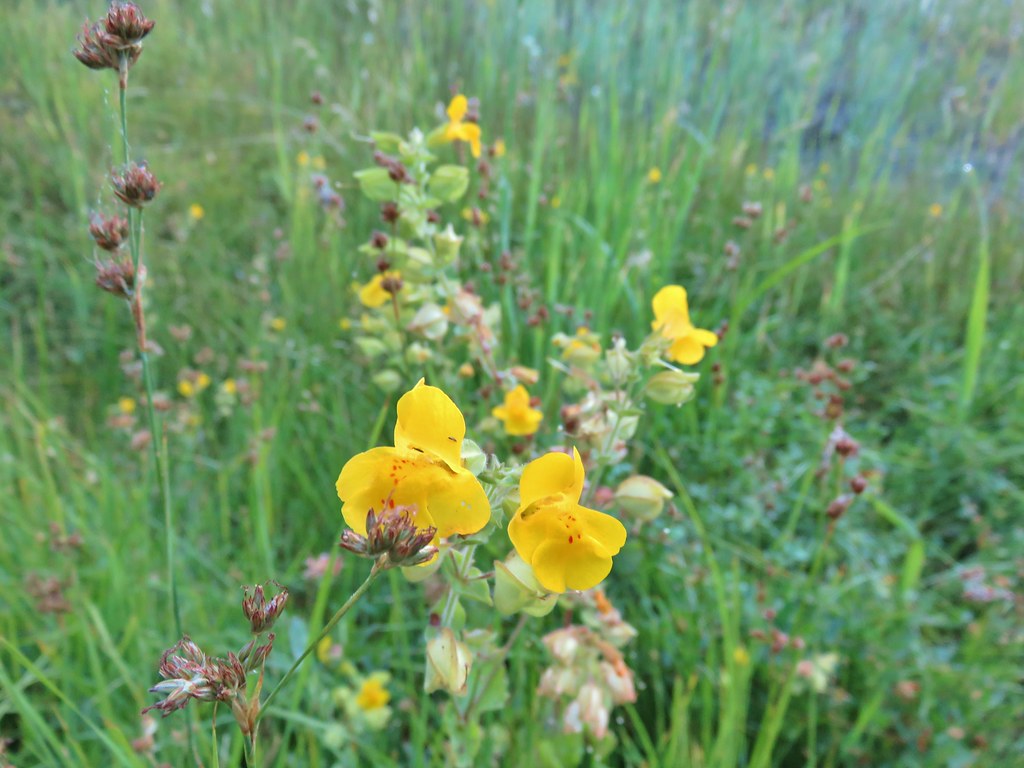 Monkeyflower
 White triteleia

 Piles from thinning while we were searching for the trail.
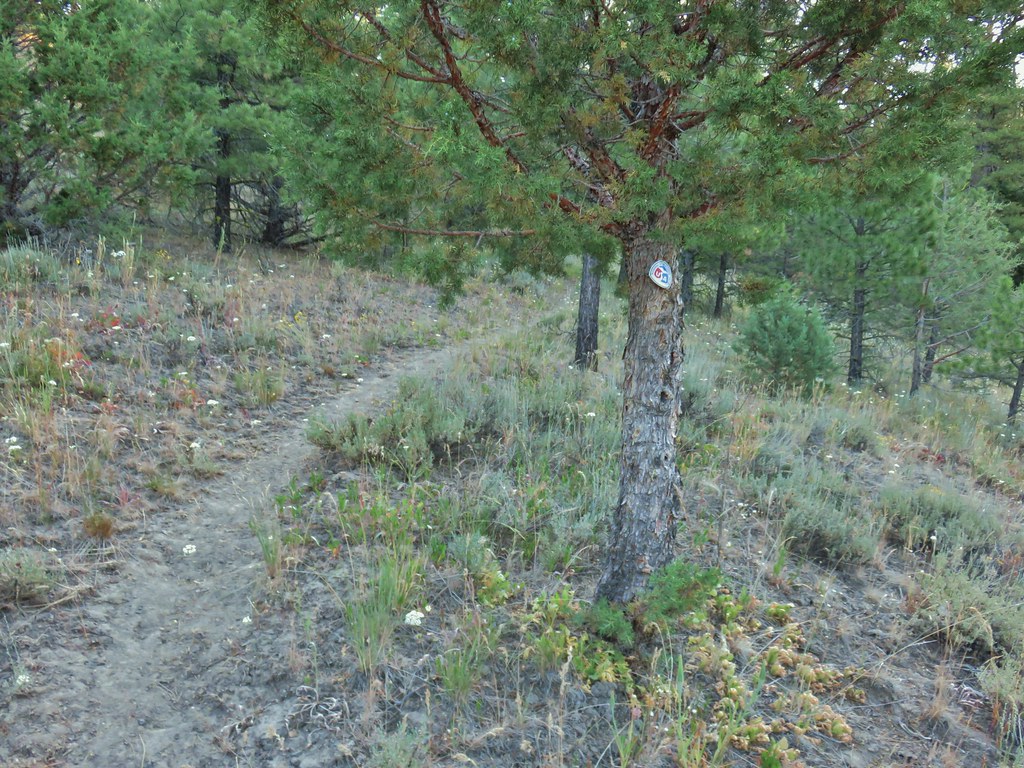 Marker on a juniper heading away from Crooked Creek.
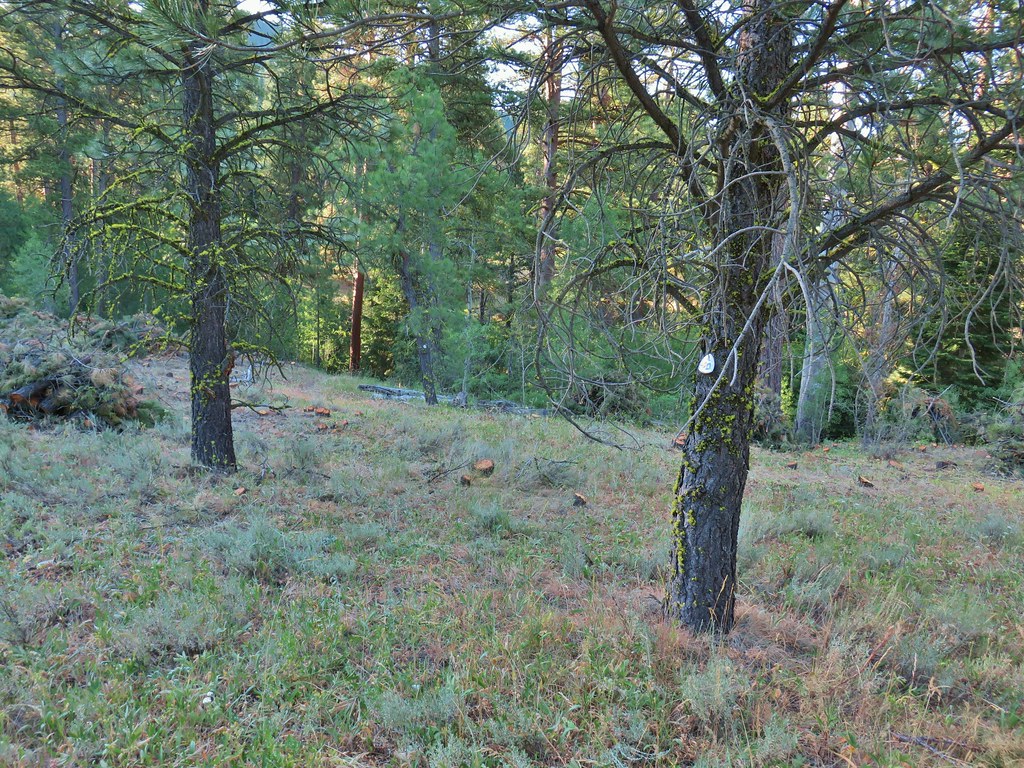 Markers on seemingly random trees.
 Big Cove Creek crossing.
 Crooked Creek crossing near the old trailhead.
 Sagebrush mariposa lily
 Checker mallows
 A wetter meadow
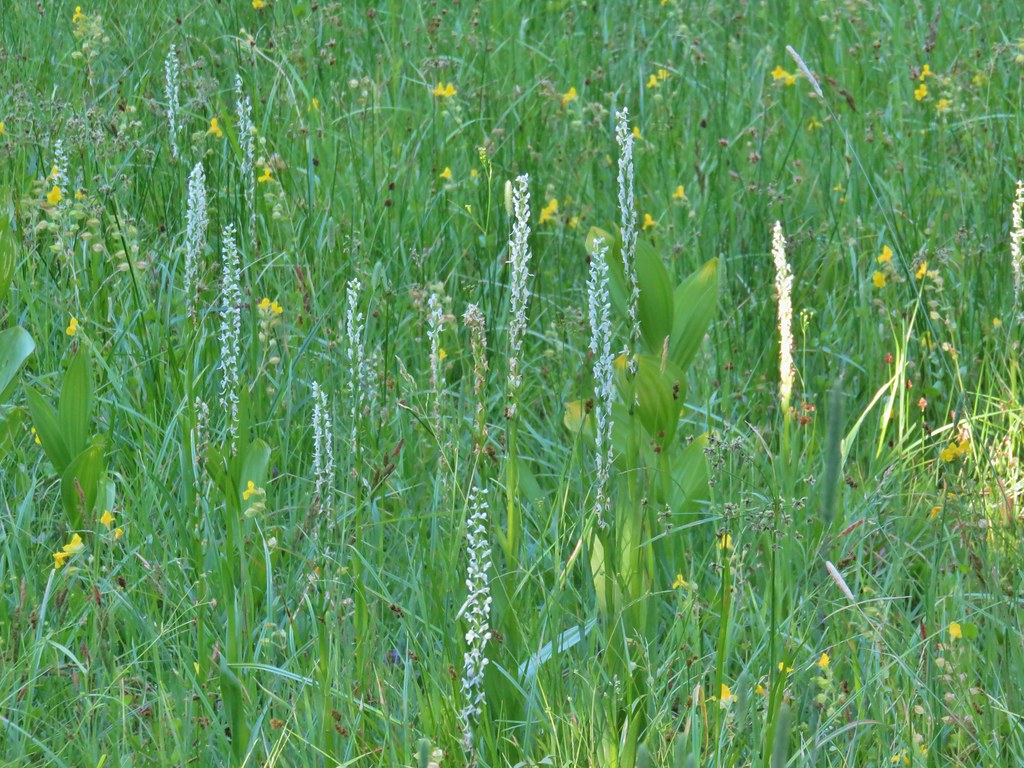 Bog orchids

 Blurry doe through the trees.

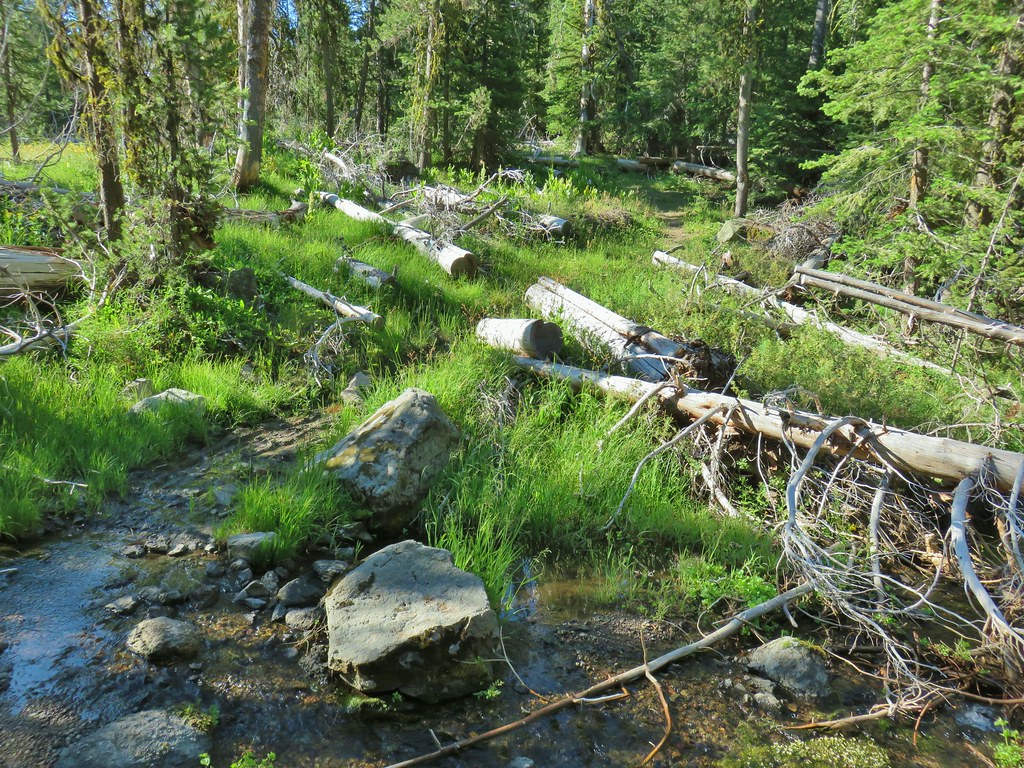
 White water buttercups

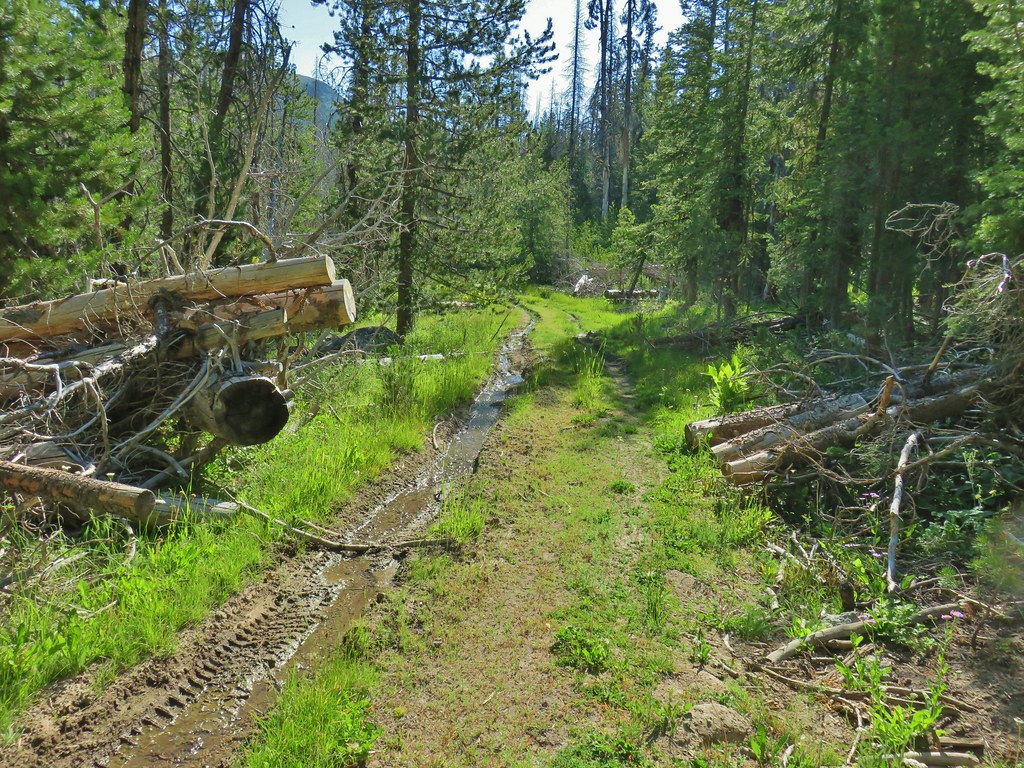


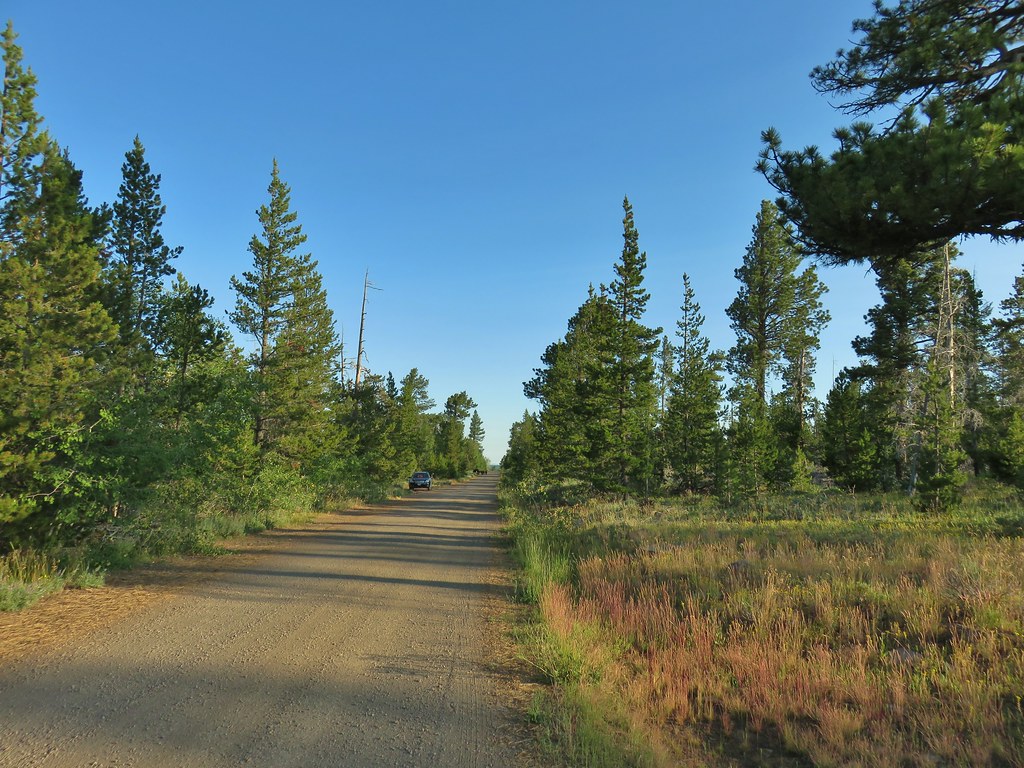
 FR 3615
 The trailhead.
 Trailhead host
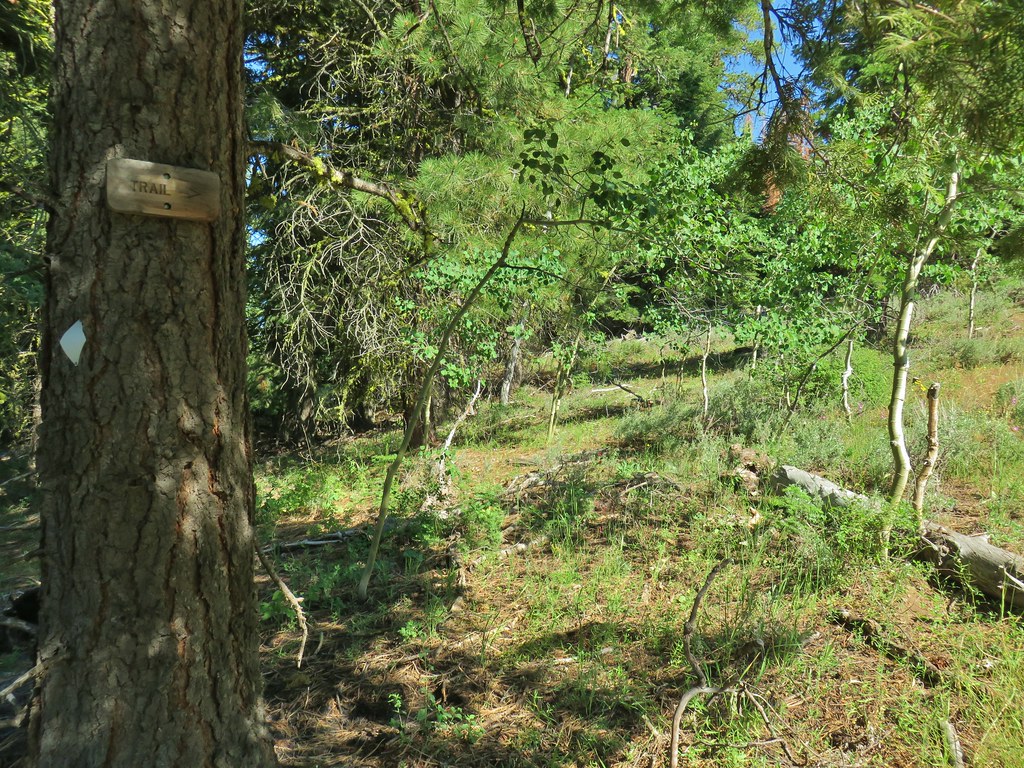
 Fremont Trail on the left.
 Oregon sunshine
 Grand collomia
 Yarrow
 A paintbrush
 Checkermallow and paintbrush
 What had been a Brown’s peony
 Light Peak from Fence Pass
 Drake Peak and Light Peak
 The Drake Peak Lookout which is on Light Peak
 Twelvemile Peak
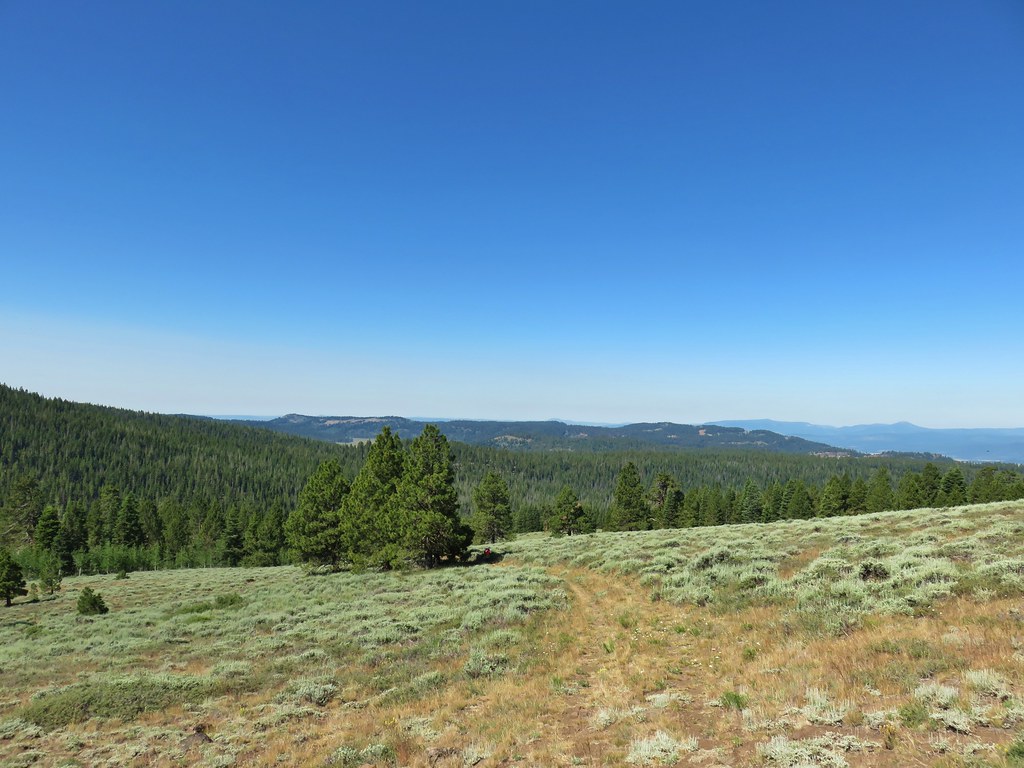 Looking back over our route up.
 Mt. Shasta off to the SW
 Hart Mountain to the SE.





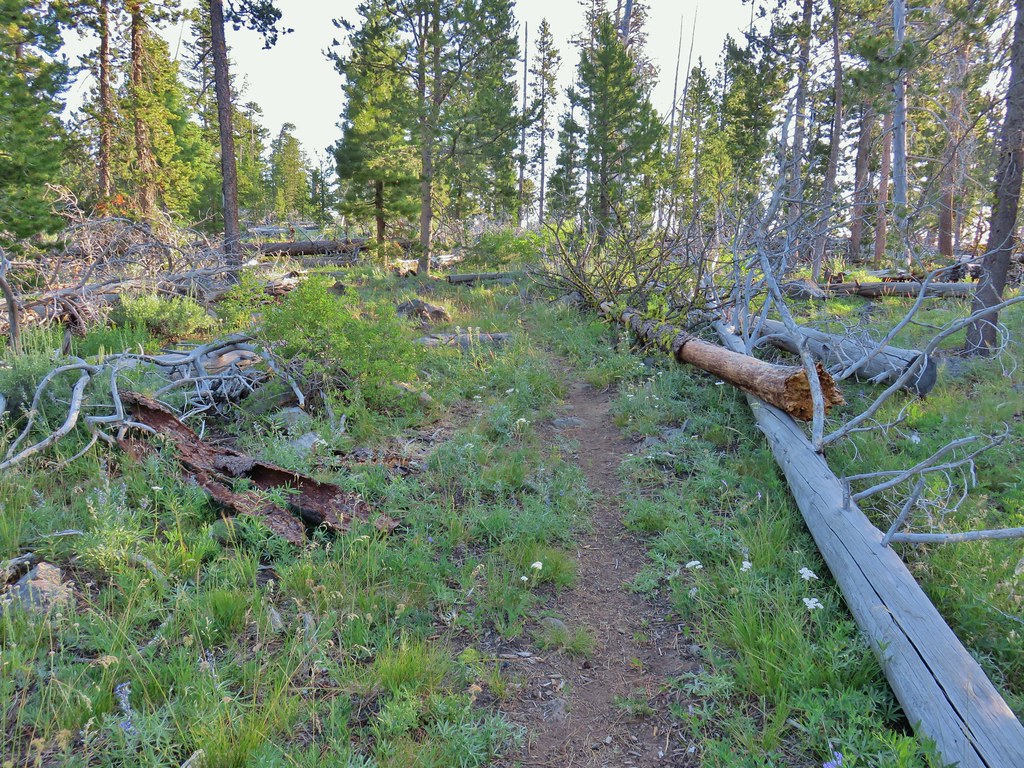
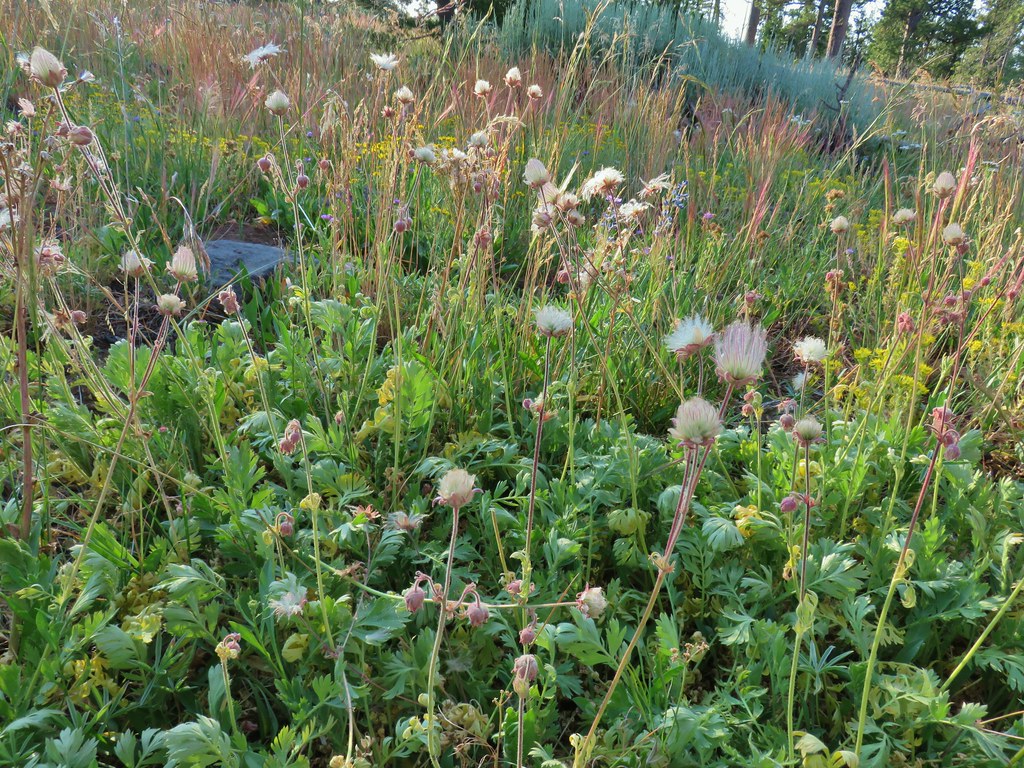 Prairie smoke (old man’s whiskers)
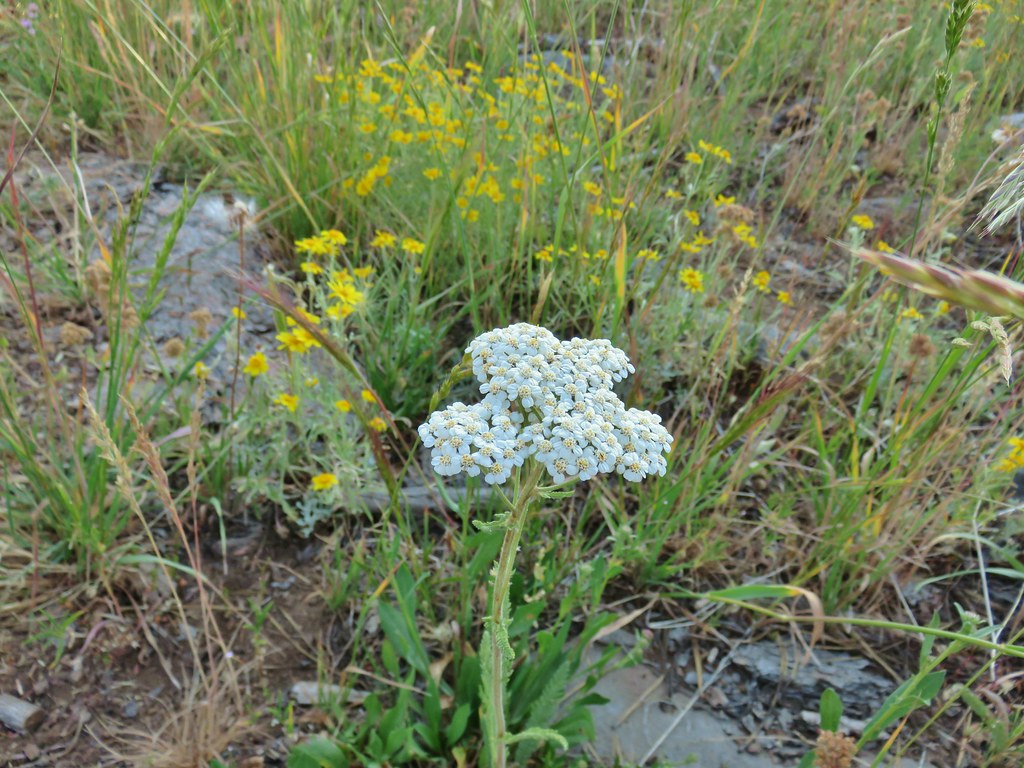 Yarrow and Oregon sunshine
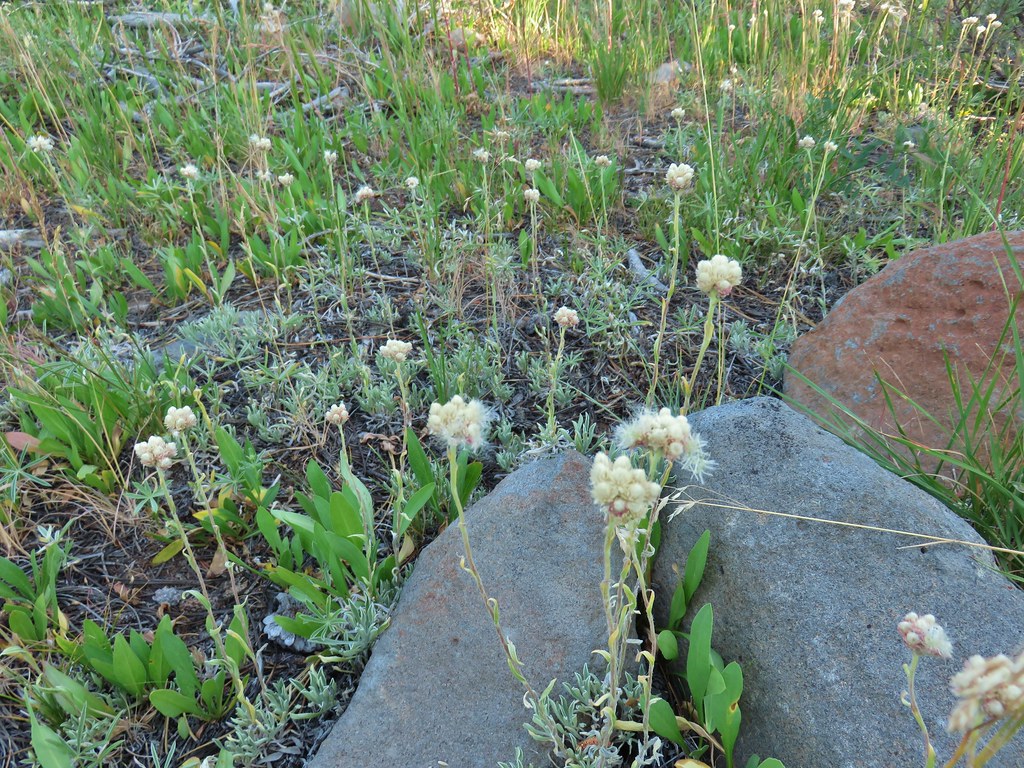 Pussytoes starting to go to seed.
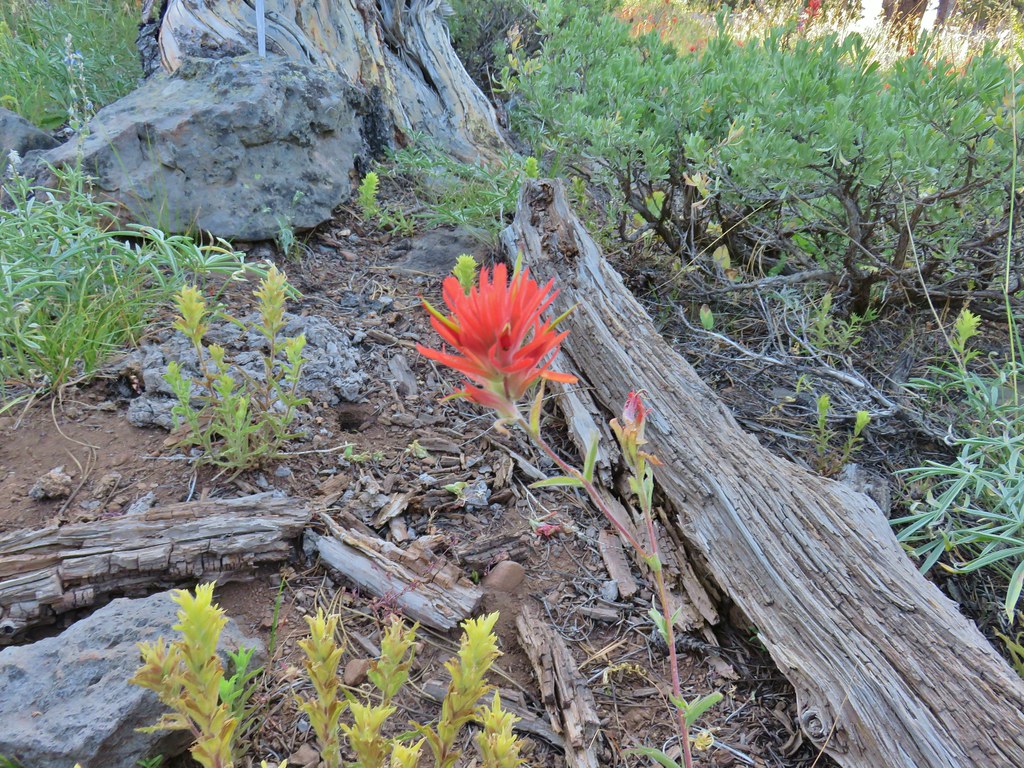 Paintbrushes
 Scarlet gilia
 Lupine
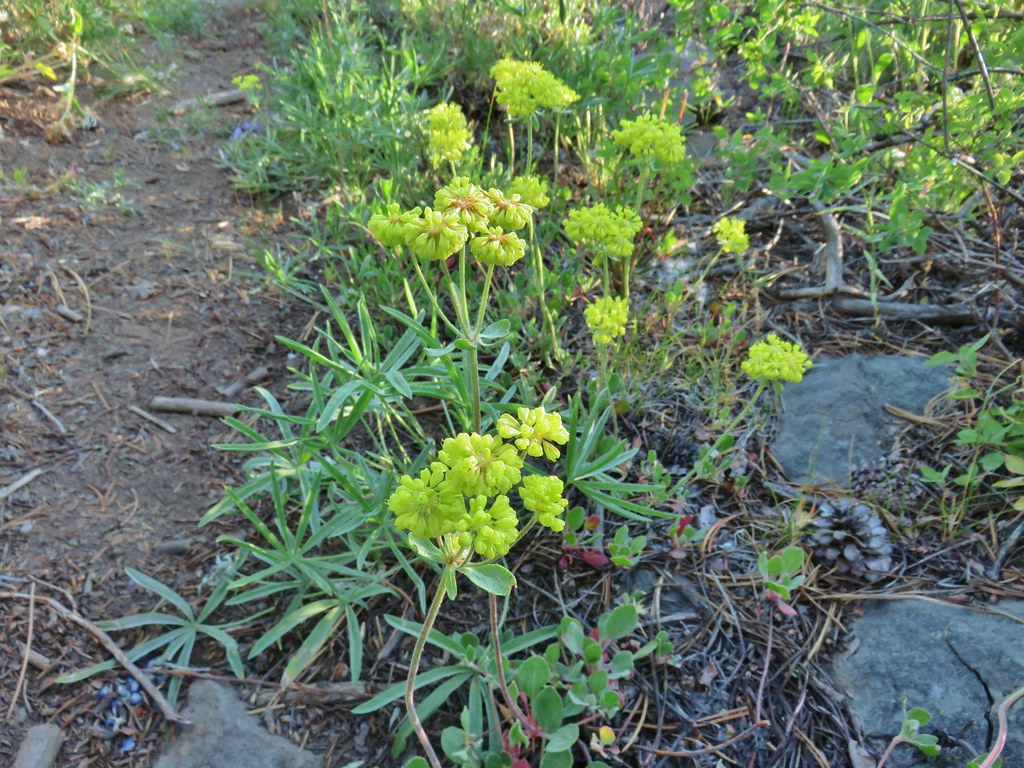 Buckwheat
 Orange agoseris
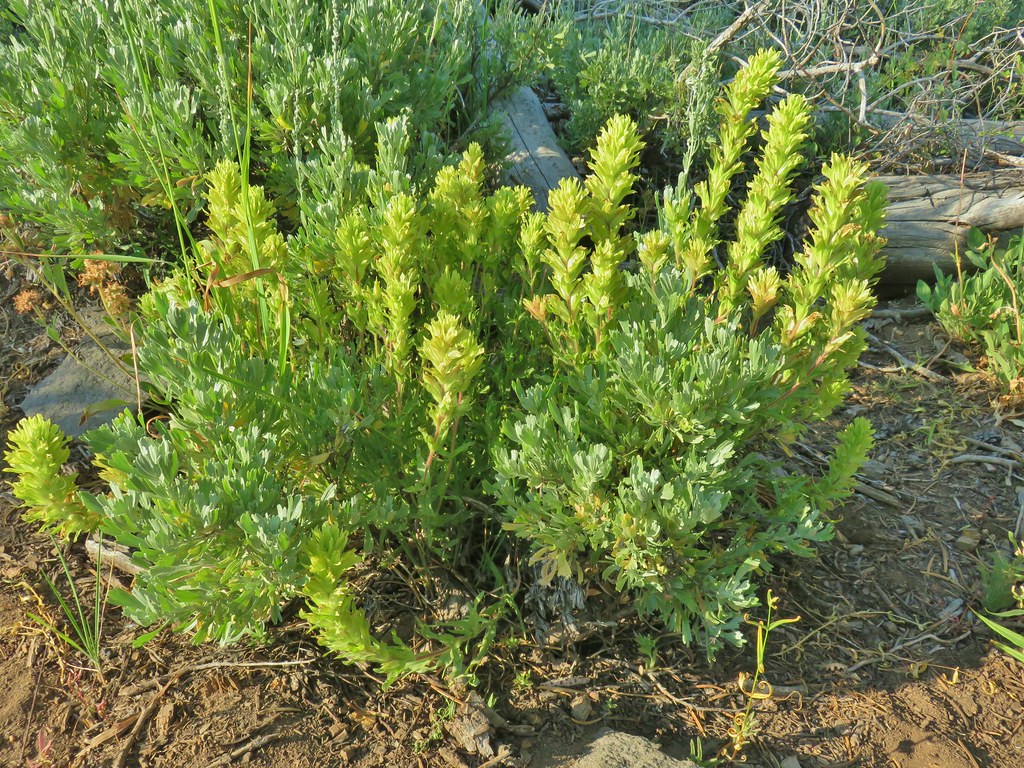 Paintbrush
 Sticky purple geranium
 Sticky sandwort
 Nuttall’s linanthus
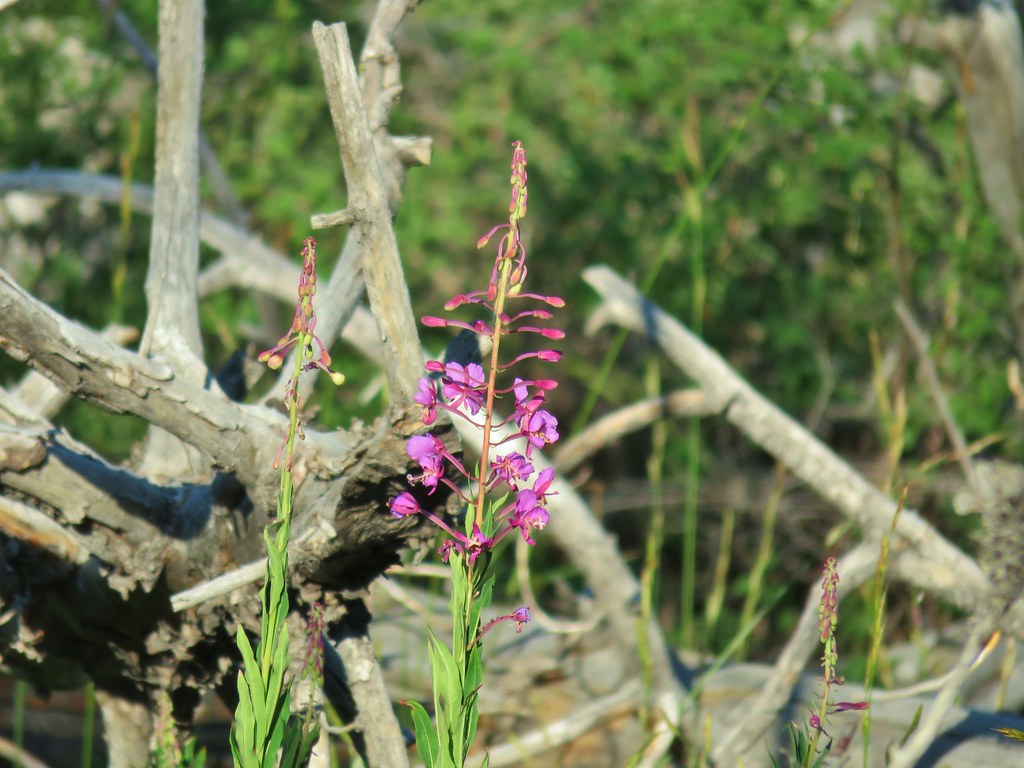 Fireweed
 Hyssop
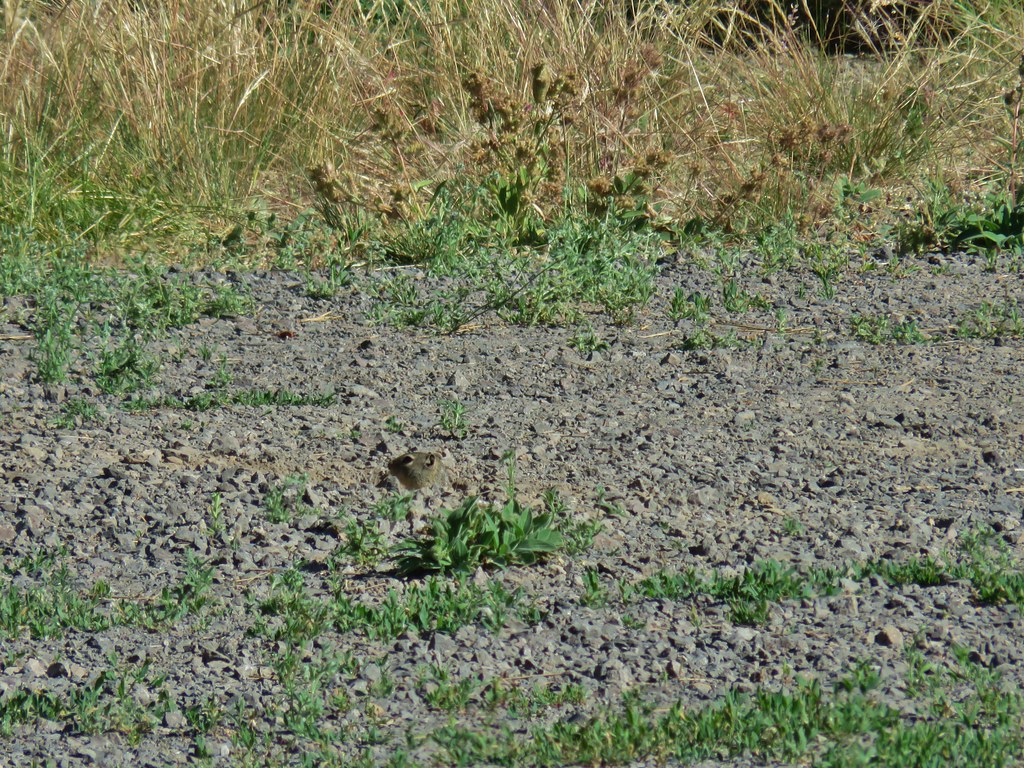
 Golden mantled ground squirrel also enjoying the views.

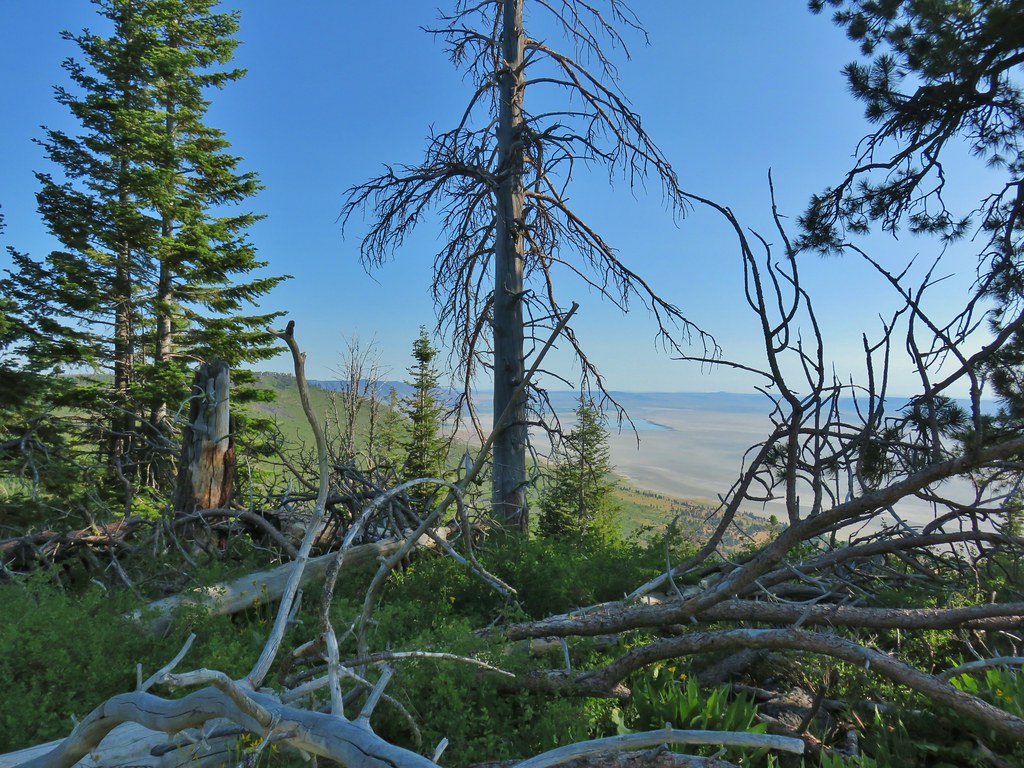 Looking down at Summer Lake
 FR 29 coming up the hillside to the right.
 Woodpecker
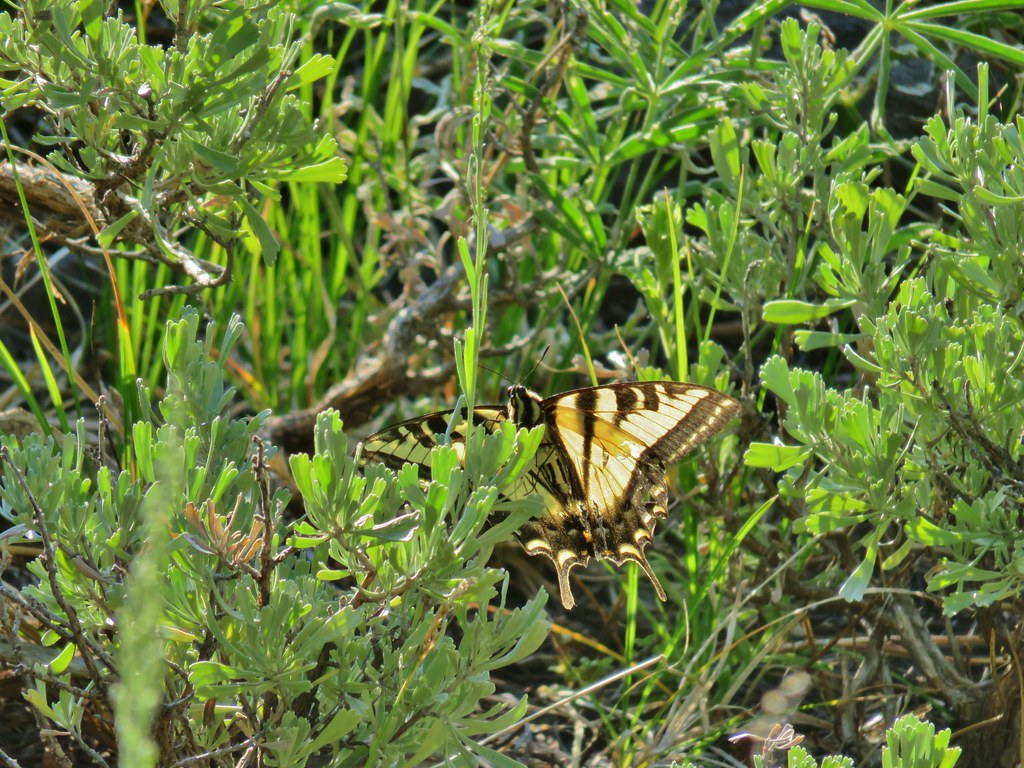 Swallowtail
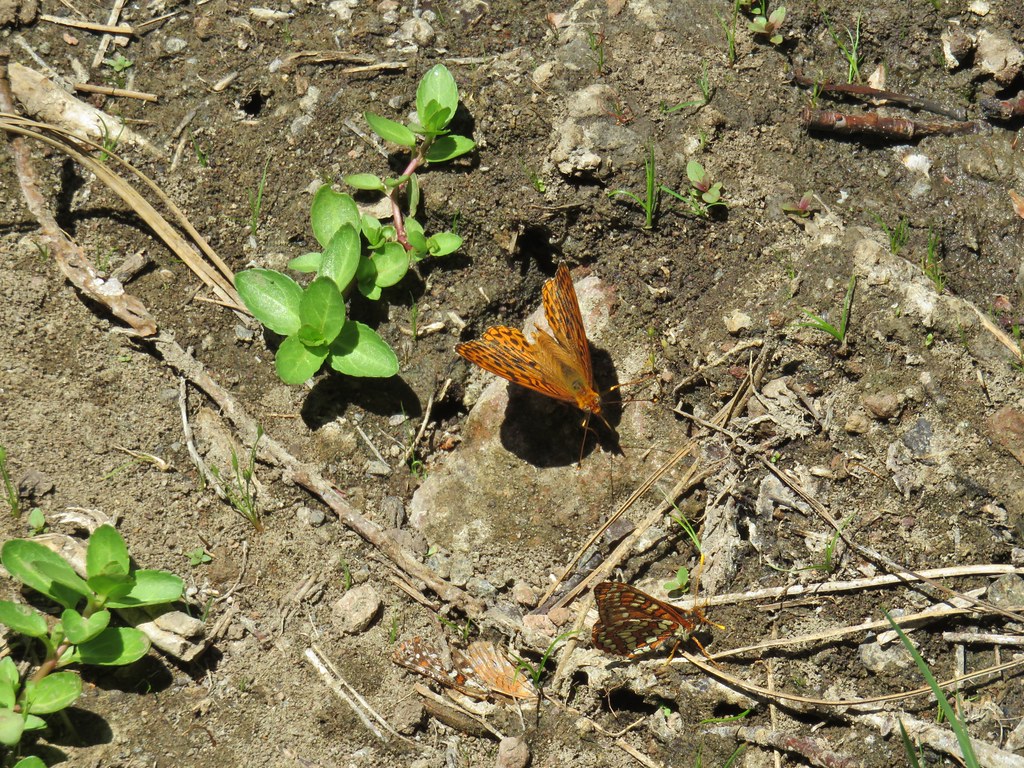
 Fritillary butterfly
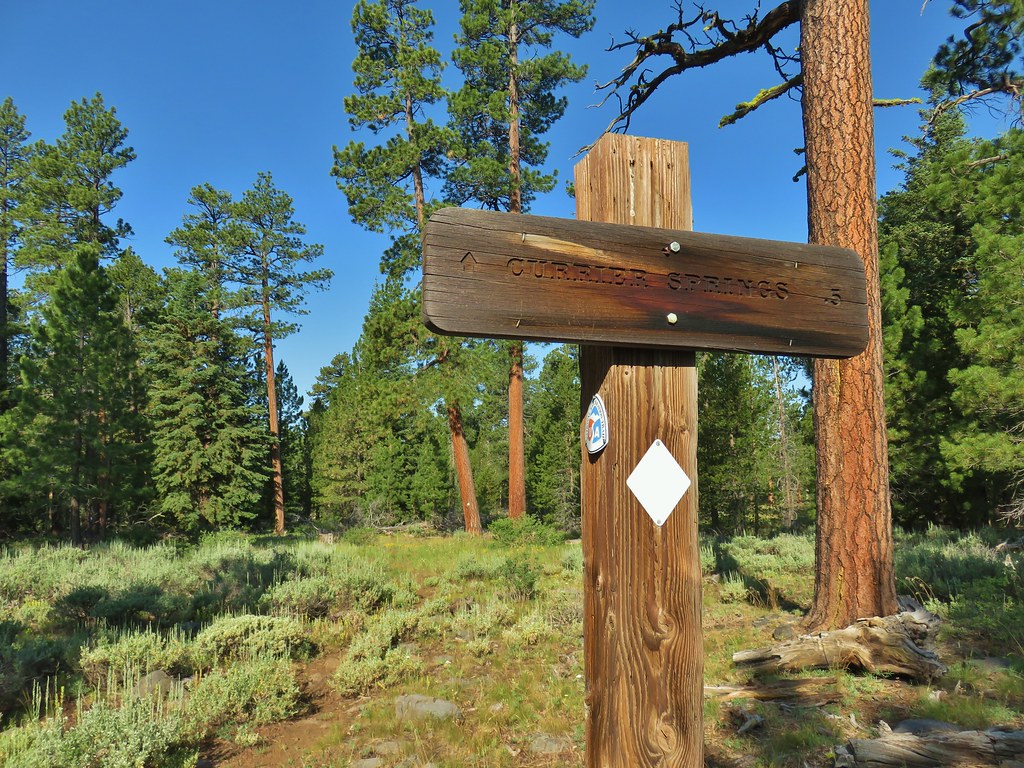
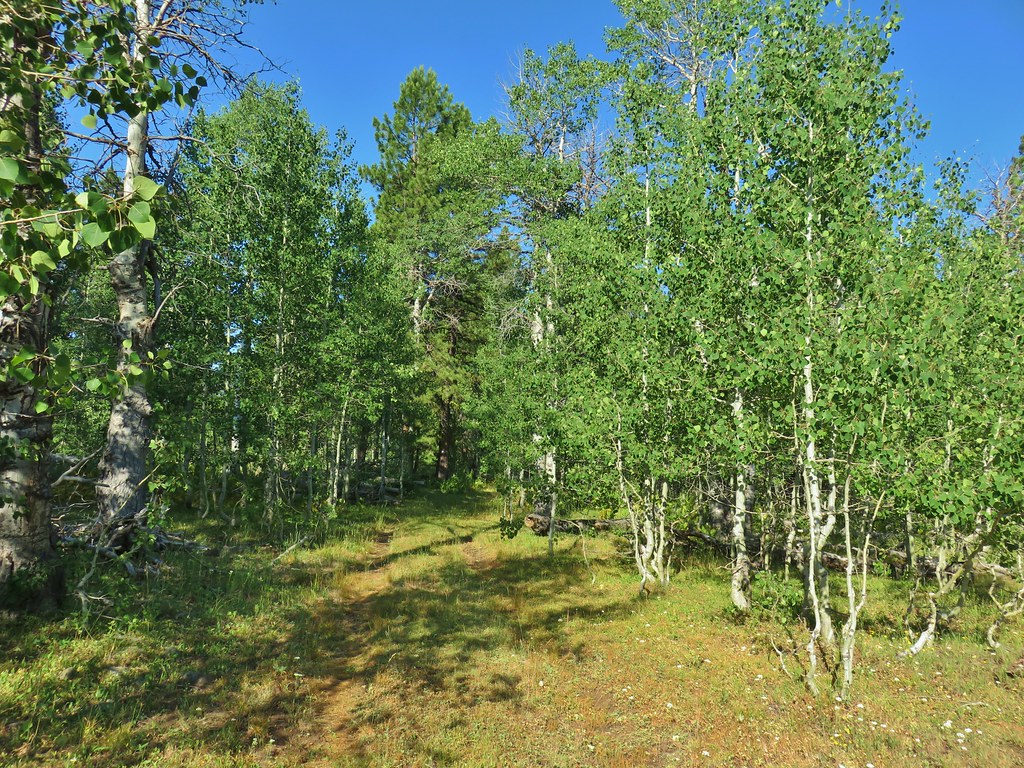 Passing through a grove of quaking aspen.
 California corn lily
 California corn lily
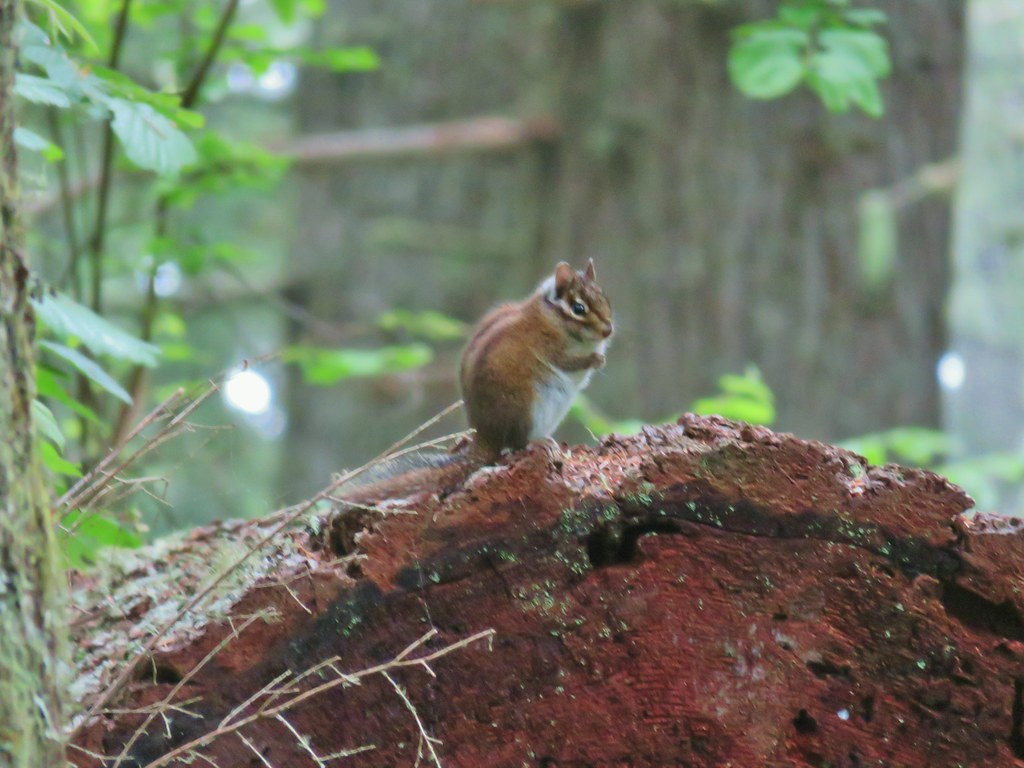
 Chipmunk
 More cows at the horse camp.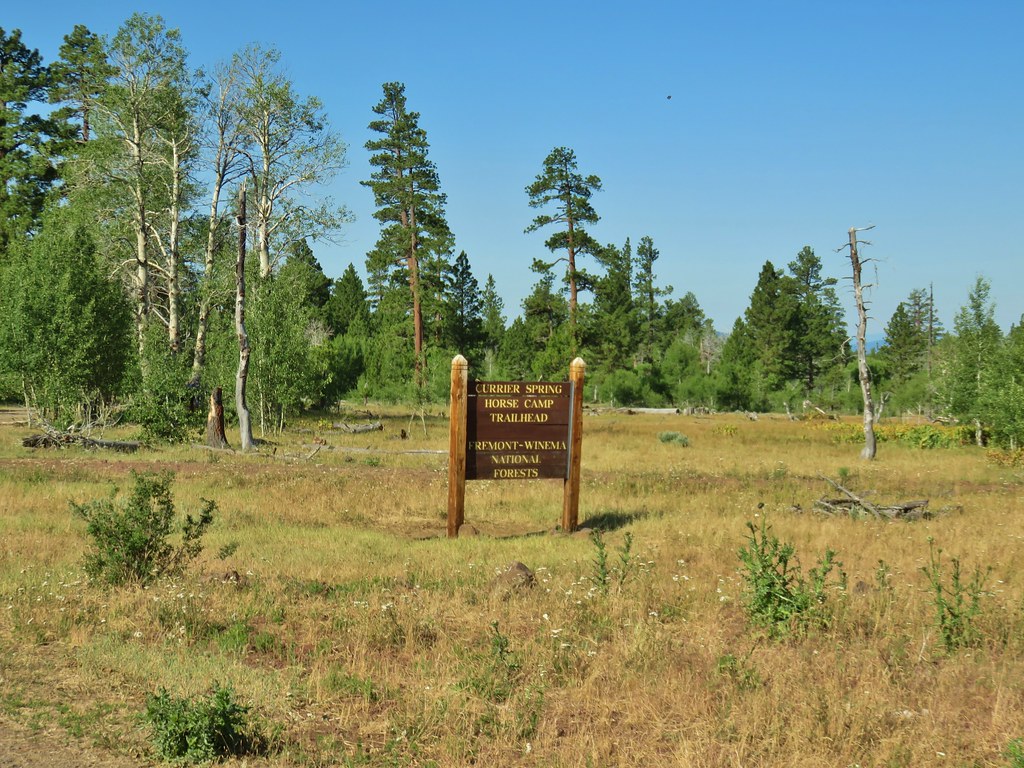

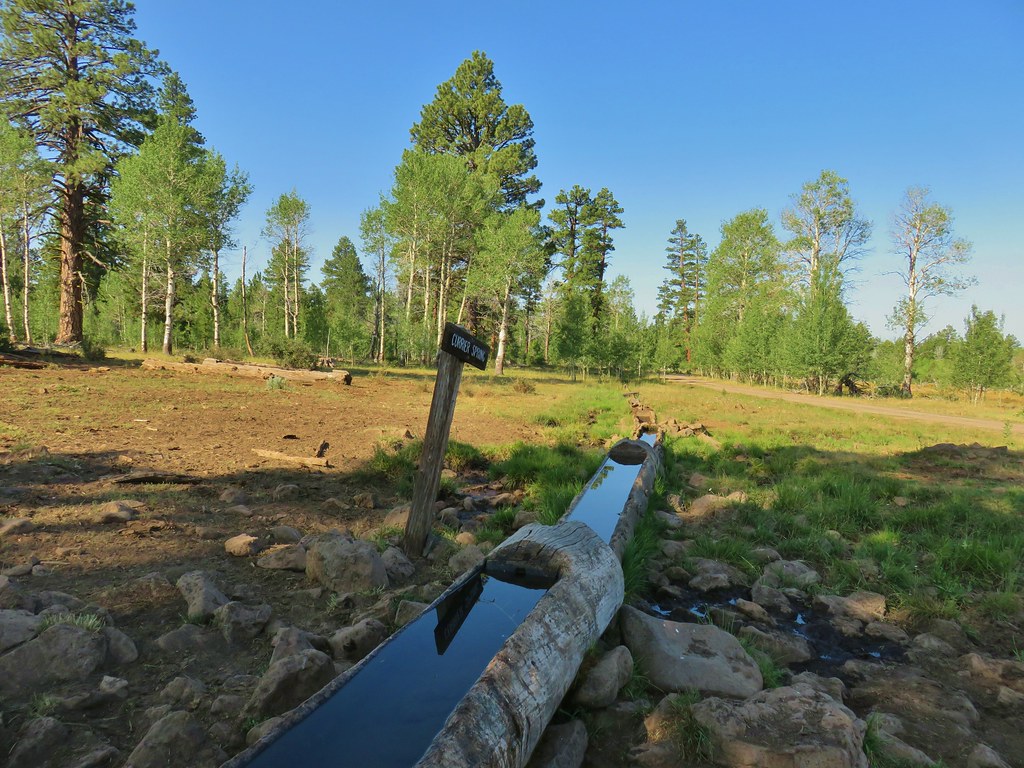

 Brewer’s blackbird

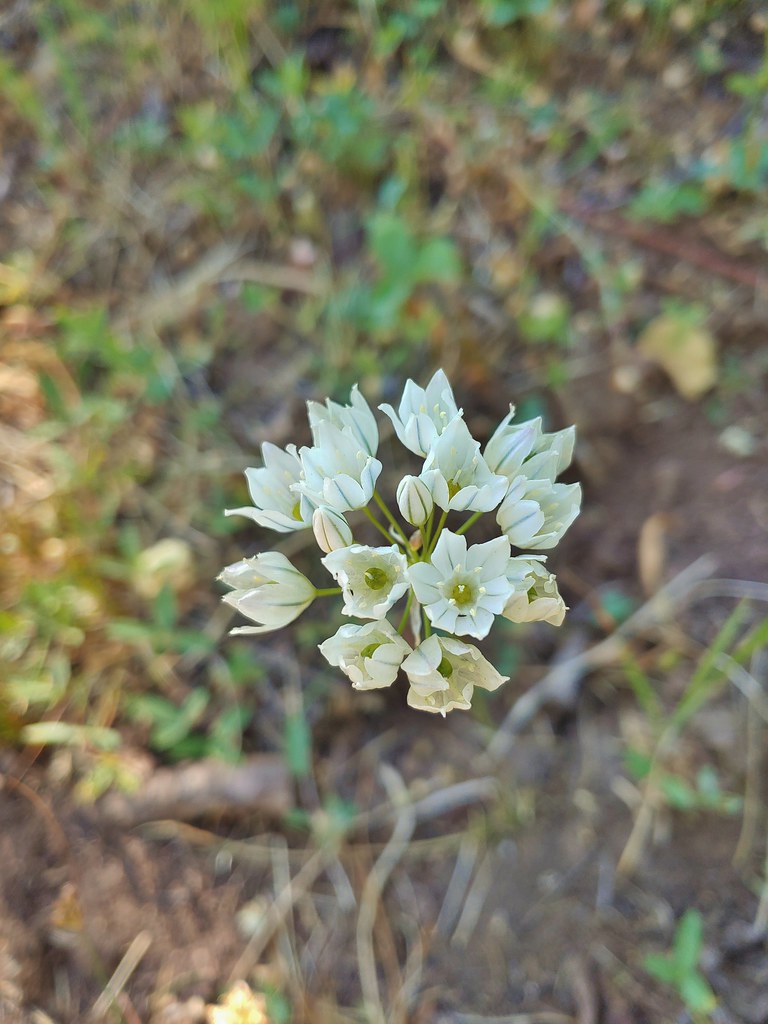 White triteleia
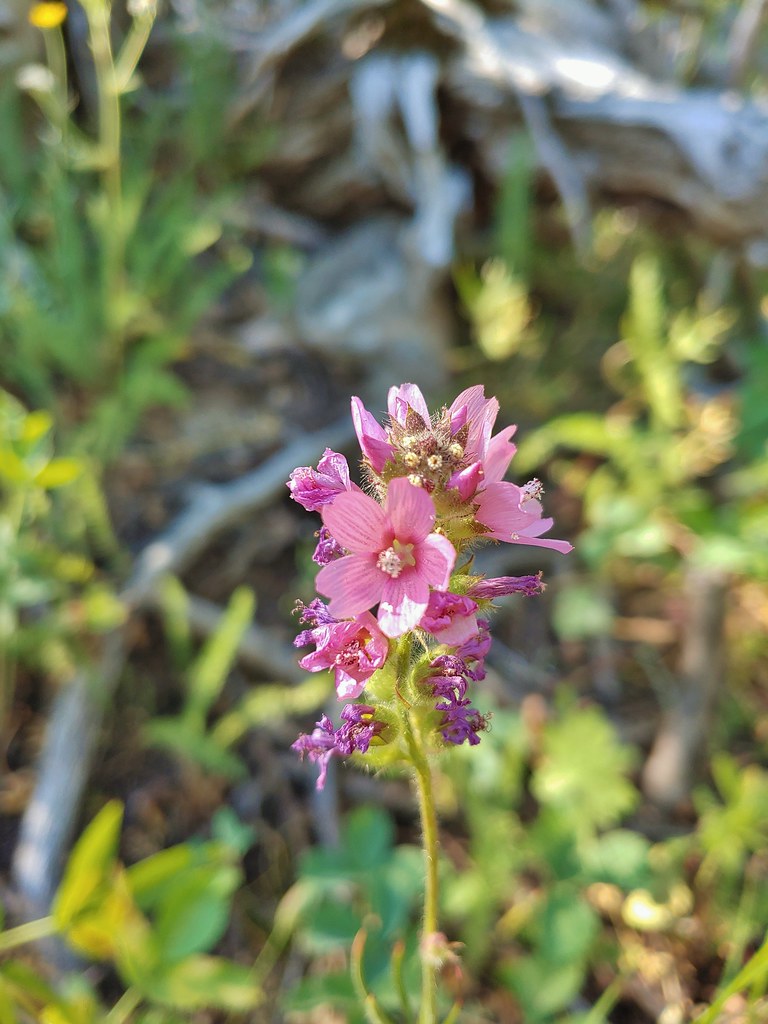 A checkermallow
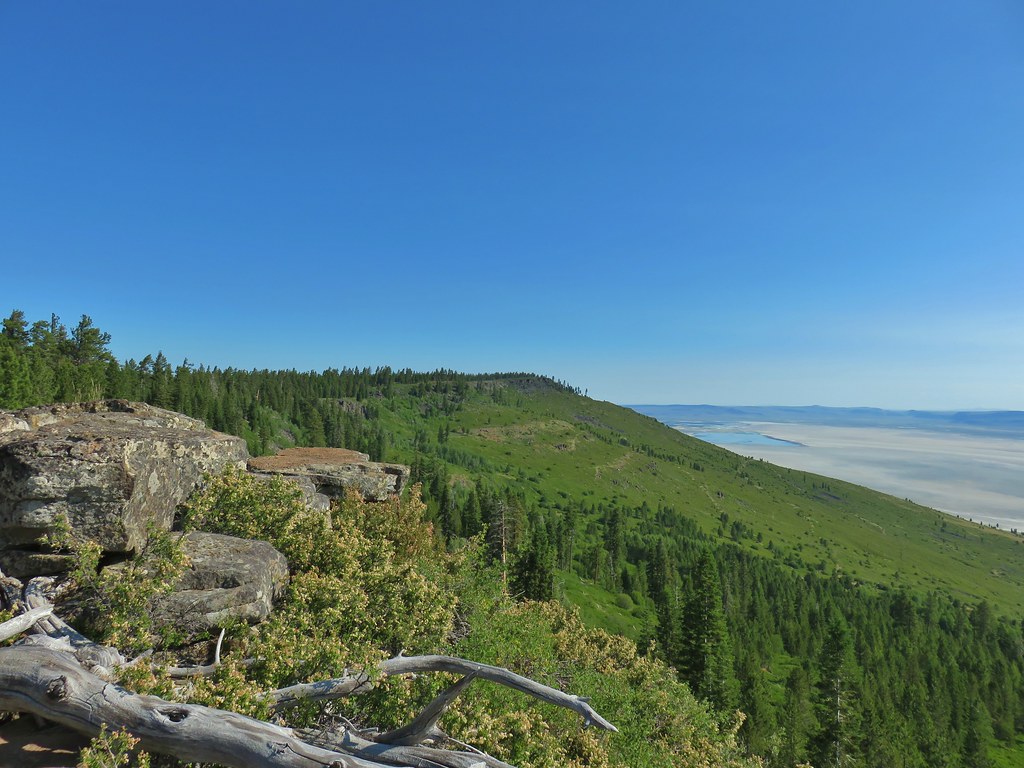 A view north along the ridge.
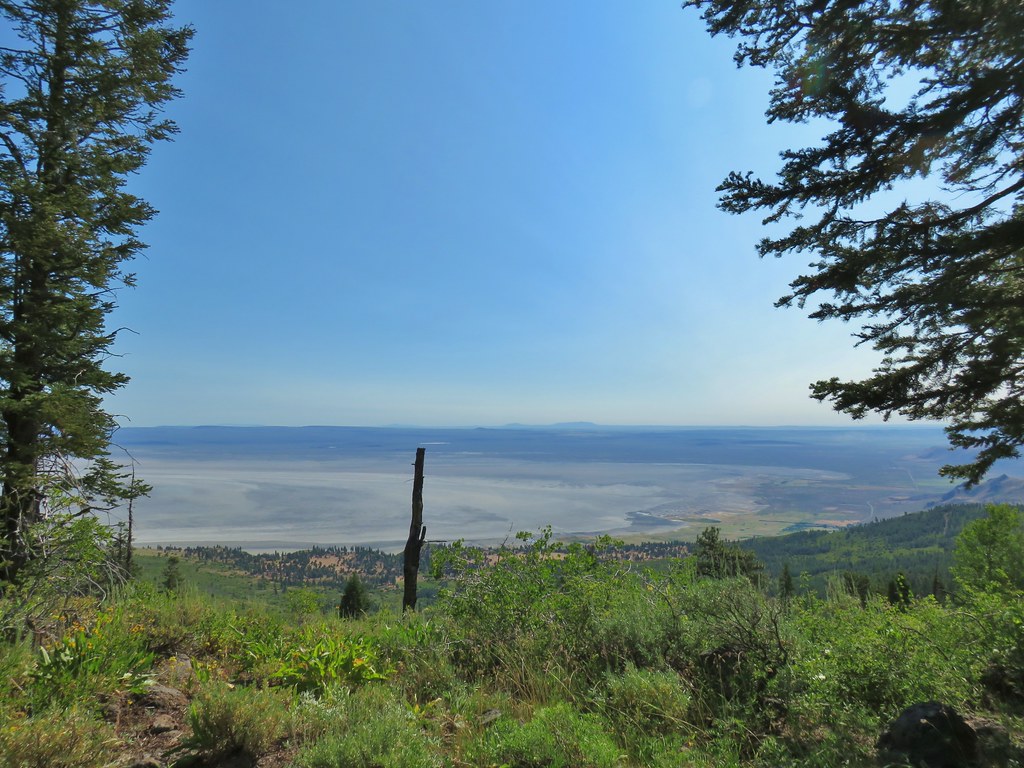 Looking NE from Winter Ridge.
 Grand collomia
 Hummingbird
 Rosy pussytoes
 Scouler’s woollyweed (maybe)
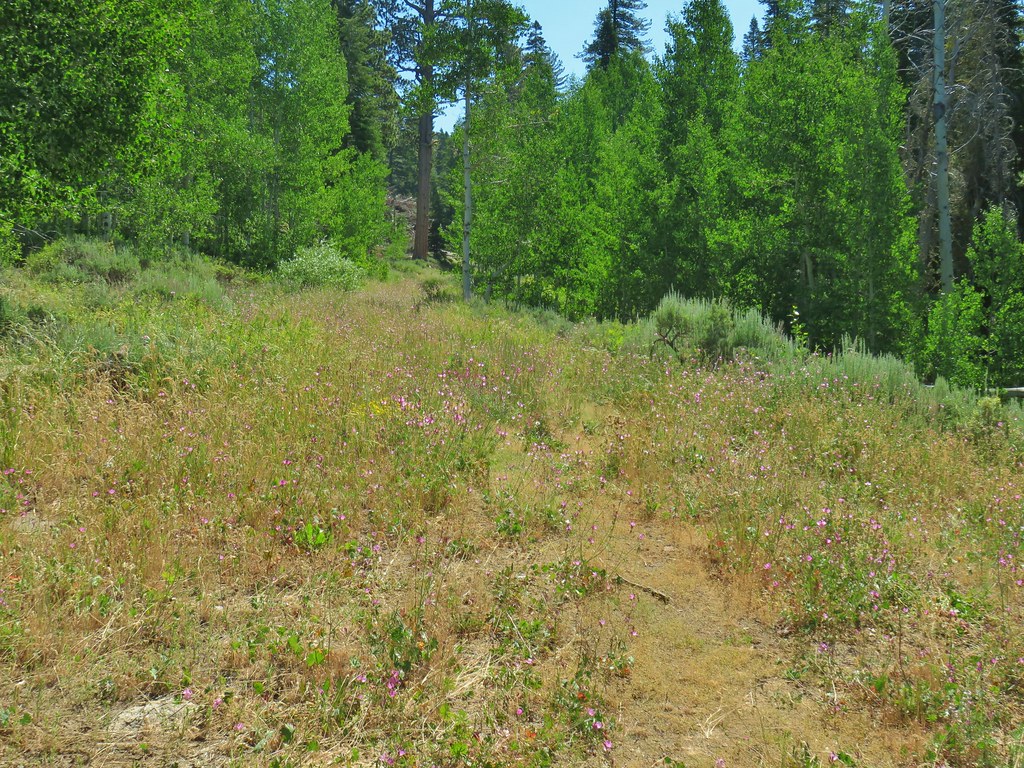
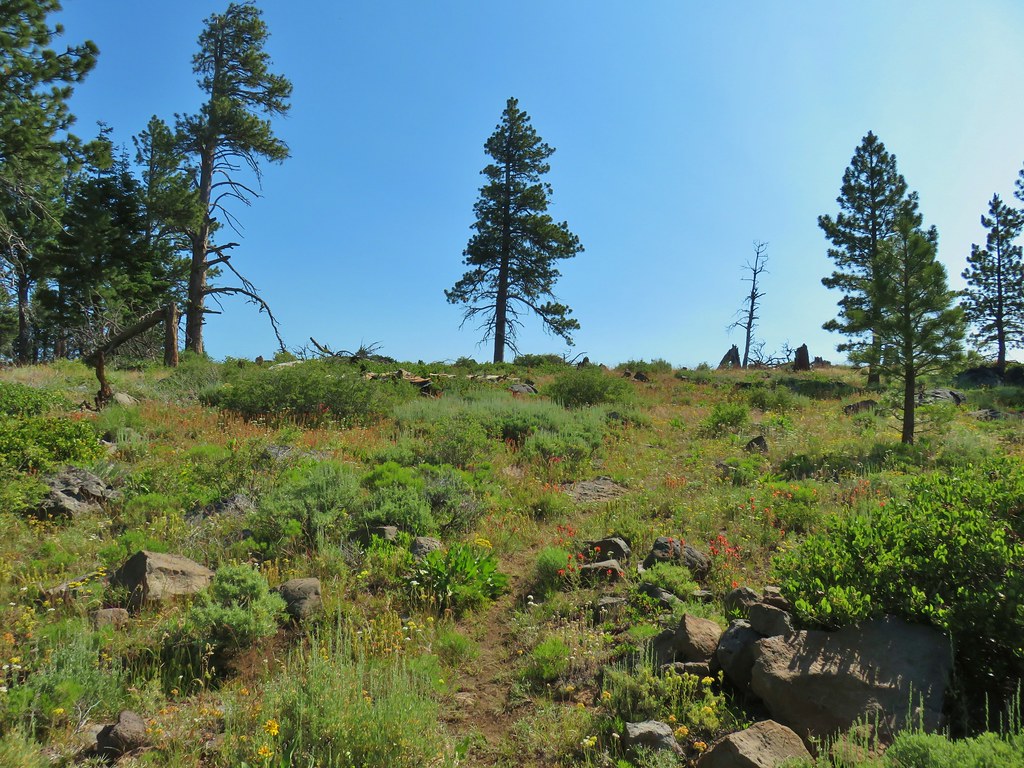 Wildflowers along the Fremont Trail
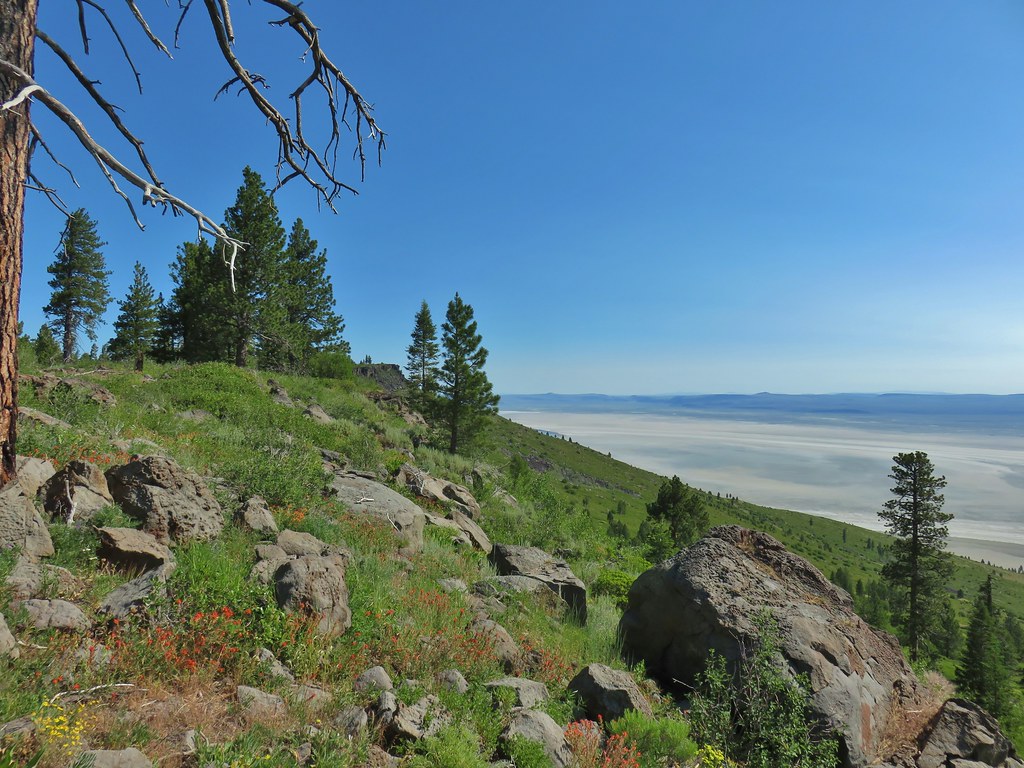 Another viewpoint
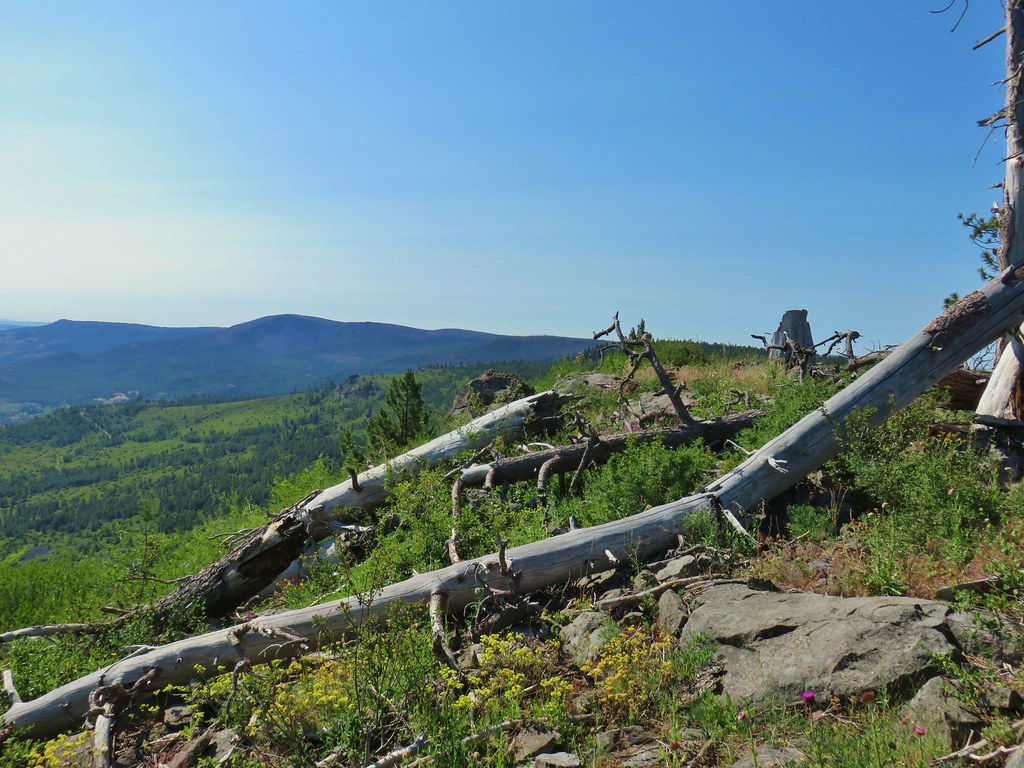 Looking south along the ridge.
 More musk thistles.
 Fremont Trail along Winter Ridge.
 Buck watching us through the trees.
 The buck heading off.
 Western tanager near the junction.
 Snowbrush along the trail.
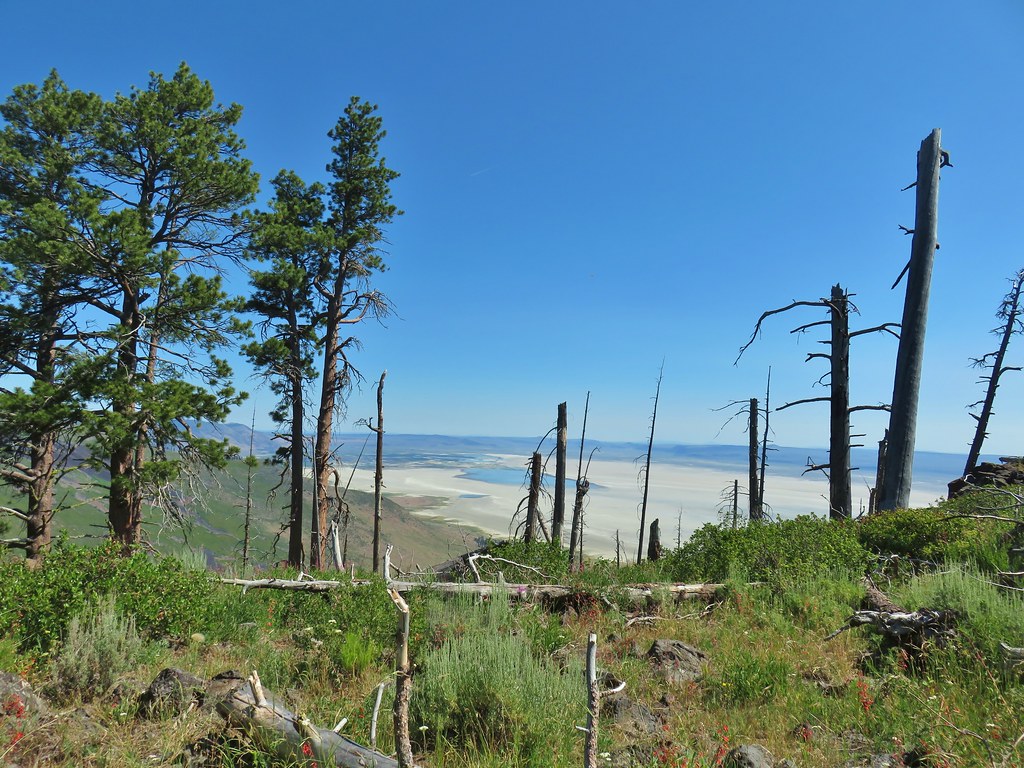 Where we wound up along the rim of the ridge.
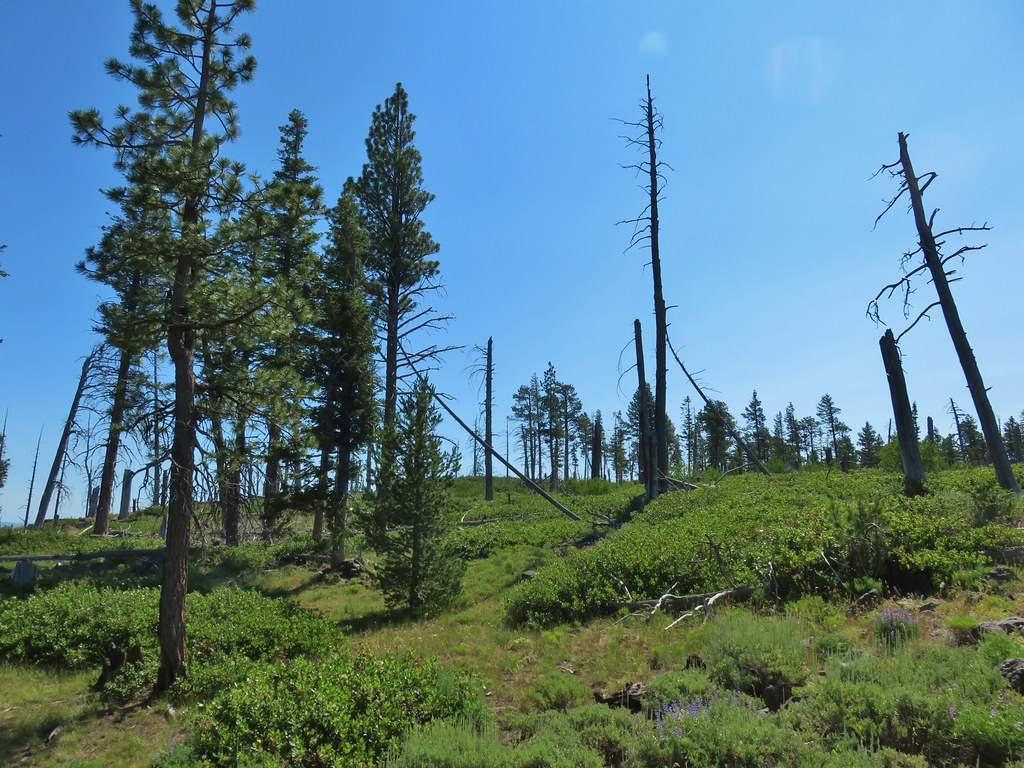 Looking up toward the viewpoint.
 I made it to this rock outcrop which wasn’t the viewpoint I was looking for.
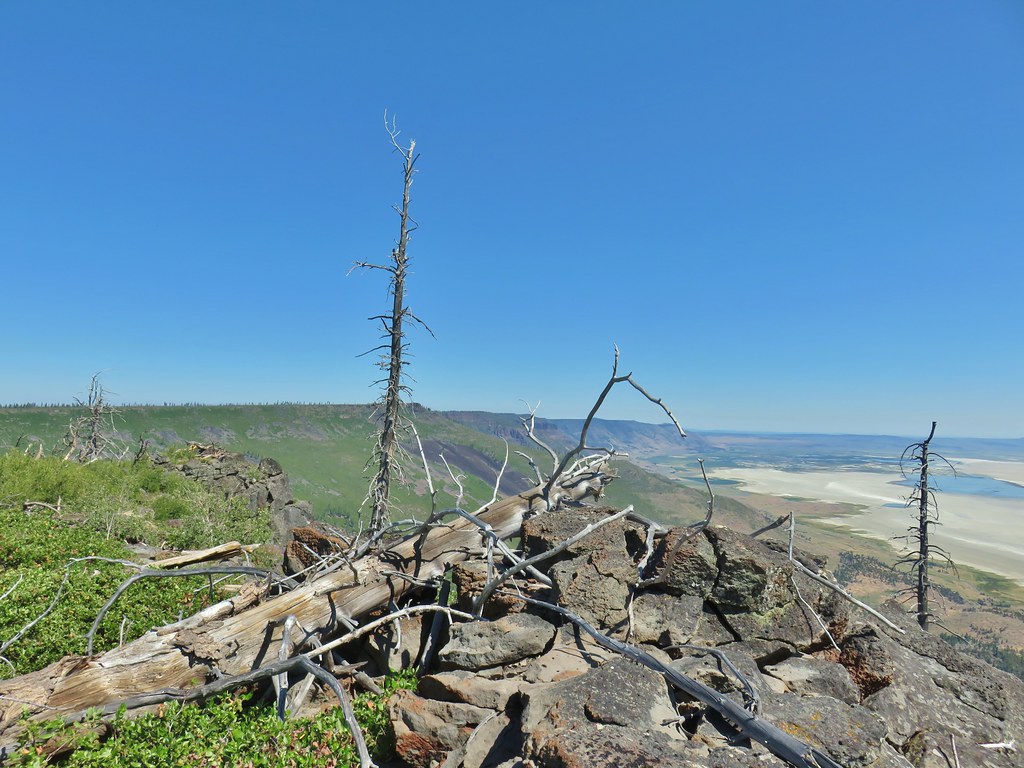 A second rocky viewpoint (with the first down the ridge a bit), still not the viewpoint I was looking for.
 Looking up the ridge from the second rock outcrop. The number of snags and thicker snowbrush caused me to abandon the ridge here and follow the line that Heather was taking just a bit in from the rim.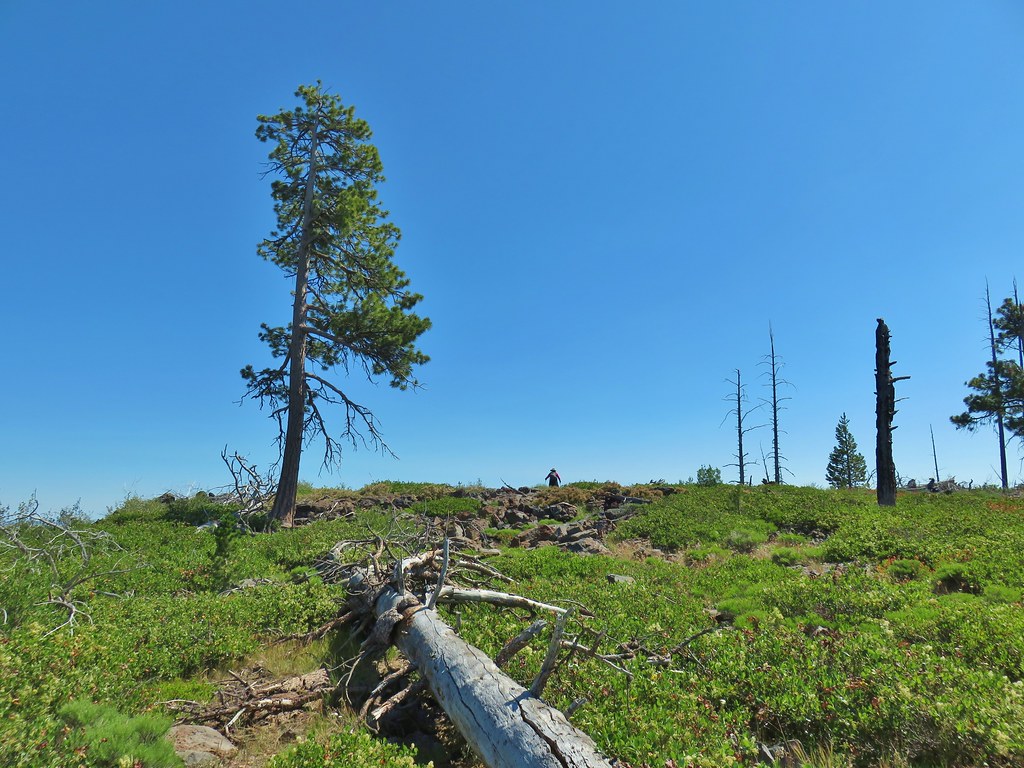
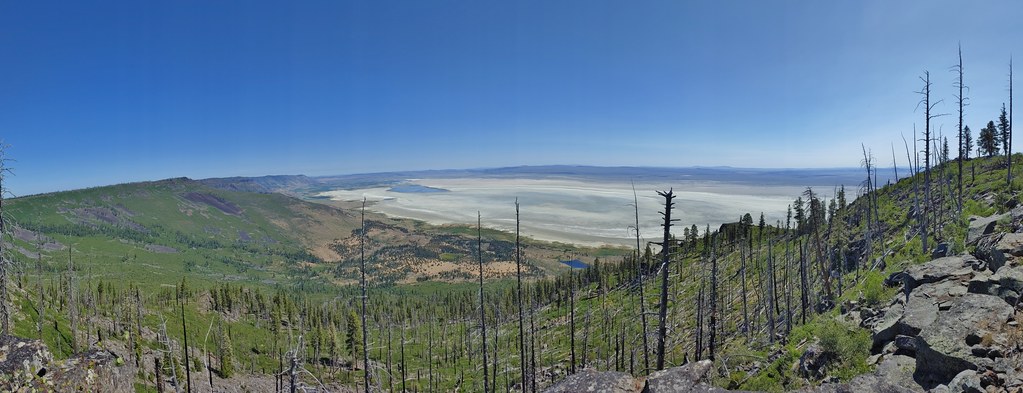 Looking north across the landslide to Summer Lake.
 Looking south
 Balsamroot near the viewpoint.


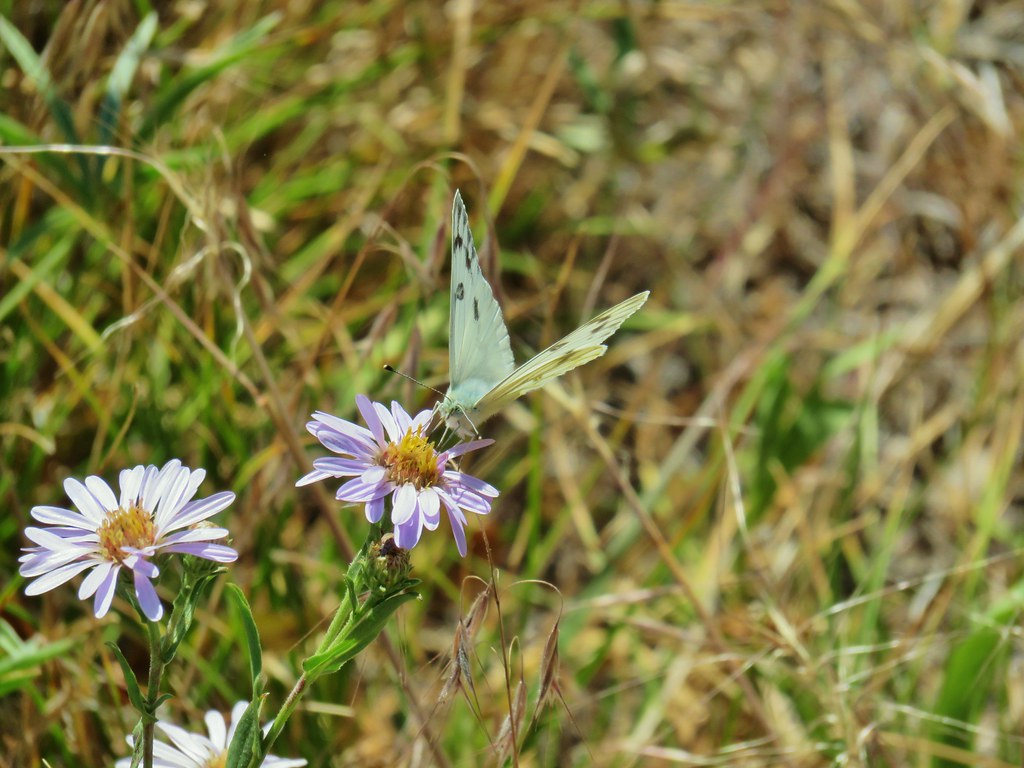 Becker’s white on subalpine fleabane.
 Slender cinquefoil



 Coneflower
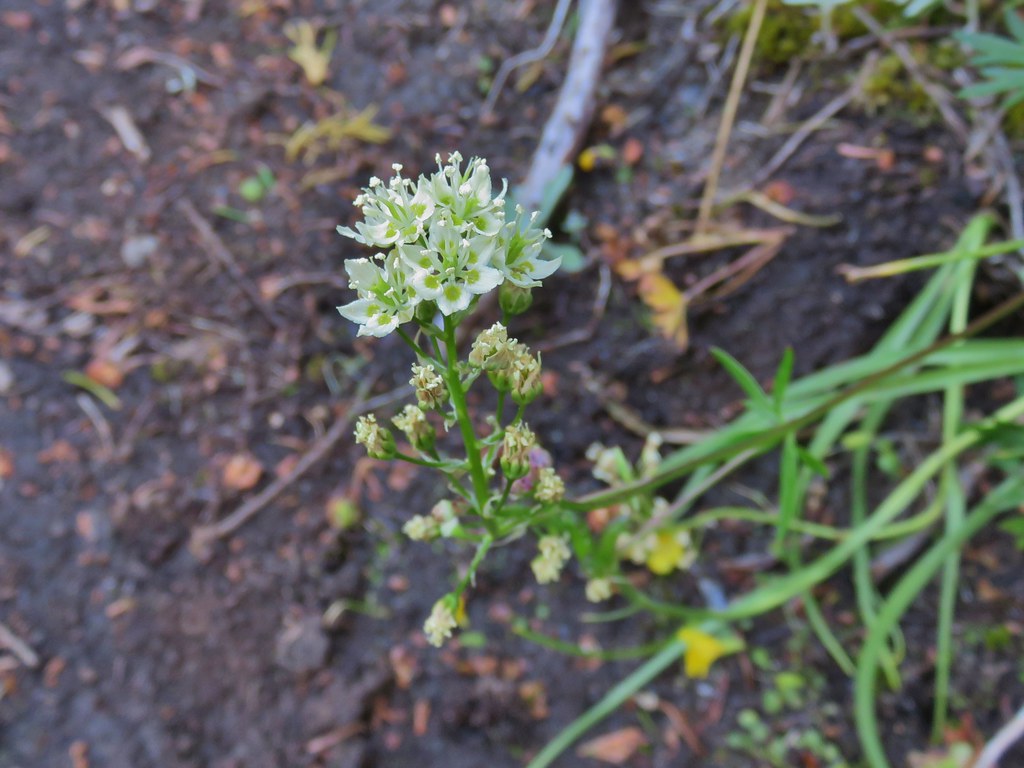 Death camas


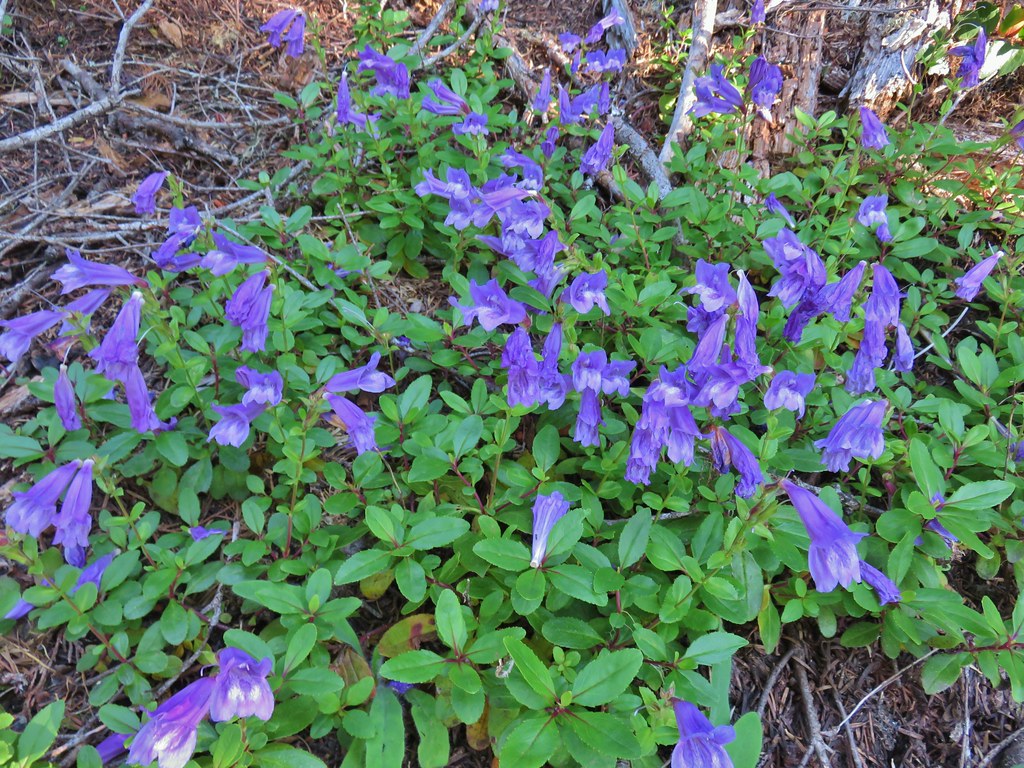 Penstemon
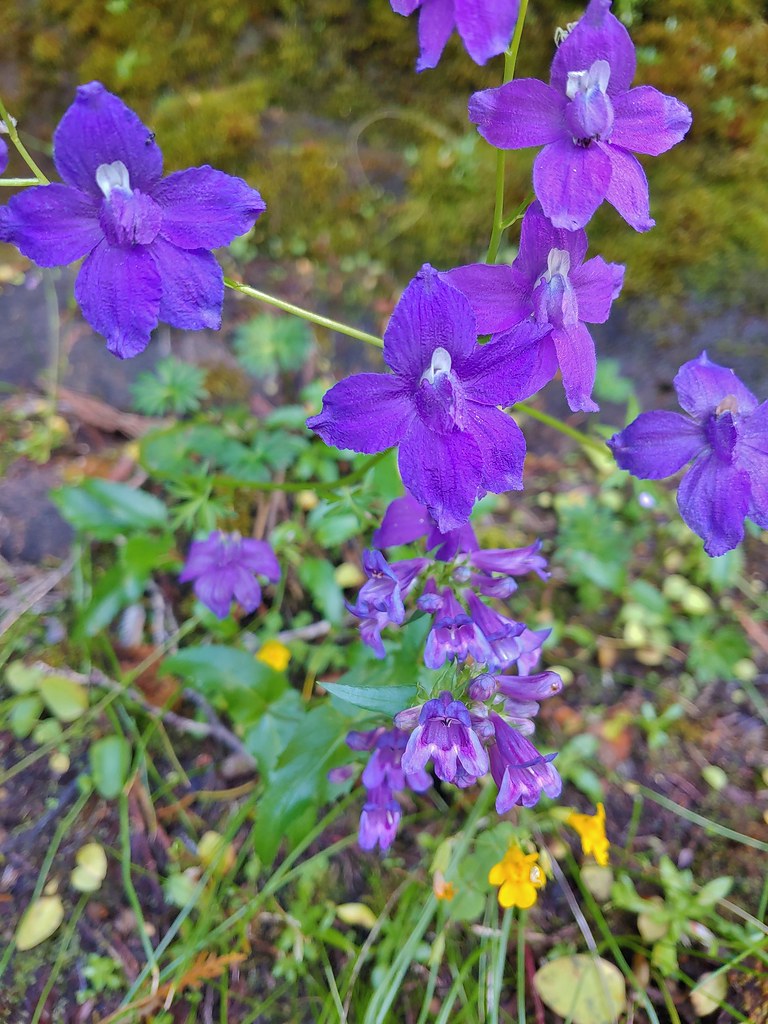 Larkspur and penstemon

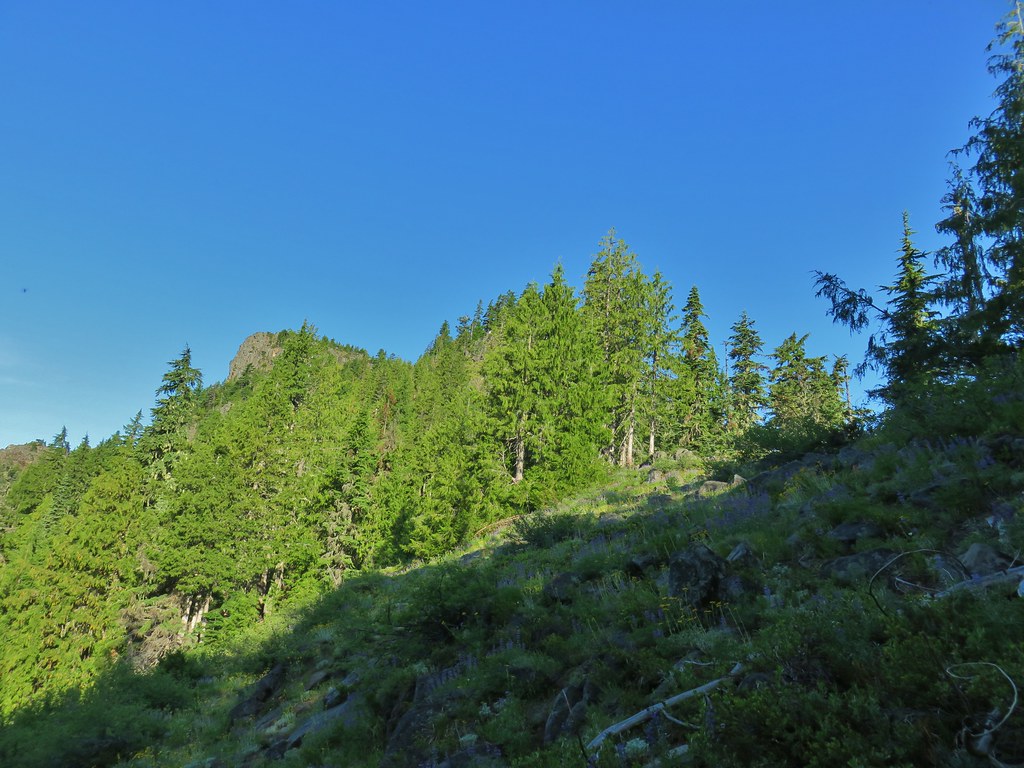 Middle Pyramid from the ridge.
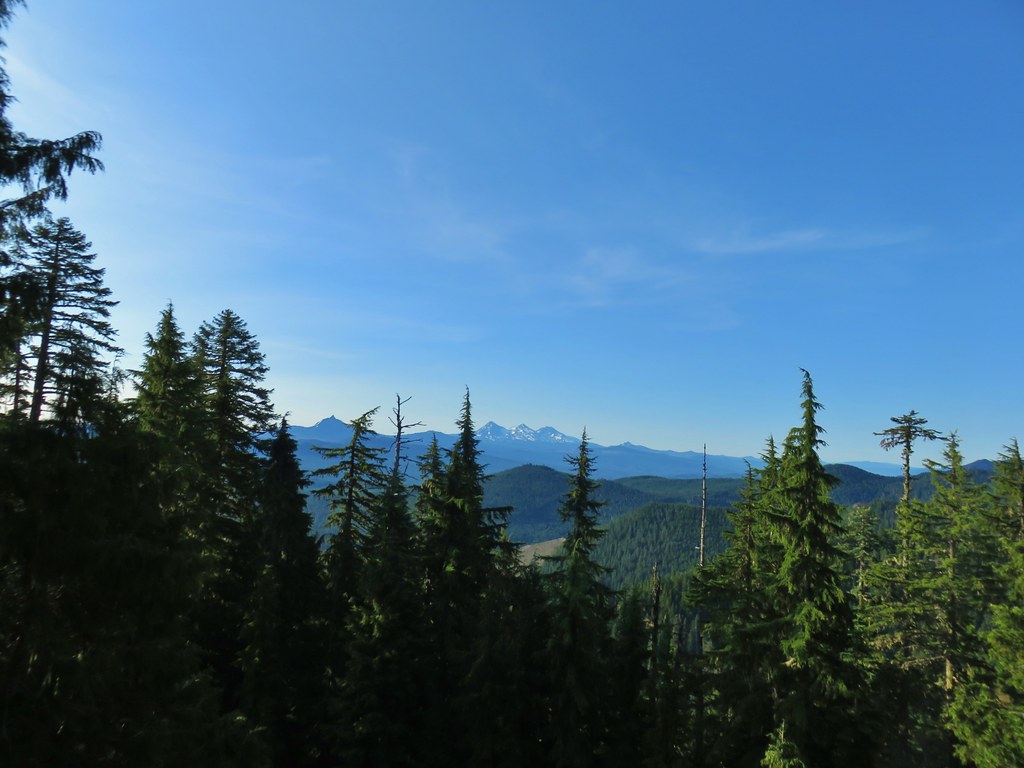 Mt. Washington and the Three Sisters

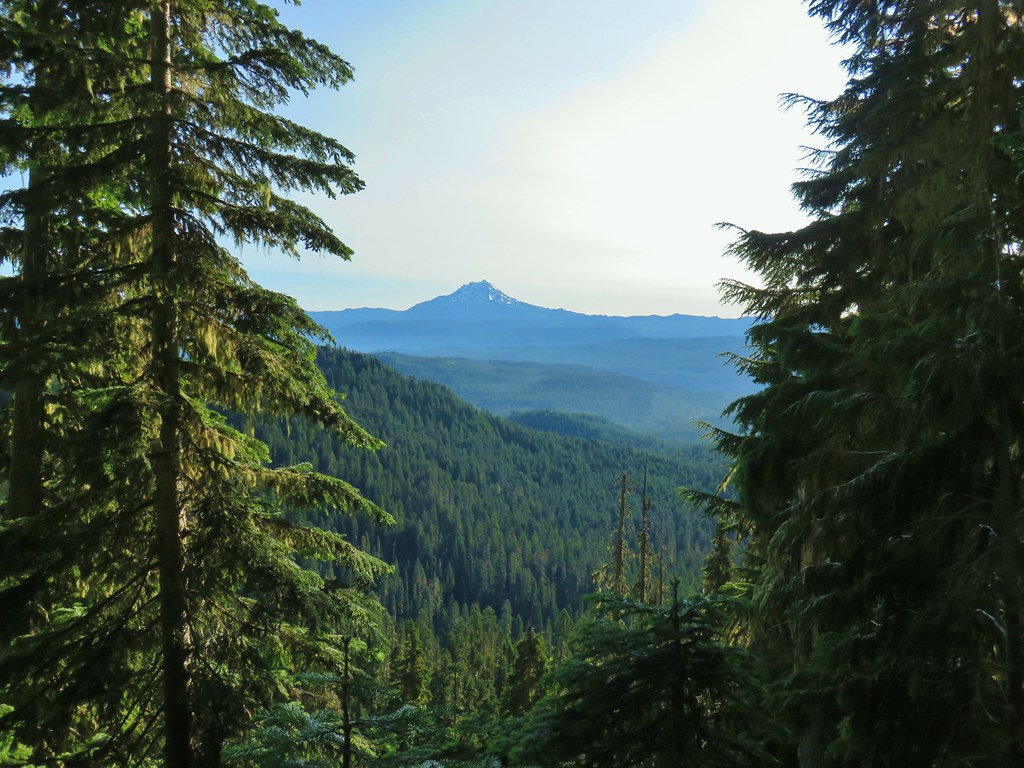 Mt. Jefferson
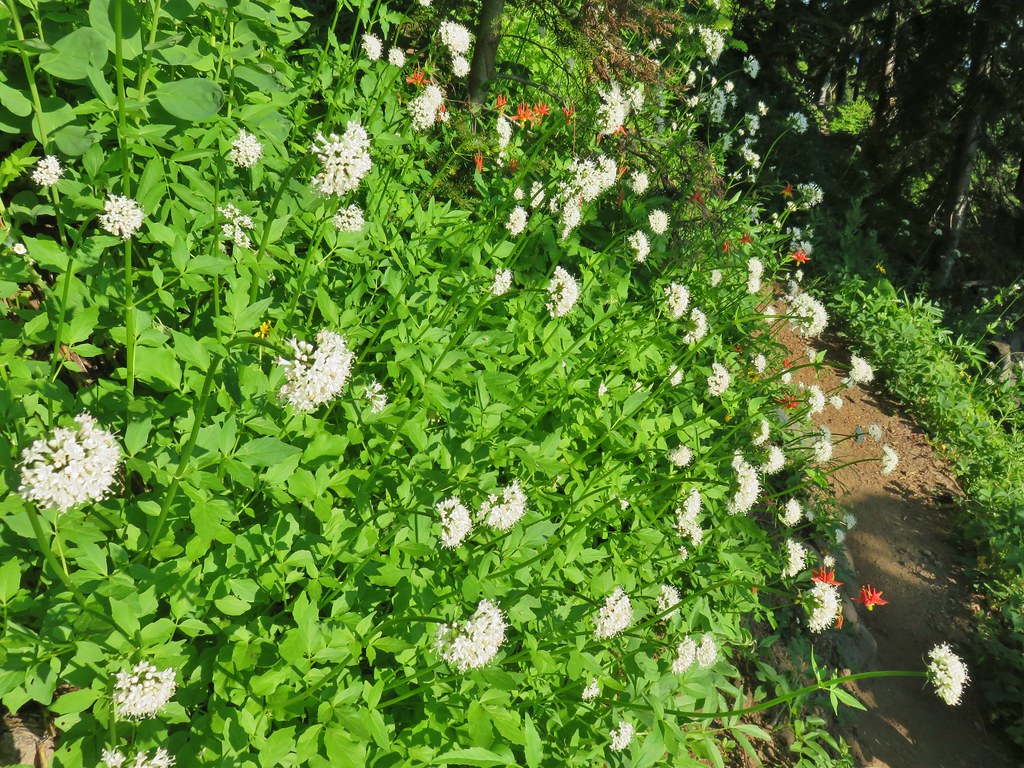 Valerian and columbine
 Mountain bluebells

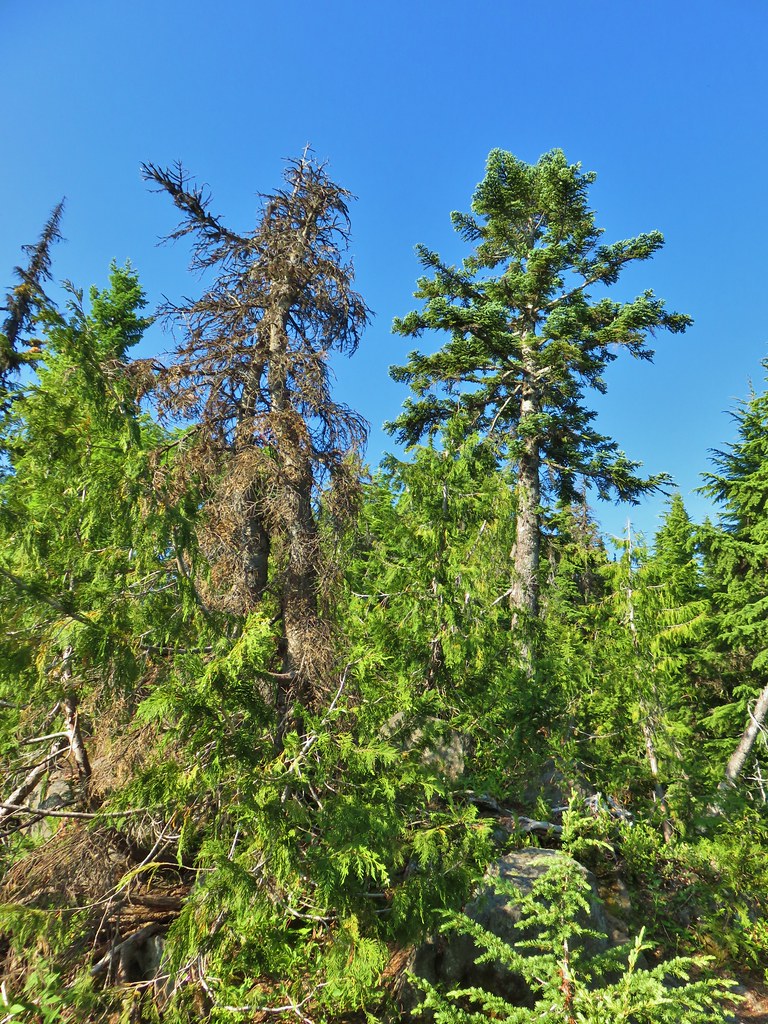 Looking up toward the summit from the saddle.
 Mt. Washington and the Three Sisters
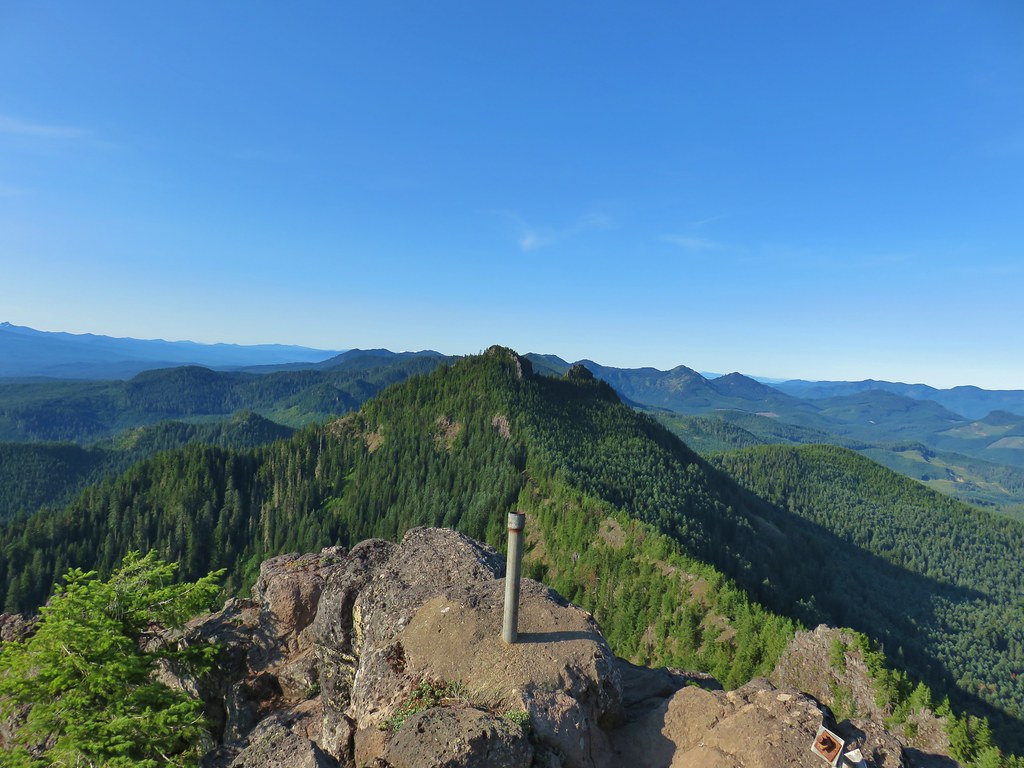 South Pyramid with snowy Diamond Peak to the left in the distance.
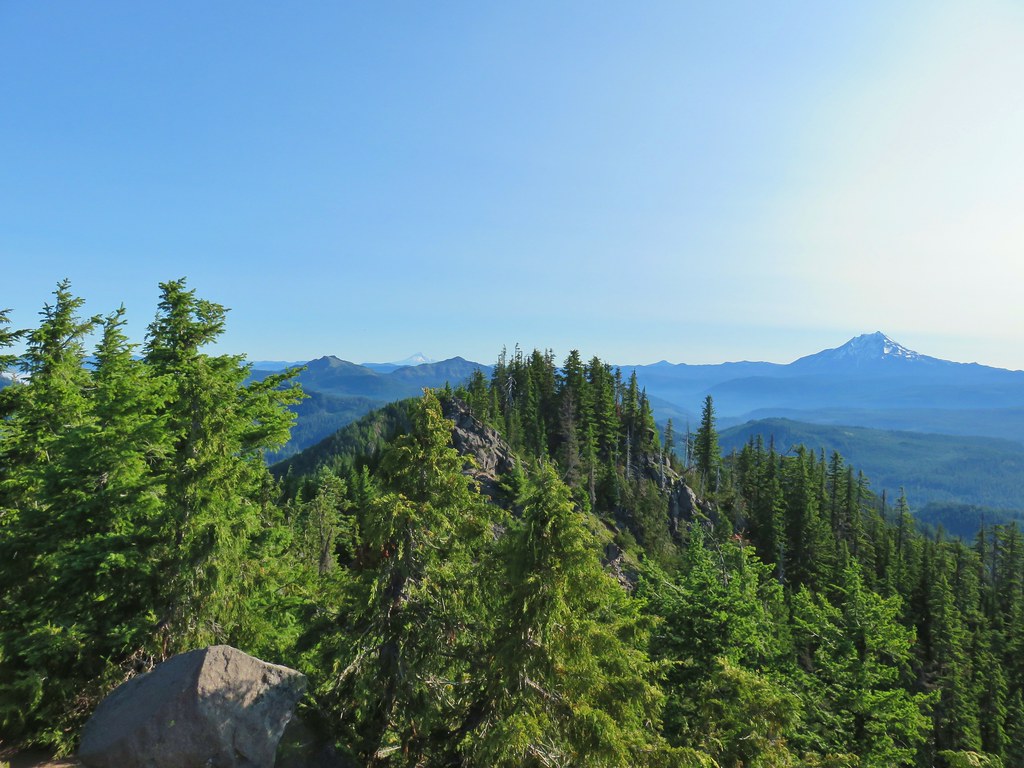
 A faint Mt. Adams to the left of Mt. Hood
 Meadow from the summit.
 North Pyramid
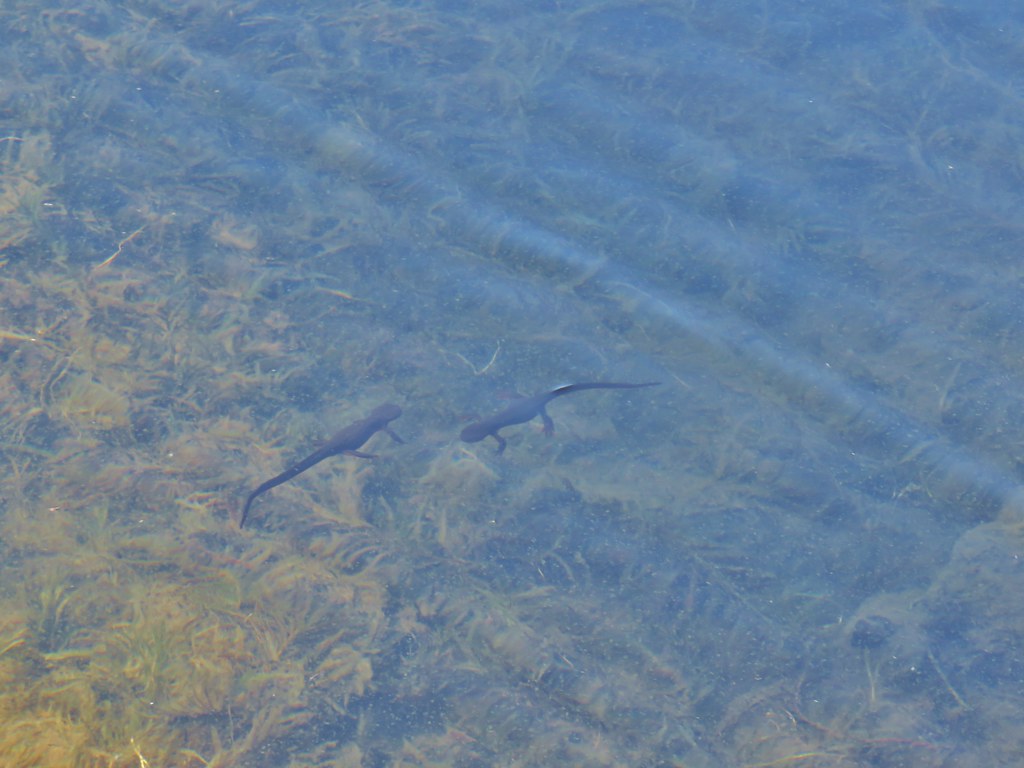 Rough skinned newts


 Crab spider on prince’s pine
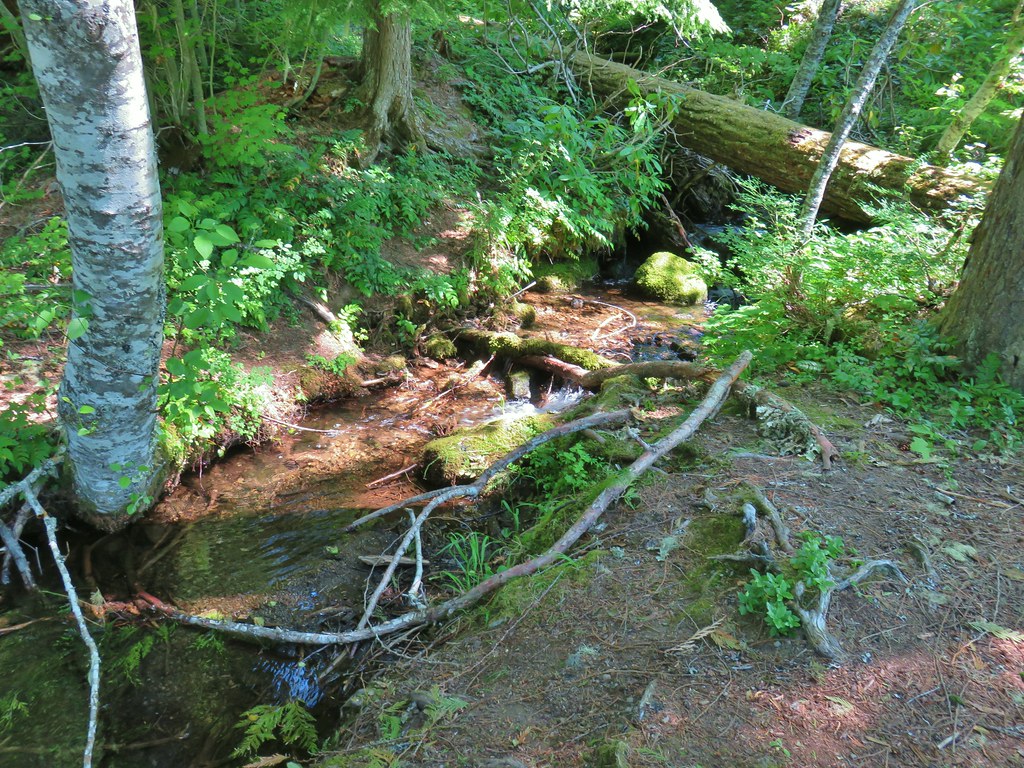 The trail used to continue on the other side of the inlet creek.
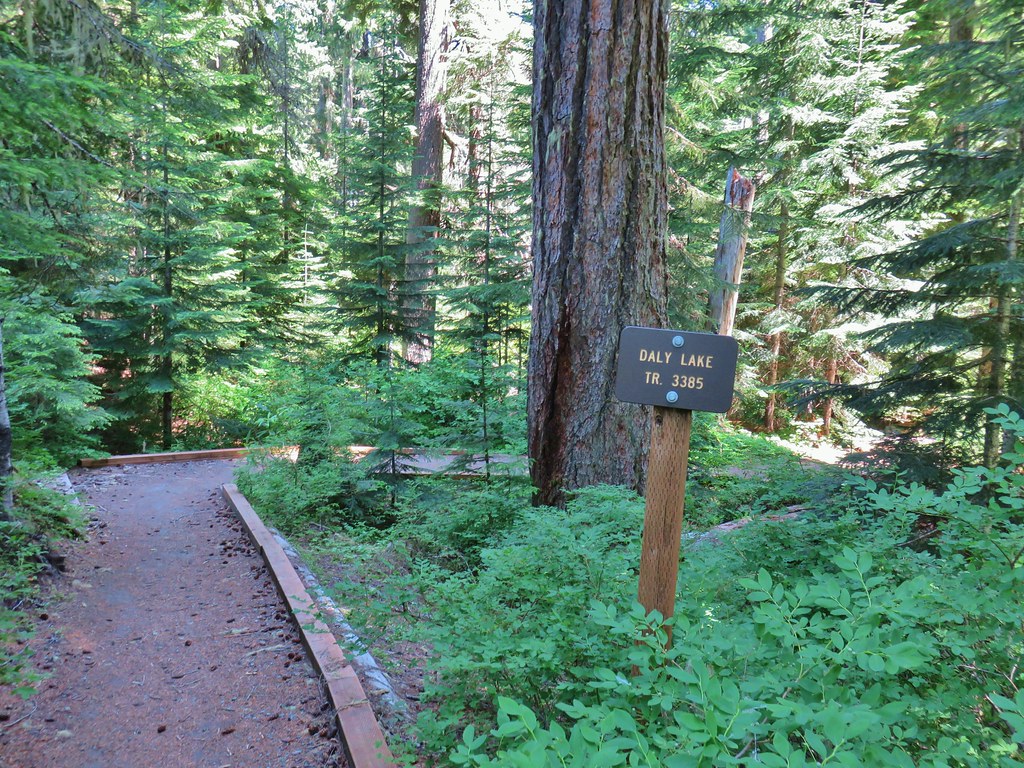

 Washington lilies
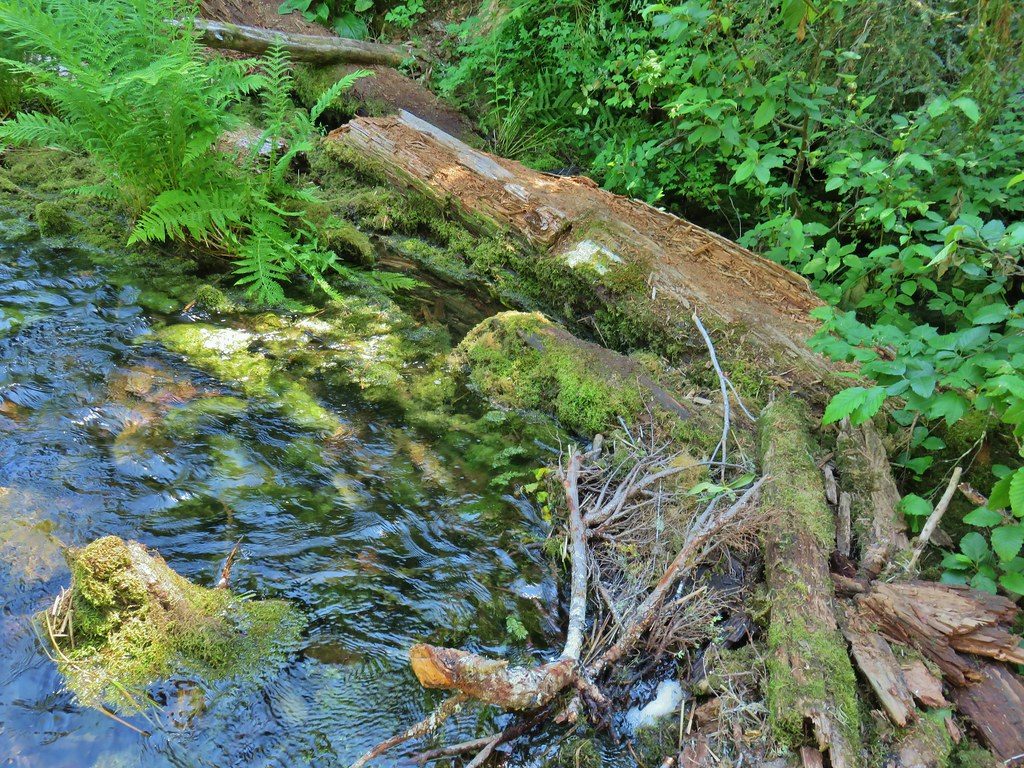 Crossing on the outlet creek.
 Marsh at the outlet creek.
 Bog orchid
 The North Pyramid from Daly Lake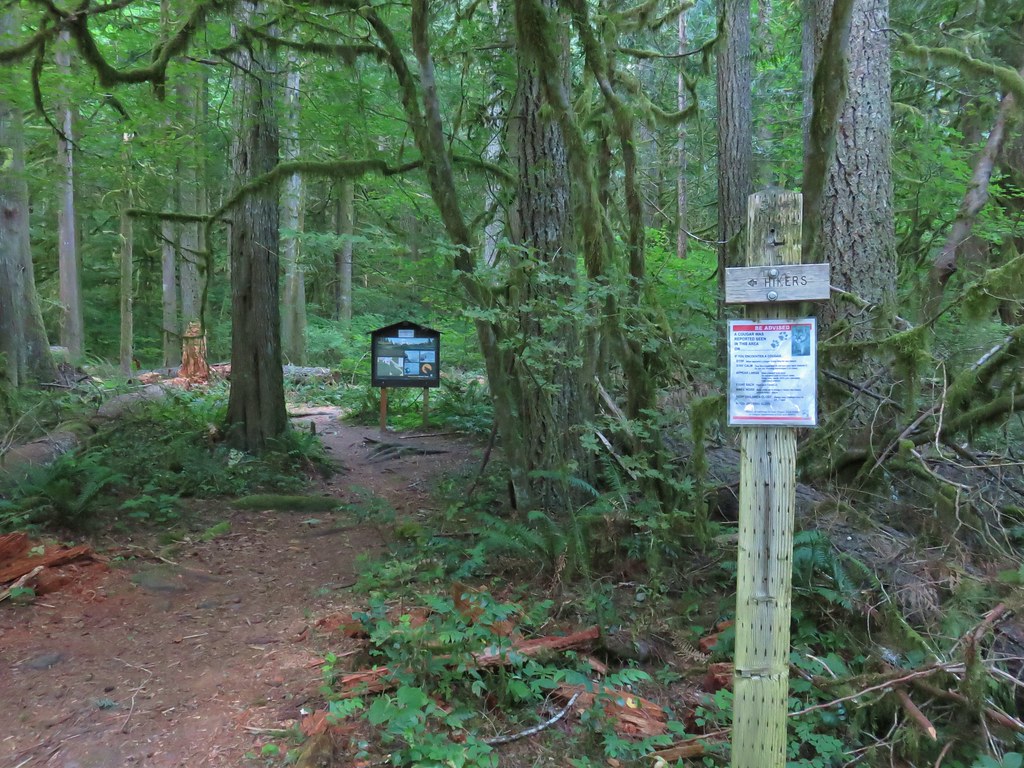


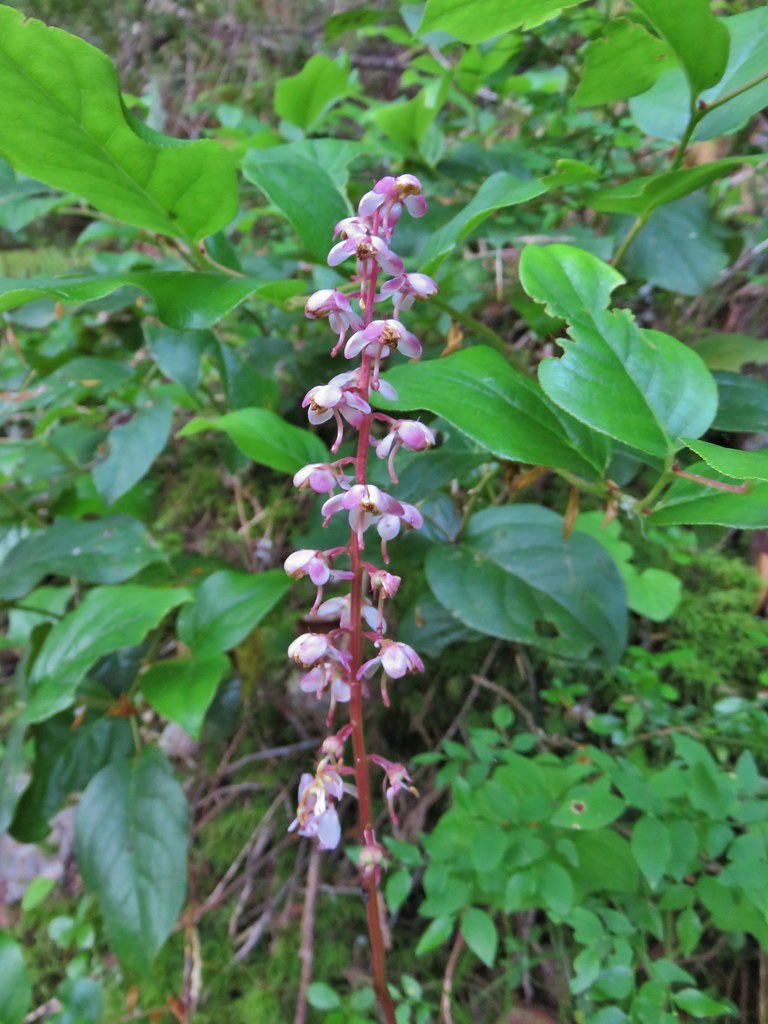 Pink pyrola
 Switchback below a rock outcrop.
 Looking down the hillside from the trail.
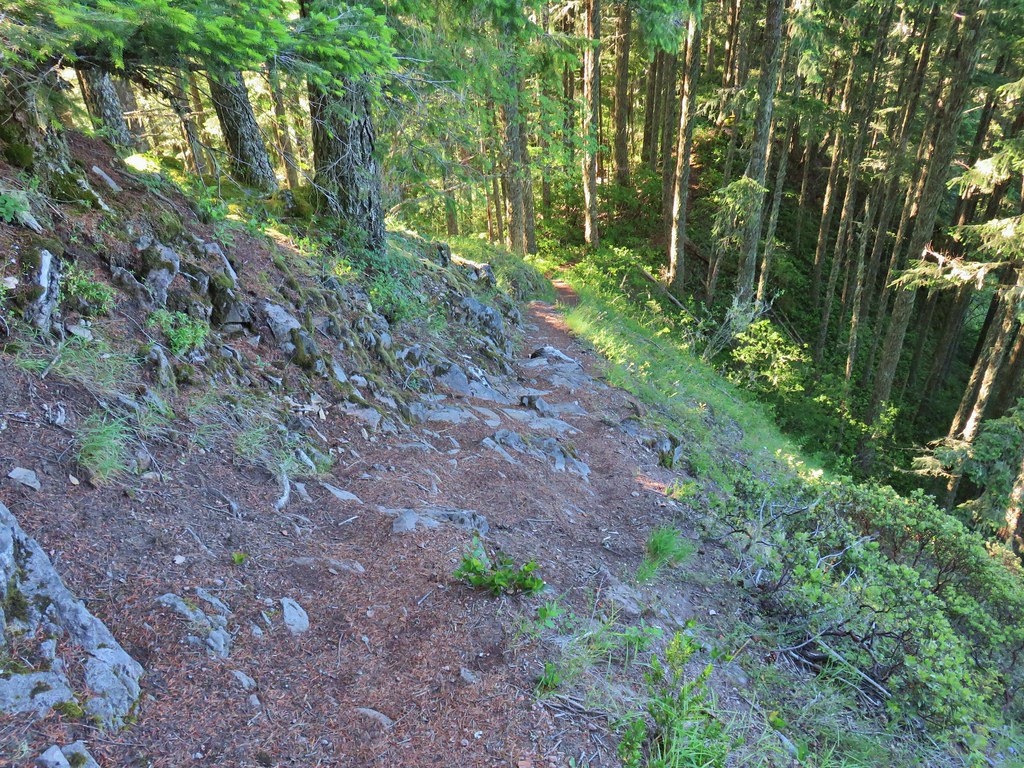 Trail dropping to a saddle.
 Looking south across the Salmon River valley. The Bonanza Trail (
 Beardstongue (penstemon)
 Washington lily
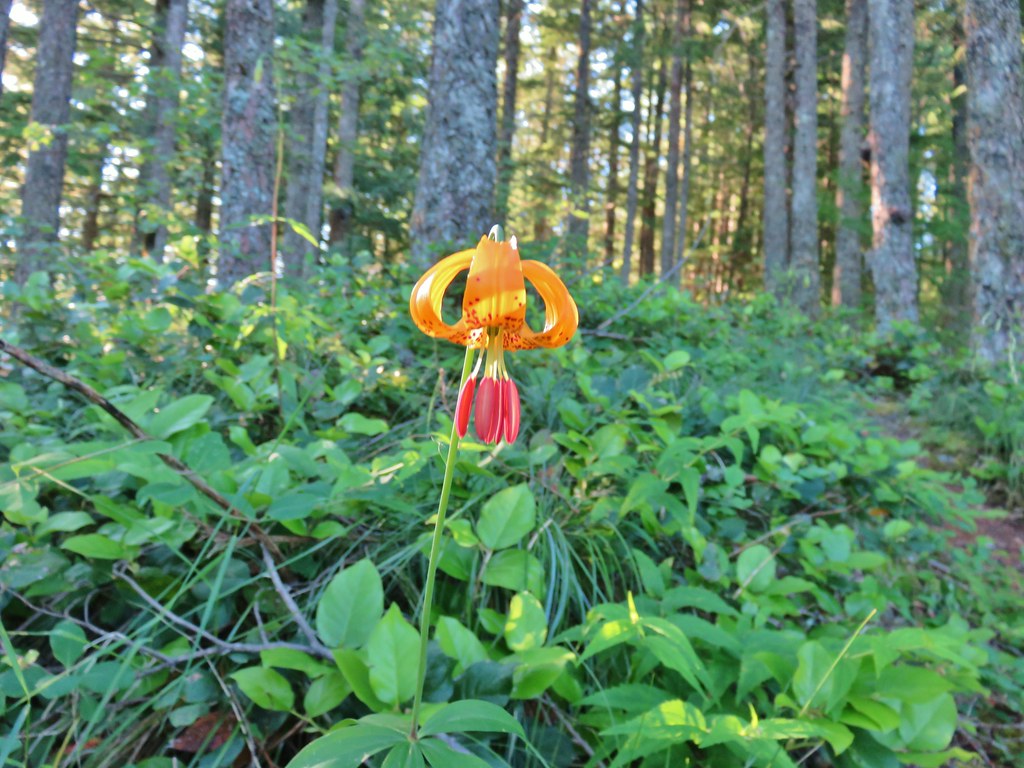 Tiger lily
 Penstemon
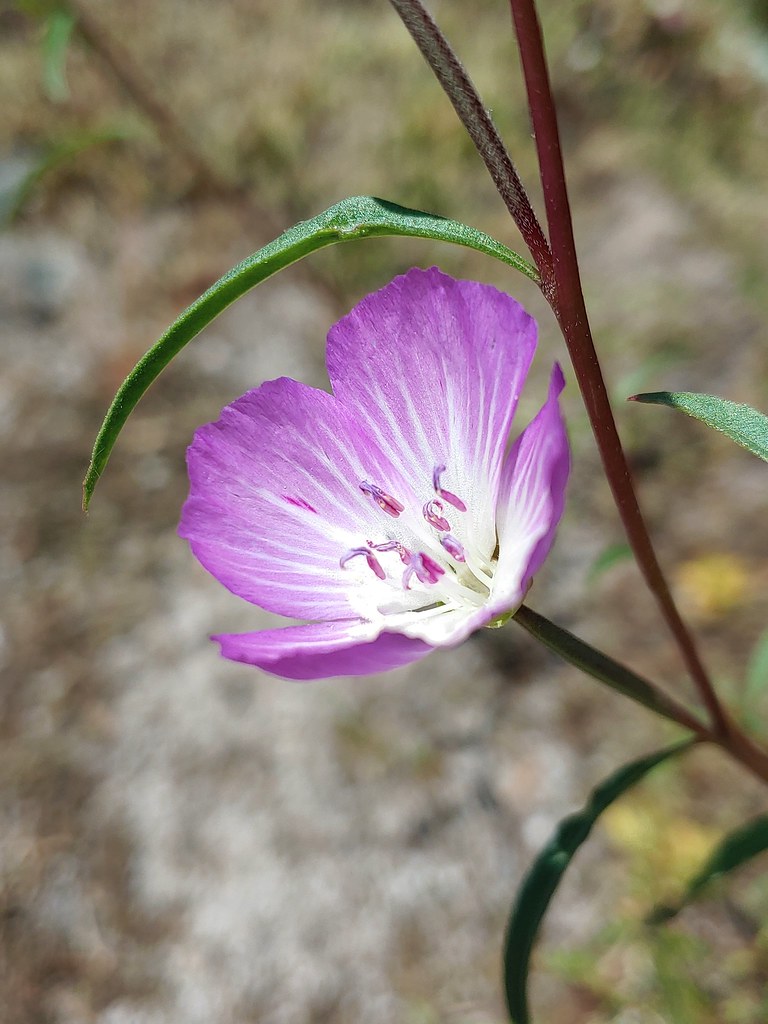
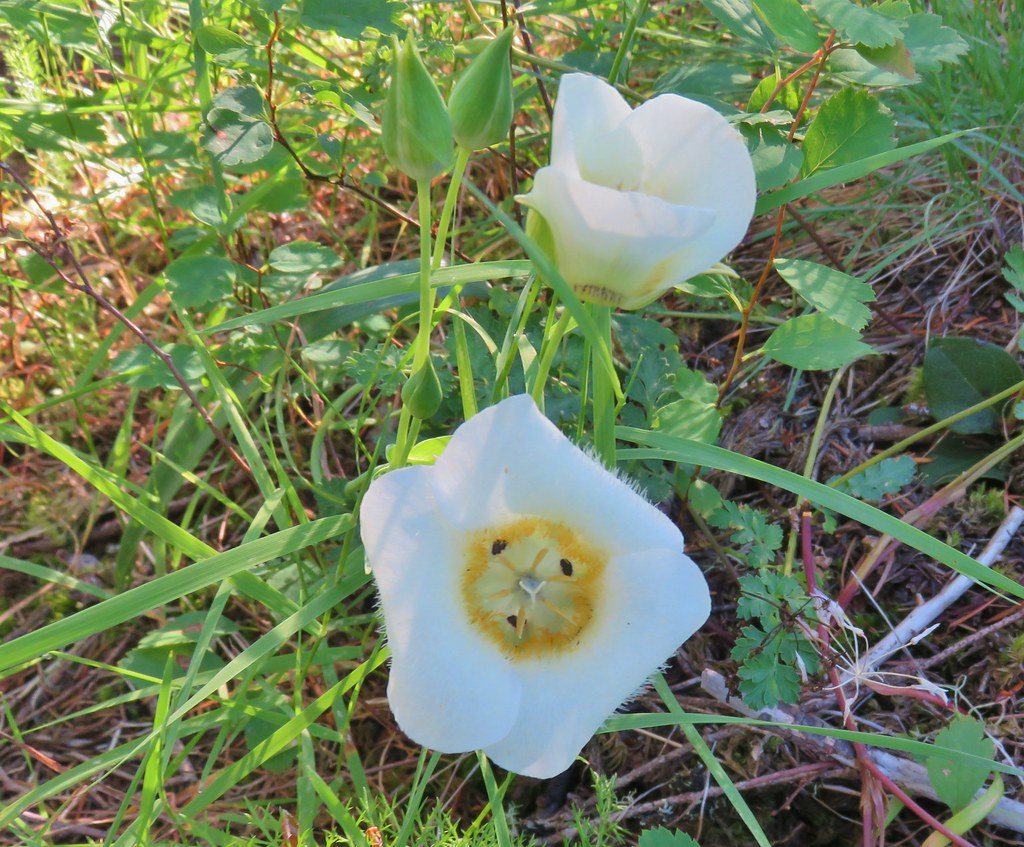 Sub-alpine mariposa lily (cat’s ear lily)
 Yarrow
 Starting the steep climb.
 Coming up to the cliffs.
 Cliffs along the trail.
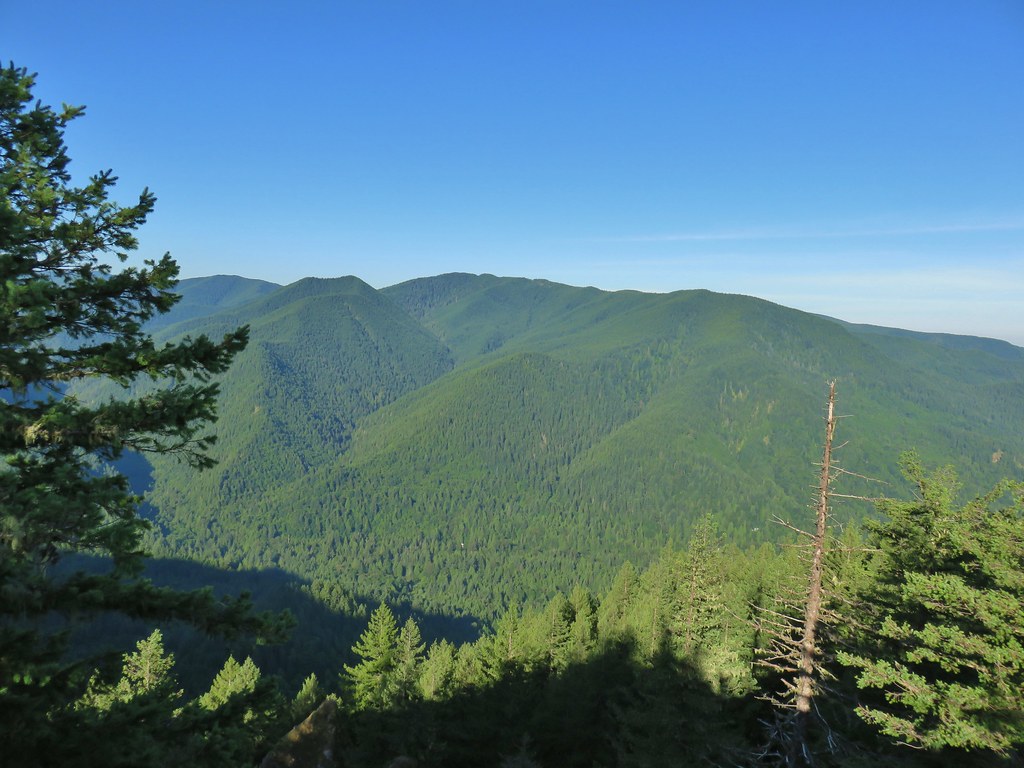 Huckleberry Mountain
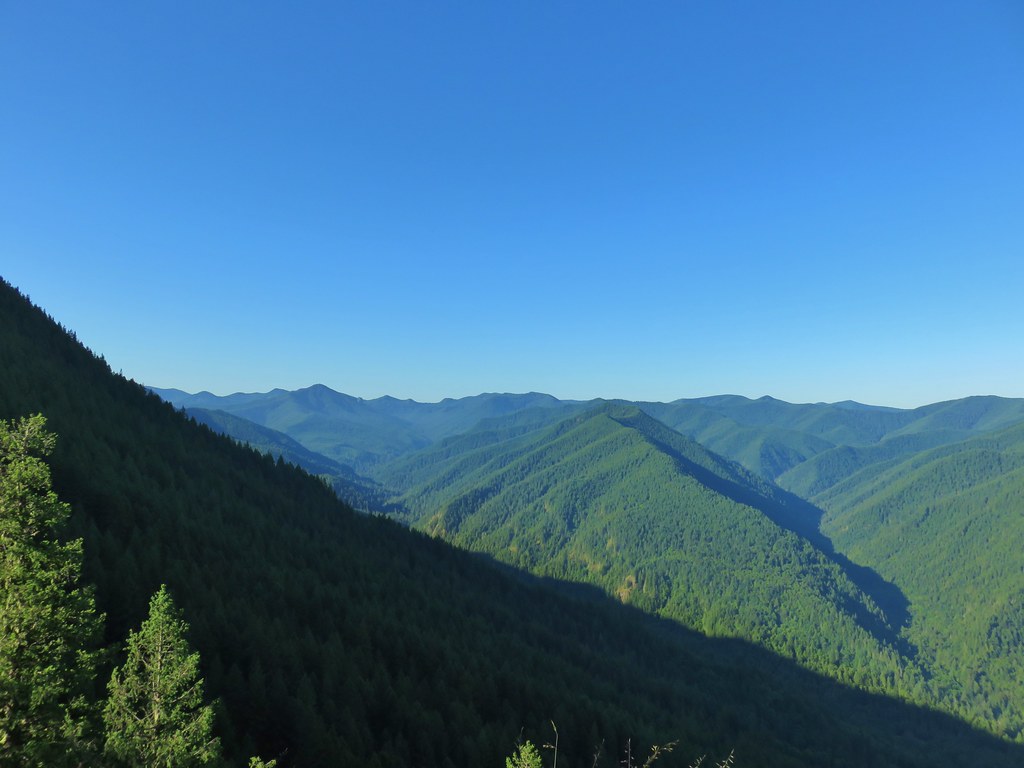 Salmon Butte (
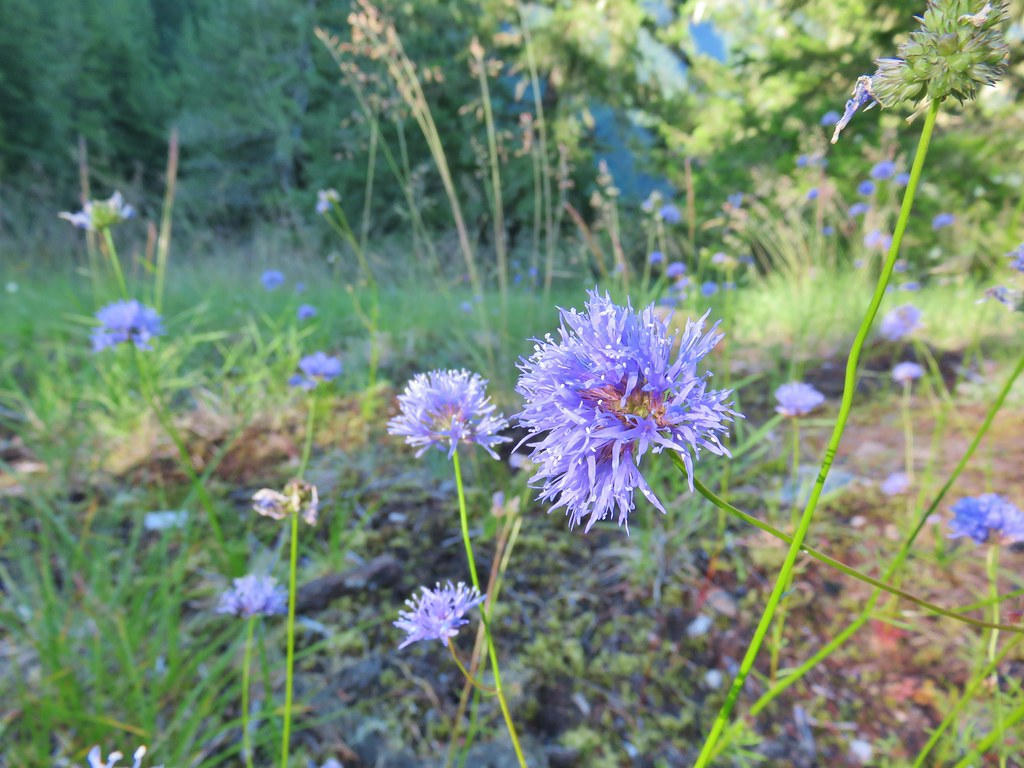 Blue-head gilia
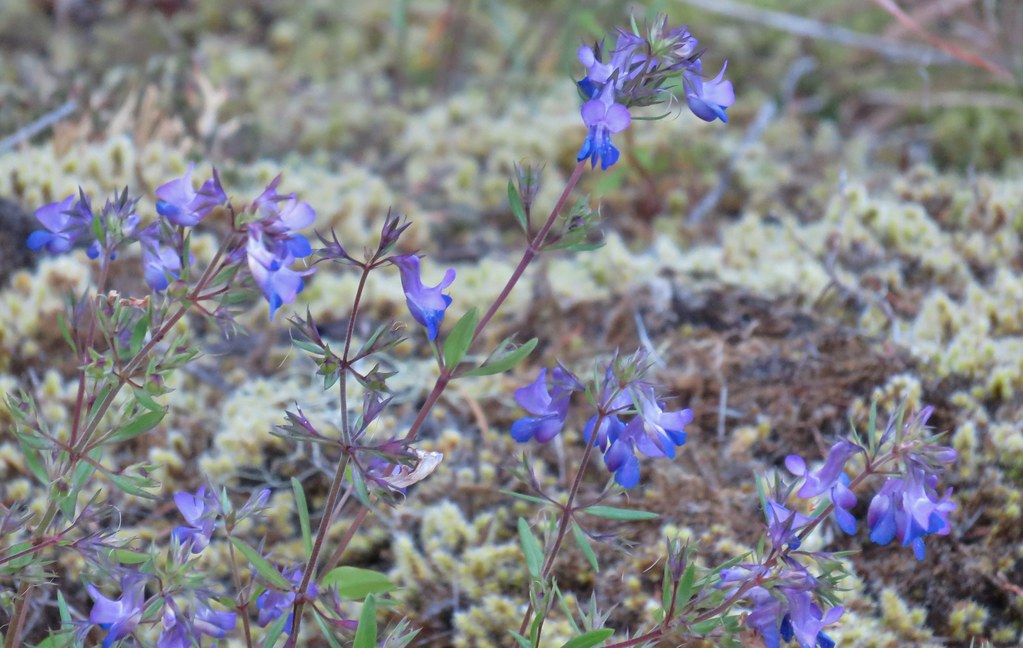 Blue-eyed Mary
 Oregon sunshine, blue-head gilia, penstemon and yarrow.
 Trail dropping toward the forest.
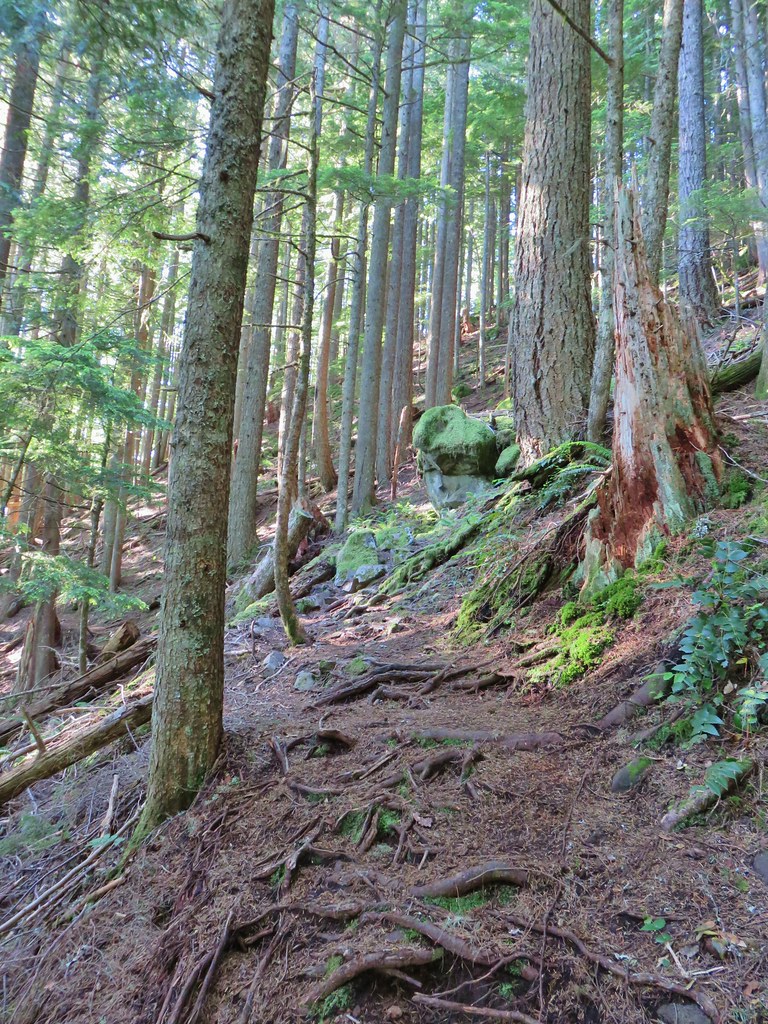 Trail starting to climb again.
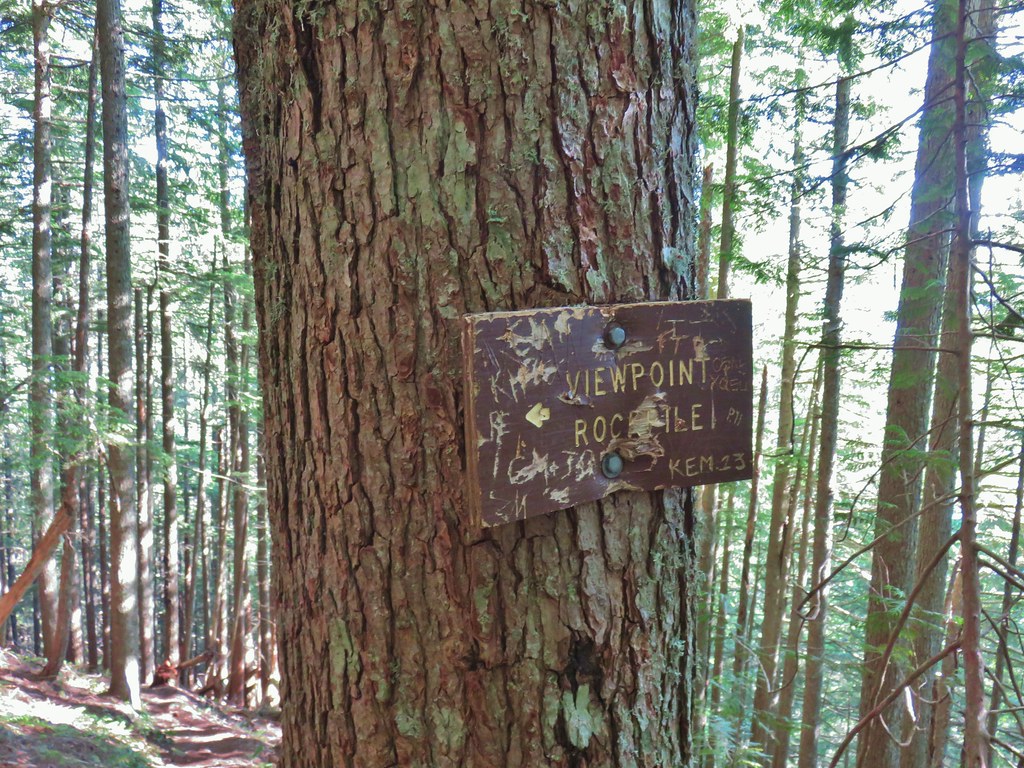 Sign for the viewpoint.
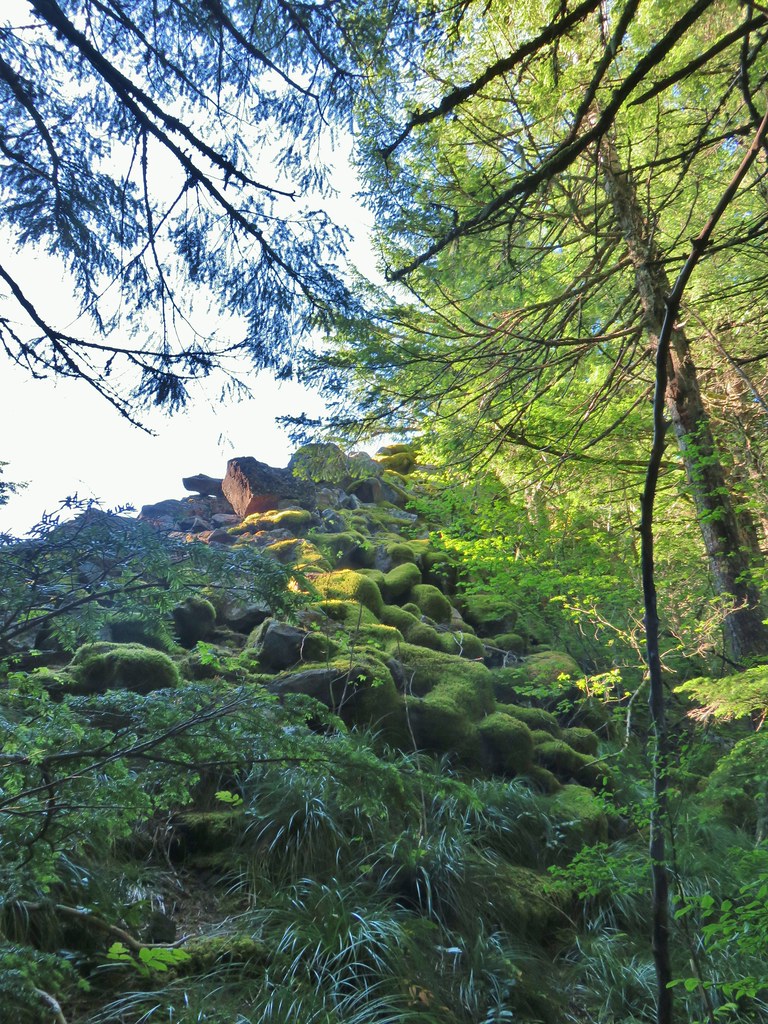
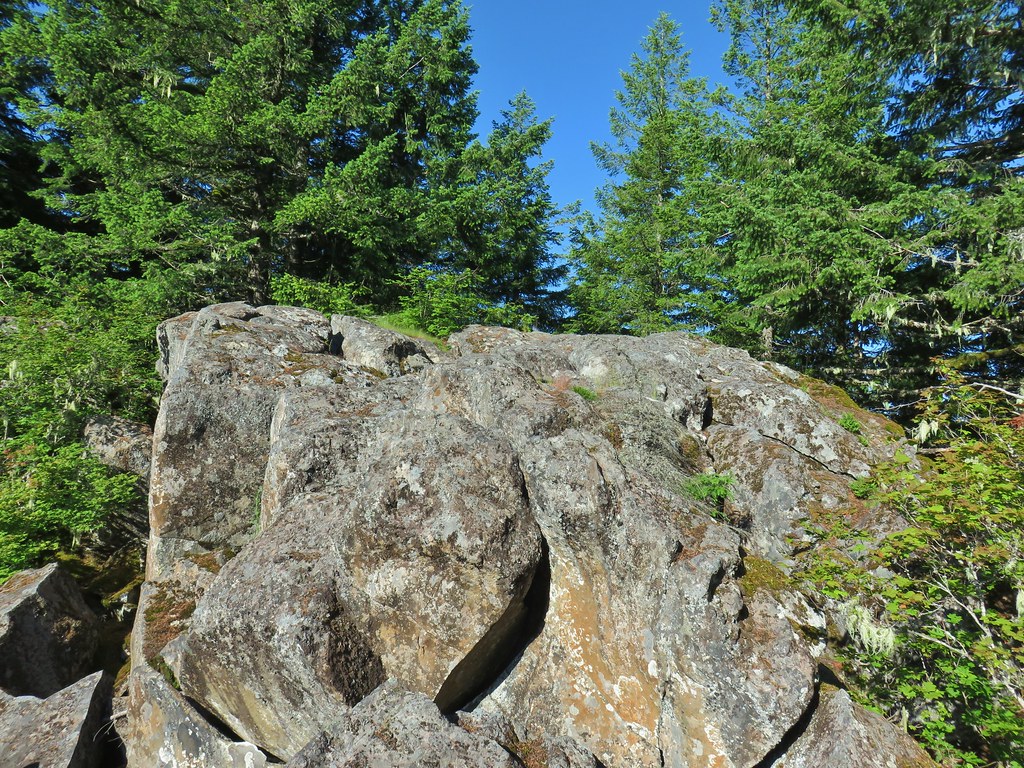 The top of the rocks.
 Washed out view of Mt. Hood

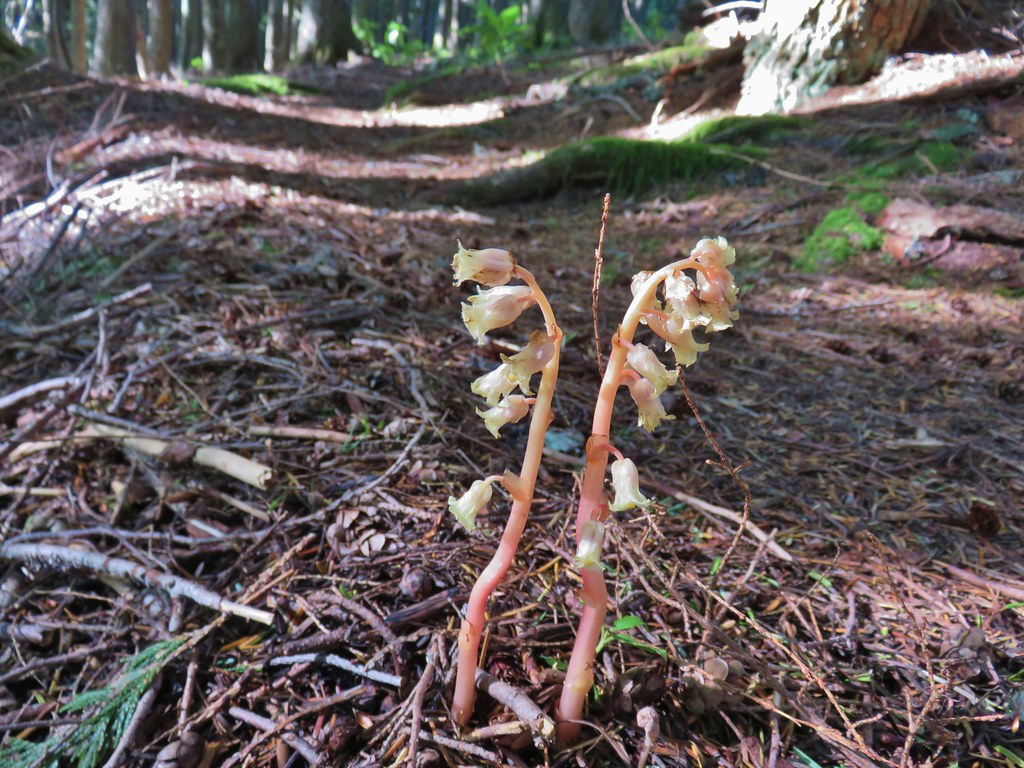 Pinesap
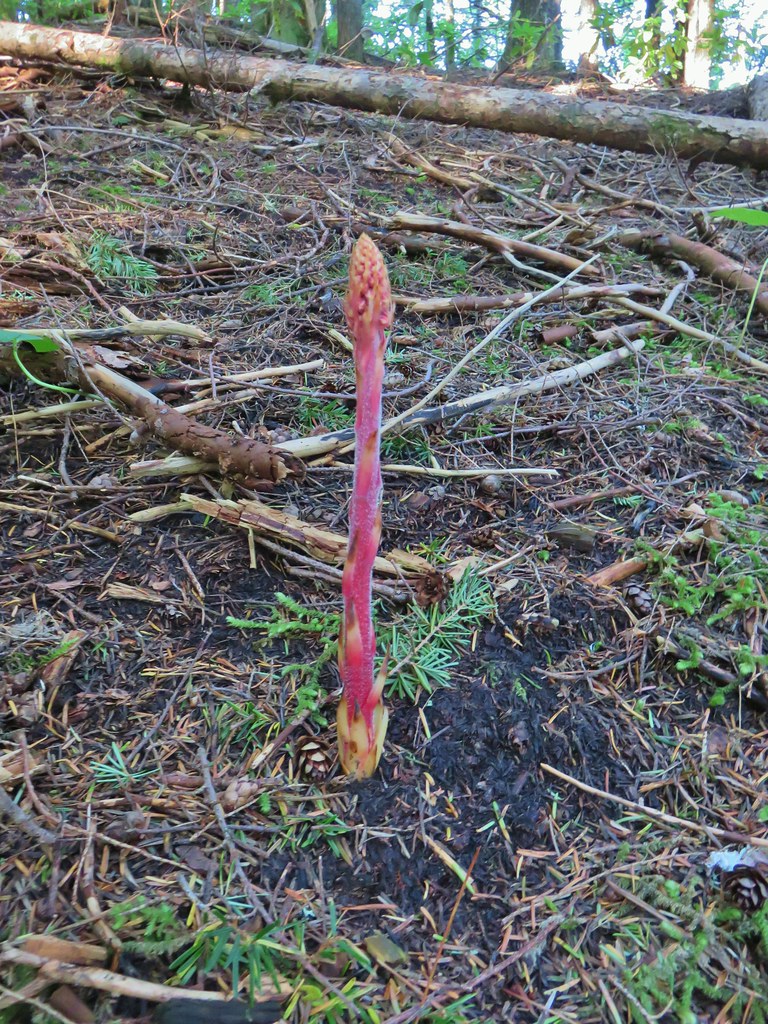 Pinedrop
 Pacific coralroot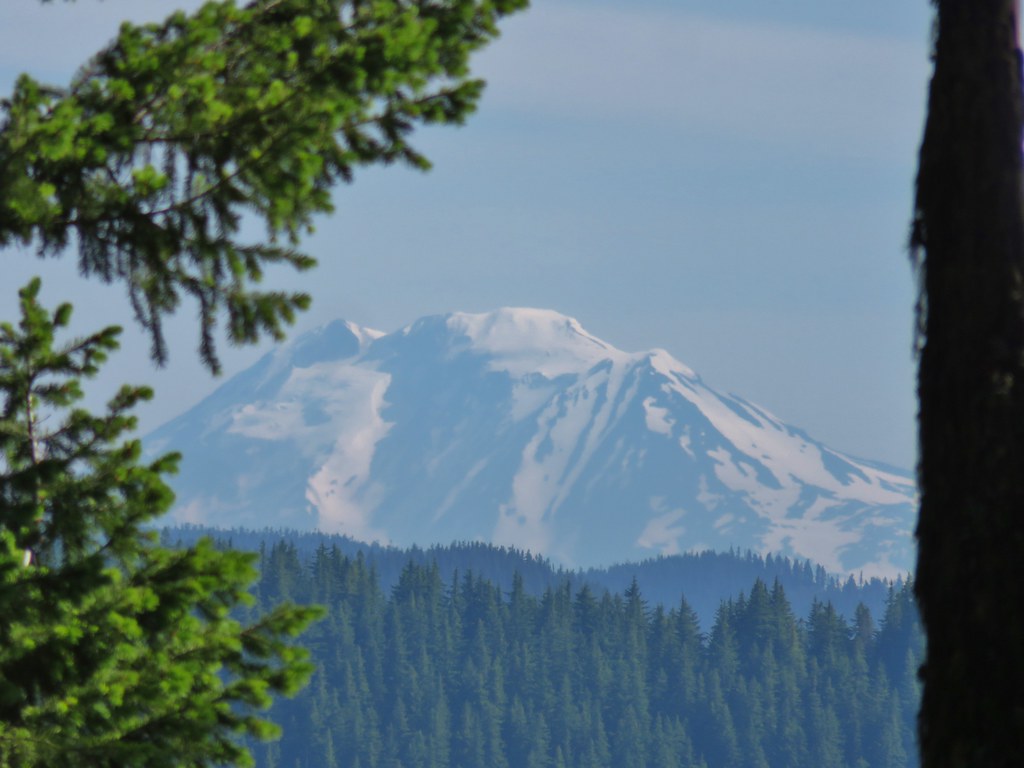


 Passing a rock outcrop on narrower tread.
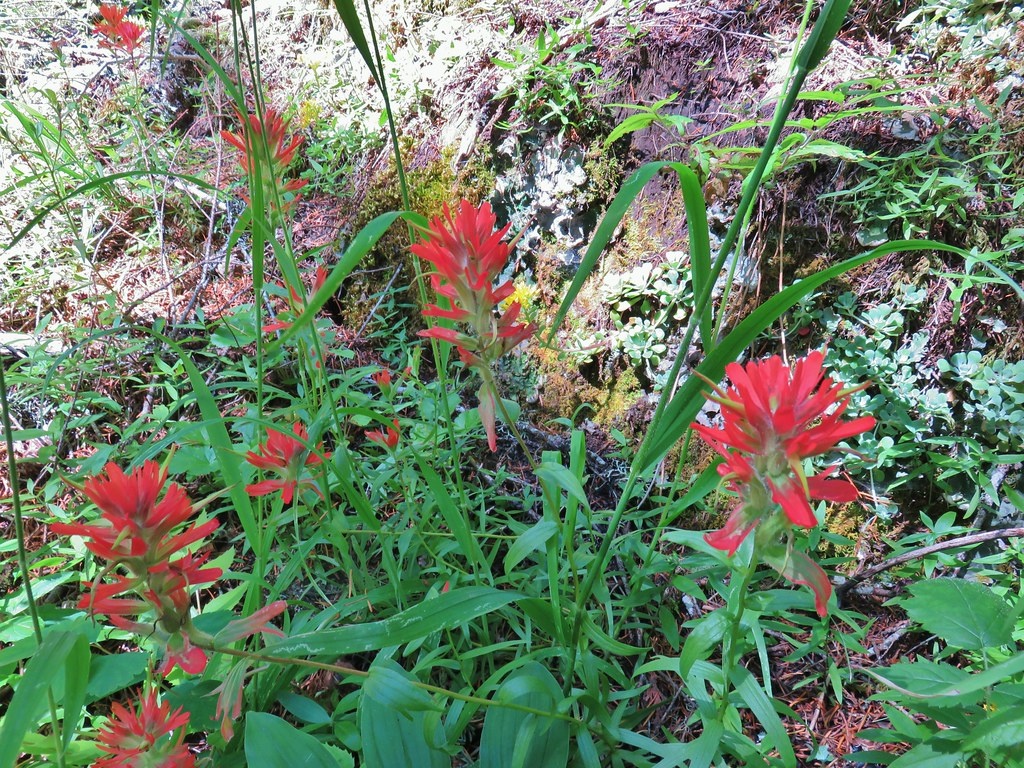 Paintbrush
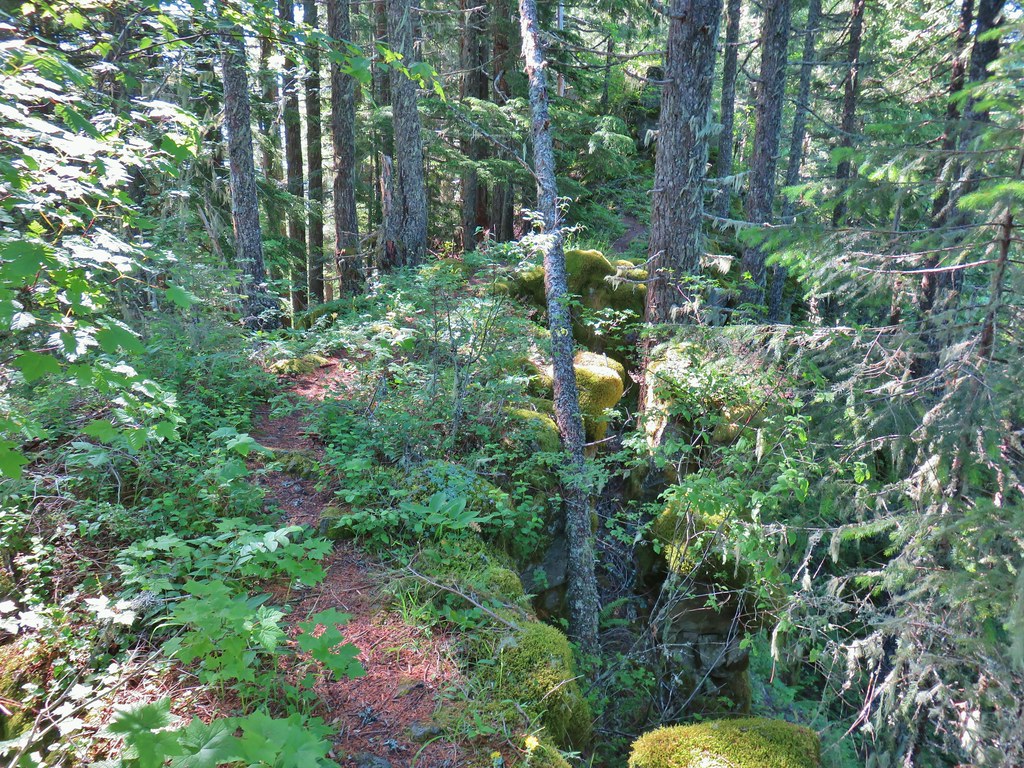 Rocky spine
 Columbine
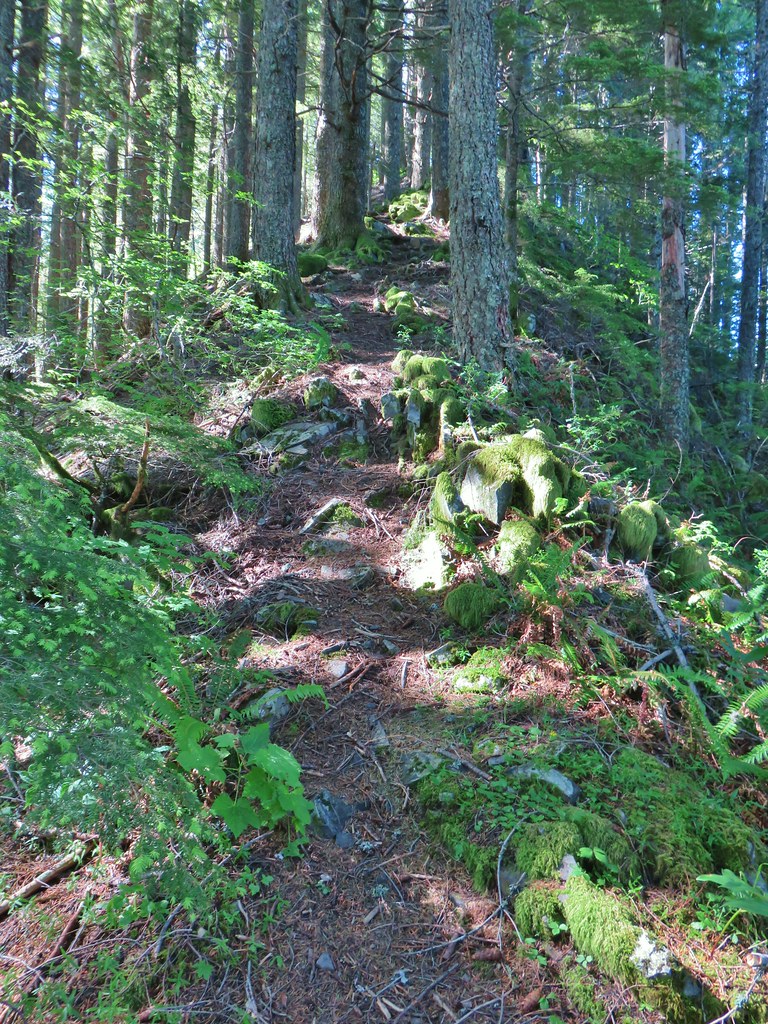 Climbing up the Hunchback Trail.
 Heather coming up the trail.
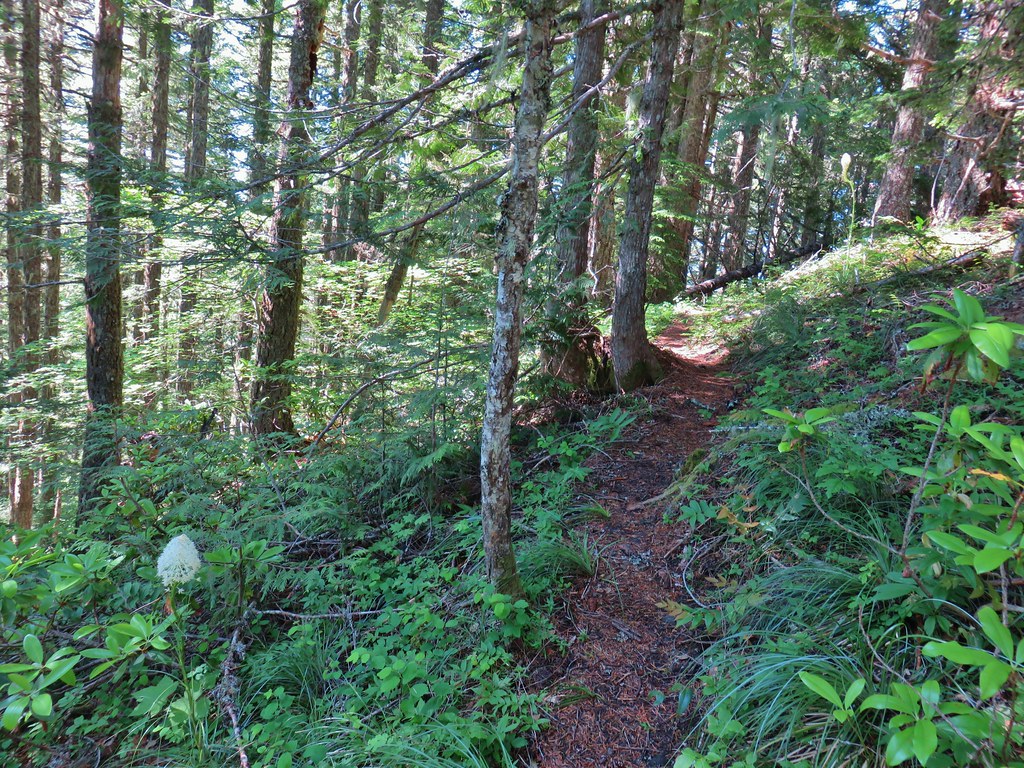 Beargrass near the 4000′ elevation.
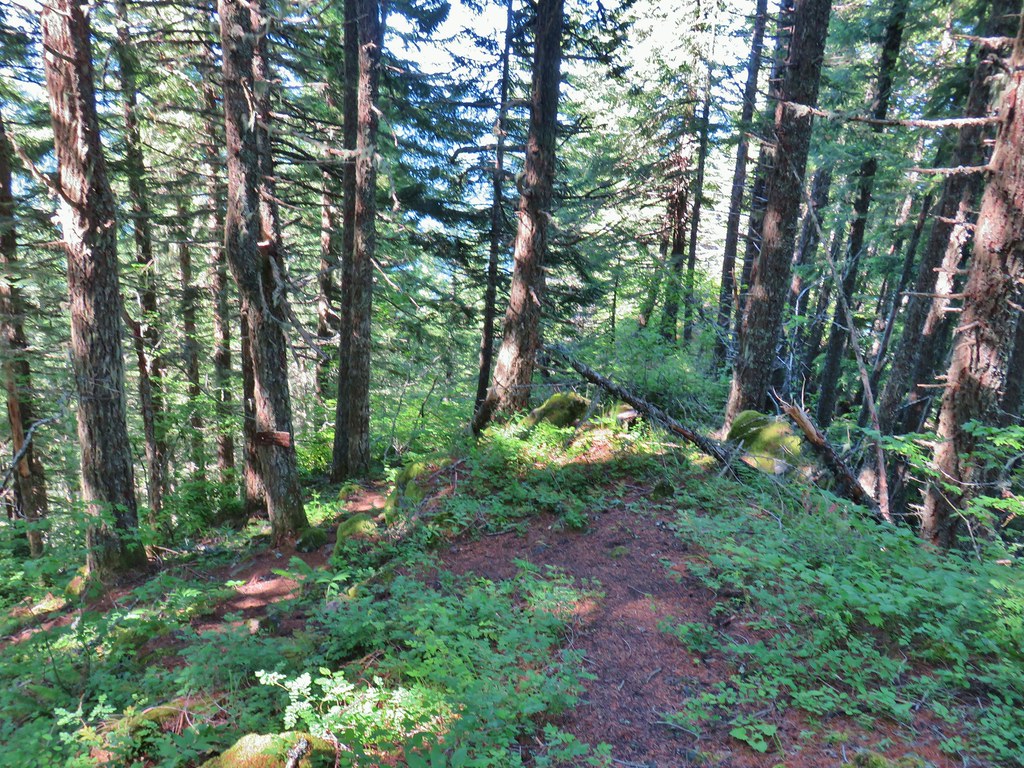 Heading down to the viewpoint sign.
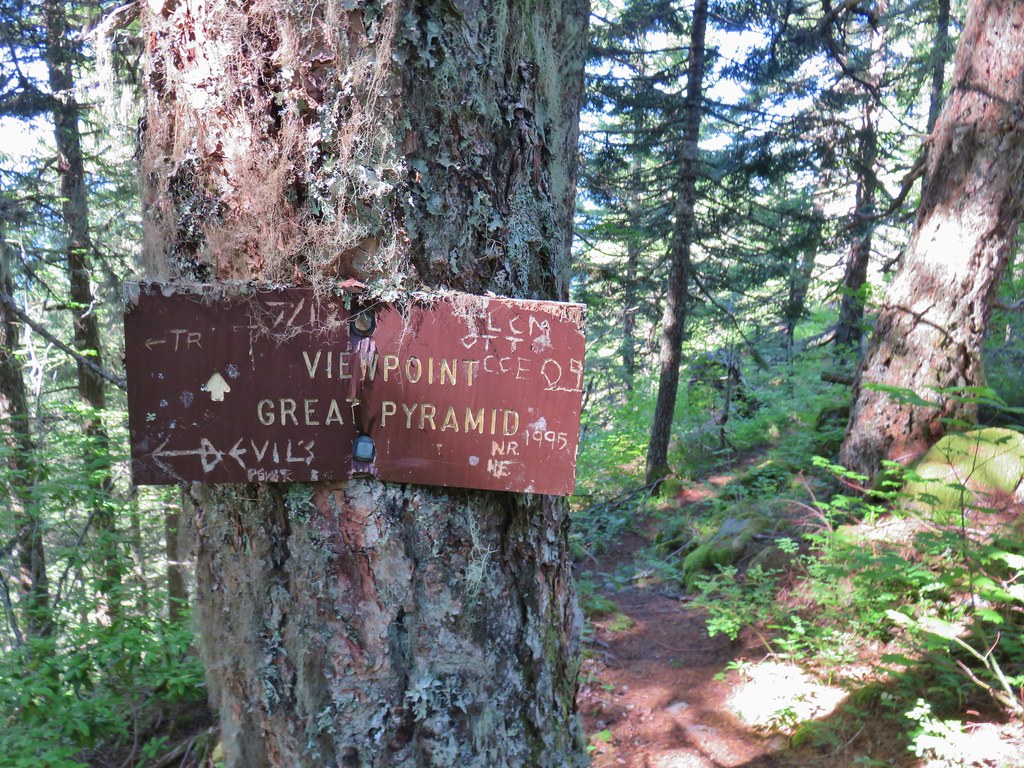 Side trail to the Great Pyramid.

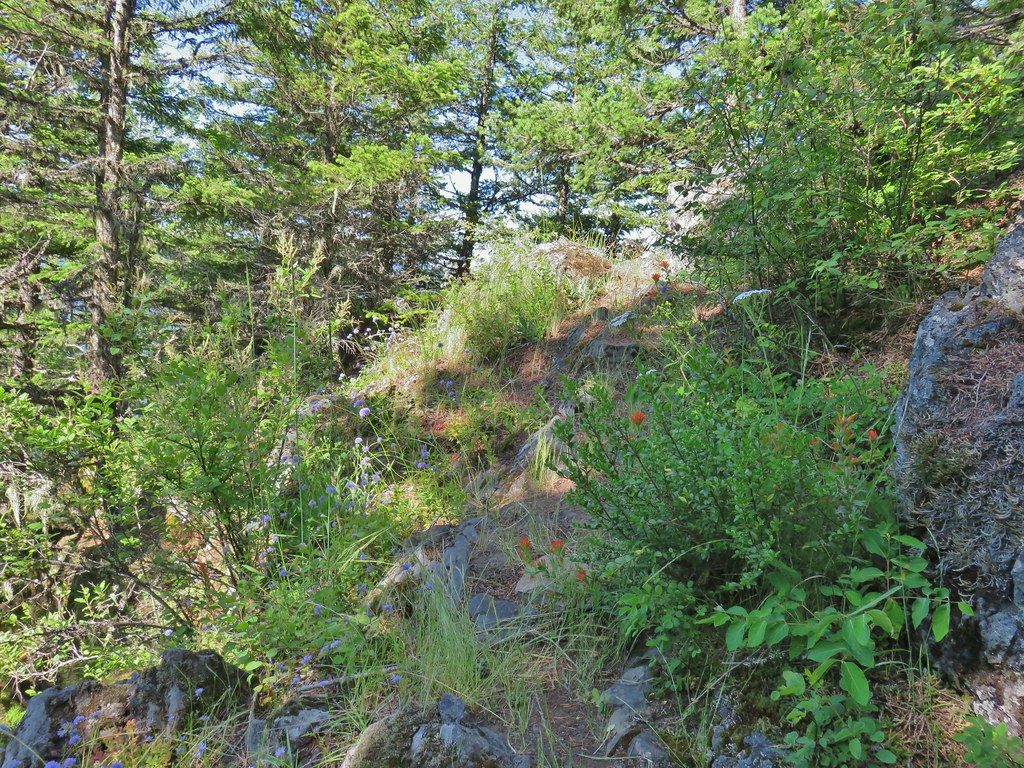
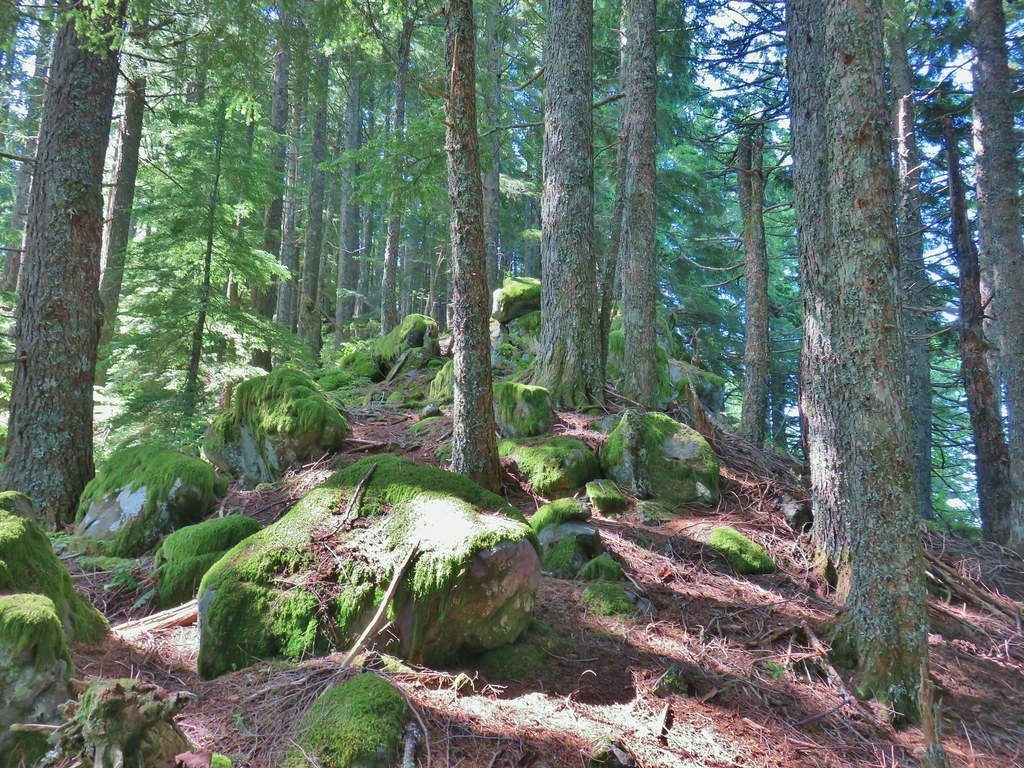
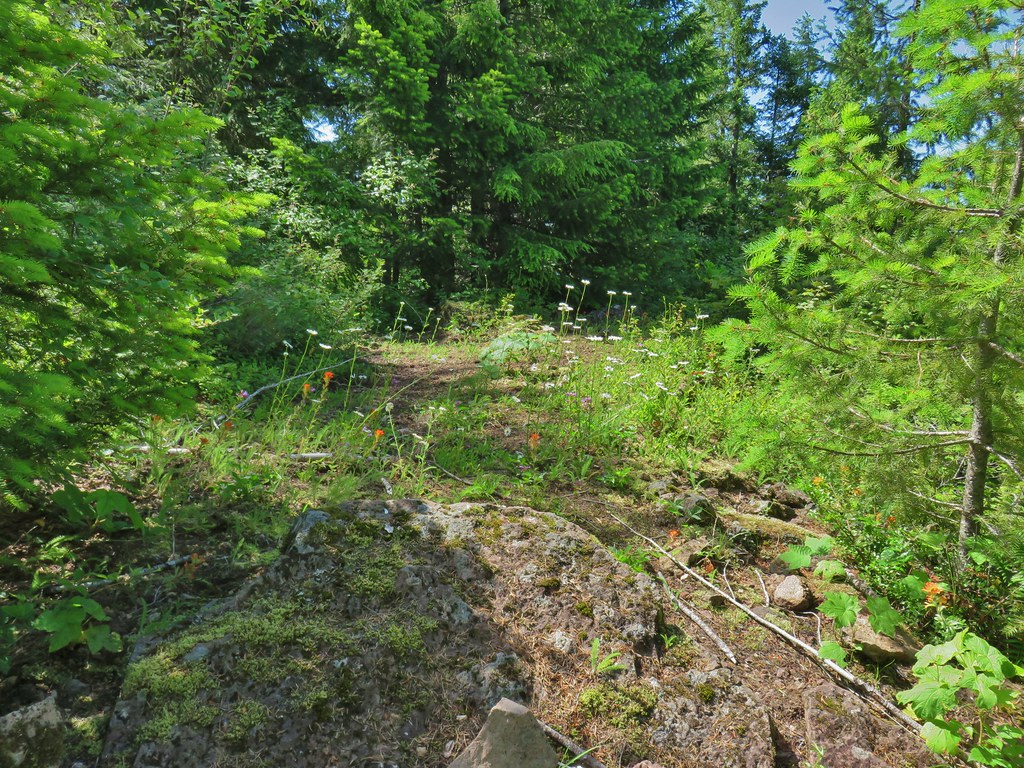

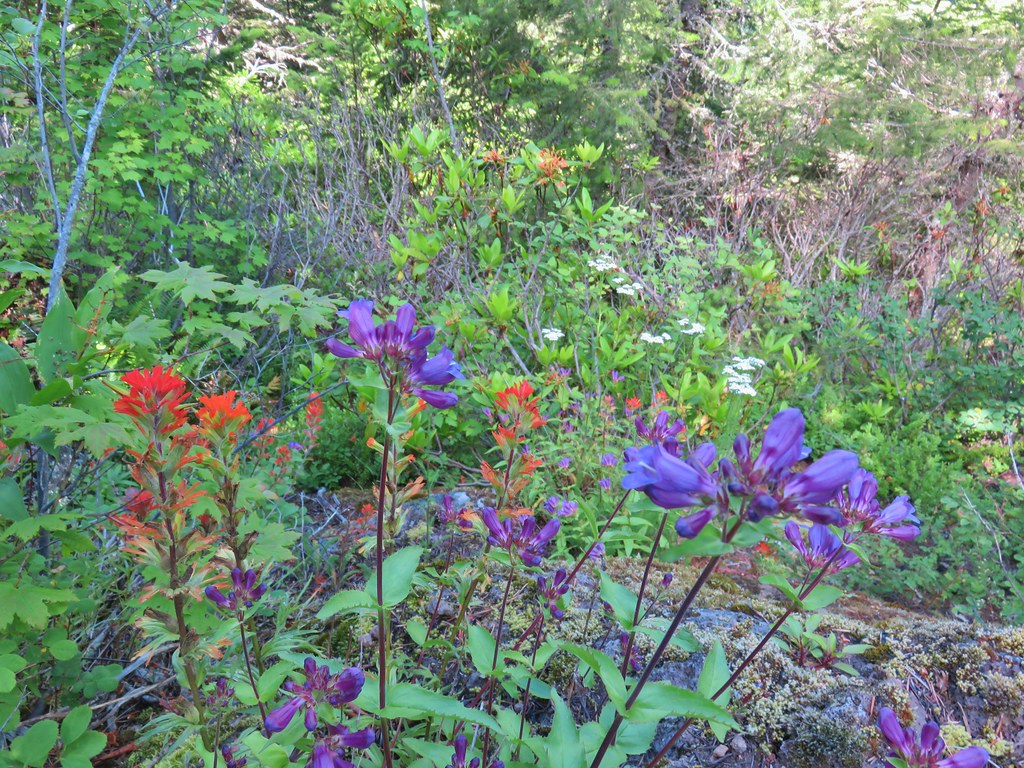
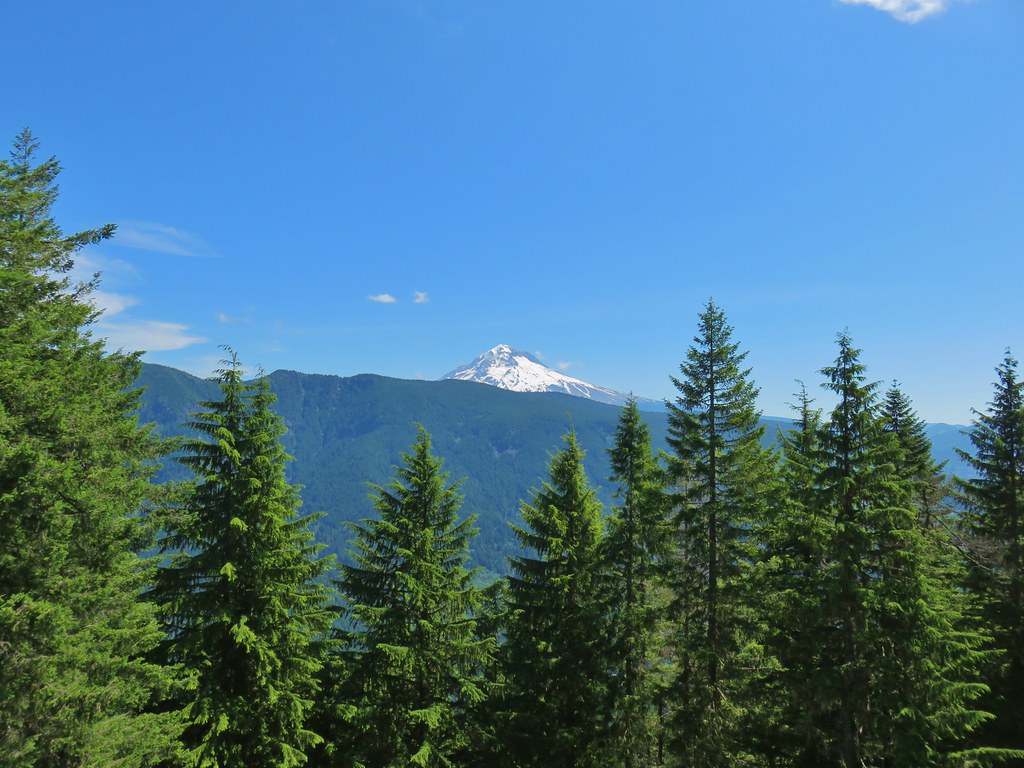 The cliffs of West Zigzag Mountain to the left of Mt. Hood where we’d been the week before (
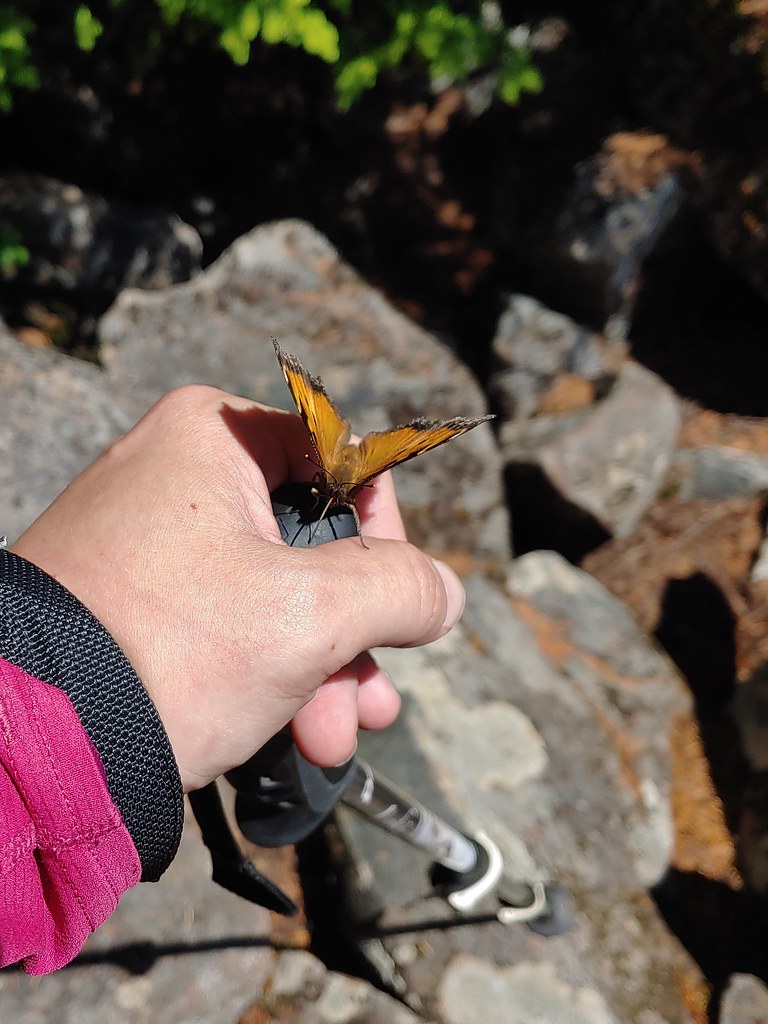 We weren’t entirely alone as Heather was visited by a butterfly.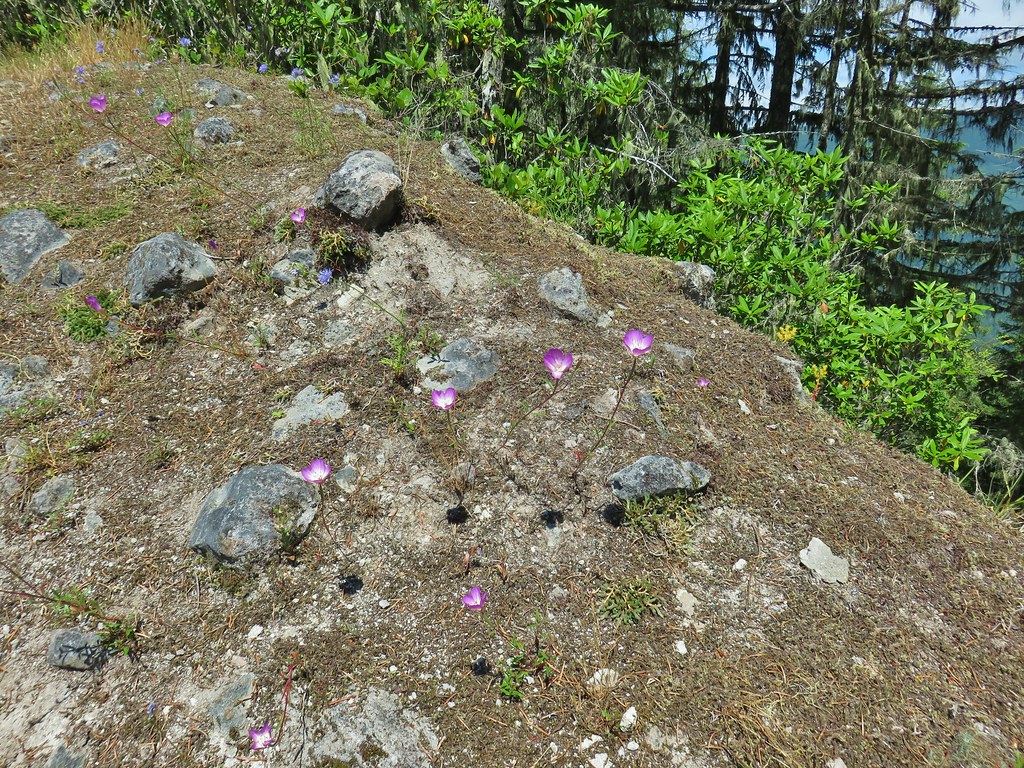
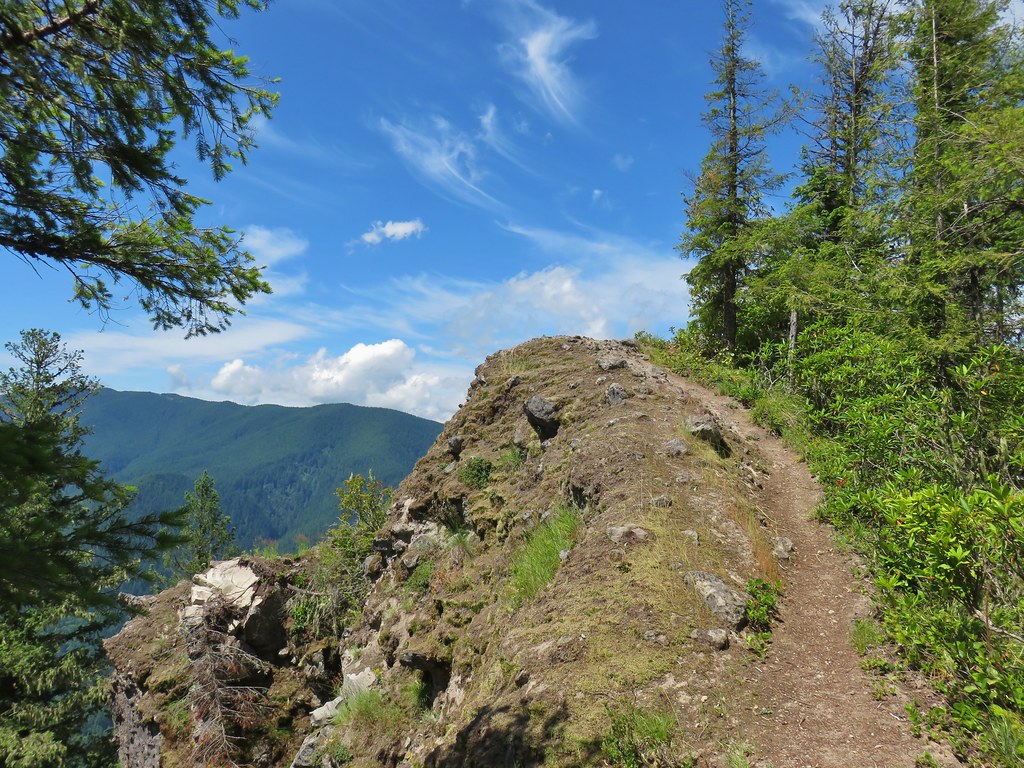
 Looking down into the Salmon River valley
 Looking west toward Highway 26
 Blue-head gilia
 Penstemon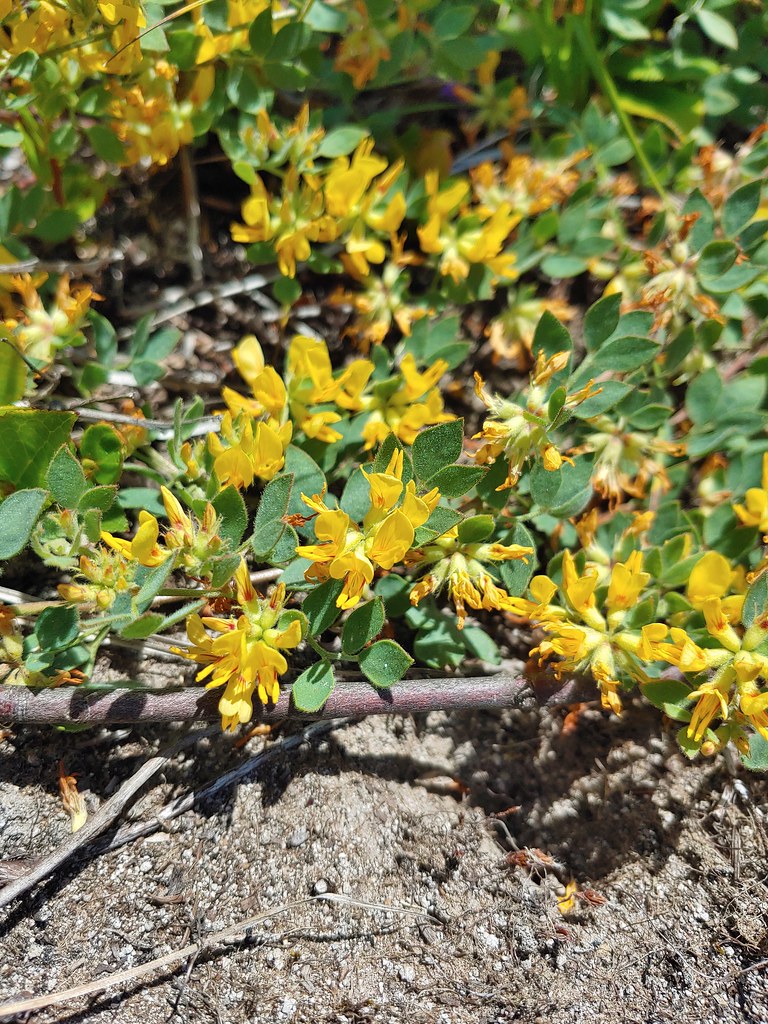
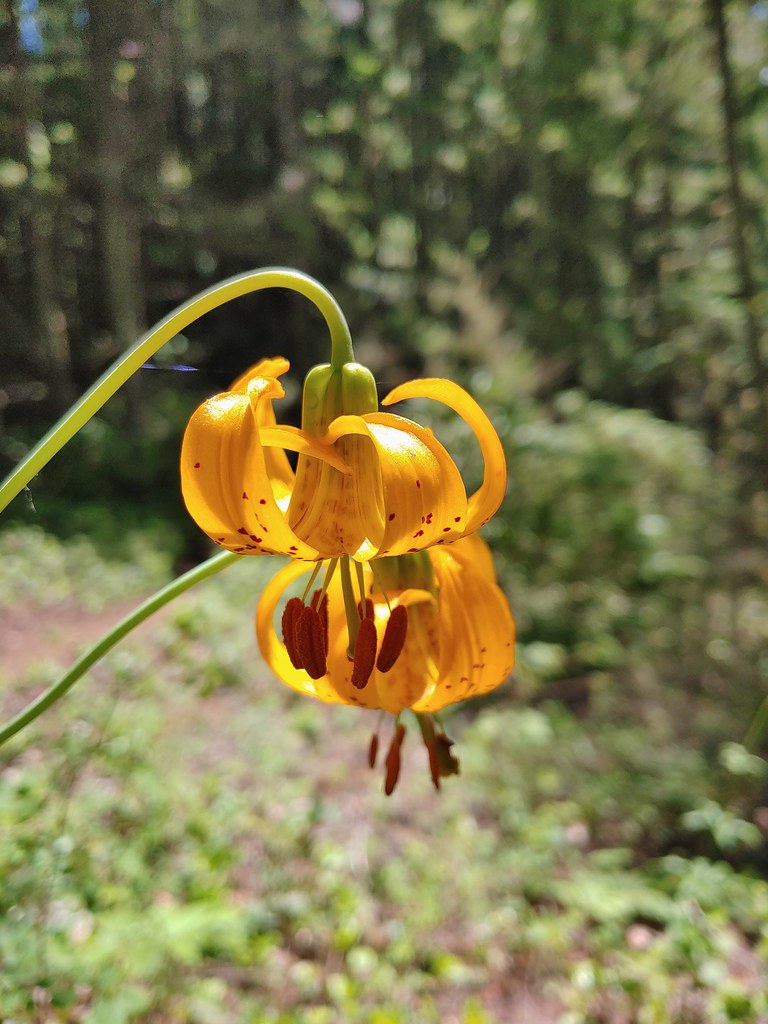 Tiger lilies
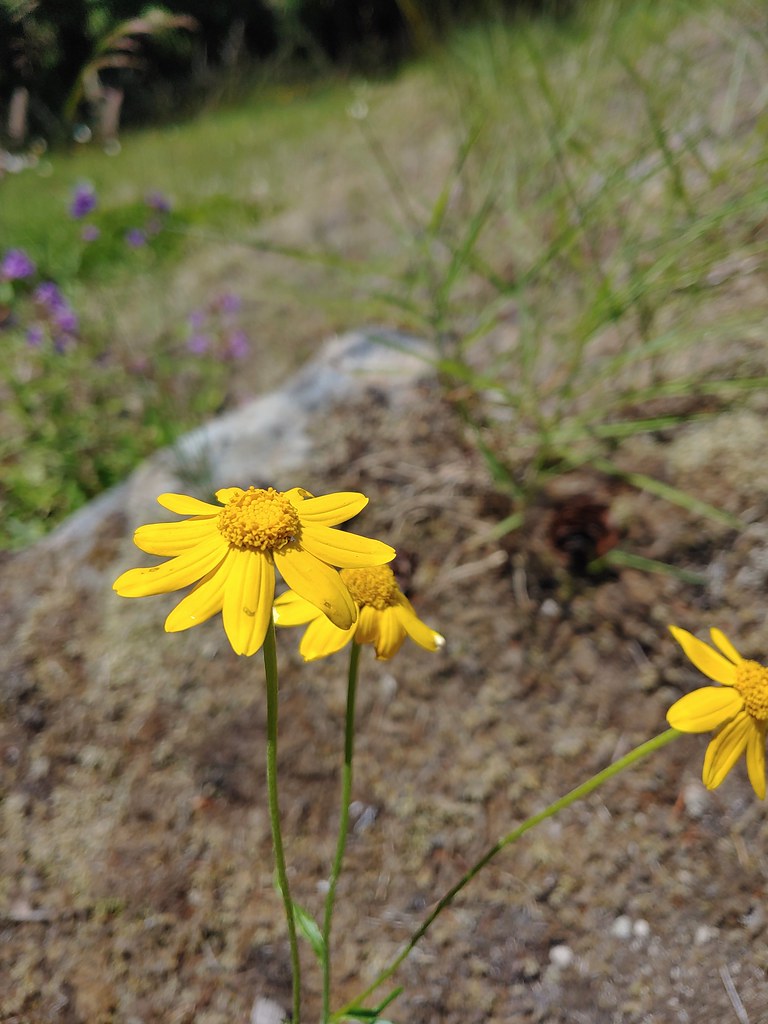 Oregon sunshine
 Cat’s ear lilies
 Parking area is just a wide spot in the road.
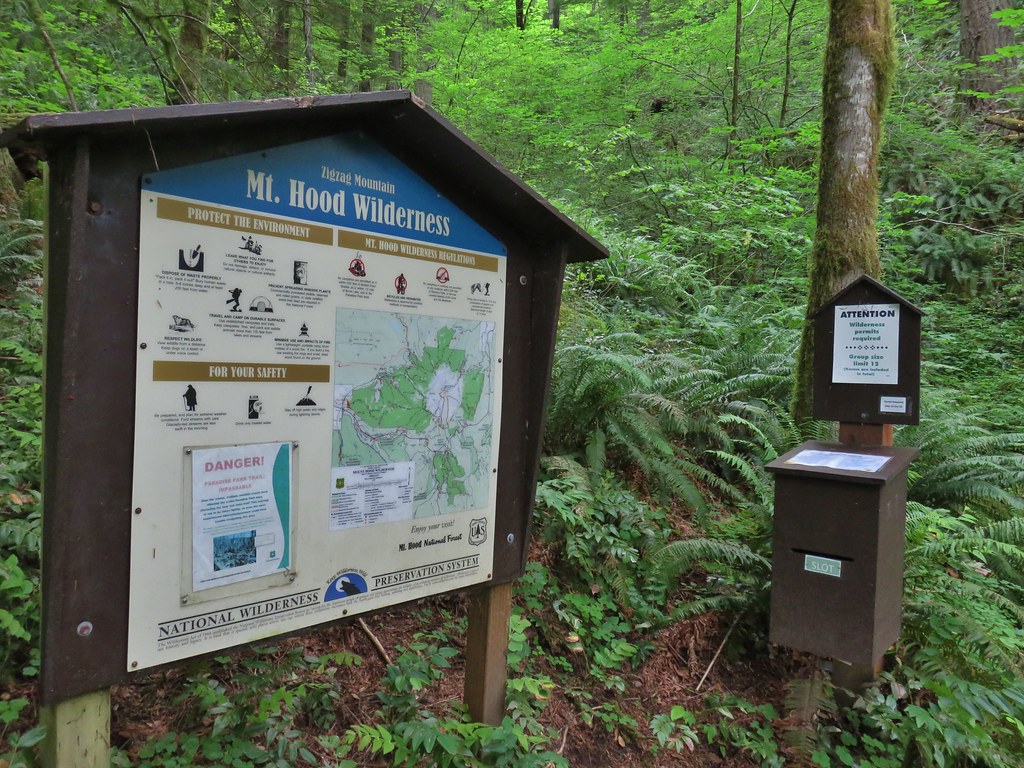
 Zigzag Mountain Trail entering the Mt. Hood Wilderness.
 Washington lilies
 Tiger lilies
 Self-heal
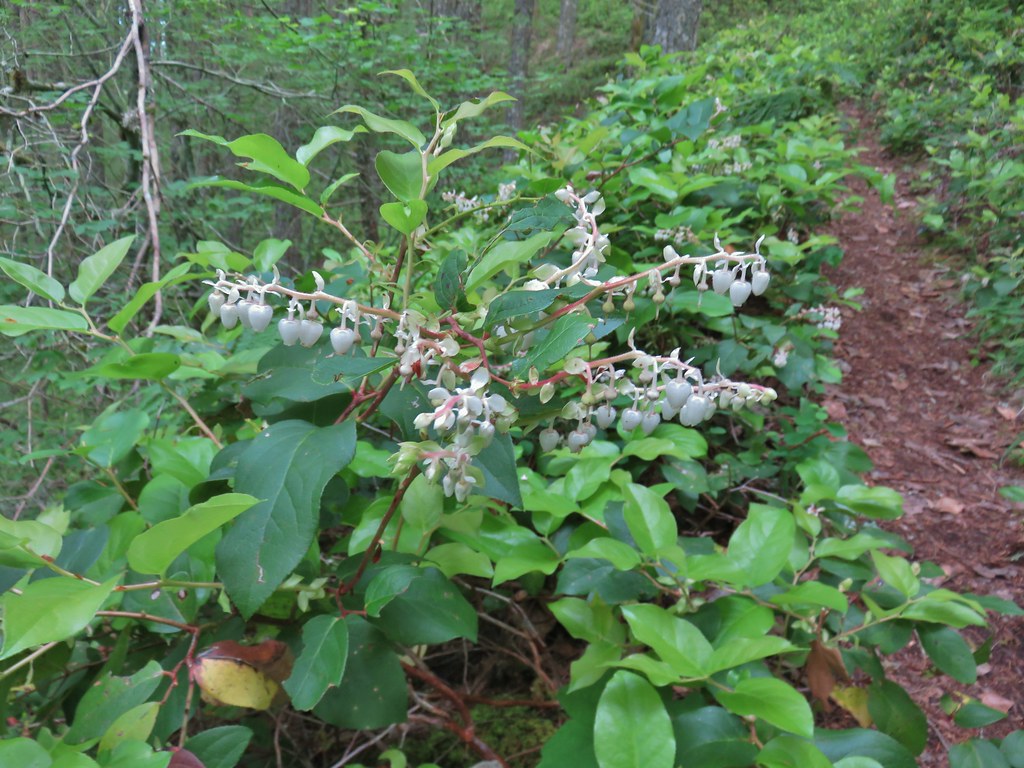 Salal
Salal Candy sticks
 Queen’s cup and bunchberry
 Anemone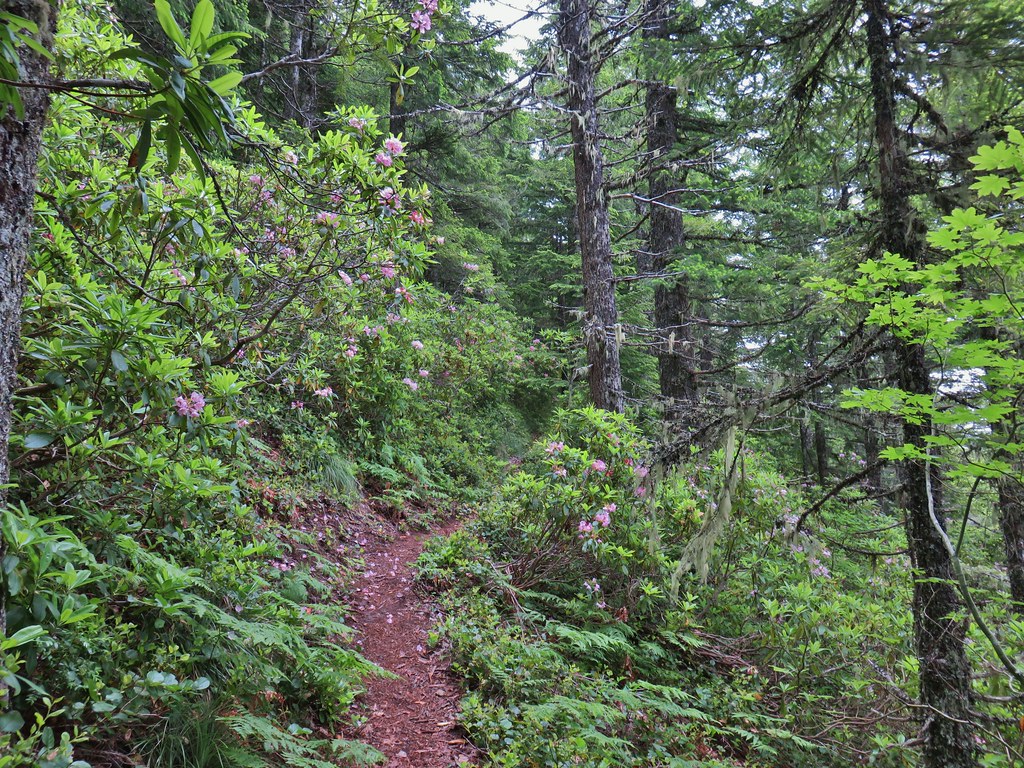


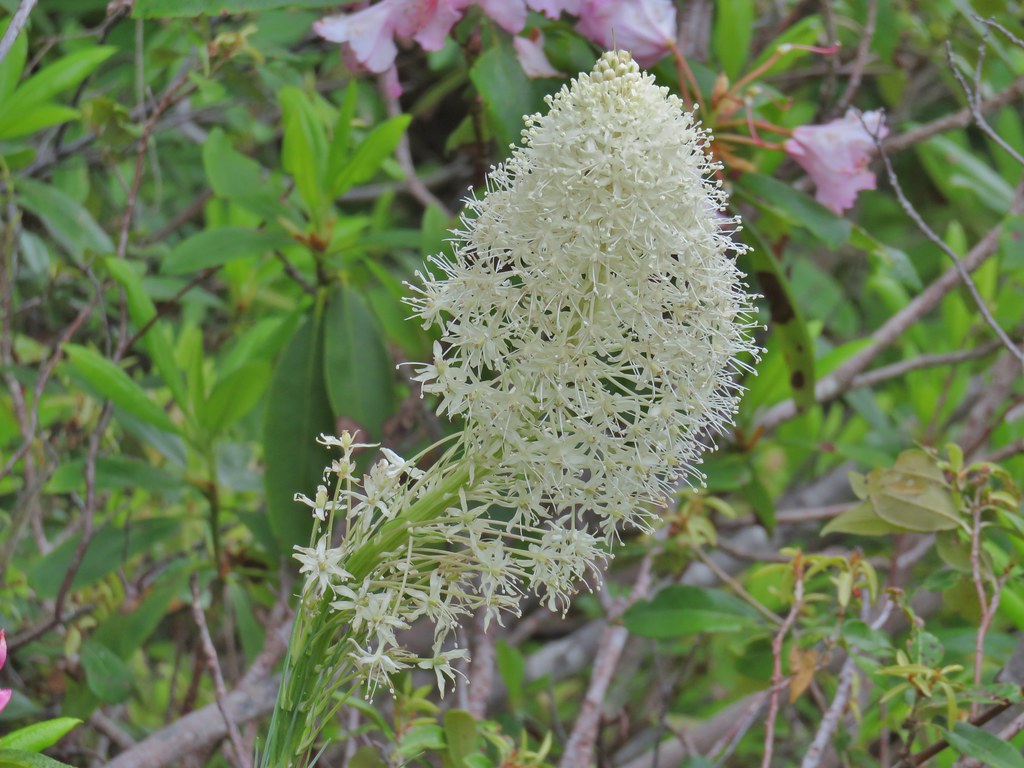 Beargrass
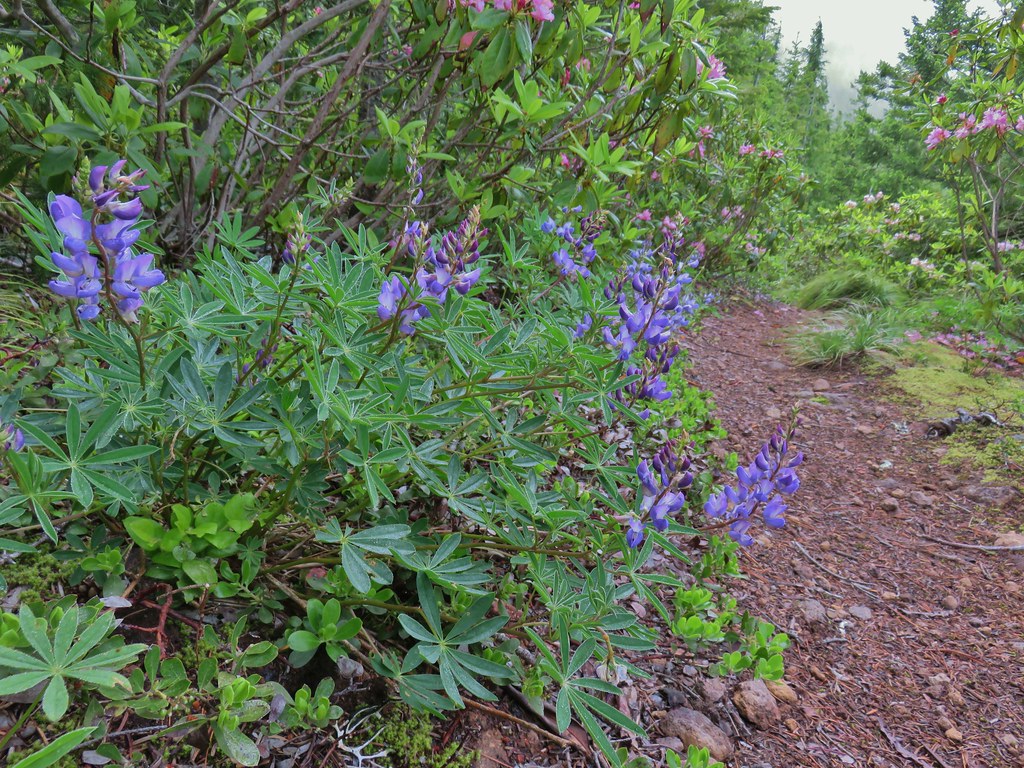 Lupine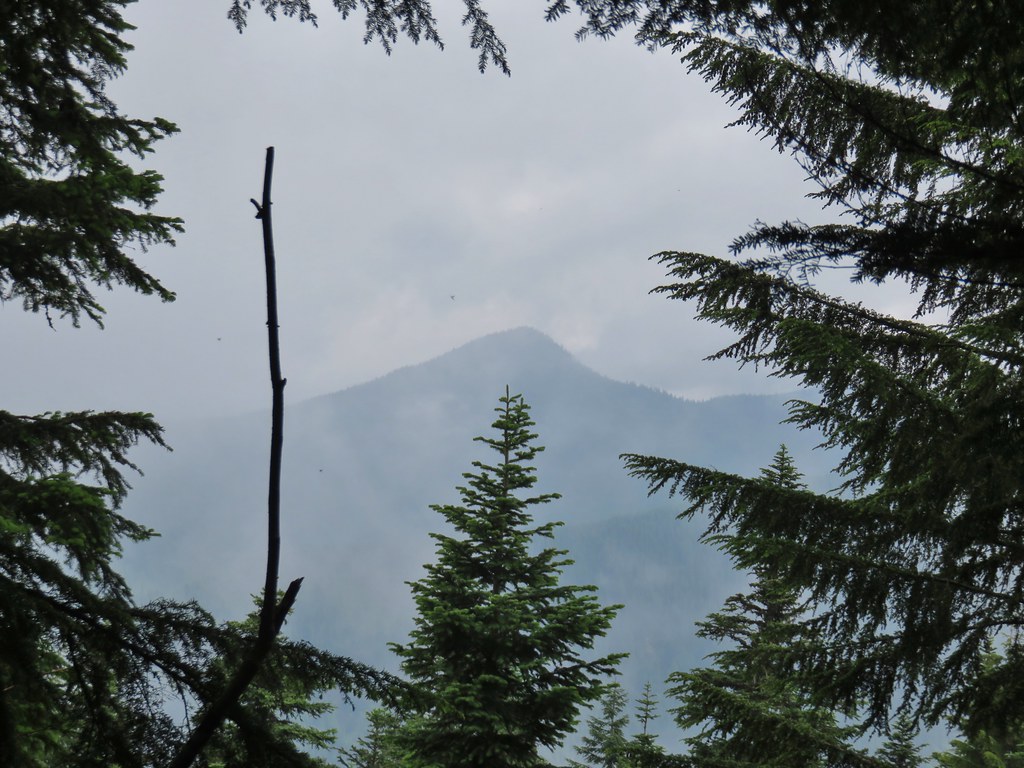
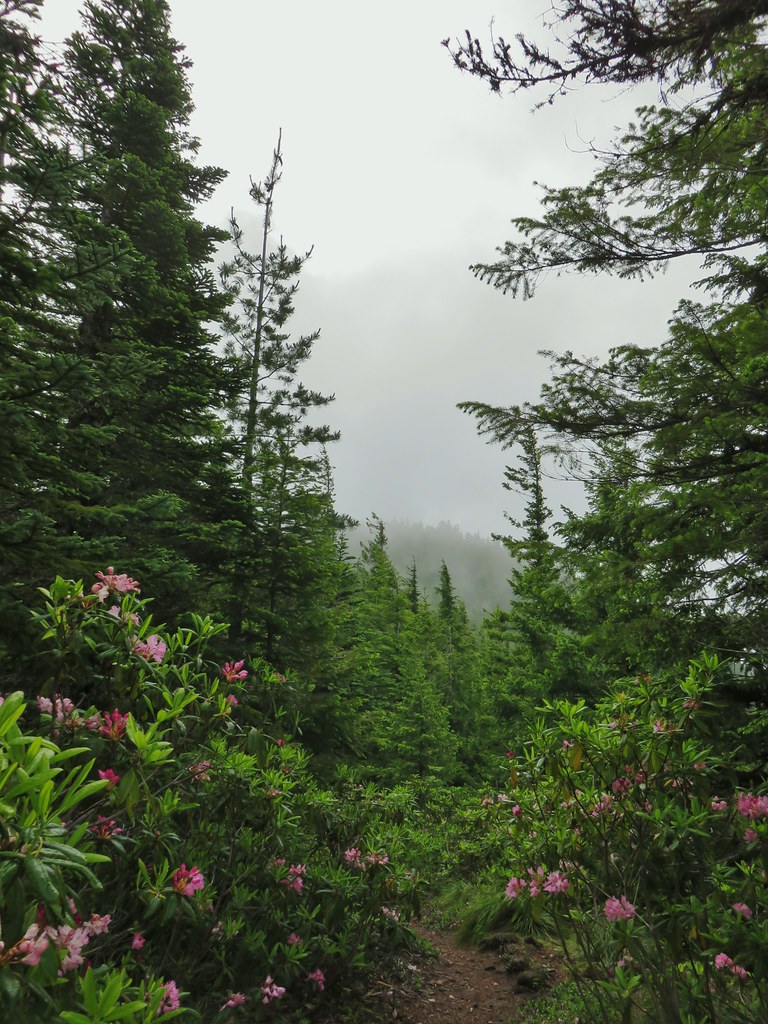
 Trillium along the north facing side of the ridge.
 Mushroom
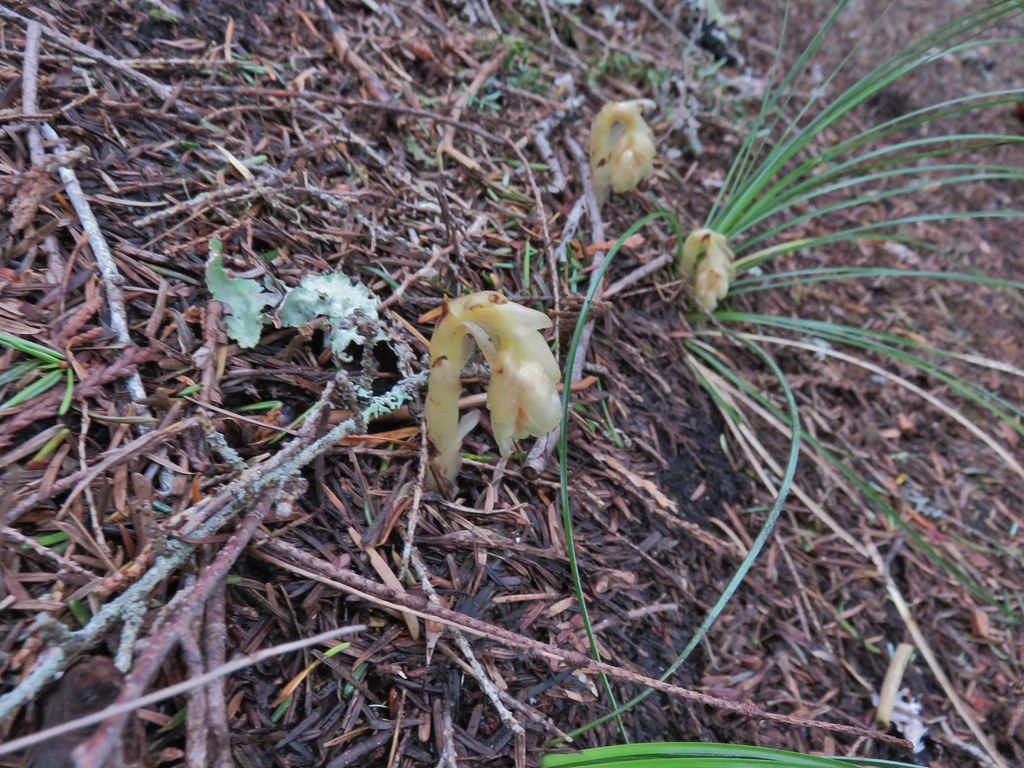 Pinesap
 Passing a rock outcrop.
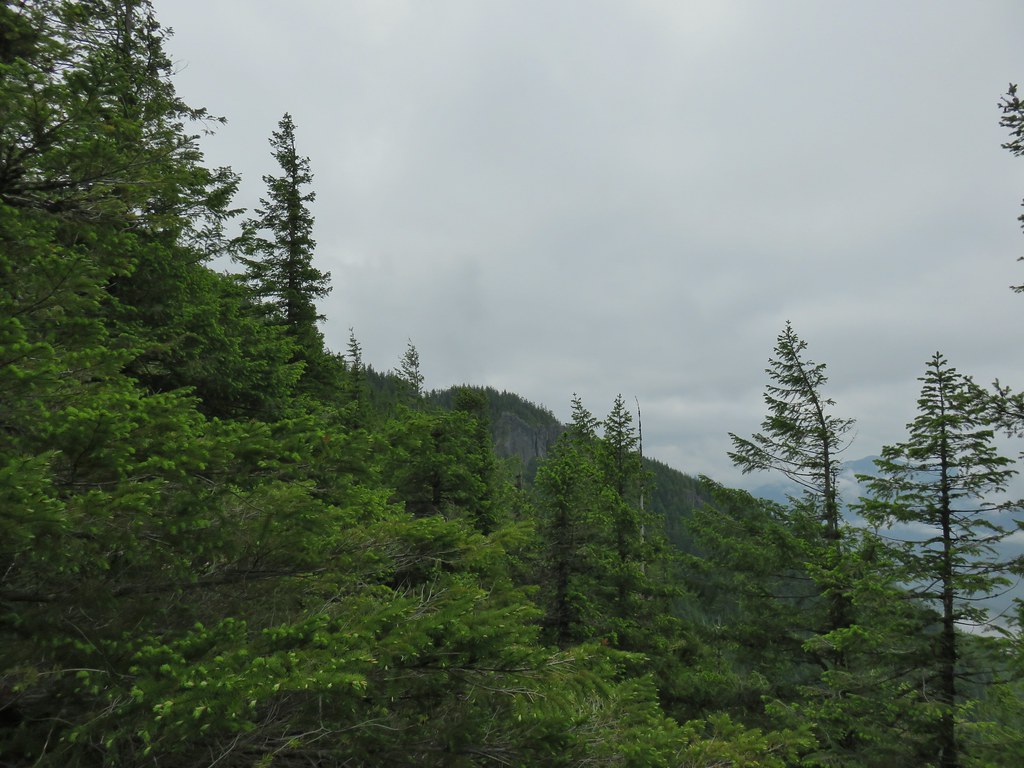 West Zigzag Mountain from the trail.
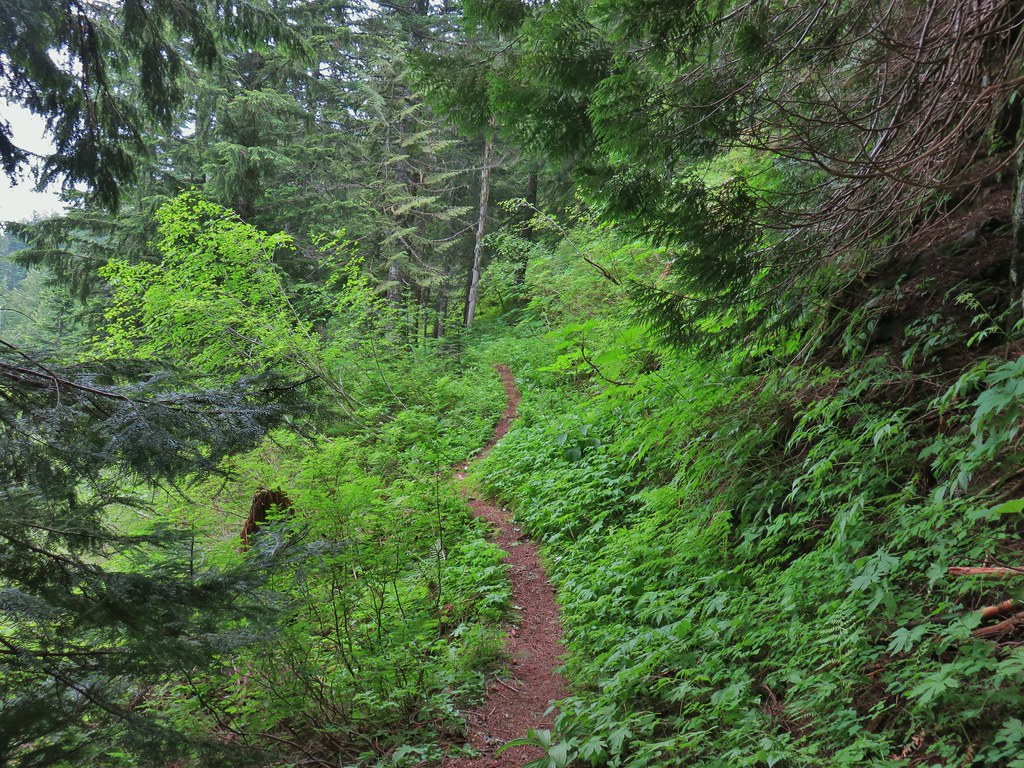 Back to the north facing side.
 Now on the south facing side.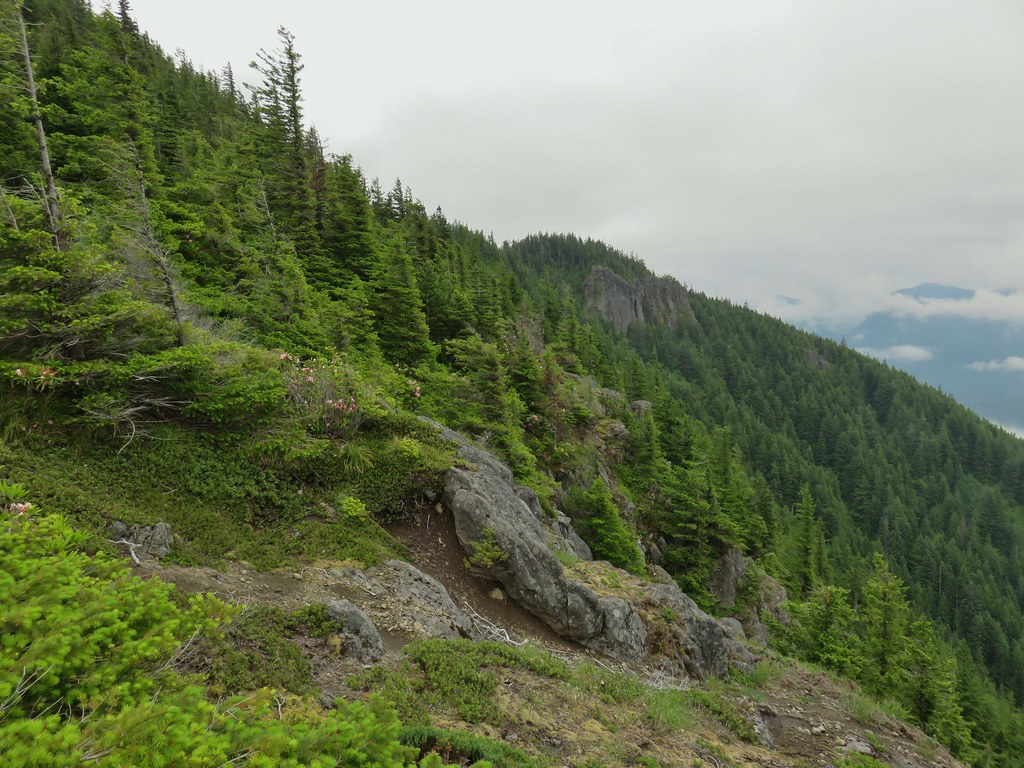

 Sub-alpine mariposa lily at the viewpoint.
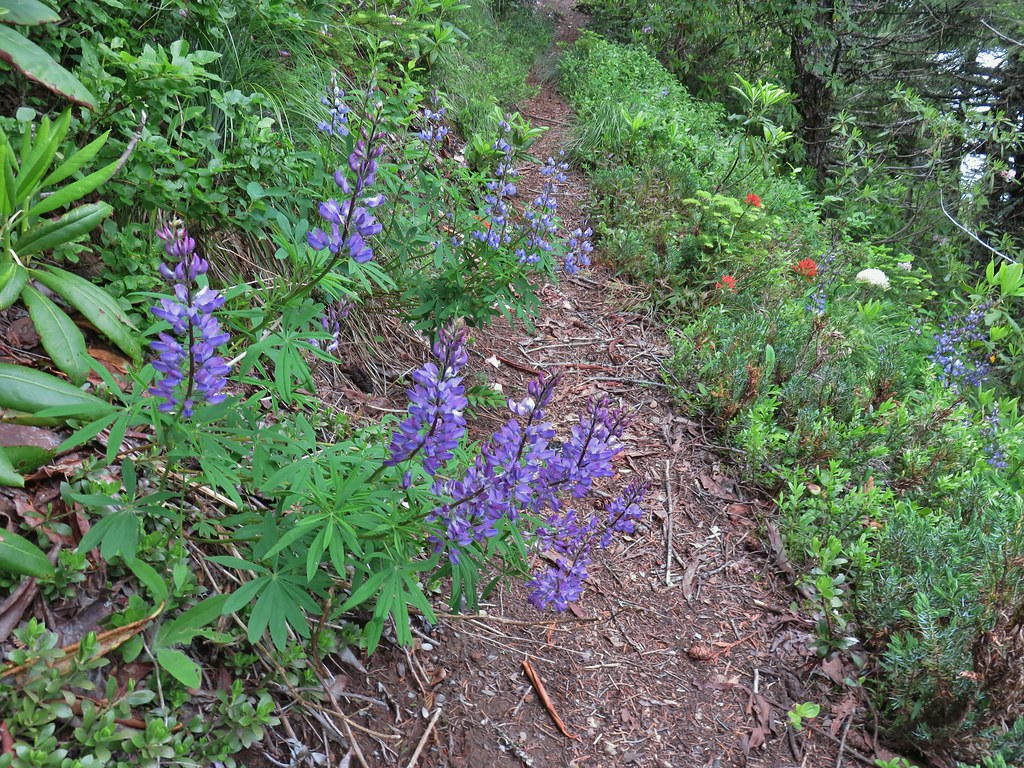 Lupine and paintbrush
 Beargrass and rhododendron
 Huckleberry
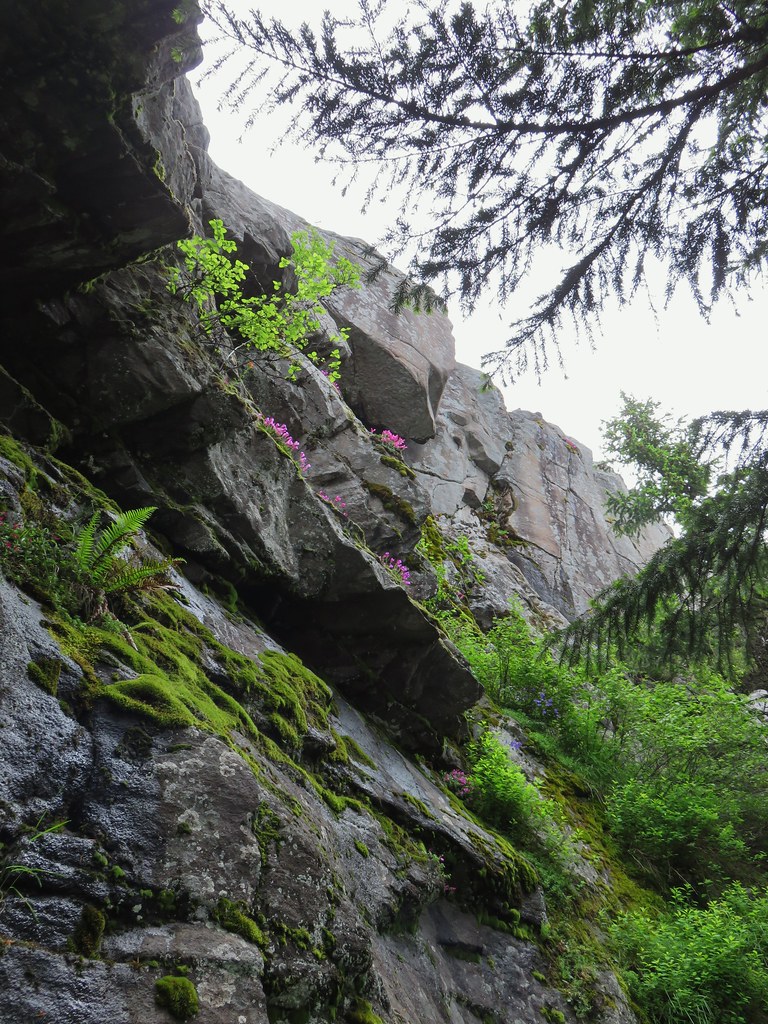 Cliff beardtongue
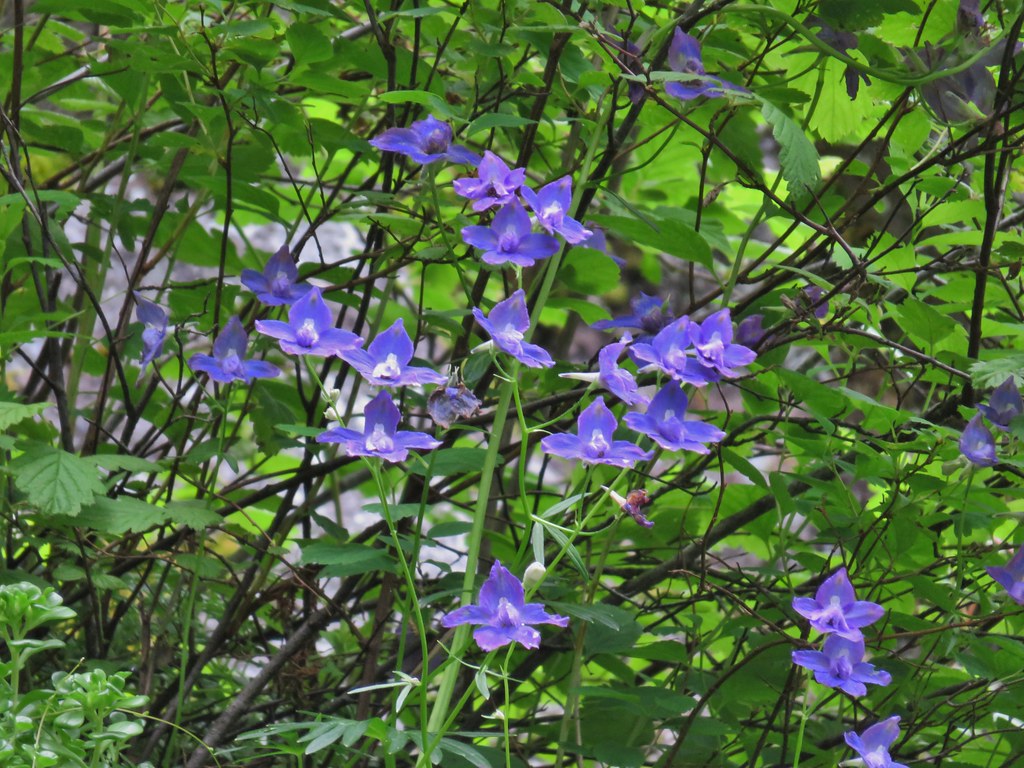 Larkspur
 Phlox
Phlox More cliff beardtongue
 Penstemon
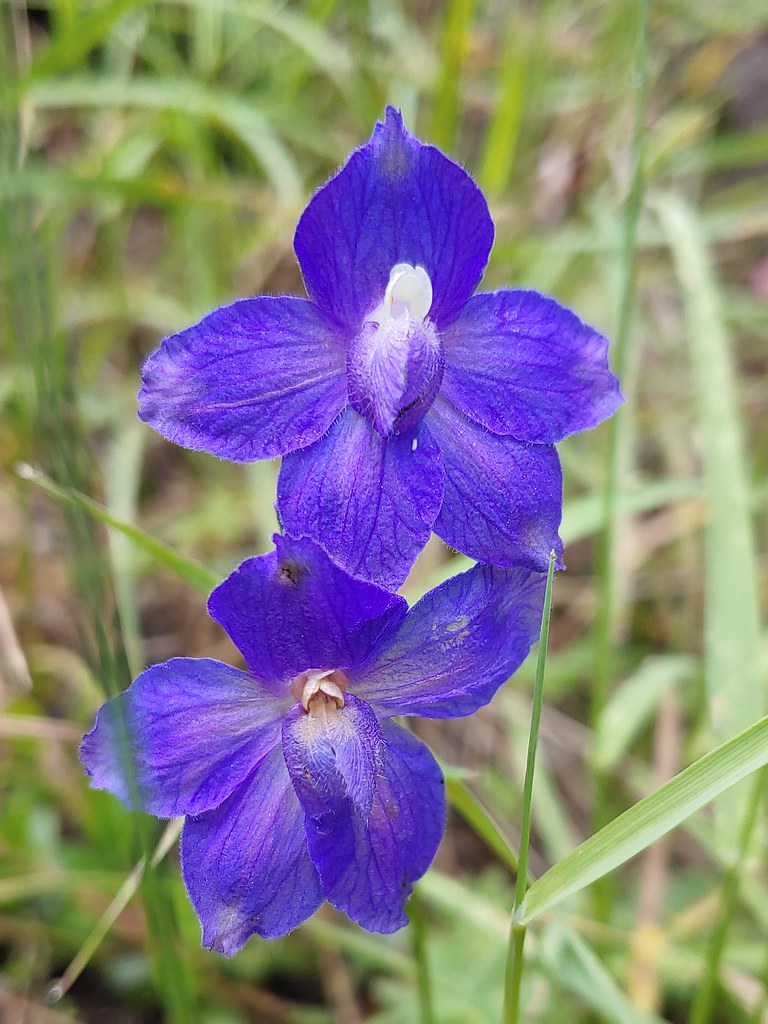 Larkspur
 On the ridge just before reaching the lookout site.


 Former lookout site in the tress to the left.

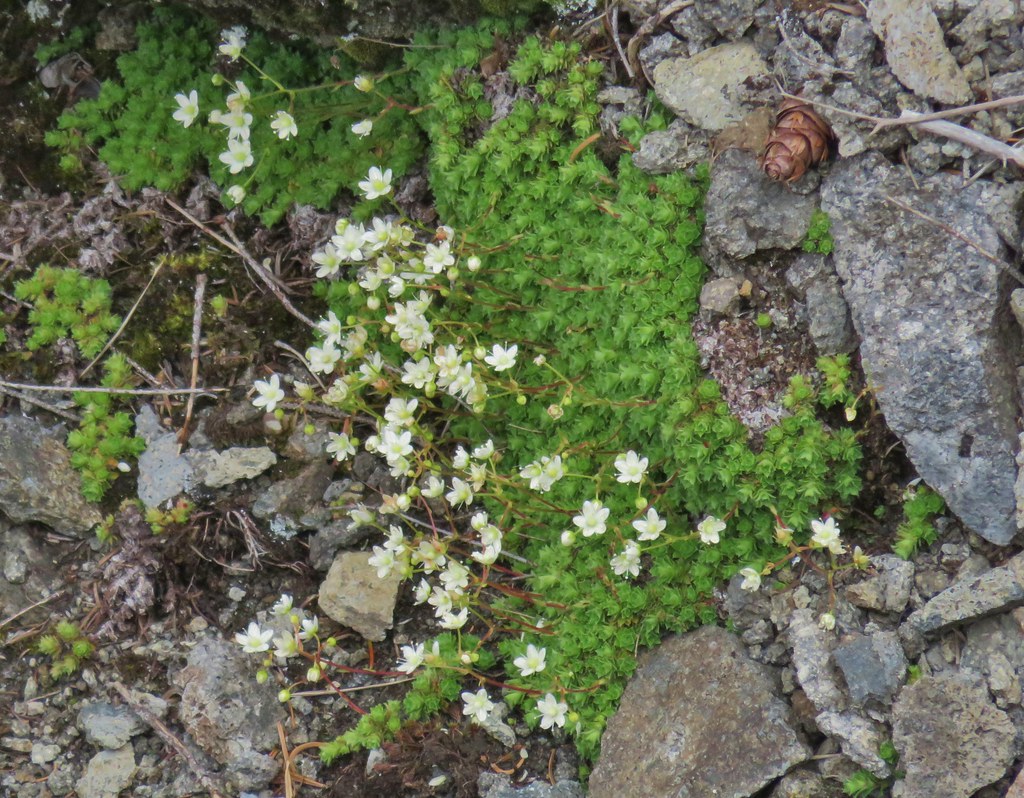 Tufted saxifrage
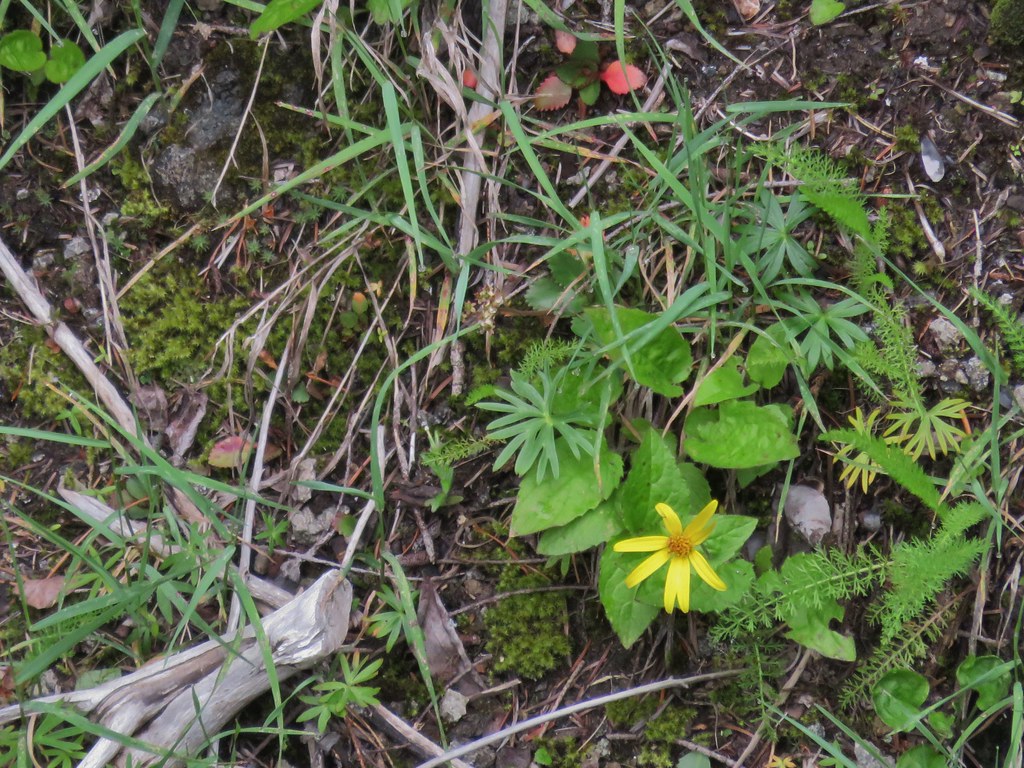 Arnica
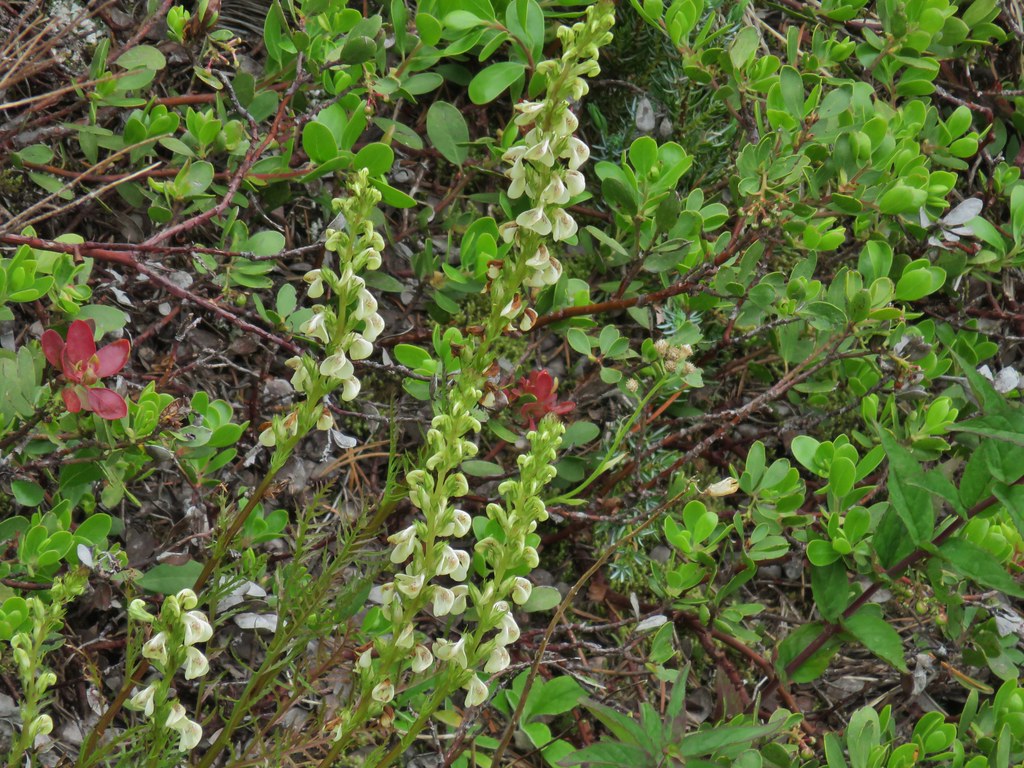 Lousewort
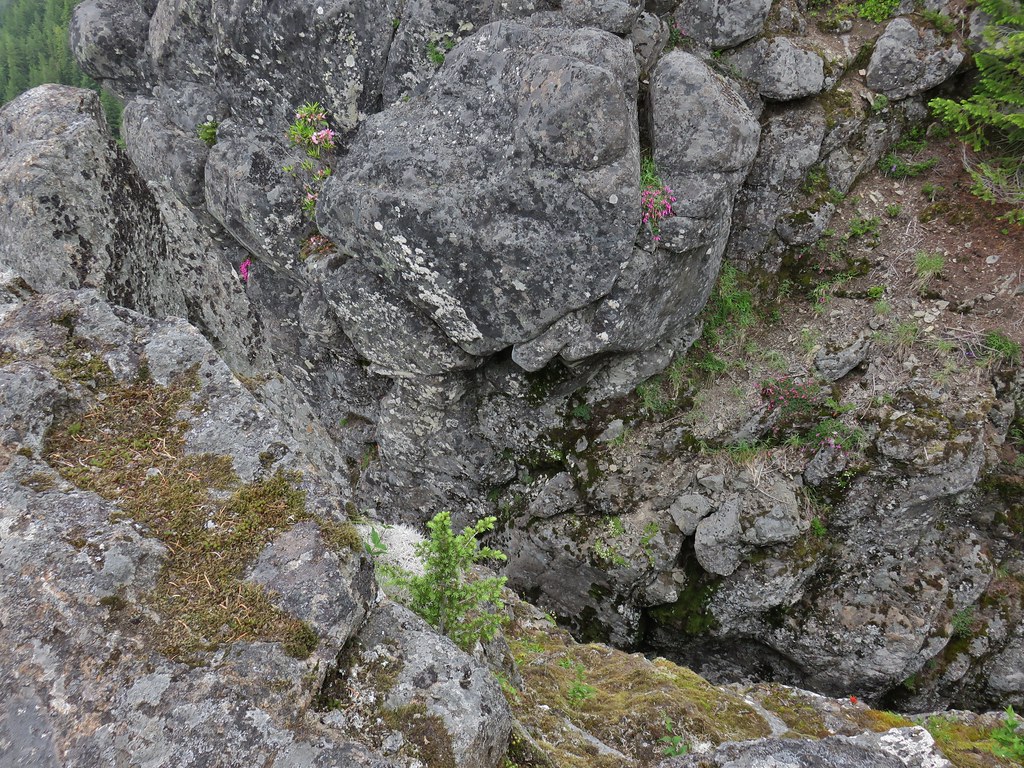
 Some of the rocks in Castle Canyon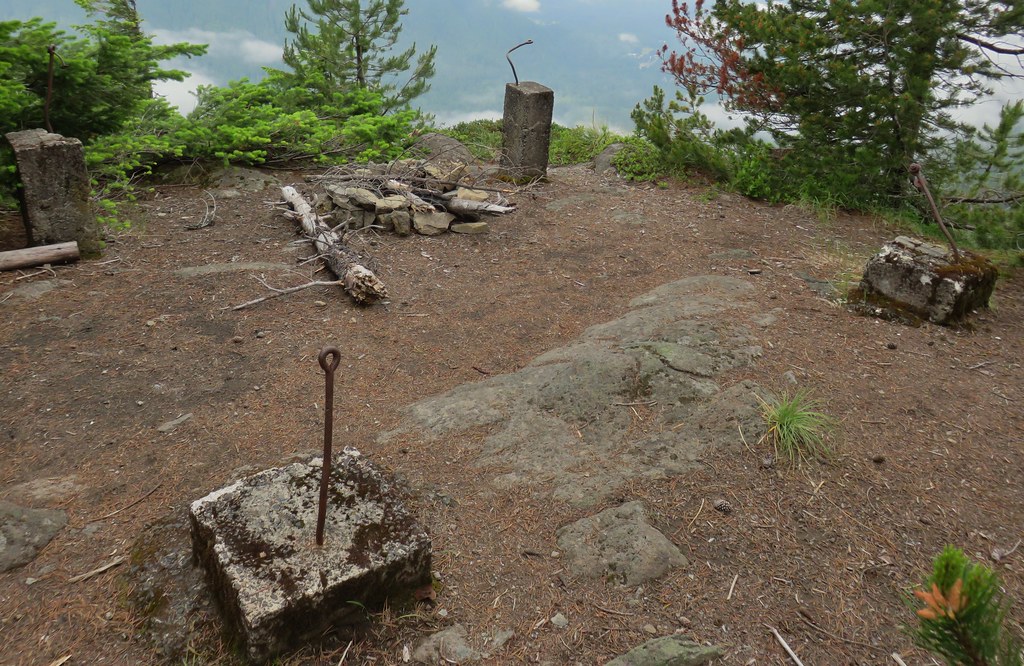
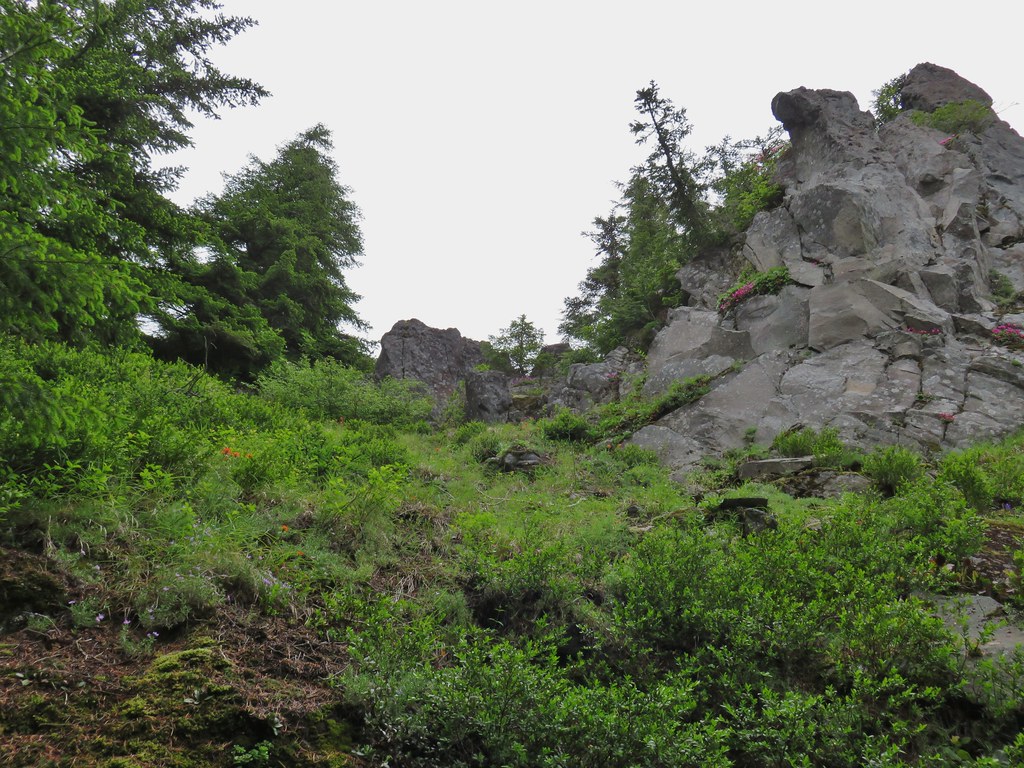
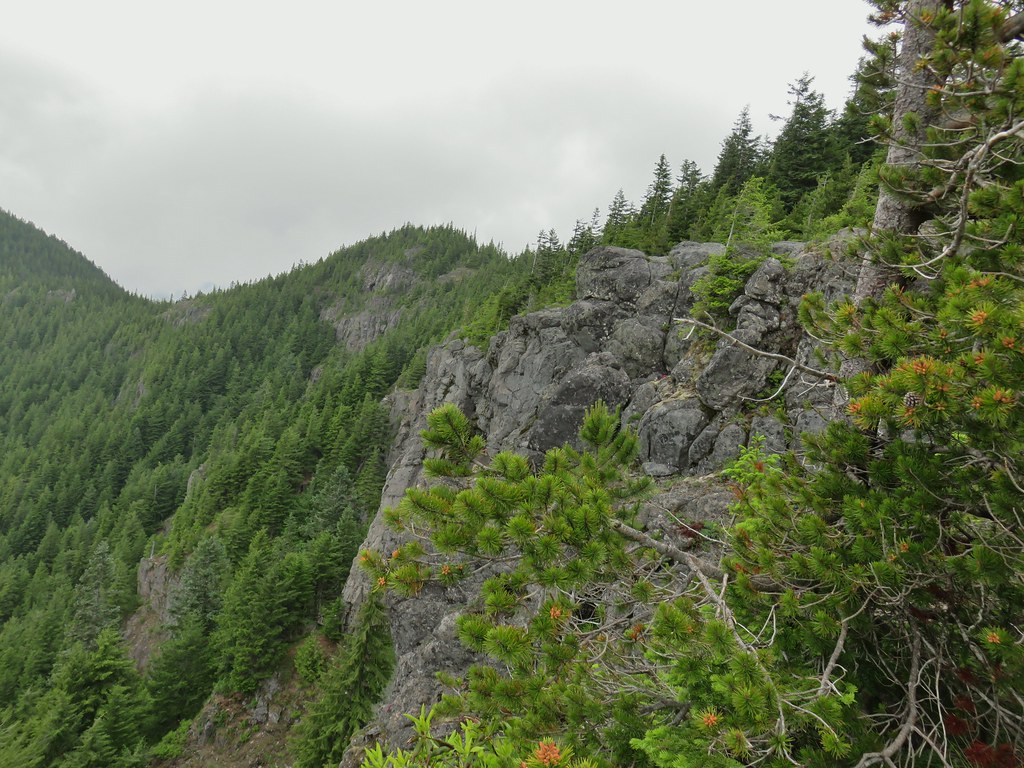 View of the outcrop from the lookout site.
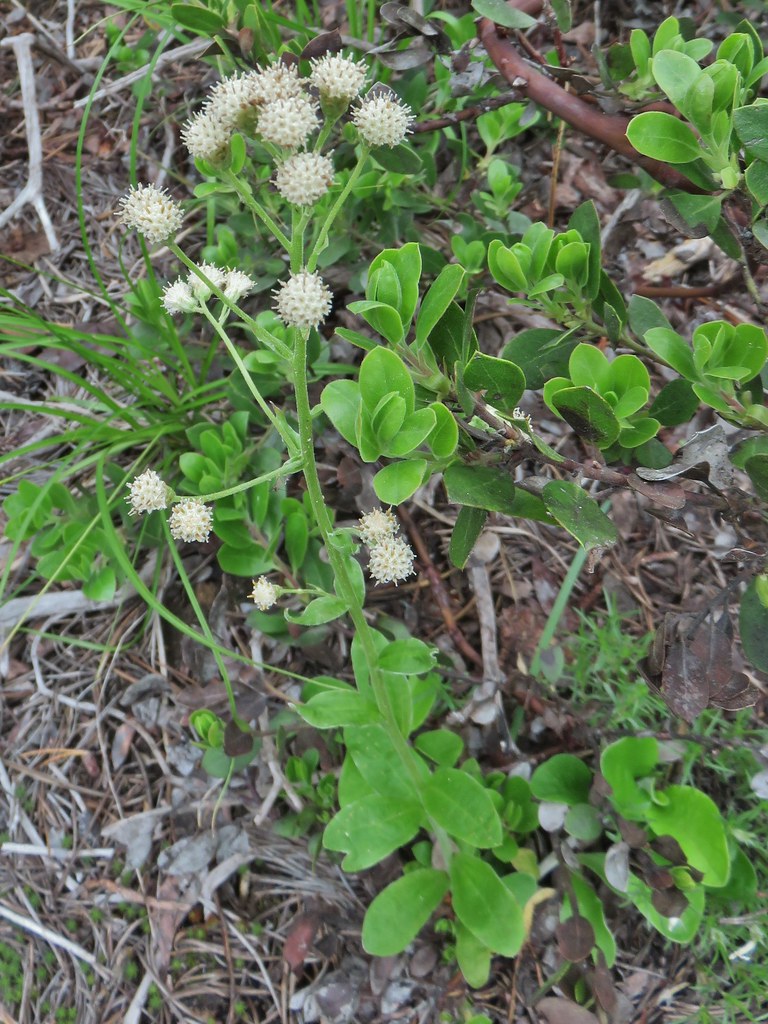 Raceme pussytoes
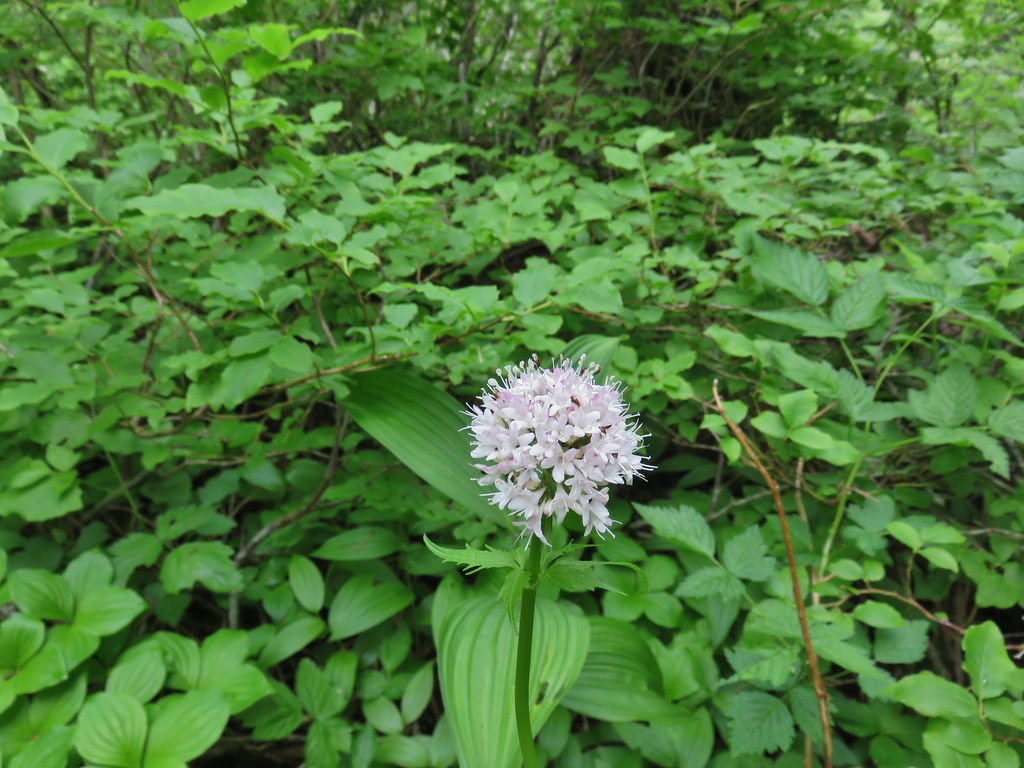 Valerian
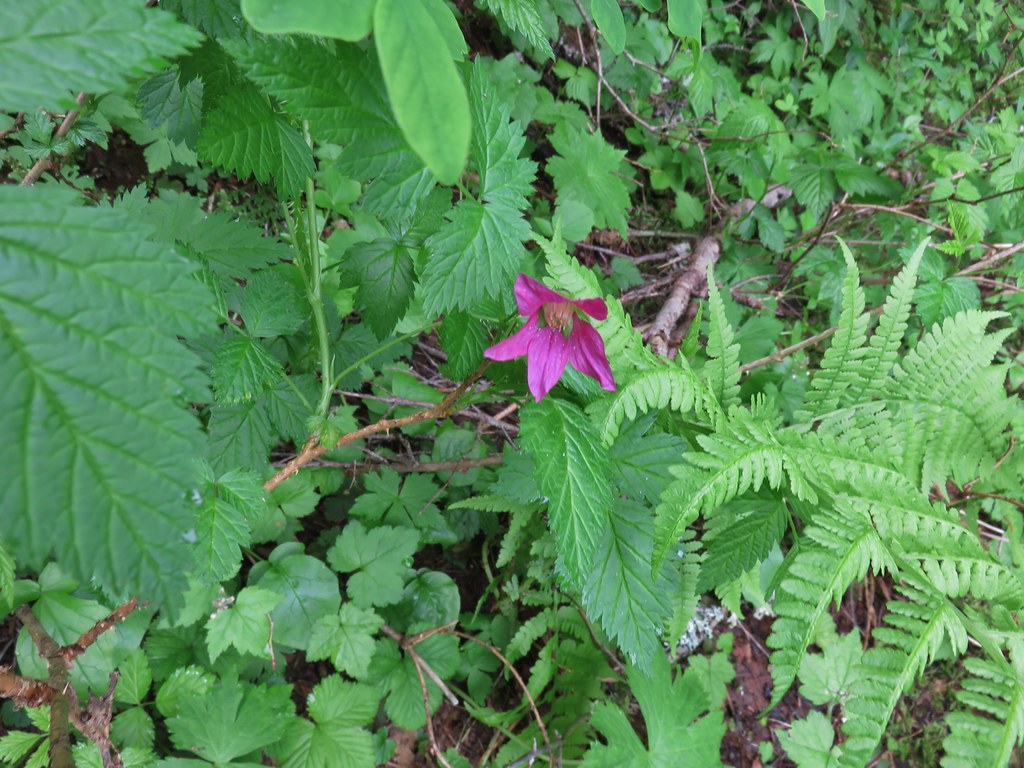 Salmonberry
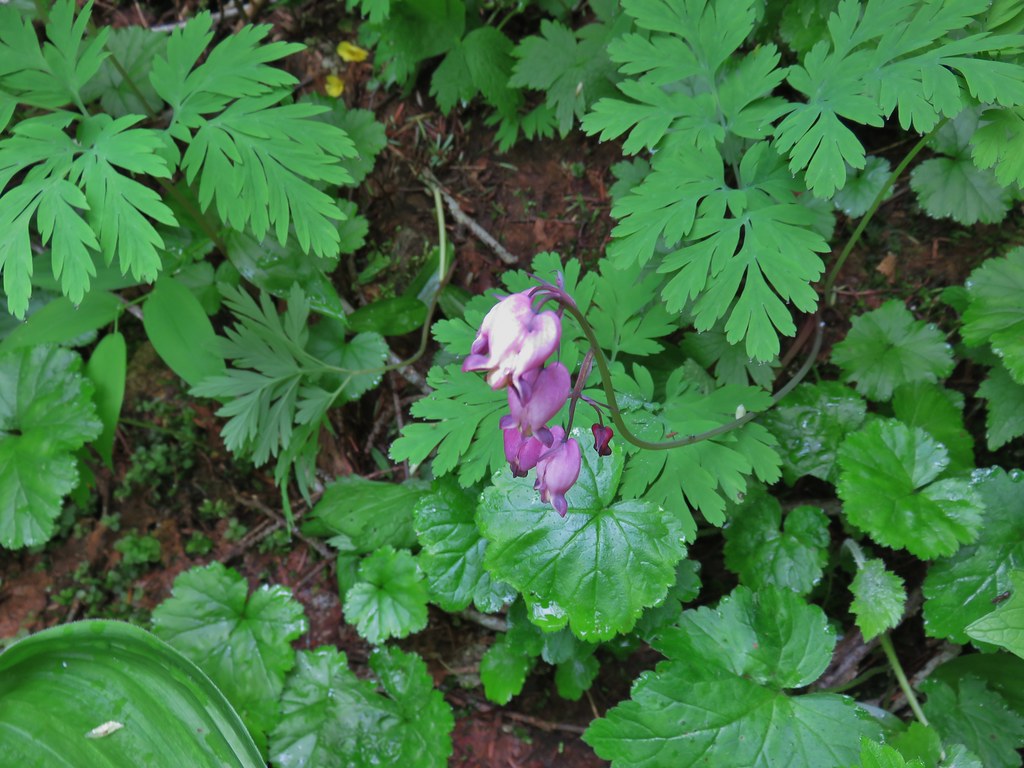 Bleeding heart
 Violet
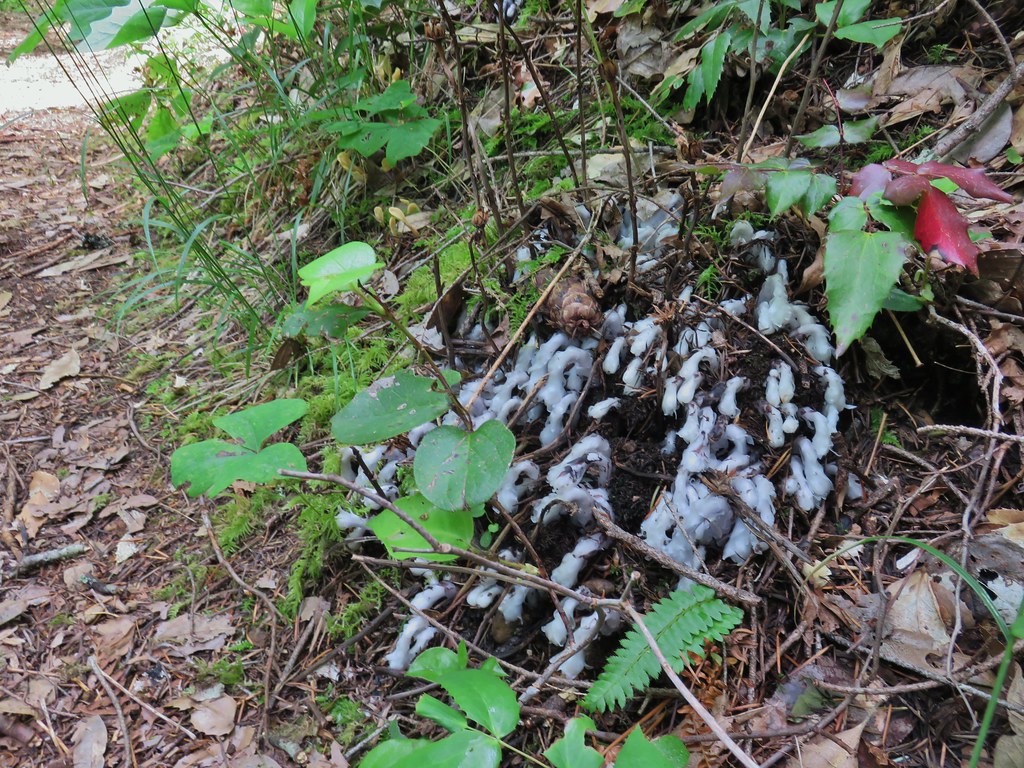 Monotropa uniflora aka ghost plant

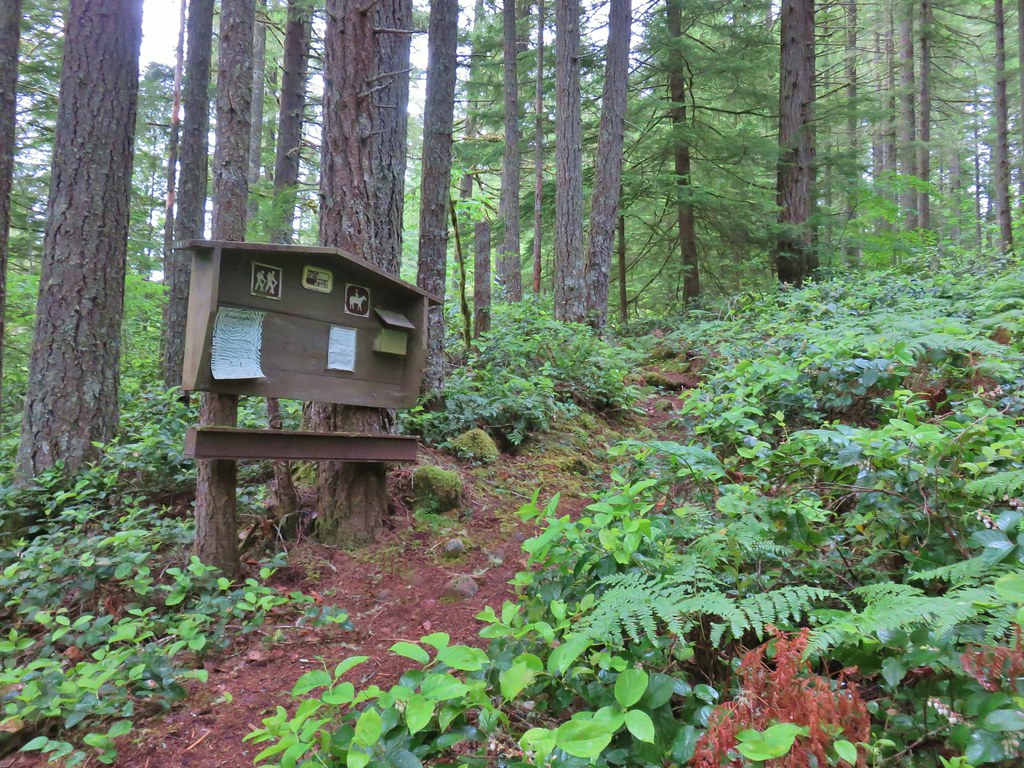 A second signboard just up the trail from the trailhead.
 Wet leaves around an iris.

 Rhododendron
 Coralroot
 The small wildflower meadow.
 Paintbrush, Oregon sunshine, and plectritis
 Sub-alpine mariposa lily
 Death camas
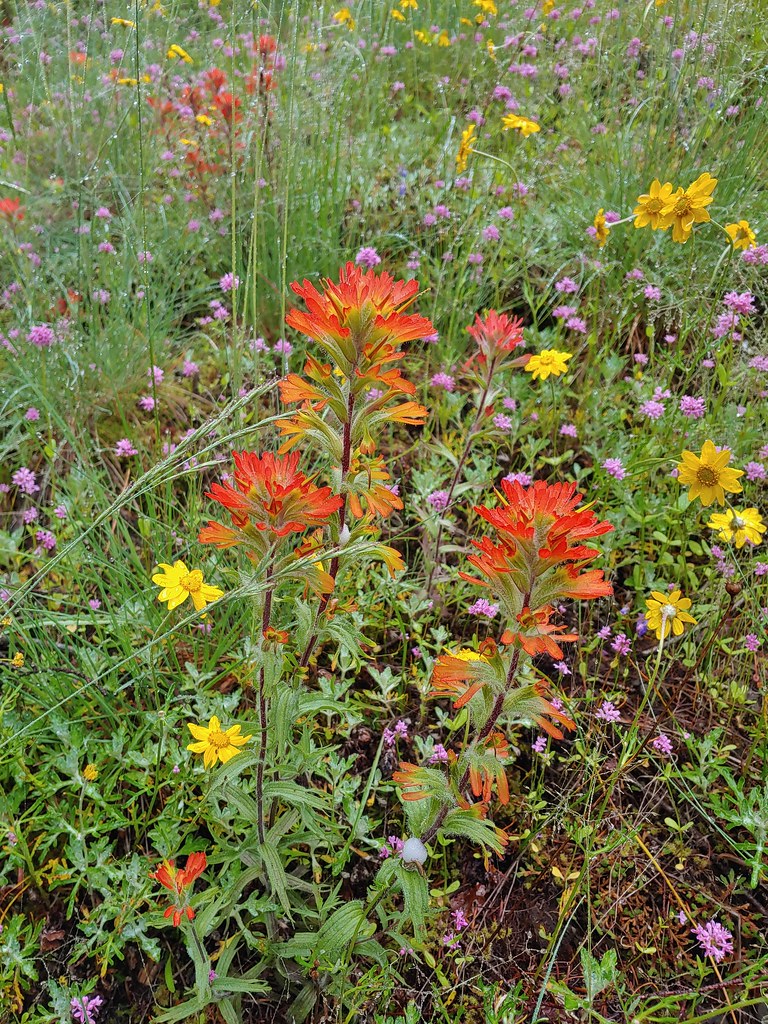 Paintbrush
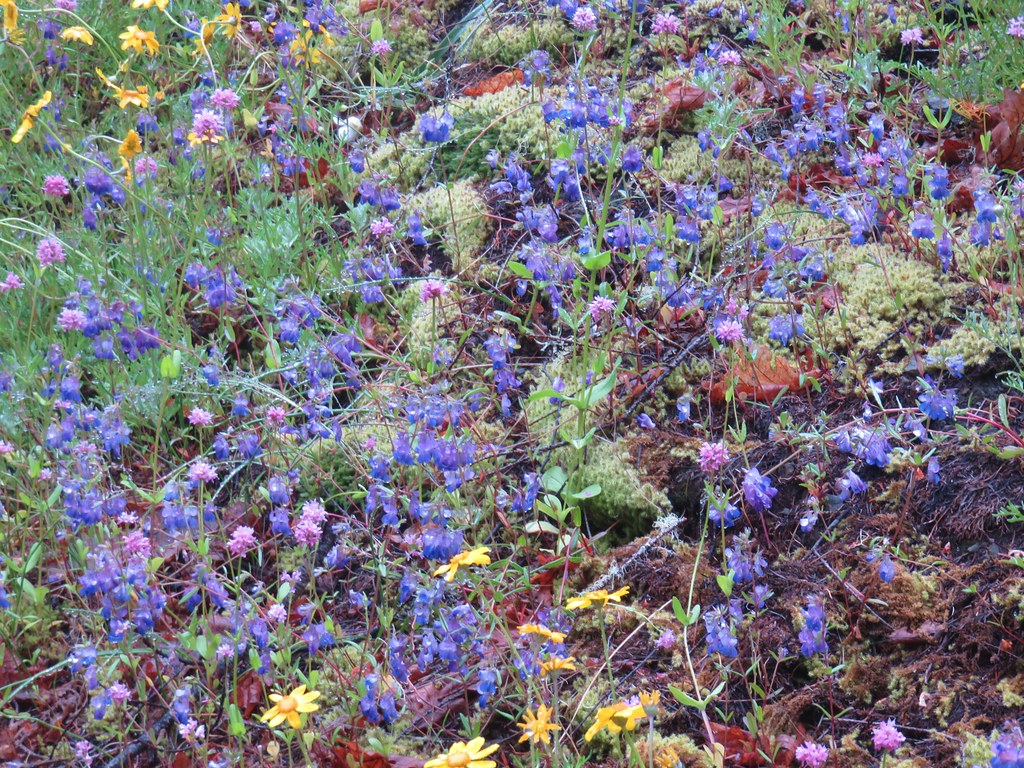 Blue-eyed Mary
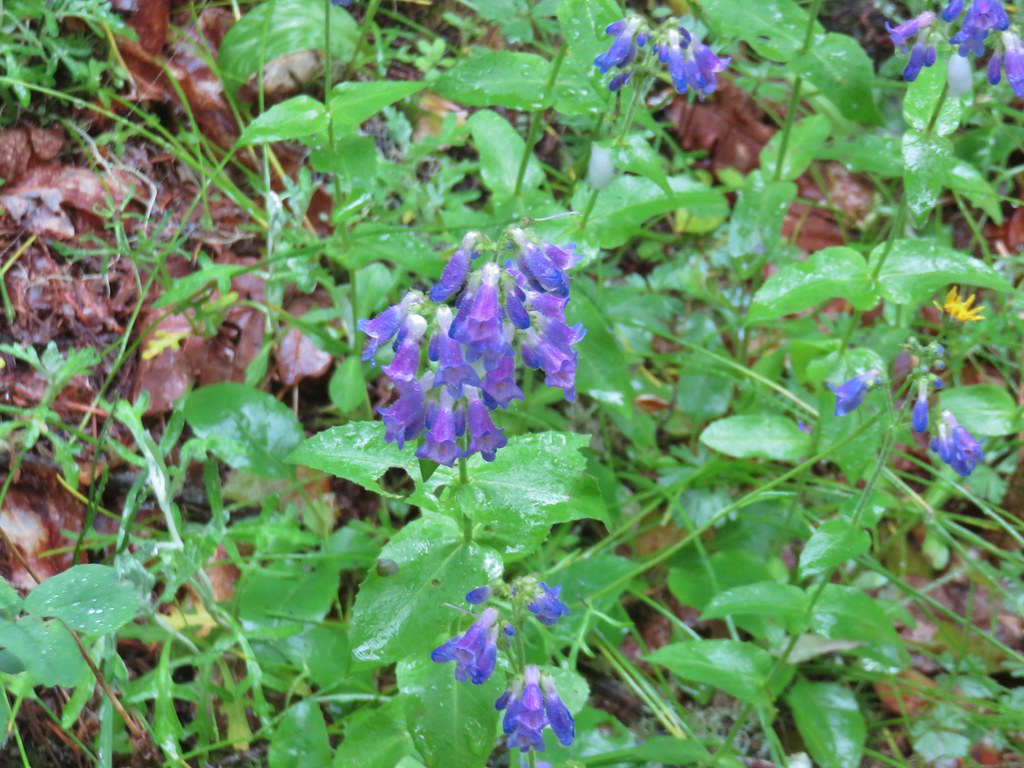 A penstemon
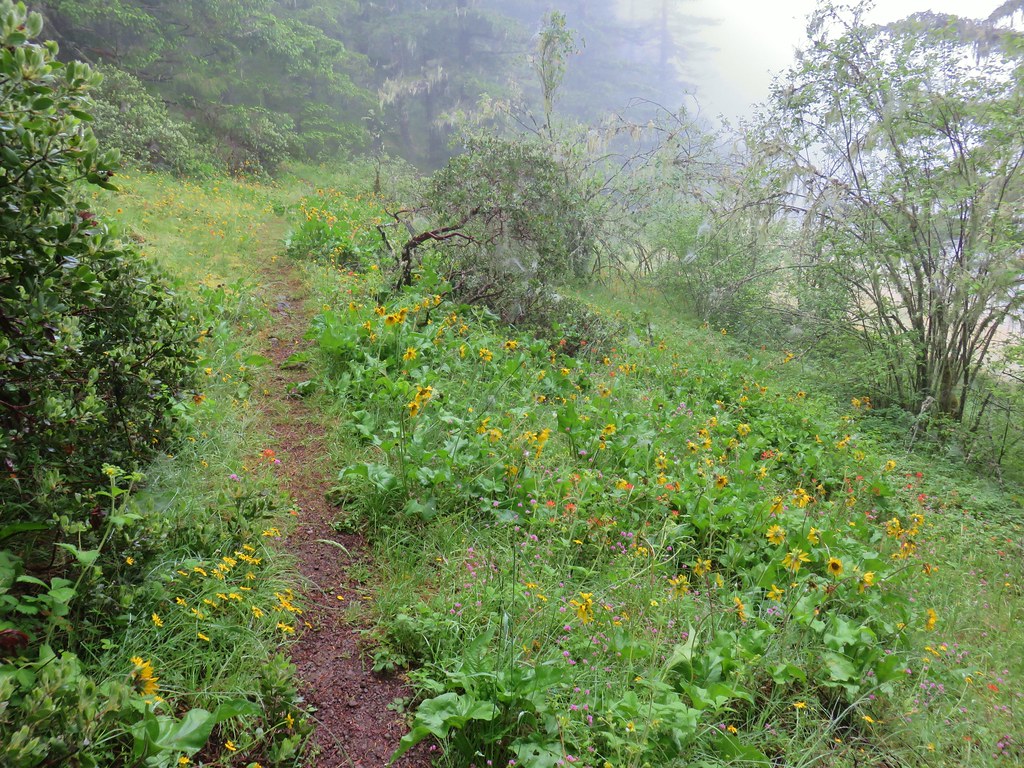 Balsamroot at the edge of the meadow.
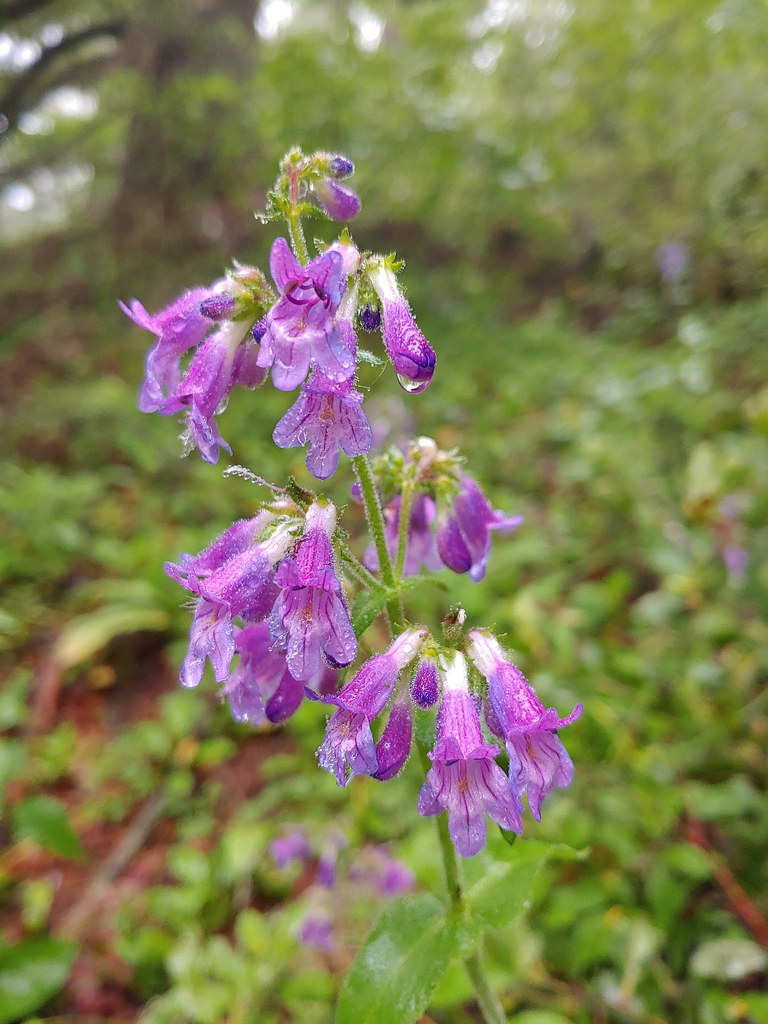 Penstemon
 Larger meadow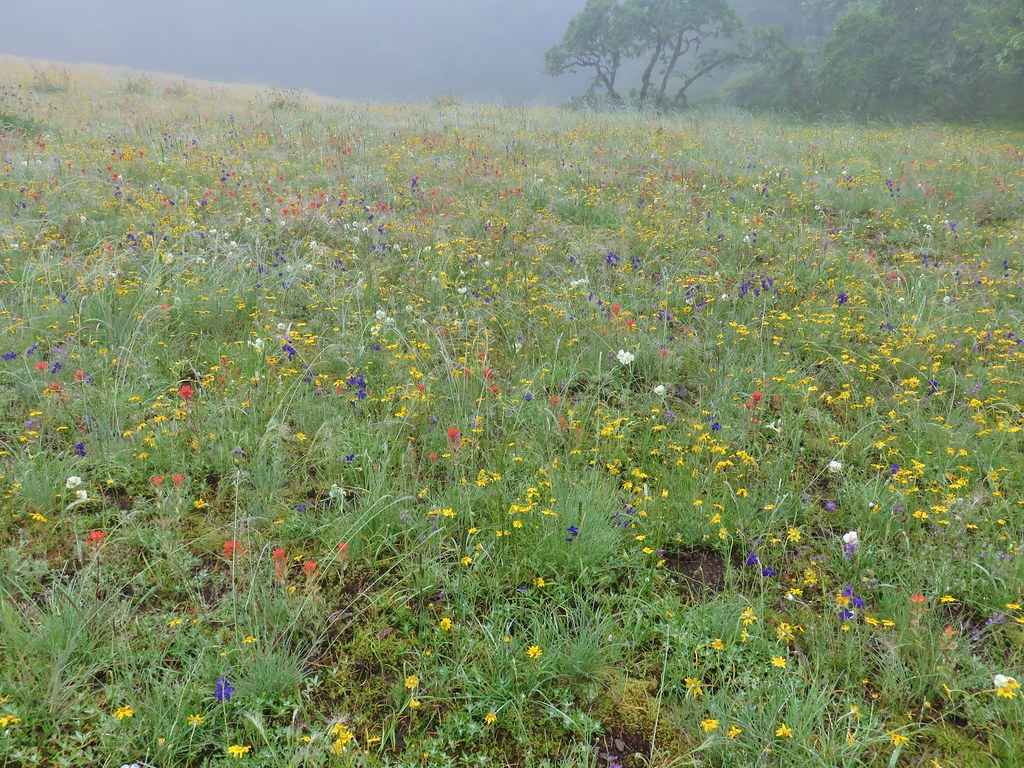
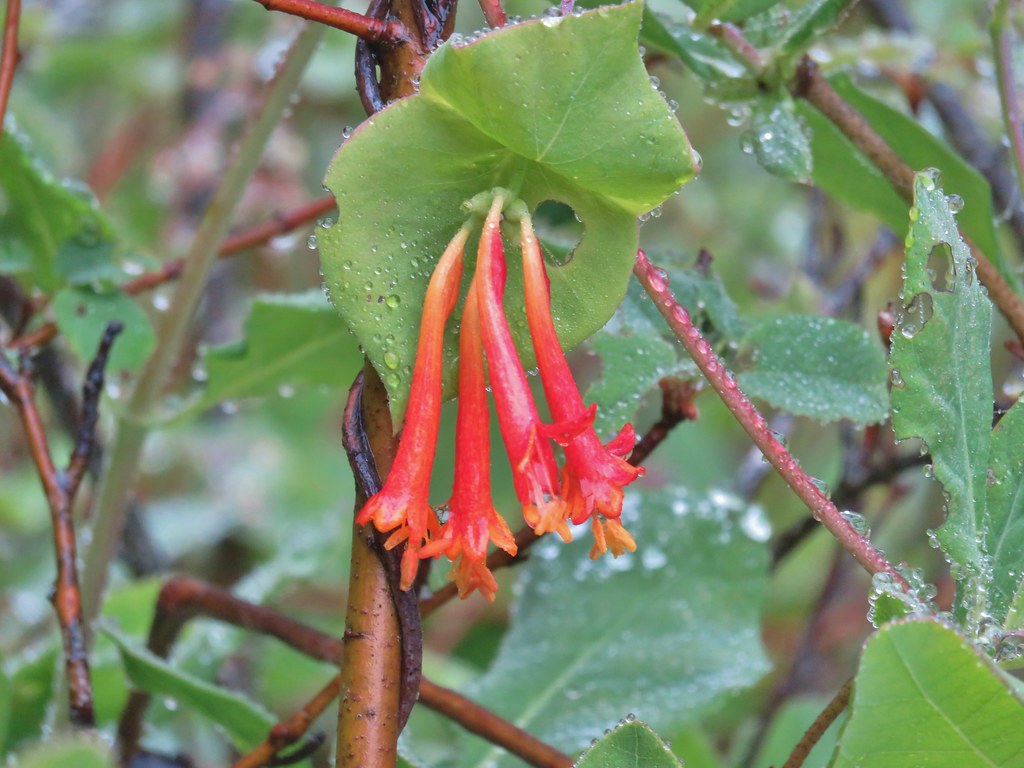 Honeysuckle
 Larkspur amid the paintbrush and Oregon sunshine
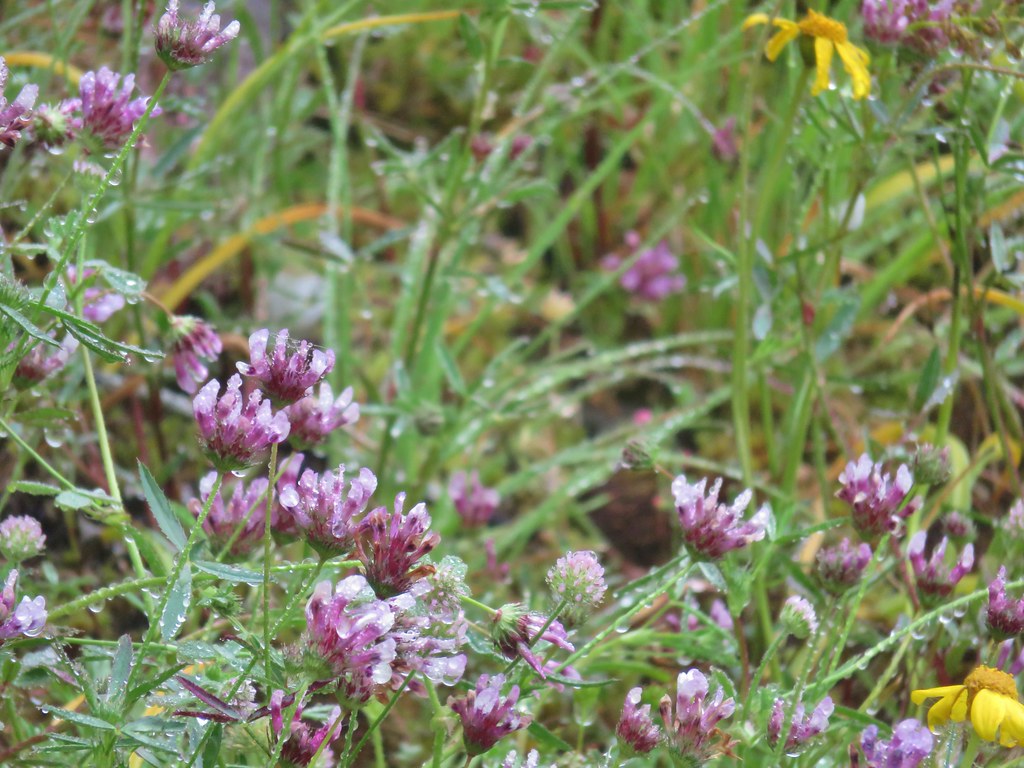 Tomcat clover
 Possibly a milk-vetch or some sort of vetch.
 Image Creek Trail and the High Ridge Trail.
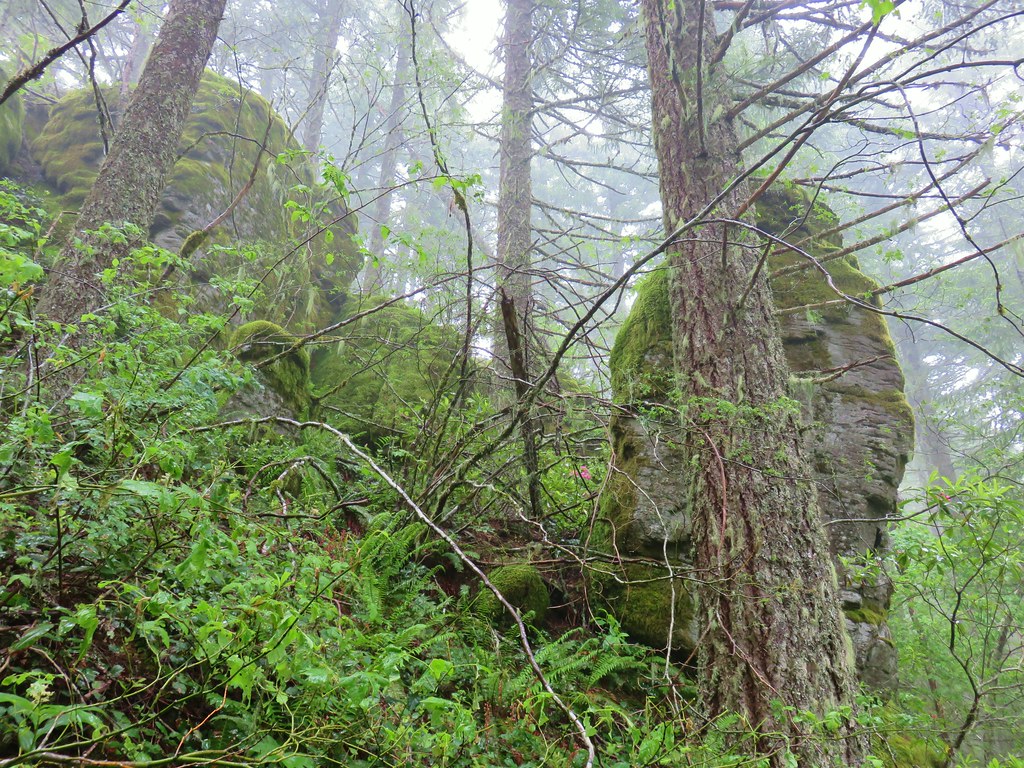 One of the sets of rocks along the way.
 In the middle of one of the climbs.
 The trail leveling off a bit.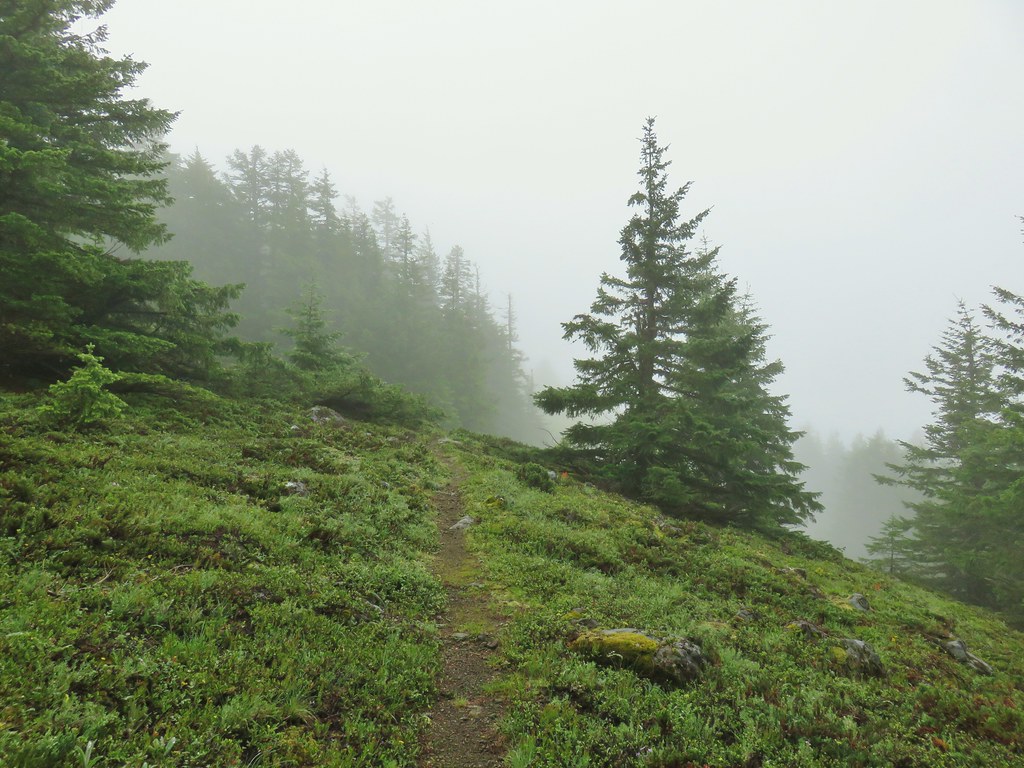
 Oregon sunshine
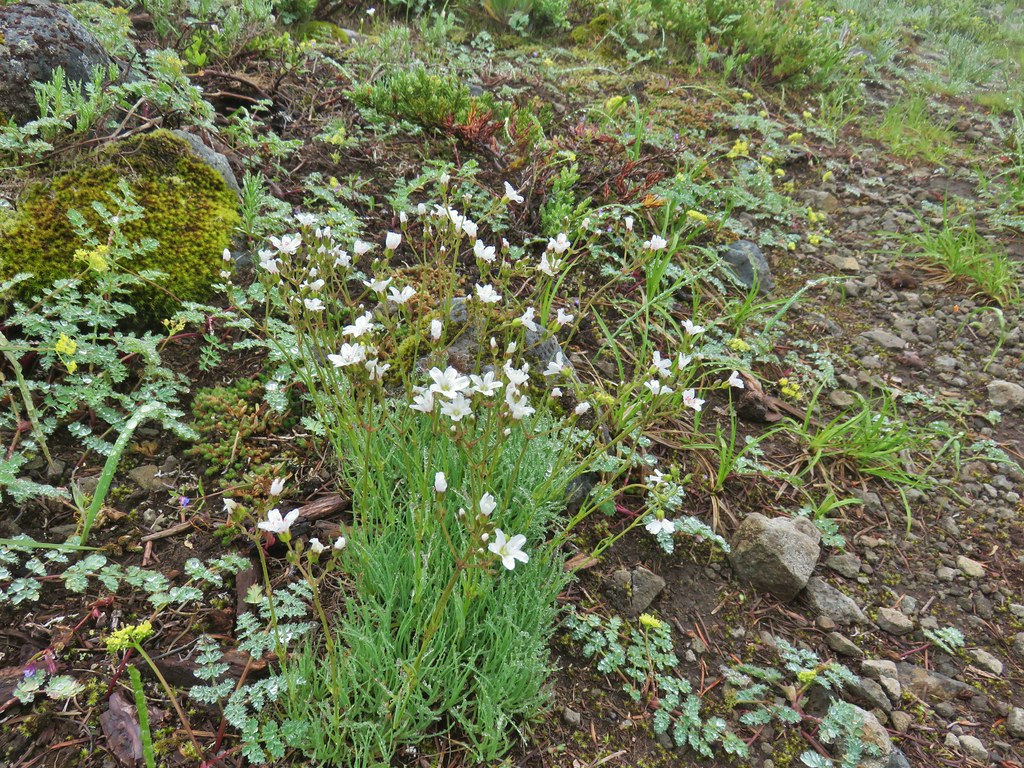 Mountain sandwort
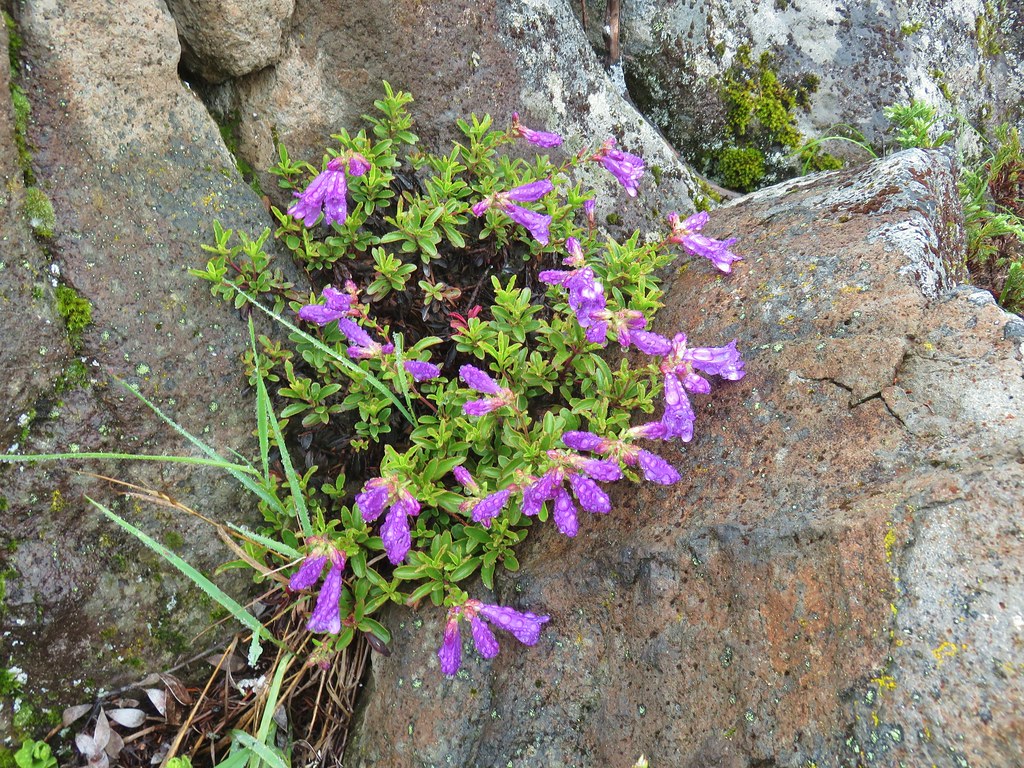 Penstemon
 Olympic onion
 Back in the trees.
 Fawn lilies
 The next little meadow.
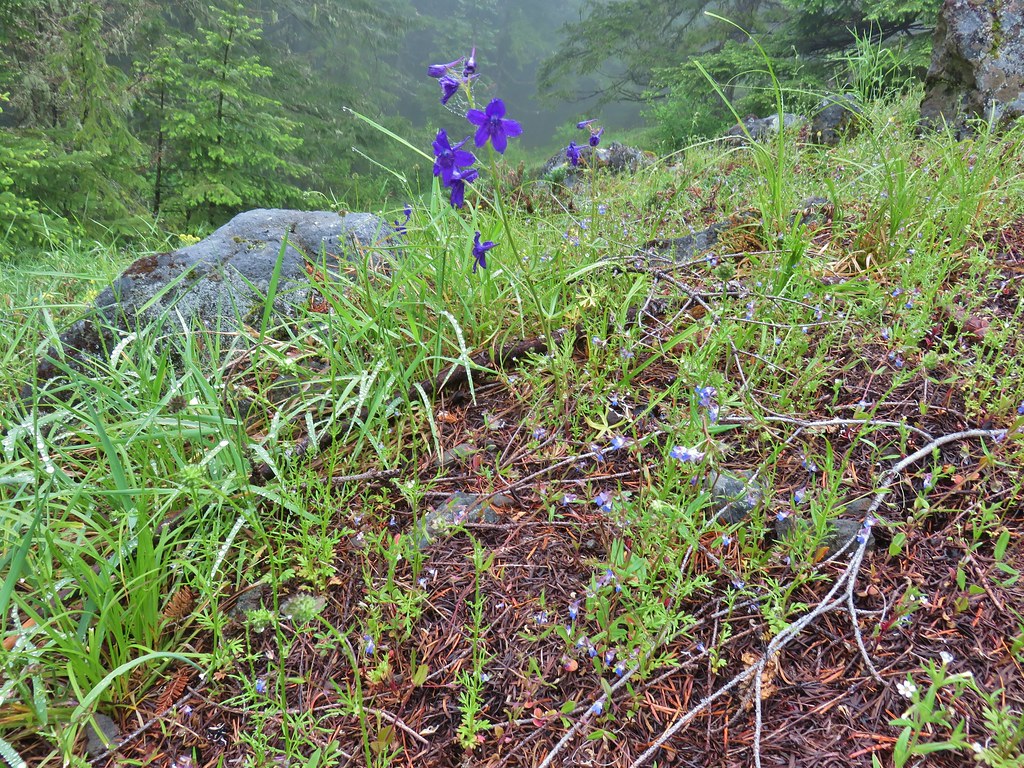 Larkspur and blue-eyed Mary
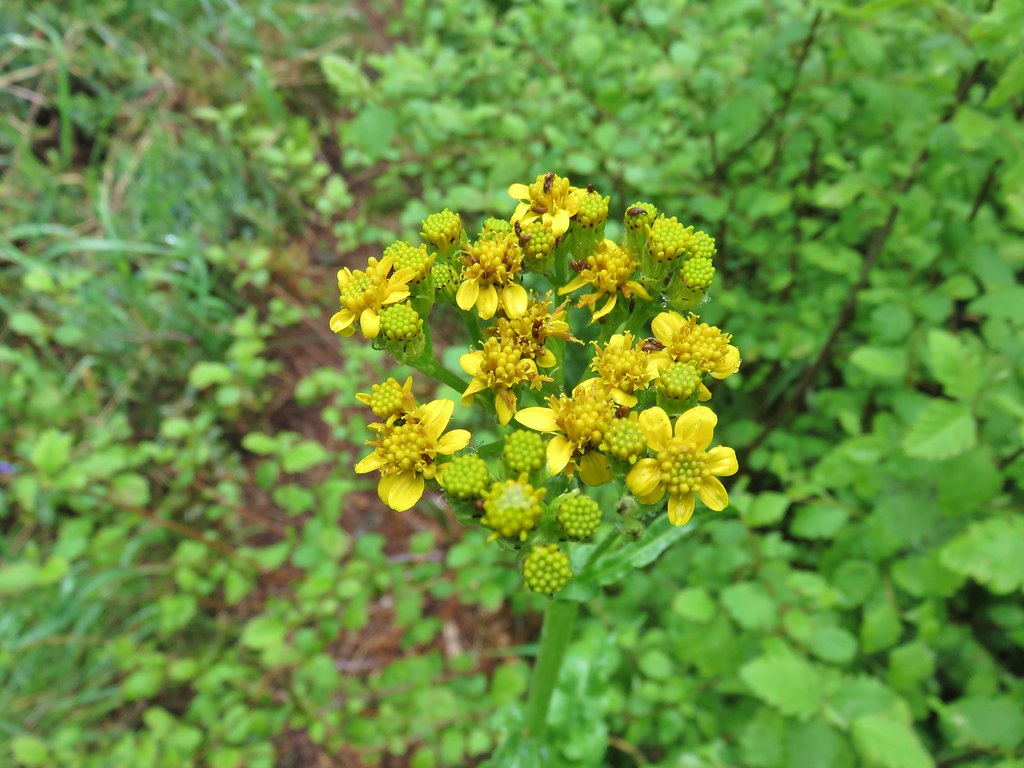 Groundsel
 Trees again.
 Another meadow
 Phlox
Phlox Phlox
Phlox Chickweed

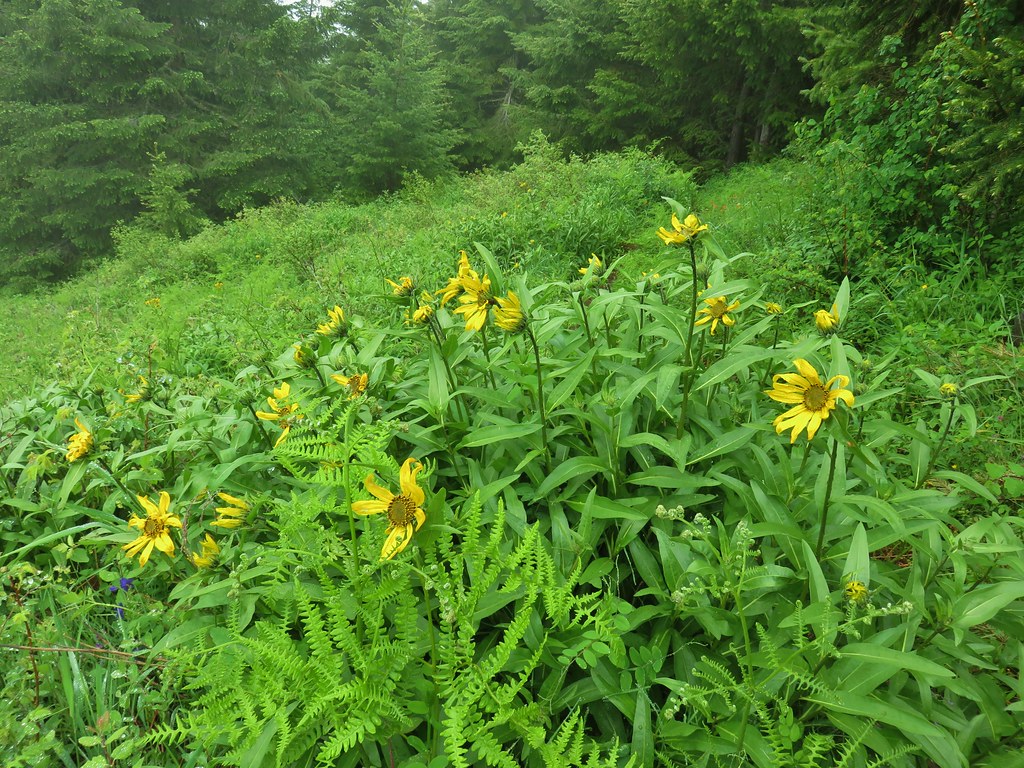
 Larkspur
 Lupine
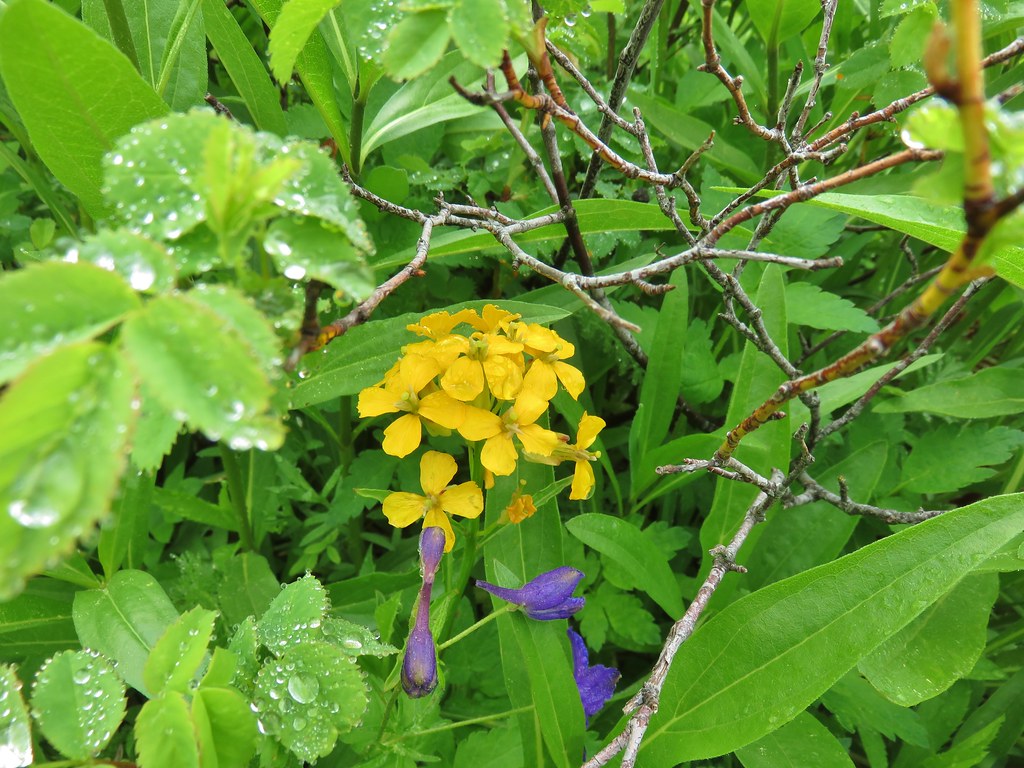 Wallflower
 Paintbrush
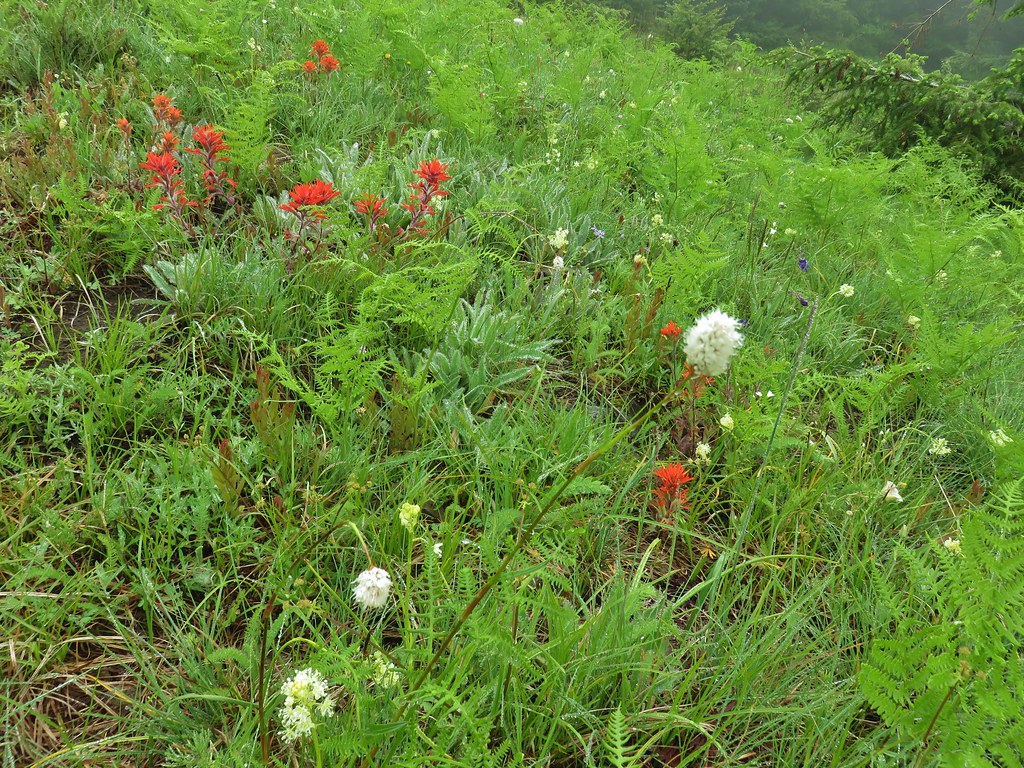 Bistort
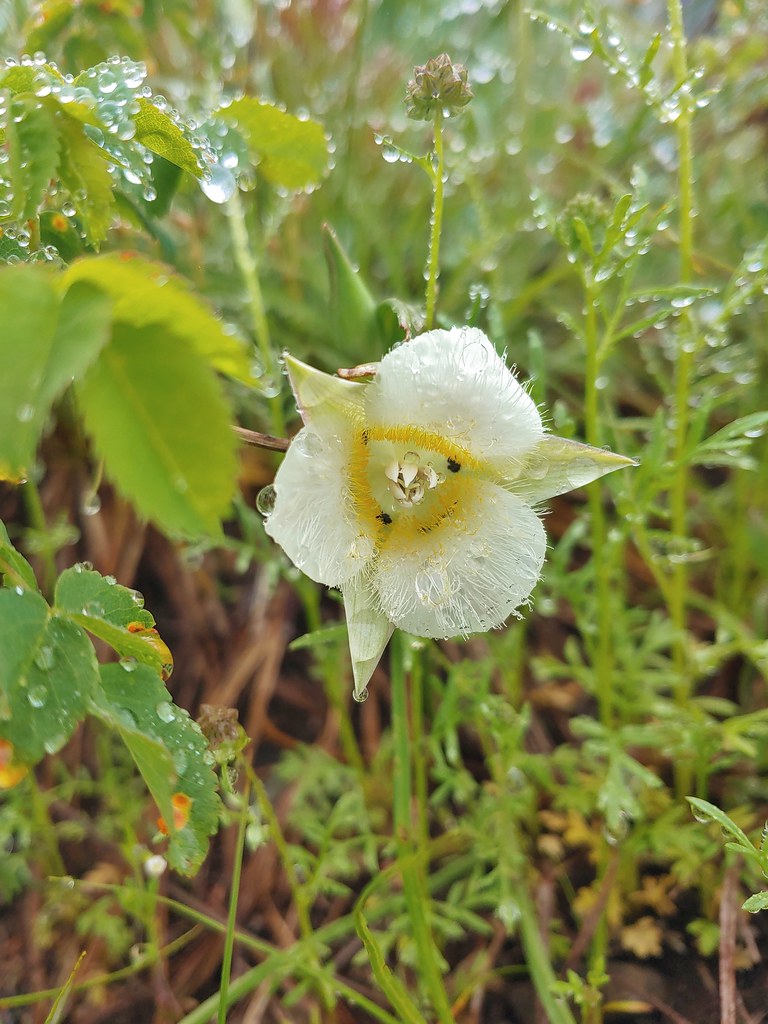 Sub-alpine mariposa lily

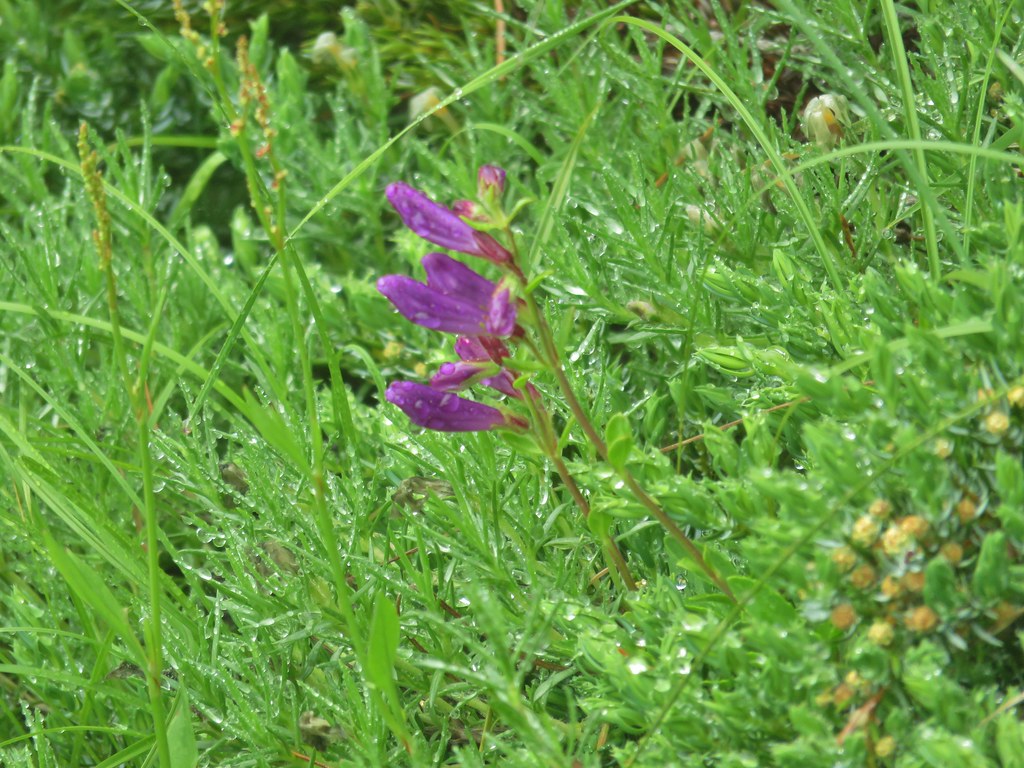

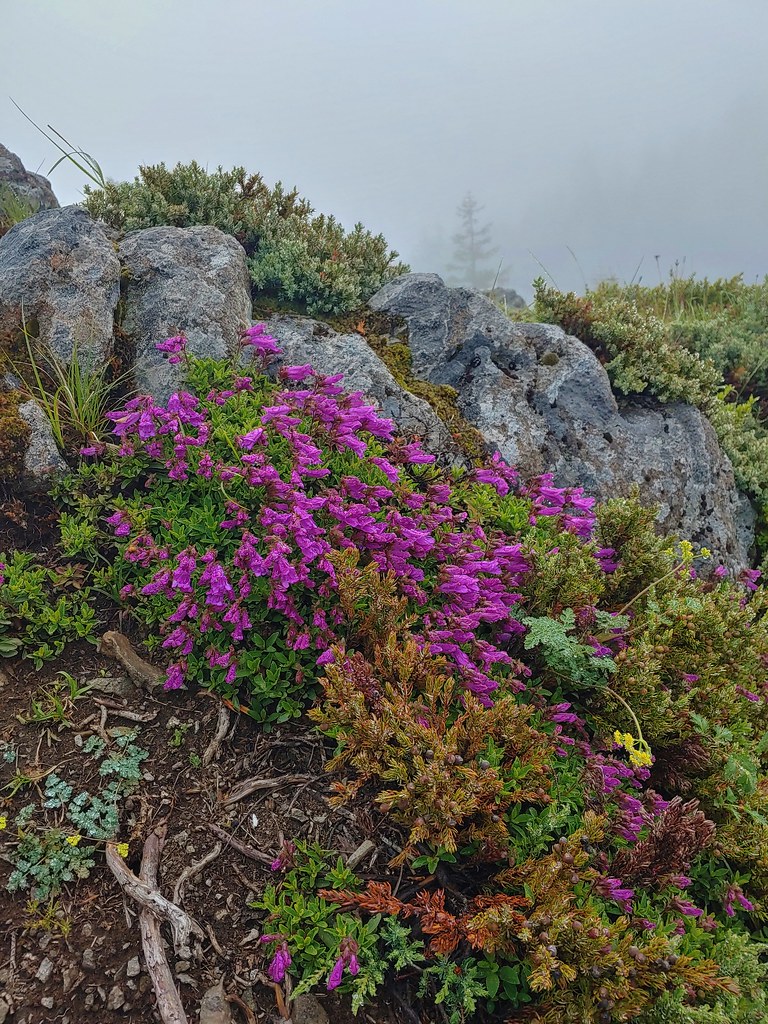
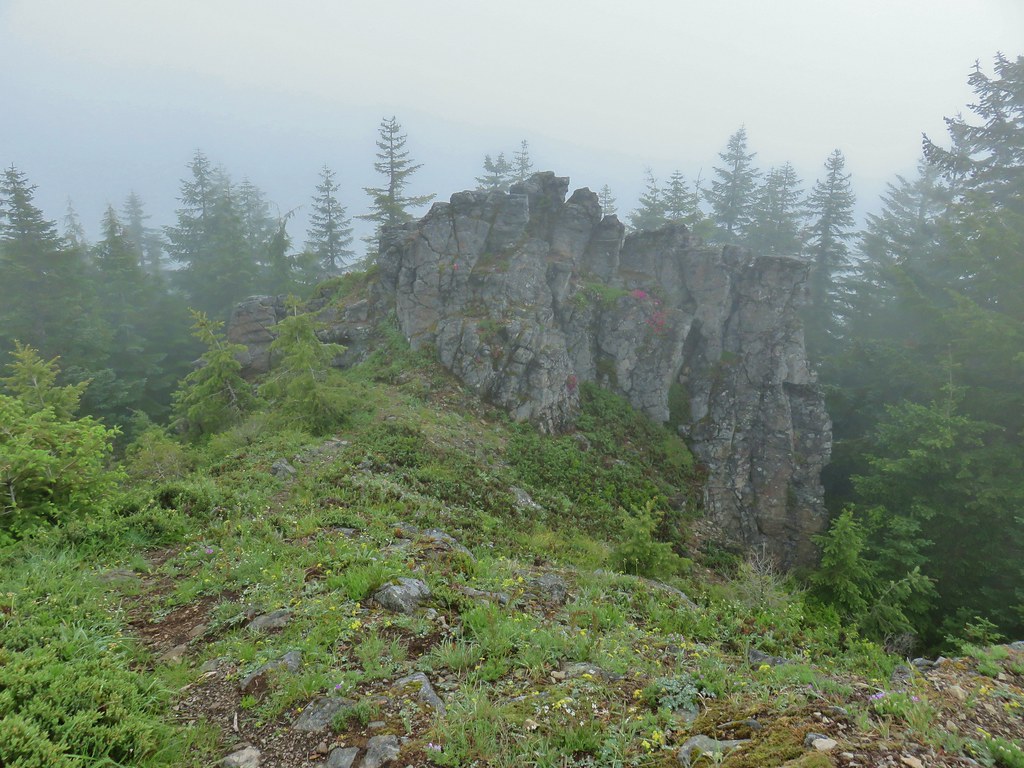
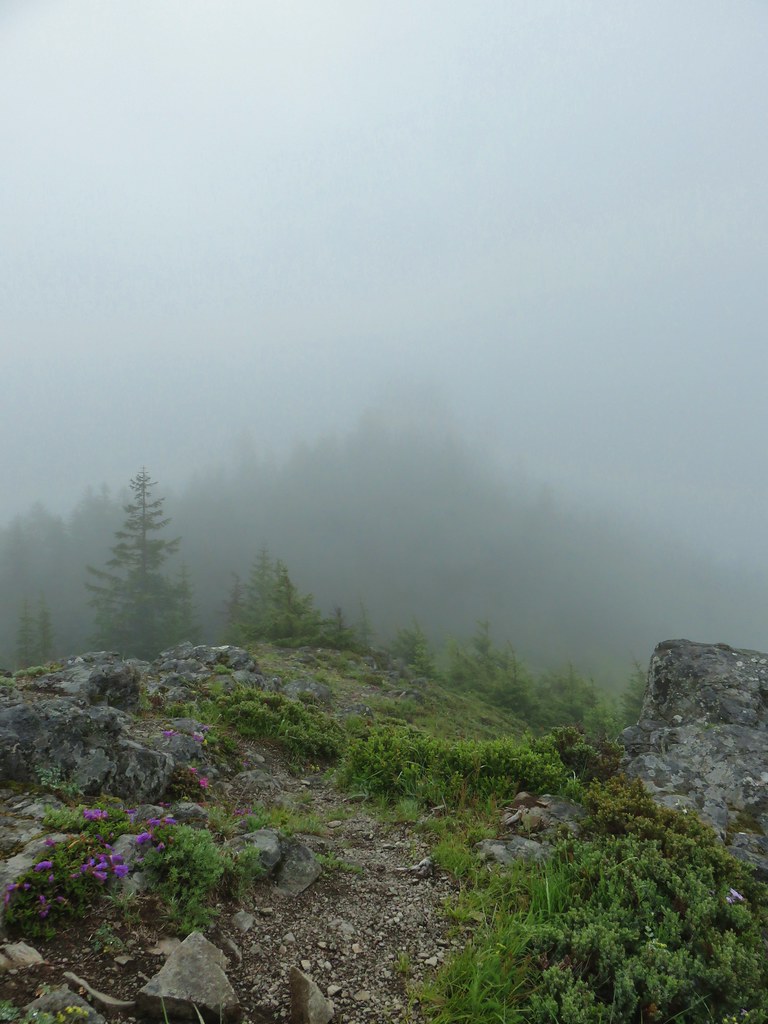
 For comparison.
 Sticky cinquefoil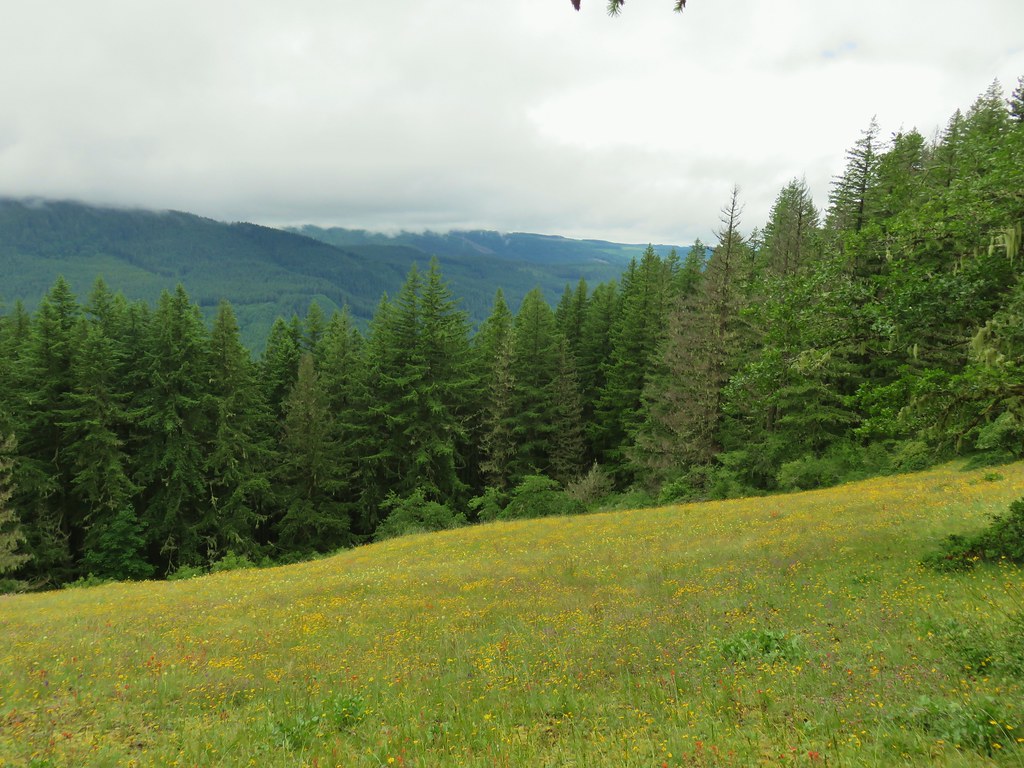


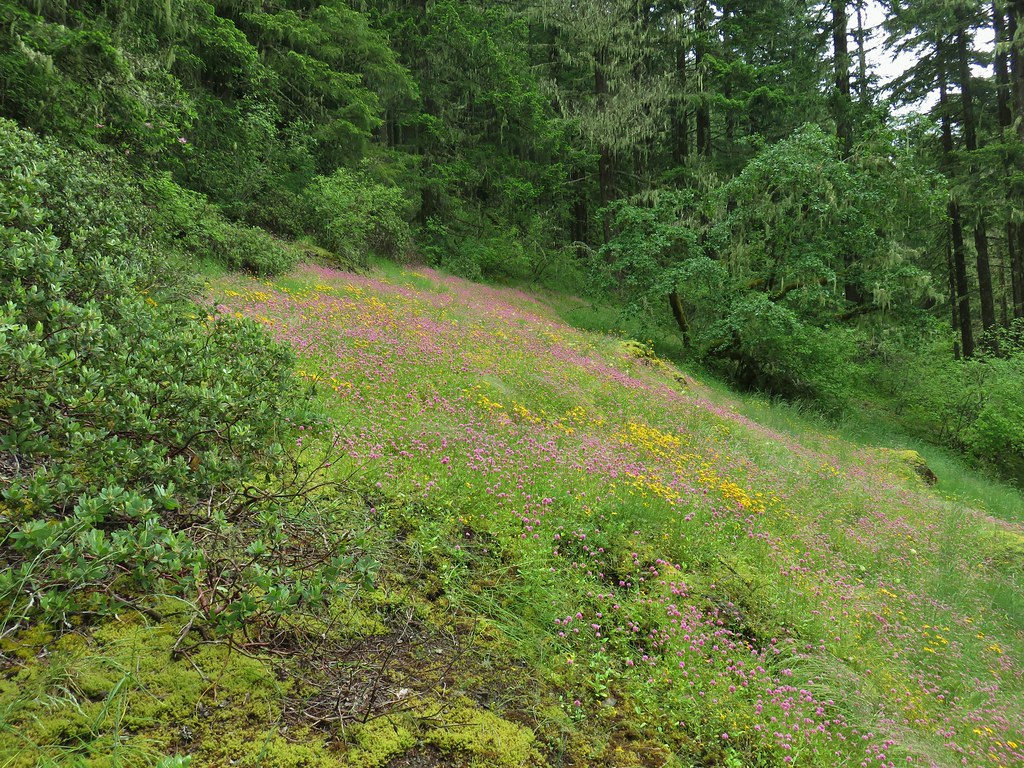
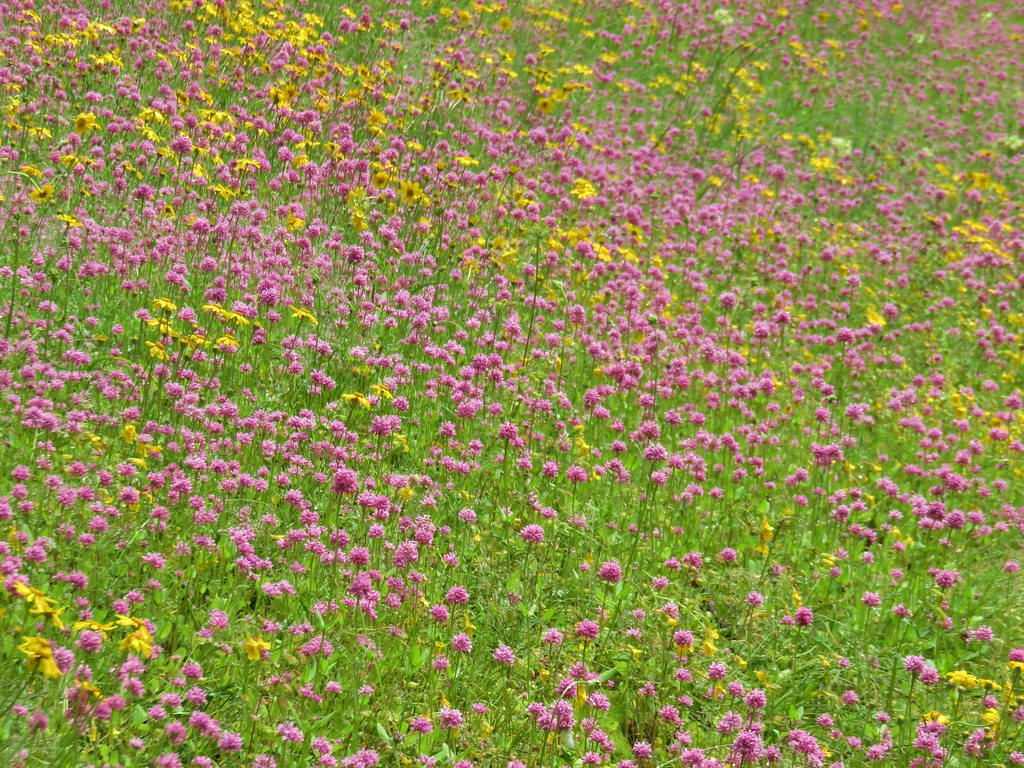 Plectritis and Oregon sunshine
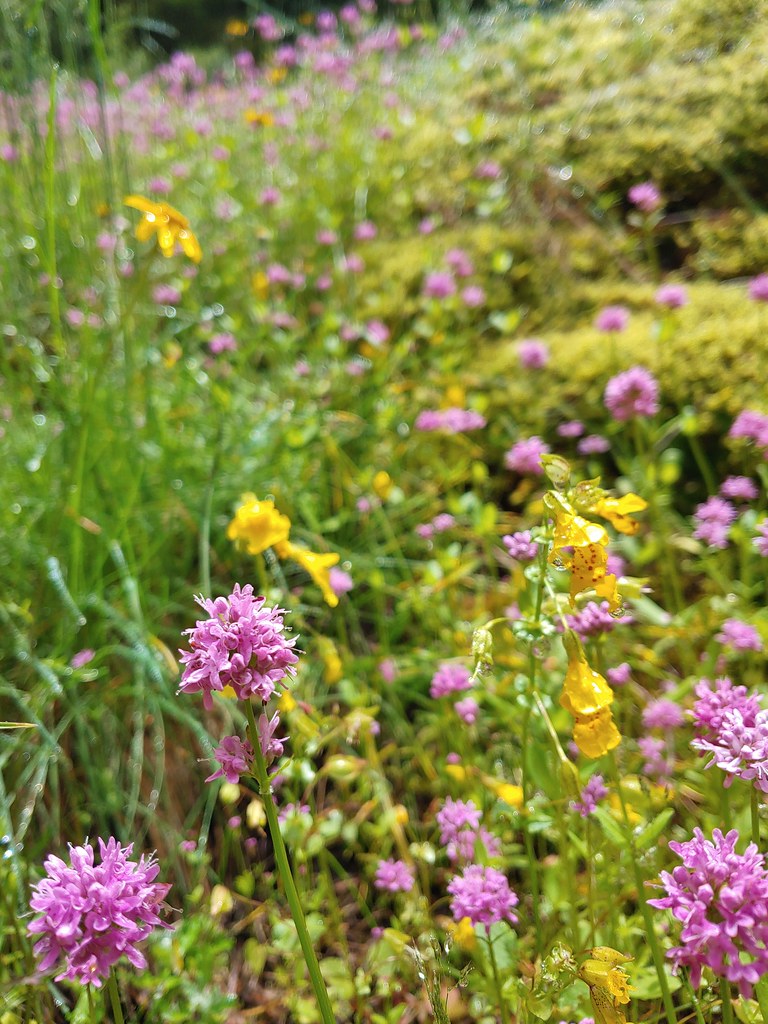 A monkeyflower by some plectritis.
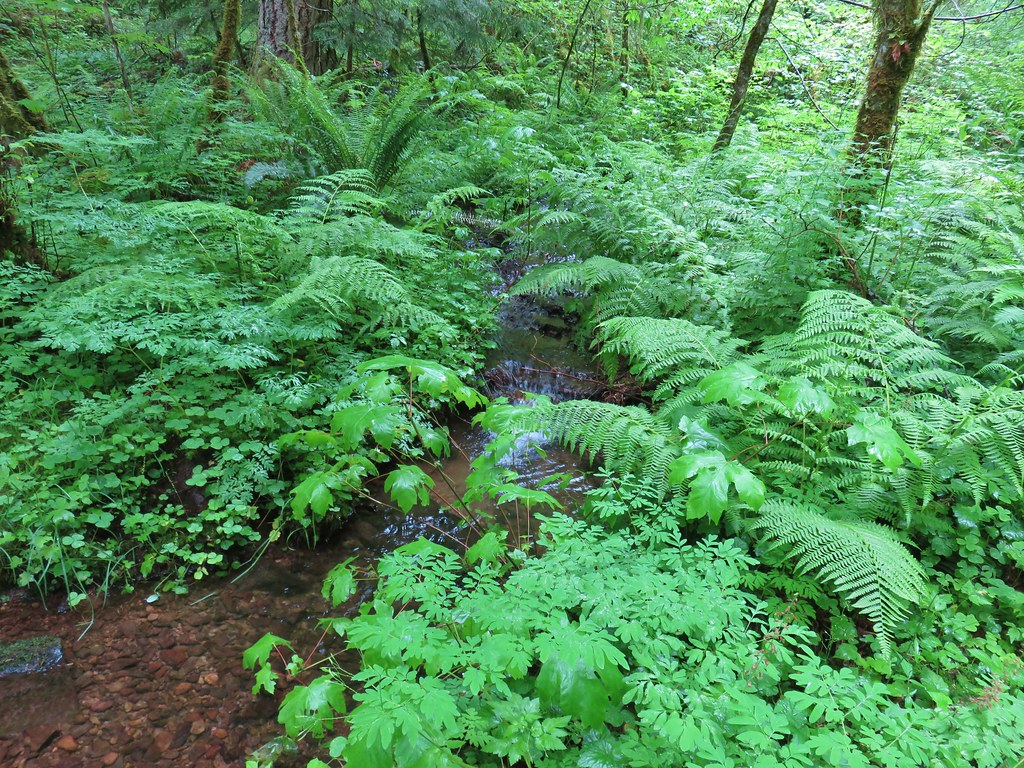

 Iris along the trail.

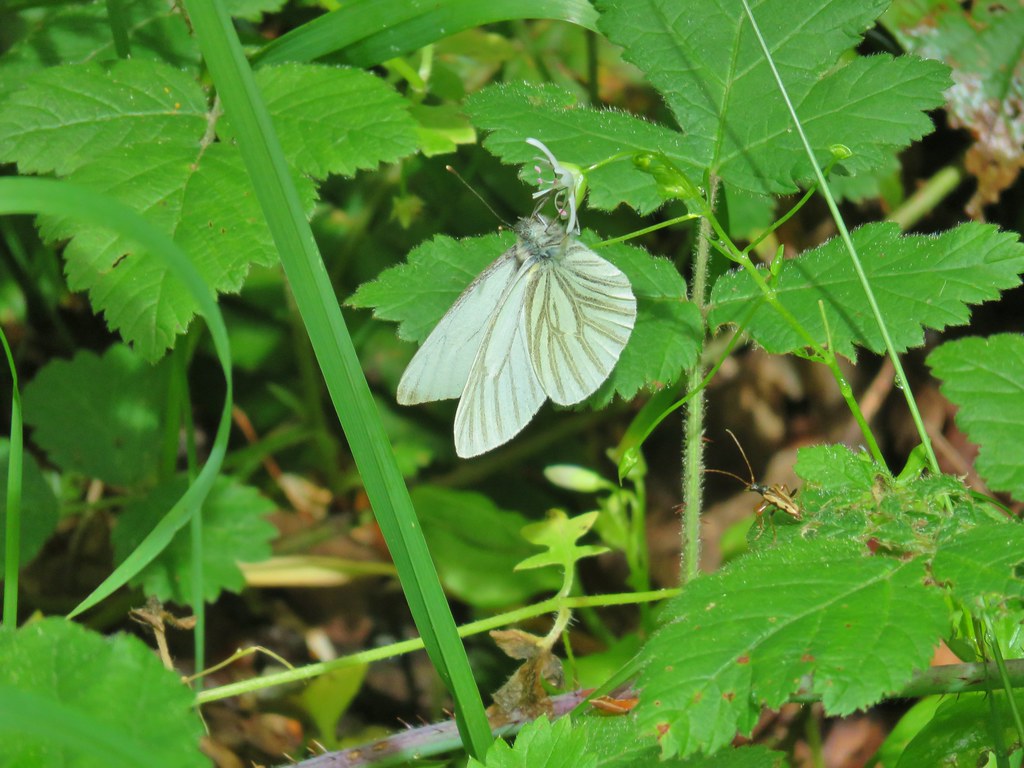 I didn’t see the beetle until I was uploading this photo.
 Where’s the western tanager.


 Paintbrush
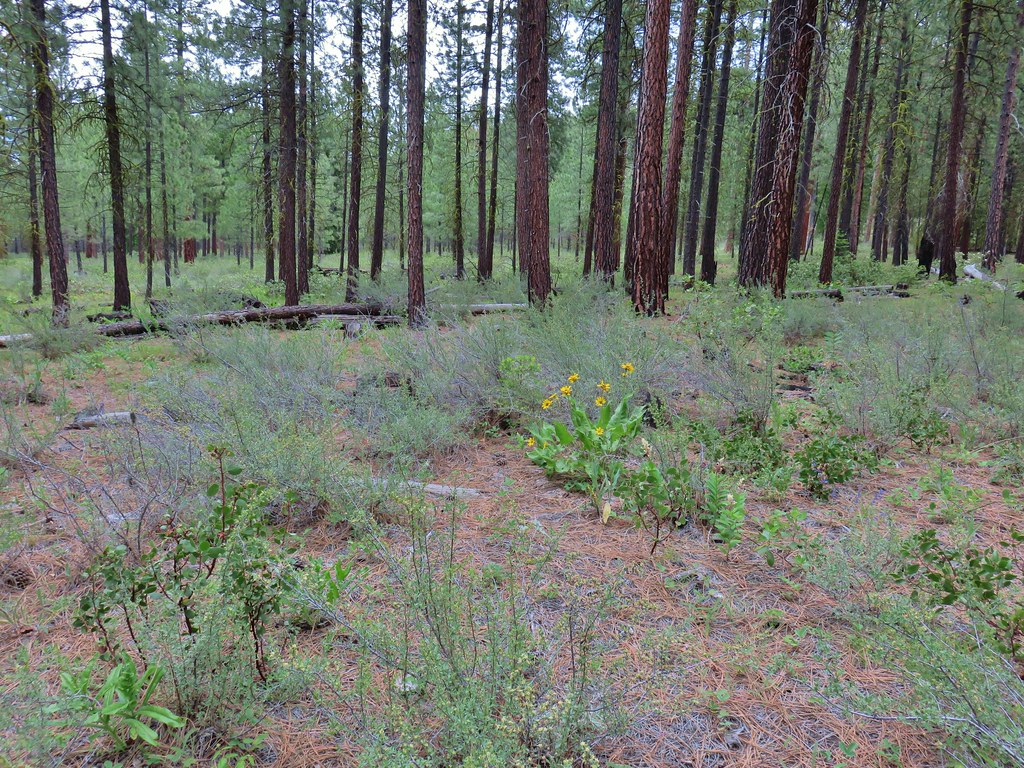 Balsamroot
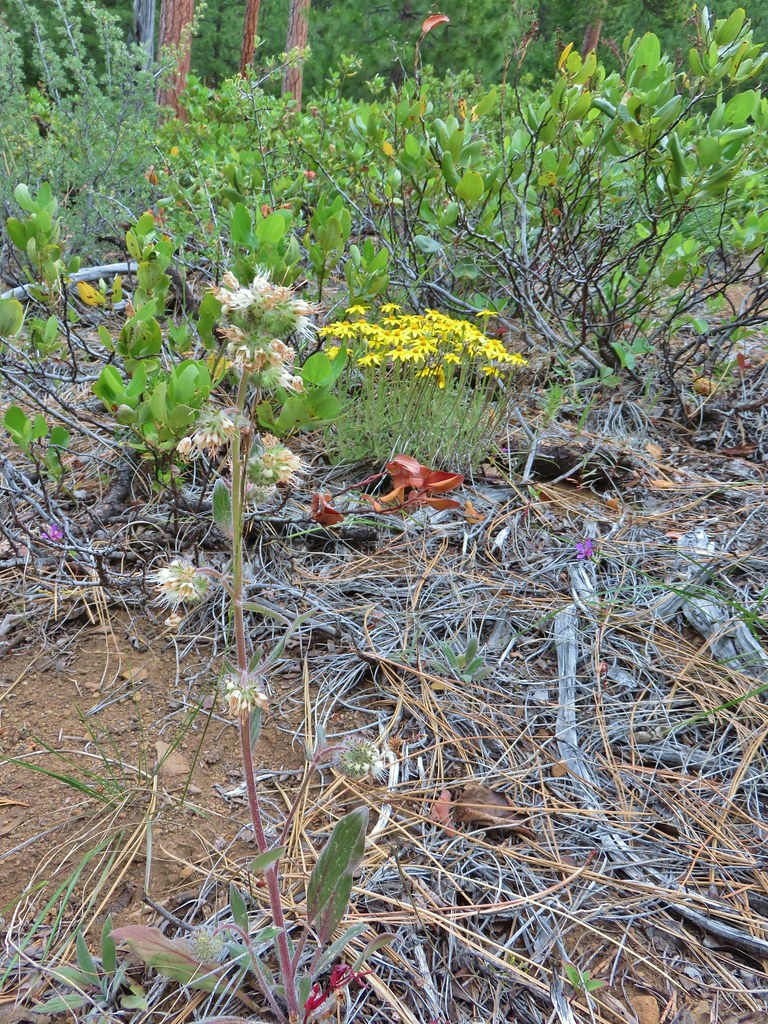 A phacelia, Oregon sunshine, and a little pink diamond clarkia.
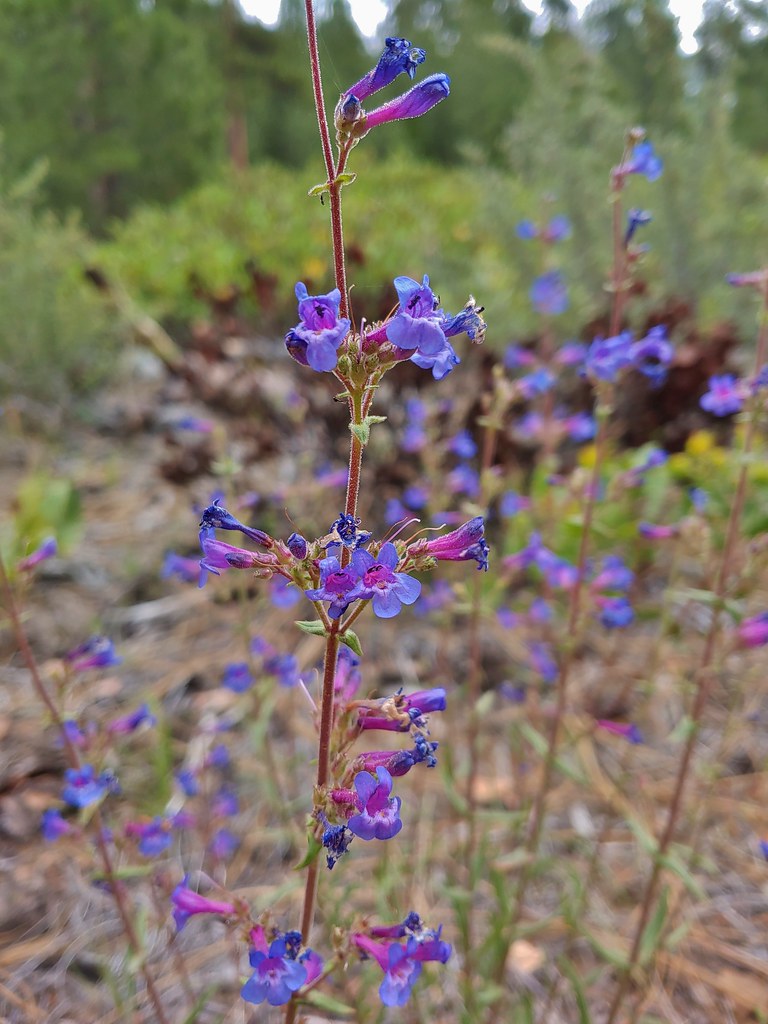 A penstemon
 Washington lily
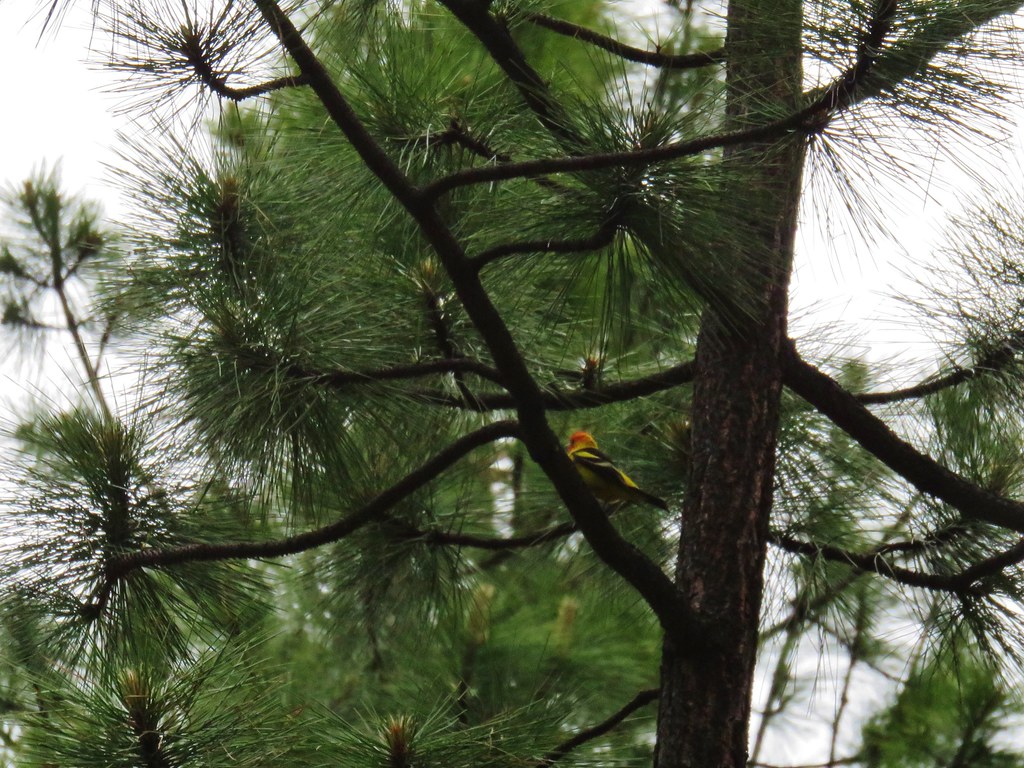 I couldn’t get a good shot of this western tanager but he was really colorful.
 Buckwheat
 Bird with breakfast
 Three Fingered Jack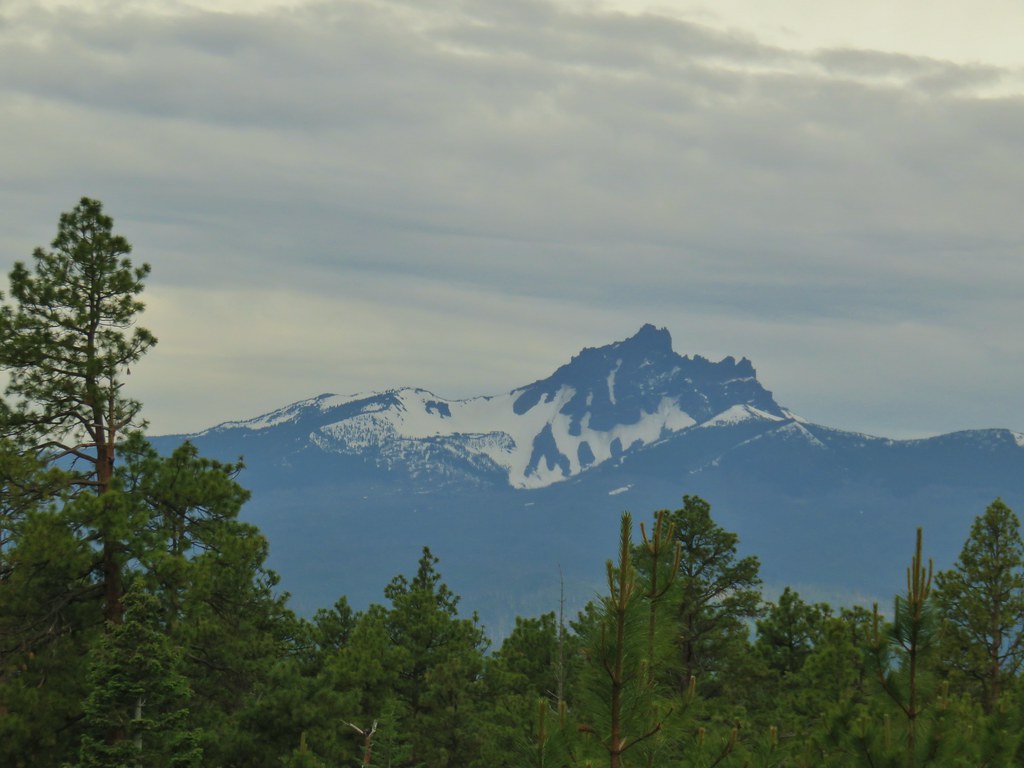
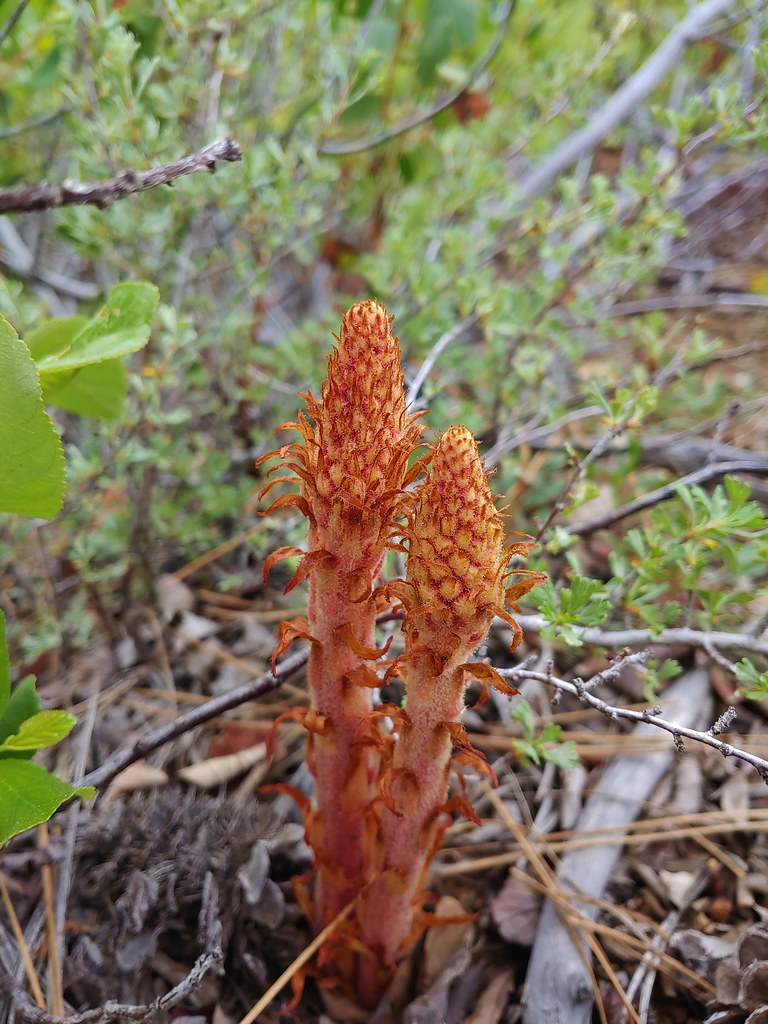 Pinedrops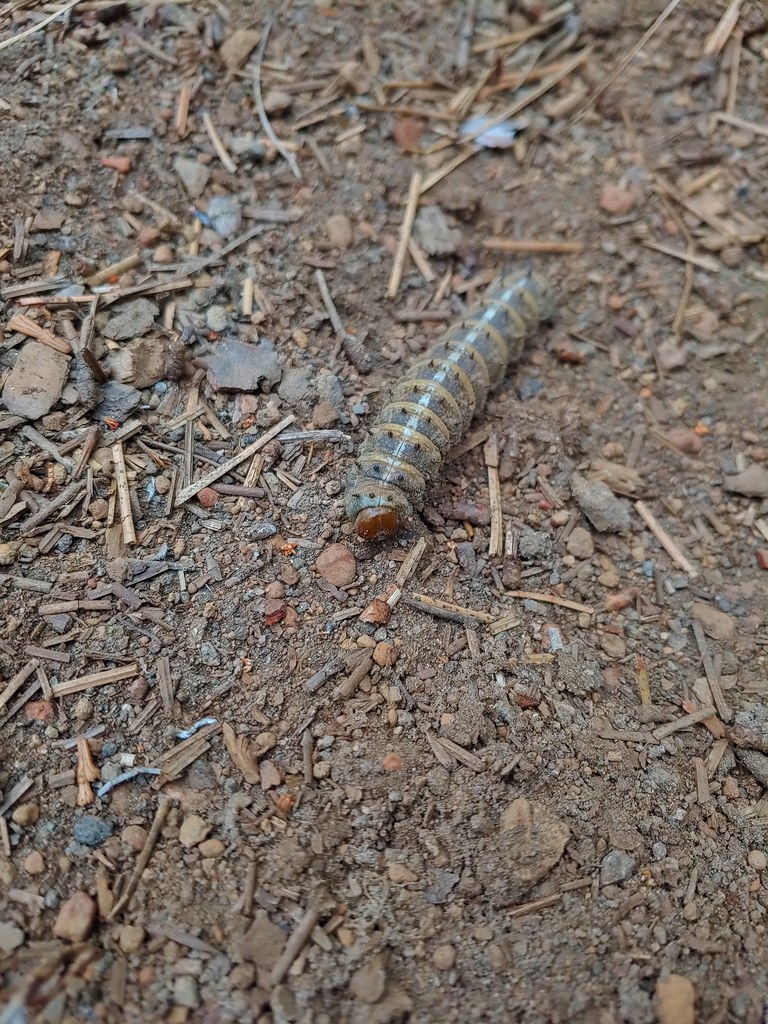
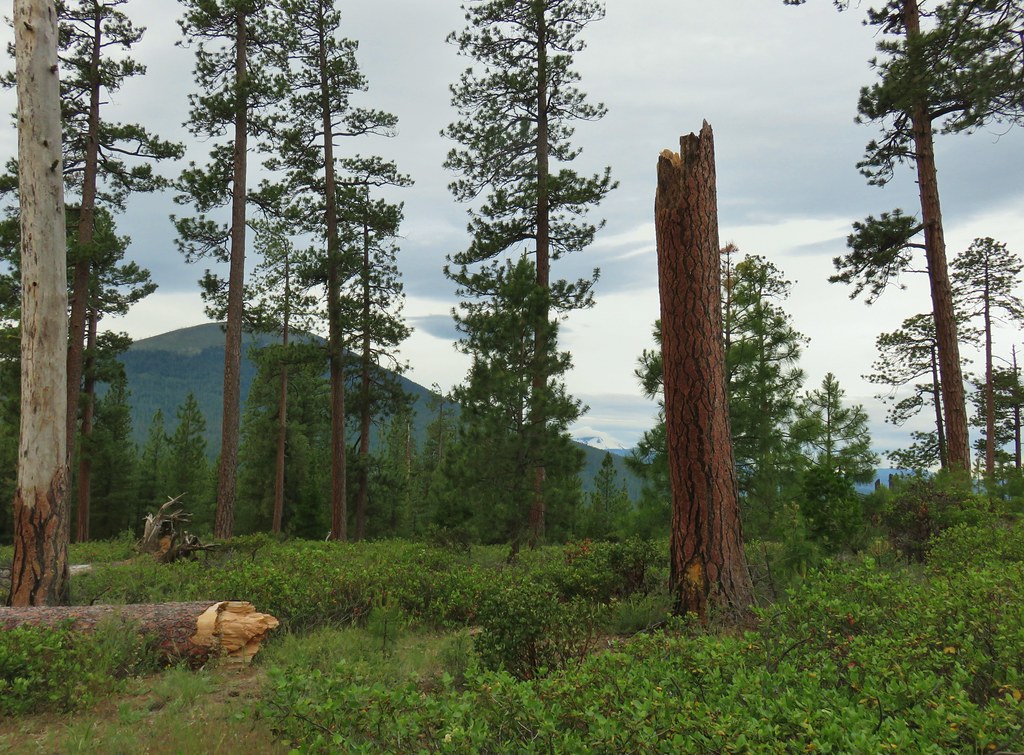


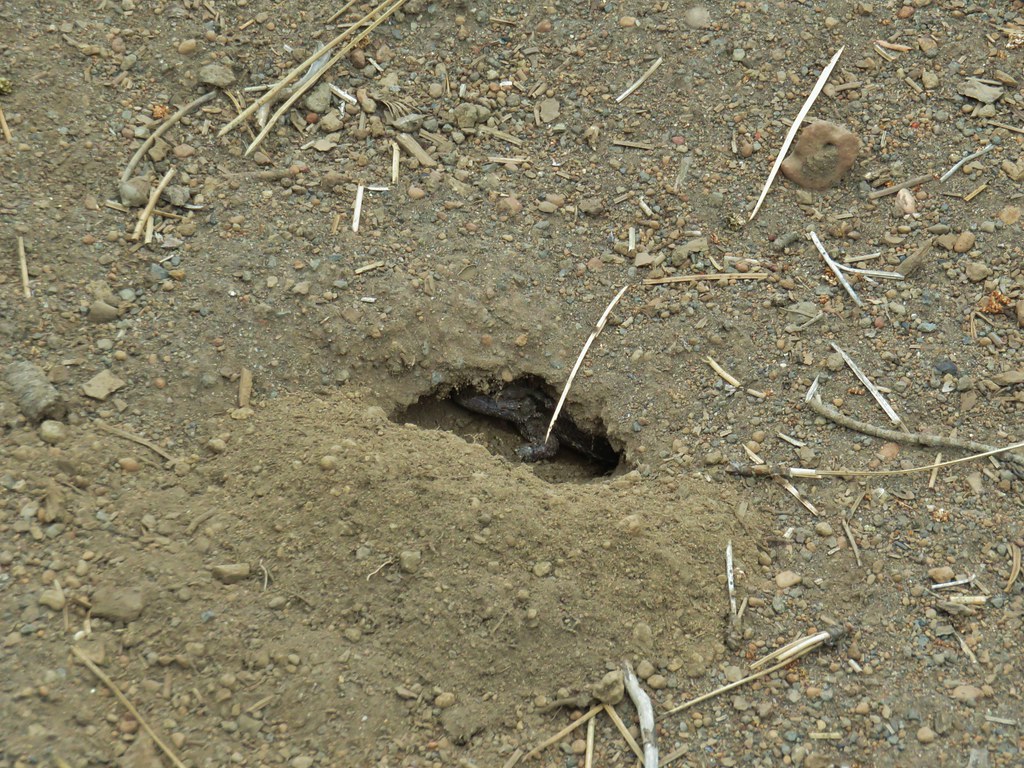
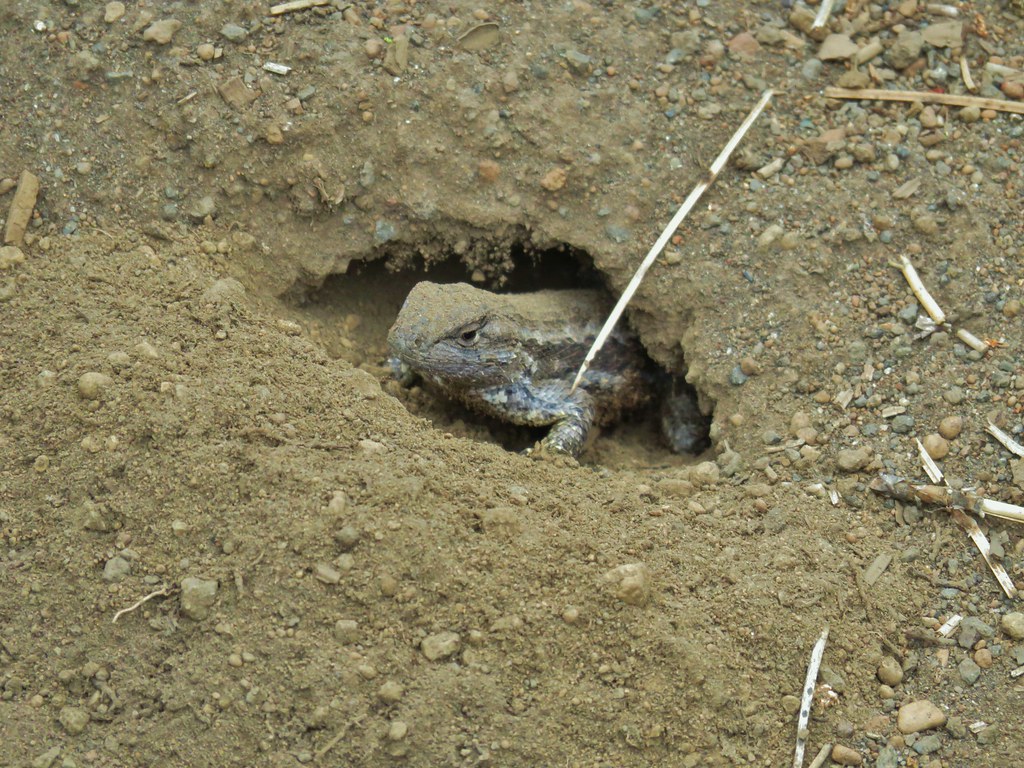

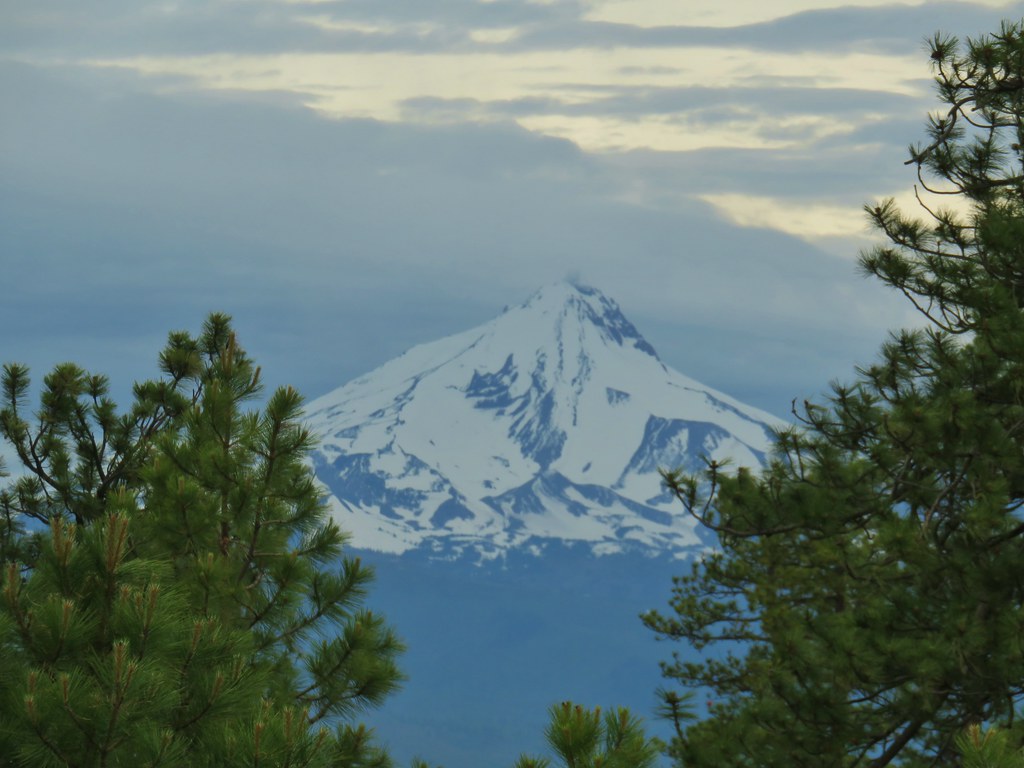

 South Cinder Peak (
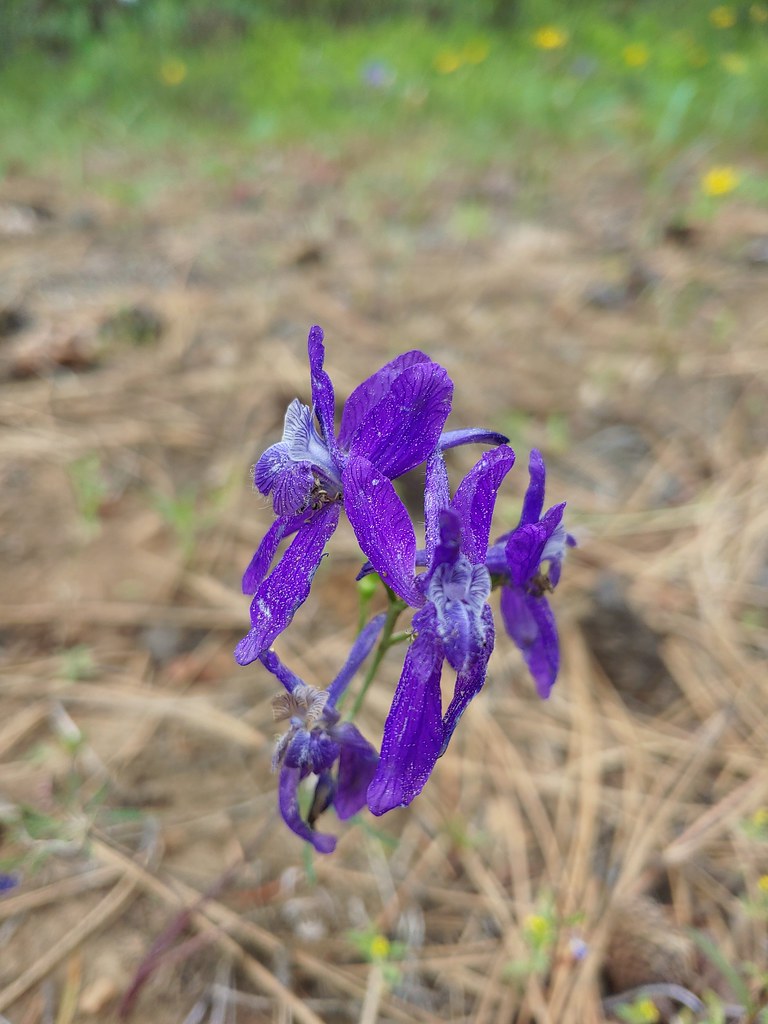


 Lupine
 Columbine
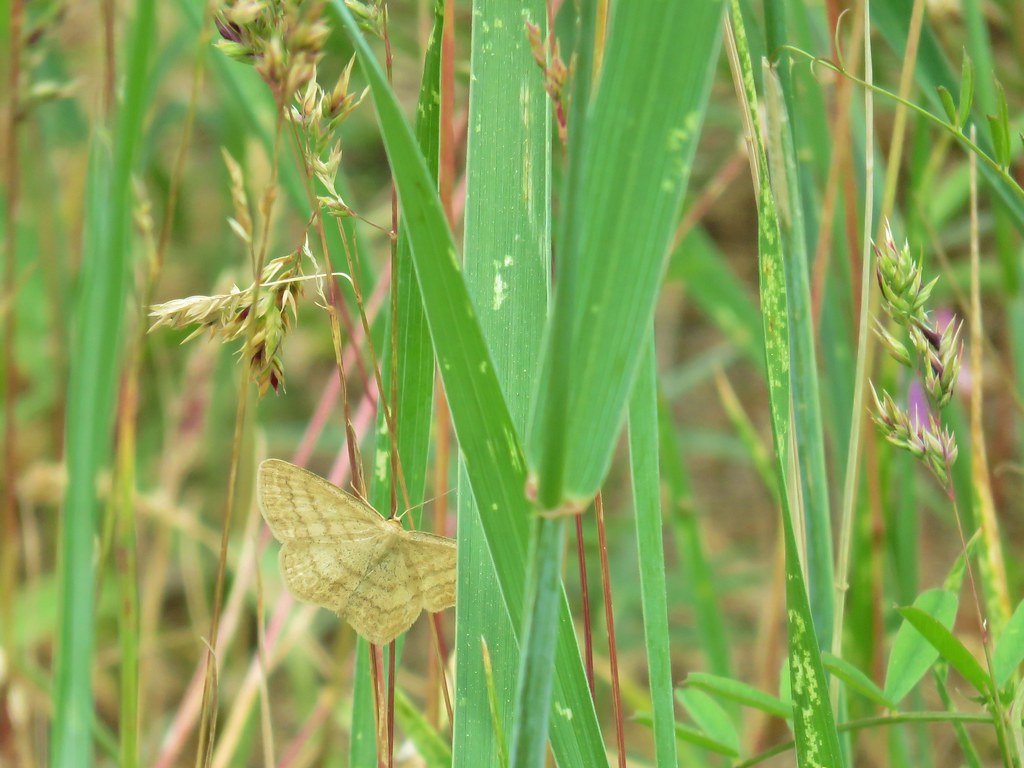 A moth but not a Pandora moth. 🙂
 Sticky cinquefoil
 Salsify
 Tortoiseshell butterfly

 Black Butte and the North Sister
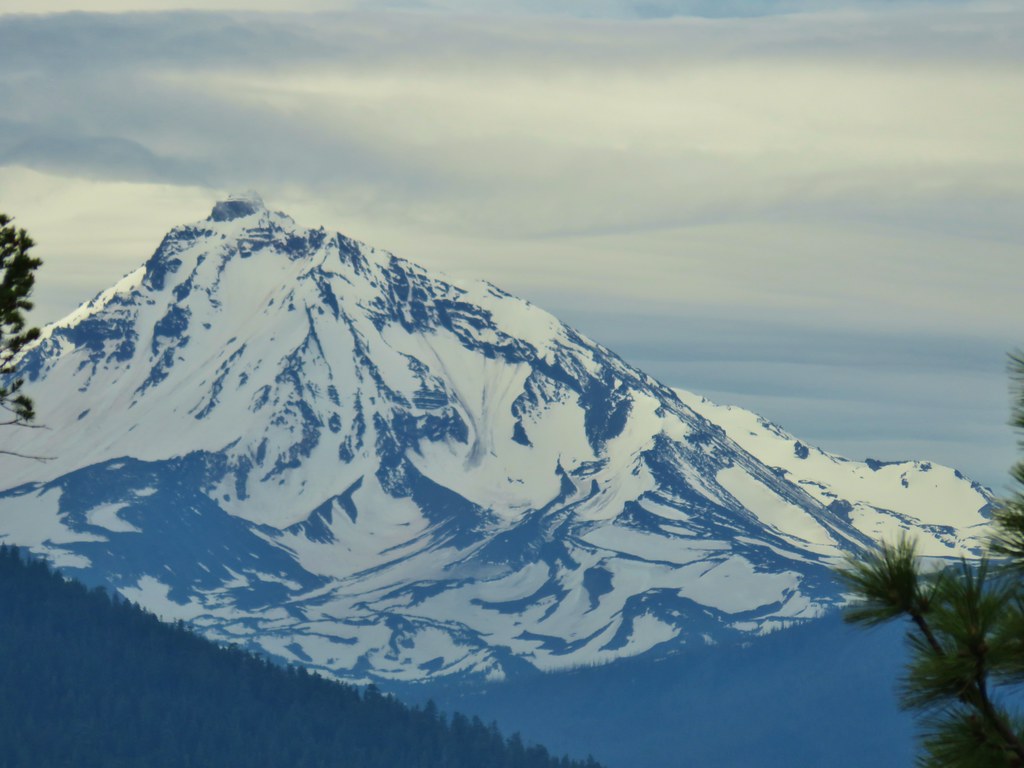 North Sister
 Three Fingered Jack
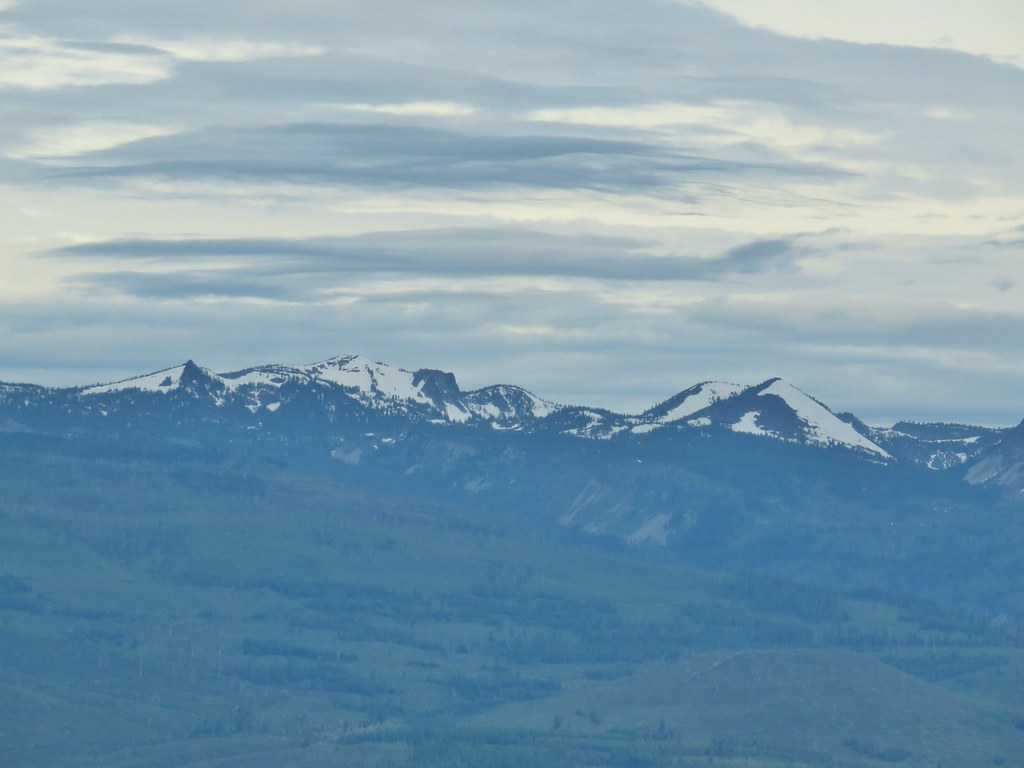 North Cinder Peak and Forked Butte (
 Mt. Jefferson
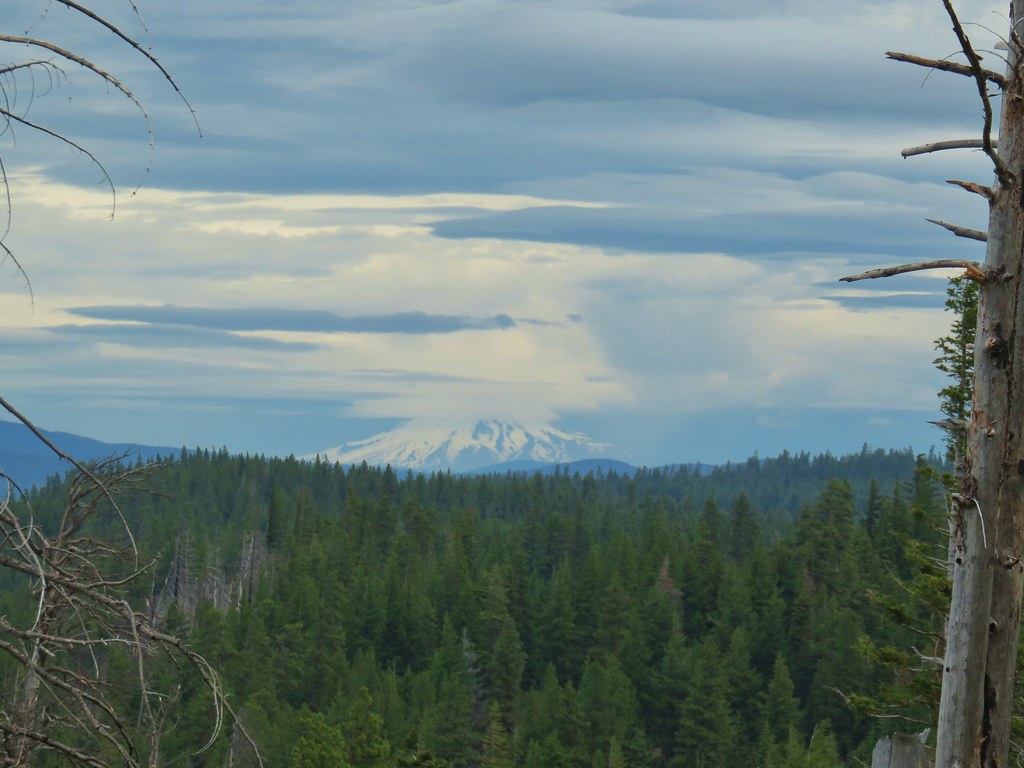 Mt. Hood

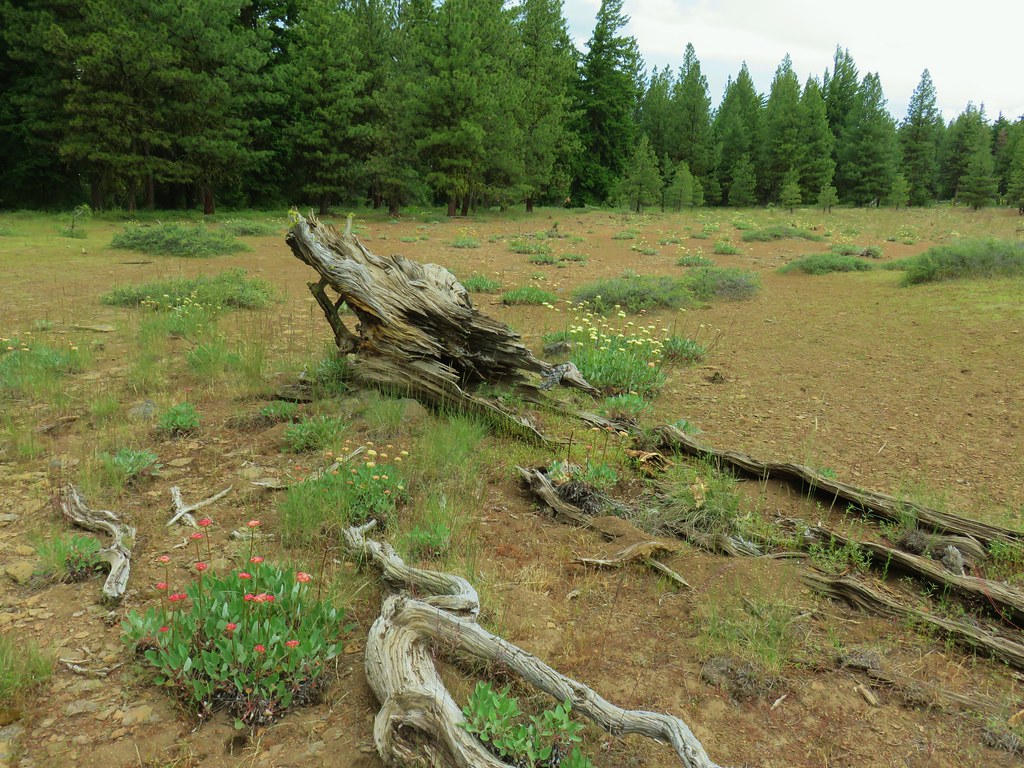 Buckwheat in the center.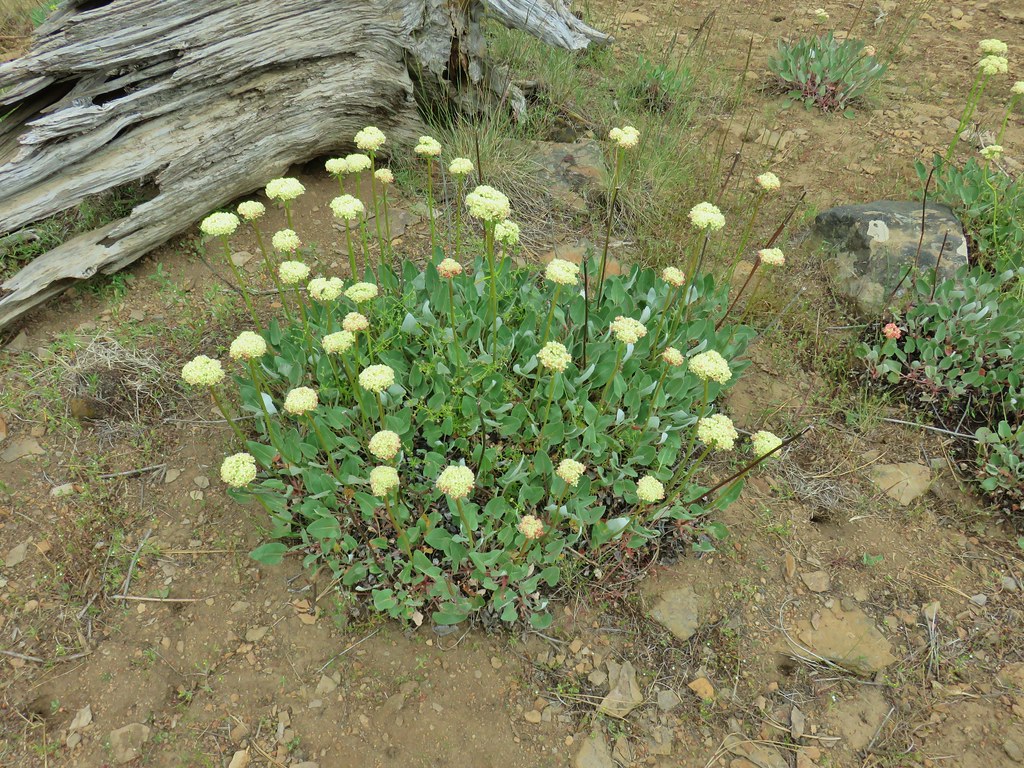

 Balsamroot near the trees.


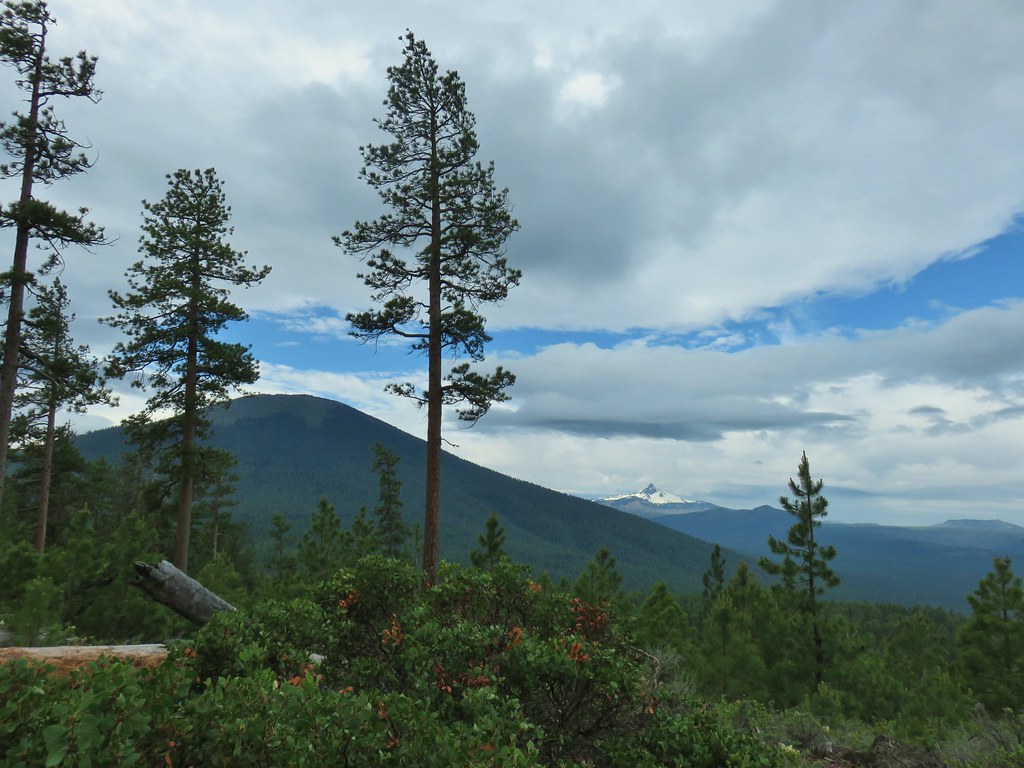 A sliver of blue sky over Black Butte and Mt. Washington.
 Mt. Washington
 Three Fingered Jack with some blue sky.

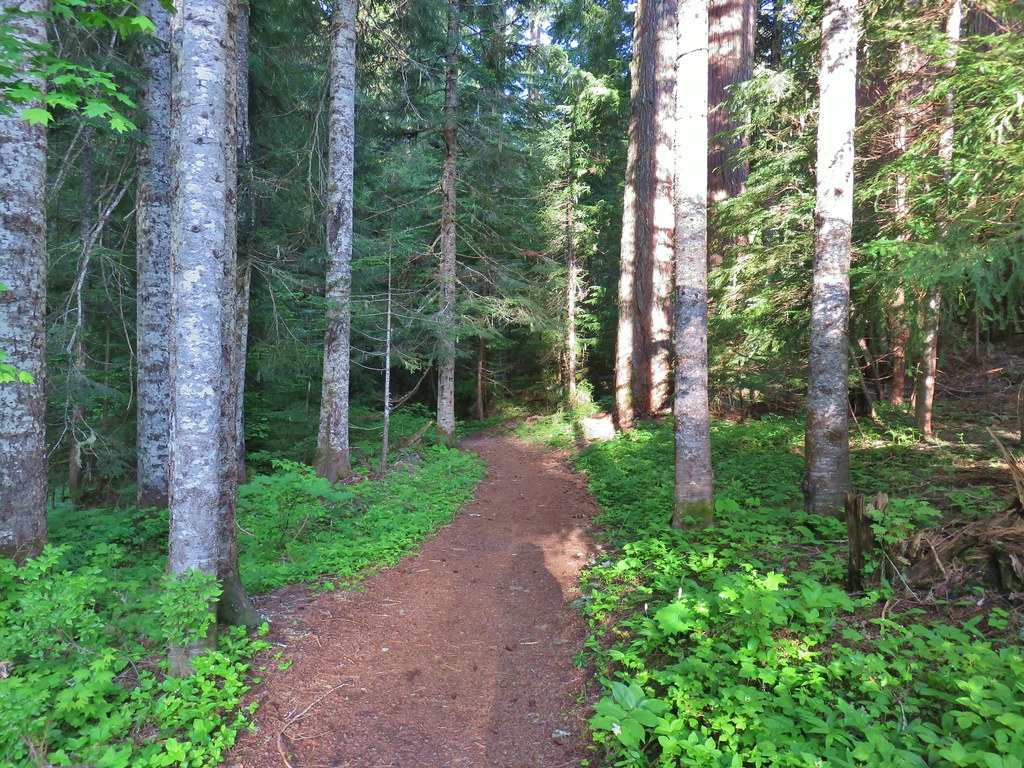

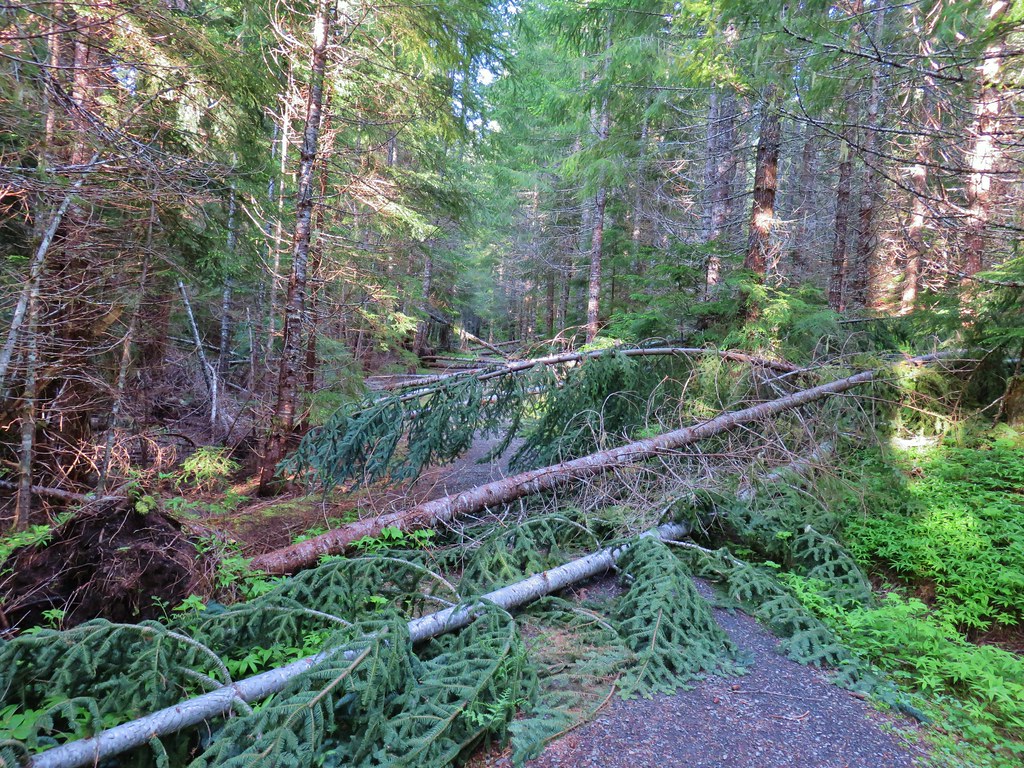
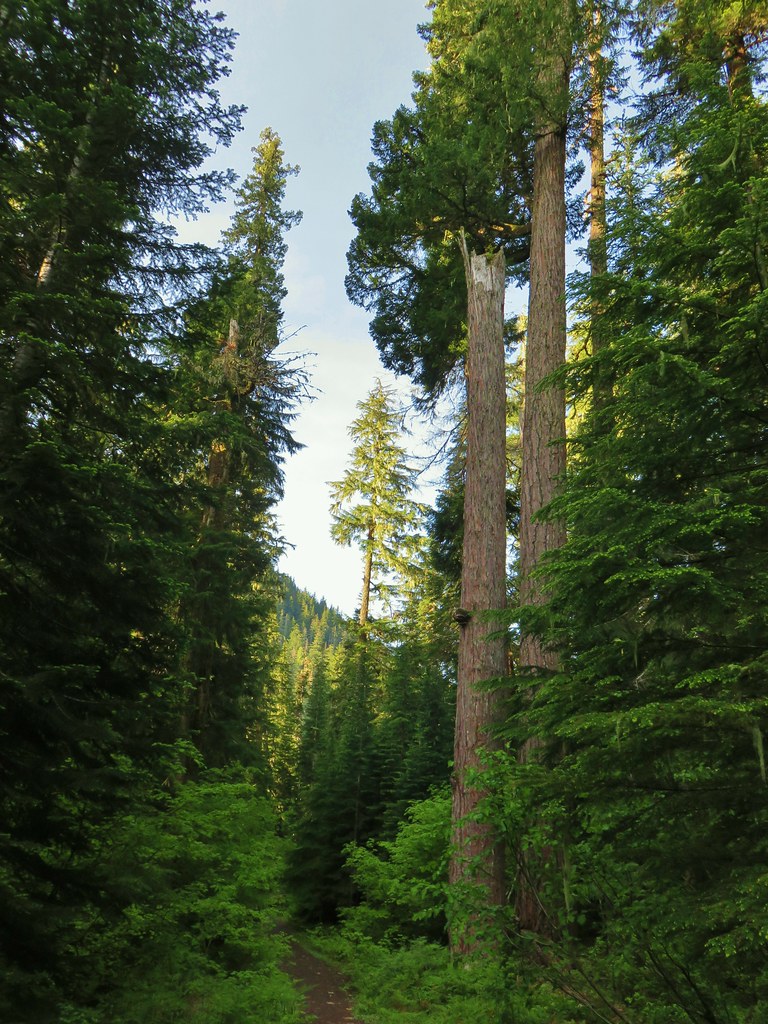
 The wheelchair friendly path.
 The hiker path.
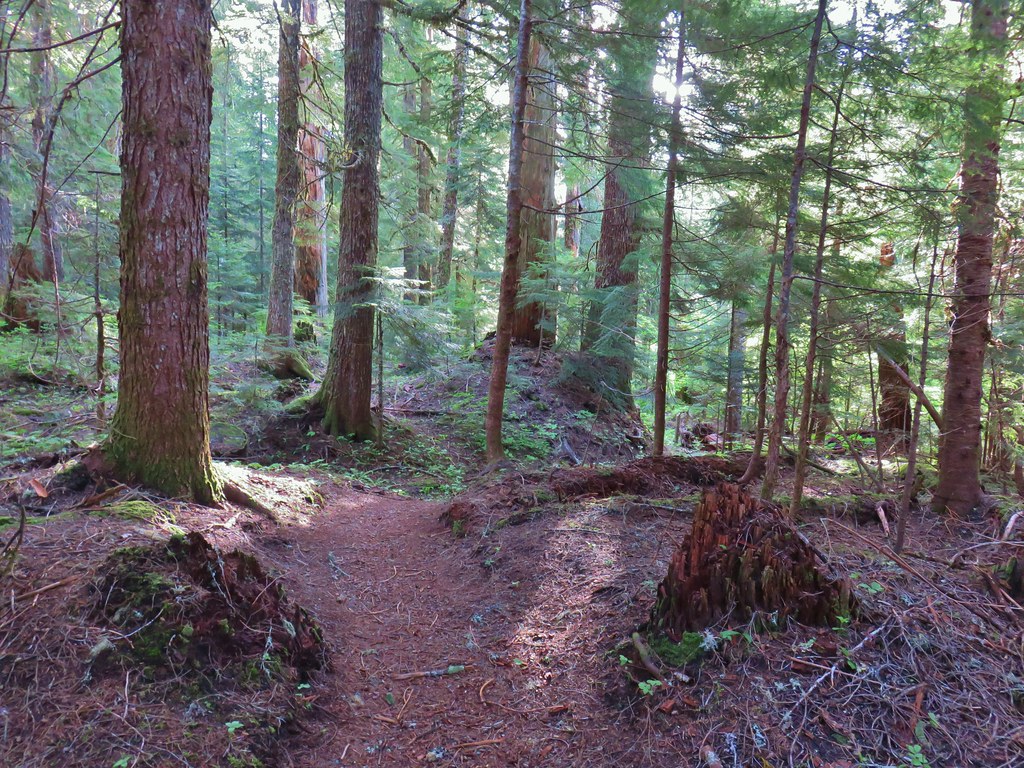 The hiker trail.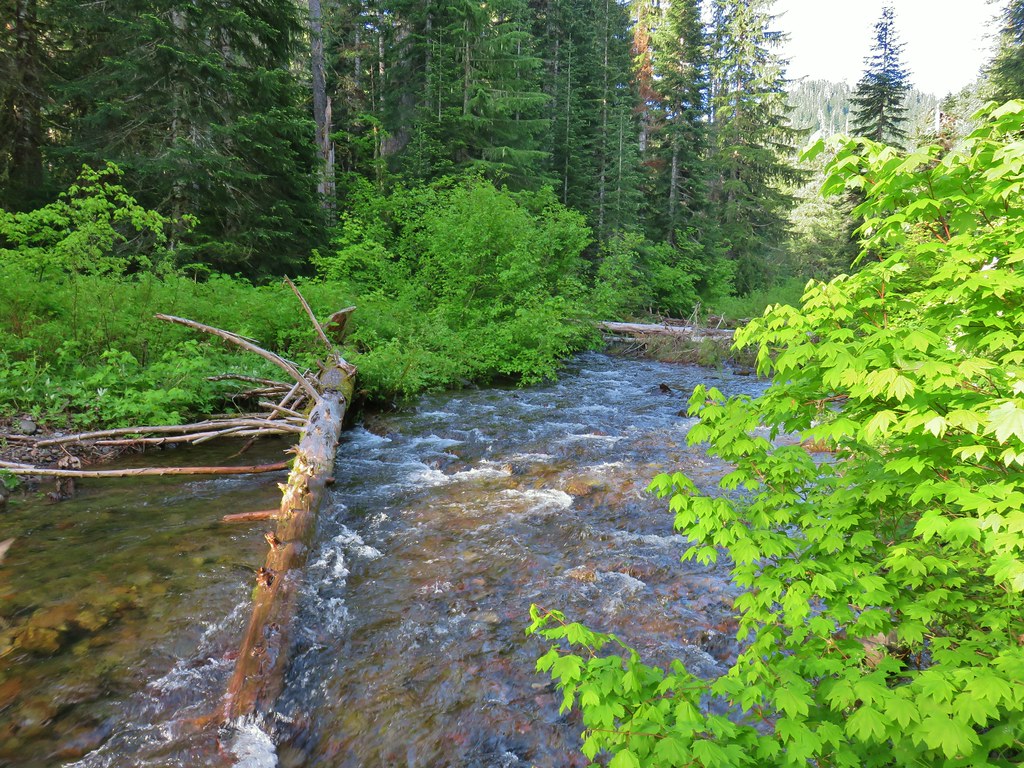
 Western meadowrue
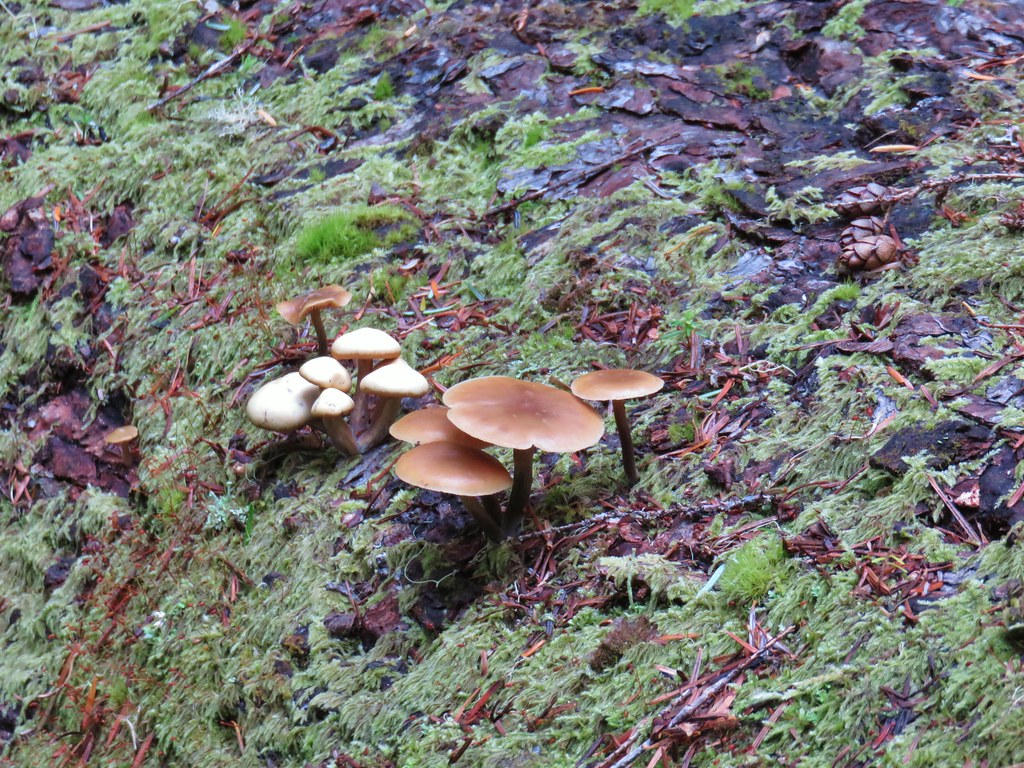 Mushrooms on a log.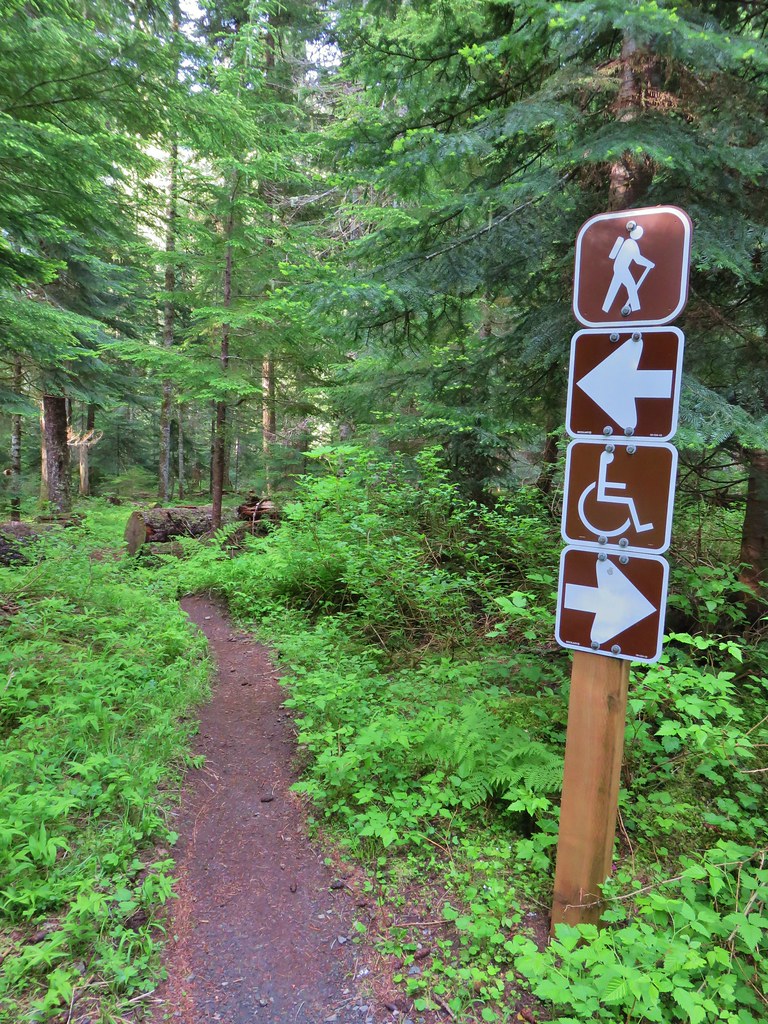
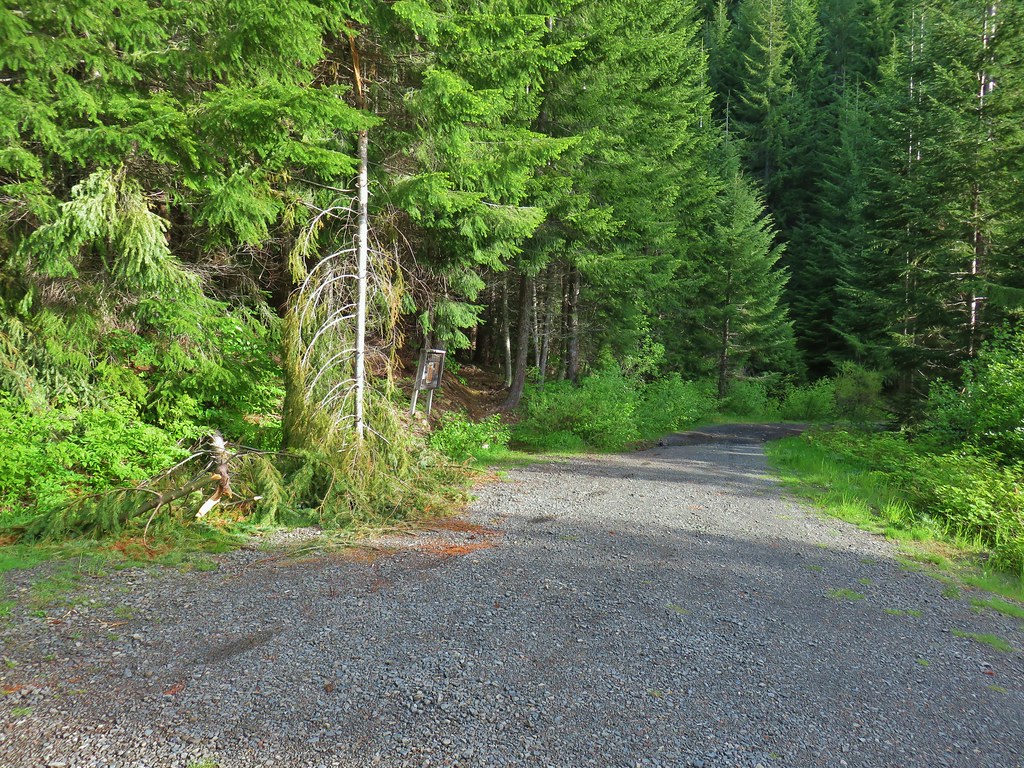 Echo Basin Trail at FR 055.
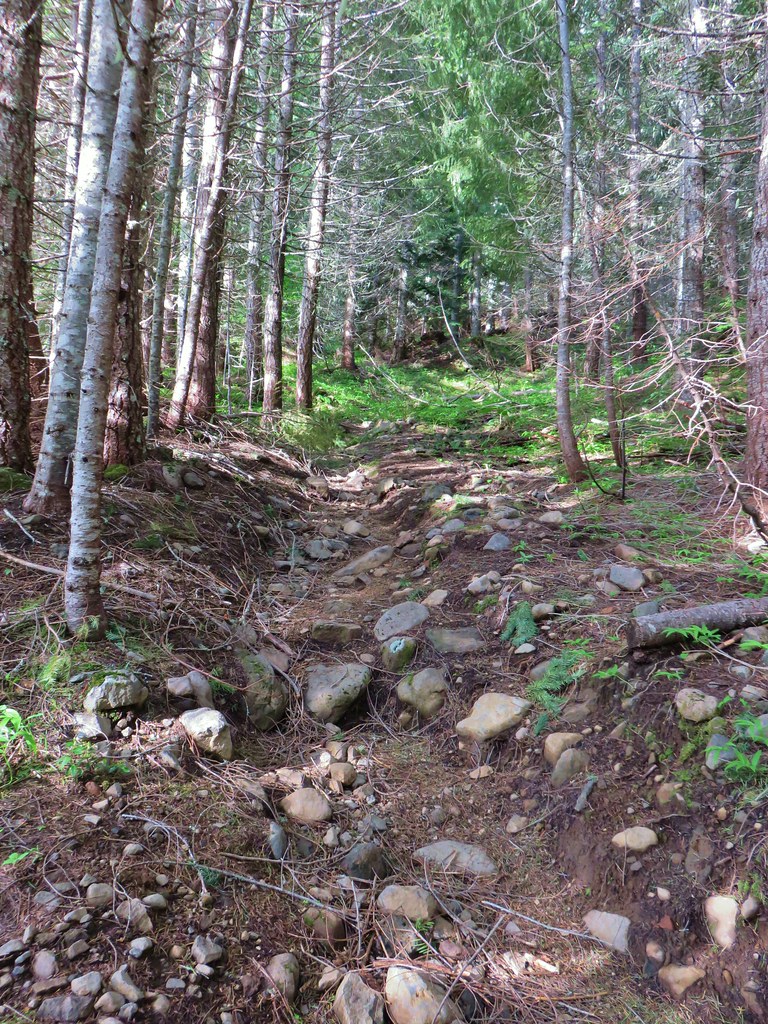 Rocky start to the trail.
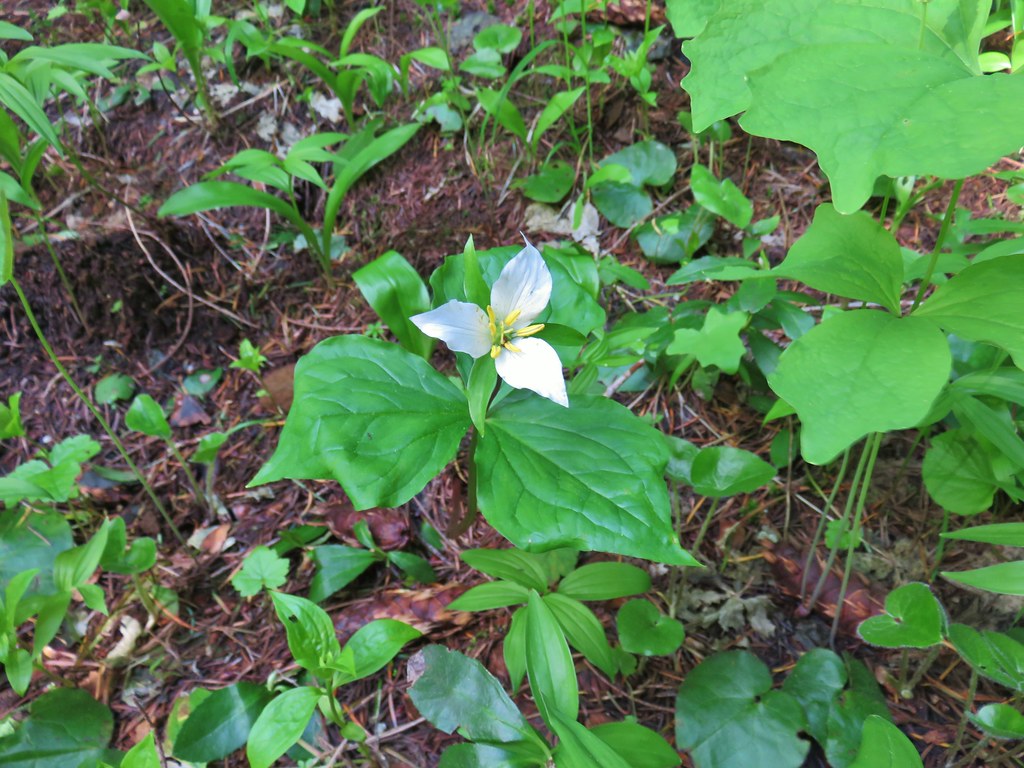 Trillium
 More trillium along the meadow.
 Swallowtail on salmonberry blossoms.
 Start of the loop.
 Orange tip butterfly
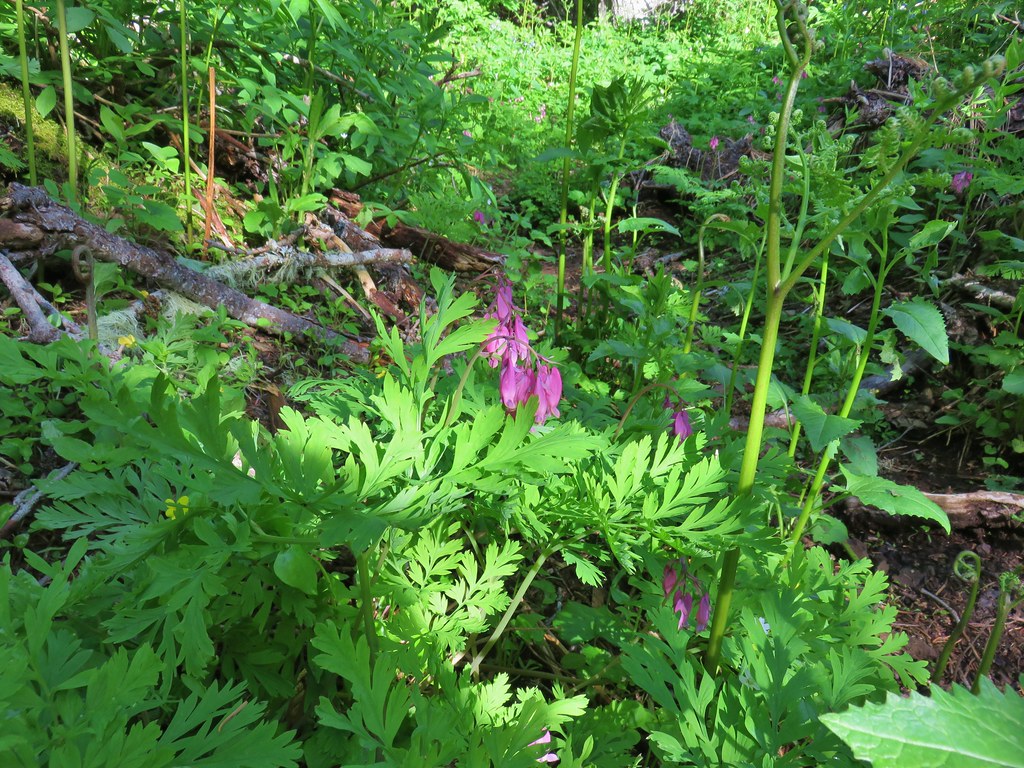 Bleeding heart
 Violets
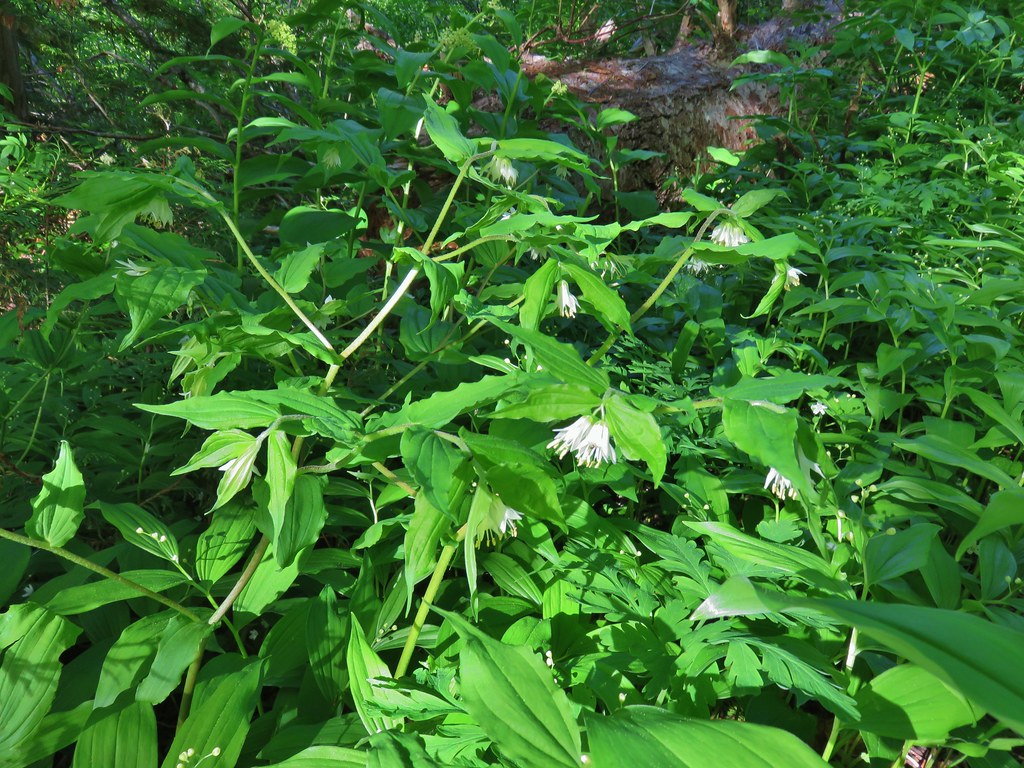 Fairybells
 Royal Jacob’s ladder
 Western meadowrue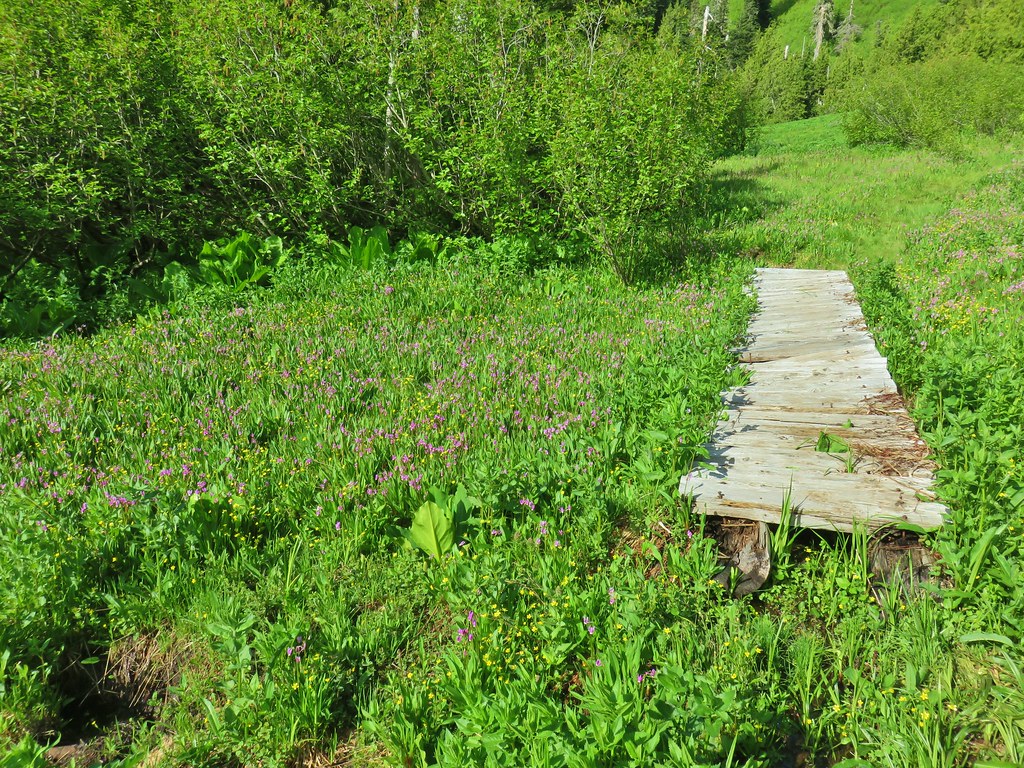
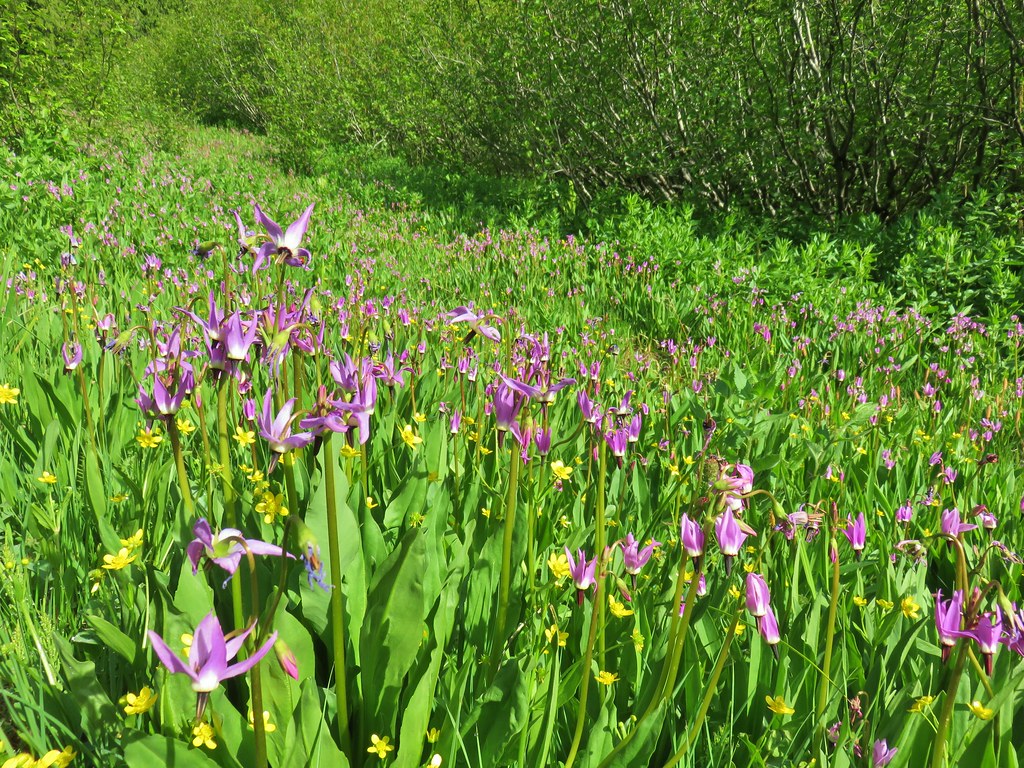

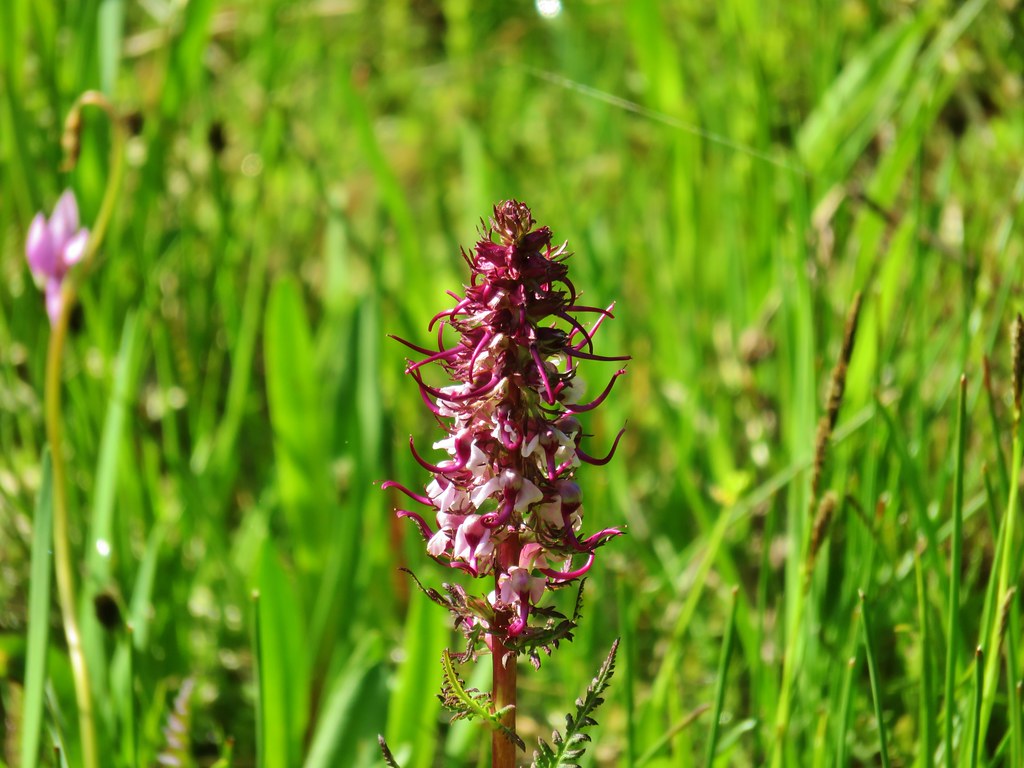


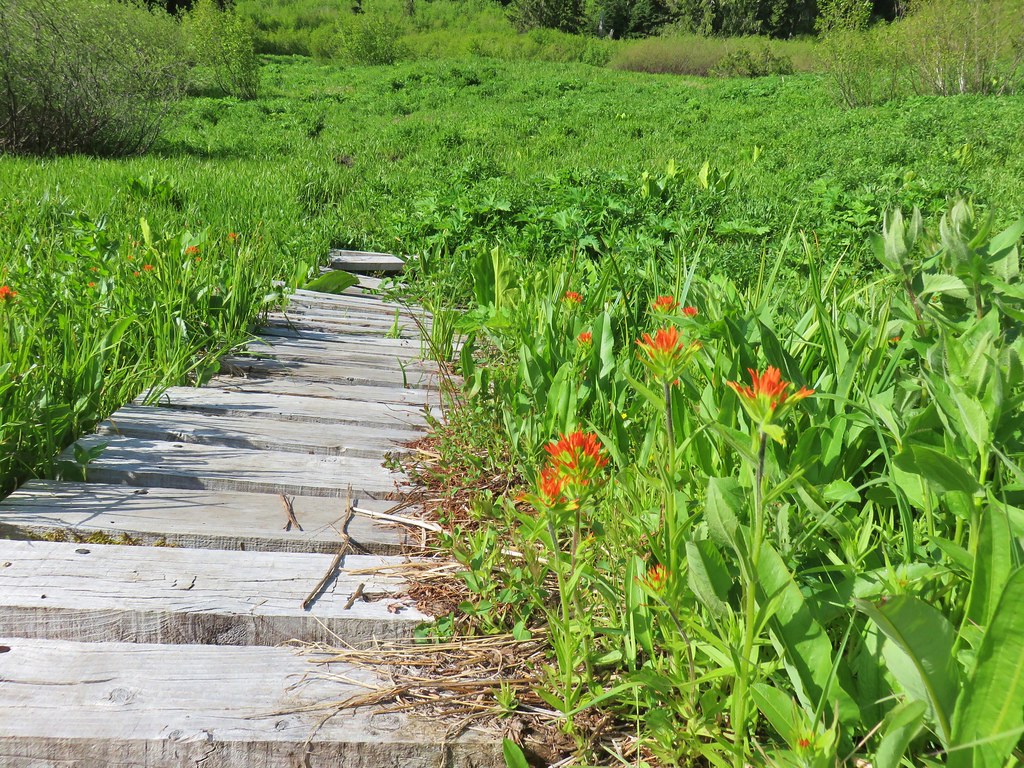 Paintbrush
 Frog
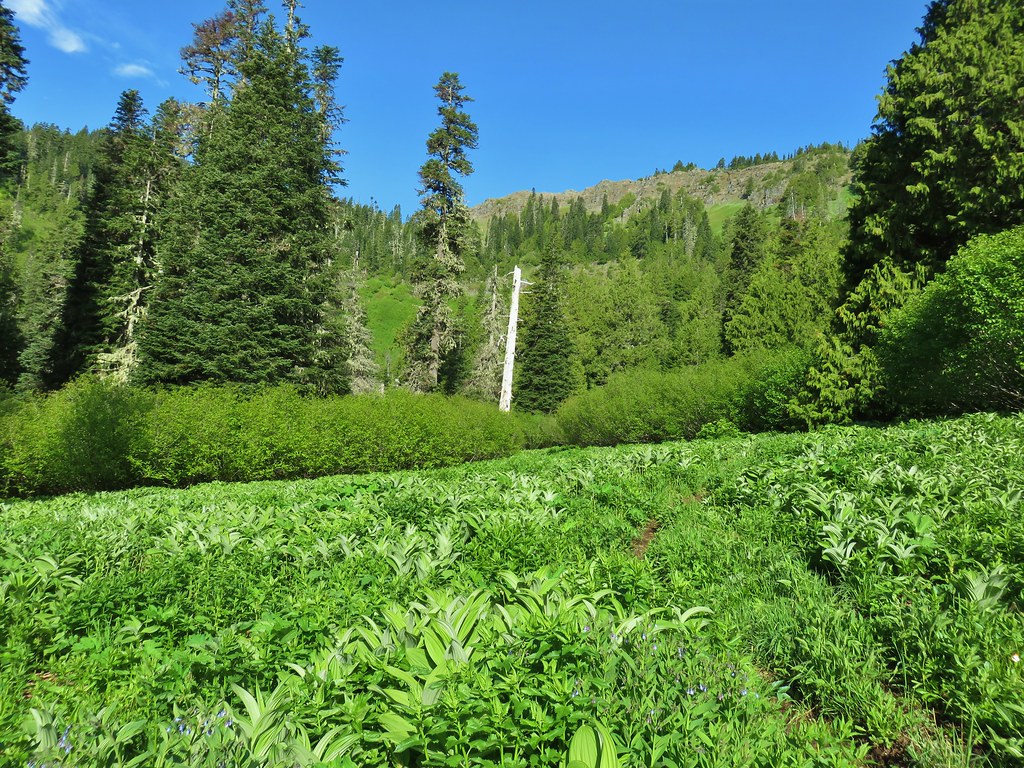
Frog Looking back at the route through the meadow.
 The trailhead off of FR 2672.

 Iris
Iris Beargrass
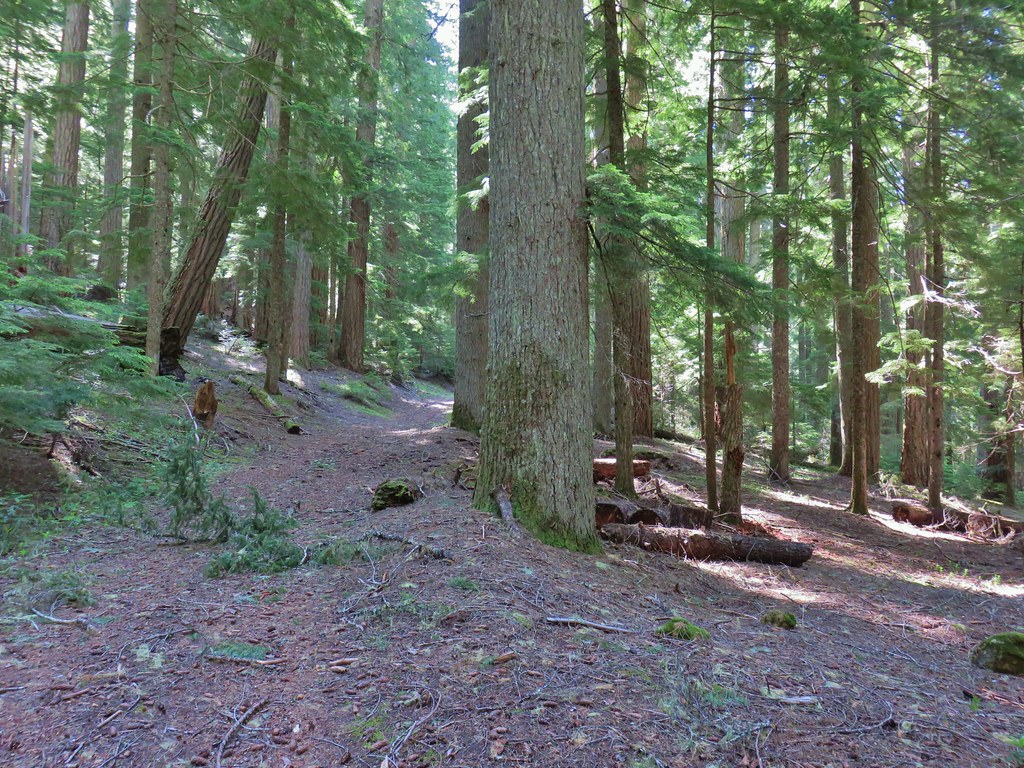 Santiam Wagon Road
 Bunchberry
 Musk monkeyflower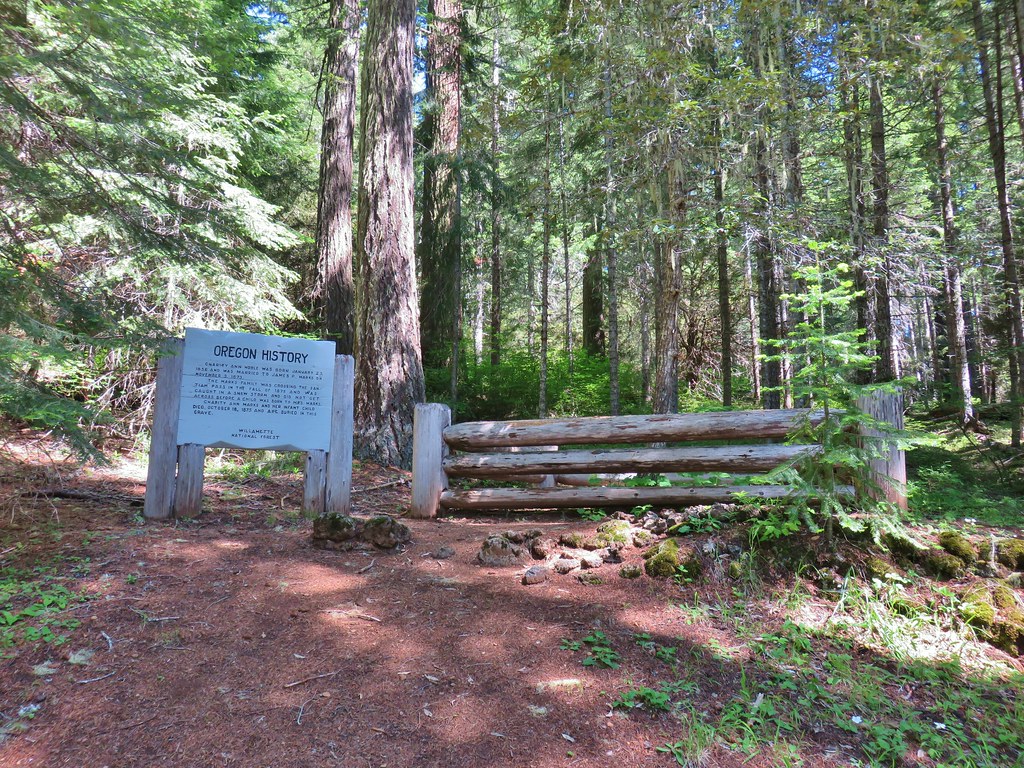

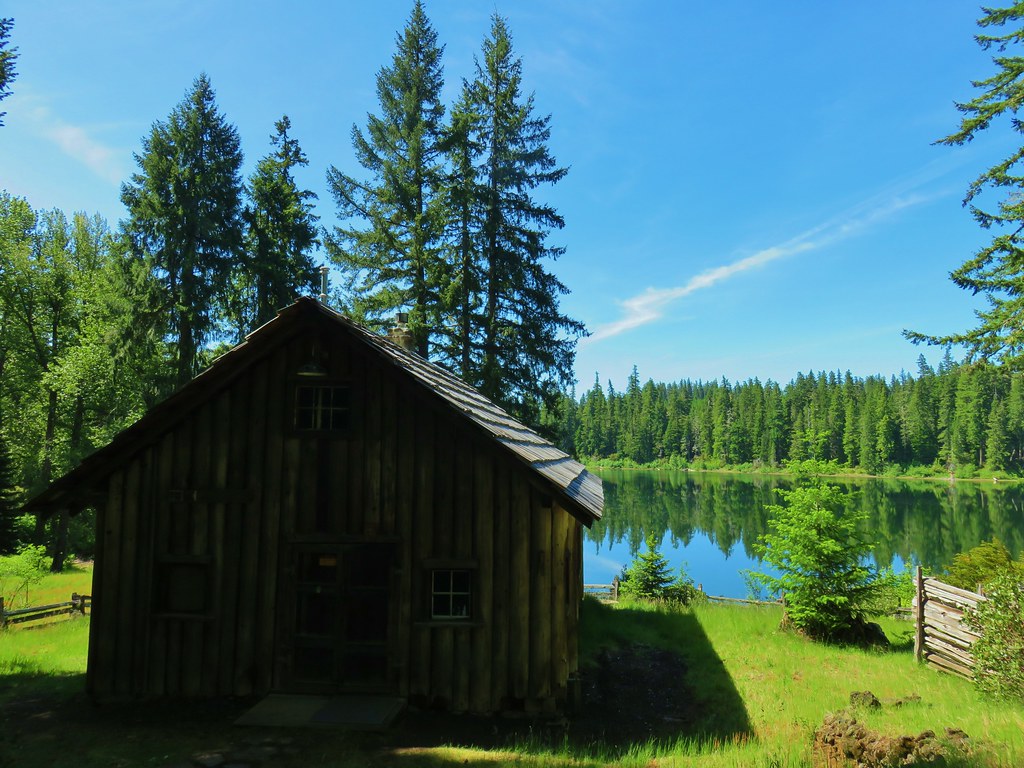 Hall House
 Commissary Cabin
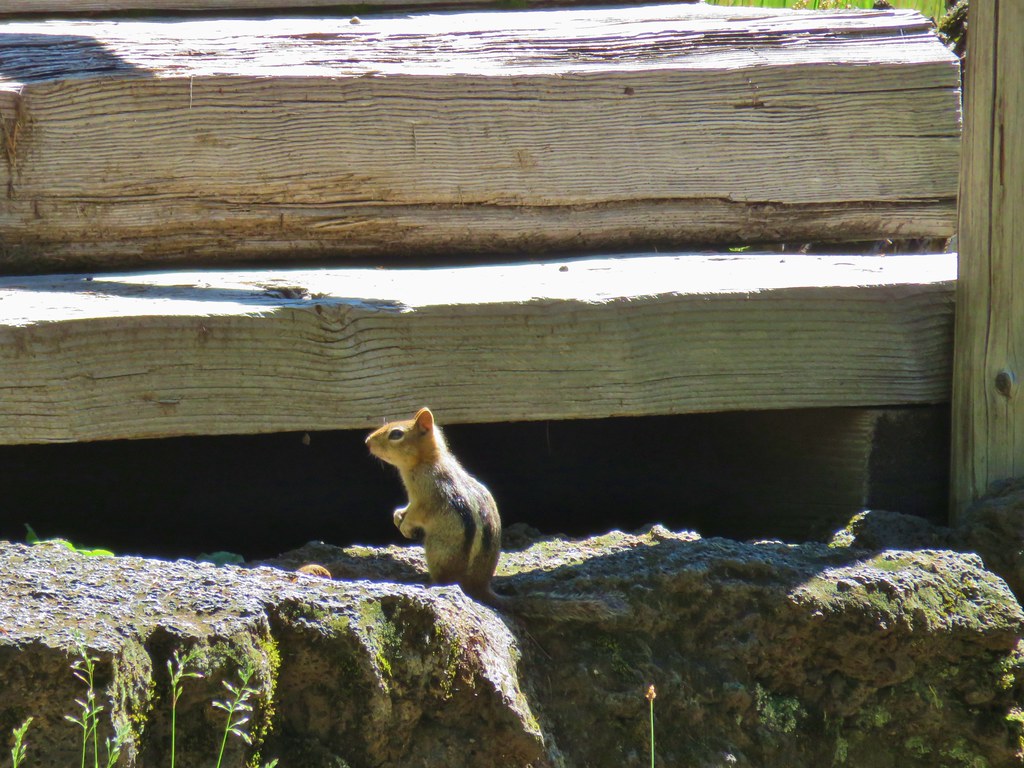 Commissary Cabin innkeeper?
 More from the remount station
 Browder Ridge (
 Interpretive signs for the remount station.


