After starting my week of vacation with back-to-back hikes with 4355′ and 5300′ of elevation gain, I took a day off and then picked a much more level hike to wrap up my week. I turned to the William L. Finley National Wildlife Refuge located just south of Corvallis, OR. Despite several visits there were still some portions of trails that I had yet to hike there. Heather and I first visited this refuge in 2017 to complete one of Sullivan’s featured hikes (post). We hiked the Homer Campbell Boardwalk, Woodpecker Loop, and Mill Hill Loop that day. We returned in 2020 to check out the SE corner of the refuge including Pigeon Butte. I returned in 2021 during a solo April vacation and re-hiked many of the trails we’d been on during our previous visits and adding a short section of trail/road that we hadn’t yet hiked. Our most recent visit was in 2023 to the Snag Boat Bend Unit which is located approximately 3-miles east of the main unit on the other side of the Willamette River.
For this visit I mapped out a route starting at the Turtle Flats Walkway Trail. This extremely short (0.02-mile) paved path was one of those trails I had not hiked, and the parking area had a restroom and was close to another trail I had not hiked in its entirety, the Prairie Trail.
 Hunting information kiosk across from the Turtle Flats parking area.
 The Turtle Flats restrooms. (Photo from the afternoon.)
 The entire Turtle Flats Trail in one photo.
 Viewpoint at the end of the trail.
From the viewpoint a mowed path continued on to Finley Refuge Road across from the start of the Prairie Trail.


The Prairie Trail starts on a roadbed for a short distance then changes to “native surface” as it follows the edge of open fields.


I had a copy of the refuge map with me which came in handy to make sure I stayed along the correct fields.
 I turned right here following said map through a small section of trees.
 Poison oak is hard to miss when it is sporting its Fall colors.
 Emerging from the trees and staying right.
The Prairie Trail turned East shortly after the trees and pointed me toward a pretty spectacular sunrise.


 McCulloch Peak (post), Dimple Hill (post), and Vineyard Mountain (post) in the McDonald-Dunn Forest to the North.
 Mary’s Peak (post) with a few clouds below its summit.
 One of several raptors hunting over the fields.
 Pigeon Butte to the left and Green Peak in the distance.
I thought I might see deer or even elk along the edges of the fields being fairly early in the morning, but aside from some fairly fresh deer sign the raptors and lots of smaller birds were all that seemed to be around. That was until I got to the northern end of McFadden Marsh. Still no deer or elk but I spotted the first great blue heron in a field just before arriving at the marsh.


The marsh itself was full of egrets, ducks and a few more herons.
 Fog and McFadden Marsh to the left.
 Mallards
 Geese flying overhead.
 Egret and ducks

 Egrets
 More egrets
 Heron with the egrets.
 McFadden Marsh
 Egrets and a murder of crows.
 Great blue heron
 Red-winged blackbird
 Prairie Trail along McFadden Marsh.
The Prairie Trail ends at a small pullout on Bruce Road which is where we’d parked for our 2020 hike here.
 I could just make out the railings along Bruce Road from here.
 Nutria family near Bruce Road.
 The nutria family.
 The Prairie Trail at Bruce Road.
I turned right onto gravel Bruce Road of 0.2-miles to a larger parking area on the others side of Muddy Creek.

 Northern flicker
 Starling
 Muddy Creek
 Interpretive signs at the larger parking area.
At this parking area I turned right onto the first mowed path which is the Cheadle Marsh Trail.

I followed this grassy track, between Cheadle Marsh on the left and Muddy Creek on the right, for almost a mile to a junction near the Cheadle Barn.

 California scrub-jay

 Peregrine falcon?
 Pigeon Butte across Cheadle Marsh.
 While I was photographing this egret I glanced to my left and noticed a buck staring back at me.

 Meanwhile a great blue heron decided it wanted the egret’s perch.

 The heron and egret
 American coot

 The roof of the Cheadle Barn poking up from the hill.
 California quail escaping into the blackberry bushes.
 The small hill up to the junction below the barn. My legs let me know that even this small hill was more than they were interested in today.
 Robin
Robin
 Spur trail to the Cheadle Barn.
I skipped the barn this time and continued on past a small pond to a junction with the Pigeon Butte Trail.

 Spotted towhee
 The pond and Cheadle Barn.
 Ducks in the pond.
 Pied-billed grebe. I also had a yellow-rumped warbler nearly land on me, but then it disappeared into the trees across the pond.
 The gravel road that serves as the Pigeon Butte Trail ahead.
I turned right on the Pigeon Butte Trail and reluctantly made the gradual climb to a junction on the shoulder of the butte.

 A successful egret and unfortunate rodent.
 The junction is located at the crest of the trail/road.
 Spur trail to the summit of Pigeon Butte.
My legs had already declared that they were not interested in going uphill and I’d already been up the butte twice, so I skipped the spur trail and continued downhill.

This section of trail passes the Finger Ponds which were almost completely dry this time of year.

 The dry ponds hosted a good number of songbirds.
 It appeared that there had been a number of controlled burns performed throughout the refuge.
 The 0.9-mile section ended at a junction with the Cattail Pond Trail.
I turned left onto that trail (also a roadbed) and followed it a mile to a pointer for Cattail Pond.

 Viewpoint bench looking toward Cabell Marsh.
 Woolly bear caterpillar sharing the trail.
 Gray Creek

At the pointer the Cattail Pond Trail turns left, and the road becomes the Mid-Refuge Connection Trail. I turned left at the pointer to visit the pond and hike a 0.6-mile section of the Cattail Pond Trail that I’d yet to hike.
 Mallards
 More mallards
 Maple Knoll on the far side of Cattail Pond.

 I’m assuming nutria but am not 100% convinced on this one.
The 0.6-mile section of trail looped around the pond and connected me to the Beaver Pond Trail which is the trail I’d taken on previous visits.
 This section was a mixture of the edge of fields and wooded trail.
 Follow the pointer.
 A cedar waxing joined by a pair of finches.


 I turned right at this sign onto the Beaver Pond Trail and followed it a half mile back to the gravel roadbed.

 Just under 100 yards from the Cattail Pond Trail is this unsigned junction. The left is a half mile out-and-back spur on along the side of Maple Knoll. I stayed right this time having done the spur in 2020 with Heather.
 The trail passes the Beaver Pond just before arriving at the roadbed.
 The Beaver Pond was pretty well deserted given its lack of water.
 I turned left onto the Mid-Refuge Connecting Trail.
The connector trail climbed gradually to a signed 4-way junction that serves as the start of the Mill Hill Loop.

 Authorized personnel only on the right-hand fork here.
 Arriving at the junction.
 The right fork is the trail I came up. The center fork is the Mill Hill Trail, and the left fork is the Mill Hill Loop Trail which loops around Mill Hill in 1.7-miles and arrives back at the junction where I took this photo from.
Having done the Mill Hill Loop twice before I decided to save myself the distance and more climbing and took the center fork which would lead me to the Intertie Trail and eventually the Woodpecker Loop Trail.

 There are several junctions along this stretch, most of which are well signed.
 This junction marks the start of the Intertie Trail.
 Crossing Finley Refuge Road.
I was moving pretty quickly through the forest here and startled a doe that came around a bend from the other direction. She bounded into the trees but didn’t go too far.


When I arrived at the Woodpecker Hill Loop I turned left. It meant a little bit of climbing, but going this direction would lead me past the Environmental Education Shelter on Woodpecker Hill.

 Signage at the Woodpecker Hill Loop.
 The Woodpecker Hill Loop is a well-developed interpretive trail.
 Stellar’s jay
 Each of these kiosks has an informational placard inside.
 Near the crest of the trail.
 The shelter on Woodpecker Hill.
I took a quick break on the shaded bench at the shelter then headed downhill to the Woodpecker Hill Trailhead.

 Dragon fly

 Signboard at the Woodpecker Hill Trailhead.
From the trailhead I walked down the entrance road to Finley Wildlife Refuge Road and turned left. I now had a 0.7-mile gravel road walk to reach the Cabell Barn.
 Yay, more uphill.
 The back of a killdeer.
 Bald Hill on the left.
 Winkle Butte is the near rise on the left. On a clearer day Mt. Jefferson would be visible in the distance to the right of Winkle Butte.
 Cabell Barn ahead.
I turned right across from the barn on Cabell Lodge Road following a pointer for the Cabell Marsh Overlook.

 Historic granary
The Cabell Lodge burned on December 13, 2023.

 The lodge in April, 2021.
From the parking area at the end of the road I followed a path to the overlook then descended to the marsh on the seasonal trail.


Cabell Marsh was busy with a lot of mallards and a few other species mixed in.


 Geese
Geese
 Pigeon Butte from the marsh.
 Great blue heron towering over the ducks.
 An egret along the shore to the right.
 The egret facing off with the heron. The mallard appeared to be ready to act as the referee.
 After a brief face off the egret moved on.
 Observation blind accessed via the Homer Campbell Boardwalk.
When I reached the boardwalk I turned left and followed it a little over a third of a mile to a parking area where I picked up Finely Refuge Road again. I turned right and followed the road a half mile back to the grassy path that led to the Turtle Flats viewpoint.


 Signboard at the boardwalk trailhead.
 Back on the refuge road.
 Muddy Creek
 The path to Turtle Flats on the left and the start of the Prairie Trail ahead on the right.
The loop today came in at 13.2-miles with maybe 400′ of total elevation gain.

This was a nice mix of trail types, and as always seems to be the case here, it was full of wildlife sightings. Much of the refuge is only open seasonally (April 1 through October 31) although the Woodpecker Hill, Intertie, Mill Hill trails and the Homer Campbell Boardwalk (only to the observation blind) are open year-round. It was great to be able to hike some new to me trail and there is still a small unhiked spur off the Prairie Trail for a future visit. Happy Trails!
Flickr: Finley Wildlife Refuge 2024


 The landfill to the left.
 One of two pointers to keep hikers on track.
 Sign at the viewpoint.
 The remains of a bench at the viewpoint.
 Buttercups and iris
 The sign announces the “Summit 604′”, but the actual summit is further along the ridge on private property meaning the trail ends here.
 A mariposa lily surrounded by poison oak.
 The busy parking area.
 My route and the Coffin Butte Trail.
 Wandering on trails to the NE of the parking lot.
 Apple blossoms?
 Concrete structure left over from Camp Adair.
 Turkey vultures
 Turkey vulture
 Heading for the pond.
 There were all kinds of birds singing in the trees but nary a feather to be seen.
 Iris
Iris I believe this walkway is new since or previous visit.
 There were quite a few folks fishing around the pond, and one great blue heron.

 Wetlands across the trail from the pond.
 Buffleheads
 Pied billed grebe
 Camas
Camas Hooded merganser drake
 Mallards
 Killdeer and hooded mergansers
 Sandpiper
 Heading west through the wildlife area.
 Hummingbird
 Family of geese
 Robin
Robin Black capped chickadee
 Northern flicker
 Wetlands
 Blackbird
 Groundsquirrel


 Duck and ducklings along with a killdeer.


 Chickadee
 Mallards
 Fanno Creek
 Thimbleberry and service berry

 Northern flicker
 Hummingbird
 Red-winged blackbird

 Squirrel
 The Greenway Loop Trail had the only flooded section on this day.
 Wetlands along the Greenway Loop Trail.
 Goose
Goose
 Hooded mergansers
 This is another section that may flood at high water times.


 We spent some time here watching a female mallard attempt to join the drakes along with her ducklings only to be repeatedly chased off.
  Mallards ducklings
 The ducklings finally making it across the trail.
 Goose and gosling
 Avens
Avens
 Camas
Camas Dirksen Nature Park
 Viewing platform
 Wetlands from the viewing platform.
 Dove
Dove Finch
Finch Robin
Robin
 Lupine
 Woodard Park Trailhead.
 This may be a lesser goldfinch, I wasn’t able to see anything but its rear end though.

 Spotted towhee
 Wood duck


 The trails were well marked with plenty of reminders which users were allowed on them.
 Giant white wakerobin (Trillium albidum)
 The only columbine we spotted.
 Fairy lanterns
 In addition to identifying the trails by name, several had mile markers.
 Trillium

 Solomon’s seal
 Toothwort
 Largeleaf sandwort
 Bleeding heart

 Old fungus
 Oregon grape
 The 2.5-mile marker on the Mossy Maple Trail.
 Seasonal closure sign and map at the upper junction with the bike only Yee-Haw Trail.
 Pacific hound’s tongue
 Fairy slippers
 Star flowered solomon’s seal
 Iris
Iris Vetch
Vetch
 Fringecup
 Strawberry
 Shooting star
 Spotted towhee

 Small-flowered woodland-stars
 Checker lily and baby blue eyes (Nemophila menziesii)
 Manroot
 Red-flowering currant
 Dogwood
 On the Cervus Road passing an old quarry on the right.
 The Basalt Rim Trail.
 The lupine is still a week or so away from blooming.
 Basalt columns


 Fawn lily
 Springfield from the trail.
 There is a short one-way loop at the top.
 Looking down from one of the viewpoints.
 The highest peak to the left in the distance is Mount June (
 Mt. Pisgah (
 Biscuitroot
 Another viewpoint along the loop.
 The peak with two humps is Mount Nebo. With the naked eye we could just make out Tidbits Mountain (
 Camas (and poison oak) near the viewpoint.
 Finishing the loop.
 Stripped coralroot.
 Switchbacks leading down to the Basalt Rim Trail.
 Wren
Wren Violets
 Basalt outcrops
 Ginger
 Arriving back at the Mossy Maple Trail.
 Starflower
 Dunn’s salamander
 Mossy Maple Connector Trail (left).
 The Yee-Haw Trail coming down from the left to the Mossy Maple Connector Trail.
 Buttercups
 Fairy bells
 Meadow near the trailhead.


 Menzies’ larkspur
 Western meadowrue
 Bleeding heart and purple deadnettle
 Completing the loop.
 Faint grassy path.
 Golden crowned sparrow
 A section of obvious trail.
 The faint path disappeared near the fenced off-leash dog area. The AllTrails loop appeared to turn around here, but since we couldn’t see even a faint path leading back around closer to the parking areas we turned around and followed the river back.
 We did find this short section of what appears to have been a paved path in the grass.


 An example of the posts. Every directional arrow, including the far side that you can’t see, was for the “Elk Trail”.
 Cedar along the Elk Trail.
 Candy flower and woodland buttercups
 Picnic tables near Lost Creek.
 Lost Creek
 Not a signed junction so this is the one time we veered right.
 Middle Fork Willamette River.
 I was hoping that there might be a turtle hiding in this photo but alas it does not appear that is the case.
 We veered left here leaving the River Trail briefly to actually get a view of the river.
 We hadn’t noticed the goslings in the grass until seeing the picture of the parents.
 Another look at the river shortly before the River Trail turned away.
 Barrow’s goldeneye
 Left here as right led to a picnic area at the end of the entrance road.
 Signpost at the second junction where we kept right.
 The clouds had been stubborn all morning but by early afternoon they had mostly burned off.
 We stayed left on the trail near the entrance road (across from the

 ADA accessible path to a brushy wildlife viewing spot along a backwater channel.
 Bufflehead and at least three turtles on the logs behind.
 The Lost Creek Trailhead on the far side of the entrance road.


 The North Rim Trail heads left at a fork with the Twin Falls Trail a short distance from the parking lot.
 I stuck to the North Rim Trail here leaving another (short) trail to do next time.
 The Nature Play Area along the loop trail I didn’t take.
 One of two bridges along the North Rim Trail.
 Railing near the North Falls Viewpoint.
 North Falls from the viewpoint.
 North Falls
 Map located at the North Falls Trailhead.
 Upper North Falls from the Upper North Falls Trail.
 Upper North Falls.
 The split in the Trail of Ten Falls where the Canyon Trail heads down to North Falls.
 North Falls
 Trail behind North Falls.
 Behind North Falls.
 I will always take pictures of these large boulders in the creek.
 Trail marker at the Twin Falls Trail junction.
 Twin Falls
 Twin Falls is a tough one to get a good clear view of the full waterfall. Recent rainfall had provided good flow for this fall which helps with the visibility.
 This is Twin Falls on July 7, 2006.
 All the rain had the side creeks and falls flowing as well.
 Nearing the Winter Falls Trail and its bridge over the creek.
 The view from the bridge.
 Winter Falls from the Winter Falls Trail.
 Winter Falls

 The forecast had called for sunny skies, but we were also dealing with an air stagnation warning. For a brief moment I thought the fog might burn off, but that never materialized and by the time I arrived at South Falls more fog had rolled in.
 There are some nice big trees scattered throughout the park.


 Trail of Ten Falls/Canyon Trail above South Falls.
 South Falls
 Behind South Falls
 For a short loop just to South Falls you can cross the bridge and return to the rim.

 The trail below heading for Lower South Falls.
 From behind Lower South Falls. I scared a poor woman so badly as I neared the falls. She was setting her phone up on a tripod for a selfie and didn’t see me coming nor could she hear me with the roar of the falls until I was just a couple of feet away. When I said that I was just going to sneak behind her she let out the loudest scream I’ve heard in a while.
 Ankle deep pools behind the falls.
 Lower South Falls
 The mile long Maple Trail (right) allows for a shorter loop to both the falls on South Fork Silver Creek.
 This is now the North Fork Silver Creek.
 Unnamed falls on a side creek.
 The footbridge over the North Fork Silver Creek.
 Pool below the bridge.
 Lower North Falls
 Footbridge over Hult Creek and the spur trail to Double Falls.
 Double Falls
 Back on the Canyon Trail.
 More fog.
 Drake Falls
 Middle North Falls
 Spur trail (right) to Middle North Falls.
 Behind Middle North Falls.
 Splash pool
 The Winter Falls Trail footbridge spanning the creek ahead on the right.
 Chipmunk.
 Twin Falls again which meant I was nearly to the Twin Falls Trail.
 Twin Falls Trail junction.

 The Twin Falls Trail leveled out near its end.
 Arriving back at the junction with the North Rim Trail.
 I spotted several ruffed grouse as I was driving out of the trailhead.

 This trail would eventually end at the LoneWolf/Patterson Mountain Trail (
 The small trailhead along Highway 58.
 Wrong way dummy.
 The South Willamette Trail to the right.

 It was clear that mountain bikers use this trail regularly.


 I actually waited until I was on my way down to step off trail and look at the arch.
 Eula Ridge Trail sign at the Hardesty Trail junction.
 The lefthand fork leads to the viewless summit while the right is the Hardesty Cutoff Trail which bypasses the summit.
 Forest below the Hardesty Cutoff Trail.
 The Sawtooth Trail dropping to the right.
 I was not looking forward to climbing back up some of these sections later.
 Another saddle.
 A view through the trees.
 I passed the Hardesty Way Trail 1.5-miles from the Hardesty Cutoff Trail.
 Mount June from the hillside.
 Wallflower
 Junction with the Lost Creek Trail.
 The pointer for Eagles Rest (
 I called this section “rhododendron ridge”.
 The Mt. June Trail coming up from the right.


 If you look closely, you can see the tops of the Three Sisters poking up over the smoke in the distance. The open hillside in the foreground is the meadow below Sawtooth Rock and the hump just behind is Hardesty Mountain.
 Heading down from the summit.
 Climbing the hillside below Sawtooth Rock.
 Sawtooth Rock
 There was just a little smoke now and then in the forest.
 The Eula Ridge Trail coming into view.
 There wasn’t much in the way of Fall colors along the trail, but these leaves really stood out.
 Lookout Point Lake (Middle Fork Willamette River) from the trail.
 There was one more small uphill on the far side of South Creek before dropping to the trailhead.
 South Creek


 Ash Creek


 In addition to the single doe we spotted a variety of birds along our route.
 Passing the dog park.
 Sign at the start of the sports park.
 Bird in a nest.
 Interpretive sign along the trail.

 Stellar’s jay
 Flowers along the path.
 Eventually the field on the left will be developed into sports fields.
 Vetch
Vetch Morning sunlight showing why it’s a robin “red breast”.
 Sparrow
 Going around the open field brought is into the sunlight, but it still hadn’t warmed up too much.
 Swallows
 Spotted towhee with breakfast.
 Amphitheater at Riverview Park.
 Willamette River
 Killdeer


 Pointers on South Main Street.


 The best of the color was while I was still at the trailhead.
 Checkerbloom
 Common madia
 Meadow checker-mallow and vetch
 The platform
 Too late for any color.
 There always seems to a western meadowlark or two on Mt. Baldy.
 Spotted towhee
 I went left to hike the loop clockwise.
 Moffitti Marsh in the distance.
 Geese flying over.
 Snake in the grass.
 Pied-billed grebes
 Common yellowthroats
 Gadwalls
 Moffitti Marsh
 Dove
Dove


 House finch
 Swallow
 Sparrow

 Crow
Crow Goose family
 Common yellow-throat (female)
 Roses
Roses
 Columbine
 White-crowned sparrow
 Ookow
Ookow Tolmie’s mariposa lily
 Waxwing


 Cottonwood Pond is in the lower left corner.

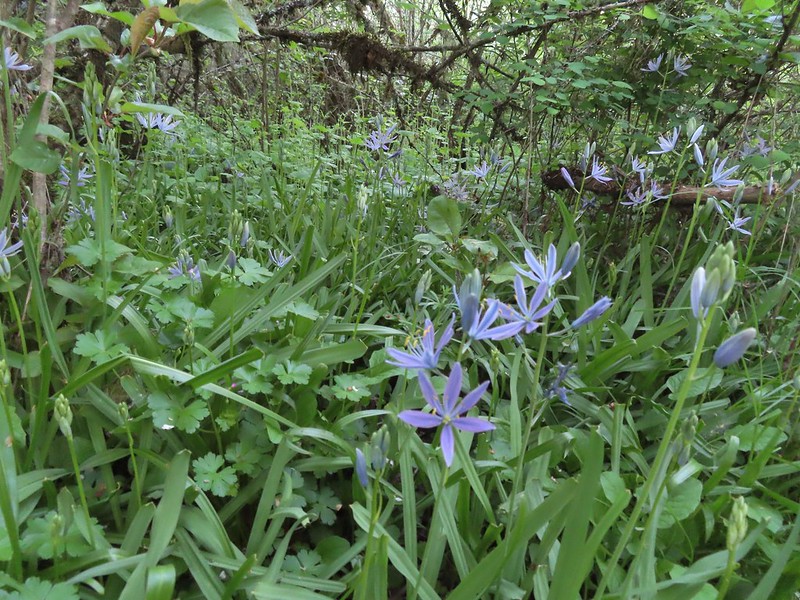 Camas
Camas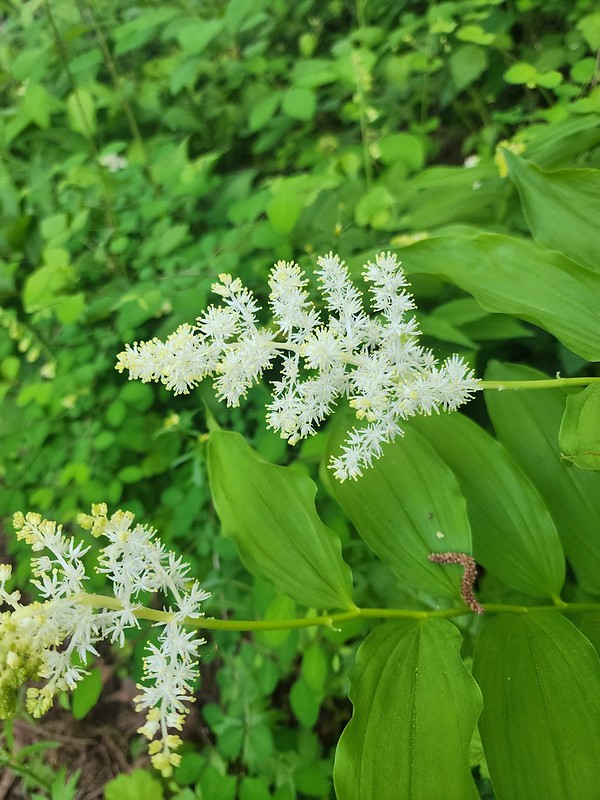 Solomonseal
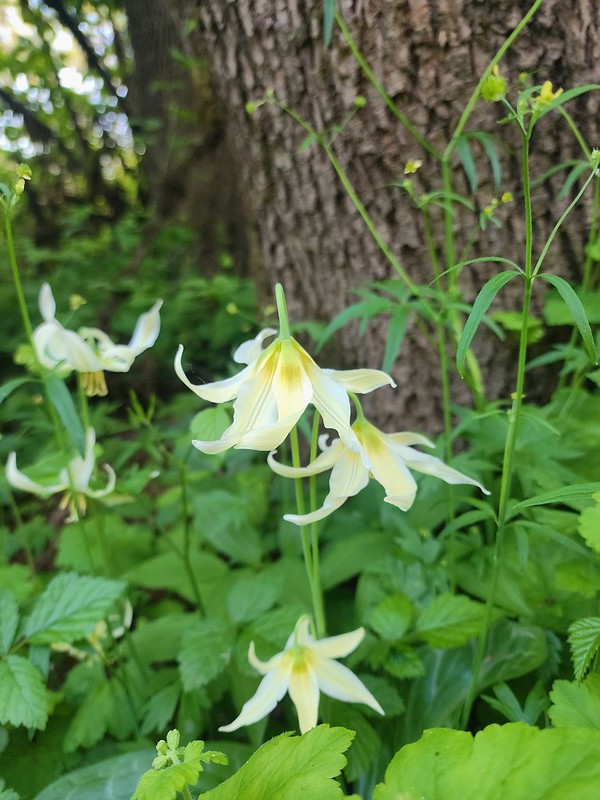 Fawn lilies
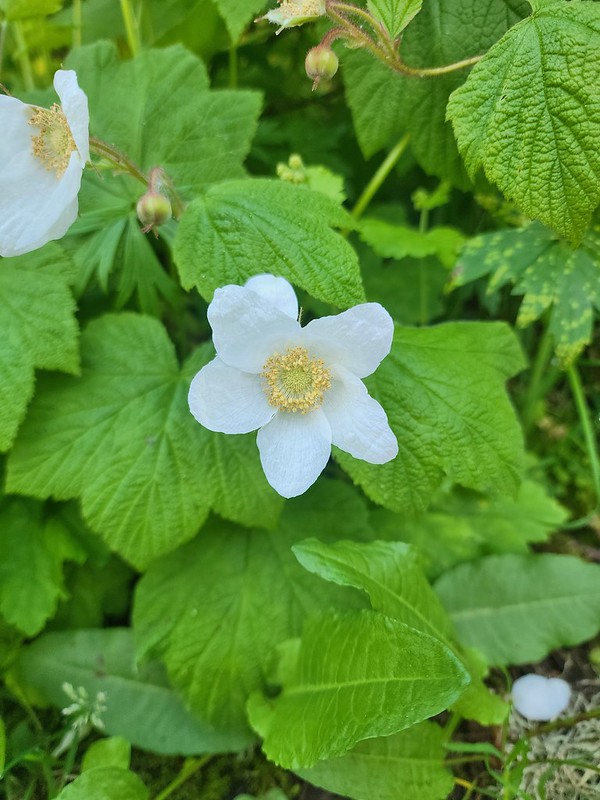 Thimbleberry
 Giant purple wakerobin
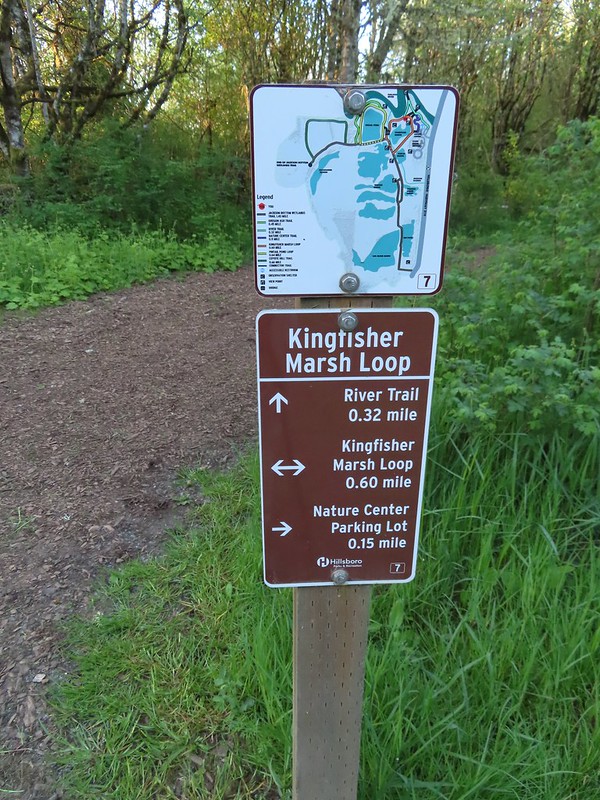 The trail signs were very helpful in keeping us on track.
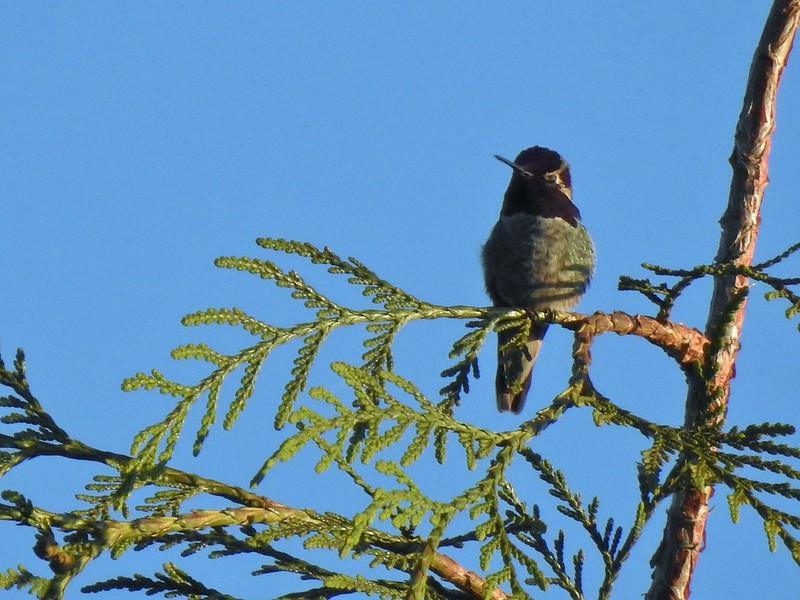 Anna’s hummingbird
 Viewpoint overlooking Kingfisher Marsh.
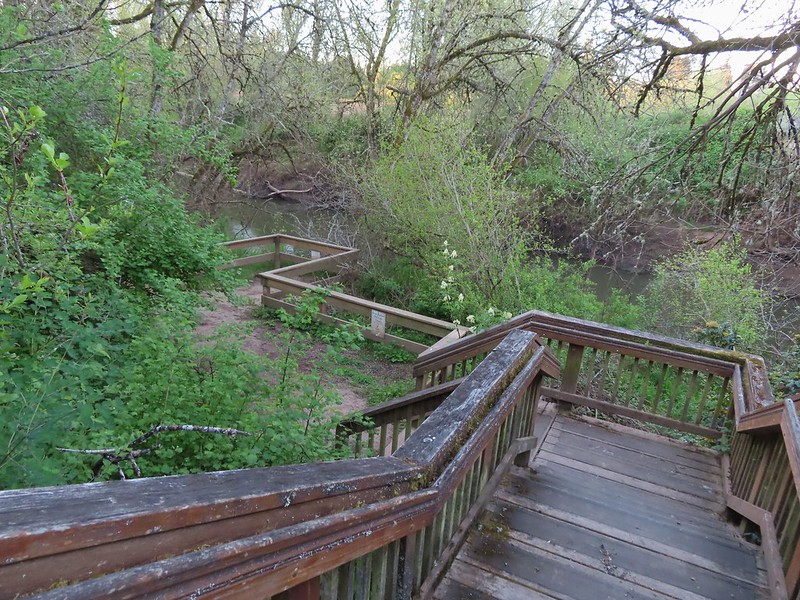
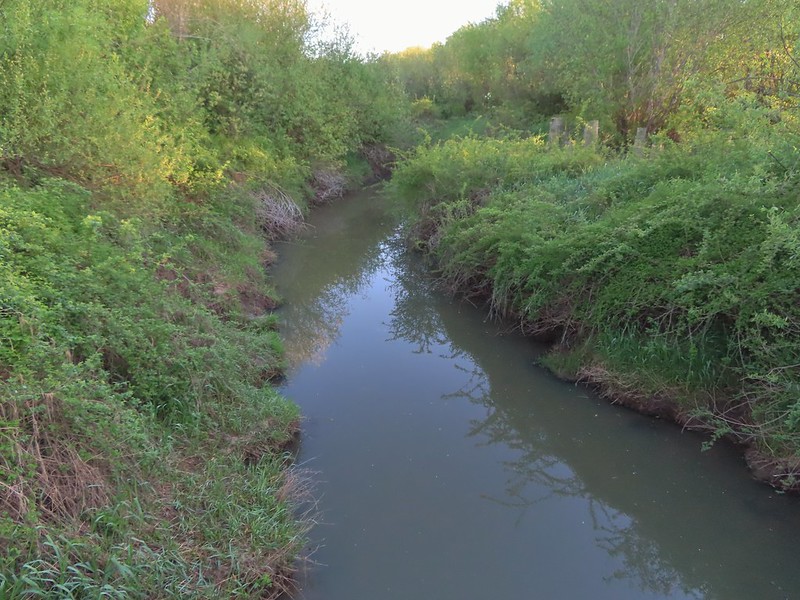 The trail crossed Jackson Slough on a footbridge.
 Pintail Pond Loop
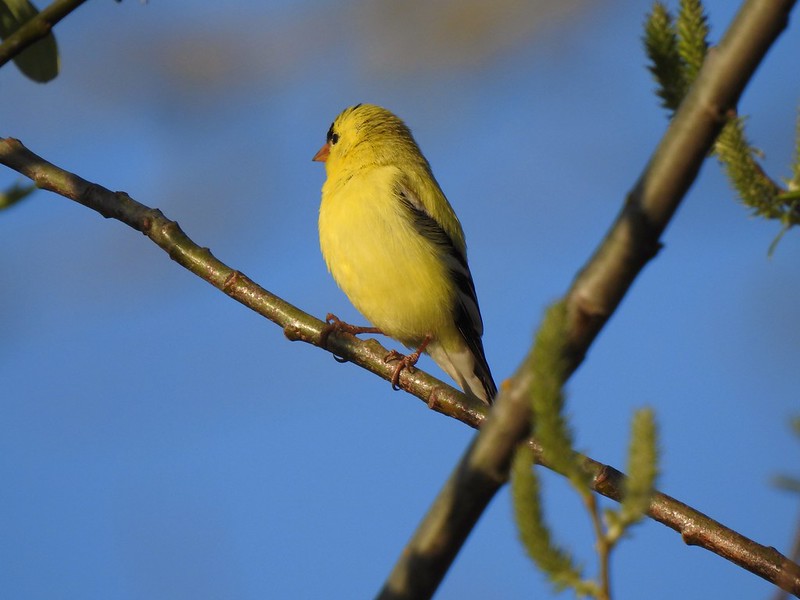 American goldfinch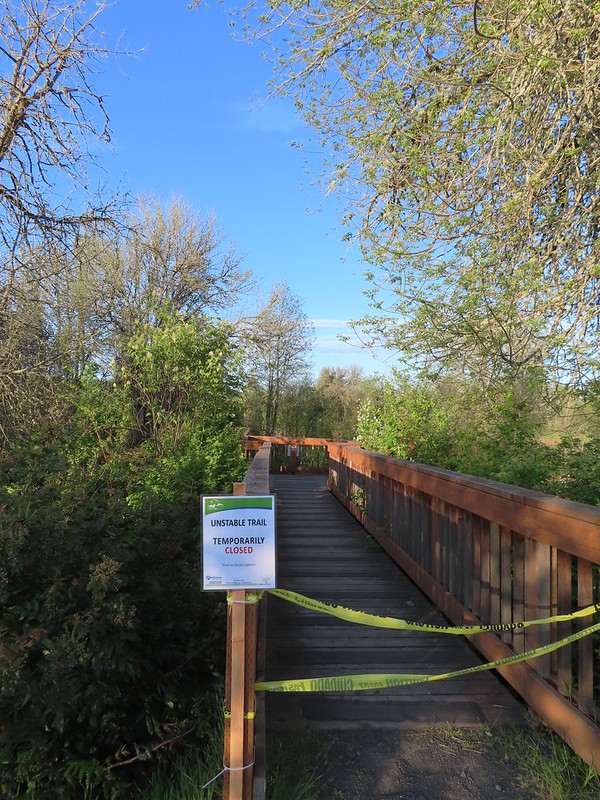
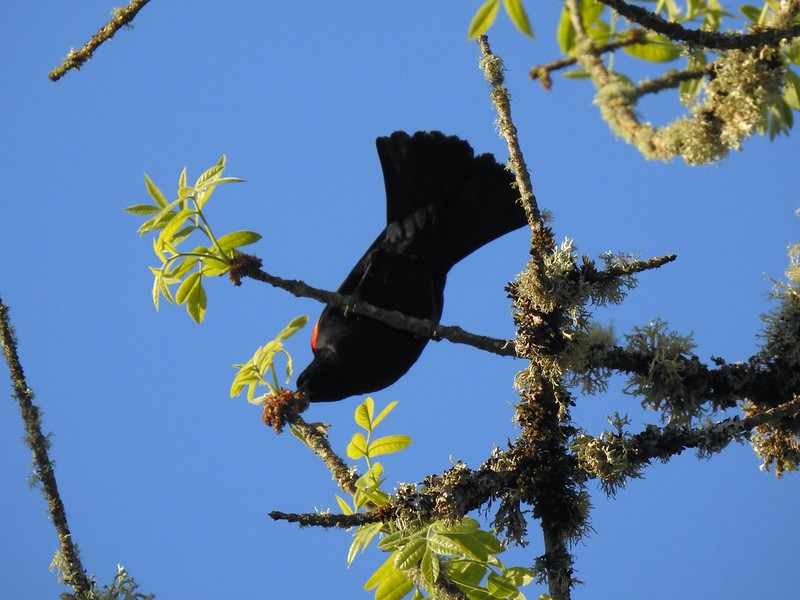 Red-winged blackbird
 Sparrow
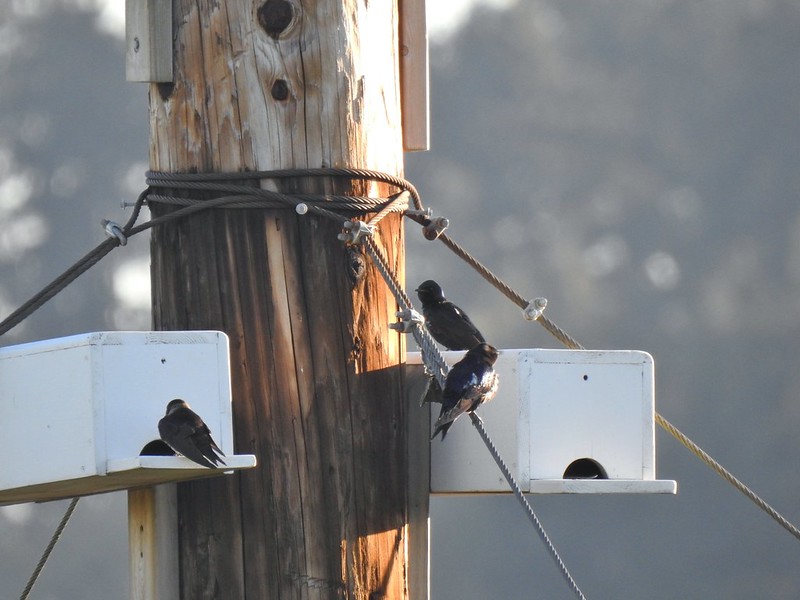 Purple martins
 American robin
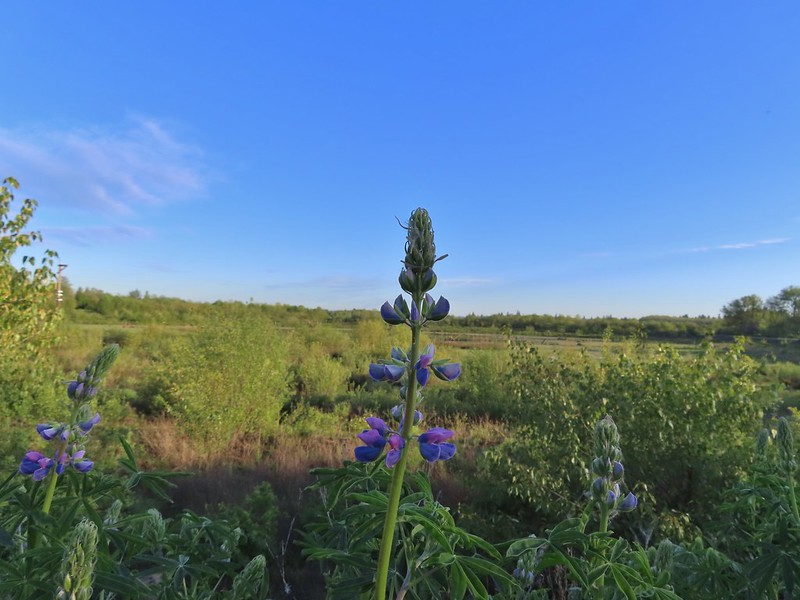 There is a lot of lupine in the preserve but only a few had started blooming.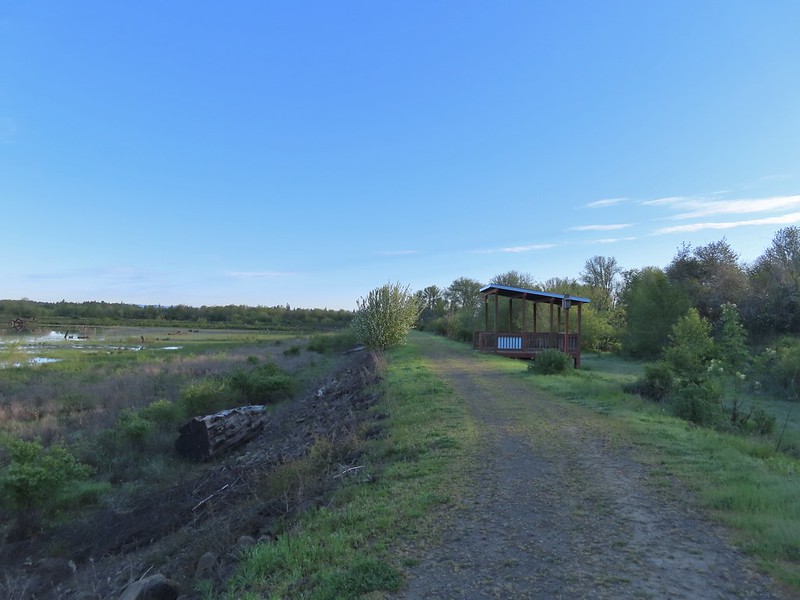


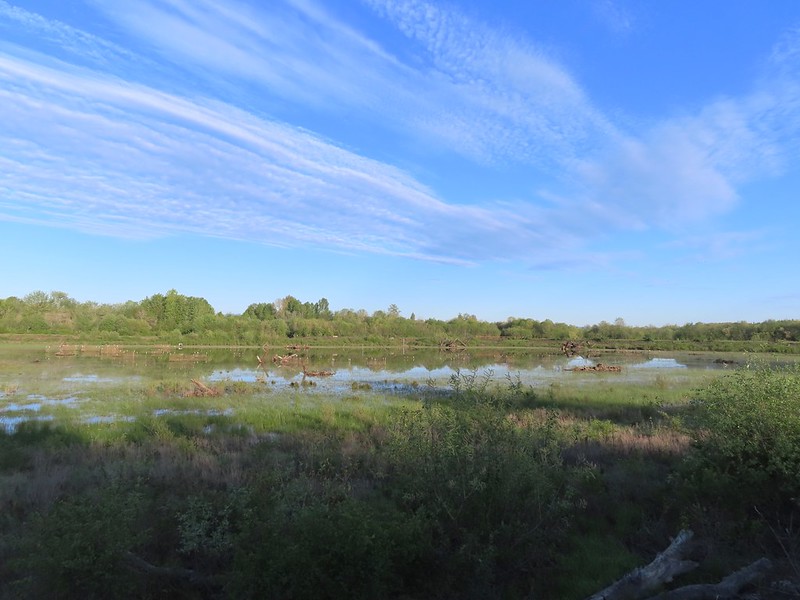 Pintail Pond
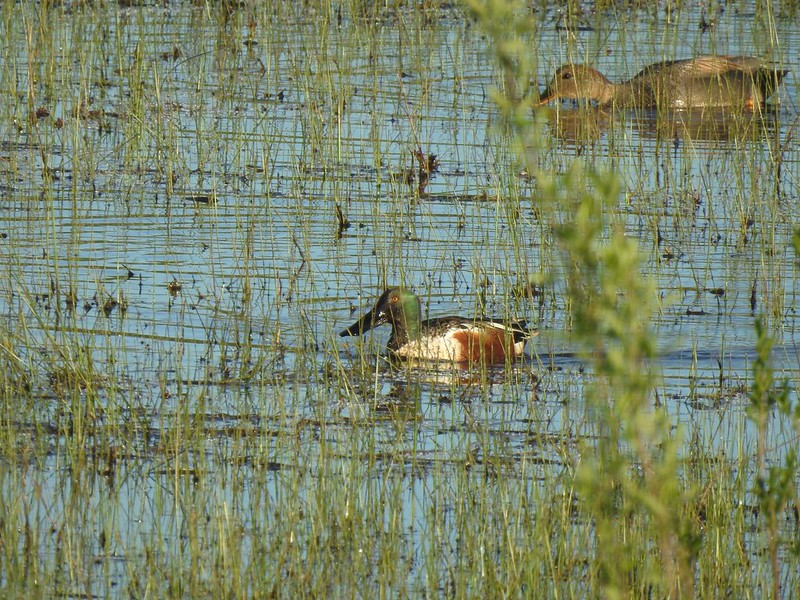 Northern shoveler drake and a gadwall
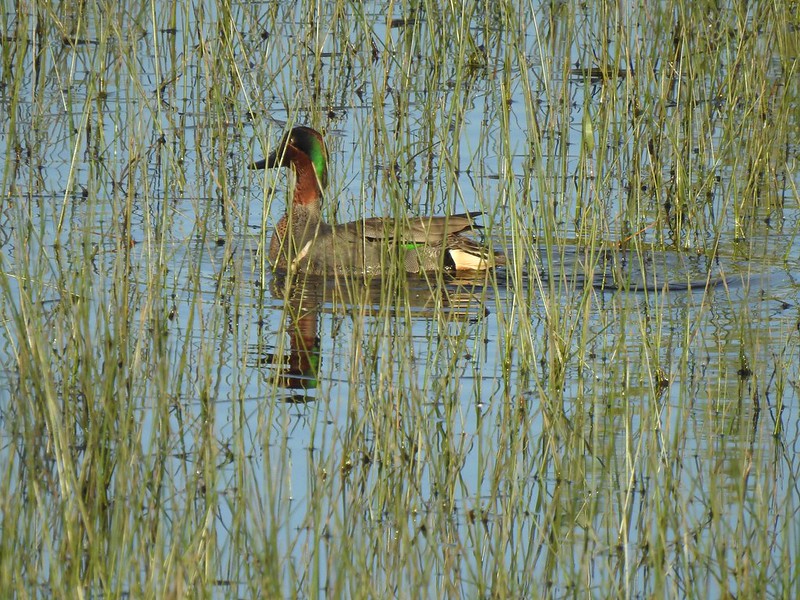 Green-winged teal
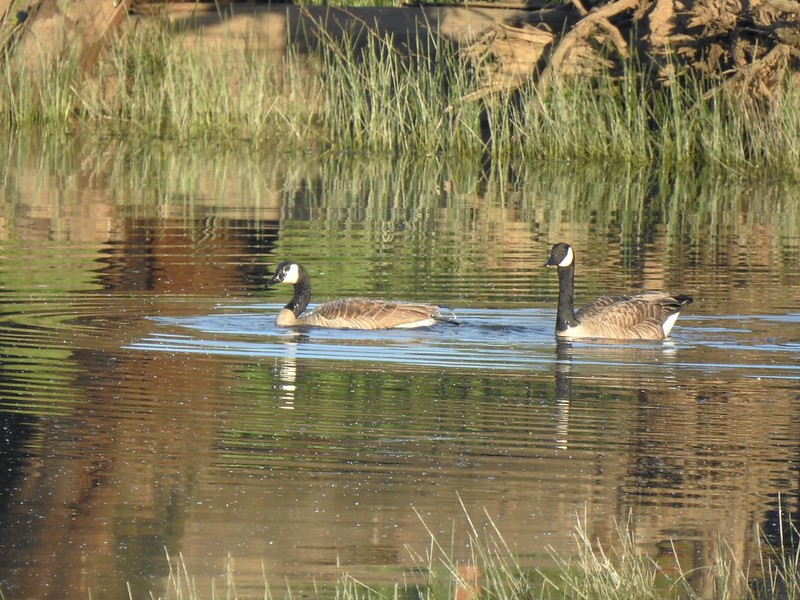 Geese
Geese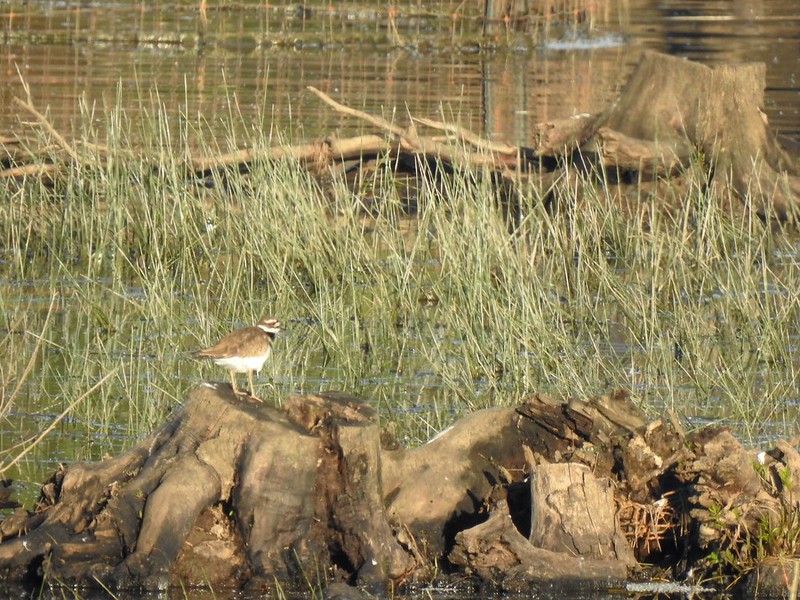 Killdeer
 More camas
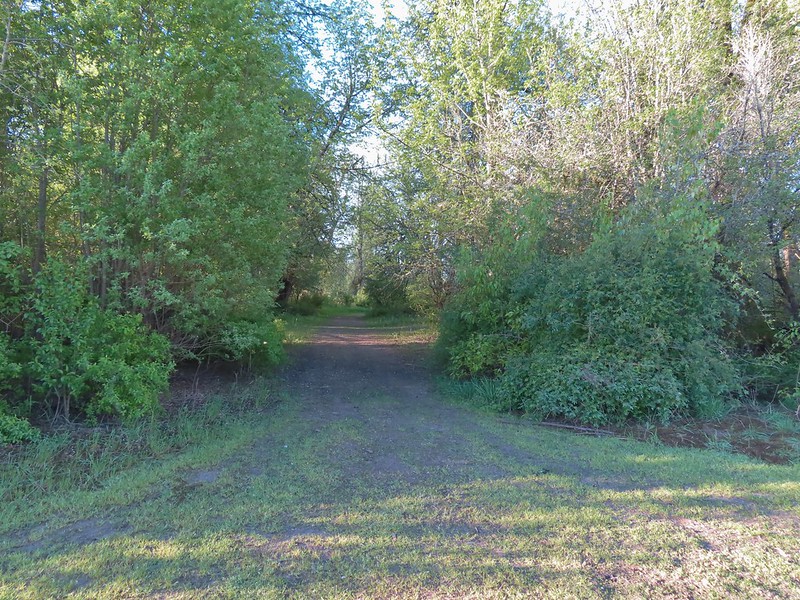 The Ash Trail.
 Orange-crowned warbler
 Jackson Bottom Wetlands
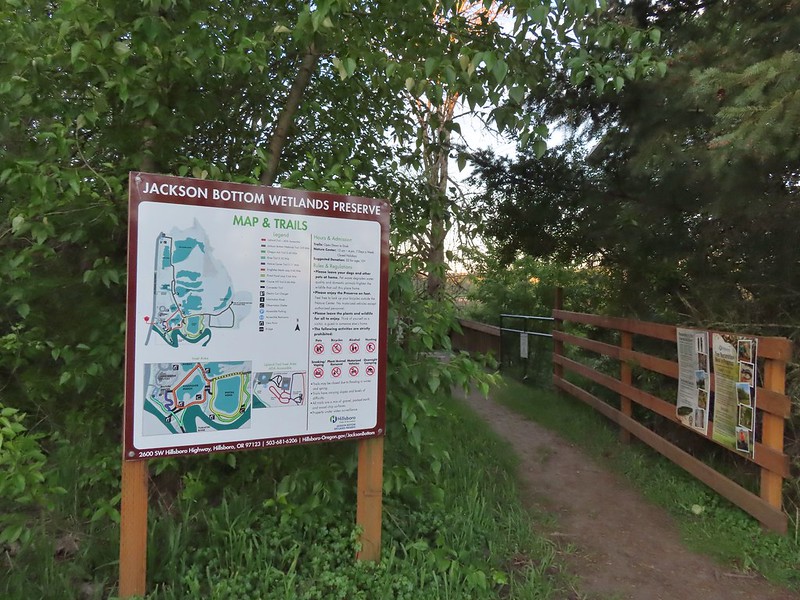
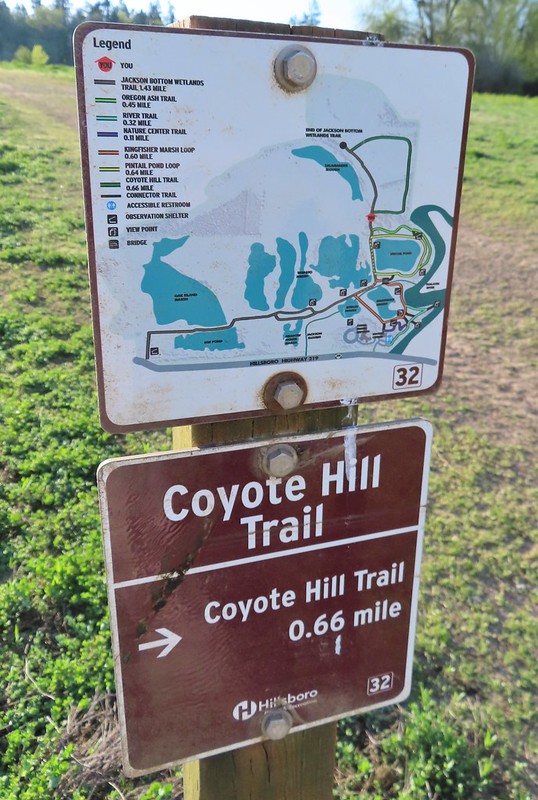 Can’t emphasize enough how helpful the map/pointer combinations are.
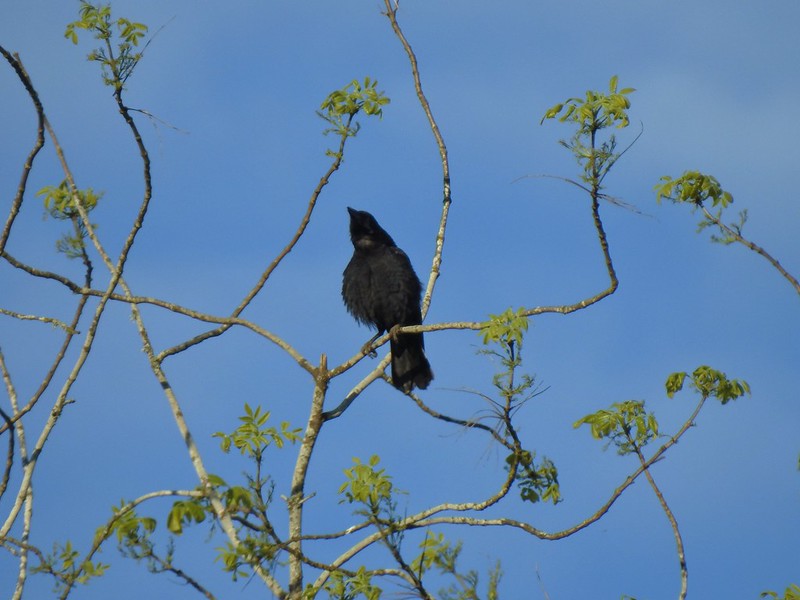 Noisy crow
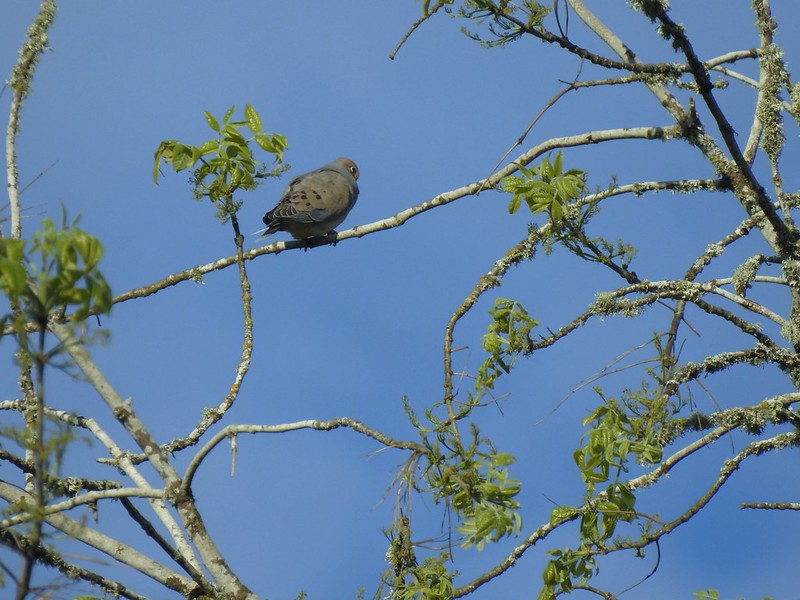 Mourning dove
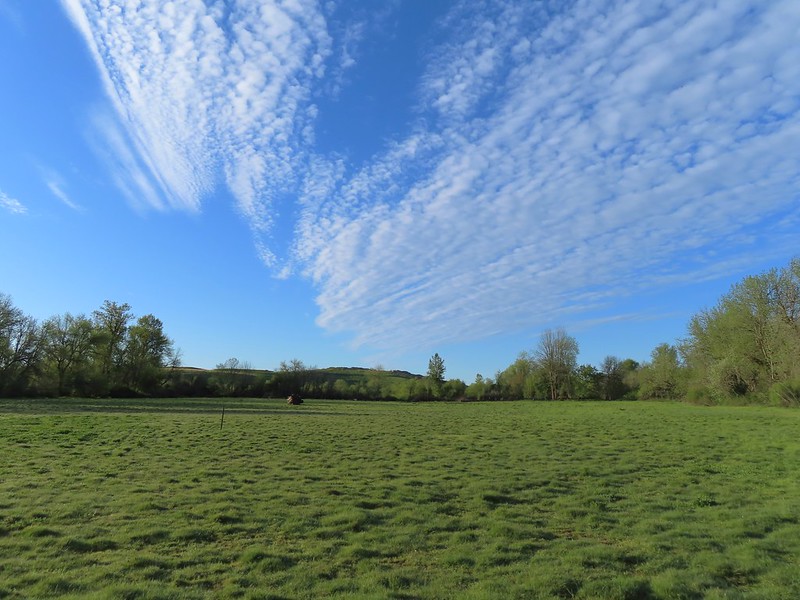 Our assumption was that that is Coyote Hill in the distance.
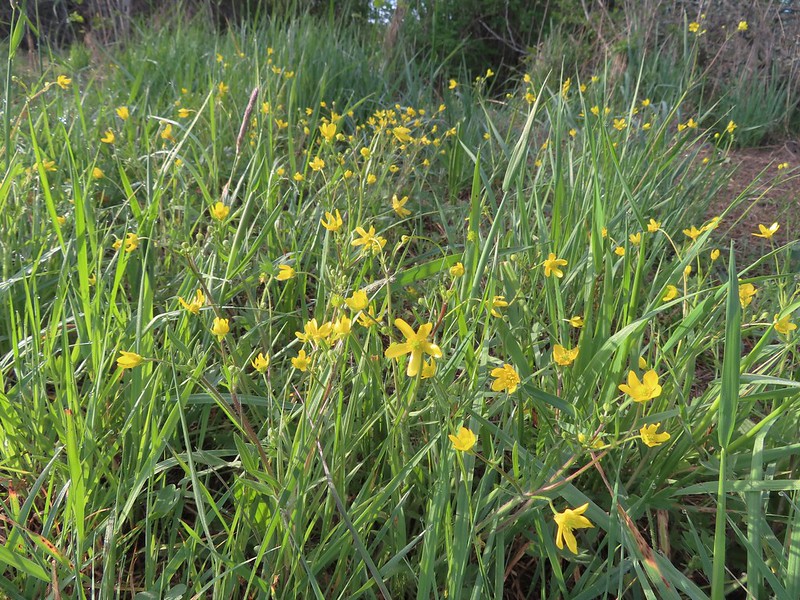 Western buttercups
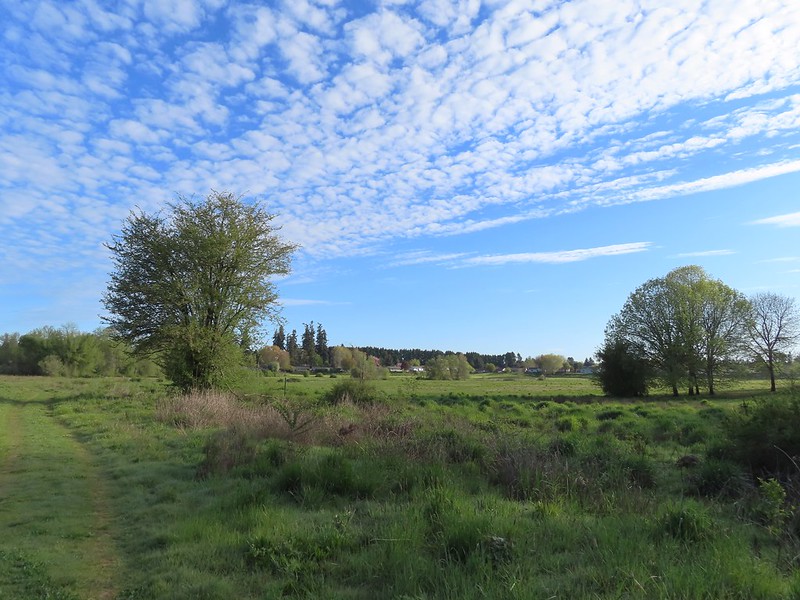 Some houses on the wetlands border.
 Golden-crowned sparrow
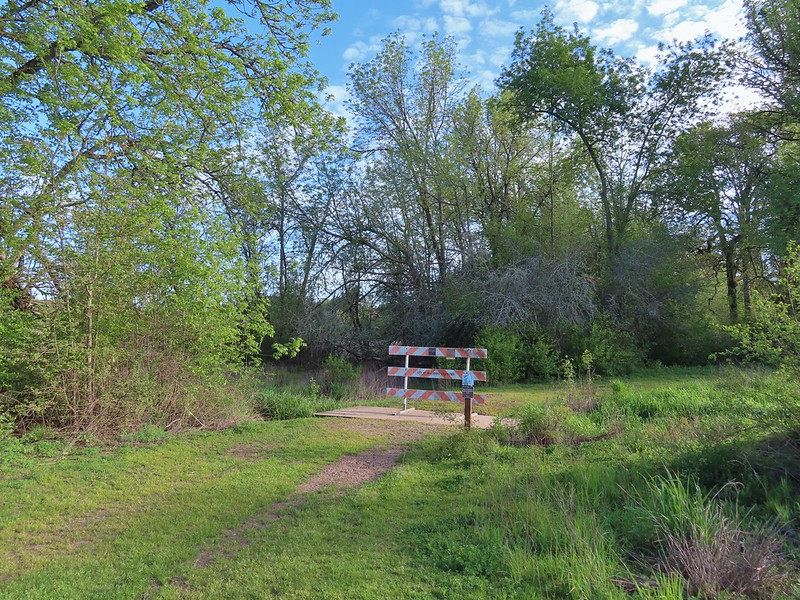 End of the trail.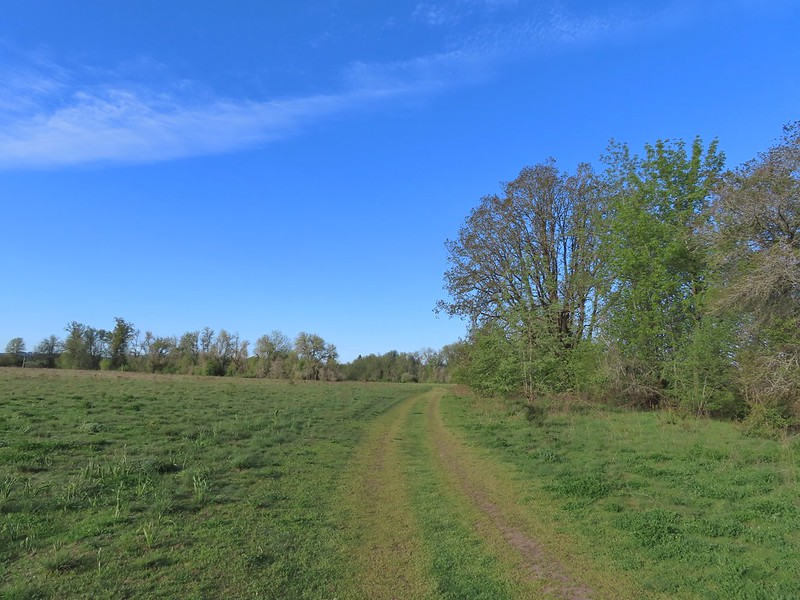
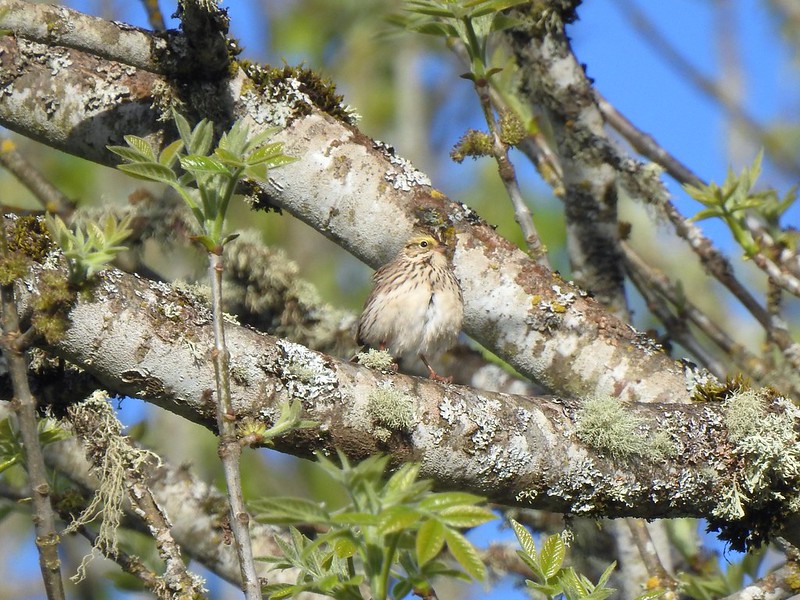 Savannah sparrow
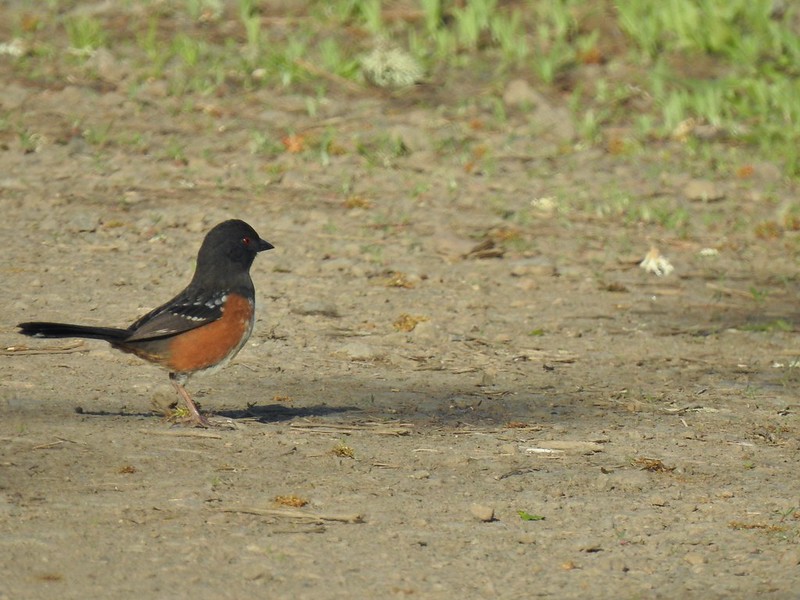 Spotted towhee
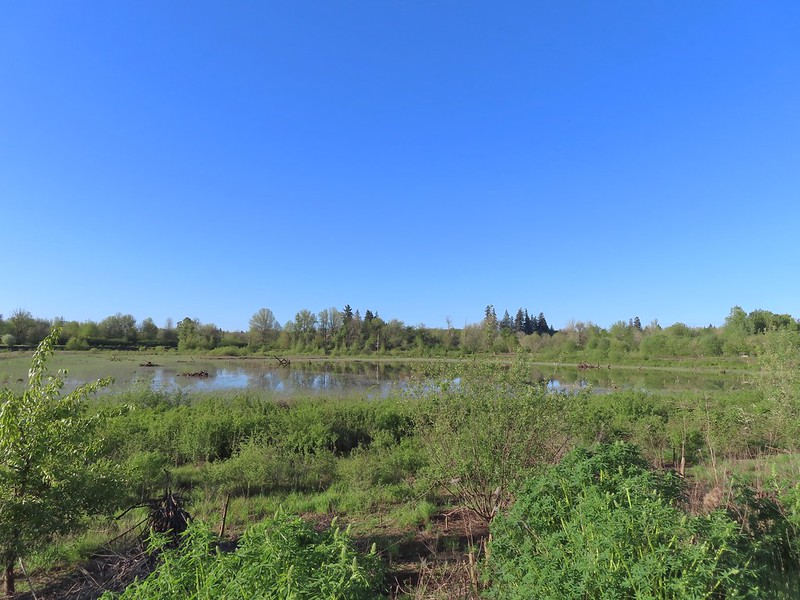 Passing Pintail Pond.
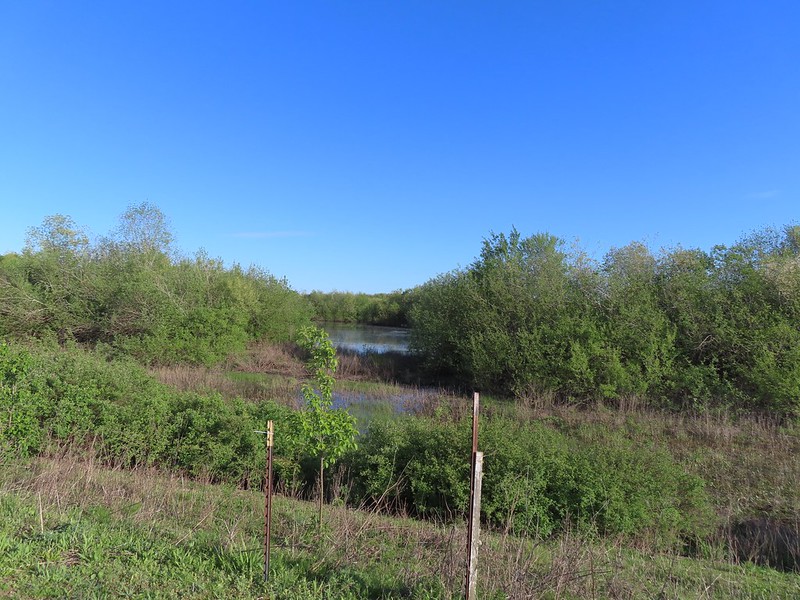 Wapato Marsh
 White-crowned sparrow
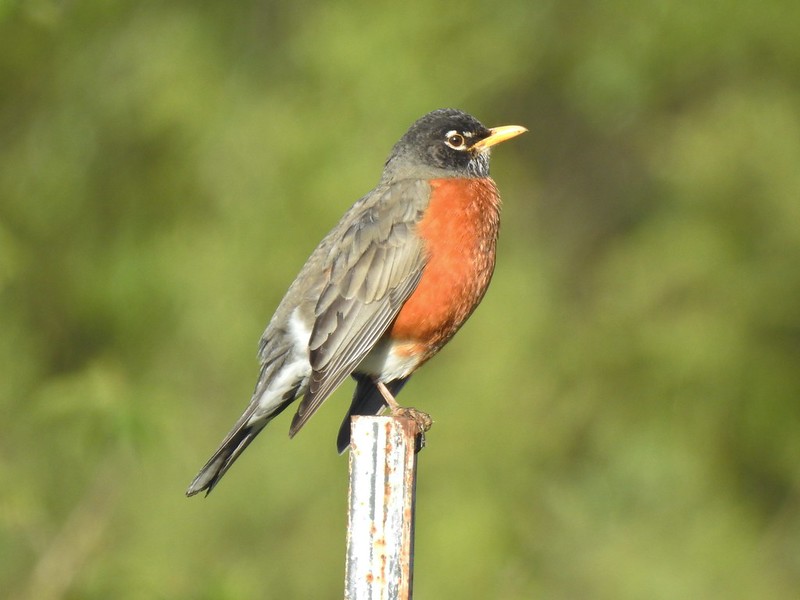 American robin
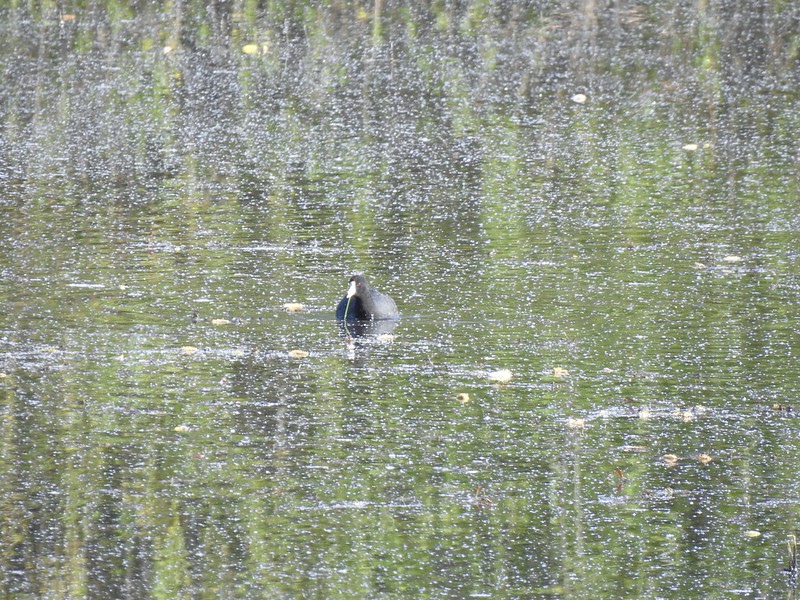 American coot
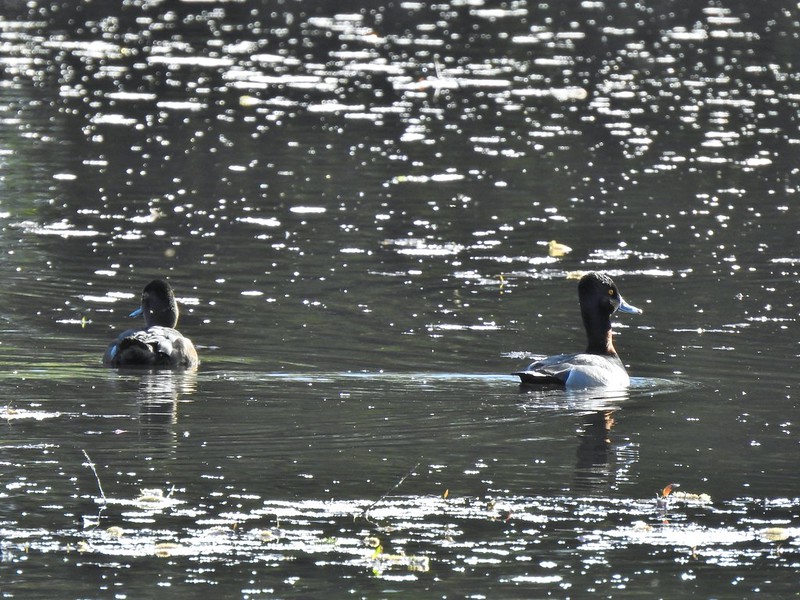 Ring-necked ducks
 Wapato Marsh
 Cormorants
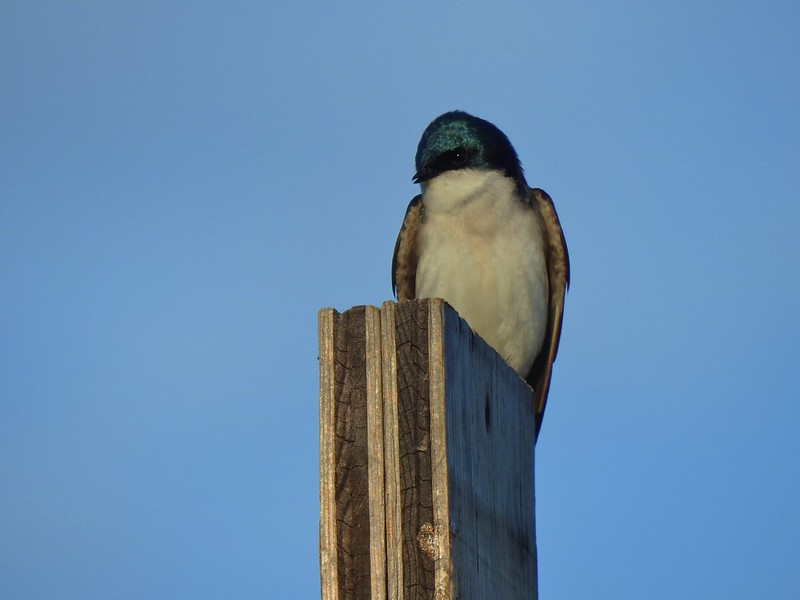
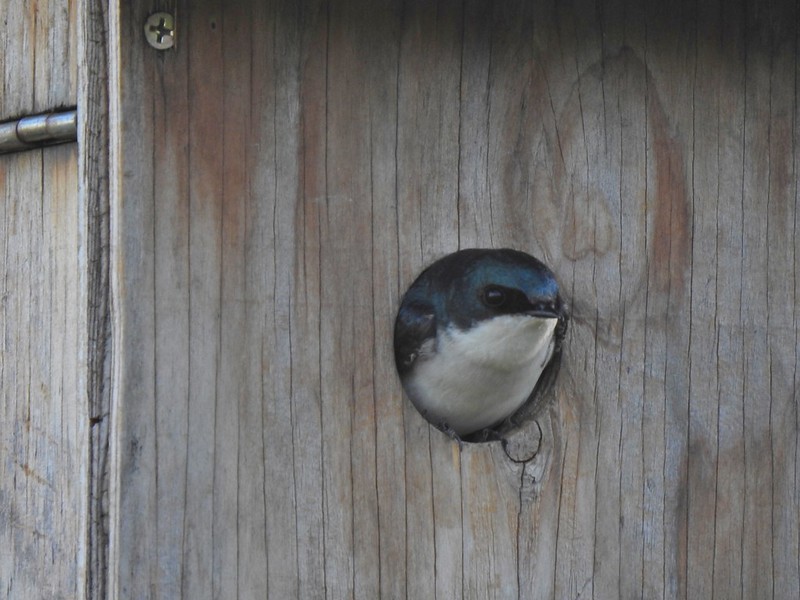
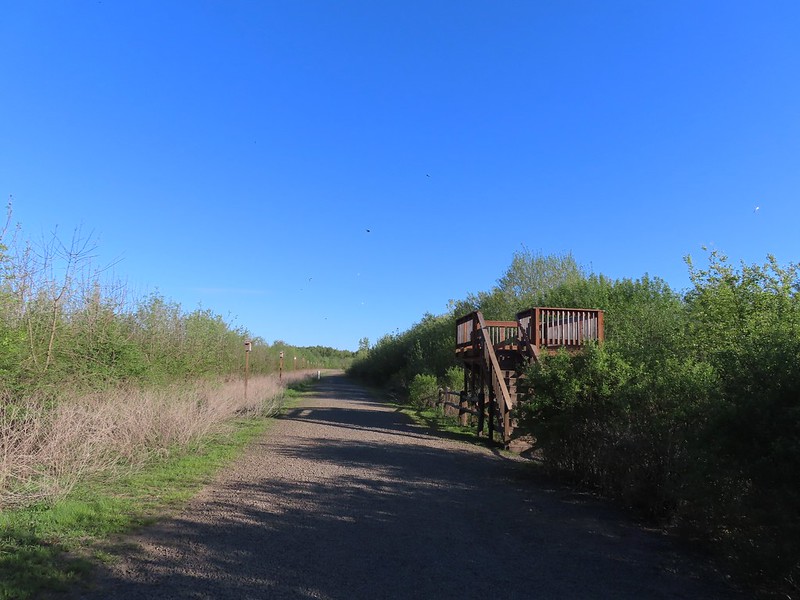 Raised viewing platform with many tree swallow photobombs.
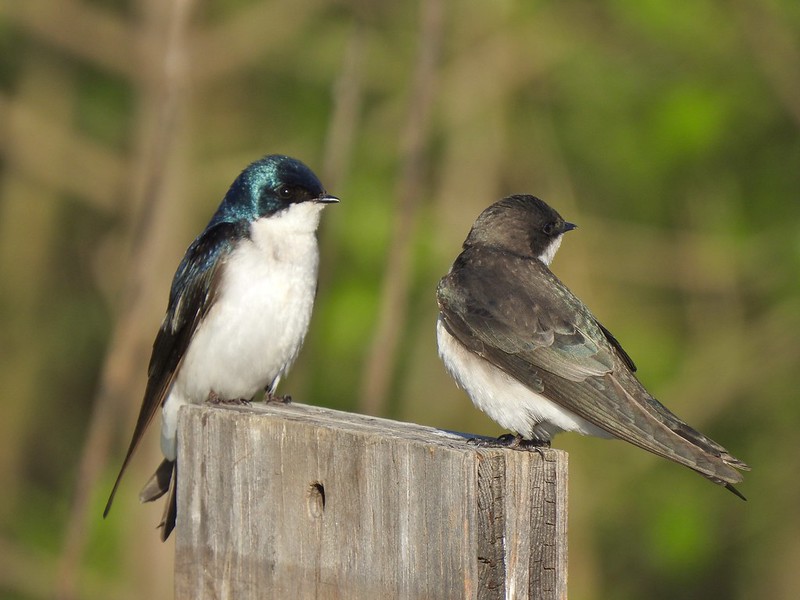 This couple was having quite the discussion.
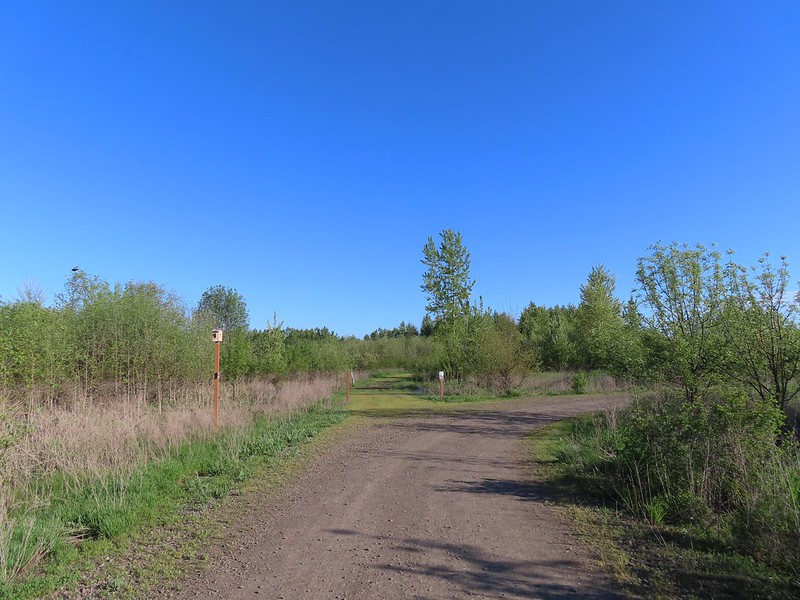 The Bobcat Marsh Trail on the left.
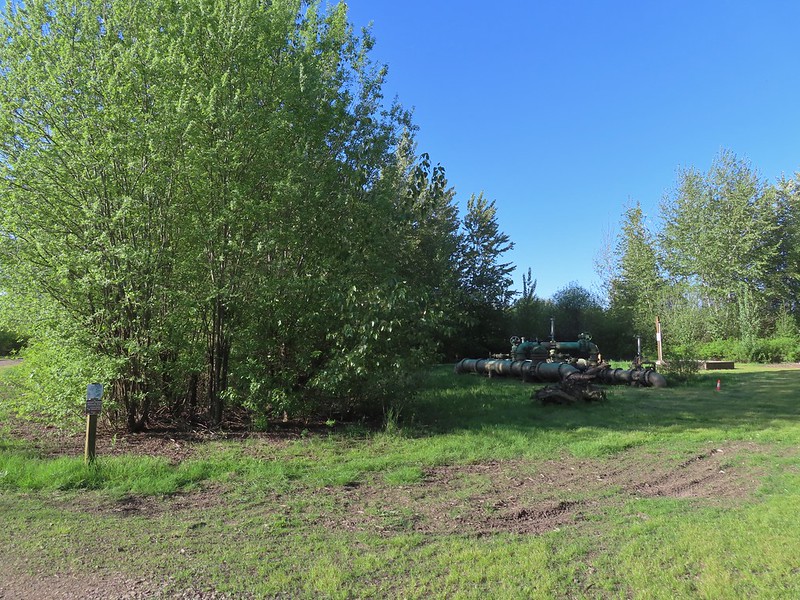 Water treatment pipes at the other end of the Bobcat Marsh Trail.
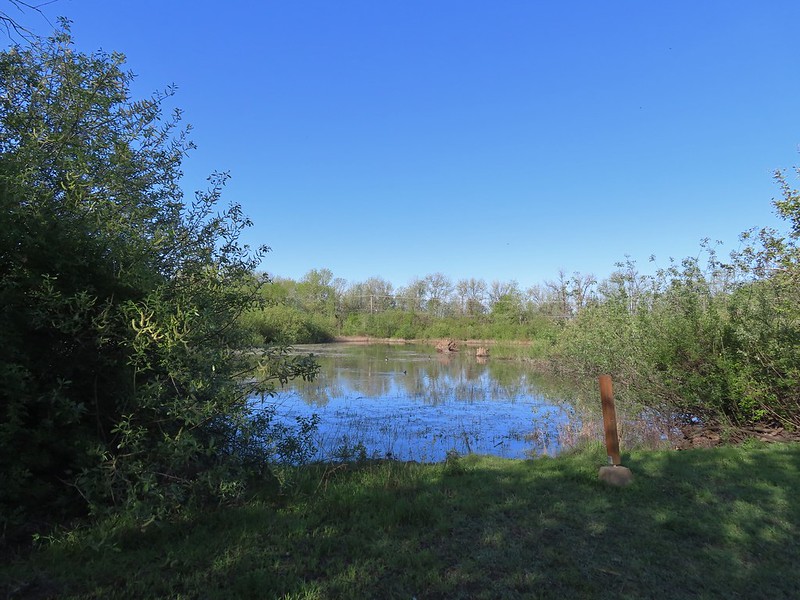 NW Pond
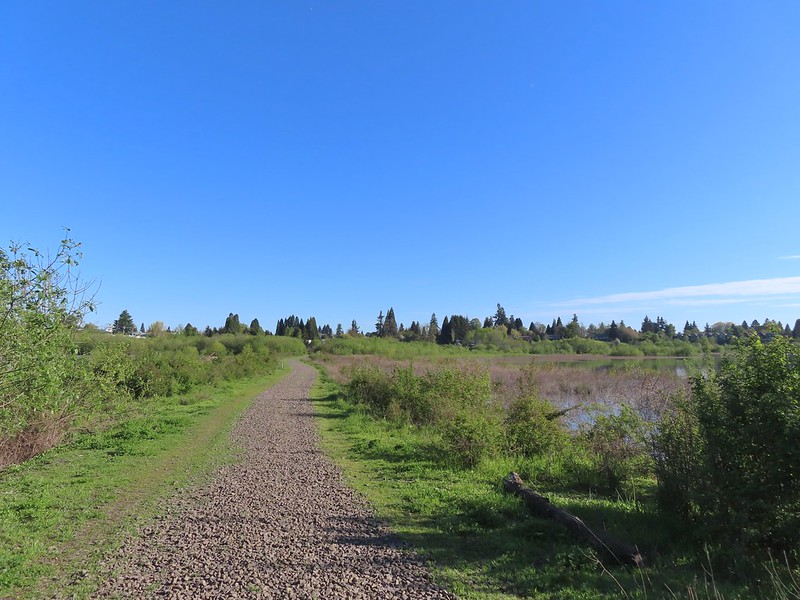 The trail passed between the NW Pond on the left and Oak Island Marsh on the right.
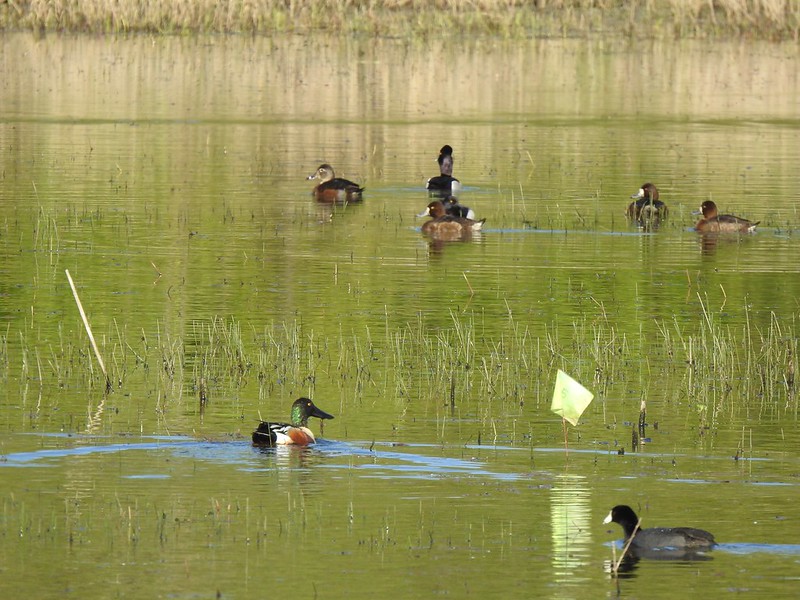 NW Pond had a variety of waterfowl. This is a northern shoveler drake, ring-necked duck pair, four lesser scaups, and an American coot.
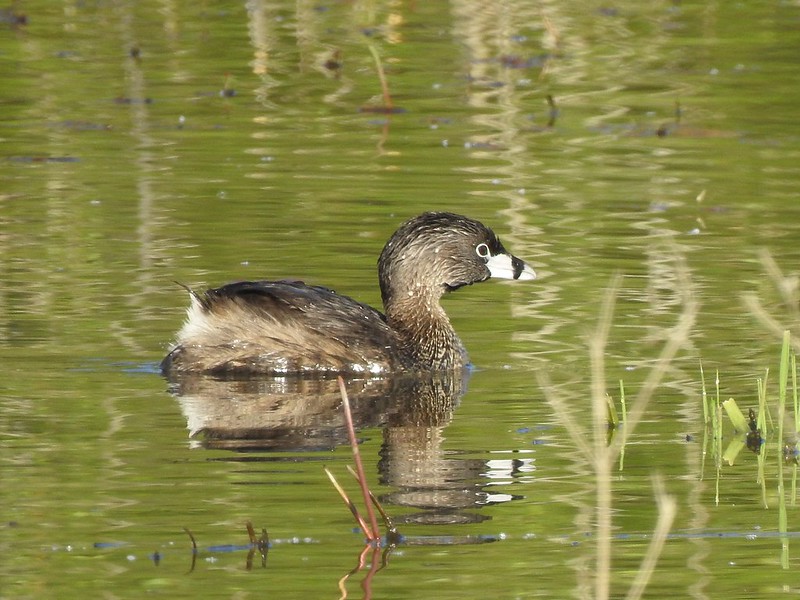 Pied-billed grebe in NW Pond
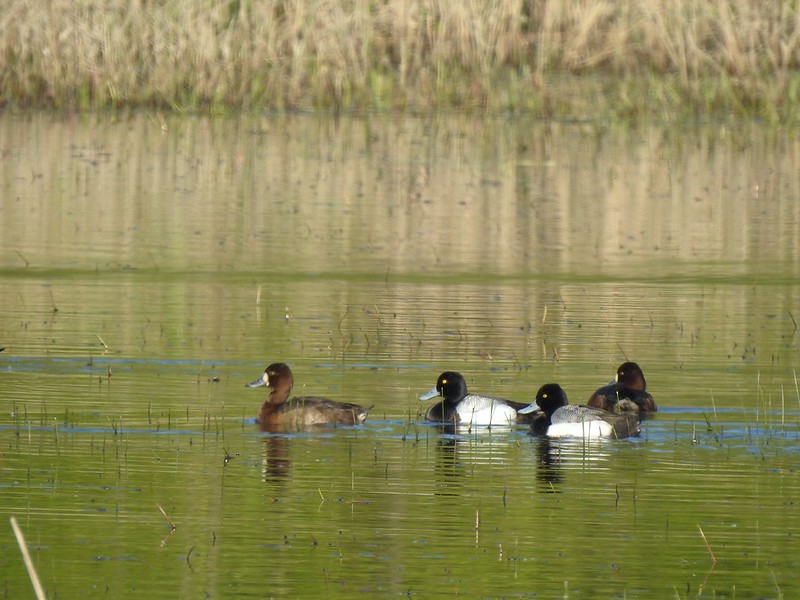 Lesser scaups
 Goose and mallards
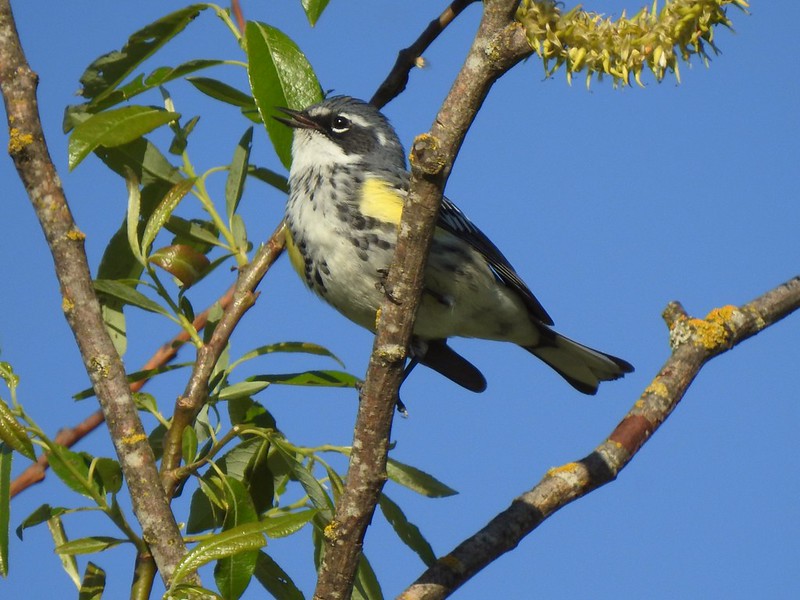 Yellow-rumped warbler
 The northern trailhead.
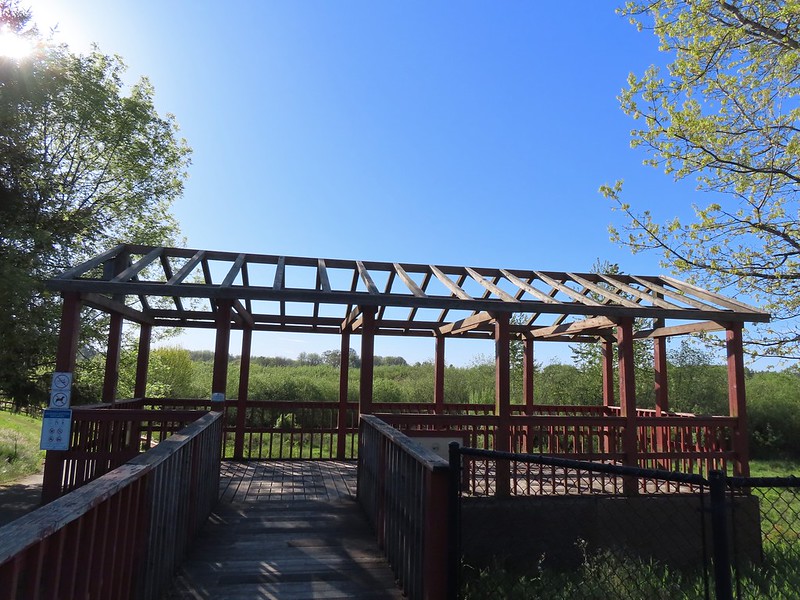 Viewing platform at the trailhead.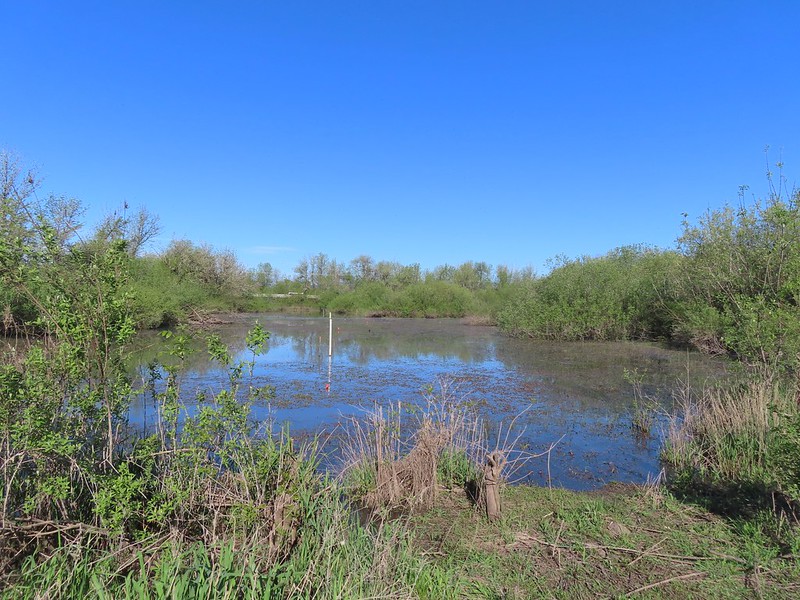
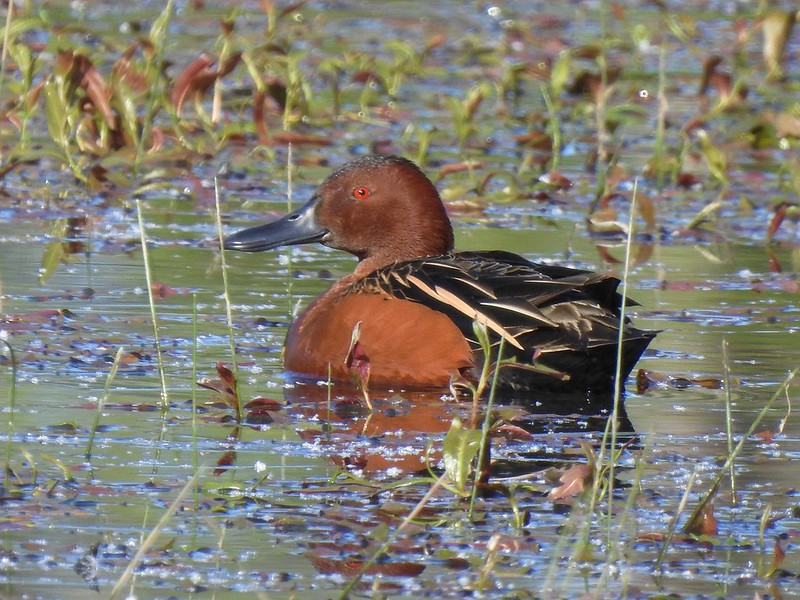 Cinnamon teal on Meadow Mouse Marsh

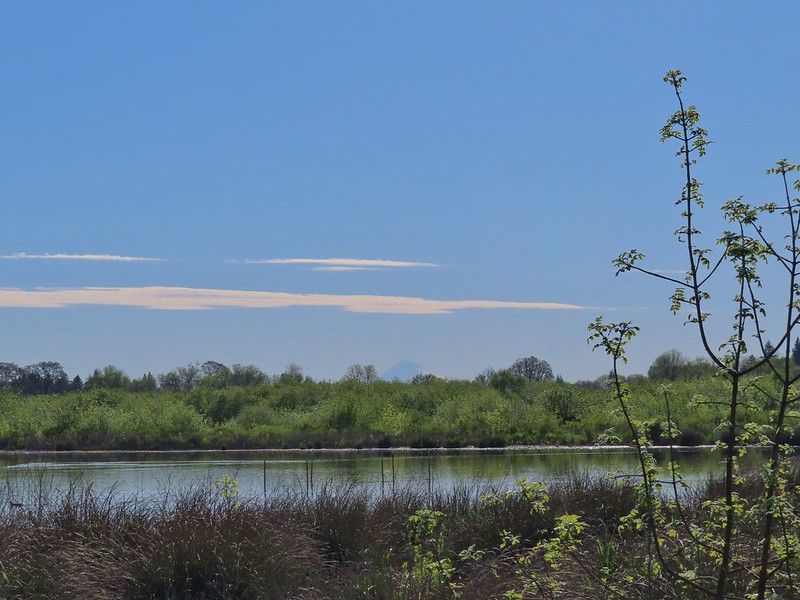 Mt. Hood beyond Wapato Marsh
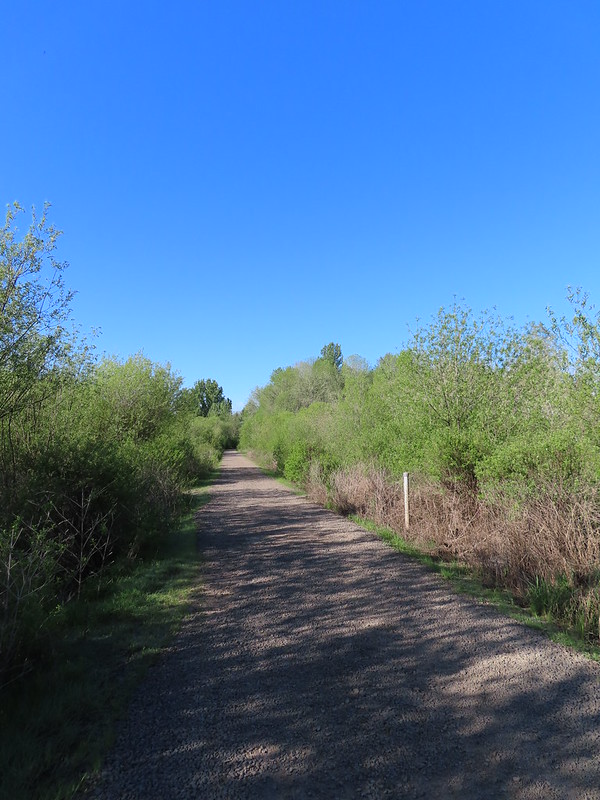 Back on the Kingfisher Marsh Loop.
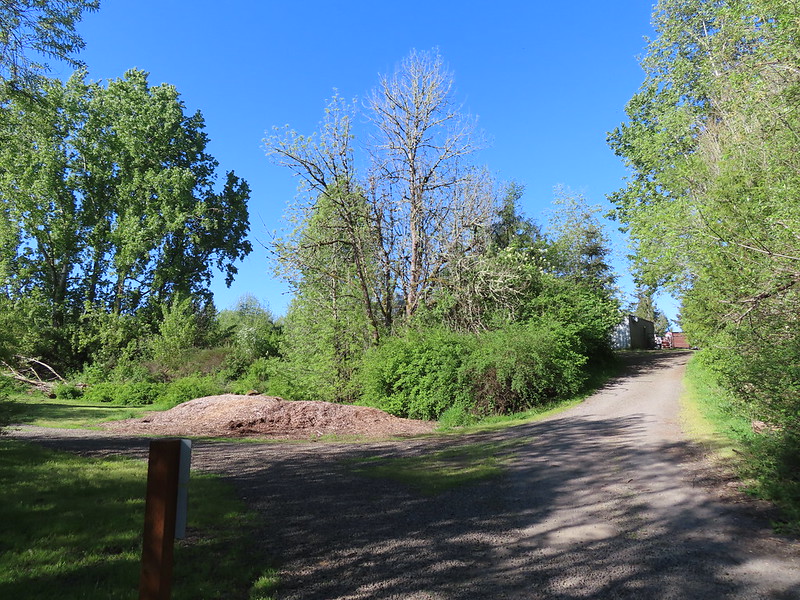 The Kingfisher Marsh Loop turned left here.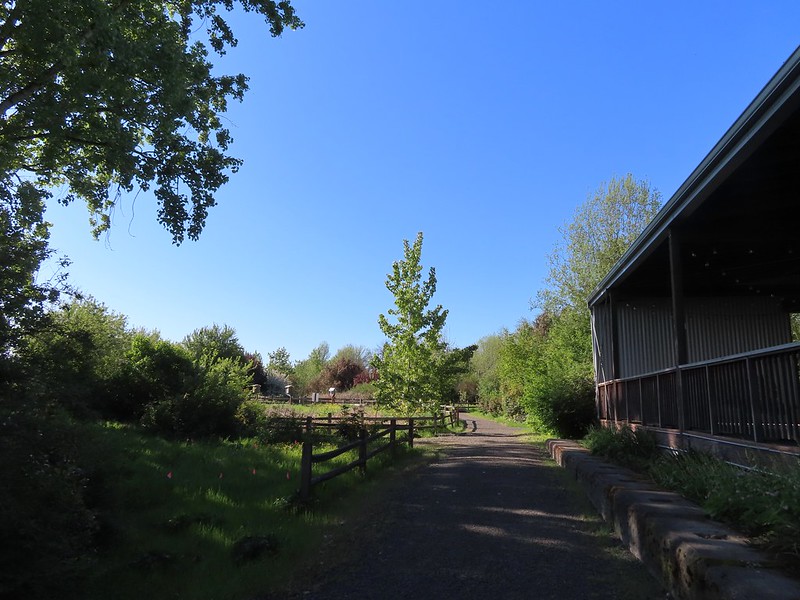
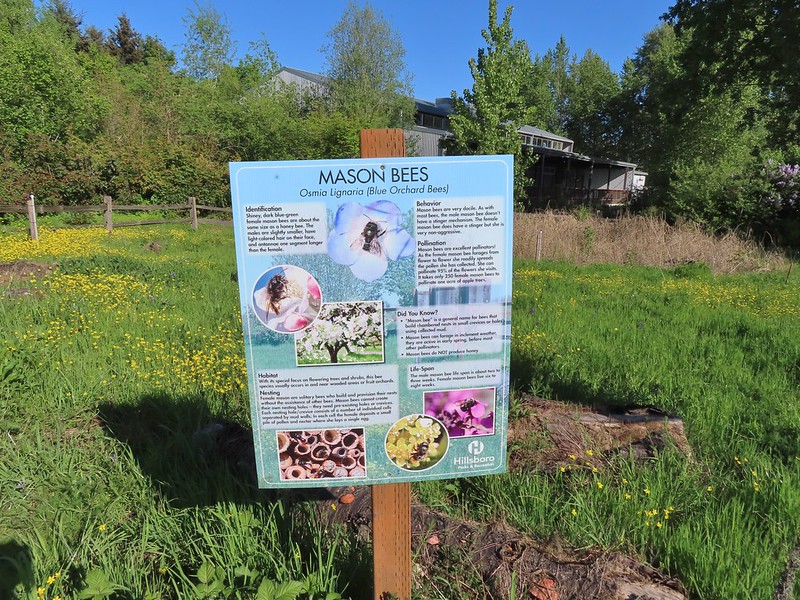
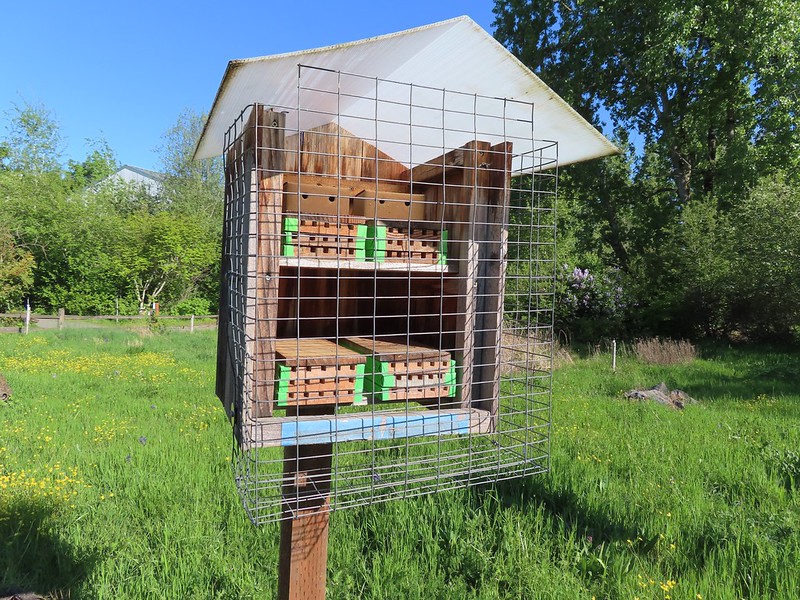 Mason bee house
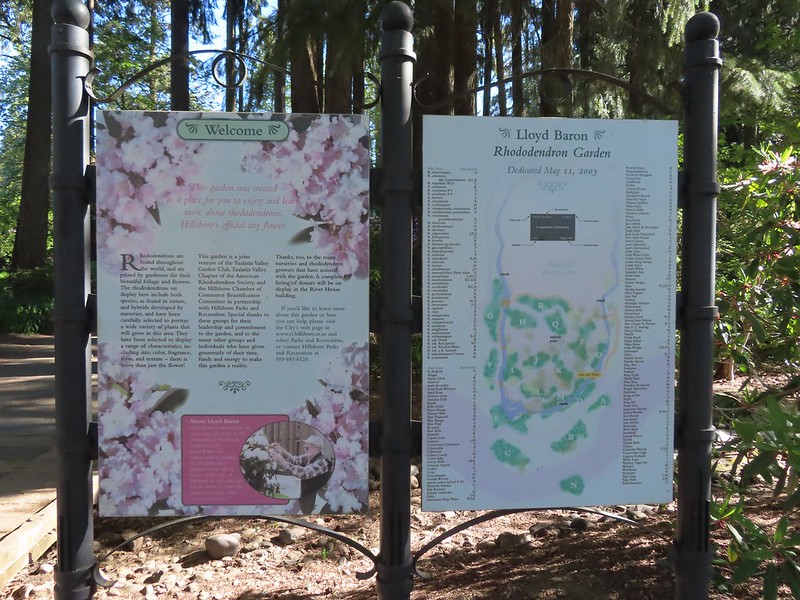 Sign for the rhododendron garden.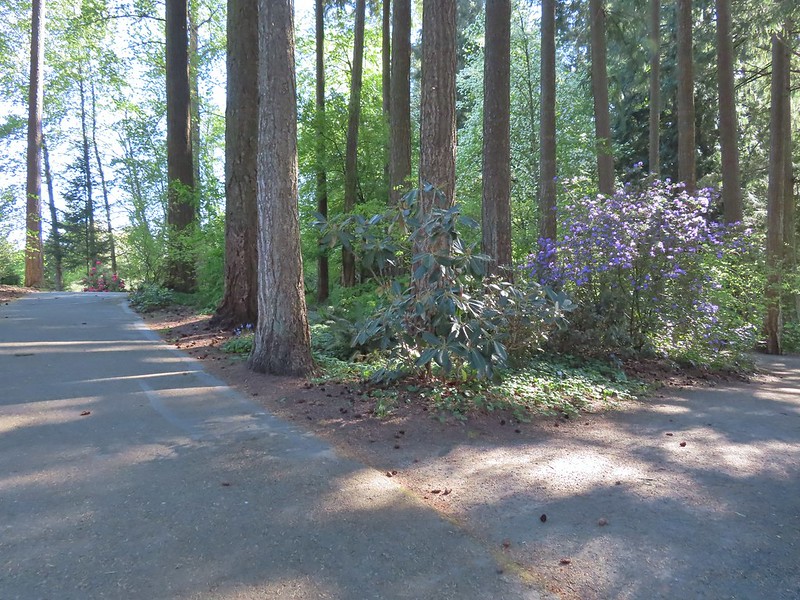
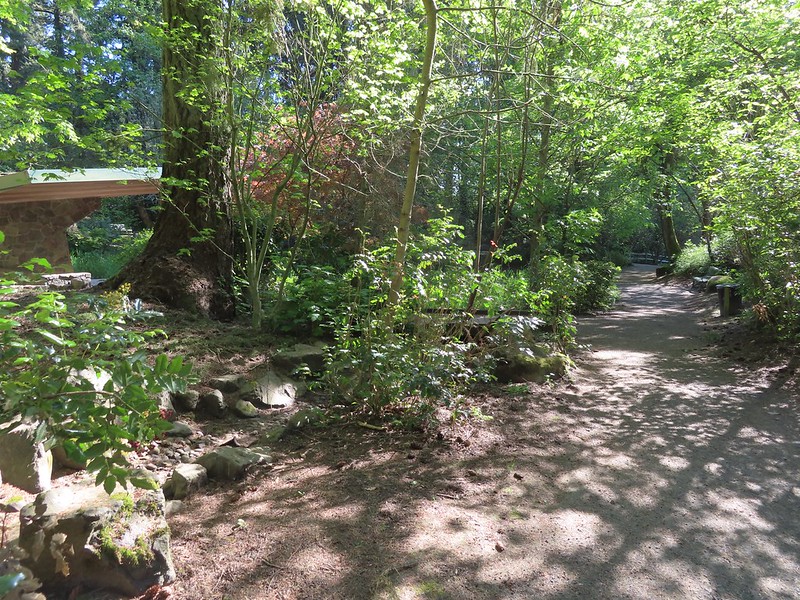
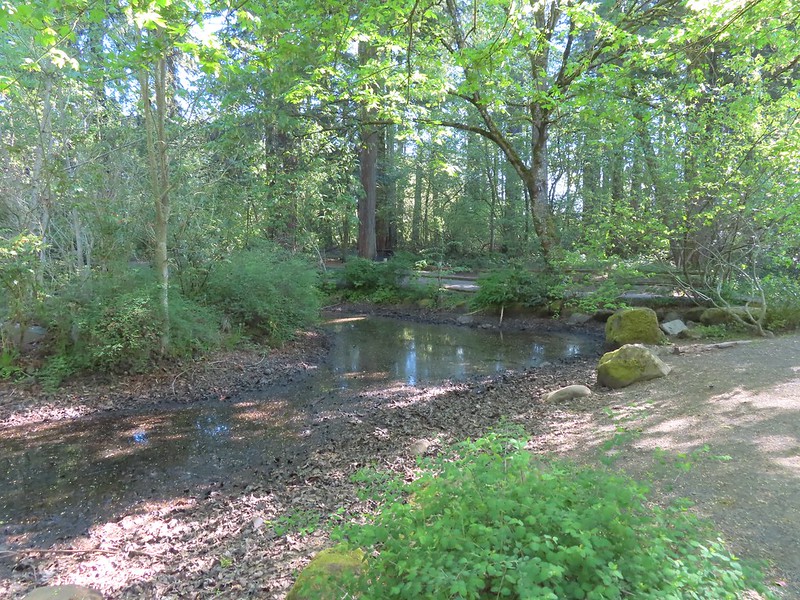 The Woodland Pond
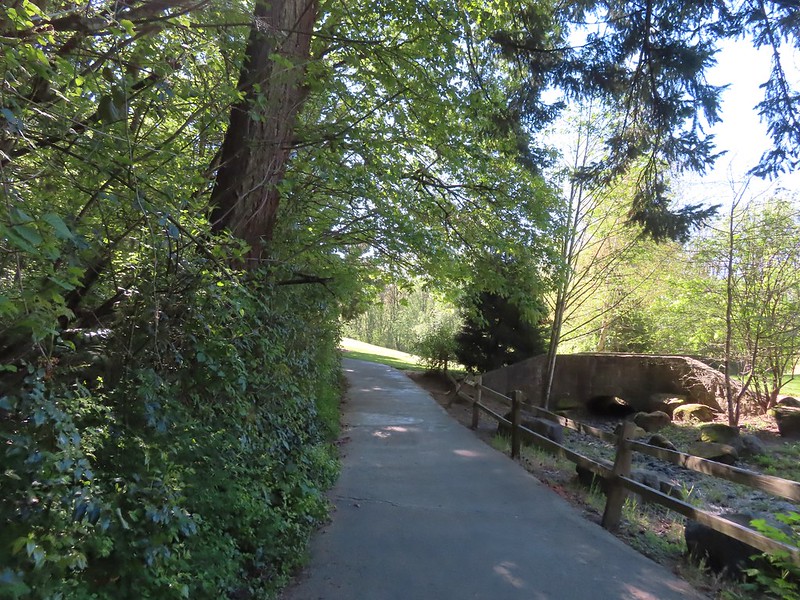 Heading for the Rock Creek Trail.
 Rock Creek from the Rock Creek Trail.
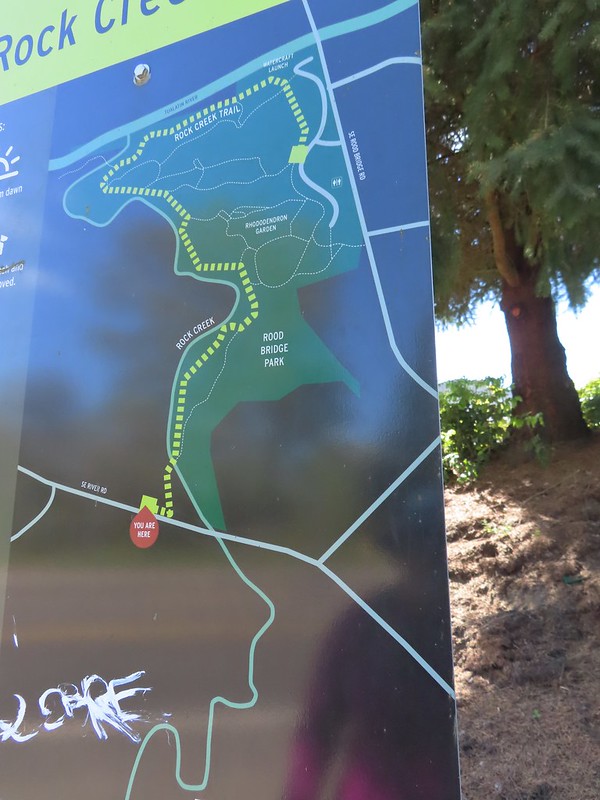
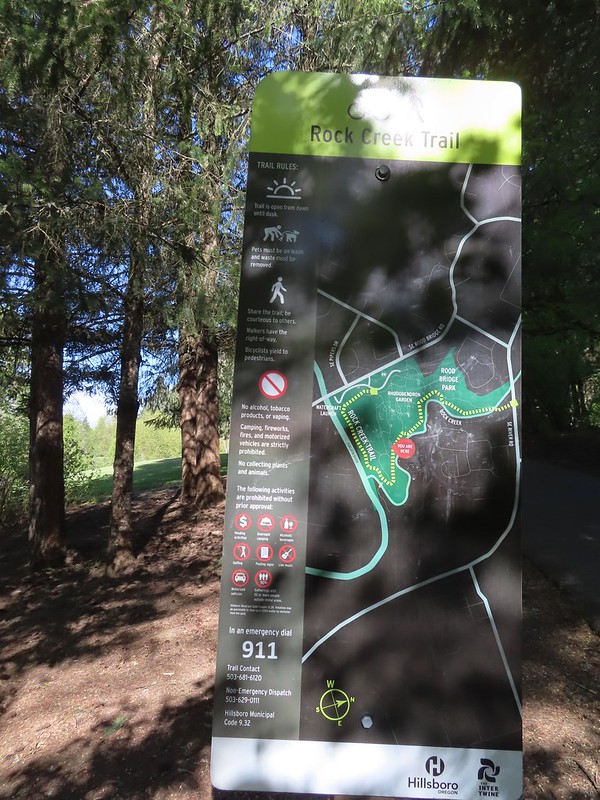 The maps for the park were a little tougher to follow as most of the trails weren’t named and there were a lot of interconnected short segments.
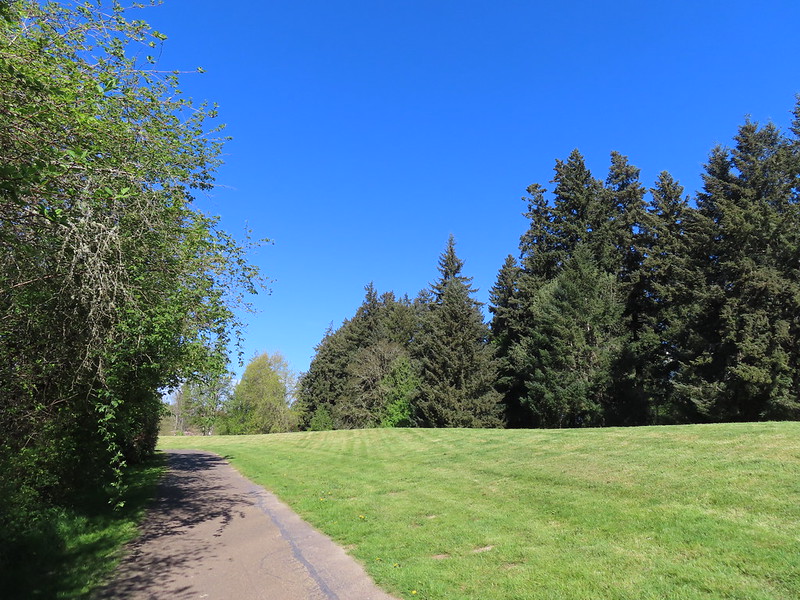
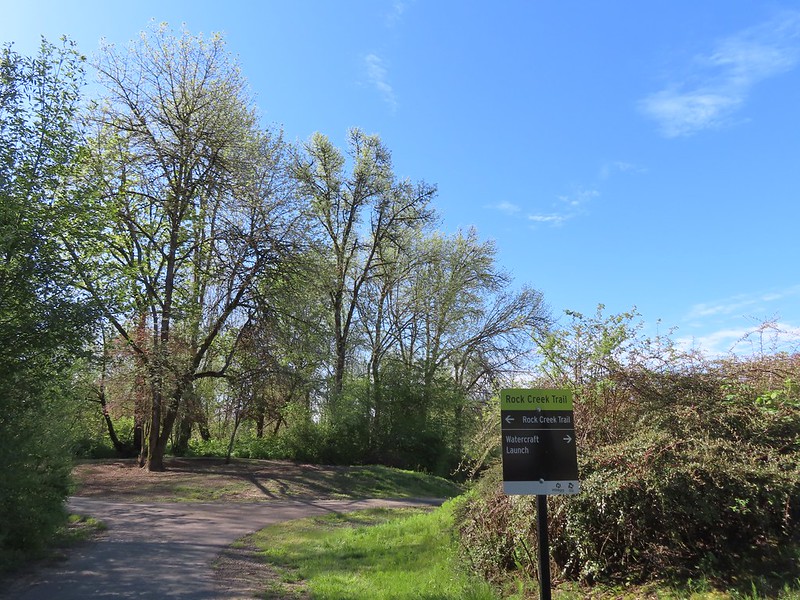
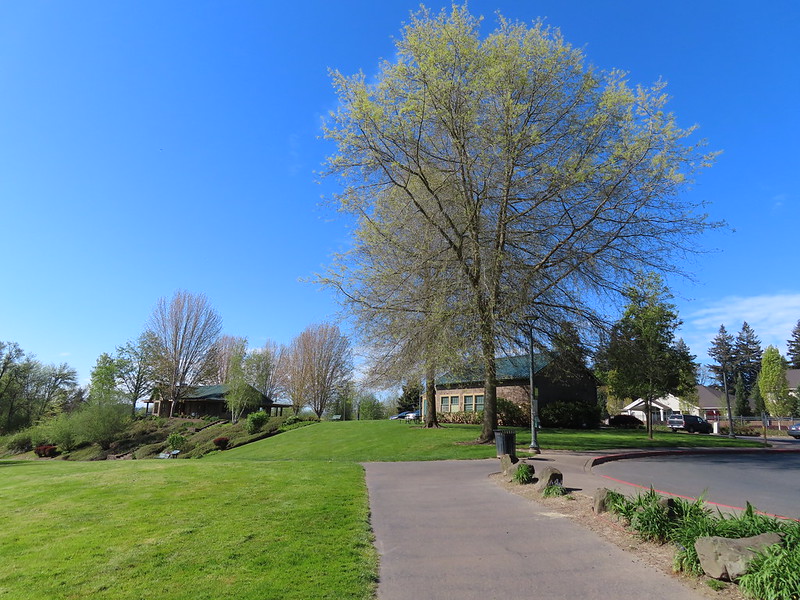 The junction ahead is where the Rock Creek Trail beings/end according to the Rock Creek Trail maps. Maps of Rood Bridge Park simply refer to this as part of the “Main Trail Loop”, if they label it at all.

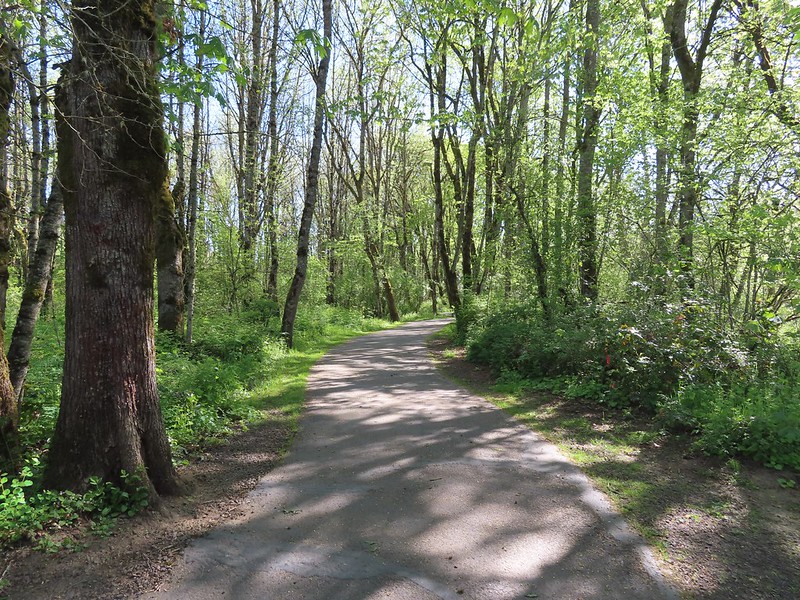
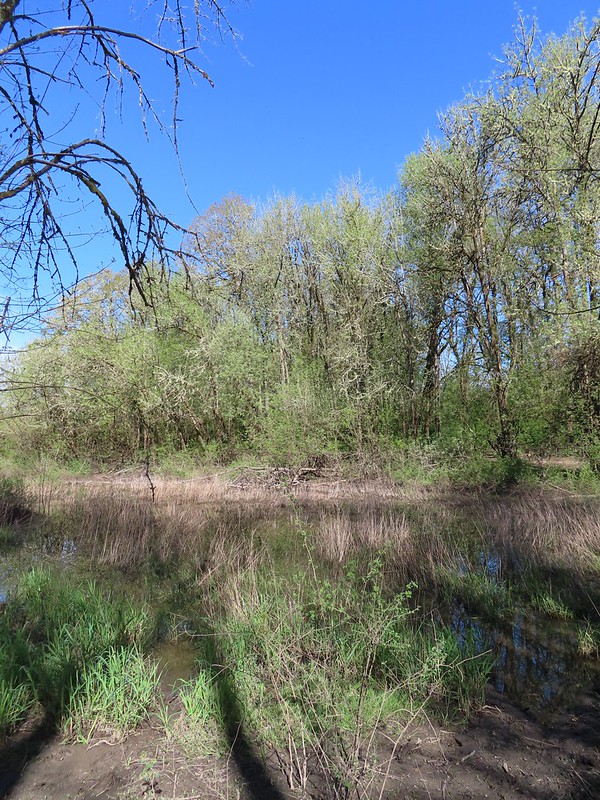
 Mallards
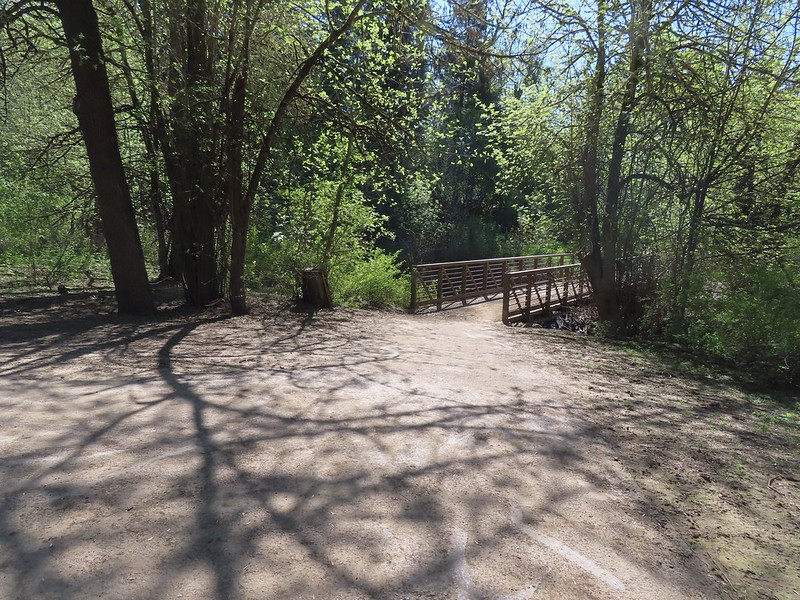 Footbridge at the start of the Lollipop Loop.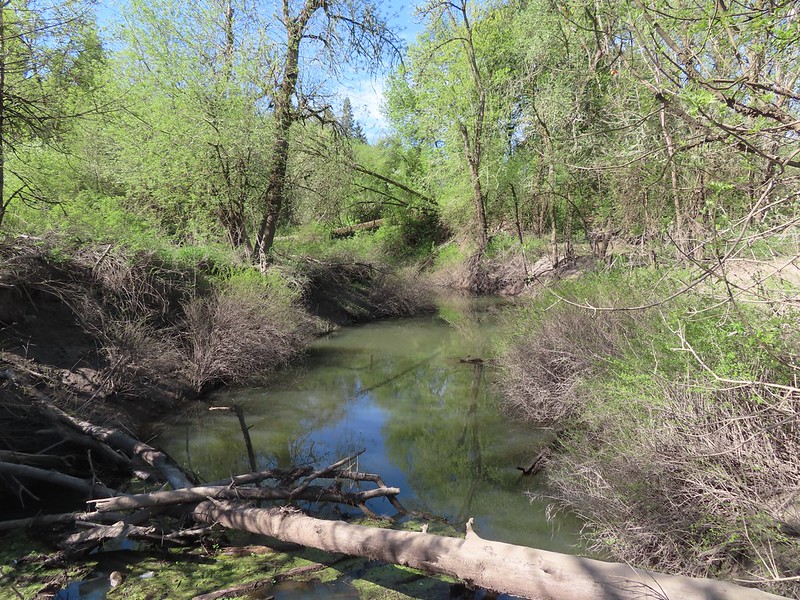

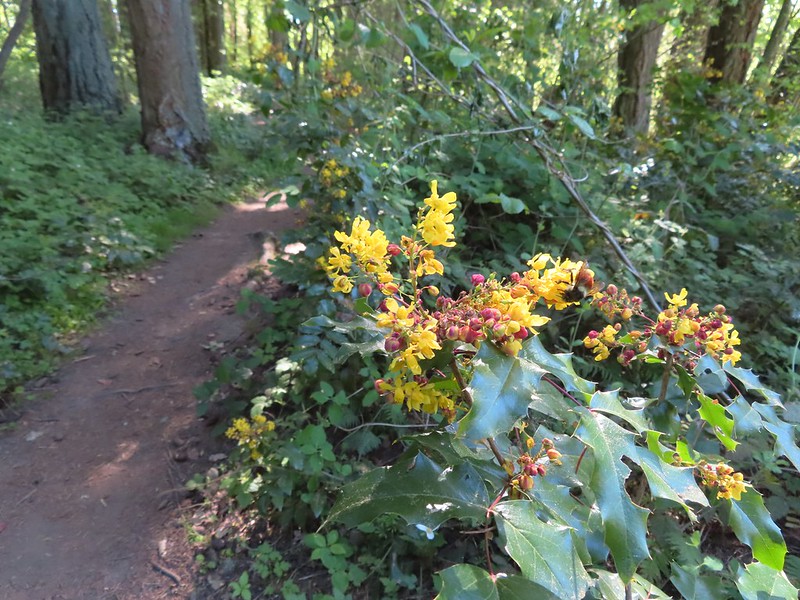 There was a fair amount of Oregon grape as well.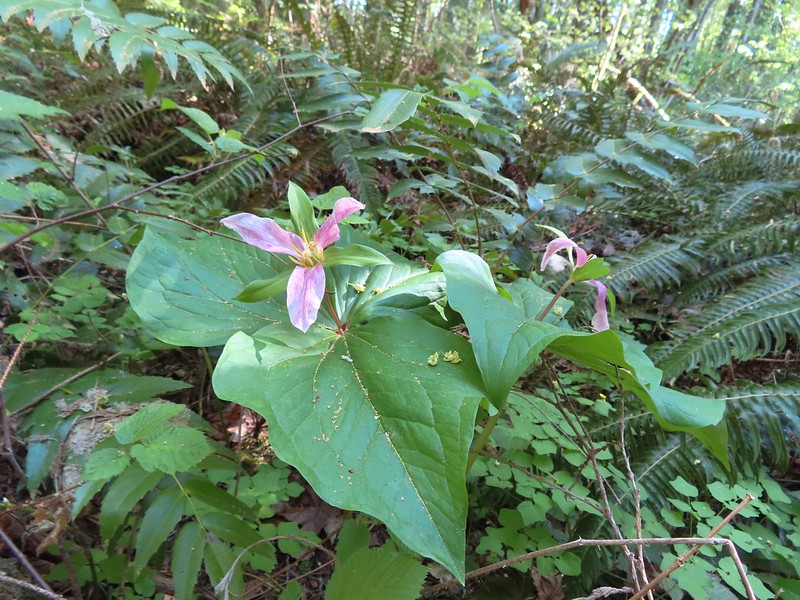

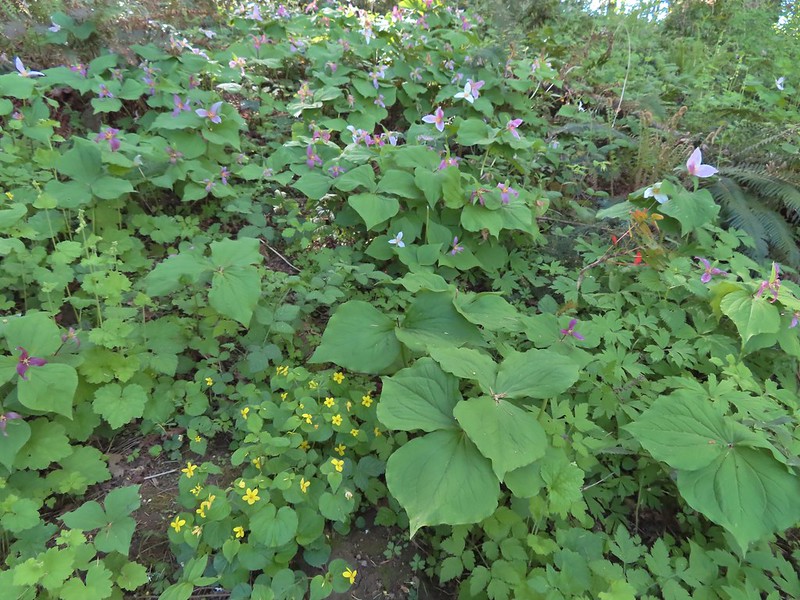 Violets and trillium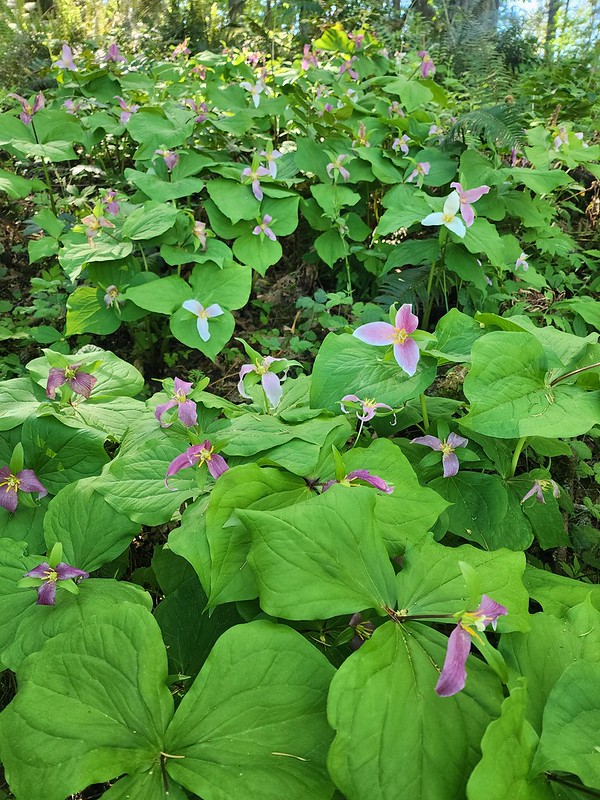
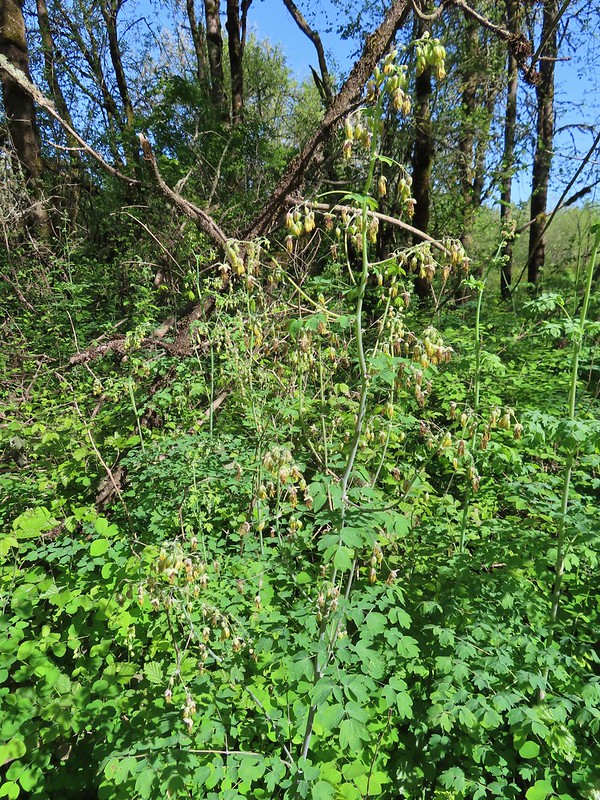 Western meadowrue
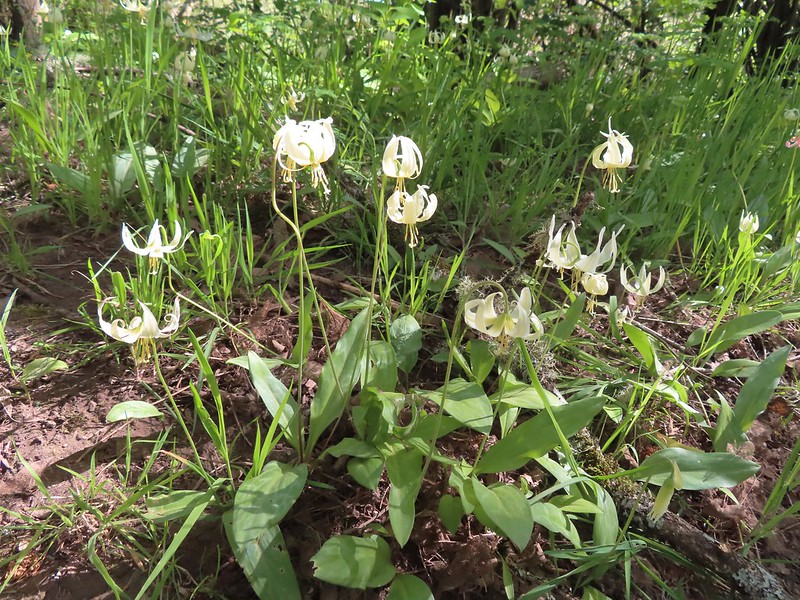 Fawn lilies

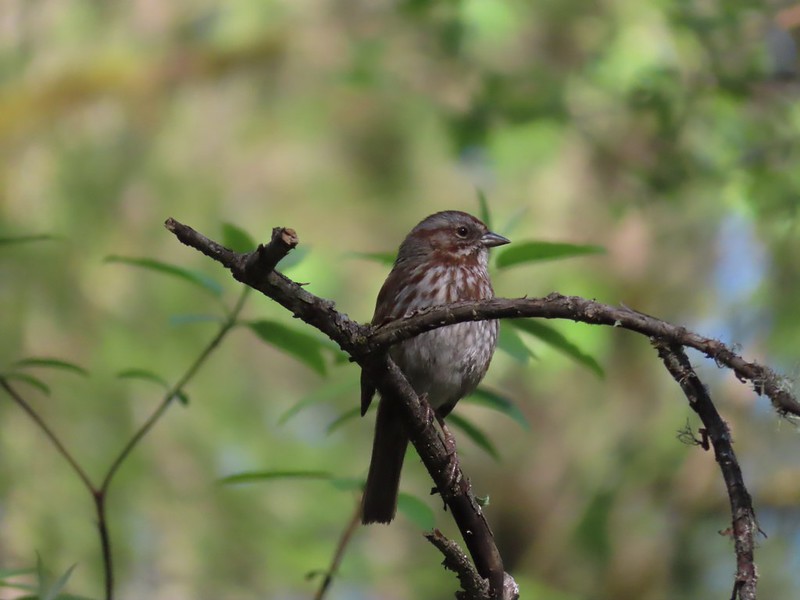 Sparrow
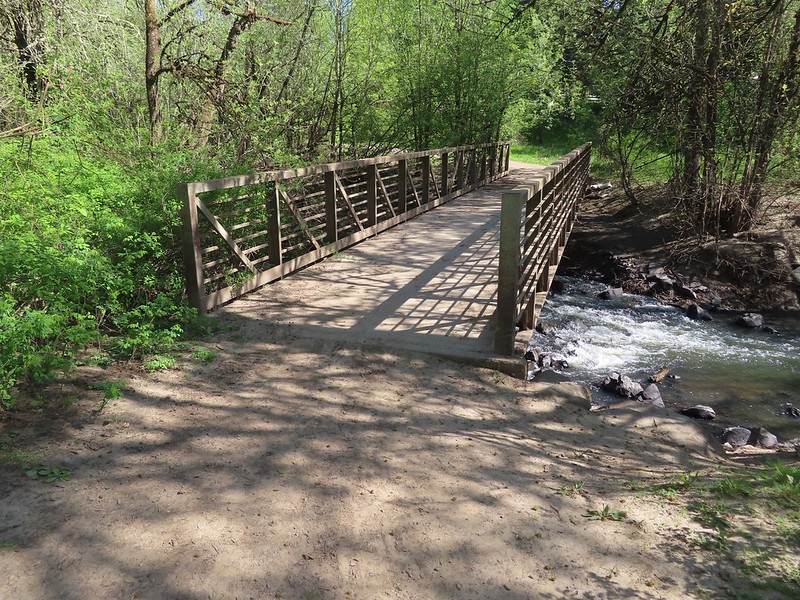 Footbridge over Rock Creek.
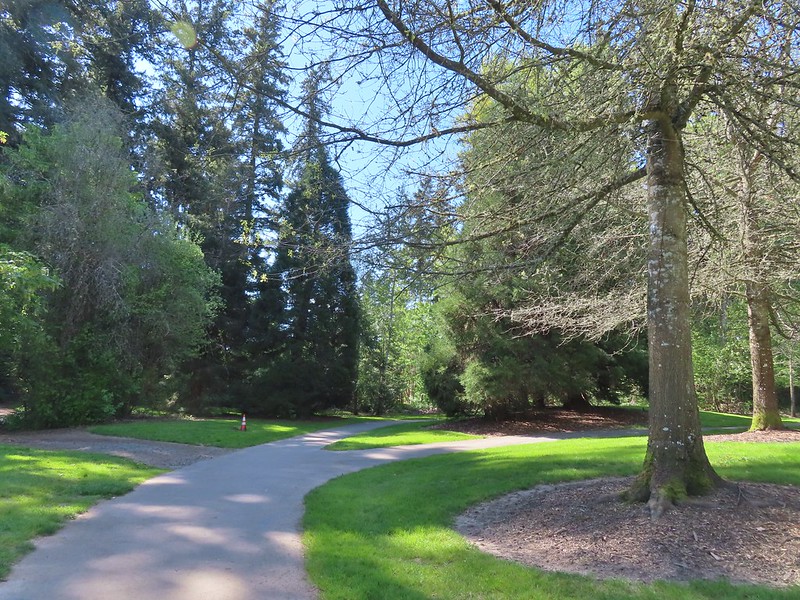 Left is the dirt path we’d taken earlier, straight is the Rock Creek Trail, and right led to the Rhododendron Garden.
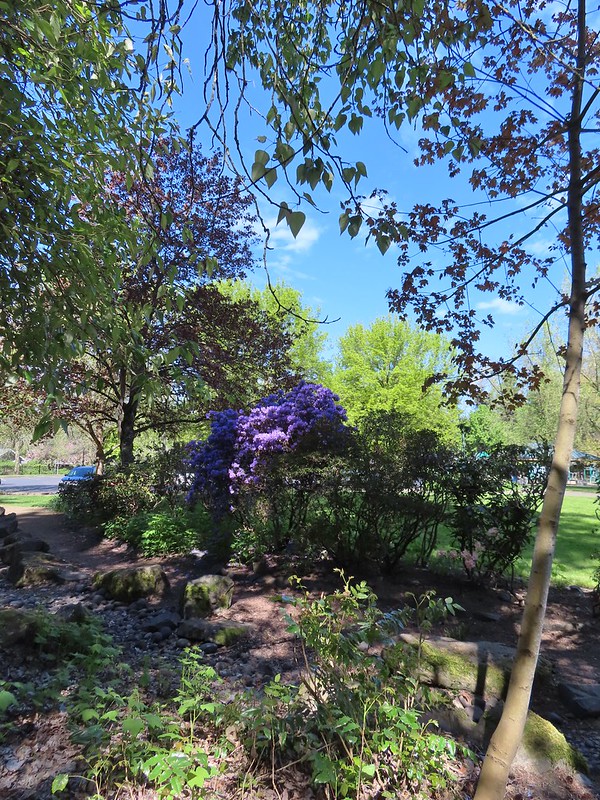

 Jackson Bottom on the left and Rood Bridge to the right.
 A footbridge along the paved path crosses Frazier Creek.
 Kiosk at the start of the Bob Frenkel Boardwalk.
 The start of the loop. We went counterclockwise.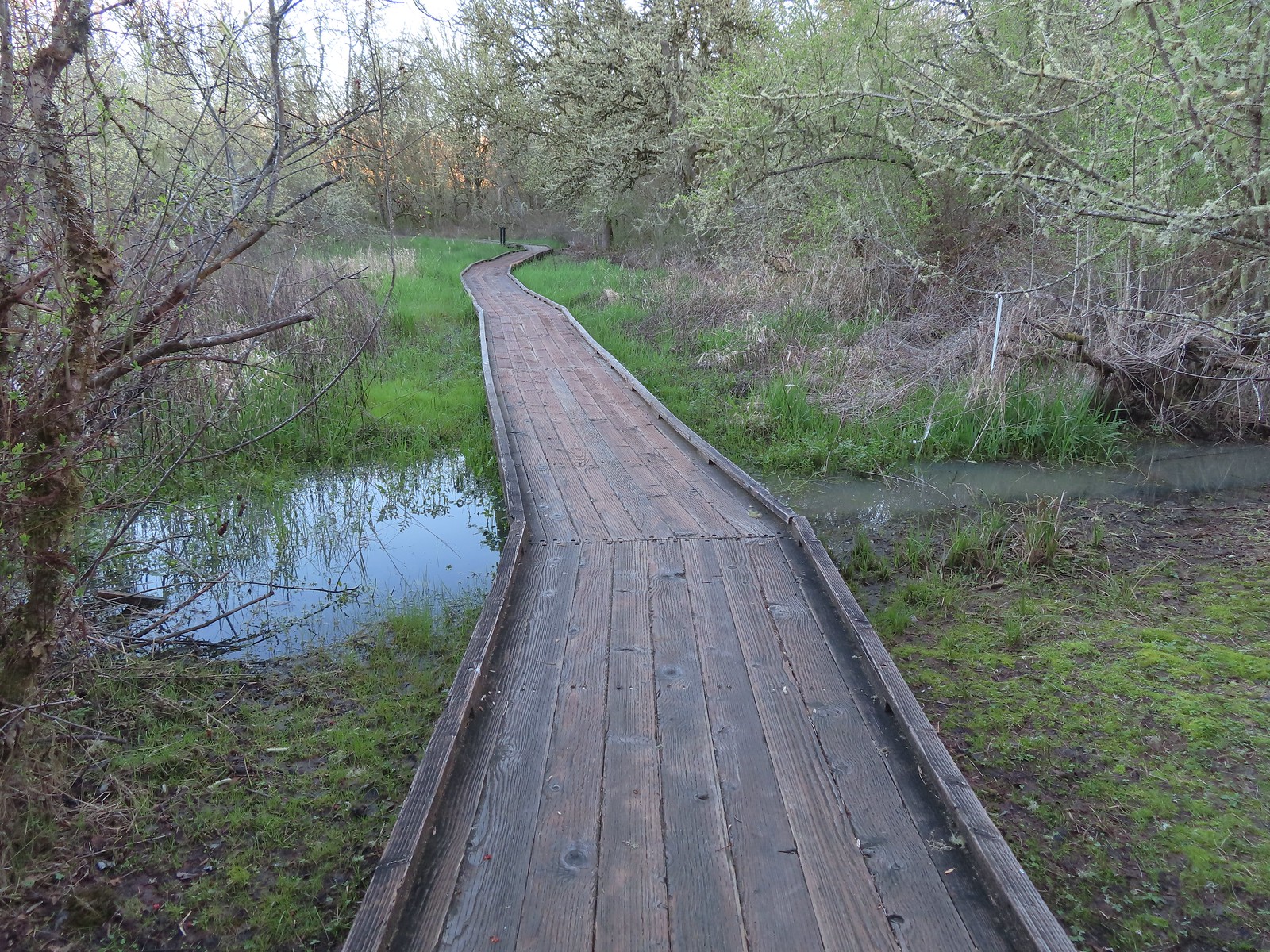
 Northern flicker
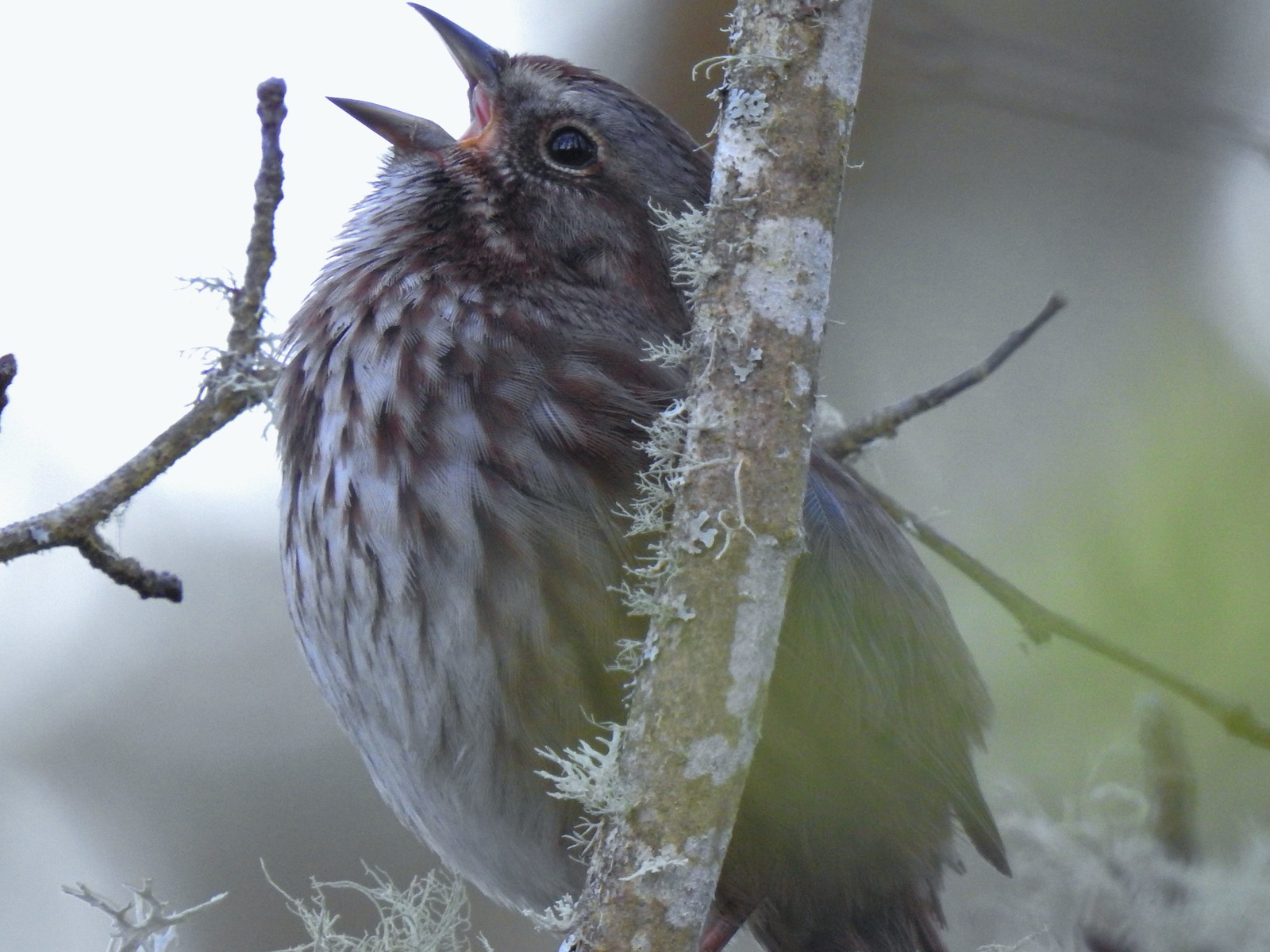 We listened to this sparrow sing for a bit. It was putting on quite the performance.
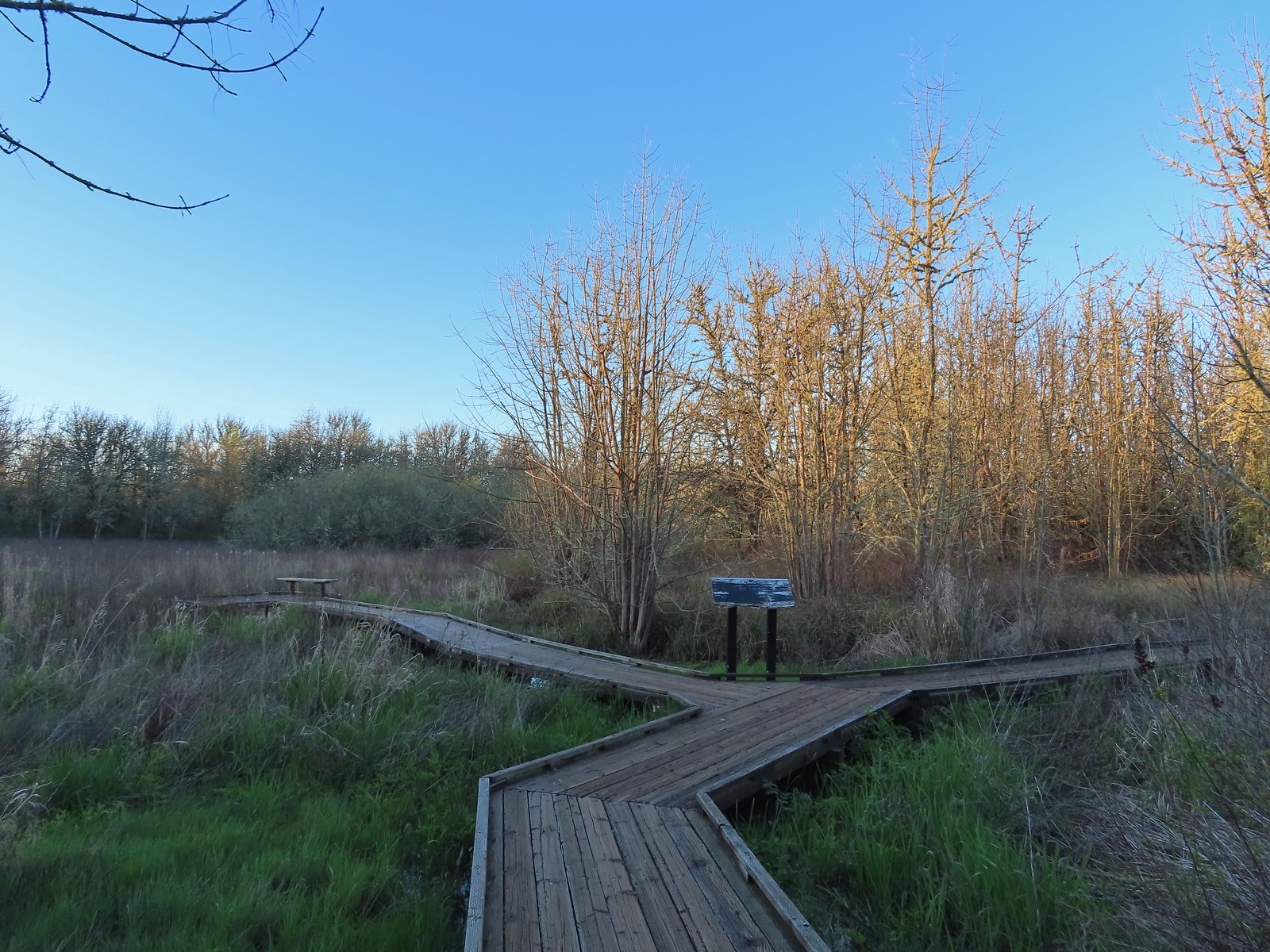 One of a couple viewing platforms off the main boardwalk.
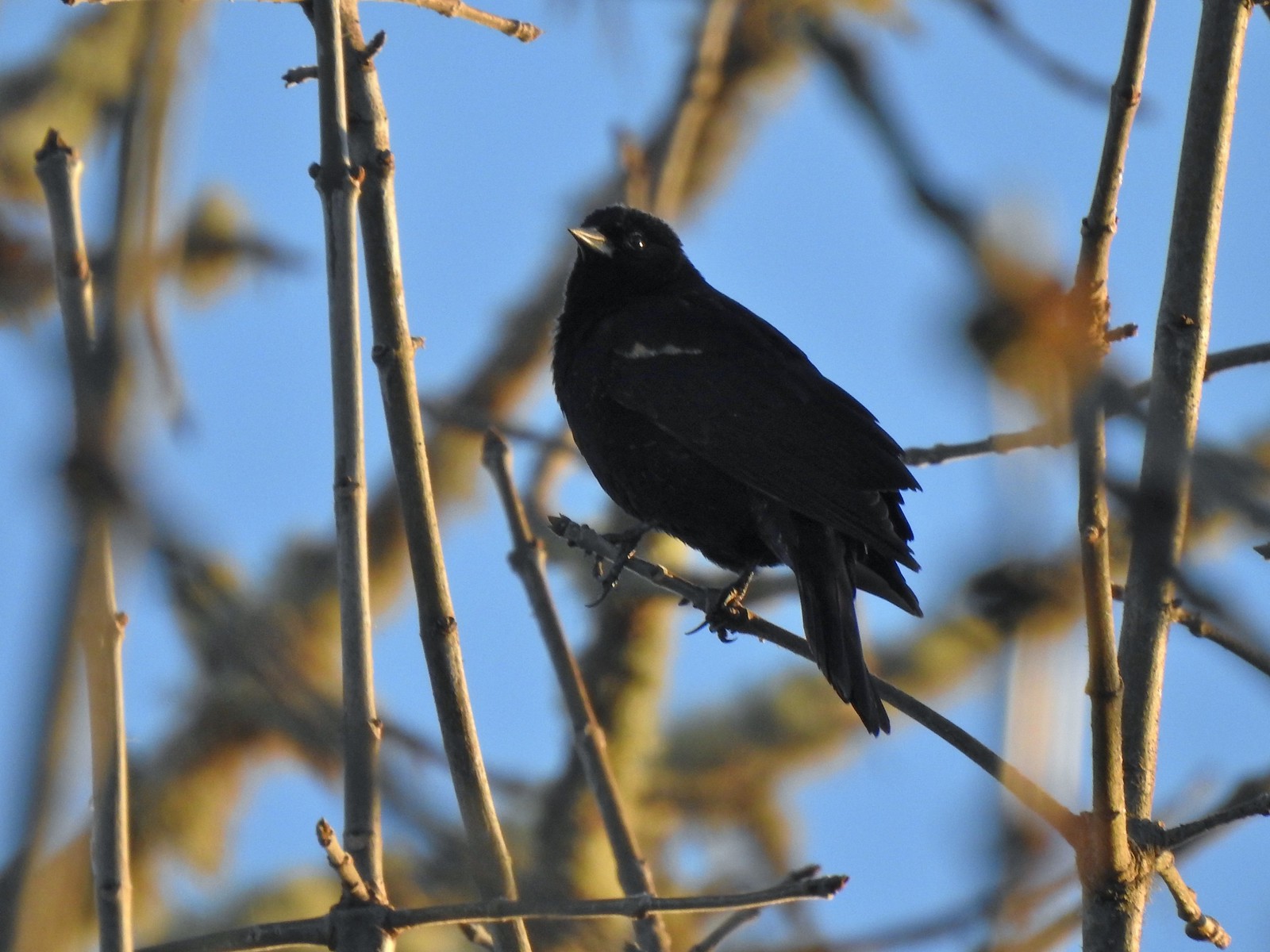 Blackbird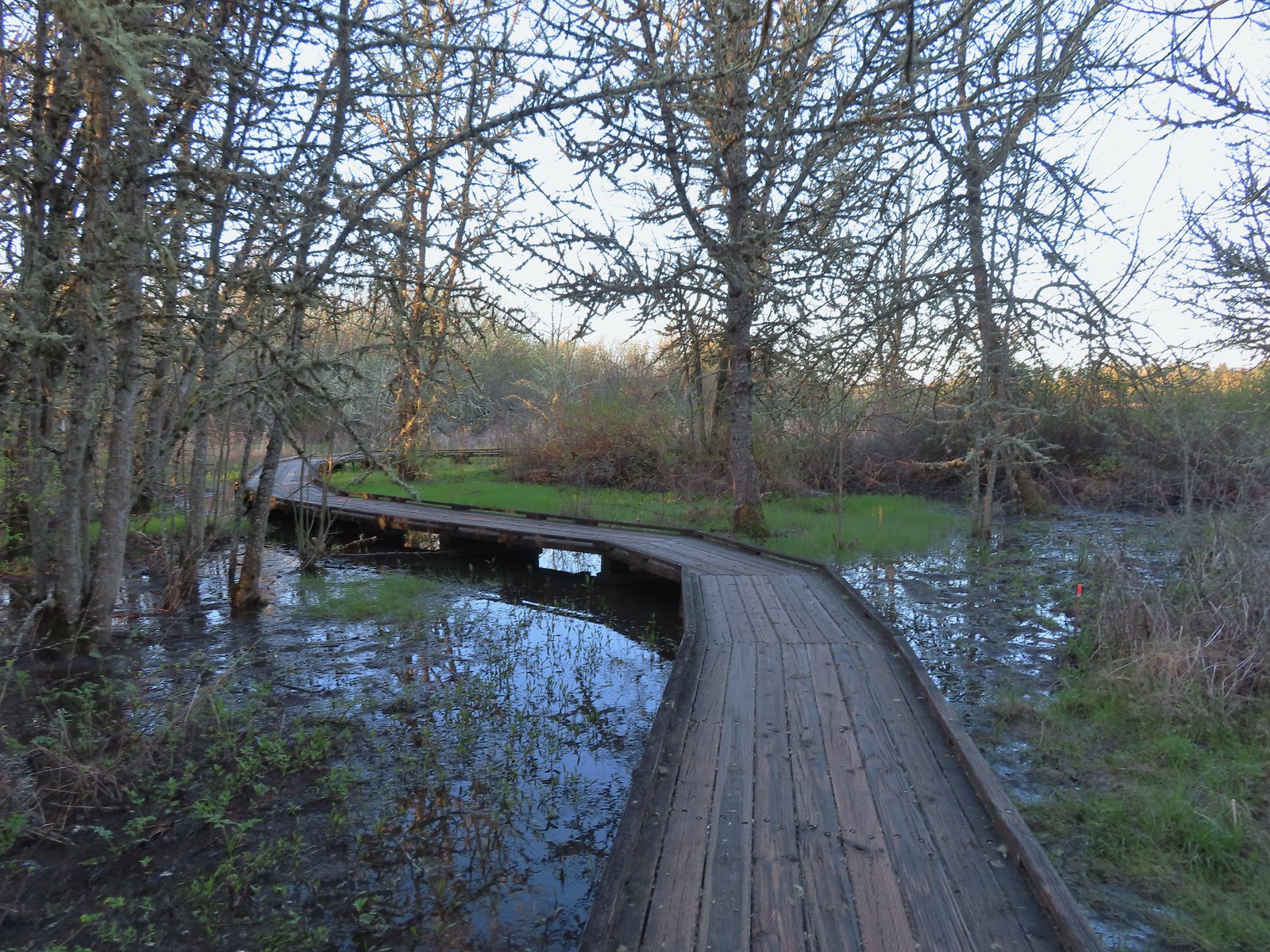
 Robin in the morning sunlight.
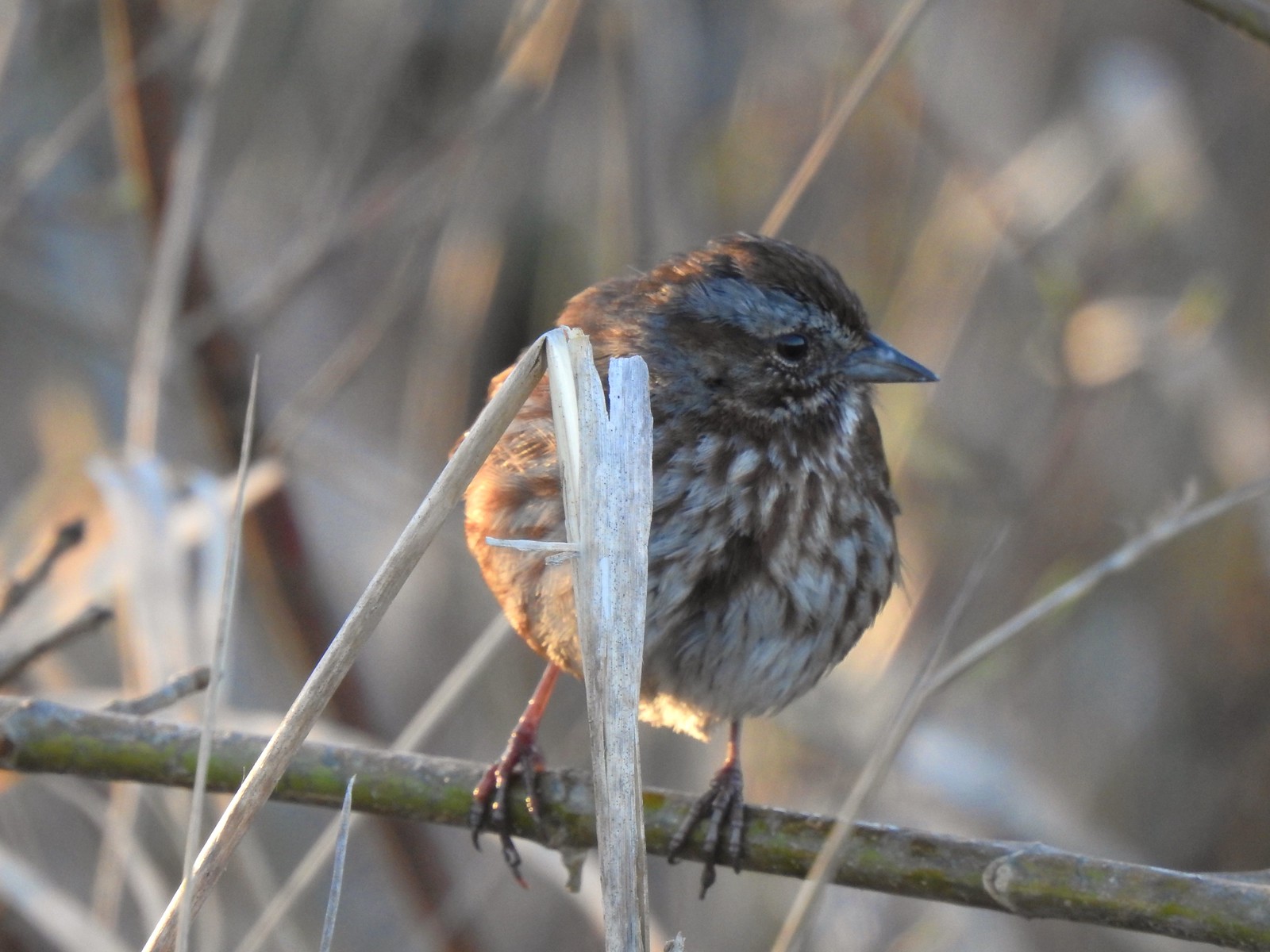 Sparrow
 Hummingbird
 Easter rabbit?
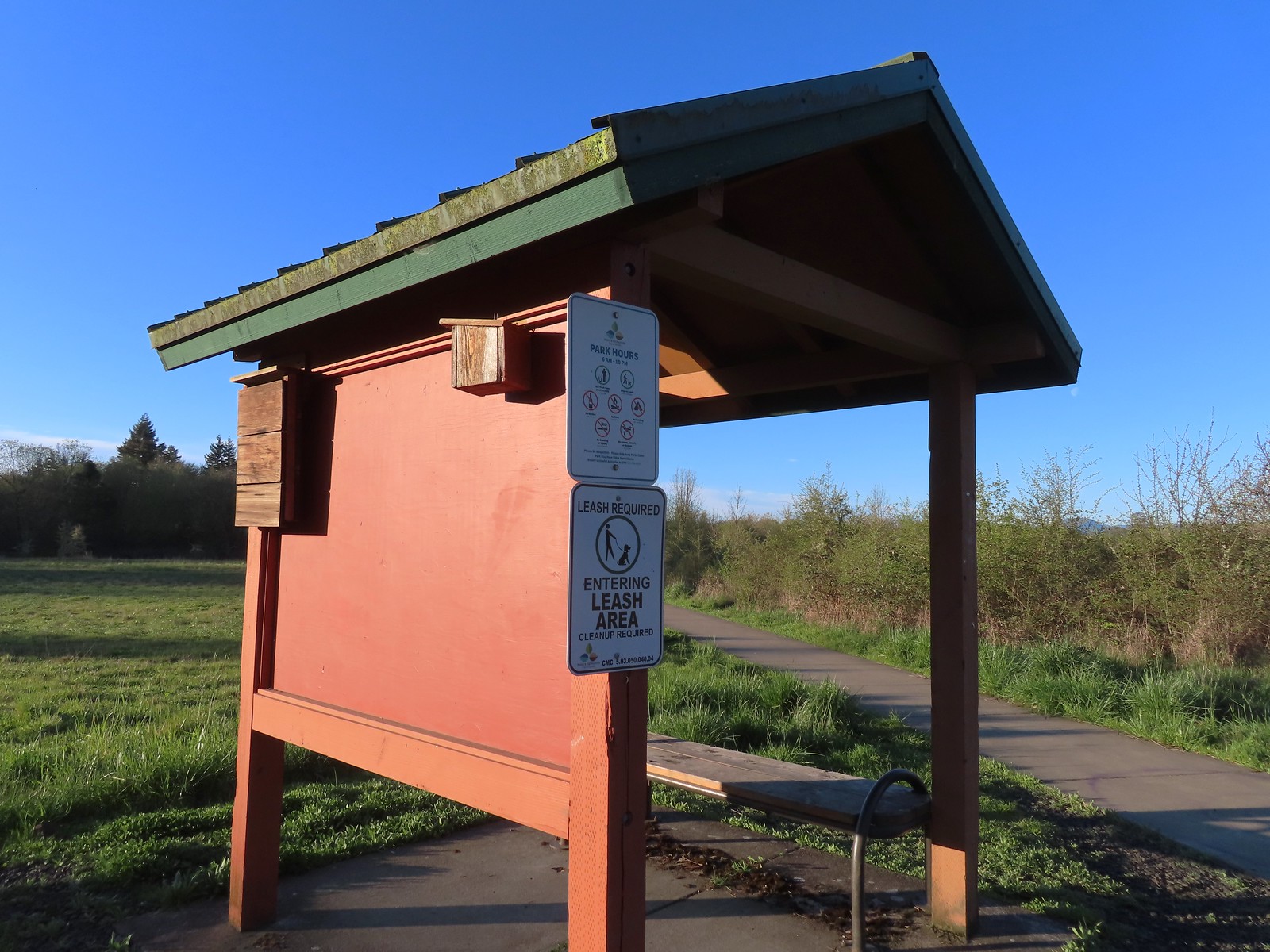 Kiosk at the trailhead.
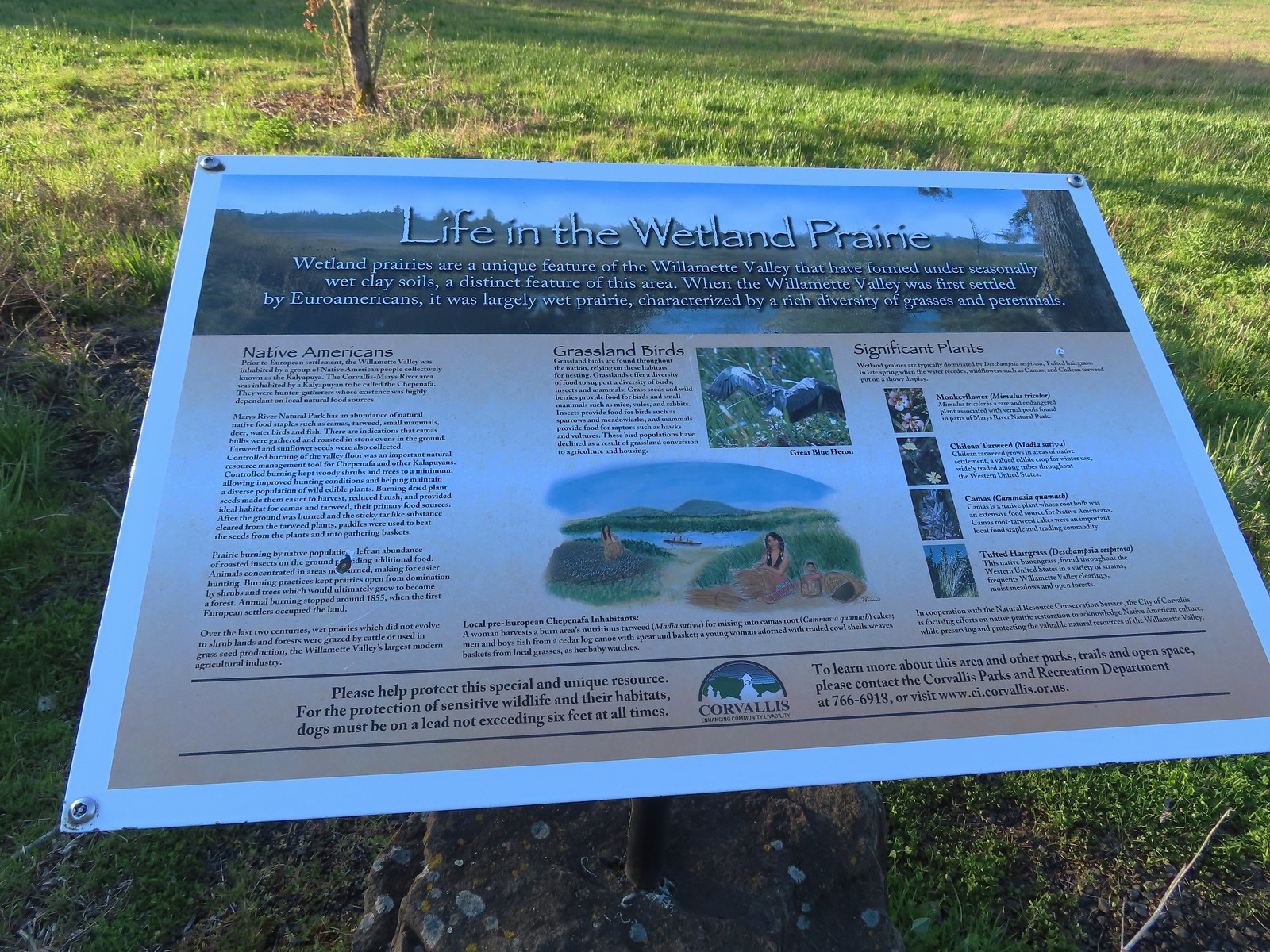 Interpretive sign along the path.
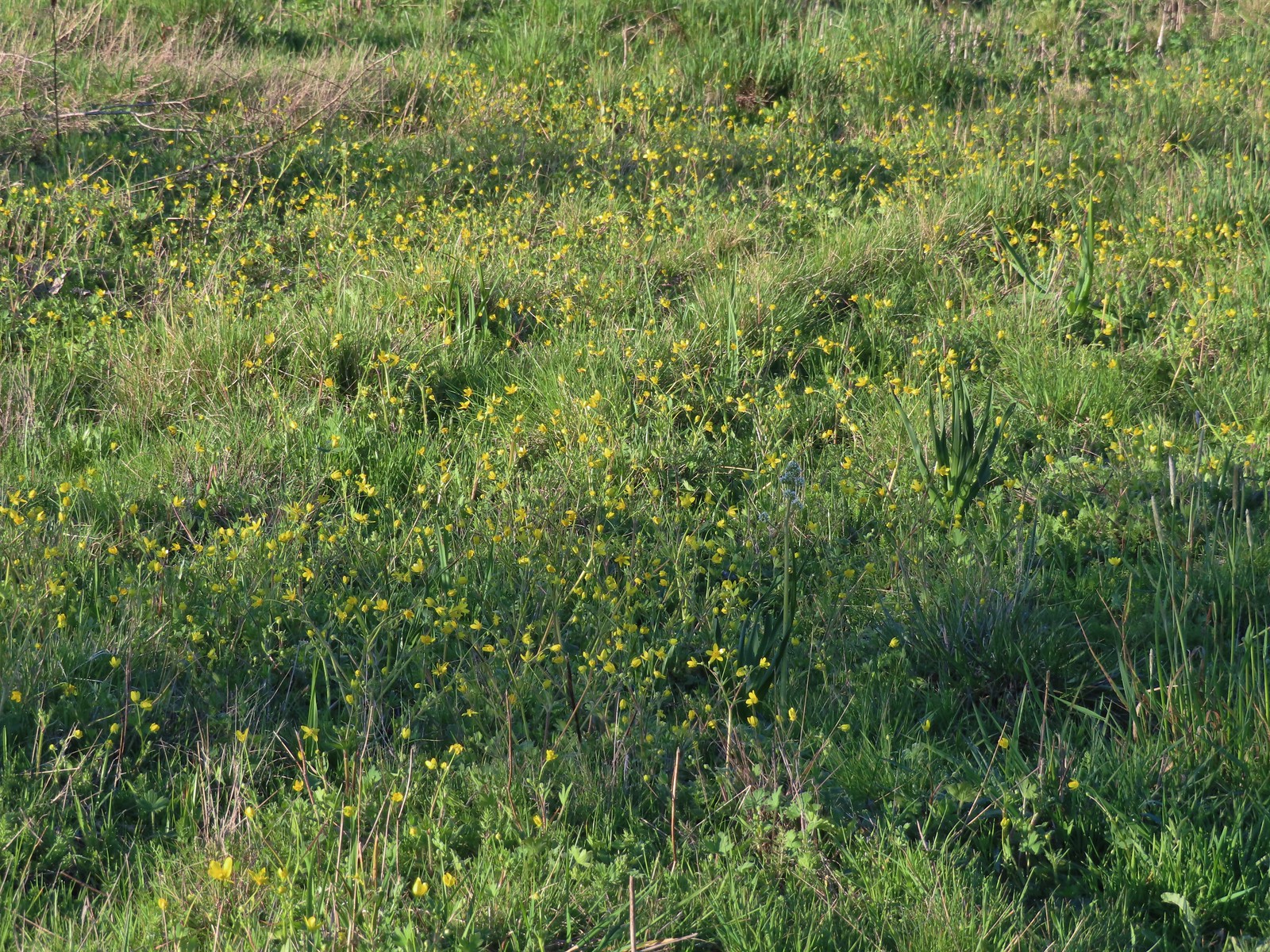 Buttercups and a bog saxifrage
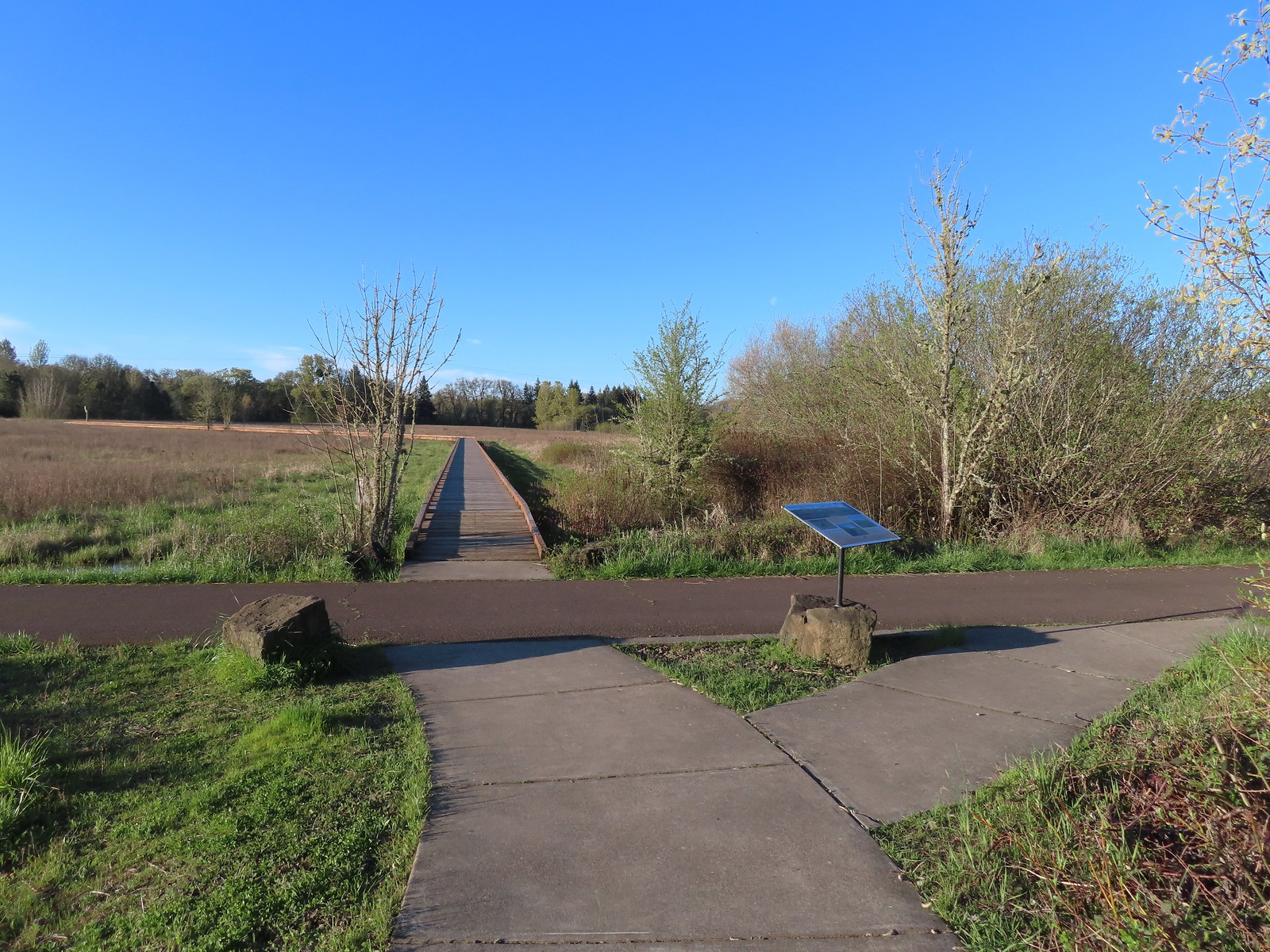 The start of the boardwalk.
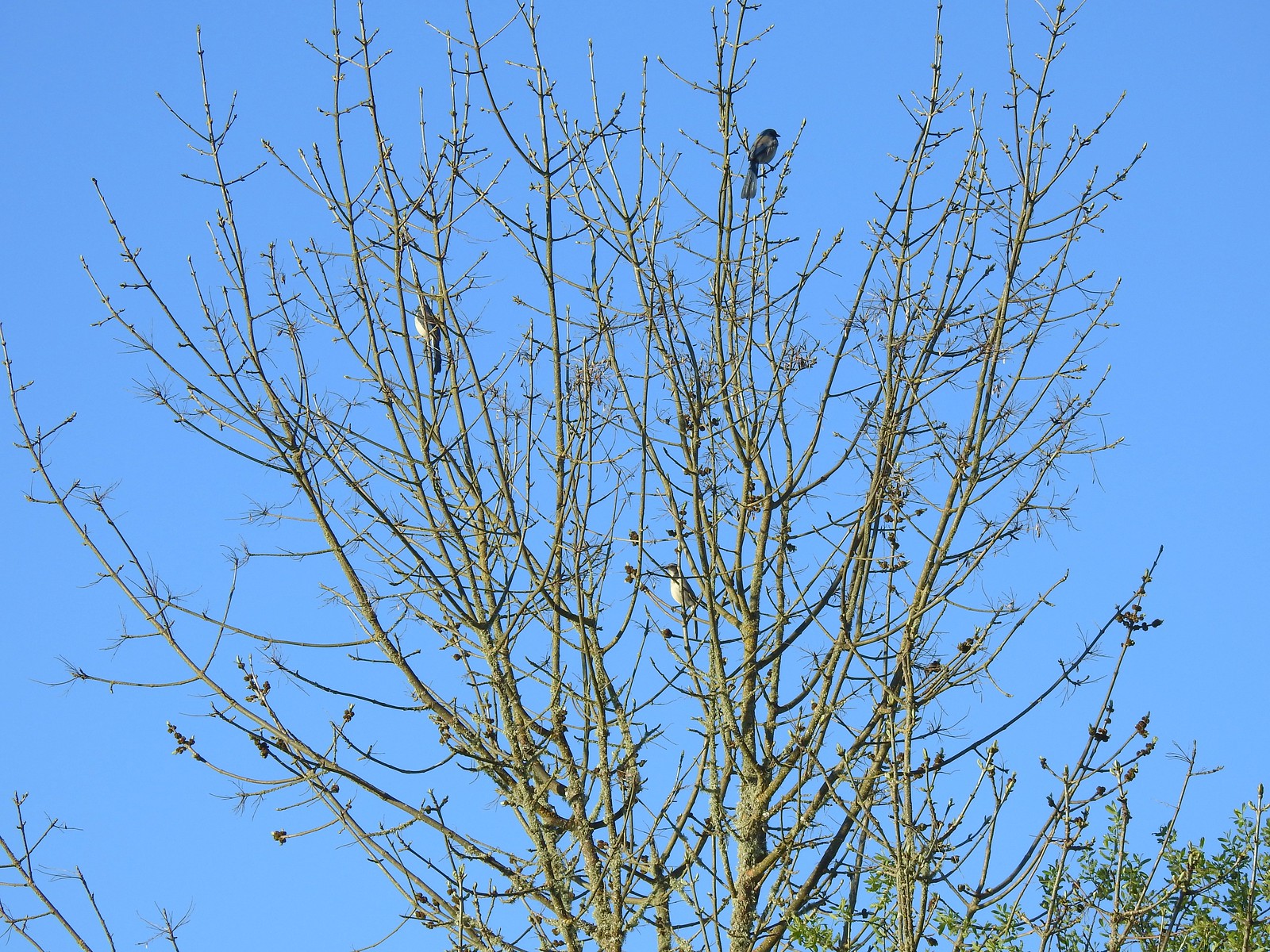 Three California scrub-jays
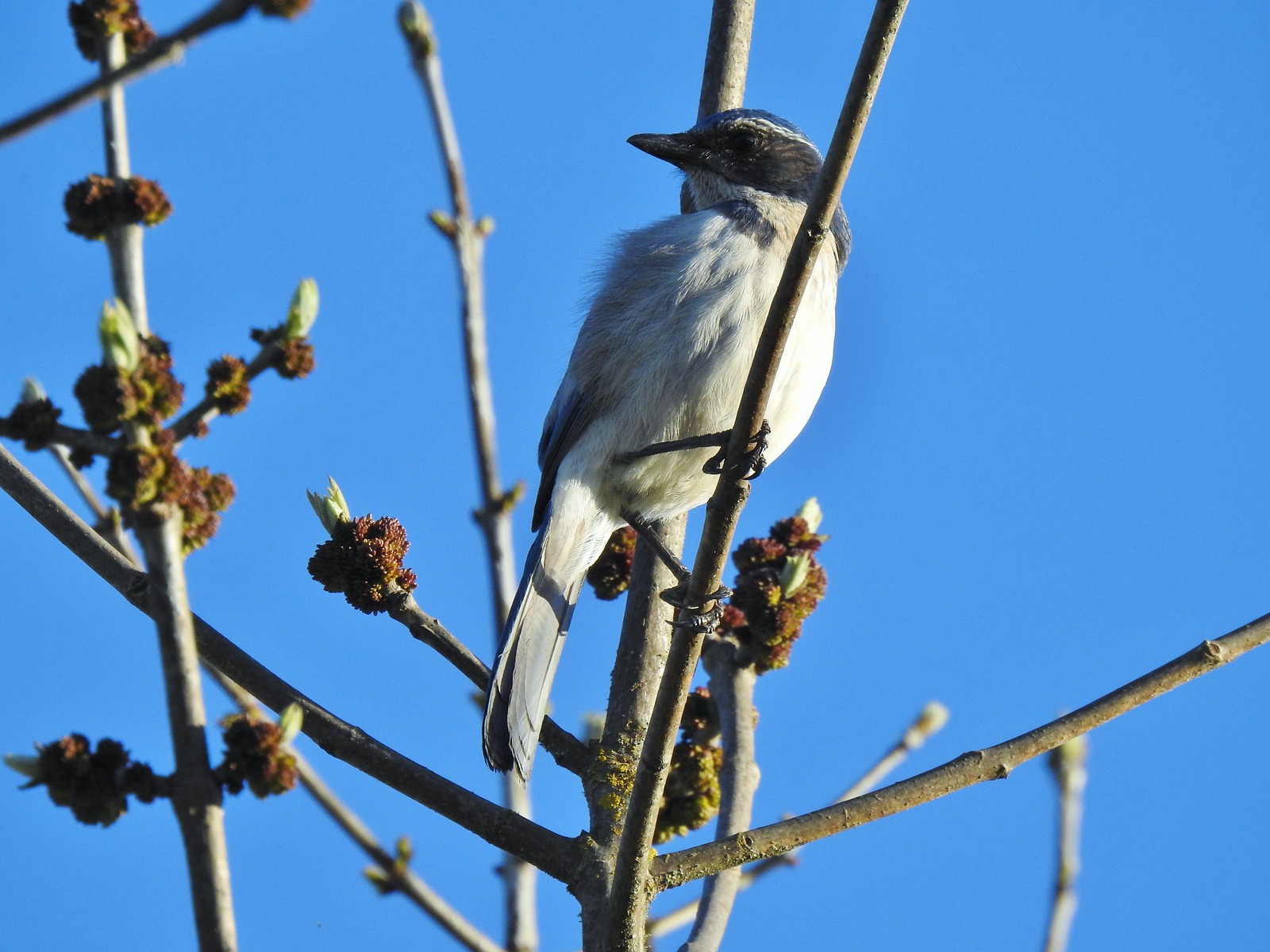 One of the scrub-jays up close.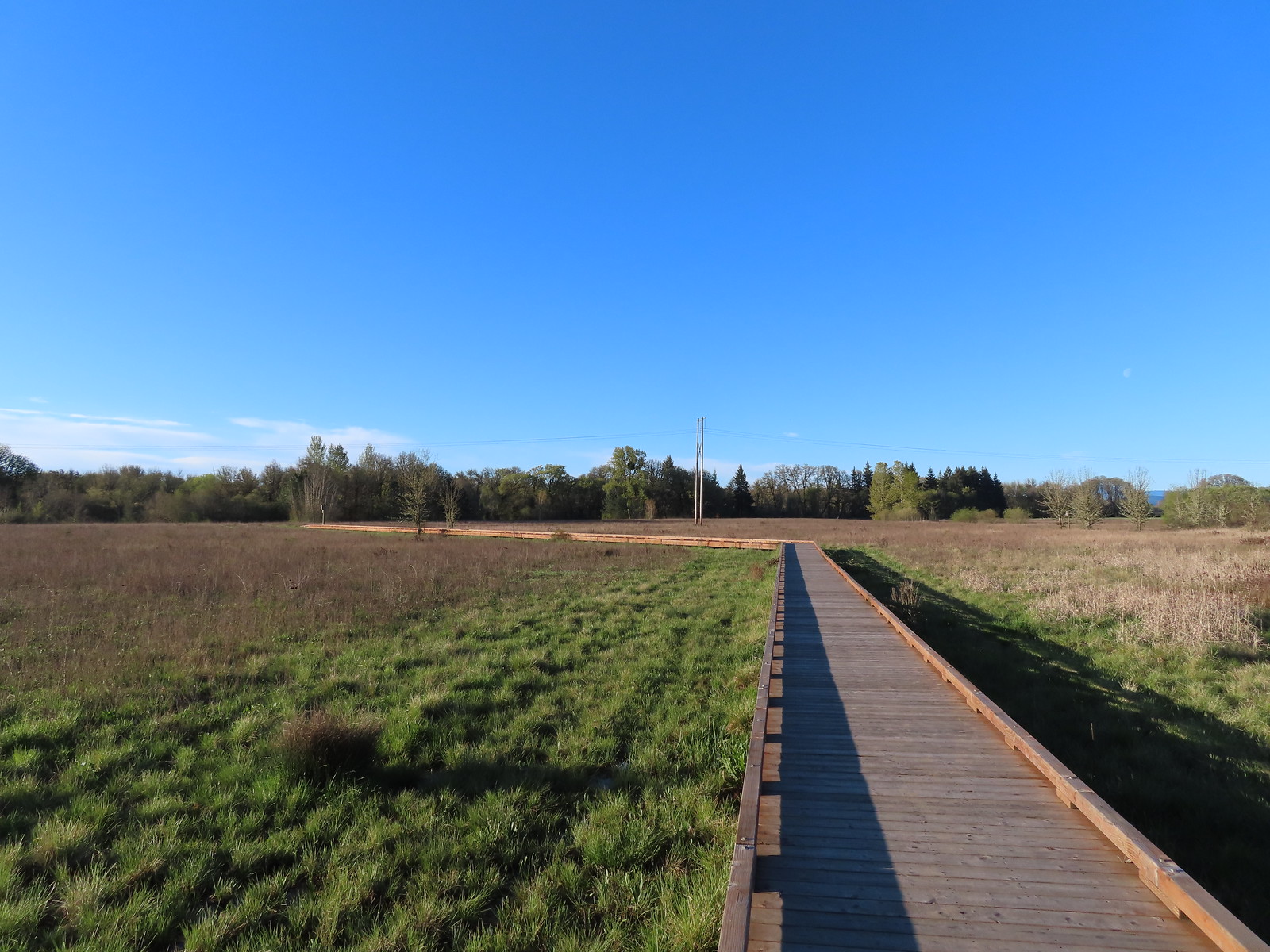
 We walked a short distance from the end of the boardwalk to visit Mary’s River.
 Swollen Mary’s River. It did appear that it might be possible to make this a loop in the dry season by following a grassy track, but it was too wet and muddy to even attempt that today.
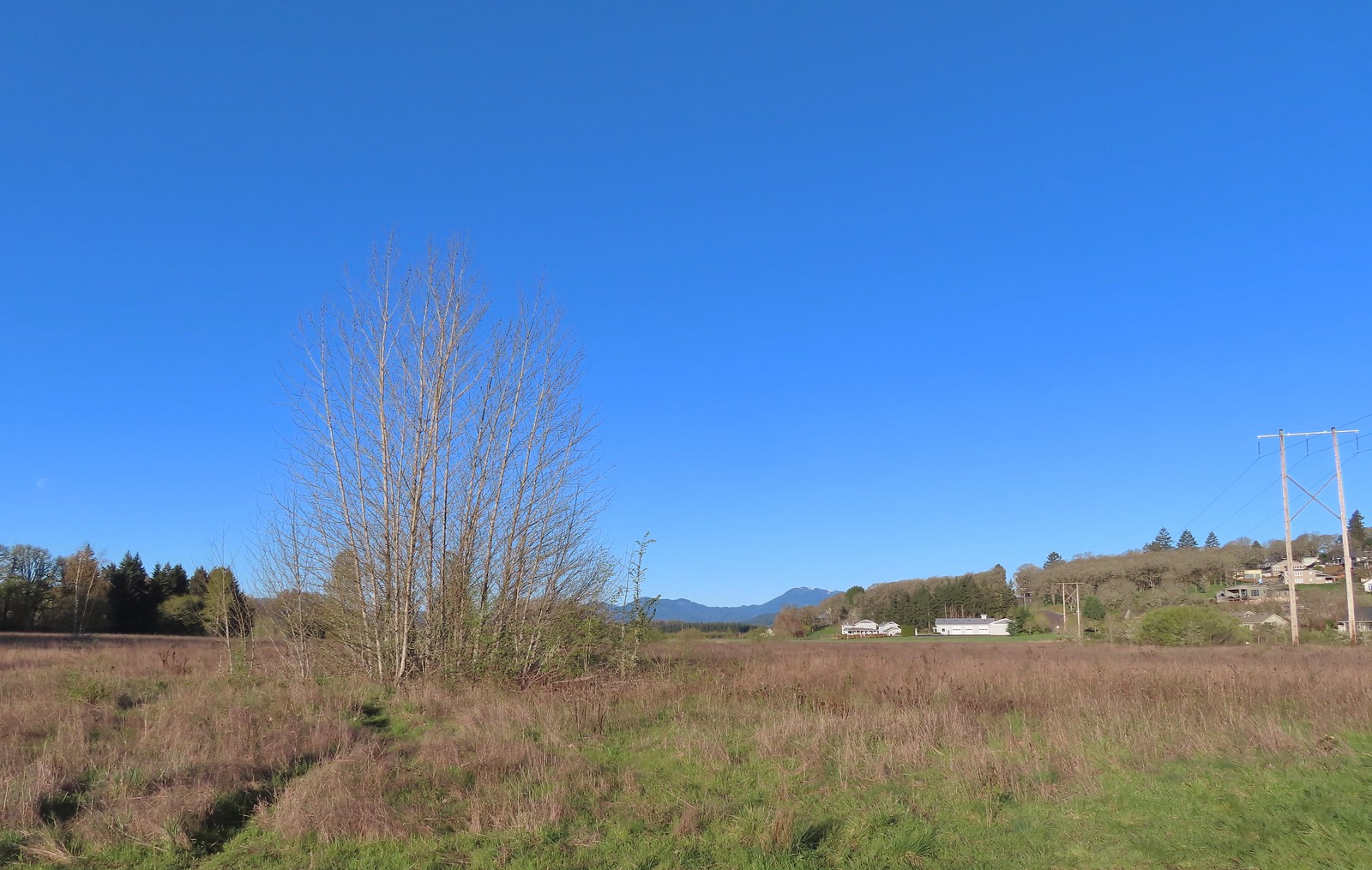 Mary’s Peak (
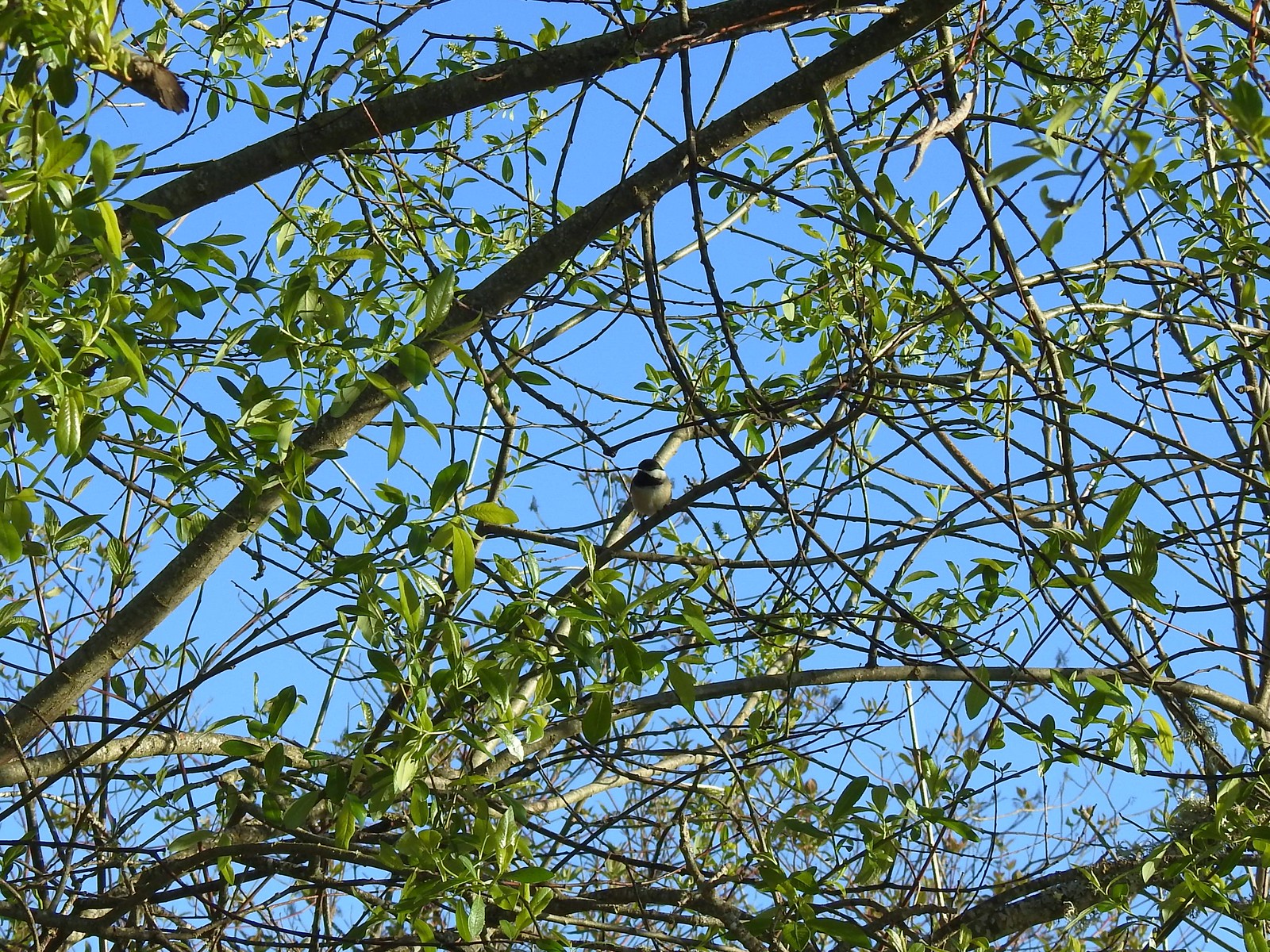 Black-capped chickadee
 Anna’s hummingbird
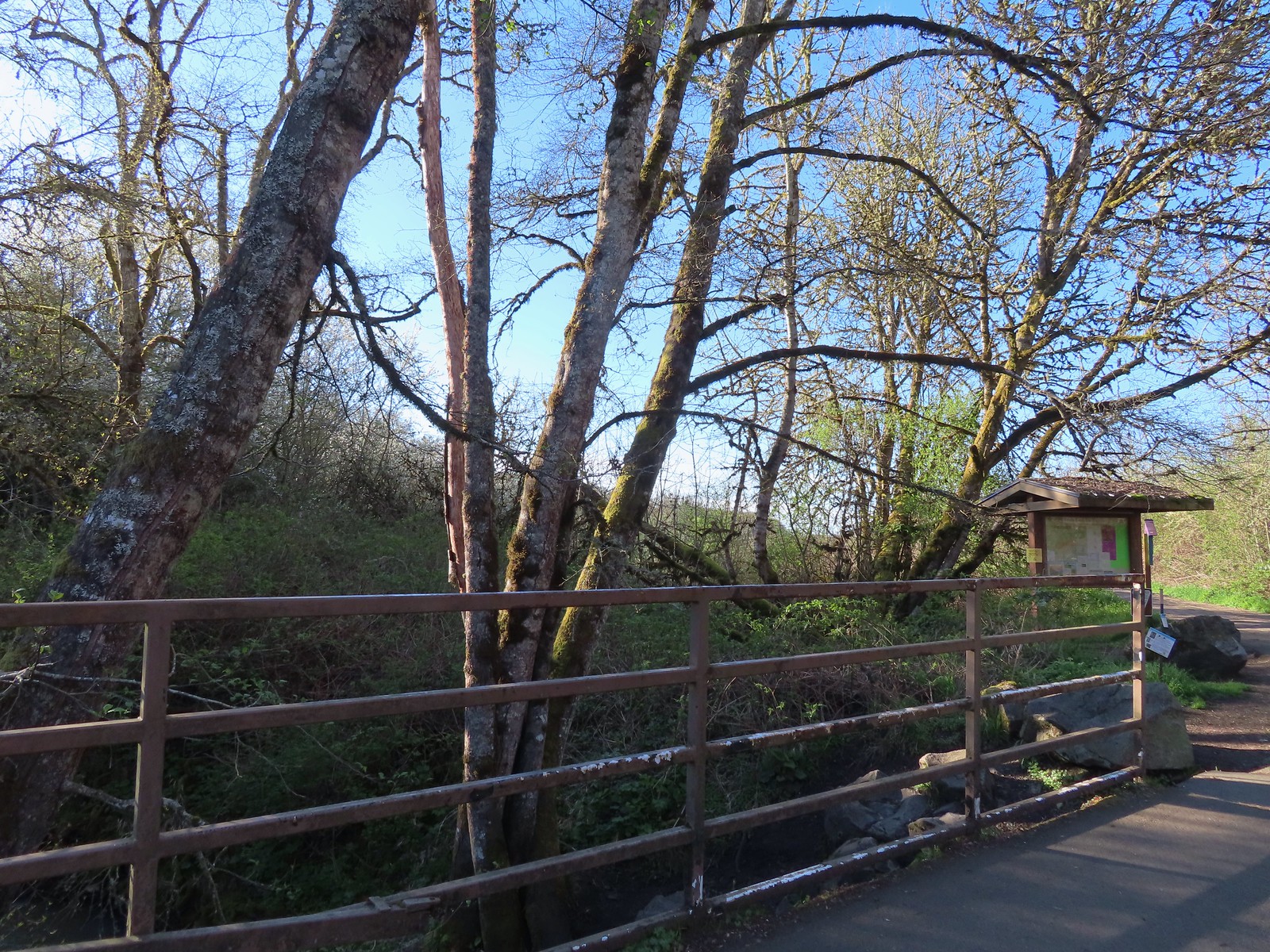 Kiosk just on the other side of Oak Creek from the trailhead parking lot.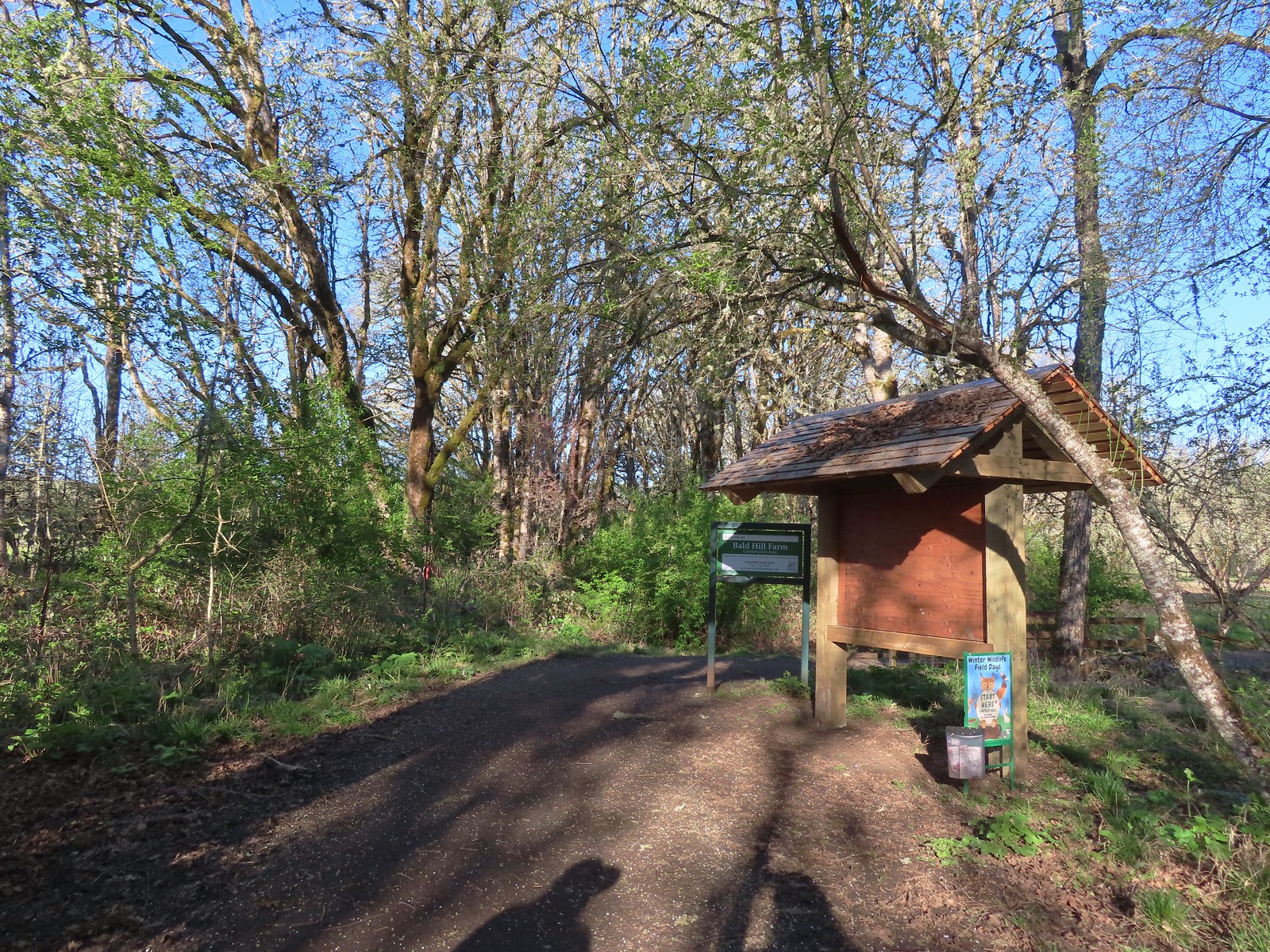
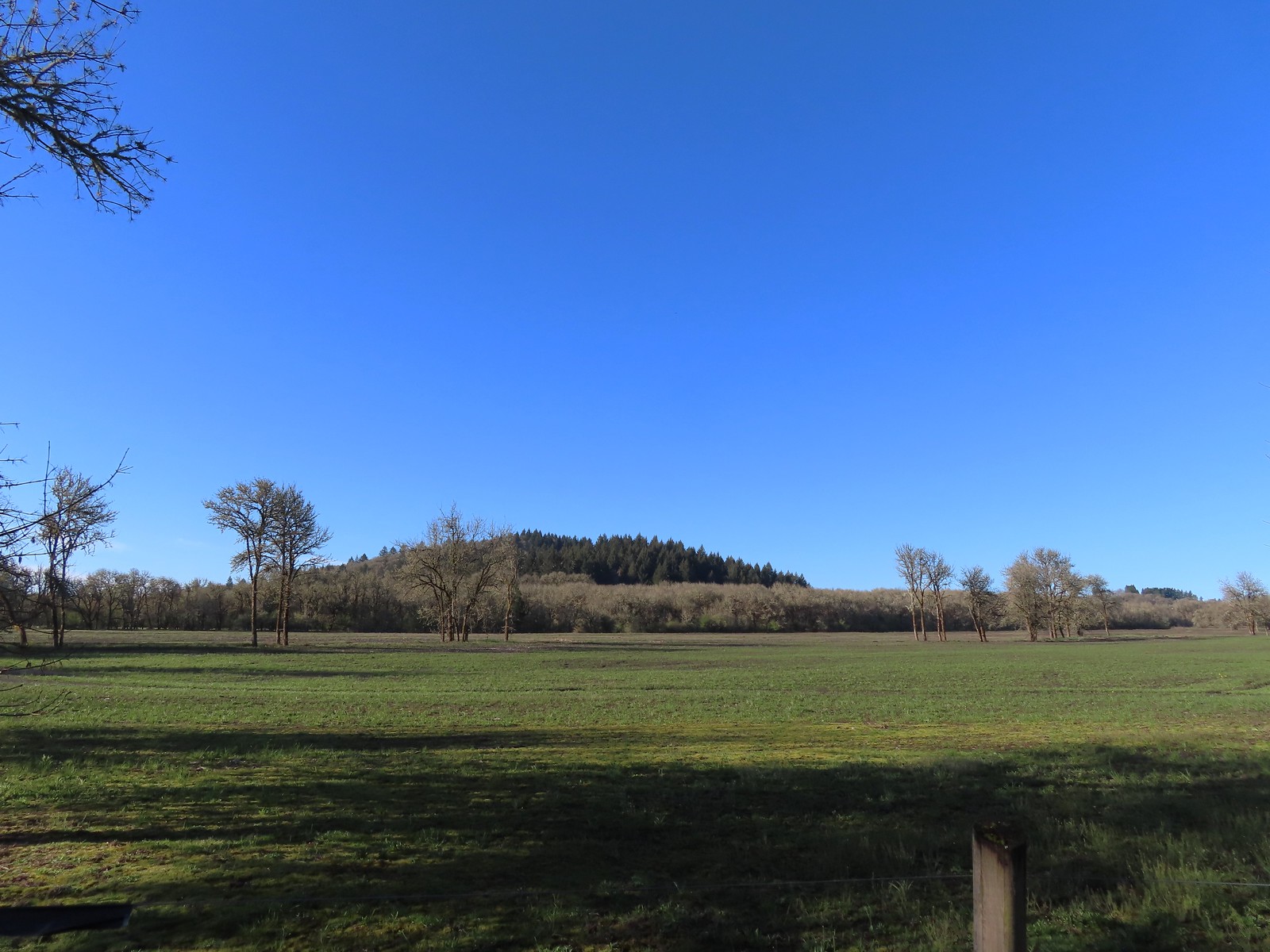 Bald Hill from the trail.
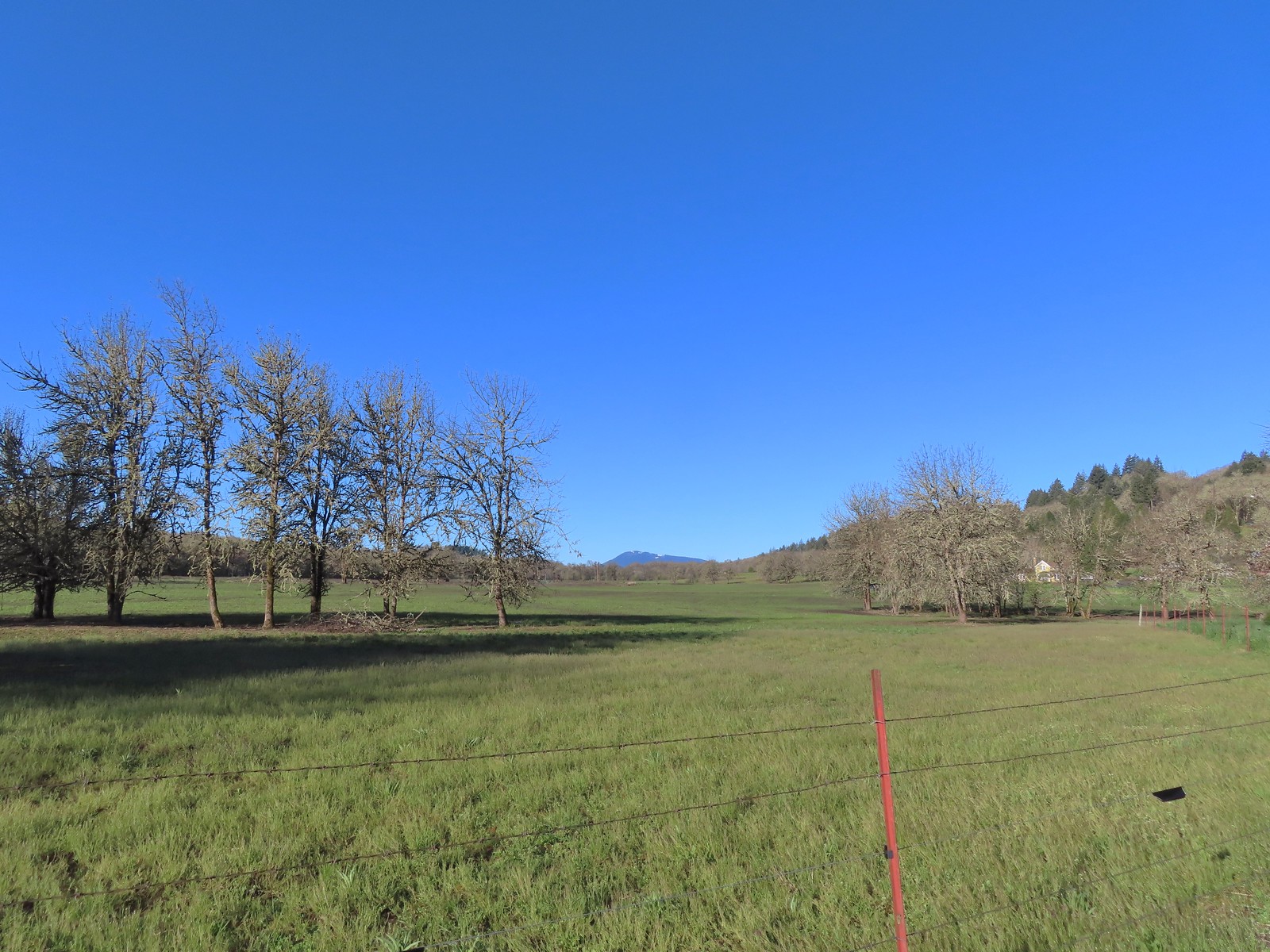 Mary’s Peak
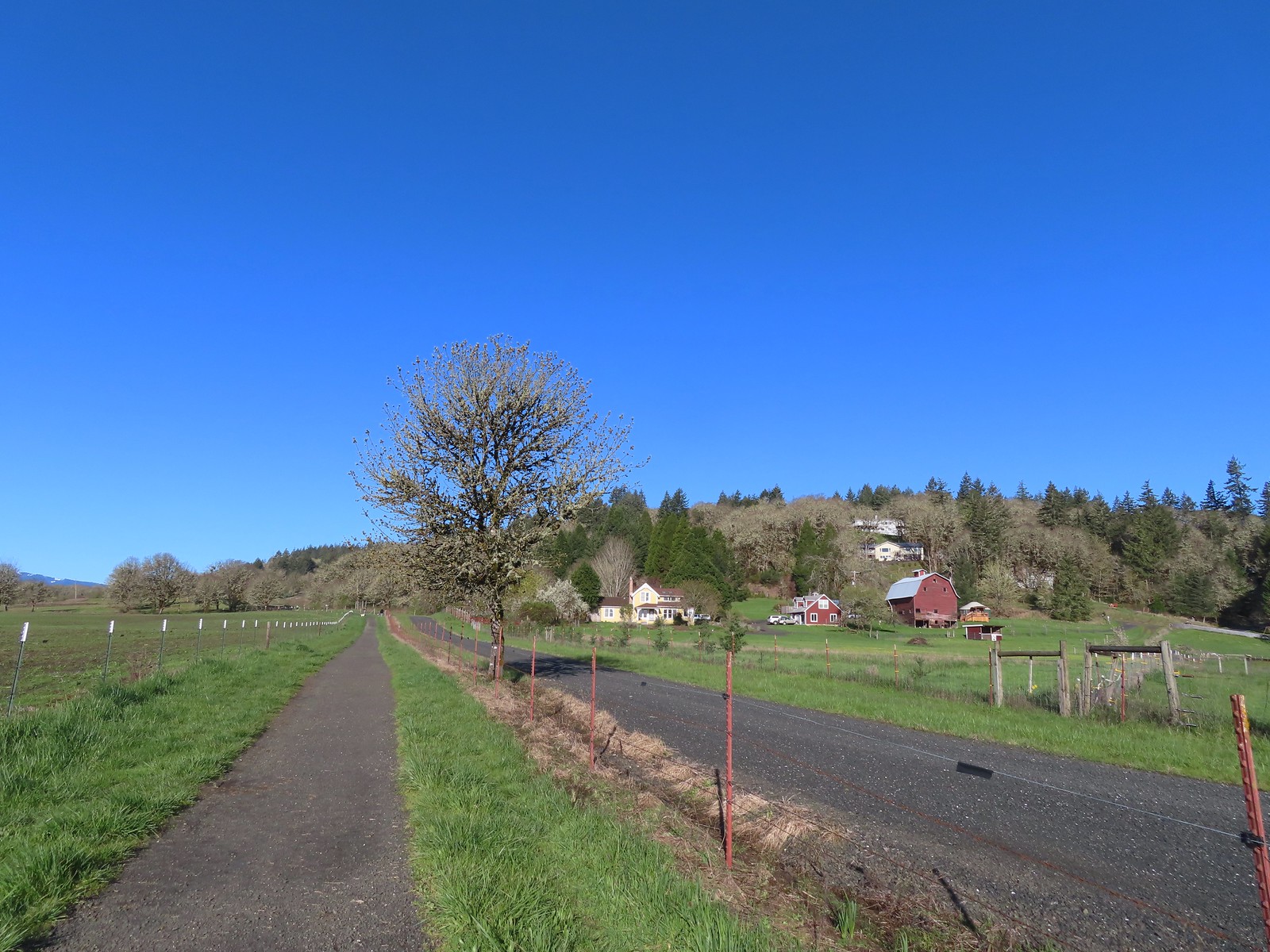 The barn across the gravel road.
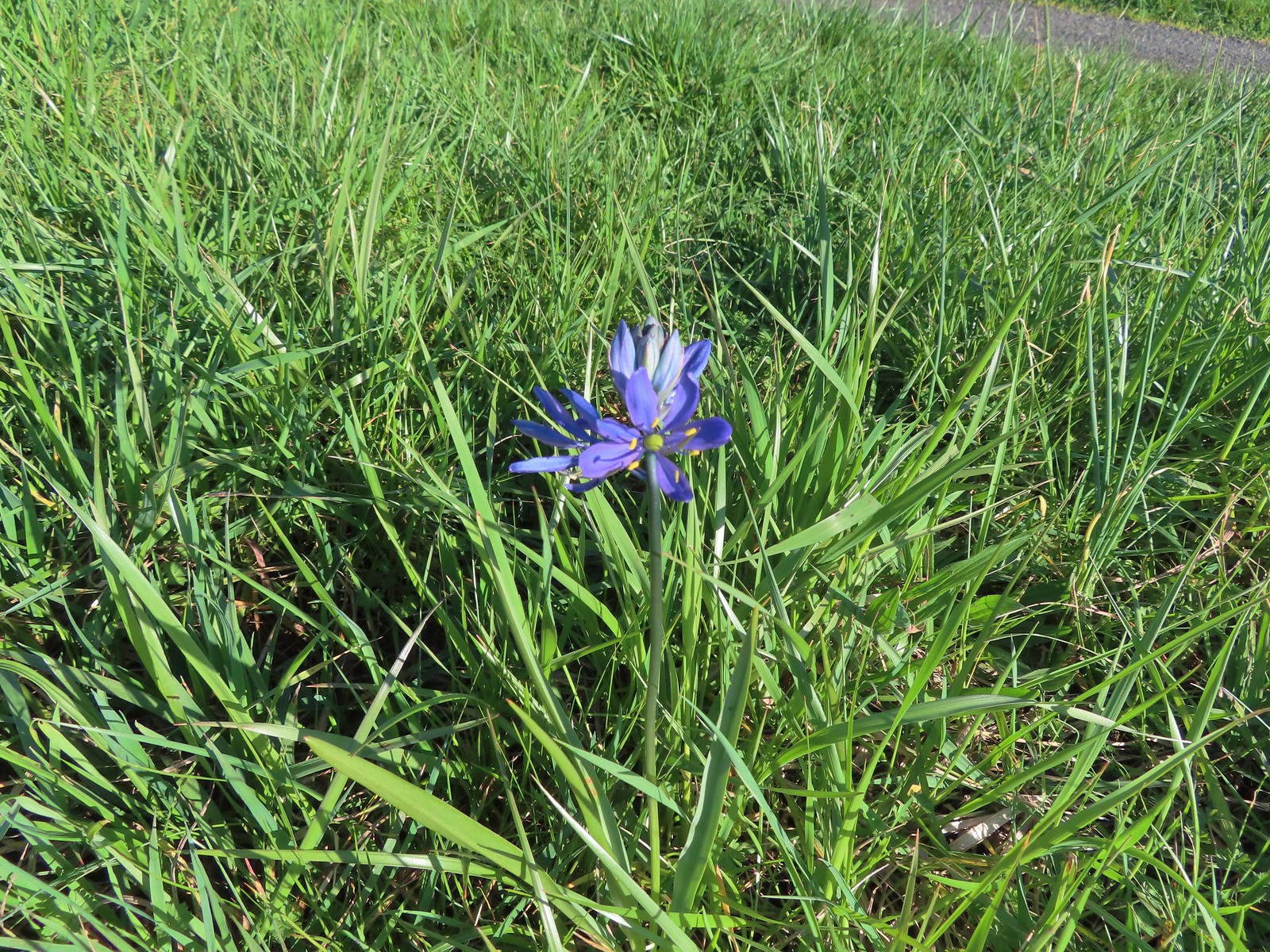 Our fist camas sighting of the year. The only one in bloom that we’d see all day.
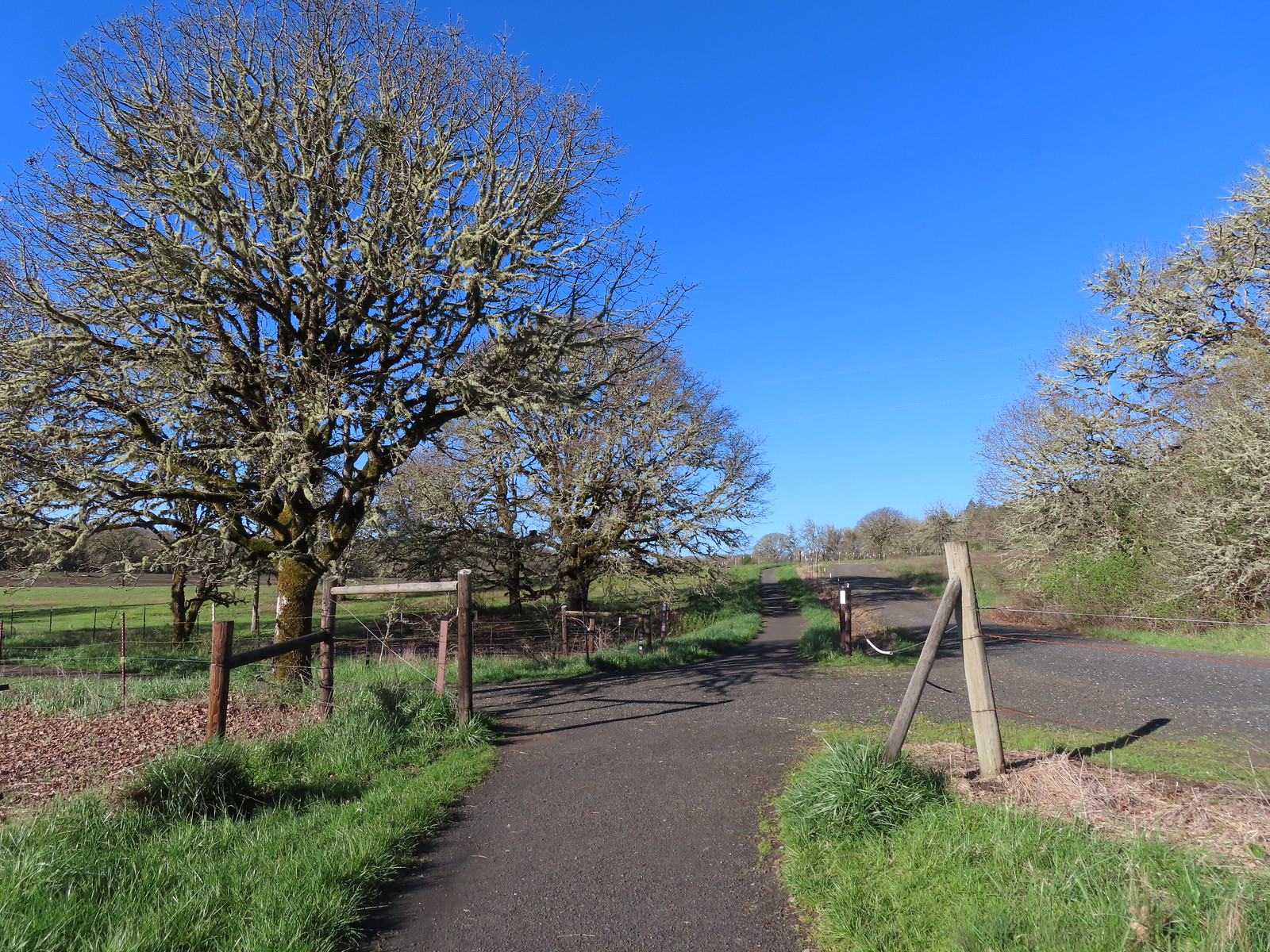 We’d turned left here on our 2016 Bald Hill hike.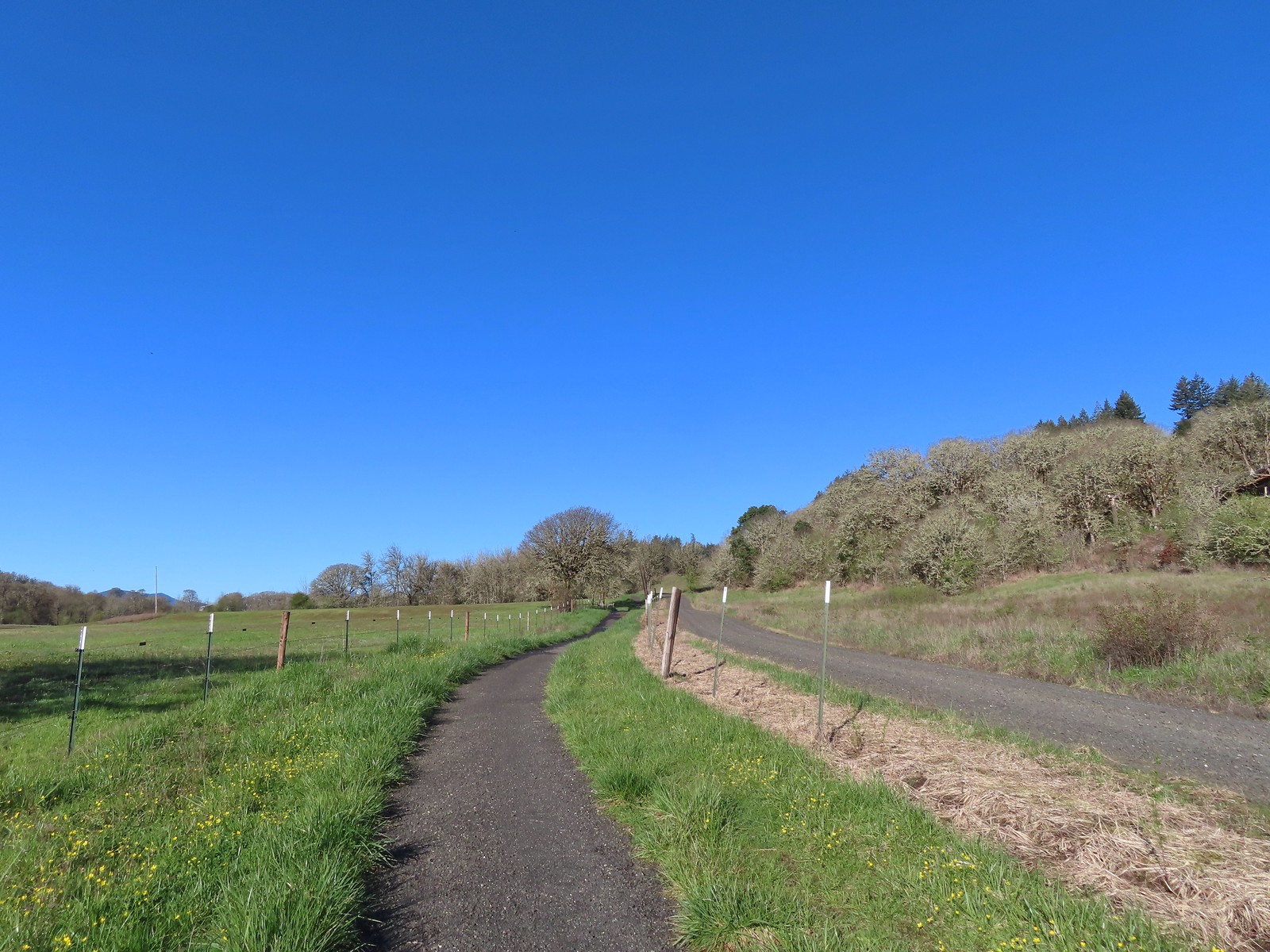
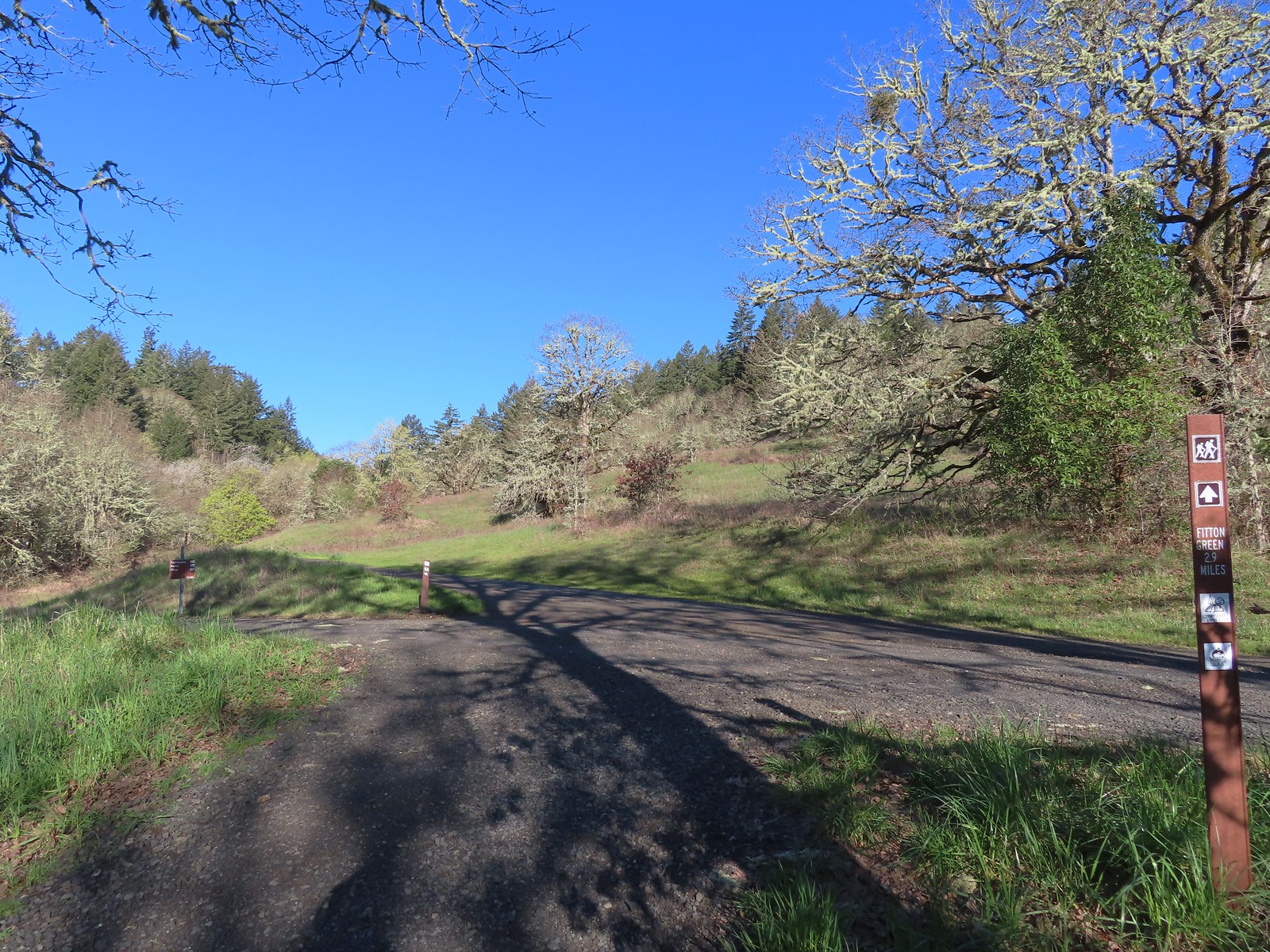 Crossing the farmhouse road to join the gravel road.
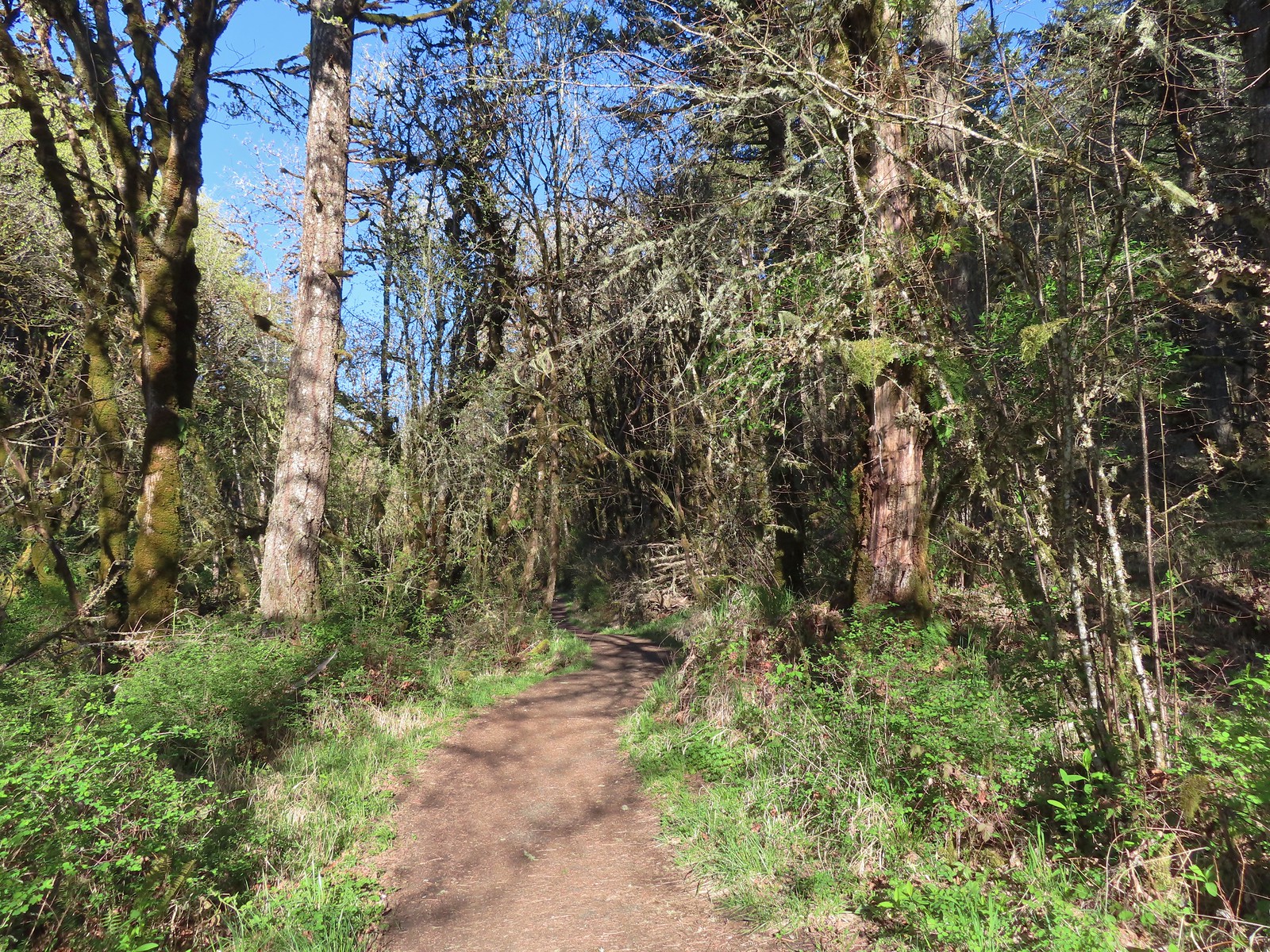
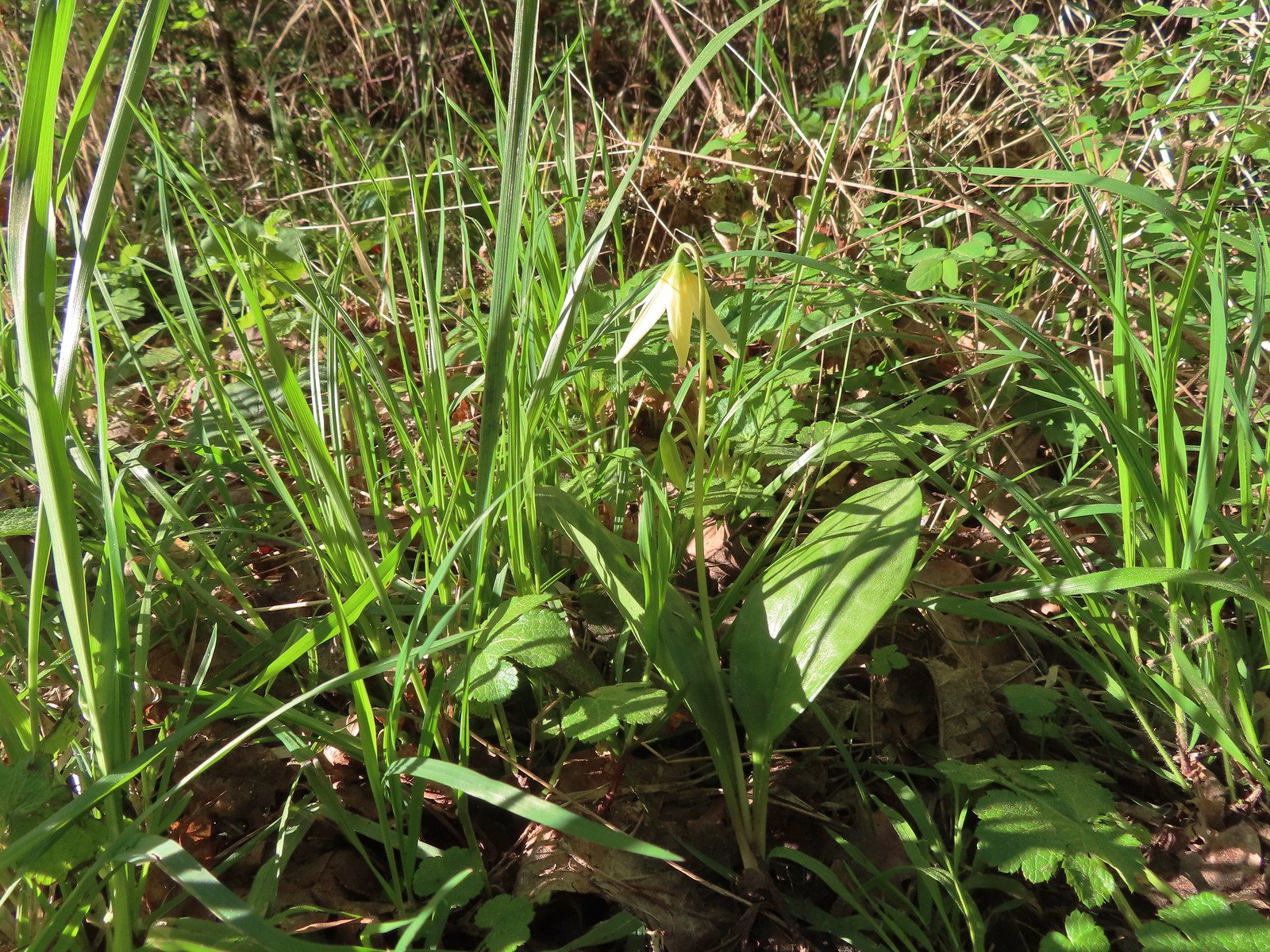 The first of many fawn lilies we’d see.
 Giant white wakerobin
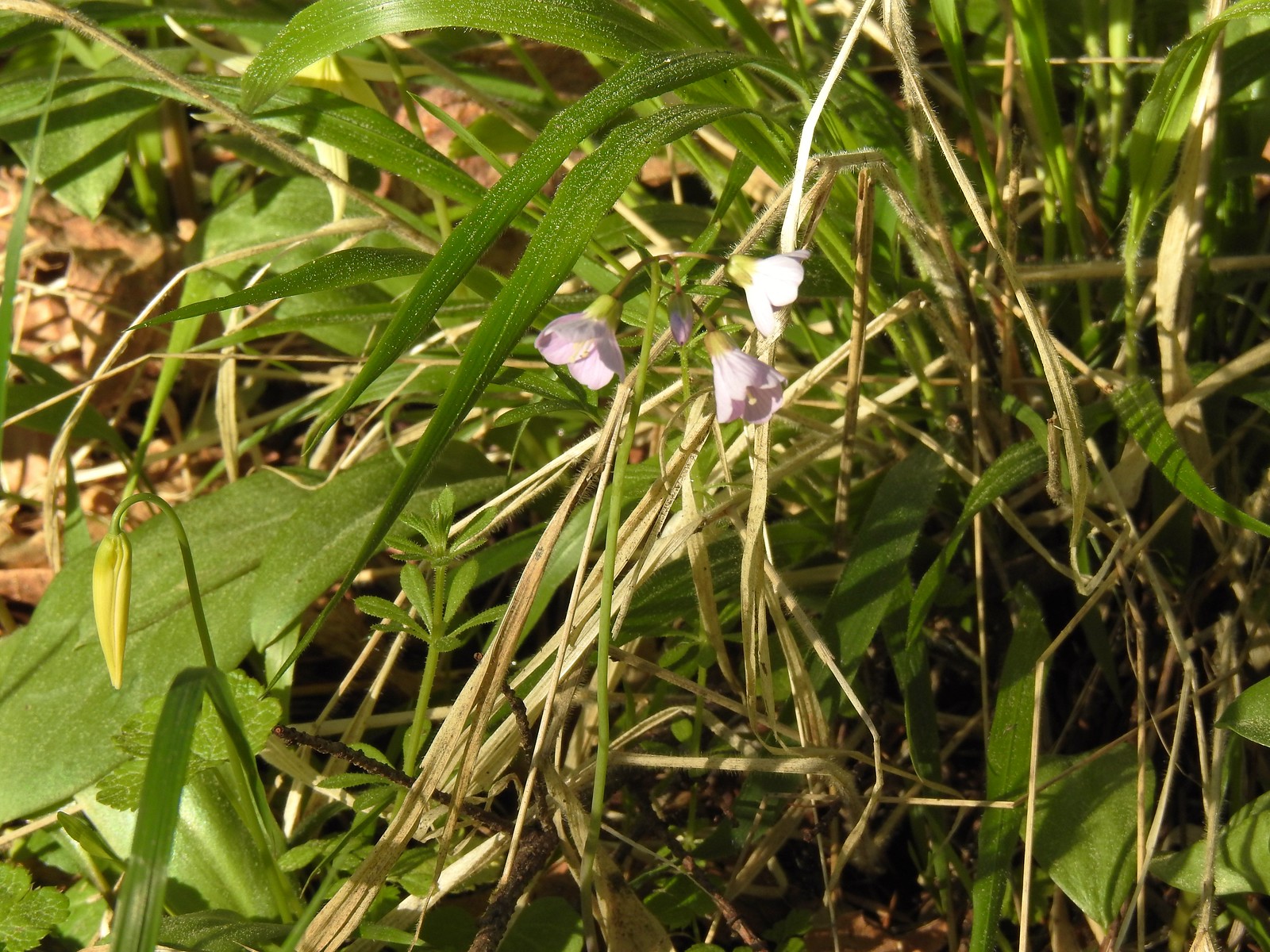 Toothwort
 More fawn lilies
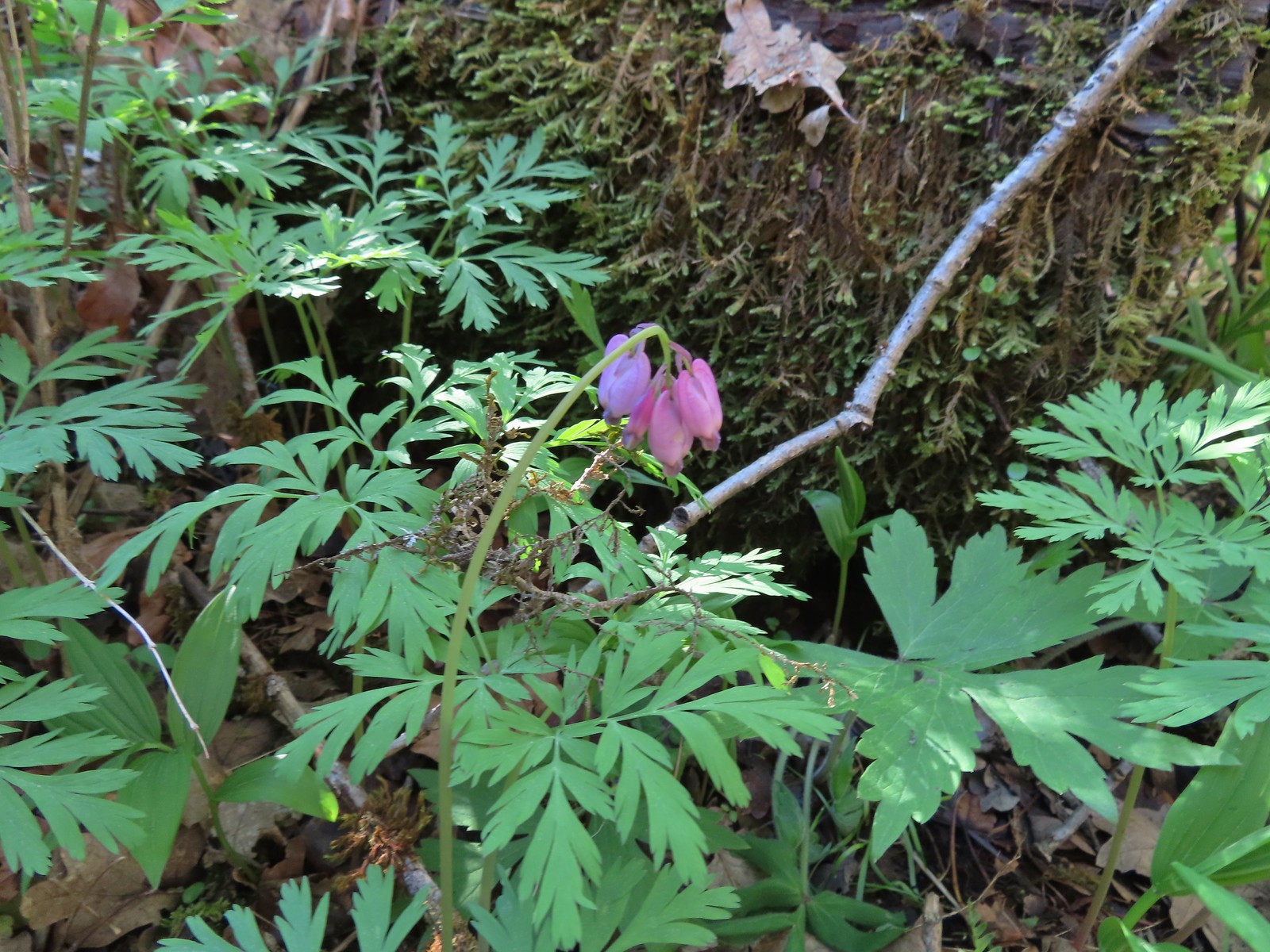 Bleeding heart
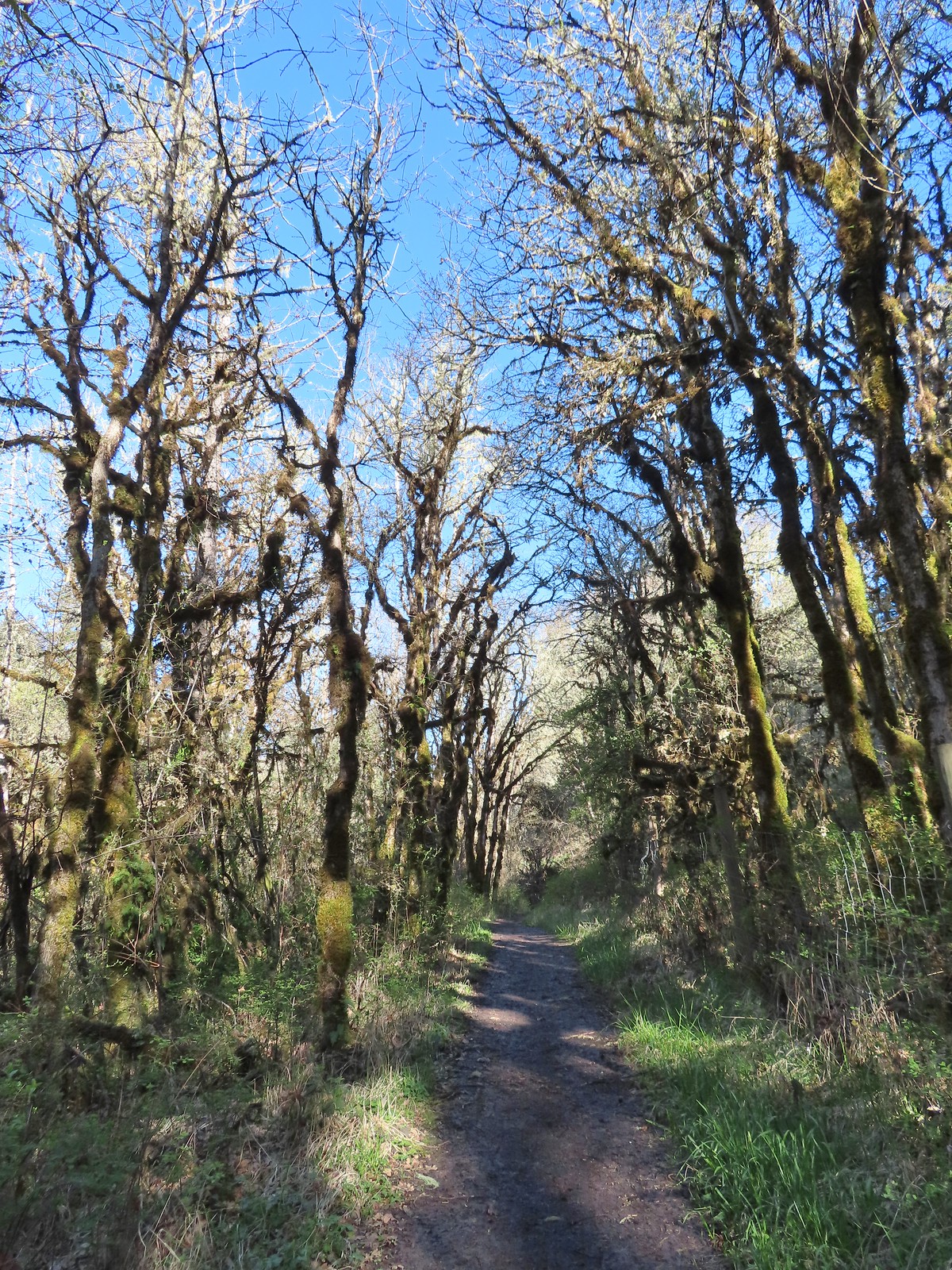
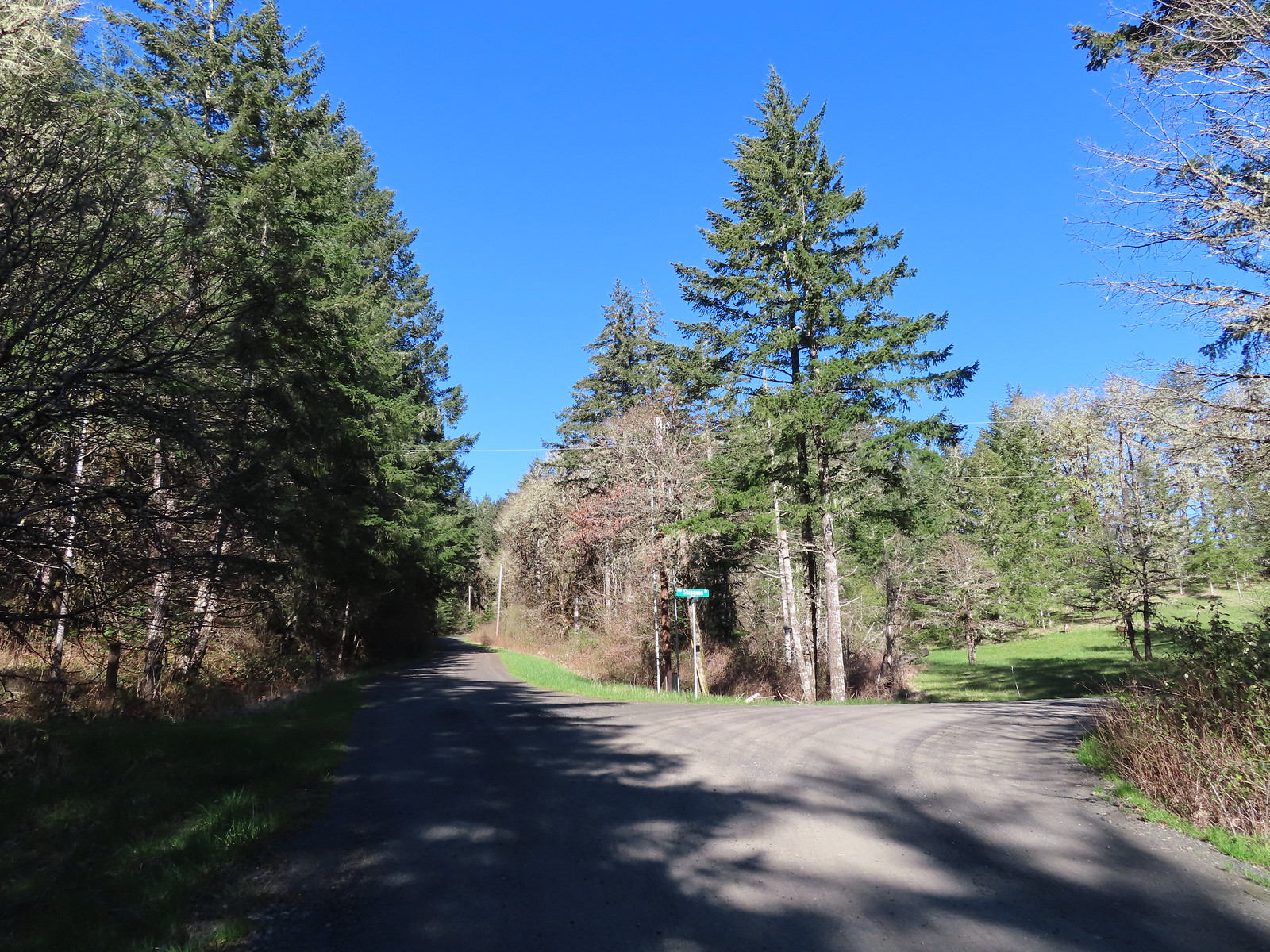
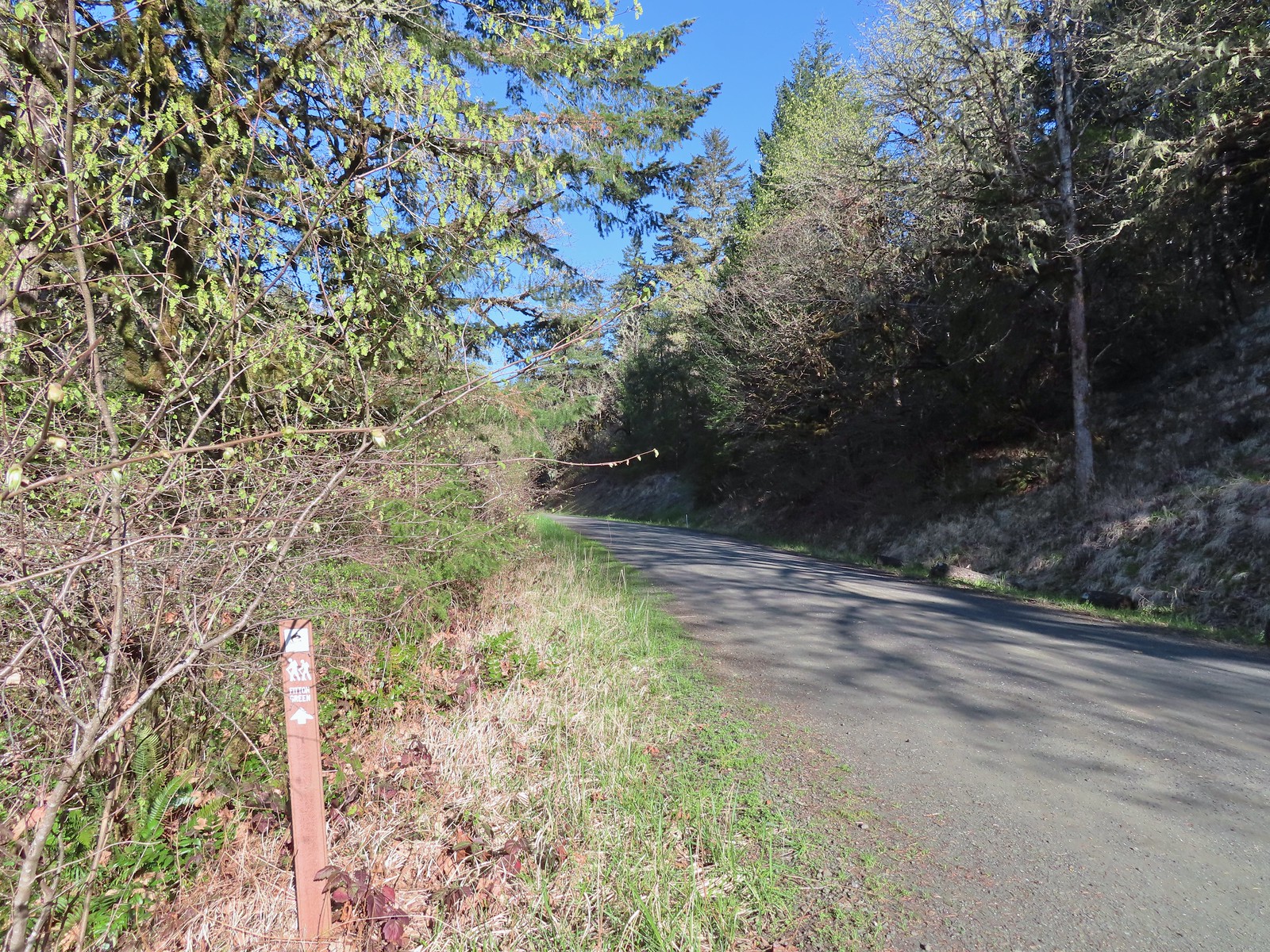 Trail pointer at Wynoochee Drive.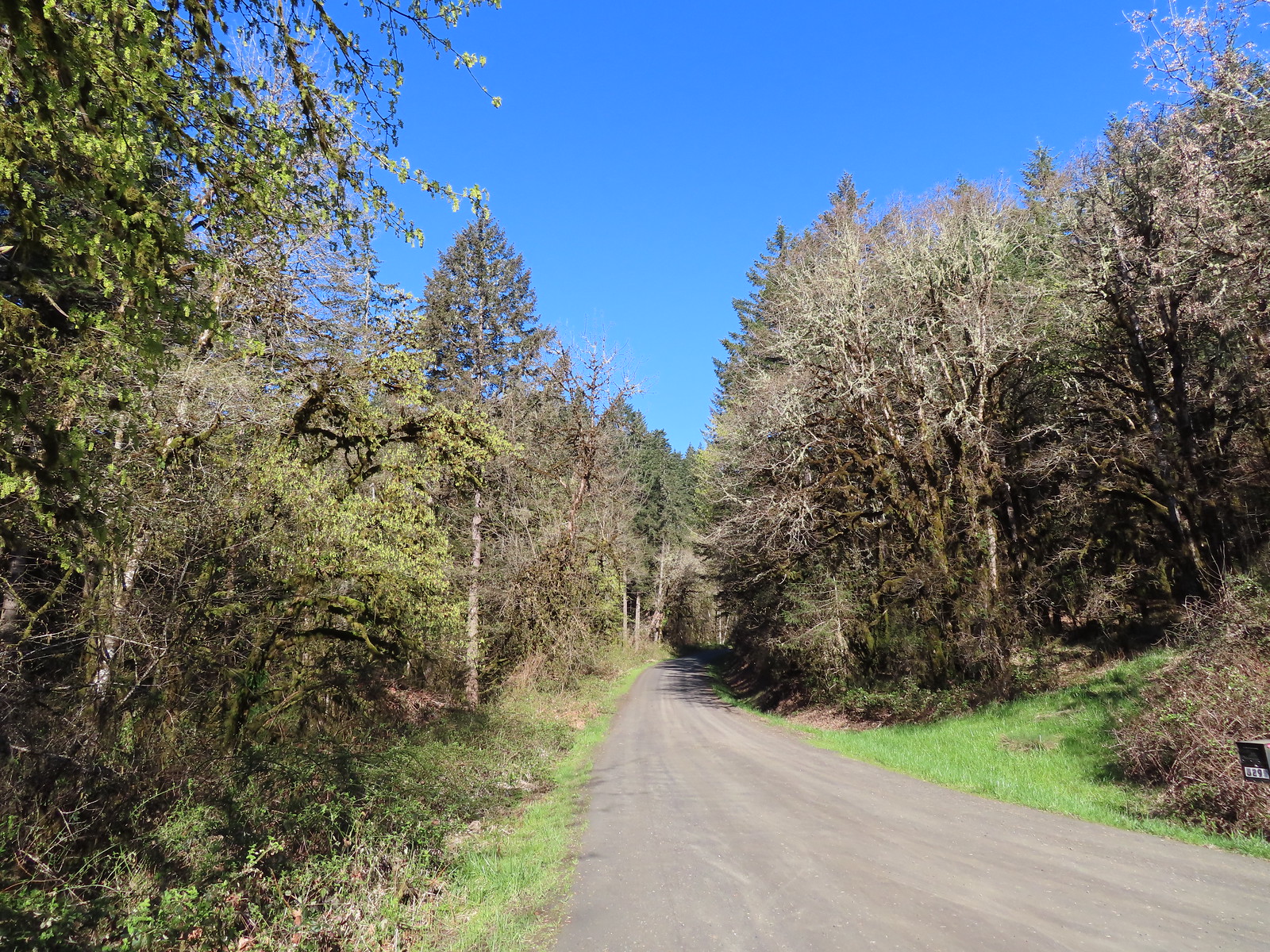
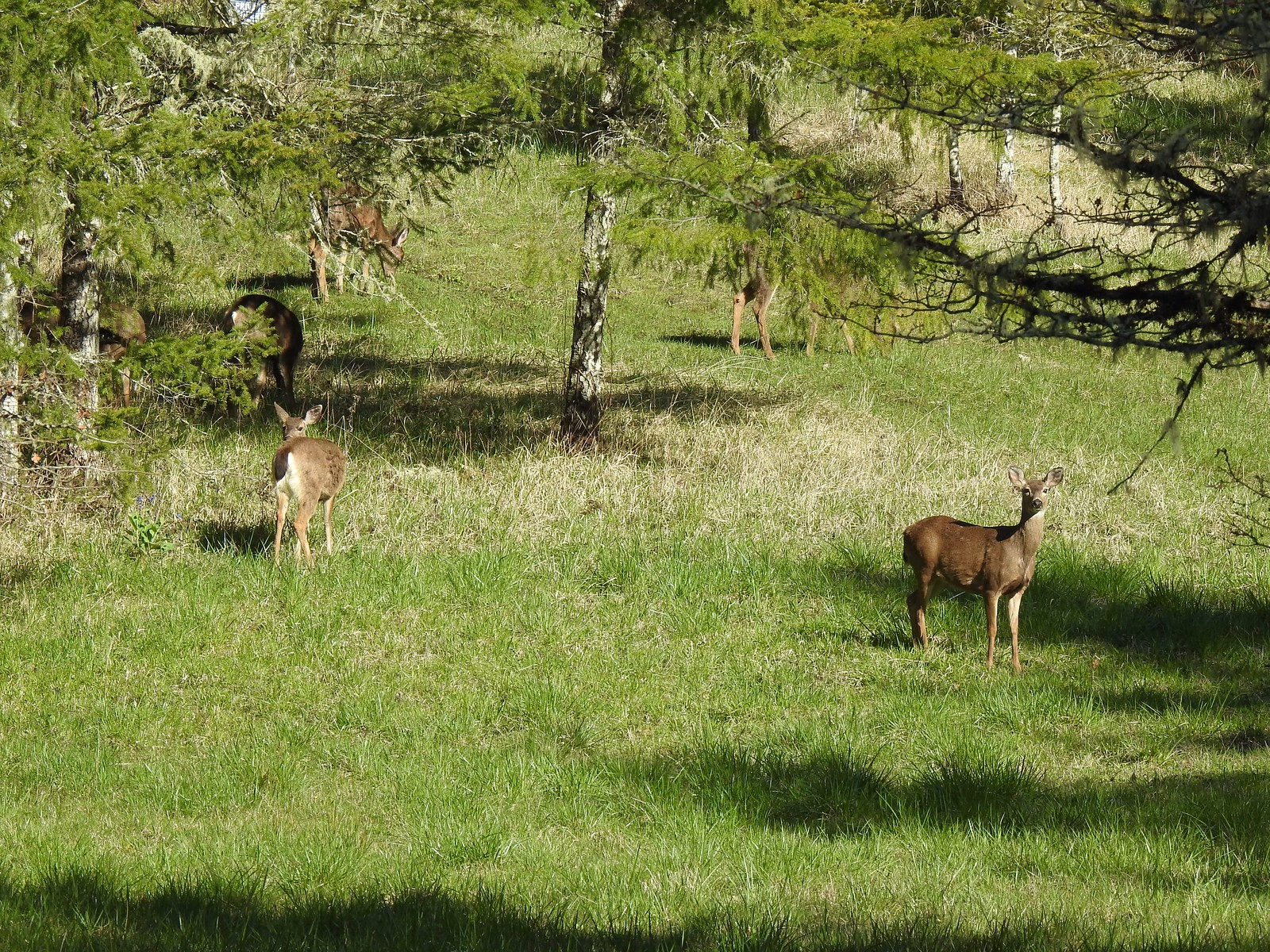 I count six in this photo.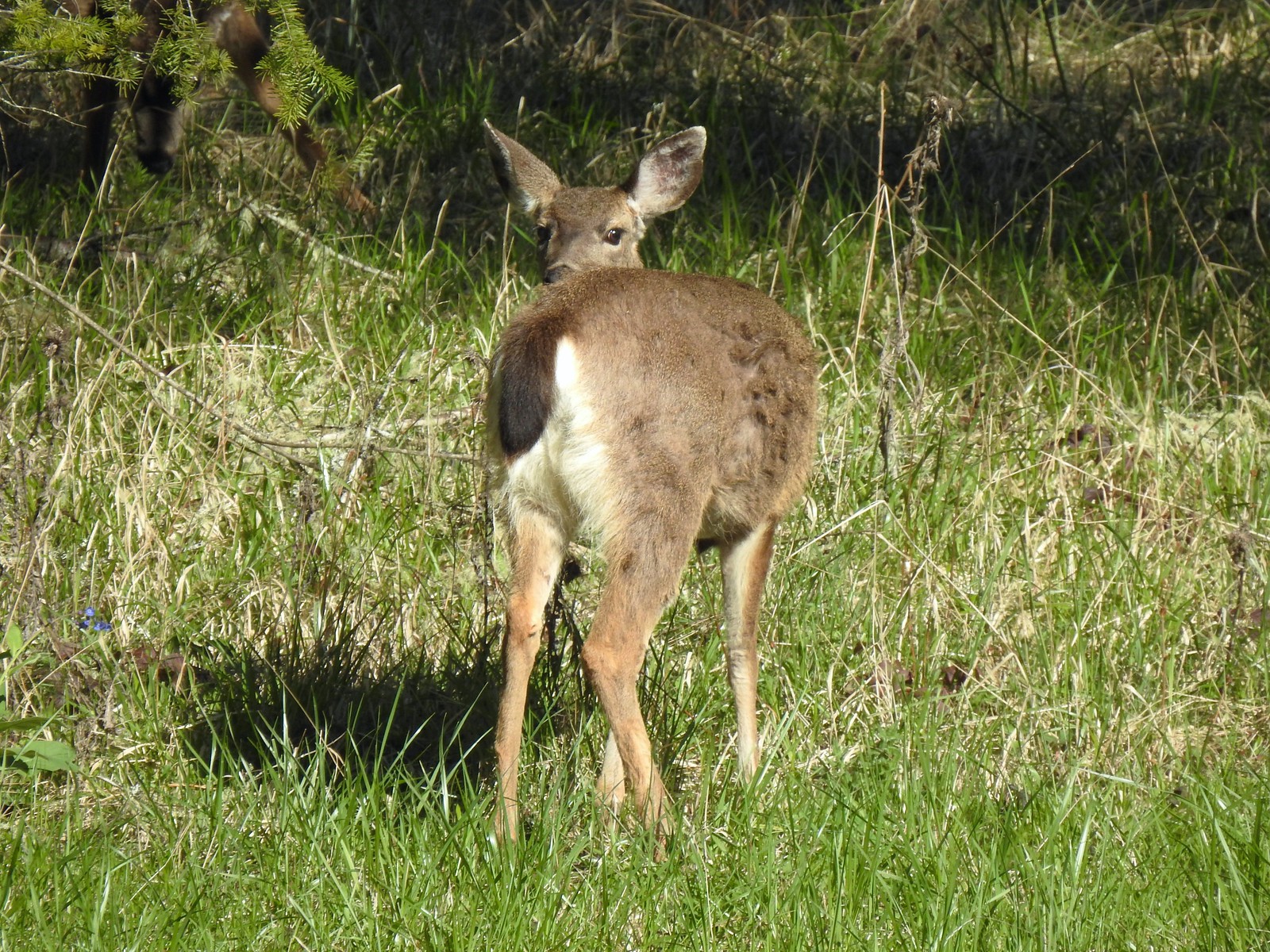

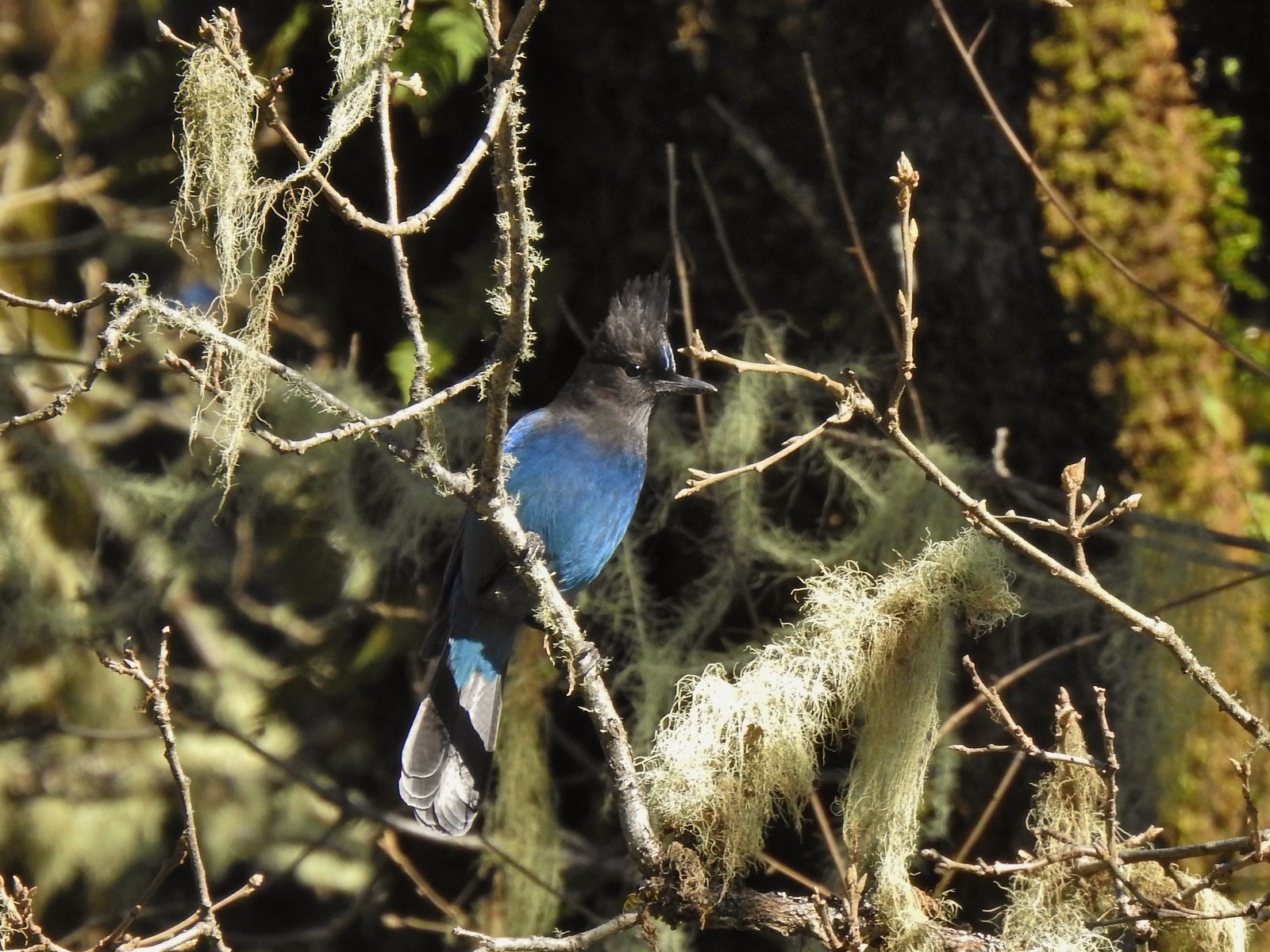 While most of the jays wouldn’t sit still in the open long enough for a decent photo this one at least cooperated.
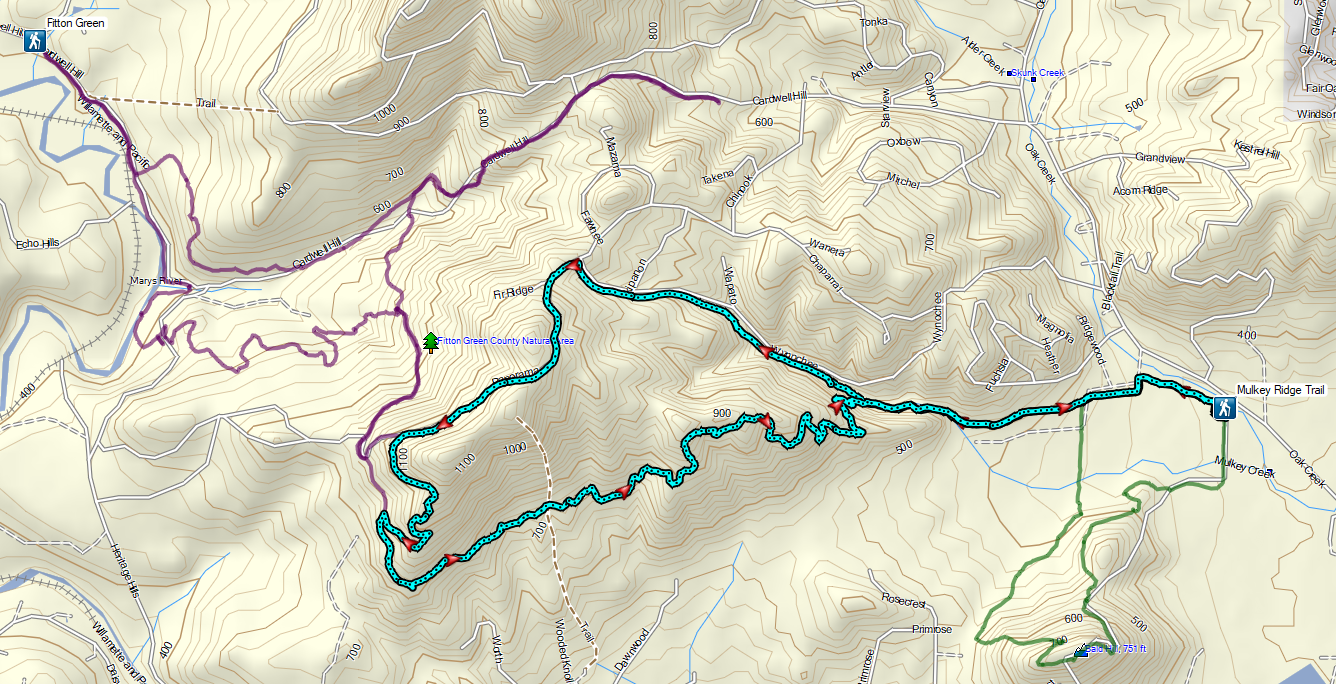
 Sign for the Fitton Green Natural Area at the intersection with Panorama Drive.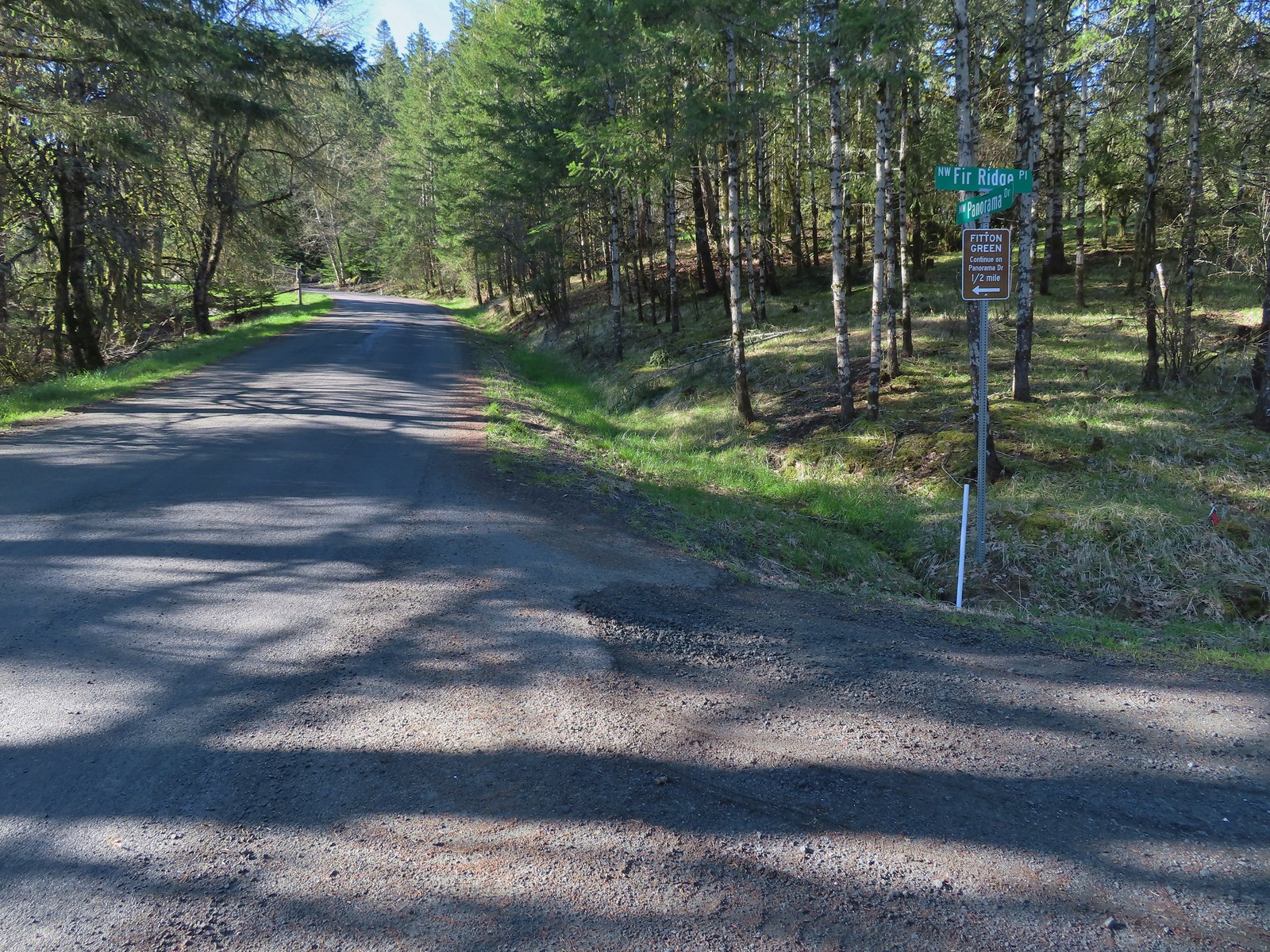
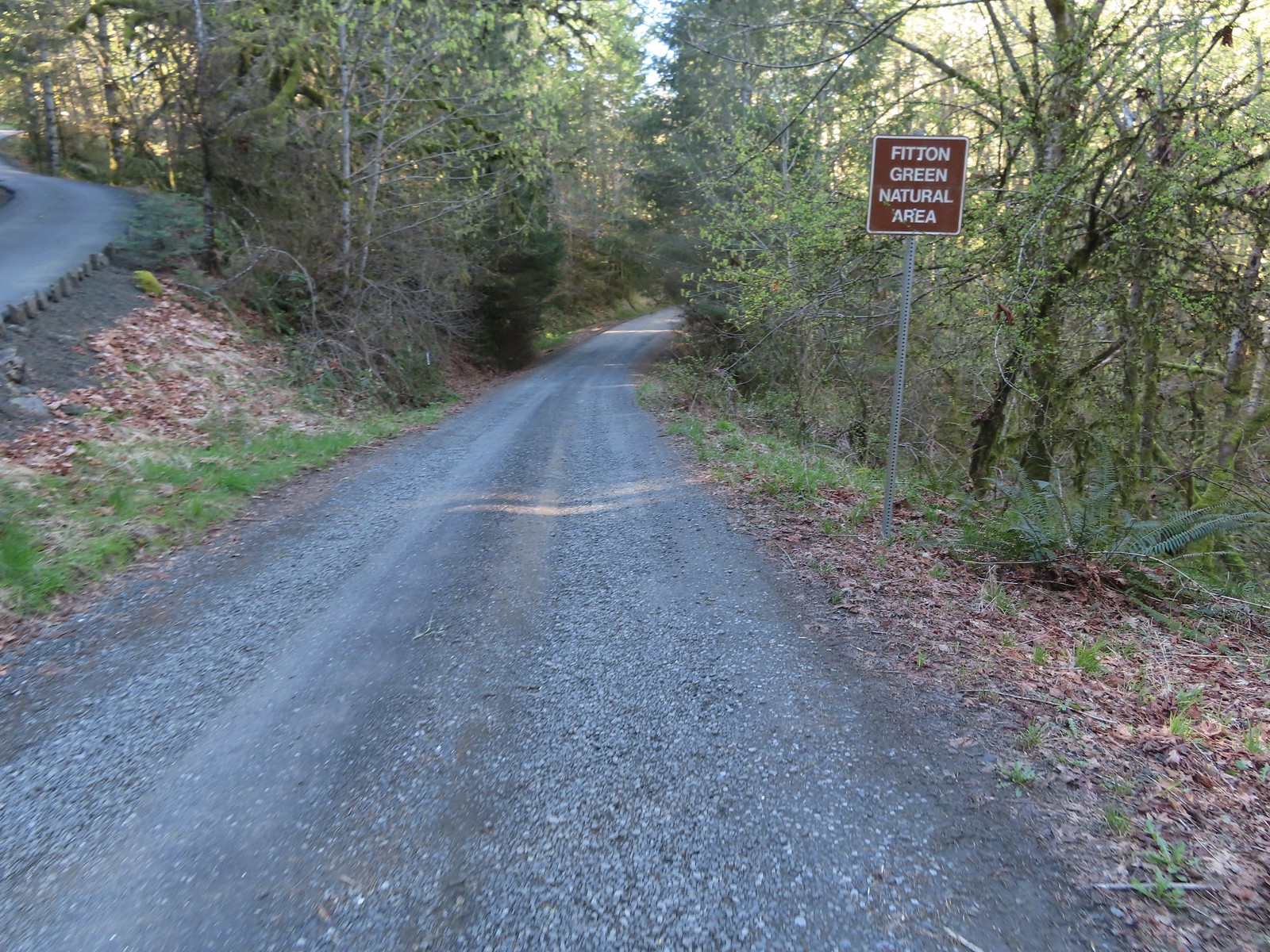 The road turned to gravel shortly before arriving at the trailhead.
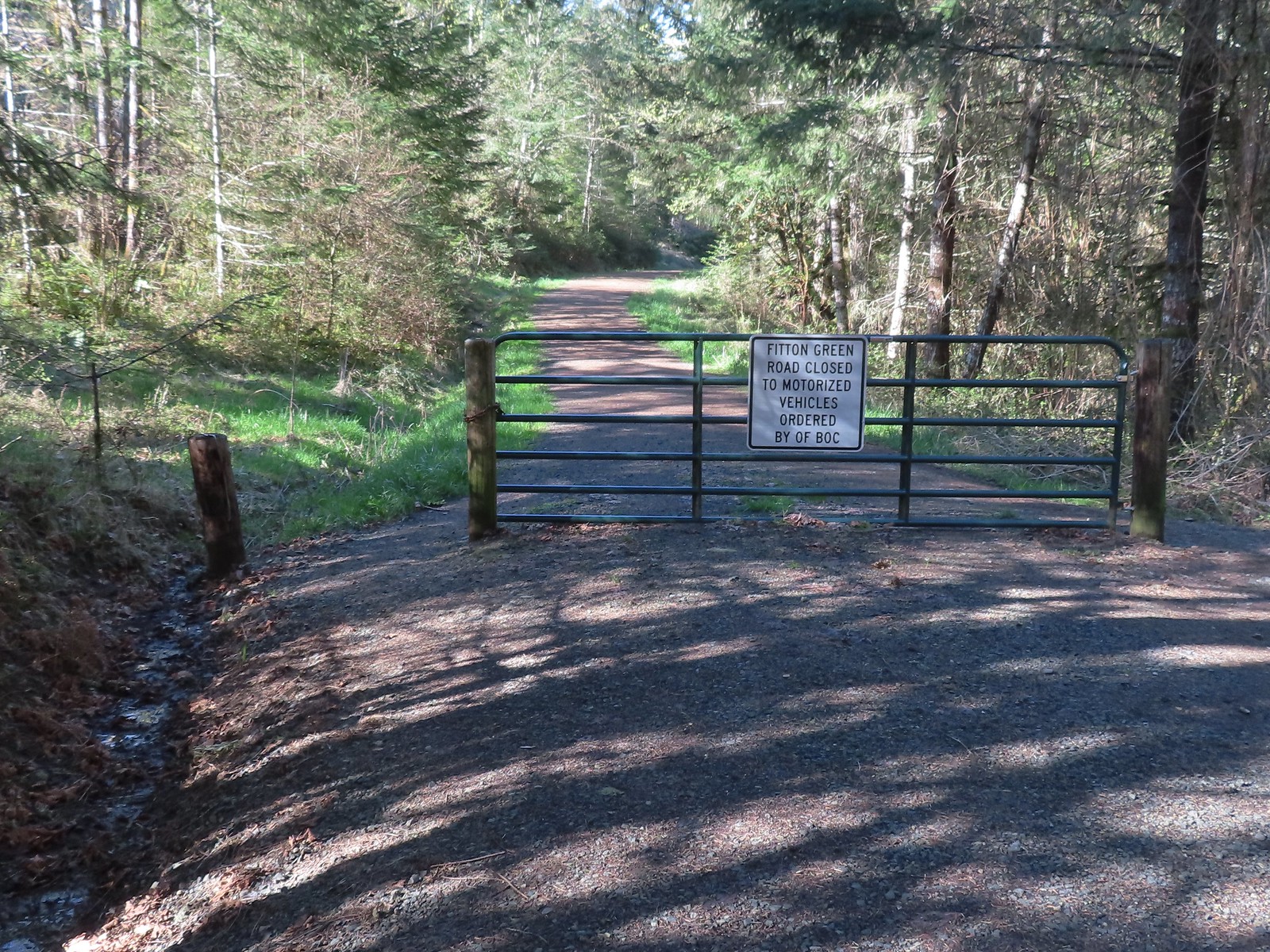 Gate at the trailhead.
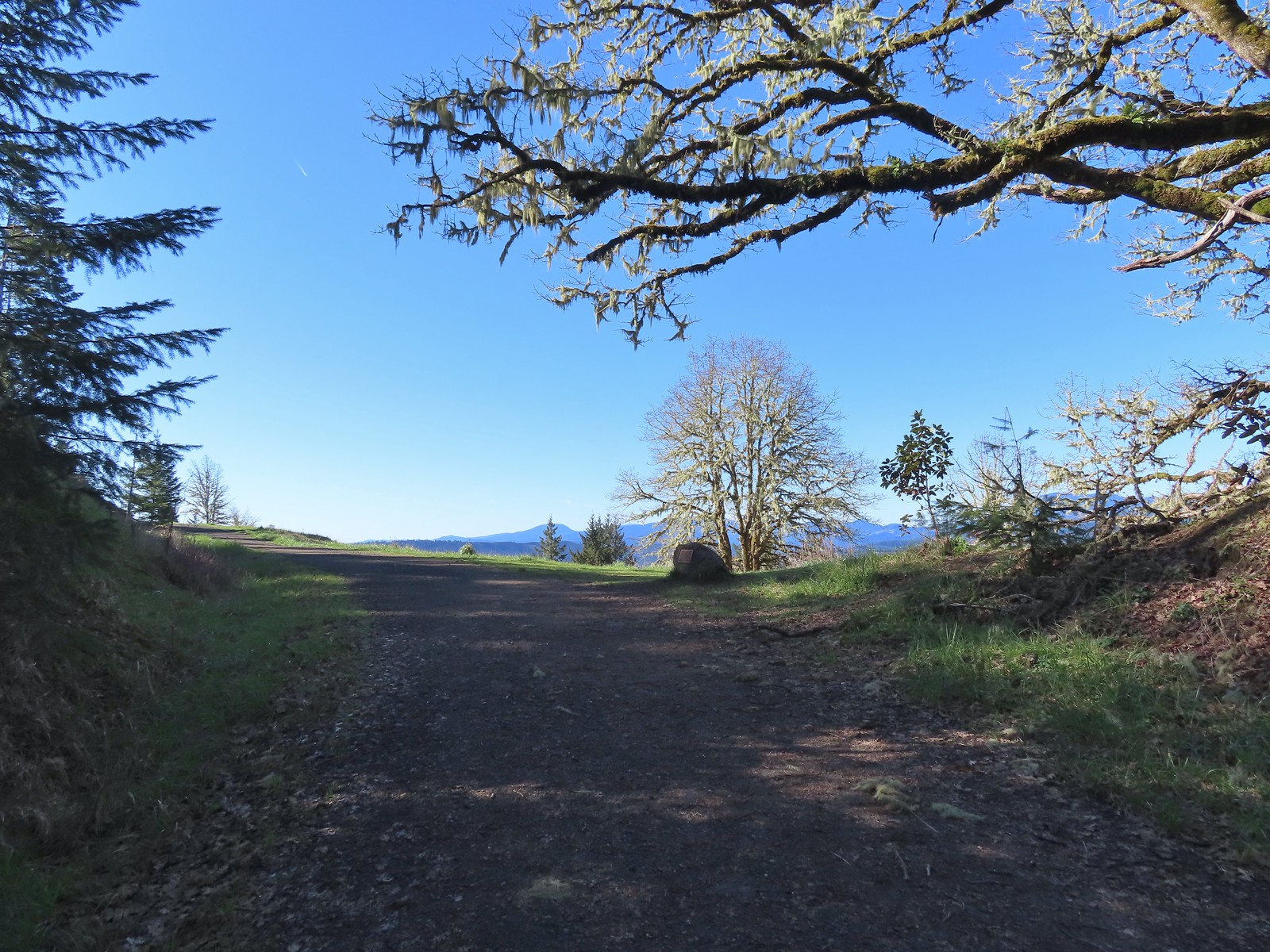
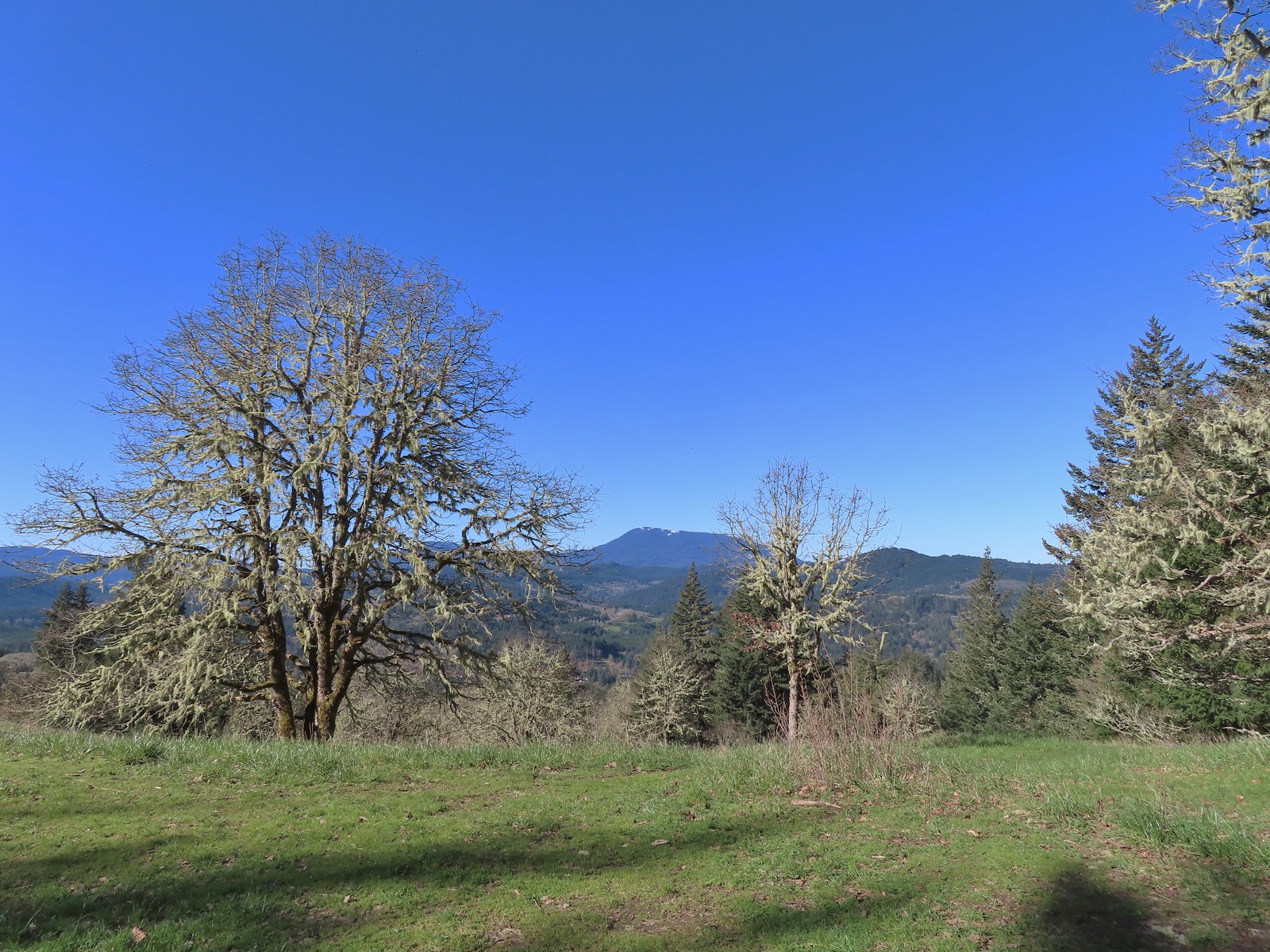
 Mary’s Peak still sporting a decent amount of snow.
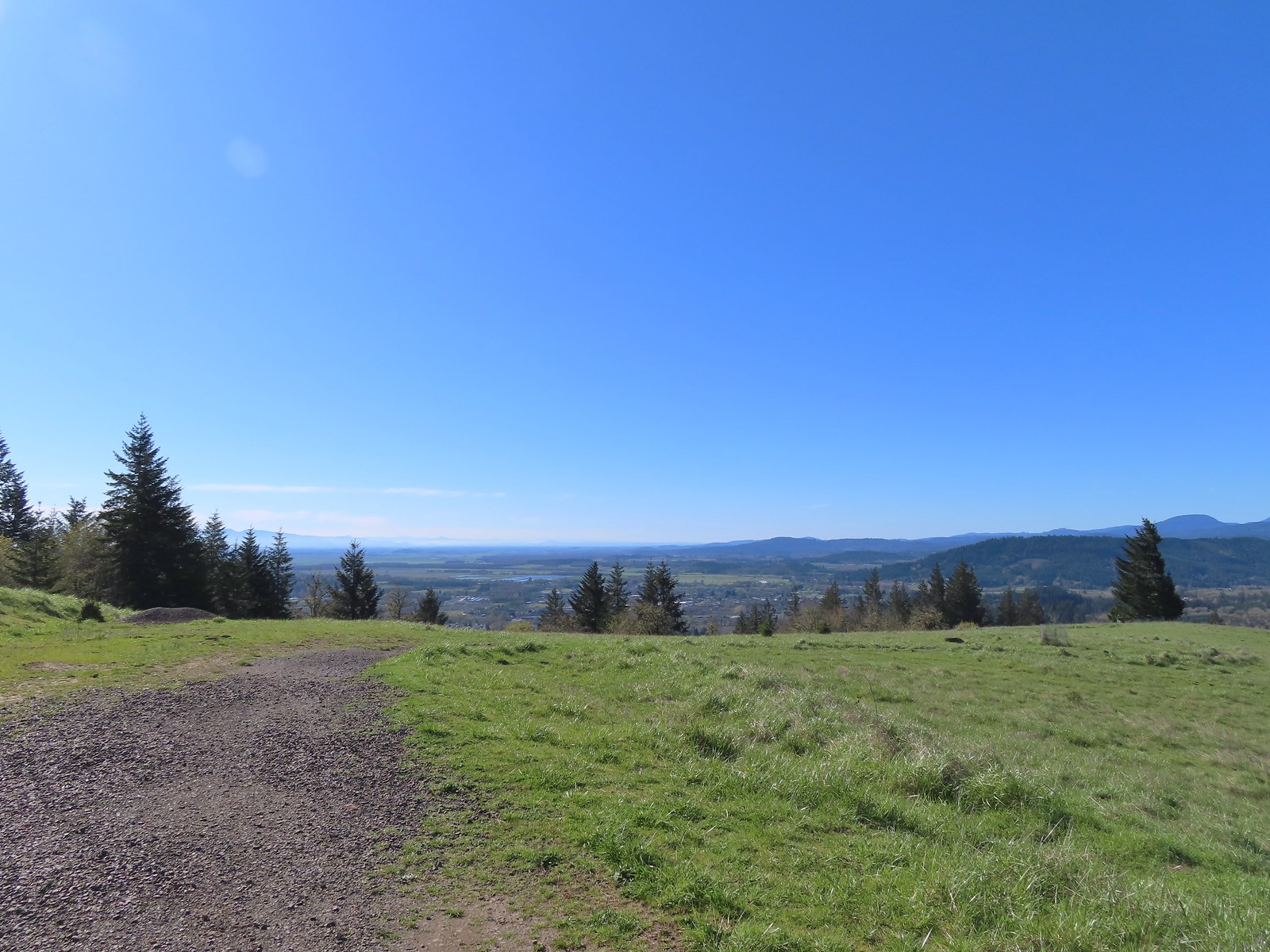 Looking SE towards Corvallis
 Looking West towards the Coast Range.
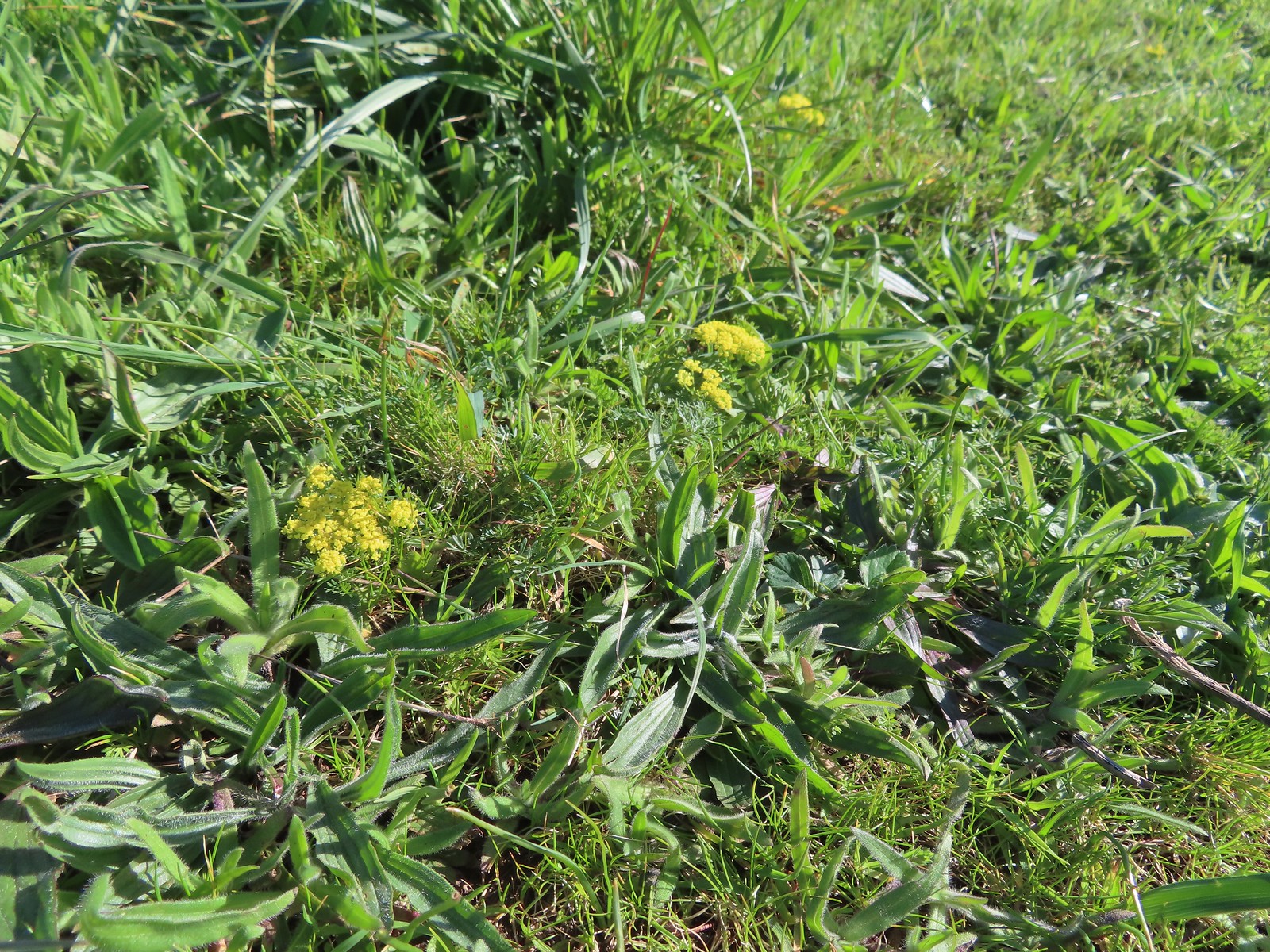 Common lomatium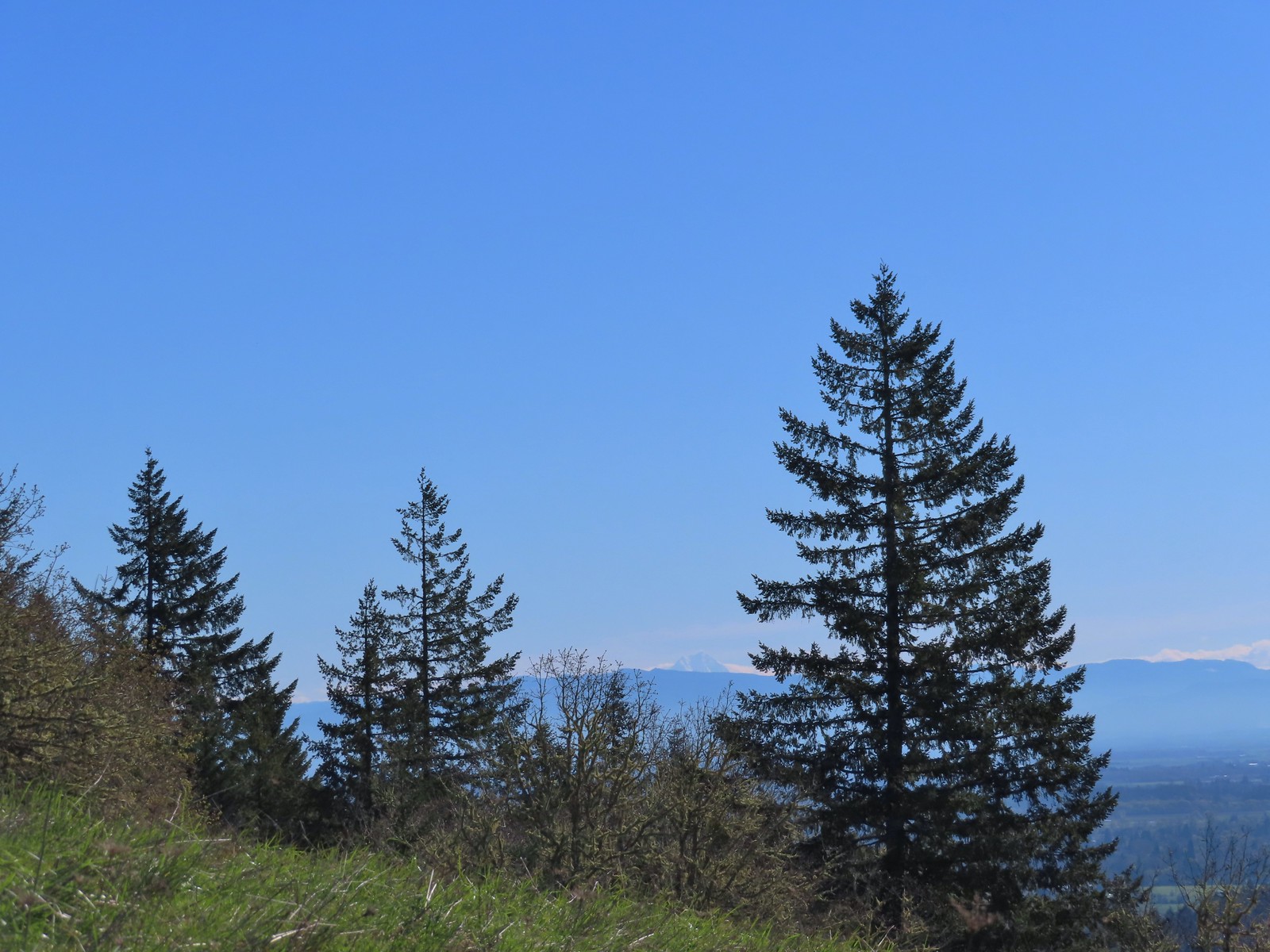
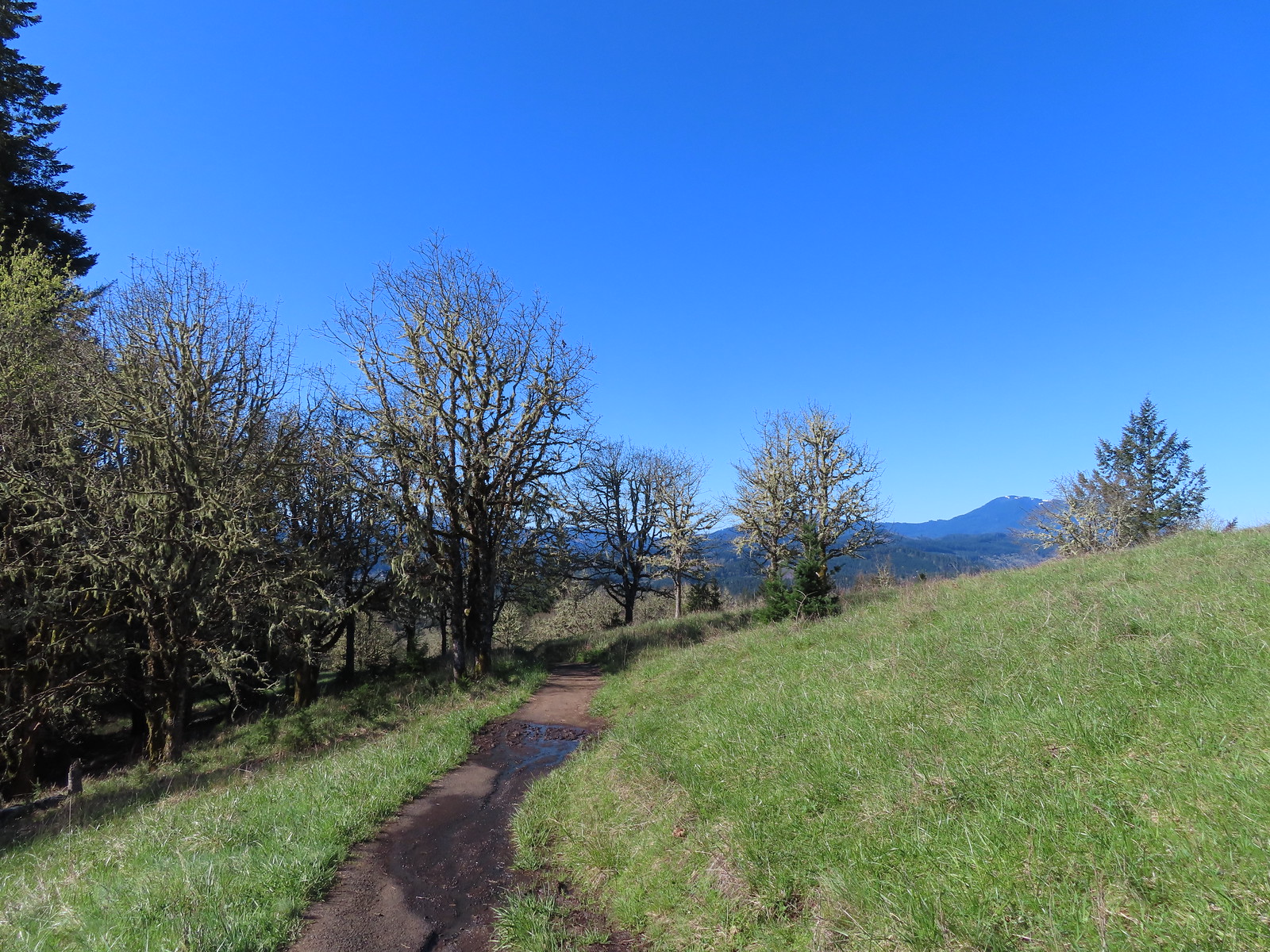
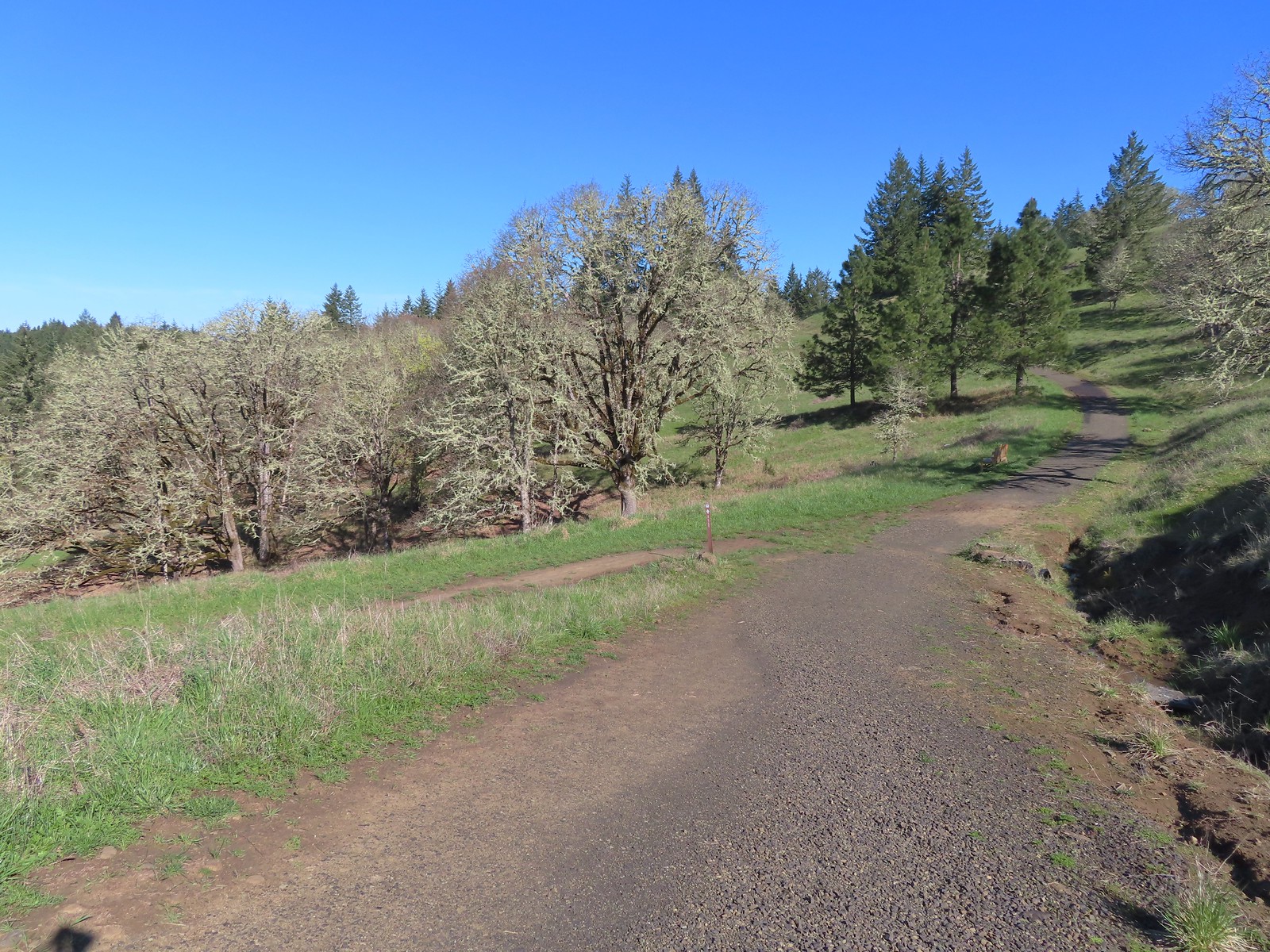 The Mulkey Ridge Trail below to the left arriving at the Allen Throop Loop.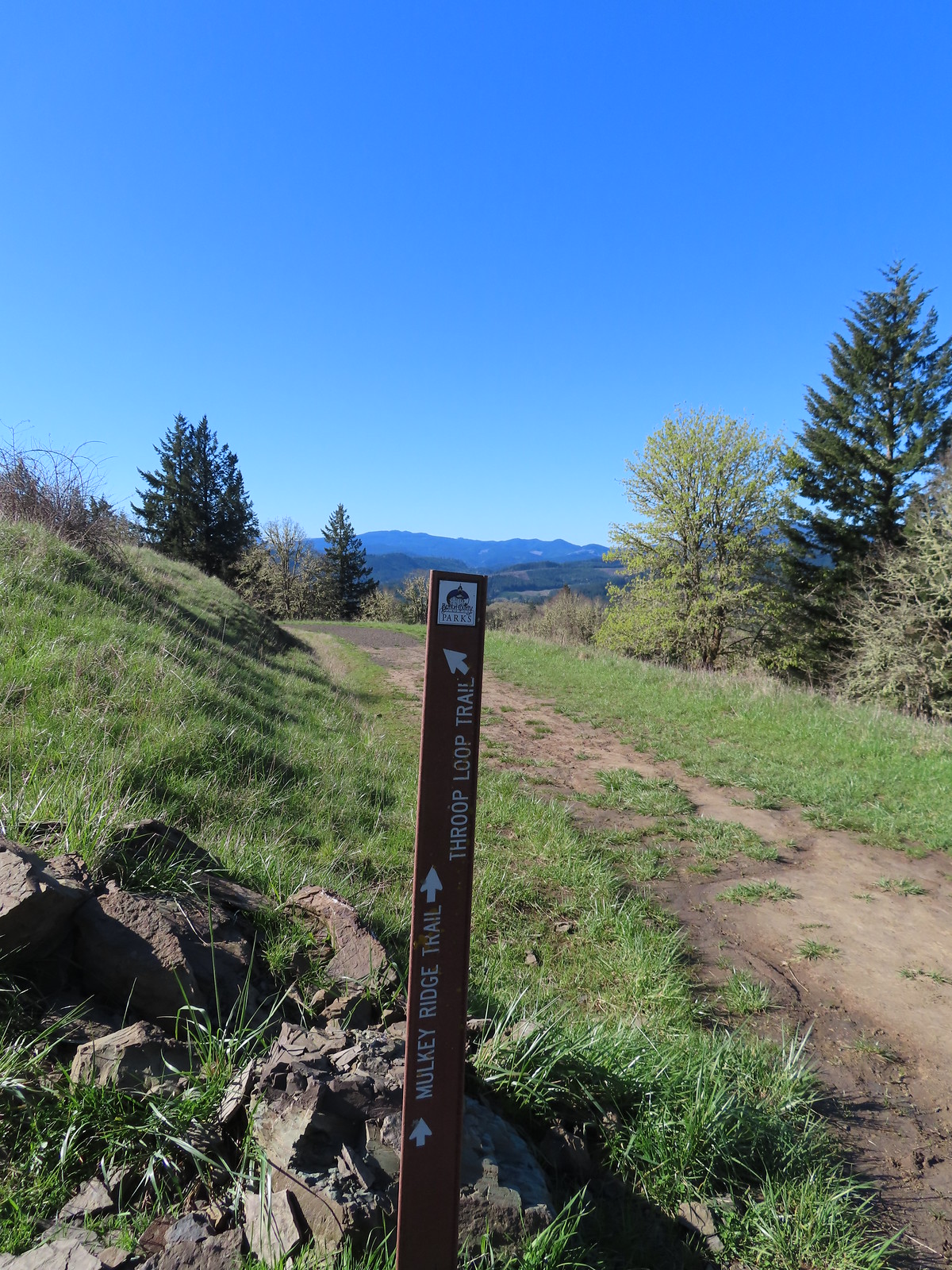
 Strawberry
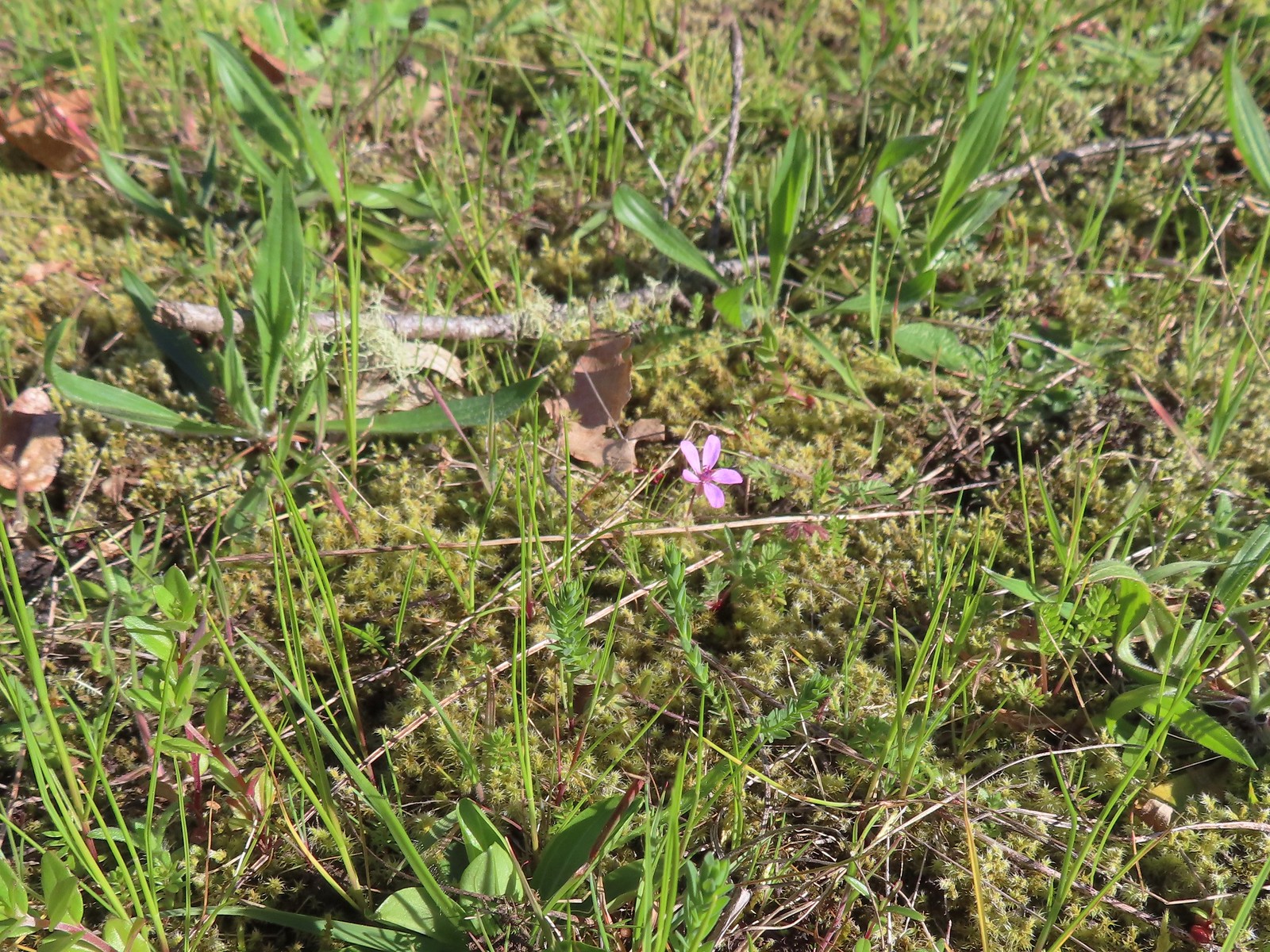 Redstem storksbill
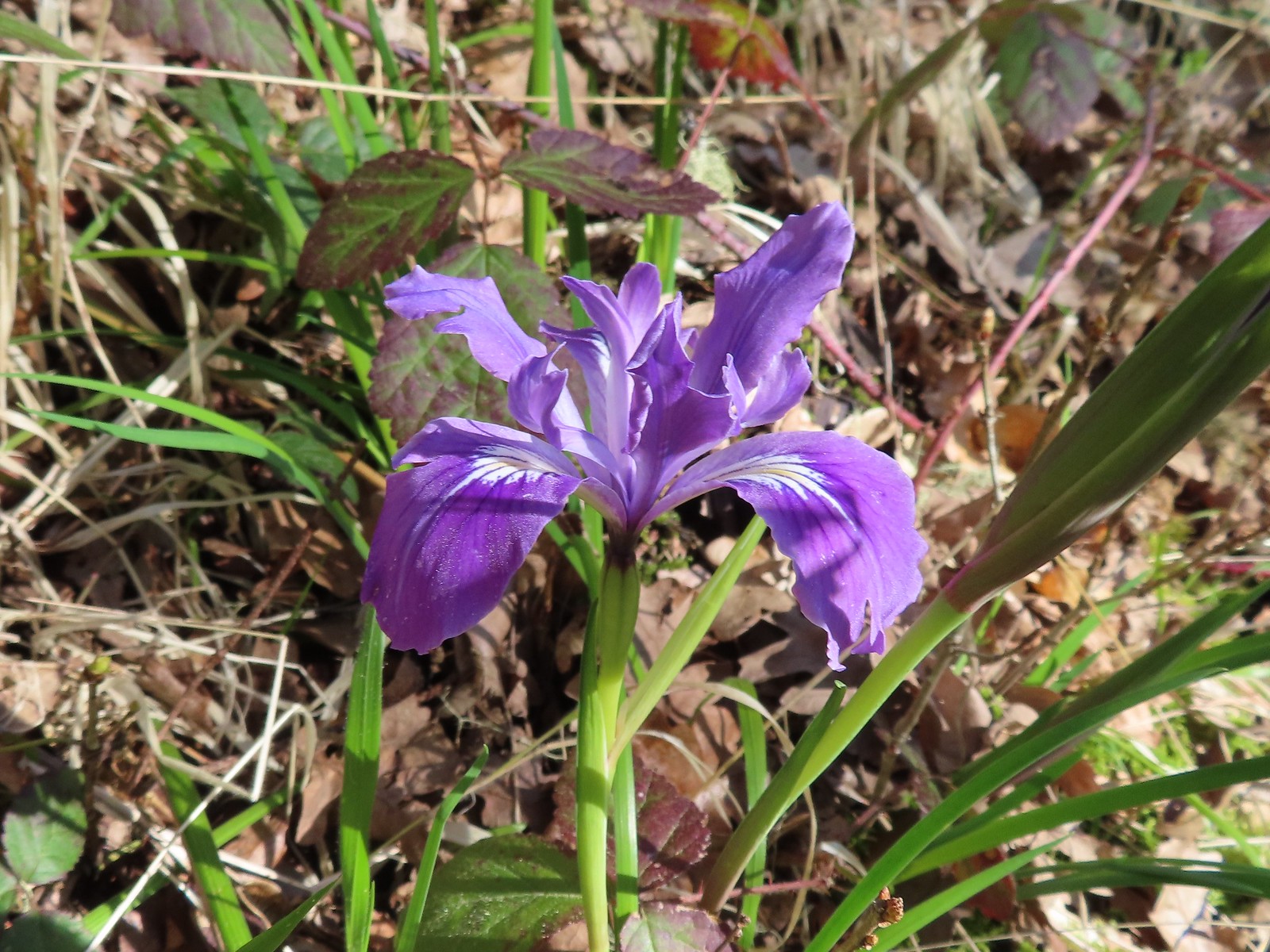 Wild iris
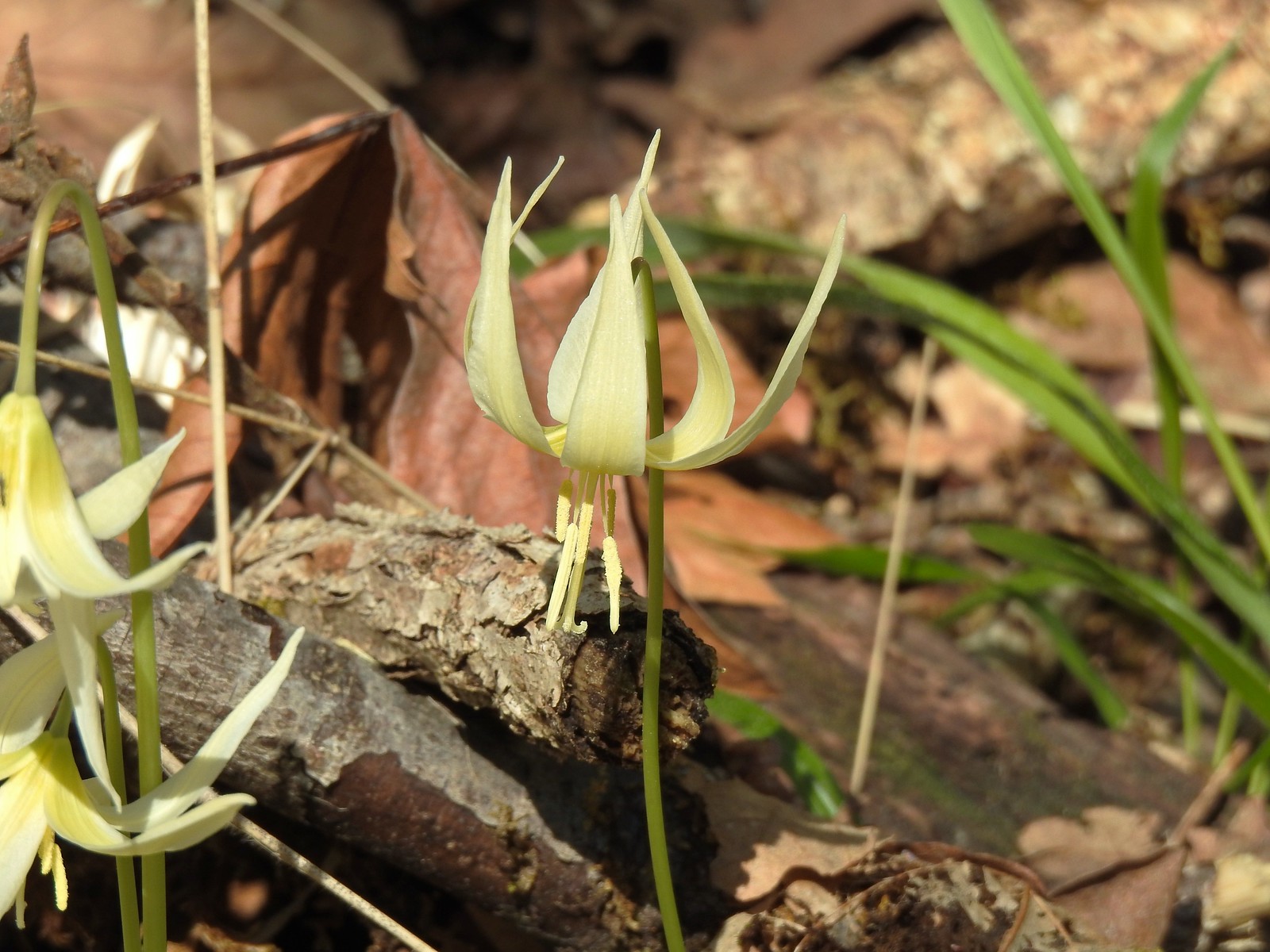 More fawn lilies
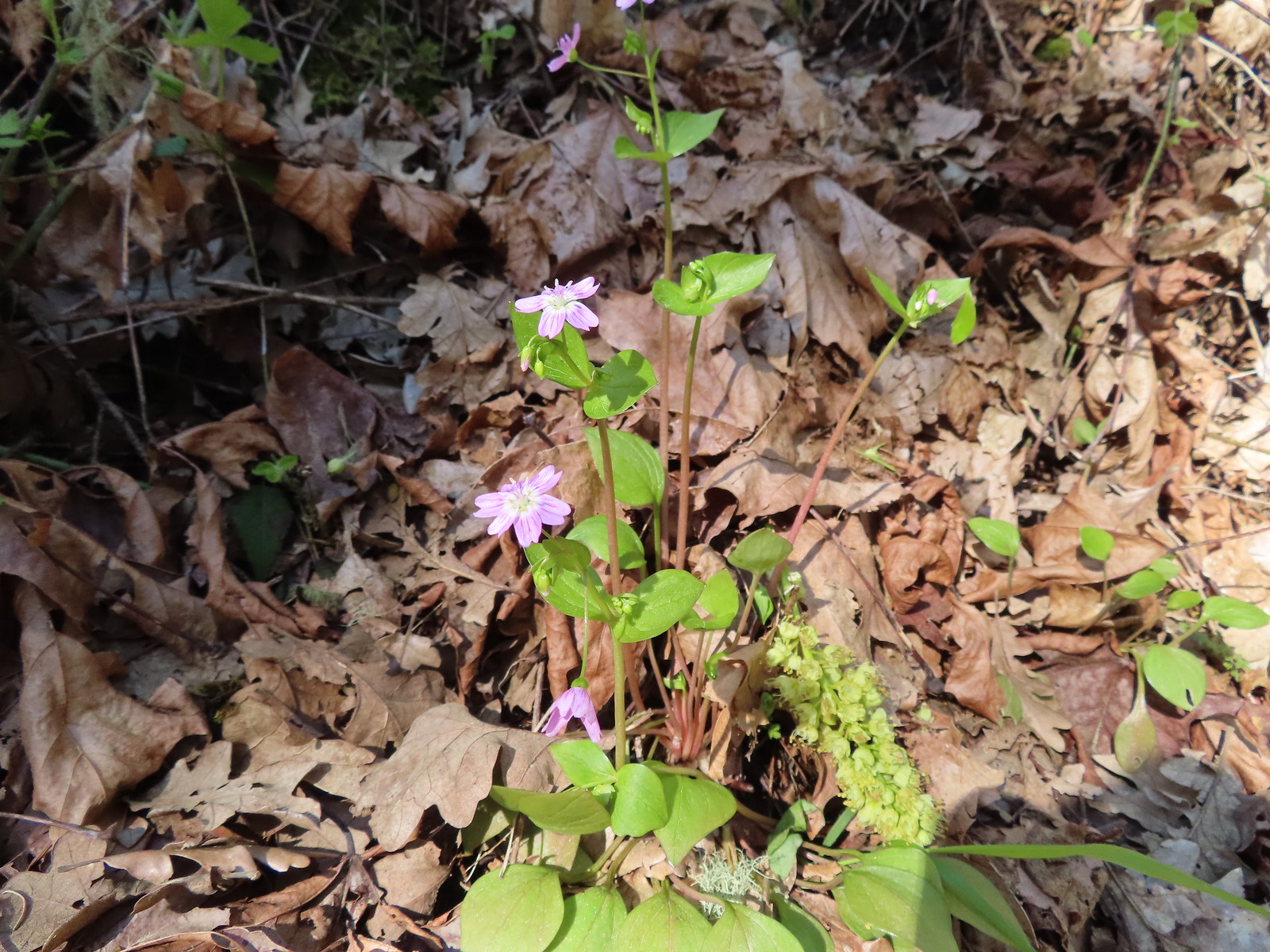 Candy flower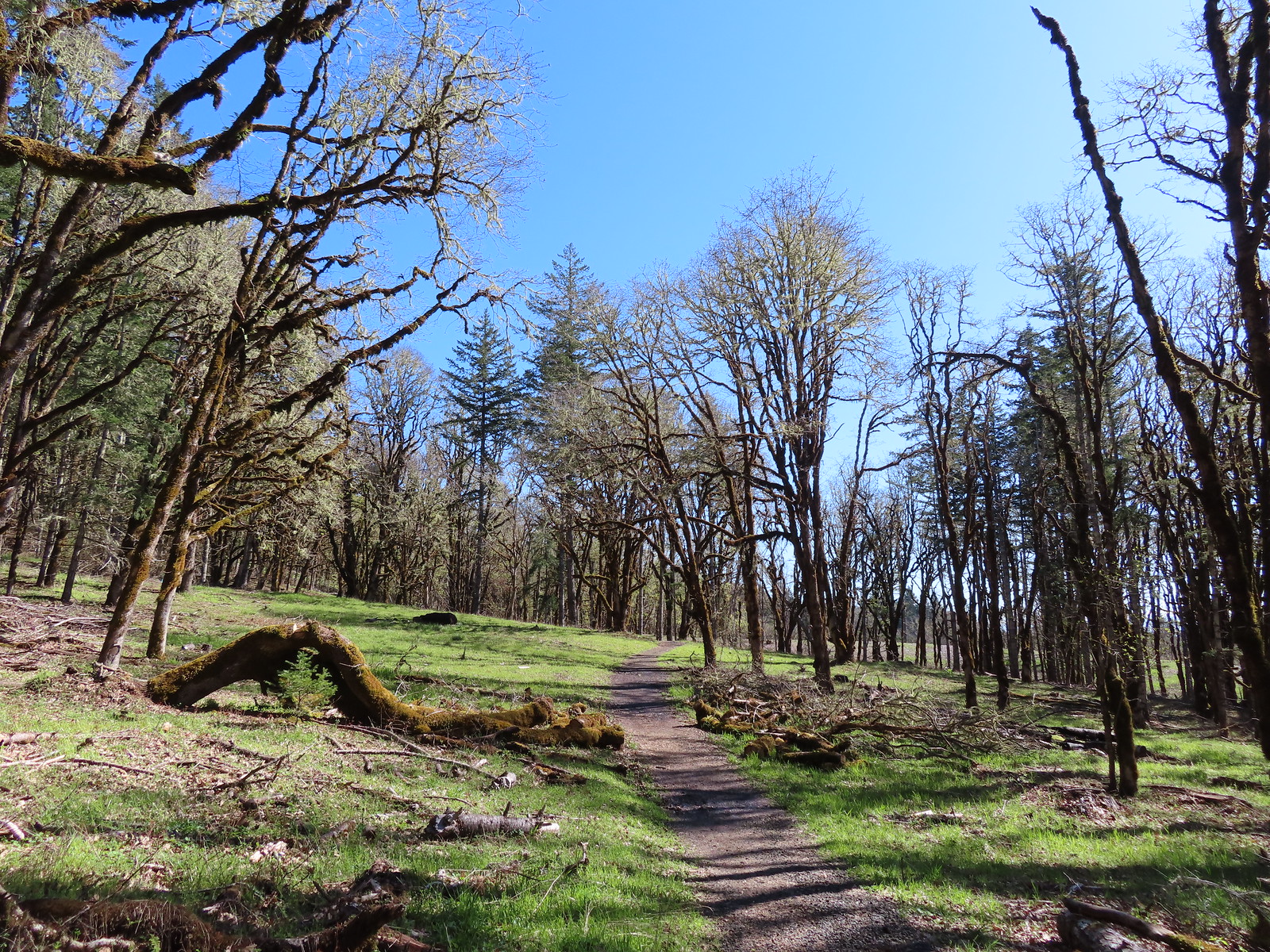
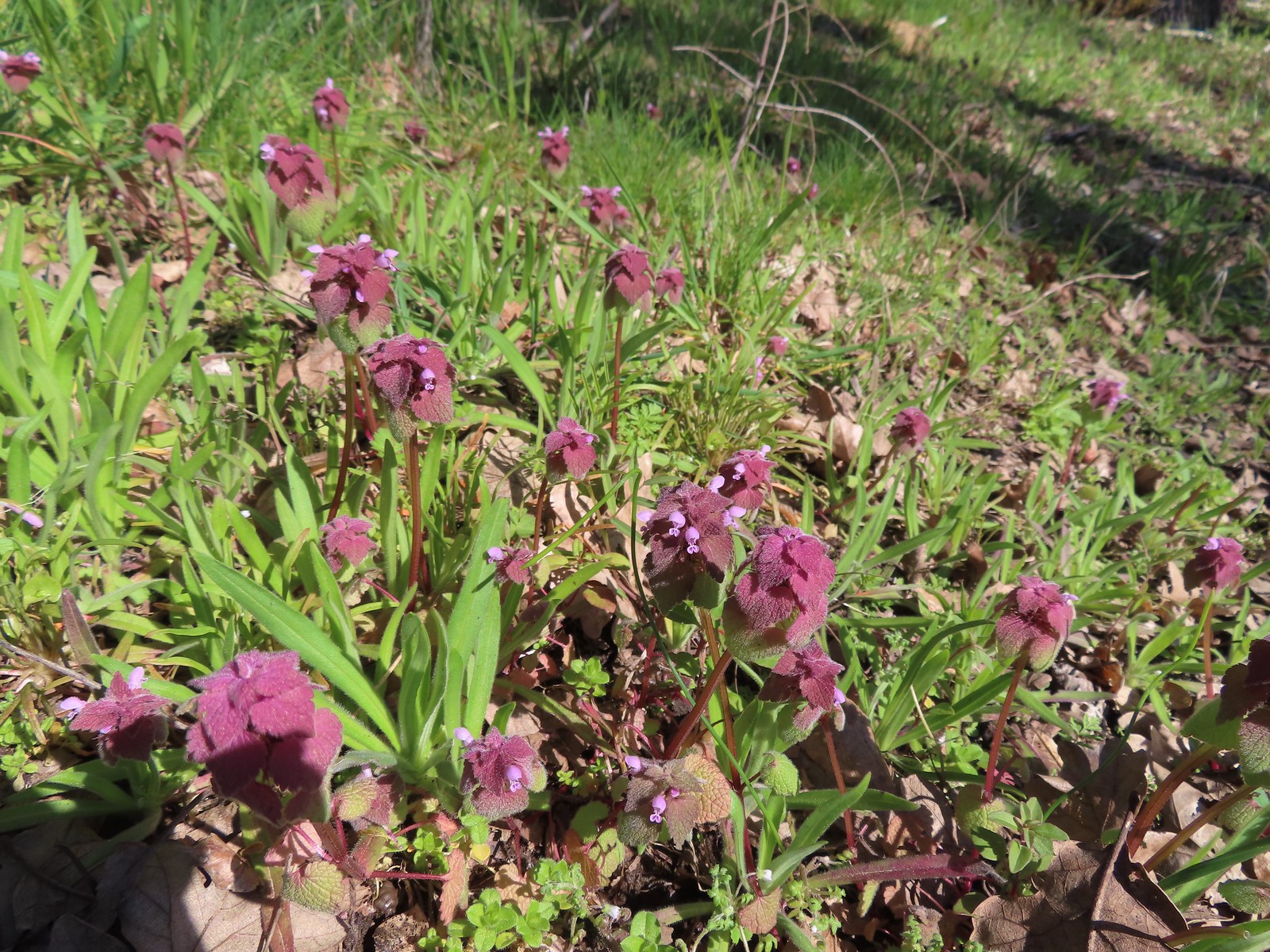 Purple deadnettle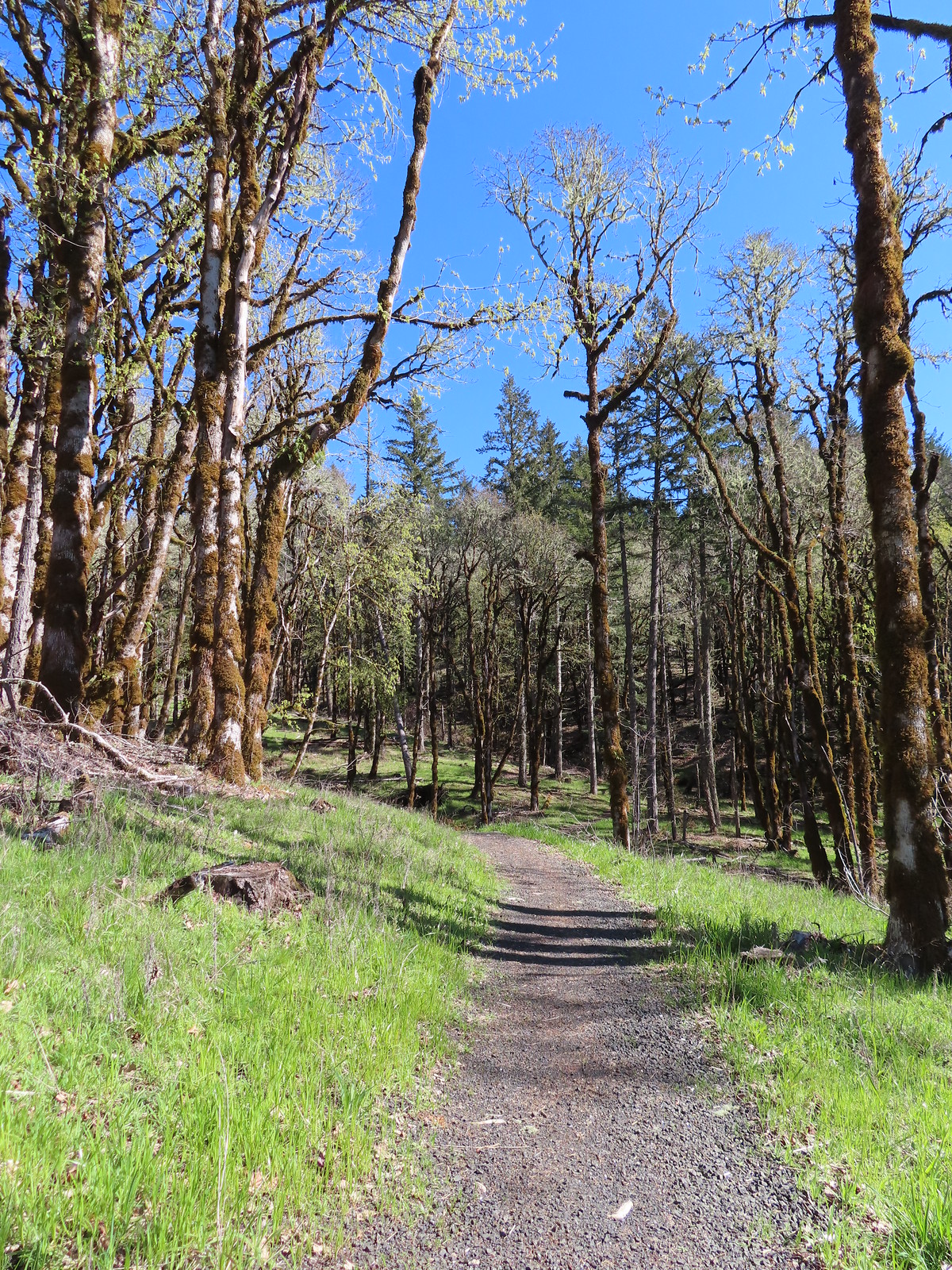
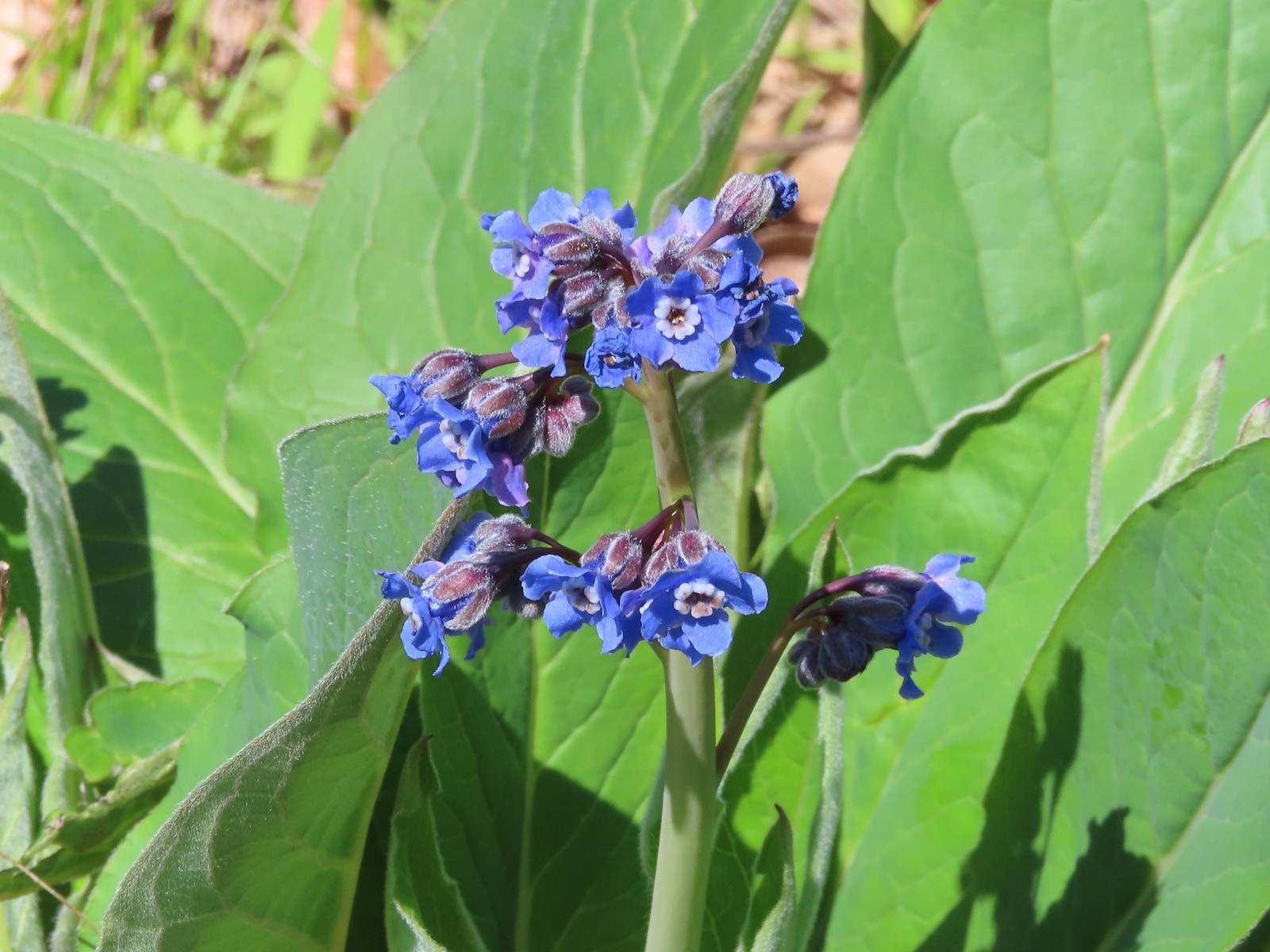 Pacific hound’s tongue
 Colorful turkey tails
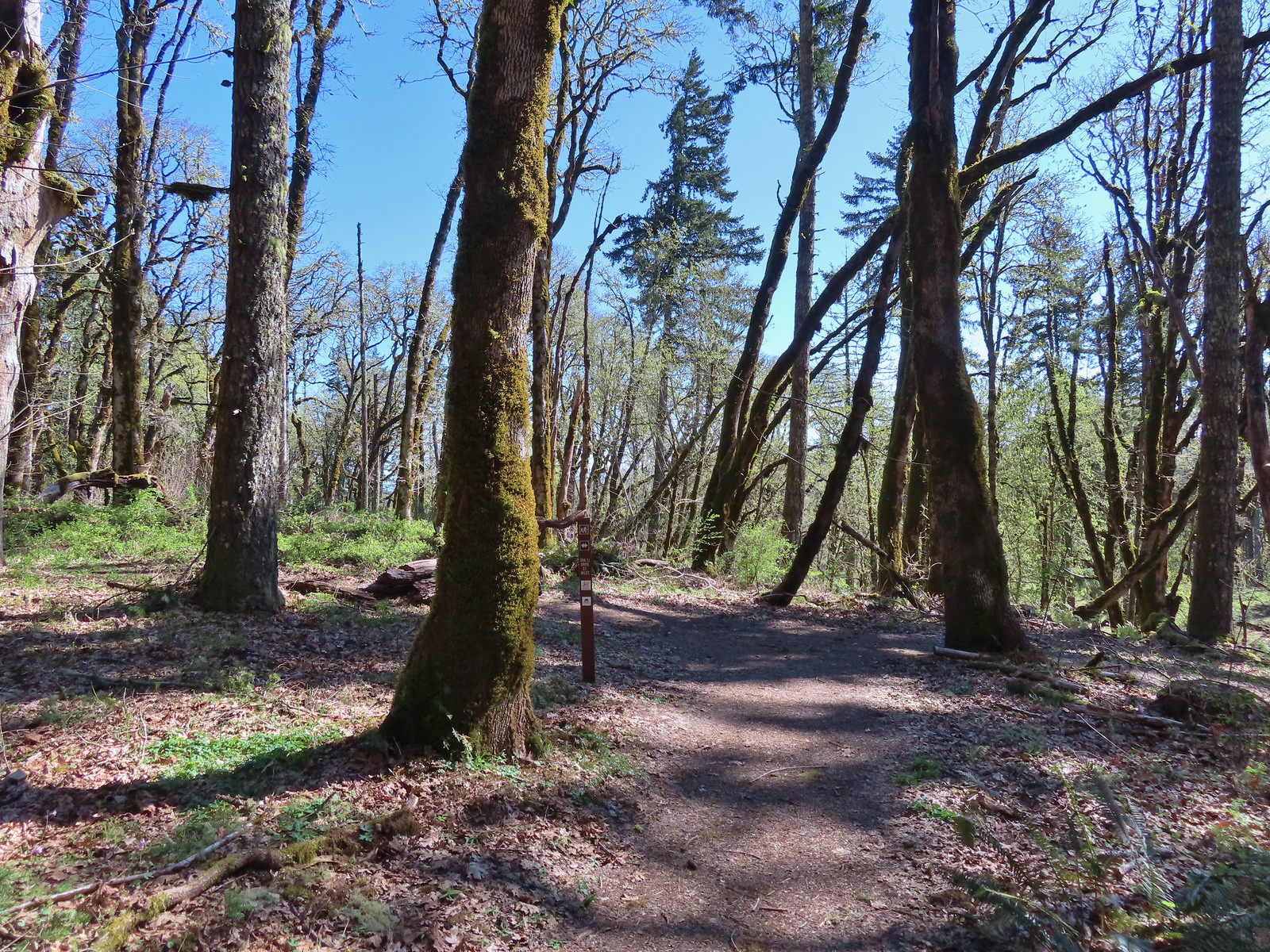 The trail splits briefly along a ridge marking what used to be the end of trail from the Oak Creek Trailhead.
 Dark-eyed junco
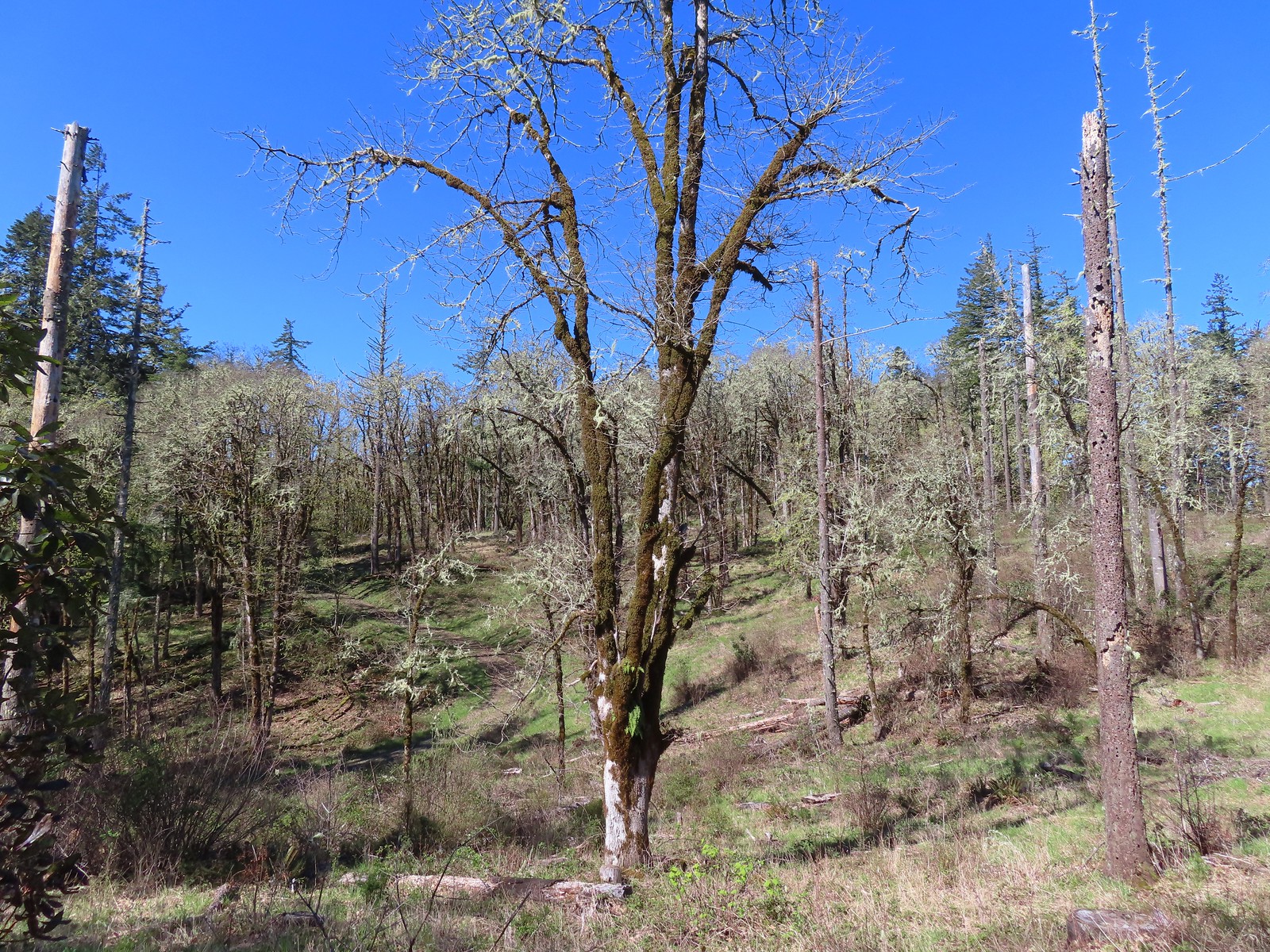 There were a pair of acorn woodpeckers in this area that we stopped to watch.
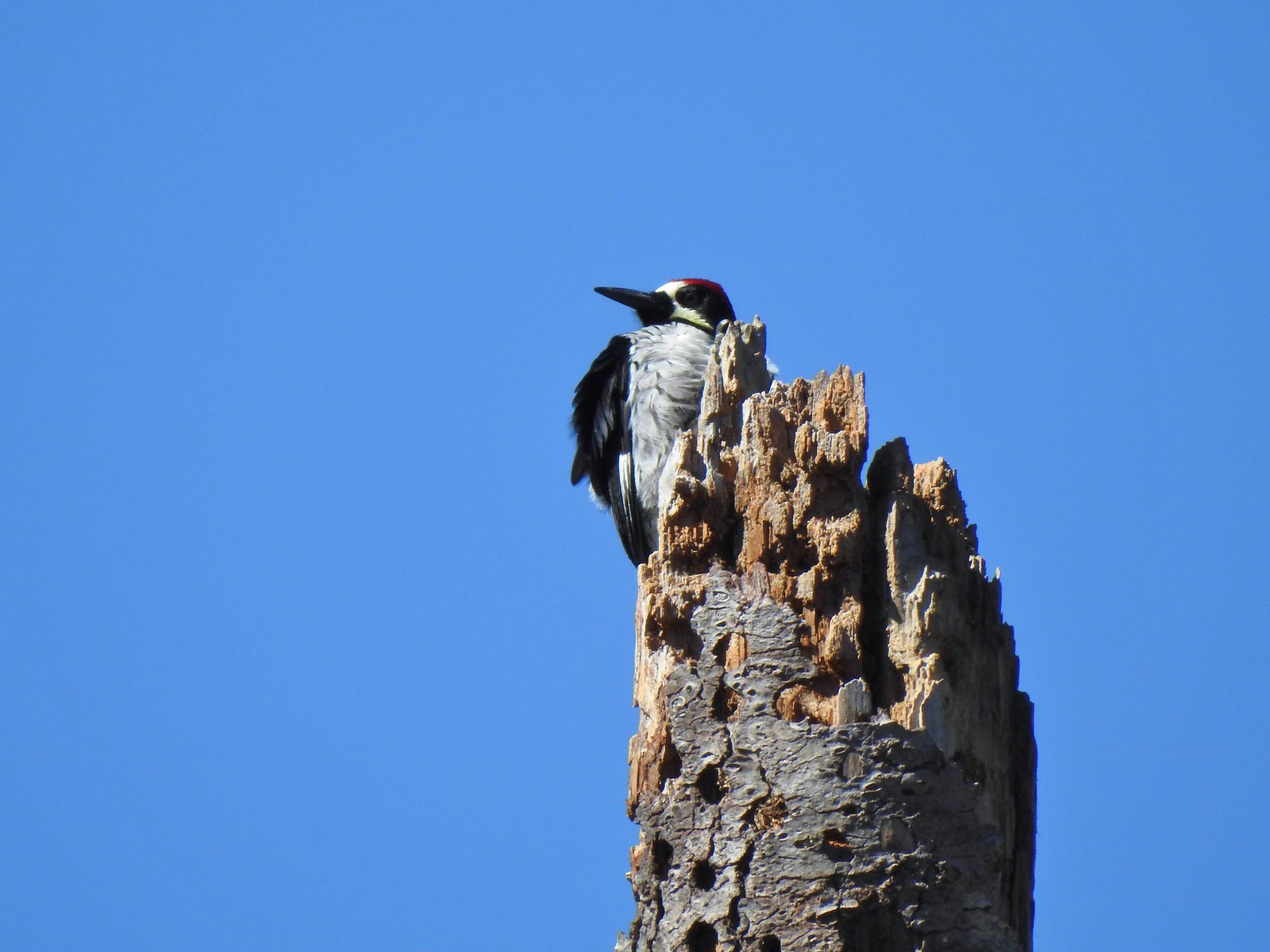 This tree was full of holes that the woodpeckers use to store their acorns in.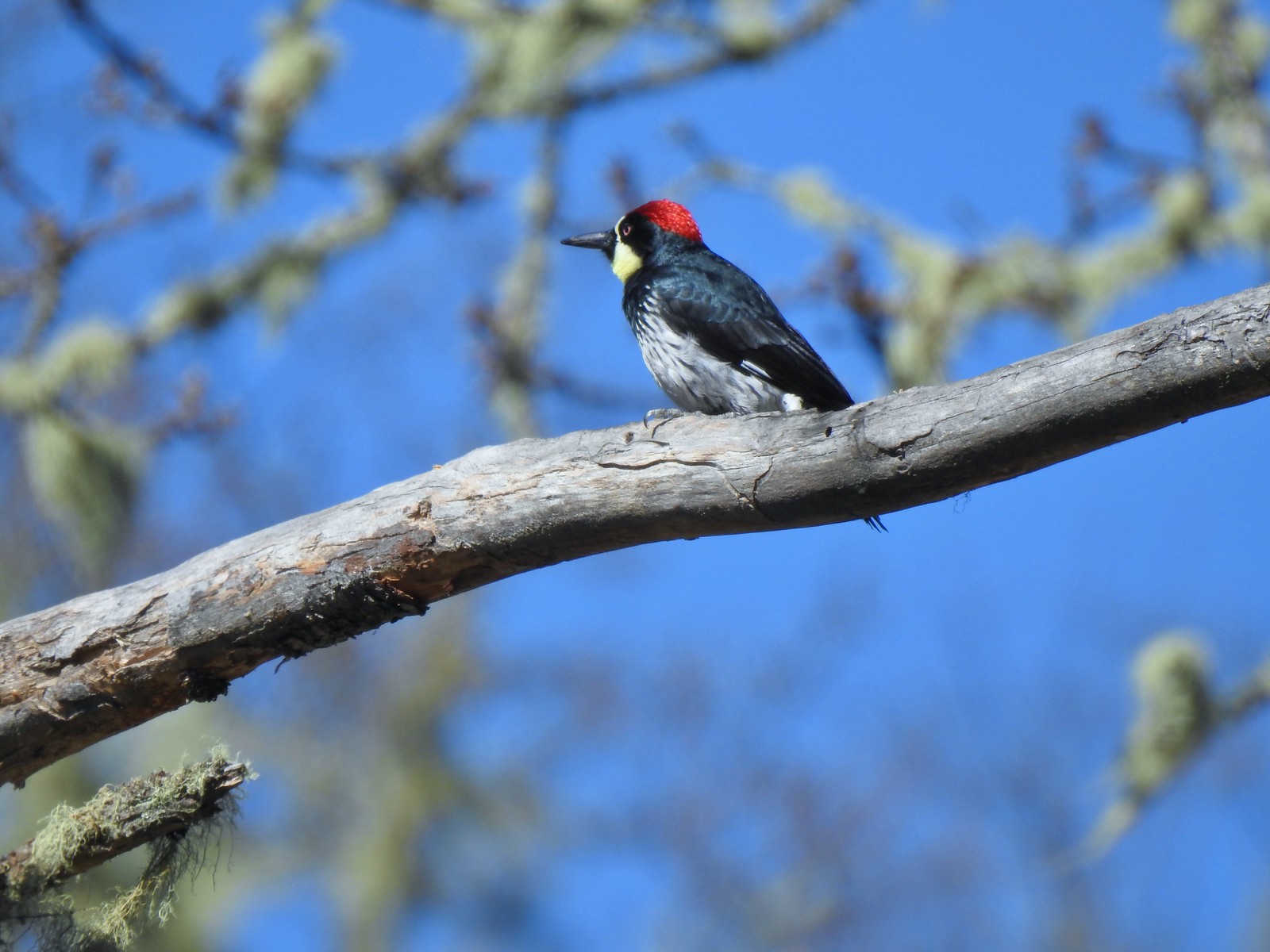
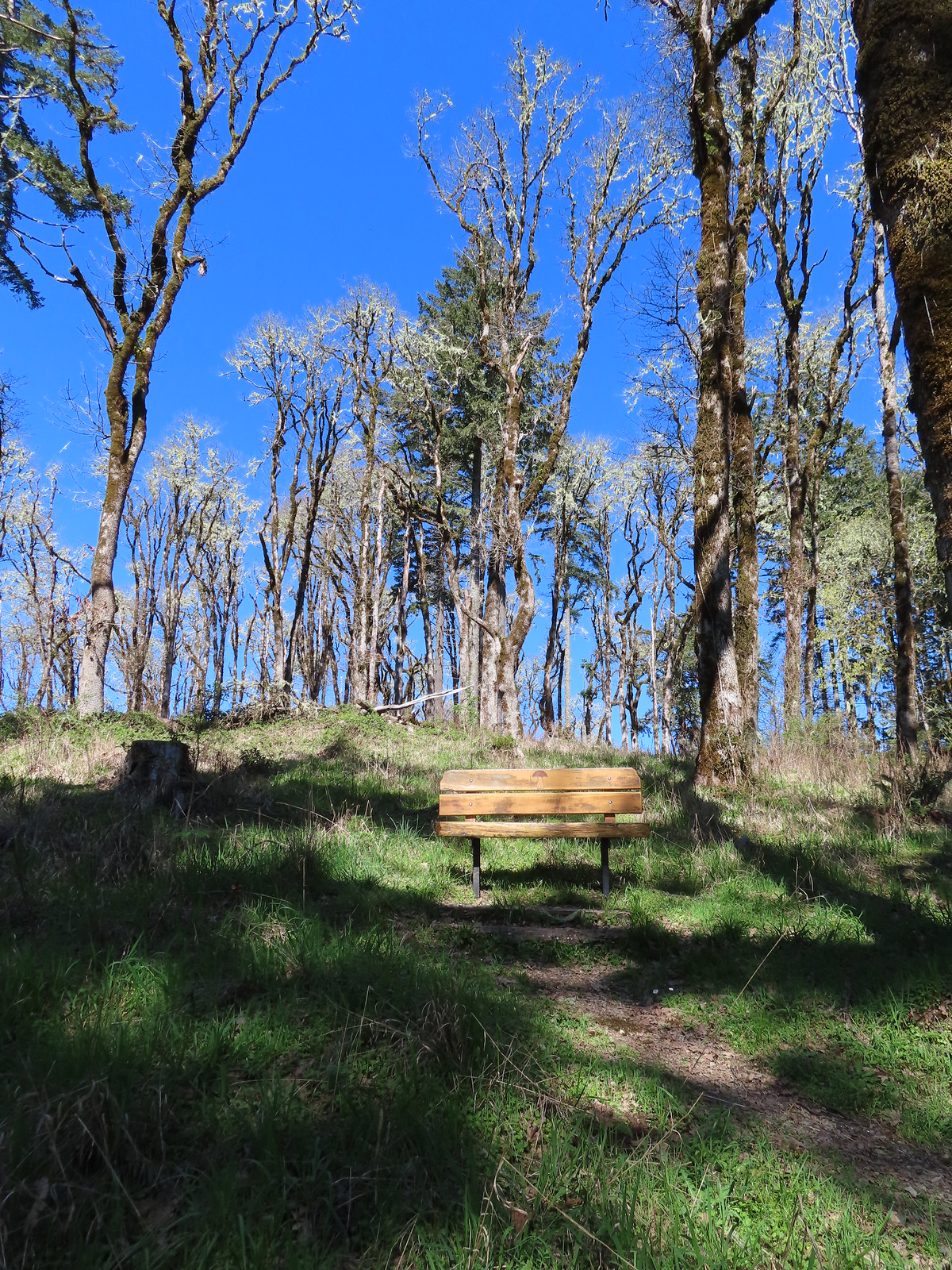 One of several benches along the trail.
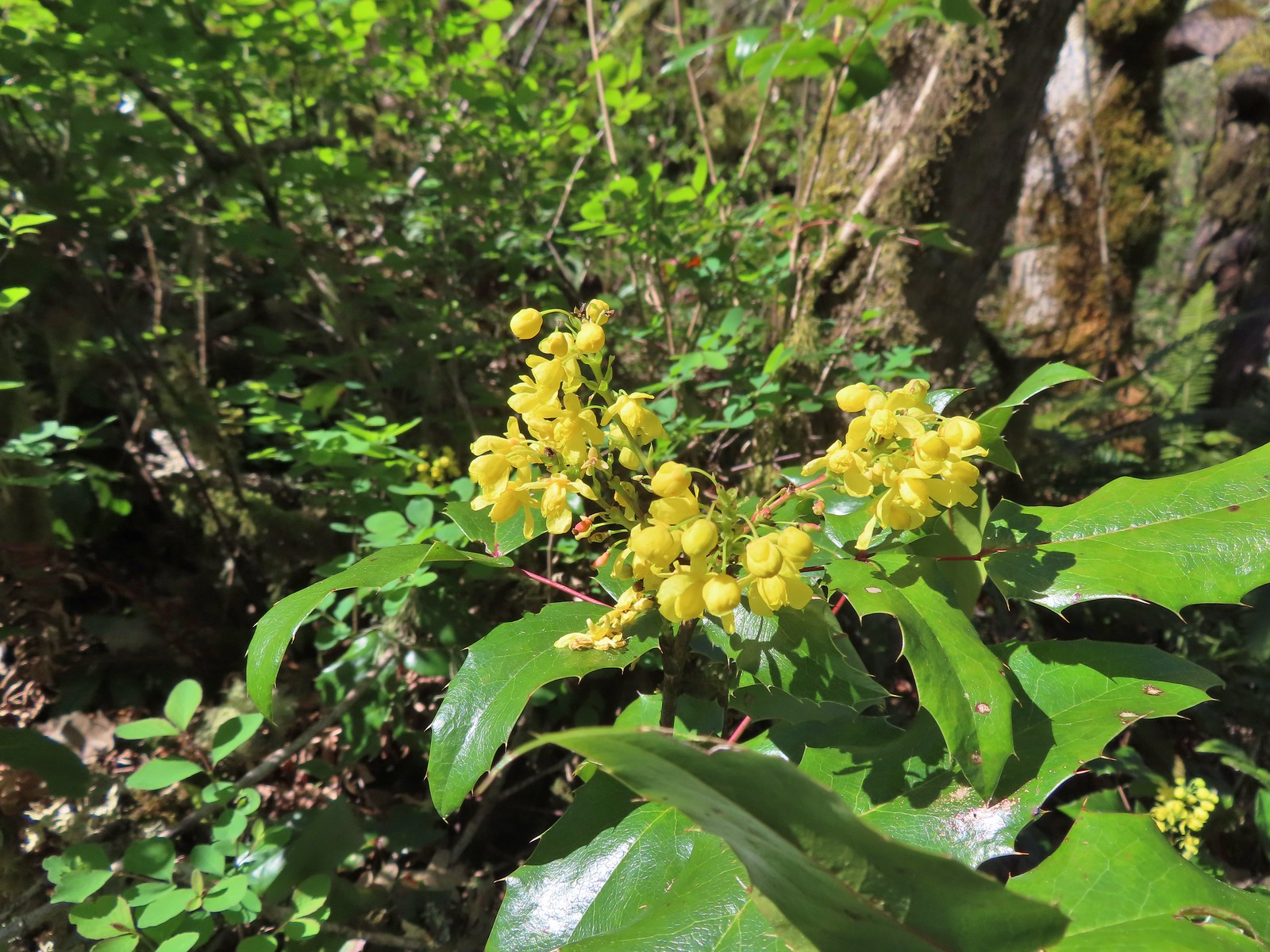 Oregon grape
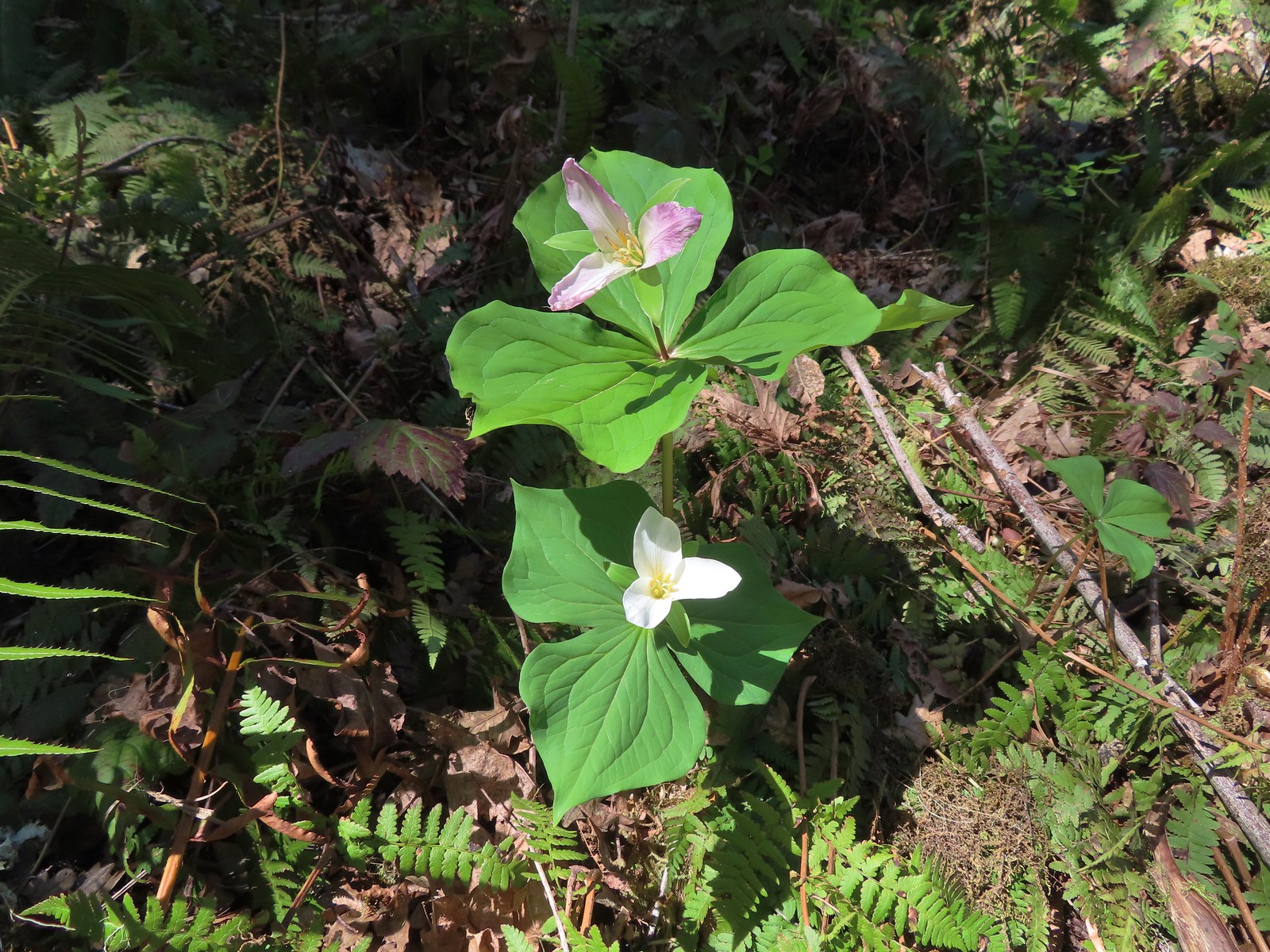 Trillium
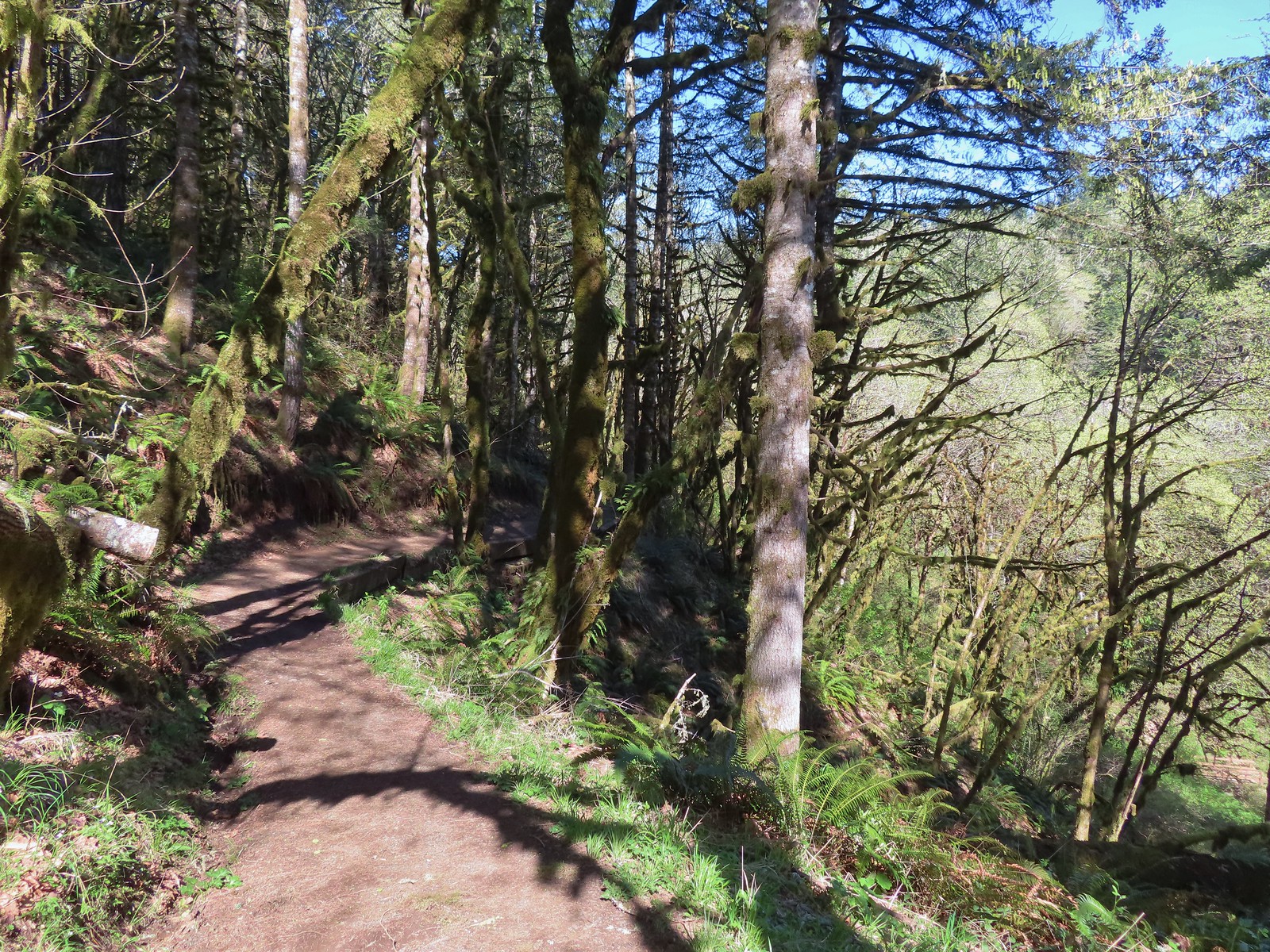 The Mulkey Ridge Trail descending to Mulkey Creek. (Note the footbridge in the lower right-hand corner.)
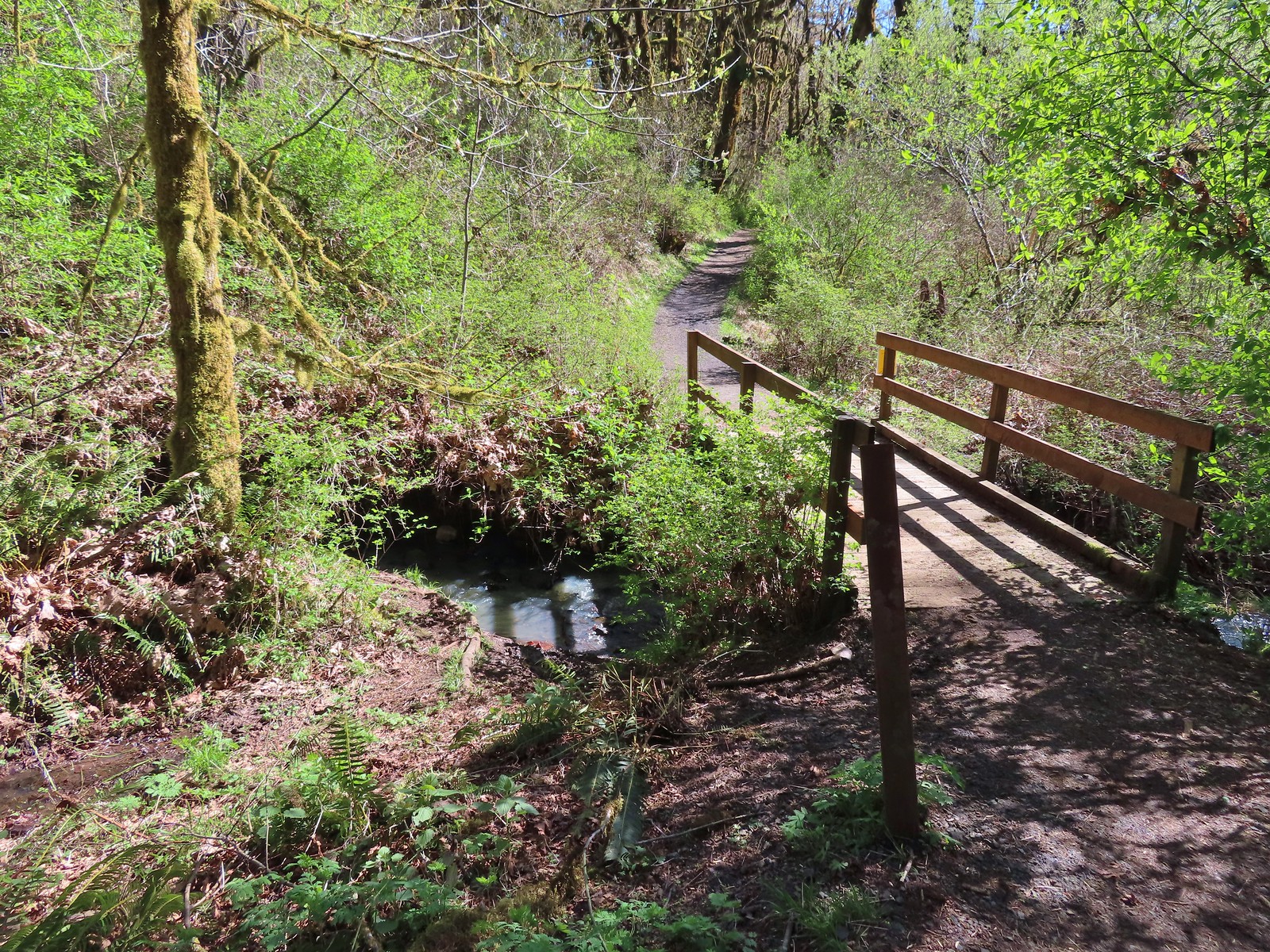 Footbridge over Mulkey Creek.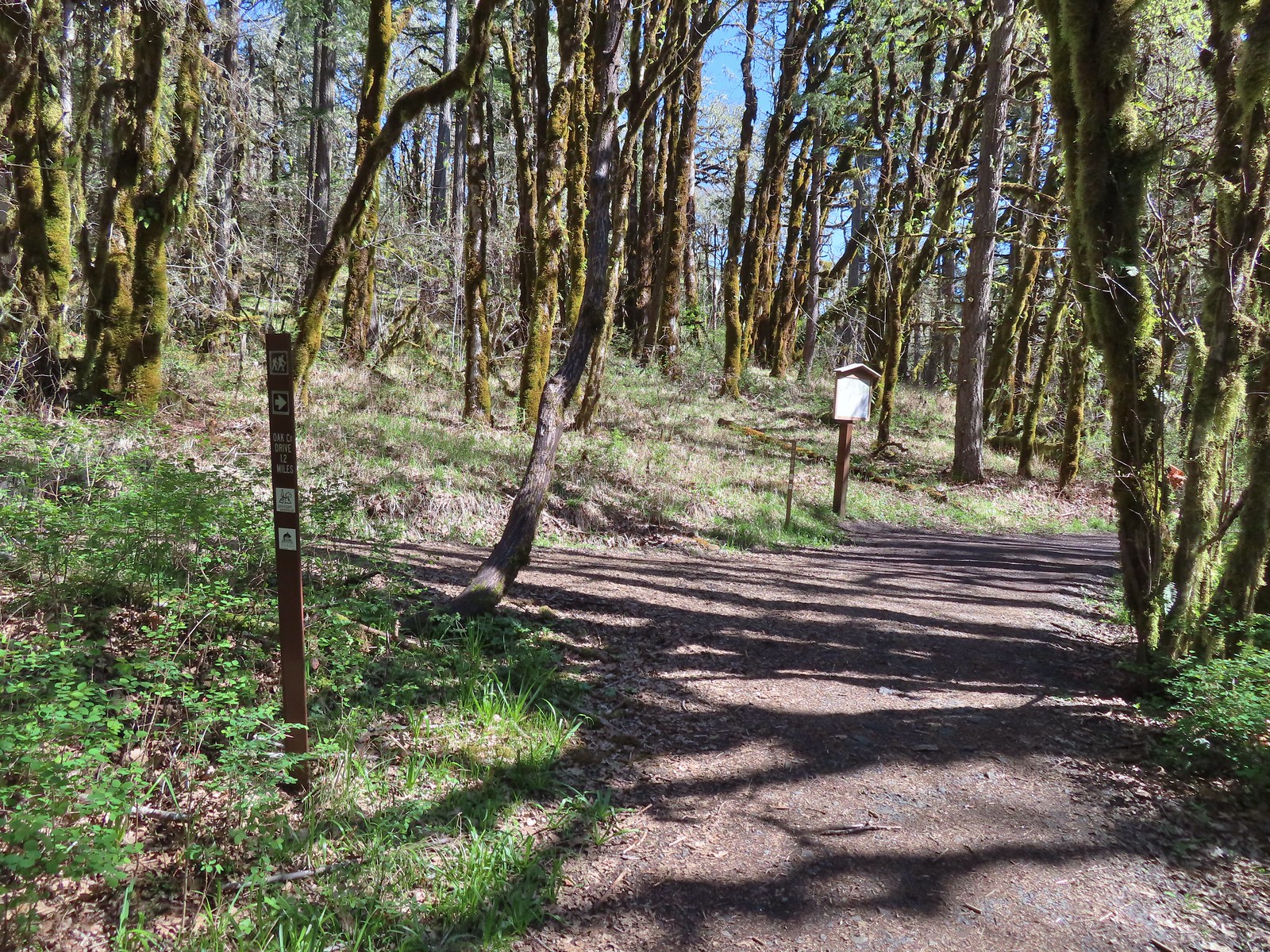
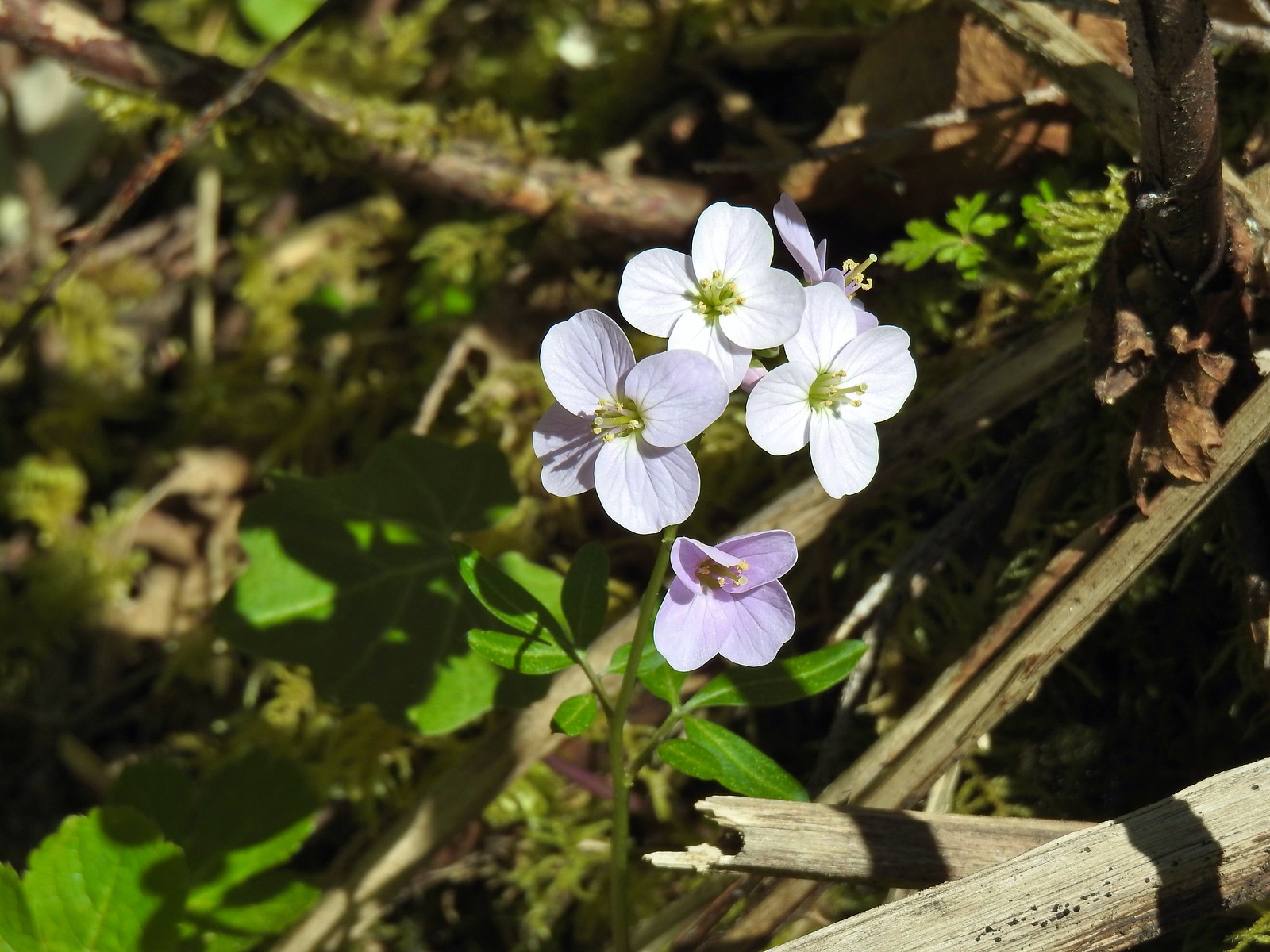 Toothwort
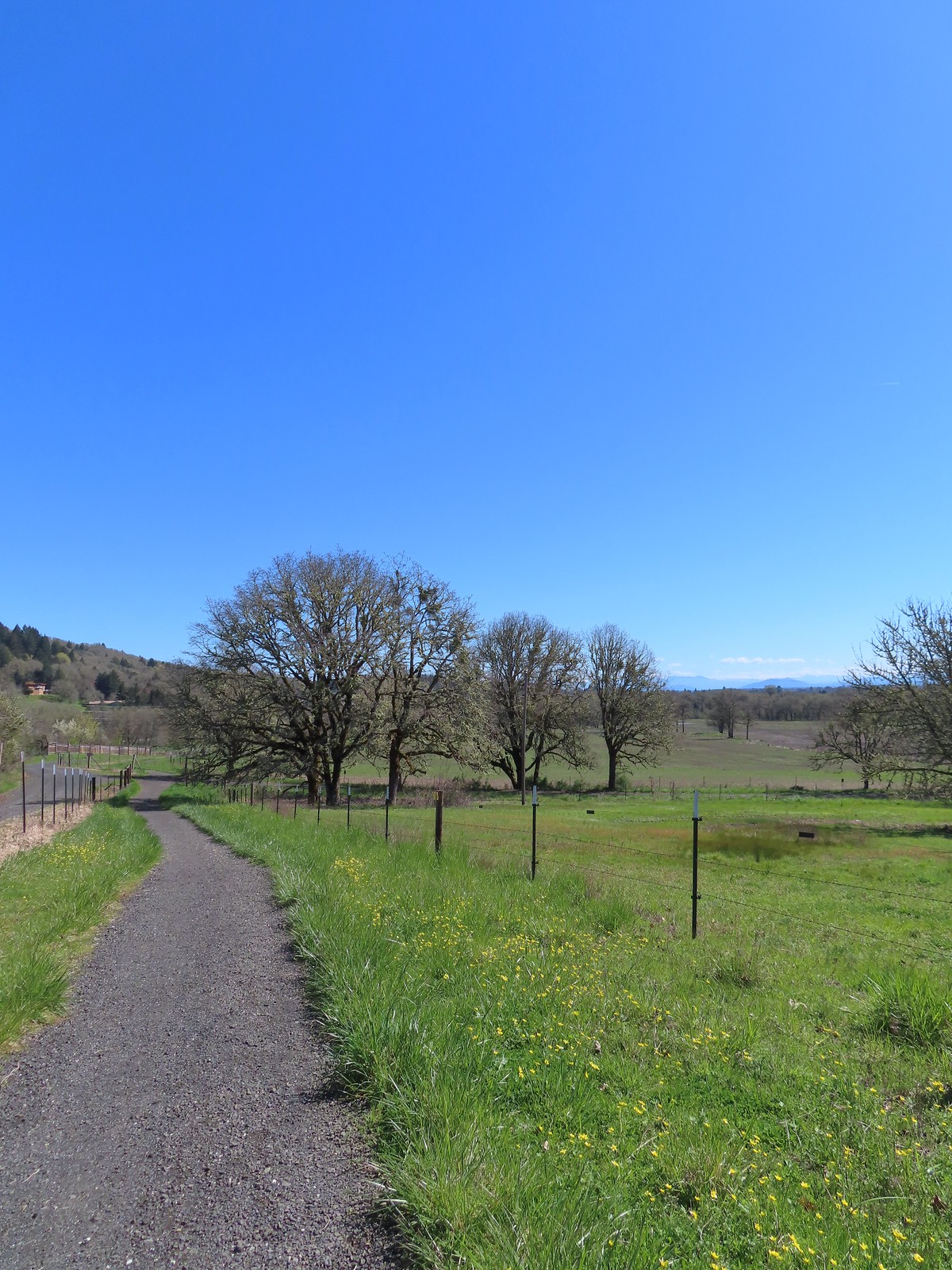 Western buttercups along the trail on our way back.
 wanderingyuncks