Categories
Central Oregon Hiking Ochoco Mountains Oregon Trip report

Willow Creek Trail, Juniper Hills, and Barnes Butte – 05/25/24

**Note the 2024 Elk Lane Fire burned a small portion of the Willow Creek Trail near where we turned around.**

Our primary hiking goal for 2024 is to finally finish our quest to hike at least part of all 100 featured hikes in William L. Sullivan’s “100 Hikes” guidebooks (post). Sullivan separates Oregon into five regions: Oregon Coast, NW Oregon, Central Cascades, Southern Oregon, and Eastern Oregon. We’ve focused on one specific edition for each region and have now managed to finish all but an Eastern Oregon edition. We had been focused on the third edition of his “100 Hikes/Travel Guide Eastern Oregon” but switched to his first edition “100 Hikes Eastern Oregon” last year after deciding we weren’t willing to attempt the drive to Dug Bar in Hells Canyon (post). Sullivan had removed Dug Bar from the featured hikes along with six other hikes which we had already completed. (Note that we went from a 3rd to a 1st edition. This is due to Sullivan dropping “Travel Guide” from his book’s titles even though they still contain lots of helpful travel information.)

Four of the new featured hikes were in, or near, Central Oregon. More specifically the Prineville area, so we decided to book a room there for Memorial Day Weekend. One of these new featured hikes posed a problem though. New hike 18 – Juniper Hills is on land owned by The Nature Conservancy and at some point, after the book was published, public access to the area was closed. An email prior to us leaving confirmed the closure which left us without a way to legally do the hike. We weighed our options, reverting to the previous edition and daring the drive to Dug Bar, or driving to Juniper Hills and taking pictures from the would-be trailheads. We decided on the latter with hopes that someday public access may be restored, possibly by permit and/or reservations.

We had originally planned on doing two of the featured hikes on Saturday before checking into our room, Willow Creek and Juniper Hills. With hiking being out at Juniper Hills we added a third stop to the day to check out Barnes Butte in Prineville. Our first stop was in Madras, OR at the Willow Creek Trailhead which wound up being one of the sketchiest trailheads we’ve been to.
IMG_4793

IMG_4982

There was a large homeless camp along Willow Creek beyond the large gravel parking area and several people just mulling about with no other cars around. According to recent news reports the city will be removing the camp on or around June 11th. We decided to go ahead and chance leaving the car rather than trying to find a different starting point based off of the city maps online. We crossed the creek on a footbridge and followed the paved trail just over half a mile to a fork above SW Canyon Road. We forked left and descended to a crosswalk then began climbing “M Hill”.
IMG_4794

IMG_4795M Hill from the trail.

IMG_4799The crosswalk on SW Canyon Road.

IMG_4801Kiosk at the bottom of the hill.

The trail climbed for a half mile to the identifier.
IMG_4806

IMG_4825The “M” on the side of the hill.

IMG_4811

IMG_4815

It was a little cloudy on top, but we could make out several snowy cascades and most of the lower peaks to the SE.
<IMG_4816Gray Butte (post), Haystack Butte, and Juniper Butte to the left. Broken Top and the Three Sisters are the snow-covered peaks to the right.

IMG_4818Broken Top and the Three Sisters to the left with Mt. Jefferson to the right.

IMG_4817Broken Top and the Three Sisters

IMG_4813Mt. Jefferson

After taking in the view we returned to the fork and took a left to head into the Willow Creek Canyon. The trail made a quick climb then dropped to another crossing of SW Canyon Road.
Ash-throated flycatcherAsh-throated flycatcher

IMG_4832

IMG_4833

On the far side of the road the trail became gravel before giving way to dirt.
IMG_4834

IMG_4836Passing under a trestle and a siphon pipe.

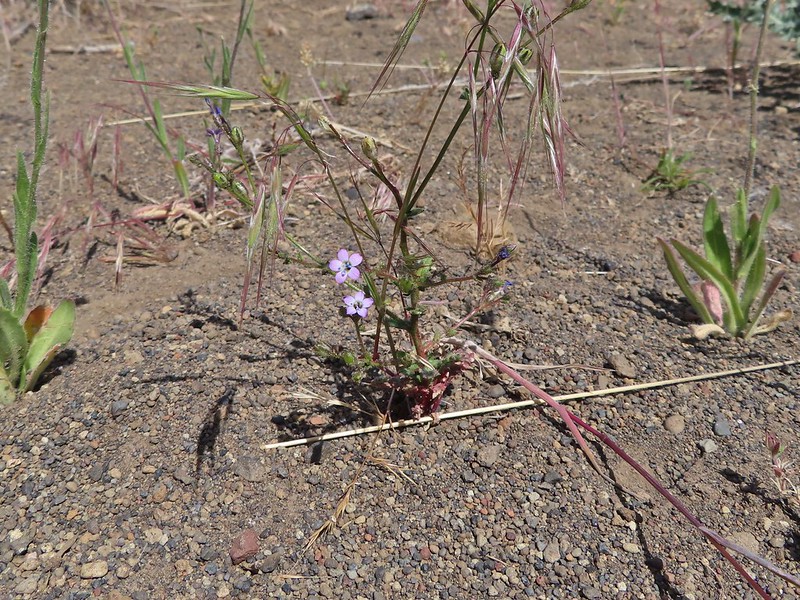
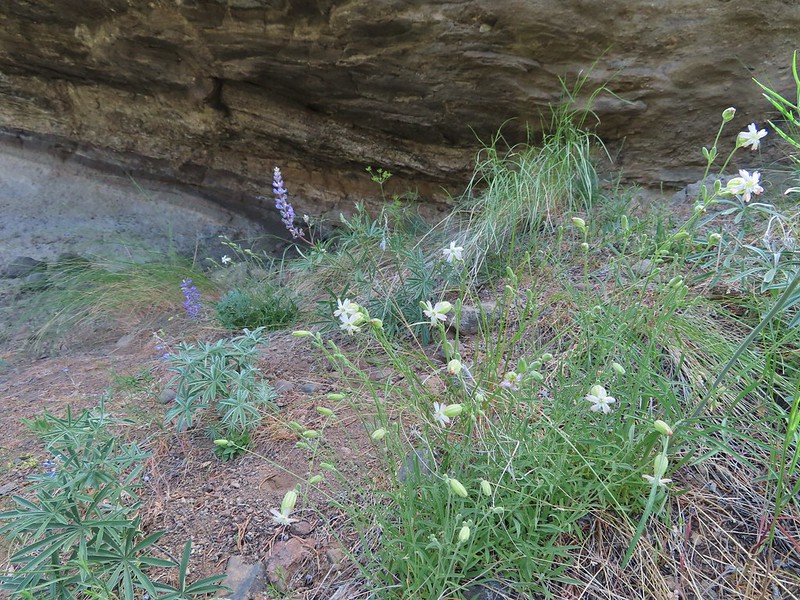
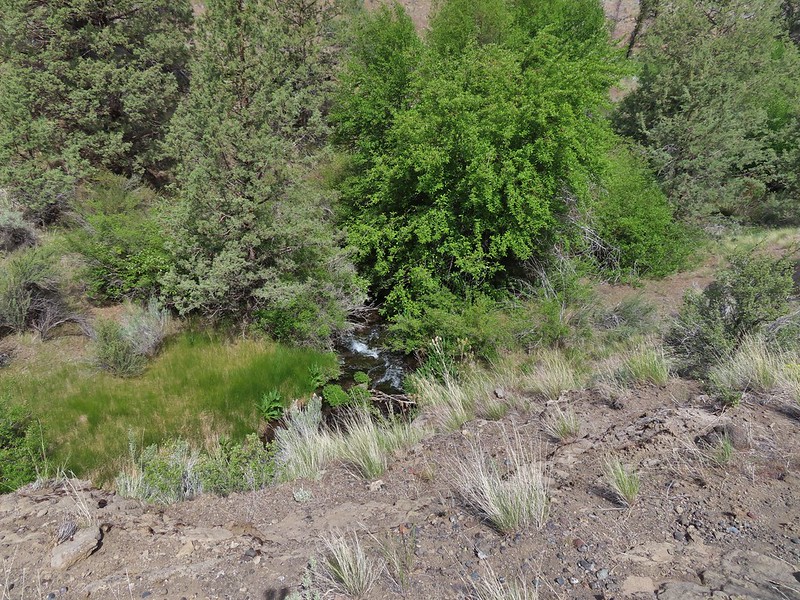
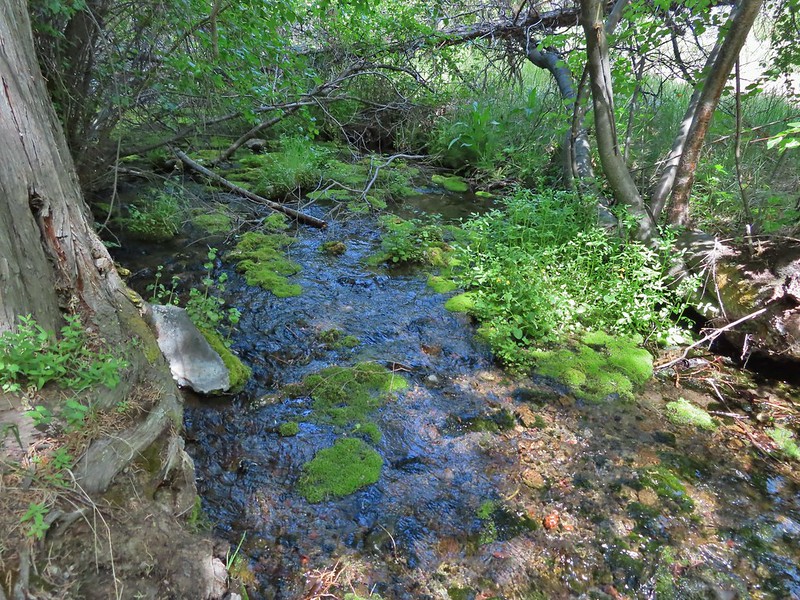
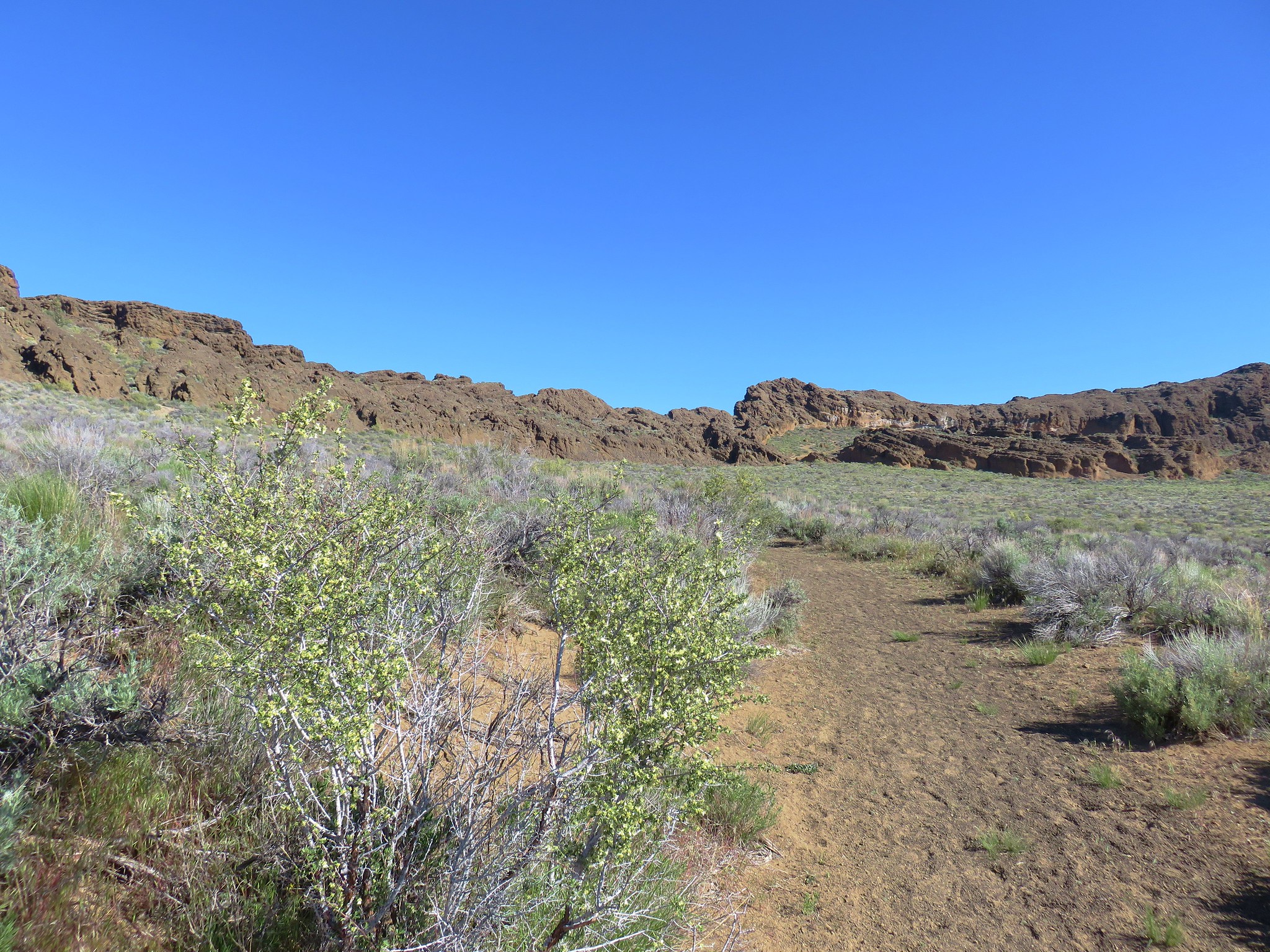
We continued approximately 2.5-miles after crossing the road turning around at a junction with the former Willow Creek Road. The scenery was great in the canyon with lots of flowers and birds and we didn’t see any snakes.
IMG_4841

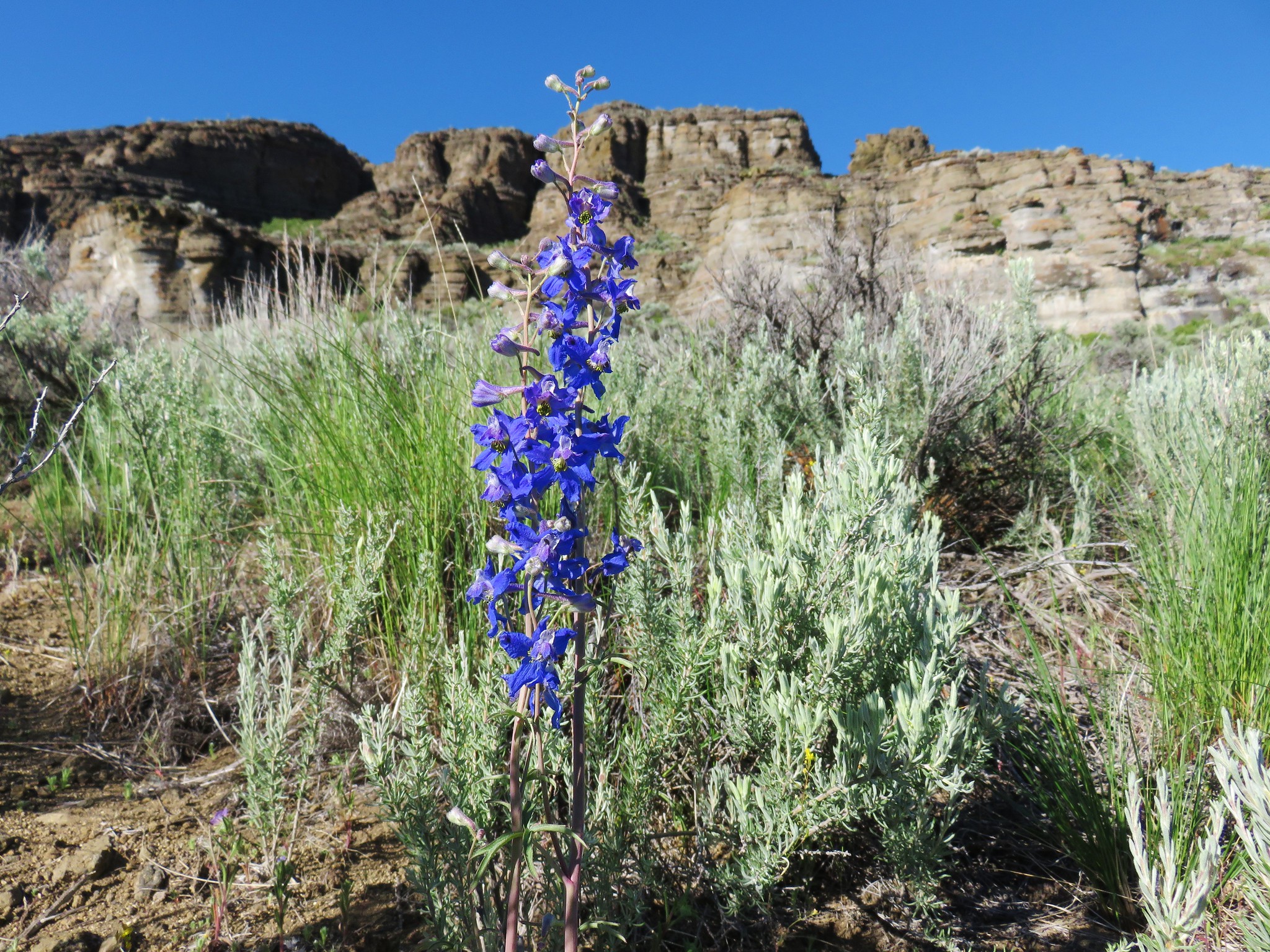
IMG_4837Lupin

IMG_4839A lomatium

20240525_083531Ringlet

IMG_4848

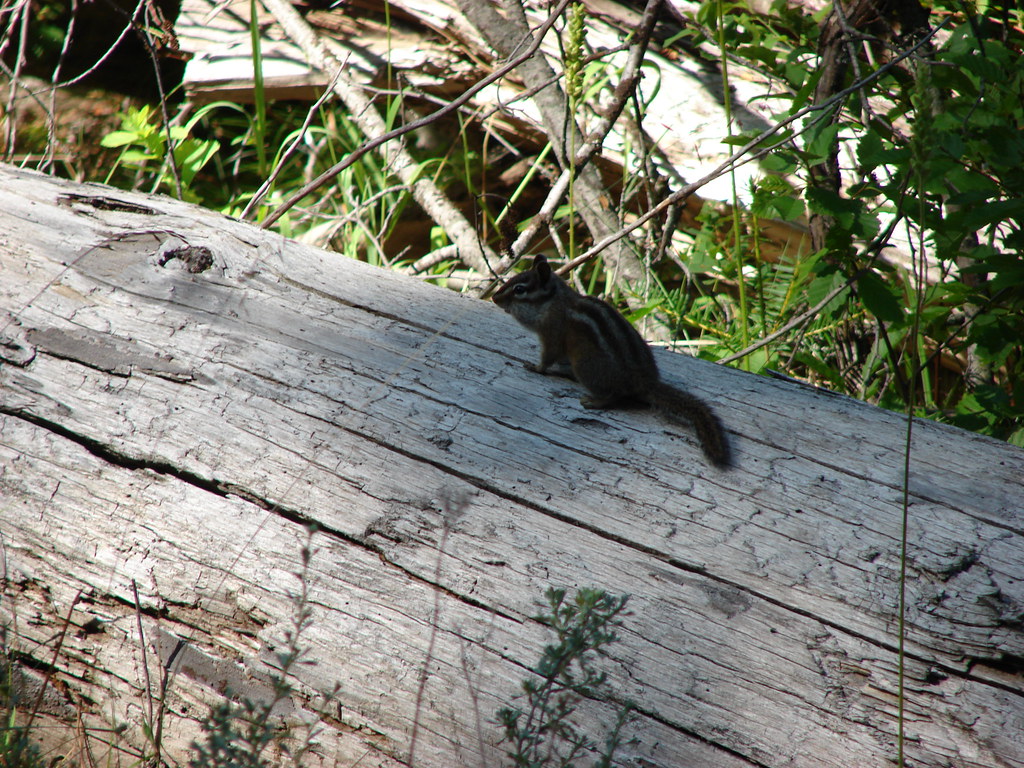
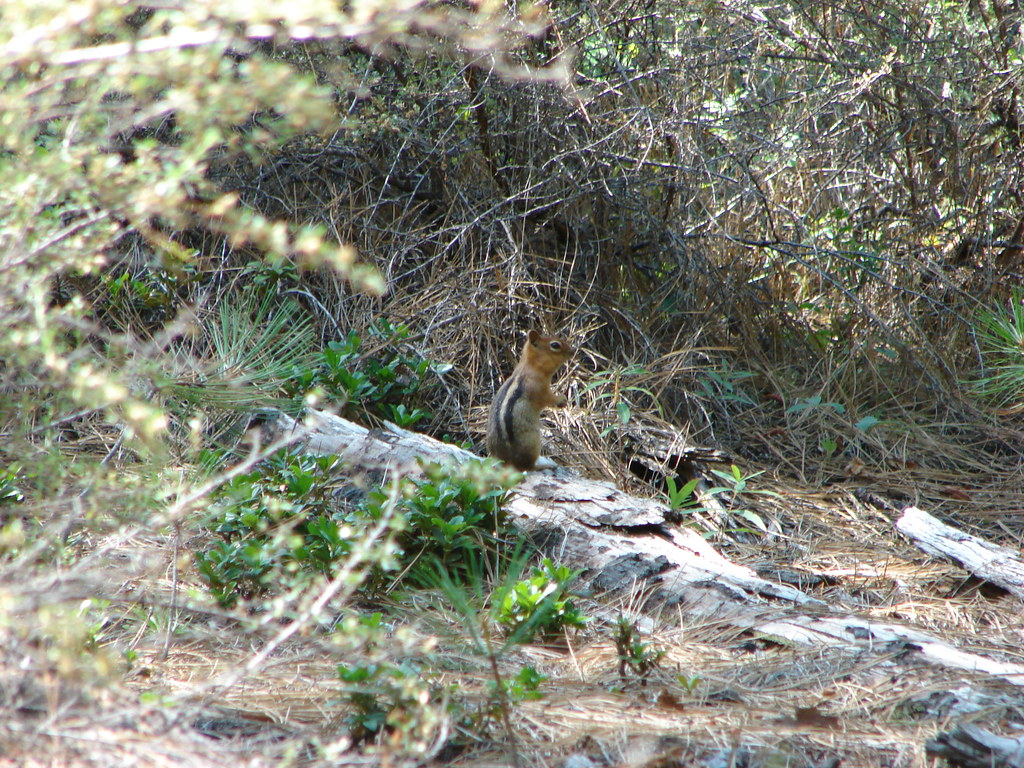
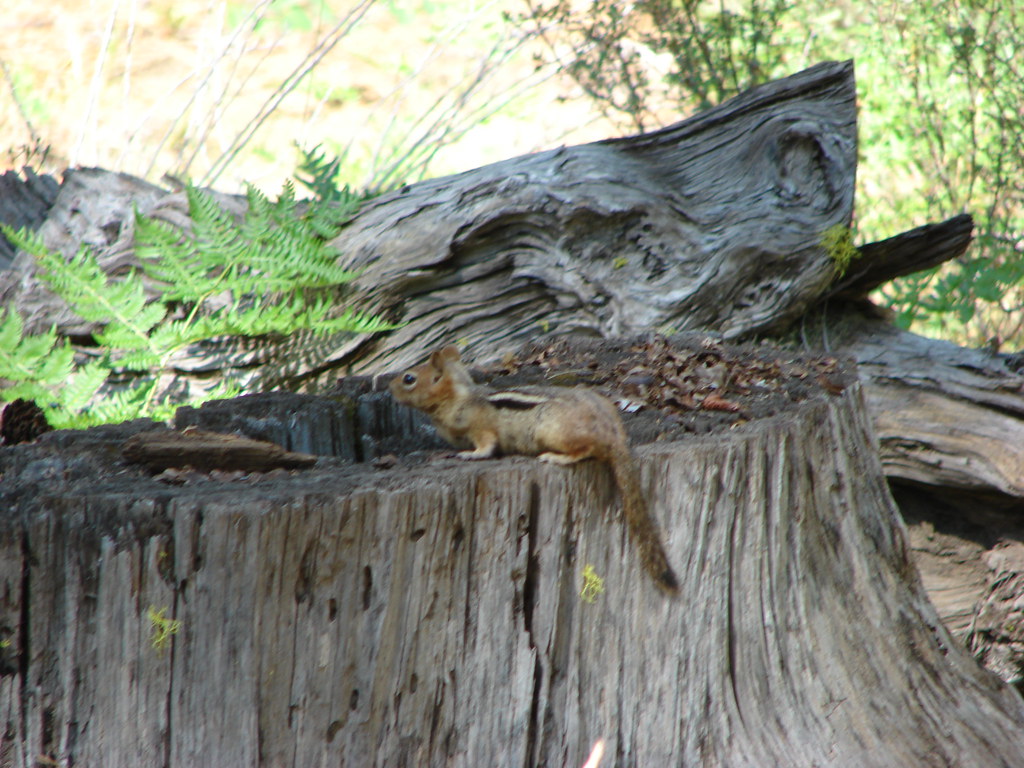
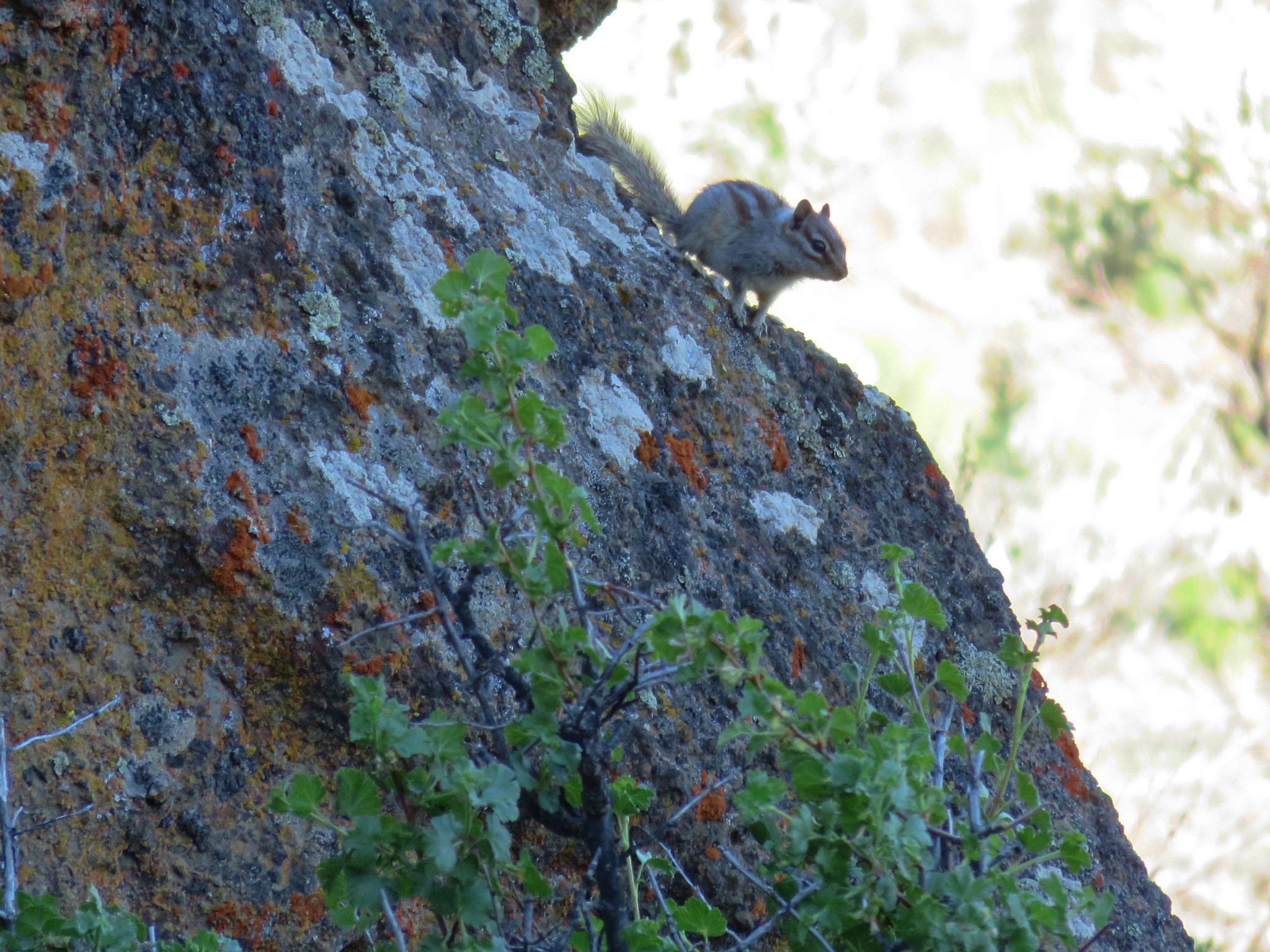
IMG_4855Ground squirrel

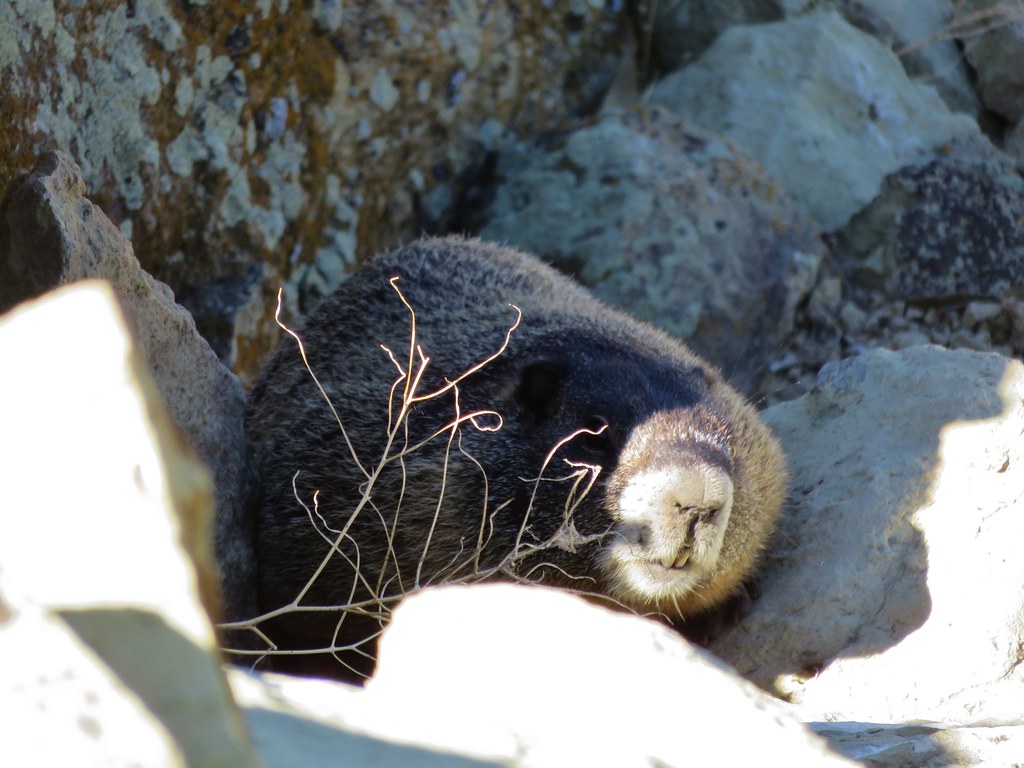
IMG_4858Marmot

IMG_4861Crossing the dry bed of Willow Creek.

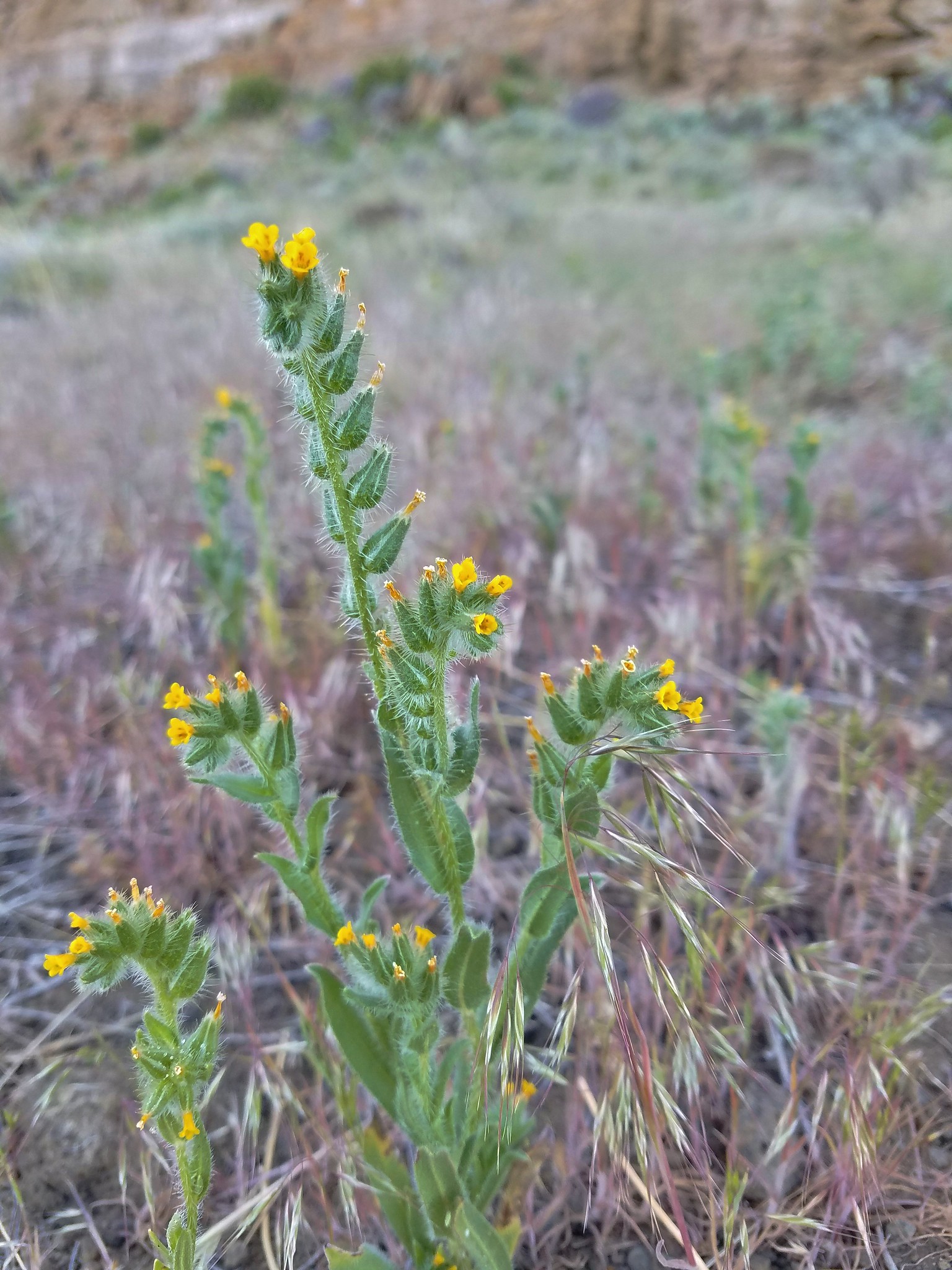
IMG_4864Fiddleneck

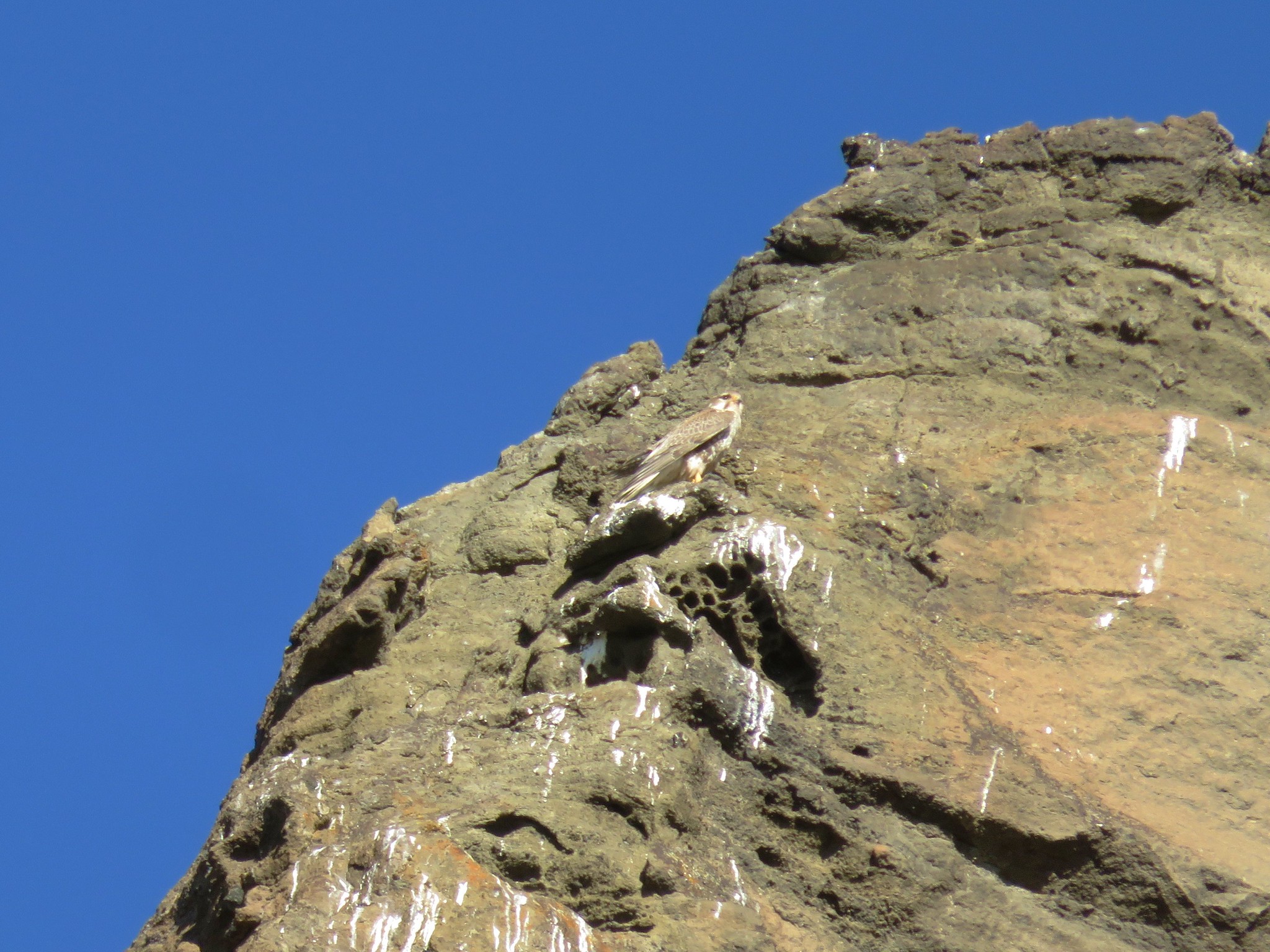
IMG_4870Hawk

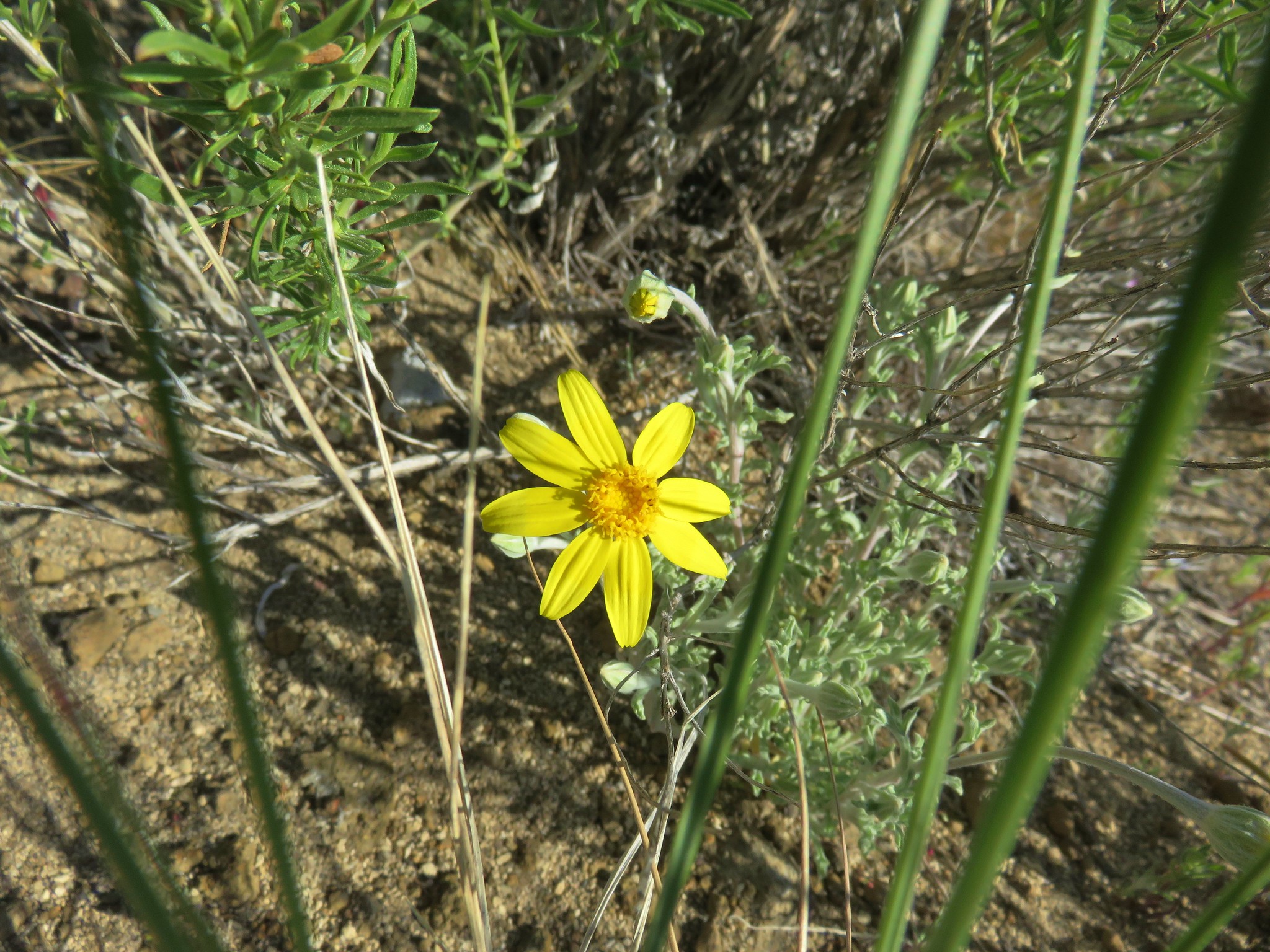
Desert yellow fleabaneDesert yellow fleabane

IMG_4873Small cascade flowing into Willow Creek.

IMG_4878

IMG_4879

IMG_4881

IMG_4885cut-leaf thelypody

IMG_4889Carey’s balsamroot

IMG_4893Rocky Mountain iris

IMG_4899

IMG_4901Lazuli bunting

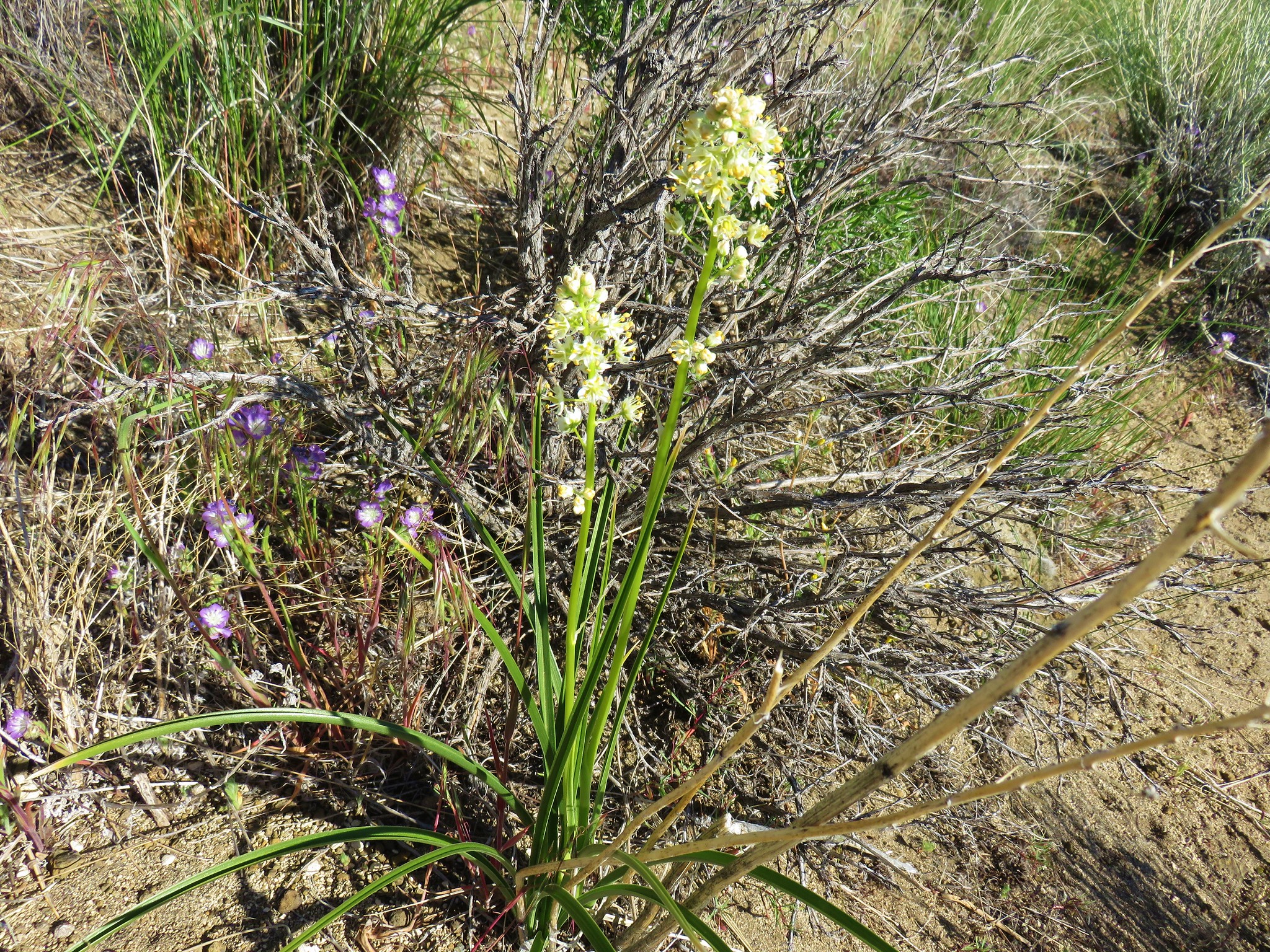
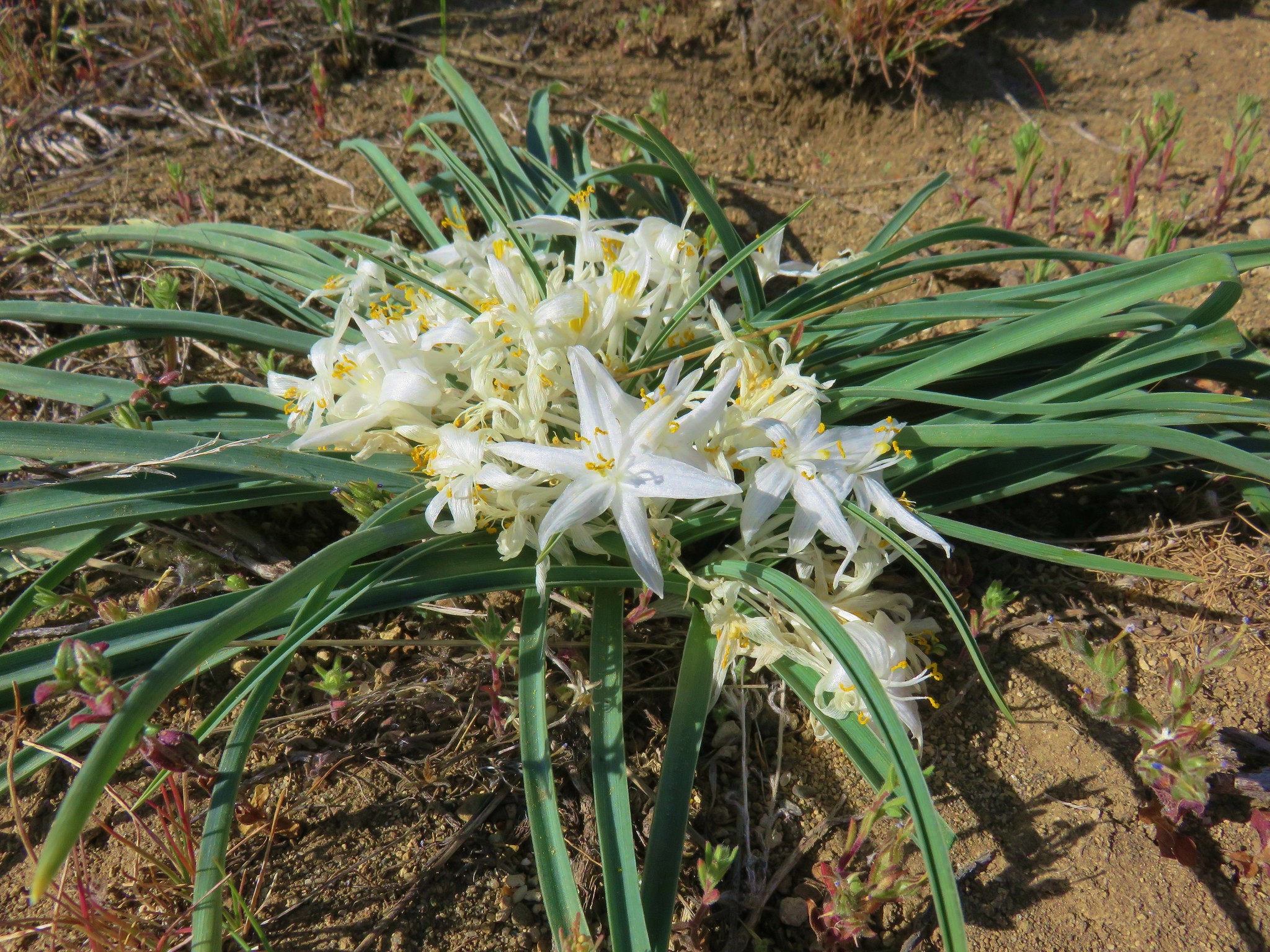
IMG_4906Taper-tip onion

IMG_4907

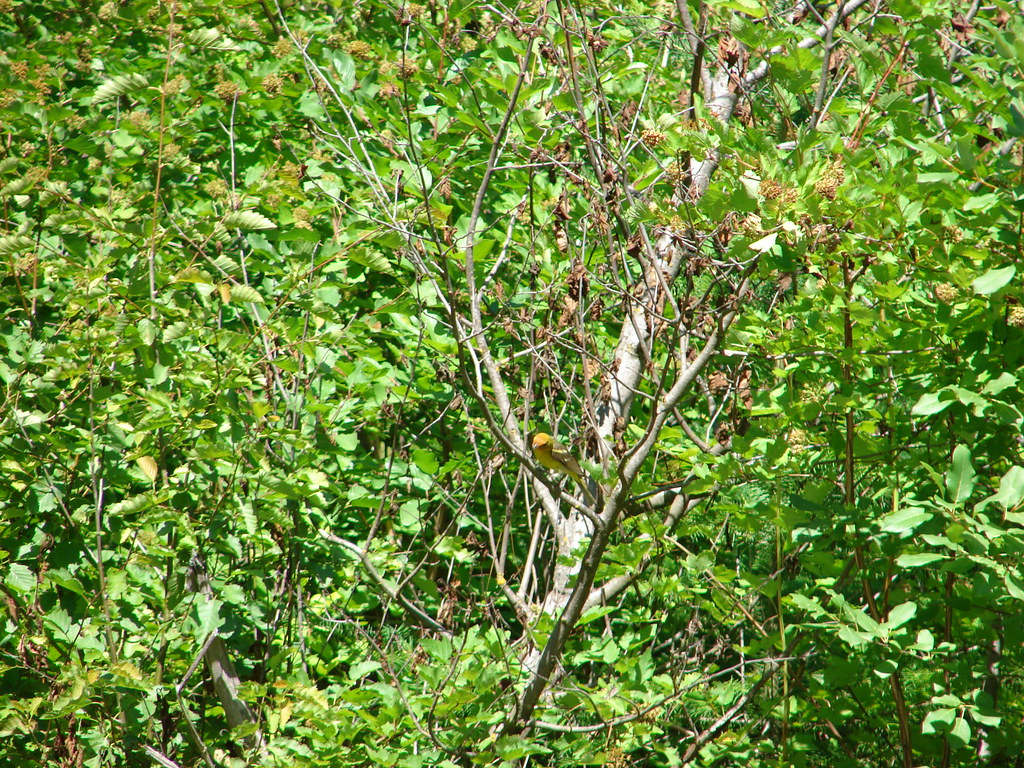
IMG_4908Bullock’s oriole near the top of the photo.

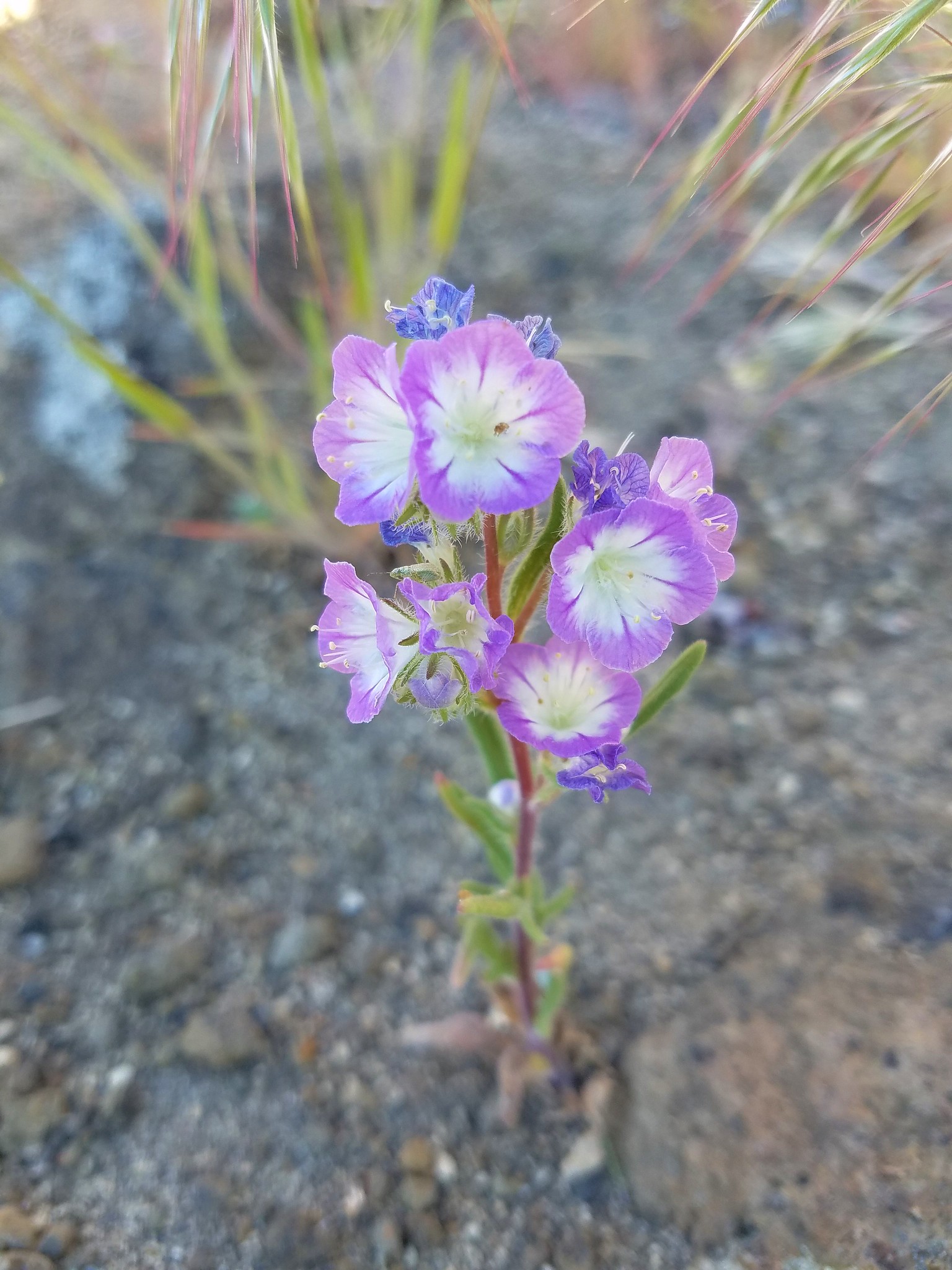
IMG_4919Silverleaf phacelia

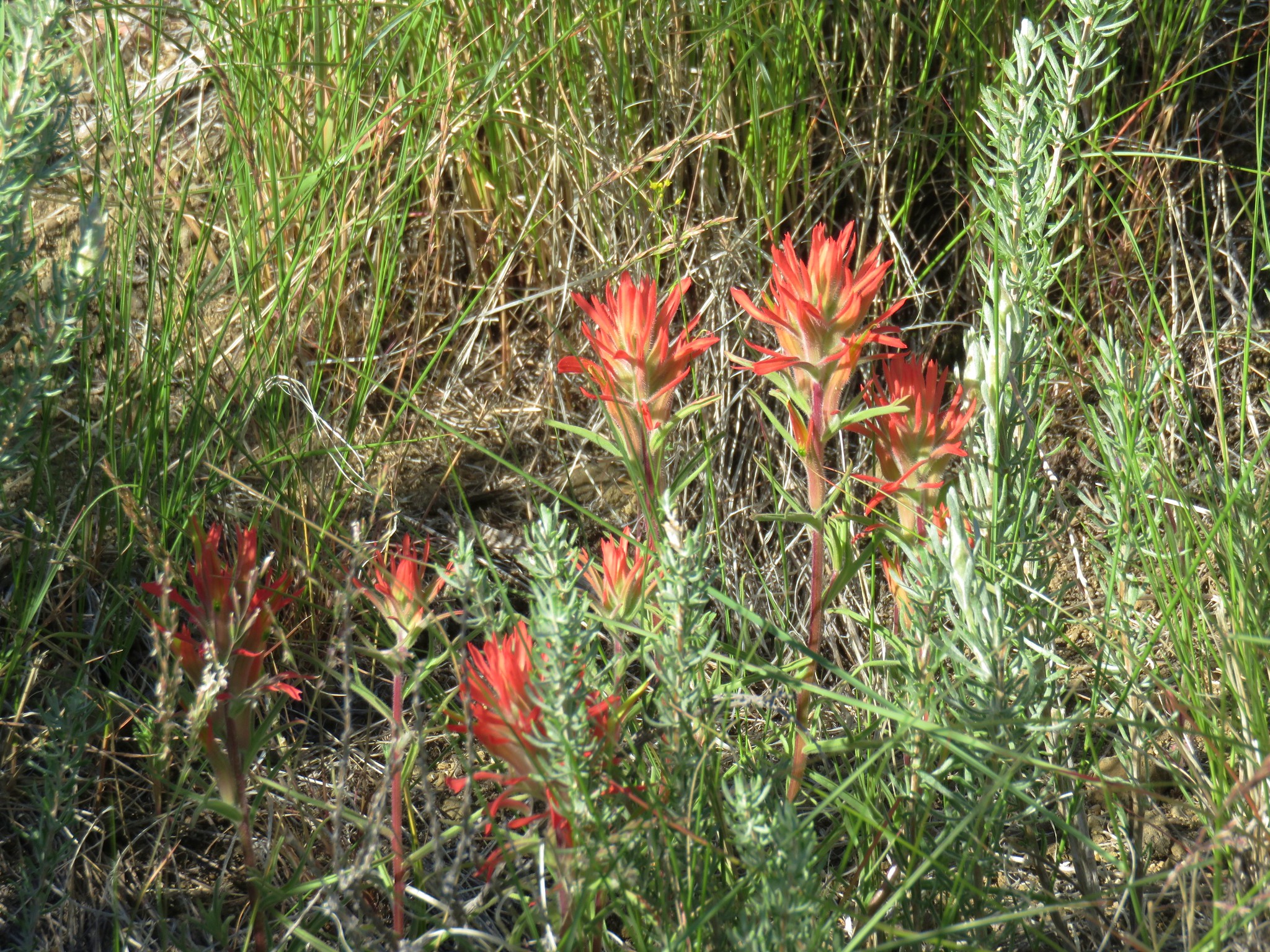
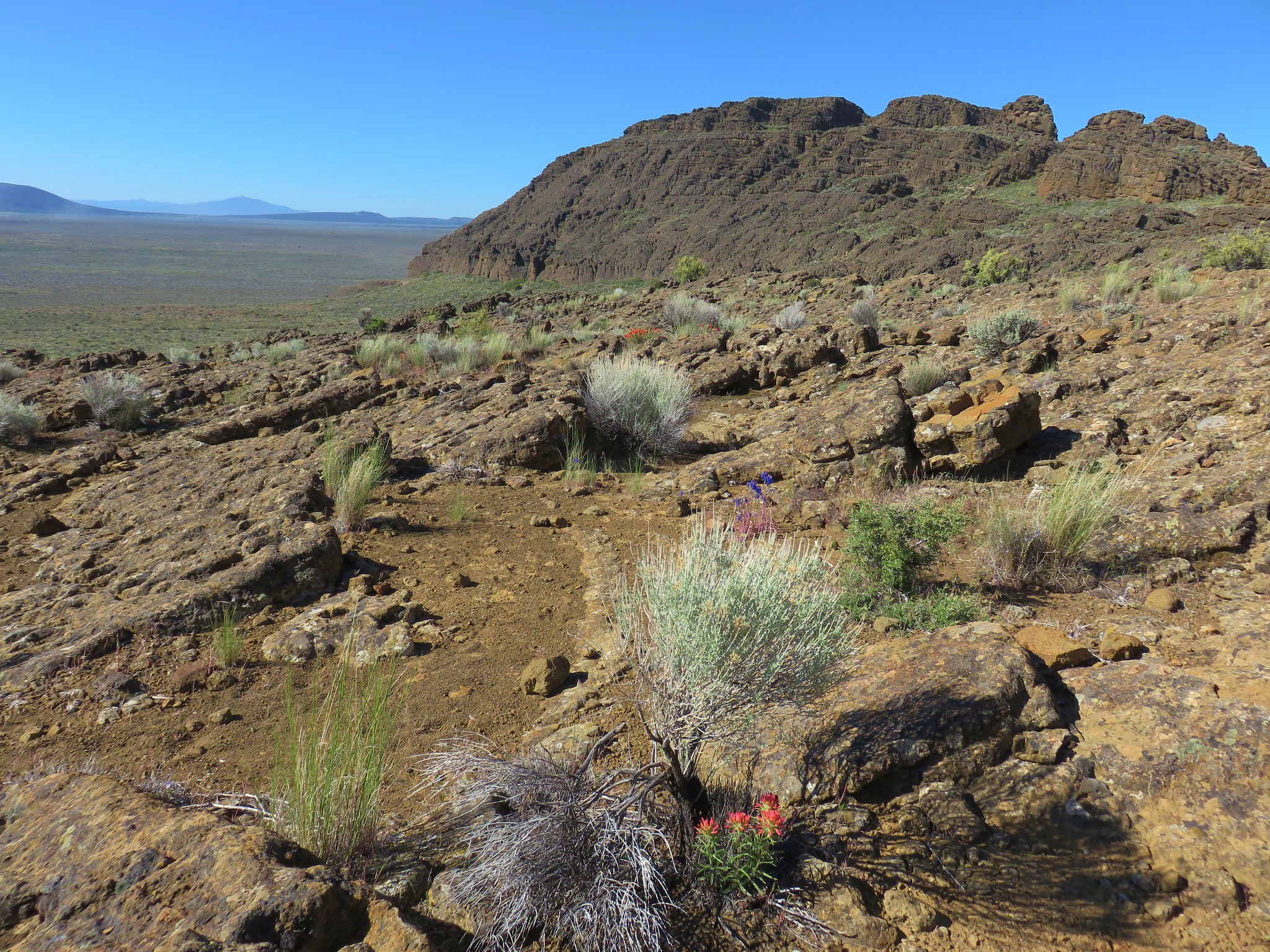
IMG_4921Paintbrush

IMG_4924

IMG_4935

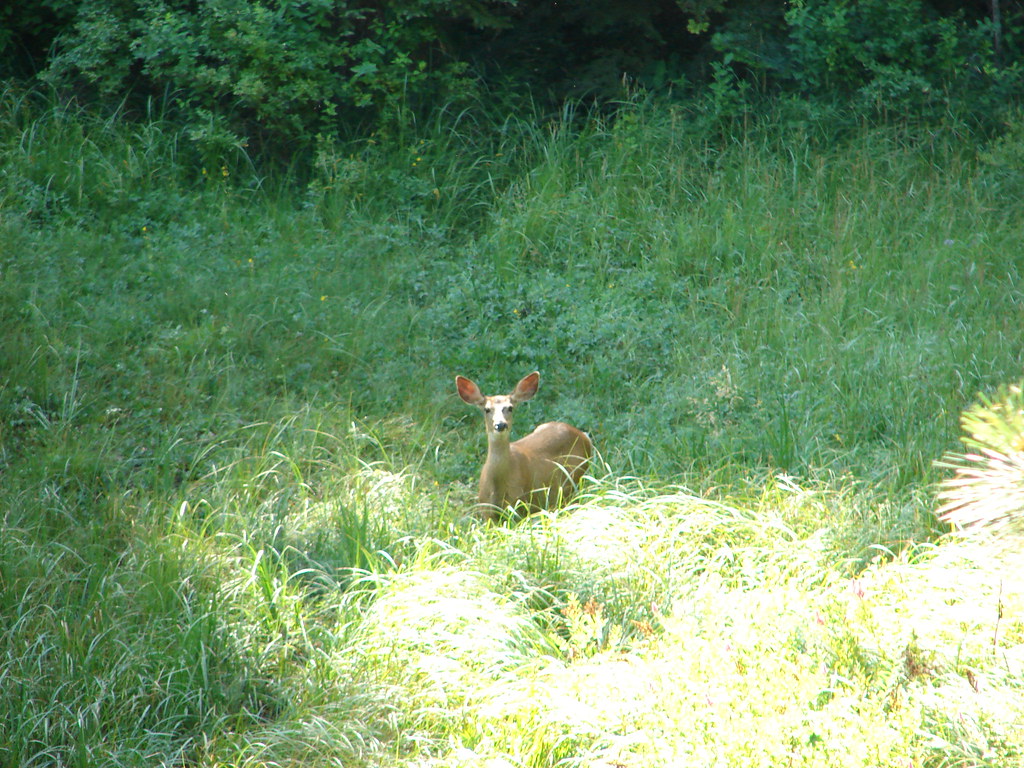
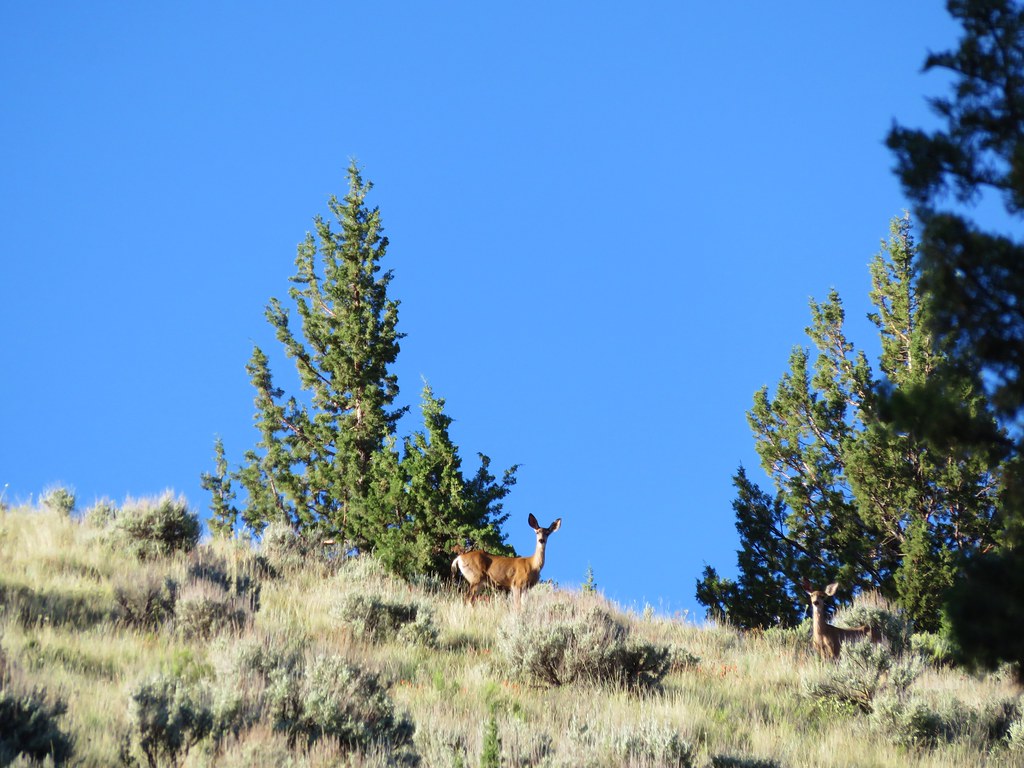
Just before reaching the old roadbed we spotted several deer making their way up the hillside.
IMG_4940

IMG_4947Our turnaround spot. The deer were watching us from just right of the largest rock outcrop.

IMG_4948

We returned the way we came passing only two other hikers before reaching SW Canyon Road.
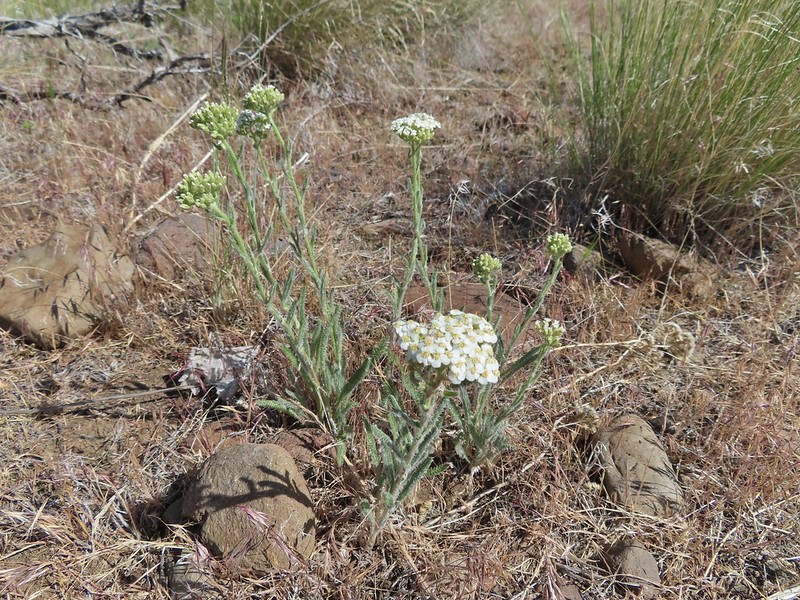
IMG_4959Yarrow and silverleaf phacelia above Willow Creek.

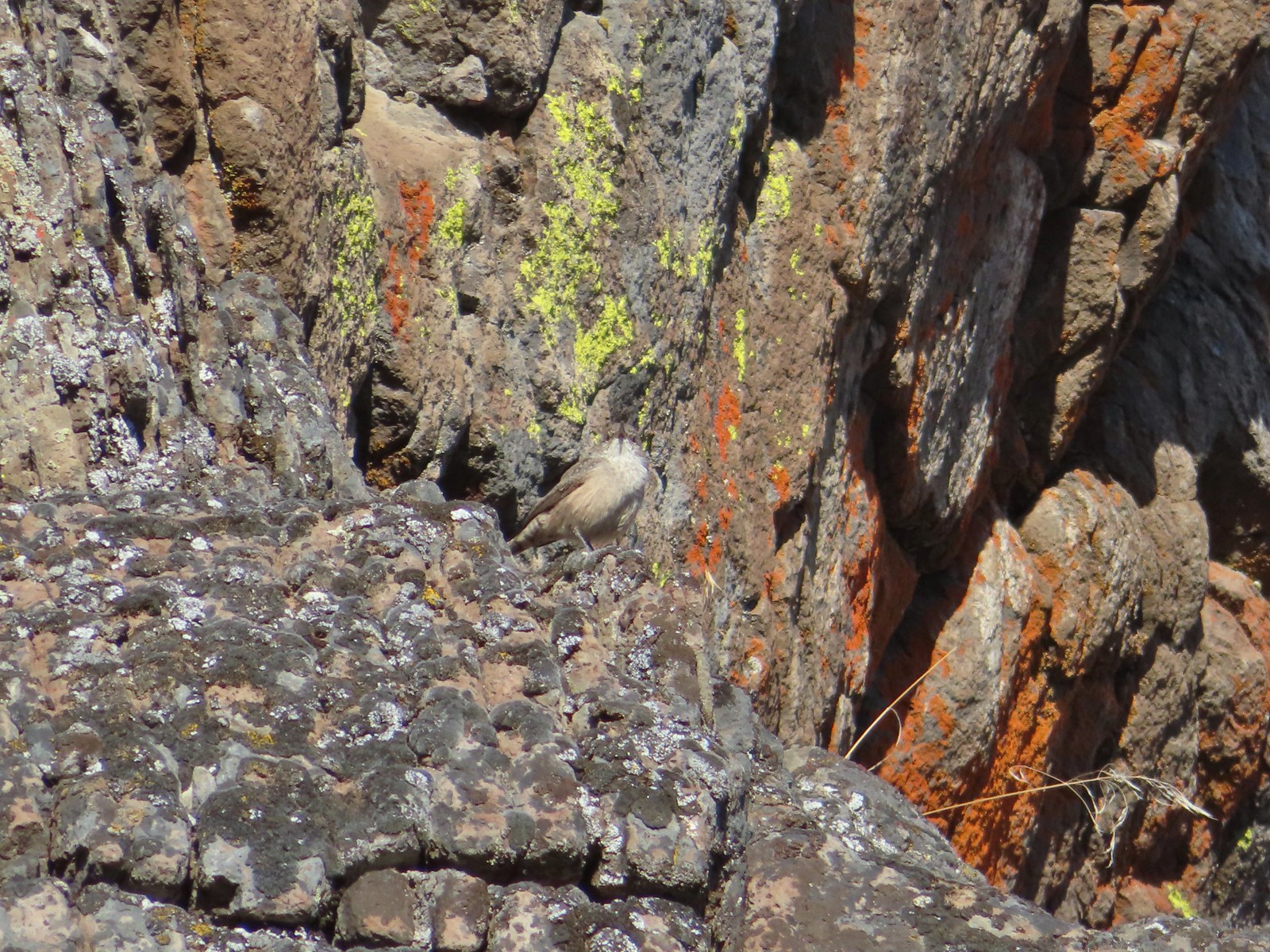
IMG_4968Rock wren

IMG_4972Raven nest

IMG_4974This appears to be hound’s tongue.

The car windows were all still intact when we got back to the trailhead which we were thankful for. Aside from the trailhead anxiety this was a lovely 7.4-mile hike with around 500′ of elevation gain.
Screenshot 2024-05-28 113409

From Madras we drove to Prineville then continued to the Juniper Hills Preserve by taking Highway 380 through Post, Oregon which is near the geographic center of Oregon. We parked along the shoulder of the highway at a “Private Property No Trespassing” sign with a view of Oregon’s other painted hills. (The official Painted Hills (post) are part of the John Day Fossil Beds National Monument.)
DSCN4731

IMG_4991

DSCN4732

IMG_4986

After admiring the painted hills we drove back toward Prineville 1.4-miles and pulled off next to another former trailhead at the Preserve.
IMG_4994

IMG_4995

Since getting out of the car and walking up to the closed gates was all that was possible at this time we are counting this visit toward the 100. If access is ever restored we will be back but for now we’re just happy that some of the painted hills were visible from the highway.

We made the 35-mile drive back to Prineville and headed for the Barnes Butte Trailhead.
IMG_4996

The Barnes Butte Recreation Area has been developed by the Central Oregon Trails Alliance and the City of Prineville on city and Bureau of Land Management land.
IMG_4998

A paved loop trail begins at the trailhead and connects to numerous other mixed-use trails (open to biking and hiking). I had found a couple of hiking routes online but both the Oregonhikers and AllTrails maps did not include all of the recently developed trails, so we studied the map at the trailhead and came up with our own route.

Our plan was to begin on the Calumet Trail then turn right at a 4-way junction to cross the paved trail and take the Baby Burma Trail up Barnes Butte to The Meadow Trail. From there we would make the side trip to the summit then descend via The Meadow to the Canal Trail. We could take the Canal Trail most of the way back to the trailhead before it would drop us onto the Paved Trail 0.3 of a mile from the trailhead. This would minimize our time on pavement and save our feet for the rest of the weekend’s hikes.

Of course we immediately chose the wrong path and forked left from the signboard on a wide dirt path when we should have gone right on a narrower dirt path. After a tenth of a mile we found ourselves at the canal and had to turn around and take the correct path.
IMG_5000Grizzly Mountain from the wrong path.

IMG_5001Barnes Butte from the Calumet Trail.

The Calumet Trail wound through the grassland for nearly a mile before arriving at the unsigned 4-way junction.
IMG_5005

IMG_5006

20240525_132044Threadleaf phacelia

IMG_5012

IMG_5014Barnes Butte from the 4-way junction.

We turned right and after 0.2-miles crossed the Paved Trail to a Baby Burma sign.
IMG_5016

IMG_5017

The Baby Burma Trail climbed an old roadbed for half a mile gaining nearly 300′ to a signed junction at a saddle.
IMG_5019

IMG_5020

IMG_5021Penstemon

IMG_5024Milkvetch

IMG_5028Phlox

IMG_5030Mt. Jefferson beyond Gray Butte.

IMG_5037Rock outcrop below Barnes Butte.

IMG_5038Cinnabar Mine

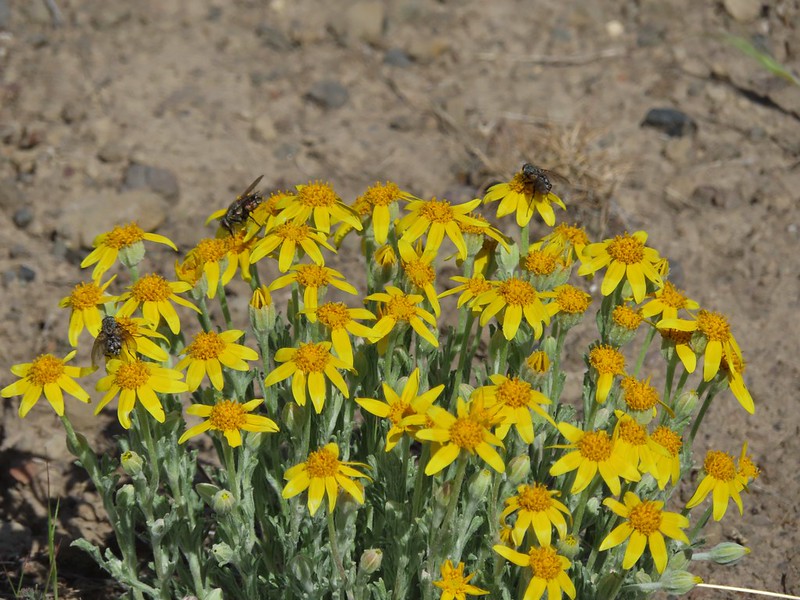
IMG_5042A skipper and flies on a groundsel.

IMG_5043A sulphur

IMG_5050

We turned left onto The Meadow then forked right to climb Barnes Butte. Reaching the summit required scrambling up a couple of rocky slopes where I was forced to use my hands. Heather opted not to follow.
IMG_5054The trail to the summit.

IMG_5056

IMG_5059

IMG_5060

IMG_5064Bench at the summit.

The summit provided a 360-degree view.
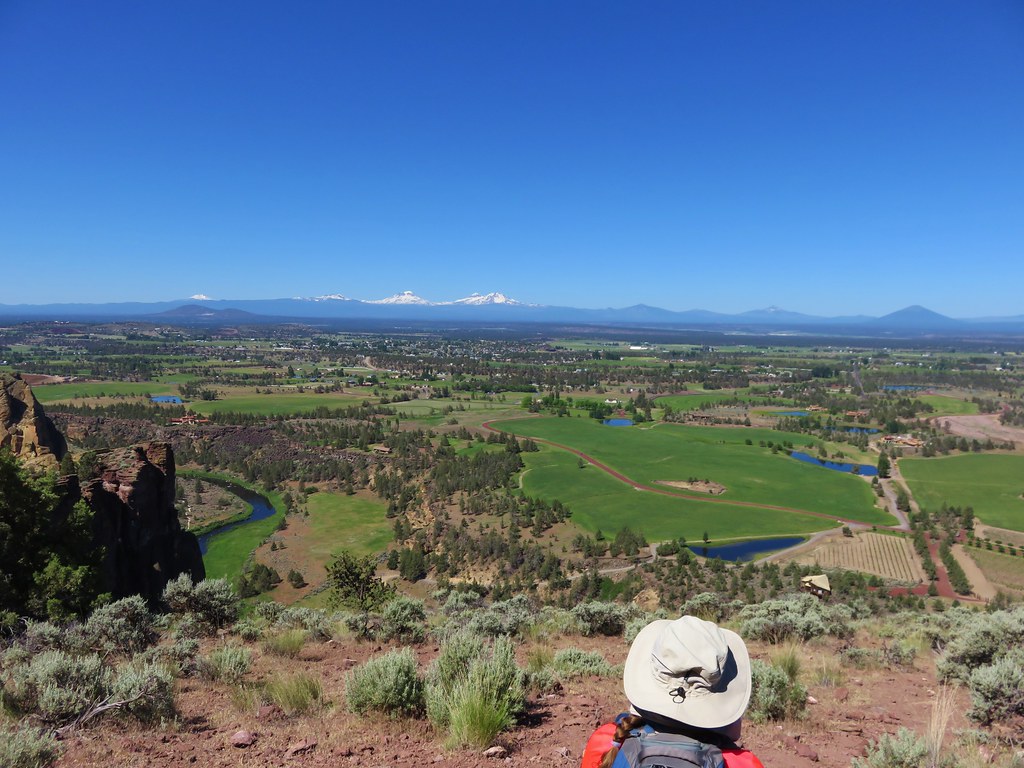
IMG_5065L to R: Black Butte (post), Smith Rocks, Gray Butte, Mt. Jefferson, and Grizzly Mountain with Barnes Butte Reservoir below.

IMG_5066Round Mountain to the east (post).

IMG_5072Powell Buttes to the SW with Mt. Bachelor, Broken Top and the Three Sisters beyond.

IMG_5071Mt. Bachelor (post)

IMG_5069Broken Top and the Three Sisters

After taking in the view I descended to where Heather was waiting, and we headed down The Meadow.
IMG_5077Of course by heading down it meant we started with a slight climb on The Meadow.

IMG_5080

IMG_5082

IMG_5083Viewpoint along The Meadow.

IMG_5086Orange globe-mallow

IMG_5094Buckwheat

IMG_5105

IMG_5111

When we arrived at a sign for the Canal Trail we turned left on a dirt track following a former ditch.
IMG_5114

20240525_145419A hairstreak

IMG_5122The Canal Trail running parallel to the Pave Trail.

IMG_5125Mountain identifier

IMG_5127Coming up on the end of the Canal Trail.

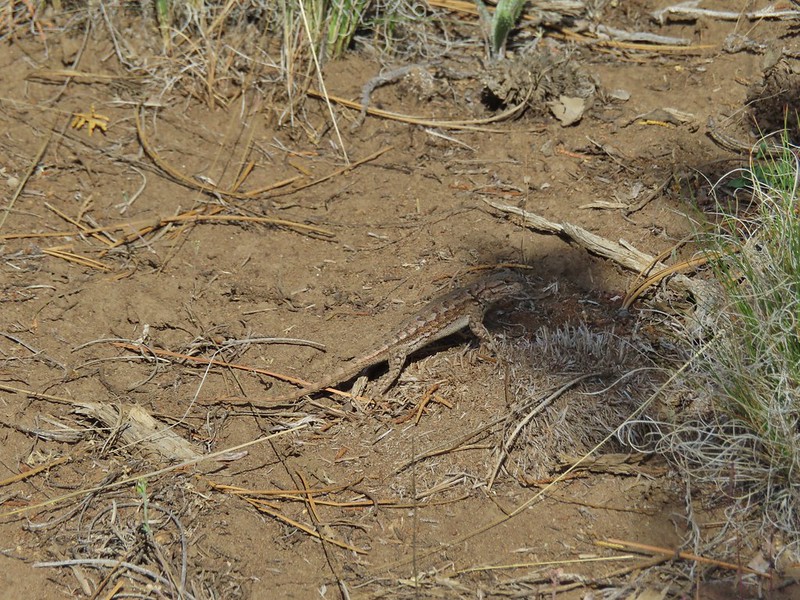
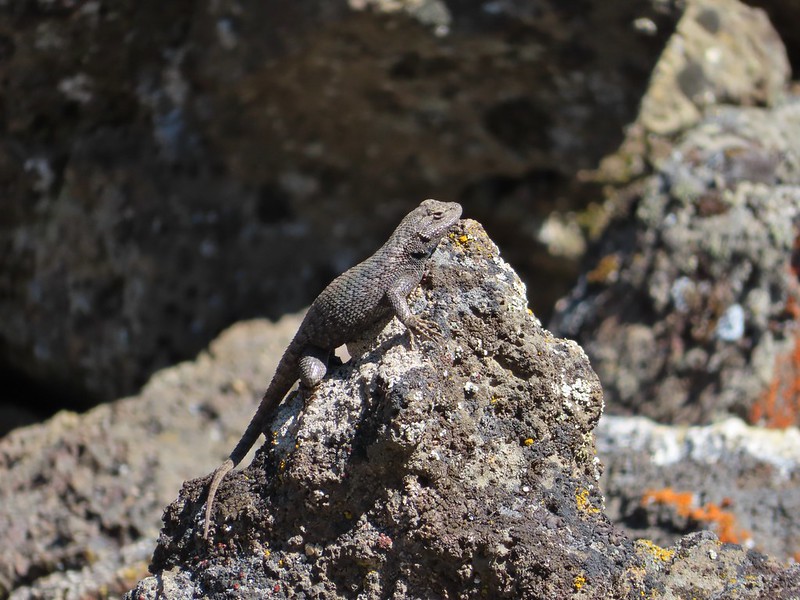
IMG_5130Lizard

IMG_5133Arriving back at the trailhead.

We ended up with an extremely disfigured figure-eight here consisting of 3.9-miles and 550′ of elevation gain.
Screenshot 2024-05-28 113446

We were a bit surprised at just how enjoyable the hike at Barnes Butte had been. This is a really nice area and seemed to be quite popular, yet it never felt busy. It had been much more than just a time killer while we waited for check-in time. Speaking of which it was now a little after 3pm so we headed for our motel, got checked in and cleaned up, then headed next door to Club Pioneer where we met up with Heather’s family for a wonderful dinner. Happy Trails!

Flickr: Willow Creek, Juniper Hills, and Barnes Butte

Categories
Bend/Redmond Central Oregon Hiking Oregon Trip report

Fryrear Canyon – 09/04/2023

To finish off our Labor Day Weekend we chose a hike almost halfway between Burns and Salem, Fryrear Canyon. Managed by the BLM (Prineville District) as part of the Cline Buttes Recreation Area there isn’t a lot of information available online that I could find outside of an area closure map for nesting birds from February 1st through August 31st. (Please note that the trails shown on the linked map are a little bit different than what we found.)

The Fryrear Trailhead is located along Fryrear Road which runs between Highways 20 and 126. From Highway 20 the trailhead is on the right after 2.3 miles and from Highway 126 it is on the left after 3.2 miles.
IMG_8702The trailhead has numerous parking spots for cars as well as a large horse trailhead, outhouse, and picnic tables.

IMG_8703The big signboards unfortunately did not have a map or other information about the trail system though.

We headed East past a gate on a well established path with flagging.
IMG_8704

IMG_8705

IMG_8708The North Sister behind us.

After a third of a mile we came to an unsigned “T” junction where we turned right.
IMG_8709

We followed the path and flagging when there were forks for half a mile to the start of Fryrear Canyon.
IMG_8712

IMG_8715Signpost for the canyon ahead.

IMG_8717This sign was just like the ones we’d seen Saturday at the Dry River Canyon (post).

We descended into the canyon and spent the next mile admiring the rock formations and various vegetation growing along the canyon floor.
IMG_8718

IMG_8728

IMG_8731

IMG_8734

IMG_8735

IMG_8740

IMG_8741The canyon is home to some impressive ponderosa pines.

IMG_8743

IMG_8750Another ponderosa

IMG_8752Looking up from below the ponderosa.

IMG_8754Lichens

IMG_8758

IMG_8759

IMG_8760

IMG_8767

IMG_8771

IMG_8773Townsend’s solitaire

IMG_8775Owl

IMG_8782

IMG_8783West wall

IMG_8784East wall

IMG_8786Wren

IMG_8787Neat rock formation.

IMG_8788Exiting Fryrear Canyon.

A short distance after leaving the canyon we arrived at a gate with a trail junction on the other side.
IMG_8791

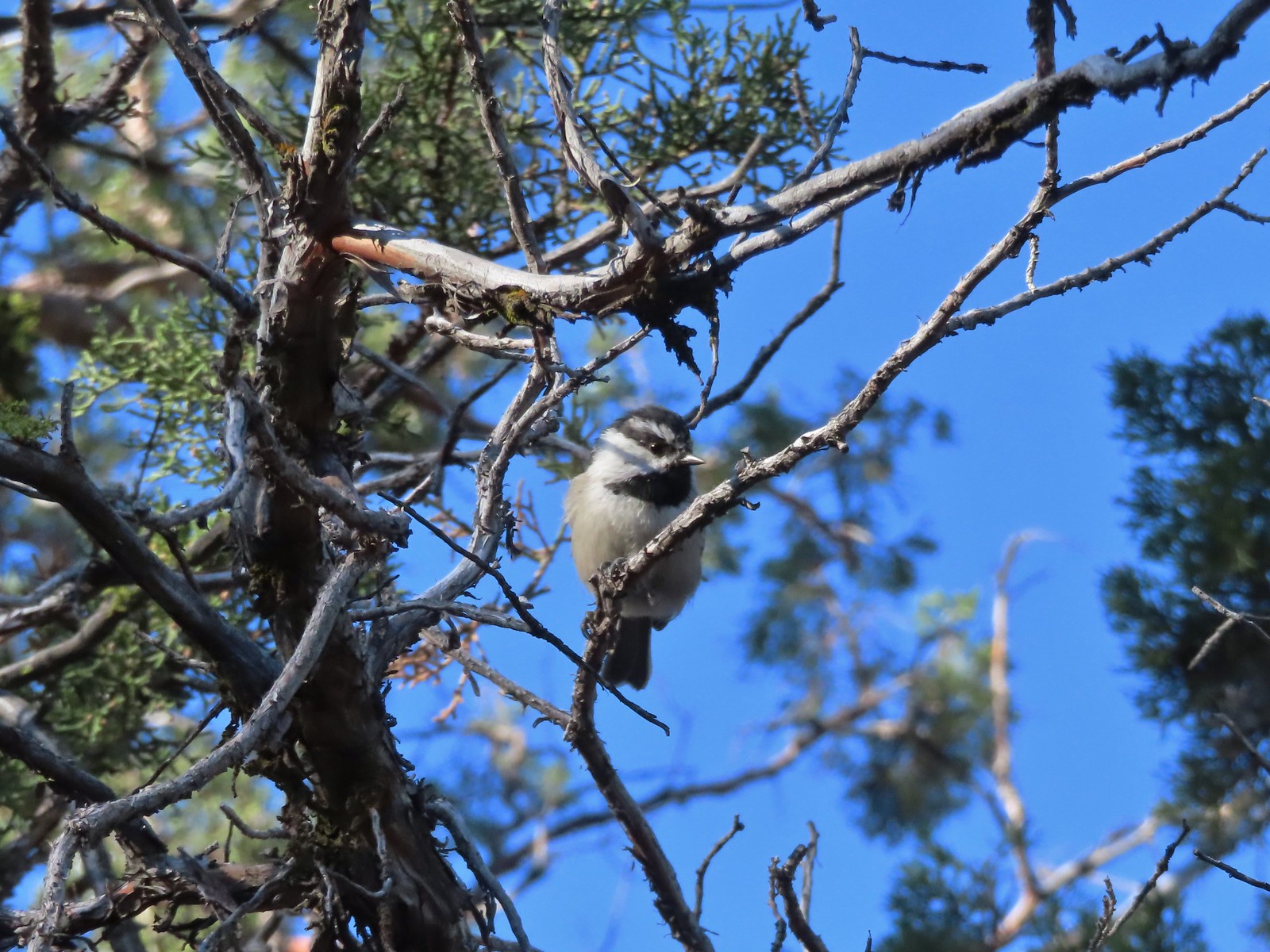
IMG_8794Several mountain chickadees came to investigate as we passed through the gate.

We turned left at the unsigned junction and climbed up a small hill gaining a view of the Three Sisters.
IMG_8796

IMG_8804

IMG_8805Middle and North Sister

IMG_8812Mountain bluebird

IMG_8815South Sister

A little further along we gained a view of Mt. Jefferson (behind a few clouds).
IMG_8821

IMG_8822Mt. Jefferson

We stayed left at junctions to complete a loop.
IMG_8823Broken Top and South Sister

IMG_8824Broken Top behind some clouds.

IMG_8828

IMG_8832We turned right back onto the spur trail to the Fryrear Trailhead at the end of our loop.

IMG_8833

IMG_8835Stellars jay

The hike was 3.3-miles with 200′ of elevation gain.

We had a great time on this hike. Fryrear Canyon was absolutely wonderful. The rock formations and textures were very interesting and so was the vegetation along the canyon floor. Throw in some wildlife and mountain views and you have the makings of a great hike. Happy Trails!

Flickr: Fryrear Canyon

Categories
Bend/Redmond Central Oregon Hiking Oregon Trip report

Whychus Canyon Preserve, Alder Springs, & Huntington Wagon Road – 05/29/21

**In 2025 the Alder Springs Fire burned over the Alder Springs Trail and the Flat Fire burned over the Whychus Canyon Preserve.**

For Memorial Day weekend this year we headed to Bend to visit Heather’s family and of course do some hiking. Having finally reached our goal of completing all 100 featured hikes in William L. Sullivan’s “100 Hikes/Travel Guide Central Oregon Cascades” 4th edition last year (post) we kicked off this trip with a stop at a the Whychus Canyon Preserve, which was a new featured hike in his 5th edition.

The 930 acre preserve is owned and managed by the Deschutes Land Trust who have established over 7 miles of hiker only (dogs on leash) trails open to the public. The focus here is conservation so respecting the rules and Leaving No Trace is imperative (as it always should be) in order to keep the access open. We arrived at the trailhead a little after 7am on Saturday morning to find the parking area empty.
IMG_5809Kiosk and bench at the trailhead.

A map at the kiosk shows that there are a number of loops possible here and we decided to deviate slightly from the route described by Sullivan.
IMG_5803

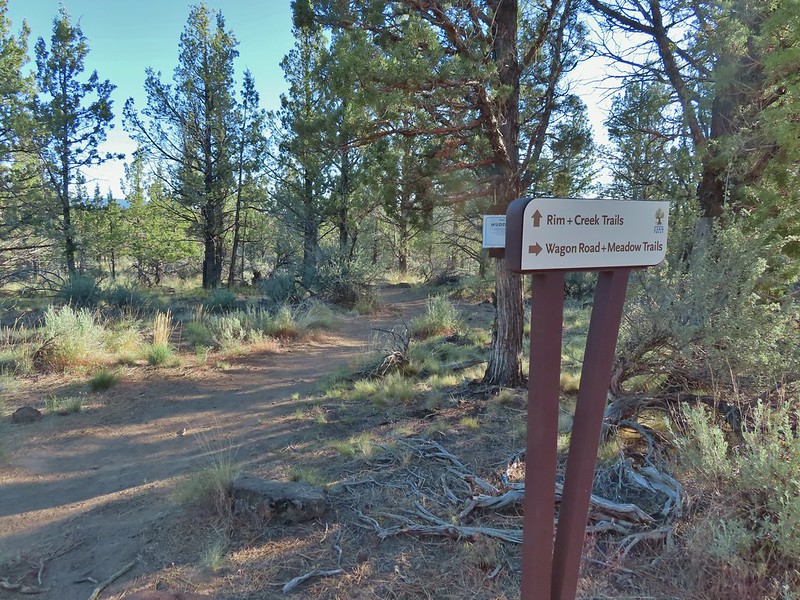
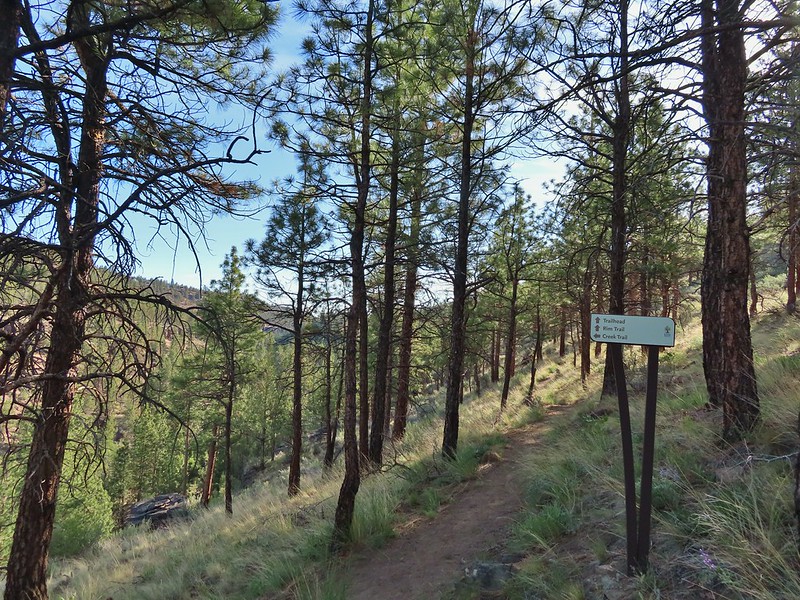
From the kiosk we followed a pointer for the Rim & Creek Trails onto a dirt path.
IMG_5807

The trail led slightly downhill, through a red gate and after just 0.2 miles arrived a “T” shaped junction with the Rim Trail where Sullivan has you turn right. We opted for a slightly longer loop and turned left instead.
IMG_5815Tent caterpillars (and the red gate)

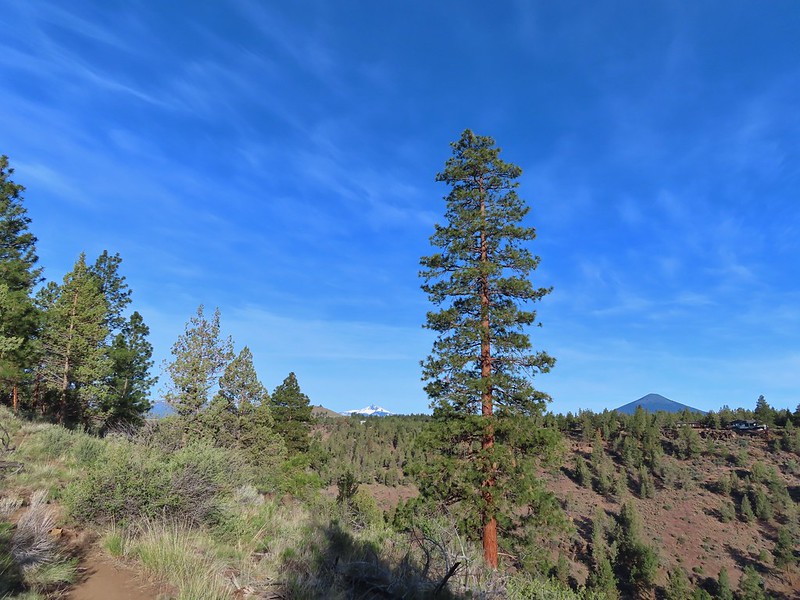
As we followed the Rim Trail west along the canyon we began to get some good mountain views.
IMG_5827Mt. Washington and Black Butte (post)

IMG_5837Broken Top, The Three Sisters, Black Crater (post), Little Belknap & Belknap Crater (post), and Mt. Washington.

After 0.4 miles the trail made a 180 degree turn dropping further into the canyon.
IMG_5851

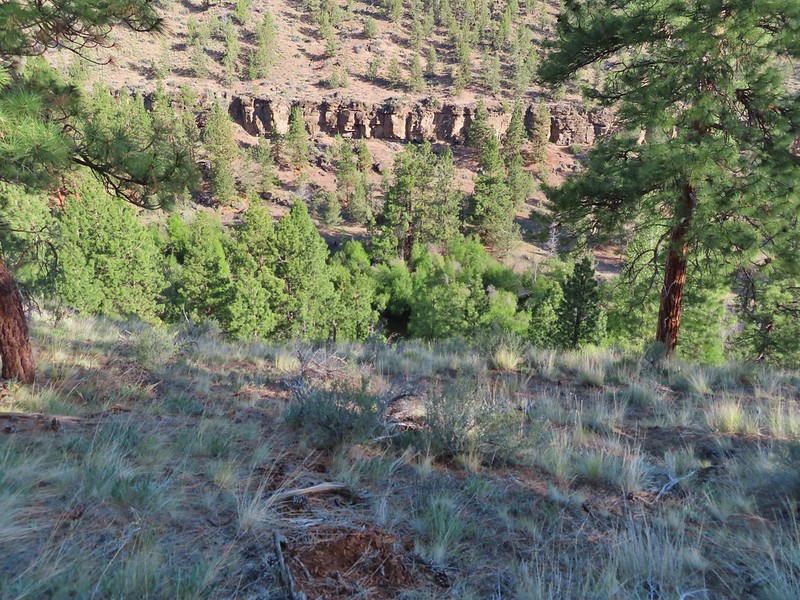
IMG_5843Whychus Creek was hidden by trees for the most part.

While there weren’t a lot of wildflowers a number of different types were present.
IMG_5847Balsamroot

IMG_5850Lupine

IMG_5855Paintbrush

IMG_5870A Penstemon

IMG_5874Western stoneseed

IMG_5875Sedum leibergii -Leiberg’s Stonecrop

IMG_5848Spreading stickseed

IMG_5853Western wallflower

In addition to the various flowers we spotted some varied wildlife as well.
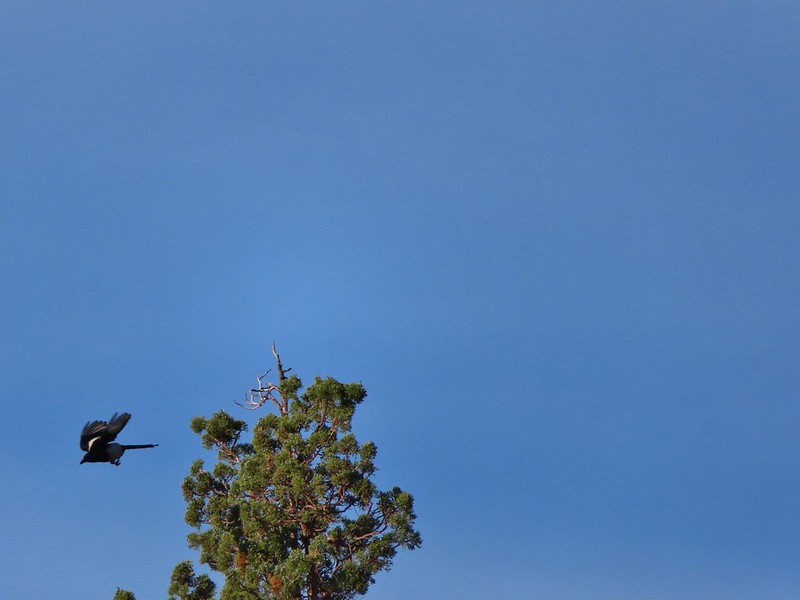
IMG_5844Magpie playing hard to get.

IMG_5864Spotted towhee

IMG_5895Black-headed grossbeak

IMG_5885Ochre ringlet

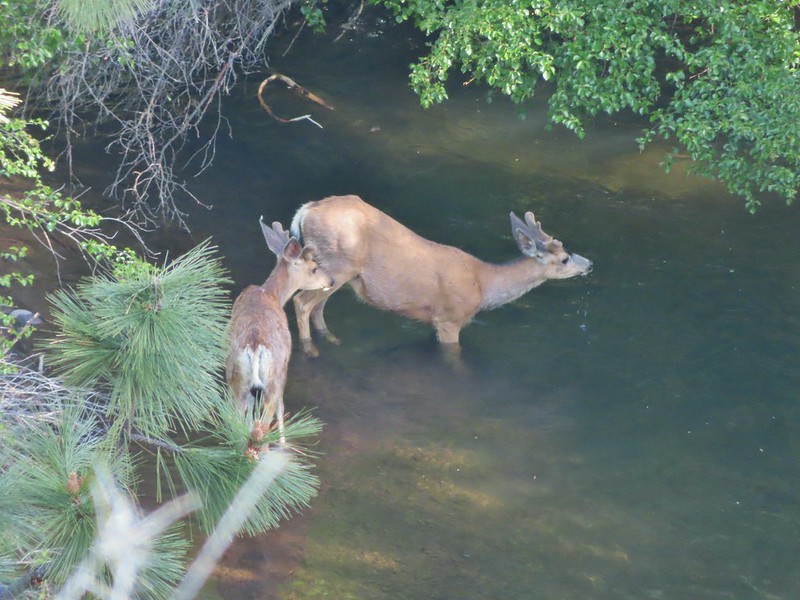
IMG_5898Pair of bucks in Whychus Creek

This is a good time to mention how much I appreciate the zoom on my Canon XS740HS. While I often look at other peoples photos and wish mine were as crisp/clear the compact size and low price (compared to even low end DSLR cameras) of the little point and shoot has worked well enough. Those two bucks are a good example as we spotted them from here.
IMG_5900

Approximately 0.6 miles from the big turn we arrived at a signed junction. Uphill led back to the trailhead (where we would have come down following Sullivan’s directions) while the Creek Trail headed downhill to the left.
IMG_5906

We turned downhill and switchbacked downhill for 0.2 miles to Whychus Creek.
IMG_5909

IMG_5915

IMG_5919

We followed along the creek on this trail for 1.5 miles, ignoring a steep trail to the right at the 0.8 mile mark. The sounds of the creek combined with the songs of birds made for a relaxing stroll through the canyon.
IMG_5929

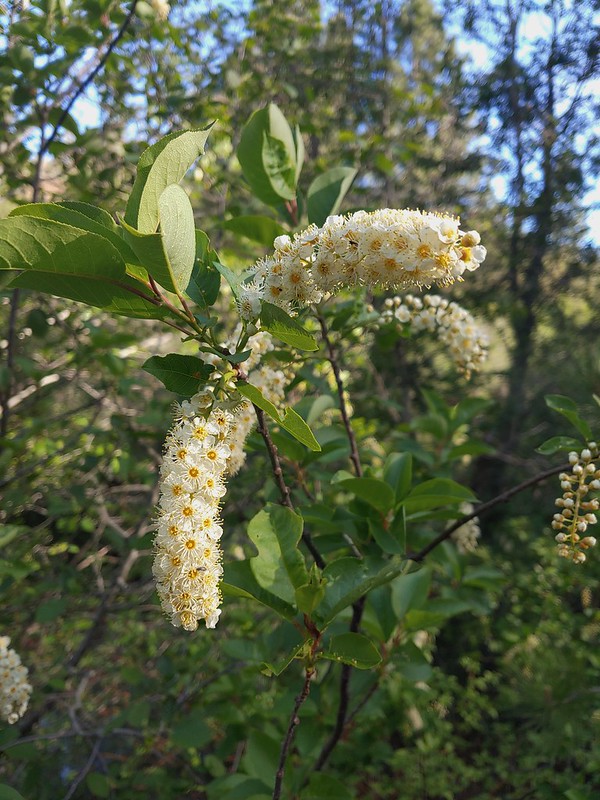
20210529_081300Chokecherry

IMG_5925

IMG_5941Star-flower false solomonseal

IMG_5946

IMG_5950Trail junction at the 0.8 mile mark.

20210529_082320Spider on a wallflower.

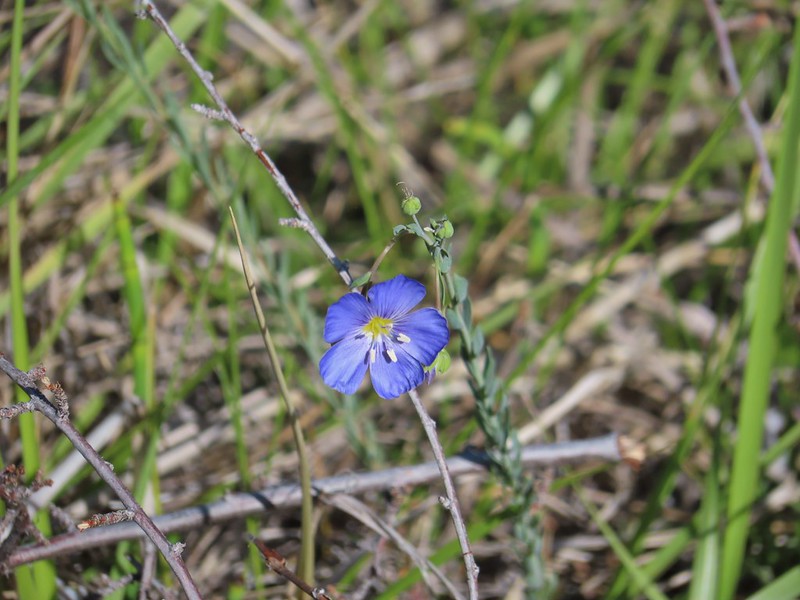
IMG_5953Lewis flax

20210529_084000 Heuchera cylindrica -roundleaf allumroot

At the 1.5 mile mark the trail turned uphill away from the creek and made a turn back toward the trailhead.
IMG_5966

The trail climbed for 0.4 miles before leveling out near a rock outcrop where a side trail to the right led to a viewpoint.
IMG_5977

IMG_5969Oregon sunshine

IMG_5976Buckwheat and penstemon

IMG_5982Sign post for the viewpoint.

IMG_5983Heading for the rock outcrop/viewpoint.

IMG_5990Middle and North Sister with Whychus Creek below.

Two tenths of a mile beyond the viewpoint we passed the upper end of the cutoff trail coming up from the Creek Trail.
IMG_5996

We were now on the Meadow Trail which we followed for 1.5 miles (ignoring a signed trail to the left at the 0.5 mile mark). We were still spotting different flowers and wildlife on this stretch.
IMG_5998A monkeyflower

20210529_092023Sand lilies

IMG_6004Trail sign in the distance for spur trail to the Santiam Wagon Road.

IMG_6008Death camas

IMG_6011Sagebrush false dandelions

IMG_6021Pinion jay

IMG_6034Mountain bluebird pair

IMG_6041Mourning dove

IMG_6047unidentified little songbird.

IMG_6051Lizard

IMG_6058Second type of lizard

IMG_6060Showy townsendia

Just before reaching the trailhead the trail joined the Santiam Wagon Road at an interpretive sign.

IMG_6064

This wasn’t the first time we’d been on this historic 400 mile route between the Willamette Valley and Eastern Oregon (House Rock, Iron Mountain, Fish Lake, Sand Mountain , ) but it did mark the eastern most portion we’d been on.

We turned right on the Wagon Road for a few steps and were back at the trailhead where there was now a second car. We were surprised there weren’t more considering how nice a hike it had been. We logged just a little over 5 miles on our GPS and were now ready to head to our second stop of the day at the Alder Springs Trailhead.

Whychus Canyon Track

This was another chance to visit Whychus Creek but unlike Whychus Canyon we had done the hike at Alder Springs before (post). That hike had been almost 10 years prior having taken place on 8/3/2011. Two things stand out about that first visit. Most notably we only did the Alder Springs hike because our Plan A, Benson Lake/Scott Mountain Loop, was still under too much snow (also the mosquitos were horrendous). It has been quite some time since there has been that much snow that late in the year, yes climate change is real. Secondly it was a really nice hike but August probably wasn’t the best month for it. It’s been on my list of hikes to revisit at a different (better) time of the year. The road to the trailhead is seasonally closed (typically 12/1-3/31) so April or May seemed the best time to catch wildflowers and cooler temperatures.

Another difference between Whychus Canyon and Alder Springs is the access road. While the former is almost entirely paved with a short stretch of good gravel the latter is not far removed from a 4×4 jeep track. Rocks, washouts, and dried mud holes await for most of the final 4.7 miles to the rather larger parking area which we were surprised to find nearly full at 10:15am. At first we couldn’t figure out why there were so many cars SUVs and trucks here while it was just us and one other car at the preserve then it hit us, you can camp here. That realization came from overhearing a large group saying something about having to make two trips down and “the beer”.
IMG_6066Looking back up the dirt access road to the North Sister, Mt. Washington and Black Butte
IMG_6067The trailhead signboard.

This time we didn’t take the side trip down the 0.4 mile Old Bridge Trail but otherwise it was the same route as we had taken nearly 10 years before. The big difference was the number of wildflowers in bloom and the number of people we encountered, mostly on the way back to the car. The scenery was stunning and the ford at the 1.5 mile mark refreshing.
IMG_6070Buckwheat

20210529_103018Rough eyelashweed

IMG_6094Yarrow

IMG_6103Fiddleneck

20210529_104231Largeflower hawksbeard

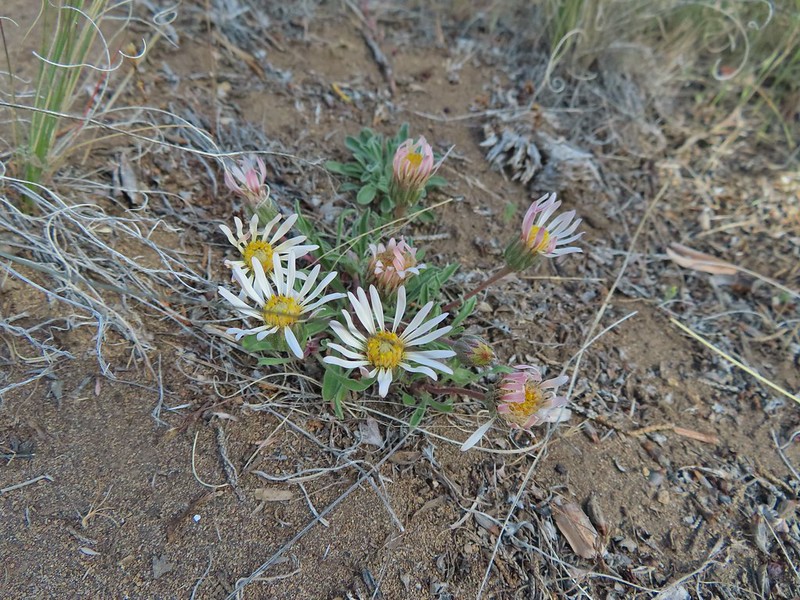
IMG_6111Purple cushion fleabane

IMG_6114Oregon sunshine

20210529_104625Blue mountain prairie clover

20210529_104747Lewis flax

IMG_6122Lupine

IMG_6123Bearded hawksbeard

IMG_6134Haven’t id this one yet.

IMG_6118The Three Sisters, Belknap Crater and Mt. Washington with some dancing clouds.
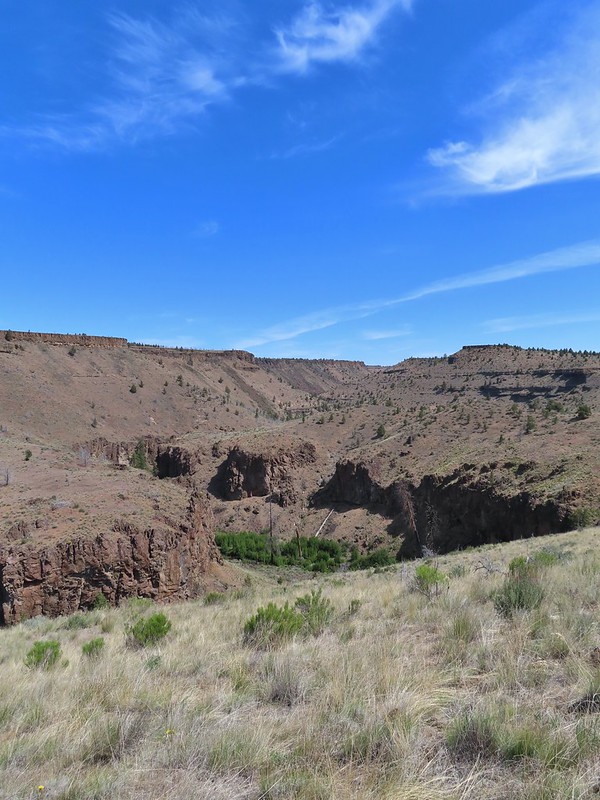
IMG_6126Whychus Creek Canyon

IMG_6136Love the different rock formations in the canyon.
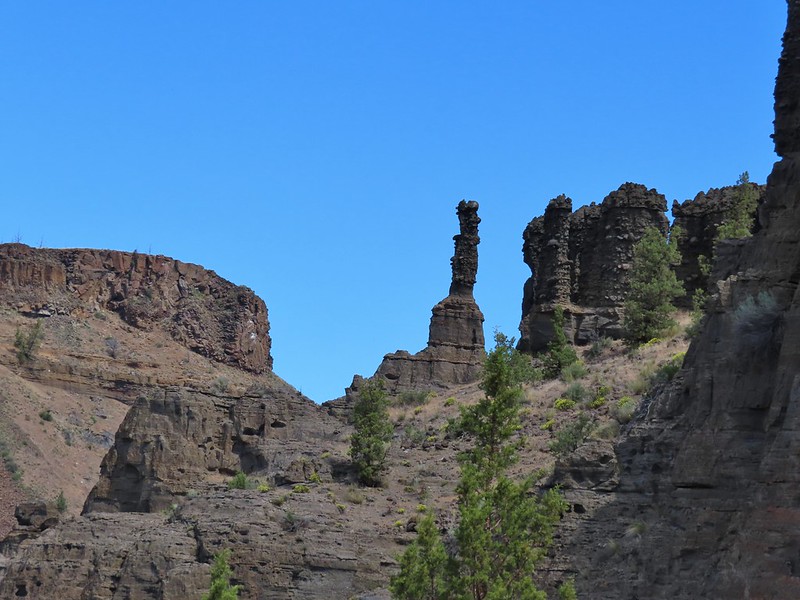
IMG_6140

IMG_6146

IMG_6143Catchfly

IMG_6149Balsamroot

IMG_6160Paintbrush

IMG_6161Pretty sure this side creek was dry on our previous visit.
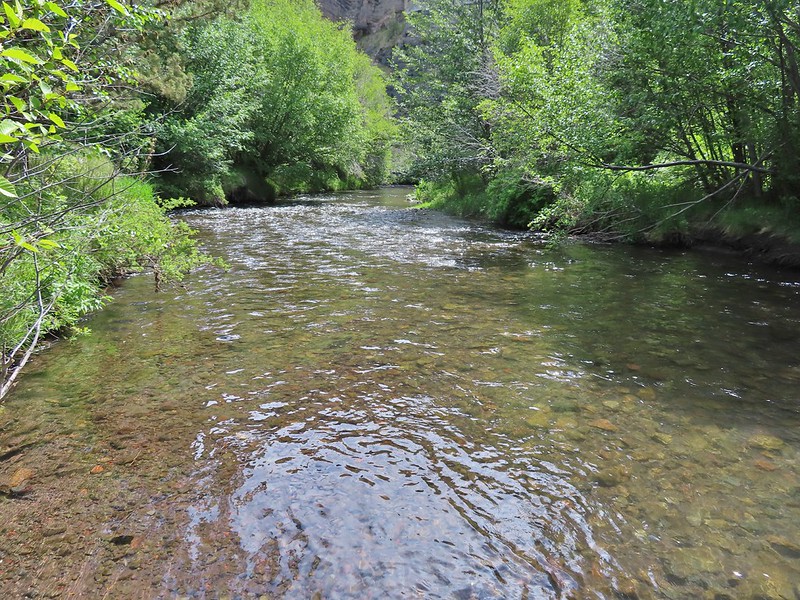
IMG_6163

IMG_6171Whychus Creek at the ford.

We’ll get into a little more of the history of Whychus Creek when we cover our Memorial Day hike but we noted that the water level seemed about the same as it had on our previous crossing and that the water was surprisingly warm given the source of the creek is the glaciers and snowfields of Broken Top and the Three Sisters. After a bit of thinking it dawned on us that higher up near Sisters water is diverted to irrigation ditches and other uses.

IMG_6176Alder Springs

IMG_6181Columbine

20210529_113821A clarkia, possibly Lassen

20210529_113835Threadleaf phacelia

IMG_6201

IMG_6217Unknown

IMG_6224

IMG_6228

20210529_121450Creek dogwood and a beetle covered in pollen

20210529_125533Grand Colloma

20210529_124730Deadly nightshade

IMG_6305Rose with crab spider

20210529_125446
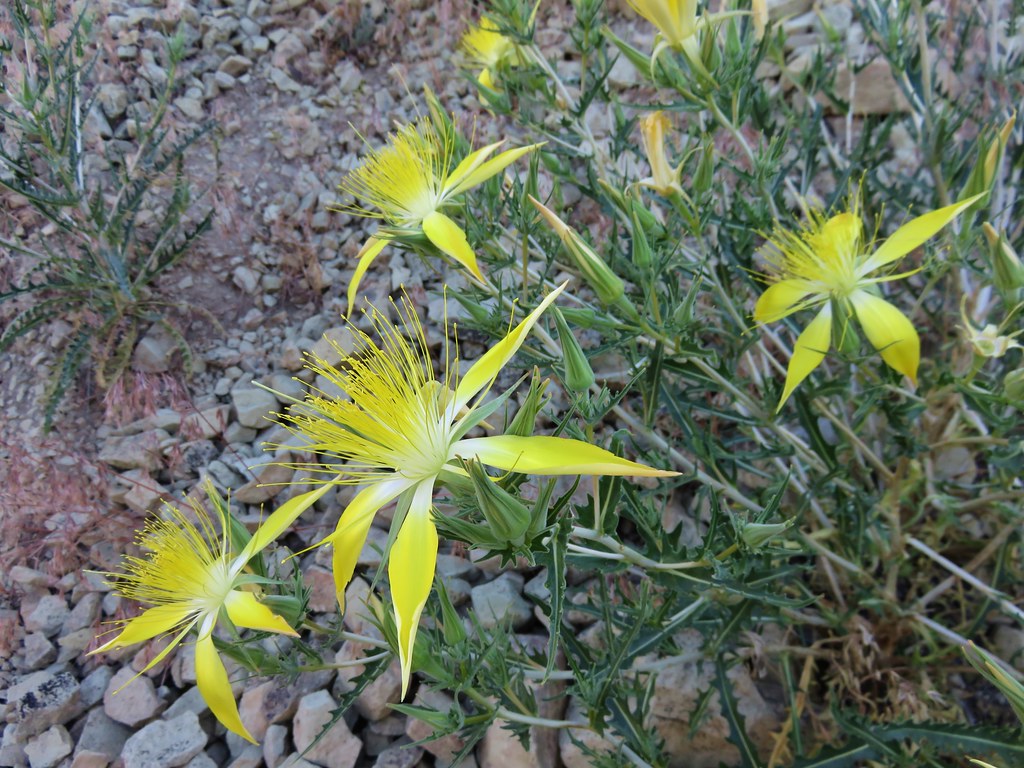
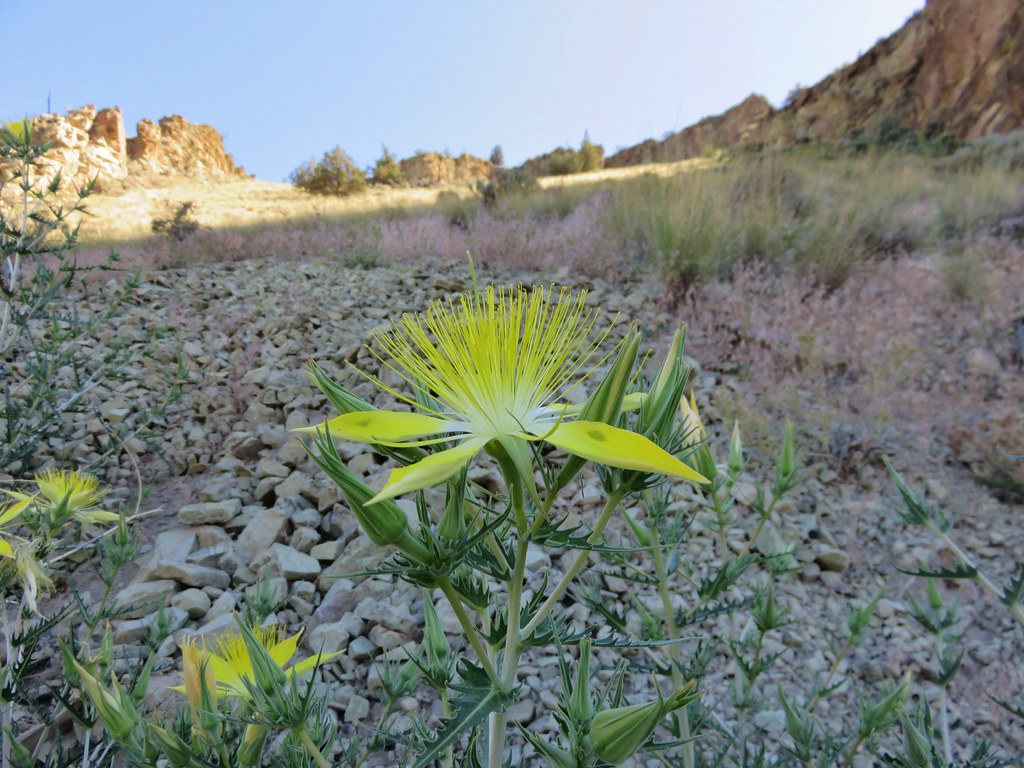
Veatch’s blazingstar

IMG_6252

IMG_6254

IMG_6255Dragon fly

We took a break at the end of the trail along the Deschutes River before hiking back just as we had done on the previous visit.
IMG_6290

IMG_6300Confluence of the Deschutes (left) and Whychus Creek (right).

Butterflies and birds were out in force on the hike back.
IMG_6311Bald eagle

IMG_6330

IMG_6332

IMG_6359Cedar hairstreak

IMG_6367

IMG_6369Turkey vulture

IMG_6379

IMG_6389Mountain chickadee

The hike here came in at 6.4 miles and 650′ of elevation gain giving us a little over 11.5 miles and 1120′ of climbing so far on the day.

Track for Alder Springs

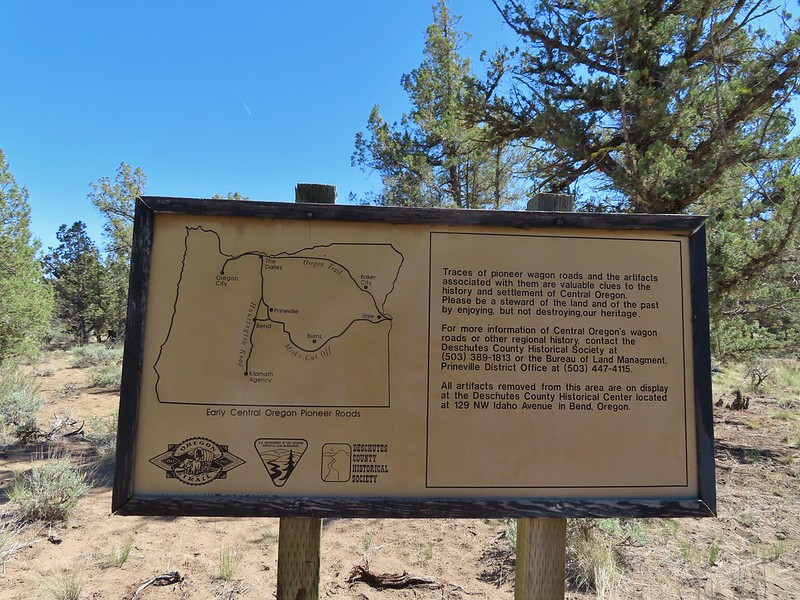
We had one more quick stop planned for the day. Our first hike had been on Deschutes Land Trust land and the second in the Crooked River National Grassland managed by the Ochoco National Forest and our final stop at the Huntington Wagon Road was on BLM land. The hike here was of particular interest to me as the trailhead is only 2 miles from where I lived from 2nd grade until leaving home for college and yet I had no idea it was there. The BLM has created a 1.2 mile long interpretive trail along a section of a route that was built to haul supplies from The Dalles to build Fort Klamath.
IMG_6395Trailhead on McGrath Road.

IMG_6407

There is a lot to see along the trail as far as scenery goes. It’s mostly sagebrush and juniper with some lava formations mixed in. The history is what makes this hike interesting, and the dozens of lizards scurrying about.
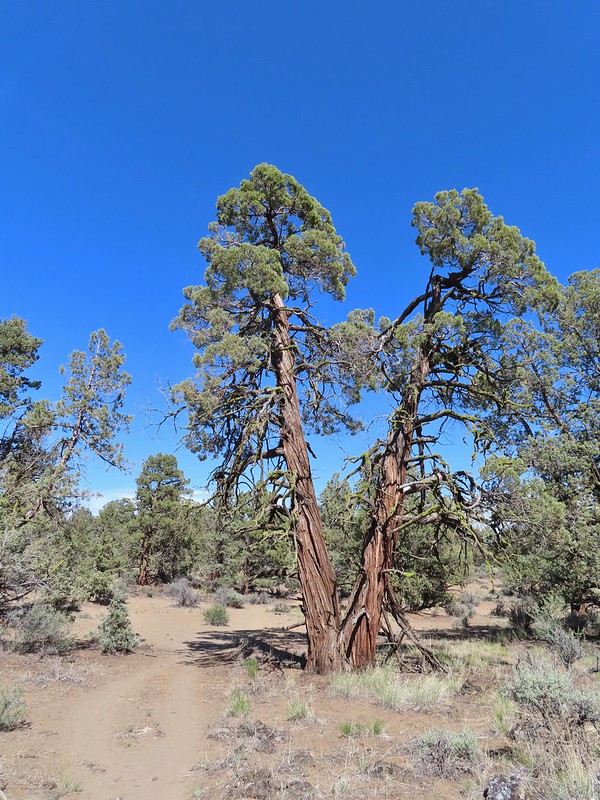
IMG_6400A 300+ year old juniper named an Oregon Heritage Tree

IMG_6404Sagebrush, juniper and lava – my childhood 🙂
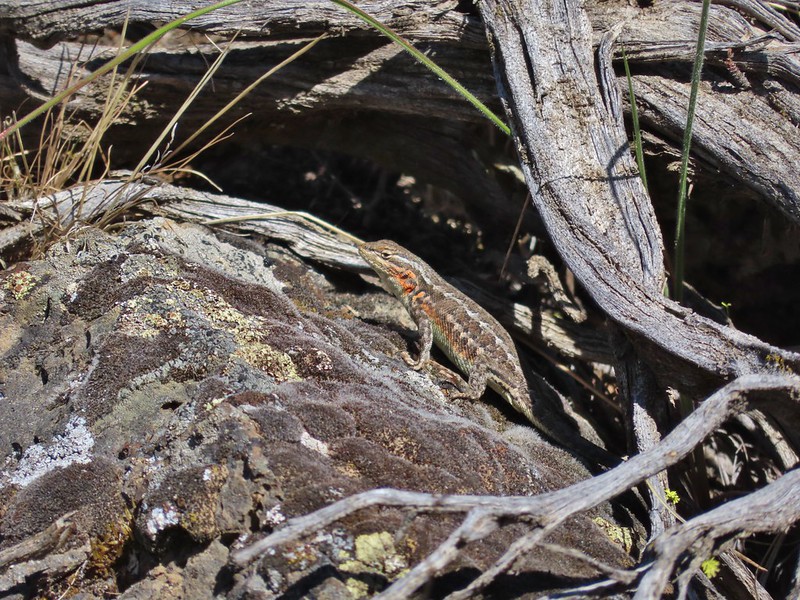
IMG_6406

IMG_6411

IMG_6408Tree blaze

IMG_6413

IMG_6414Buckwheat

IMG_6422

IMG_6423Ruts along the wagon road.

IMG_6426

IMG_6427Skipper on Showy townsendia.

IMG_6433Post marking the relic fence line and turnaround point.

IMG_6434An old fence post and barbed wire.

IMG_6436Junipers are some interesting trees, they come in all shapes and sizes.
Track for the Huntington Wagon Road

In total we hiked 14 miles with 1150′ of elevation gain. We got to see two sections of Whychus Creek and Canyon as well as parts of two historic Wagon Roads. We ended the day by enjoying some homemade lasagna at Heather’s parents place. Not a bad way to start a holiday weekend. Happy Trails!

Flickr: Whychus Canyon Preserve, Alder Springs, and Huntington Wagon Road

Categories
Bend/Redmond Central Oregon Hiking Oregon Trip report

Boyd, Arnold, Hidden Forest, and Pictograph Caves (sort of)

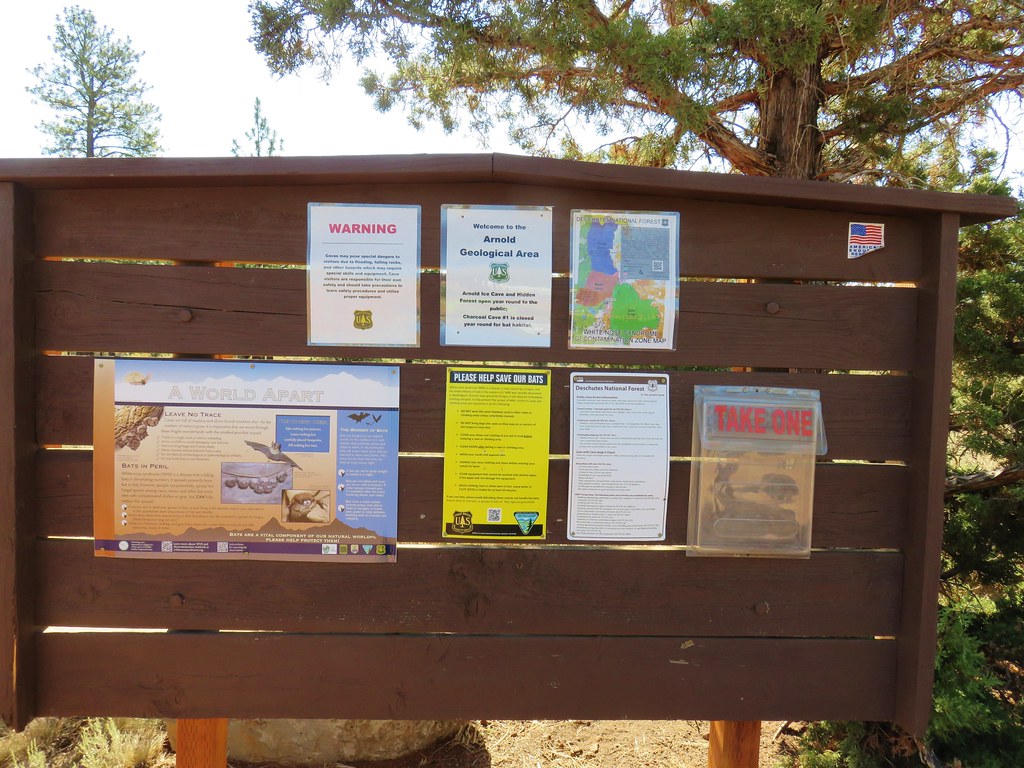
Our hike along French Creek Ridge (post) officially kicked off our July vacation it was the following day that we left home and headed for Central Oregon. We were ultimately heading to the Strawberry Mountains but we stopped in Bend to visit Heather’s parents and also to check out a few of the caves off China Hat Road. (Whenever visiting caves please be aware of White-Nose Syndrome and help protect bats.)

Our first stop was Boyd Cave.
IMG_8788

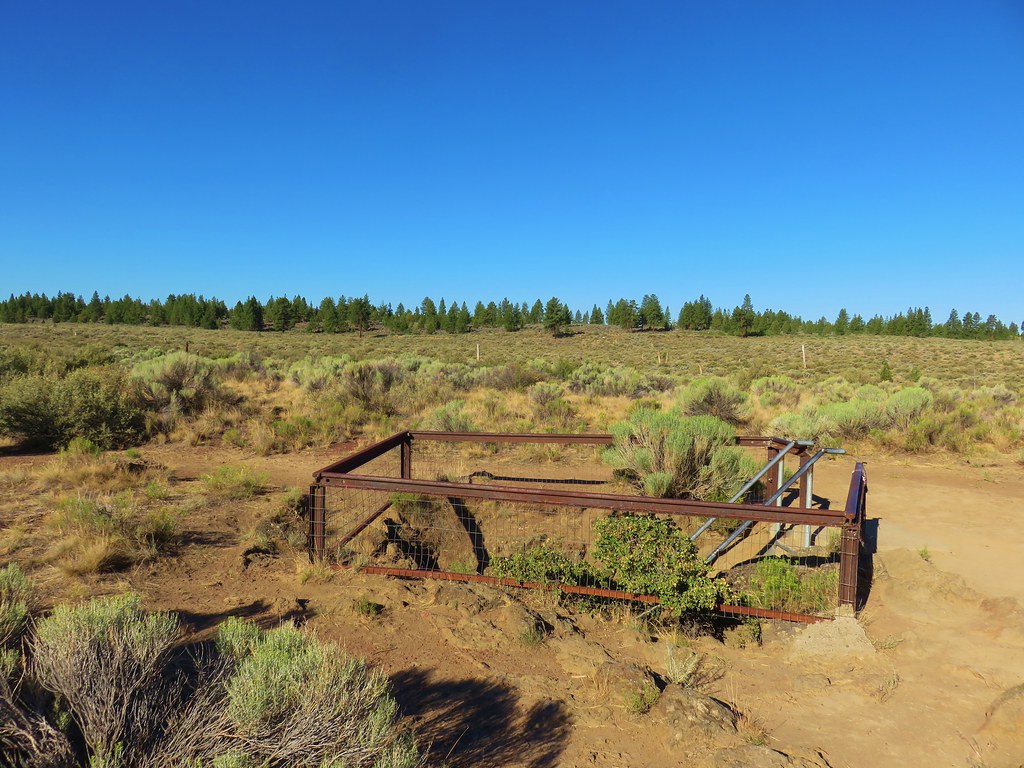
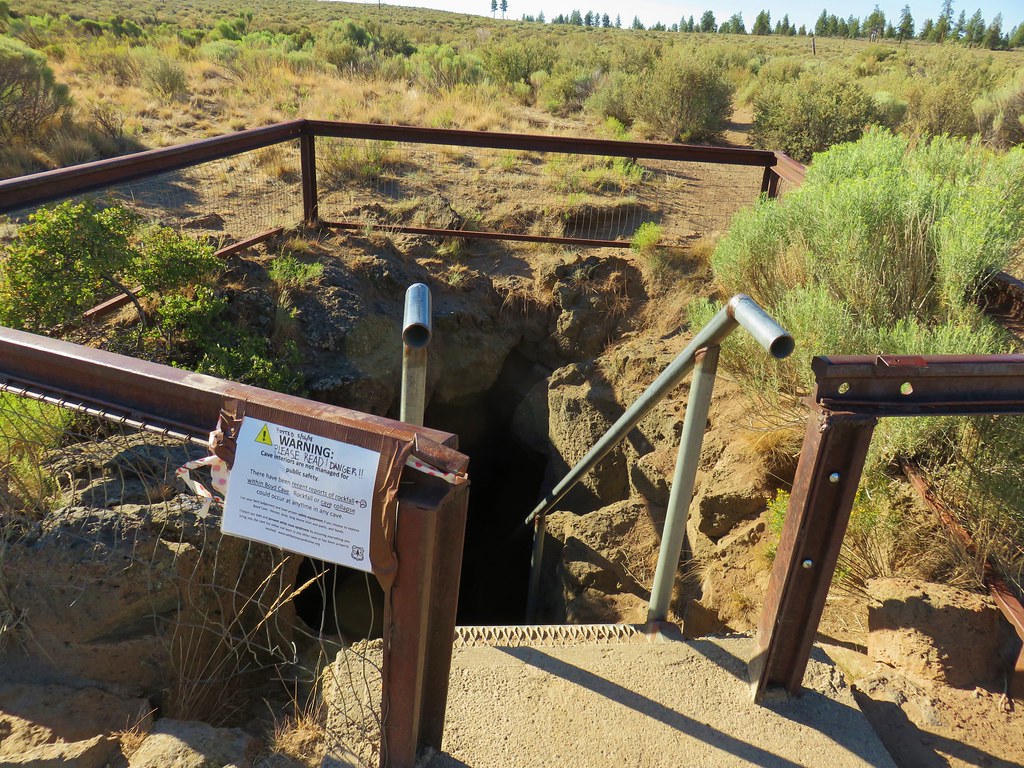
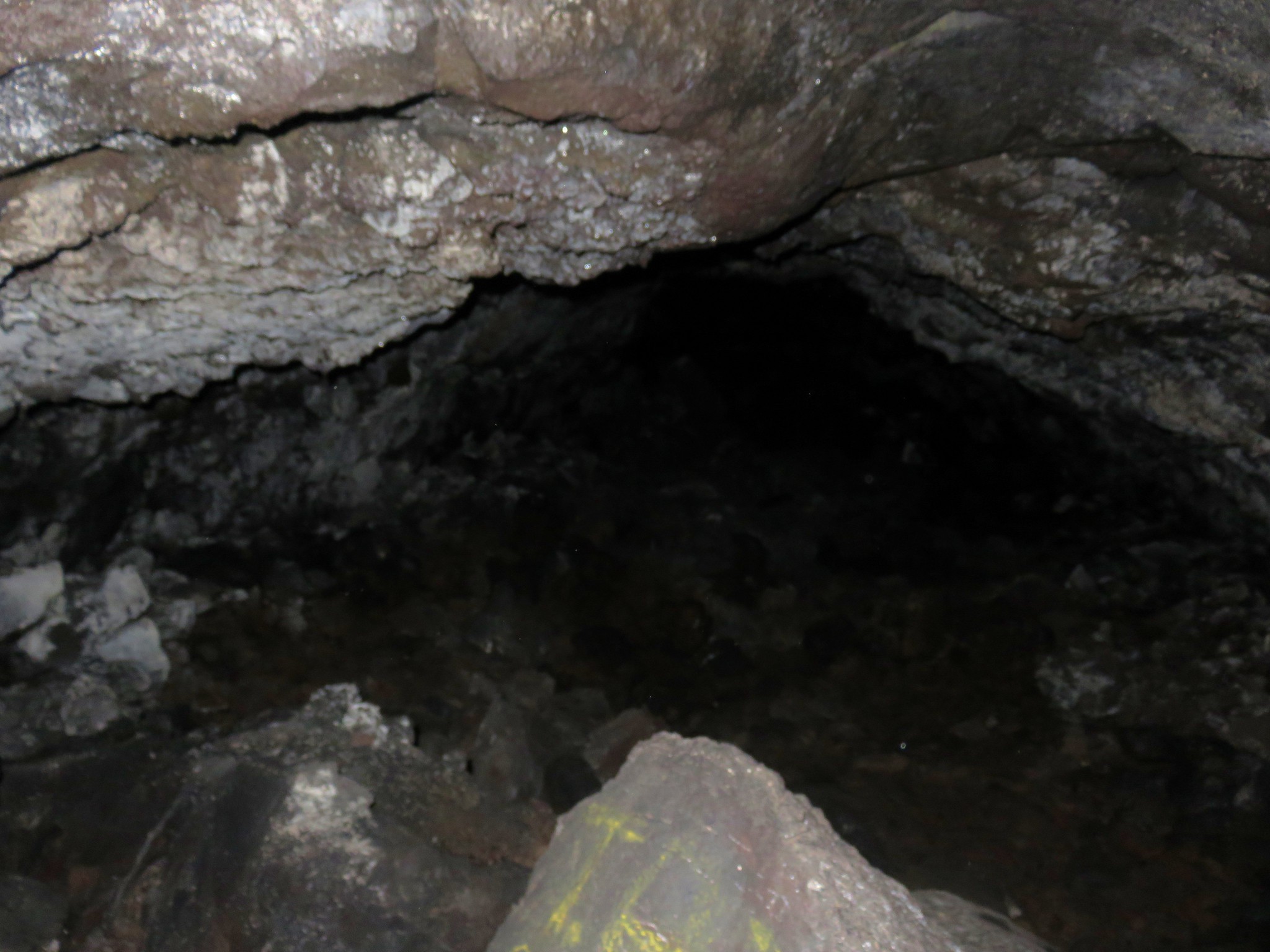
A short dirt path from the day use area led to the railed entrance of the lava tube.
IMG_8791

There was a rockfall warning at the entrance dated 5/26/18.
IMG_8792

We proceeded with caution down into the cave.
IMG_8795

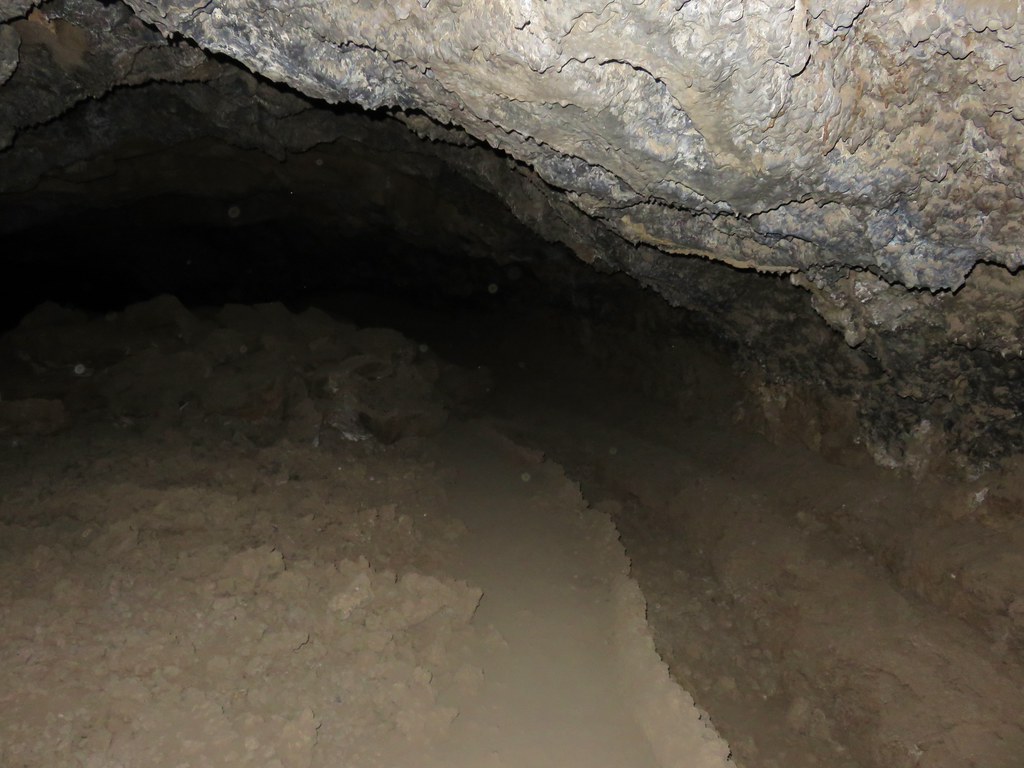
The cave was spacious with varying terrain on the cave floor.
IMG_8799

IMG_8803

IMG_8804

The cave extends for about half a mile to the left from the entrance and a very short distance to the right.
IMG_8815

We explored as quickly as the terrain allowed given the warning at the entrance and then headed for our next stop at Arnold Ice Cave. To reach the parking area from Boyd Cave we continued east on China Hat Rd. an additional 3.1 miles and turned right onto FR 300 for half a mile to a parking area at a signboard.
IMG_8816

The entrance to Arnold Ice Cave is located just beyond and to the left of the parking area.
IMG_8817

A path led down to the entrance where a semi-steep scramble past the remains of a staircase led down to the cave floor.
IMG_8819

IMG_8829

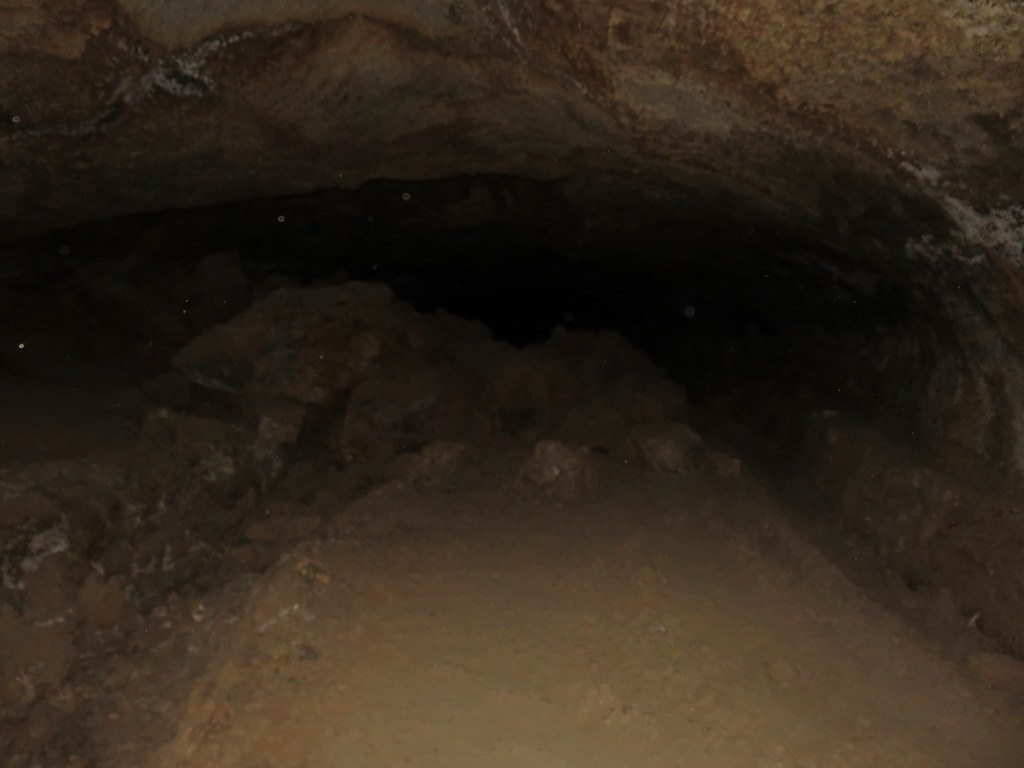
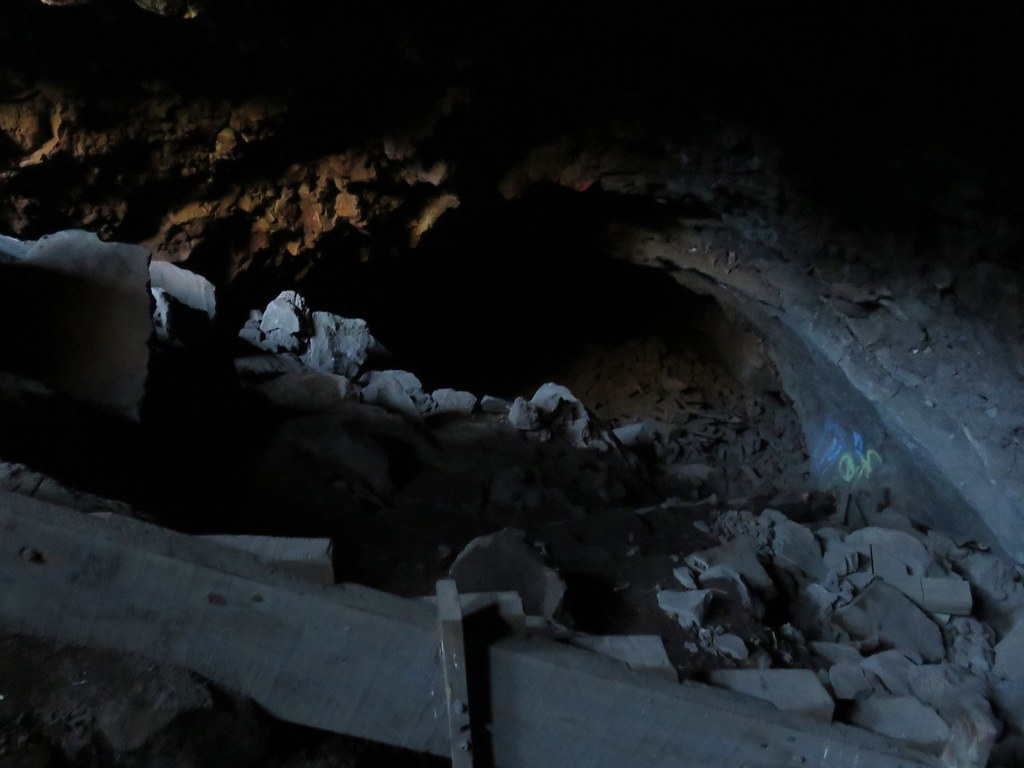
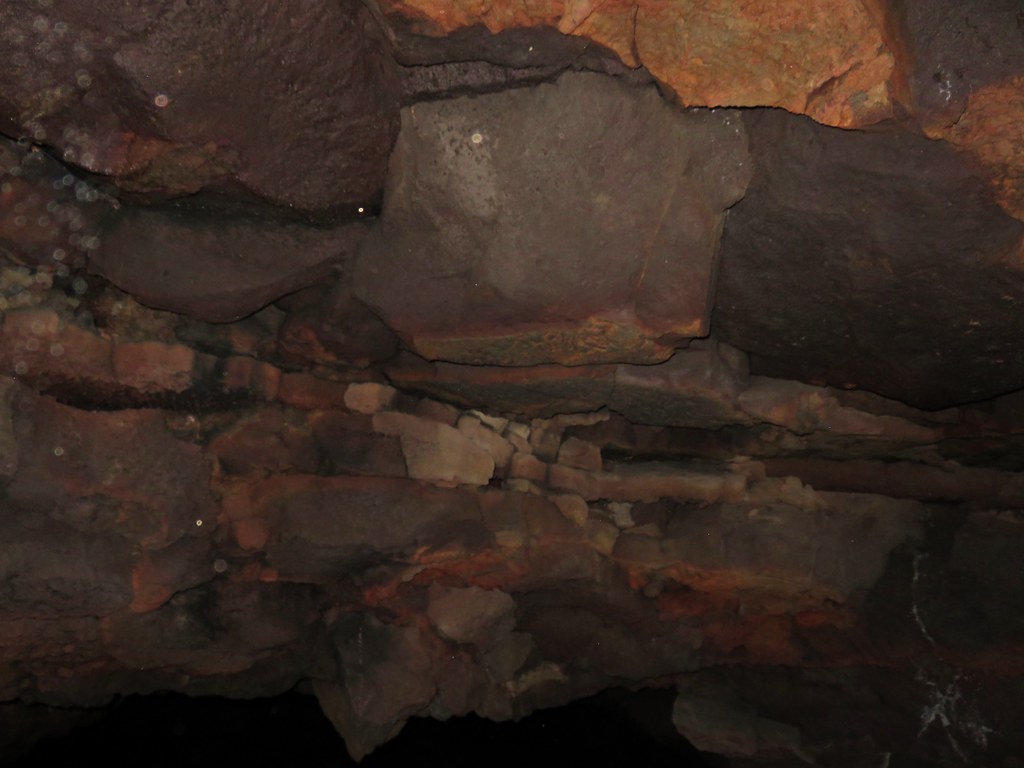
In the early half of the 1900’s ice from the cave was harvested for use by locals but that ended with the advent of refrigeration and since then at least a half-mile of the cave has become inaccessible as the ice has reclaimed that portion. It was too warm for any ice in the accessible part of the cave during our visit but there were some interestingly colored rocks along the ceiling.
IMG_8824

The cave extended just far enough to lose the light of the entrance before forcing us to turn around and climb back out.
IMG_8826

IMG_8831

A more interesting cave (at least nowadays) was our next goal. Hidden Forest Cave is approximately a quarter mile from Arnold Ice Cave. To reach the cave we followed a dirt track south from Arnold Ice Cave.
IMG_8835

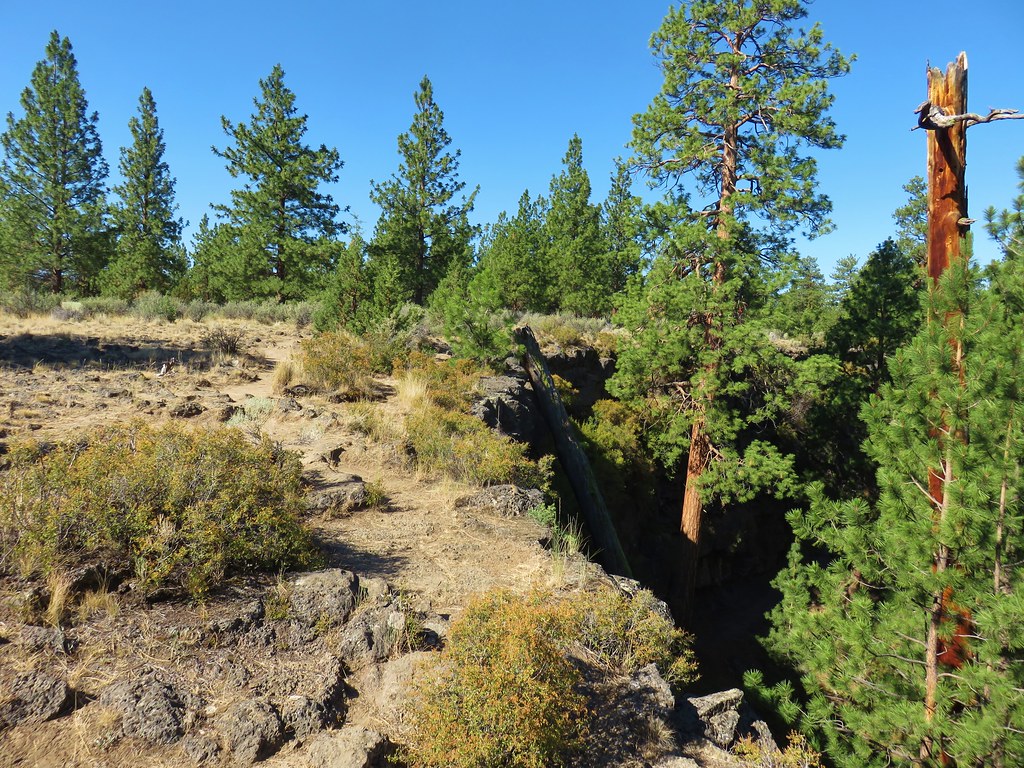
This path quickly passed to the left of a pit where we kept straight on what became a narrower footpath after crossing another old roadbed. Soon we passed a second pit on our right.
IMG_8838

We kept close to the rim of this pit on the left then shortly after passing the second pit we crossed a second sandy roadbed and arrived alonside a third pit.
IMG_8840

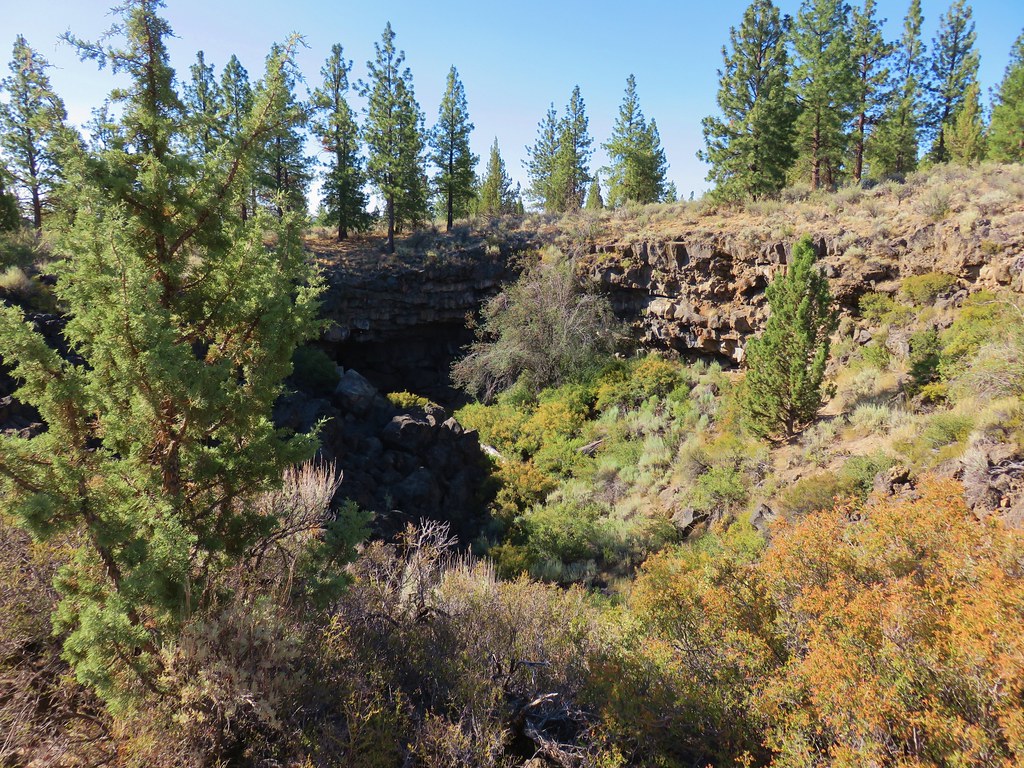
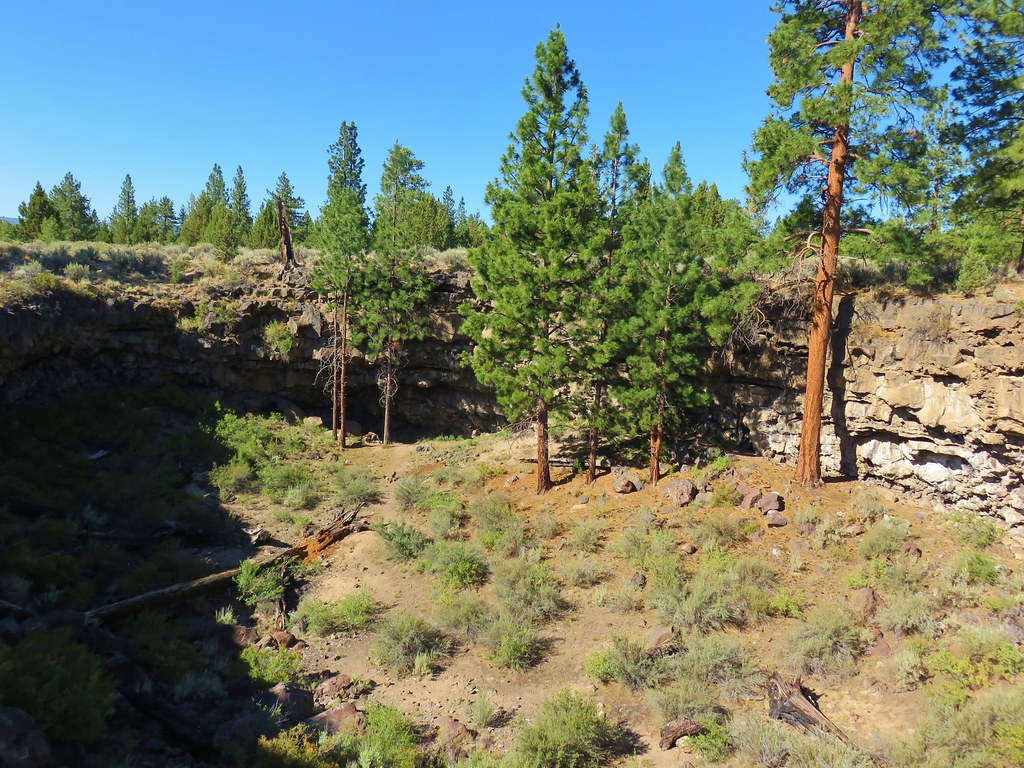
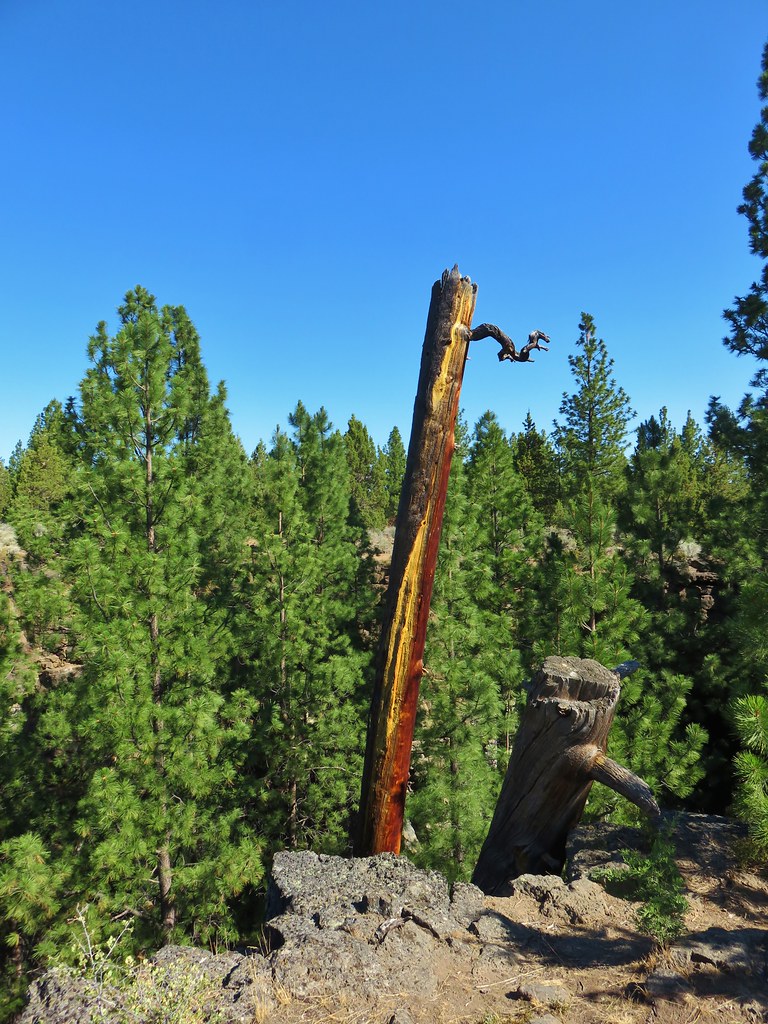
The entrance to Hidden Forest Cave lay at the NE end of the pit but the way down into the pit lay at the opposite end. We walked along the rim past a really colorful tree trunk and met a few of the locals.
IMG_8846

IMG_8842

IMG_8843

IMG_8844

We followed a path down into the pit where we found a few wildflowers blooming.
IMG_8848

IMG_8849

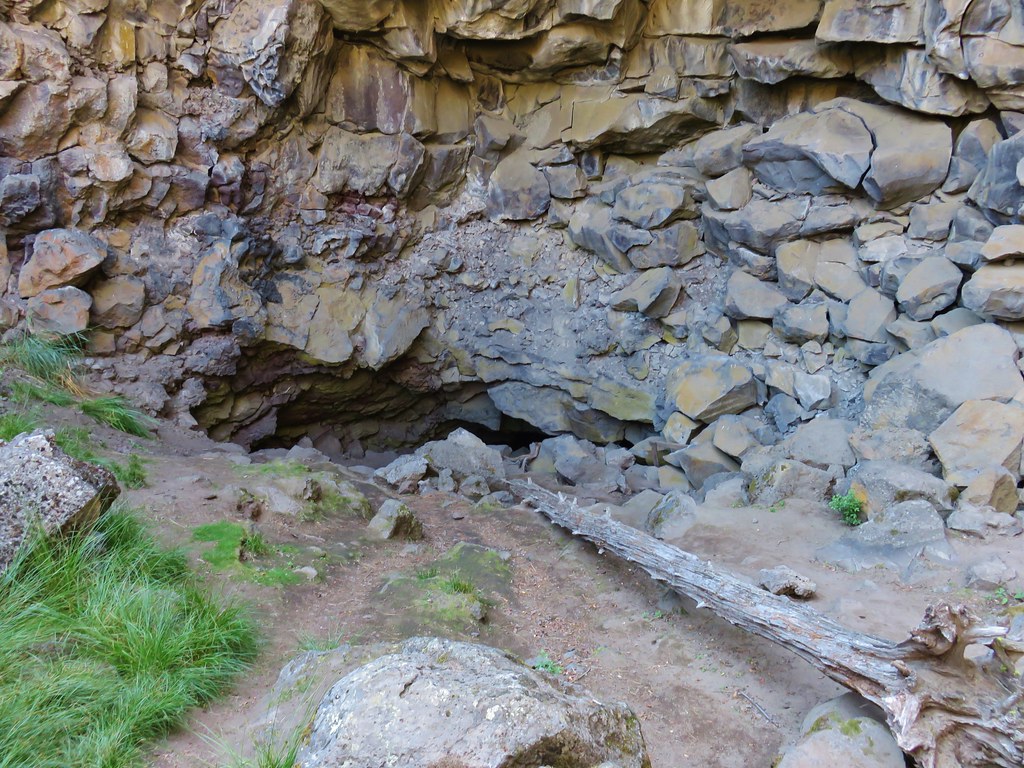
At the far end of the pit was the entrance to the cave.
IMG_8855

IMG_8857

The cave was a fairly short scramble to a small opening.
IMG_8859

Climbing out of this opening brought us to the floor of the second pit we had passed.
IMG_8860

IMG_8861

After exploring this “hidden forest” we returned through the passage and headed back to our car.
IMG_8863

Our final stop for the day was along the closed Wind Cave entrance road. The small parking area is located along FR 200 which was just over a half-mile back along China Hat Road from FR 300 (2.5 miles east of the Boyd Cave entrance road). A stop sign on the north side of China Hat Road marks the correct road.
IMG_8865

Wind Cave is closed year round to the public for bats but we hoped to visit Pictograph Cave which according to our guidebook and everything we could find online was only closed from October 15th – May 1st. In order to reach Pictograph Cave we followed the closed road for half a mile to the Wind Cave Parking area. Along the road we spotted some really bright Indian Paintbrush amid the sagebrush.
IMG_8867

IMG_8869

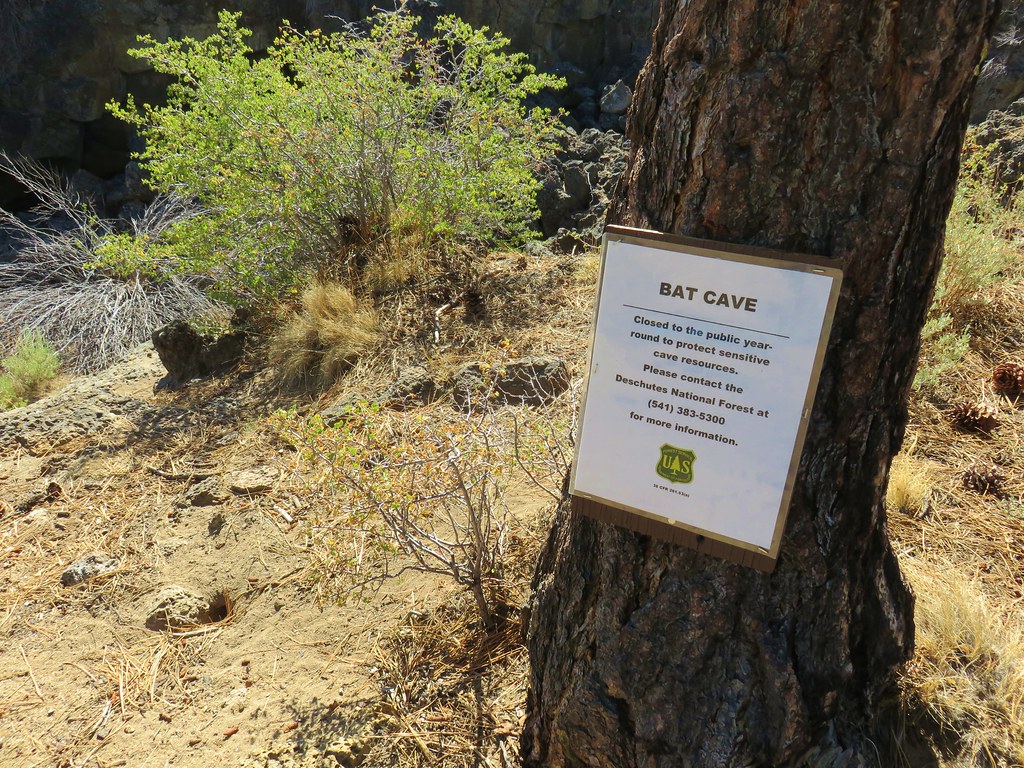
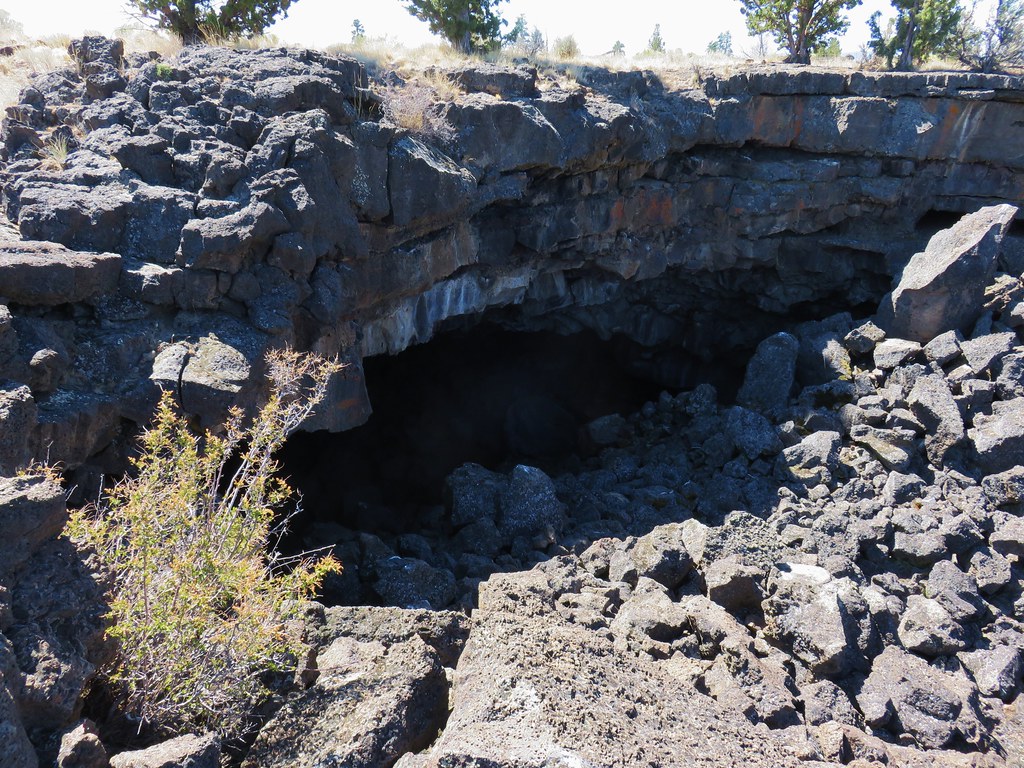
We also found the Bat Cave but there was no sign of Batman.
IMG_8873

IMG_8874

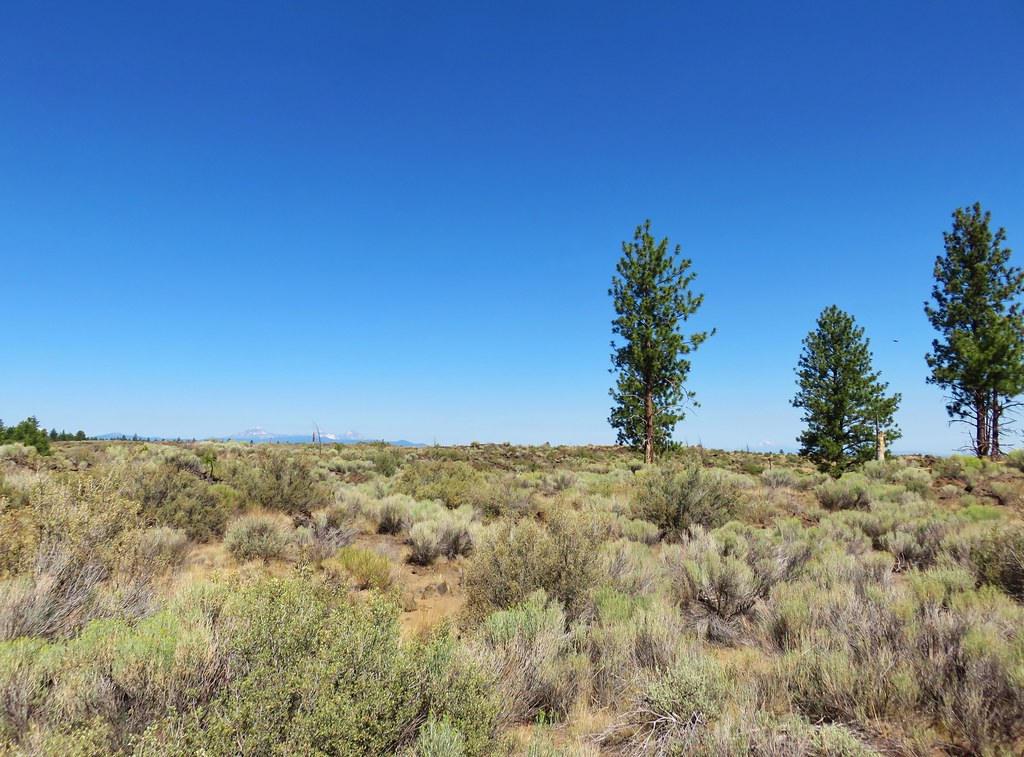
There was also a nice view of the snowy Cascades across the sagebrush of the high desert.
IMG_8875

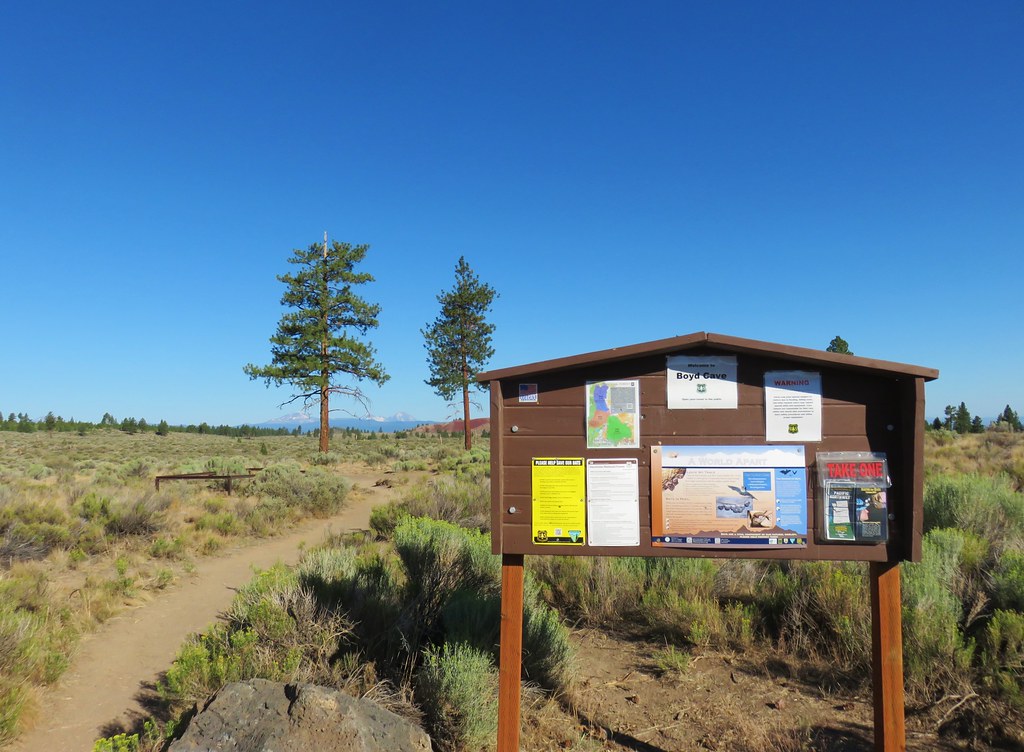
We arrived at the gated Wind Cave where our guidebook directed us to “..continue NE on the sandy double track road..”.
IMG_8876

IMG_8877

This is where our day began to get really interesting. The correct sandy double track was blocked by the log where the Wind Cave closure sign was attached as well as several boulders. A second sandy double track led directly north from Wind Cave past the covered entrance to its skylight.
IMG_8880

We hadn’t seen the correct track and hadn’t paid enough attention to the N versus NE direction this track was heading in and we just kept walking. We were supposed to follow the double track for approximately .7 miles to a gate with a railroad tie. After passing through the gate we were supposed to veer left and quickly pass through another barbwired fence before passing between two signed caves. The guidebook also said that if we crested a rise and could see the Cascade Mountains we’d gone too far. That last part had us really confused because we had been able to see the mountains the whole time as we followed the track we’d chosen. There was another set of footprints in the sand though so we followed them as the track became fainter. The scenery was nice and we spotted several birds including a few hawks and Heather noticed a pygmy short horned lizard.
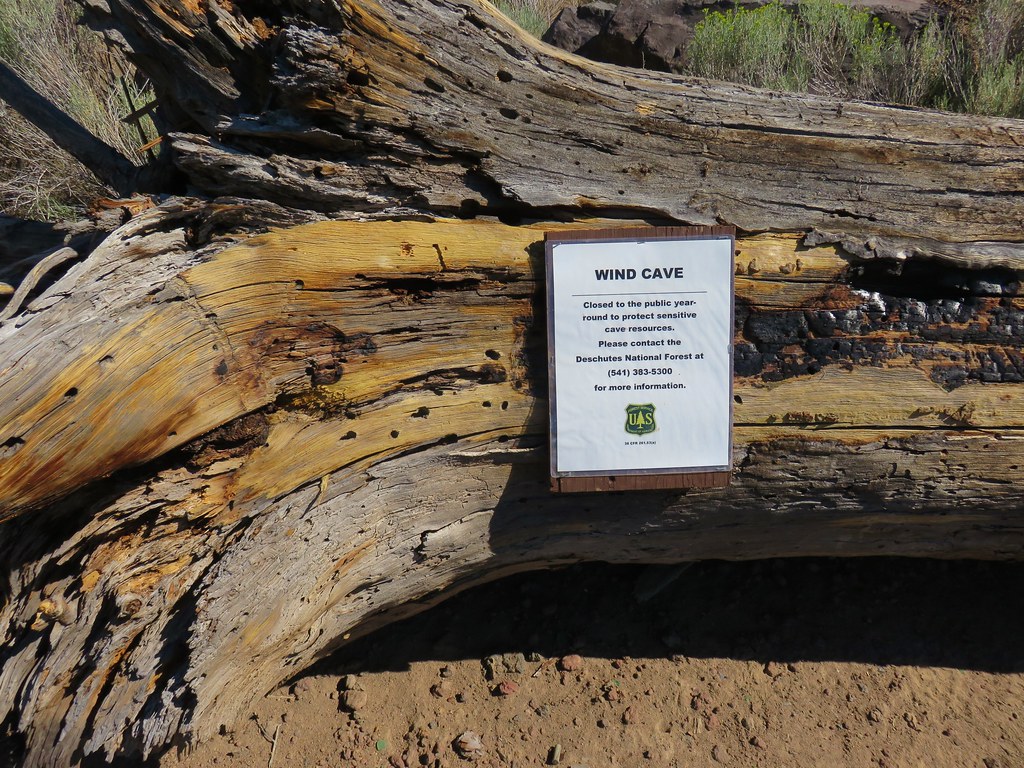
IMG_8881

IMG_8882

After about fifteen minutes we’d completely lost the track and footprints and realized we’d done something wrong. I should have set up a waypoint on our GPS marking the cave location but hadn’t so using it was no real help. Luckily Heather had signal just long enough to pull it up on Google Maps on her phone. We used her phone to navigate towards the caves location but it wasn’t ideal. First off it was a lot harder to see exactly where we were in relation to the cave location using the phone vs the Garmin and secondly locations on Google Maps are not always correct (sometimes they are way off). We had already gone a little over half a mile and we wandered for another .9 miles in a wide arc in the direction shown on the phone before seeing what looked like it might be a cave near a barb wired fence.
IMG_8886

It didn’t seem to match the description in the book but it was near the point shown on Google so we headed over to check it out.
IMG_8888

It turned out to be a very shallow overhang.
IMG_8890

At some point Heather’s phone ran out of power so we were once again left with only the Garmin which was still no help in this case. The immediate area we were in had several promising looking features and we wandered to the NE a bit checking possibilities. I finally spotted what appeared to be two sets of short sign posts amid the sagebrush way off in the distance. We headed over to check them out since the book had mentioned such signs. As we approached the nearest pair we spotted a large pit.
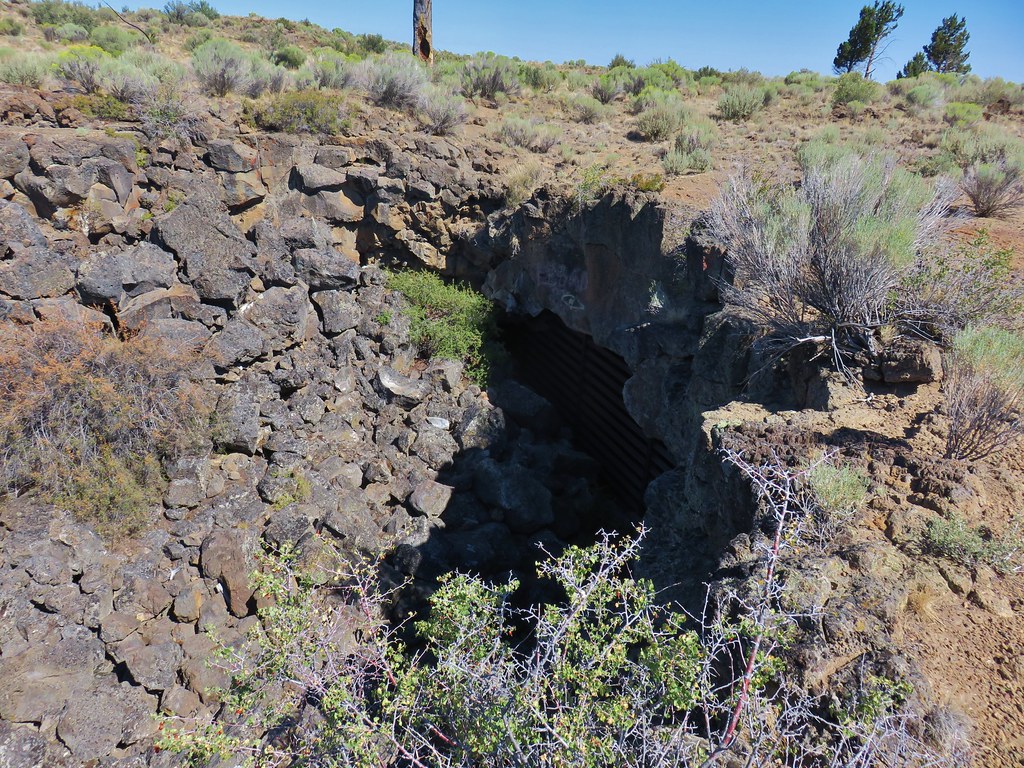
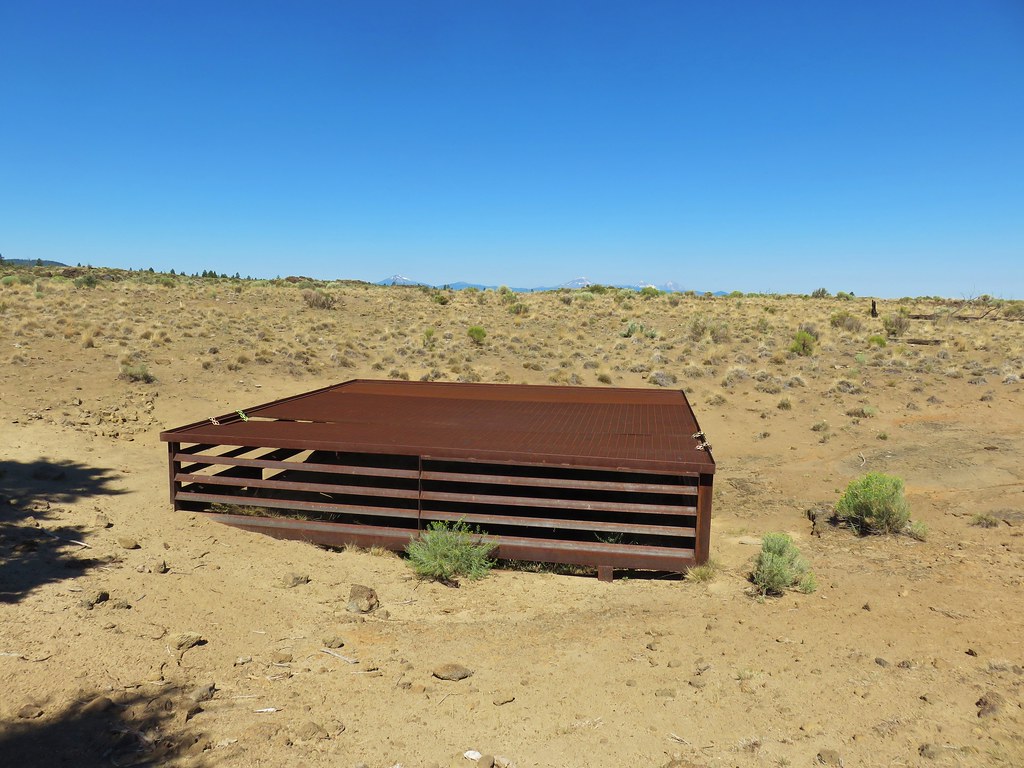
IMG_8894

IMG_8895

That was the SW opening with no way down. Just across from it was the NE pit which is the explore-able one only the restrictive sign indicated that the cave was now closed year round to protect bat habitat.
IMG_8899

We stopped at the pits edge honoring the closure sign and were not able to pick out the pictographs near the right hand tunnel. At the time we weren’t entirely certain that these were indeed Pictograph Cave due to year round closure and not having followed the directions to get there.
IMG_8900

IMG_8901

We were hot and dusty and had hiked two and a half miles on what was supposed to be a 2.4 mile hike. At least from the cave we were able follow the guidebook directions backwards. We followed a dirt track SSE for .4 miles where we arrived at a railroad tie gate. Before passing through the fence we followed another track east now not being able to remember if after passing through the gate the guidebook had said veer left or right (we had left the book in the car opting to rely on pictures taken with the now dead cell phone). After a short distance we decided that we were on a wild goose chase and the pits we had seen must have been Pictograph Cave. We hiked back to the gate and passed through continuing on the sandy track. We soon ran into a family who asked us if this was the way to Pictograph Cave. We said we thought so explaining that we’d taken a wrong turn and come in form another direction, but there were two signed pits along the track. We continued on eventually arriving back at the Wind Cave turnaround where we discovered how we’d missed the correct sandy track.

We walked back along the road to our car and began to head back toward Bend. We had been hoping to go to the High Desert Museum after the hikes. Despite having spent a lot more time hiking to Pictograph Cave we still would have had 4 plus hours to spend there but two things happened on the drive back, a fire broke out near Bessie Butte along China Hat Road and our battery warning light came on. The fire was far enough off the road that it wasn’t closed yet as we passed by the first firetrucks on scene. Luckily the fire was controlled quickly and didn’t become a major incident.
The battery light was more of an issue. It was Sunday so many places weren’t open and all our user manual said was to stop driving immediately and call a dealer. That wasn’t an option on a forest service road with a fire nearby so we drove into Bend and stopped at the Toyota dealer but they didn’t have any mechanics on duty and couldn’t help. Next we tried a Valvoline Instant Oil but their battery tester was dead. From there we stopped at Baxter Auto where the store clerk was able to test the battery which was low, but that wasn’t necessarily the problem. It could be any number of things related to the electrical system but without a mechanic to check we couldn’t be sure. We then drove to a second Valvoline where, even though it was a long shot, we replaced the battery in hopes that it might work. It didn’t which meant it was likely the alternator. Our vacation plans were suddenly in flux.

We decided to rent a car Monday morning and go ahead with our planned backpacking trip and then we would try and get the car fixed at the end of the week when we returned. Thankfully Heather’s parents offered to take the car in Monday morning for us though and have any necessary repairs done while we were away.

With the plan set we reserved a rental to be picked up at 7:30 from Enterprise and then we realized that we hadn’t remembered our water filter. It was getting close to closing time for the few stores that were still open on a Sunday evening and Heather ran out to Big 5 in hopes of picking up a spare filter. They didn’t have any in stock so she wound up with Potable Aqua Water Purification Tablets. We hadn’t used the tablets before so this was going to be interesting. It was starting out to be quite the memorable vacation. Happy Trails!
Flickr: Boyd, Arnold, Hidden Forest, and Pictograph Caves

Categories
Bend/Redmond Central Oregon Hiking Oregon Throwback Thursday Trip report

Throwback Thursday – Metolius River

Throwback Thursday is dedicated this week to one of the best wildlife hikes we’ve taken. On July 29th, 2012 on the way to Central Oregon we stopped at the Lower Canyon Creek Campground along the Metolius River. We parked at the West Metolius Trailhead at the far end of the campground.

West Metolius River Trailhead

An interesting thing here was the presence of a parking attendant.

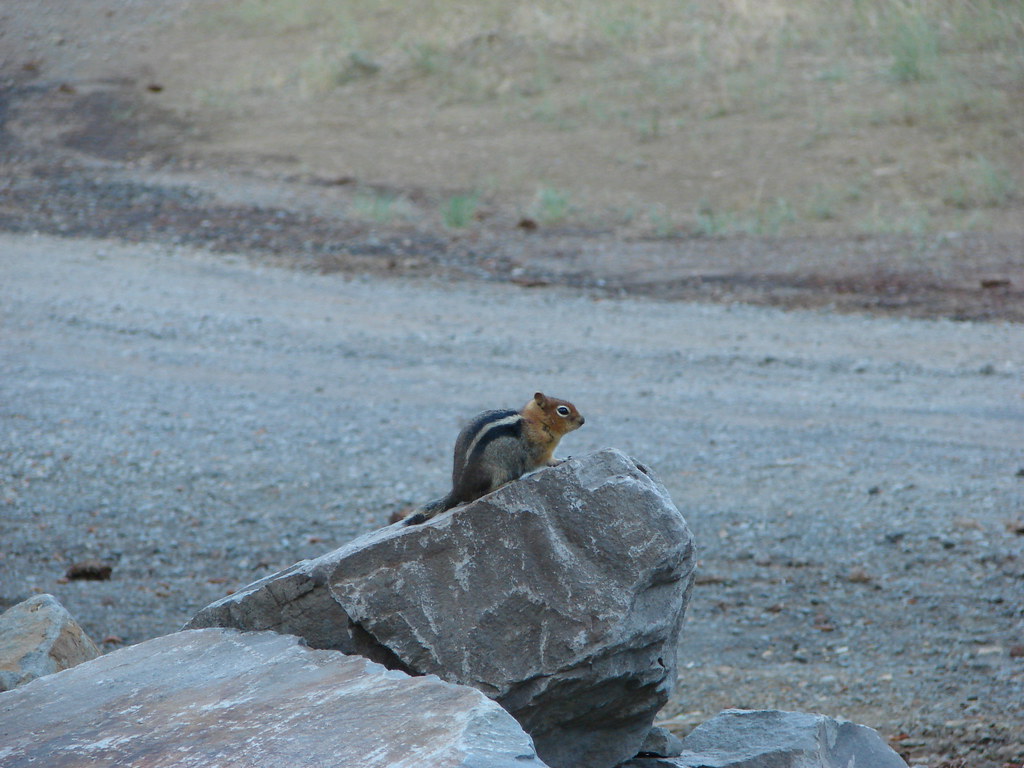
Golden mantled ground squirrel

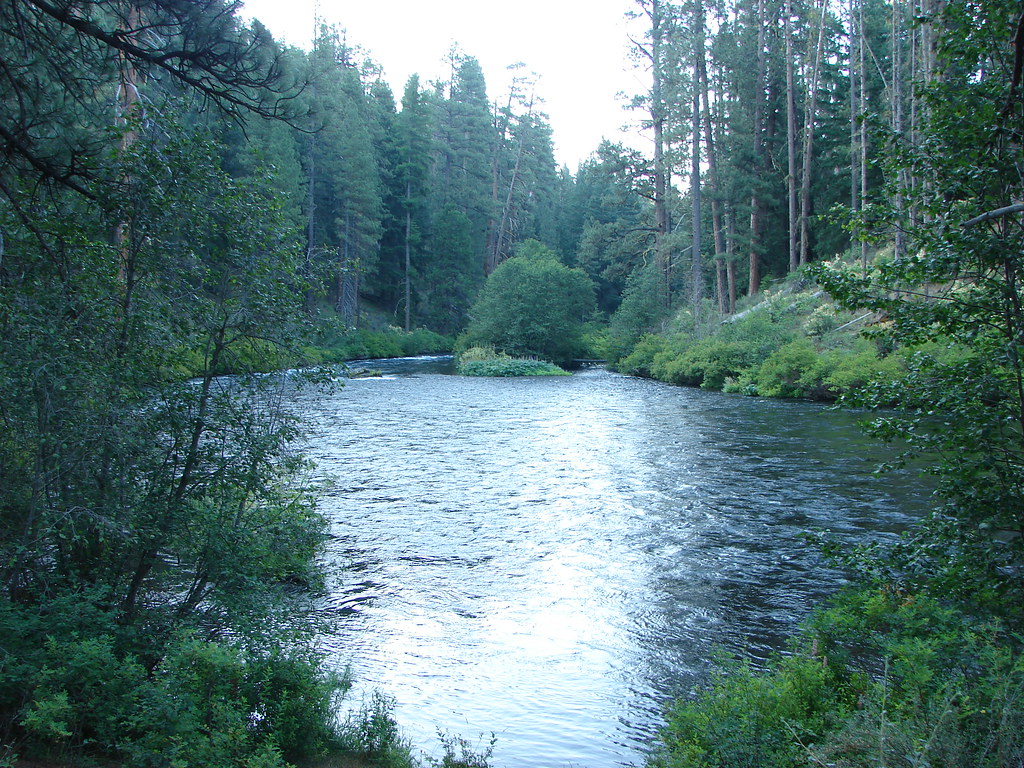
The trail begins along the banks of the Metolius River and stick close to it for the first 1.25 miles.

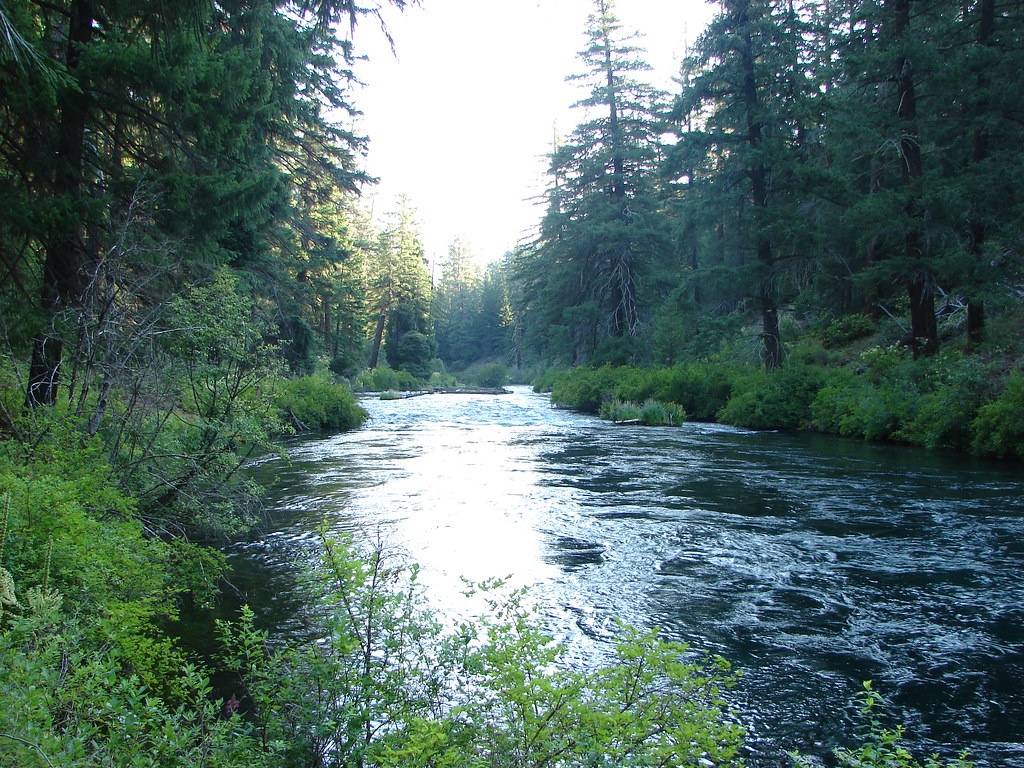
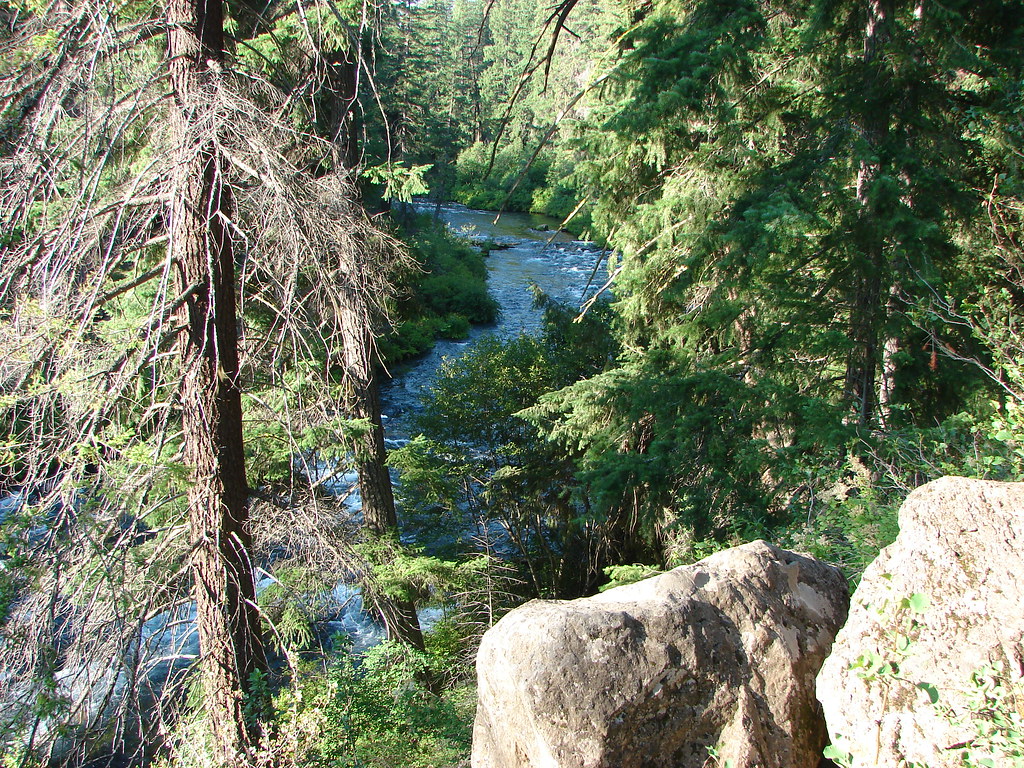
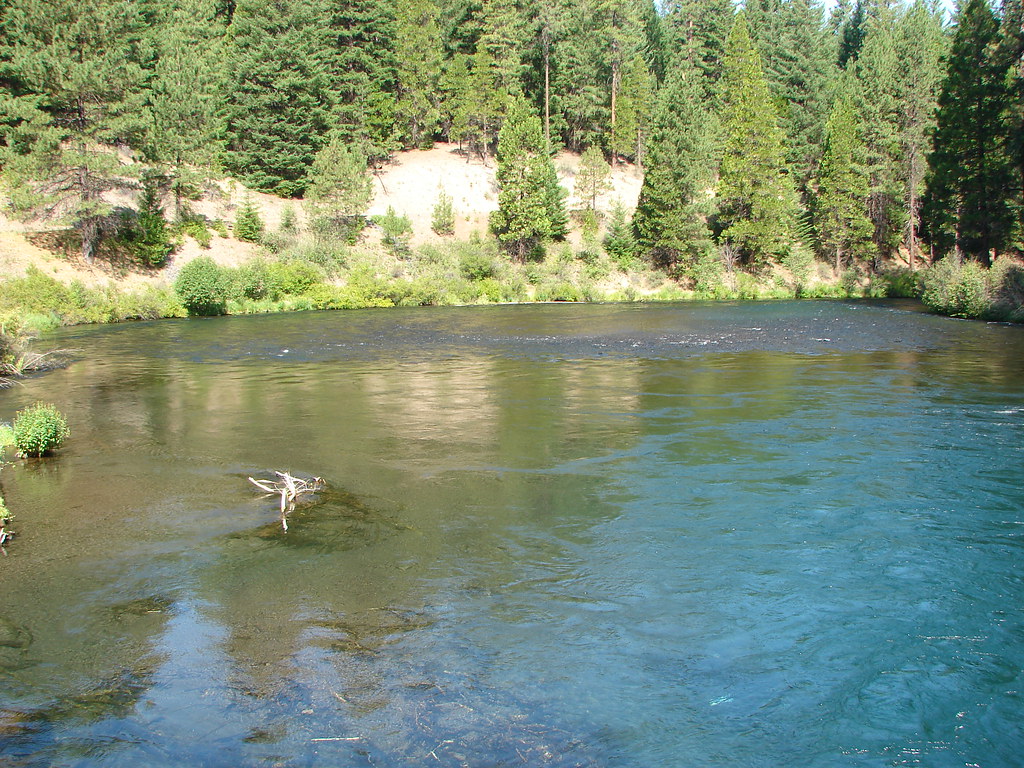
Metolius River

Just over a quarter mile from the trailhead a series of springs gushed from the far bank of the river.

Springs along the Metolius River

Springs along the Metolius River

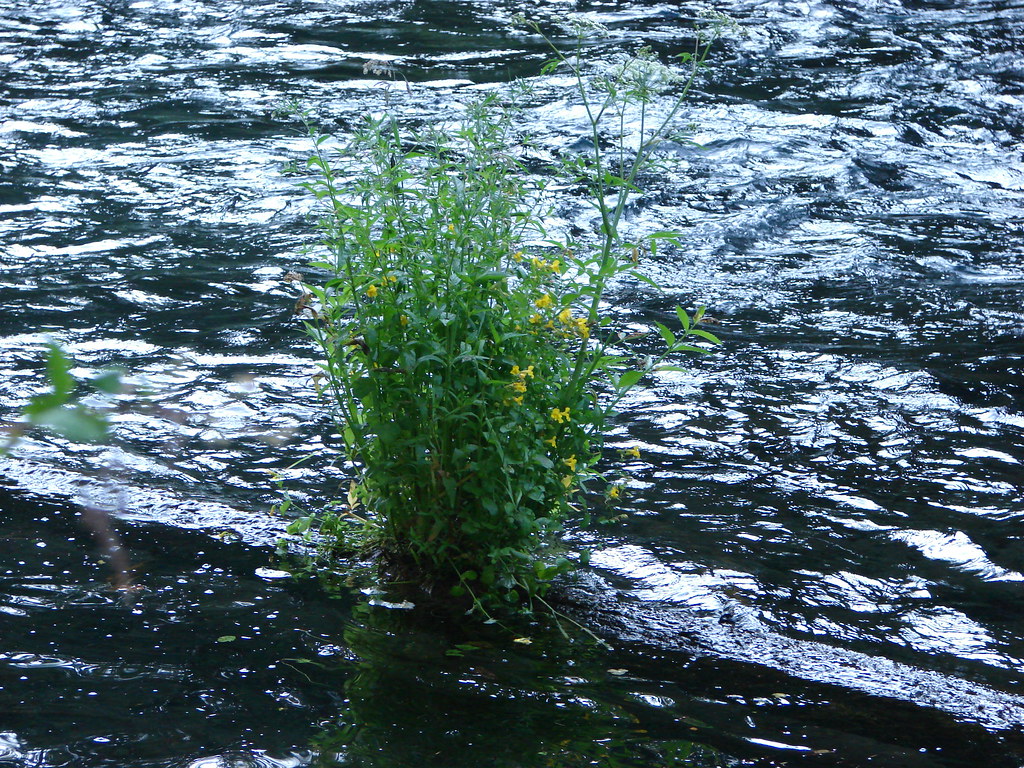
Wildflowers grew along the bank and sometimes out in the river.

Metolius River

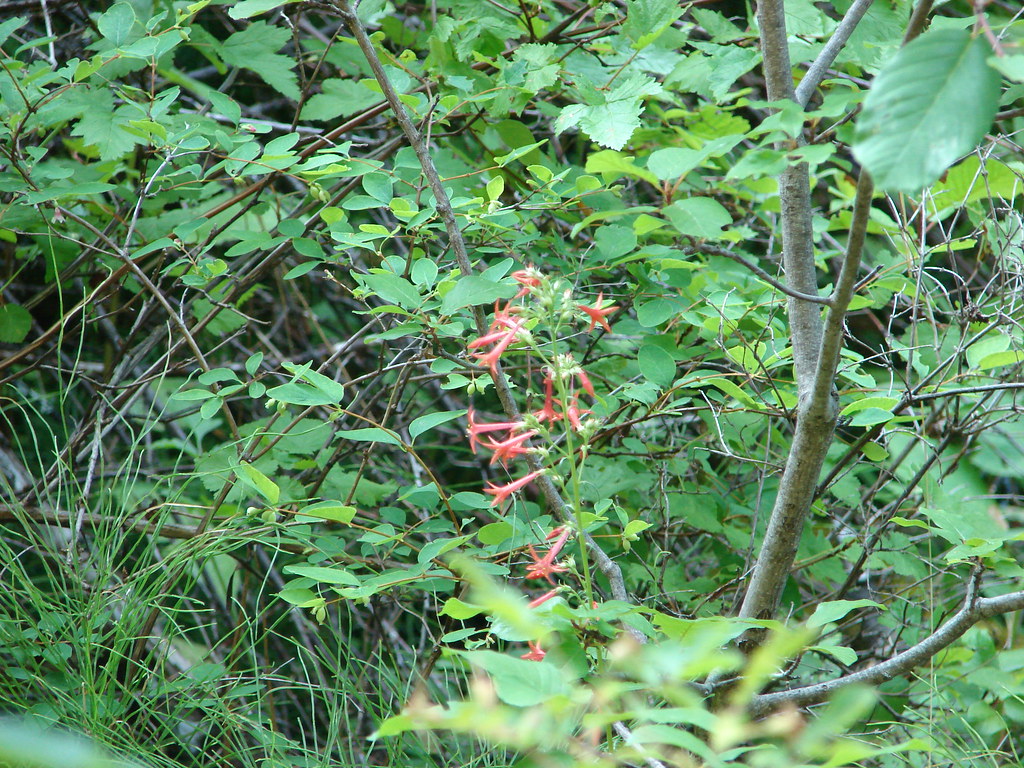
Scarlet gilia

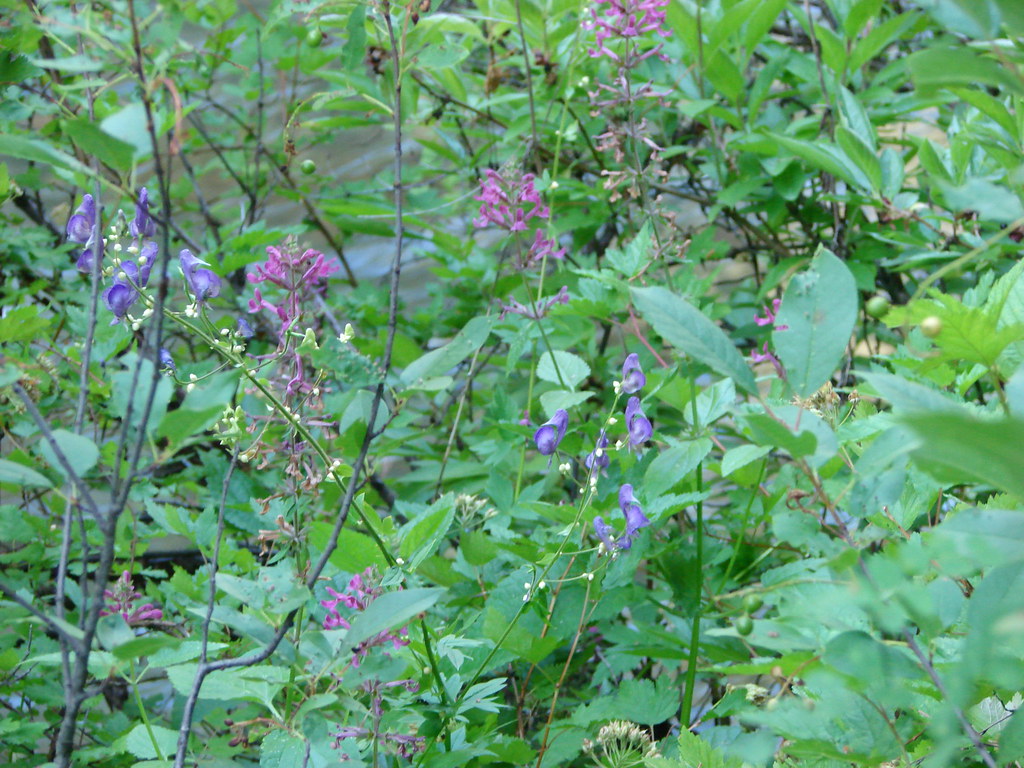
Monkshod and hedge-nettle

Wildflowers along the Metolius River

Monkeyflower

Near the 1.25 mile mark the trail climbed away from the river just a bit as it wound through a steep canyon.

Metolius River

Soon we were back down along the riverbank though.

Metolius River

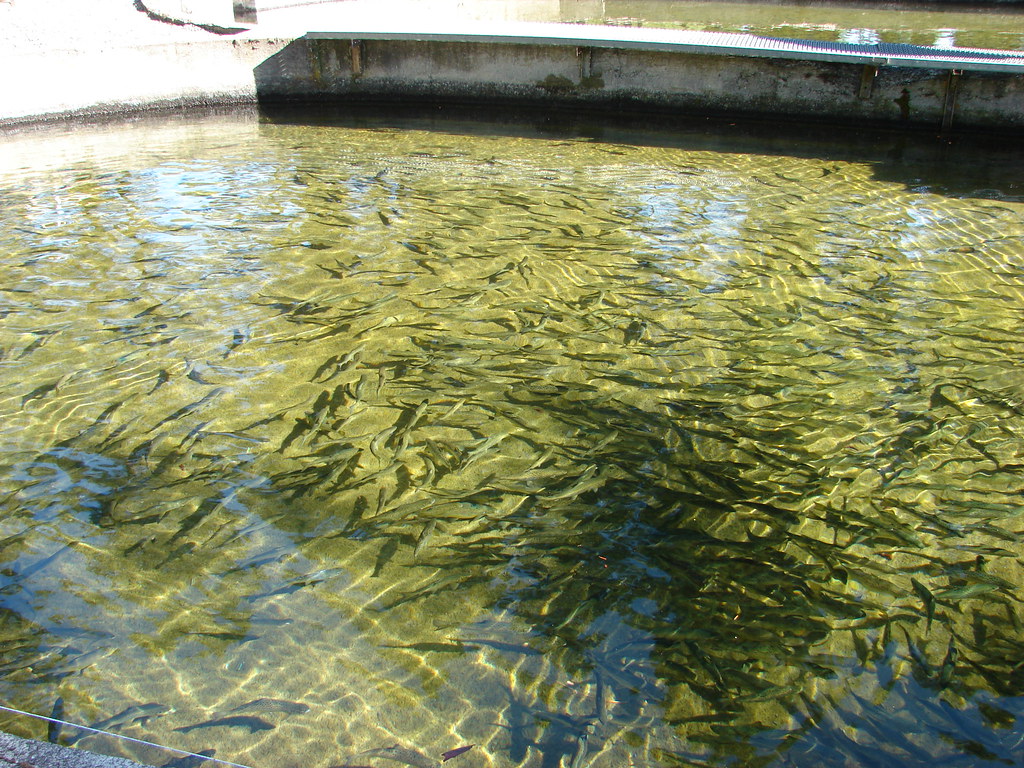
At the 2.7 mile mark we arrived at the Wizard Falls Fish Hatchery. Driving here is an option and can be a fun place for kids to watch and even feed the fish.

Wizard Falls Fish Hatchery

Wizard Falls Fish Hatchery

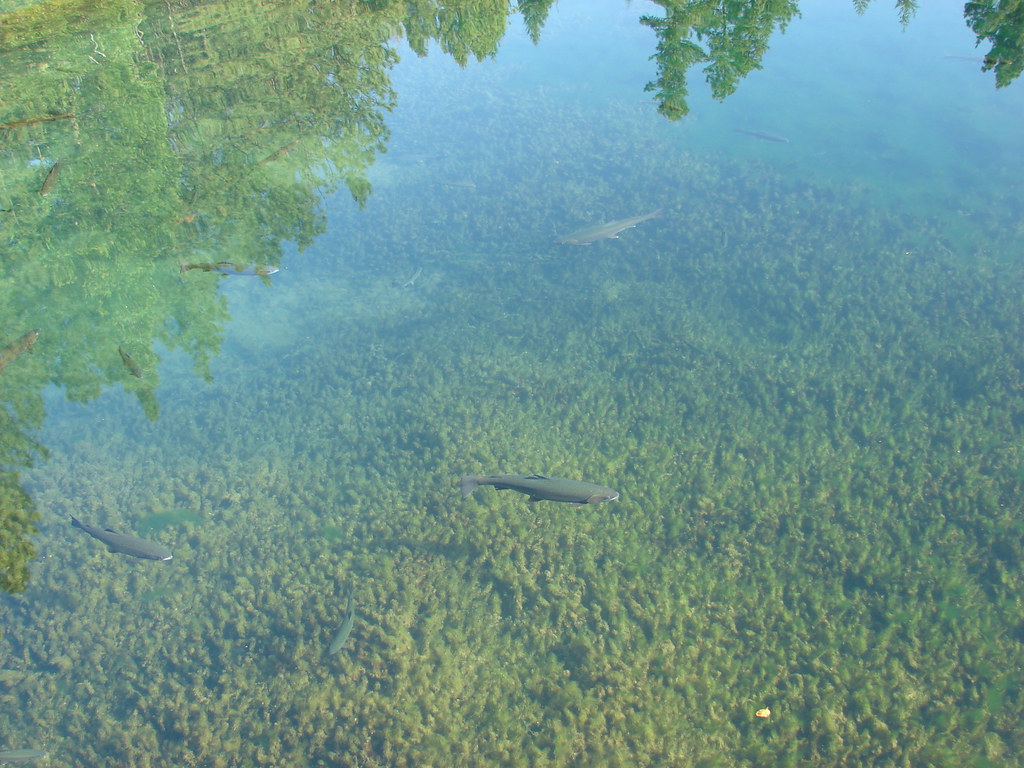
Fish at Wizard Falls Fish Hatchery

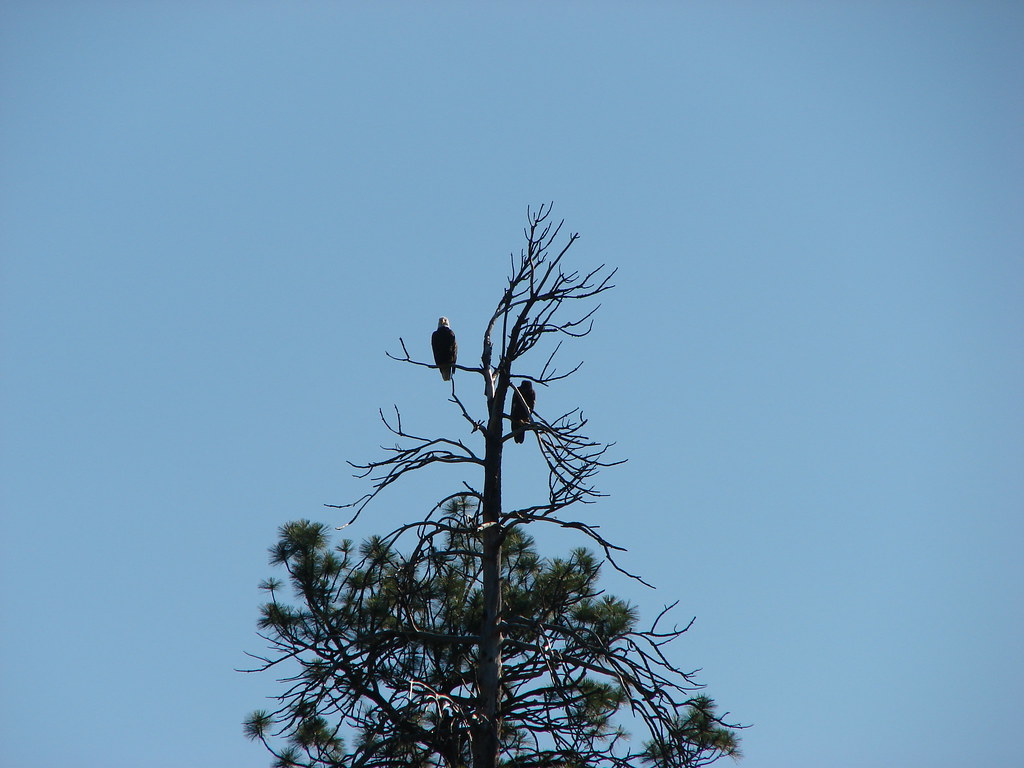
The hatchery apparently has other fans as well.

Bald Eagles

Bald Eagles

For a shorter 5.7 mile hike we could have turned around here and headed back but a 6.4 mile loop could be completed by continuing on from the fish hatchery to a bridge at the Lower Bridge Campground so after looking at all the fish we continued on. In the 3.2 miles to the bridge we spotted a variety of wildlife.

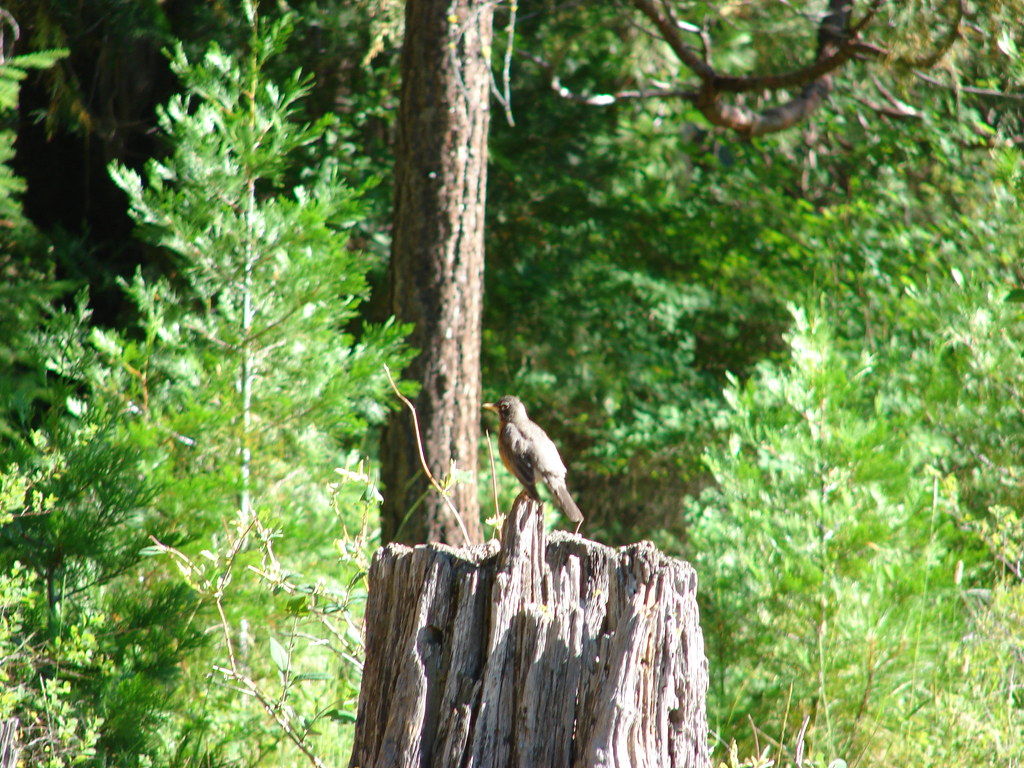
Robin

Robin

Yellow rumped warbler

Yellow rumped warbler

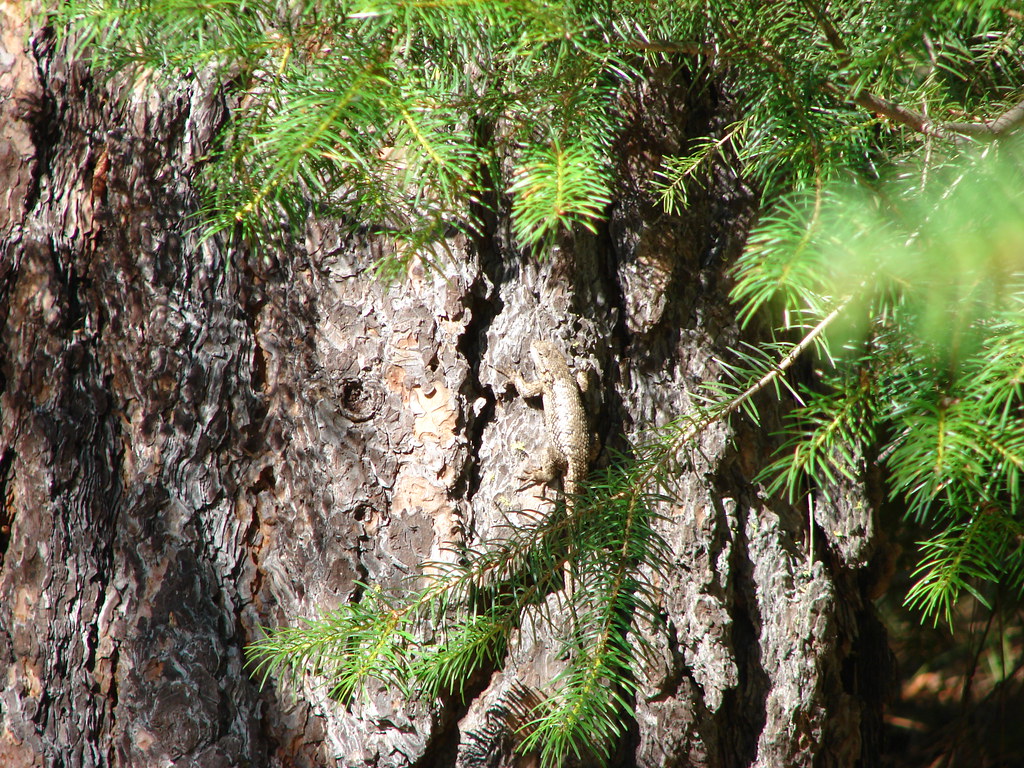
Western fence lizard

Western fence lizard

Douglas squirrel

Douglas squirrel

Deer in a meadow along the West Metolius Trail

Doe

Lorquin's admiral butterfly

Lorquin’s admiral

Mylitta crescent butterfly

Mylitta crescent? butterfly

western fence lizard

Another western fence lizard

Coronis fritillary

Fritillary butterfly

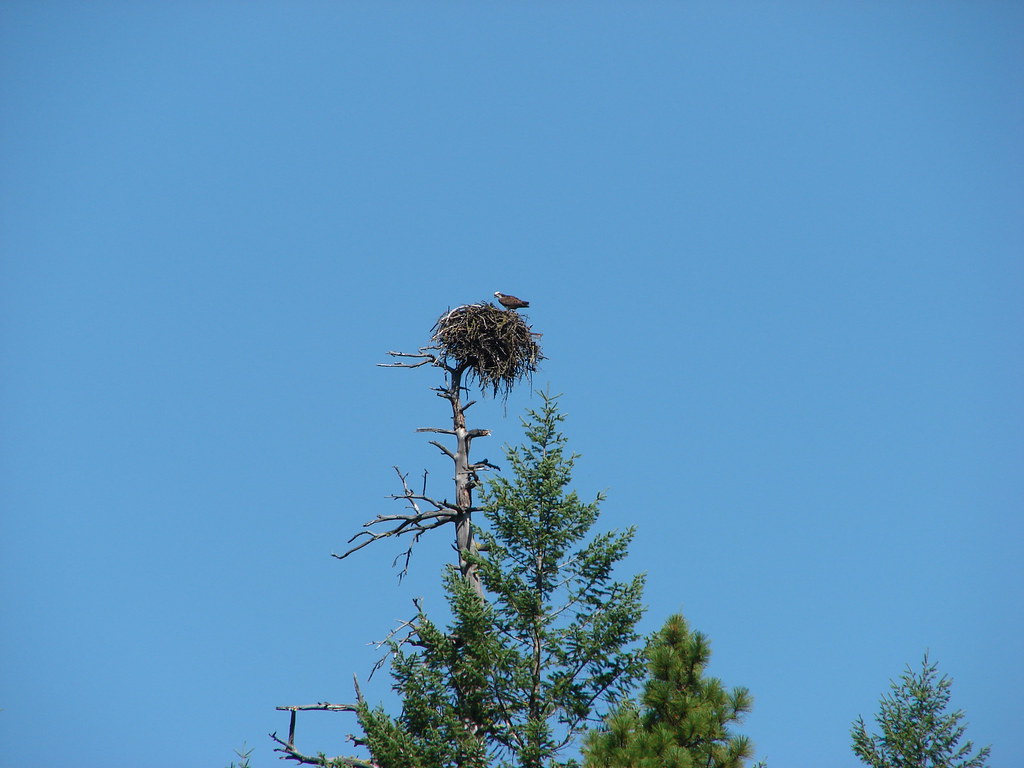
Osprey

Osprey

We crossed the Metolius on the bridge and headed back along the eastern bank.

Metolius River

East Metolius Trail

The 3.2 miles back to the bridge at the Wizard Falls Fish Hatchery also had its share of wildlife.

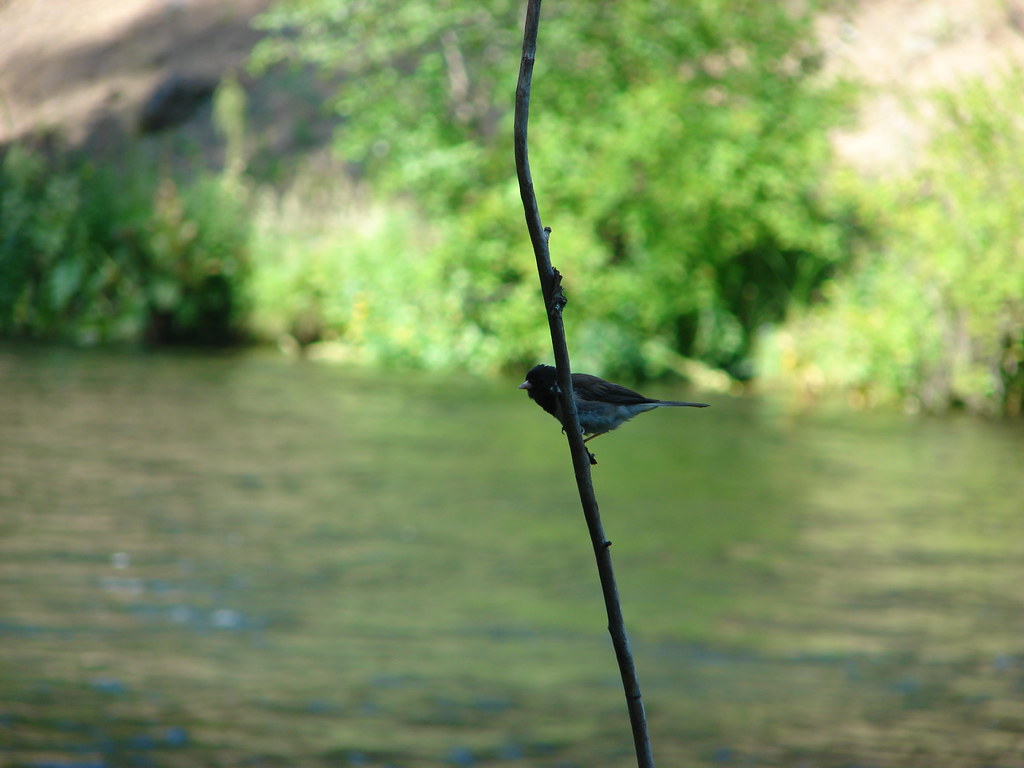
Junco

Junco

Chipmunk

Chipmunk

Silver-spotted skipper on lewis flax

Silver-spotted skipper

Golden mantled ground squirrel

Golden-mantled ground squirrel

Chipmunk

Another chipmunk

Golden mantled ground squirrel

Another ground squirrel

Western tanager

Western tanager

The bridge to the hatchery offers a great view of Wizard Falls. Not exactly a waterfall, Wizard Falls is created by ledges in the lava rock below the river creating a colorful water feature.

Wizard Falls

Wizard Falls

After crossing the bridge we returned to the trailhead and headed to Sisters. This was a great hike for not a lot of effort. There was very little elevation gain making the 11.8 miles very manageable. Another nice aspect to this trail is that it is open most of the year (other than during winter storms). Happy Trails!

Flickr: Metolius River

Categories
Central Oregon Fort Rock Hiking Newberry Crater Oregon Trip report

Central Oregon Oddities

**Note the 2024 Flat Top Fire burned the forest around South Ice Cave.**

On Sunday of Memorial Day weekend we headed south of Bend on a tour of oddities, most of which were geologic in nature.  In addition to our usual Sullivan guide books (Central and Eastern Oregon for these hikes) we had the 2012 updated “Bend, Overall” by Scott Cook with us.

Our first stop was the only hike that was solely covered by Cook, South Ice Cave.  From Bend we drove south on Highway 97 to LaPine where we turned left on Finley Butte Rd which became NF-22. After 25 miles we turned left at a sign into a parking area.
IMG_0924

A short path descended into a depression where numerous small birds were busy singing in the pine trees.
2017-05-28 06.21.00

IMG_0932

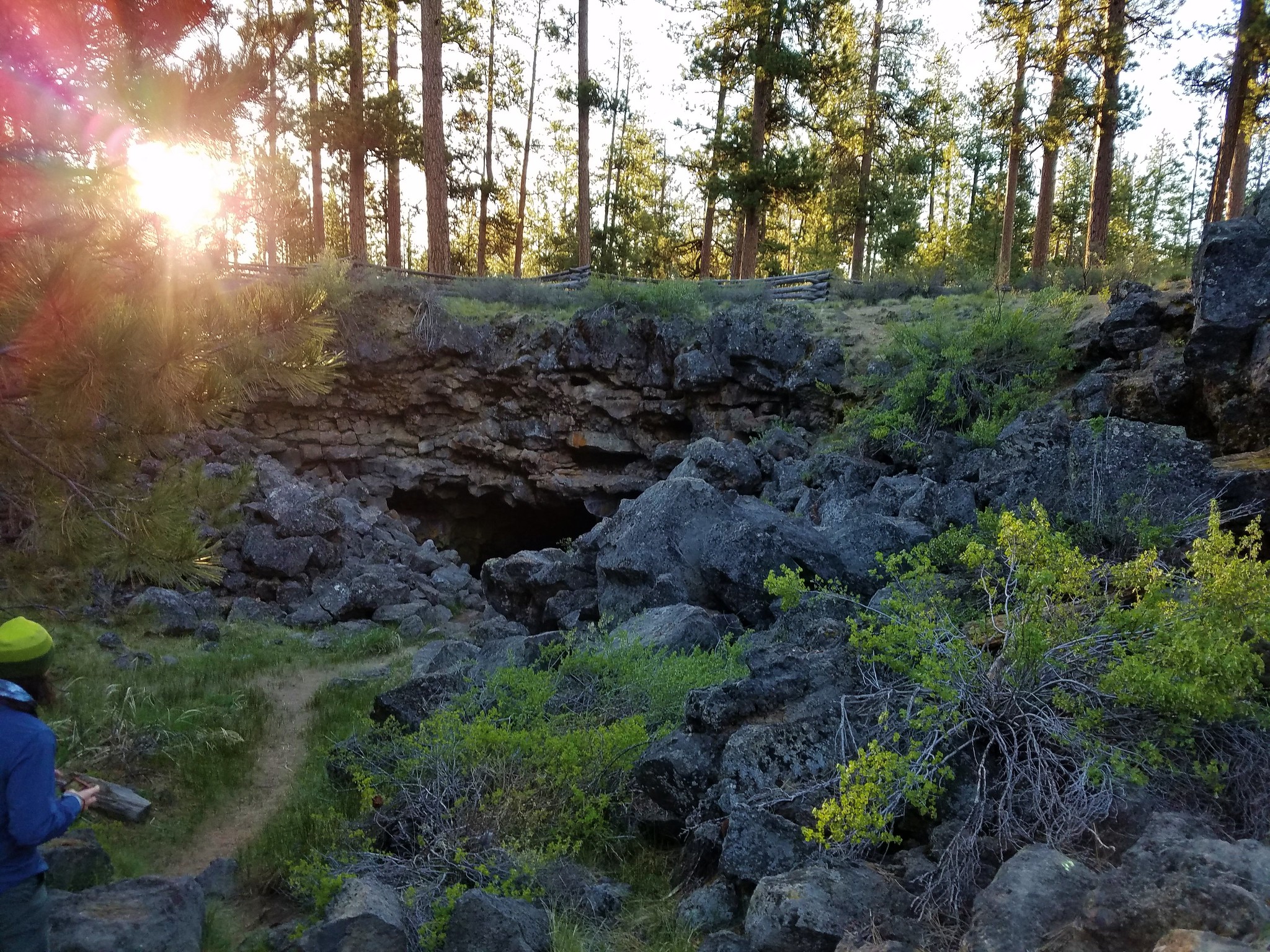
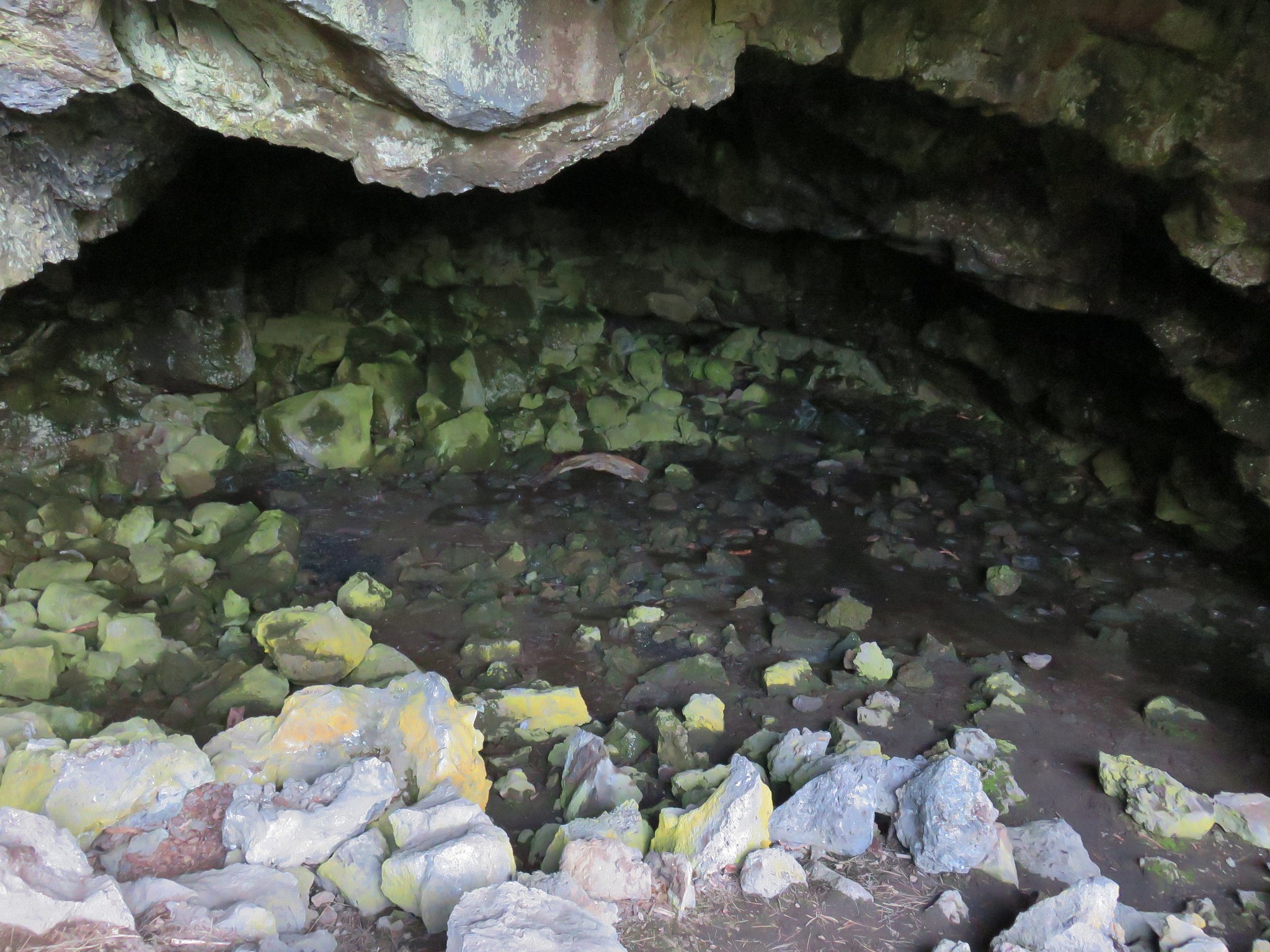
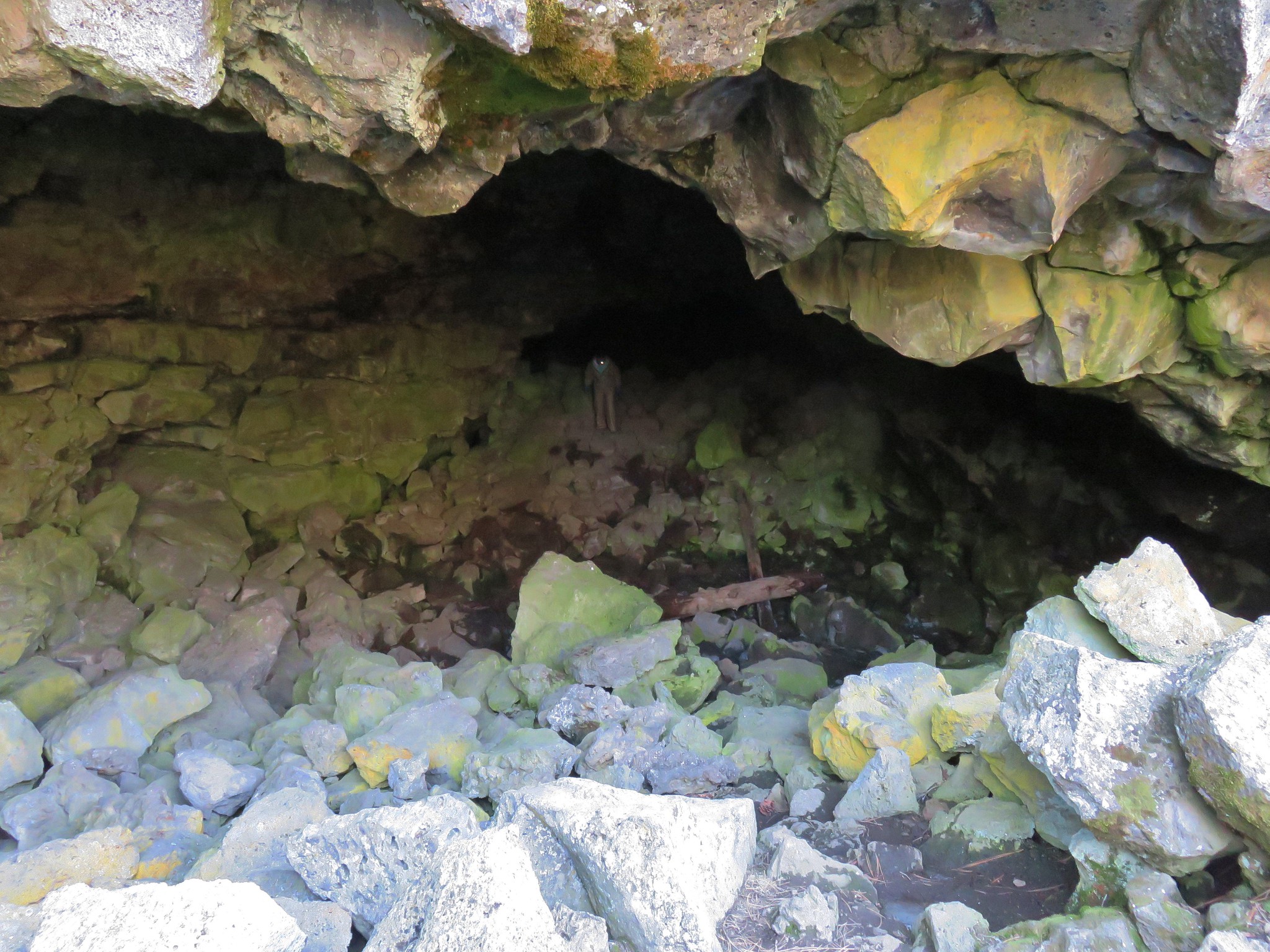
We followed the path to the right which led to the entrance to South Ice Cave, a .25 mile long lava tube.
2017-05-28 06.21.28

IMG_0939

Armed with headlamps and warm clothing we headed down into the cave. Cook suggests that May is the best month to visit to see the ice but noted that each year is different as far as how much ice is present. We may have been just a bit late this year but there was indeed ice on the floor of the cave near the entrance.
IMG_0942

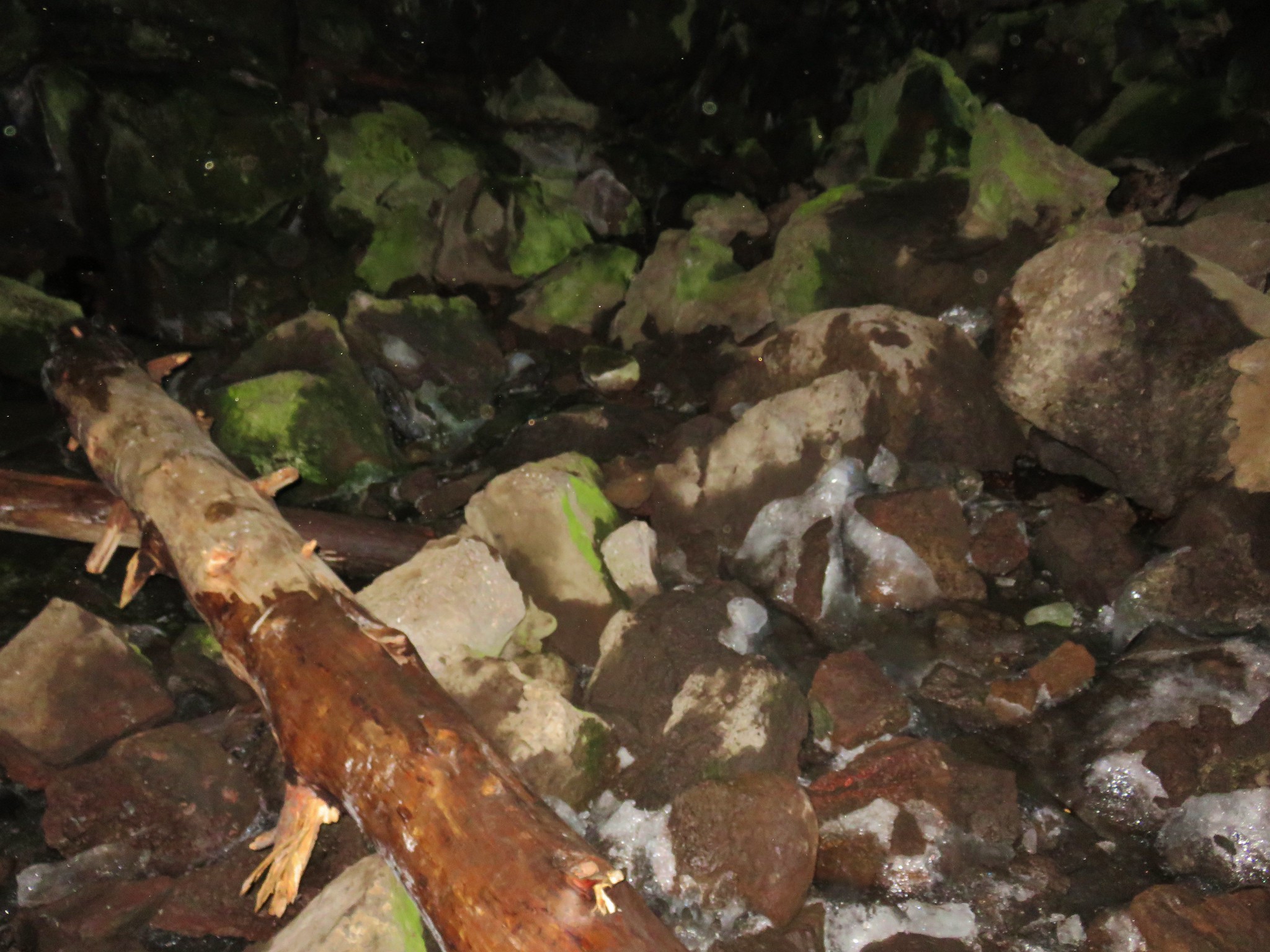
We climbed over a pile of rocks and went deeper into the cave where the amount of ice increased.
IMG_0954

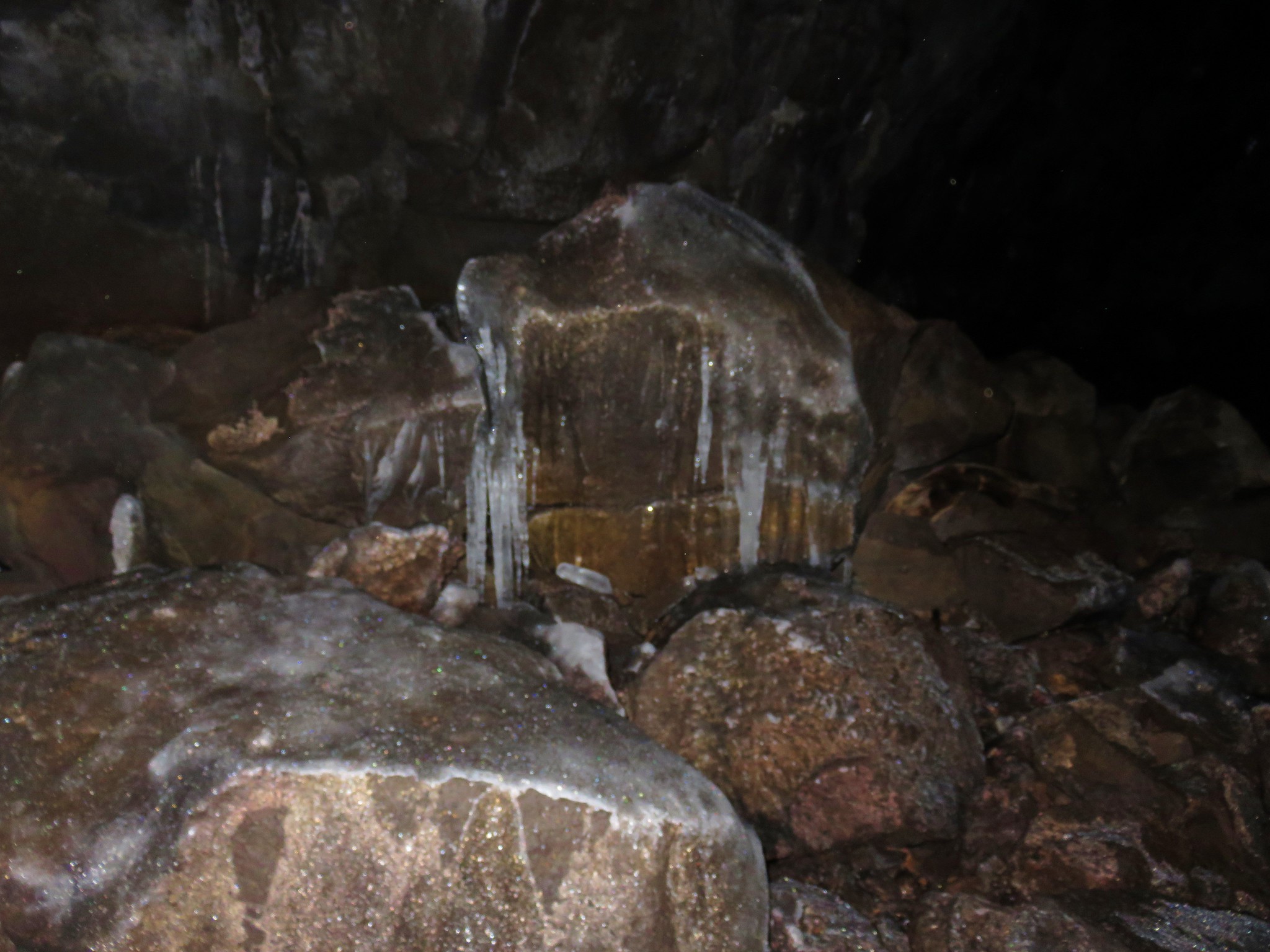
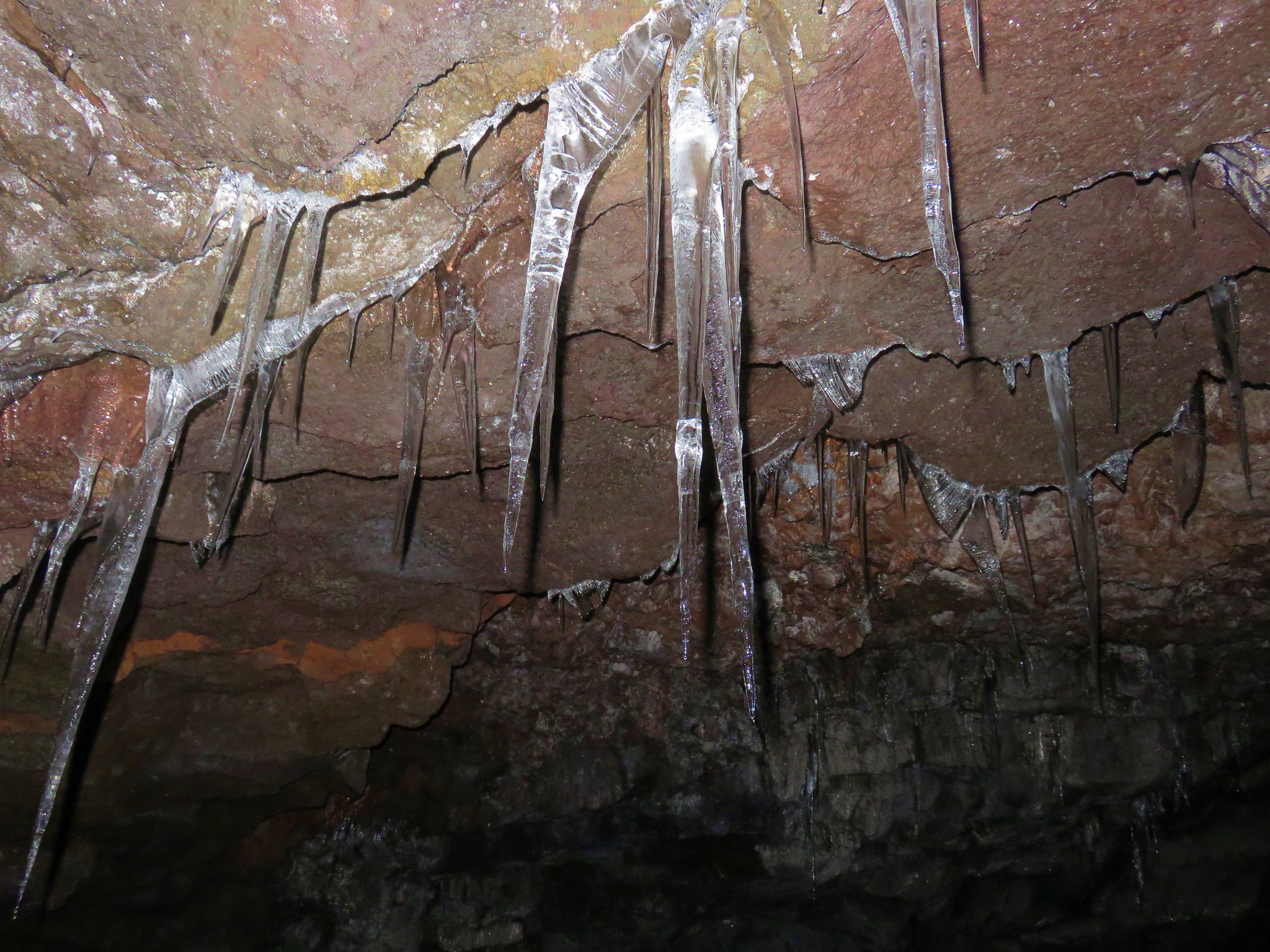
We continued to scramble over the lava trying to avoid the ice as much as possible since it made the rocks very slick, on the other hand the lava was sort of sharp and both our pants came away with battle scars. A little further into the cave we came to the best of the ice display where icicles hung overhead and ice nubs rose from the rocks.
IMG_0966

IMG_0969

IMG_0984

IMG_0985

Near the back of the cave the ice pretty much disappeared and the cave ended unceremoniously.
IMG_0974

I had reached the end first and as I turned to see if I could see where Heather was a bat flew through my headlamp’s light. It had apparently passed by Heather as well because when I told her there were bats she said she knew. 🙂

Despite the ice it wasn’t as cold in the cave as we’d anticipated and we were both a little warm from all the scrambling by the time we emerged from the cave.
IMG_0988

The half mile round trip took us about an hour which is what Cook had said to expect in the guidebook. After taking off our extra clothing we headed off to our next stop – Fort Rock State Park.

We turned left out of the parking area back onto NF-22 and followed it for a mile to a stop sign at NF-18 where we turned right. We stayed on NF-18 for 15 miles to the entrance of Fort Rock State Park. We had stopped here in 2014 after a hike up Hager Mountain and toured the inside of Fort Rock so this time we decided to hike around the outside.

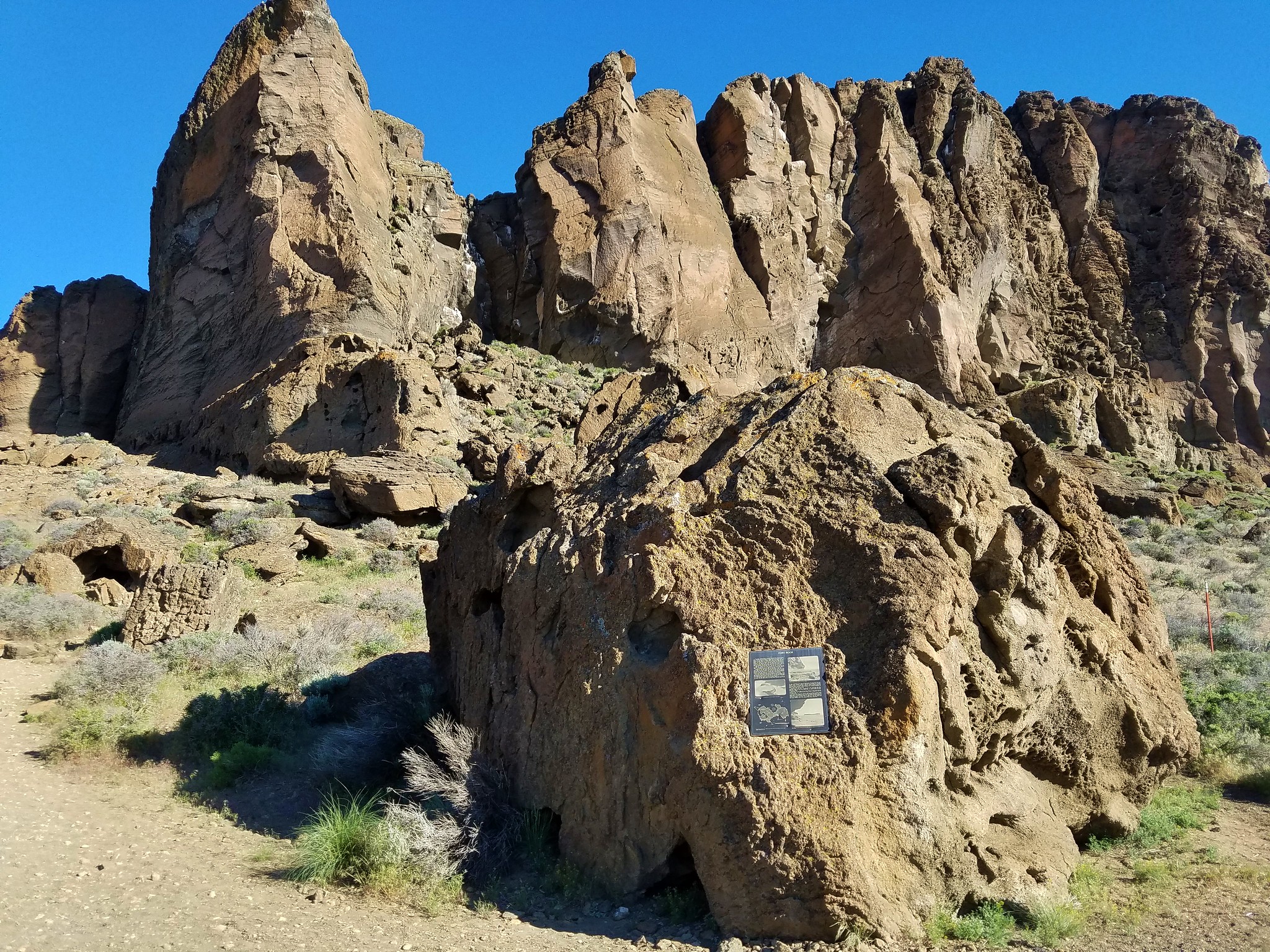
From the parking area we followed a path to some plaques on rocks.
IMG_1001

2017-05-28 07.53.53

From these rocks we turned right and passed through a barbed wire fence heading around the outside of Fort Rock.
IMG_1006

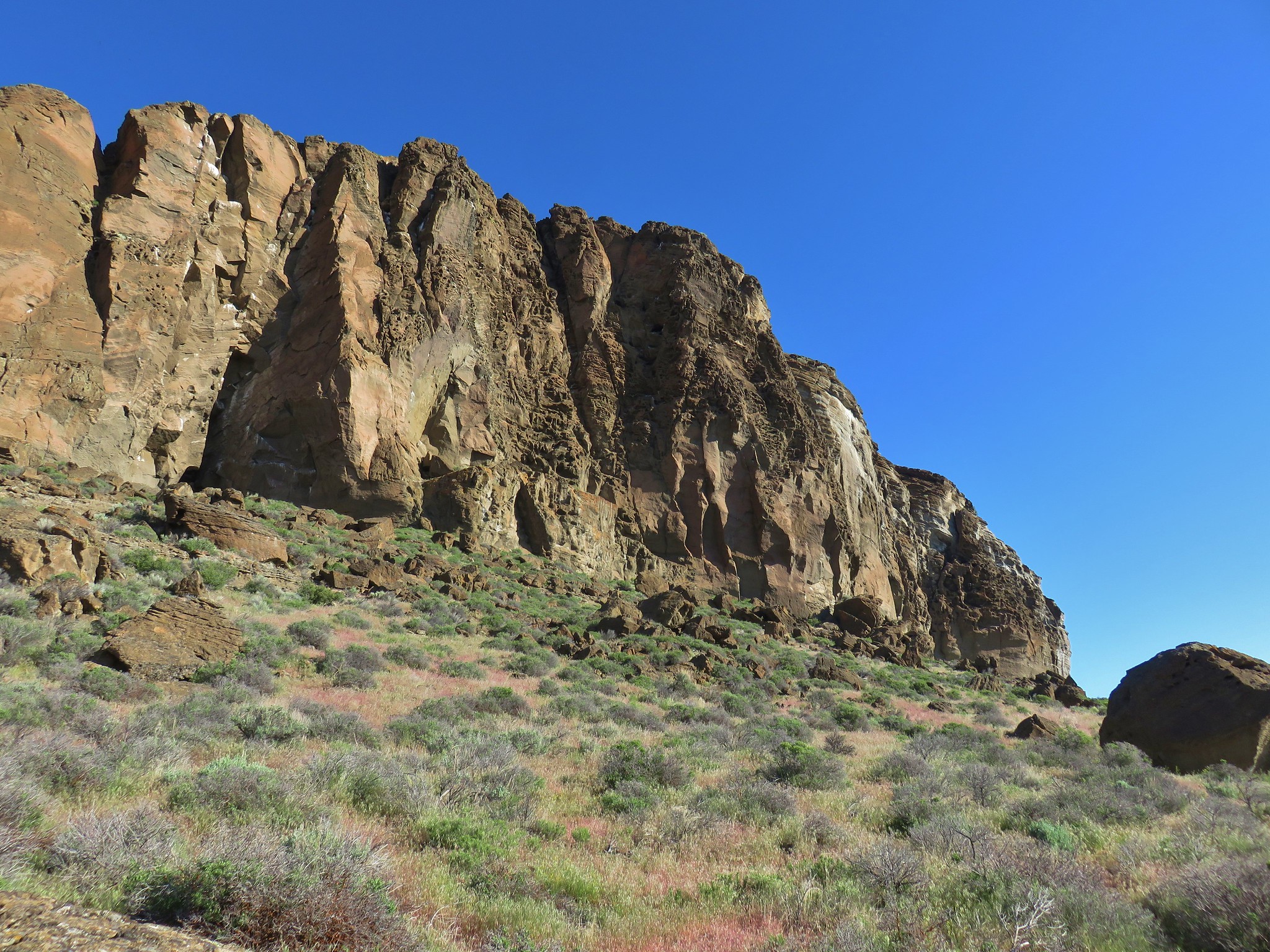
Although there is no official trail around the outside there was almost always a clear path through the sagebrush. Much like our visit to Cottonwood Canyon State Park the previous day we kept our eyes peeled for wildflowers and wildlife amid the sagebrush and on the cliffs above.
IMG_1008

2017-05-28 07.59.10

IMG_1025

IMG_1030

IMG_1035

IMG_1038

IMG_1041

IMG_1047

IMG_1049

IMG_1052

IMG_1056

IMG_1062

IMG_1060

2017-05-28 08.27.27

2017-05-28 08.43.21

IMG_1083

After approximately a mile and a half we rounded the west cliff of Fort Rock where we could now see into Fort Rock.
2017-05-28 08.54.22_stitch

We turned left onto an old road bed and followed it around the inside of Fort Rocks cliffs.
IMG_1097

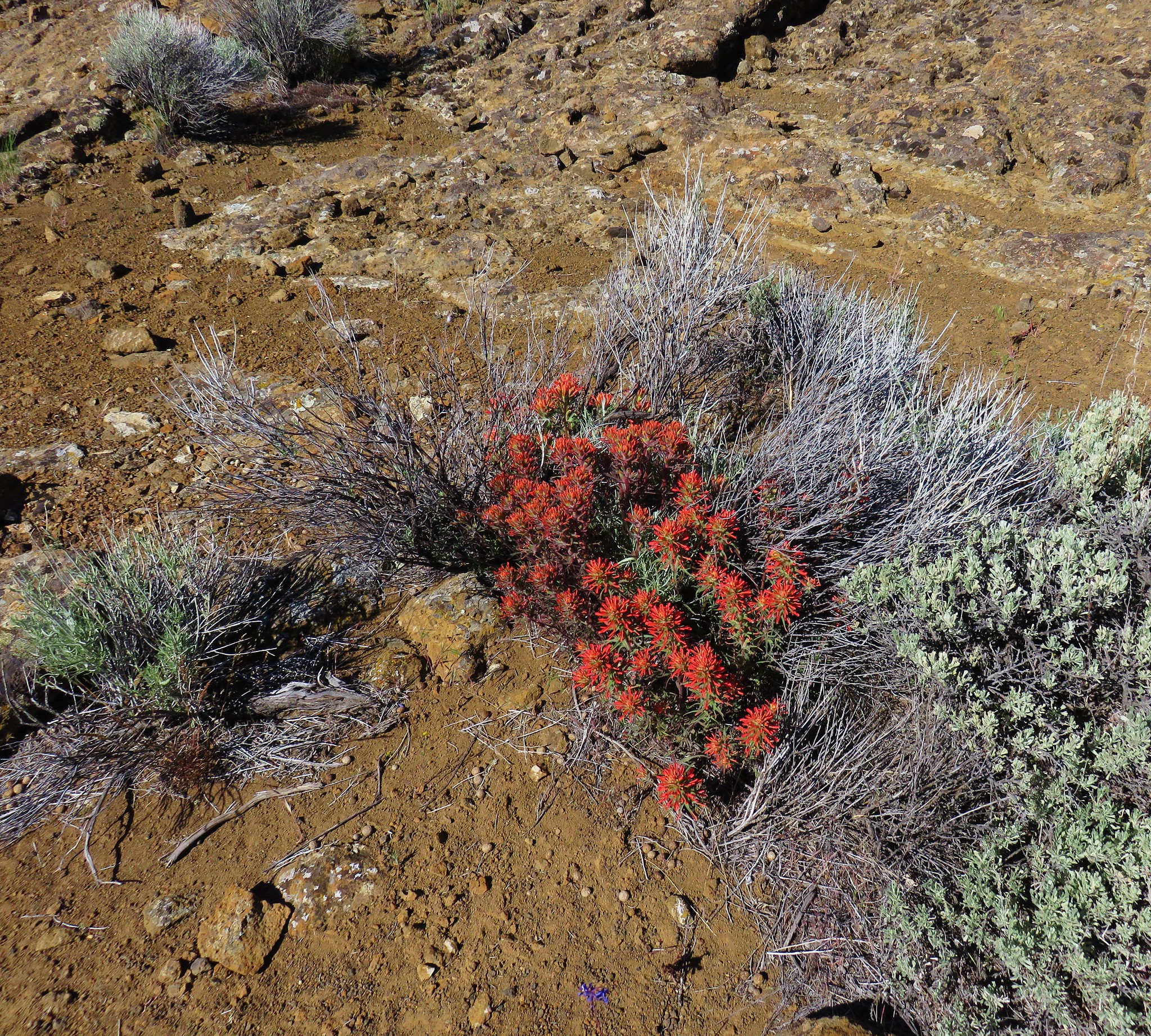
We skipped the .2 mile trail up to a viewpoint which we had visited on our previous trip and stuck to the road bed which climbed up next to an explorable rock shelf where there were several lizards and a lot of bright red paintbrush.
IMG_1105

IMG_1118

IMG_1119

IMG_1120

The trail then passed by a rock pillar before returning to the parking area.
IMG_1127

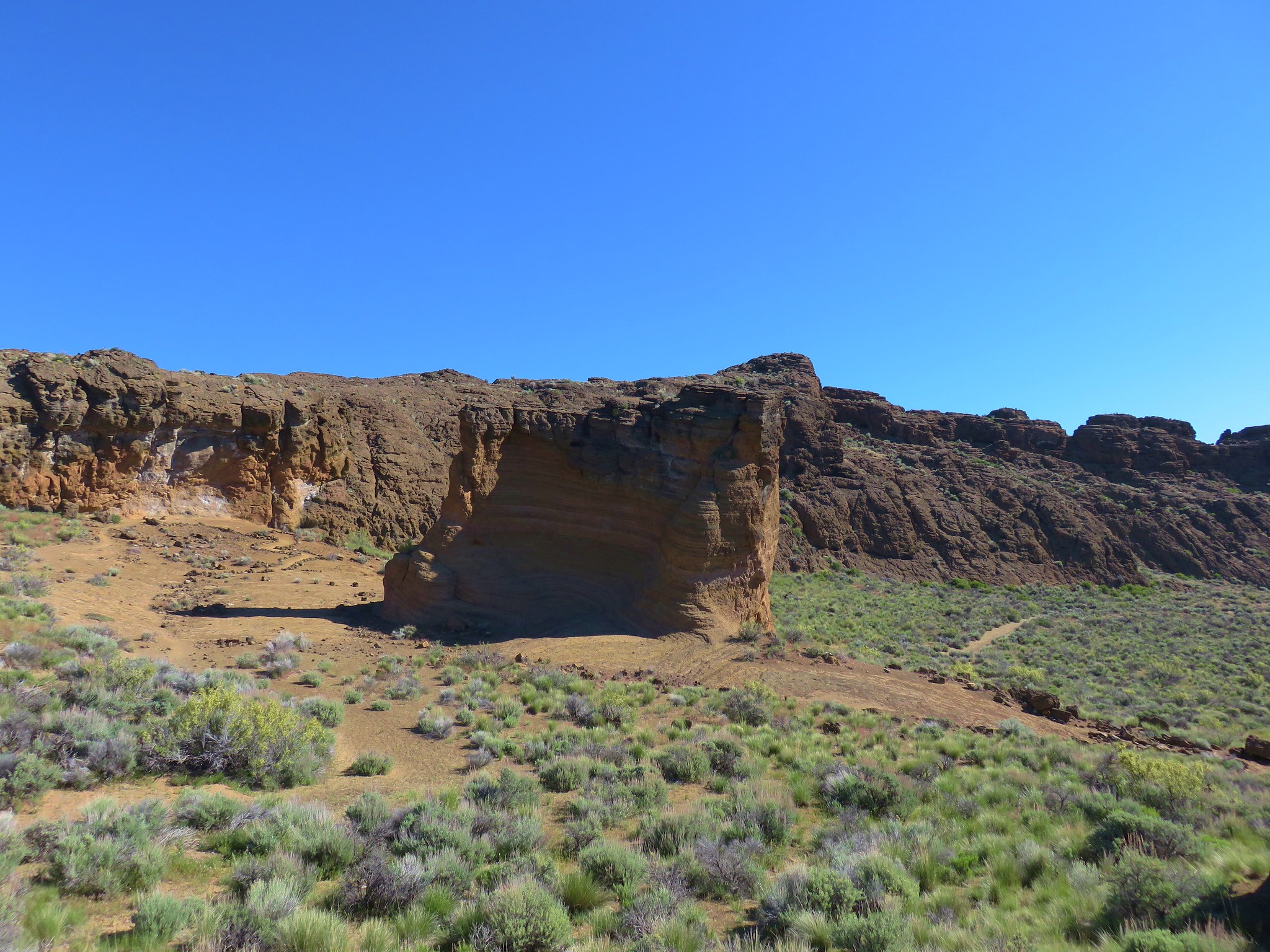
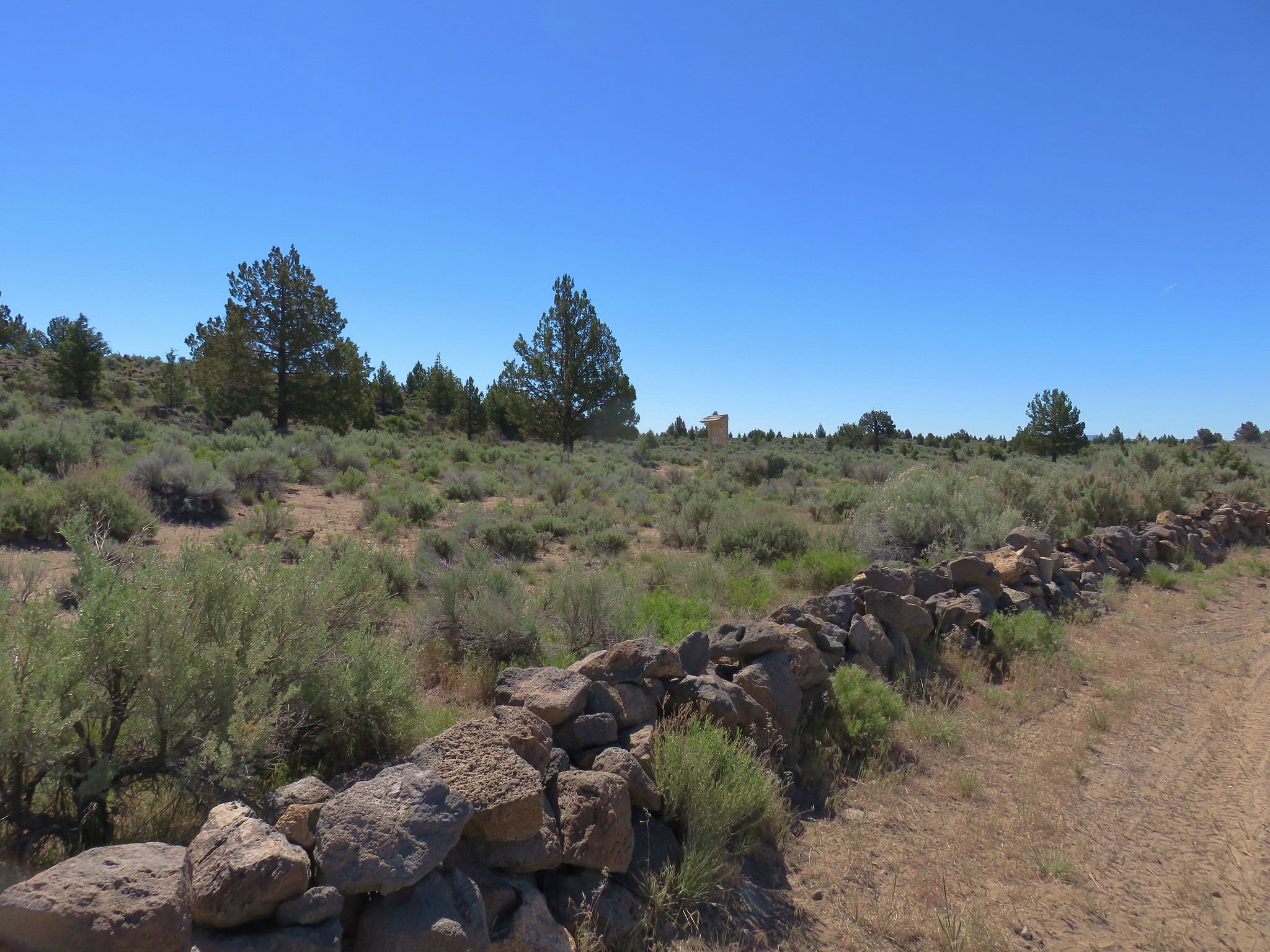
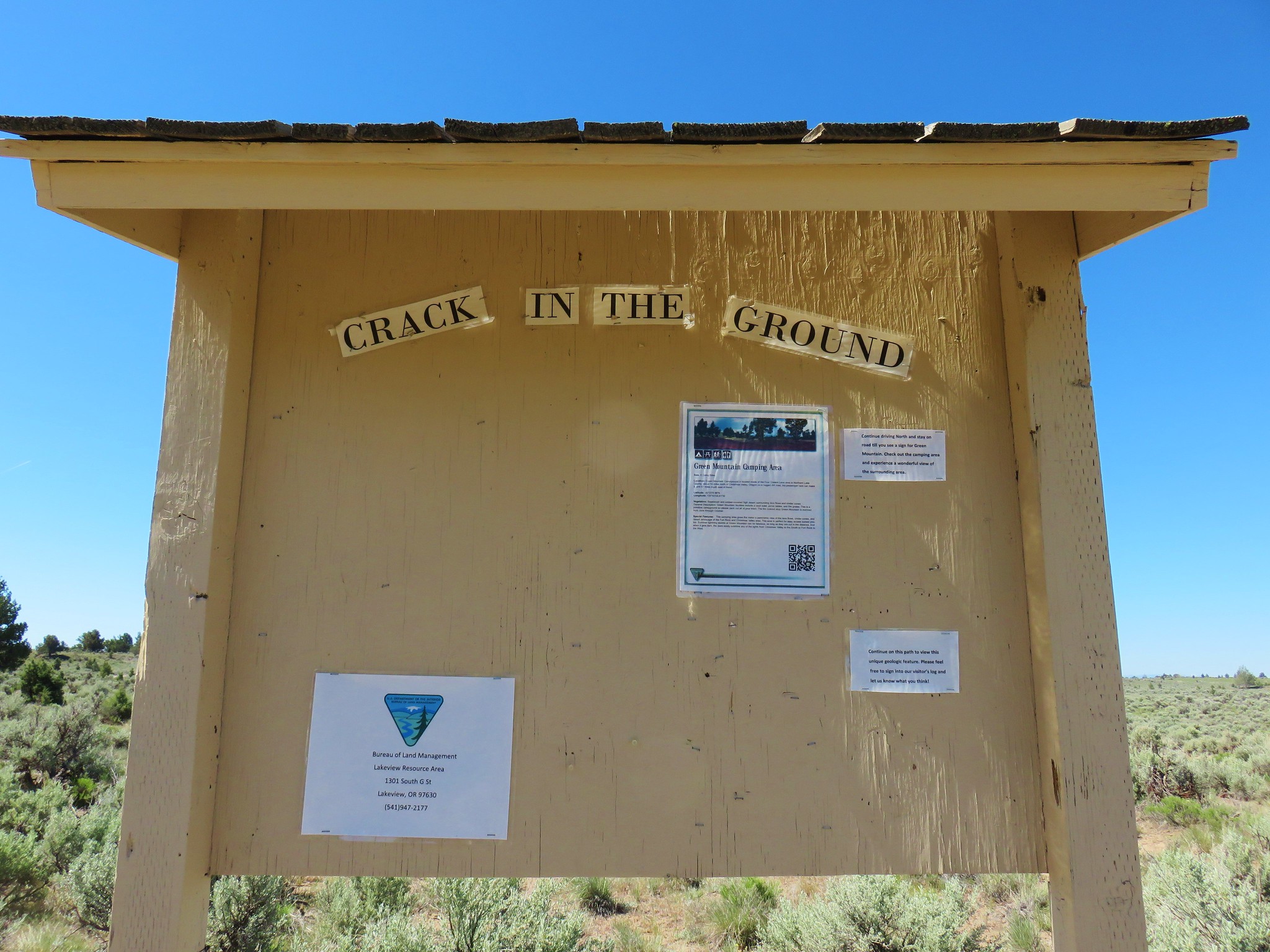
For our next stop we headed toward Christmas Valley by heading south from the park to the town of Fort Rock where we turned left and followed signs for Christmas Valley a total of 27 miles. After passing through the town we turned left at a sign for Crack in the Ground and followed this dirt/gravel road for 7.2 miles to a small parking area with a toilet. The trail started on the far side of the road at a signboard.
IMG_1145

IMG_1147

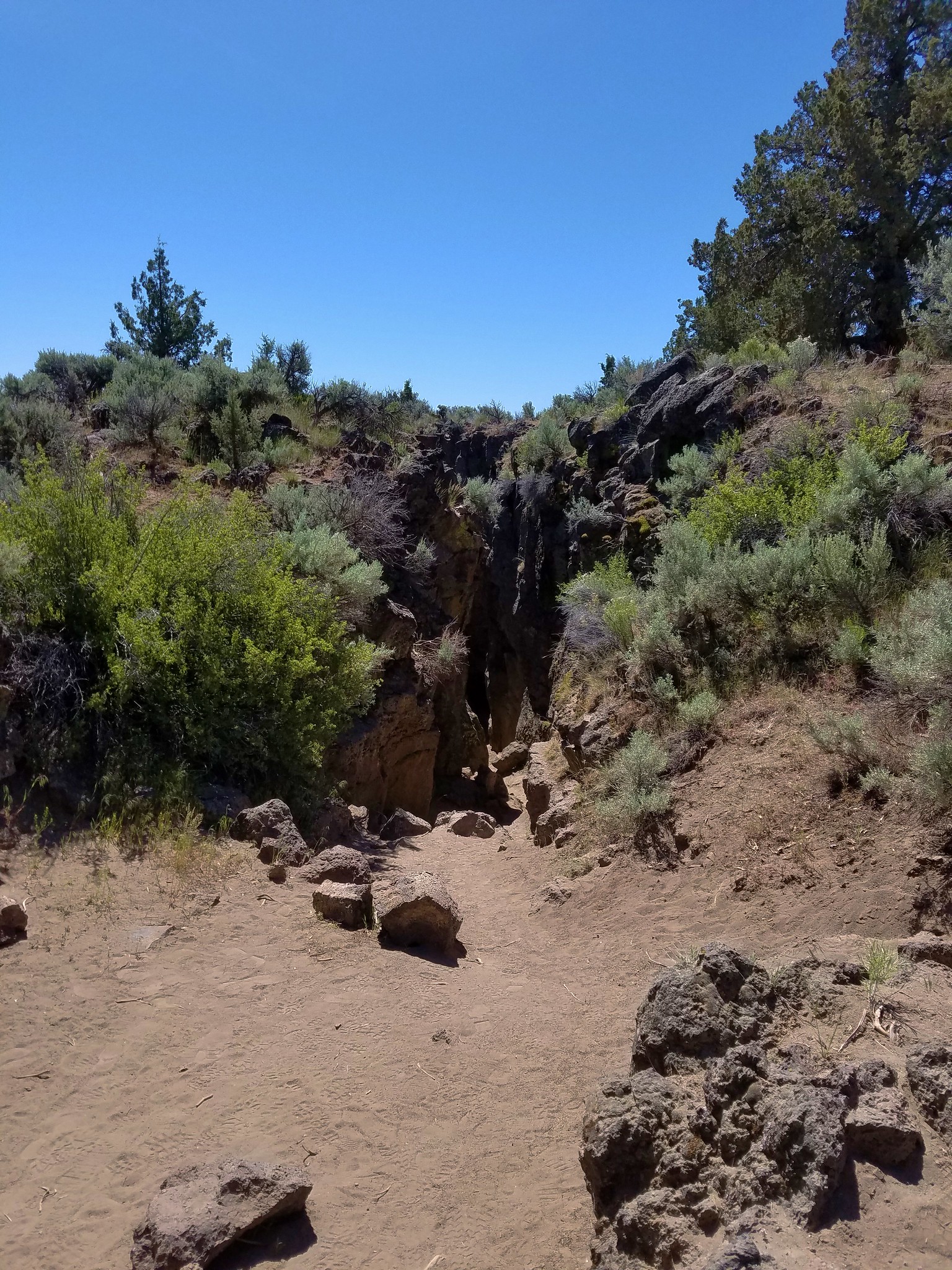
A level .2 mile path passed through sagebrush dotted with white phlox to a picnic table near the entrance to Crack in the Ground.
IMG_1153

IMG_1152

2017-05-28 10.37.28

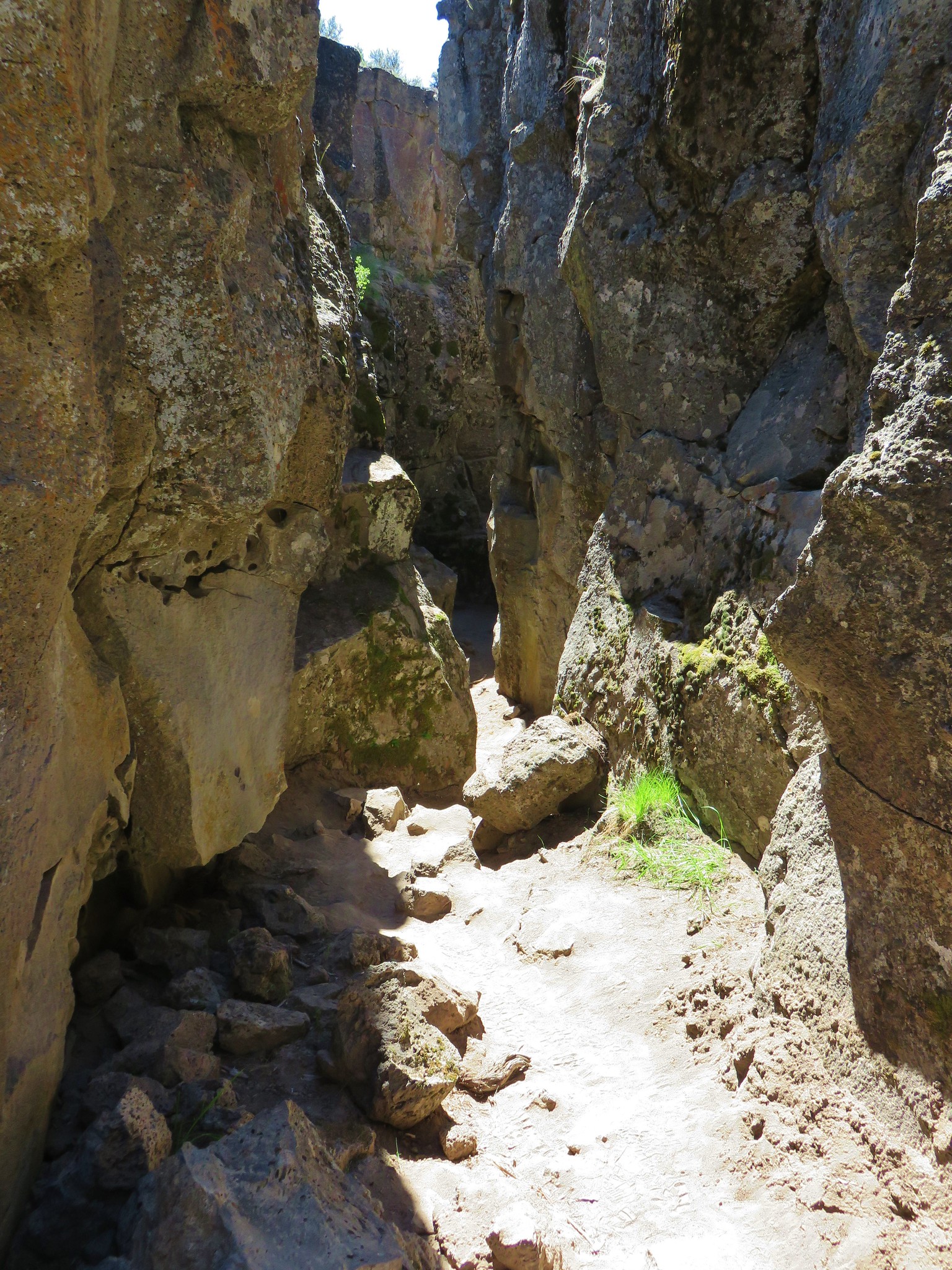
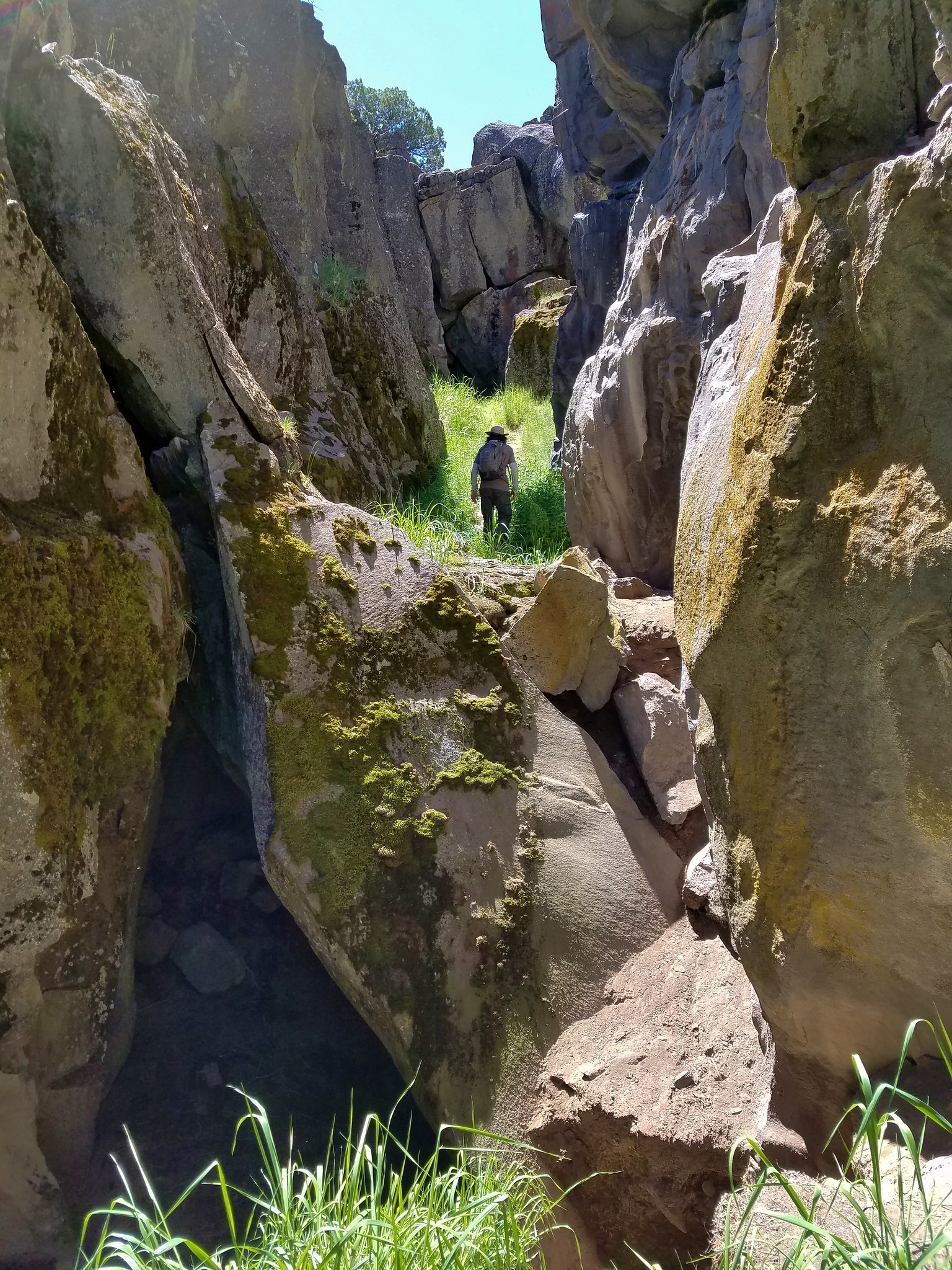
A path led down into the lava slot which reaches a depth of 70′.
IMG_1158

2017-05-28 10.38.55

2017-05-28 10.40.01

IMG_1172

IMG_1168

There were some interesting textures along the canyon walls.
IMG_1159

IMG_1166

It was nice and cool inside the crack and there was still some left over snow managing to hide from the sun at the bottom.
IMG_1170

2017-05-28 10.42.15

2017-05-28 10.47.42

We emerged from the crack at a saddle after a little less than a quarter of a mile. We had made the mistake of not bringing the guidebook with us and were really confused because even though we both remembered something different neither of us had expected to be out of the crack yet (we’d both remembered it wrong).

Another section of the crack continued on the other side of the saddle but it was impassable after just a couple hundred feet.
IMG_1183

IMG_1190

We did remember that Sullivan had said the canyon did become impassable at some point but that it was possible to follow the rim for another mile so we continued on a clear path on the west side of the crack. Views extended across the desert to some distant buttes.
2017-05-28 10.53.40

Lizards and butterfly covered flowers were common along the rim.
IMG_1181

IMG_1186

IMG_1189

2017-05-28 10.58.55

We came to another a saddle and remained on the rim to yet another saddle where we decided to drop back into the crack.
IMG_1195

We figured that if we found this section impassable we would just turn around and call it good. It wasn’t quite as deep or dramatic as the first section but it was still interesting and better yet, passable.
IMG_1198

2017-05-28 11.21.29

We passed another small saddle before coming to what appeared to be the end of the crack where it split into three slots.
IMG_1201

We turned back after emerging from this section and followed an old dirt track on the east side of the crack.
IMG_1202

The road brought us back to the saddle between the first section and the impassable section. We crossed over to the west side of the rim here and followed a clear trail back to the picnic table and then returned to our car. We pulled out the book which showed us we had basically done the hike as described although Sullivan didn’t mention being able to pass through the later sections of the crack. We had hiked roughly two and three quarters of a mile which agreed with the distances on his map.

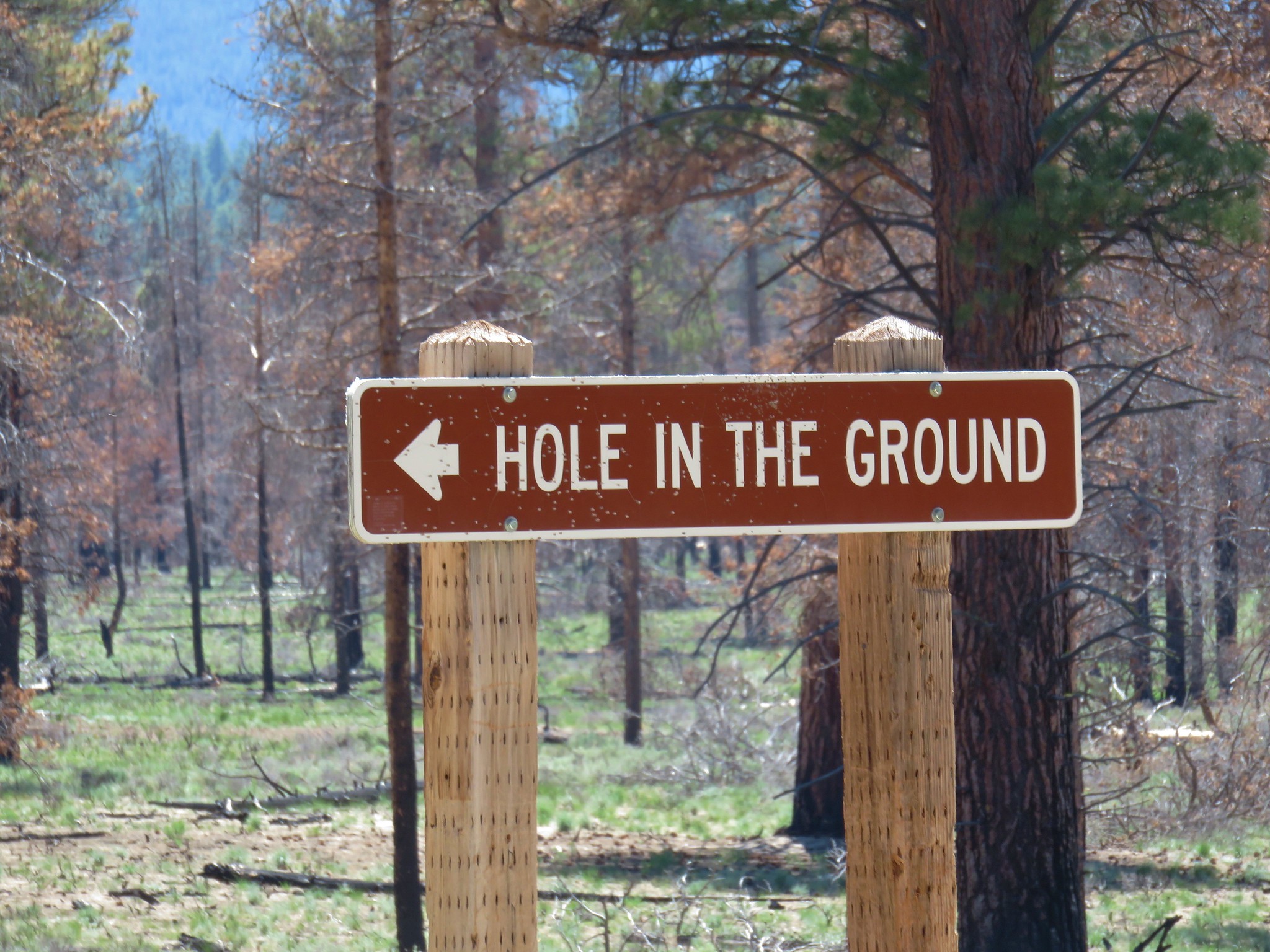
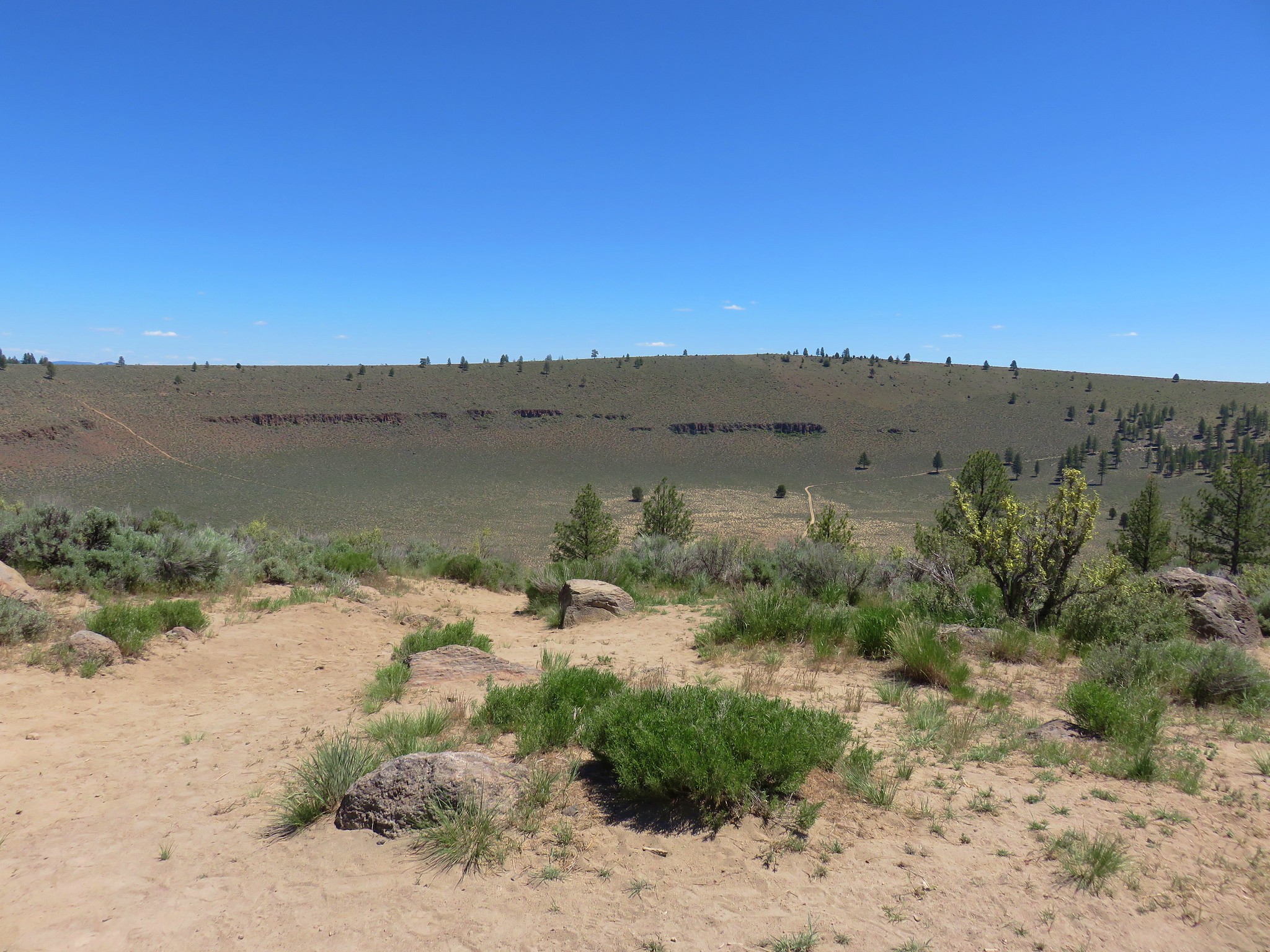
From Crack in the Ground we drove back to the town of Fort Rock and continued west 6.5 miles to Highway 31. Here we turned north toward LaPine and drove just over 7 miles to a sign for Hole in the Ground near milepost 22. We followed signs for 4.4 miles to a small parking area on the rim of the 425′ deep volcanic maar created when a volcanic gas bubble exploded. A similar occurrence formed Fort Rock only the lava at Fort Rock formed under the water of an ancient lake. Over time the currents and waves of the lake removed all but the hardest rock leaving the fortress like ring.
IMG_1258

IMG_1203

IMG_1207

A steep dirt trail headed straight down into the crater.
IMG_1208

We were surprised to find some blue lewis flax among the flowers blooming at the bottom.
IMG_1223

IMG_1232

2017-05-28 13.23.06

2017-05-28 13.27.07

After a half mile we arrived at the small playa at the center of Hole in the Ground.
IMG_1233

To get an idea of the size of the crater a couple of other hikers had come down behind us and are on the trail in the following picture.
2017-05-28 13.26.12

An old dirt track extended from the playa to the far side of the crater and eventually wound its way up to the rim after 1.2 miles.
2017-05-28 13.26.19

Along the way it passed a nice stand of ponderosa pines.
IMG_1243

Once we obtained the rim Paulina Peak was visible to the north across the crater.
IMG_1246

IMG_1248

Mt. Bachelor and the South Sister were also visible to the NW.
IMG_1250

We followed the road along the rim just over a half mile back to our waiting car then headed for our next stop – Big Tree. We returned to Highway 31 and continued north to Highway 97 then through LaPine. Seven miles north of LaPine we turned left at a sign for LaPine State Park.

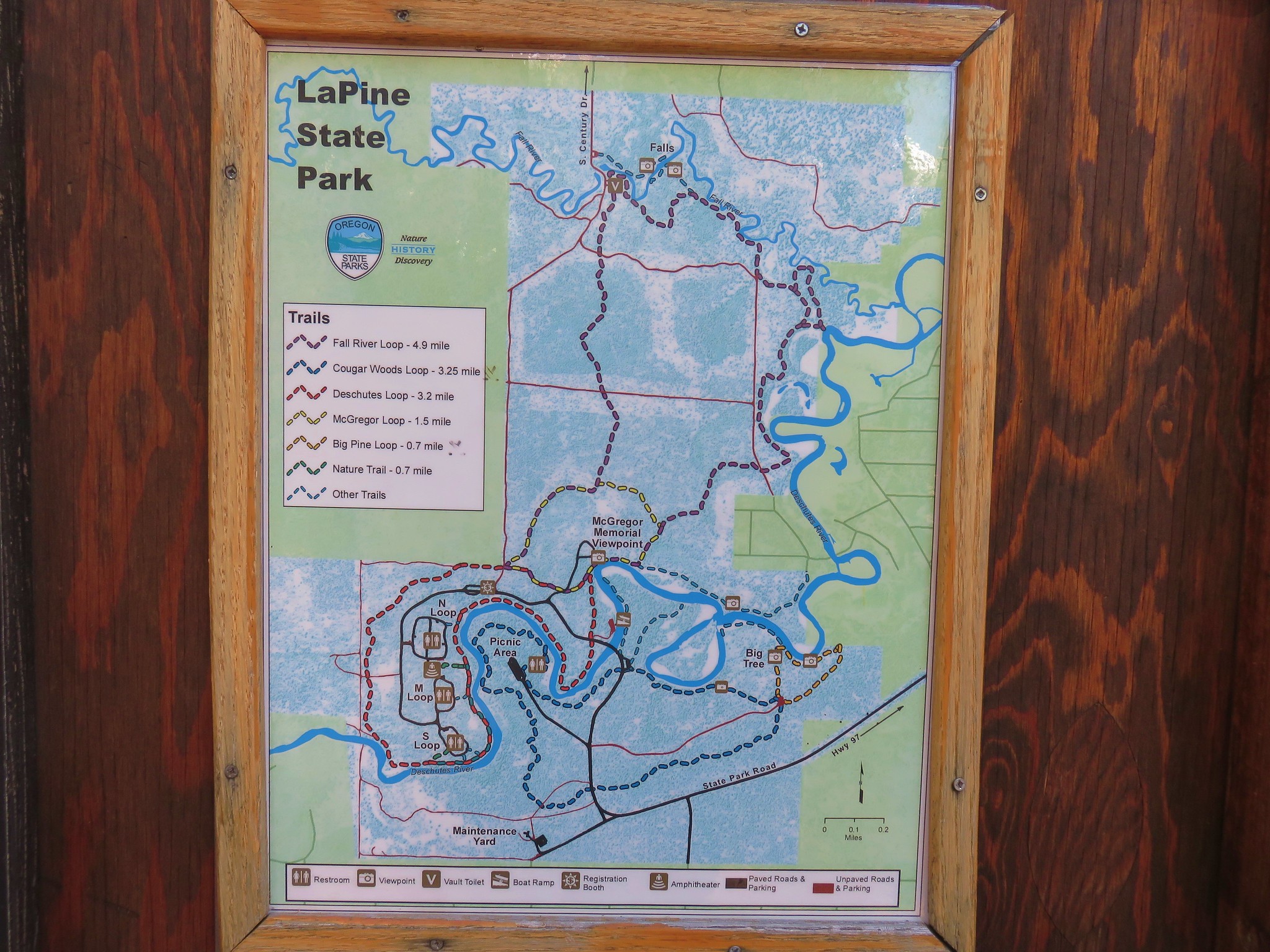
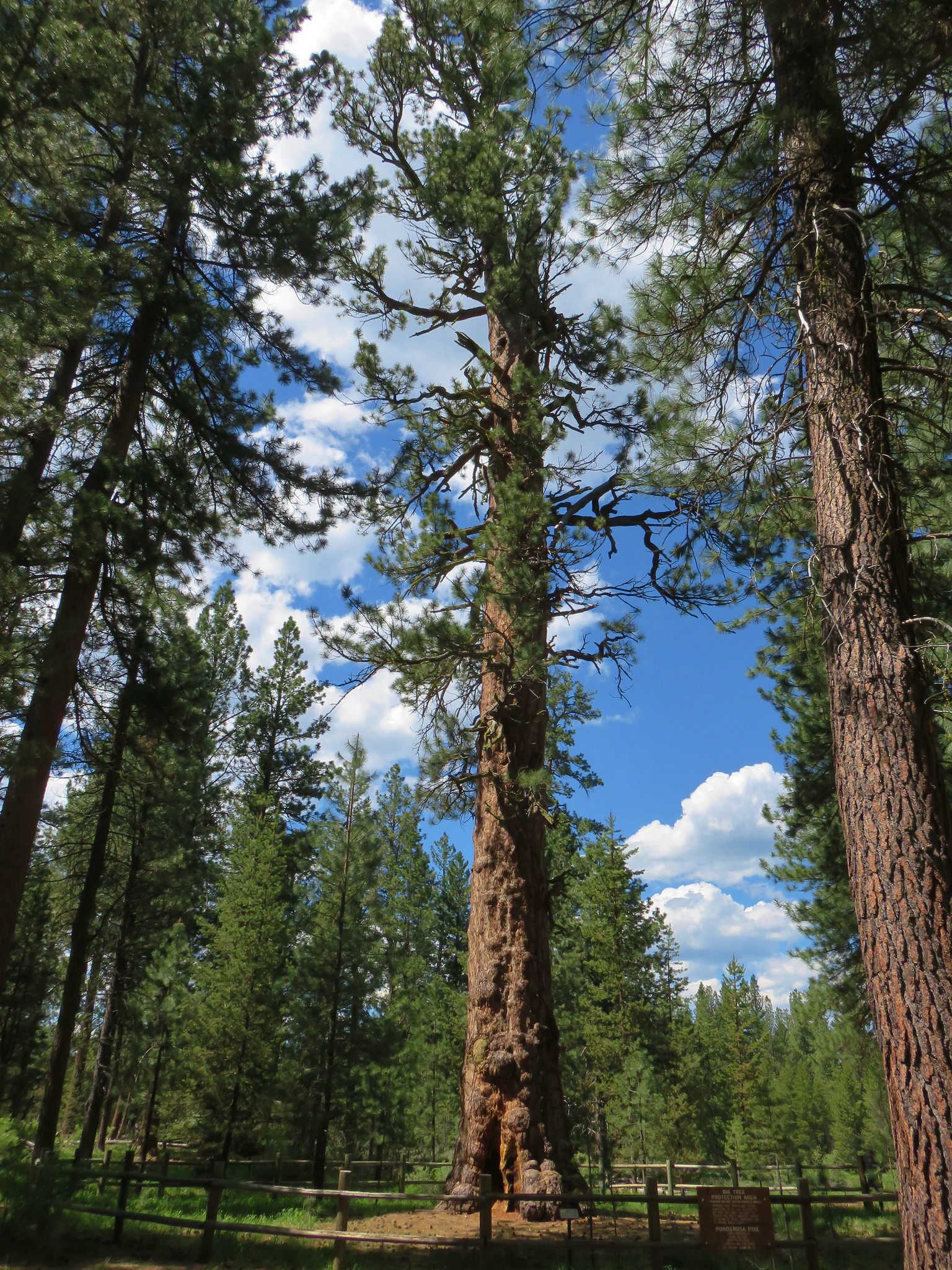
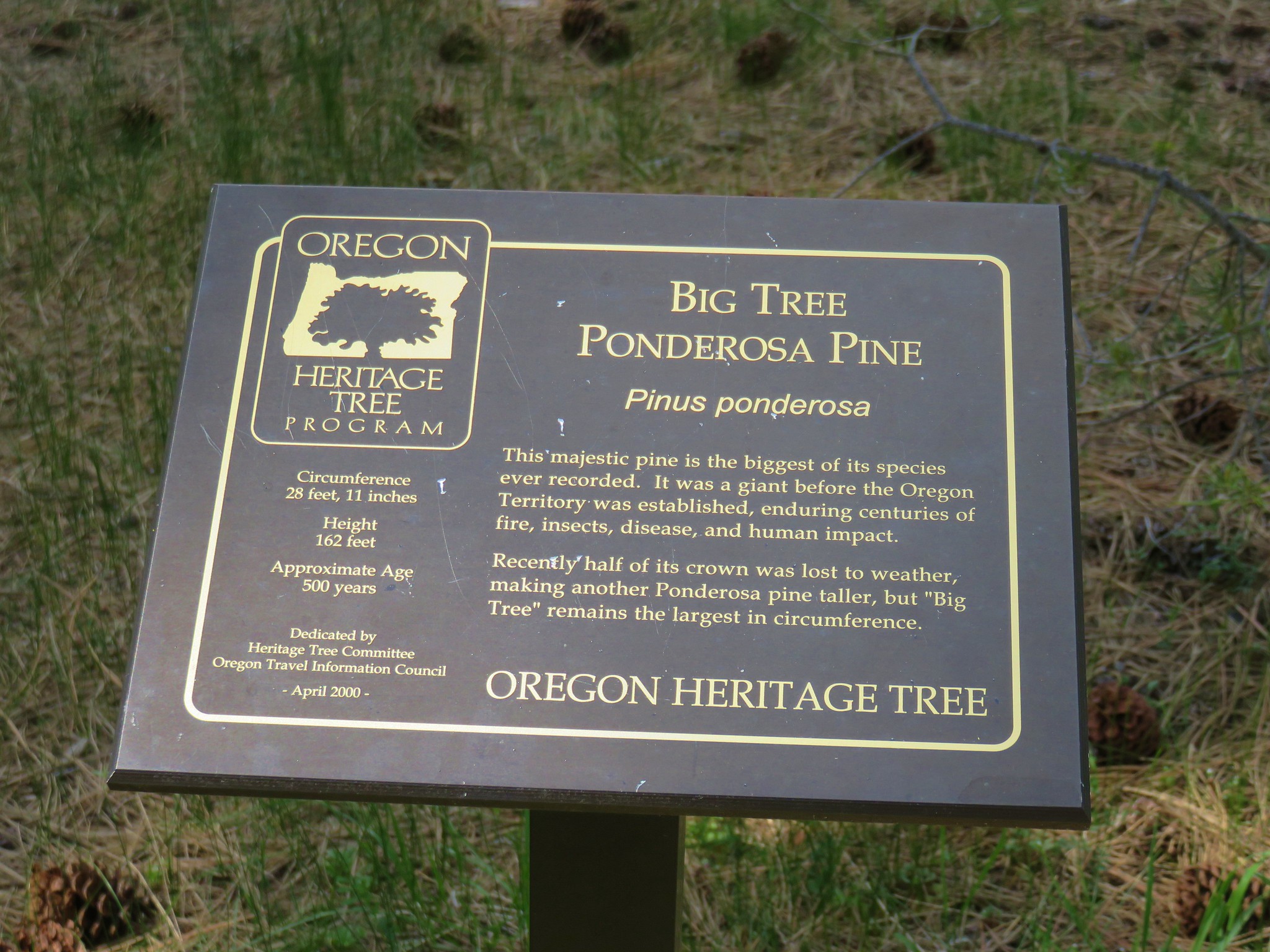
We had visited this park before in 2015, but had not made it to Big Tree – Oregon’s largest ponderosa pine.

A half mile after entering the park we turned right at a four way junction following a Big Tree pointer. A .7 mile gravel road brought us to the trailhead parking area.
IMG_1261

A paved .2 mile path led to the tree.
IMG_1262

IMG_1264

IMG_1267

We continued on the Big Pine Loop passing near the Deschutes River before looping back to the trailhead.
2017-05-28 15.11.51

It was a quick half mile hike but after visiting the redwoods, Oregon’s largest Myrtle Tree and several large port orford cedars and douglas firs on the Big Tree Trail on our southern Oregon vacation earlier in the month it was fitting to add this behemoth to the list.

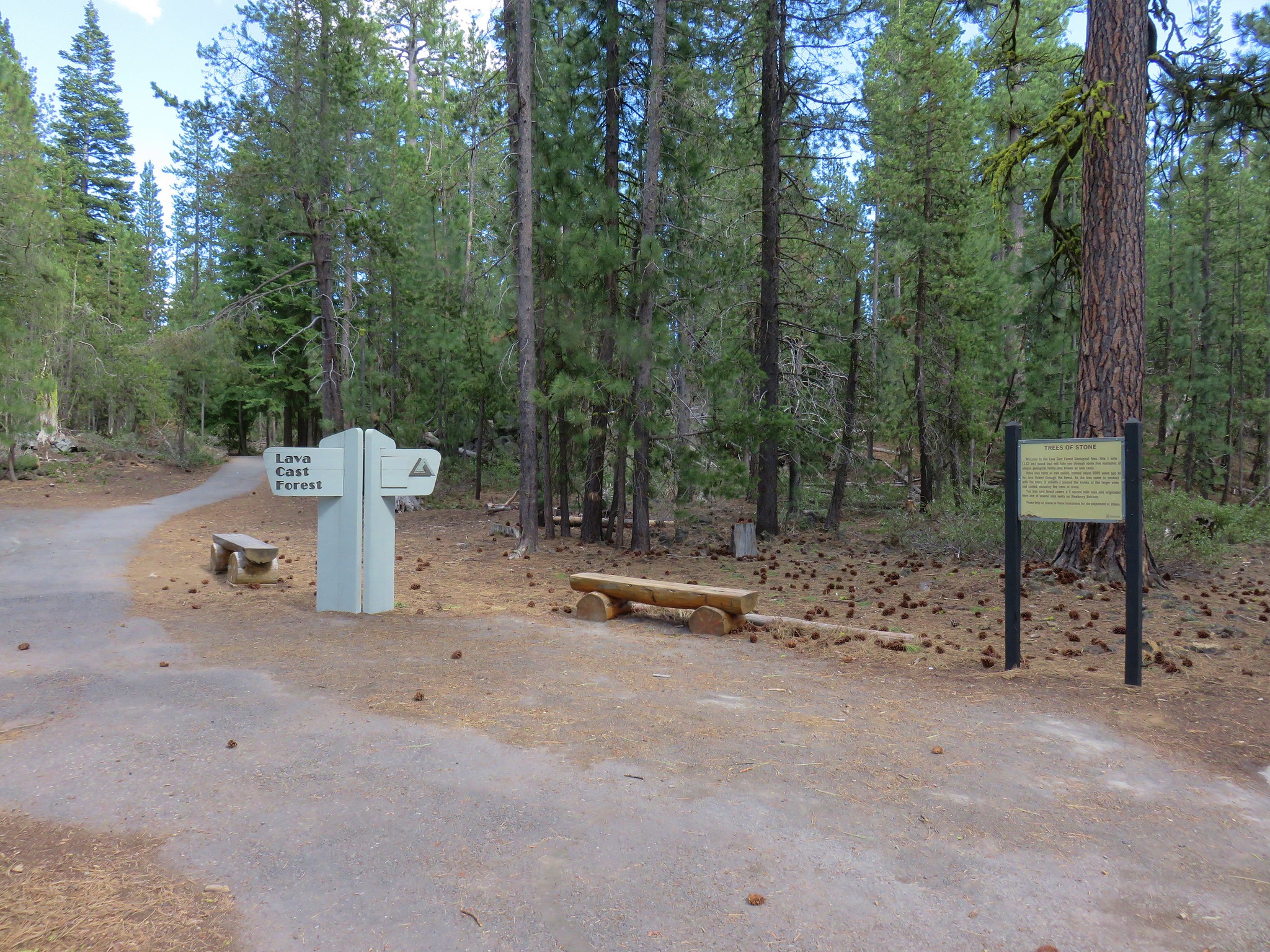
We returned to Highway 97 and drove north another 10 miles to exit 153 for our final hike of the day. At the exit we followed pointers for the Lava Cast Forest. After 9 miles of gravel road we arrived at the trailhead in the Newberry National Volcanic Monument.
IMG_1274

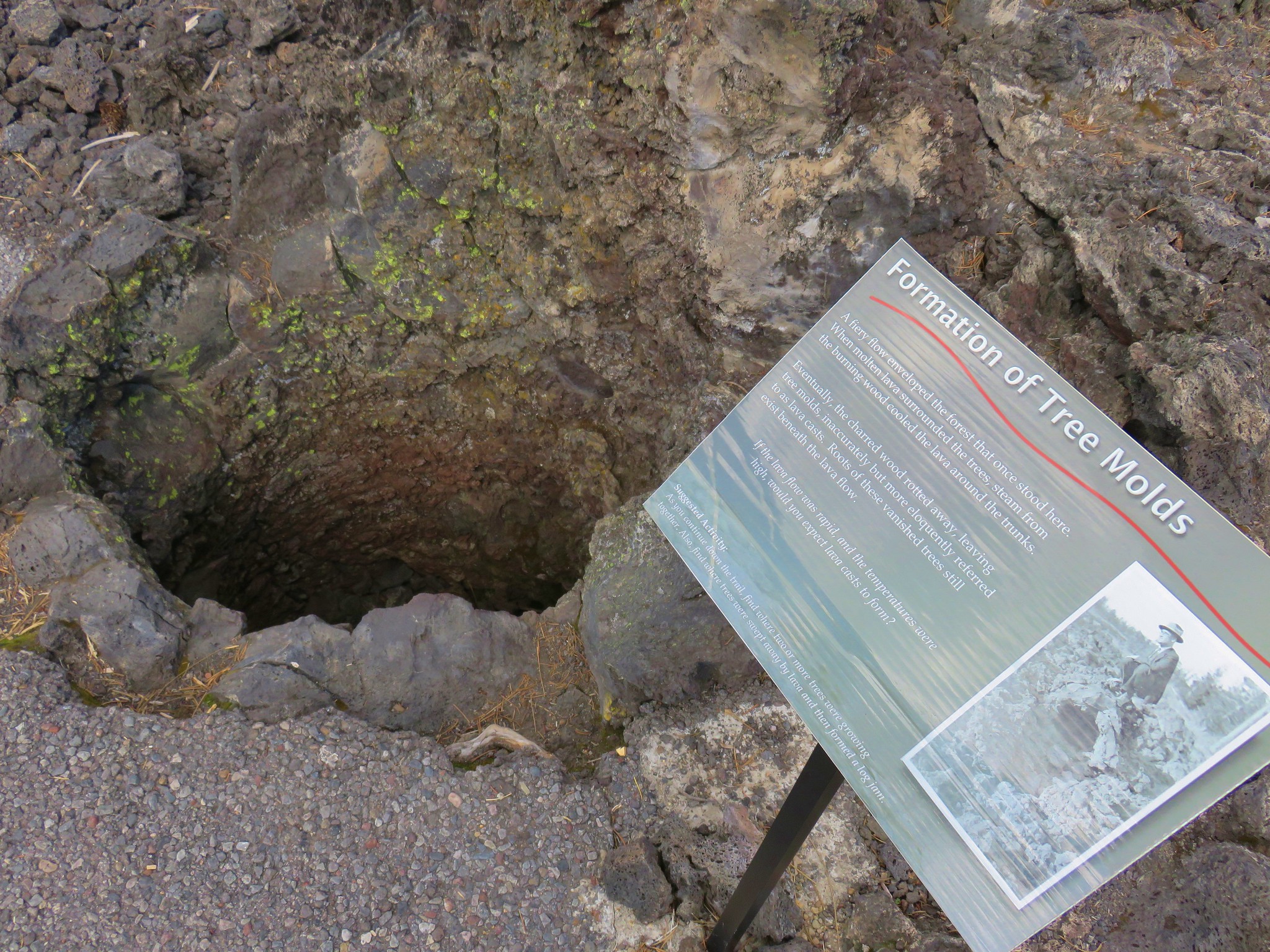
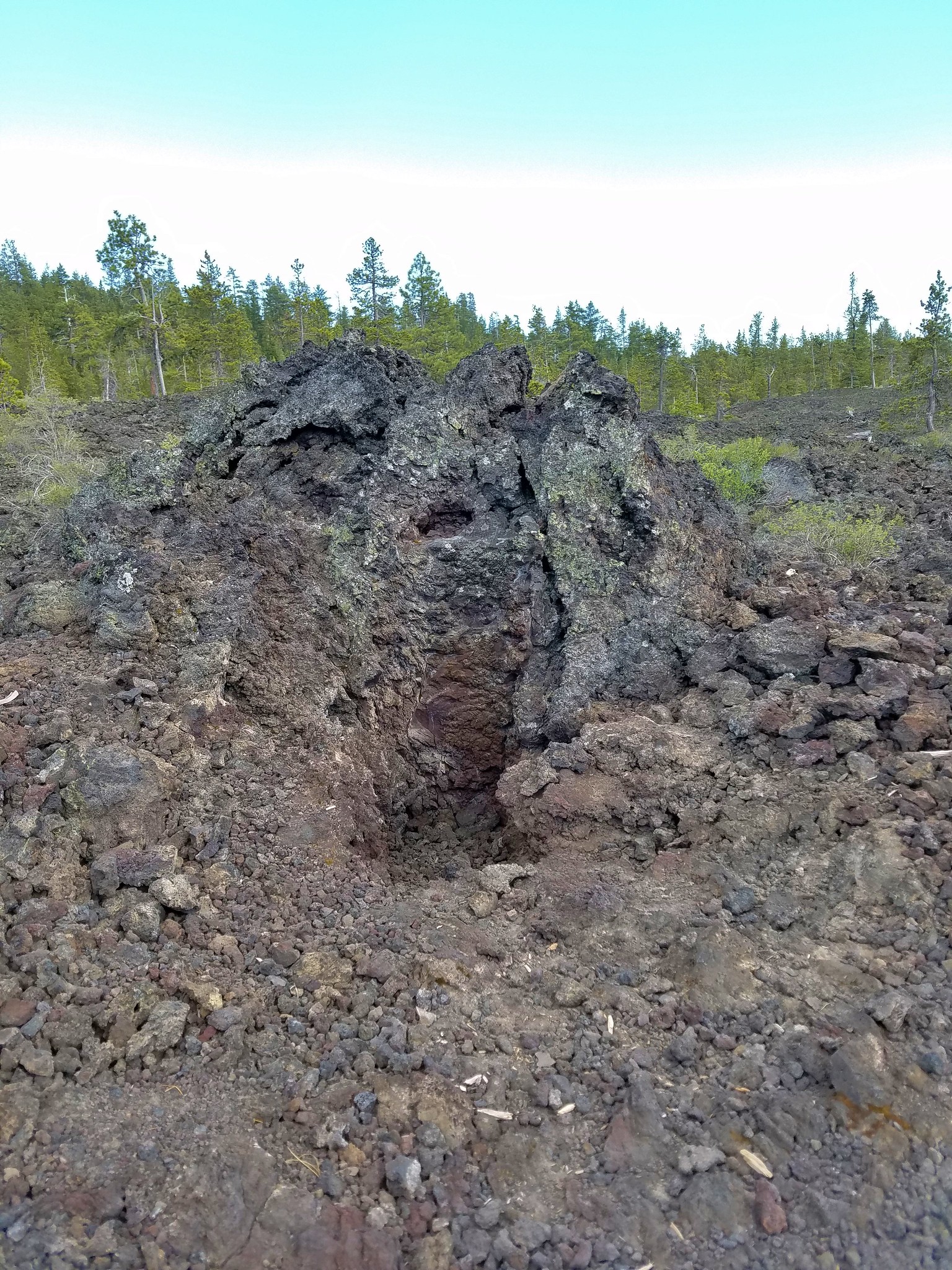
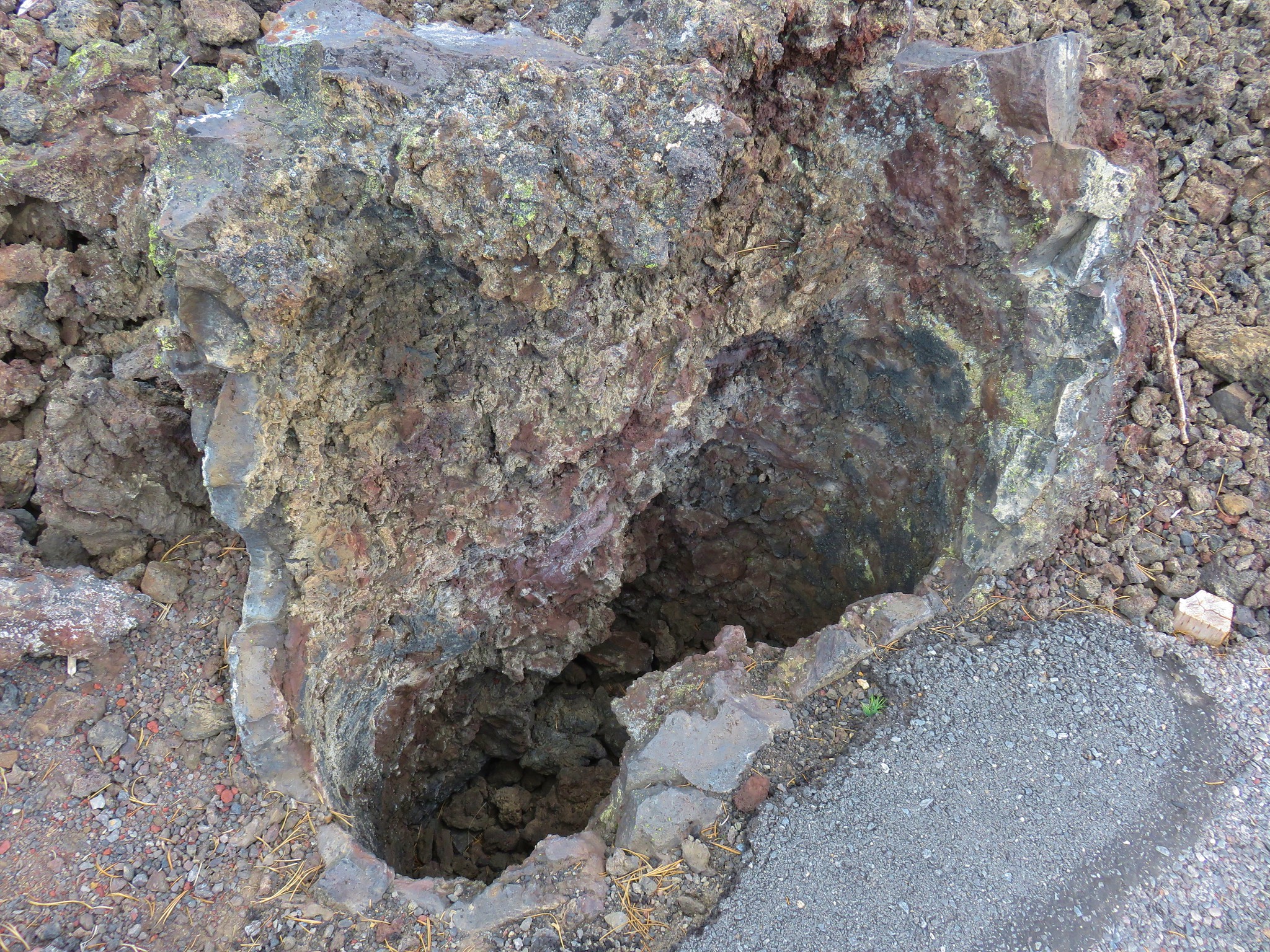
A paved 1 mile interpretive loop here led through a lava flow where the molds of trees remain from when the lava cooled around their burning trunks.
IMG_1291

2017-05-28 16.10.49

IMG_1299

IMG_1312

IMG_1319

Other sights along the trail included a few wildflowers, the rim of Newberry Crater, and a view of Mt. Bachelor, Broken Top, and the Three Sisters.
IMG_1287

IMG_1301

2017-05-28 16.17.17

IMG_1332

When it was all said and done we hiked a total of right around 9 miles on the day and saw some amazingly diverse and unique scenery all within a relatively small area. It had been one of the most interesting days of hiking to date. Happy Trails!

Flickr: Central Oregon Oddities

Categories
High Cascades Hiking Oregon Three Sisters Area Trip report

Green Lakes (Finally!)

If you are familiar with our hiking past you may recall that on 5 previous occasions we had planned to and failed to see the Green Lakes in the Three Sisters Wilderness. Over 20 years since our foolish first attempt we finally made it to the lakes when we could see them. Ironically our visit was prompted by some of the very reasons we had been forced to abandon previous quests to see the lakes. Snow, fires, and the threat of thunderstorms had forced us to cancel our backpacking plans and led us to Central Oregon for a series of vacation day hikes. On Tuesday we headed for the Green Lakes Trailhead, once again attempting to reach the lakes.

The forecast called for overcast skies but there was no threat of thunderstorms and the snow wasn’t scheduled to arrive until later that night. We arrived at the trailhead as the sun was rising. The mountain peaks were fully visible under a high ceiling of clouds.
IMG_9576//embedr.flickr.com/assets/client-code.js

IMG_9580//embedr.flickr.com/assets/client-code.js

IMG_9586//embedr.flickr.com/assets/client-code.js

We set off on the familiar first 2 miles of the trail along Fall Creek passing its series of waterfalls.
IMG_9592//embedr.flickr.com/assets/client-code.js

IMG_9594//embedr.flickr.com/assets/client-code.js

IMG_9598//embedr.flickr.com/assets/client-code.js

IMG_9604//embedr.flickr.com/assets/client-code.js

IMG_9609//embedr.flickr.com/assets/client-code.js

IMG_9613//embedr.flickr.com/assets/client-code.js

IMG_9615//embedr.flickr.com/assets/client-code.js

After passing the trail junction to Moraine Lake we were on unfamiliar trail. We had hiked this section before but it was by headlamp on the way out of the wilderness after mistakenly thinking a fire and started nearby while we were camped at a tarn below Broken Top. We had packed up at dusk and hiked out in the dark missing the lakes and the scenery along the trail. Fall Creek was much calmer along this portion of trail flowing between the trail and a lava flow.
IMG_9652//embedr.flickr.com/assets/client-code.js

IMG_9657//embedr.flickr.com/assets/client-code.js

After hiking another 2 miles the trail entered the southern end of the Green Lakes Basin.
IMG_9683//embedr.flickr.com/assets/client-code.js

Several trails shot off in different directions and we veered left toward the day use peninsula of the middle and largest of the three Green Lakes.
IMG_9692//embedr.flickr.com/assets/client-code.js

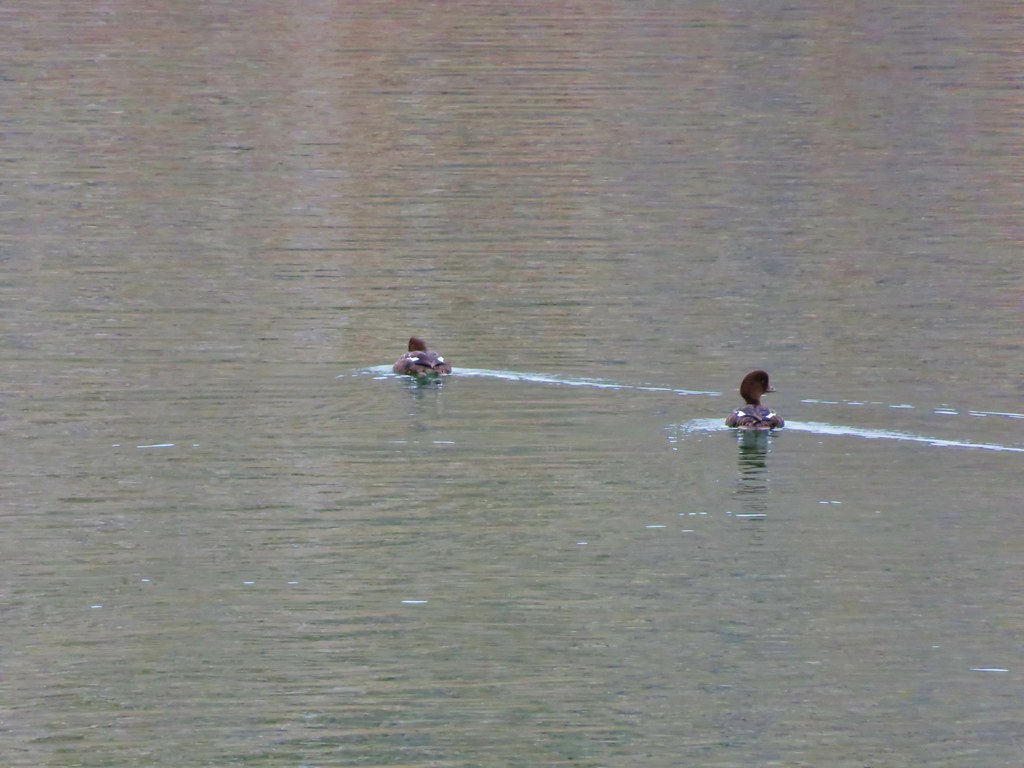
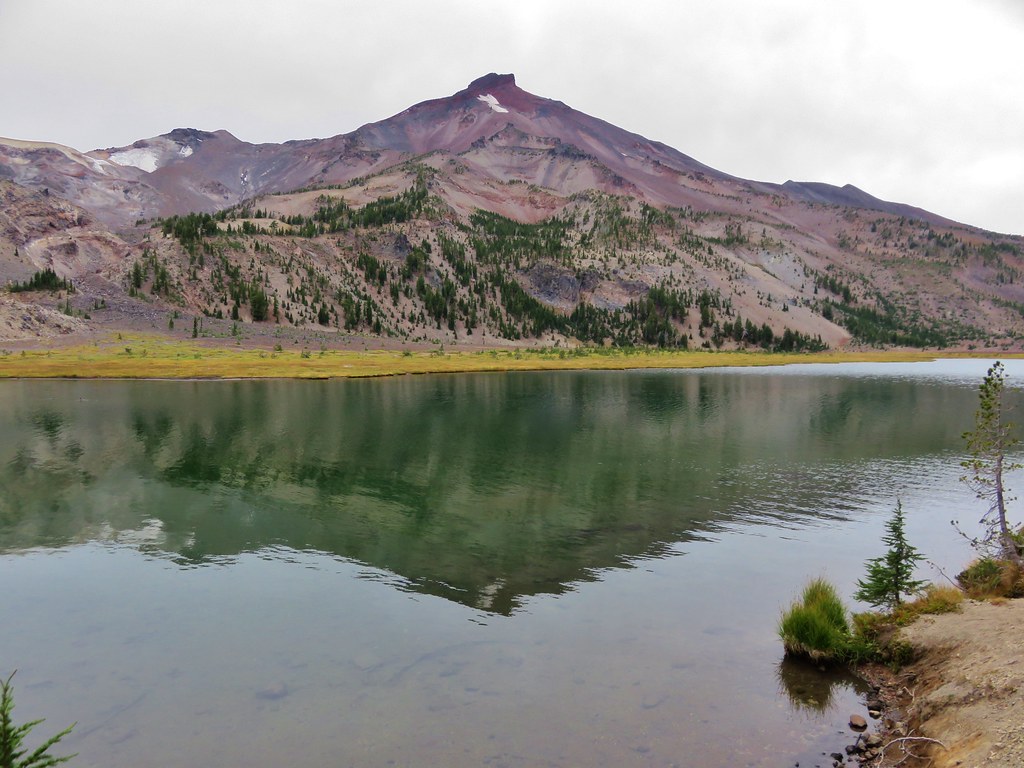
The views from the day use area were great and we watched some ducks enjoying a morning swim on the lake.
IMG_9704//embedr.flickr.com/assets/client-code.js

IMG_9708//embedr.flickr.com/assets/client-code.js

IMG_9716//embedr.flickr.com/assets/client-code.js

IMG_9719//embedr.flickr.com/assets/client-code.js

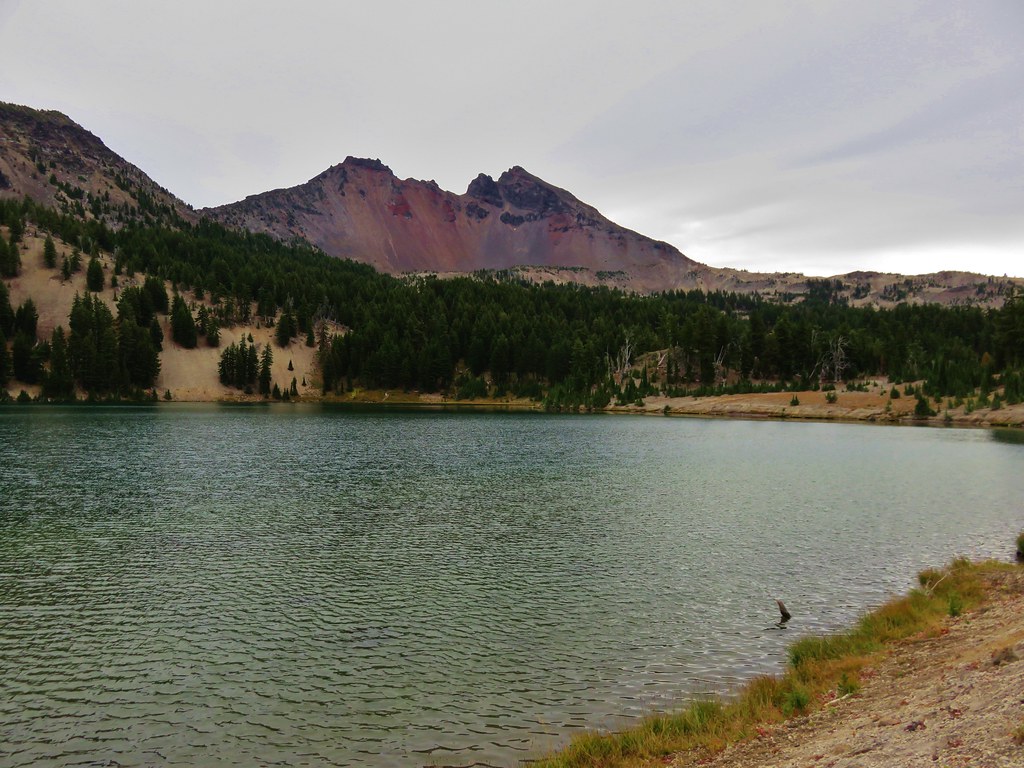
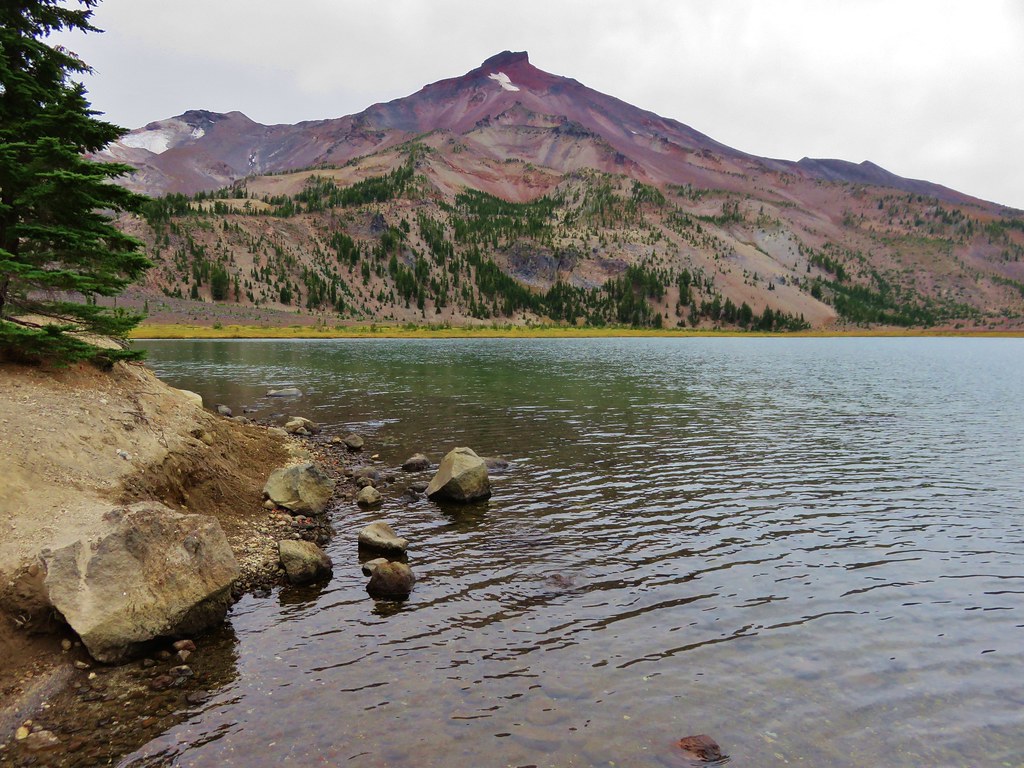
We resumed our hike passing along the east side of the lake heading toward the third and final lake. This lake truly lived up to the Green Lakes name.
IMG_9758//embedr.flickr.com/assets/client-code.js

IMG_9762//embedr.flickr.com/assets/client-code.js

IMG_9766//embedr.flickr.com/assets/client-code.js

IMG_9768//embedr.flickr.com/assets/client-code.js

The Green Lakes Trail continues past the lakes climbing .7 miles to a pass between Broken Top and the South Sister before continuing down to Park Meadow. We headed for the pass to check out the views we’d missed on our night hike. We discovered an interesting landscape including some rocks showing the signs of long gone glacier.
IMG_9815//embedr.flickr.com/assets/client-code.js

IMG_9819//embedr.flickr.com/assets/client-code.js

IMG_9822//embedr.flickr.com/assets/client-code.js

At the pass the views extended down into Central Oregon and north to Mt. Hood.
IMG_9836//embedr.flickr.com/assets/client-code.js

IMG_9843//embedr.flickr.com/assets/client-code.js

IMG_9830//embedr.flickr.com/assets/client-code.js

IMG_9825//embedr.flickr.com/assets/client-code.js

IMG_9831//embedr.flickr.com/assets/client-code.js

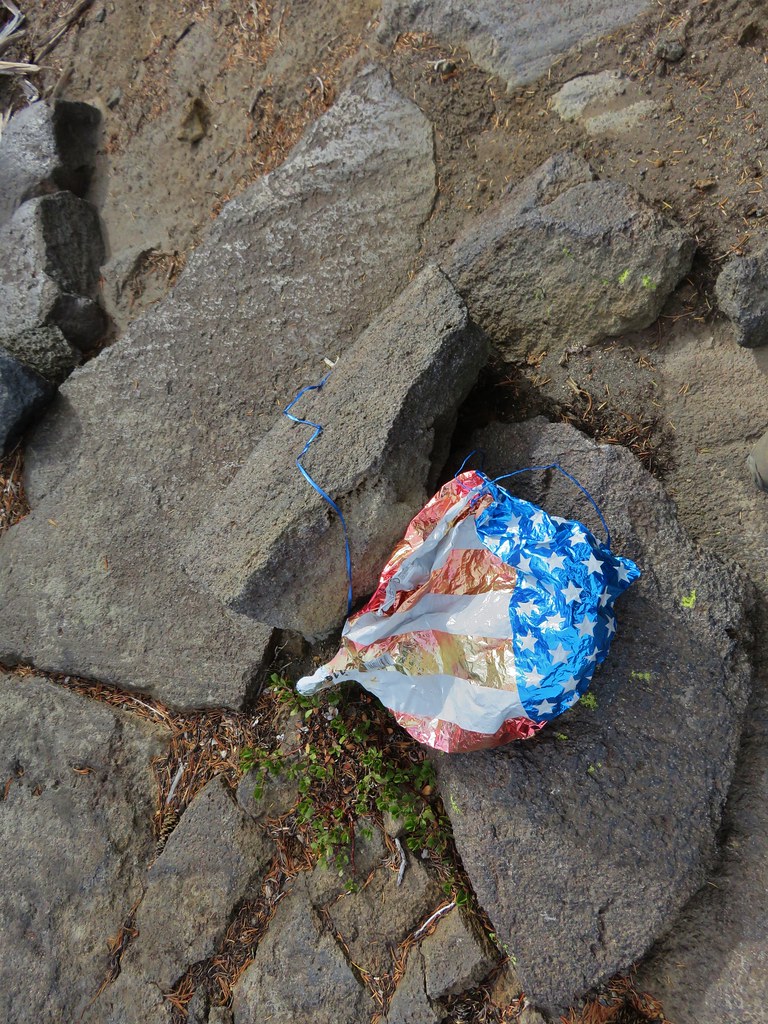
After doing a little exploring (and picking up another balloon) we headed back down to the Green Lakes.
The balloon in the trees.
IMG_9859//embedr.flickr.com/assets/client-code.js

IMG_9860//embedr.flickr.com/assets/client-code.js

IMG_9865//embedr.flickr.com/assets/client-code.js

IMG_9889//embedr.flickr.com/assets/client-code.js

IMG_9890//embedr.flickr.com/assets/client-code.js

We were interested in checking out what appeared to be springs feeding into the third Green Lake and followed a path around the north shore only to discover a small “Area closed for restoration” sign less than 10′ from the springs. We couldn’t figure out why the forest service didn’t put a sign where the path split off from the main trail instead of clear back by the spring, but we obeyed the sign and turned around after taking a picture of what we could see.
IMG_9894//embedr.flickr.com/assets/client-code.js

It was a little over a mile from the third lake to the first lake which we had skipped earlier when we headed directly to the day use peninsula on the middle lake. We explored the area around the first lake before picking up the Broken Top Trail which came from the east to join the Green Lakes Trail just south of the first lake.
IMG_9924//embedr.flickr.com/assets/client-code.js

IMG_9929//embedr.flickr.com/assets/client-code.js

The Broken Top Trail makes it possible to turn the hike into a loop and we took advantage of this and headed east on the trail.
IMG_9936//embedr.flickr.com/assets/client-code.js

The trail had some nice views of Broken Top and also offered glimpses of Mt. Bachelor, Sparks Lake, Cowhorn Mountain, and Diamond Peak.
IMG_9939//embedr.flickr.com/assets/client-code.js

IMG_9943//embedr.flickr.com/assets/client-code.js

IMG_9961//embedr.flickr.com/assets/client-code.js

IMG_9962//embedr.flickr.com/assets/client-code.js

IMG_9964//embedr.flickr.com/assets/client-code.js

IMG_9947//embedr.flickr.com/assets/client-code.js

IMG_9960//embedr.flickr.com/assets/client-code.js

After traveling a little over 3 miles on the Broken Top Trail we arrived at a familiar junction.
IMG_0027//embedr.flickr.com/assets/client-code.js

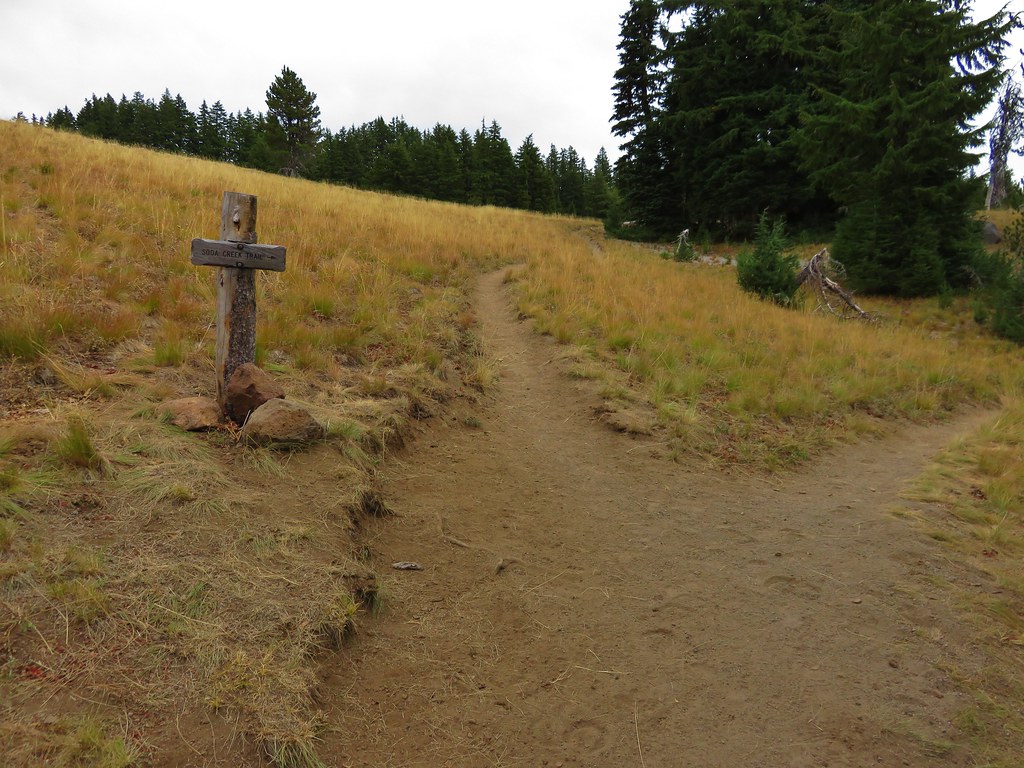
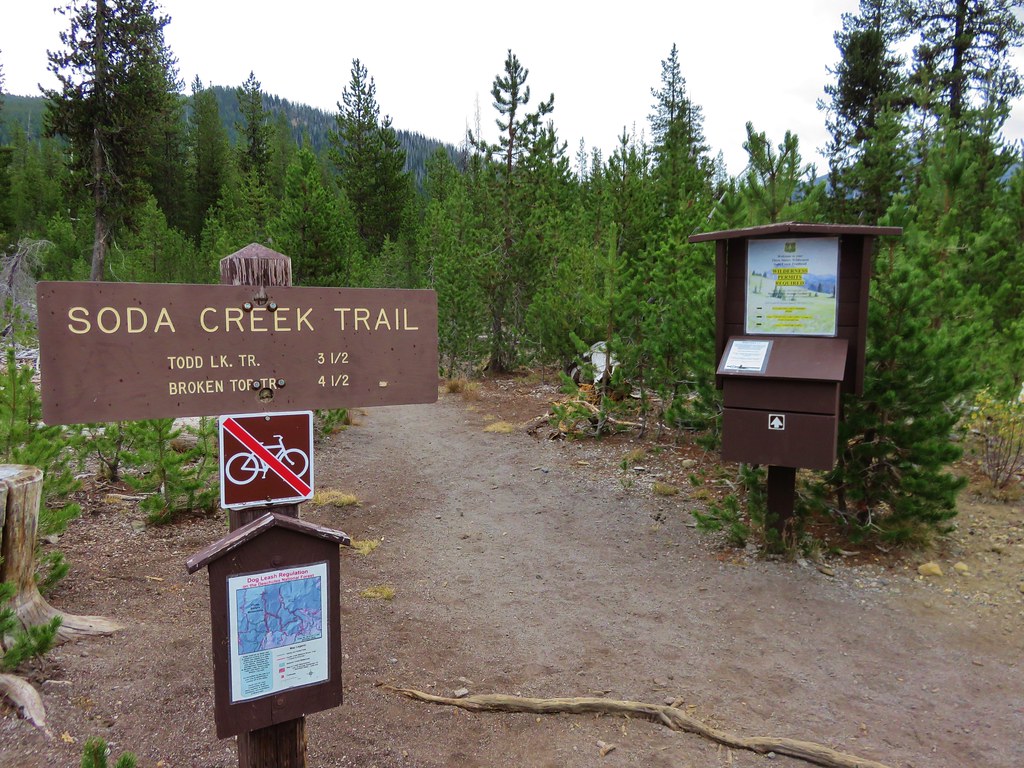
The trail from Todd Lake which we had used on our visit to Broken Tops No Name Lake joined on the right and we turned down it for .9 miles to another junction where we turned right again on the Soda Creek Trail.
IMG_0051//embedr.flickr.com/assets/client-code.js

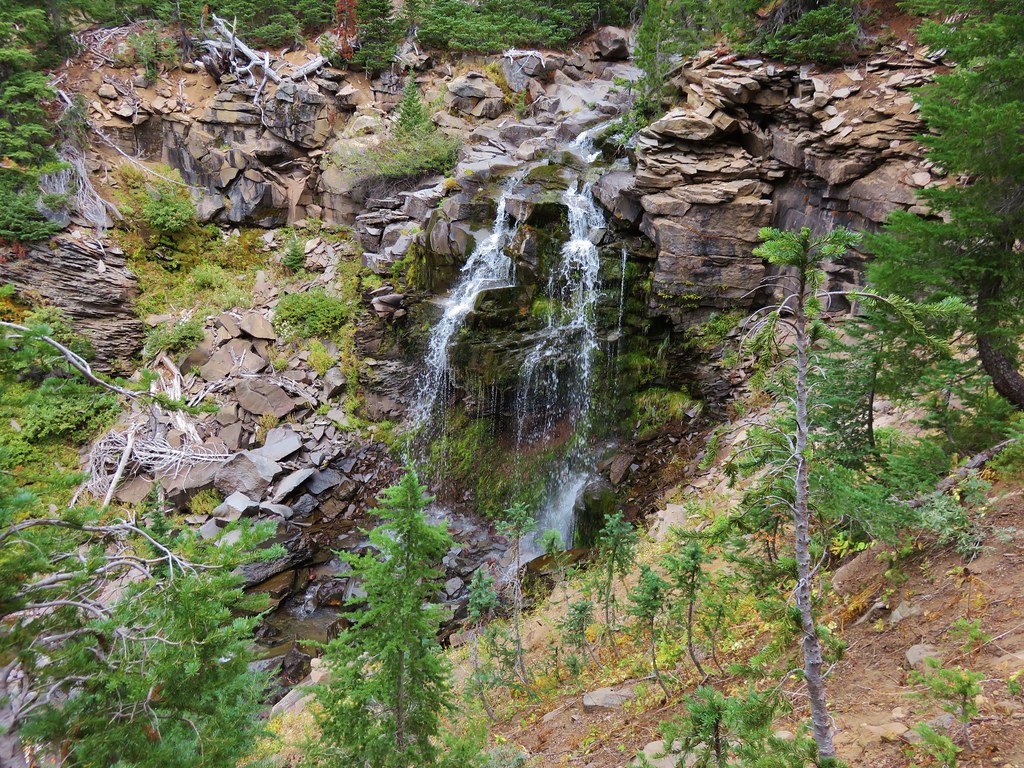
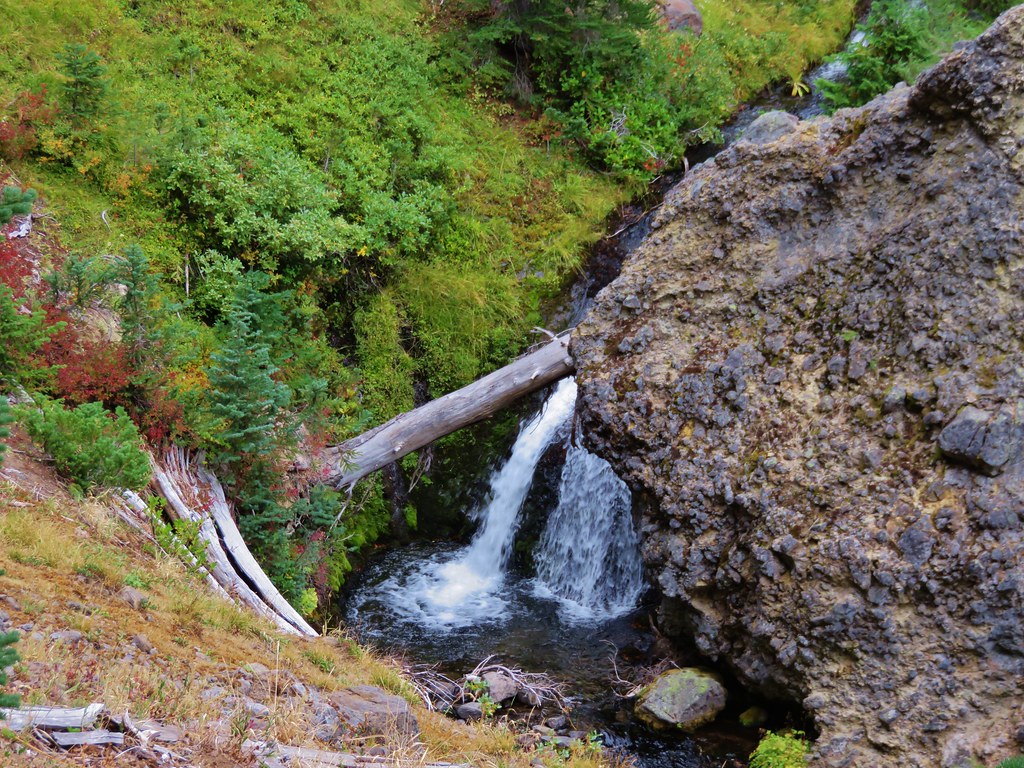
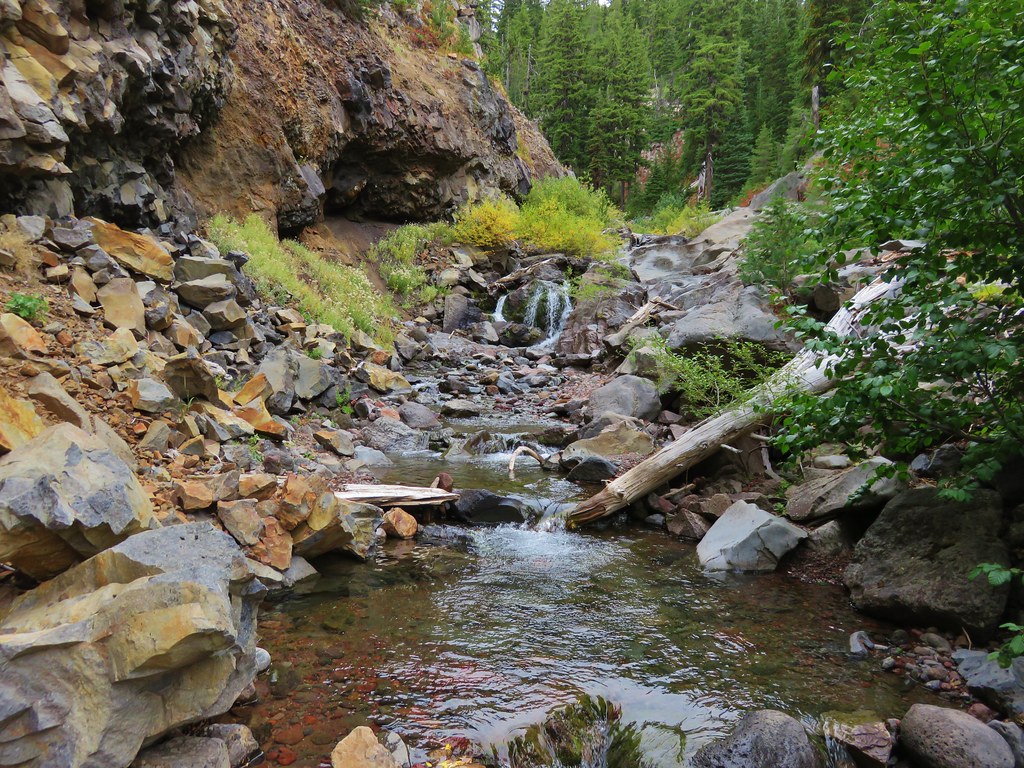
We got a bit sidetracked on our way down this trail. We began searching for waterfalls along Crater Creek when we spotted what looked like prime waterfall terrain. After a little off trail exploration we discovered a pair of pretty little falls.
IMG_0083//embedr.flickr.com/assets/client-code.js

IMG_0085//embedr.flickr.com/assets/client-code.js

IMG_0098//embedr.flickr.com/assets/client-code.js

IMG_0102//embedr.flickr.com/assets/client-code.js

The falls were a little low on water but looked like they would be really nice with a higher volume of water. Later I discovered there were a couple of other falls in the area along Crater Creek while doing a little research on waterfallsnorthwest.com.

After regaining the trail in a meadow where we startled a pair of deer we began to switchback down toward Soda Creek. Corner Falls was the only fall marked on the map in our guidebook which was located at the corner of the final switchback. It wasn’t quite as impressive as the falls on Crater Creek and we were unable to get a clear view due to another “Area closed” sign at the path leading away from the switchback.
IMG_0109//embedr.flickr.com/assets/client-code.js

IMG_0110//embedr.flickr.com/assets/client-code.js

IMG_0114//embedr.flickr.com/assets/client-code.js

IMG_0116//embedr.flickr.com/assets/client-code.js

The trail then gradually descended another 1.3 miles to a crossing of Crater Creek where we found another nice little waterfall.
IMG_0118//embedr.flickr.com/assets/client-code.js

IMG_0124//embedr.flickr.com/assets/client-code.js

IMG_0134//embedr.flickr.com/assets/client-code.js

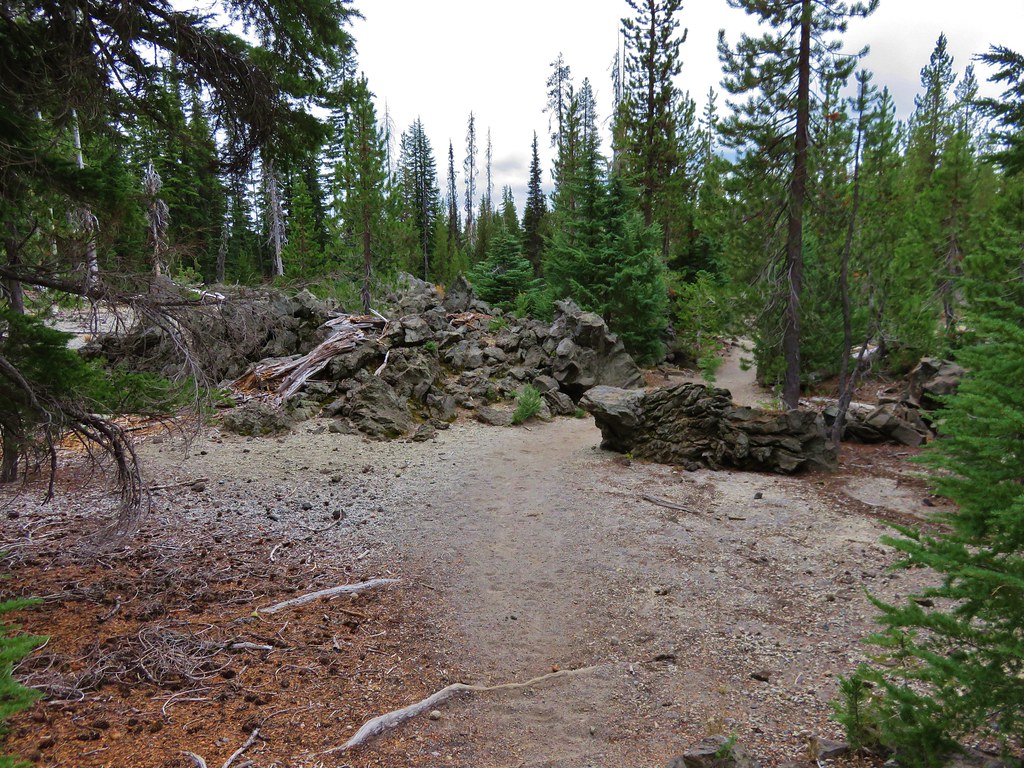
The forest turned to drier lodgepole pine and passed through some old lava flows in the final 1.5 miles before popping us out at the Green Lakes Trailhead parking area.
IMG_0150//embedr.flickr.com/assets/client-code.js

IMG_0151//embedr.flickr.com/assets/client-code.js

IMG_0162//embedr.flickr.com/assets/client-code.js

We had felt a few drops of rain over the final half mile or so of the hike, and as we were changing at the car we began to notice a few small snowflakes mixed in the rain.
IMG_0164//embedr.flickr.com/assets/client-code.js

Later when we looked at the GPS information it showed a distance of 19.1 miles for the day. We hadn’t meant to go that far but there is something about the Three Sisters Wilderness that makes it really easy to wander. Happy Trails!

Flickr: https://www.flickr.com/photos/9319235@N02/albums/72157658424002889

Categories
Bend/Redmond Central Oregon Hiking Oregon Trip report

Gray Butte Trail to Smith Rock State Park

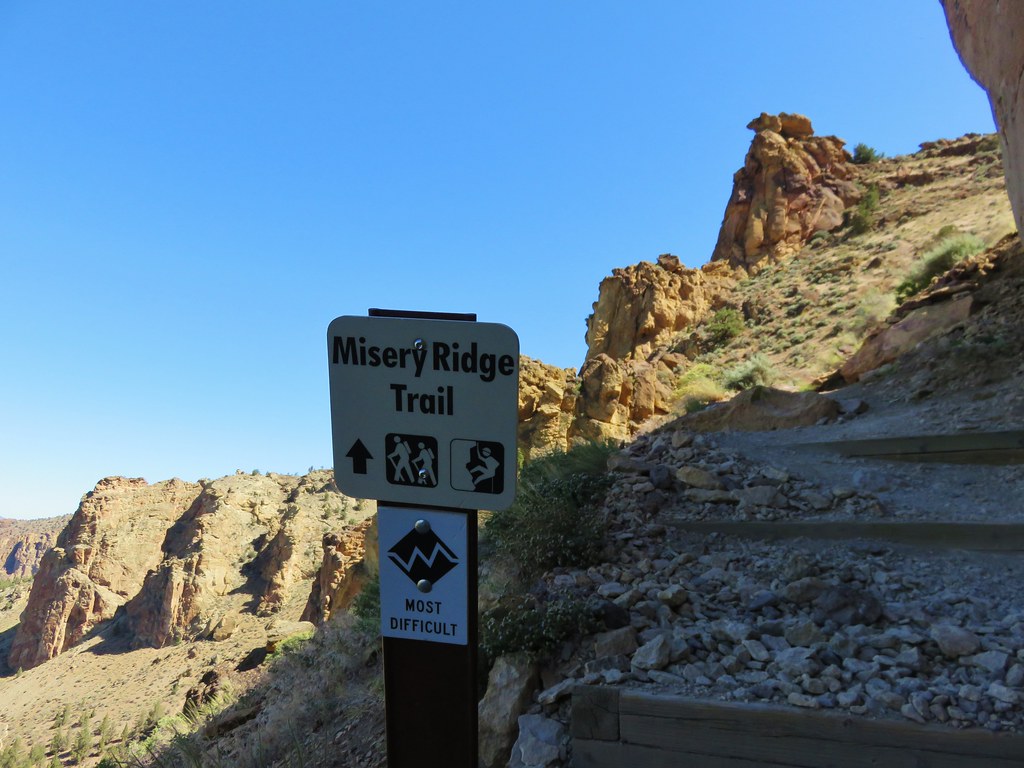
We were in Central Oregon to pick Dominique up from college and took the opportunity to hike in the Smith Rock area. We had hiked in the state park twice before, both times taking the Misery Ridge Trail up and over the summit and completing a loop via the River Trail. For this visit we decided to access the park via the Gray Butte Trail which passed through the Forest Service administered Crooked River Grassland and BLM managed lands before reaching the park trails. We parked at a trail junction along Gray Butte Saddle where the Cole Loop Trail (854) meets the Gray Butte Trail (852).
IMG_4070

The trail was marked by a lone unsigned post.
IMG_4069

The trail traversed a hillside amid scattered juniper trees and sagebrush. Despite being a little late in the year for the best flower displays there were still clumps of color scattered along the trail.
IMG_4071

IMG_4074

IMG_4076

IMG_4105

IMG_4107

We also spotted a couple of deer above us on the hill.
IMG_4079

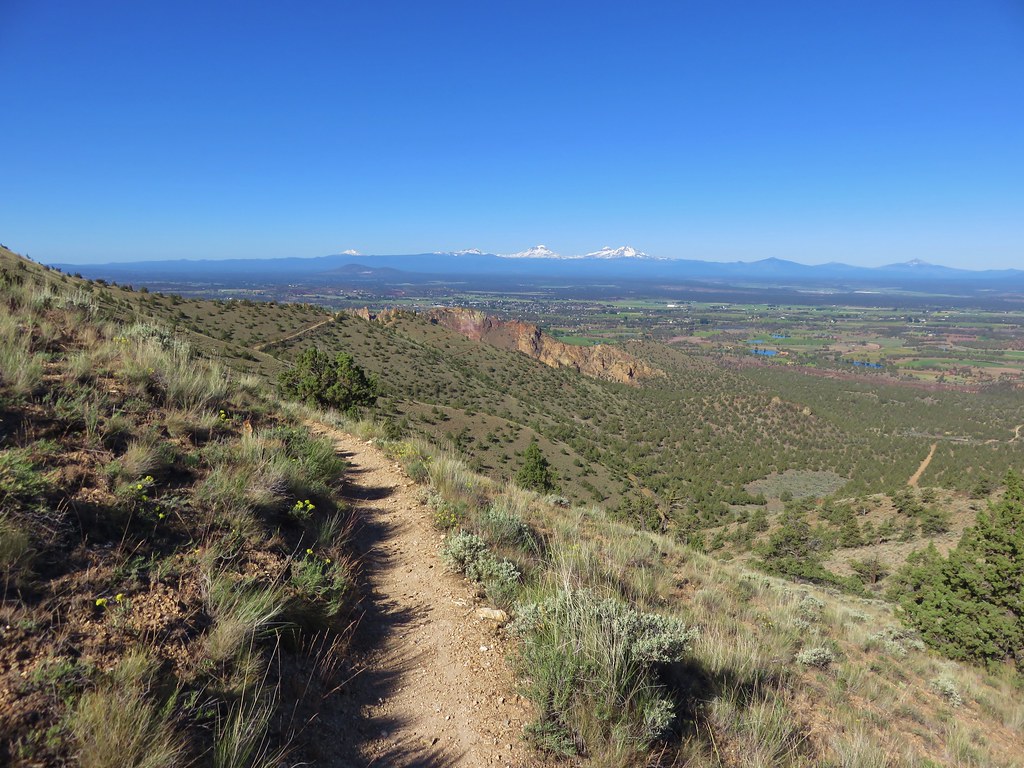
One of the nice things about the trail was, as it passed through the sagebrush filled grassland, the snowy peaks of the Cascades lined up on the horizon.
IMG_4092

The views were spectacular and as we continued around the trail more of the mountains came into view as well as many nearby rock formations.
IMG_4113

IMG_4120

IMG_4131

IMG_4130

IMG_4145

At the 1.4 mile mark we arrived at Bitterroot Pass where the trail crossed a dirt road.
IMG_4137

Shortly after crossing the road the trail and road intersected again. This second junction proved confusing and after several minutes reviewing our maps we decided to head up a hillside along another old road.
IMG_4167

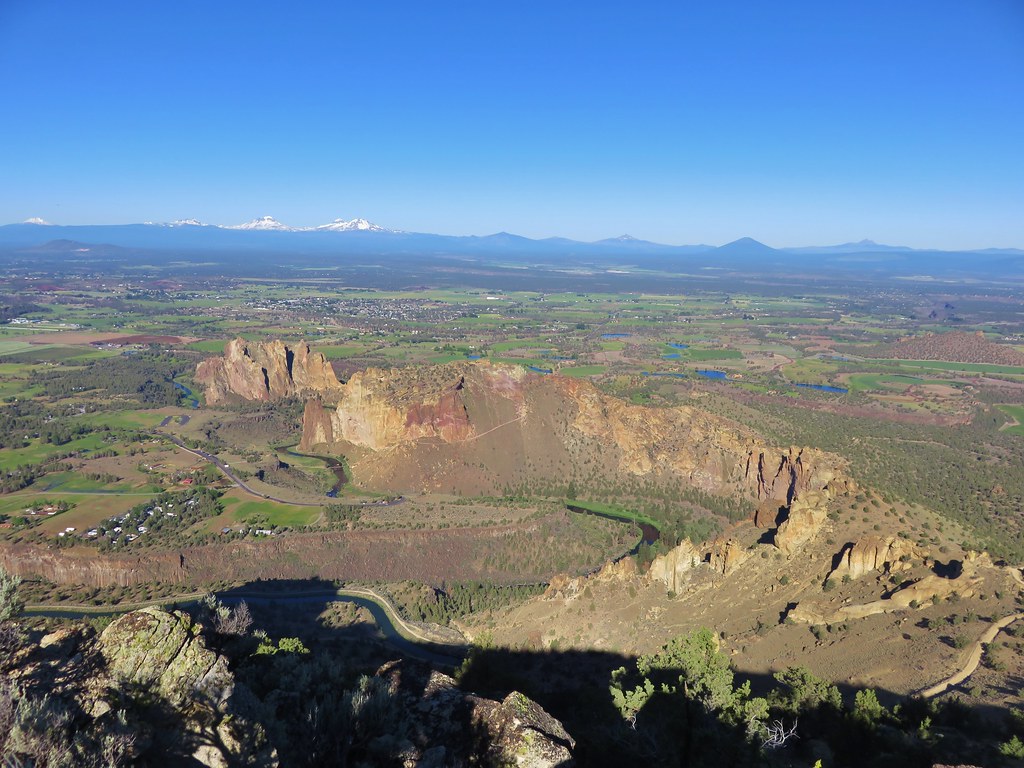
This wound up being incorrect. At the second junction we should have taken a clear trail that veered down and slightly to the right along the side of the ridge. There was also a trail further to the right that just ended atop a little crest. The route we took led almost 400′ up to the summit of an unnamed butte. We climbed steeply for over half a mile before arriving at the rocky summit. It was only after reaching the top that we knew we had taken a wrong turn. Actually Dominique had been fairly certain we should have taken the right hand fork but that didn’t seem to jive with the map we were looking at. In any event the views from the top were amazing including a good look at Mt. Hood far to the NW.
IMG_4182

IMG_4183

IMG_4184

We could see Smith Rock below us as well as the trail we were trying to get too at a junction with Burma Road.
IMG_4185

IMG_4186

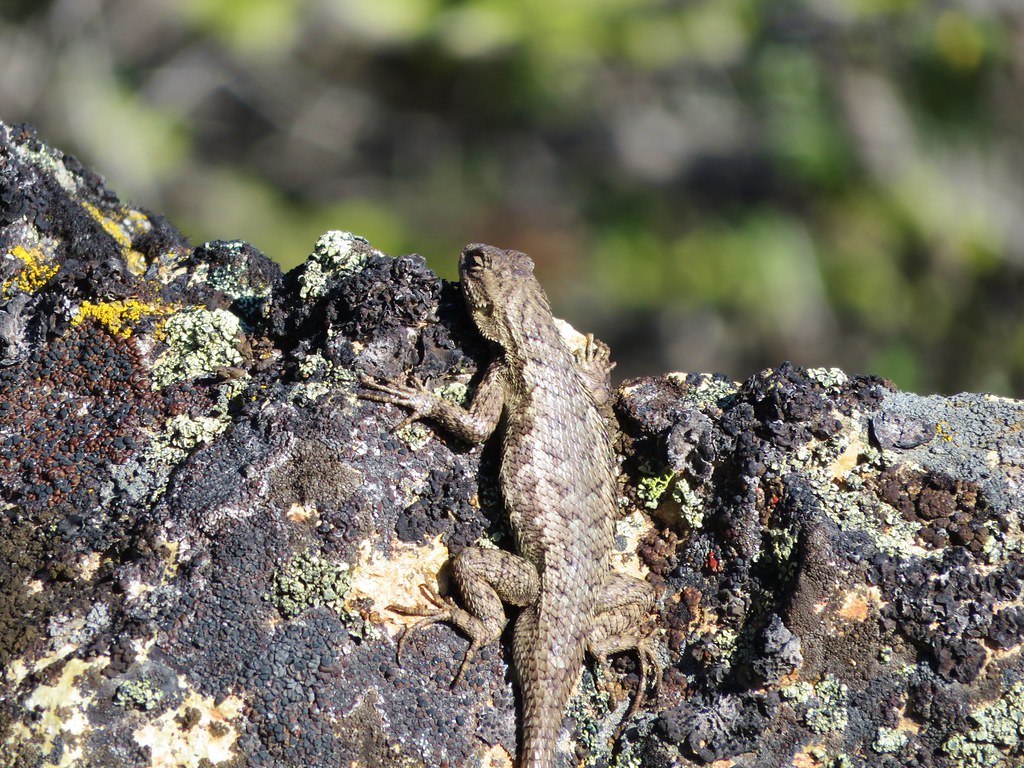
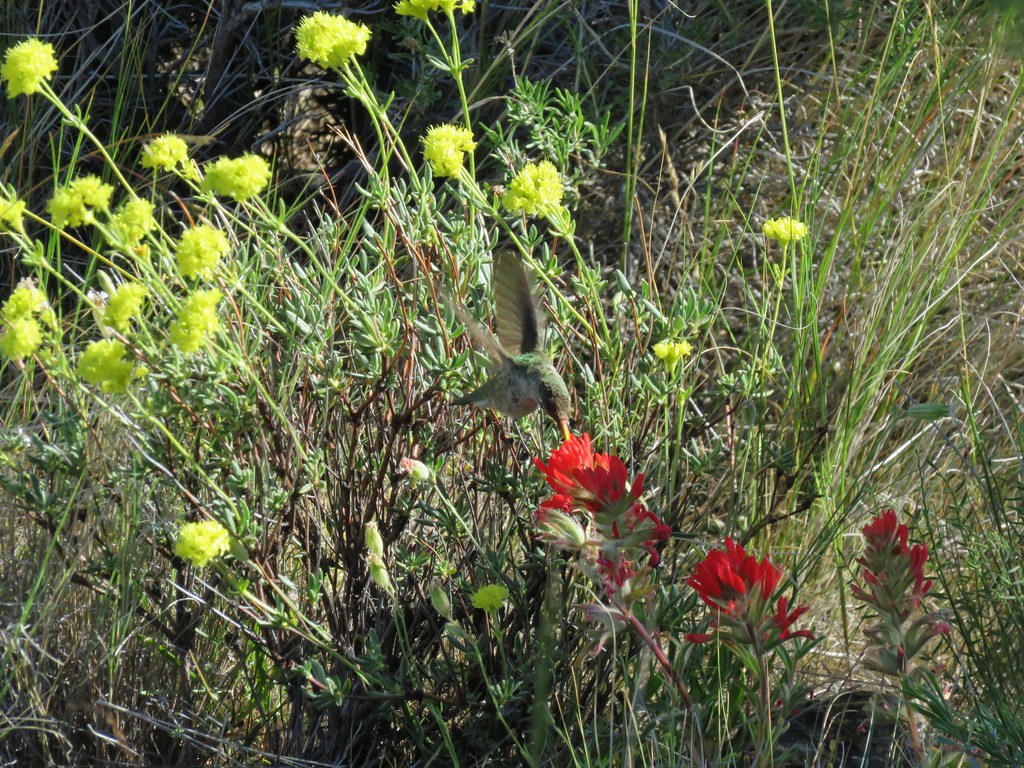
On the way back down we passed a western fence lizard sunning on the rocks and a hummingbird busy collecting nectar from paintbrush.
IMG_4179

IMG_4189

We got back on the correct trail and continued to head toward Smith Rock.
IMG_4192

We passed along the side of the butte we had detoured up before arriving at the trail junction we had seen from above.
IMG_4200

IMG_4207

Even though the grassland doesn’t put on the kind of flower show that alpine meadows or the Columbia Gorge can we continued to see various flowers all throughout the hike.
IMG_4202

IMG_4212

IMG_4219

IMG_4223

IMG_4225

IMG_4244

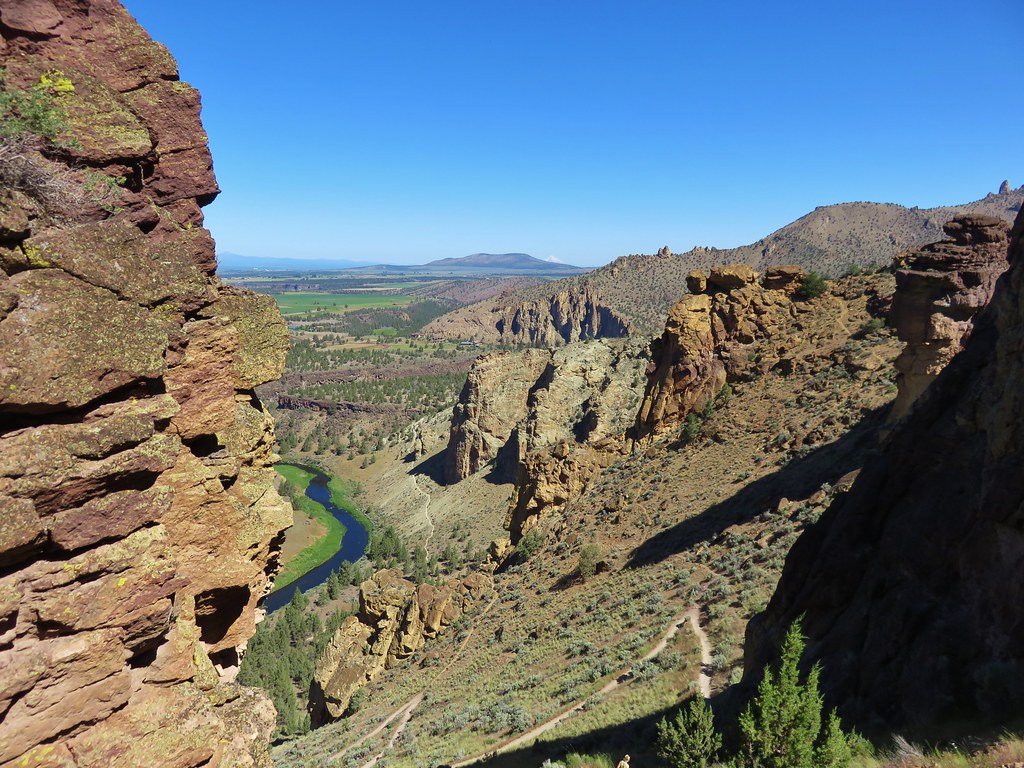
We were now on the Summit Trail in Smith Rock State Park and heading for the Mesa Verde Trail. At a viewpoint along the way we could see the Crooked River as it was winding through the park as well as a section of the Misery Ridge Trail that we would be descending later on.
IMG_4226

IMG_4227

We could also see Gray Butte and the hillsides we had traversed earlier.
IMG_4232

We had already passed through Forest Service, BLM, and Oregon State Park lands when the Summit Trail entered a short section of privately owned lands.
IMG_4241

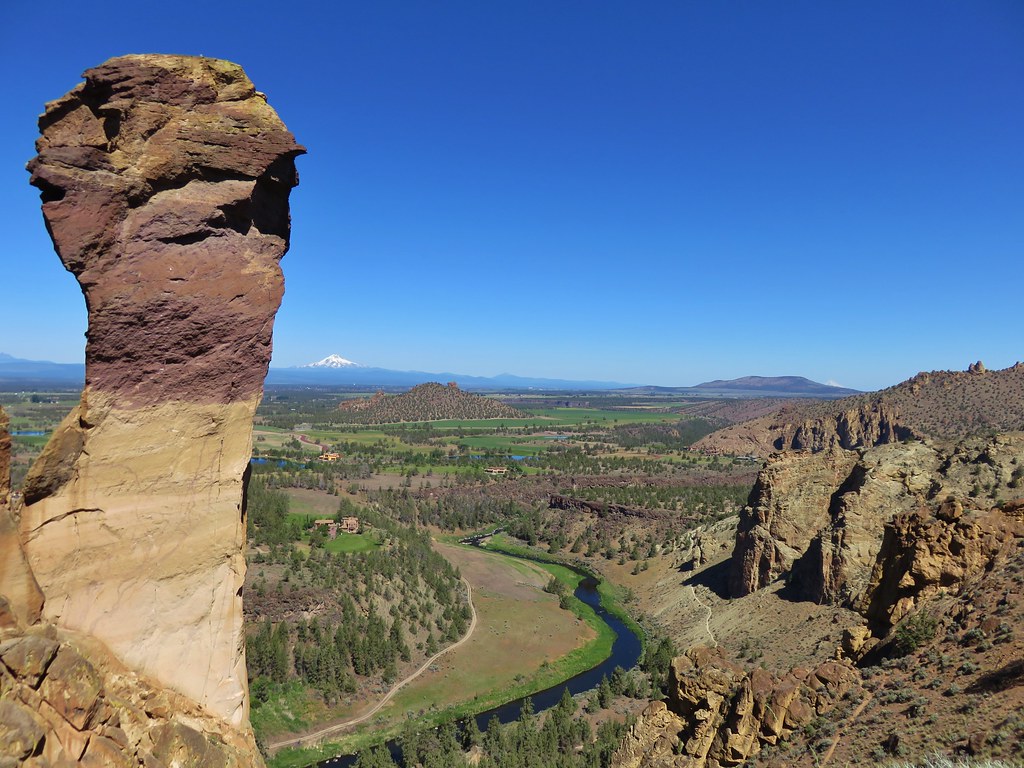
The Crooked River and Smith Rock’s most famous feature, Monkey Face, came into view as we reentered the park.
IMG_4252

We were greeted by number of locals.
IMG_4249

IMG_4256

IMG_4260

As we passed by a rockfield we noticed a group of rather large very interesting flowers. They turned out to be smoothstem blazing-star.
IMG_4265

IMG_4269

smoothstem blazing-star Mentzelia laevicaulis

The colors and textures of the rocks in the park never ceases to impress.
IMG_4264

IMG_4283

IMG_4276

IMG_4277

We turned up the Mesa Verde Trail and climbed to a junction with the Misery Ridge Trail below Monkey Face.
IMG_4301

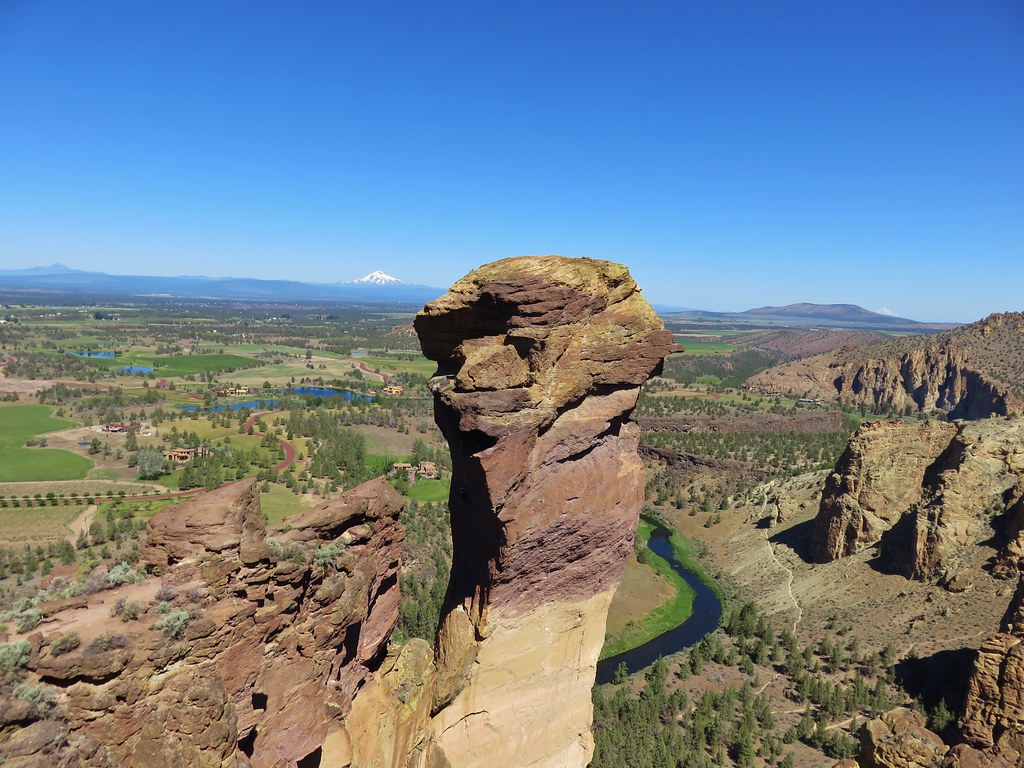
As mentioned before this was our third time on the Misery Ridge Trail but the first time we had gone up from this side. We all agreed it was actually easier to go up this side than down it due to the loose dirt and rocks that make the trail slick. We followed the switchbacks up along Monkey Face to the busy summit where the view is worthy of a long look.
IMG_4309

IMG_4307

IMG_4317

IMG_4322

We could once again see Mt. Hood and Gray Butte.
IMG_4318

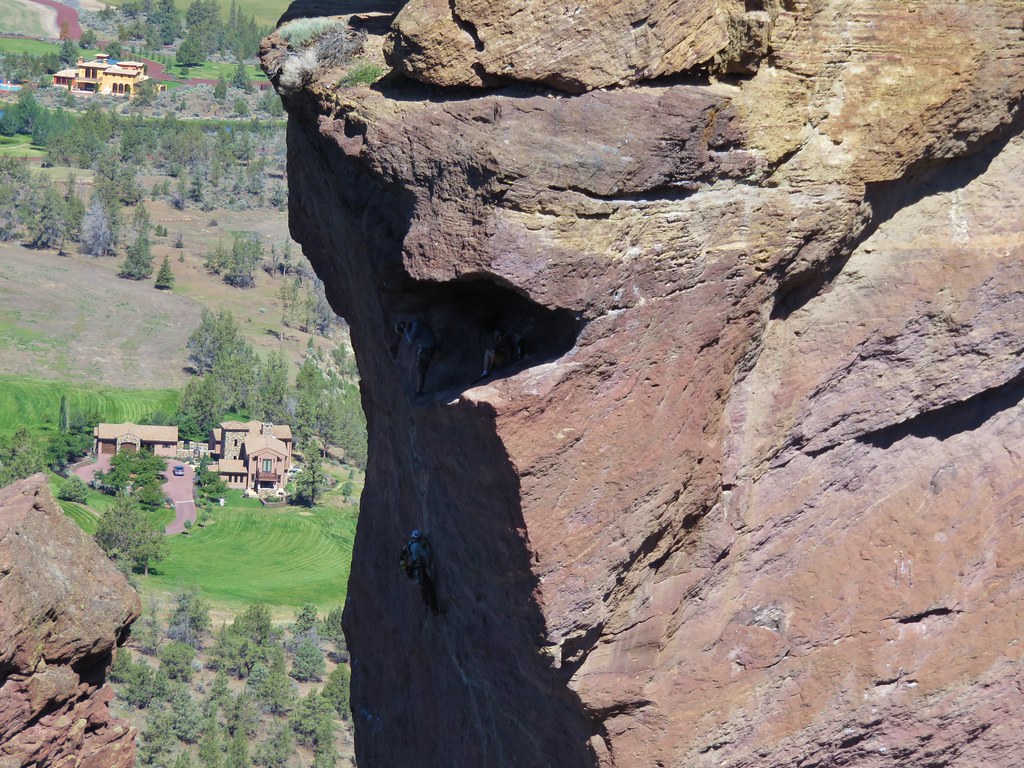
Climbers were busy making their way up Monkey Face.
IMG_4320

IMG_4319

We could also see our return route along Burma Road which ran along the hillside below our earlier unscheduled summit.
IMG_4323

We crossed the summit and got ready for our descent down Misery Ridge to the Crooked River below.
IMG_4330

Unlike the other end of the trail we had many steps to use.
IMG_4337

We passed under a number of rock climbers before reaching another trail junction near the only footbridge over the river in the park.
IMG_4347

IMG_4348

We turned left along the Wolf Tree Trail which traveled along the Crooked River.
IMG_4360

Butterflies were flitting along the banks while geese enjoyed the water.
IMG_4365

IMG_4367

IMG_4366

IMG_4371

IMG_4372

After almost a mile we reached a sign for Burma Road.
IMG_4377

We had a .9 mile climb up Burma Road to get back to the Gray Butte Trail junction. The road passed by a canal and reentered BLM lands. It was another fairly steep climb with the sun beating down on us, but we managed to make it up to the junction.
IMG_4397

IMG_4398

Our backs were to the park and mountains for most of the return trip on the Gray Butte Trail, so we focused on spotting additional wildflowers as we went.
IMG_4399

IMG_4402

IMG_4405

IMG_4407

IMG_4408

IMG_4415

What should have been a 10.5 mile hike had turned into 12.1 miles thanks to our little detour but it had been well worth it. This was a tough hike and probably best during the month of May, but it was packed with big views, plenty of wildlife, various wildflowers, and lots interesting scenery. Happy Trails!

flickr: https://www.flickr.com/photos/9319235@N02/sets/72157652211766433

Categories
High Cascades Hiking Oregon Three Sisters Area Trip report

Sparks Lake

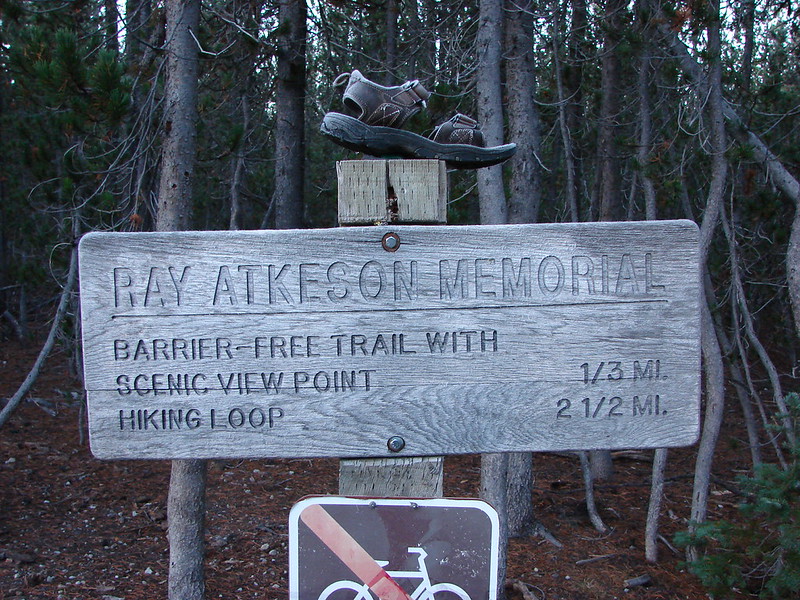
During our stay in Bend Dominique had his birthday and we planned on spending as much time with him as possible that day so we needed a nice short hike for the morning. We picked the 2.5 mile Ray Atkeson Memorial Loop at Sparks Lake which was only about 30 minutes from where we were staying.
Sparks Lake Trailhead

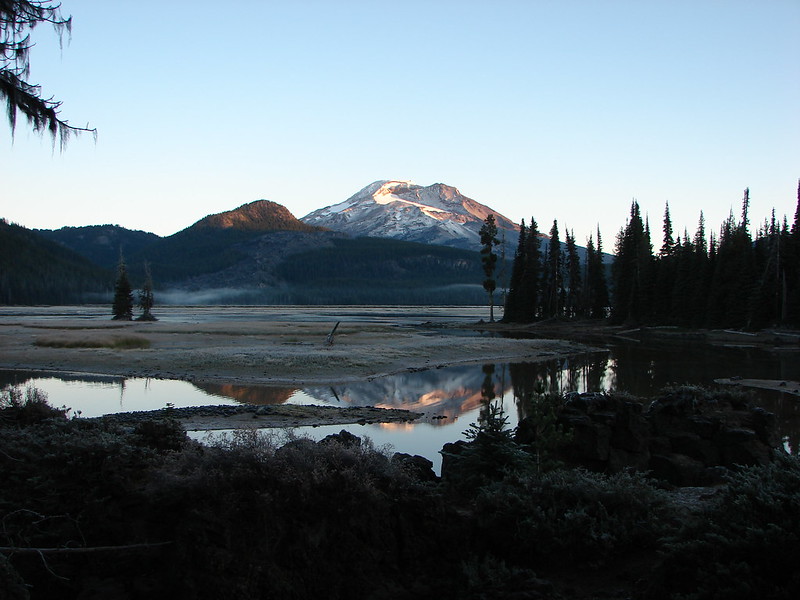
The weather had cleared up nicely from earlier in the week but that came with a cold front which left the temperature in the upper 20’s as we set off on the trail. The first views of the lake and the South Sister were amazing.
DSC07094

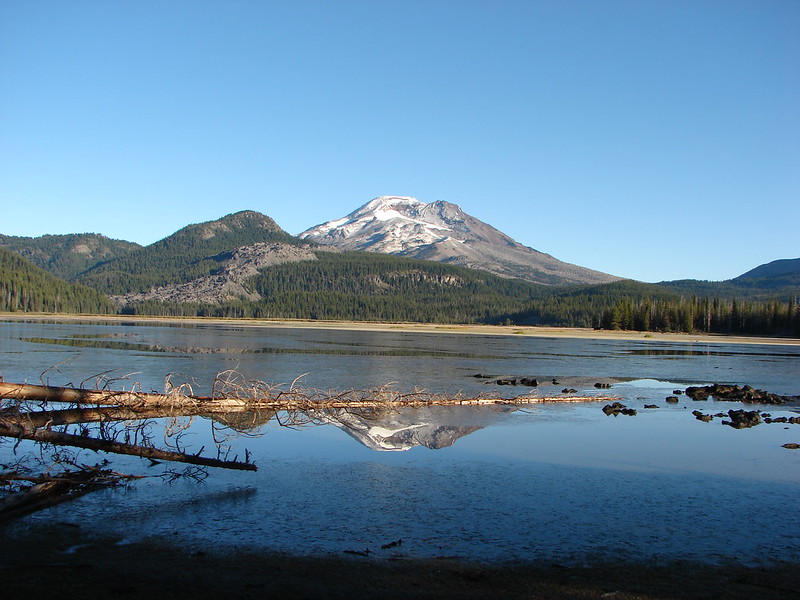
South Sister and Broken Top from Sparks Lake

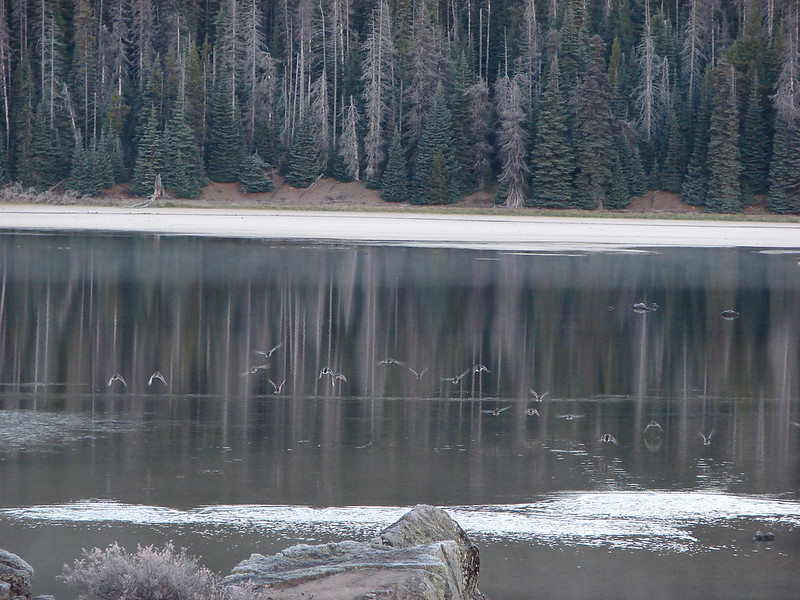
There weren’t any people to be seen but there were plenty of ducks, geese and herons present.
DSC07110

DSC07120

DSC07092

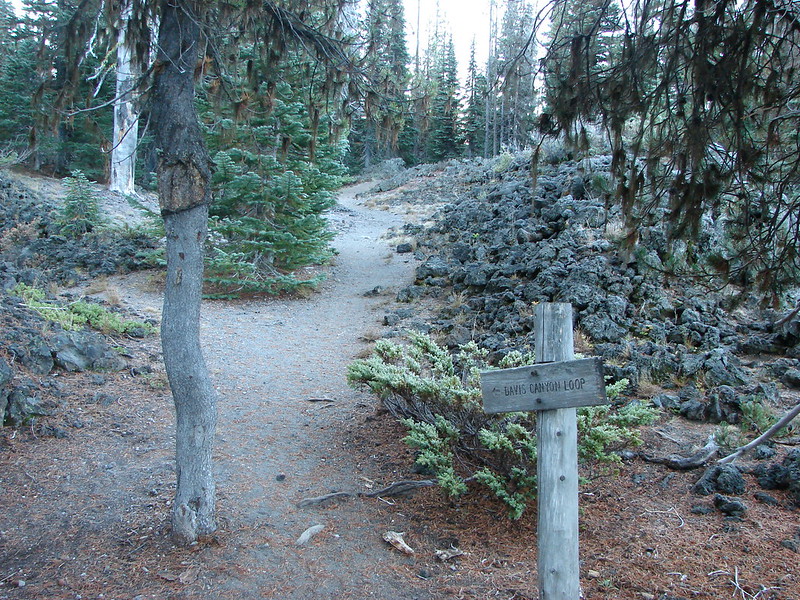
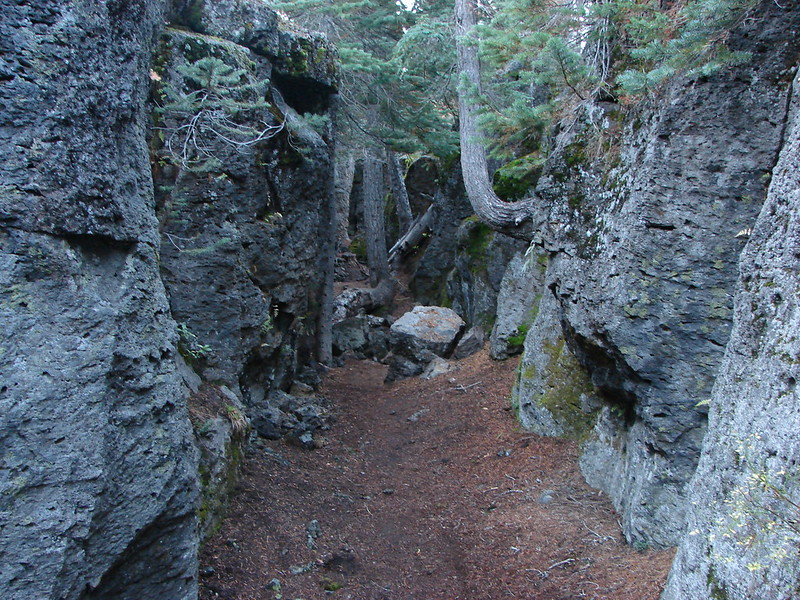
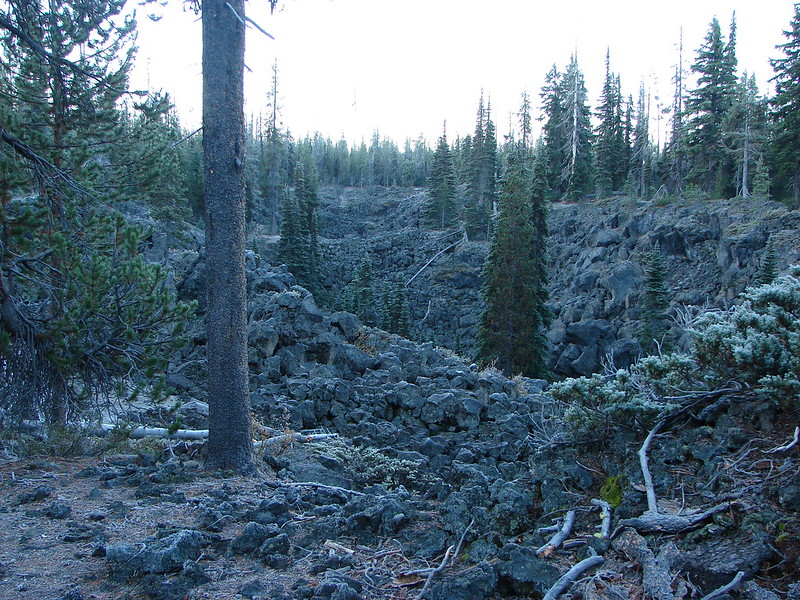
The trail left the lake shore and passed through a lava flow and the Davis Canyon. A narrow lava slot which was an interesting feature.
DSC07134

Davis Canyon

DSC07143

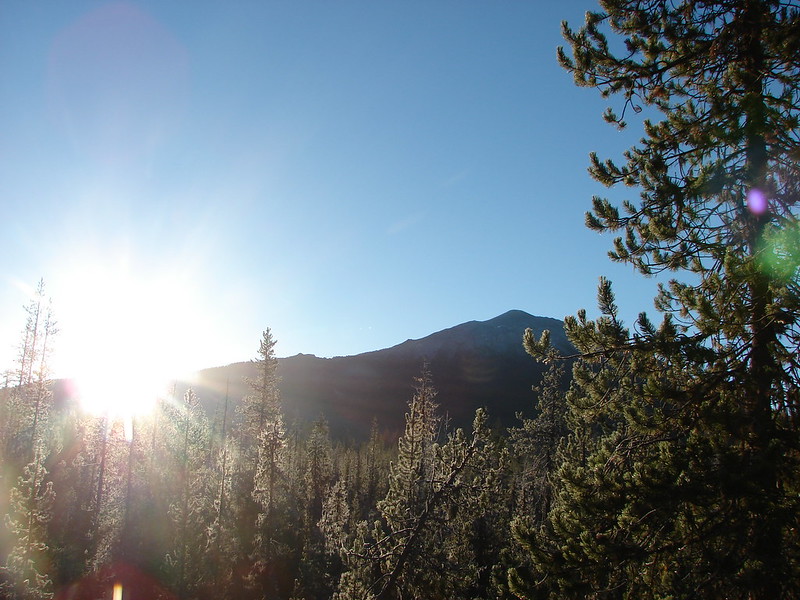
A short climb on the back side of the loop produced views of Mt. Bachelor, Broken Top and the South Sister.
DSC07147

DSC07151

South Sister

After completing the loop we headed down to the boat dock and peninsula to get a closer look at the lake. The sky was blue and the Sun shining but there was still a bit of ice water as the mountains reflected in the still water.
South Sister from Sparks Lake

DSC07198

DSC07182 Stitch

A beautifully cold Central Oregon morning. It’s hard to start a day much better than that and ending with a family dinner celebrating Dominique’s 19th birthday was perfect ending. Happy Trails!

flickr: https://www.flickr.com/photos/9319235@N02/sets/72157648195609306/
facebook: https://www.facebook.com/media/set/?set=a.10205149230437553.1073741913.1448521051&type=1

Categories
High Cascades Hiking Oregon Three Sisters Area Trip report

South Sister Loop – Day 2

We woke up early on day 2 anxious to see what surprises awaited us. It didn’t take long for the first one. We had seemingly been the only ones camped around Linton Meadows but when we awoke we found we were not alone.
DSC05451

The sun was just starting to rise as we packed up and headed to Linton Creek to replenish our water supply before heading back to the Pacific Crest Trail.
DSC05458

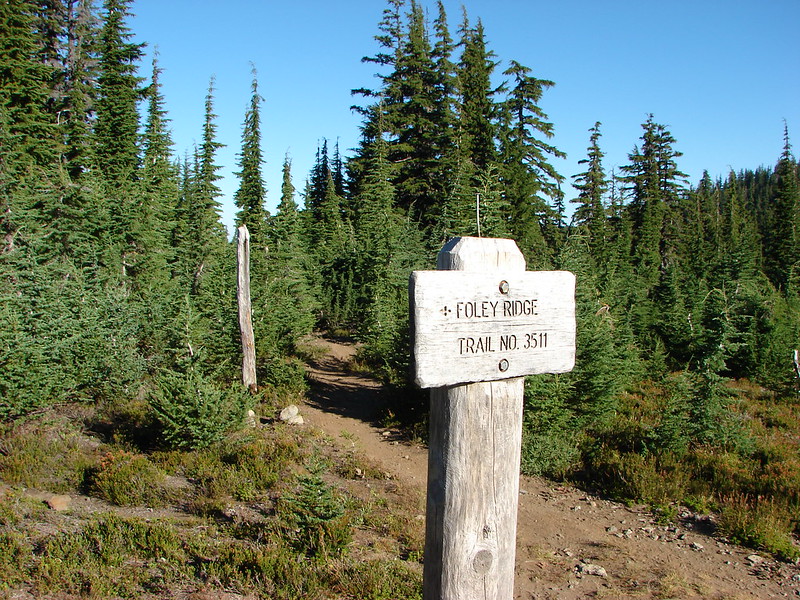
After getting water we headed South on the James Creek trail returning to the 5 way trail junction we had passed the day before. At the junction we turned left on the Foley Ridge Trail and climbed a mile to the PCT.
DSC05474

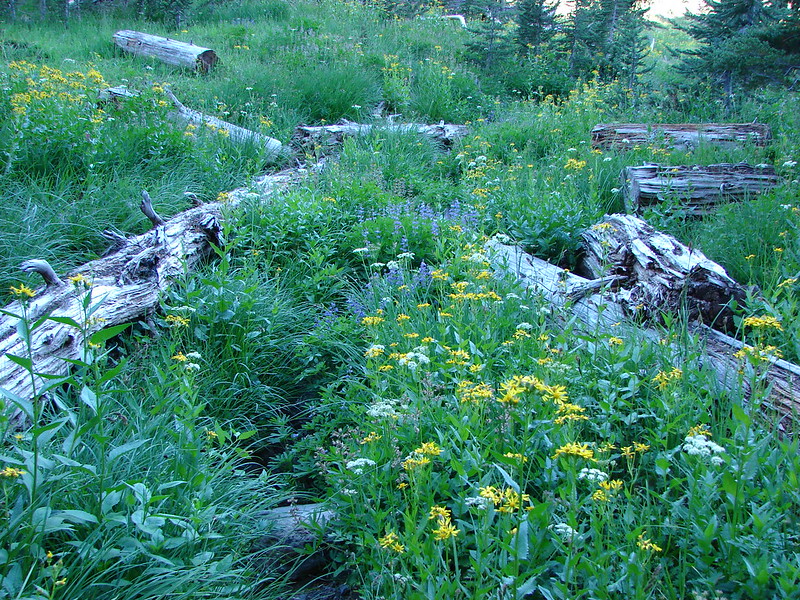
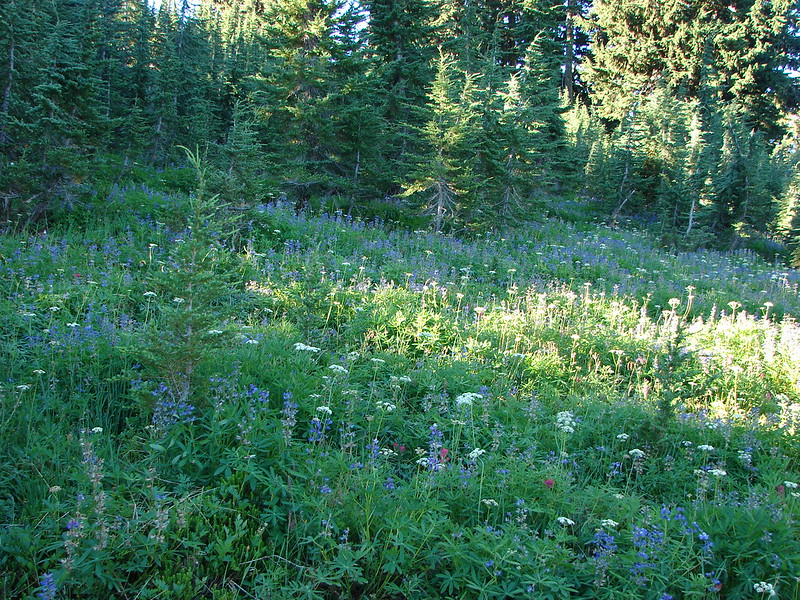
We turned right on the PCT and headed toward Reese Lake where we hoped to pick up a climbers trail that would lead us between the Middle and South Sister. There were still some pretty good flowers lining the PCT.
DSC05476
DSC05478

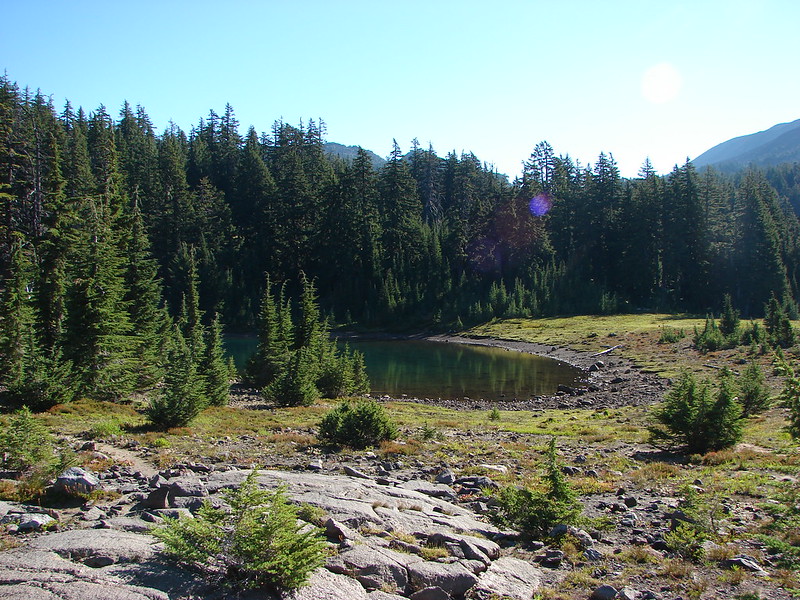
We turned off the PCT at little Reese Lake. The small lake had crystal clear water and a nice view of the South Sister.
DSC05486
DSC05488

Working our way around the North side of the lake we picked up a trail leading East which we hopped would lead us to Separation Creek and the climbers trail. We chose wisely and arrived at Separation Creek on a clear path. We had seen Separation Creek back in May when we hiked to Separation Lake https://wanderingyuncks.wordpress.com/2014/05/04/proxy-falls-separation-lake/. Crossing the creek was very different this close to its source.
DSC05496

Separation Creek below Separation Lake in May.
DSC03721

There was a well worn trail following the creek up toward the saddle between the two mountains.
DSC05500 Stitch

It was an interesting landscape. There were numerous types of rocks, wildflowers, and volcanic formations all around.
DSC05509
DSC05525
DSC05515
DSC05514
DSC05522
DSC05537

After a stiff climb through over a forested ridge we came to the Frazier Upland and the first of the Chambers Lakes.
DSC05549
DSC05559
DSC05566
DSC05568

We passed by the first lake, crossed a snowfield, and climbed another ridge to find the second Chambers Lake.
DSC05584

There are a number of lakes that make up the Chambers Lakes each tucked in a depression surrounded by moraines but these were the only two our route would take us past. There was a good sized snowfield near the second lake which we would either need to cross or drop below. Not wanting to climb any more than we absolutely had to we opted to try crossing the snowfield. It was warm enough that the snow was soft and we easily made it across without needing to break out our Yaktrax.
DSC05594 Stitch

We had one last ridge to climb before dropping down to Camp Lake and an “official” trail. The final ridge was covered in wind bent whitebark pines. They seemed to be making a gateway to Central Oregon and the East side of the mountains.
DSC05599
DSC05609

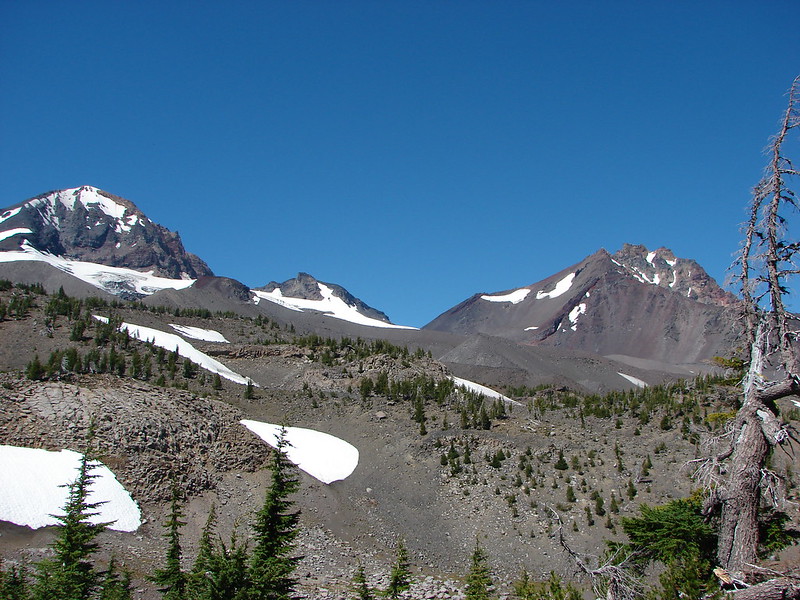
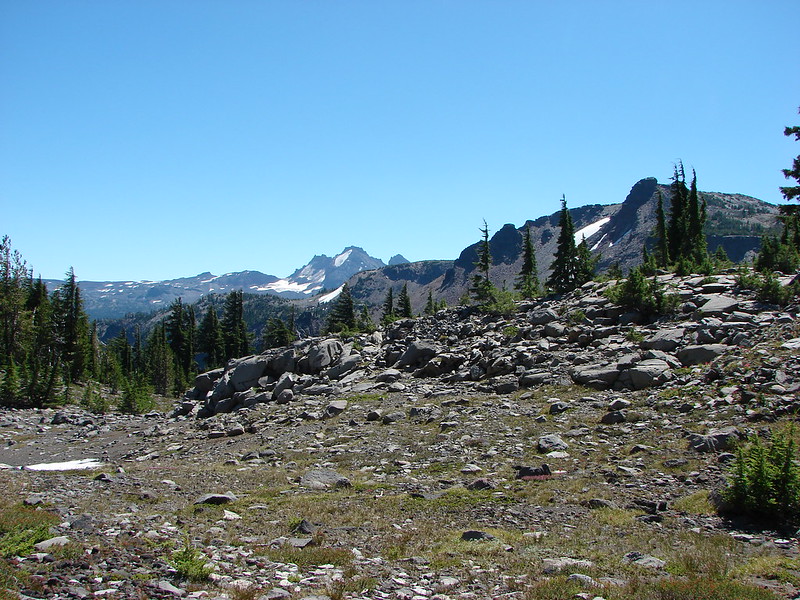
The scenery at the pass was some of the best we’d seen. The contrast in colors of the various rocks, snow, trees, and even some flowers was otherworldly.
DSC05612
DSC05616
DSC05618

We passed a group of backpackers that had just come up from Camp Lake. They were happy to be finished with the climb and we quickly understood why after seeing what they had come up.
DSC05624

It was a steep descent but we were happy to be going the direction we were instead of having to go up it. The view at the bottom was gorgeous.
DSC05632 Stitch

We arrived at the breathtaking Camp Lake and took our packs off. It was time to soak our feet and give our shoulders a rest.
Camp Lake

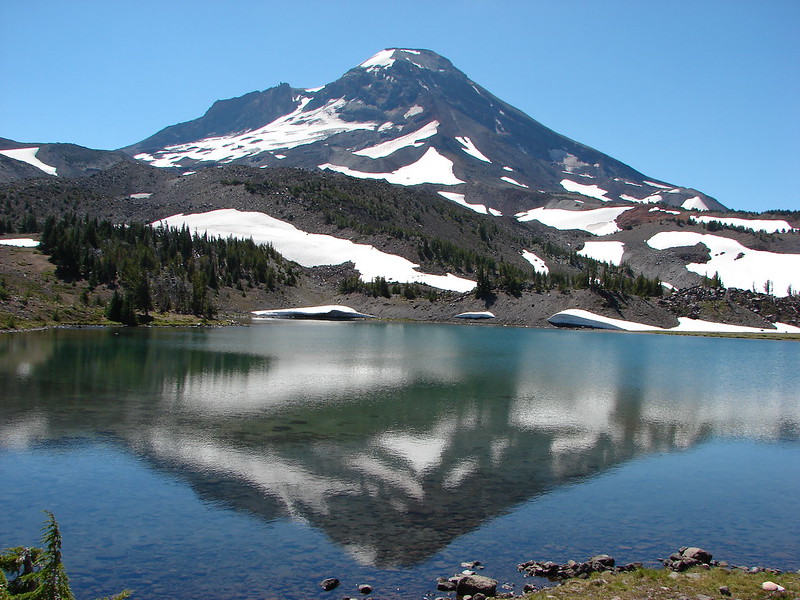
While we were resting a couple from Coos Bay, that we had seen earlier going the other direction at the second Chambers Lake, returned and we had a nice conversation before continuing on. Camp Lake offered one last photo op when the wind calmed enough to get a nice reflection of the South Sister.
DSC05657

We were now on the Camp Lake Trail and headed to the Demaris Lake Trail junction on the bank of the North Fork Wychus Creek. As we continued to descend to the East, the Middle and South Sister were joined by the North Sister and Broken Top.
DSC05672
DSC05675

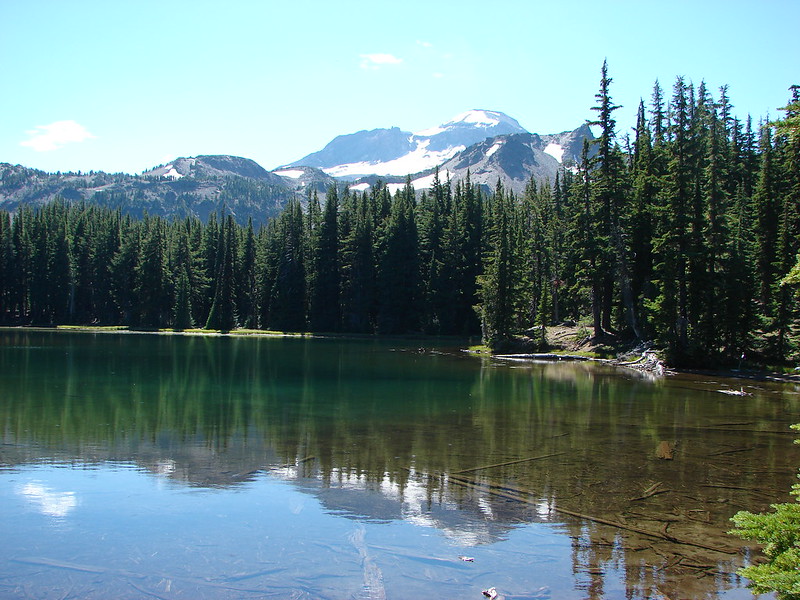
When we reached the Demaris Lake junction we turned right and took the .8 mile trail to the lake. We had chosen Demaris Lake simply because it would mean a slightly shorter hike on day 3 and we like to visit as many places as possible if we are in the area. As it turned out Demaris Lake was much nicer than we had anticipated. It had many camp sites, mountain views, and lot of big dragon flies zooming about.
DSC05697
DSC05702

We were really surprised that there was no one else at this lake. We had seen several groups of people going the other direction on the climbers trail and the couple at Camp Lake, but no one was here except for some wildlife.
DSC05717
DSC05719

We picked out our camp site and then set about exploring the area.
DSC05764

Our afternoon explorations led to some totally unexpected discoveries.
DSC05704
DSC05733
DSC05734
DSC05737
DSC05744
DSC05749
DSC05752
DSC05758

We returned to Demaris Lake re-energized by the discoveries which turned out to be an issue. Neither one of us could fall asleep despite having been awake by 5:30 and hiking 34 miles in two days. Sometime after midnight we finally dozed off but it wouldn’t be for long, Day 3 was coming and it would be full of even more surprises.

Happy Trails!

Flickr: https://www.flickr.com/photos/9319235@N02/sets/72157646908180516/
Facebook: https://www.facebook.com/media/set/?set=a.10204870070898739.1073741904.1448521051&type=1