
With the snow level forecast to drop as low as 4500′ over the weekend we shifted the order of our planned Memorial Day weekend hikes so that we could do the highest elevation hike on Friday before the big snow level drop. It was already going to be a much cooler day than the previous two had been and there was a slight chance of showers which didn’t sound all that bad at this point. Sullivan added the Jack-Ash Trail as a featured hike in his 4.2 edition of “100 Hikes/Travel Guide Southern Oregon & Norther California” guidebook after the 2020 wildfire season wreaked havoc on some of the previous featured hikes. We have switched our goal to completing the 100 featured hikes in this most recent version for the same reason and this would be the first hike on this trip that would check another of the 100 off. (While our hike at Upper Table Rock (post) the day before had been one of Sullivan’s featured hikes we had previously done Lower Table Rock which is the other option Sullivan gives for the featured hike and so we had been counting it as done.) Sullivan’s described hike is a short 3 mile loop visiting the site of a former lookout tower on Anderson Butte. We had originally planned on hiking a longer portion of the trail which the BLM is in the process of developing. When completed the trail will connect the cities of Jacksonville and Ashland, OR thus the name. There are several different trailheads that can be used for access and we chose to start at the Griffin Gap Trailhead and planned on hiking to the Anderson Ridge Trailhead which is where Sullivan’s described loop begins. (Directions to the trailheads can be found on the BLM page for the trail here.)
We’ve seen all kinds of trailheads over the last dozen years and this one was up there on the list of odd ones. Located on a saddle where pavement ends on Anderson Butte Road there was no visible signage at first glance and the area was clearly popular with the target shooting crowd (a subset of which tends to leave quite a mess). An ATV/Motorcycle trail was visible diving steeply down a ridge to the north and then up the ridge on the other side of the saddle where the now gravel Anderson Butte Road forked to the left of the ridge and BLM Road 39-2-8 forked to the right side. The Jack-Ash Trail follows this road 0.9 miles to the Greenstone Trailhead. We didn’t attempt driving to that trailhead because why drive a potholed gravel road if you don’t have to. After deciding on a parking spot that we felt would be the most out of the line of fire we got out of the car and spotted the trailhead sign several feet downhill where the Jack-Ash Trail came up to the saddle from the Grub Gulch Trailhead.
 The target shooting area and the OHV track coming down the ridge.
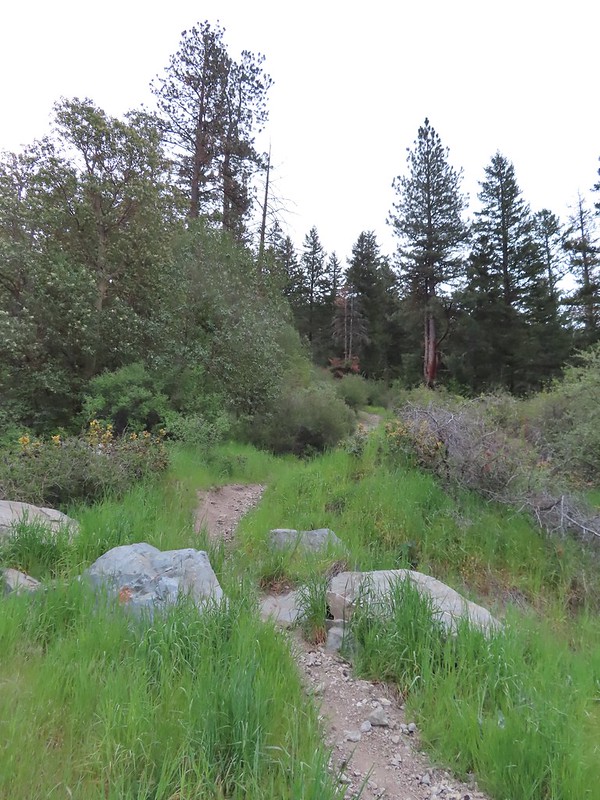 The track going up the ridge between the two roads. We briefly wondered if this had been the BLM’s work to bypass the road walk in between this trailhead and the Greenstone Trailhead but decided it likely wasn’t (good call).
 The “hidden” trailhead sign.
We set off on the road which indeed had a few potholes.

We gained about 200′ getting to the Greenstone Trailhead passing another graffiti filled shooting area at an old quarry and finding yet more evidence of target practice at the Greenstone Trailhead.
 Despite the empty shell casings and garbage left by the shooters there were some nice flowers along the road.
 Valerian
 Bleeding heart
 The Greenstone Trailhead
 People suck
The Jack-Ash Trail turned uphill over a dirt berm and continued on a old road bed for another half mile or so.
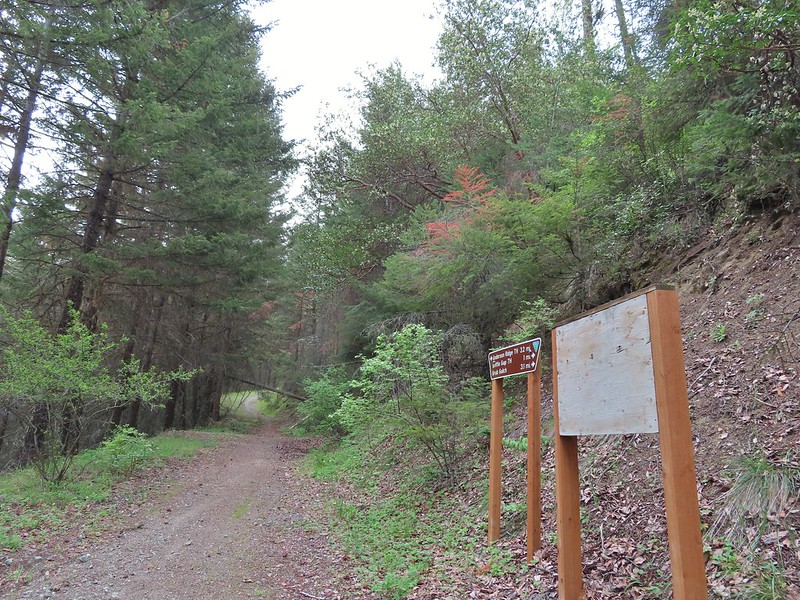 Nicer signs on the other side of the berm.

There were quite a few Henderson’s fawn lilies blooming along this stretch which was a flower we had not encountered in bloom until this trip so we took a lot of pictures.

 Can you spot the insect?
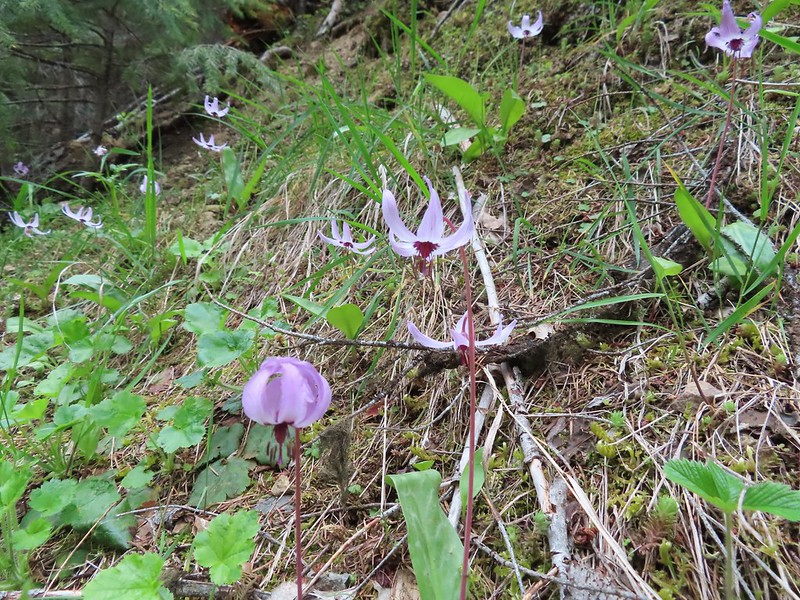
 Trillium
The old road bed became fainter the further we went and eventually at a post the Jack-Ash Trail veered uphill to the right.
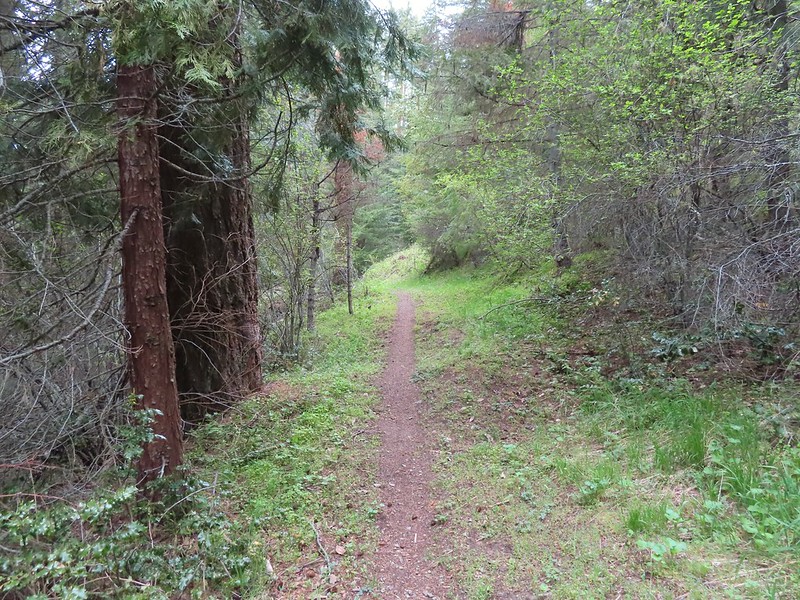

The trail climbed up through an open forest that showed signs of a previous fire. We made three switchbacks gaining approximately 400′ in the process. The under story here was full of milk-vetch and wild iris and was also hosting a number of ticks.
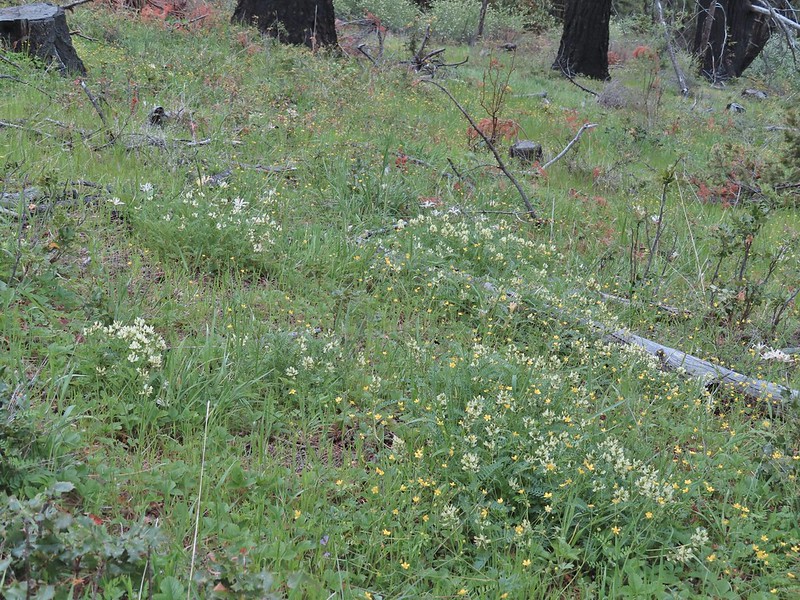
 Milkvetch
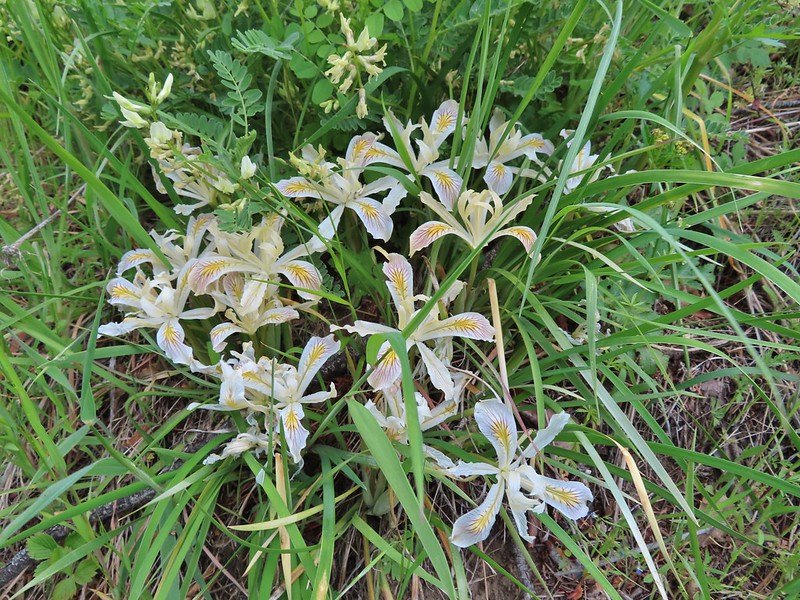 Iris
Iris
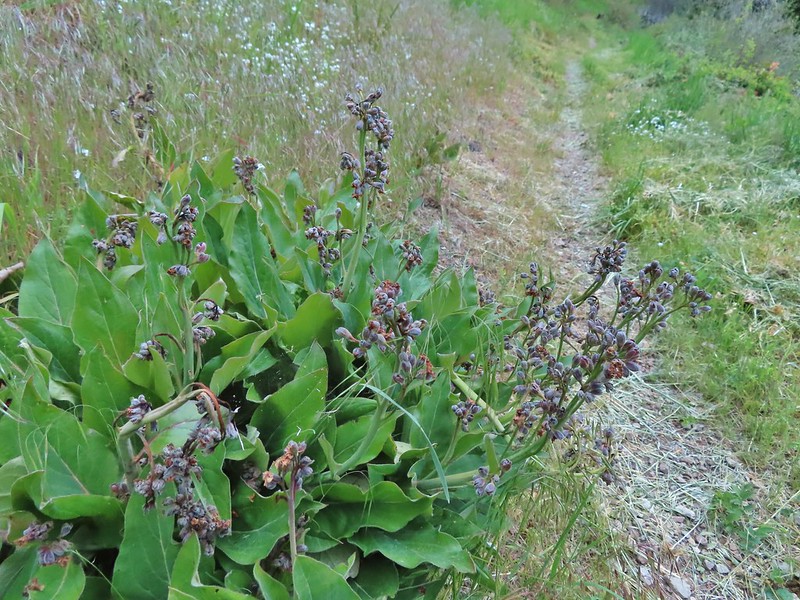 Pacific houndstongue
 We managed to spot a few of the bloodsuckers before they grabbed my pants but we also had to flick 6-8 of the little buggers off.
 Charred tree trunks along the trail.
After climbing near to the top of the ridge the trail leveled off and straightened out as it headed south following the ridge.
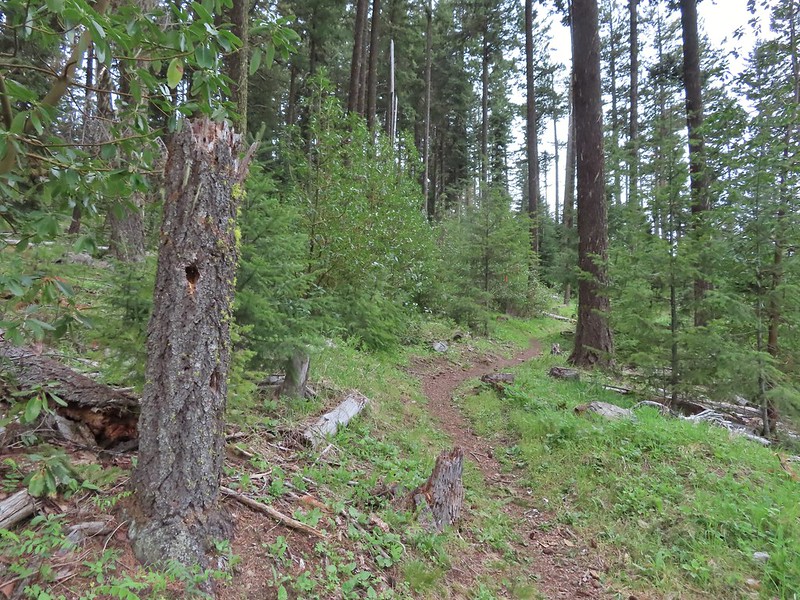
 Snow queen
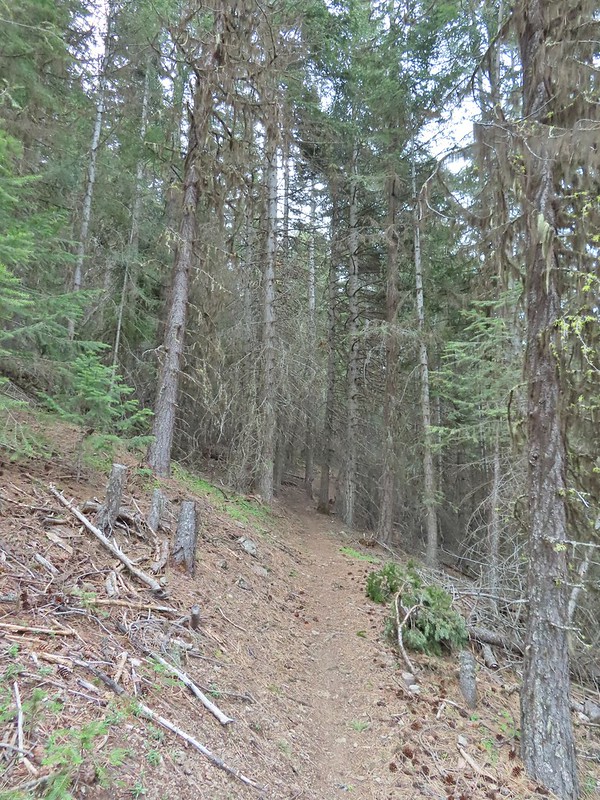 No signs of fire here.
Approximately two miles from the Greenstone Trailhead we left the forest at a small saddle below Anderson Butte.


Had we been doing Sullivan’s described hike we would have been coming from the other direction and at the edge of the forest where he says to “..turn uphill on a smaller, unmarked trail that leads to an old roadbed..”. We got a bit turned around here because we only saw two trails, the continuation of the Jack-Ash Trail and a faint trail passing an unmarked post heading west.
 The Jack-Ash Trail continuing south.
 The trail heading west.
The problem was Anderson Butte was to the SE not to the west but we wandered out on that trail just to make sure we were reading the map right. The path led a short distance to a knoll confirming this wasn’t the trail to Anderson Butte.
 Balsamroot
 Phlox
Phlox

We walked back to the saddle and then walked back into the forest a few steps to a faint trail heading slightly uphill toward the butte and turned onto it.

This trail soon joined an old roadbed.


Four tenths of a mile after leaving the Jack-Ash Trail we arrived at another road where we made a sharp right turn and climbed a quarter mile to the former lookout site.

 Scarlet fritillary – Fritillaria recurva

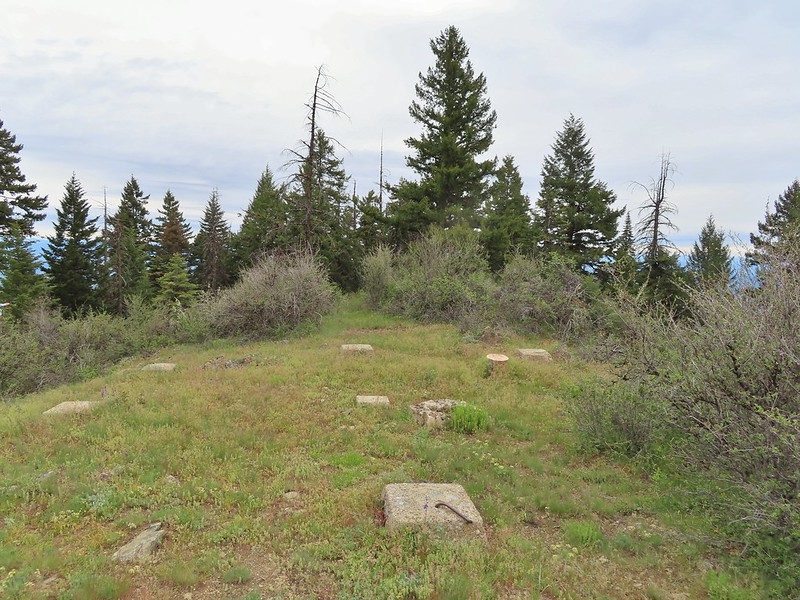
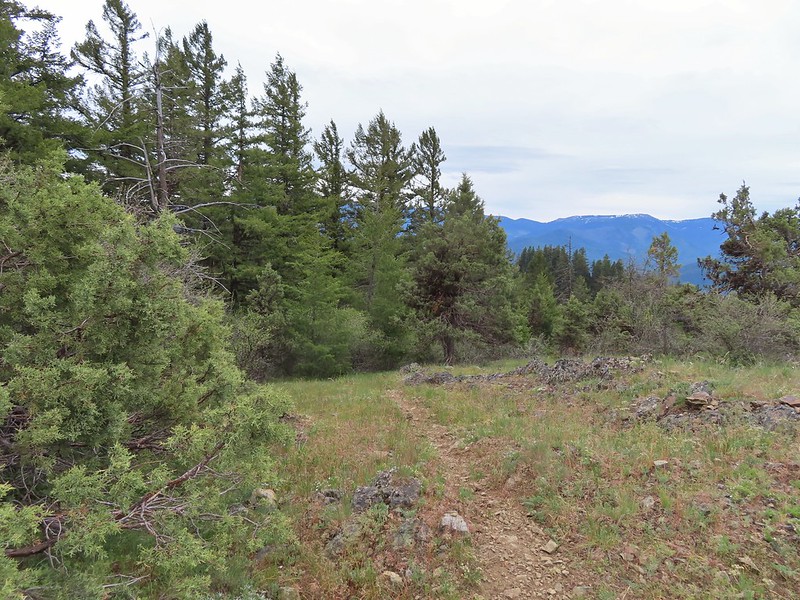
There were an number of wildflowers around the summit and despite the cloudy day the views were good.

 Parsley, larkspur, prairie stars and blue-eyed Mary.
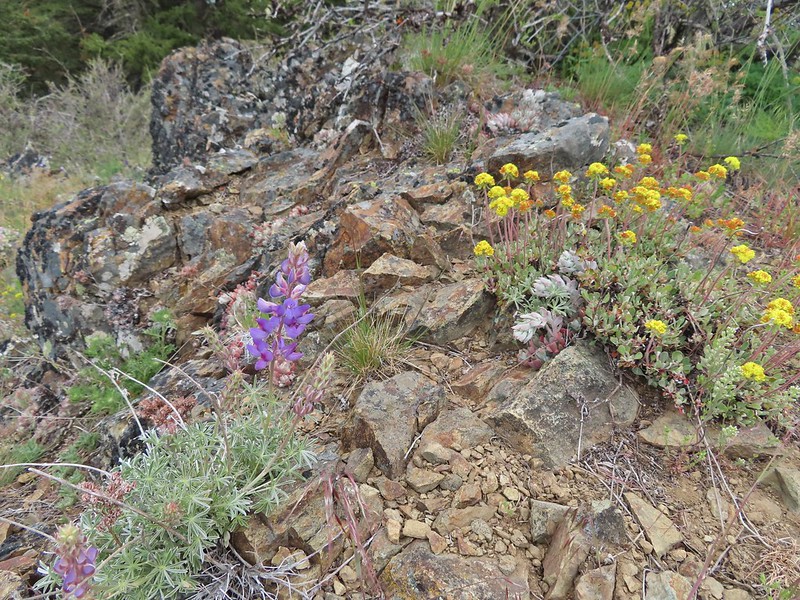 Lupine and buckwheat
 Mt. McLoughlin (post)

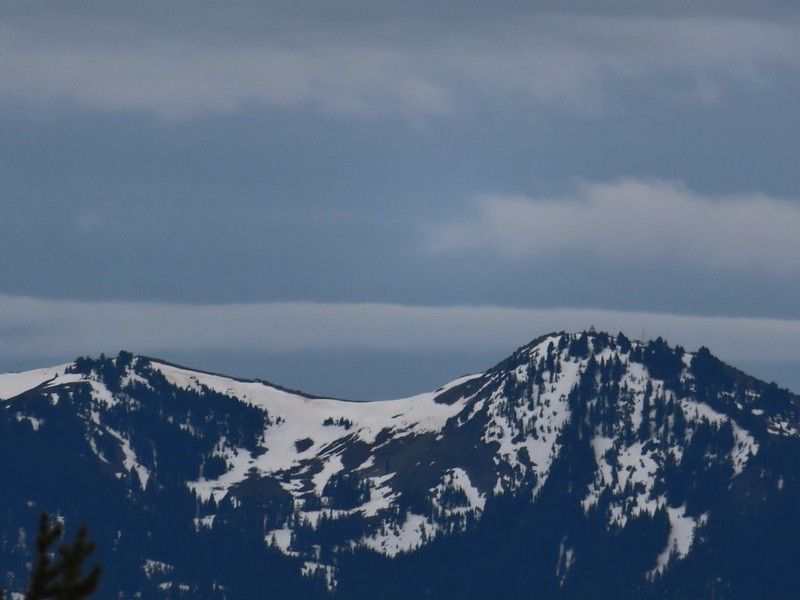 Zoomed shot of Dutchman Peak
 Zoomed shot of Red Buttes
After a nice break at the summit we followed a trail down the southern ridge of the butte.
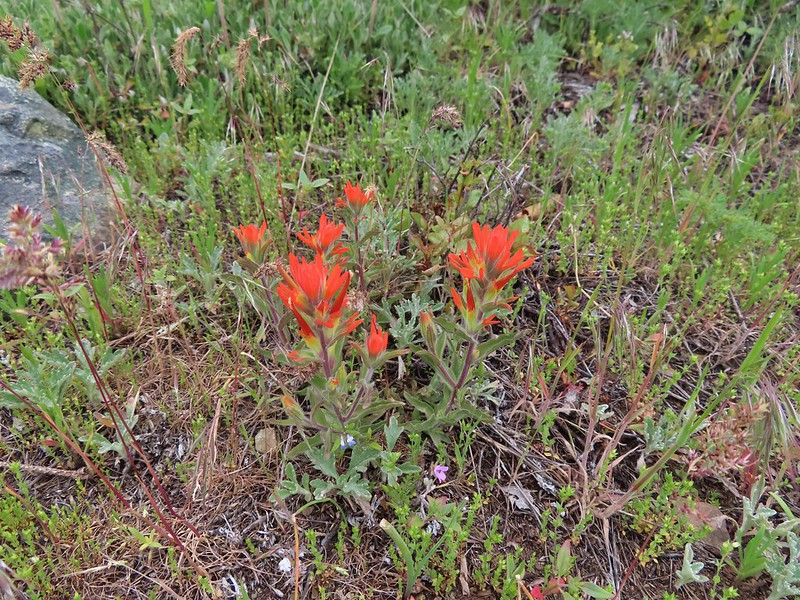 Paintbrush, blue-eyed Mary, and redstem storksbill
 A stonecrop
After 0.2 miles this trail joined a roadbed which we followed for roughly 450 feet. We were looking for a short connector trail described by Sullivan that would take us down to the Jack-Ash Trail. If we couldn’t find the connector Sullivan mentioned a steep OHV Trail that could be used.
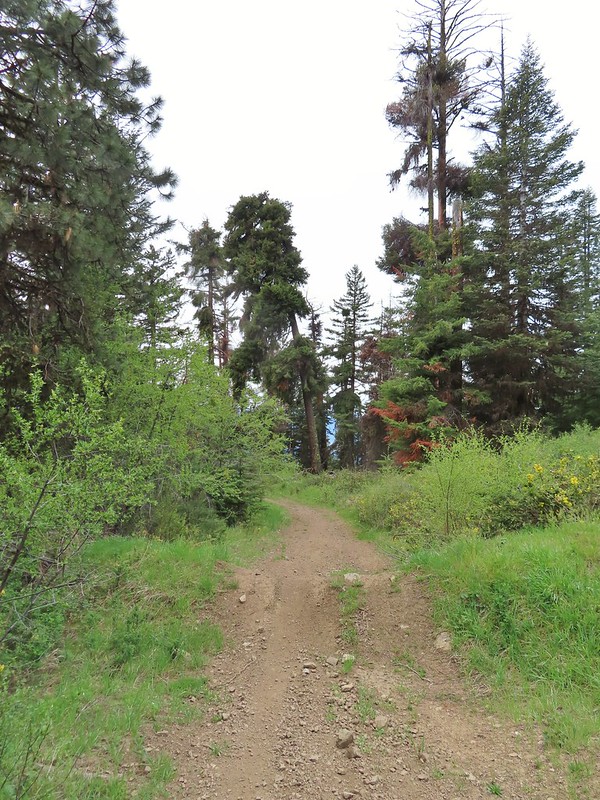
We weren’t really seeing anything that looked like a connector but we thought we saw what might be a very faint path leading downhill through a more open section of forest at a point where the GPS showed the Jack-Ash Trail less than 100 yards away. Whether or not this was the right spot it seemed preferable to a steep OHV trail so we set off downhill and soon found ourselves back on the Jack-Ash.
 Where we left the roadbed.
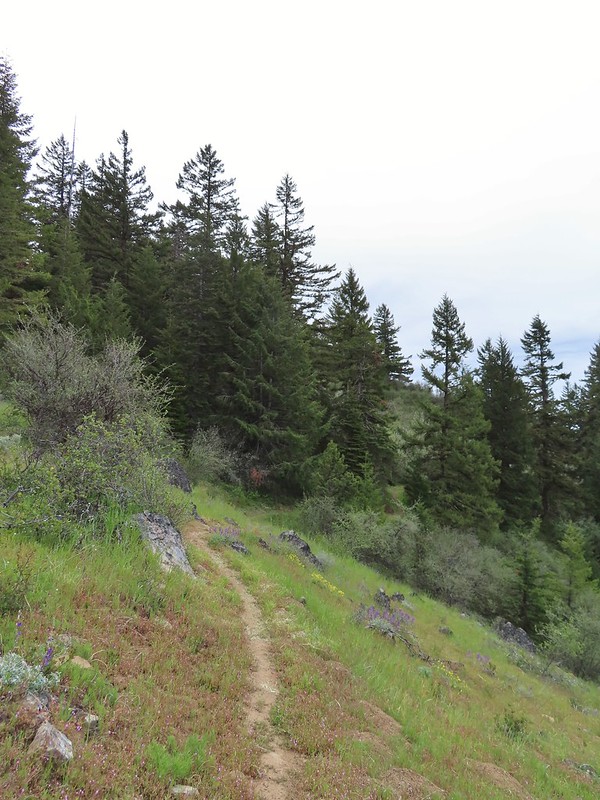 Back on the Jack-Ash.
Before heading back toward the car we continued south on the trail a little over three quarters of a mile to the Anderson Ridge Trailhead. This stretch of trail was relatively level with more views and wildflowers. As we neared the Anderson Ridge Trailhead we did hear some shooting along the road on the other side of the ridge but we never saw anyone and they weren’t at the actual trailhead.
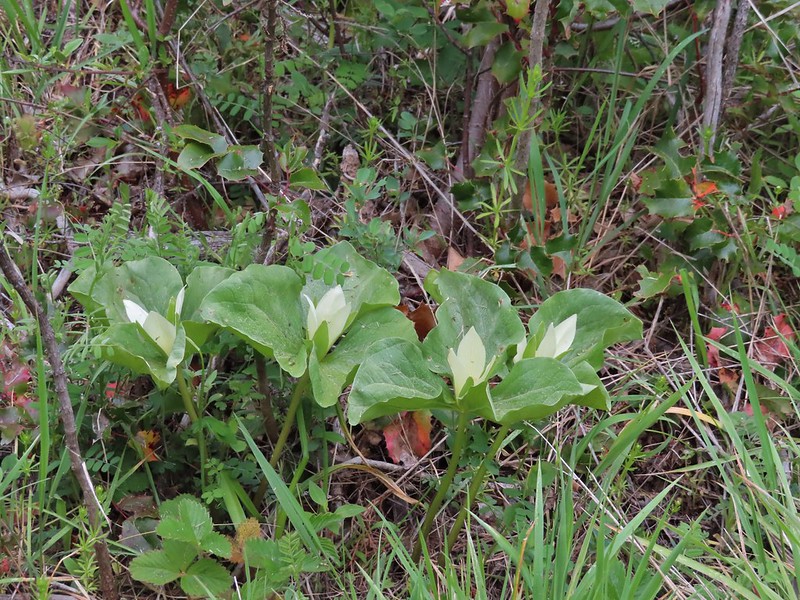 Giant white wakerobbin
 Paintbrush and waterleaf
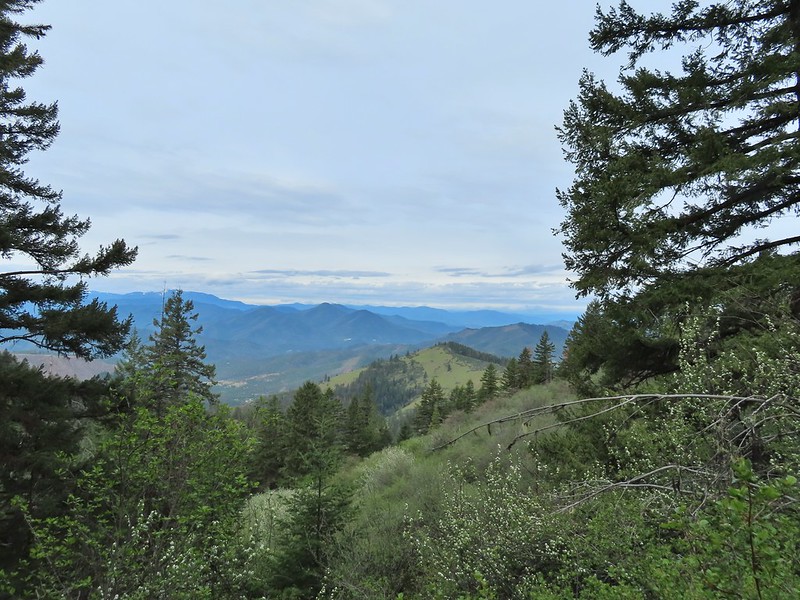 Grayback Mountain to the left with snow.
 The OHV trail crossing the Jack-Ash Trail.
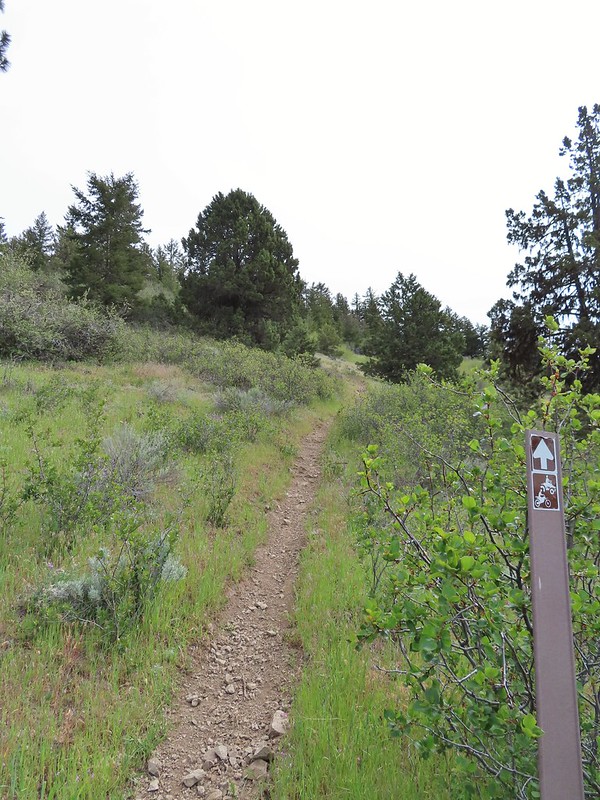 The OHV trail coming down from the road.
 Lupine
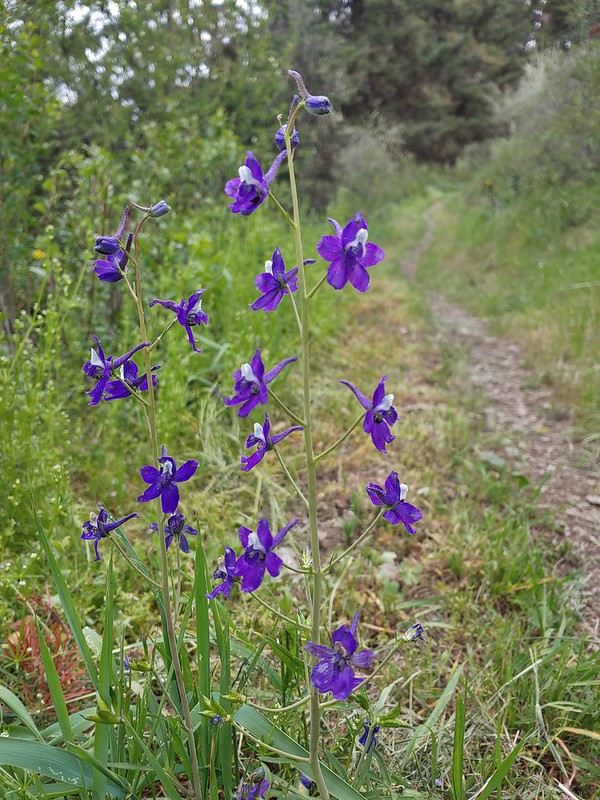 Larkspur
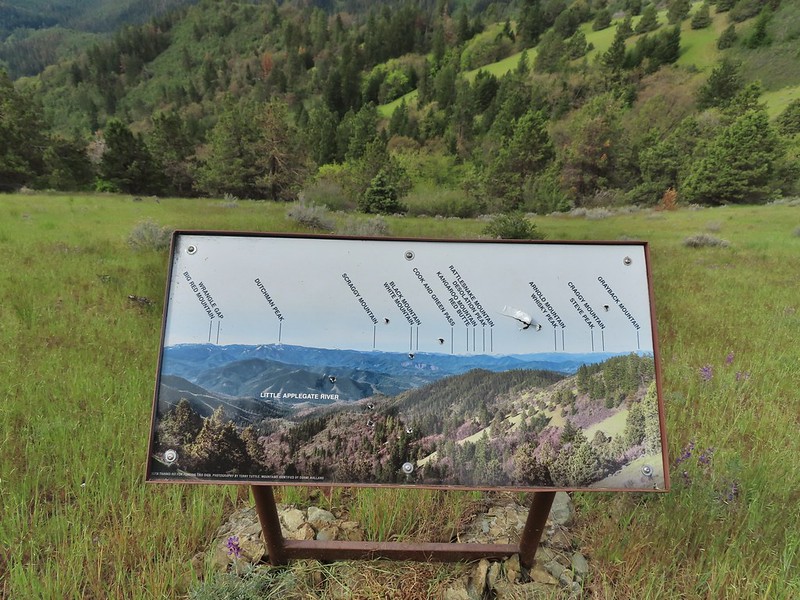 Always appreciate a good mountain locator.

 Mariposa lily
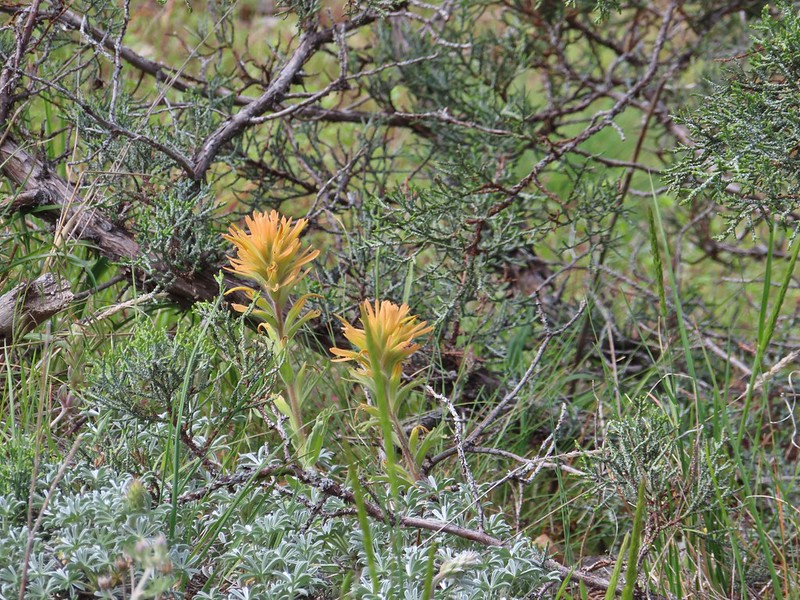 Paintbrush
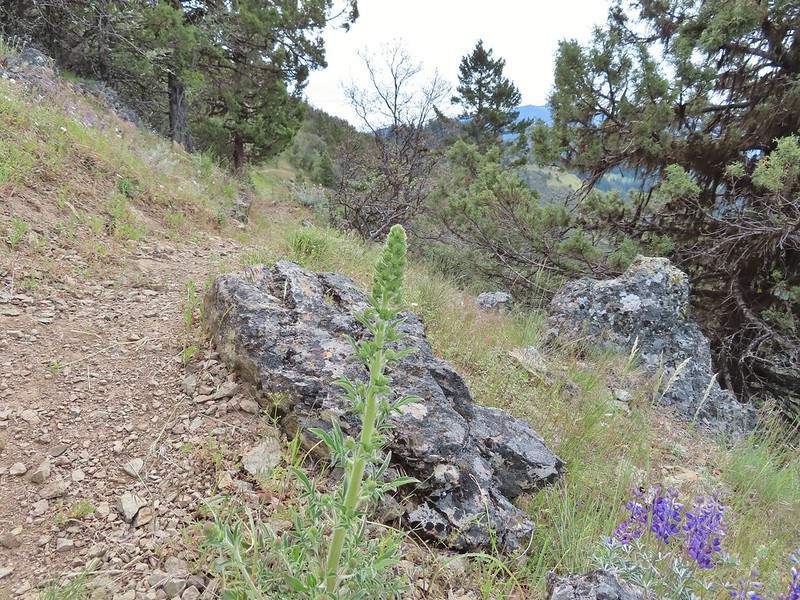 Silverleaf phacelia
 Some sort of big thistle on the hillside.
 Some pink lupine.
 Rough eyelash-weed
 Western wallflower with a crab spider.
 Clustered broomrape
 Buckwheat, paintbrush, and lupine
 Plectritis
 Nearing the Anderson Ridge Trailhead.
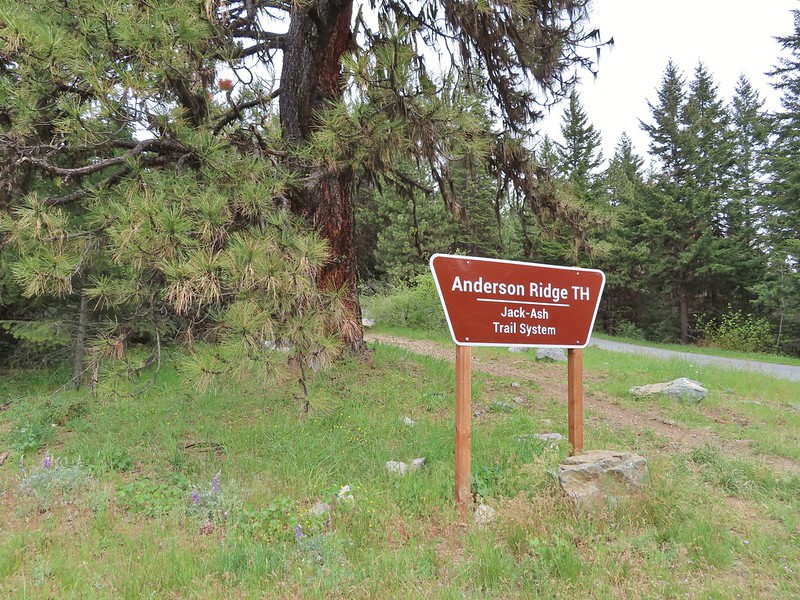
This trailhead had a sign-in log so we filled that out and then headed back sticking to the Jack-Ash Trail and passing below Anderson Butte.


 Miniture lupine
 A ringlet on fiddleneck.
 Post at the OHV trail crossing.
 Salsify

 Yarrow
 The Jack-Ash Trail nearing the saddle where we had turned off to go up Anderson Butte.
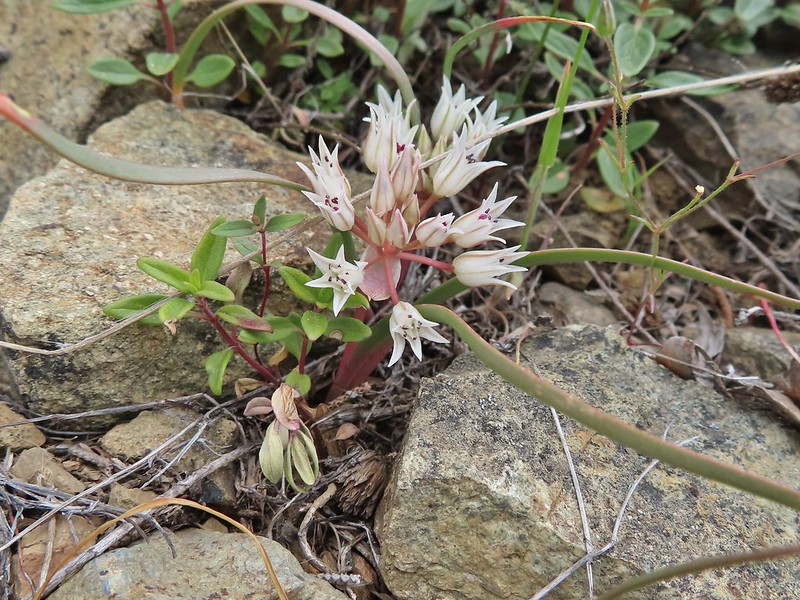 Wild onion (possibly Siskiyou)
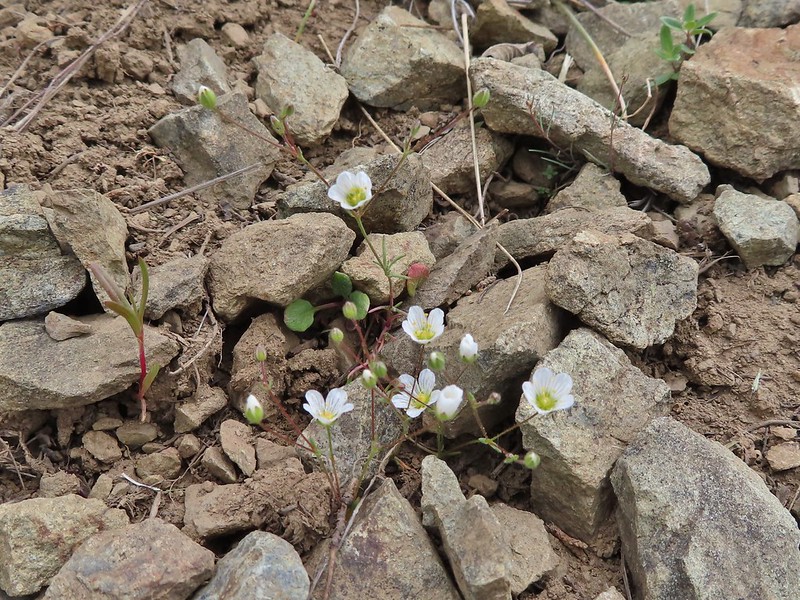 Meadowfoam
 Royal Jacobs-ladder
 Royal Jacobs-ladder
 The berm at the Greenstone Trailhead.
We were happy to find that there was no one using the Griffin Gap Trailhead when we got back and aside from the gunfire near Anderson Butte we hadn’t seen or heard any other people all day. The hike came in just a bit over 9 miles with approximately 1650′ of elevation gain. The incoming wet weather held off aside from a couple of sprinkles but the cloud cover kept the temperature very comfortable which was welcome after the previous two days.

This hike was a needed break from both the heat and poison oak. We only spotted the latter a couple of times on open hillsides but never had to worry about it. Long pants were still useful though due to the occasional ticks that we had to stop and flick off my pants (we never saw any on Heather this time). We were starting to feel like we were back on track now that we were halfway through our trip. Saturday looked to be a rainy one so we were going to stick close to the motel and check out the Denman Wildlife Refuge. For now though we headed back to Medford looking forward to our leftover pizza from Kaleidoscope. Happy Trails!
Flickr: Jack-Ash Trail


 Acorn woodpecker
 Death camas and vetch
 Carrotleaf horkelia
 Lazuli bunting
 Finch
Finch
 Lupine
 Oregon sunshine
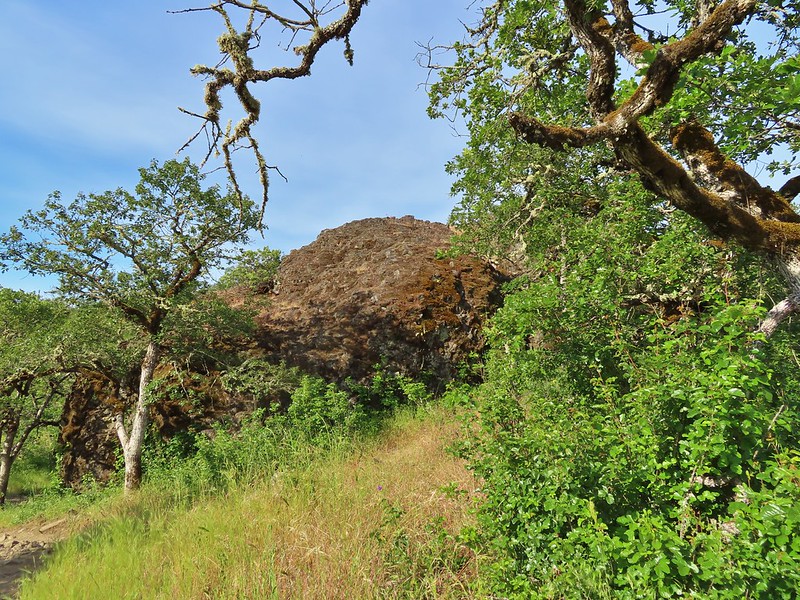 Andestite boulder
 Mt. McLoughlin (
 Ground squirrel having breakfast
 Blow wives
 A clarkia
 Blue dicks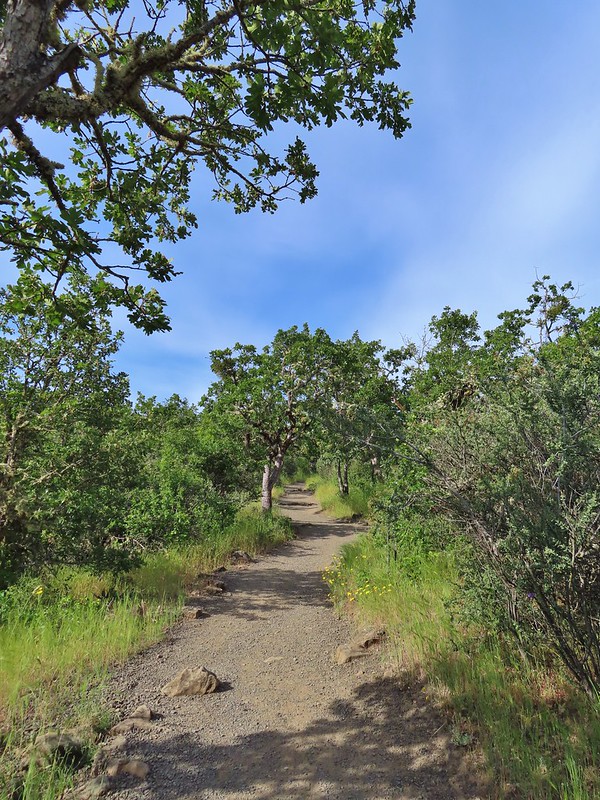
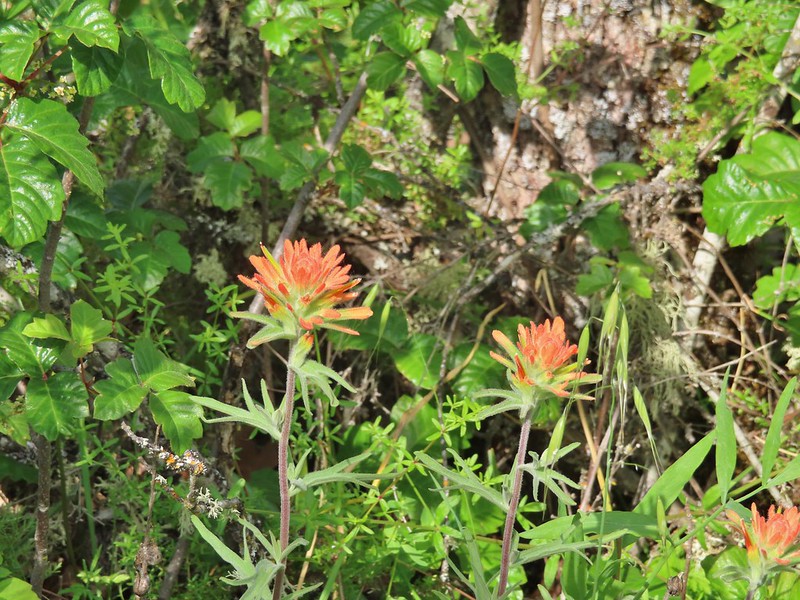 Paintbrush (and poison oak)
 Could be a cutleaf silverpuff or a hawksbeard
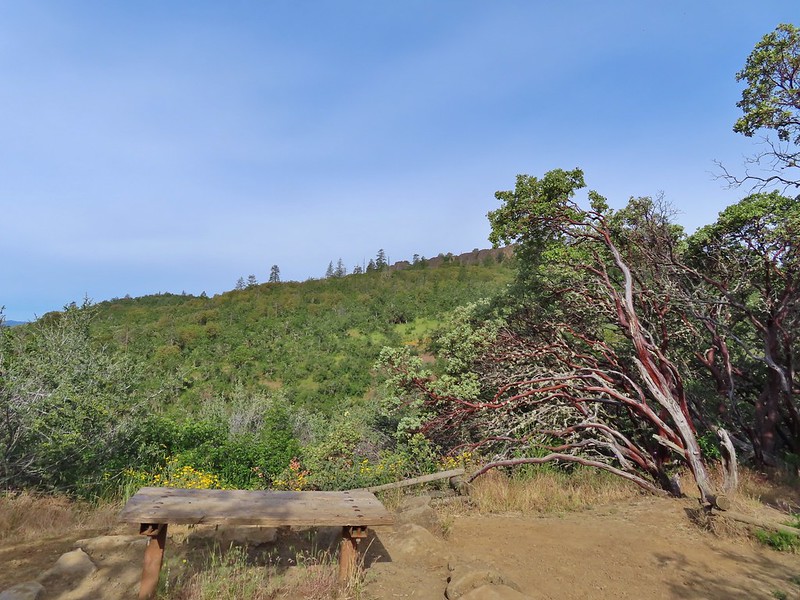 Viewpoint bench at the half mile point.
 Clustered broomrape
 Siskiyou Mountains including Mt. Ashland (
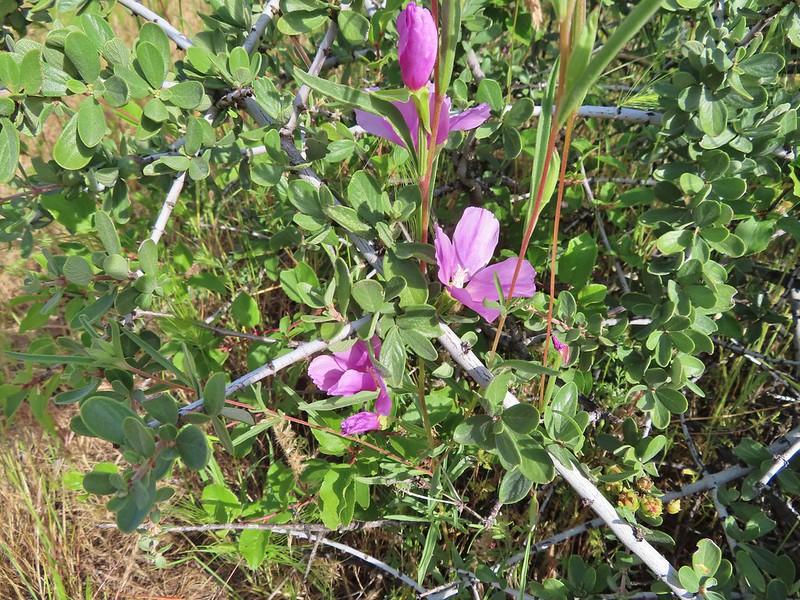 Another type of clarkia
 Possibly bastard toadflax
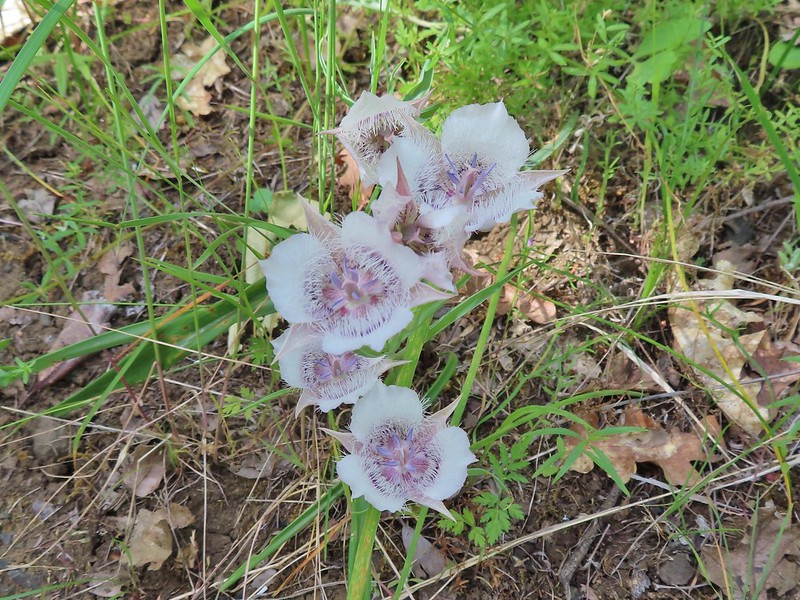 Mariposa lilies
 Balsamroot along the trail.
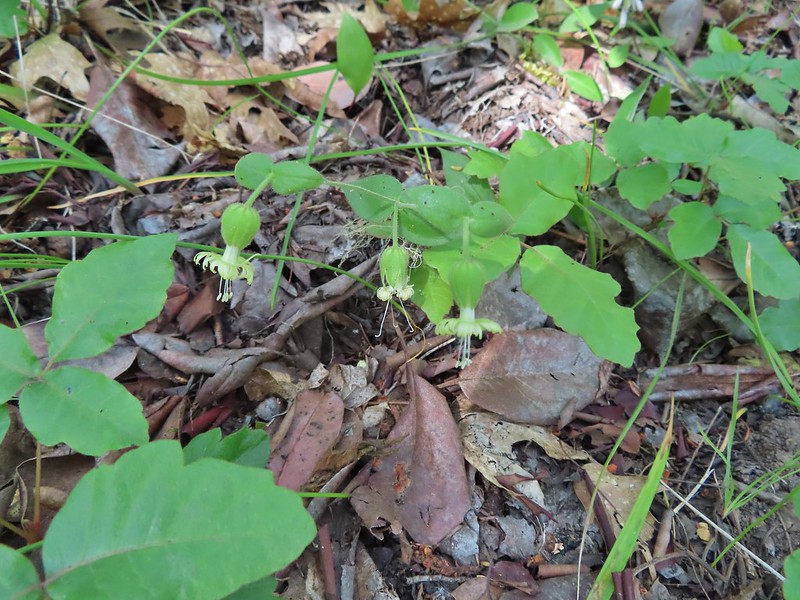 Bell catchfly
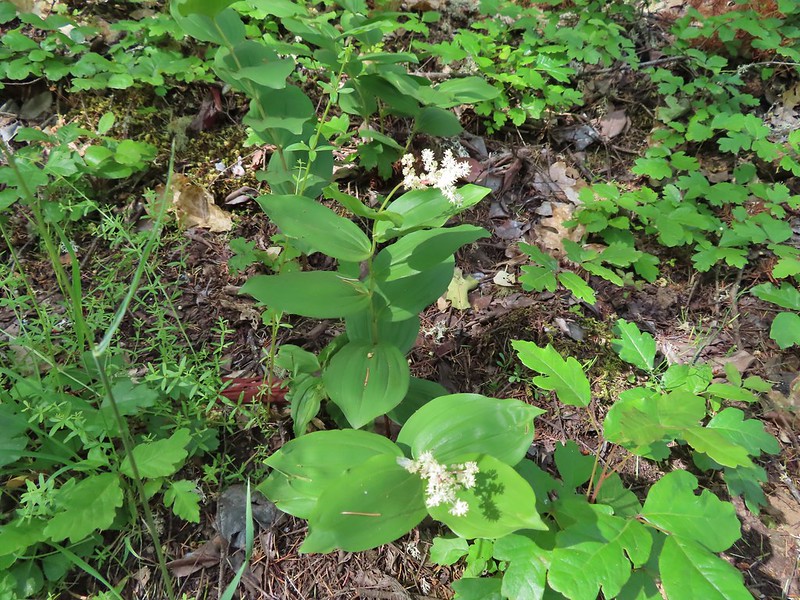 Plumed solomonseal
 Approaching the start of the loop.
 Looking toward the Siskiyous.
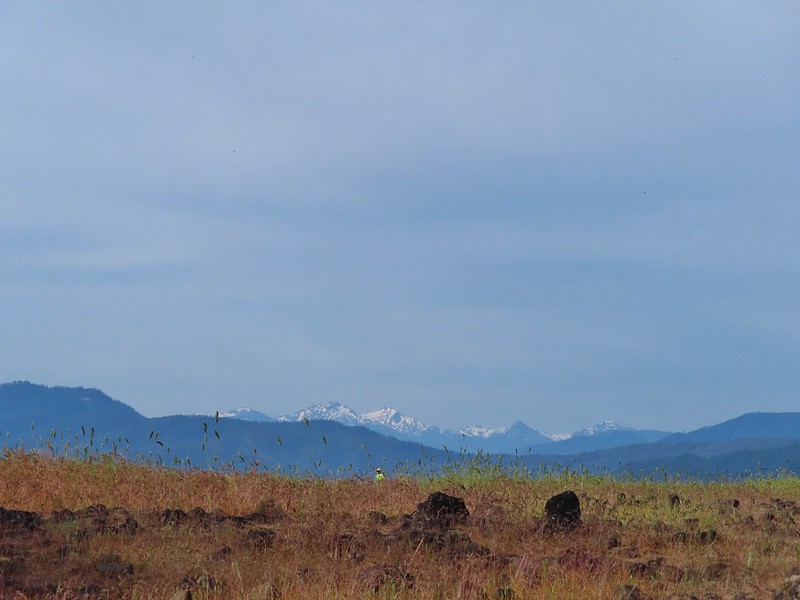 The Red Buttes (
 Pilot Rock (
 Mt. Ashland (w/snow) and Wagner Butte
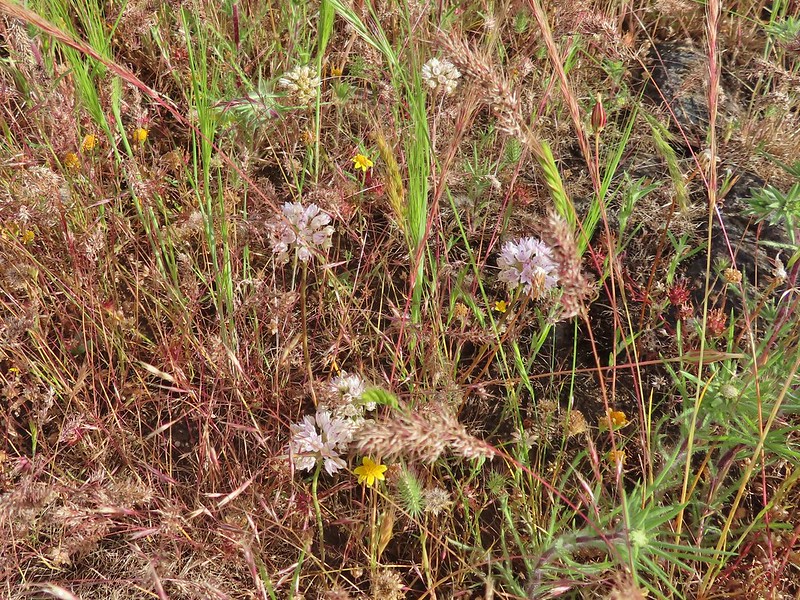 A couple of different wildflowers.
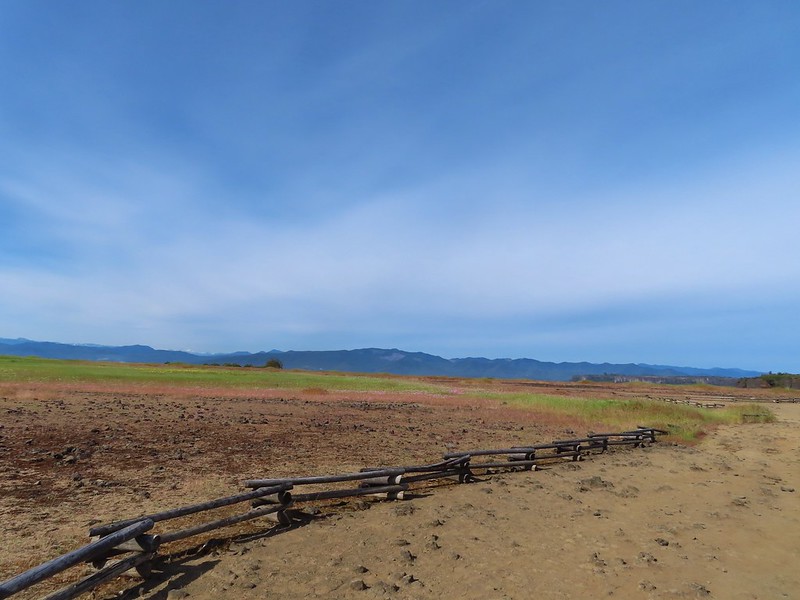 Narrowleaf onion?
 Pincushion plant
 Meadowfoam
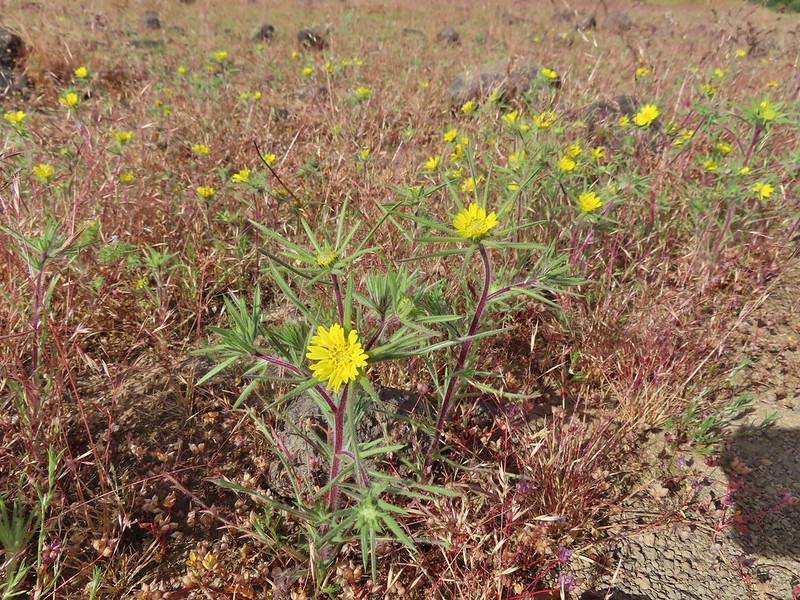 Not sure what these yellow flowers are. Yellow flowers are by far the hardest to figure out.
 Rock wren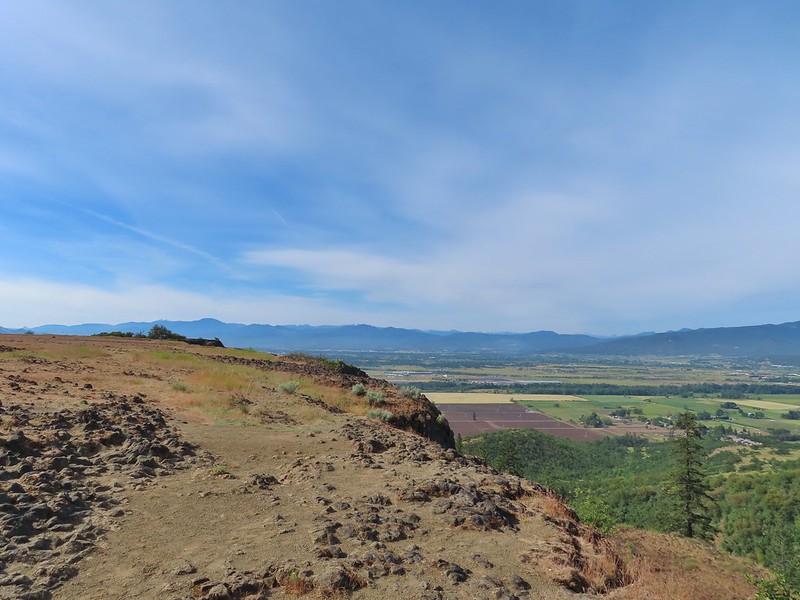
 Turkey vulture in flight with Mt. McLoughlin in the background.
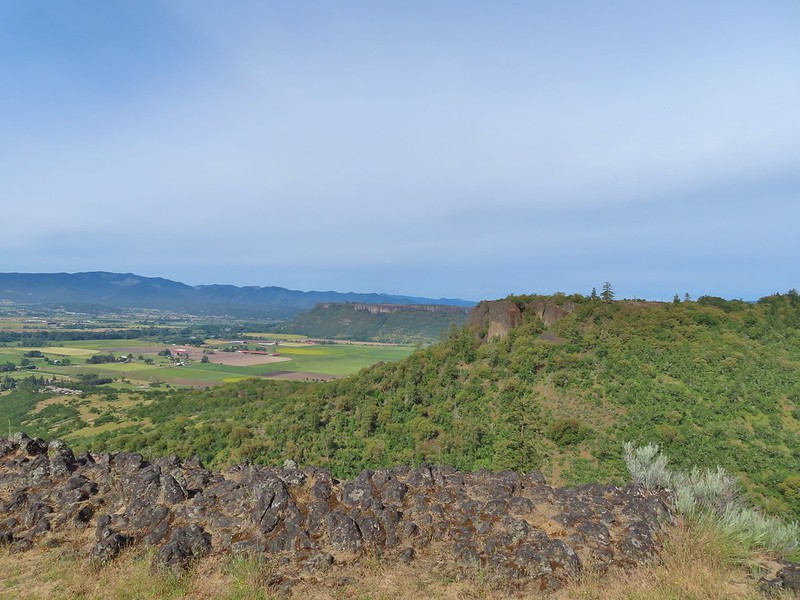 Lower Table Rock beyond the other bench of Upper Table Rock.
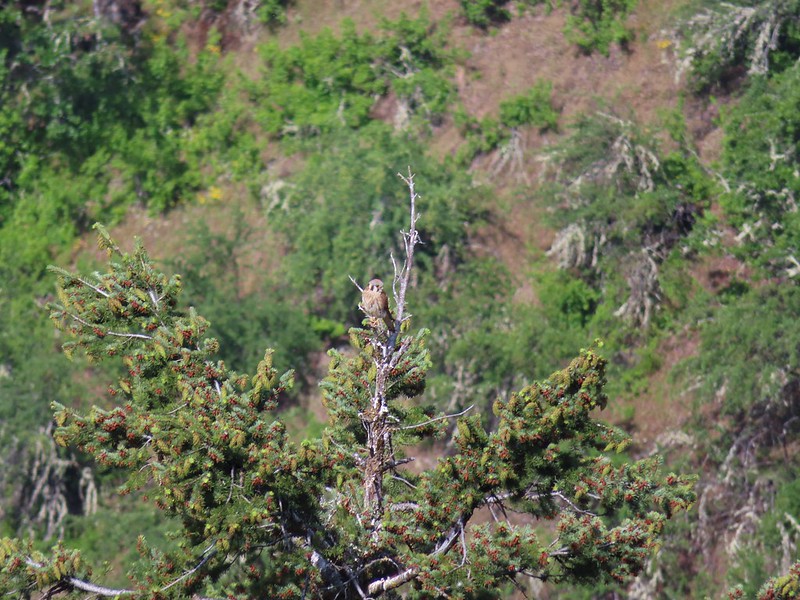 An American kestral atop a tree.
 Lizard
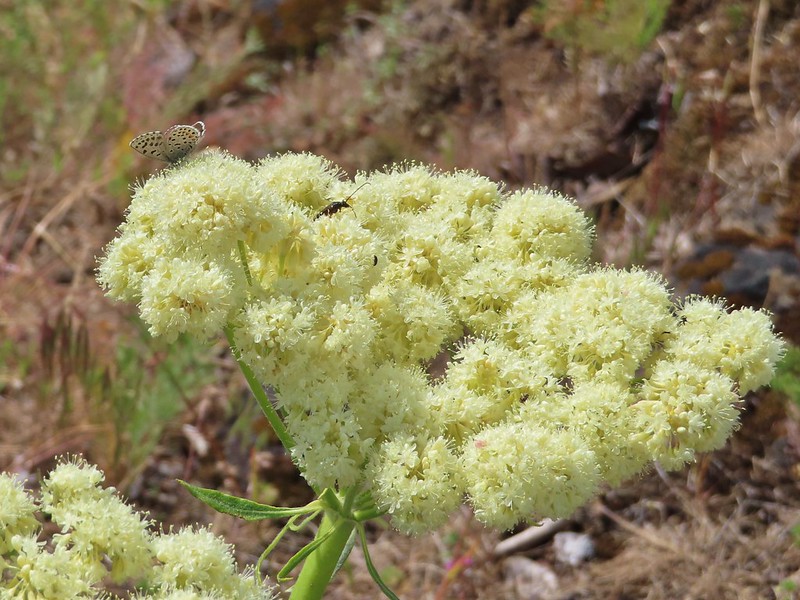 A butterfly and a beetle on arrowleaf buckwheat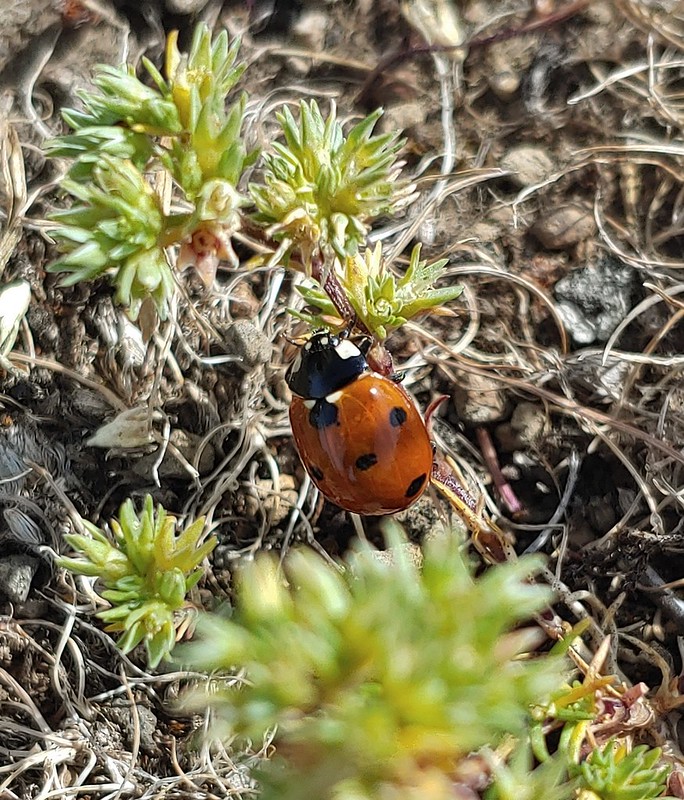
 Yarrow
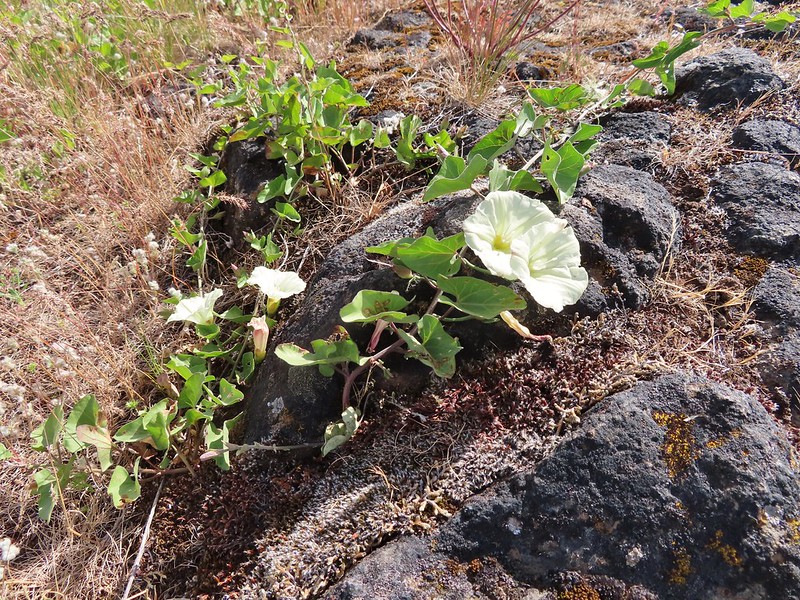 Chaparral false bindweed
 White tritelia
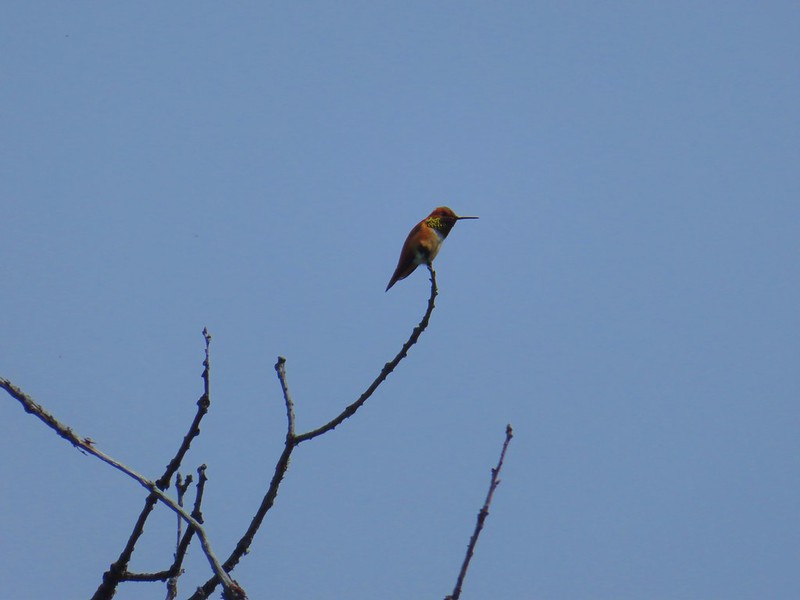 Rufous sided hummingbird
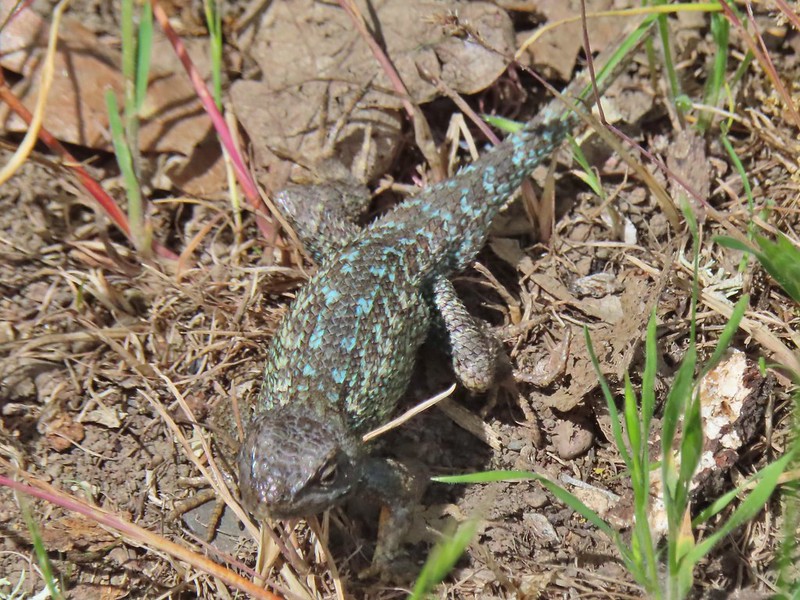 Lizard
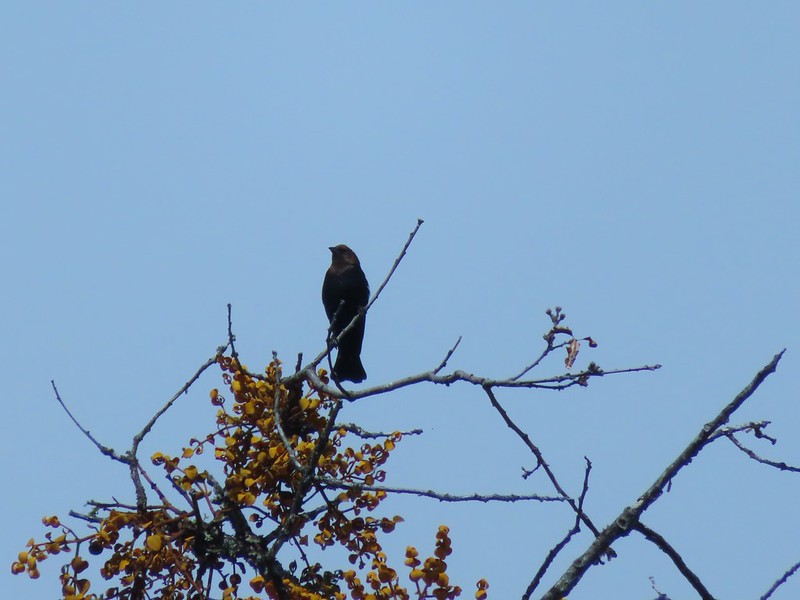 Brown headed cowbird
 Mt. McLoughlin on the way down.


 Mariposa lilies
 Alligator lizard
 Henderson’s stars
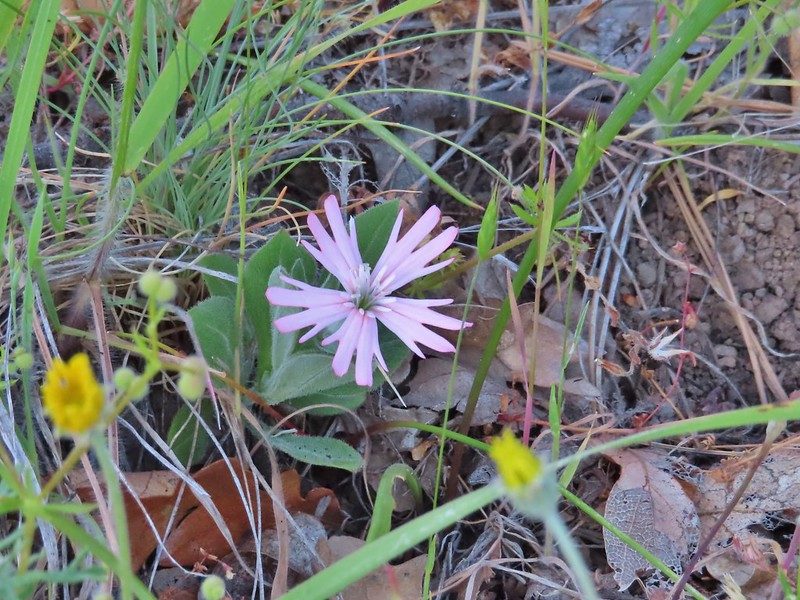 Hooker’s Indian pink
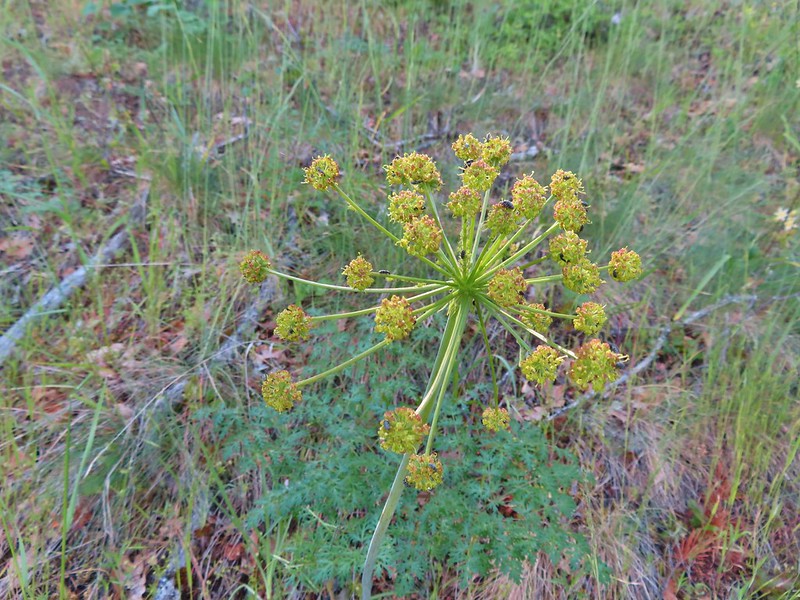 Fern leaf biscuitroot
 Blue dicks
 Larkspur
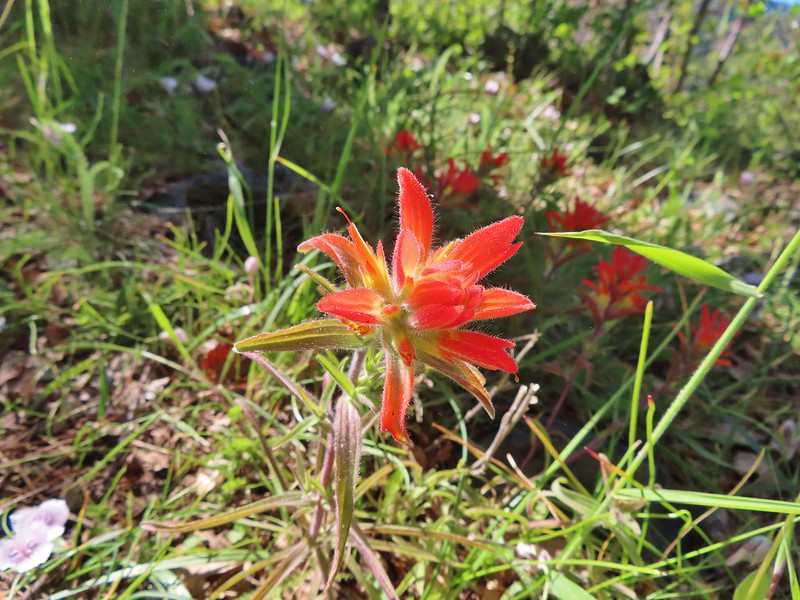 Paintbrush
 Mariposa lily
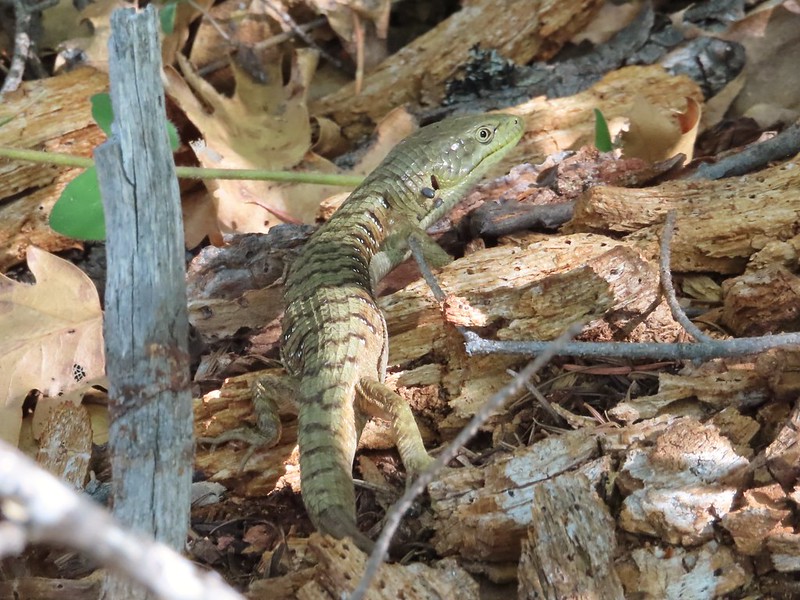 Another alligator lizard. They eat ticks but in this case it appears a couple ticks got the jump on him (or her).
 Lupine
 View from the trail.
 Grayback Mountain to the right in the distance.
 Fiddleneck
 Miniture lupine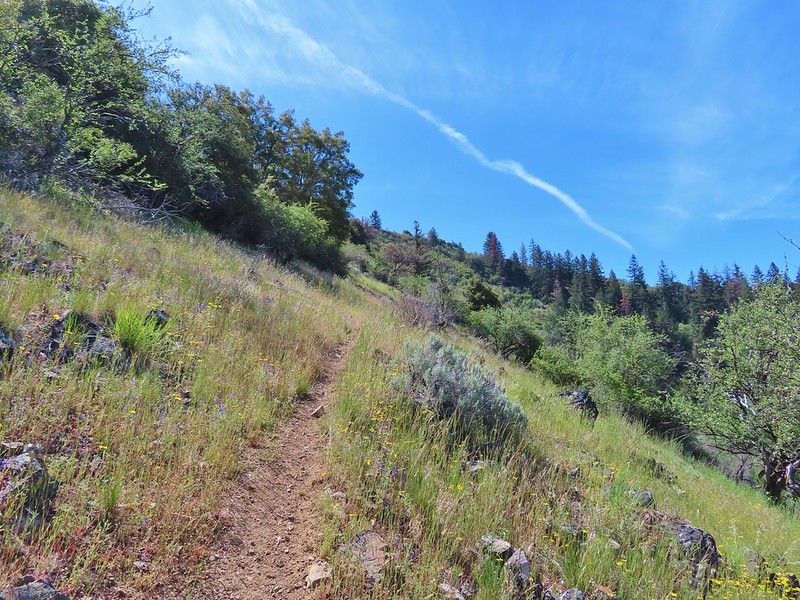
 A lupine, clarkia and madia?
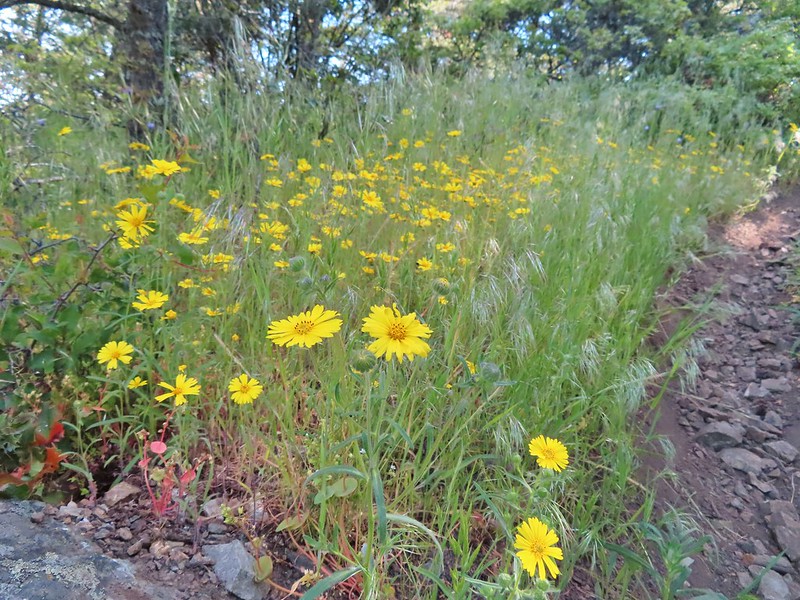 Madia
Madia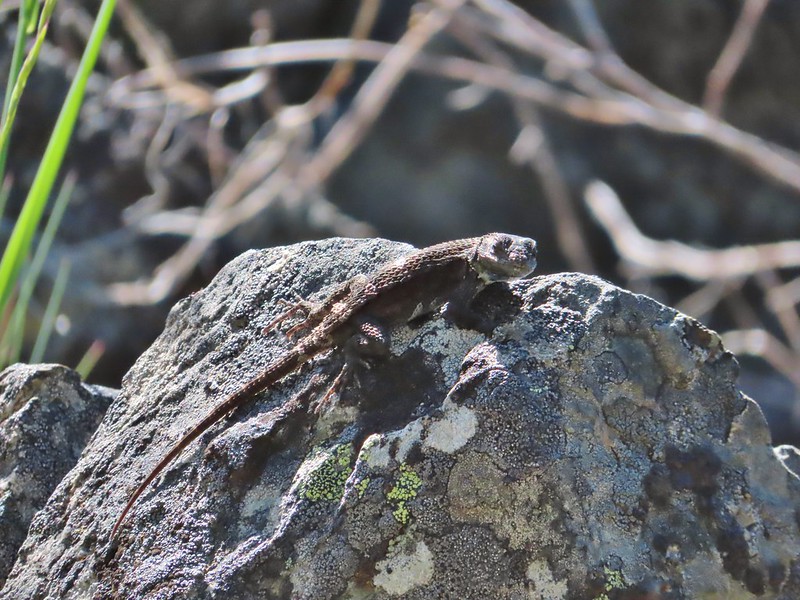 A molting lizard.
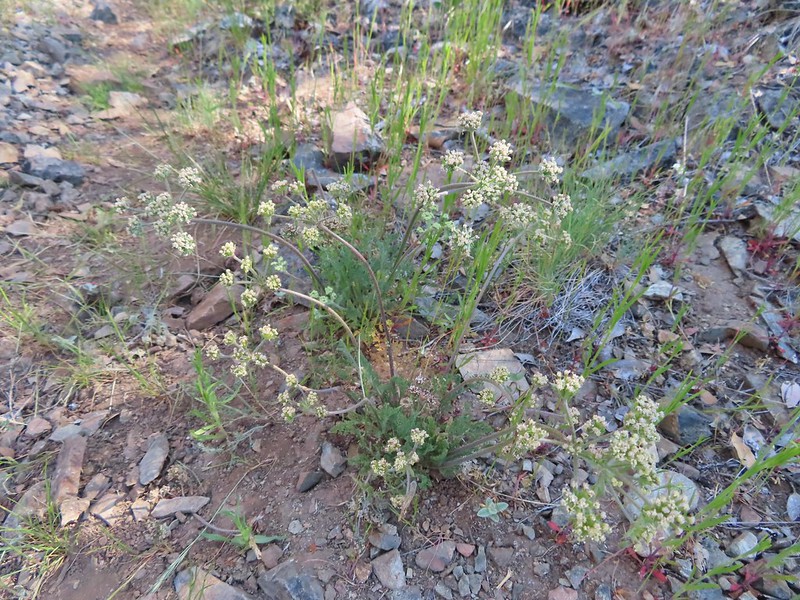 A lomatium
 Believe this is a female black-headed grosbeak
 The Red Buttes (
 Red bells, these were on a short wish list of wildflowers that we’d yet to see on trail.
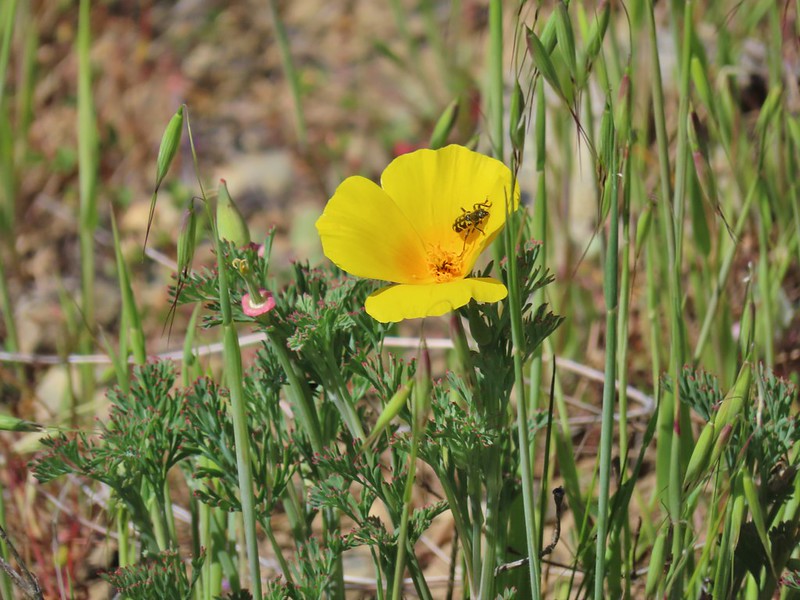 Poppy
Poppy Scraggy Mountain behind Little Grayback Mountain
 Red Buttes behind Little Grayback Mountain
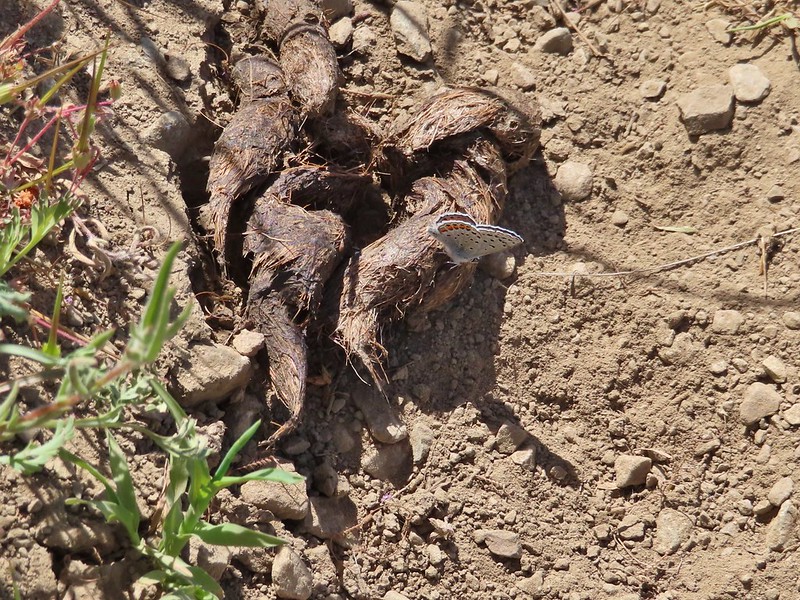 Butterfly on scat.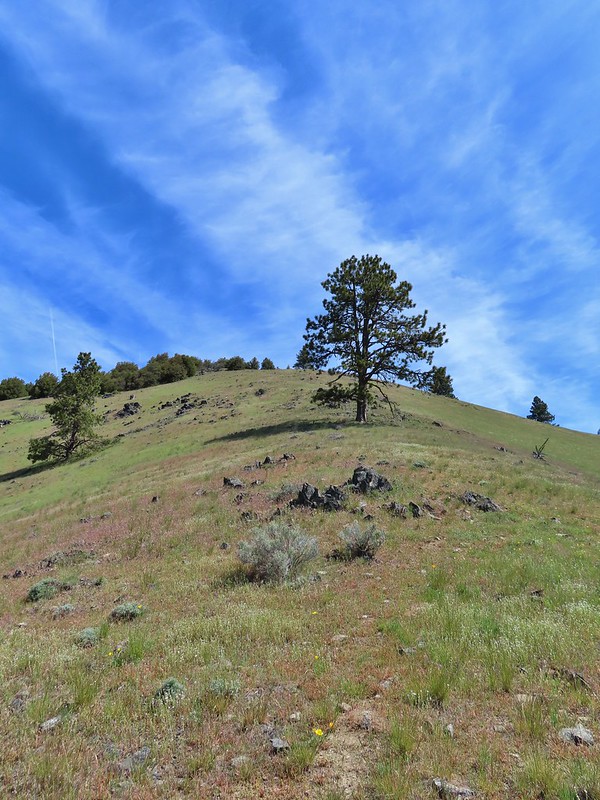

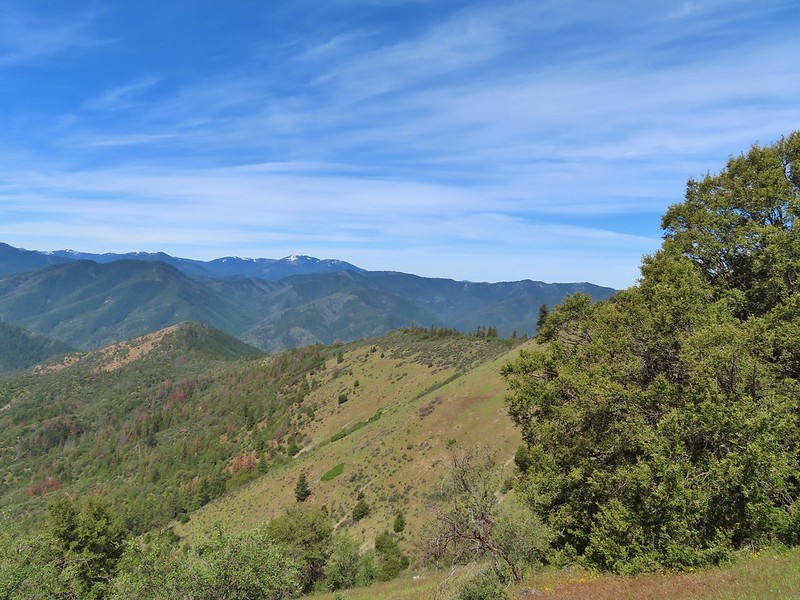 Mule Mountain is the lower peak along the ridge with the brown left side.
 Lupine
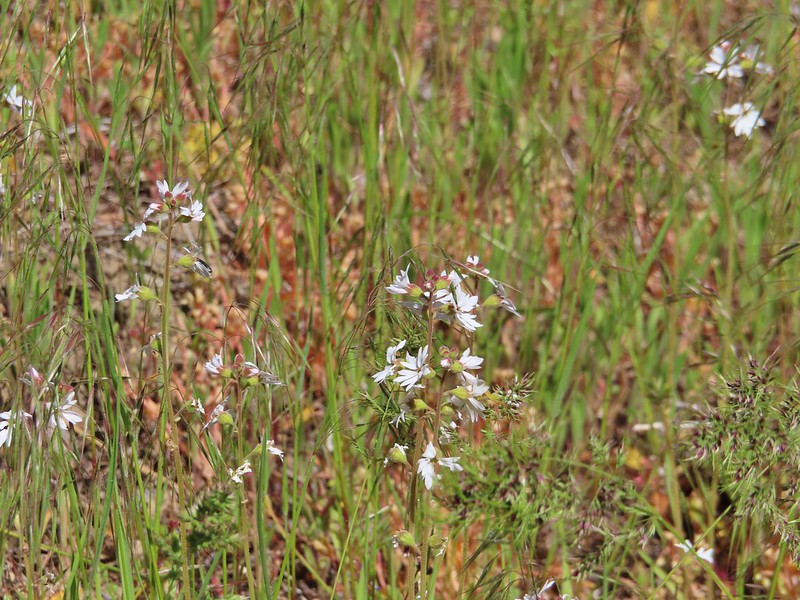 Prairie stars
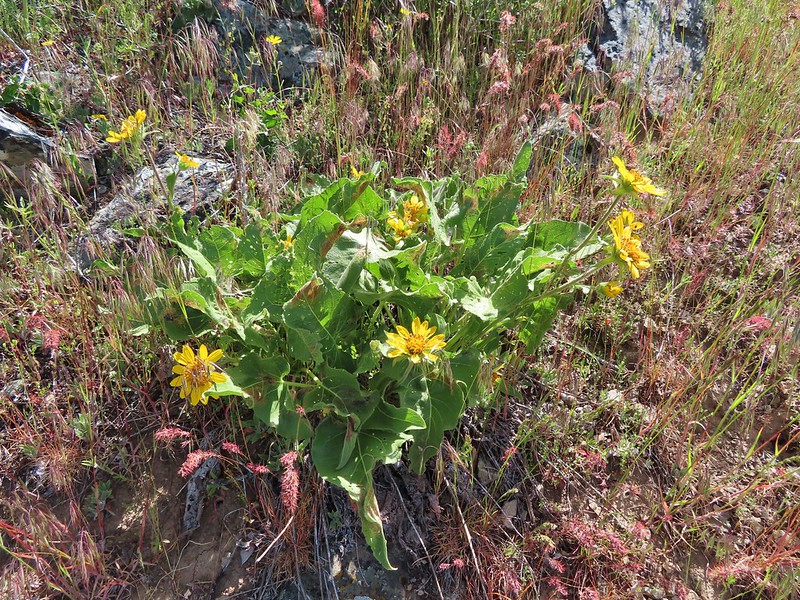 Balsamroot
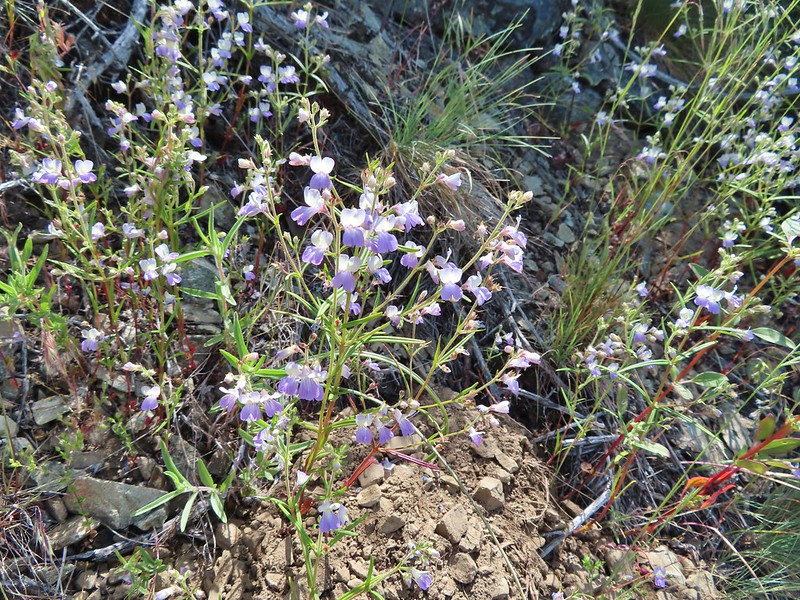 Blue-eyed Mary
 A collection of various small wildflowers.
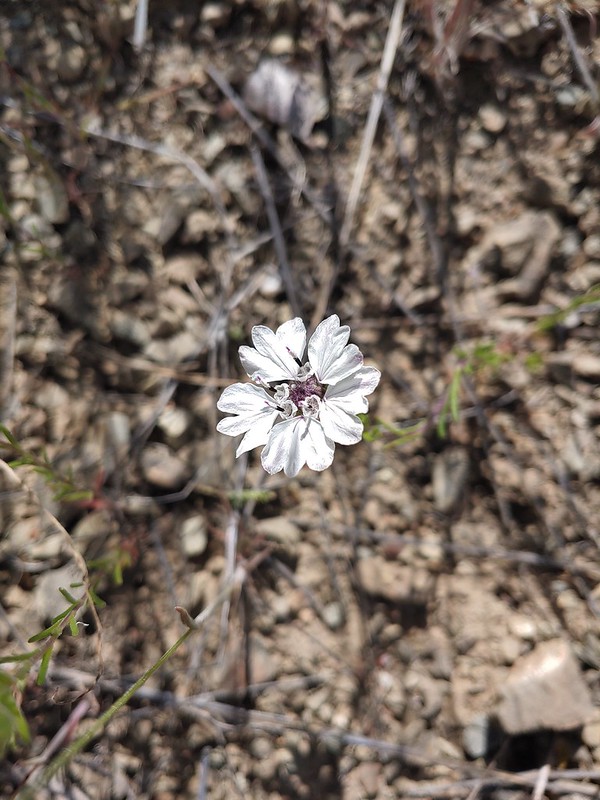 Rough eyelashweed
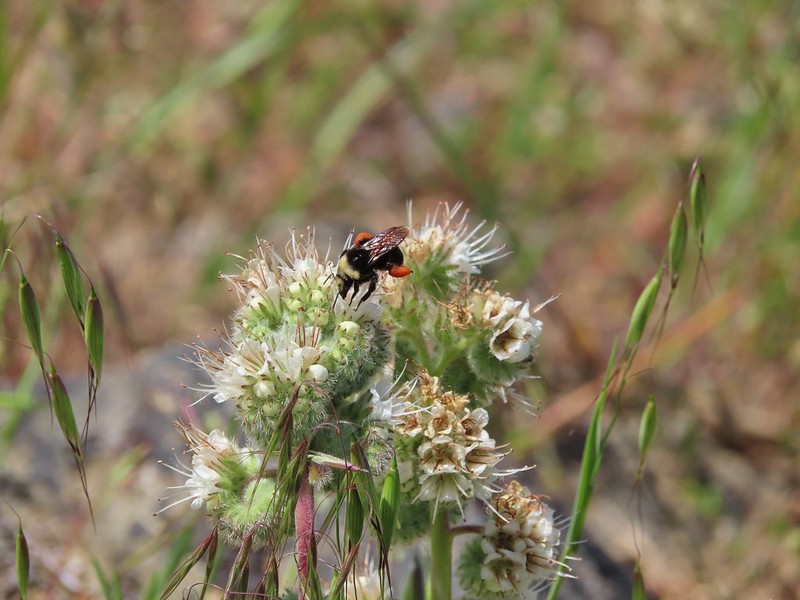 Bee on silverleaf phacelia
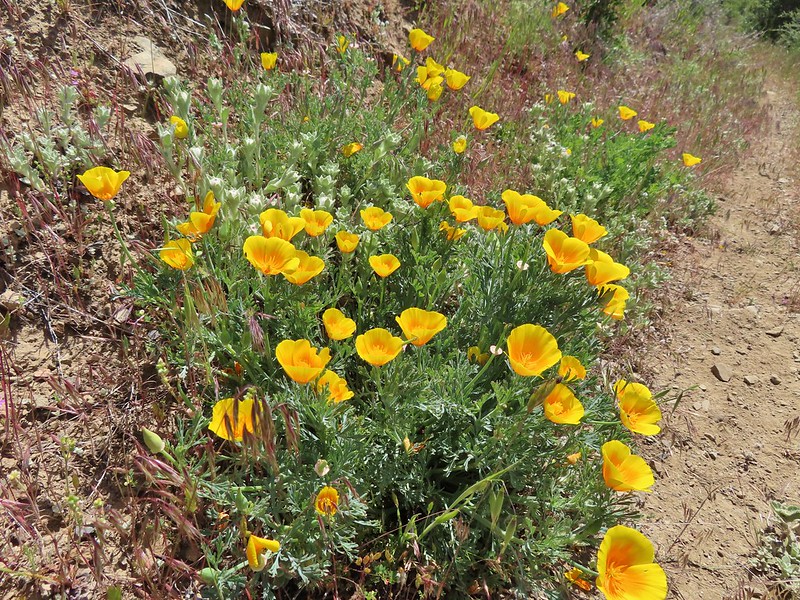 Poppies
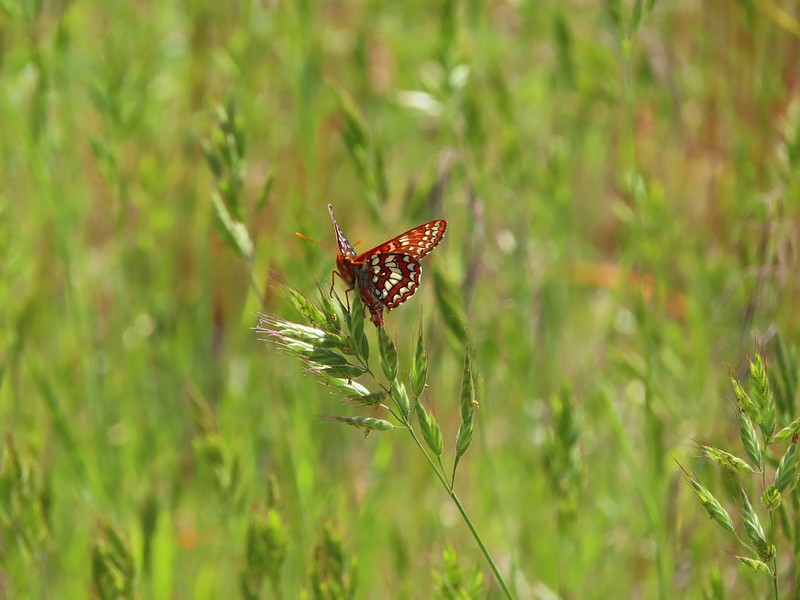 Butterfly on grass
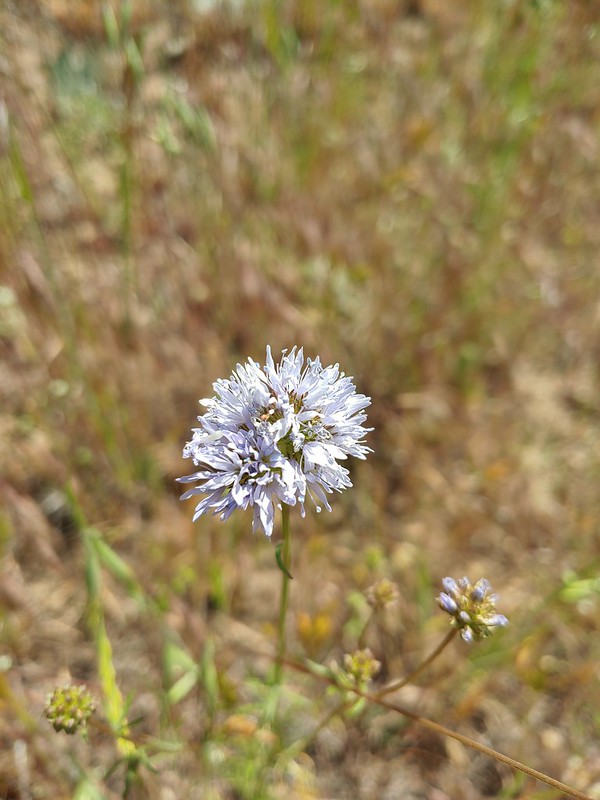 Blue gilia
 Grayback Mountain behind Mule Mountain
 Yet another lizard
 A colorful moth.
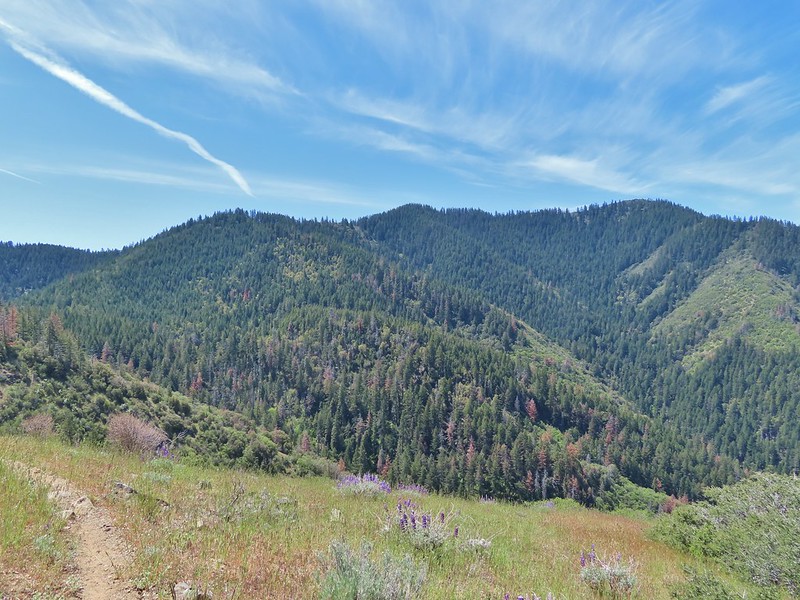 Little Grayback Mountain


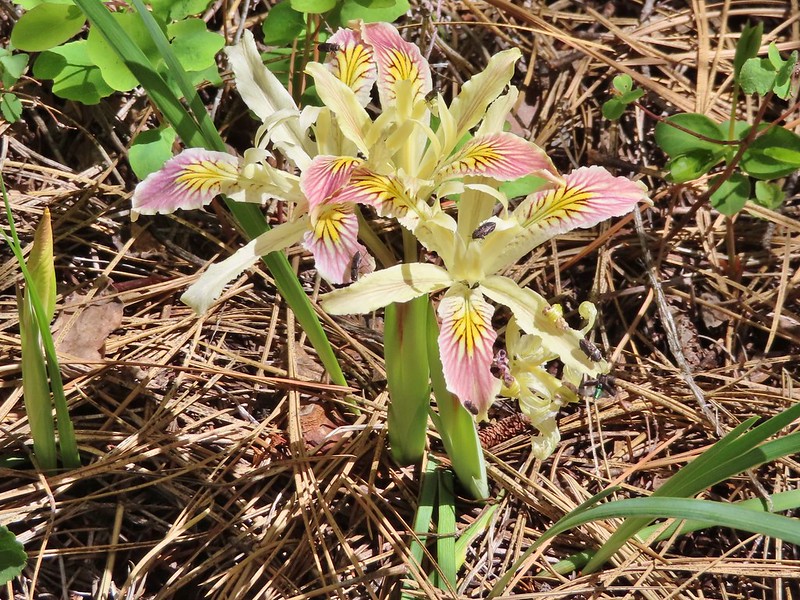 Iris
Iris Approaching the trailhead.
 Looking back at the trailhead from the road.
 Henderson’s fawn lily, another one we could check off our wish list.
 A typical obstacle.
 Overgrown trail.
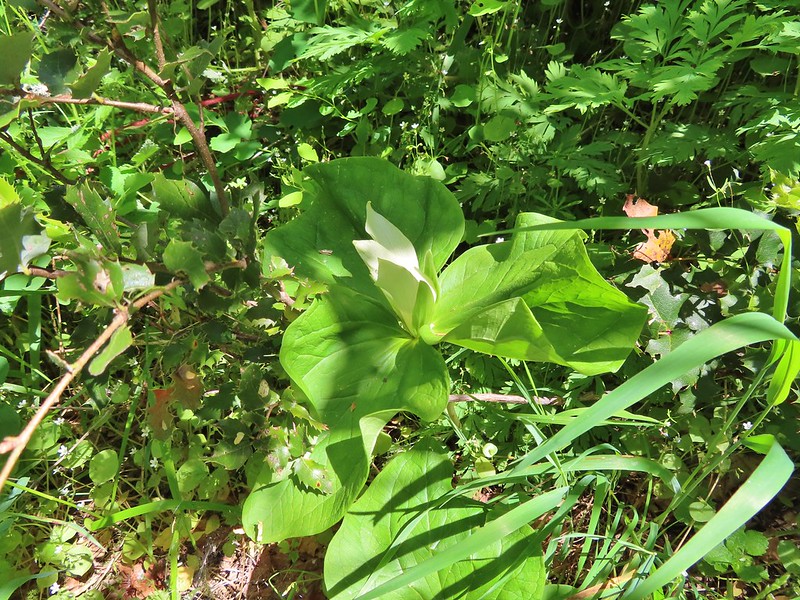 Giant white wakerobbin
 Some flagging on the left and bleeding heart on the right.
 Star flower
 Striped coralroot
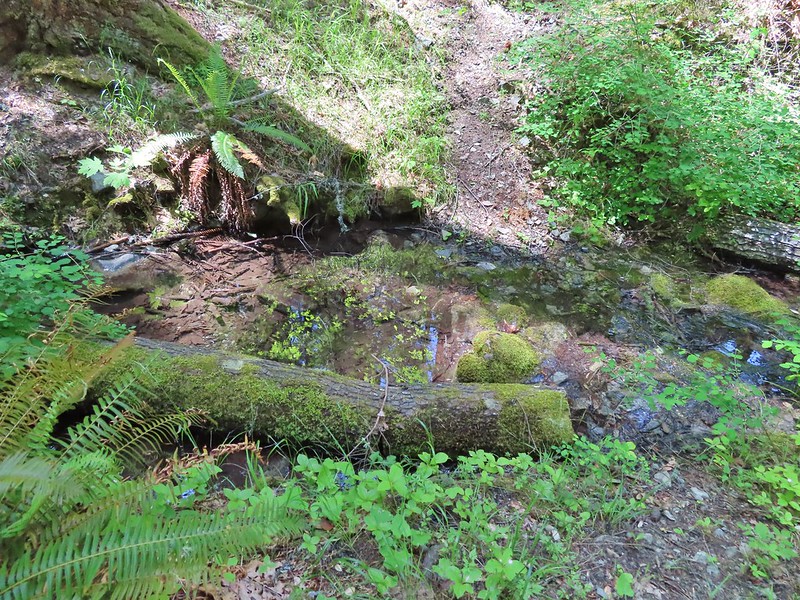 There was a good pool at this crossing where we could have gotten water.
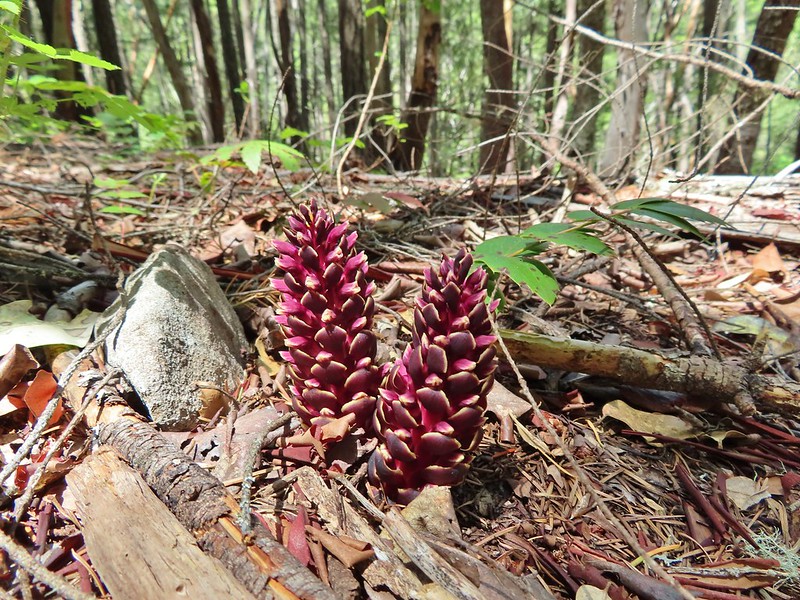 California ground cones.
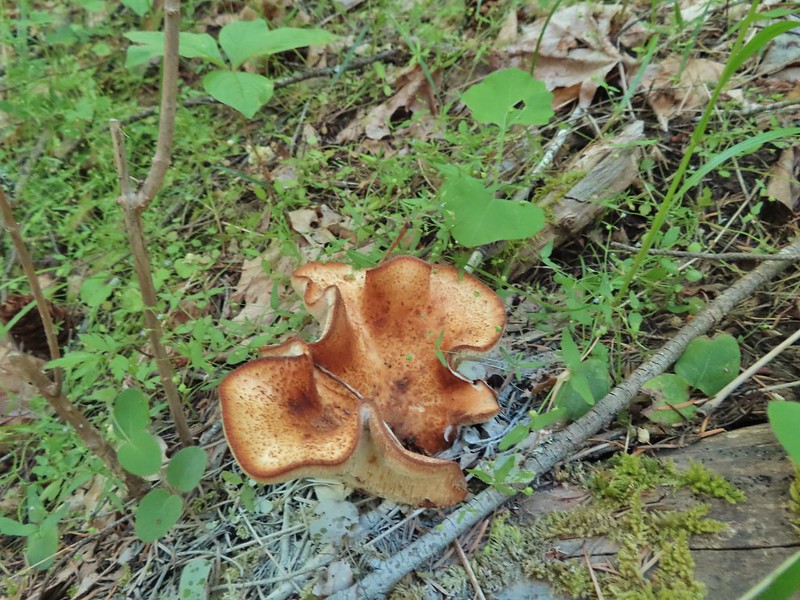 A folded up mushroom.
 A butterfly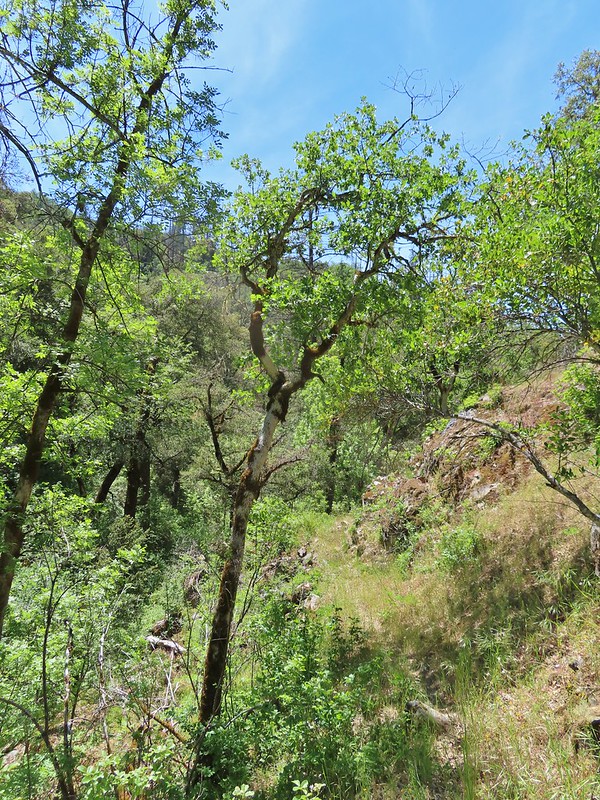
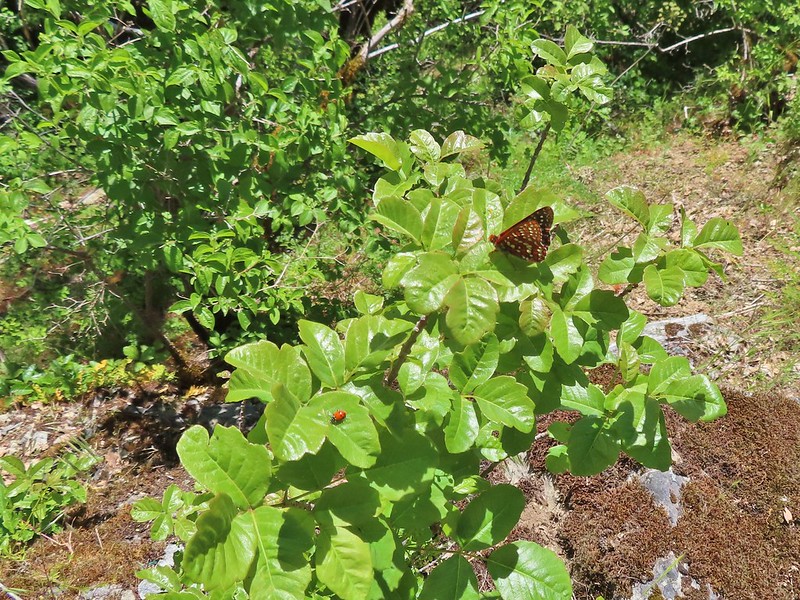 Apparently lady bugs and butterflies don’t care about poison oak.
 The trail got pretty faint at times.
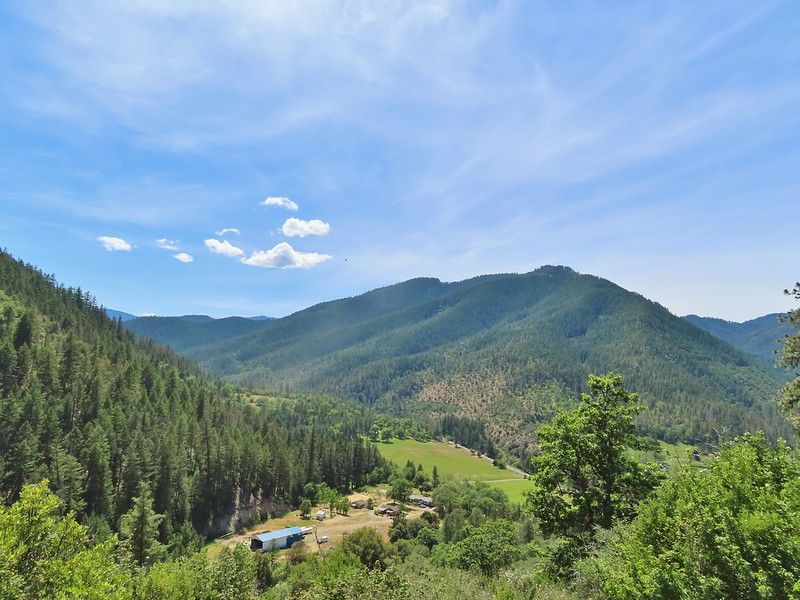
 Arriving at the Mule Mountain Trail.
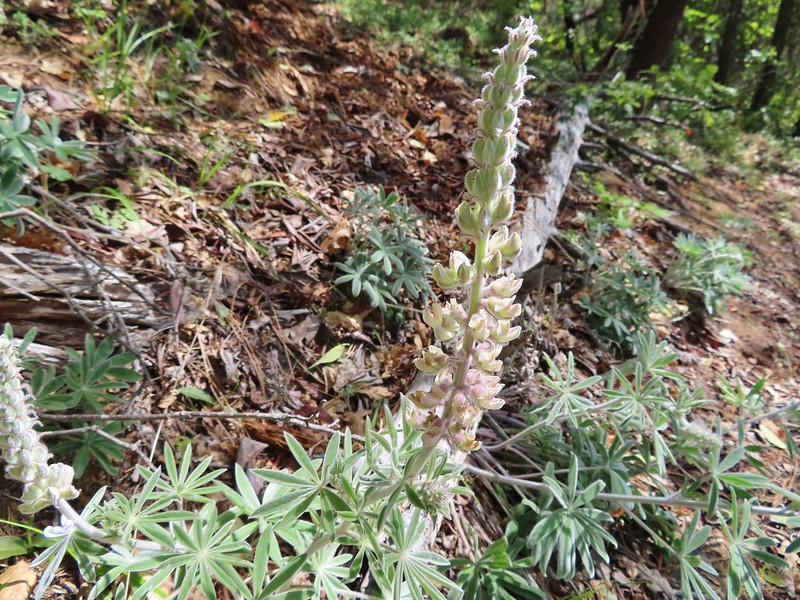 White lupine
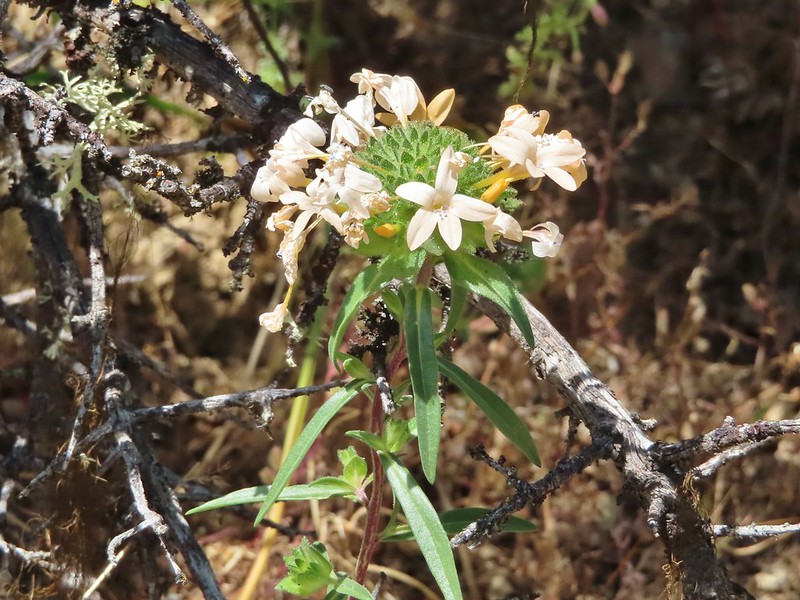 Grand collomia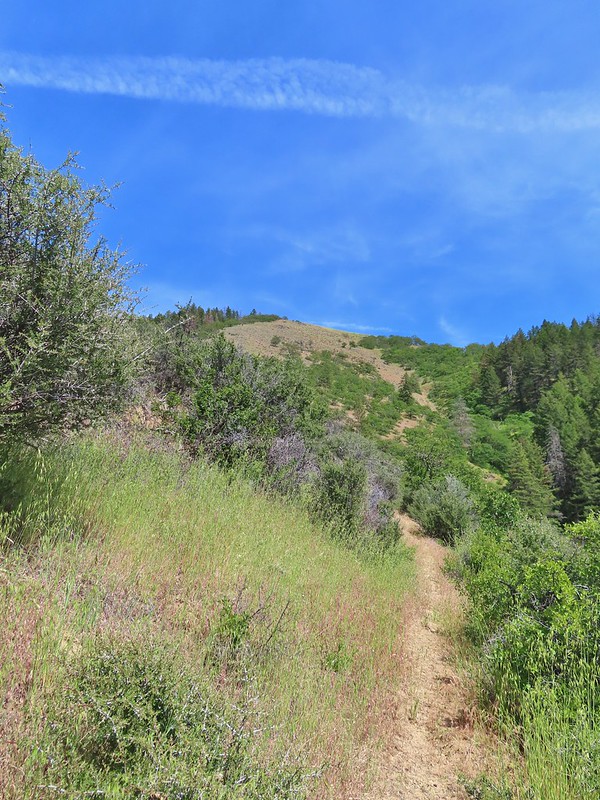
 Penstemon
 A brief section of shade.
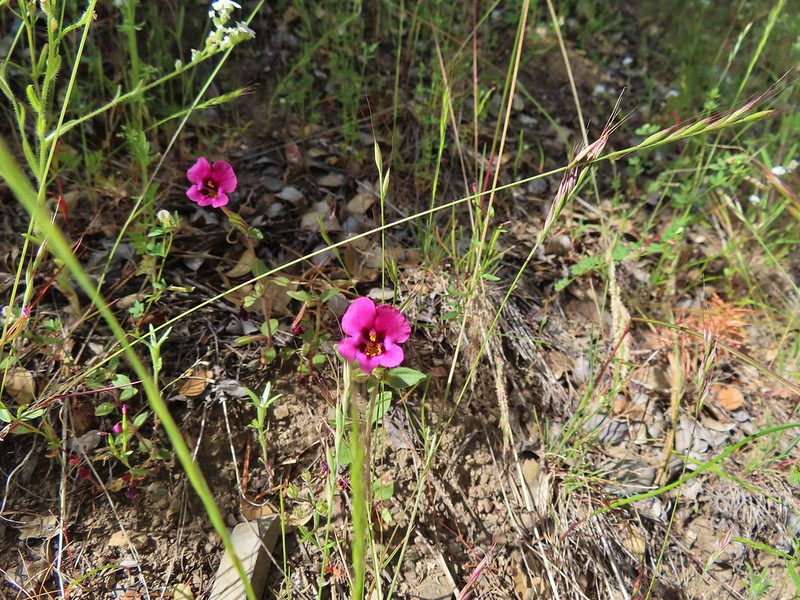 Dwarf purple monkeyflower
 I needed to get just below the lone tree on the ridge in the distance.
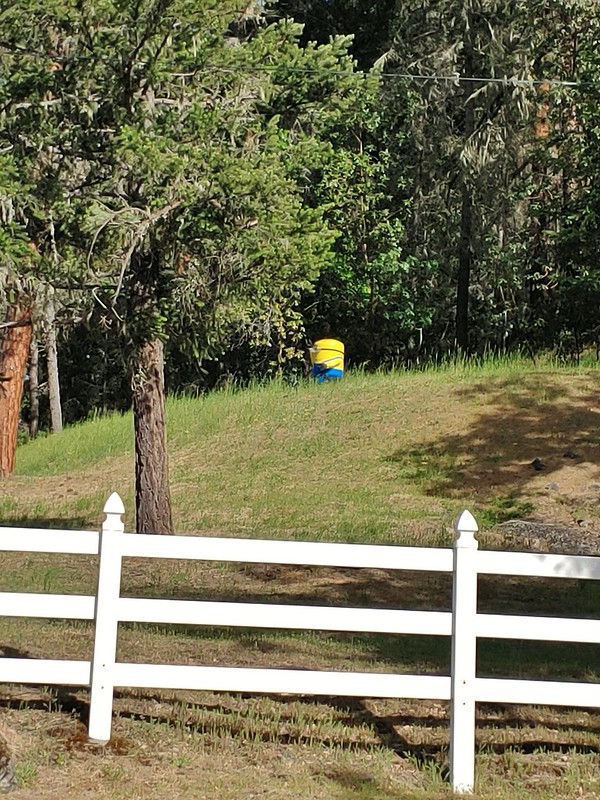 A random Minion in a field.
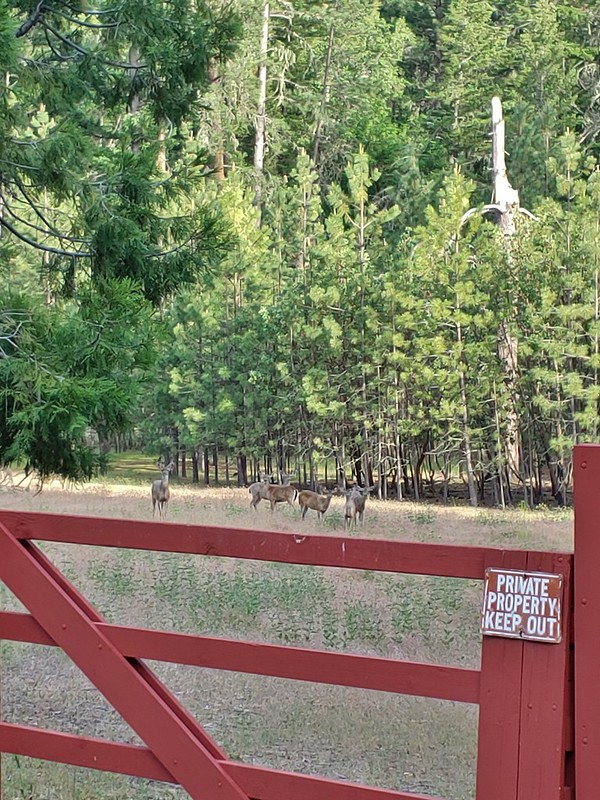 Deer along the road.
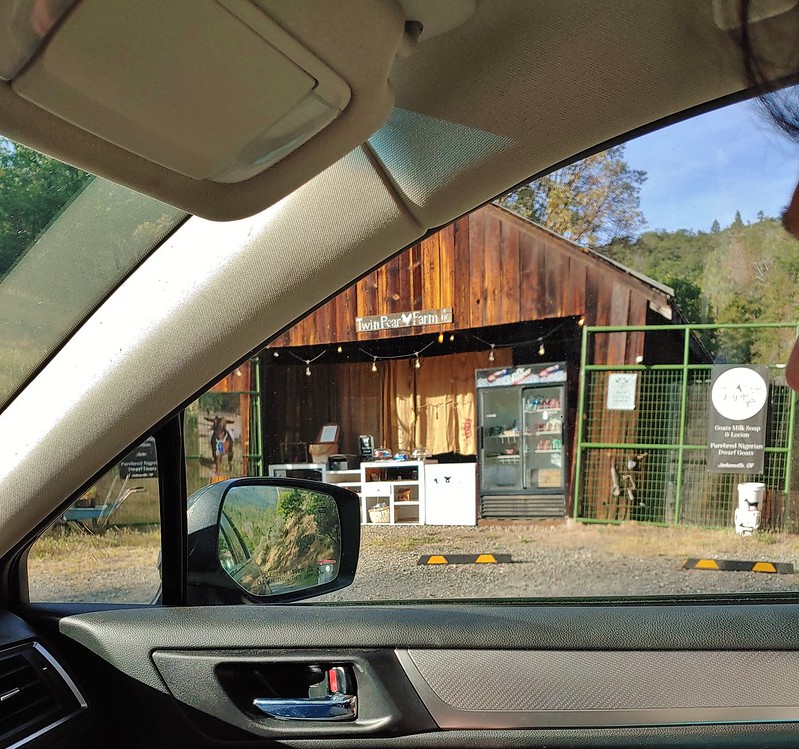 The Twin Pear Farm on the way back by.


 Peat Swamp Trail.

 One of the two otters that were swimming in the wetlands.
 Mallard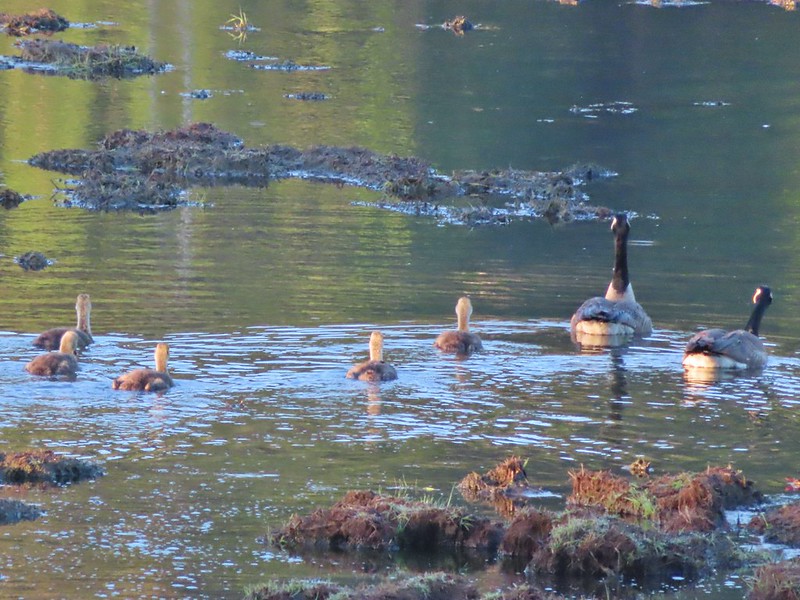
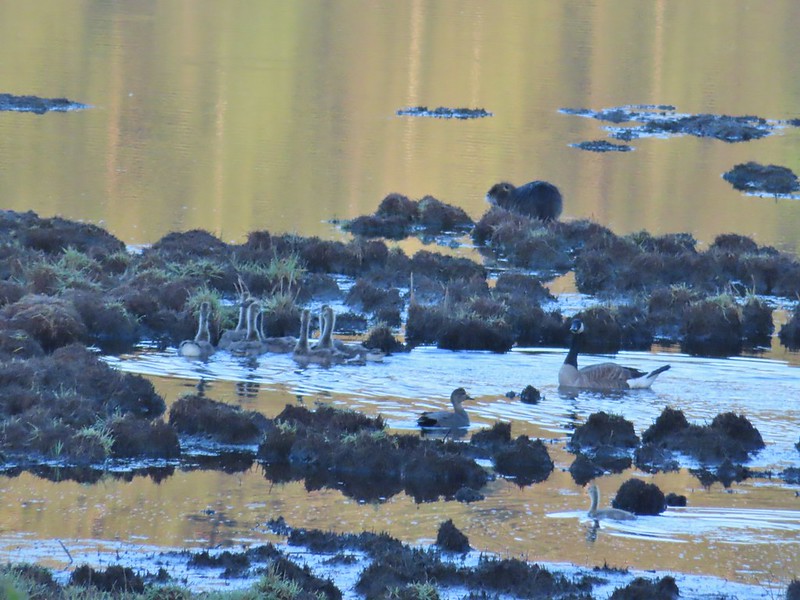 The gadwall amid a family of Canada geese. When we got home and looked closer at the picture we realized that one of the round shapes we took for a clump of mud was actually an animal. We can’t make out the tail to know for sure whether it was a beaver or a nutria but we’d like to think it was another beaver.
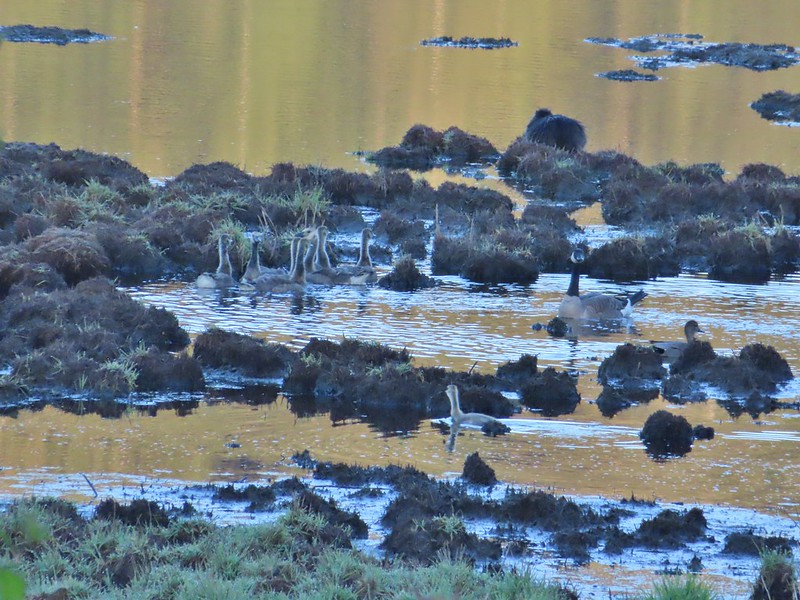 The beaver? turned a bit in this photo but we still couldn’t make out the tail. It does appear relatively large when compared to the adult goose though.


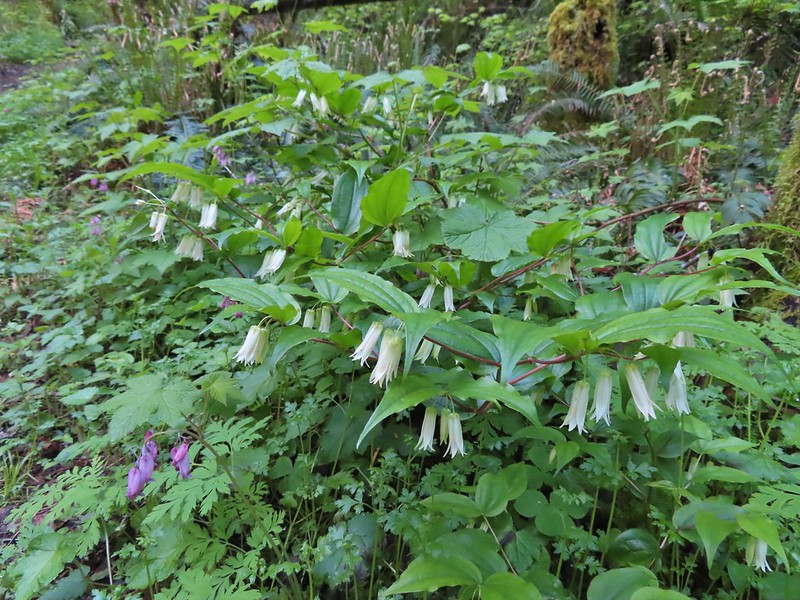 Fairy bells and bleeding heart.
 Elk Creek below the trail.
 Junction with the Elk Mountain Trail


 Paintbrush
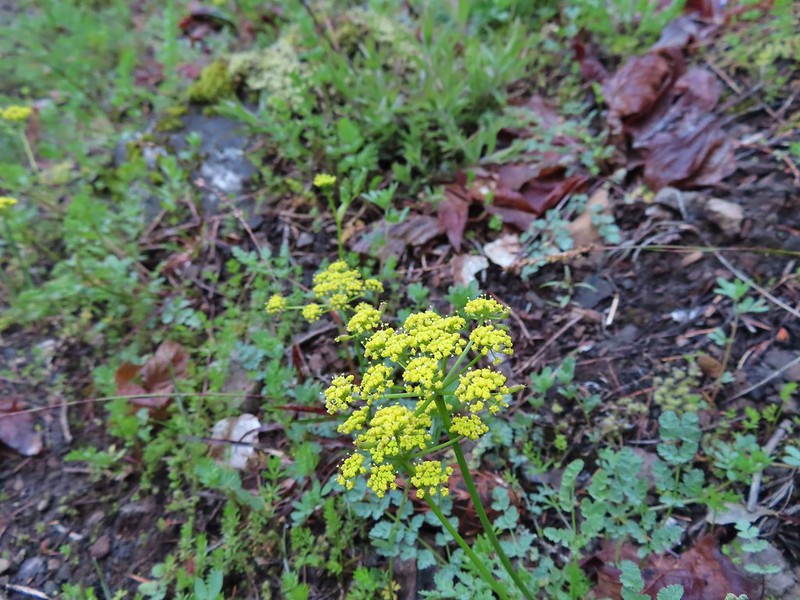 Parsley
 Blue-eyed Mary
 Viewpoint along the Elk Mountain Trail.
 The blue sky is up there.
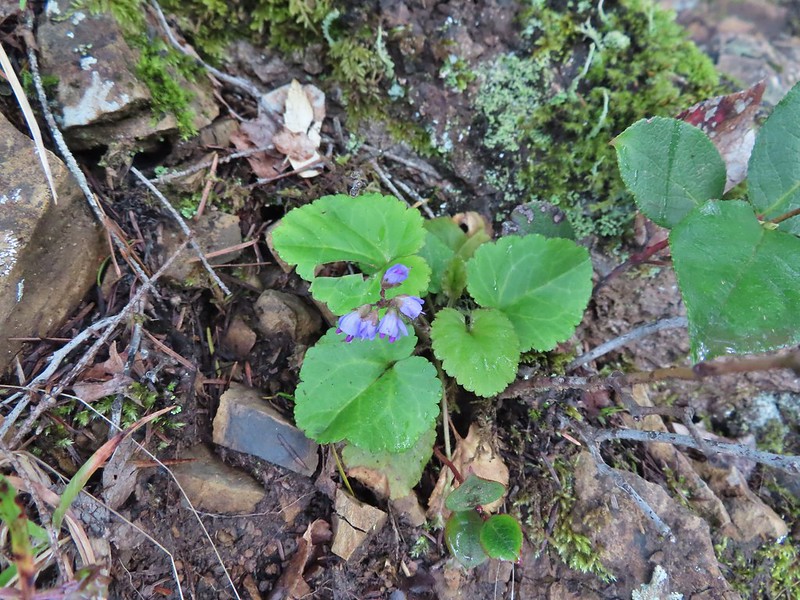 Snow queen
 The trail was as steep and rough as we’d remembered.

 White service berry blossoms and a huckleberry plant.
 Violet
 Red-flowering currant
 Trillium
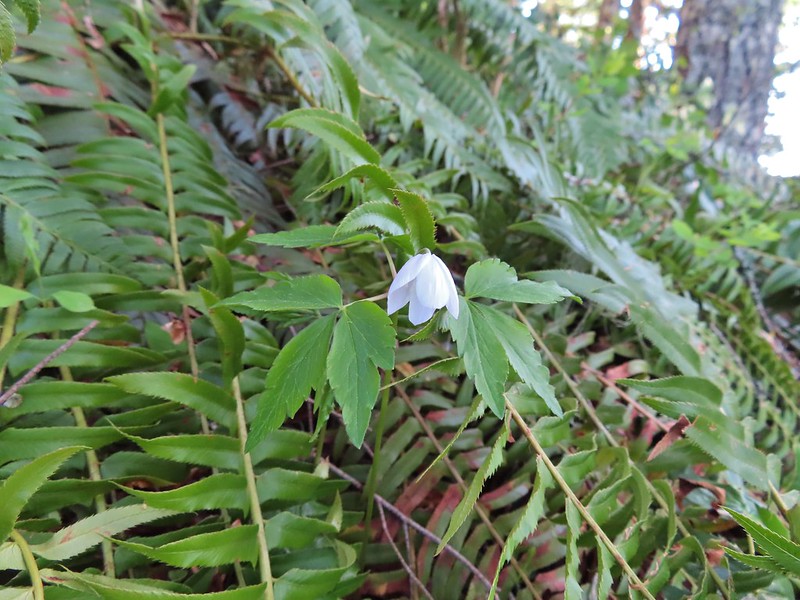 Anemone
 Monkeyflower
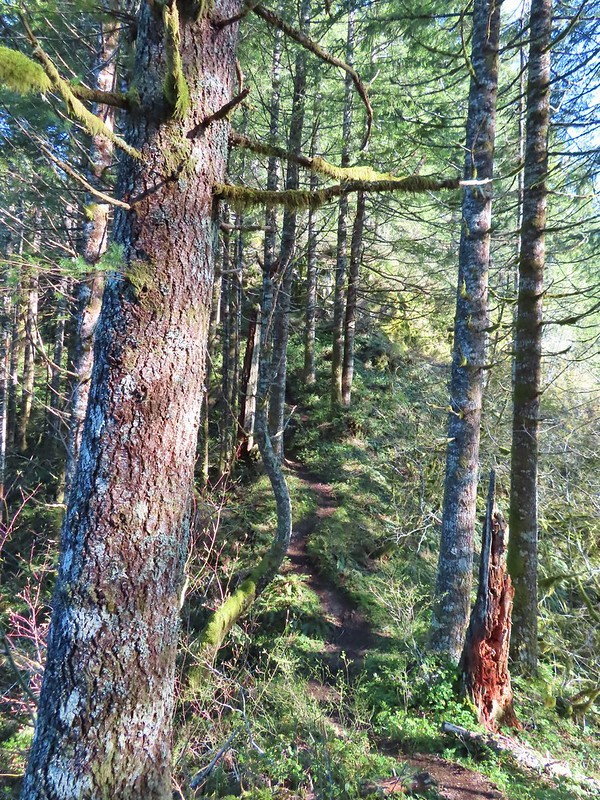 One of the saddles.
 Chocolate lily
 Elk Mountain summit.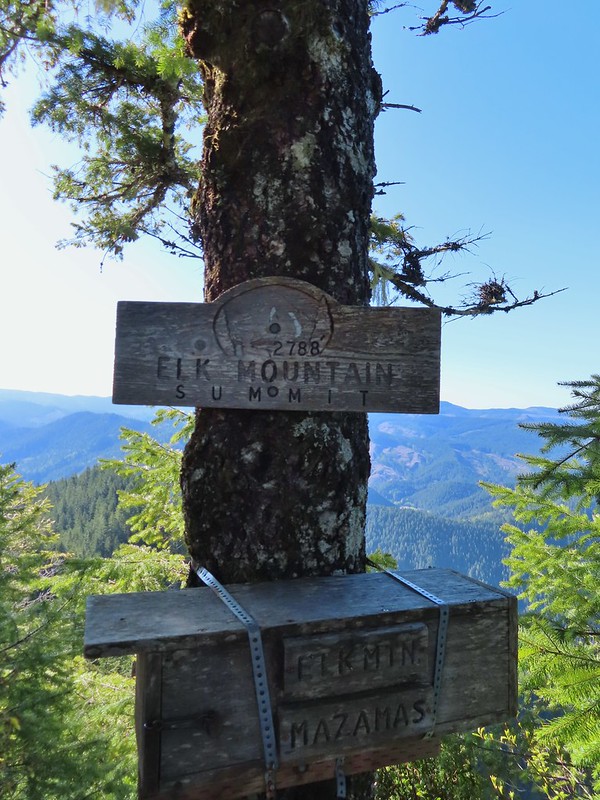
 Kings Mountain from Elk Mountain.
 Wilson River
 Pacific Ocean
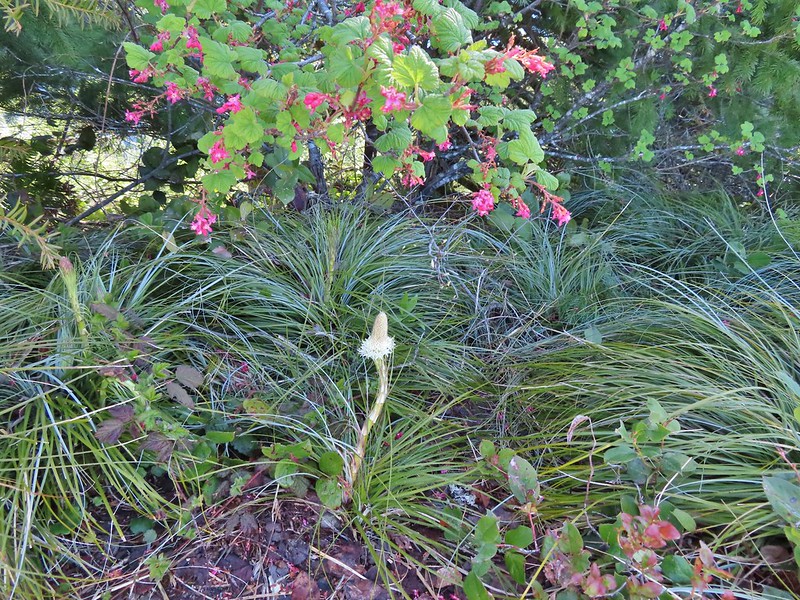 The blooming beargrass below some red-flowering currant.
 Beargrass
 Looking down the trail.
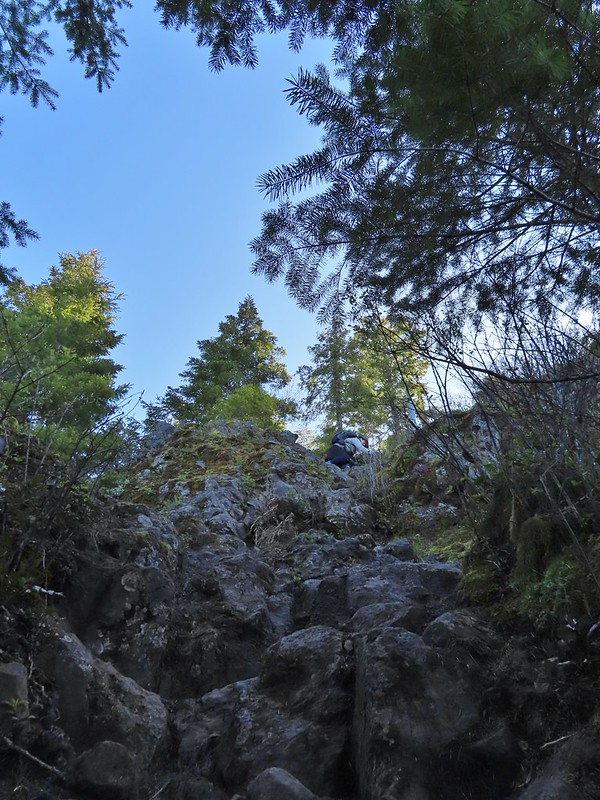 Heather on her way down.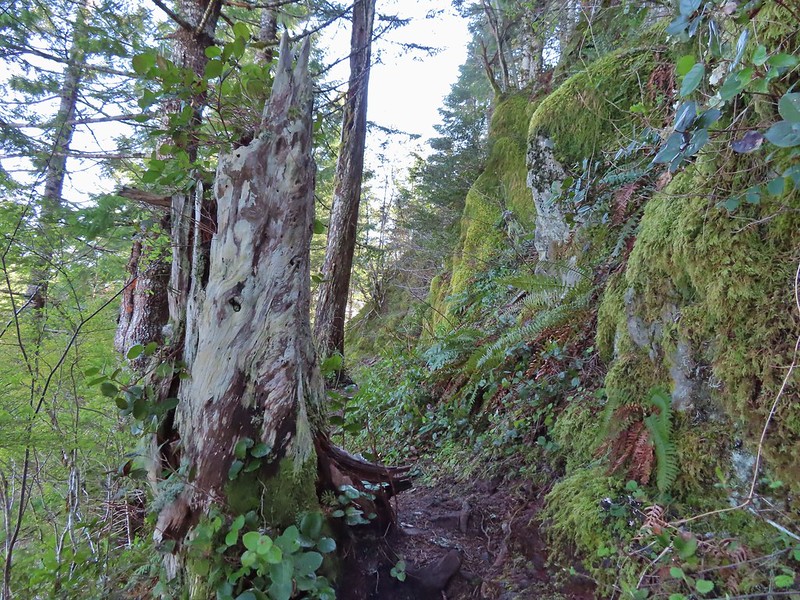
 On the ridge.
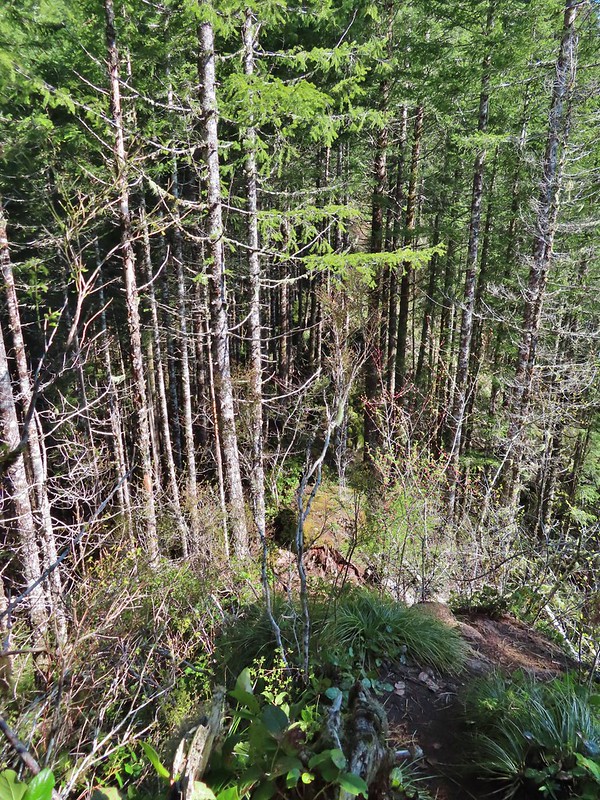 Dropping down to a saddle along the ridge.
 Mercifully on the old roadbed.
 A clump of trillium.
 Little moth.
 Getting closer to Kings Mountain.
 Paintbrush
 Coming up to the junction.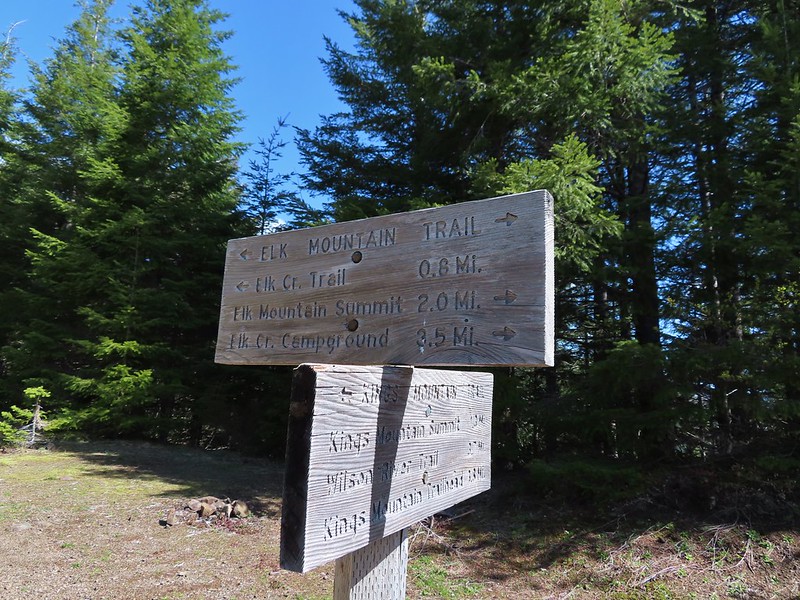
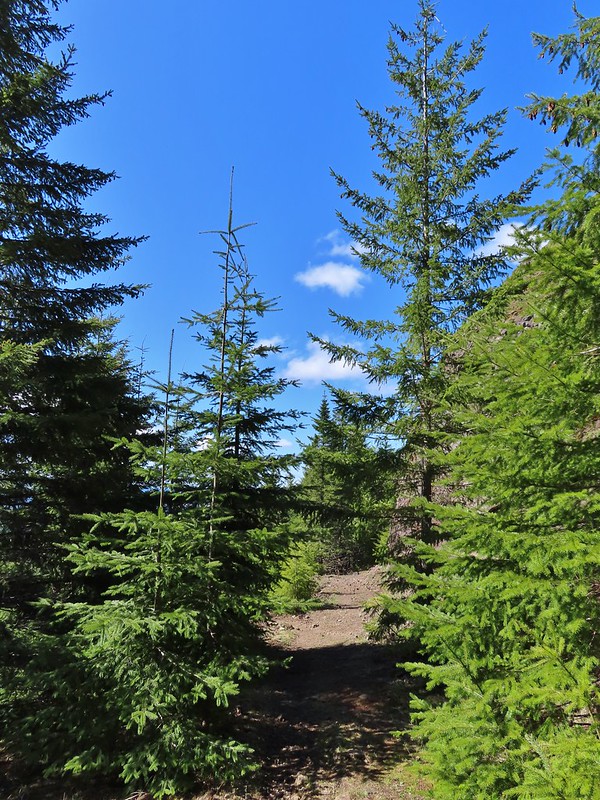
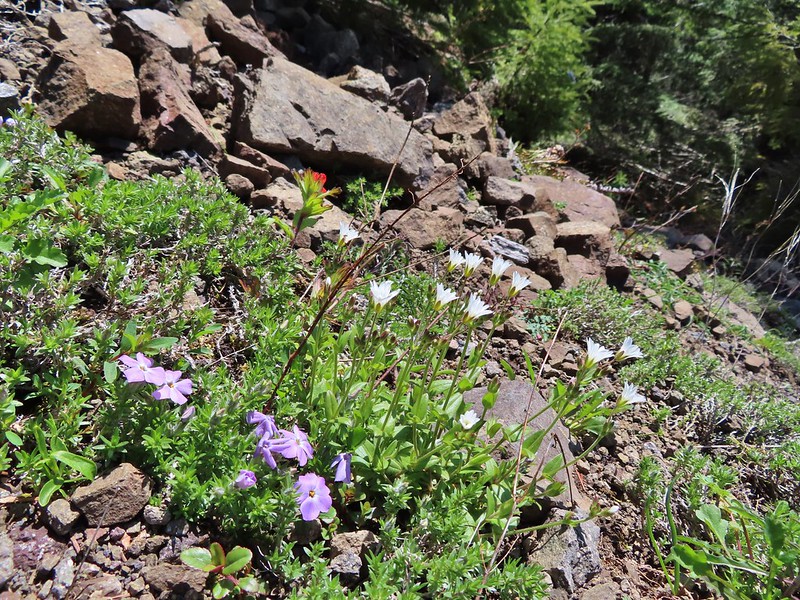 Phlox, paintbrush, and chickweed.
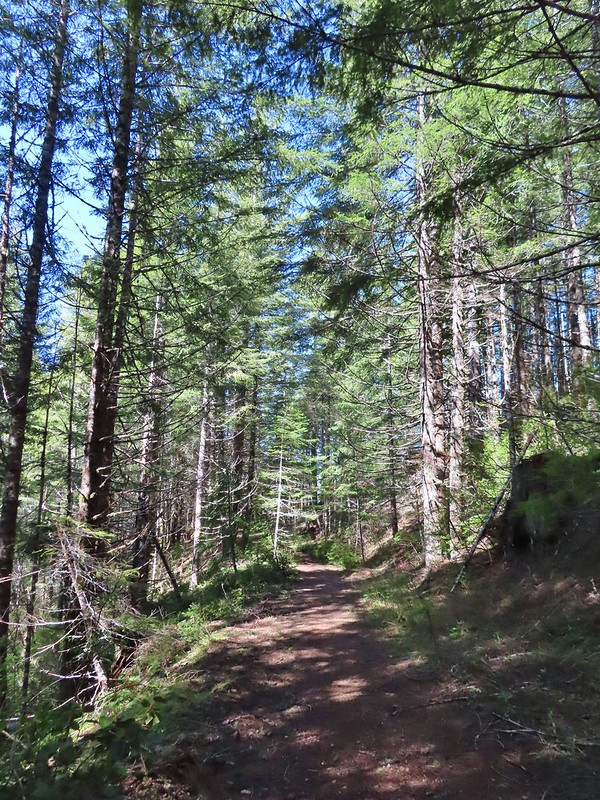 Still on the old road.
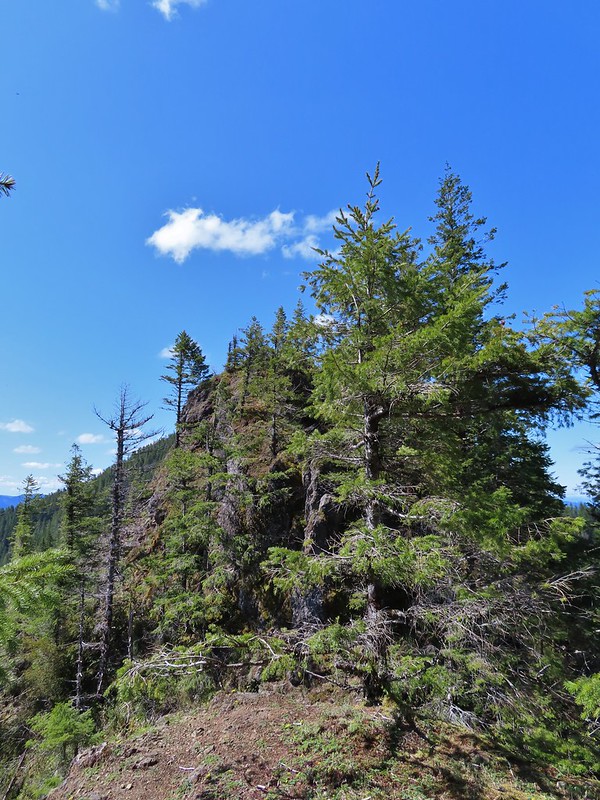 At the ridge end above the saddle, the trail dropped down to the left then through the saddle.
 Below the outcrop headed to the saddle.
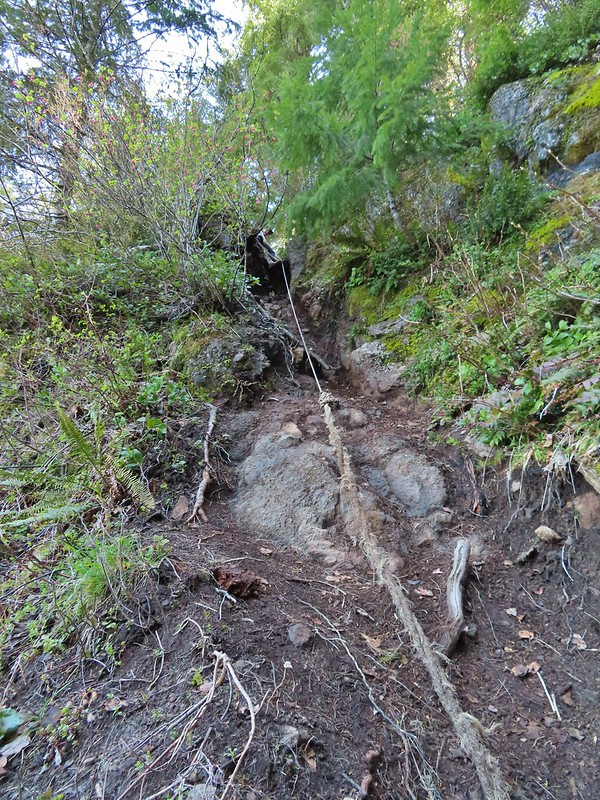 Heather getting ready to start down.
 The chute in 2010.
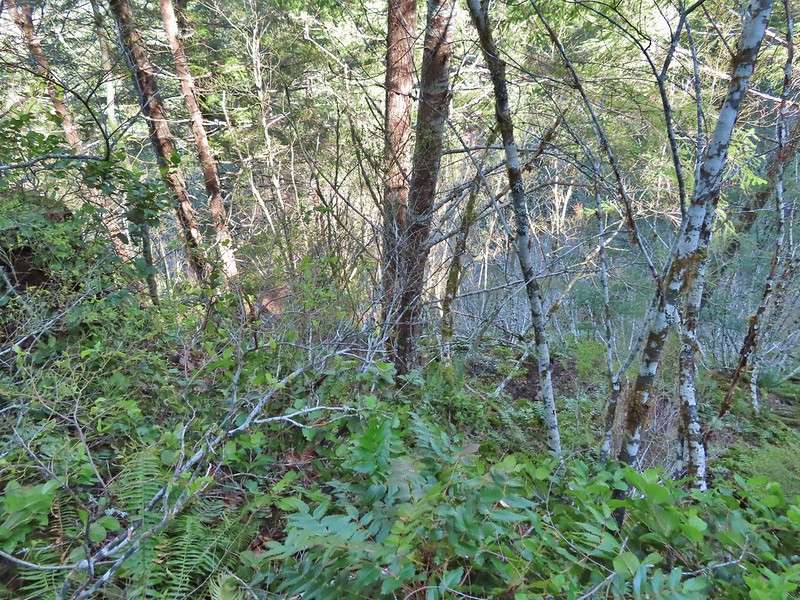 The trail is down there somewhere.
 Trillium
 Bleeding heart
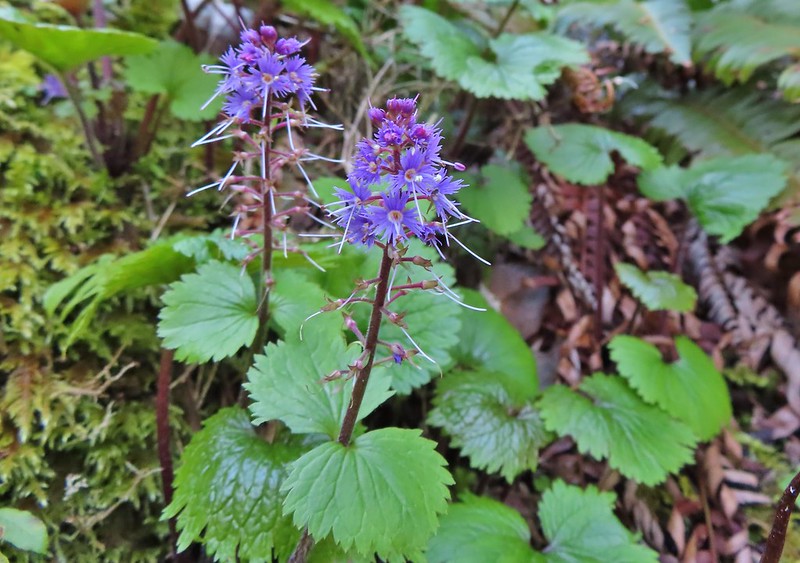 Fringed kitten-tails
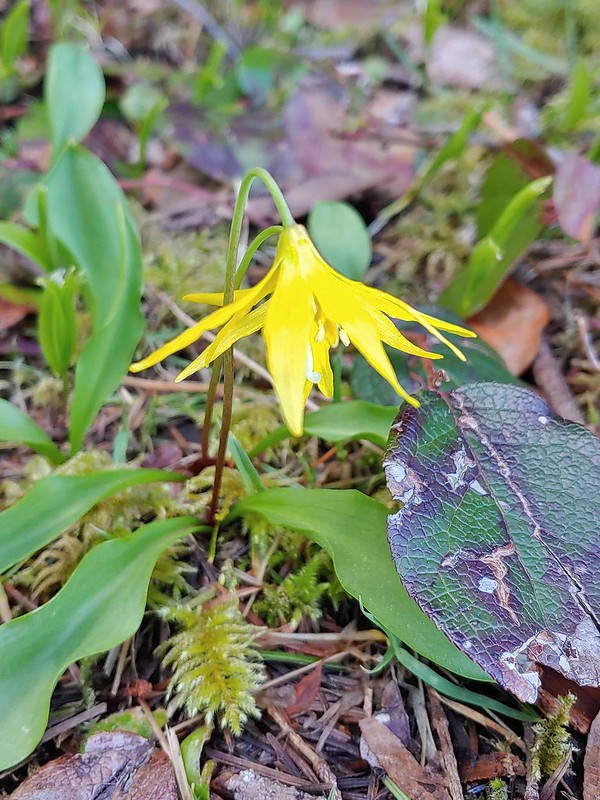 Glacier lily
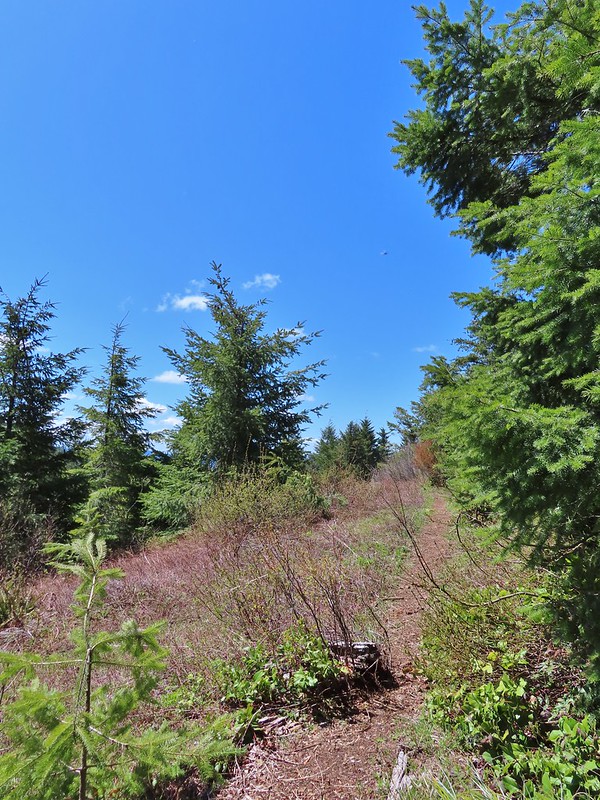 Coming up to the high point.
 Kings Mountain
 View SE from the high point.
 Dropping to the last saddle.
 Summit register at Kings Mountain.
 Pacific Ocean in the distance.
 View north.
 Other hikers at the summit.
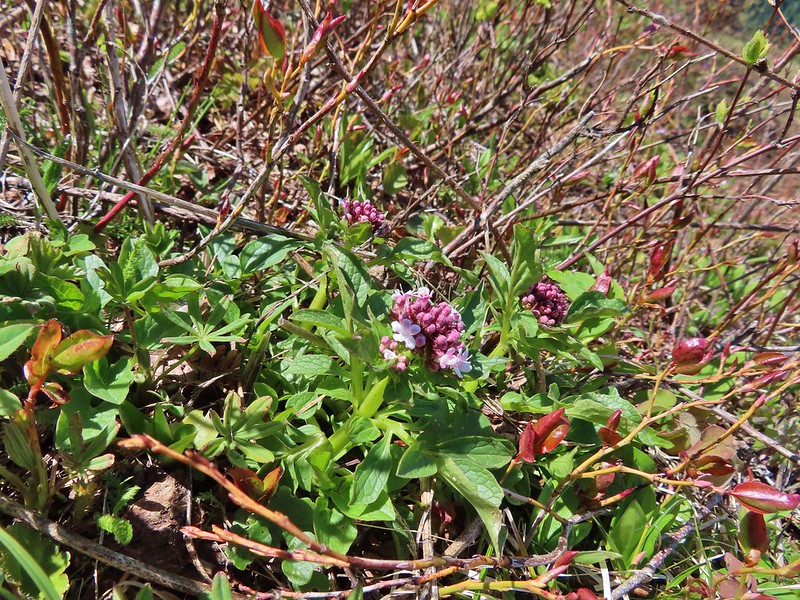 Valerian
 Saxifrage, possibly Saddle Mountain saxifrage.
 Phlox, paintbrush, parsley, blue-eyed Mary, and chickweed.
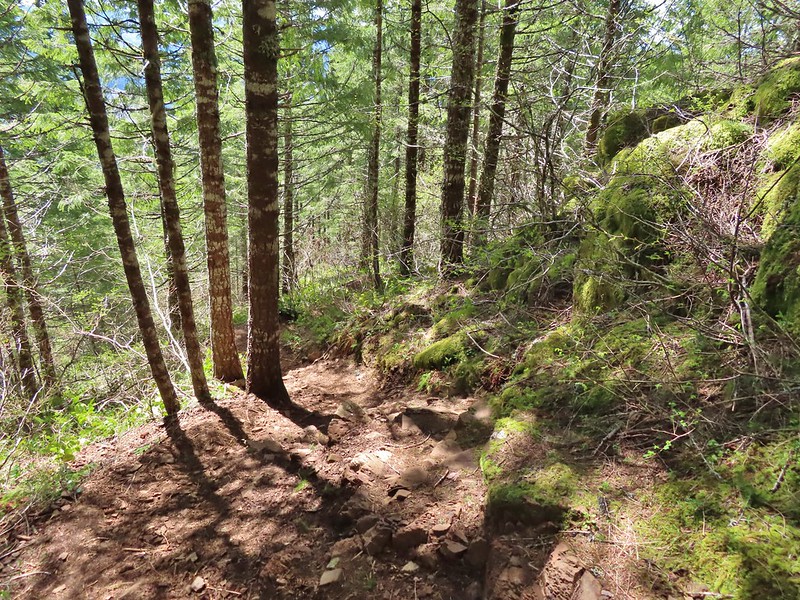 One of the rougher sections.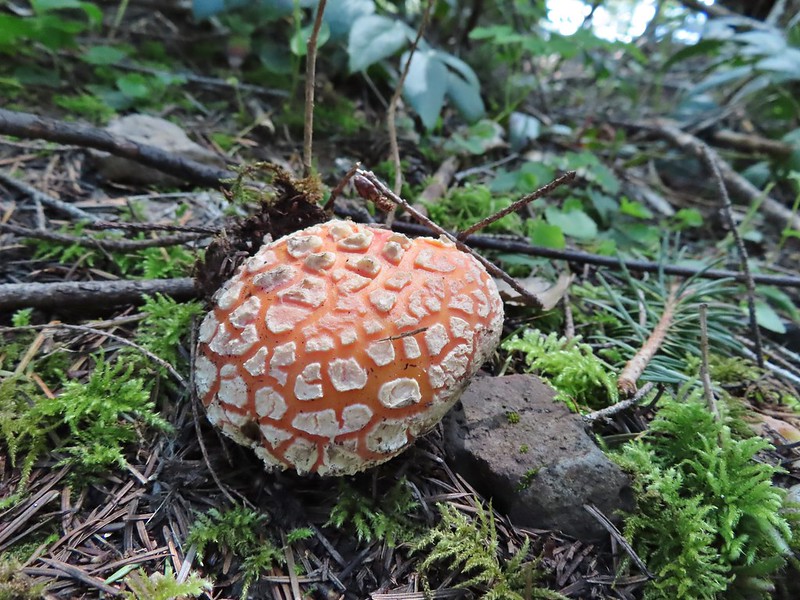

 Wood sorrel
 Woodland buttercup and candy flower.
 The 4-way junction.
 Dog Creek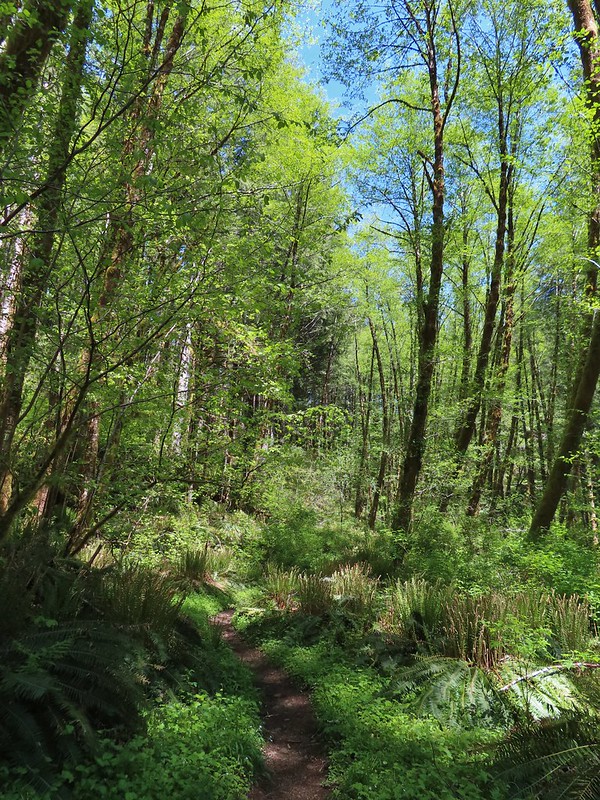


 One of the smaller streams.
 Monkey flower
 Lily that will bloom in a few weeks.
 Fringecup
 Coming up on a footbridge across Big Creek.
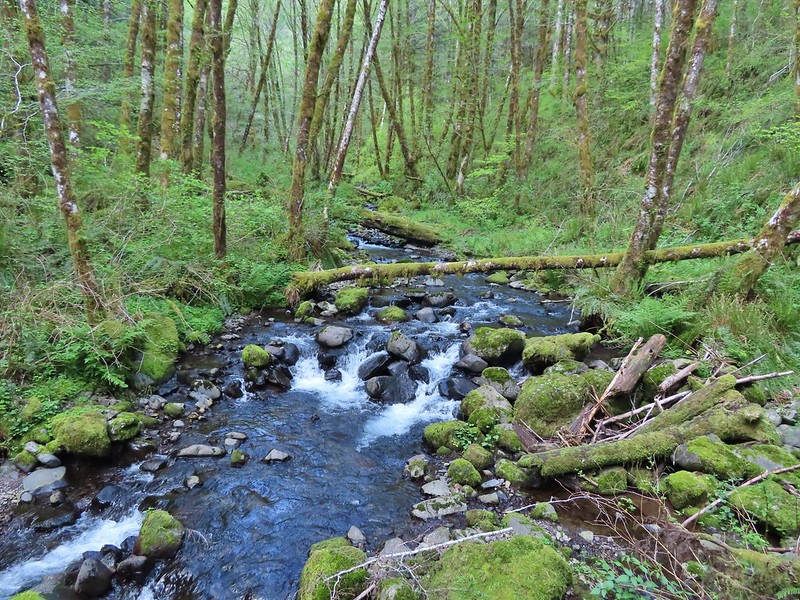 Big Creek
 Pacific waterleaf
 Steadily climbing.
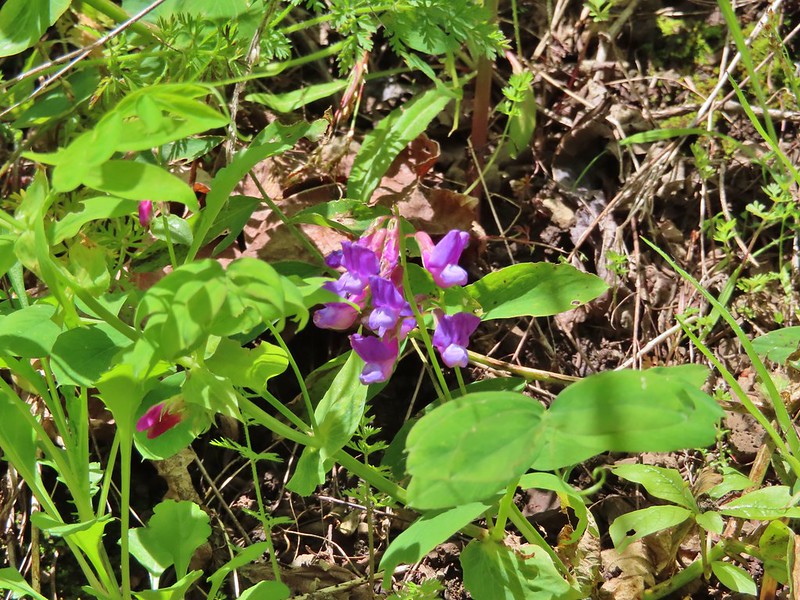 A pea or vetch.
 Unnamed stream crossing.
 Miterwort
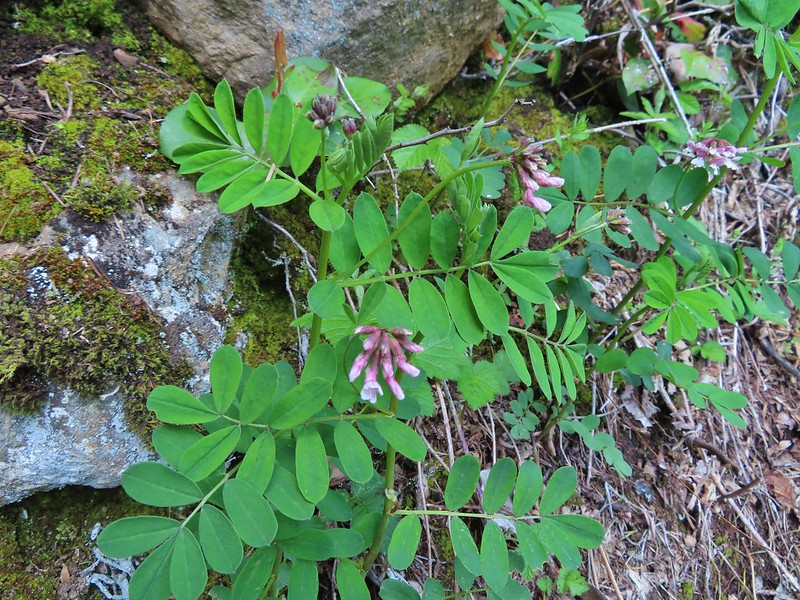 Rosy Birdsfoot Trefoil
 The third type of monkey flower we saw on the day.
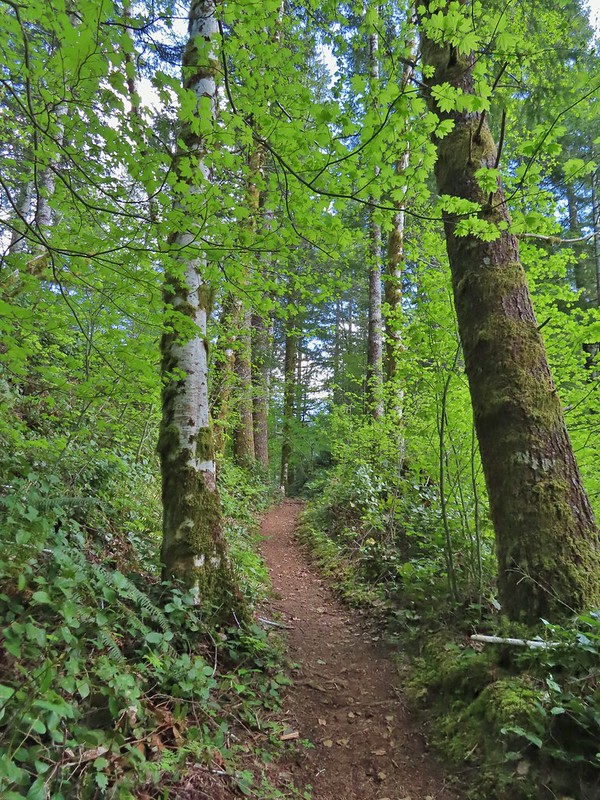 The junction is on the saddle ahead.
 Cars to the left through the trees, we made it.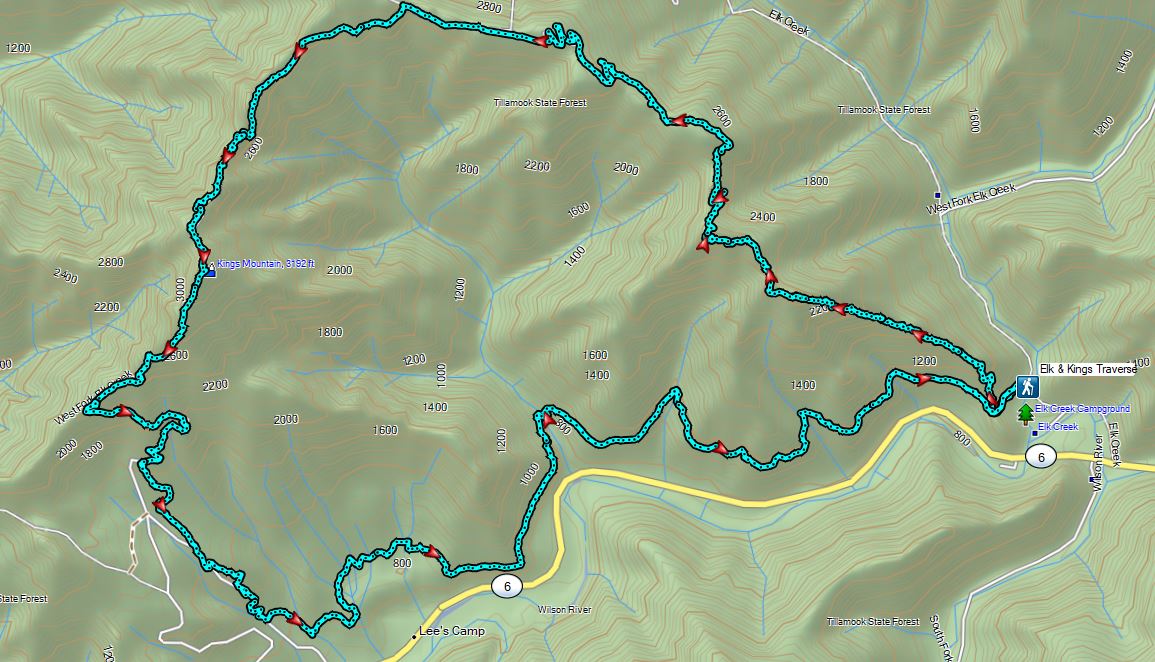


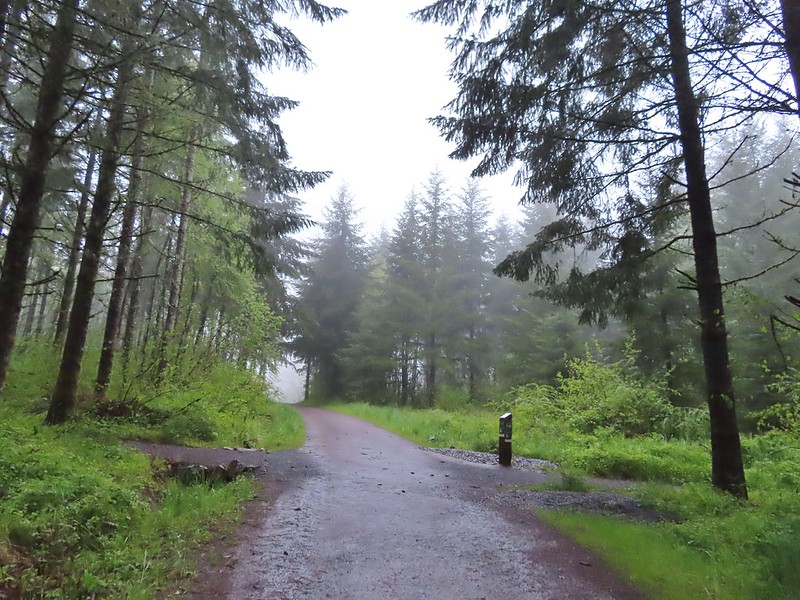
 The Castor (Spanish for beaver) Trail on the left, this was the only trail in the park that we didn’t hike on during our visit. It was always a left turn.
 Fawn lilies
 Our first right turn (left was a short connector to the Woodland Trail).
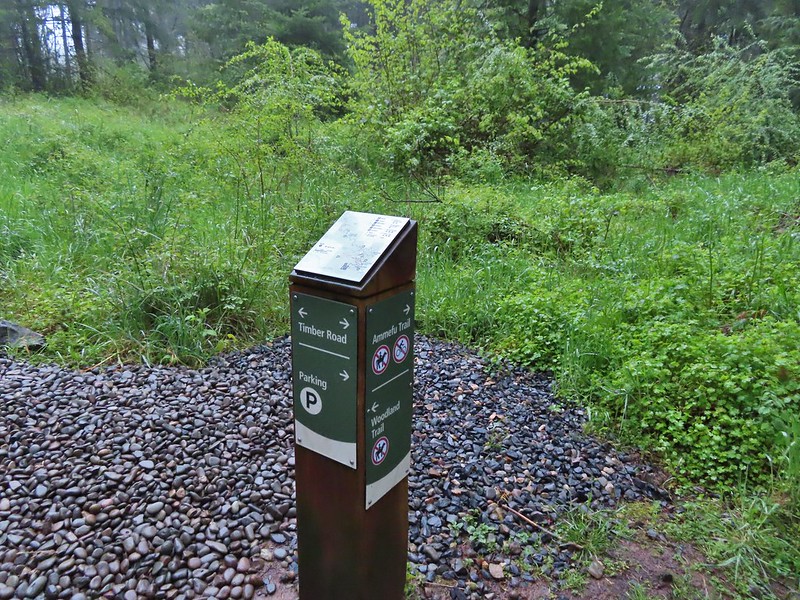 Again the posts and accompanying maps were some of the best trail identifiers we’ve run across.
 Bench at the viewpoint along the Ammefu Trail.
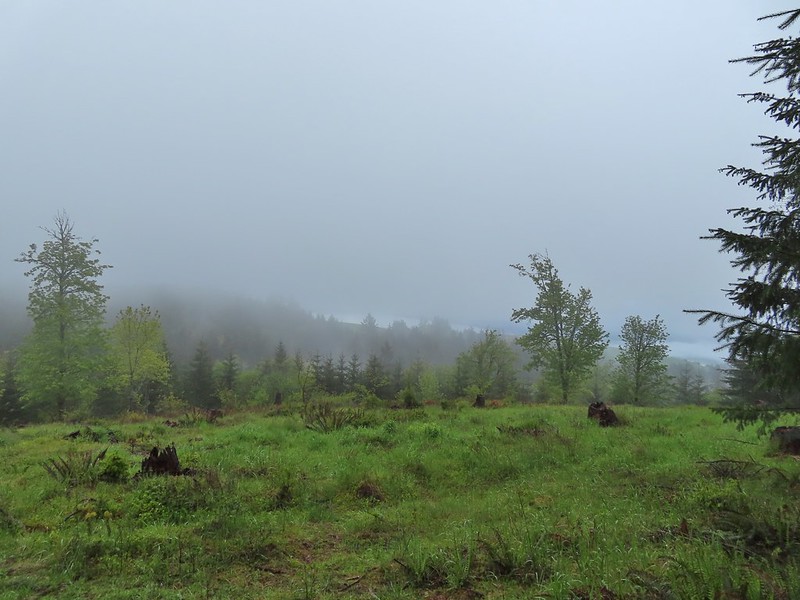 We had to imagine the view today.
 The second figure.
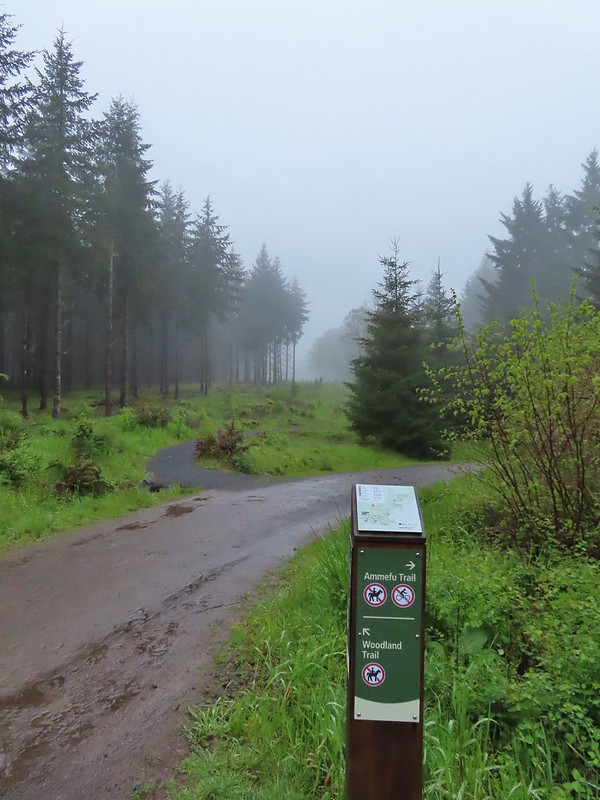 Back at the Timber Road and another short connector to the Woodland Trail.
 Fog on Timber Road
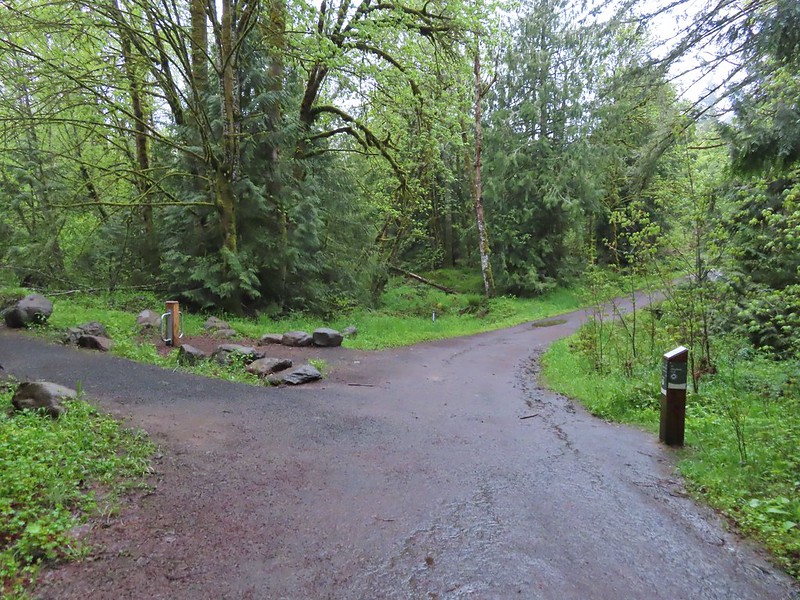 Passing the Woodland Trail on the left which would be our right turn on the way back.
 Christensen Creek
 Right turn for the Ayeekwa and Witches Butter Trails.
 Witchs Butter on the left and Ayeekwa on the right.
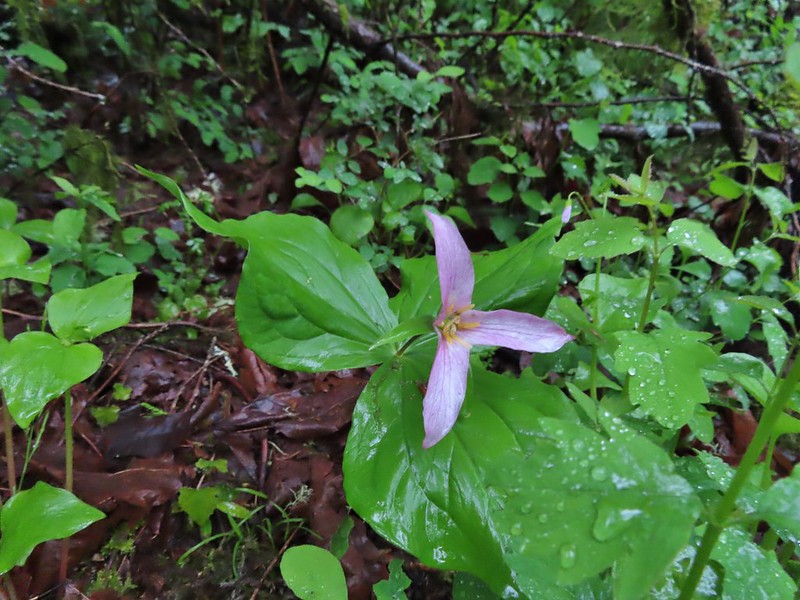 Trillium
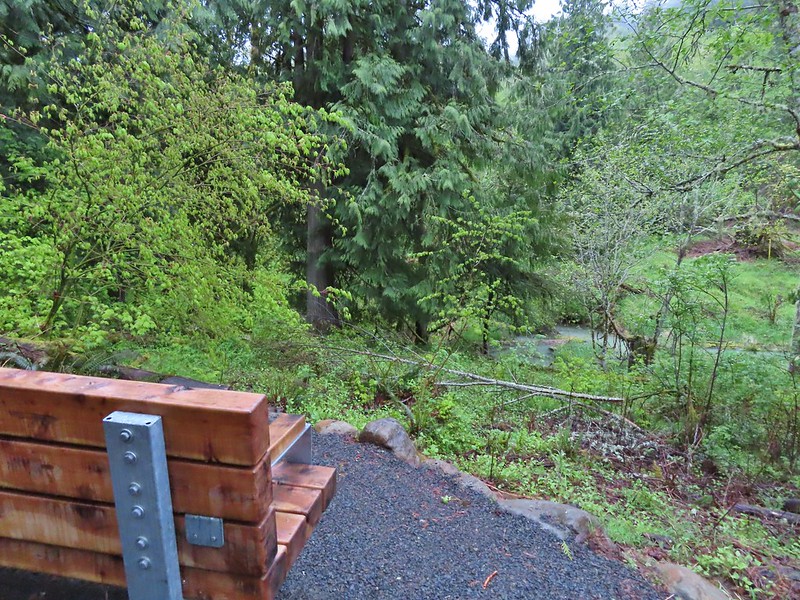 Another bench, this one overlooked Christensen Creek.
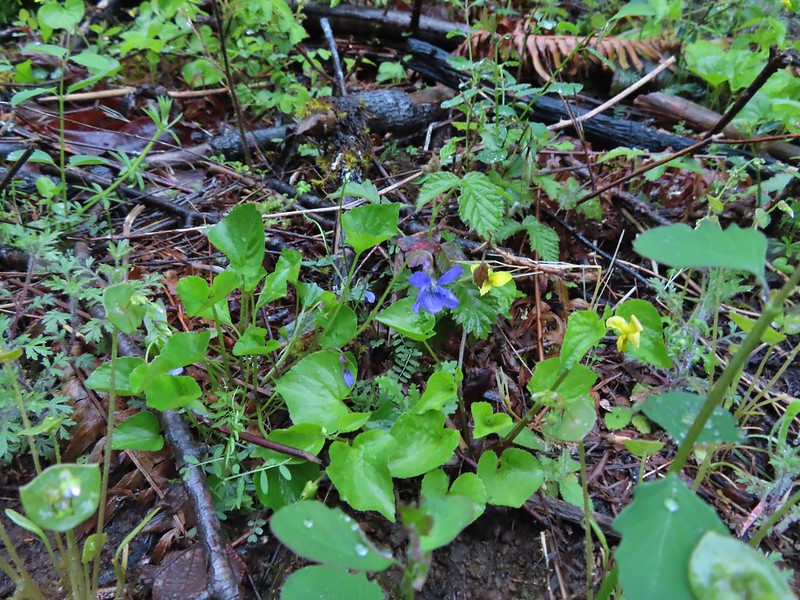 Common blue violet
 Pioneer violets and a strawberry blossom.
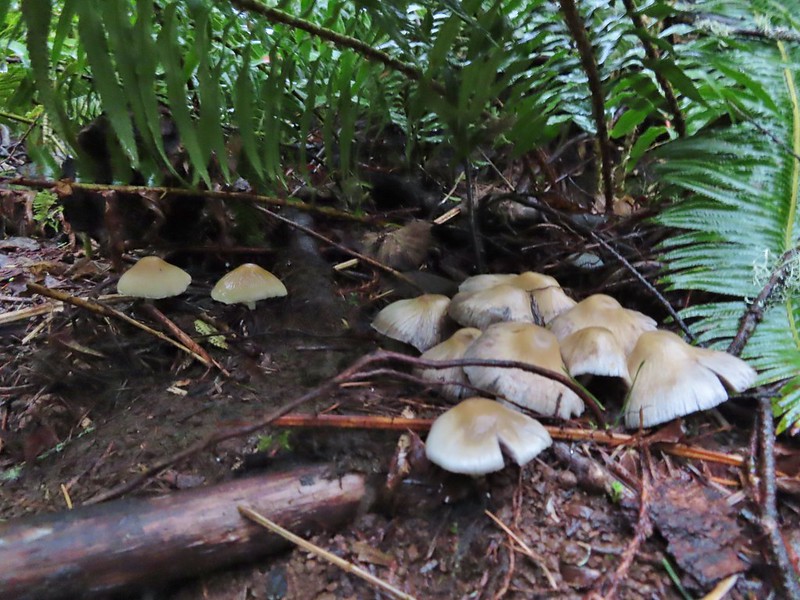 Mushrooms under a fern.
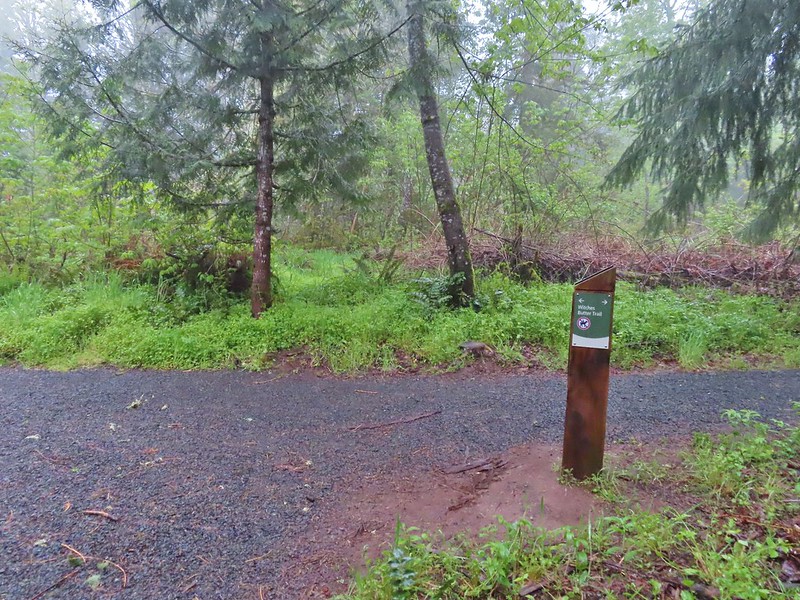 Popping out on the Witches Butter Trail.
 Witches Butter Trail
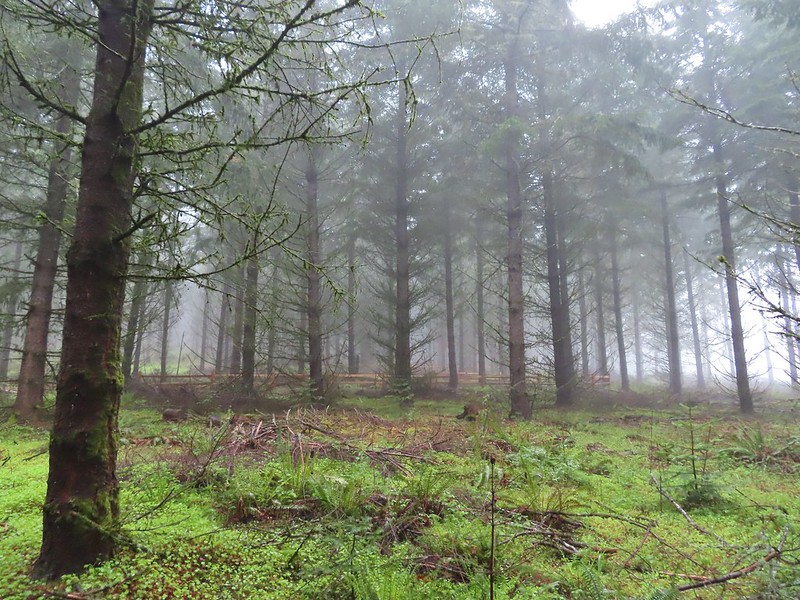 Witches Butter Trail winding through Douglas firs.
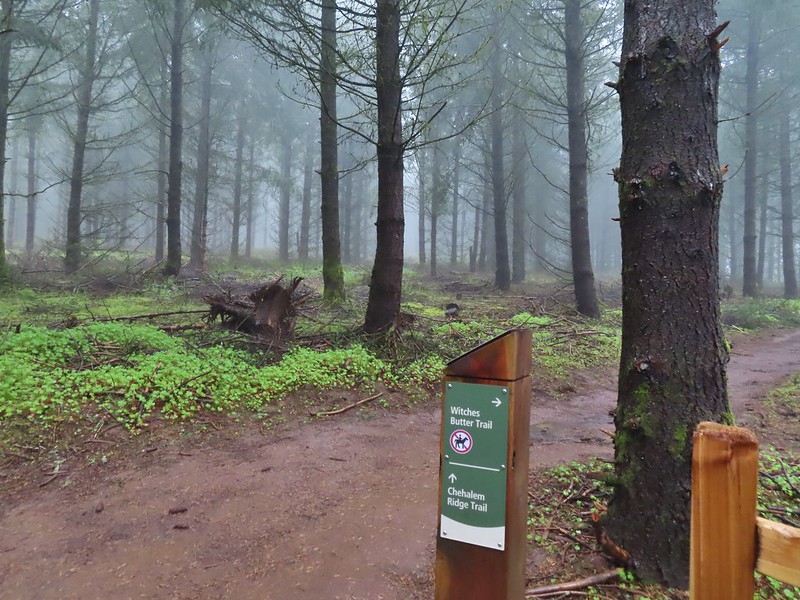 Turning right onto the Chehalem Ridge Trail.
 There was a little more mud on the Chehalem Ridge Trail.
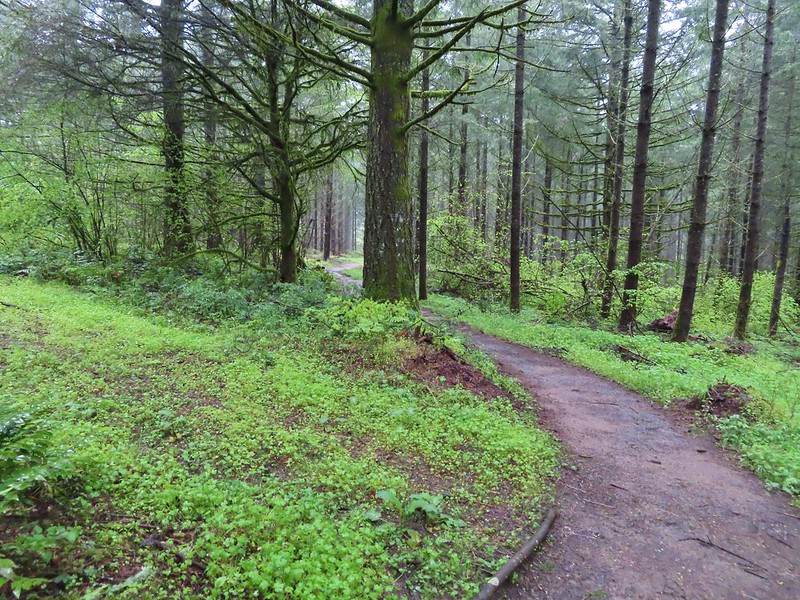 Spring green carpet.
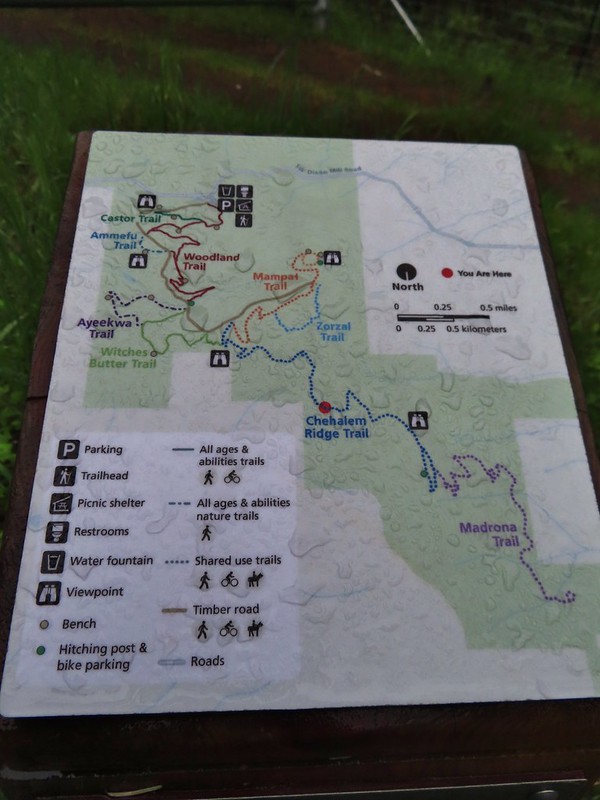 A good example of the differently oriented maps, on this one north is down.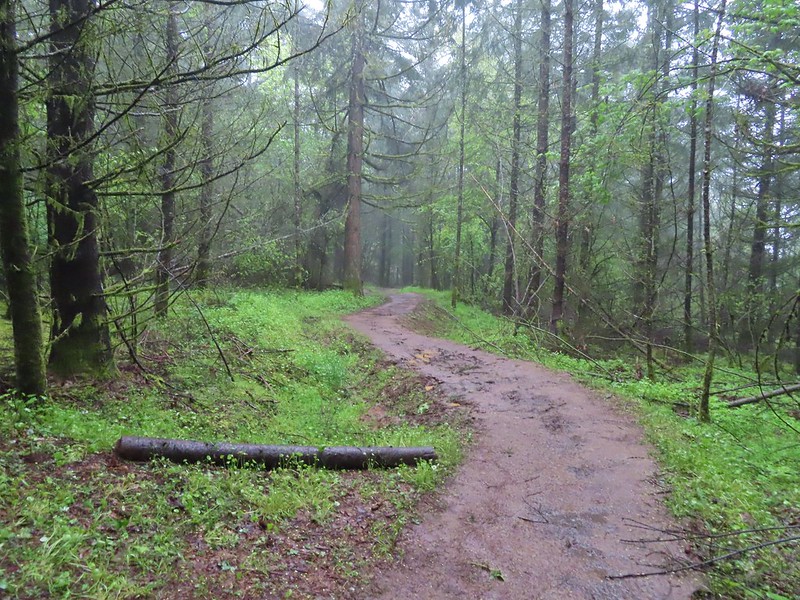
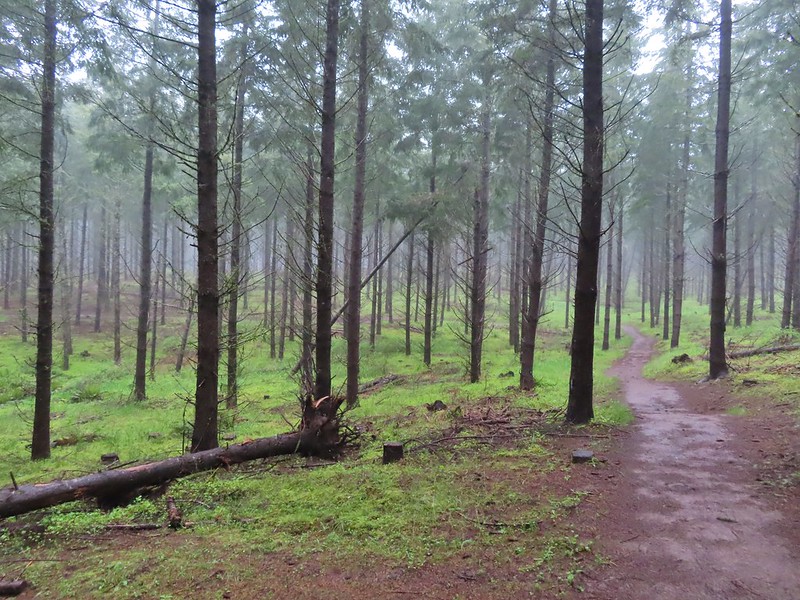 Another fir plantation. The land had been owned by a timber company prior to being purchased by Metro in 2010.
 Start of the Chehalem Ridge Loop. We went right which simply swung out along the hillside before dropping down to the Madrona Trail in 0.4 miles.

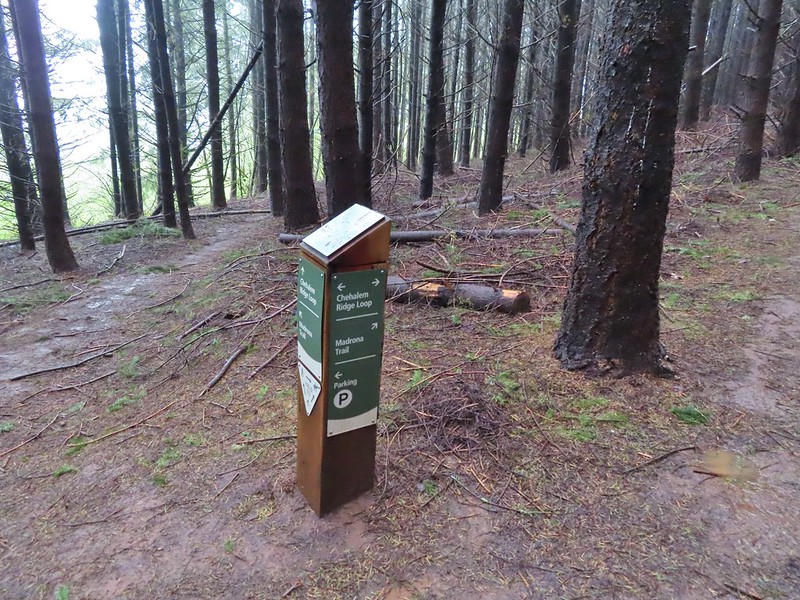 The loop continued to the left but we turned right onto the Madrona Trail.
 Still cloudy and gray but we’d experience very little if any precipitation yet.
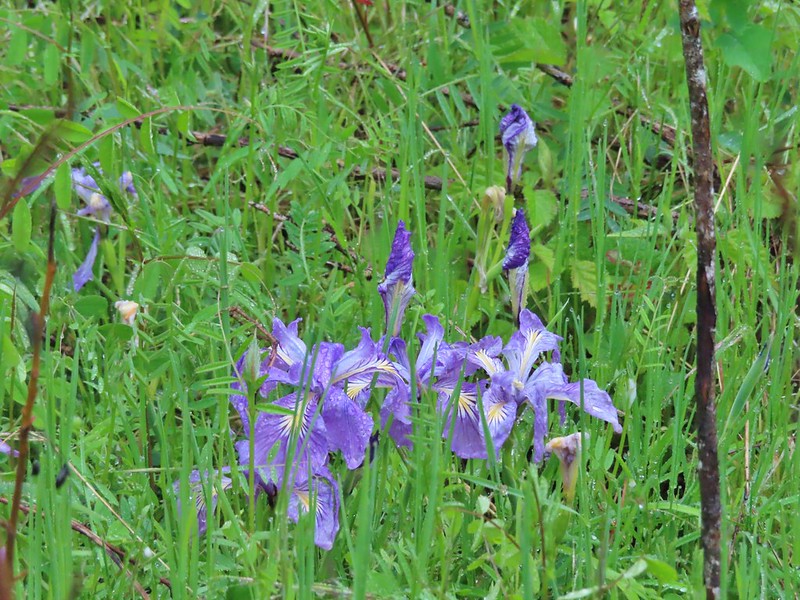 Lots of tough-leaved iris along this trail.
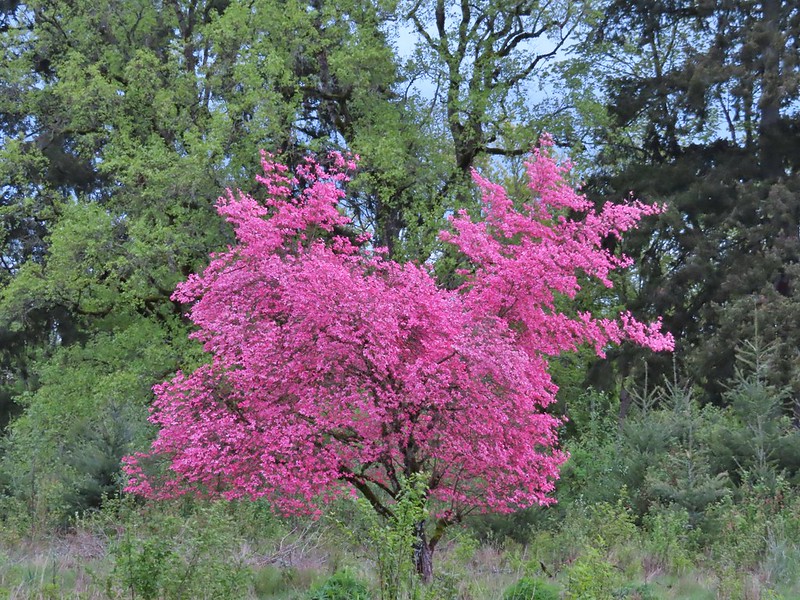
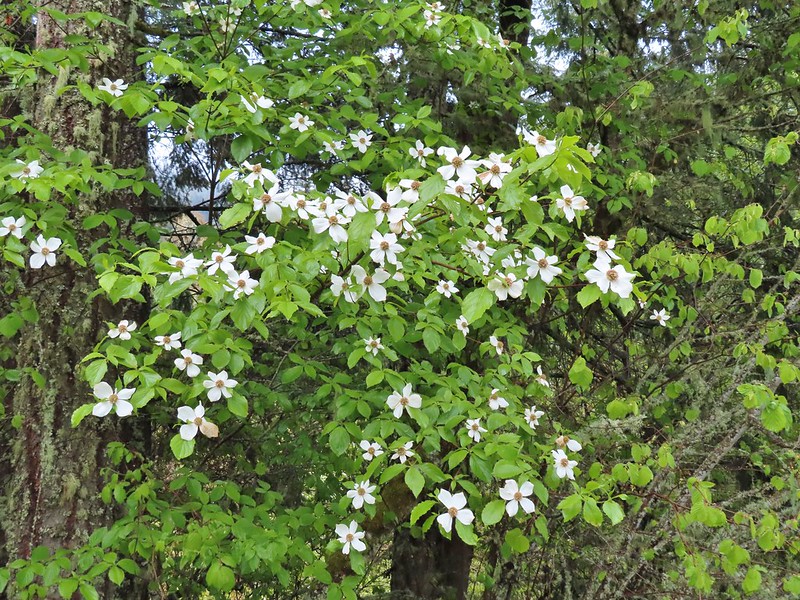 One of several blooming dogwood trees.
 View on the way down.
 Madrone trees began to be a common sight as we descended.
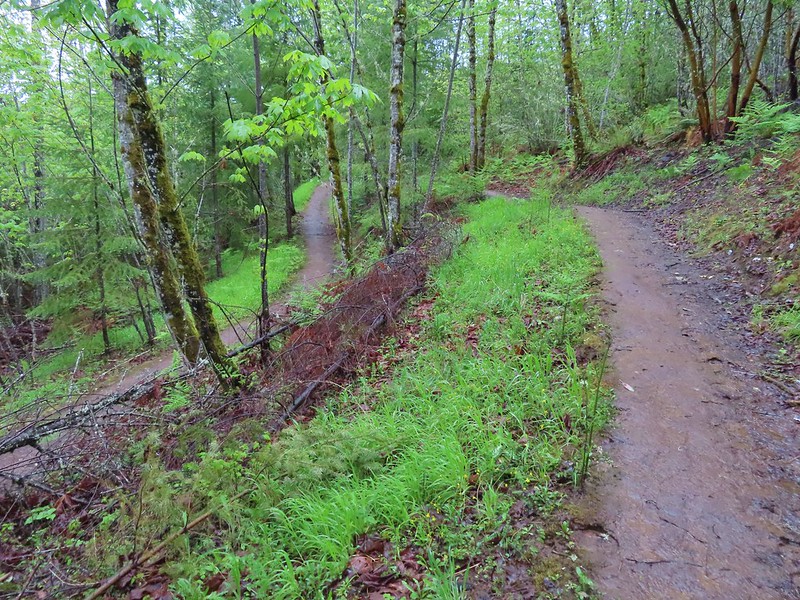 One of the 11 switchbacks.
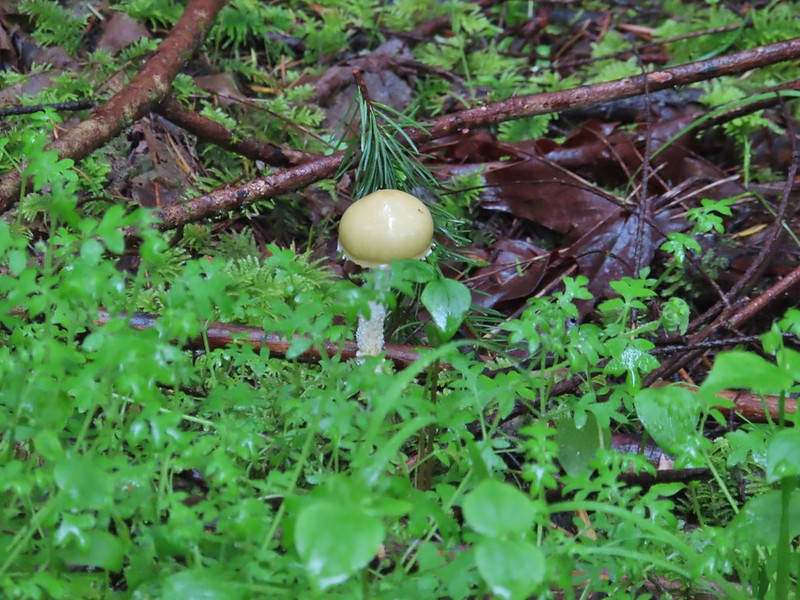 We hadn’t seen a lot of mushrooms recently but this hike had plenty.
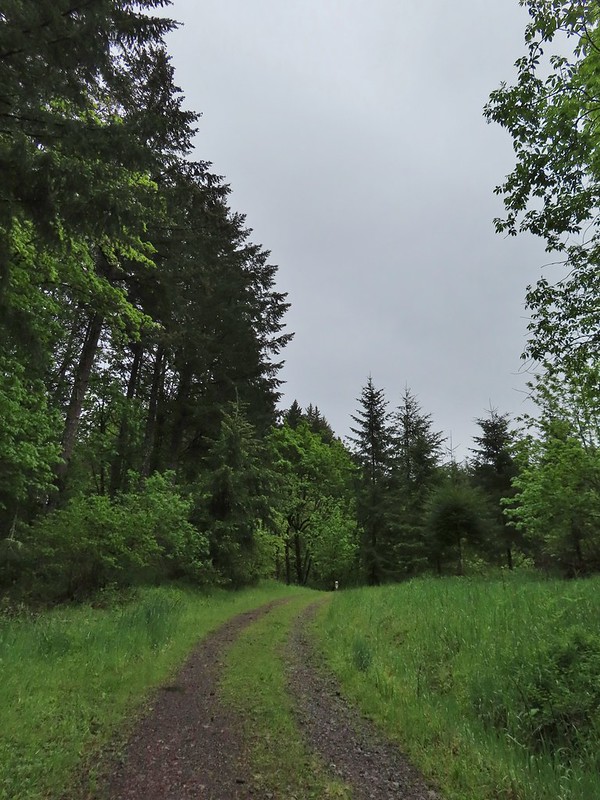 Following the roadbed.
 Aside from one other very small (3 in diameter) tree this was the only obstacle we encountered all day.
 The start of the loop along with several madrones.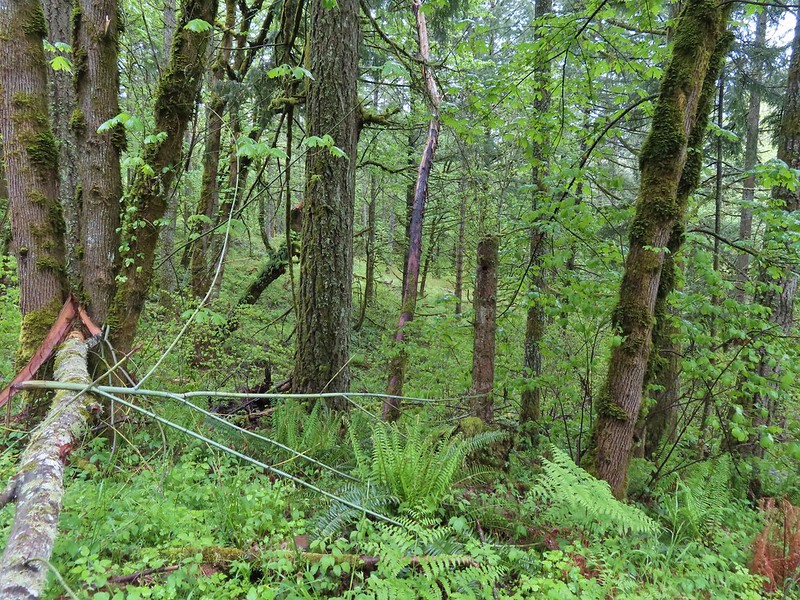


 The Tualatin Valley and Coast Range.
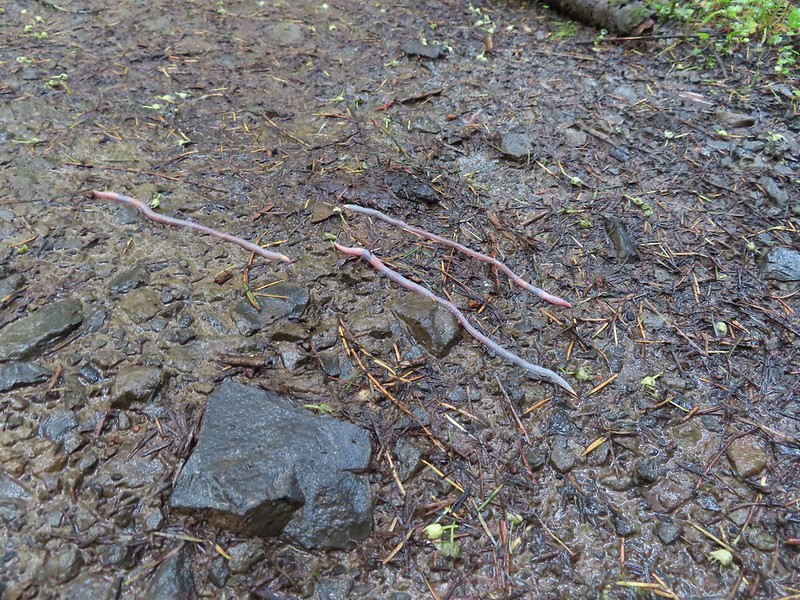 Either these worms were racing or it was a bird buffet. The rain had brought a lot of earthworms onto the trails.
 Another trail user a rough skinned newt.
 A closer look at the rough skinned newt.
 It had been so foggy when we had come up the Witches Butter Trail that we hadn’t realized that there was a giant green field nearby.
 The end of the Chehalem Ridge Trail with the Mampaꞎ Trail to the right and a very short connector to the Timber Road to the left.
 Sunlight hitting the Mampaꞎ Trail.
 Fairy slippers
 Squirrel
 The Zorzal Trail to the right.
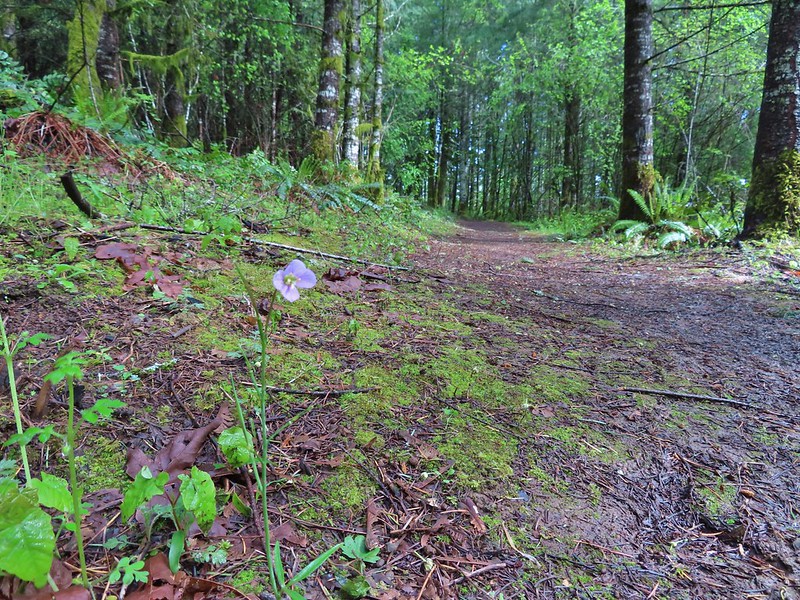 Toothwort along the Zorzal Trail.
 Stripped coralroot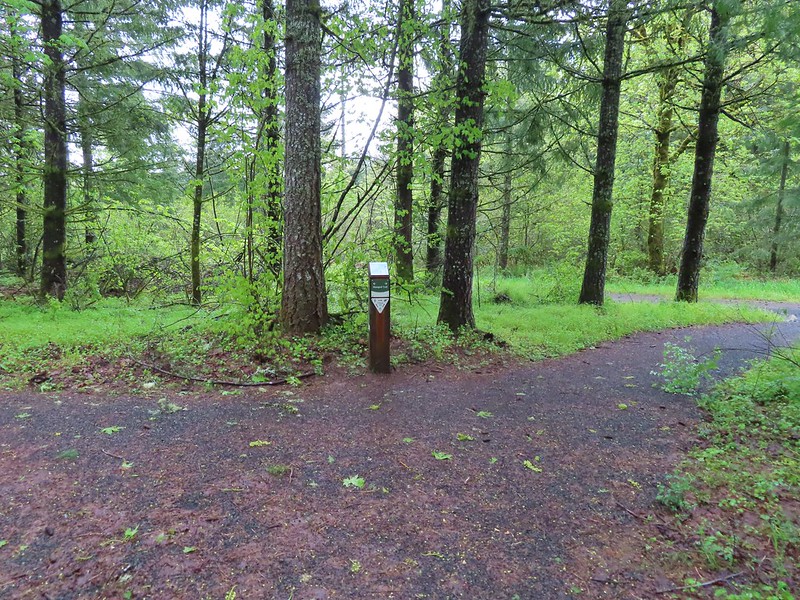


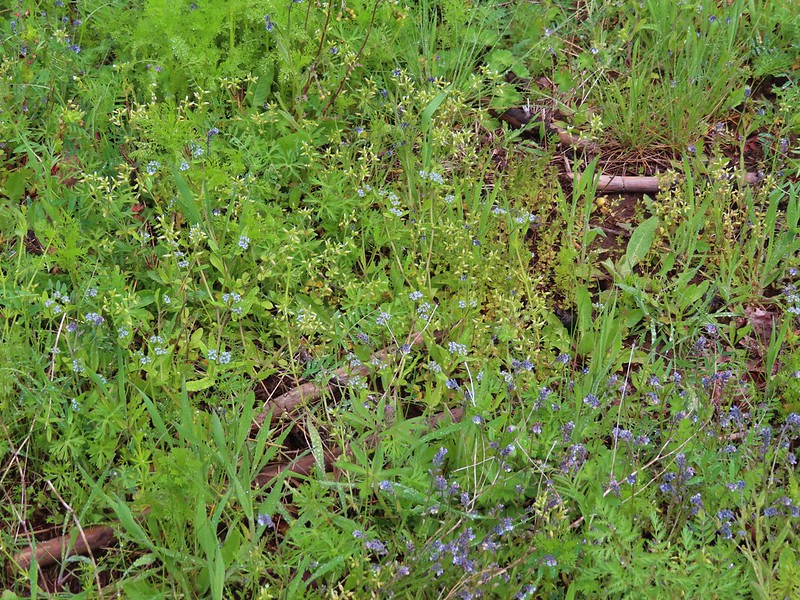 An assortment of smaller flowers.
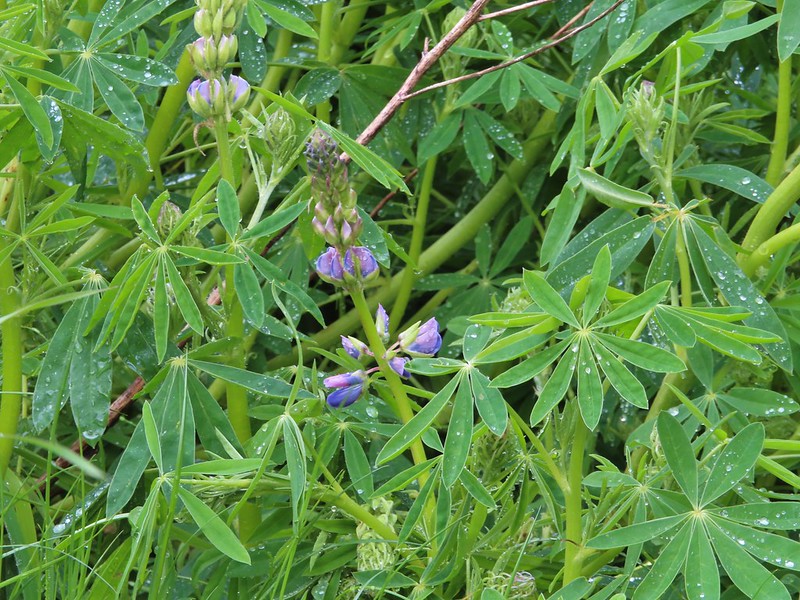 One of the few lupines with blossoms.
 Camas buds
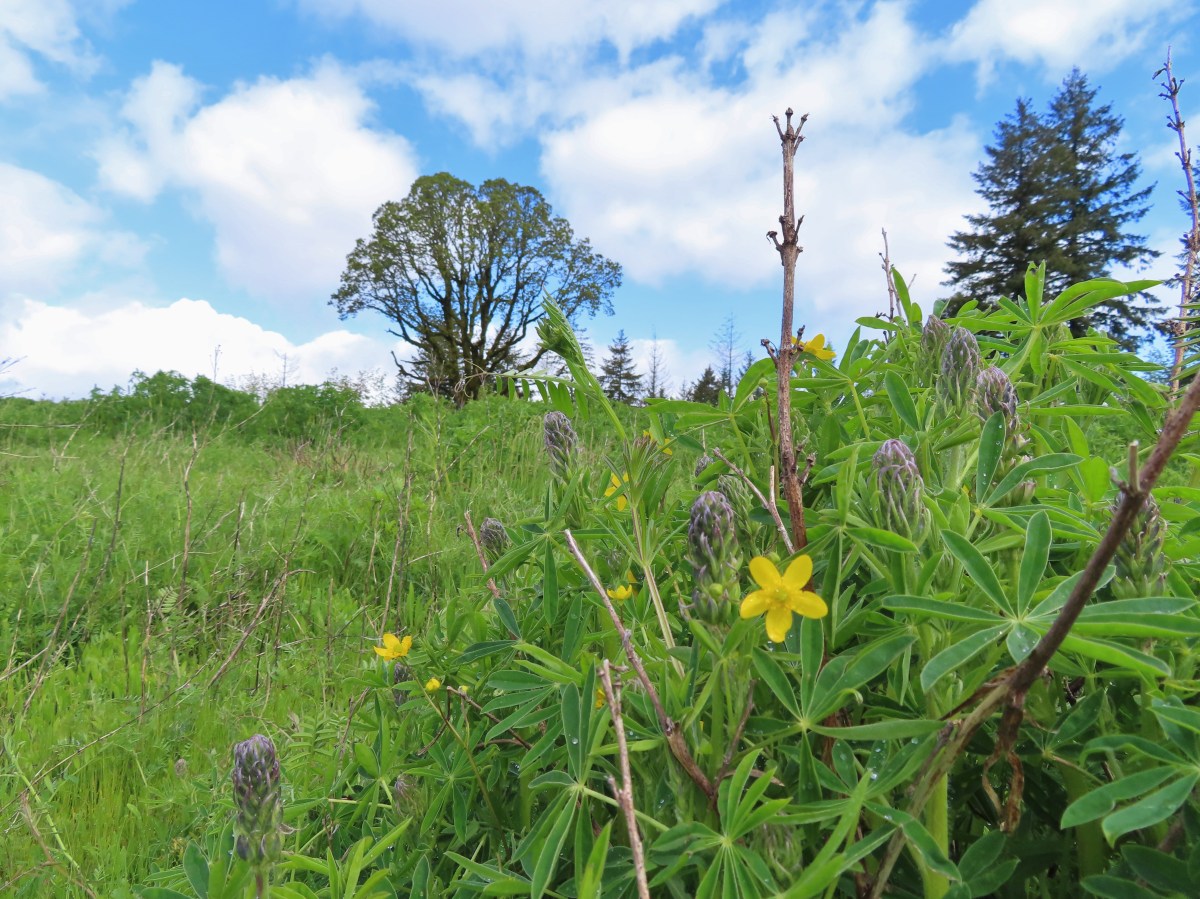
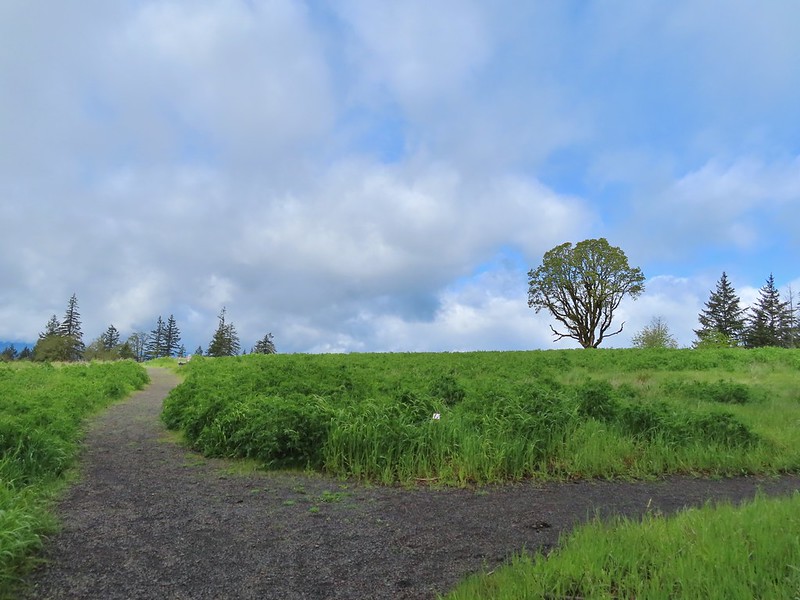
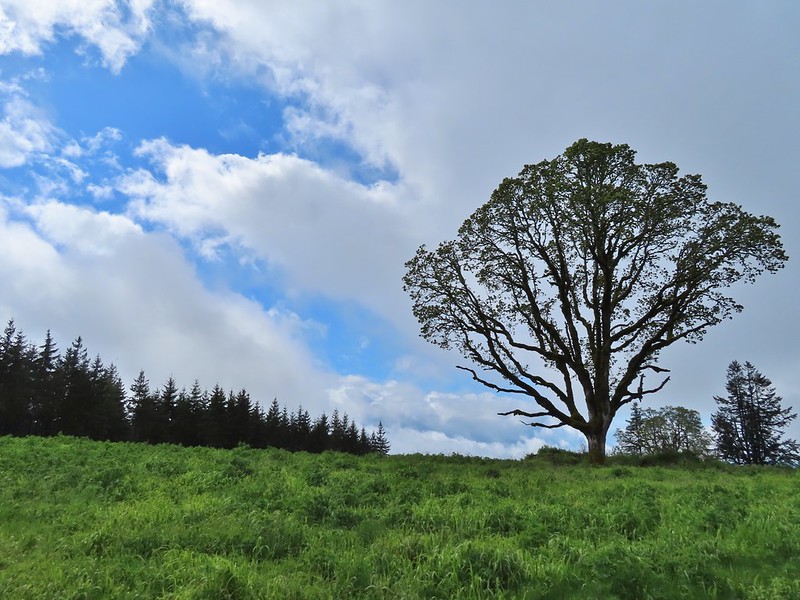 Oak tree on Iowa Hill. Most of the larger green clumps are lupine.
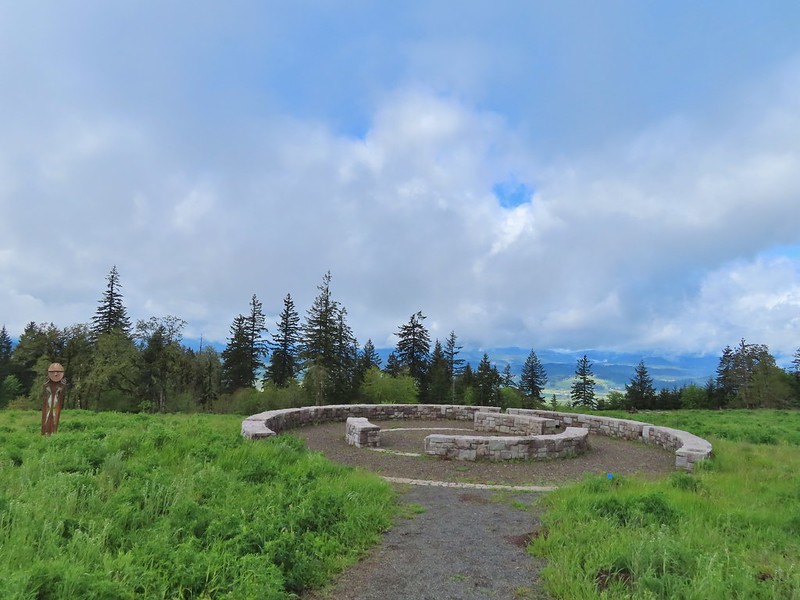 The third and final figure was also located near the stone circle.
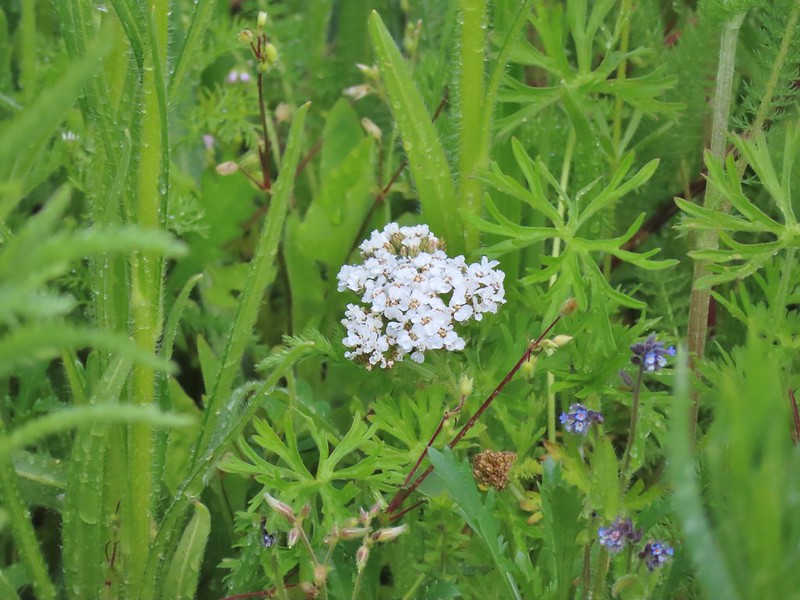 Yarrow
 More lupine starting to blossom.
 Tualatin Valley
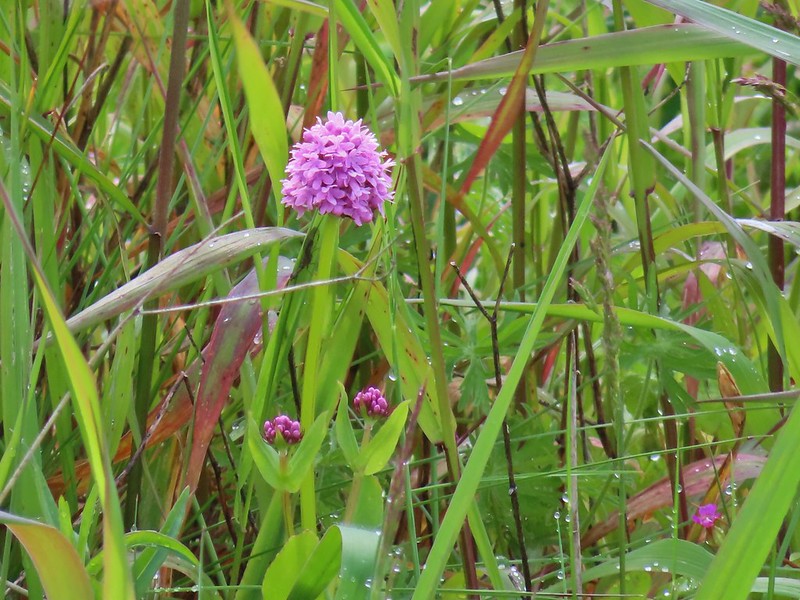 Plectritis
 Believe this is a checker mallow.
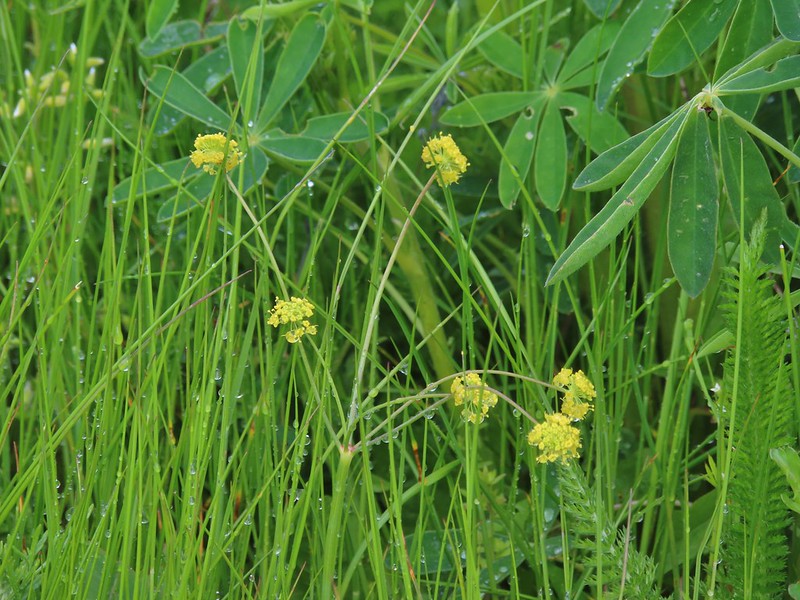 Parsley
 Camas
Camas Iris
Iris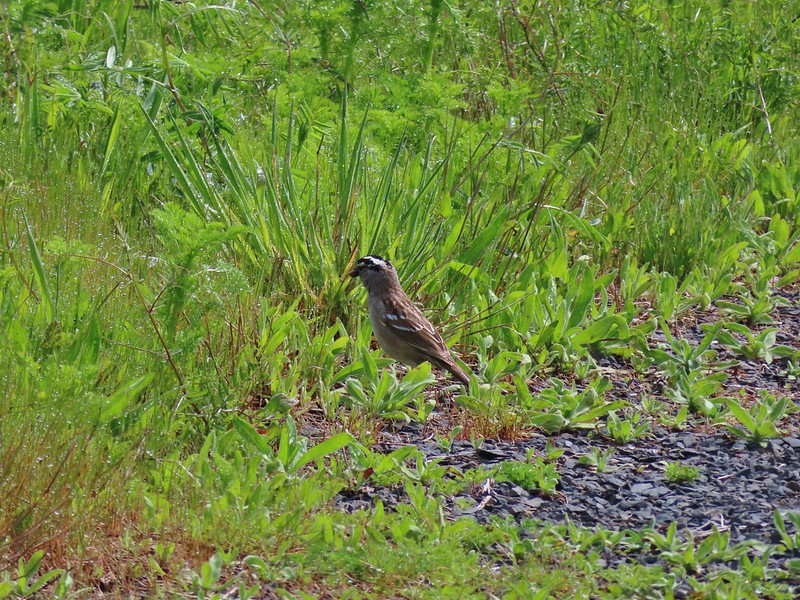 White crowned sparrow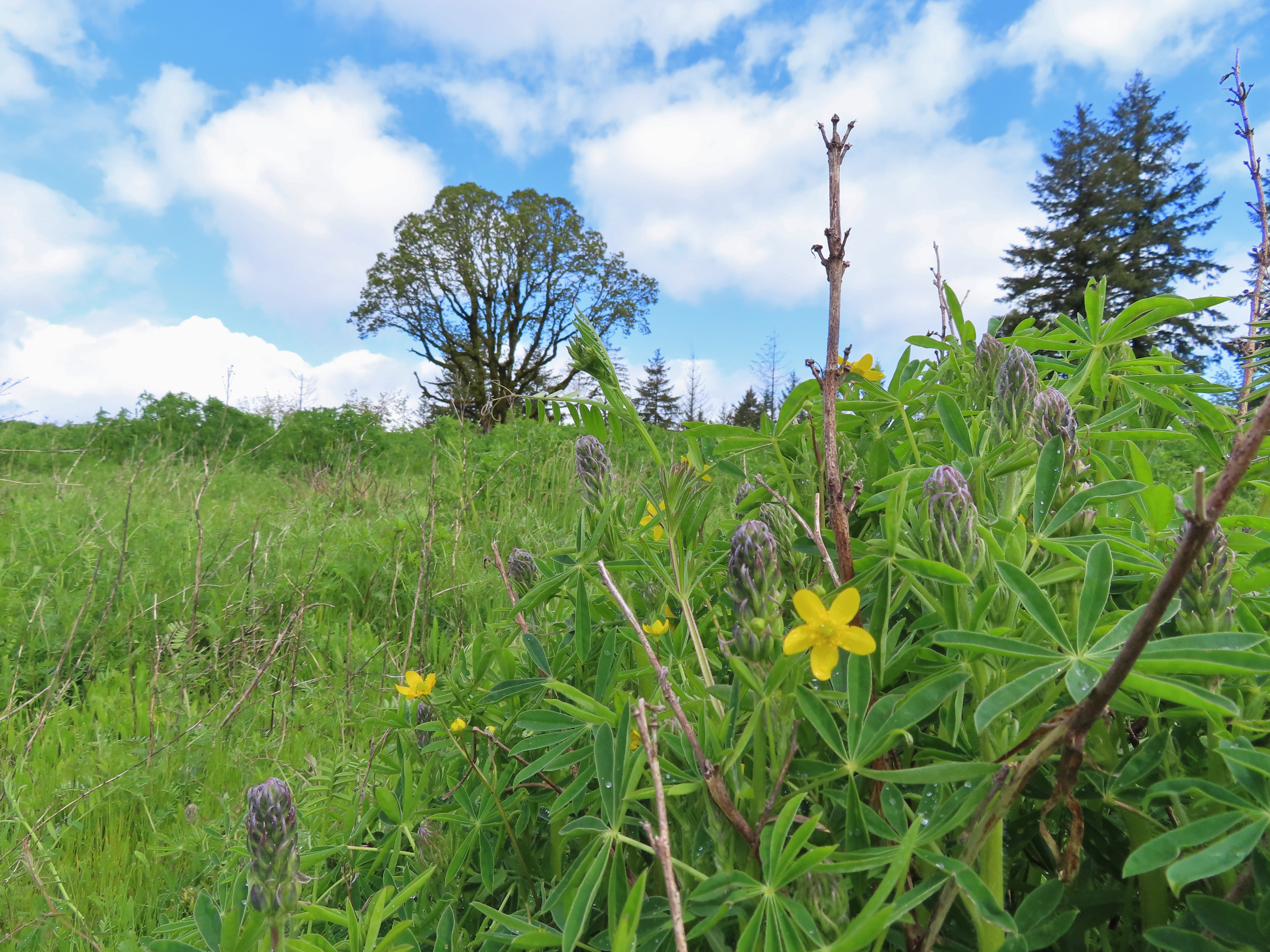
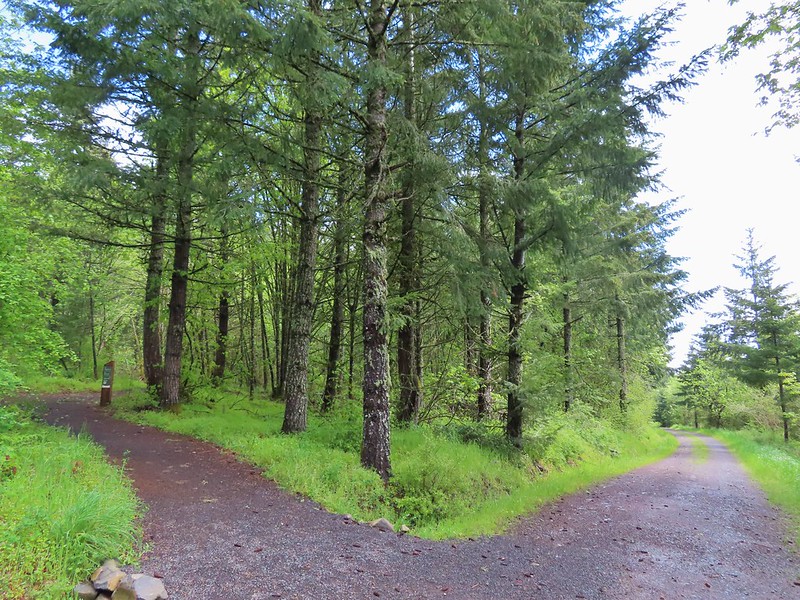 Turning down the Timber Road.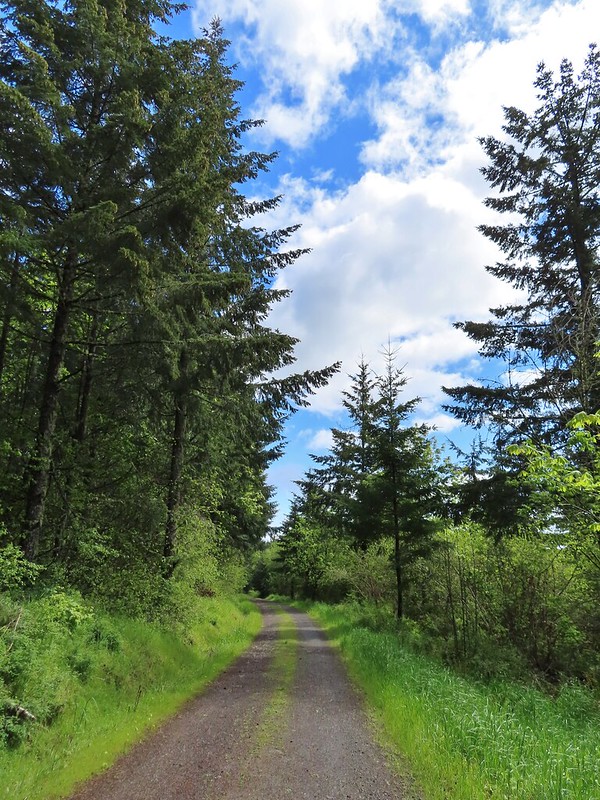
 I’m not good with these little yellowish birds. It could be an orange-crowned warbler.
 Black capped chickadee
 Approaching the Woodland Trail on the right.
 Woodland Trail
 Candyflower
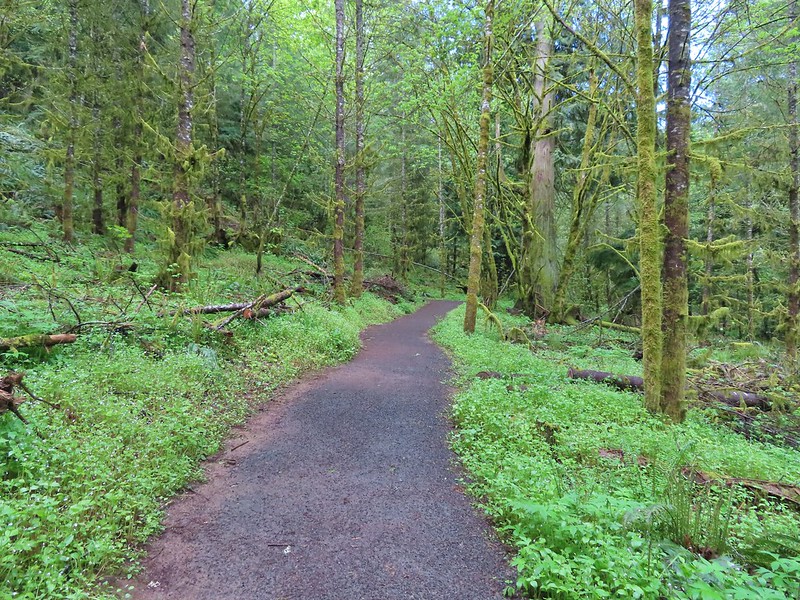 Coming to a switchback.
 We ignored a couple of shortcuts that would have led back to the Timber Road.
 We also skipped the Castor Trail which would have slightly lengthened the hike.
 Lupine along the Woodland Trail as we neared the trailhead.
 Much nicer conditions than we’d had that morning and way nicer than anything we had expected.


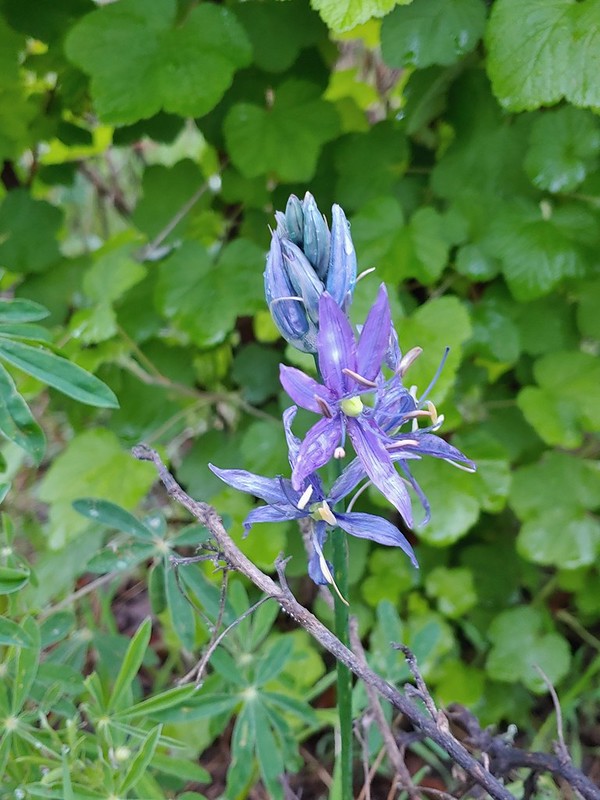 Camas
Camas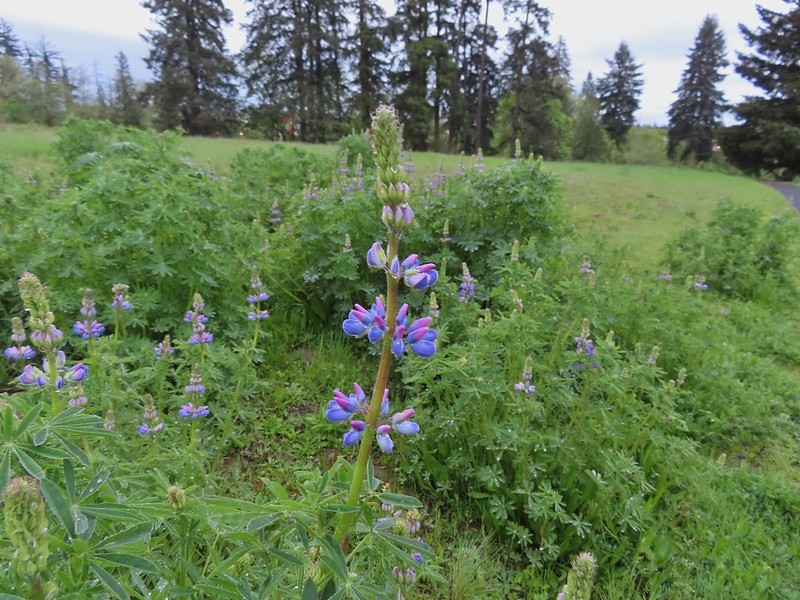 Lupine
 Habitat Trail
 We’ll blame our inability to read this sign on it still being early in the morning. We started down the path ahead before quickly questioning the direction and correcting course.
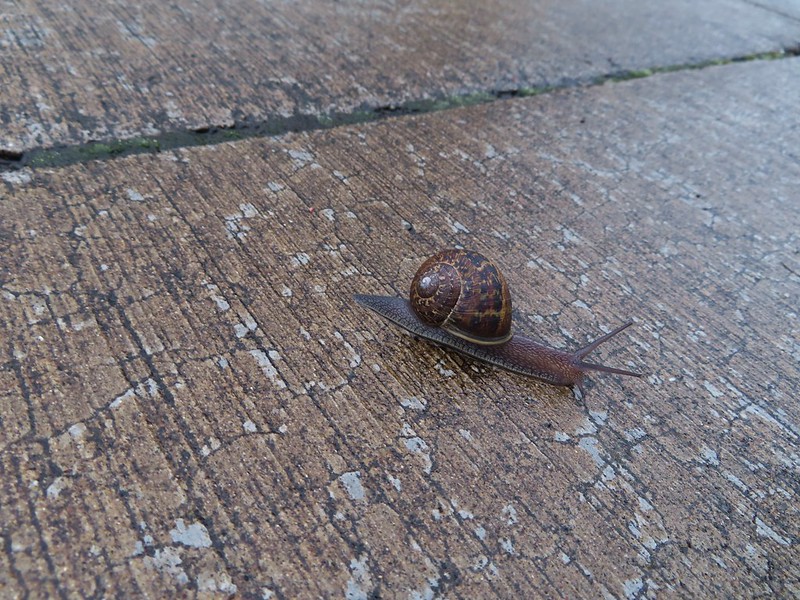 He probably knew which way he was going.
 Heading the right way now.
 NW Wilkins


 Another trail user


 Fringecup
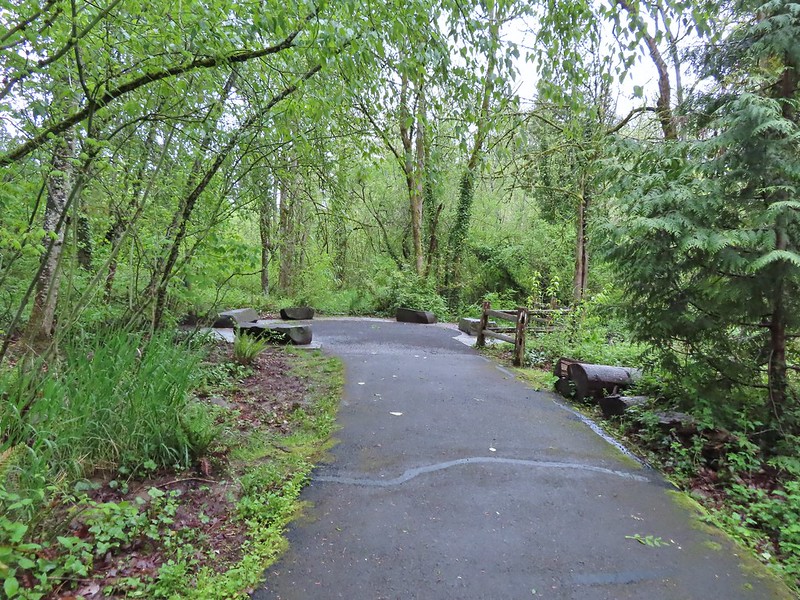

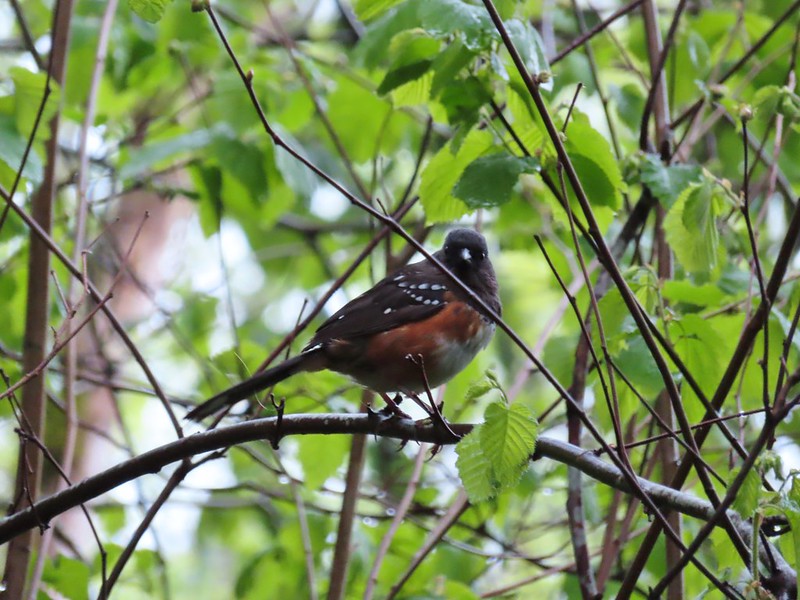 Spotted towhee
 Stellar’s Jay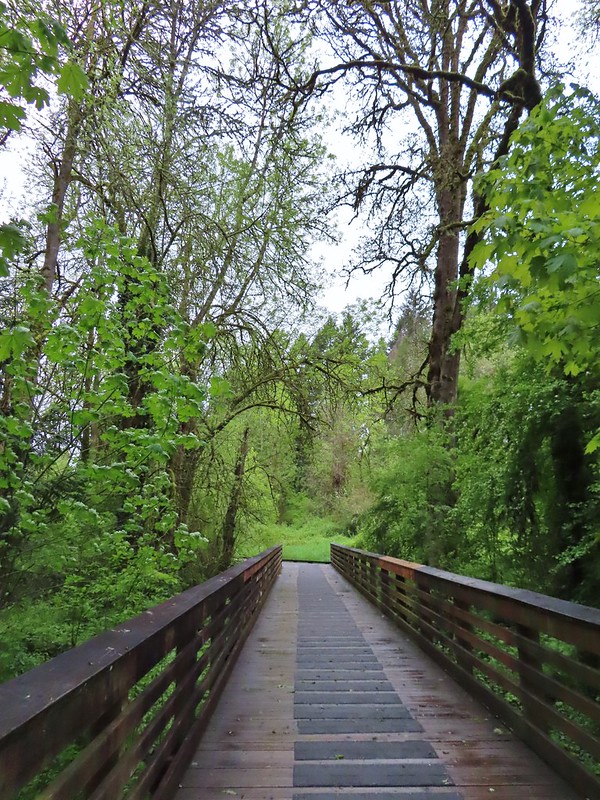
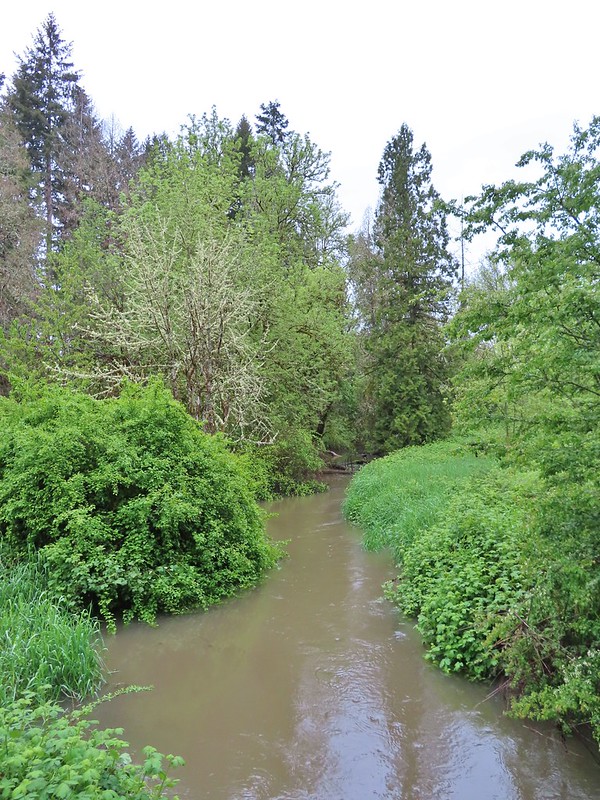
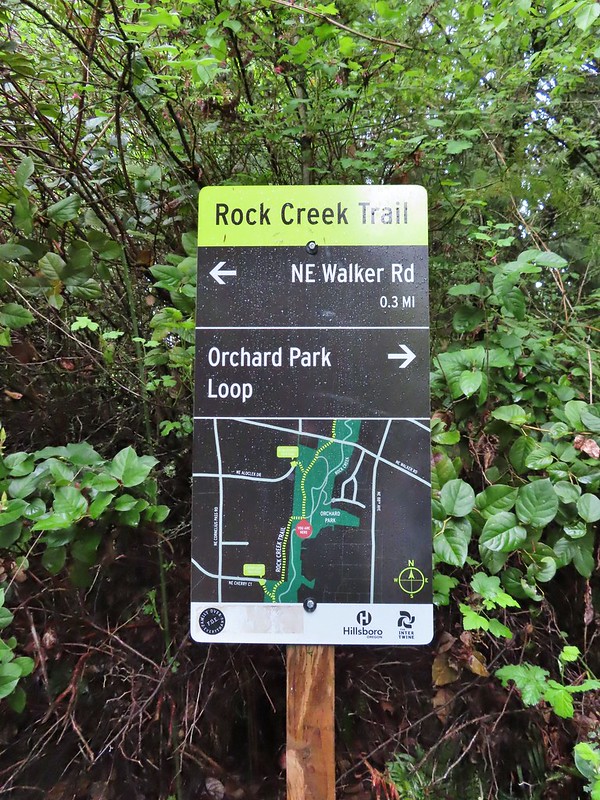 Second time staring at this sign.

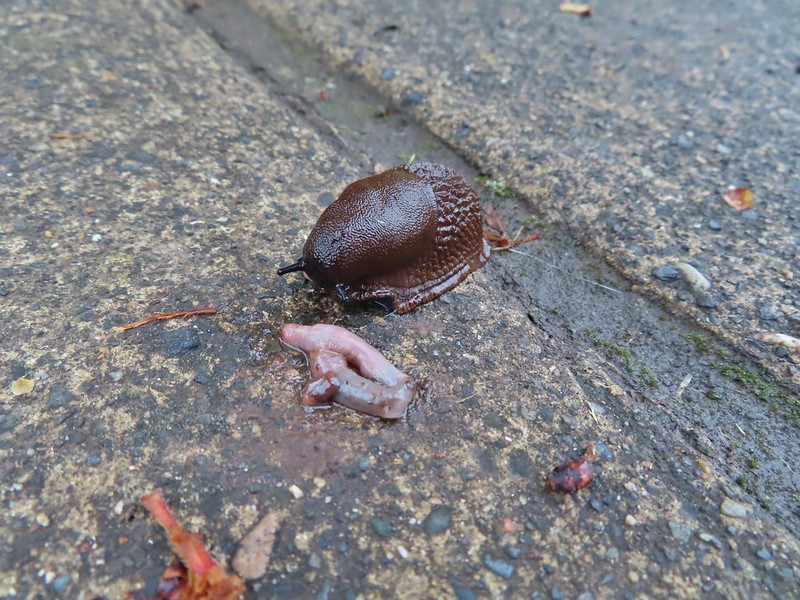 Not sure exactly how to interpret this scene – mourning, a murder, or breakfast?
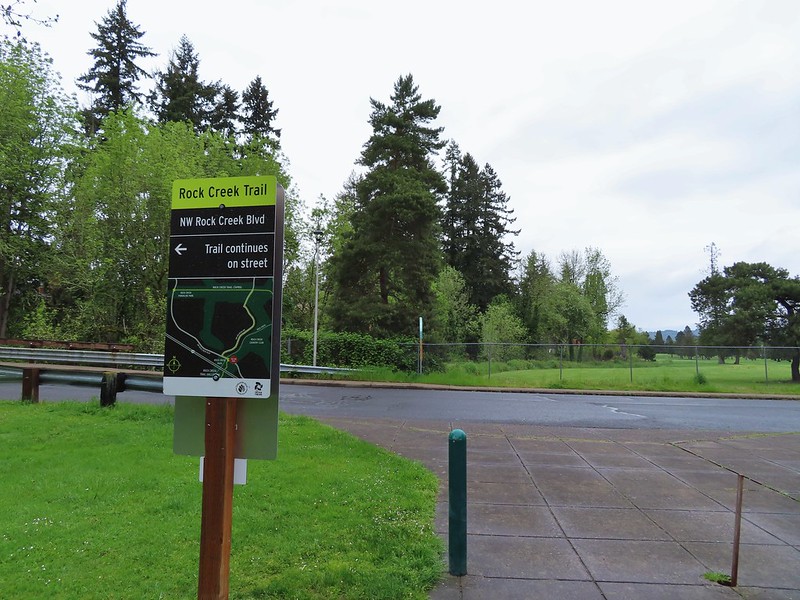
 The slight jog right along NE Walker.


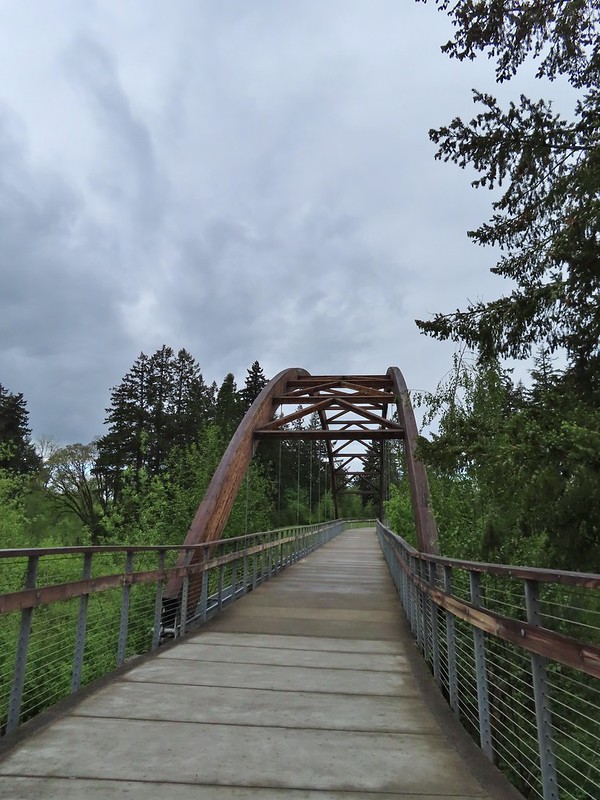
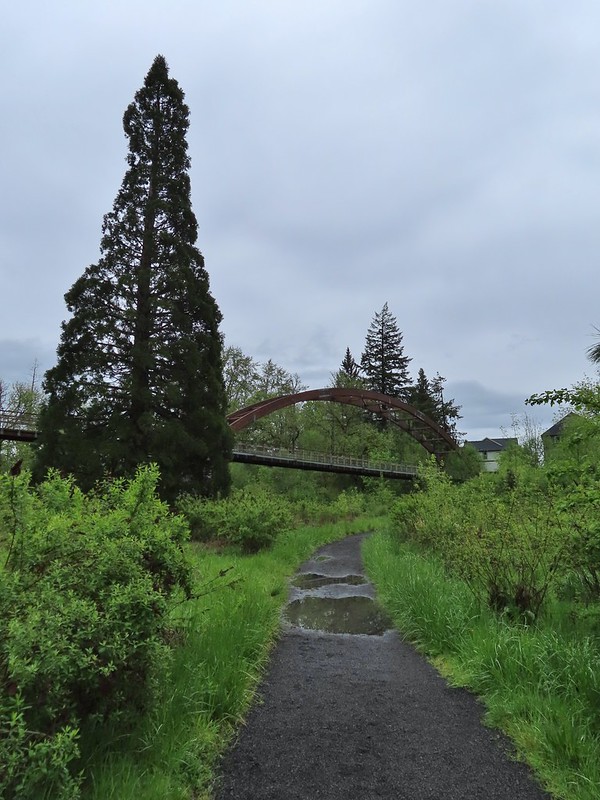
 Bridge of Rock Creek
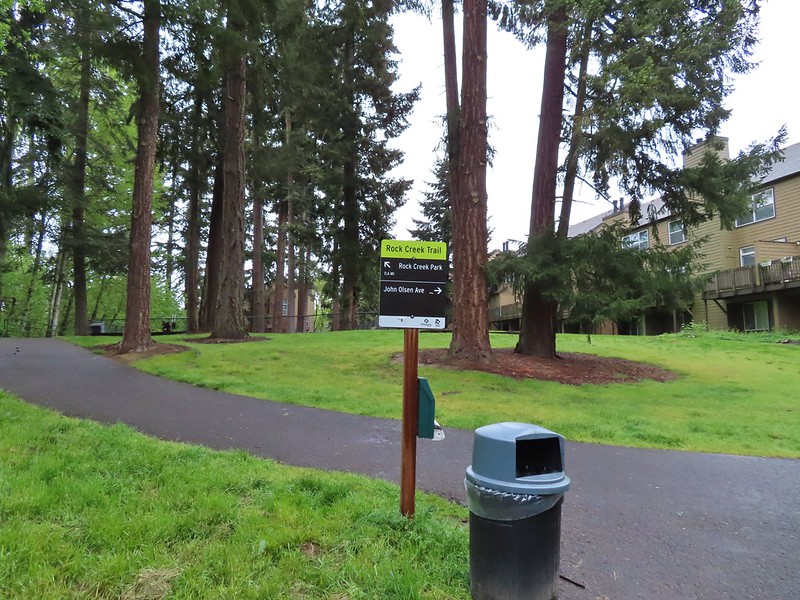 Look a pointer for John Olsen Avenue (just a lot further north).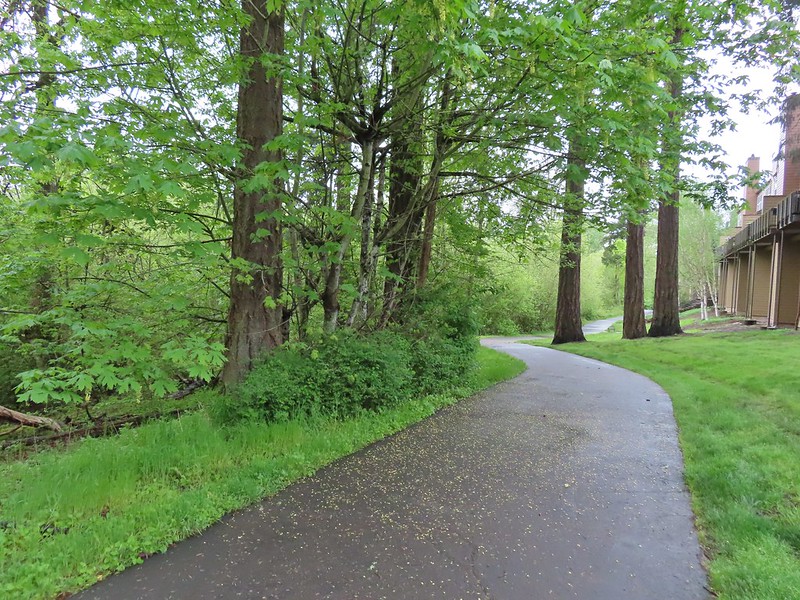
 Mallards (A pair of wood ducks flew off at the same time the mallards headed downstream.)
 Here is the only photo that I could even get with the little yellow bird visible at all.
 NE Evergreen Parkway

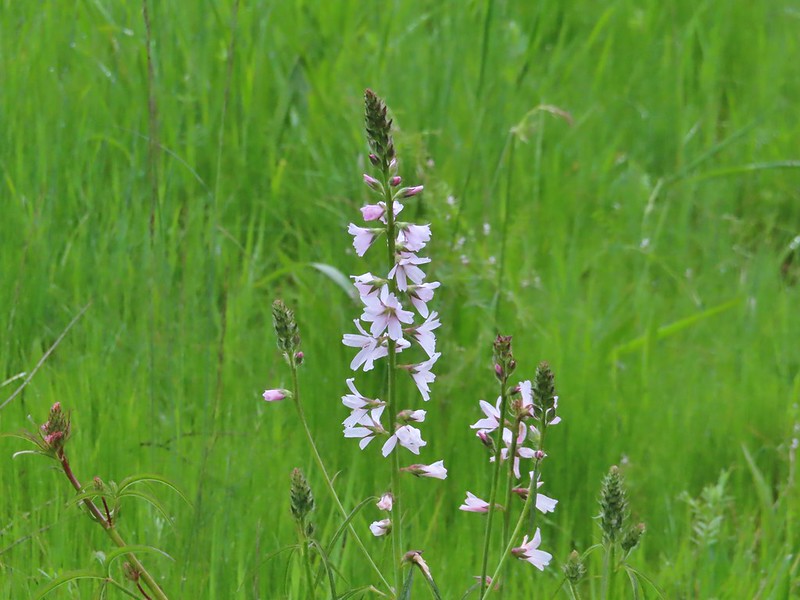 Checkermallow


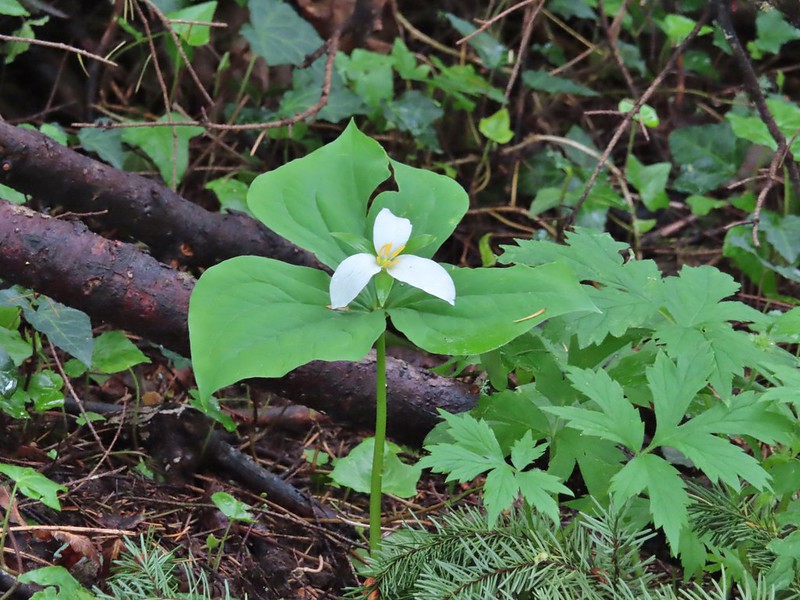 Trillium
 Solmonseal
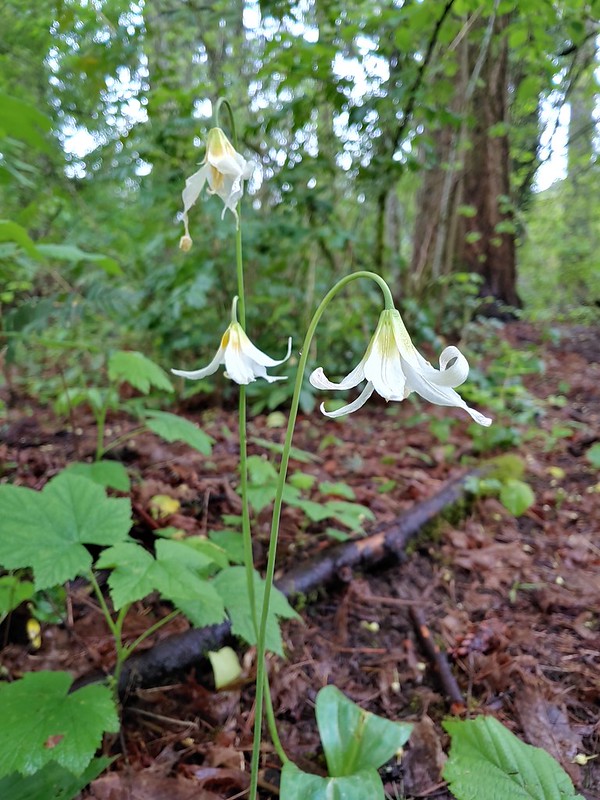 Fawnlilies
 Aven
Aven

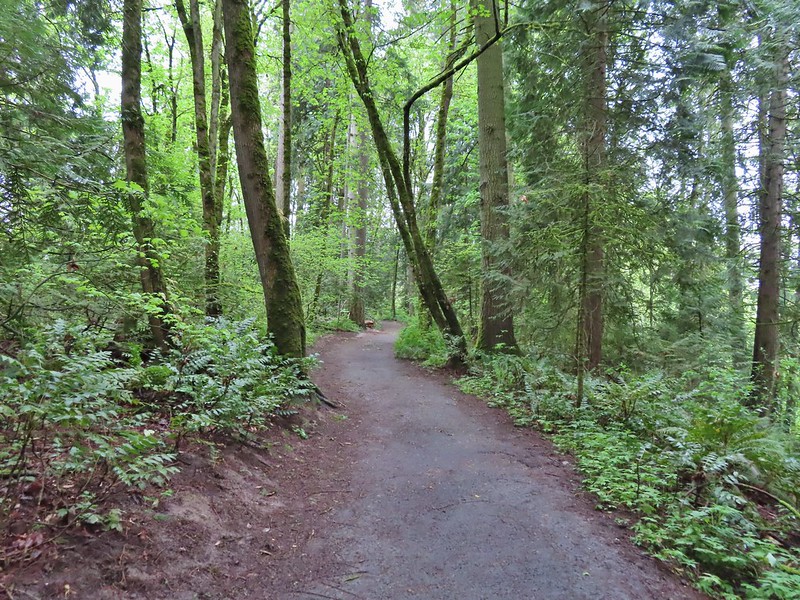


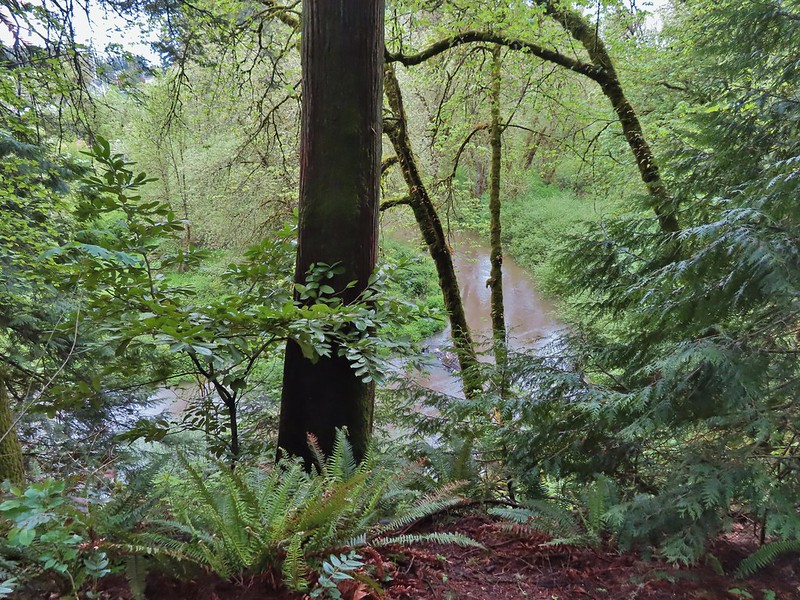 Rock Creek from the viewpoint.
 The back of the owl (middle tree 2/3 of the way up)

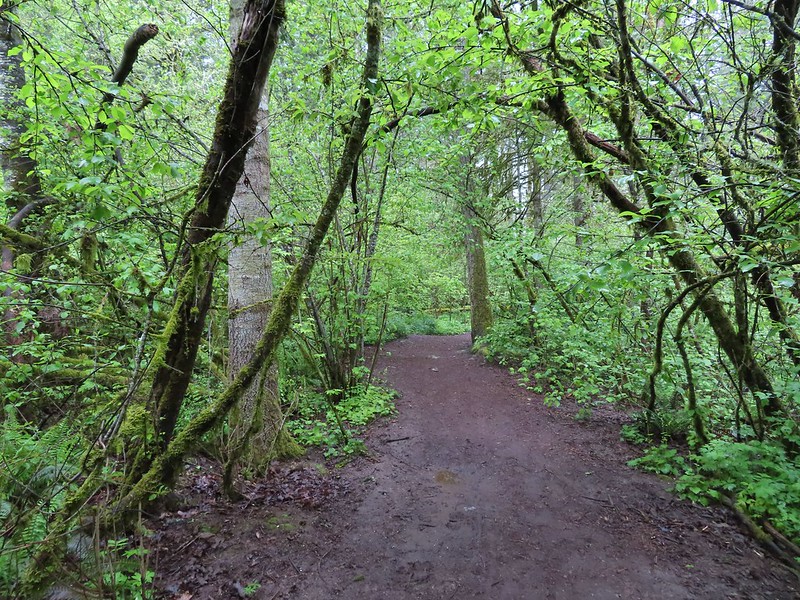
 Violets
 Swollen creek
 Fairy bells
 Cinquefoil
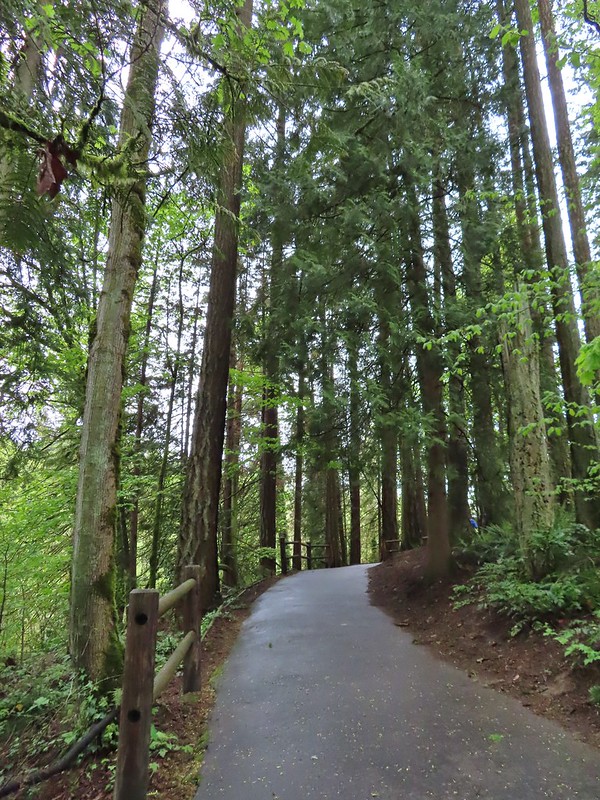 Nearing the trailhead.


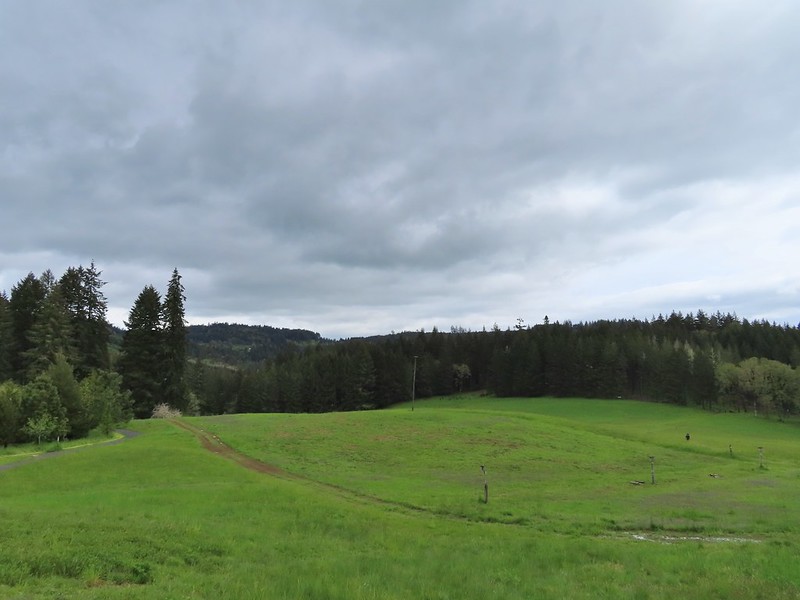
 A wren and a white-crowned sparrow
 American goldfinches
 Tree swallows
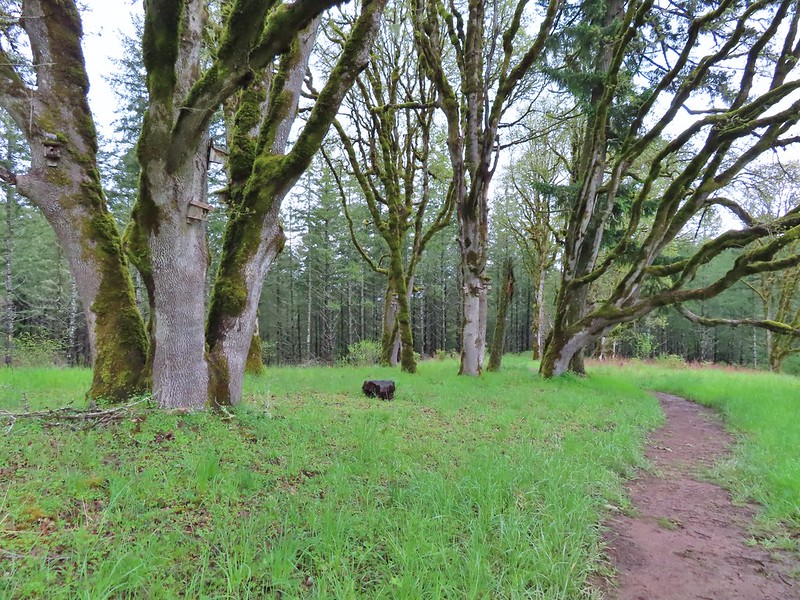
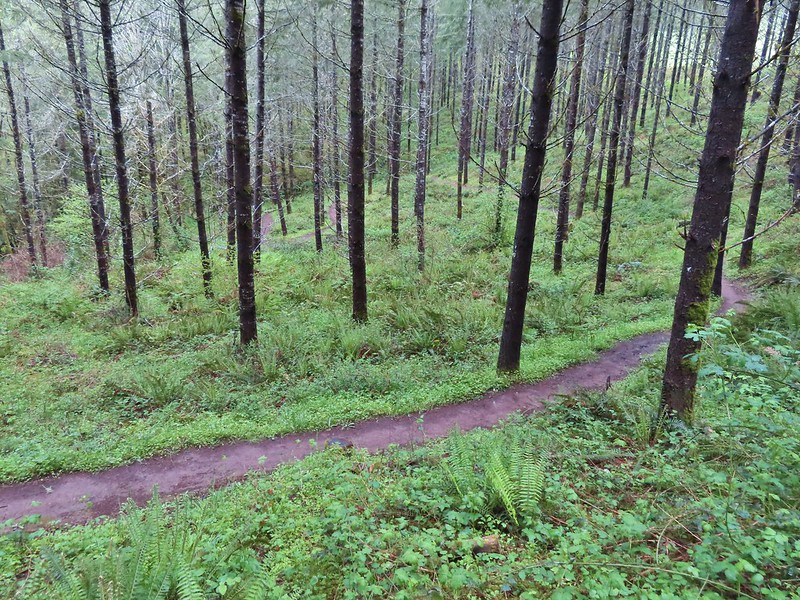
 Bleeding heart near the stream.
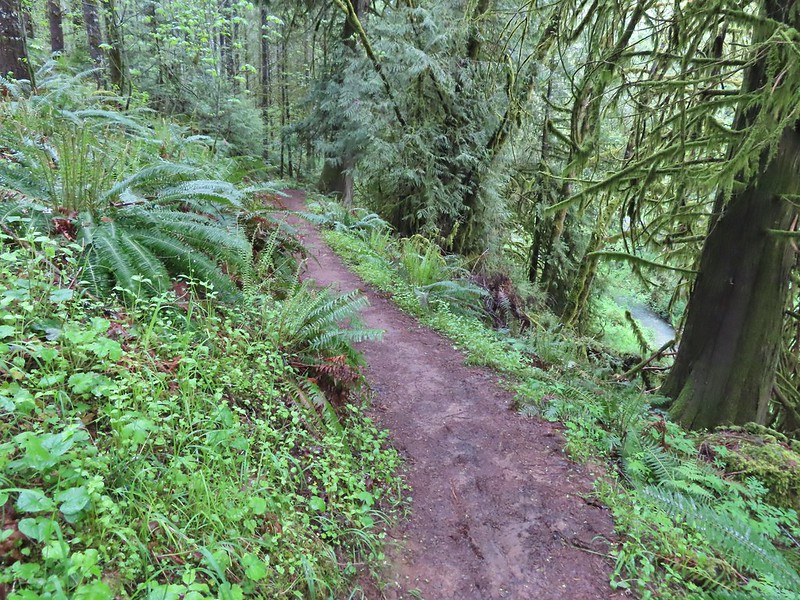 Berry Creek down to the right.
 There was a lot of wild ginger on the hillside.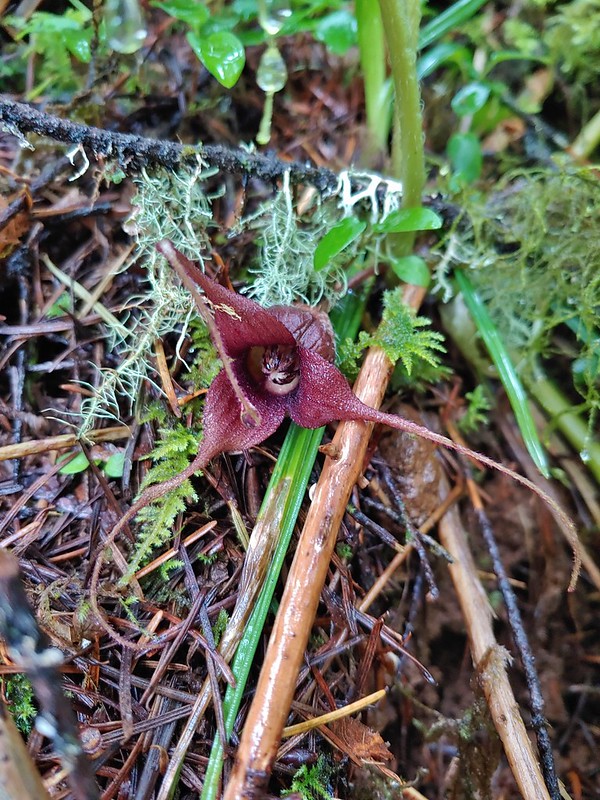
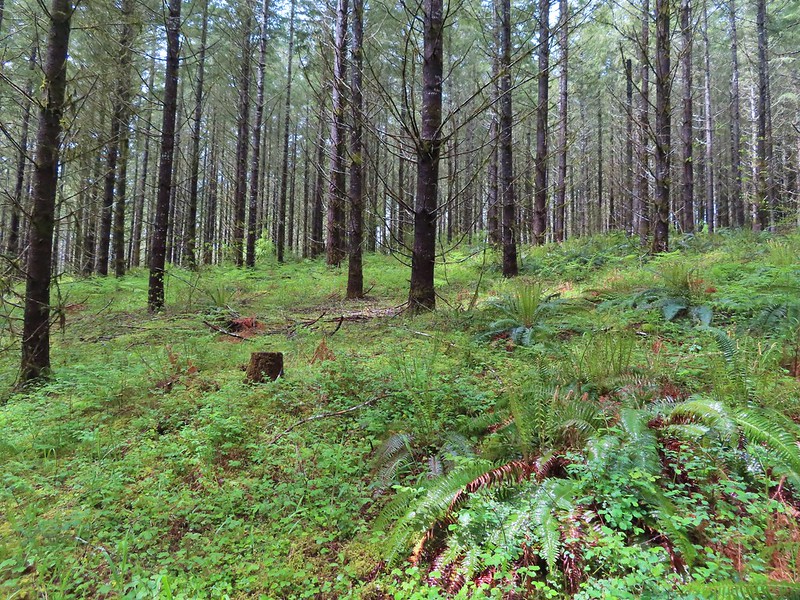
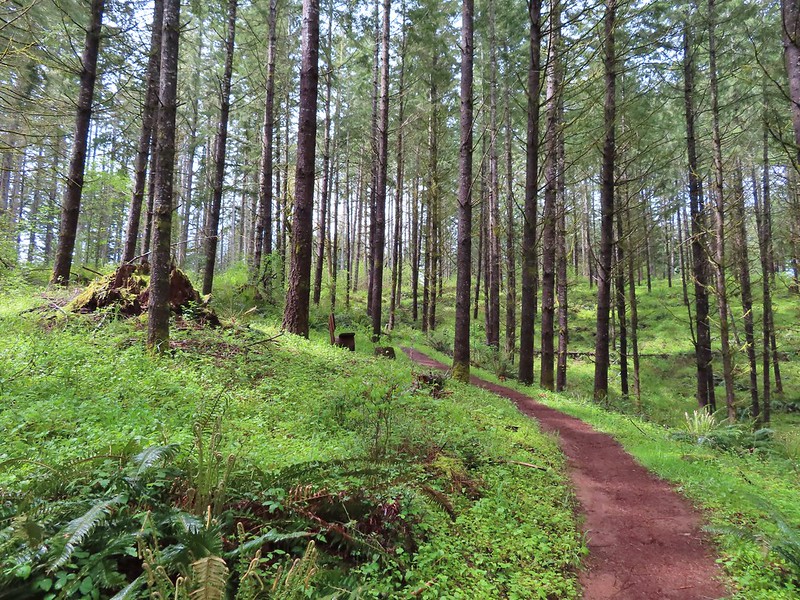


 Iris
Iris Buttercups
 Small garter snake
 Approaching the bridge and creek.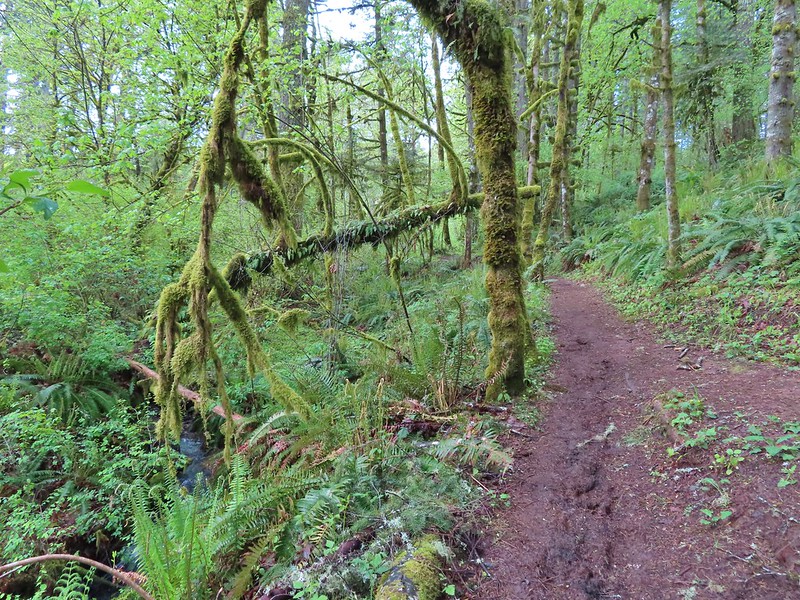

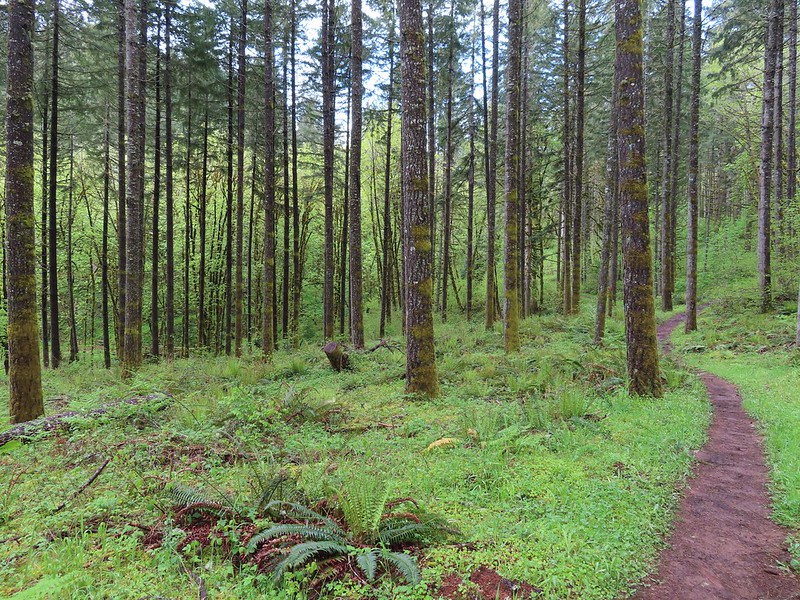
 Sparrow
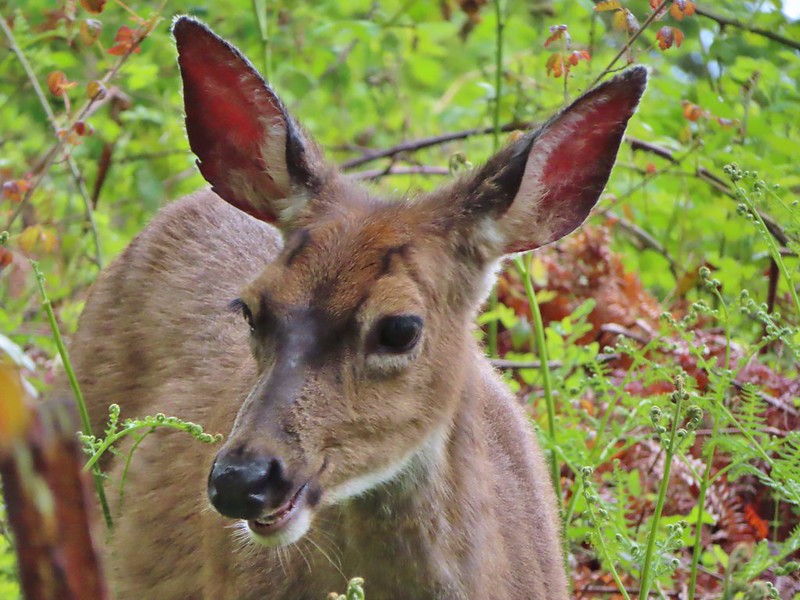 Doe just hanging out in a patch of poison oak. (It doesn’t bother deer.)
 Nearing the high point of the trail at K.T. Summit
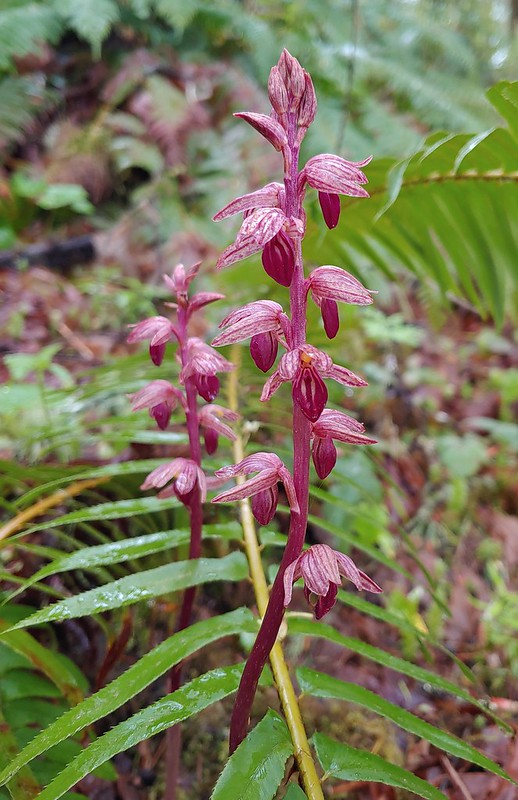
 Spotted coralroot
 K.T. Summit
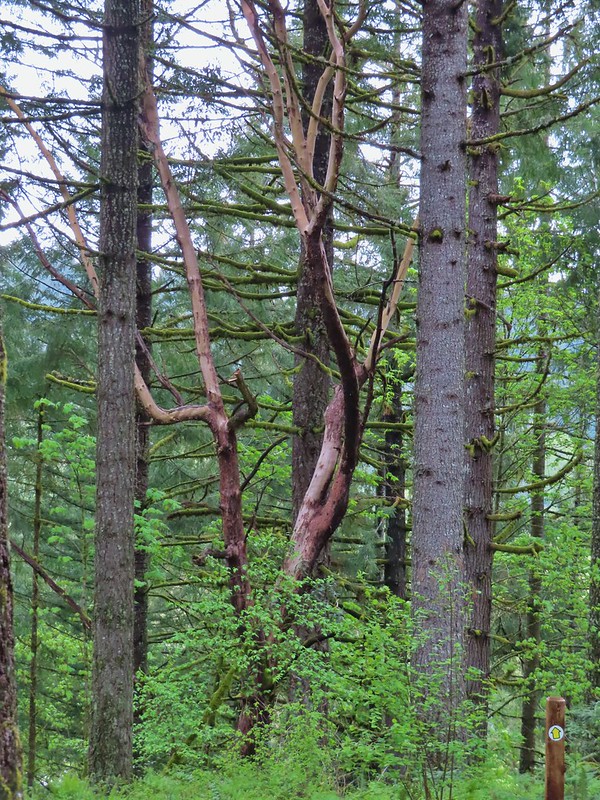 A very cool madrone tree.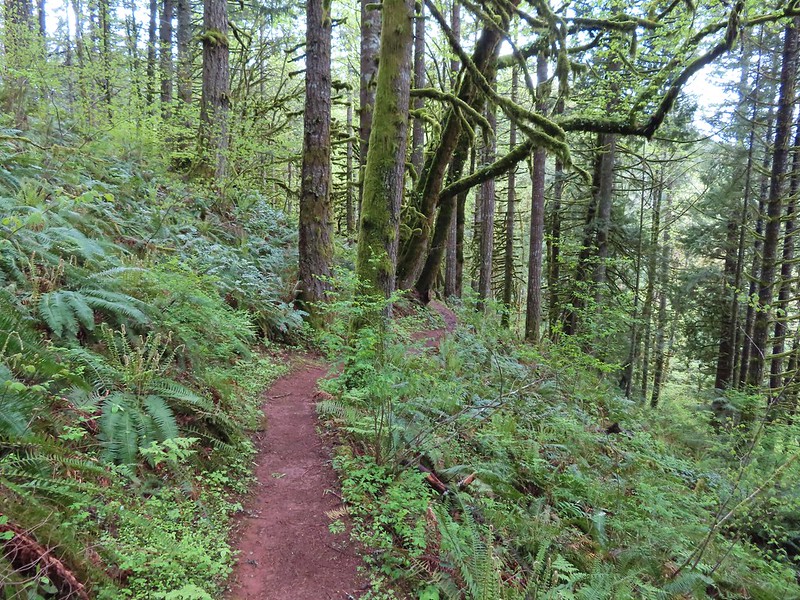
 Two more deer with a third off camera.
 There was at least one identifier for each tree listed on this sign. The signs were particularly nice because many were next to younger trees which made it easier to see the needles and bark instead of just look at a trunk and having to look up to try and see other details of the trees.
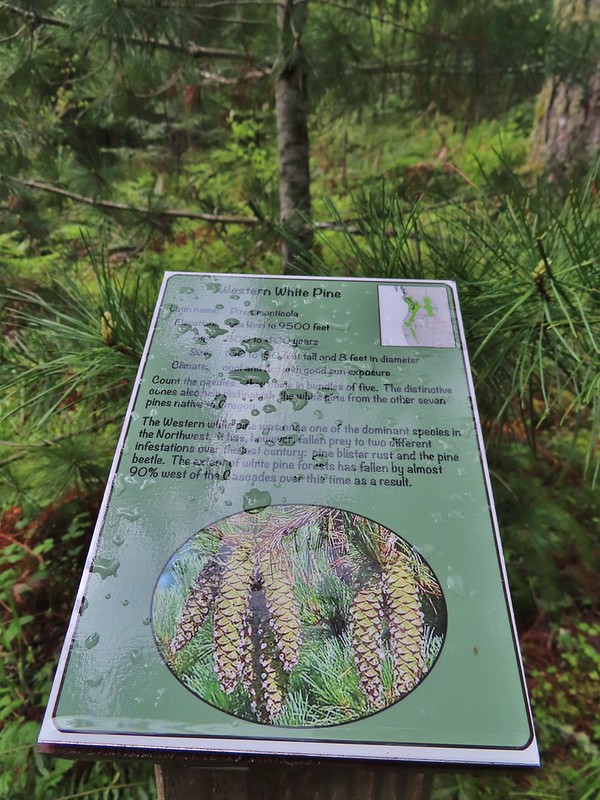 Western white pine
 Western larch
 Vanilla leaf
 Fairy slippers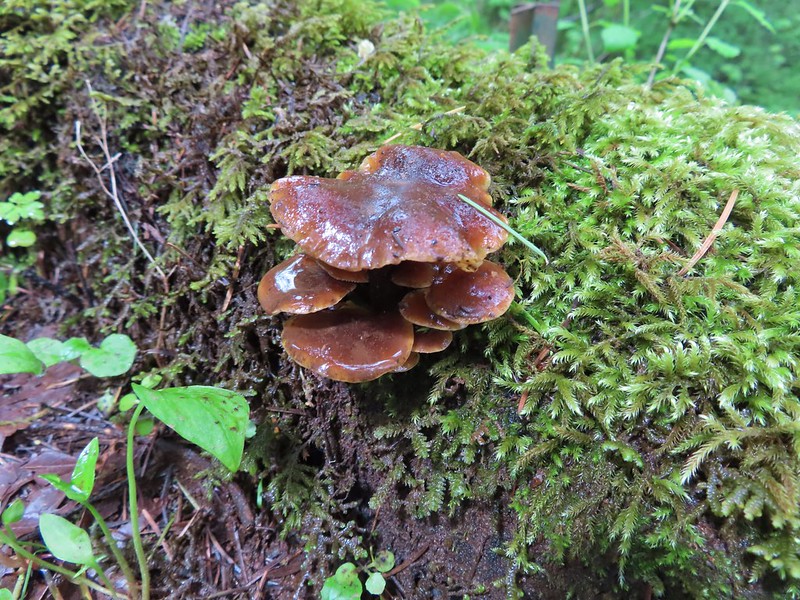


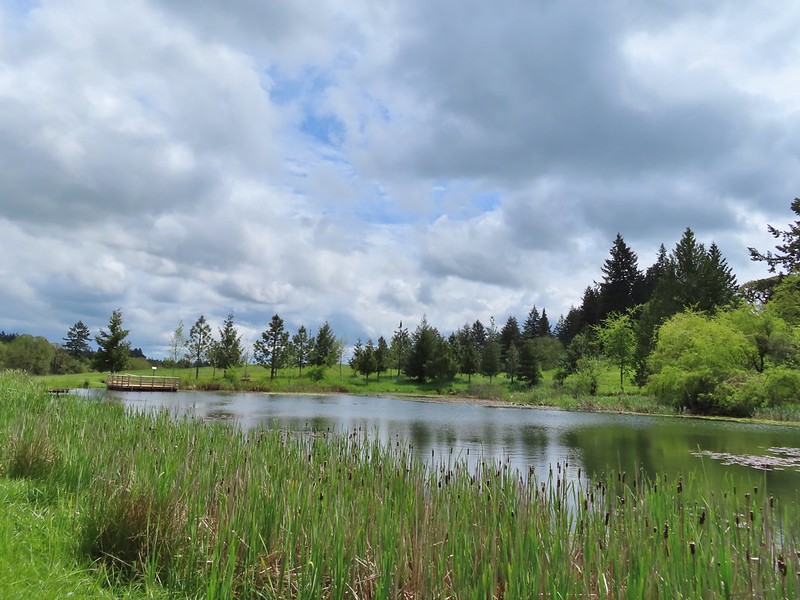
 Frog near the pond.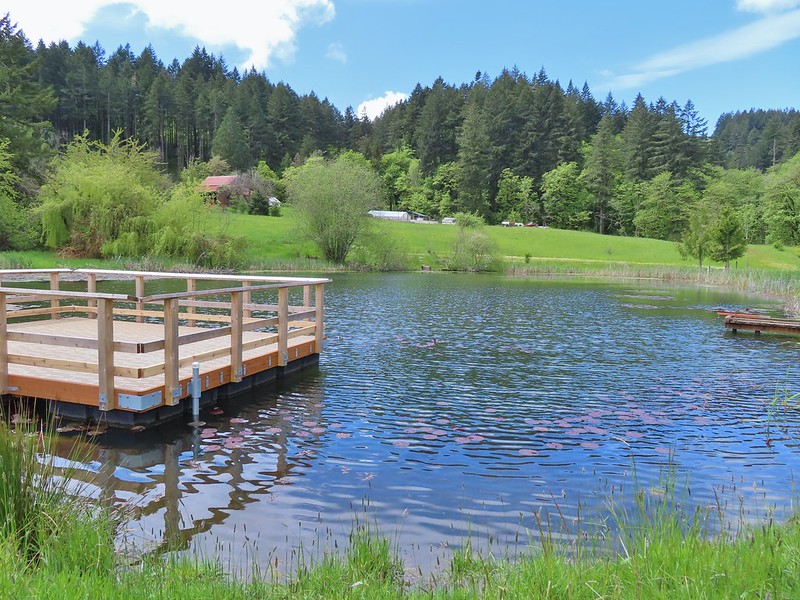
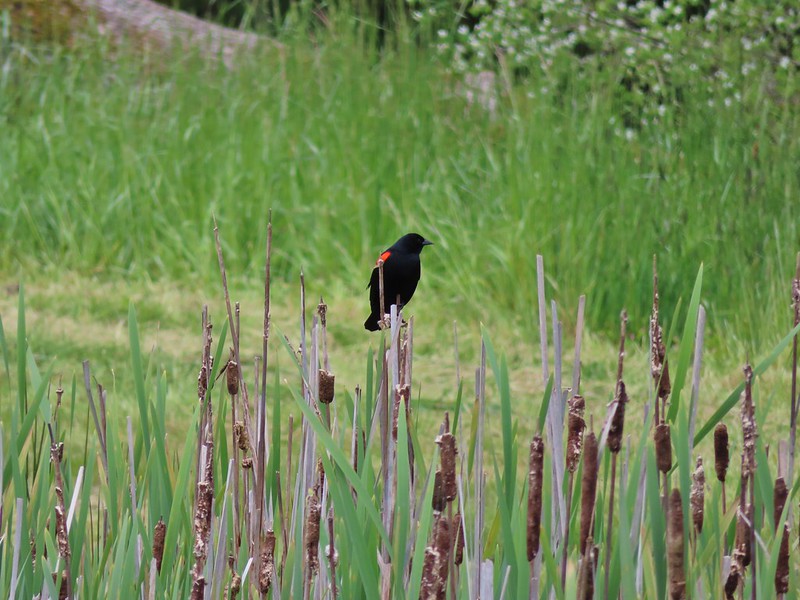 Red-winged blackbird

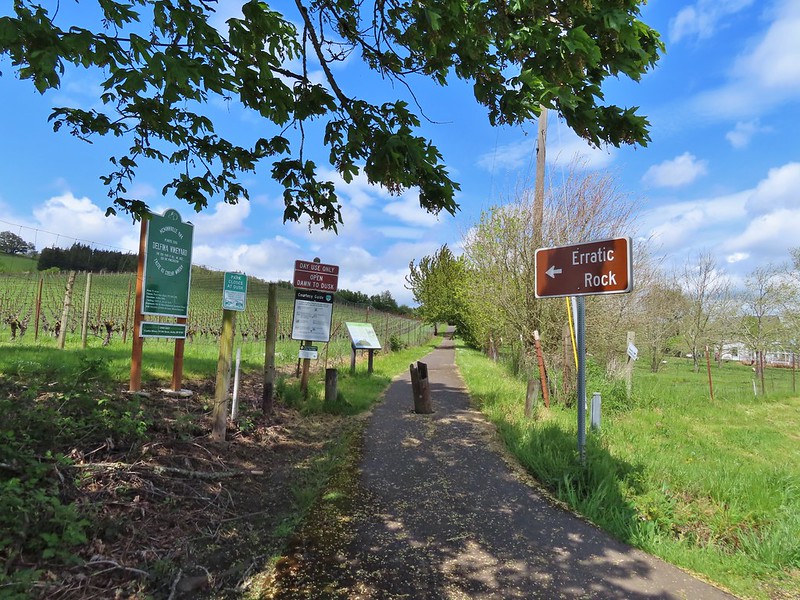
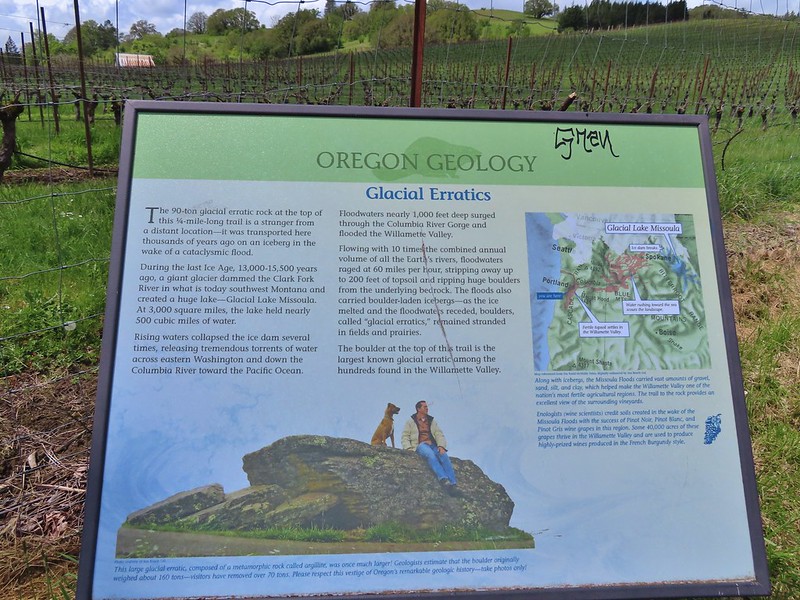 Interpretive sign at the start of the trail.
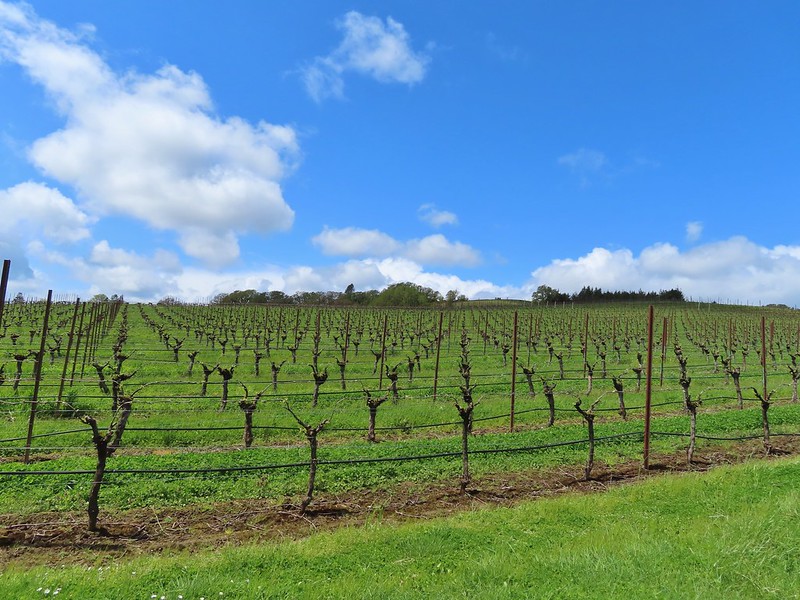 Vineyard along the trail.
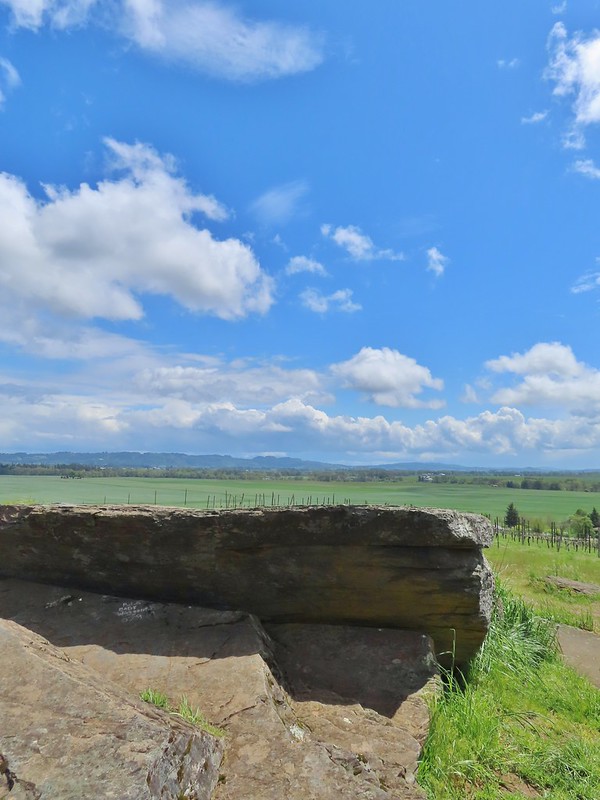

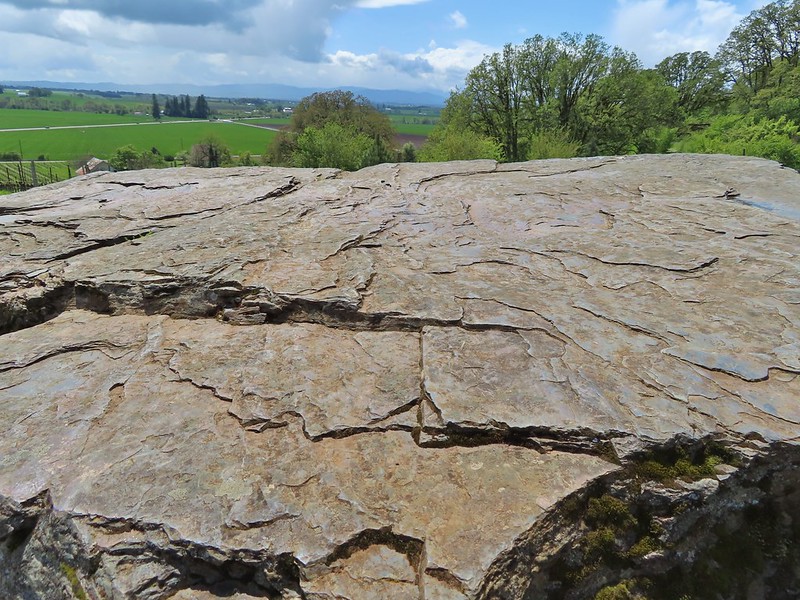


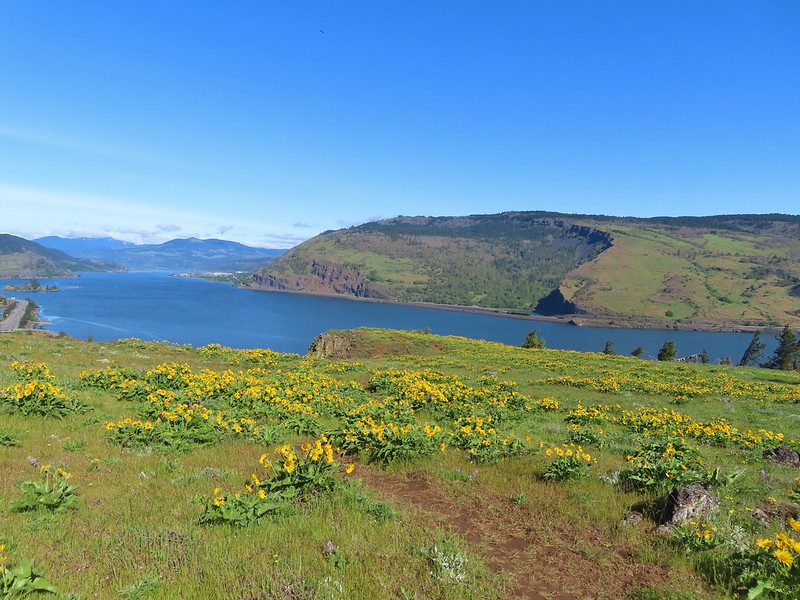
 Looking west down the Columbia River from the overlook.
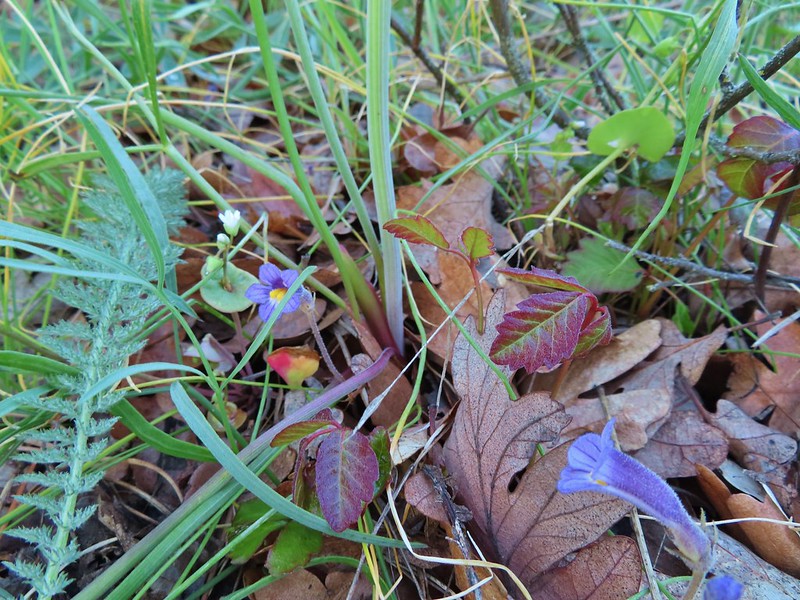 Naked broomrape and poison oak
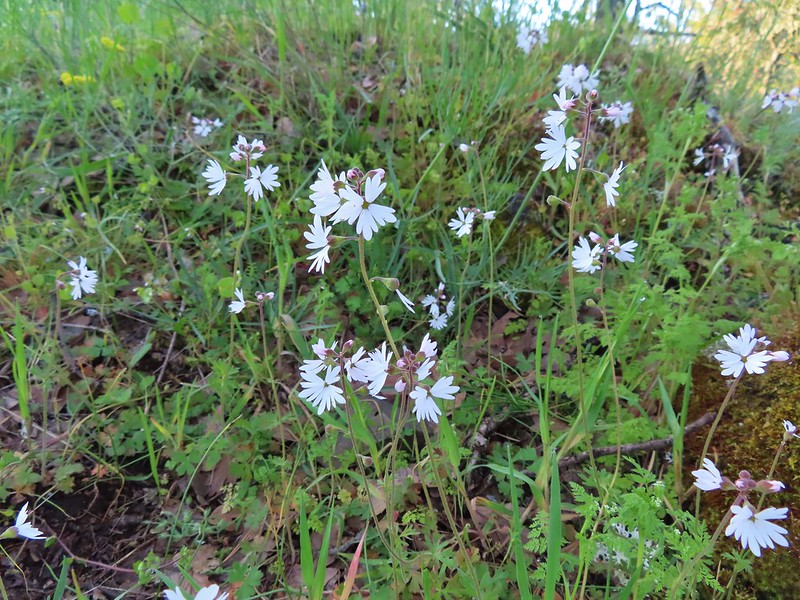 Woodland stars
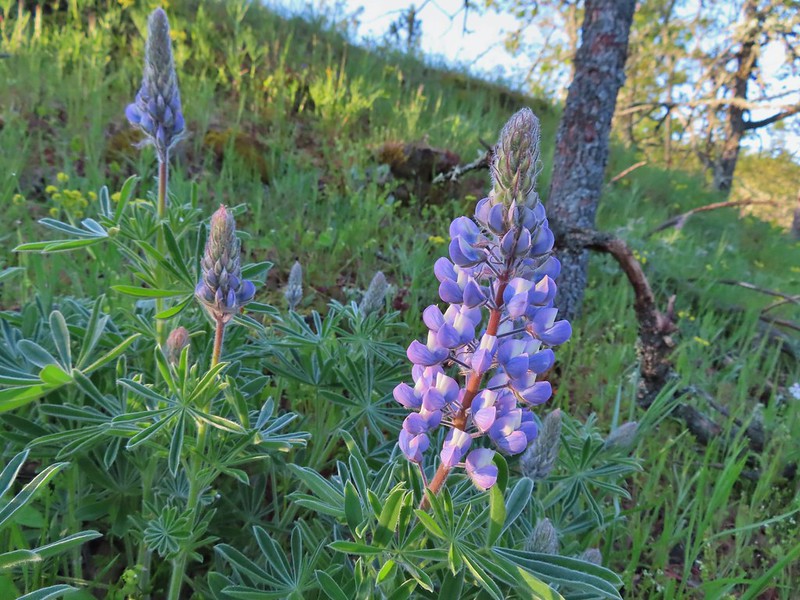 Lupine
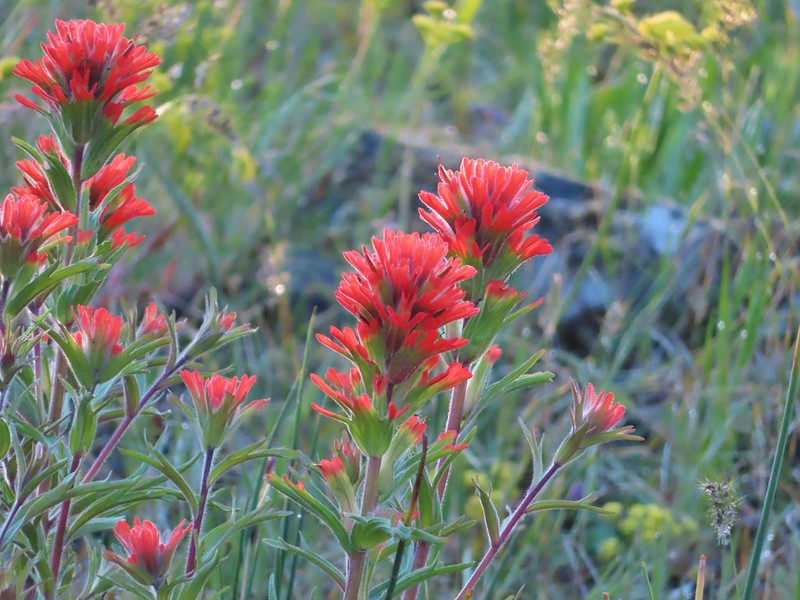 Paintbrush
 Larkspur and parsley
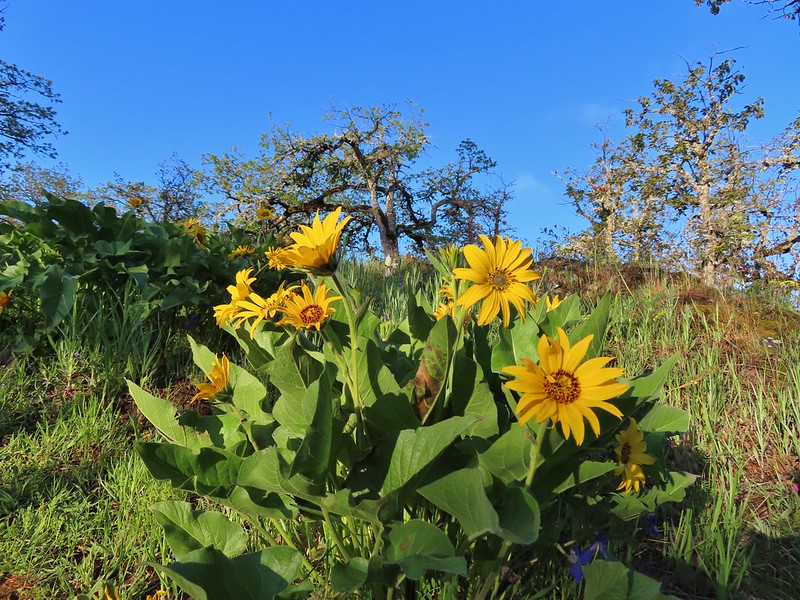 Balsamroot

 Chocolate lilies
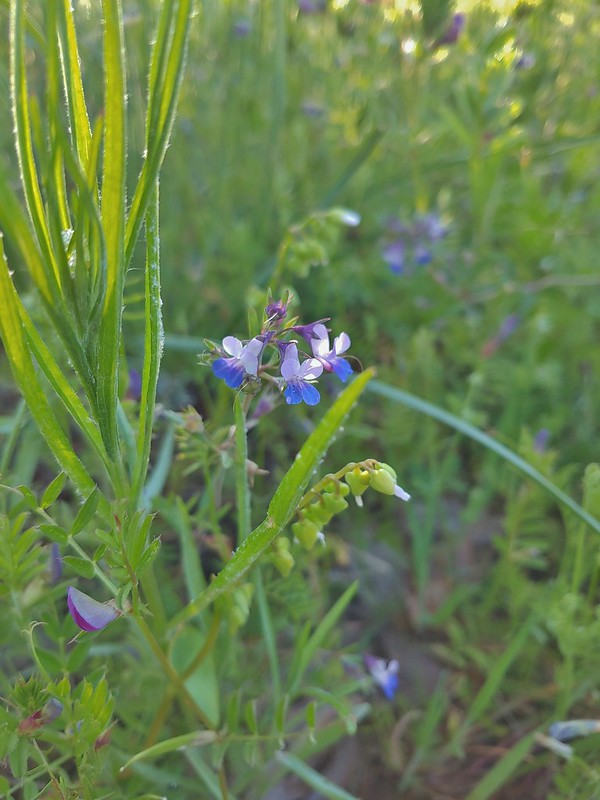 Giant blue-eyed Mary
 Coming up on the creek crossing.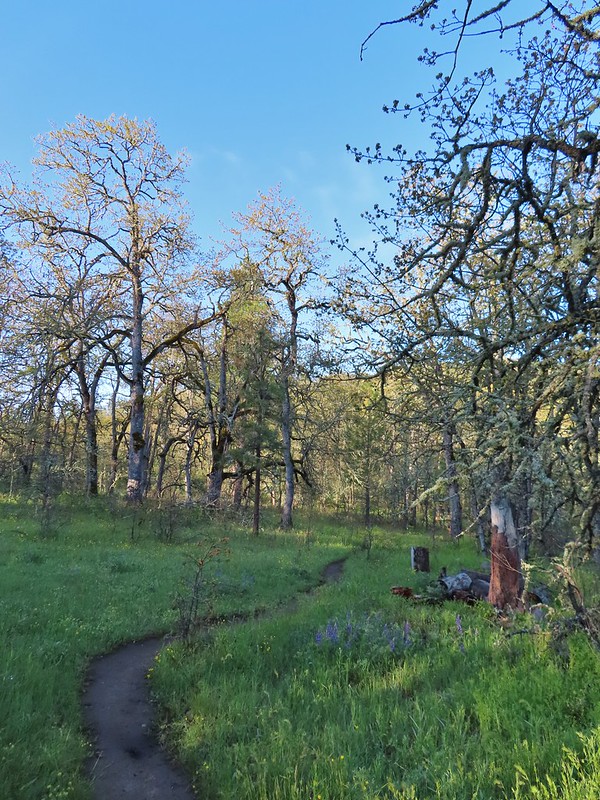

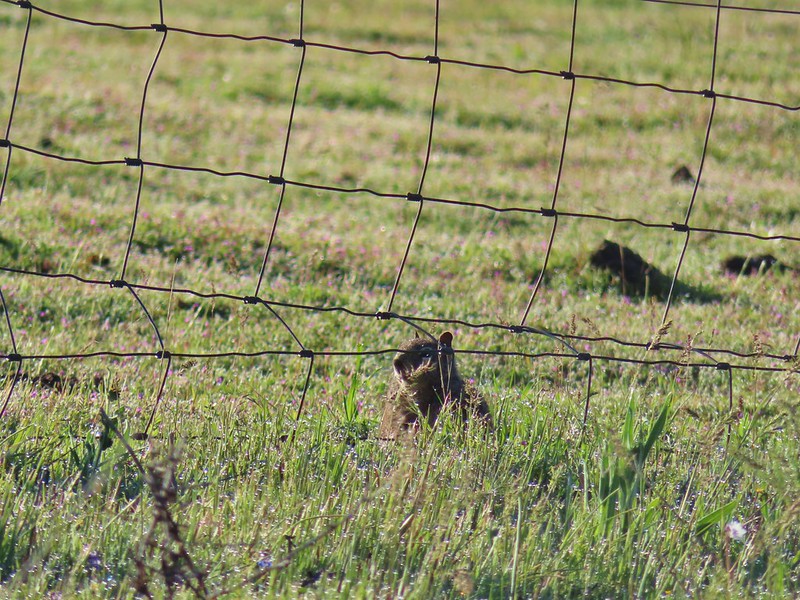 Ground squirrel on the other side of the fence.
 Looking back at the pond surrounded by trees.
 Heading up Chatfield Hill.
 Fiddleneck and other wildflowers in front of Mt. Hood.
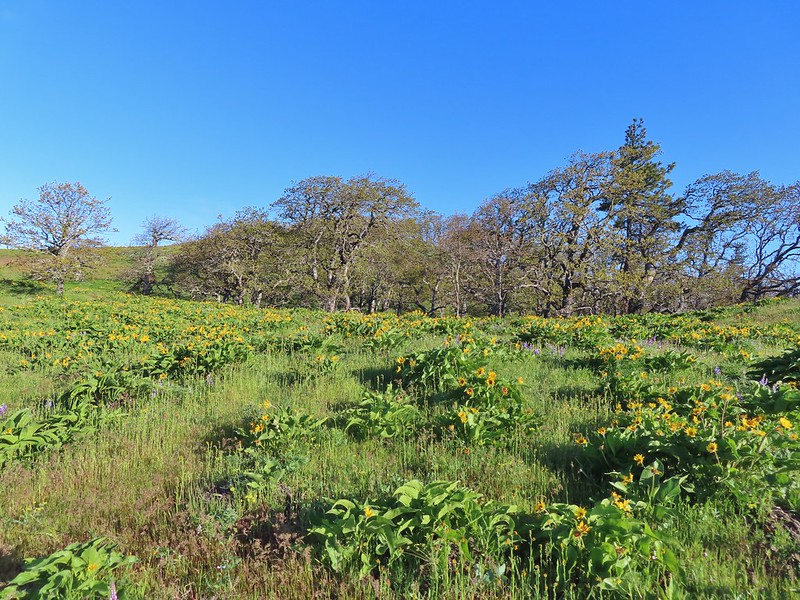


 The Hood River Bridge spanning the Columbia River.
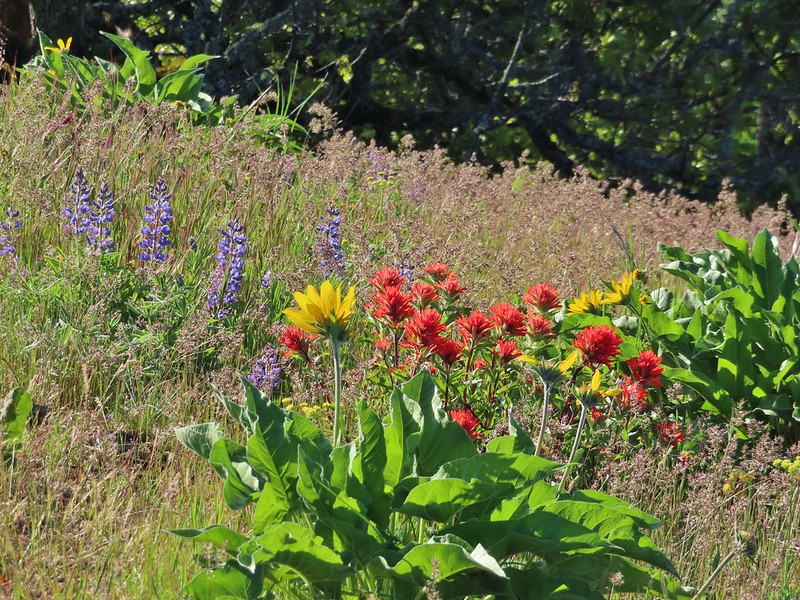 Lupine, balsamroot, and paintbrush
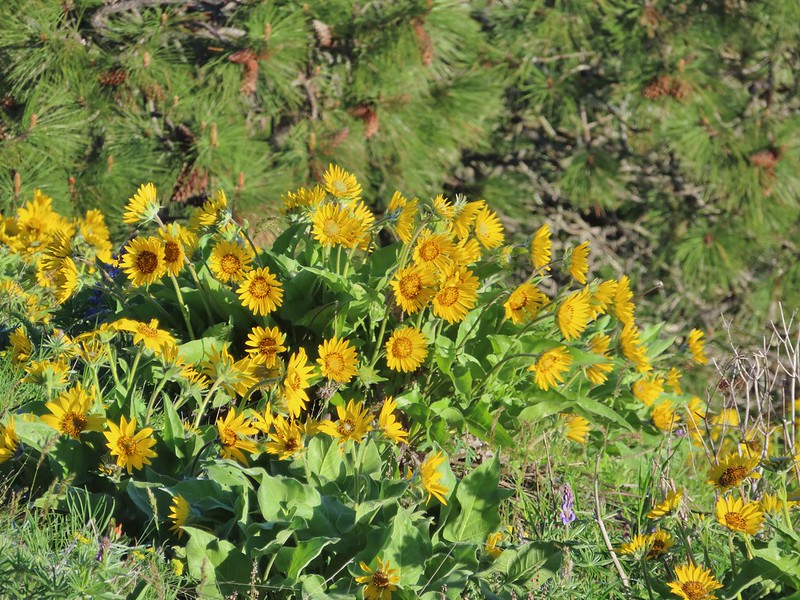 Balsamroot
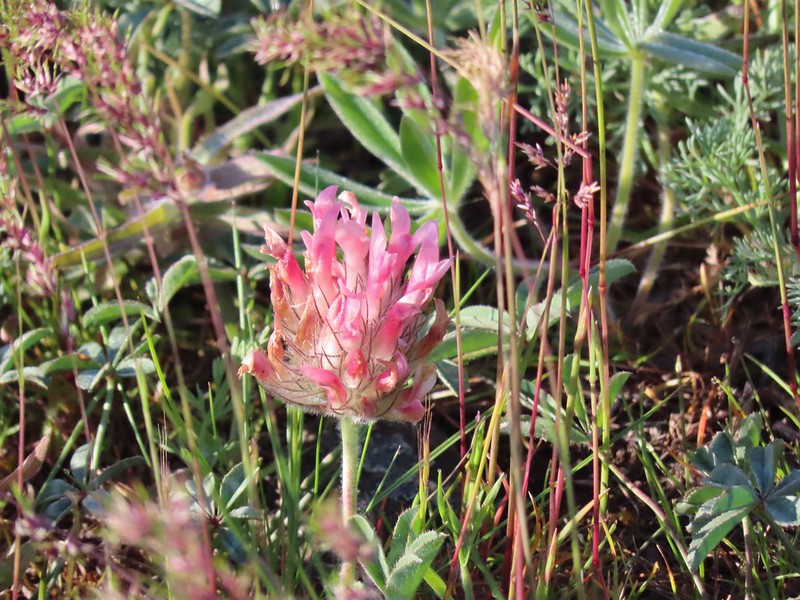 Large-head clover
 Large-flower Triteleia
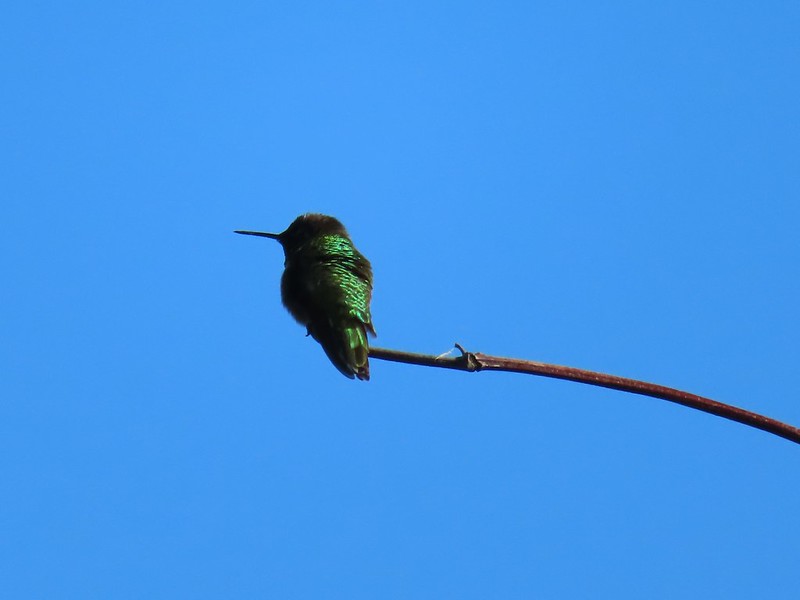 Hummingbird
 Balsamroot on Marsh Hill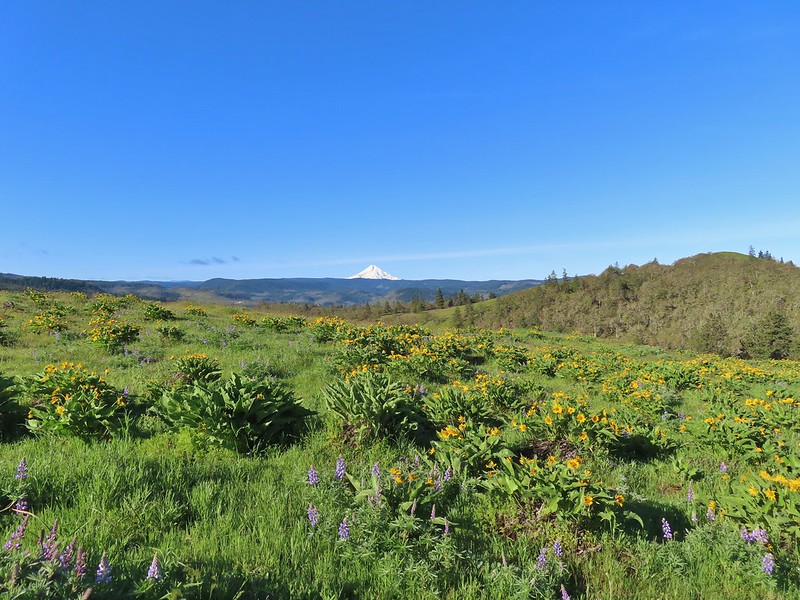
 Lupine and balsamroot
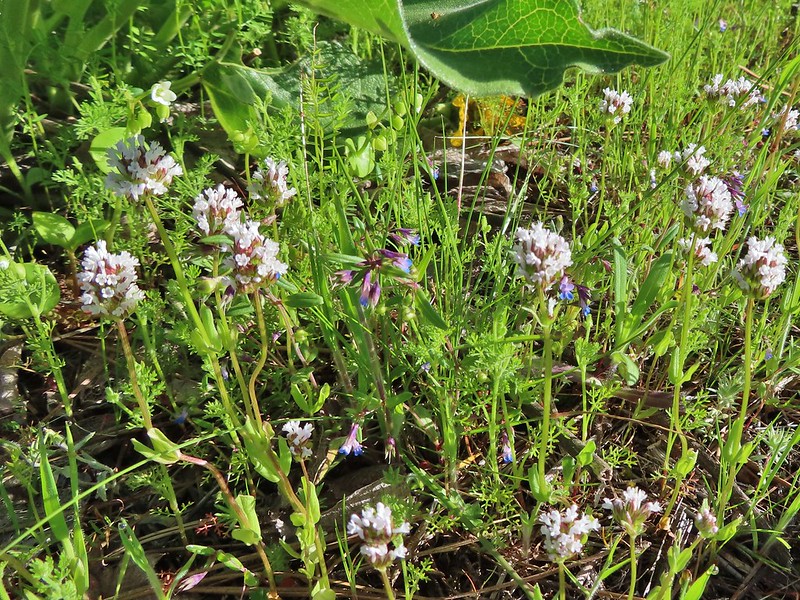 I think this is longhorn plectritis
 Sign for the parking area (If this small lot is full there are other




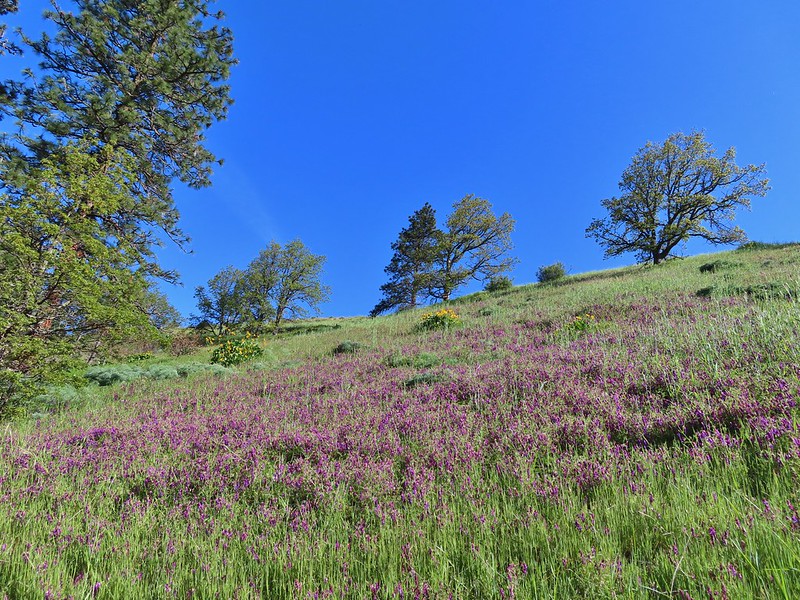
 Looking up the hillside.
 Red-stem storksbill
 Vetch and balsamroot
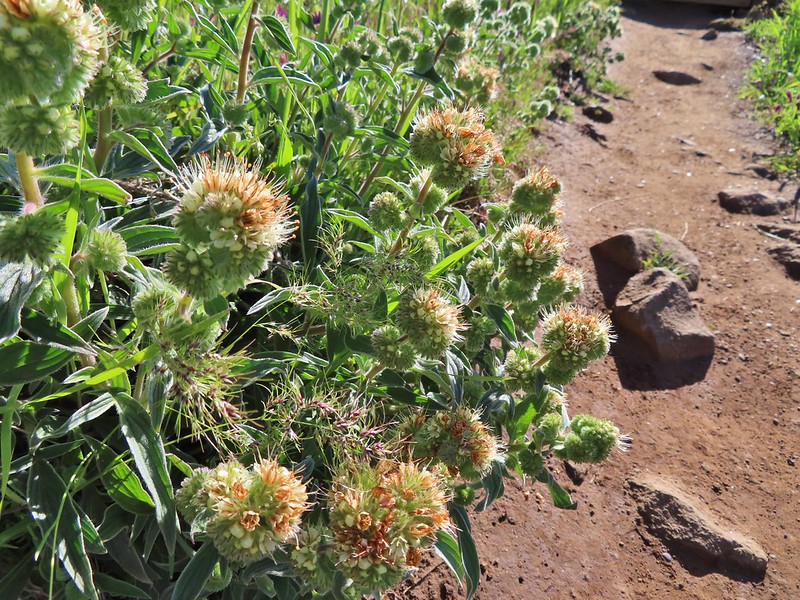 Silver-leaf phacelia
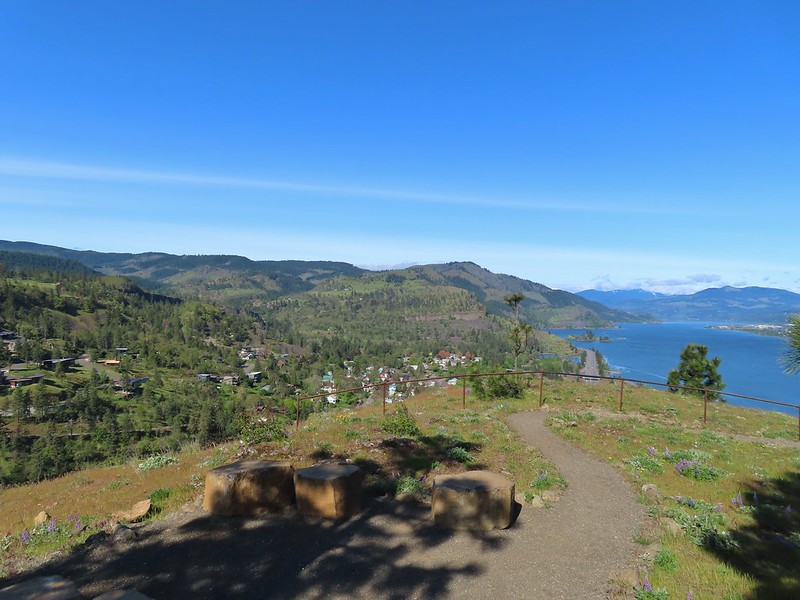
 Coyote Wall (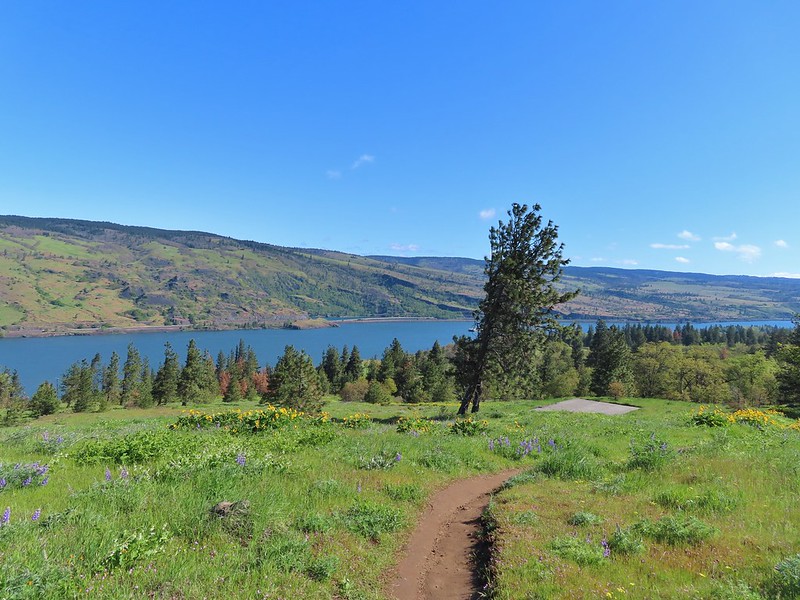


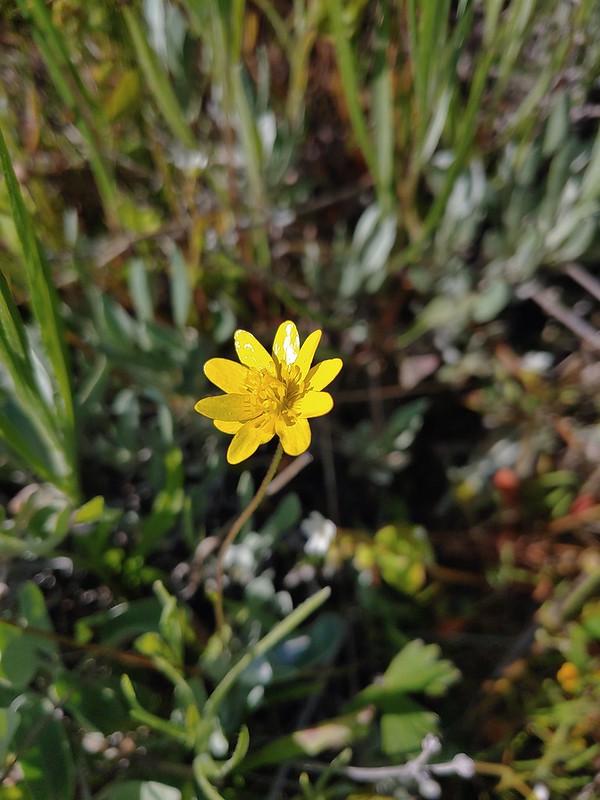 Gold star
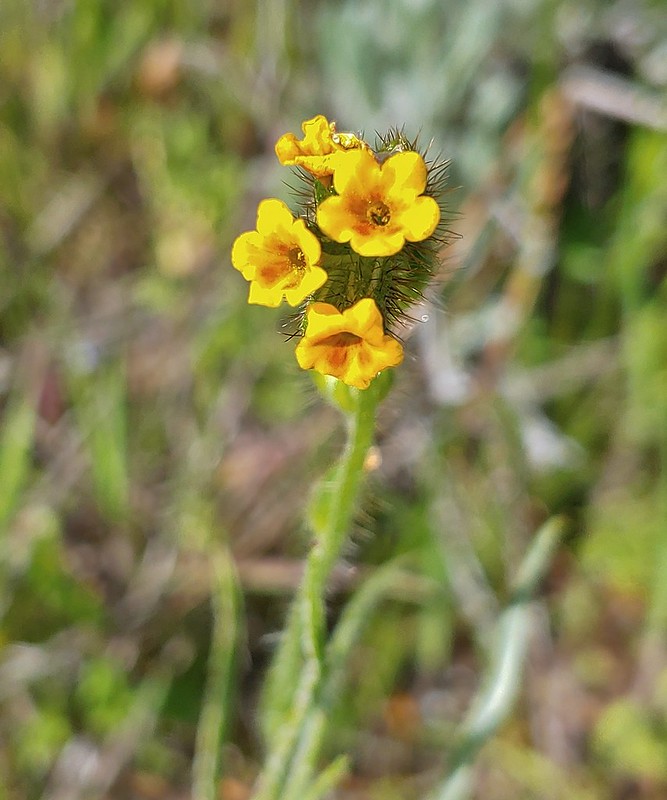 Fiddleneck
 Balsamroot
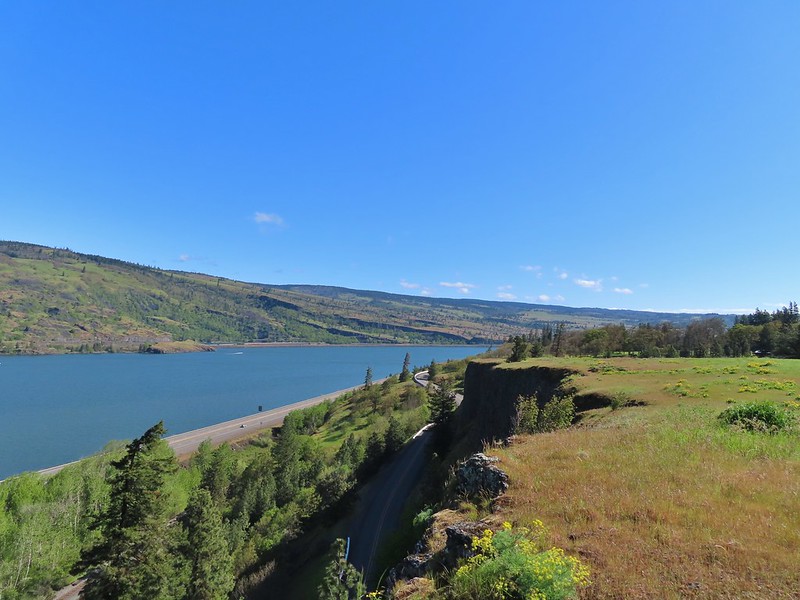 View east.
 Mosier to the west.
 Gray hairstreak
 Busy bumblebee
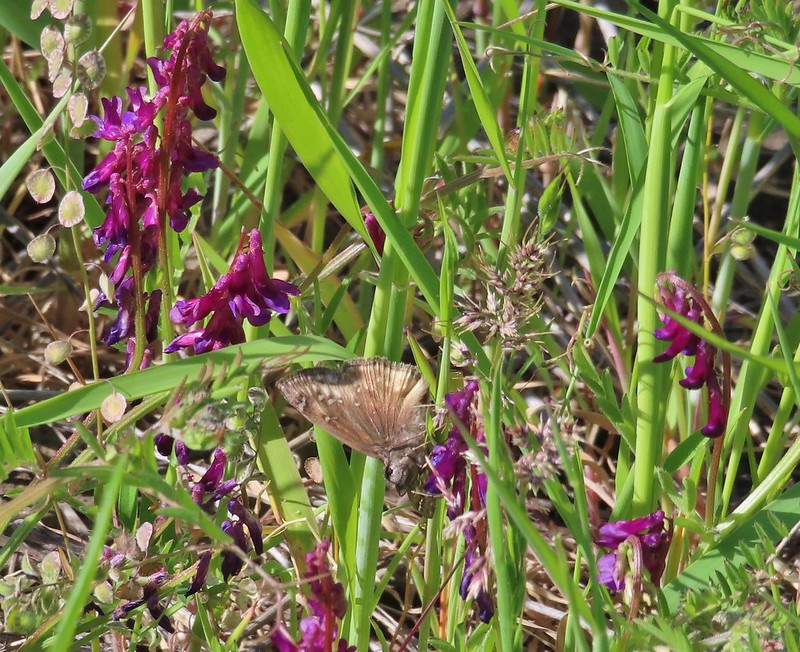 A duskywing (propertius?) on vetch.
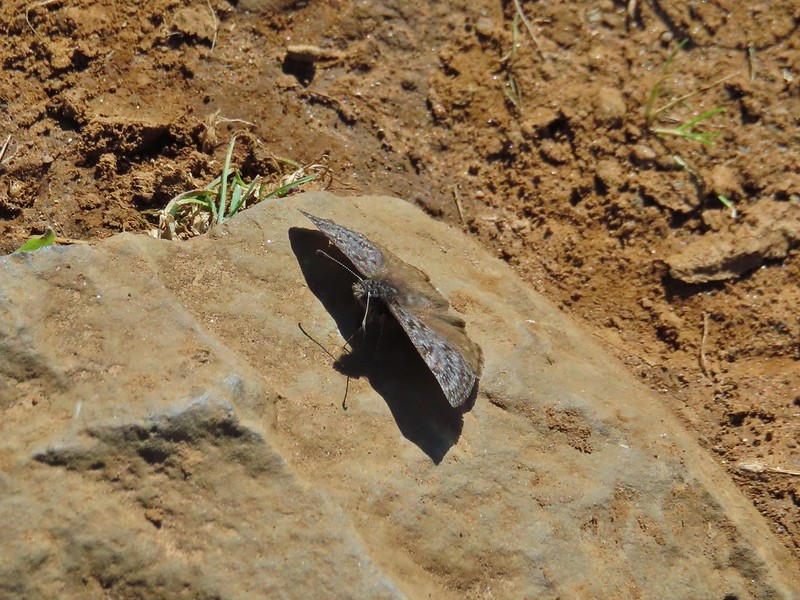 Propertius duskywing
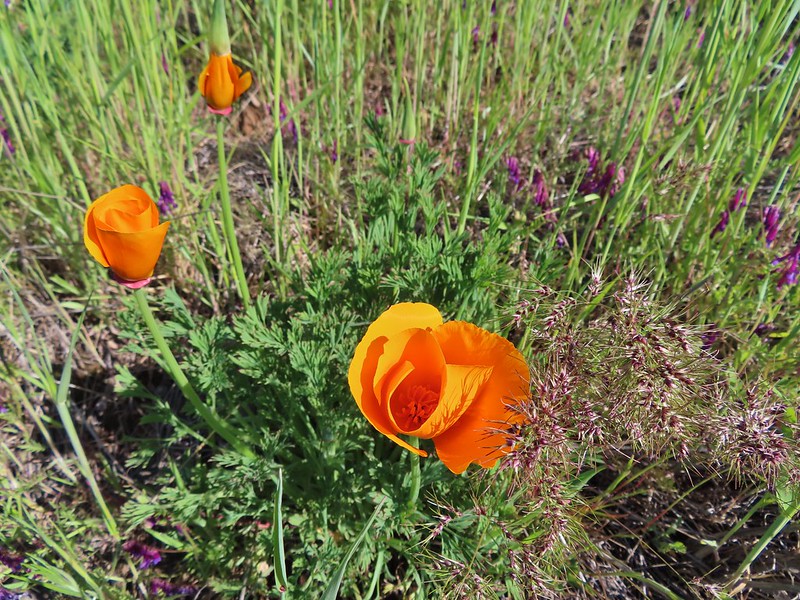 Poppies opening up to the Sun.
 Bachelor button
 The old powerhouse.

 Stellar’s jay near the tracks.
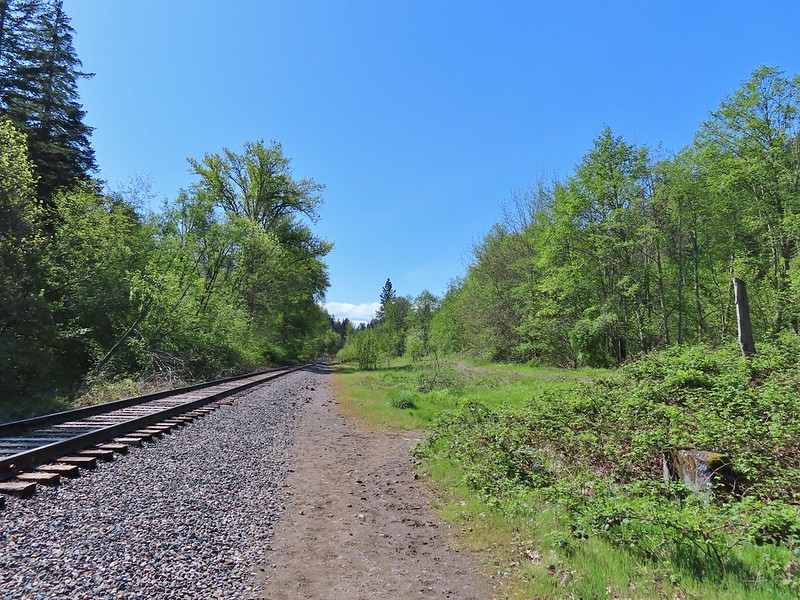 The trail ahead to the right.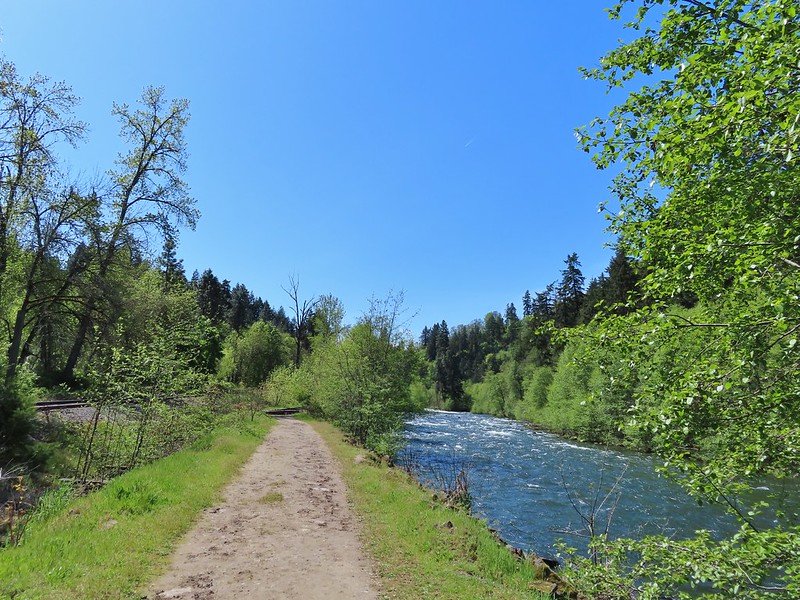


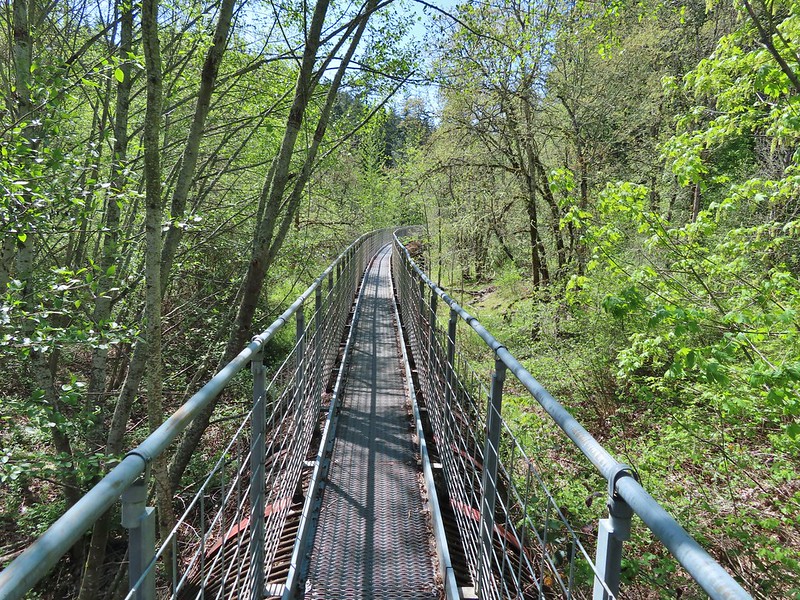
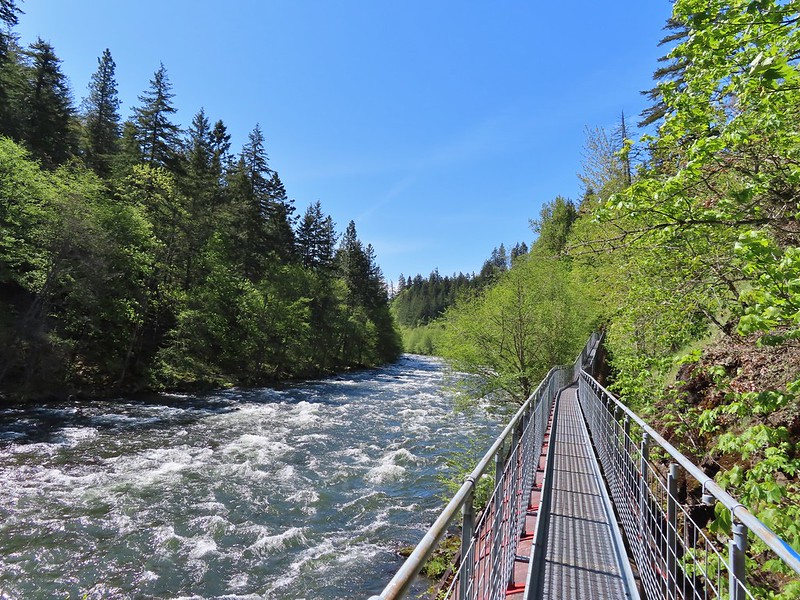
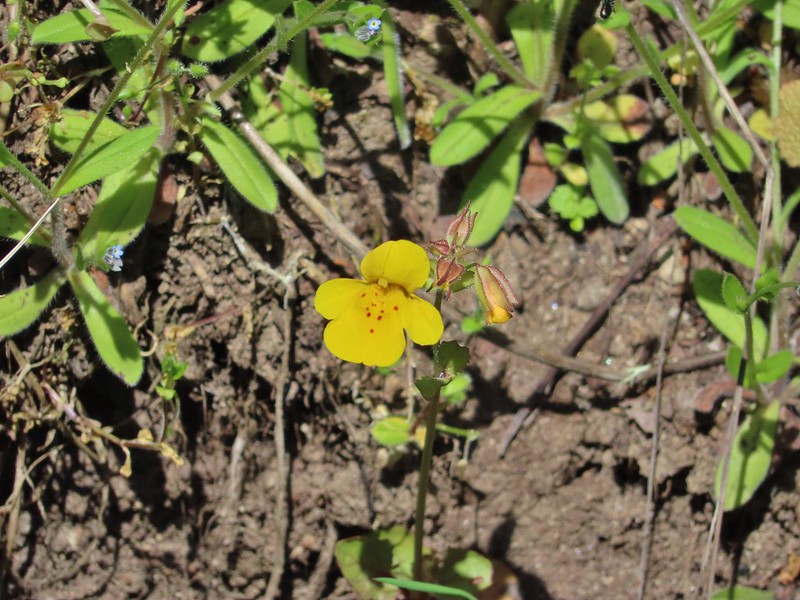 Monkeyflower
 Looking back from the turnaround point.
 Lizard
 Mallard
 Scrub jay
 Starlings
 Osprey
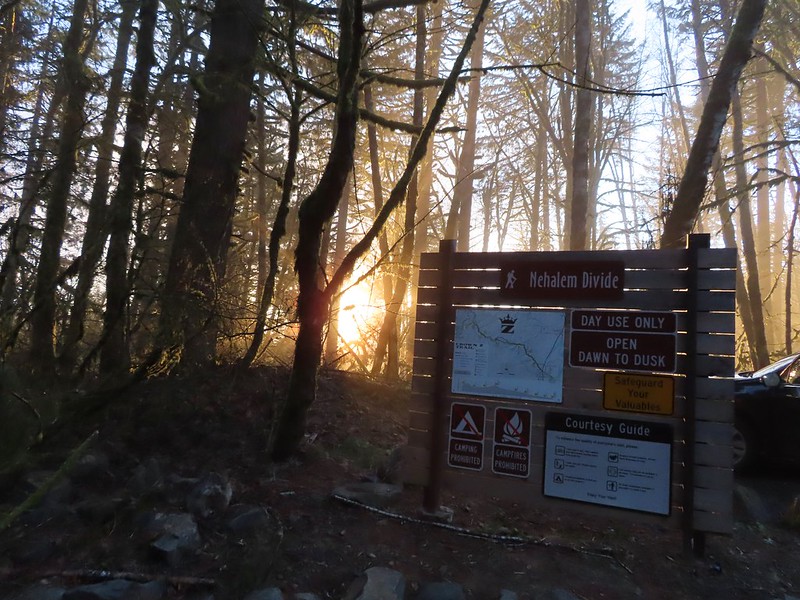
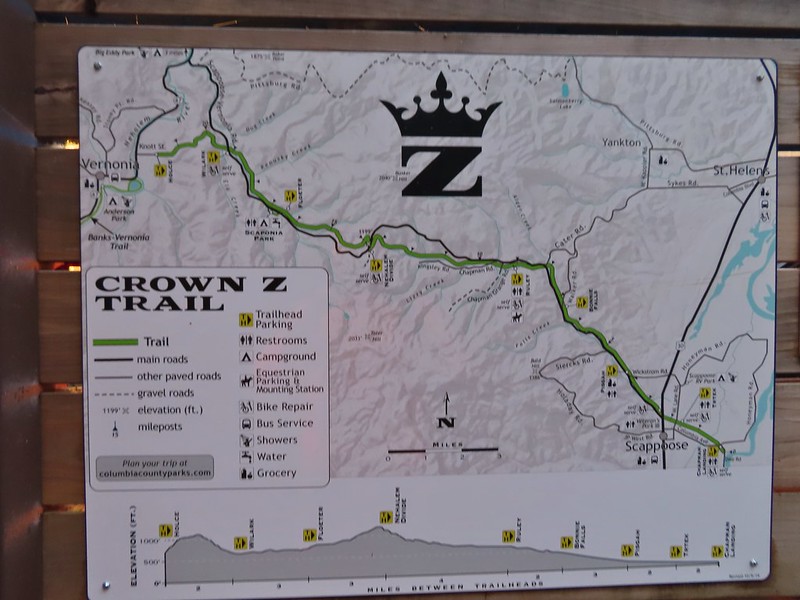
 Heading down the connector trail.
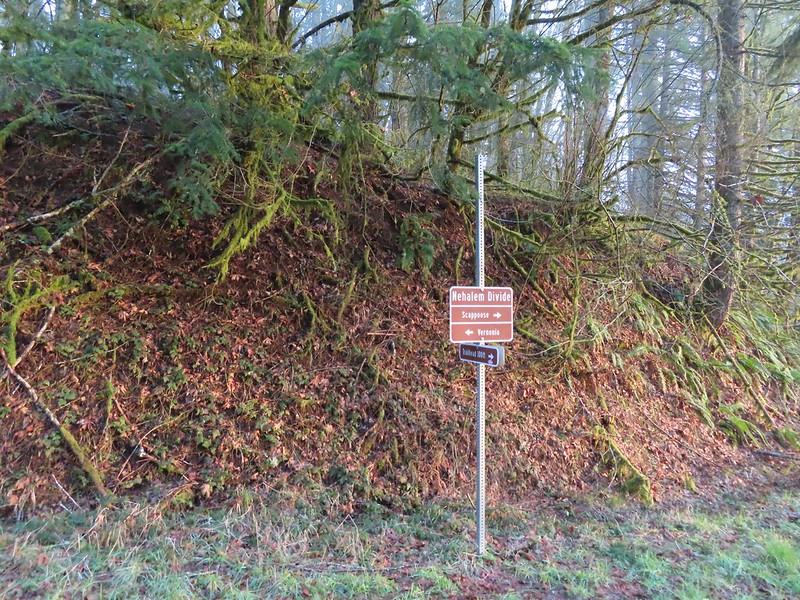 Trial sign at the jct with the CZ Trail.
 CZ Trail passing under the highway.

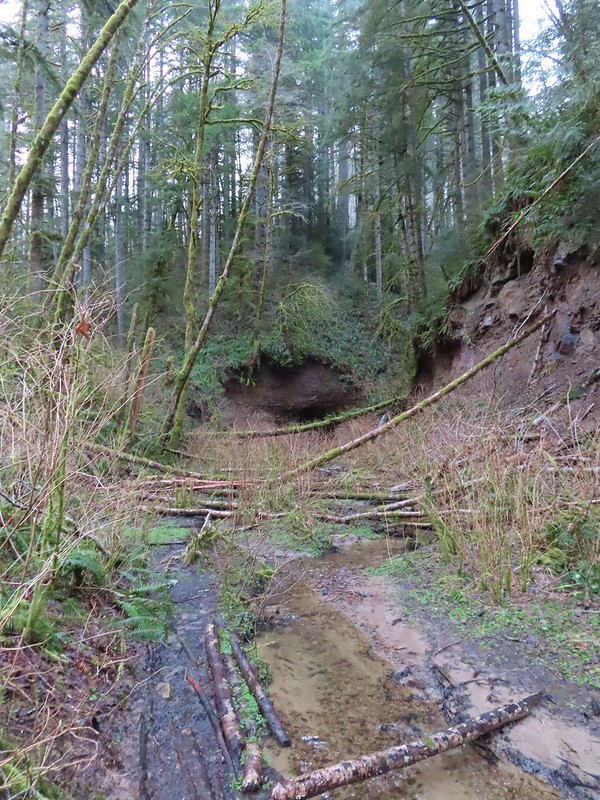

 Light from the eastern portal is visible at the other end but the tunnel is not safe to enter without at least a hard hat.

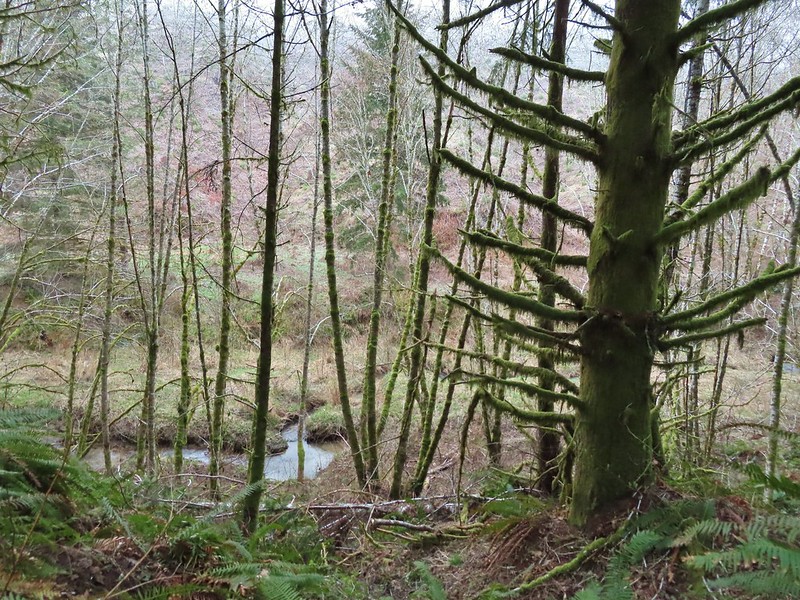 The East Fork Nehalem River next to the trail.
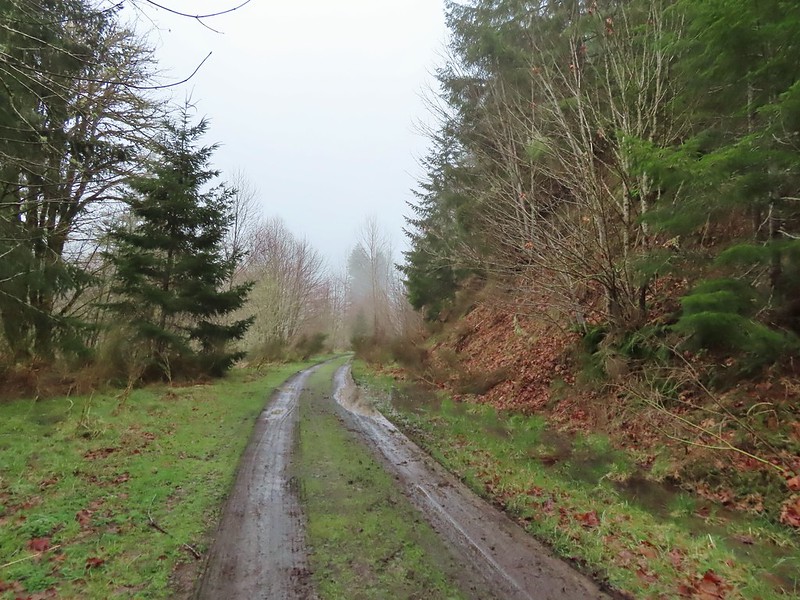 It was a little muddy in places.
 Another of several interpretive signs along the trail.
 Not much in the way of flowers yet but there were a few indian plum starting to blossom.


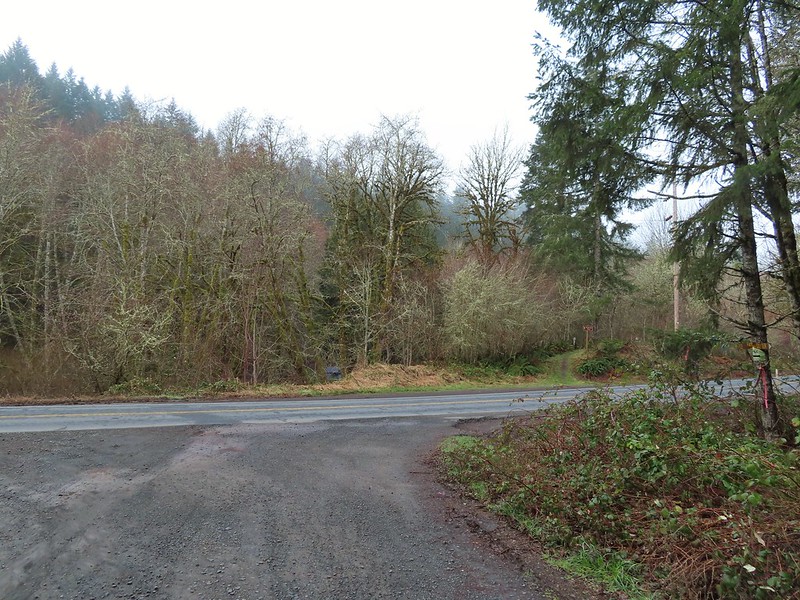


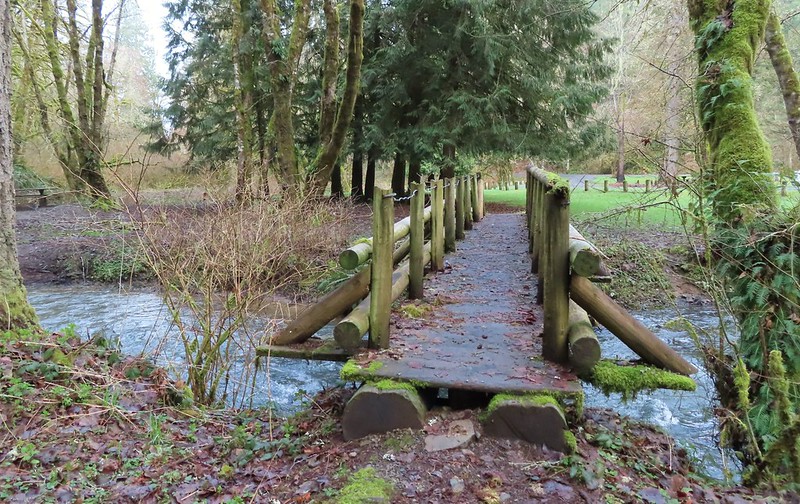
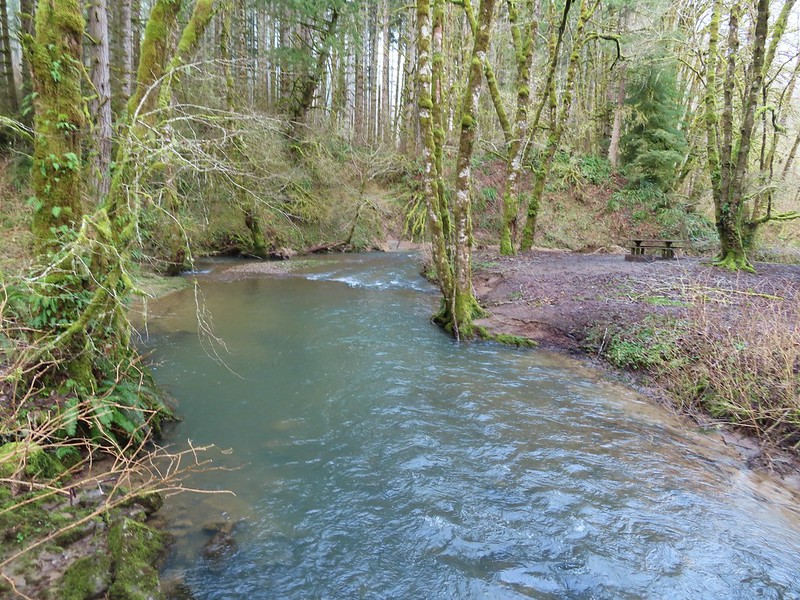 East Fork Nehalem River
 Pointer for the CZ Trail in Scaponia Park

 American kestral

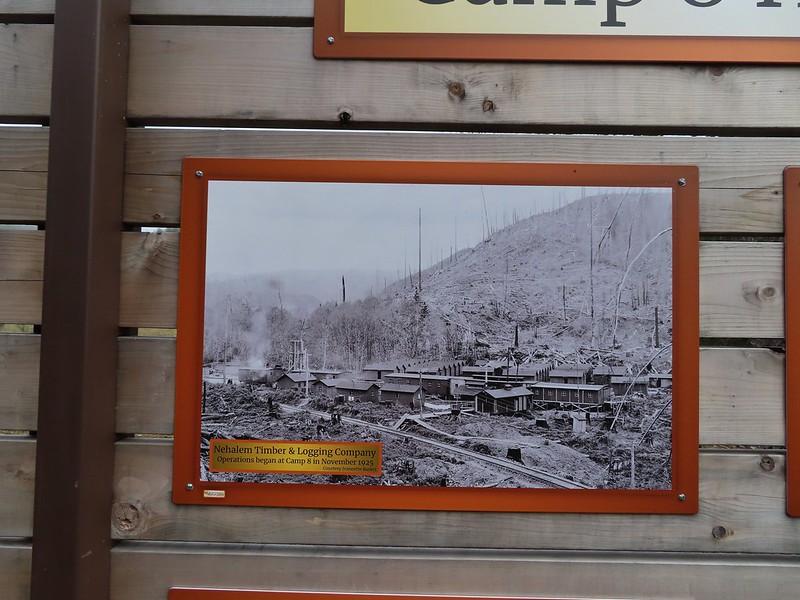
 Robin in the meadow that once was Camp 8.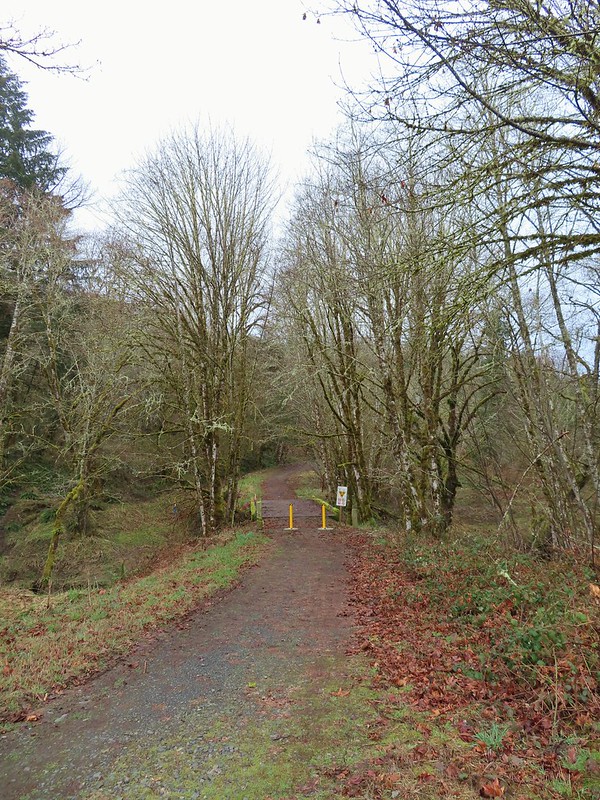

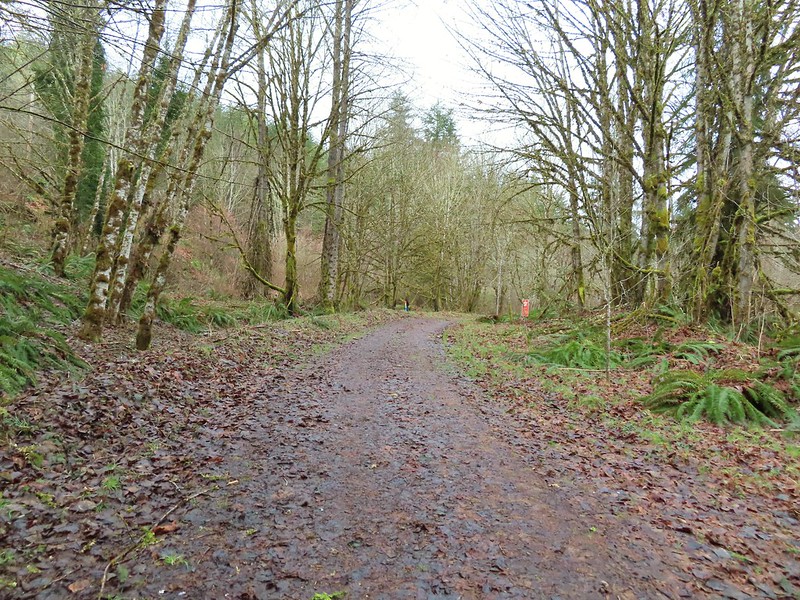 The orange mile marker 19 ahead.
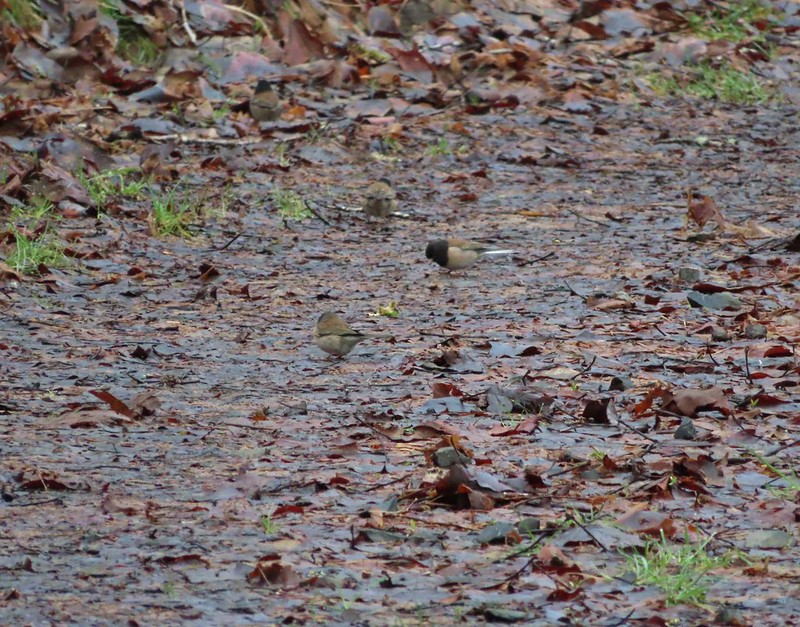 Juncos
 Another not great picture of a varied thrush.
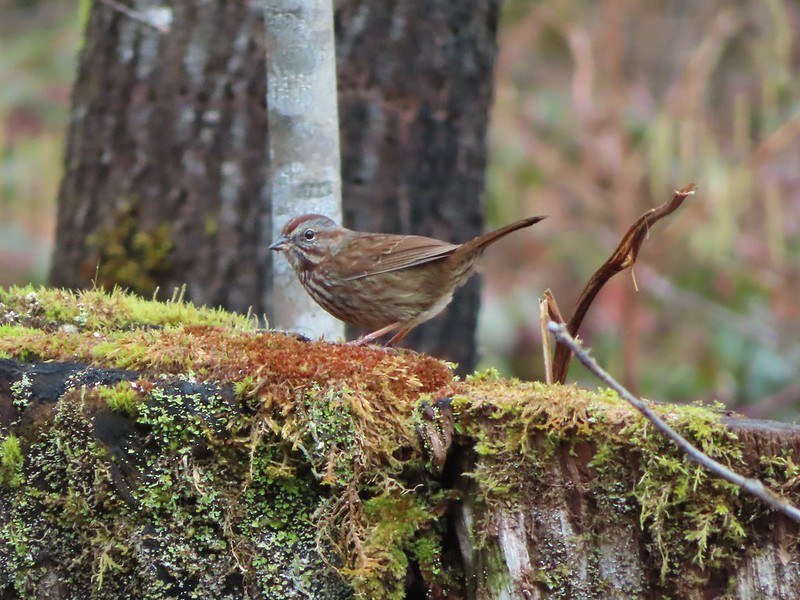 Sparrow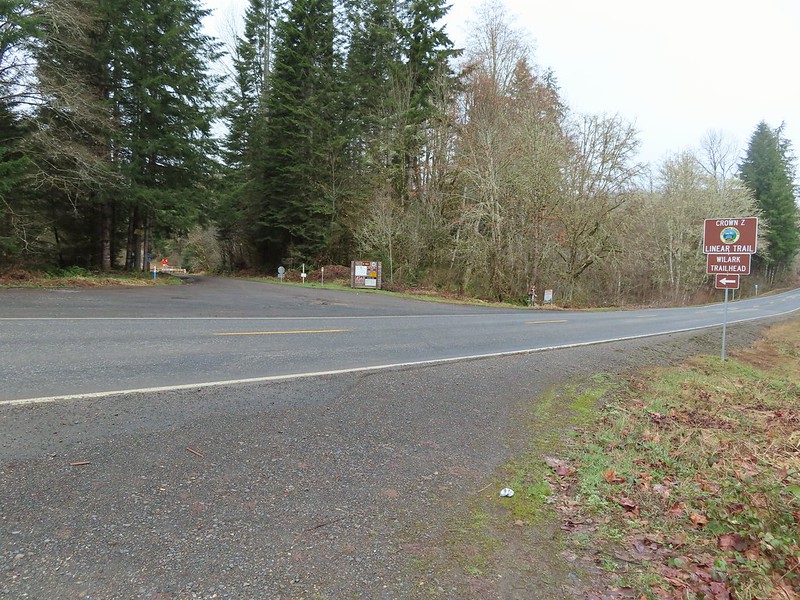


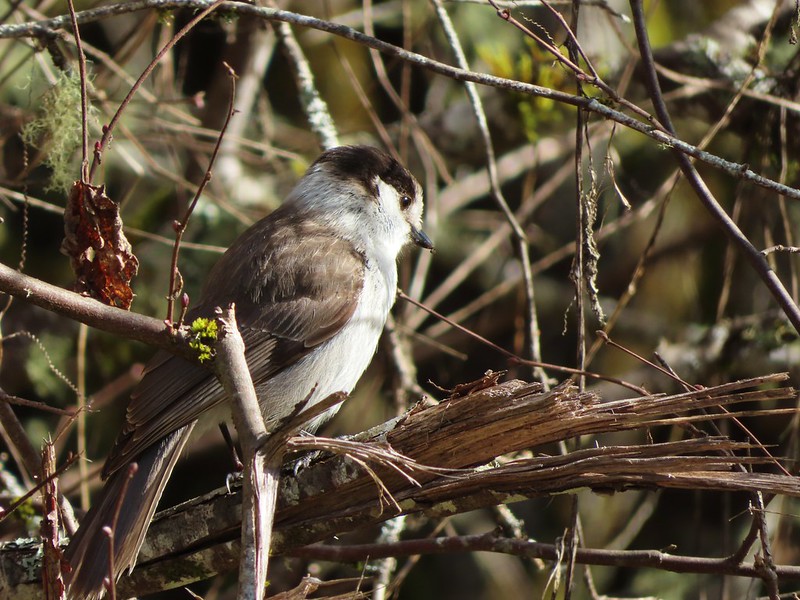 A grey jay enjoying the emerging sunlight.
 Blue sky near the Floeter Trailhead.

 Summit Lake, Elkhorn Mountains
 Wildflowers on the summit of Mary’s Peak
 Mt. Hood from Yocum Ridge
 Ecola State Park
 Oak Island
 Cape Arago Lighthouse
 Independent Mine Trail, Ochoco National Forest
 Boardman State Park
 Three Sisters Wilderness
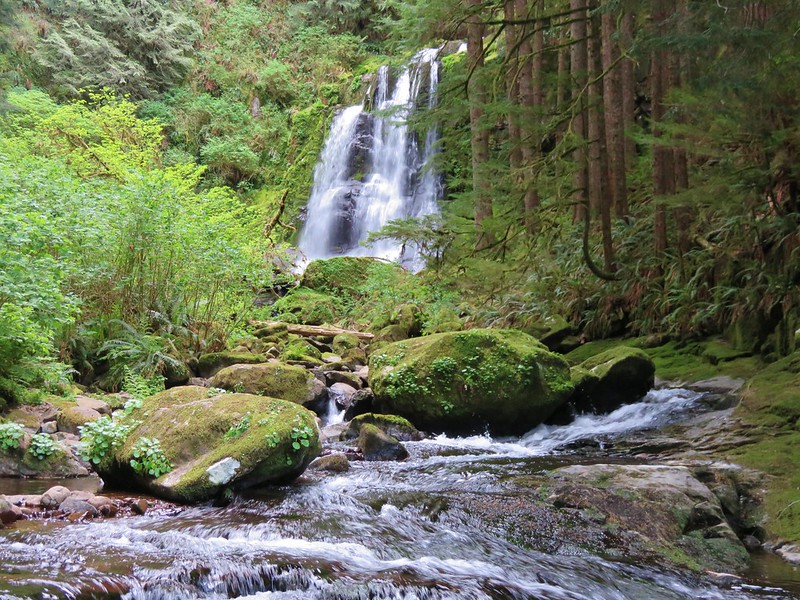 Upper Kentucky Falls
 Esau Canyon
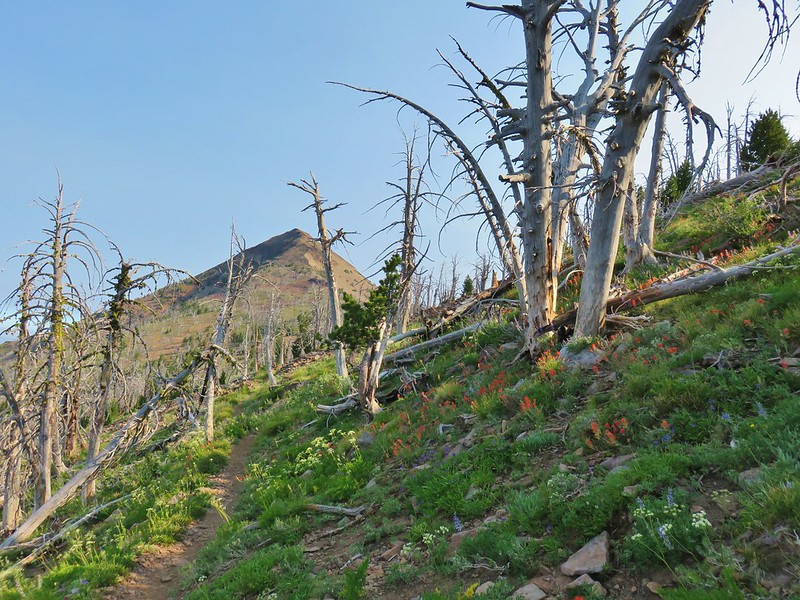 Strawberry Mountain
 Borax Springs Trailhead
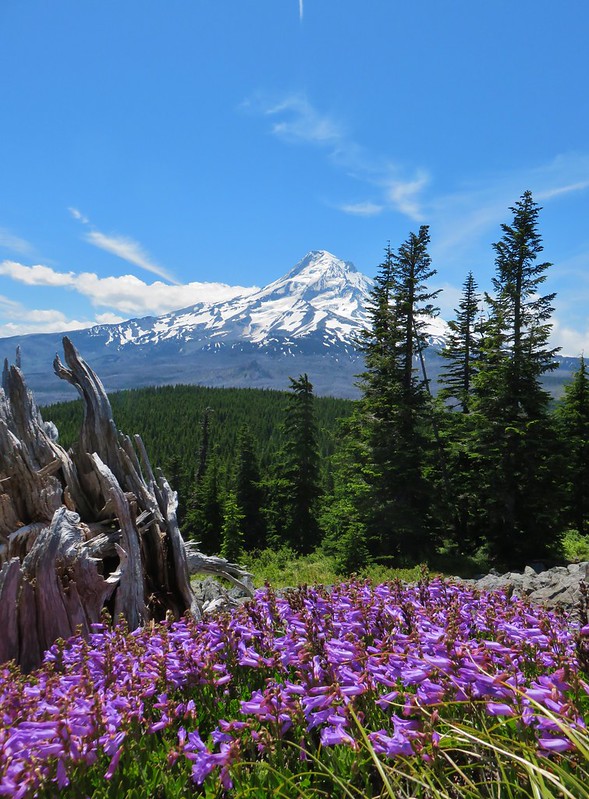 Mt. Hood from Owl Point
 View from Lower Table Rock
 Mount Jefferson Wilderness
 Paradise Lose, Oregon Caves National Monument
 Crater Lake National Park
 Hart Mountain National Antelope Refuge
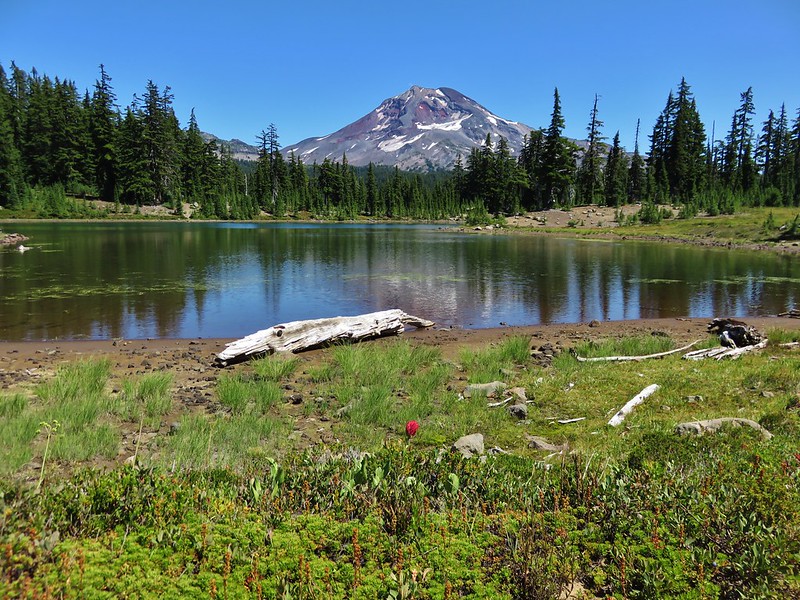 South Sister from Husband Lake
 God’s Thumb
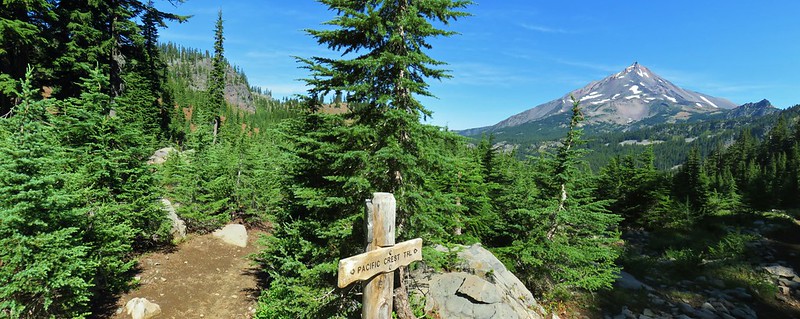 Mount Jefferson Wilderness
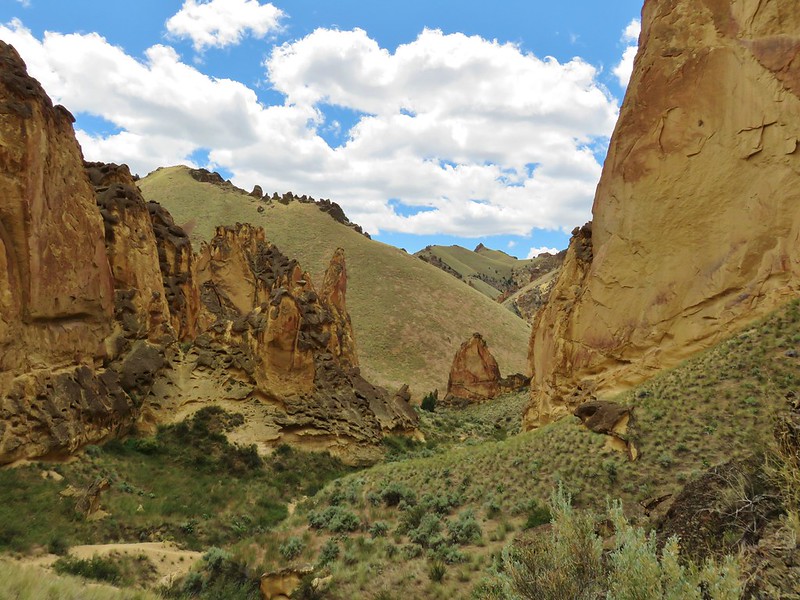 Timber Gulch
 Sawmill Falls
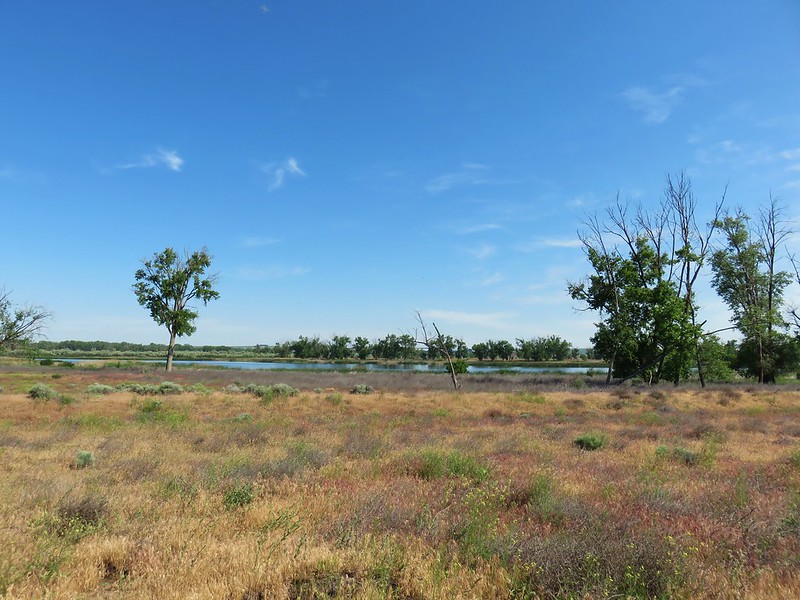 McCormack Slough
 Upper McCord Falls
 North Fork Siletz River
 Deschutes River State Recreation Area
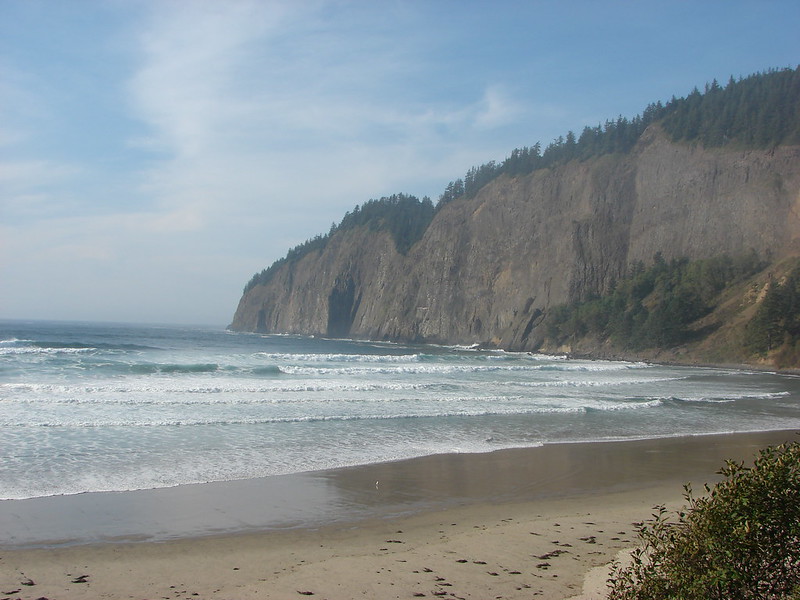 Cape Lookout
 North Fork Umatilla Wilderness
 Glacier Peak from Eagle Cap, Eagle Cap Wilderness
 Eagle Cap Wilderness
 Rowena Plateau
 Haag Lake
 Painted Hills, John Day Fossil Beds
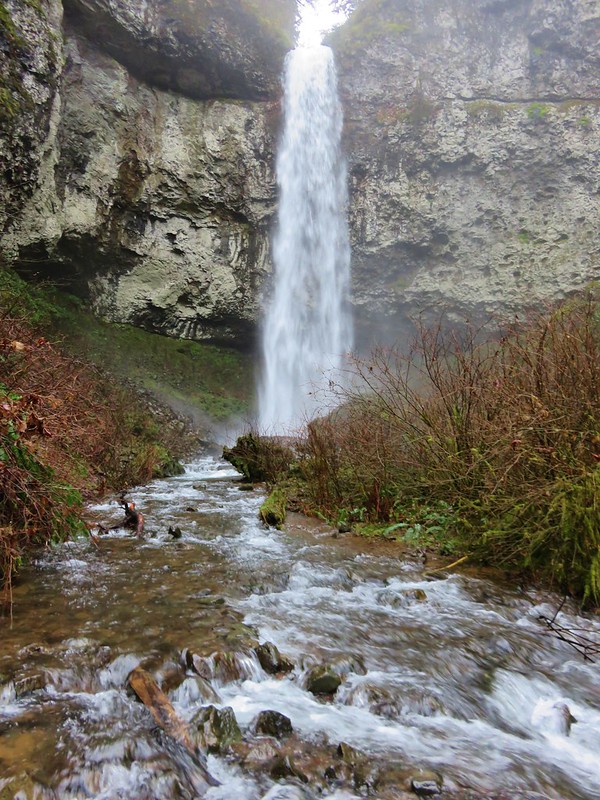 Niagara Falls
 wanderingyuncks