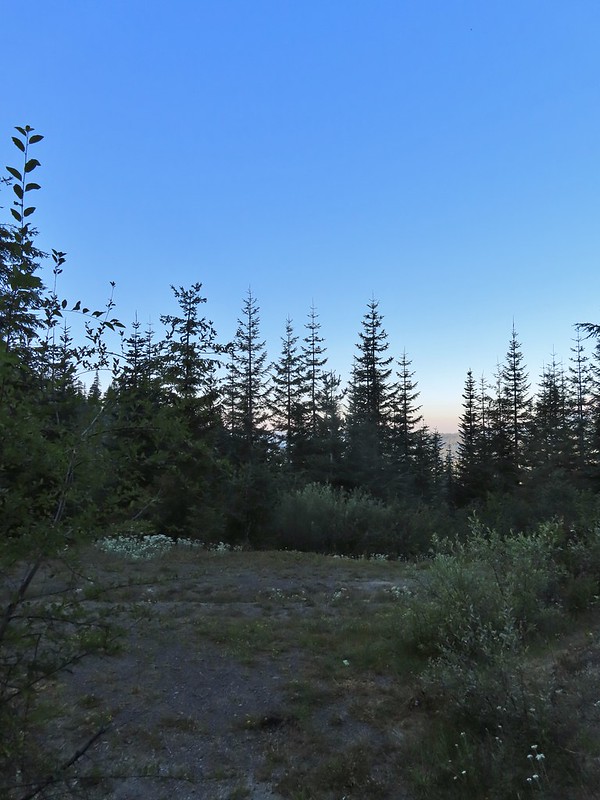
After spending the night in our tent at Badger Lake (post) Heather’s foot was feeling better enough to give the Norway Pass hike a go. We were up nice and early thanks in part to an owl who visited the lake just before 4am. After a breakfast of Mountain House’s Spicy Southwest Skillet (our current favorite) we packed up and started our hike back to Elk Pass. The view from the trees surrounding our campsite as we prepared to leave.
We had decided not to follow the Boundary Trail all the way back to Elk Pass opting to cut over to a forest road after the first two miles near the Mosquito Meadows Trail junction. Sullivan mentions doing this stating that it is “slightly quicker, but a bit tedious”. Our hope was there would be less elevation gain because we’d done a fair amount of up and down on the trail the day before.
Mt. St. Helens catching some morning light.
Mt. Rainier without a whole bunch of smoke.
There were a couple of paths near the trail junction where people had cut over to the old forest service road which was only about 10 yards away (but hidden by trees from the trail). We turned left at the first of the paths and quickly popped out onto the road.
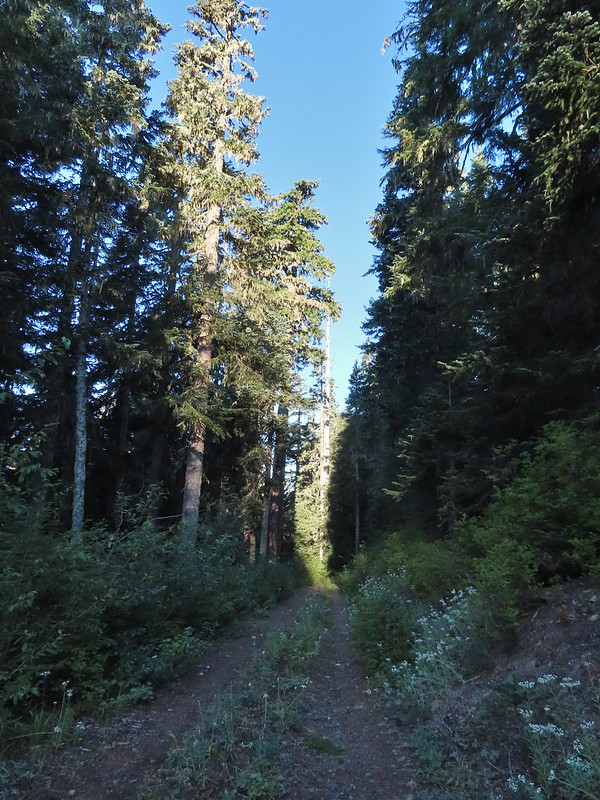
We turned right on the roadbed and followed it downhill just under half a mile to FR 2551 which is still in use.
We snagged a few black caps along the road to as a post breakfast snack.
FR 2551
We turned right onto FR 2551 and were pleasantly surprised to find that there was very little elevation change (just a slight gain) over the 1.7 miles back to FR 25. The very top of Mt. St. Helens from FR 2551.
Sullivan had labeled this stretch with the word slide which had caused a little apprehension in deciding to try this return route but despite the obvious slide(s) that had occurred here the road was in decent shape.
Not sure what kinds of birds were in this tree but there were a lot of them.
FR 25 at the end of a long straight away.
We turned right again at FR 25 walking along the shoulder for 150 yards to the Boundary Trailhead.
The Boundary Trail crosses FR 25 near the road sign ahead. The picture was taken from FR 2551 at FR 25.
We pulled our day packs out, refilled our water with some extra we had left in the car and drove north on FR 25 to FR 99 where we turned left heading for the Norway Pass Trailhead. A short connector from the trailhead leads to the Boundary Trail.
We turned left at the Boundary Trail and climbed for just over a mile to a signed junction with the Independence Ridge Trail. A couple was taking a break at the junction and another hiker, from the Mt. St. Helens Institute, coming down hill stopped to ask them if they were debating on which way to go. They weren’t and she said good because the Independence Ridge Trail is “dicey”.
Paintbrush
Buckwheat
We could hear a waterfall in the valley below.
The top of the waterfall.
Penstemon and pearly everlasting.
Looking back over our shoulders to Meta Lake.
Mt. Adams also from over our shoulders.
Aster
Switchback at the Independence Ridge Trail junction.
The Boundary Trail climbed less steeply beyond the junction with the exception of an up and down to cross a dry stream bed.
Heading down to the stream bed.
Penstemon
Monkeyflower
As the trail made it’s final climb to Norway Pass Mt. Rainier was visible beyond the ridges to the north.
Norway Pass (the low saddle to the right) from the trail.
Orange agoseris
Approaching the pass.
To get a good view of Mt. St. Helens we had to descend on the trail a short distance beyond the pass.
After admiring the view we headed back stopping along the way to debate what these flowers were and whether or not they were non-natives (we believe they probably are).
With much of the 2.2 mile return hike being downhill we made good time back to the trailhead where we changed and then started the long drive home. Mt. Adams and Meta Lake from the trail.
This hike was just 4.4 miles but gained nearly 900′ of elevation making it a good workout with great views.
The hike out of Badger Lake had been 4.2 miles so combined it was an 8.6 mile day. Knowing that we had now hiked at least portions of all 100 featured hikes in another of Sullivan’s books was the icing on the cake of a fun but tiring visit to Mt. St. Helens. Happy Trails!
After having spent a week in SE Oregon checking off a few of Sullivan’s featured hikes in that region we turned our focus back to the Northwest Oregon/Southwest Washington guidebook where just 3 featured hikes remained. All three hikes were located on the NW side of Mt. St. Helens, a three and a half hour drive from Salem. These last three hikes were a good example of some of the things we’ve had to work out on what counts toward being able to check off a hike. Due to their distance day hikes were out and a limited number of nearby rooms meant we needed to get creative. Our plan was to do portions of all three hikes on Saturday starting at Mt. St. Helens and ending with us backpacking in to Badger Lake and the finishing up on Sunday by driving back to Mt. St. Helens to complete one of the three options Sullivan has for his Spirit Lake hike (4th edition hike #29).
One of the quirks with Sullivan is that while he has the 100 featured hikes he often gives multiple options. Typically the second option is an extension of the shorter option but sometimes the options go in different directions or are even completely different hikes starting at different trailheads. Two of these last three hikes had three options. For Spirit Lake the shortest option, Harmony Falls, started at the Harmony Trailhead while the other two, Norway Pass and Mt. Margaret, began at the Norway Pass Trailhead. We had hiked up Mt. Margaret on a previous trip coming from the other direction (post) so we didn’t feel we needed to do that option but the other two options would be new to us so we planned on doing them both starting with Harmony Falls and saving Norway Pass for Sunday.
From the Harmony Viewpoint a 1.2 mile trail leads 700′ downhill to Spirit Lake.
Mt. St. Helens from the viewpoint.
As has been the case this Summer there was a good deal of haze surrounding us but we had blue(ish) sky overhead. There were also a fair amount of wildflowers blooming, at least compared to what we had seen in SE the previous week.
Pearly everlasting
Penstemon
Paintbrush
Mt. St. Helens
Prior to the 1980 eruption of the mountain Harmony Falls was a 50′ waterfall but most of the falls were buried as was the lodge that sat near the base of the falls. Now there is only a small cascade along the trail.
Mt. St. Helens and Spirit Lake from the end of the trail.
As we were making our way back we were doing our best to try and identify the various rock formations and peaks across the lake. Coldwater Peak (post) is easy with the white equipment on top.
The Dome
Mt. Margaret
Mount Teragram
After finishing this 2.4 mile hike we continued driving toward Mt. St. Helens on FR 99 and parked at the Windy Ridge Interpretive Site where the road is gated and only open to research vehicles.
We were now working on featured hike #28 – Windy Ridge. Again Sullivan had three options, this time all starting from this parking lot. The shortest option was a .2 mile round trip up a steep set of stairs to the Windy Ridge Viewpoint at the northern end of the parking lot (see photo above). We set off across the lot to tackle this one first.
<img src="https://live.staticflickr.com/65535/51413600517_e0b437d3fb_c.jpg" width="800" height="600" alt="IMG_3847">The interpretive site and Spirit Lake.
Mt. St. Helens.
Aside from a little section near the top the stairs were nicely spaced making the climb better than it looked from the bottom.
In addition to Mt. St. Helens both Mt. Adams and Mt. Rainier were visible from the viewpoint although on this day the haze was an issue. Mt. Adams
Mt. Rainier
The interpretive signs at the viewpoint did a good job of identifying different features that were visible which we appreciated.
The Johnston Ridge Observatory was visible across Spirit Lake on a far hillside.
It’s often hard to tell if you’re seeing dust from rockfall or steam from one of the vents.
After reading the signs and taking in the views we headed down the stairs and to the other end of the parking area where we walked past the gate and followed FR 99 for 1.8 miles to a sign for the Abraham Trail, the return route for the longer option.
Butterfly on ragwort
Butterfly on pearly everlasting
Lupine in the pearly everlasting
Golden-mantled ground squirrel
Might be Oregon sunshine
Penstemon
The longer option would add approximately 2.2 miles and 500′ to our hike and visit the Plains of Abraham. As with Mt. Margaret we had visited the Plains of Abraham (post) previously so we were going to stick to the shorter option. Beyond the junction with the Abraham Trail FR 99 dropped to a small parking area for research vehicles where two trails began.
To the left was the Windy Trail and to the right was the Truman Trail. Our plan was to take the Windy Trail and hike a clockwise loop returning on the Truman Trail.
We followed the Windy Trail just over a mile to the Loowit Trail where we turned right.
Paintbrush and dwarf lupine
Pearly everlasting
The Loowit Trail junction.
The Loowit Trail immediately dropped into a gully to cross a small stream. Spirit Lake from the junction.
In the gully.
We continued another 0.4 miles before arriving at Big Spring which was a big surprise.
Another gully to cross.
Big Spring is in the willow thicket.
We knew that there was a spring but more often than not the springs wind up being small trickles or big mud puddles but not Big Spring. This was a good sized stream beginning almost right next to the Loowit Trail.
The stream flowing over the Loowit Trail.
A pink monkeyflower at the spring.
Looking back at the willows and Big Spring.
Another half mile of big views and a couple of gully crossings followed Big Spring. We were excited to spot mountain goats lounging on a ridge between the mountain and the trail along this stretch. Coldwater Peak to the right.
The Sugar Bowl lava dome.
Spirit Lake from the trail.
The first goats we spotted are on this ridge above the lone tree.
The Loowit Trail crossing two gullies in a short stretch, one red one black.
Dropping into the second gully.
From the second gully we could see quite a few more goats on the ridge.
A half mile from Big Spring we arrived at another trail junction. Approaching the junction with the side trail to Loowit Falls.
Sign for Loowit Falls.
We stayed straight here following the pointer for Loowit Falls for another half mile. Loowit Falls (right side of the photo) was visible for much of the half mile.
Looking back at Coldwater Peak and Spirit Lake. (The top of Mt. Rainier is barely visible peaking over the top of the ridges.)
As we neared the falls we noticed another small herd of mountain goats on the hillside.
We could also see the hummocks (post) off in the distance to the NE, pieces of the mountain that slid off during the 1980 eruption and settled in the debris flow creating odd mounds.
Loowit Falls looked bigger than I had expected. We took a good break at the viewpoint with a couple of other hikers and a pair of young Forest Service workers.
Spirit Lake from the viewpoint.
After our break we returned to the Loowit Trail to continue the loop.
Paintbrush
Dwarf lupine
Just under three quarters of a mile from the Loowit Falls Trail junction we arrived at the Willow Springs Trail junction.
Here we left the Loowit Trail by turning right on the 0.8 mile long Willow Springs Trail.
Mt. St. Helens from the Willow Springs Trail.
Heading toward Spirit Lake.
The Willow Springs Trail ended at the Truman Trail where we again turned right.
We followed the Truman Trail for a mile and a half back to the research vehicle parking area, re-crossing the gullies and streams we had crossed on the Loowit Trail.
The Dome above Spirit Lake
Vehicles ahead in the research parking area.
From the parking area we followed FR 99 (mostly uphill until the very end) 1.8 miles back to the Windy Ridge Interpretive Site. The haze was improving as the day wore on and we could now at least make out some snow on Mt. Adams.
Mt. Adams to the left.
Mt. Adams
Look out for snakes, not the poisonous kind just don’t want to step on them.
Some sort of sulphur butterfly on pearly everalsting.
Our 10.7 mile track from the Windy Ridge Interpretive Site
The 53.7 mile long Boundary Trail’s western end is near Norway Pass where we planned on hiking the next day while the eastern end is located at Council Lake near Mt. Adams. The section of the trail that we planned on hiking was a 4.3 mile segment from Elk Pass to Badger Lake. From the signboard at the trailhead a short spur led away from FR 25 into the trees before joining the Boundary Trail.
We turned left on the Boundary Trail and promptly arrived at FR 25 which we then crossed.
This trail is open to both mountain bikes and motorcycles which probably explains why it was only briefly one of Sullivan’s featured hikes (#30 in his 4th edition). The forest was pretty and quiet (no motorcycles during our visit) but the trail showed a lot of wear from tires.
One plus was a good variety of berries along the way and there were a few flowers as well. Salmonberries
Blueberries
Huckleberries
Mushrooms (the flowers of Fall)
I was really surprised to still be able to make out the remains of the petals on these trillium.
These bunchberries with a few petals left were near the trillium above.
Candyflower
At the 2.3 mile mark we passed the Mosquito Meadows Trail on the left.
At this junction Heather told me to go on ahead and find a campsite then hike up Badger Peak without her if I wanted. Her plantar fasciitis had flared up on the way back from Loowit Falls and was struggling a bit. We had planned on hiking up to the summit after setting up camp and I didn’t want to wait for morning because the rising Sun would have been directly behind Mt. Adams. (Sullivan’s short option for this hike was to the lake and back while the longer option was to the summit.)
The trail gained a little over 600′ over the next two miles which doesn’t sound like a lot but nearly all the elevation was packed into two short sections of the leg.
These thimbleberries weren’t ripe but a short distance further were a lot of ripe ones. I thought I might have to hike back and retrieve Heather from them.
A brief glimpse of Mt. Rainier from the ridge the trail was following, it looked like a lot of the smoke had blown away.
Two miles from the Mosquito Meadows Trail I arrived at a junction with the Badger Peak Trail.
Before I headed up that trail though I needed to hike on to Badger Lake to find a campsite (and get rid of my full backpack). Beyond this junction the trail passed through a meadow crossing Elk Creek and arriving at the lake on the far side.
Aster
Elk Creek
Pink monkeyflower along Elk Creek
Lupine
The trail near Badger Lake was particularly torn up and there were several signs posted admonishing motorcyclists to stop driving off trail.
Torn up hillside near the lake, it only takes one or two idiots to cause a lot of damage (the same goes for hikers/mountain bikers).
The little puddle in the foreground is not the lake, it is further back.
I found a tent site back in the trees near the meadow and dropped my pack off and hung my hunter orange shirt so Heather couldn’t miss it. Then I grabbed my day pack and hiked back to the Badger Peak Trail and headed uphill.
This mushrooms was at least as wide as a salad plate.
It was 0.8 miles to the summit with 700′ of elevation to gain which meant the trail was pretty steep. In addition the motorcycles had gouged a deep trough in the center of much of the trail which was uncomfortably narrow to walk in. It turned out to be for the best that Heather had decided to skip the summit.
A columbine
The view was nice though and the sky around Mt. Adams had also cleared up greatly from earlier in the day.
A hiker from Boise was at the summit when I arrived. She said she had been planning on staying up there until sunset but was having second thoughts due to the chilly breeze and not wanting to have to hike down the trail in the dark. I helped her identify the different mountains as this was her first time to the area. She was on a driving expedition as was thinking of heading to the Olympic Mountains next. Mt. St. Helens was hard to make out with the combination of haze and Sun position.
Looking south toward Mt. Hood (I could make it out with the naked eye.)
Mt. Hood in the haze.
Mt. Rainier
Mt. Rainier
Mt. Adams
The Goat Rocks were also hard to make out due to the smoke.
Western pasque flowers, aka hippies on a stick, below the summit.
I headed down after a short break and found Heather finishing setting up our tent.
We took our dinner over near Badger Lake and then turned in for the night. It had been a long day with a lot of hiking. For me it was a 19.4 mile day with approximately 3800′ of elevation gain and Heather was in the 18 mile range with over 3000′, no wonder her plantar acted up.
The last of the sunlight hitting Badger Peak.
We hoped her foot would be feel better in the morning so the hike out wasn’t too miserable and so she might be able to do the Norway Pass hike. For now though we just needed to get our sore bodies to let us fall asleep. Happy Trails!
Mount Mitchell is located near Cougar, WA just south of the Lewis River (post) and only 10 miles south of Mt. St. Helens providing an up close view of the mountain’s southern flank. That is if there is any visibility at the summit. On our recent visit we had near zero visibility from the former lookout site but despite missing out on the view this was an enjoyable hike which will soon likely be inaccessible due to planned logging activities.
Until 2011 the hike to Mount Mitchell began at the Mount Mitchell Trailhead on the north side of the mountain and was a 5 mile round trip gaining just over 2000′. In 2011 the owner of private land which the access road passes through gated the road and cut off recreational access. An alternate route via the North Siouxon Creek Trail requires a 20+ mile hike and quite a bit more elevation gain but for now at least there is a third unofficial option, a hunter’s path from the east along Sugarloaf Ridge to the Mount Mitchell Trail. The hike starts on Washington Department of Natural Resources land (which means a Discover Pass is required) at the end of a dirt/gravel road not shown on Google Maps (it is visible on the satellite image though). The start of the “trail” at the end of the road.
Wildflowers at the trailhead.
It was a cloudy morning but the last forecast I had seen was for partly sunny skies so we were hoping the clouds might burn off, although some precipitation wouldn’t be the worst thing given the current drought conditions in the West. After briefly following an old road bed the trail launched steeply uphill through thick vegetation.
It’s hard to capture steepness in pictures but it was steep. Luckily this wasn’t the case for long and we soon found ourselves on a more level trail.
For an unofficial trail it was in good shape and easy to follow. We did run into a hunter later in the day who said he had been one of the people that originally cleared some of the trail years ago. He wasn’t sure the history of the trail, he thought possibly loggers, but the tread had been there. He also said that it had become a much clearer and well wore trail ever since it showed up on “some yuppie hiker website”. While the tread was good and there were pointers and flagging present there was also a lot of recent flagging done for the timber sales along the first mile or so of the hike. Orange dot on a tree.
Another orange dot.
Occasionally there were short steep climbs but nothing as steep as the first part.
Mushroom
Pink flagging on the right related to the timber sale.
Water in a creek bed.
Mushroom amid bunchberry leaves.
Red huckleberries
Timber sale boundary sign on the right with a flag.
More huckleberries.
After leaving the timber sale the trail continued through a nice forest until reaching basalt cliffs below Sugarloaf Mountain near the 2.5 mile mark.
The cliffs reminded us a lot of Table Rock (post) near Mollalla just not quite as tall. We thought we heard a pika or two “meep” from the rocks but weren’t able to spot any. There were however a good number of flowers blooming along the route below the cliffs. Bluebell of Scotland
Gentian
Pearly everlasting
The view north, not much to see.
Mount Mitchell from the path.
Paintbrush
Gentian
Penstemon
aster
Oregon sunshine
Yarrow
The trail nearing the end of the basalt cliffs.
The trail reentered the forest beyond the cliffs and a short distance later arrived a junction with the Sugarloaf Trail.
We turned right on the Sugarloaf Trail and followed it 200 yards to a viewpoint where we met the hunter who gave us the back history on the area. The view south across North Siouxon Creek was the same as it had been to the north.
It’s possible to follow a faint trail from the viewpoint to the top of Sugarloaf Mountain but with no views to be gained by doing so we returned to the junction and continued east on the Sugarloaf Trail toward Mount Mitchell.
It was apparently a good beargrass year along the trail.
A half mile from the junction we arrived at the Mount Mitchell Trail as it made a turn uphill.
We followed the left hand fork uphill through more beargrass stalks.
Fireweed amid the beargrass.
We reached the rocky summit after 0.4 miles only to find ourselves in the middle of passing clouds.
Mt. St. Helens is out there somewhere.
Looking east over the site of the former lookout.
The survey marker and one of several neat rock formation near the summit.
Closer look at the formation.
It was an interesting summit even without the views but it was also a little chilly due to the dampness of the passing clouds and our own sweat from the hike up so we didn’t stay too long before heading back down. We had wondered if this was going to be one of those hikes where the skies didn’t clear up until we were on our way back down but that wasn’t the case today. By the time we were passing the basalt cliffs it was sprinkling off and on and the visibility was even less than it had been earlier when we passed through.
This time we for sure were hearing the meeps of pikas so we took our time passing through and stopped below the largest rock field and watched.
Heather was the first to spot one darting toward some brush at the edge of the rocks. After a little more surveying I spotted a flash of movement in the middle of the rocks. After seeing another bit of movement I took a picture of the area and even though I couldn’t pick it out then I got a pika in the picture.
A second picture after seeing it move again.
The pika disappeared for a moment behind a larger rock but we waited it out knowing from experience that it would probably reemerge to keep an eye on us. The pika popped back out below the larger rock that it had run behind.
This was our first pika this year as we haven’t spent much time in areas where they are present in 2021 and they are not easy to spot. A non zoomed in photo, the pika is still in the same spot as in the two photos immediately above.
Having seen the pika more than made up for the lack of views. We completed the final 2.5 miles in on-again off-again light showers.
Spotting this patch of ghost pipe emerging from the forest floor was another highlight on the return hike. The hike is reportedly 7.3 miles with a little over 2000′ of elevation gain but Heather’s GPS put us at 7.8 miles and mine registered 8.3 miles. (If you’ve read other posts you know that Heather’s unit used to almost always show the higher mileage but lately mine has been.) Whatever the actual mileage it was a good hike through a very nice forest which sadly, barring a last minute successful change, may not be possible in the future.
Our track for Mount Mitchell
Typically I’d say Happy Trails here but the thought of losing another to logging, fire or abandonment somehow makes it seem inappropriate.
As we continue to close in on and complete some of our long term hiking goals such as hiking all 100 featured hikes in at least one edition of William L. Sullivan’s five 100 Hikes guidebooks some of the remaining hikes have provided some challenges (post). Distance, weather, and various closures have required us to be flexible and get creative at times. Our visit to the Ridgefield and Willapa Wildlife Refuges in SW Washington was a good example. We had a visit to the Ridgefield Wildlife Refuge on our schedule for 2020 but then COVID-19 struck and things changed. It was back on the schedule for this Spring but nesting Sandhill Cranes caused the refuge to close the 1.5 mile Kiwa Trail which was part of Sullivan’s featured hike. The Ledbetter Point hike had been a featured hike in the “100 Hikes/Travel Guide Oregon Coast & Coast Range” 3rd edition but was moved to an additional hike in the 4th edition. We had switched to the 4th edition as the one to attempt completing all 100 featured hikes in part because the hike at Ledbetter Point was only 4 miles long but was a three and a half hour drive from Salem. Subsequently we switched back to the 3rd edition due to the indefinite closure of the Salmonberry Railroad which was a new featured hike in the 4th edition.
After having to postpone our Ridgefield hike and modify the plan if we were going to hike there this year (I had originally combined it with a hike at the Stiegerwald Wildlife Refuge but a restoration project has closed it for the entirety of 2021.) I came up with the idea to combine it with the Ledbetter Point hike which was also planned for this year. It was only a little bit out of the way to stop at Ridgefield before continuing up to Ledbetter Point State Park. The combined hikes would be close to 11 miles which was a reasonable distance and with an early start would likely get us back home between 5 and 6pm. (This did mean breaking our self imposed rule of not spending more time driving than hiking on day hikes but sometimes compromises must be made.) With the plan set we just needed for the hikes to be open and as luck would have it the sandhill crane colt fledged and the Kiwa Trail was set to reopen on the very day we had hoped to do the hike.
After paying the $3.00 entry fee at the Ridgefield Wildlife Refuge our first stop of the morning was at the Kiwa Trailhead.
The Kiwa Trail crossed the Bower Slough and then splits to create a loop around South East and Middle Lakes. We chose to hike the trail in a counter clockwise direction. Bower Slough
Ducks in the slough.
South East Lake which was mostly dried up at this point in the year.
Apparently deer can’t read based on the trail leading past the sign.
The bed of South East Lake
Some moisture passing through this morning.
Dove
Walking along a cleaner looking portion of the slough.
Bridge/boardwalk between Middle Lake (left) and West Lake (right).
Wapato blossoms
With the lack of water this time of year there wasn’t much in the way of wildlife other than lots of little birds flying in and out of the vegetation. The views were nice enough to keep us entertained on the short loop though and when we got back to the trailhead there were several deer in the field across the road and a rabbit just a short distance from our car.
Lots of ripening blackberries.
Second crossing of Bower Slough near the end of the loop.
Since the trailhead is along the 4.2 mile one-way auto tour loop we drove back around to the fee booth and restrooms at the start of the loop. Along the way we stopped several times for wildlife. Great blue heron
Doe
Deer near the restrooms/fee booth.
Kiwa Trial Track
From the auto tour loop we drove to our second stop in the refuge at the Ridgefield Trailhead in the Carty Unit.
Construction to build a new multi-purpose building is in process to be completed in 2022.
We passed the new building and crossed over some railroad tracks on a nice footbridge. <
Doe in the brush near the tracks.
The trail then led to a replica plankhouse.
The trail split on the far side of the plankhouse with the Carty Lake Trail heading left around Duck Lake and the Oaks to Wetland Trail system to the right. Carty Lake Trail and Duck Lake
Ducks on Duck Lake
We went right to explore the Oaks to Wetland Trails. The maps show several loop possibilities but an ongoing restoration project currently has some connector trails closed and an entire portion of the system closed on Thursdays.
Paved and dirt options allow for a mini-loop near the start, later the trails are all dirt.
Big oak
One-way pointers for a second loop.
The trails can reportedly be quite muddy during the wet season but the current drought meant a hard packed surface.
Bright red poison oak climbing some of the tree trunks.
It’s possible to follow the Carty Lake Trail all the way to the Port of Ridgefield Trailhead on the Lake River but for our hike today we simply hiked until the trail turned south on the far side of Carty Lake then turned around and headed back to the car. Gee Creek
Orange jewelweed along Gee Creek.
Carty Lake also lacking much water.
Bindweed
A primrose
Wapato at Carty Lake
The trail turning south toward the Port of Ridgefield.
Carty Unit Track
From Ridgefield we drove north to Longview, WA where we crossed back into Oregon to take Highway 30 to Astoria only to return once again to Washington eventually making our way to the Ledbetter Point Trailhead.
We got a little confused at the trailhead as three trails appeared to start here, one was to the left of the restrooms, one on the right of the signboard which appeared to head straight for Willapa Bay, and another to the right of the signboard that appeared to head parallel to the bay. Our plan was to follow the Bay Loop Trail (Green) north along the bay to the Bayberry Trail (Yellow) and take that trail west across the peninsula to the Beach Trail at the Pacific Ocean. We’d then head south along the beach to the Weather Beach (Blue) Trail where we would turn inland and hook up with the Dune Forest Loop Trail (Red). Sullivan’s description of this hike would have had us turn left here for 0.6 miles back to the trailhead but our plan was to go right for 1.5 miles to the southern parking lot and then turn north along Willapa Bay for 0.7 miles back to the car.
The official trail is the one to the left of the restrooms but being unaware of that we struck out on the path which looked to head directly to the Willapa Bay.
Lots of salal along the trail.
The trail did pop us out near the bay and onto an official trail where we turned left.
We realized we’d chosen the wrong path when we spotted a group of hikers that had taken the left hand trail ahead of us on the trail. When we made it to where they had come out we found a signboard and viewing platform indicating it had been the official trail.
Map near the platform.
We continued up the beach until we spotted another signboard and hiker post.
High tide had been between 7 and 8am so the water was retreating from the Bay.
Looking south.
A short distance later we came to another signboard at the junction of the Bay Loop and Bayberry Trails. Here we began to follow the hiker posts coded in yellow for the Bayberry Trail.
The Bayberry Trail soon turned inland into the forest.
We were following another pair of hikers who had spotted something small running along the trail. We stopped and watched as what we believe was a mole hurried down the trail right past us nearly running into my foot in the process.
The trail eventually left the forest and entered the deflation plain behind the dunes along the beach.
Looking back along the trail.
Cresting the dune.
Snowy plover sign, a common sight along the beaches in Oregon too.
Bayberry Trail passing through the snowy plover closure area.
Bumblee on American skyrocket.
While there had been a bit of blue sky above Willapa Bay the Pacific Ocean was covered in fog (another familiar sight to for us).
We turned south as planned, hiking through the fog between the Pacific and the snowy plover closure area, until we spotted an opening in the foredune marking the Weather Beach Trail.
We followed this trail back into the forest to its end at the Dune Forest Loop Trail.
Chestnut backed chickadee
We turned right as planned wondering why Sullivan didn’t have you do the same.
Someone had written “umpassable (sic) swamp” below the word loop on this sign. This is when we began to guess why Sullivan had you turn left at the Weather Beach Trail junction.
Slug and a mushroom. We both thought of Alice in Wonderland.
While we did not encounter any swamps the vegetation did get thick and it was easy to see how in wetter times of the year the trail would be difficult if not impossible. Our biggest problem though were the mosquitos which were a nuisance.
Signboard at the southern trailhead.
We were happy to have reached the southern trailhead and gotten back to the bay where the openness and breeze kept the mosquitos away.
We turned north and followed the trail back to where we had come down from the trailhead and hiked back up that same way. There were a few downed trees that needed to be climbed over along this stretch. We were also fortunate to have a bald eagle land ahead of us with its catch and then watch as some pesky crows tried to steal it for their own.
Looking back over one of the trees.
Bumble bee on gumweed.
A pair of great blue herons in Willapa Bay.
The eagle has landed.
Crow attack
Looking for a quite place to eat.
We didn’t see what happened to the kill, if the eagle got to eat it or not.
The crows weren’t leaving the eagle alone.
Last of the trees to navigate.
Our hike here was a little over 6 miles giving us about 10.5 miles on the day with minimal elevation gain.
Ledbetter Point Track (no we weren’t in the water)
On the way home we stopped in Warrenton for a late lunch/early dinner at Nisa’s Thai Kitchen. We’d eaten here in 2017 and really enjoyed the food and it was as good as we had remembered. It was a good way to celebrate checking off our final featured hike of the coast guidebook as well as the 97th in the northwestern Oregon book. Happy Trails!
For the third hike in a row we found ourselves headed to Washington. Our destination this time was Beacon Rock State Park for a hike to Hardy Ridge. We’d been to the park twice before with Hamilton Mountain being our goal each time (on our second visit we also hiked up Beacon Rock (post)). For each of our hikes to Hamilton Mountain we had started at the Hamilton Mountain Trailhead but for today’s hike we parked at the Equestrian Trailhead.
There is a gated road and a trail that begin at the far end of the parking area which meet after a few hundred feet. Equestrian Trail at the trailhead.
On the old roadbed/Equestrian Trail.
We followed the Equestrian Trail uphill through the forest and past a number of wildflowers for 1.2 miles to a 4-way junction. Vanilla leaf
Fairy bells
Violets
Star-flowered false solomon seal
Youth-on-age
Possibly a cinquefoil
Thimbleberry
Fringecup
At the 4-way jct the Equestrian Trial continued straight with the West Hardy Trail to the left and Lower Loop Trail to the right.
We turned left on the West Hardy Trail which followed an overgrown road bed along the west flank of Hardy Ridge. A brief appearance of blue sky gave us a moment of hope that the mostly cloudy forecast might have been wrong but the blue was quickly replaced with gray clouds.
Salmonberry
False solomon seal
Bleeding heart
Here come the clouds.
After 1.3 miles on the West Hardy Trail we turned right onto the Hardy Ridge Trail.
This hiker only trail climbed approximately 800′ in 0.8 miles to a junction at a saddle on Hardy Ridge.
At the junction we turned left onto a well worn trail (not shown on maps) that led north along Hardy Ridge. This trail followed the spine of the ridge 0.8 miles to the ridge’s highest point at an elevation a little under 3000′. On a clear day Mt. Hood and the tops of Mt. Adams and Mt. Rainier would have been visible from the high point, but on this day the sights were limited to the various flowers blooming along the ridge. As we approached the high point we were greeted with a few snowflakes.
Glacier lily
Trilliums
Glacier lilies along the trail.
Another hiker caught up to us at this rock field not far from the high point. It looked like the trail was going across the rocks for a bit and she decided to turn around but after just a few feet the trail resumed behind a bush.
Phlox
Paintbrush and glacier lilies.
The high point.
Glacier lilies at the high point.
We didn’t stay long at the top, while we were fortunate to not be dealing with any of the winds the Columbia Gorge is known for it was chilly (as evidenced by the snowflakes) so we headed back down. Along the way we met a spotted towhee that wasn’t the least bit bothered by the weather.
As we made our way down the clouds began to lift a bit and by the time we were approaching the junction we were under them which gave us a nice view of Hamilton Mountain.
Hamilton Mountain (high point to the right) and the Columbia River.
Bonneville Dam and the Hamilton Mountain Trail crossing The Saddle.
Upper McCord Creek Falls (post-partially closed due to fire damage as of writing)
The only snowy peak we could see though was Larch Mountain (post) to the SW.
When we reached the junction we turned left onto the East Hardy Trail and began a mile long descent to another junction.
Squirrel
Snail
At this 3-way junction we faced a choice. Most descriptions of the Hardy Ridge Loop (including Sullivan’s) would have sent us straight on the East Hardy Trail for 0.8 miles to the Equestrian Trail then right on that trail 1.7 miles back to the trailhead for an 8.5 mile hike. We opted to extend our hike by turning left instead on the Bridge Trail.
Bleeding heart along a little stream.
False lily-of-the-valley getting ready to bloom.
Possibly a Dictyoptera aurora (Golden net-winged beetle)
A little over three quarters of a mile we arrived at the trail’s namesake bridge over Hardy Creek.
After crossing the creek the trail climbed for a tenth of a mile to the Upper Hardy Trail (another old roadbed).
Here again we could have shortened our hike by turning right following a pointer for the Equestrian Trail but we wanted to revisit The Saddle north of Hamilton Mountain. We turned left on the Upper Hardy Trail climbing approximately 300′ in 0.6 miles to yet another junction.
Hardy Ridge from the Upper Hardy Trail.
We once again faced a choice at this junction. The left fork would have been slightly longer by leading us around the back side of a knoll and making a 180 degree turn following the east side of the ridge toward The Saddle.
We turned right opting for the slightly shorter route to The Saddle.
Coltsfoot
Just under three quarters of a mile after turning right we were rejoined by the the left hand fork of the Upper Hardy Trail. Southern junction of the two forks of the Upper Hardy Trail.
The Upper Hardy Trail then descended for .2 miles to The Saddle and a junction with the Hamilton Mountain Trail.
Hikers coming down from Hamilton Mountain.
For the first time on this hike were at a familiar spot. We turned right onto the Equestrian Trail following it for 150 yards to a sign for Dons Cutoff Trail.
On both of our previous visits we had stayed on the Equestrian Trail following it downhill for a mile to a 3-way junction at Hardy Creek. This time we took Dons Cutoff which would bring us to the same junction in just a tenth of a mile more. Dons Cutoff headed steeply downhill arriving at the Upper Hardy Trail after half a mile.
Dons Cutoff Trail nearing the Upper Hardy Trail.
We turned left on the old roadbed following the Upper Hardy Trail for .4 miles to a junction with the Equestrian Trail and then arrived at Hardy Creek after another tenth of a mile. Upper Hardy Trail
Equestrian Trail
Hardy Creek
We crossed Hardy Creek on the Equestrian Trail following it for a half mile to the 4-way junction.
Had we opted for the described hike we would have arrived at this junction on the East Hardy Trail. We faced another choice here, keep on the Equestrian Trail for 1.7 miles or turn left onto the Lower Loop Trail and add approximately 0.4 miles to the hike. You guessed it we turned left and took the Lower Loop Trail which popped us out onto the Equestrian Trail at the 4-way junction where we had turned up the West Hardy Trail that morning.
We turned left and followed the Equestrian Trail downhill for the final 1.2 miles of what turned out to be 13 mile hike that gained approximately 2700′ of elevation. Slugs were out in force along the final stretch including a number of small black specimens.
Spotted this guy while I was photographing the slug above. Not sure if it’s a crane fly or ?
There are some hikes where missing out on the mountain views is a real bummer but this wasn’t one of those for us. It was just a great day in the forest with flowers, creeks, critters, and a good deal of solitude despite the park being popular. The number of trails and options provided in the park allow for people to spread out a bit with Hamilton Mountain being the busiest area which we pretty much avoided (other than The Saddle) on this day. Happy Trails!
UPDATE: AS OF MARCH 2022 ACCESS TO GRAYBACK MOUNTAIN HAS BEEN CLOSED BY THE PRIVATE LANDOWNERS. PLEASE RESPECT THEIR DESCION.
We kicked off our official 2021 hiking season with a bit of an obscure hike from Matt Reeder’s “Off the Beaten Trail” (2nd edition) guidebook. The hike to the summit of Grayback Mountain is a gated dirt road walk through mostly private lands to a view of Mt. Adams, Mt. Rainier and Goat Rocks. Because the road to the summit passes through private land it is important to respect the landowners rights, Leave No Trace and be aware that access could be closed at anytime. The hike starts on Washington Department of Natural Resources Land (A Discover Pass is required to park) at a parking area at a gate.
To reach the trailhead we took Washington Highway 142 north from Lyle, WA 23.3 miles to a junction with the Glenwood-Goldendale Road where we turned left for an additional 5.6 miles to an unmarked junction with Grayback Road on the right. (The road crests just beyond this junction and begins to descend into the Klickitat River Canyon.) We followed Grayback Road for 0.6 miles to the parking area at the end of a meadow. Looking back toward the meadow.
After checking out the various wildflowers around the trailhead we set off past the gate on Grayback Road. Western white groundsel
Showy phlox
Larkspur
Mahala Mat (Prostrate ceanothus)
We then just followed this road for 5.6 miles to a radio tower atop Grayback Mountain. There were several junctions with other roads along the way but by keeping more or less straight and uphill it was easy enough to follow the correct road.
Ranging in elevation from just over 2000′ to approximately 3700′ the scenery varied from oak and ponderosa pines interspersed with meadows to mixed conifers and then to open hillsides filled with wildflowers (mostly parsleys). The views were spectacular and we were fortunate to not only have relatively clear skies but little wind making our time at the summit quite pleasant. We saw no other people during the hike and I don’t think a minute went by that we didn’t hear at least one bird signing. Butterflies came out later in the morning and I spent much of the return hike trying to catch them at rest for pictures. Showy phlox among the oaks.
Serviceberry
Sparrow
Oregon grape
Strawberry
Arnica
Grayback Mountain from Grayback Road. The first 2.5 miles of the hike only gained 400′ while the next 3.1 gained 1400′.
The real climb started at about the 4 mile mark at a junction below Grayback Mountain.
Sagebrush false dandelion
Climbing up Grayback Mountain
Red breasted nuthatch
First view of Mt. Hood since the trailhead.
Mt. Hood
Buckwheat
Mt. Hood beyond the Klickitat River Canyon
Turkey vulture
Entering the meadows on Grayback Mountain.
Approaching the first view of Mt. Adams.
Mt. Adams
Mt. Adams, Mt. Rainier and Goat Rocks
Mt. Rainier and Goat Rocks
In the meadows.
A balsamroot surrounded by parsley.
Indra swallowtail
Western meadowlark in a patch of Columbia desert parsley.
Radio equipment atop Grayback Mountain with Mt. Adams beyond.
Mt. Hood (we could just barely make out the top of Mt. Jefferson too.) from the summit.
The Klickitat River
Mt. Adams, Mt. Rainier and Goat Rocks
Mt. Adams
Mt. Rainier and Goat Rocks (the Klickitat River originates from Goat Rocks.)
Daggerpod
Obligatory survey marker photo.
Looking east across the summit to the long ridge of Indian Rock. The boundary of the Yakima Indian Reservation is just on the north side of the summit.
A few gold stars still had petals.
A hairstreak but I’m not sure which type.
At least 4 ants on a large head clover.
Looking back south down Grayback Mountain.
There was a lot of white-stemmed frasera in the area but this was the closest one to blooming (and it’s a ways off).
Maybe a brown elfin. I couldn’t get a clear picture of this one.
Erynnis propertius – Propertius Duskywing (aka Western Oak Dustywing). There were lots of these duskywings flying about, it turns out that oaks are their host plants.
Another Erynnis propertius
Juba skippers caught in the act.
Anise swallowtail coming in for a landing on showy phlox.
Alligator lizard on a log.
Western fence lizard
I believe these to be Mylitta crescents.
After our relatively crowded previous outing at Columbia Hills State Park (post) the hike to Grayback Mountain was a welcome dose of solitude. While the flower display wasn’t as plentiful here it was still nice and there appeared to be plenty more to come. The view from the summit was worth the visit on its own and the near constant bird song made for a perfect soundtrack for the day. Happy Trails!
We joined the masses of people heading to the eastern end of the Columbia River Gorge to catch the wildflower display which may be brief this year due to a combination of a lack of moisture and higher than normal (what is normal anymore?) temperatures. While we try to avoid crowds the hikes in Columbia Hills State Park are a featured hike in William L. Sullivan’s “100 Hikes/Travel Guide Eastern Oregon” (Hike #2 in the 3rd edition) and one that Heather had missed out on in 2015 when I was joined by my parents (post). Knowing that word was out on social media that the bloom was on, we left even a little earlier than typical in hopes of minimizing the number of encounters with others. We followed the same order that I had done the hikes in during my first visit stopping first at the Horsethief Butte Trailhead. Mt. Hood from the trailhead.
We followed the trail .3 miles to a junction where, unlike the first visit, we went right first following the trail around to the south side of Horsethief Butte where a fence announced the area beyond was closed.
Death camas
Western stoneseed
Fiddleneck
Large-flower tritelia
Mt. Hood beyond Horsethief Lake
Standing at the fence looking east.
Wren
Horsethief Butte
Lupine
We then walked back about a quarter of a mile to a sign at an opening in the rock formation.
Here we turned and headed up into the rocks.
There is an optional side trail to a viewpoint inside the formation but we wanted to save the time and get to our second stop sooner rather than later. We had been the only car at the trailhead but half an hour later there were another half dozen cars (mostly rock climbers) with more arriving.
We descended from Horsethief Butte and after a short detour due to a wrong turn at a junction we arrived back at our and drove east on SR 14 for 0.7 miles to the Crawford Oaks Trailhead. While the trailhead opened in May of 2014 my parents I had not parked here opting instead to park at the Dalles Mountain Ranch making this a primarily new hike for me too.
There was a small handful of cars here but not bad (it was a different story later). We followed the Entry (Access) Road Trail uphill form the parking lot past the Ice Aged Floods Viewpoint. Horsethief Butte and Mt. Hood from the viewpoint.
After a 180 degree turn the Entry Road approached Eightmile Creek near Eightmile Creek Falls.
Purple cushion fleabane
Balsamroot
The road turned uphill along the creek where several Lewis’s woodpeckers were flying from oak to oak.
Western bluebird
We followed the road down and across Eightmile Creek to an interpretive sign at a junction.
Ground squirrel
This was the start of a couple different loop options. We chose to take the left fork which was the Military Road Trail. Going this direction is the shortest route to the Crawford Ranch Complex plus it would mean that we would be heading toward Mt. Hood as we looped around on the Vista Loop Trail (the right hand fork here). The Military Road Trail climbed away from the creek reaching another junction after .3 miles. Here we forked left again leaving the Military Road for the Eightmile Trail. (Sticking to the Military Road would have led us to the Vista Loop Trail in .4 miles.)
Lupine, balsamroot and parsley
The Crawford Ranch Complex ahead to the left.
Phlox
The Eightmile trail dropped to cross a smaller stream before finally returning to Eightmile Creek near a fence line.
Approaching the fence line.
While there was a bit of a break in the flowers at this fence line there was no shortage of birds.
Yellow-rumped warbler
Back of a scrub jay
The trail then veered away from the creek and came to another junction after passing through a fence. The flowers here were spectacular and both Mt. Hood and Mt. Jefferson were visible.
Mt. Hood
Mt. Jefferson
At the junction we went right on the Ranch Route Trail eschewing a visit to what looked like a very busy Crawford Ranch Complex. The Ranch Route meandered for 1.4 miles through the flowered covered hillsides before arriving at a junction with the Vista Loop and Military Road Trails.
Yakima milk-vetch
We turned left on the Vista Loop Trail following it a total of 1.8 miles back to the the junction near Eightmile Creek. The Columbia River, Horsethief Butte, and Mt. Hood
Death camas
Large head clover
Approaching the junction.
We followed the Entry/Access Road back down to the now packed trailhead. Hawk watching all the hikers.
A different hawk? watching the goings on.
Western fence lizard watching everything.
Poppy, manroot, and red-stemmed storksbill
The crowded trailhead
This stop clocked in at 6.9 miles and 900′ of elevation gain.
We opened up a spot here and drove west on SR-14 to Dalles Mountain Road where we turned north (right) and drove 3.5 miles to a fork near the Crawford Ranch Complex. Here we turned left heading uphill for another 1.4 miles (passing a number of hikers walking up along the road) to the Stacker Butte Trailhead. There were a fair number of cars but a few spots were open.
While both were part of the Crawford Ranch, Stacker Butte is not part of the Columbia Hills State Park but is part of the Columbia Hills Natural Area Preserve.
The hike here is pretty straight forward following the gravel road approximately 2.6 miles to some towers on the 3220′ summit of the butte. The flowers were thickest along the lower section of the hike with some that we had not seen down lower including paintbrush, daggerpod and some sicklepod rockcress.
Yakima milk-vetch
Paintbrush amid the balsamroot.
Phlox
Big-seed biscuitroot
Sicklepod rockcress
Sagebrush false dandelions
Daggerpod
Daggerpod
Slender toothwort?
Shooting stars in front of a little blue-eyed Mary
Large head clover
Popcorn flower
Larkspur
Woodland stars
At the summit we were treated to a clear view of Mt. Adams, Mt. Rainier, and Goat Rocks to the north.
Mt. Adams
Mt. Rainier
Goat Rocks
After a little rest on top we headed down admiring the flowers along the way and watching for wildlife too. Swallowtail
Western fence lizards
White crowned sparrow
Another sparrow
Mt. Jefferson and Mt. Hood as we neared the trailhead.
The three hikes came to a combined 13.2 miles and 2240′ of elevation gain which is why we didn’t just hike up the road from the ranch complex. It’s a little too early in the season for a 16 mile, 3000′ hiking day. Maybe in a couple more months. Happy Trails!
**Note – In 2025 the Rowena Fire burned over Sevenmile Hill.**
We normally only do one hike a month from November through April but a forecast of sunny skies and highs in the low to mid 60’s combined with a chance to see some early wildflowers was enough to break that rule and head to the eastern end of the Columbia River Gorge. The first wildflowers (usually grass widows and/or parsleys) can show up as early as January in areas such as Catherine Creek (post) with things really picking up by late March and running through early June in the upper meadow of Dog Mountain (post). We had previously been to Catherine Creek (along with Coyote Wall), the Tom McCall Preserve (post), Columbia Hills State Park (post), Memaloose Hills (post) and Swale Canyon (post) so for this outing we decided to check out the Lyle Cherry Orchard and Sevenmile Hill.
Before we got to those wildflower hikes we planned a quick stop at the Mitchell Point Trailhead to make the 1.1 mile climb up to the top of the point. We had actually stopped here in 2018 (after our Memaloose Hills hike) to take the Wygant Trail up to a viewpoint. Originally my plan had been to do these three hikes in a different order starting at the Lyle Cherry Orchard and ending with Mitchell Point but after looking at the plan a little more I realized that it had two flaws. First the exit to the Mitchell Point Trail is only accessible from the eastbound lanes of I-84 and there is no westbound access to I-84 from the trailhead either. (I had made this mistake with the outing in 2018 leading to some extra driving.) The second issue had to do with crowds and our never ending attempt to avoid them. Leaving Mitchell Point as the last hike might have meant dealing with some crowds whereas we didn’t expect Sevenmile Hill to be busy. Our plan seemed to be working pretty well as we were the first car at the Mitchell Point Trailhead.
We headed to the left of the signboard to the Mitchell Point Trail which began climbing almost immediately.
The trail switchbacked up a forested hillside with a few blooming toothworts. Bench at a switchback.
We then crossed a talus slope beneath Mitchell Point where lots of tiny blue-eyed Mary grew amid the rocks.
Reroute below Mitchell Point
Mushrooms’ and some sedums.
Views to the west along the Columbia River opened up as we climbed.
The trail briefly reentered the forest and climbed to a set of power lines and an accompanying road.
The trail never quite reached the road instead turning east then north as it headed out toward Mitchell Point.
Houndstongue
We followed the trail out onto Mitchell Points Ridge which was dotted with wildflowers including a lot of bright grass widows.
Grass Widows
Woodland stars
Yellow bell lily
Desert parsley and woodland stars
A saxifrage
Gold stars and woodland stars
In addition to the wildflowers the view from Mitchell Point was impressive. Looking west
North across the Columbia River into Washington
East
In typical Gorge fashion it was a bit windy (a theme that would continue throughout the day) which didn’t seem to bother the birds. Looks like moss for a nest maybe?
We returned the way we’d come arriving back at the trailhead to find we were still the only people there, but we weren’t alone.
Turkeys on the Wygant Trail
At just over 2 miles round trip the hike to Mitchell Point made for a nice short hike but it comes at a price gaining over a thousand feet on the way up. From this trailhead we continued east to Hood River where we paid the $2 toll to cross the bridge into Washington. We continued east on SR 14 through the town of Lyle then parked at a gravel pullout on the left hand side of the road just beyond a tunnel. This was the unsigned trailhead for the Lyle Cherry Orchard Hike. There were maybe a half dozen or so cars here already which we were pleased with given the large number of cars we already passed by at the Coyote Wall and Catherine Creek Trailheads (and it wasn’t even 8:45 yet). The unsigned trail starts near the eastern end of the parking area and passing along a rock wall through oak trees with lots of poison oak.
Red leaves of poison oak behind a death camas
More poison oak behind a waterleaf
Poison oak around some balsamroot
A short distance up the trail there is a nice map and trails signboard announcing the start of land owned by the Friends of the Columbia Gorge.
From the signboard the trail continues to climb through the rock and oaks to a plateau where the poison oak is briefly left behind.
Fiddleneck
Desert parsley
Manroot
Lots of death camas blooming on the plateau.
We followed the trail as it headed gradually uphill toward a second plateau.
Looking up at the cliffs above.
Balsamroot blooming below the rim.
At a fork in the trail we detoured left for a view of the Columbia River.
We returned to the main trail which began to climb the hillside below the rim. While it was still a couple of weeks from prime wildflower season here there was a good balsamroot display along with a few other flowers in bloom. Balsamroot
Woodland stars with some lupine leaves
Columbia desert parsley
A biscuitroot
Balsamroot
Balsamroot
The trail leveled out again after reaching the rim of the upper plateau where it also reentered an oak woodland. View west (With a snow capped Mt. Defiance (post) in the distance.)
Amid the oaks were some additional types of flowers. Larkspur
Buttercups
Glacier lilies
Yellow bell lily, woodland stars, grass widows and shooting stars.
Yellow bell lilies
Toothwort
Sagebrush false dandelions
Tortoiseshell butterfly
Just under 2.5 miles from the trailhead we came to a junction which is the start of a short loop. We stayed left arriving at an old road bed a short distance later where we turned right and soon entered the site of the old orchard. Nearly all the cherry trees are gone and the few that remain only have a few branches that continue to bloom and we were too early for those.
The trail looped through the now open meadow with views east of the Columbia River.
A short spur trail on the SW part of the loop led to a viewpoint to the west.
Tom McCall Point and the Rowena Plateau with Mt. Defiance in the distance.
After checking out the view we completed the loop and headed back the way we’d come. We had only encountered a couple of other hikers up to this point (we’d seen more from afar) but the return trip was a different story. There was a lot of mask donning and stepping aside on the way back to the trailhead. Hikers on the trailhead and below.
One bit of excitement on the return trip was spotting a couple of orange-tip butterflies. We rarely see these pretty butterflies and it’s even rarer that I manage to get any kind of picture. Just my third photo of an orange-tip.
The hike here for us came to 5.5 miles with another 1200′ of elevation gain giving us over 2200′ for the day so far. The parking area was now a full two rows of cars with more arriving (it was between 11:30 & 12:00). We quickly packed up and opened a spot for someone else and once again headed east on SR 14. We re-crossed the Columbia River on Highway 197 into The Dalles and took I-84 west for 5 miles following the Oregon Hikers directions to the Sevenmile Hill Trailhead
We weren’t sure how popular this hike is given that there are no official trails. That question, at least for this time of the year, was answered when we pulled into the empty gravel pullout.
Our plan was to follow the entry in the Oregon Hikers Field Guide (description). The area consists of Forest Service land surrounded by private holdings (note the no trespassing sign across the road in the photo above).
We headed uphill and left, away from the blocked road passing a gravel pit on our left.
We were supposed to reach a knoll with a small windbreak made out of erratics (rocks from the Rocky Mountains deposited by the Missoula Floods). The first knoll we climbed had some erratics but no windbreak. Mt. Hood and Columbia desert parsley from the first knoll we tried.
Top of knoll #1.
A lone balsamroot blossom.
We weren’t sure if this was the right knoll or not but we did know from the map in the field guide that we should continue uphill and to the left. We kept climbing up the grassy hillside and reached the top of another knoll where we did indeed find a small windbreak.
From the knoll we followed a faint grassy track past a spring to a stand of oak trees. The path leading past the spring to the oaks.
The spring
There was a fence on the hillside at the oak trees. We got a bit confused here reading the hike description. It reads “Head up gradually to your left, reaching a draw. Walk across the broken fence line here and cross a small bench. Continue hiking up to your left. At some point, you should see the southwest boundary corner of the property and a fence line ahead.” We had not noticed another fence line and this fence was broken here with no signs so we continued on the faint path. That was a mistake and the fence we passed through was the boundary. When we reached a small crest where we could see everything ahead of us there was no other fence in sight.
We quickly turned and began heading uphill to the NE to relocate the fence line and get ourselves on the correct side (Our apologies to whomever that land belongs too). Back on the right side
Now we were back on course and followed the fence line uphill. While the wildflowers here would have been better from mid to late April there were a few splashes of color here and there.
Balsamroot surrounded by some little white flowers.
Lupine thinking about blooming.
Larkspur
Yellow bell lilies
We deviated from the description as we neared the top of the hill electing not to follow the fence through a stand of oak trees, where the guide indicates there is a profusion of poison oak, opting instead to pass through the oaks lower on the hillside.
We didn’t notice any poison oak here.
On the far side of the oaks we turned almost directly uphill reaching a viewpoint where Mt. Adams rose to the north beyond the Columbia River.
A grass widow at the viewpoint.
Mt. Adams
Mt. Hood over the oak stand.
We turned right along the rim following deer and elk trails through the oaks and past more viewpoints.
From a grassy rise along the ridge we could see a faint path leading into another stand of trees where we could also make out the fence line marking the eastern boundary of the Forest Service Land.
We headed downhill and followed the path to the fence line and then followed it down. The Dalles beyond the fence line.
Heading down the fence line.
As we lost elevation we began to see quite a few more flowers. It seemed that the flowers at this eastern end were ahead of those to the west. Large head clover
A lupine with blossoms.
Hillside covered in Columbia desert parsley
Our car had been joined by one other. (middle left of photo)
Gooseberry Creek
We turned away from the fence on an old farm road following it back to the road near the trailhead by the “No Trespassing” signs.
This loop came in at 4.3 miles according to my GPS and was at least 1250′ of elevation gain which was made more difficult by the cross country terrain. There was little to no level footing for the vast majority of this hike and coming after we had already hiked 7.6 miles and gained 2200′ it really tired us out. That being said it was a great day to be out. One thing to note is that all three hikes are in located in tick country (we were lucky enough not to pick up any) and both Sevenmile Hill and Lyle Cherry Orchard are in rattlesnake country (again didn’t see any). Happy Trails and stay safe out there!
With a September backpacking trip to the Sky Lakes Wilderness having been canceled due to the wide spread wildfires on the West Coast it seemed like our Labor Day trip (post) may have been the last nights in our tent. Fortunately the weather and smoke both cooperated over the first weekend in October and we spent one final night in our tent in the Indian Heaven Wilderness. It appeared that nearly everyone else had that same idea making this trip by far the busiest over night trip we’ve experienced.
We had visited this wilderness on two previous occasions – a 2015 day hike starting at the Thomas Lake Trailhead, and a 2018 day hike to Indian Racetrack via the Pacific Crest Trail. We began this trip on the eastern side of the wilderness at the East Crater Trailhead.
Our plan was to take the East Crater Trail 2.5 miles to Junction Lake and set up camp then make a big loop (with a few side trips) around Bird Mountain using the Pacific Crest Trail, Cultus Creek Trail, Indian Heaven Trail, and finally the Lemi Lake Trail. We started up the East Crater Trail through a mountain hemlock forest with splashes of Fall colors.
The trail climbed gradually entering the Indian Heaven Wilderness.
A little less than a mile and a half from the trailhead we passed the first of several small ponds and the scar of the 2017 East Crater Fire.
Still some fireweed blooming in the fire scar.
East Crater beyond a pond.
Just before the 2.5 miles we arrived at the Pacific Crest Trail and the end of the East Crater Trail near Junction Lake.
Junction Lake
We didn’t want to set up our tent on the vegetation in the meadows around the lake so we looked to the opposite side of the PCT where we found a nice little spot tucked back in the trees.
This crab spider offered to watch our tent for us while we were away.
After getting everything set up we headed north along the PCT past Junction Lake to a junction with the Lemi Lake Trail.
We stayed left on the PCT and reentered the trees on a forested hillside.
A mile from the Lemi Lake Trail junction we came to another junction with the Elk Lake Trail near Bear Lake.
This was our first detour as we turned left and descended to the shore of Bear Lake where numerous tents were set up.
The Indian Heaven Wilderness is famous for its huckleberries but this late in the year most of them were well past edible but along the lake shore there were a few left which had caught the attention of the locals.
We opted not to go the third of a mile further to Elk Lake and after a short break we returned to the PCT and continued north another .4 miles before making another short side trip downhill to Deer Lake.
We continued past Deer Lake meeting the Indian Heaven Trail on the far side where a right turn onto it would have allowed for a shorter loop. We had done that loop on our first visit to the wilderness though so we stuck to the PCT this time. We could hear pikas “meeping” from a talus slope near the junction so when we got closer to the rocks we started scanning for the little guys. We were quickly rewarded as one darted in and out of the rocks pausing long enough for a couple of photos.
The PCT continued to climb gradually along the western side of Bird Mountain passing the Placid Lake Trail approximately a mile from the Indian Heaven Trail before arriving at a 4-way junction after another mile. Placid Lake Trail on the left.
No pikas in these rocks, that we saw.
At the junction the PCT continued straight while the Wood Lake Trail headed downhill to the left.
PCT at the 4-way junction.
We took the right had path, the Cultus Creek Trail which crossed over a pass. Cultus Creek Trail heading uphill to the right.
On the far side of the pass we took a use trail out to a rocky viewpoint with a great view of Mt. Adams.
In front of Mt. Adams we recognized Sleeping Beauty which we had hiked up earlier in the year (post).
We took another break on some rocks here and soaked in the view. The forecast for the weekend had been for widespread haze so the blue sky and clear view was a nice surprise. After the break we returned to the Cultus Creek Trail which headed steeply downhill. We were starting to see more and more hikers as it seemed a lot of people had the same idea that we’d had as far as it being a good weekend for a visit. As the trail dropped to the east we briefly got a glimpse of the Goat Rocks and Mt. Rainier beyond Sawtooth Mountain.
Goat Rocks with Mt. Adams hiding behind trees.
Mt. Rainier behind Sawtooth Mountain (and Steamboat Mountain to the right)
We walked to the right through the camp following signs to the Indian Heaven Trailhead.
We followed this relatively steep trail back into the wilderness and up to an even better viewpoint just over a mile from the trailhead.
Mt. Rainier had swapped sides with Sawtooth Mountain and was fully visible as were the Goat Rocks and Mt. Adams.
Beyond the viewpoint the trail continued to climb but much more gradually arriving at a junction with the Deep Lake Trail after 1.2 miles. The Labor Day wind storm had knocked a number of trees down but the trails we took had mostly been cleared already.
There was a bit of a traffic jam at the Deep Lake Trail junction and we wound up on that trail even though we had not planned on this side trip. Cultus Lake from the Deep Lake Trail.
It was only about a quarter mile to Deep Lake and well worth the trip as it turned out. The top of Mt. Adams was visible across the lake.
We took another break along the shore of this lake (which was also very busy with hikers and backpackers).
We returned to the Indian Heaven Trail and followed it to the far side of Cultus Lake where we turned left on the Lemi Trail. Lemi Rock beyond Cultus Lake
Cultus Lake from the Lemi Trail.
Beyond Cultus Lake the Lemi Trail passed through a series of meadows with bright red and yellow huckleberry leaves.
After a mile of fairly level hiking the Lemi Trail steepened gaining a little over 200′ in .3 miles. The climb was up a forested hillside.
The climb offered us the only view of the day of Mt. St. Helens. Mt. St. Helens
The trail leveled out again on the east side of Lemi Rock at a junction with what appeared to be possibly be a climbers trail on the right.
We continued on the Lemi Trail another quarter mile to a viewpoint above Lake Wapiki where we now had a view of Mt. Hood (and a little more haze). Mt. Adams as we approached the viewpoint.
Lake Wapiki
Mt. Hood
The Lemi Trail continued another 1.1 miles down to the lake but the climb up to the viewpoint from Cultus Lake was enough to convince us that we weren’t up for the 400′ climb back up from Lake Wapiki so after resting at the viewpoint we started back. Curiosity got the best of us at the trail near Lemi Rock though as it appeared fairly level so we turned left onto it and began following it to see where it might lead.
We followed this trail past more spectacular Fall colors for .2 miles where it suddenly disappeared in some small trees.
We maneuvered our way through the trees picking up another mylar balloon (we have come to hate these).
We popped out at a small meadow where we declared victory at headed back toward Lemi Rock.
As we passed a small pool with a clear reflection Heather spotted the second pika of the day.
After watching the pika for a moment returned to the Lemi Trail and took it back to Cultus Lake and the Indian Heaven Trail.
We turned left onto the Indian Heaven Trail and followed it for another .3 miles to a junction with the Lemi Lake Trail.
We turned left onto this trail passing through a series of meadows before arriving at Lemi Lake after a little over half a mile.
Lemi Lake
We had brought our camp stove and dinner and stopped at the lake to get water and eat.
After dinner we followed the Lemi Lake Trail for another 1.5 miles back to Junction Lake and the Pacific Crest Trail.
Pearly everlasting
Lemi Rock from the Lemi Lake Trail.
Junction Lake
Back to the PCT.
Junction Lake from the PCT/Lemi Lake Trail junction.
Things had gotten very crowded at Junction Lake and there were tents all over the grass around the lake shore. We retreated to our little spot in the trees away from the madness and took our camp chairs in the opposite direction and sat for awhile at the edge of a meadow.
We decided that we’d get up no later than 5am and beat the crowds by hiking out in the dark the next morning. We’ve been spoiled with nearly none of our backpacking trips involving many other people at all so this was a bit of an adjustment for us. We wound up waking up at 4:30am and set off under a full moon toward our car.
We had only hiked in the dark one other time, when we thought there might be a fire in the Three Sisters Wilderness, but it was actually 40 miles away (post). That had been quite the adventure as it seemed like we were constantly seeing eyes in the forest or toads in the trail. We were hoping we might have a similar experience here but the 2.5 mile hike back to the car was quick and uneventful. We were back home in Salem a little after 9am though which gave us plenty of time to unpack, do laundry and watch the Seahawks game. Aside from not being used to that many people on an overnighter it had been a good trip. The weather was great as were the views and the Fall colors. Somehow we managed to turn what we expected to be a 14.6 mile hike into 18.2 miles (those side trips will get you every time) but it was worth every step. Happy Trails (and Go Hawks)!
Normally when we are just hiking back to a trailhead the same way we got to a campsite it wouldn’t warrant a separate trip report, but our hike from Foggy Flat back to the Killen Creek Trailhead did. After spending the night at Foggy Flat(post) we woke just after 5am to find clear skies and a nice sunrise. Goat Rocks in the morning
Even before the Sun was up it was light enough to get a good look at Mt. Adams. Mt. Adams
Morning had brought out the mosquitoes so we decided to pack up and stop for breakfast somewhere along the return hike hoping for a less buggy spot. After a mile we stopped at the Muddy Meadows Trail junction where a log made for a prefect bench to have breakfast on. Looking down the Muddy Meadows Trail from the log.
After breakfast we continued on the Highline Trail which offered good views of Mt. Rainier and Goat Rocks in this direction. When we weren’t looking at the mountains or the flowers various birds caught our attention. Small hawk
Gray jay
Going in this direction gave us some good looks ahead toward Mt. Rainier. Mt. Rainier and some of the Goat Rocks.
Northern flicker
The unnamed lake near the Pacific Crest Trail had an excellent reflection of the forest and Mt. Adams.
Little bird near the PCT junction.
When we reached Killen Creek (.2 miles beyond the PCT junction) we crossed on the footbridge then removed our packs to take the steep use trail down below the waterfall as we’d planned the day before.
Killen Creek below the waterfall.
Mt. Adams from the waterfall.
After exploring the area below the falls we climbed back up and continued through Killen Creek Meadows, stopping to check on the pollywogs along the way.
The blue sky made for a different look than we’d had the day before and we kept pausing along the way to marvel at the scenery. Mt. Rainier and Goat Rocks from the PCT.
Breakfast time (possibly second breakfast)
Zooming in on Mt. Rainier
We were almost surprised when we arrived at the junction with the Killen Creek Trail. The miles go by pretty quick when you’re distracted. We turned down that trail putting Mt. Adams to our backs.
Killen Creek Trail heading away from Mt. Adams.
We turned to look back several times seeing less and less of the mountain before we lost sight of it for good.
It had been wonderful trip. The Mt. Adams Wilderness has yet to let us down and we’re already looking forward to our next visit down the road. Happy Trails!
 The view from the trees surrounding our campsite as we prepared to leave.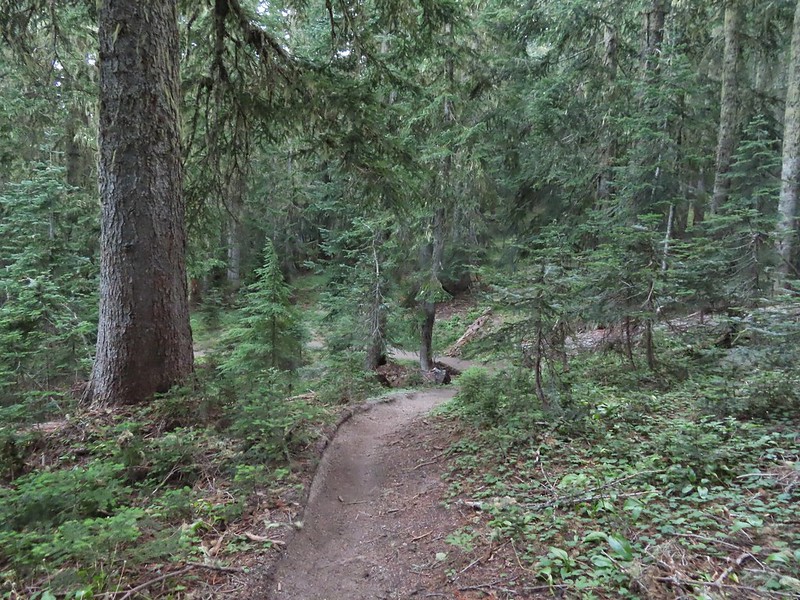
 Mt. St. Helens catching some morning light.
 Mt. Rainier without a whole bunch of smoke.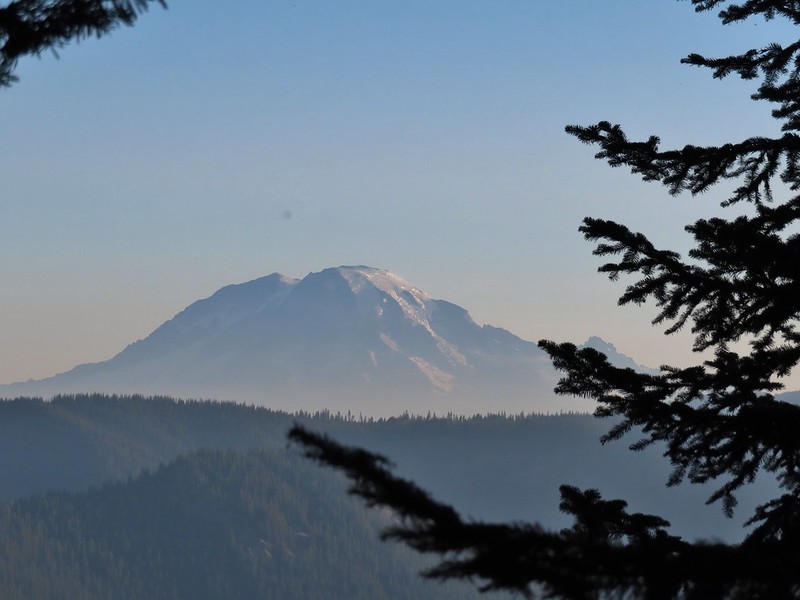
 We snagged a few black caps along the road to as a post breakfast snack.
 FR 2551
 The very top of Mt. St. Helens from FR 2551.
 Sullivan had labeled this stretch with the word slide which had caused a little apprehension in deciding to try this return route but despite the obvious slide(s) that had occurred here the road was in decent shape.
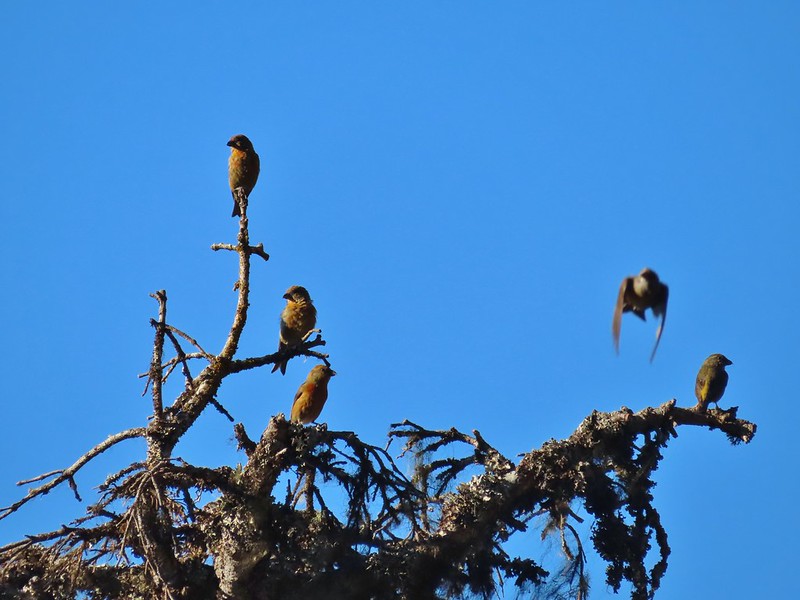 Not sure what kinds of birds were in this tree but there were a lot of them.
 FR 25 at the end of a long straight away.
 The Boundary Trail crosses FR 25 near the road sign ahead. The picture was taken from FR 2551 at FR 25.
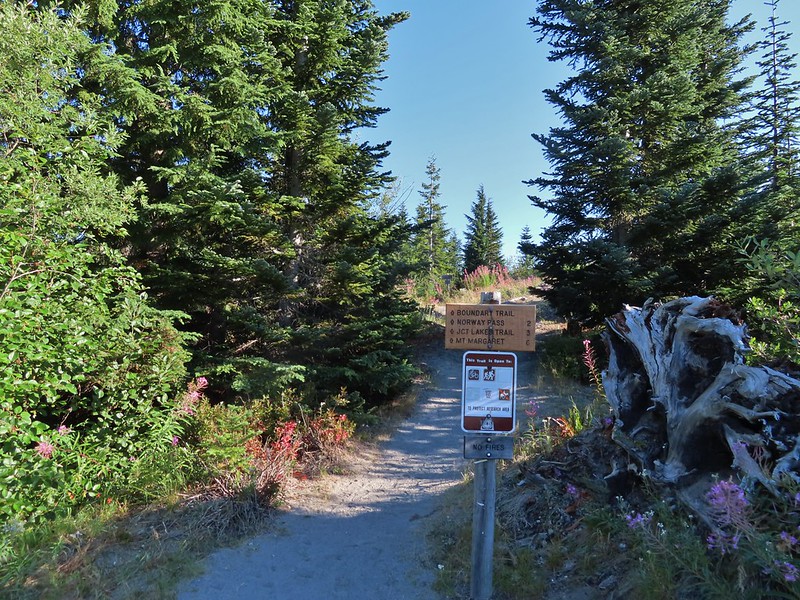
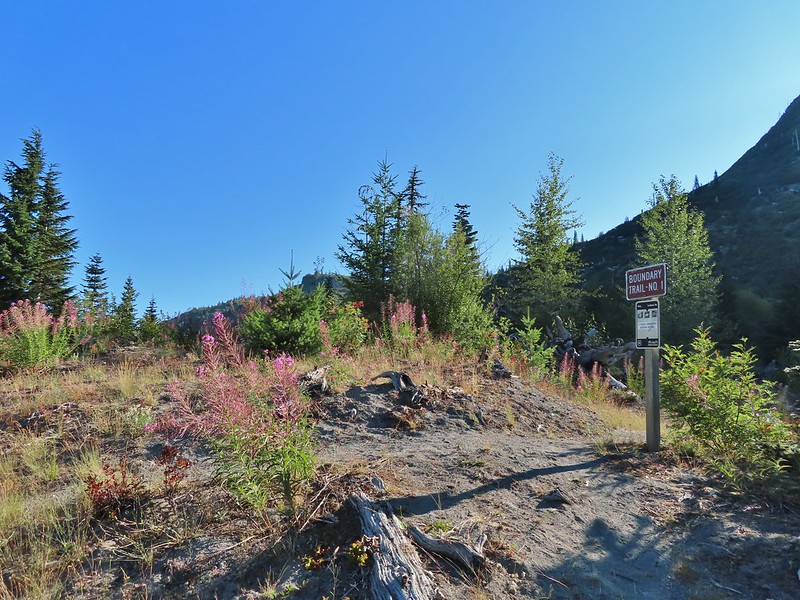
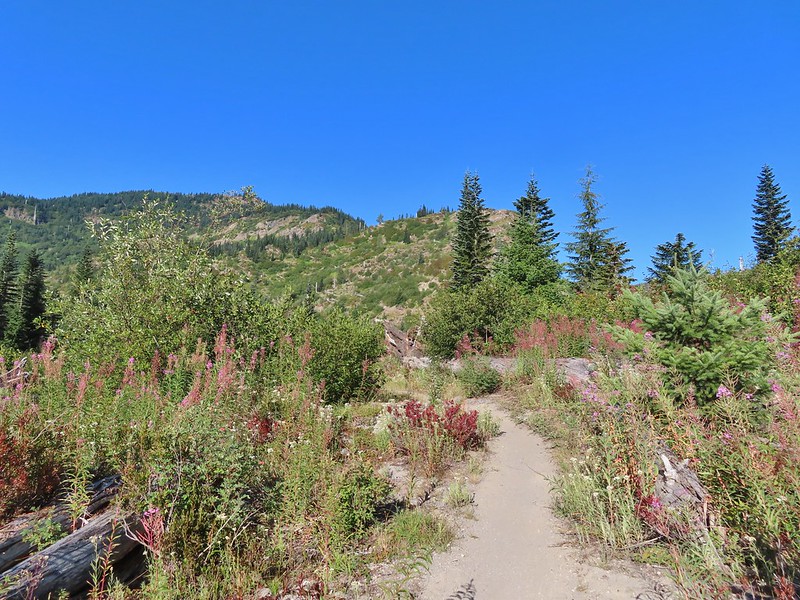

 Paintbrush
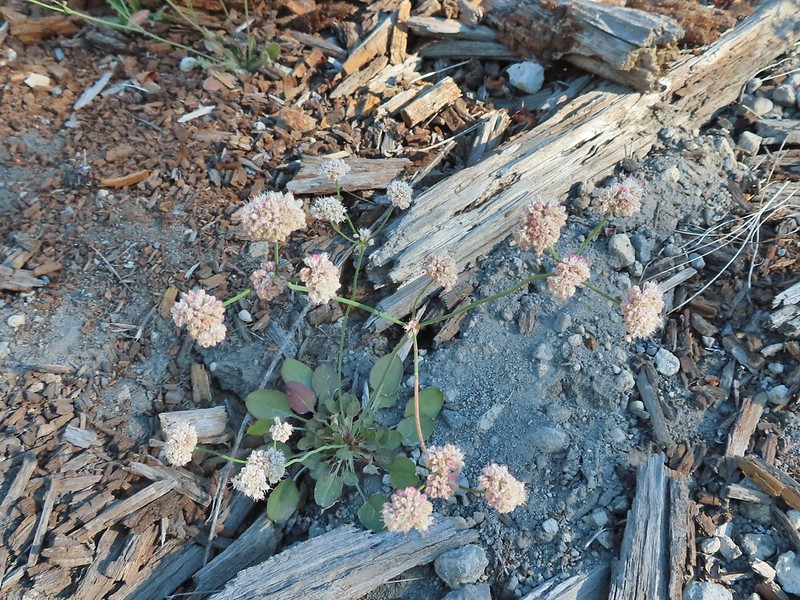 Buckwheat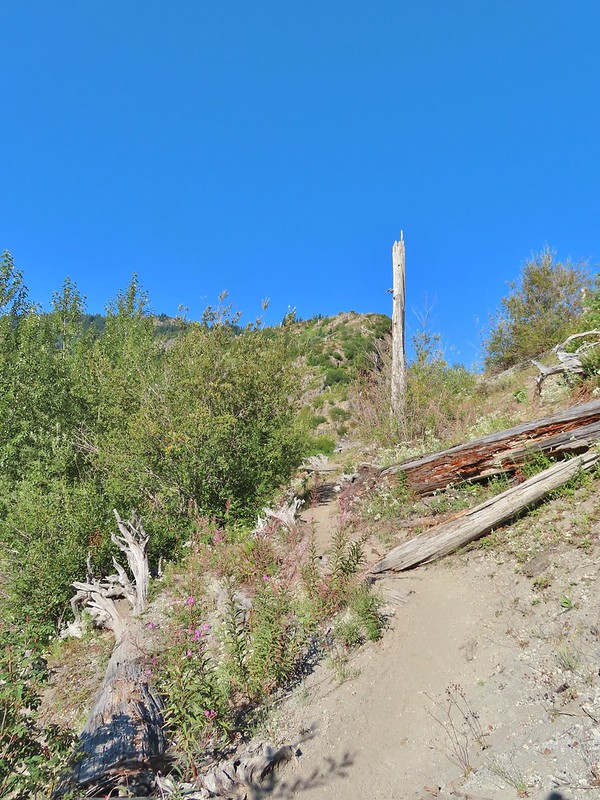

 We could hear a waterfall in the valley below.
 The top of the waterfall.
 Penstemon and pearly everlasting.
 Looking back over our shoulders to Meta Lake.
 Mt. Adams also from over our shoulders.
 Aster
Aster
 Switchback at the Independence Ridge Trail junction.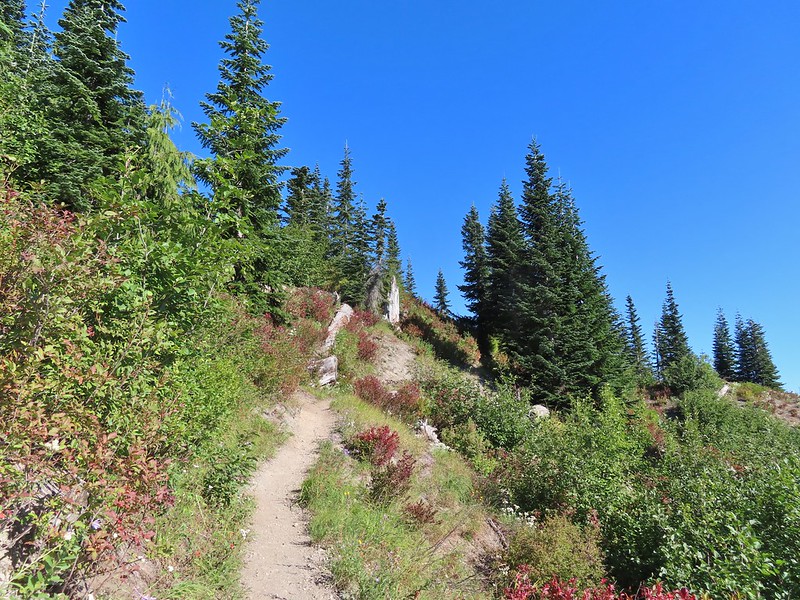
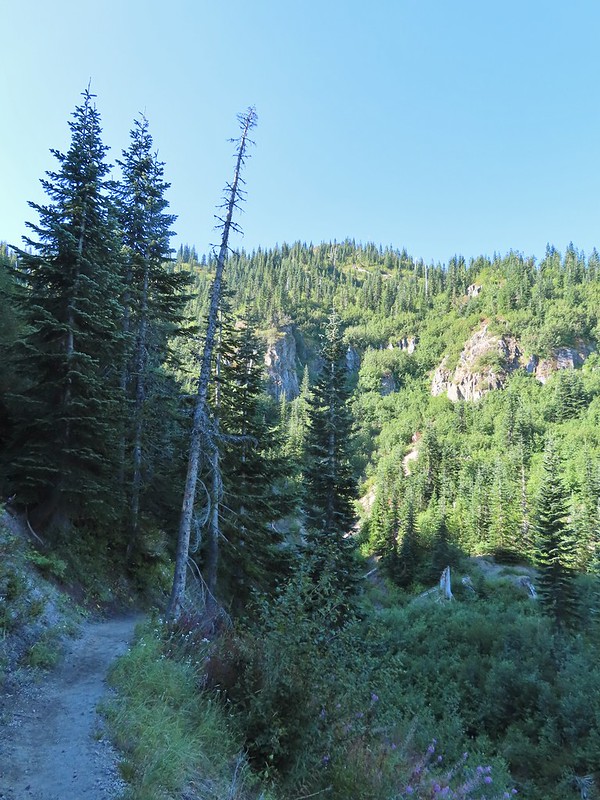 Heading down to the stream bed.
 Penstemon
 Monkeyflower

 Norway Pass (the low saddle to the right) from the trail.
 Orange agoseris
 Approaching the pass.


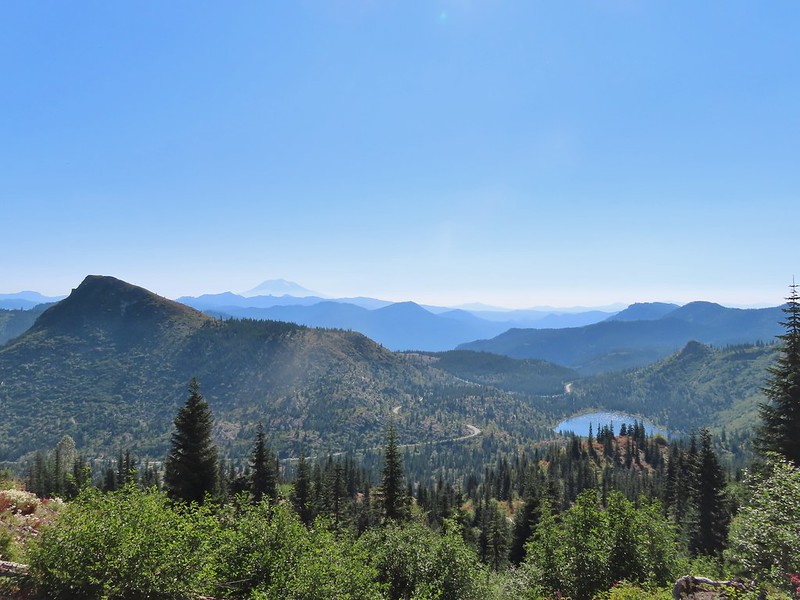 Mt. Adams and Meta Lake from the trail.

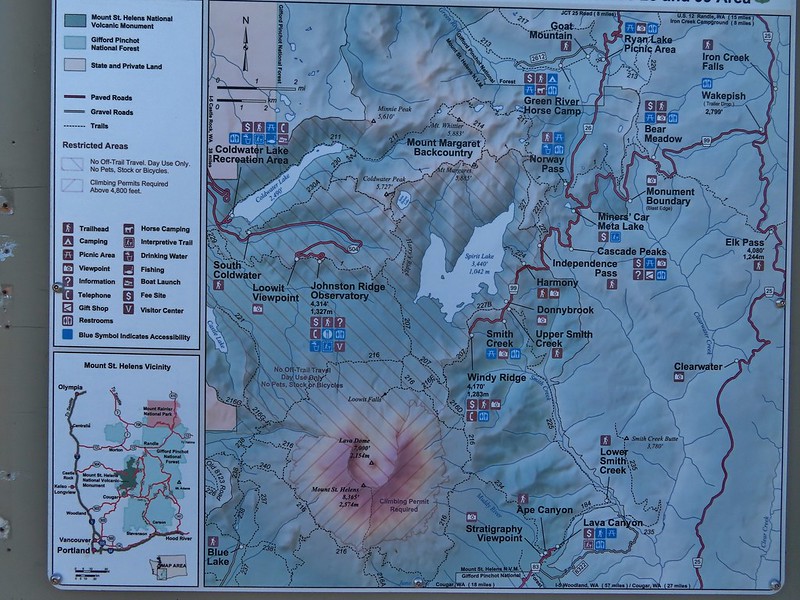

 Mt. St. Helens from the viewpoint.
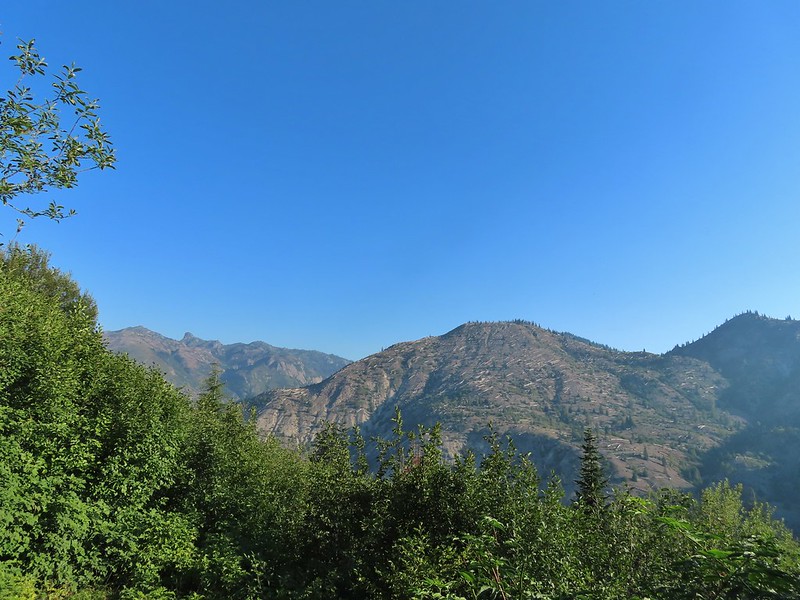

 Pearly everlasting
 Penstemon
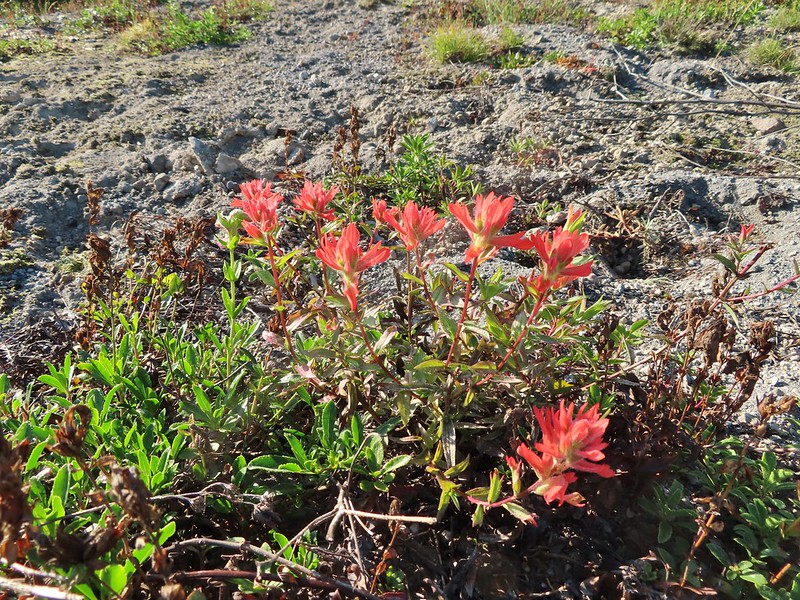 Paintbrush
 Mt. St. Helens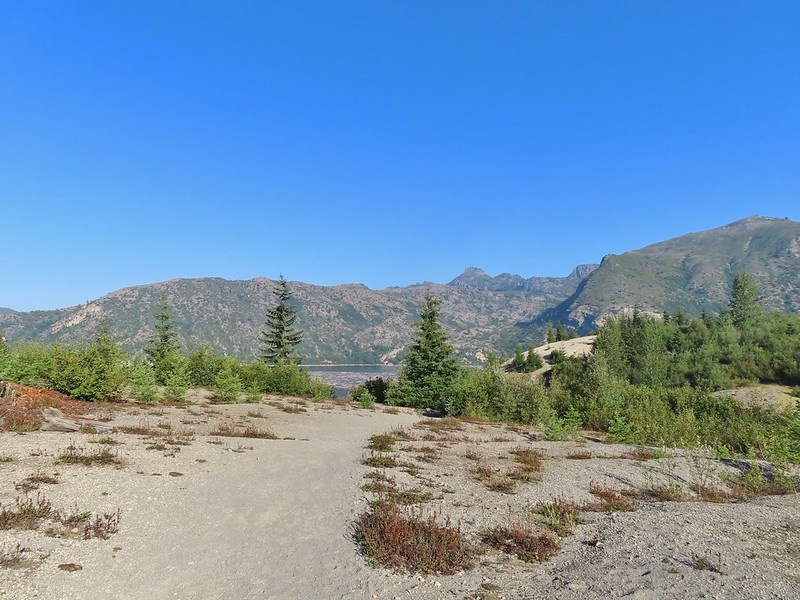


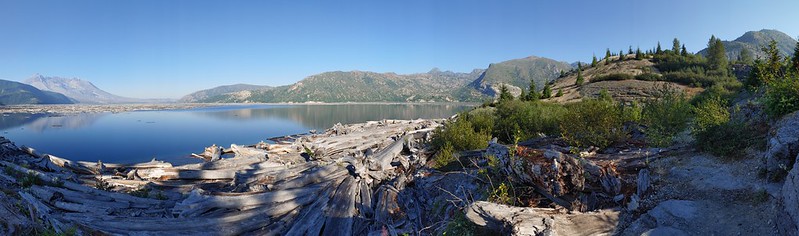 Mt. St. Helens and Spirit Lake from the end of the trail.
 Coldwater Peak (
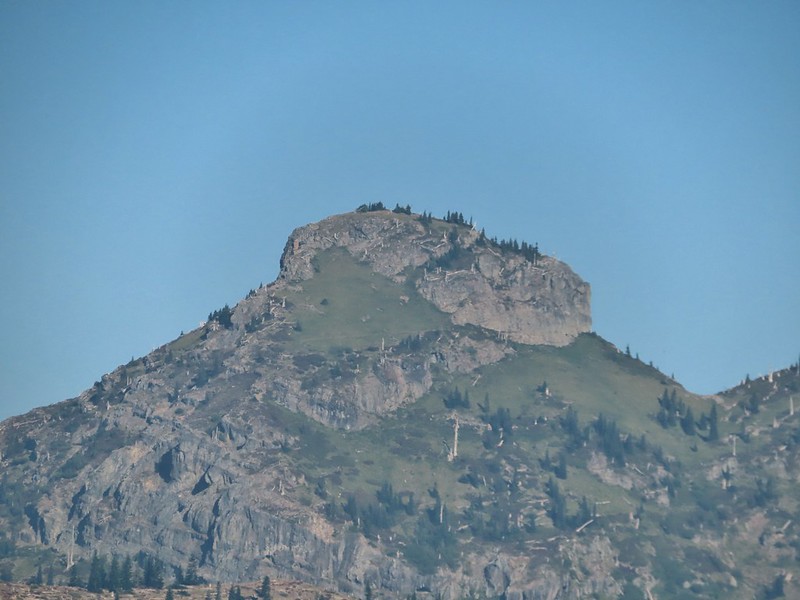 The Dome
 Mt. Margaret
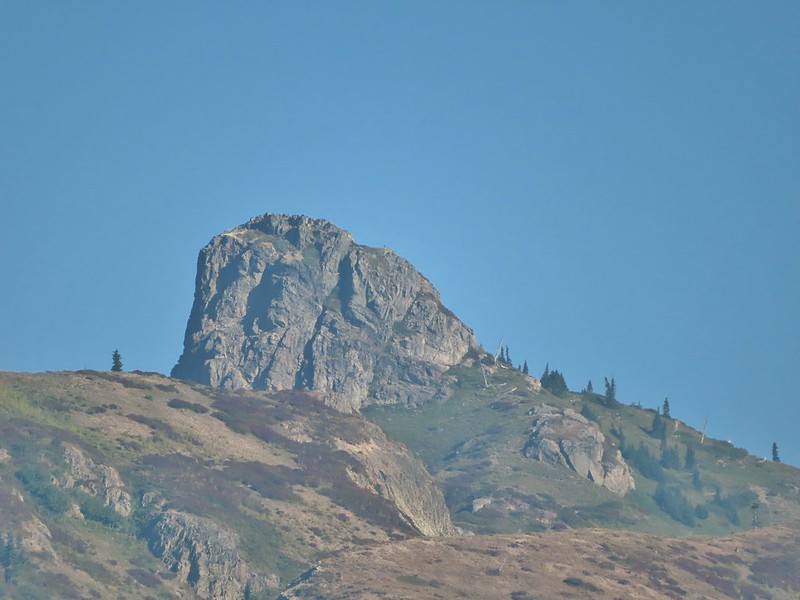 Mount Teragram
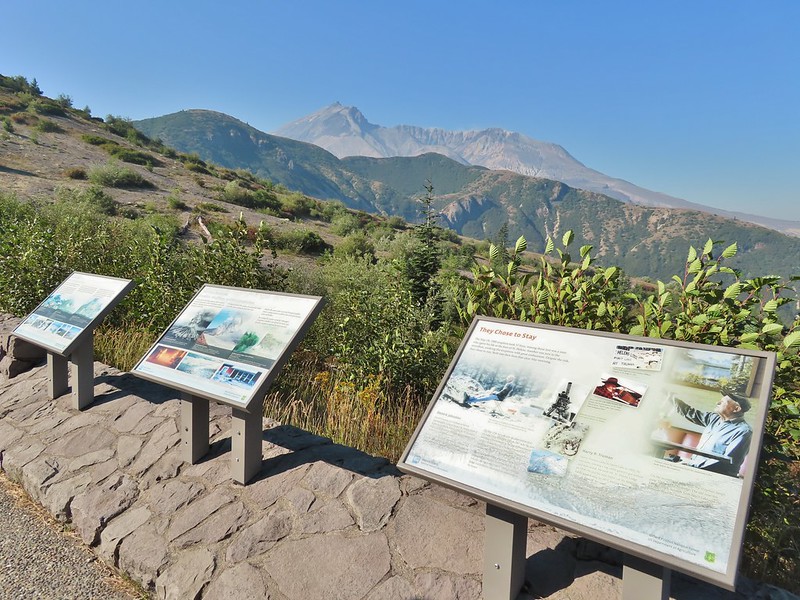 Mt. St. Helens.

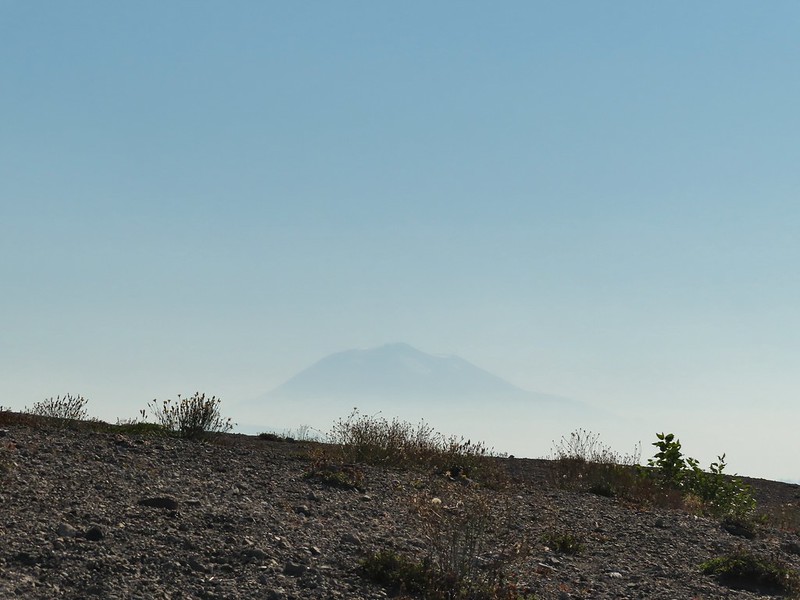 Mt. Adams
 Mt. Rainier

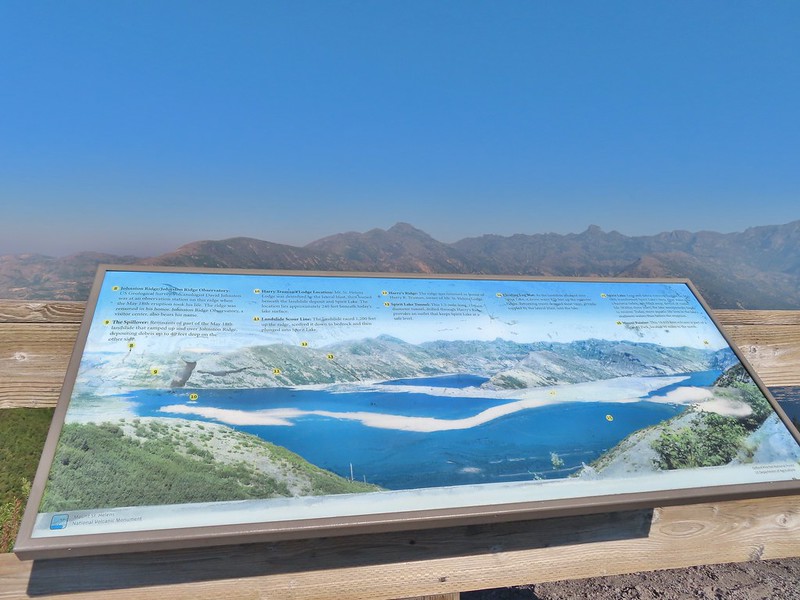
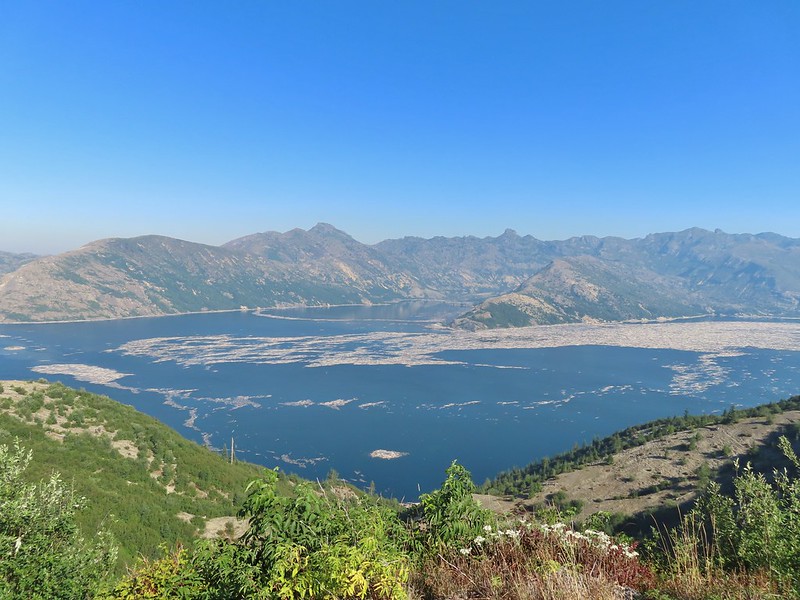
 The Johnston Ridge Observatory was visible across Spirit Lake on a far hillside.
 It’s often hard to tell if you’re seeing dust from rockfall or steam from one of the vents.

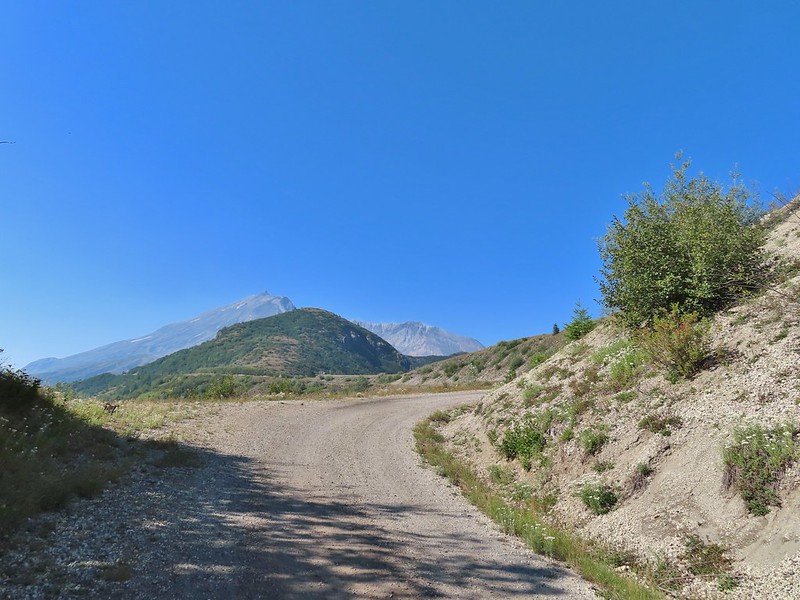
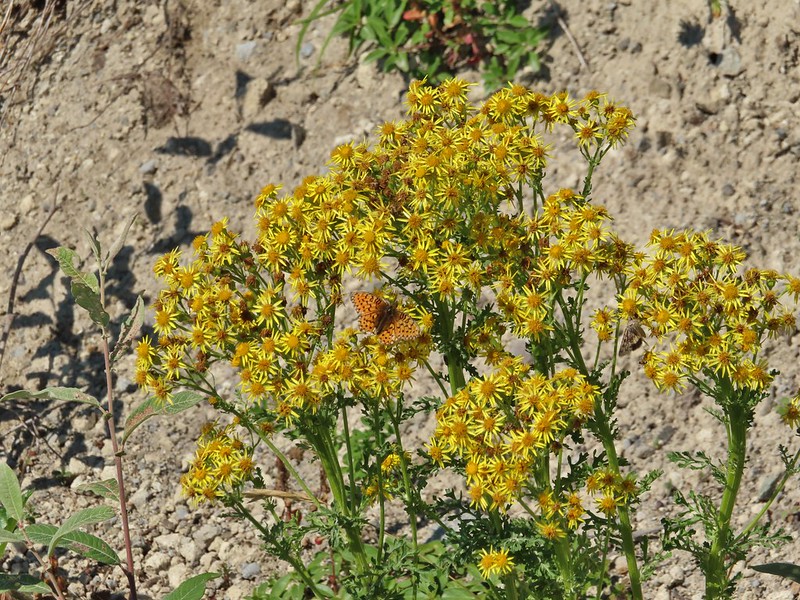 Butterfly on ragwort
 Butterfly on pearly everlasting
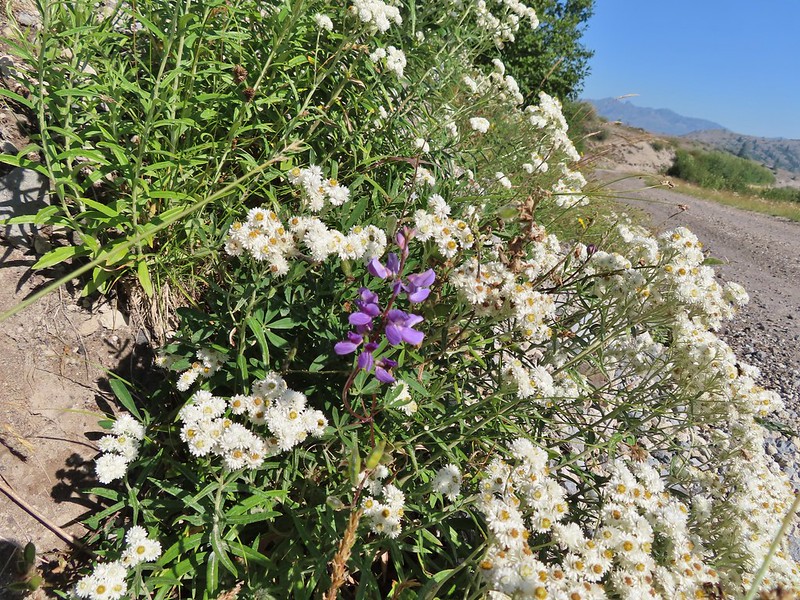 Lupine in the pearly everlasting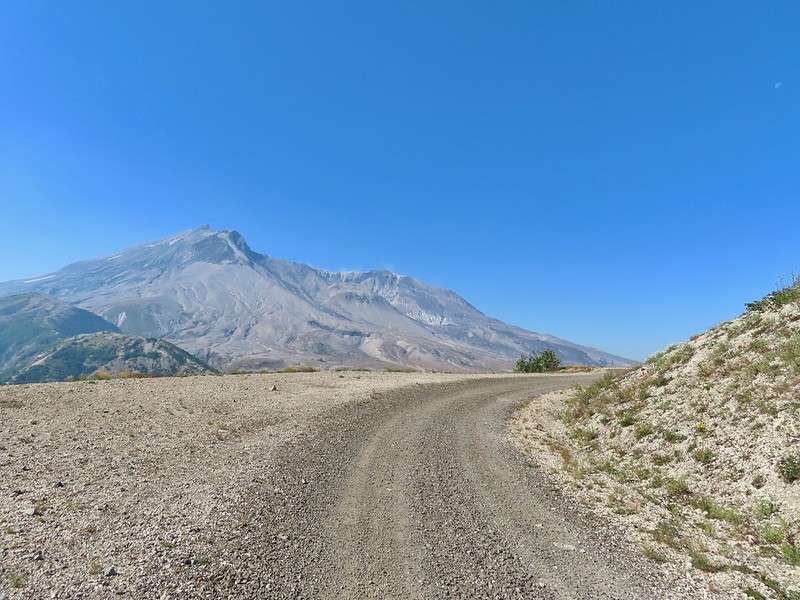
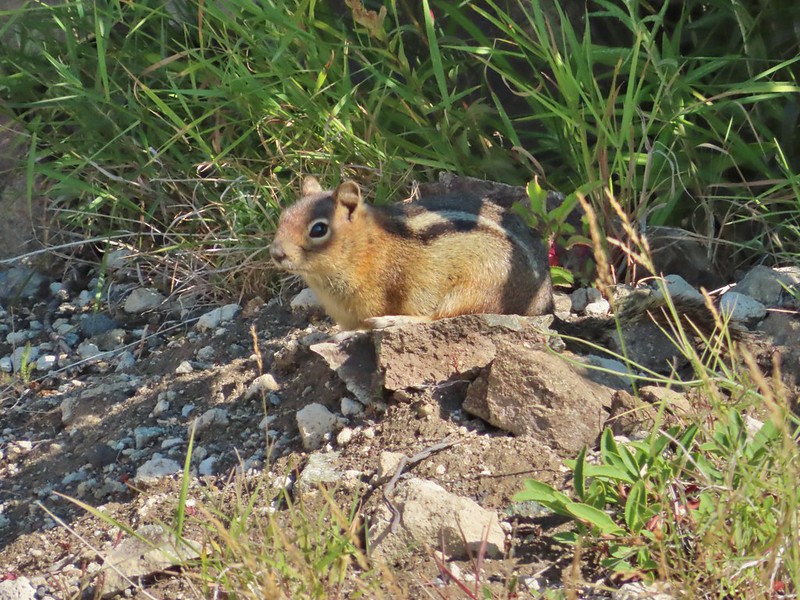 Golden-mantled ground squirrel
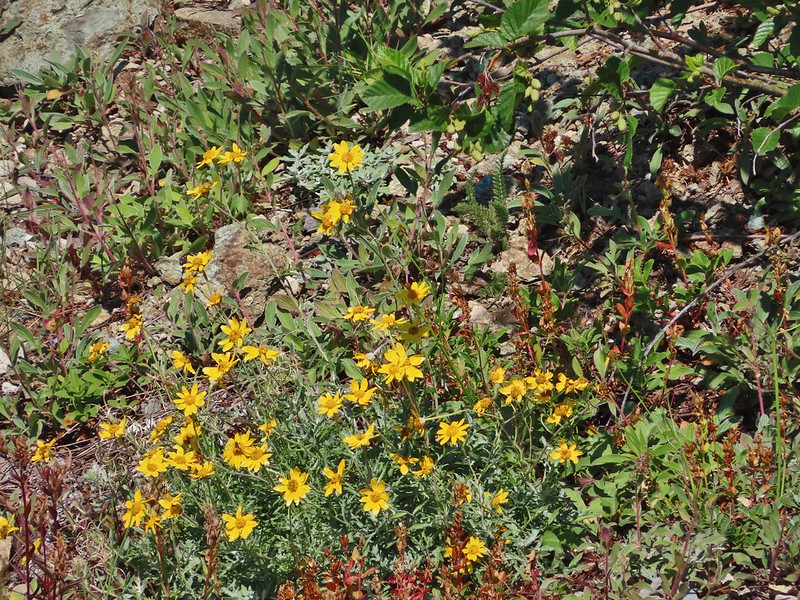 Might be Oregon sunshine
 Penstemon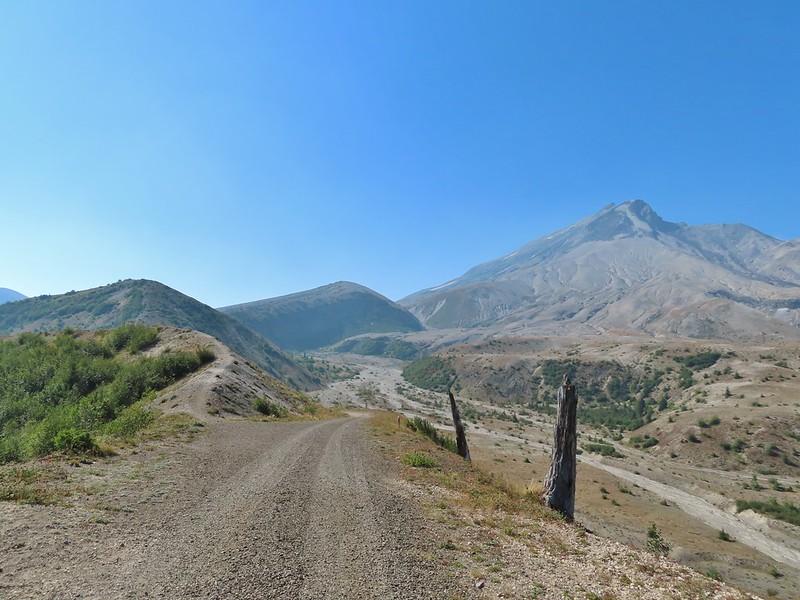
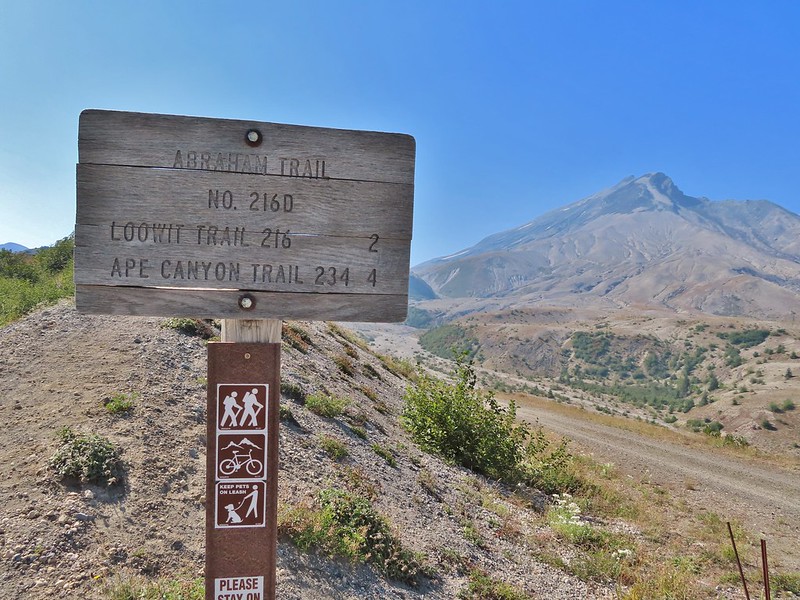


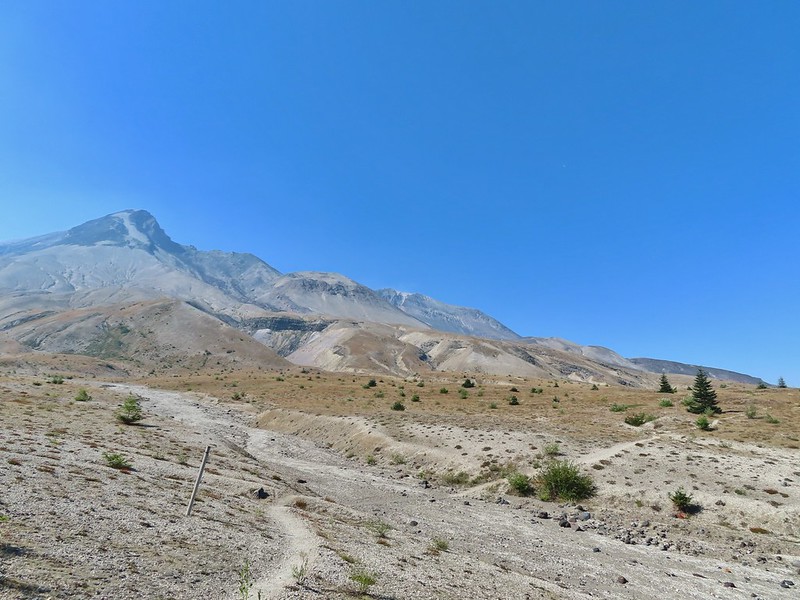
 Paintbrush and dwarf lupine
 Pearly everlasting
 The Loowit Trail junction.
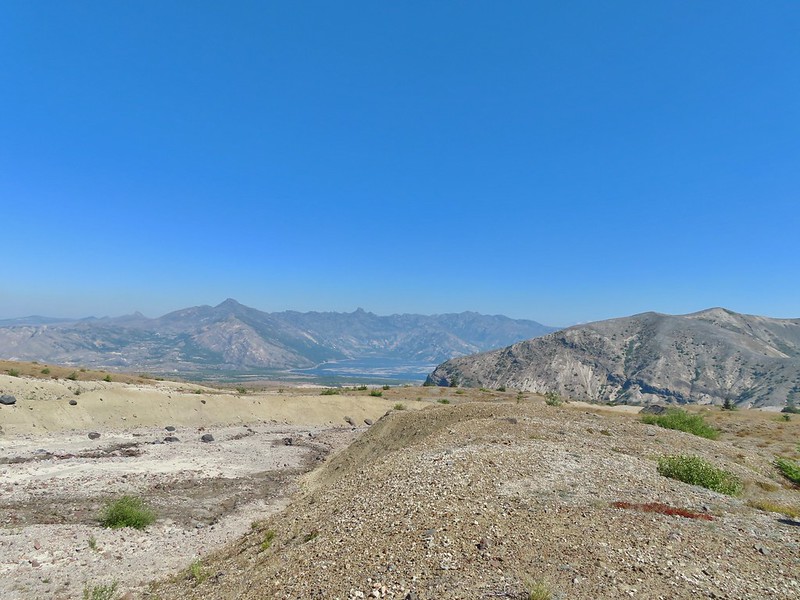 Spirit Lake from the junction.
 In the gully.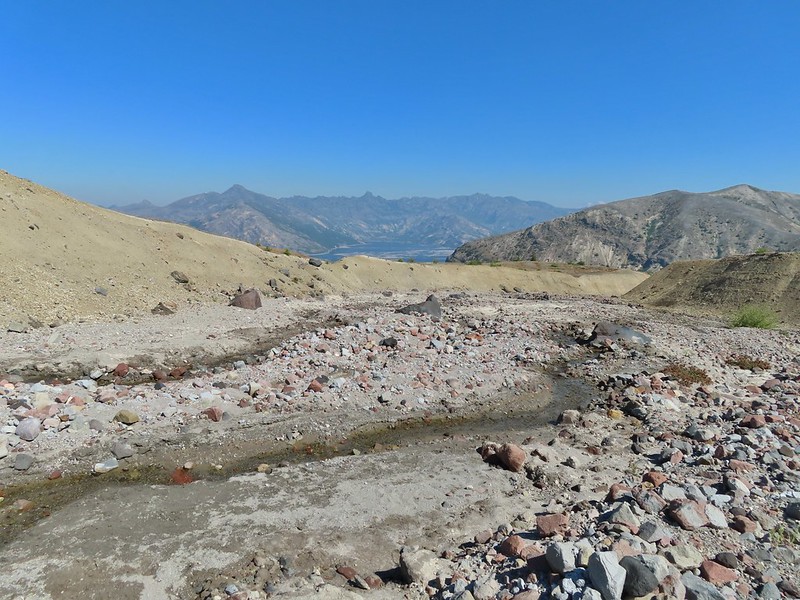
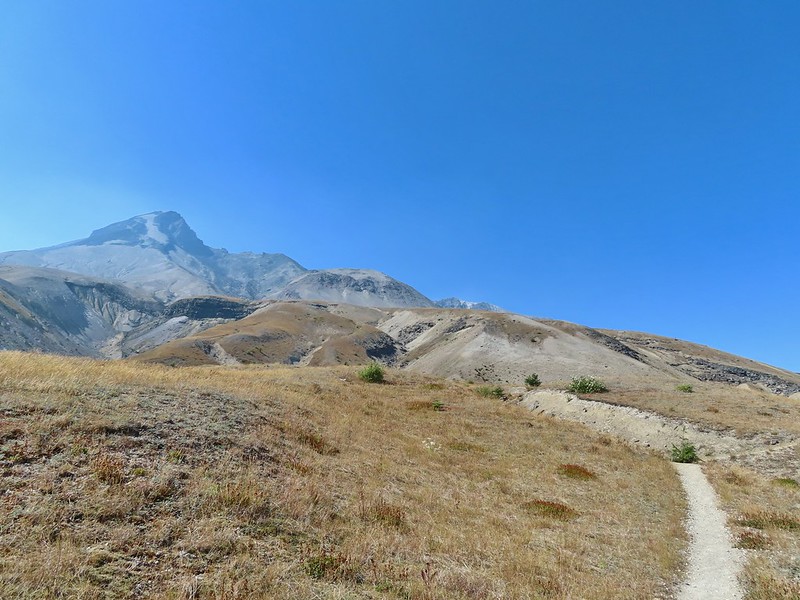
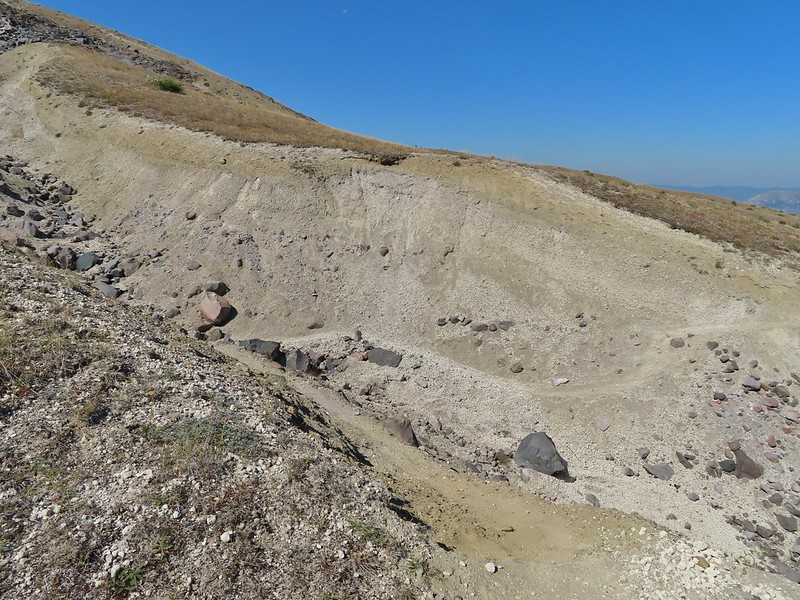 Another gully to cross.
 Big Spring is in the willow thicket.
 The stream flowing over the Loowit Trail.
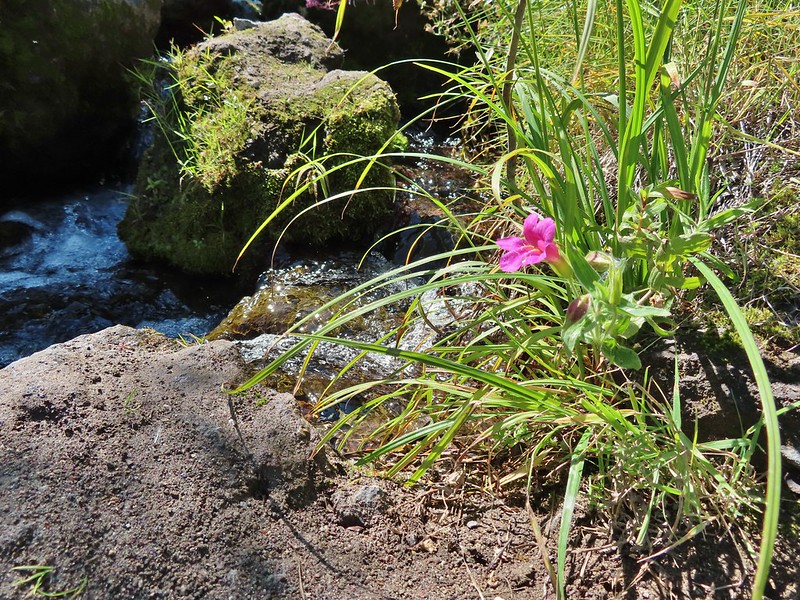 A pink monkeyflower at the spring.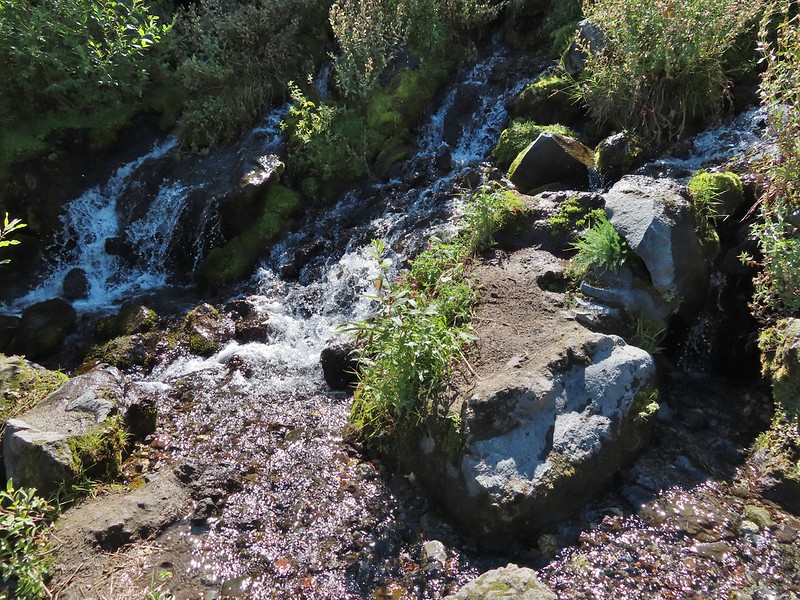
 Looking back at the willows and Big Spring.
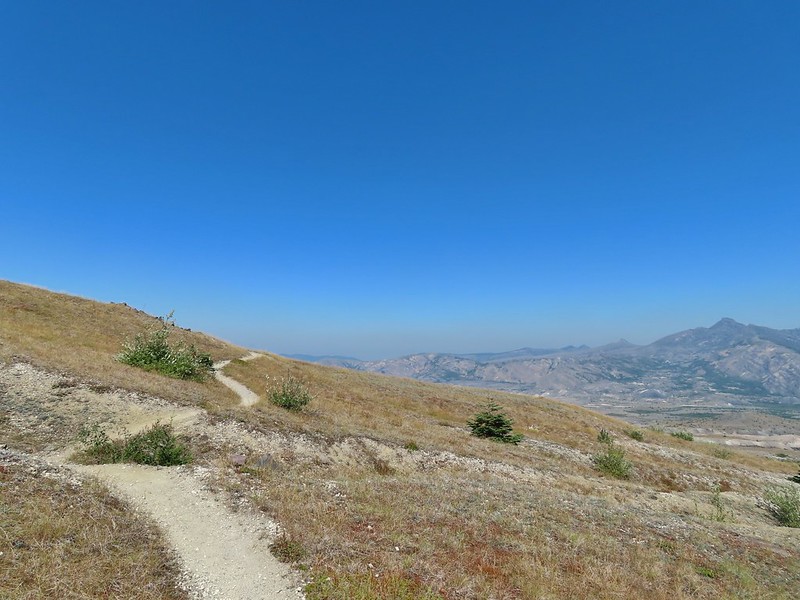 Coldwater Peak to the right.
 The Sugar Bowl lava dome.
 Spirit Lake from the trail.
 The first goats we spotted are on this ridge above the lone tree.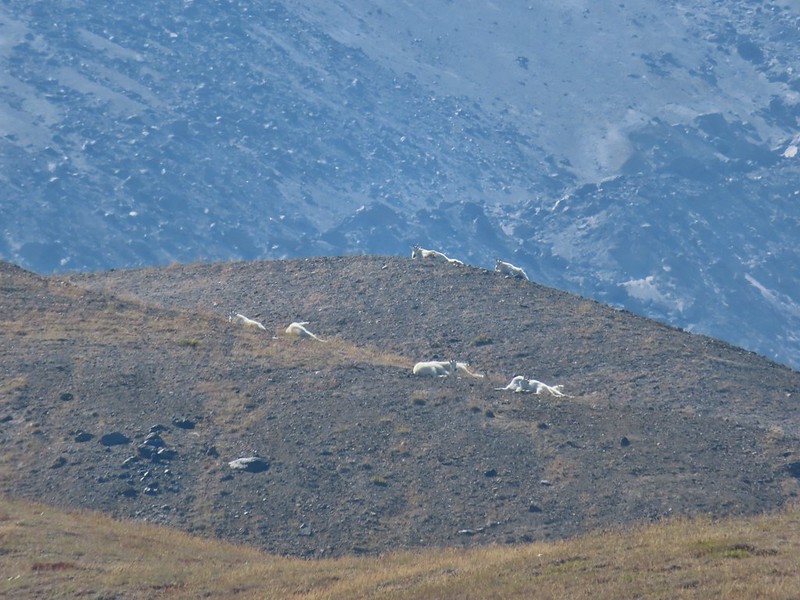
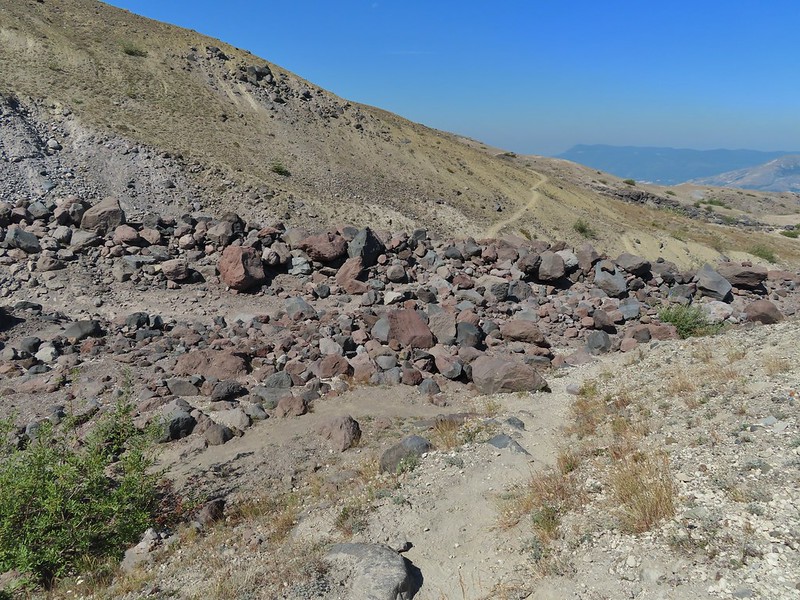 The Loowit Trail crossing two gullies in a short stretch, one red one black.
 Dropping into the second gully.
 From the second gully we could see quite a few more goats on the ridge.
 Approaching the junction with the side trail to Loowit Falls.
 Sign for Loowit Falls.
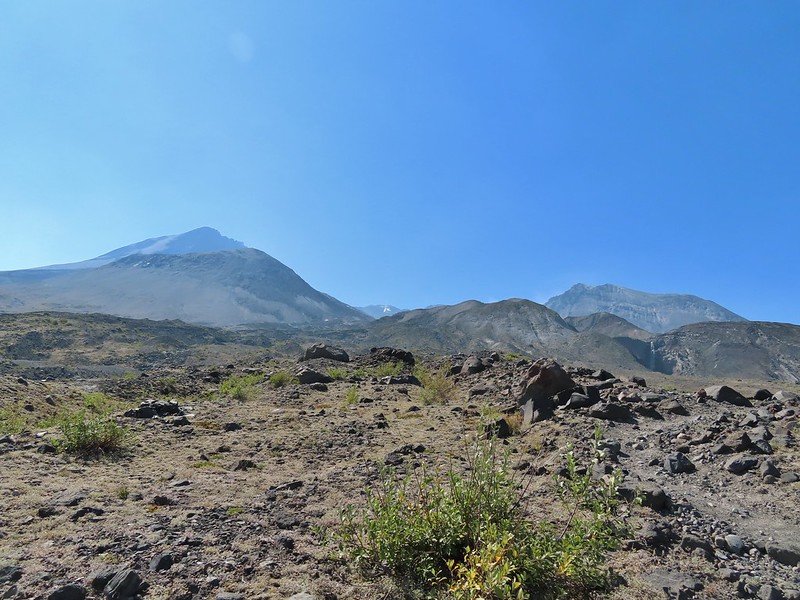 Loowit Falls (right side of the photo) was visible for much of the half mile.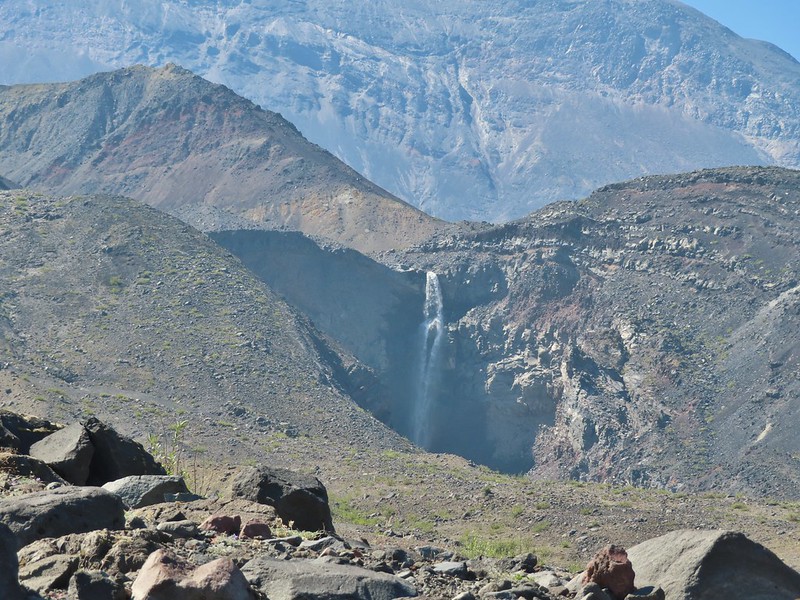
 Looking back at Coldwater Peak and Spirit Lake. (The top of Mt. Rainier is barely visible peaking over the top of the ridges.)

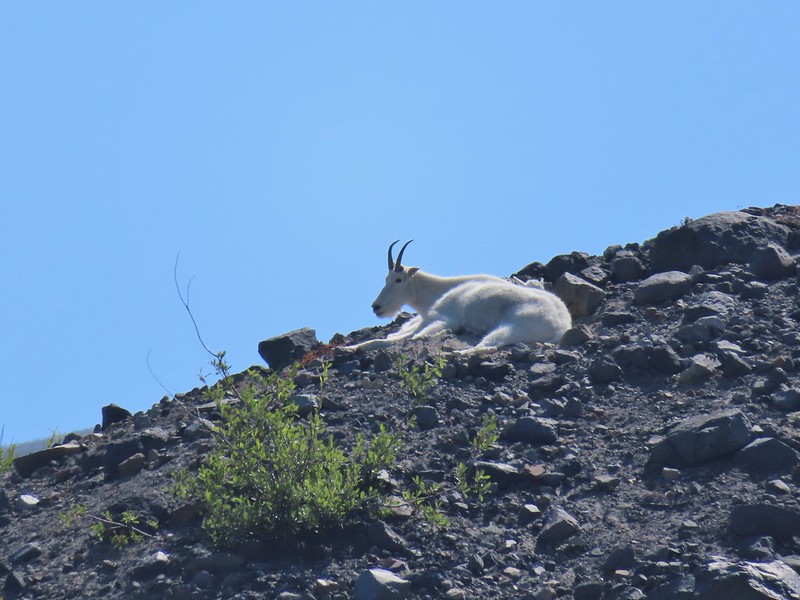

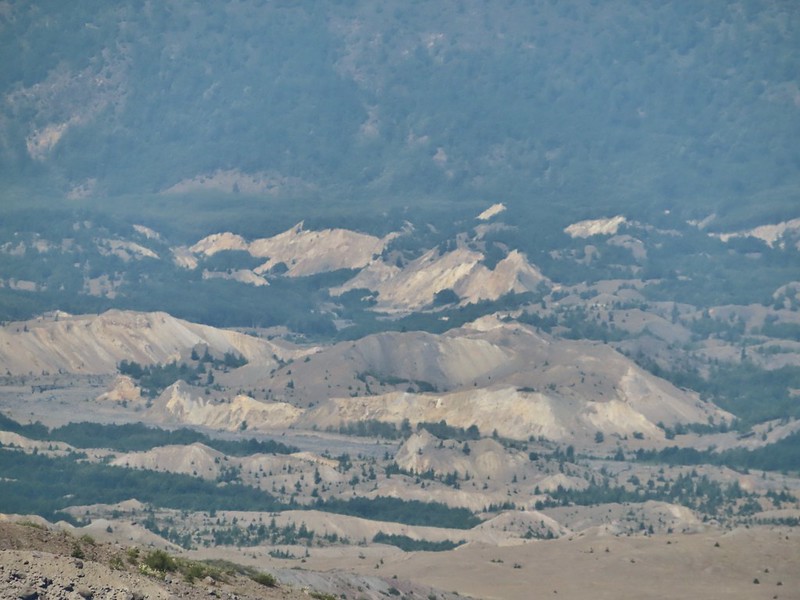


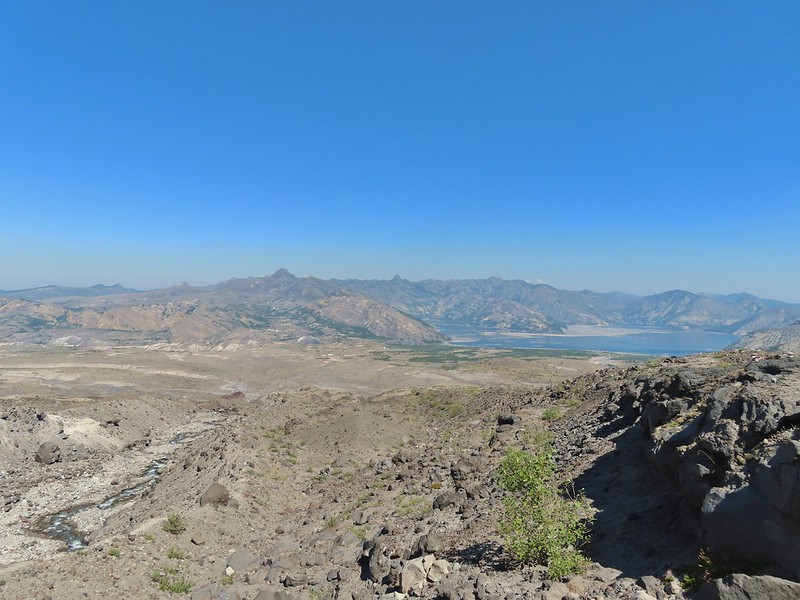 Spirit Lake from the viewpoint.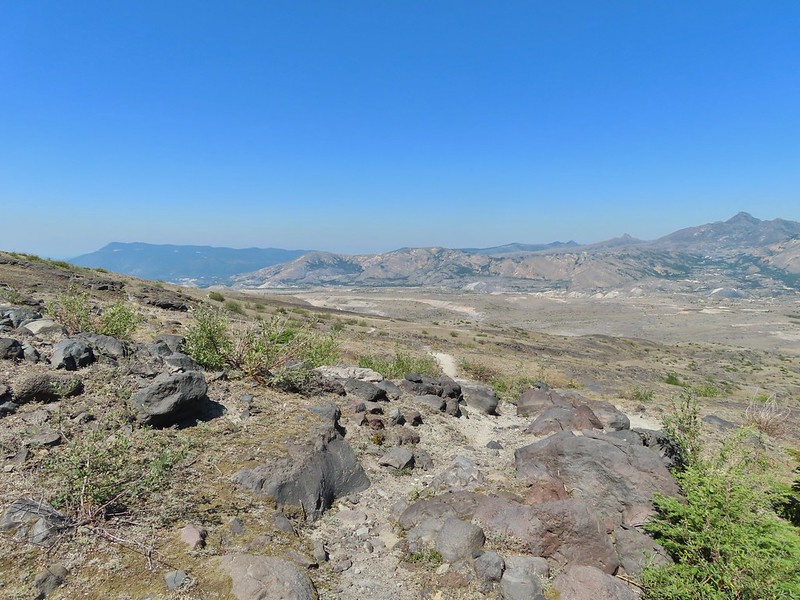

 Paintbrush
 Dwarf lupine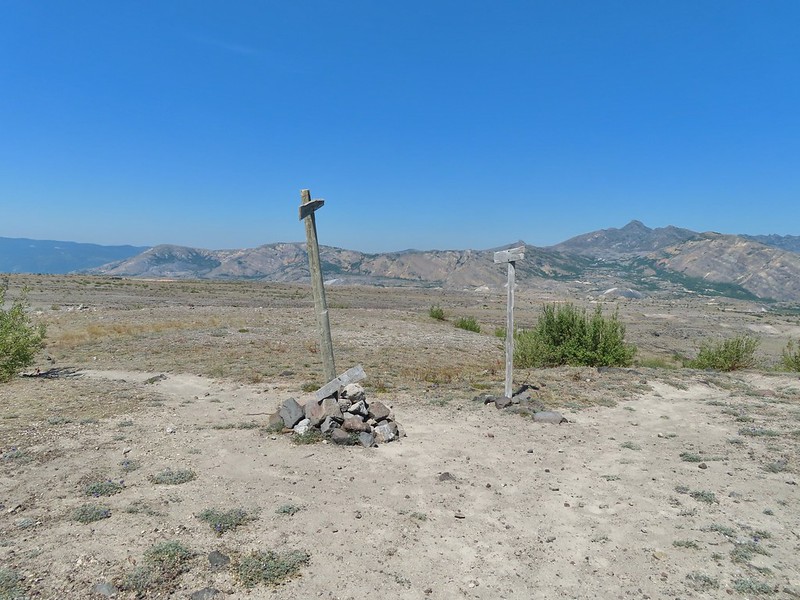
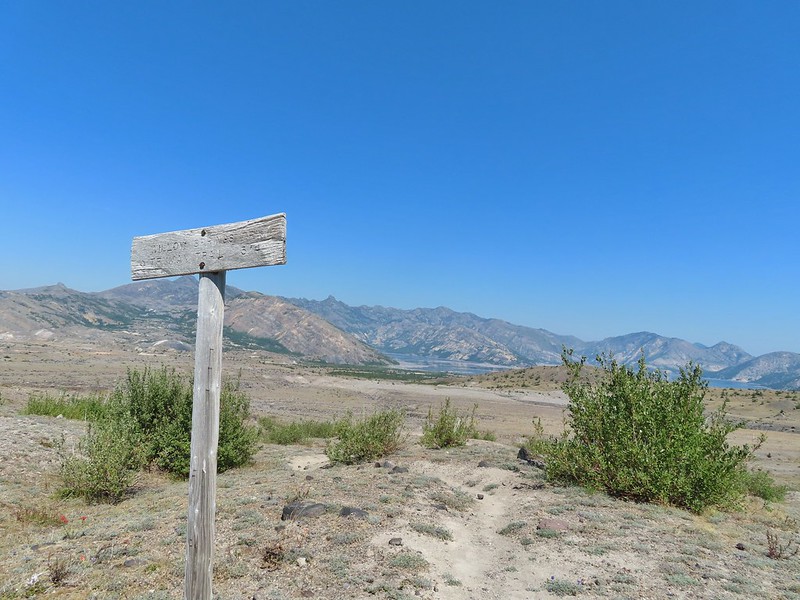
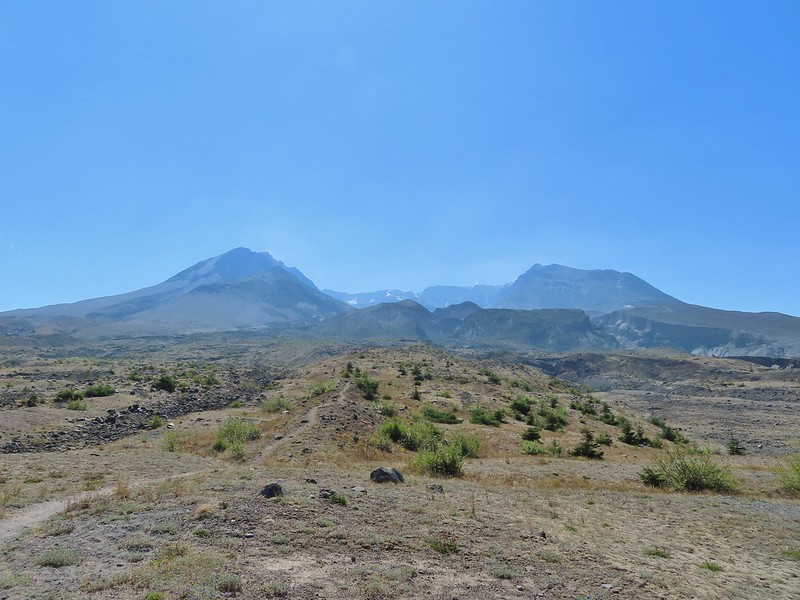 Mt. St. Helens from the Willow Springs Trail.
 Heading toward Spirit Lake.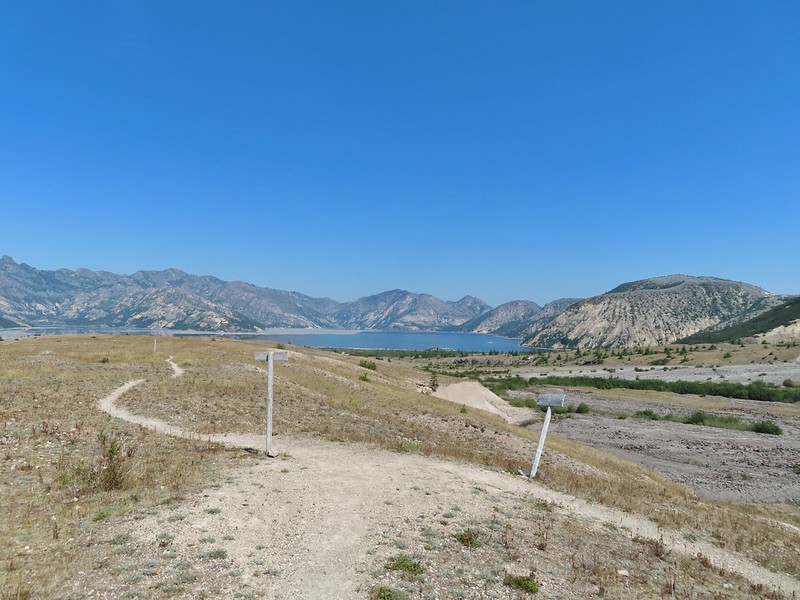

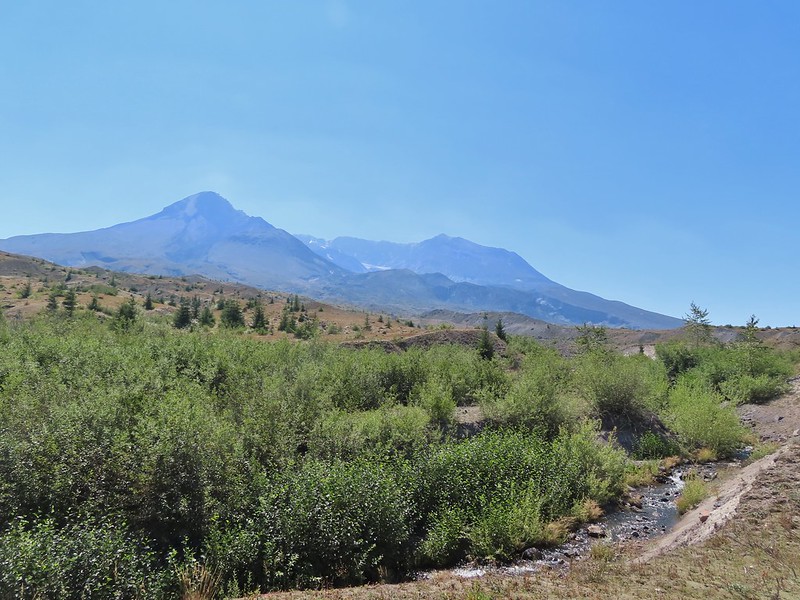
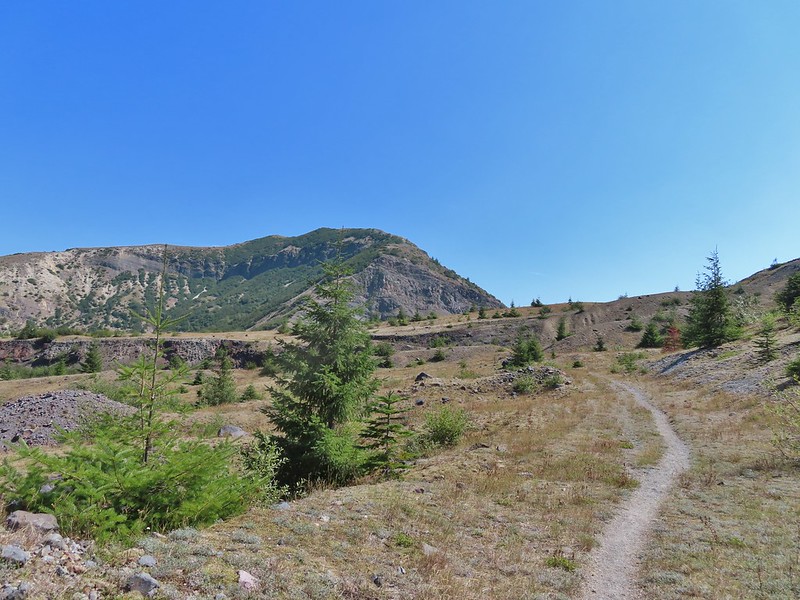

 The Dome above Spirit Lake

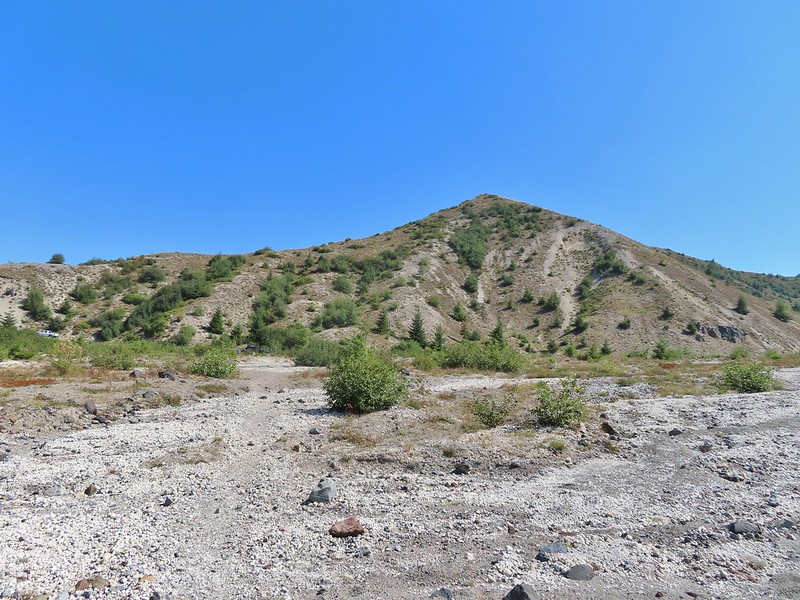 Vehicles ahead in the research parking area.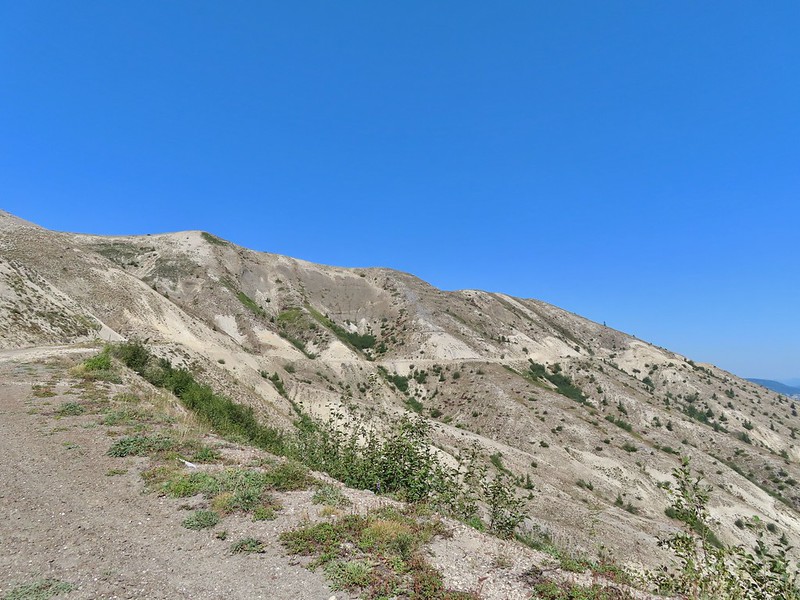
 Mt. Adams to the left.
 Mt. Adams
 Look out for snakes, not the poisonous kind just don’t want to step on them.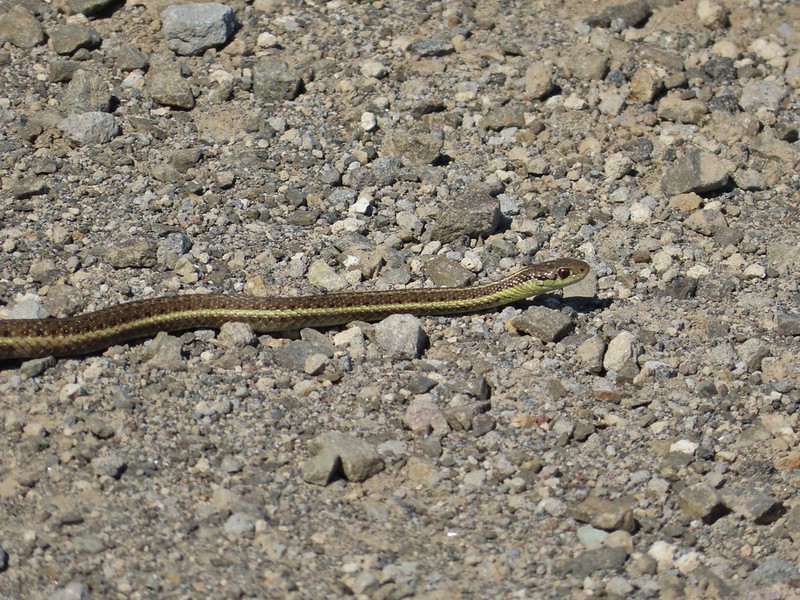
 Some sort of sulphur butterfly on pearly everalsting.
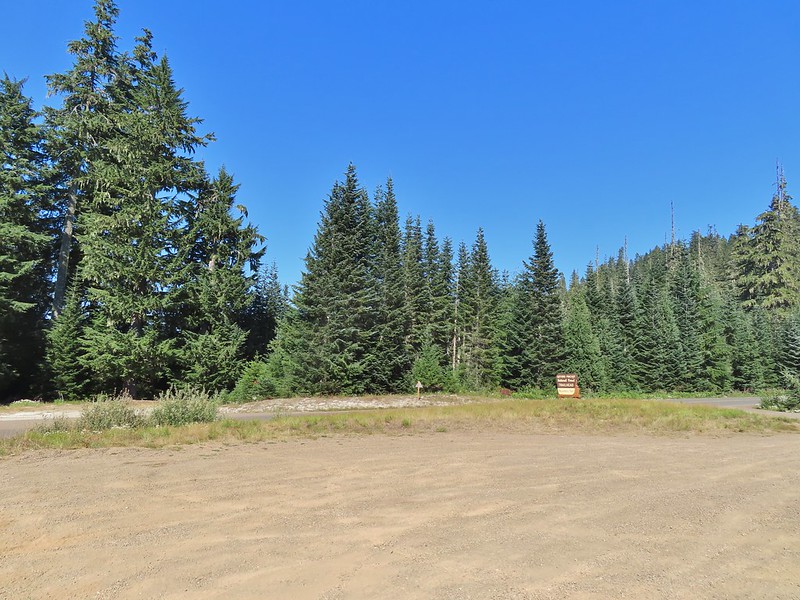
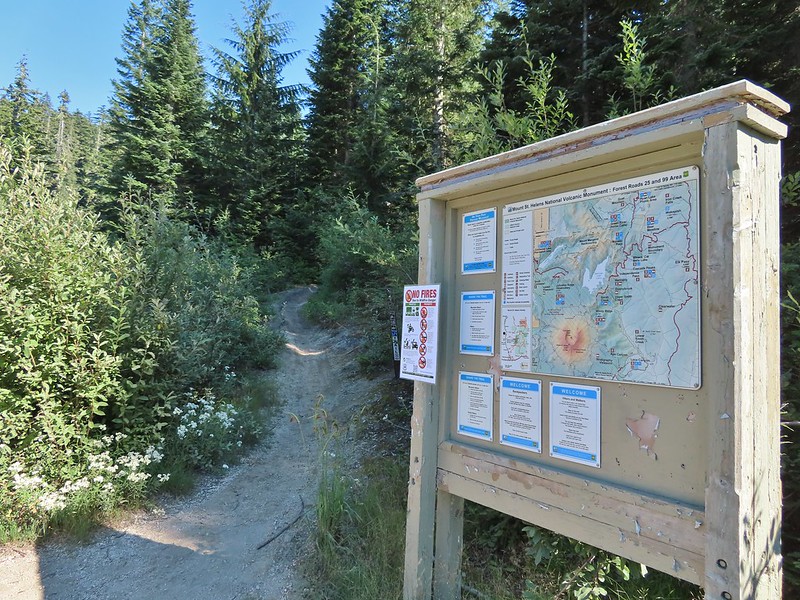


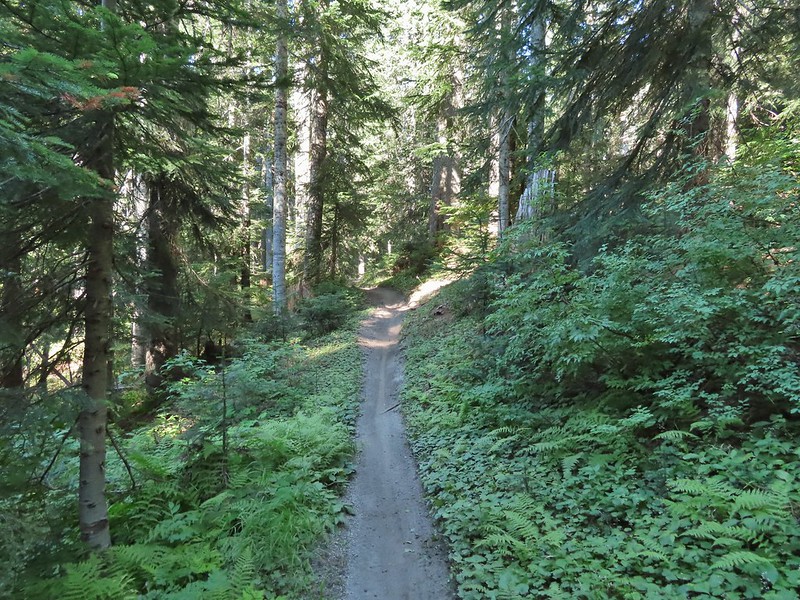

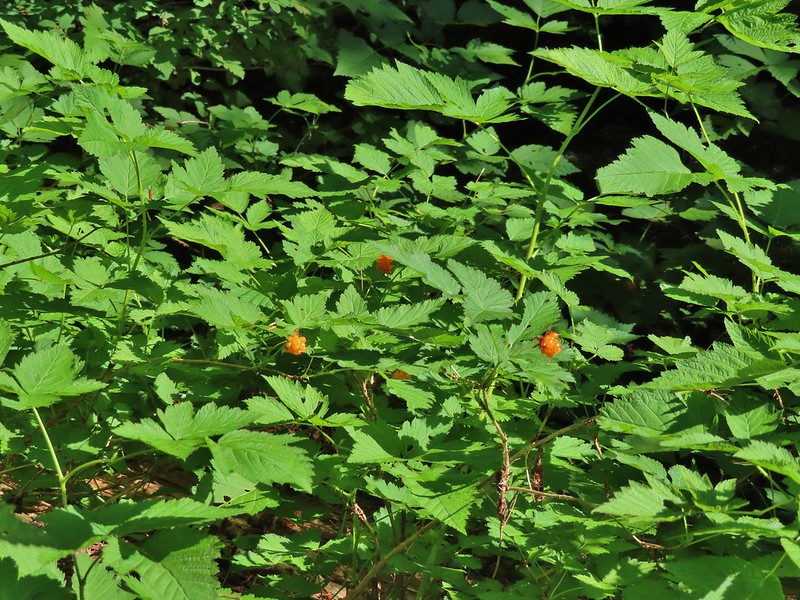 Salmonberries
 Blueberries
 Huckleberries
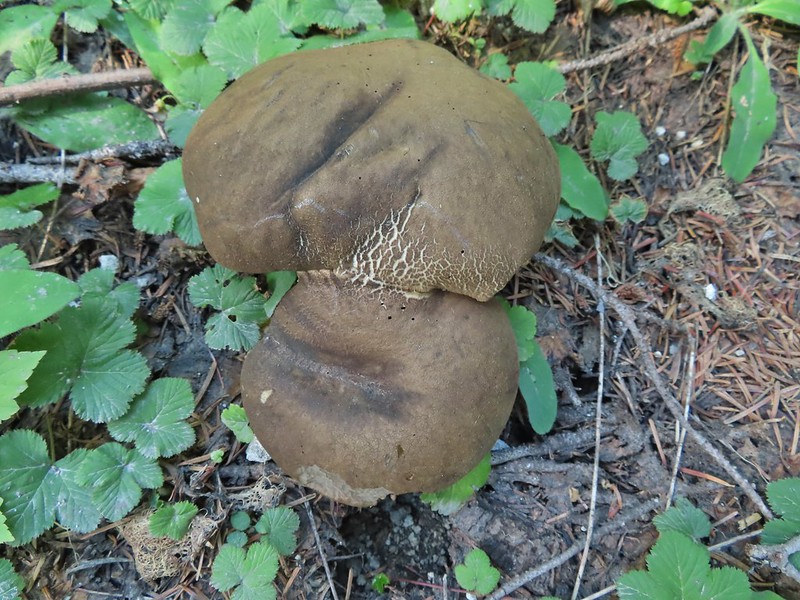 Mushrooms (the flowers of Fall)
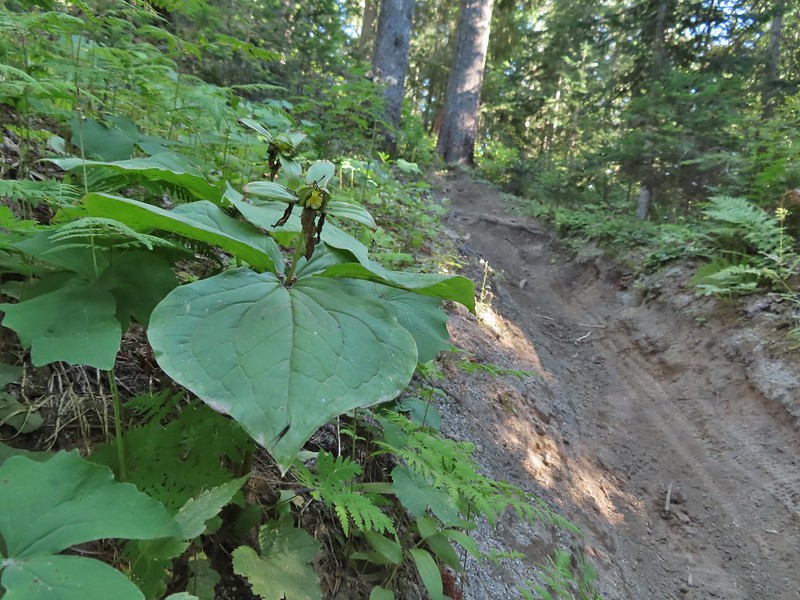 I was really surprised to still be able to make out the remains of the petals on these trillium.
 These bunchberries with a few petals left were near the trillium above.
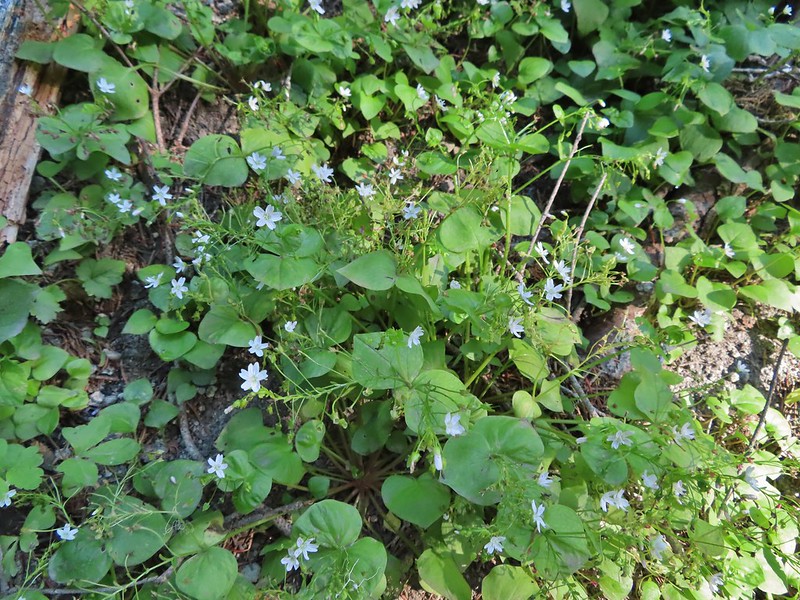 Candyflower

 These thimbleberries weren’t ripe but a short distance further were a lot of ripe ones. I thought I might have to hike back and retrieve Heather from them.
 A brief glimpse of Mt. Rainier from the ridge the trail was following, it looked like a lot of the smoke had blown away.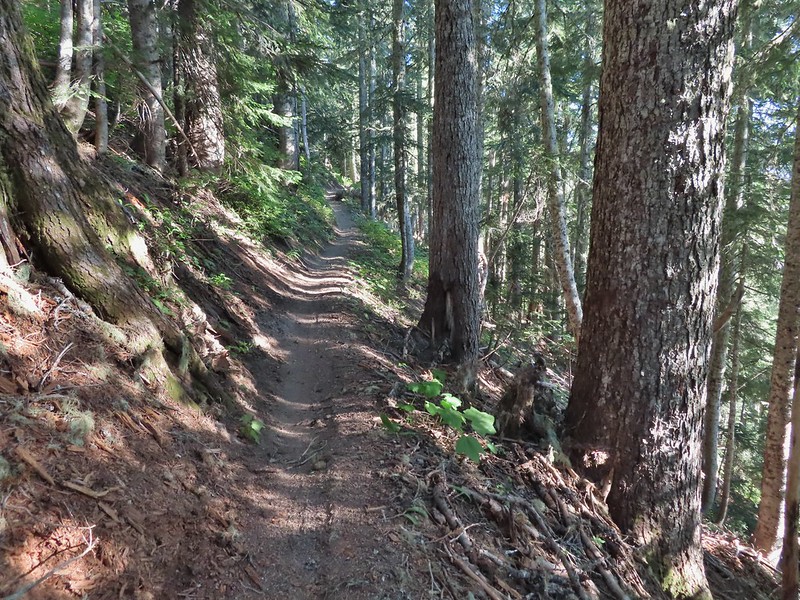

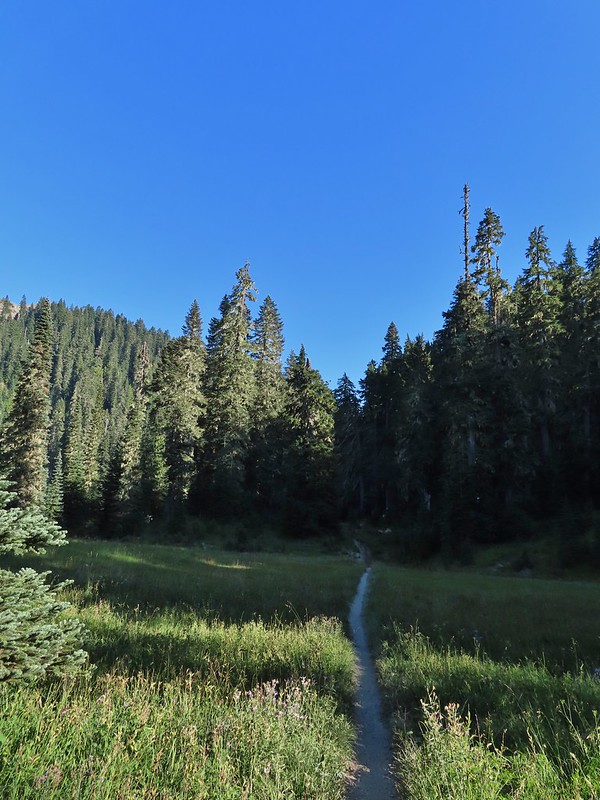
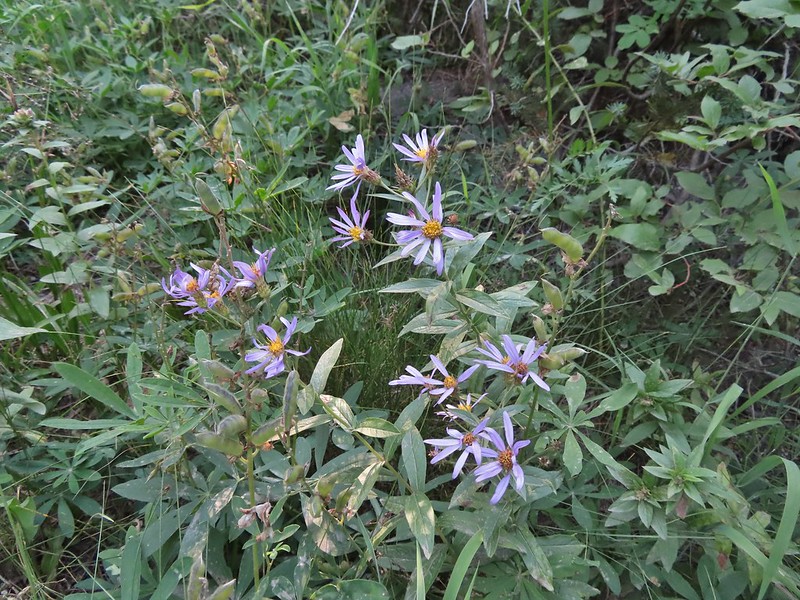 Aster
Aster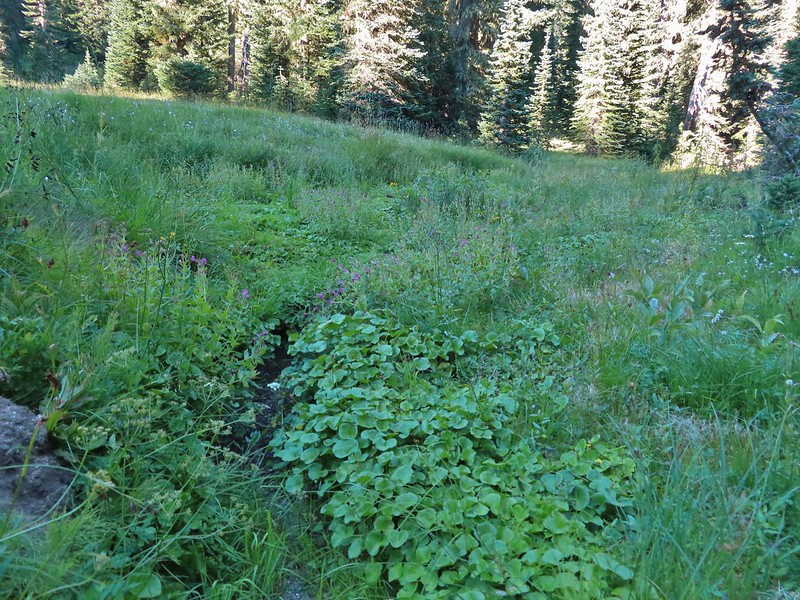 Elk Creek
 Pink monkeyflower along Elk Creek
 Lupine
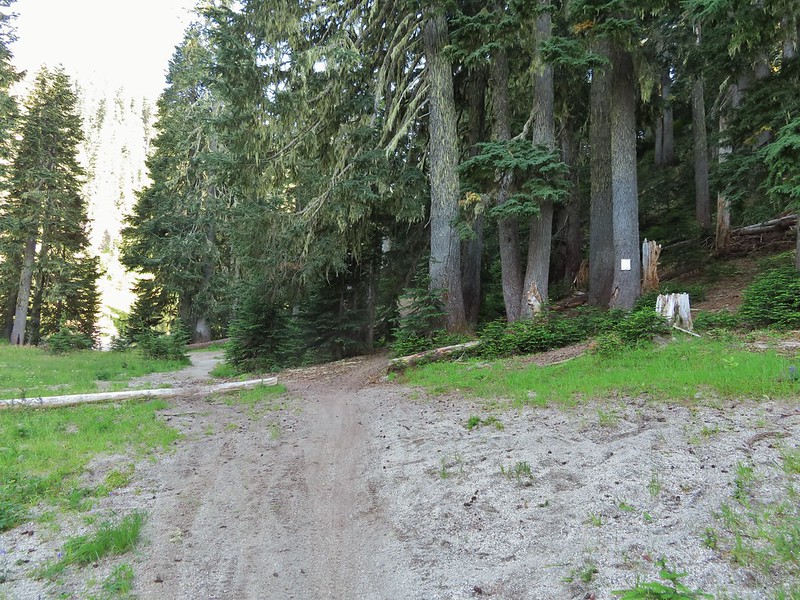 The trail near Badger Lake was particularly torn up and there were several signs posted admonishing motorcyclists to stop driving off trail.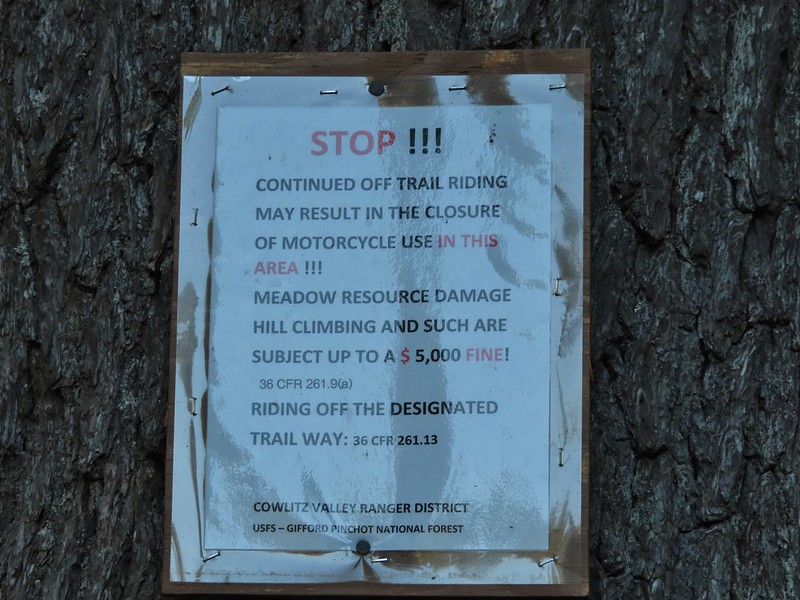
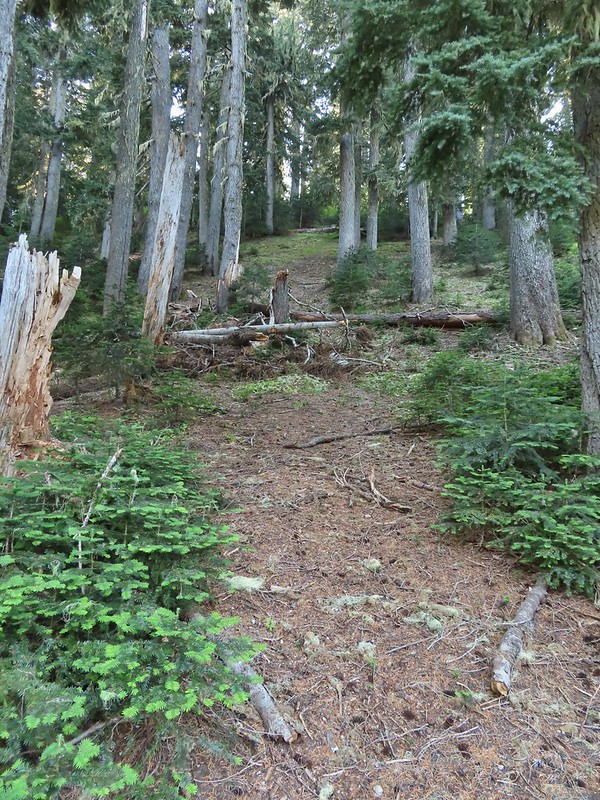 Torn up hillside near the lake, it only takes one or two idiots to cause a lot of damage (the same goes for hikers/mountain bikers).
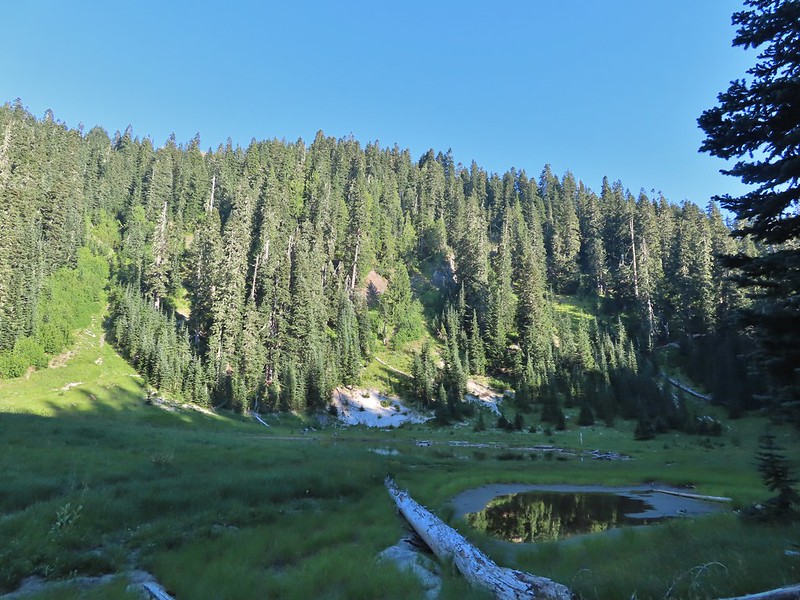 The little puddle in the foreground is not the lake, it is further back.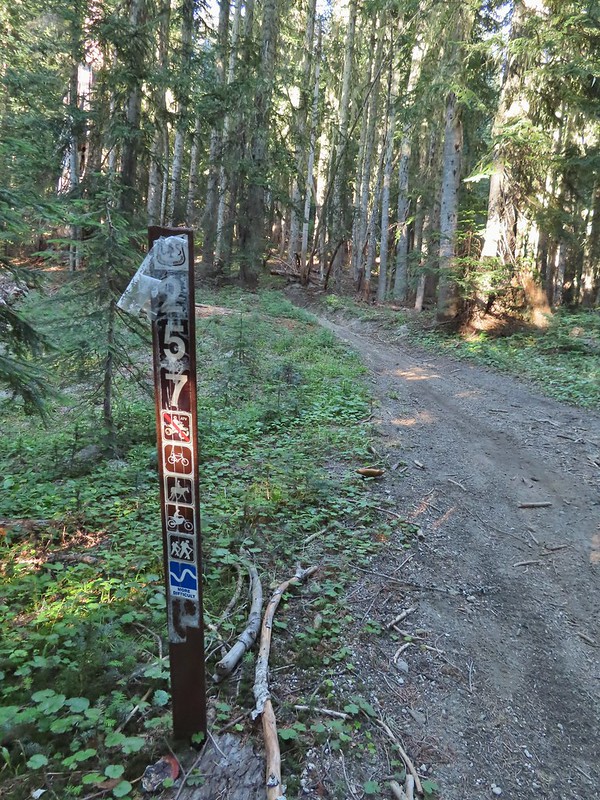
 This mushrooms was at least as wide as a salad plate.


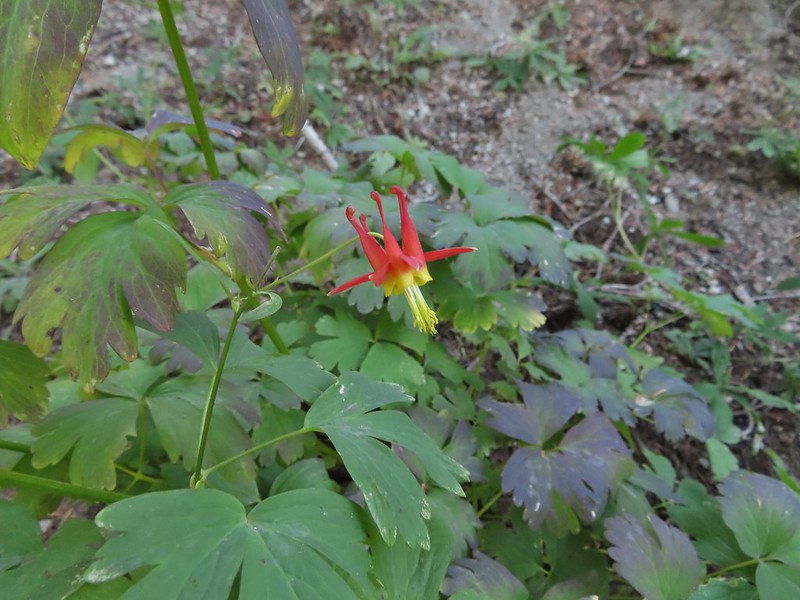 A columbine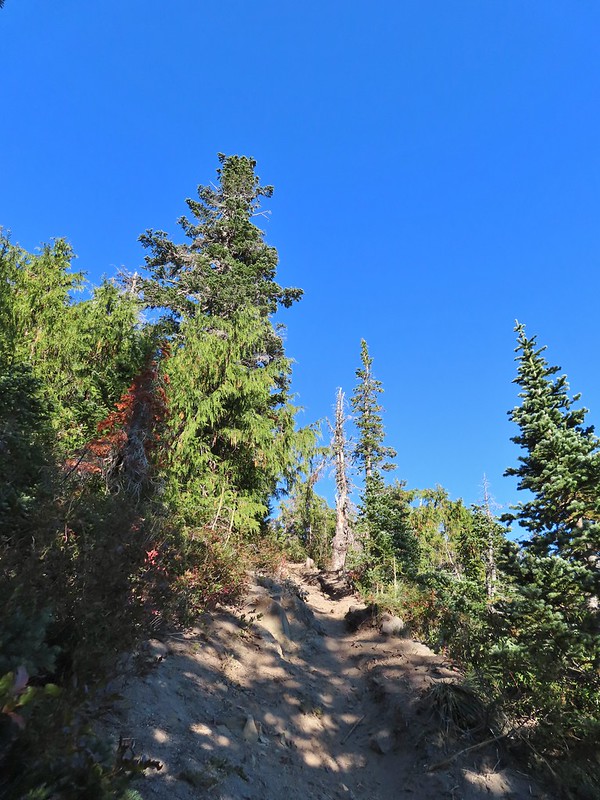
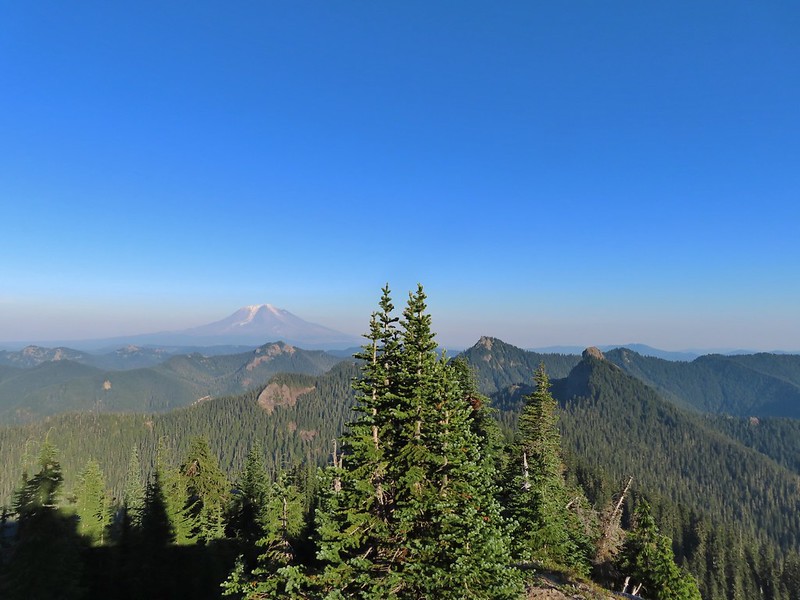
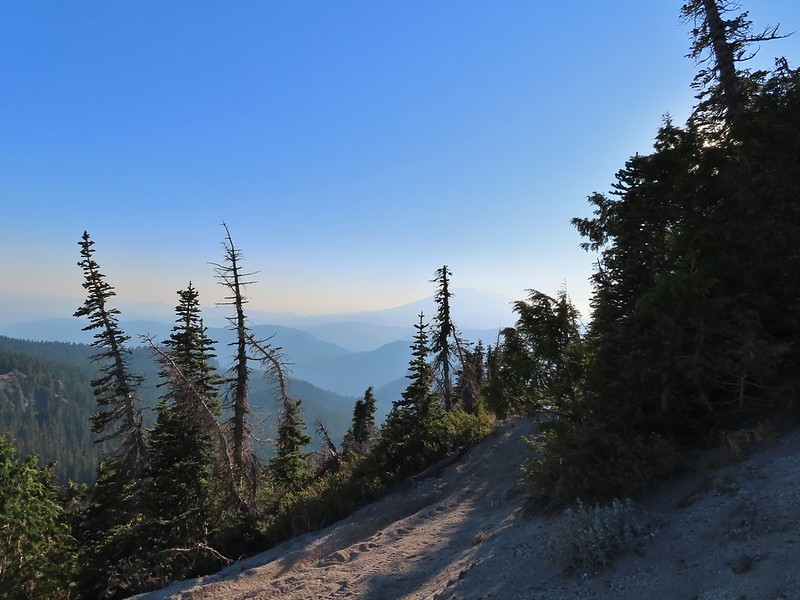 Mt. St. Helens was hard to make out with the combination of haze and Sun position.
 Looking south toward Mt. Hood (I could make it out with the naked eye.)
 Mt. Hood in the haze.
 Mt. Rainier
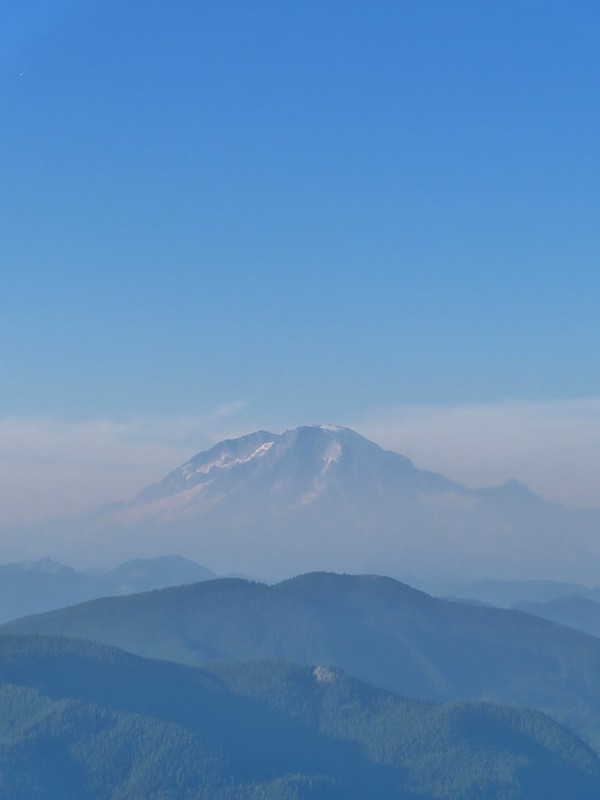 Mt. Rainier
 Mt. Adams
 The Goat Rocks were also hard to make out due to the smoke.
 Western pasque flowers, aka hippies on a stick, below the summit.


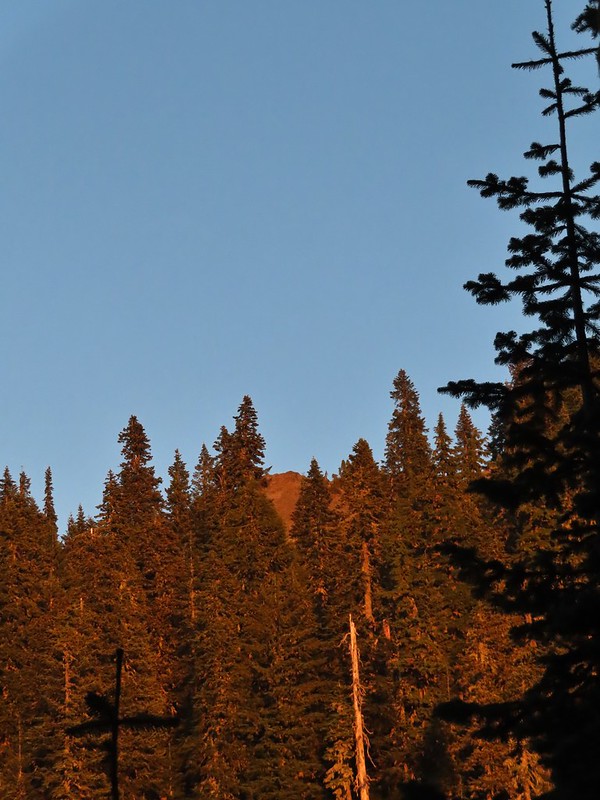 The last of the sunlight hitting Badger Peak.
 The start of the “trail” at the end of the road.
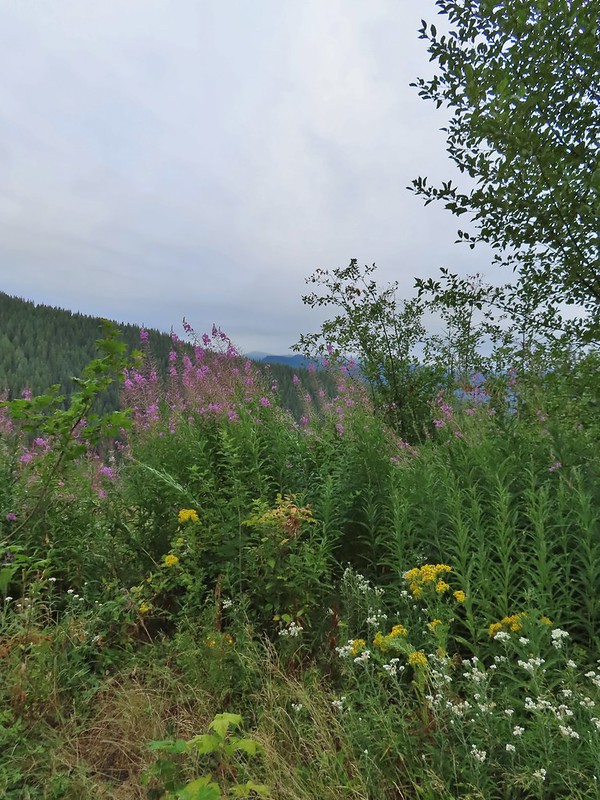 Wildflowers at the trailhead.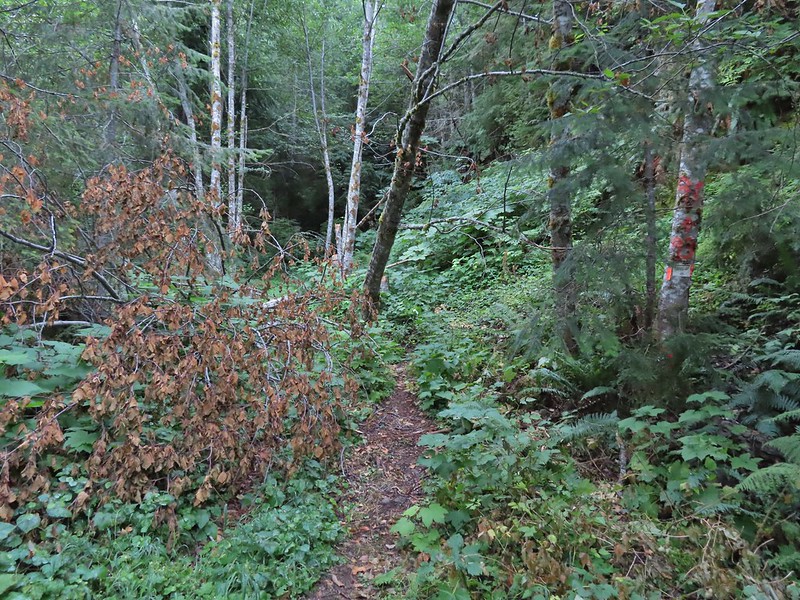
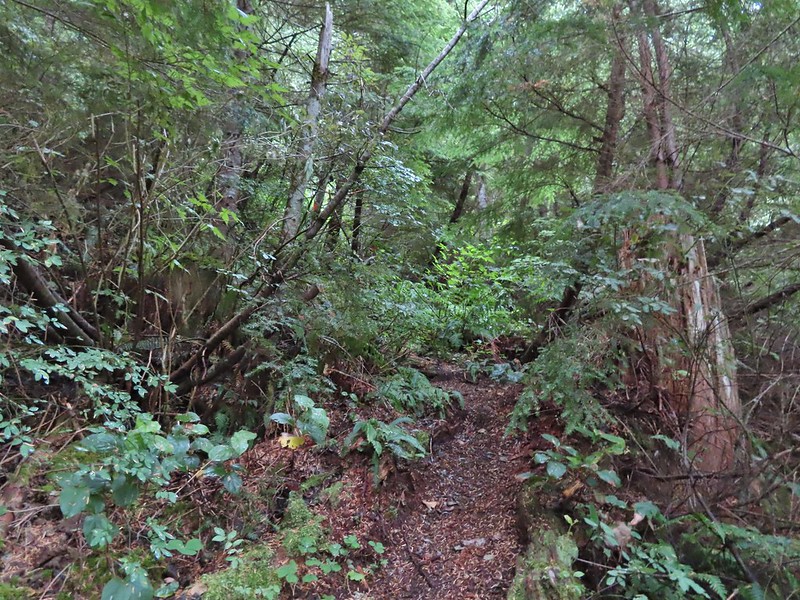


 Orange dot on a tree.
 Another orange dot.
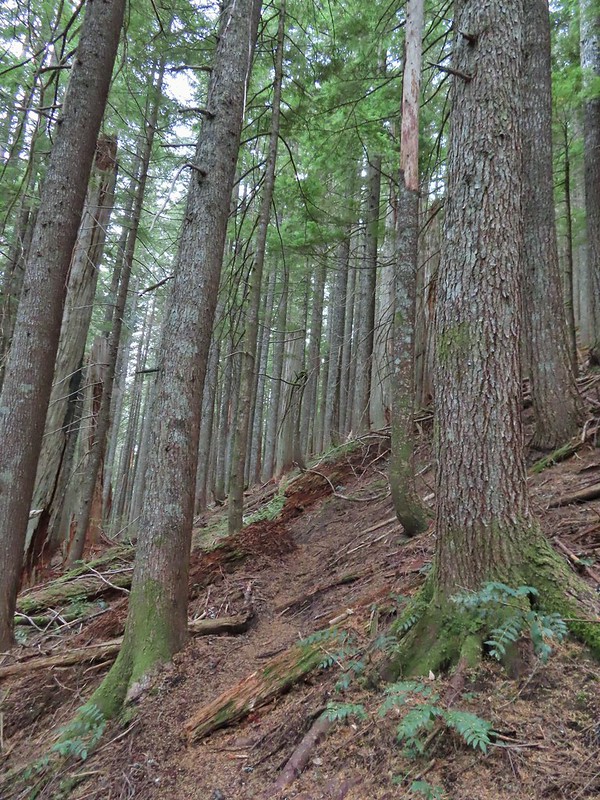 Occasionally there were short steep climbs but nothing as steep as the first part.
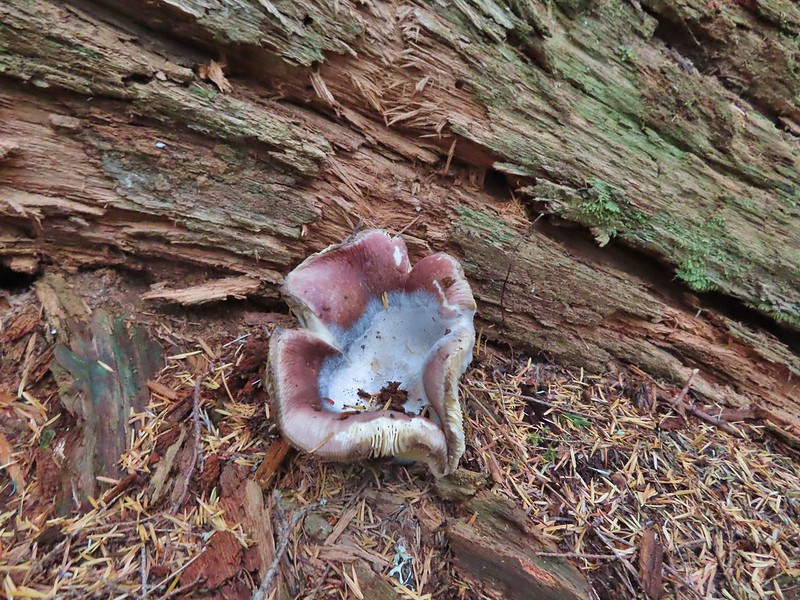 Mushroom
 Pink flagging on the right related to the timber sale.
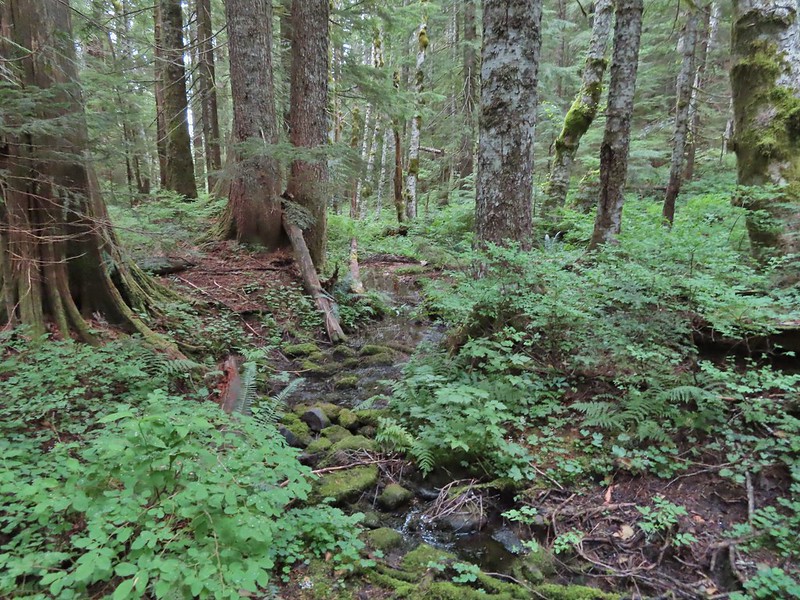 Water in a creek bed.
 Mushroom amid bunchberry leaves.
 Red huckleberries
 Timber sale boundary sign on the right with a flag.
 More huckleberries.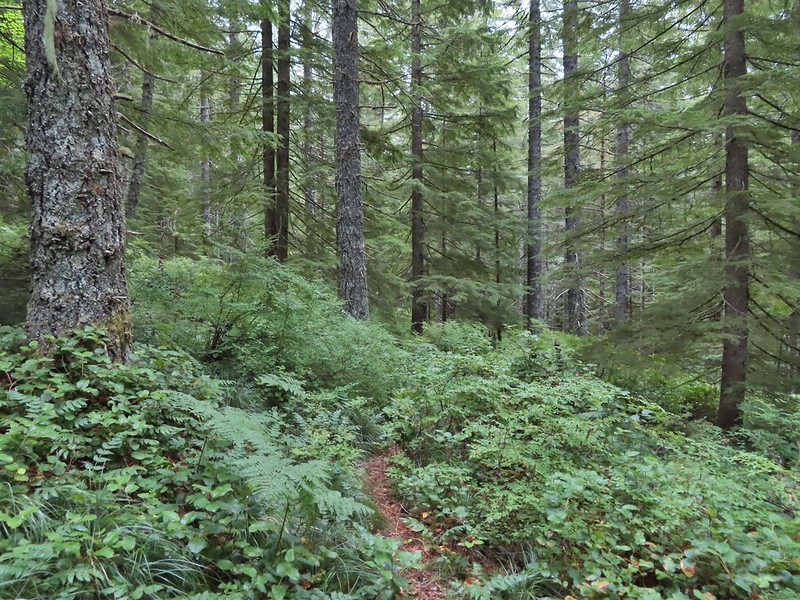


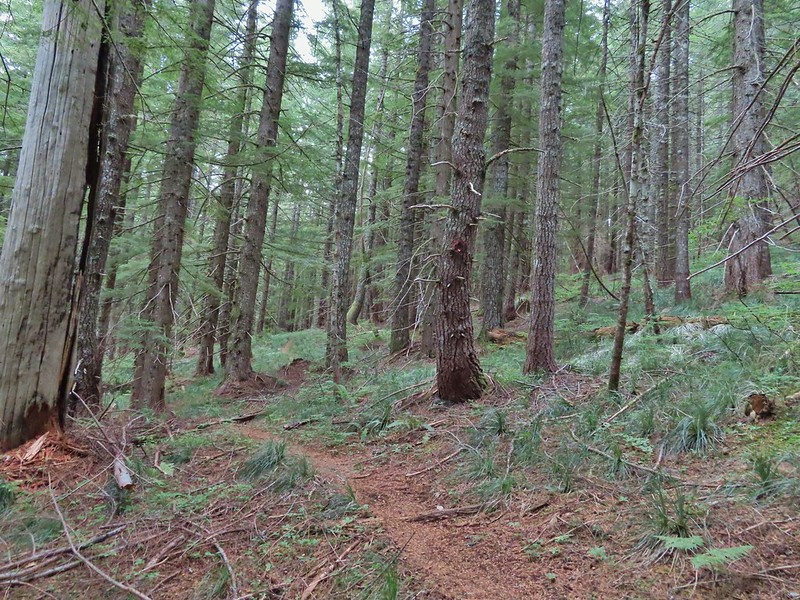
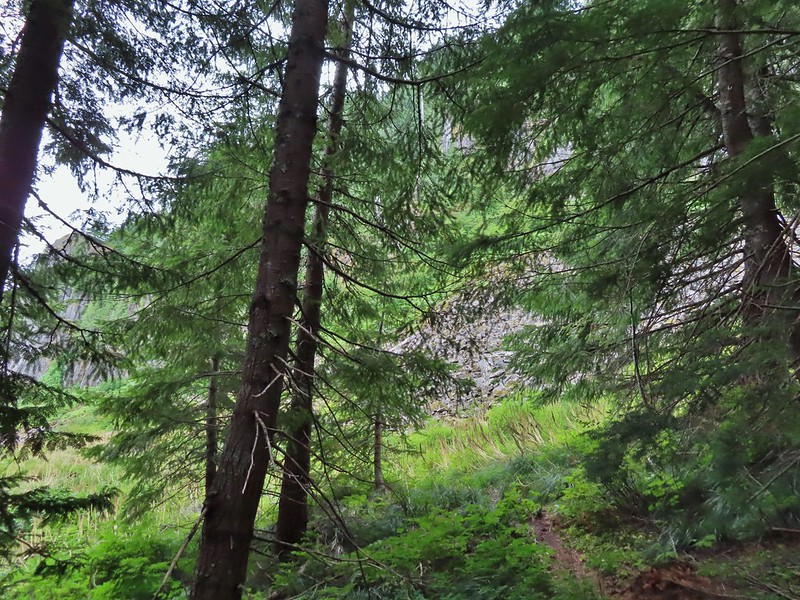
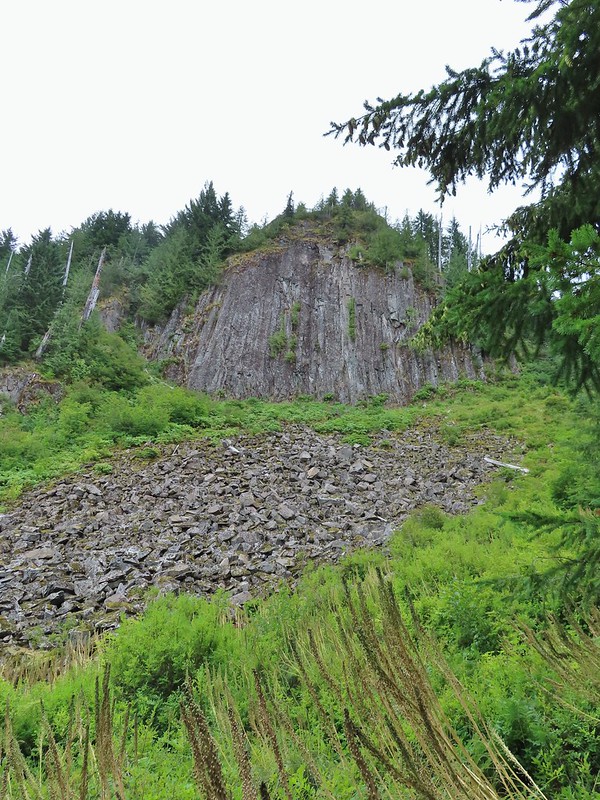

 Bluebell of Scotland
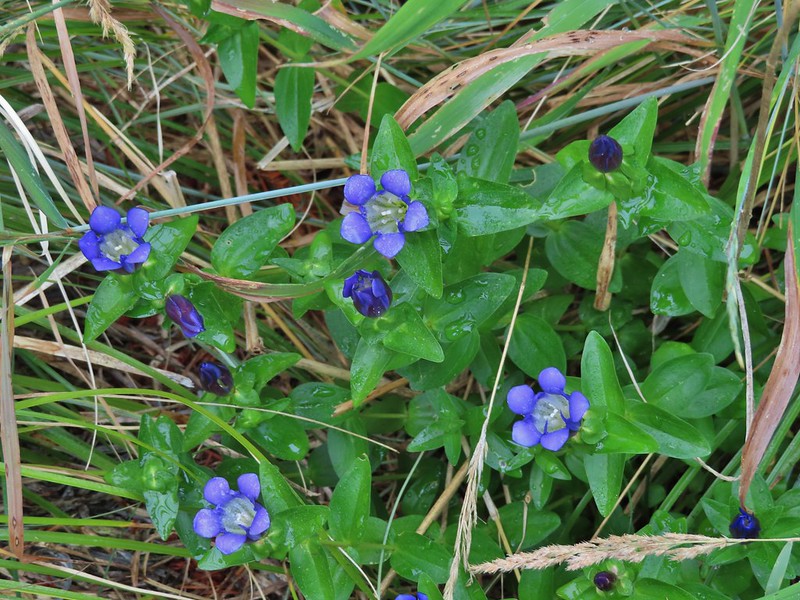 Gentian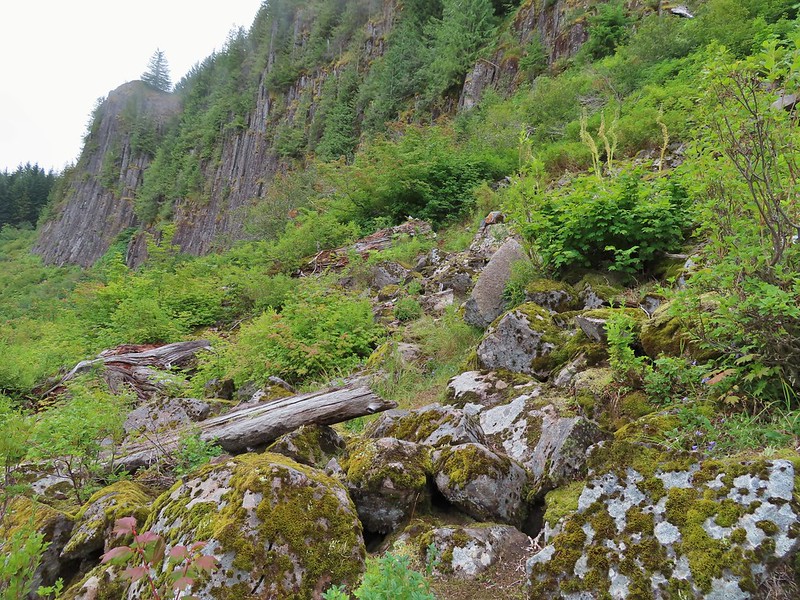
 Pearly everlasting
 The view north, not much to see.
 Mount Mitchell from the path.
 Paintbrush
 Gentian
 Penstemon
 aster
aster Oregon sunshine
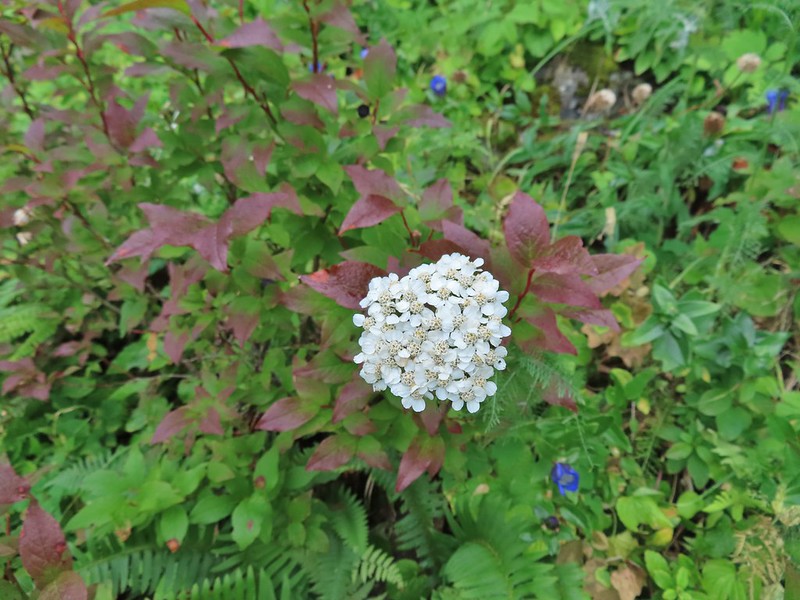 Yarrow
 The trail nearing the end of the basalt cliffs.
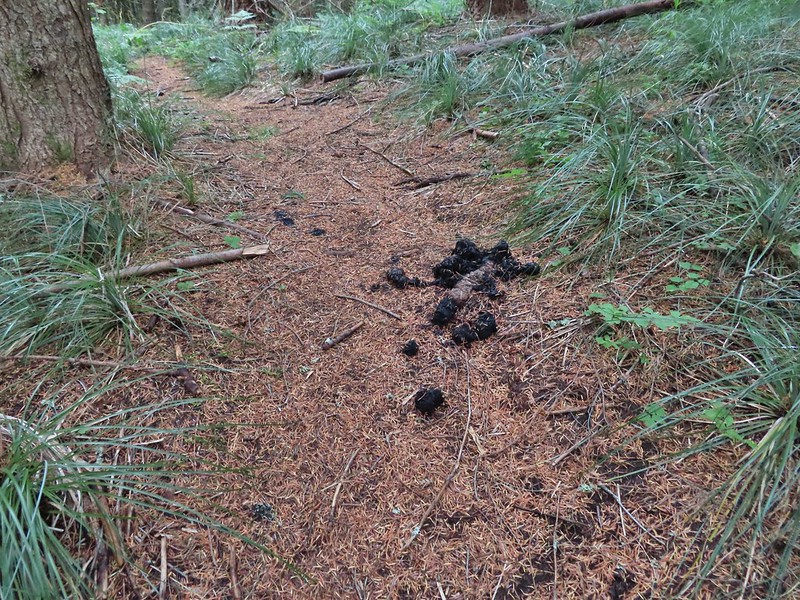
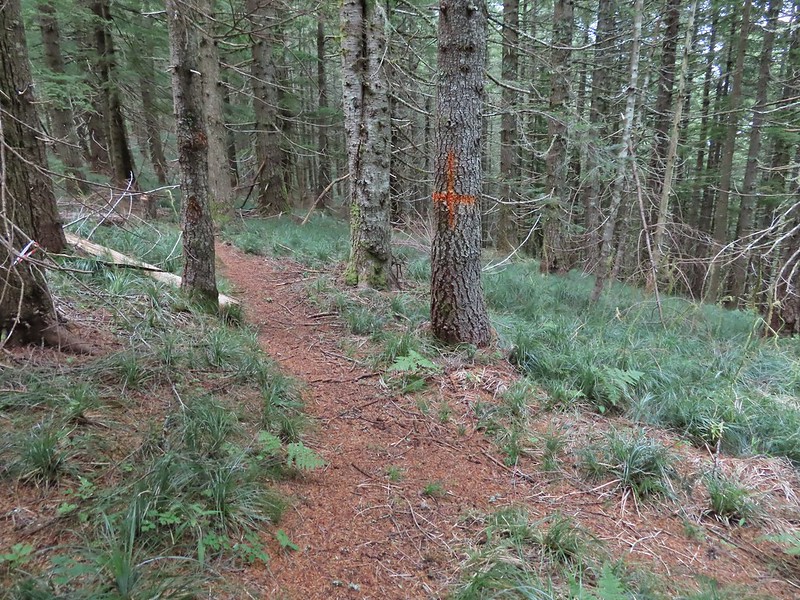
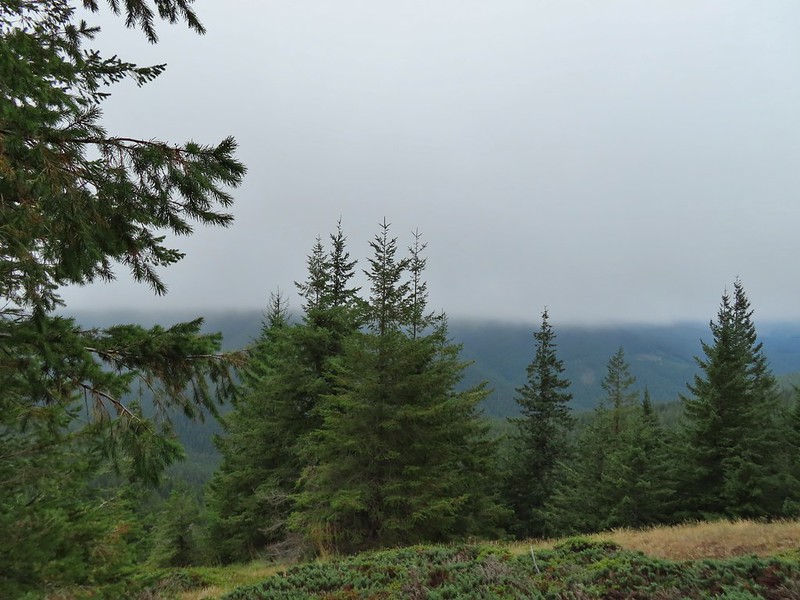 The view south across North Siouxon Creek was the same as it had been to the north.

 It was apparently a good beargrass year along the trail.

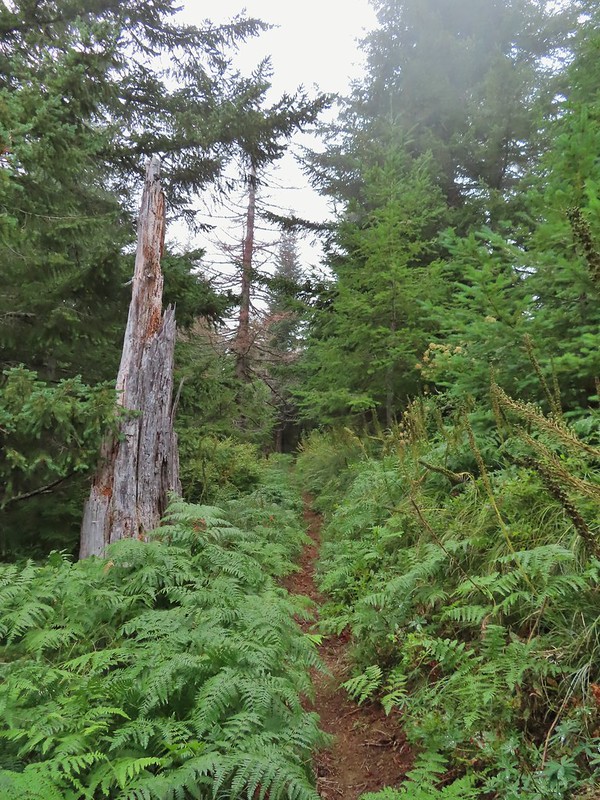

 Fireweed amid the beargrass.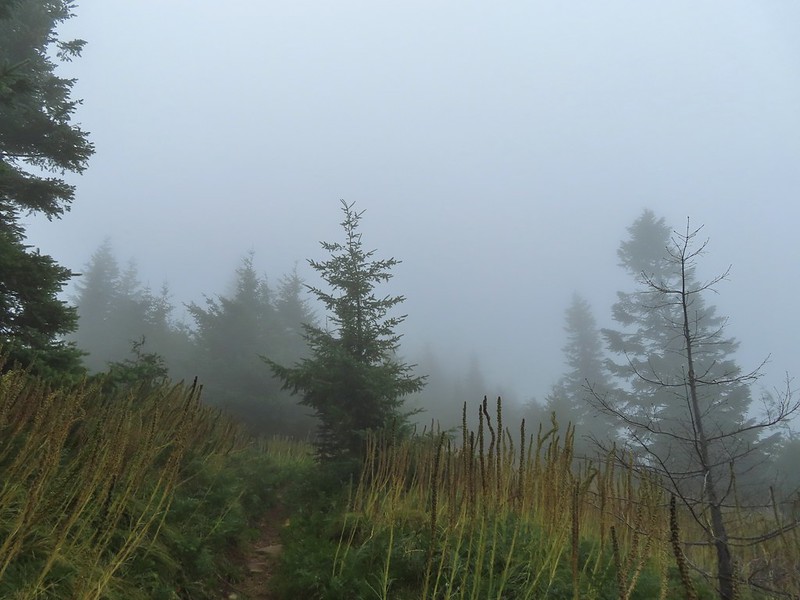


 Mt. St. Helens is out there somewhere.
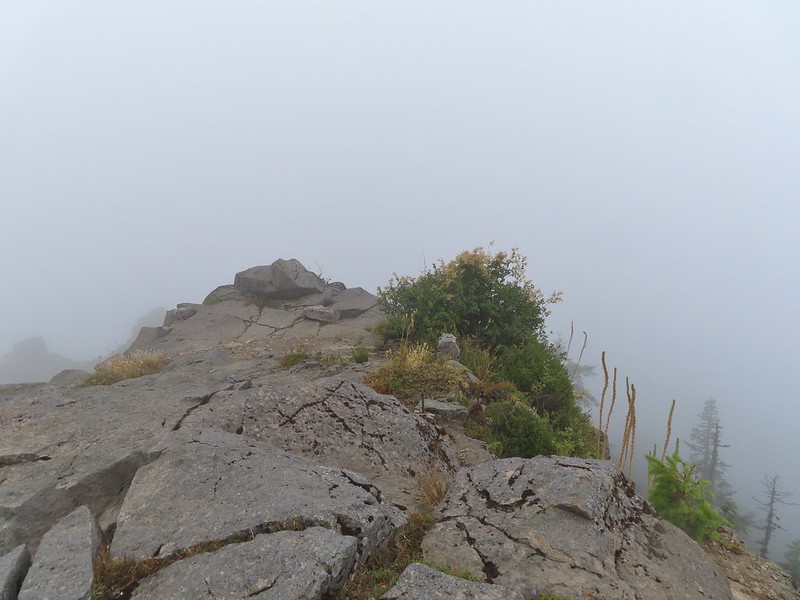 Looking east over the site of the former lookout.
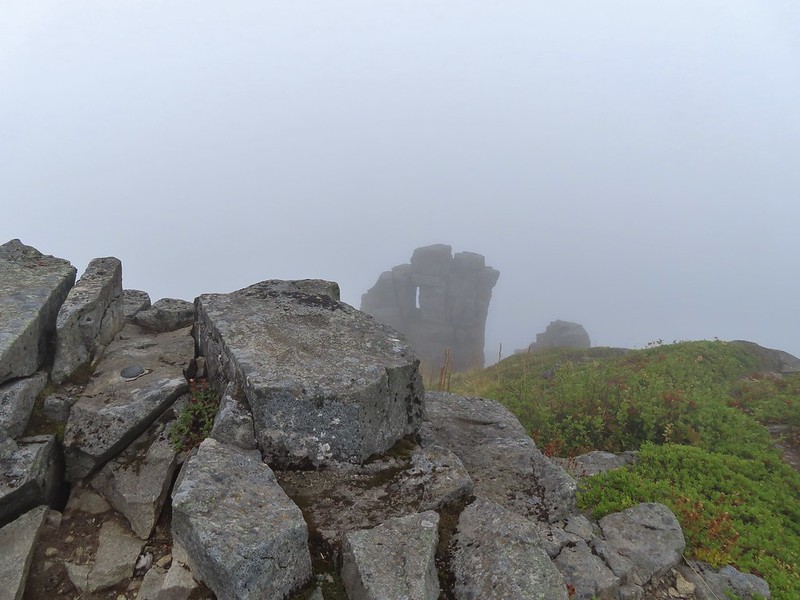 The survey marker and one of several neat rock formation near the summit.
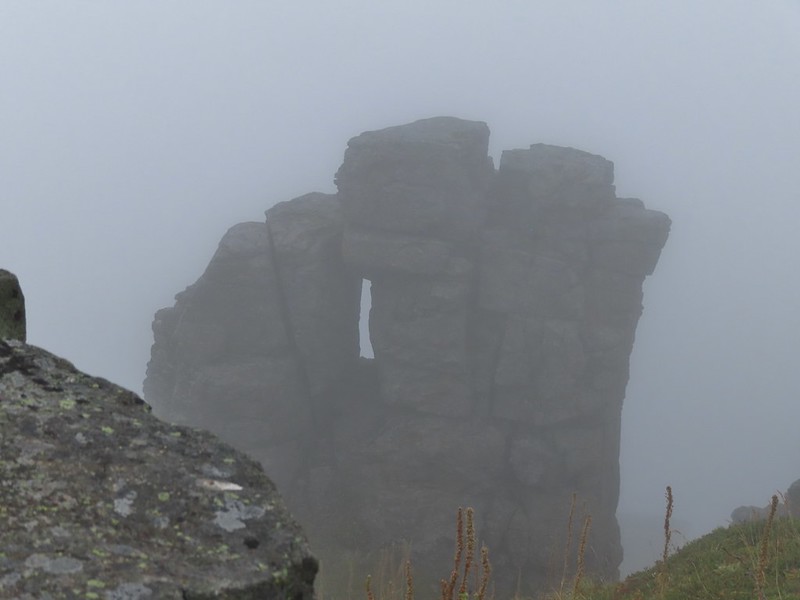 Closer look at the formation.
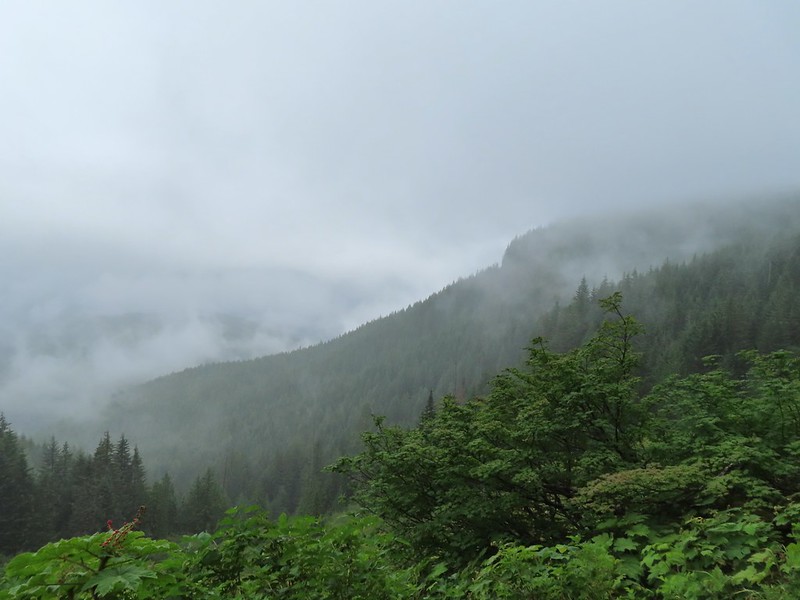

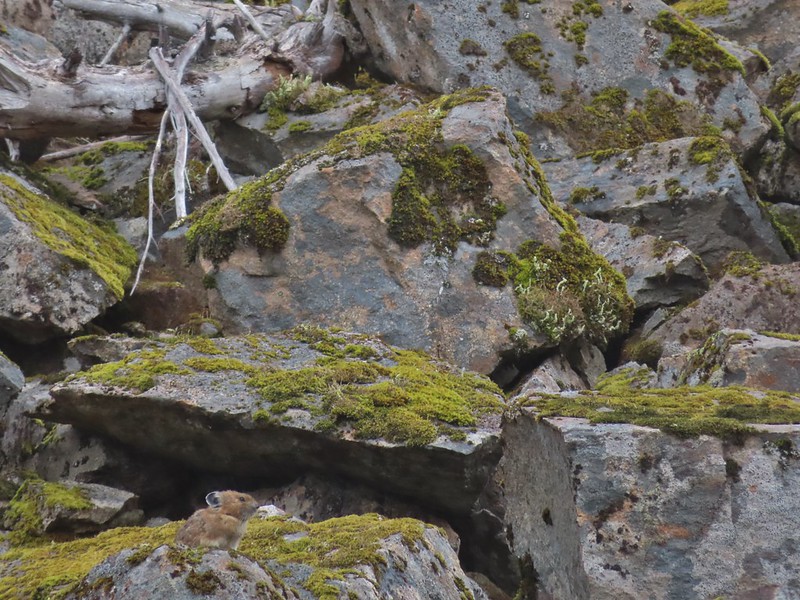
 A second picture after seeing it move again.
 The pika popped back out below the larger rock that it had run behind.
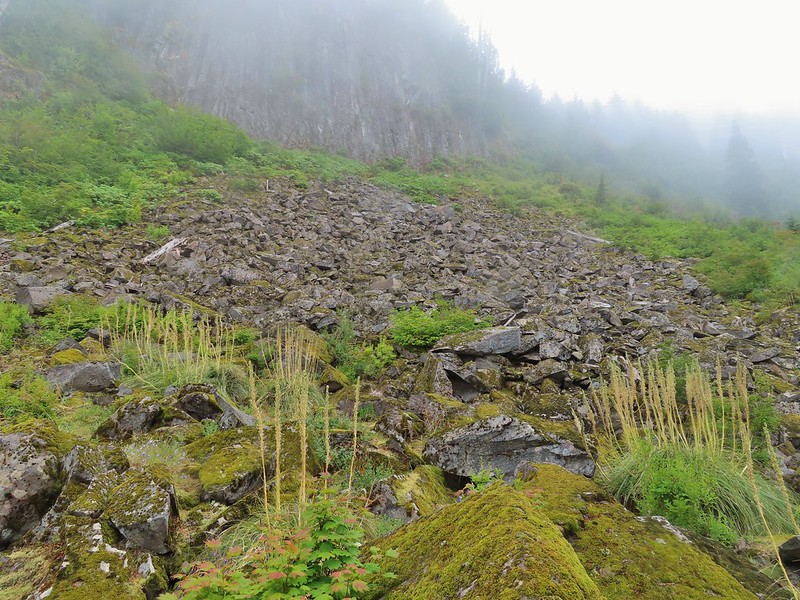 A non zoomed in photo, the pika is still in the same spot as in the two photos immediately above.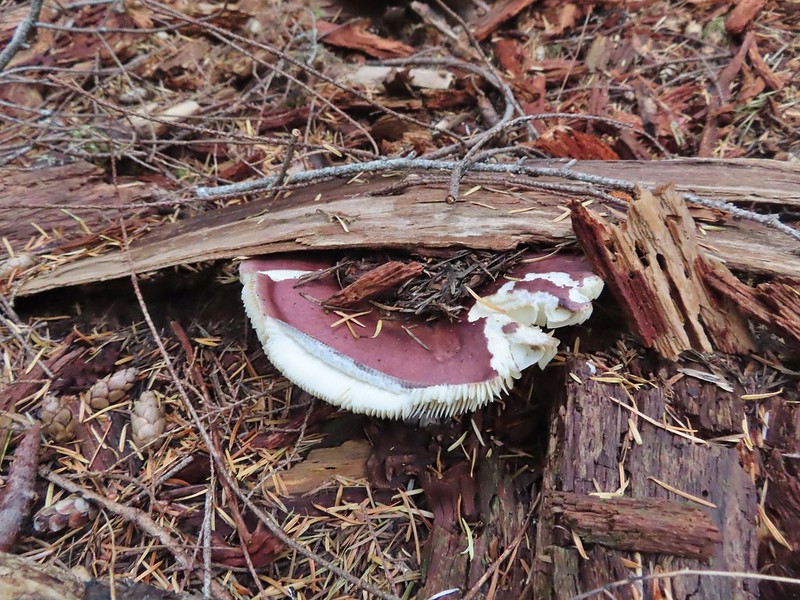
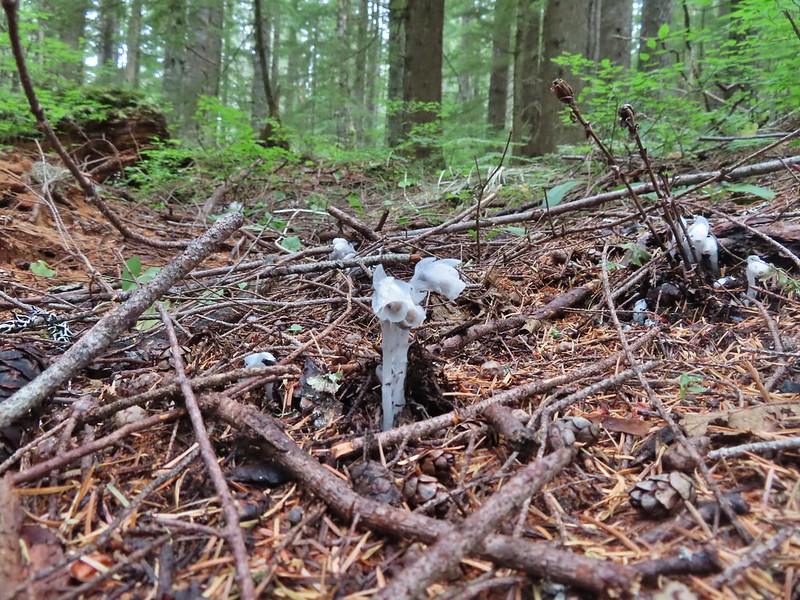 Spotting this patch of ghost pipe emerging from the forest floor was another highlight on the return hike. The hike is reportedly 7.3 miles with a little over 2000′ of elevation gain but Heather’s GPS put us at 7.8 miles and mine registered 8.3 miles. (If you’ve read other posts you know that Heather’s unit used to almost always show the higher mileage but lately mine has been.) Whatever the actual mileage it was a good hike through a very nice forest which sadly, barring a last minute successful change, may not be possible in the future.
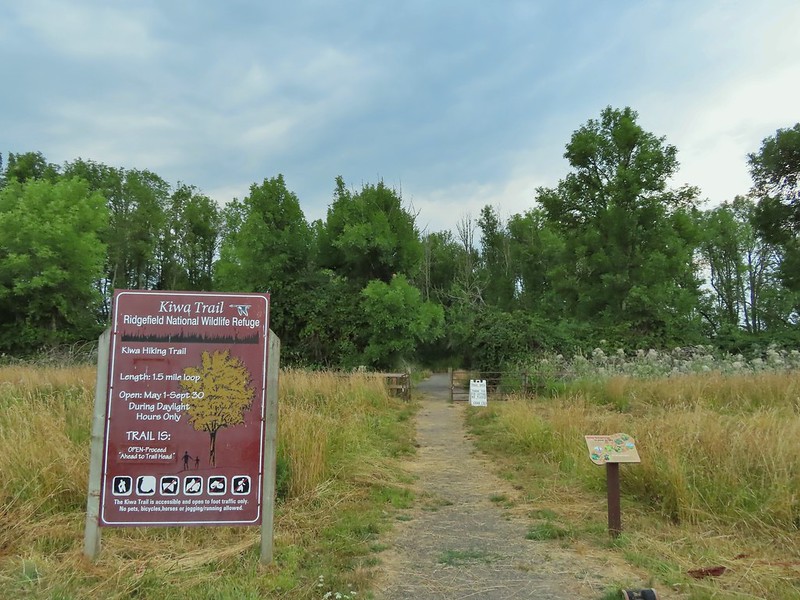
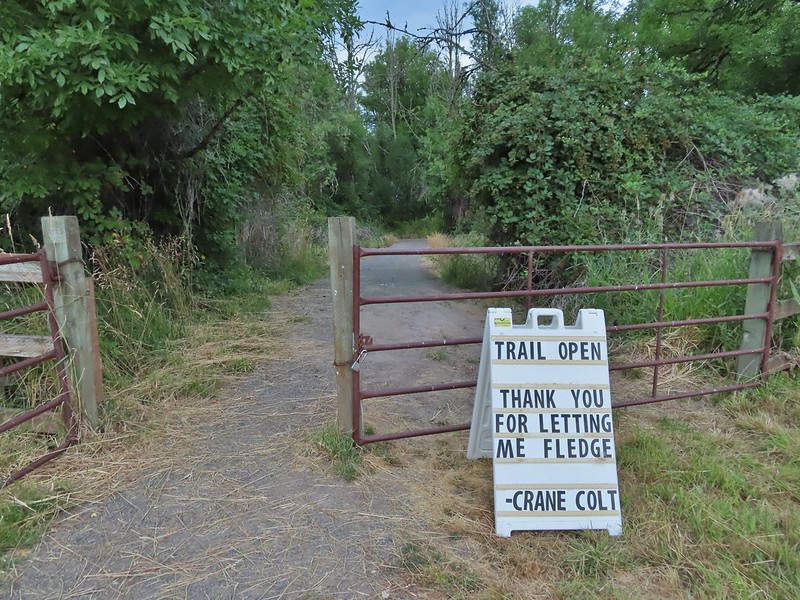
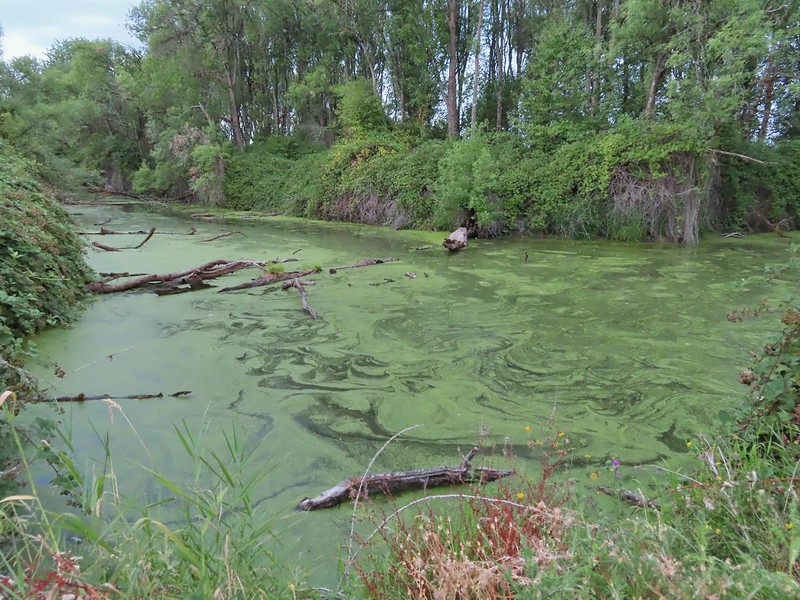 Bower Slough
 Ducks in the slough.
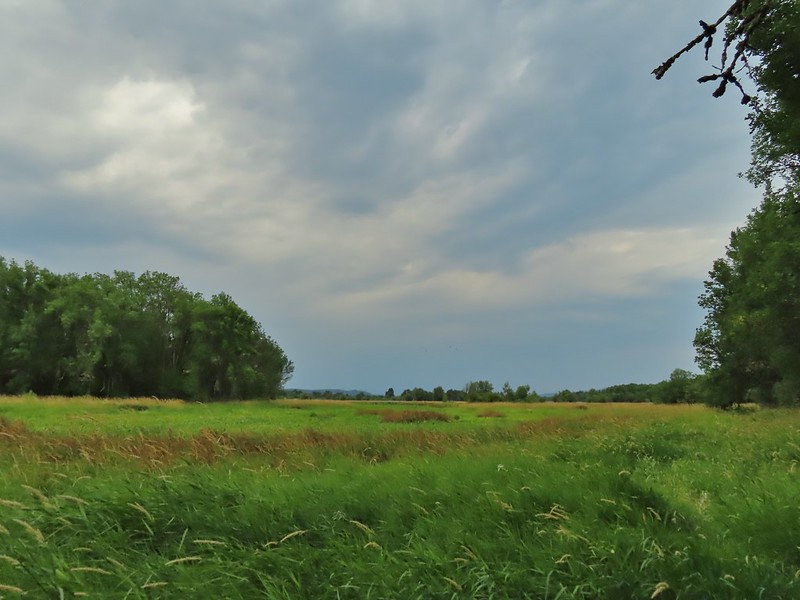 South East Lake which was mostly dried up at this point in the year.
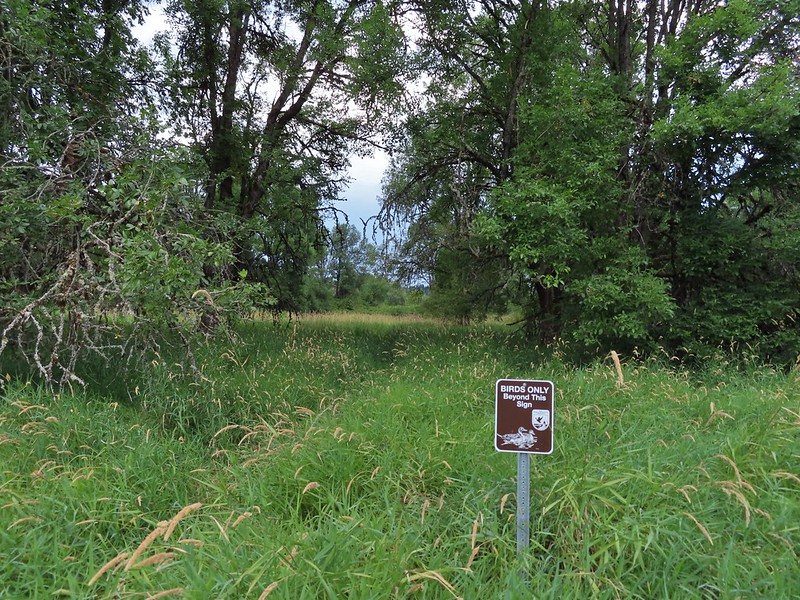 Apparently deer can’t read based on the trail leading past the sign.
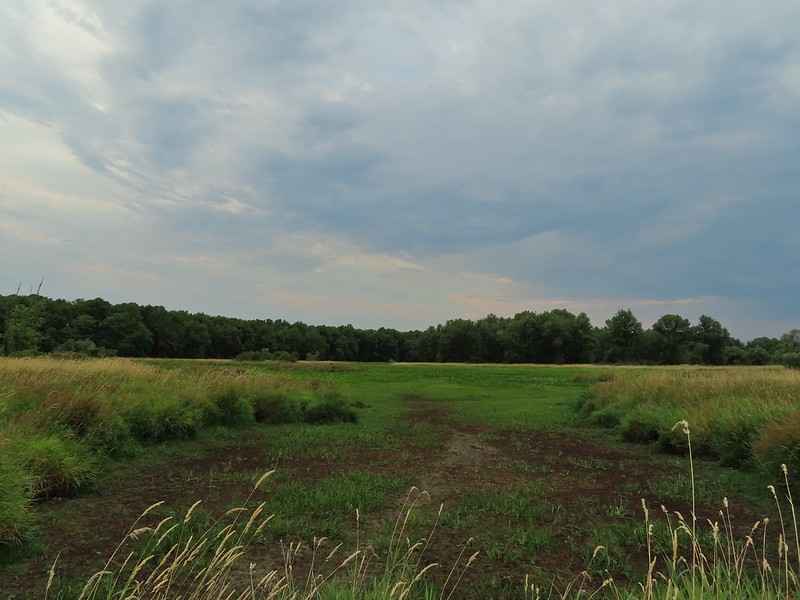 The bed of South East Lake
 Some moisture passing through this morning.
 Dove
Dove Walking along a cleaner looking portion of the slough.
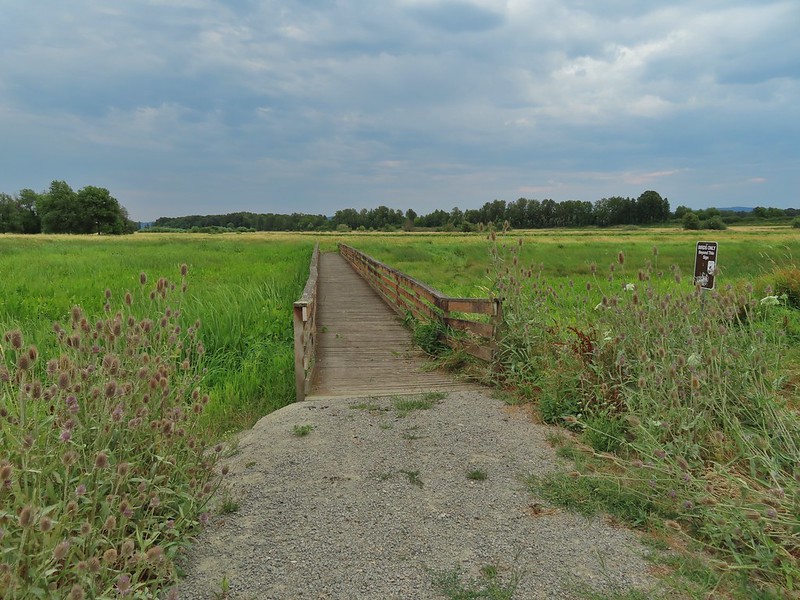 Bridge/boardwalk between Middle Lake (left) and West Lake (right).
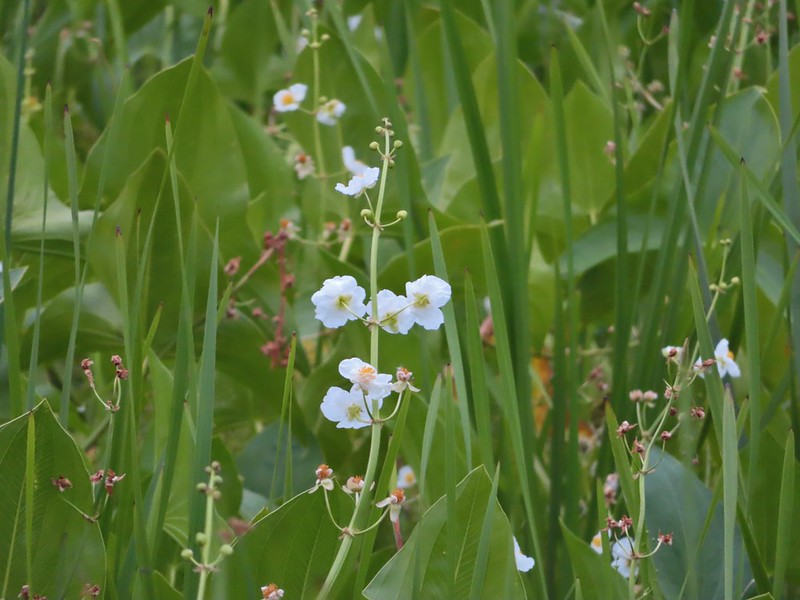 Wapato blossoms
 Lots of ripening blackberries.
 Second crossing of Bower Slough near the end of the loop.

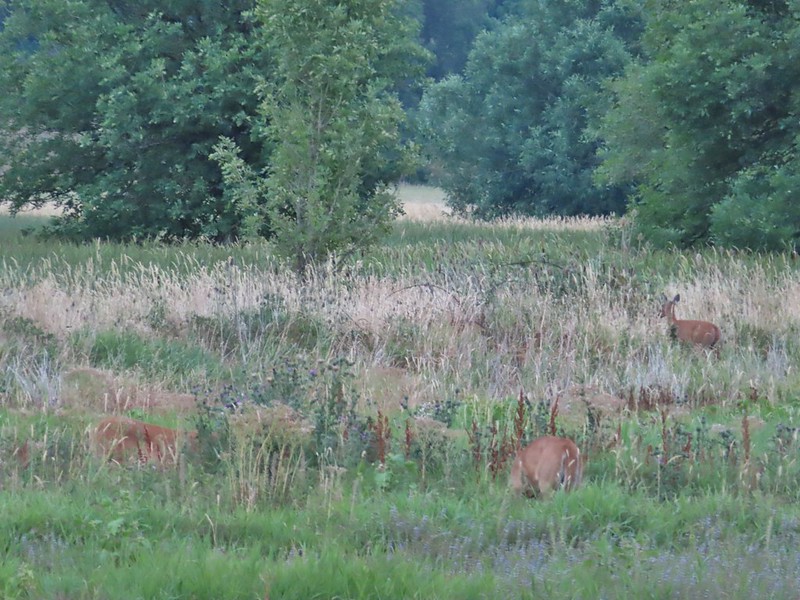

 Great blue heron
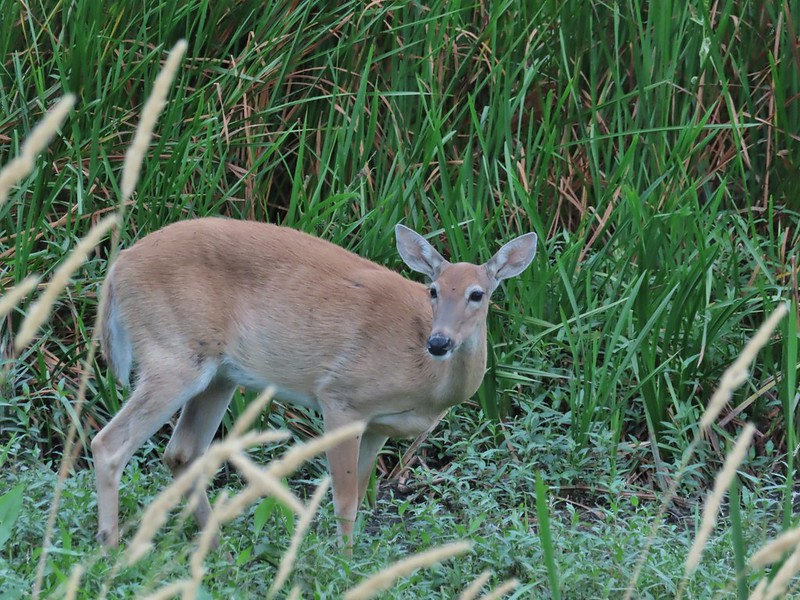 Doe
Doe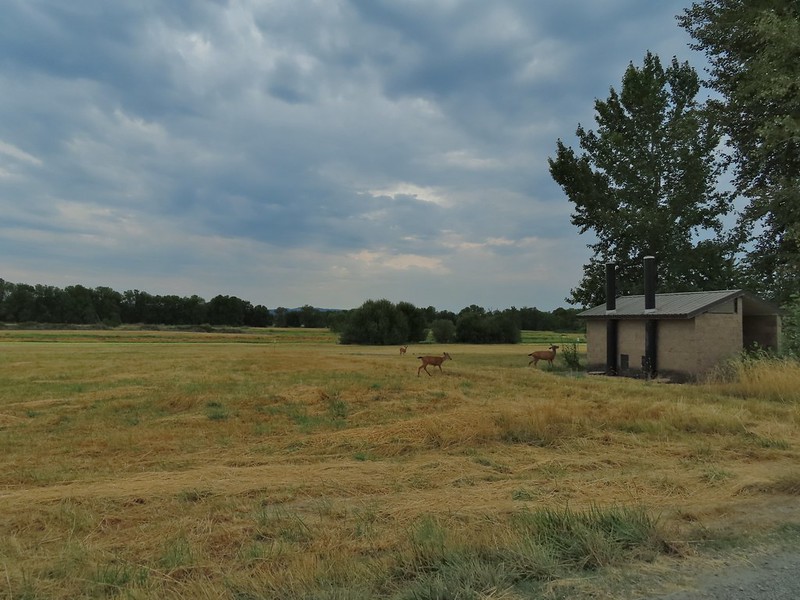 Deer near the restrooms/fee booth.
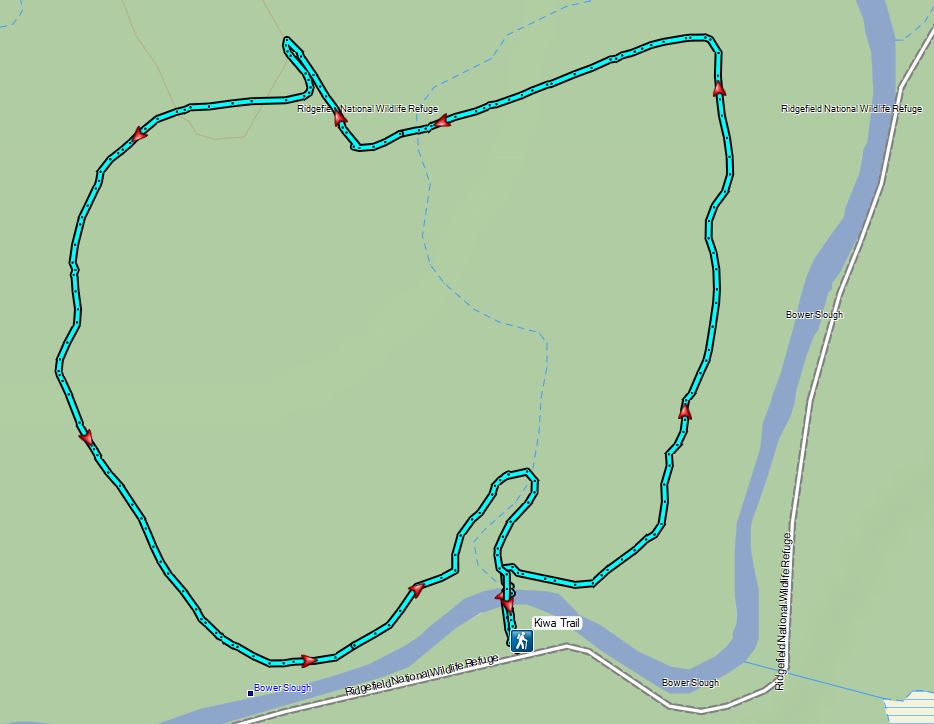

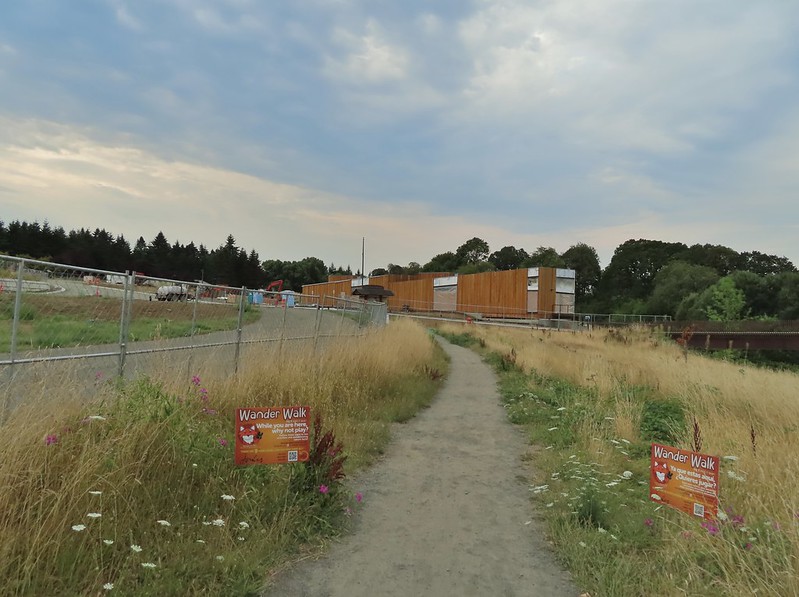
 <
<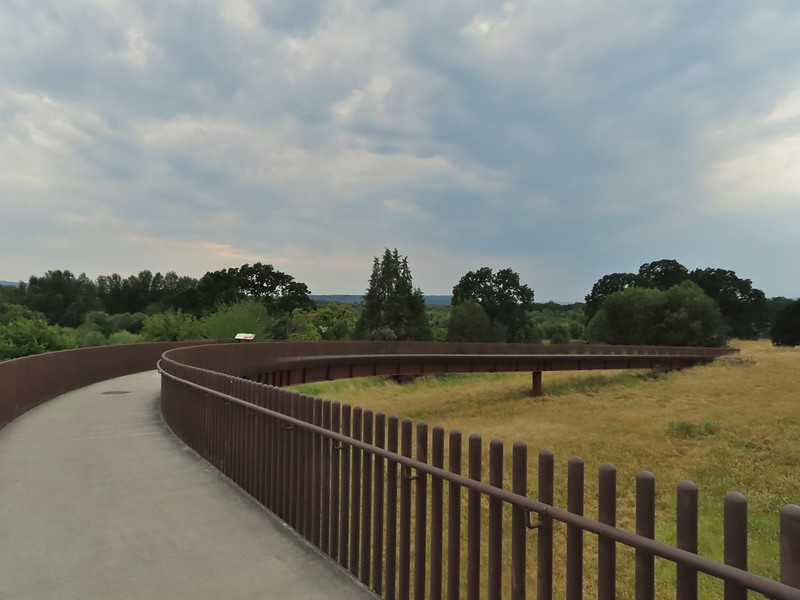
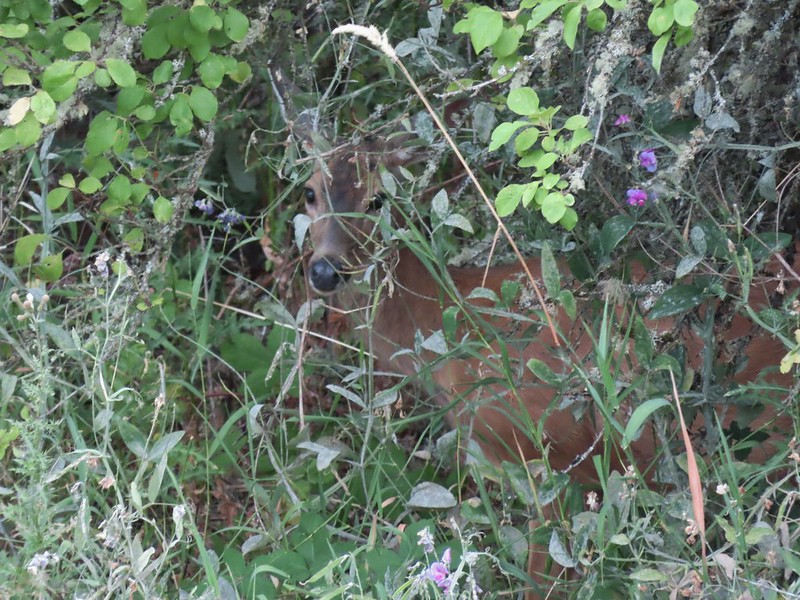 Doe in the brush near the tracks.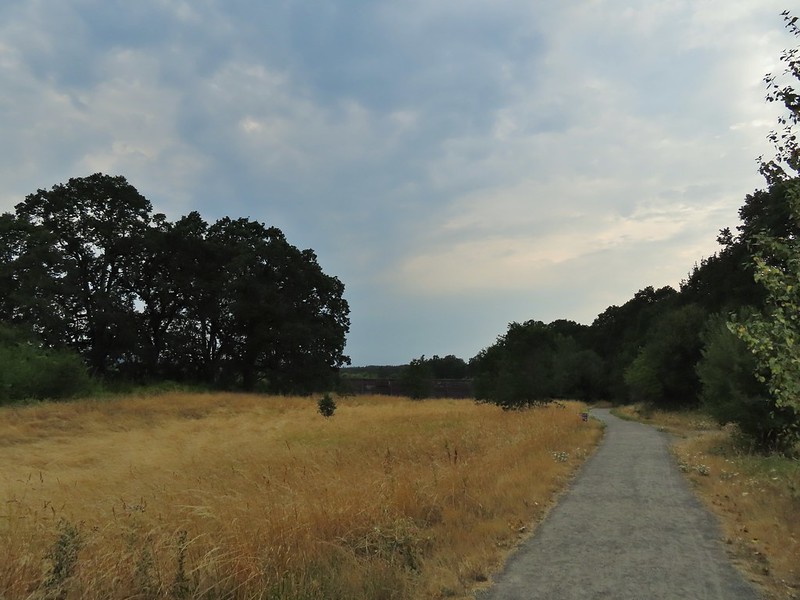


 Carty Lake Trail and Duck Lake
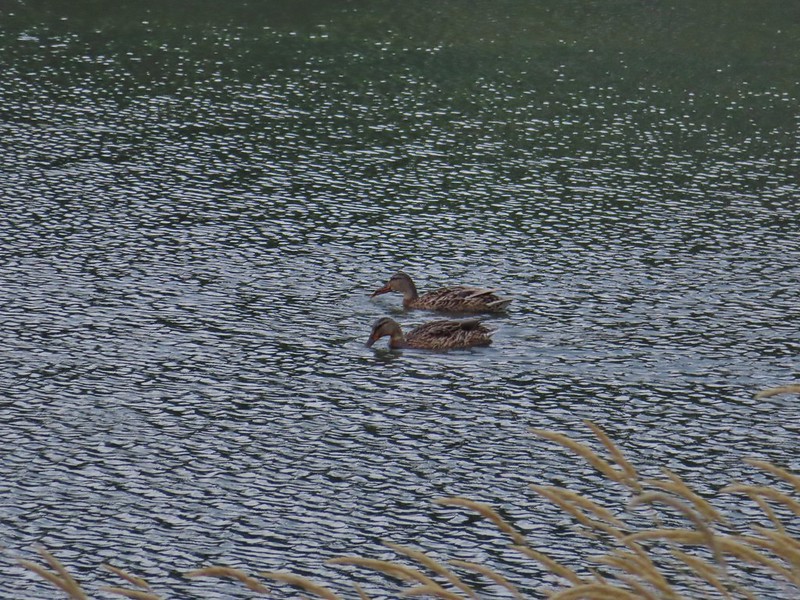 Ducks on Duck Lake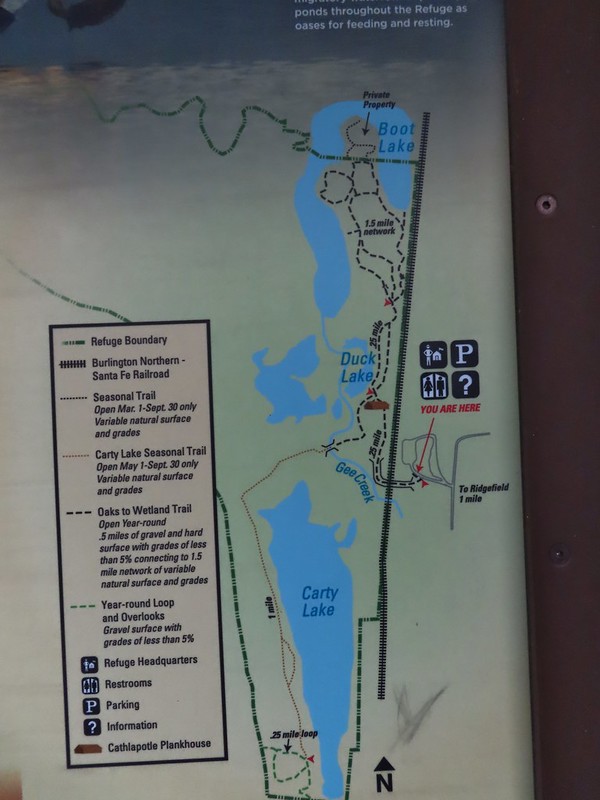
 Paved and dirt options allow for a mini-loop near the start, later the trails are all dirt.

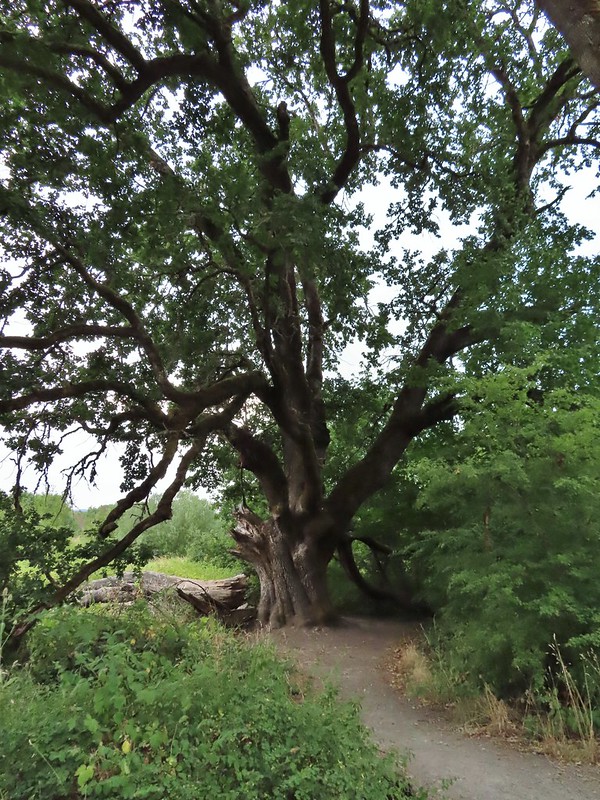 Big oak
 One-way pointers for a second loop.
 The trails can reportedly be quite muddy during the wet season but the current drought meant a hard packed surface.
 Bright red poison oak climbing some of the tree trunks.
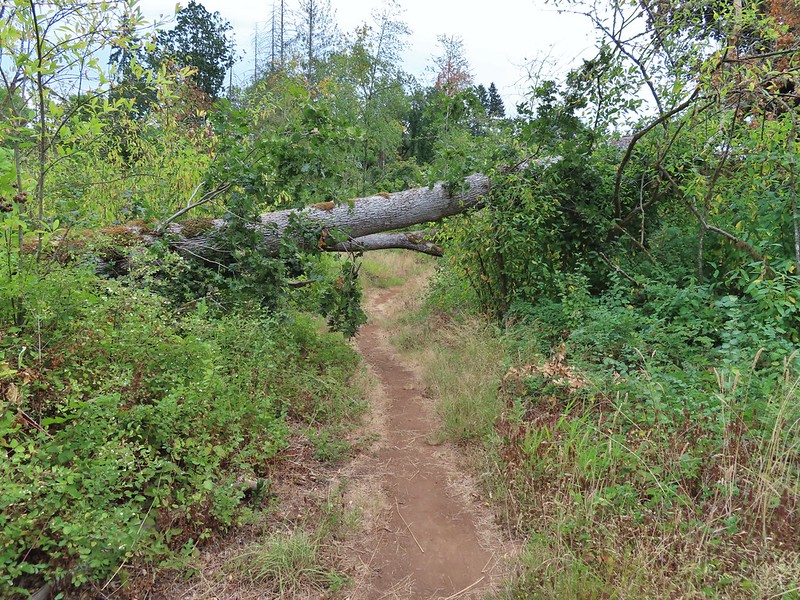 A bit of a low bridge.
 Spotted towhees
 Onward toward Carty Lake.
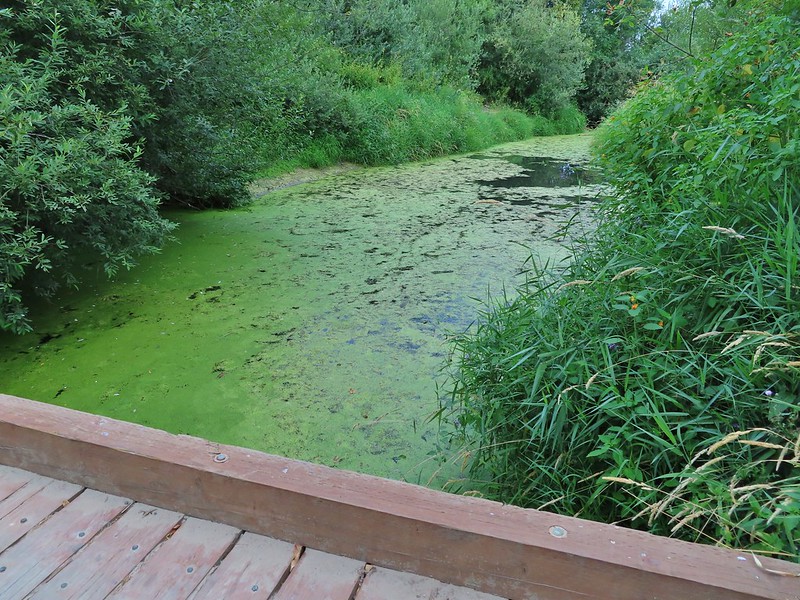 Gee Creek
 Orange jewelweed along Gee Creek.
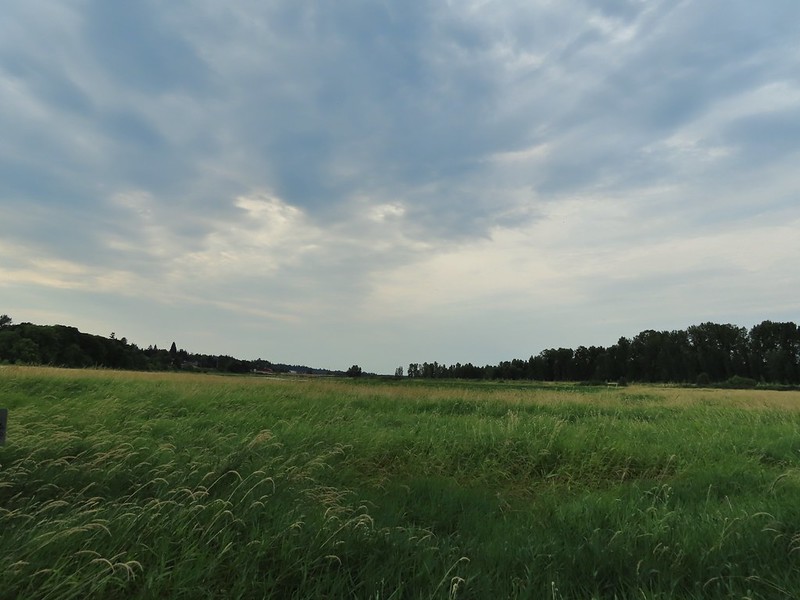 Carty Lake also lacking much water.
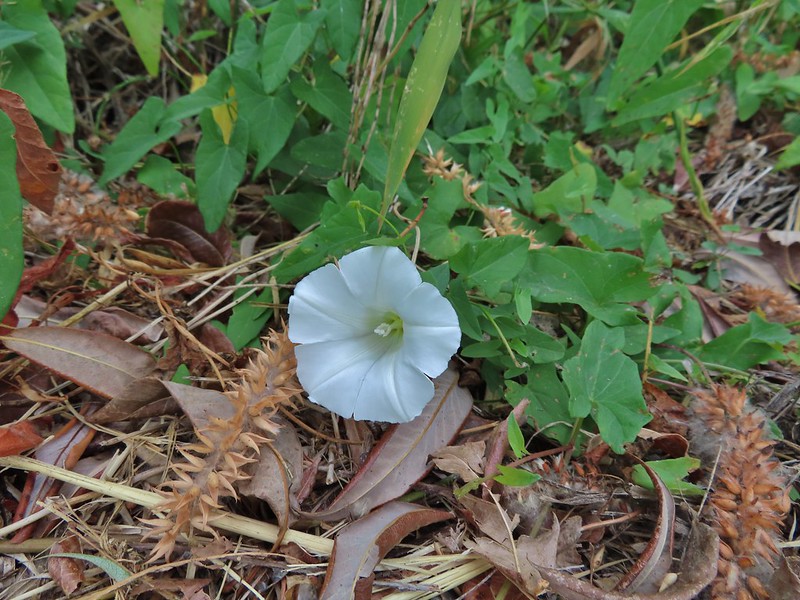 Bindweed
 A primrose
 Wapato at Carty Lake
 The trail turning south toward the Port of Ridgefield.


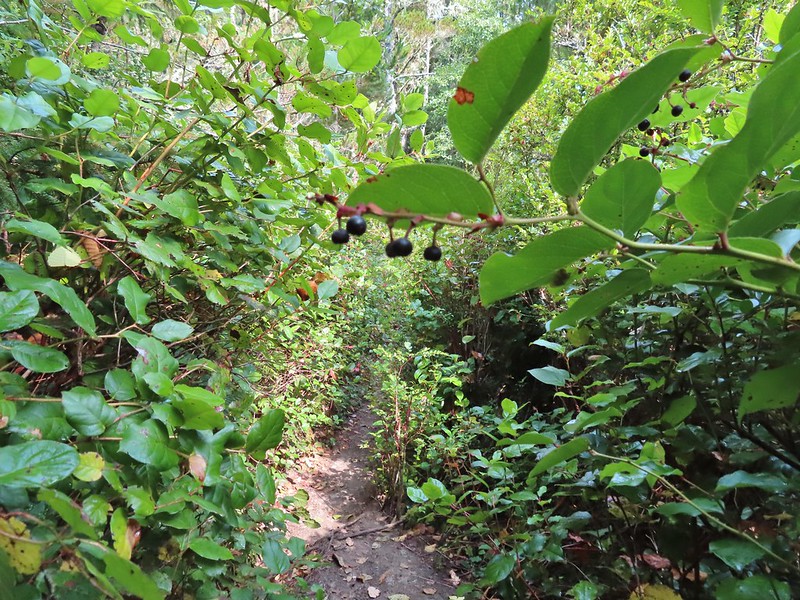 Lots of salal along the trail.
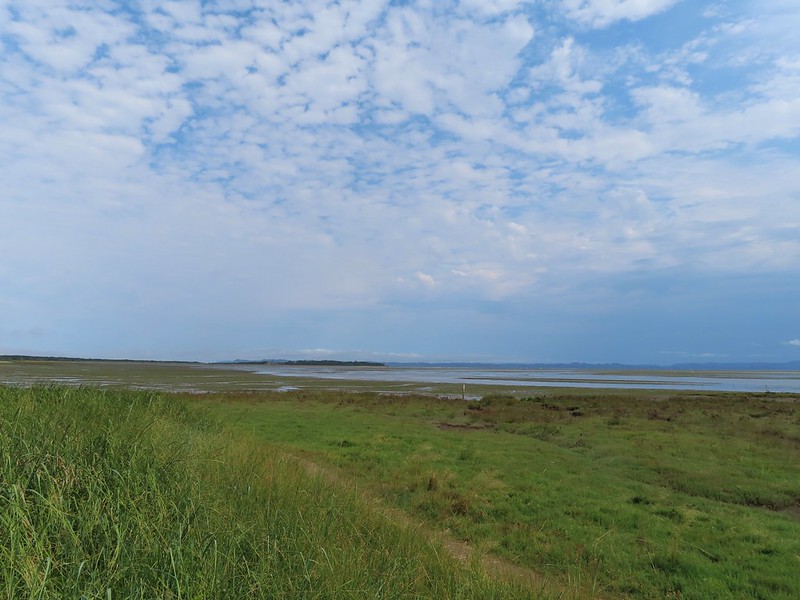

 Map near the platform.
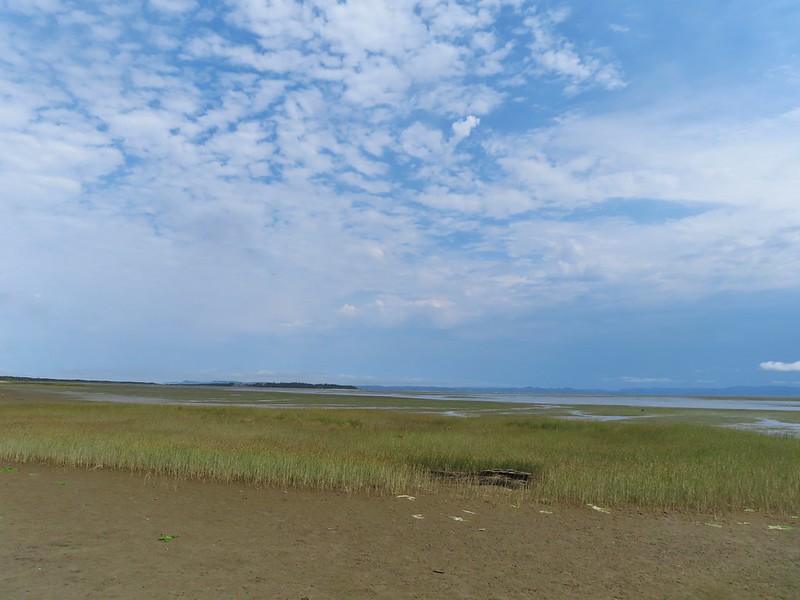 High tide had been between 7 and 8am so the water was retreating from the Bay.
 Looking south.
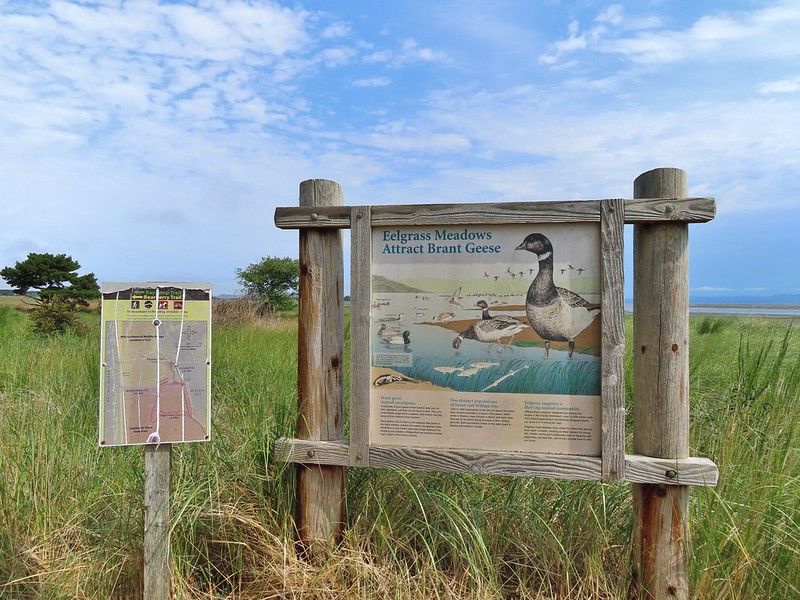


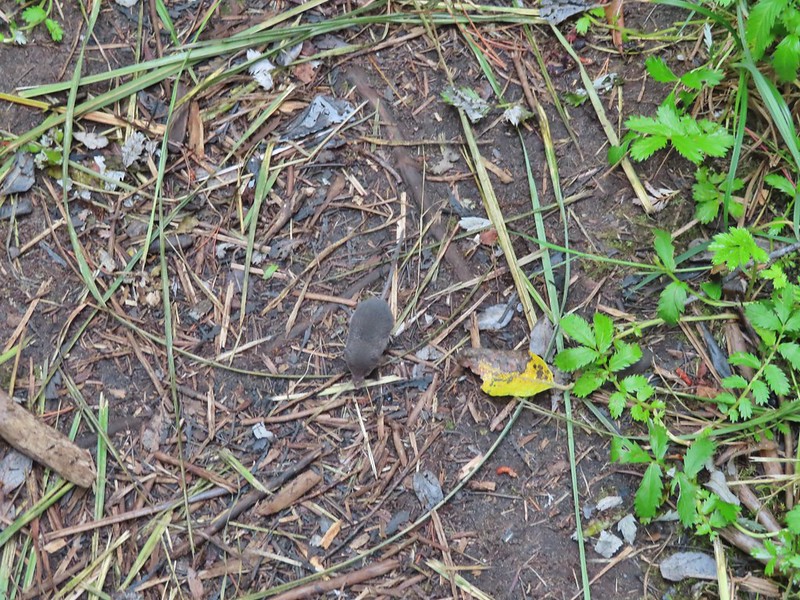
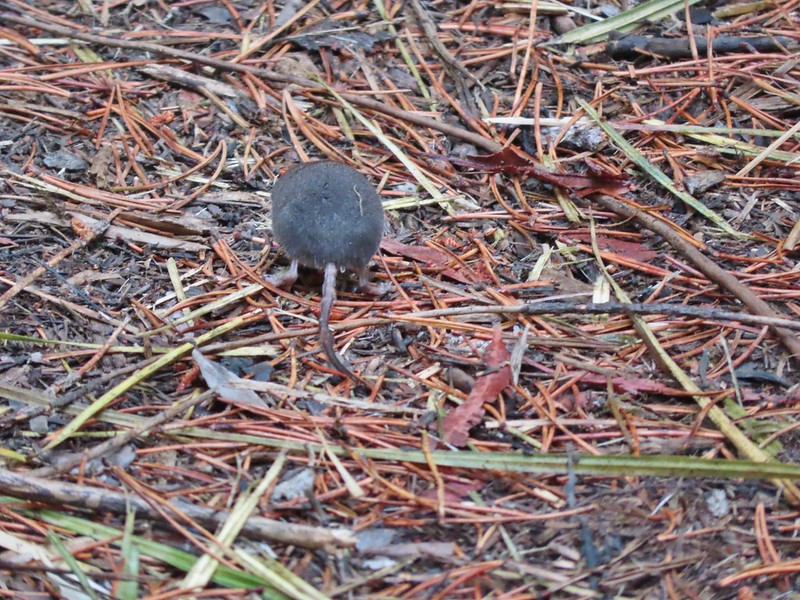


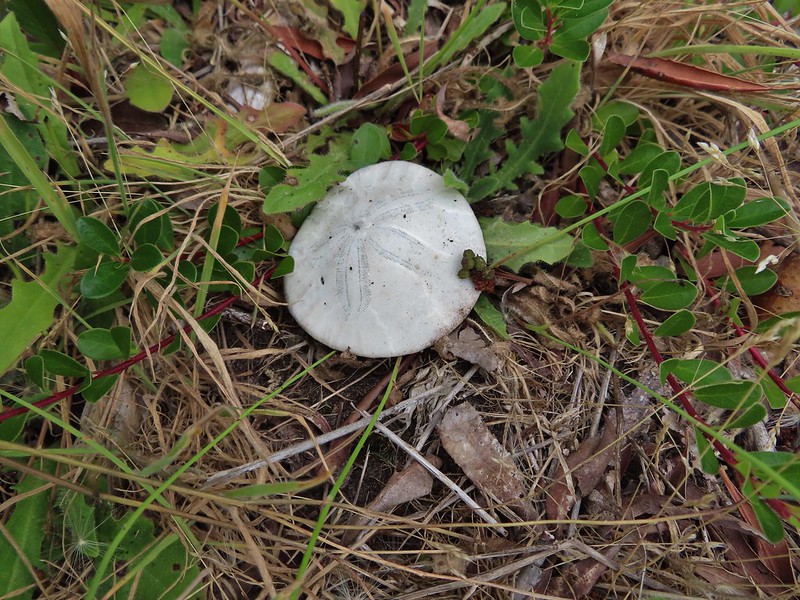
 Looking back along the trail.
 Cresting the dune.
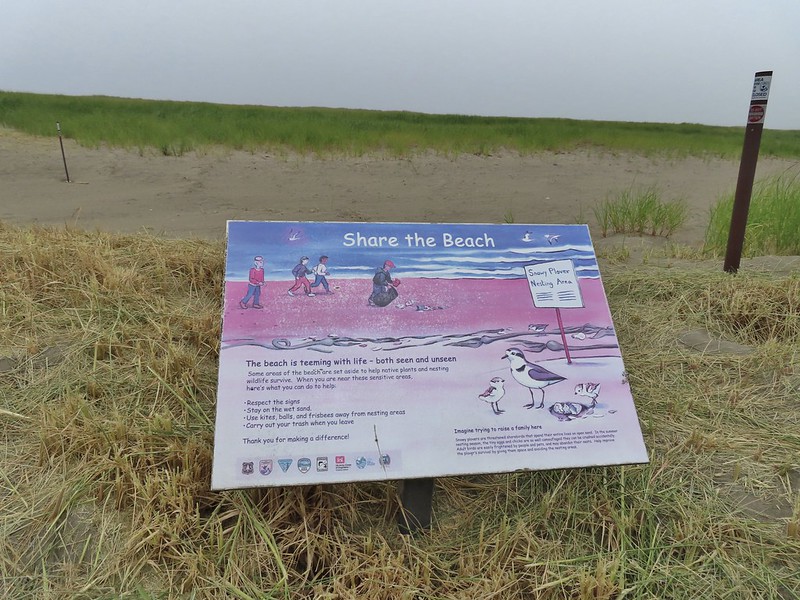 Snowy plover sign, a common sight along the beaches in Oregon too.
 Bayberry Trail passing through the snowy plover closure area.
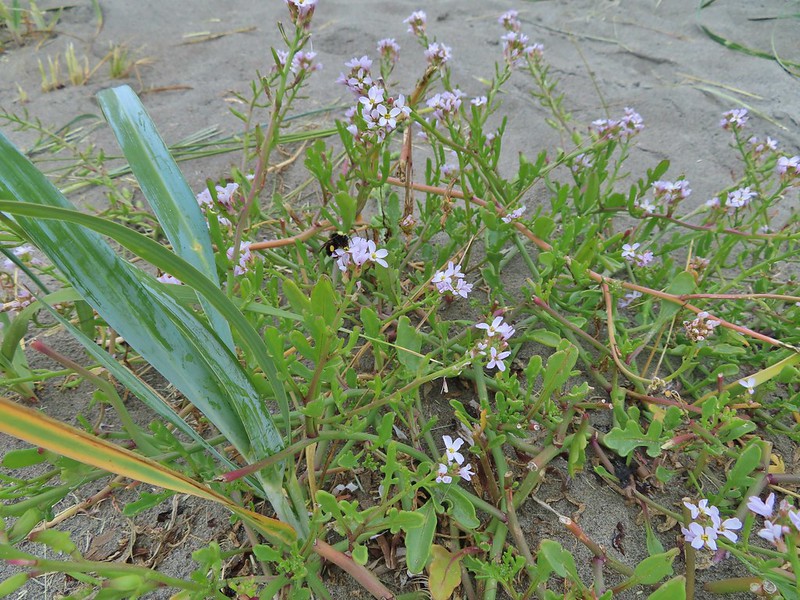 Bumblee on American skyrocket.


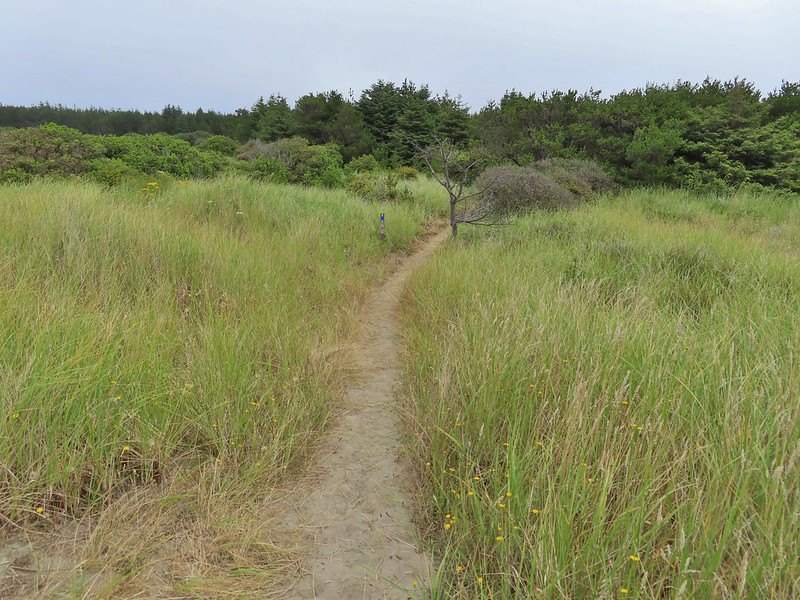
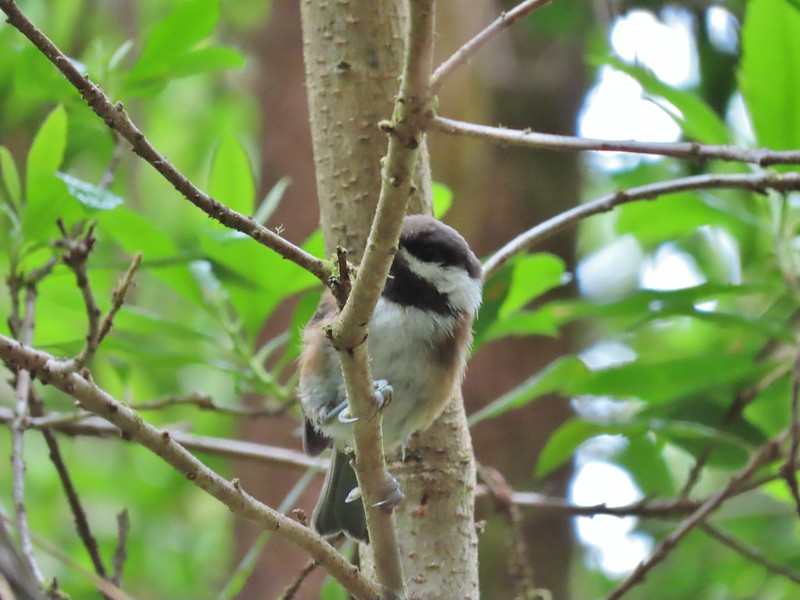 Chestnut backed chickadee
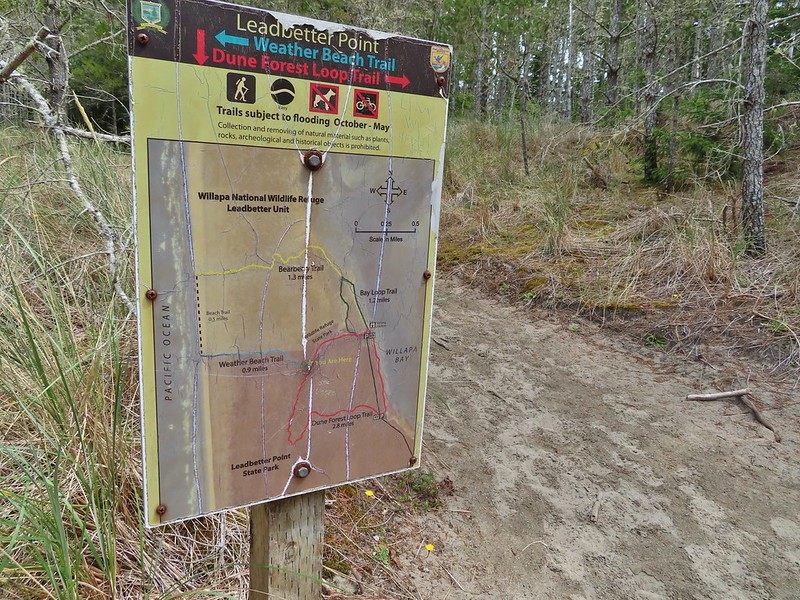
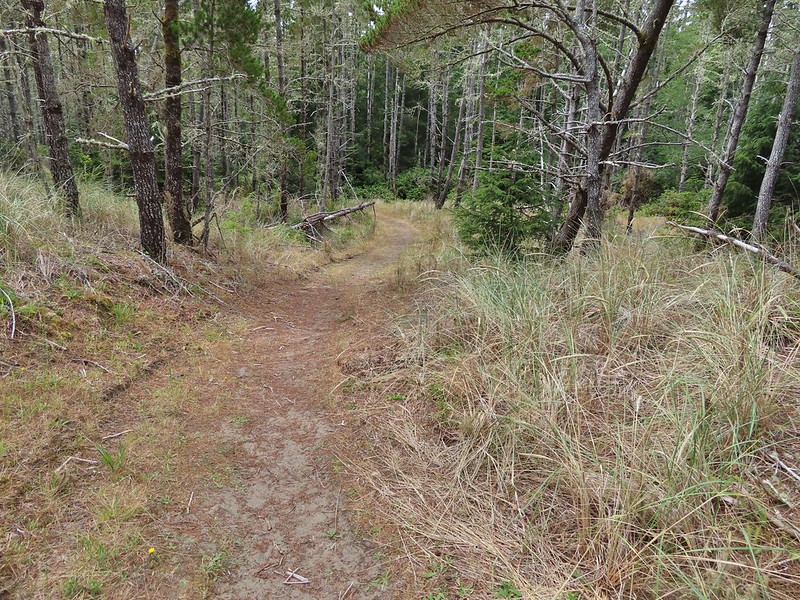

 Someone had written “umpassable (sic) swamp” below the word loop on this sign. This is when we began to guess why Sullivan had you turn left at the Weather Beach Trail junction.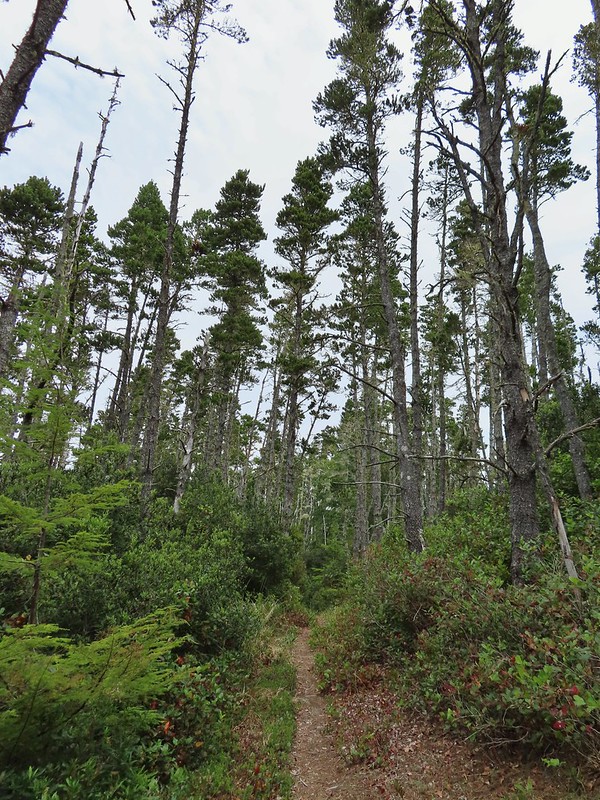
 Slug and a mushroom. We both thought of Alice in Wonderland.

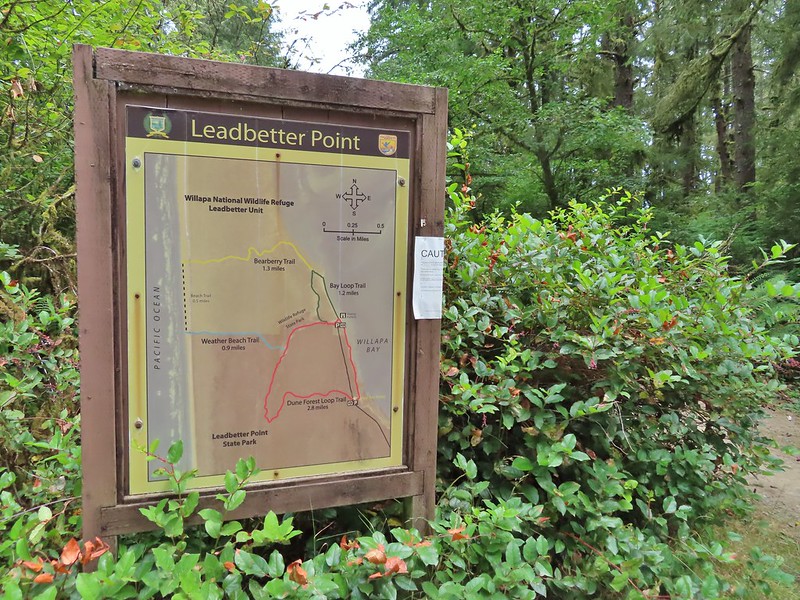 Signboard at the southern trailhead.


 Looking back over one of the trees.
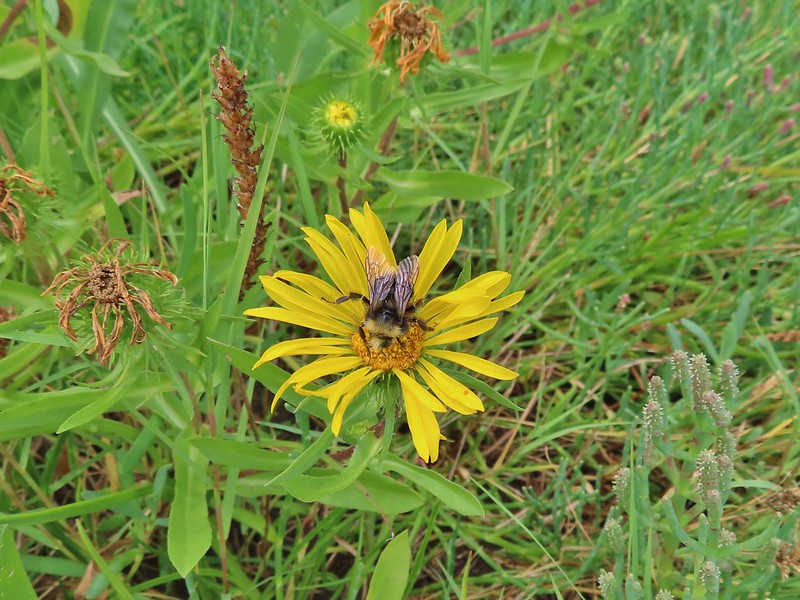 Bumble bee on gumweed.
 A pair of great blue herons in Willapa Bay.
 The eagle has landed.
 Crow attack
 Looking for a quite place to eat.
 We didn’t see what happened to the kill, if the eagle got to eat it or not.
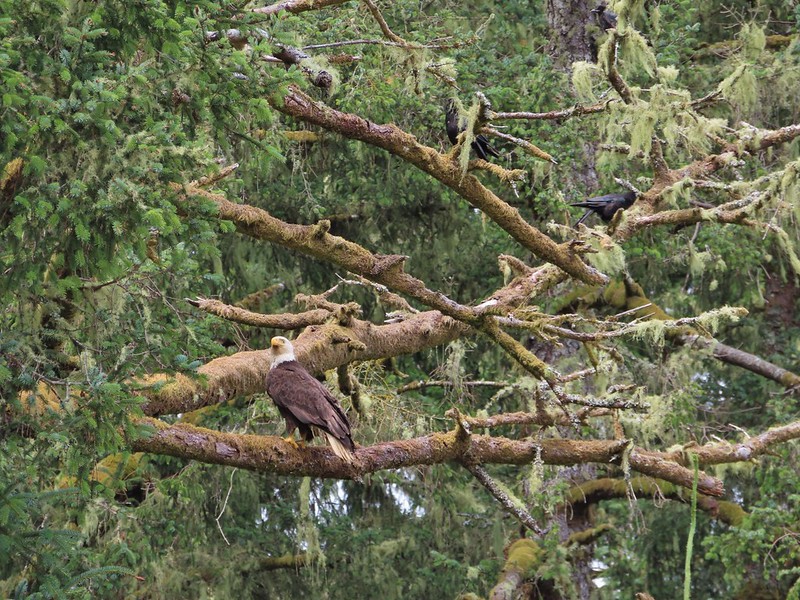 The crows weren’t leaving the eagle alone.
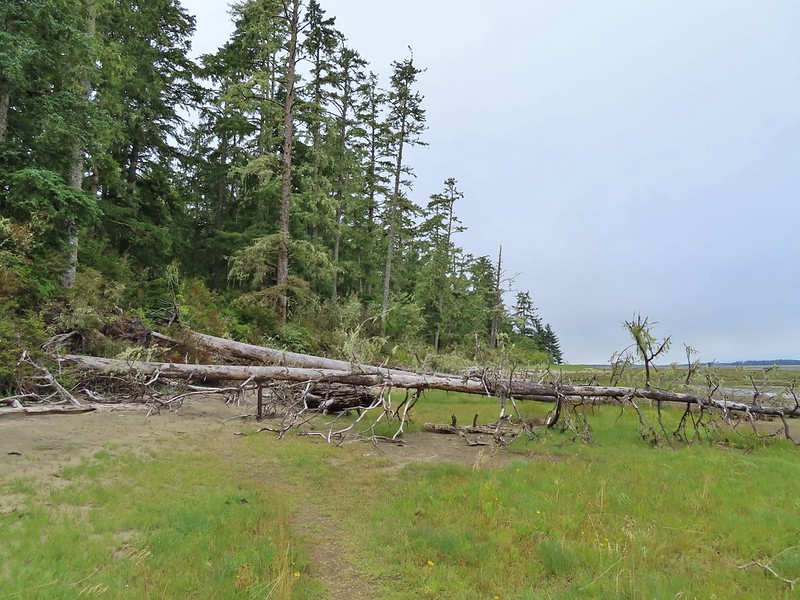 Last of the trees to navigate.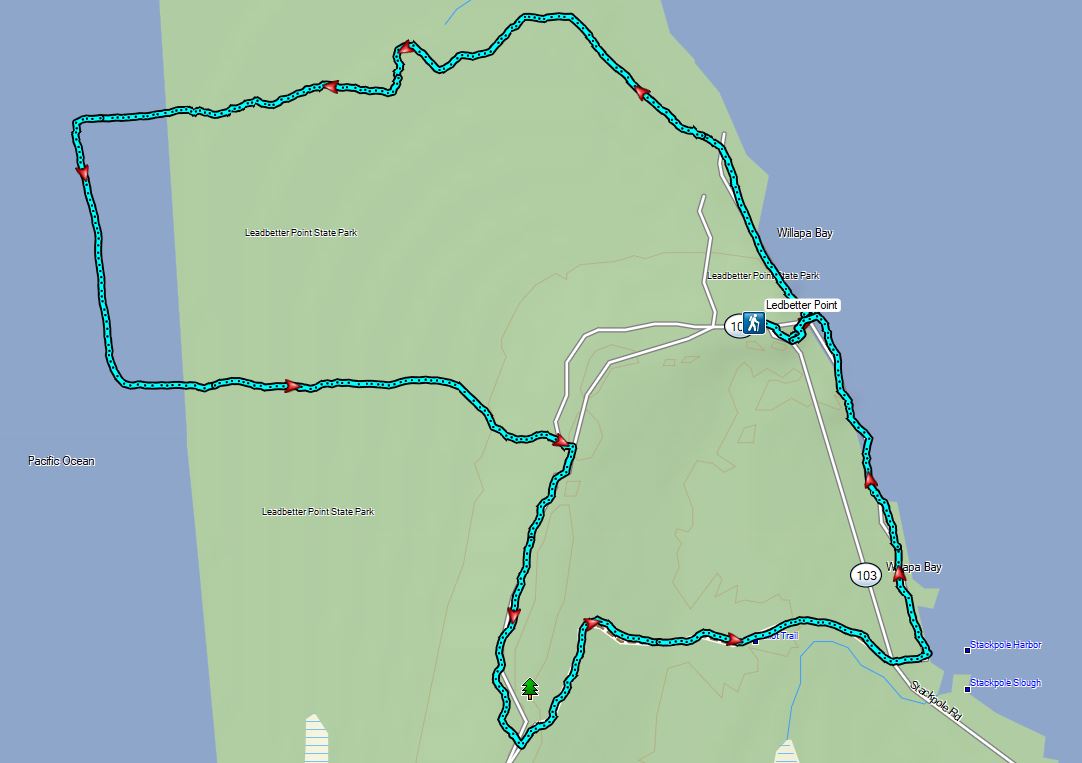
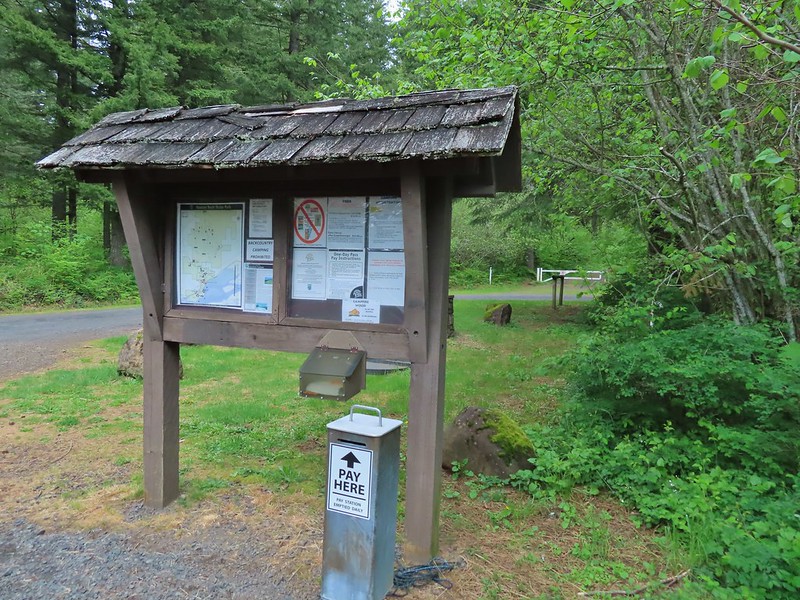
 Equestrian Trail at the trailhead.
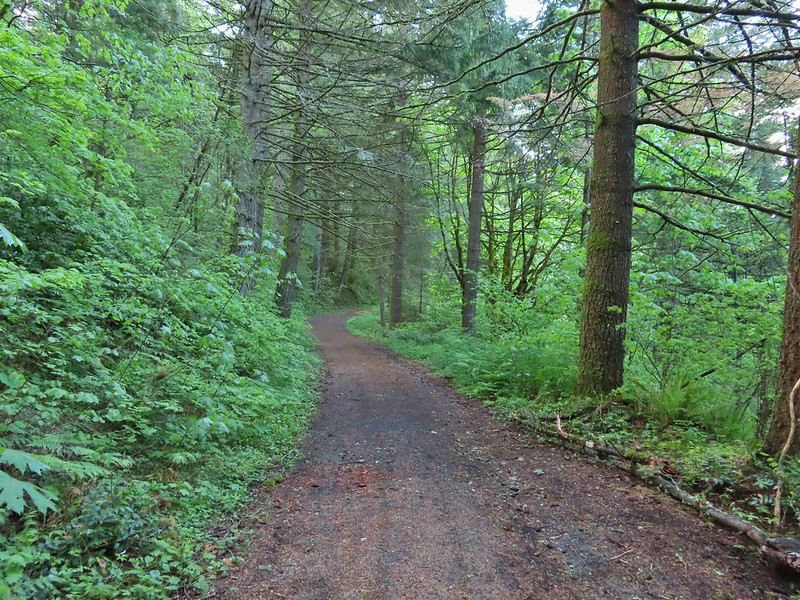 On the old roadbed/Equestrian Trail.
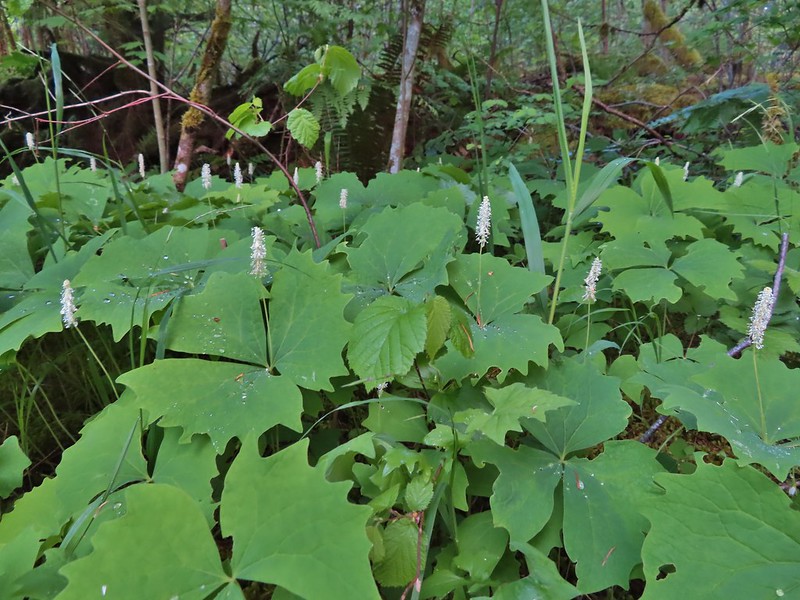 Vanilla leaf
 Fairy bells
 Violets
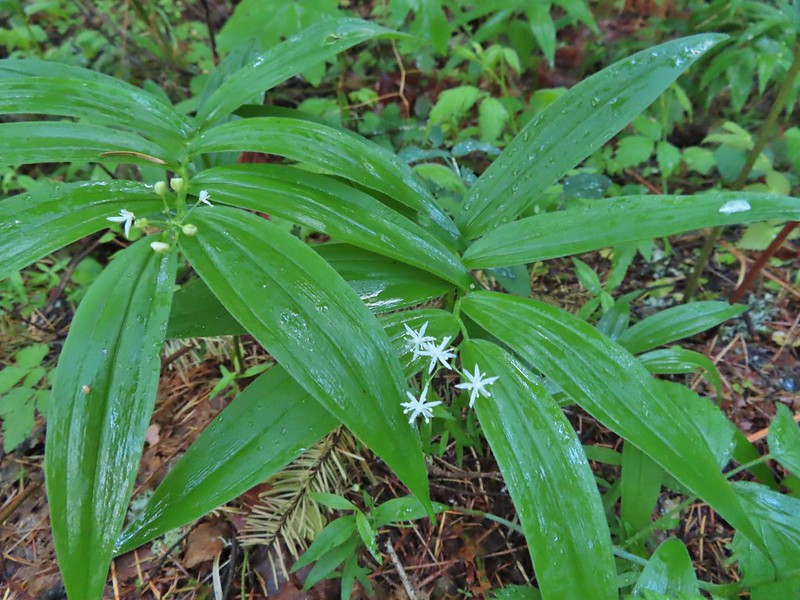 Star-flowered false solomon seal
 Youth-on-age
 Possibly a cinquefoil
 Thimbleberry
 Fringecup
 At the 4-way jct the Equestrian Trial continued straight with the West Hardy Trail to the left and Lower Loop Trail to the right.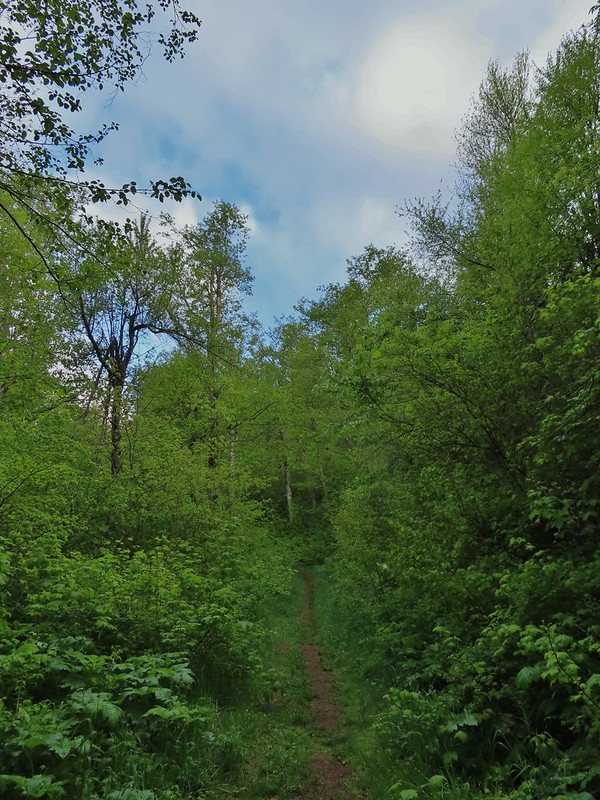

 Salmonberry
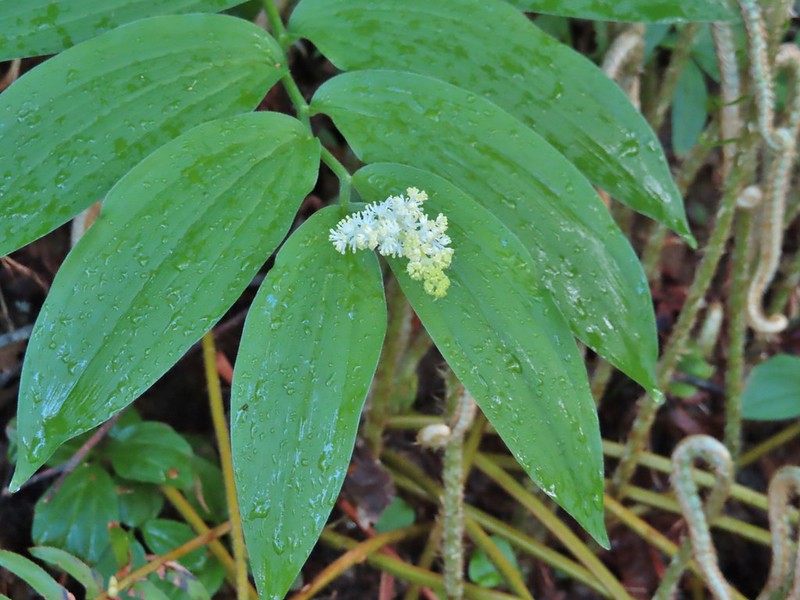 False solomon seal
 Bleeding heart
 Here come the clouds.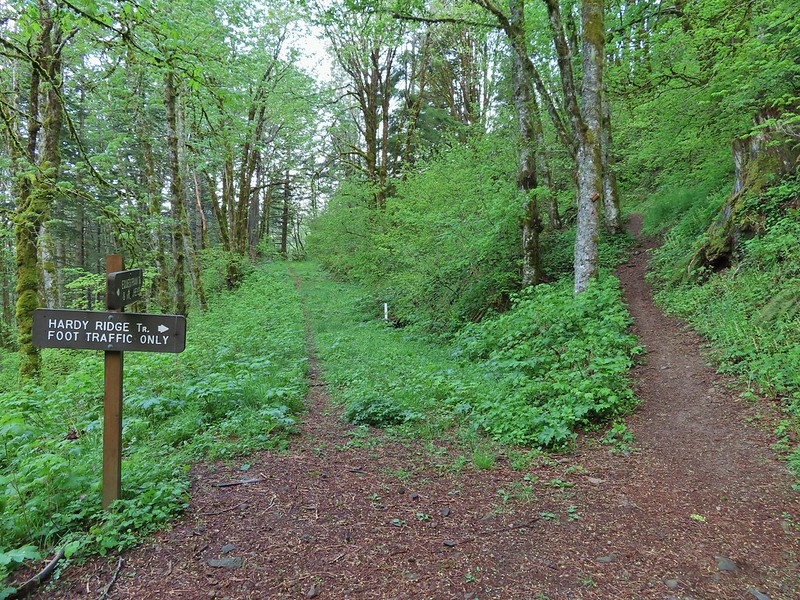

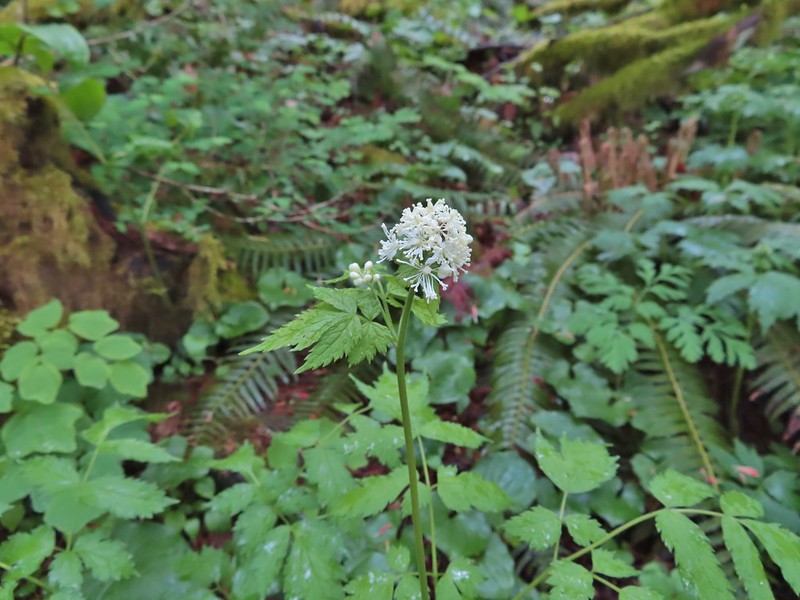 Baneberry
 Trillium
 Paintbrush
 Red flowering currant
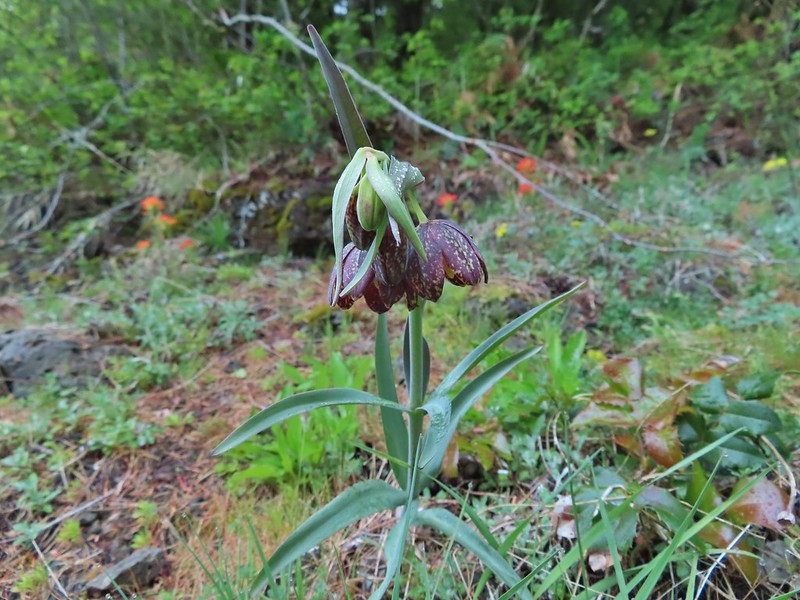 Chocolate lily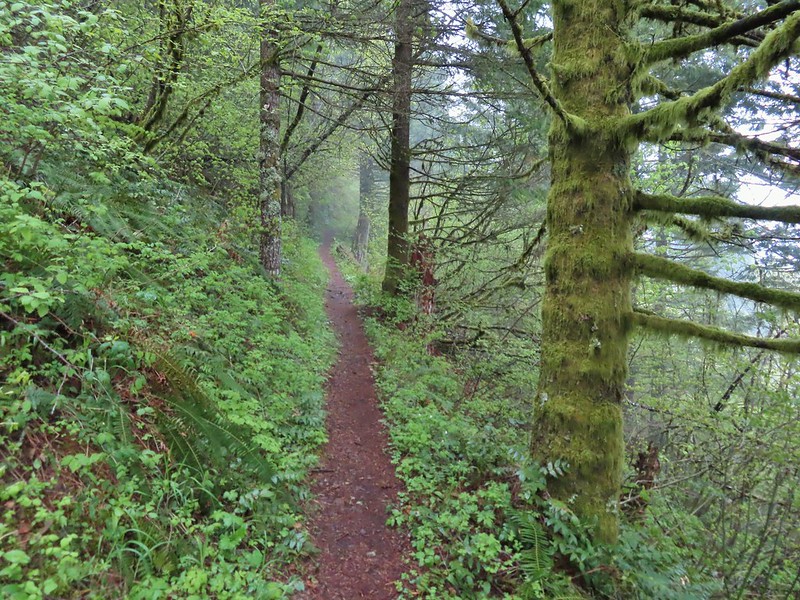
 Anemones
 Looking across the Columbia River into Oregon.
 Horsetail Falls (
 Field chickweed and Oregon grape
 Junction at the saddle.
 Glacier lily
 Trilliums
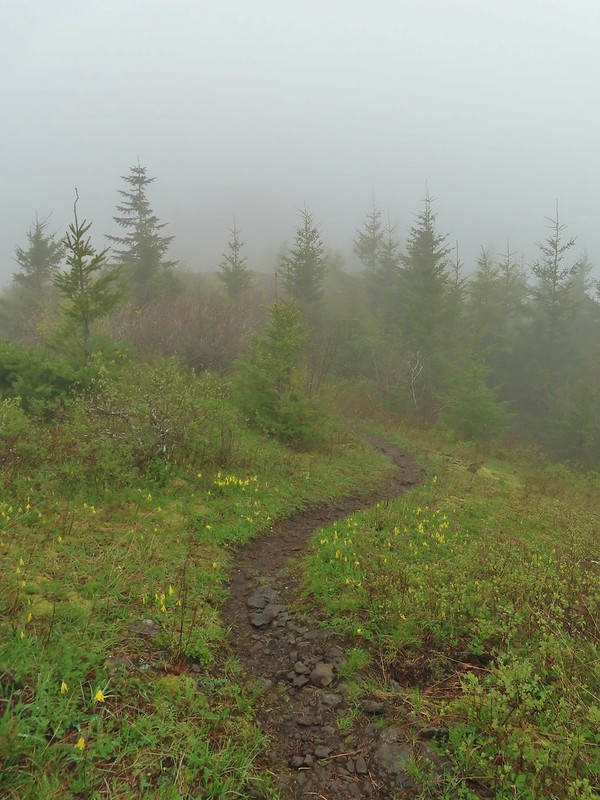 Glacier lilies along the trail.
 Another hiker caught up to us at this rock field not far from the high point. It looked like the trail was going across the rocks for a bit and she decided to turn around but after just a few feet the trail resumed behind a bush.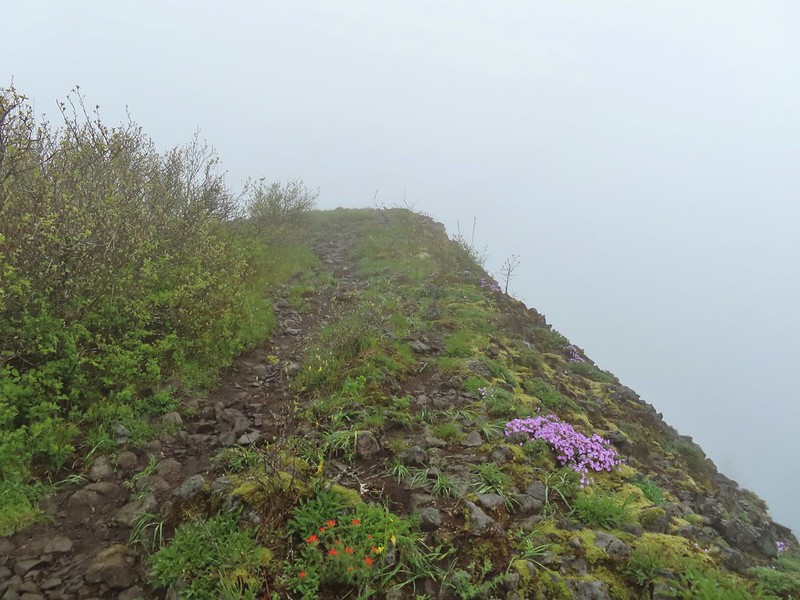
 Phlox
Phlox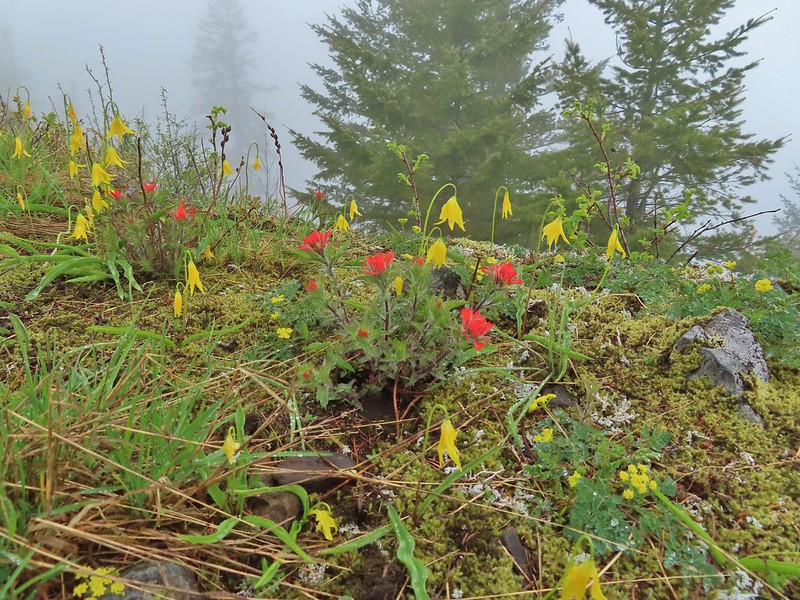 Paintbrush and glacier lilies.
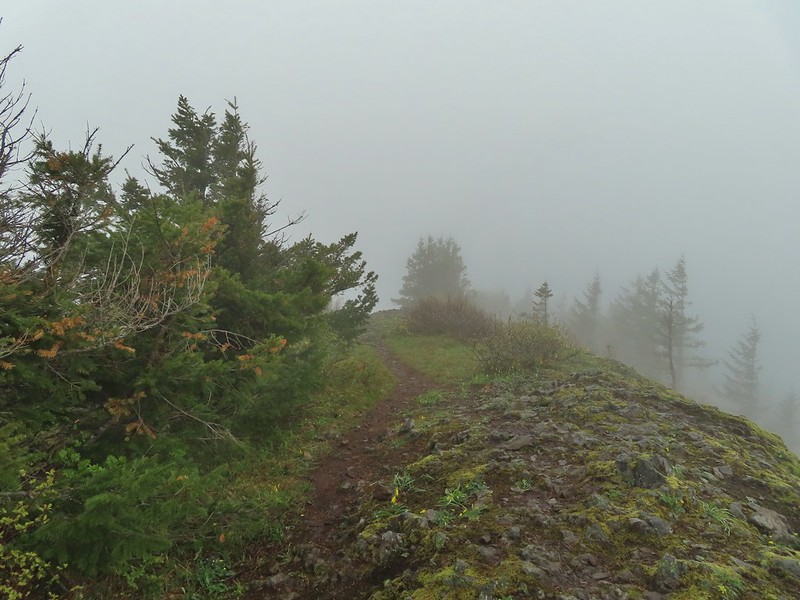 The high point.
 Glacier lilies at the high point.

 Hamilton Mountain (high point to the right) and the Columbia River.
 Bonneville Dam and the Hamilton Mountain Trail crossing The Saddle.
 Upper McCord Creek Falls (
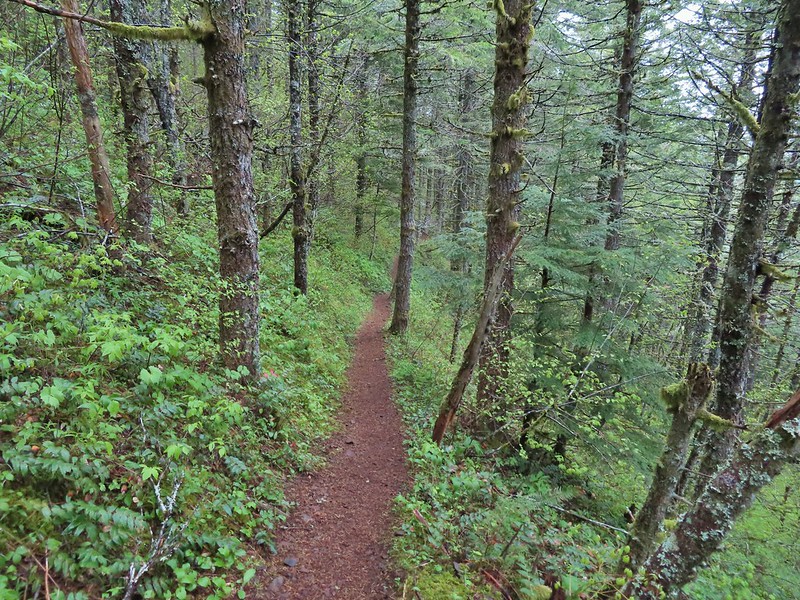
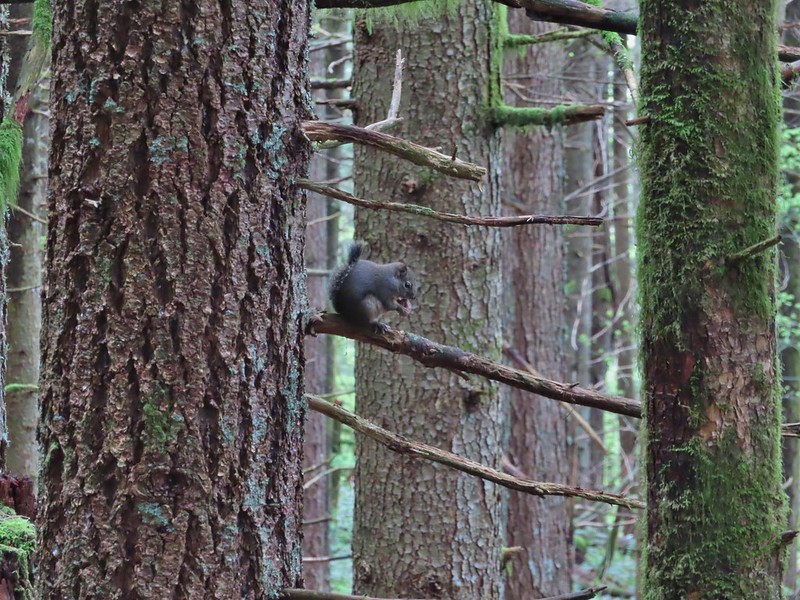 Squirrel
 Snail
Snail

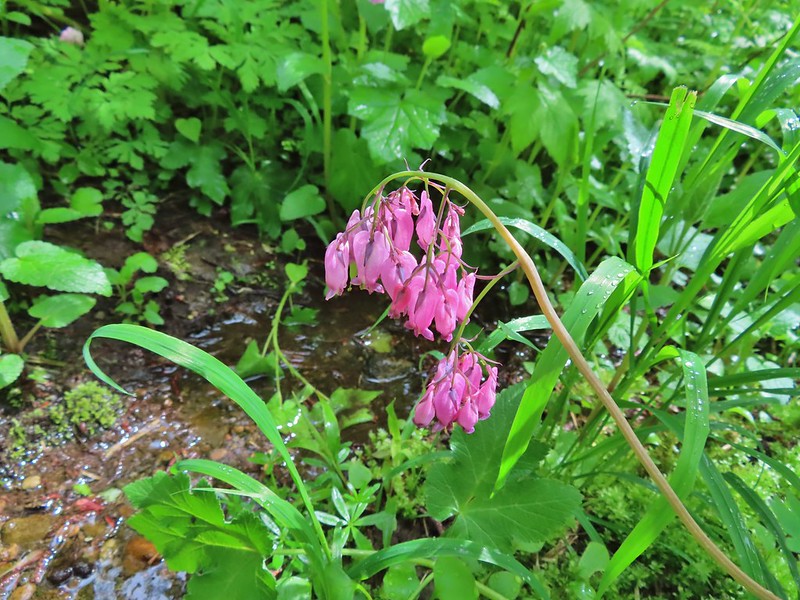 Bleeding heart along a little stream.
 False lily-of-the-valley getting ready to bloom.
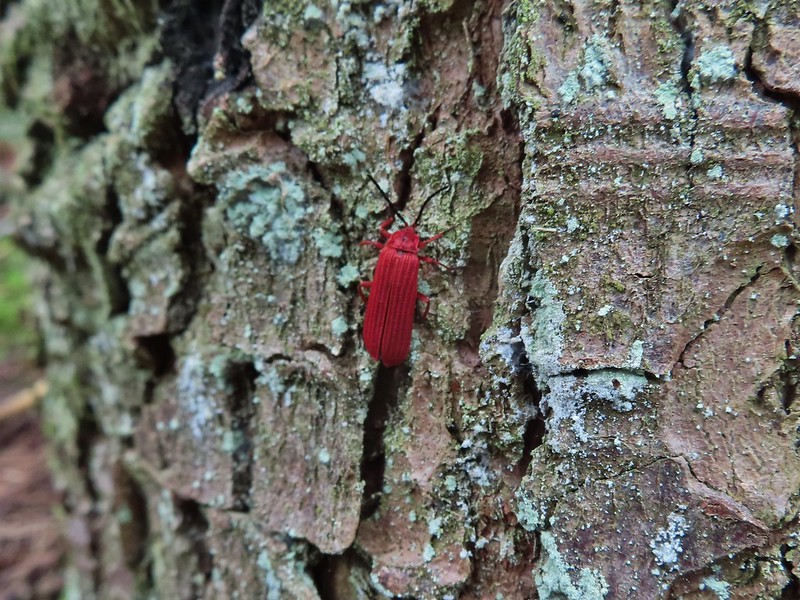 Possibly a Dictyoptera aurora (Golden net-winged beetle)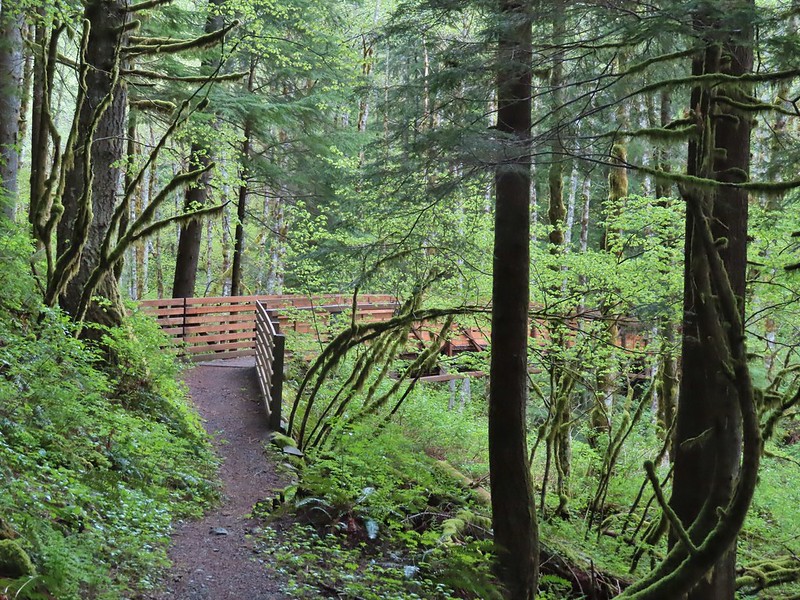
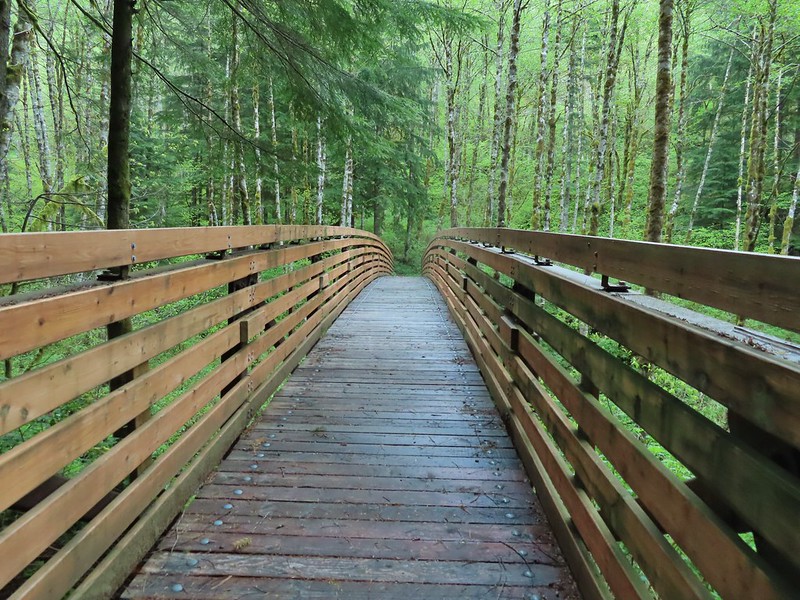

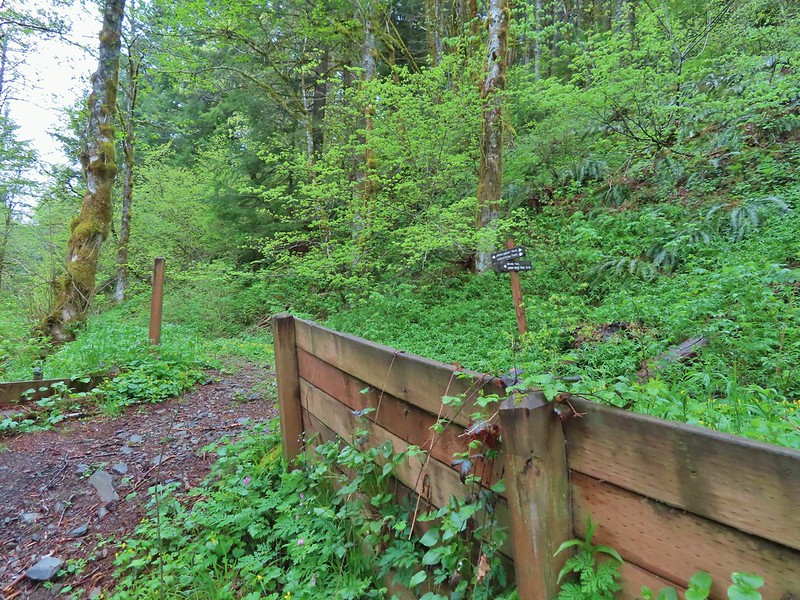

 Hardy Ridge from the Upper Hardy Trail.
 The left fork would have been slightly longer by leading us around the back side of a knoll and making a 180 degree turn following the east side of the ridge toward The Saddle.
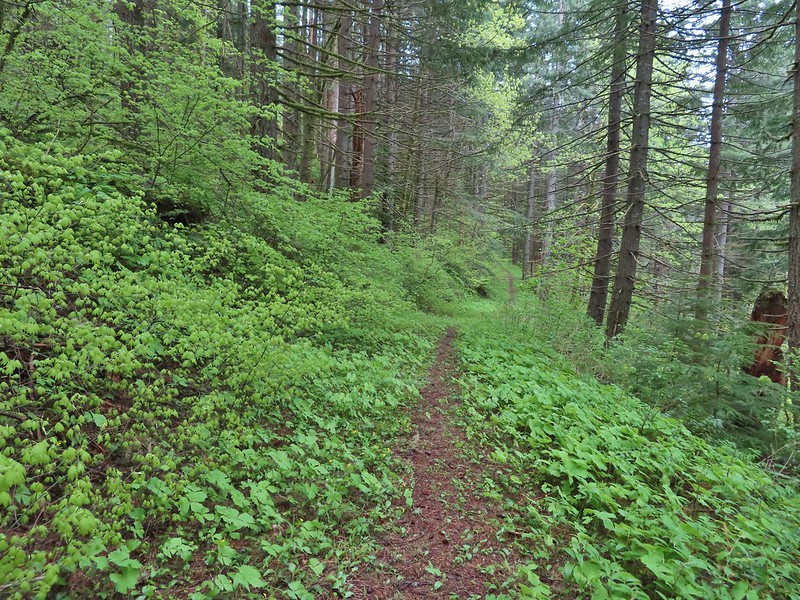 We turned right opting for the slightly shorter route to The Saddle.
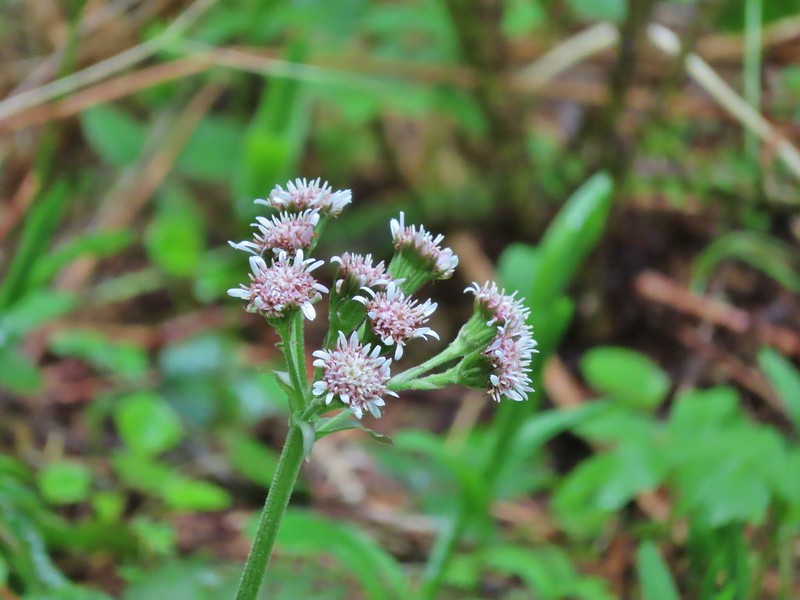 Coltsfoot
 Southern junction of the two forks of the Upper Hardy Trail.
 Hikers coming down from Hamilton Mountain.
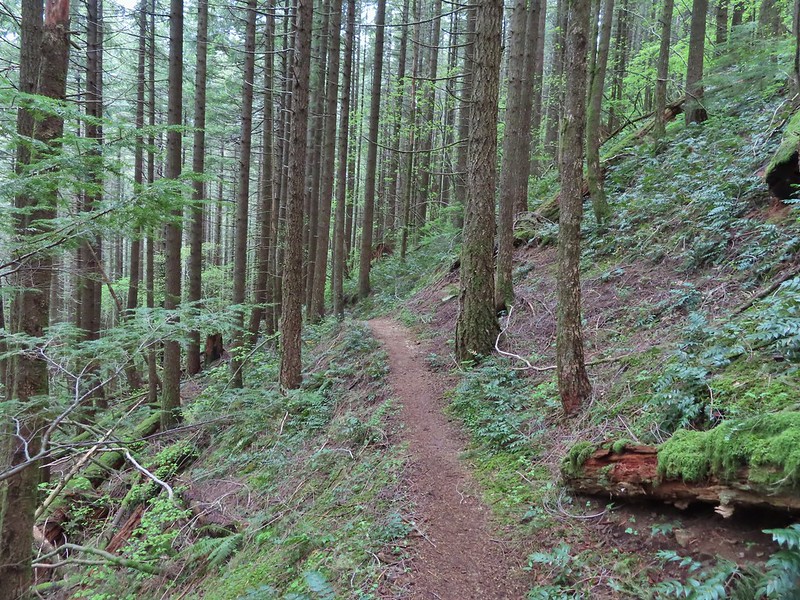
 Dons Cutoff Trail nearing the Upper Hardy Trail.
 Upper Hardy Trail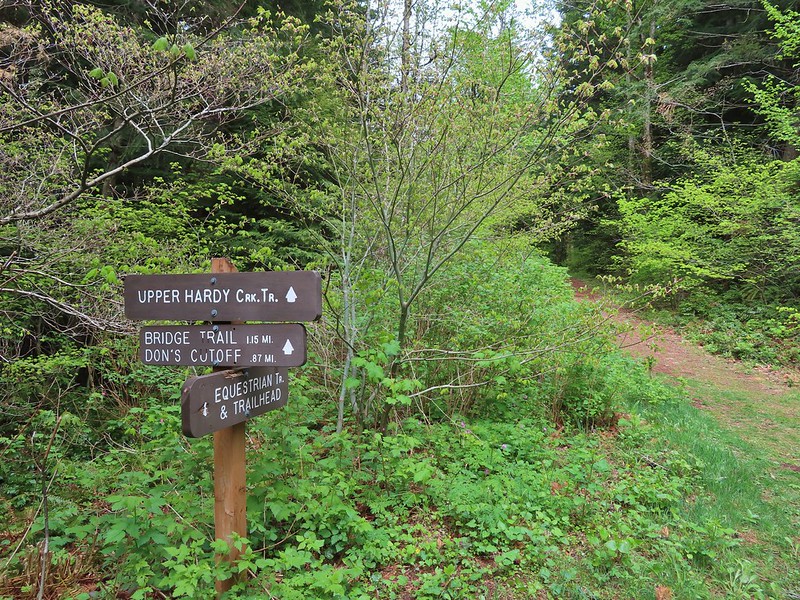
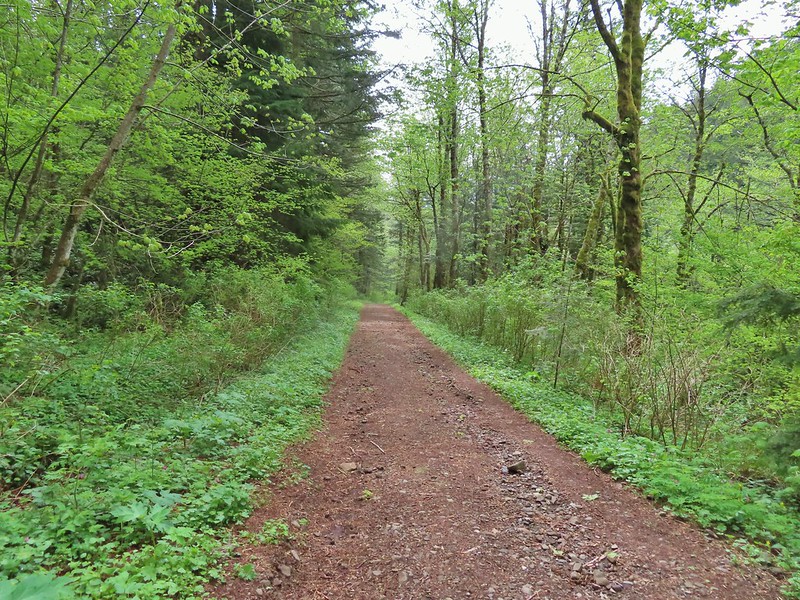 Equestrian Trail
 Hardy Creek
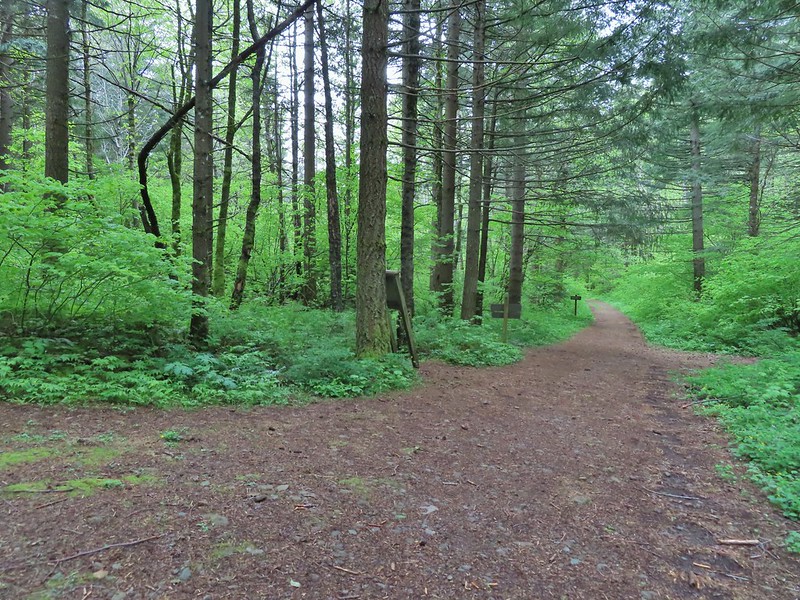

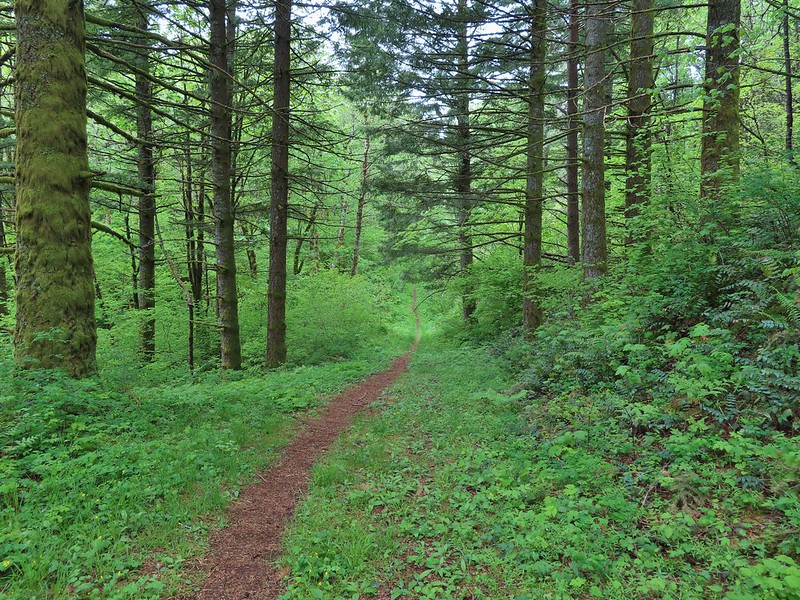


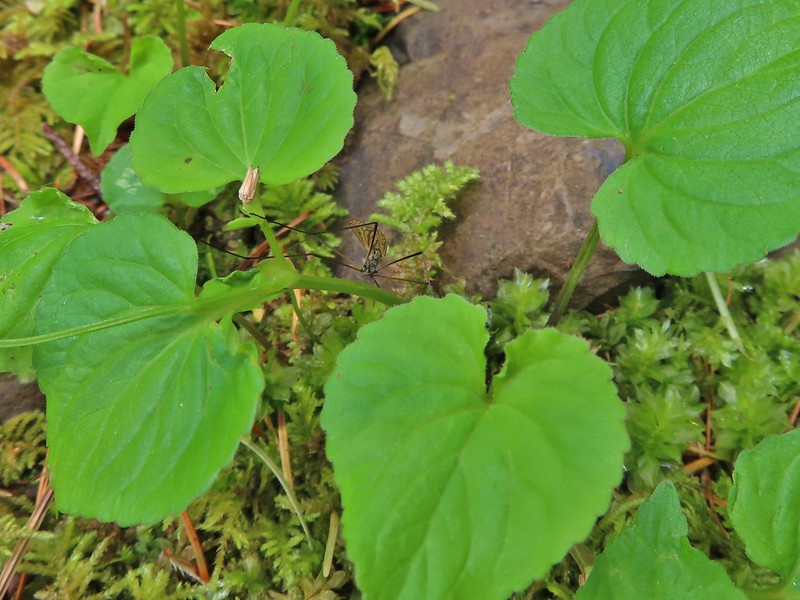 Spotted this guy while I was photographing the slug above. Not sure if it’s a crane fly or ?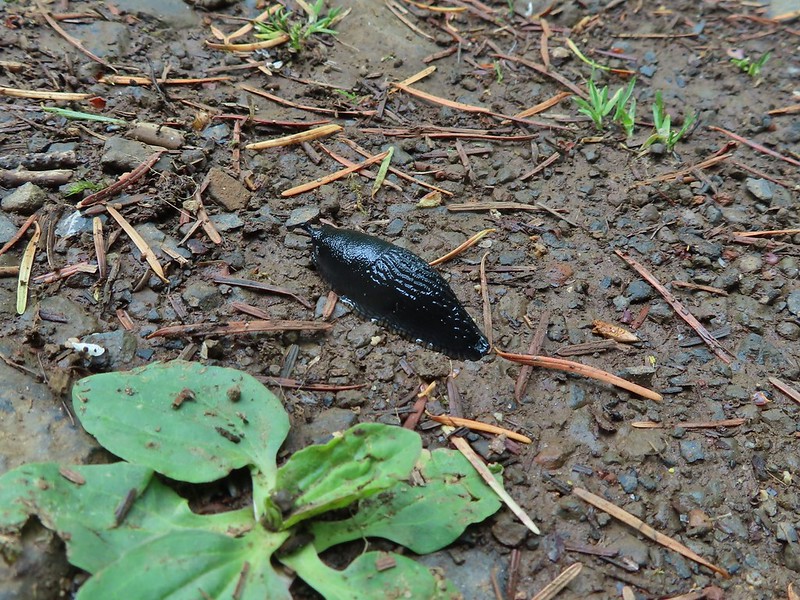
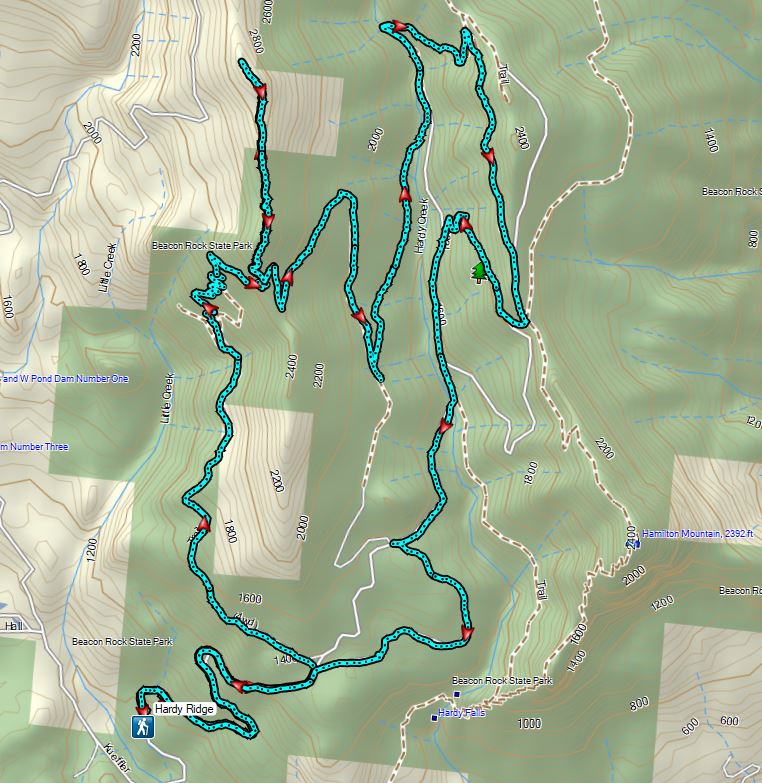
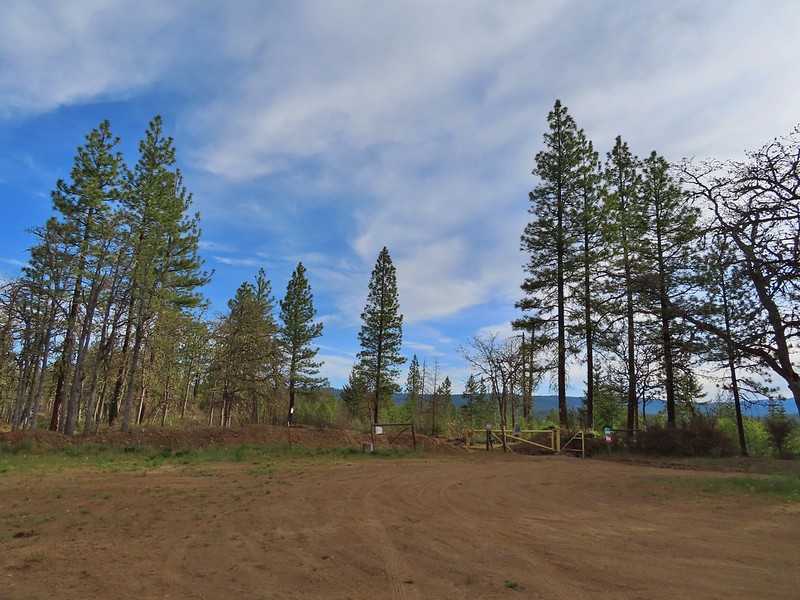
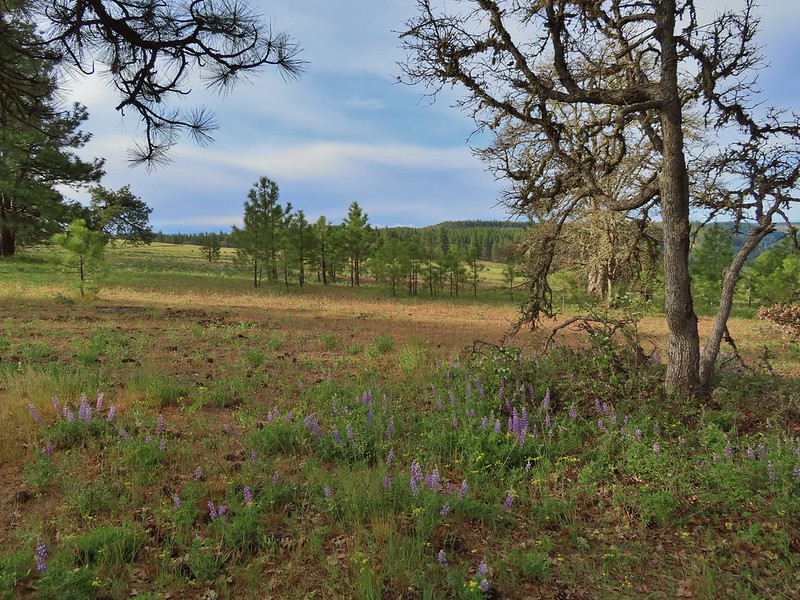 Looking back toward the meadow.
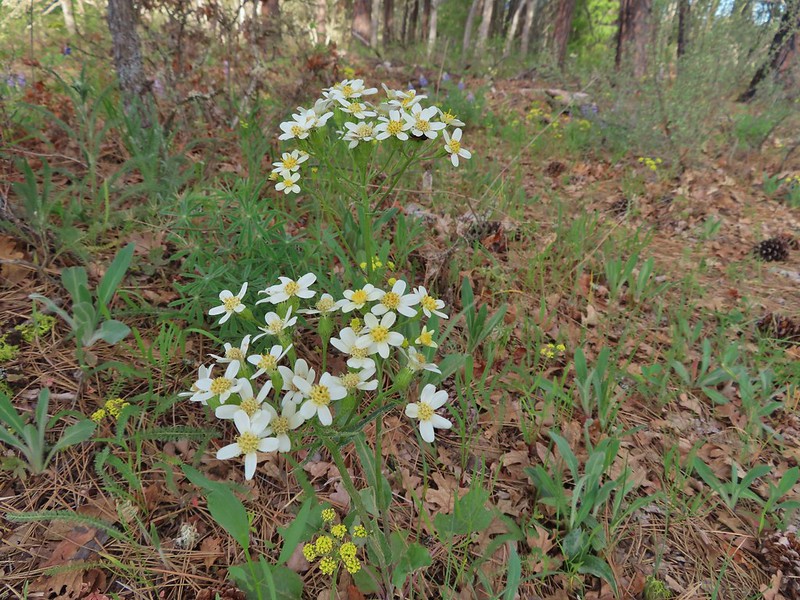 Western white groundsel
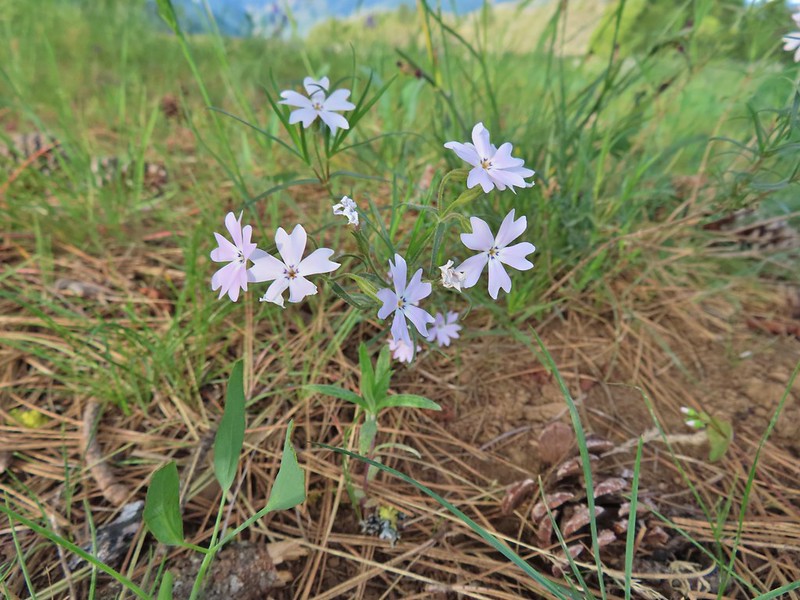 Showy phlox
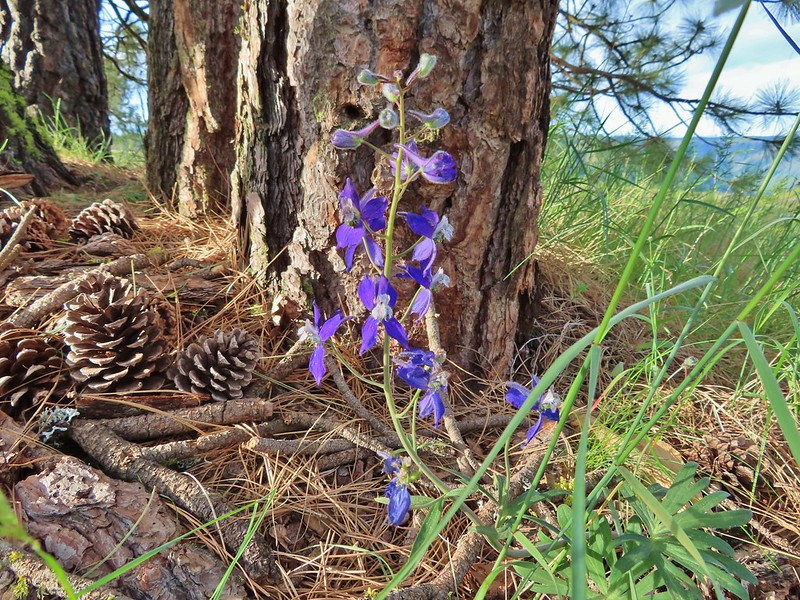 Larkspur
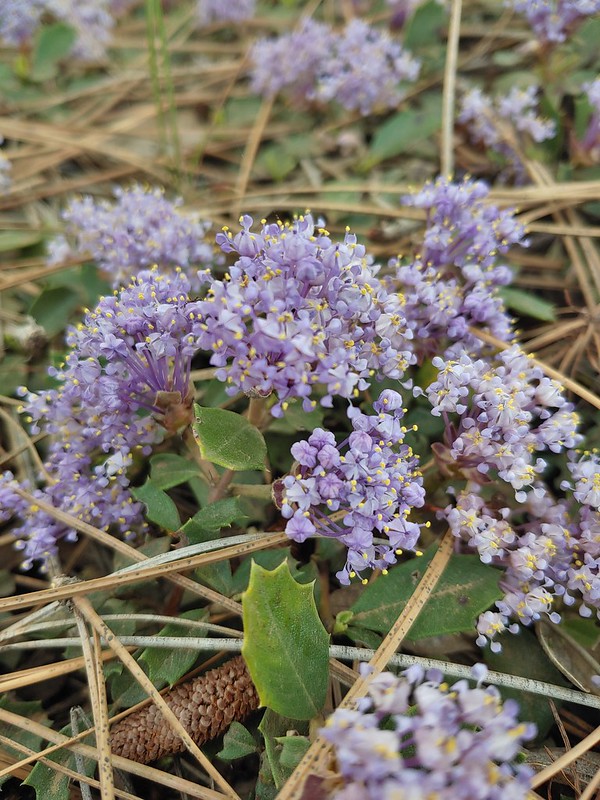 Mahala Mat (Prostrate ceanothus)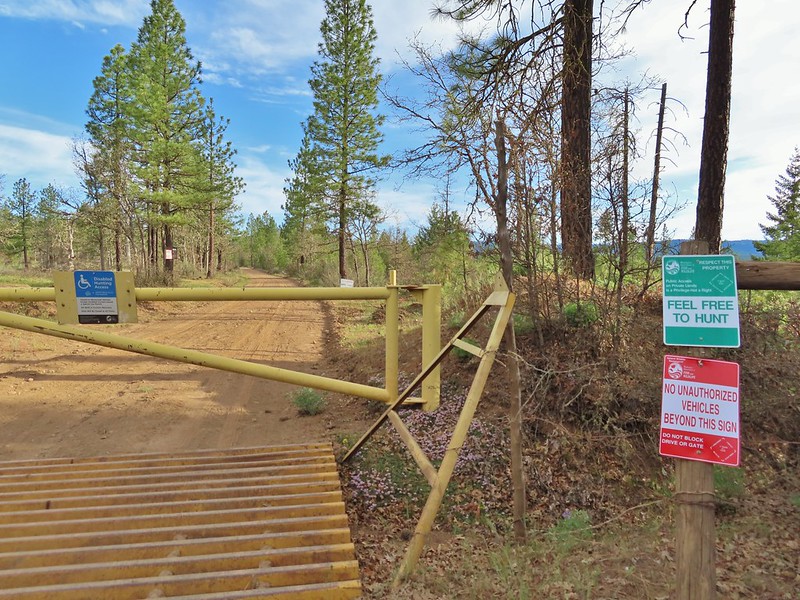

 Showy phlox among the oaks.
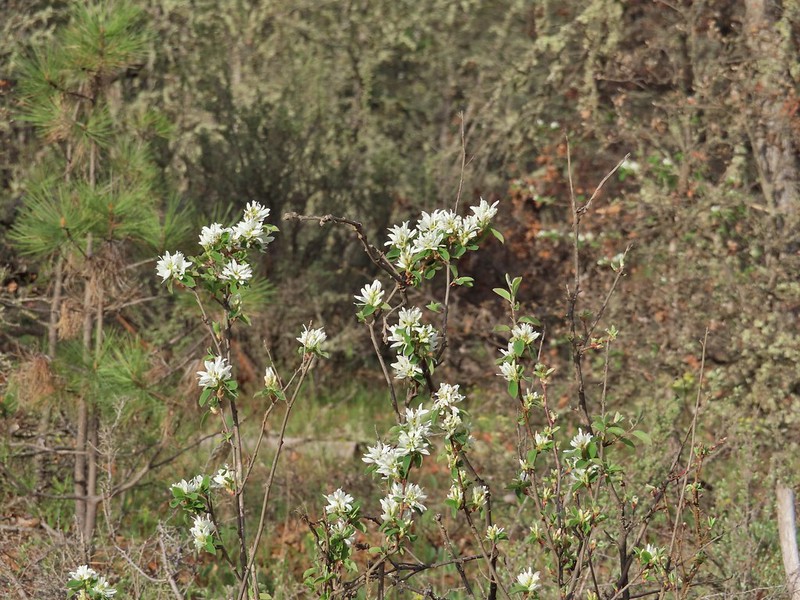 Serviceberry
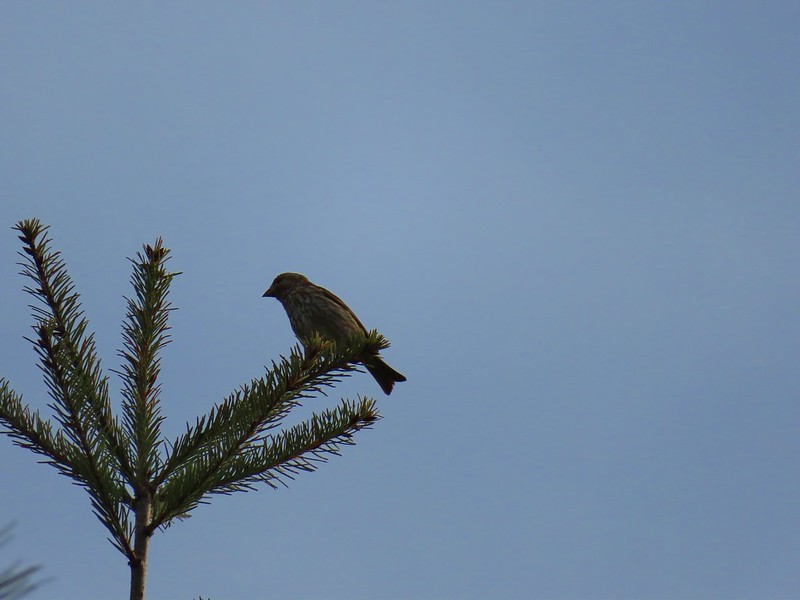 Sparrow
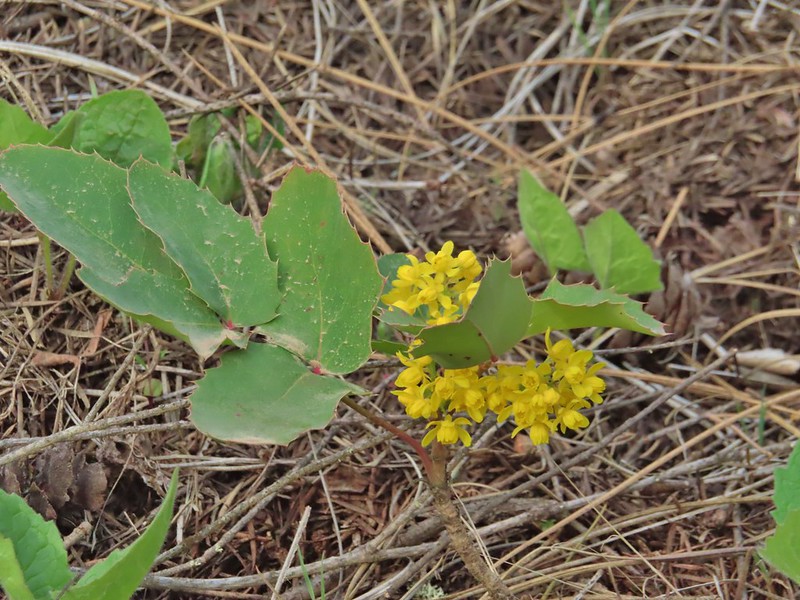 Oregon grape
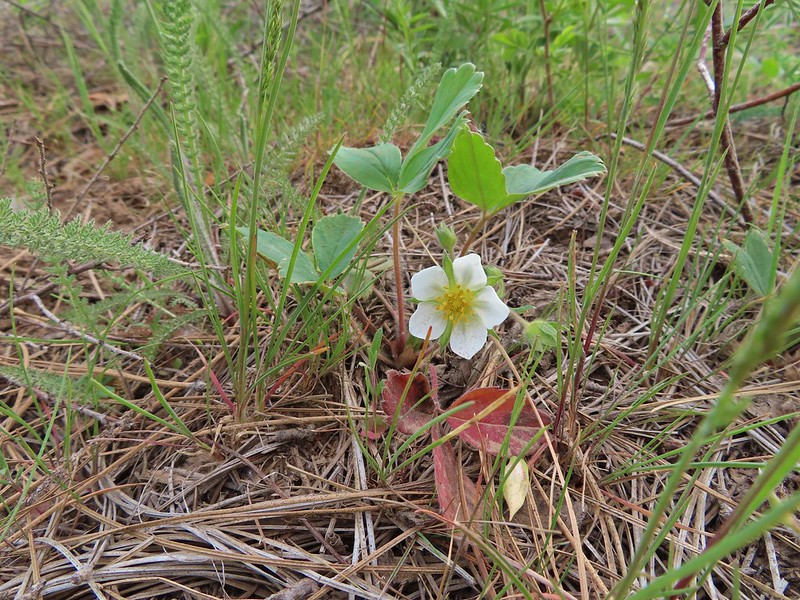 Strawberry
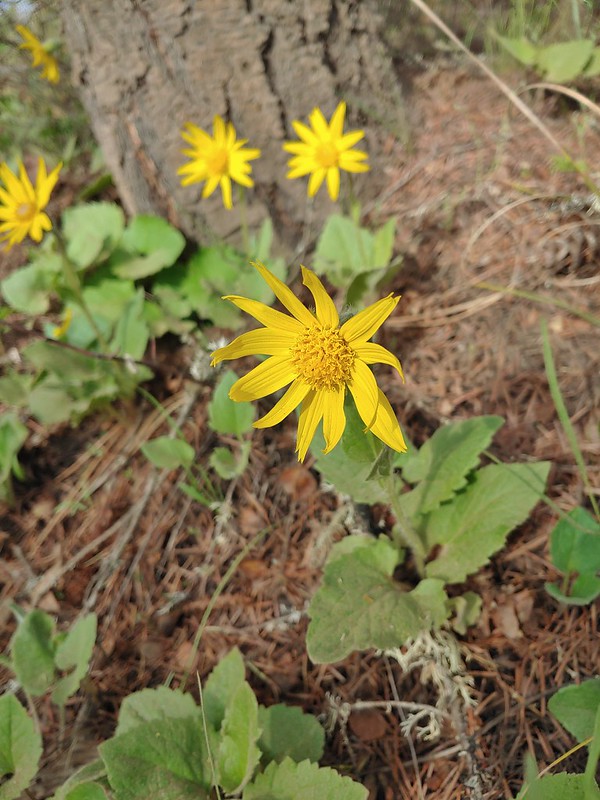 Arnica
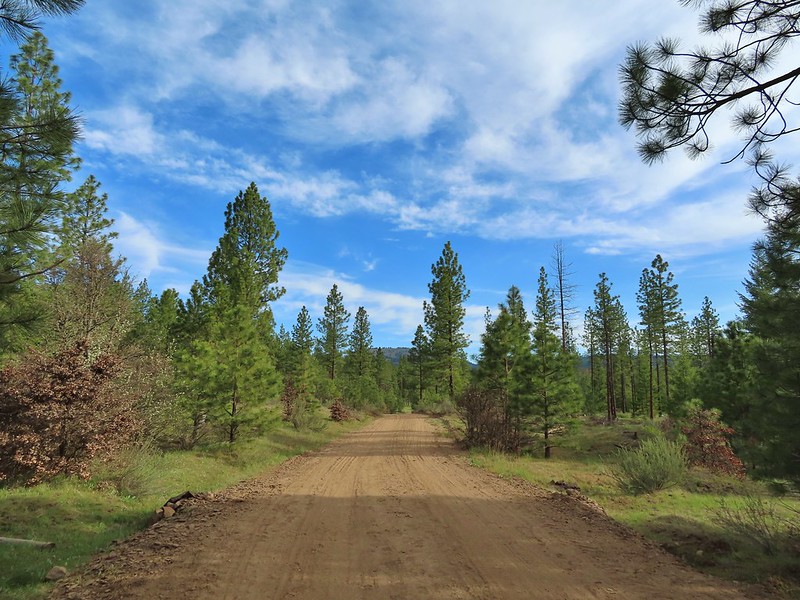 Grayback Mountain from Grayback Road. The first 2.5 miles of the hike only gained 400′ while the next 3.1 gained 1400′.
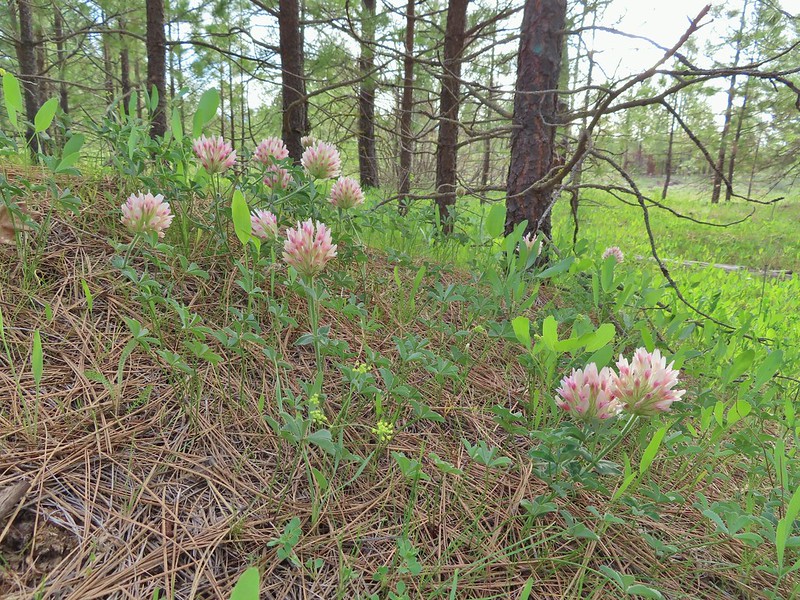 Large head clover
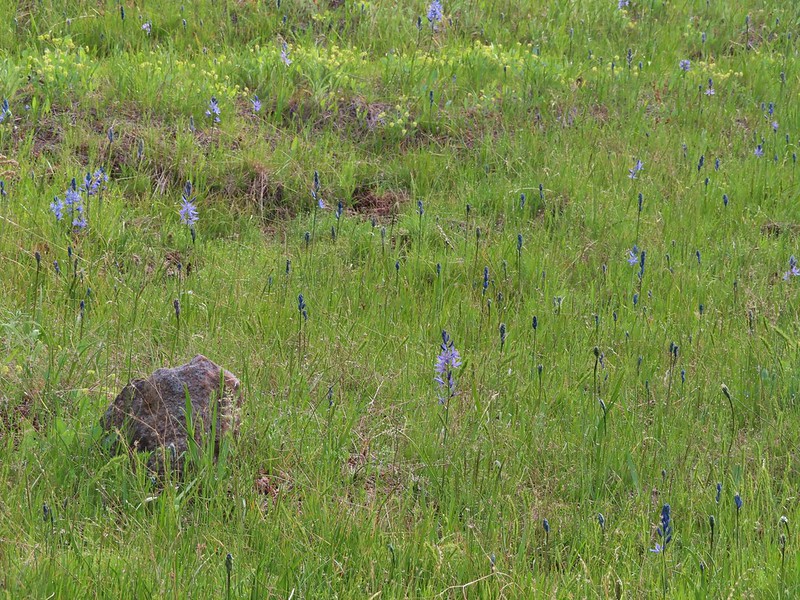 Camas, much of which had yet to bloom.
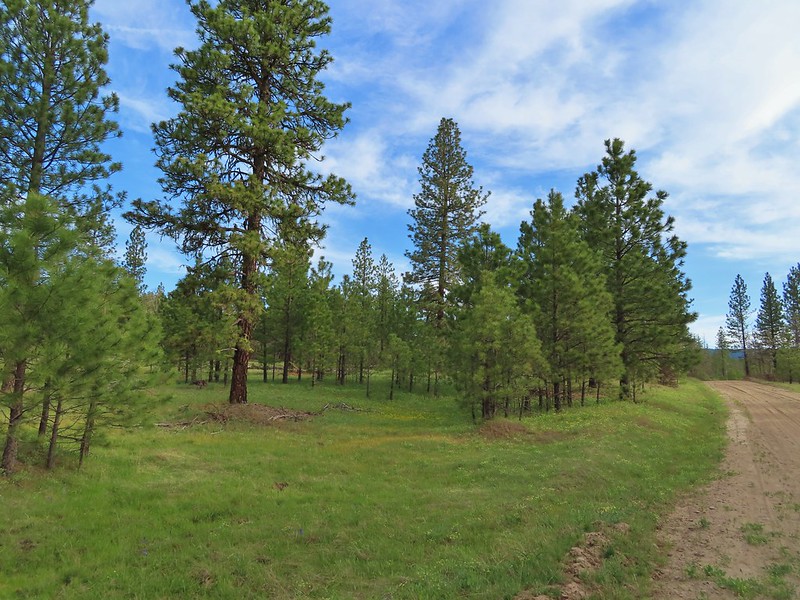 Ponderosa pines along the road.
 Western buttercups
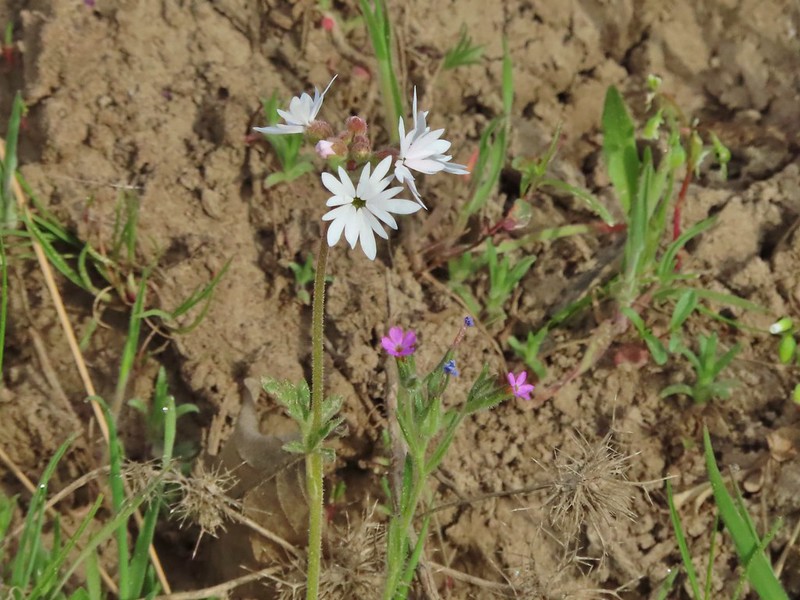 Woodland star and slender phlox
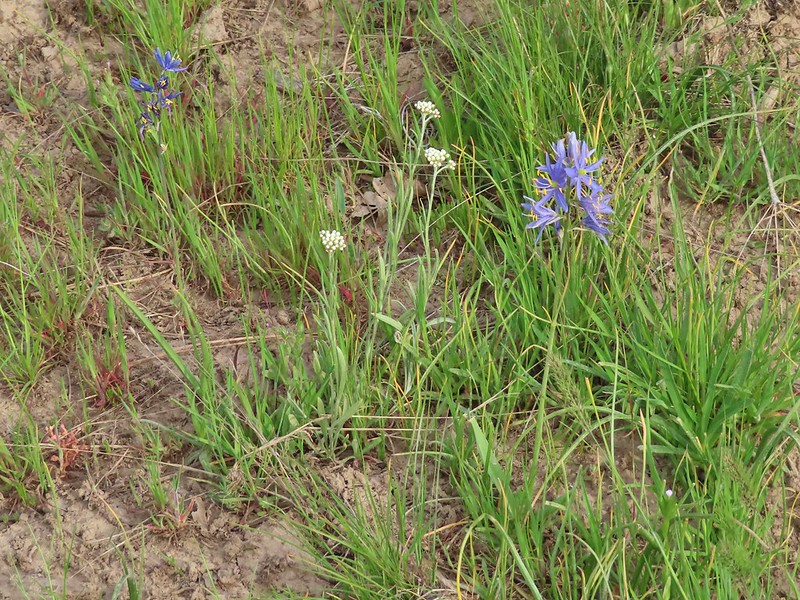 Pussytoes and camas
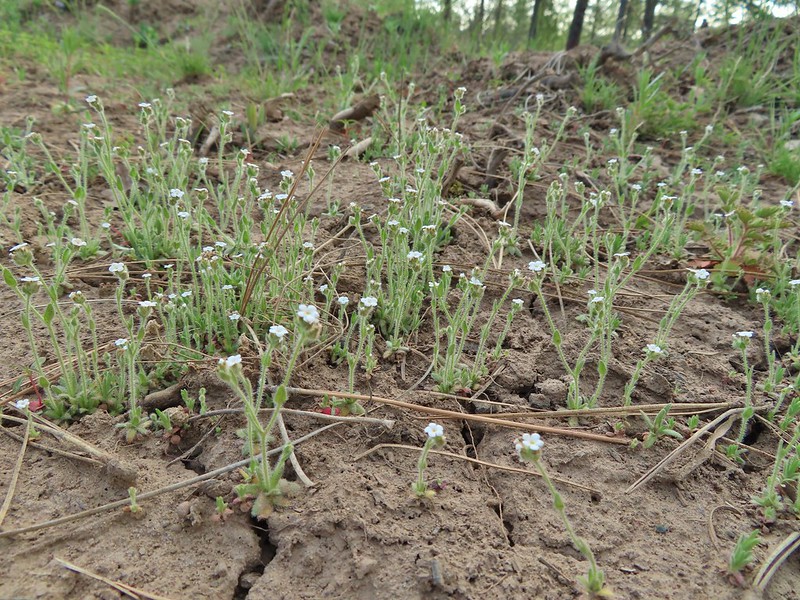 A cryptantha
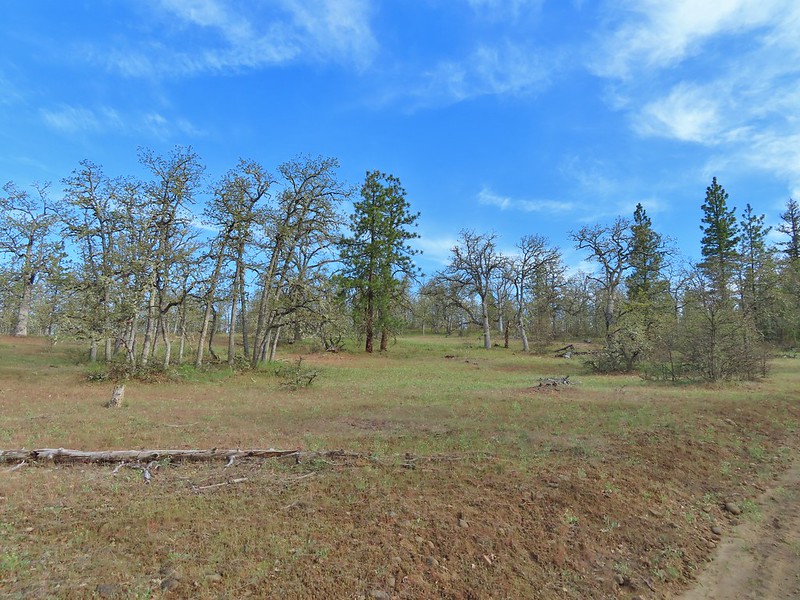 Oaks and ponderosas
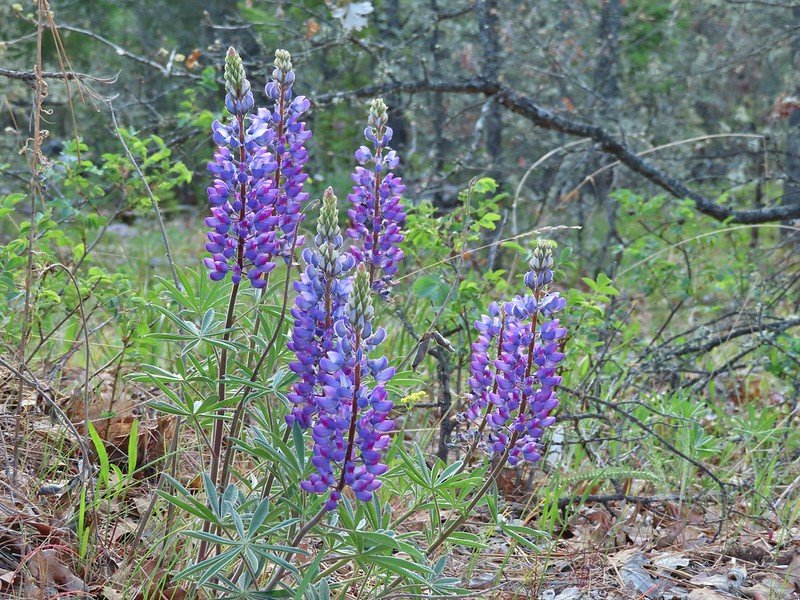 Lupine
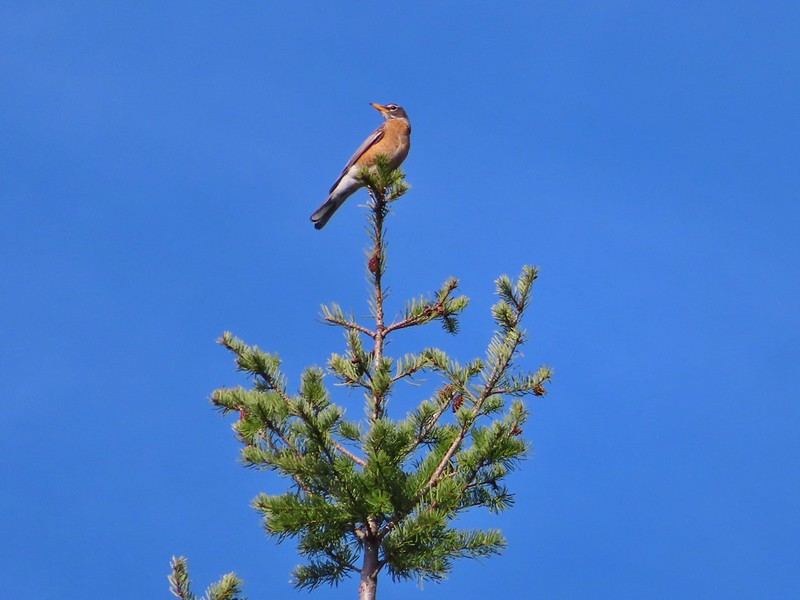 Robin
Robin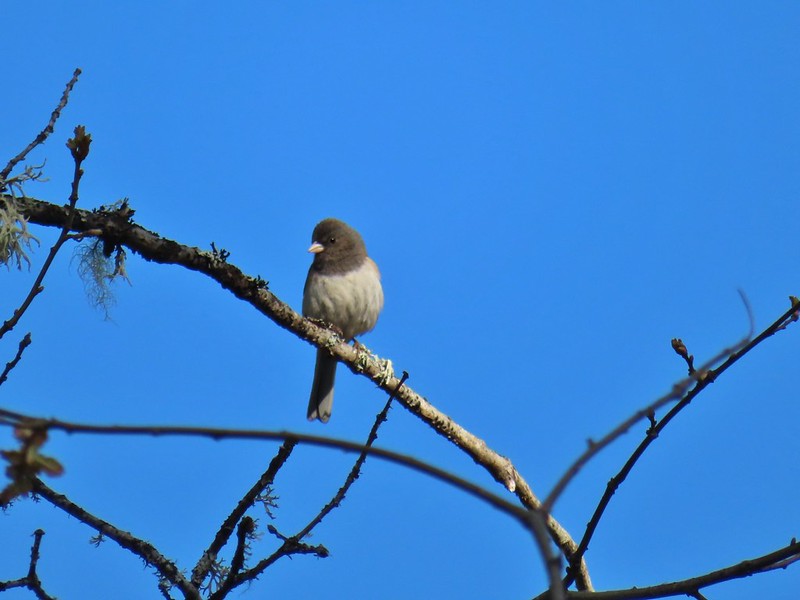 Dark eyed junco
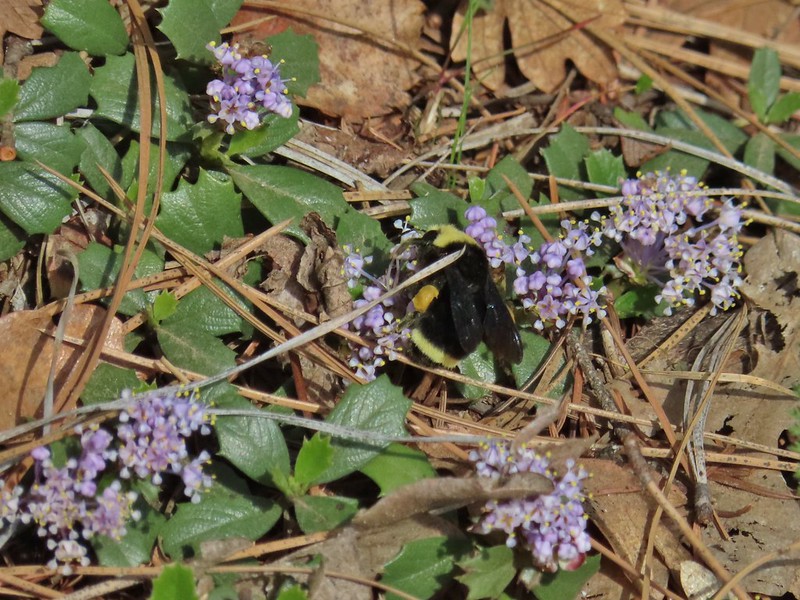 Bumble bee
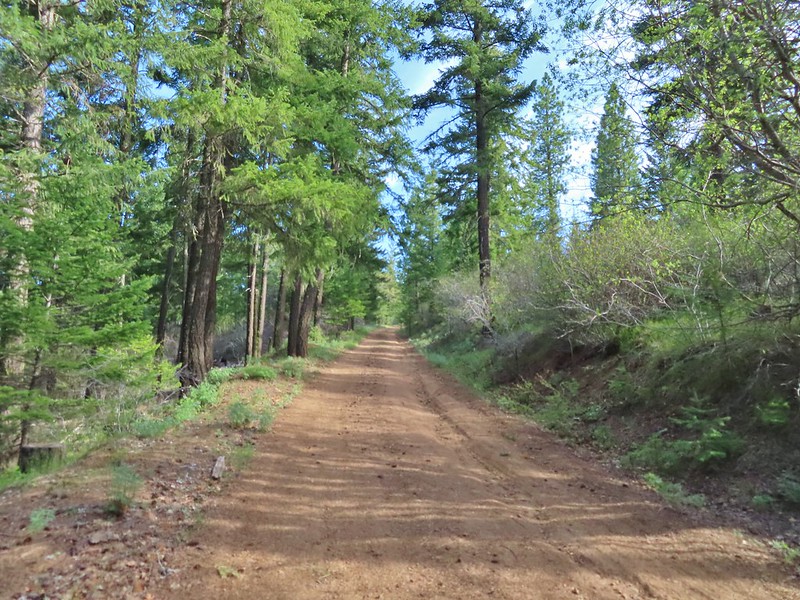 A more forested section of the road.
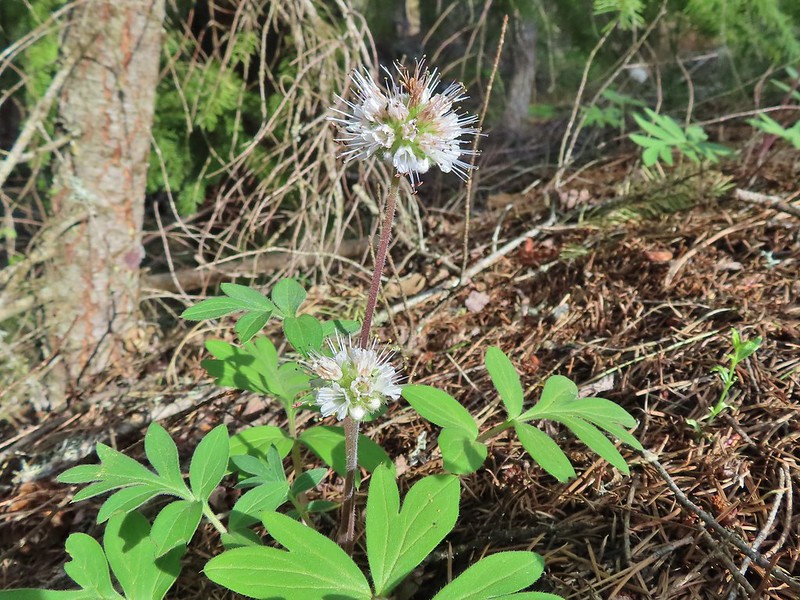 Ball-head waterleaf
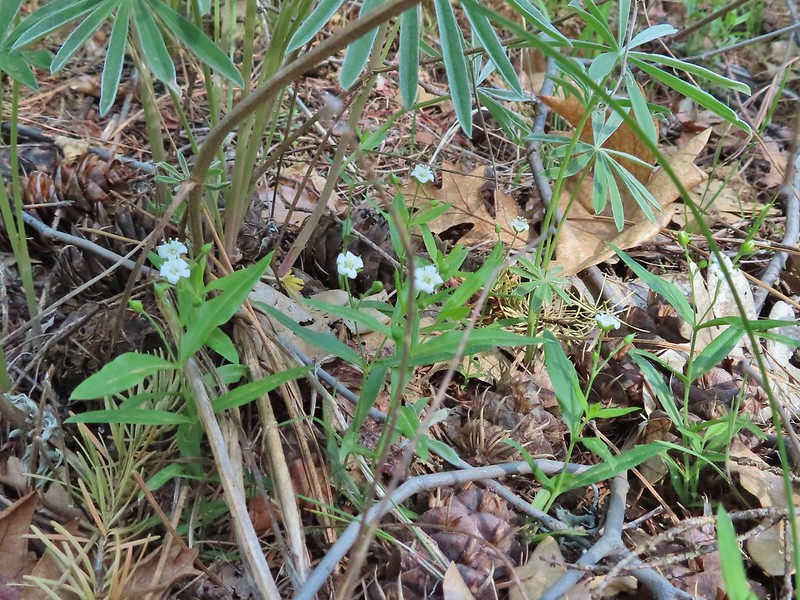 Largeleaf sandwort
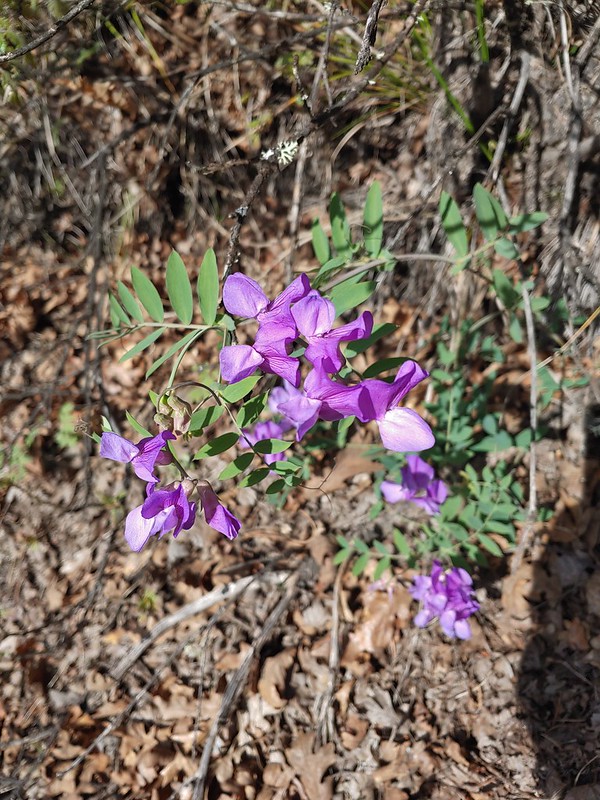 American vetch
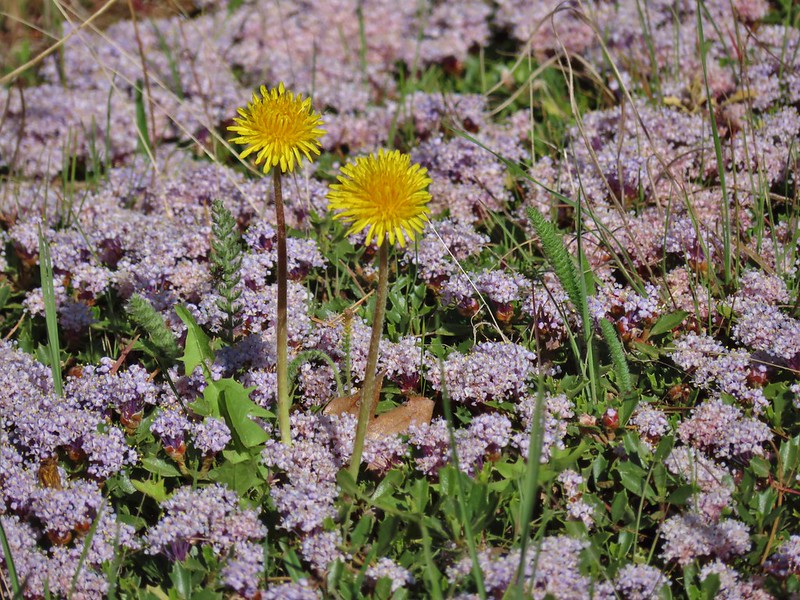 Dandelions in Mahala Mat
 Bitter cherry
 The real climb started at about the 4 mile mark at a junction below Grayback Mountain.
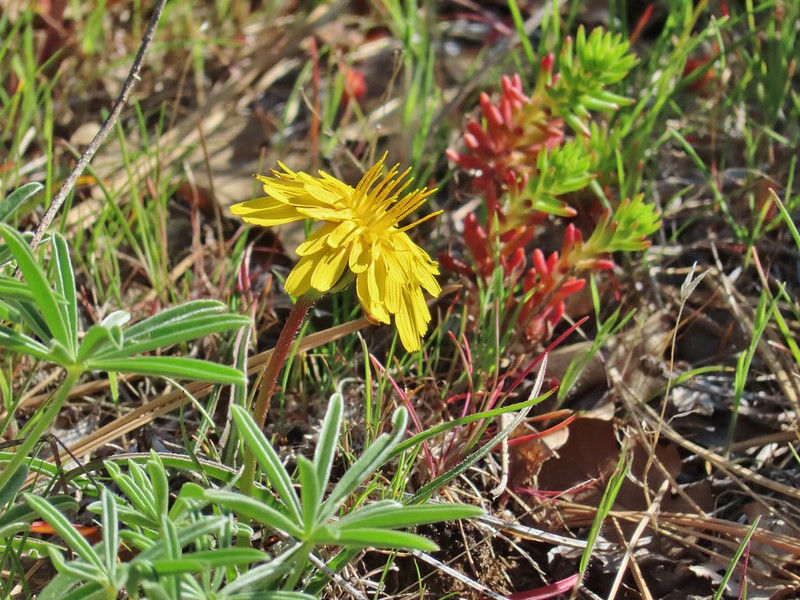 Sagebrush false dandelion
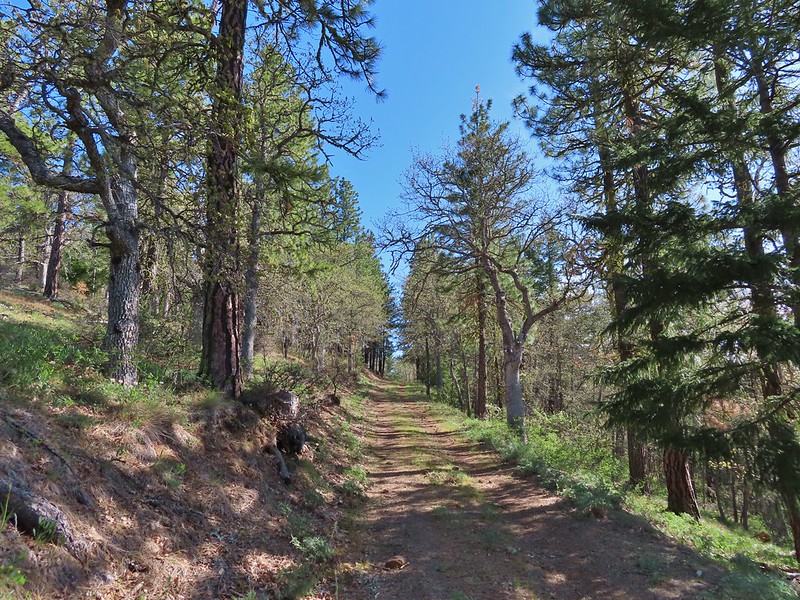 Climbing up Grayback Mountain
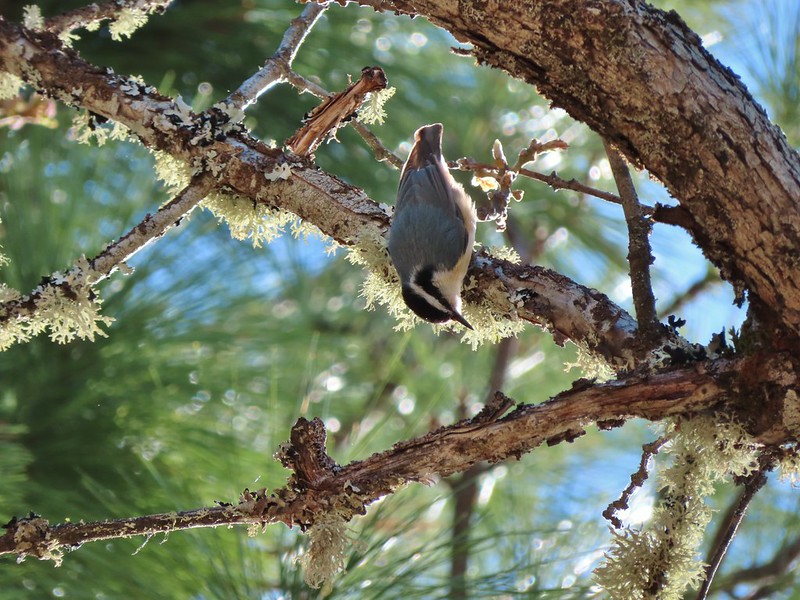 Red breasted nuthatch
 First view of Mt. Hood since the trailhead.
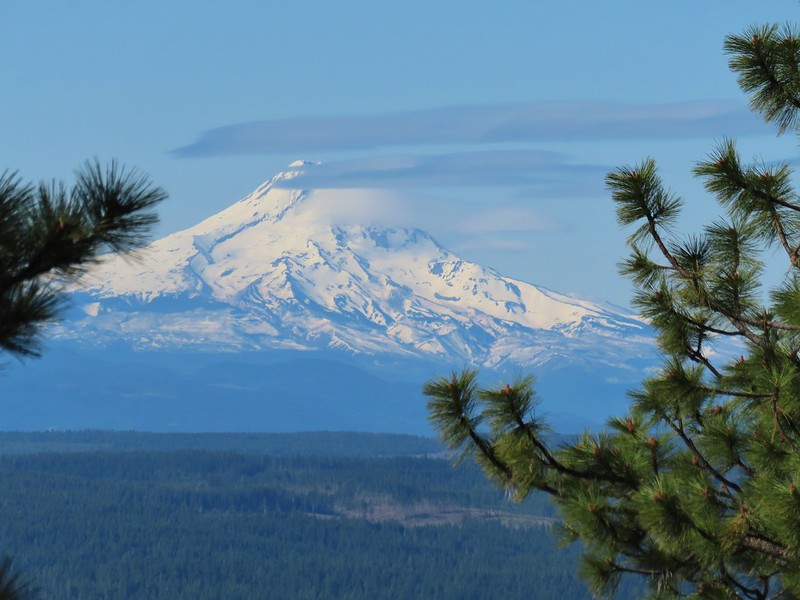 Mt. Hood
 Buckwheat
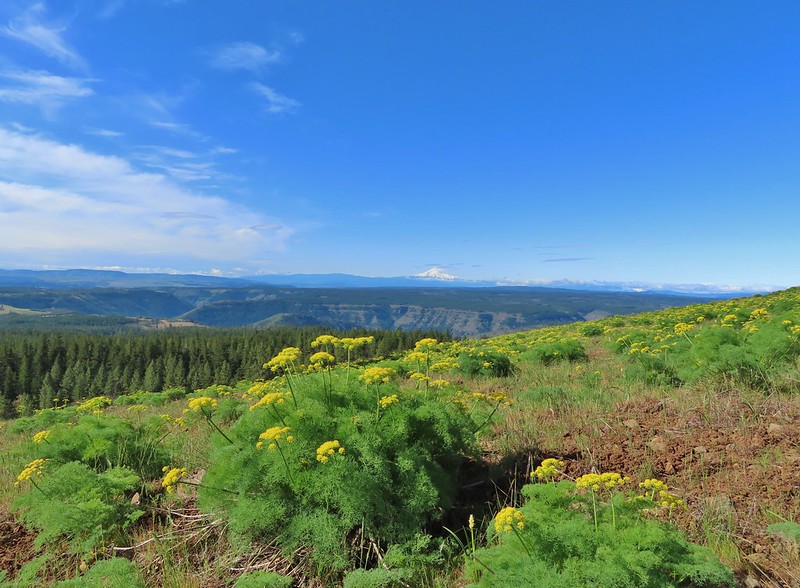 Mt. Hood beyond the Klickitat River Canyon
 Turkey vulture
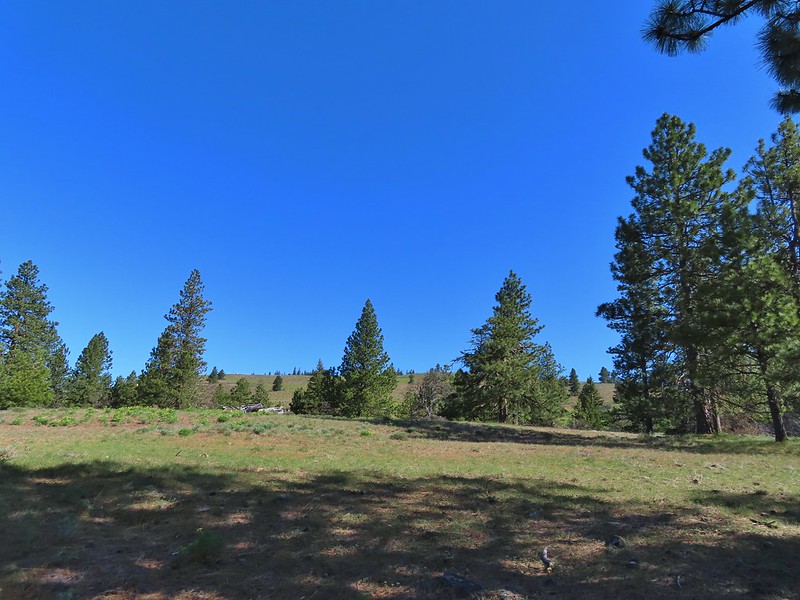 Entering the meadows on Grayback Mountain.
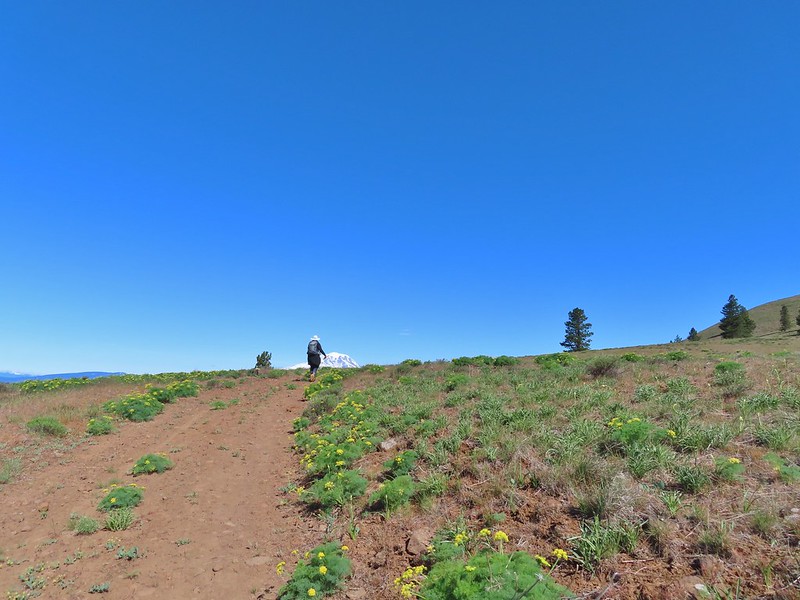 Approaching the first view of Mt. Adams.
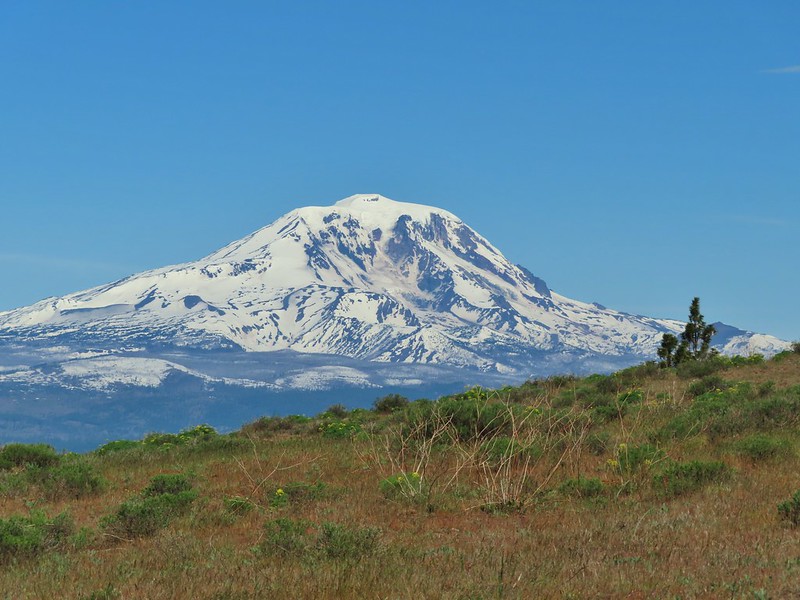 Mt. Adams
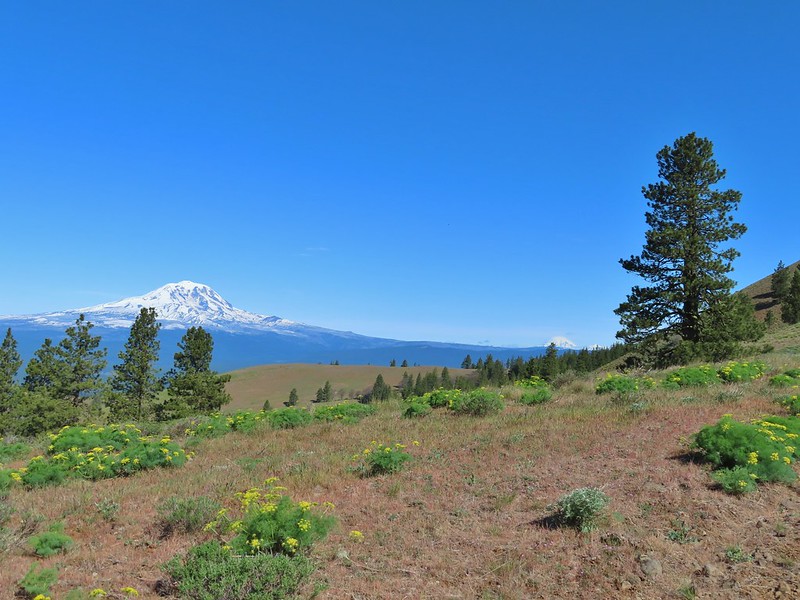 Mt. Adams, Mt. Rainier and Goat Rocks
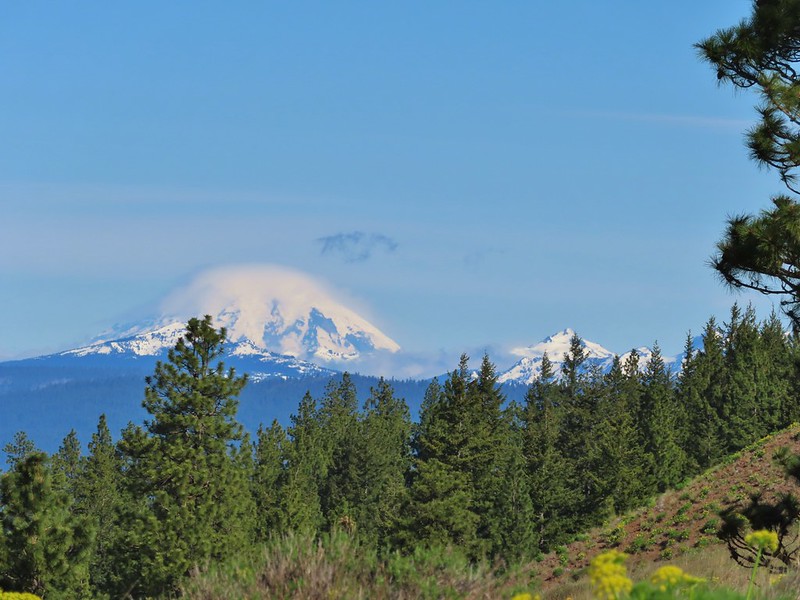 Mt. Rainier and Goat Rocks
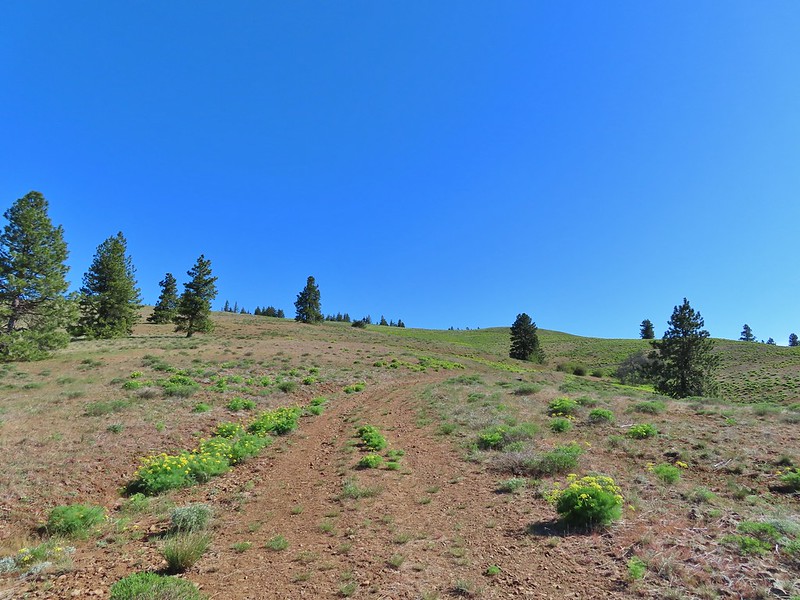 In the meadows.
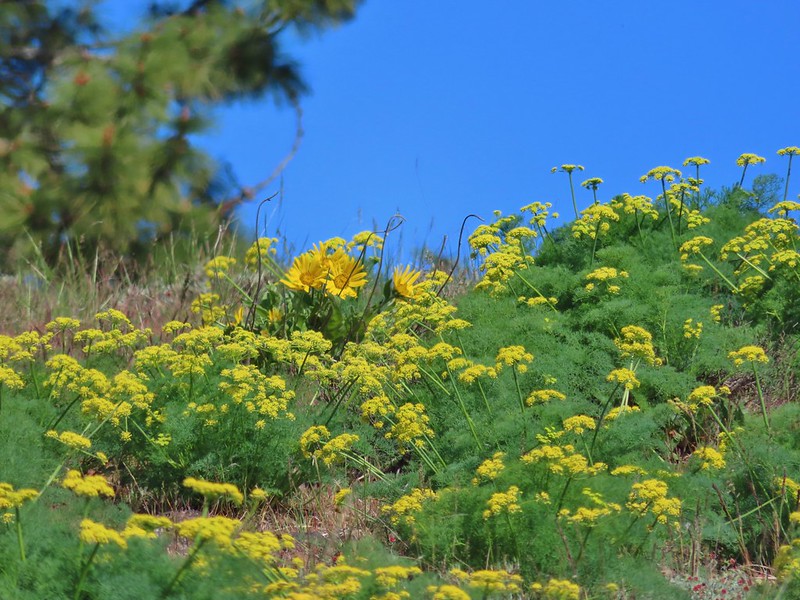 A balsamroot surrounded by parsley.
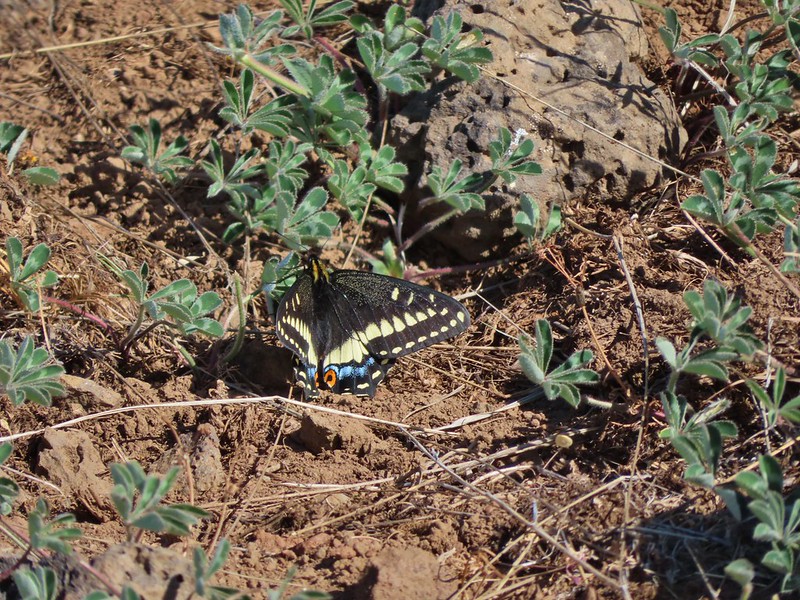 Indra swallowtail
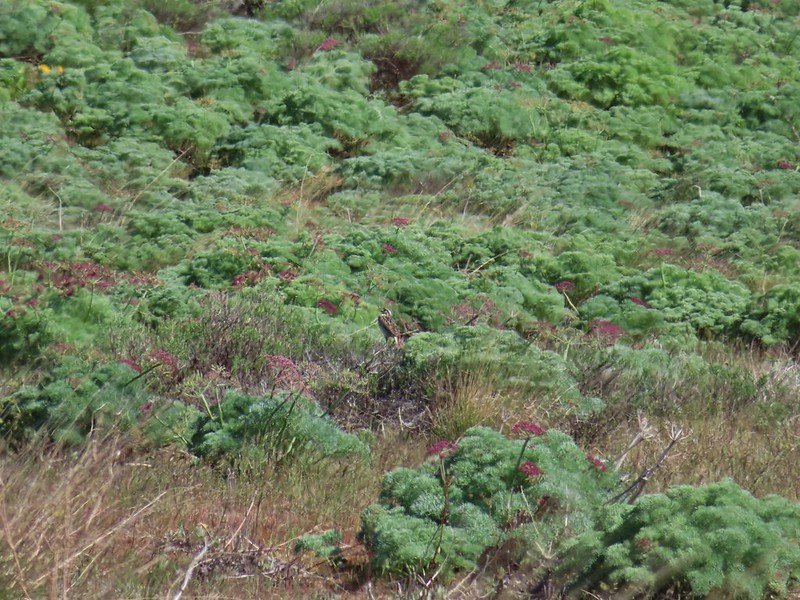 Western meadowlark in a patch of Columbia desert parsley.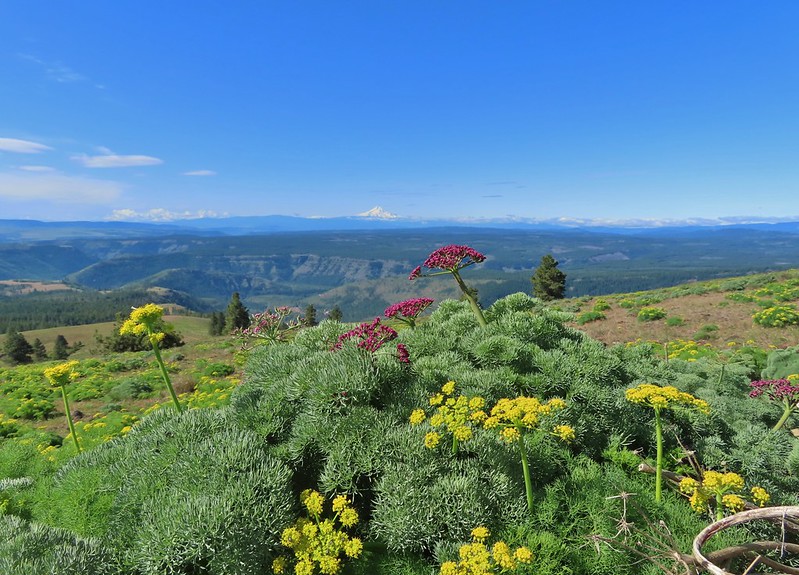
 Radio equipment atop Grayback Mountain with Mt. Adams beyond.
 Mt. Hood (we could just barely make out the top of Mt. Jefferson too.) from the summit.
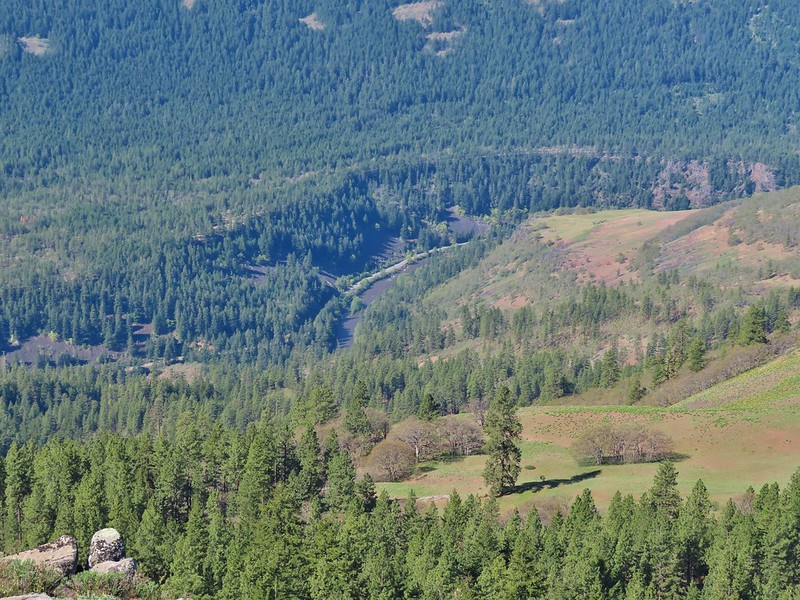 The Klickitat River
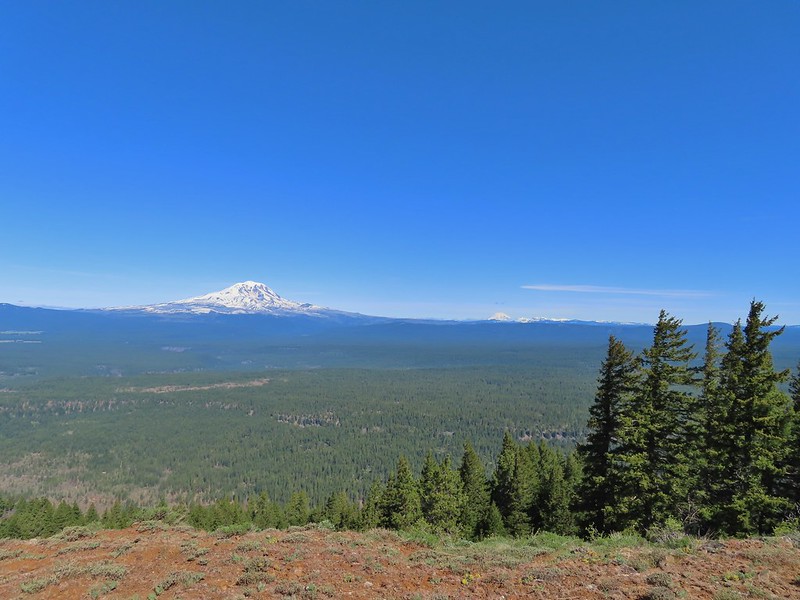 Mt. Adams, Mt. Rainier and Goat Rocks
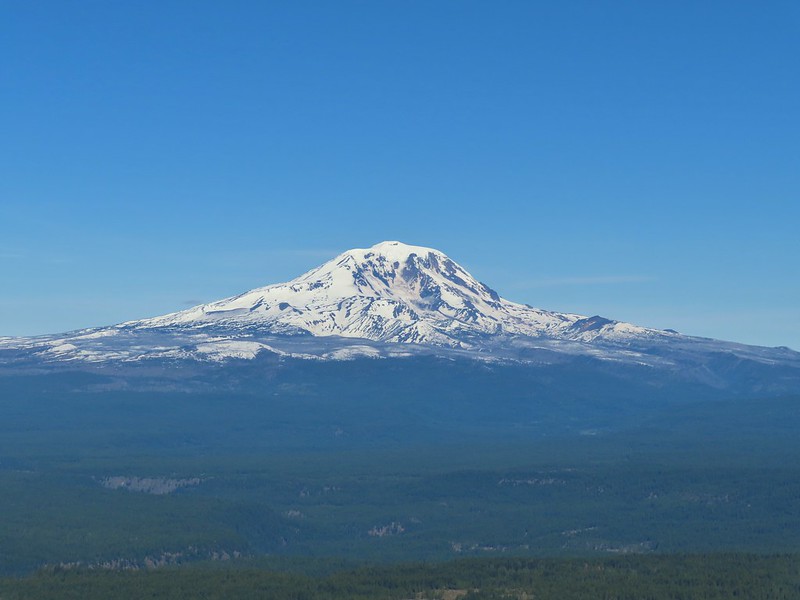 Mt. Adams
 Mt. Rainier and Goat Rocks (the Klickitat River originates from Goat Rocks.)
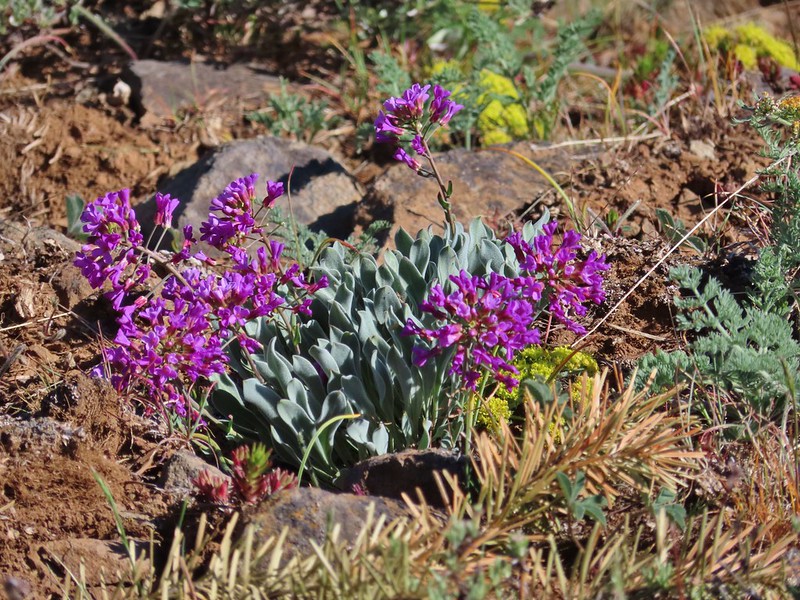 Daggerpod
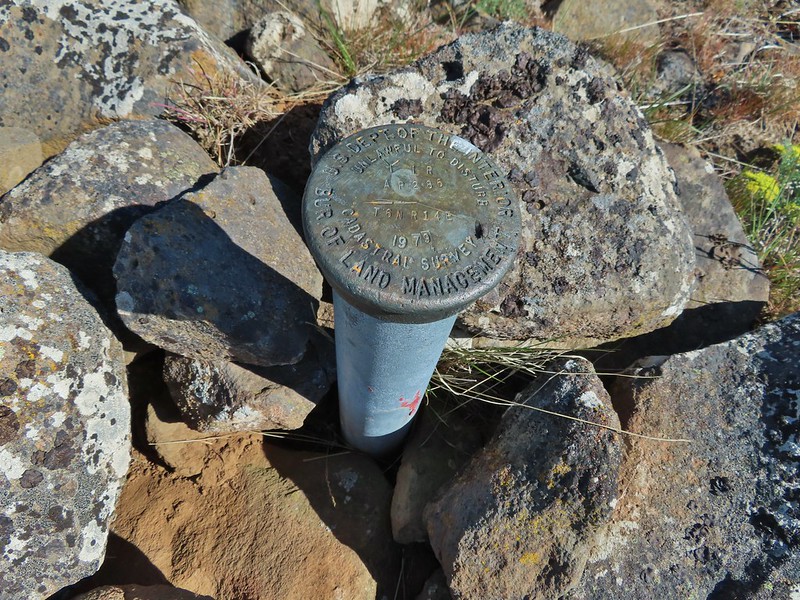 Obligatory survey marker photo.
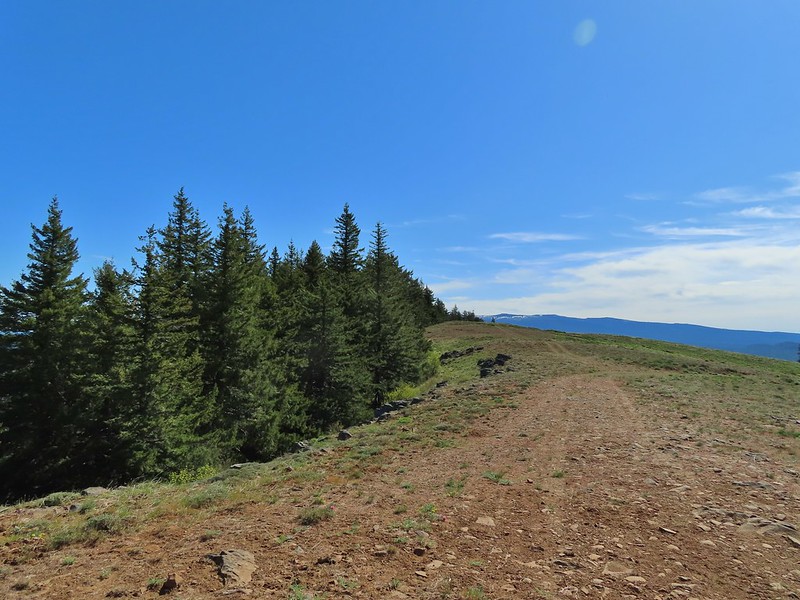 Looking east across the summit to the long ridge of Indian Rock. The boundary of the Yakima Indian Reservation is just on the north side of the summit.
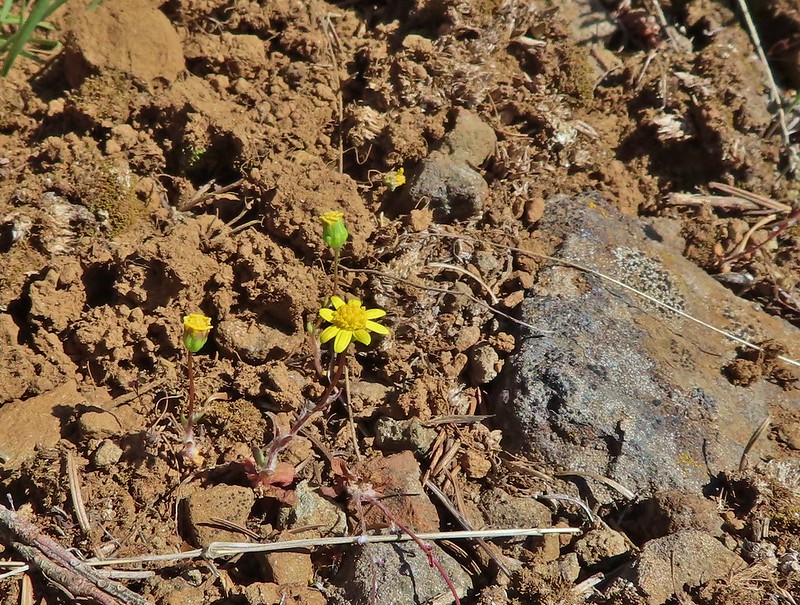 A few gold stars still had petals.
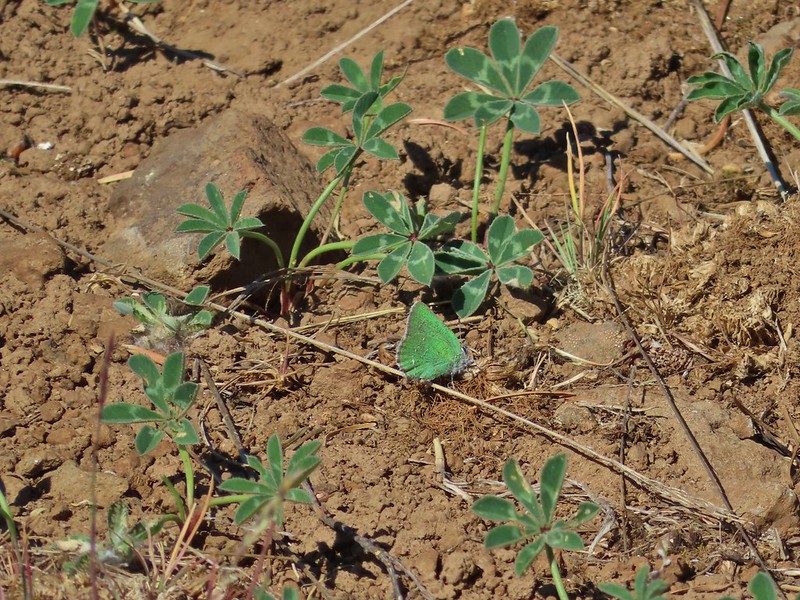 A hairstreak but I’m not sure which type.
 At least 4 ants on a large head clover.
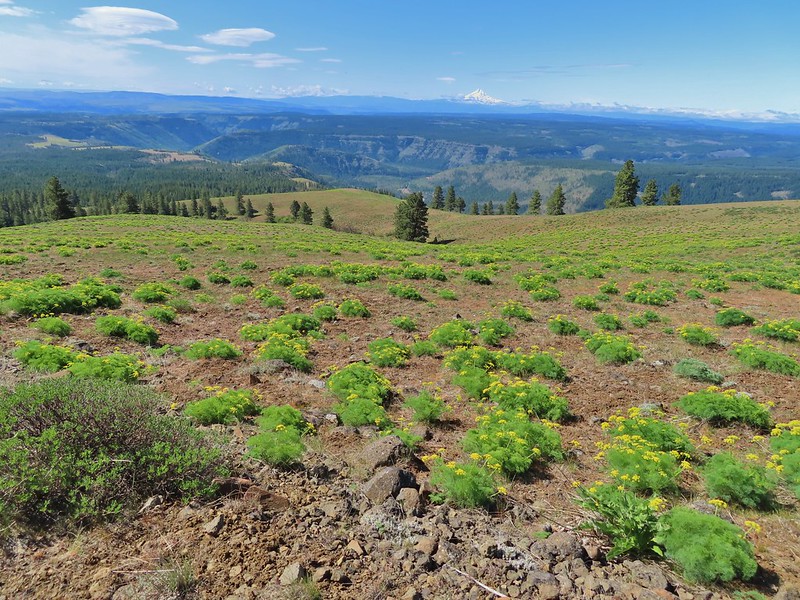 Looking back south down Grayback Mountain.
 There was a lot of white-stemmed frasera in the area but this was the closest one to blooming (and it’s a ways off).
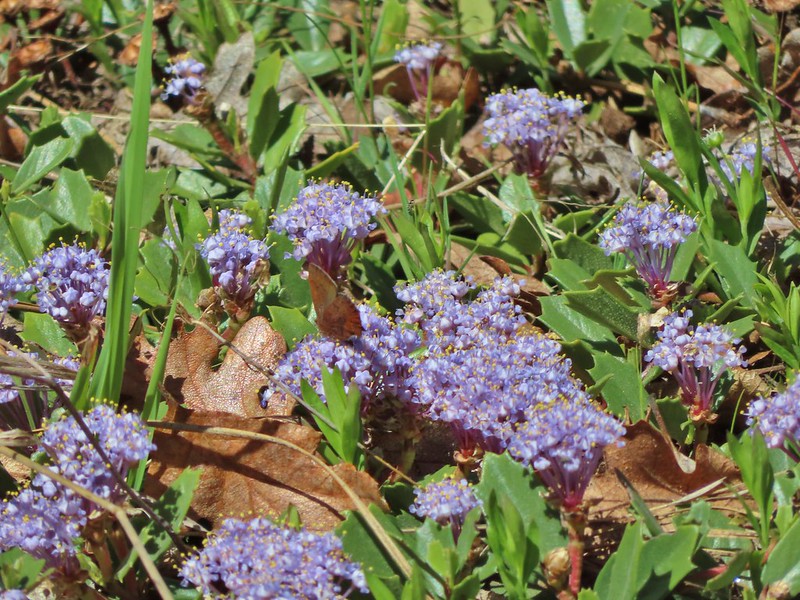 Maybe a brown elfin. I couldn’t get a clear picture of this one.
 Erynnis propertius – Propertius Duskywing (aka Western Oak Dustywing). There were lots of these duskywings flying about, it turns out that oaks are their host plants.
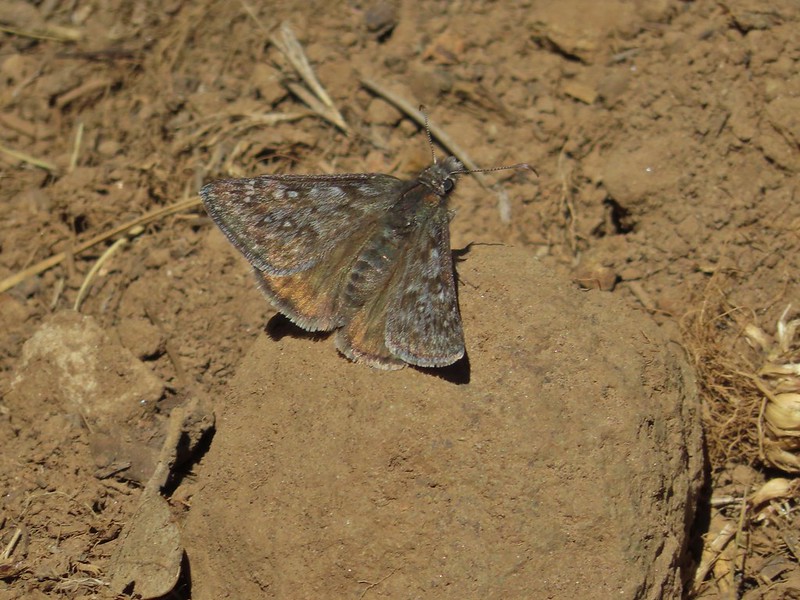 Another Erynnis propertius
 Juba skippers caught in the act.
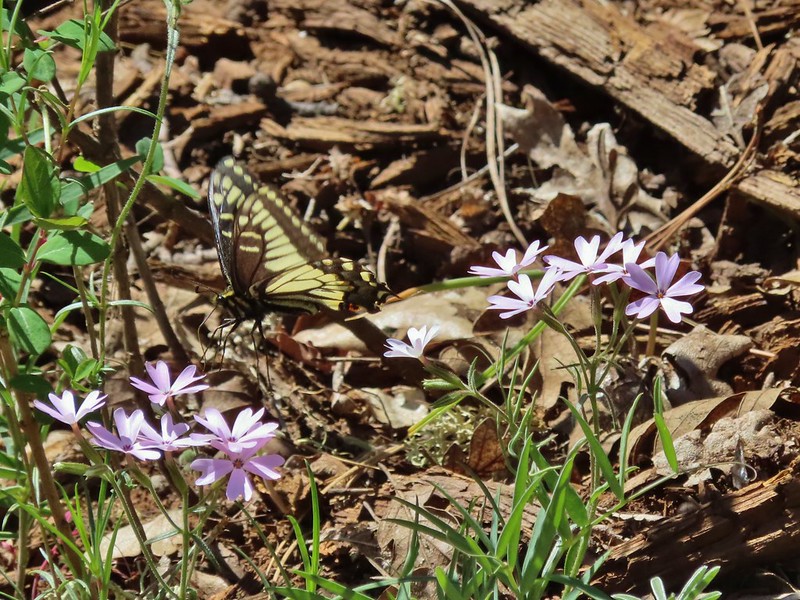 Anise swallowtail coming in for a landing on showy phlox.
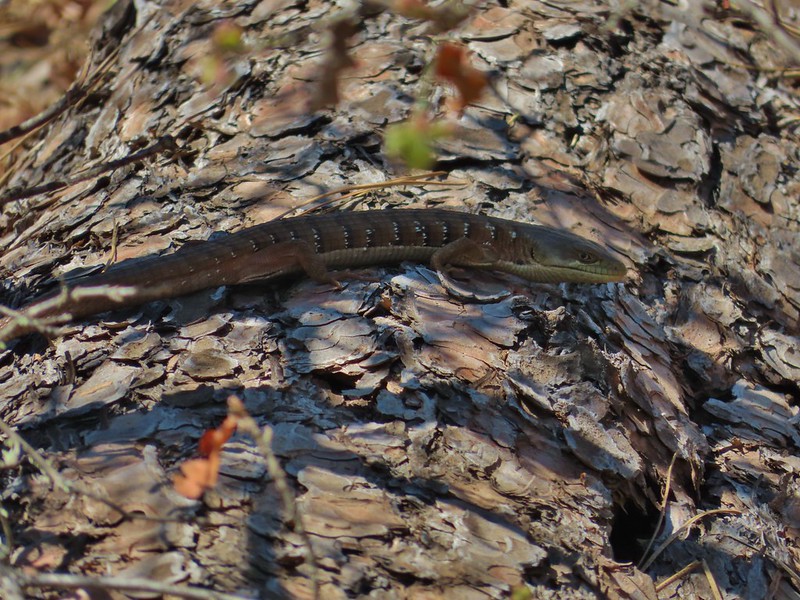 Alligator lizard on a log.
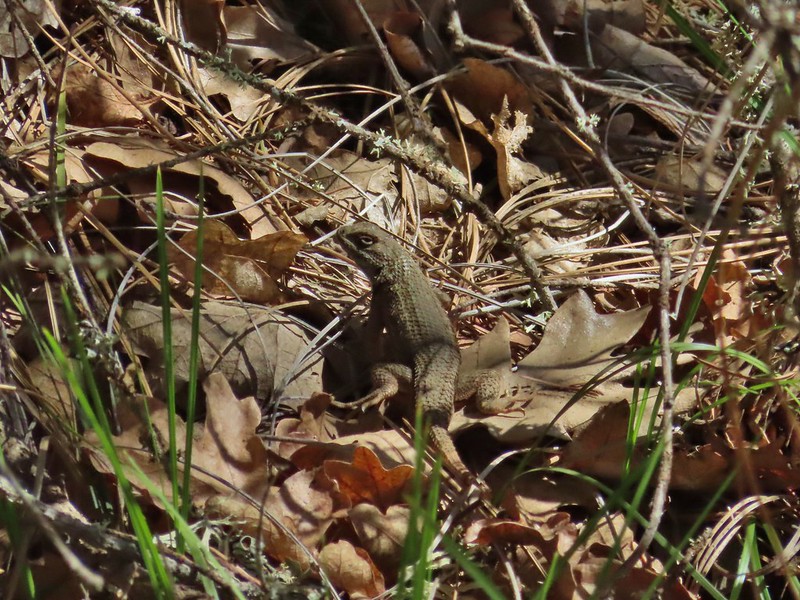 Western fence lizard
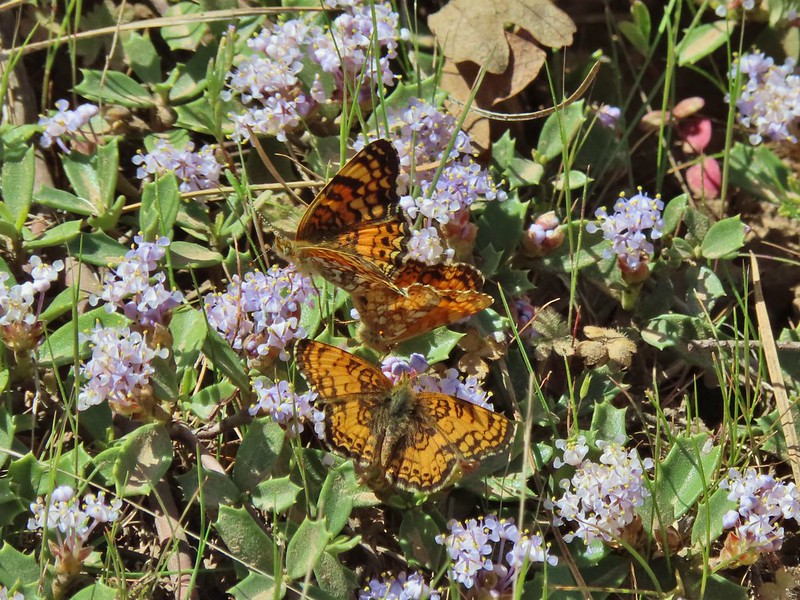 I believe these to be Mylitta crescents.
 Mt. Hood from the trailhead.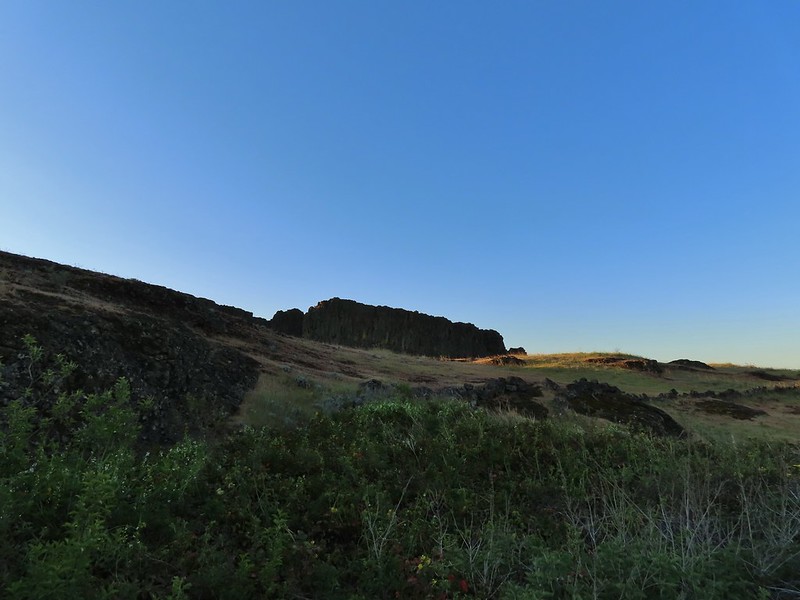
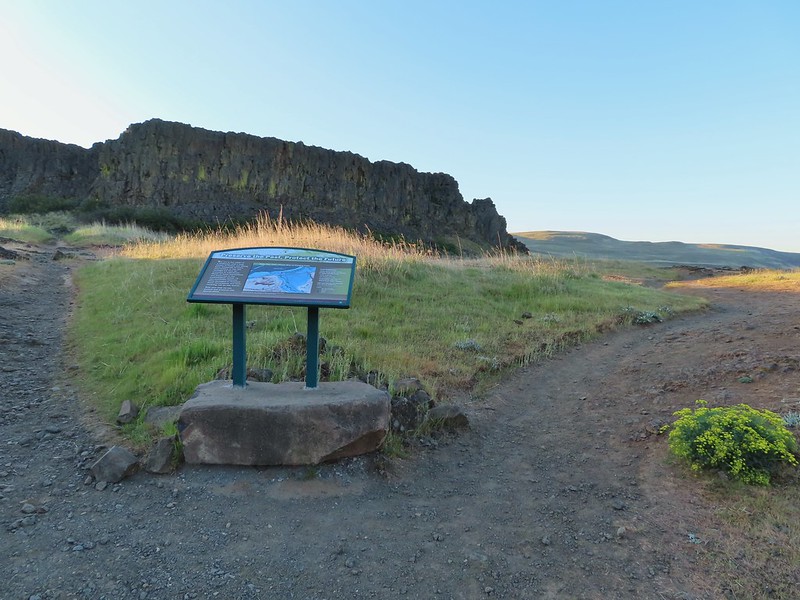
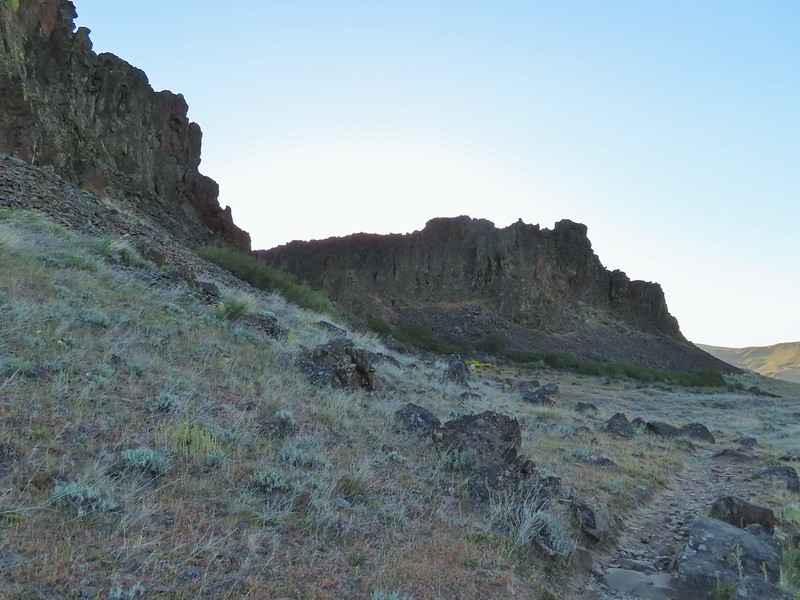
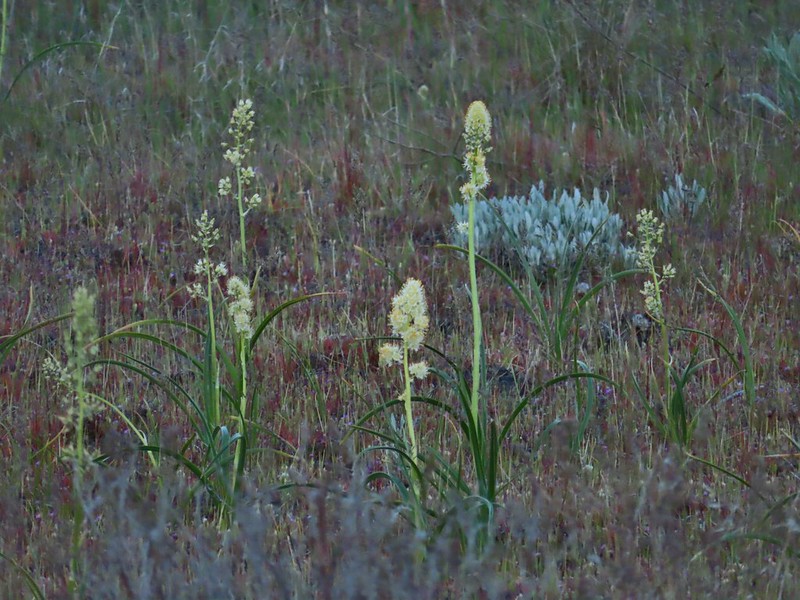 Death camas
 Western stoneseed
 Fiddleneck
 Large-flower tritelia
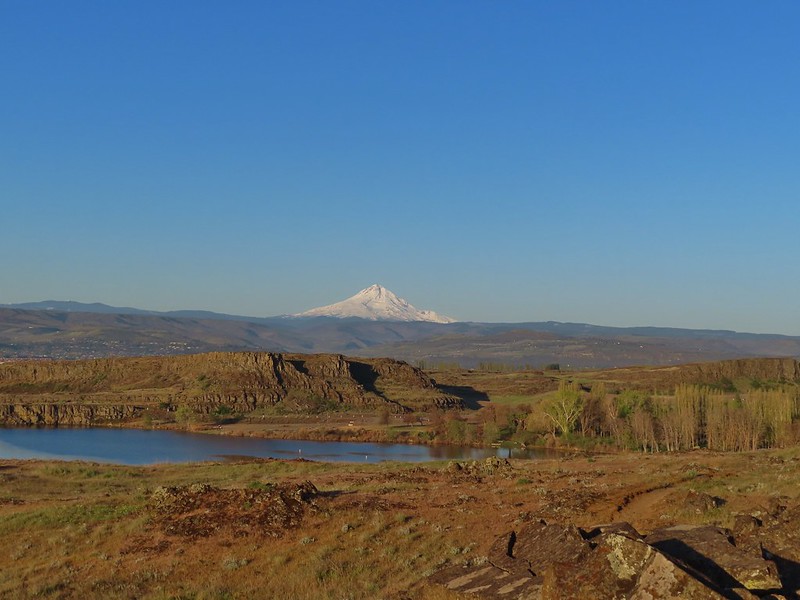 Mt. Hood beyond Horsethief Lake
 Standing at the fence looking east.
 Wren
Wren Horsethief Butte
 Lupine
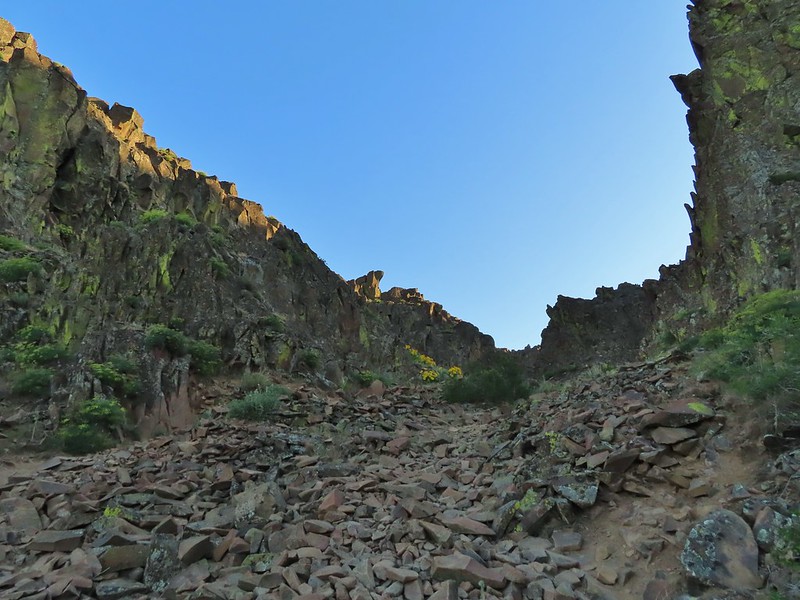


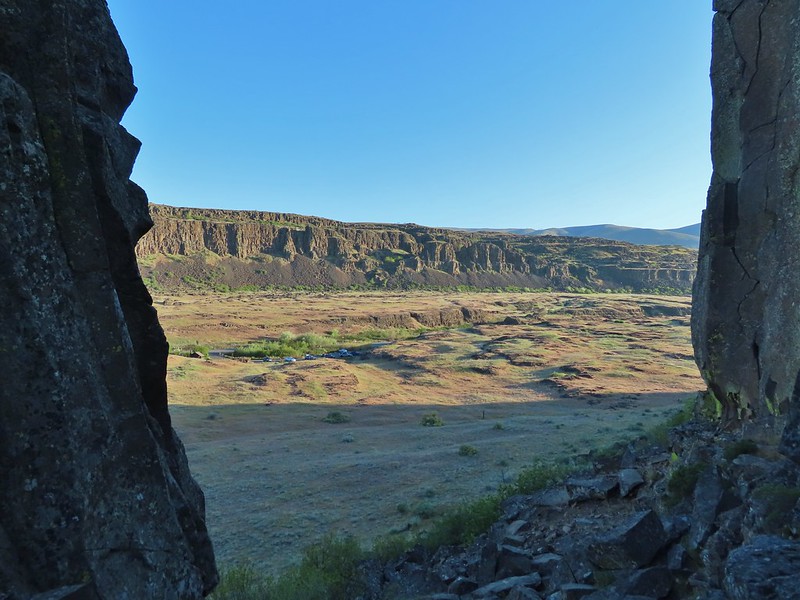

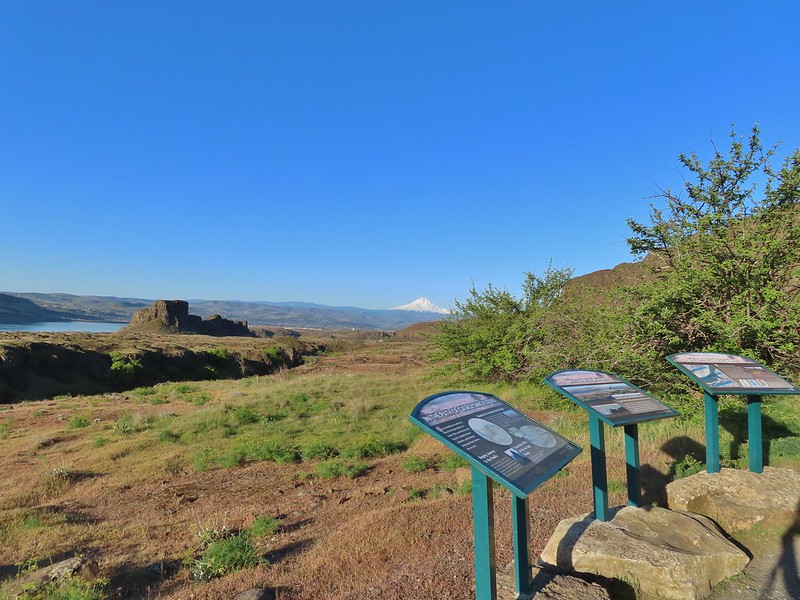 Horsethief Butte and Mt. Hood from the viewpoint.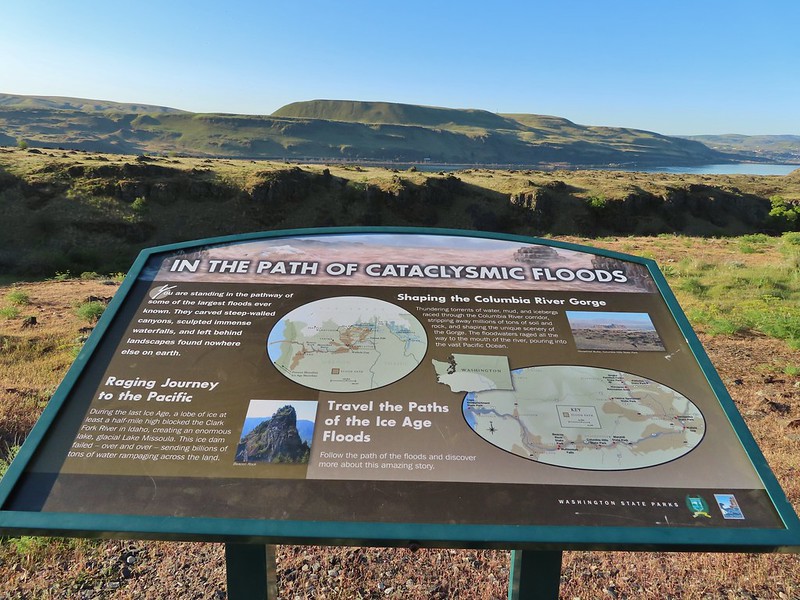

 Purple cushion fleabane
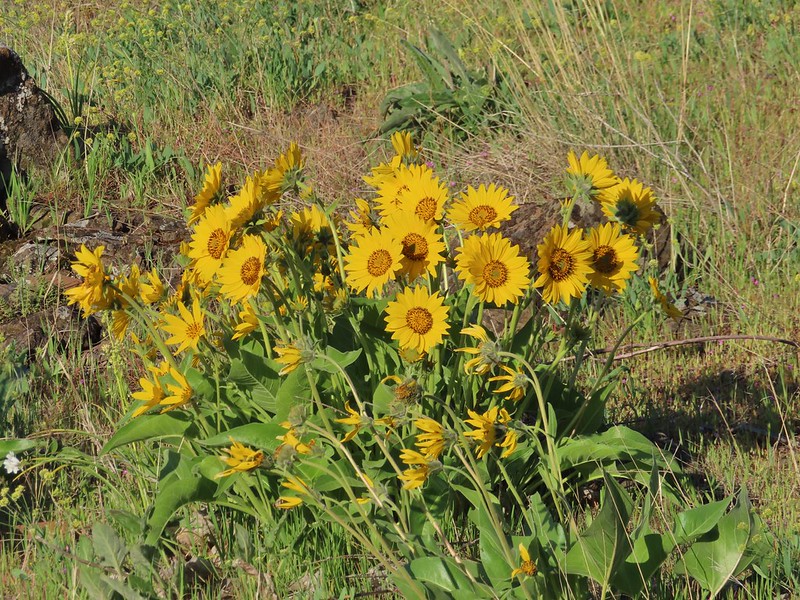 Balsamroot
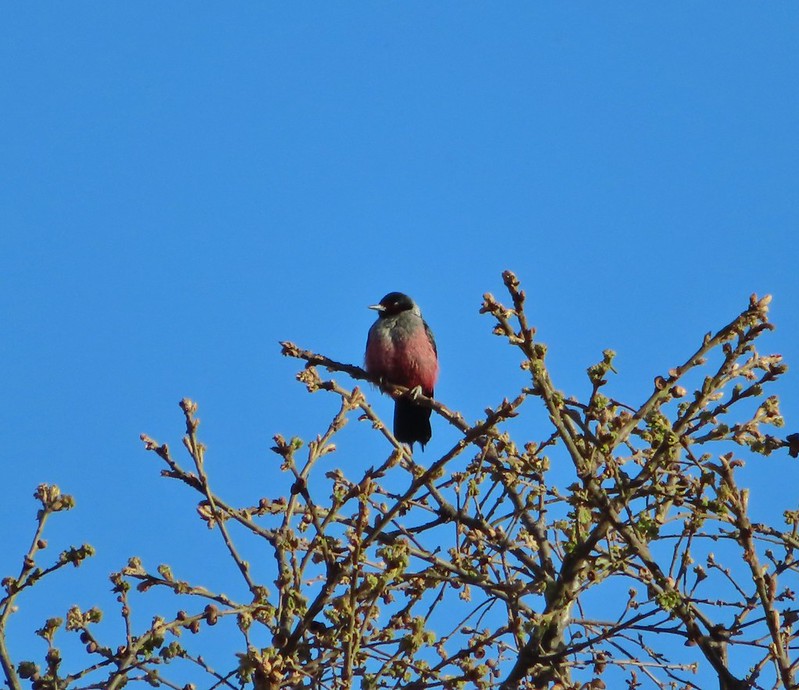

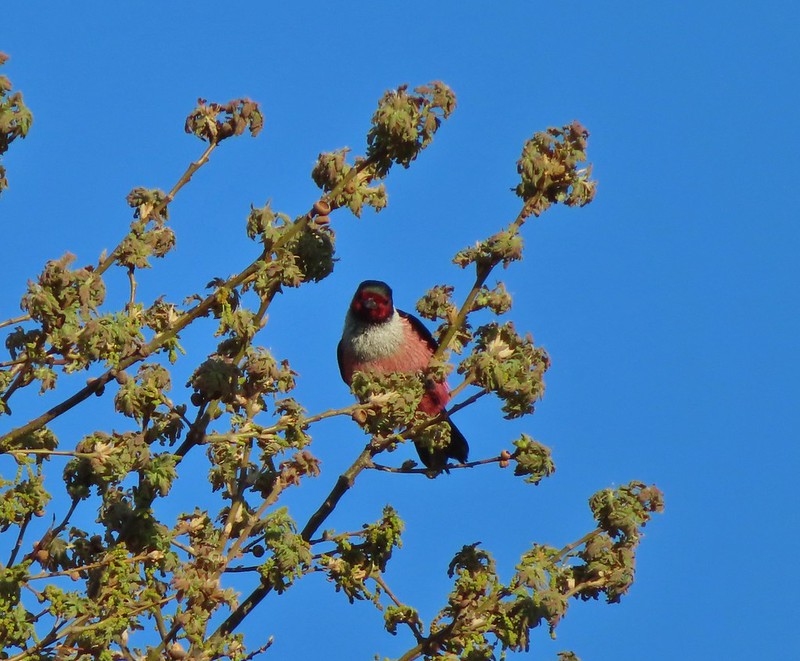
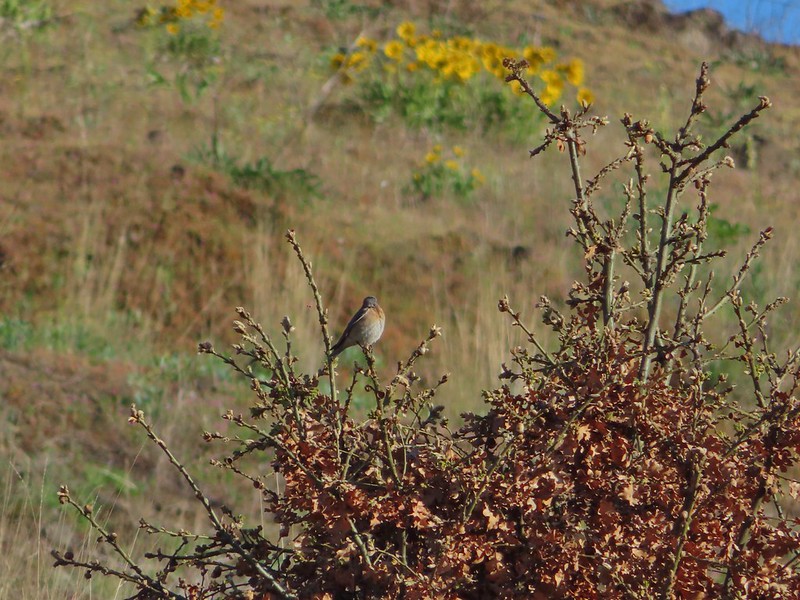 Western bluebird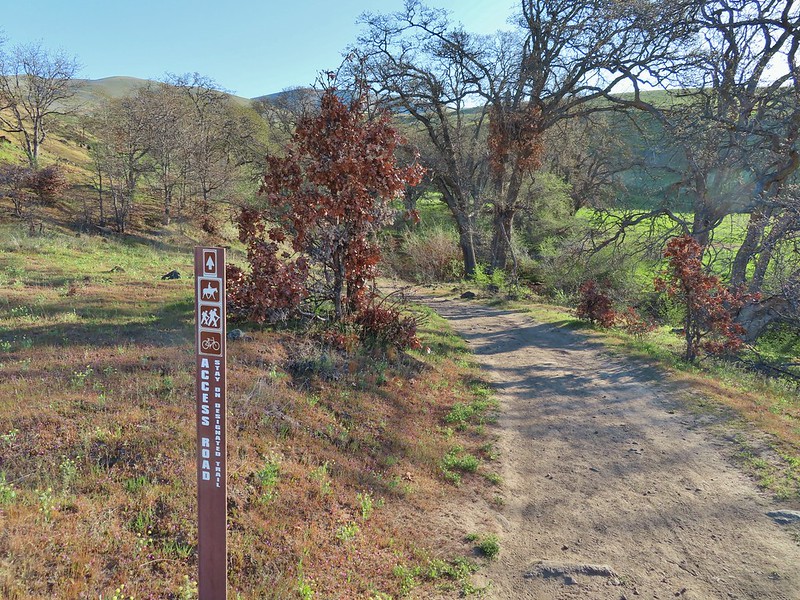
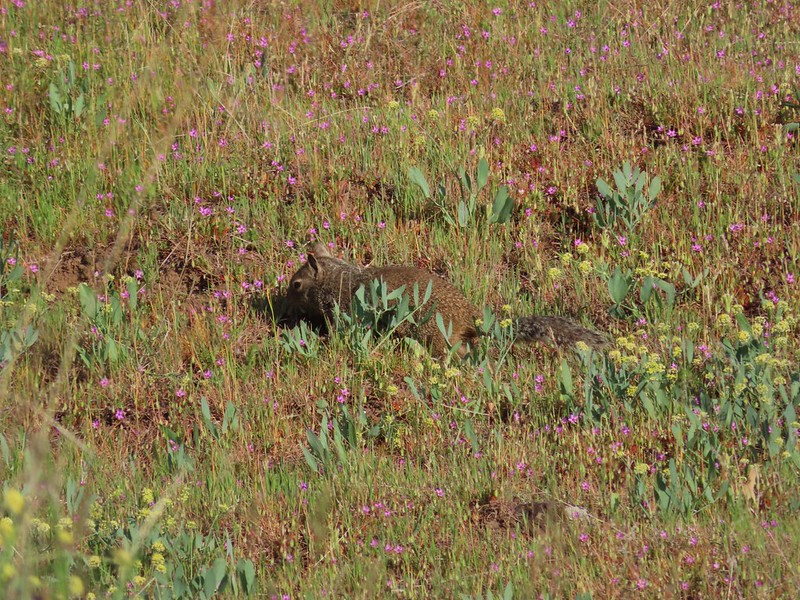 Ground squirrel


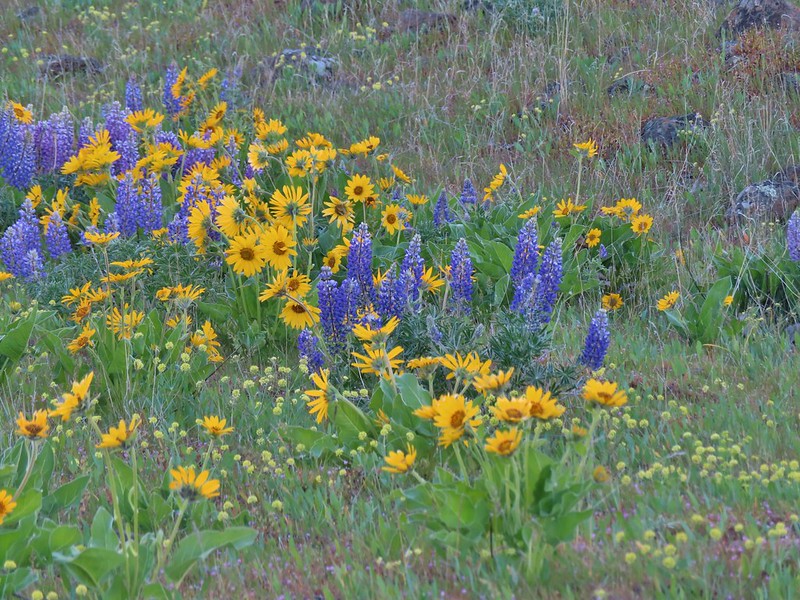 Lupine, balsamroot and parsley
 The Crawford Ranch Complex ahead to the left.
 Phlox
Phlox
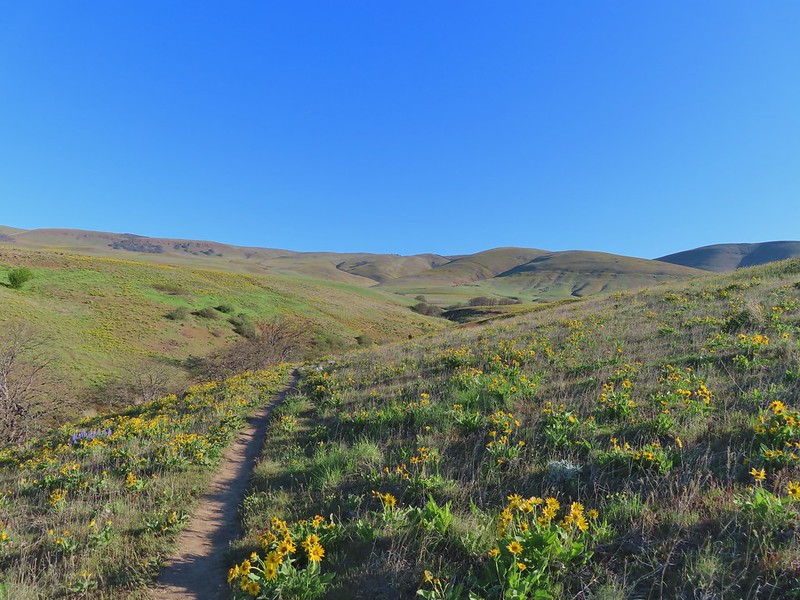


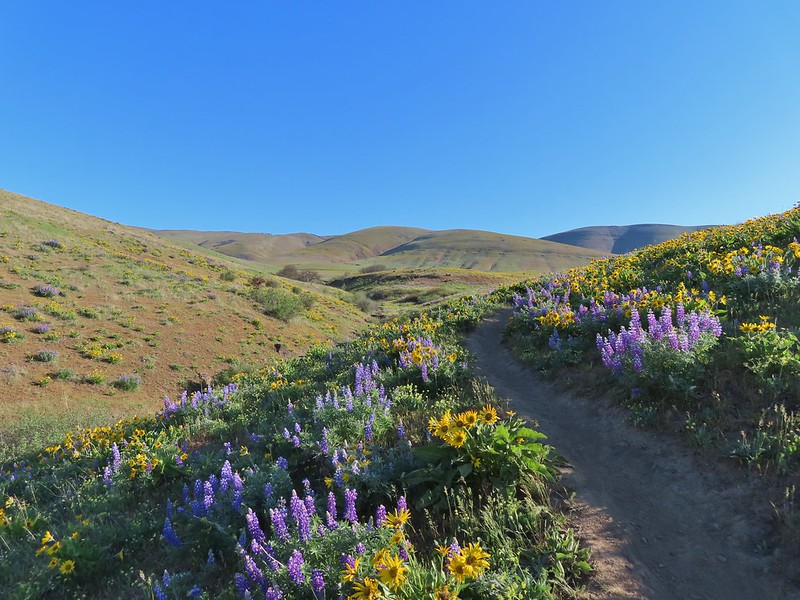


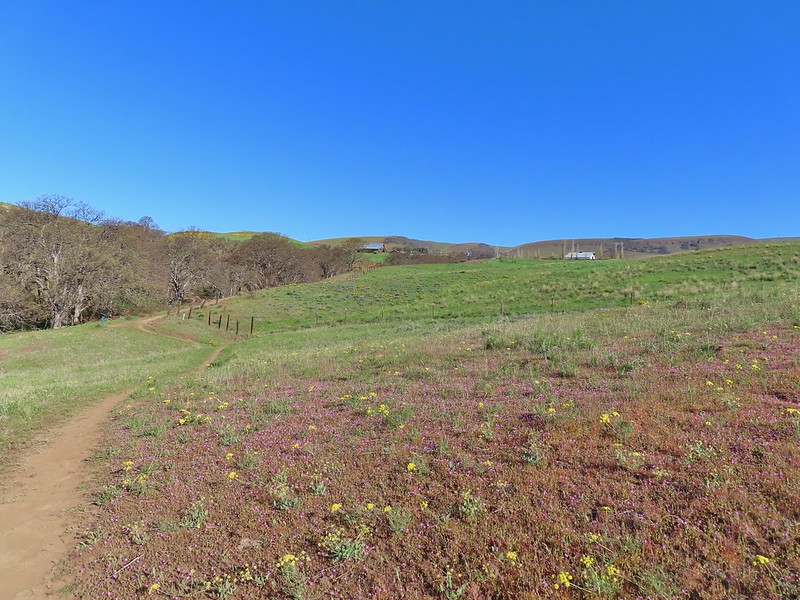 Approaching the fence line.
 Yellow-rumped warbler
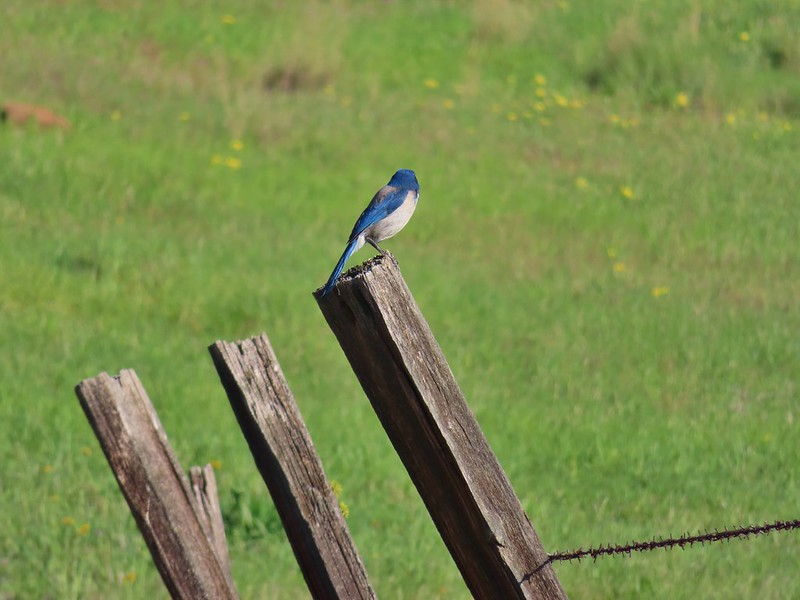 Back of a scrub jay
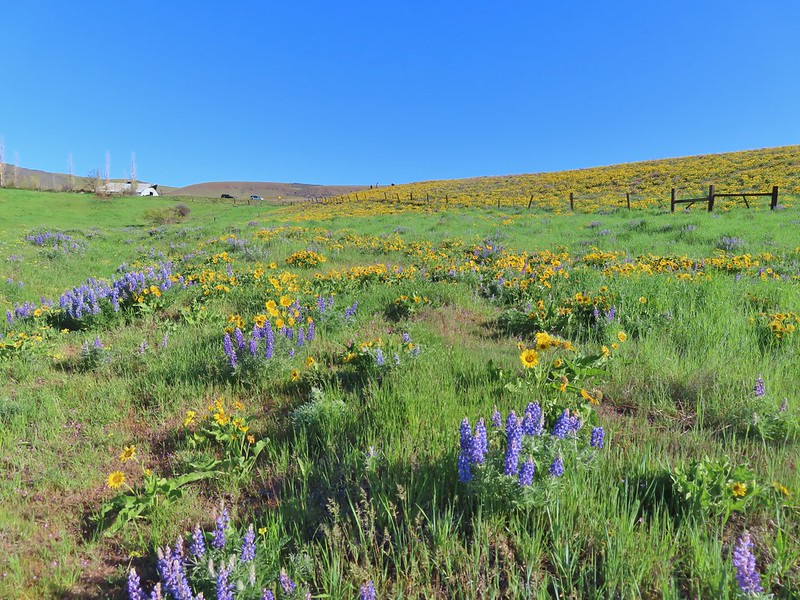
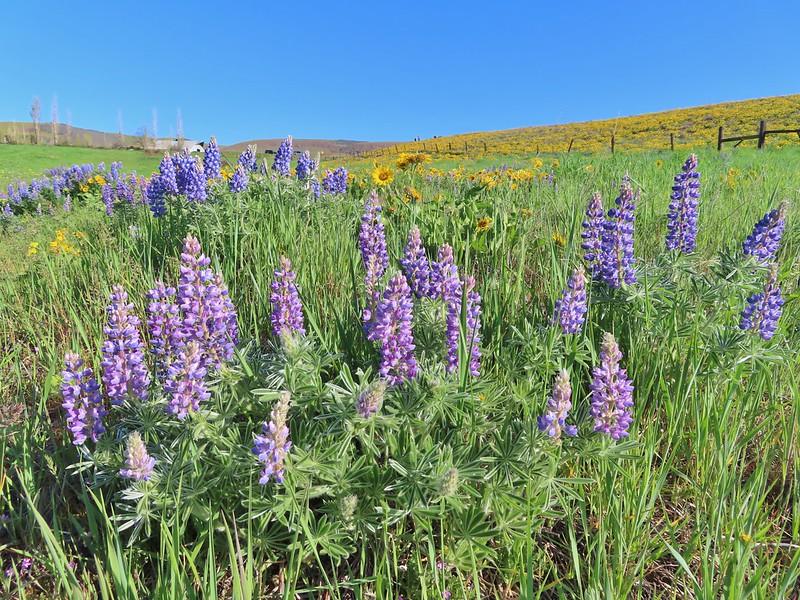


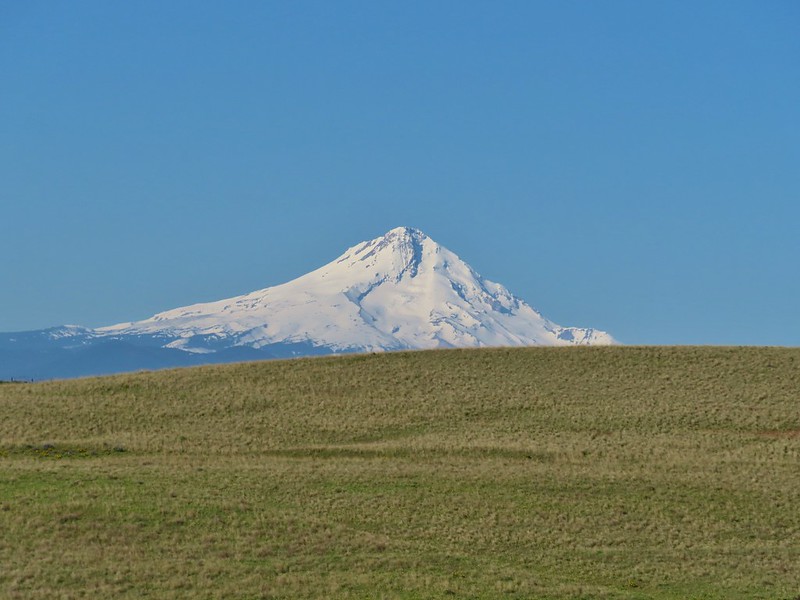 Mt. Hood
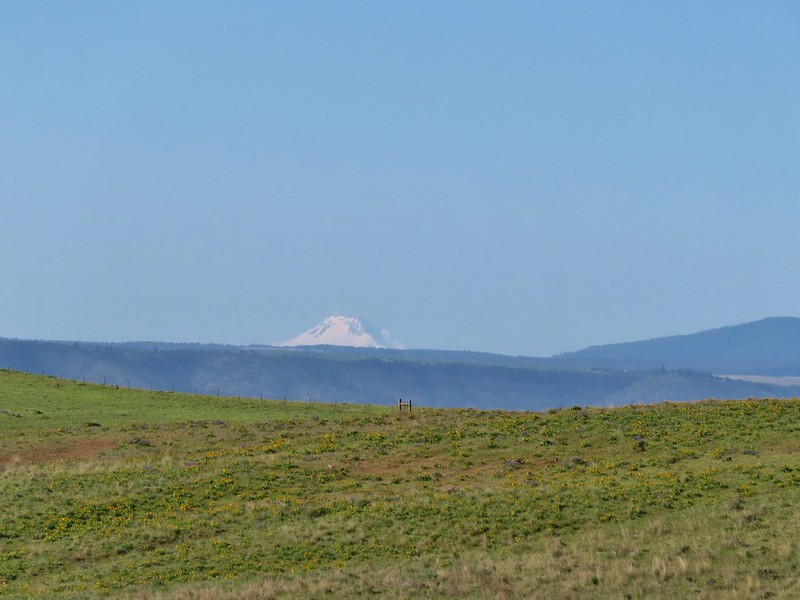 Mt. Jefferson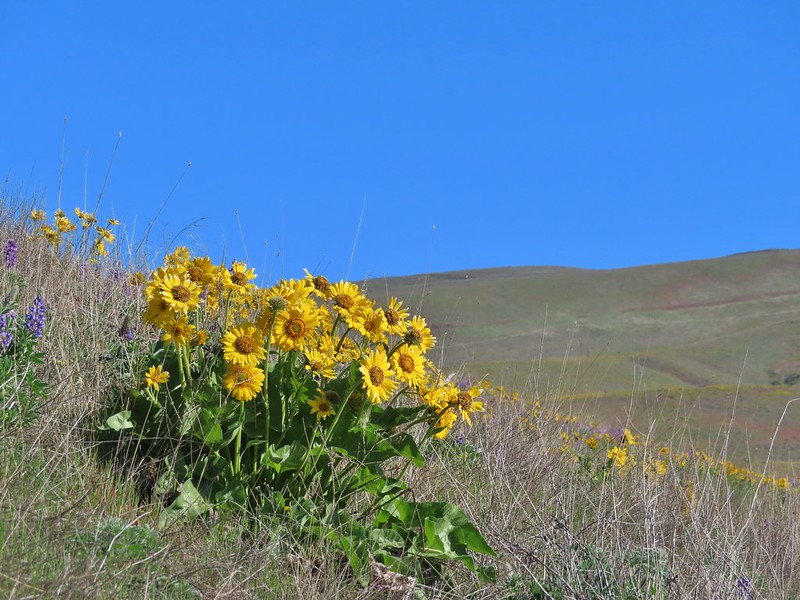

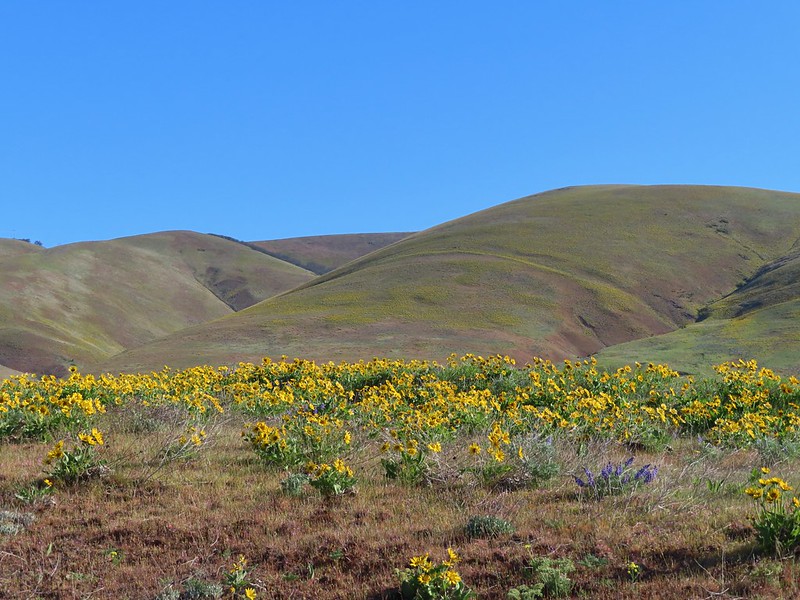


 Yakima milk-vetch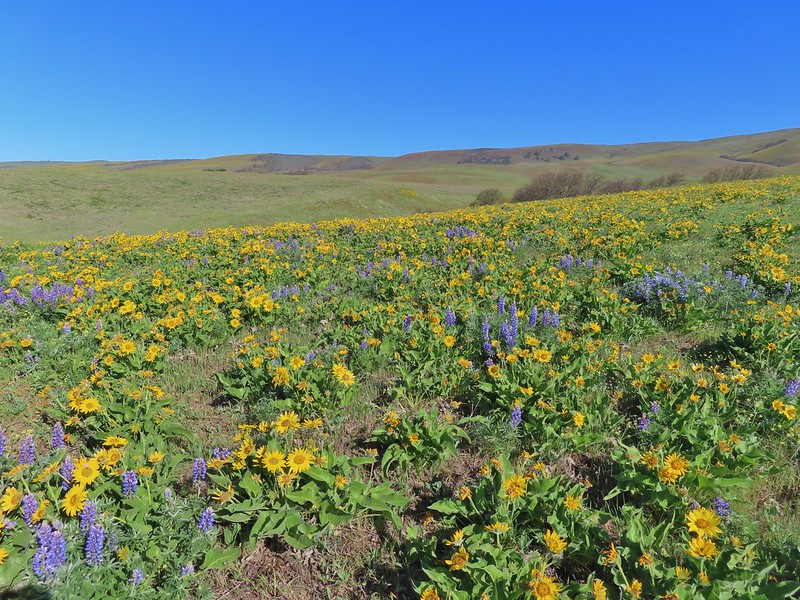


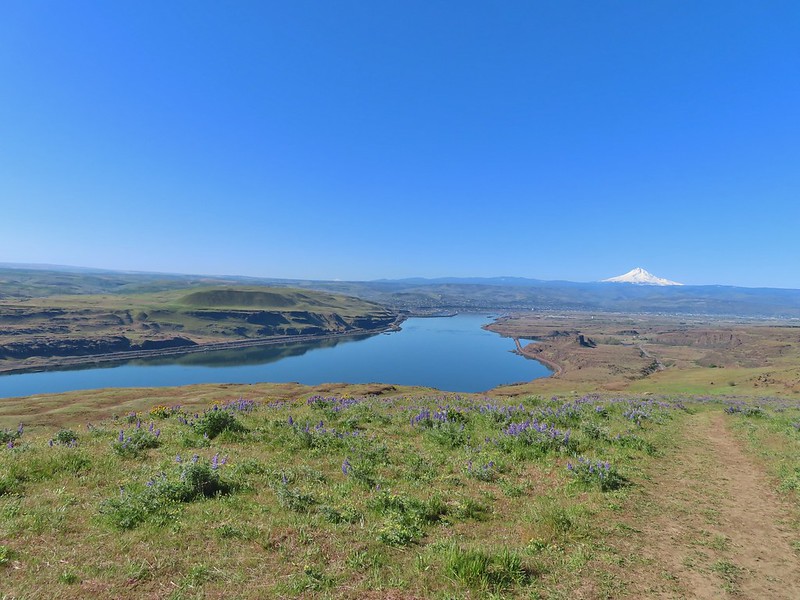 The Columbia River, Horsethief Butte, and Mt. Hood
 Death camas
 Large head clover
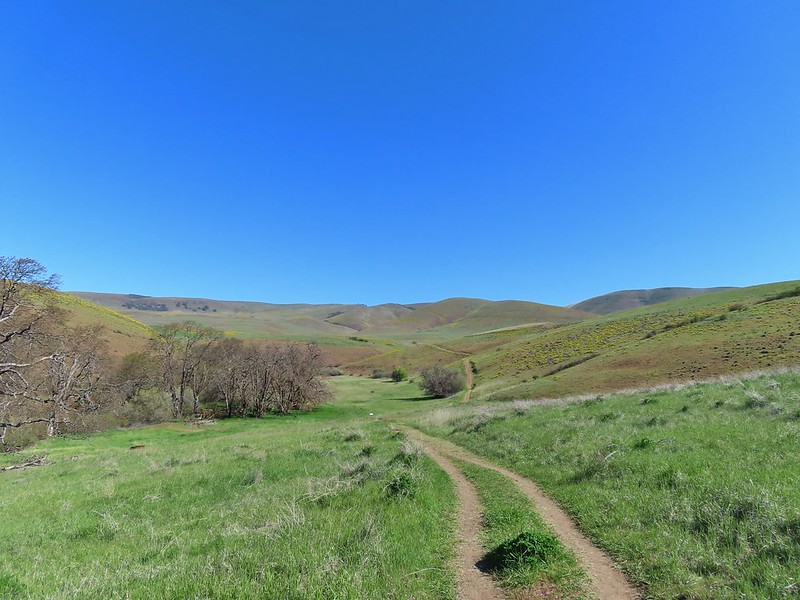 Approaching the junction.
 Hawk watching all the hikers.
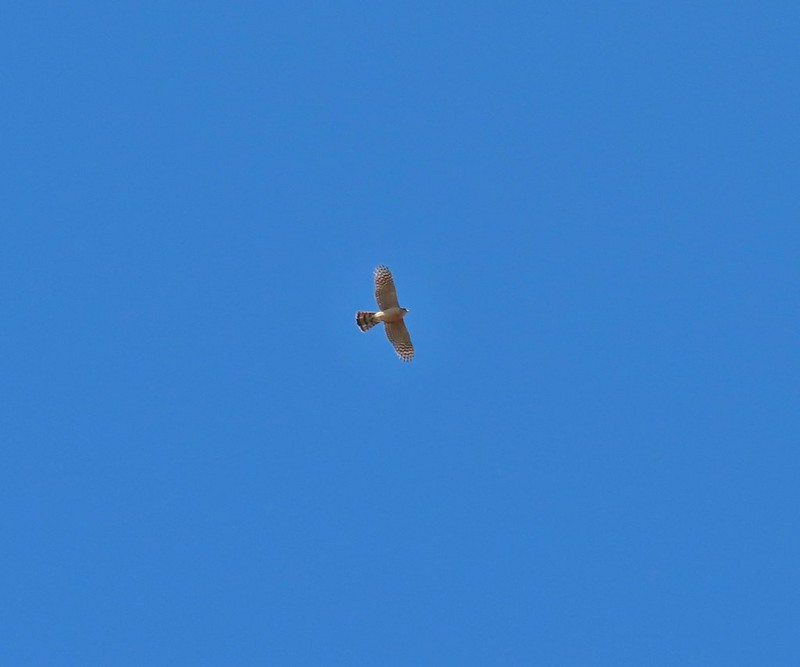 A different hawk? watching the goings on.
 Western fence lizard watching everything.
 Poppy, manroot, and red-stemmed storksbill
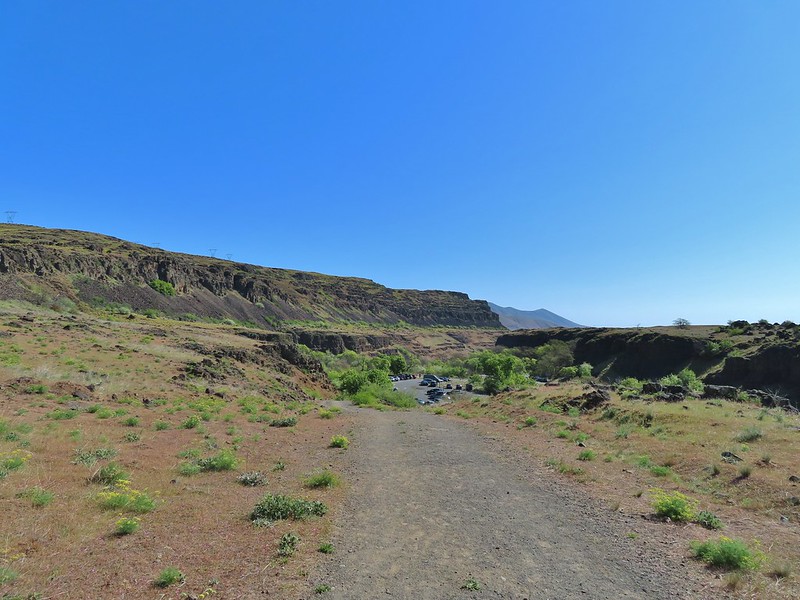 The crowded trailhead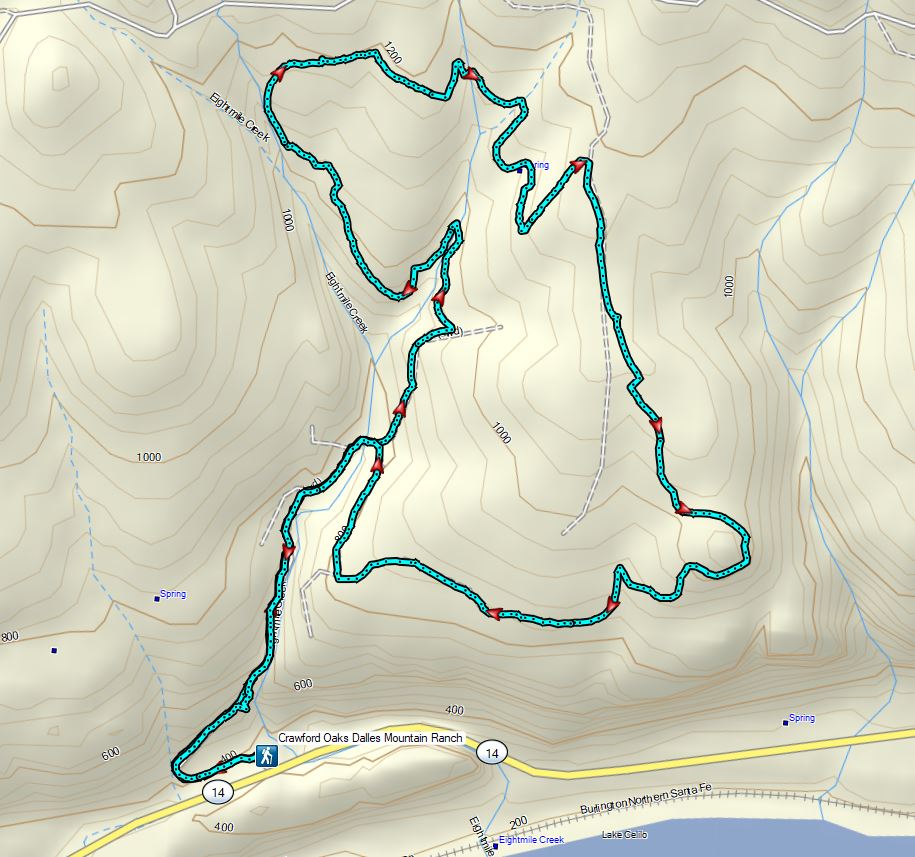

 While both were part of the Crawford Ranch, Stacker Butte is not part of the Columbia Hills State Park but is part of the Columbia Hills Natural Area Preserve.
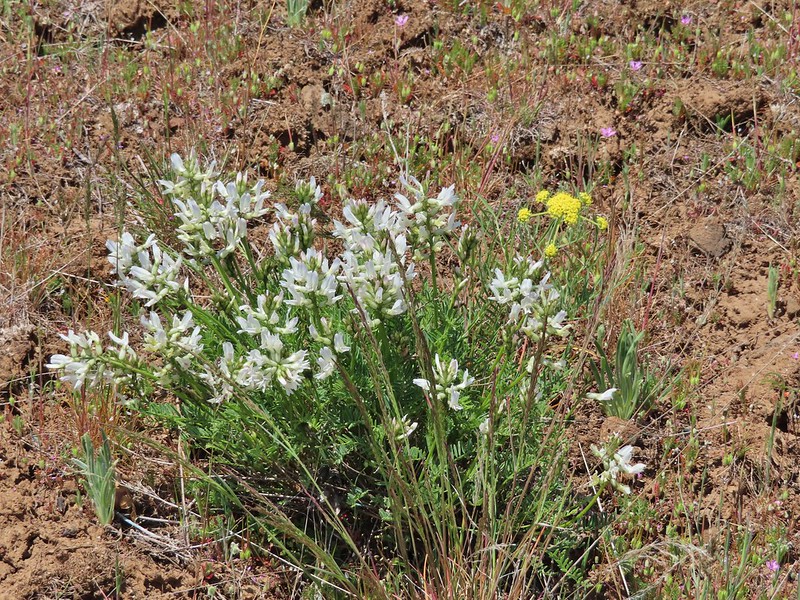 Yakima milk-vetch
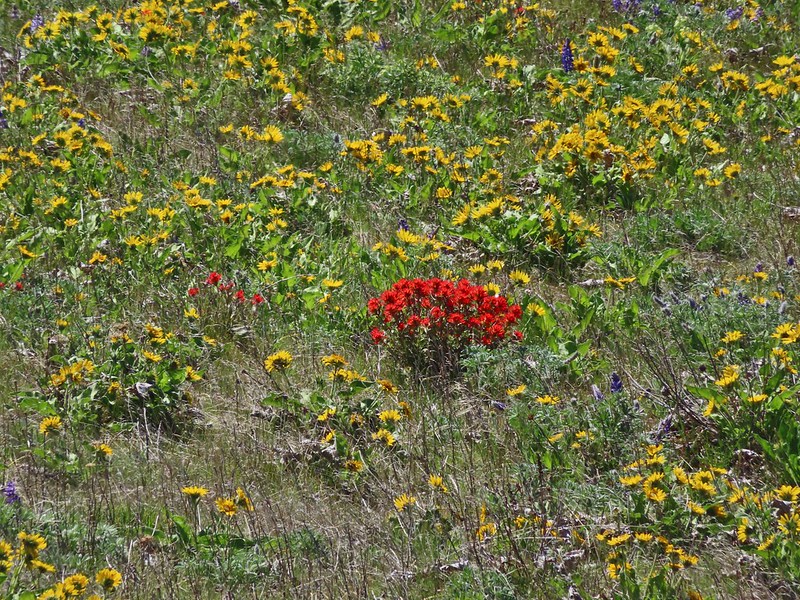 Paintbrush amid the balsamroot.
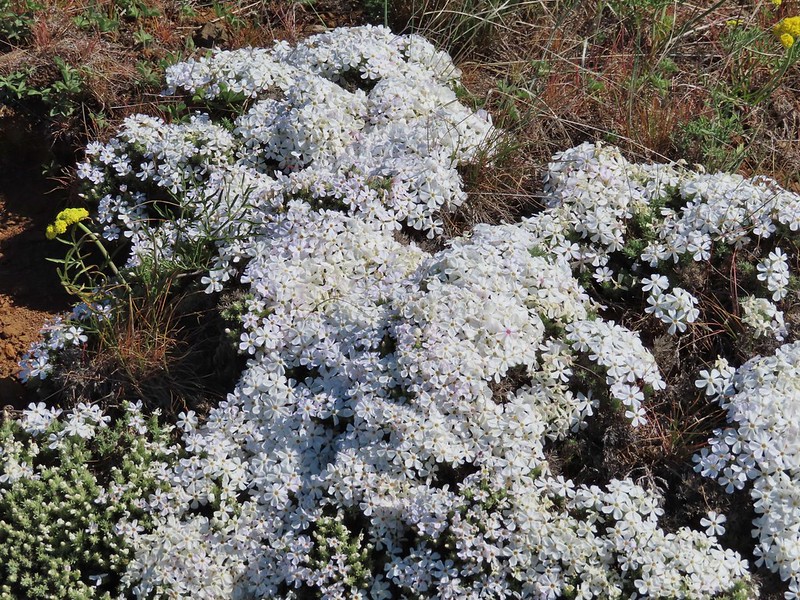 Phlox
Phlox
 Big-seed biscuitroot
 Sicklepod rockcress
 Sagebrush false dandelions
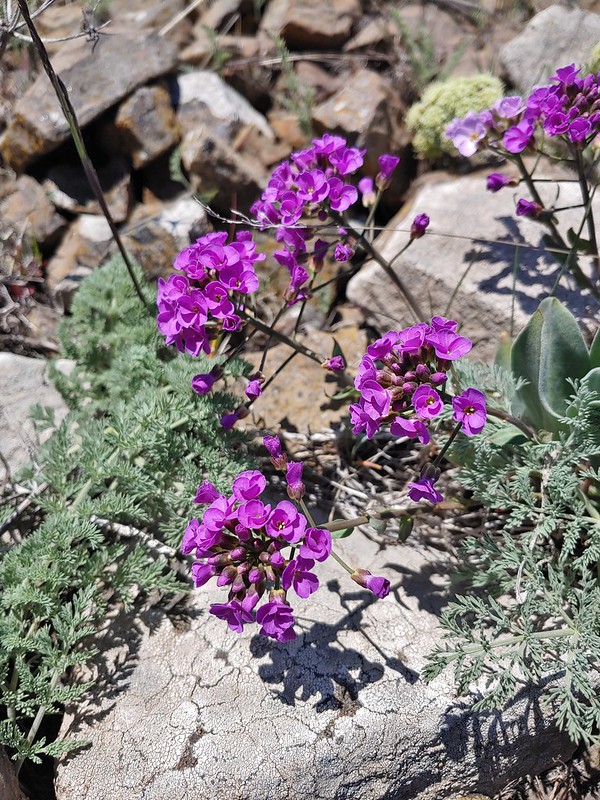 Daggerpod
 Daggerpod
 Slender toothwort?
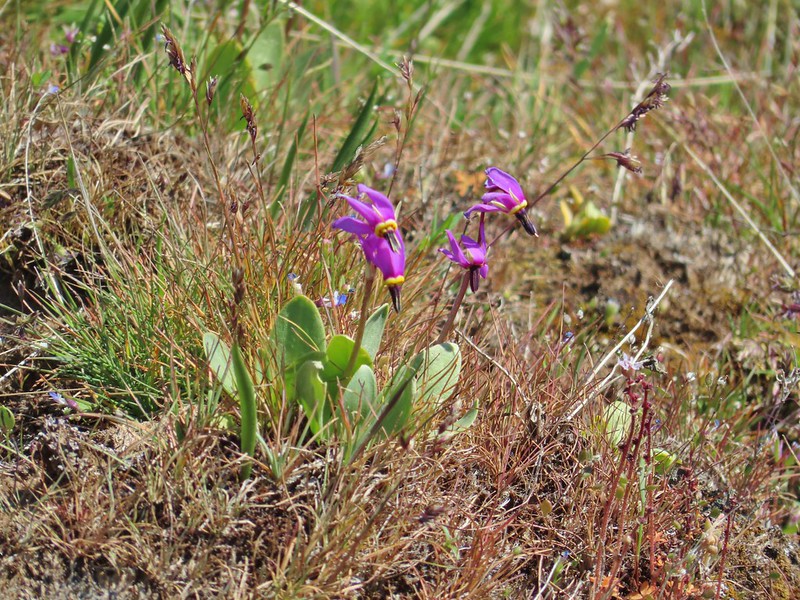 Shooting stars in front of a little blue-eyed Mary
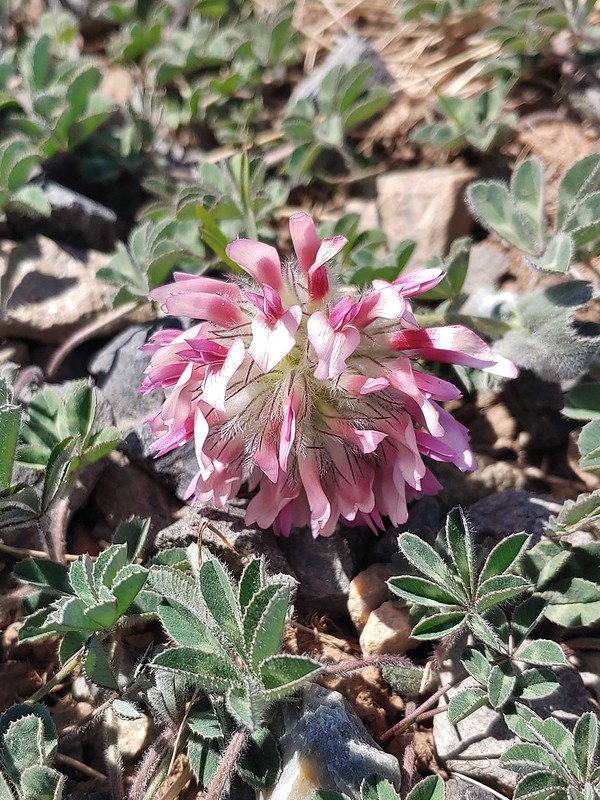 Large head clover
 Popcorn flower
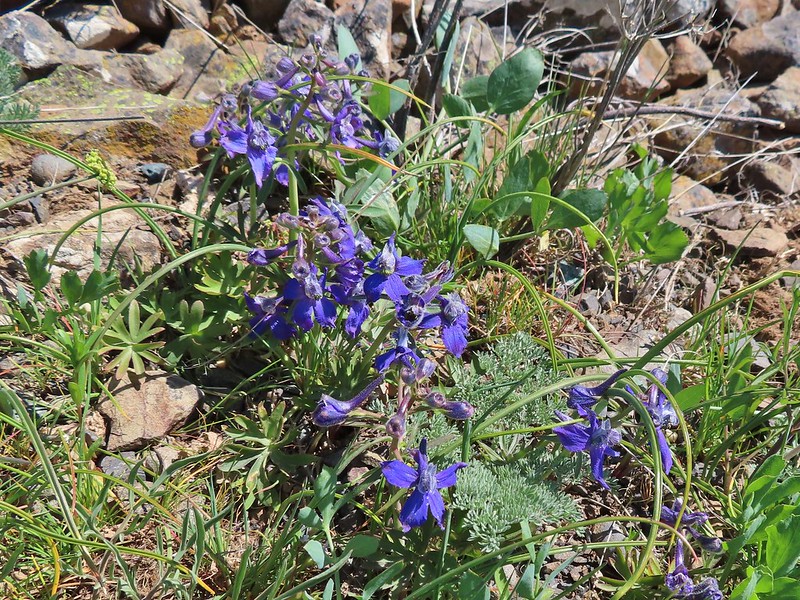 Larkspur
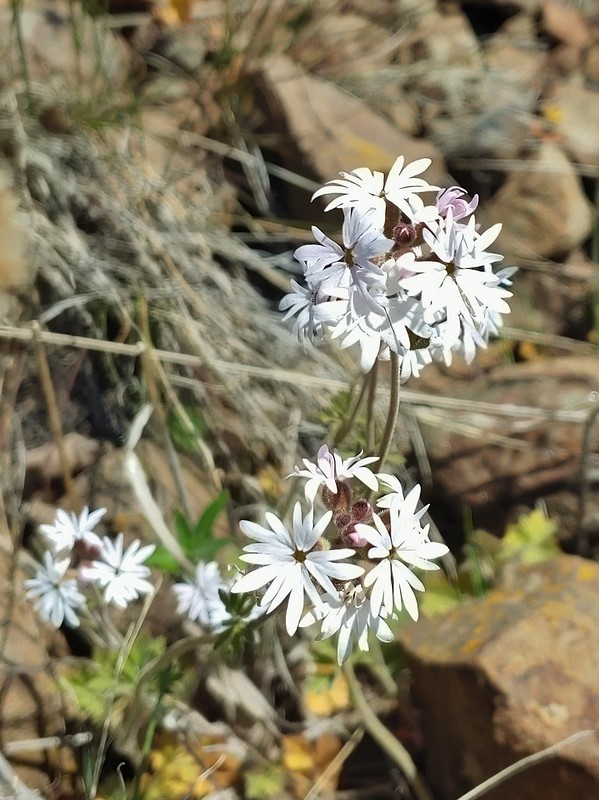 Woodland stars
 Mt. Adams
 Mt. Rainier
 Goat Rocks
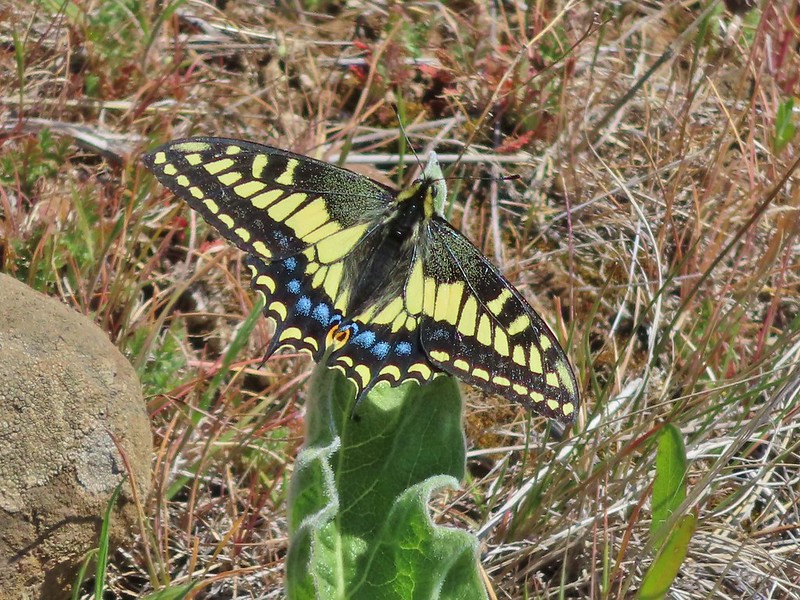 Swallowtail
 Western fence lizards
 White crowned sparrow
 Another sparrow
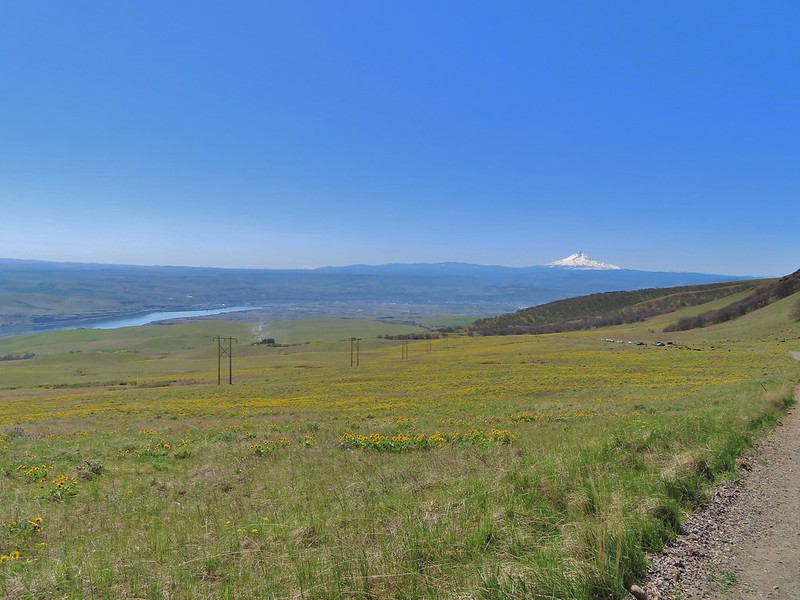 Mt. Jefferson and Mt. Hood as we neared the trailhead.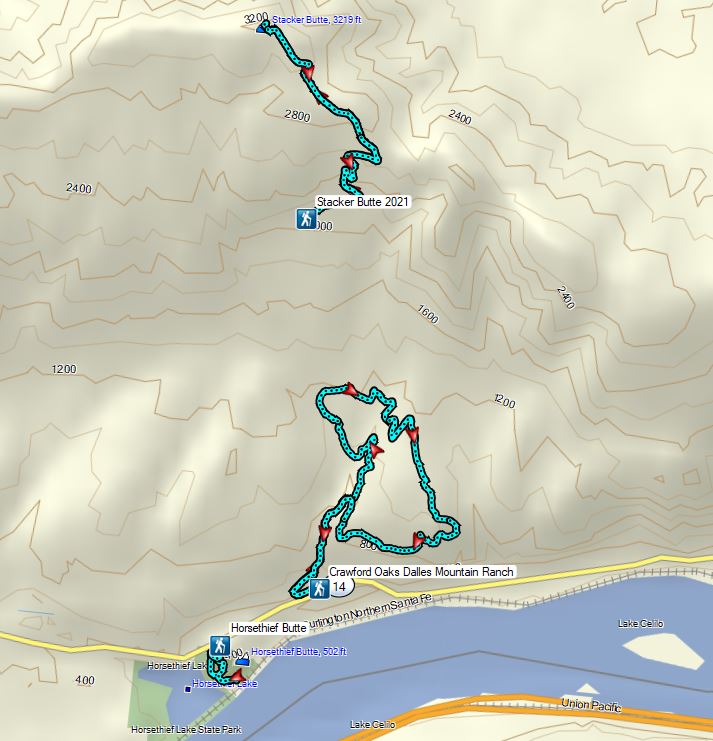
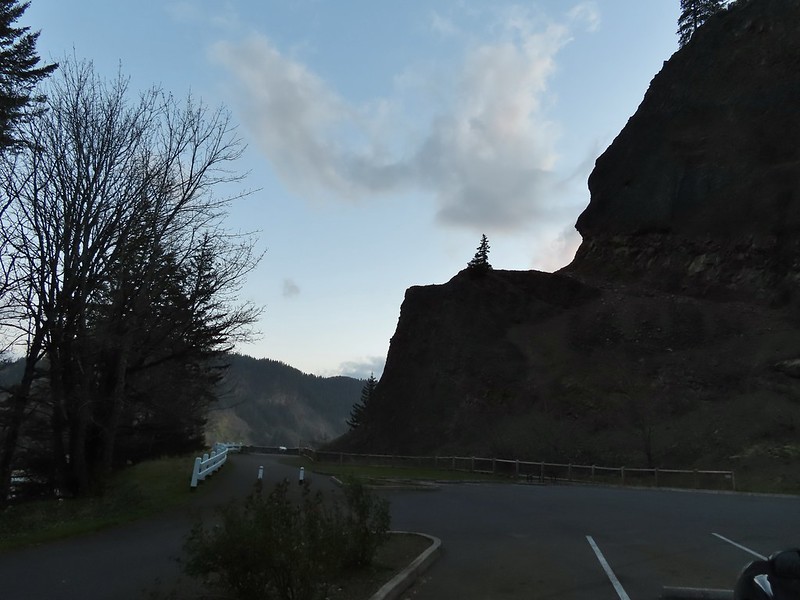

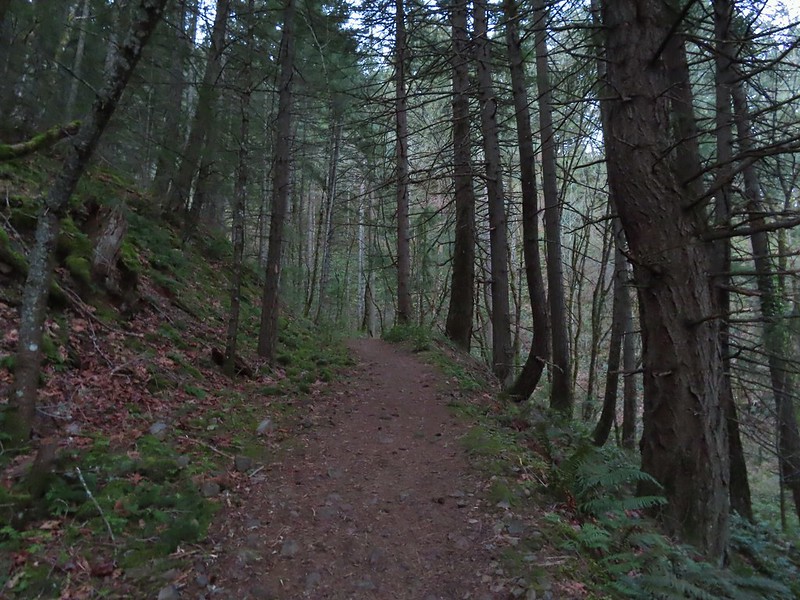
 Bench at a switchback.

 Reroute below Mitchell Point
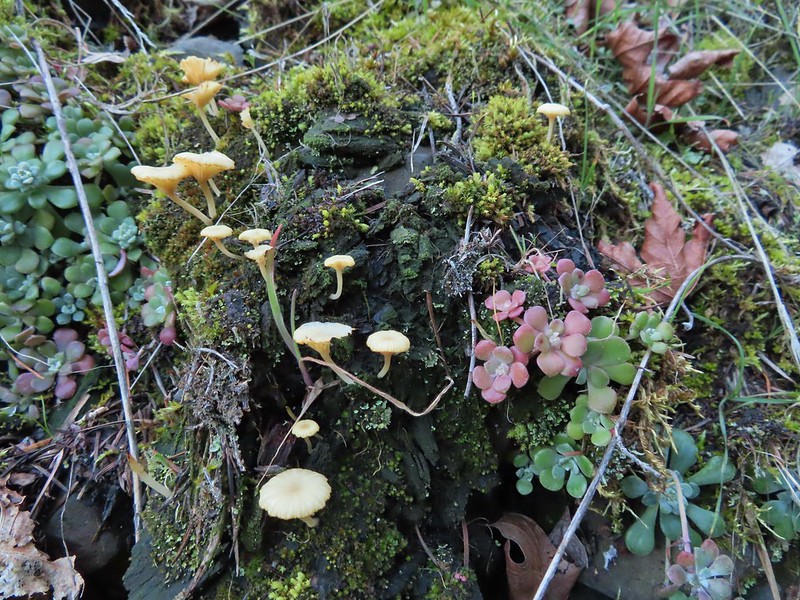 Mushrooms’ and some sedums.

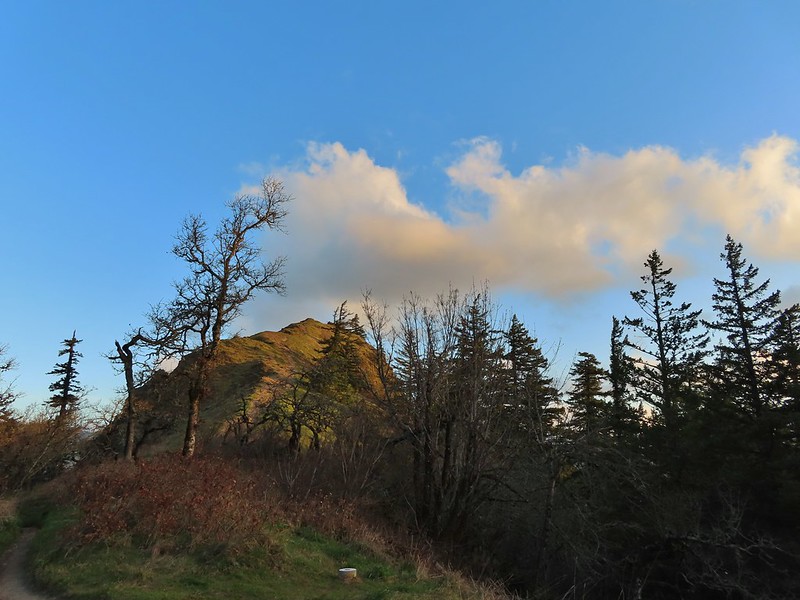
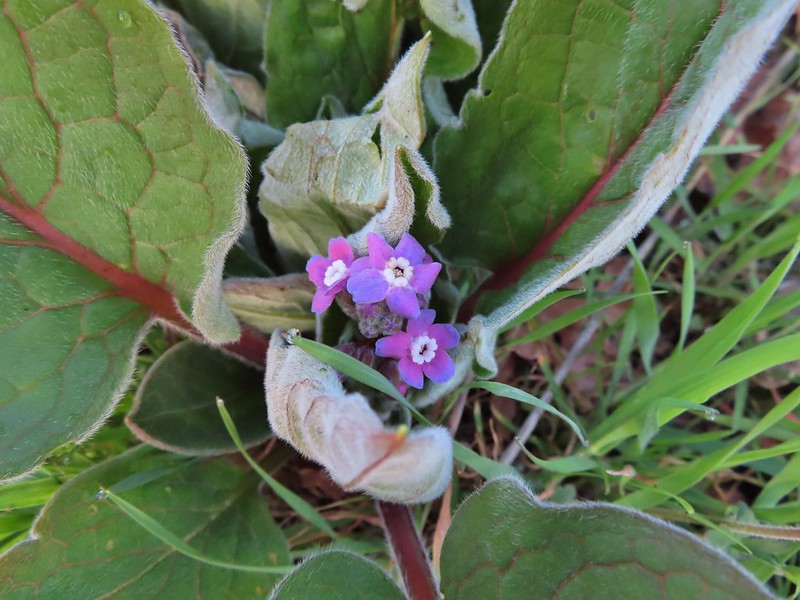 Houndstongue
 Grass Widows
 Woodland stars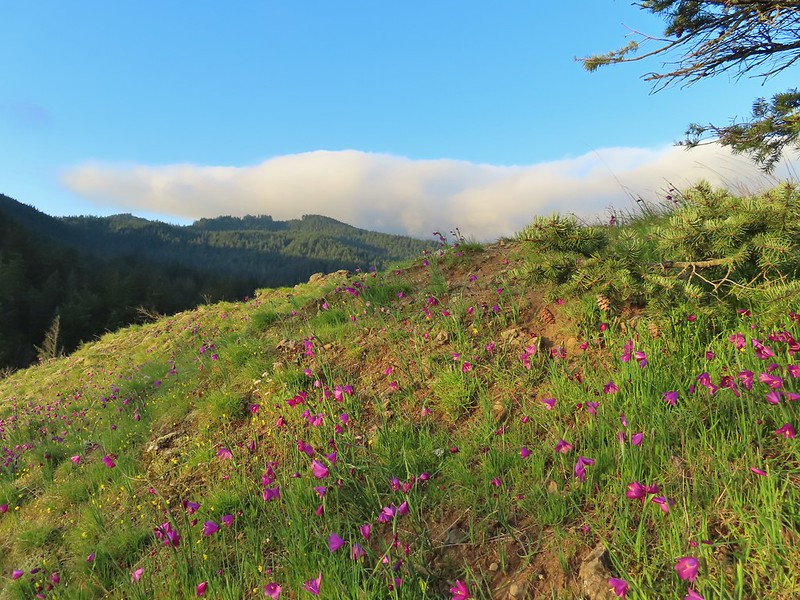
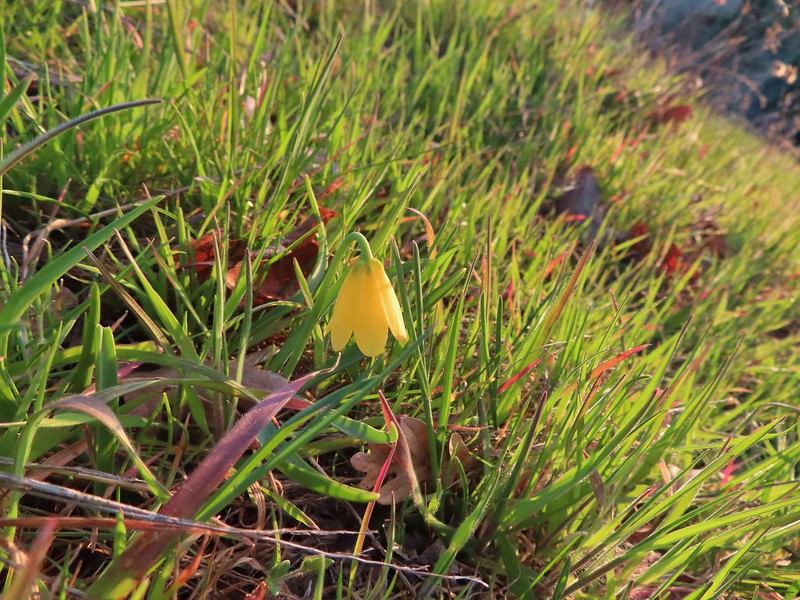 Yellow bell lily
 Desert parsley and woodland stars
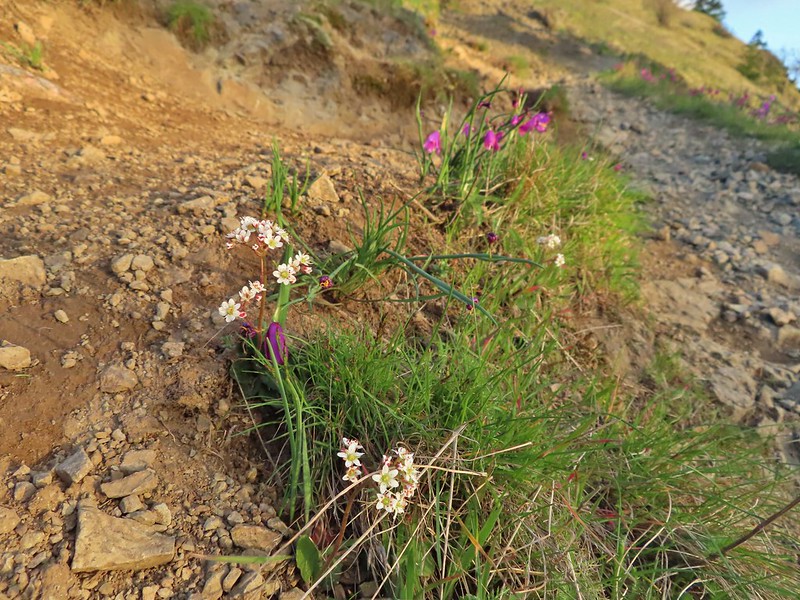 A saxifrage
 Gold stars and woodland stars
 Looking west
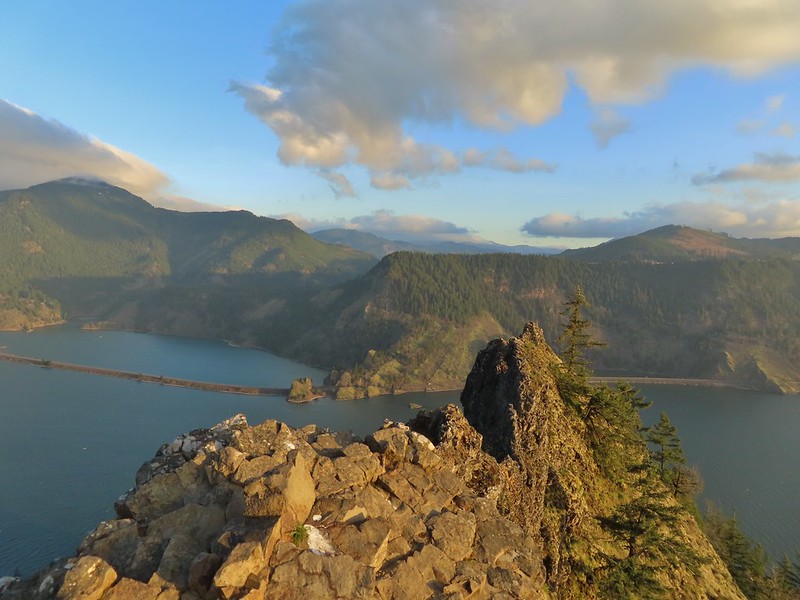 North across the Columbia River into Washington
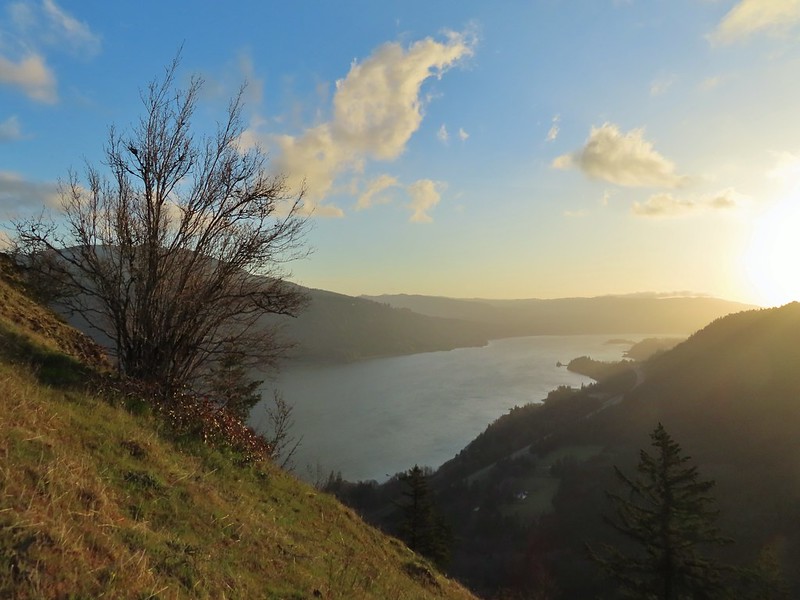 East
East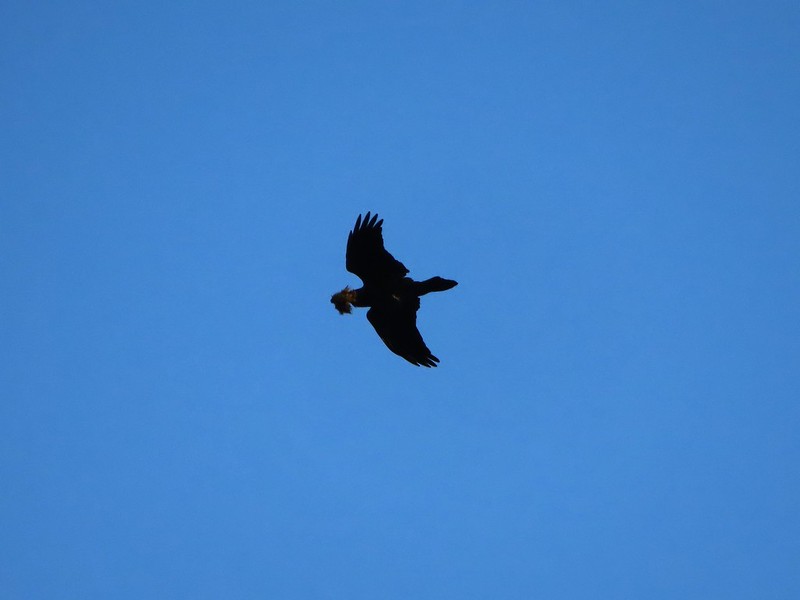 Looks like moss for a nest maybe?
 Turkeys on the Wygant Trail
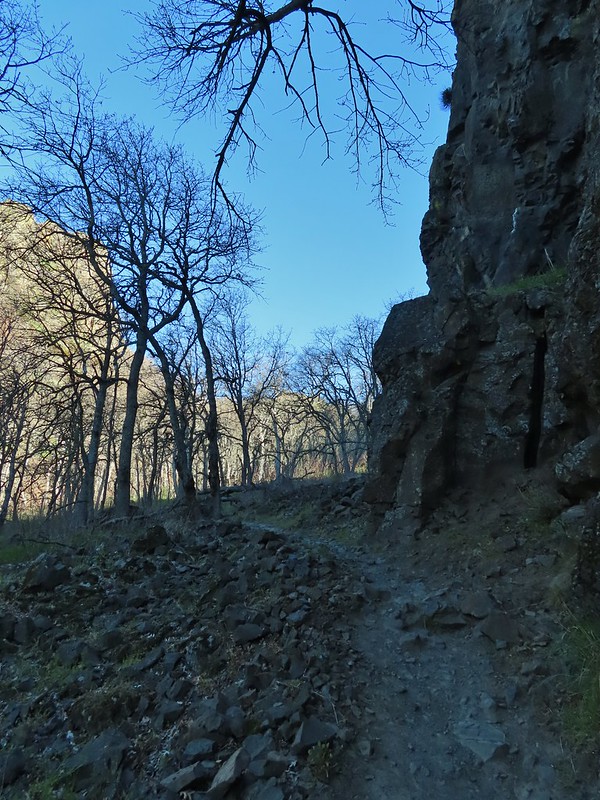
 Red leaves of poison oak behind a death camas
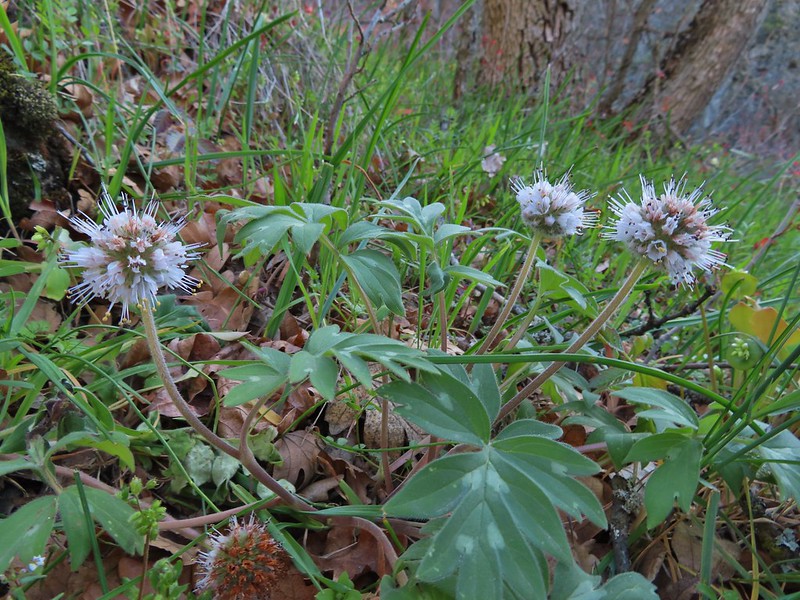 More poison oak behind a waterleaf
 Poison oak around some balsamroot


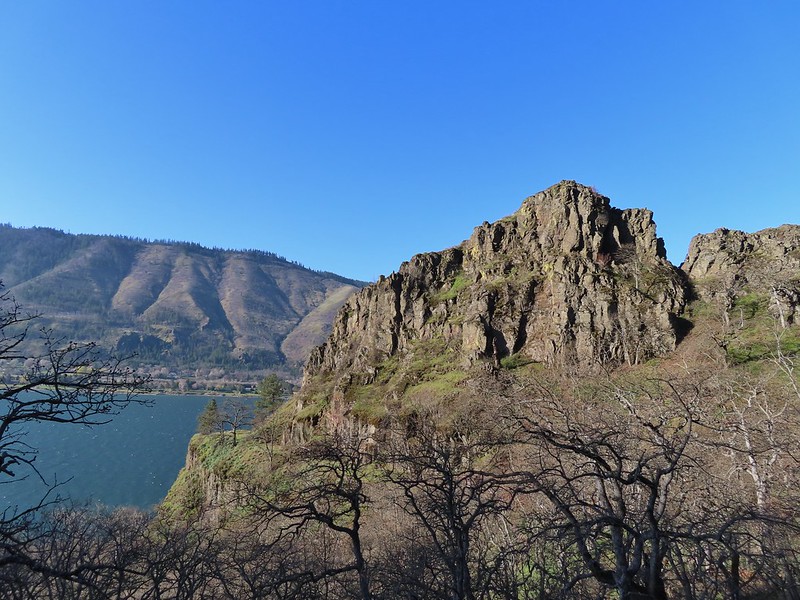
 Fiddleneck
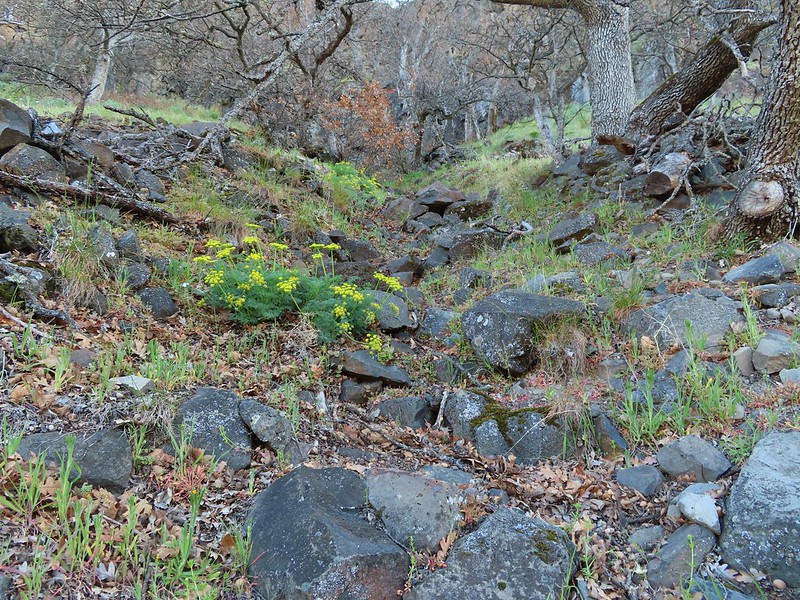 Desert parsley
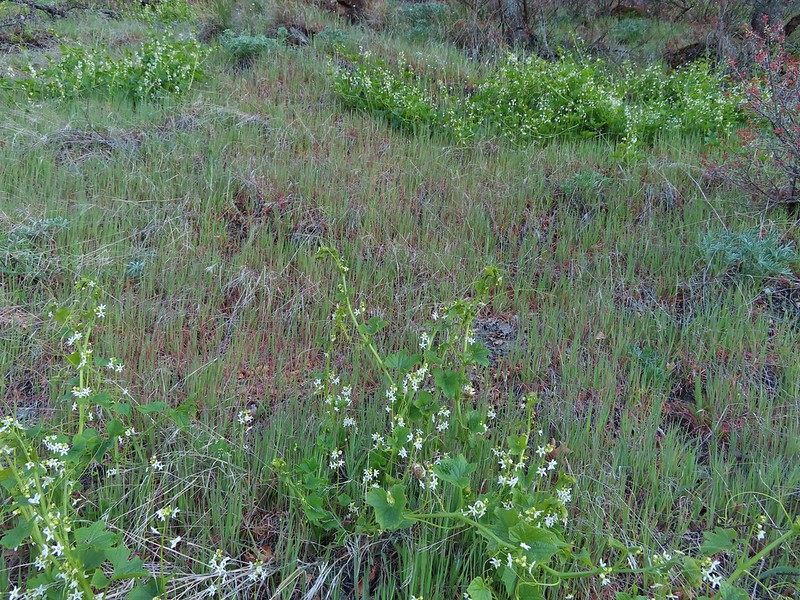 Manroot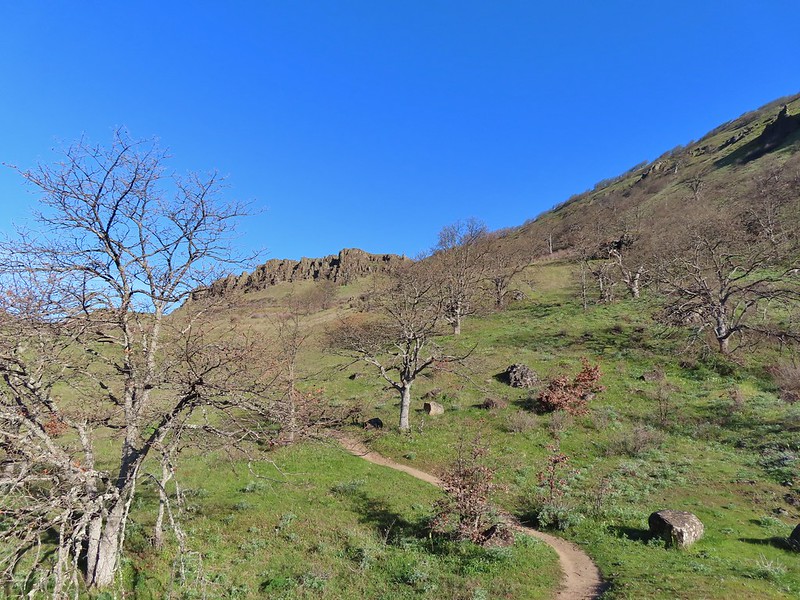
 Lots of death camas blooming on the plateau.
 Looking up at the cliffs above.
 Balsamroot blooming below the rim.

 Balsamroot
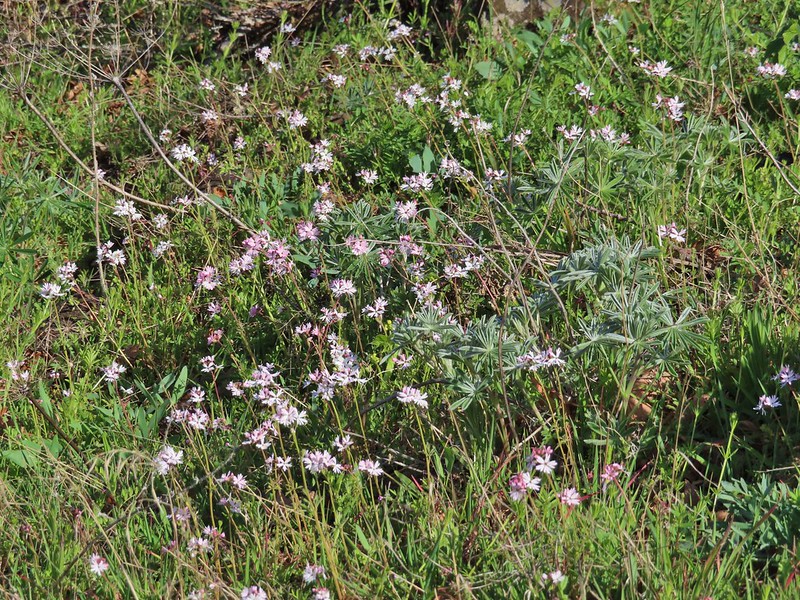 Woodland stars with some lupine leaves
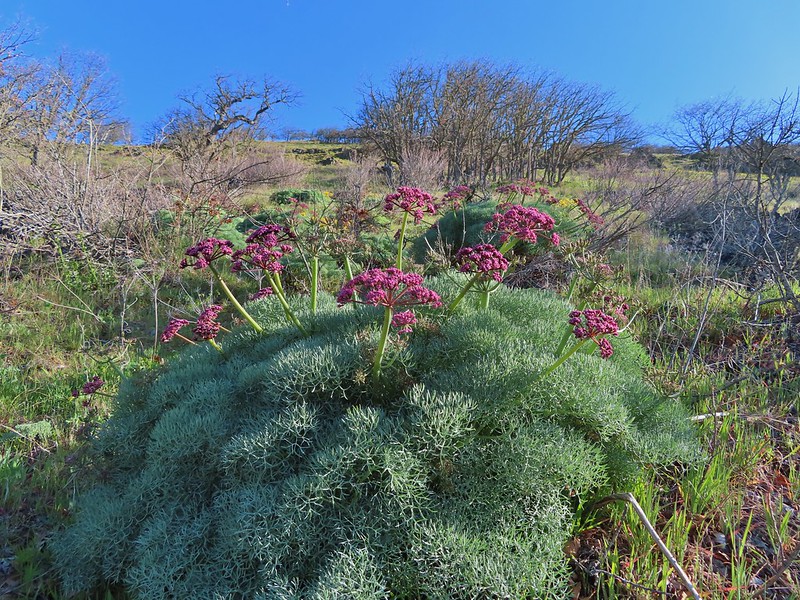 Columbia desert parsley
 A biscuitroot
 Balsamroot
 Balsamroot
 View west (With a snow capped Mt. Defiance (
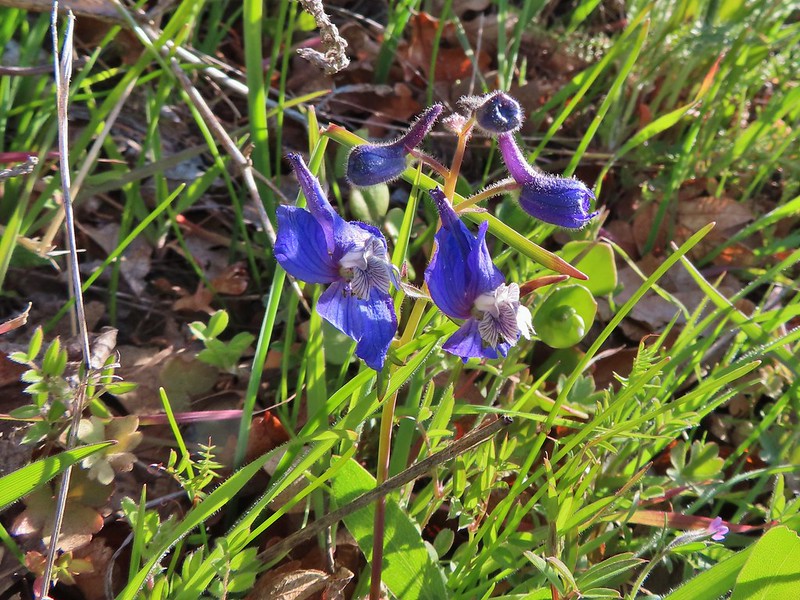 Larkspur
 Buttercups
 Glacier lilies
 Yellow bell lily, woodland stars, grass widows and shooting stars.
 Yellow bell lilies
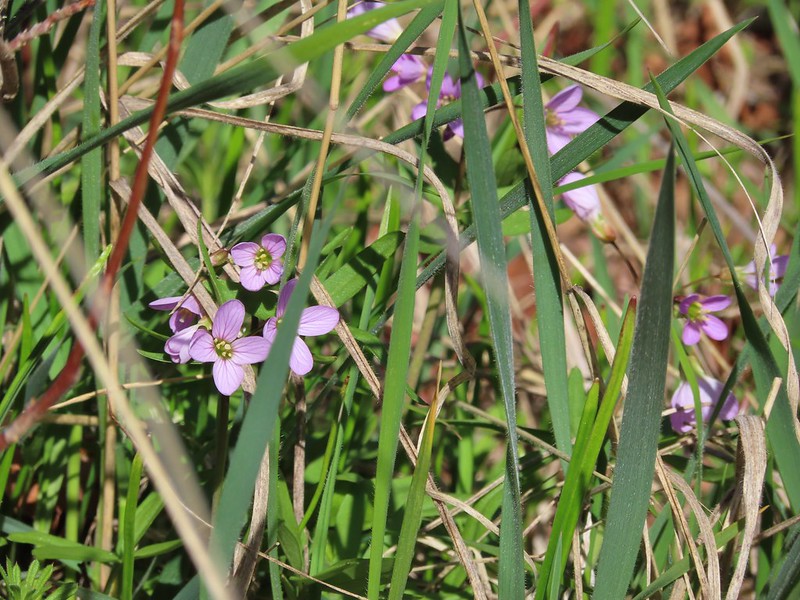 Toothwort
 Sagebrush false dandelions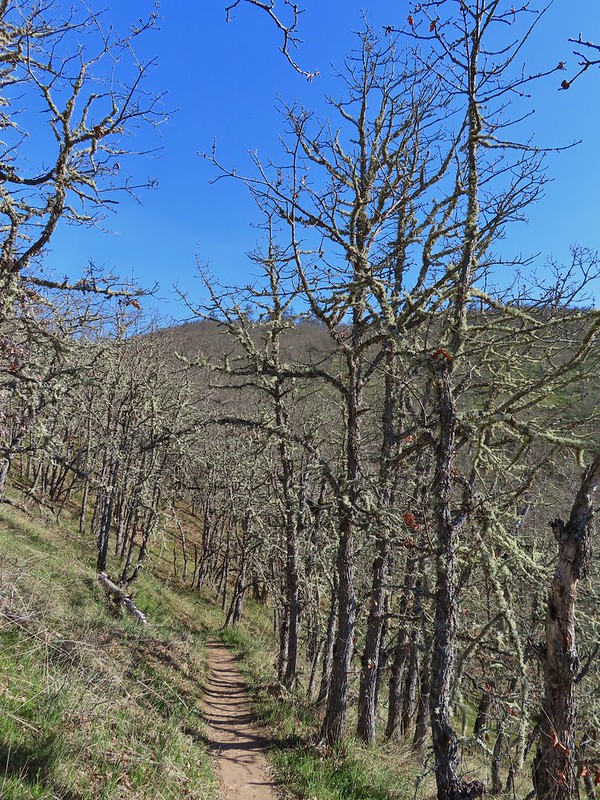
 Tortoiseshell butterfly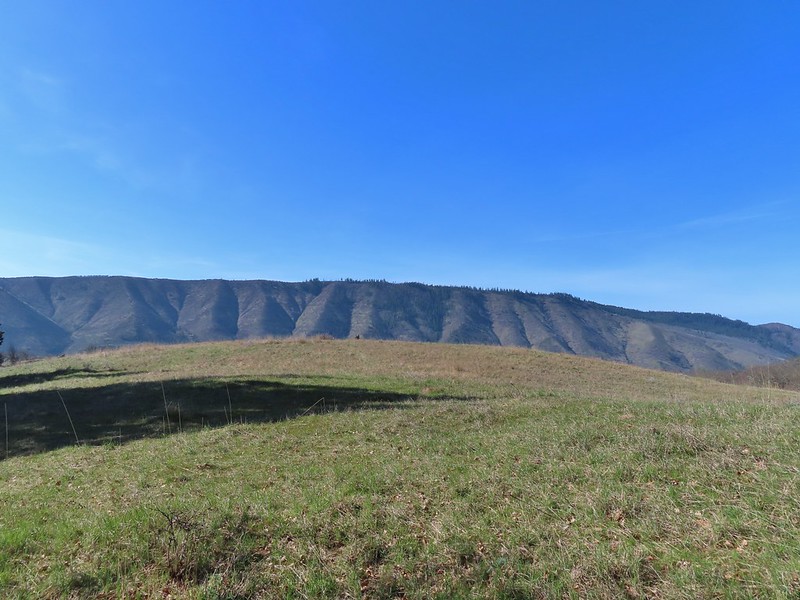


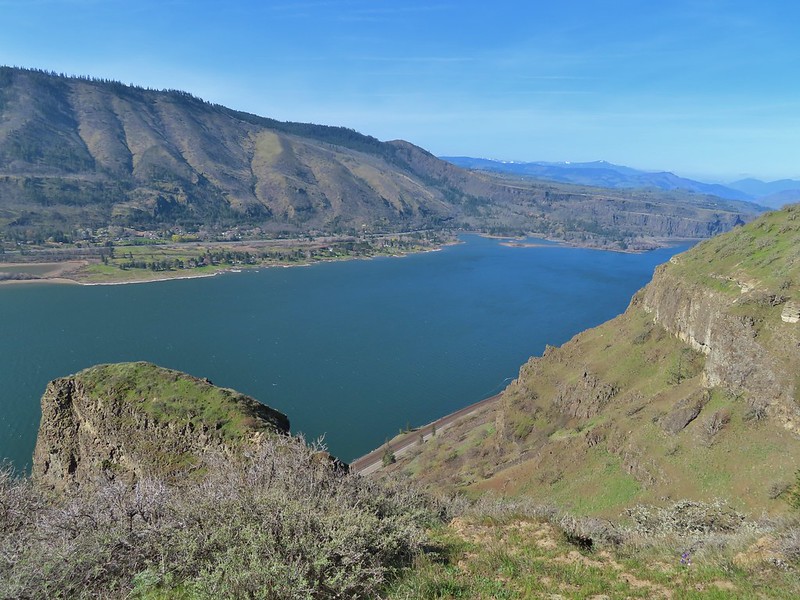 Tom McCall Point and the Rowena Plateau with Mt. Defiance in the distance.
 Hikers on the trailhead and below.
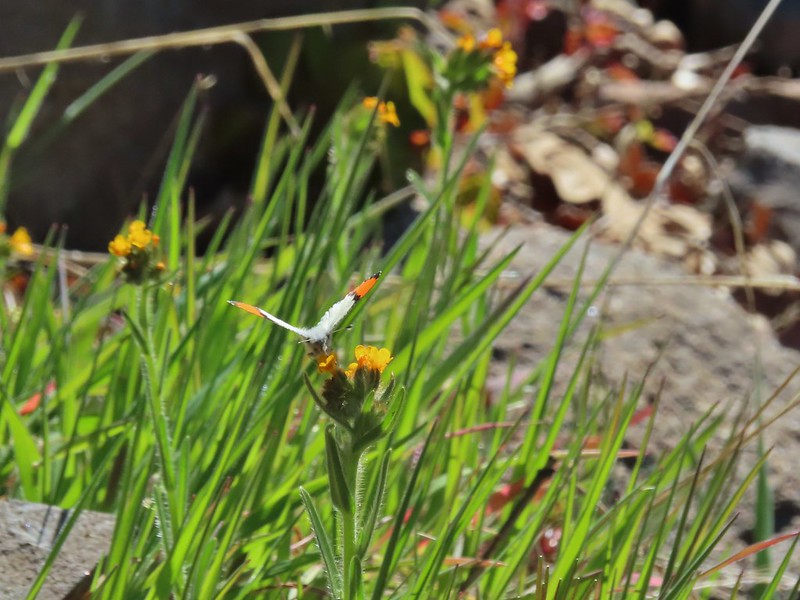 Just my third photo of an orange-tip.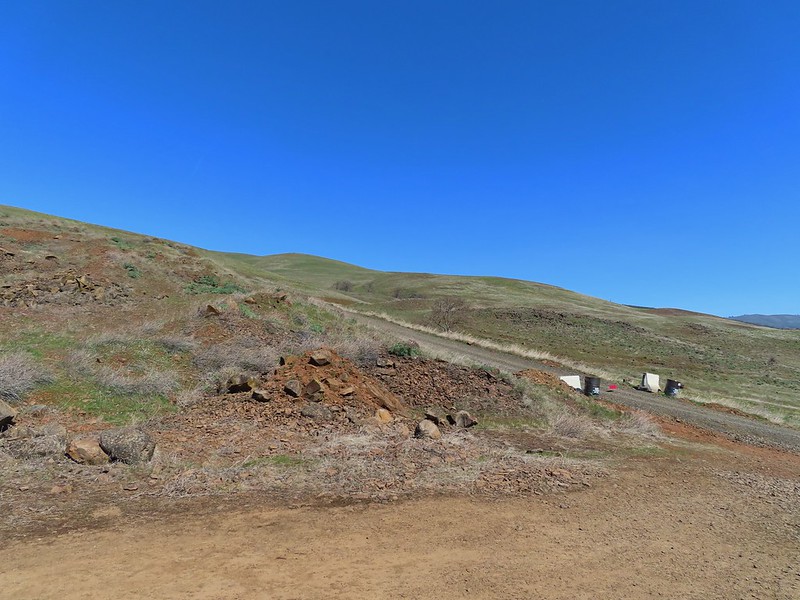
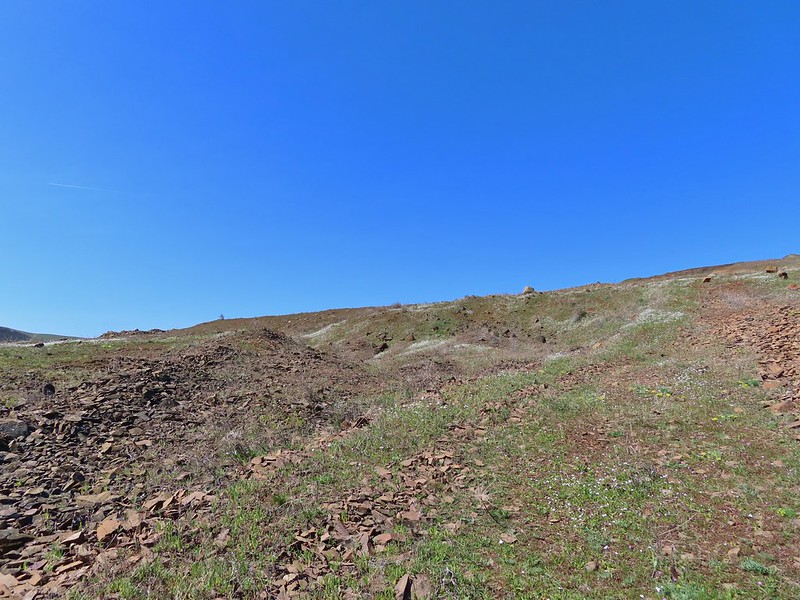
 Mt. Hood and Columbia desert parsley from the first knoll we tried.
 Top of knoll #1.
 A lone balsamroot blossom.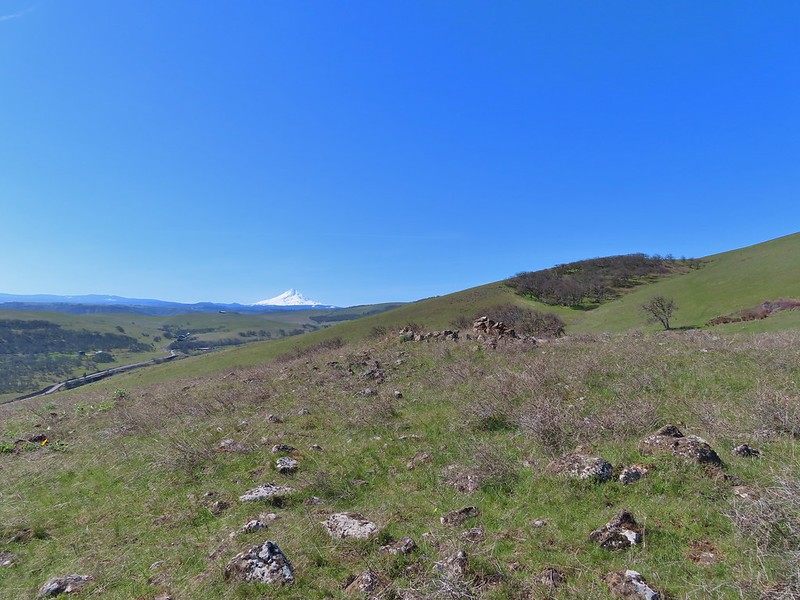
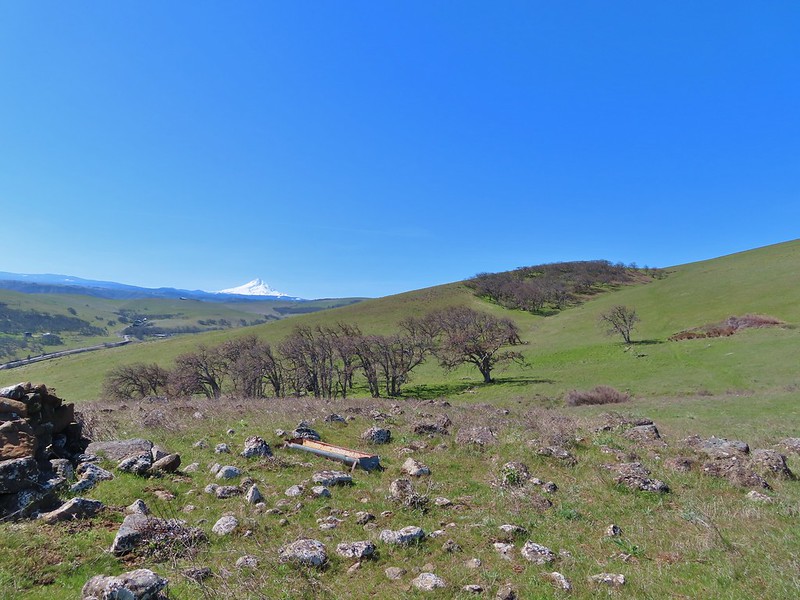
 The path leading past the spring to the oaks.
 The spring
 Back on the right side
 Balsamroot surrounded by some little white flowers.
 Lupine thinking about blooming.
 Larkspur
 Yellow bell lilies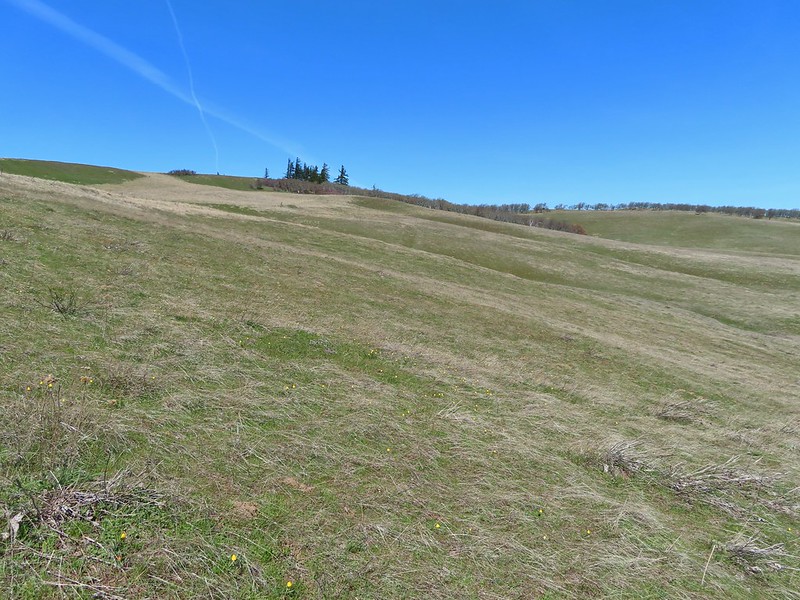
 We didn’t notice any poison oak here.
 A grass widow at the viewpoint.
 Mt. Adams
 Mt. Hood over the oak stand.
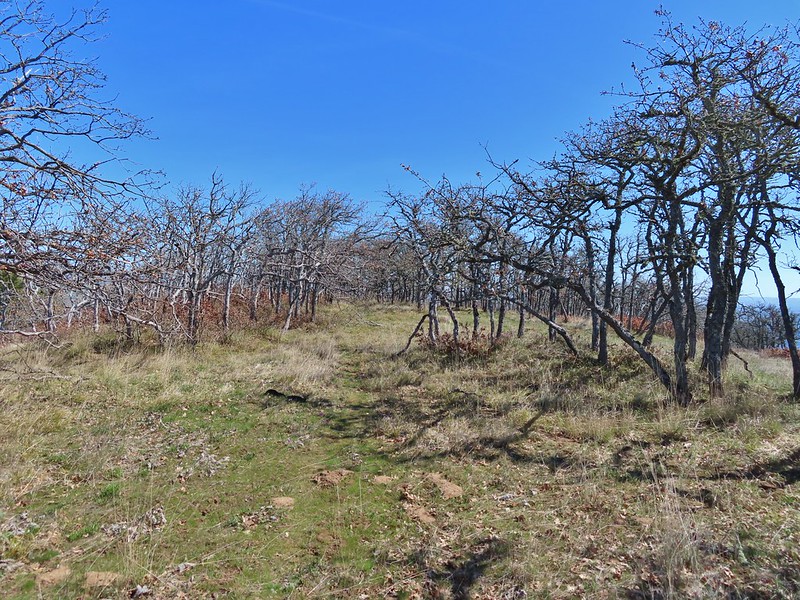


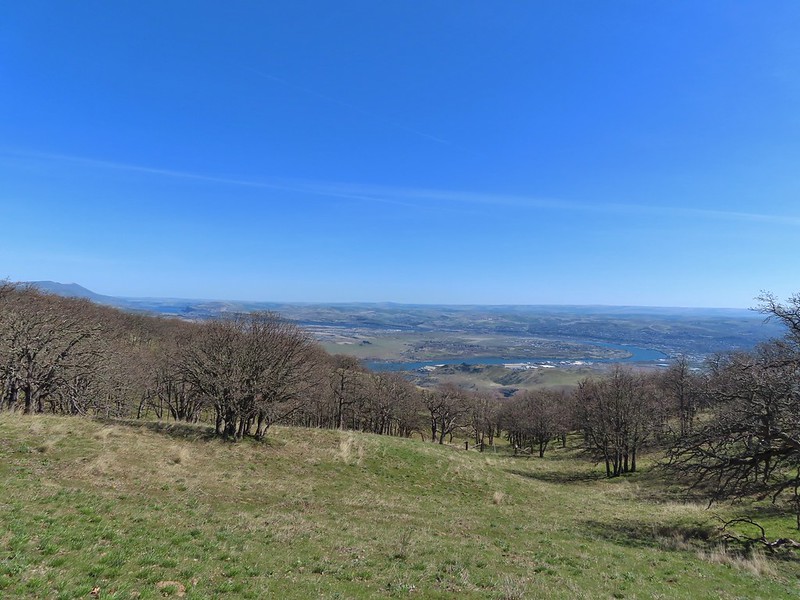 The Dalles beyond the fence line.
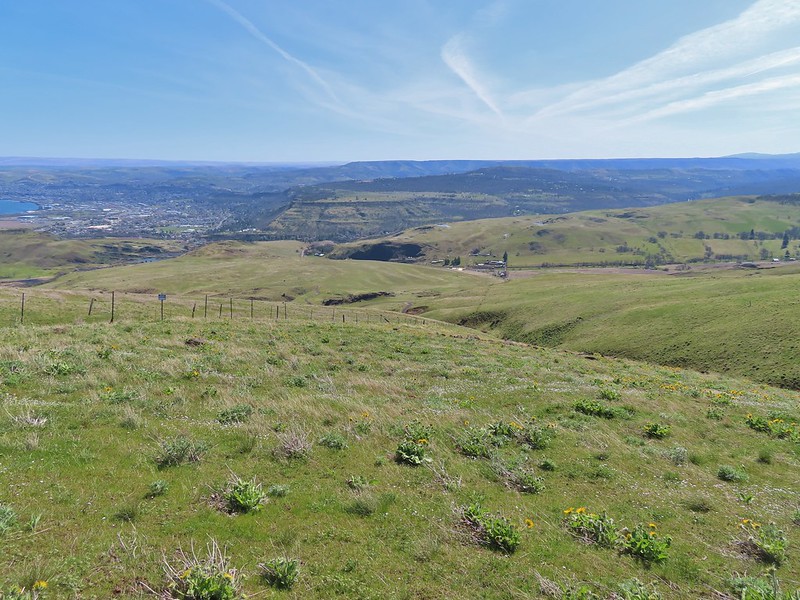 Heading down the fence line.
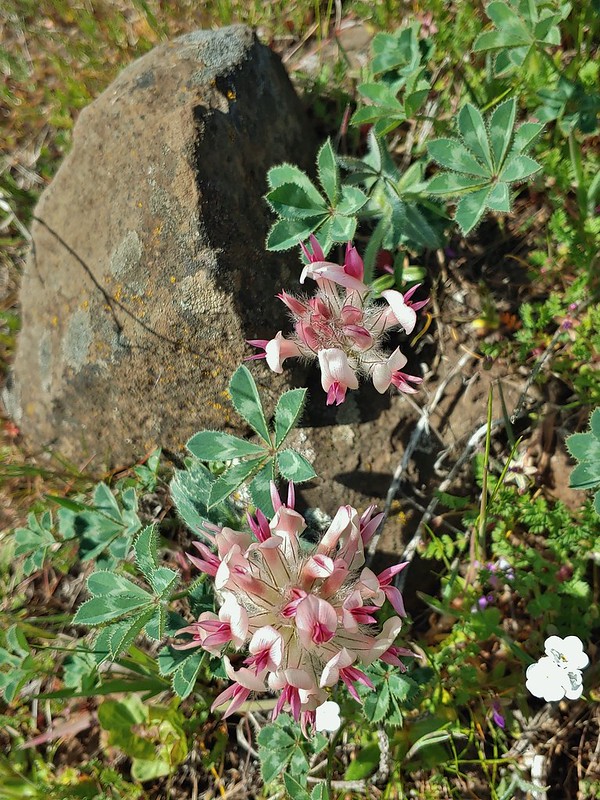 Large head clover
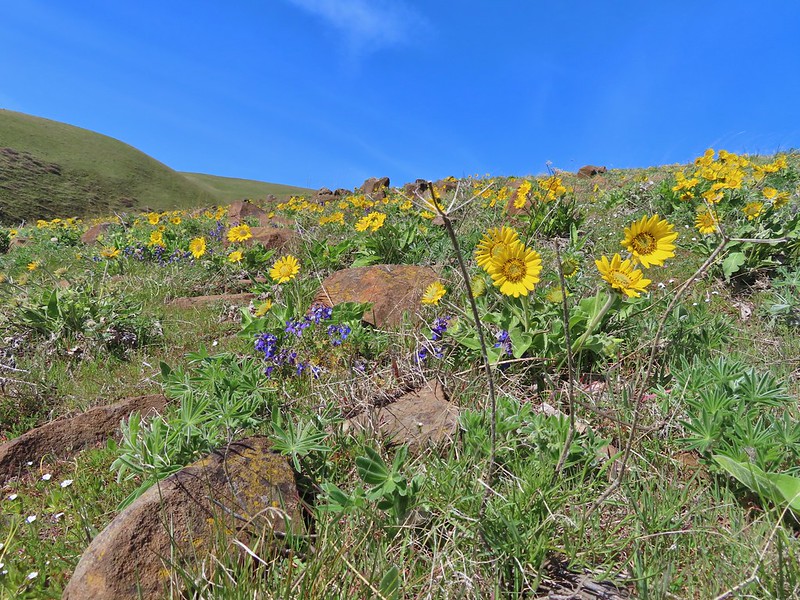
 A lupine with blossoms.
 Hillside covered in Columbia desert parsley
 Our car had been joined by one other. (middle left of photo)
 Gooseberry Creek
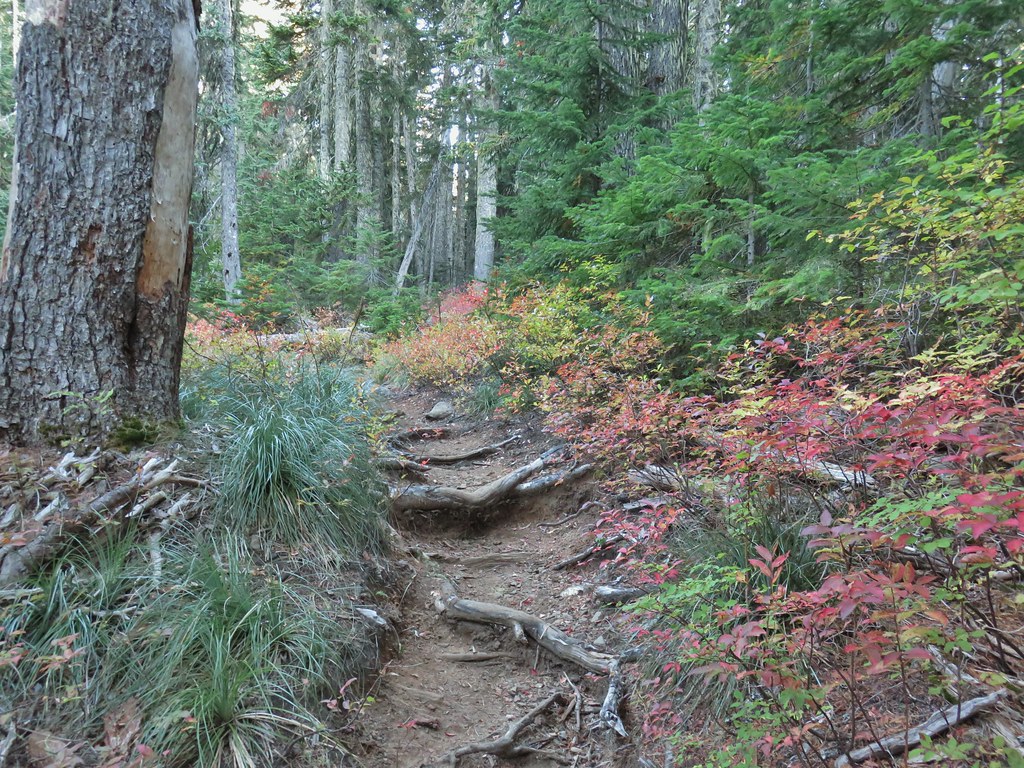


 Still some fireweed blooming in the fire scar.
 East Crater beyond a pond.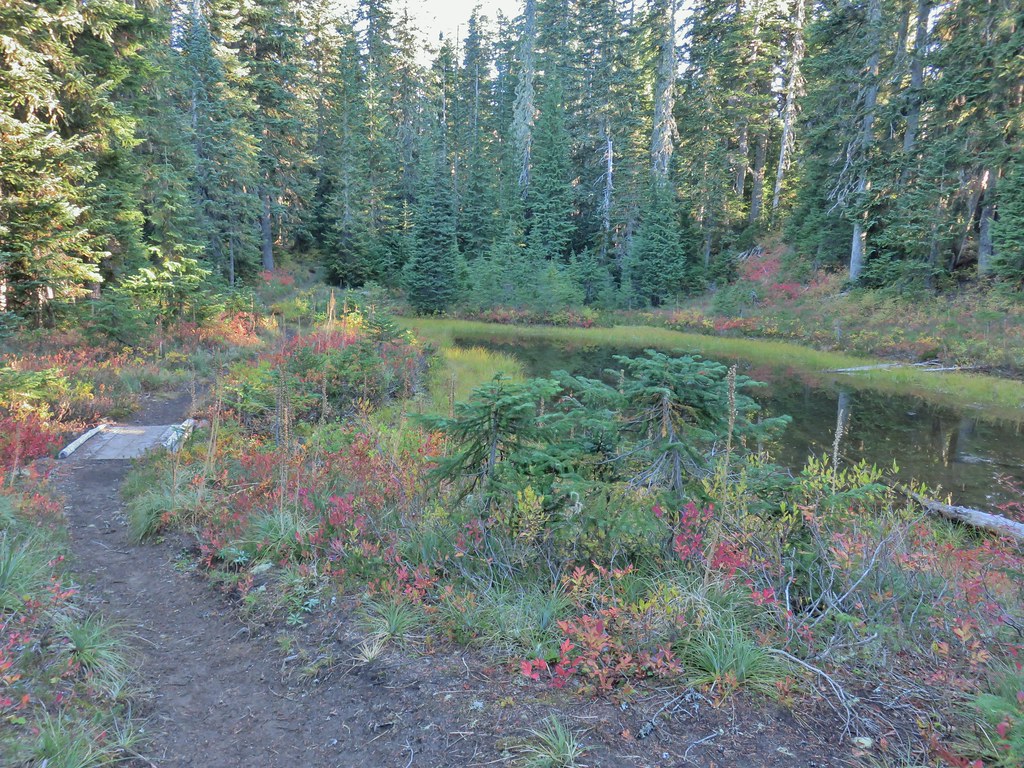
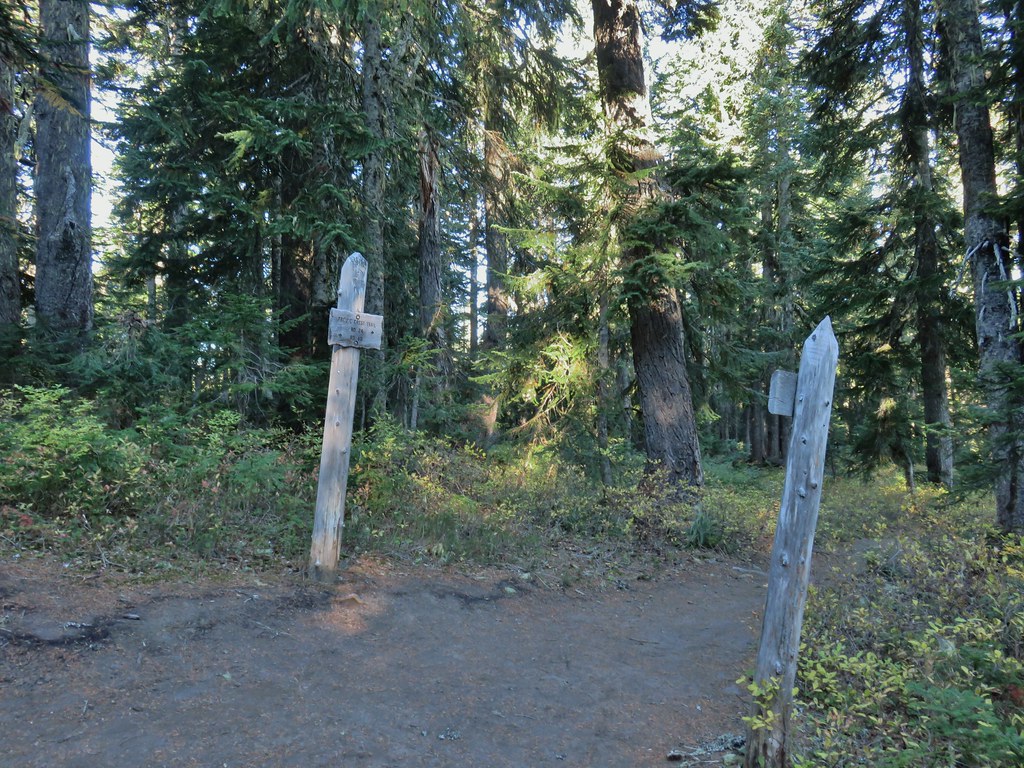
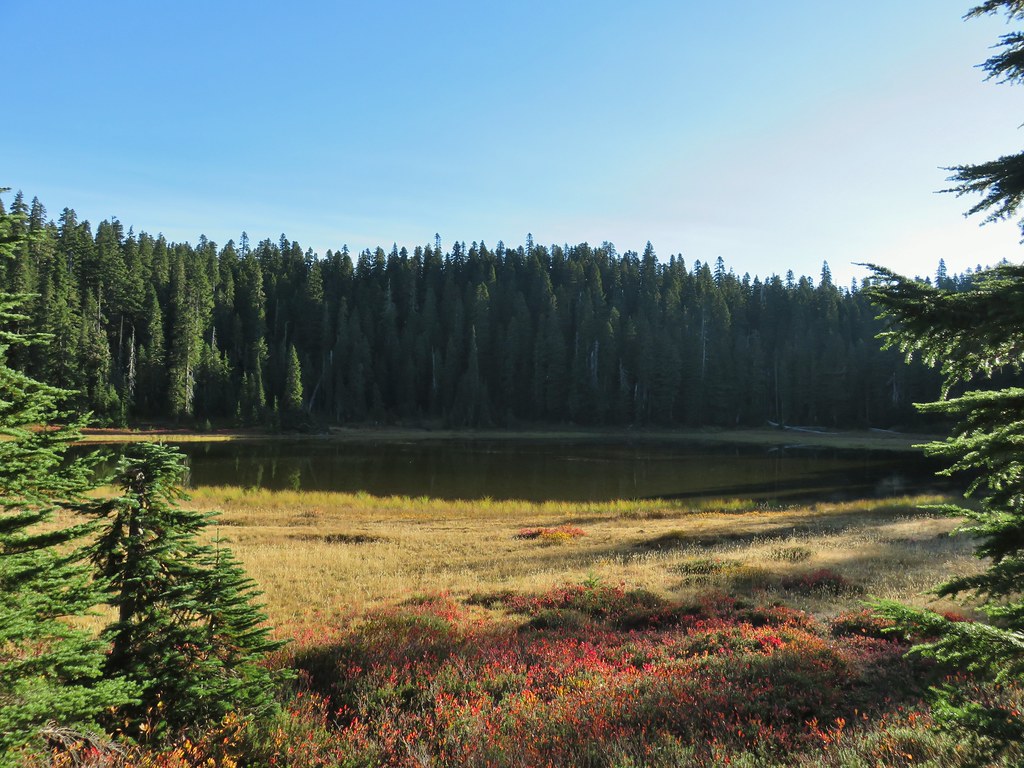 Junction Lake
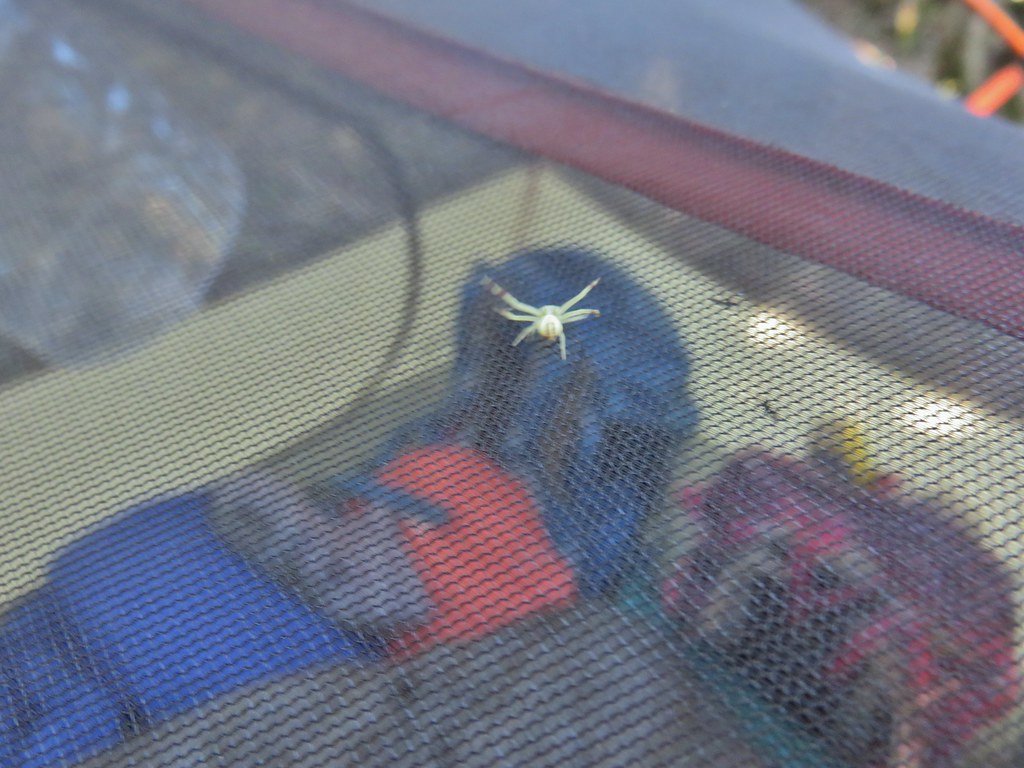 This crab spider offered to watch our tent for us while we were away.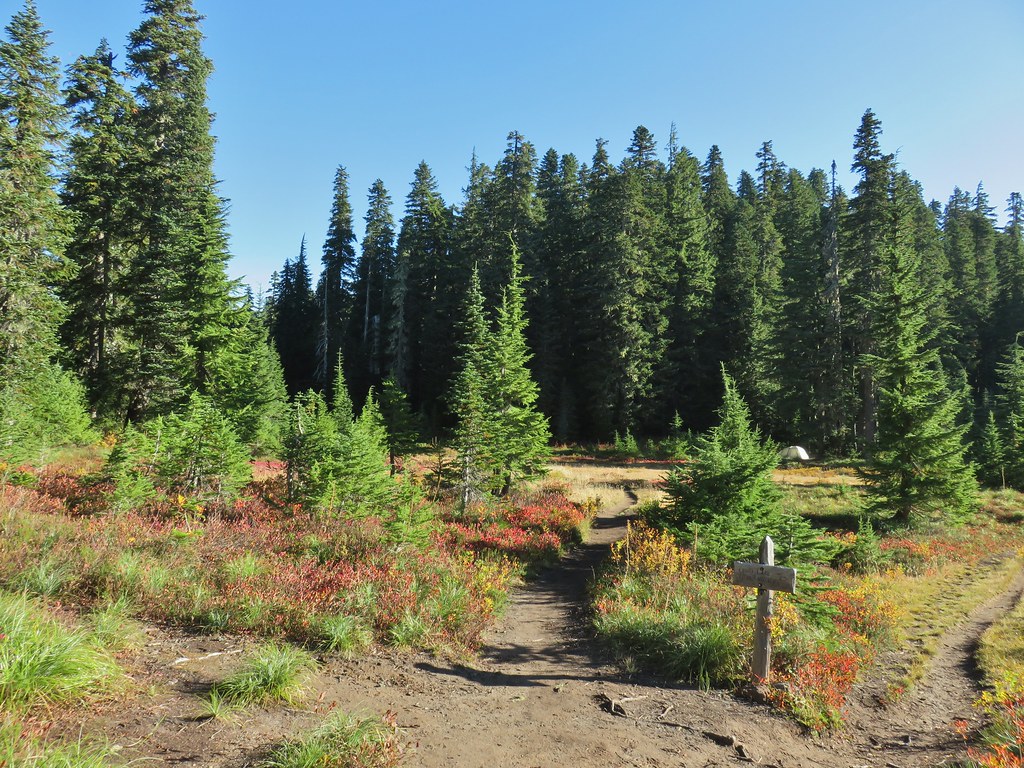


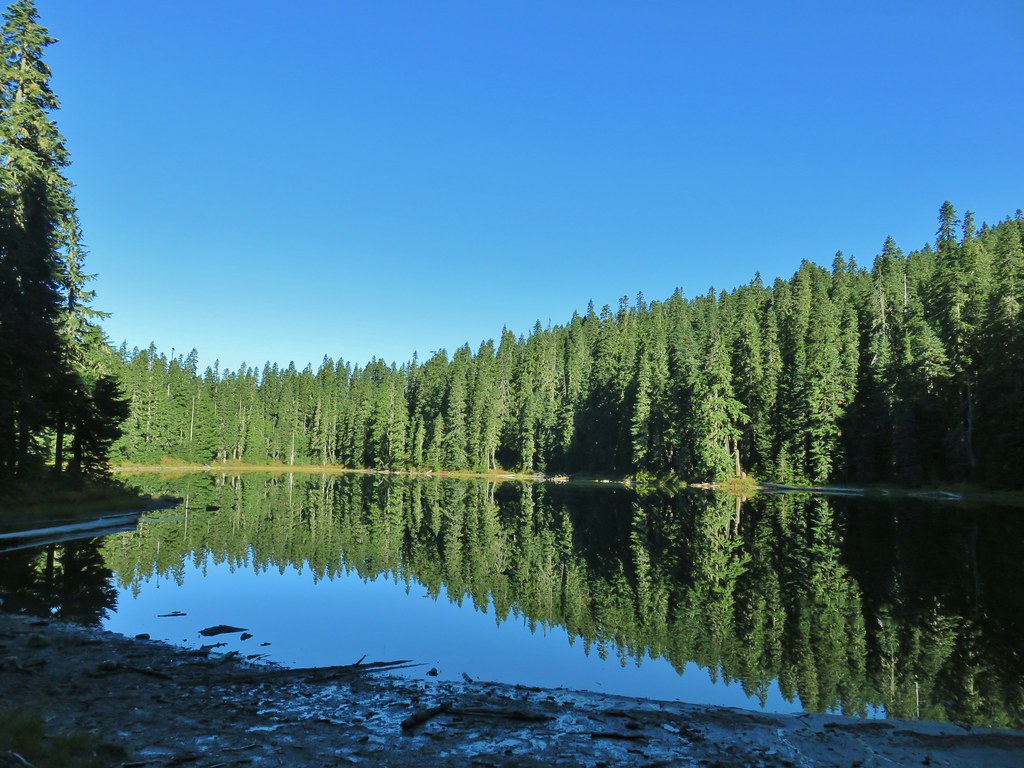

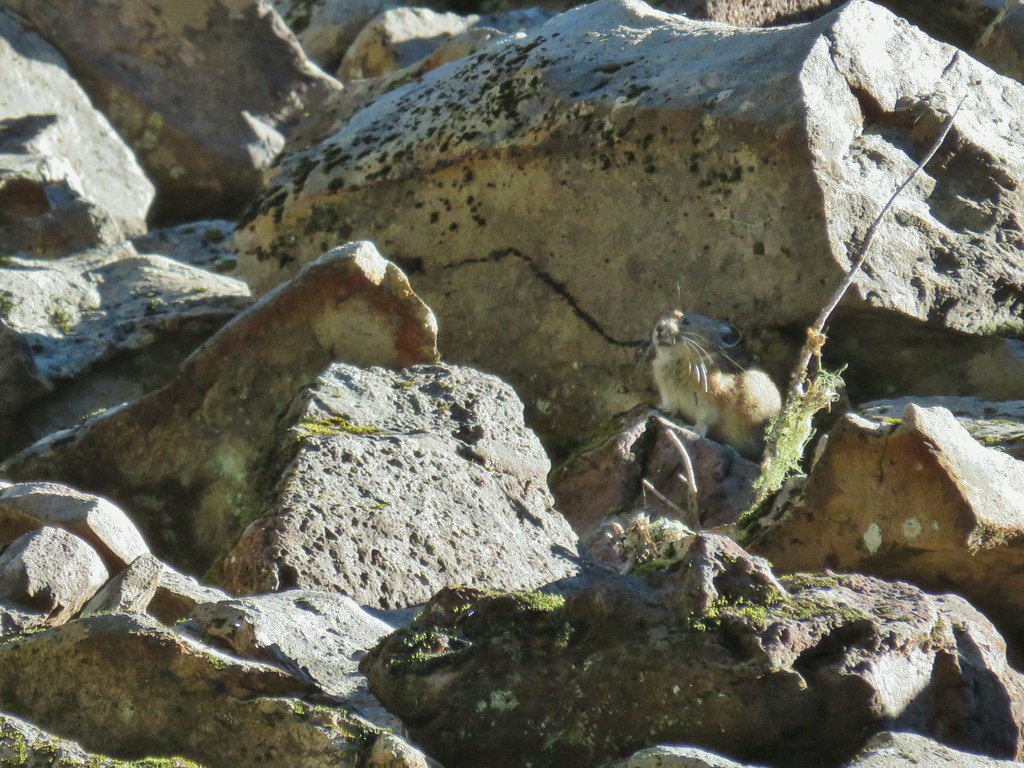
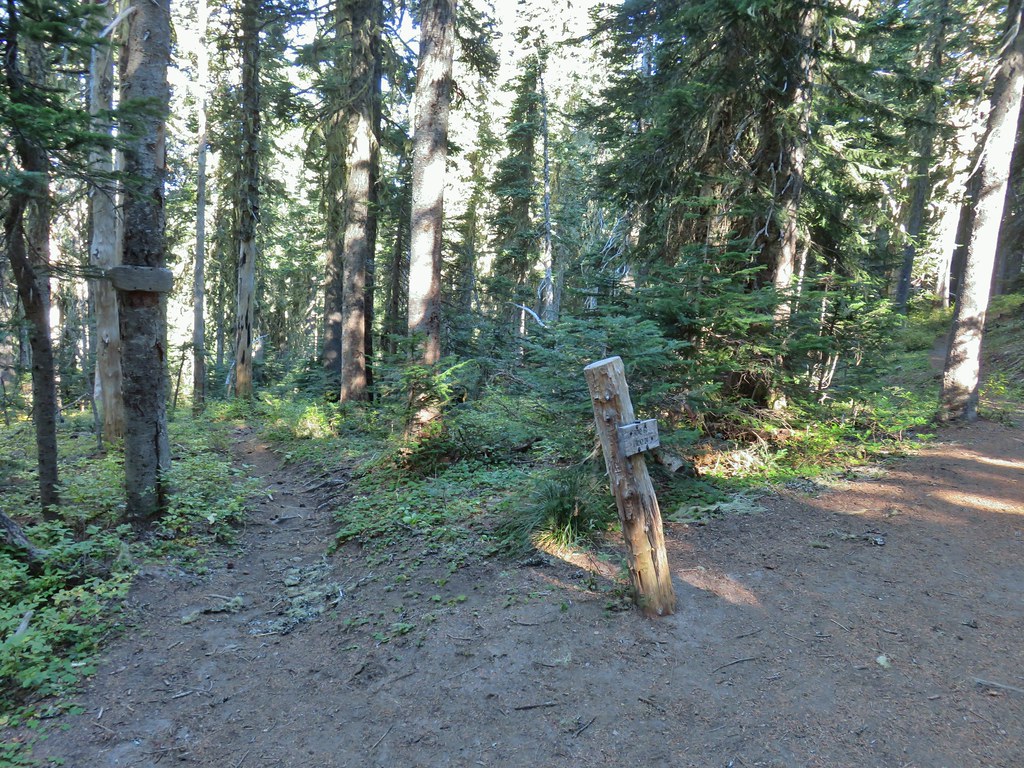 Placid Lake Trail on the left.
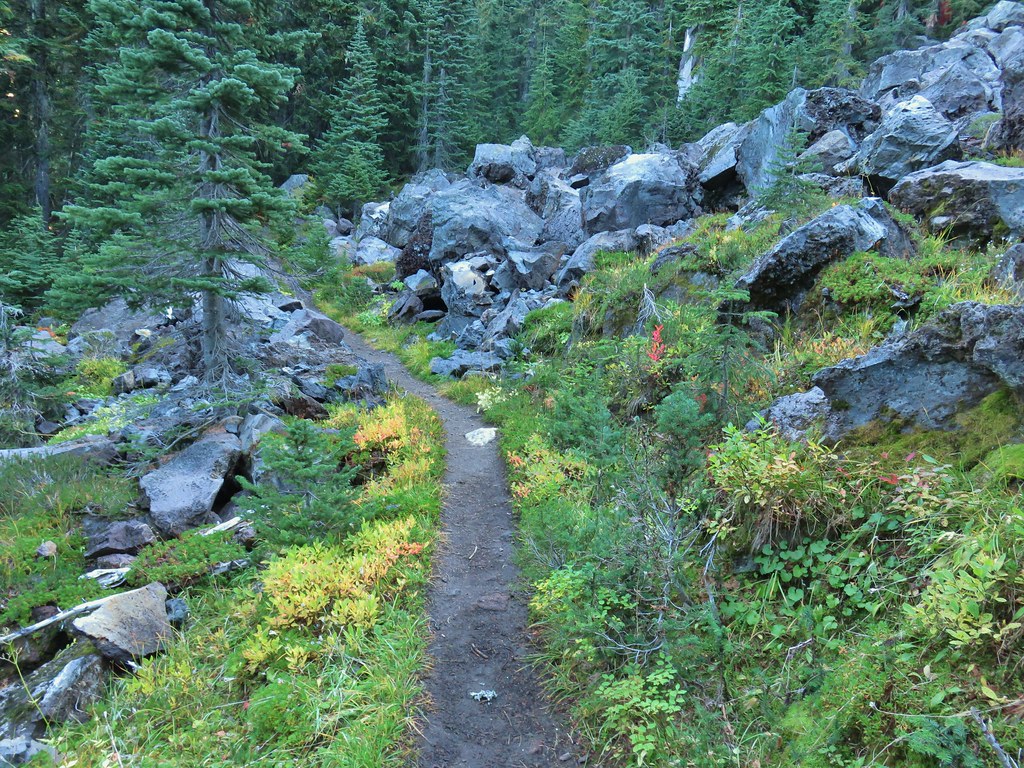 No pikas in these rocks, that we saw.
 PCT at the 4-way junction.
 Cultus Creek Trail heading uphill to the right.

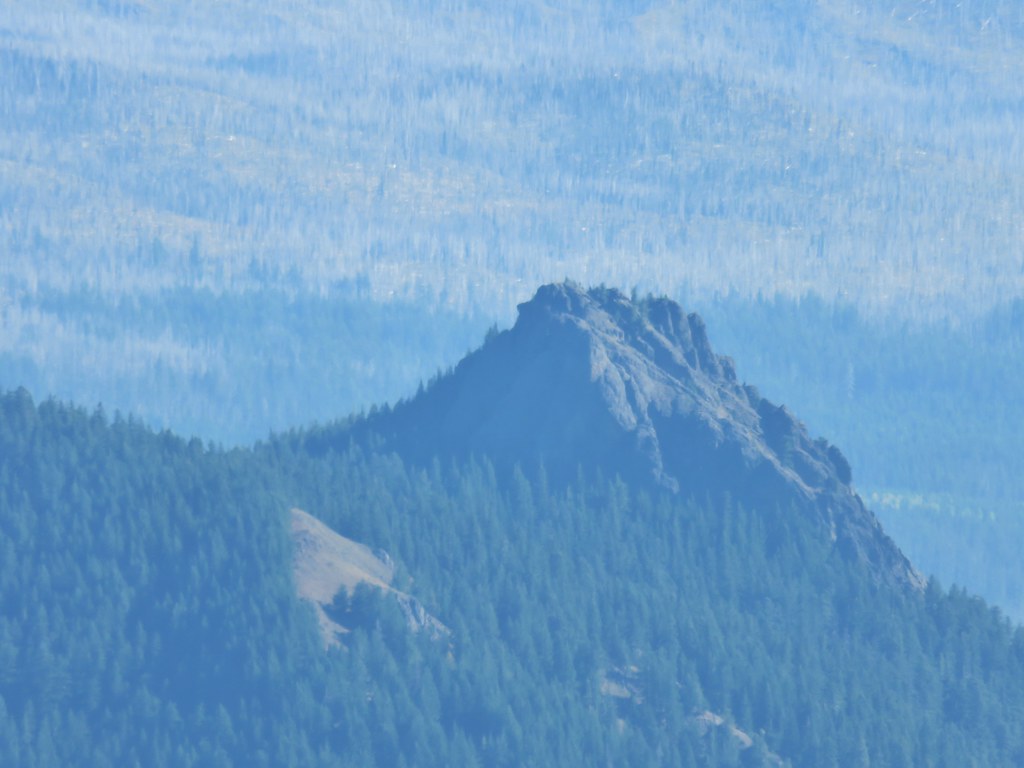
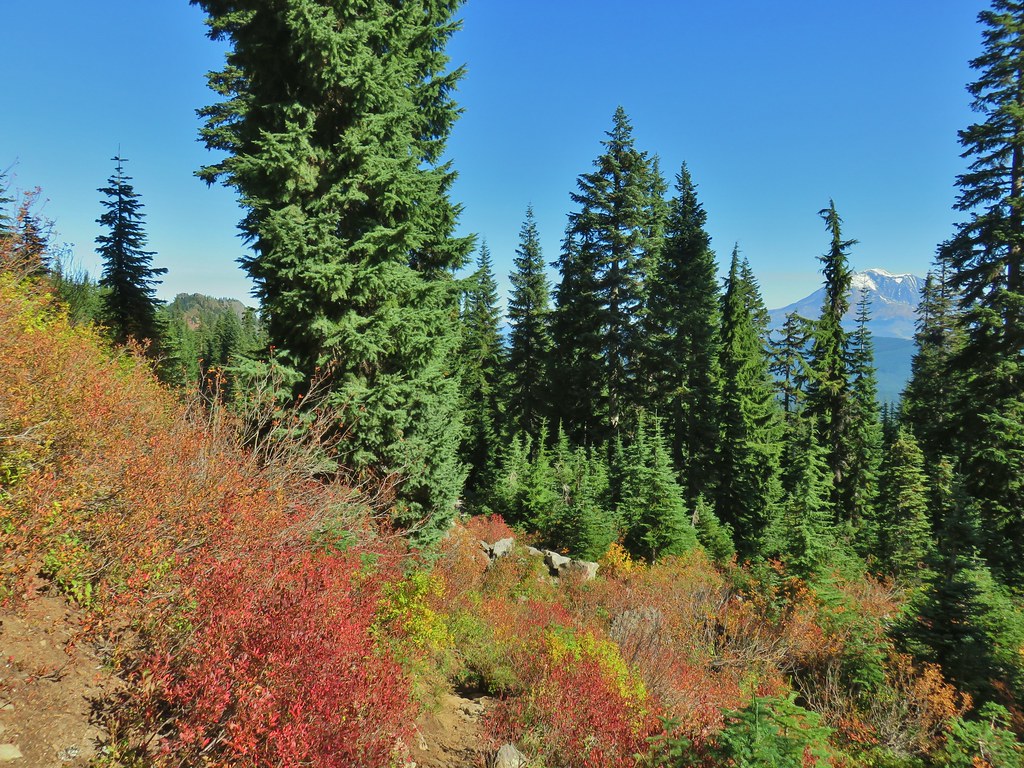
 Goat Rocks with Mt. Adams hiding behind trees.
 Mt. Rainier behind Sawtooth Mountain (and Steamboat Mountain to the right)
 Mt. Rainier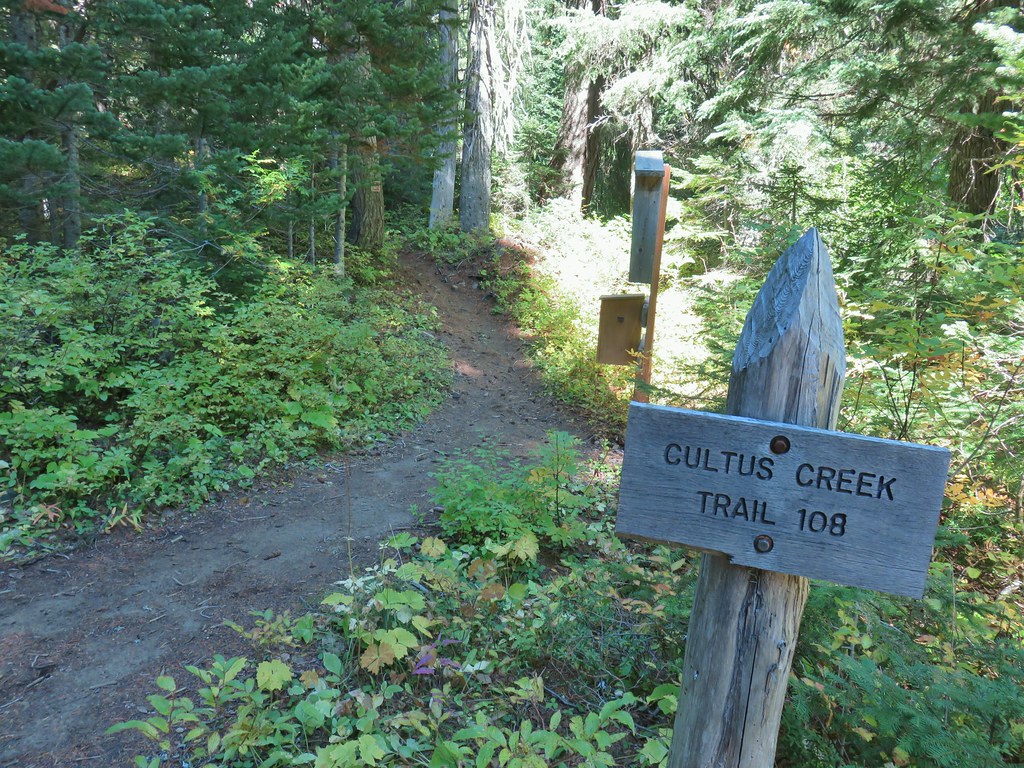

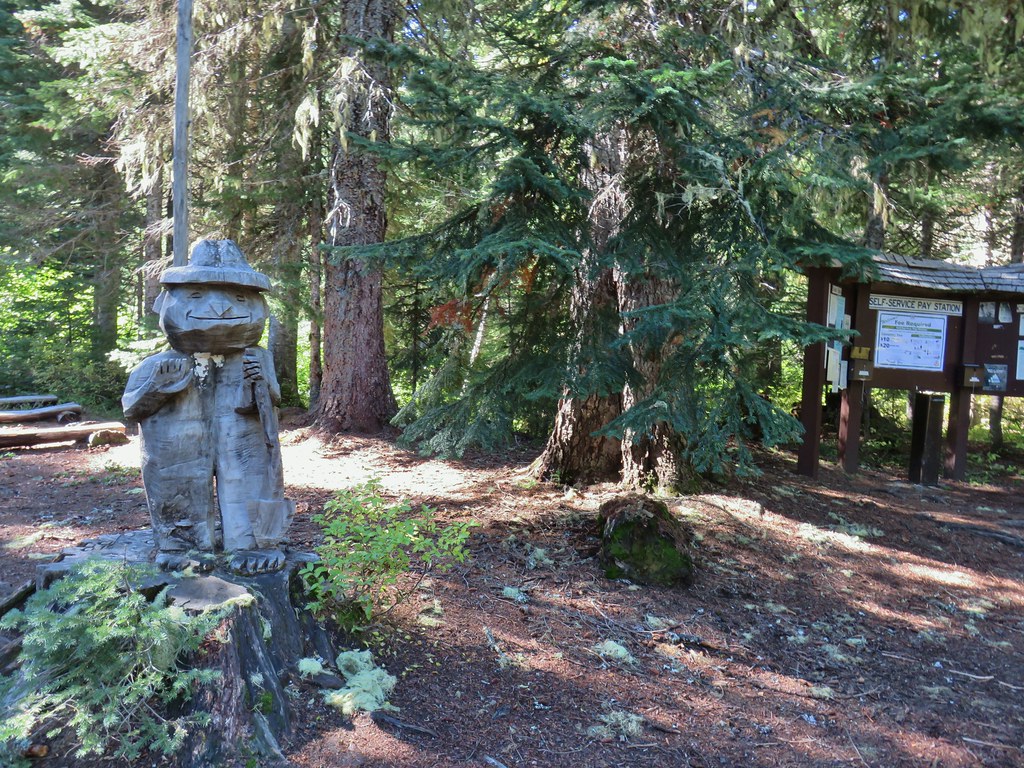

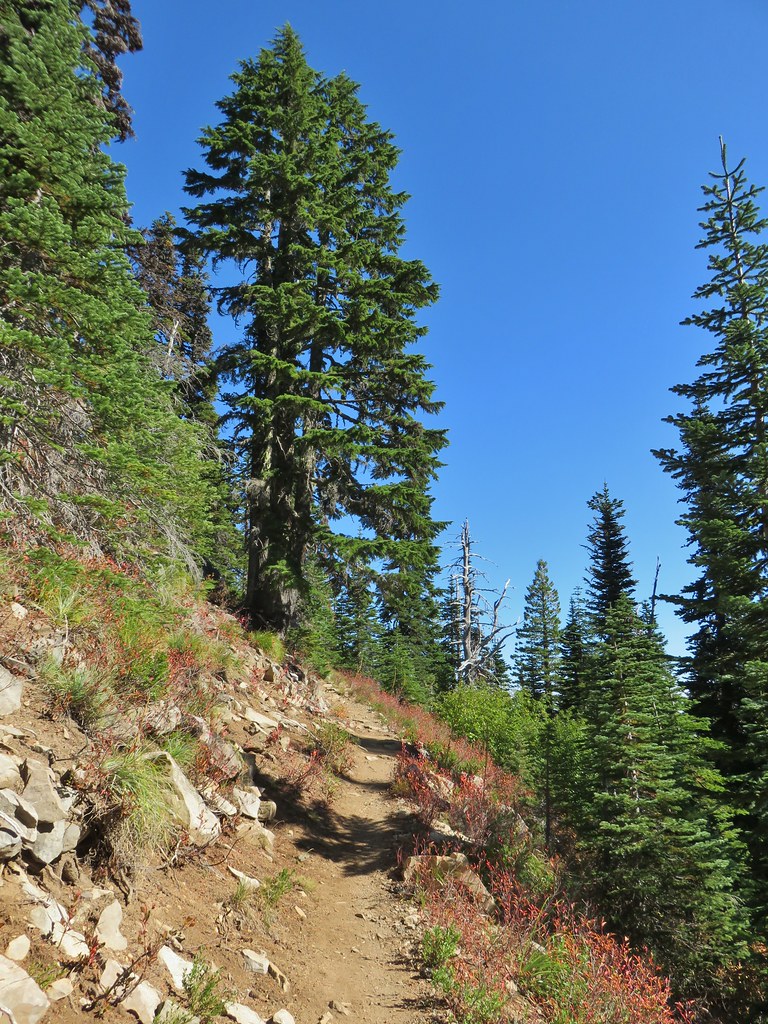


 The Labor Day wind storm had knocked a number of trees down but the trails we took had mostly been cleared already.

 Cultus Lake from the Deep Lake Trail.
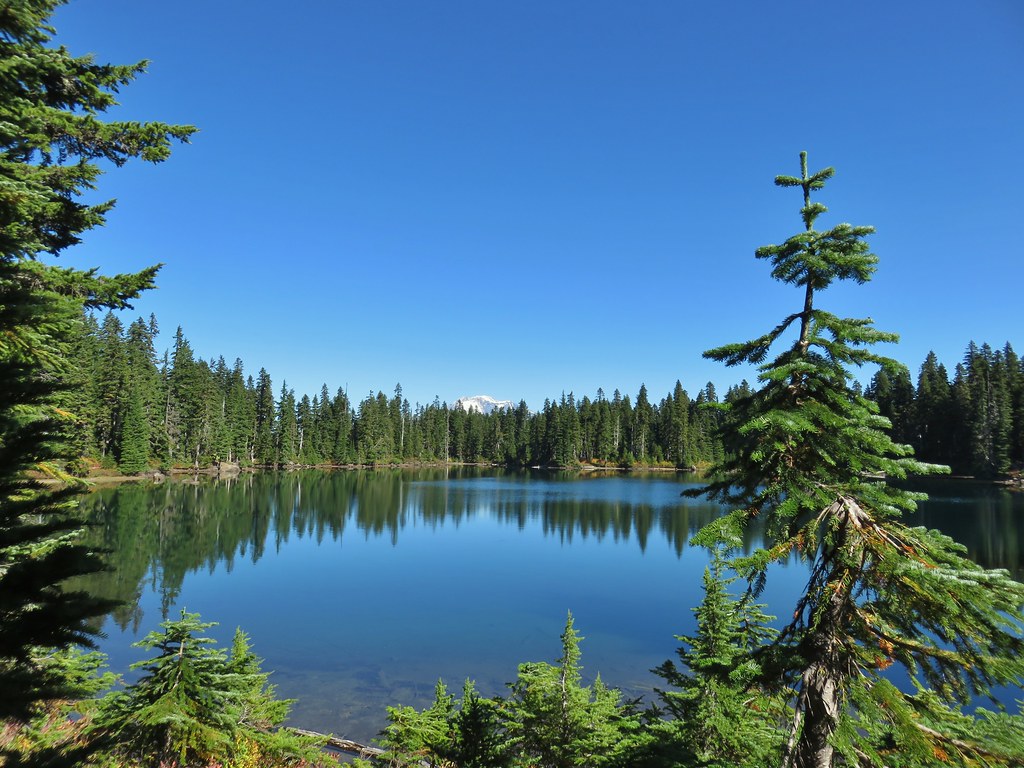
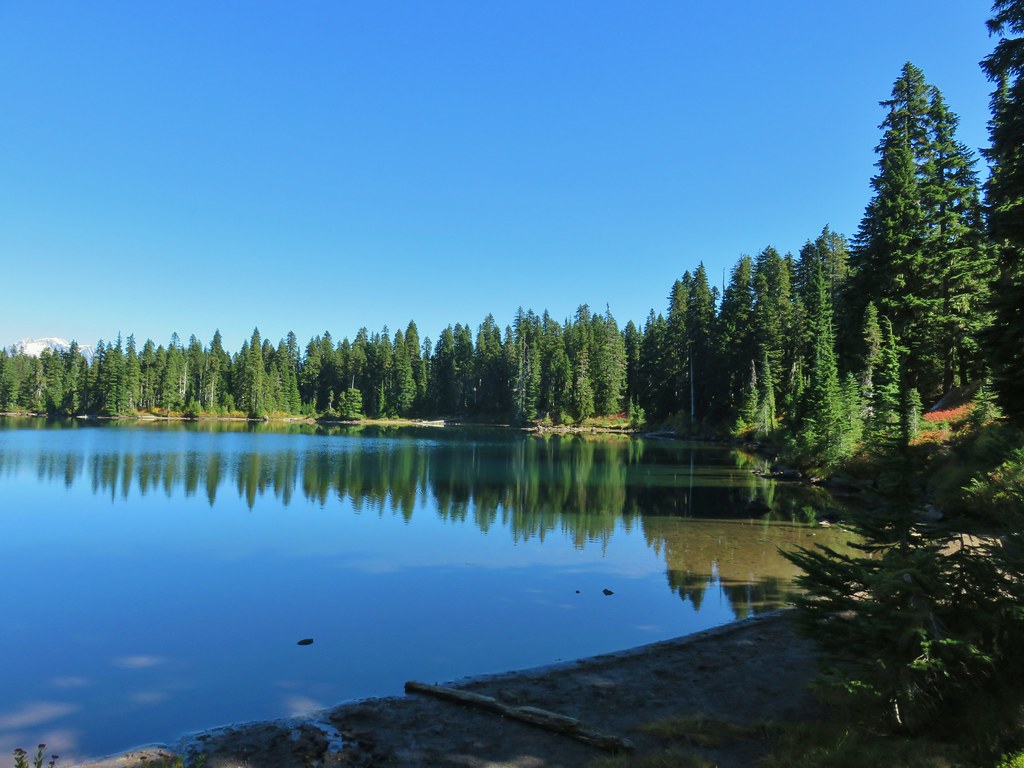
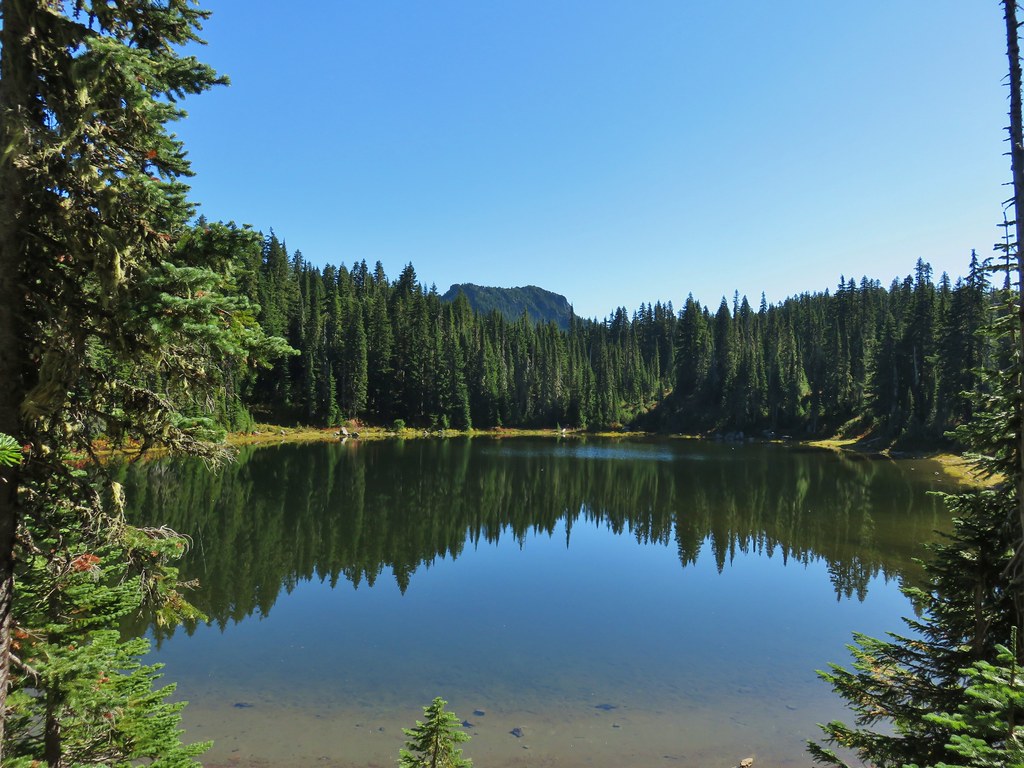 Lemi Rock beyond Cultus Lake
 Cultus Lake from the Lemi Trail.

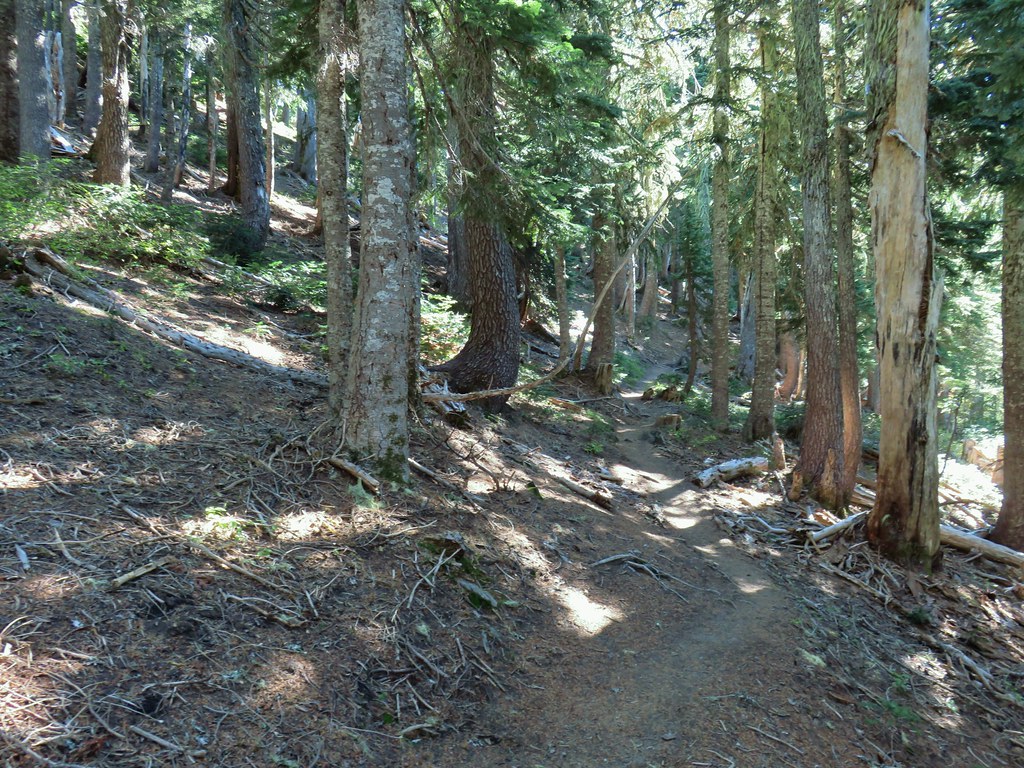 The climb was up a forested hillside.
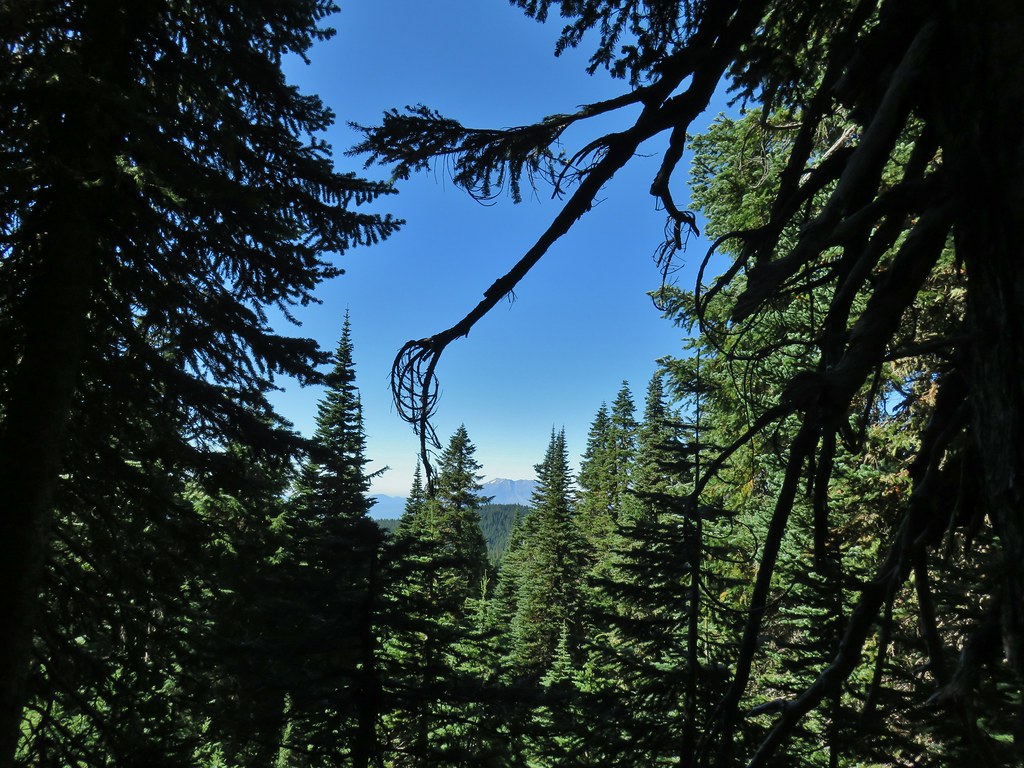 Mt. St. Helens

 Mt. Adams as we approached the viewpoint.
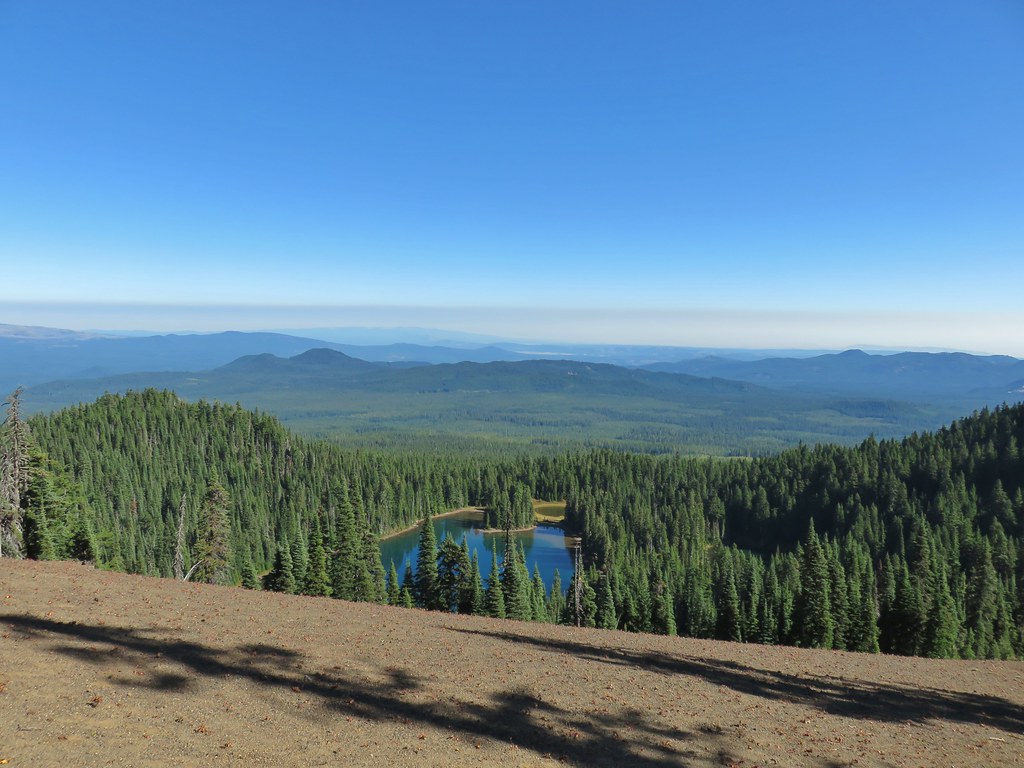 Lake Wapiki
 Mt. Hood


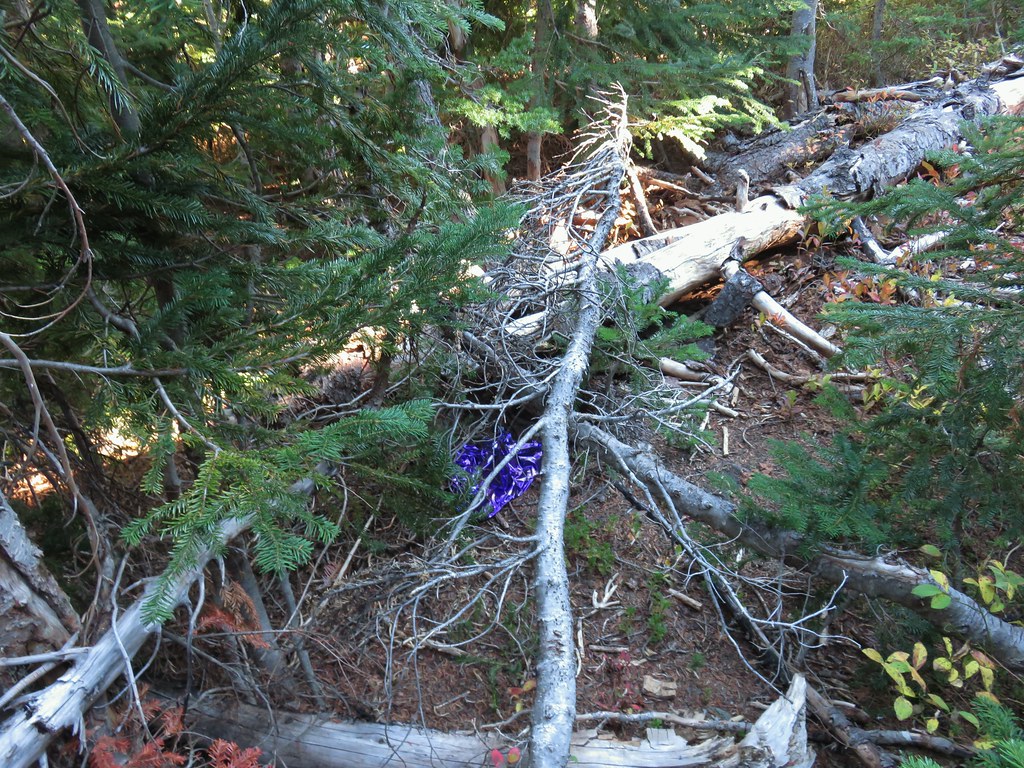
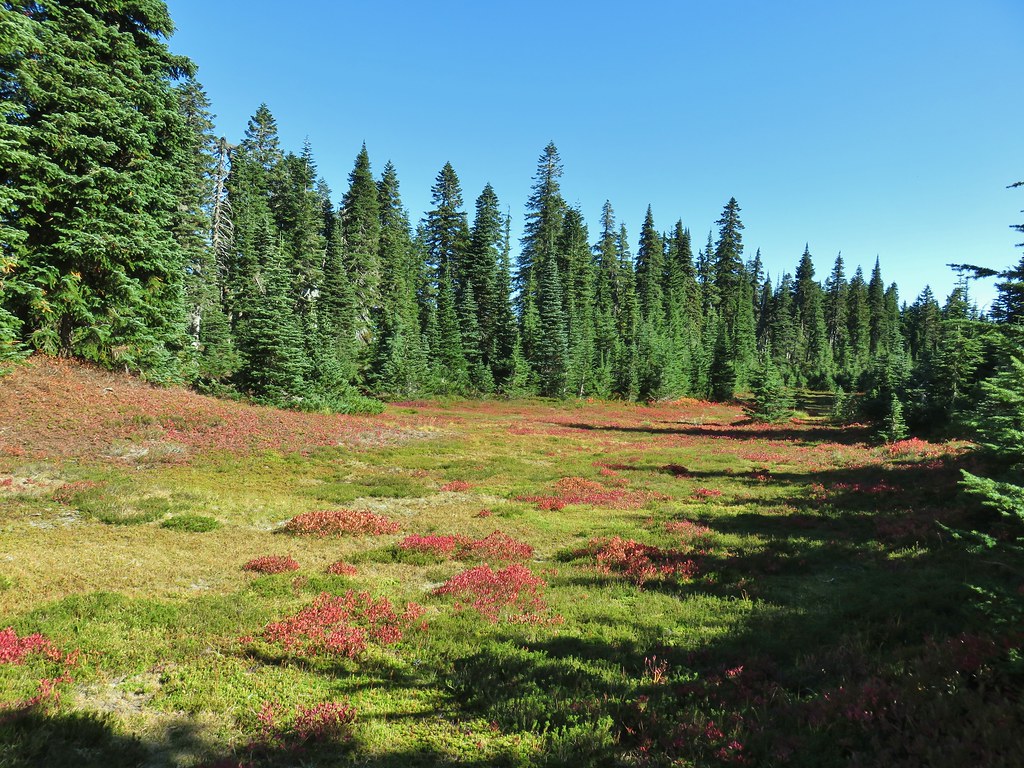
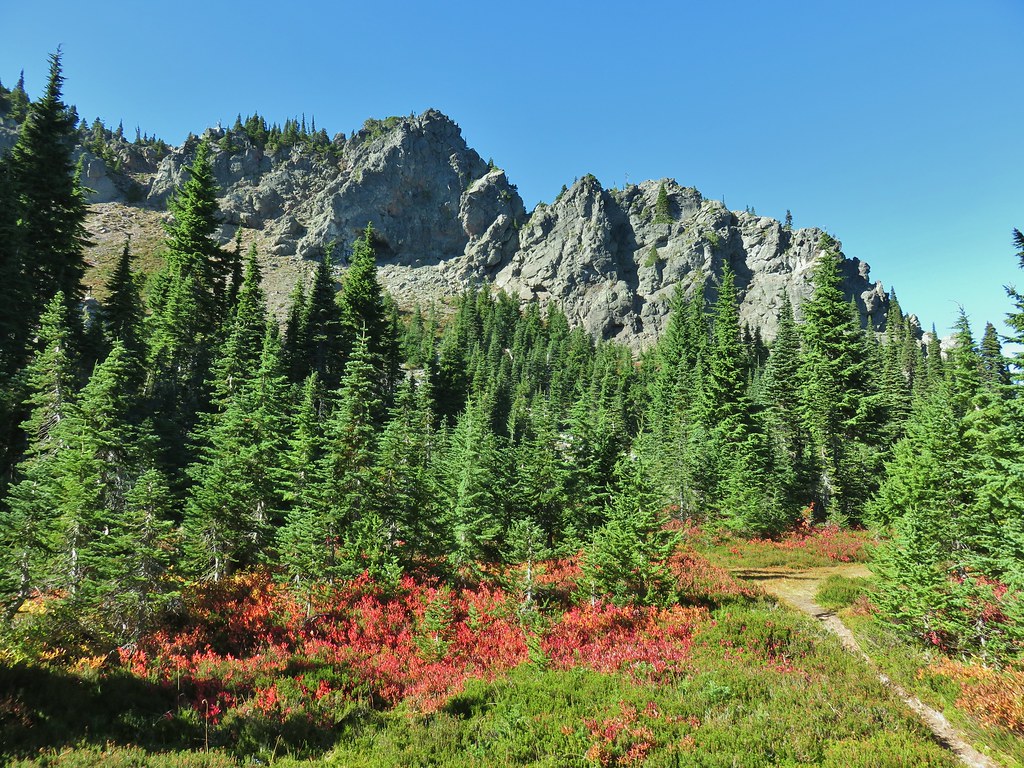


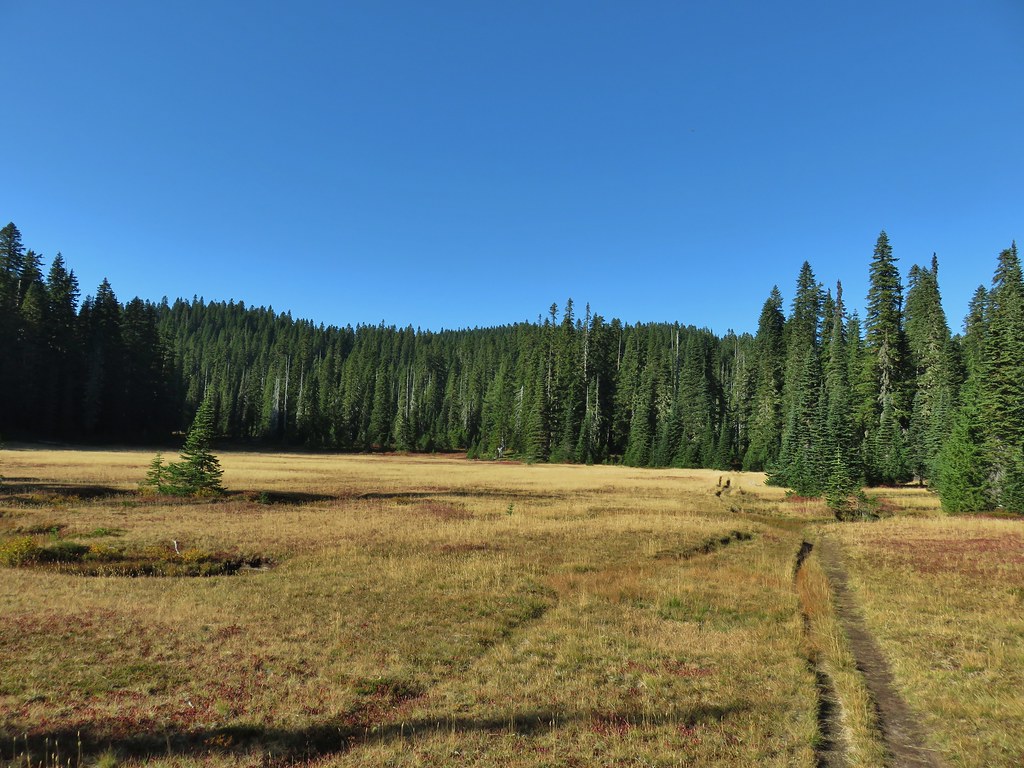

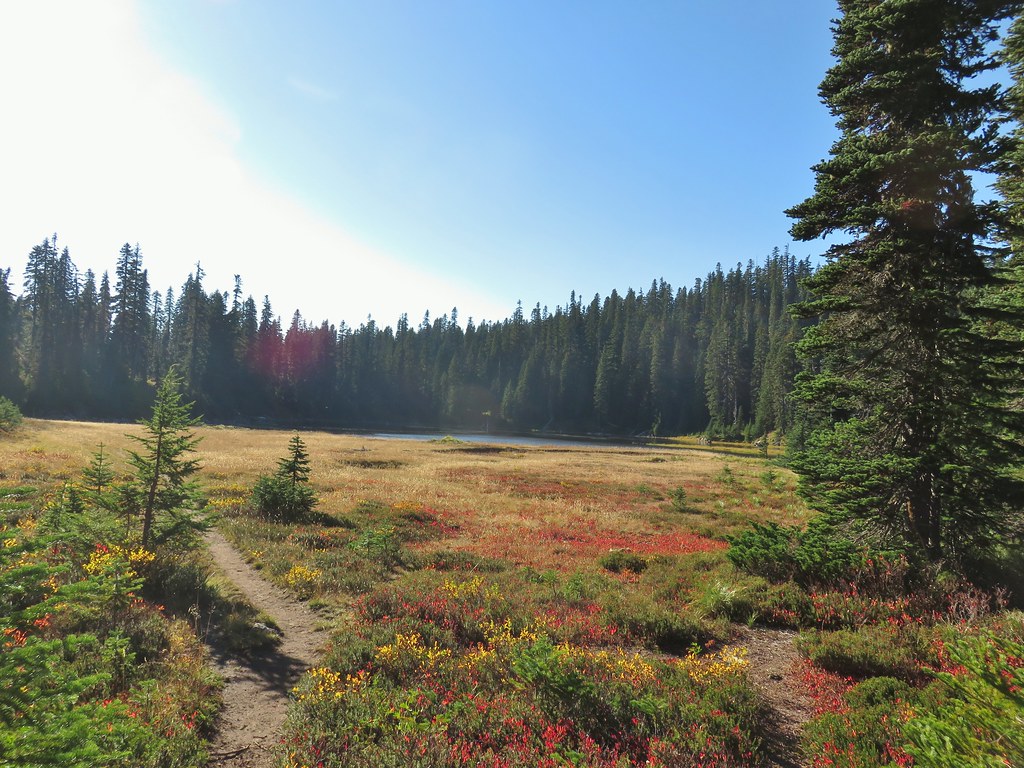 Lemi Lake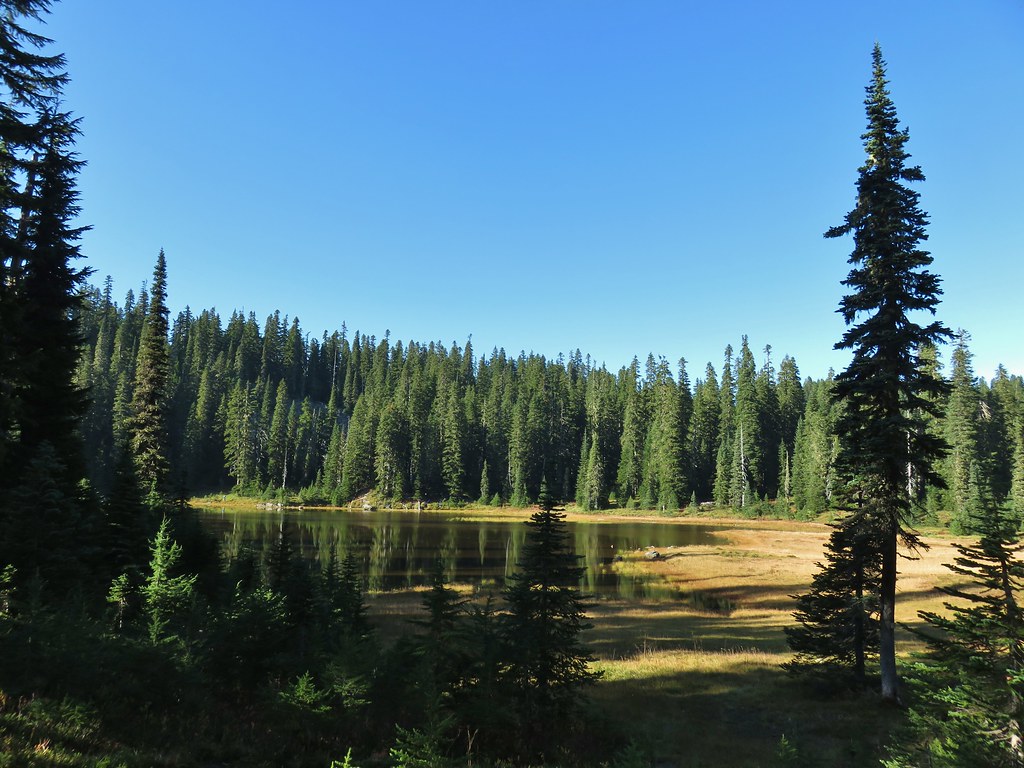


 Pearly everlasting
 Lemi Rock from the Lemi Lake Trail.

 Junction Lake
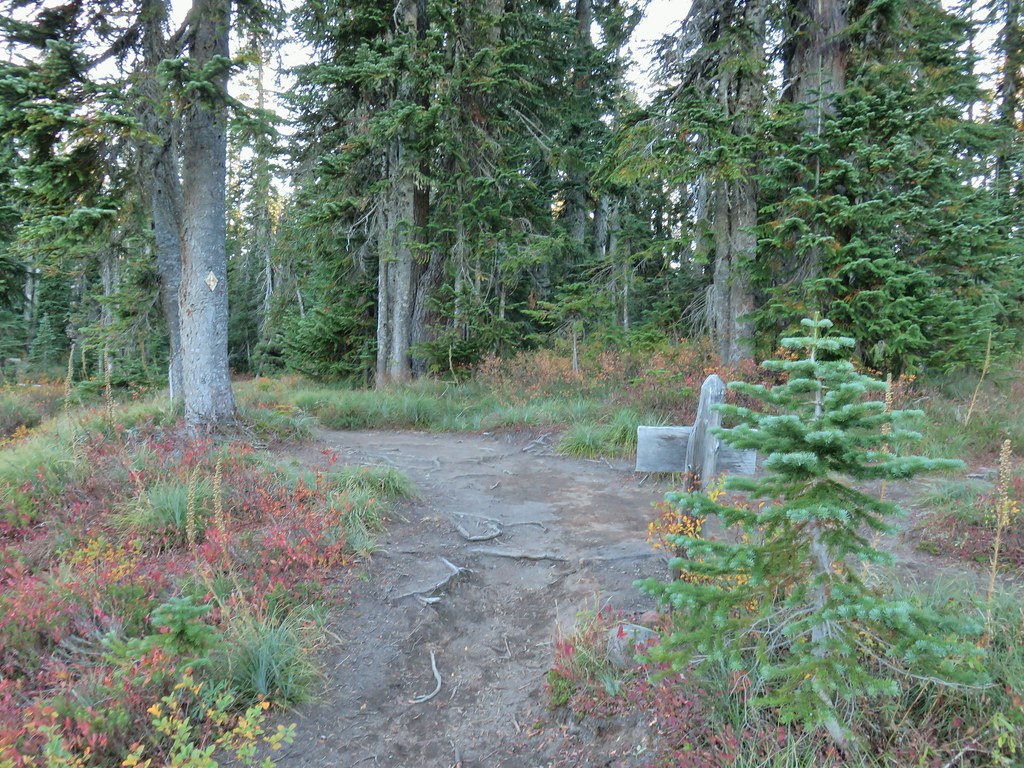 Back to the PCT.
 Junction Lake from the PCT/Lemi Lake Trail junction.

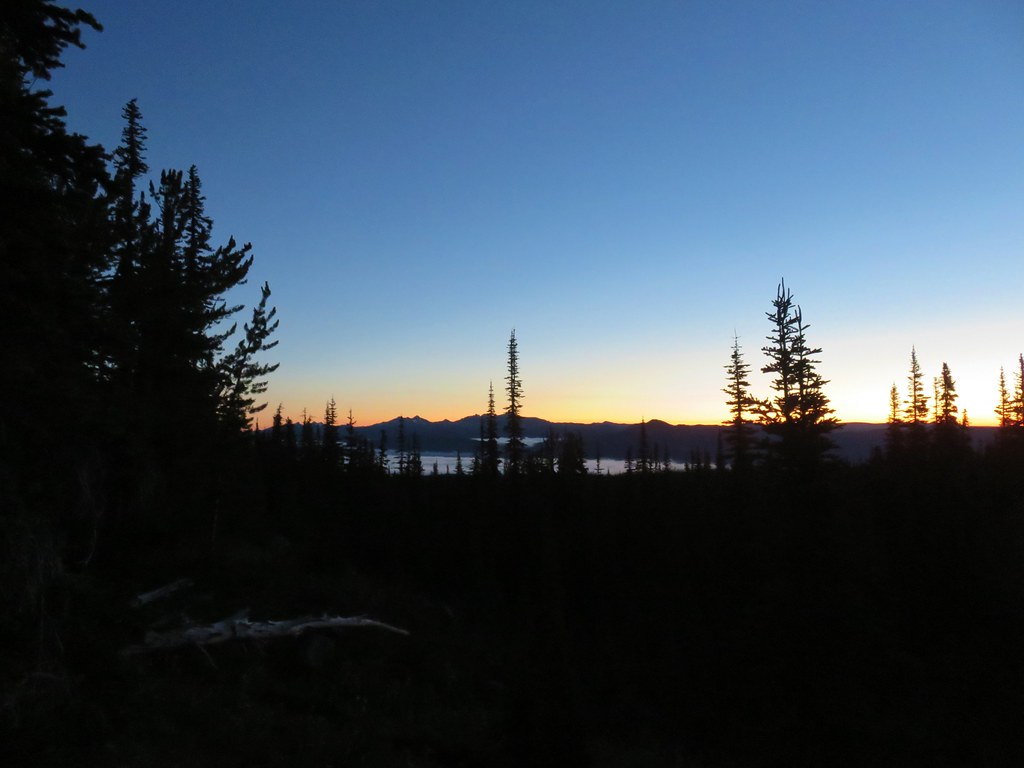 Goat Rocks in the morning
 Mt. Adams
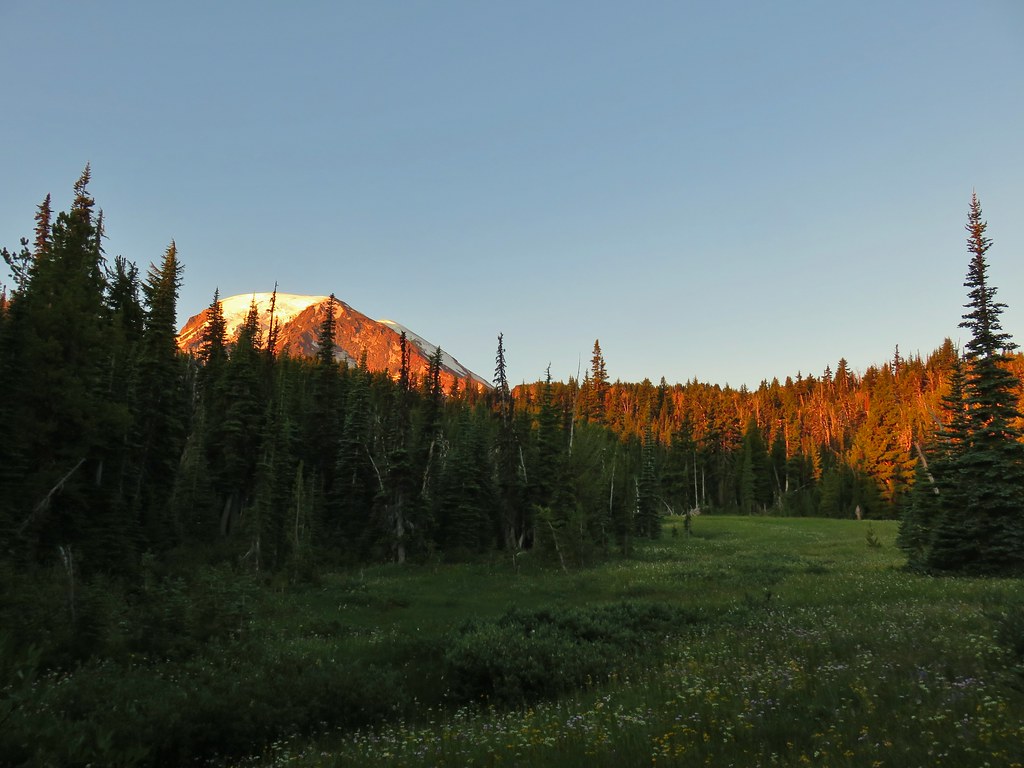
 Looking down the Muddy Meadows Trail from the log.
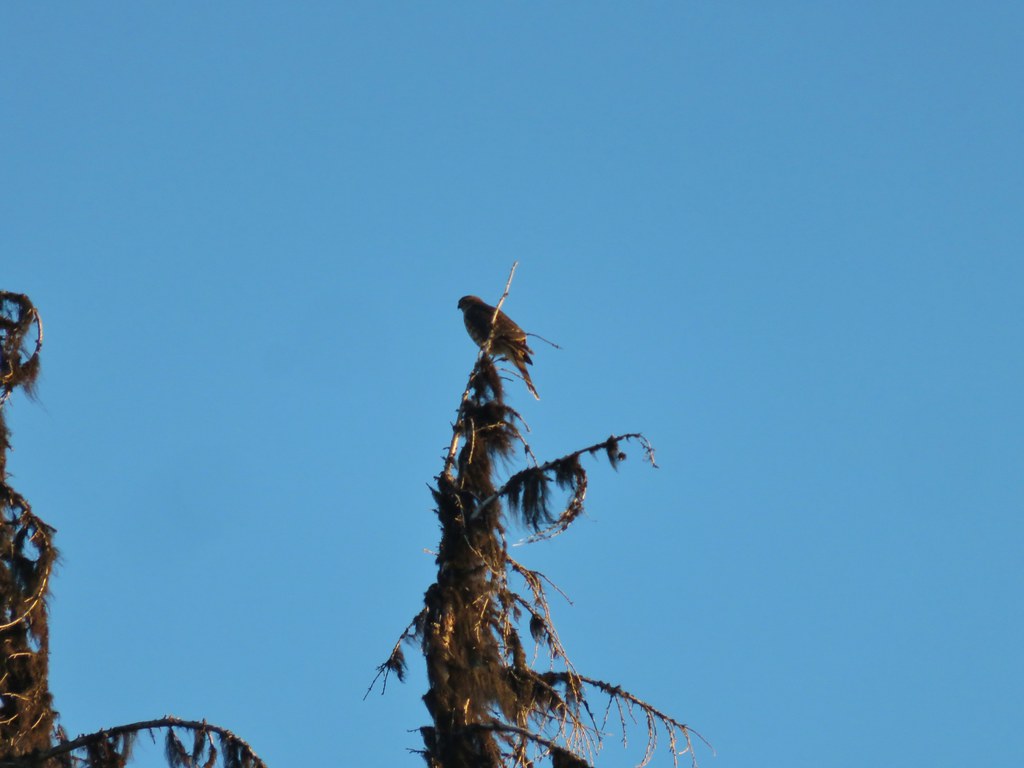 Small hawk
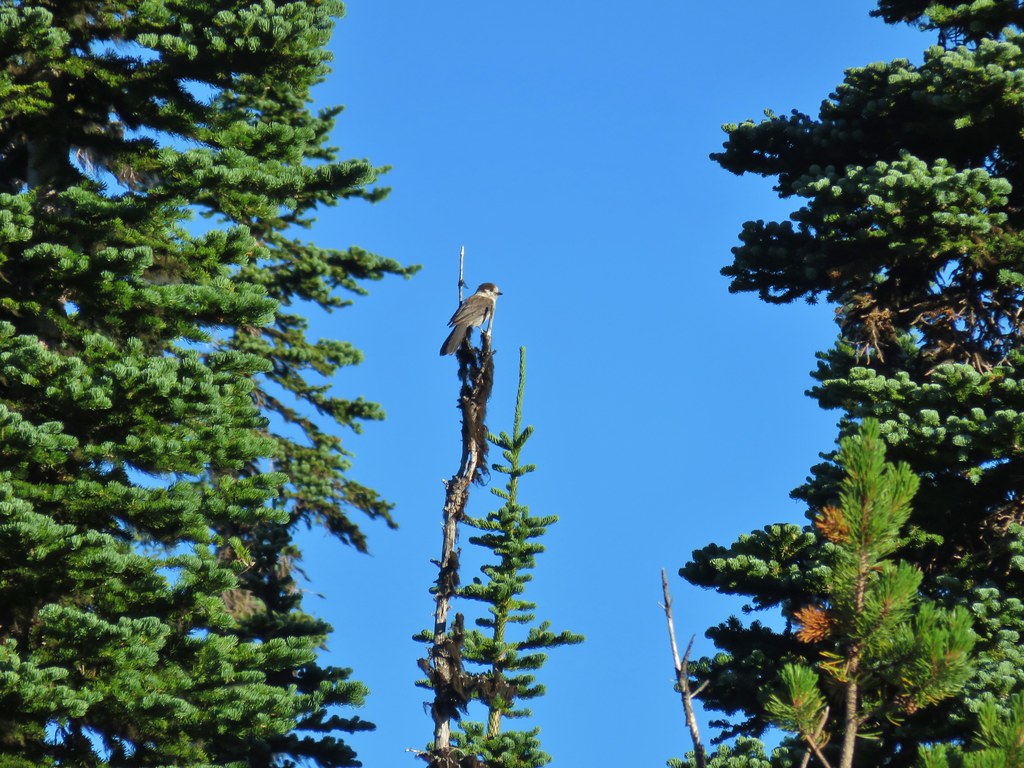 Gray jay
 Mt. Rainier and some of the Goat Rocks.
 Northern flicker

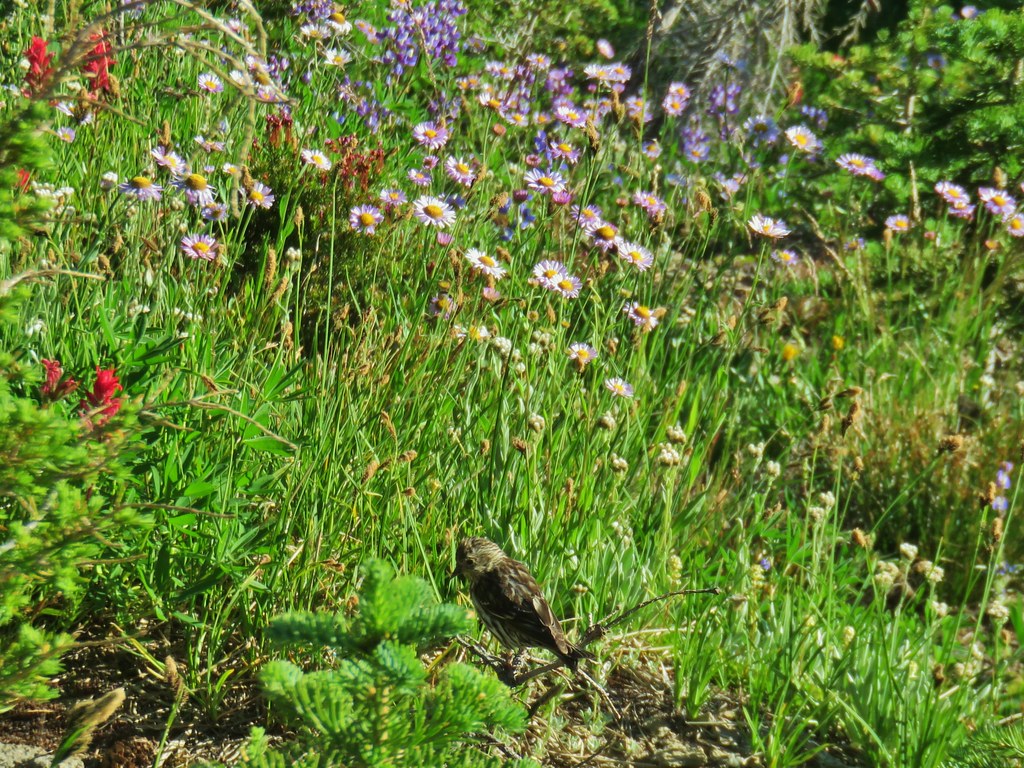 Little bird near the PCT junction.
 Killen Creek below the waterfall.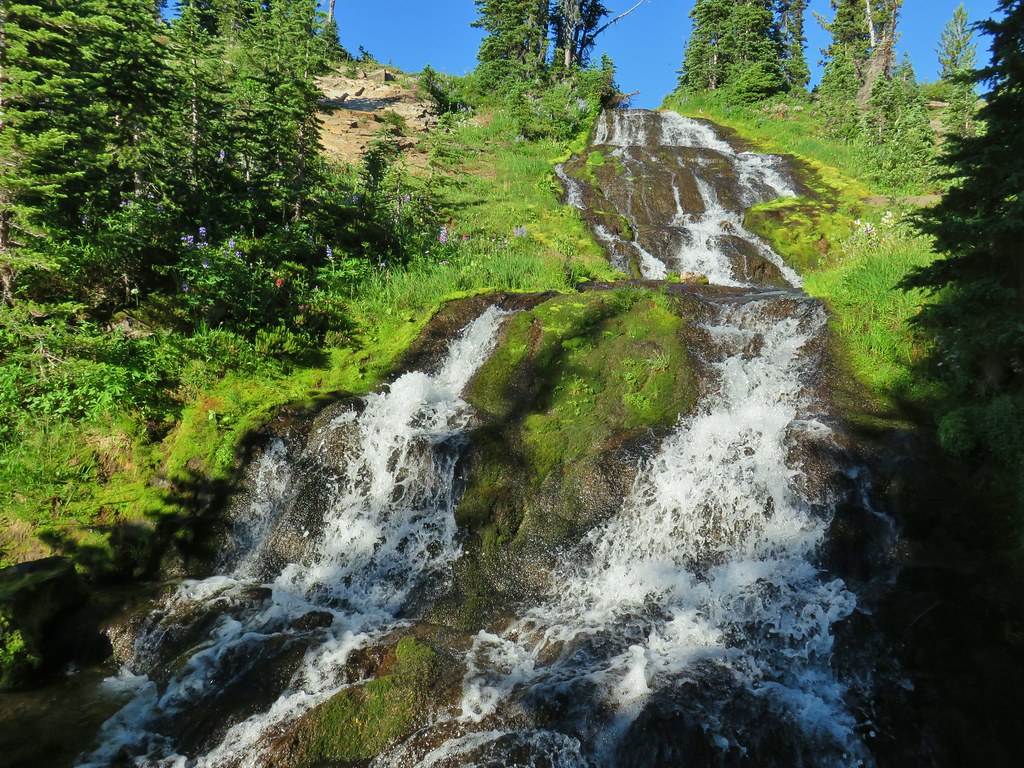
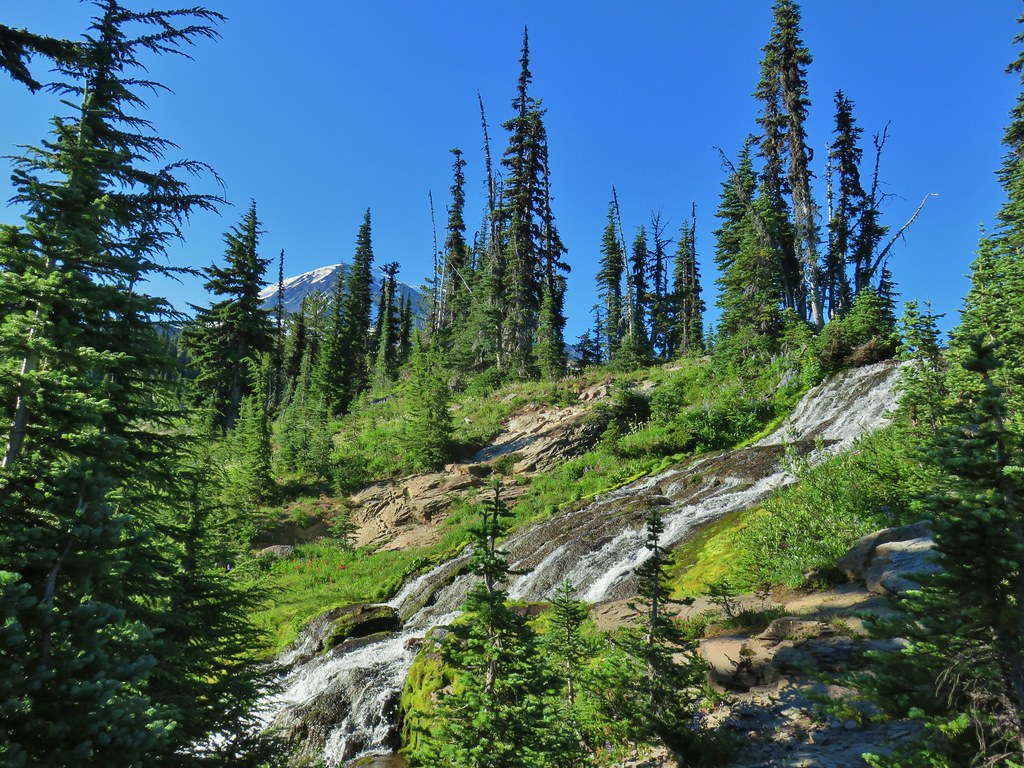 Mt. Adams from the waterfall.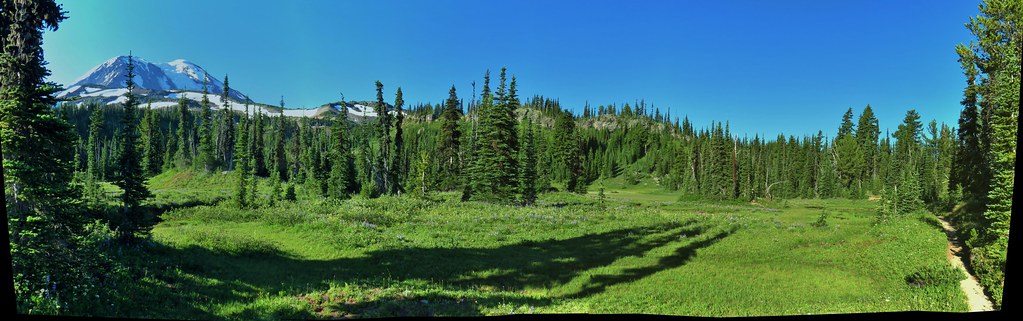
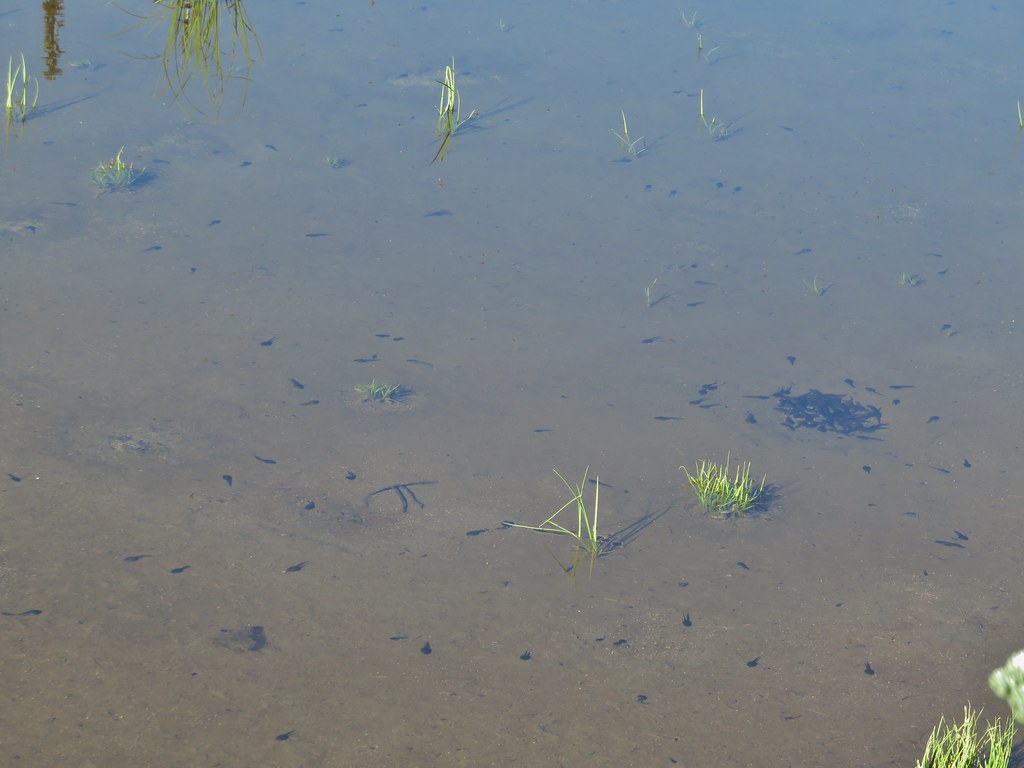
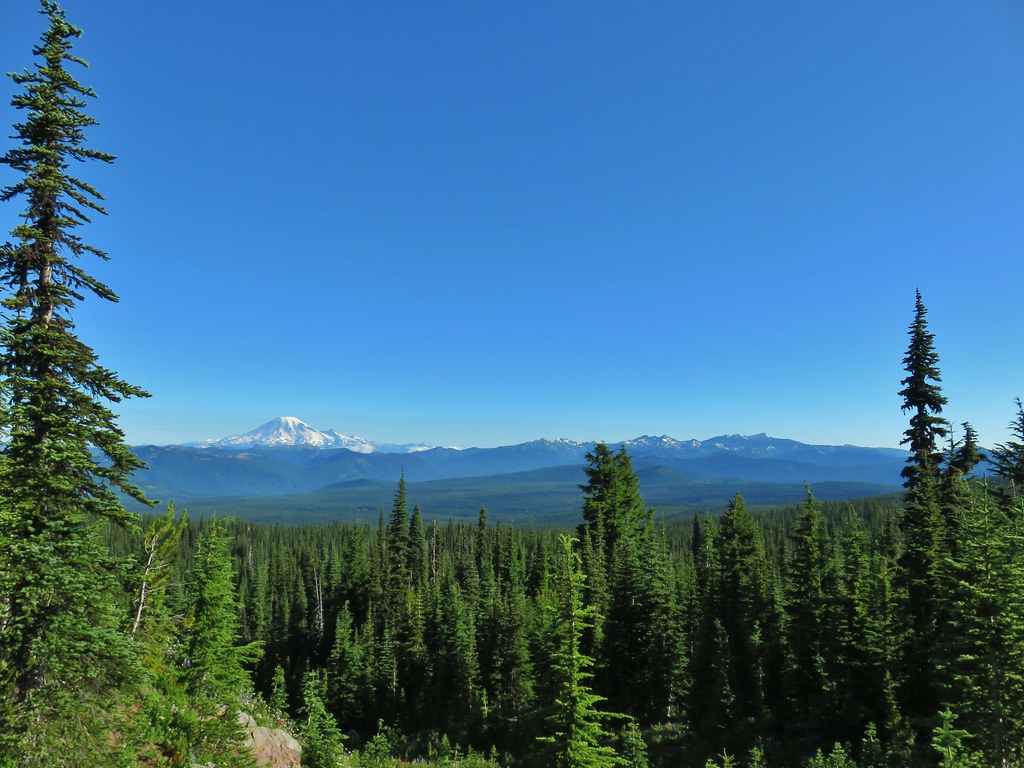 Mt. Rainier and Goat Rocks from the PCT.

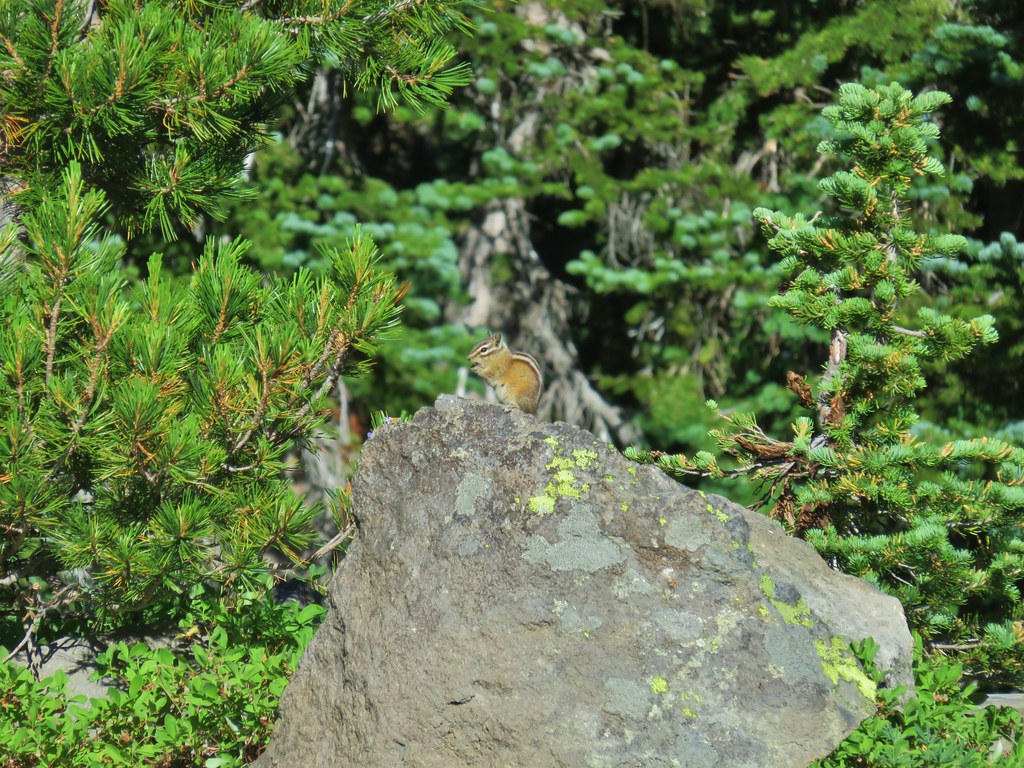 Breakfast time (possibly second breakfast)
 Zooming in on Mt. Rainier
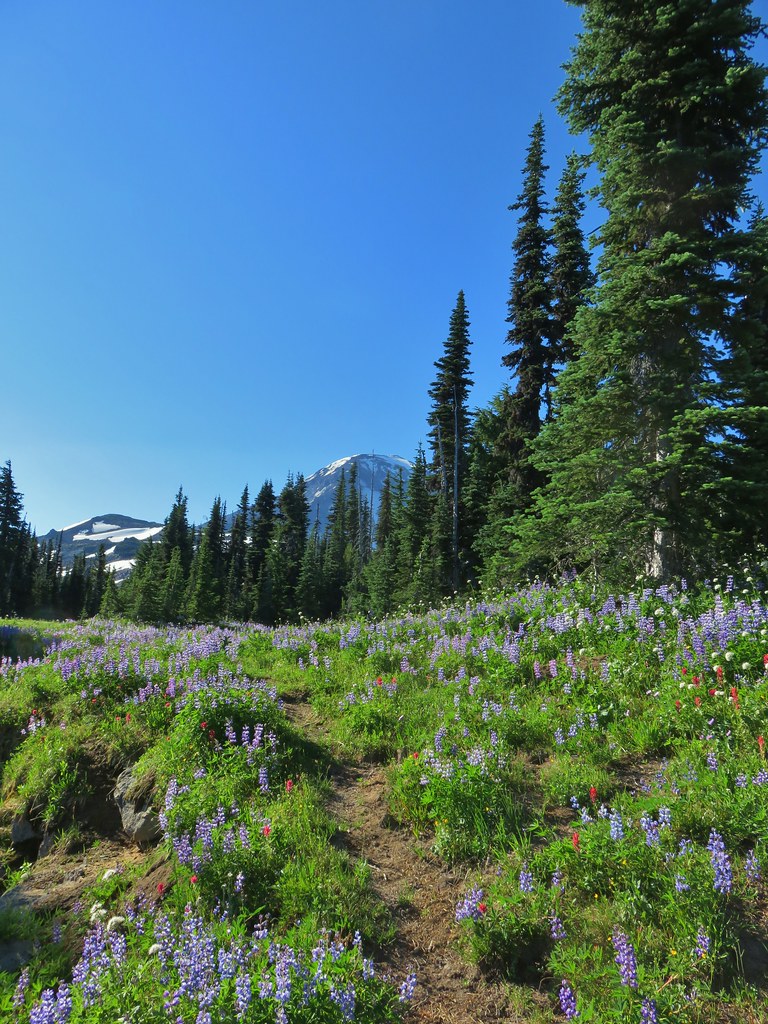

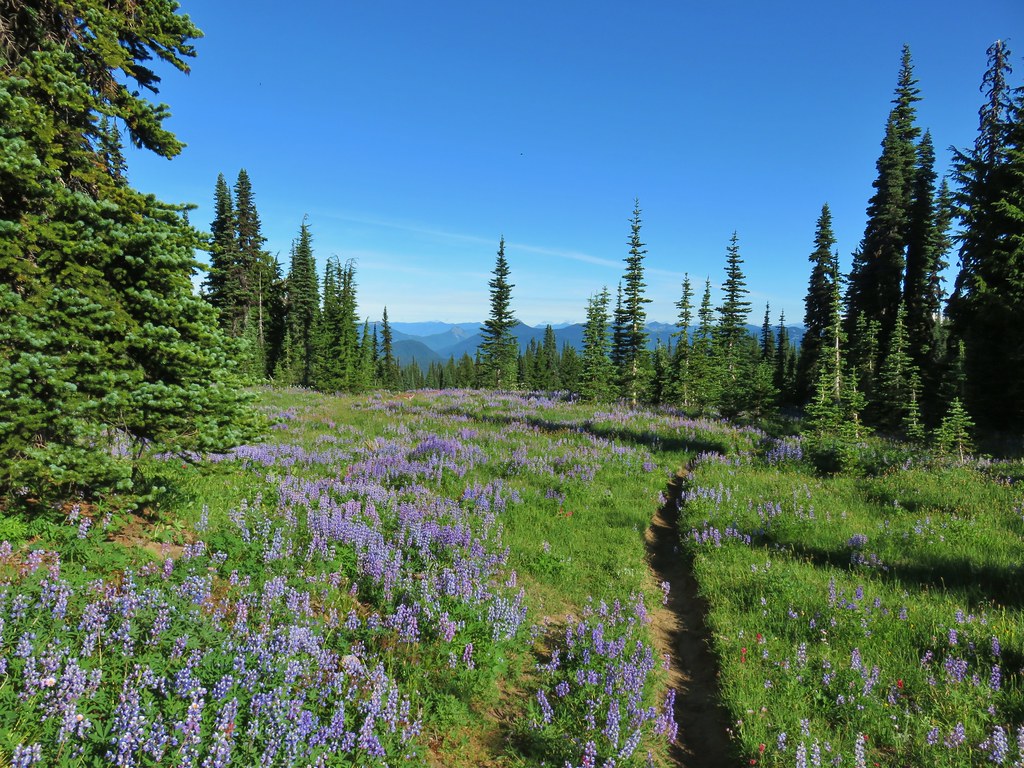 Killen Creek Trail heading away from Mt. Adams.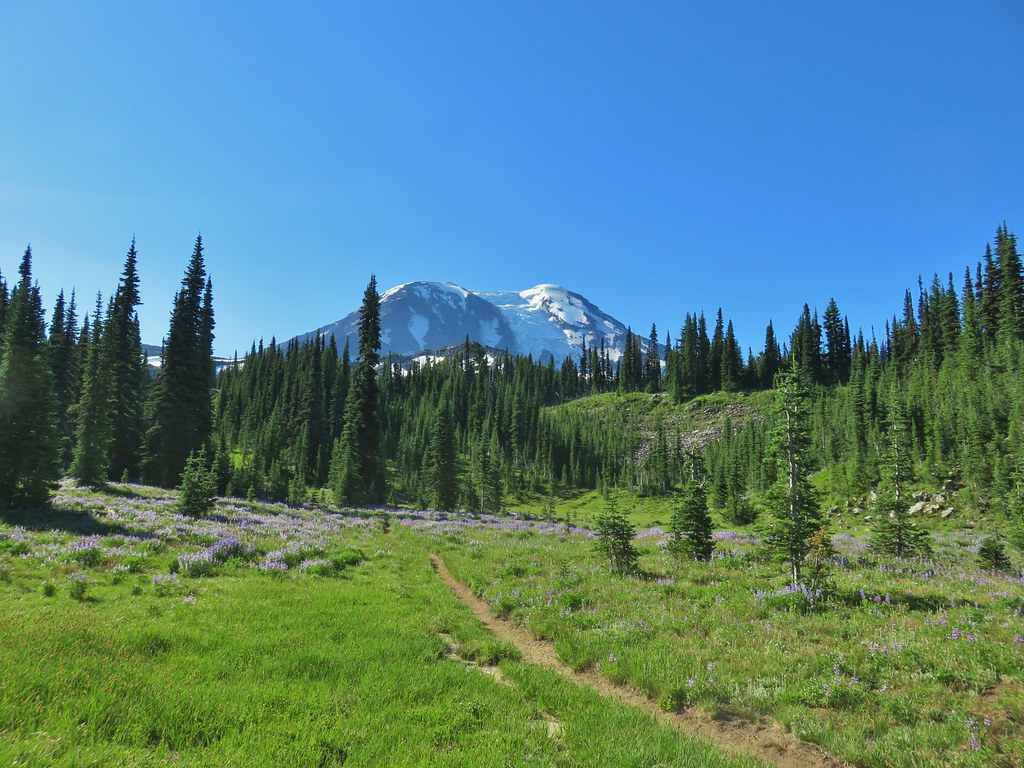
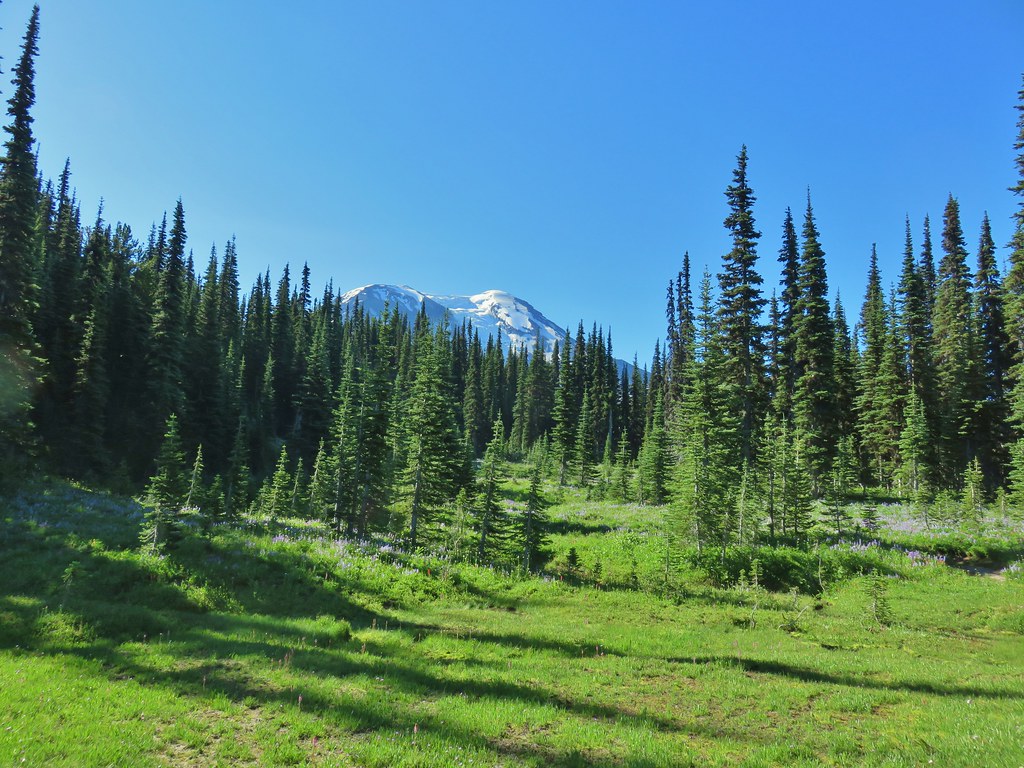
 wanderingyuncks


