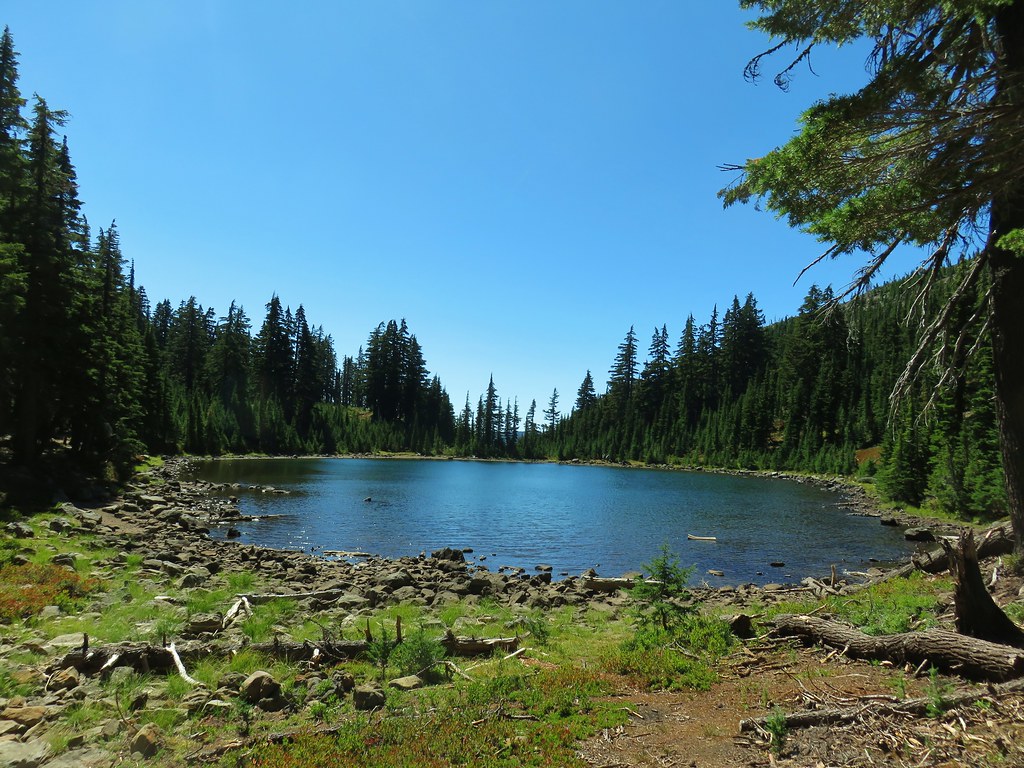
Categories
High Cascades Hiking Mt. Jefferson Area Oregon Trip report

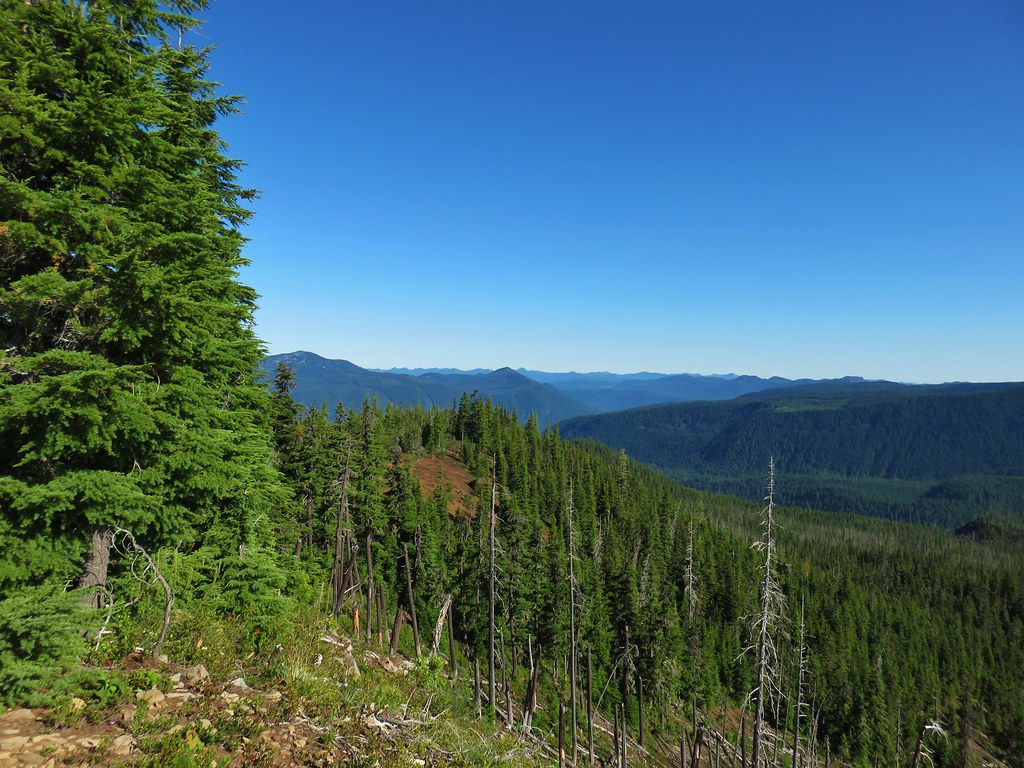
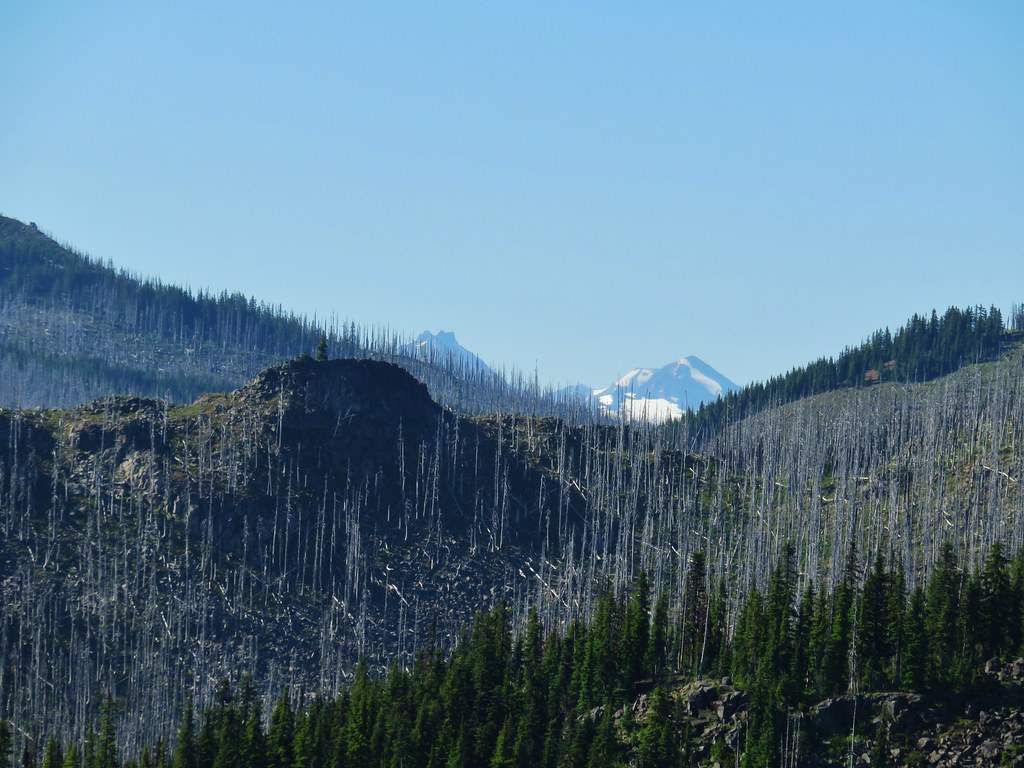
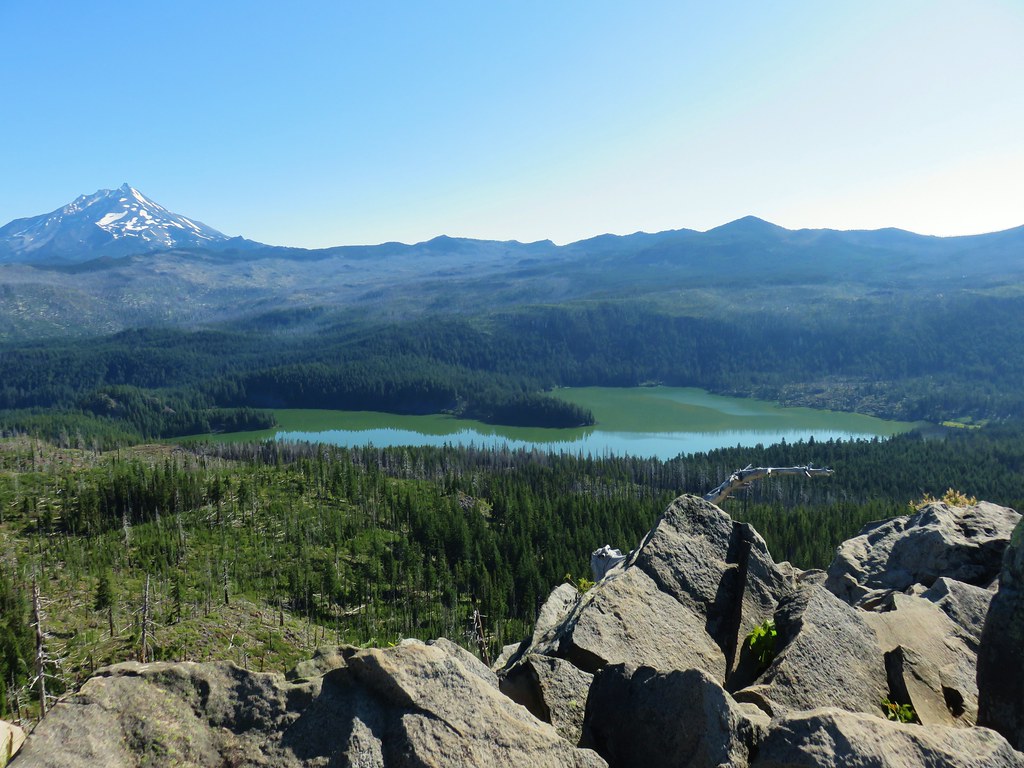
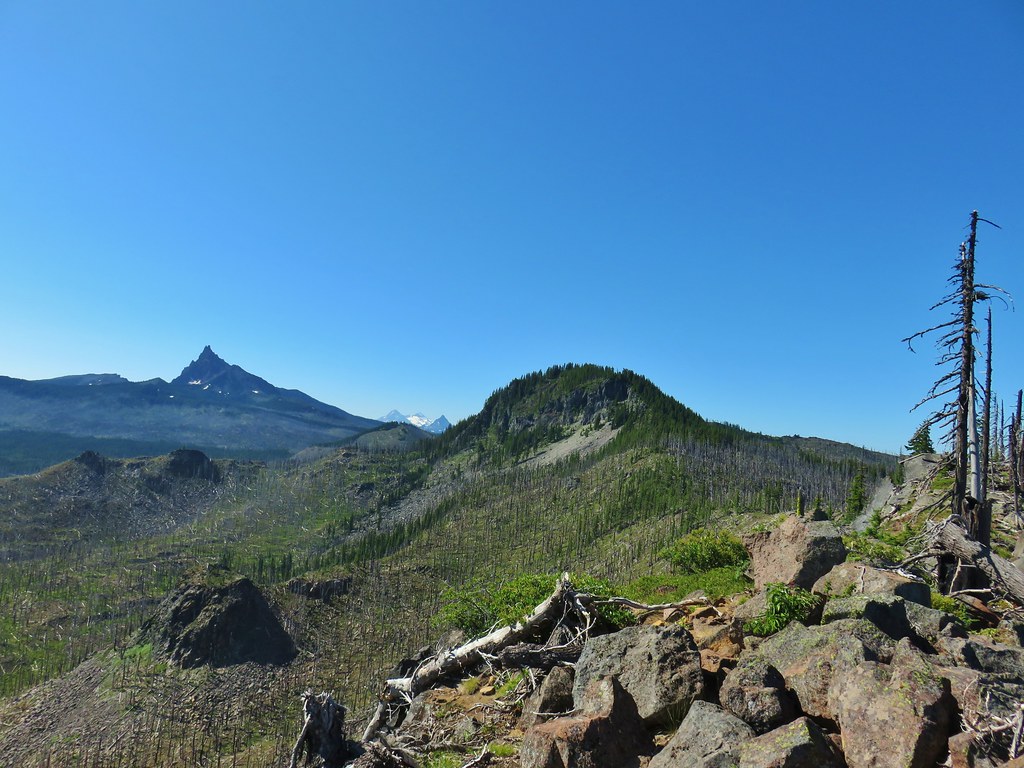
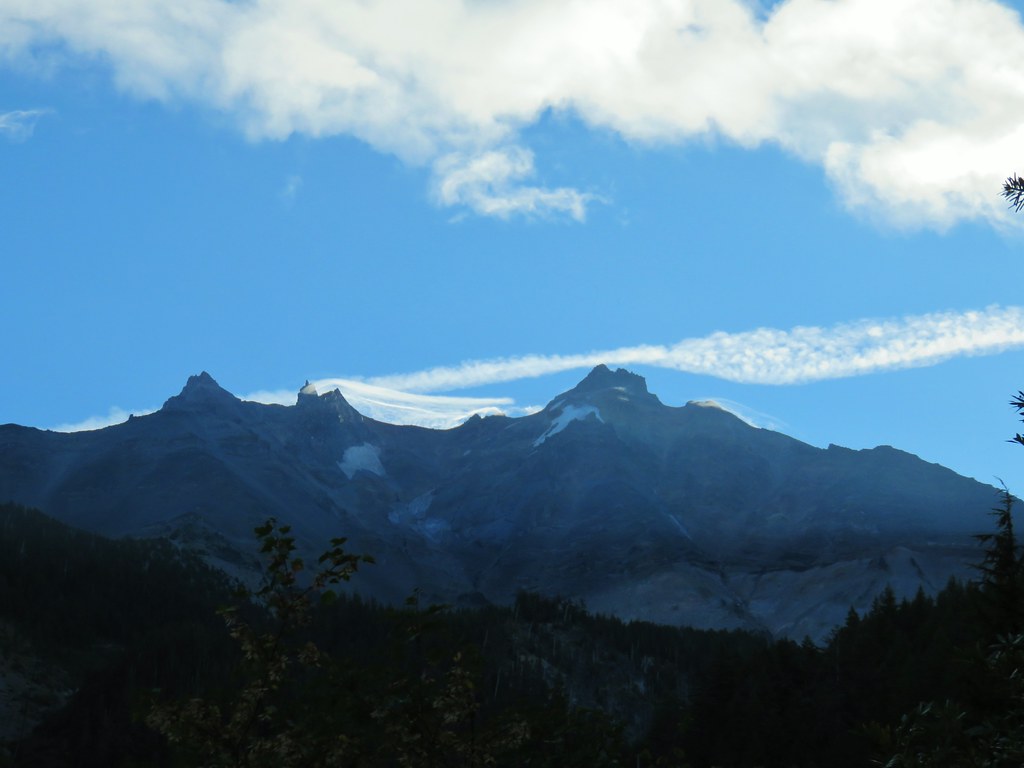
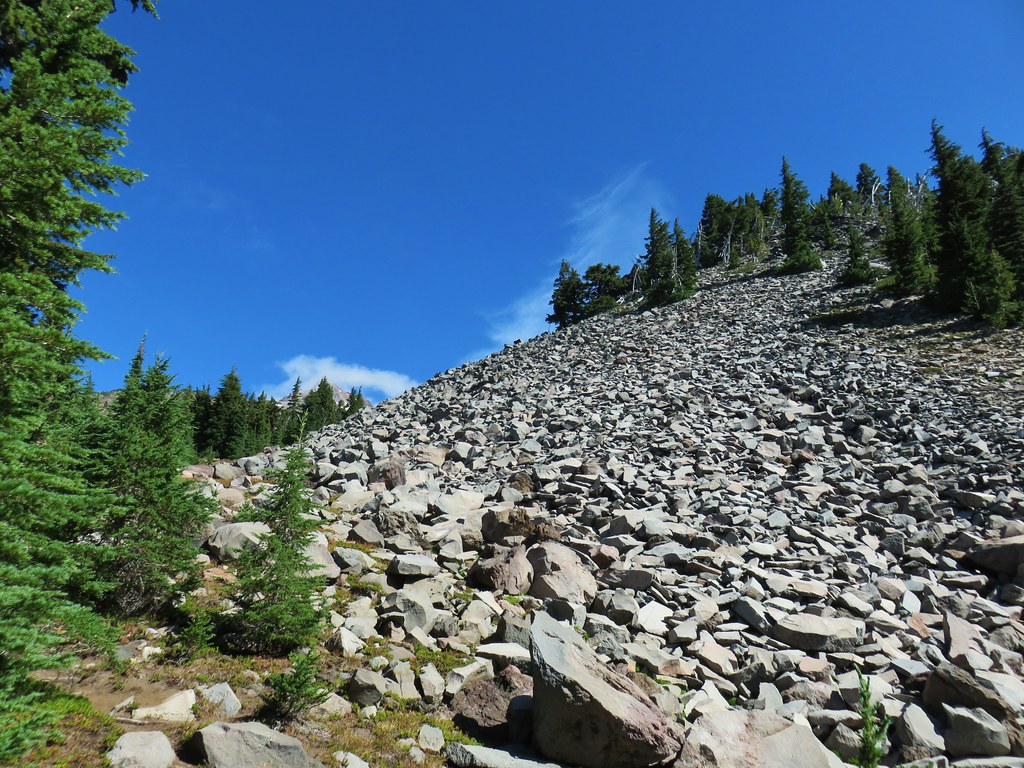
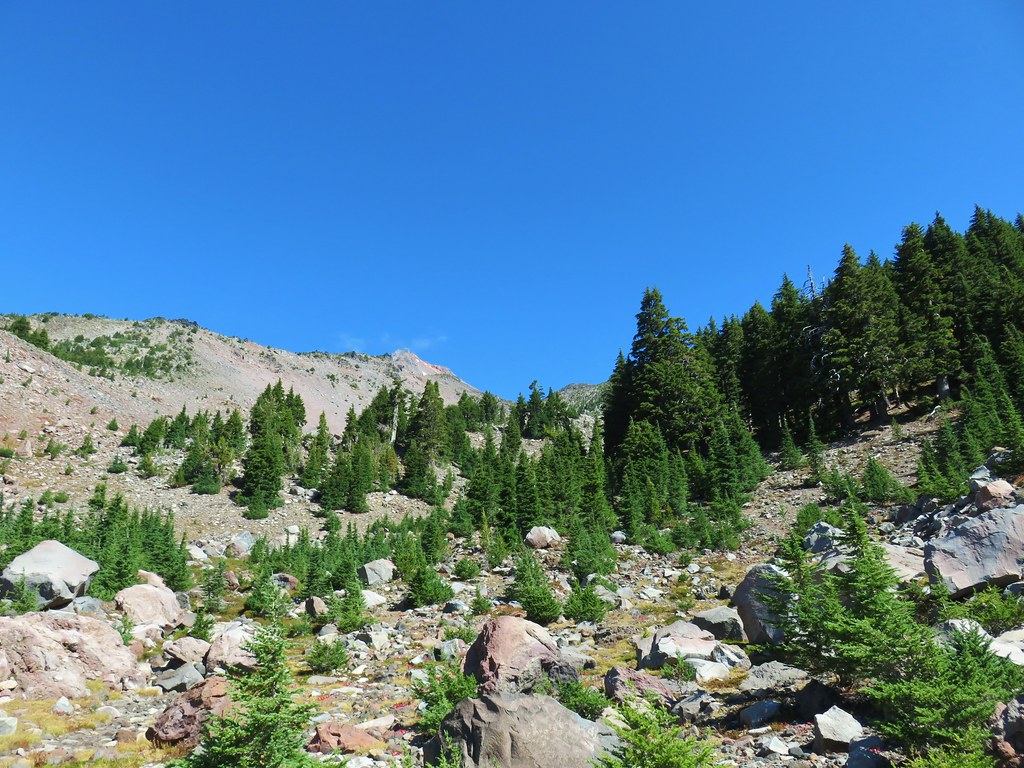
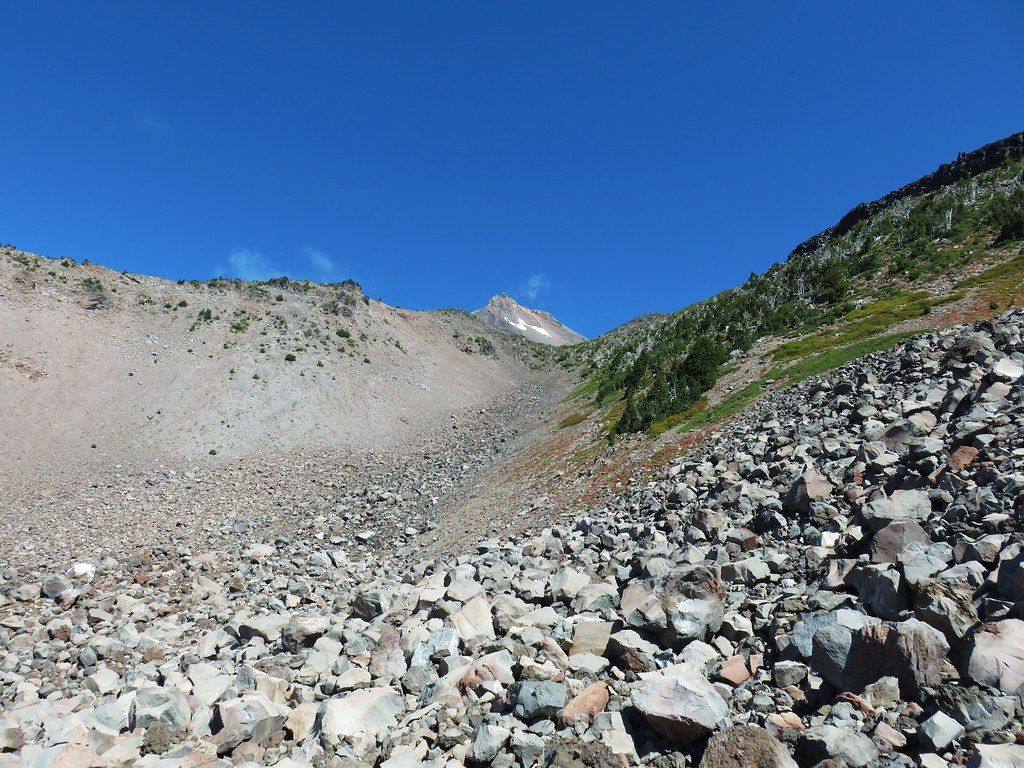
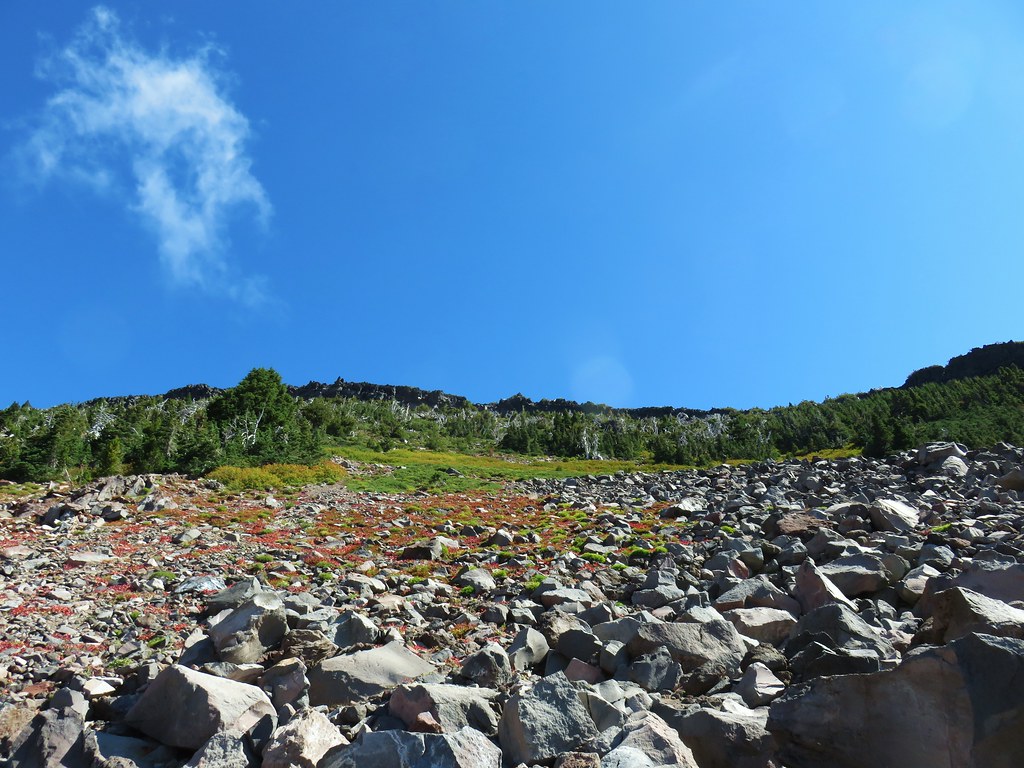
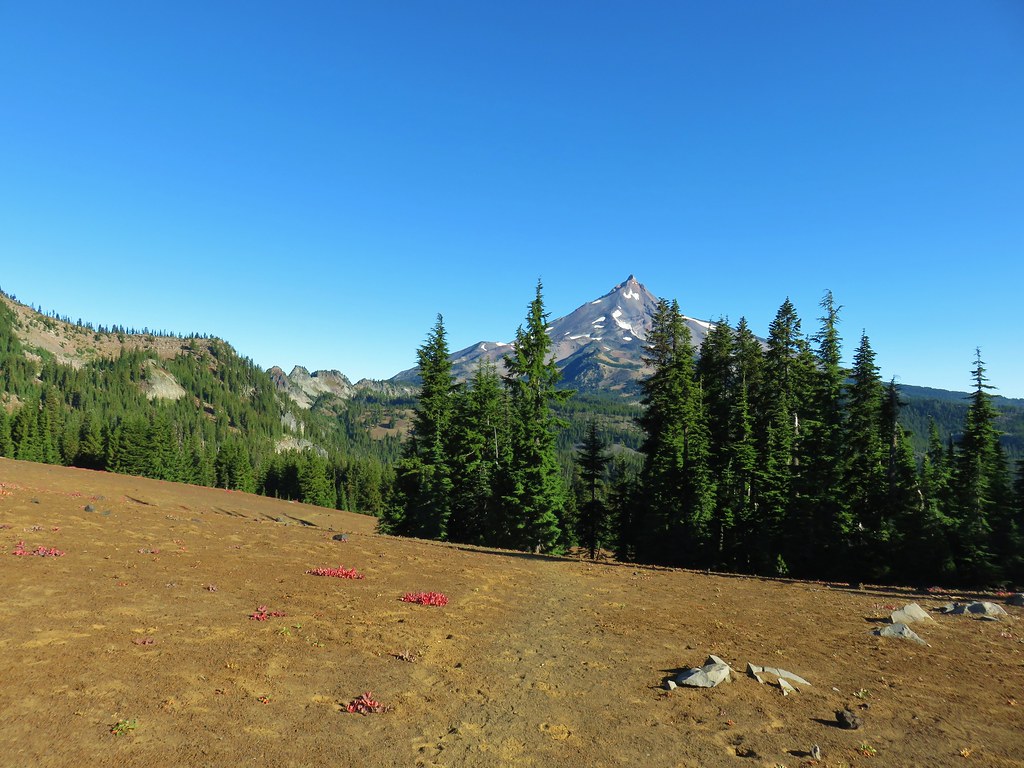
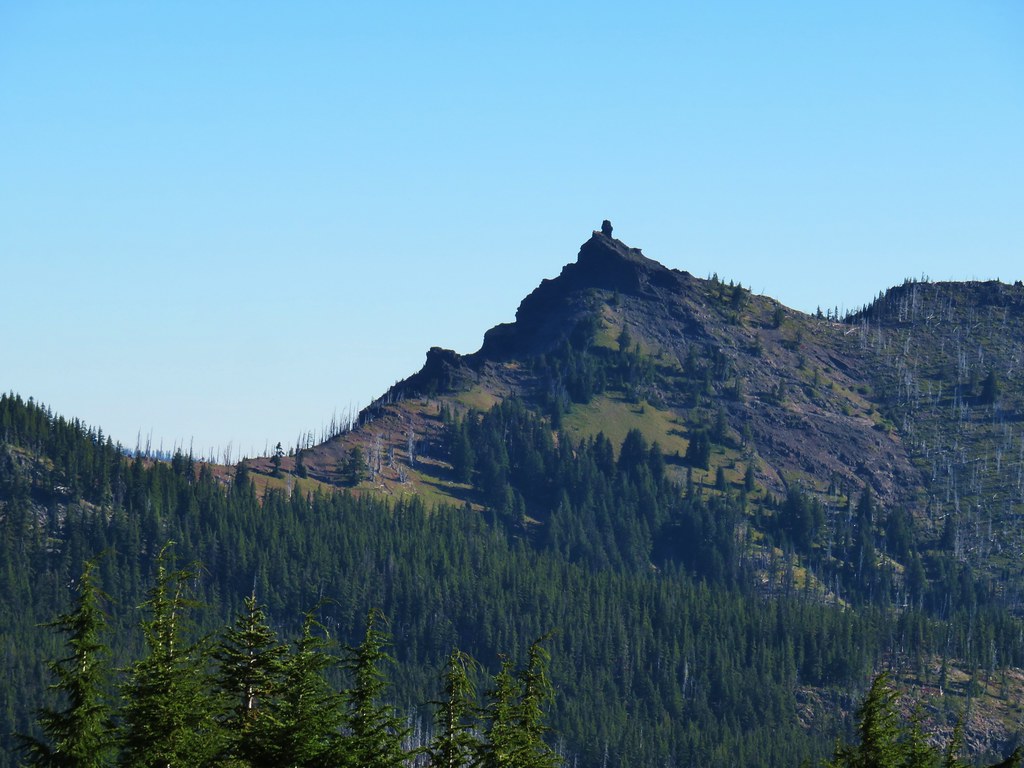
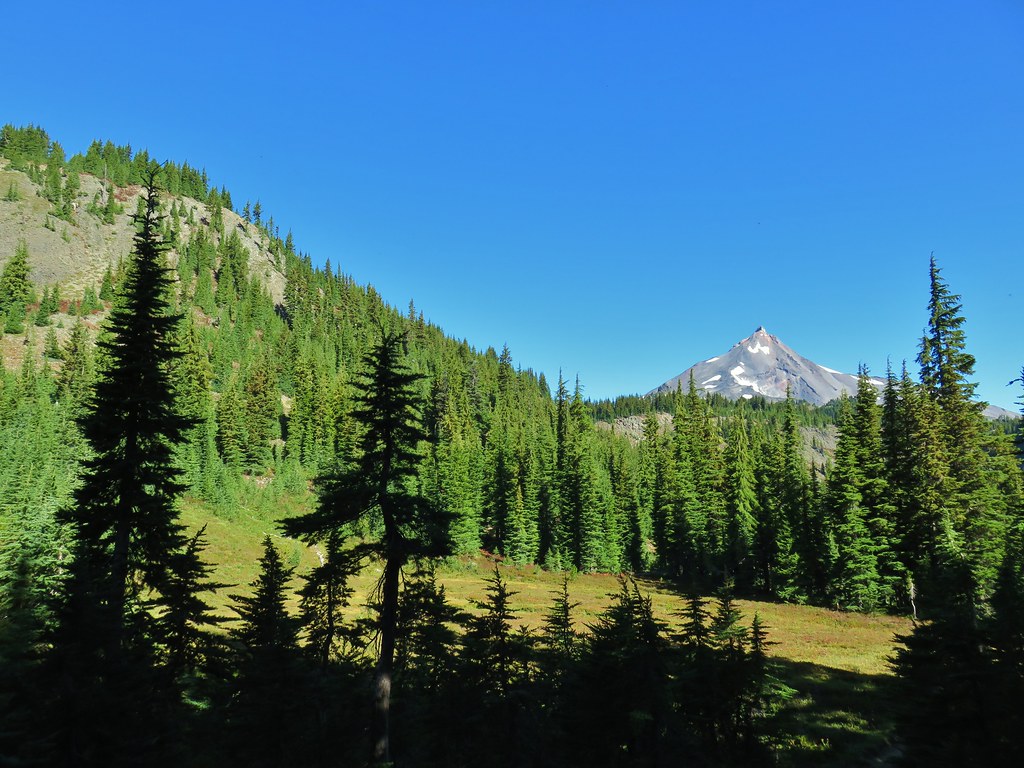
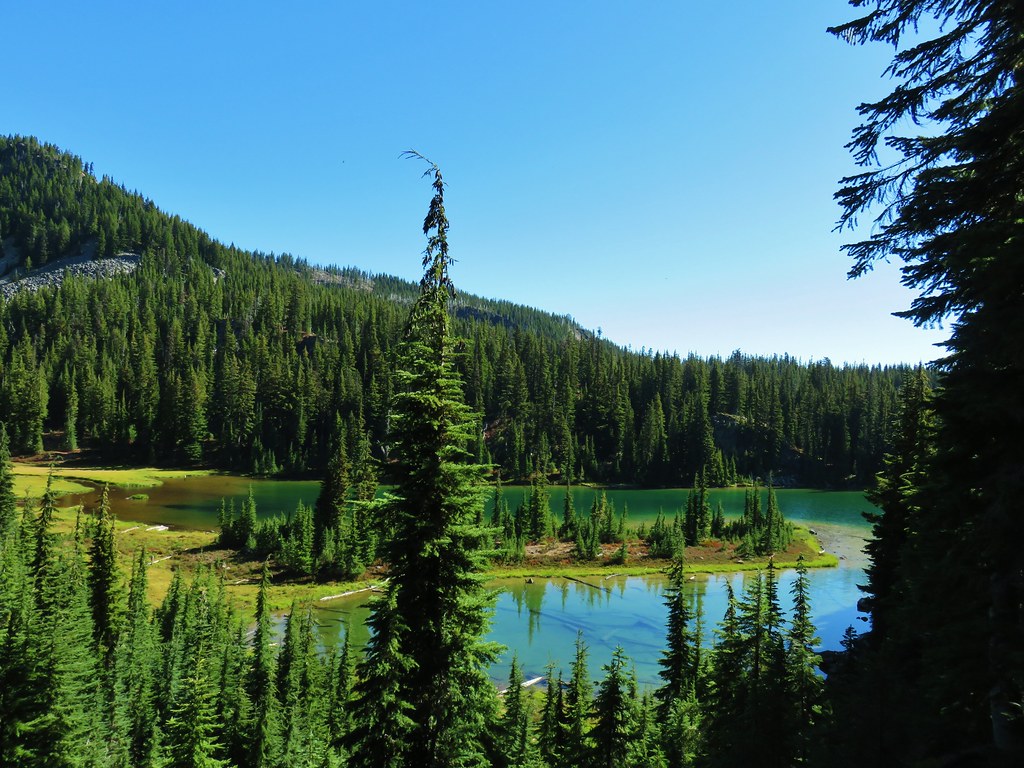
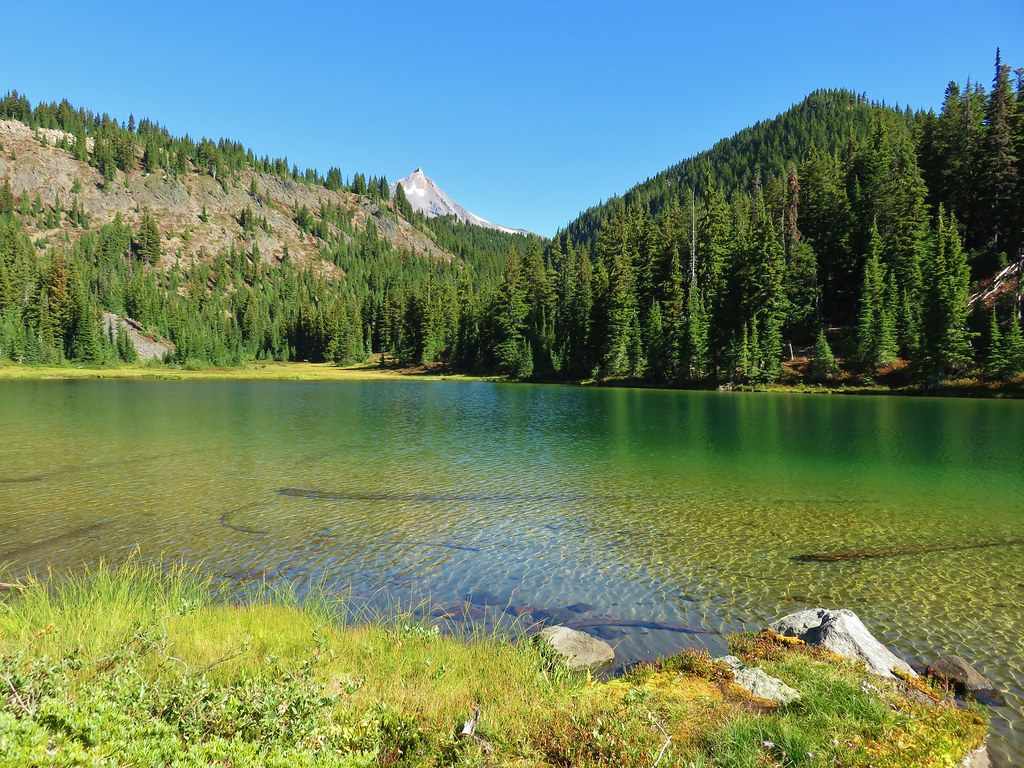
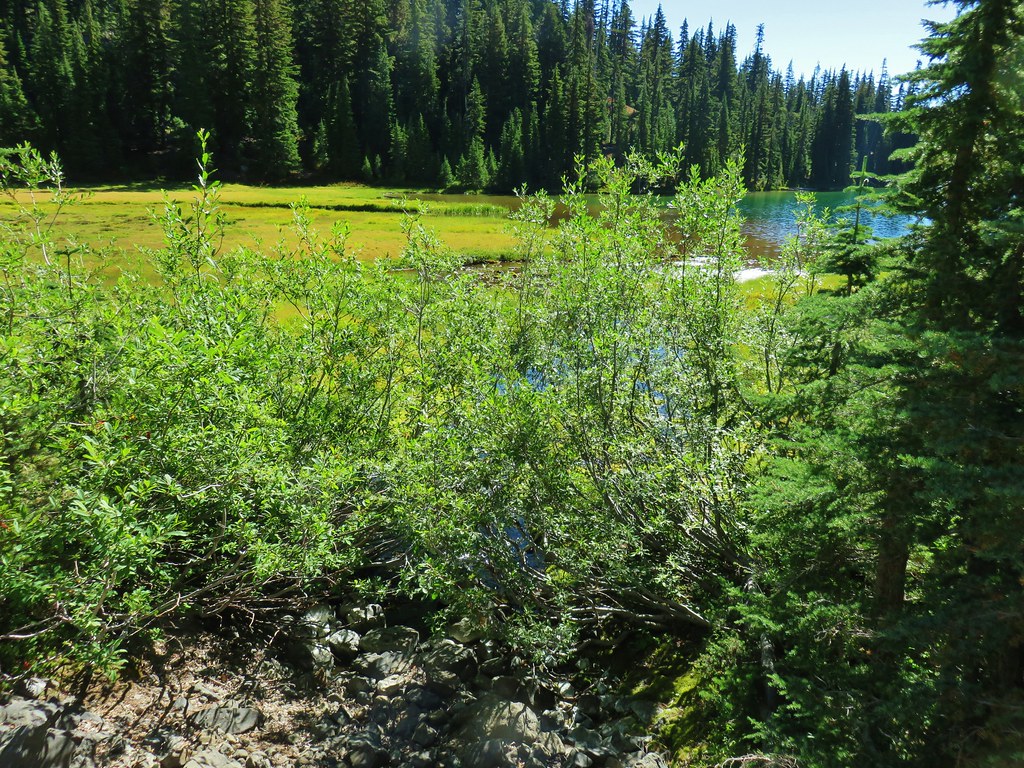
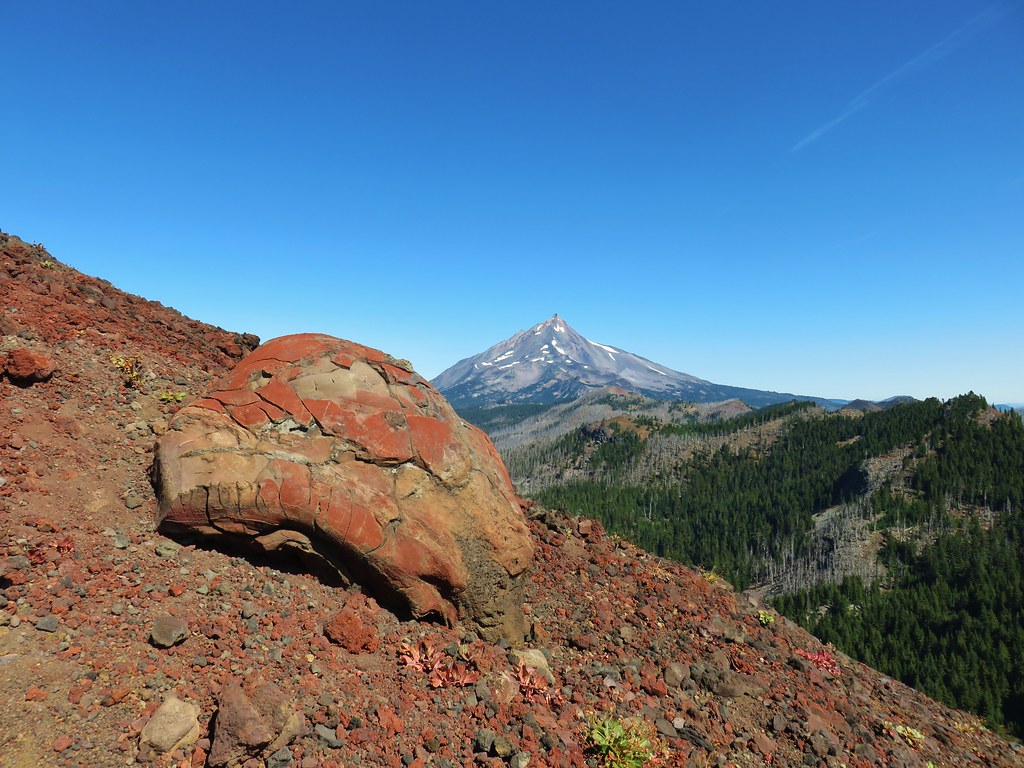
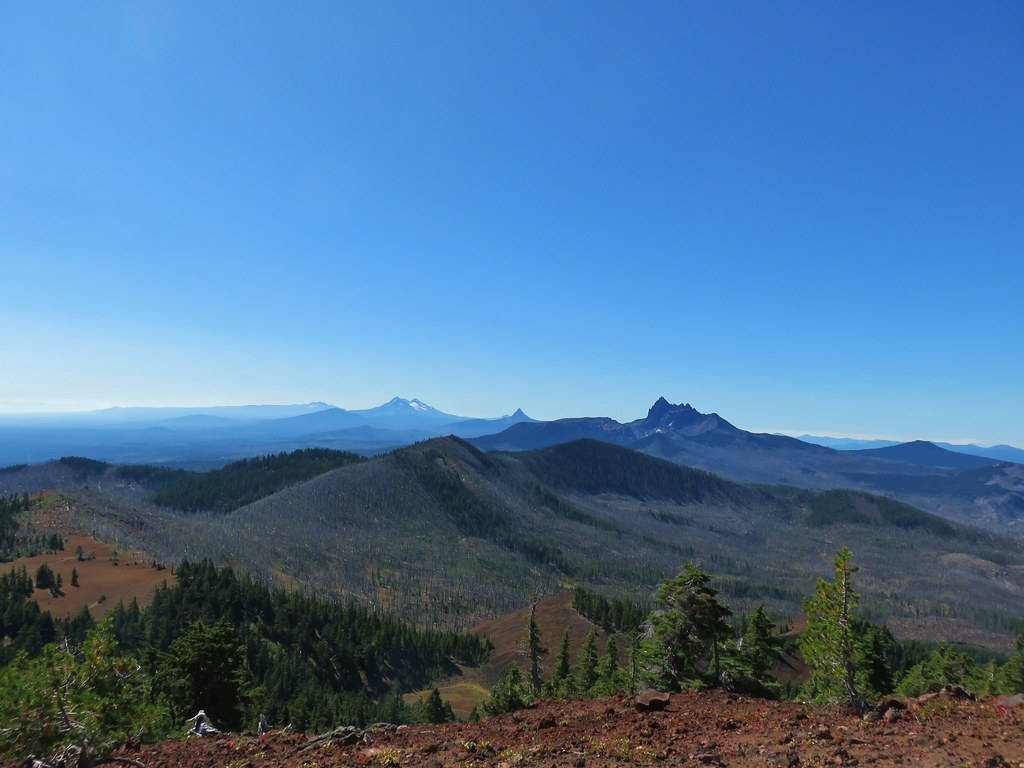
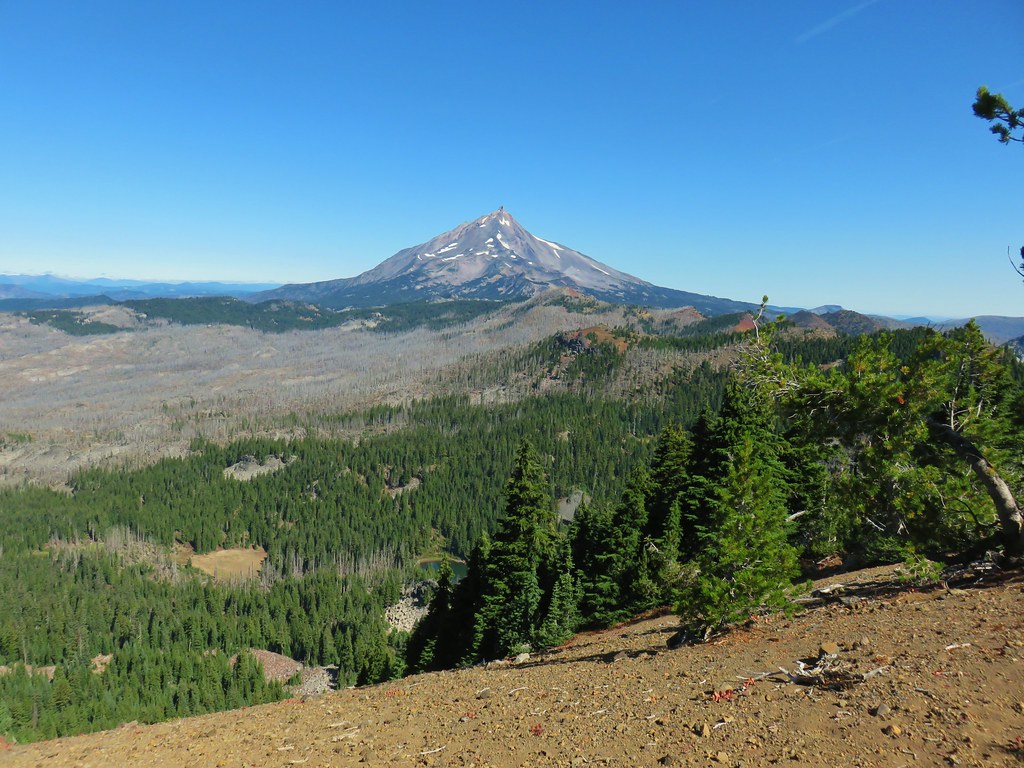
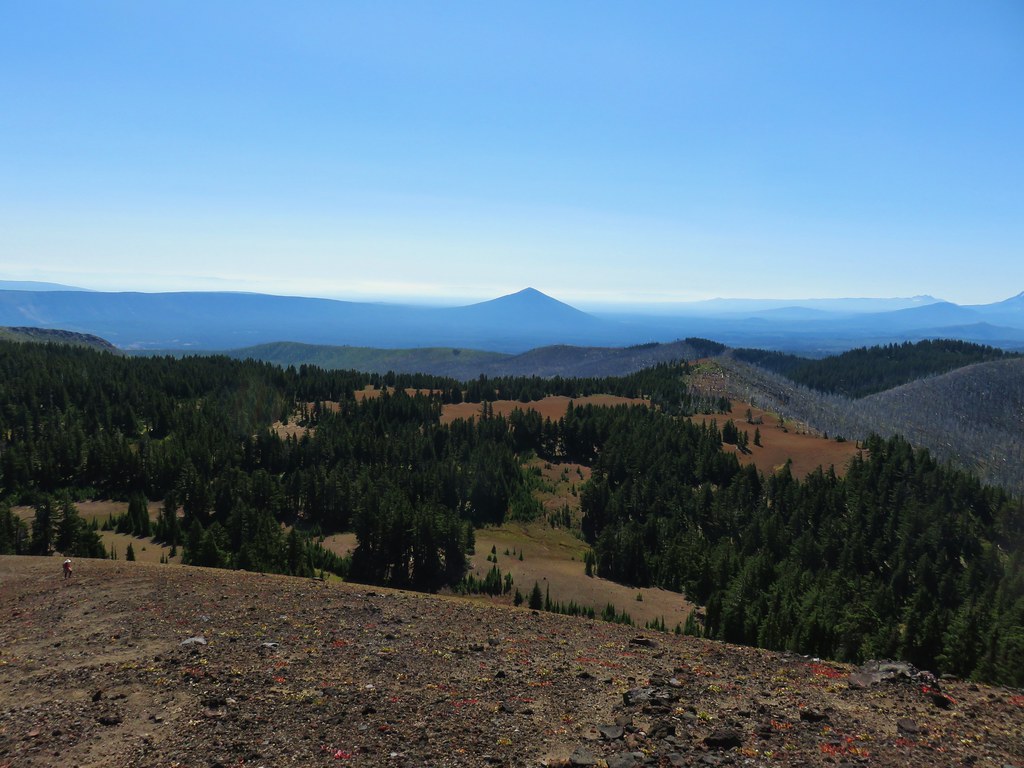
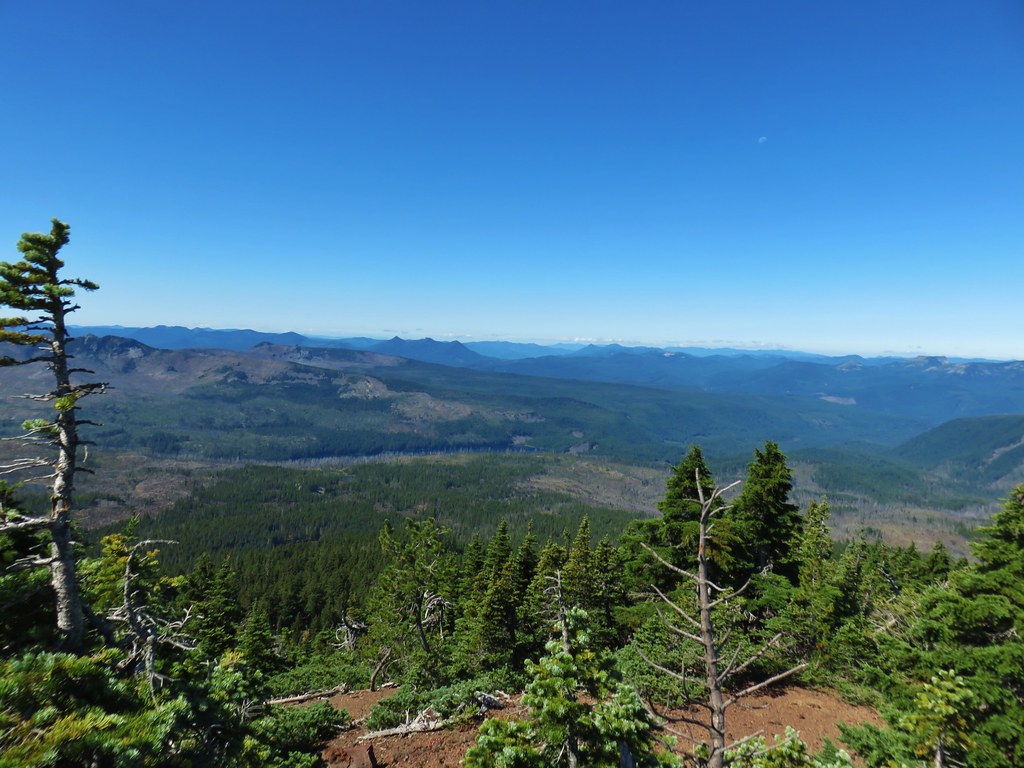
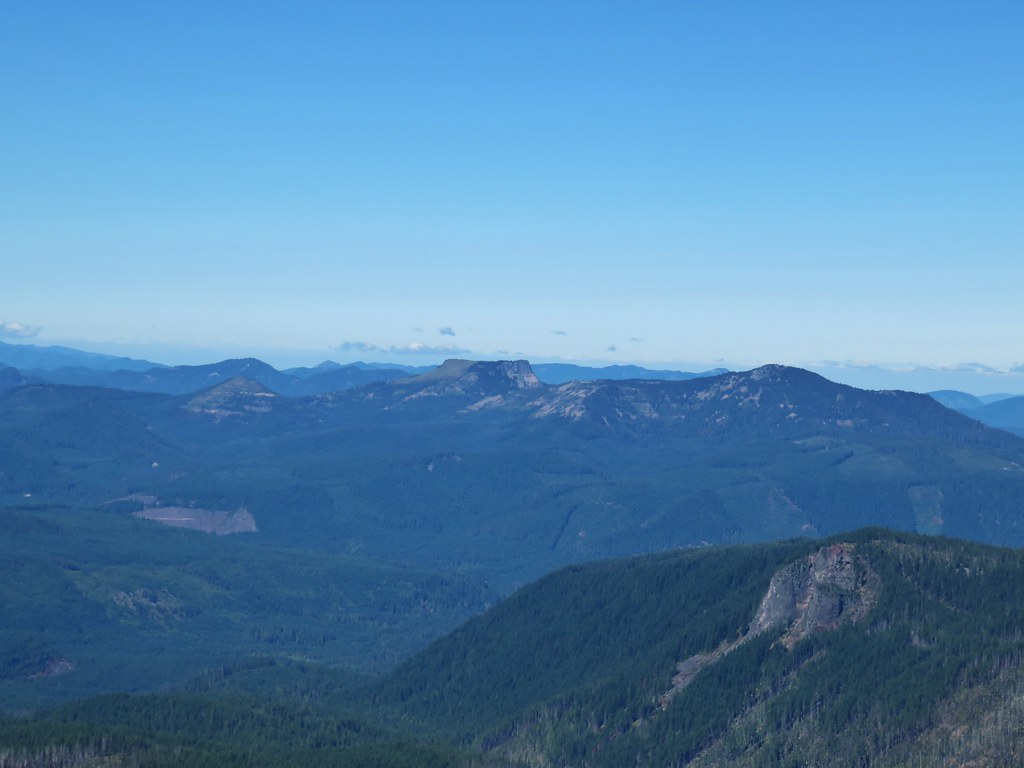
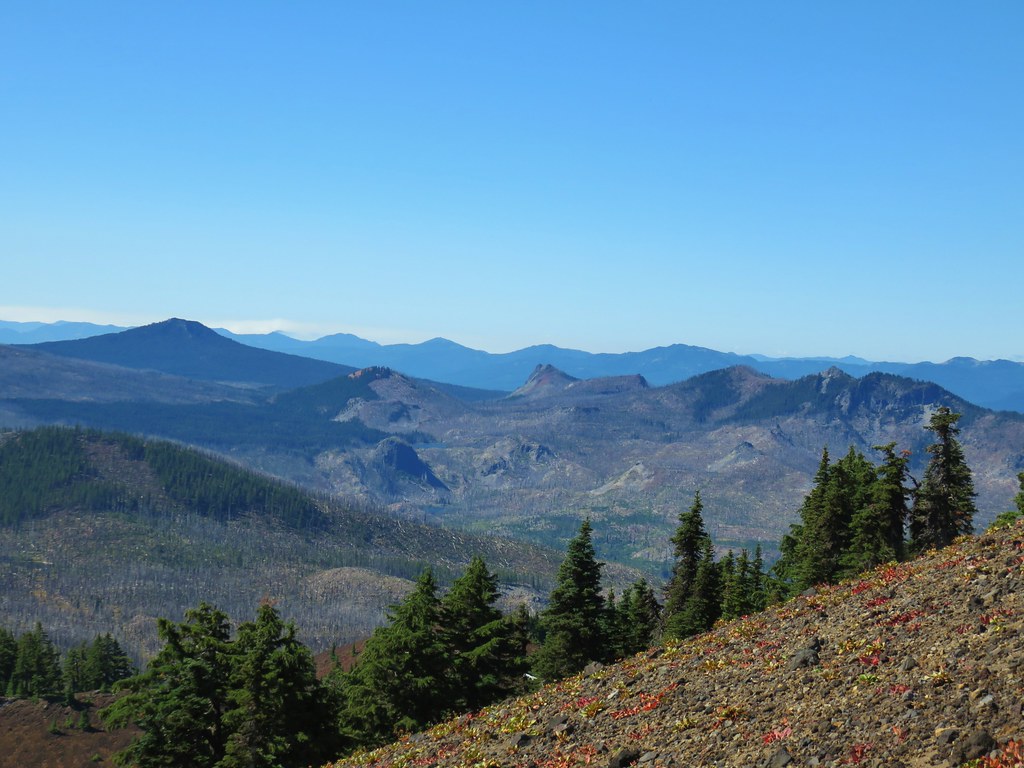
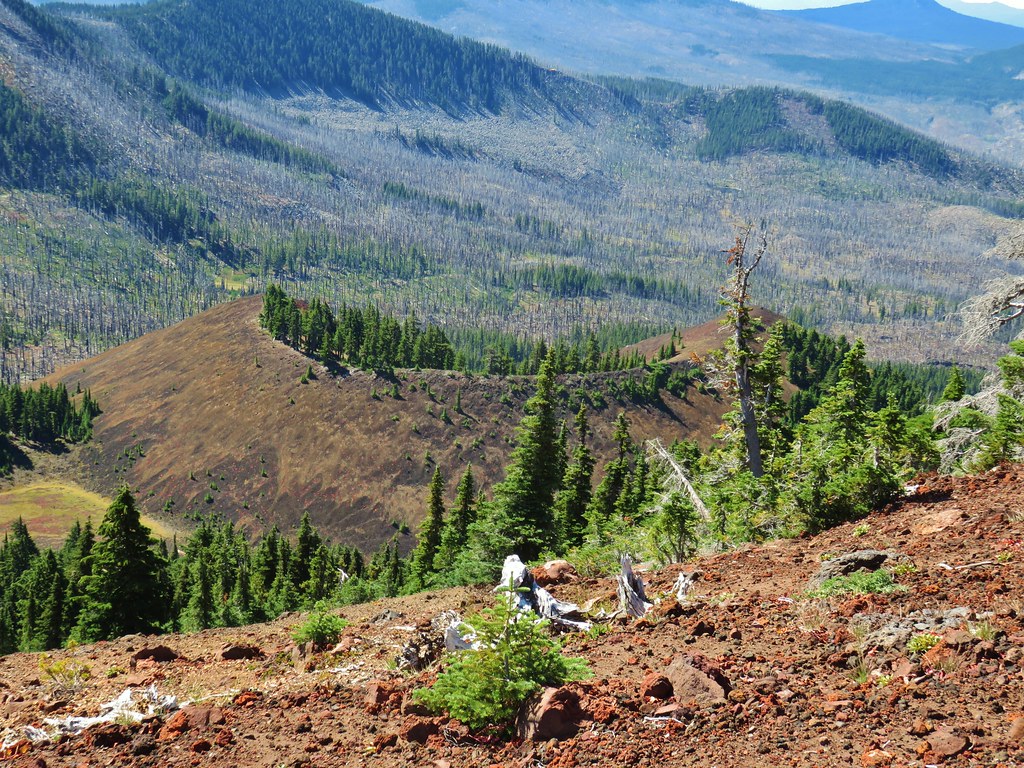
Bingham Ridge (Mt. Jefferson Wilderness) – 8/24/2019

**Note the 2024 Bingham Fire burned a portion of this hike.**

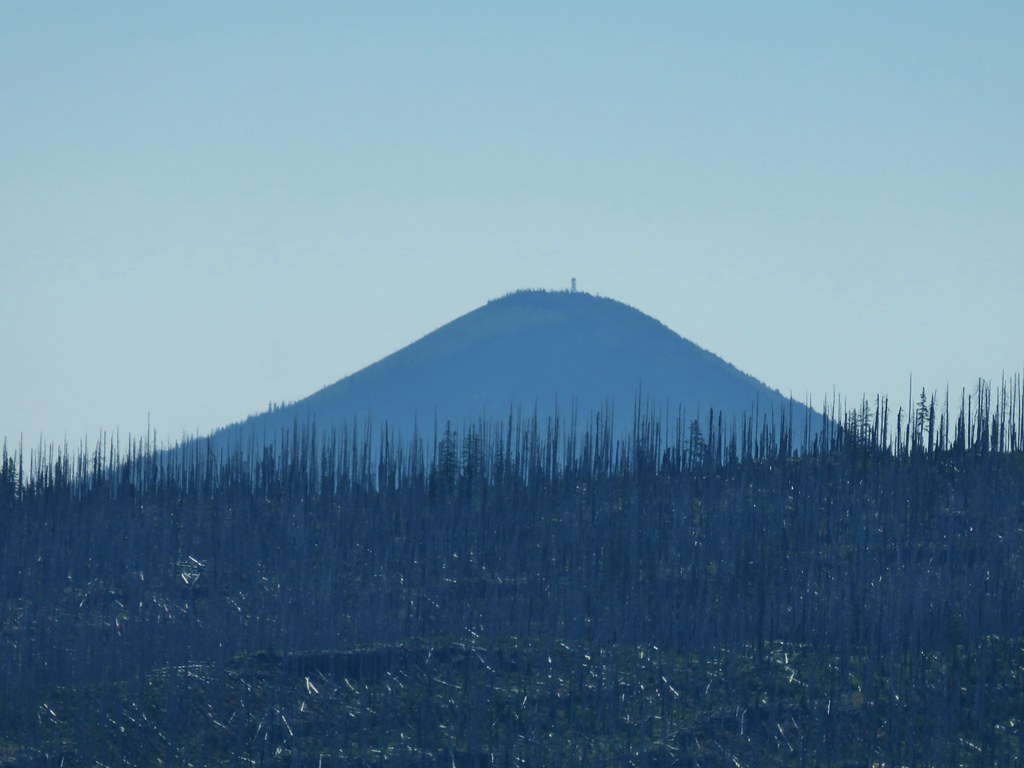
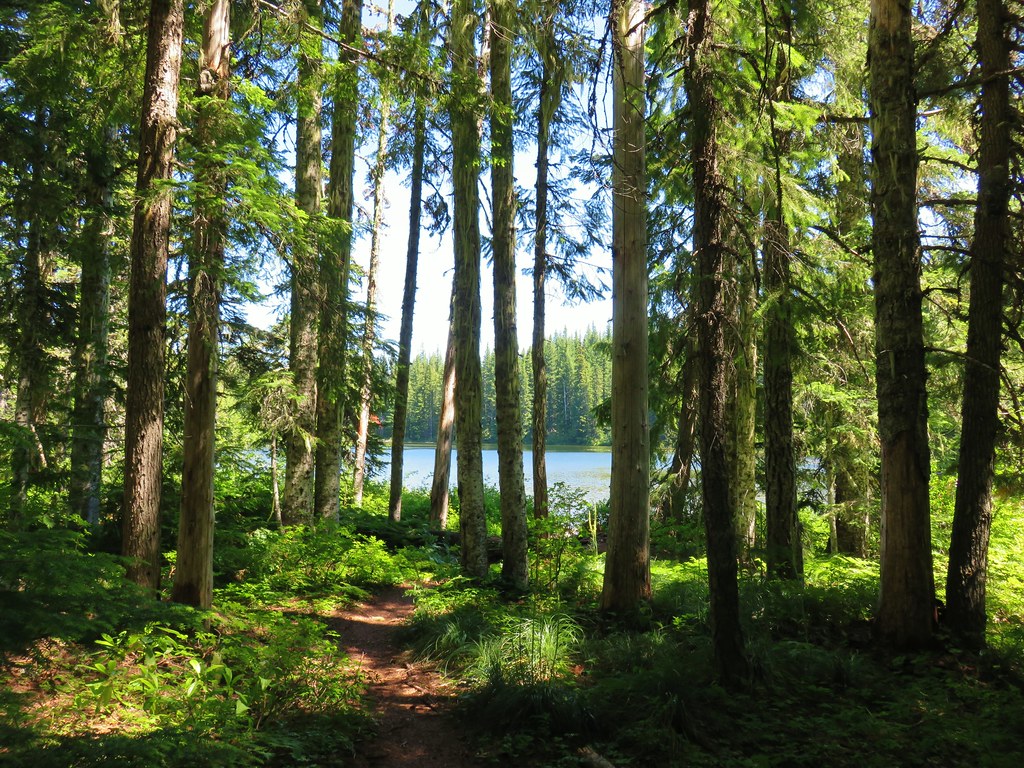
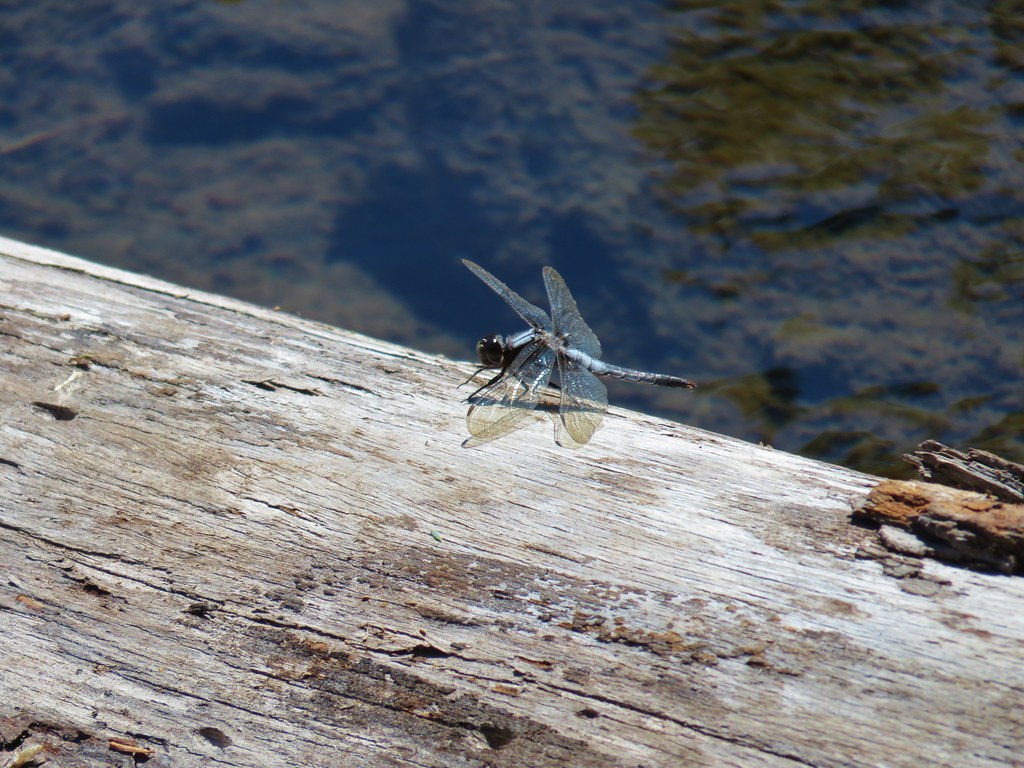
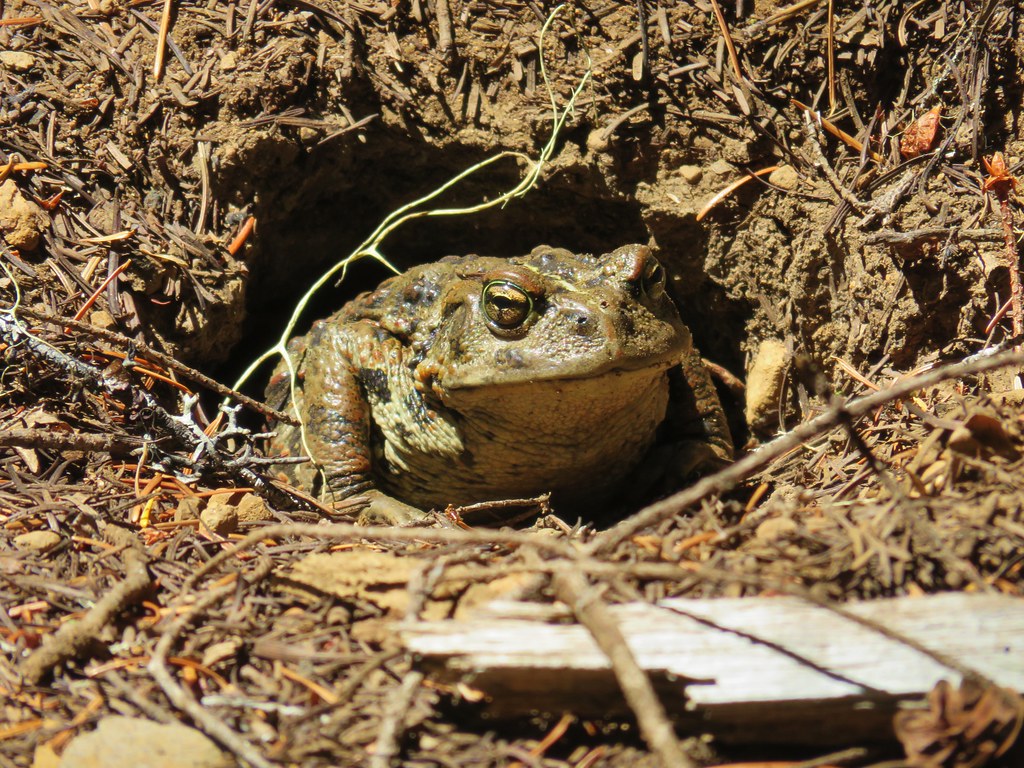
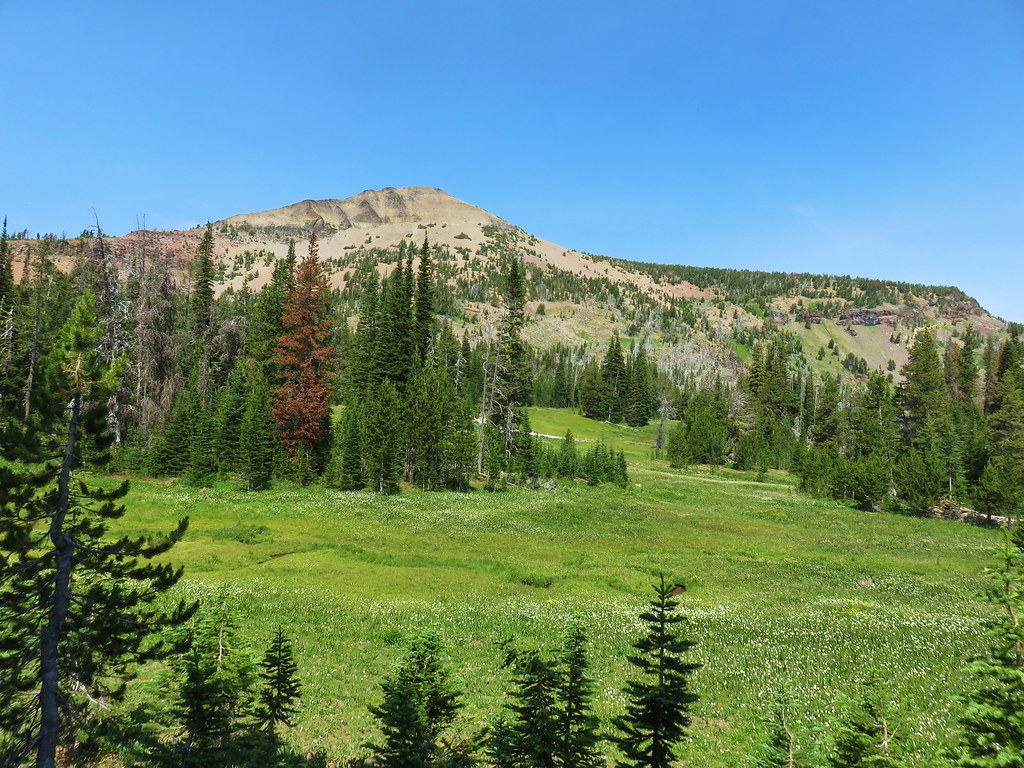
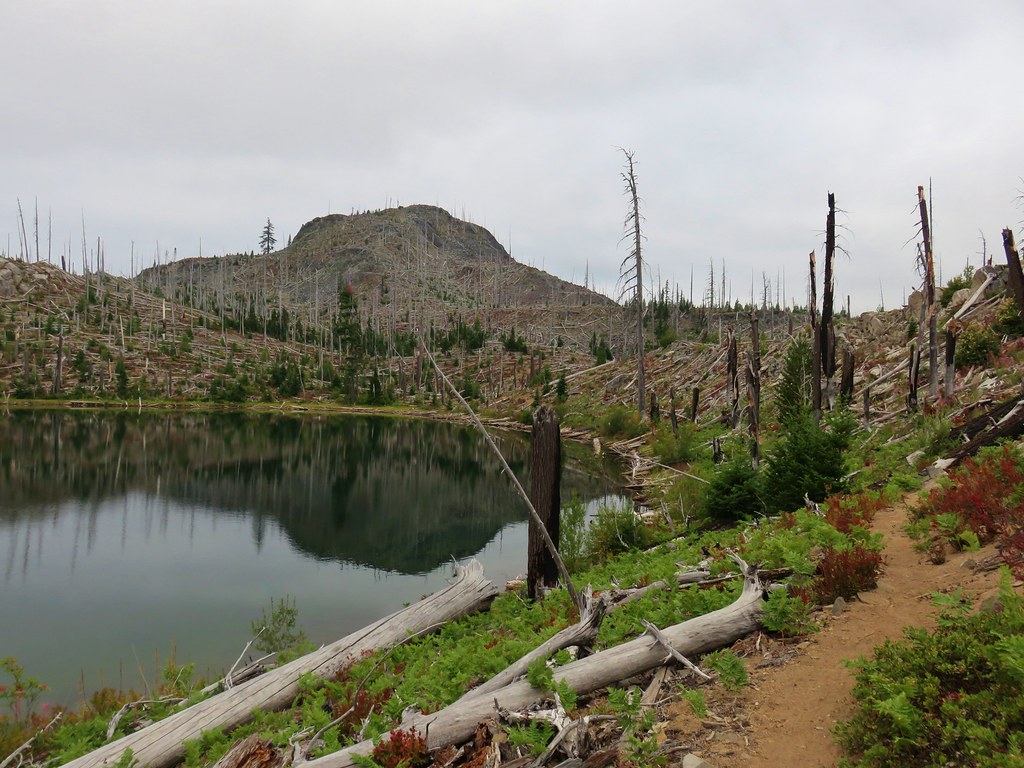
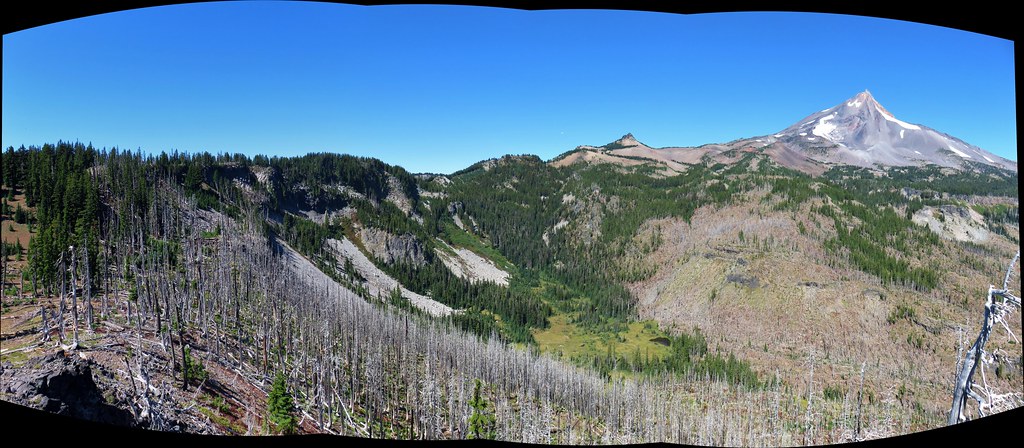
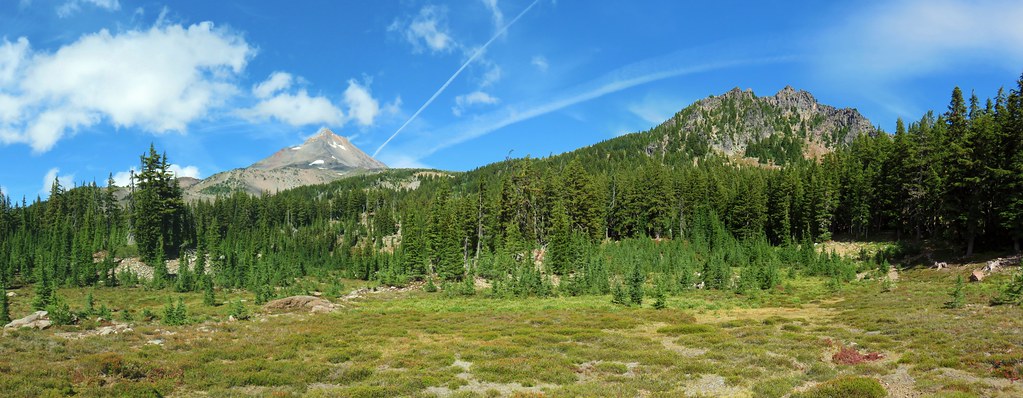
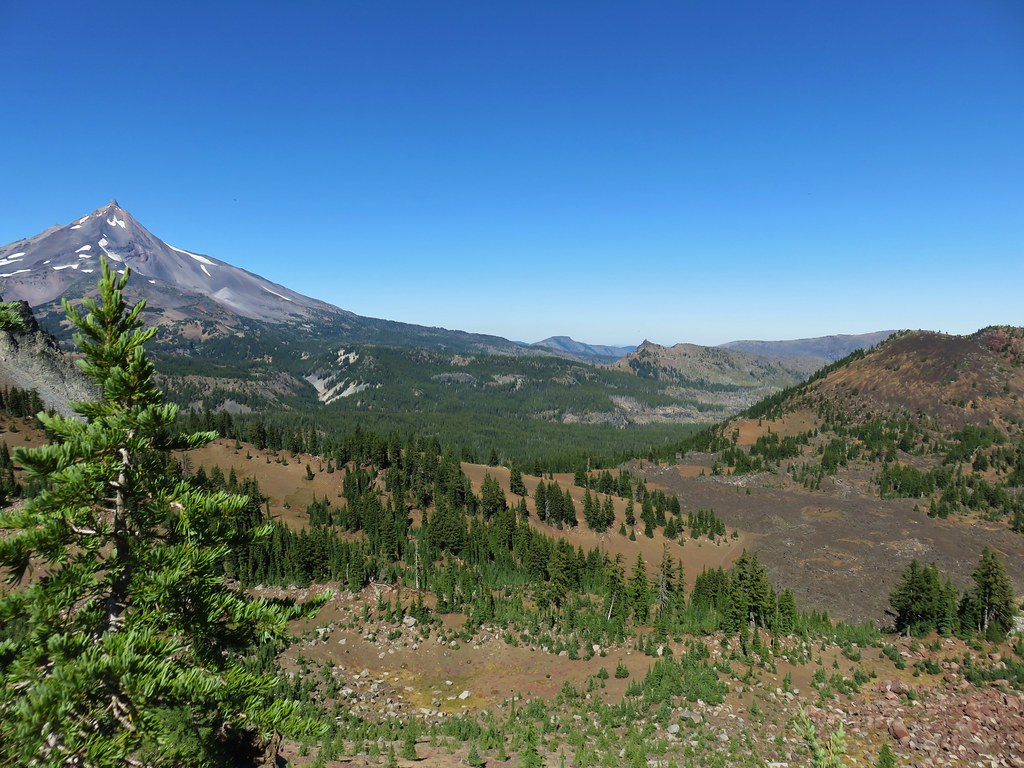
After a week back at work it was time to hit the trails again. We once again turned to Matt Reeder’s “101 Hikes in the Majestic Mount Jefferson Region” for inspiration choosing the Bingham Ridge Trail as our destination.

The Bingham Ridge Trailhead is located 5 miles up Forest Road 2253 aka Minto Road. That road is just 17 miles east of Detroit, OR and was in great shape except for some water damage in the first quarter of a mile. Beyond that short stretch it was a good gravel road all the way to the parking area just before the road was gated.

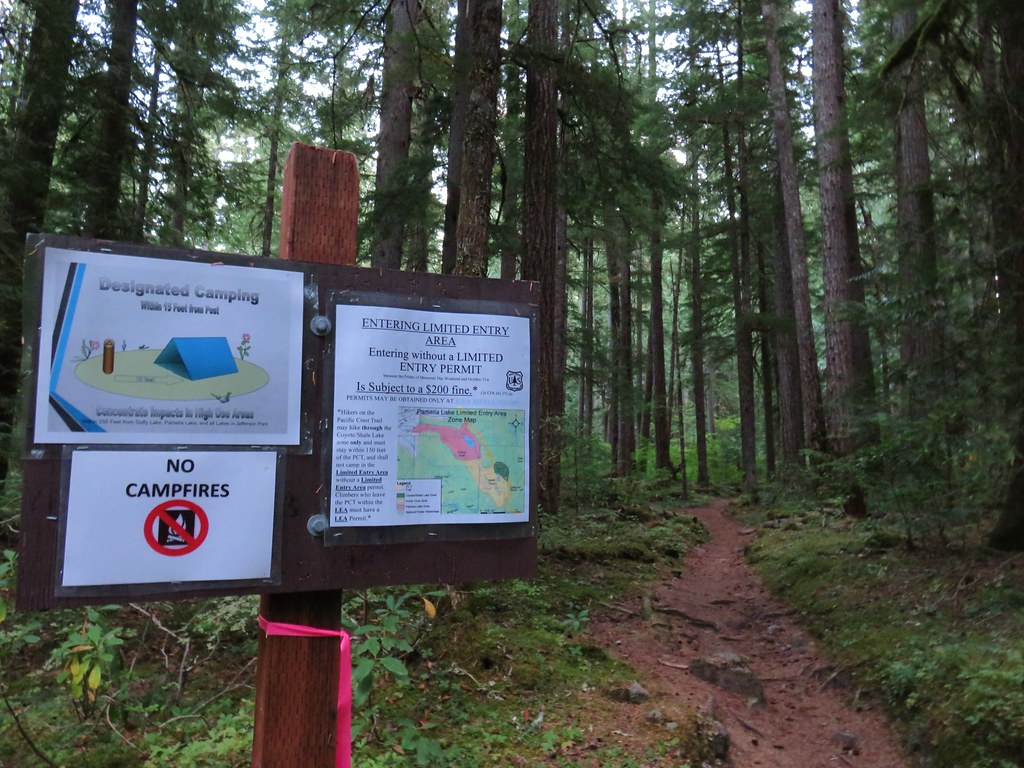
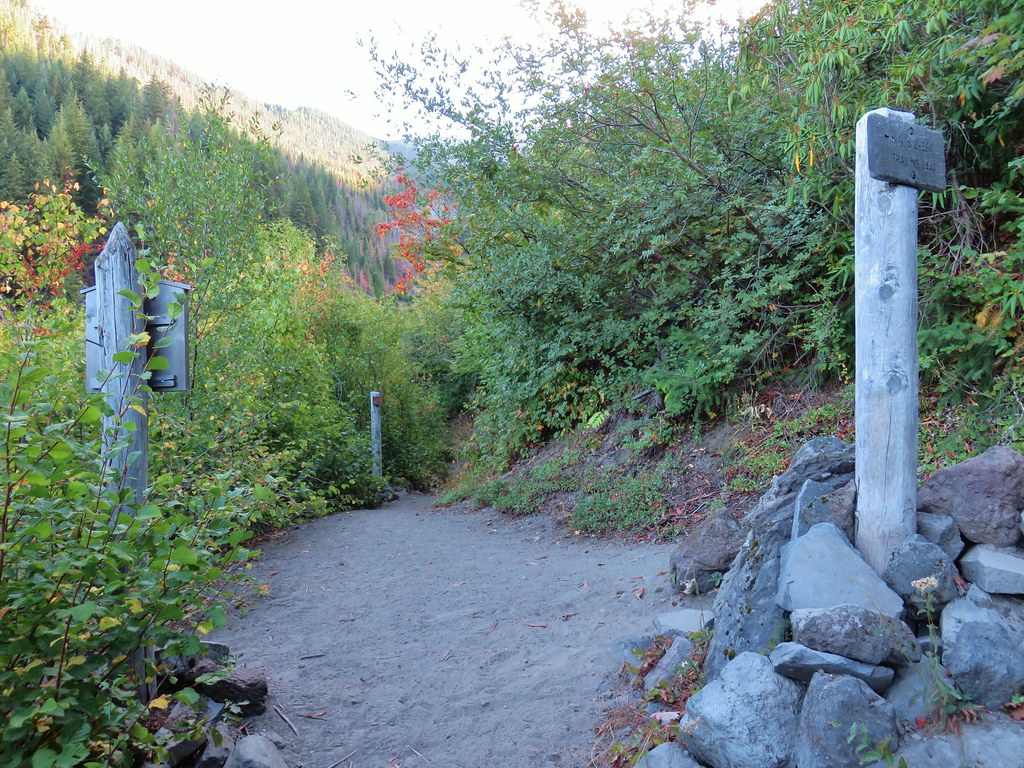
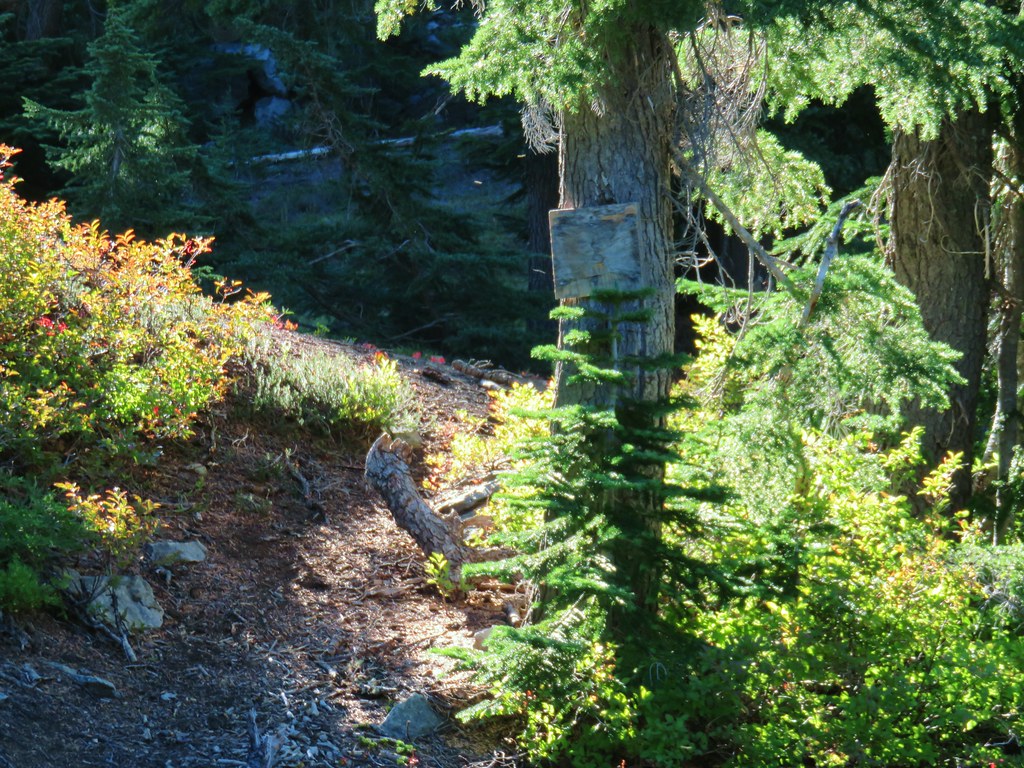
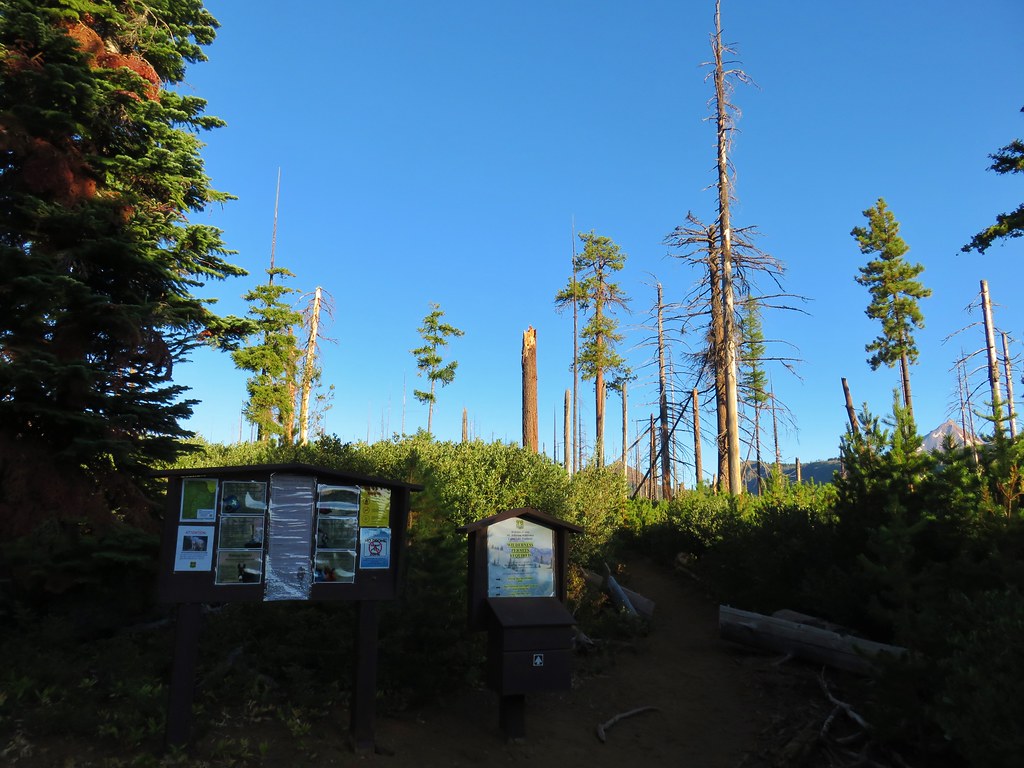
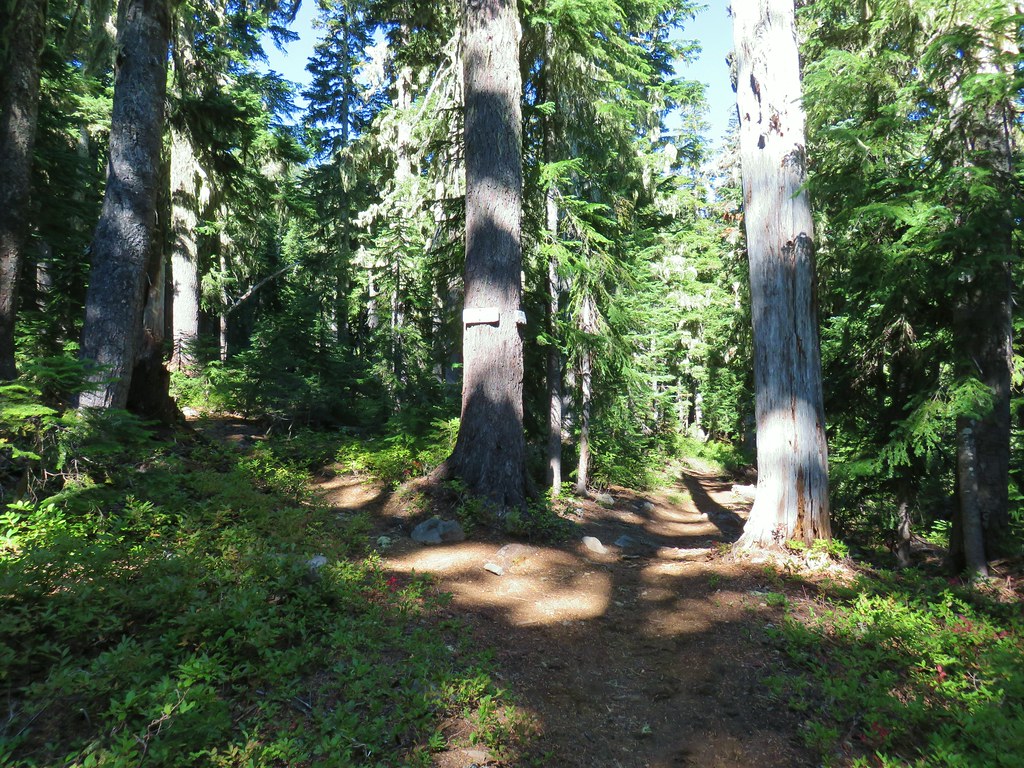
The trail began opposite the little parking area where we had parked along side two other vehicles.
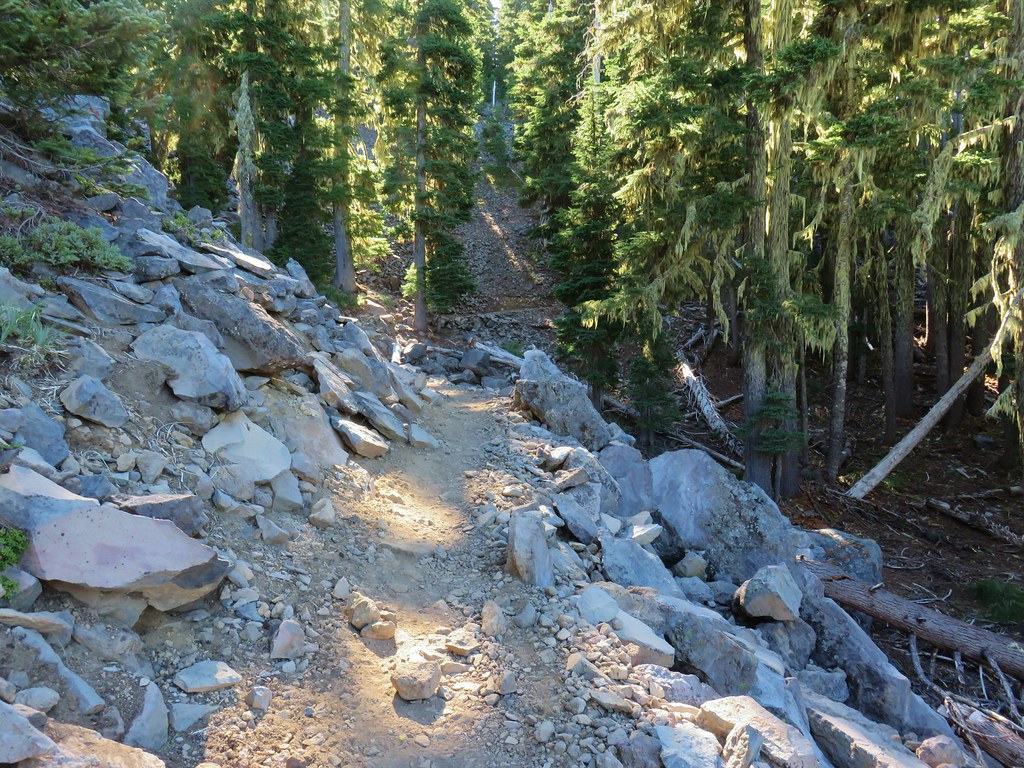
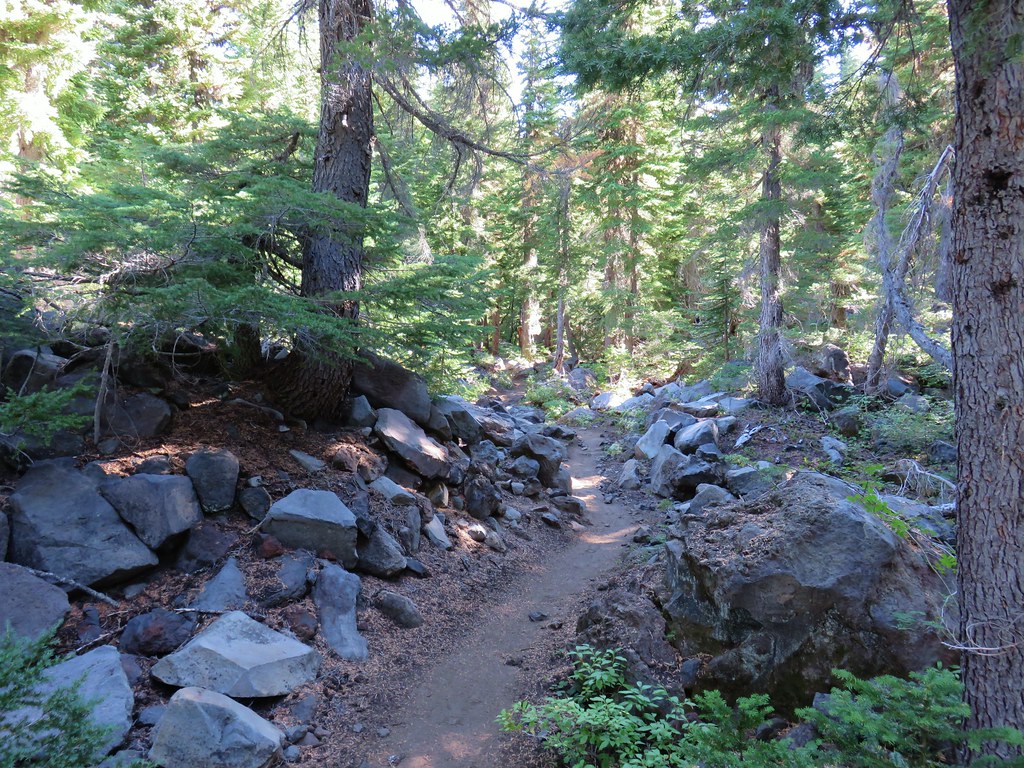
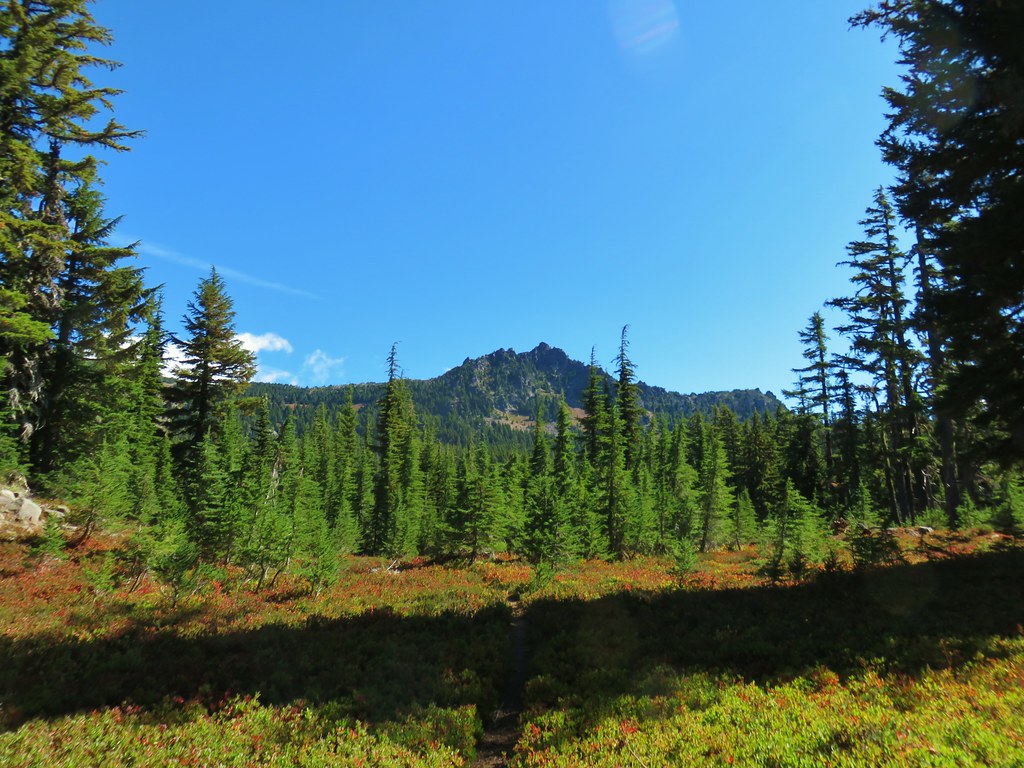
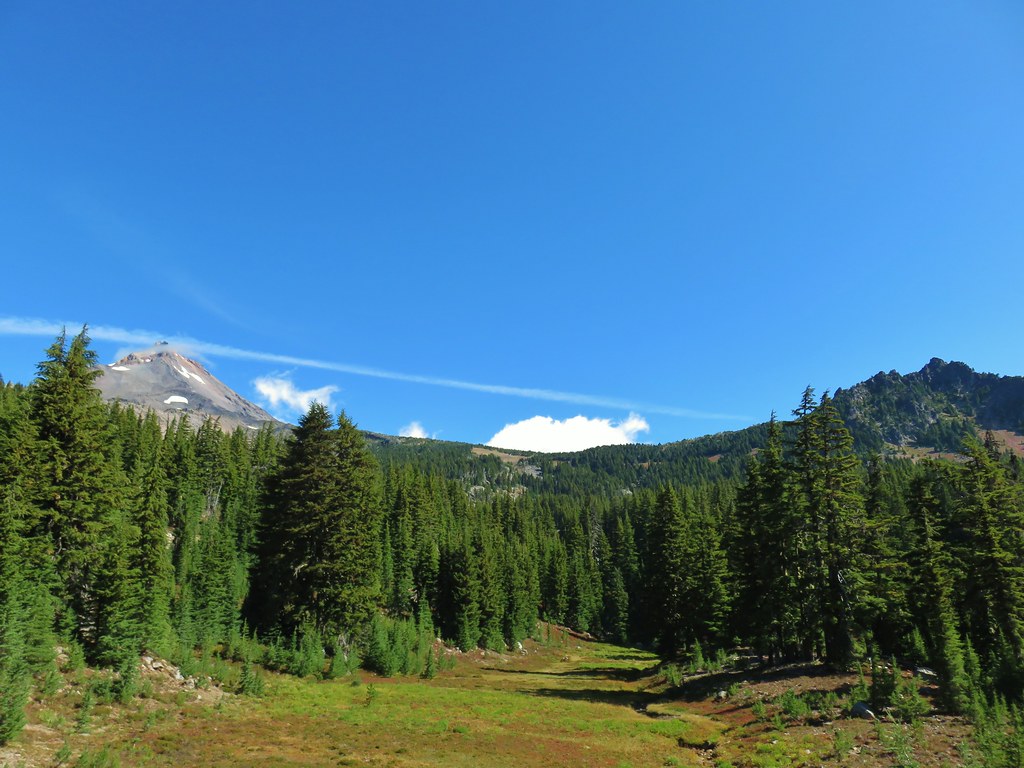
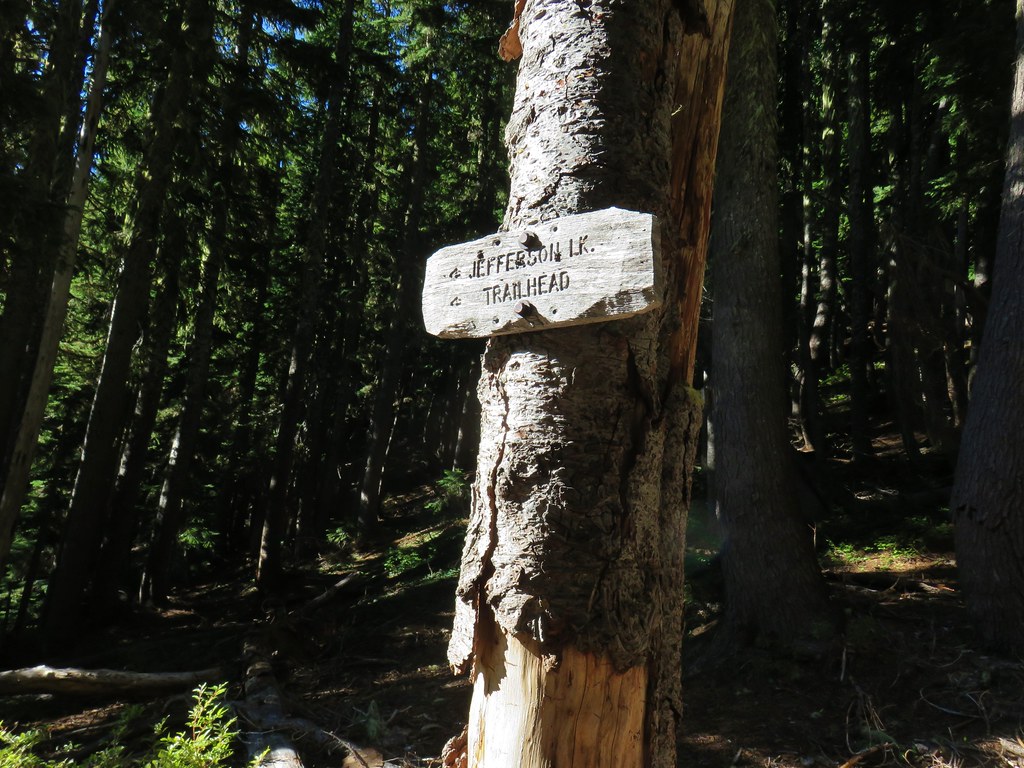
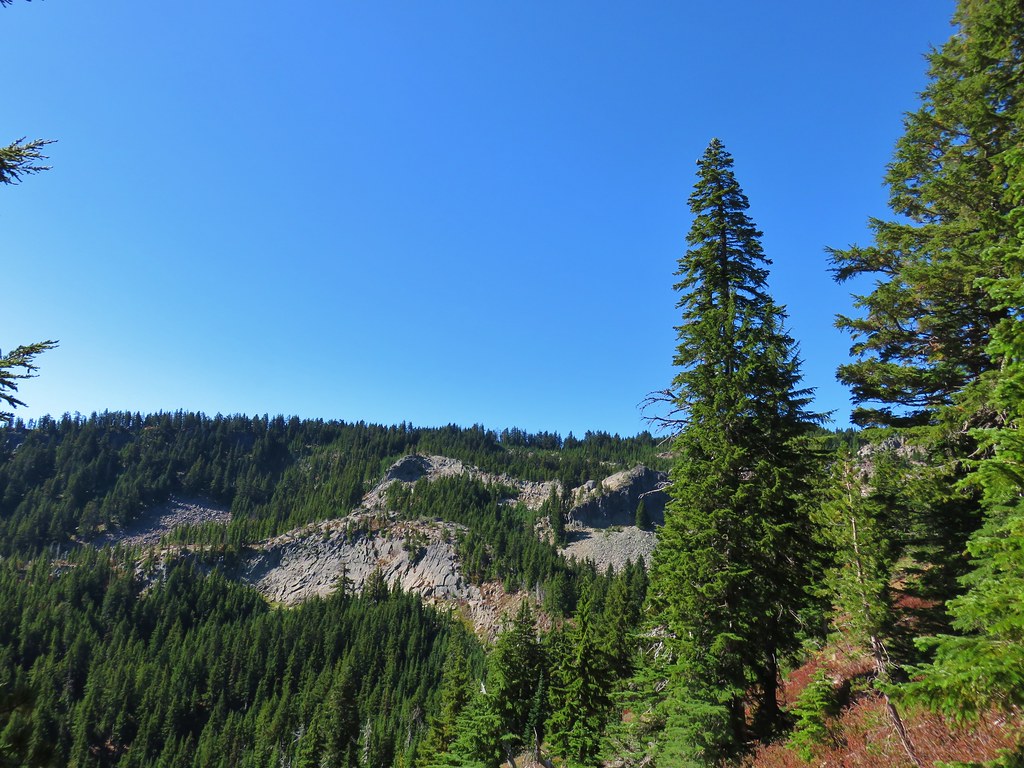
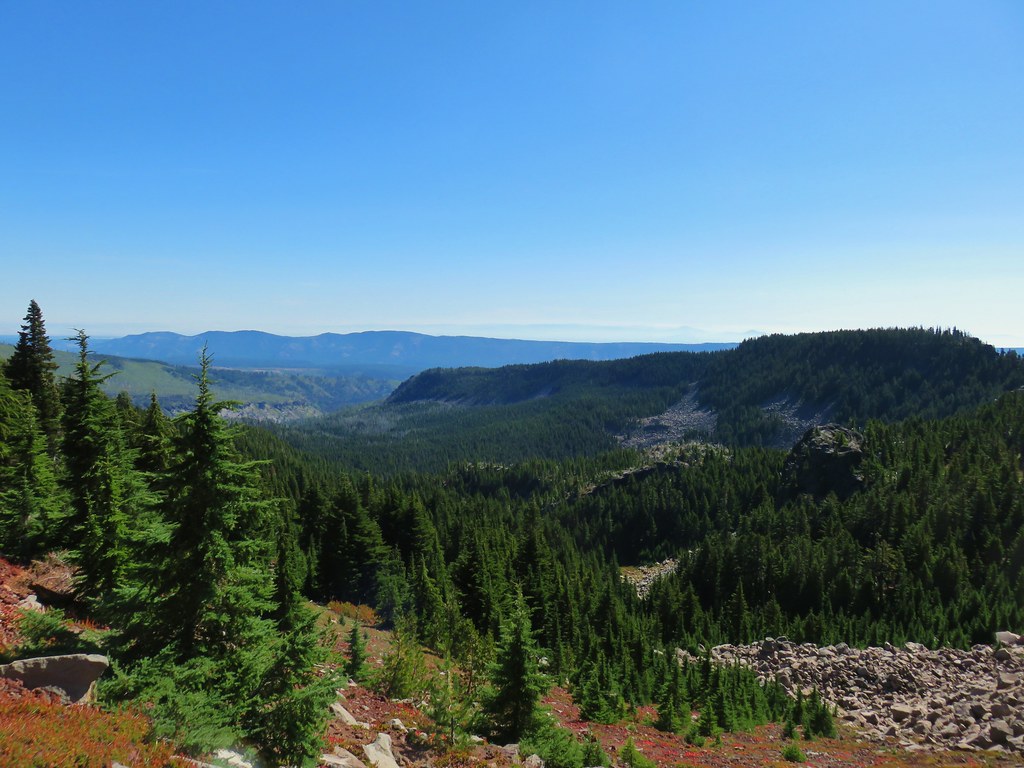
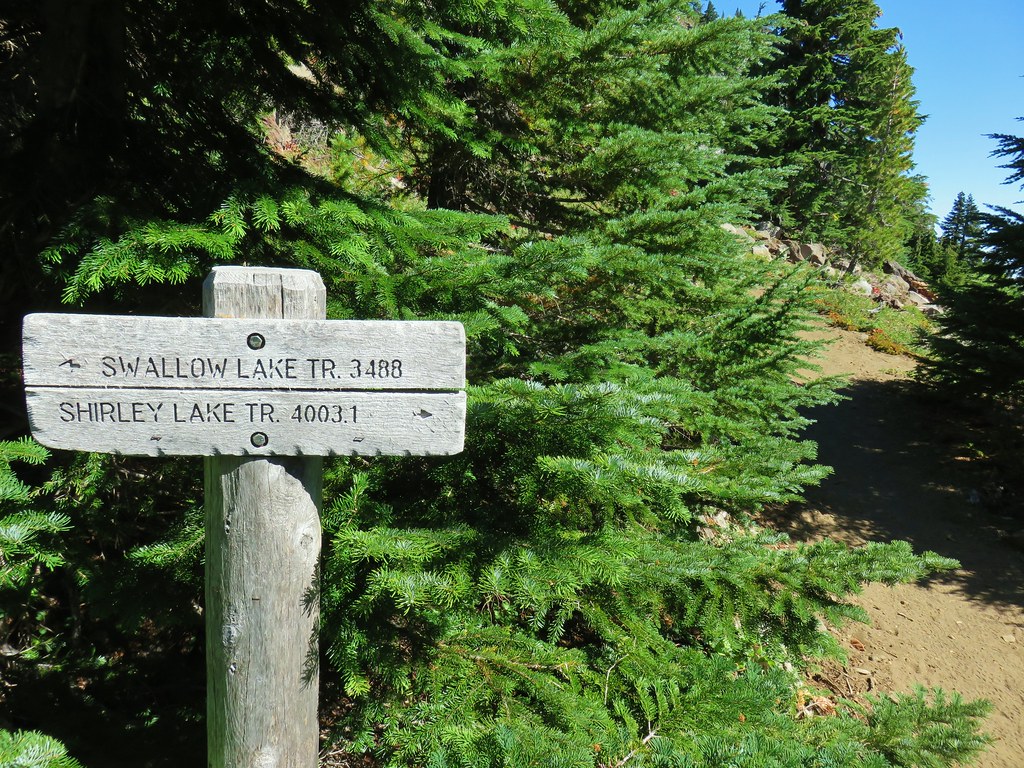
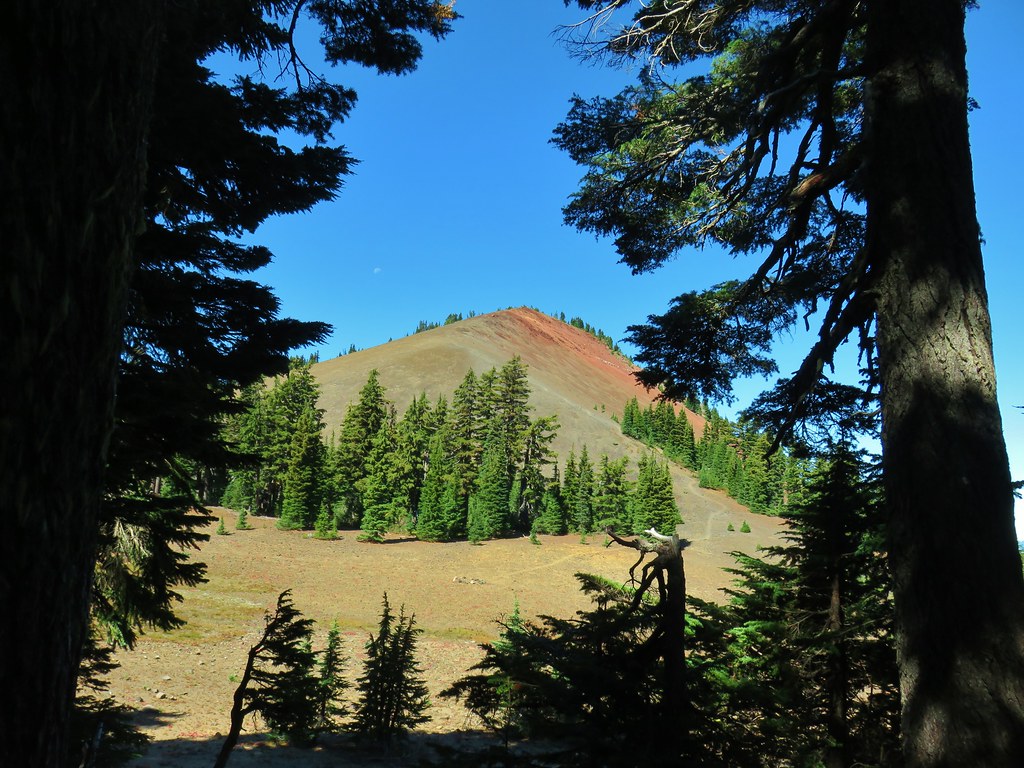
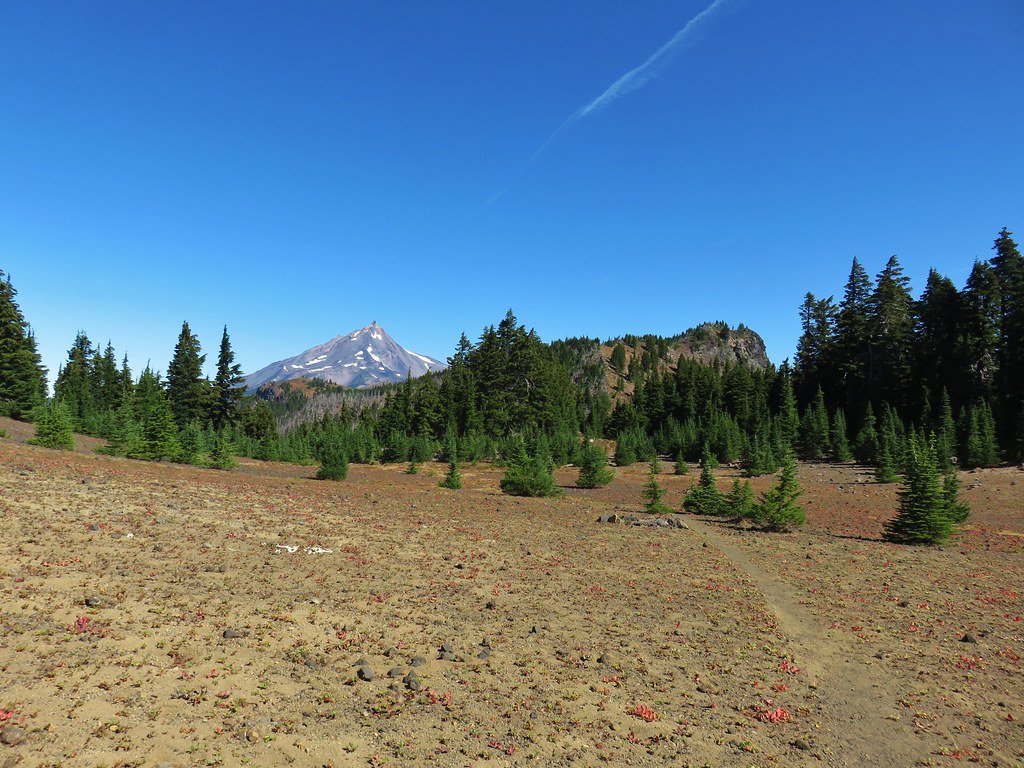
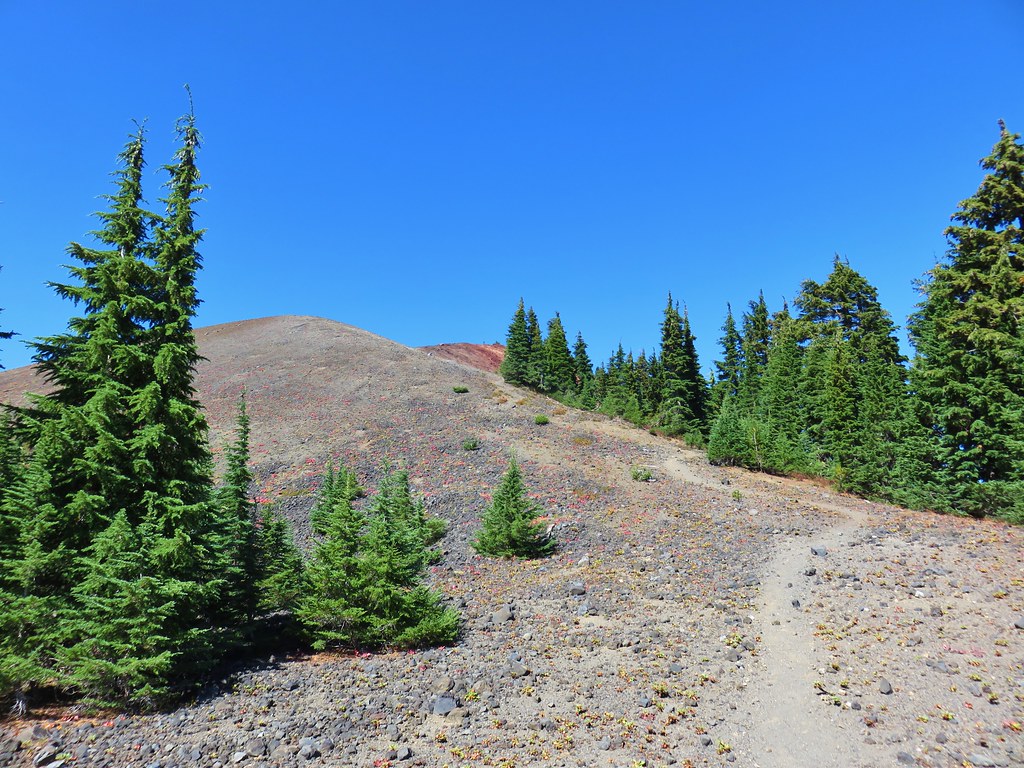
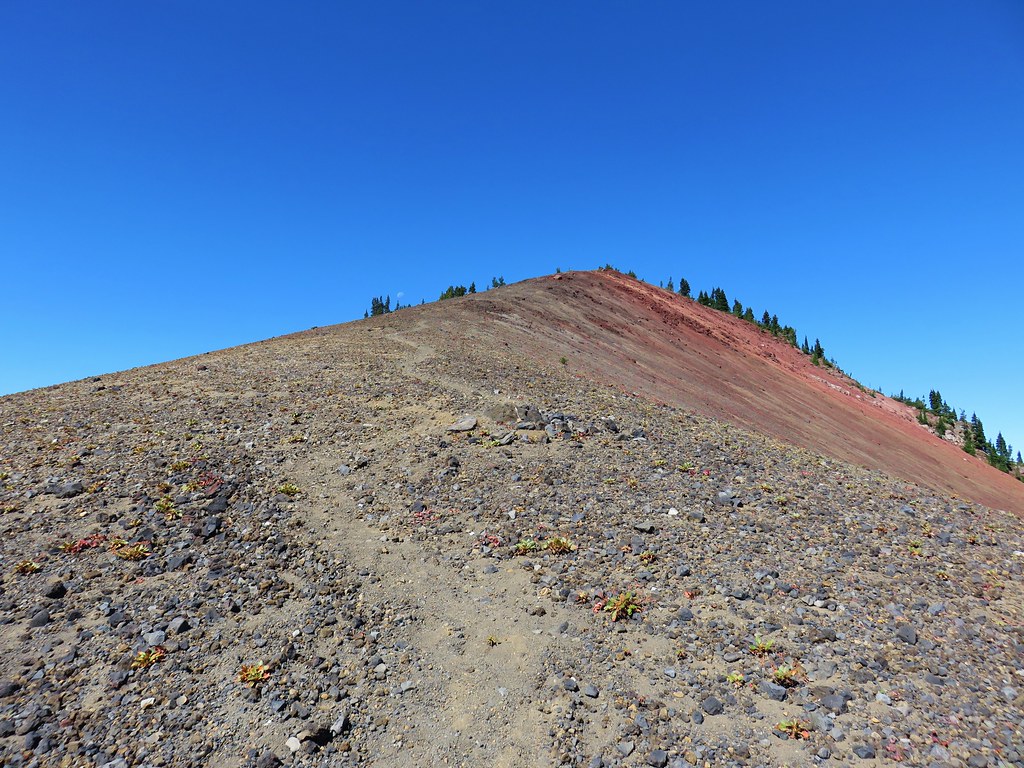
IMG_7369

IMG_7371

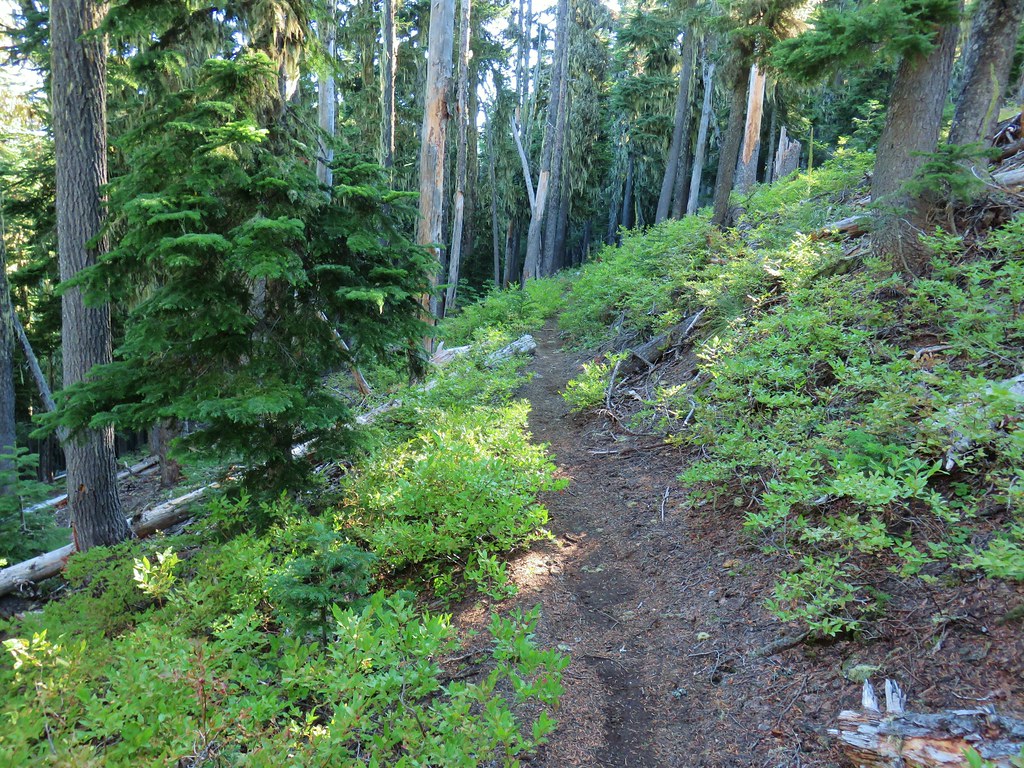
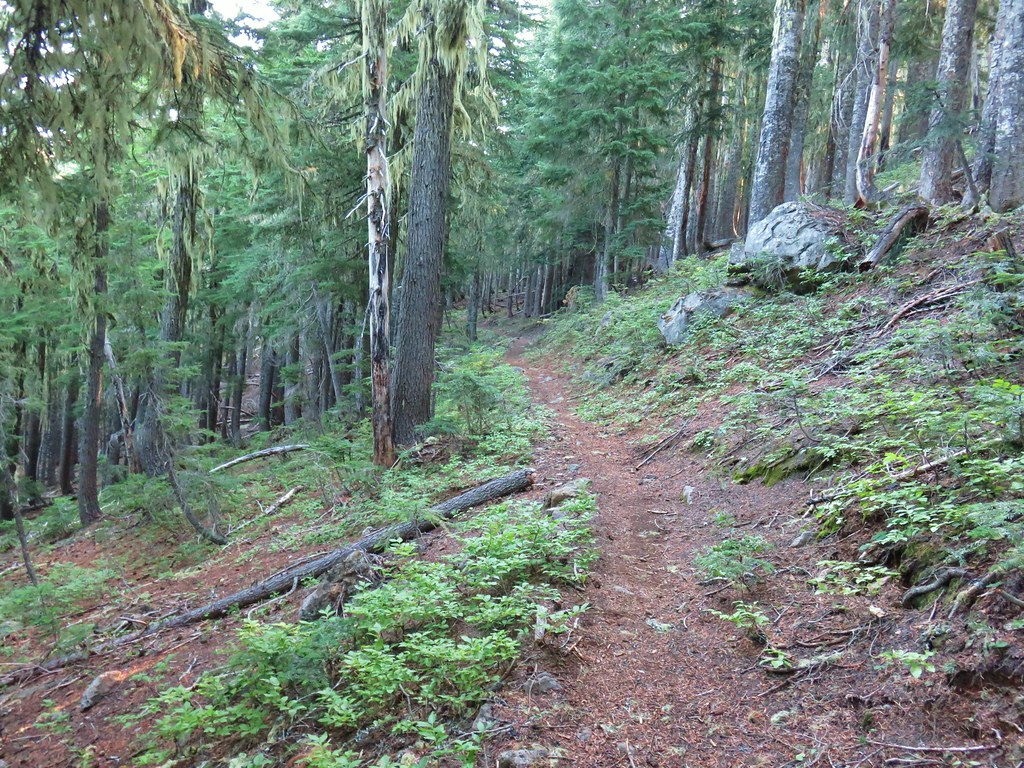
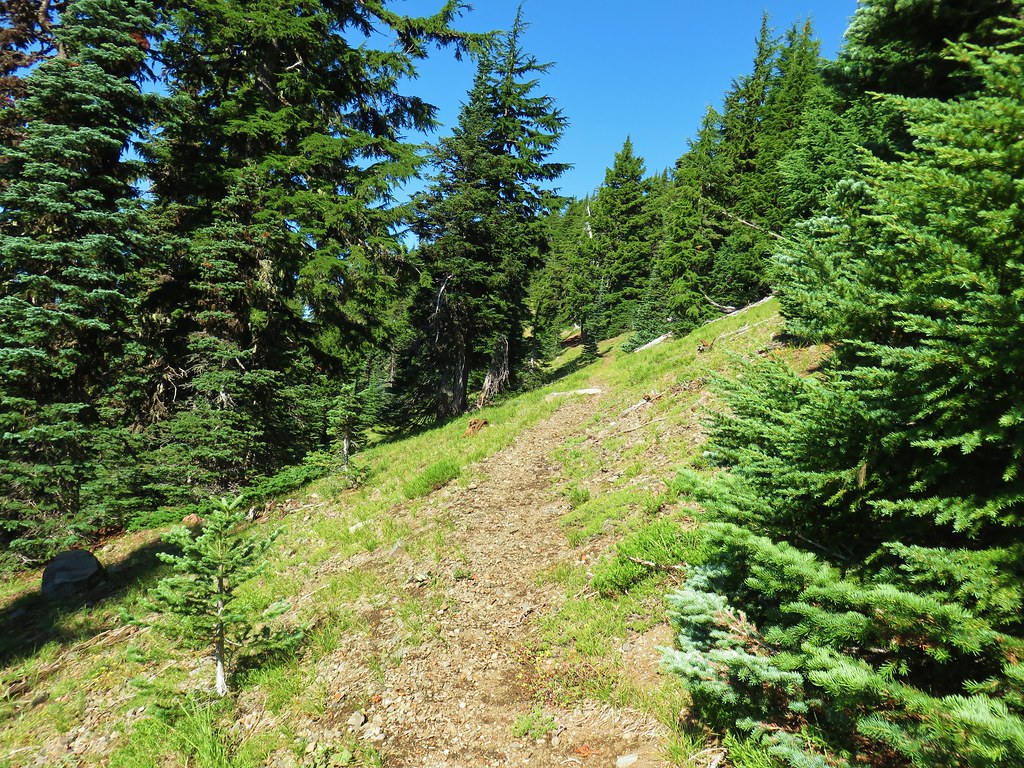
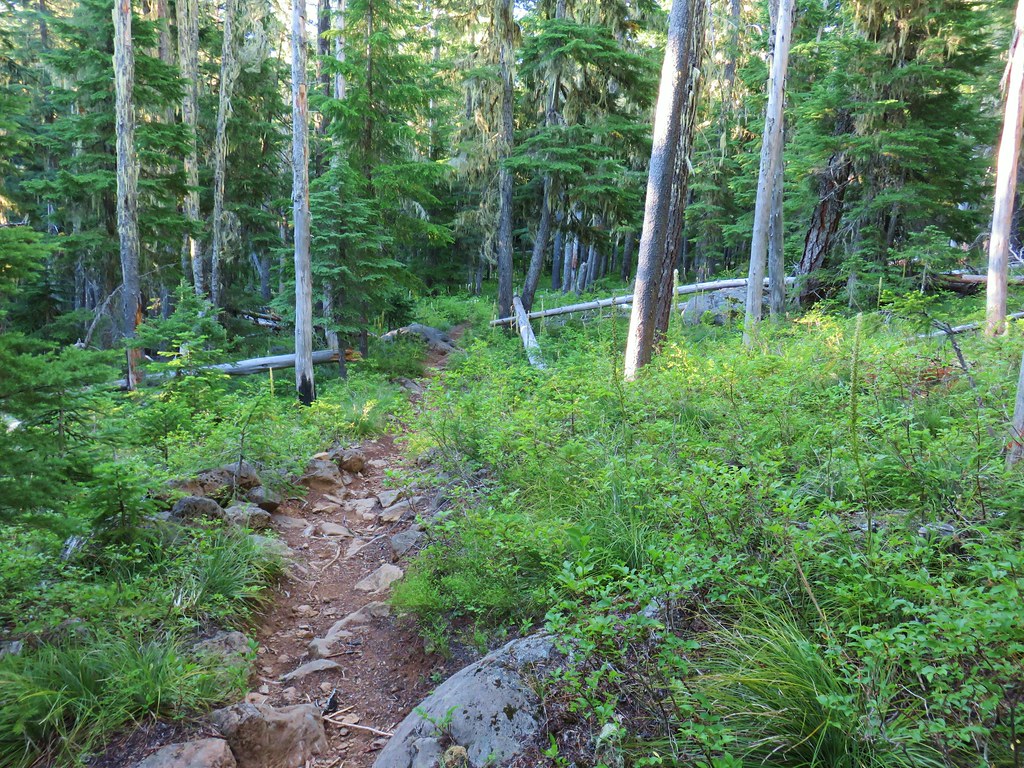
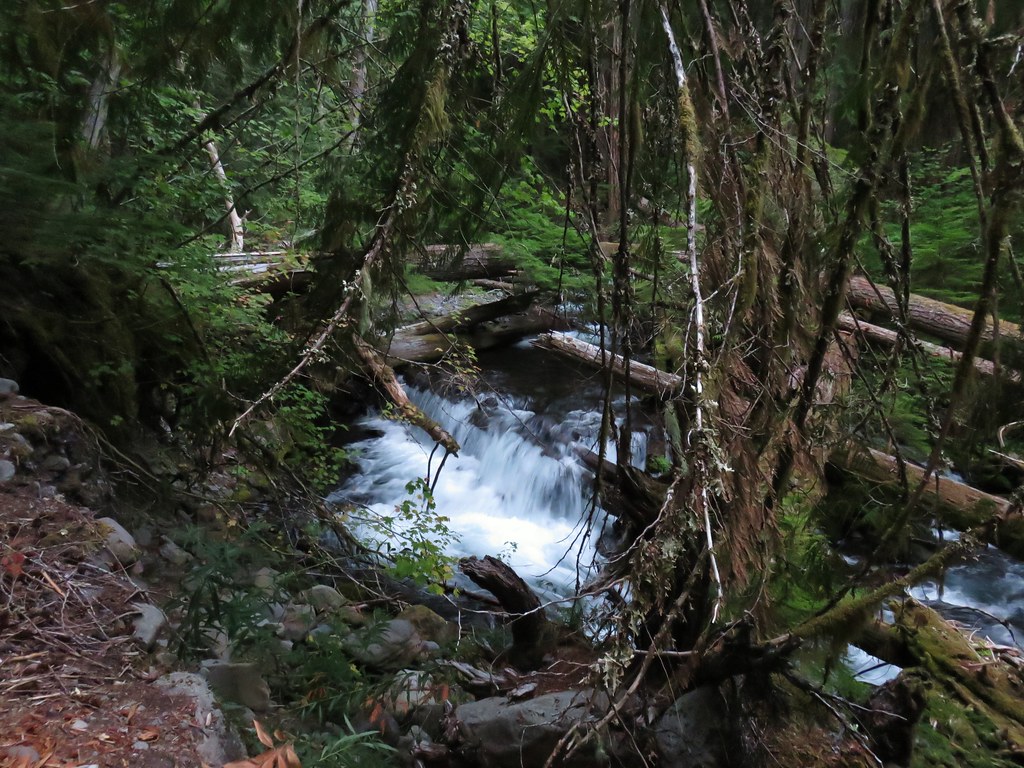
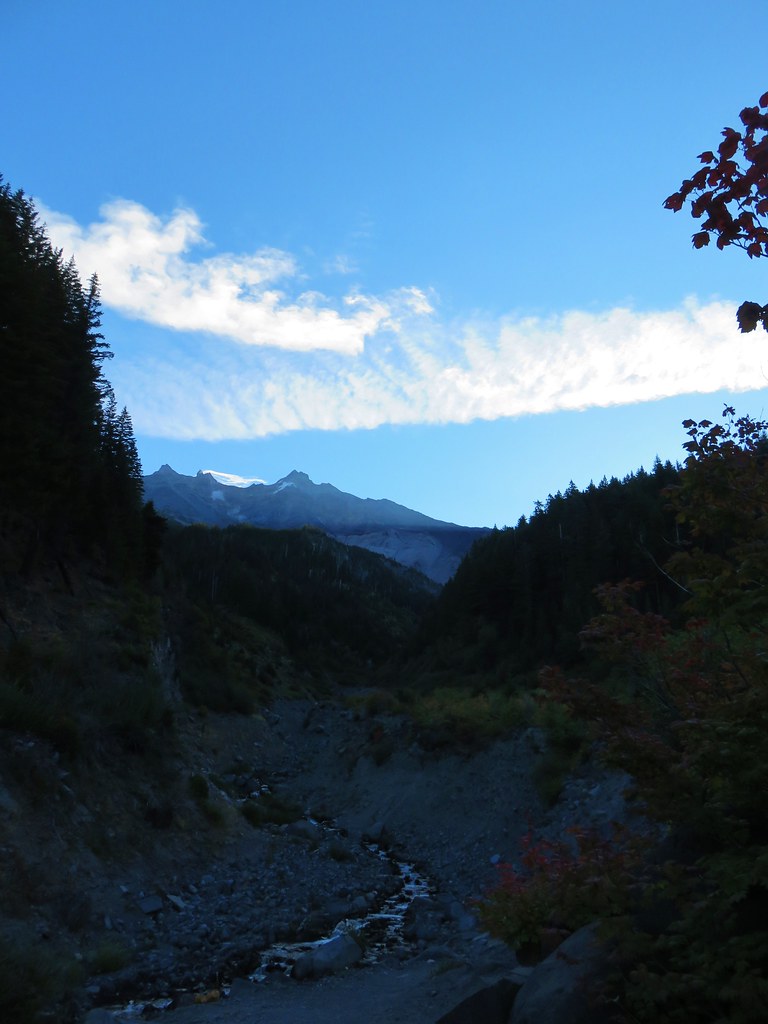
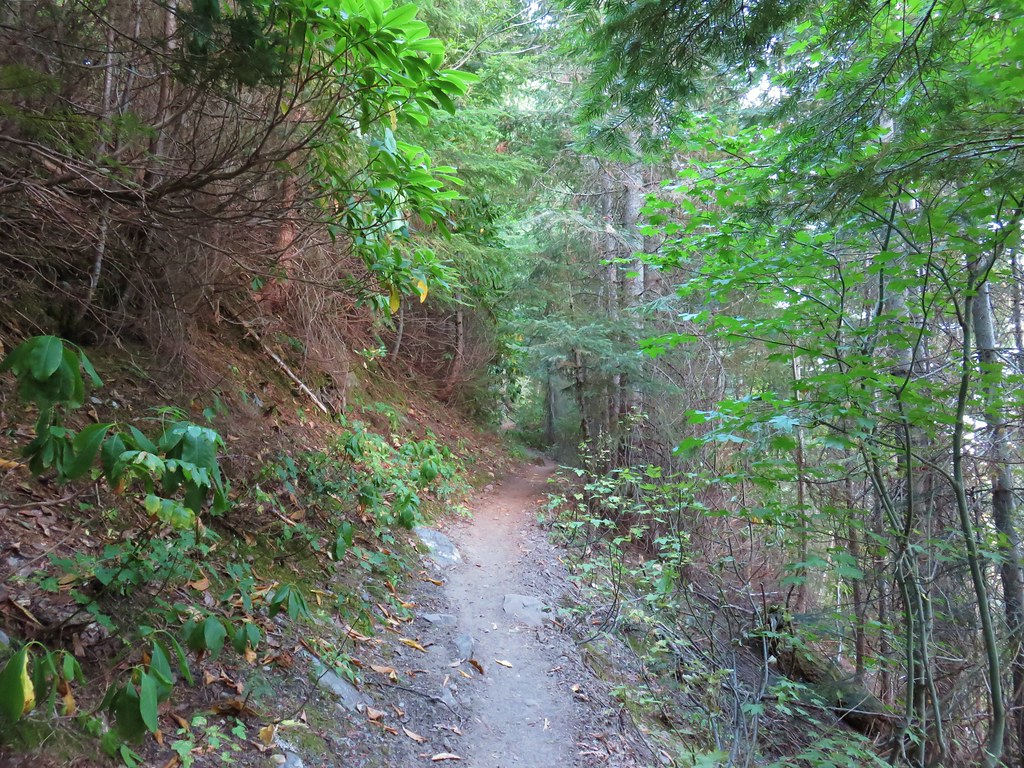
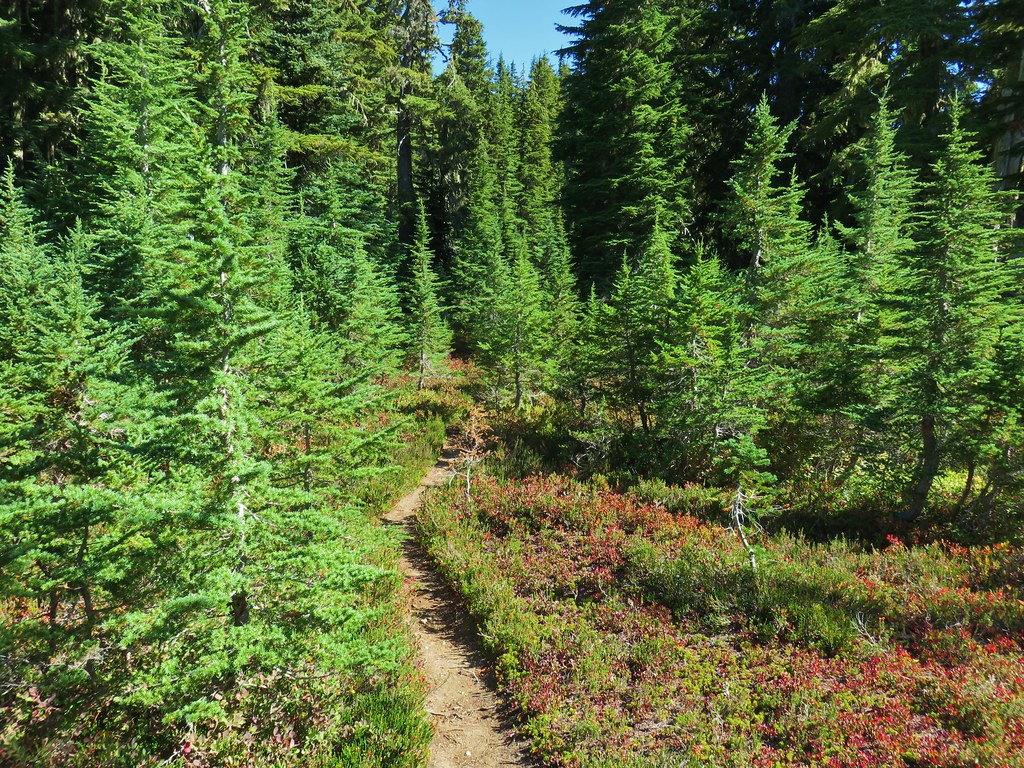
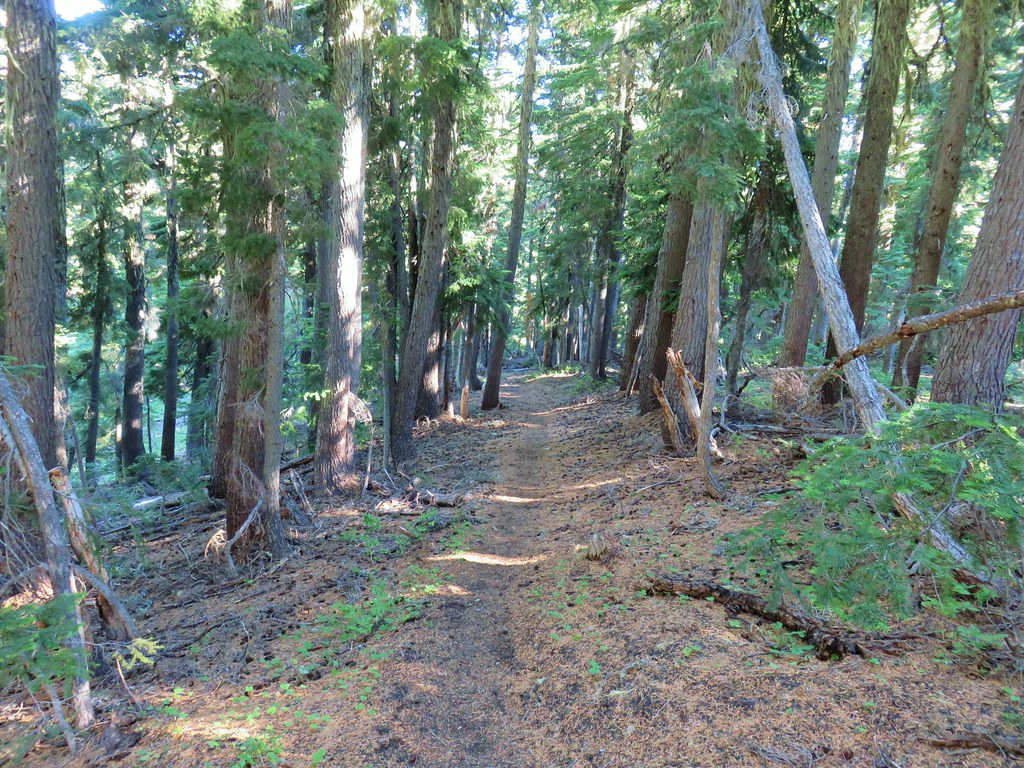
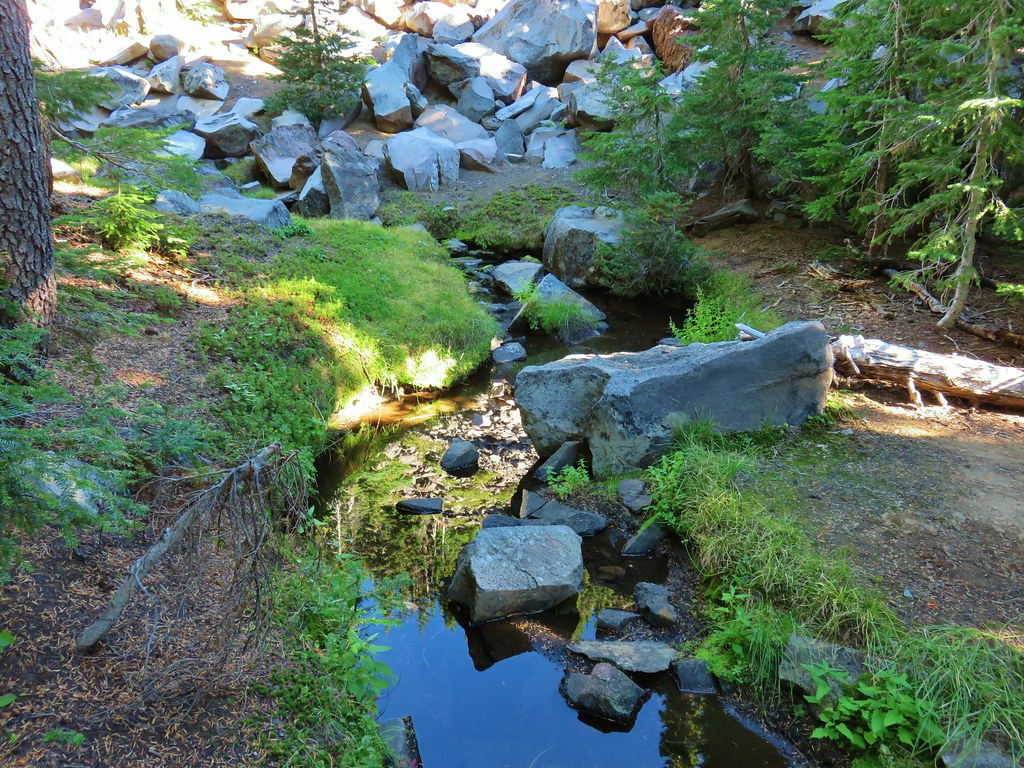
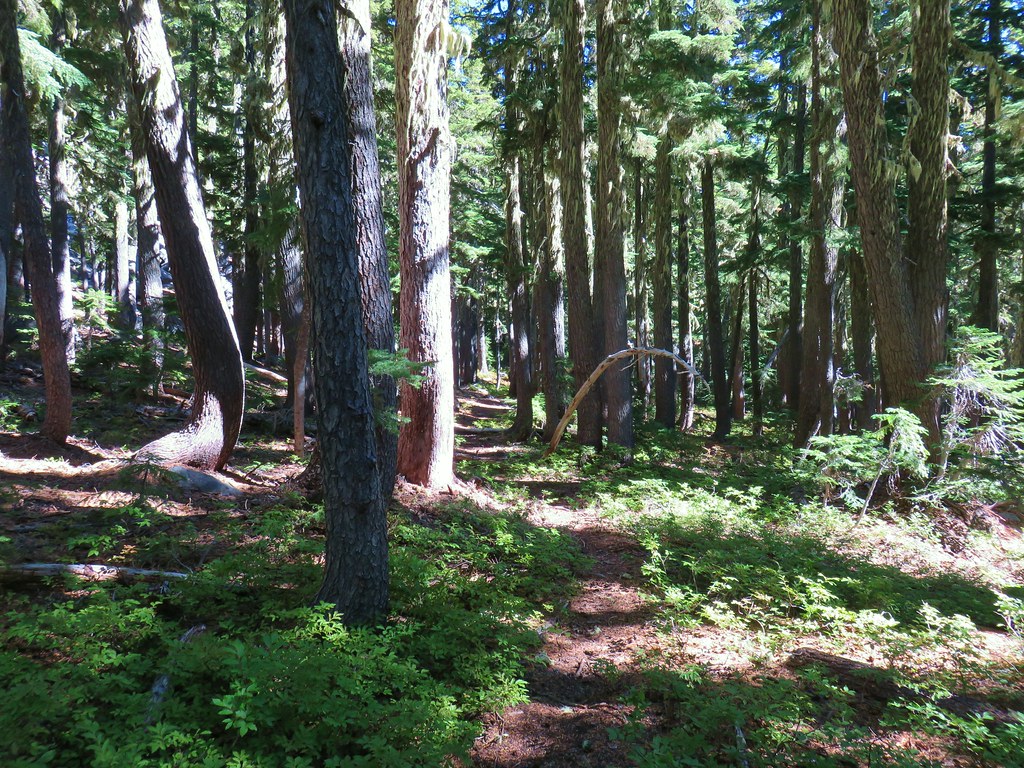
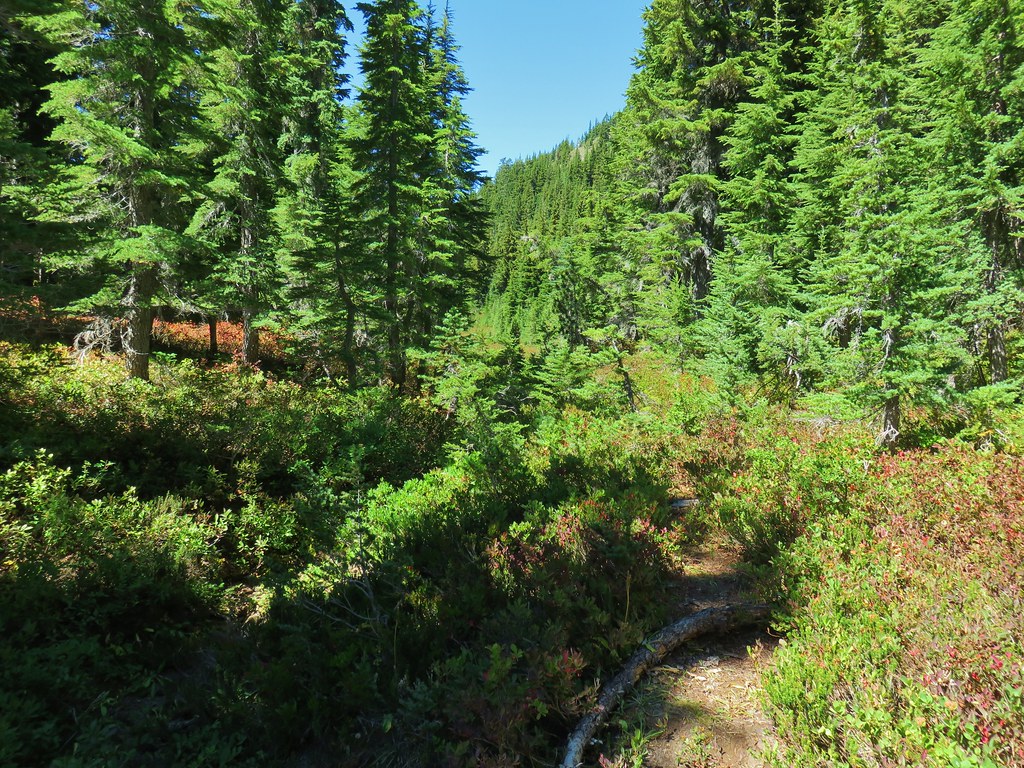
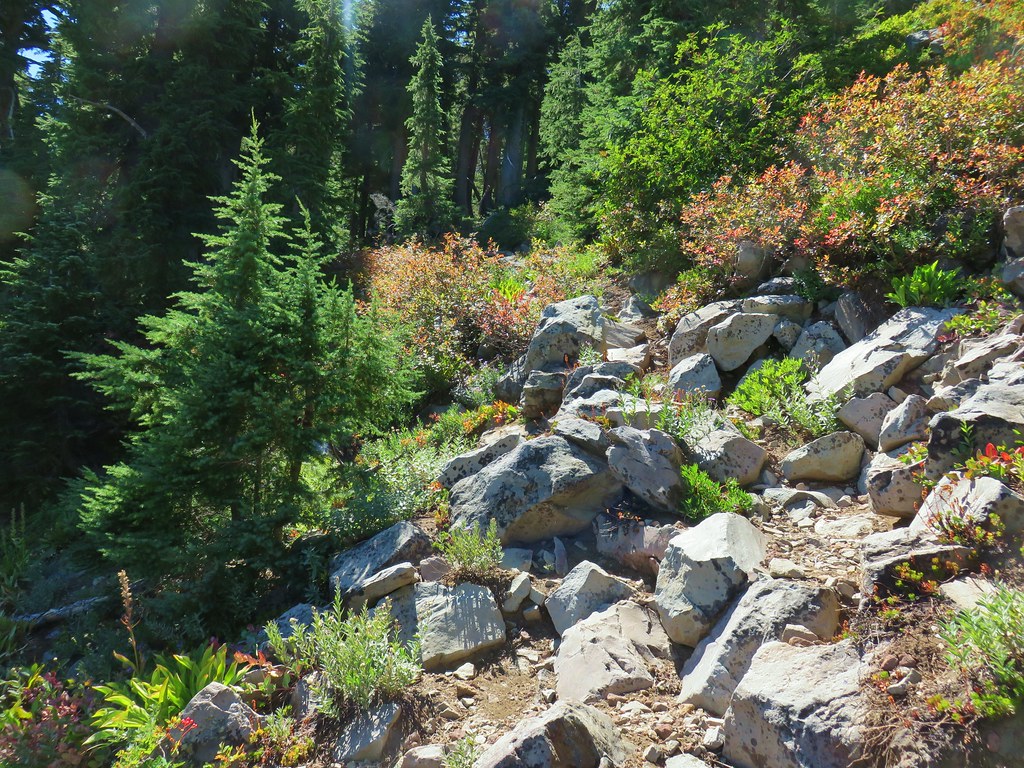
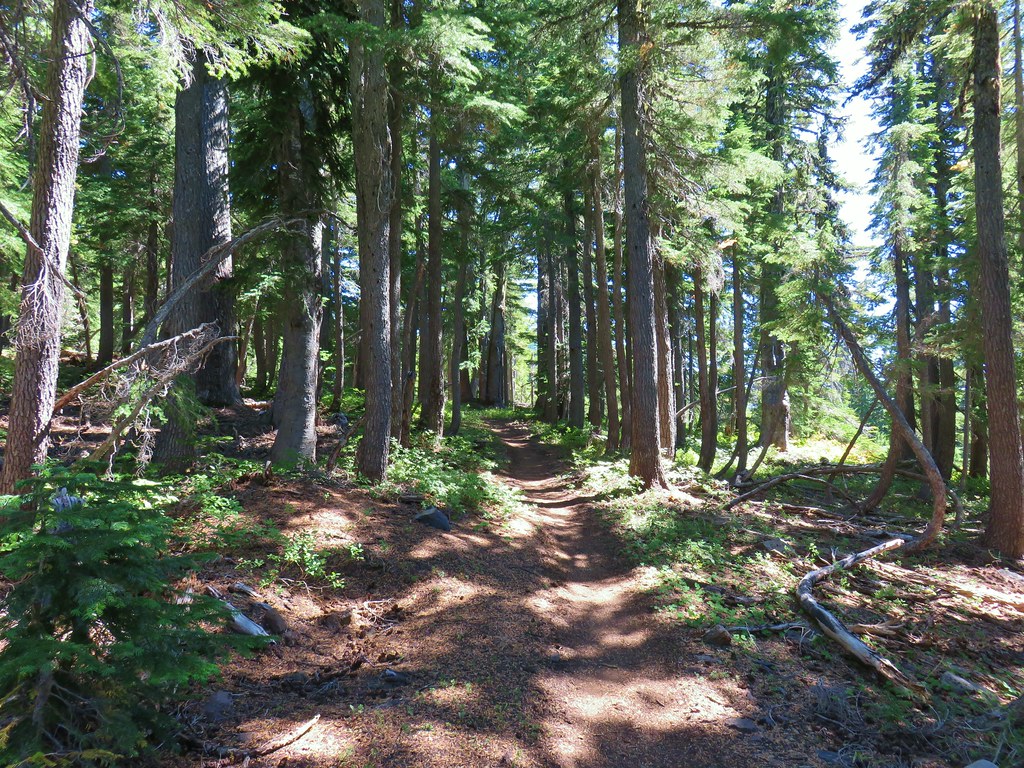
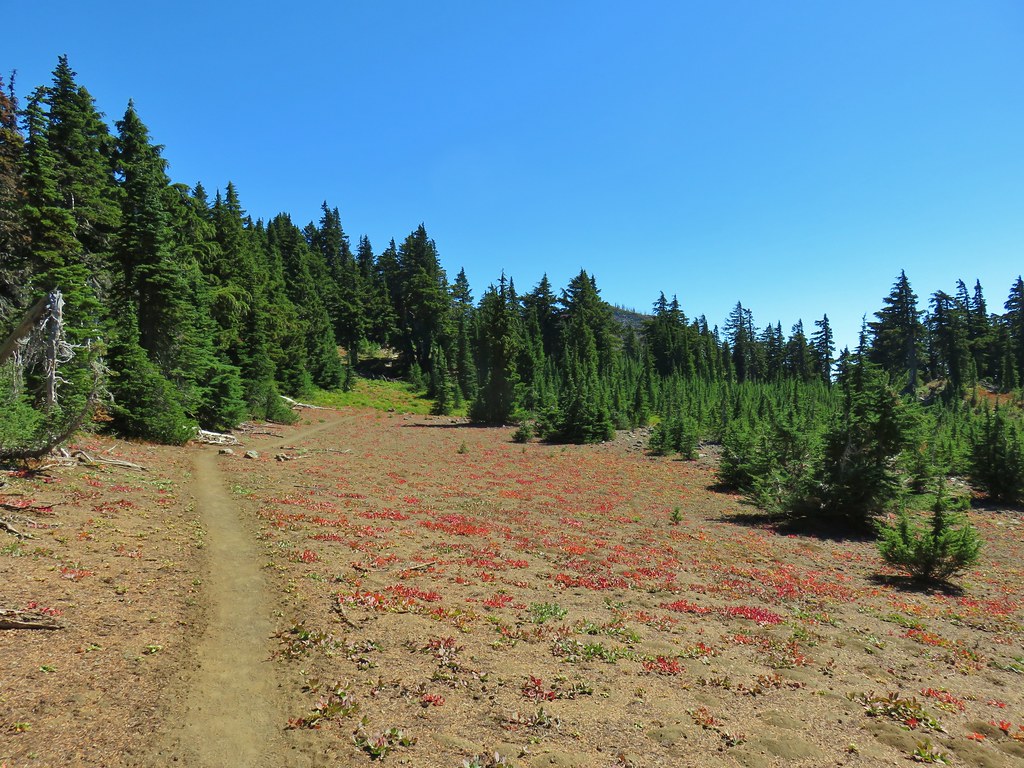
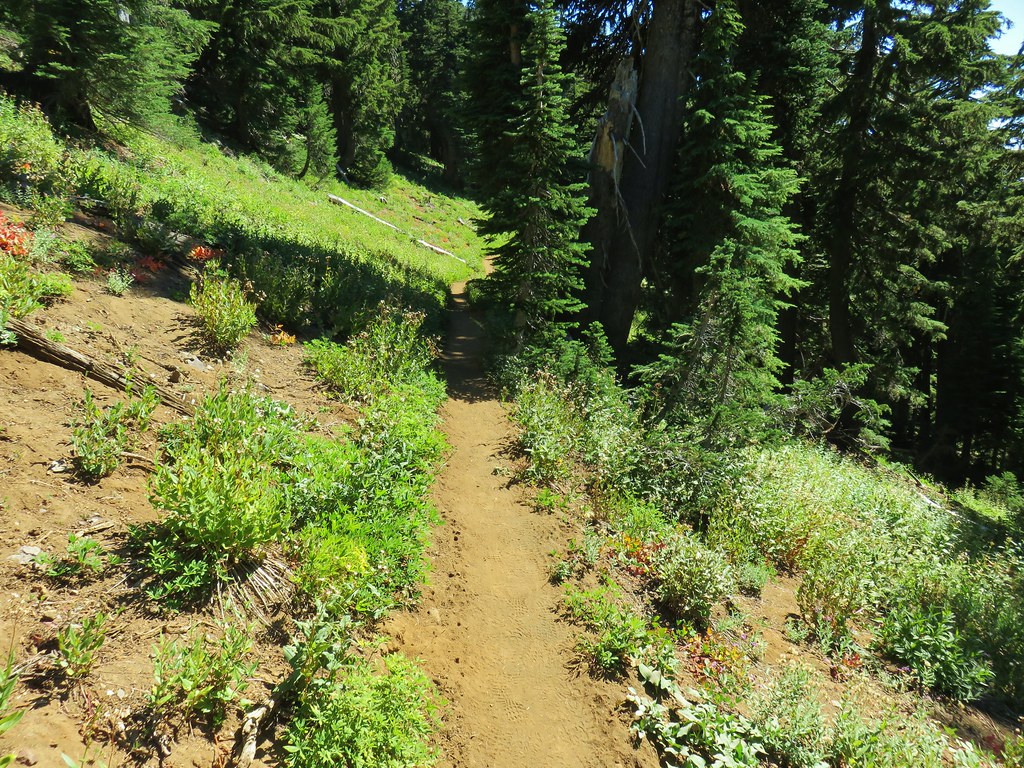
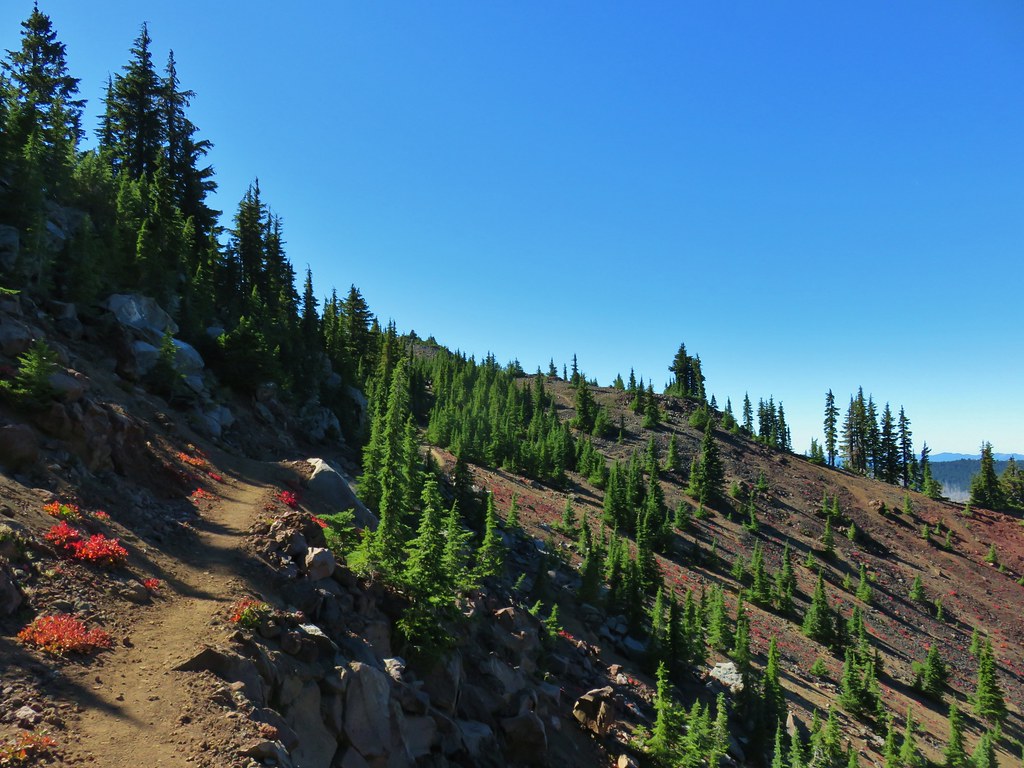
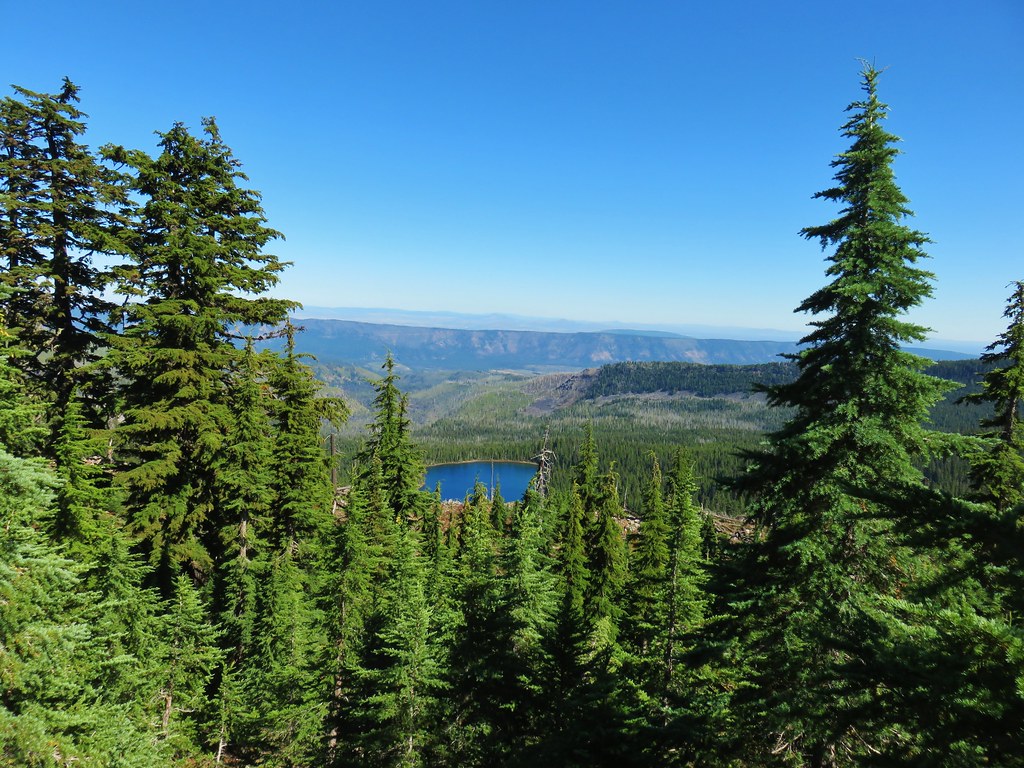
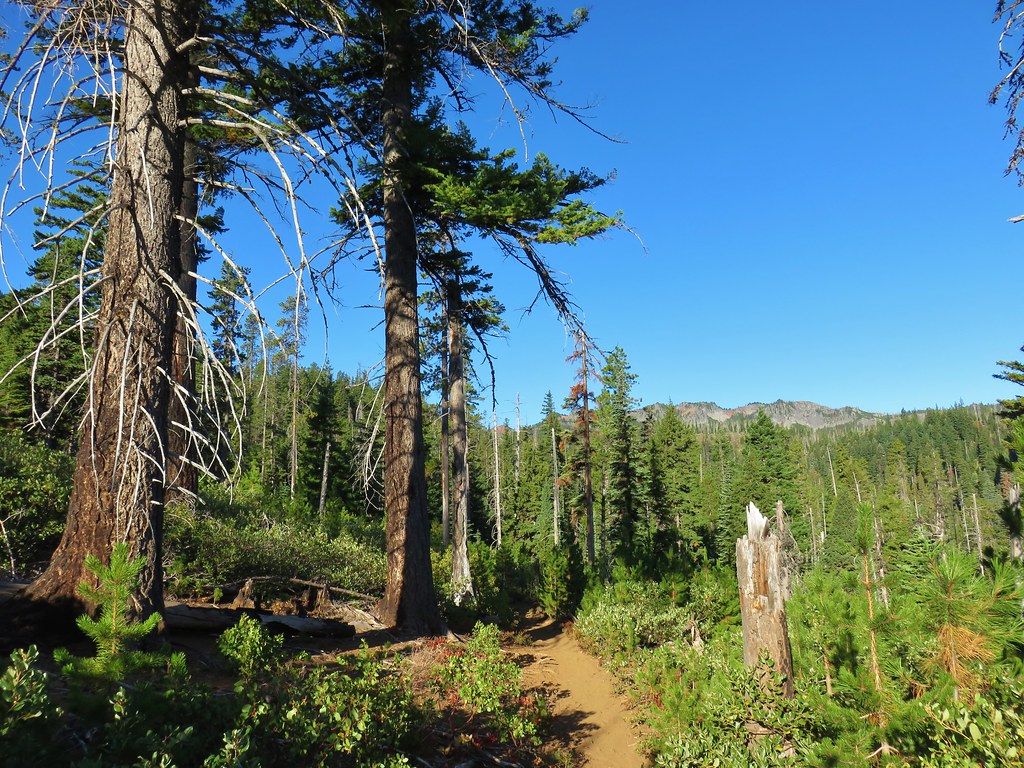
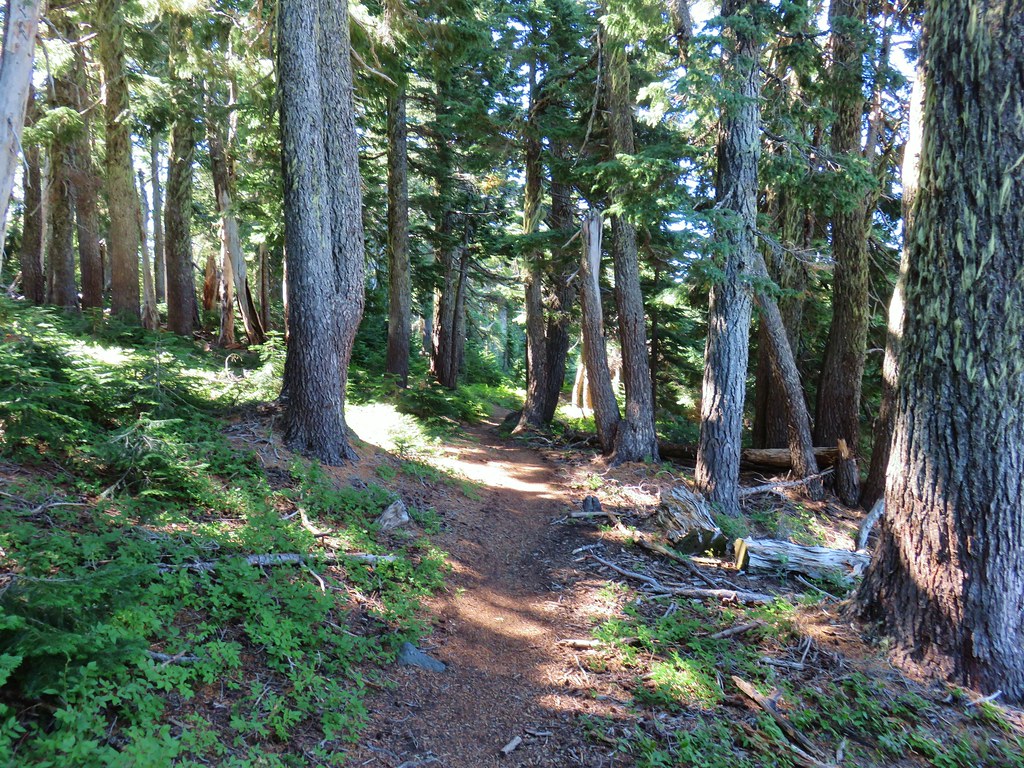
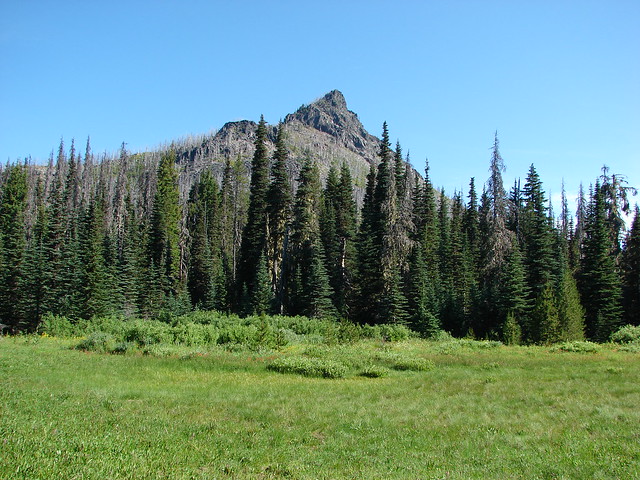
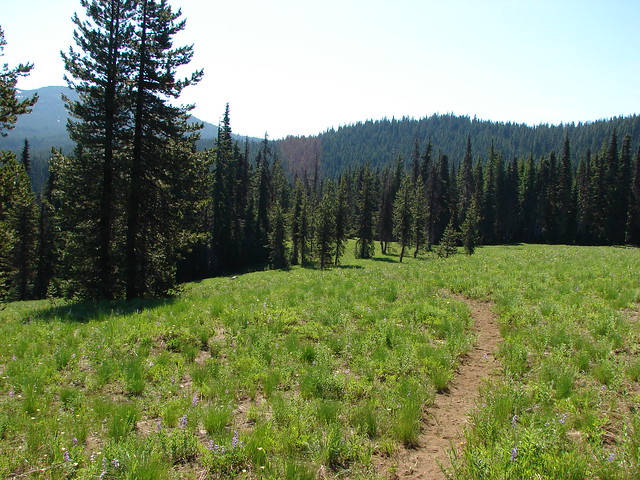
The trail climbed through a green forest along the dry bed of Willis Creek before briefly passing through the edge of a clear-cut.
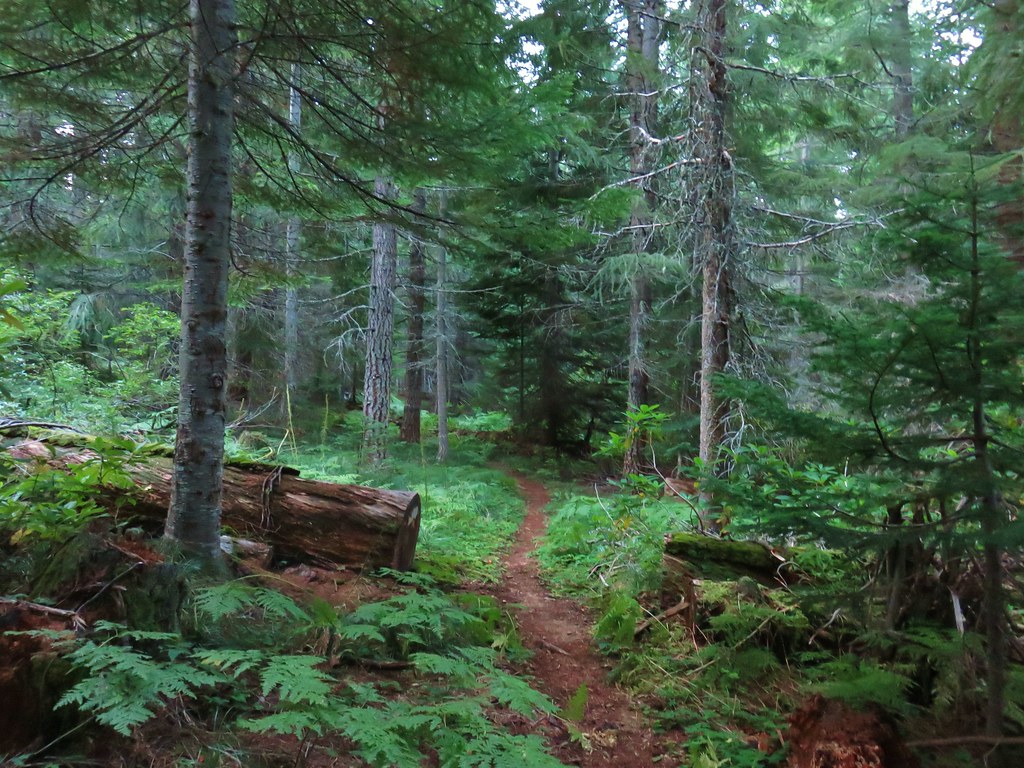
IMG_7372

IMG_7373

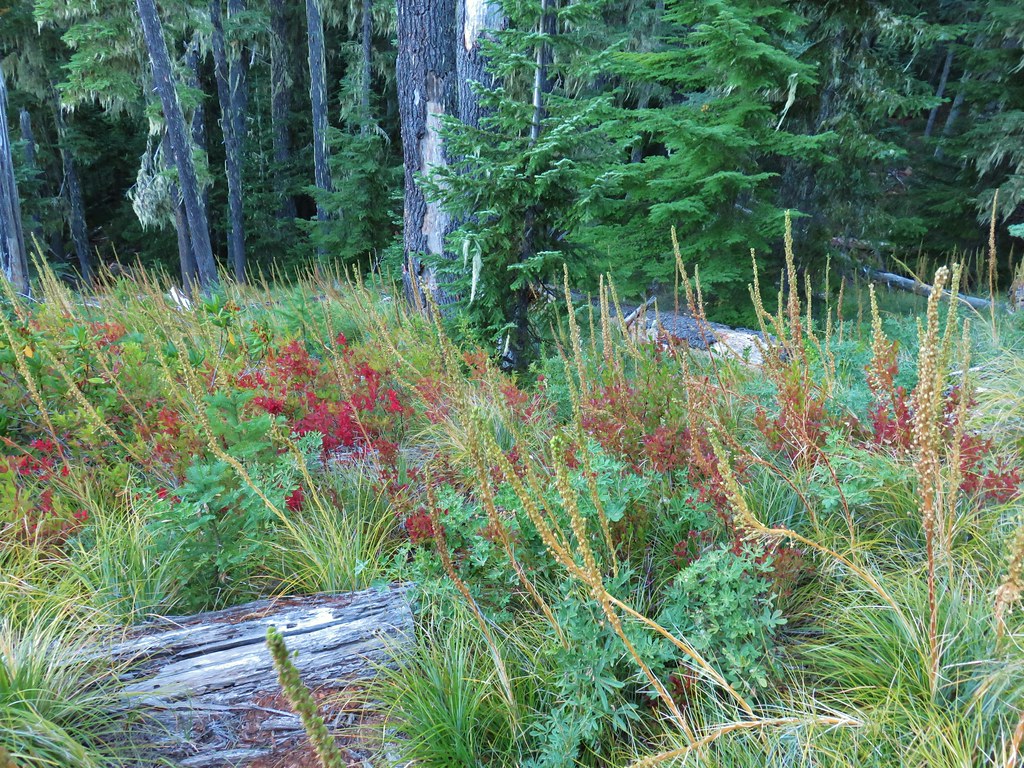
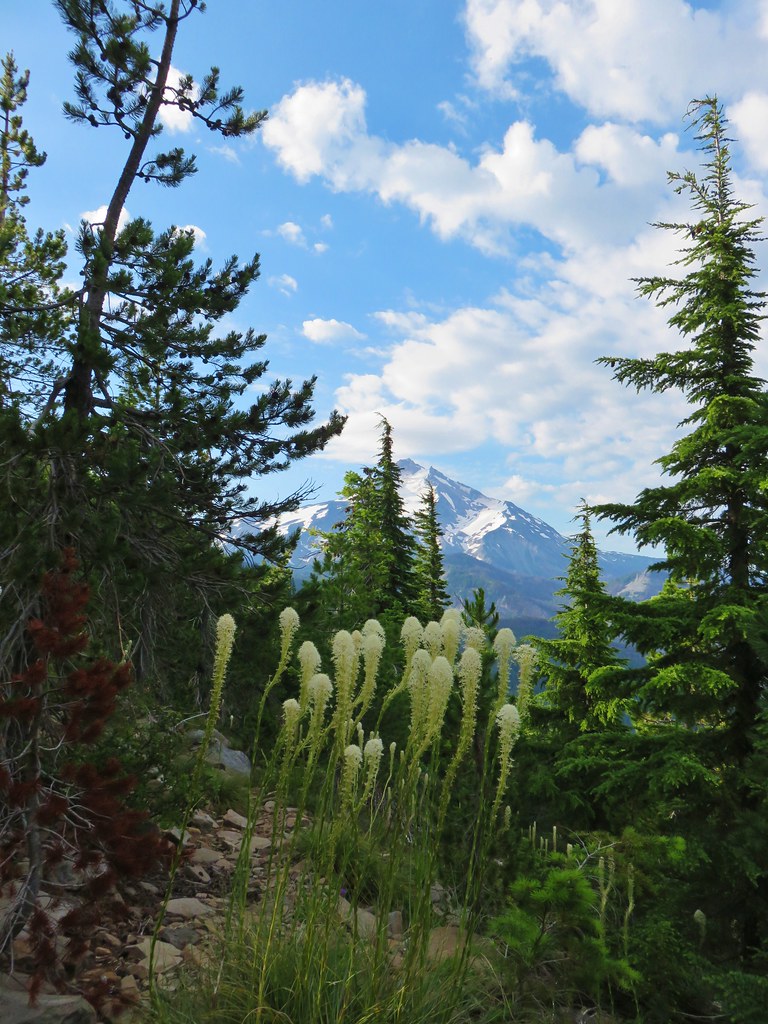
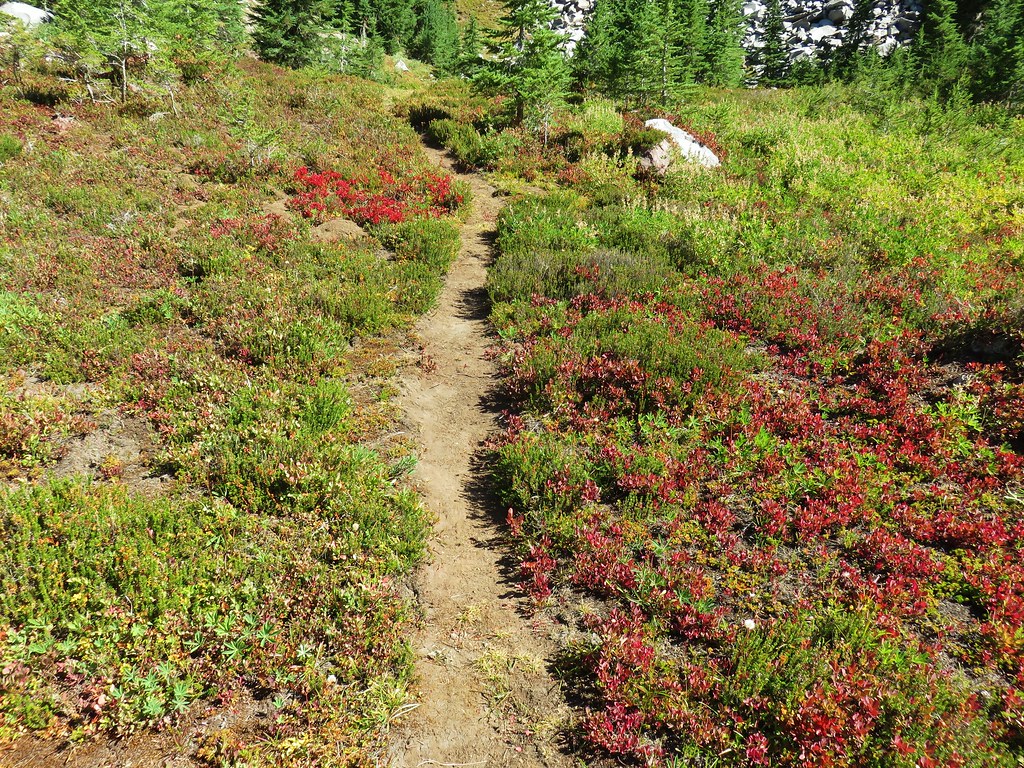
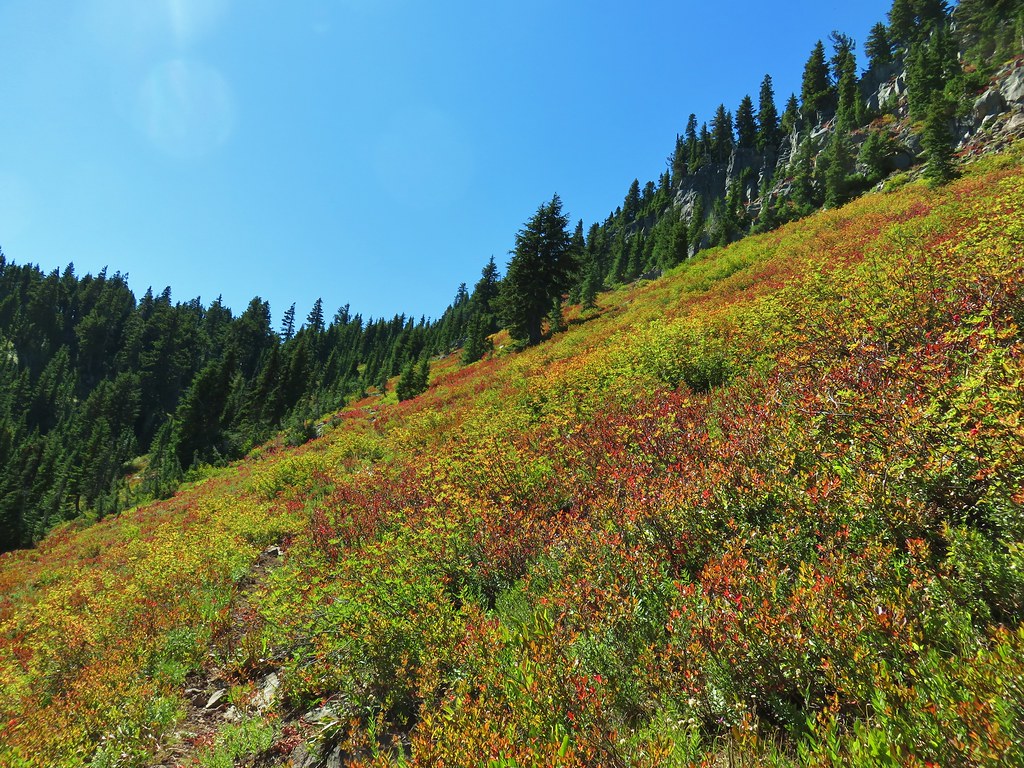
IMG_7381Huckleberry bushes and beargrass in the clear-cut.
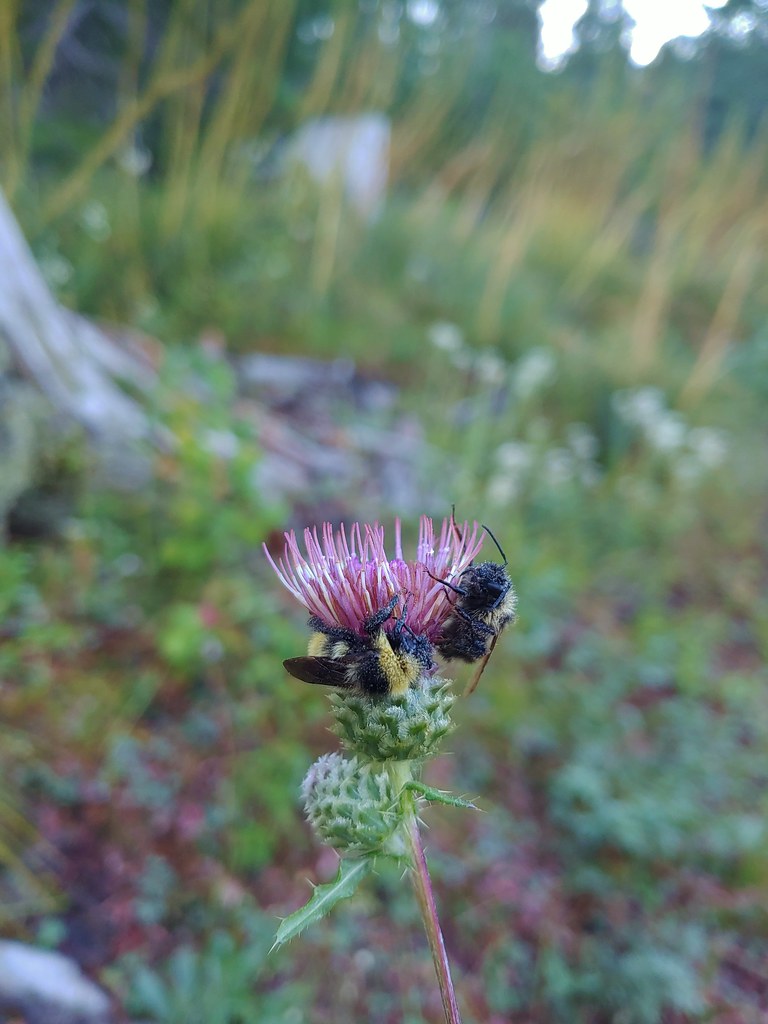
20190824_065018Sleeping bees on some thistle.

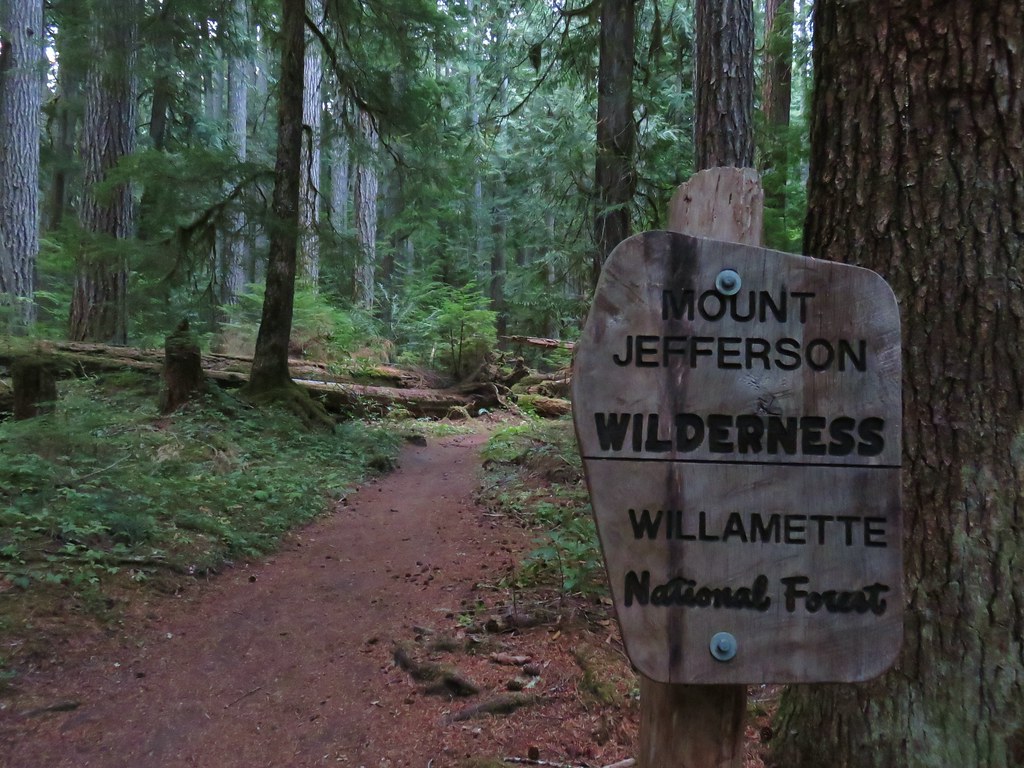
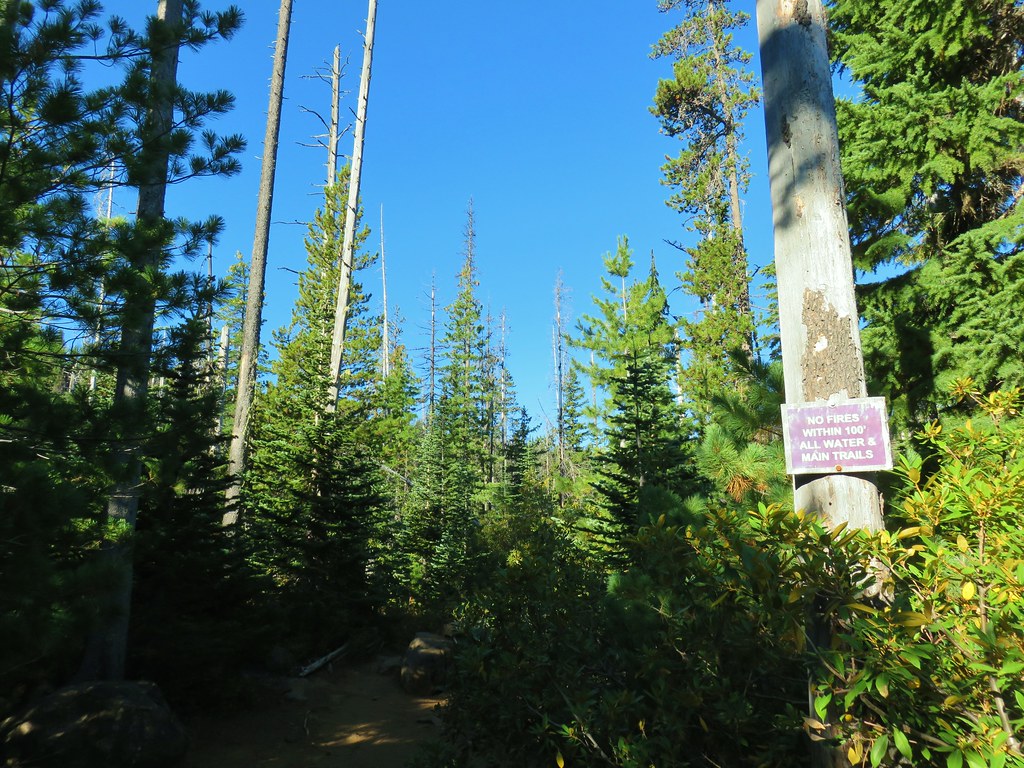
The trail soon reentered the trees and then passed into the Mt. Jefferson Wilderness.
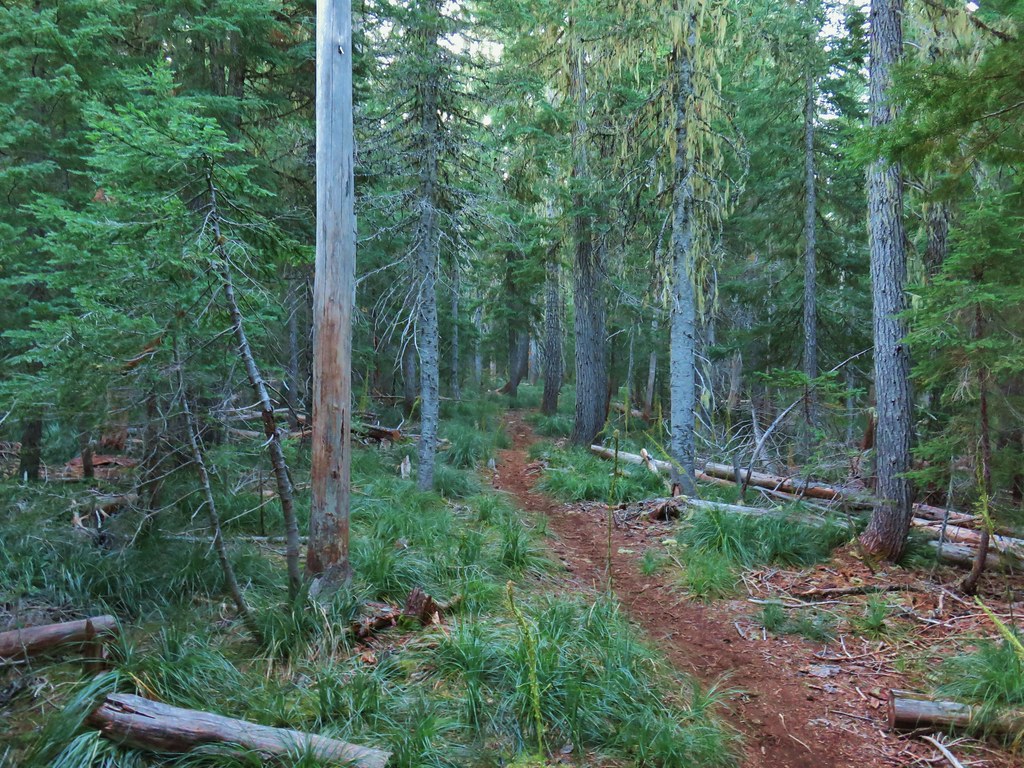
IMG_7384

IMG_7386

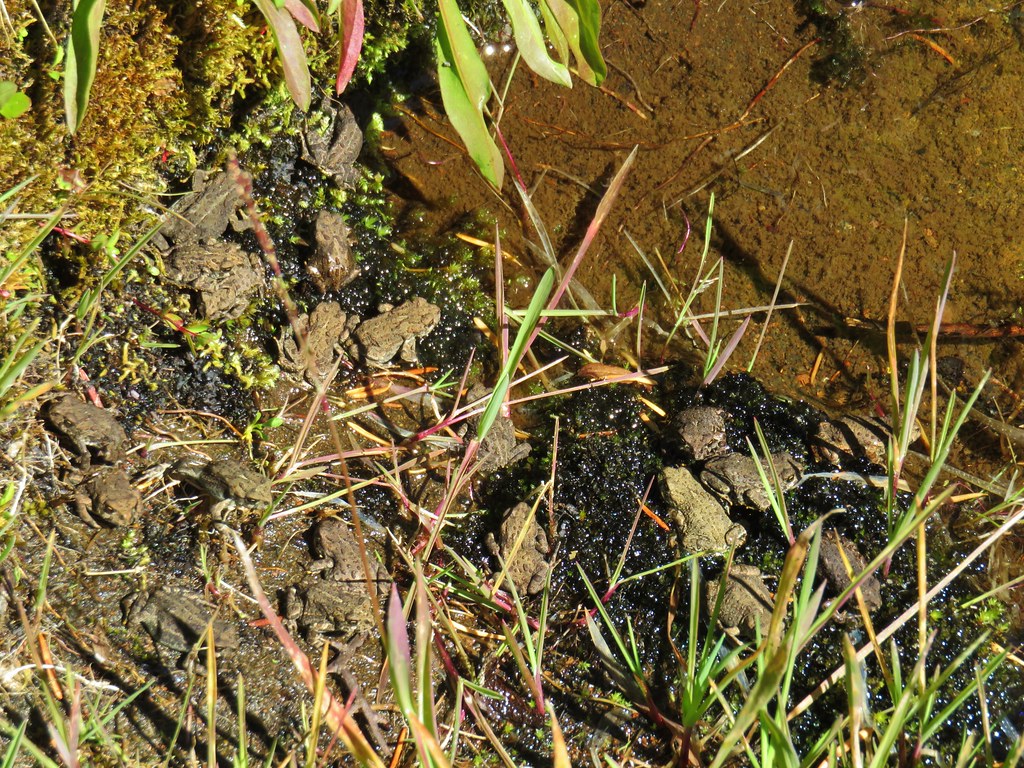
IMG_7395The bees on the thistle may have been asleep but a western toad was out and about.

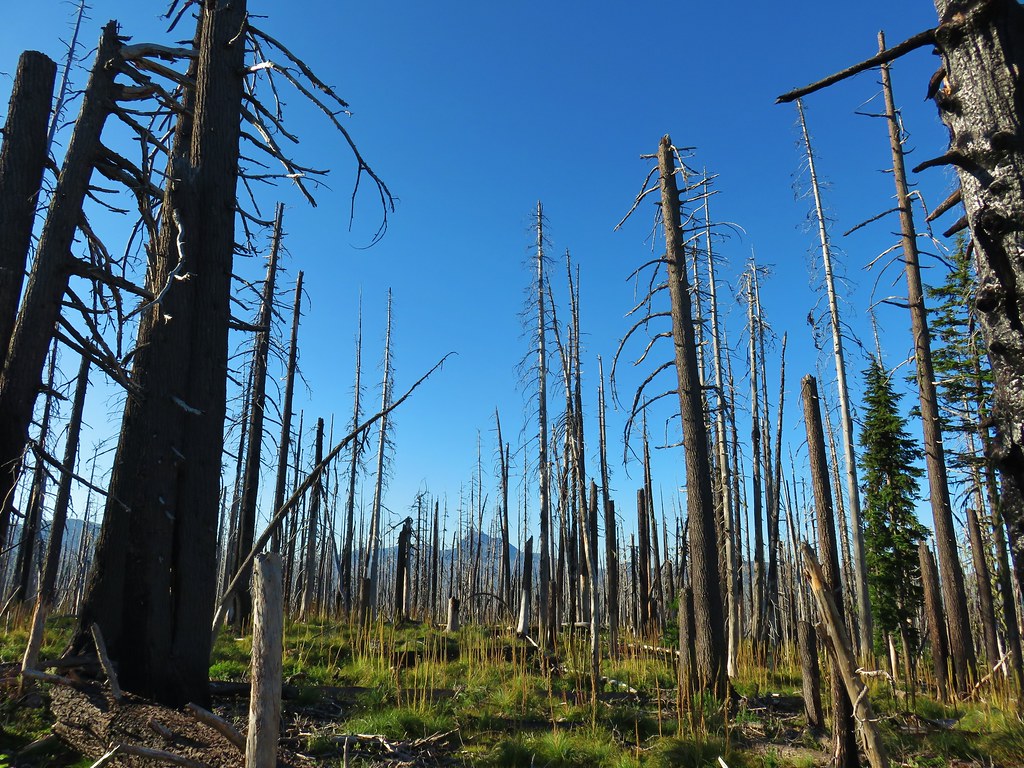
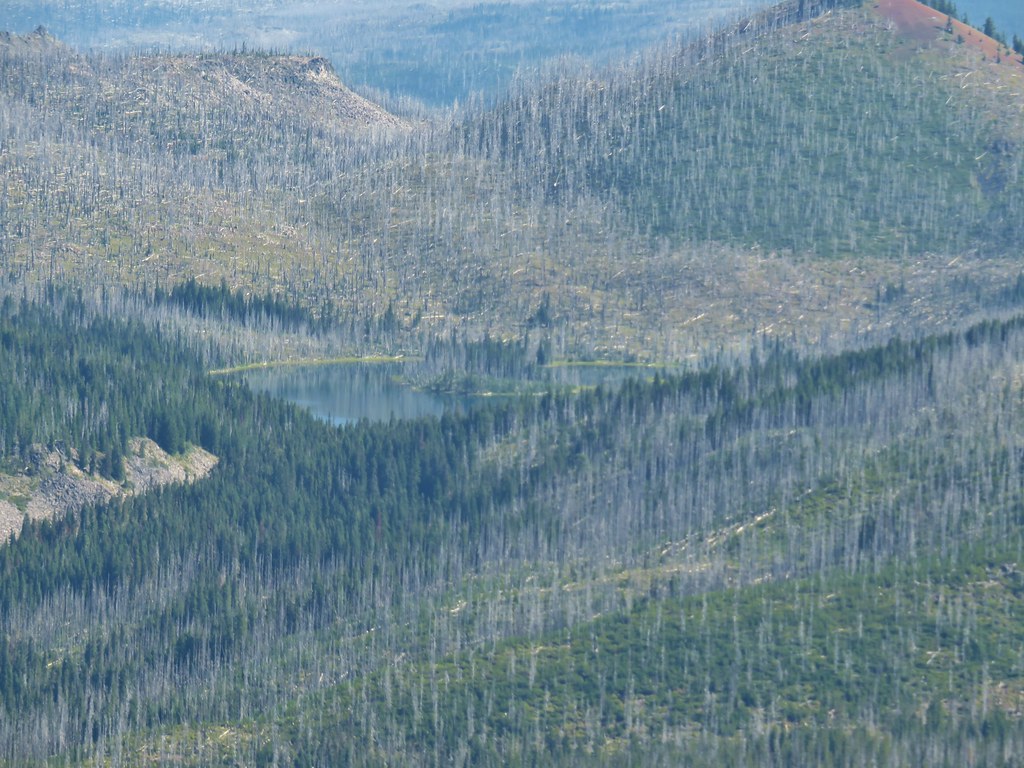
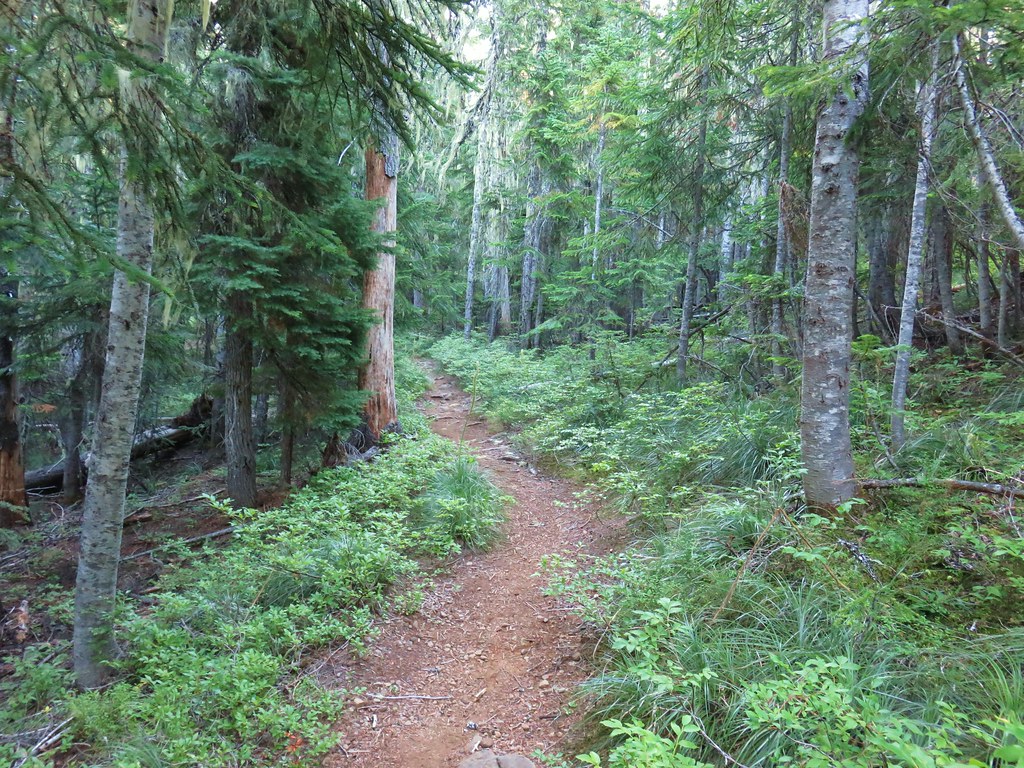
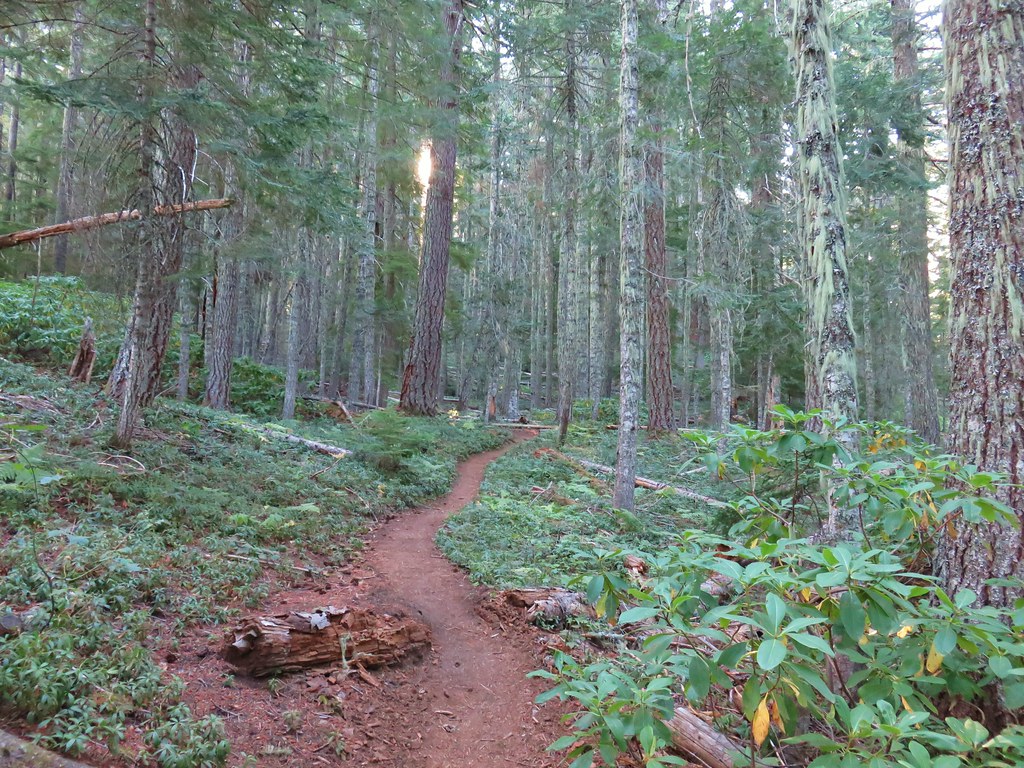
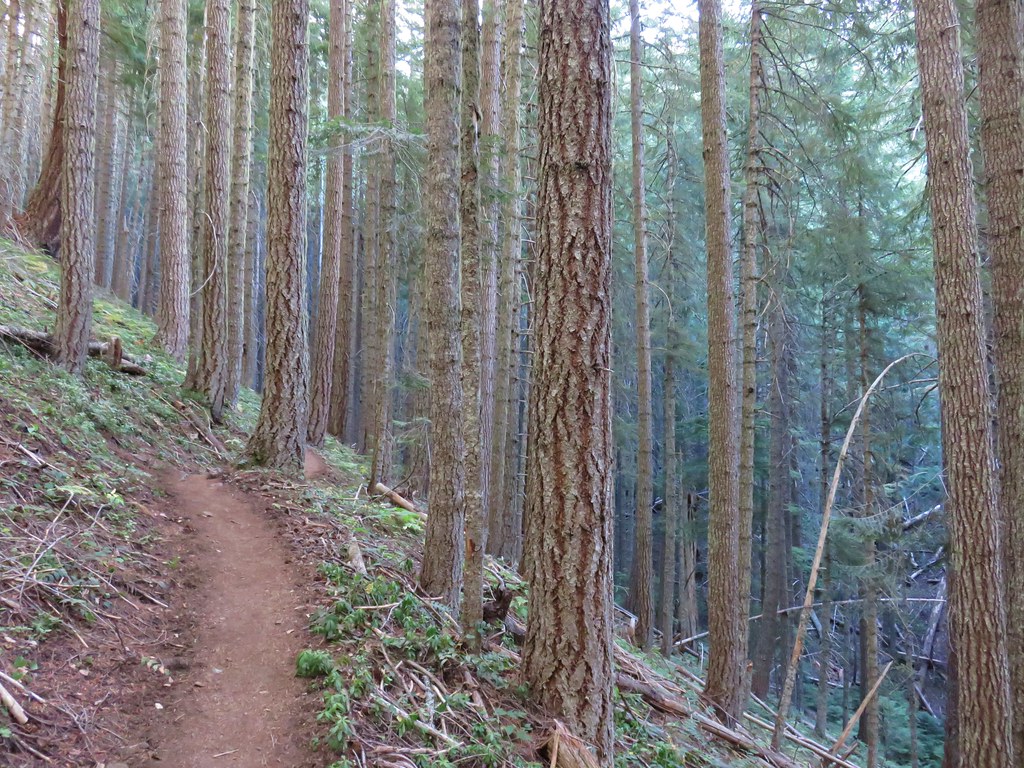
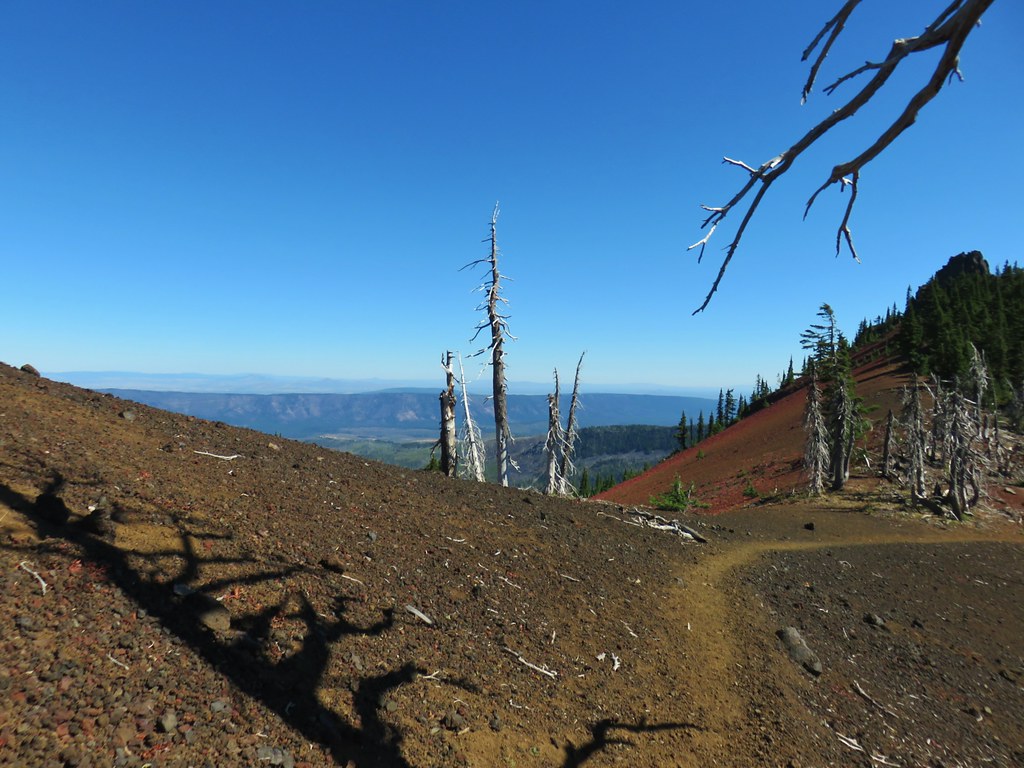
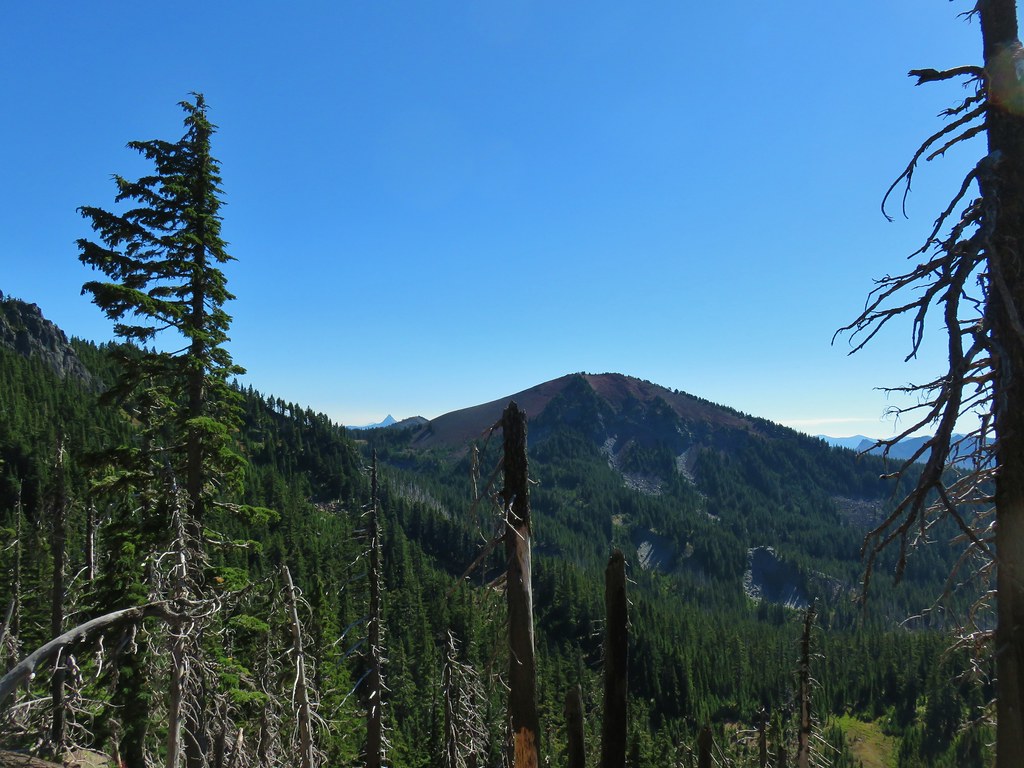
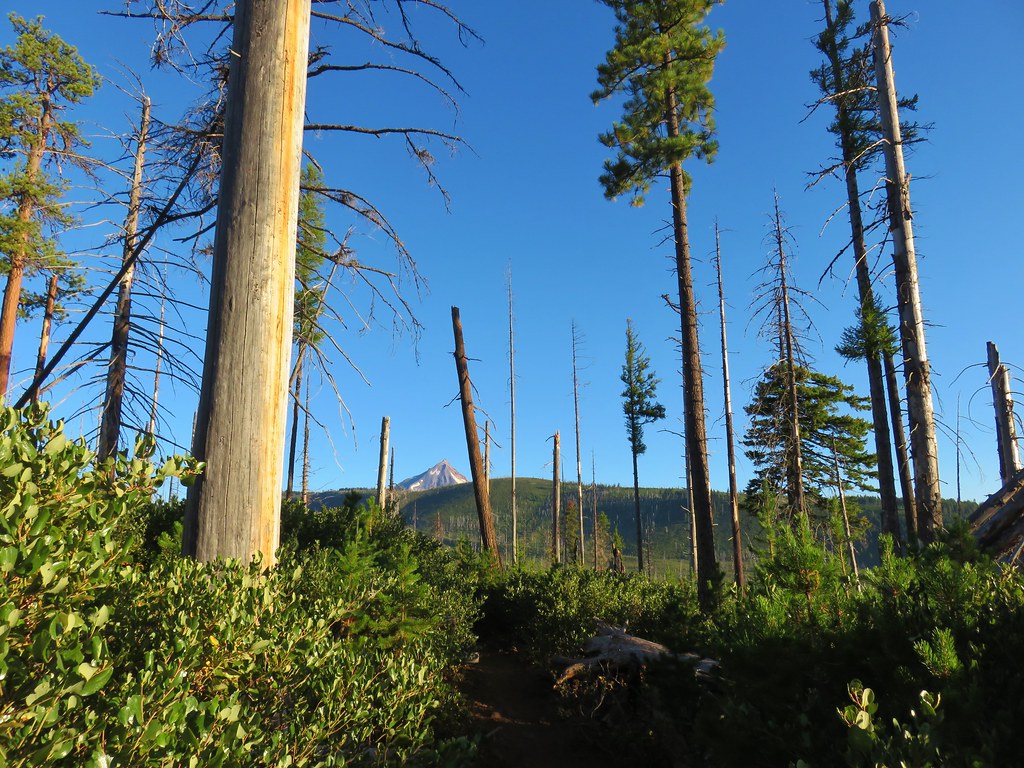
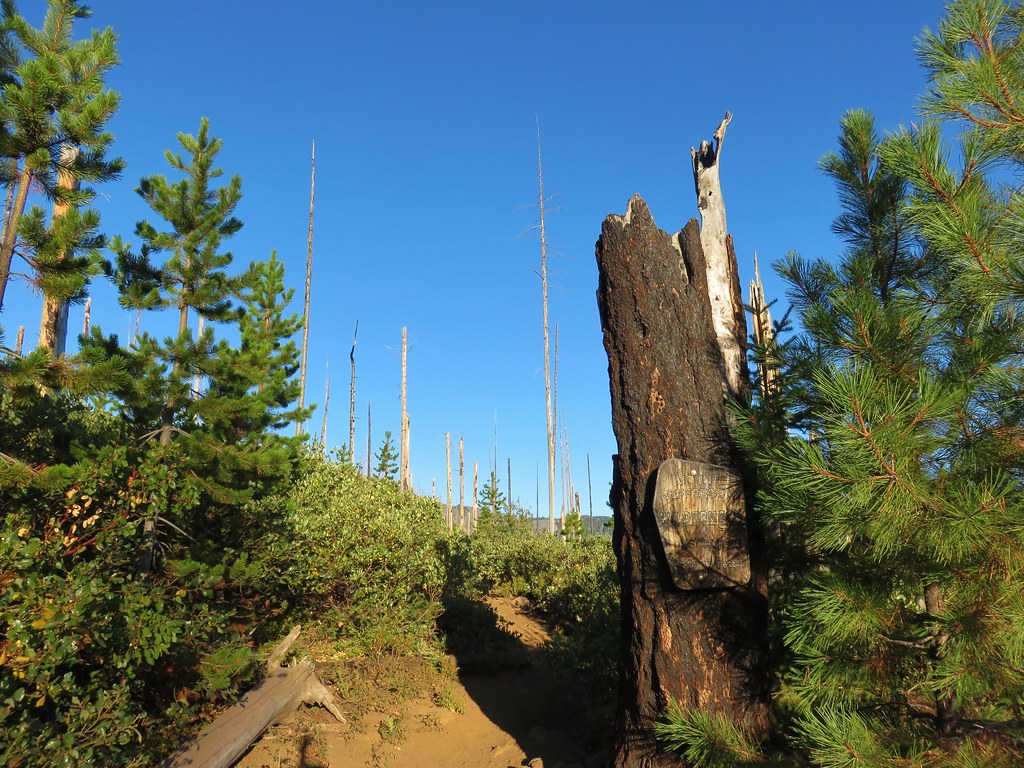
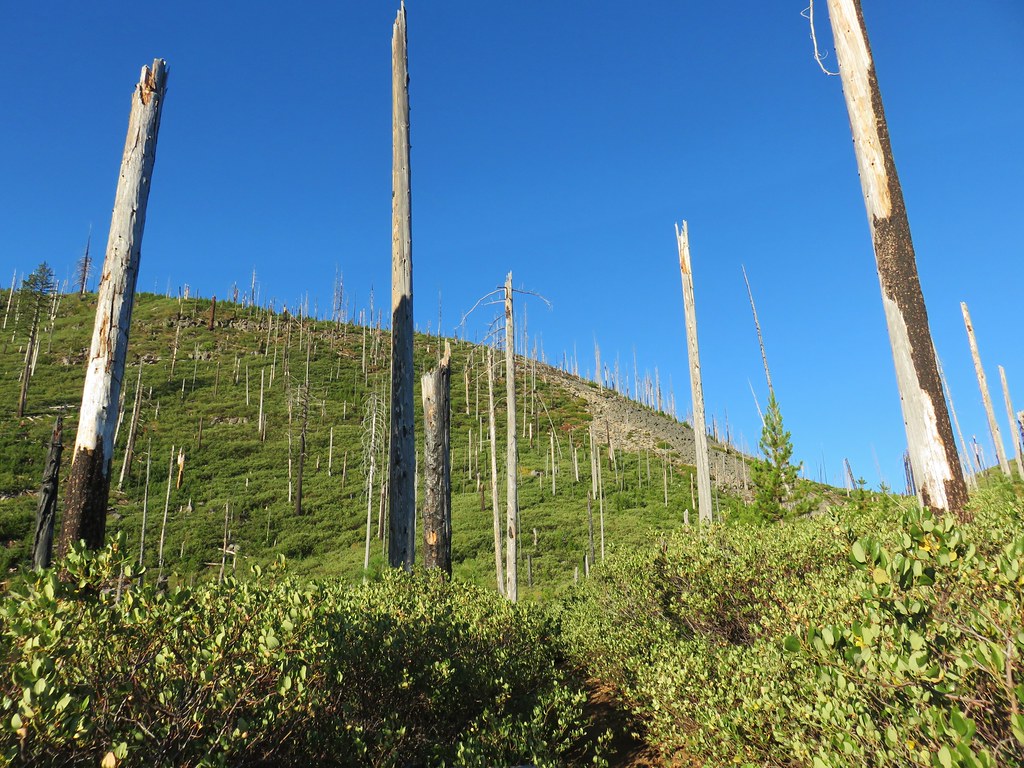
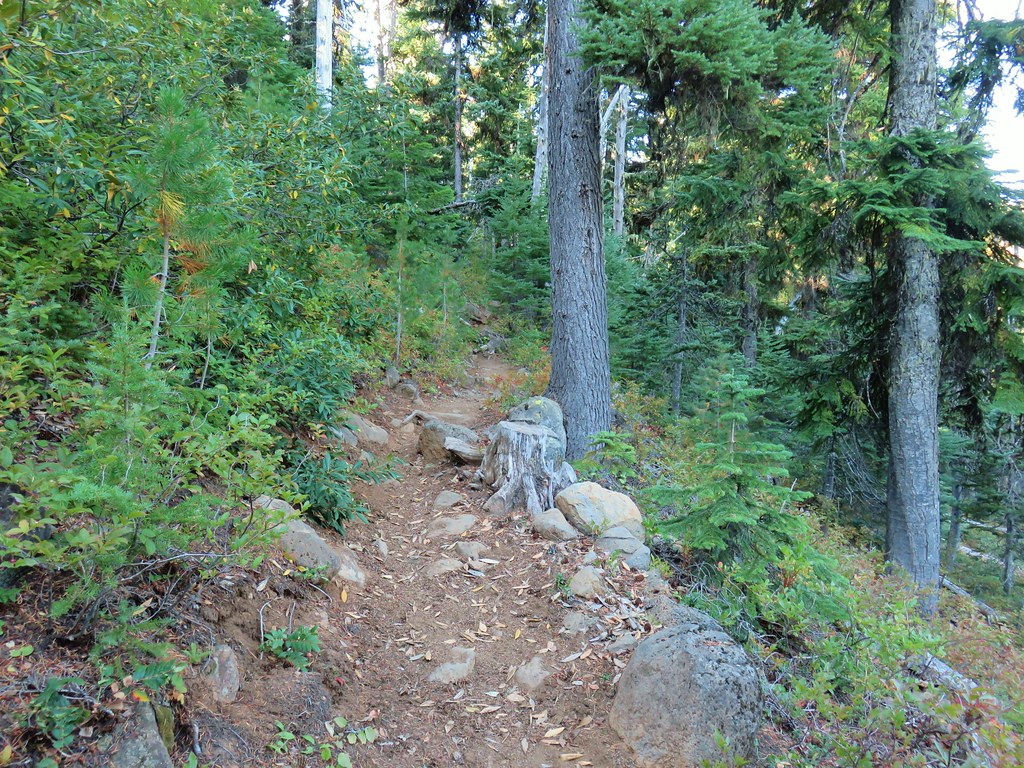
After entering the wilderness the trail continued to climb very gradually as it passed through alternating sections of green trees and forest scarred by the 2006 Puzzle Creek Fire.
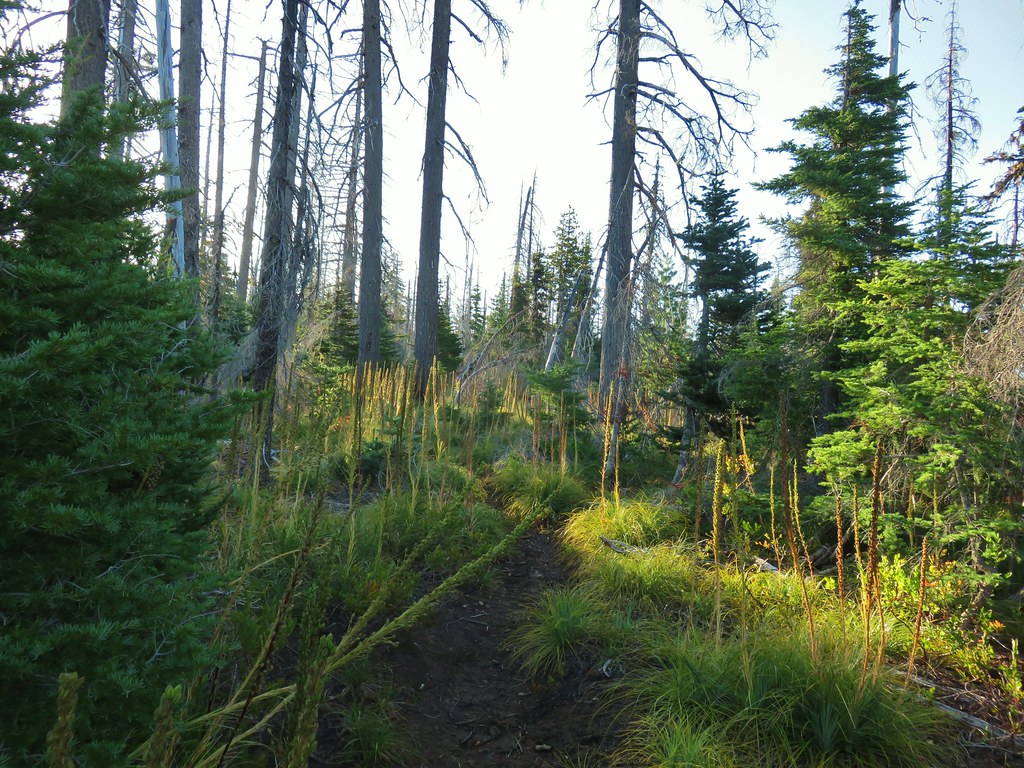
IMG_7396

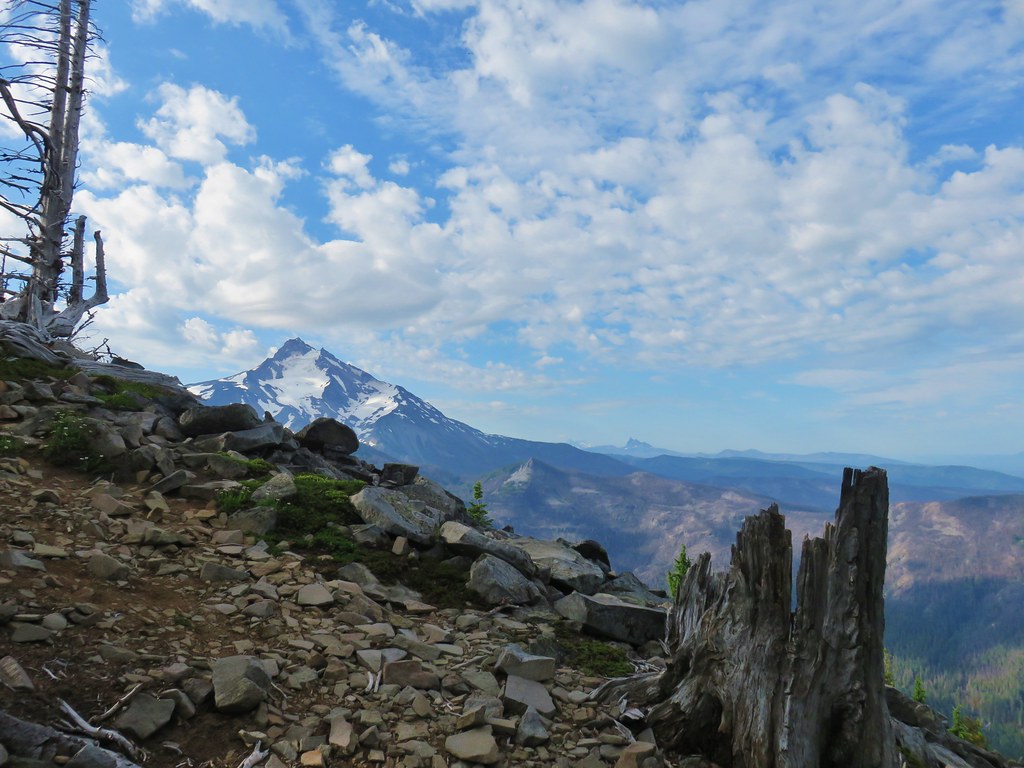
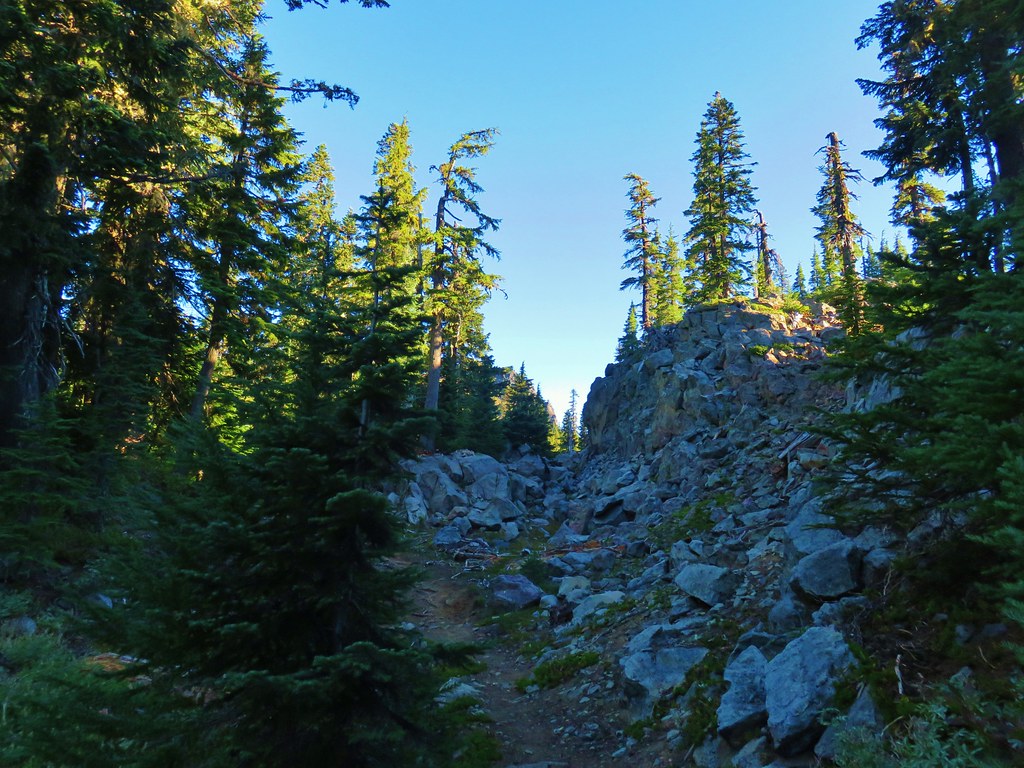
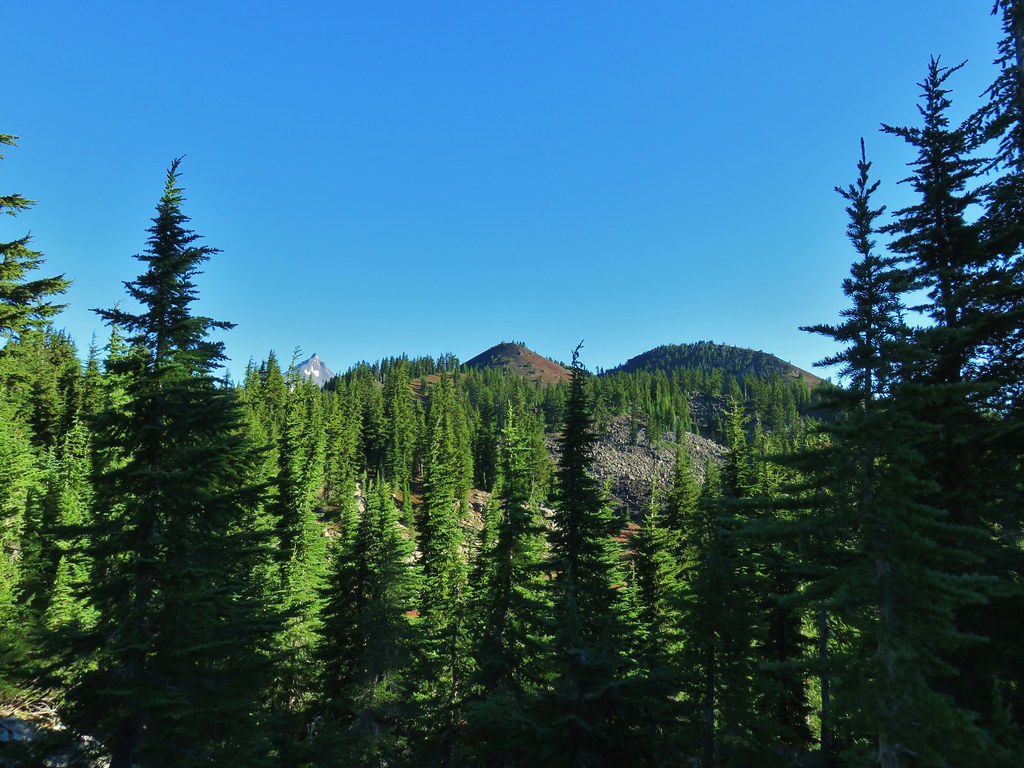
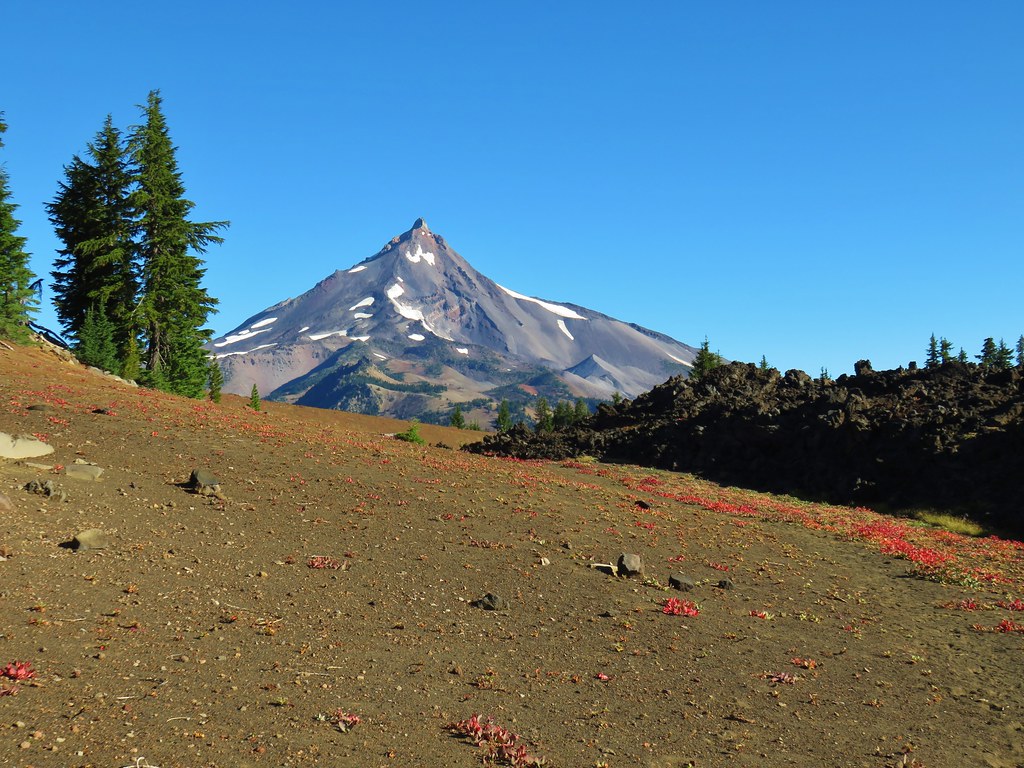
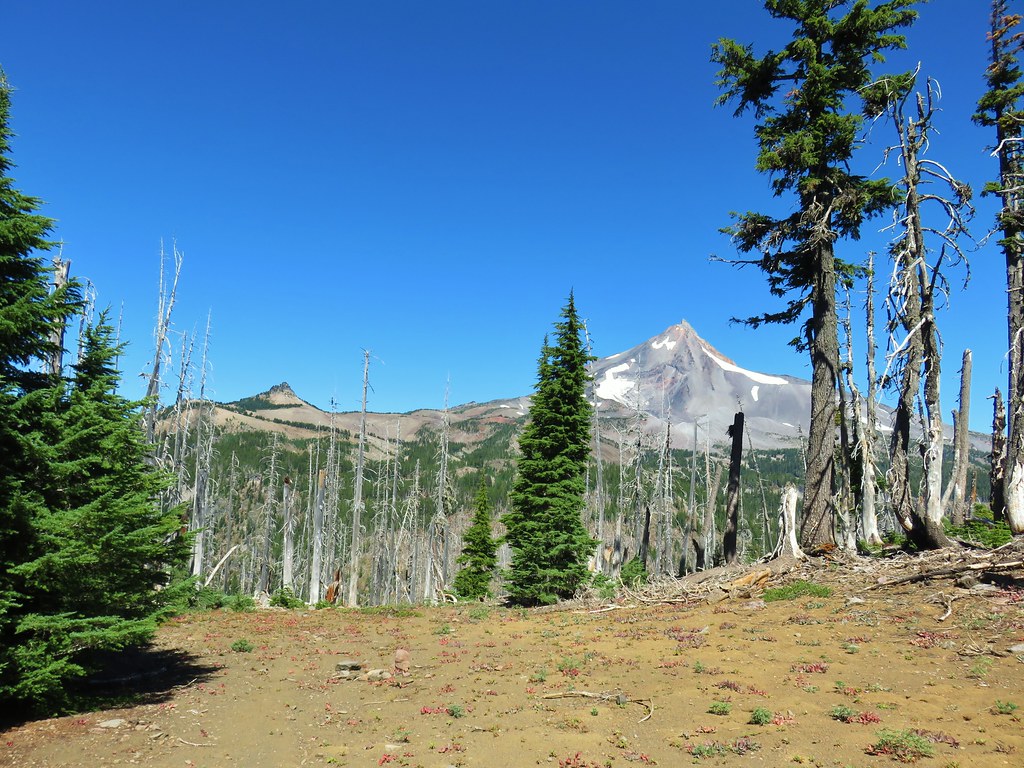
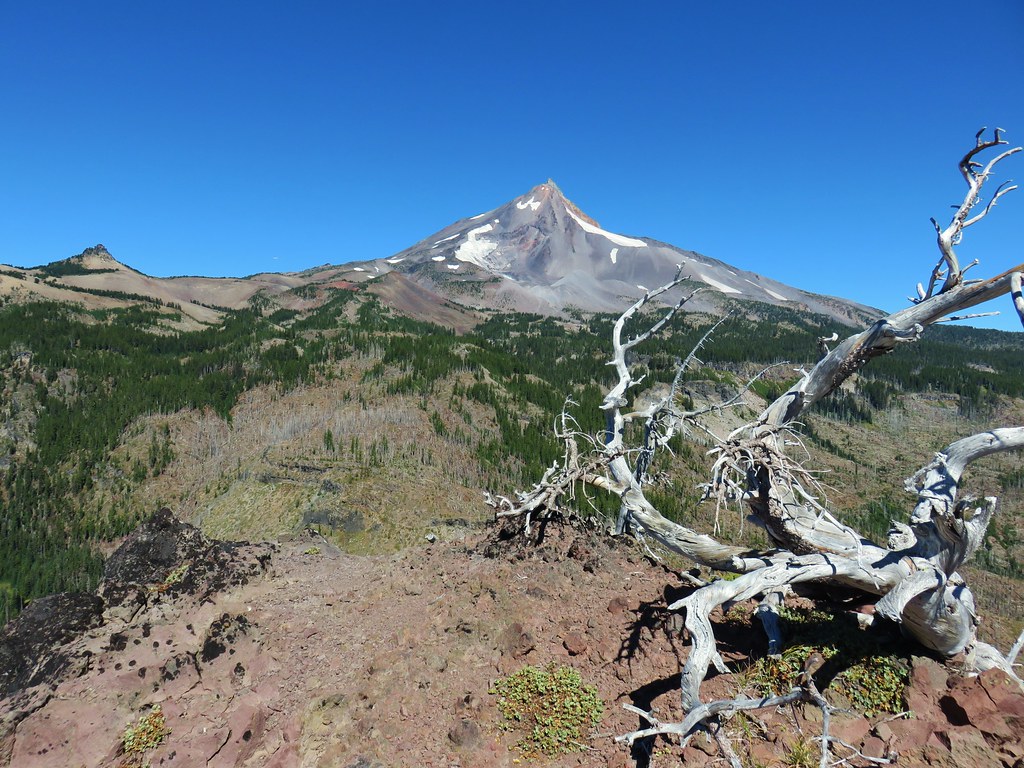
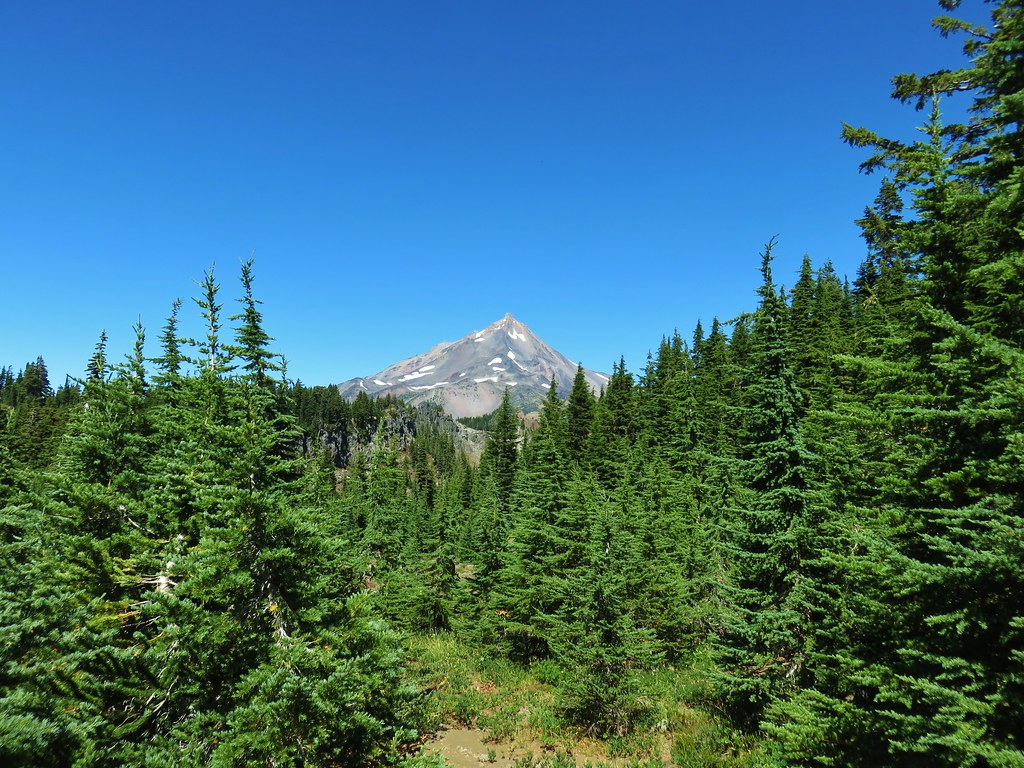
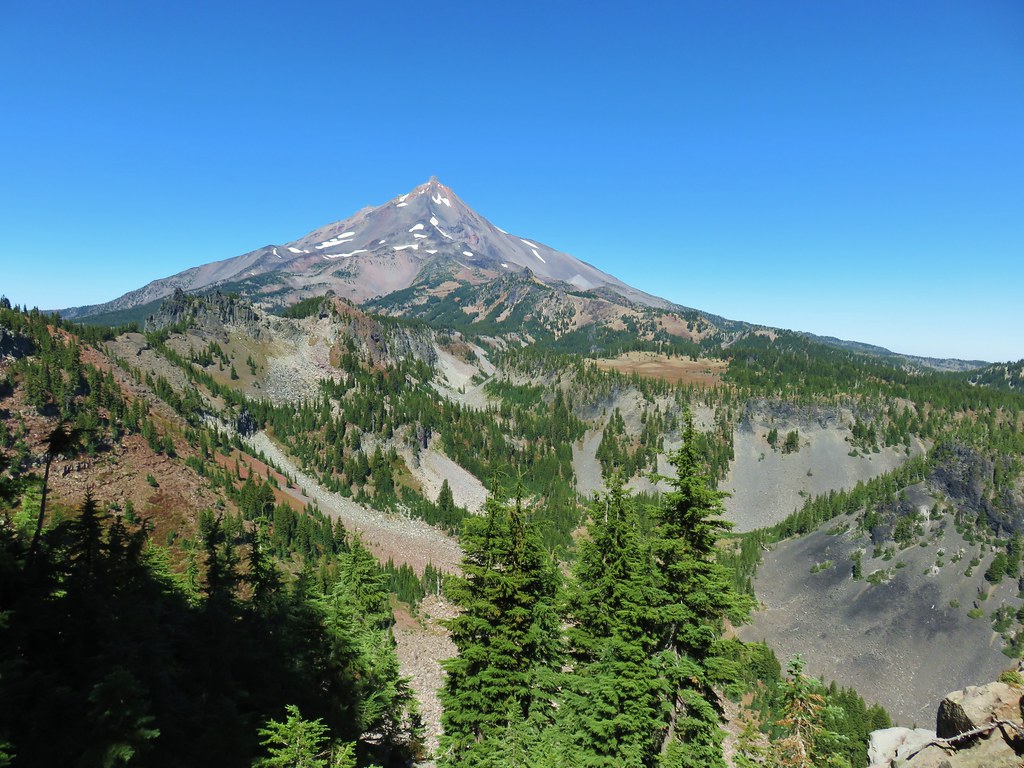
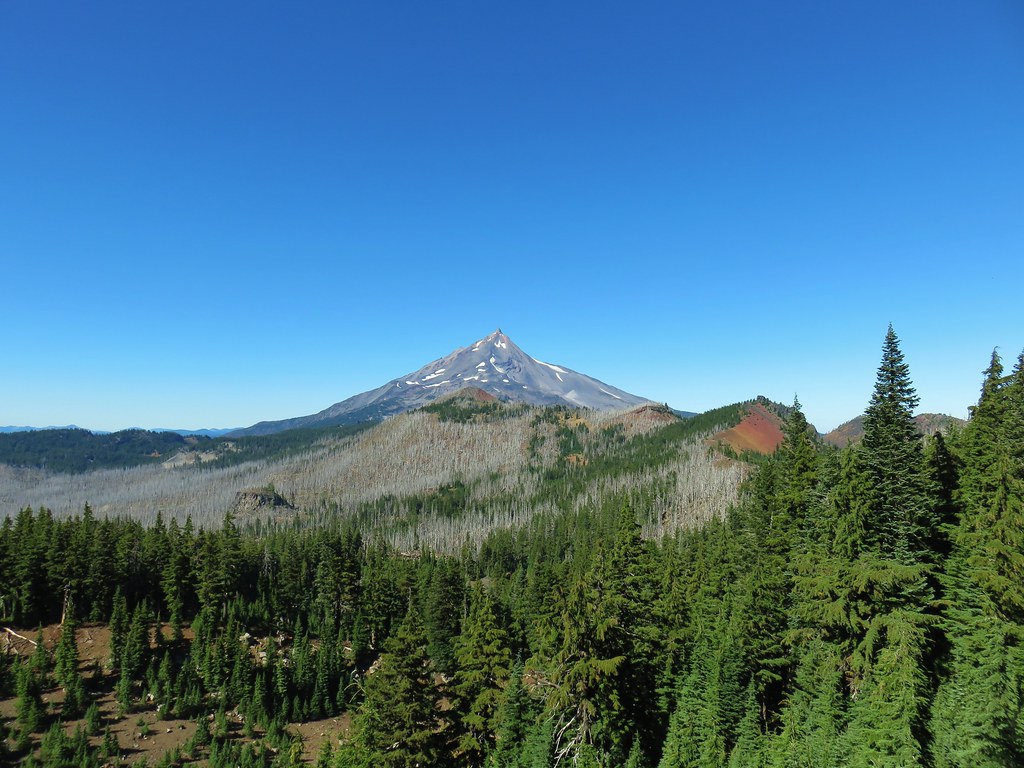
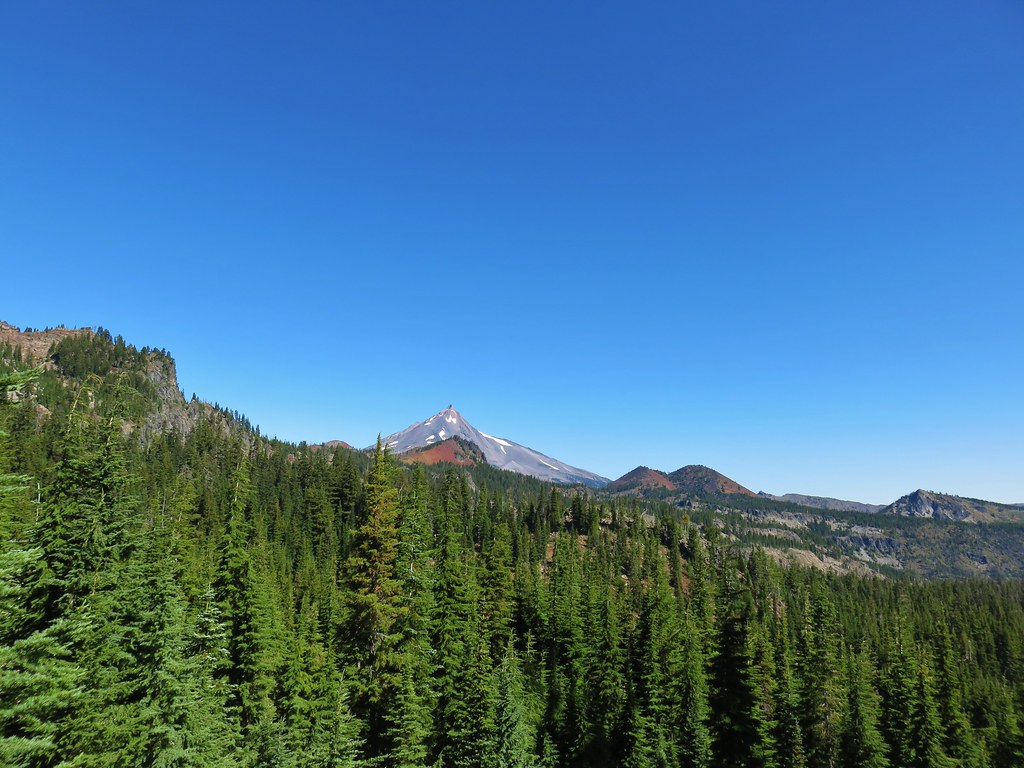
IMG_7400Mt. Jefferson through the burned trees.

IMG_7402Back in the green.

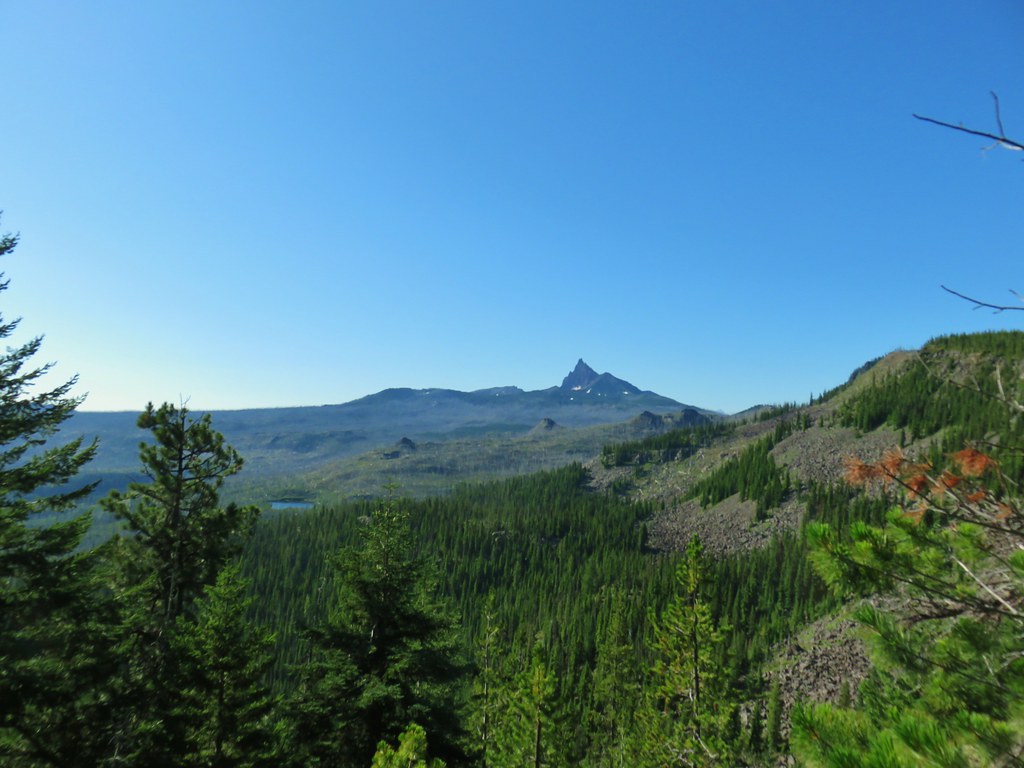
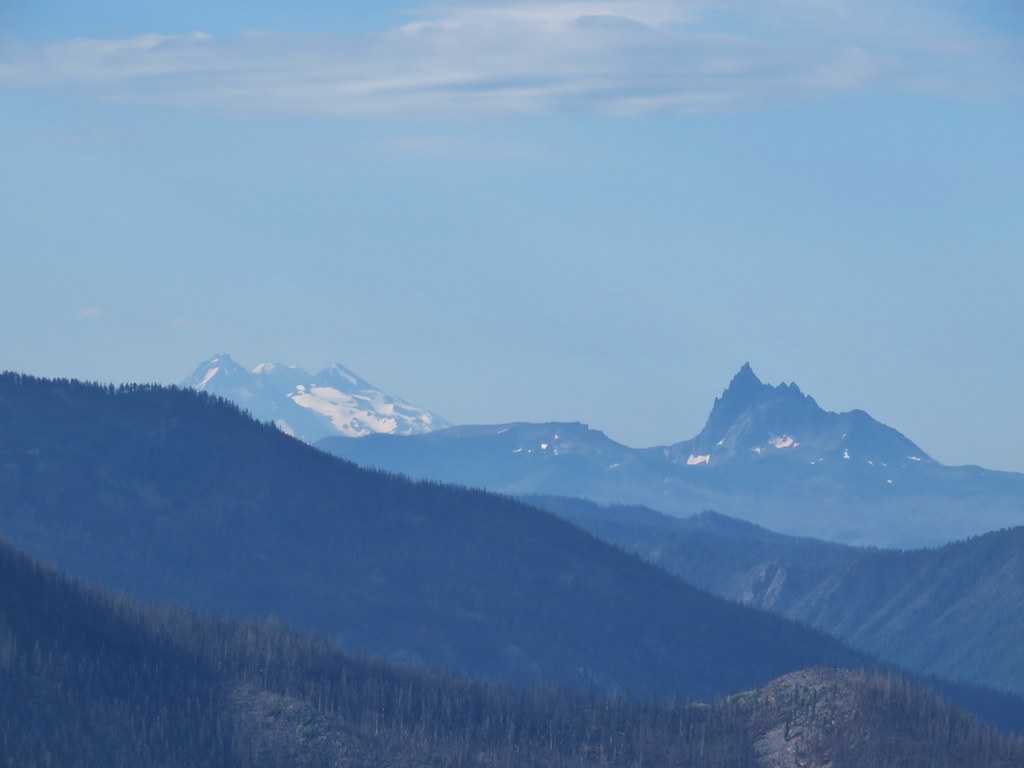
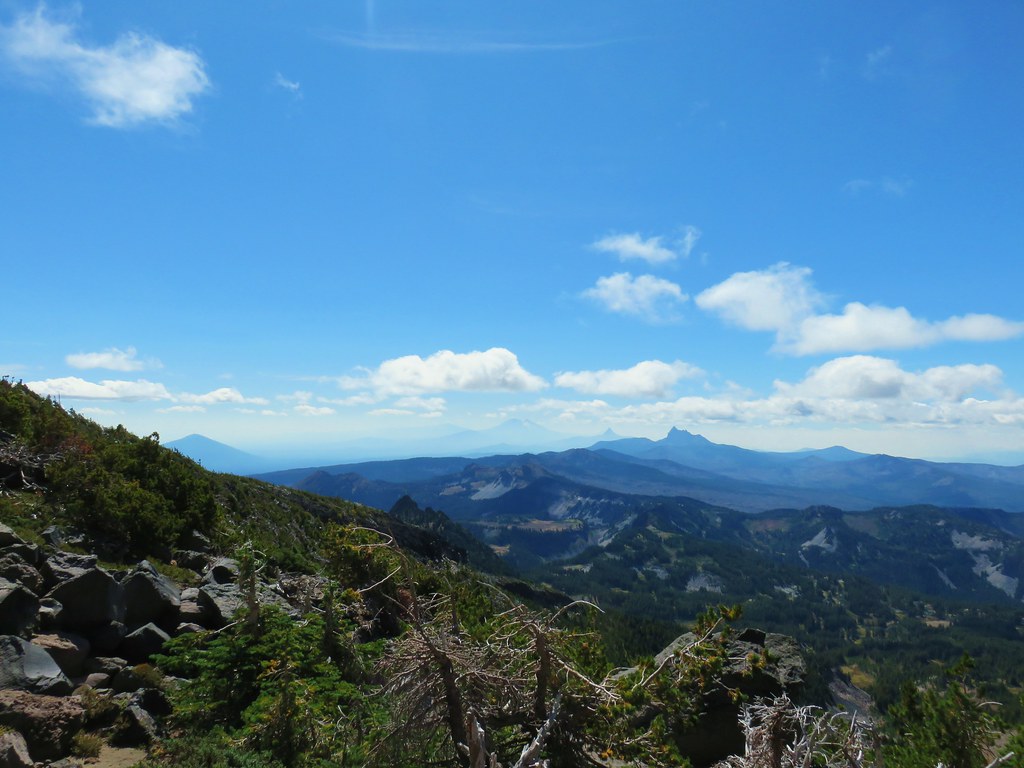
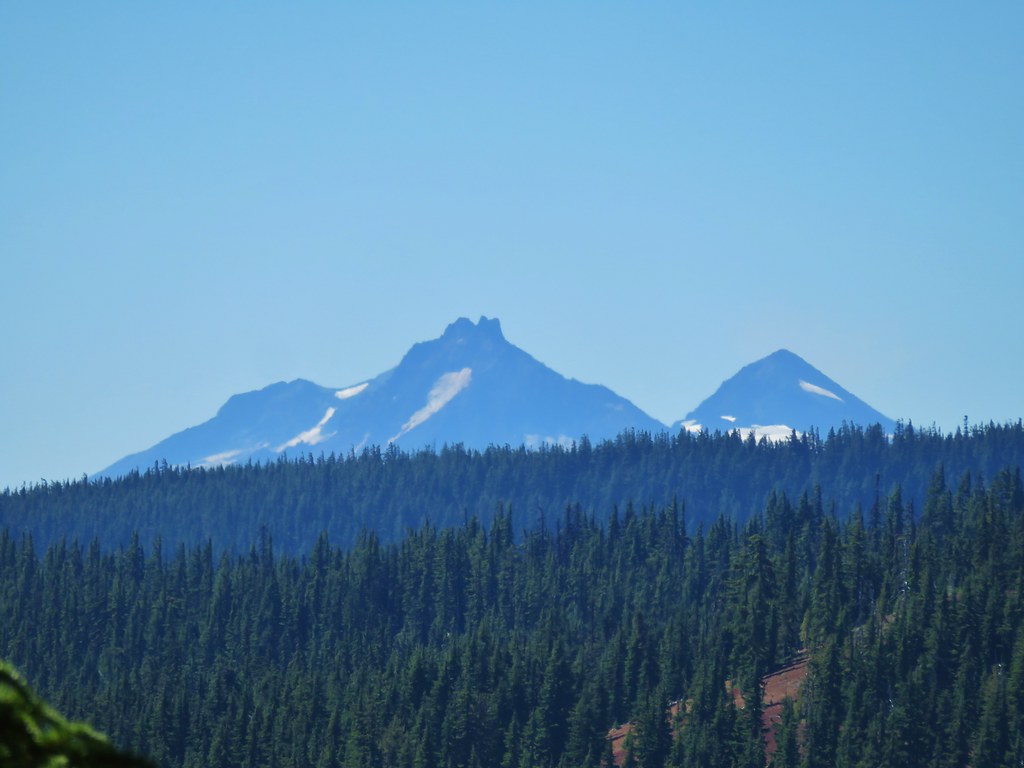
IMG_7404Three Fingered Jack through the burned trees.
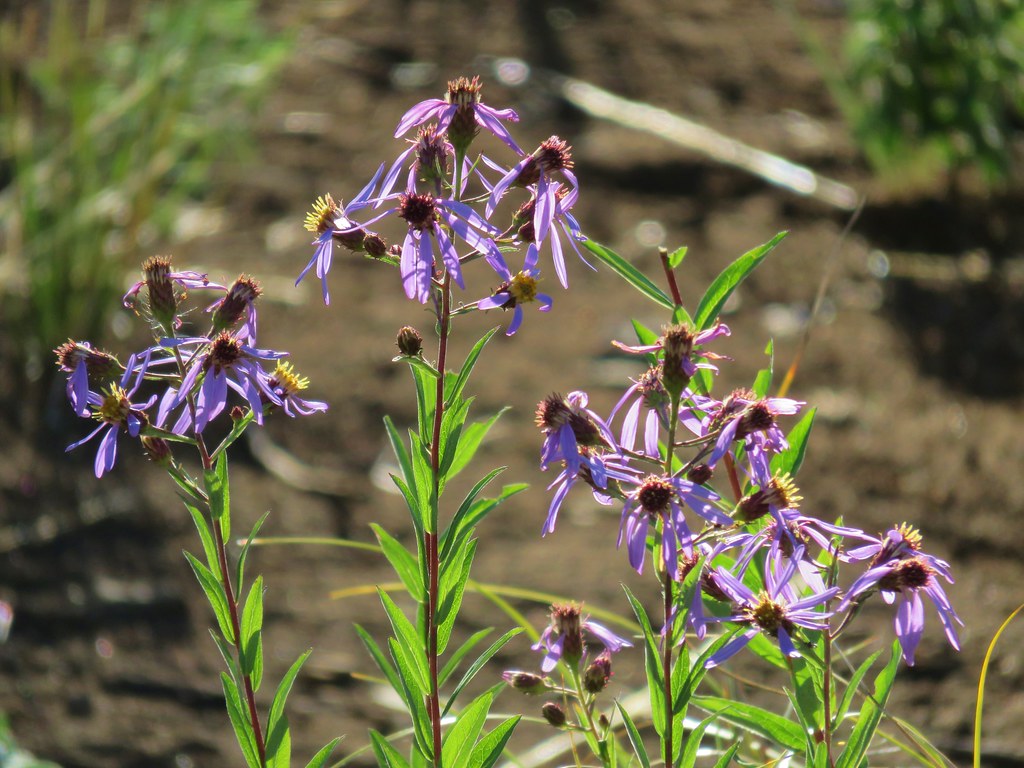
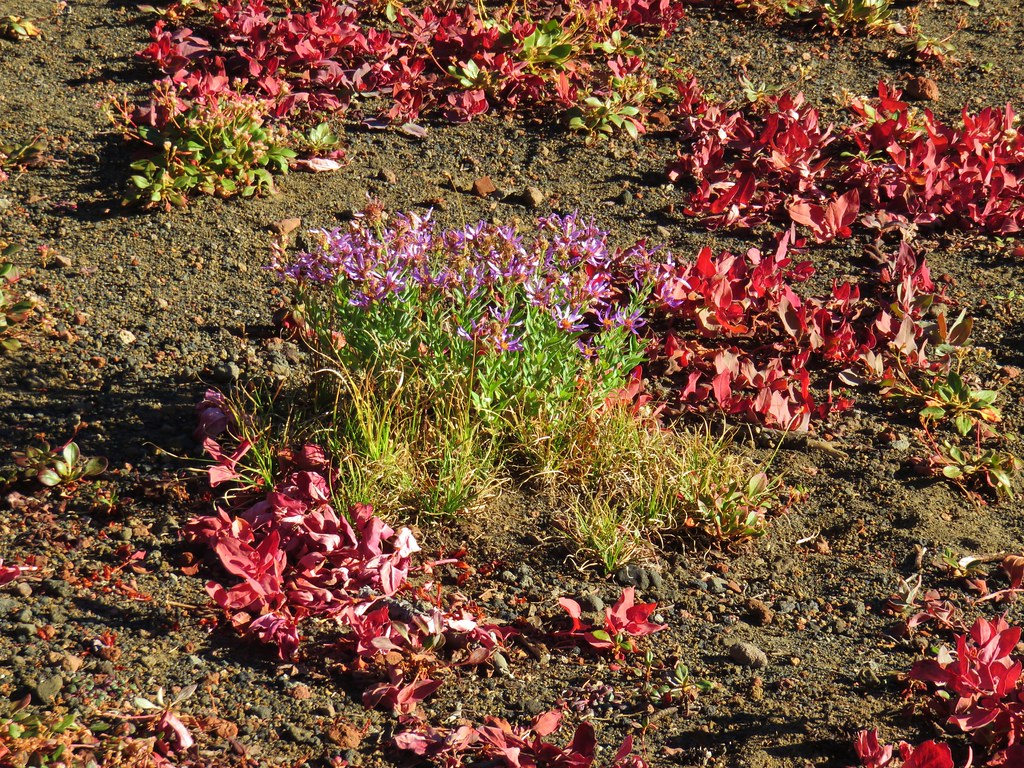
IMG_7408Aster

IMG_7409Pearly everlasting

IMG_7410Fireweed

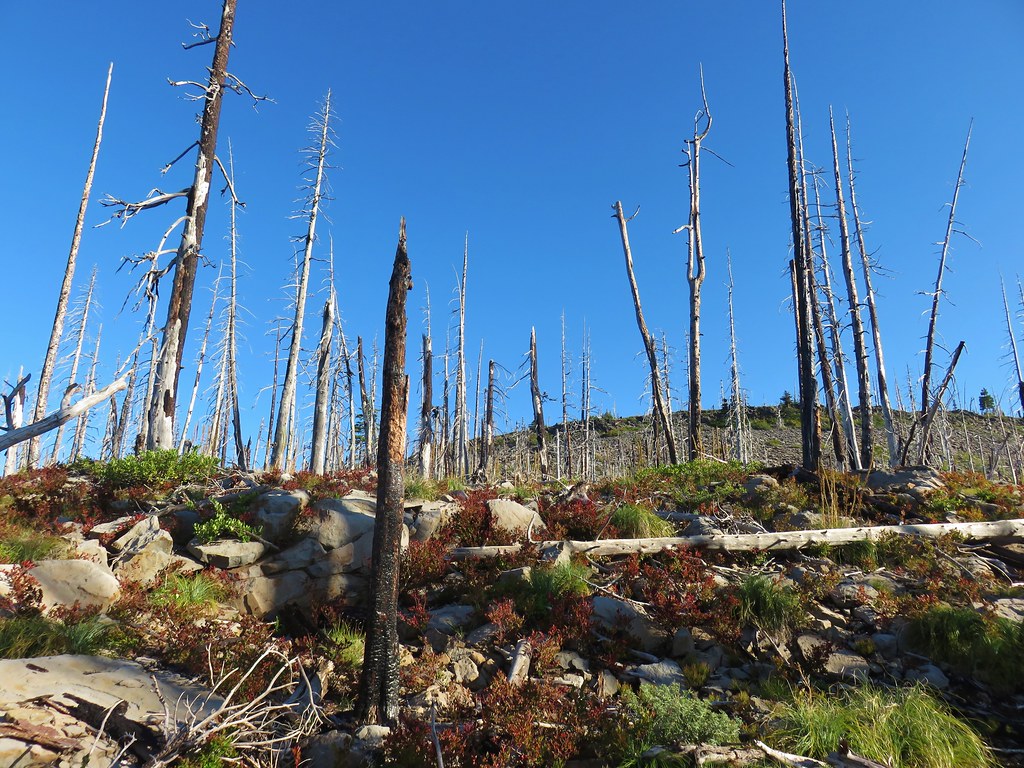
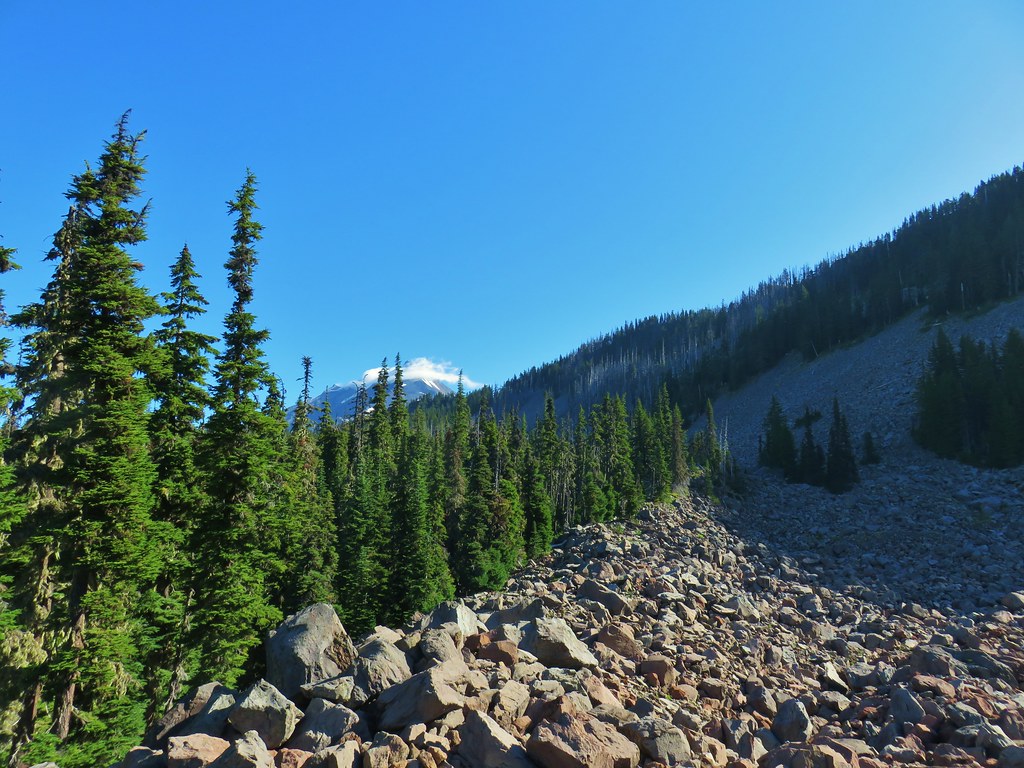
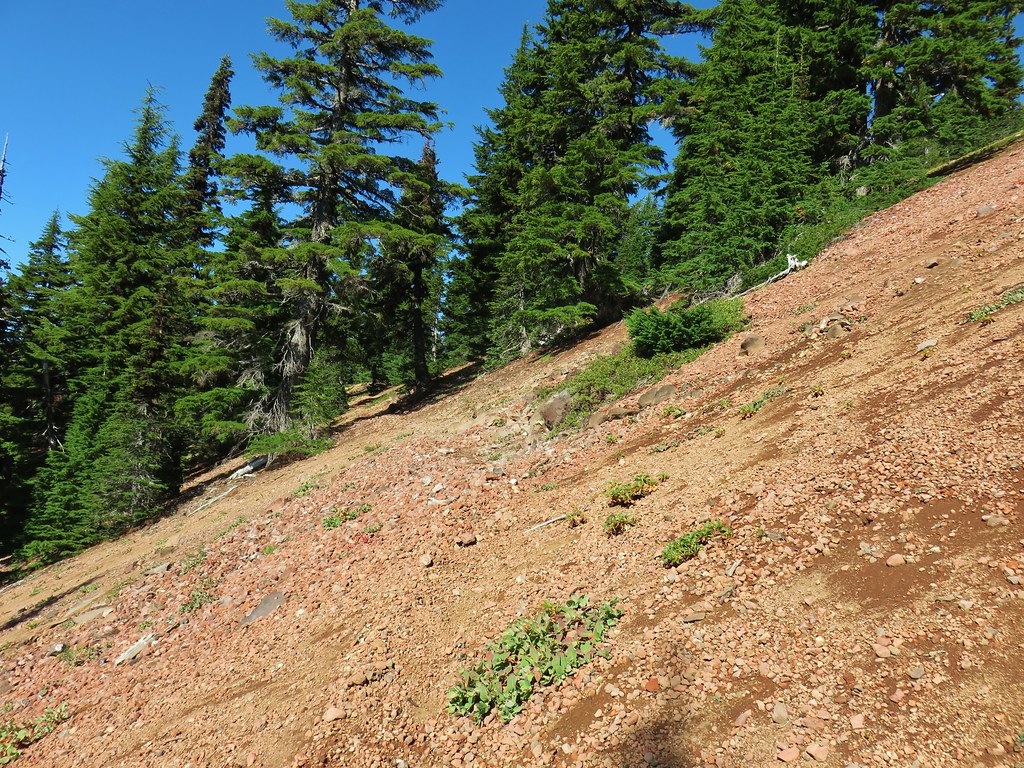
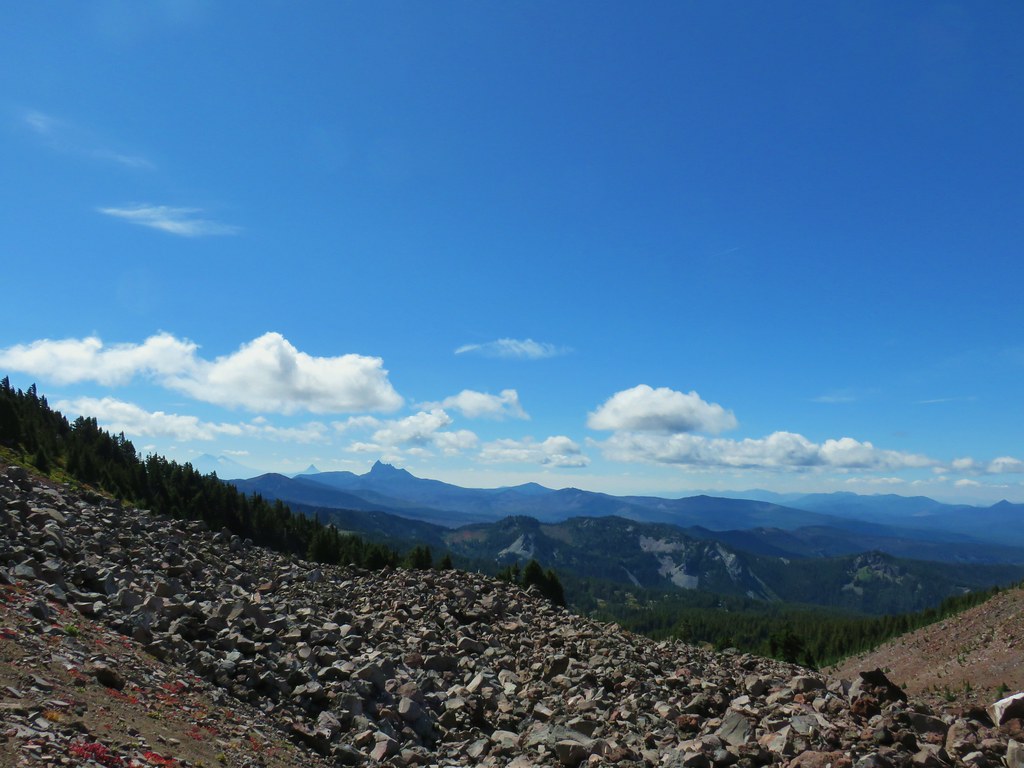
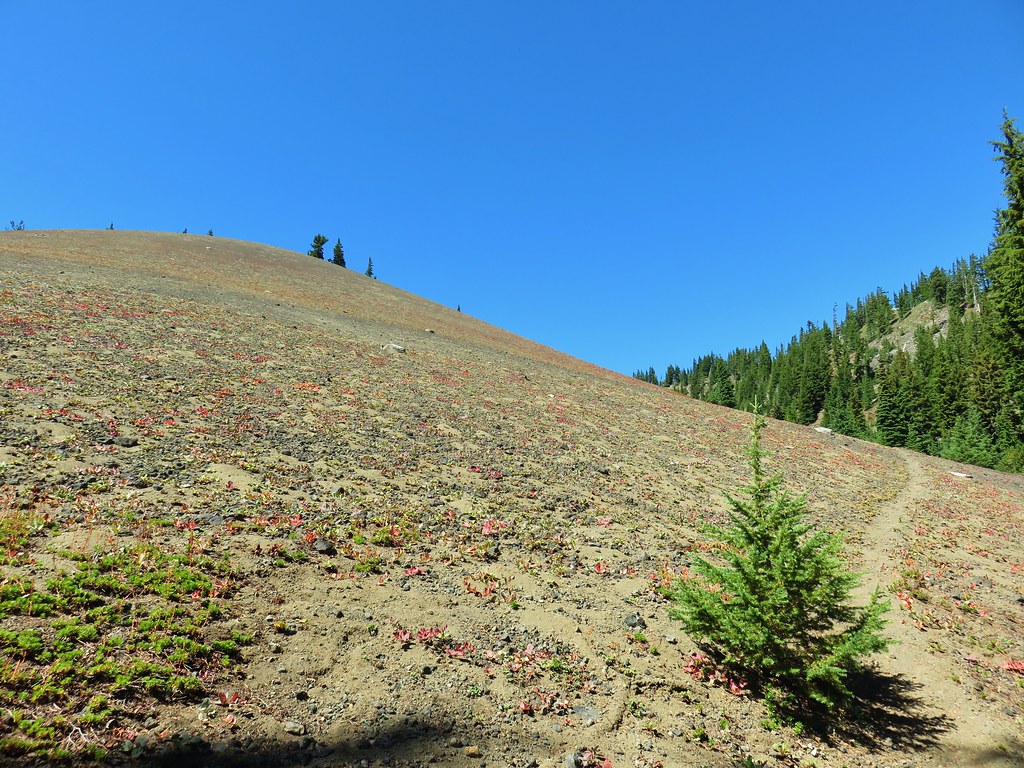
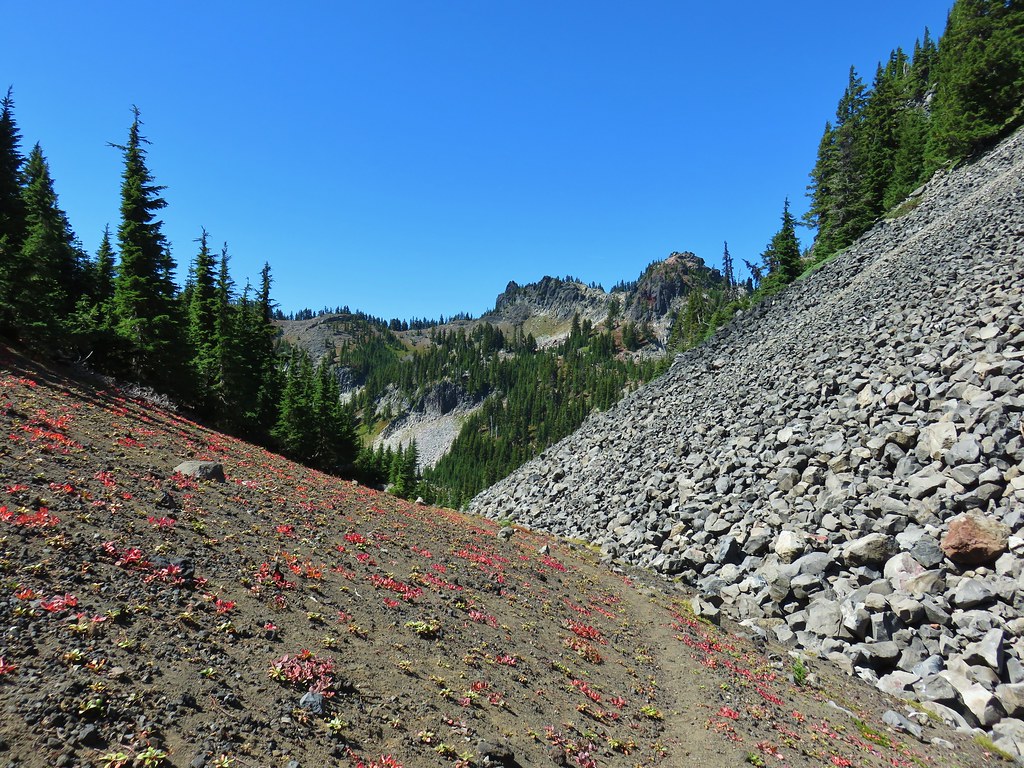
The longest stretch through burned forest occurred as the trail passed to the right of a rocky rise along the ridge.
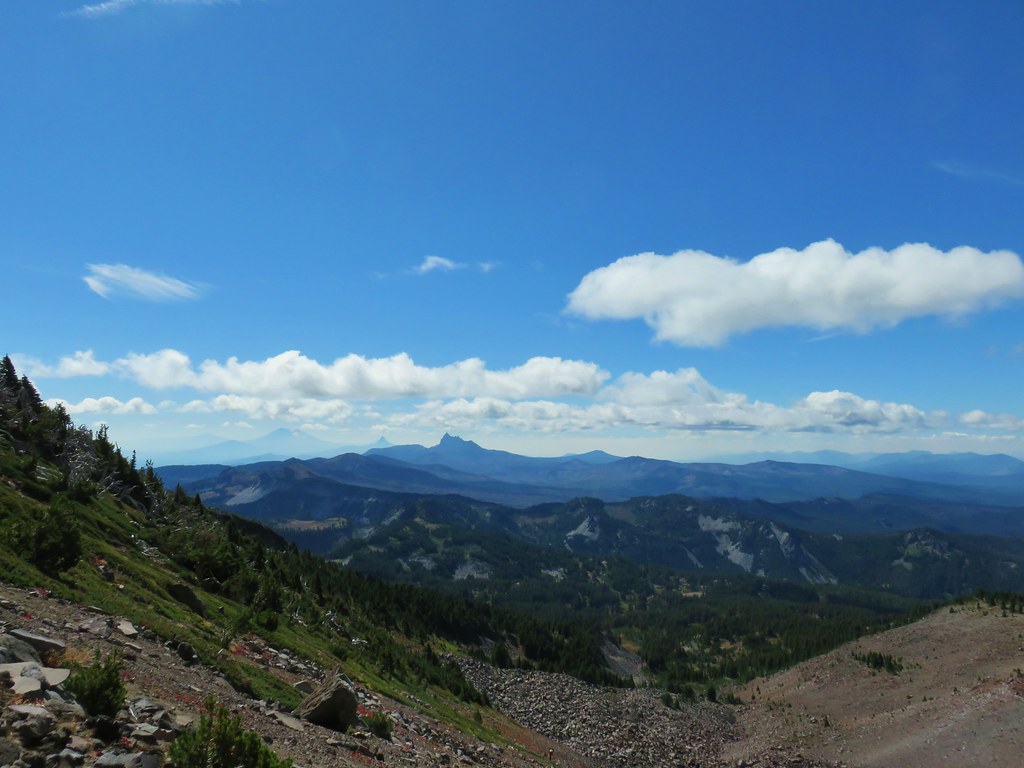
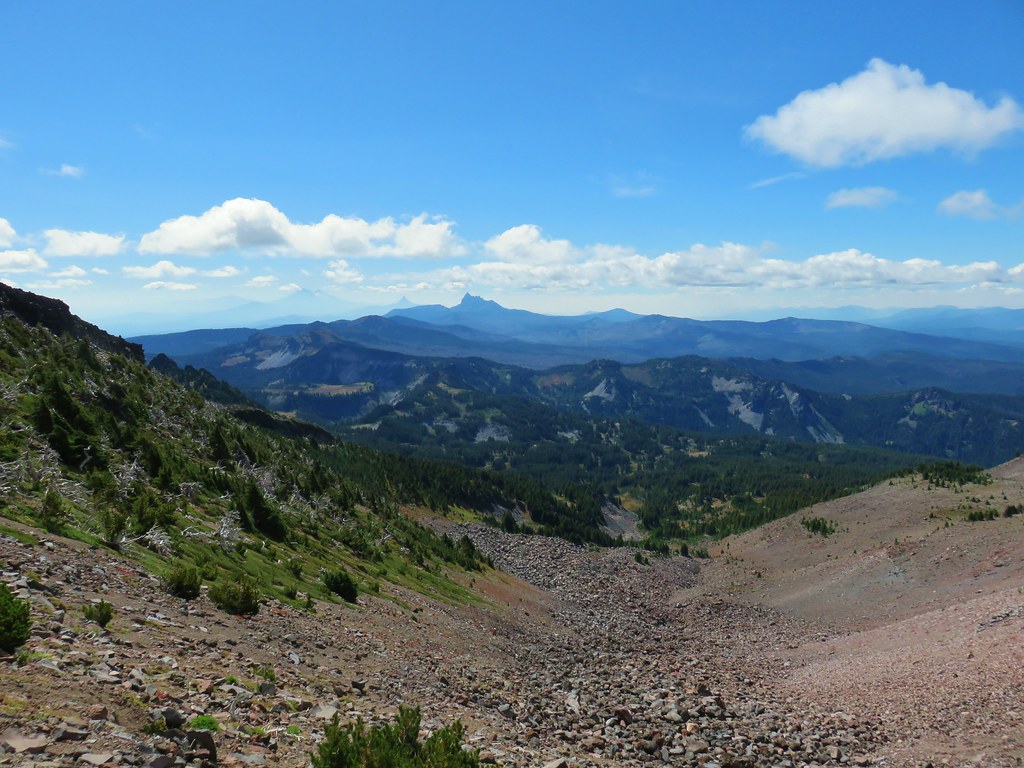
IMG_7412Three Fingered Jack

IMG_7416

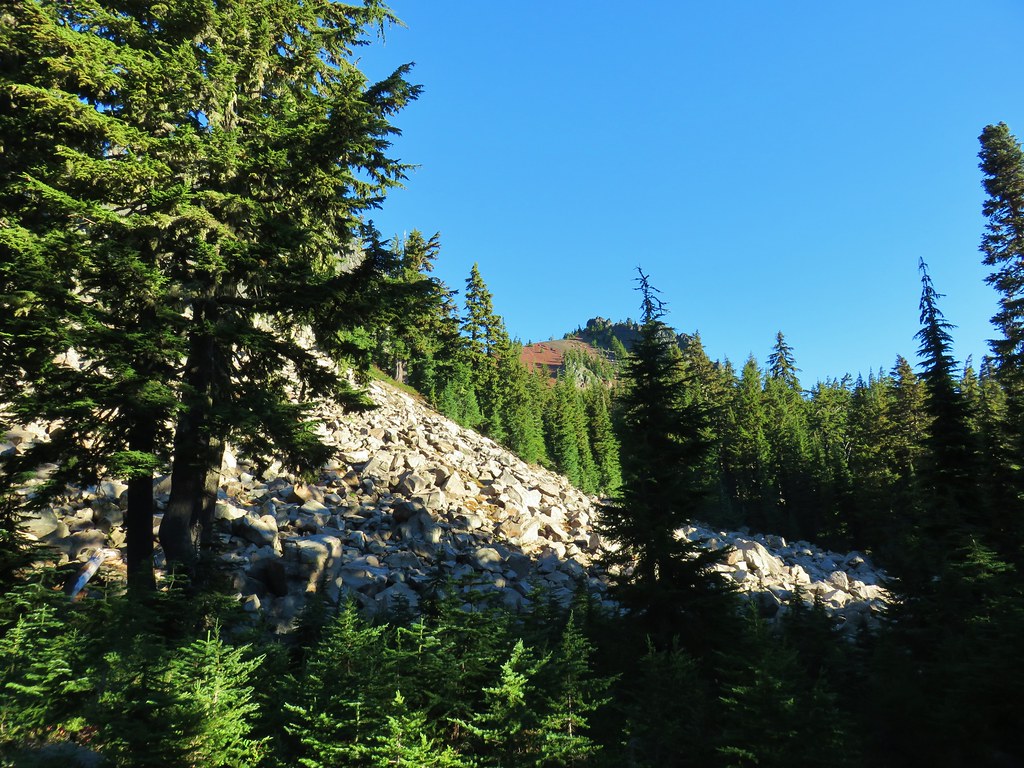
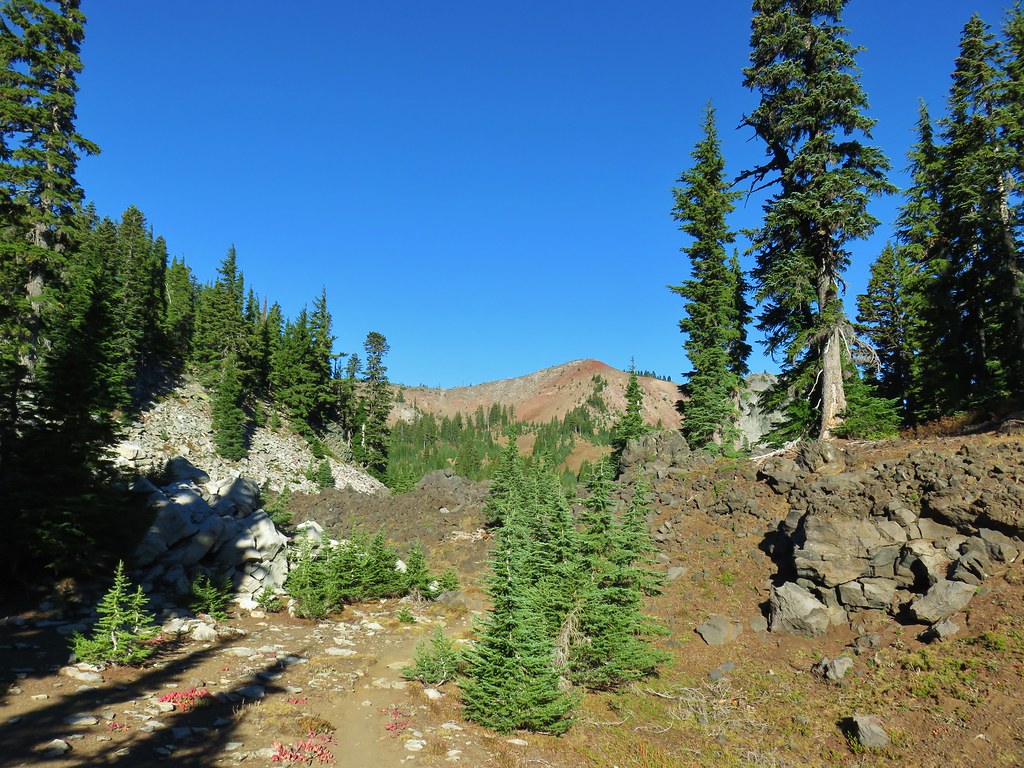
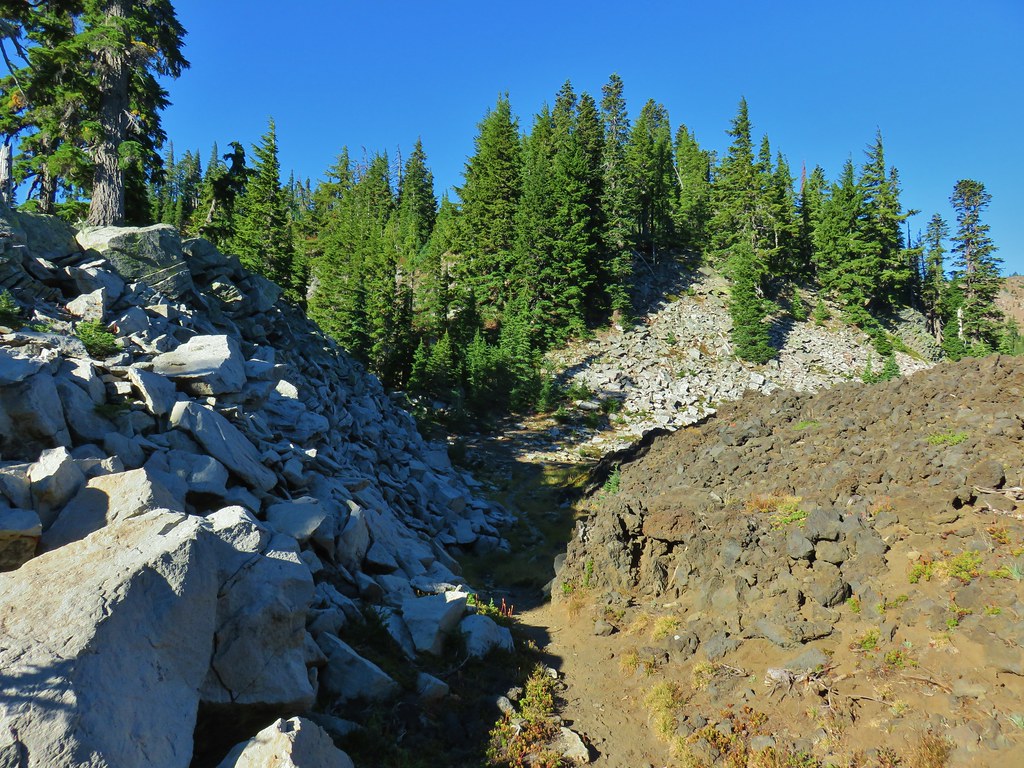
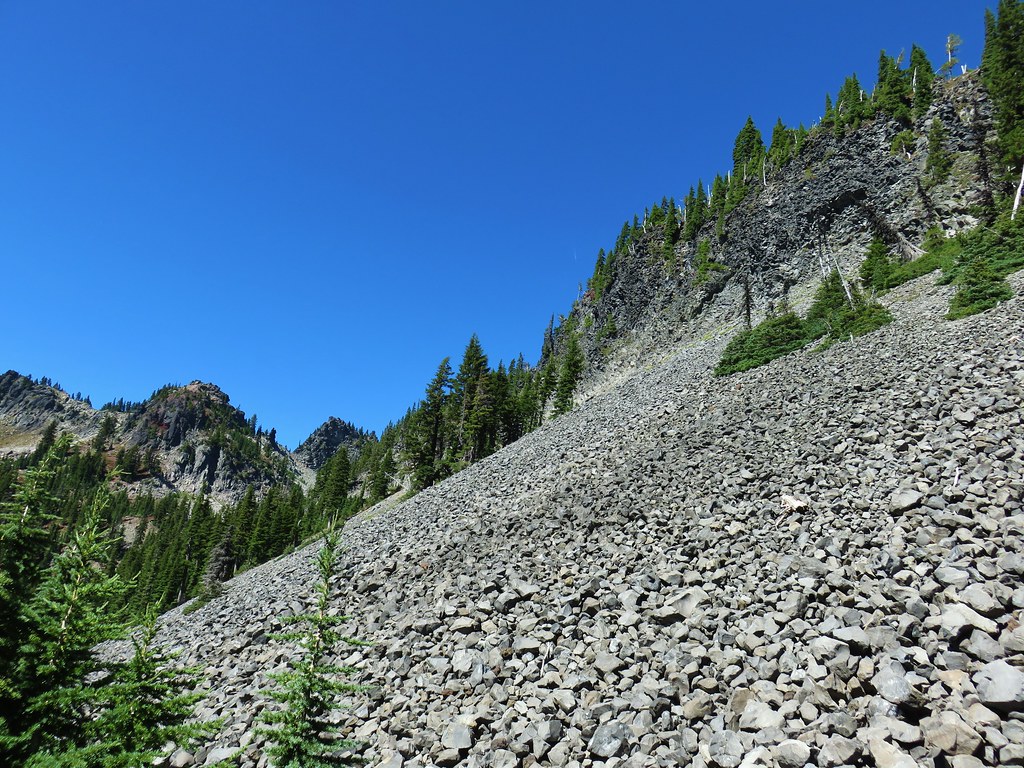
IMG_7417The rock covered rise.

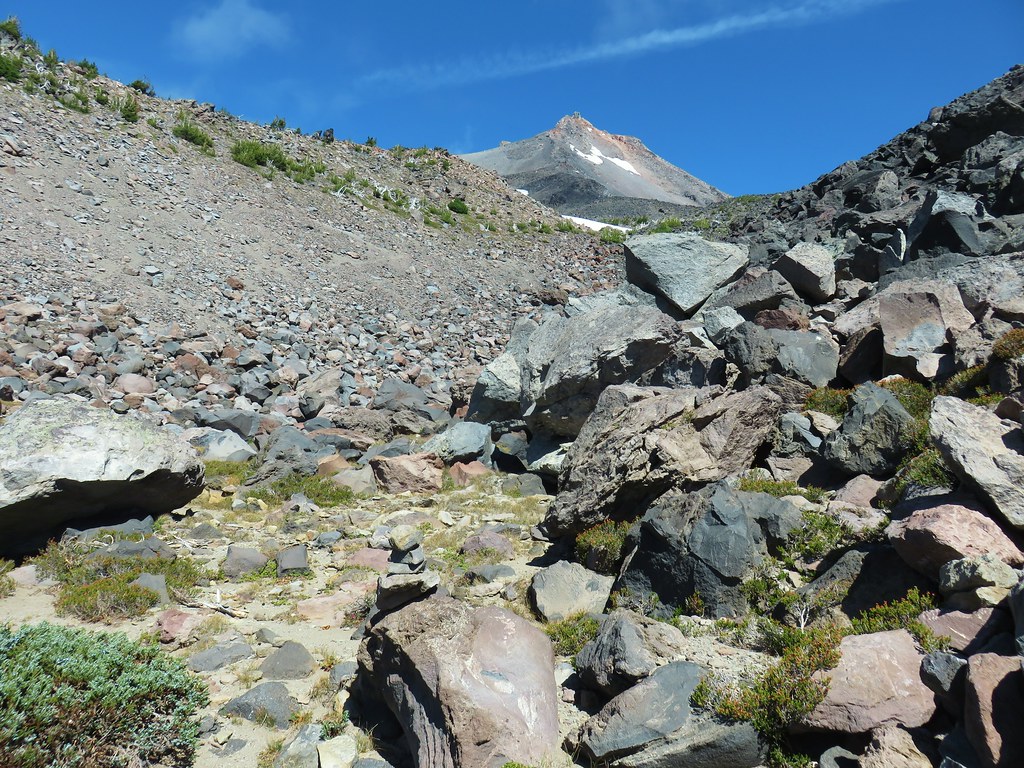
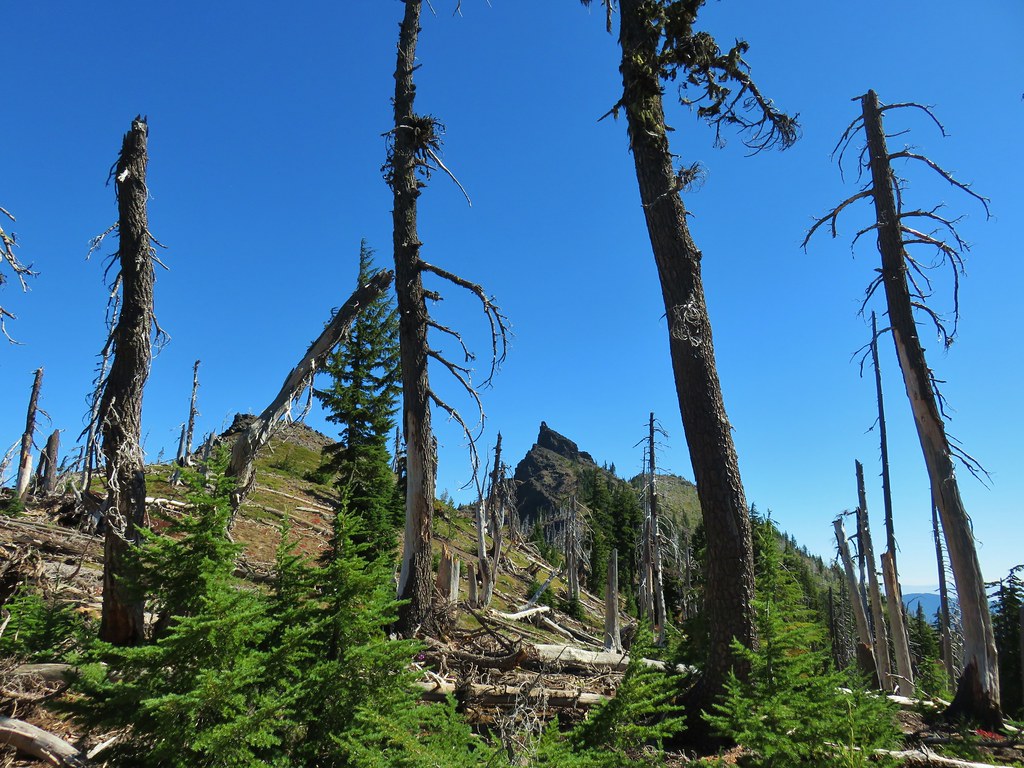
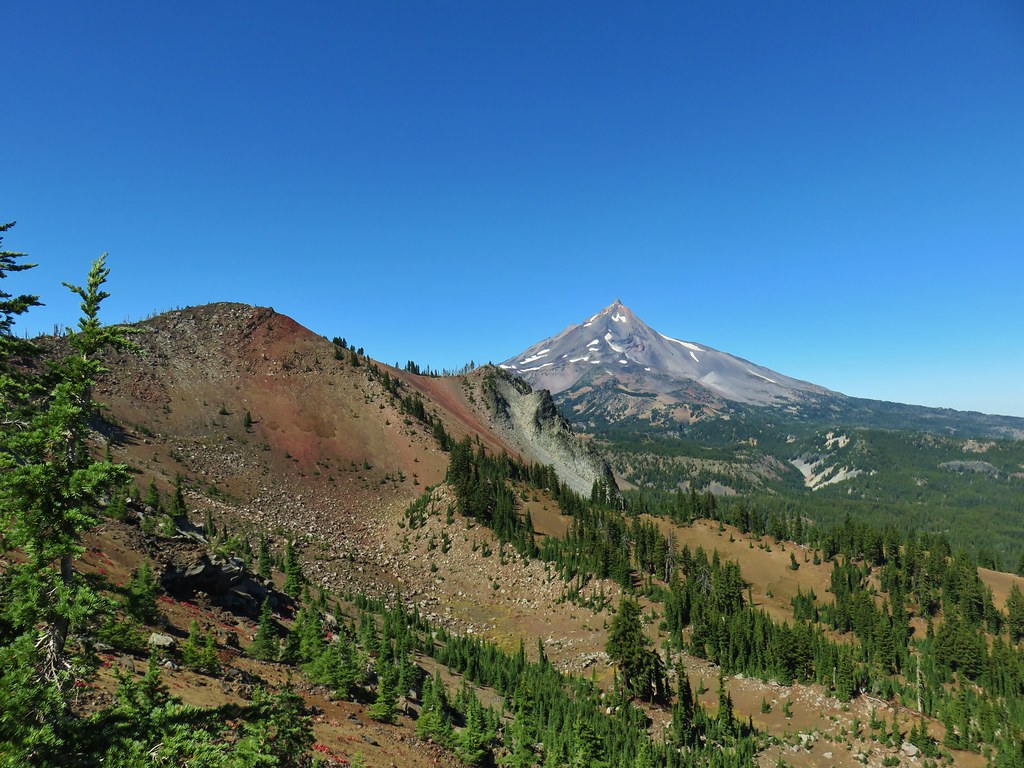
IMG_7418South Cinder Peak (post) to the left and Three Fingered Jack to the right.

IMG_7422Still passing the rocks.

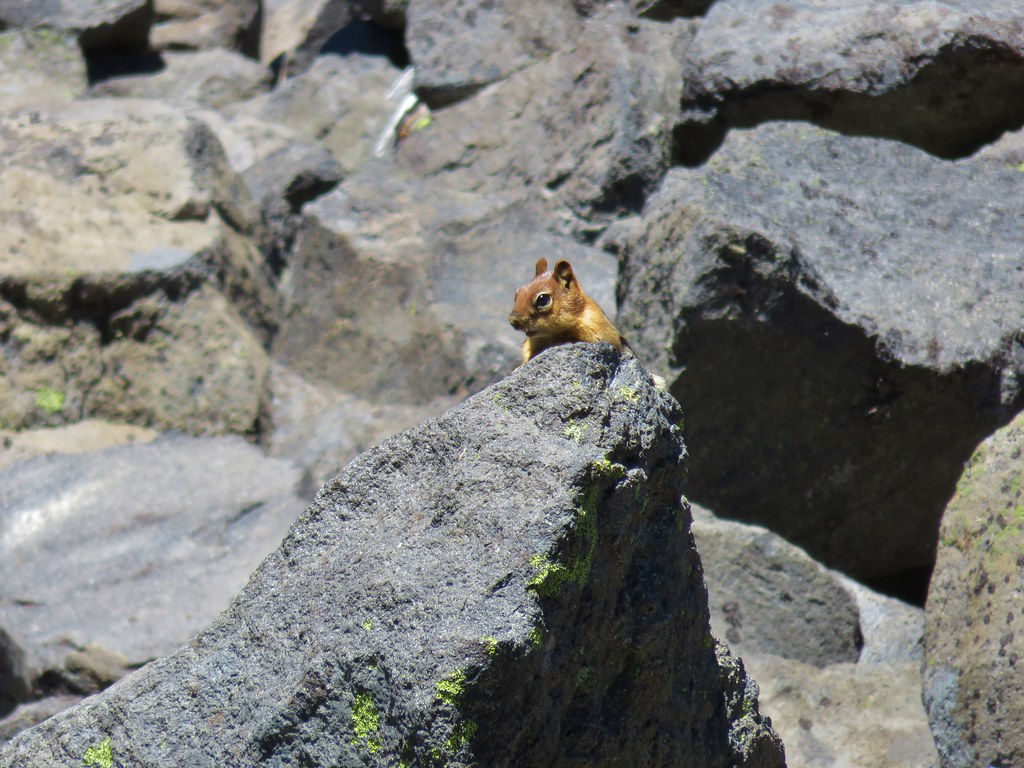
We heard a couple of “meeps” from pikas in the rocks but we only managed to spot a golden-mantled ground squirrel.
IMG_7423

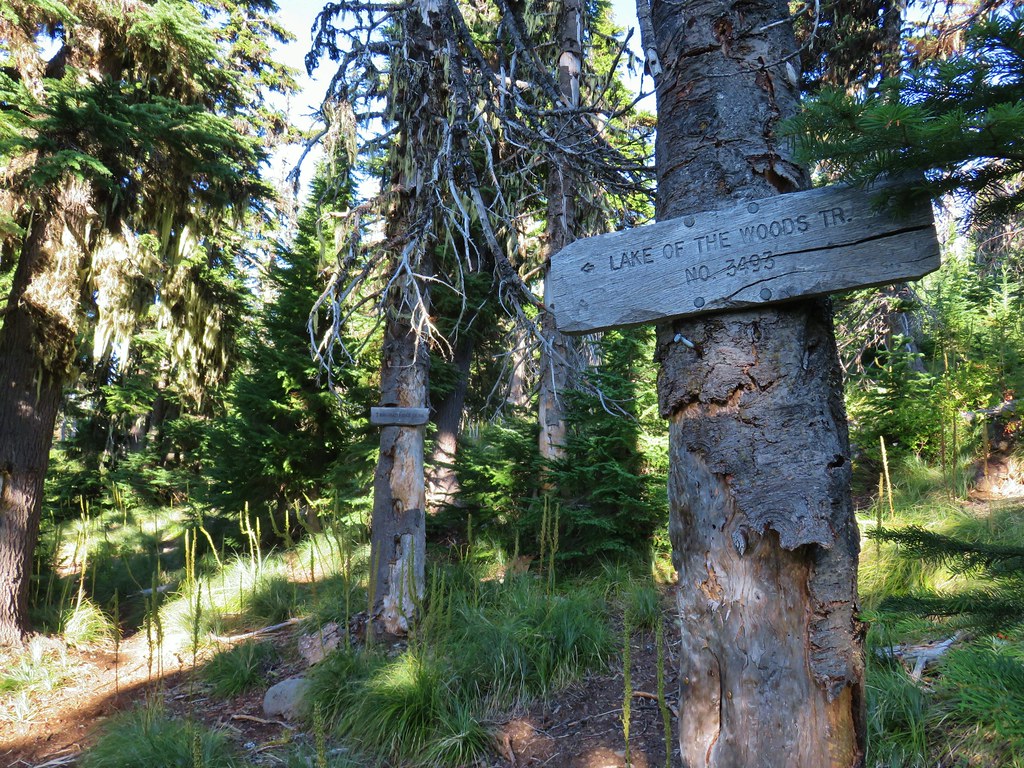
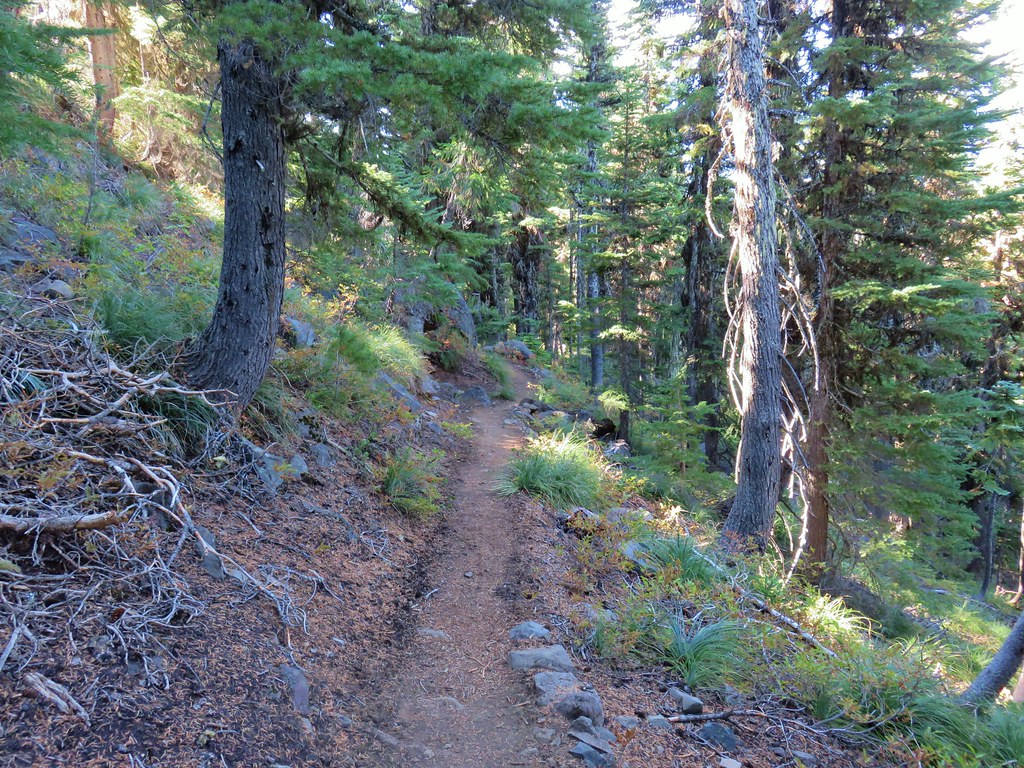
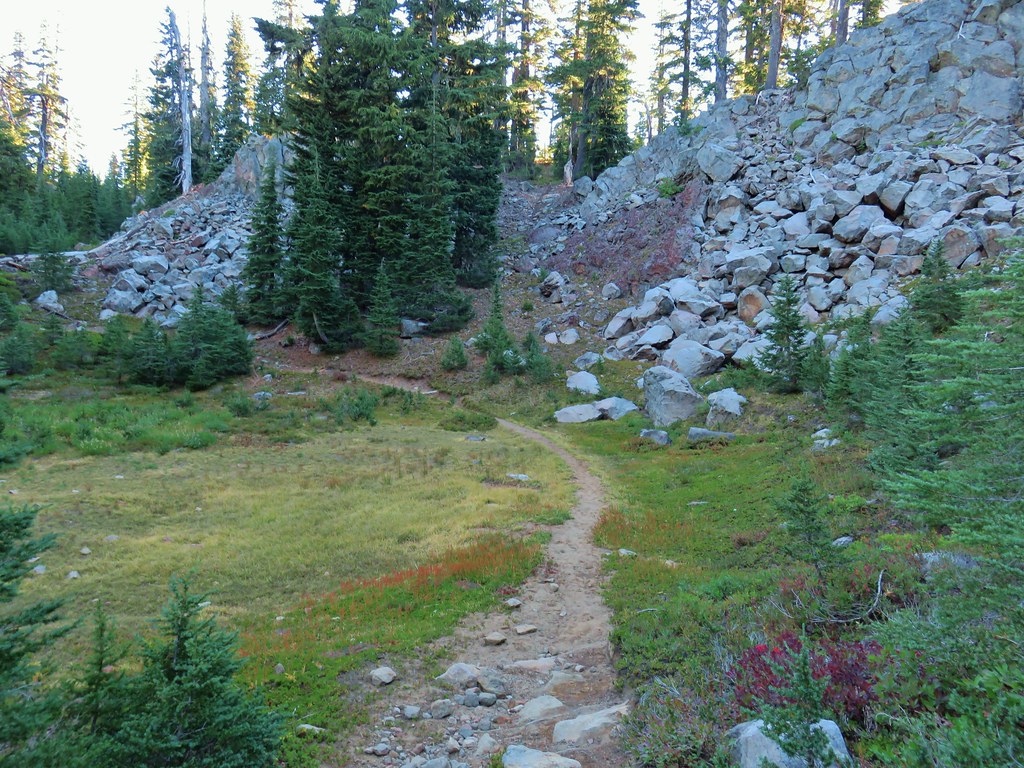
As the trail passed around the rocky rise we reentered green forest and quickly came to the end of the Bingham Ridge Trail at a junction with the Lake of the Woods Trail 3.7 miles from the trailhead.
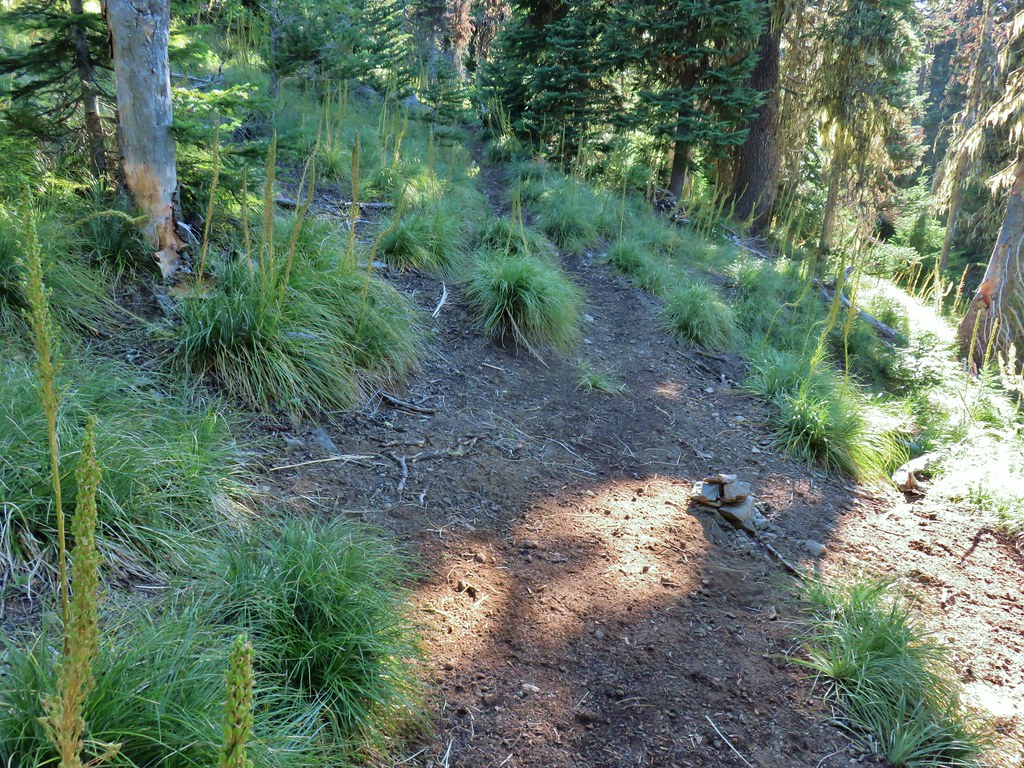
IMG_7426

IMG_7427

The Lake of the Woods Trail runs north-south between the Pamelia Limited Entry Area and Marion Lake (post). We turned left (north) onto this trail which promptly crossed over the ridge at a low saddle and began to traverse a forested hillside.
IMG_7429The low saddle.

IMG_7430

IMG_7431

The trail wound around the basin arriving at a ridge end viewpoint where we had hoped to get a view of Mt. Jefferson but soon realized that we hadn’t come far enough around yet and we were looking west not north.
IMG_7432Coffin and Bachelor Mountains (post).

We continued along the hillside finally coming far enough around to get a look at Mt. Jefferson.
IMG_7433

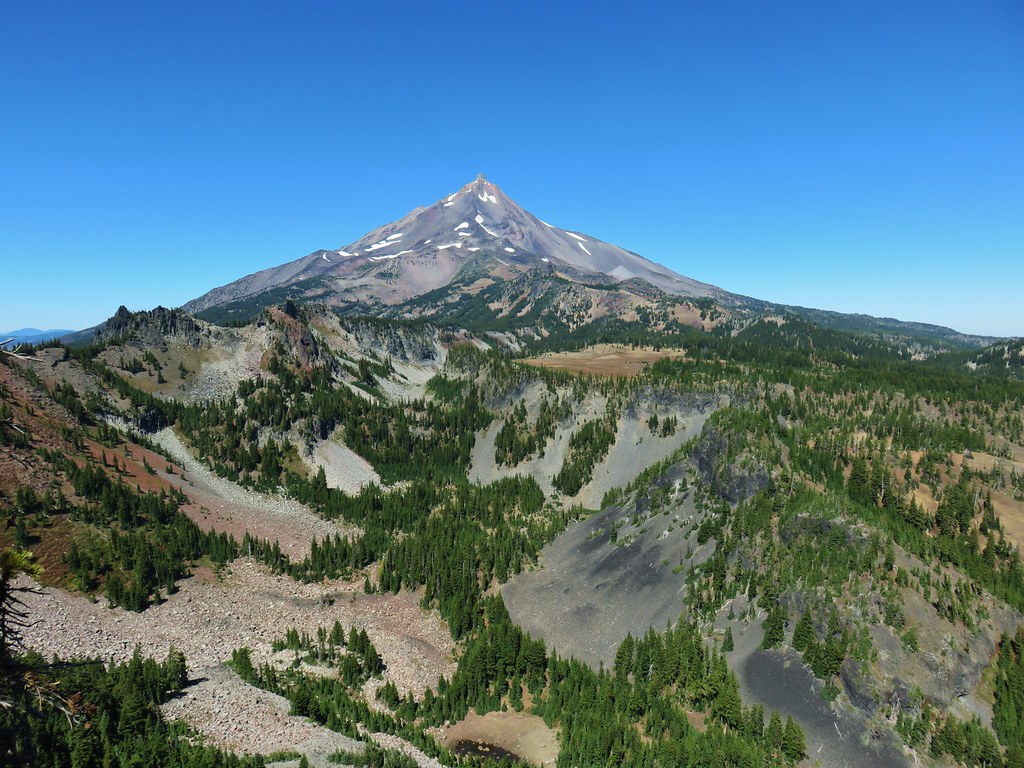
Just a little further along we arrived at Reeder’s turn around point for the 8.8 mile hike described in his book. A cinder viewpoint of Mt. Jefferson across the Bingham Basin.
IMG_7438

IMG_7439

There was a strange group of clouds hanging out on the top of the mountain. We could see them moving in what appeared to be a SE direction but despite seeing the movement it never really appeared that they were going anywhere.
IMG_7443

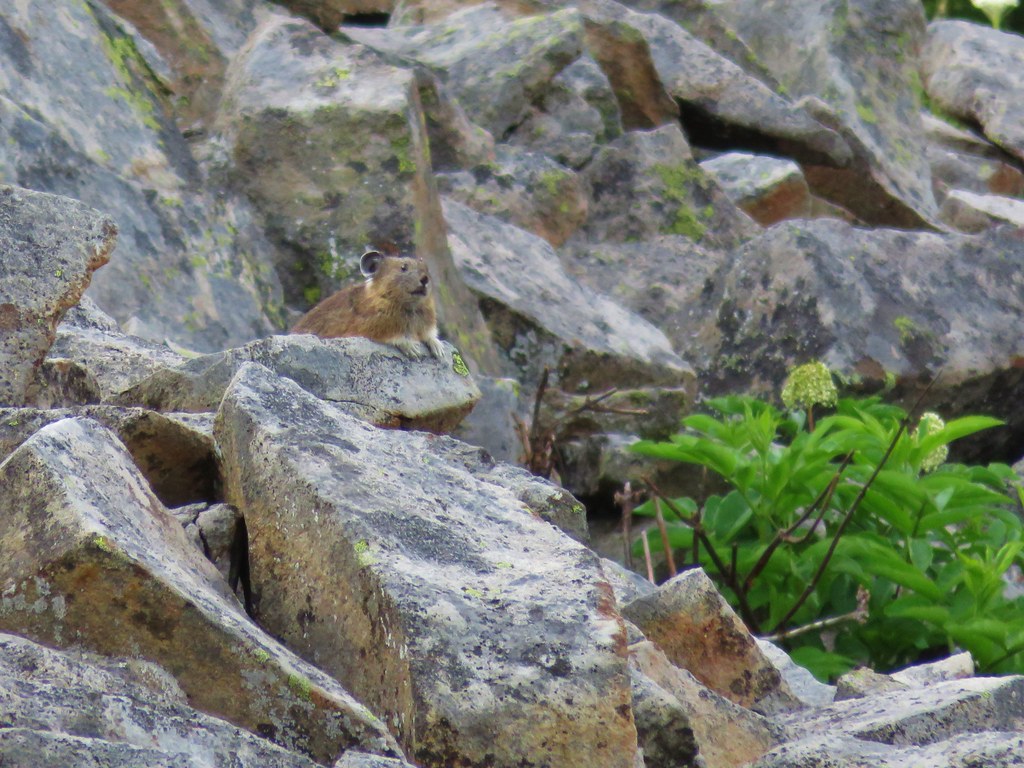
As we stood at this rocky viewpoint we could hear more pikas and then Heather spotted one sitting on top of some rocks, maybe enjoying the same view we were.
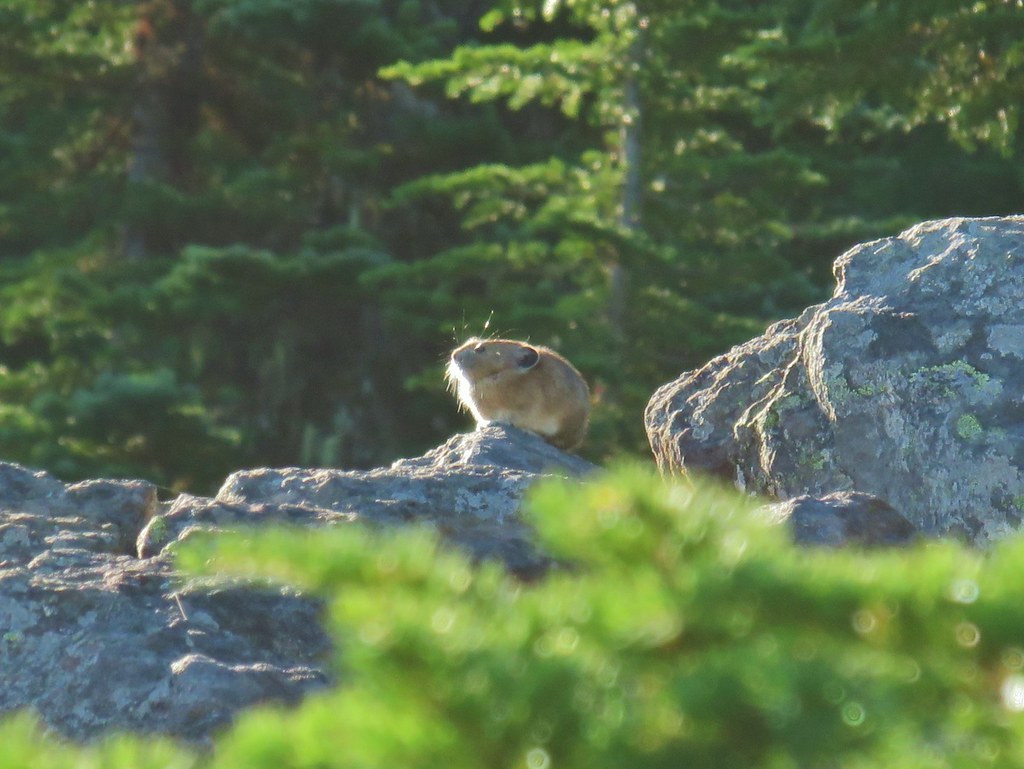
IMG_7448

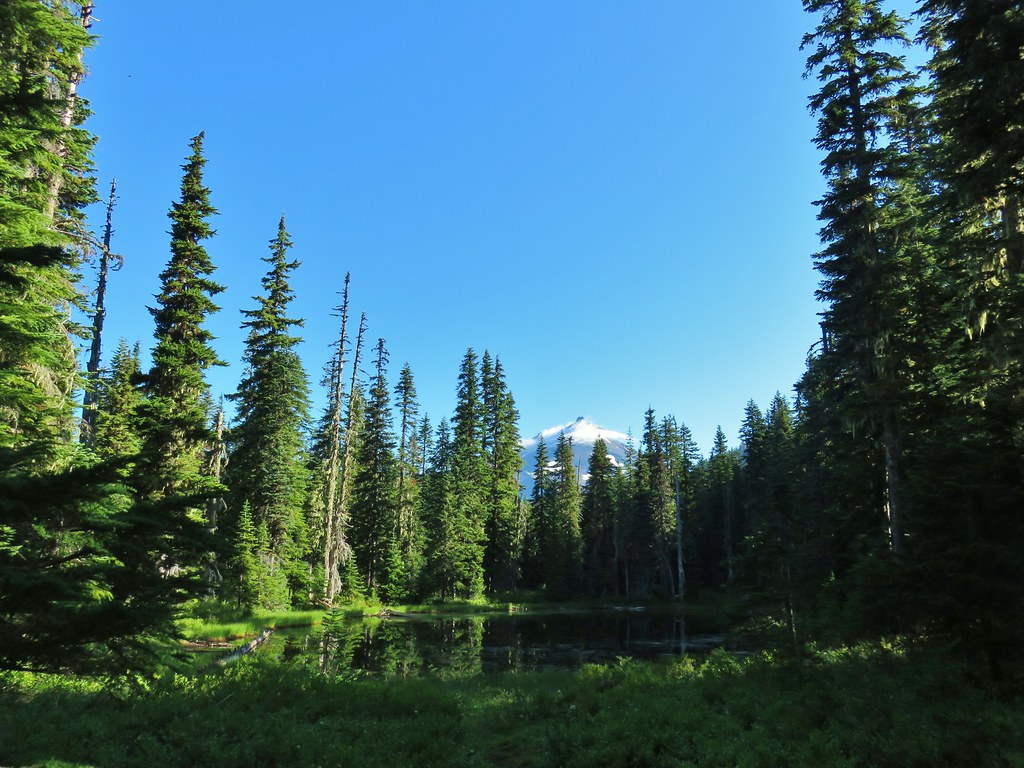
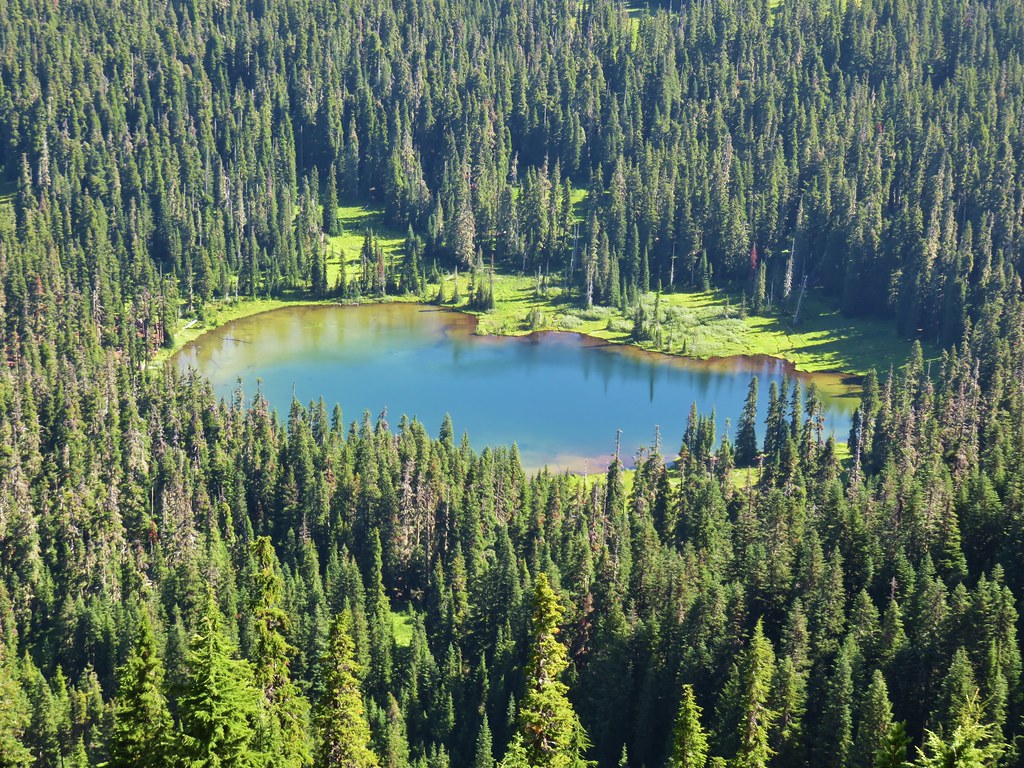
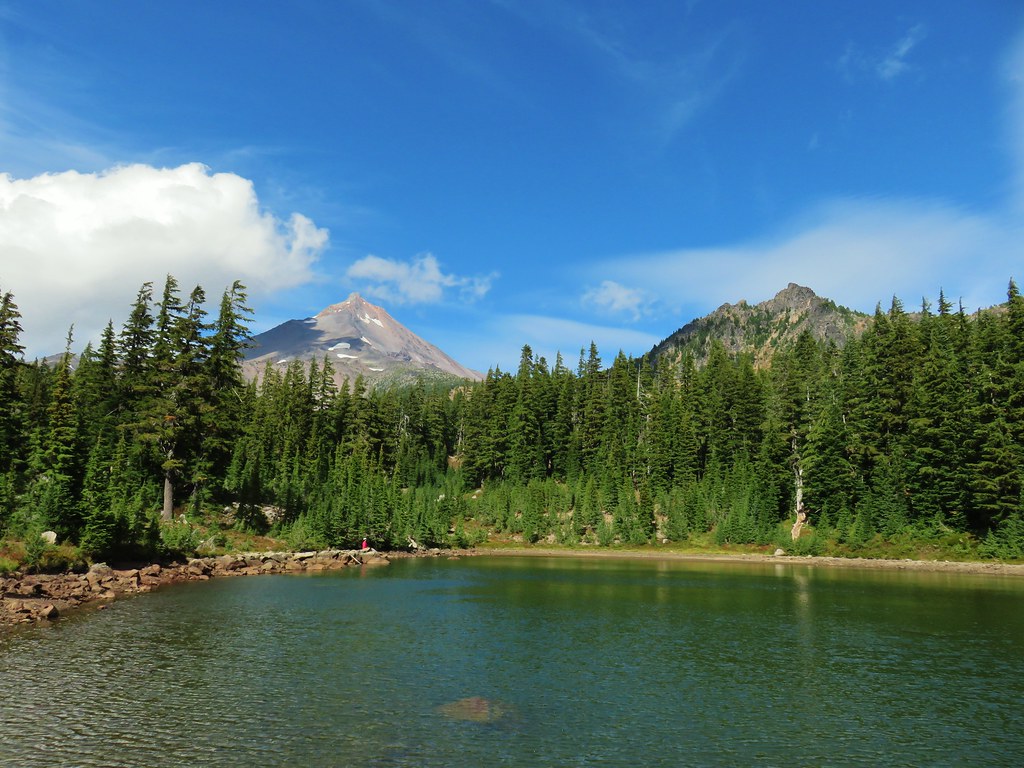
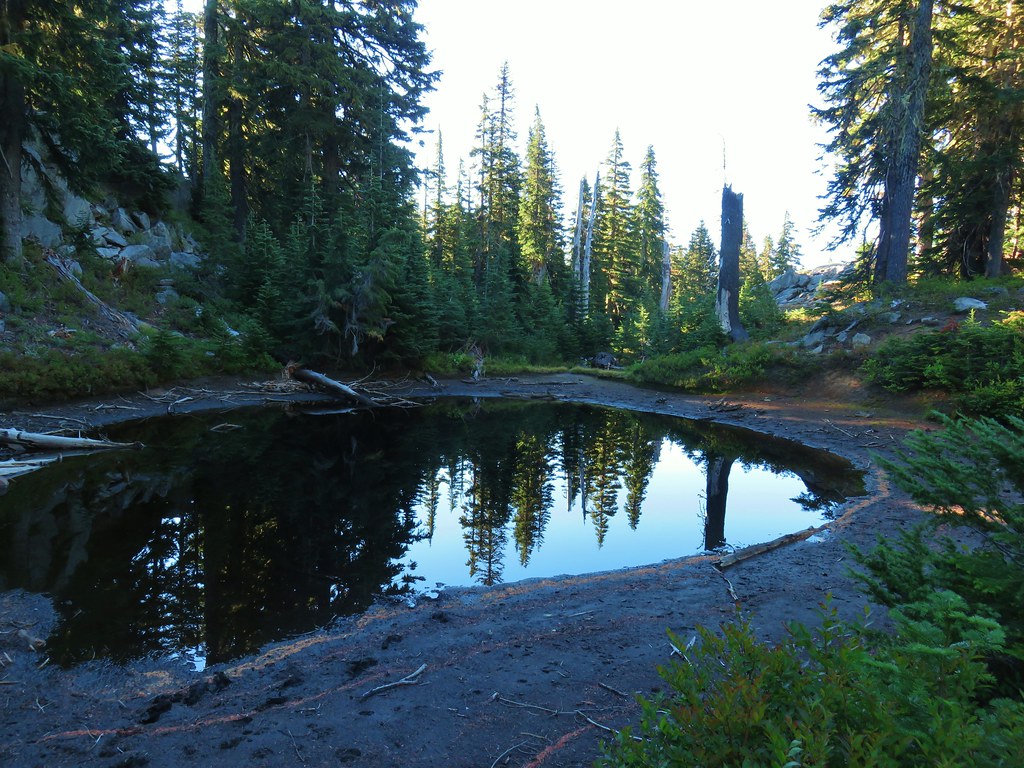
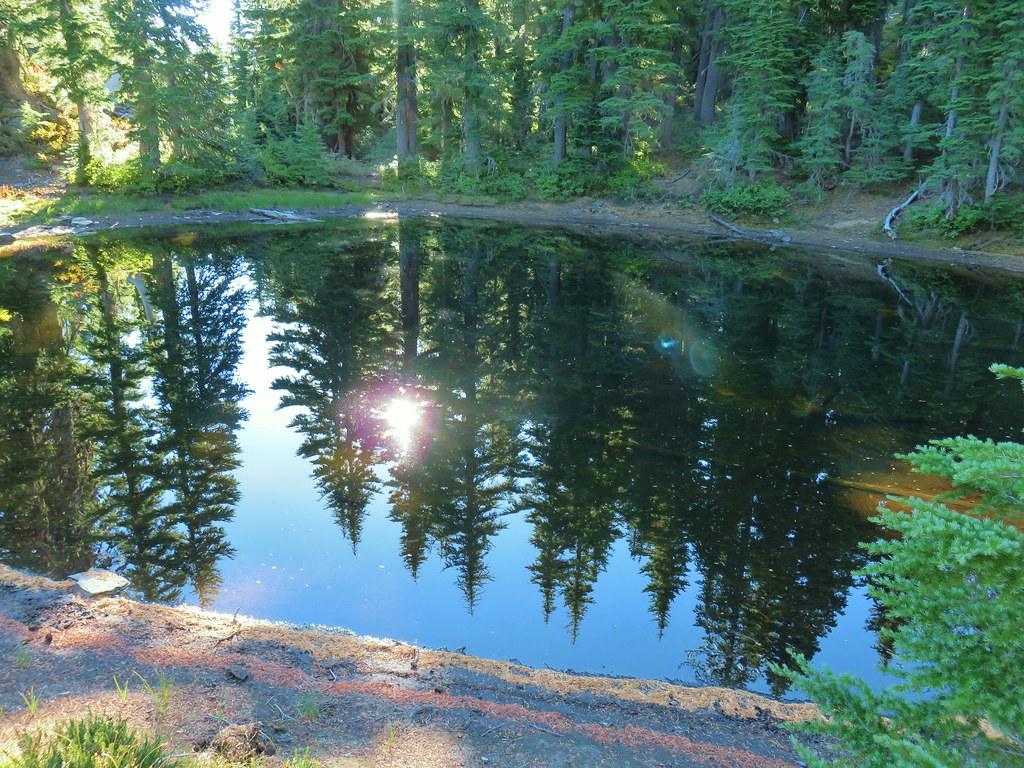
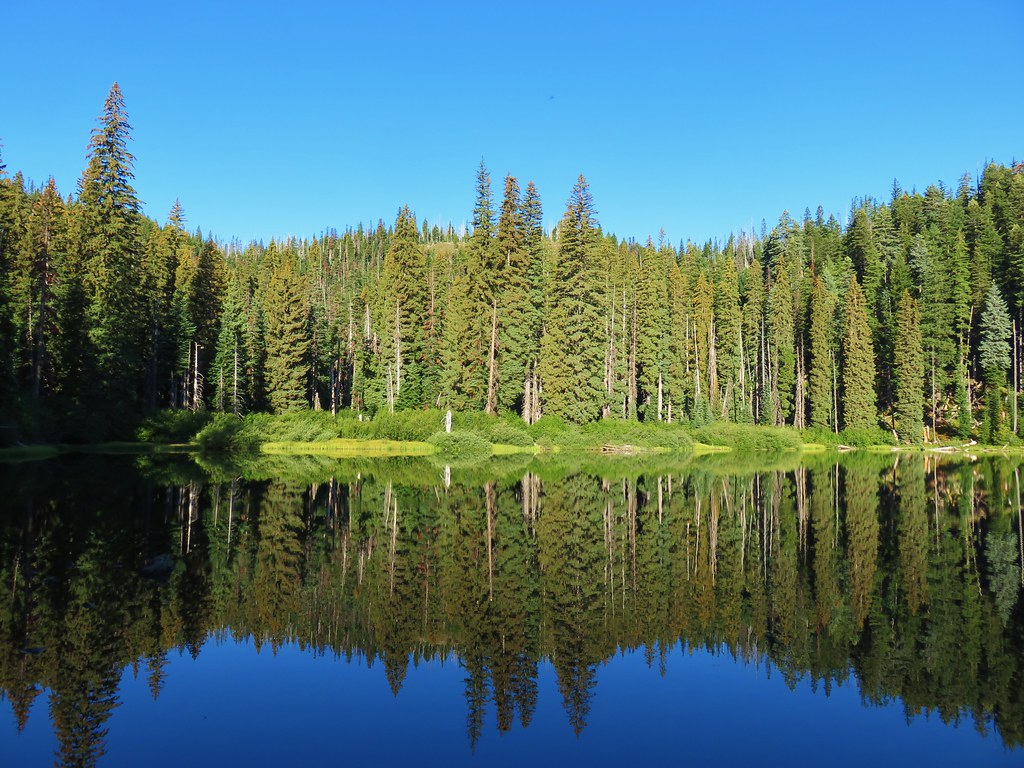
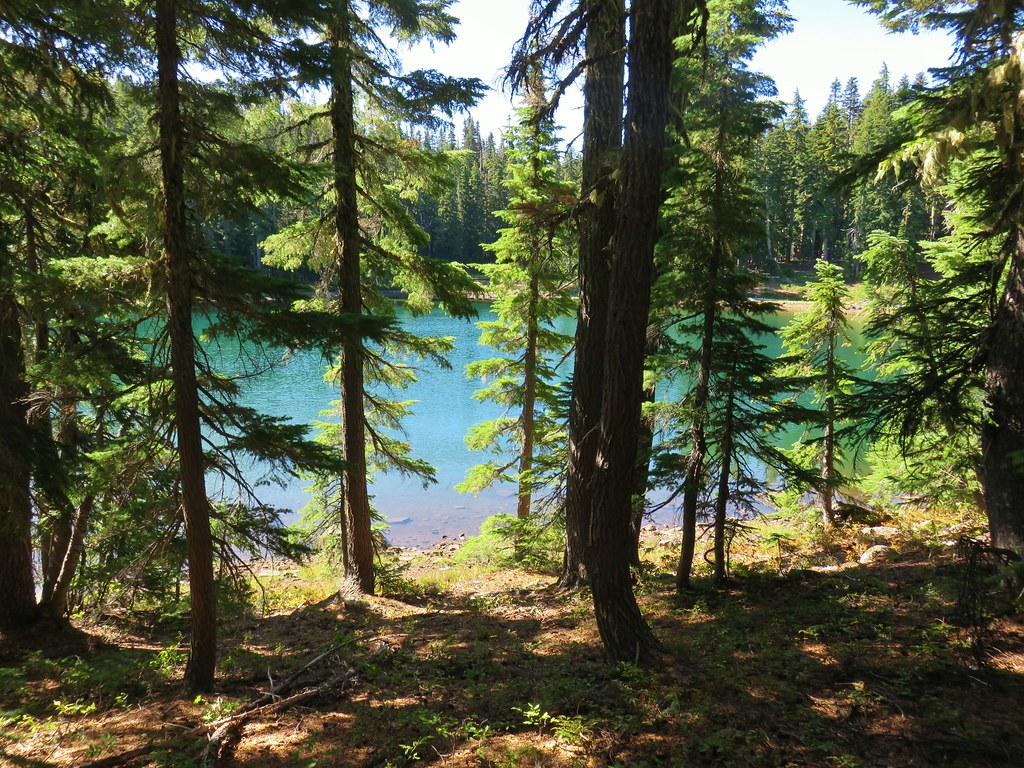
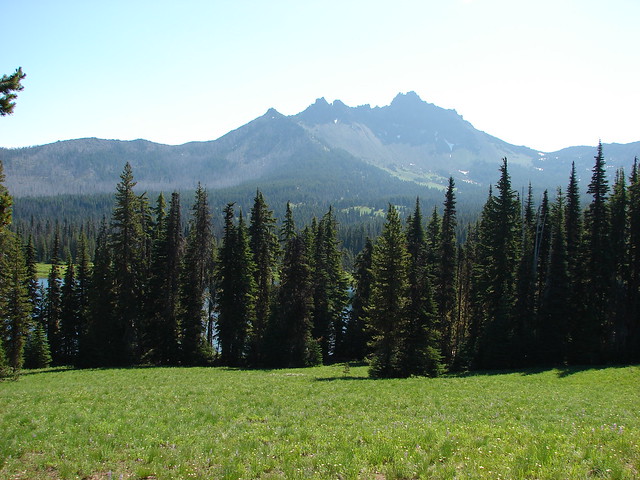
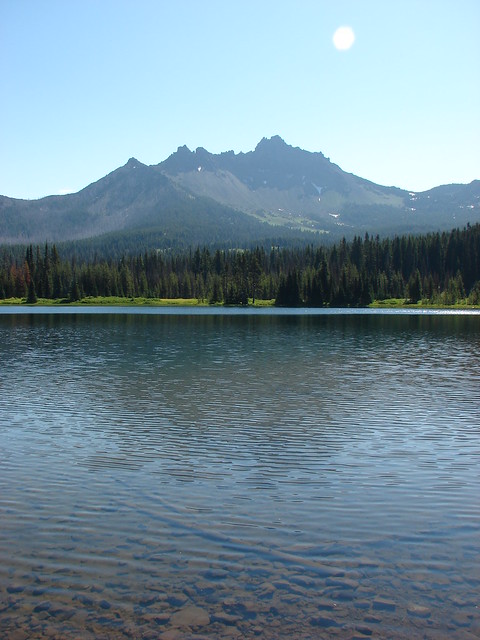
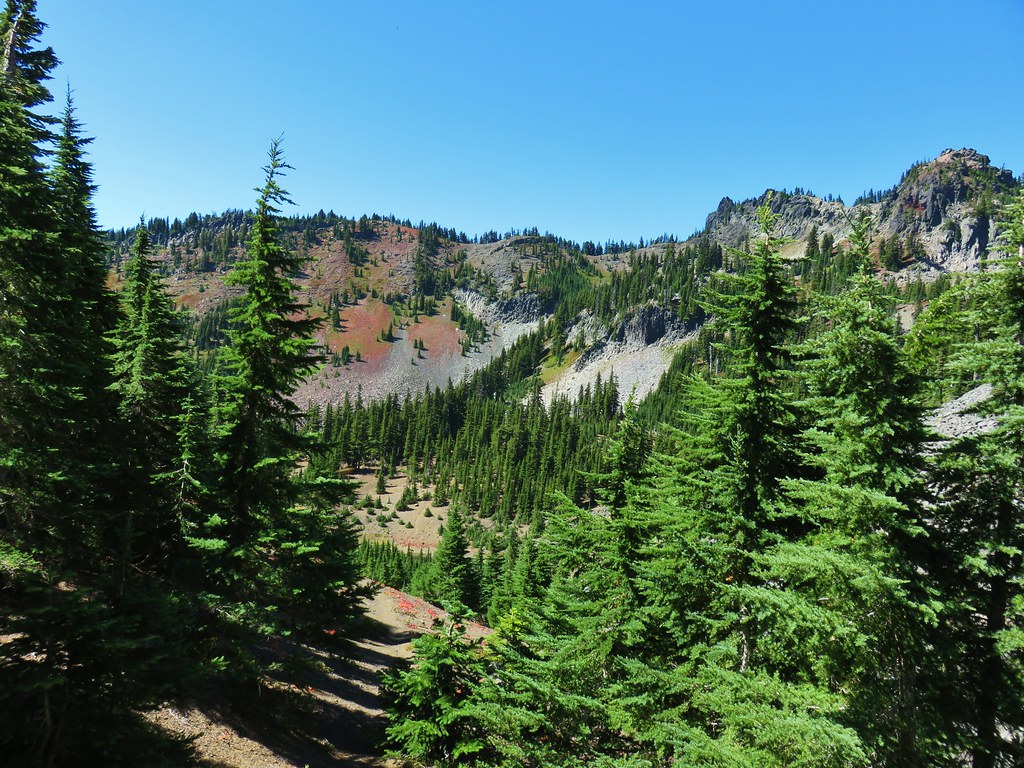
Even though Reeder calls this viewpoint “the most logical stopping point for dayhikers” he does provide information for those wishing to continue. Since logic sometimes goes out the window with regards to hiking we continued on. The trail dropped just a bit to a fairly level bench where it passed through a couple of meadows before arriving at an unnamed lake with a view of Mt. Jefferson on the left.
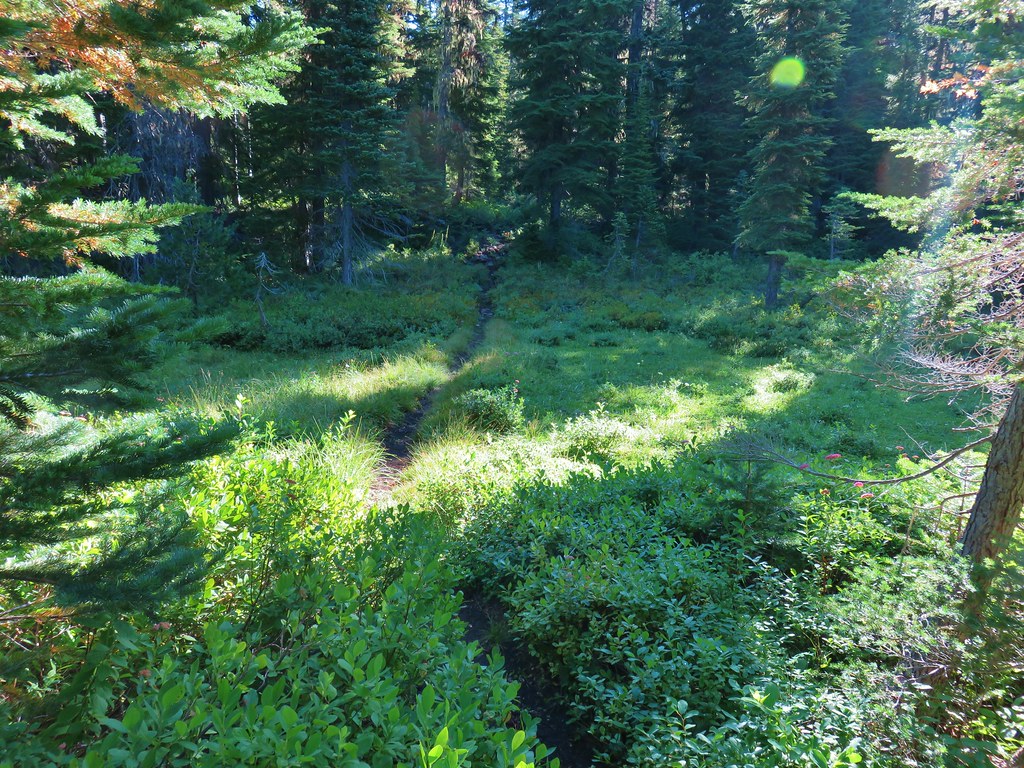
IMG_7460

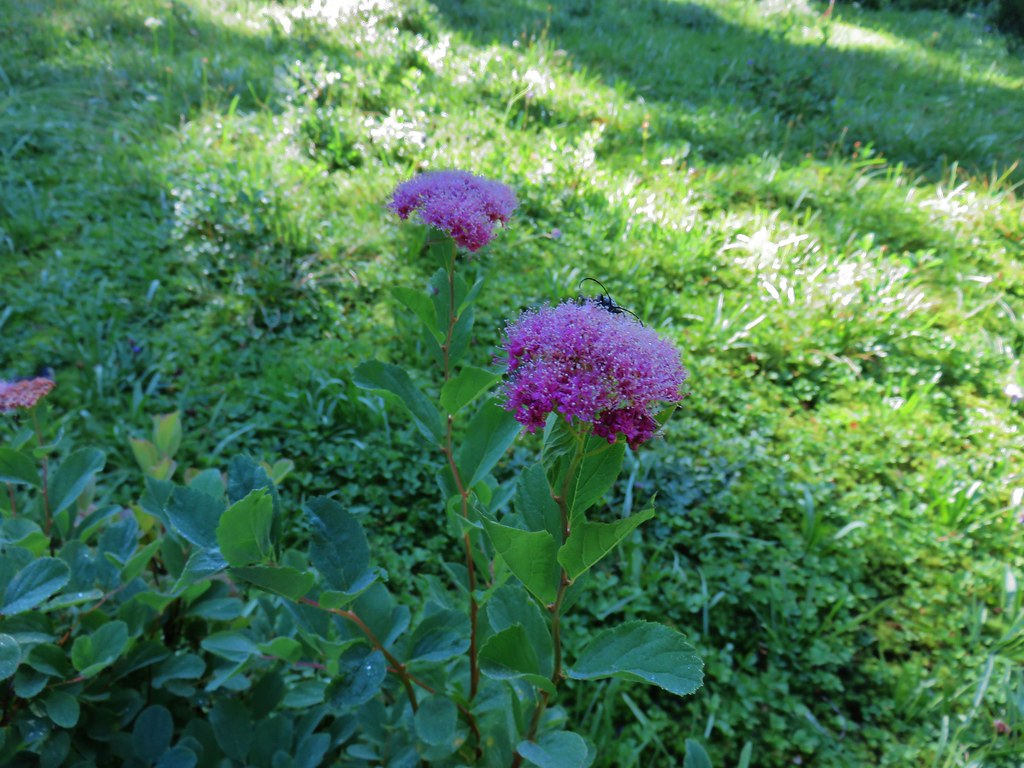
IMG_7461Spirea with a beetle.

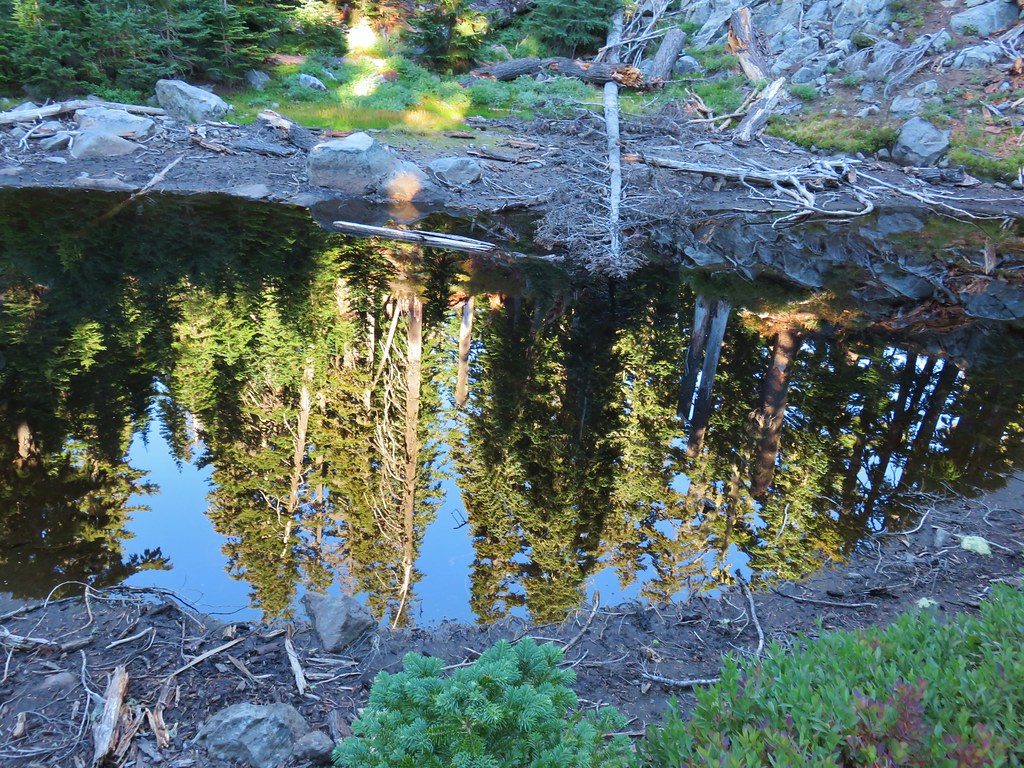
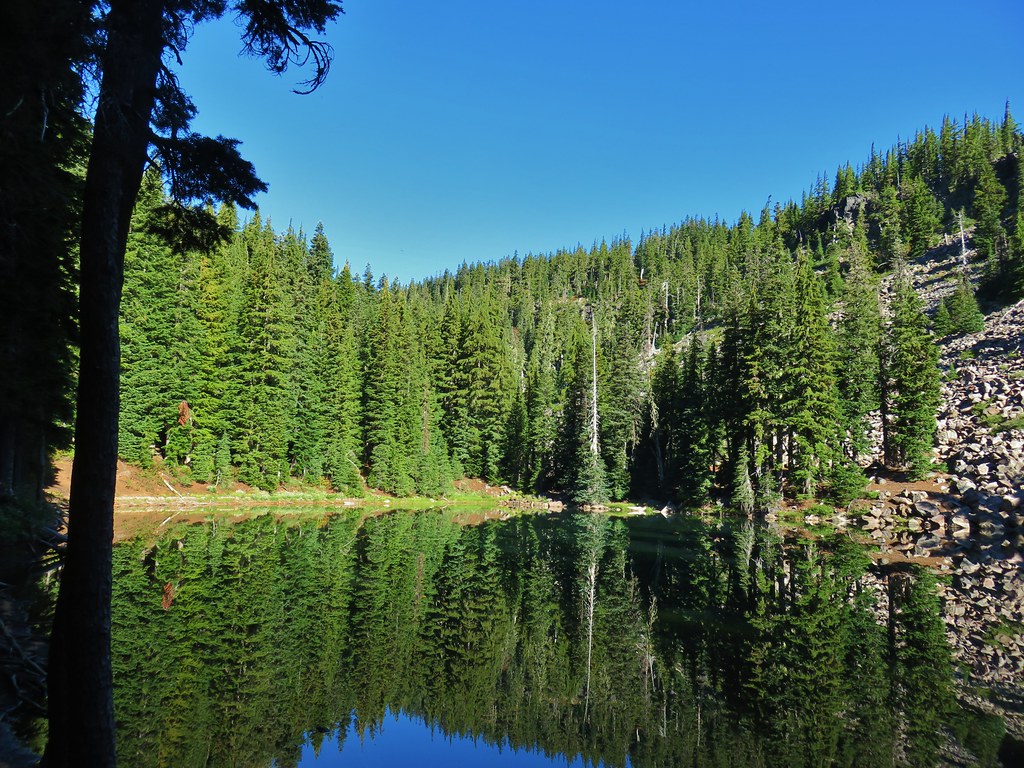
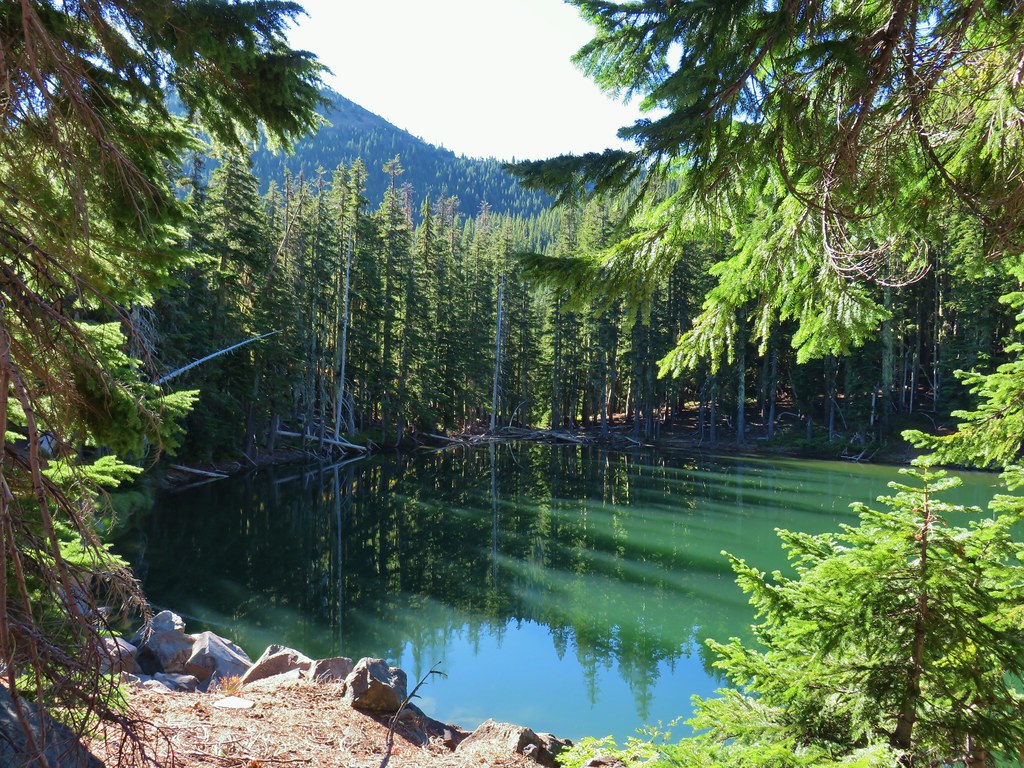
IMG_7464Unnamed lake with Mt. Jefferson (and those pesky clouds).
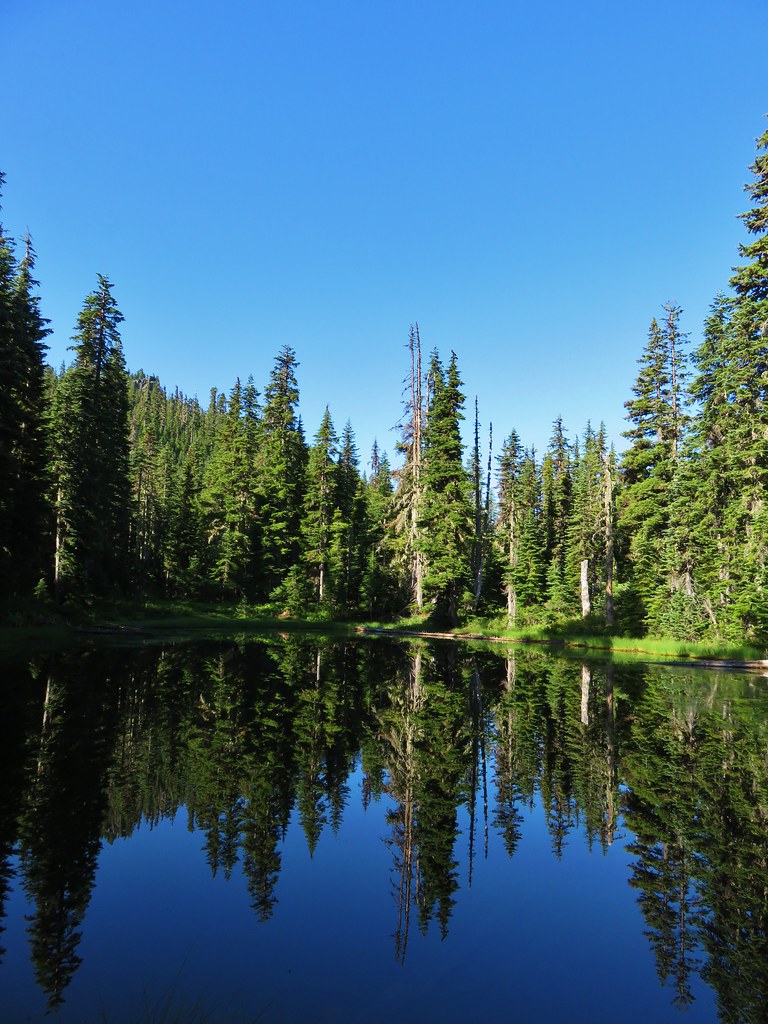
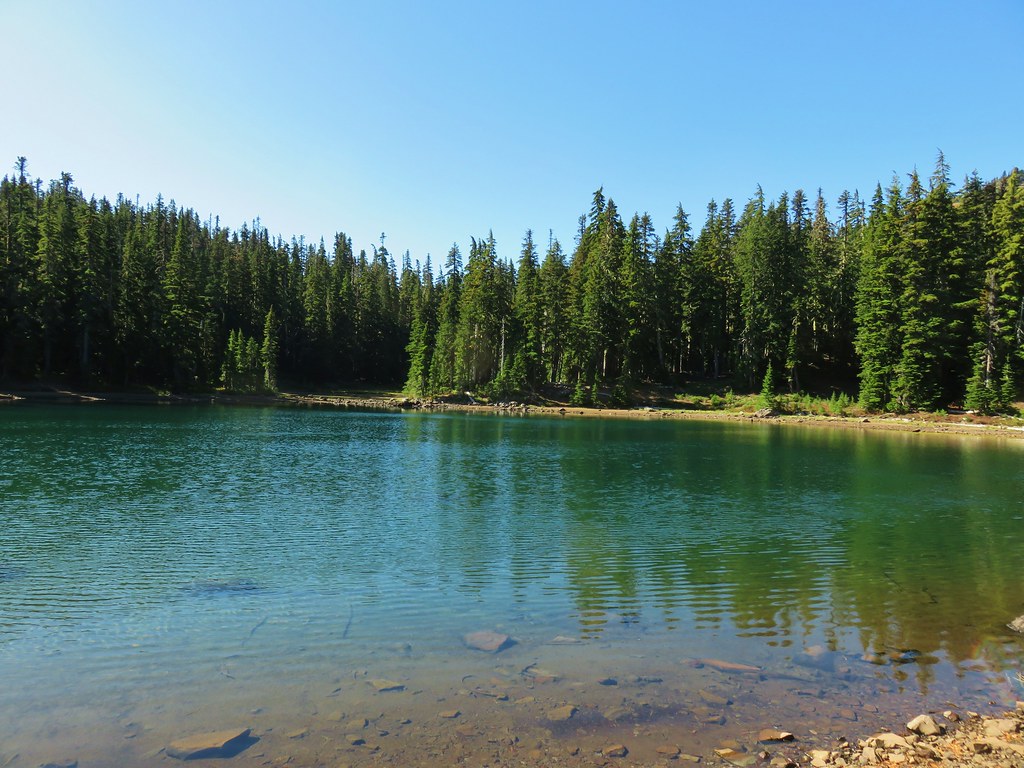
IMG_7469From the opposite side of the lake.

A half mile later (or just under 2 miles from the Bingham Ridge Trail junction) we arrived a Papoose Lake.
IMG_7470

IMG_7482

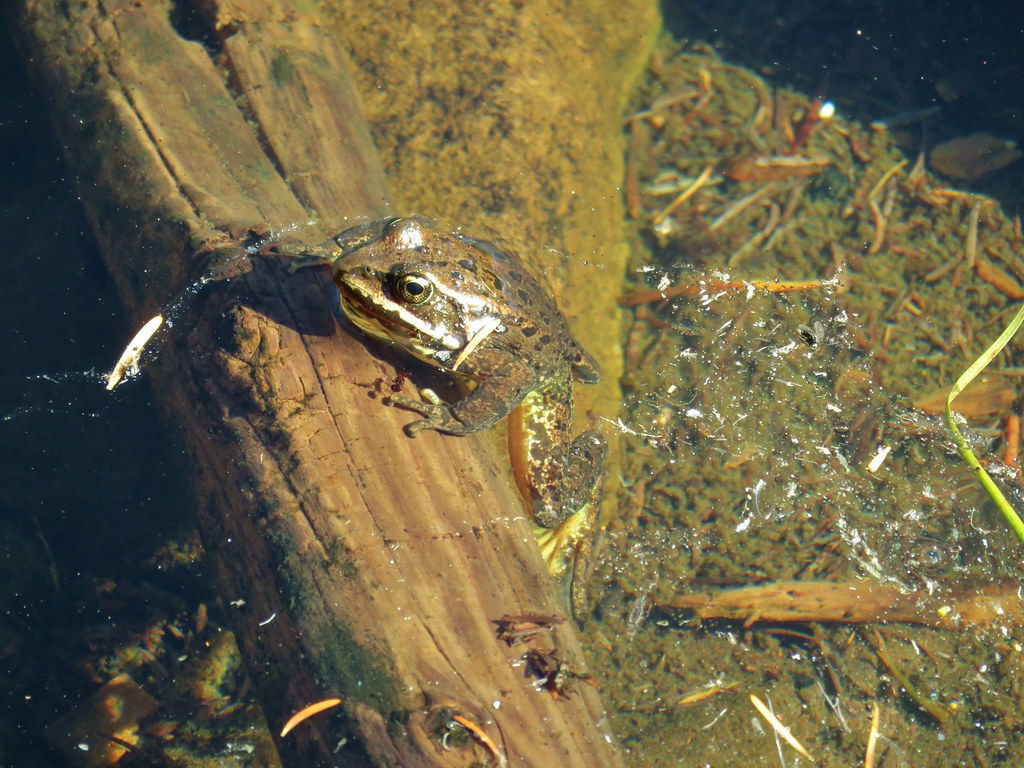
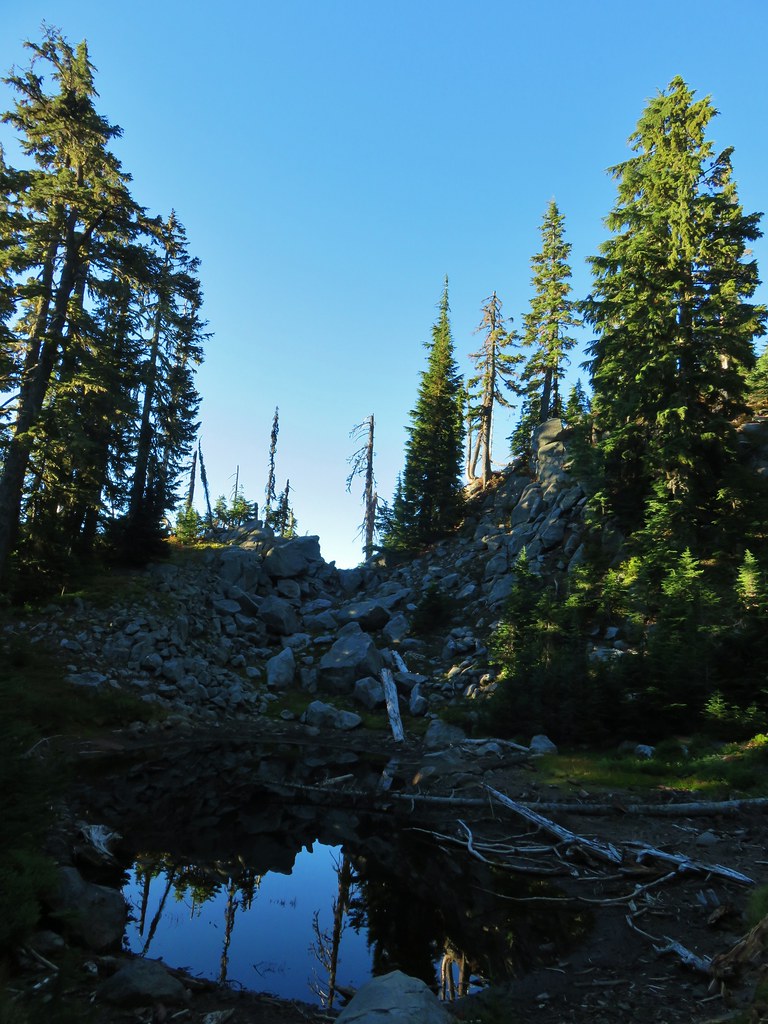
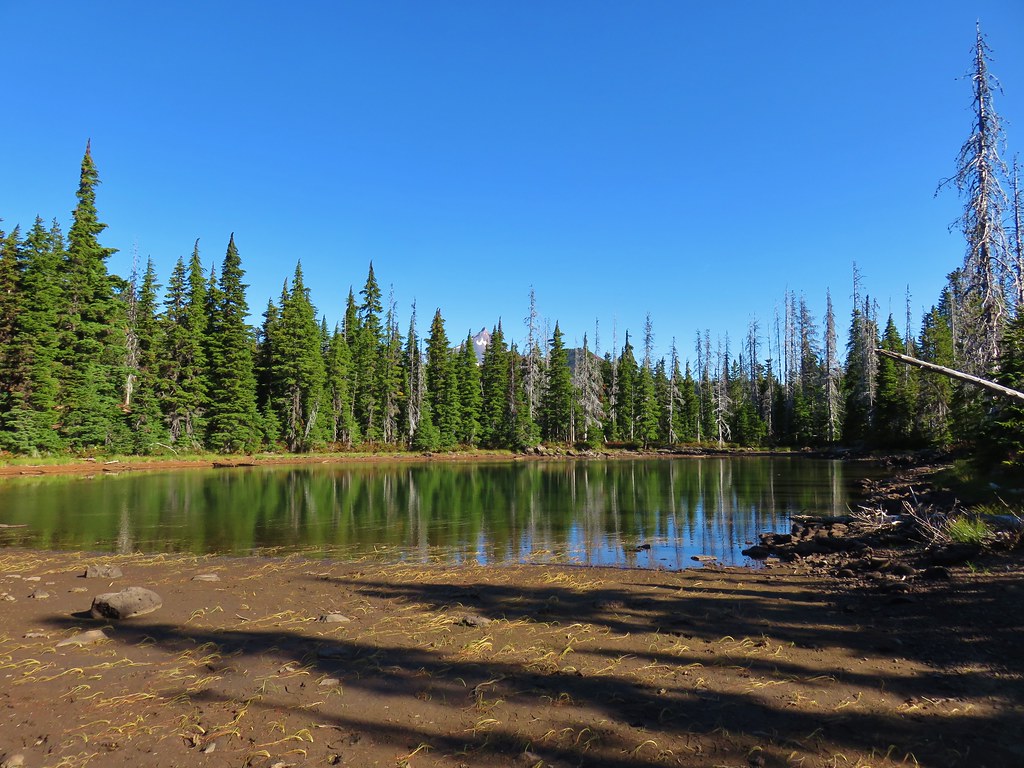
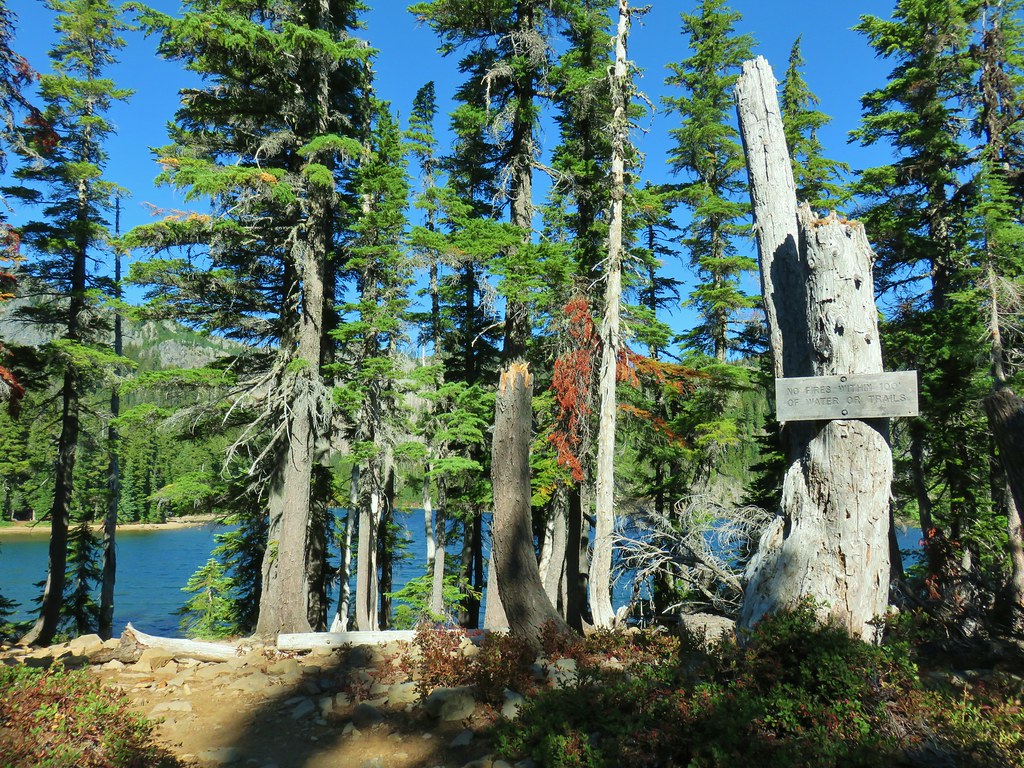
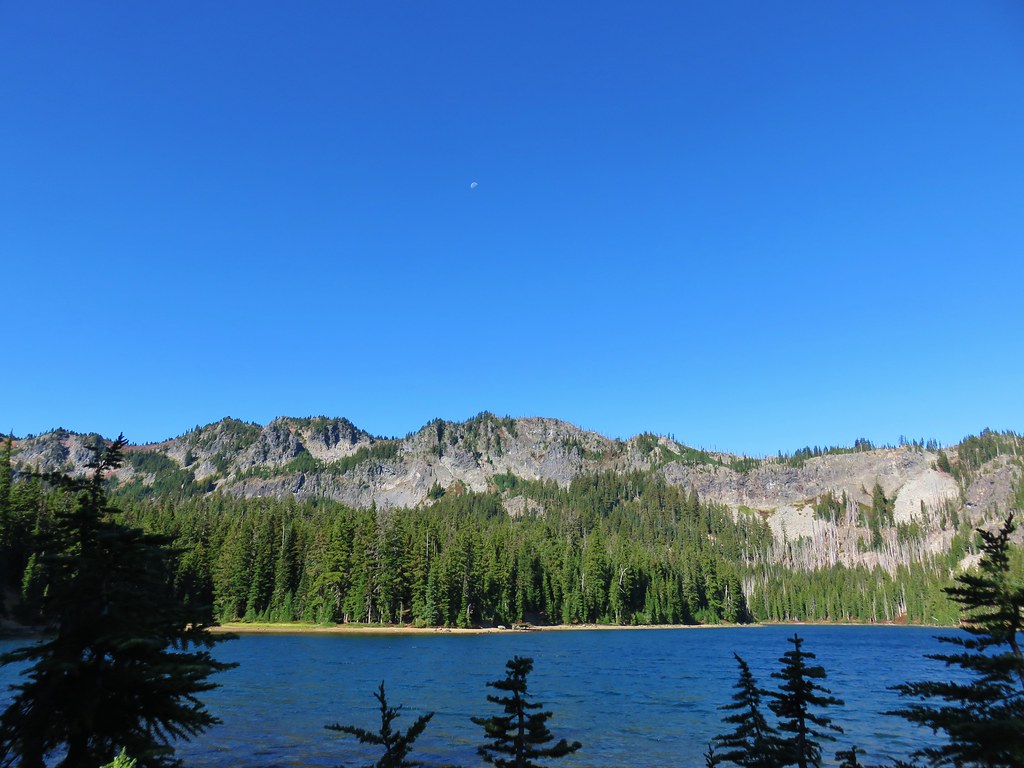
The mountain was mostly hidden by trees from this lake but there were several frogs to watch and a short scramble up a rockpile on the east side of the lake did provide another look at Mt. Jefferson.
20190824_092141

IMG_7492

IMG_7484

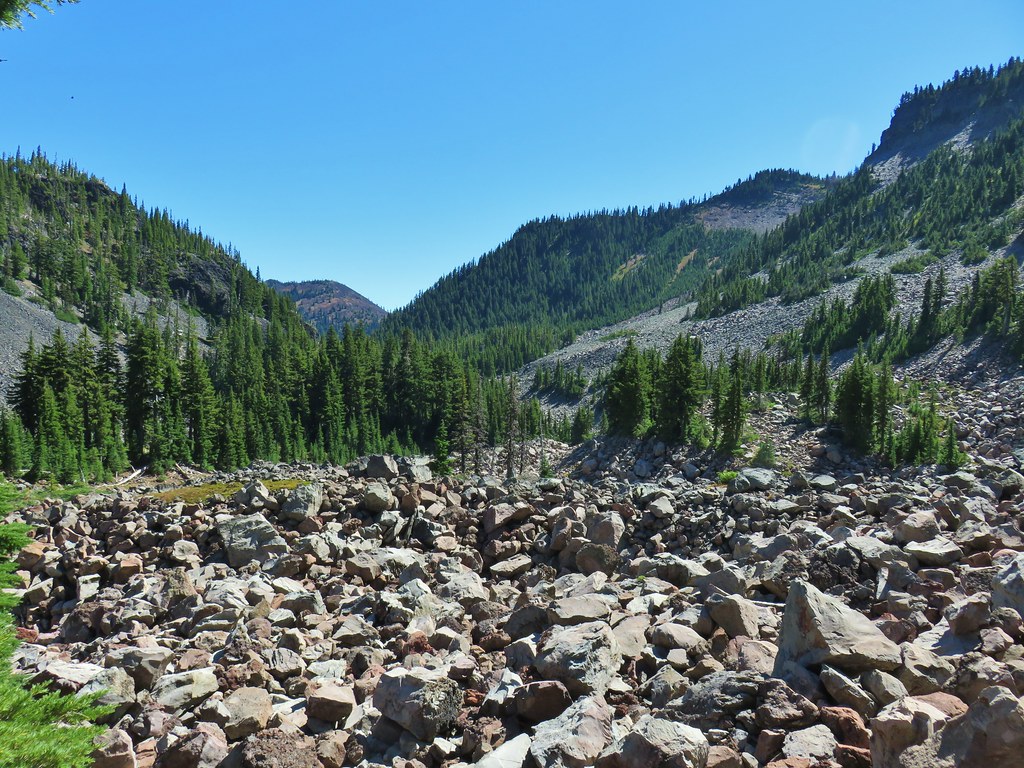
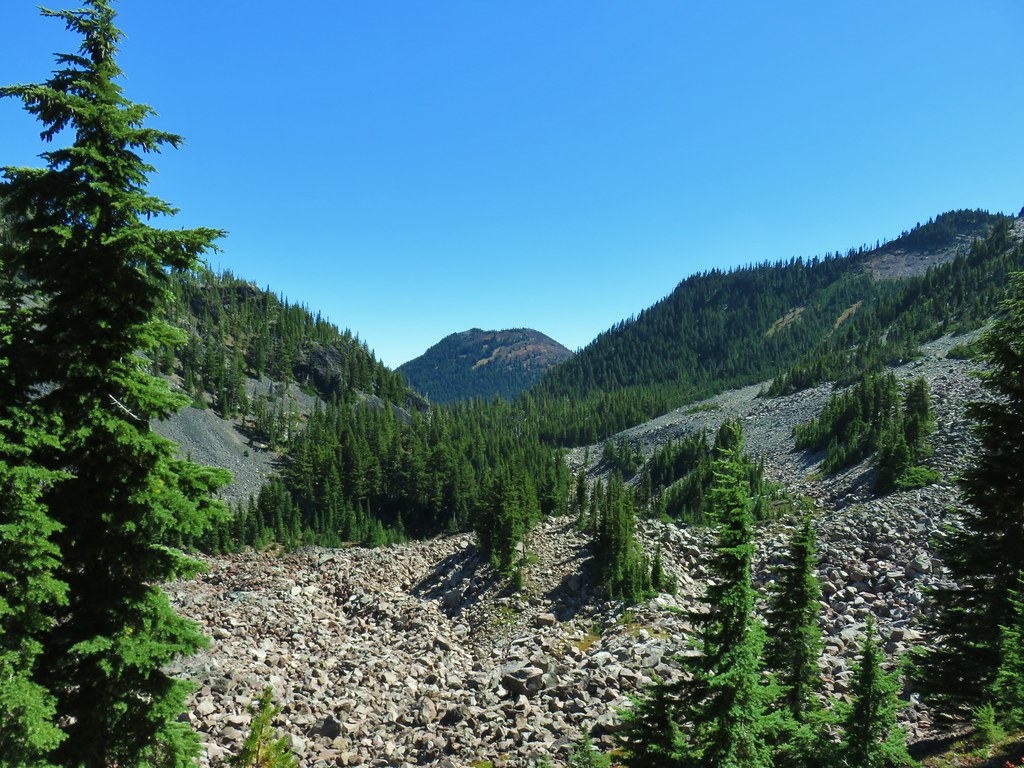
It was actually a really impressive amount of boulders here and although we didn’t spot any, we could hear a number of resident pikas.
IMG_7483Looking south over the rock field.

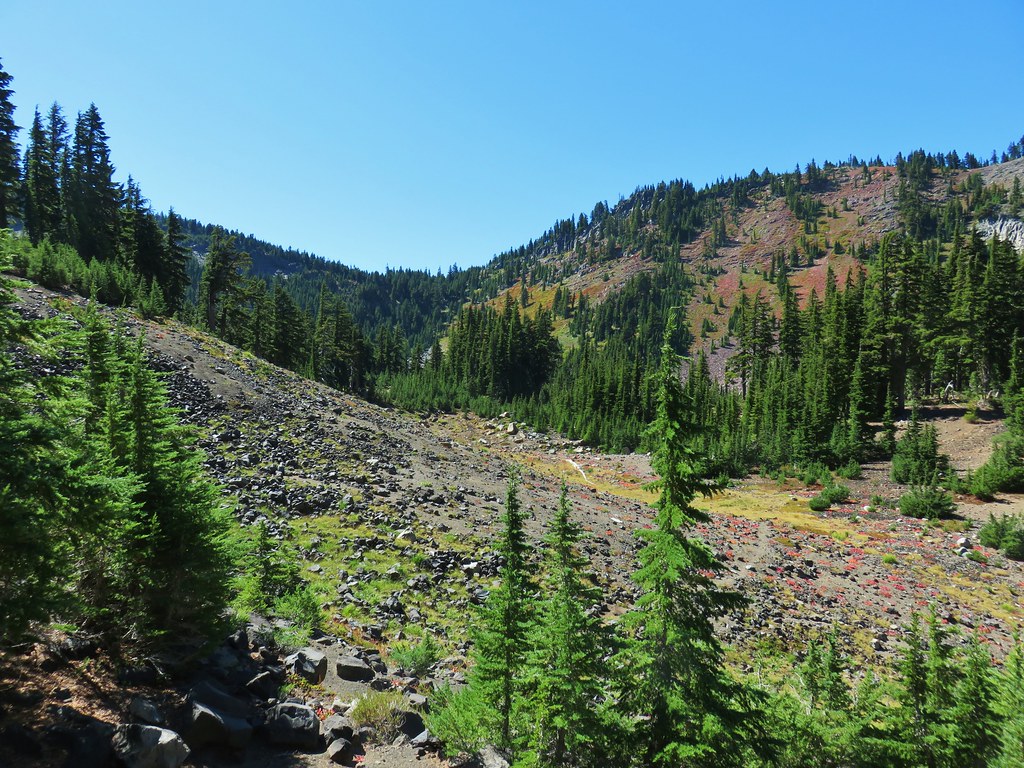
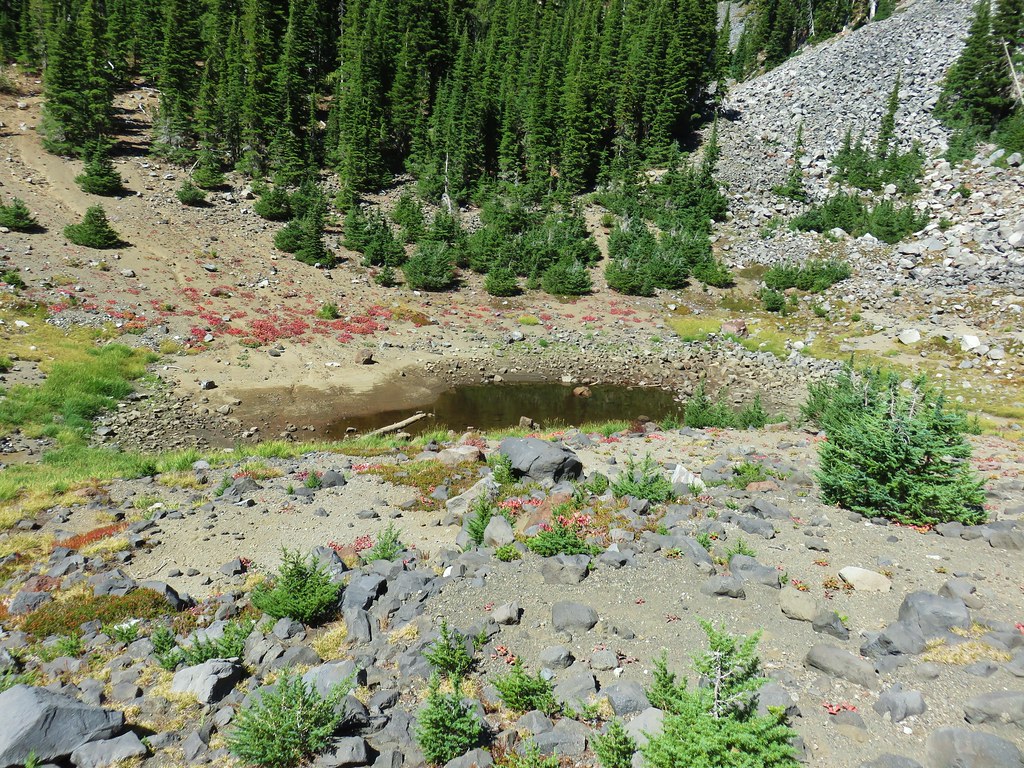
Turning back here would have put the hike in the 11.5 mile range, but we had our sights set on a further goal – the Pacific Crest Trail. Beyond Papoose Lake the Lake of the Woods Trail passed several seasonal ponds which were now meadows where we had to watch out for tiny frogs.
IMG_7495

IMG_7496One of the frogs.

IMG_7667

IMG_7663Frog in the trail.

IMG_7672

Just under three quarters of a mile from Papoose Lake (6.3ish from the trailhead) we arrived at the northern end of the Lake of the Woods Trail where it met the Hunts Creek Trail (post).
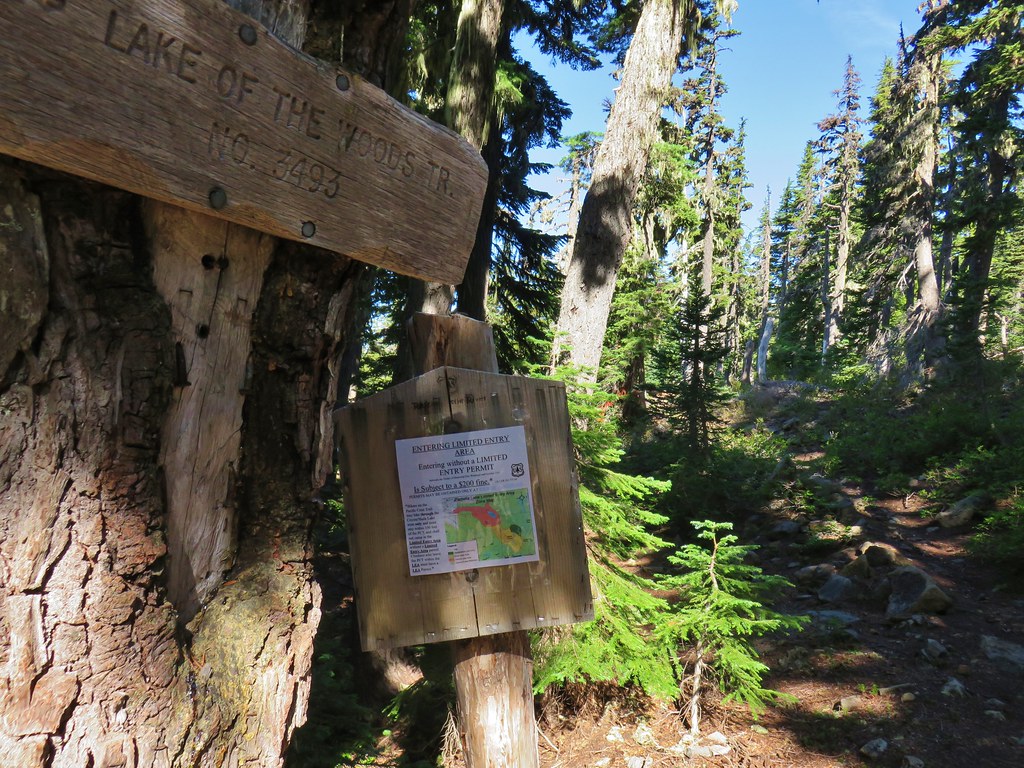
IMG_7500

A left on this trail would lead us into the Pamelia Limited Entry Area for which we did not have a permit, but to the right the trail remained out of the limited area as it headed to the Pacific Crest Trail.
IMG_7501

In his book Reeder describes this section of trail as “spectacular” which is what prompted us to abandon logic in the first place. We turned right and continued the theme of gradual climbs as the trail passed a hillside dotted with a few asters.
IMG_7503

IMG_7504

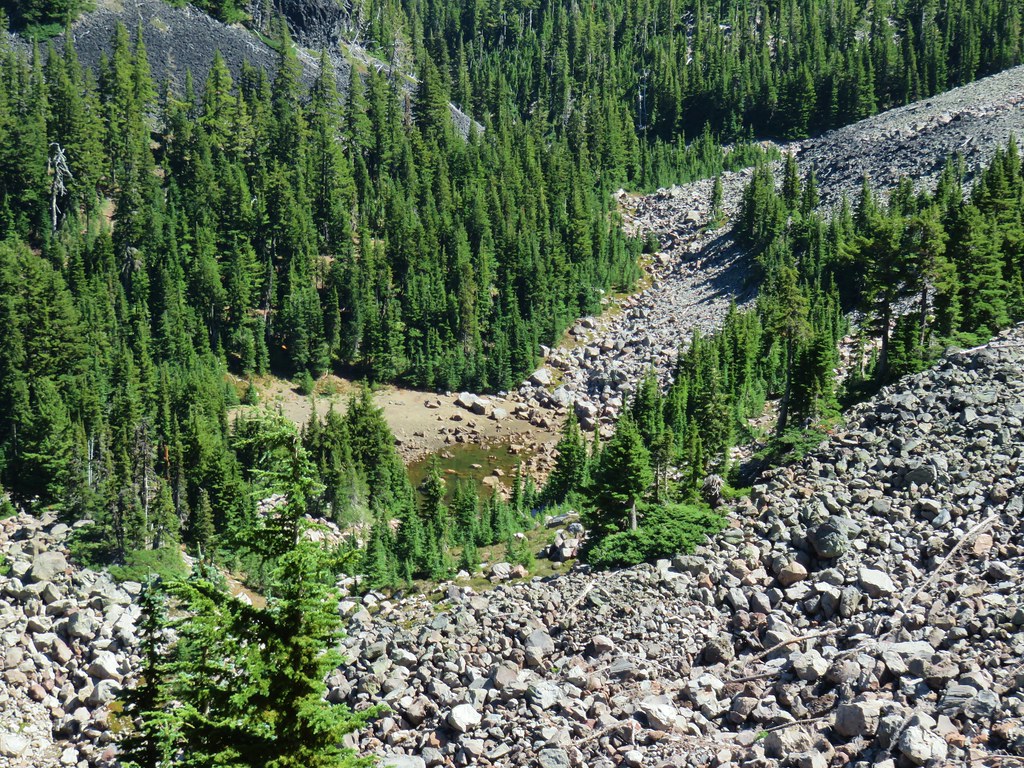
After little over a quarter of a mile we found ourselves beneath a large talus slope (by the sound of it filled with a pika army).
IMG_7507

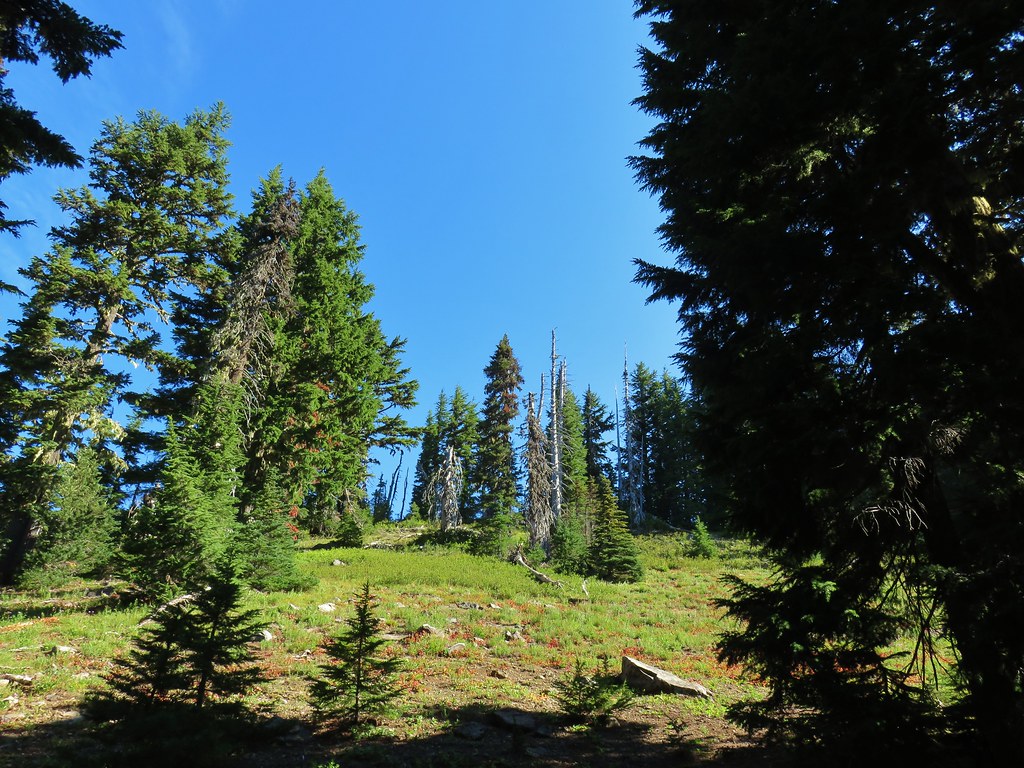
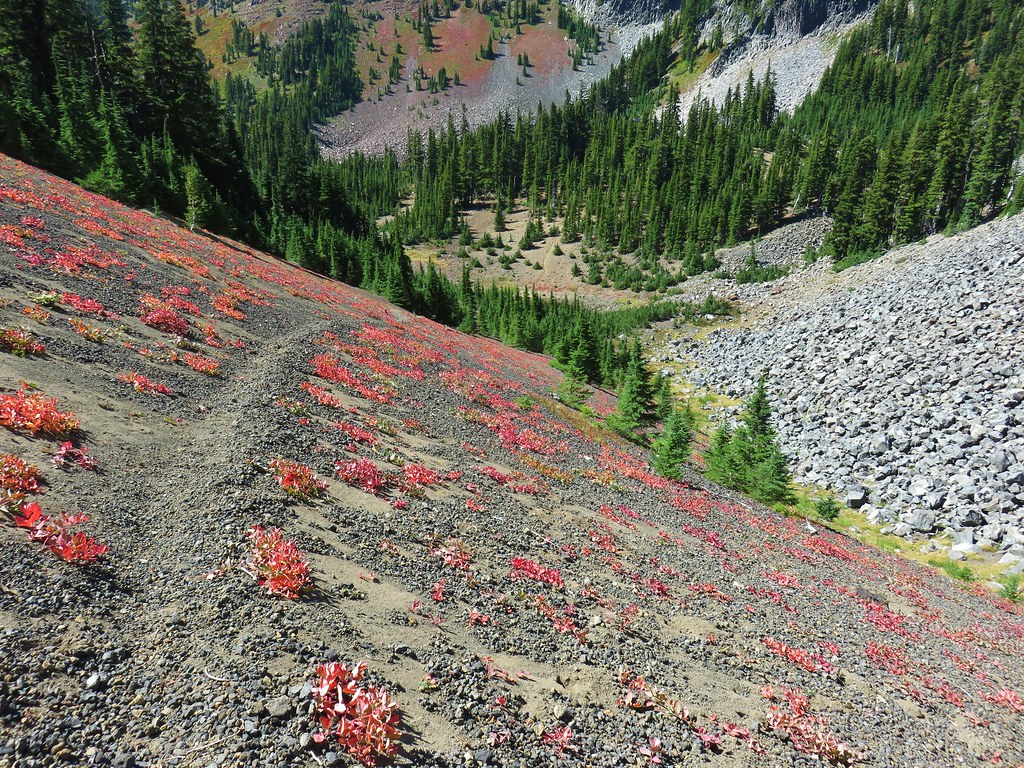
Here we embarked on possibly the most significant climb of the day as the trail switchbacked up through the rocks to a saddle.
IMG_7510Apparently the trail was rerouted at some point because we could see tread that we never used.

IMG_7511The Three Pyramids beyond Bingham Ridge.

As we neared the saddle we spotted what must have been the pika lookout.
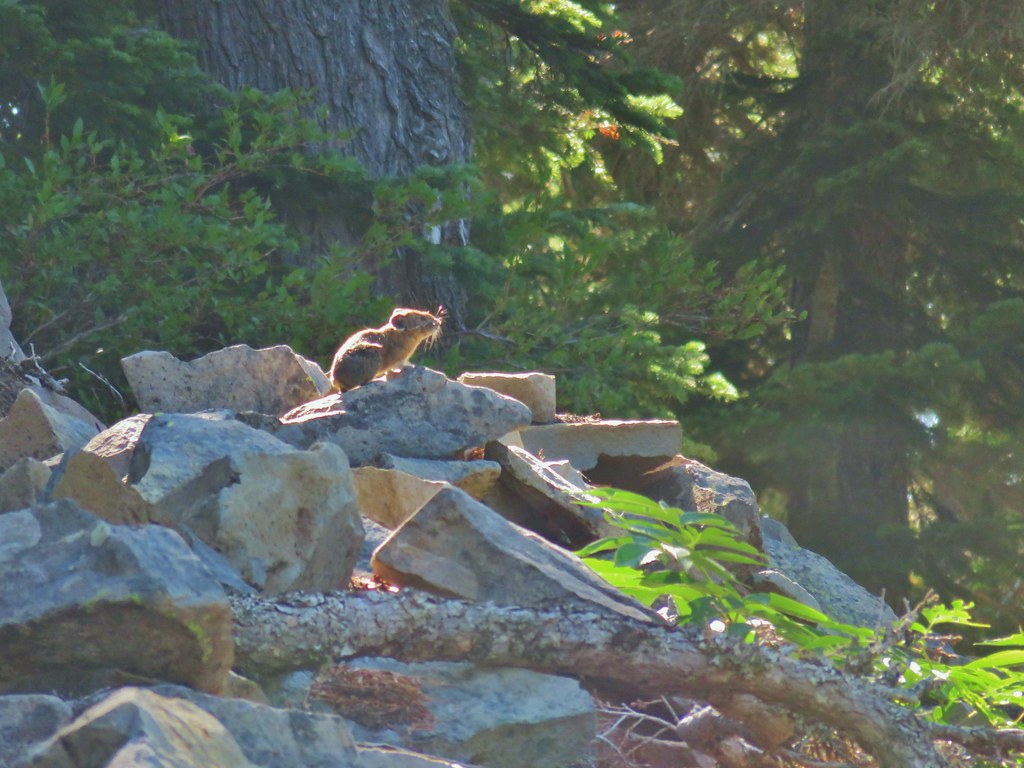
IMG_7515

IMG_7516

There was more talus on the opposite side of the saddle, and more pikas too!
IMG_7520

IMG_7526

We spotted at least 4 pikas (it’s hard to keep track when they are running in and out of the rocks) and heard many more. The only thing that could tear us away from our favorite wildlife critters was the view of Mt. Jefferson looming over Hunts Cove.
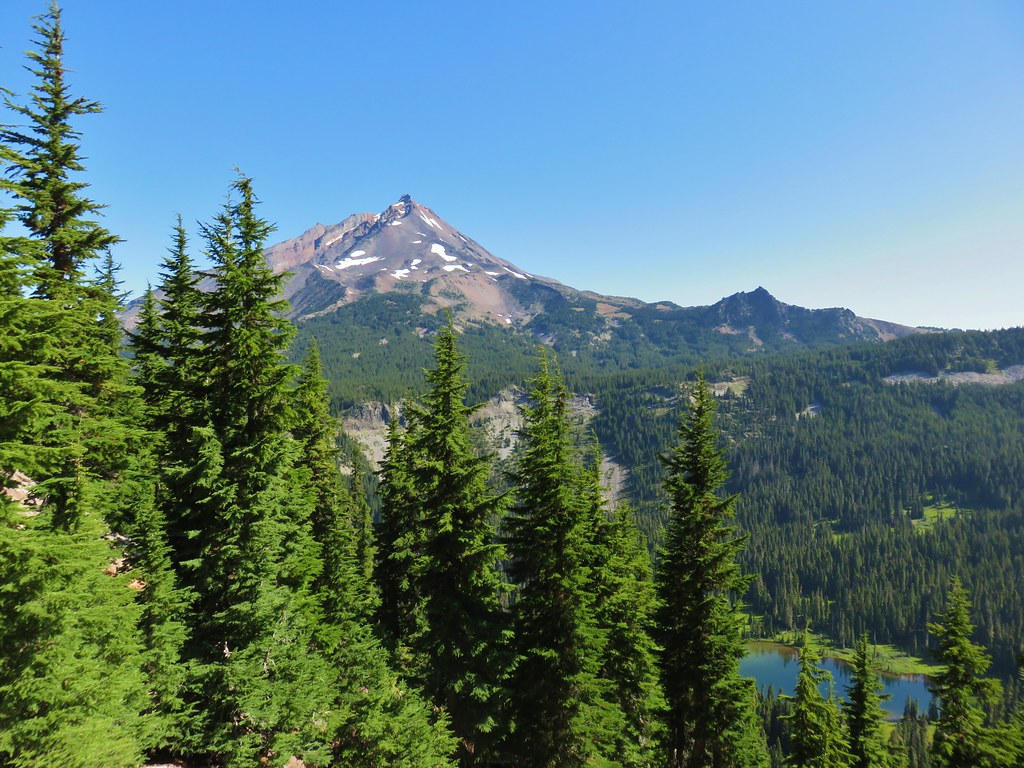
IMG_7534 (the clouds had finally vanished)

Continuing away from the saddle just a bit provided an excellent view of the mountain and Hanks Lake with a bit of Hunts Lake visible as well.
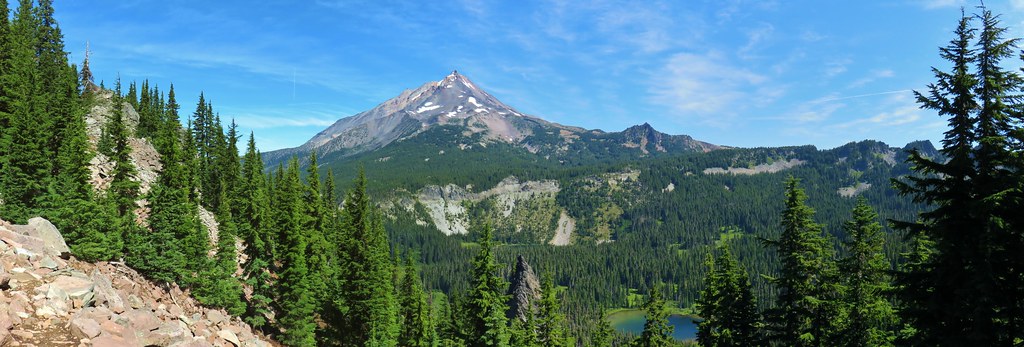
IMG_7648_stitch

IMG_7551Hanks Lake

IMG_7552Hunts Lake

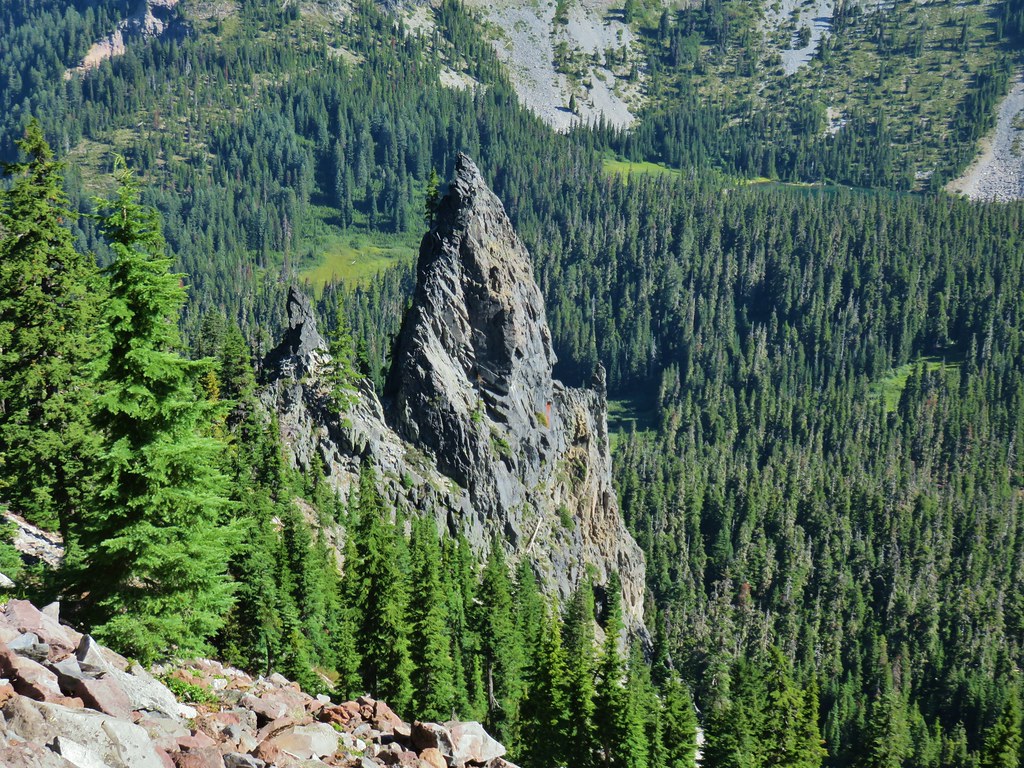
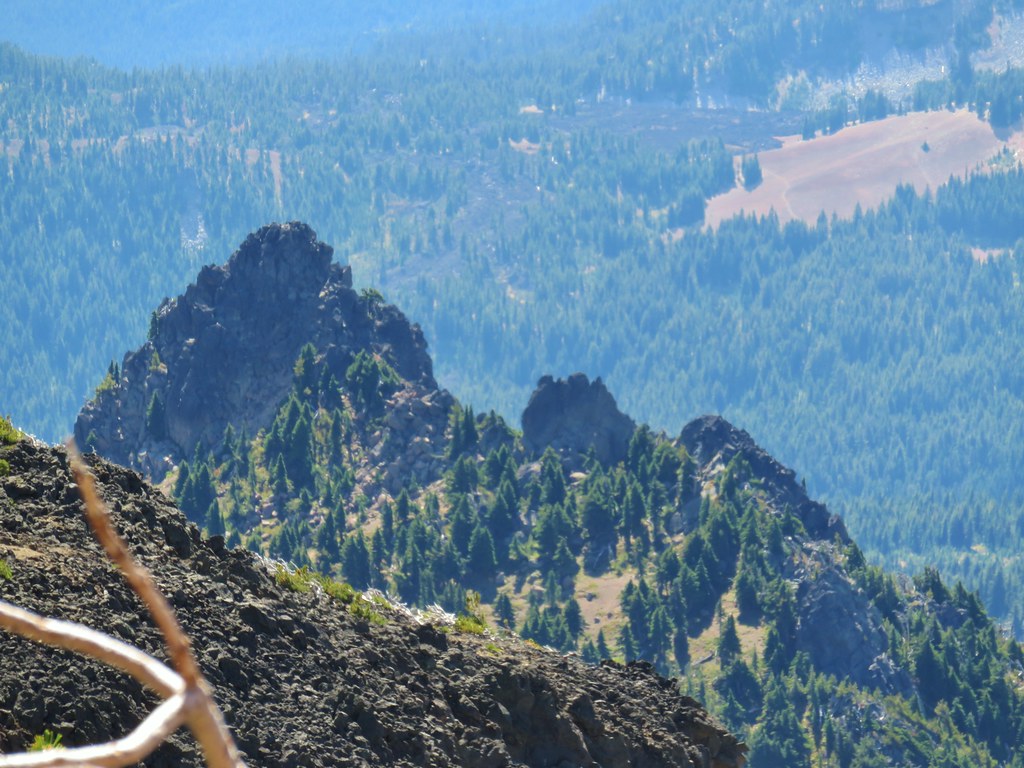
IMG_7553Rock fin above Hunts Cove.

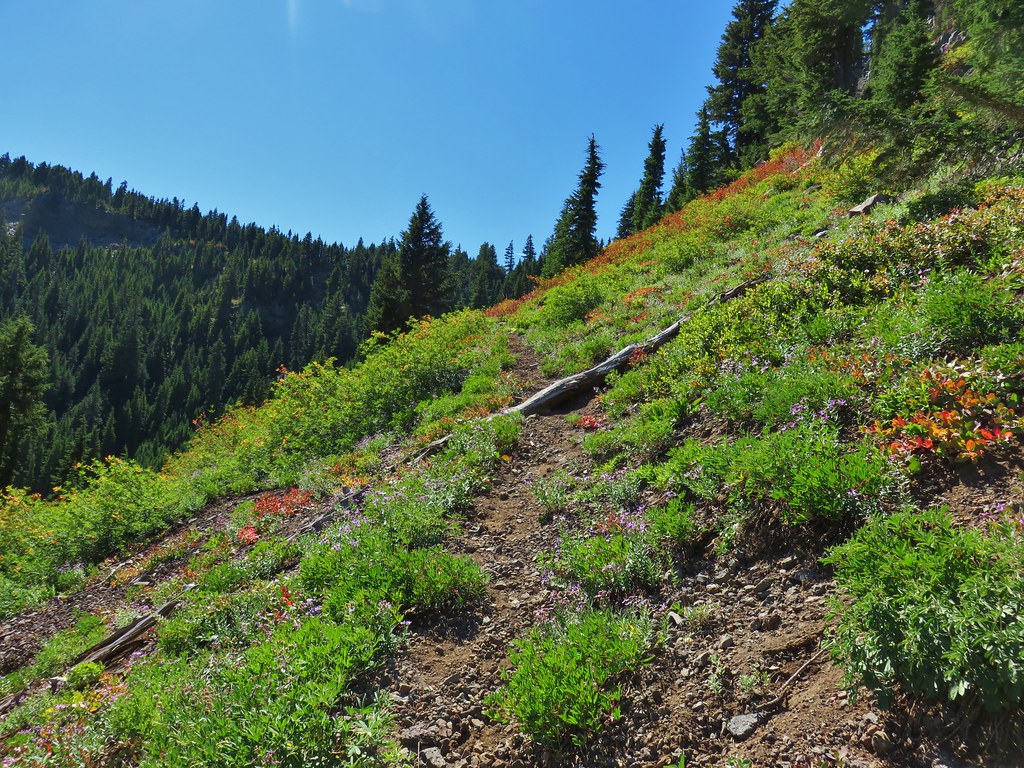
Reeder hadn’t exaggerated by using spectacular to describe this section of trail. The views of Mt. Jefferson were amazing and a variety of wildflowers (past peak) lined the trail.
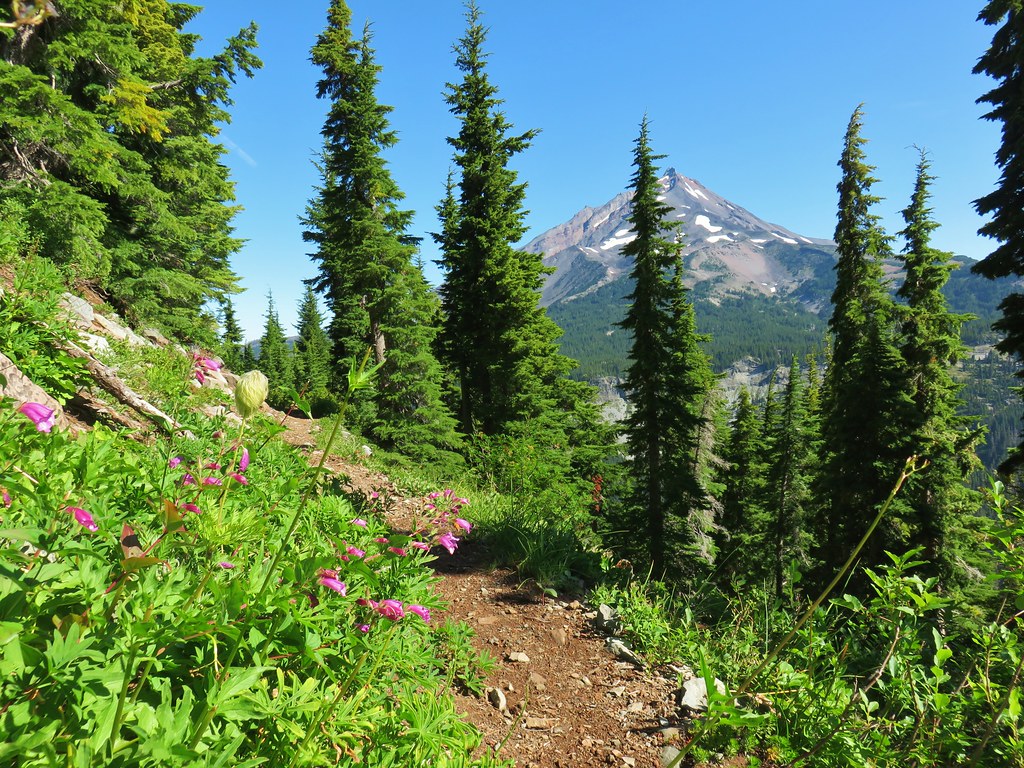
IMG_7560Penstemon and a western pasque flower.

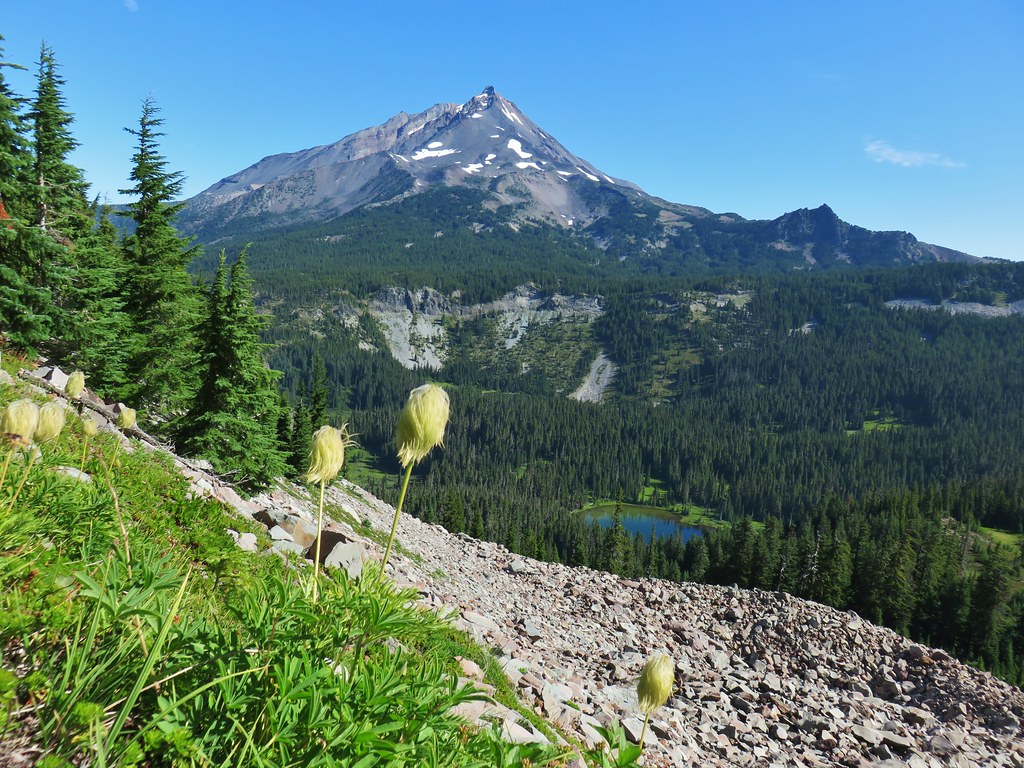
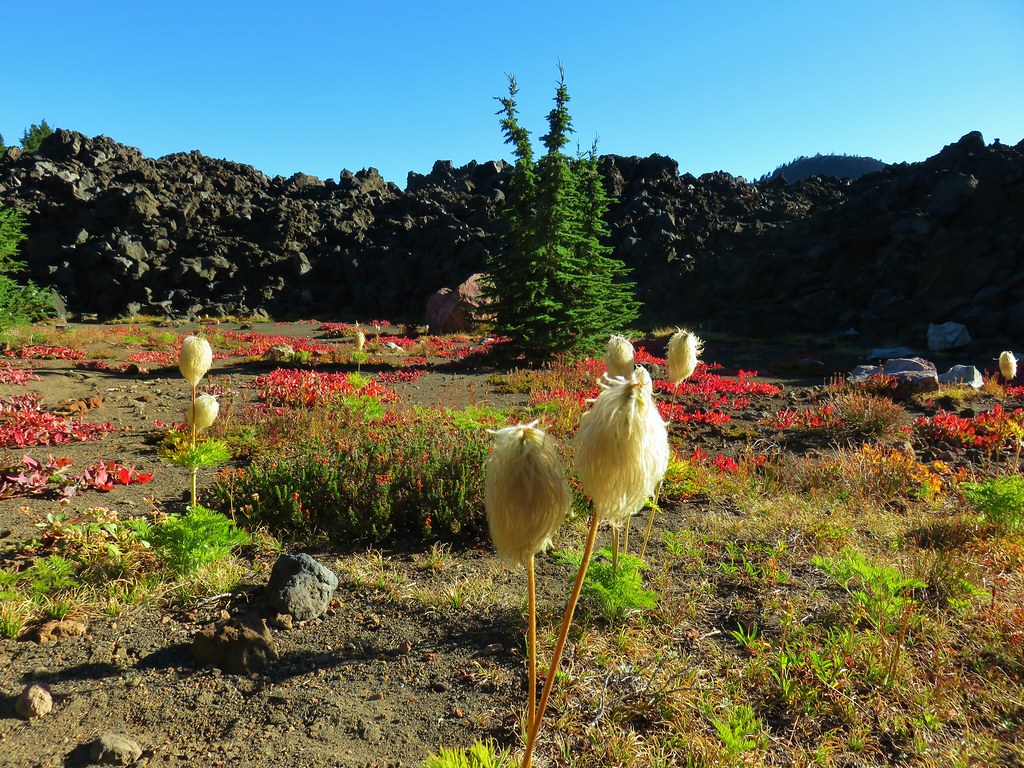
IMG_7563Western pasque flower seed heads.

IMG_7568

20190824_101714Hippie-on-a-stick

IMG_7570

IMG_7574

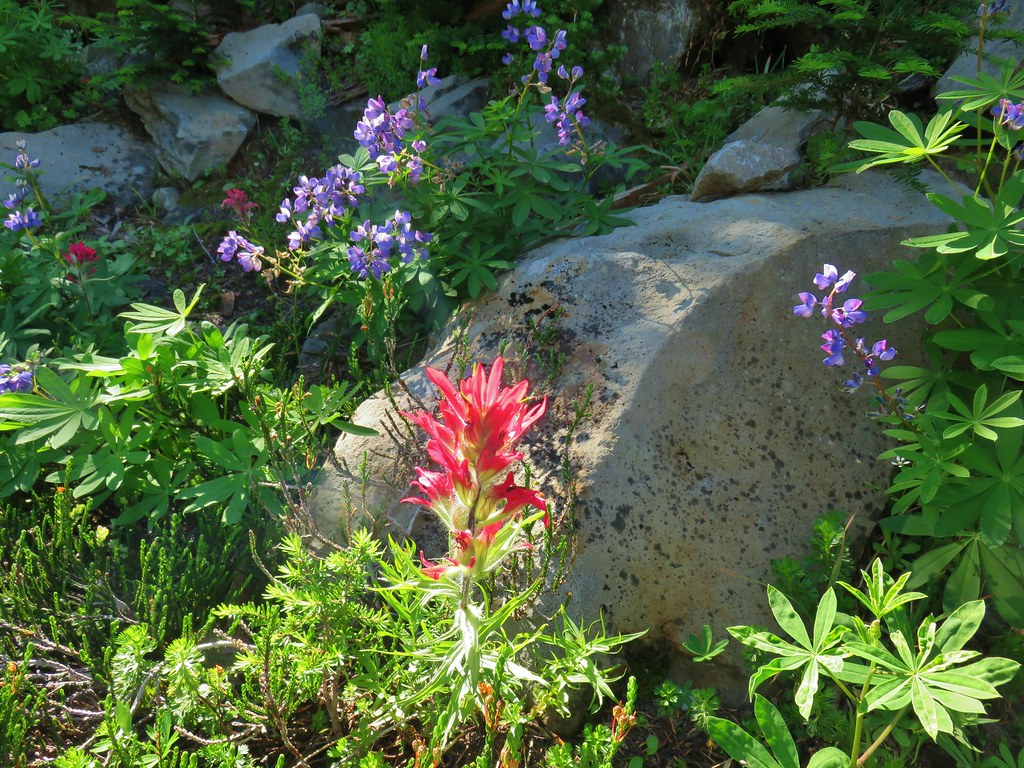
IMG_7576Paintbrush and lupine

IMG_7582

20190824_102625Patridge foot

IMG_7584Mt. Jefferson, Goat Peak (behind the tree) and the Cathedral Rocks.

As the trail crossed a cinder field glimpses to the south between trees reveled the Three Sisters (among others).
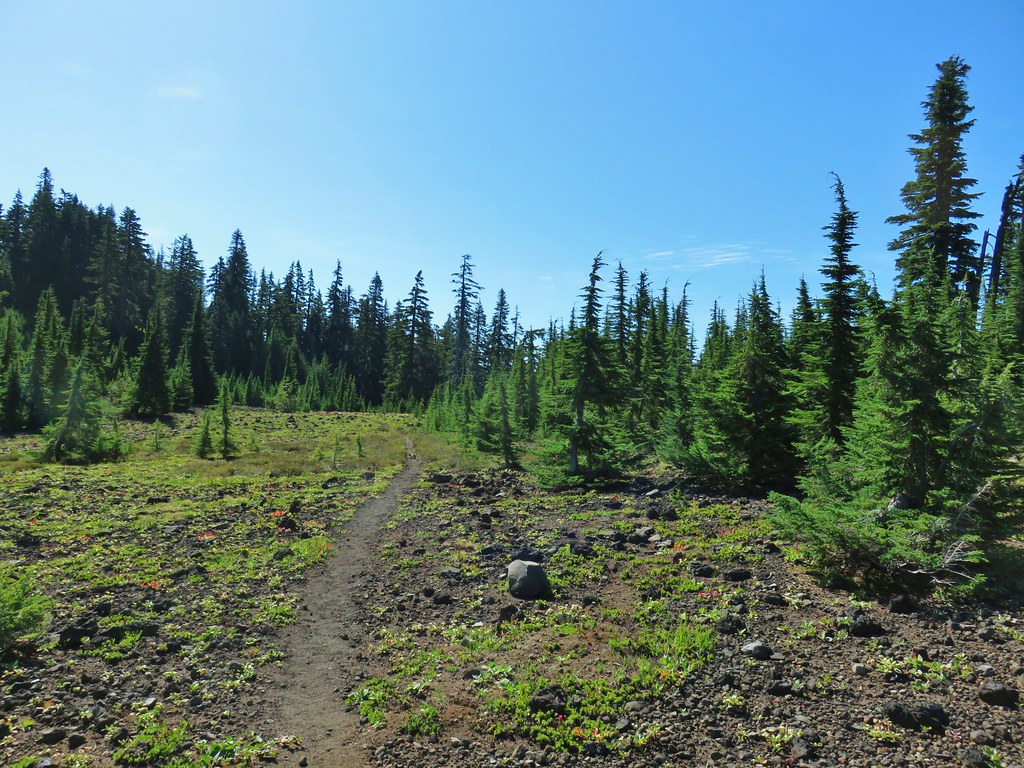
IMG_7586

IMG_7588South Cinder Peak

IMG_7591The Three Sisters

IMG_7594Three Fingered Jack

The trail briefly lost sight of Mt. Jefferson as it passed around a butte, losing a little elevation as it did so.
IMG_7596

IMG_7597Paintbrush in a meadow behind the butte.

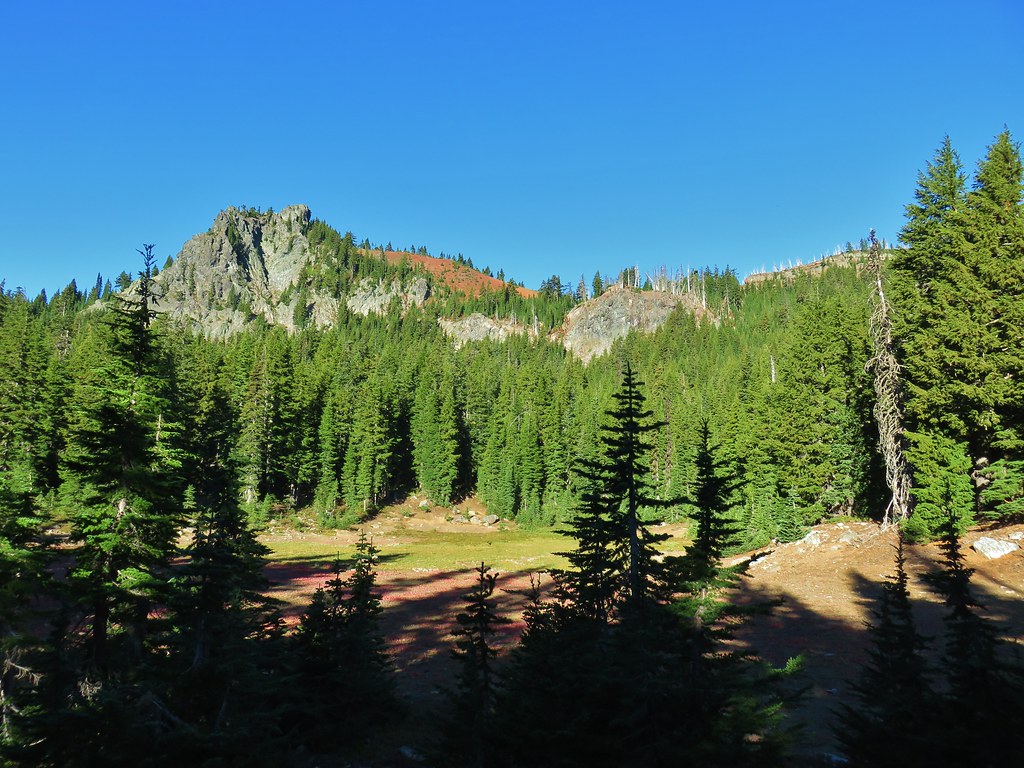
Although the view of Mt. Jefferson was temporarily gone the view was still good. There was a large basin full of meadows just below the trail and occasional views of South Cinder Peak and Three Fingered Jack.
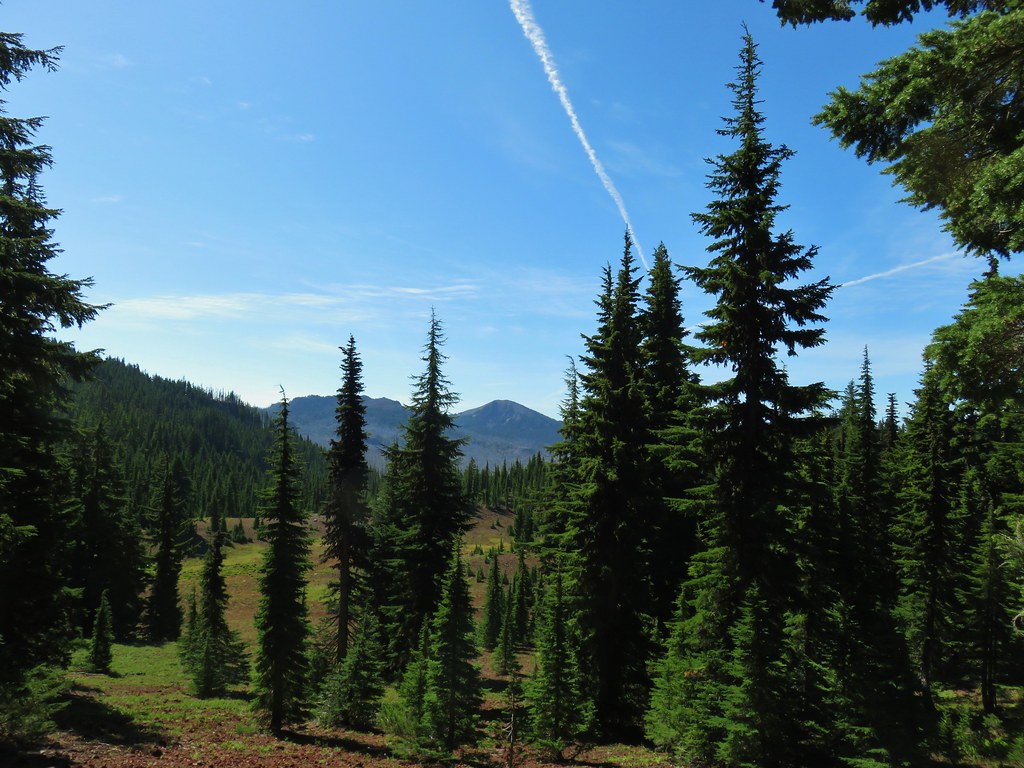
IMG_7602South Cinder Peak

IMG_7603Three Fingered Jack

IMG_7630

The trail gained a little of the elevation back as it came around the butte regaining a view of Mt. Jefferson in the process.
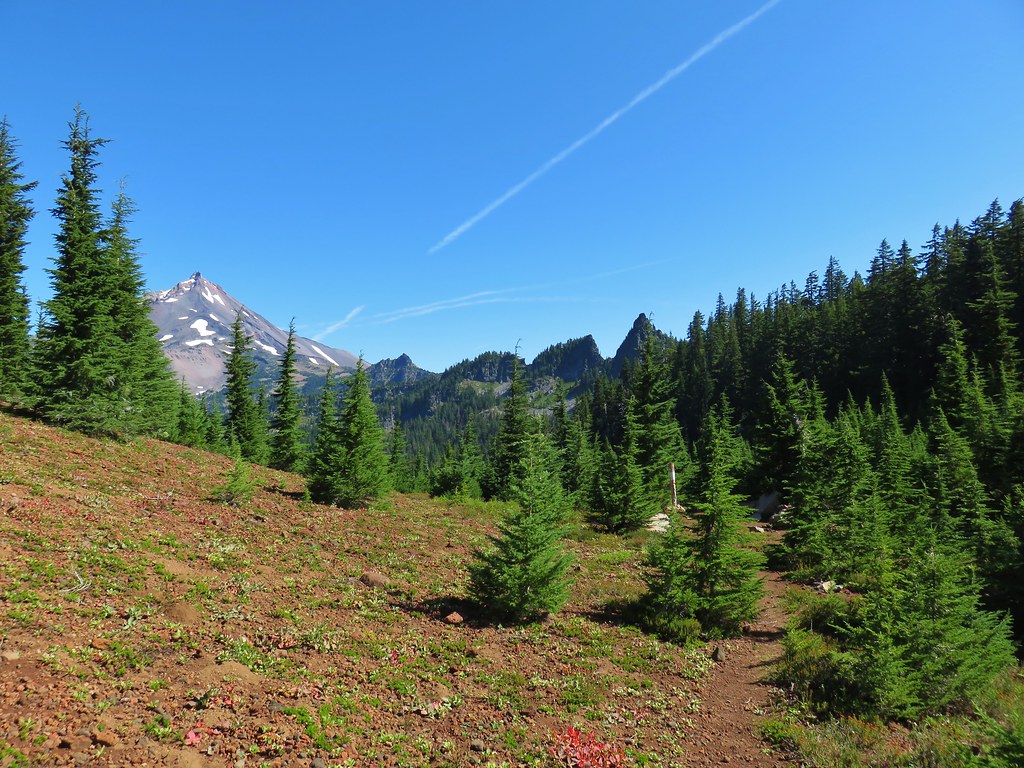
IMG_7606

After passing another sign for the Pamelia Limited Entry Area at a now abandoned (but still used) portion of the Hunts Creek Trail we arrived at the Pacific Crest Trail.
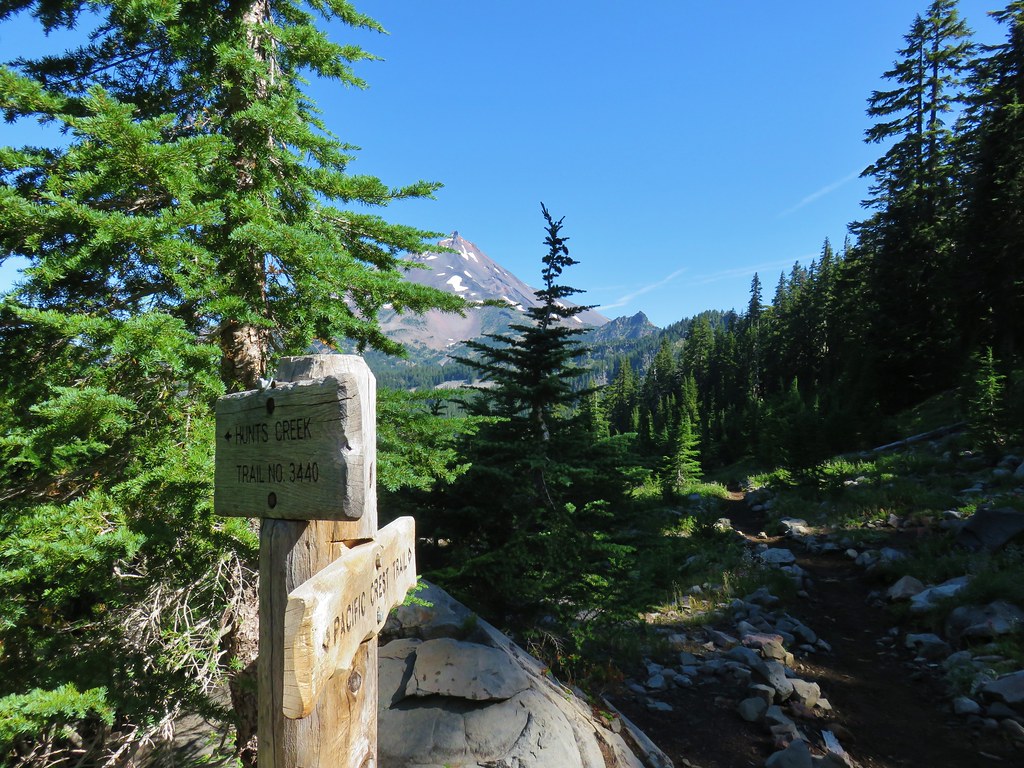
IMG_7608

IMG_7620_stitch

We sat on some rocks here and rested. We were now at least 8 miles (that is the mileage Reeder assigns but with some extra exploring we’d done a bit more) from the Bingham Ridge Trailhead and needed a good break. Up until this point we’d only run into one other person, a bow hunter along the Bingham Ridge Trail. As we rested in the shade a pair of backpackers heading south on the PCT stopped briefly to talk. After they continued on we did little bit of exploring in the immediate area since there were a few flowers about and at least one tree frog.
IMG_7619Mostly past lupine

20190824_110312Paintbrush

20190824_110411

We returned the way we’d come enjoying the views just as much on the way back as we had the first time by. We didn’t see anyone else the rest of the day and we didn’t see anymore pikas, but as always there were a few things we spotted on the way back that we hadn’t seen or noticed earlier.
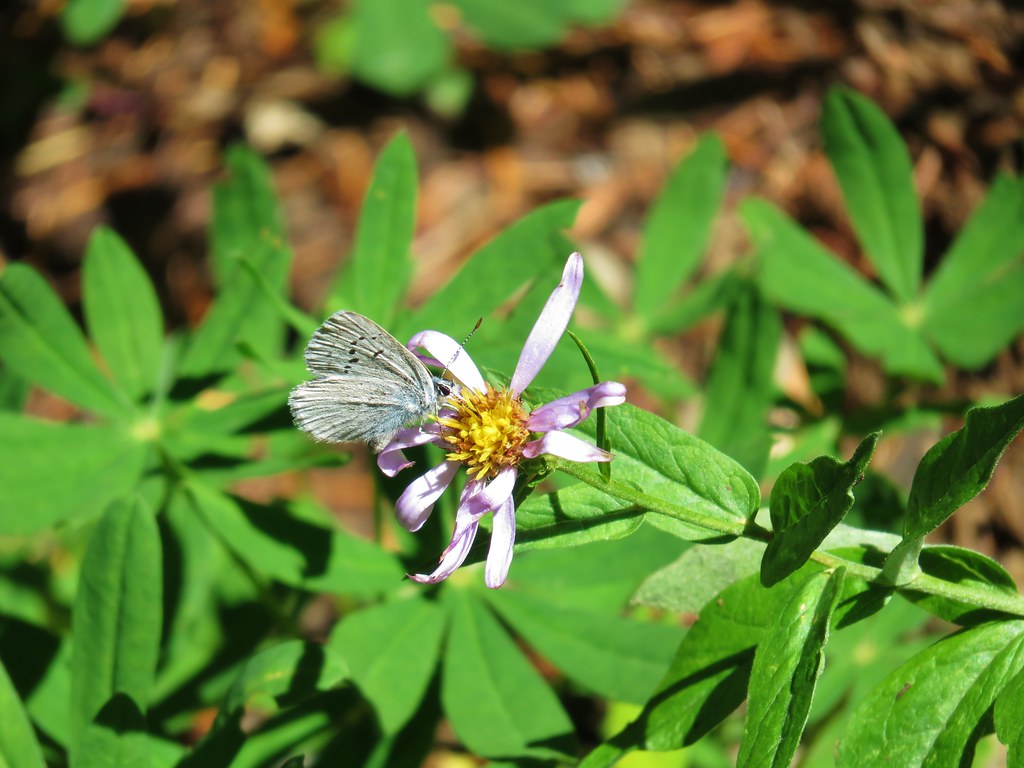
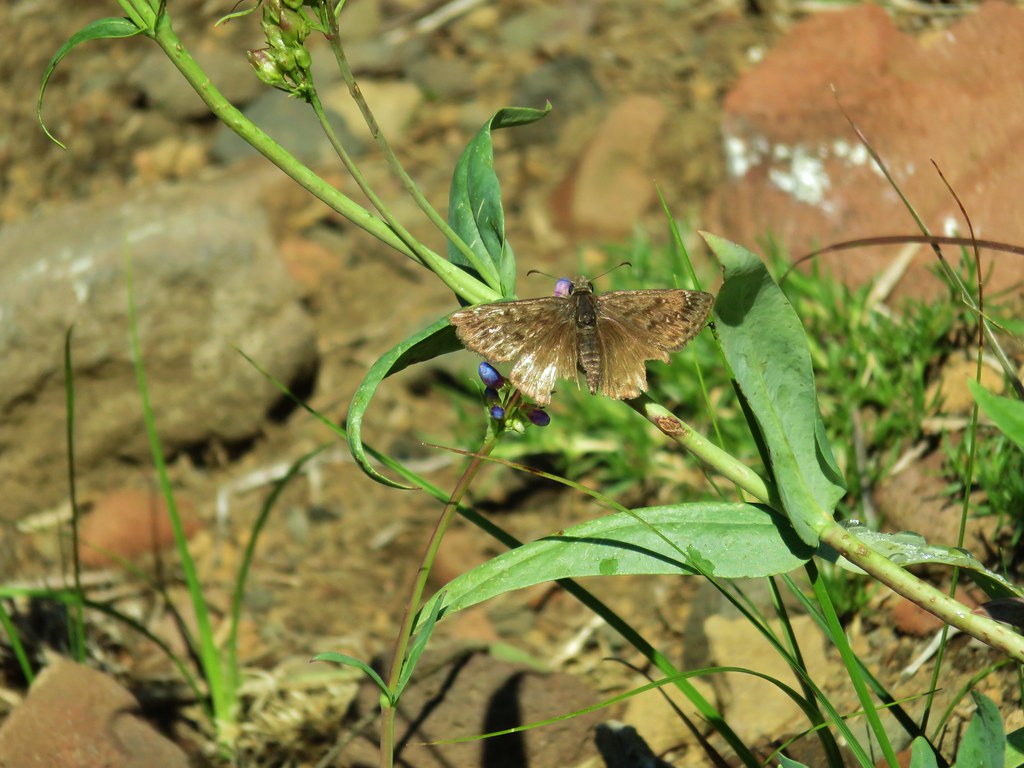
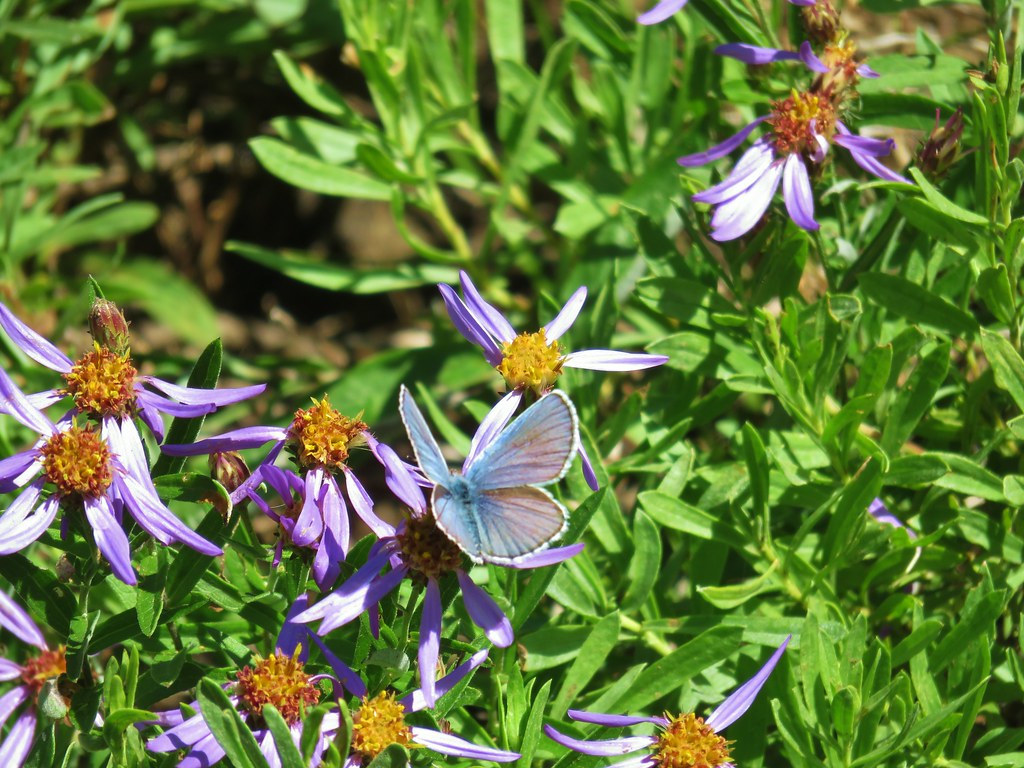
IMG_7632Butterfly on an aster.

IMG_7636Never seen one of these looks so clean and smooth, it almost looked fake.

IMG_7660We don’t know if this was just a stunted wallflower or something we’d never seen before.
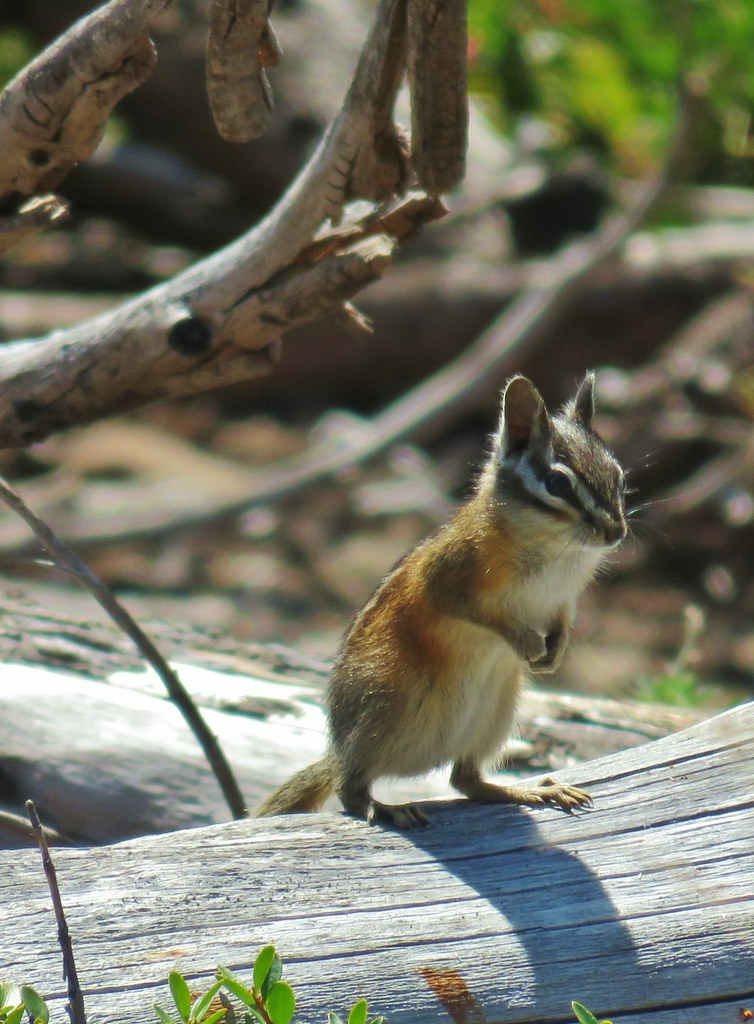
IMG_7692

We ended the day nearly out of water (luckily for us the temperatures stayed below 70 so it wasn’t too warm) and with some sore feet. Our GPS devices both showed us having traveled nearly 17 miles which was further than we’d planned but all the little side trips and exploring can really add up. Depsite the distance this was a great hike with varied scenery, good wildlife, and a reasonable elevation gain made better by the trails having such gradual grades. Of course any trail where we see multiple pikas is going to be aces in our minds. Happy Trails!

Flickr: Bingham Ridge

Categories
High Cascades Hiking Mt. Jefferson Area Oregon Trip report

Maxwell Butte – 8/12/2019

We spent another vacation doing day hikes from home as we continue to take care of our elderly cats. It has created a delay in our plans to visit all of the designated wilderness areas in Oregon, but it also has given us a chance to redo some hikes that didn’t go as planned the first time around and hit a few other hikes sooner than planned.

The first hike of the week was a repeat of a cloudy September 2015 climb to the summit of Maxwell Butte (post). We’d had no views whatsoever that day so a sunny forecast gave us the green light to try again. Once again we parked in the paved Maxwell Butte Sno-Park lot instead of driving the additional .4 miles of gravel road to the actual Maxwell Butte Trailhead.
IMG_5582

IMG_5585

From the official trailhead the Maxwell Butte Trail climbed gradually through a nice forest entering the Mt. Jefferson Wilderness after 1.75 miles. It was sad to find that the unique wilderness sign was missing.
IMG_5589

First wilderness sign we'd seen that looked like thisThe wilderness sign in 2015.

A little more than two and a quarter miles from the trailhead we arrived at a junction with the Lava Lakes Trail near Twin Lakes.
IMG_5598

There was significantly more water in the lakes this time around (and better visibility too).
IMG_5599

Low water levels at Twin Lakes2015

IMG_5601

Low water at Twin Lakes2015

Our presence raised a ruckus from a Stellar’s jay.
IMG_5604

IMG_5616

Twin Lakes2015

One the way back by later (after the Sun had moved out of the way) we stopped at the lakes to get a photo of Maxwell Butte.
IMG_5790

We followed the Maxwell Butte Trail past the lakes as it began to climb up and around the butte. Closer to the lakes we passed a few remaining flowers and some ripe huckleberries.
IMG_5619Penstemon

IMG_5621

IMG_5626Lousewort

IMG_5631Scarlet gilia

IMG_5623

IMG_5625A couple of short (and late) beargrass plumes.
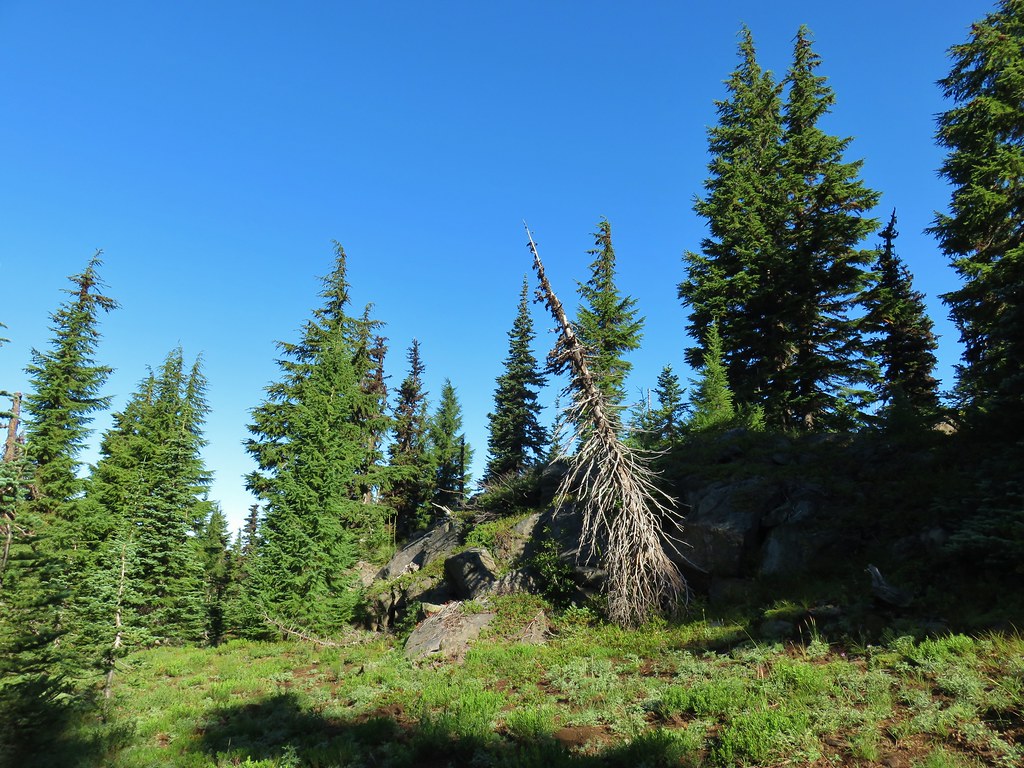
As the trail got closer to the butte we passed through some meadows and open rocky areas where we kept on the lookout for pikas.
IMG_5634

IMG_5643

IMG_5647This looked like prime pika habitat to us.

IMG_5648

The trail made its way to the south side of Maxwell Butte where our first good mountain view was of Diamond Peak beyond Sand Mountain which we had visited earlier in the year (post).
IMG_5649

IMG_5651

The trail steepened a bit as it made its way up the south side of Maxwell Butte via a series of switchbacks.
IMG_5658

IMG_5659

IMG_5668

Butterflies and increasingly better views helped keep our minds off the climb.
IMG_5661

IMG_5663

IMG_5665Hogg Rock (near left), flat topped Hayrick Butte next to Hoodoo Butte, Mt. Washington with Broken Top behind left and the Three Sisters behind right.
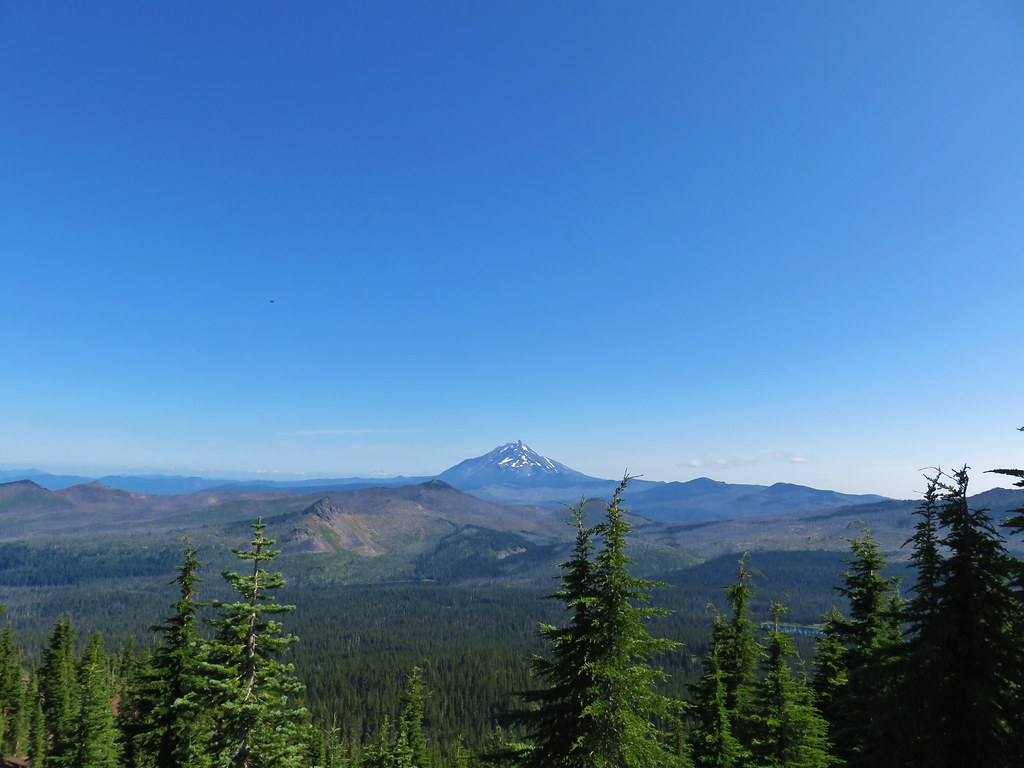
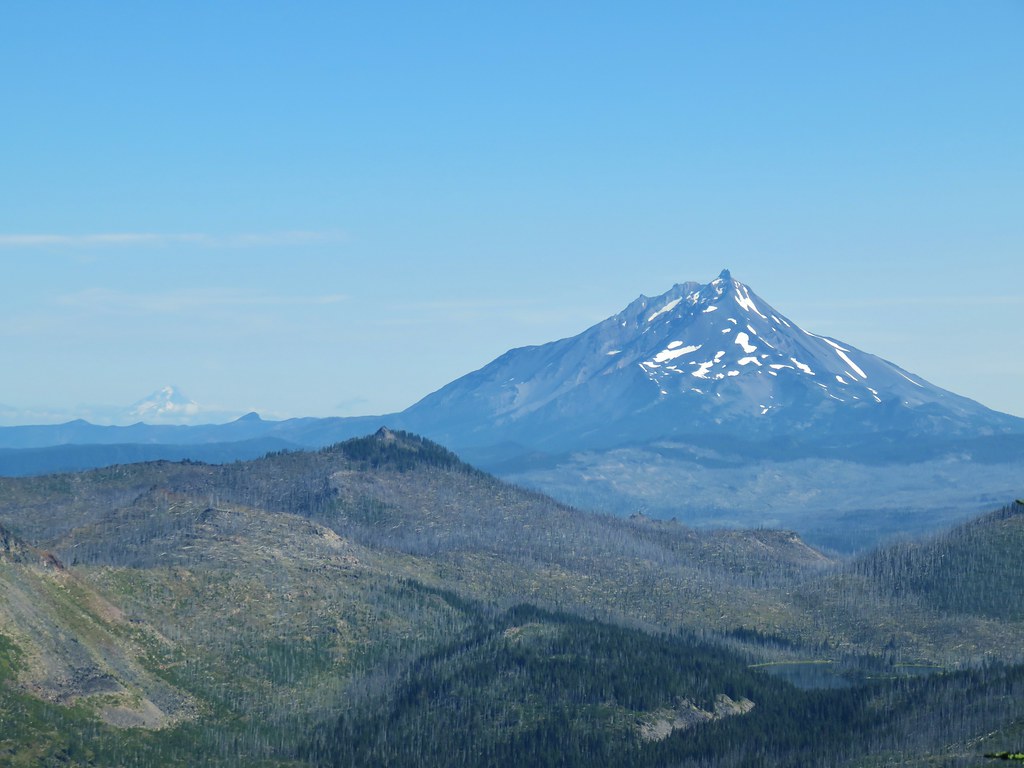
Five and a quarter miles from the sno-park we arrived at the summit of Maxwell Butte where a fire lookout once stood.
IMG_5673

The view now included Mt. Jefferson and Mt. Hood to the north.
IMG_5674

IMG_5676Mt. Hood in the distance to the left of Mt. Jefferson.

Less than three miles away as the crow flies Three Fingered Jack dominated the view east.
IMG_5697

IMG_5721

IMG_5699Mt. Jefferson and Three Fingered Jack with Santiam Lake in the forest below.

IMG_5706The view south.

IMG_5728Broken Top, Mt. Washington, and the Three Sisters with Hayrick Butte in the forefront.IMG_5701Santiam Lake

IMG_5702Duffy Lake (post)

IMG_5703Mowich Lake

After a nice long break taking in the views and naming as many of the lakes dotting the forest below as we could we headed back down. We took a quick detour to check out Maxwell Butte’s crater.
IMG_5740

IMG_5742Paintbrush in the crater.

There were quite a few more butterflies out as we made our way back and we managed to spot a pika gathering greens in the rocky area we had thought looked like a good spot for one.
IMG_5743

IMG_5764

IMG_5784

20190812_114406

IMG_5778Pika

IMG_5767Golden-mantled ground squirrel in the same rocky area as the pika.
It had been a successful do-over getting the views we’d missed out on before. Round trip the hike was 10.6 miles with a little over 2500′ of elevation gain. It was a solid start to what we hoped would be six straight days of hiking. Happy Trails!

Flickr: Maxwell Butte 2019

Categories
High Cascades Hiking Mt. Jefferson Area Oregon Trip report

Temple Lake and Marion Mountain – 7/25/19

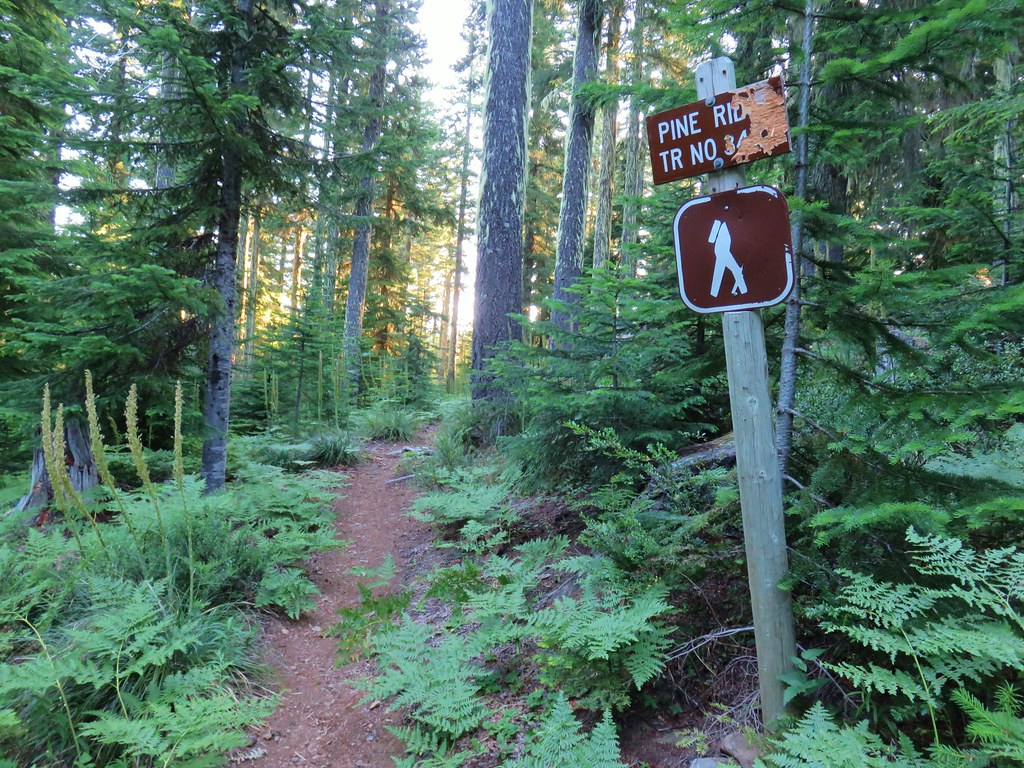
A day after taking my brother and his family to Opal Creek (post) we were back on the trails with a visit to Temple Lake and Marion Mountain. This is another hike take from Matt Reeder’s “101 Hikes in the Majestic Mount Jefferson Region”. The hike starts from the Pine Ridge Trailhead
IMG_4356

There were a few mosquitoes waiting for us a the trailhead so we applied a bit of deet and set off through the forest for .2 miles to a 4-way junction.
IMG_4360

IMG_4364

From the junction the Pine Ridge Trail continued straight while the Turpentine Trail departed on the right and to the left was a trail to the Boy Scout owned Camp Pioneer (the camp is private so do not take this trail or any others heading left between the trailhead and the junction).
IMG_4367

We continued on the Pine Ridge Trail past a unique Mt. Jefferson Wilderness sign.
IMG_4366

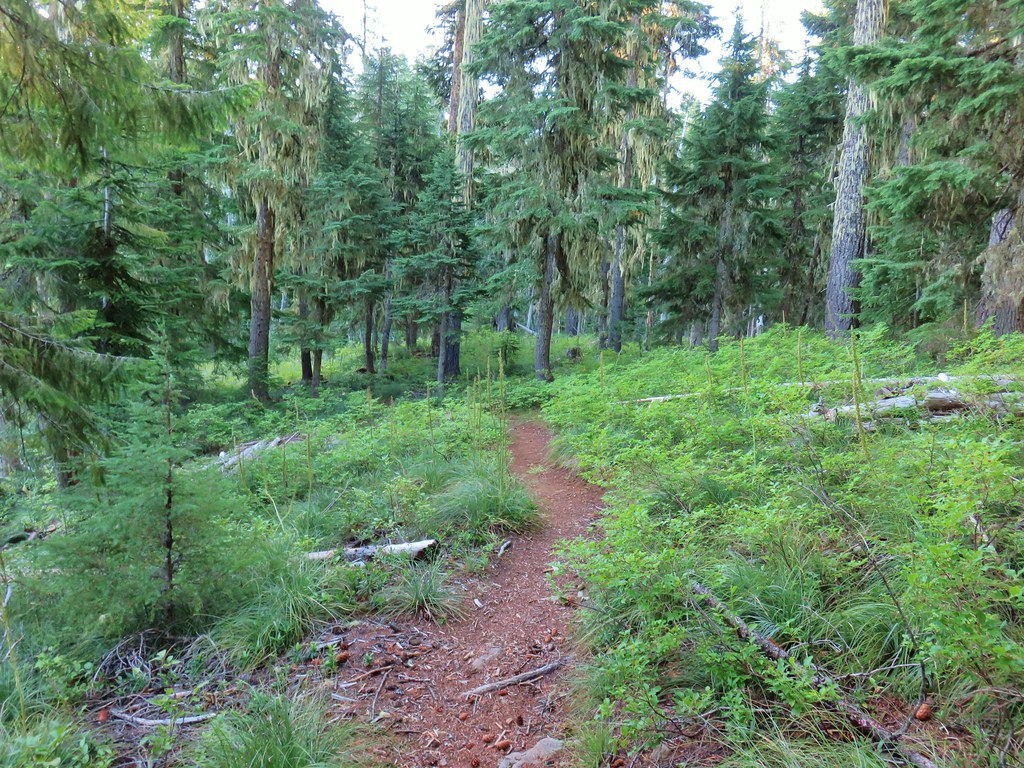
The trail dropped from the junction to cross a dry creek bed before climbing around a ridge and dropping again.
IMG_4373

IMG_4376

We took a brief off-trail detour to visit one of several lakes in the area.
IMG_4378

We returned to the trail and continued on to the junction with the Temple Lake Trail which was approximately 2 miles from the trailhead.
IMG_4384

IMG_4386

We decided to save the lake for later in the day in hopes that the mosquitoes would be less active. Continuing on the Pine Ridge Trail we passed through some sections of forest burned in the massive 2003 B&B Complex.
IMG_4387Turpentine Peak

IMG_4394Washington lily

IMG_4395Unburned forest

IMG_4397Mt. Jefferson from the Pine Ridge Trail.
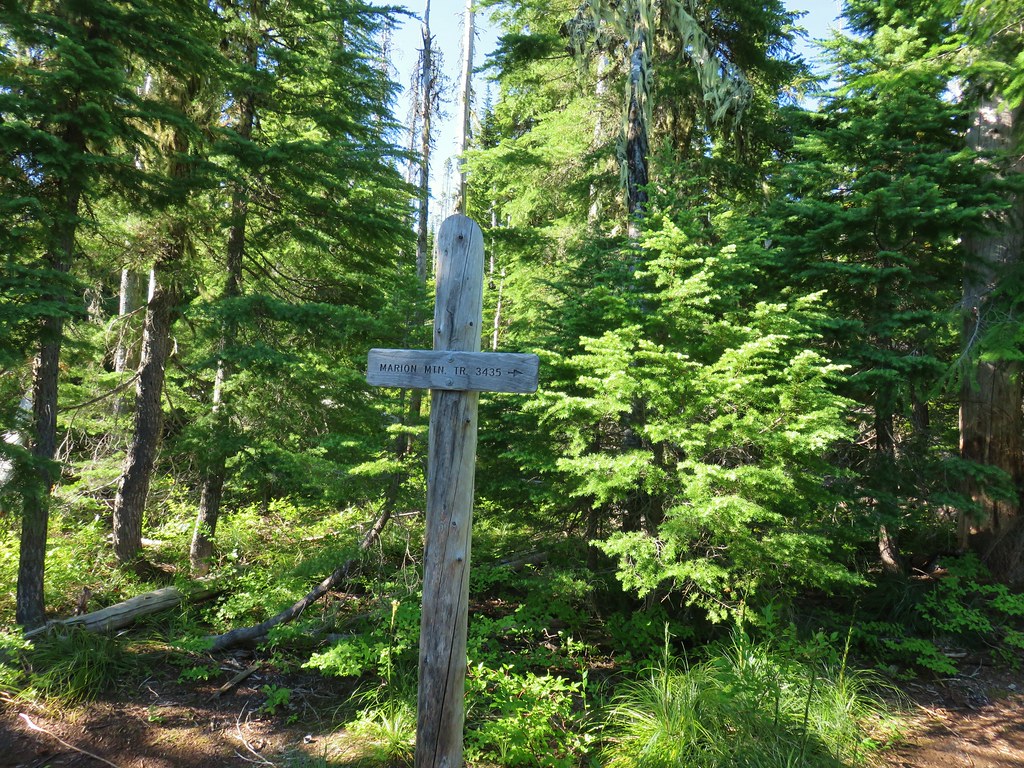
At the four mile mark we arrived at the signed Marion Mountain Trail.
IMG_4401

We turned right here and began to climb up a ridge to Marion Mountain. A little less than three quarters of a mile up we came to a cinder viewpoint.
IMG_4408Mt. Jefferson and Marion Lake (post)

IMG_4415Three Fingered Jack

The view here was good but just a tenth of a mile further the trail led out to the former site of the Marion Mountain Lookout where the view was even better.
IMG_4427The cinder viewpoint from Marion Mountain.

IMG_4426Mt. Hood in the distance with Mt. Jefferson, and Marion Lake.IMG_4426

IMG_4430Mt. Hood and Dynah-Mo Peak

IMG_4435Three Fingered Jack

IMG_4443Tops of the Three Sisters.

IMG_4456Coffin Mountain (post)

We had a nice view of the crest between Mt. Jefferson and Three Fingered Jack where we could make out North and South Pyramid Peaks (post).
IMG_4437South Cinder Peak is the high point along the ridge.

We sat on the rocks enjoying the breeze which was keeping us cool and mosquito free. When we finally did leave we decided to follow a faint path the continued out along the ridge to the south of Marion Mountain. The open forest made cross country travel fairly easy.
IMG_4463

We continued along the ridge entering the B&B scar again where there were more obstacles.
IMG_4469

We wound up going a little under a mile along the narrowing ridge until it dipped to a saddle under forested Marion Peak. We didn’t see any reason to lose any elevation and have to gain it back so we declared victory. The view here was better yet with more of the Three Sisters and Mt. Washington visible.
IMG_4479The saddle that we didn’t want to drop down to.

IMG_4485Three Fingered Jack with the Three Sisters and Mt. Washington in the gap.

IMG_4481The Three Sisters and Mt. Washington beyond Red Butte (post)

IMG_4488Jenny and Melis Lake

IMG_4489Marion Mountain at the end of the ridge.

IMG_4496Bear Point (post) and Dynah-Mo Peak with Mt. Hood in the background.

IMG_4492Turpentine Peak along the ridge.

IMG_4510Black Butte (post) on the far opposite side of the crest.

In addition to the views there were a few flowers along the ridge and Heather spotted a Northern Alligator Lizard but it ran off before we could get a photo.
IMG_4514Stonecrop

IMG_4517Prince’s Pine

IMG_4518Penstemon

IMG_4520Washington lily

We headed back down the ridge to Marion Mountain and then returned to the Pine Ridge Trail where we turned left. When we got back to the Temple Lake Trail we turned right and headed downhill.
IMG_4528

The half mile trail crossed a dry creek before reaching the lake.
IMG_4529

IMG_4532

It wasn’t overly buggy which allowed us to admire the view of Mt. Jefferson from the lake and check out the campsites.
IMG_4538

IMG_4542Dragon fly

While Heather was looking at one of the sites a western toad popped its head out of a hole.
IMG_4552

IMG_4550

I’m not sure who was watching who as the toad wound up coming all the way out while we stood there.
IMG_4562

IMG_4567

We kept our distance (thanks 30x zoom) and headed back up to the Pine Ridge Trail. Aside from a garter snake sighting there was no excitement on the return trip, just a nice forest walk.
IMG_4571

With our off-trail exploring the hike came in at 11.6 miles and a little under 2000′ of elevation gain. The off-trail was just the right balance of challenging but not frustratingly difficult. It was a lot easier than what we had done the day we visited Bear Point earlier in the week for sure. Happy Trails!

Flickr: Temple Lake and Marion Mountain

Categories
High Cascades Hiking Mt. Jefferson Area Oregon

Bear Point – 7/22/2019

**Note the 2020 Lionshead Fire burned the area covered by this hike.**

We had passed the Bear Point Trail twice when hiking into Jefferson Park on the South Breitenbush Trail, most recently last August. (post) It was finally time to tackle that trail which gains almost 1700′ in just over one and three quarters of a mile to the site of a former fire lookout.

We set off from the South Breitenbush Trailhead a little after 6am hoping to get the climb over before the day heated up too much.
IMG_3859

IMG_3860

We followed the familiar South Breitenbush Trail for 2.2 miles to a signed junction.
IMG_3870Lots of spent beargrass along the trail.

IMG_3877

At the junction we went left on the Bear Point Trail.
IMG_3878

At first this trail continued the gradual climb that we’d been making on the South Breitenbush Trail as we passed around a spring set in a green forest.
IMG_3885

IMG_3886Thimbleberry bushes near the spring.

20190722_072357Washington lily

IMG_4179Spring near the trail.

Shortly after passing the spring the trail began to climb in earnest via a series of swithbacks. The hillside below Bear Point was covered in talus slopes, the perfect spot to see a pika.
IMG_3890

IMG_3891

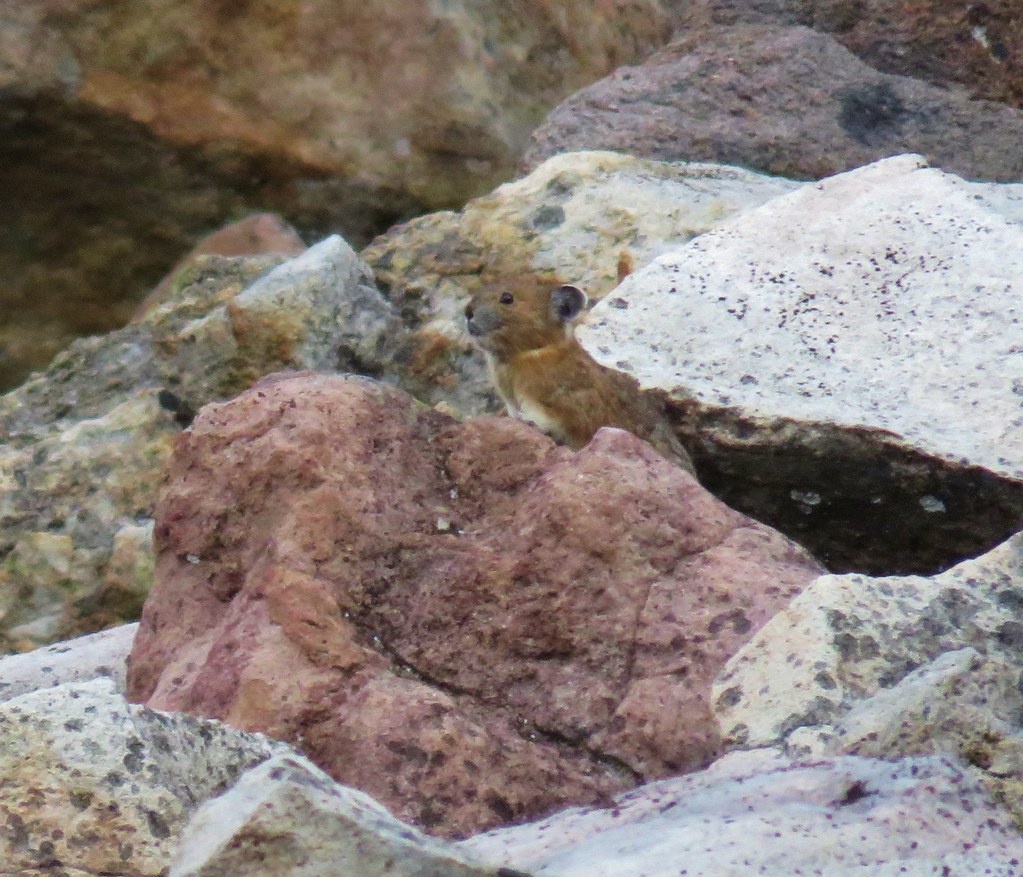
IMG_3901Spotted the first pika of the day at this switchback (it’s on one of the red rocks)
IMG_3900

The hillside was pretty dry and the trees began to give way to manzanita, chinquapin and snowbush which allowed for some excellent views of Mt. Jefferson and the surrounding area as we trudged up the switchbacks.
IMG_3913

IMG_3918

IMG_3921The Three Pyramids, Bachelor Mountain, and Coffin Mountain in the distance with Triangulation Peak in a cloud shadow along the near ridge to the right.

IMG_3928Mt. Jefferson with Three Fingered Jack now fully visible.

IMG_3935Three Fingered Jack

IMG_4169Grouse in the brush to the left of the trail.

IMG_4171Grouse

IMG_3946

As we neared the top the trees began to reappear in larger numbers and the beargrass was still blooming.
IMG_3948

IMG_3965

We spotted the second pika of the day in a talus slope just below the summit.
IMG_3962

Despite the 3000′ of elevation gain to reach the summit the climb wasn’t particularly steep until the final 100 yards or so.
IMG_3967

IMG_3981Almost to the top.

IMG_3989Bear Point summit.

The views from the summit were amazing and there were a few wildflowers scattered about. We would have loved to have spent quite a bit of time relaxing there but the mosquitoes were a nuisance and there was no breeze to keep them at bay.
IMG_4143_stitch

IMG_4018The Three Sisters and Three Fingered Jack

IMG_4009Mt.Jefferson

IMG_4013Park Ridge (post)

IMG_3991Bear Lake, Dinah-Mo Peak, and Park Ridge

IMG_4146Triangulation Peak and Devils Peak

IMG_4148Boca Cave below Triangulation Peak (post)

IMG_4147Devils Peak (high point to the right of the ridge), which we had just hiked to a couple of weeks earlier (post)

IMG_4152Mt. Hood and Olallie Butte (The Breitenbush Cascades are also out there amid the trees.)

IMG_4137Mt. Hood with Slideout and Mildred Lakes in the forest below.
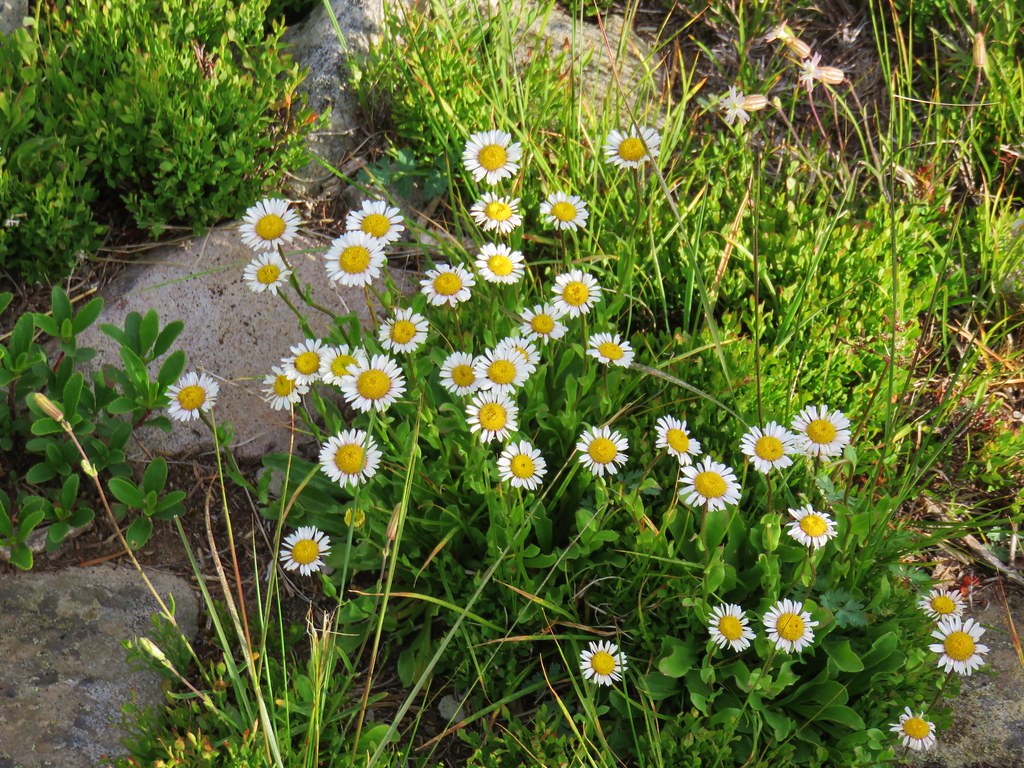
IMG_3986Fleabane

IMG_3996Columbine and fleabane with Bear Lake in the background.
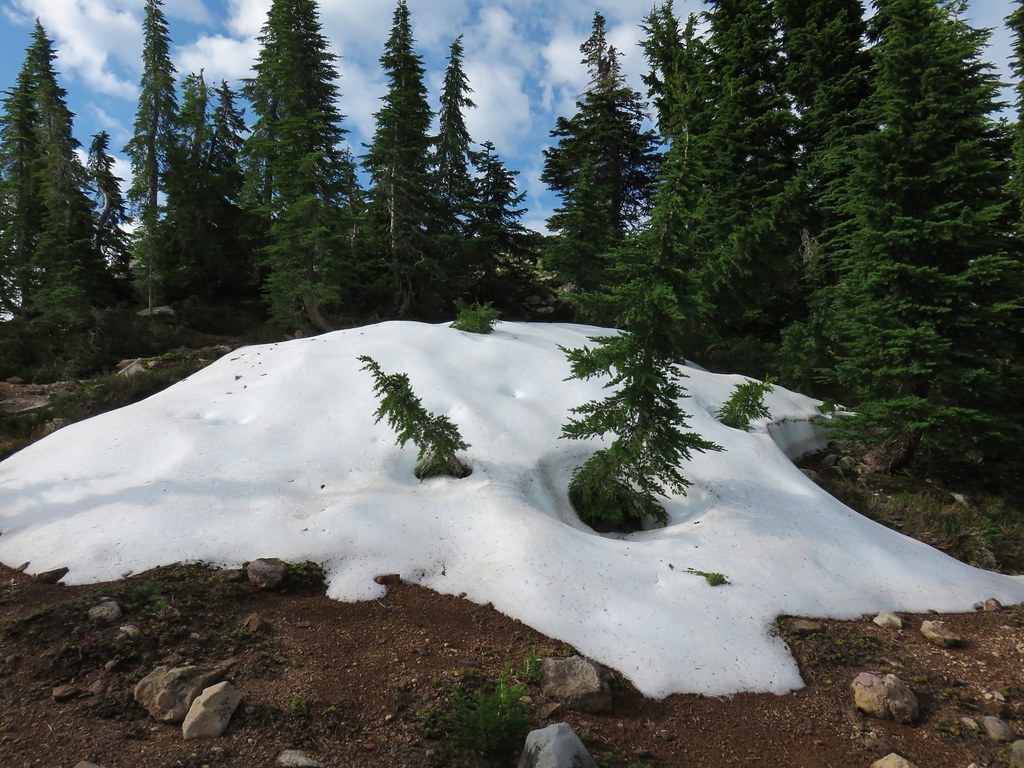
IMG_4022Snow patch near the summit.

The round trip to Bear Point is just 7.6 miles so we had some energy left and with the early start coupled with not stopping for very long due to the bugs we also had some time so we decided to tackle another challenge and visit an off trail lake. Due to the lake being off-trail I’m not going to go into much detail although it probably wouldn’t take a lot of detective work to figure it out. This was a challenge to reach and required route finding and navigational skills.
IMG_4031Typical terrain, it’s hard to tell here but this was a steep hillside.

IMG_4023There were tons of these butterflies around.
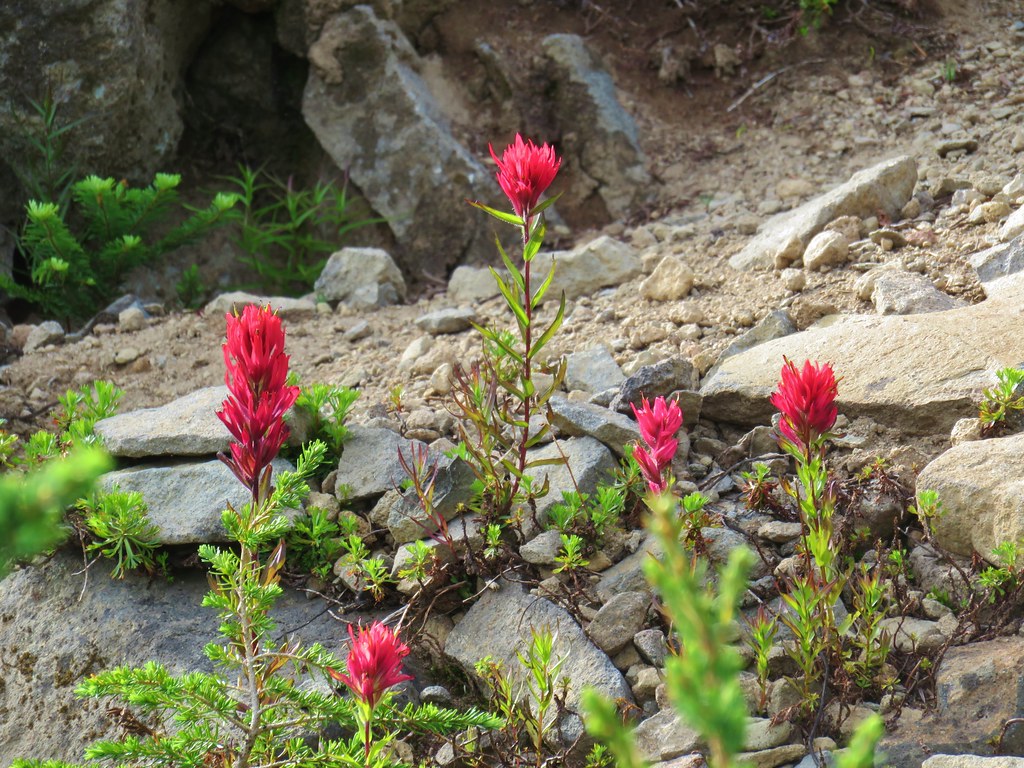
IMG_4028Paintnbrush

IMG_4045Crossing a talus slope.

IMG_4050More typical conditions.

IMG_4053Pond near the lake.

IMG_4055Bird at the pond.

IMG_4058The lake

IMG_4076Spirea and shooting stars

20190722_094856Crab spider with a bee

IMG_4080The lake

IMG_4102Aster

IMG_4104Lupine and beargrass

There were of course mosquitoes here too, being July and near water, so we didn’t linger and were soon attempting to follow our route back. It was slow going but we managed to get back just fine. It was a fun and challenging day and it felt good to be able to practice our off-trail skills a bit. Happy Trails!

Flickr: Bear Point

Categories
Hiking Uncategorized

Progress Report – Oregon Wilderness Areas

In our last post we wrote about our ambitious (possibly overly so) goal of completing 500 “featured” hikes in William L. Sullivan’s guidebooks. The topic of this post is another one of our goals, visiting all 45 of Oregon’s accessible designated wilderness areas (Three Arch Rocks and Oregon Islands are off limits to all visitors). This goal should be quite a bit easier to accomplish given the much smaller number of needed hikes and the fact that the wilderness areas aren’t changing every few years. (There is legislation pending that would create the Devil’s Staircase Wilderness in the coast range between Reedsport and Eugene.)

The inspiration for this goal came from a fellow hiker and blogger over at Boots on the Trail. This smaller goal fit well into our 500 featured hikes goal too as thirty nine of the wilderness areas are destinations of at least one of the featured hikes. The remaining six: Copper-Salmon, Lower White River, Rock Creek, Cummins Creek, Bridge Creek, and Grassy Knob were still included in the books but as additional hikes in the back. Between the hike descriptions in the guidebooks and Boots on the Trail’s trip reports we’ve had plenty of information to work with.

This was an appealing goal too. Wilderness areas are dear to our hearts and home to many of our favorite places. These areas are the least affected by humans and we feel best reflect God’s work as Creator. To me they are akin to a museum showcasing His finest artistry. Just as we would in a museum we admire and enjoy the wilderness but we do our best not to affect it meaning adhering whenever possible to Leave No Trace principles.

We have made pretty good progress on this goal so far and as of 12/31/18 we had visited 38 of the 45 accessible areas (and seen the other two from the beach). We’re currently on track to have visited them all by the end of 2020.

Below is a chronological list of the wilderness areas we’ve been to (or seen) as well as any subsequent year(s) we’ve visited with some links to selected trip reports.

Opal Creek – 2009, 10, 11, 12, 14, 18

Battle Ax CreekBattle Ax Creek – 2014

Mt. Jefferson – 2010, 11, 12, 13, 14, 15, 16, 18

Mt. Jeffferson from Russell LakeMt. Jefferson from Russell Lake – 2016

Drift Creek – 2010

Drift CreekDrift Creek – 2010

Mt. Washington – 2011, 12, 14, 15, 16, 17

Mt. Washington and Mt. Jefferson from the Pacific Crest TrailMt. Washington from the Pacific Crest Trail – 2015
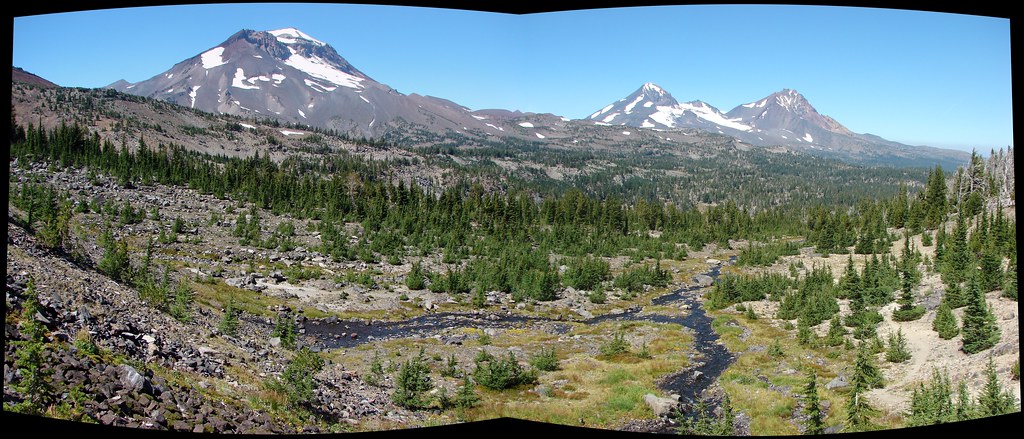
Three Sisters – 2011, 12, 13, 14, 15, 16, 17

The Three Sisters from the edge of the plateauThe Three Sisters – 2014

Three Arch Rocks – 2011, 18

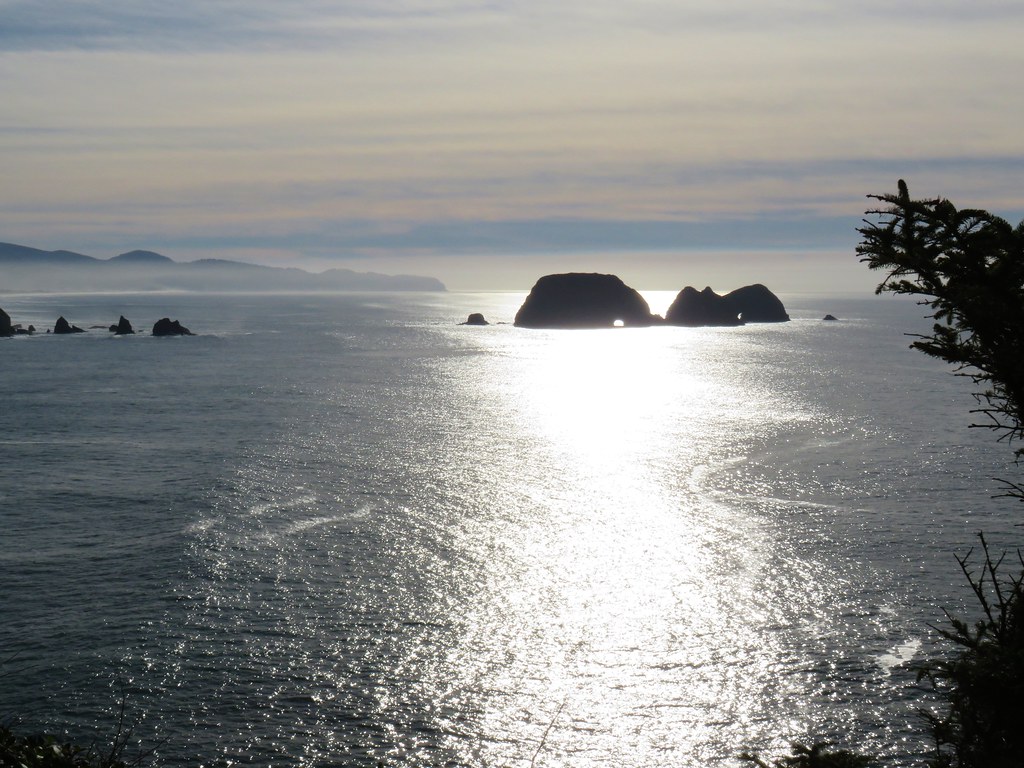
Three Arch Rocks WildernessThree Arch Rocks from Cape Meares – 2018
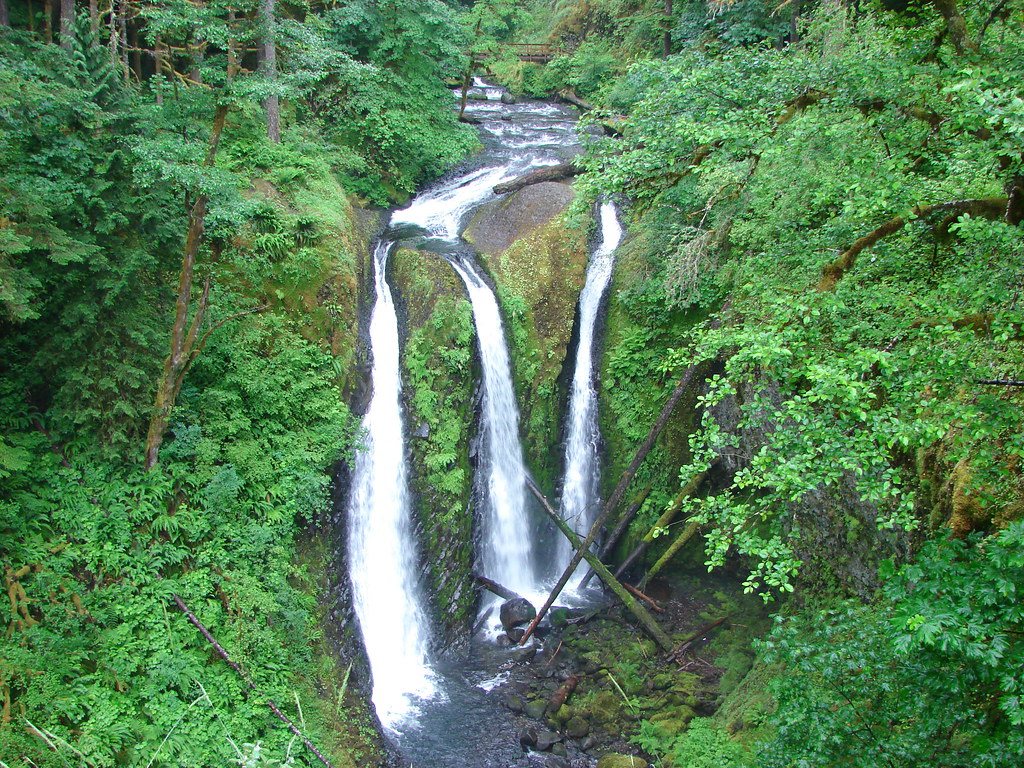
Mark O. Hatfield – 2012, 14, 15, 16

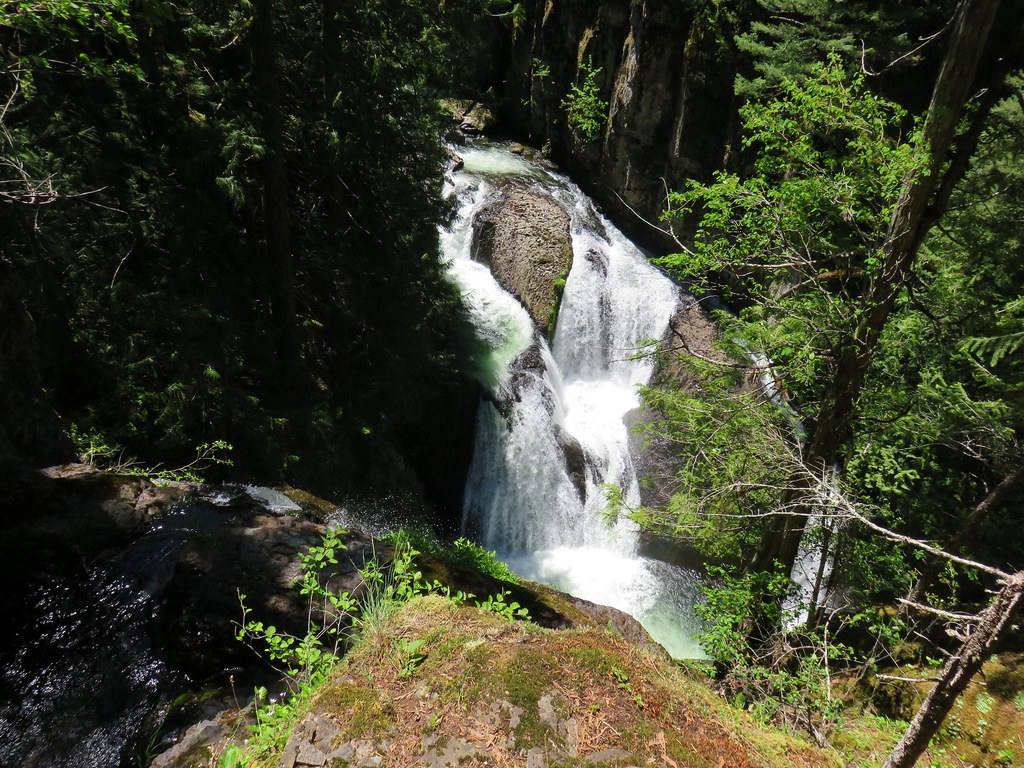
Triple FallsTriple Falls – 2012

Mt. Hood – 2012, 13, 14, 15, 16, 17

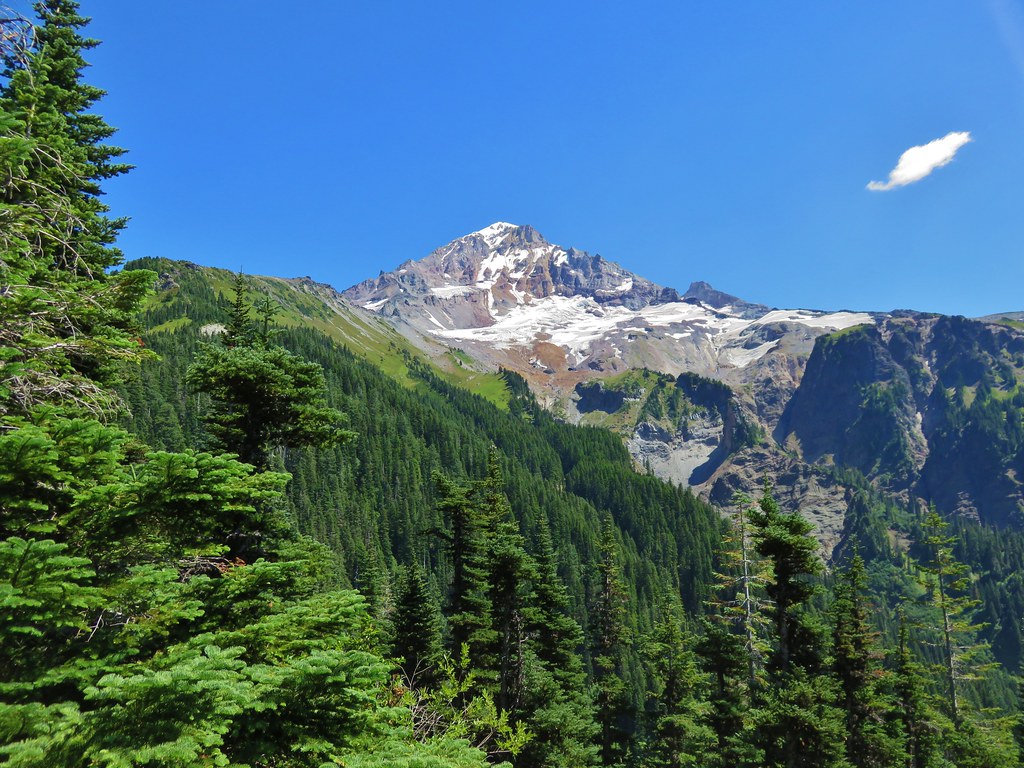
Mt. Hood from the Timberline TrailMt. Hood – 2015

Oregon Islands – 2012, 13, 14, 15, 16, 17, 18

Bandon IslandsBandon Islands – 2018

Mill Creek – 2012

Twin PillarsTwin Pillars – 2011

Mt. Thielsen – 2012, 14

Howlock Mountain and Mt. ThielsenHowlock Mountain and Mt. Thielsen – 2014
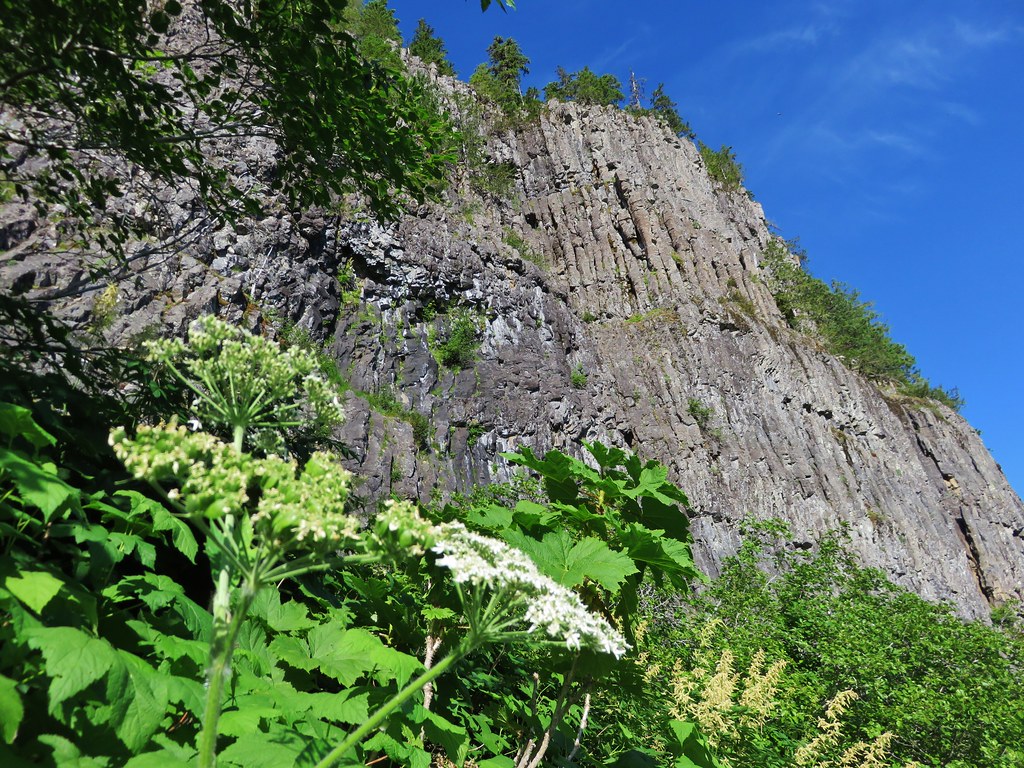
Table Rock – 2012, 15

Table RockTable Rock – 2015

Salmon-Huckleberry – 2013, 14, 15, 17, 18

Frustration FallsFrustration Falls – 2018

Diamond Peak – 2013, 14, 18

Small waterfall on Trapper CreekTrapper Creek – 2014

Waldo Lake – 2013, 15, 18

Waldo LakeView from Fuji Mountain – 2013

Roaring River – 2013

Serene LakeSerene Lake – 2013

Badger Creek – 2014

Badger Creek WildernessBadger Creek Wilderness – 2014

Middle Santiam – 2014

Donaca LakeDonaca Lake – 2014

Bull of the Woods – 2014, 15, 18

Emerald Pool on Elk Lake CreekEmerald Pool – 2018

Soda Mountain – 2015, 17

Looking west from Boccard PointView from Boccard Point – 2015

Red Buttes – 2015

Red Buttes, Kangaroo Mountain and Rattlesnake MountainRed Buttes – 2015

Oregon Badlands – 2016

View from Flatiron RockOregon Badlands Wilderness – 2016

Kalmiopsis – 2016

Vulcan Lake below Vulcan PeakVulcan Lake – 2016

Menagerie – 2016

Rooster Rock from a viewpoint in the Menagerie WildernessRooster Rock – 2016

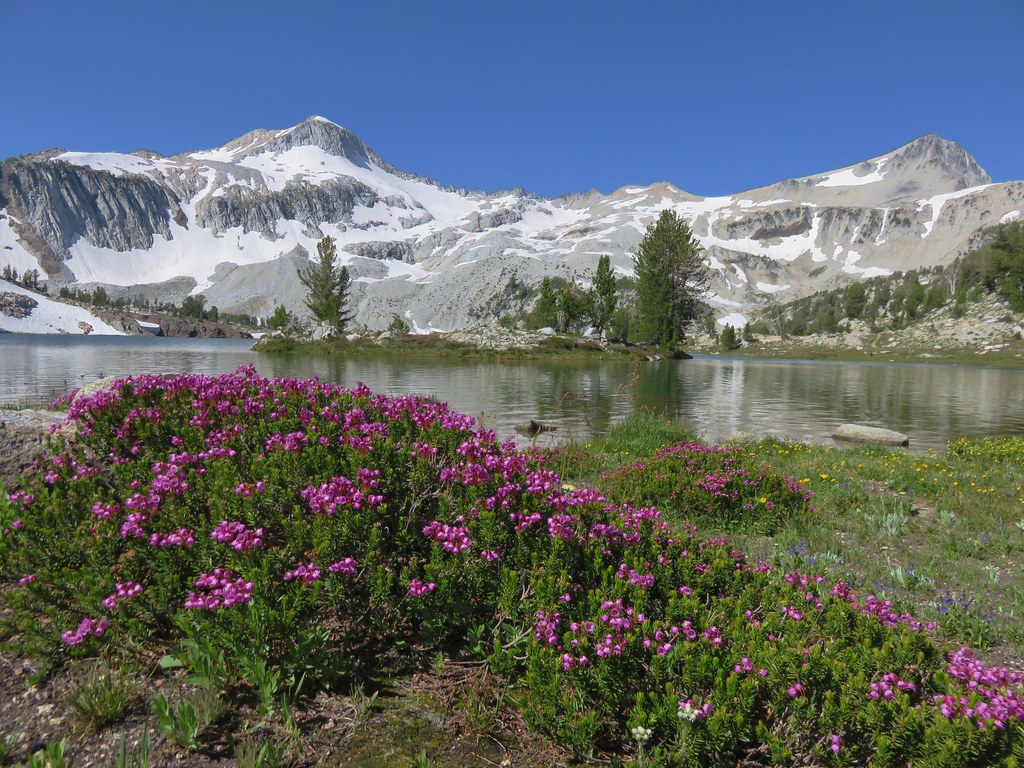
Eagle Cap – 2016

Glacier LakeGlacier Lake – 2016

Mountain Lakes – 2016

Mt. McLoughlin, Whiteface Peak, Pelican Butte, and Mount Harriman from Aspen ButteView from Aspen Butte – 2016

Sky Lakes – 2016

Mt. McLoughlin from Freye LakeMt. McLoughlin from Freye Lake – 2016

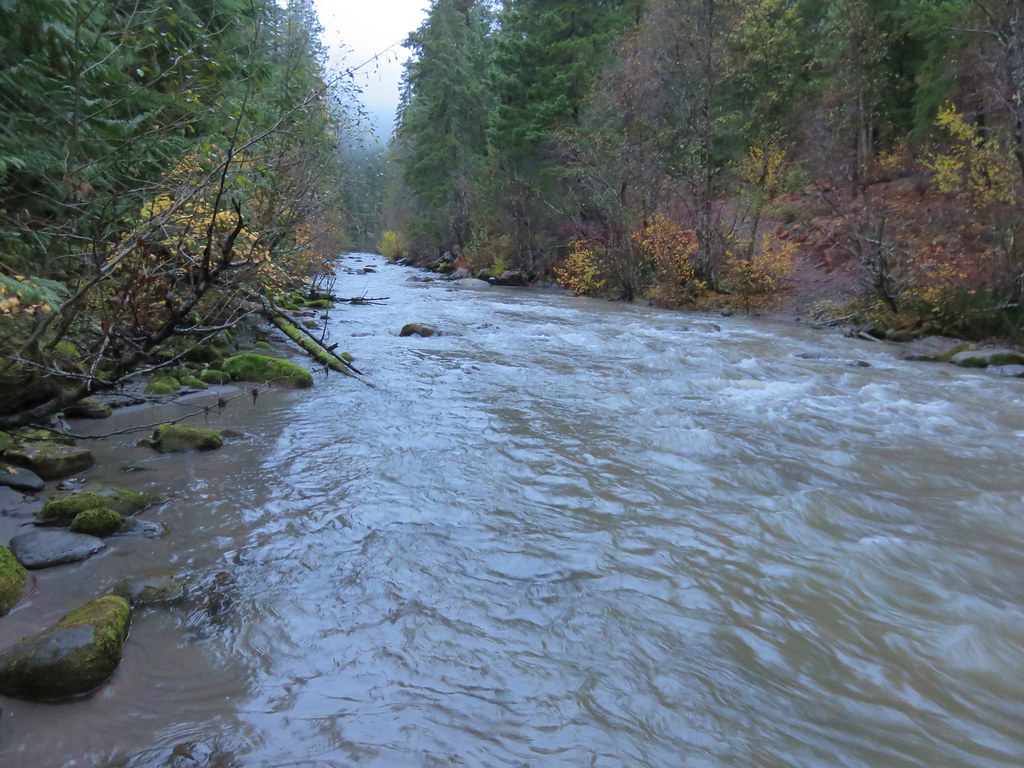
Lower White River – 2016

White RiverWhite River – 2016

Rock Creek – 2017

Rock CreekRock Creek – 2017

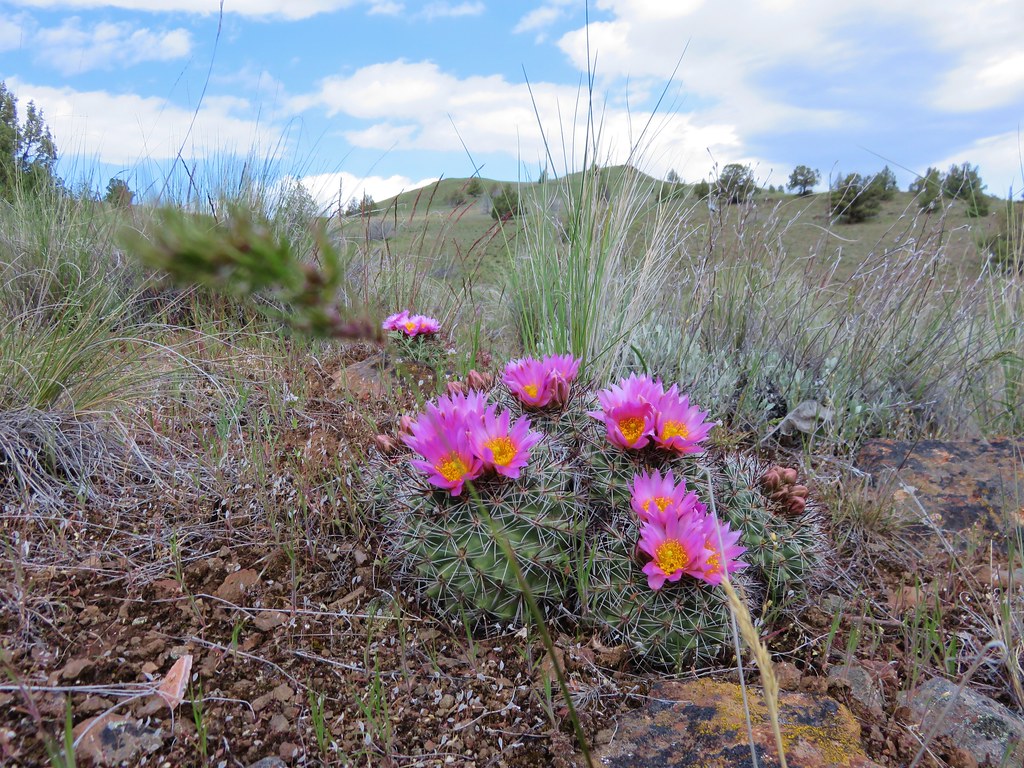
Spring Basin – 2017

Hedgehog cactusHedgehog Cactus – 2017

Bridge Creek – 2017

View to the north from the Bridge Creek WildernessBridge Creek Wilderness – 2017

Wild-Rogue – 2017

Hanging RockHanging Rock – 2017

Grassy Knob – 2017

View from Grassy KnobView from Grassy Knob – 2017

Clackamas – 2017

Big BottomBig Bottom – 2017

North Fork John Day – 2017, 18

Baldy LakeBaldy Lake – 2017

Cummins Creek – 2017

Cummins Ridge TrailCummins Ridge Trail – 2017

Rogue-Umpqua Divide – 2018

Hummingbird MeadowsHummingbird Meadows – 2018

Steens Mountain – 2018

View from the Pike Creek TrailView along the Pine Creek Trail – 2018

Strawberry Mountain – 2018

Slide LakeSlide Lake – 2018

Copper-Salmon – 2018

Barklow Mountain TrailBarklow Mountain Trail – 2018

The remaining areas and year of our planned visit looks like this:

2019 – Hells Canyon, North Fork Umatilla, Wenaha-Tucannon
2020 – Boulder Creek, Black Canyon, Monument Rock, Gearhart Mountain

If the Devil’s Staircase is added in the meantime we will do our best to work that in (it is currently on our list of hikes but not until 2023. For more information on Oregon’s wilderness areas visit Wilderness.net here.

Happy Trails!

Categories
Hiking Year-end wrap up

The Hikes of 2018 – A Look Back
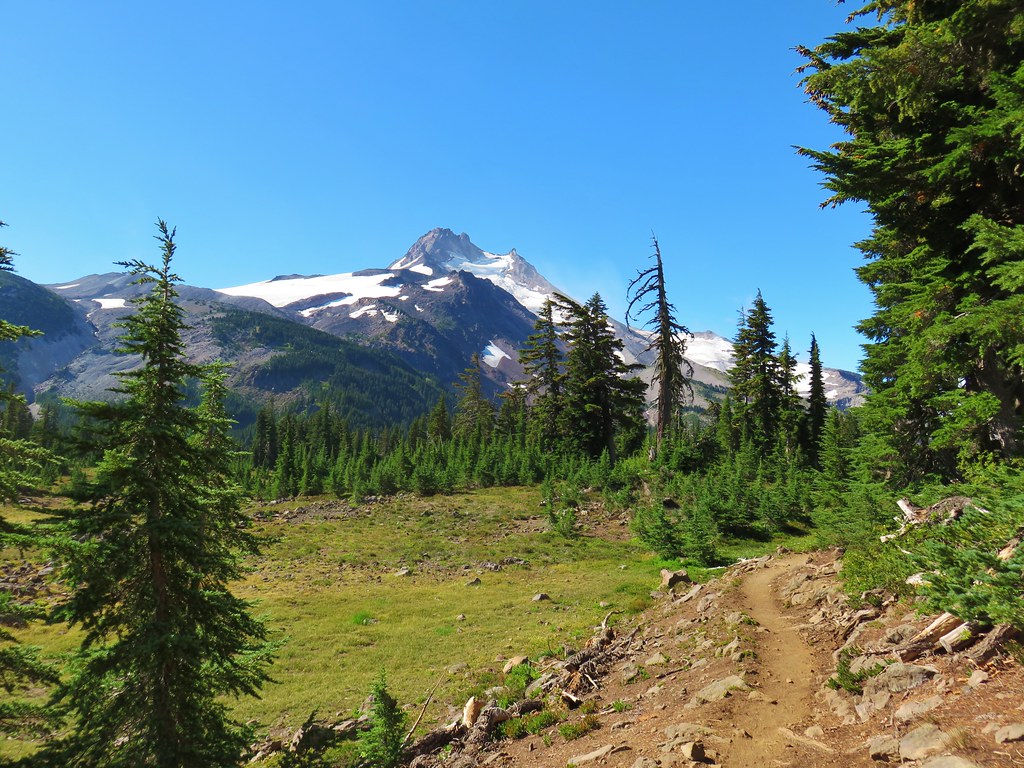
It’s hard to believe that it’s time for another year end wrap up. This will be our 6th such post since we started this blog in 2013. It’s even harder to believe that we still have so many hikes yet to do before we are finished with our long term hiking goal of completing at least some portion of all 500 of the featured hikes in William L. Sullivan’s five “100 Hikes…” guidebooks.

A goal we are closing in on is visiting all 45 of the accessible designated wilderness areas in Oregon. (Three Arch Rocks and Oregon Islands, both off the Oregon Coast, are off limits to visitors,) We now have just seven wilderness areas left to visit after spending time in the Rogue-Umpqua Divide (post), Steens Mountain (post), Strawberry Mountain (post), and Copper-Salmon (post) wildernesses this year.

With so many different hikes available we were once again able to spend most of our year exploring new trails and areas. We took hikes on 61 different days, 51 of those days were spent on trails (or sections of trails) that were new to us this year. Six additional days were partially on new sections of trail while just four days were repeated hikes.

Many of our hiking days consisted of multiple stops this year which resulted in a nice round 100 separate “hikes” varying in length from a quarter mile at the Pillars of Rome (post) to 20.3 miles in the Waldo Lake Wilderness (post).

Of those 100 hikes 89 were brand new, 6 were partially new, and 5 were repeated. The number of repeated hikes is 5 and not 4 because Saddle Mountain was done on the same day as three new hikes (post). Below is a map showing all of our stops.

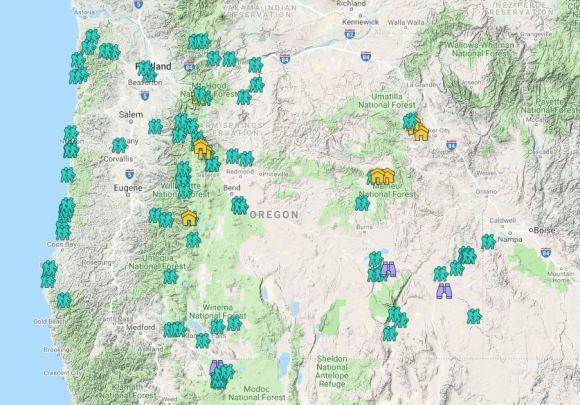
2018 Trailheads
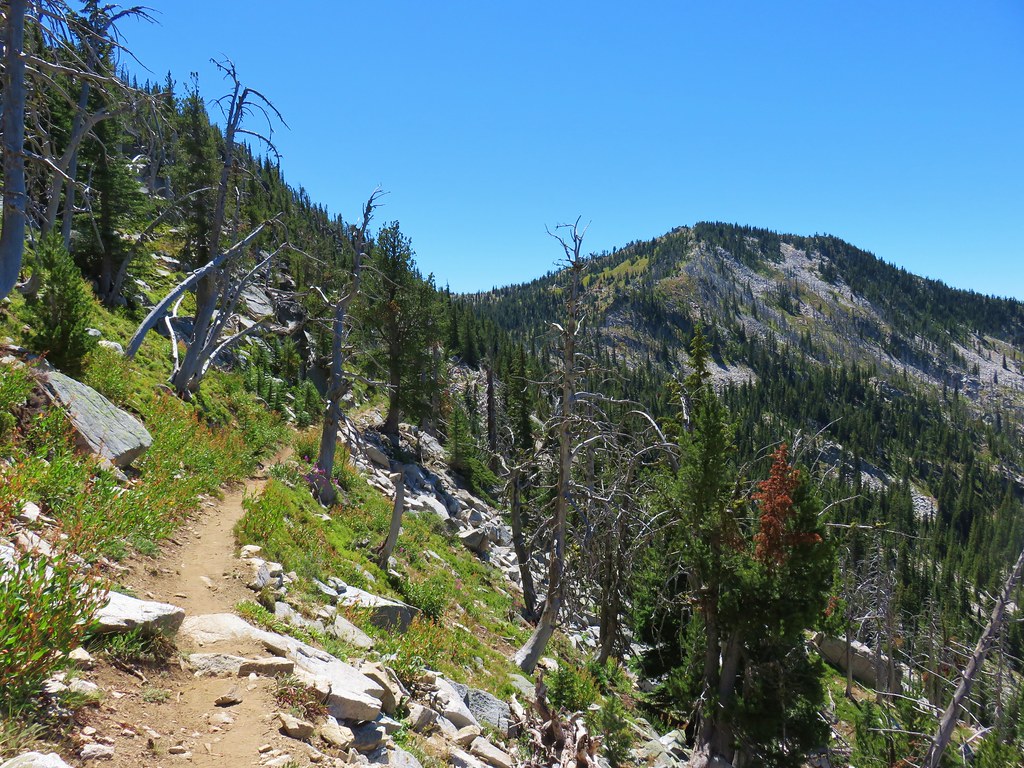
Hikers=Trailheads, Houses=Tent Sites, Binoculars=Short Walk/Viewpoint

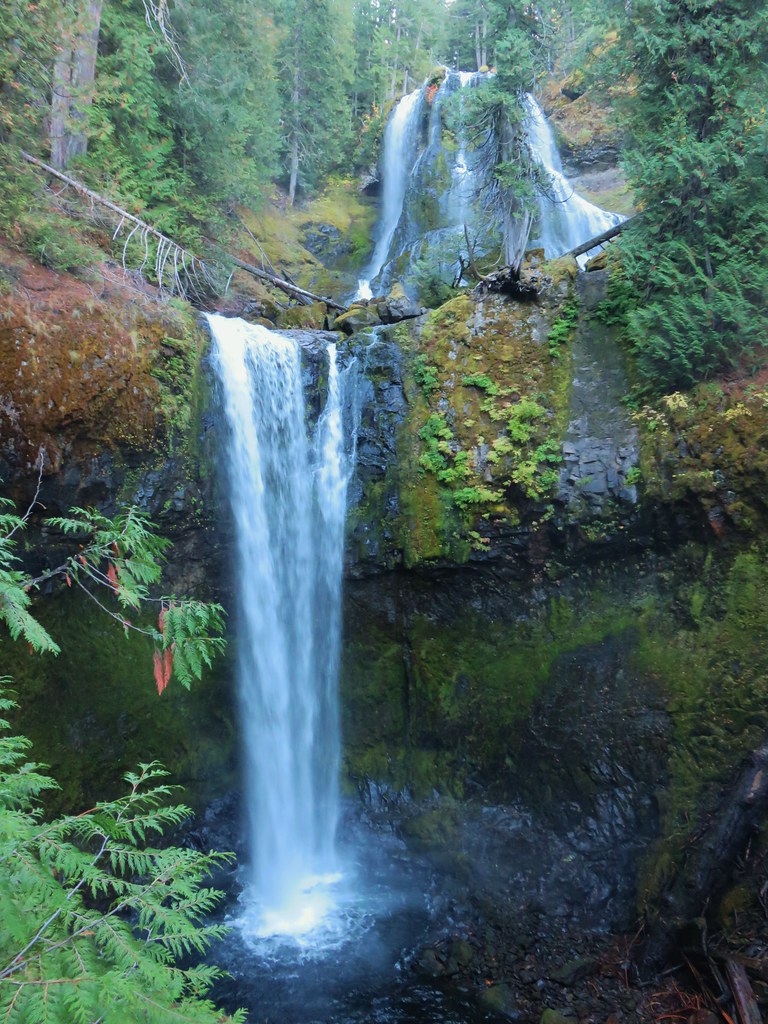
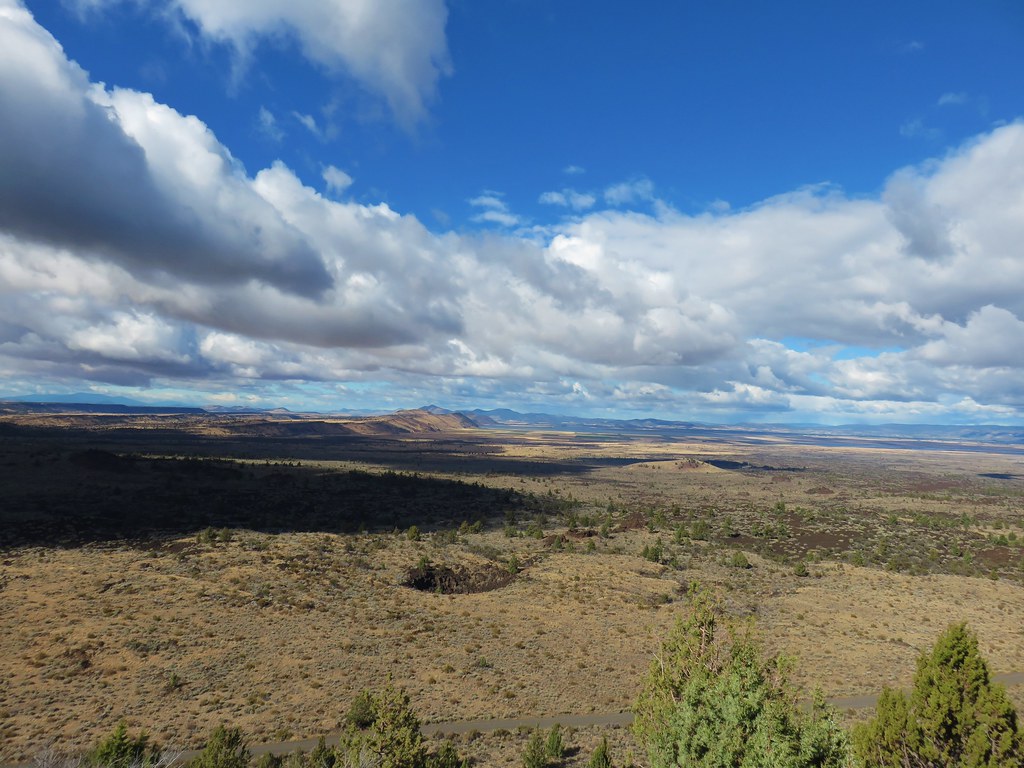
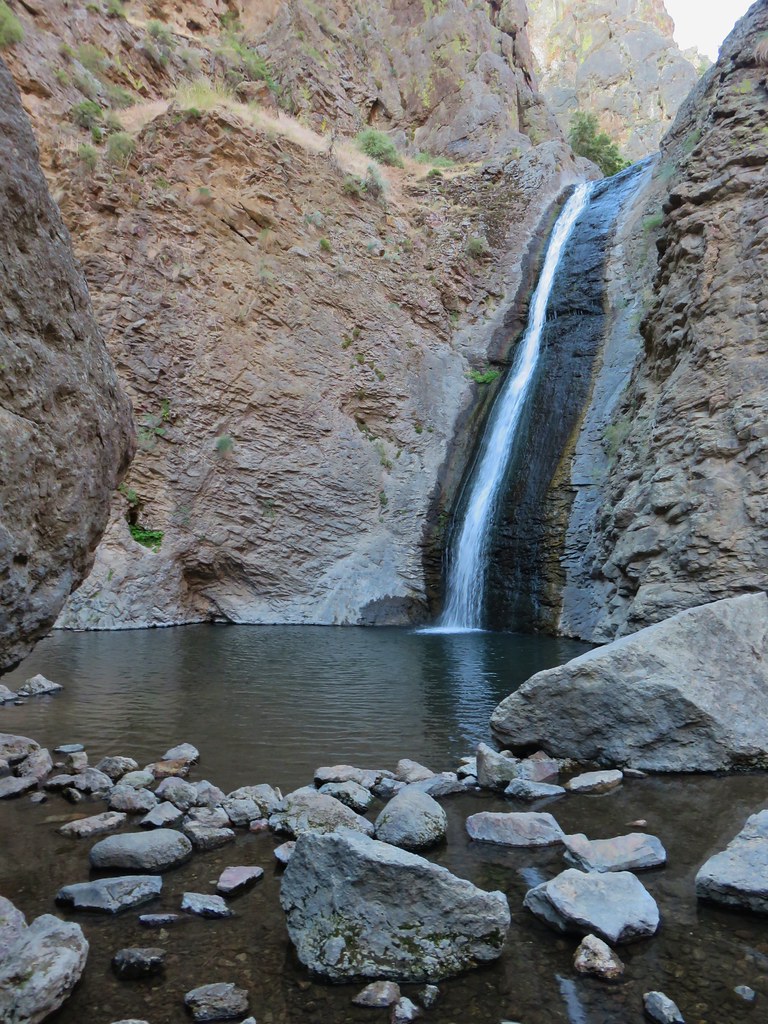
Although the majority of our hikes were done in Oregon we did manage to spend one day each in Washington (Falls Creek Falls), California (Lava Beds National Monument), and for the first time Idaho (Jump Creek Falls).Falls Creek Falls

Falls Creek Falls

View from the Schonchin Butte Trail

Lava Beds National Monument

Jump Creek Falls

Jump Creek Falls

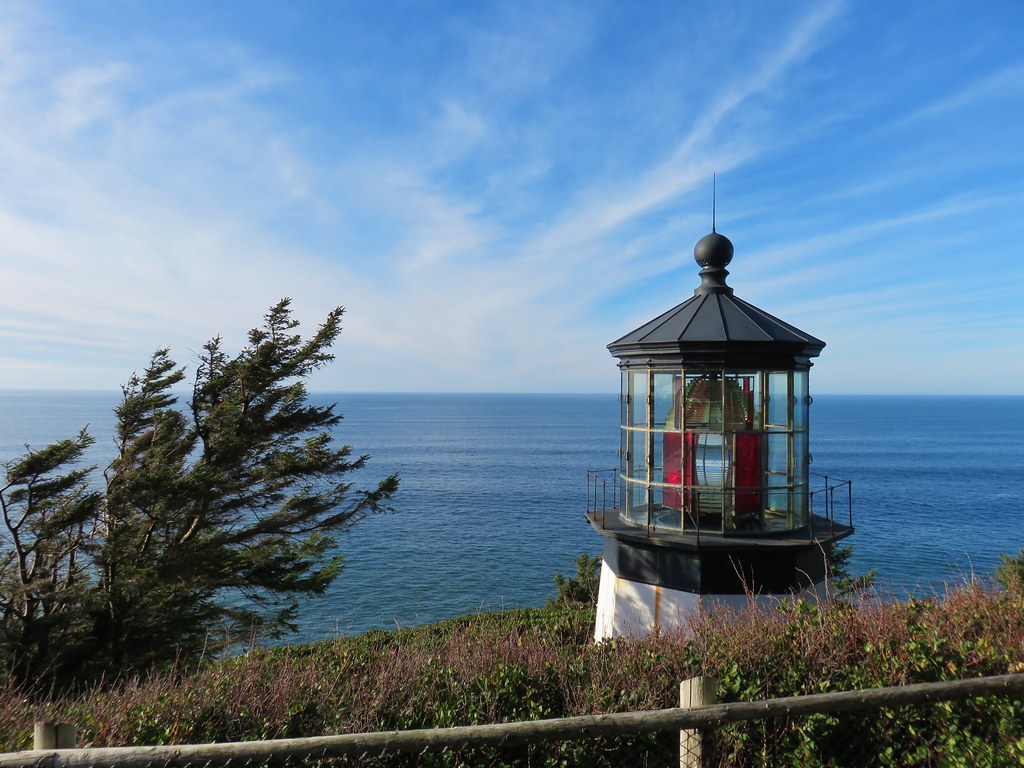
We did spend more time east of the Cascade Crest this year compared to years past including trips to SE Oregon in June (amazing scenery/horrible roads), the Strawberry Mountains in July (beautiful but HOT), the Elkhorns in August (mountain goats galore), and Klamath Falls in October (lots of wildlife). Our other vacation was a trip to the Oregon Coast in September (Bandon = new favorite coast town). Hiking in so many different areas once again provided us with a wide variety of scenery.Cape Meares Lighthouse

Cape Meares Lighthouse

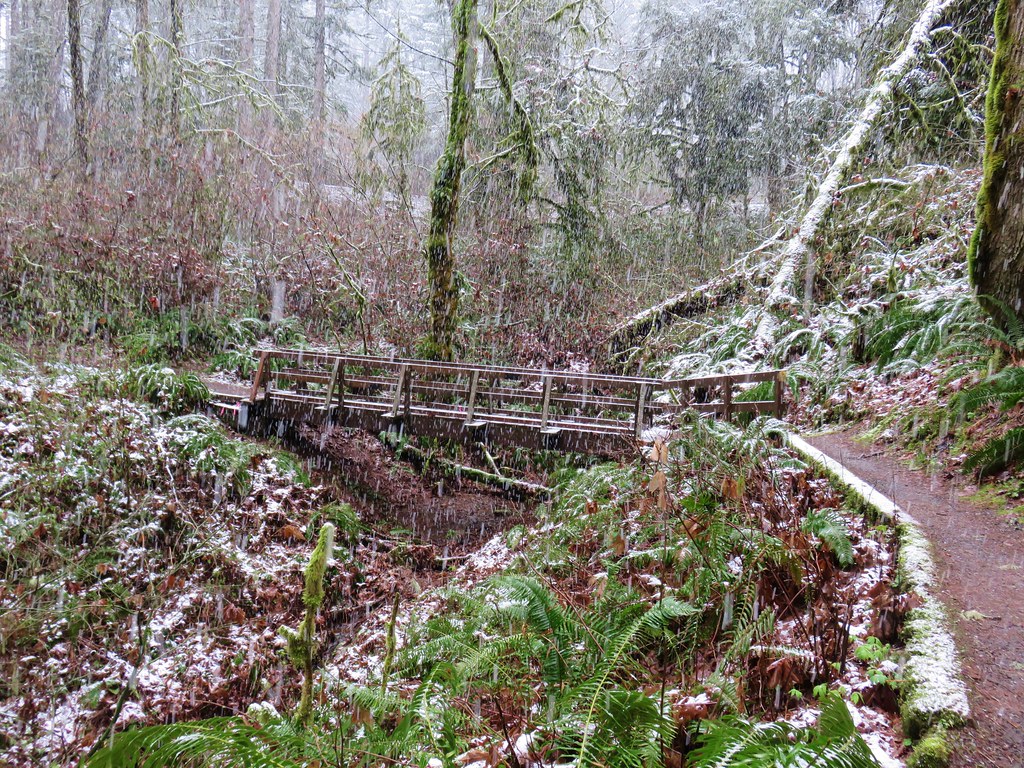
Footbridge along the Old Growth Trail

McDonald-Dunn Forest

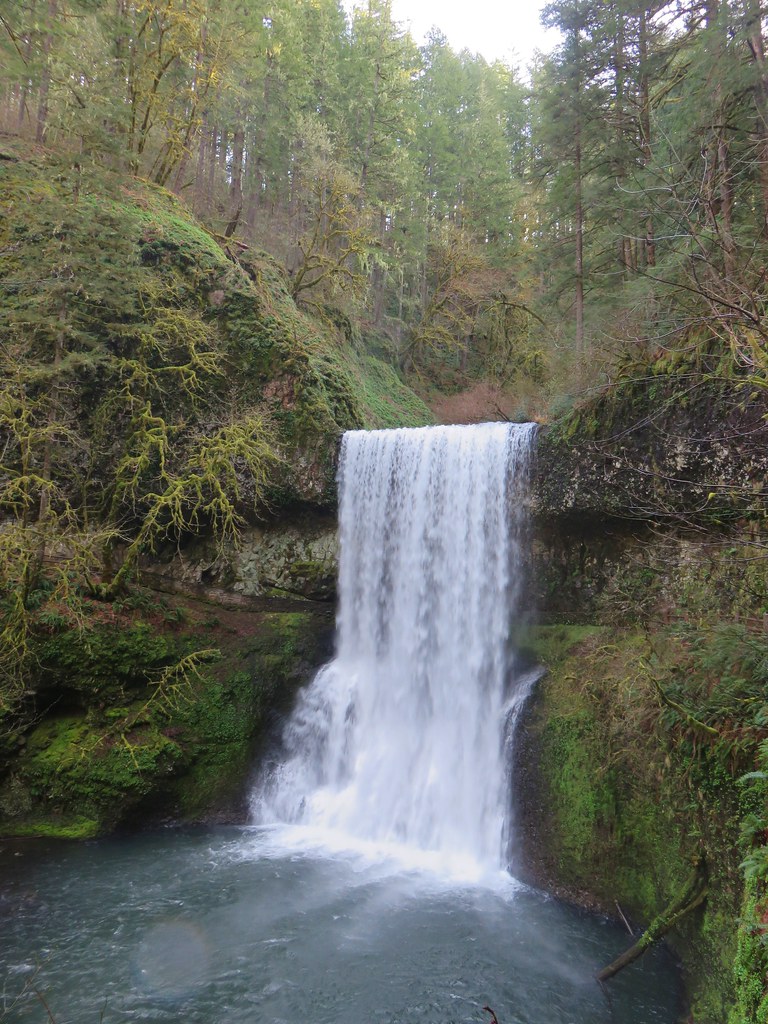
Lower South Falls

Lower South Falls – Silver Falls State Park

Balsamroot

Balsamroot at Memaloose Hills

Lone Wolf Meadow

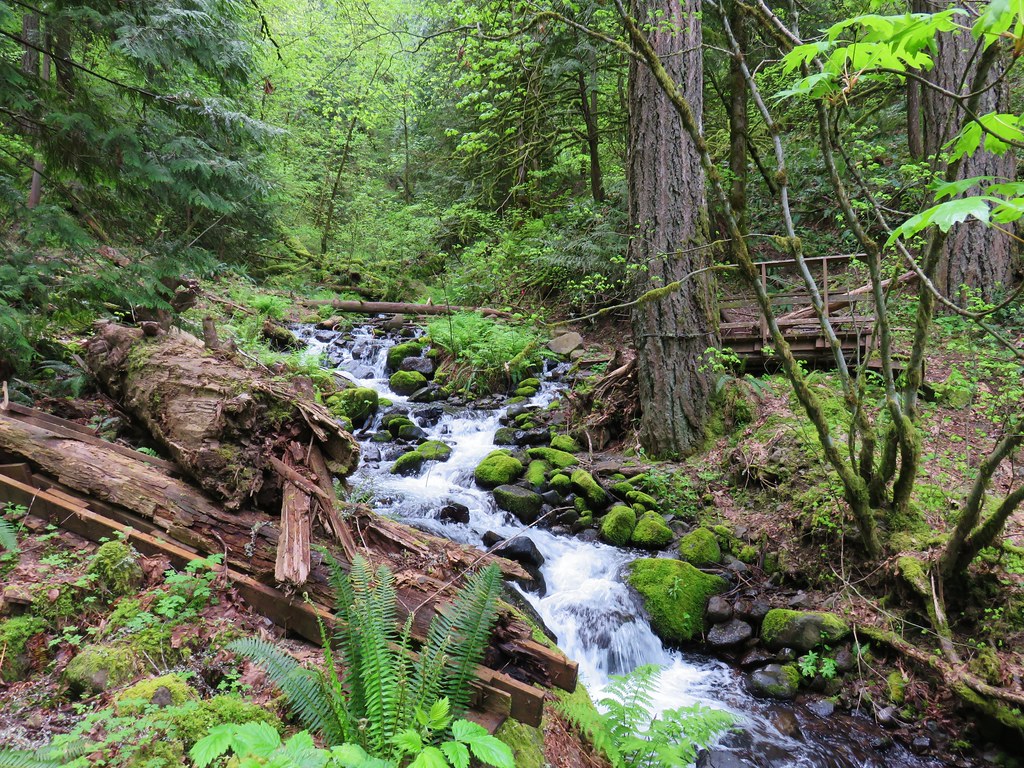
Perham Creek

Perham Creek – Columbia River Gorge

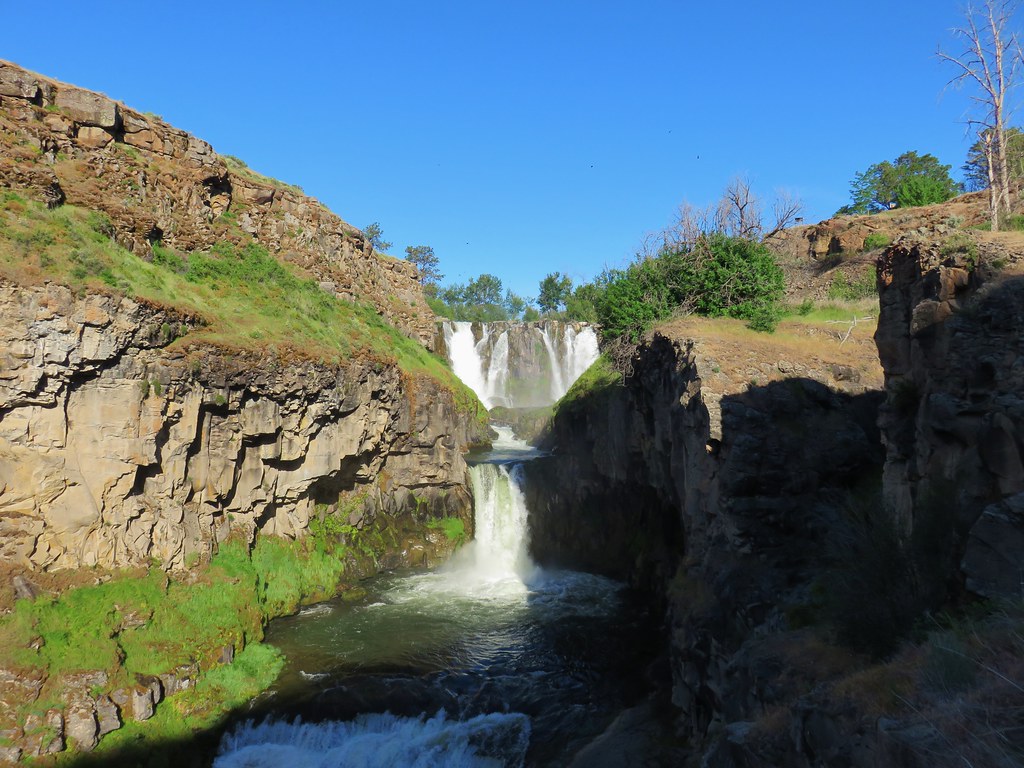
White River Falls

White River Falls

Deschutes River

Deschutes River near Macks Canyon

Upper meadow of Buck Canyon

Buck Canyon – Rogue-Umpqua Divide Wilderness

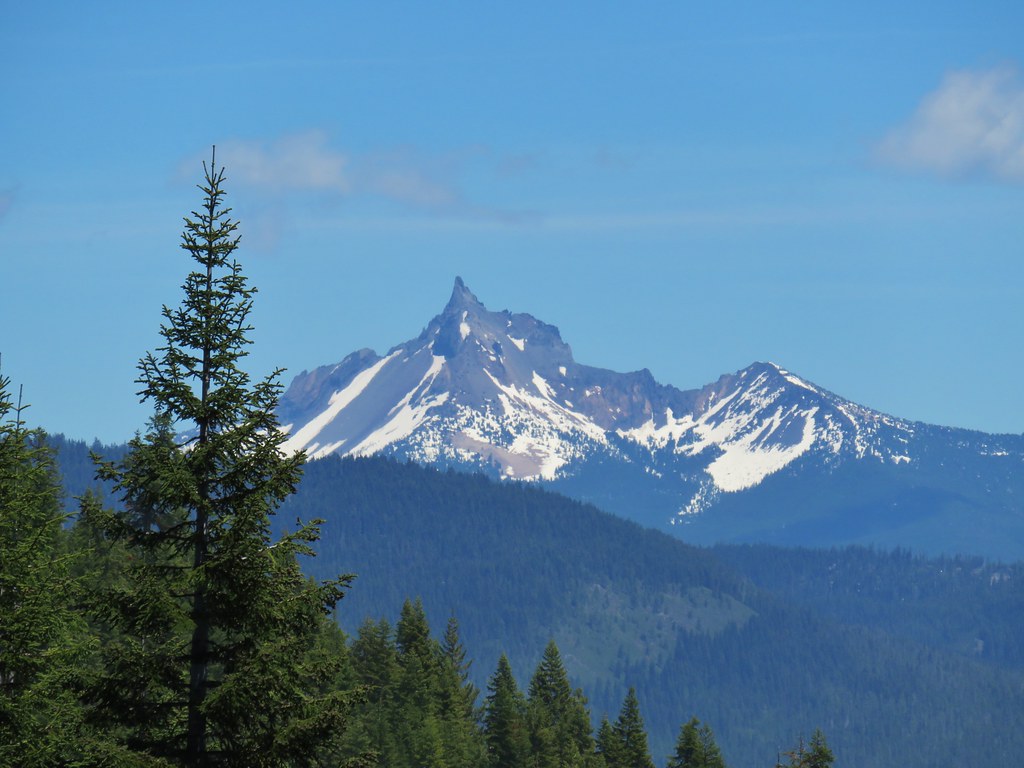
Mt. Thielsen

Mt. Thielsen

Cupola lookout on Black Butte

Cascade Mountains from Black Butte

Salmon River

Salmon River

Frustration Falls

Frustration Falls – Salmon-Huckleberry Wilderness

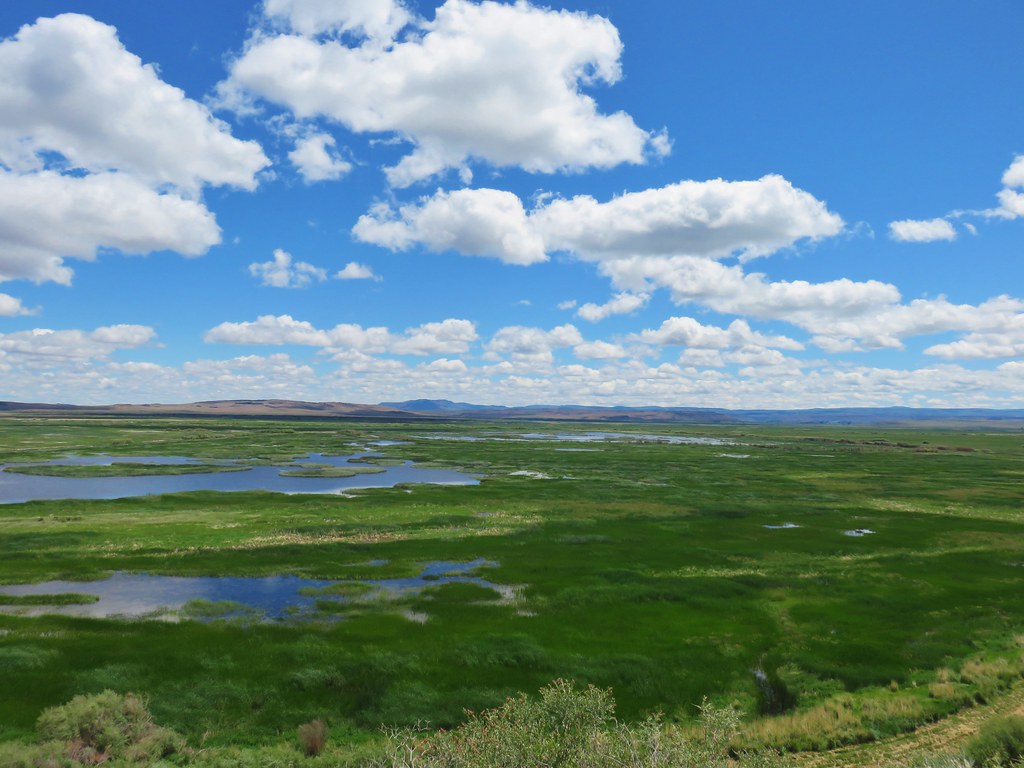
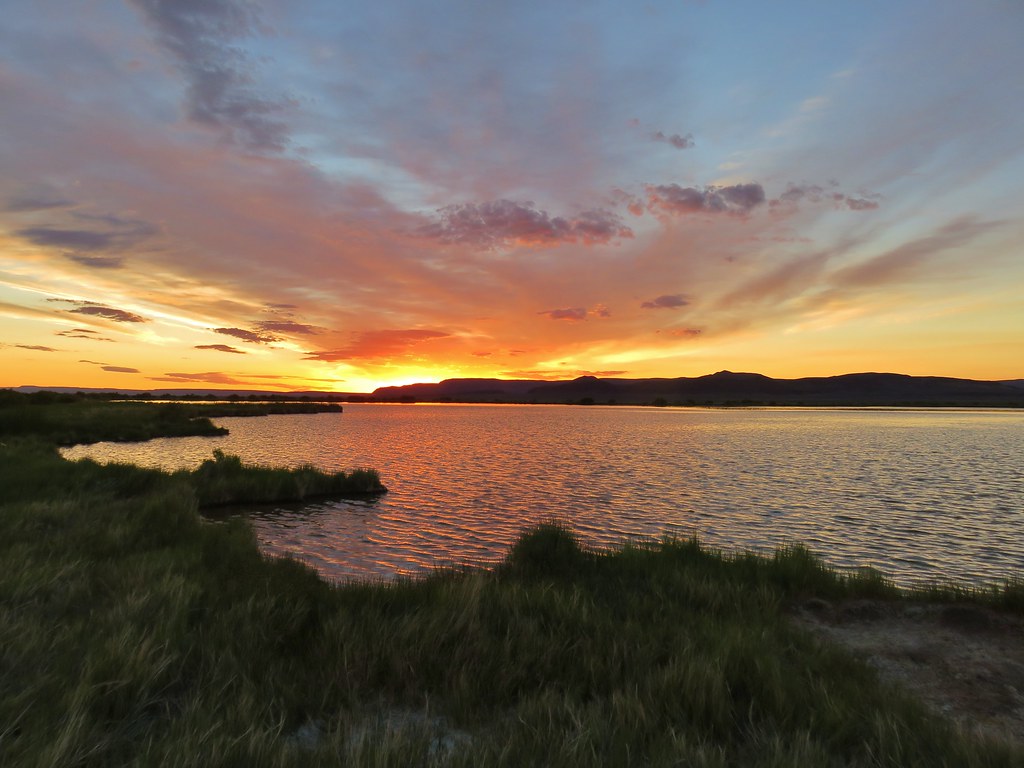
Malheur Wildlife Refuge

Malheur Wildlife Refuge

Peter French Round Barn

Peter French Round Barn

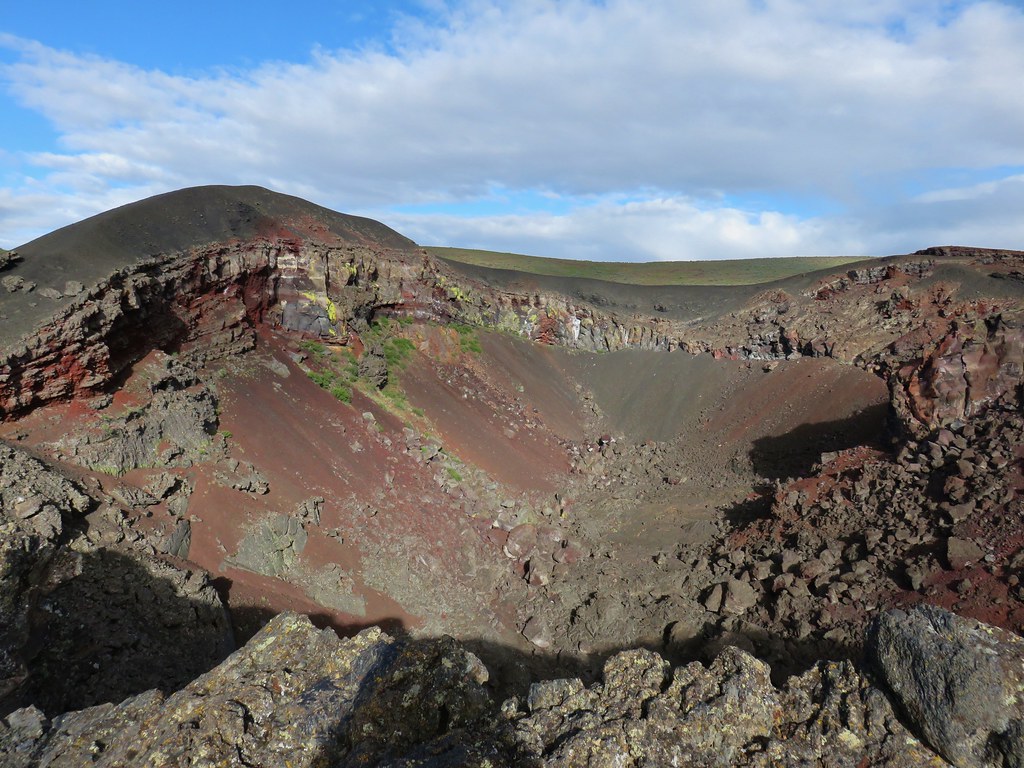
Coffee Pot Crater

Coffee Pot Crater – Jordan Craters

Timber Gulch

Timber Gulch

Waterfall at Three Forks Hot Springs

Owyhee River

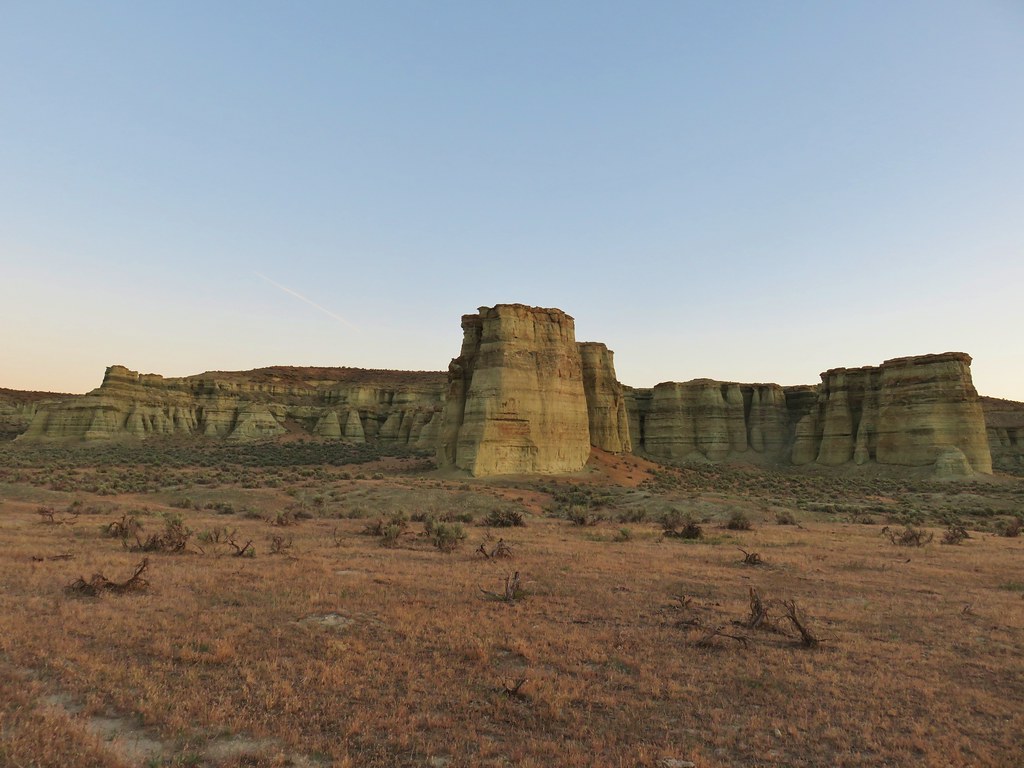
Pillars of Rome

Pillars of Rome – Rome, Oregon

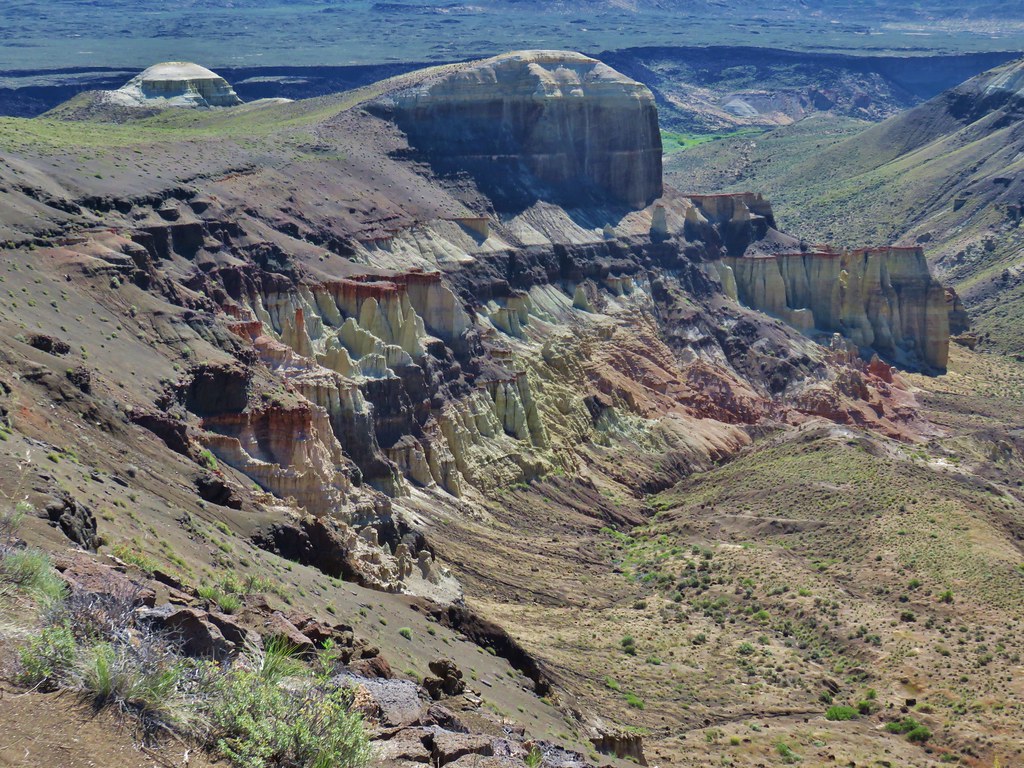
Chalk Basin

Chalk Basin

Borax Lake

Borax Lake

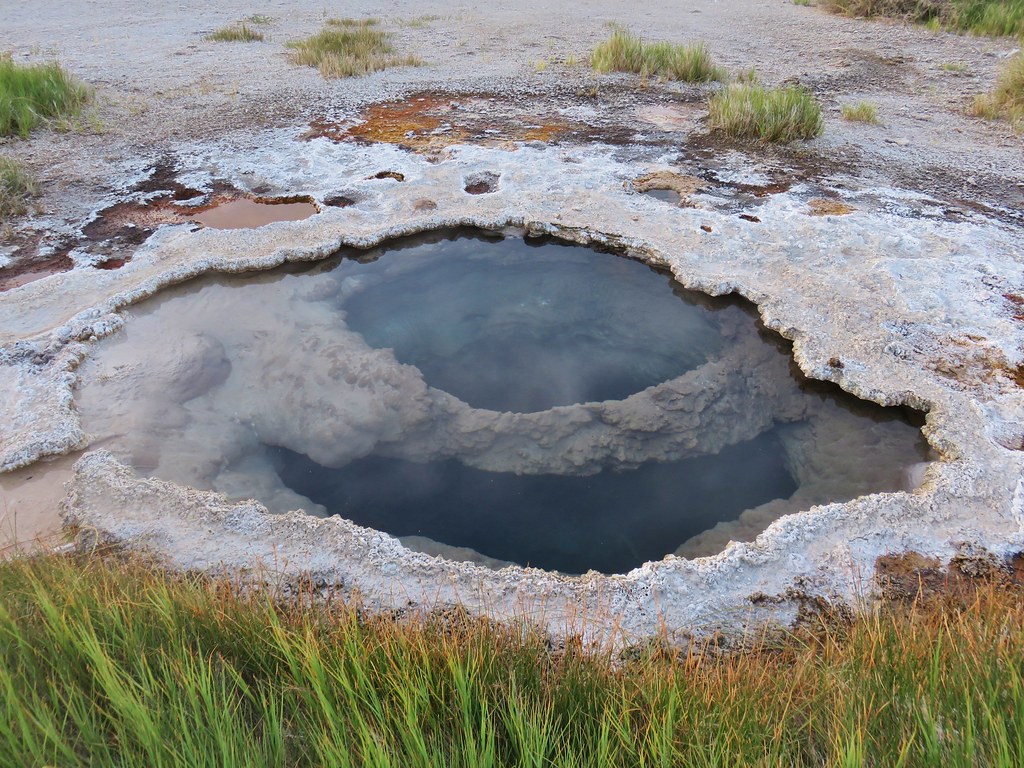
Borax Hot Springs

Borax Hot Springs

Alvord Desert and Steens Mountain

Steens Mountain and the Alvord Desert

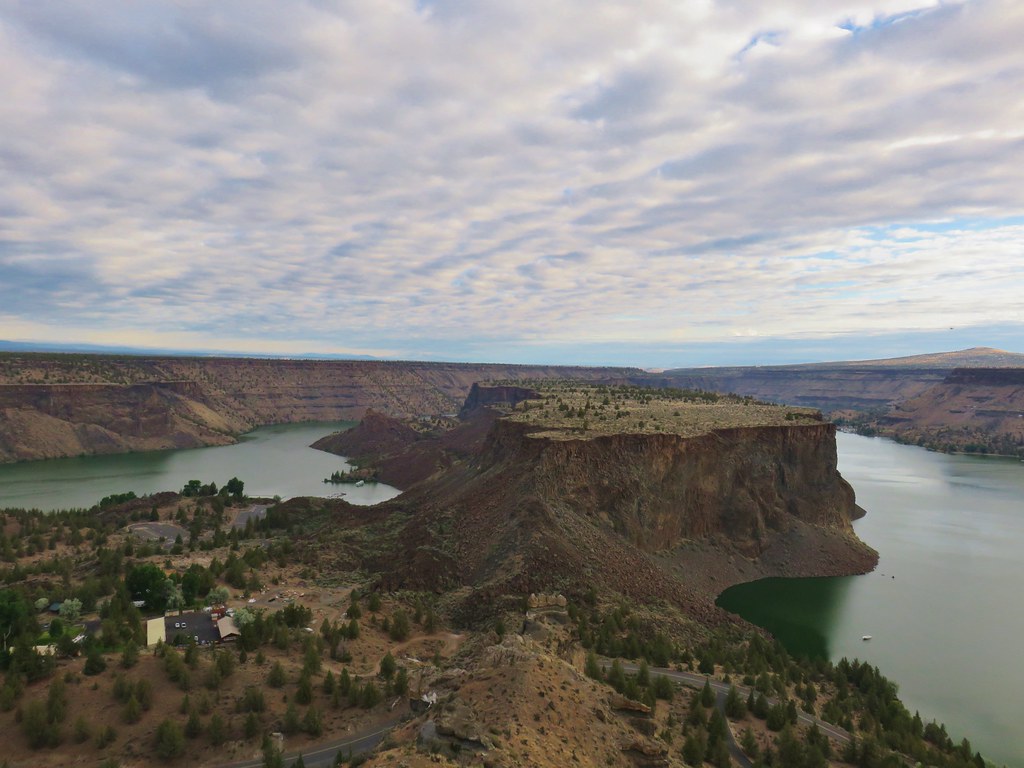
The Island and Lake Billy Chinook

The Island and Lake Billy Chinook

Emerald Pool

Emerald Pool – Bull of the Woods Wilderness

Horsepasture Mountain Trail

Horsepasture Mountain Trail

Footbridge over the Hot Springs Fork

Bagby Springs Trail

Boyd Cave

Boyd Cave

Pine Creek Trail

Pine Creek Trail – Strawberry Mountain Wilderness

Volcanic ash along the Pine Creek Traii

Volcanic ash – Strawberry Mountain Wilderness

Strawberry Mountain

Strawberry Mountain Wilderness

Slide Lake

Slide Lake – Strawberry Mountain Wilderness

Mt. Jefferson and the Pacific Crest Trail

Jefferson Park – Mt. Jefferson Wilderness

Elkhorn Crest Trail

Elkhorn Crest Trail

Summit Lake

Summit Lake – Elkhorns

Rock Creek Lake

Rock Creek Lake – Elkhorns

Diamond Peak and Fuji Mountain from Waldo Lake

Waldo Lake

Rigdon Butte from Lake Kiwa

Rigdon Butte

Broken Top, The Three Sisters, Mt. Washington and Three Fingered Jack

Broken Top, The Three Sisters, Mt. Washington and Three Fingered Jack from South Pyramid Peak in the Mt. Jefferson Wilderness

Carl Lake at sunrise

Carl Lake – Mt. Jefferson Wilderness

Hole-in-the-Wall Park and Mt. Jefferson

Hole-in-the-Wall Park – Mt. Jefferson Wilderness

Mt. Jefferson and Goat Peak

Mt. Jefferson & Goat Peak – Mt. Jefferson Wilderness

Umpqua Dunes

Umpqua Dunes

Bandon Islands

Bandon Islands

Barklow Mountain Trail entering the Copper-Salmon Wilderness

Copper-Salmon Wilderness

Tahkenitch Creek

Tahkenitch Creek

Huckleberry Bushes

Huckleberry bushes – Diamond Peak Wilderness

Mt. Hood

Mt. Hood

Devil's Garden

Devil’s Garden

Sprague River

Sprague River

Tule Lake

Tule Lake

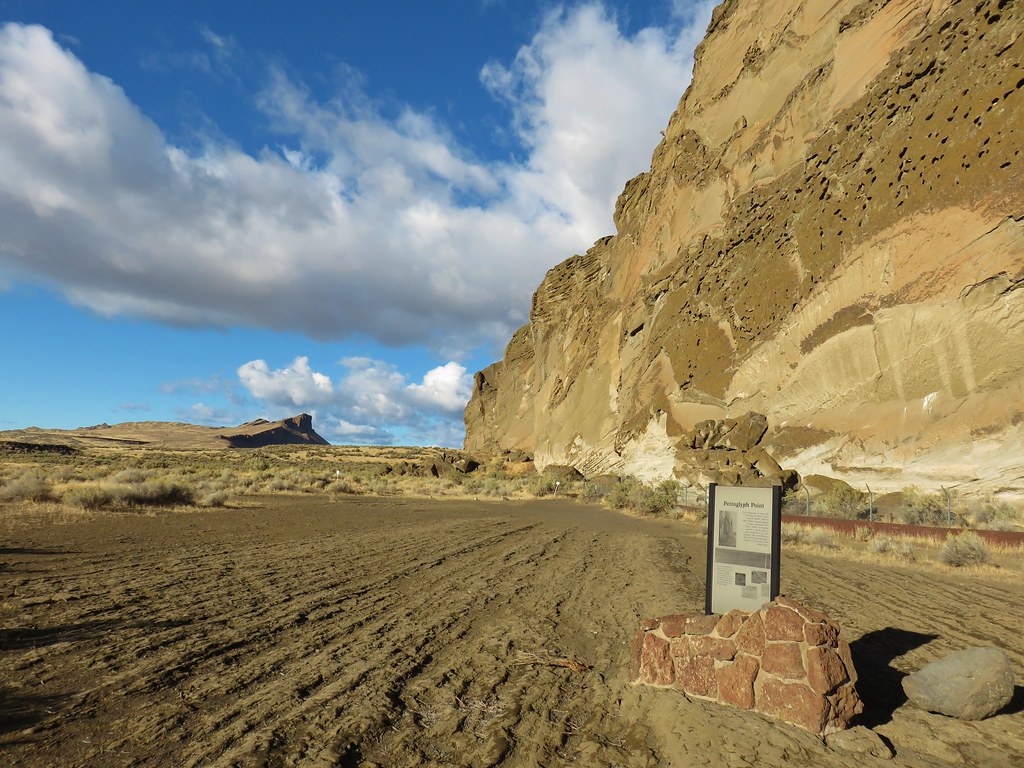
Petroglyph Point

Petroglyph Point

Mt. McLoughlin from Great Meadow

Mt. McLoughlin

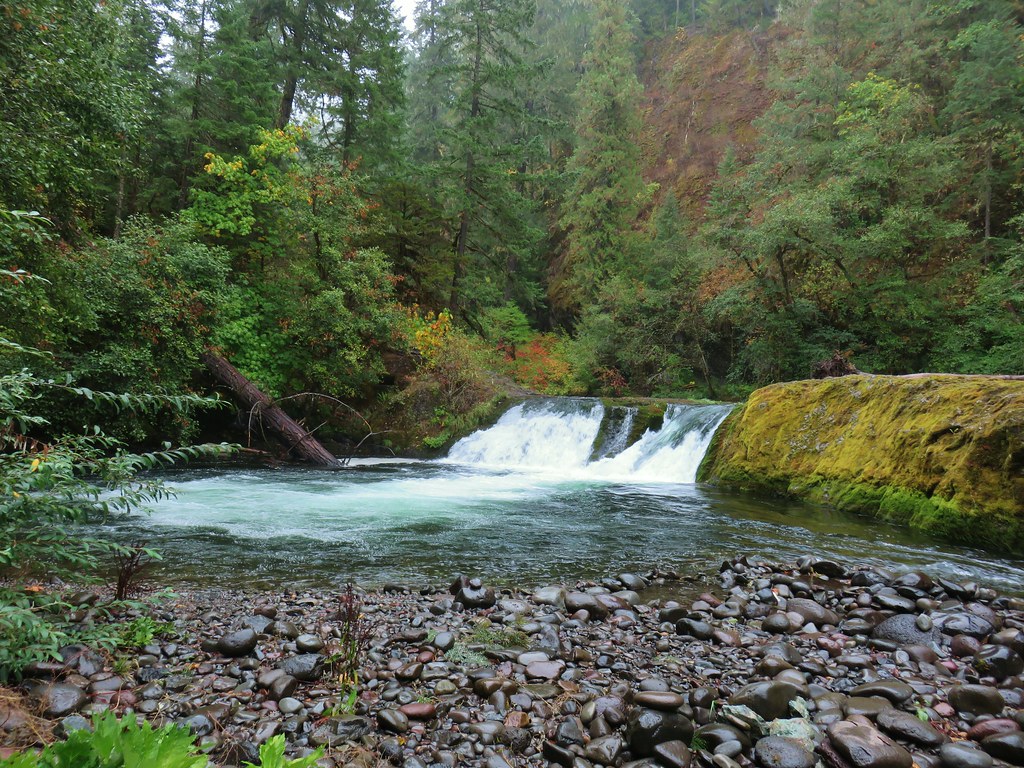
Salmon Creek Falls

Salmon Creek Falls

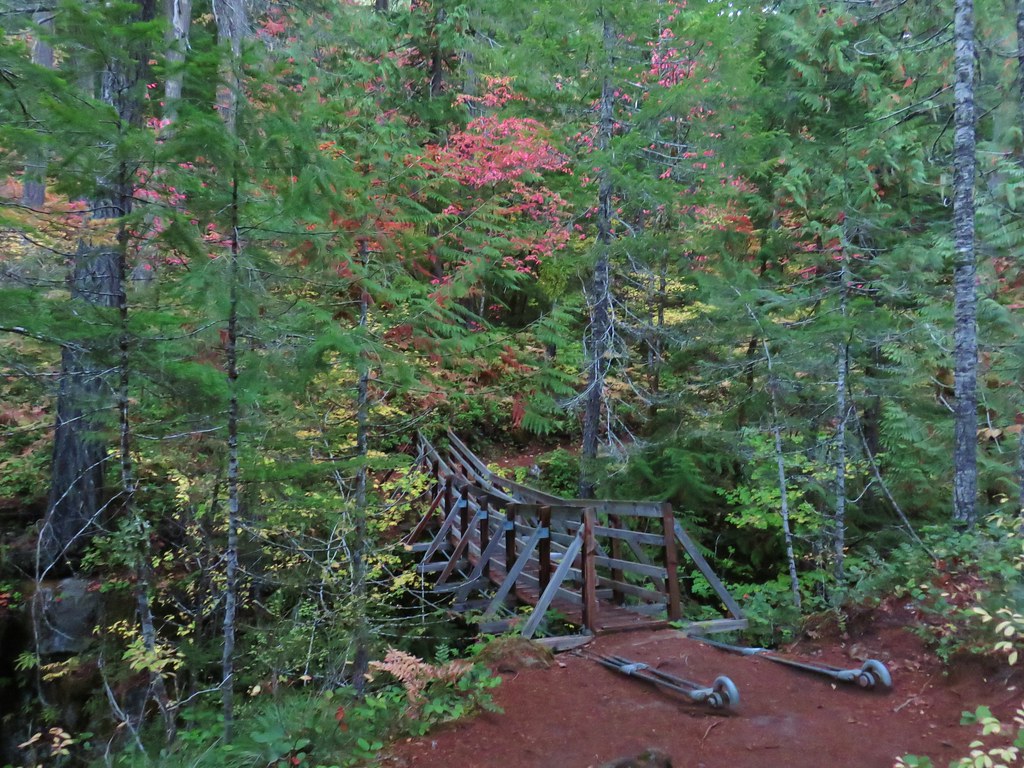
Footbridge over Falls Creek

Footbridge over Falls Creek

View from the Red Mountain Lookout

Washington Cascades from Red Mountain

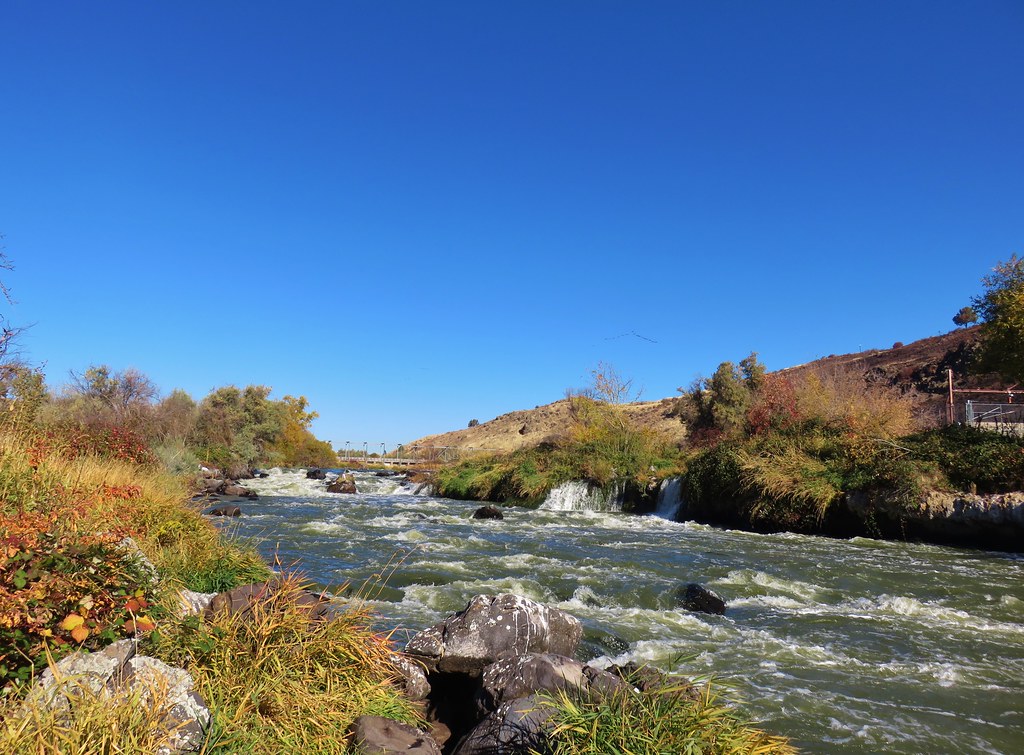
Klamath Falls

Klamath Falls on the Link River

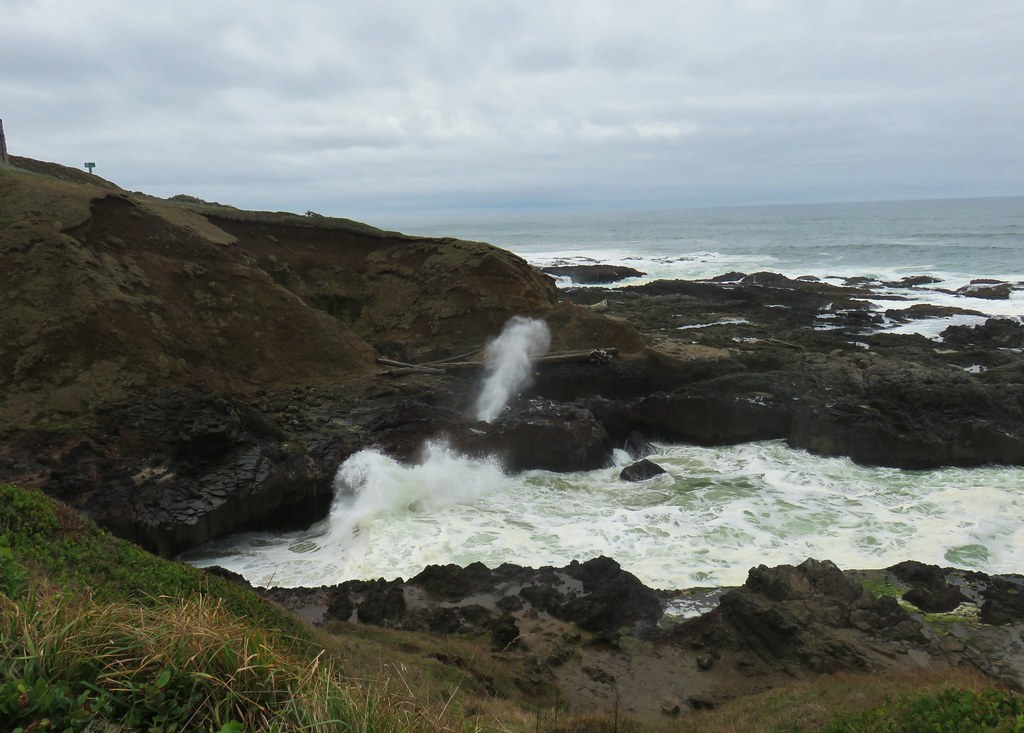
Spouting Horn

Spouting Horn – Cape Perpetua

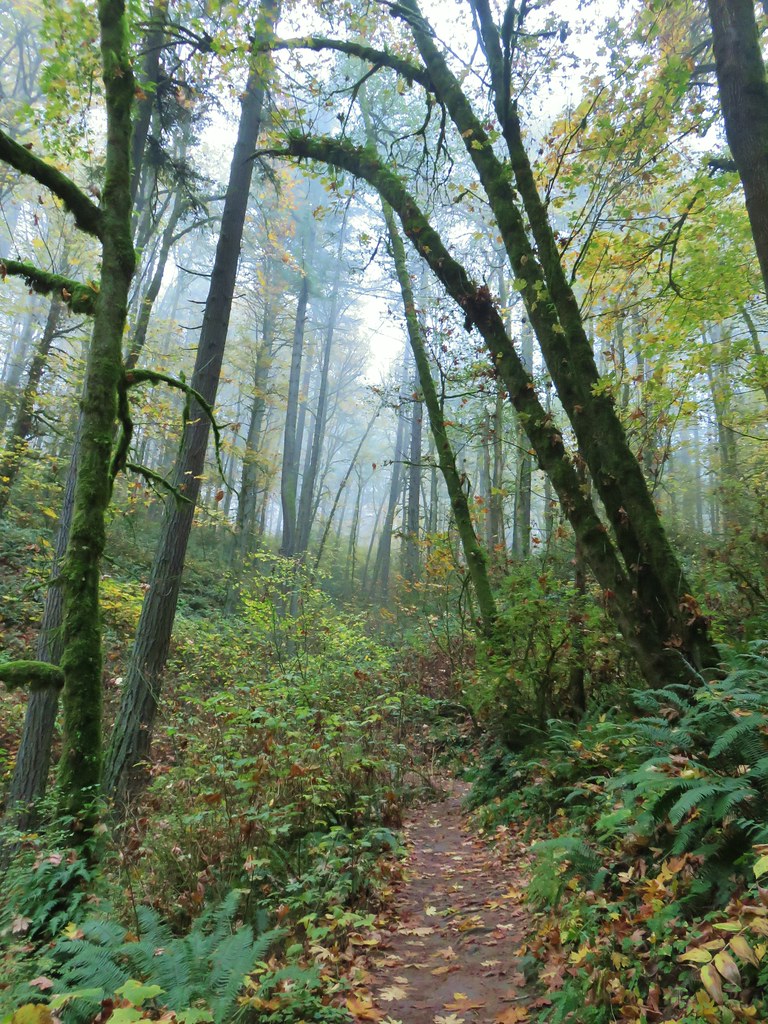
Wildwood Trail

Forest Park – Portland, Oregon

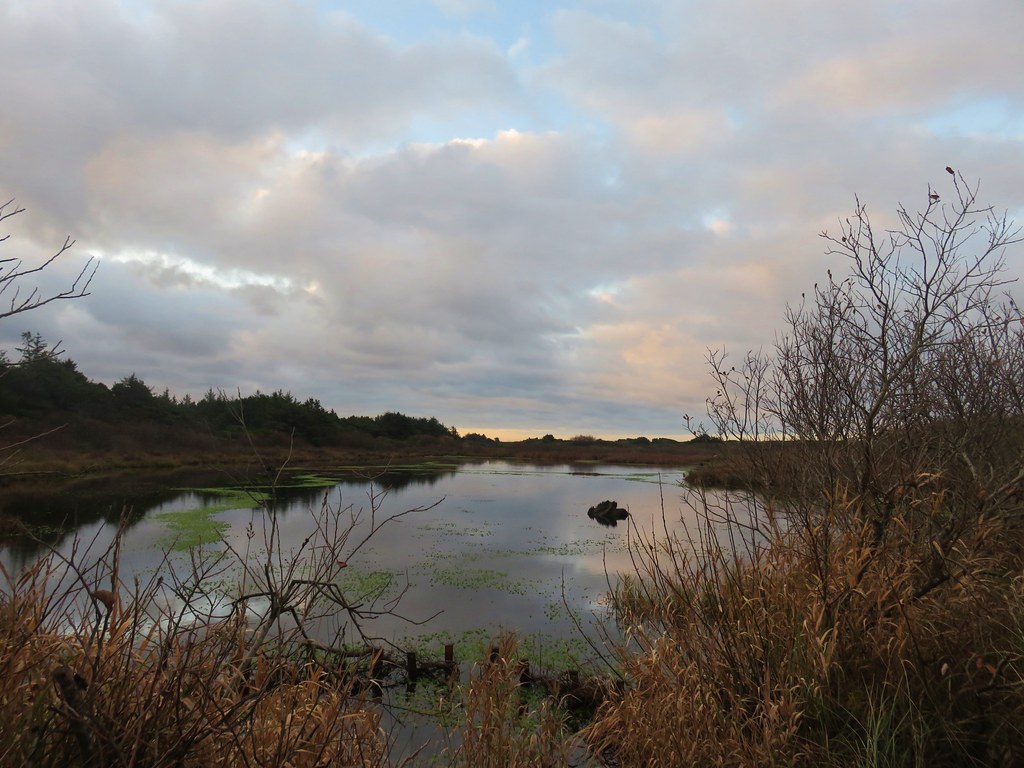
Waxmyrtle Marsh

Waxmyrtle Marsh

Sunbeams in the Siuslaw National Forest

Siuslaw National Forest

In addition to the great scenery we saw a wide variety of wildlife and a fair number of wildflowers despite it not being the best year for them. Instead of including some of those pictures here we hope to post a separate 2018 wildlife and wildflower galleries soon.
We’re already looking forward to another year of hiking. If everything works out we will be checking off three more Oregon wilderness areas and a whole bunch of new hikes in 2019. We’ll be doing one or maybe two hikes a month from now until mid-Spring. Since we won’t have a lot of trips to report on during that time we’re hoping to do a few other hiking related posts including a more in depth look at our goals of visiting all the wilderness areas and checking off the 500 “featured hikes”.

We hope everyone has a great New Year and as always – Happy Trails!

Categories
High Cascades Hiking Mt. Jefferson Area Oregon

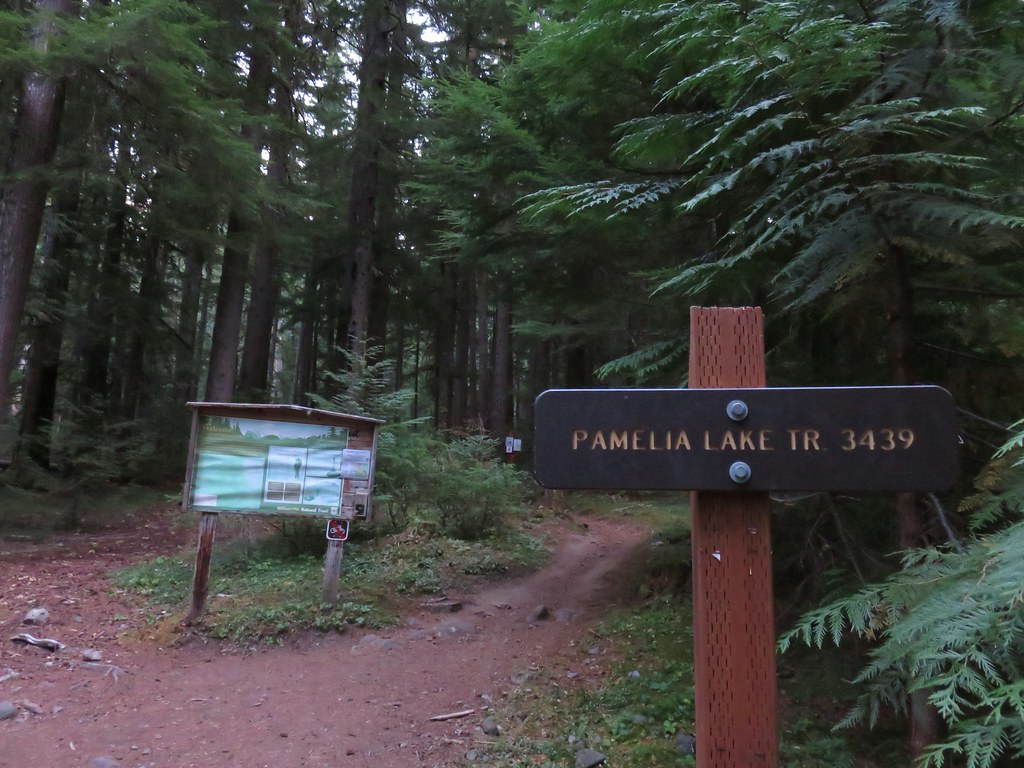
Pamelia Lake Overnighter

As I mentioned in our recent Table Lake Loop Trip Report (post)we had plans to visit Goat Peak, a 7159′ peak just south of Mt. Jefferson. We had obtained a Pamelia Limited Area Entry Permit in May when they became available for September 8th and 9th. It was a roll of the dice not knowing what the wildfire or weather situations would be four months down the road but it ensured that we would be able to go if conditions permitted it. Aside from a slight chance of showers the morning of the 8th the forecast looked good so that morning we drove to the Pamelia Lake Trailhead and set off.IMG_1945

IMG_1946

We had been here once before in 2013 on a long loop to Hunts Cove (post).

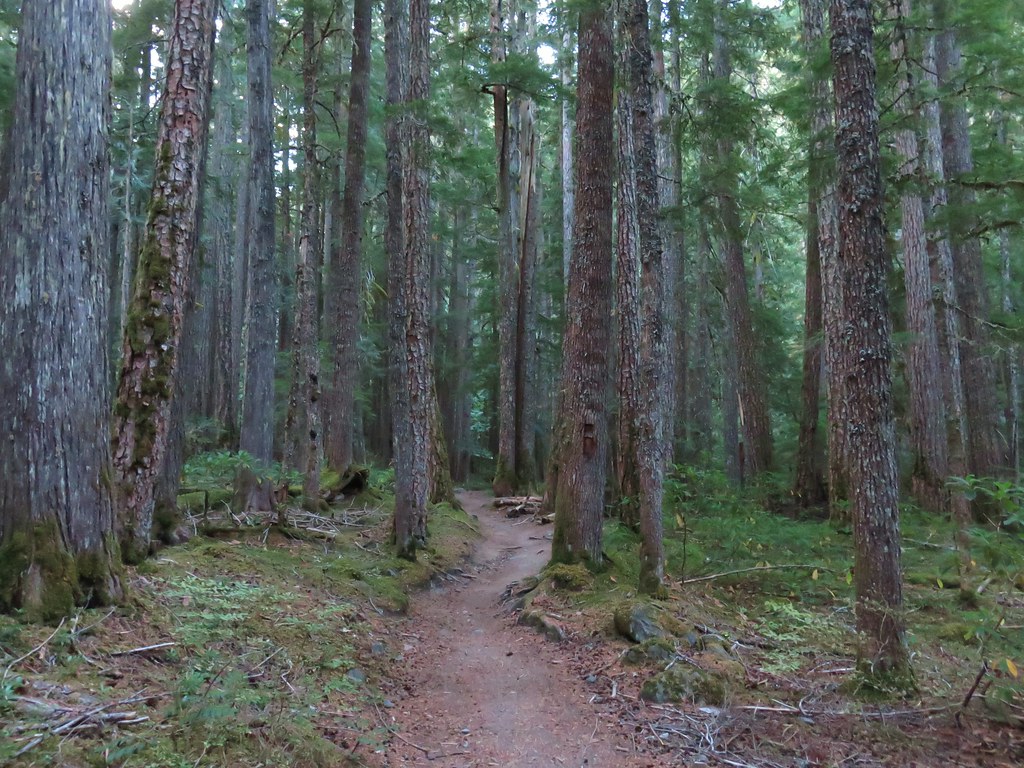
From the trailhead the Pamelia Lake Trail travels just under two and a quarter miles to the lake. Along the way the trail passes through some very nice forest scenery with several views of Pamelia Creek.IMG_1948

IMG_1950

IMG_1954

IMG_1955

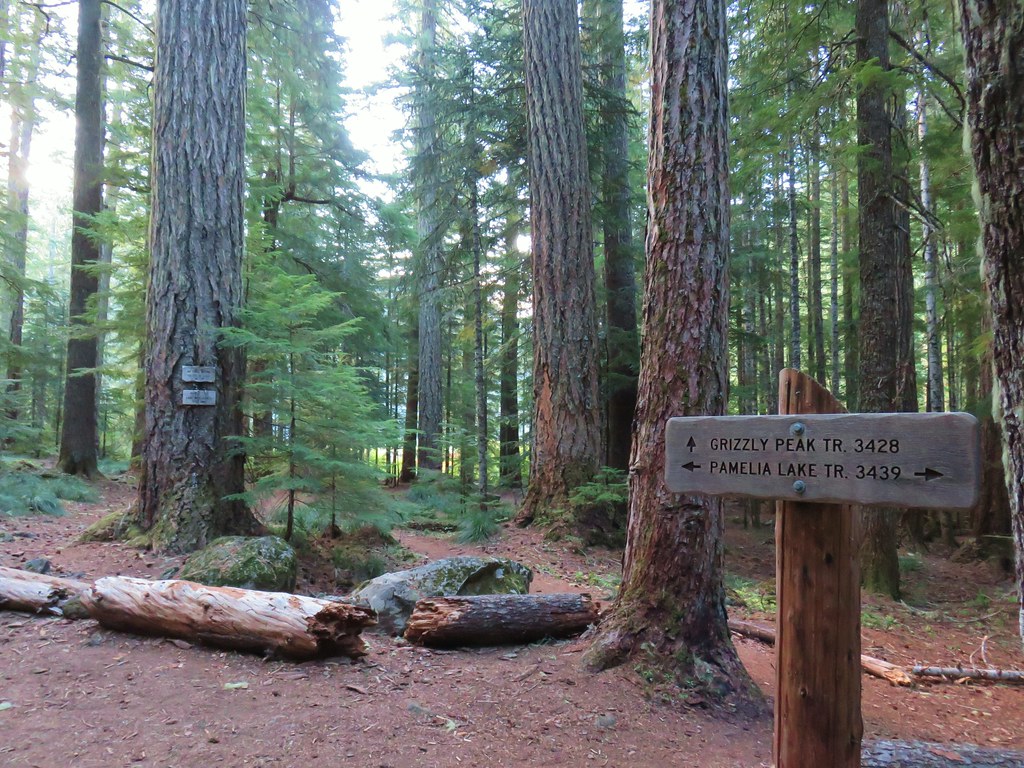
Just prior to arriving at the Pamelia Lake the trail veers left at a junction with the Grizzly Peak Trail which heads to the right.

IMG_1963

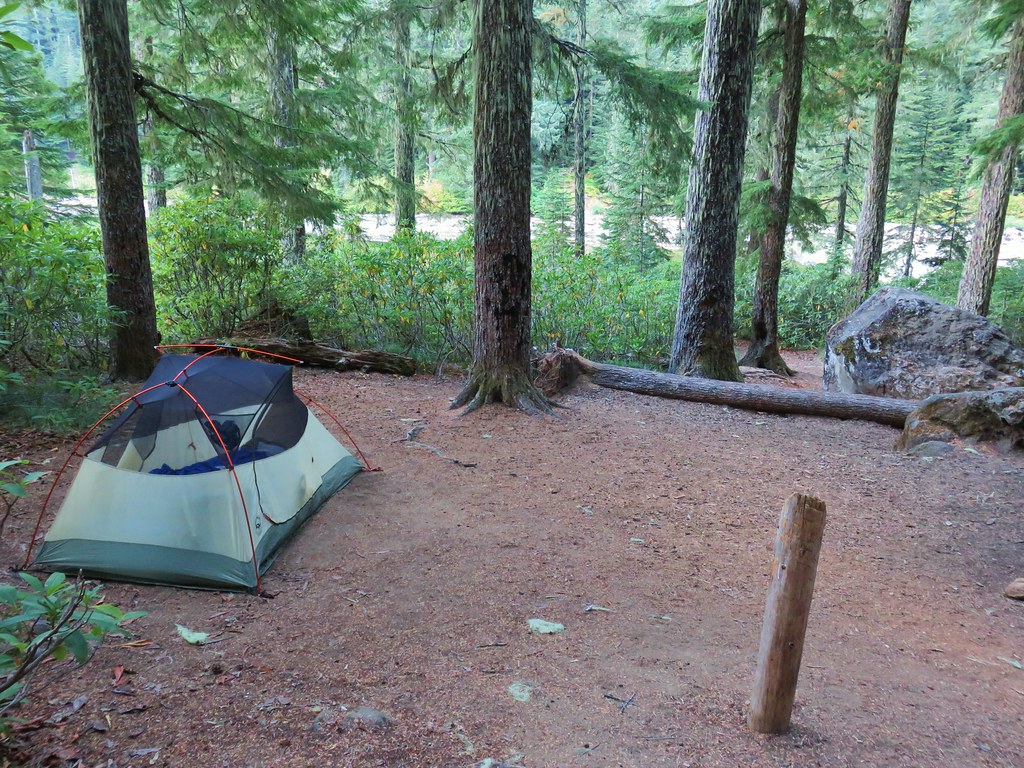
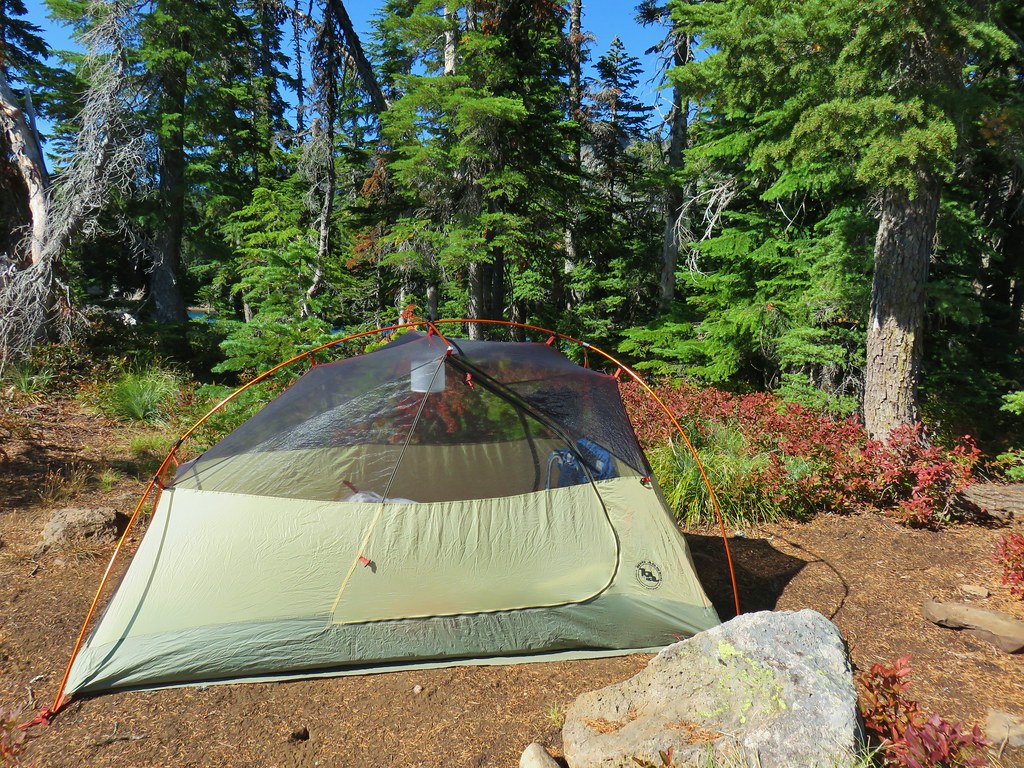
Our original plan for this trip had been to take the Pamelia Lake Trail to the Pacific Crest Trail via the Hunts Creek Trail and follow the PCT up to Coyote (aka Mud) and Shale Lakes where we would set up camp before attempting to reach Goat Peak. After some additional consideration though we decided that setting up camp at Pamelia Lake might be a better option. Setting up camp there would eliminate the need to haul our heavy backpacks up the PCT while also leaving us with a hike out the next day of less than two and a half miles. It did mean we would be adding nearly 4.5 miles to Saturdays hike, but on paper it would still only be around 15 miles. The designated campsites at the lake were all along its left (north) side so we followed a use trail straight ahead from the junction and started looking for an open site.

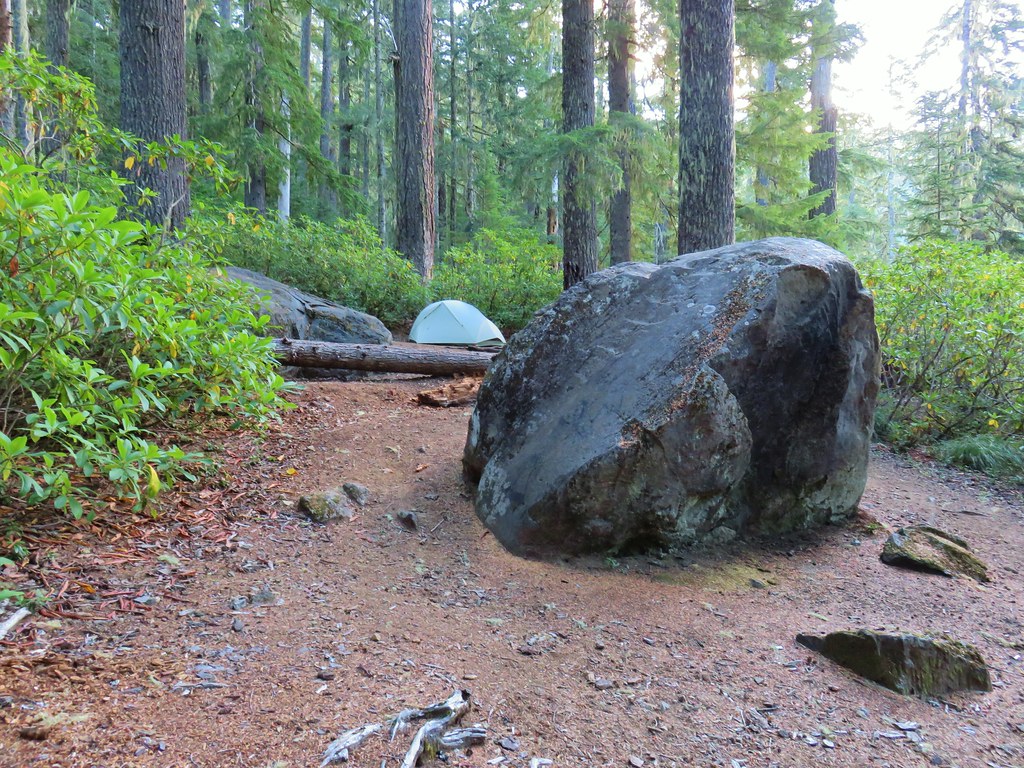
We wound up choosing site #3 which kept us relatively close to the Grizzly Peak Trail junction as well as the Hunts Creek Trail junction.IMG_1966

IMG_1972

After setting up camp we briefly visited the shore of Pamelia Lake then we headed up to the Hunts Creek Trail.IMG_1967

IMG_1970

IMG_1974

We turned left onto the Hunts Creek Trail and followed it around a ridge for nearly three quarters of a mile to its end at a junction with the Pacific Crest Trail gaining a view of Mt. Jefferson along the way.IMG_1975

IMG_1977

IMG_1979

IMG_1981

On our loop to Hunts Cove I had taken the short side trip north on the PCT to see Milk Creek but Heather had not so we turned left at the junction and followed the PCT for a tenth of a mile through vine maple donning its fall colors to a viewpoint above the creek of Mt. Jefferson.IMG_1983

IMG_1989

IMG_1984

After checking off the viewpoint we turned around and headed south on the PCT which climbed gradually through a varied forest.IMG_1990

IMG_1991

IMG_1992

IMG_1997

IMG_2003

IMG_2007

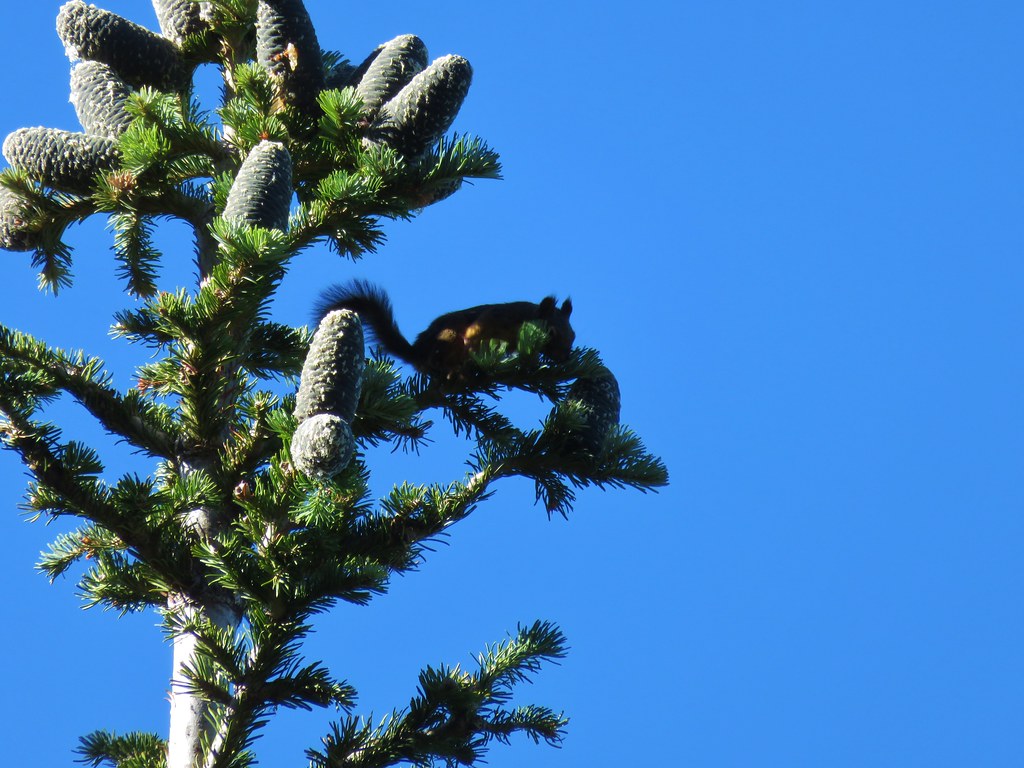
Along the way some movement in a fir tree caught our attention. At first we thought it might be a medium sized mammal of some kind but it turned out to be a squirrel harvesting cones that were crashing down through the limbs after being detached.IMG_1995

Approximately four and a quarter miles from the junction we arrived at Mud Hole Lake. (On some maps it is identified as Coyote Lake but on the USGS Topographic Map the name Coyote Lake is assigned to another lake on the west side of the PCT.)IMG_2010

We turned off the PCT just before the lake on an unsigned but clear trail leading NE through a meadow.IMG_2014

We were using “75 Scrambles in Oregon: Best Non-Technical Ascents” by Barbara I. Bond as our reference for the hike. This was our first time using this particular guidebook but so far everything was going smoothly. The book did not mention that there was a clear trail to follow but we were headed straight for Goat Peak and we’d turned off the PCT at the right spot so we figured we were good to go.IMG_2016

Our intended route would lead us up above a talus slope to the north (left) of Goat Peak where we would then bend to the south at about 6800′.IMG_2020

IMG_2019

It was a lovely area with red huckleberry leaves and a few butterflies still flying about.IMG_2027

IMG_2025

The tread petered out for a bit in one meadow in particular but small cairns helped lead the way.IMG_2030

The unexpected presence of the well marked trail got us off our guard and we weren’t paying enough attention to the fact that our heading was drifting further north than we’d intended. In the meadow where the trail grew faint the cairns led to the left of a rocky ridge end. In order to reach Goat Peak we should have veered to the right here to find the correct gully uphill.IMG_2031

Instead we continued to follow the trail as we now were hearing other voices ahead. The trail began to climb away from the meadow passing more rock covered hillsides.IMG_2035

Three Fingered Jack

IMG_2038

It started seeming really odd that we seemed to be heading directly at Mt. Jefferson but kept thinking that maybe the trail would bend right around some geologic feature.IMG_2042

IMG_2043

I really started to question things when we caught up to the group of gentleman who were ahead of us. They asked how high we were planning on going which is when I became fairly certain we were on a climbers route and not the scramble route to Goat Peak. I replied “as high as our legs will take us”, knowing that if this wasn’t the right way to Goat Peak we’d gone to far to correct it by then. Shortly after we crested a rise and left the tress. We were now at the bottom of a boulder filled gully.IMG_2046

There wasn’t much we could do at that point other than go back or continue on so up we went.IMG_2048

IMG_2047

Cliffs on the right side of the gully.

As we gained elevation the views to the south opened up and the Three Sisters joined Three Fingered Jack on the horizon.IMG_2049

IMG_2051

IMG_2054

IMG_2056

We were well above the summit of Goat Peak by the time we reached the lip of the gully where stunted white bark pines clung to the steep slope.IMG_2057

Anxious to see what spectacular view awaited I charged up the final pitch only to find a second albeit smaller gully.IMG_2059

At least it had a view of Mt. Jefferson. There were a couple of bivouacs here and I waited for Heather to decide our next course of action. When she reached the second gully I decided to continue on and told her I would wave her up if I thought there was something that she just had to see. From where we were I could already see the top of Goat Peak below to the south as well as The Table and Cathedral Rocks.IMG_2060

IMG_2062

Goat Peak

IMG_2063

The Table

IMG_2064

Cathedral Rocks

Getting out of the second gully was much easier than the first and I soon found myself walking along a snowfield.IMG_2066

Later research would reveal that we were indeed following a climbers trail to the South Ridge Route up Mt. Jefferson. I ended my climb at the top of the snowfield but did a little exploring to the high points on either side of the gully.IMG_2069

Climbers trail continuing up Mt. Jefferson

IMG_2071

View south from the ridge to the north of the gully.

IMG_2074

Looking out along the ridge.

IMG_2076

IMG_2079

Where we had intended to be.

IMG_2084

View from below the snowfield.

IMG_2082

Paintbrush below the snow.

IMG_2086

Looking south from the opposite ridge top.

IMG_2094

Wildflower atop the ridge.

IMG_2091

Bear Butte along the nearest ridge.

IMG_2099

Looking back at Mt. Jefferson

The views were nice but I didn’t think they warranted waving Heather up so I headed back down to where she was waiting. After a short break and a snack we began the half mile decent down the lower gully.IMG_2114

We passed the other group, who were still on their way up the lower gully, just after starting our descent. When we’d finally gotten back to level ground in the meadow we decided to check out the other side of the ridge to see if we find any sign of a trail we’d missed.IMG_2128_stitch

There wasn’t anything we could see, but based on all the information in the book including the map and GPS coordinates we definitely had wanted to be on this side of the ridge. Once we had gotten into the area we noticed that there were several ponds/lakes showing on the map to the south. The terrain appeared to be level enough to make a cross country jaunt inviting.IMG_2137

We used the map and GPS to locate several of the ponds but they were all dry save one unnamed lake. We did get some really nice views of Goat Peak though.IMG_2139

IMG_2149_stitch

IMG_2157

IMG_2158

IMG_2159

We took another break at the lake.IMG_2162

IMG_2176

IMG_2180

There were some tents set up nearby in the trees so we thought that there might be a trail somewhere nearby and set off looking for it when we left the lake. It didn’t take us long to spot the clear tread.IMG_2182

This path led us west between Mud Hole and Shale Lakes and back to the PCT.IMG_2186

Mud Hole Lake

IMG_2187

Shale Lake

We turned right on the PCT and continued a short distance until we spotted another use trail heading further west. We followed this path past more dry (or nearly dry) ponds to Coyote Lake.IMG_2190

IMG_2191

IMG_2197

Our urge to explore was now satisfied and we returned to the PCT and headed back to Pamelia Lake, which looked like it was way, way down below us.IMG_2206

It was closing in on 6pm when we finally made it back to camp. We went down to the lake to get water then cooked dinner and relaxed in our camp chairs.IMG_2223

IMG_2230

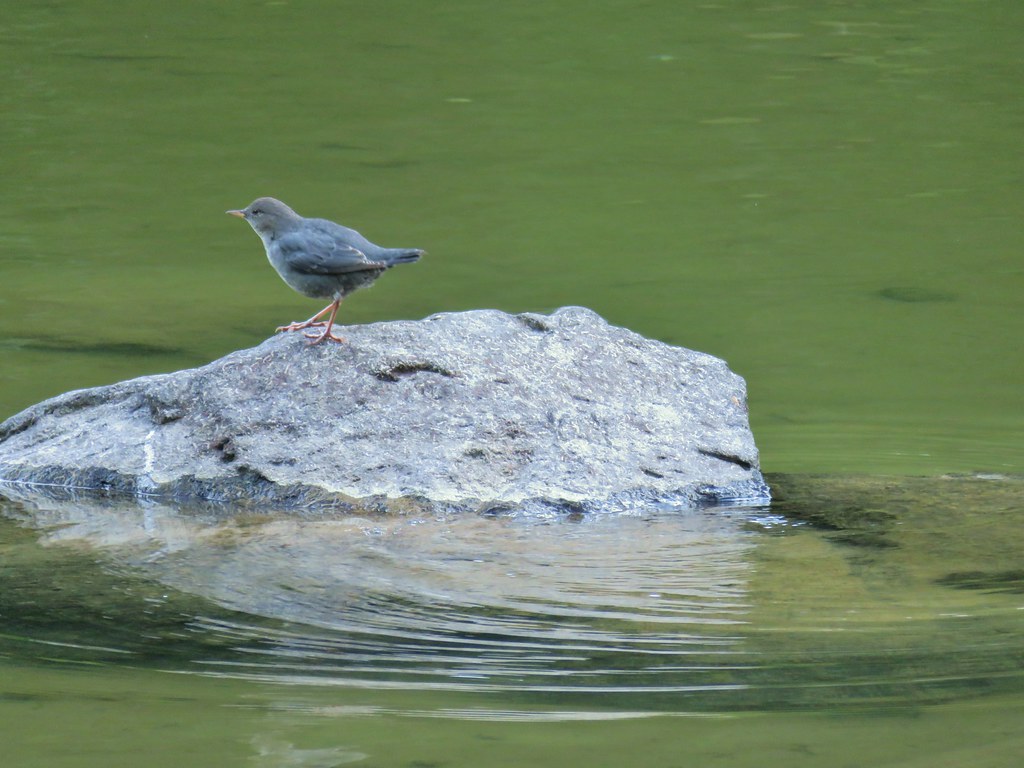
Ouzel

IMG_2235

IMG_2236

IMG_2245

Marty, a wilderness ranger, stopped by to check our permit and make sure we were aware of the campfire ban. She seemed relieved that we had a permit and knew about the ban. We got the feeling that a fair number of folks aren’t as friendly as we were which is a shame.

Even though we hadn’t made it to Goat Peak and we’d hiked much further than originally intended (19.4 miles) it had been a great day. It helped knowing that we only need to hike 2.5 miles the next day to reach our car.

The next morning we were up before 5am and on the trail by 6:30.IMG_2265

IMG_2275

IMG_2277

We made it home just after 9am which gave us plenty of time to unpack, clean up, and do some laundry. Happy Trails!

Flickr: Pamelia Lake Overnighter

Categories
High Cascades Hiking Mt. Jefferson Area Oregon

Mt. Jefferson Wilderness Days 2 & 3 – Table Lake Loop

After turning in early the night before we were up before the Sun which wasn’t such a bad thing.
IMG_1497

IMG_1506

IMG_1511_stitchCarl Lake

For the second day of our trip we planned on taking the Cabot Lake Trail to Table Lake and then on to a viewpoint above Hole-in-the-Wall Park before returning to Carl Lake. We were still debating our return route though. We could simply follow the Cabot Lake Trail back, or we could complete a loop described in Matt Reeder’s “101 Hikes in the Majestic Mount Jefferson Region”. The loop option would require using what is believed to have been an old Native American trail, not shown on any of our maps, to reach the Pacific Crest Trail. We could then follow the PCT south to the Shirley Lake Trail which would take us back down to Carl Lake. One of the things we really like about Reeder’s book is that most of the suggested hikes have an accompanying GPS track overlaid on a topographic map which can be really helpful.

We decided to wait and see how the day was going before making a final decision about our return route. One thing we did know was that we didn’t want to try and walk around the north side of Carl Lake to hook up with the Cabot Lake Trail after having come back on that side the day before (post). It would have been shorter than taking the Cabot Lake Trail around the southern and western ends of the lake but certainly not easier so we proceeded as we had the day before only this time we went right when we arrived at the junction with the Shirley Lake Trail.
IMG_1516

As we followed the trail around the west end of the lake we noticed that the water at this end was completely calm. It was the only time during the entire weekend that any of the water in the lake was still.
IMG_1522

When we made our way around to the point where we had left the trail to cross the rock outcrop the day before we found the most of the campsites were now occupied which was another good reason for us to not have tried coming from that way.

The trail veered away from the lake and began a half mile climb via a series of short switchbacks. As we made our way up the hillside we spotted a doe and her two fawns coming down the trail.
IMG_1524

IMG_1526

IMG_1529

Near the top of the climb we had a decent view of Carl Lake below.
IMG_1540

The trail then leveled out in a forest accentuated with small ponds and rock formations.
IMG_1541

IMG_1543

IMG_1546

IMG_1549

IMG_1552

IMG_1554

IMG_1567

Approximately 1.75 miles after turning away from Carl Lake we arrived at tiny Junction Lake.
IMG_1569

There was a small wooden sign here marking the now lost Sugar Pine Ridge Trail which was abandoned after the 2003 B & B Fire.
IMG_1571

What had already been a scenic hike got even better over the next mile and a half as the Cabot Lake Trail passed through an increasing volcanic landscape.
IMG_1573Mt. Jefferson and Forked Butte poking up over the trees.

IMG_1583North Cinder Peak

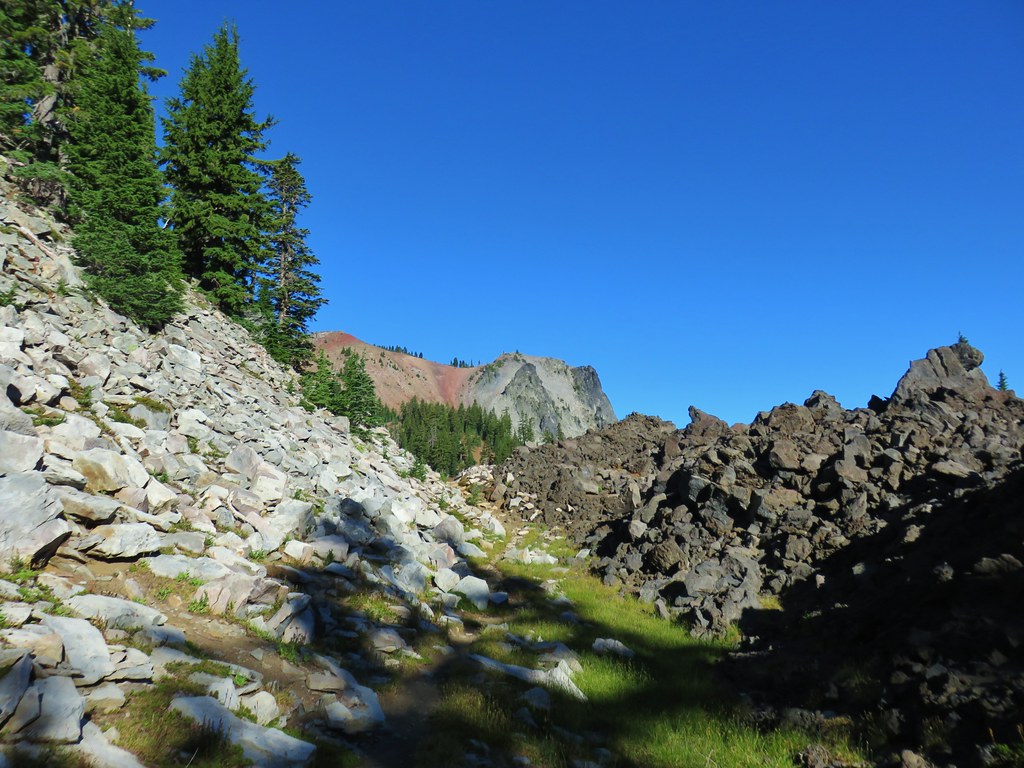
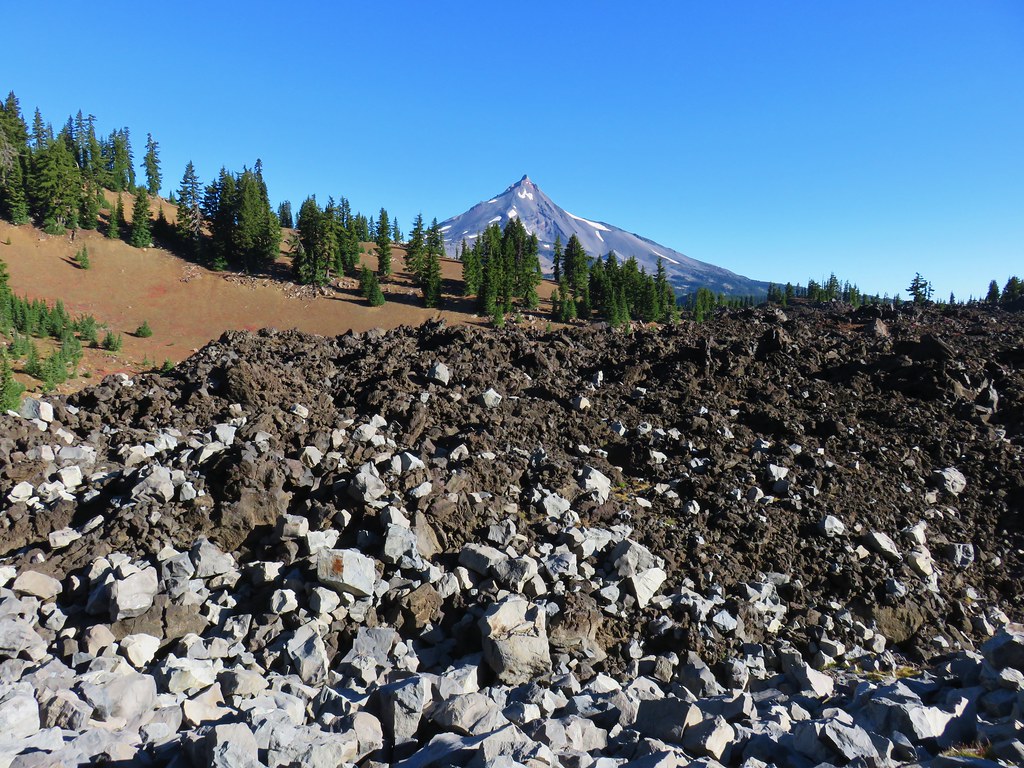
Our favorite part of this section was when the trail passed between a jumble of white rocks on the left and the dark lava from the Forked Butte Lava Flow.
IMG_1585

IMG_1587

The contrasting colors and textures made for some excellent scenery.
IMG_1590

IMG_1597

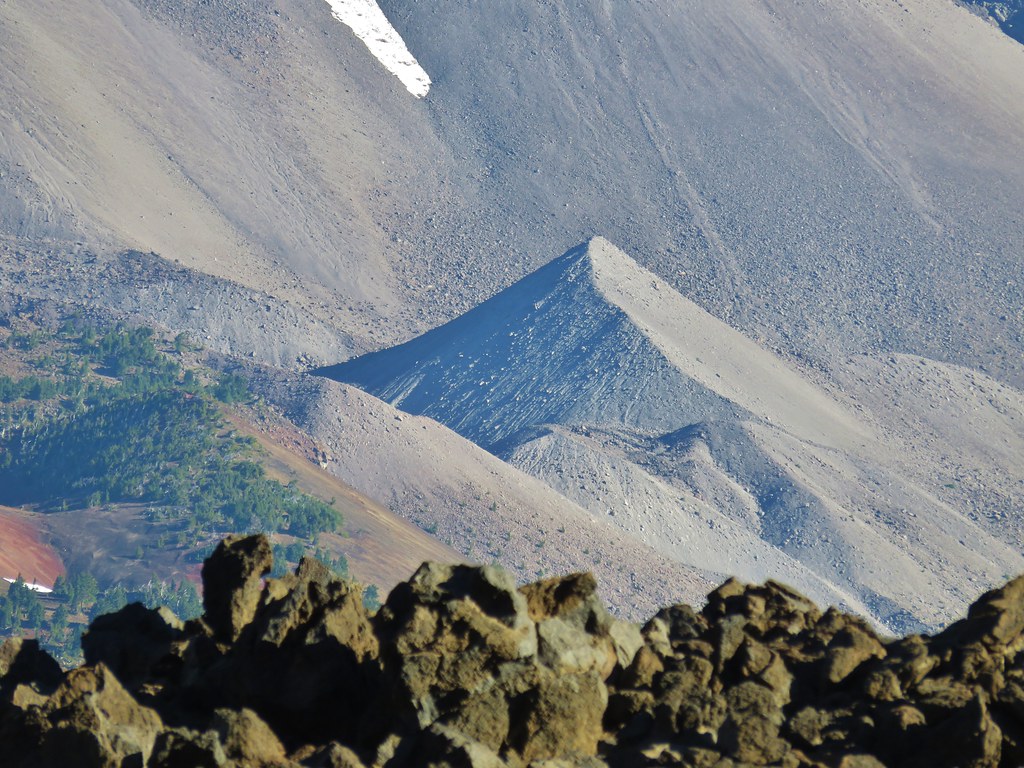
IMG_1596Moraine below the Waldo Glacier on Mt. Jefferson.

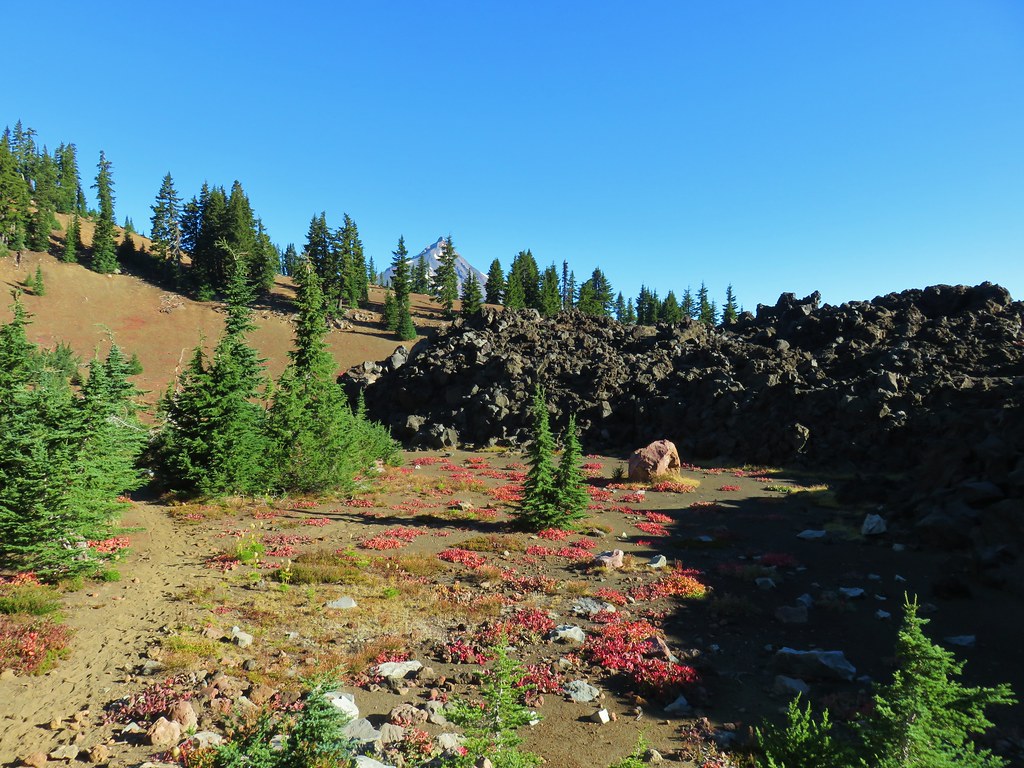
The trail wound around the lava flow where we found a small patch of western pasque flowers that had gone to seed and the remains of a lone clump of aster.
IMG_1599

IMG_1602

IMG_1606

IMG_1607

The trail crested a cinder hillside with spectacular views of North Cinder Peak and Mt. Jefferson and began to descend toward a green forest.
IMG_1612

IMG_1616

IMG_1617

As we came down and around we got a good look at pointy Bear Butte poking up from a ridge to the right of Mt. Jefferson. Our turn around point for the day was at a viewpoint below and to the left of that butte.
IMG_1623

IMG_1624

At the end of this 1.5 mile stretch the Cabot Lake Trail reentered the forest and began a 350′ drop down to Patsy Lake. This .4 mile section was fairly steep as it dove down via one long switchback.
IMG_1632

A signed junction at Patsy Lake announced the location of another abandoned trail – the Jefferson Lake Trail.
IMG_1636

IMG_1637

Patsy Lake was forested except for on the northern side where a rock field dipped down into the water.
IMG_1640

We got ourselves a little confused here about where the trail was and wound up following a use trail clockwise around the little lake. By the time we realized our mistake we were at the NW end of the lake at an inlet creek.
IMG_1645

We decided to finish the loop and passed through a couple of decent campsites where we stopped for a short break before having to cross the rock field.
IMG_1646

After picking our way across the rocks we arrived at the lakes dry outlet creek. It was here that we could see where we’d made our mistake. The Cabot Lake Trail continued on the other side of a downed tree after sharing tread briefly with the Jefferson Lake Trail. It also didn’t follow the lake shore but instead veered away from the lake on the opposite side of a ridge. The trail then began to regain much of the elevation it had lost on its way down to Patsy Lake.
IMG_1649

IMG_1652The Jefferson Lake Trail used to come up this valley.

The trail leveled out again this time passing through a series of alpine meadows and over dry creek beds.
IMG_1656

IMG_1657

We were keeping our eyes open for the unofficial trail in case we decided on returning via the loop option which was what we were leaning towards. Approximately .6 miles from the trail junction at Patsy Lake we spotted what appeared to be a trail leading off into a meadow to the west.
IMG_1660

I marked that spot on our GPS so that we wouldn’t miss it on the way back. A short distance later Heather spotted a second possible trail heading off toward that same area. We had forgotten to bring a copy of Reeder’s GPS track with us so we couldn’t be sure which one was correct, but we had memorized his route description so we knew if we aimed between a cinder cone and The Table we should be okay. The Table is an unmistakable large plateaued feature south of Mt. Jefferson.
IMG_1661The end of The Table to the left of the trail.

The trail descended a bit as it passed by The Table on its way down to Table Lake.
IMG_1664

Our first look at Table Lake confirmed that this was going to be another nice one.
IMG_1666

We passed a backpacker who had stayed at the lake the night before and was now heading to Carl Lake. She told us where to find a view of Mt. Jefferson from the lake so we made our way to the spot she had suggested.
IMG_1669

After checking out the viewpoint we continued along the Cabot Lake Trail crossing above a spring feeding into the lake and then an inlet creek where we had to watch our step due to the presence of hundreds of little frogs.
IMG_1680

IMG_1682

IMG_1764

After crossing over the creek we decided to try to make our way back to a smaller unnamed lake shown on the map which the creek flowed out of.
IMG_1685Table Lake and Forked Butte

We followed a clear path past a large campsite and along the creek for a bit (Watch out for frogs!) then came to a wall of small pine trees. It took a little effort to get through the thicket of trees but the reward was worth it.
IMG_1686

With no where to sit along this lake we headed back toward Table Lake and picked up the Cabot Lake Trail which we followed to a sign apparently marking the current “end” of the trail.
IMG_1693

If the Forest Service has indeed abandoned the remainder of the trail it would be shame. The final portion of the trail down to Hole-in-the-Wall Park has been lost for years since the B & B Fire but we hadn’t heard that they had given up on the section between Table Lake and the viewpoint below Bear Butte.

In any case we continued on to a rock outcrop above Table Lake where we took a snack break.
IMG_1695

From Table Lake the trail climbed gradually save for about 100 yards of switchbacks after three quarters of mile. The trail was a little crowded with brush and had a few downed trees over it but nothing too challenging as it passed through a mix of meadows, trees, and huckleberry bushes.
IMG_1698

IMG_1700

IMG_1704

IMG_1705

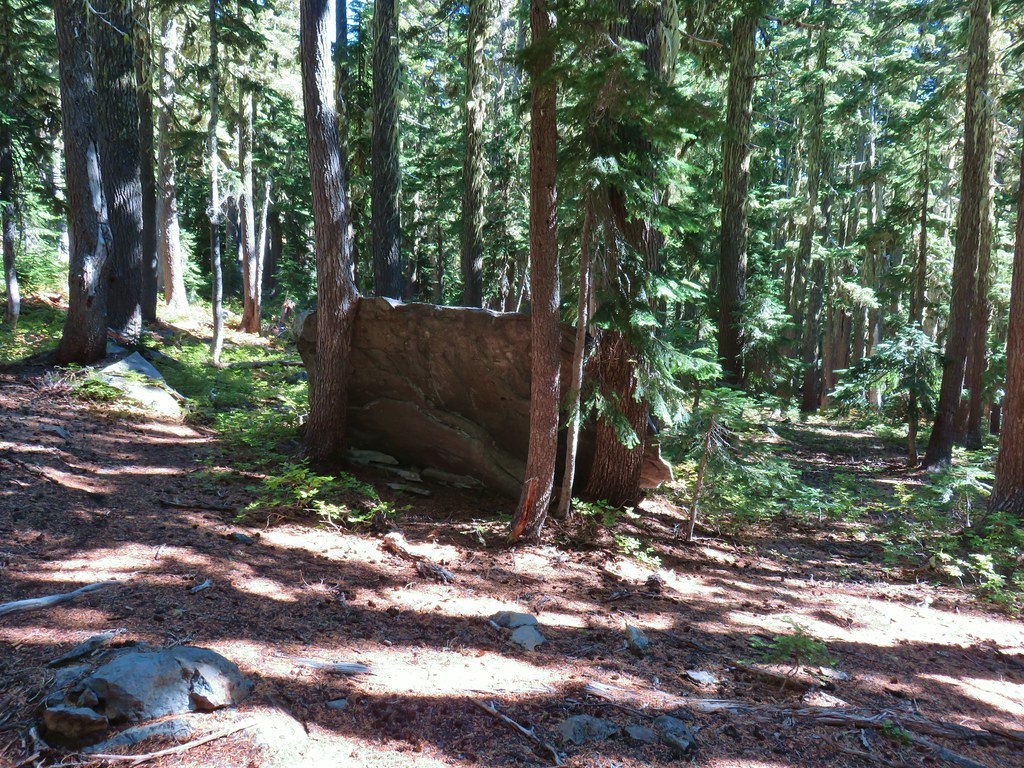
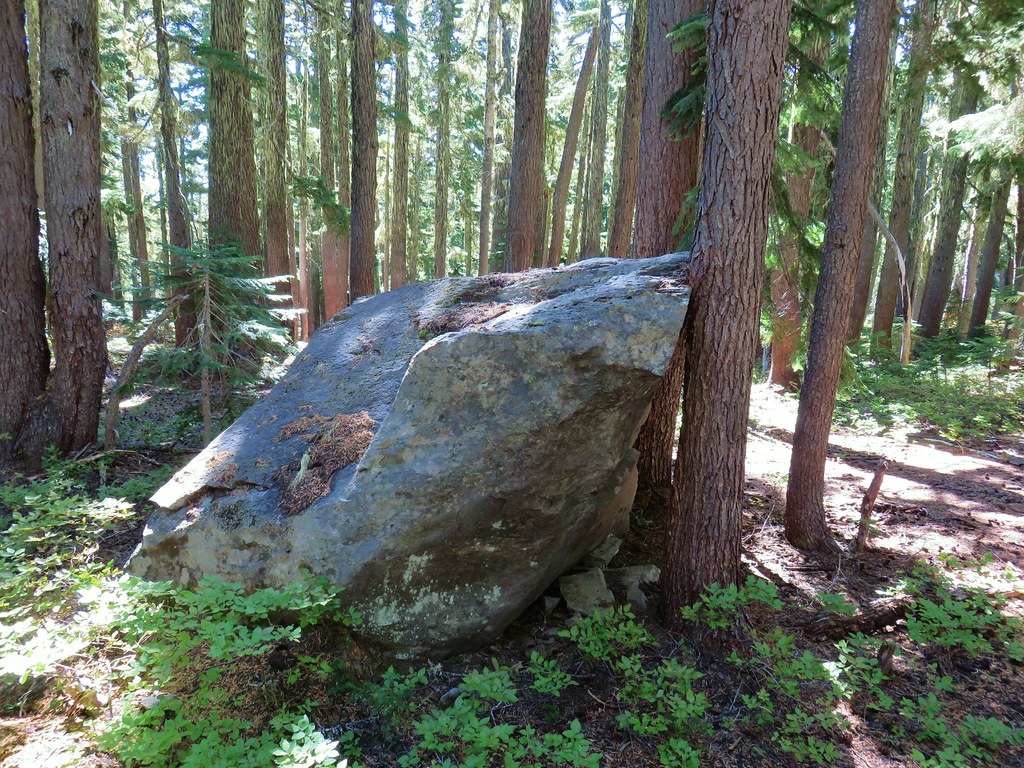
Shortly before the switchbacks the trail passed a large boulder leaning up against a pair of trees. It looked like the rock was going to be flat and thin from the direction we were coming but it turned out to not be flat on the other side at all.
IMG_1707

IMG_1708

Beyond the switchbacks the trail leveled out again for about a quarter mile with a view south of the Three Sisters in a gap between Sugar Pine Ridge and Forked Butte.
IMG_1710

IMG_1712

After the quarter mile of more level trail the Cabot Lake Trail headed steeply up a gully arriving at a saddle with a view of Mt. Jefferson after another quarter mile.
IMG_1715

IMG_1717

The viewpoint that we were aiming for was to the right of the saddle visible atop the ridge below pointy Bear Butte.
IMG_1718
A straight forward cross country walk brought us to the top of the rocky outcrop.
IMG_1730

The view of Mt. Jefferson was spectacular. In the valley below was green Hole-in-the-Wall Park with Mt. Jefferson on the other side. Along the ridge to the left of Mt. Jefferson was Goat Peak, a feature we are hoping to visit someday in the future.
IMG_1732

IMG_1736

IMG_1742

IMG_1740

The view south wasn’t too bad either despite the presence of a little haze.
IMG_1725

IMG_1726

To the east was Bear Butte.
IMG_1721

To top it off the sound of crashing water filled the air. Heather spotted the series of cascades creating all the noise well before I did.
IMG_1754

After soaking in the view we returned down to the saddle and sat in the shade of some trees while we had another bite to eat. We then hiked the 1.5 miles back down to Table Lake and refilled our water supply from the inlet creek where there was clearly a frog convention occurring.
IMG_1772

With our water replenished we left Table Lake and hiked back along the Cabot Lake Trail approximately a quarter mile to the side trail we had marked earlier.
IMG_1779

As I previously mentioned there was another side trail that probably would have been the better option about 30 yards north of where we turned. The trail we chose started clearly enough but soon was lost in a meadow.
IMG_1783

IMG_1785

We knew from the description in the guidebook that the trail passed between a cinder cone and The Table so we just headed in that direction and were able to once again locate an obvious path.
IMG_1786

As we neared the cinder cone the trail climbed up along its side as it squeezed between the cone and the rocky hillside of The Table.
IMG_1790

IMG_1797

This area looked like it should be full of pikas and although we heard a few “meeps” that let us know they were there, all we spotted were golden-mantled ground squirrels and chipmunks.
IMG_1802

IMG_1800

As the trail passed by the cinder cone views ahead opened up to a large valley below the Cathedral Rocks.
IMG_1804

All the climbing along the side of the cinder cone was now lost as we dove downhill into the valley.
IMG_1806

The GPS track we’d seen showed the trail passing to the left of two ponds then to the right of a third in this area. The tread was fairly easy to follow here and there was at least one recent set of shoe prints leading the way.
IMG_1808
IMG_1809First pond on the right.

The traverse around the second pond was a little tricky. The cinder hillside was loose and sharply angled and there was no clear trail around to the left save for at the far end.
IMG_1812

It may have been a better option to have gone around on the other side but we managed to make it around the second pond and then the trail dropped into a dry creek bed where the tread disappeared. Fortunately someone had placed a small cairn on the other side though so we knew where to exit.
IMG_1814

The trail was now passing along the left hand side of an enormous rock field.
IMG_1816

Keeping track of the actual route here was near impossible but we kept our eyes out for cairns and footprints which were just frequent enough to keep us on track until we found the clear path again entering a hillside of huckleberry bushes.
IMG_1817

IMG_1821

It wasn’t until we had climbed a bit above the rock field that we were able to spot the third pond that had been on our left.
IMG_1827

The climb out of the valley and up the Pacific Crest Trail only lasted a half mile but it was steep through the huckleberry bushes gaining 400′ in a little under .4 miles.
IMG_1824

Things began to level out a bit once we were back into the trees though.
IMG_1835

One item of note here was that the location of the Pacific Crest Trail shown on the topographic map, the Garmin, and the one in our guidebook is incorrect in this area. Thankfully we had noticed that the GPS track on the map in the guidebook crossed over the supposed location of the PCT before turning south and eventually rejoining the trail shown on the map as the PCT rounded a ridge end. If we hadn’t noticed that we might have wasted some time searching for it amid the small pines that were growing where the Garmin showed the PCT should be.
IMG_1839

The actual location of the PCT was about a tenth of a mile to the west of its location on the maps near some much larger trees.
IMG_1840

We turned left (south) on the PCT and began the 4.3 mile stretch to the Shirley Lake Trail.
IMG_1843

After about a quarter mile on the PCT we arrived at the first of several excellent viewpoints of Mt. Jefferson and some of the areas we hiked through earlier.
IMG_1844

IMG_1850Bear Butte

IMG_1851Another viewpoint overlooking the valley we climbed out of.

IMG_1880North Cinder Peak and Mt. Jefferson

IMG_1886Cabot Lake Trail along the Forked Butte Lava Flow

IMG_1896

We were surprised by the amount of climbing the PCT did along this stretch gaining over 750 unexpected feet in all as it passed a wide variety of scenery.
IMG_1855

IMG_1856

IMG_1864

IMG_1889
IMG_1899

A little under 3 miles along this stretch we got a look at Carl Lake below to the east.
IMG_1894

Not long after we got a good look at South Cinder Peak to the south with Mt. Washington peaking up over a ridge.
IMG_1900

When we finally arrived at the Shirley Lake Trail junction we turned left and headed back down to Carl Lake just as we had done the day before.
IMG_1909

We headed down to the lake shore again and this time went counter-clockwise around the shore to complete the loop we had started the previous day.
IMG_1913

Much like the day before our time at the lake was plagued by a chilly breeze (The only place that we experienced any significant breeze the whole weekend.) and glare from the sun.
IMG_1914

We spent most of the evening sitting near our tent behind the trees facing east until it was time to turn in for the night. The mileage for our hike came in at 17.4 miles for the day which included the unintended loop around Patsy Lake and the side trip to the unnamed lake near Table Lake.

Another early bed time led to another predawn wake up on Labor Day.
IMG_1916

We used the light of the moon and our Luci inflatable lantern to work on packing up and cooking breakfast while we waited for enough light to begin our hike out of the wilderness.
IMG_1918
We were on our way a little after 6:30am, saying our goodbyes to Carl Lake and beginning our descent to Cabot Lake.
IMG_1927

IMG_1936Cabot Lake in the trees below and Mt. Jefferson in the distance.

As we reentered the snowbrush covered landscape of the B & B Fire we noticed quite a bit of smoke in the Metolius River Valley.
IMG_1940

It gave us a little cause for concern as we wondered if some new fire had started nearby but it was smoke from some more distant wildfire that had settled in the valley. We completed the 4.9 mile hike back to the car in about 2 hours and were headed back home before 9am, but not before one last look at the mountain.
IMG_1943

Happy Trails!

Flickr: Table Lake Loop and Carl Lake to the Cabot Lake THTable Lake Loop and Carl Lake to the Cabot Lake TH

Categories
High Cascades Hiking Mt. Jefferson Area Oregon

Mt. Jefferson Wilderness Day 1 – Carl Lake and South Cinder Peak

Following our somewhat underwhelming backpacking trip in the Waldo Lake Wilderness (Day 1, Day 2) we spent Labor Day Weekend backpacking in the Mt. Jefferson Wilderness.

For this trip we began at the Cabot Lake Trailhead.
IMG_1268

The trailhead is located at the end of Forest Road 1230 which is accessed via Forest Road 12. Forest Road 12 is located 8 miles east of Santiam Pass or 12 miles west of Sisters along Highway 20.

The first 1.8 miles of the Cabot Lake Trail pass through the scar of the 2003 B & B Fire. Much of the area burned in this fire has been taken over by snowbrush which is the case along this section of trail. Several other trails in the Mt. Jefferson Wilderness have been lost to the fire and subsequent thickets of snowbrush but the Cabot Lake Trail has been kept open and was in good shape as it passed through the shoulder high brush. Without trees to block the views Mt. Jefferson could be seen in the distance behind Sugar Pine Ridge.
IMG_1271

IMG_1273

IMG_1281

IMG_1280From left to right – North Cinder Peak, Forked Butte, and Mt. Jefferson

Just over 1.75 miles into the hike we began seeing more green trees.
IMG_1283

Shortly after leaving the snowbrush behind we came to a junction with a short side trail down to Cabot Lake.
IMG_1284

We turned right and descended steeply downhill to visit the small lake.
IMG_1288

Returning to the Cabot Lake Trail we continued on, climbing a series of switchbacks with occasional views to the north of Mt. Jefferson.
IMG_1289

IMG_1290

After about a half mile of good climbing the trail began a more gradual climb. Along this section we passed many ponds, some dry some not.
IMG_1295

IMG_1297

IMG_1299

Just under two and a half miles from Cabot Lake we passed a final pond. This was the largest (with water) and had a view of Mt. Jefferson. There were a couple of campsites nearby which we made note of in case we couldn’t find one at Carl Lake.
IMG_1301

Another half mile brought us to Carl Lake.
IMG_1302

Larger than we’d expected, Carl Lake was a beautiful blue lake backed by the cliffs of the Cascade Crest.
IMG_1304

There had been a decent number of cars (and two horse trailers) at the trailhead which had us a little worried about available campsites. At the lake we turned right planning on taking the first available spot we found but as we made our way around the lake we didn’t see any other tents anywhere. We settled on a spot as far back from the lake as the rocky ledge would allow due to a steady wind blowing across the water. Our little spot had just enough trees between it and the lake to create a nice wind break.
IMG_1309

After setting up camp we returned to the Cabot Lake Trail and followed it around the southern side of Carl Lake for a quarter mile to a signed junction with the Shirley Lake Trail.
IMG_1315

We veered left onto the Shirley Lake Trail which began climbing toward the Cascade Crest. After another quarter mile we spotted green Shirley Lake through the trees below the trail to our left.
IMG_1318

We didn’t see any obvious trails down to the lake so we followed an open ridge down through the trees to the lakes northeastern shore.
IMG_1319

We climbed back up to the trail and continued uphill toward the crest. As we climbed the view of Mt. Jefferson to the north improved.
IMG_1329

The trail left most of the trees behind as it rounded a ridge three quarters of a mile beyond Shirley Lake. The valley below was full of rock fields and cliffs.
IMG_1335

IMG_1332

IMG_1344

A little over 1.25 miles from Shirley Lake we arrived at a four-way junction at a saddle. Here the Shirley Lake Trail from the east and the Swallow Lake Trail from the west ended at the Pacific Crest Trail.
IMG_1347

Our plan was to hike up to the summit of nearby South Cinder Peak which was just SW of the junction. We turned south on the PCT (we could also have taken the Swallow Lake Trail) and followed it until we were due east of South Cinder Peak.
IMG_1350

IMG_1351

We left the PCT and headed cross country, crossed the Swallow Lake Trail, and picked up a use trail up the cinder cone.
IMG_1355Mt. Jefferson and the Swallow Lake Trail

IMG_1357

The quarter mile climb up South Cinder Peak was a little steep and the loose rock required some extra effort but the views were worth it. We benefited from a cloud free sky and the smoke was limited to the east and south where the Terwilliger Fire continued to burn near Cougar Reservoir.
IMG_1370

IMG_1384

IMG_1388Broken Top, The Three Sisters, Mt. Washington, and Three Fingered Jack to the south.

IMG_1392Mt. Jefferson to the north.

IMG_1382Black Butte to the SE

IMG_1398The Three Pyramids and Marion Lake to the west

IMG_1402Coffin Mountain and Bachelor Mountain to the NW

IMG_1377Maxwell Butte, Red Butte, and Duffy Butte to the SW

IMG_1412Cinder cone below South Cinder Peak

After a break at the summit we returned to the PCT and decided to continue south to Rockpile Lake which was just over a mile away. It turned out to be a good decision as the open views along this stretch of the PCT were nice.
IMG_1417

We stopped again at Rockpile Lake which was right next to the PCT.
IMG_1422

IMG_1426

IMG_1429

After a relaxing break at the lake we started back. Along the way we noticed a small sign marking the location (or maybe not) of the abandoned Brush Creek Trail.
IMG_1437

IMG_1438

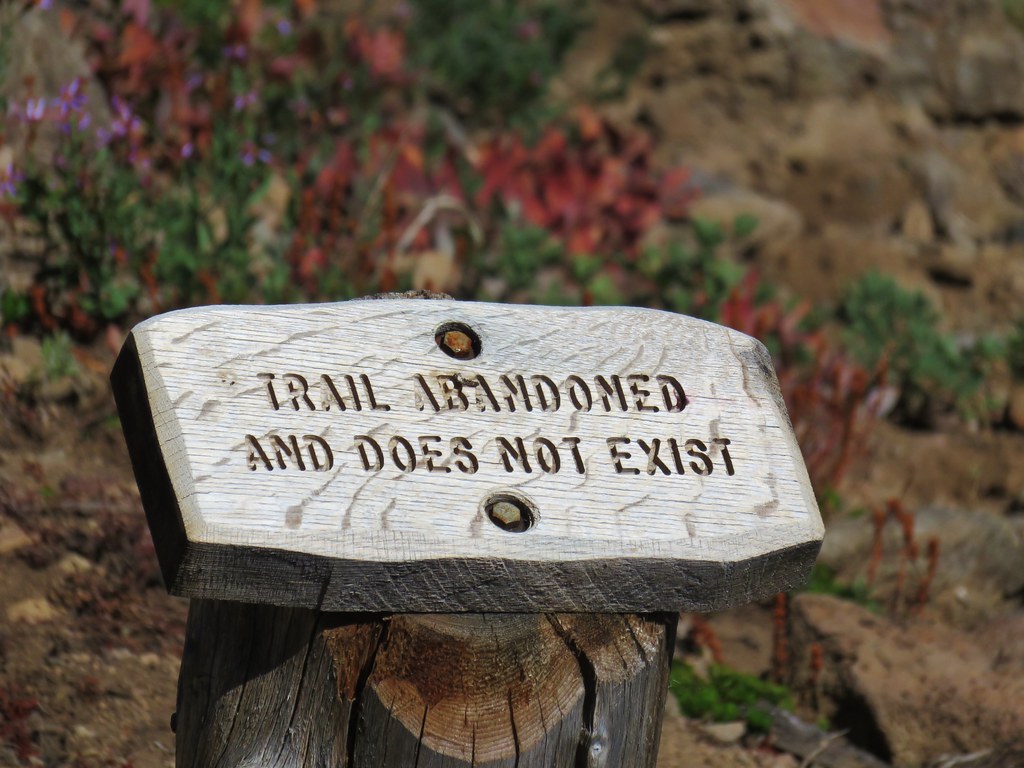
We both got a kick out of the sign wondering how a trail that doesn’t exist can be abandoned.

We took the Shirley Lake Trail back down to its junction with the Cabot Lake Trail then decided to follow one of the many use paths down to the shore of Carl Lake.
IMG_1448

We then decided to walk clockwise around the lake to get back to our campsite. The walk was easy at first and we spotted a good number of butterflies and a varied thrush along the way to the lakes western end.
IMG_1456

IMG_1458

IMG_1460

IMG_1463

IMG_1464

The Cabot Lake Trail came down nearly to the shore at this end so we hopped back onto it for a bit. When the trail turned away from the lake at some campsites we were no longer able to follow the shoreline around. A narrow rock outcropping running along the northern end of lake bordered the water forcing us to scramble over it. The view down to the lake was nice but the scramble was a bit of a pain.
IMG_1474

We made it back to camp around 2:45pm having hiked 13.1 miles on the day. That gave us plenty of time to relax by Carl Lake which we did as best as we could. There was a nearly constant breeze blowing across the lake at us which made it a little chilly when we were simply sitting by the water. To make matters a little worse the glare from the Sun became intense as it made its passage west.
IMG_1477

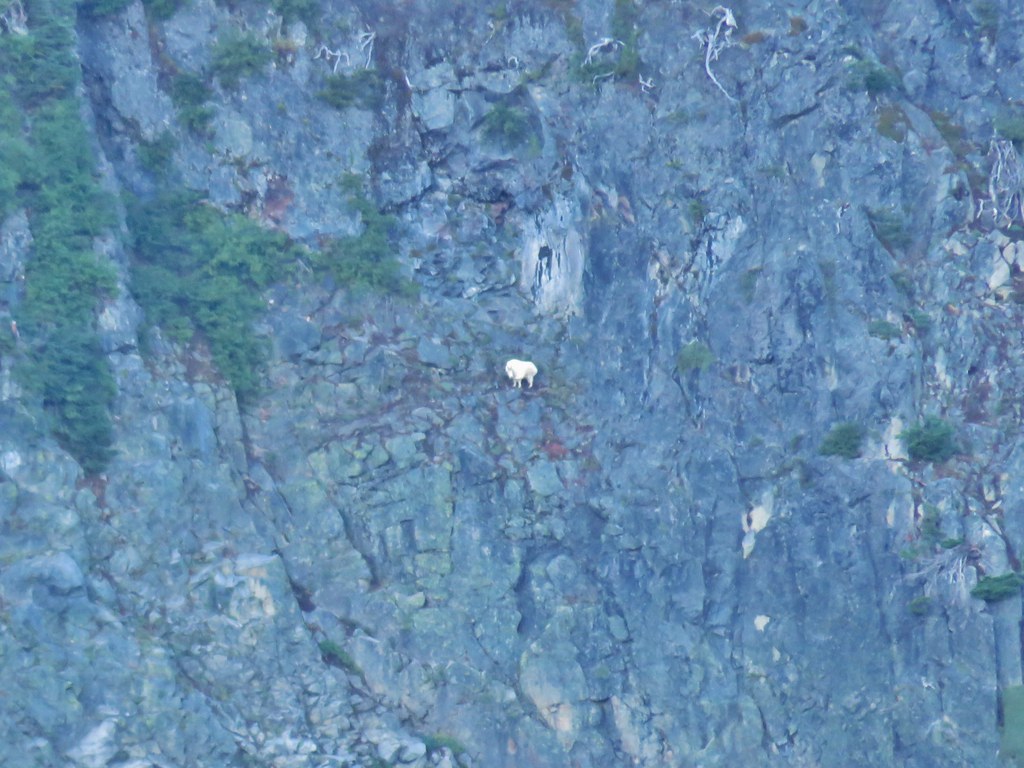
We put on some of our extra layers and moved around a few times looking for a comfortable place to settle down. We couldn’t really find one but we did manage to hold out long enough to spot a mountain goat on the cliffs beyond the lake. Between the distance and the lighting it was hard to get a decent photo but I was able to get a couple where the goat can at least be identified.
IMG_1488

Mountain Goat Above Carl Lake

We eventually took our chairs back to our campsite where the breeze was mostly blocked but with the Sun now behind the crest we were having trouble warming up so we called it a day and turned in early. We had another big hike ahead of us the next day so the extra sleep couldn’t hurt. Happy Trails!

Flickr: Carl Lake and South Cinder Peak

Categories
High Cascades Hiking Mt. Jefferson Area Oregon Throwback Thursday Trip report

Throwback Thursday – Duffy Lake

We’re going all the way back to July 28, 2010 for this weeks throwback hike. This was our first visit to the Mt. Jefferson Wilderness as well as the first time we attempted an off-trail scramble. We started at the Duffy Lake Trailhead taking the Duffy Lake Trail toward Duffy Lake.

Duffy Lake Trail

The trail followed along the North Santiam River which was running real low but not yet dry for the season.

Wildflowers along the North Santiam River

North Santiam River

We passed the a junction with the Turpentine Trail at the 1.5 mile mark and crossed the river just over a mile later before reaching another junction in a meadow near Duffy Lake. Although we couldn’t see the lake from there Duffy Butte rose above the trees.

Duffy Butte

A number of trails were present in the Duffy Lake area. The first junction after crossing the river was with the Maxwell Butte Trail which forked to the right. Before reaching Duffy Lakes outlet creek we took the next fork to thw right which was a short connector trail to the Santiam Lake Trail which we then turned right on following it for about 3/4 of a mile through wildflower meadows to Santiam Lake and a great view of Three Fingered Jack.

Santiam Lake Trail

Three Fingered Jack and Santiam Lake

Three Fingered Jack from Santiam Lake

After visiting the lake shore we headed back the way we had come for .6 miles then turning right on the Dixie Lakes Trail at a pointer for the Eight Lakes Basin.

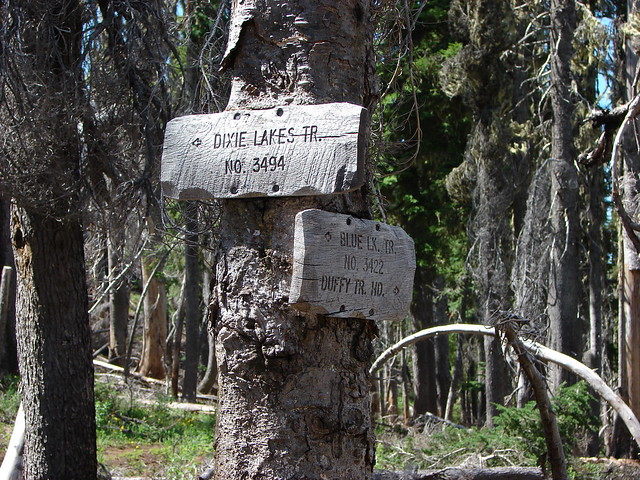
Trail sign at the Dixie Lakes Trail

This 1.8 mile trail would lead us pass the small Dixie Lakes before joining the Blue Lake Trail. Much of the trail passed through forest burned in the massive 2003 B&B Fire.

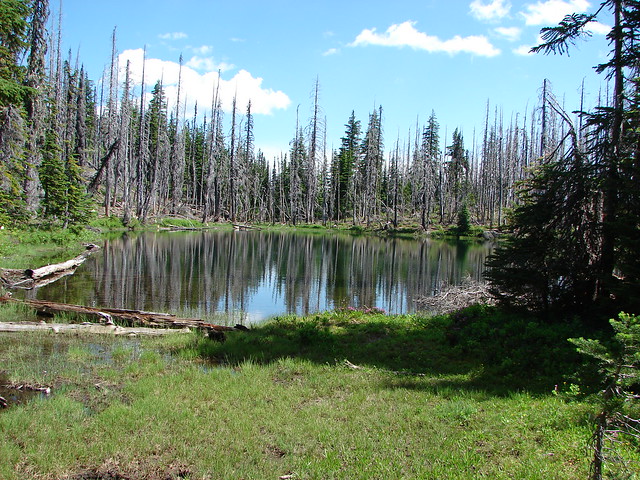
A Dixie Lake

South Dixie Lake

A Dixie Lake

North Dixie Lake

Beargrass

Junction with the Blue Lake Trail

The trail junction was near Alice Lake which was where our off-trail scramble up Red Butte would start.
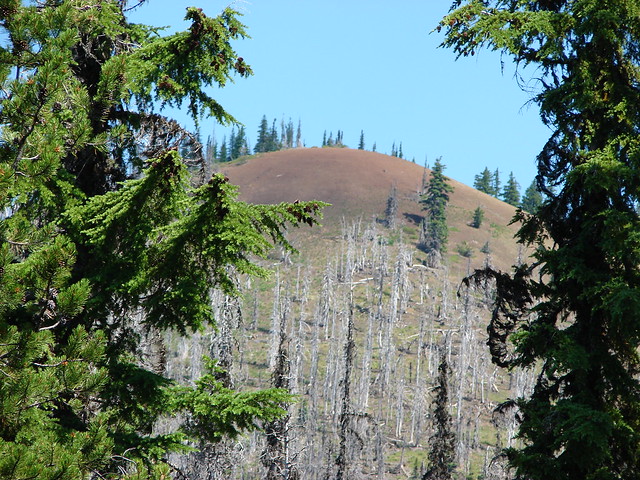
Red Butte
Red Butte
Alice Lake

Alice Lake

Being our first off-trail experience we weren’t exactly sure what we were supposed to be looking for but we knew that the route started on the west side of the lake and headed up the butte. It was quite the adventure. Just when we thought we might be following a use trail we’d lose it. Some of the butte had been burned in the fire so there was plenty of downed trees and limbs to navigate. The good news with that was we knew we could follow the edge of the burn downhill and we’d wind up back on the trail near Alice Lake so we weren’t too concerned with getting lost. As we neared the summit of Red Butte the vegetation began to give way to more and more cinder where it was much easier to pick out the use trail.
Snow on Red Butte

Looking down from the summit we could see little Alice Lake below.

Alice Lake from Red Butte

To the south we had a great view of Three Fingered Jack and beyond that loomed Mt. Washington, North Sister, Middle Sister, and The Husband.

Three Fingered Jack, Mt. Washington, The Three Sisters and The Husband

The Three Sisters and Mt. Washington

Mt. Washington in front of the North & Middle Sister (with the summit of South Sister behind them all)

Around to the north was Mt. Jefferson.

Mt. Jefferson

Just to the SW of Red Butte was Duffy Butte and Mowich Lake.

Mowich Lake and Duffy Butte

Mowich Lake

We had a much easier time following the use path on the way down and successfully completed our first scramble. We turned right when we arrived back at the Blue Lake Trail and followed it for a mile to the southern end of Mowich Lake where we could look back across the water to Red Butte.

Mowich Lake

Another 3/4 miles along the trail brought us a junction with the Santiam Lake and Duffy Lake Trails.

Trail junction near Duffy Lake

We took a moment to visit Duffy Lake and Duffy Butte.

Duffy Butte from Duffy Lake

We walked along the lake to its outlet where we picked up the Duffy Lake Trail and headed back toward the trailhead. A nice lollipop loop with a couple of side trips to Santiam Lake and up Red Butte the total distance was a little over 13 miles with approx 2000′ elevation gain. Happy Trails!

Flickr: https://www.flickr.com/photos/9319235@N02/albums/72157632953676368