Categories
High Cascades Hiking Oregon Three Sisters Area Trip report

Park Meadow to Golden Lake – 09/13/2025

September is one of the trickier months for picking hikes. The transition to Fall has begun meaning most of the wildflowers are done while the Fall colors are just getting started. Rain begins returning (and sometimes snow at higher elevations), but many of the waterfalls are still running low. Finally, wildfire smoke has often been a problem in recent years.

The hike to Park Meadow and Golden Lake seemed a good option as it isn’t a big wildflower hike and there aren’t a lot of plants known for their Fall colors. We had visited the meadow and Golden Lake during a 2014 backpacking loop around the South Sister (post). That visit was enough for us to count having hiked part of Sullivan’s featured hike in his “100 Hike/Travel Guide Central Oregon Cascades” (post), but it meant we’d skipped the five miles of trail between the Park Meadow Trailhead and Park Meadow.

With a forecast of mostly smoke and cloud free skies we made the two-and-a-half-hour drive to the trailhead.
IMG_0153

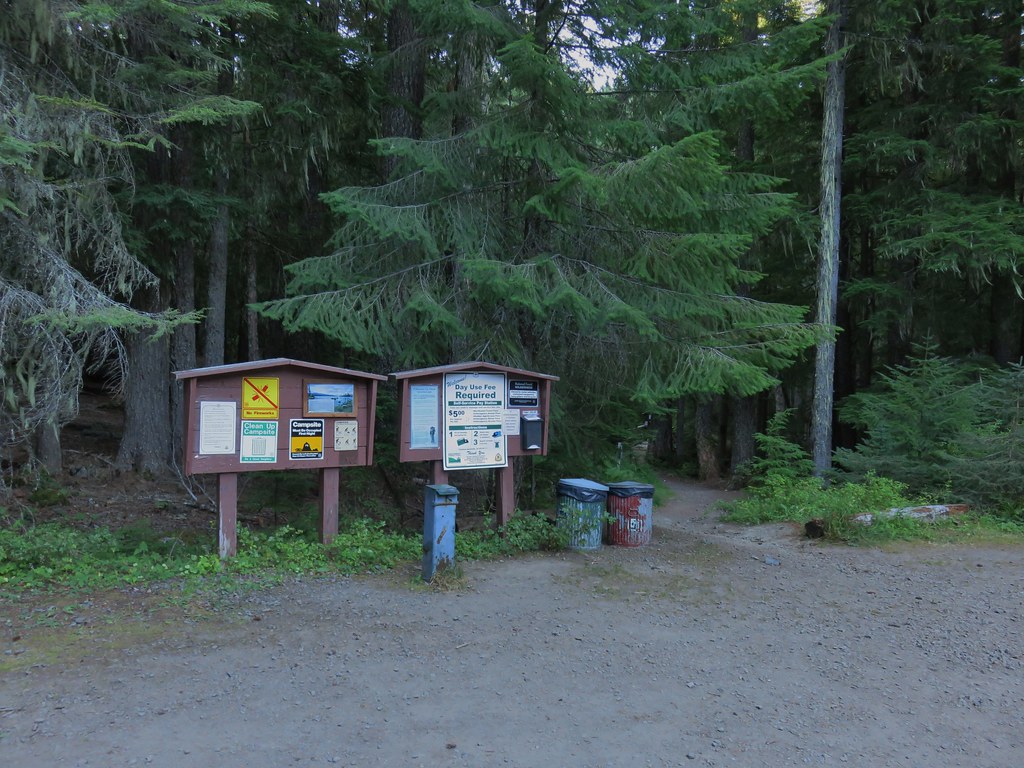
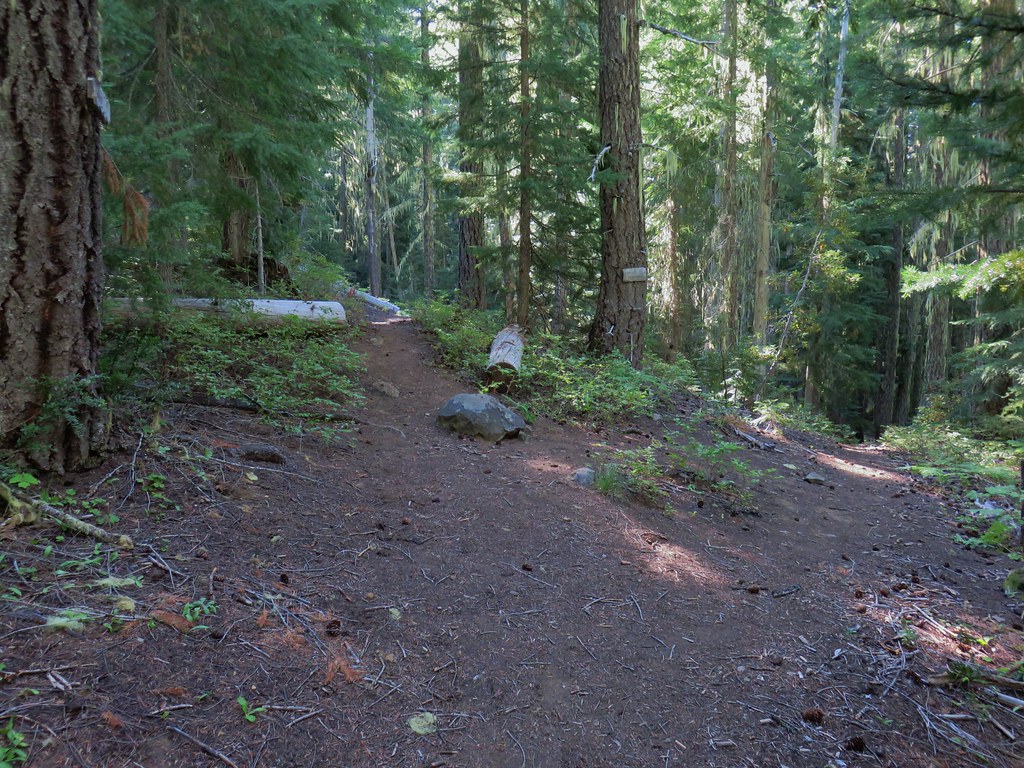
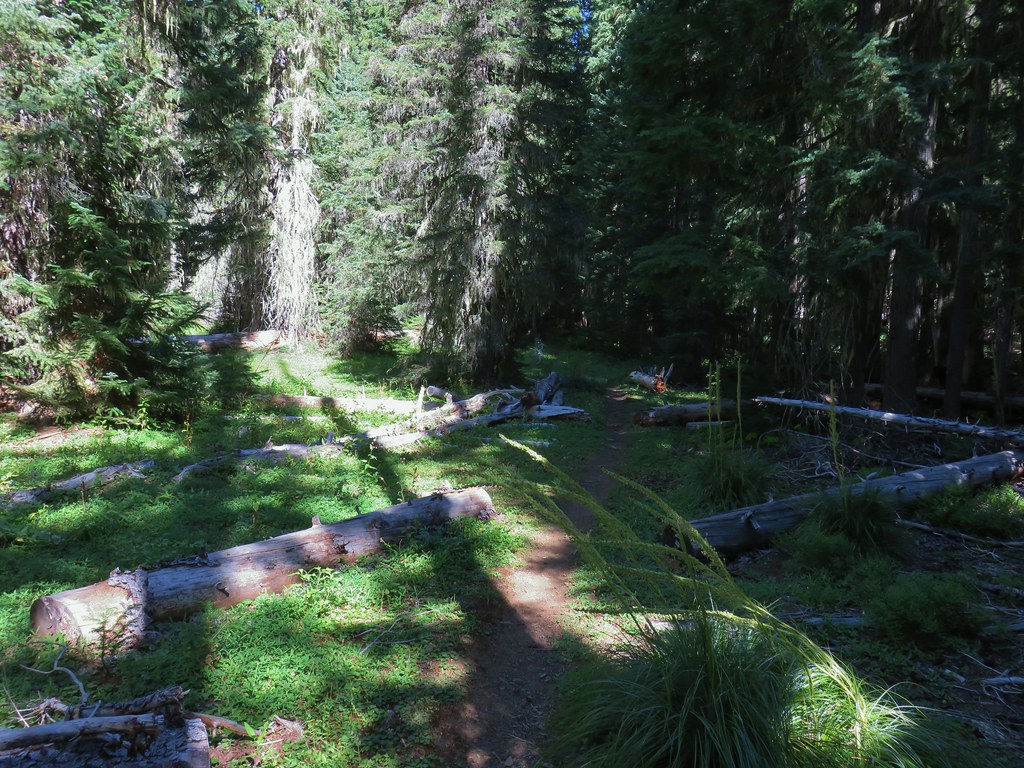
The trail begins across Forest Road 16 from the trailhead at a signboard and wilderness permit box.
IMG_0159

Currently for day hikes the only permit currently required is the free self-issued wilderness permit that we filled out at the signboard. For overnight trips a Central Cascades Wilderness Permit is required.
IMG_0160

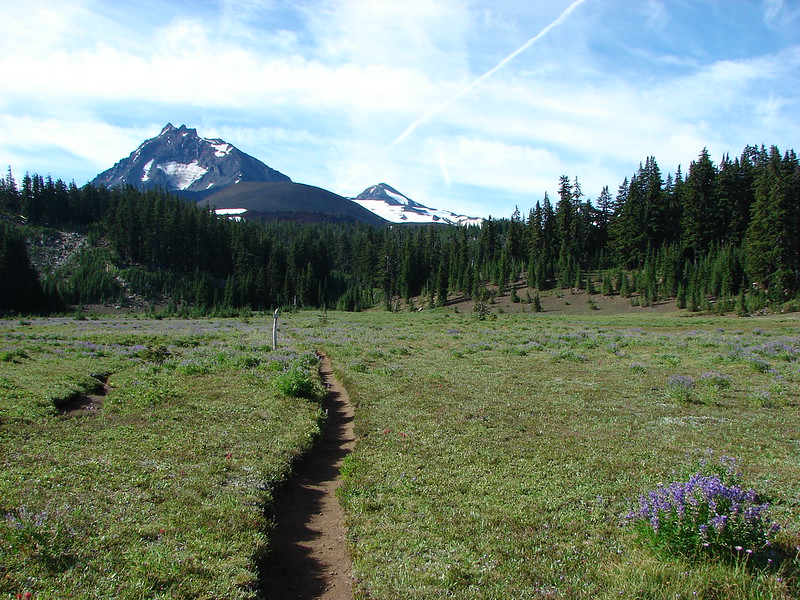
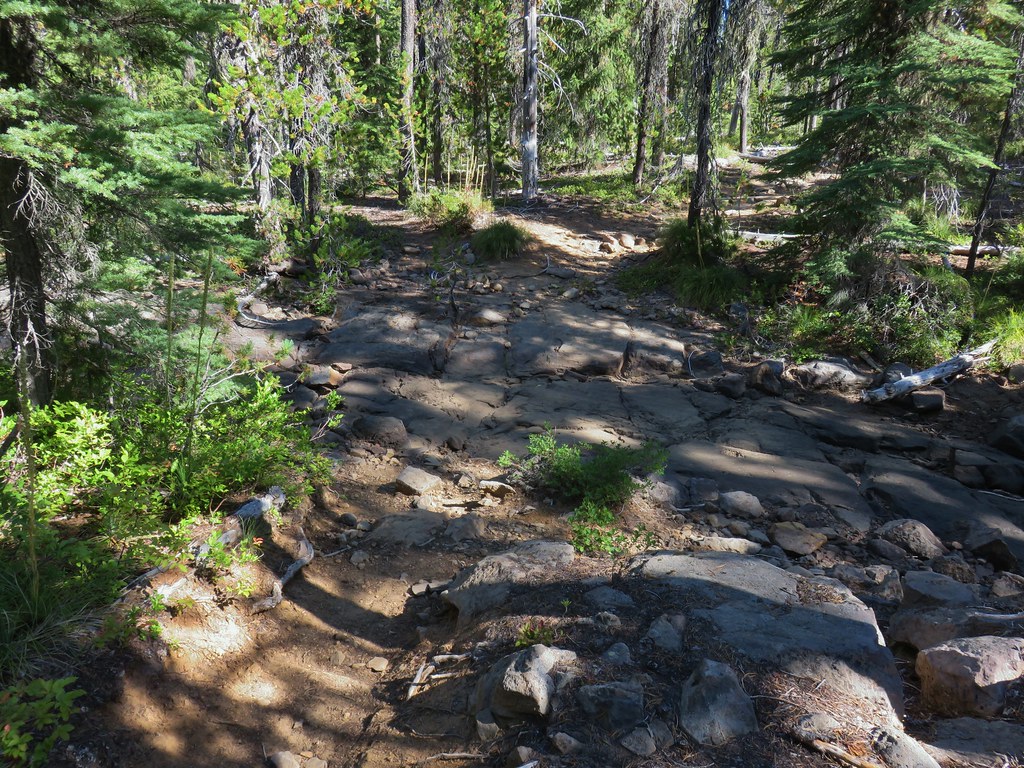
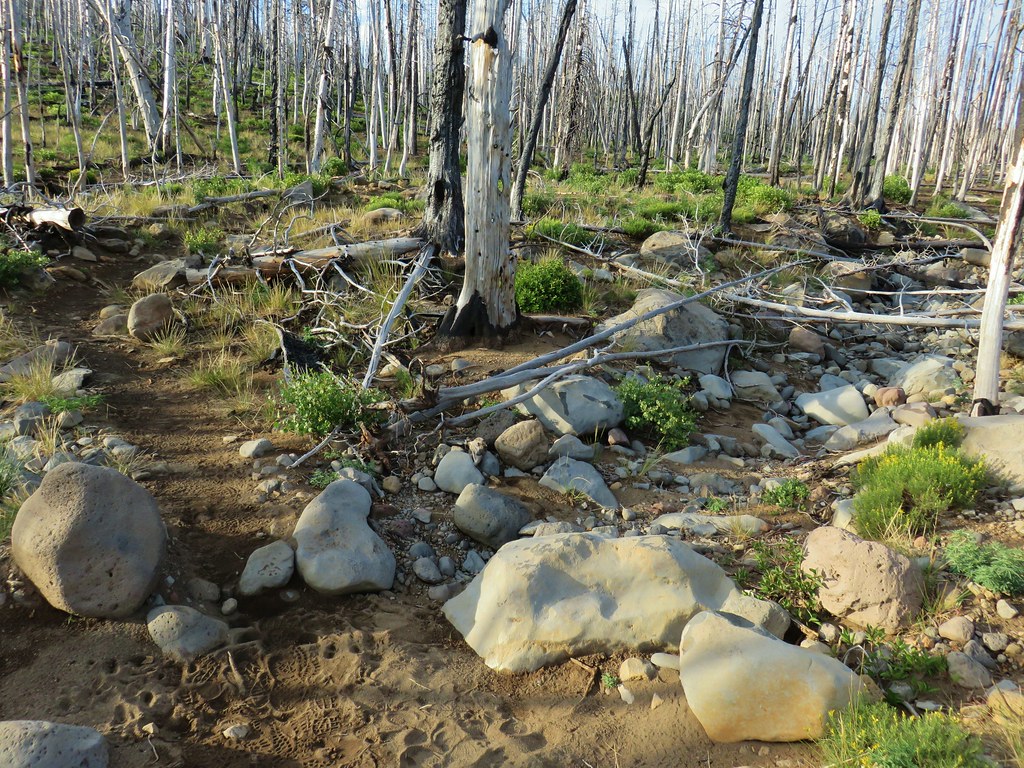
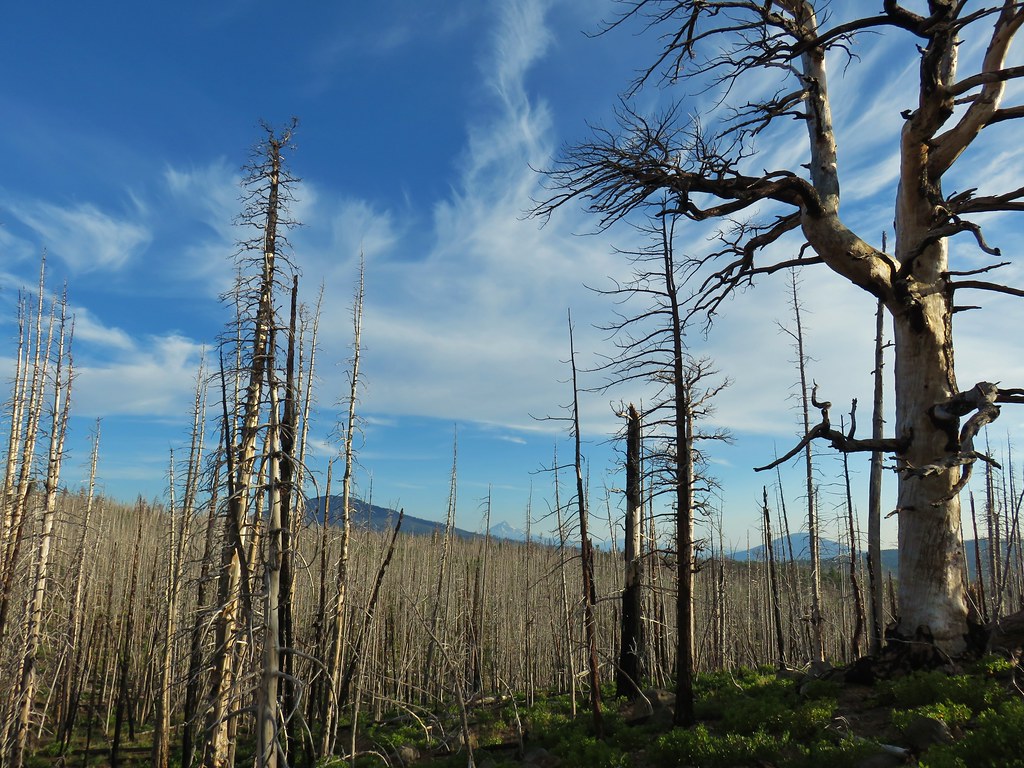
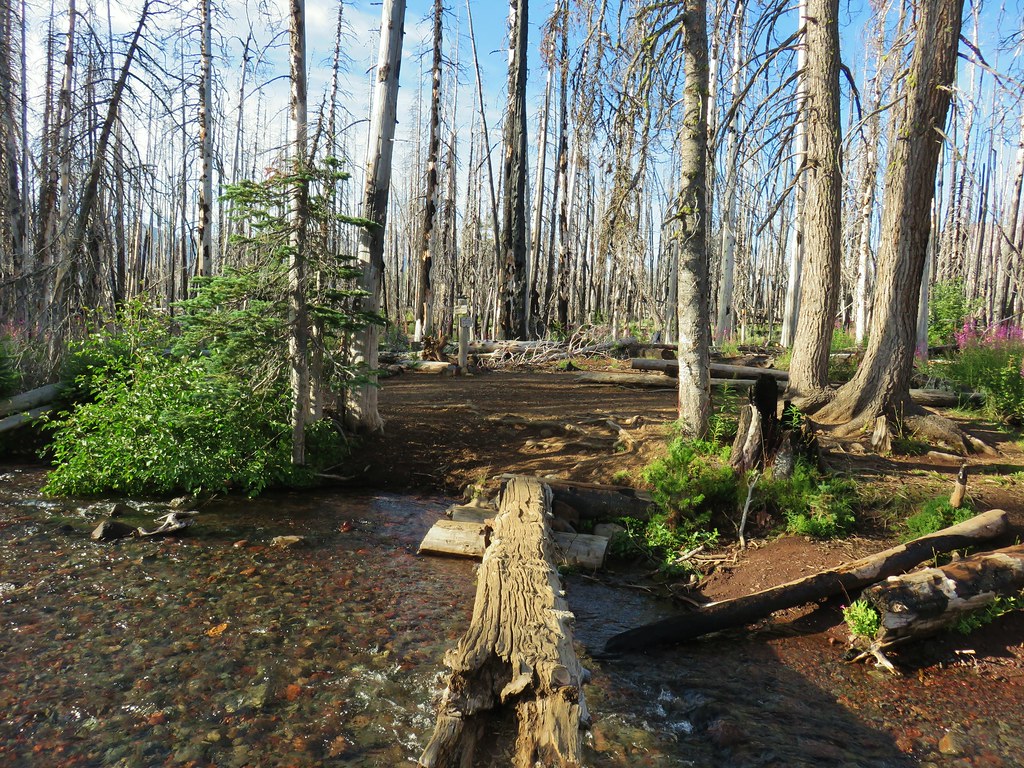
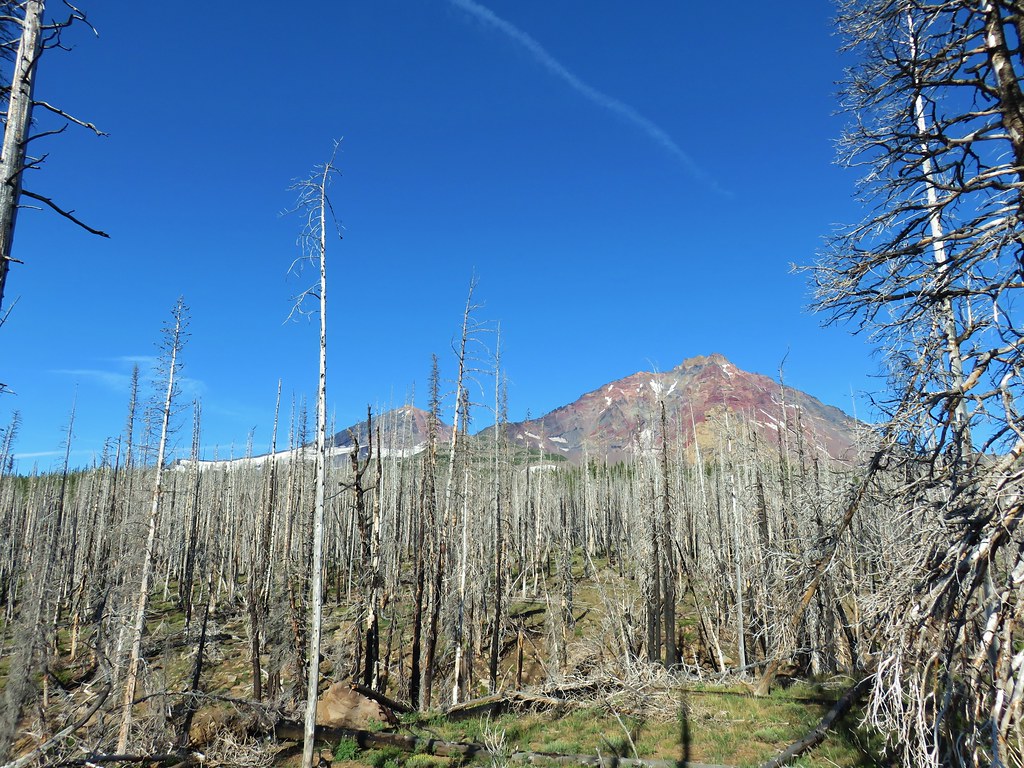
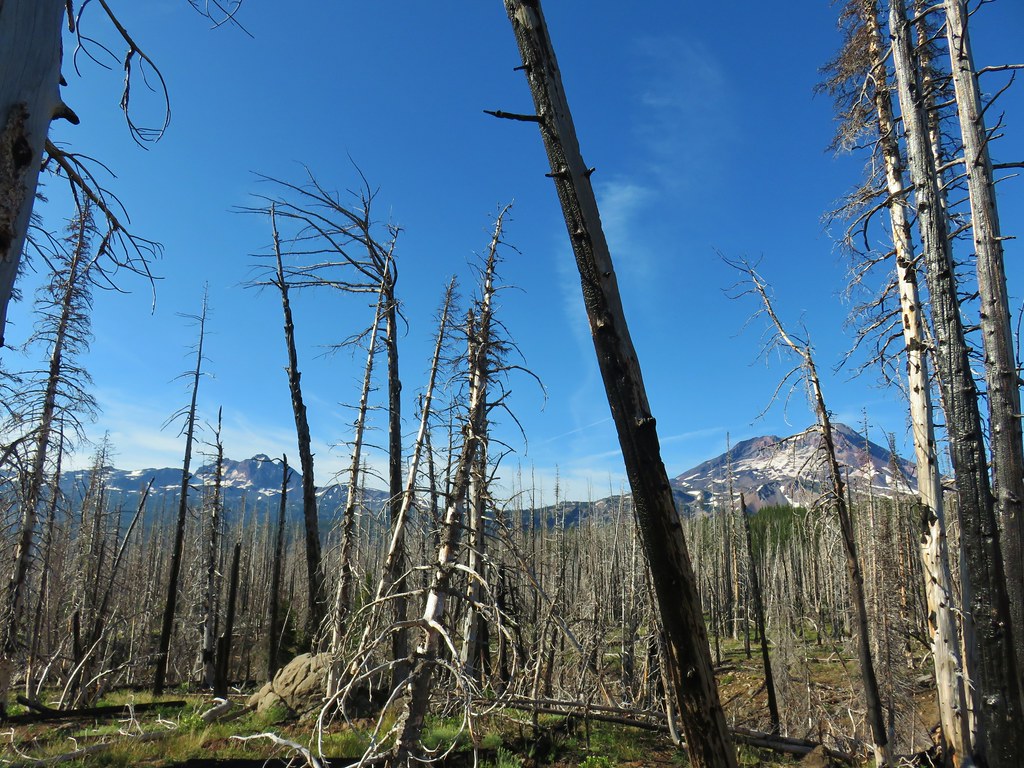
The Park Meadow Trail spends most of its time in the 2012 Pole Creek Fire scar which burned nearly all the trees leaving views of the Three Sisters and Broken Top through the snags. The trail also loses 350′ of elevation for the first 3.9-miles to Wychus Creek.
IMG_0162

IMG_0163
Junco

IMG_0164
Heather spotted three deer on the rise in the distance.

IMG_0166

IMG_0172
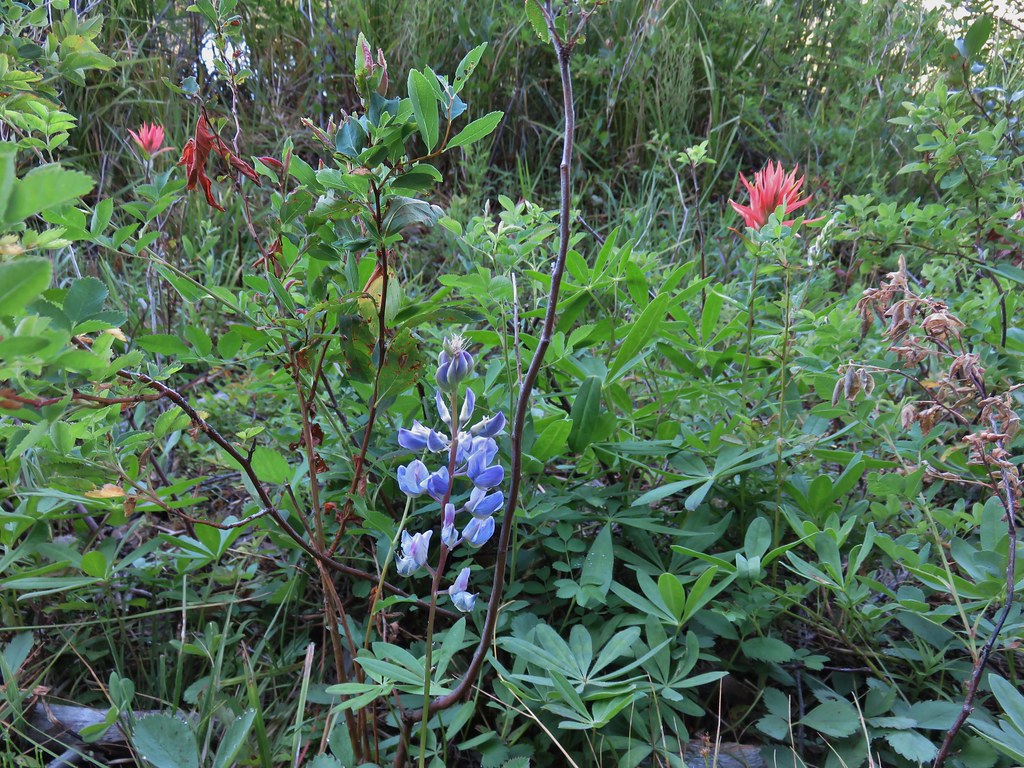
Lupine

IMG_0173
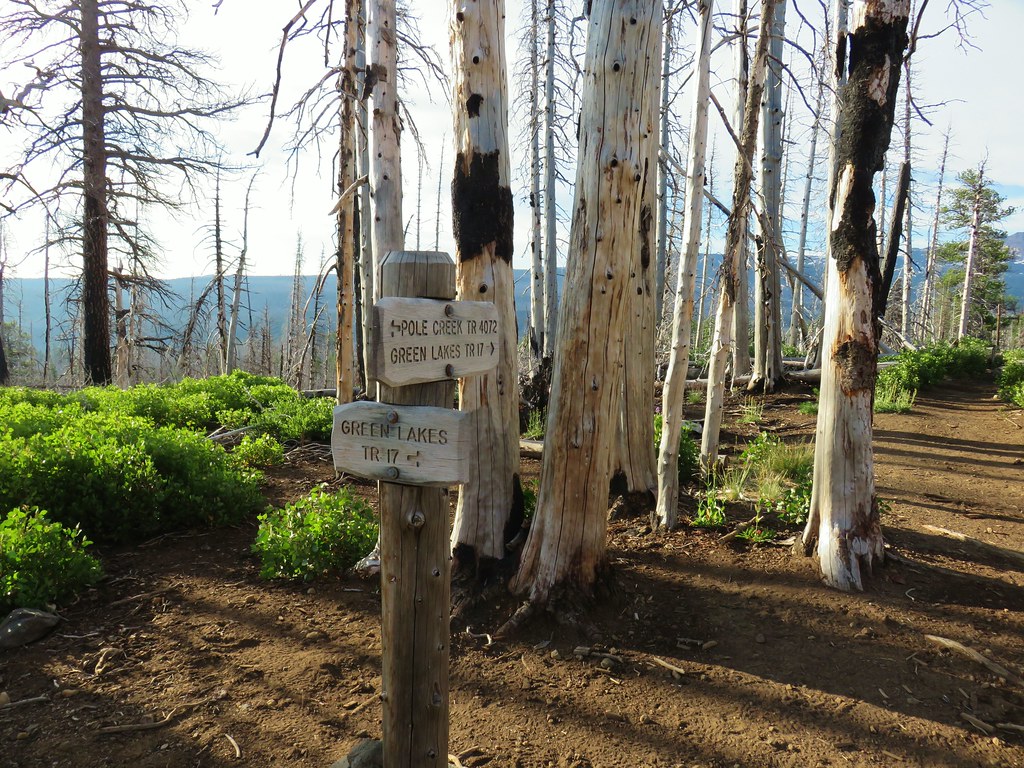
At the 0.25-mile mark the trail arrives at junction with the Metolius-Windigo Trail. We stayed straight following the pointer for “JCT. PARK MEADOW TR.”

IMG_0175
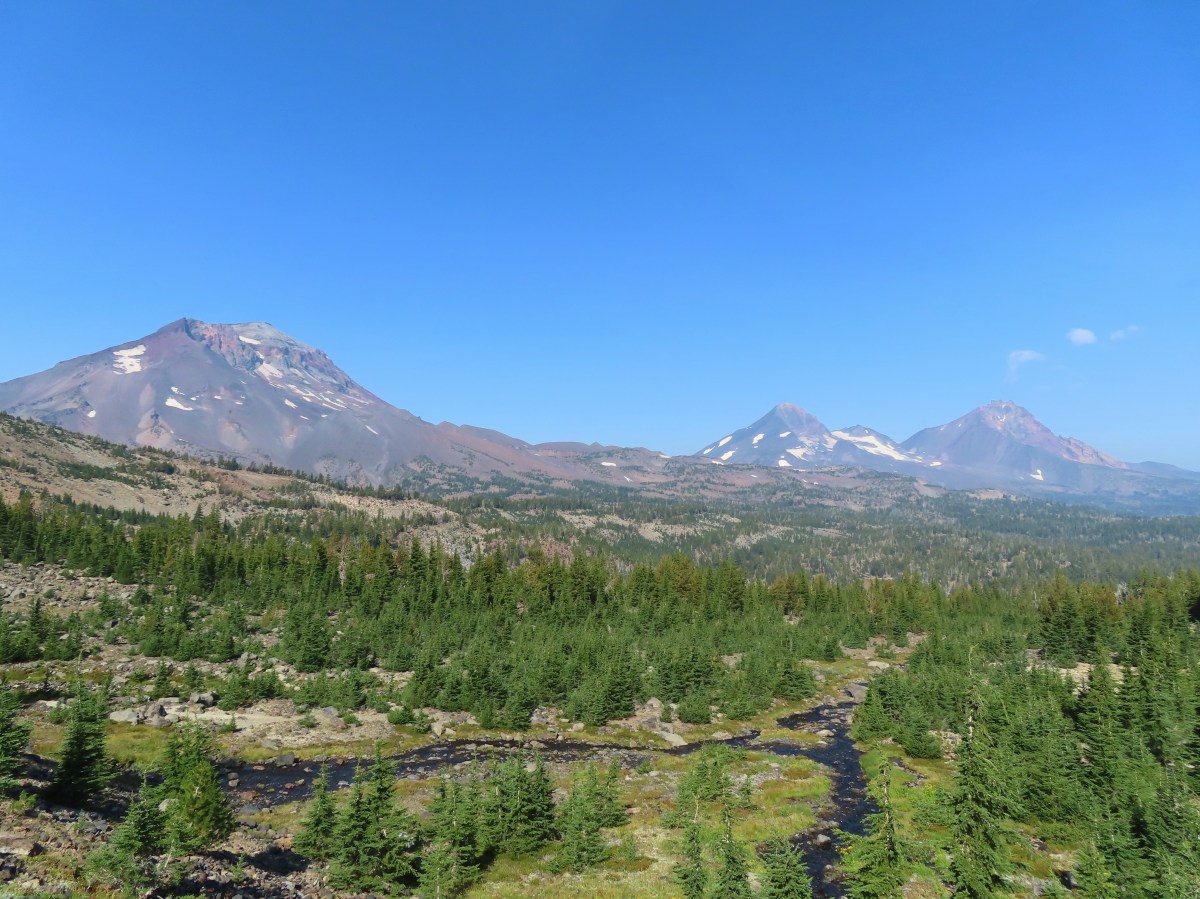
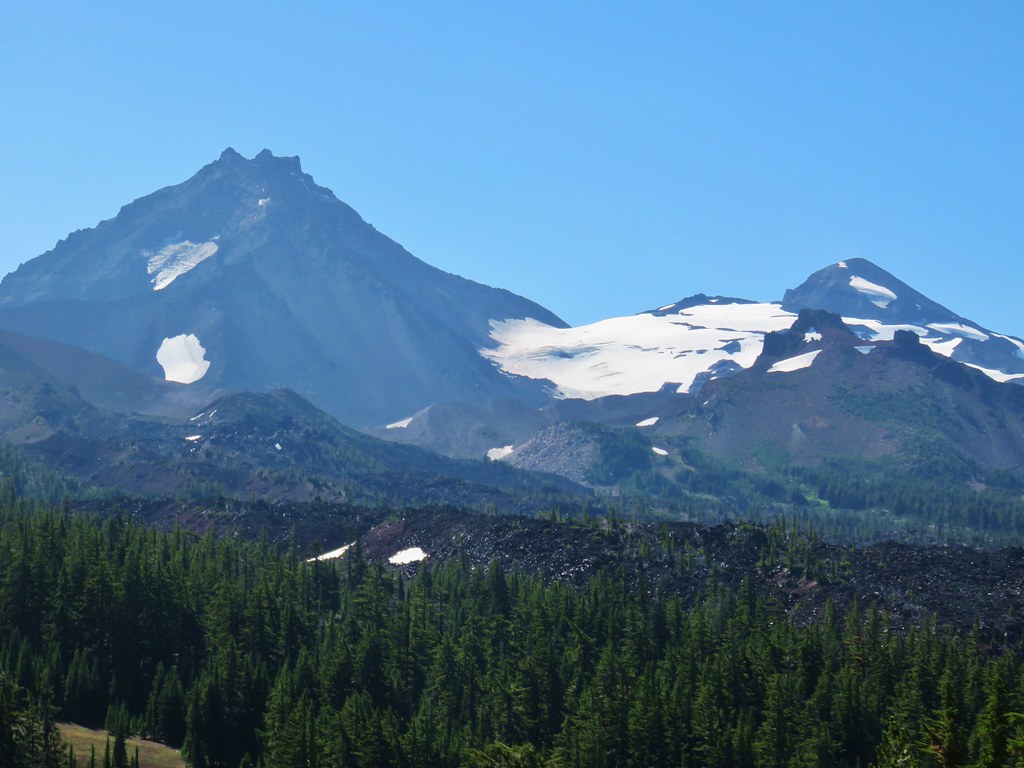
The Three Sisters on the horizon.

IMG_0176
Sparrow

IMG_0182
Fireweed

IMG_0188

IMG_0193

IMG_0196
Northwestern rabbit-tabacco

IMG_0199
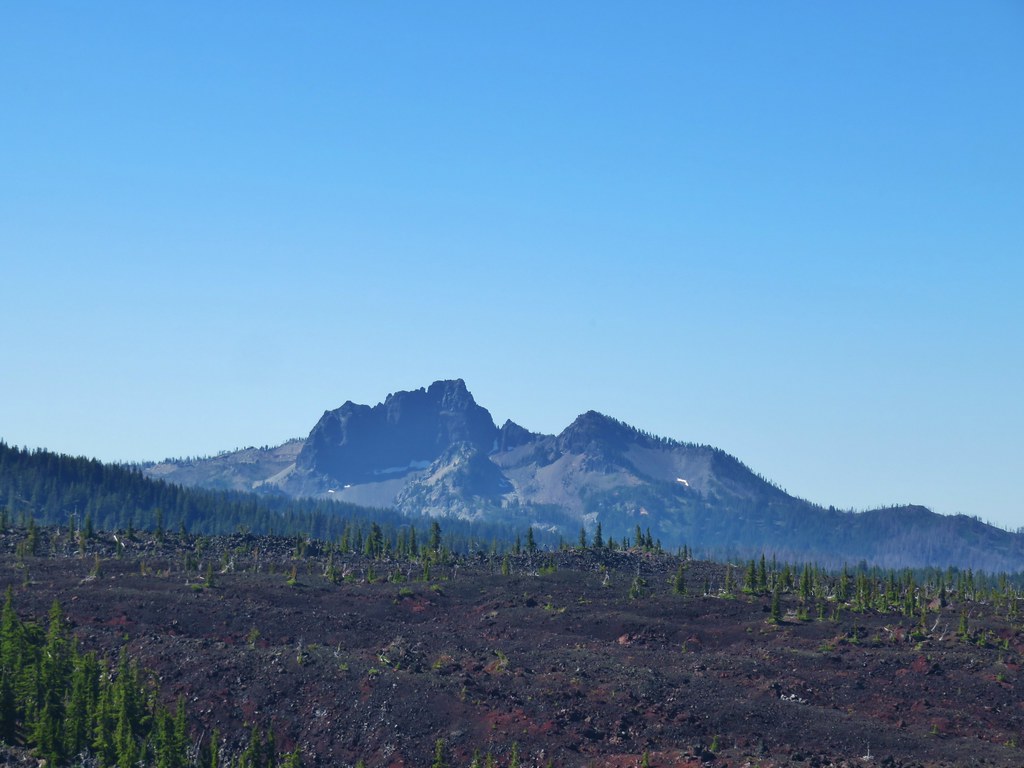
Broken Hand along Tam McArthur Rim (post) on the left with the tip of Broken Top above the hill on the right.

IMG_0200

IMG_0213
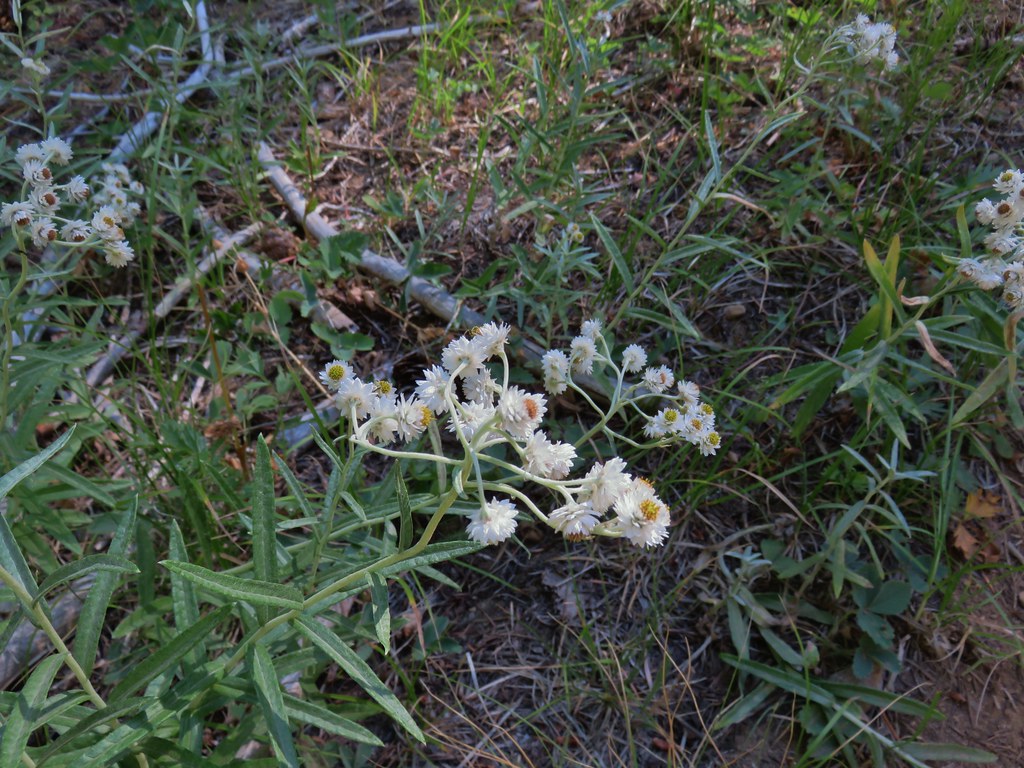
Pearly everlasting

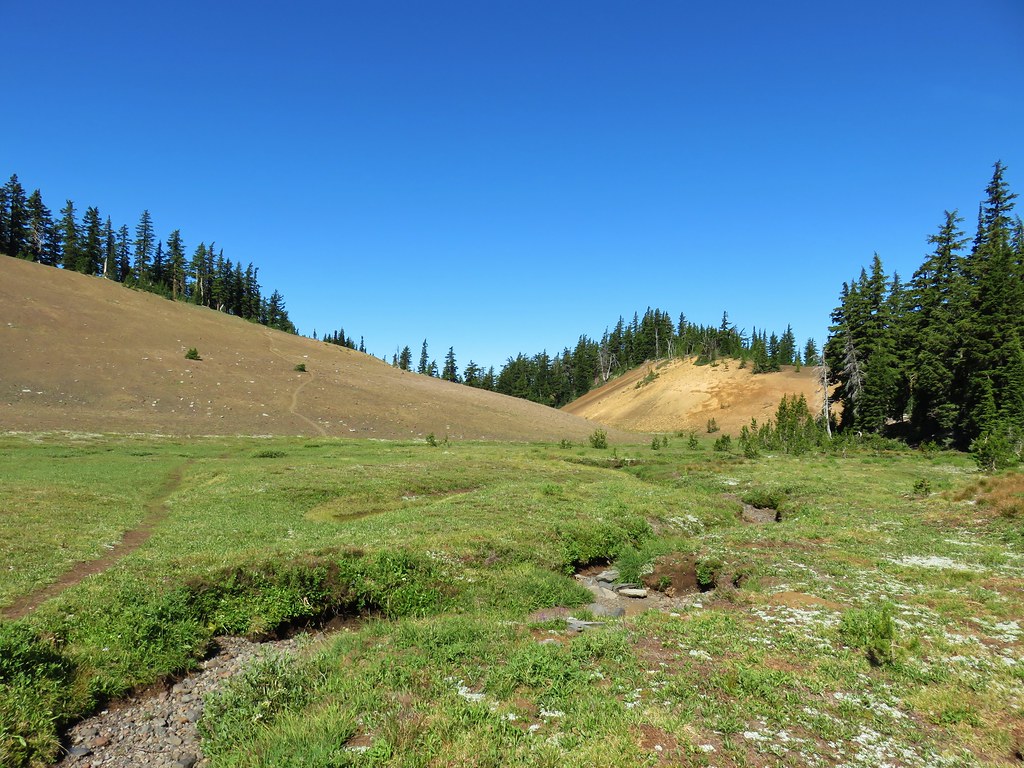
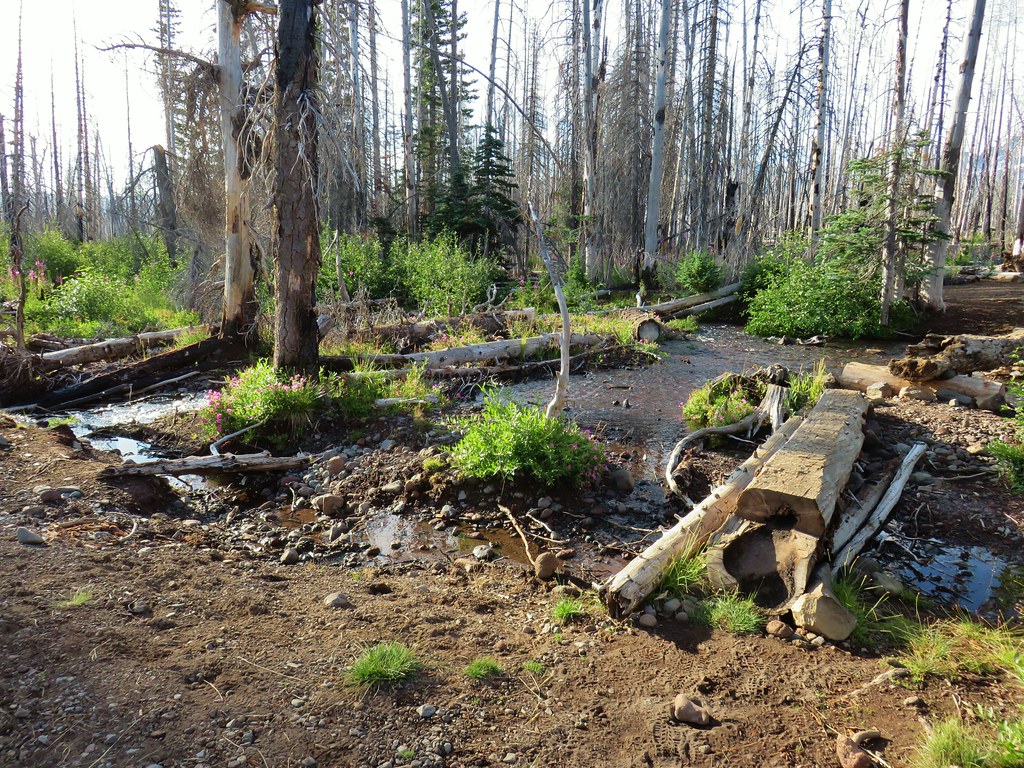
Just over two miles from the trailhead we arrived at an unnamed stream near the second junction with the Metolius-Windigo Trail.
IMG_0214

IMG_0215
Reflection in the stream.

We again stayed straight continuing on the Park Meadow Trail which soon came to a crossing of Snow Creek at the border of the Three Sisters Wilderness.
IMG_0217

IMG_0219

IMG_0227
Pearly everlasting along Snow Creek.

IMG_0226
Paintbrush

IMG_0230
Sweet bee on milk kelloggia

IMG_0234
We spotted a pair of ravens in the snag tops ahead.

IMG_0238
Raven

IMG_0241
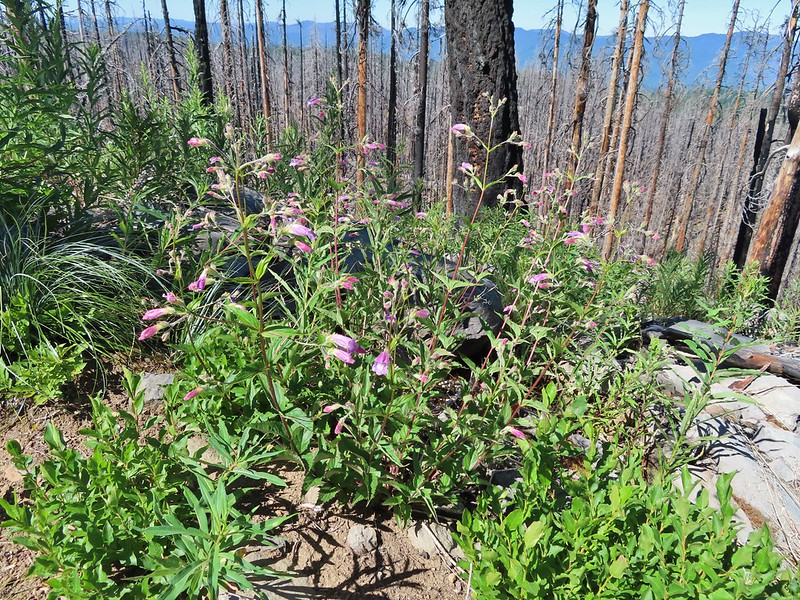
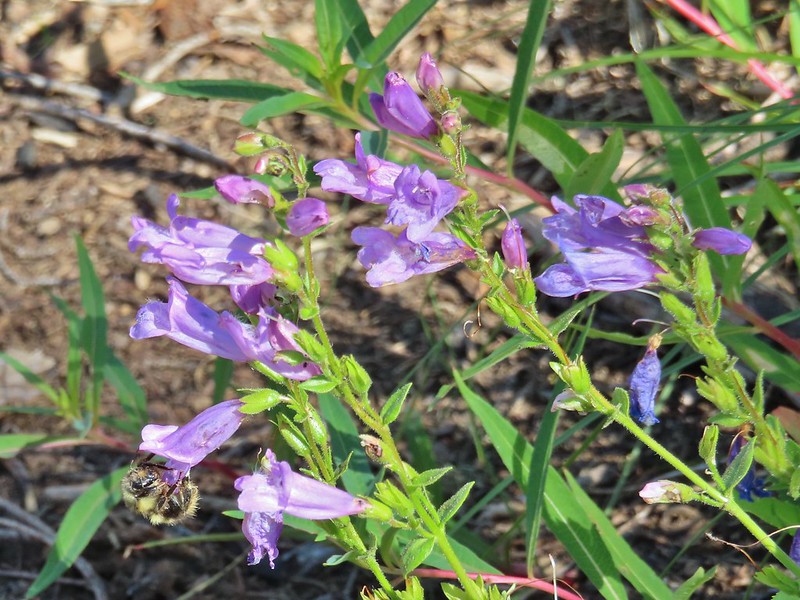
Penstemon

IMG_0251
Broken Top and South Sister (post).

IMG_0252
Broken Top

IMG_0255
South Sister

IMG_0259
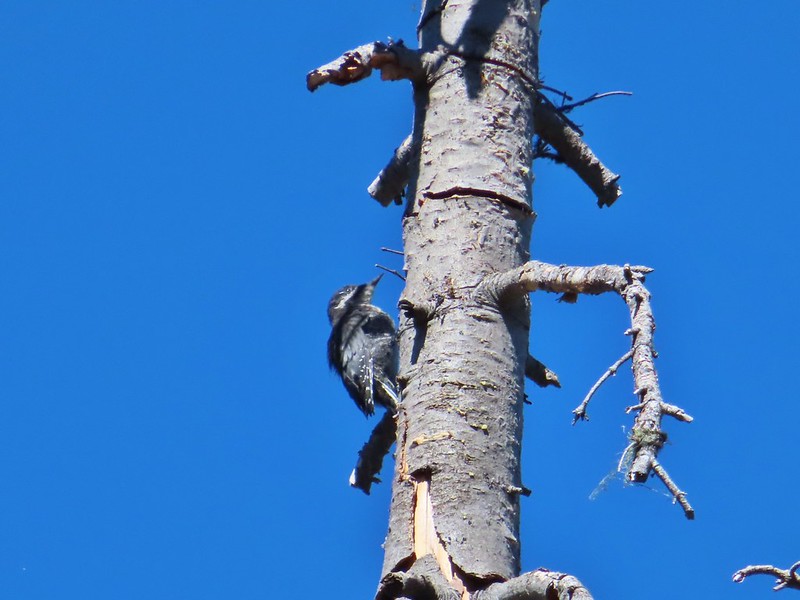
Woodpecker from below.

Near the 4-mile mark we arrived at Wychus Creek. At 6000′ this was the lowest elevation of the hike.
IMG_0265

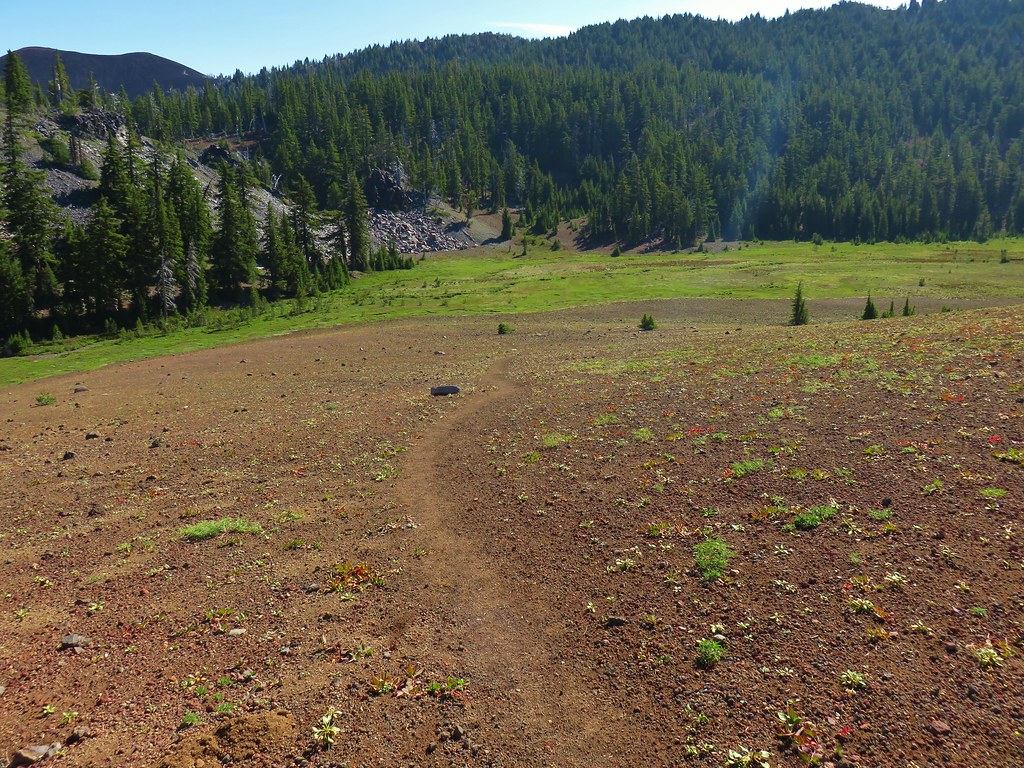
From Wychus Creek it is just over a mile to Park Meadow. Shortly before reaching the meadow the trail leaves the fire scar.
IMG_0266
Cinquefoil

IMG_0269
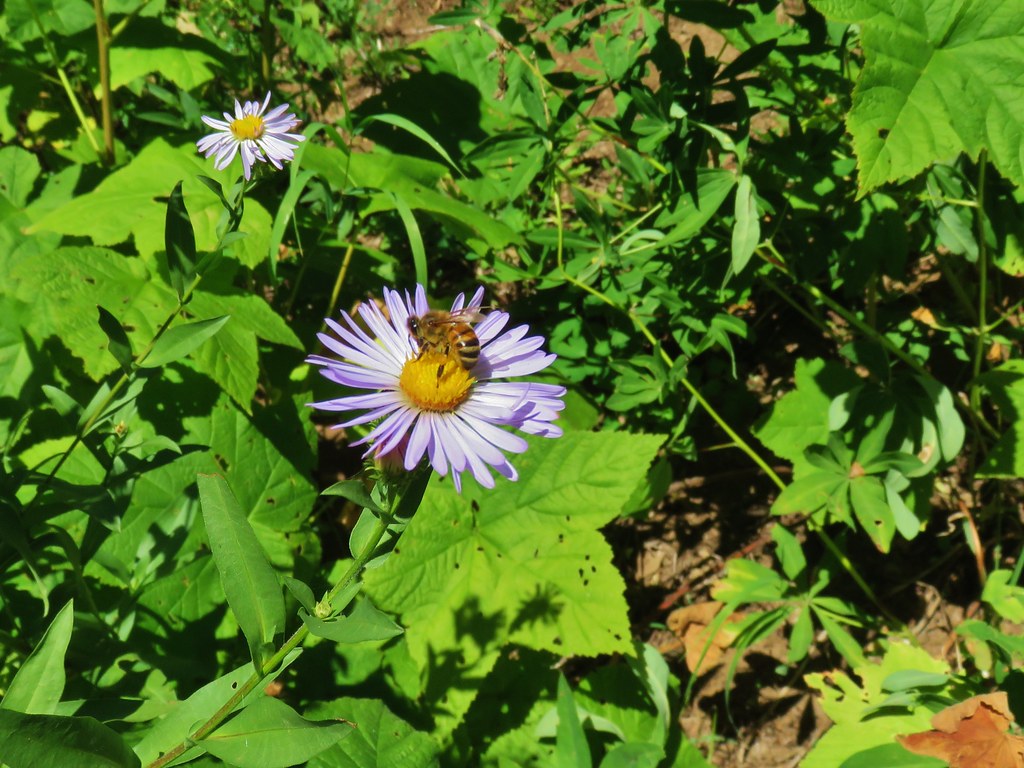
Aster

IMG_0271

IMG_0274
Orange sulphur

IMG_0275
Entering unburned forest.

South Sister from a pond at the end of Park Meadow.
IMG_0283

IMG_0285
Red-tailed hawk

IMG_0290
Broken Top from Park Meadow

IMG_0291
Park Creek crossing.

IMG_0294
Park Meadow junction with the Green Lakes Trail.

On our backpacking loop we used the Green Lakes Trail to reach the meadow from the Camp Lake Trail making this junction the point at which we completed Sullivan’s entire featured hike. I arrived here first because Heather and I had split up back at Wychus Creek. She had decided against pushing on to Golden Lake which was another 1.7-miles and 500′ in elevation gain away.

I hiked through the meadow which was filled with alpine gentians and then began to climb through the forest to the unmarked junction with the use trail to Golden Lake.
IMG_0301

IMG_0295
Alpine gentians

IMG_0297

IMG_0299
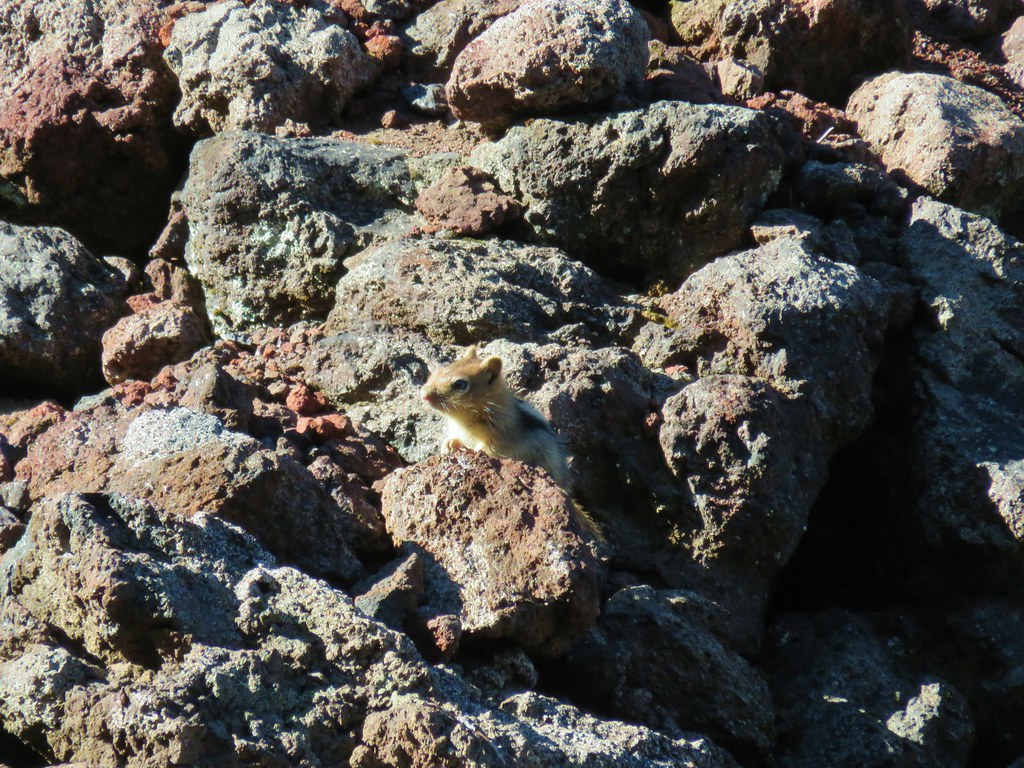
Golden-mantled ground squirrel

IMG_0302

IMG_0304
Townsend’s solitaire

IMG_0308
Small cairn and bandana marking the use trail. This is approximately 1-mile from the junction in Park Meadow.

I veered left up the use trail which quickly leveled out and brought me to Golden Lake in 0.7-miles.
IMG_0310
South Sister from the use trail.

IMG_0315
Broken Top from the trail. If you look down the trail on the right between the trees, you can see a deer crossing the trail.

IMG_0318
While it isn’t an official trail there is no camping allowed within 250′ of Golden Lake. In addition, throughout the Three Sisters Wilderness building, maintaining, attending, or using a fire, campfire, or stove fire above 5700′ is prohibited. Stoves must be fueled with liquid or compressed gas.

IMG_0324
The Moon above south sister.

IMG_0327
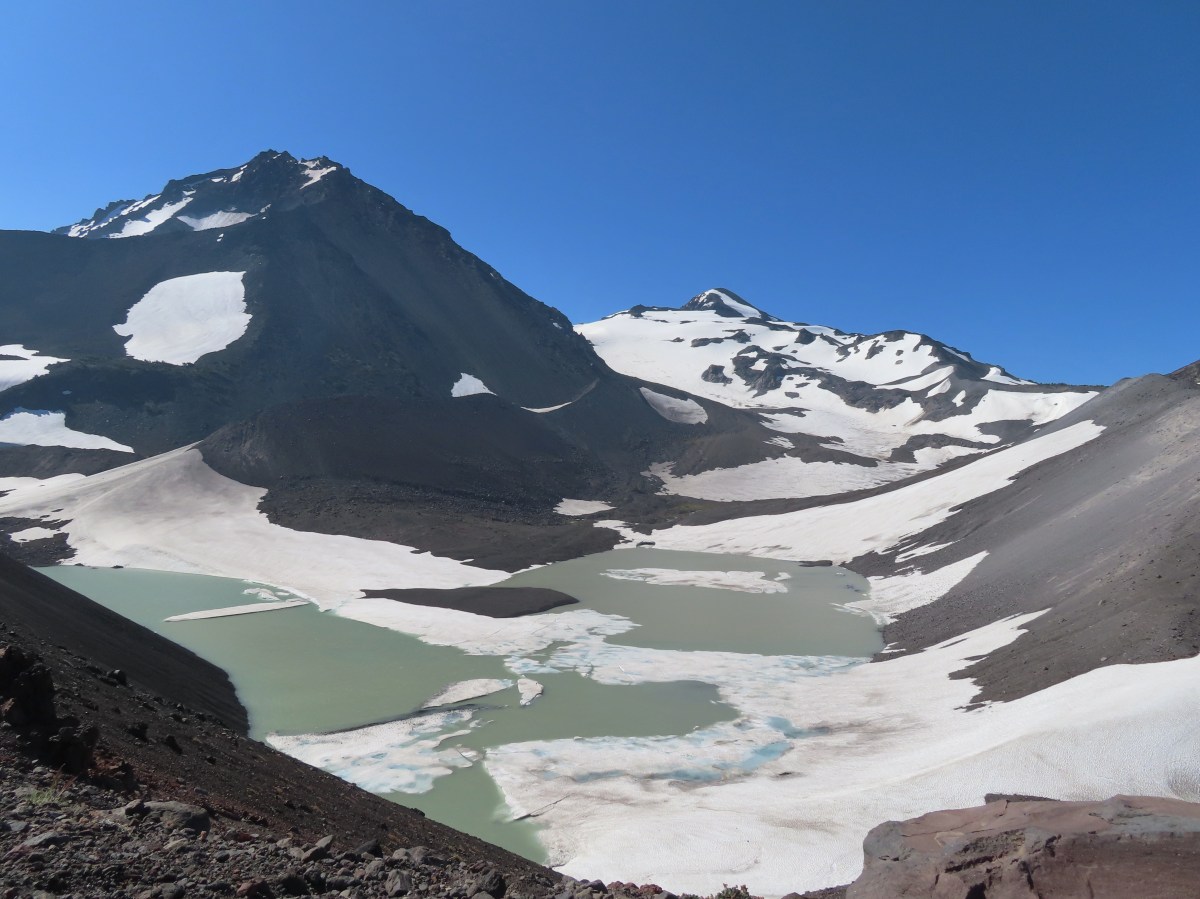
Golden Lake and Broken Top with some September haze. There is a crossing of the outlet that leads to the eastern shore.

IMG_0330
The Three Sisters from Golden Lake.

I wasn’t planning on going beyond Golden Lake, but I had left that option open depending on time and how I was feeling. On our backpacking trip we had continued up to a tarn almost a mile (and another 500′) and set up camp. We wound up not staying there though when we got spooked by the sudden arrival of smoke and a visible smoke column on the far side of South Sister. It was a rookie mistake as the fire wound up being over 40-miles away. Now that I was back 11 years later I couldn’t pass up the opportunity to visit the tarn and our almost campsite again. I followed a path along the eastern shore to the outlet creek then headed uphill.
IMG_0331
Looking back along the path along the eastern shore.

IMG_0334
Uphill along the inlet.

IMG_0333
Pink monkeyflower

IMG_0339
I believe the purple is an aster, red a paintbrush, and yellow Buek’s groundsel.

IMG_0345

IMG_0346
Aster and pink monkeyflower

IMG_0348
Tilling’s monkeyflower

IMG_0354
The creek emerges from springs at the base of a moraine.

The final push to the tarn is a steep climb up a glacial moraine.
IMG_0356
The Three Sisters and the creek from the moraine.

IMG_0358
The tarn.

IMG_0360
Due to the position of the Sun and the smoke getting a good picture of Broken Top from the tarn was impossible.

IMG_0362
South and North Sister from the tarn. Middle Sister is behind the clump of trees which is where we had set up our tent in 2014.

I made my way around the tarn and stopped at the 2014 campsite to take a break.
IMG_0364
California tortoiseshell

IMG_0365

IMG_0369
Another attempt at Broken Top.

IMG_0370
Fireweed along the smaller tarn.

IMG_0371
Campsite

IMG_0372
Middle and North Sister from the campsite.

After a snack and a change of socks I headed back down. It was just before 11am when I made my way back down the moraine and then by Golden Lake again.
IMG_0380
South Sister

IMG_0379
Middle Sister and Prouty Point

IMG_0378
North Sister

IMG_0381
Arnica and paintbrush near one of the springs feeding the creek.

IMG_0384
Alpine speedwell

IMG_0386
Lupine

IMG_0389

IMG_0390
Mushroom

IMG_0394

IMG_0401
The inlet creek crossing ahead.

I simply retraced my steps from here back to the trailhead. There were a few more wildlife sightings along the way and a few more trail users. The elevation gains after Wychus Creek were a mean trick given it was now warmer while I was heading uphill but there was an occasional cool breeze and it wasn’t too hot of a day to begin with (low 60’s).
IMG_0406
Northern flicker

IMG_0411

IMG_0414
The trails were all in good shape. This was the “worst” obstacle encountered.

IMG_0415
Mushroom

IMG_0425
Park Creek

IMG_0433
Common wood nymph in pearly everlasting.

IMG_0439
One of the numerous small uphill sections on the way back to the trailhead.

IMG_0445
A little more haze and a couple more clouds on the way back.

IMG_0449
Black Crater (post)

IMG_0456
Another uphill and more clouds forming overhead.

IMG_0460
The post on the right marks the site of the former trailhead. This is approximately 1.2-miles from the current trailhead.

I arrived back at the trailhead a little after 1:30pm and found Heather waiting in her camp chair.
IMG_0467

My hike to the tarn above Golden Lake came in at 15.2-miles with 1800′ of cumulative elevation gain. Heather’s to Park Meadow was a little over 10-miles with 800′ of elevation gain.
Screenshot 2025-09-13 161733

This was indeed a good time for this hike. There were no mosquitos or yellow jackets to speak of. The former are a problem in July and early August and the latter can get aggressive later in the Fall. While most of the wildflowers had passed there were still some blooming and it wasn’t too hot. The lack of tree cover combined with the uphill on the way back wouldn’t be a lot of fun on a hot summer day. Happy Trails!

Flicker: Park Meadow to Golden Lake

Categories
High Cascades Hiking Oregon Three Sisters Area Trip report

Obsidian Loop – 07/15/2025

Following a great visit to Jefferson Park on Monday (post) I continued my solo vacation by revisiting a hike that we refer to as “The hike that shall not be named.” On October 14th, 2012, we (including our Son) had set off from the Obsidian Trail for what I thought was going to be 15-mile loop with epic views. A combination of me misunderstanding the route described in the guidebook and cloudy conditions it wound up being a largely viewless 18.6-mile trudge (post). Heather and I revisited a portion of that hike by visiting Four-in-One Cone in 2019 (post), but we had not been back to the Obsidian Trail.

I had my Central Cascades Wilderness Permit for the Obsidian Trailhead and set off ridiculously early (3am) to make the 2:30 hour drive.
IMG_5935
The trailhead at 5:30am.

IMG_5936
In addition to the Central Cascades Wilderness Permit a NW Forest Pass is required to park at the trailhead.

I set off on the trail which began in the trees before briefly passing through the 2017 Separation Fire scar.
IMG_5938
A connector trail joins from the left shortly after leaving the hiker trailhead. This trail connects to the equestrian trailhead, and it theoretically connects to the Scott Trail. We had used this connecter for the hike that shall not be named, and I was planning on using it again today but more on that later.

IMG_5946
Most of the beargrass was past but there were a few still in bloom.

IMG_5954
Entering the Three Sisters Wilderness.

IMG_5961
The initial section of the trail climbs gradually.

IMG_5965
Entering the fire scar.

IMG_5968
Sims Butte

IMG_5971
The Middle Sister on the left and South Sister (post) to the right.

IMG_5972
There had been some recent trail work done on the Obsidian Trail.

IMG_5978

Just under 3.5-miles from the trailhead I arrived at a lava flow which the Obsidian Trail climbs over providing the loop’s first set of great views.
IMG_5980

IMG_5984
Partridgefoot

IMG_5987
North and Middle Sister

IMG_5986
Scott Mountain (post) on the left.

IMG_5988
Belknap Crater (post), Mt. Washington, and Mt. Jefferson

IMG_5989
Belknap Crater, Mt. Washington, Mt. Jefferson, and Little Belknap Crater

IMG_6001
Buckwheat

IMG_6003
North and Middle Sister as the trail began to descend to the White Branch.

IMG_6006
White Branch crossing. I was able to rock hop and keep my feet dry.

On the far side of the White Branch is a junction with the Glacier Way Trail.
IMG_6008
Lupine and a patch of snow on the far side of the White Branch.

IMG_6013

Both of the trails lead to the Pacific Crest Trail 1.4-miles apart The Glacier Way meets the PCT near Sunshine, a large meadow, in 0.7-miles and the Obsidian Trail meets the PCT near Obsidian Falls in 1.7-miles. This allows for a nearly 12-mile lollipop loop. It is also where the hike that shall not be named went awry. Sullivan described a 15-mile loop using the PCT and Scott Trails, but I failed to pick up on needing to use the Glacier Way Trail in order to keep the milage to fifteen. Just as we’d done in 2012, I stuck to the Obsidian Trail only this time I knew what I was signing up for. The only thing I wasn’t sure of was how much snow might still be lingering in the area. I was carrying micro spikes and prepared to either turn back or bail on the Glacier Way Trail if need be.

Beyond the junction the Obsidian Trail climbed more steeply before reaching a series of meadows along the South Fork White Branch.
IMG_6014
There was a lot of lupine in bloom along the trail.

IMG_6016
There were quite a few patches of snow starting at 5800′ but most were easy to cross without needing the spikes.

IMG_6017
More trail work.

IMG_6020
I did put the spikes on to cross this patch since it was on a fairly steep hillside.

IMG_6022

IMG_6028
When the trail leveled out near the meadows start looking for obsidian in and along the trail.

IMG_6030
Middle Sister from one of the meadows.

Obsidian Trail
The same meadow in 2012.

IMG_6035

IMG_6041

IMG_6042
Alpine false dandelion

IMG_6044
Sub-alpine mariposa lily

IMG_6045
Alpine wild buckwheat

IMG_6053
Cobwebby paintbrush

IMG_6055
South Fork White Branch

IMG_6062
More patchy snow.

IMG_6071
Second crossing of the South Fork White Branch in the meadows.

IMG_6073
Western pasque flowers going to seed.

IMG_6074
Western pasque flower still in bloom.

IMG_6075
Heading back to the trees near Obsidian Creek.

The trail descended to a crossing of Obsidian Creek below Obsidian Falls then climbed to a junction with the Pacific Crest Trail.
IMG_6081

IMG_6083
Obsidian Creek

IMG_6084
The top of The Husband sticking up above the trees.

IMG_6088
Jacob’s ladder

IMG_6090
Junction with the PCT.

I turned left onto the PCT which switchbacked up above Obsidian Falls. I made the short detour down to the viewpoint below the waterfall.
IMG_6092

IMG_6094
Spur to the base of the falls on the left.

IMG_6096
Obsidian Falls

IMG_6105
Obsidian Falls from the PCT.

Above the waterfall the PCT levels out on a wide plateau with a view of the Middle Sister.
IMG_6111

IMG_6113
Looking back down Obsidian Creek.

IMG_6116
The headwaters of Obsidian Creek.

IMG_6119
Spring feeding the creek.

There were two large snowfields still covering the PCT along this section but given the terrain was flat and there were well established footprints they were fairly easy to cross.
IMG_6121
The first snowfield passed one of several ponds on the plateau, this one being frozen.

IMG_6124
Frozen Pond.

One of the Arrowhead Lakes
The same pond in October 2012.

IMG_6130
The second snowfield crossing.

Pacific Crest Trail
Roughly the same spot in 2012, note the small pond ahead.

IMG_6135
The small pond today.

IMG_6134
Obsidian

IMG_6138
Little Brother ahead.

IMG_6141
North Sister

At the northern end of the plateau the trail begins a descent into Sunshine, a large meadow along Glacier Creek.
IMG_6147
User trail leading down to Glacier Creek. I did see one person down at the creek gathering water.

IMG_6148
View from the junction with the user trail. If you look closely, you can see the person who was getting water near the trail crossing of the creek below.

There were more patches of snow to navigate as I made my way down to Sunshine on the PCT but nothing had been too bad, so I decided not to bail when I passed the Glacier Way Trail junction and continued down to Glacier Creek.
IMG_6152

IMG_6153
Belknap Crater and Mt. Washington were once again visible.

IMG_6163
I ended up going around this one.

IMG_6164
Sign at the junction.

IMG_6168
A closed user trail that has been replaced by the one up above.

IMG_6169
The PCT crossing Glacier Creek.

IMG_6171
Paintbrush

Beyond Glacier Creek the Pacific Crest Trail did some ups and downs before arriving at Sawyer Bar, a crossing of the White Branch at a lava flow.
IMG_6178

IMG_6179
Leaving the Obsidian area.

IMG_6181
I’d also left the maintained trail area. This was probably the worst obstacle of the day but there were a number of downed trees along this section of the PCT and later on the Scott Trail.

IMG_6184
Lots of lupine again.

IMG_6187
The PCT made a hard right turn to the east at the lava flow.

IMG_6195

IMG_6201
Belknap Crater, Mt. Washington, Three Fingered Jack and Mt. Jefferson

It had been a little hazy to the north all morning, and I had started getting a faint whiff of smoke every once in a while, after crossing Glacier Creek. Looking at the sky as I neared Sawyer Bar it was obvious that smoke from the Cram Fire over 60 miles away just NE of Madras was being blown into the area by the NE winds.
IMG_6202
North Sister and Little Brother

IMG_6206
Dropping down to Sawyer Bar. There was still a snowfield over the White Branch.

My arrival at Sawyer Bar was loudly announced by a resident yellow-bellied marmot.
IMG_6215

After a brief stint in some sparse trees the trail entered the lava flow and headed for a narrow chute where it switched back relentlessly in the loose volcanic rock.
IMG_6218

IMG_6223

IMG_6227
Collier Cone poking up ahead.

IMG_6231
Paintbrush

IMG_6235
Heading into the chute with the Sun above.

IMG_6237
Penstemon

IMG_6238
Sorrel

IMG_6241
Looking back down from near the top.

IMG_6245
Goldenrod

I wasn’t sure if I was going to be able to climb up onto the rim of Collier Cone as we had in 2012 due to the presence of snow, but after reaching the top of the chute and seeing the use trail into the cone I could tell that it would be possible.
IMG_6246
The high point of Collier Cone from the PCT.

IMG_6247
Catchfly

IMG_6250
North and Middle Sister from inside the cone. I was following use trails toward the low point along the rim to save myself some effort.

IMG_6259
Looking back at the smoke from the Cram Fire flowing through Santiam Pass.

IMG_6260
The opposite side of the cone.

IMG_6261
North and Middle Sister from the rim. The glacial lake at the bottom is from melting snow and the shrinking Collier Glacier.

IMG_6270
Middle Sister and Little Brother

Collier Glacier in the clouds
The view was a little different in 2012.

The wind was whipping pretty strongly but I took advantage of a couple of large cinder rocks to take a seat, have some food, and change my socks before continuing.
IMG_6276

Silvery raillardella

IMG_6281
Dwarf alpinegold

IMG_6282
Heading down to the PCT.

IMG_6284
On last look back from the PCT.

I continued north on the PCT rounding Collier Cone’s ridge and then descending for almost a mile and a half to Scott Meadow.
IMG_6290

IMG_6293
I passed a hiker and her dog just before rounding the ridge here, the first I’d seen other than the person getting water from Glacier Creek.

After rounding the ridge I spotted the sketchiest snowfield of the entire hike, but having just seen the hiker and dog coming from that direction helped boost my confidence.
IMG_6294

I put my micro spikes on for the second time today and carefully made my way across the soft melting snowfield. That was the last time the spikes felt necessary, but not the end of the snow patches.
IMG_6297
Collier Cone, North Sister and Little Brother from the far side of another snow patch.

IMG_6299
There was evidence of some glissading down this patch to the PCT below. I was able to avoid most of the snow by looping around it.

IMG_6300
I just had to cross this short section in order to loop around the rest.

IMG_6304
The creek along the trail here is not named on maps and is shown as seasonal.

IMG_6311
The final snow patch along the PCT before Scott Meadow.

IMG_6319
Almost to the meadow.

This would mark my fourth visit to this meadow. The first was of course in October 2012 and the third was in August 2019 on our Four-in-One Cone hike. In between those two hikes was a July 29th visit during our Matthieu Lakes hike (post). The 2013 hike had been the only one where there were any flowers to speak of blooming in the meadow. At that time it was primarily lupine with some scattered paintbrush, and a host of mosquitos. I had been expecting mosquitos all day, but whether it was timing, the breeze, or the DEET I had applied before setting off there had been almost no sign of them all morning and it was the same at the meadow.
IMG_6320

I’m not sure my timing could have been much better for the flowers this year. It took me a bit to cover the 0.2-miles between the start of the meadow and the Scott Trail junction.
IMG_6322

IMG_6326
Paintbrush and cinquefoil

IMG_6330
Western pasque flowers

IMG_6332
Alpine speedwell

IMG_6335
Lupine

IMG_6336

IMG_6338
Alpine false dandelions, speedwell, cinquefoil and possibly some pussytoes.

IMG_6345
California tortoiseshell

IMG_6353
Bog laurel

The meadow through the years.
Collier Cone
October 14,2012

Pacific Crest Trail in Scott Meadow
July 29, 2013

The Pacific Crest Trail heading toward North Sister, Middle Sister, and Collier Cone from Scott Meadow
August 14, 2019

IMG_6351
Today

IMG_6355
The junction with the Scott Trail.

I turned left onto the Scott Trail and followed it up an open hillside.
IMG_6357

IMG_6359
Yapoah Crater to the left.

After making the climb the trail gradually descended to a cinder field near Four-in-One Cone.
IMG_6363

IMG_6365
Pussy paws

IMG_6368
Four-in-One Cone

A user trail leads up the cone and despite the lack of views we had made the 0.4-mile detour along the top. That detour had been the last straw for our son who didn’t realize that it wasn’t part of the loop needed to get back to the car. When he got to the top and found out it was just an out-and-back side trail he was not at all happy with me. I didn’t make the side trip this time given the increasing smoke on the horizon and the fact that Heather and I had gotten to enjoy the view in 2019.
IMG_6374
Looking back at the side trail after passing it.

IMG_6376
The view from the trail below Four-in-One Cone isn’t too bad.

Beyond Four-in-One Cone the Scott Trail briefly continues through the cinder field before skirting the tree line next to a lava flow.
IMG_6382

IMG_6387

IMG_6388
North Sister and an increasingly hazy sky.

The Scott Trail eventually crosses over the lava flow then enters the forest as it descends toward the McKenzie Highway.
IMG_6391

IMG_6393

IMG_6394
Sign reminding visitors there are no campfires allowed above 5700′.

IMG_6398
There were more snow patches in the forest but nothing much on the trail itself. A bigger issue was the amount of blowdown along the trail; however, I did pass a trail crew working their way up the trail.

IMG_6406
Fritillary on valerian

IMG_6409
Queen’s cup

IMG_6413
Lousewort

IMG_6420
Rosy spirea

IMG_6422
Fading Washington lilies.

IMG_6423
Strawberry blossoms

IMG_6428
Larkspur

I had been watching for the connector trail and keeping my eye on the GPS, but somehow I completely missed it. I did pass a decommissioned trail with a closed for rehabilitation sign. In 2012 there had been a sign at the junction but by 2019 the sign was missing but the trail was obvious.
Scott Trail on the left with the connector to the Obsidian Trail to the right.
The connector trail on the right coming from the opposite direction that I was headed.

The Forest Service page for the Obsidian Trailhead still lists the Obsidian Tie Trail and as providing access to the Scott Trail which leads me to believe I just didn’t notice it, but it’s also possible that it has been decommissioned and the trail that I had passed after just setting off is now just a connector to the Obsidian Equestrian Trailhead.

Missing the connector wasn’t the end of the world as the Scott Trail crosses the McKenzie Highway a little over a quarter mile from the tie trail (or former tie trail).
IMG_6430
It was when I reached this meadow that I knew I’d missed the turn.

IMG_6431
Looking across the meadow.

IMG_6432
Shooting stars

IMG_6435
The highway from the wilderness sign.

I popped out onto the highway and turned left for a 0.6-mile road walk to the Obsidian Trailhead.
IMG_6437

IMG_6438
Historical marker for the 1862 Scott Road.

IMG_6442
It was another third of a mile to my car along the gravel road to the trailhead.

I saved myself a little over a mile by not retracing our side trip across Four-in-One Cone, but missing the connector trail added almost a third of a mile so instead of an 18.6-mile loop like 2012 my GPS came in at 17.8-miles. Skipping Four-in-One-Cone also shaved off a little over 100′ of elevation gain leaving today just under 3400′ of cumulative gain.
Screenshot 2025-07-15 164929
Not sure why the Garmin map shows the PCT going along the rim of Collier Cone. It looks as though there is a use trail around the rim, but it certainly is not the PCT.

This was an excellent hike with spectacular views and some nice wildflowers. I was pushing the timing as far as snow goes, but this year has been warm and dry enough that it was passable (with micro spikes) this early. The lack of mosquitos was a huge blessing.

The only bummer was the arrival of the smoke from what has become a very serious fire. As of my writing this on July 16, 2025, the fire is over 64,000 acres with zero containment. Many people have had to evacuate, and many others are on standby to do so. Our prayers go out to them and to the responders doing everything they can to get the blaze under control.

Flickr: Obsidian Loop
Categories
Hiking

Progress Report – Oregon Wilderness Areas (Completed)

Several years back we set several hiking goals, one of which being to hike in all of Oregon’s federally designated wilderness areas. At that time there were 47 such areas in the State with two of those being off-limits to visitors (Three Arch Rocks & Oregon Islands are also National Wildlife Refuges that provide nesting habitat for sea birds as well as serving as pupping sites for marine mammals. To prevent disturbances public entry to any of the rocks/islands is prohibited and waters within 500 feet of the refuge are closed to all watercraft from May 1 through September 15.) In 2019 Congress added the Devils Staircase Wilderness to the list giving us a total of 46 designated wilderness areas to visit in order to complete this goal. Staring in 2019 we began posting annual updates on our progress (2020 & 2021) and we are excited to report that, unless any new wilderness areas are established in the future, this will be our last update. We managed to make it to the final four wilderness areas on our list, the North Fork Umatilla, Devils Staircase, Black Canyon, and Monument Rock, in 2021. We have to give credit to Bruce (Van Marmot) over at Boots on the Trail for not only getting to all 46 first but also providing inspiration and a lot of helpful information.

A little over 2.5 million acres are designated as wilderness throughout the State and range in size from 15 acres (Three Arch Rocks) to 355,548 acres (Eagle Cap). Oregon shares a wilderness with three of its bordering states. The Wenaha-Tuccanon is shared with Washington, Hells Canyon with Idaho, and Red Buttes with California. The areas are managed by three different federal agencies. The U.S. Fish and Wildlife Service (FWS) manages the Oregon Islands and Three Arch Rocks areas while the Bureau of Land Management (BLM) manages nine and the Forest Service manages forty-one. If you do the math those numbers add up to fifty-two. The reason for that is four of the areas, the Devils Staircase, Lower White River, Hells Canyon, and Wild Rogue are managed jointly by the Forest Service and BLM. Seven of the areas have no official trails, the two off-limit areas, and the Devils Staircase, Rock Creek, Lower White River, Bridge Creek, and Spring Basin wildernesses. Although irregularly shaped (except for the exactly 6 square mile Mountain Lakes Wilderness) the majority of the areas are a single unit. In addition to the Oregon Islands and Three Arch Rocks the Mount Hood (4), Mark O. Hatfield (2), Badger Creek (2),Salmon-Huckleberry (3), Clackamas (5), Soda Mountain (2), North Fork John Day (4), and Steens Mountain (2) consist of multiple separate areas.

We visited our first Oregon Wilderness in 2009 when we visited Henline Falls in the Opal Creek Wilderness. Since then we have spent parts of 215 days in these special places. For sixteen of the areas it was only a single day while we’ve spent part of 30 days in the Three Sisters Wilderness. Below are some of our best memories from each of the wilderness areas. We hope you enjoy them as much as we enjoyed visiting them.

Badger Creek: 28,915 acres Days Spent in Wilderness-6
Divide Trail entering the Badger Creek Wilderness

Badger Creek

Mt. Hood from the helispot

Black Canyon: 13.088 acres Days Spent in Wilderness-1
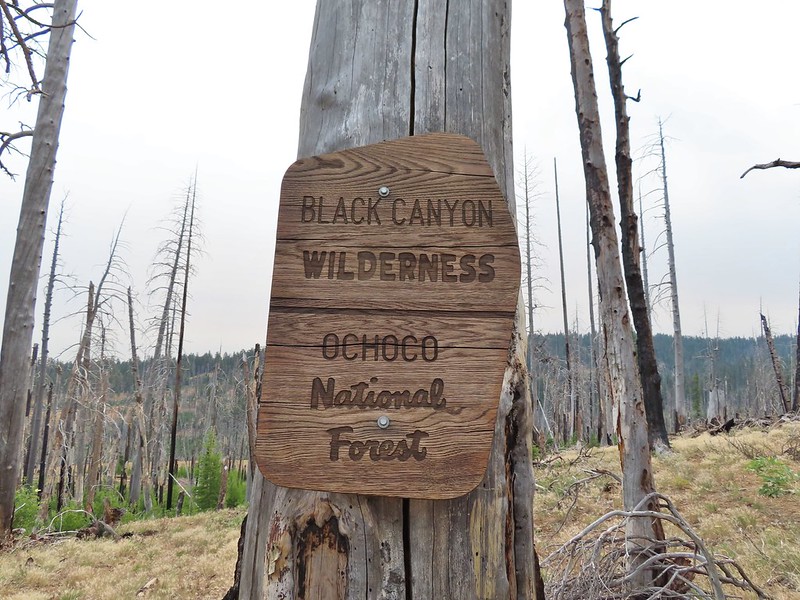
Black Canyon Wilderness sign

Black Canyon Trail

Black Canyon Trail crossing Black Canyon Creek

Boulder Creek: 19,911 acres Days Spent in Wilderness-1
Boulder Creek Wilderness sign

View from the Boulder Creek Trail

Boulder Creek

Bridge Creek: 5,337 acres Days Spent in Wilderness-1
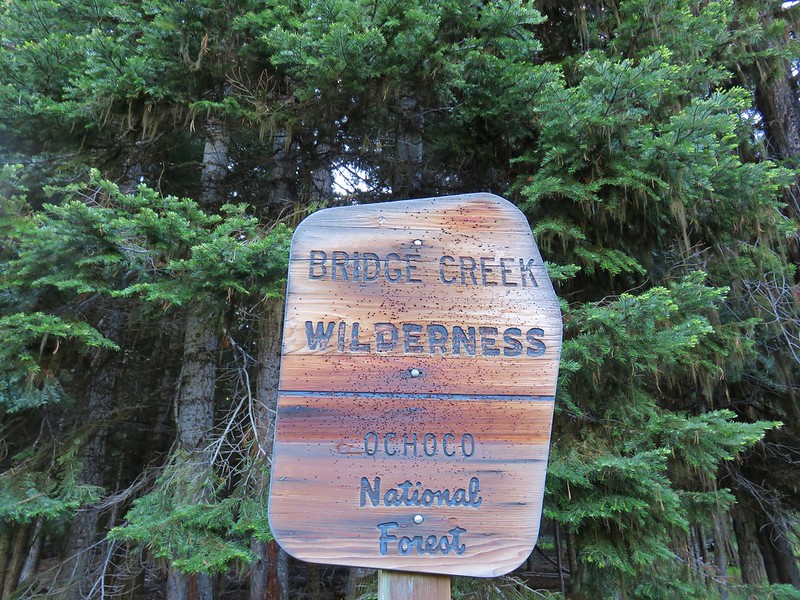
Bridge Creek Wilderness sign

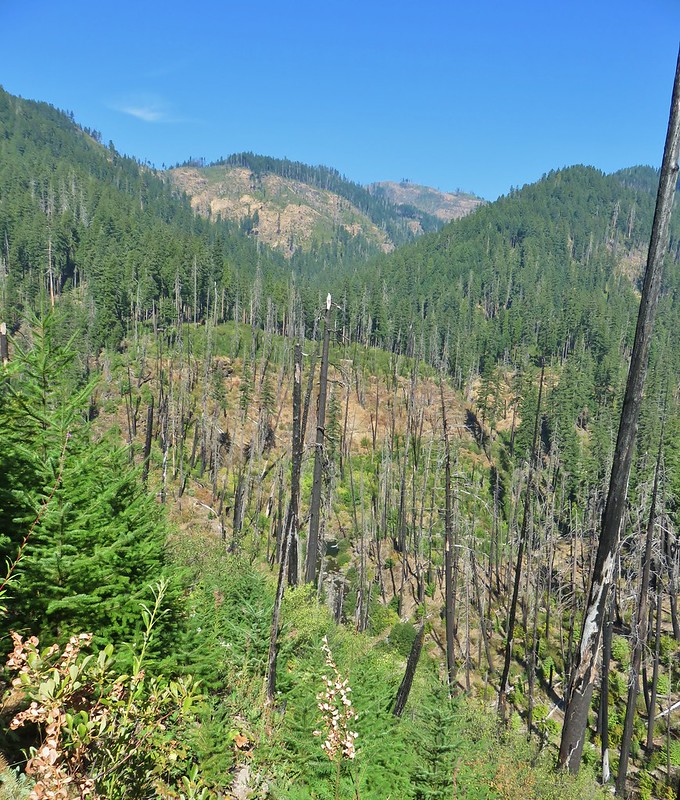
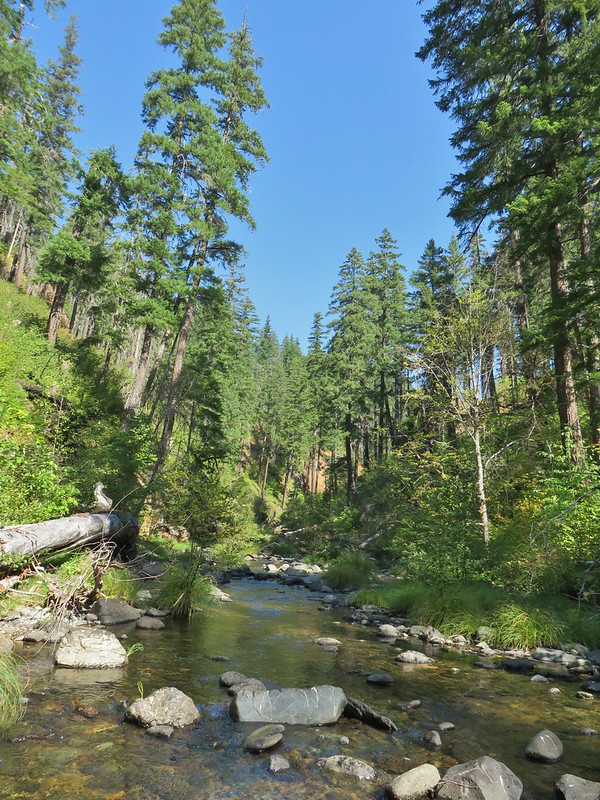
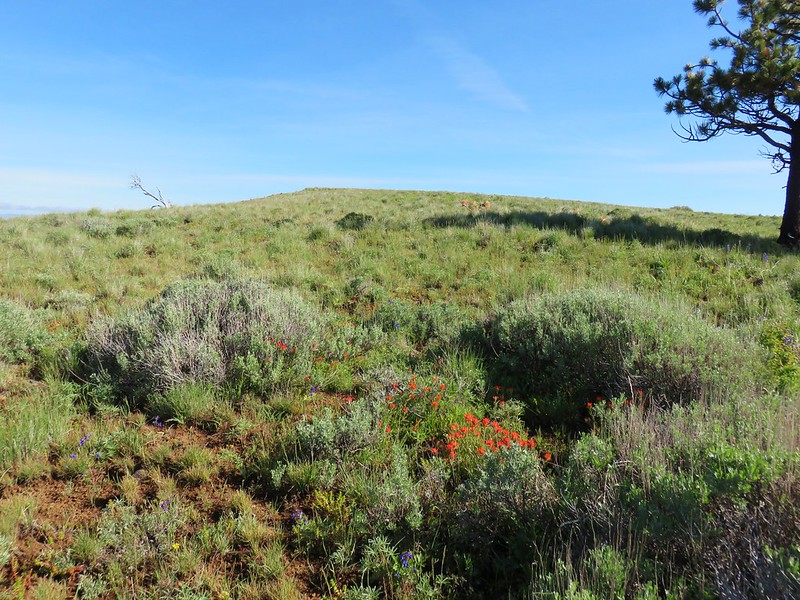
Bridge Creek Wilderness

View to the north from the Bridge Creek Wilderness

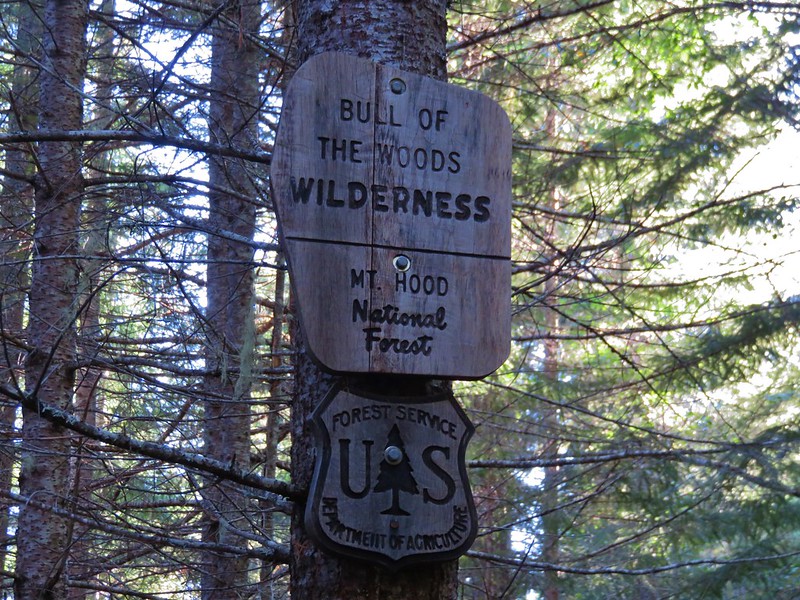
Bull of the Woods: 36,869 acres Days Spent in Wilderness-6
Bull of the Woods Wilderness sign

Lake Lenore

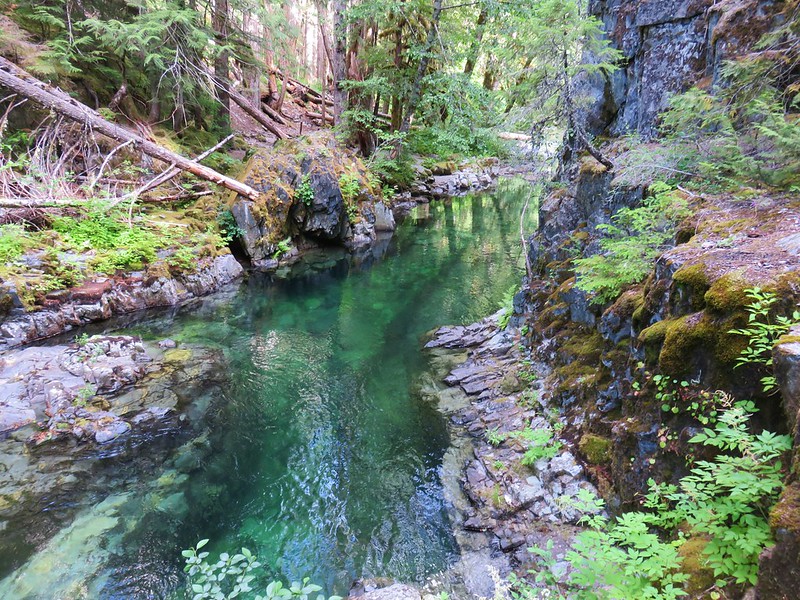
Emerald Pool

Mt. Jefferson and Three Fingered Jack

Mt. Hood and Big Slide Lake from the Bull of the Woods Lookout

Clackamas: 9.465 acres Days Spent in Wilderness-2
Clackamas Wilderness sign

Memaloose Lake

Big Bottom

Copper-Salmon: 13,724 acres Days Spent in Wilderness-1
Barklow Mountain Trail entering the Copper-Salmon Wilderness

View from the summit of Barklow Mountain

Cummins Creek: 9,026 acres Days Spent in Wilderness-1
Wilderness sign at the upper trailhead

Cummins Ridge Trail

Devils Staircase: 30,787 acres Days Spent in Wilderness-1
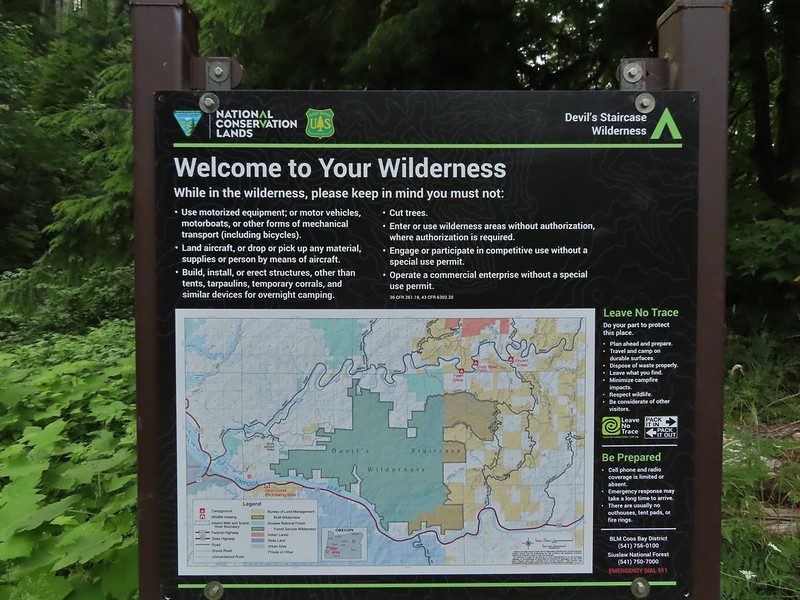
Informational sign for the Devil's Staircase Wilderness

Devil's Staircase Wilderness

Devil's Staircase Wilderness

Devil's Staircase

Diamond Peak: 52,477 acres Days Spent in Wilderness-7
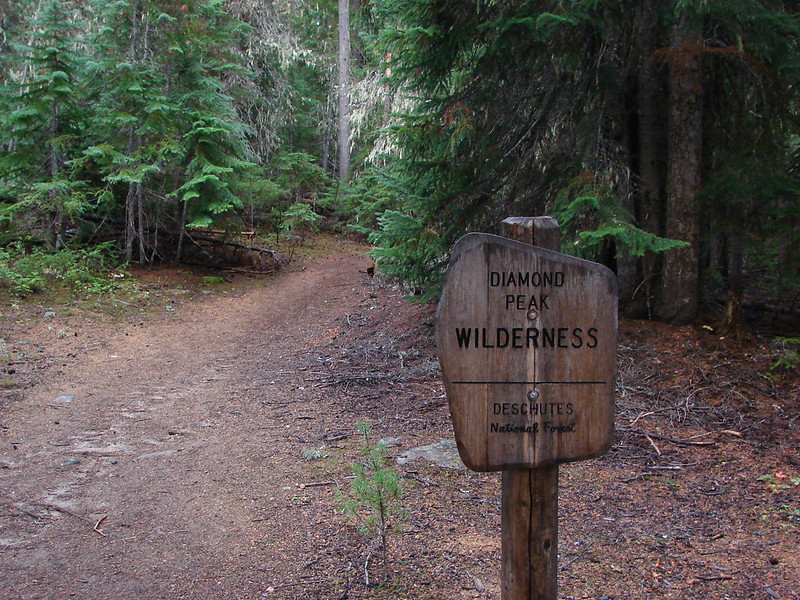
Trapper Creek Trail entering the Diamond Peak Wilderness

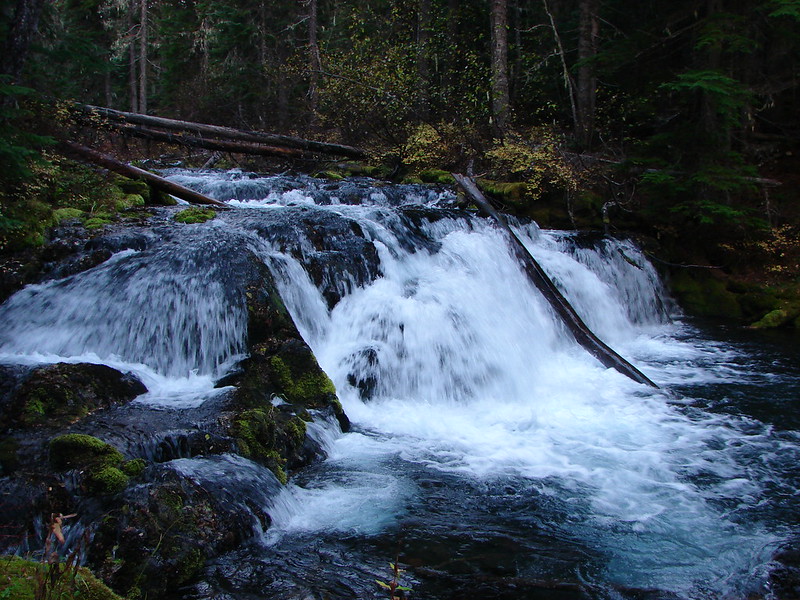
Small waterfall on Trapper Creek

Diamond Peak from Karen Lake at sunset

Diamond Lake from an unnamed lake along the Crater Butte Trail

Climbers trail to Diamond Peak

Drift Creek: 5,792 acres Days Spent in Wilderness-2
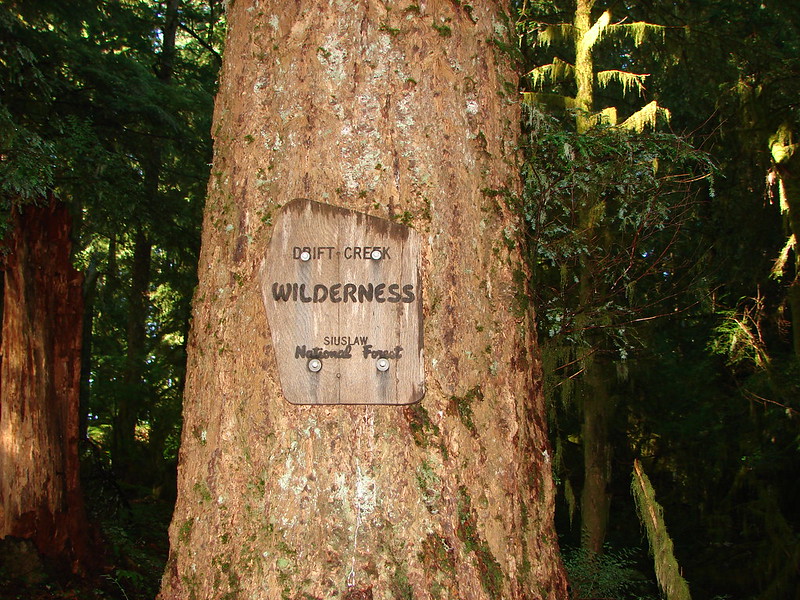
Drift Creek Wilderness sign

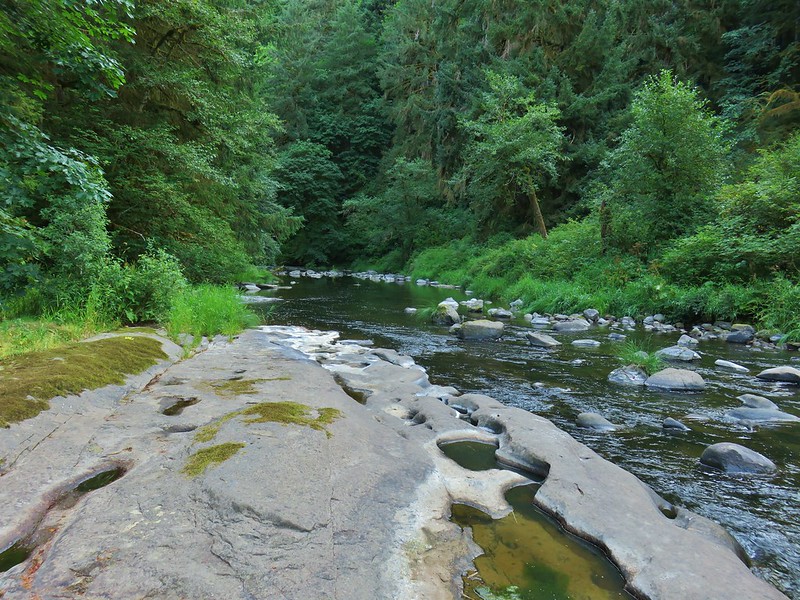
Drift Creek

Eagle Cap: 355,548 acres Days Spent in Wilderness-5
Eagle Cap Wilderness sign

Ice Falls

Ice Lake

Basin between the Matterhorn and Sacajawea

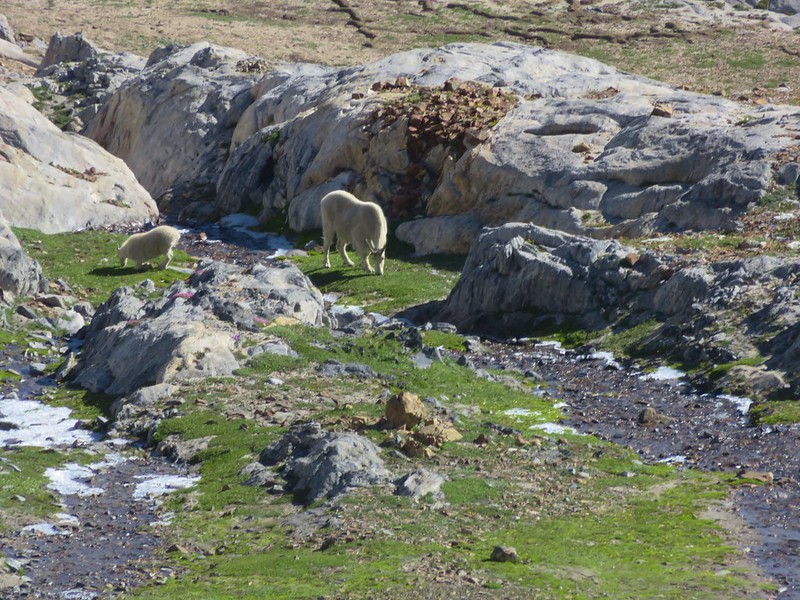
Mountain goats

Eagle Cap from the Matterhorn

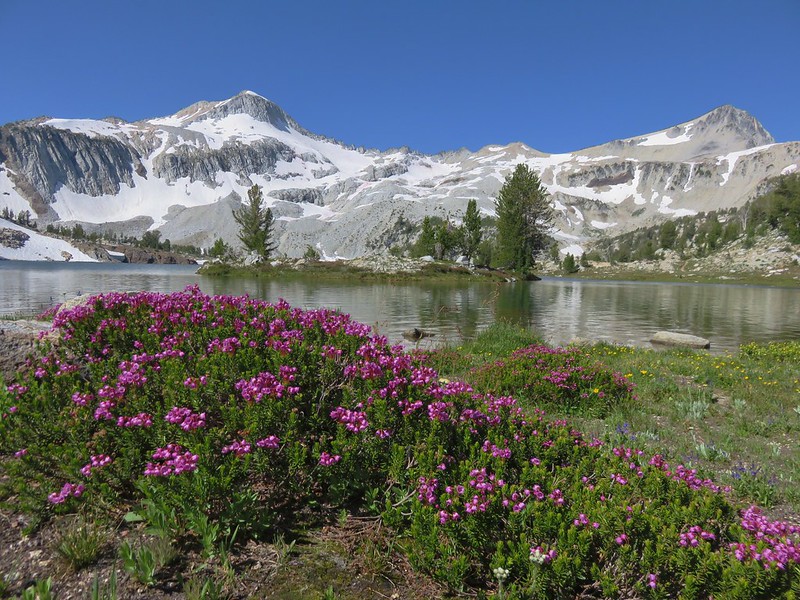
Glacier Lake

Eagle Cap from Mirror Lake

The Matterhorn and Moccasin Lake from Eagle Cap

Horseshoe Lake

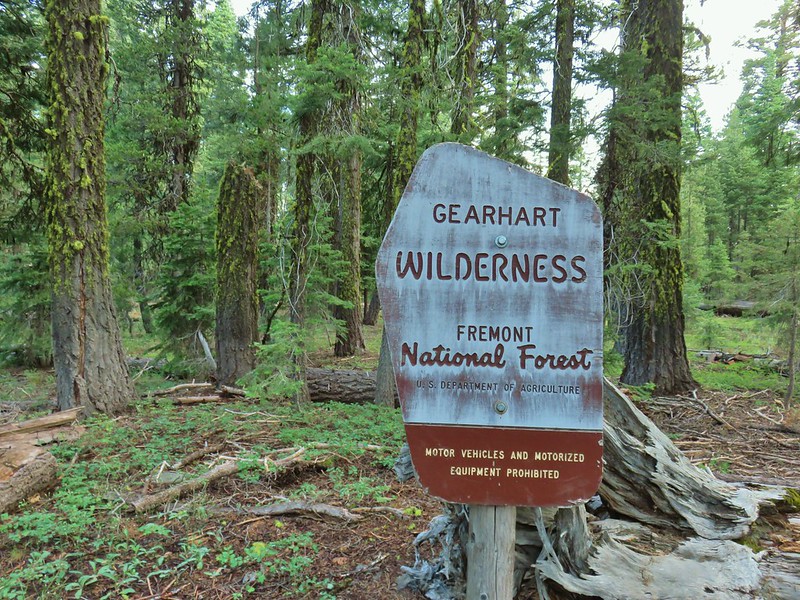
Gearhart Mountain: 22,587 acres Days Spent in Wilderness-1
Gearhart Mountain Wilderness sign

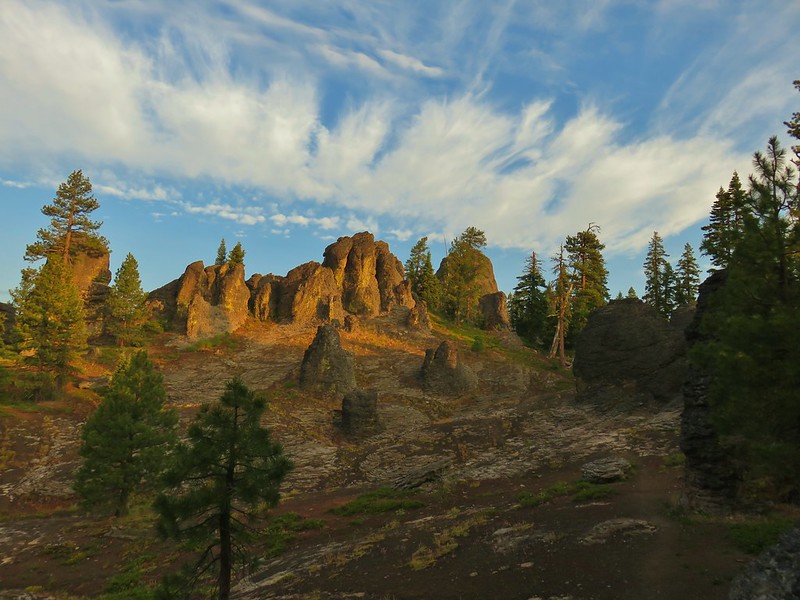
The Palisades in the Gearhart Mountain Wilderness

Gearhart Mountain Wilderness

View from Gearhart Mountain

Grassy Knob: 17,176 acres Days Spent in Wilderness-1
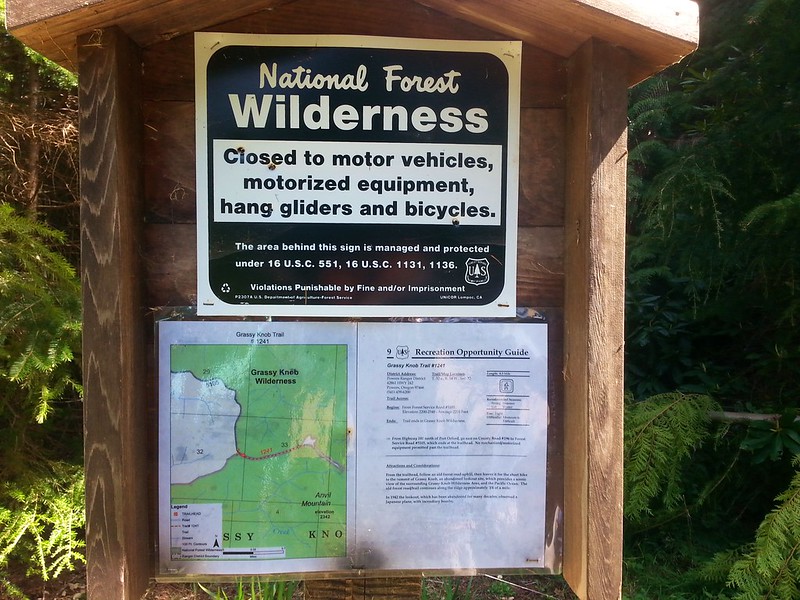
Grassy Knob Wilderness sign

View from Grassy Knob

Hells Canyon: 131,337 acres in OR (217,613 in ID) Days Spent in Wilderness-1
Trail sign at a junction with Marks Cabin Trail along the Summit Ridge Trail at the Hells Canyon Wilderness Boundary

Looking into Hells Canyon from Freezeout Saddle

Kalmiopsis: 179,550 acres Days Spent in Wilderness-1
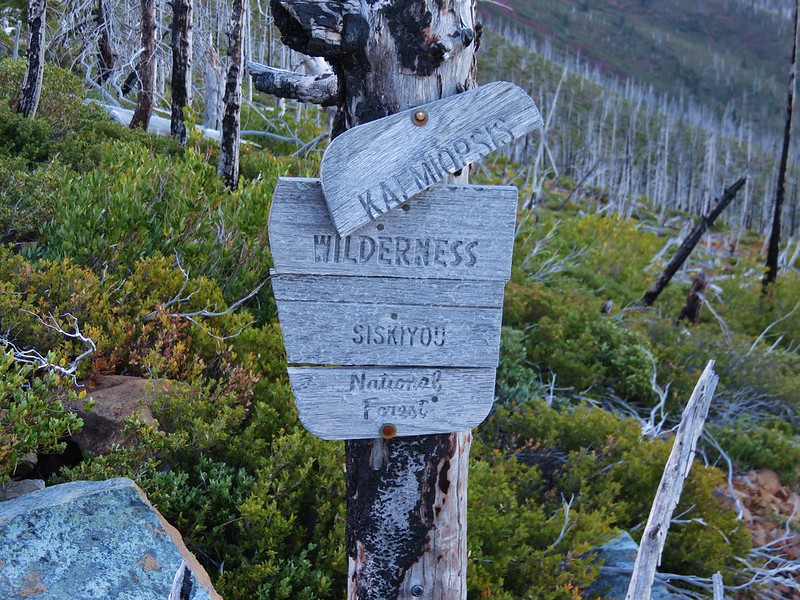
Kalmiopsis Wilderness sign

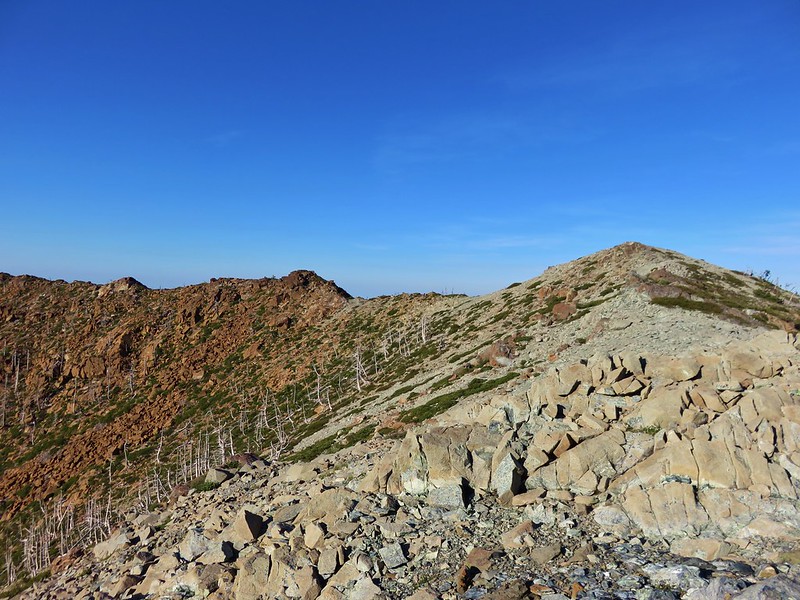
Ridge to the south of the Vulcan Peak Trail

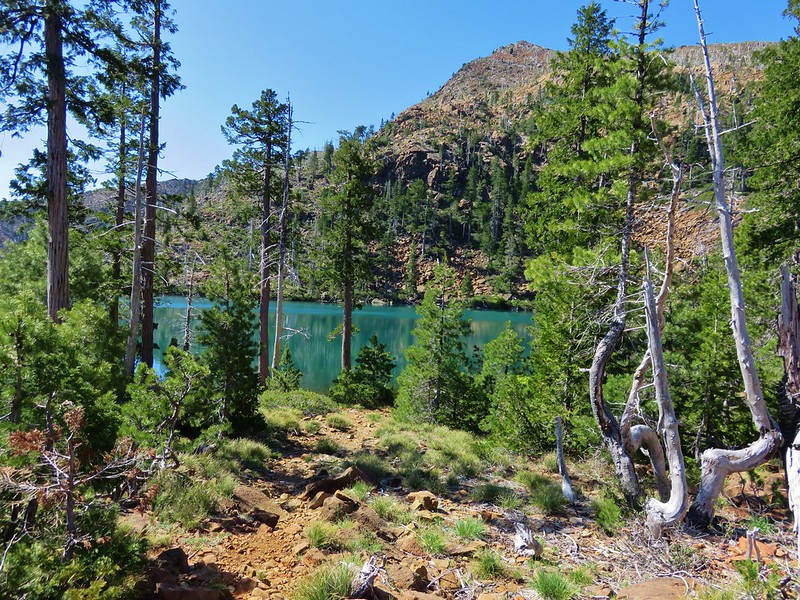
Vulcan Lake

California pitcher plant (Darlingtonia californica) at Little Vulcan Lake

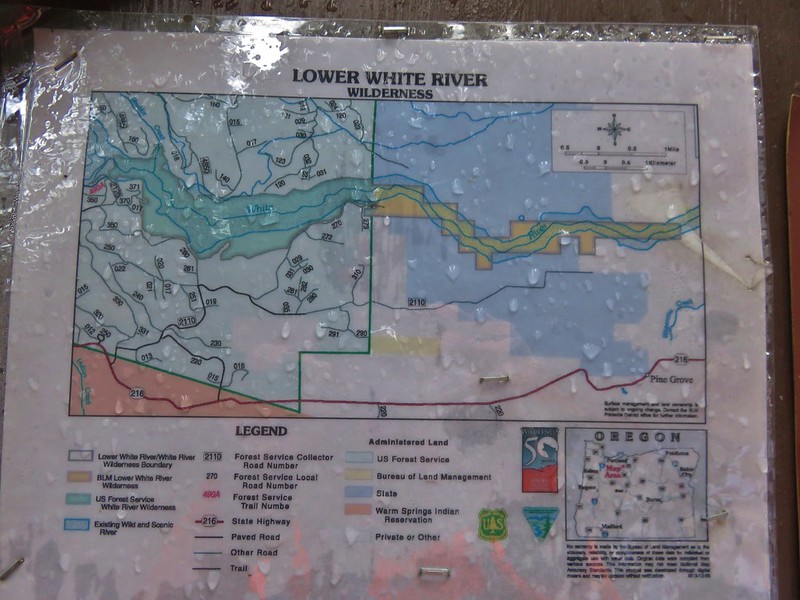
Lower White River: 2,871 acres Days Spent in Wilderness-1
Lower White River Wilderness Sign

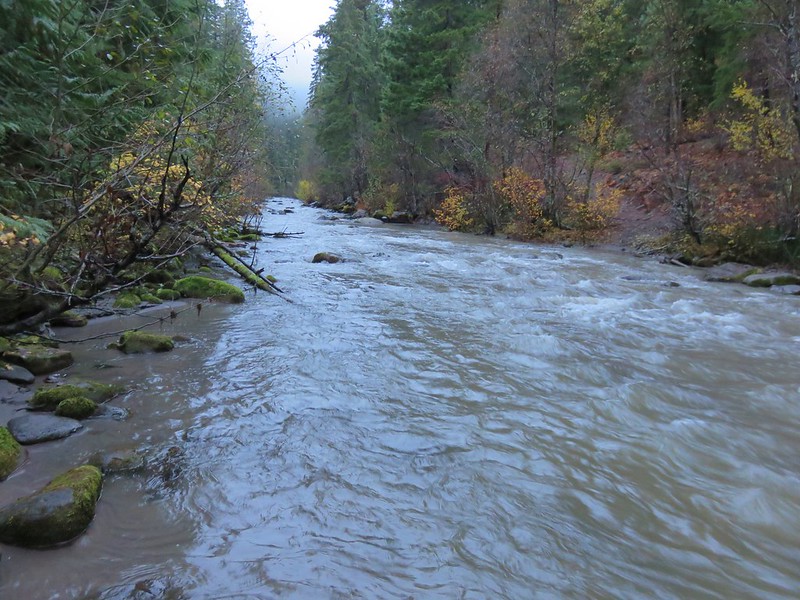
White River

Mark O. Hatfield: 65,420 acres Days Spent in Wilderness-12
Mark O. Hatfield Wilderness sign

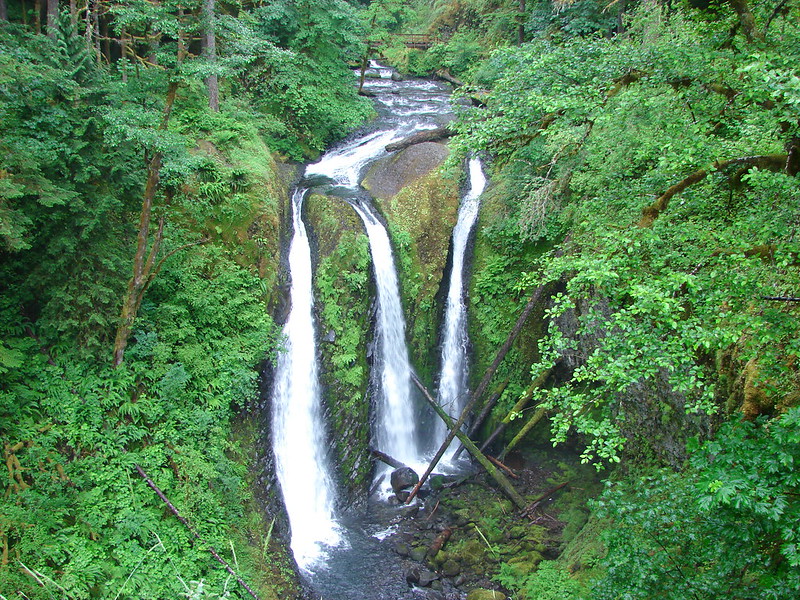
Triple Falls

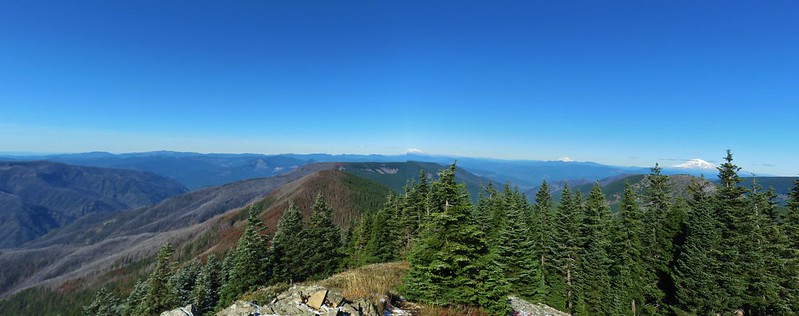
View from Chindrie Mountain

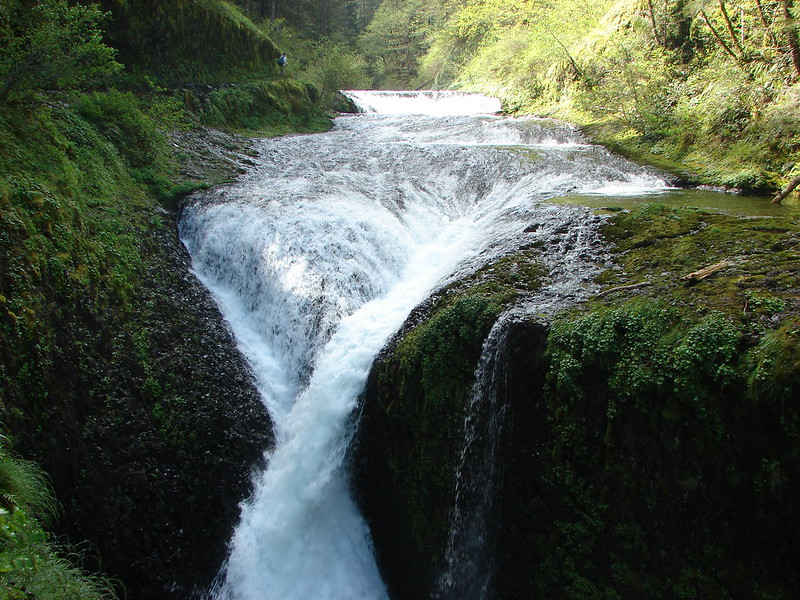
Twister Falls

Mt. Hood from Green Point Mountain

Menagerie: 4,952 acres Days Spent in Wilderness-2
Menagerie Wilderness sign

Rooster Rock from the Trout Creek Trail

Rooster Rock from a viewpoint in the Menagerie Wilderness

Middle Santiam: 8,845 acres Days Spent in Wilderness-2
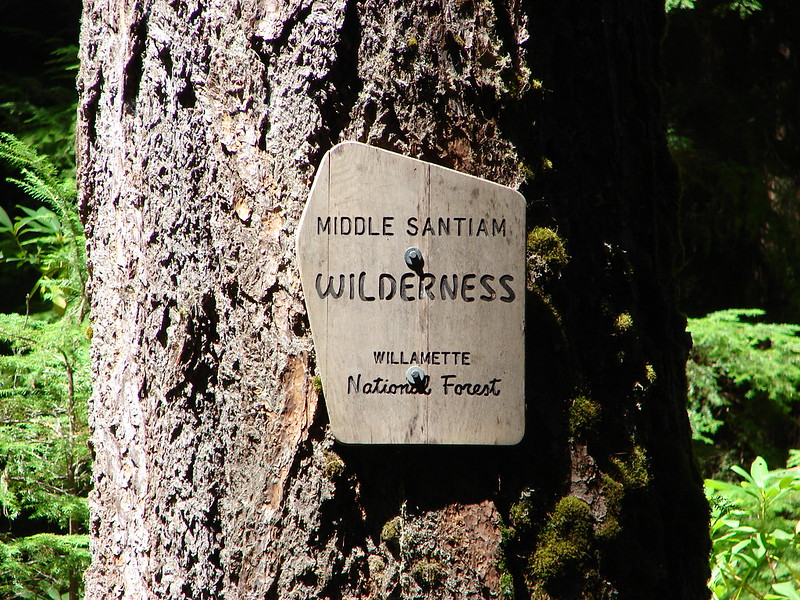
Middle Santiam Wilderness sign

Overgrown trail

Donaca Lake

Mill Creek: 17,173 acres Days Spent in Wilderness-1
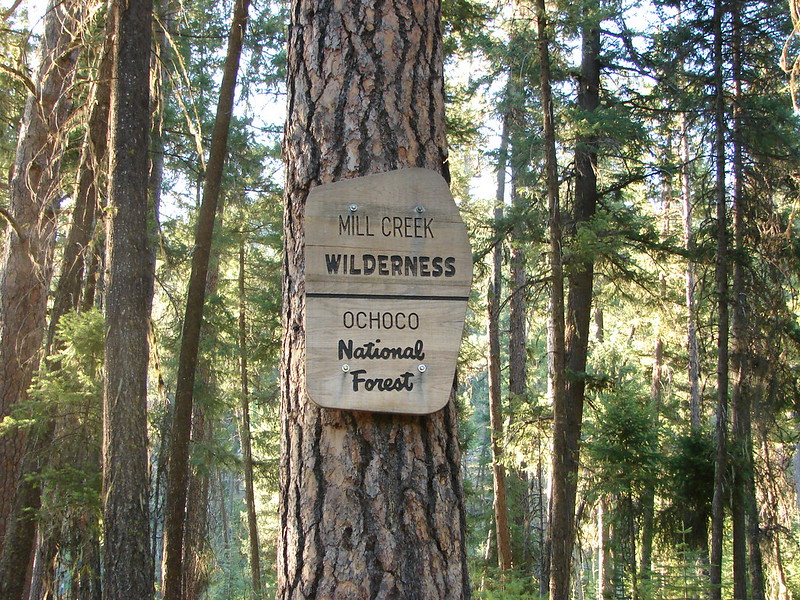
Mill Creek Wilderness sign

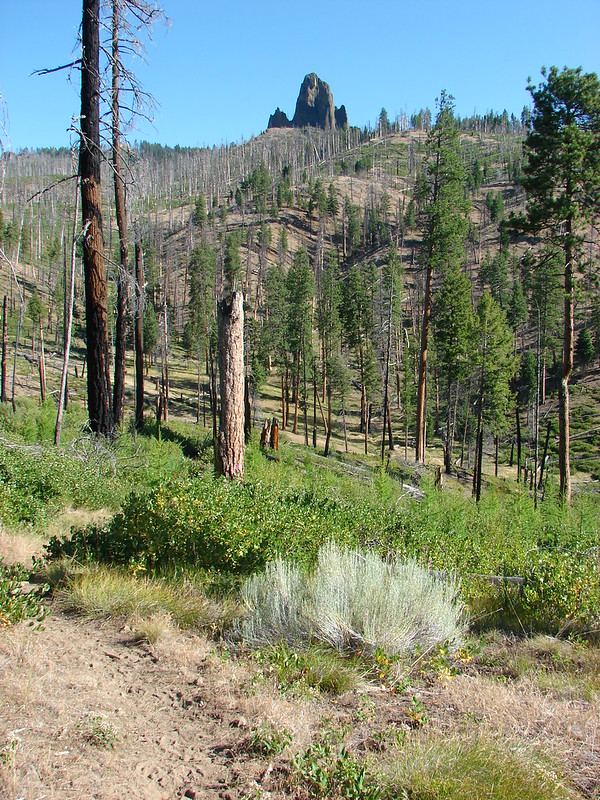
Twin Pillars Trail

Monument Rock: 20,210 acres Days Spent in Wilderness-1
Wilderness sign for the Monument Rock Wilderness

Monument Rock Wilderness

Cairn on Monument Rock

Little Malheur River

Monument Rock Wilderness

Mountain Lakes: 23,036 acres Days Spent in Wilderness-2
Mountain Lakes Wilderness sign

Eb Lake

Aspen Butte

Mt. McLoughlin, Whiteface Peak, Pelican Butte, and Mount Harriman from Aspen Butte

Mount Hood: 64,742 acres Days Spent in Wilderness-22
Mt. Hood Wilderness sign

Mt. Hood from the Paradise Park Loop Trail

Mt. Hood from the Timberline Trail

Mt. Hood from the Timberline Trail near Elk Cove

Mt. Hood and Burnt Lake from East Zig Zag Mountain

Mt. Hood from Paradise Park

Morning from Paradise Park

Mt. Hood from Yocum Ridge

Mt. Hood from the Newton Creek crossing of the Timberline Trail

Hawk flying over the wildflowers in Paradise Park below Mt. Hood

Langille Crags, Compass Creek, Mt. Hood and Barret Spur

Ramona Falls

Mt. Hood and Barret Spur from Elk Cove

Mt. Hood

Cooper Spur Shelter

Mount Jefferson: 108,909 acres Days Spent in Wilderness-27
Enterng the Mt. Jefferson Wilderness

Mt. Jefferson, Russel Lake, and Sprauge Lake from Park Ridge

The trail ahead

You can still see the purple lupine in the upper meadow

Mt. Jefferson from Russell Lake

Mt. Jefferson from Boca Cave

Marion and Gatch Falls

Mt. Jefferson from Jefferson Park

Park Butte from Bays Lake

Mt. Jefferson and Hunts Cove from the Hunts Creek Trail

Mt. Hood and Mt. Jefferson beyond the Eight Lakes Basin

Mt. Jefferson from Bear Point

Mt. Jefferson and Goat Peak

North Cinder Peak from the Cabot Lake Trail

Mt. Jefferson from Table Lake

Goat Peak and Mt. Jefferson

Carl Lake

Three Fingered Jack from Lower Berley Lake

Three Fingered Jack and Square Lake

Mount Thielsen: 55,151 acres Days Spent in Wilderness-5
Mt. Thielsen Wilderness sign

Howlock Mountain and Mt. Thielsen

Tipsoo Peak from Maidu Lake

Mt. Thielsen

Thielsen Creek

Howlock Mountain and Mt. Thielsen from Howlock Meadows

Mt. Thielsen and Cottonwood Creek Falls

Mt. Thielsen from a spring feeding Cottonwood Creek

Mount Washington: 54,410 acres Days Spent in Wilderness-7
Wt. Washington Wilderness sign

Belknap Crater

Mt. Washington and Mt. Jefferson from the Pacific Crest Trail

The largest of the Tenas Lakes

Benson Lake

Patjens Lake Trail

Mt. Washington from Mt. Washington Meadows

North Fork John Day: 120,694 acres Days Spent in Wilderness-8
North Fork John Day River

North Fork John Day River Trail

Blue Mountain Trail

Elk on the Baldy Creek Trail

Mt. Ireland from Baldy Lake

Tower Mountain Trail

North Fork Umatilla: 20,225 acres Days Spent in Wilderness-3
North Fork Umatilla wilderness sign

Ninemile Ridge

Ninemile Ridge

North Fork Umatilla River

Opal Creek: 20,774 acres Days Spent in Wilderness-6
Whetstone Mountain Trail

Opal Lake

Larkspur and paintbrush

Battle Ax Creek

One of the Marten Buttes

Henline Falls

Bull-of-the Woods and Whetstone Mountain from the lookout site

Oregon Badlands: 28,182 acres Days Spent in Wilderness-2
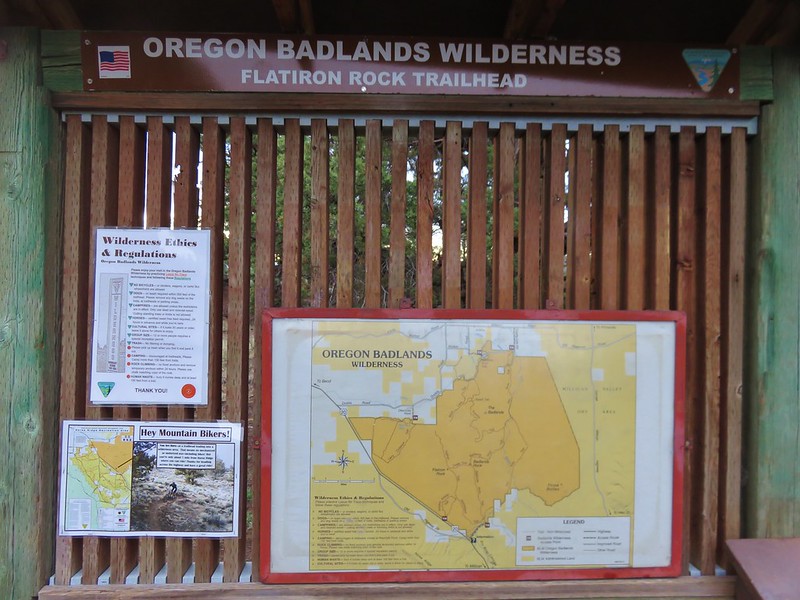
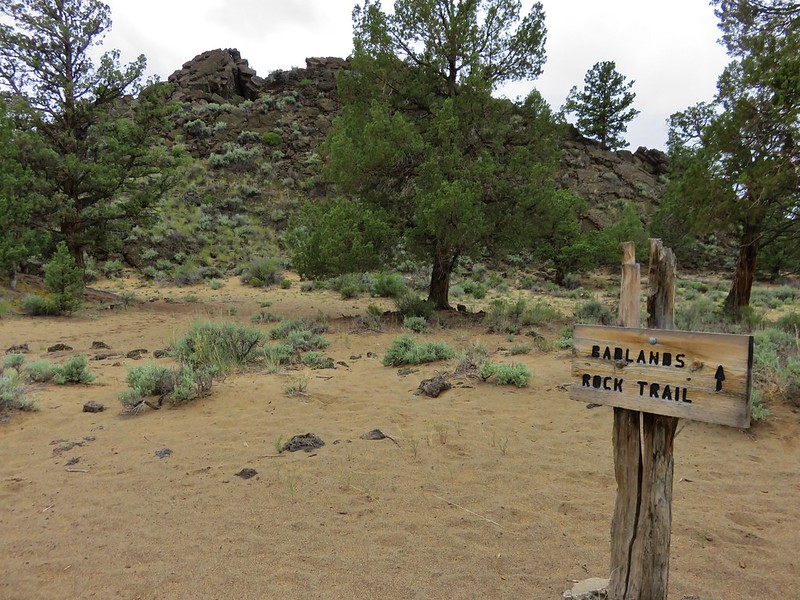
Oregon Badlands Wilderness sign
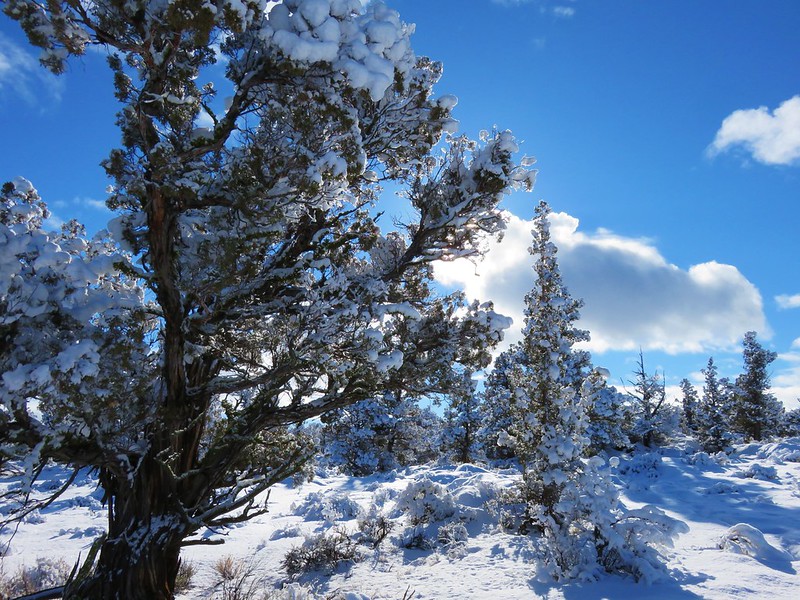
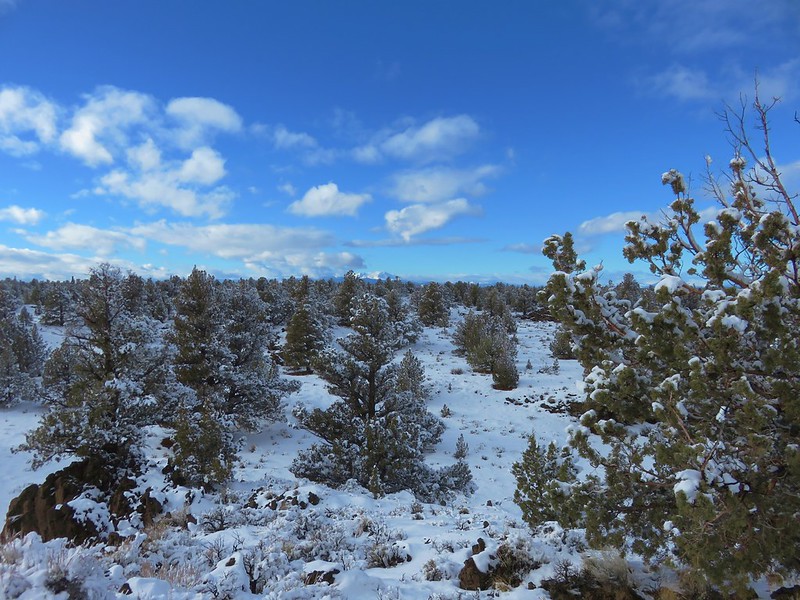
Ancient Juniper Trail - Oregon Badlands Wilderness

View from Flatiron Rock

Badlands Rock

Another canyon in the Oregon Badlands Wilderness

Oregon Islands: 925 acres Days Spent in Wilderness-0
Signboard for the Oregon Islands National Wildlife Refuge

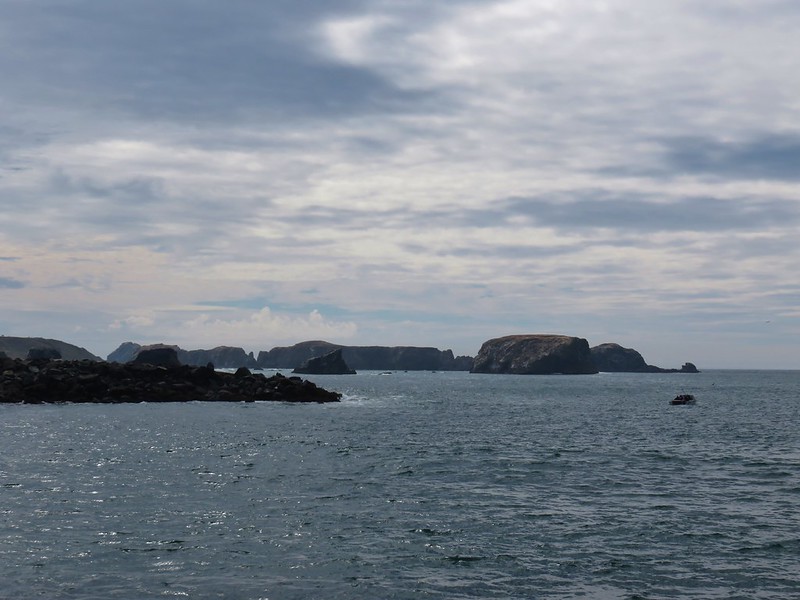
Bandon Islands

Simpson Reef

Sea lions on Shell Island

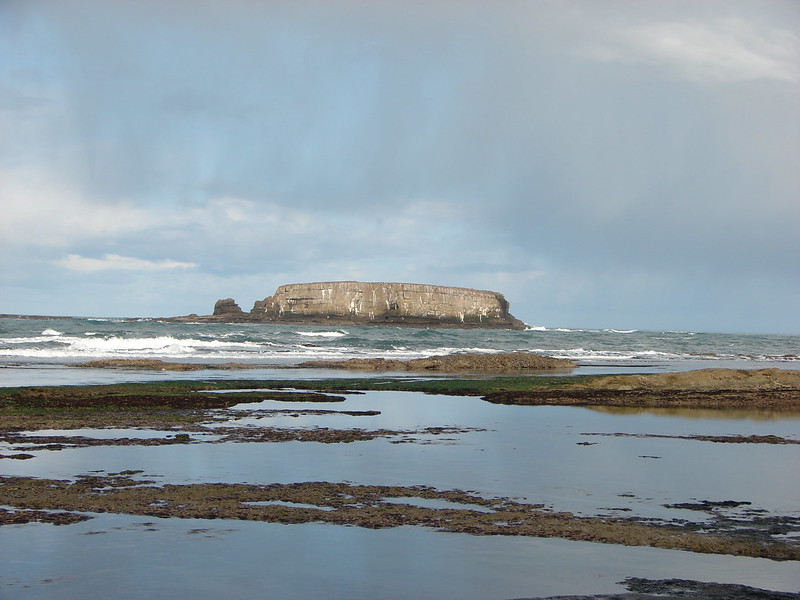
Gull Rock

Red Buttes: 3,777 acres in OR (20,133 in CA) Days Spent in Wilderness-2 in OR, (4 in CA)
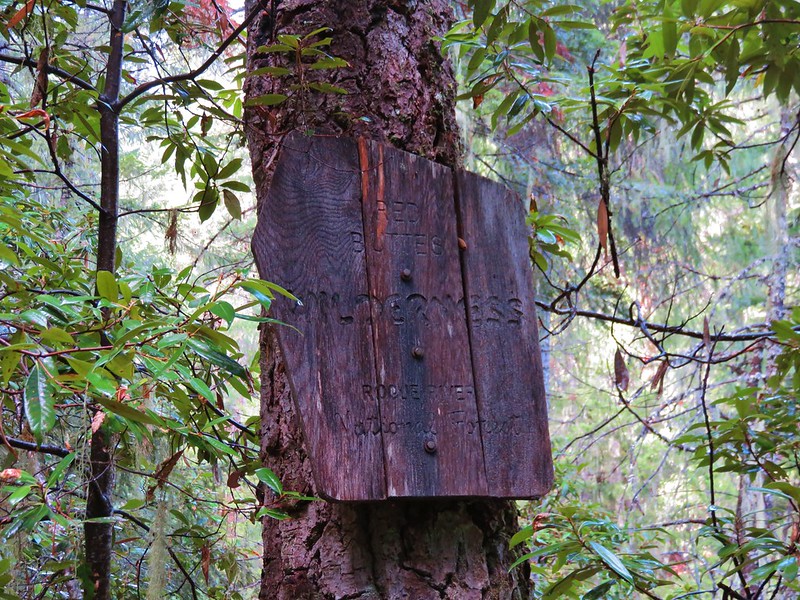
Red Buttes Wilderness sign

Swan Mountain

Figurehead Mountain and Red ButtesThis photo is from CA but it actually shows the namesake Red Buttes

Roaring River: 36,548 acres Days Spent in Wilderness-1
Entering the Roaring River Wilderness

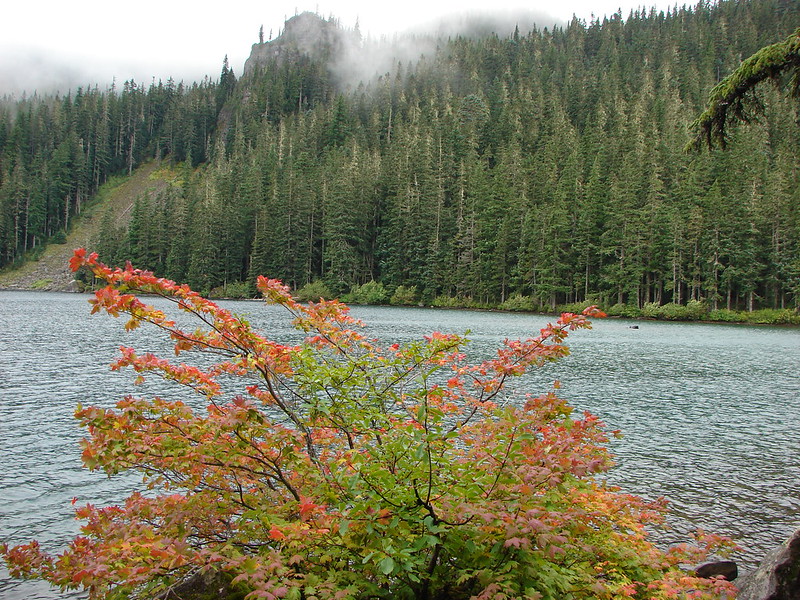
Middle Rock Lake

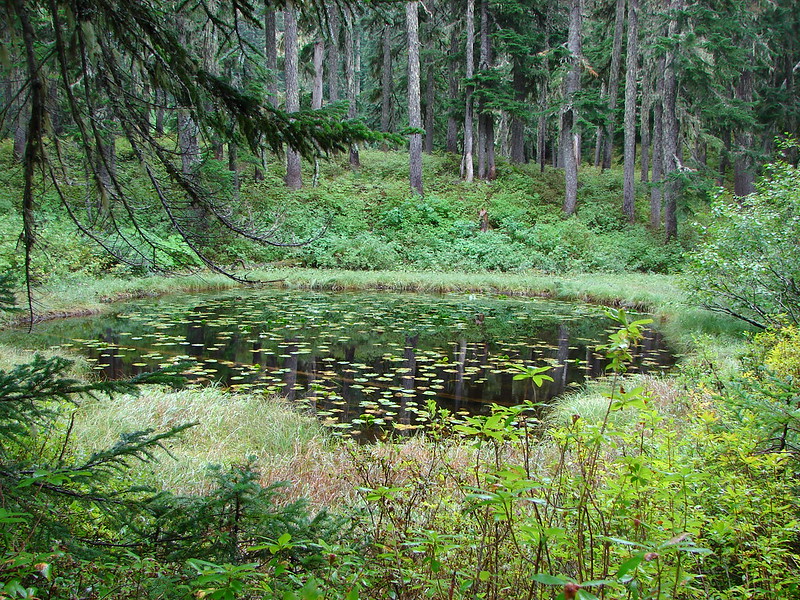
Unnamed pond

Serene Lake

Rock Creek: 7,273 acres Days Spent in Wilderness-1
Rock Creek Campground sign along Highway 101Closest thing to a “wilderness sign” we saw for this one.

Rock Creek

Frosty meadow in the Rock Creek Wilderness

Rogue-Umpqua: 35,749 acres Days Spent in Wilderness-6
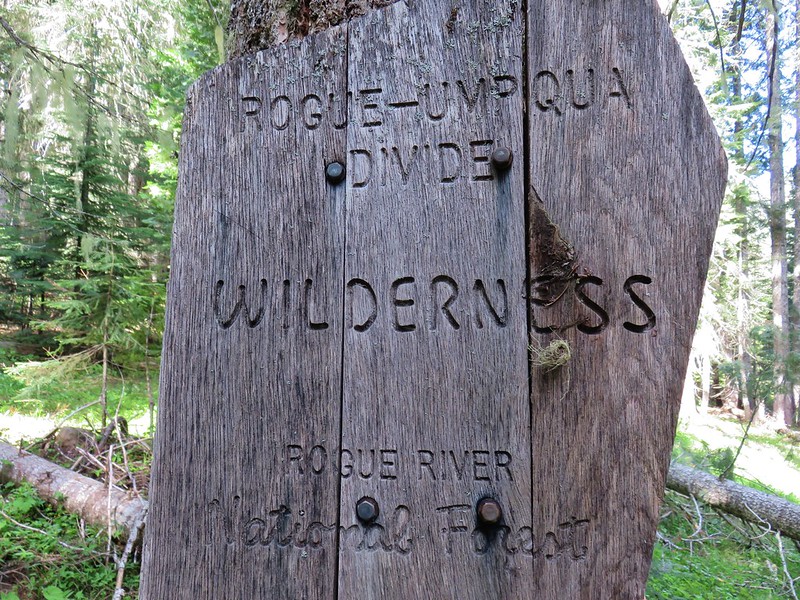
Rogue-Umpqua Divide Wilderness sign

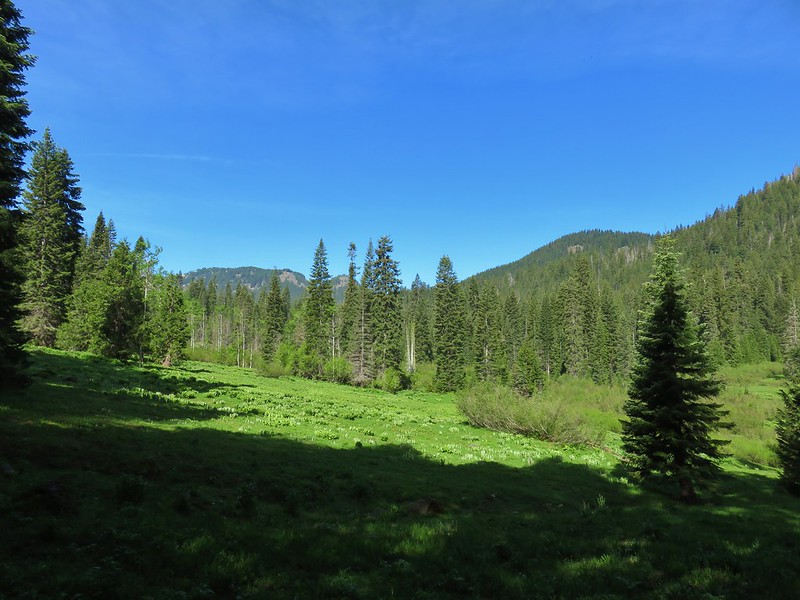
Hummingbird Meadows

View from the Buck Canyon Trail

View from the old road to Abbott Butte

Pup Prairie from the Acker Divide Trail

Rattlesnake Mountain from the Rogue-Umpqua Divide Trail

Salmon-Huckleberry: 62,061 acres Days Spent in Wilderness-11
Entering the Salmon-Huckleberry Wilderness on the Eagle Creek trail

Rhododendron in the Salmon-Huckleberry Wilderness

Eagle Creek Trail in the Salmon-Huckleberry Wilderness

Mt. Hood

Plectritis and larkspur

Boulder Ridge Trail

Mt. Hood

Devil's Peak Lookout

Cliffs along the Salmon River Canyon

Frustration Falls

Hunchback Trail

Sky Lakes: 113,687 acres Days Spent in Wilderness-3
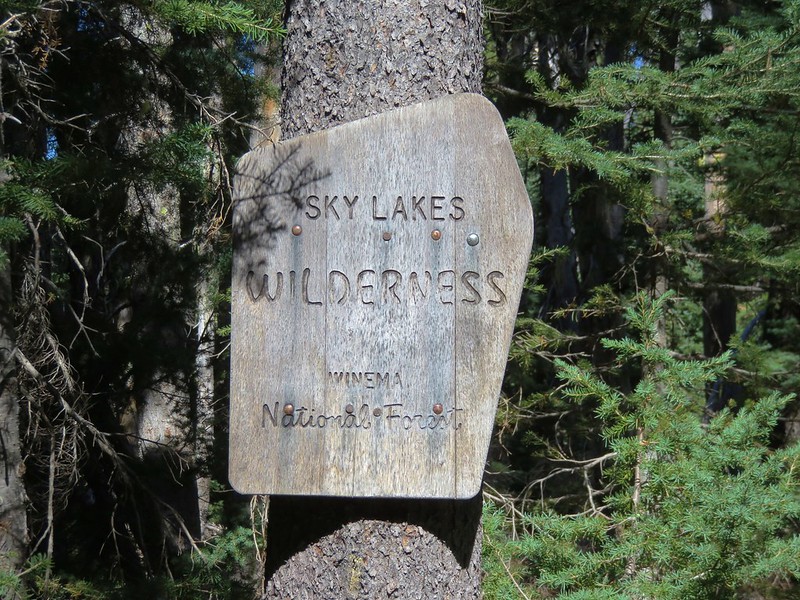
Sky Lakes Wilderness sign

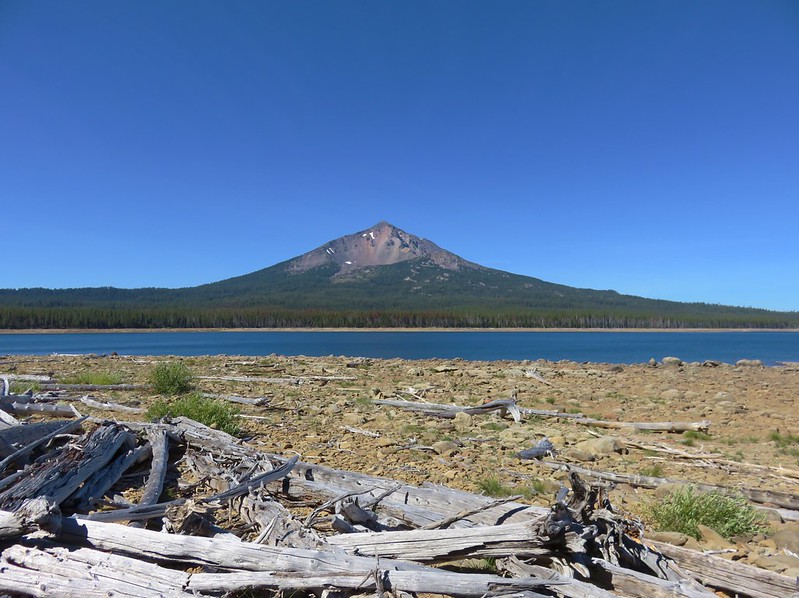
Mt. McLoughlin from Fourmile Lake

Meadow with a lily pad pond across the Badger Lake Trail from Badger Lake

Island Lake

Mt. McLoughlin

Fourmile Lake from Mt. McLoughlin

Soda Mountain: 24,707 acres Days Spent in Wilderness-2
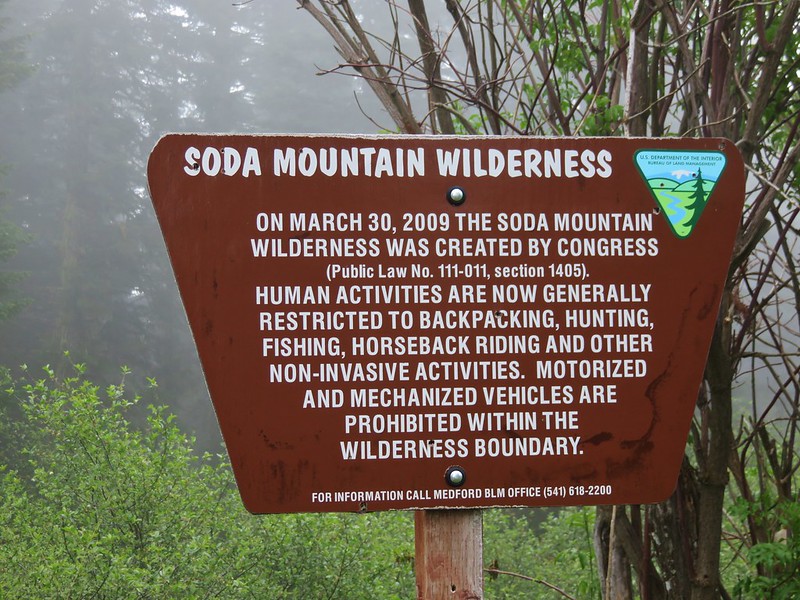
Soda Mountain Wilderness sign

PCT entering the Soda Mountain Wilderness

Boccard Point and Mt. Shasta in the distance

Looking west from Boccard Point

Larkspur

Pilot Rock

Spring Basin: 6,404 acres Days Spent in Wilderness-1
Spring Basin Wilderness

Spring Basin Wilderness

John Day River from the Spring Basin Wilderness

Horse Mountain in the Spring Basin Wilderness

Hedgehog cactus

Steens Mountain: 170,202 acres Days Spent in Wilderness-5
Entering the Steens Mountain Wilderness

Registration box at the Pike Creek Trail

View from the Pike Creek Trail

Big Indian Gorge

Wildhorse Lake

Wildhorse Lake Trail

Kiger Gorge

View from the Little Blitzen Trail

Little Blitzen Gorge

Little Blitzen Trail

Little Blitzen River

Strawberry Mountain: 69,350 acres Days Spent in Wilderness-5
Strawberry Mountain Wilderness sign

Indian Creek Butte

Strawberry Mountain

Volcanic ash along the Pine Creek Traii

Strawberry Basin Trail

Strawberry Mountain

Strawberry Lake

Slide Lake

Skyline Trail

High Lake

Mountain Goats above High Lake

Canyon Mountain Trail

High Lake

Table Rock: 5,784 acres Days Spent in Wilderness-3
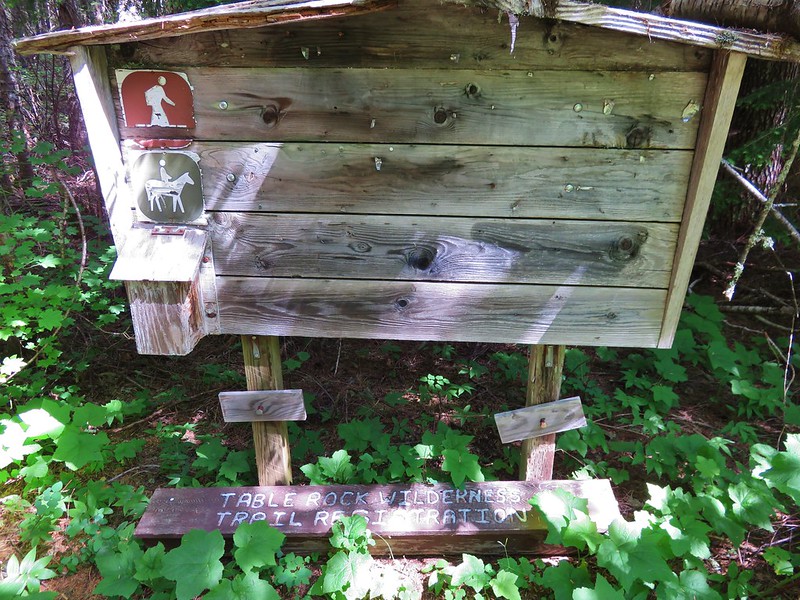
Old Table Rock Wilderness signboard

High Ridge Trail

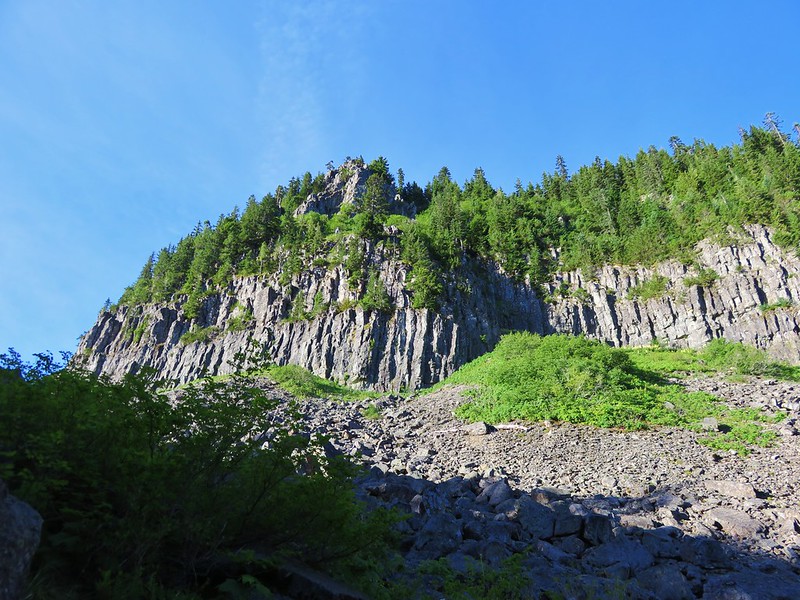
Table Rock

Mt. Jefferson and the Three Sisters from Table Rock

Trail to the Rooster Rock viewpoint.

Mt. Jefferson and Rooster Rock

Meadow below Rooster Rock

Three Arch Rocks: 15 acres Days Spent in Wilderness-0
Three Arch Rocks Wilderness

Three Sisters: 283,619 acres Days Spent in Wilderness-30
Broken Top near Crater Ditch

Black Crater Trail

Middle and South Sister from Linton Meadows

Middle and South Sister from Eileen Lake

Duncan Falls

Upper portion of Upper Linton Falls

Falls on Fall Creek

The Wife

Linton Springs

Middle Sister and a Chambers Lake

South Sister from Camp Lake

Phoenix Falls

Lower Linton Falls

Upper Linton Falls

Mt. Washington's spire, Three Fingered Jack and Mt. Jefferson

Indian Holes Falls

French Pete Creek

Middle and North Sister beyond Golden Lake

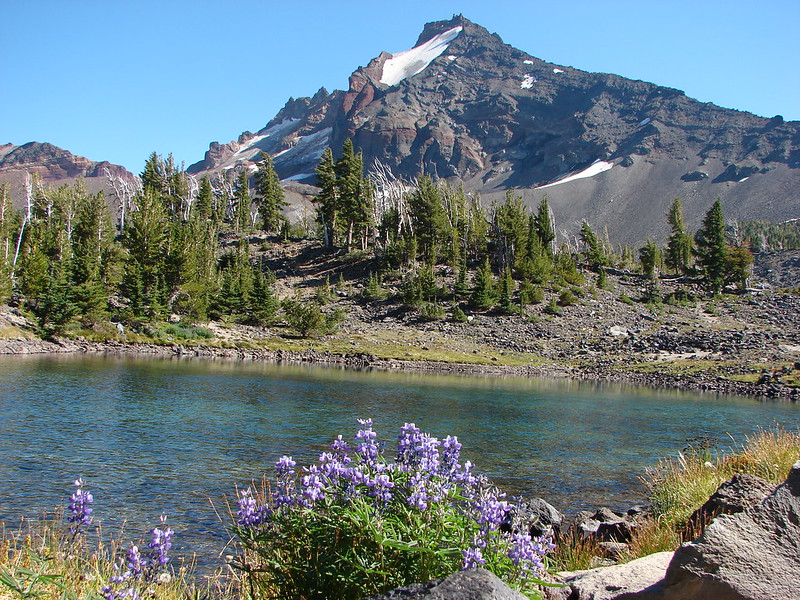
Broken Top, a tarn, and some Lupine

Thayer Glacial Lake

Monkeyflower along Soap Creek

No Name Lake

The third Green Lake

North Sister

Pacific Crest Trail

Old cabin at Muskrat Lake

Meadow along the Olallie Mountain Trail

View from Subsitute Point

The Chambers Lakes and Cascade Peaks from South Sister

Broken Top and Moraine Lake

South Sister from Morraine Lake

South Sister from Denude Lake

Proxy Falls

The Three Sisters from a wildflower meadow along the Rebel Rock Trail

Broken Top

The Three Sisters

Waldo Lake: 36,868 acres Days Spent in Wilderness-6
Waldo Lake Wilderness sign

Rigdon Butte

Lillian Falls

Fuji Mountain from Black Meadows

Diamond Peak and Fuji Mountain from Waldo Lake

Mt. Jefferson, Three Fingered Jack, Mt. Washington, The Husband, Middle & South Sister, Broken Top, and Mt. Bachelor

Upper Salmon Lake

Wenaha-Tuccanon: 65,266 acres in OR (176,737 in WA) Days Spent in Wilderness-2
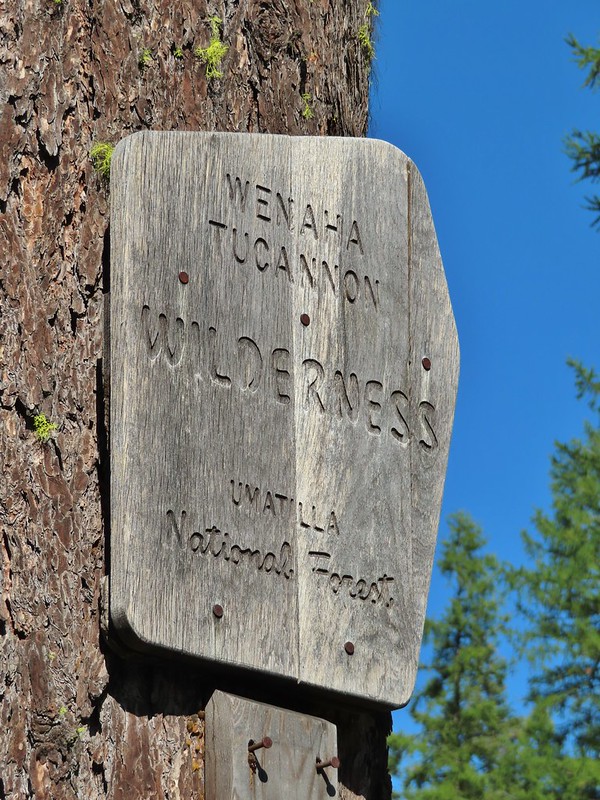
Wenaha-Tucannon Wilderness sign

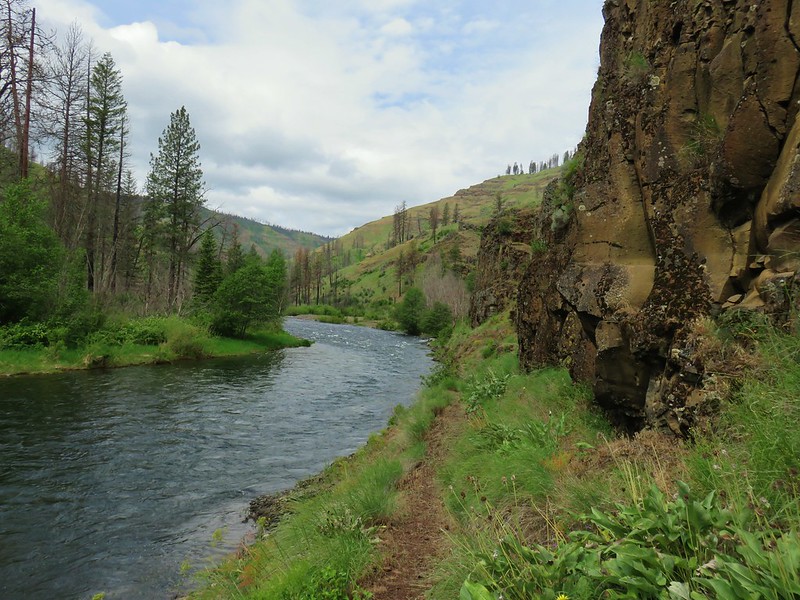
Wenaha River Trail

Wenaha-Tucannon Wilderness

Wenaha River Trail

Milk Creek and South Fork Wenaha River confluence

Wild Rogue: 35,221 acres Days Spent in Wilderness-2
Wild Rogue wilderness sign

Hanging Rock

Flora del Falls

Rogue River Trail

Rogue River

Categories
High Cascades Hiking Oregon Three Sisters Area Trip report

Rainbow Falls and Substitute Point – 07/04/2021

For the Fourth of July we typically pick a hike in the Old Cascades but this year we aimed higher and headed for the Three Sisters Wilderness in the High Cascades. We had two stops planned, a short hike on the Rainbow Falls Trail to the viewpoint of distant Rainbow Falls and a longer hike on the Foley Ridge Trail to Substitute Point. We stopped first at the Rainbow Falls Trailhead since it is right off Foley Ridge Road (FR 2643) on the way to the Foley Ridge Trailhead. Neither of these trailheads currently require a Central Cascades Wilderness Permit for day hikes (you are required to fill out a free self-issued permit at each TH though).
IMG_9616

The first half mile of the trail follows an old road bed to a former trailhead.
IMG_9623

IMG_9624

We continued along the trail entering the Three Sisters Wilderness before turning along the edge of the steep hillside high above Separation Creek (post)
IMG_9629

IMG_9632One of two phantom orchids we saw along the trail.

IMG_9633Newish looking wilderness sign.

IMG_9634Maples overhanging the trail.

IMG_9635

IMG_9642Madrone trunks

A little under 1.5 miles from the TH we arrived at a rock fin where a short scramble led to a view of distant Rainbow Falls. It was just after 8am which wasn’t an ideal time due to the falls being to the east with the Sun directly behind and still low in the sky.
IMG_9644It’s a pretty narrow scramble so probably not for kids or those uncomfortable with heights.

IMG_9645A lone madrone at the end of the fin.

IMG_9647Looking toward the falls. (The North Sister is back there too but not visible due to the lighting.)

IMG_9654Rainbow Falls on Rainbow Creek

IMG_9651The best I could do with the lighting.

IMG_9652Looking up Separation Creek.

IMG_9658Looking back up along the rocks.

A use trail continued toward the falls, but as far as I know it’s not possible to reach them or to get a better view so we returned the way we’d come. From the Rainbow Falls Trailhead we then drove another 5 miles up FR 2643 to its end at the Foley Ridge Trailhead.
IMG_9661

The 8 mile long Foley Ridge Trail begins at the trailhead and leads into the Three Sisters Wilderness were it eventually ends at the Pacific Crest Trail. We had been on the upper end of the trail twice, once on a backpacking trip around the South Sister (post) and the other another backpacking trip where we explored some of the areas waterfalls (post). Today’s plan was to hike the first 4.5 or so miles of the trail to the Substitute Point Trail and then follow that 0.7 mile trail to a former lookout site atop Substitute Point. We were looking forward to the view atop the point but also interested to see what the area looked like after being hit hard by wildfires in 2017.

The first mile and half of the trail was unaffected by the fire and hosted a few blooming rhododendron and other woodland flowers.
IMG_9663

IMG_9666Pink pyrola

IMG_9669Crossing of Gold Creek which was nearly dry but it hosted a fair number of mosquitos.

IMG_9671Columbine, bunchberry, and wild roses.

IMG_9672An anemone with some bunchberries

IMG_9674Entering the Three Sisters Wilderness

IMG_9675Queen’s cup

IMG_9680Beargrass

20210704_091724Candy sticks

IMG_9684Rhododendron

IMG_9691Pacific coralroot

We soon found ourselves in the fire scar which at least lessened the number of mosquitos greatly.
IMG_9692

The 2017 Separation Fire was started by lighting in August along with dozens of others. The fire became part of the Horse Creek Complex which burned something in the neighborhood of 30,000 acres. It was the same year as the Eagle Creek and Whitewater fires making 2017 a really bad year for great hiking areas. Nearly four years later signs of the slow recovery could be seen in the form of wildflowers and small trees.
IMG_9693Washington lily

IMG_9695Lupine

IMG_9697Squirrel

IMG_9698

IMG_9702Tiger lily

The trail briefly entered an area of older trees that had fared a little better during the fire.
IMG_9712

IMG_9715Twinflower

IMG_9726Leaving the green trees behind.

The trail climbed gently which allowed us to fully appreciate the wildlife and wildflowers, in particular some really impressive Washington lilies.
IMG_9728Washington lilies

IMG_9739

IMG_9736They smell as good as they look too!

IMG_9743This one was a monster.

20210704_134302_HDRChest high

IMG_9745Crab spider on the lower left petal.

IMG_9749Penstemon

IMG_9756Earlier in the week I had been reading that the blossoms turn pink after being pollinated.

IMG_9760Clodius parnassian

IMG_9765Pretty moth

IMG_9767Penstemon

IMG_9776Woodpecker

IMG_9778Pond along the trail.

IMG_9782Water lilies

The trail began to level off as it passed between Proxy Point on the left and Substitute Point on the right. With the trees being burnt we had a good view of the rocky Proxy Point but the angle of the hillside below Substitute Point kept it hidden. Also visible was The Husband further ahead to the East.
IMG_9791Looking toward Proxy Point

IMG_9790The Husband, South Sister, and the shoulder of Substitute Point.

IMG_9801Frog along the trail.

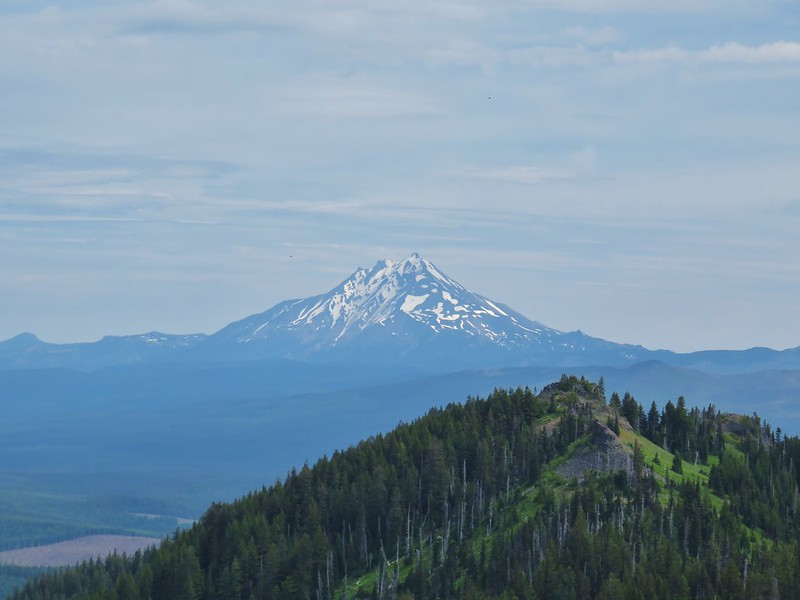
The trail curved around the base of Substitute Point where we got a view of Three Fingered Jack and Mt. Jefferson.
IMG_9805Proxy Point, Scott Mountain (post), Three Fingered Jack and Mt. Jefferson

IMG_9808Bleeding heart

We came to the junction with the Substitute Point on its NE side.
IMG_9813The Husband from the junction.

The Substitute Point Trail didn’t appear to have been maintained, possibly since the fire, but it was easy enough to follow as it headed uphill.
IMG_9815

IMG_9824

IMG_9825This was sort of a mean trick, the trail entered these green trees then almost immediately switched back into the burn.

IMG_9826

IMG_9828Phlox

The climb wasn’t particularly steep until the end as it approached the rocky spire where a lookout once sat. As we approached it was hard to believe there was a trail to the top.
IMG_9831

There was in fact a nice trail that wound up the west side, although a single downed tree did require a hands and knees crawl along the way.
IMG_9836

IMG_9840

IMG_9838Mt. Bachelor from the trail.

IMG_9841Proxy Point

IMG_9843Some unburned forest and a view of Diamond Peak.

IMG_9844Diamond Peak (post)

IMG_9845The Little Brother and North & Middle Sister behind The Husband with South Sister to the right.

IMG_9917The trail leading up.

The view at the top was at the same time spectacular and sad. We could see that much of the area that we’d explored on our previous backpacking trips had been burned badly by the fires.
IMG_9851The summit of Substitute Point

IMG_9855Scott Mountain, Three Fingered Jack, Mt. Jefferson, Mt. Washington, and Belknap Crater (post).

IMG_9861Proxy Point and Scott Mountain.

IMG_9869The Three Sisters, Little Brother and The Husband

IMG_9863Mt. Bachelor, The Wife, and Sphinx Butte.

IMG_9865Kidney Lake

img src=”https://live.staticflickr.com/65535/51292219058_ec3f2f67bc_c.jpg” width=”800″ height=”600″ alt=”IMG_9866″>South Sister

IMG_9877Mt. Bachelor and The Wife

IMG_9868North and Middle Sister behind The Husband

IMG_9872Three Fingered Jack, Mt. Jefferson and Mt. Washington

We took a nice long break at the top watching butterflies soar around us.
A swallowtail and two whites (maybe clodius parnassians) in flight.

After our break we headed back. We’d had the hike to ourselves but were now passing a handful of hikers heading up the trail. We stopped a few times to watch butterflies (in hopes they would land) and to smell the occasional lily.
IMG_9931Clodius parnassian in a blossom.

IMG_9933Moth and a parnassian.

The hike here came to 10.3 miles with 2000′ of relatively gentle elevation gain. With the 2.8 miles we did at Rainbow Falls it came to a 13.1 mile day and a great way to spend the 4th of July.

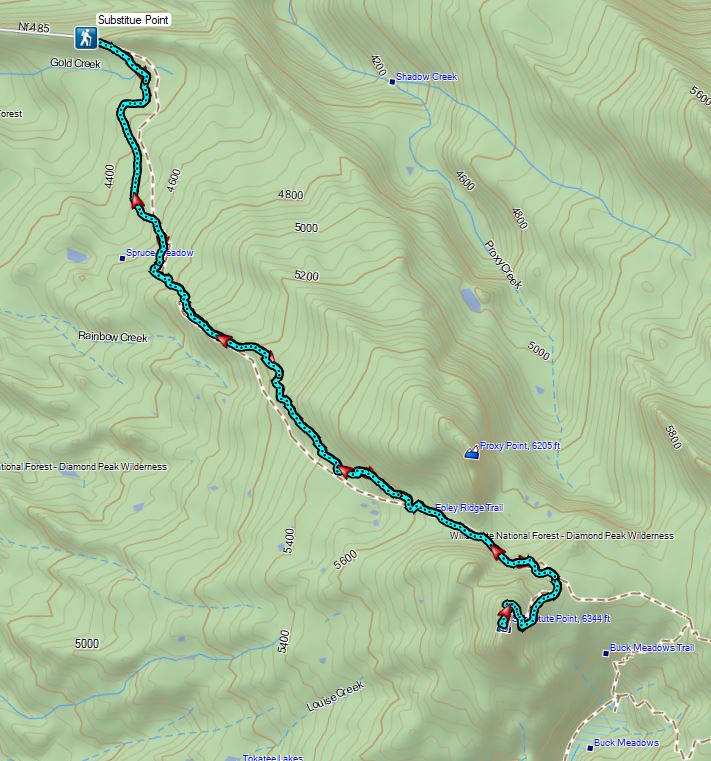
Track for Substitute Point

While we were sorry to see how badly much of the area was burned it was encouraging to see the trails were in relatively good shape and that there was new growth coming. We fear that hiking in recently burned forest is only going to become more common in the years to come but hike we will. Happy Trails!

Flickr: Rainbow Falls and Substitute Point

Categories
Hiking Uncategorized

Central Oregon Cascades

Several years ago we set a goal for ourselves to hike all 500 featured hikes in William L. Sullivan’s “100 Hikes…” series of guidebooks (post). In 2020 we finished the first of his five guidebooks covering the Central Oregon Cascades. The achievement became bittersweet just 10 days after finishing the final featured hike at Erma Bell Lakes (post) when a freak windstorm caused the Lionshead and Beachie fires to explode burning a number of the trails that we had hiked on our journey to complete this goal. On the one hand we were fortunate enough to see these areas before they burned but it also means being more aware of what was lost, at least for the time being. The 2020 fires were not the first to burn trails that we’d hiked in the area, sometimes after and sometimes before. Fire is part of a forest’s cycle but their time frames take much longer than ours.

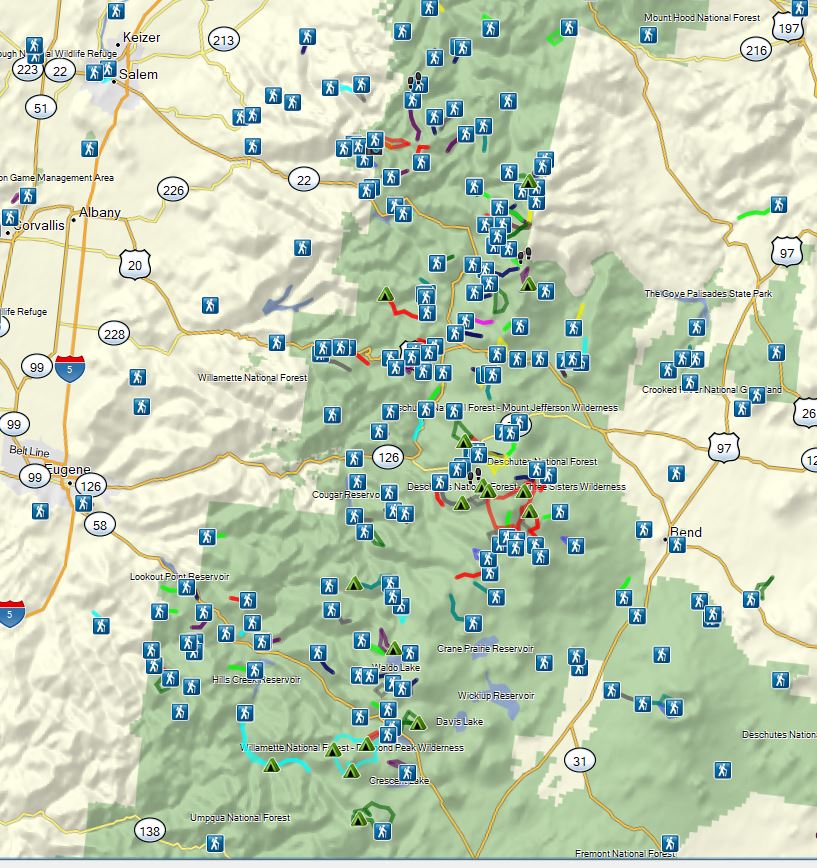
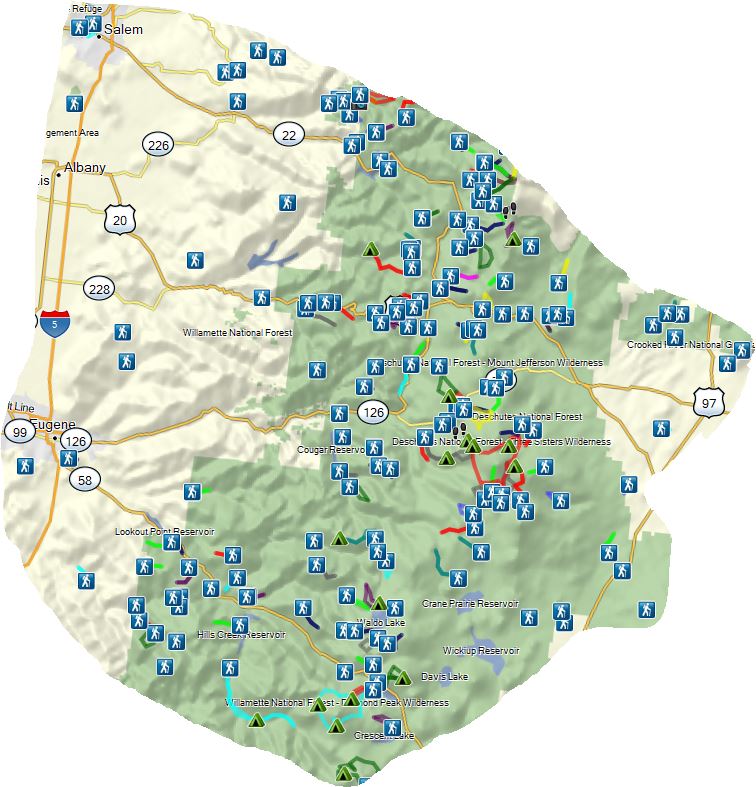
For this post we want to recap our journey to complete the 100 featured hikes while sharing a little of what the area looked like as we experienced it but first a little context. The area that Sullivan covers in the Central Cascades book, as well as his books for the other four areas, isn’t exactly easy to define. The vast majority of hikes could be fit into a rectangle starting with the upper left hand corner in Salem and extending east to Highway 97 then south to the junction of highways 97 & 58, then west until intersecting with a line due south from Salem. (The imaginary line follows I5 south until Cottage Grove where the freeway jogs SW.) That is over simplification though as that description overlaps at times with hikes described in the NW & Eastern books and excludes two featured hikes west of I5 and two east of Highway 97. The first snip below generally shows the described rectangle with the hiker symbols representing trailheads where we have started hikes (not limited to the featured hikes being discussed here). The second snip excludes any hikes that are included in one of the other areas that Sullivan covers.

The area is home to a variety of landscapes and ecosystems and contains at least parts of nine designated Wilderness Areas: Opal Creek, Bull of the Woods, Mt. Jefferson, Mt. Washington, Three Sisters, Menagerie, Middle Santiam, Waldo Lake, and Diamond Peak.

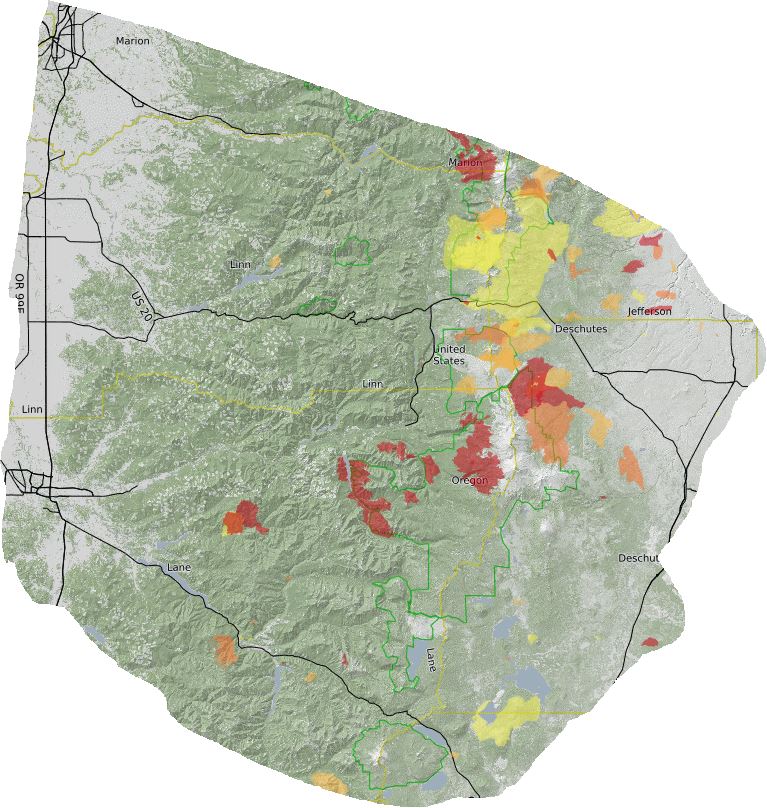
The area has been hit by a number of large fires since 2000. The map below covers the same approximate area as the second map above. The colored areas represent fires with yellow being 2000-2005, light orange 2006-10, dark orange 2011-14, and red 15-19.

Not included in the map above are the Green Ridge, Beachie or Lionshead Fires from 2020. The Green Ridge fire did not burn over any of the featured hikes (it did burn part of the Green Ridge Trail) but the Beachie and Lionshead Fires impacted a number of hikes in the Mt. Jefferson, Bull of the Woods and Opal Creek Wilderness and surrounding areas.

The map below includes the Riverside Fire (large fire to the north), Beachie and Lionshead (center left and right which combined after Labor Day) and the Green Ridge Fire (SE).

We were lucky enough to complete many of the hikes prior to them being burned but we also hiked a number post fire and have seen the recovery in process. I’ve done my best to note below if a featured hike has experienced fire since 2000 with the year and name of the fire.

After all of that here are the 100 featured hikes from the 2012 4th edition of “100 Hikes in the Central Oregon Cascades”:

#1 – Ankeny Wildlife Refuge-Hiked 4/6/2014
Ankeny Wildlife Refuge

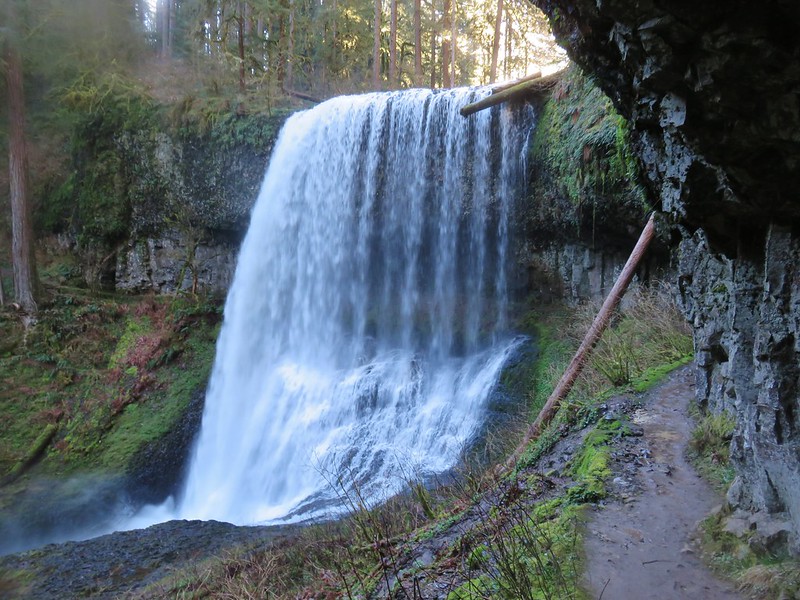
#2 – Silver Fall-Hiked 2006, 7/30/2010 & 3/29/2018
Middle North FallsMiddle North Falls

#3 – Shellburg Falls-Hiked 5/23/2011
Burned-2020 Beachie Fire
Shellburg FallsShellburg Falls

#4 – Little North Santiam-Hiked 4/5/2012
Burned-2020 Beachie Fire
Snow on the Little North Santaim River

#5 – Henline Falls & Henline Mountain 7/27/2009 & 6/14/2020
Burned-2020 Beachie Fire
Henline FallsHenline Falls

#6 – Opal Creek 7/4/2010, 7/4/2012, 6/21/2014 & 7/24/2019
Burned-2020 Beachie Fire
Jawbone FlatsJawbone Flats

#7 – Dome Rock and Tumble Lake 7/18/2010
Burned-2020 Beachie Fire
Tumble LakeTumble Lake from Dome Rock

#8 – Battle Ax and Twin Lakes 9/20/2014
Olallie Butte and Mt. Jefferson with Elk Lake belowMt. Jefferson from Battle Ax

#9 – Stahlman Point 5/6/2013
Burned 2020 Beachie Fire
View from Stahlman PointView from Stahlman Point

#10 – Coffin Mountain Lookout 8/2/2013 & 7/4/2016
Coffin Mountain Lookout with the Three Sisters and The Husband beyond

#11 – Three Pyramids 7/18/2020
Meadow along the Pyramids TrailMeadow below the Three Pyramids

#12 – Crescent Mt. 7/6/2014
Beargrass meadow along the Crescent Mountain TrailBeargrass on Crescent Mountain

#13 – Browder Ridge 9/9/2012 & 7/4/2018
Mt. JeffersonMt. Jefferson from Browder Ridge

#14 – Echo Basin and Fish Lake 6/19/2020
Echo Basin TrailBoardwalk in Echo Basin

#15 – Iron Mt. 7/25/2010 & 7/4/2014
Iron Mountain from the Cone Peak MeadowIron Mountain from the trail.

#16 – House Rock 11/8/2014
House Rock

#17 – Rooster Rock 6/12/2016
Rooster Rock from a viewpoint in the Menagerie Wilderness

#18 – Cascadia State Park 6/12/2016
Soda Creek FallsSoda Creek Falls

#19 – Crabtree Lake 9/7/2019
Crabtree Lake

#20 – McDowell Creek Park 2/16/2014
Majestic FallsMajestic Falls

#21 – South Breitenbush Gorge 5/11/2013
Burned 2020 Lionshead Fire
Roaring CreekRoaring Creek

#22 – Jefferson Park 9/23/2011, 10/13/2014, & 8/8/2015
Burned partly in 2017 Whitewater and rest in 2020 Lionshead Fire
Mt. Jefferson from Jefferson ParkMt. Jefferson

#23 – Pamelia Lake 9/19/2013 & 9/8/2018
Pamelia Lake

#24 – Marion Lake 10/3/2014 & 9/10/2016
Burned 2002 Mt. Marion, 2003 B&B Complex, 2006 Puzzle, 2015 208SRZ Marion
Three Fingered Jack from Marion LakeThree Fingered Jack from Marion Lake

#25 – Duffy Lake 7/28/2010
Burned 2002 Mt. Marion, 2003 B&B Complex
Mowich Lake and Duffy ButteMowich Lake and Duffy Butte from Red Butte

#26 – Three Fingered Jack 10/13/2012
Burned 2003 B&B Complex
Three Fingered Jack

#27 – Canyon Creek Meadows 7/28/2013
Burned 2003 B&B Complex
The trail aheadThree Fingered Jack

#28 – Carl Lake 9/1/2018
Burned 2003, B&B Complex, 2006 Puzzle
Carl Lake

#29 – Metolius River 7/23/2012
Wizard FallsWizard Falls

#30 – Black Butte 10/13/2013 & 5/28/2018
Burned 2009 Black Butte II
Cupola style lookout on Black Butte

#31 – Alder Springs 8/3/2011
Deschutes RiverDeschutes River

#32 – Scout Camp Trail 5/1/2016
Balsamroot hillside

#33 – Steelhead Falls 5/1/2016
Steelhead Falls

#34 – Smith Rock 7/14/2006, 7/13/2011 & 6/5/2015
Monkey FaceMonkey Face

#35 – Shevlin Park 8/5/2011
Hixson Crossing Covered BridgeHixson Crossing Covered Bridge

#36 – Tumalo Falls 9/27/2014
Tumalo Falls

#37 – Dillon & Benham Falls 8/1/2013
Benham FallsBenham Falls

#38 – Lava Cast Forest and Lava River Cave 5/28/2017
Newberry Crater from the Lava Cast Forest

#39 – Fall River 9/16/2015
Fall River

#40 – LaPine State Park 9/16/2015
Deschutes RiverDeschutes River

#41 – Poxy Falls and Linton Lake 5/3/2014(Proxy Falls) & 7/01/2017(Linton Lake)
Burned (Linton Falls) 2017 Separation Fire
Proxy FallsProxy Falls

#42 – Obsidian Trail 10/14/2012
Burned (tiny portion of trail) 2017 Separation Fire
Obsidian FallsObsidian Falls

#43 – Four-in-one-Cone 10/14/2012 & 8/14/2019
View from Four-in-one ConeView from Four-in-One-Cone

#44 – Benson Lake 10/14/2012 & 8/30/2014
Burned (small section of longer loop trail) 2010 Scott Mt. Fire
Benson Lake

#45 – Hand Lake Shelter 8/30/2014
Hand Lake Shelter

#46 – Little Belknap Crater 9/14/2015
Mt. Washington, Three Fingered Jack, and Mt. Jefferson from Little Belknap CraterMt. Washington, Three Fingered Jack, and Mt. Jefferson from Little Belknap Crater

#47 – Matthieu Lakes 7/29/2013
Burned 2017 Milli Fire
South Matthieu LakeNorth Sister from South Matthieu Lake

#48 – Black Crater 10/1/2016
Burned 2017 Milli Fire
Remanants of the lookout tower on Black CraterFormer lookout site on Black Crater.

#49 – Chambers Lakes 8/26/2014
Burned 2012 Pole Creek Fire
South Sister from Camp LakeSouth Sister from Camp Lake

#50 – Park Meadow 8/27/2014
Burned 2012 Pole Creek Fire
Middle and North Sister beyond Golden LakeMiddle and North Sister from Golden Lake

#51 – Tam McArthur Rim 8/31/2013
Broken Top and Broken HandBroken Top and Broken Hand from Tam McArthur Ridge

#52 – Tumalo Mt. 9/27/2014
Trees near the summit of Tumalo MountainTrees near the summit of Tumalo Mountain.

#53 – Todd Lake and Broken Top 8/23/2014
Broken Top from No Name LakeBroken Top from No Name Lake

#54 – Sparks Lake 10/1/2014
South Sister from Sparks LakeSouth Sister from Sparks Lake

#55 – Green Lakes via Fall Creek 9/15/2015
The third Green LakeThe third Green Lake

#56 – Moraine Lake and South Sister 9/1/2013
View from the South SisterLooking north from the South Sister.

#57 – Sisters Mirror Lake 9/19/2015
South Sister from Sisters Mirror LakeSouth Sister from Sisters Mirror Lake

#58 – Horse Lake 8/4/2011
Horse LakeHorse Lake

#59 – Doris & Cliff Lakes 9/29/2014
Doris LakeDoris Lake

#60 – Clear Lake 6/15/2014
Clear Lake

#61 – Sahalie & Koosah Falls 9/9/2012
Sahalie FallsSahalie Falls

#62 – Tamolitch Pool 5/27/2013
Tamolitch Pool

#63 – Rainbow Falls and Separation Lake 5/3/2014
Separation LakeSeparation Lake

#64 – Horsepasture Mt. 7/7/2018
South Sister and Mt. Bachelor from the Horsepasture Mountain TrailSouth Sister and Mt. Bachelor form Horsepasture Mountain.

#65 – Olallie Mt. 9/1/2019
Burned 2017 Olallie Lookout Fire (Lookout burned down winter 2019/20).
Olallie Mountain lookout

#66 – Lowder Mt. 9/1/2019
View from Lowder MountainView from Lowder Mountain.

#67 – Tidbits Mt. 6/29/2019
View from Tidbits MountainView from Tidbits Mountain.

#68 – Castle Rock 6/3/2017
Monkeyflower and pletritisMonkeyflower and plectritis on Castle Rock.

#69 – French Pete Creek 5/16/2015
Burned 2017 Rebel and 2018 Terwilliger Fires
French Pete Creek

#70 – Erma Bell Lakes 8/29/2020
Middle Erma Bell LakeMiddle Erma Bell Lake

#71 – Spencer Butte 2/9/2020
View from Spencer ButteFog over Eugene.

#72 – Mt. Pisgah 10/5/2019
Summit of Mt. PisgahSummit marker on Mt. Pisgah.

#73 – Shotgun Creek 2/9/2020
Shotgun Creek

#74 – Fall Creek 3/31/2013
Burned 2003 Clark and 2017 Jones Fires
Fall Creek

#75 – Mt. June 6/2/2013
Sawtooth TrailSawtooth Trail

#76 – Goodman Creek 11/10/2013
Small Falls on a branch of Goodman Creek

#77 – Patterson Mt. 5/5/2018
Lone Wolf MeadowLone Wolf Meadow

#78 – Tire Mt. 6/8/2014
Wildflowers along the Tire Mountain TrailWildflowers along the Tire Mt. Trail.

#79 – North Fork and Buffalo Rock 5/10/2020
Buaffalo Rock from the North Fork Willamette RiverBuffalo Rock from the North Fork Willamette River

#80 – Grasshopper Meadow 7/15/2017
Grasshopper Meadow

#81 – Blair Lake and Wall Creek 6/11/2015
Beargrass MeadowBeargrass meadow along the Blair Lake Trail.

#82 – Chuckle Springs 5/24/2020
Burned 2009 Tumblebug Complex
Indigo SpringsIndigo Springs (These springs have not burned.)

#83 – Spirt, Moon, and Pinard Falls 6/17/2020
Moon FallsMoon Falls

#84 – Brice Creek 5/5/2014
Upper Trestle Creek FallsUpper Trestle Creek Falls

#85 – Bohemia Mt. 8/15/2020
Bohemia Mountain

#86 – Eddeeleo Lakes 8/25/2018
Lower Eddeeleo LakeLower Eddeeleo Lake

#87 – Waldo Mt. 9/7/2013
Mt. Hood, Mt. Jefferson, Three Fingered Jack, Mt. Washington, The Three Sisters and Broken Top from Waldo MountainView from the Waldo Mountain Lookout.

#88 – Lillian Falls 8/30/2019
Lillian Falls

#89 – Fuji Mt. 10/6/2013
View from Fuji Mountain

#90 – South Waldo Lake 8/22/2015
Waldo Lake

#91 – The Twins 9/14/2019
View north from the south summit of The Twins

#92 – Rosary Lakes and Maiden Peak 9/3/2016
Pulpit Rock from Middle Rosary LakePulpit Rock from Middle Rosary Lake

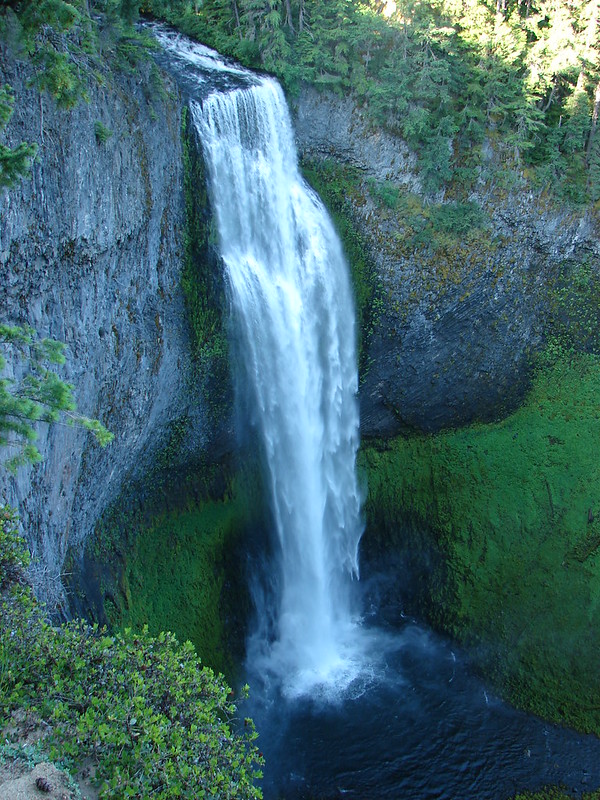
#93 – Salt Creek Falls 7/4/2013
Salt Creek Falls

#94 – Midnight & Yoran Lakes 10/18/2014
Yoran LakeYoran Lake

#95 – Diamond View Lake 8/22/2020
Diamond Peak from Diamond View LakeDiamond Peak from Diamond View Lake

#96 – Fawn Lake 9/22/2018
Huckleberry BushesHuckleberry Bushes along Saddle Lake.

#97 – Divide Lake 8/24/2020
Notch LakeNotch Lake

#98 – Blue and Corrigan Lakes 8/23/2020
Diamond Peak from Corrigan LakeDiamond Peak from Corrigan Lake

#99 – Marie Lake and Diamond Peak 8/23/2020
Climbers trail to Diamond PeakDiamond Peak

#100 – Timpanogas Lake 9/17/2016
Sawtooth Mountain from Timpanogas LakeSawtooth Mountain from Timpanogas Lake

In addition to the 100 featured hikes we’ve manged to add other hikes from Sullivan’s additional hikes located in the back of his book. In doing so we have also completed all 100 featured hikes in the 3rd edition and are just 2 hikes short of completing the 5th edition as well. There were 14 hikes from the 3rd edition that were not featured hikes in the 4th edition while the 5th edition contains 12 new featured hikes from the 4th edition (Three of these had been featured hikes in the 3rd edition.) Even with all of the hikes we’ve done, and the areas lost to fire in 2020 there are a number of trails in the Central Cascades we have yet to explore. We will continue to work those into our plans as we strive to explore as many different places as possible while we can.


Happy Trails!

Scout Lake and Mt. Jefferson

Categories
Hiking Oregon Three Sisters Area Trip report Waldo Lake Area

Erma Bell Lakes and the Shale Ridge Trail – 08/29/2020

With our recent backpacking trip around Diamond Peak (post) leaving us with just one more featured hike yet to do from William L. Sullivan’s “100 Hikes/Travel Guide Central Oregon Cascades” (4th edition) the only logical thing to do the following weekend was that last remaining hike. That hike was to the Erma Bell Lakes and as luck would have it late August was a pretty good time to visit, the berries were ripening and the mosquitoes weren’t too much of a nuisance. With a drive time of almost three hours the loop around the 8.5-9 mile loop around the lakes wouldn’t take long enough for us not to break our self imposed rule of the driving time being longer than our time spent hiking so we added a second stop to the day at the Shale Ridge Trail.

We started the morning by driving to the Skookum Creek Campground where the Erma Bell Trail begins.
IMG_5089

IMG_5091

The trail crosses Skookum Creek on a footbridge.
IMG_5092

IMG_5093

Soon after crossing the creek the trail enters the Three Sisters Wilderness.
IMG_5097

The trail traverses a forested hillside where we found a few ripe thimbleberries to snack on.
IMG_5099

A little over half a mile from the trailhead the Irish Mountain Trail splits off to the left toward Otter Lake allowing for a loop past that and several other lakes.
IMG_5104

We stayed right choosing to follow Sullivan’s suggestion to complete the loop counter-clockwise. The trail continued along the forested hillside for another mile before crossing a small stream on a bridge near Lower Erma Bell Lake.
IMG_5105

IMG_5108

IMG_5113

Just beyond the bridge we took a short spur trail to the left to visit the lake.
IMG_5115

IMG_5116

IMG_5117

The lake was a pretty blue color and quite deep.
IMG_5133

IMG_5135

Despite the beauty of the lake our attention had been diverted by the familiar “meep” of pikas, our favorite trail critters. We quickly spotted one of the little fur balls collecting greens along the rocky lake shore.
IMG_5119

IMG_5121

IMG_5127

IMG_5130

We watched the pika go back and forth with its greens several times before resuming our hike. We continued on the trail around the lake taking another detour after crossing the lake’s main outlet creek to check out a small cascade.
IMG_5136

20200829_083744

Beyond the outlet the trail began a .4 mile climb up toward the Middle Erma Bell Lake.
IMG_5142Lower Erma Bell Lake from the climb.

A short but steep trail to the left just before the high point of the trail led to a viewpoint of a waterfall between the lower and middle lakes.
IMG_5144

IMG_5162Above the falls.

IMG_5156

After checking out the waterfall we continued up to Middle Erma Bell Lake.
IMG_5176

IMG_5170

IMG_5175Ouzel

IMG_5178Ducks

We continued beyond Middle Erma Bell Lake passing a small pond on the right before arriving at Upper Erma Bell Lake .7 miles from the waterfall, also on the right.
IMG_5186Pond along the trail.

IMG_5189Spur trail on the right to Upper Erma Bell Lakes.

IMG_5192Paintbrush and aster along the lake shore.

IMG_5193Upper Erma Bell Lake

IMG_5197Lupine and paintrbush

In addition to a few flowers there were lots of ripe berries near the lake which we sampled before continuing. The trail climbed gradually for half a mile to a junction with the Judy Lake Trail which passes Mud and Edna Lakes (but no Judy Lake) before ending at the Taylor Burn Guard Station.
IMG_5202Judy Lake Trail on the right.

We stayed left passing above Mud Lake which was barely visible through the trees below.
IMG_5203

Just under a mile from the Judy Lake Trail junction we arrived at another junction, this time with the Williams Lake Trail.
IMG_5207Williams Lake Trail joining from the right.

Again we stayed left continuing for another .4 miles to Williams Lake. Before reaching the lake we encountered a grouse that was less than pleased with our presence.
IMG_5217Grouse giving us the what for from a tree.

IMG_5212

IMG_5220Williams Lake

IMG_5227Dry creek bed near Williams Lake.

The trail began to descend beyond Williams Lake passing through some damper meadows where berries were plentiful and some flowers remained (and so did some mosquitoes).
IMG_5229

IMG_5232

IMG_5234Pearly everlasting

IMG_5237Fleabane

IMG_5243Prince’s pine

IMG_5244Mushroom

IMG_5250

IMG_5254Aster

IMG_5257

IMG_5258Coneflower

IMG_5265

IMG_5272Paintbrush

IMG_5275

IMG_5277Paintbrush

A little over two and a quarter miles beyond Williams Lake we arrived at a junction with the Irish Mountain Trail which headed uphill to the right.
IMG_5281

A short distance from the junction we came to Otter Lake.
IMG_5287

IMG_5294Curious dragonfly

The trail descended for another half mile to the Erma Bell Lakes Trail completing the loop.
IMG_5298

We turned right and returned the .6 miles to the now busy trailhead. Sullivan lists the hike at 8.4 miles but we both came up with a little over 9 miles, most likely due to the various side trips tp the waterfalls and along the lake shores. We left the trailhead and headed back toward Oakridge on Forest Road 19 stopping at the Shale Ridge Trailhead on the left (south) near milepost 30.

This trailhead serves as the start of the Shale Ridge Trail and the upper terminus of the North Fork Trail (segment 5). We had spent time on the North Fork Trail earlier in the year hiking segment 1 out of Westfir and another short section to Buffalo Rock in May (post).
IMG_5305

We weren’t here for that trail today and instead headed south on the Shale Ridge Trail, which according to a note written on the signboard had been partially logged out in June.
IMG_5303

<img src="https://live.staticflickr.com/65535/50286349281_6b323abbee_b.jpg&quot; width="768" height="1024" alt="IMG_5304">

IMG_5306

The trail quickly entered the Waldo Lake Wilderness.
IMG_5312

We followed the trail through old growth forest. The North Fork Middle Fork Willamette River could be heard at time off to our right but not seen.
IMG_5316

IMG_5317Ghost Pipe aka Indian Pipe

We were below the ridge that we had been on during the Erma Bell Lakes hike and at the 1.8 mile mark we came to Skookum Creek which was flowing through multiple channels through the forest. This area was the highlight of the hike along the Shale Ridge Trail.
20200829_125709_HDR

IMG_5334

IMG_5332

IMG_5338

We continued beyond Skookum Creek just over a mile to the North Fork Middle Fork River at Cedar Bog. This was as far as we had planned on going and as far as the trail had been cleared to. In theory the trail continues up to the Blair Lake Trail (post) on the far side of the river but the condition beyond Cedar Bog is mostly likely very rough.
IMG_5349Arriving at Cedar Bog.

IMG_5350One of a couple dry channels.

IMG_5353North Fork Middle Fork

IMG_5358Flagging on a downed tree marking the continuation of the Shale Ridge Trail.

IMG_5360North Fork Middle Fork at Cedar Bog

IMG_5363Orange flagging on the far side of the river.

20200829_132354Monkeyflower at Cedar Bog

IMG_5366Candy flower

We turned back here and returned to our car completing a 5.8 mile out and back. While this hike was short on views there were some impressively large trees along the way and it was fairly level with only a 400′ cumulative elevation gain. The two hikes combined for nearly 15 miles of hiking which ensured that our hiking time was indeed longer than our driving time. More importantly we’d seen some nice lakes, all of which had their own distinct differences and had been gotten to watch a pika doing its thing. On top of it all we could finally say that we had done at least part of all 100 featured hikes in one of Sullivan’s guidebooks. Happy Trails!

Flickr: Erma Bell Lakes and the Shale Ridge Trail

Categories
Hiking McKenzie River Old Cascades Oregon Trip report

Olallie and Lowder Mountains – 09/01/2019

For our final outing of Labor Day Weekend we set our sights on a pair of peaks in the Three Sisters Wilderness. Both the Lowder Mountain Upper Trailhead and Pat’s Saddle Trailhead (for Olallie Mountain) are located just 2 miles apart along Forest Road 1993. These were two more featured hikes from Sullivan’s 4th edition Central Cascades guidebook that we had yet to do. (Olallie Mountain was removed from the featured hikes in the 5th edition due to a 2017 fire that burned much of the route.) On their own the hike to driving time ratios didn’t pan out, but doing them both on the same day would, and as it turns out FR 1993 was in excellent shape allowing for a driving time closer to 2 1/2 hours versus the nearly 3 hours that Google predicted.

We drove south to Eugene and took Highway 126 four miles east of Blue River where we turned right on FR 19 to Cougar Dam. After turning left on FR 1993 and crossing the dam we followed the road 11.2 miles to the Pat’s Saddle Trailhead.
We chose to start with Olallie Mountain for a couple of reasons, first we thought that the lack of tree cover due to the fire might make this a warmer hike later in the day and second it was the longer of the two hikes. There are a couple of trails that leave from this trailhead. The French Pete Creek Trail is the first trail on the right. The upper section of this trail is not maintained (according the Forest Service webpage) and the forest around the lower section was impacted by fires in both 2017 and 2018. We hiked the first 5 miles of the trail from the lower trailhead prior to the fires in 2015 (post)
IMG_8177

The trail we were taking on this trip was the second one on the right, the Olallie Trail.
IMG_8179

This trail promptly enters the Three Sisters Wilderness amid old growth that escaped the fire.
IMG_8180

IMG_8183

The signs of the fire could be seen after about a third of a mile.
IMG_8184

At the half mile mark we arrived at a small stream flowing from Wolverine Lake which was about a quarter mile uphill on our right. The forest on the right hand side of the trail had burned pretty good while the left hand side had fared much better. There was already plenty of green vegetation growing amid the snags on the hillside though.
IMG_8185

IMG_8186

20190901_073350Cone flower

Sullivan had mentioned visiting Wolverine Lake by heading uphill cross country after crossing over the stream but the vegetation here looked pretty thick so we waited until we had climbed a bit beyond the stream and angled back toward the lake.
IMG_8191Cross country to Wolverine Lake.

There were a fair number of trees down from the fire so it wasn’t too difficult to reach the lake, but it was tricky trying to get a good look at it due to the brushy shore.
IMG_8192

It looked like there might have been a better vantage point around the lake to our right, but it wasn’t worth fighting through the brush and fallen trees to try and reach it so we settled for the view we had and headed back to the Olallie Trail. From above, the route down along the creek looked much more appealing and we wound up taking a track much closer to what Sullivan had shown on his map to arrive back on trail. Once we were back on trail we turned right and passed through a patch of thimbleberry bushes encroaching on the trail.
IMG_8195

We emerged from the thimbleberries and rounded a ridge end where the forest became a bit more open and many of the trees had survived the fire.
IMG_8196

IMG_8198

IMG_8204

A sooty grouse caught our attention as it crossed the trail ahead of us.
IMG_8208

IMG_8206

The trail climbed gradually along the hillside and we marveled at the varying effects of the fire and how the forest was in different stages of recovery already.
IMG_8213

IMG_8215Baneberry

IMG_8217Monkshood

There were also some views that might not have been there if some of the trees hadn’t burned.
IMG_8221

IMG_8201South Sister

IMG_8220Middle and North Sister

IMG_8223Mt. Washington

IMG_8226Mt. Jefferson and Three Fingered Jack

The line of clouds obstructing the view of the mountains wasn’t exactly a welcome sight, but we could at least see some of them and it was early so maybe they would eventually burn off.

A little over 2 miles from the trailhead we arrived at a junction in a grassy saddle.
IMG_8228

The Olallie Trail continued straight passing an old guard station site at Olallie Meadows in .9 miles then continuing deeper (and fainter) into the Three Sisters Wilderness eventually ending at Horse Lake (post). We turned right though, onto the Olallie Mountain Trail.
IMG_8230

This trail began with a reasonably gradual climb past a series of meadows where a few late blooming flowers remained.
IMG_8235

IMG_8240Aster and pearly everlasting

IMG_8250

IMG_8252Columbine

IMG_8255

The trail briefly leveled out on top of ridge where the fire had burned intensely in some areas while sparing trees in others.
IMG_8256

IMG_8257

After the brief respite from climbing the trail steepened below the summit of Olallie Mountain and began to wrap up and around its rocky western face.
IMG_8258

IMG_8259

IMG_8260

The tread along the steep hillside here was a little sketchy in part due to the fire but we made our way up to the summit. The remains of the Olallie Mountain lookout tower still stand on the summit having been covered by firefighters to protect it from the blaze.
IMG_8269

IMG_8304

The three hundred and sixty degree view was impressive and would have been more so if not for the presence of clouds to the north and in front of many of the cascade peaks. On top of that our early ascent left the Sun in a less than ideal overhead position for lighting.
IMG_8306_stitchParts of the Cascades from Mt. Jefferson to the NE to Mt. Bachelor to the SE.

IMG_8302Mt. Jefferson was still tangled up in the clouds.

IMG_8300Just a peak at Mt. Washington (which was more than we could see of Three Fingered Jack)

IMG_8297Middle and North Sister behind The Husband

IMG_8296South Sister

IMG_8295Broken Top

Things were a little less cloudy to the south where Cowhorn Mountain (post) and Mt. Thielsen (post) seemed to be cloud free while Diamond Peak wasn’t so lucky.
IMG_8281

IMG_8282Cowhorn Mountain and Mt. Thielsen

IMG_8291Diamond Peak

We were able to identify the cliffs of flat topped Lowder Mountain, our next stop, to the NW.
IMG_8312Lowder Mountain to the left of the tree in the foreground.

IMG_8317Lowder Mountain

After watching the clouds pass by (but not leave) for awhile we headed back down. We had passed a single backpacker on the way up and on the way down we encountered a trio of hikers making their way up. When we got back to the stream below Wolverine Lake we spotted a frog (no wolverines though).
IMG_8331

IMG_8334

We completed our 8 mile hike here and drove back the two miles to the Lowder Mountain Upper Trailhead and parked at a pullout near the trailhead signboard. The signboard announced three trails: the Quaking Aspen, Lowder Mountain, and Walker Creek Trails.
IMG_8337

We weren’t paying close attention as we set off on a trail heading for a wilderness to the left of the signboard.
IMG_8338

IMG_8340

Our first clue that we were on the wrong trail should have been the location of the trail signs on the signboard but away we went following the Quaking Aspen Trail downhill parallel to FR 1993. We had a feeling something might be off but a quick glance at the GPS showed that we were almost to some switchbacks which matched up with Sullivan’s map but we were surprised that they were headed downhill and not up (the one complaint we have about Sullivan’s maps are that they are not topographic so we can’t always tell when a trail is climbing or dropping). We were zoomed in too far to see the other trail behind us that switchbacked uphill. Just after turning on the first of the switchbacks Heather figured it out and got us turned in the right direction but not until we’d covered a third of a mile.

We hiked back uphill to the trailhead and looked at the signboard and area more closely. Sure enough there was another trail and wilderness to the right of the signboard (the side listing the Lowder Mountain and Walker Creek Trails).
IMG_8346

IMG_8355

We now set off on the Lowder Trail and began switchbacking uphill through an old growth forest.
IMG_8356

IMG_8357

After a quarter mile of serious climbing the trail leveled out a bit (and straightened out) as it traversed along a hillside. We soon got a quick glimpse of Olallie Mountain across the valley.
IMG_8359

For the next 1 3/4 miles the trail alternated between meadows and forest before arriving at a junction in one of the meadows.
IMG_8360

IMG_8364Skipper

IMG_8365This reminded us of a torture device.

IMG_8368

IMG_8369

IMG_8372This meadow had a lot of buckwheat.

IMG_8373

IMG_8377Olallie Mountain again.

IMG_8380The lookout tower on Olallie Mountain

IMG_8381Diamond Peak had shed its cloud cover momentarily.

IMG_8384Diamond Peak

IMG_8387

IMG_8386Pollinators got to pollinate.

IMG_8389

IMG_8391

This junction marked the start of the Walker Creek Trail which climbed up through the meadow to the right. This was actually the trail to take in order to reach the viewpoint atop Lowder Mountain.
IMG_8393

The Lowder Mountain Trail continued on straight but beyond the junction is no longer maintained due to “lack of use”.
IMG_8392

A series of 12 switchbacks led steeply up through the meadow and forest to a large meadow atop Lowder Mountain.
IMG_8394The trail heading up through some thimbleberry.

IMG_8397Butterfly

IMG_8405Another skipper

IMG_8412This guy was the size of my pinky.

IMG_8399A few scarlet gilia still in bloom.

IMG_8415Pearly everlasting at the edge of the large meadow.

We followed a well worn path across the broad summit to the edge of the large meadow where it turned right passing along the tree line.
IMG_8419

Like the Lowder Mountain Trail the Walker Creek Trail is no longer maintained beyond the meadow. The clear path along the impressively large meadow is a user trail to the viewpoint above Karl and Ruth Lakes.
IMG_8420

IMG_8421

IMG_8479

IMG_8426

IMG_8427Karl & Ruth Lakes

The clouds were still a bit of an issue but it was now late enough in the day for the lighting to be much better.
IMG_8433Mt. Jefferson and Three Fingered Jack with Horsepasture Mountain (post) in the foreground.

IMG_8431Mt. Washington

IMG_8440North and Middle Sister

IMG_8438South Sister and Broken Top

IMG_8443

We made our way south along the cliffs to reach a view of Mt. Bachelor.
IMG_8453

IMG_8456Mt. Bachelor

In addition to the great views there was an interesting little rock feature that looked a lot like a head of some kind.
IMG_8468

IMG_8469

We took a good break here before heading back. On the return trip we discovered that we had actually spent a decent amount of time losing elevation traversing along the hillside on the way to the Walker Creek Trail junction. It had been so gradual that we hadn’t noticed but it was evident that we were going uphill a lot more than we’d expected once we were back on the Lowder Mountain Trail. There were quite a few butterflies out searching for the remaining flowers which gave us something to focus on (in addition to eating quite a few ripe thimbleberries).
IMG_8496Butterfly with a small crab spider on the next flower head to the right.

Between taking the wrong trail from the trailhead and wandering around at the viewpoint we managed to turn a 5.6 mile hike into 6.8 miles making our total for the day 14.8 miles. The elevation gains were roughly 1400′ for Olallie Mountain and 900′ for Lowder Mountain. The views were great from both peaks and we were already talking about a return trip earlier in the Summer to see what all the meadows might look like earlier in the year. Happy Trails!

Flickr: Olallie and Lowder Mountains

Categories
High Cascades Hiking Oregon Three Sisters Area Trip report

Four-In-One Cone – 8/14/2019

The third hike of our vacation was another repeat (this time only partially) of a viewless outing. In 2012 we had embarked on “the hike that shall not be named” (post) It was an ambitious hike that went wrong in a couple of ways. First I misunderstood the guidebook and turned a 15 mile loop into an 18.6 trudge and second the persistent low cloud layer denied us of virtually any views. Our plan to hike to Four-In-One Cone would cover part of that hike.

We chose the Four-In-One Cone portion of that hike for two reasons. First Four-In-One Cone is a really cool volcanic feature and second much of the remainder of that loop passes through the Obsidian Limited Entry Area for which we didn’t have a permit nor were any available. We started the hike at the Scott Trailhead located along Highway 242 (17 miles from Highway 126 or 20.3 miles from Highway 20).
IMG_6219

The Scott Trail briefly follows along the highway before crossing it and entering the Three Sisters Wilderness.
IMG_6223

IMG_6224

A third of a mile from trailhead we came to a somewhat familiar junction.
IMG_6236

Neither of us quite remembered it looking like it did now (for one thing the trail sign was missing) but the right hand fork led to the Obsidian Trailhead and had marked the final .6 miles of THAT hike. We forked left and began to climb via several switchbacks which we had no recollection of. We also passed a viewpoint at one of the switchbacks.
IMG_6245

After the viewpoint the trail continued to climb but more gradually as it passed through a mixed forest.
IMG_6247

IMG_6249Pinesap

IMG_6251

IMG_6252A very blurry deer spotted through the trees.

IMG_6257

IMG_6258

IMG_6262

Three miles from the trailhead we arrived at the first of two short lava flow crossings. A large western toad was in the trail here and there was also a squirrel nearby which seemed like a suspicious combination.
IMG_6265

IMG_6270

20190814_085527

IMG_6274

The lava crossings are separated by an island of forest that escaped the flow.
IMG_6282

IMG_6284North Sister

IMG_6290Middle Sister

IMG_6288More spies watching us.

Beyond the second lava crossing we spent a little time back in the forest before once again entering a volcanic landscape as we came around the south side of Four-In-One Cone.
IMG_6294

IMG_6299

IMG_6300

Unlike our previous visit the Cascade Mountains were visible.
IMG_6301North and Middle Sister behind the Little Brother.

IMG_6312Mt. Jefferson beyond Four-In-One Cone

IMG_6317Mt. Hood over the right shoulder of Mt. Jefferson.

IMG_6319Mt. Washington’s spire behind the cone with Three Fingered Jack and Mt. Jefferson.

The route up Four-In-One Cone is just under 1.5 miles from the first lava crossing and is marked by a signpost.
IMG_6309

Before going up the cone we decided to continue another .8 miles to the Pacific Crest Trail in Scott Meadow. We had of course been to that junction during our loop in 2012 but we’d also visited it in 2013 from the north on the PCT from South Matthieu Lake (post). Lupine is said to bloom profusely from mid-July through August but we hadn’t seen much in 2013 (2012 was late September) so we thought we’d give it another try. Prior to reaching Scott Meadow we did pass a couple of hillsides with a decent amount of lupine but I don’t know that we considered it profuse
IMG_6328

IMG_6331

IMG_6333

IMG_6335

IMG_6343Scott Meadow

There wasn’t any lupine at all around the PCT junction but the view of Little Brother next to the North and Middle Sisters is nice.
IMG_6358_stitch

After a short break and pointing a group of trail runners toward Opie Dilldock along the PCT we turned around and headed back for Four-In-One Cone.
IMG_6369

IMG_6383

Four-In-One Cone is just that, four cinder cones which erupted at different times but are joined together creating a .4 mile long ridge.
IMG_6390

To the SE the North and Middle Sister are closer than the Cascades to the NW the position of the Sun made the view of the further peaks a little clearer.
IMG_6398North Sister, Middle Sisters behind Little Brother and The Husband.

IMG_6392North Sister with Collier Cone in front and South Sister behind Little Brother.

IMG_6411The Husband

IMG_6443Scott Mountain (post) beyond the lava flows of Four-In-One Cone.
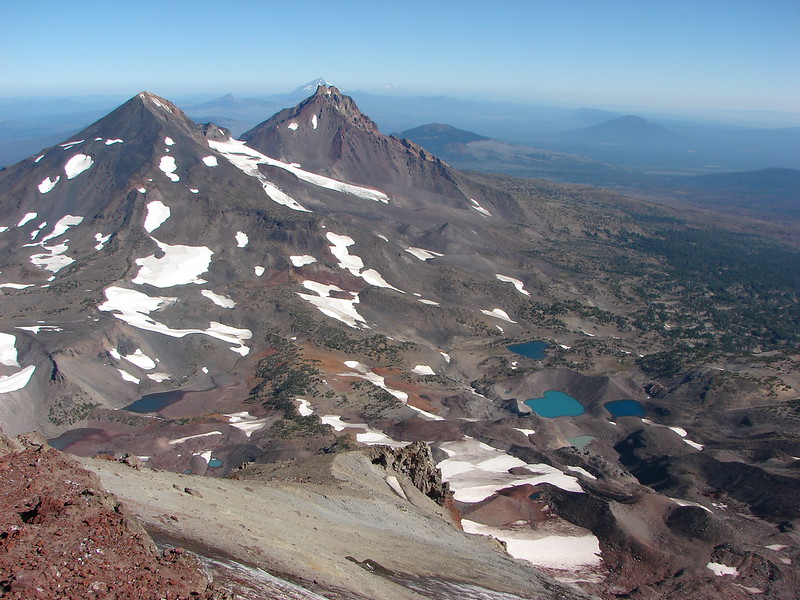
IMG_6404One of the craters.

After visiting the southern end of the cones we made our way to the northern end.
IMG_6434Mt. Washington, Three Fingered Jack, Mt. Jefferson, Mt. Hood, and Black Crater (post)

IMG_6444Looking back south.

IMG_6460Belknap Crater (post)

IMG_6459Mt. Washington beyond Little Belknap Crater with Three Fingered Jack behind.

IMG_6462Mt. Jefferson and Mt. Hood

After fully exploring the cones we returned the way we’d come capping off a 12.3 mile, 1750′ elevation gain hike. We were happy to have finally gotten to see what we’d missed back in 2012. Happy Trails!

Flickr: Four-In-One Cone

Categories
High Cascades Hiking Oregon Three Sisters Area Trip report

Thayer Glacial Lake – 8/13/2019

For the second hike of our vacation we chose the off-trail scramble to Thayer Glacial Lake. The hike is described in the second edition of Scott Cook’s “Bend, Overall” guidebook. The book is older (ours is updated for 2012) and predates the Pole Creek Fire which happened to take place in 2012. The main change on the hike is that there is a lot of travel through the fire scar so there aren’t a lot of green trees, but there are more views of the mountains.

We had had this hike on our to do list and a recent trip report in a Facebook group prompted us to move it up and do it sooner rather than later. We drove over Santiam Pass to Sisters and took Highway 242 for 1.3 miles to Forest Service Road 15 (Pole Creek Road) where we turned left. We followed FR 15 for 11 bumpy miles to the Pole Creek Trailhead.
IMG_5813

We followed the Pole Creek Trail uphill through the burned forest for 1.5 miles to a junction with the Green Lakes Trail crossing the dry bed of Pole Creek not far from the trailhead.
IMG_5817Middle and North Sister

IMG_5820Dry bed of Pole Creek.

IMG_5822Black Crater, Mt. Jefferson, and Black Butte to the north.

IMG_5825Entering the Three Sisters Wilderness.

IMG_5831A few survivors amid the snags.

IMG_5832Green Lakes Trail junction.

We stayed straight at the junction continuing on what was now the Green Lakes Trail. This trail descended a little before arriving at Soap Creek three quarters of a mile from the junction.
IMG_5834

IMG_5839Broken Top and the South Sister

IMG_5842

IMG_5844Monkeyflower along Soap Creek

On the far side of the creek was a familiar junction, the Camp Lake and Green Lakes Trail junction where we had been on our 2014 loop around the South Sister (post).
IMG_5851

Instead of crossing the creek we left the trail here and headed west. This portion of the hike requires off-trail navigational and route finding skills. There was, at times, what appeared to be a user trail but it was faint and prone to disappearing only to reappear in an unexpected place. In general we followed the directions in the guidebook although our routes there and back were quite different (at least for a 1 mile stretch). The instructions were to follow the climbers trail for 2ish miles then head cross country toward a yellow bulge on North Sister. The lack of green trees allowed for a lot more views of North Sister which assisted in keeping us oriented. We used our topographic maps to help us stick to what appeared to be the gentlest terrain and eventually found ourselves looking at the daunting moraine to the left of the yellow bulge.
IMG_5859Soap Creek

IMG_5863View of the North Sister that would not have been there pre-fire.

IMG_5868Soap Creek and the Middle and North Sister

IMG_5870Monkshood

IMG_5891Might be a trail in there, might not.

IMG_5894Decent look at the yellow bulge on North Sister.

IMG_5895Broken Top and South Sister

IMG_5896Soap Creek

IMG_5903Meadow where there was no discernible trail apparent.

IMG_5909Typical cross country obstacles.

IMG_5915

IMG_5922

IMG_5930Dry creekbed.

20190813_093156Elephants head

IMG_5946The moraine to the left of the bulge.

We stopped briefly to watch what appeared to be a golden eagle soaring overhead trying to evade a smaller raptor that was annoyed by the larger birds presence.
IMG_5951

IMG_5956

We wound up a bit further north than intended and had to veer NW to reach the meadows around the springs feeding Soap Creek.
IMG_5960

IMG_5963A clump of Monkeyflower

IMG_5968

IMG_5973

IMG_5986Penstemon

IMG_5989_stitch

After a little over two hours and approximately three miles from where we’d left the Green Lakes Trail we found ourselves resting in the shade of a large rock near the moraine.
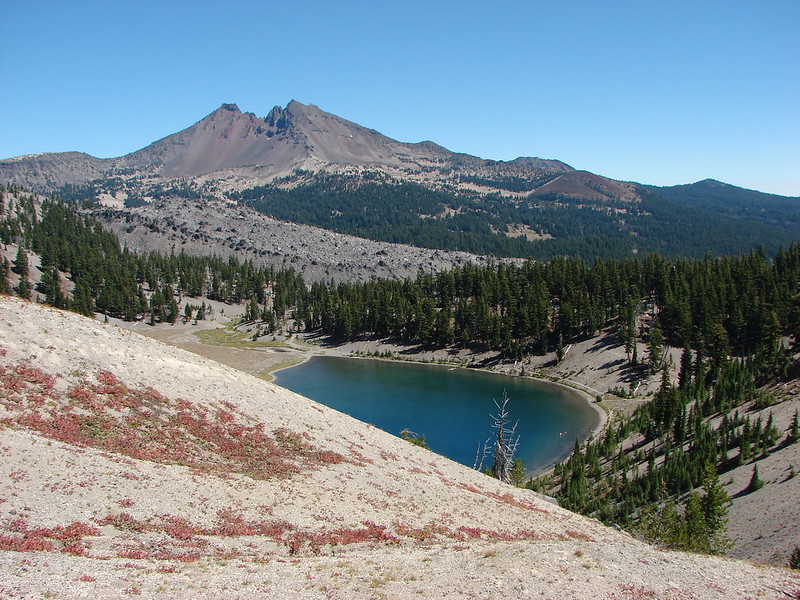
IMG_6001Our shady spot.

While we rested by the rock we discussed our planned route up the moraine. The steep loose rock would not be easy and we wanted to try and find the safest route to what was hopefully the lowest point along the moraine. After agreeing on a route and picking a point to aim for we set off on the final three quarters of a mile climb to the rim above Thayer Glacial Lake.
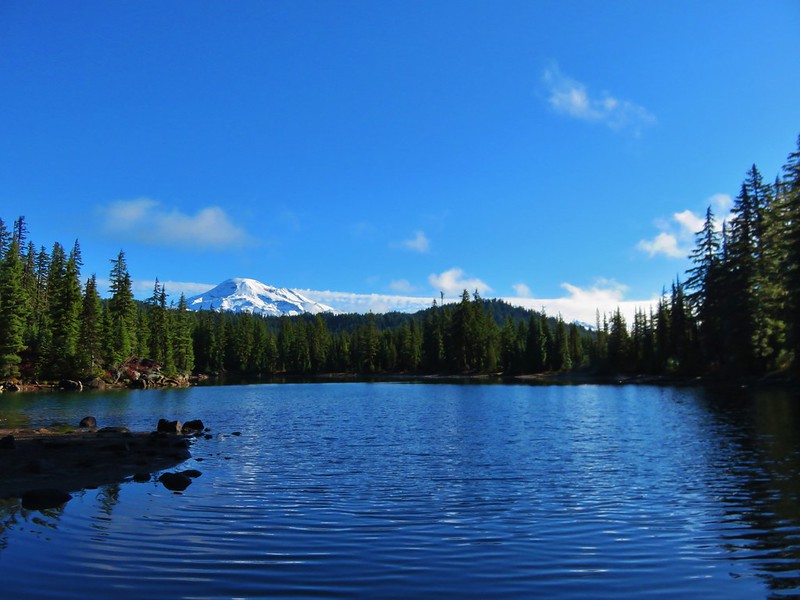
IMG_6006

IMG_6008

IMG_6015Paintbrush growing on the moraine.

IMG_6017

IMG_6021More flowers amid the rocks.

IMG_6023

After a couple (dozen) course corrections I passed between a pair of large cinder rocks I dubbed “Thayer Gate” and a few moments later was looking at the lake.
IMG_6024

IMG_6026

IMG_6049_stitch

While Heather headed down to the lake shore I detoured up along the rim to the south to check out the views.
IMG_6057The yellow bulge, Mt. Hood, Black Crater and Black Butte to the north.
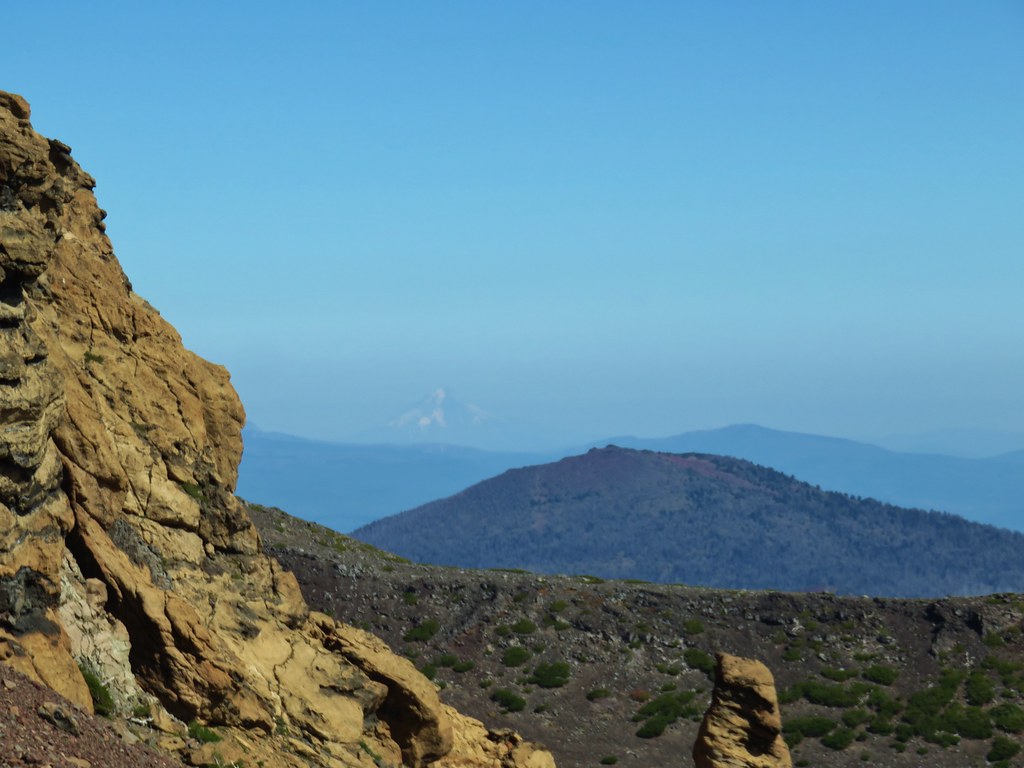
IMG_6059Mt. Hood

IMG_6037Broken Top to the north.

IMG_6043The rim above Thayer Lake.

IMG_6045North Sister and the Thayer Glacier

IMG_6061Heather near some large boulders in the lake.
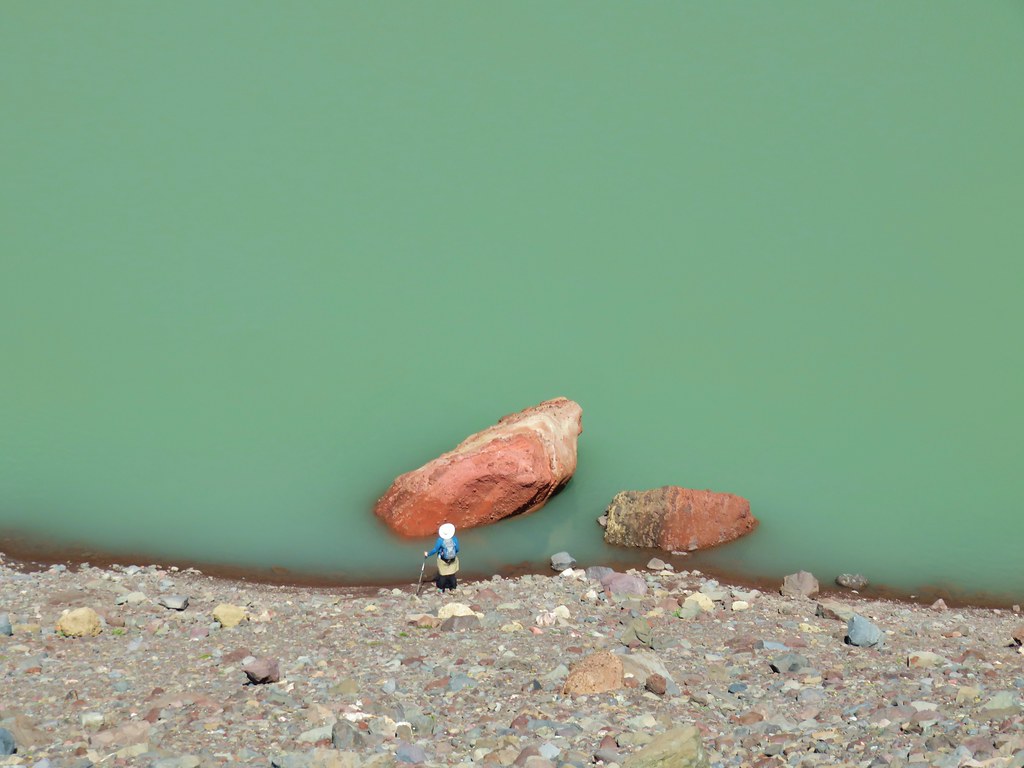
IMG_6063

We explored along the lake looking at the remaining ice, one piece resembled a listing boat, and admiring the textures and colors of the volcano.
IMG_6066

IMG_6073

IMG_6080

IMG_6077

IMG_6084

IMG_6085

The water was frigid but the temperature by the lake was pleasantly cool and we would have liked to have stayed there for hours but we still had to get back so we eventually pulled ourselves away and headed back down the moraine.
IMG_6086

IMG_6094

We headed toward the springs feeding Soap Creek and kept working our way north trying to stay to the left of the wildflower lined streams.
IMG_6095

IMG_6103

IMG_6107

IMG_6111

IMG_6121

IMG_6127

This proved to be a little trickier than expected as we kept coming upon more springs as we went.
IMG_6130

IMG_6140

IMG_6155

We followed Soap Creek into a narrow canyon which turned out to be a bit of a mistake and had to climb steeply over the north ridge when it became to steep and narrow.
IMG_6161

IMG_6168

IMG_6171

IMG_6173Starting to get too narrow and the topographic map showed it getting more so further downstream.

IMG_6174Climbing out of the gully.

IMG_6176Broken Top and South Sister from the ridge.

We descended the ridge heading NE using our GPS to hook up with our earlier route up. After a couple of ups and downs over smaller ridges we found ourselves in the general area through which we’d come up. We roughly followed our route back to the Green Lakes Trail without much excitement. The one thing that was different was the creeping wire lettuce blossoms which had opened up to the Sun and dotted the ground in places.
IMG_6187

We then followed the trails back to the Pole Creek Trailhead which was full of cars. It surprised us a bit being a Tuesday, but it’s one of the stated reasons by the Forest Service for the permit requirements that go into effect in 2020 for many of the trailheads in the Three Sisters, Mt. Washington, and Mt. Jefferson Wilderness areas.

Cook lists the hike as 5 miles one way, but we wound up with 11.5 miles round trip with nearly 3000′ of cumulative elevation gain. The off-trail travel makes it an even harder hike than those state would indicate. All that being said it was worth the effort and we were glad we’d made the trip. Happy Trails!

Flickr: Thayer Glacial Lake

Categories
Hiking Uncategorized

Progress Report – Oregon Wilderness Areas

In our last post we wrote about our ambitious (possibly overly so) goal of completing 500 “featured” hikes in William L. Sullivan’s guidebooks. The topic of this post is another one of our goals, visiting all 45 of Oregon’s accessible designated wilderness areas (Three Arch Rocks and Oregon Islands are off limits to all visitors). This goal should be quite a bit easier to accomplish given the much smaller number of needed hikes and the fact that the wilderness areas aren’t changing every few years. (There is legislation pending that would create the Devil’s Staircase Wilderness in the coast range between Reedsport and Eugene.)

The inspiration for this goal came from a fellow hiker and blogger over at Boots on the Trail. This smaller goal fit well into our 500 featured hikes goal too as thirty nine of the wilderness areas are destinations of at least one of the featured hikes. The remaining six: Copper-Salmon, Lower White River, Rock Creek, Cummins Creek, Bridge Creek, and Grassy Knob were still included in the books but as additional hikes in the back. Between the hike descriptions in the guidebooks and Boots on the Trail’s trip reports we’ve had plenty of information to work with.

This was an appealing goal too. Wilderness areas are dear to our hearts and home to many of our favorite places. These areas are the least affected by humans and we feel best reflect God’s work as Creator. To me they are akin to a museum showcasing His finest artistry. Just as we would in a museum we admire and enjoy the wilderness but we do our best not to affect it meaning adhering whenever possible to Leave No Trace principles.

We have made pretty good progress on this goal so far and as of 12/31/18 we had visited 38 of the 45 accessible areas (and seen the other two from the beach). We’re currently on track to have visited them all by the end of 2020.

Below is a chronological list of the wilderness areas we’ve been to (or seen) as well as any subsequent year(s) we’ve visited with some links to selected trip reports.

Opal Creek – 2009, 10, 11, 12, 14, 18

Battle Ax CreekBattle Ax Creek – 2014

Mt. Jefferson – 2010, 11, 12, 13, 14, 15, 16, 18

Mt. Jeffferson from Russell LakeMt. Jefferson from Russell Lake – 2016

Drift Creek – 2010

Drift CreekDrift Creek – 2010

Mt. Washington – 2011, 12, 14, 15, 16, 17

Mt. Washington and Mt. Jefferson from the Pacific Crest TrailMt. Washington from the Pacific Crest Trail – 2015

Three Sisters – 2011, 12, 13, 14, 15, 16, 17

The Three Sisters from the edge of the plateauThe Three Sisters – 2014

Three Arch Rocks – 2011, 18

Three Arch Rocks WildernessThree Arch Rocks from Cape Meares – 2018

Mark O. Hatfield – 2012, 14, 15, 16

Triple FallsTriple Falls – 2012

Mt. Hood – 2012, 13, 14, 15, 16, 17

Mt. Hood from the Timberline TrailMt. Hood – 2015

Oregon Islands – 2012, 13, 14, 15, 16, 17, 18

Bandon IslandsBandon Islands – 2018

Mill Creek – 2012

Twin PillarsTwin Pillars – 2011

Mt. Thielsen – 2012, 14

Howlock Mountain and Mt. ThielsenHowlock Mountain and Mt. Thielsen – 2014

Table Rock – 2012, 15

Table RockTable Rock – 2015

Salmon-Huckleberry – 2013, 14, 15, 17, 18

Frustration FallsFrustration Falls – 2018

Diamond Peak – 2013, 14, 18

Small waterfall on Trapper CreekTrapper Creek – 2014

Waldo Lake – 2013, 15, 18

Waldo LakeView from Fuji Mountain – 2013

Roaring River – 2013

Serene LakeSerene Lake – 2013

Badger Creek – 2014

Badger Creek WildernessBadger Creek Wilderness – 2014

Middle Santiam – 2014

Donaca LakeDonaca Lake – 2014

Bull of the Woods – 2014, 15, 18

Emerald Pool on Elk Lake CreekEmerald Pool – 2018

Soda Mountain – 2015, 17

Looking west from Boccard PointView from Boccard Point – 2015

Red Buttes – 2015

Red Buttes, Kangaroo Mountain and Rattlesnake MountainRed Buttes – 2015

Oregon Badlands – 2016

View from Flatiron RockOregon Badlands Wilderness – 2016

Kalmiopsis – 2016

Vulcan Lake below Vulcan PeakVulcan Lake – 2016

Menagerie – 2016

Rooster Rock from a viewpoint in the Menagerie WildernessRooster Rock – 2016

Eagle Cap – 2016

Glacier LakeGlacier Lake – 2016

Mountain Lakes – 2016

Mt. McLoughlin, Whiteface Peak, Pelican Butte, and Mount Harriman from Aspen ButteView from Aspen Butte – 2016

Sky Lakes – 2016

Mt. McLoughlin from Freye LakeMt. McLoughlin from Freye Lake – 2016

Lower White River – 2016

White RiverWhite River – 2016

Rock Creek – 2017

Rock CreekRock Creek – 2017

Spring Basin – 2017

Hedgehog cactusHedgehog Cactus – 2017

Bridge Creek – 2017

View to the north from the Bridge Creek WildernessBridge Creek Wilderness – 2017

Wild-Rogue – 2017

Hanging RockHanging Rock – 2017

Grassy Knob – 2017

View from Grassy KnobView from Grassy Knob – 2017

Clackamas – 2017

Big BottomBig Bottom – 2017

North Fork John Day – 2017, 18

Baldy LakeBaldy Lake – 2017

Cummins Creek – 2017

Cummins Ridge TrailCummins Ridge Trail – 2017

Rogue-Umpqua Divide – 2018

Hummingbird MeadowsHummingbird Meadows – 2018

Steens Mountain – 2018

View from the Pike Creek TrailView along the Pine Creek Trail – 2018

Strawberry Mountain – 2018

Slide LakeSlide Lake – 2018

Copper-Salmon – 2018

Barklow Mountain TrailBarklow Mountain Trail – 2018

The remaining areas and year of our planned visit looks like this:

2019 – Hells Canyon, North Fork Umatilla, Wenaha-Tucannon
2020 – Boulder Creek, Black Canyon, Monument Rock, Gearhart Mountain

If the Devil’s Staircase is added in the meantime we will do our best to work that in (it is currently on our list of hikes but not until 2023. For more information on Oregon’s wilderness areas visit Wilderness.net here.

Happy Trails!