
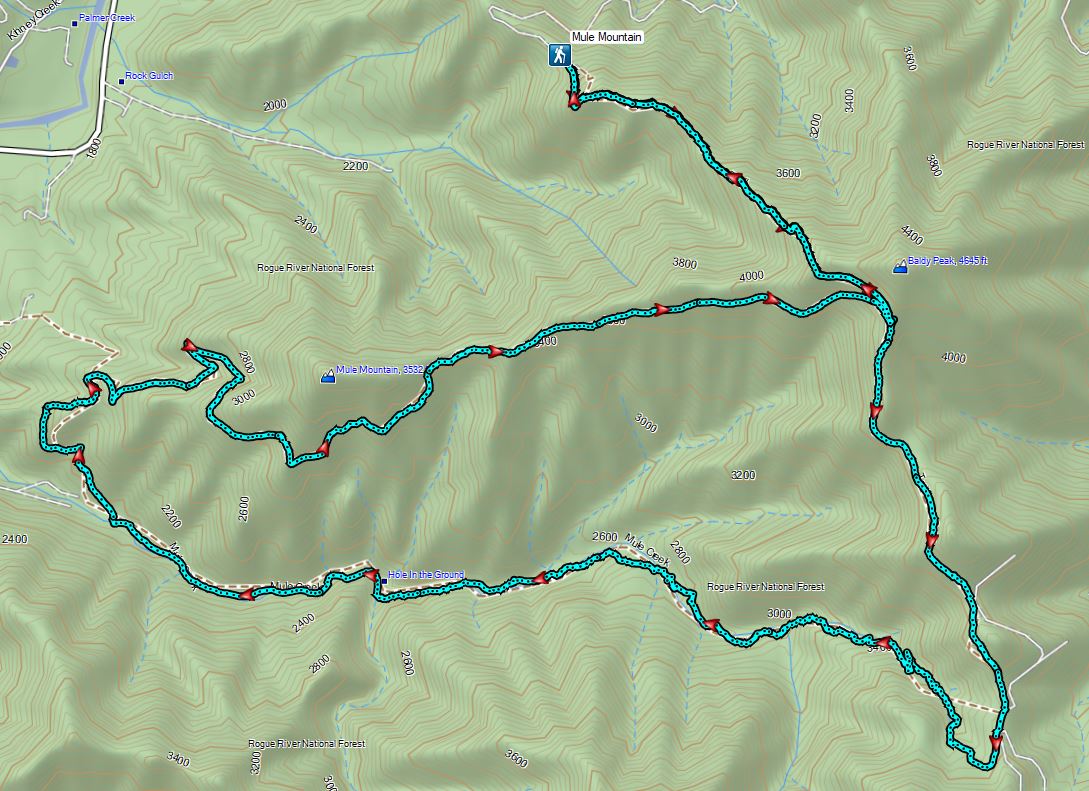
We took a few days of vacation prior to Memorial Day weekend and headed to Medford, OR for six days of hiking. Our original plan had been to make 8 different stops over those 6 days hiking around 70 miles. Seven of the stops would be new to us with two of the hikes being featured hikes in Sullivan’s “100 Hikes/Travel Guide Southern Oregon & Northern California” (4.2 edition) that we were hoping to cross of our list. Two others involved featured hikes that we had done part of previously and were now looking to complete another portion. The other three hikes that we hadn’t done were listed in the “More Hikes” section in the back of his book. I said our original plan because after the first hike our plans were blown up. For the first hike we picked Mule Mountain which had been a featured hike in Sullivan’s 3rd edition but lost that status after the Mule Mountain Trailhead was closed in 2016. From that previous trailhead the first 0.3 miles of the Mule Mountain Trail pass across private land and the Forest Service has so far been unable to obtain an easement. The Forest Service shows two alternate trailheads that can be used to access the loop that Sullivan describes – the Charlie Buck/Baldy Peak Trailhead and the Mule Creek/Baldy Peak Trailhead. Sullivan and Oregon Hikers suggest starting at the Charlie Buck/Baldy Peak Trailhead which is what we chose to do.

Our planned hike here looked to be about 12 miles with approximately 4000′ of cumulative elevation gain. Those numbers were quite similar to our hike at Elk & Kings Mountain (post) the previous Saturday. That had been a hard hike but not anything that we couldn’t manage and we had forgotten to bring our Endurolytes on that hike. These have seemed to really help on warmer/more difficult hikes when we work up a good sweat. It was supposed to be a little warmer for this hike with highs forecast to be in the mid to upper 70s but we had hydrated ahead of time, were carrying full water bladders and a filter to get additional water from Mule Creek if the opportunity arose. Despite the similarities in overall statistics there were a couple of key differences between the two hikes that we failed to take fully into account. The biggest difference was that it had been a brisk 37 degrees at 6:50am when we set off on the steep climb at Elk Mountain while here due to the long drive time from Salem it was 9:20am when we started and already in the mid 60s. Another key difference was that the majority of the elevation gain on the previous hike had been during the first half of the hike meaning we were done earlier in the day with the most strenuous portions. Here the climbs were broken up with a steep initial 1200′ climb in the first mile and a longer 3.5 mile 2000′ climb later near the end prior to the final downhill mile. The other differences were the amount of direct Sun exposure involved in this hike and that the one long downhill section on the Mule Creek Trail would involve a lightly maintained trail requiring extra effort.
The hike started off nice enough despite the steep initial climb. We spotted a number of wildflowers and a couple of alligator lizards as we huffed our way upwards.

 Mariposa lilies
 Alligator lizard
 Henderson’s stars
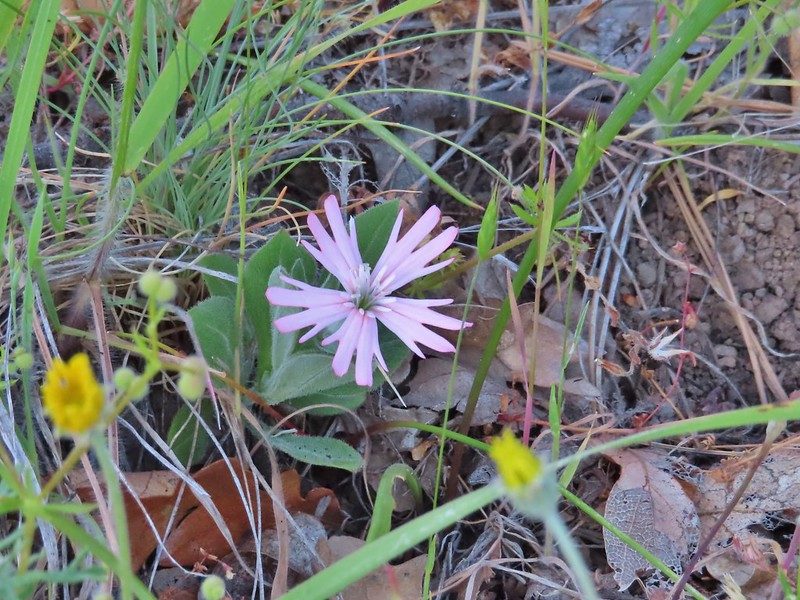 Hooker’s Indian pink
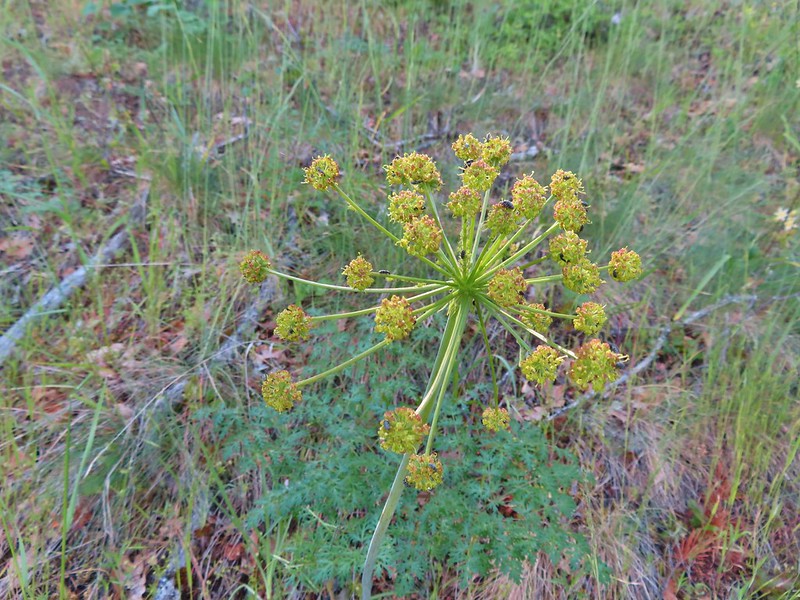 Fern leaf biscuitroot
 Blue dicks
 Larkspur
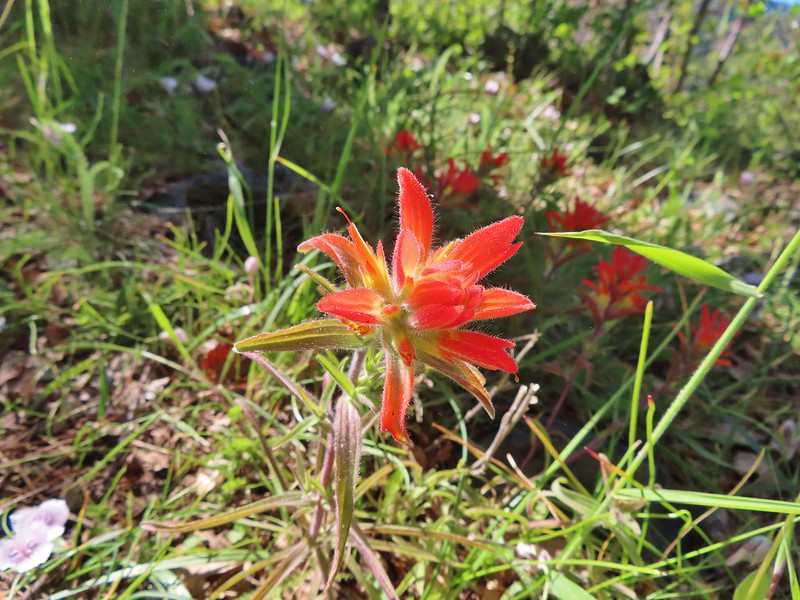 Paintbrush
 Mariposa lily
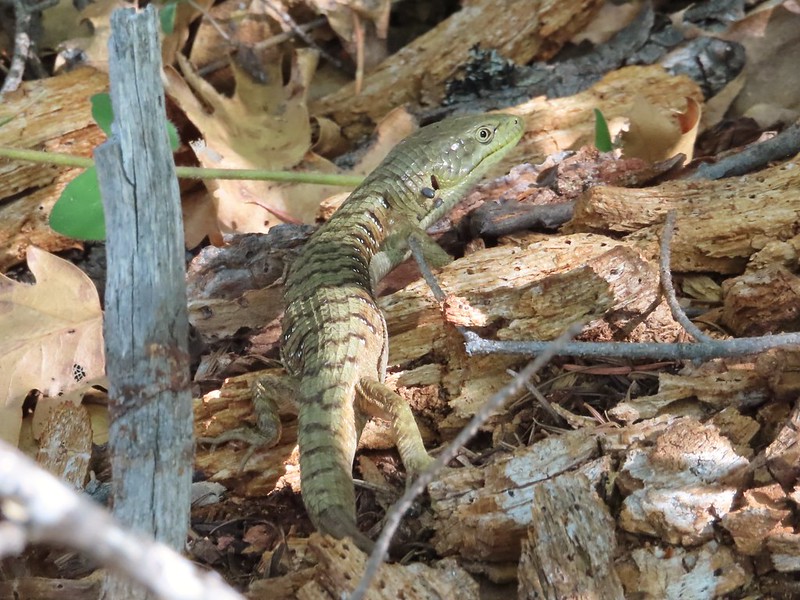 Another alligator lizard. They eat ticks but in this case it appears a couple ticks got the jump on him (or her).
 Lupine
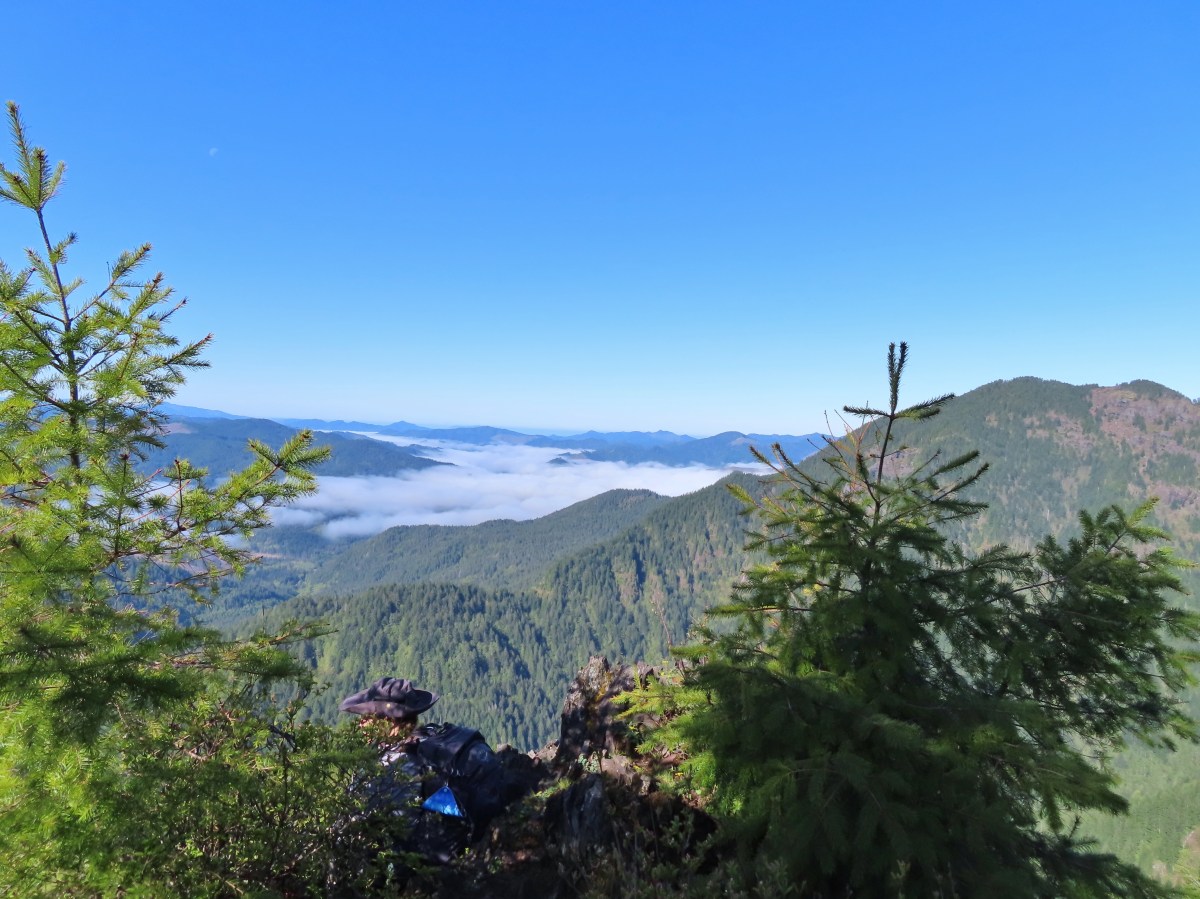
 View from the trail.
 Grayback Mountain to the right in the distance.
 Fiddleneck
 Miniture lupine
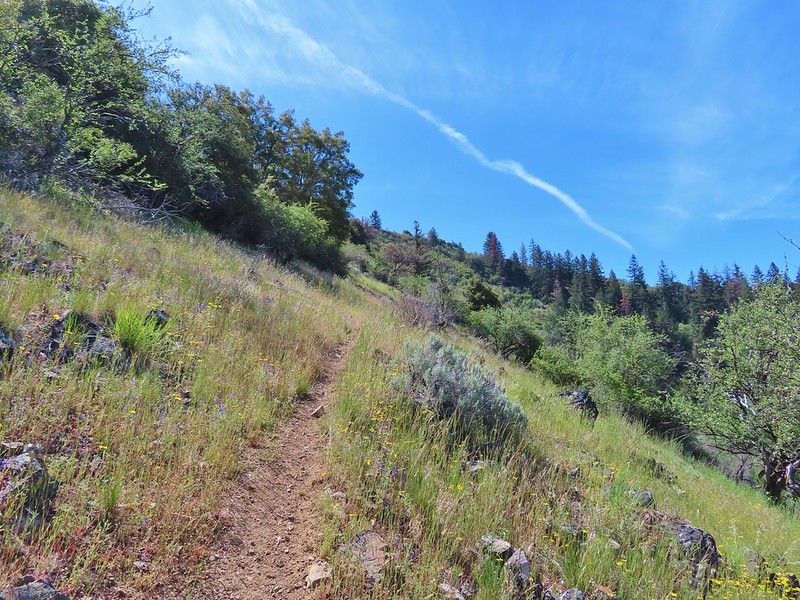
 A lupine, clarkia and madia?
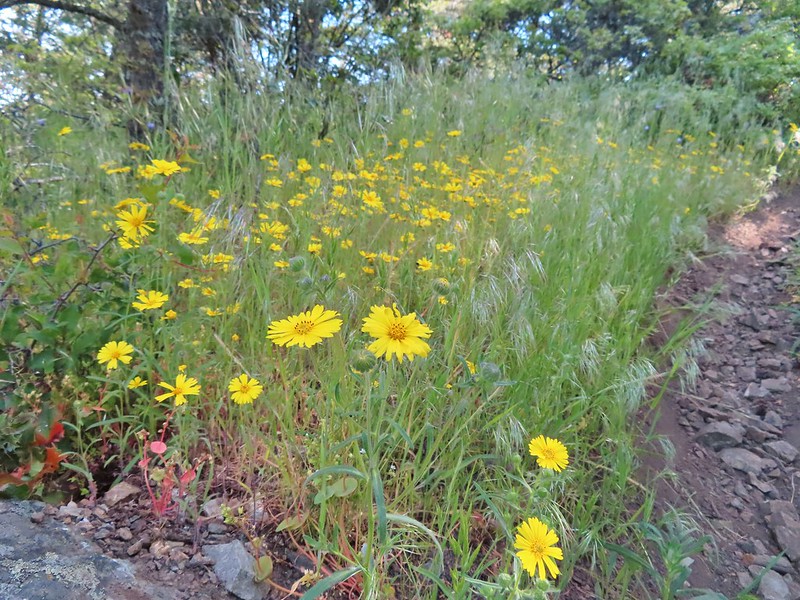 Madia
Madia
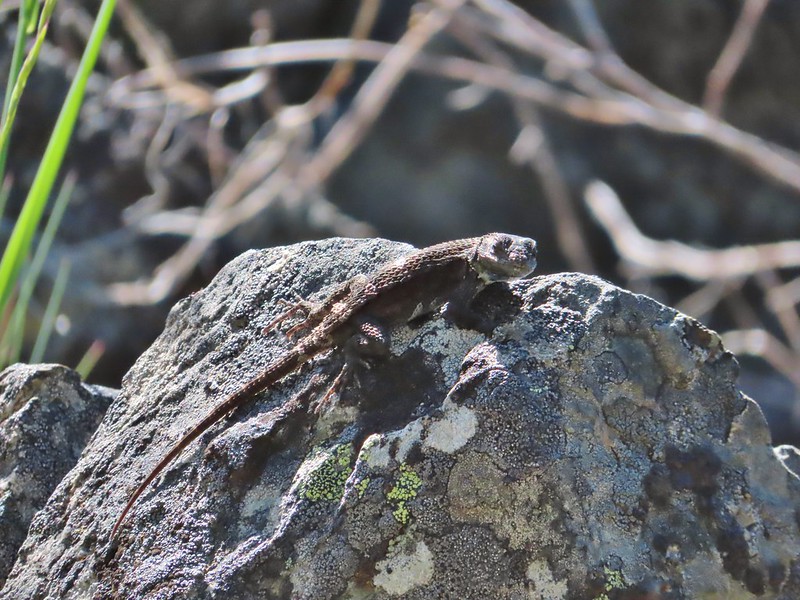 A molting lizard.
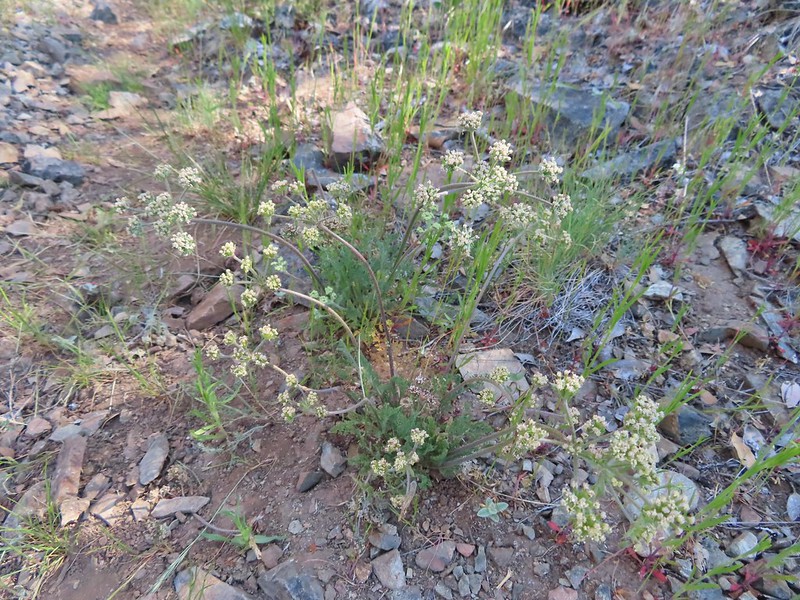 A lomatium
 Believe this is a female black-headed grosbeak
 The Red Buttes (post) in the distance.
 Red bells, these were on a short wish list of wildflowers that we’d yet to see on trail.
After the mile climb the trail gained a ridge on the west shoulder of Baldy Peak and began a 0.4 mile traverse below the peak through an open grassy hillside. Sullivan showed a 0.3 mile use trail leading up this ridge to the summit of Baldy Peak but while Heather noticed the trail neither of us at the time remembered it was on Sullivan’s map (I thought it was at the other end of the 0.4 mile traverse.) which was probably a good thing.
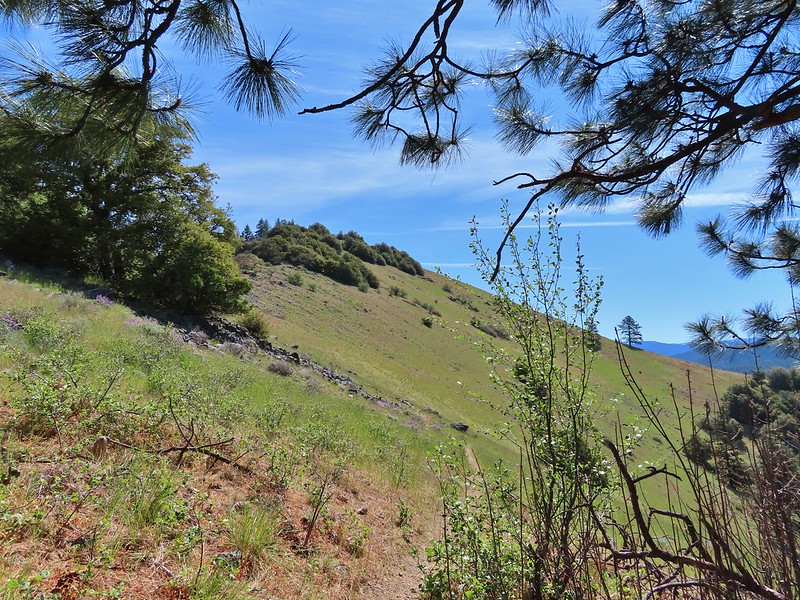
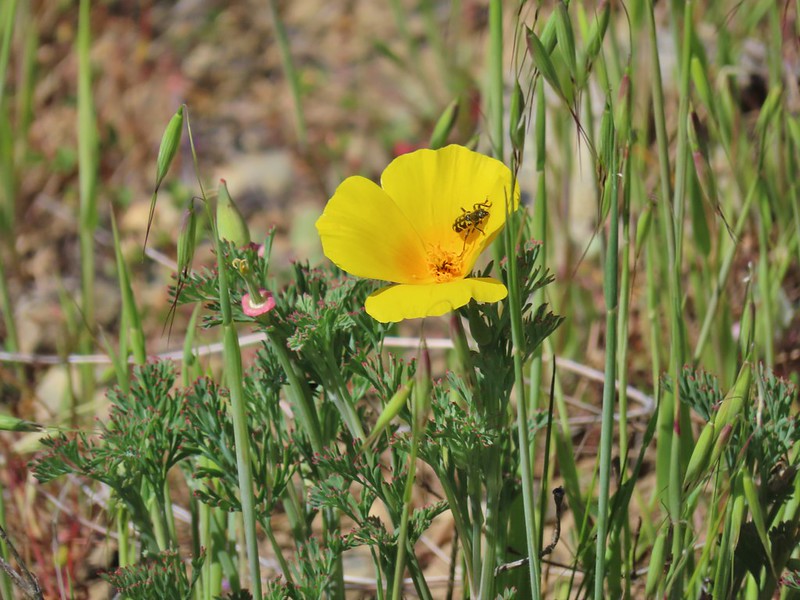 Poppy
Poppy
 Scraggy Mountain behind Little Grayback Mountain
 Red Buttes behind Little Grayback Mountain
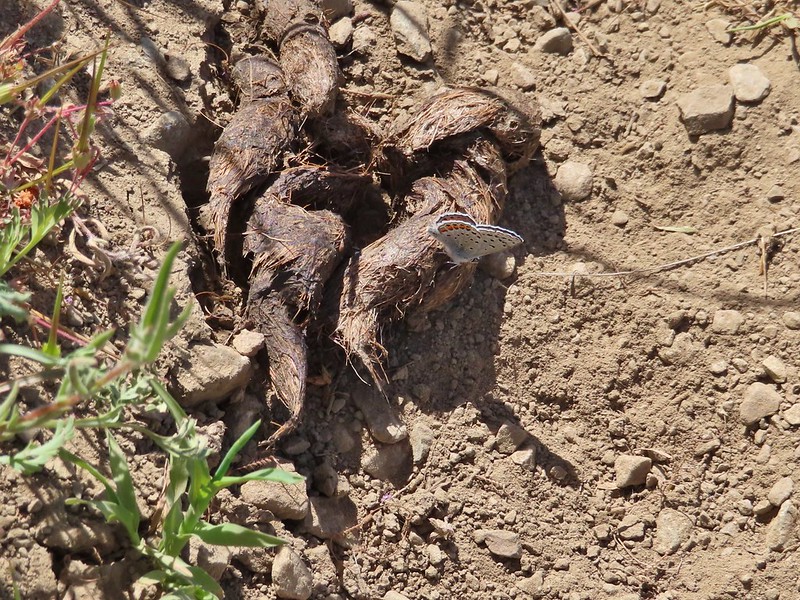 Butterfly on scat.
When we arrived at the ridge at the end of the 0.4 mile segment we spotted a faint trail heading up Baldy Peak.
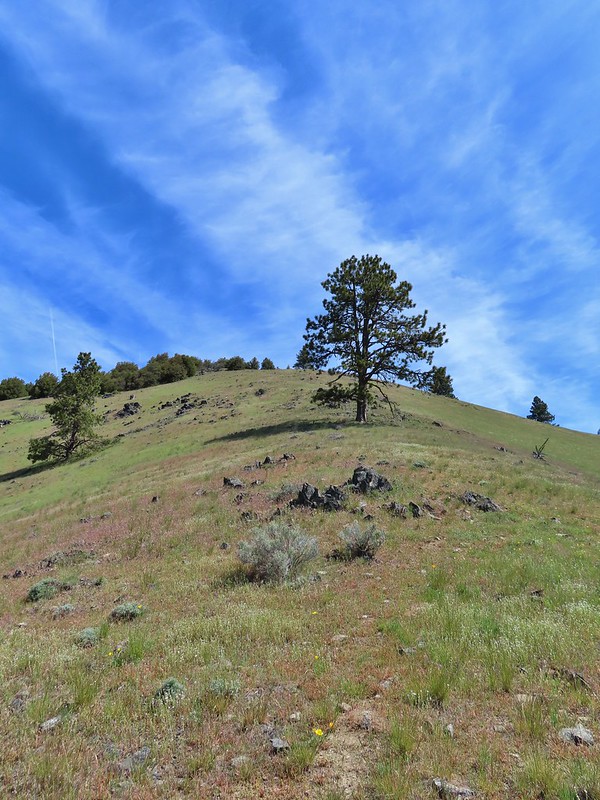
After giving it some thought and consulting Sullivan’s map we realized that this wasn’t the trail he showed and so we decided to skip Baldy Peak for now and then see if it was something we wanted to attempt on our way back by later. In addition to the use trail heading up Baldy Peak the Mule Mountain Trail joined the Baldy Peak Trail on the ridge. For now though we headed out along the ridge on what was now a much more level trail.

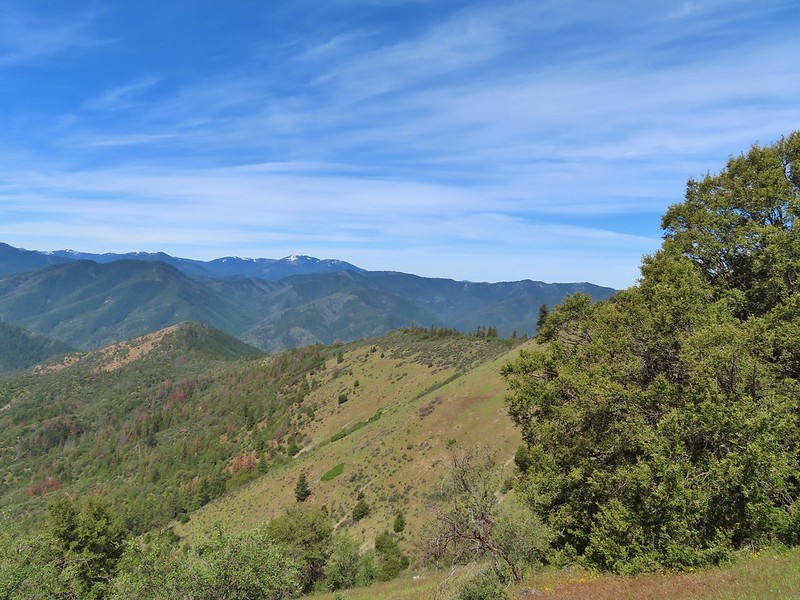 Mule Mountain is the lower peak along the ridge with the brown left side.
 Lupine
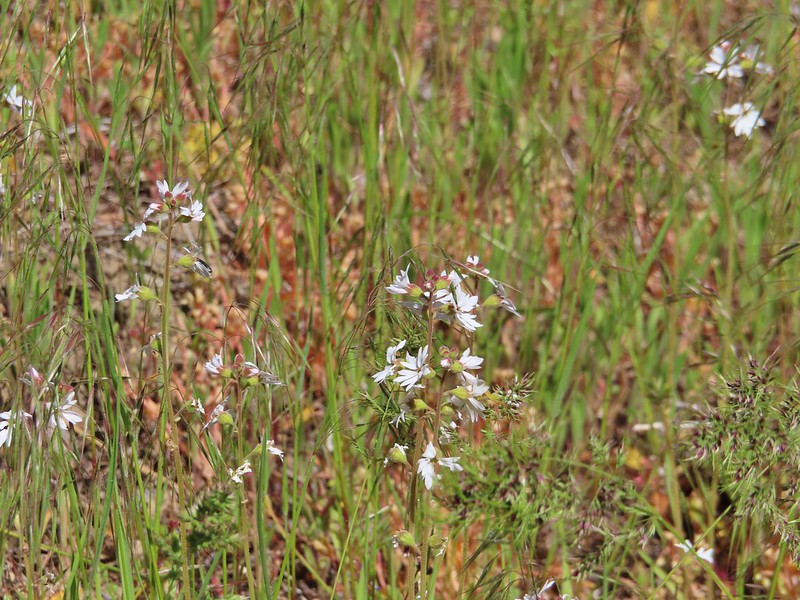 Prairie stars
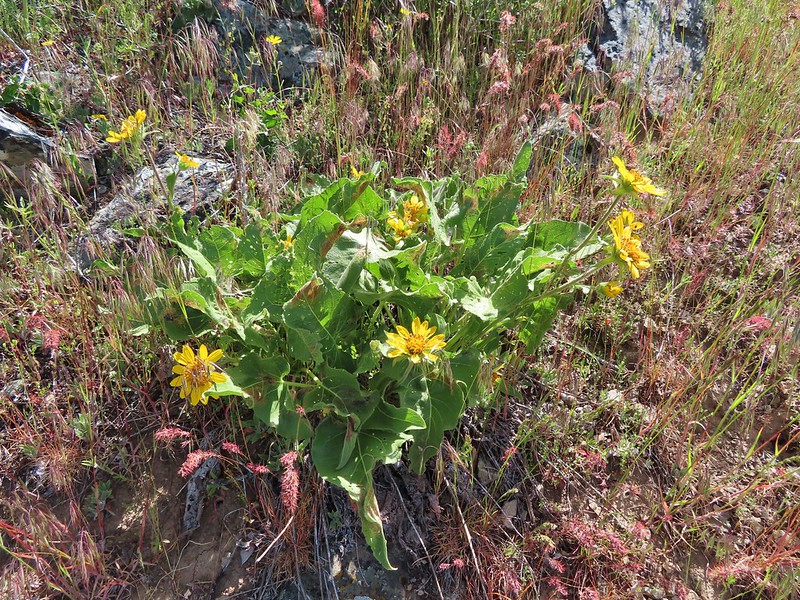 Balsamroot
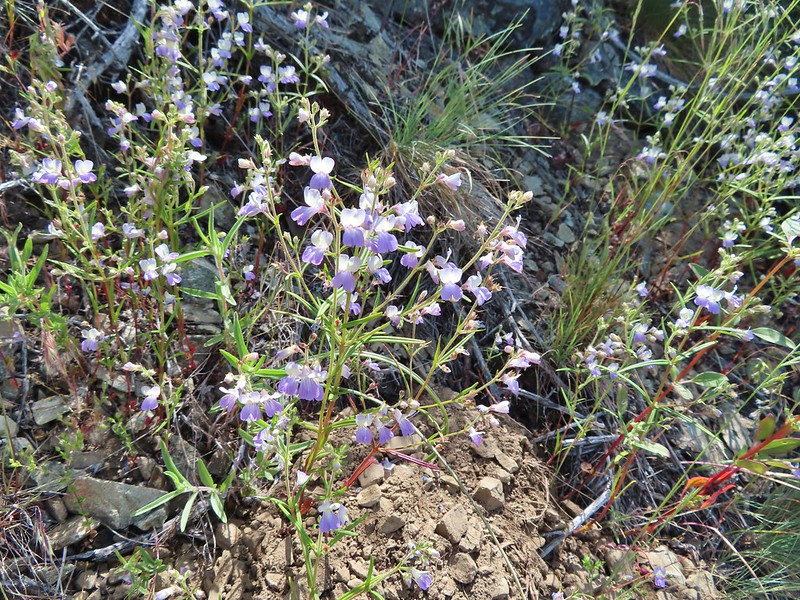 Blue-eyed Mary
 A collection of various small wildflowers.
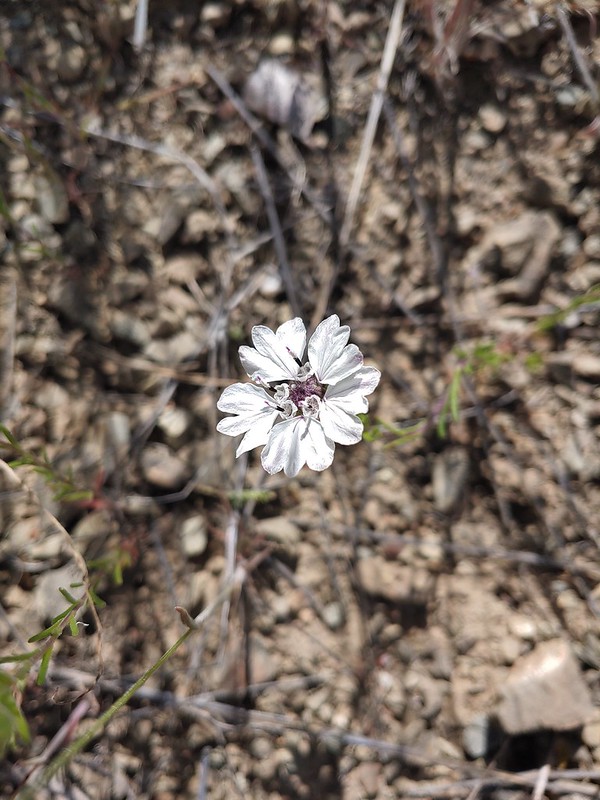 Rough eyelashweed
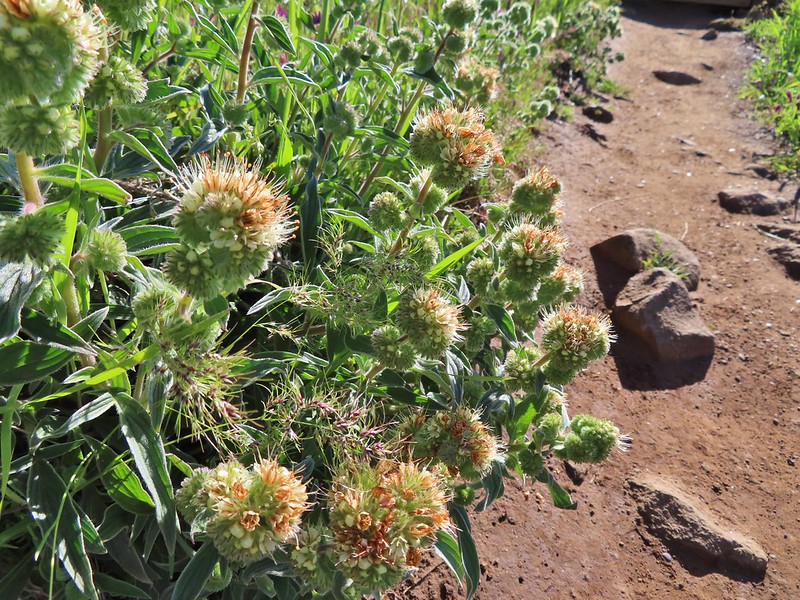
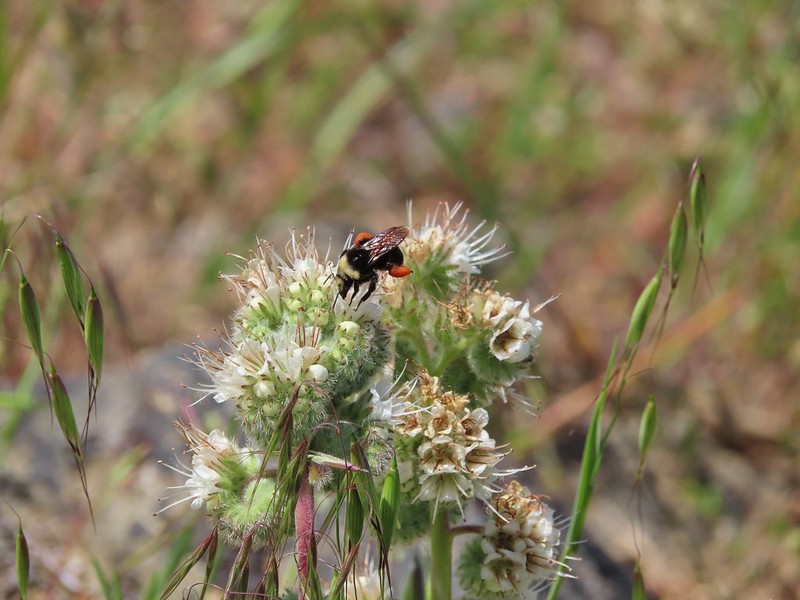 Bee on silverleaf phacelia
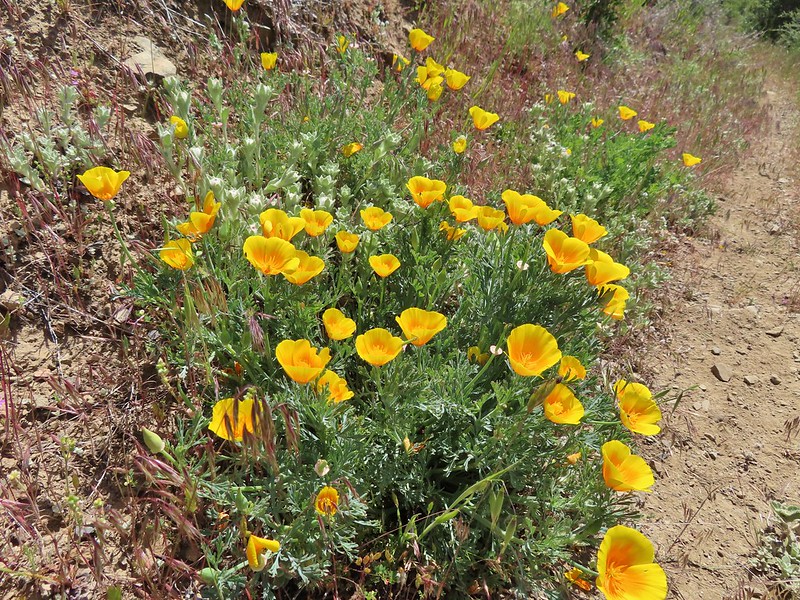 Poppies
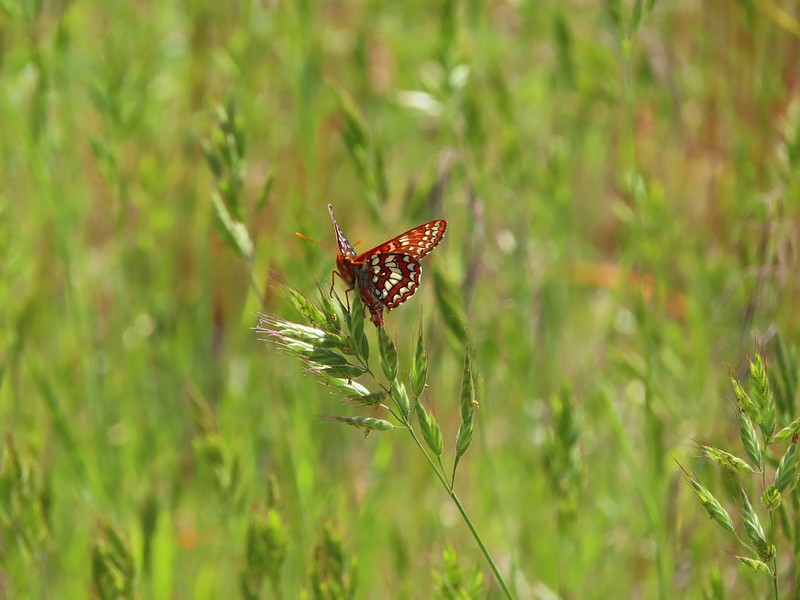 Butterfly on grass
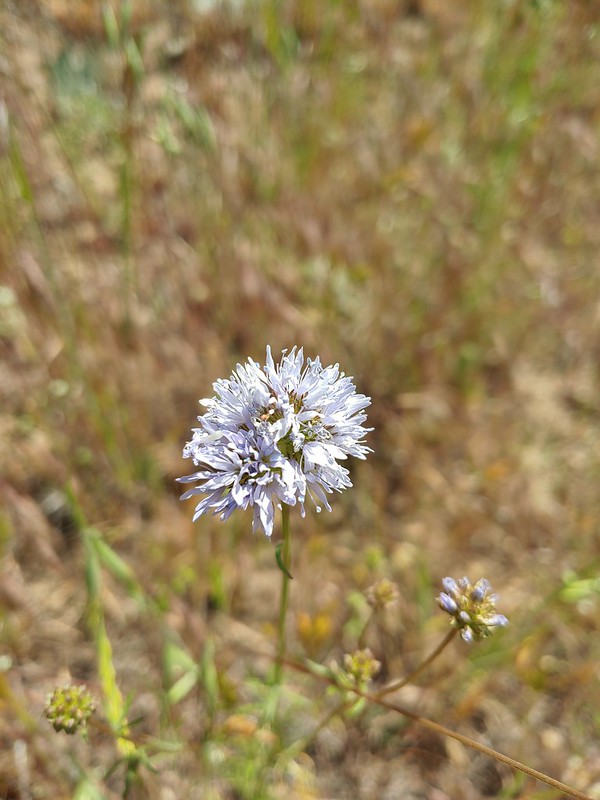 Blue gilia
 Grayback Mountain behind Mule Mountain
 Yet another lizard
 A colorful moth.
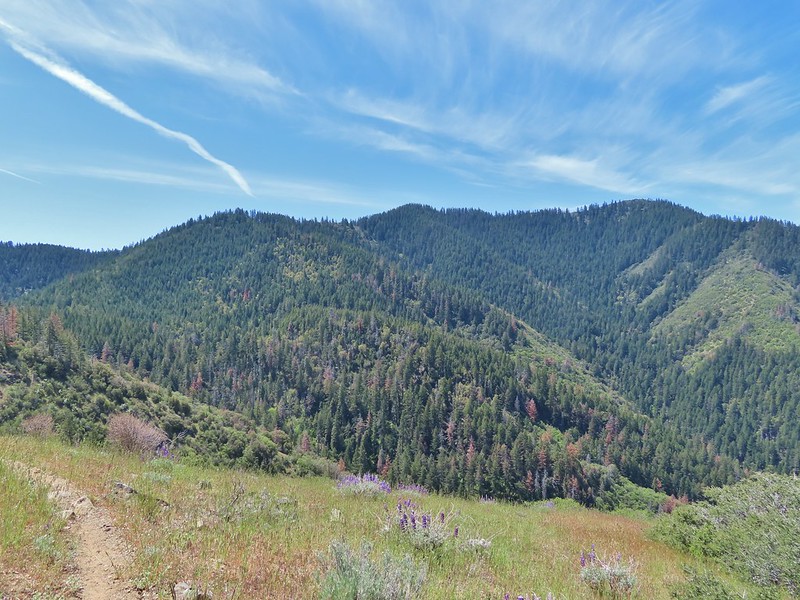 Little Grayback Mountain
The trail descended to a forested saddle before joining an old road bed that led to the Mule Creek/Baldy Creek Trailhead approximately 1.5 miles from the Mule Mountain Trail junction.


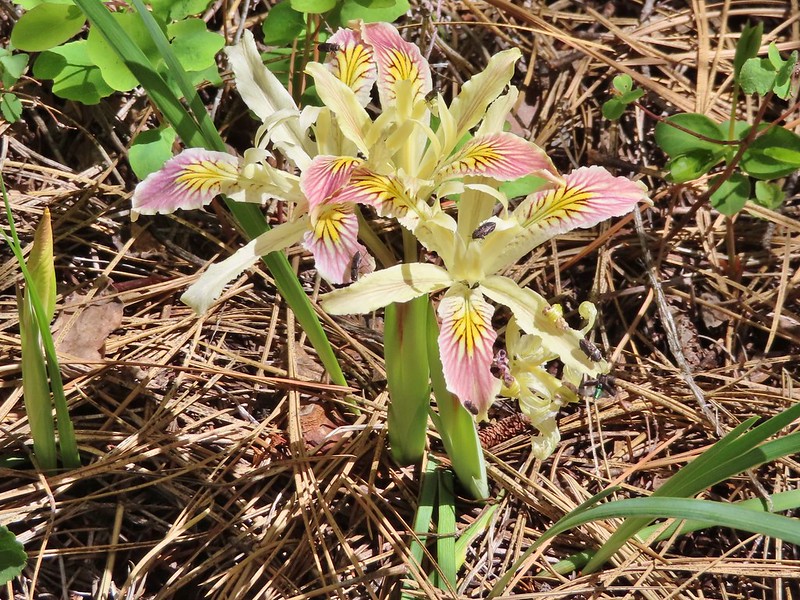 Iris
Iris
 Approaching the trailhead.

A very short road walk brought us to the Mule Creek Trail on our right.
 Looking back at the trailhead from the road.

It was just a bit after noon now and it was getting pretty warm out so we were looking forward to the long downhill section in the forest. Unfortunately, as mentioned earlier, the Mule Creek Trail was in need of maintenance so there was some blowdown to navigate. Possibly worse, at least for those of us that aren’t used to a lot of poison oak, the trail was rather overgrown in places so we found ourselves twisting and turning in vain to try and avoid making any contact. Eventually we realized that wasn’t possible so we did our best to minimize contact and keep it to our clothing (we were wearing long pants/sleeves and sun gloves so we were pretty well covered).
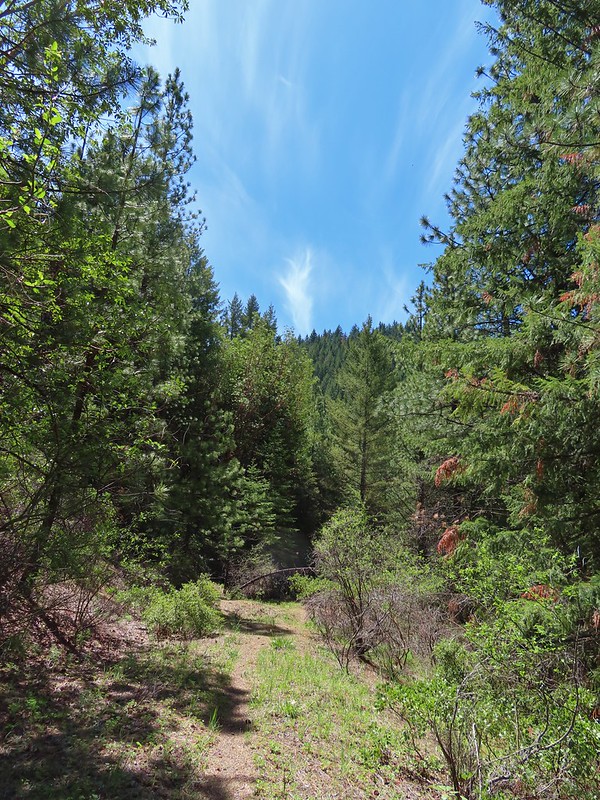
 Henderson’s fawn lily, another one we could check off our wish list.
 A typical obstacle.
 Overgrown trail.
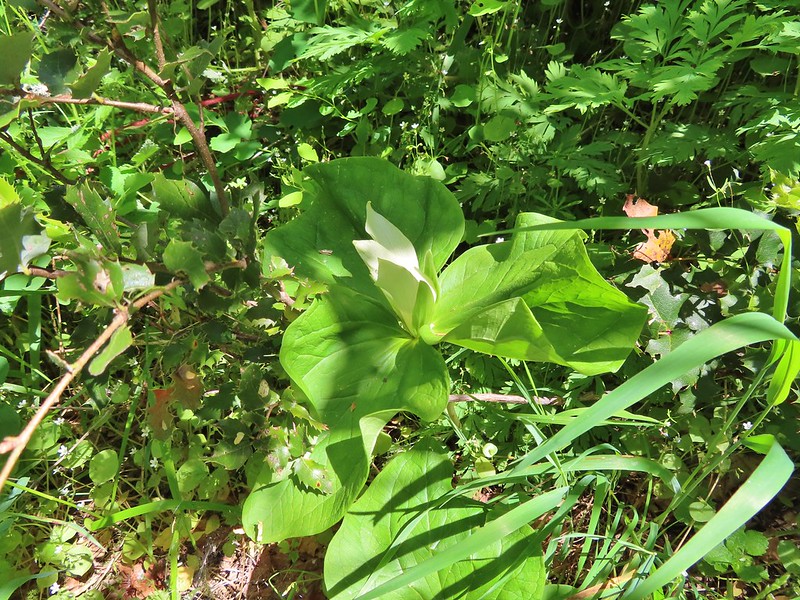 Giant white wakerobbin
 Some flagging on the left and bleeding heart on the right.
 Star flower
 Striped coralroot
The trail crossed Mule Creek several times, sometimes there was water and other times it was dry. We were so busy trying to dodge poison oak though that we didn’t think to check our water supply and refill if necessary.
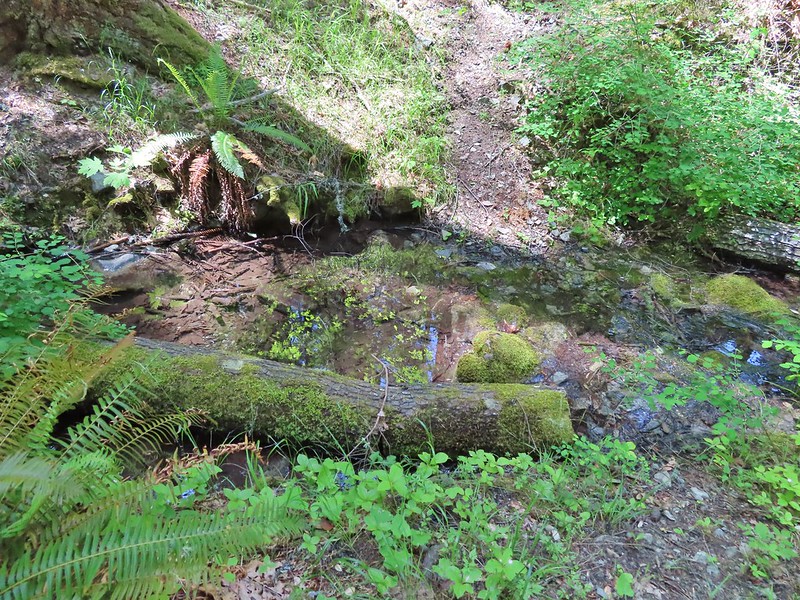 There was a good pool at this crossing where we could have gotten water.
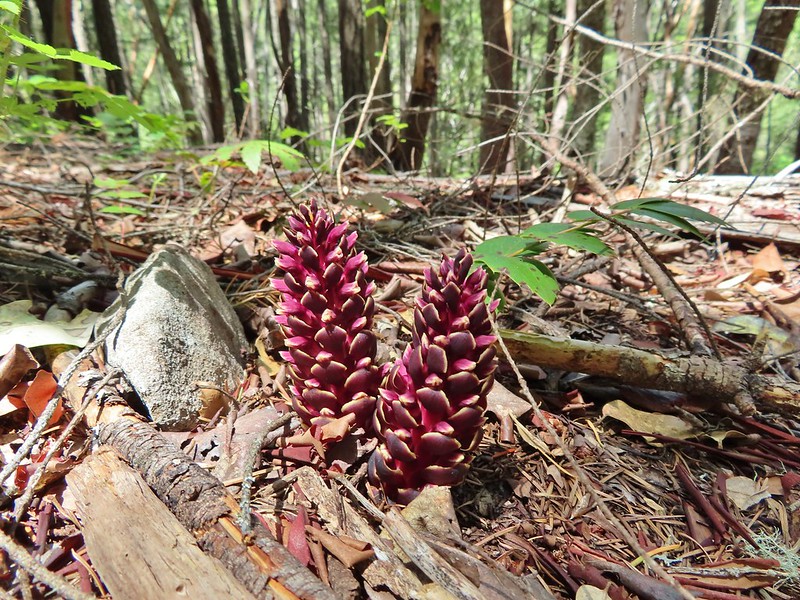 California ground cones.
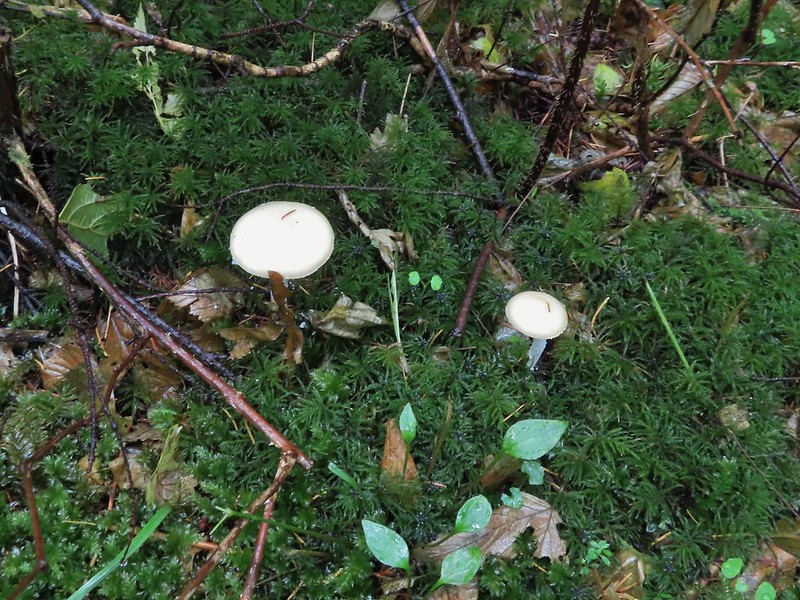
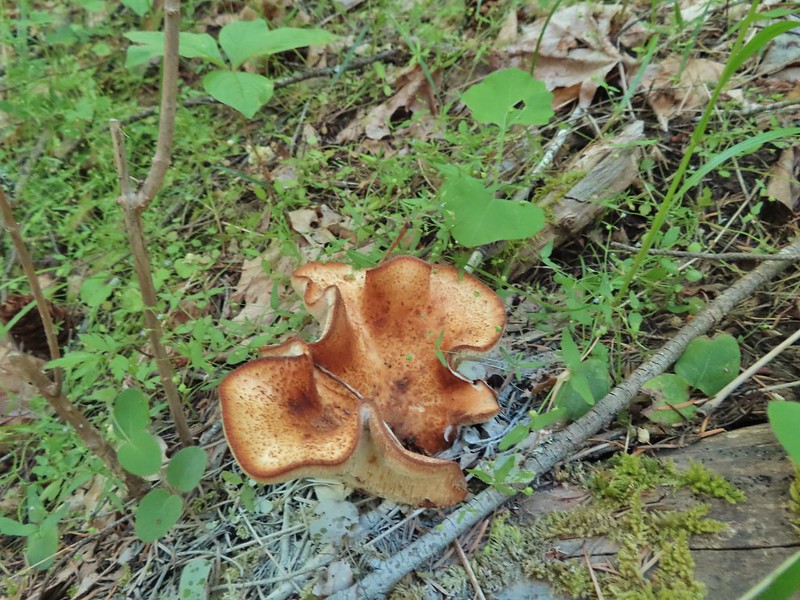 A folded up mushroom.
 A butterfly
After almost three and a half miles following the creek the trail turned north and gradually climbed 250′ over the next three quarters of a mile to a junction with the Mule Mountain Trail.
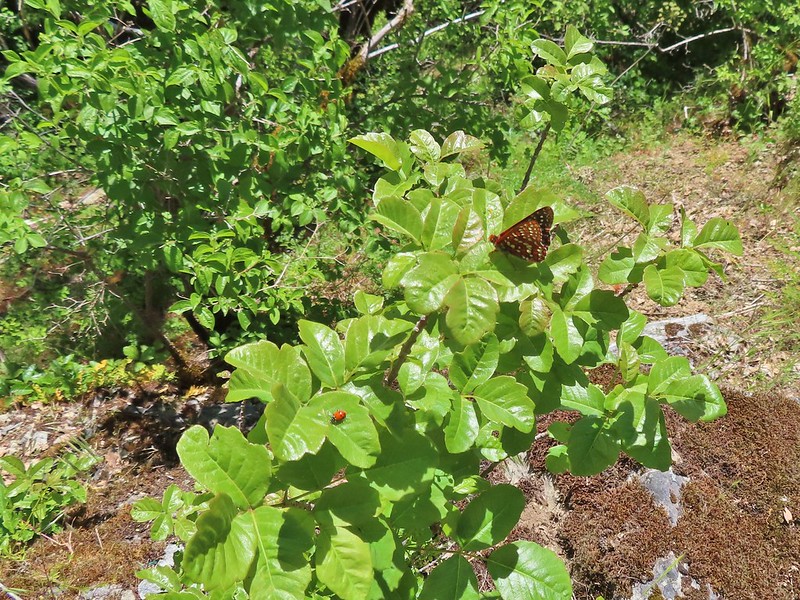 Apparently lady bugs and butterflies don’t care about poison oak.
 The trail got pretty faint at times.
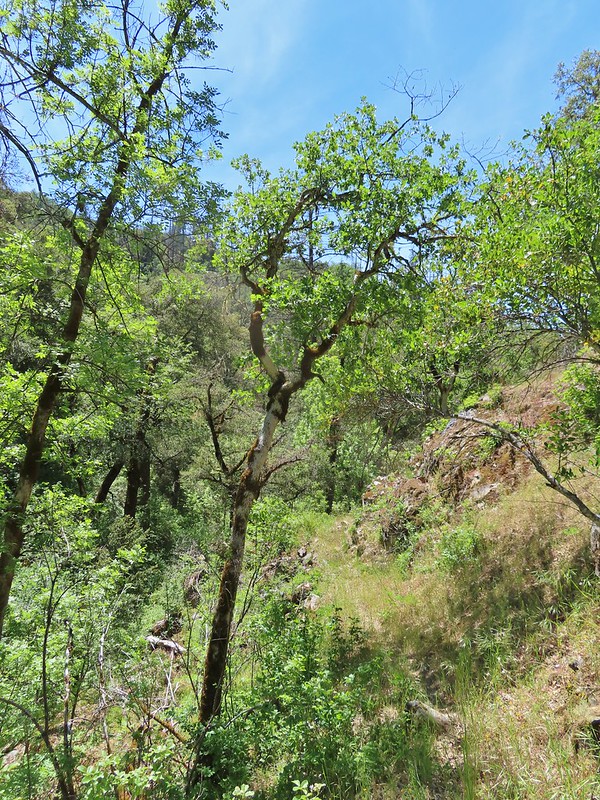
We eventually popped out of the forest into an oak grassland on a hillside overlooking Upper Applegate Road.

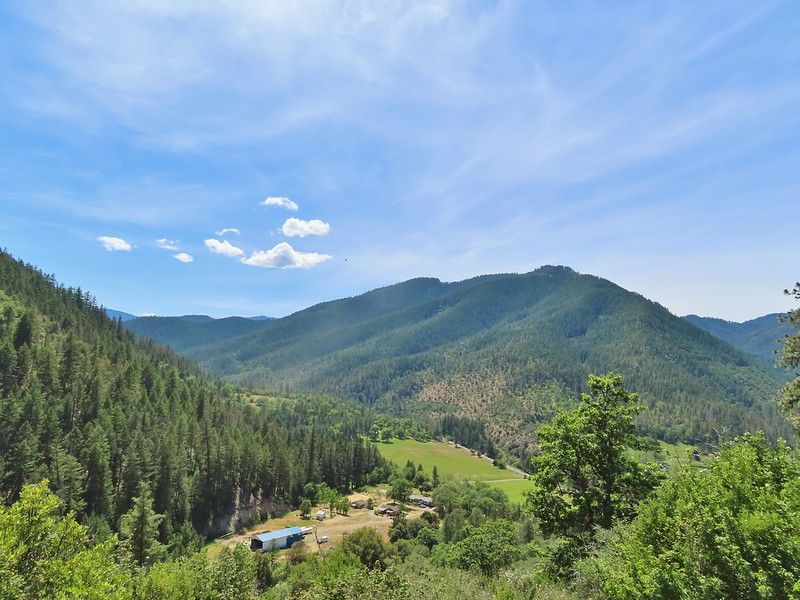
The heat blasted us with the Sun beating down and Heather realized that despite the water and electrolyte tablets she wasn’t going to be able to make the climb back up to the shoulder of Baldy Peak. She decided that when we reached the Mule Mountain Trail she would head to the decommissioned trailhead and plead mercy if anyone questioned why she was trespassing.
 Arriving at the Mule Mountain Trail.
While I too was warm I felt pretty good when we reached the junction so we decided to split up and I would retrieve the car and drive down to pick her up. It was about 0.8 miles downhill to Upper Applegate Road and I was a little concerned that Heather might pass out on her way down but said she would take it real slow. I was facing the 3.5 mile 2000′ climb back up and after we split the electrolyte tablets between us we went our separate ways. I set off at a slow but steady pace gradually climbing what was a forested hillside.

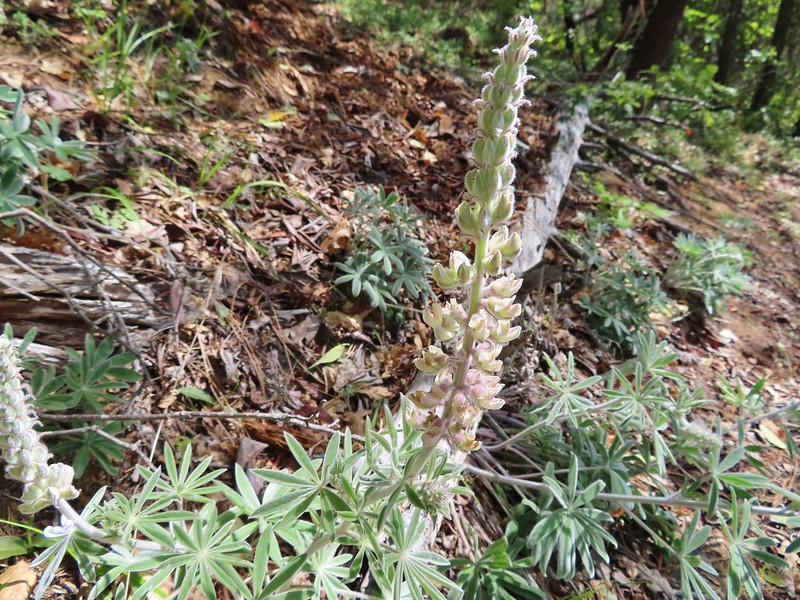 White lupine
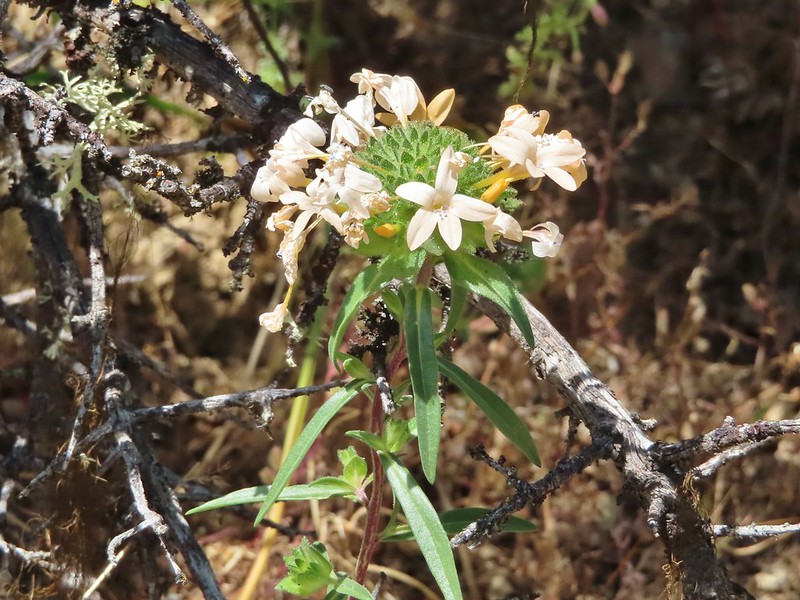 Grand collomia
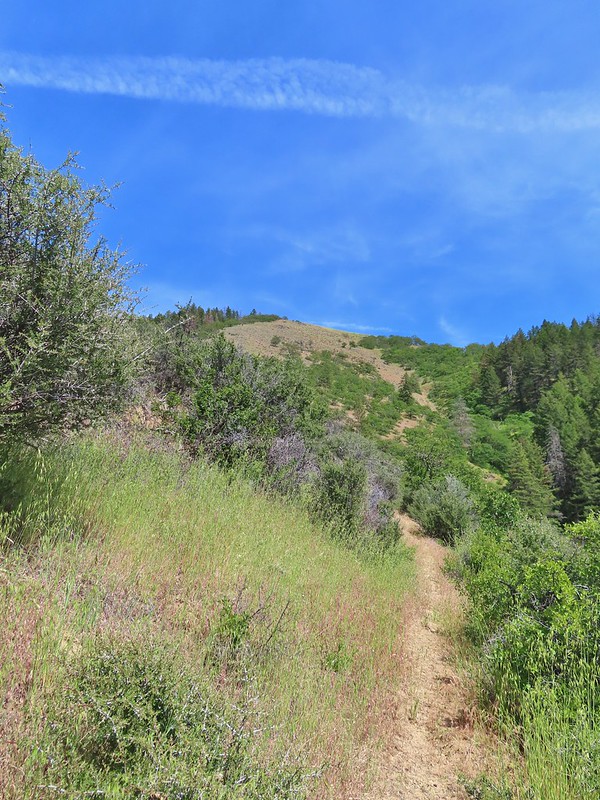
As I neared Mule Mountain I lost what little cover the trees were providing though.
 Penstemon

 A brief section of shade.
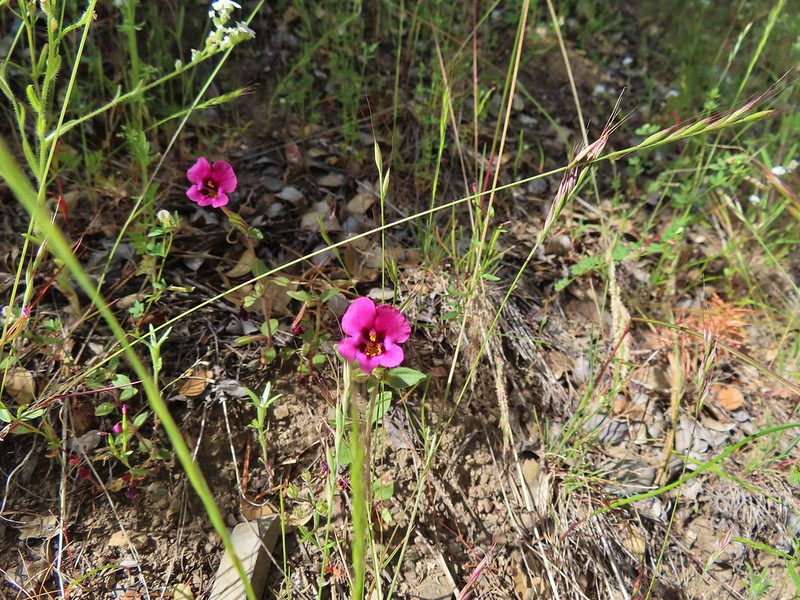 Dwarf purple monkeyflower
Approximately 2.5 miles into the climb I hit a wall. I still had water that I was sipping on and the electrolytes but between the climb and all the sweat I had already lost I really began to struggle. I managed to make it another quarter of a mile or so to a small tree that was providing a bit of shade on a section of trail that was free from poison oak. I sat down in the shade in the middle of trail thinking that this might be where I waited for SAR. I had been praying for Heather to make it out safely and now I added my own safety to the list. I knew I was close to running out of water but I had plenty of food, extra clothing and a small pad that I could sit/sleep on if needed. I didn’t have cell service or an SOS beacon though so I sat, waited and prayed. While I waited for my hands and feet to stop tingling I flicked a lone tick off my pant leg, fought of a cramp behind my left knee, and worried about passing out and rolling down the hillside. I didn’t want that to happen and I knew I couldn’t sleep there if it came to that due to the same risk so after what felt like at least an hour (it was actually just over 20 minutes) I stood up and decided to make an attempt at the ridge where I knew I could spend the night. I was a little under three quarters of a mile from the ridge and a little over 400′ below it. My body had noticeably cooled down so I proceeded out of my shady spot and slowly climbed toward the ridge.
 I needed to get just below the lone tree on the ridge in the distance.

I pretty much had given up on pictures at that point and could only laugh at the thought of trying to climb Baldy Peak. Once I had gained the ridge I considered my next plan of action. It as a fairly level 0.4 traverse below Blady Peak to the other ridge where there were better spots to spend the night and I was feeling okay so I kept going. Miraculously my water held out until I had made the ridge even though I was sure every sip was going to be the last of it. It wasn’t until I was traversing below Baldy Peak that it was gone. Once I was on the western ridge I was only a mile from the car where I knew there was a cold powerade and some gatorades waiting. I wasn’t sure if my legs were strong enough though to handle the steep descent but I wanted to know if Heather had made it so after eating a little something I started downhill relying heavily on my poles. I made it back to the car half expecting to either find Heather there (if she had managed to find a ride) or SAR or both. It was just our car though so I grabbed a cold drink and started the drive down FR 940 to Beaver Creek Road (FR 20). When I got to Beaver Creek Road I promptly turned the wrong way, chalk that up to a deteriorated mental state, but almost immediately questioned myself so I pulled over and reread Sullivan’s driving direction and discovered my mistake. I drove back past FR 940 hoping I didn’t miss Heather or anyone heading up to the trailhead. Not long after passing FR 940 though I spotted Heather hiking up the road. She appeared to be doing a lot better than I was. As it turns out she had made it to the closed trailhead without incident and then made here way toward FR 940 stopping a few times to rest against fences. A little way up Beaver Creek Road she came to the Twin Pear Farm which had a small stand/store where she was able to buy some rations including a Popsicle which she ate while sitting in a chair there.
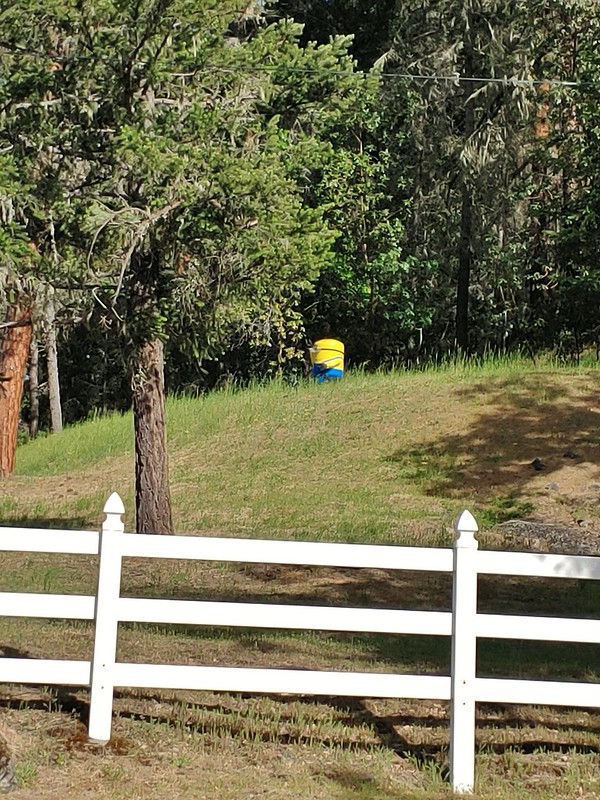 A random Minion in a field.
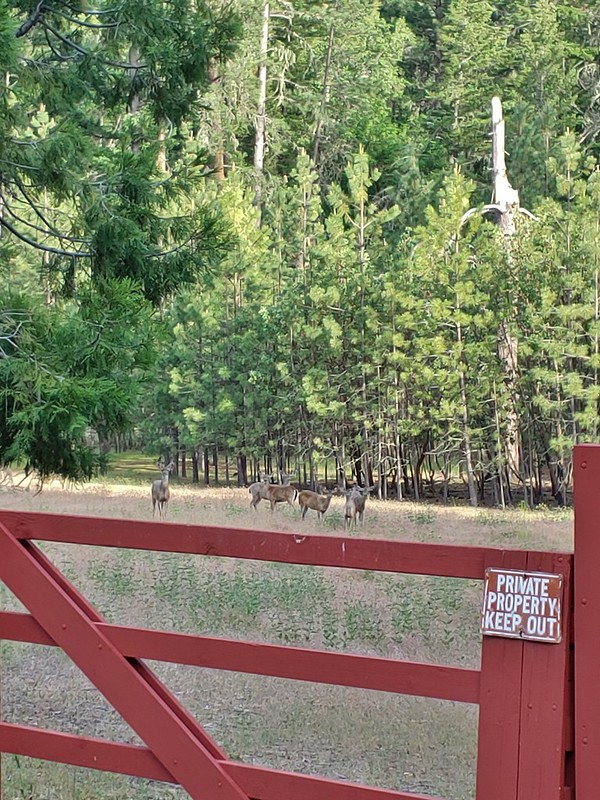 Deer along the road.
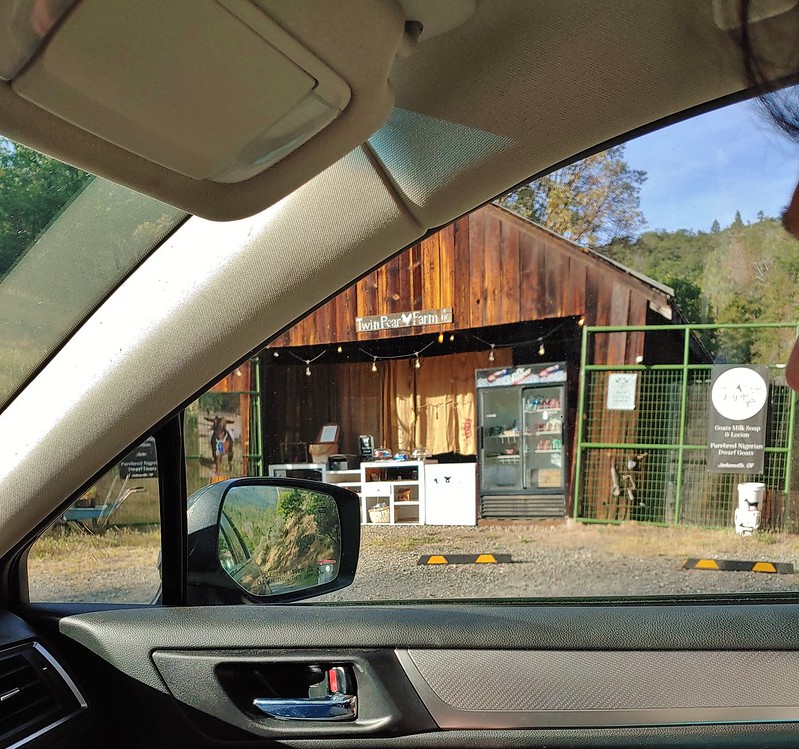 The Twin Pear Farm on the way back by.
Heather wisely took over the driving duties and got us to our motel in Medford then ran out for some food from the DQ across the street. It was after 8pm and we were exhausted. We decided that we would plan on taking it easy the next day and probably skip the hike in lieu of recovery. It was an unnerving experience and a good reminder of how easily things can go wrong no matter how prepared you try to be. We did some things right including listening to our bodies and stopping/bailing when needed and had almost everything we needed aside from a rescue beacon. On the other hand we should have taken the opportunity to replenish our water at Mule Creek when we had a chance. That wouldn’t have helped Heather but it might have helped me a bit and definitely would have if I’d have had to spend the night out there. We also should be carrying a rescue beacon/satellite communicator but every year we talk about getting something then fail to be able to choose and wind up with nothing so any recommendations you have please leave in the comments. The good news was neither of us did get hit by poison oak so that was a big positive. Happy and safe Trails!
Flickr: Mule Mountain


 Peat Swamp Trail.

 One of the two otters that were swimming in the wetlands.
 Mallard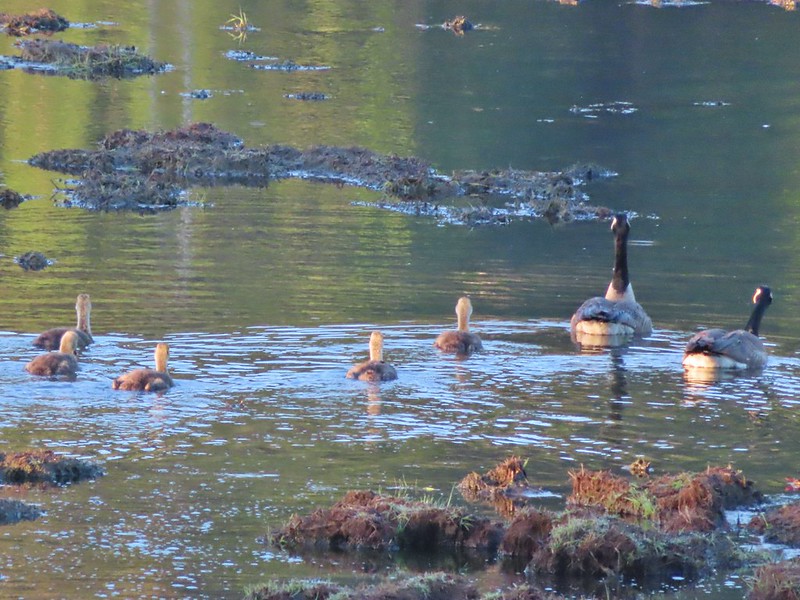
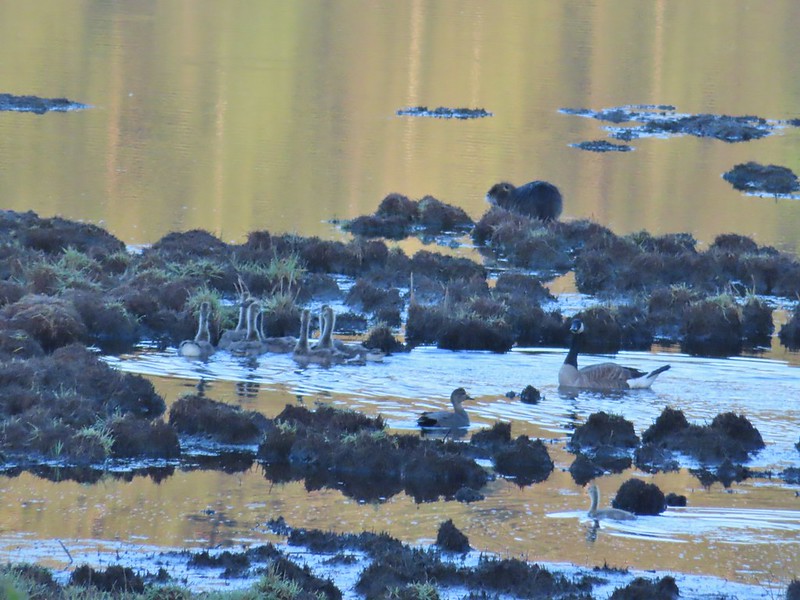 The gadwall amid a family of Canada geese. When we got home and looked closer at the picture we realized that one of the round shapes we took for a clump of mud was actually an animal. We can’t make out the tail to know for sure whether it was a beaver or a nutria but we’d like to think it was another beaver.
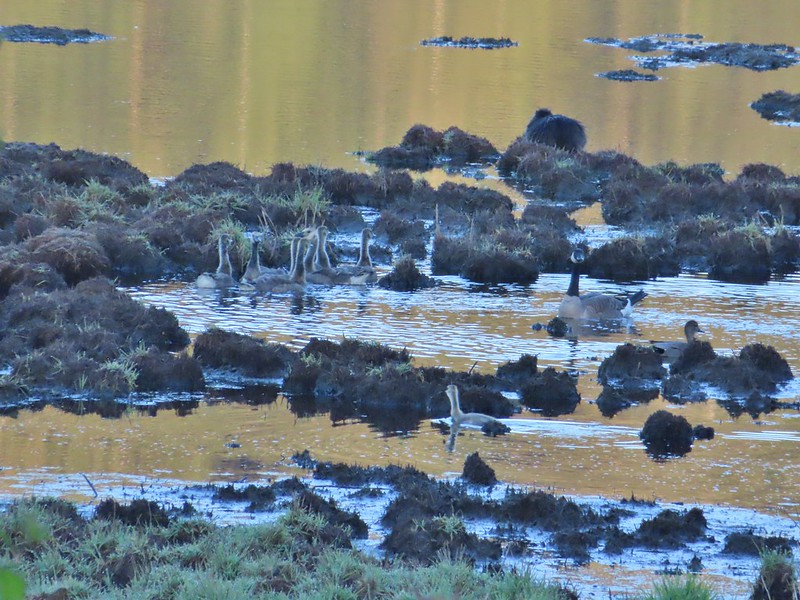 The beaver? turned a bit in this photo but we still couldn’t make out the tail. It does appear relatively large when compared to the adult goose though.

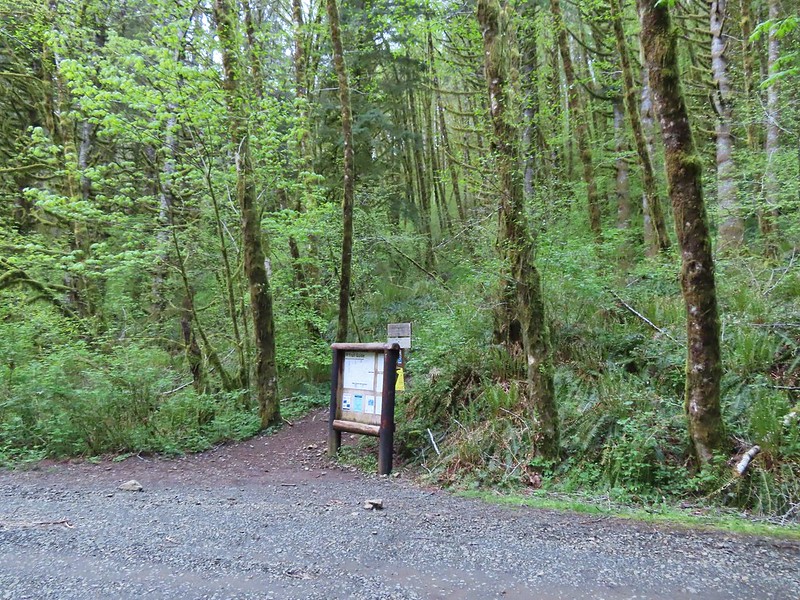

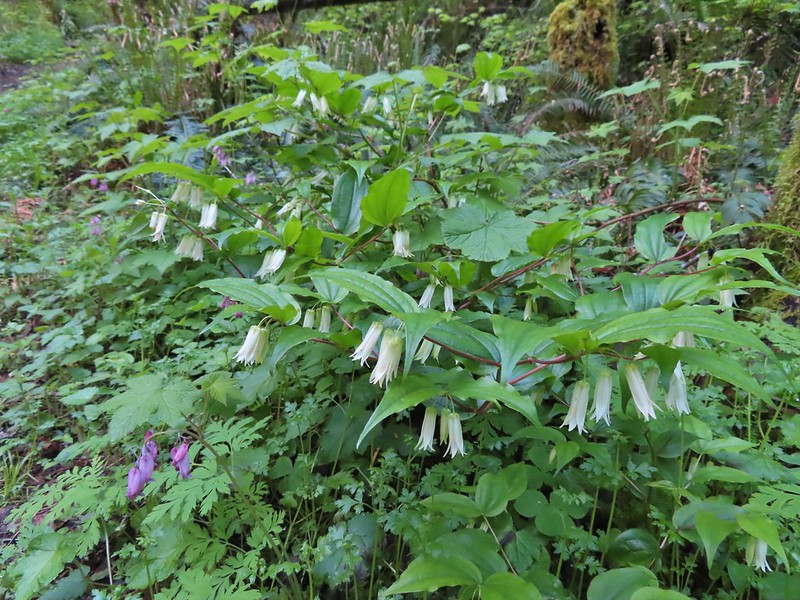 Fairy bells and bleeding heart.
 Elk Creek below the trail.
 Junction with the Elk Mountain Trail


 Paintbrush
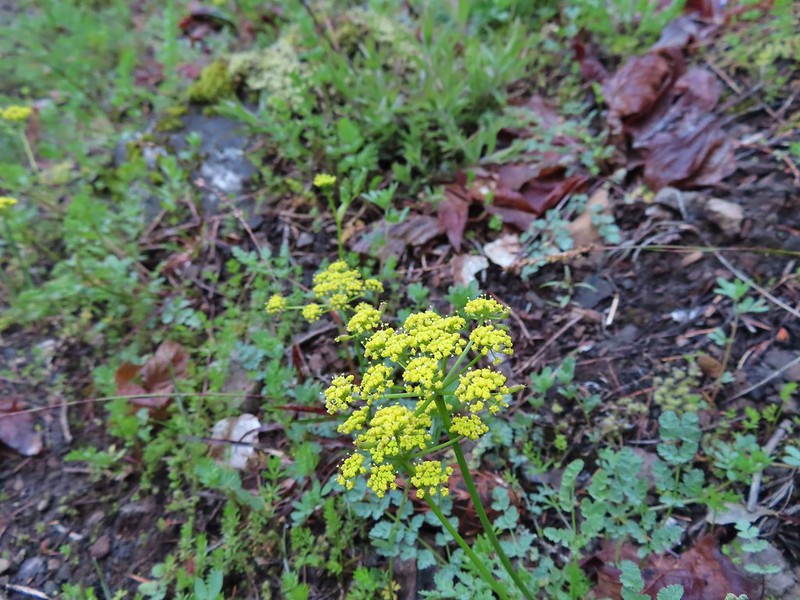 Parsley
 Blue-eyed Mary
 Viewpoint along the Elk Mountain Trail.
 The blue sky is up there.
 Snow queen
 The trail was as steep and rough as we’d remembered.

 White service berry blossoms and a huckleberry plant.
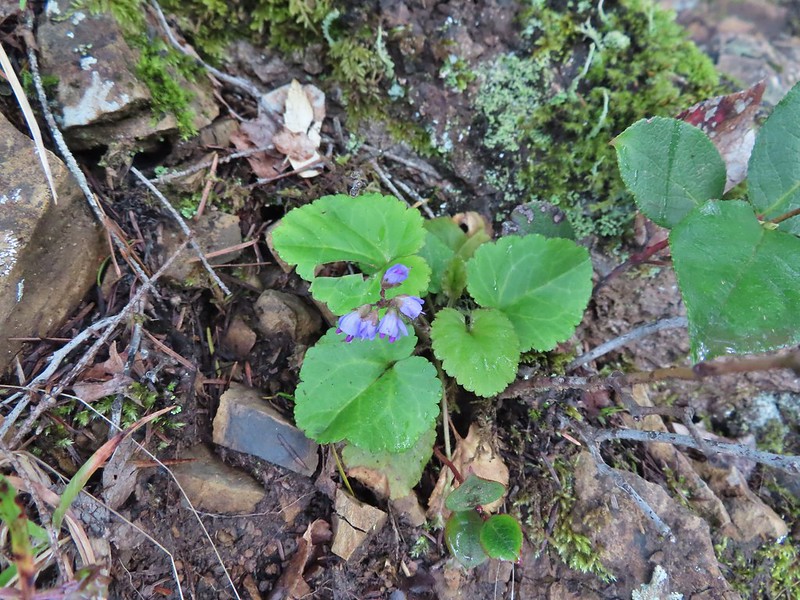
 Violet
 Red-flowering currant
 Trillium
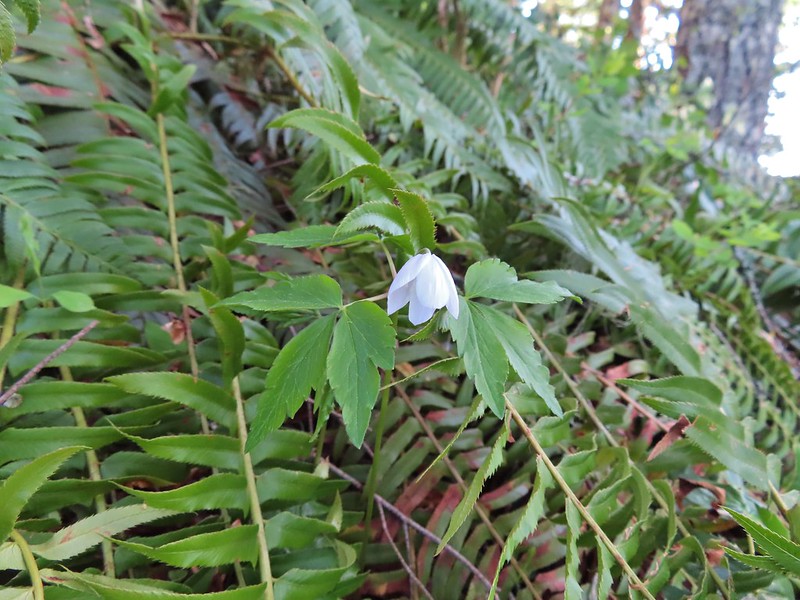 Anemone
 Monkeyflower
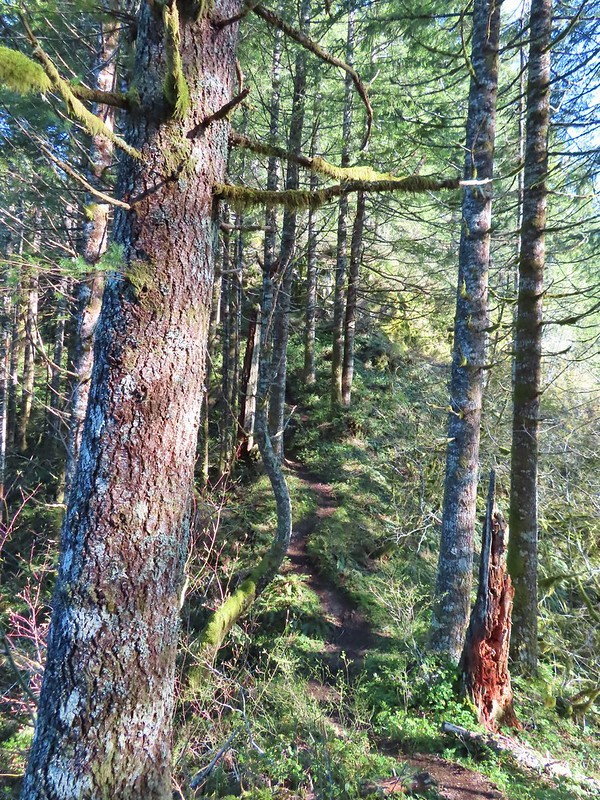 One of the saddles.
 Chocolate lily
 Elk Mountain summit.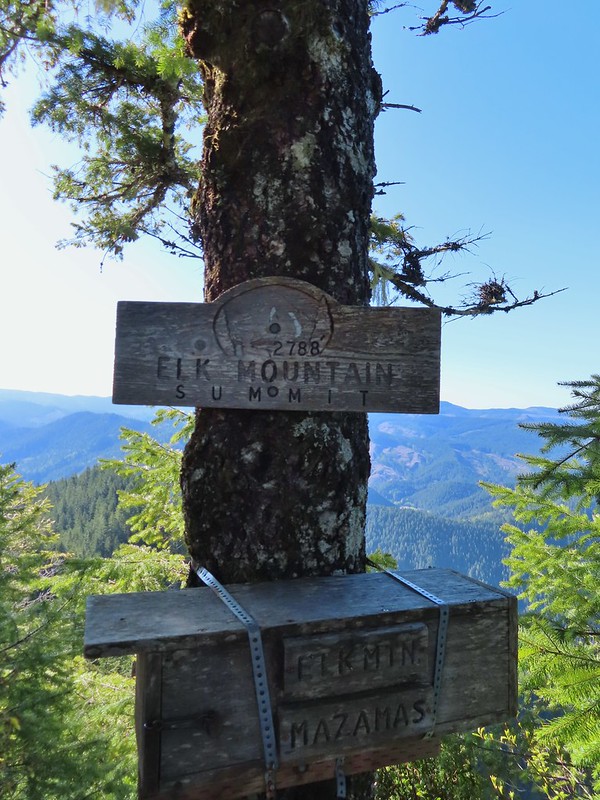
 Kings Mountain from Elk Mountain.
 Wilson River
 Pacific Ocean
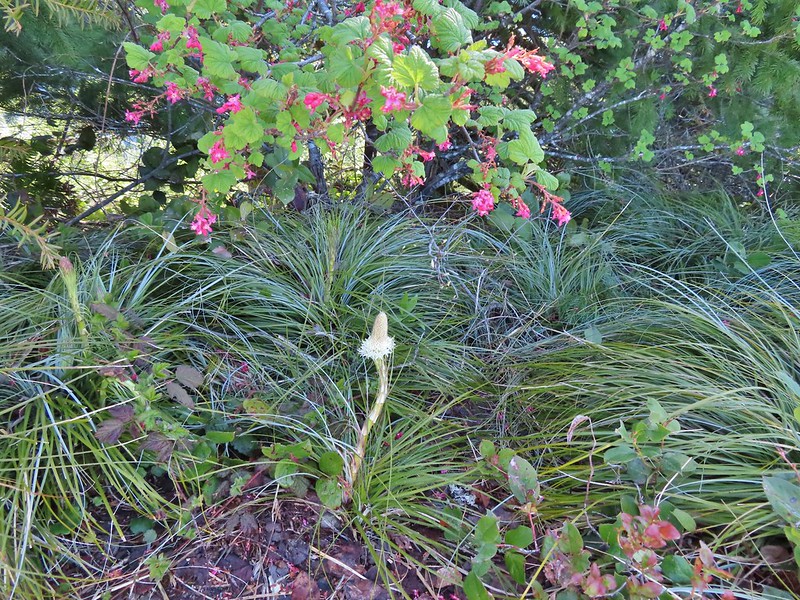 The blooming beargrass below some red-flowering currant.
 Beargrass
 Looking down the trail.
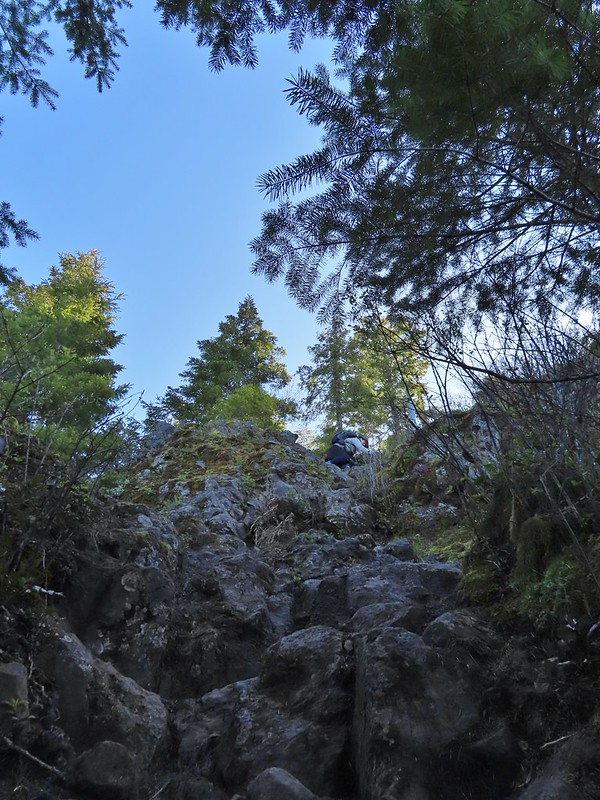 Heather on her way down.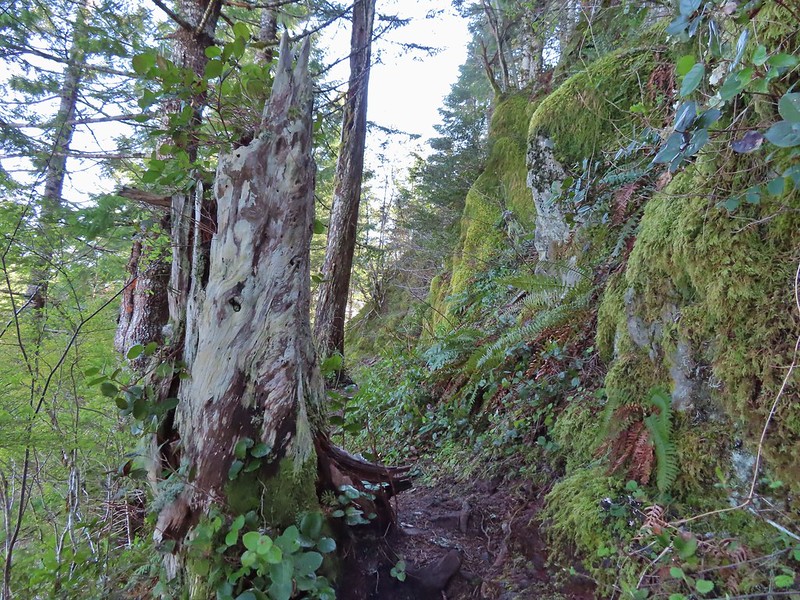
 On the ridge.
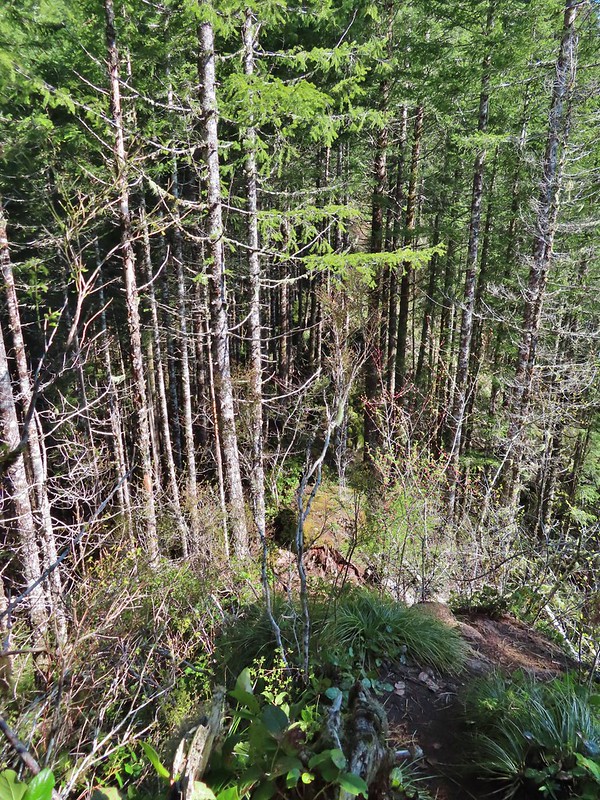 Dropping down to a saddle along the ridge.
 Mercifully on the old roadbed.
 A clump of trillium.
 Little moth.
 Getting closer to Kings Mountain.
 Paintbrush
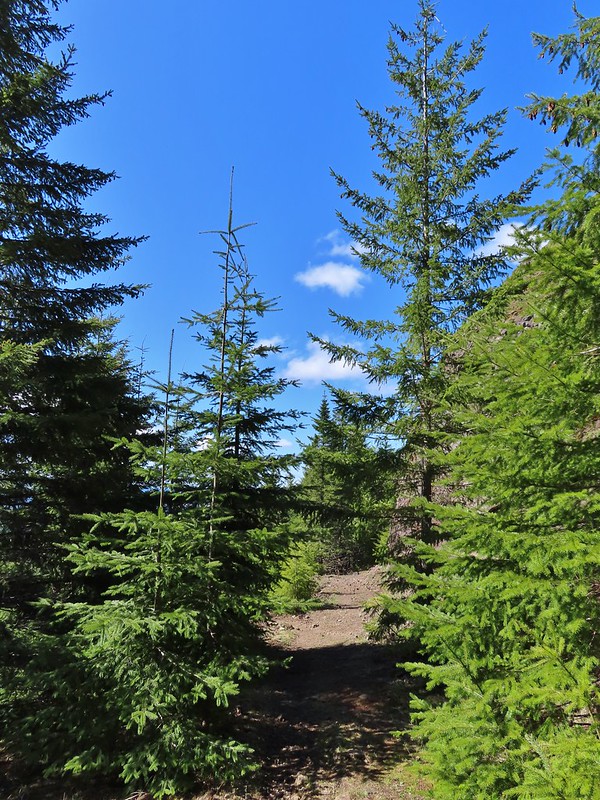
 Coming up to the junction.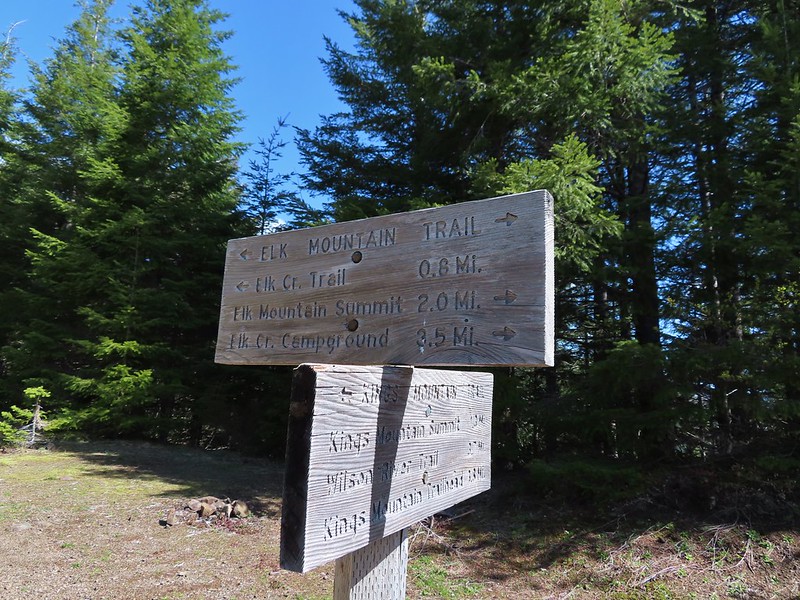
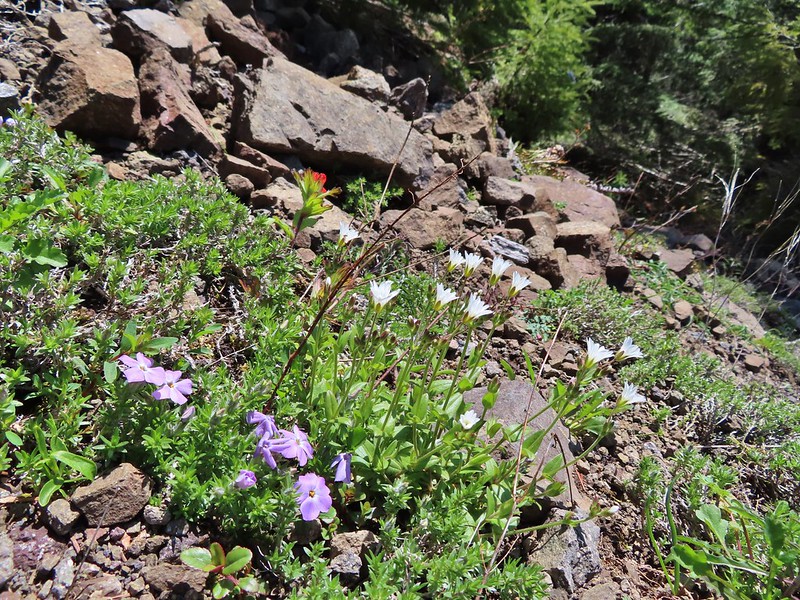 Phlox, paintbrush, and chickweed.
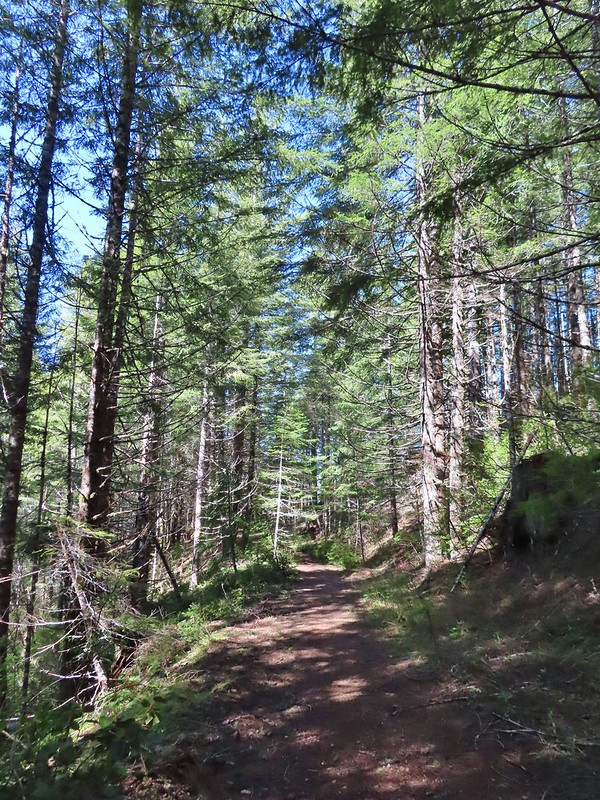 Still on the old road.
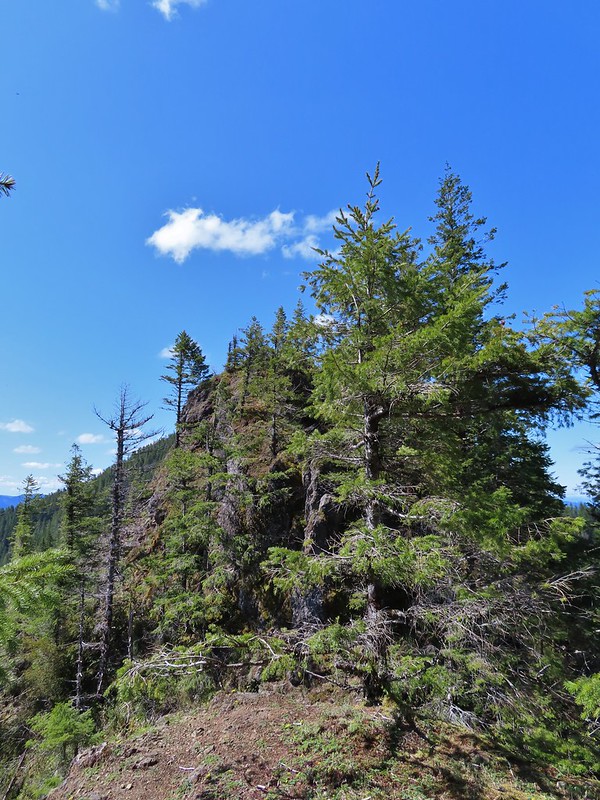 At the ridge end above the saddle, the trail dropped down to the left then through the saddle.
 Below the outcrop headed to the saddle.
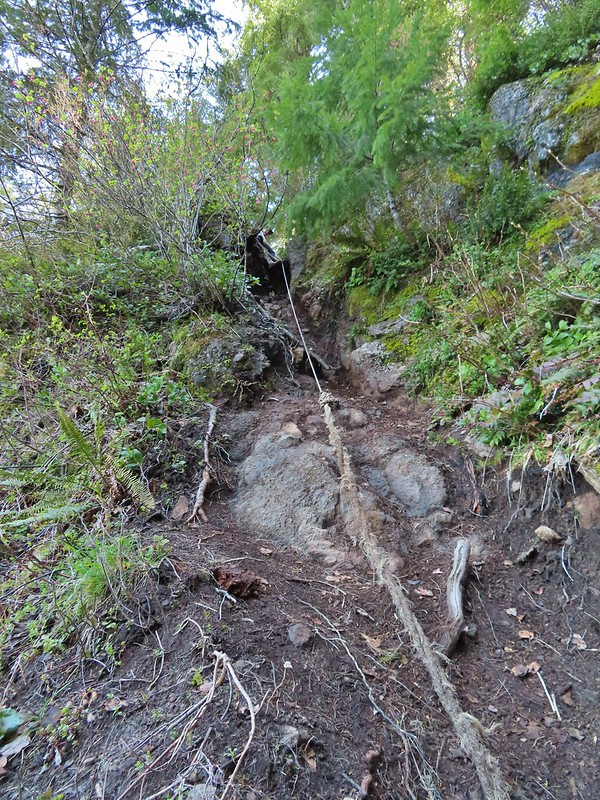 Heather getting ready to start down.
 The chute in 2010.
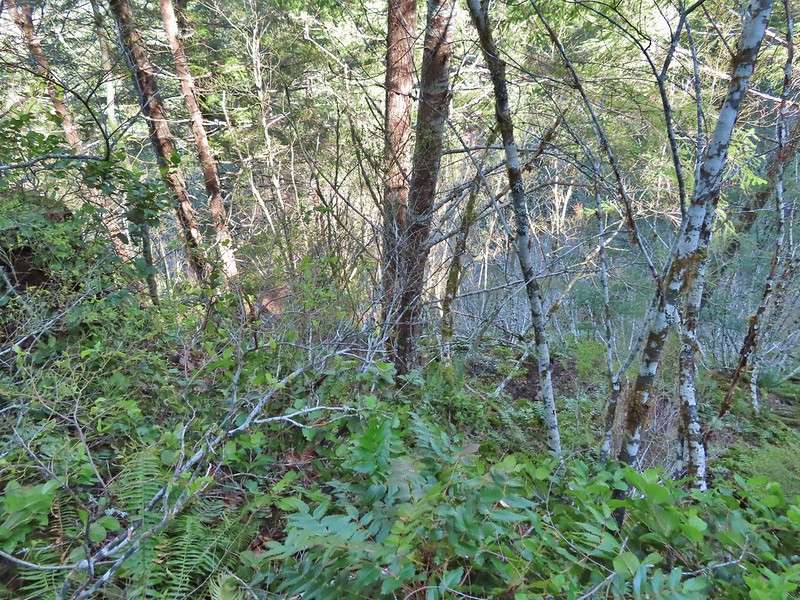 The trail is down there somewhere.
 Trillium
 Bleeding heart
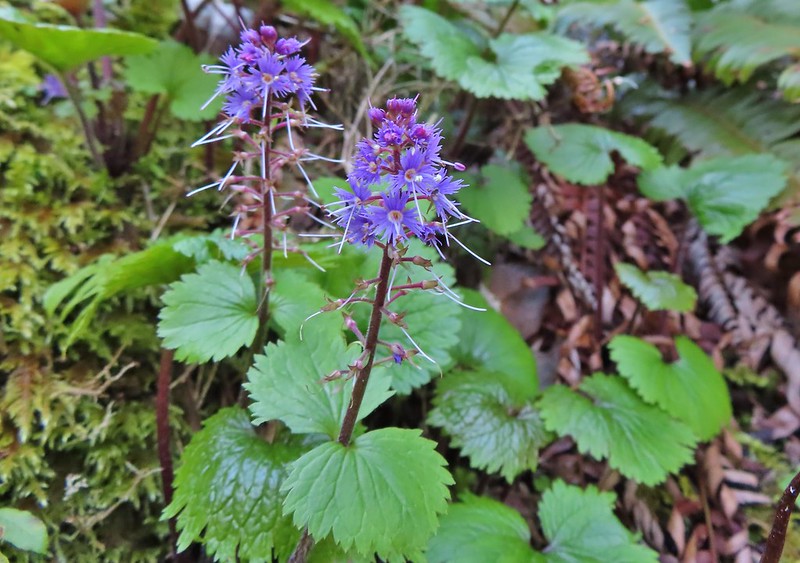 Fringed kitten-tails
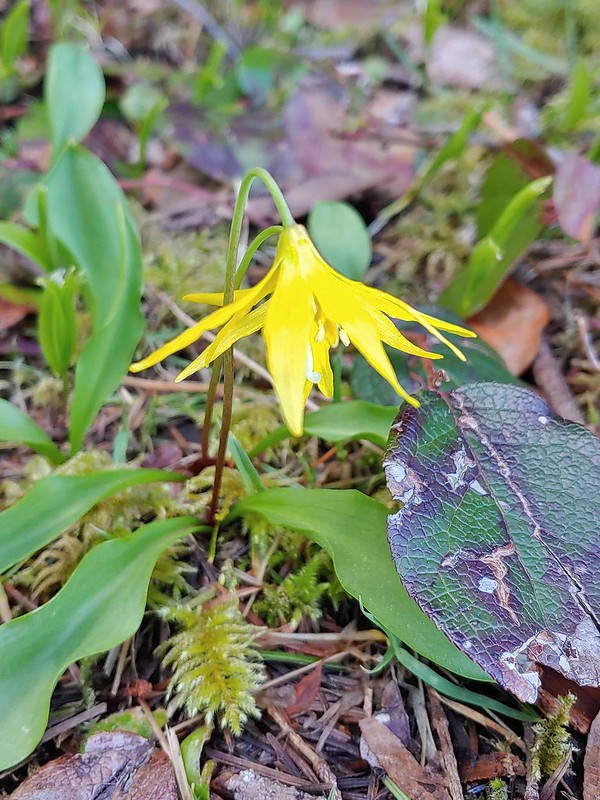 Glacier lily
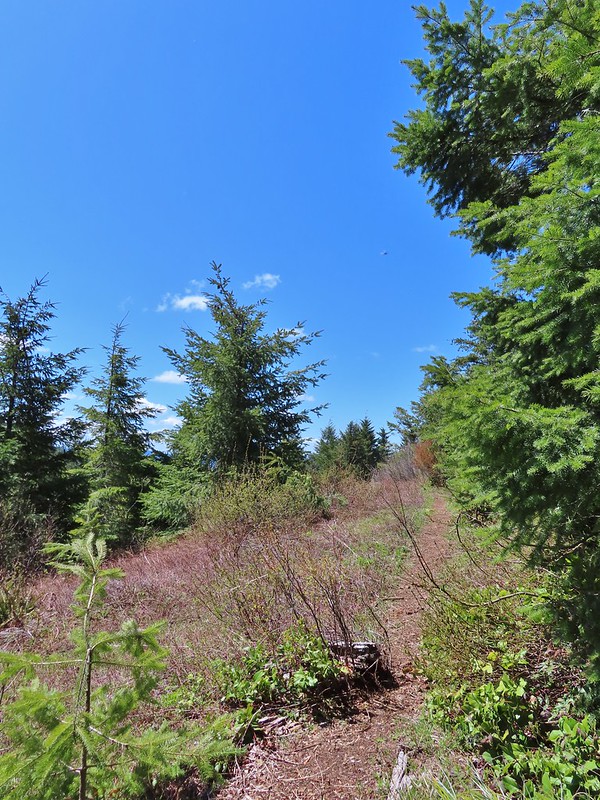 Coming up to the high point.
 Kings Mountain
 View SE from the high point.
 Dropping to the last saddle.
 Summit register at Kings Mountain.
 Pacific Ocean in the distance.
 View north.
 Other hikers at the summit.
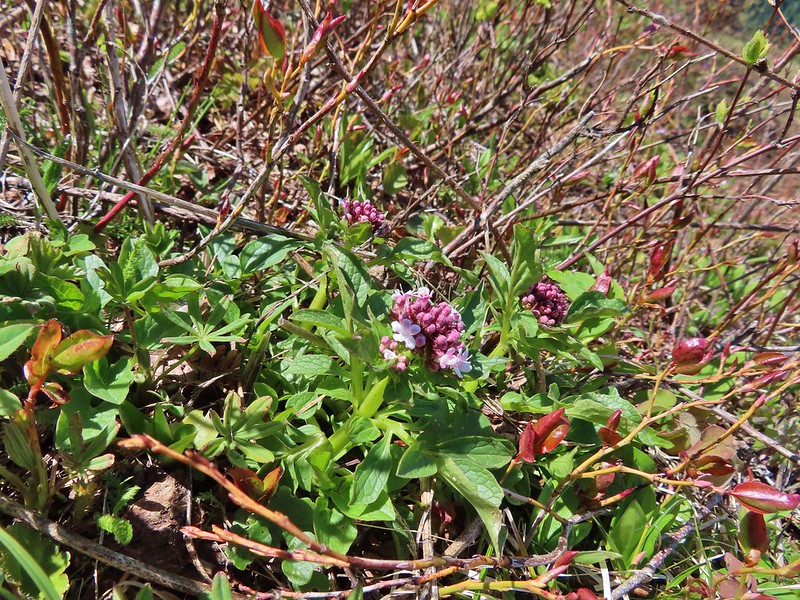 Valerian
 Saxifrage, possibly Saddle Mountain saxifrage.
 Phlox, paintbrush, parsley, blue-eyed Mary, and chickweed.
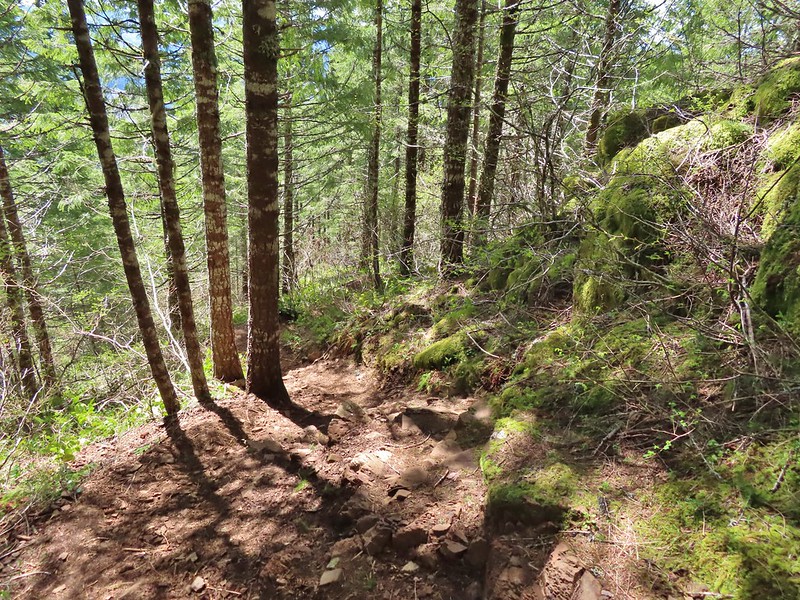 One of the rougher sections.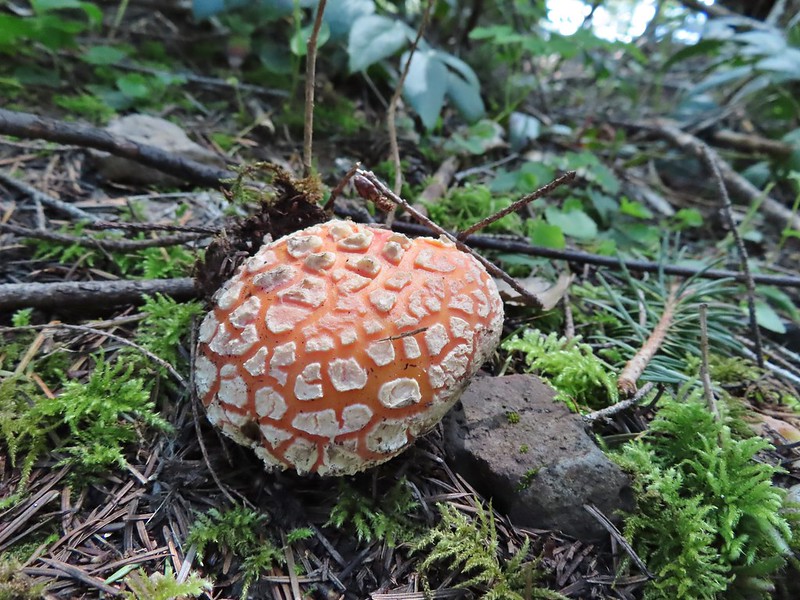

 Wood sorrel
 Woodland buttercup and candy flower.
 The 4-way junction.
 Dog Creek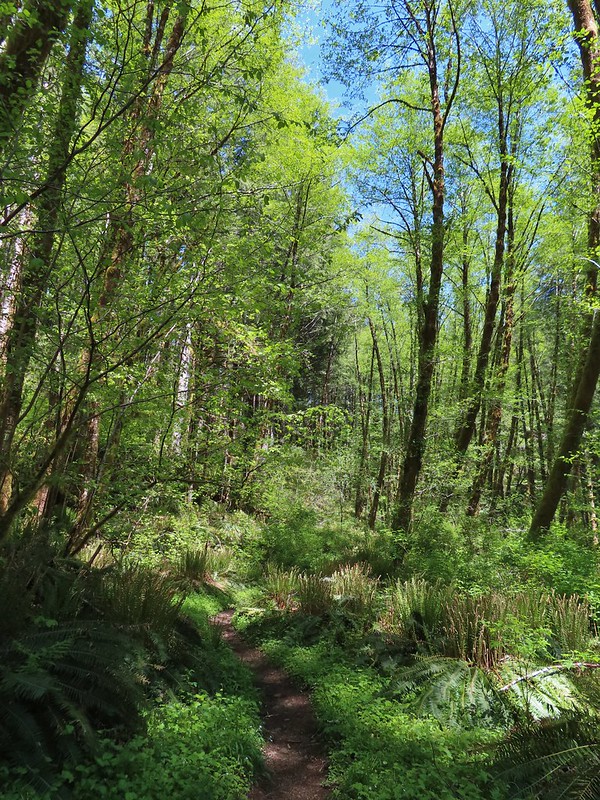


 One of the smaller streams.
 Monkey flower
 Lily that will bloom in a few weeks.
 Fringecup
 Coming up on a footbridge across Big Creek.
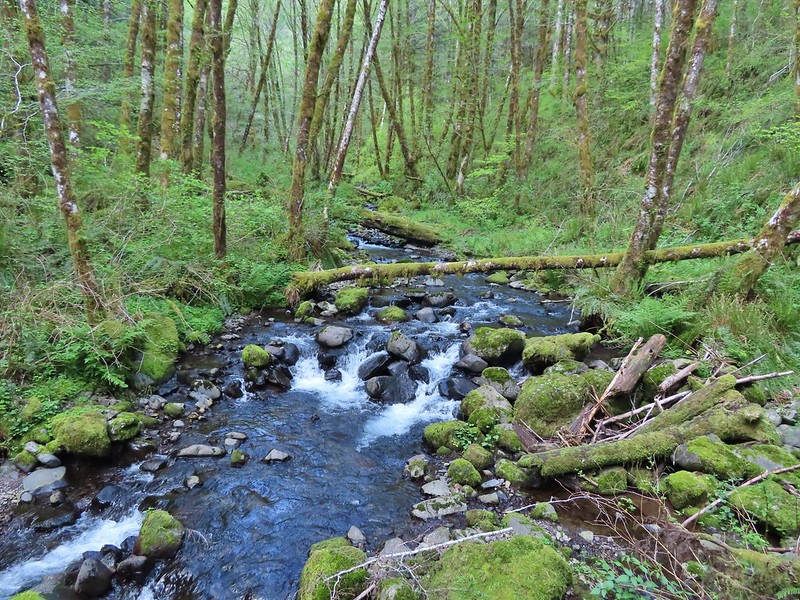 Big Creek
 Pacific waterleaf
 Steadily climbing.
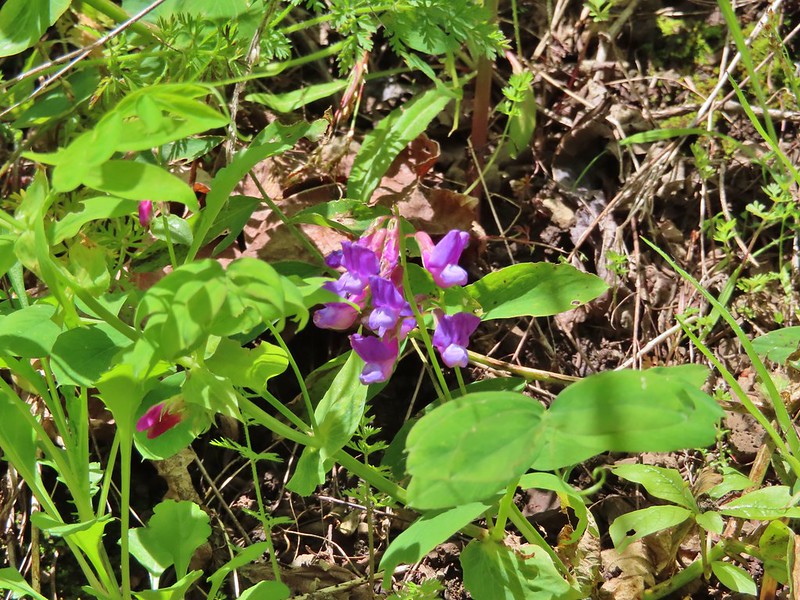 A pea or vetch.
 Unnamed stream crossing.
 Miterwort
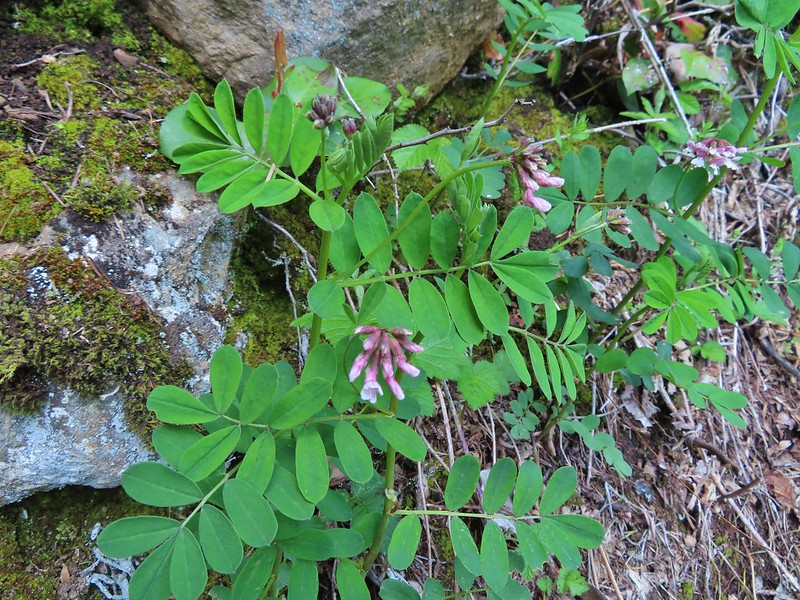 Rosy Birdsfoot Trefoil
 The third type of monkey flower we saw on the day.
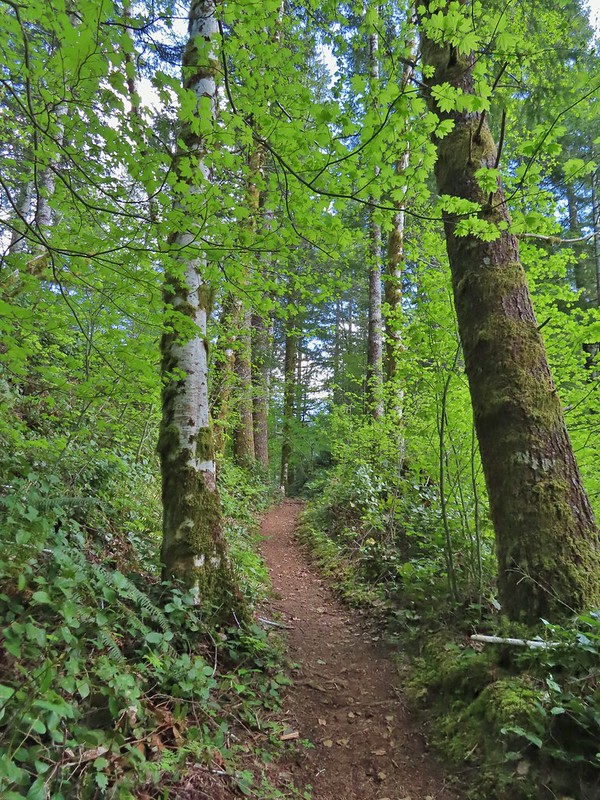 The junction is on the saddle ahead.
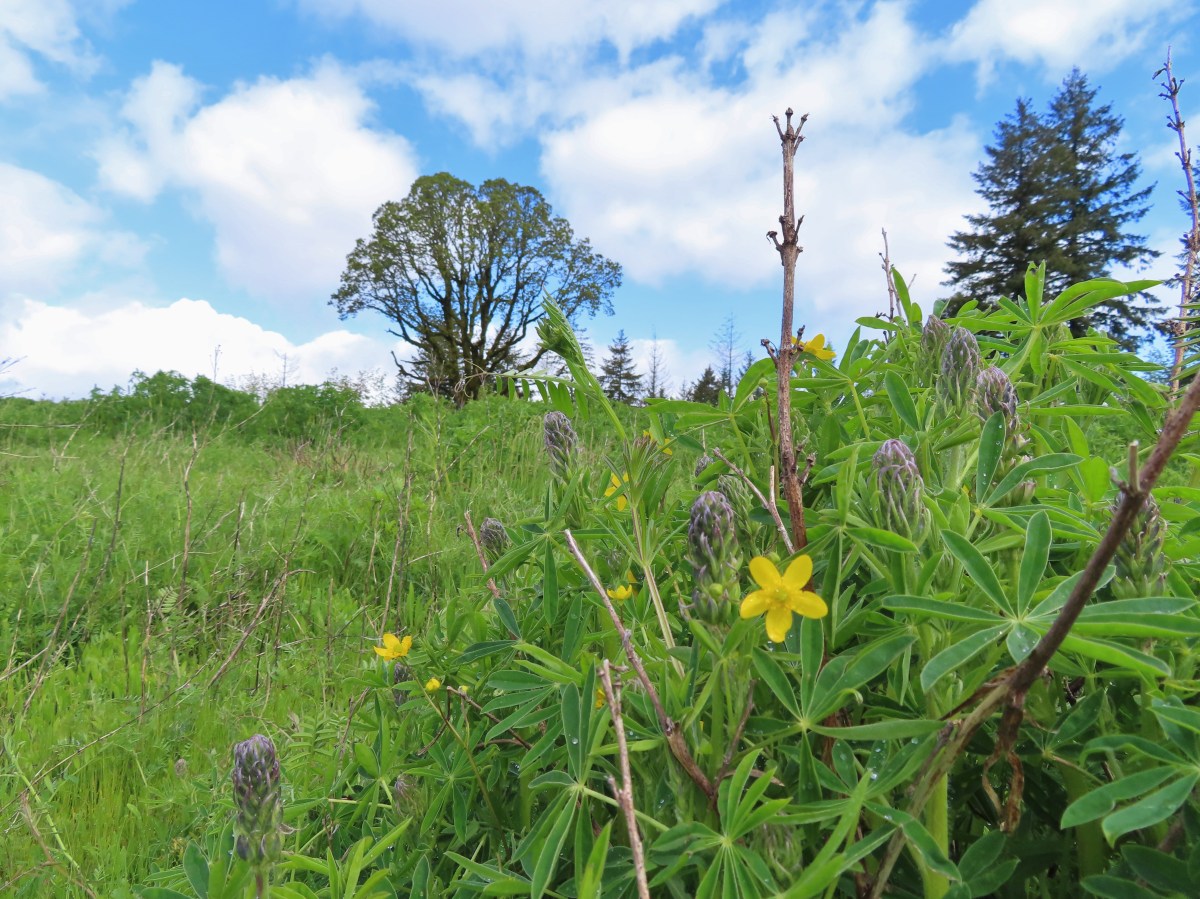
 Cars to the left through the trees, we made it.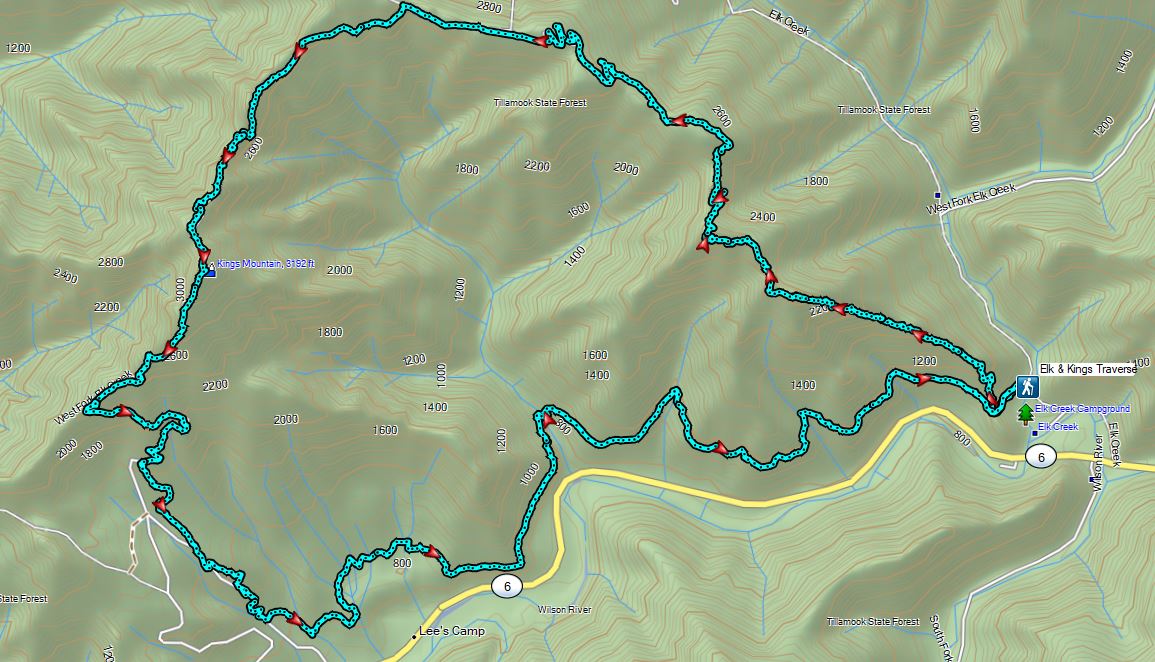


 The Castor (Spanish for beaver) Trail on the left, this was the only trail in the park that we didn’t hike on during our visit. It was always a left turn.
 Fawn lilies
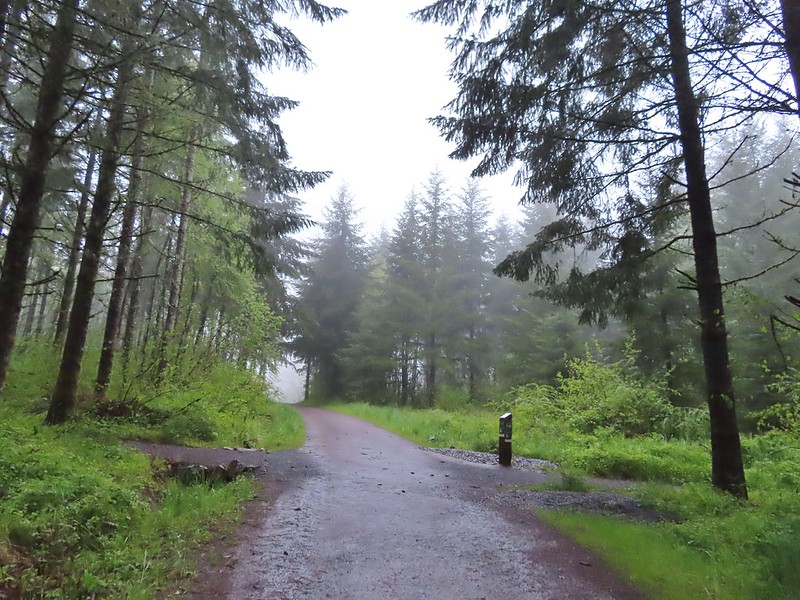 Our first right turn (left was a short connector to the Woodland Trail).
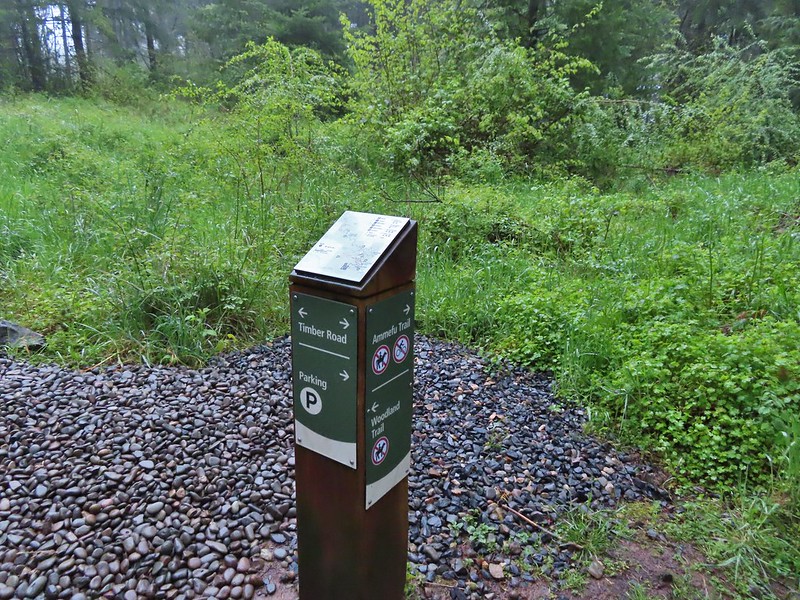 Again the posts and accompanying maps were some of the best trail identifiers we’ve run across.
 Bench at the viewpoint along the Ammefu Trail.
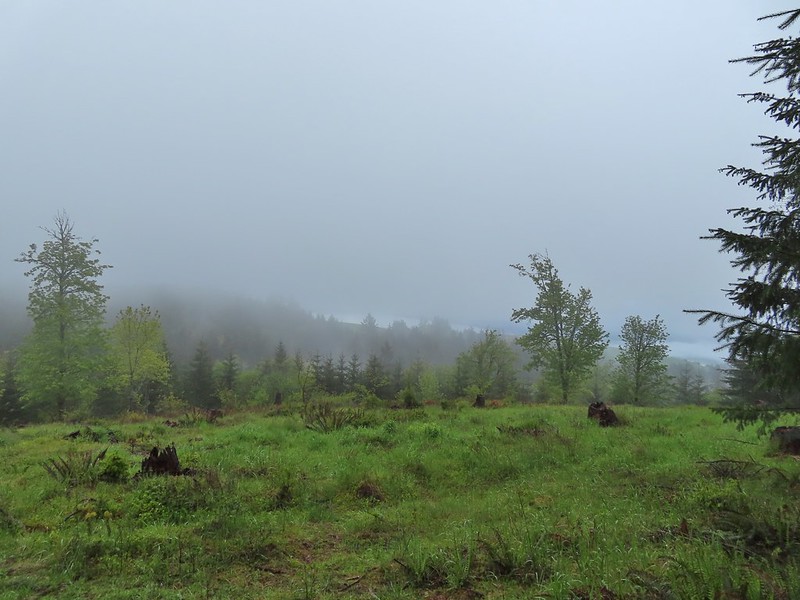 We had to imagine the view today.
 The second figure.
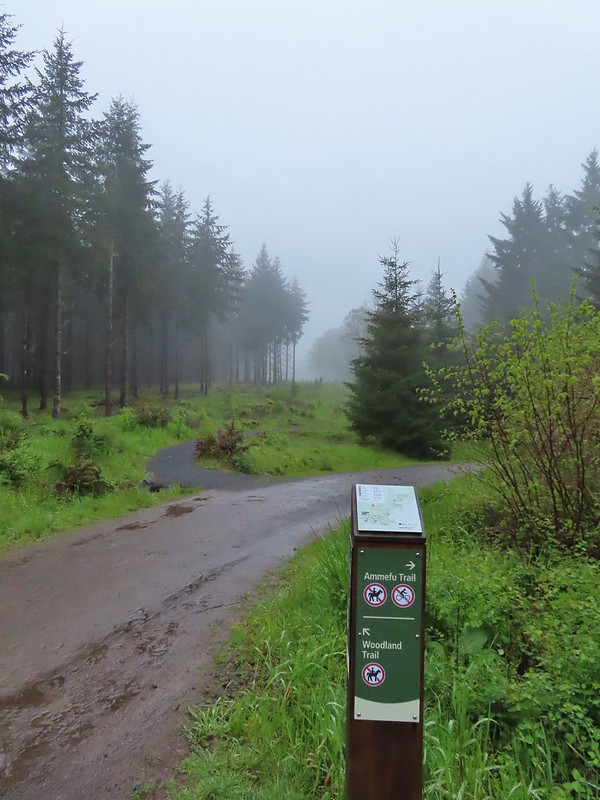 Back at the Timber Road and another short connector to the Woodland Trail.
 Fog on Timber Road
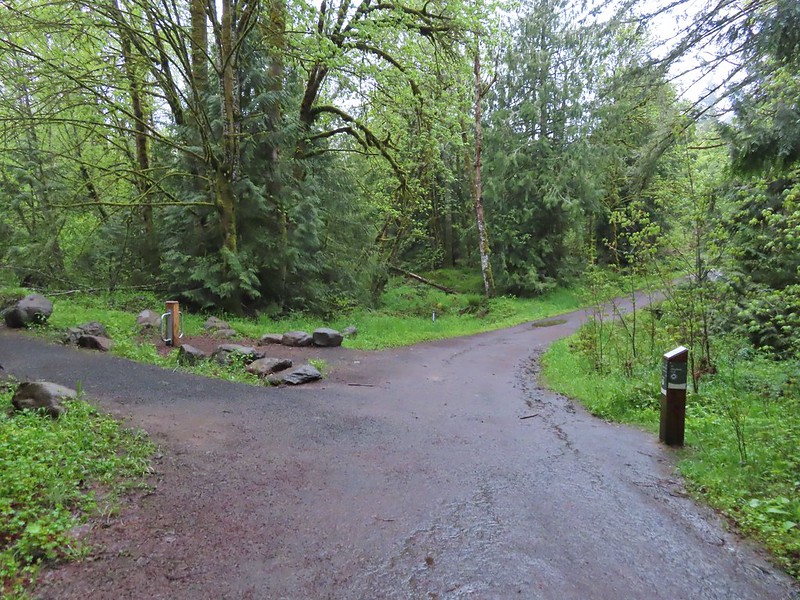 Passing the Woodland Trail on the left which would be our right turn on the way back.
 Christensen Creek
 Right turn for the Ayeekwa and Witches Butter Trails.
 Witchs Butter on the left and Ayeekwa on the right.
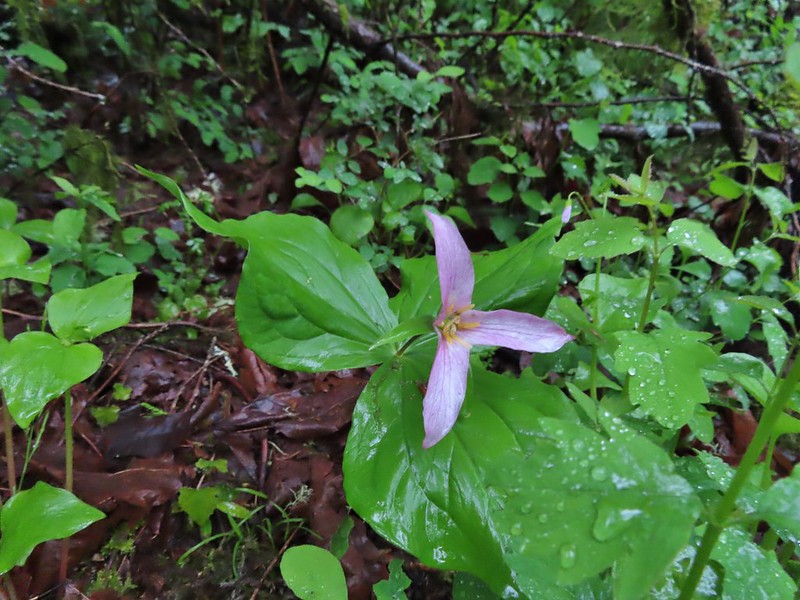 Trillium
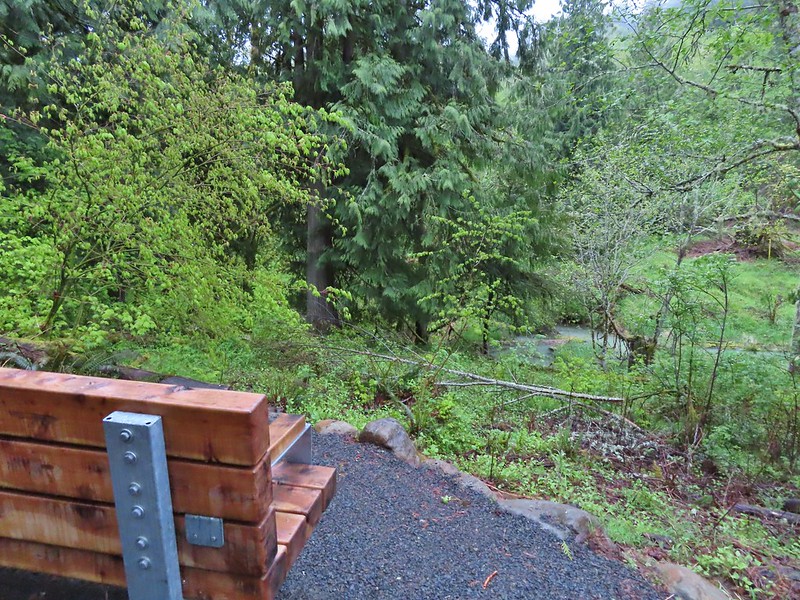 Another bench, this one overlooked Christensen Creek.
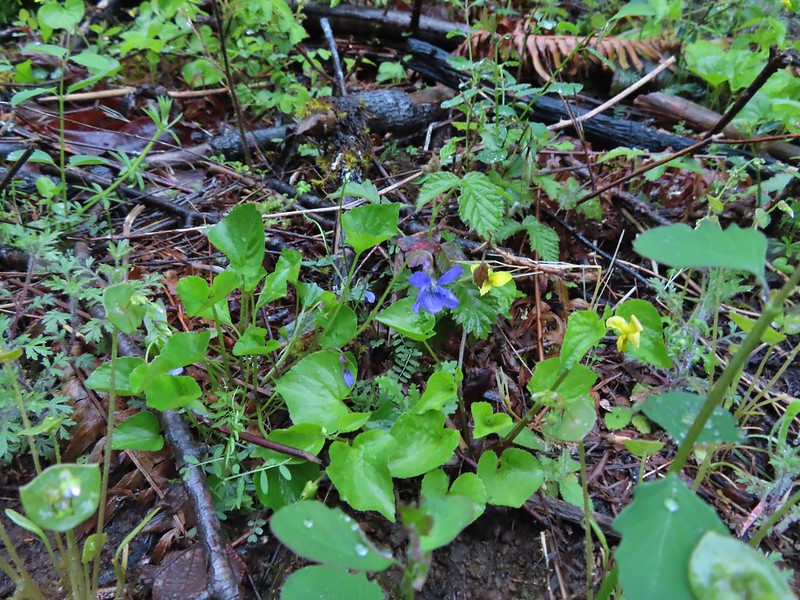 Common blue violet
 Pioneer violets and a strawberry blossom.
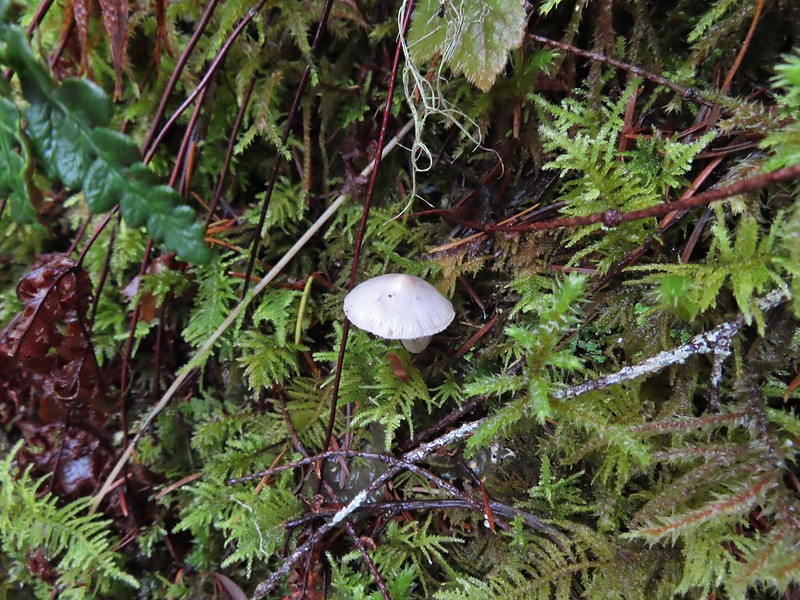
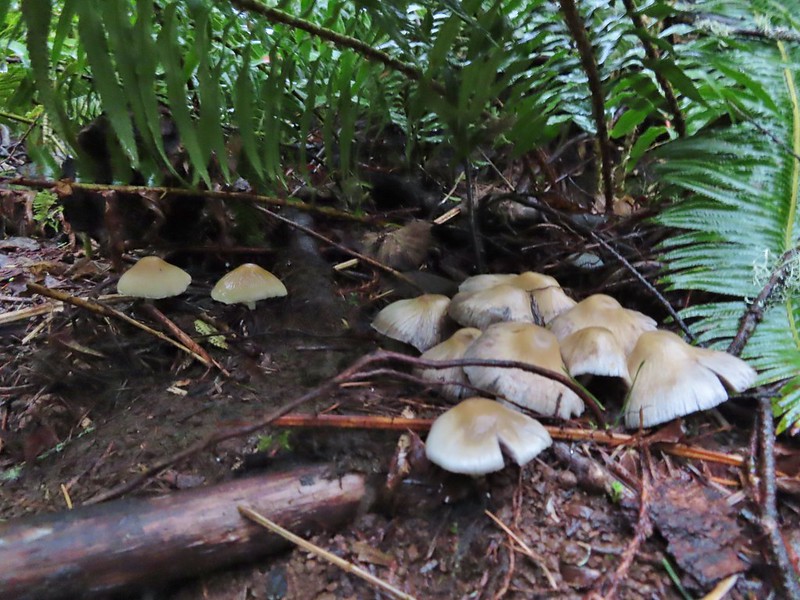 Mushrooms under a fern.
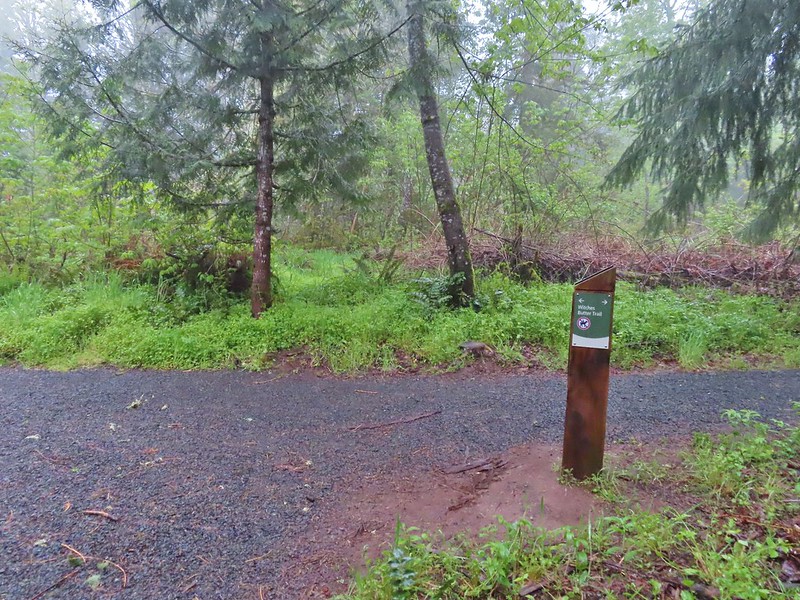 Popping out on the Witches Butter Trail.
 Witches Butter Trail
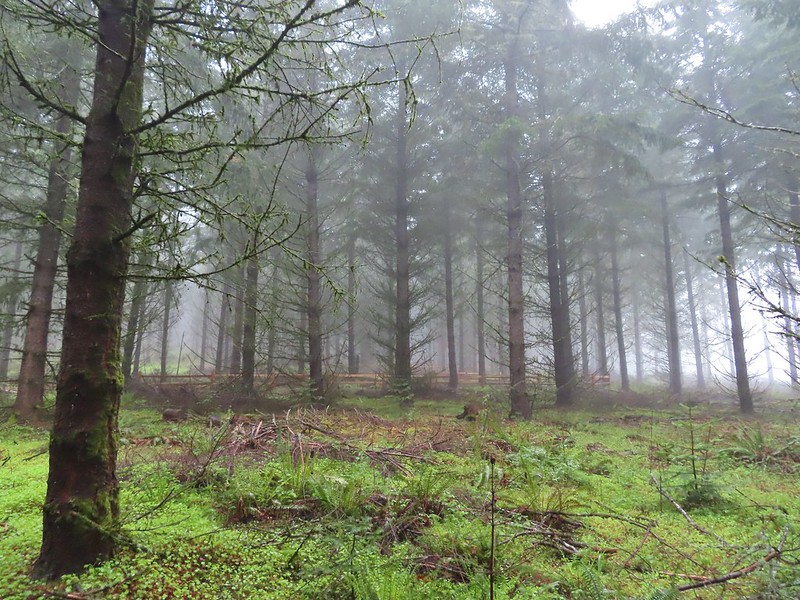 Witches Butter Trail winding through Douglas firs.
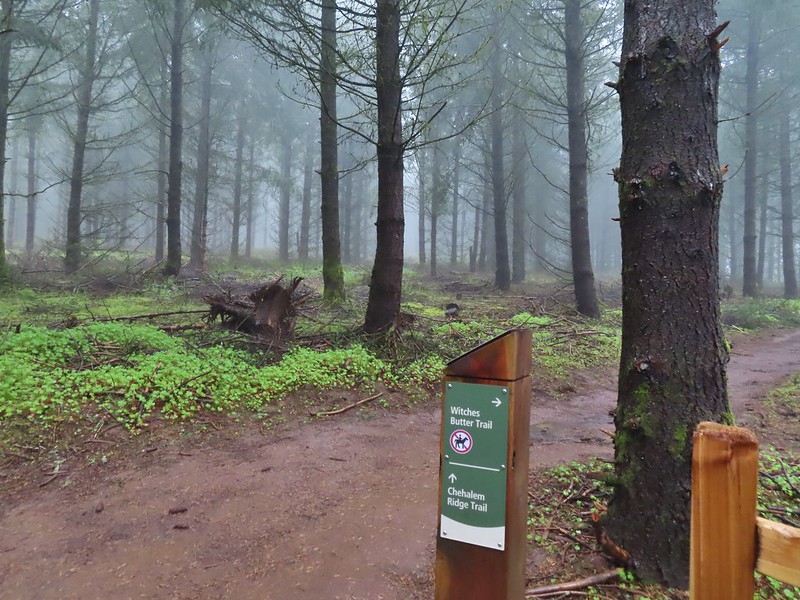 Turning right onto the Chehalem Ridge Trail.
 There was a little more mud on the Chehalem Ridge Trail.
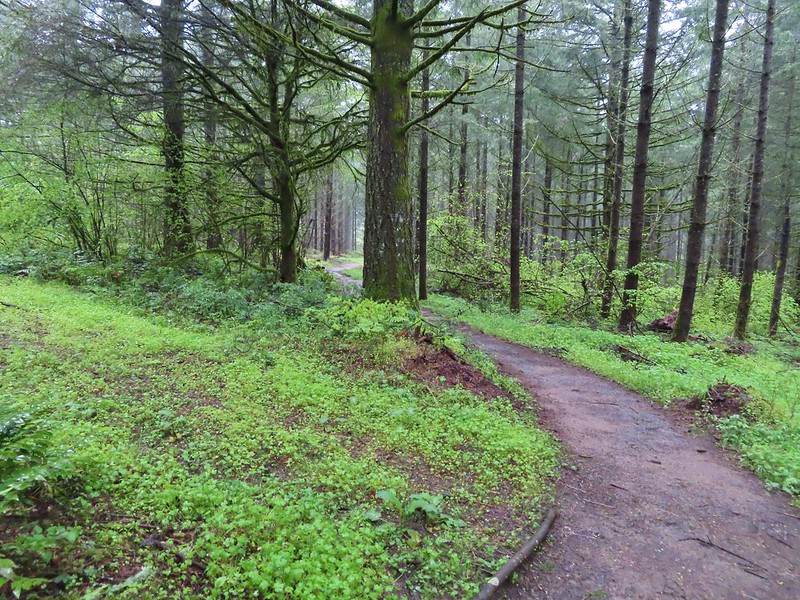 Spring green carpet.
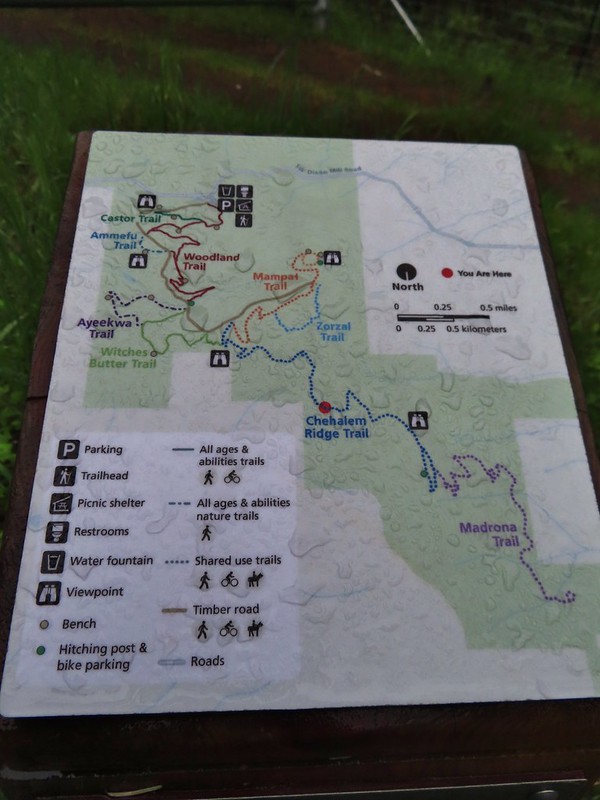 A good example of the differently oriented maps, on this one north is down.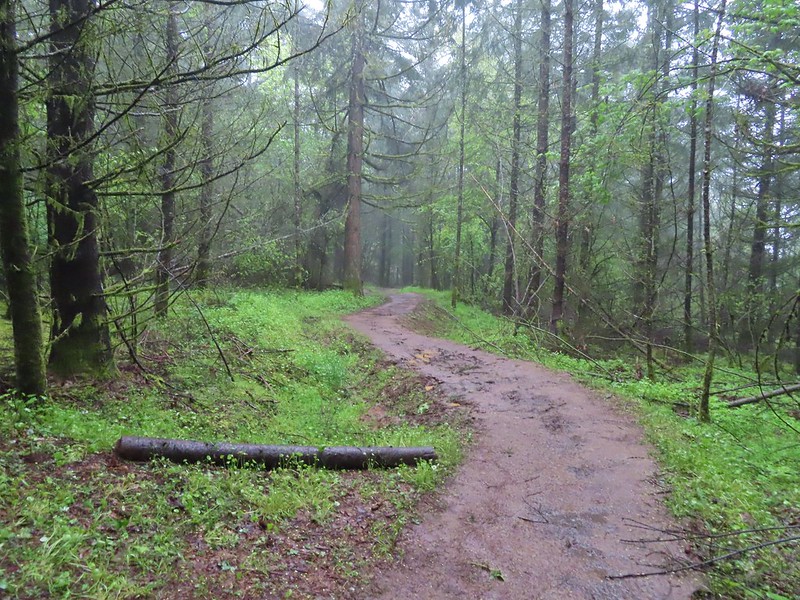
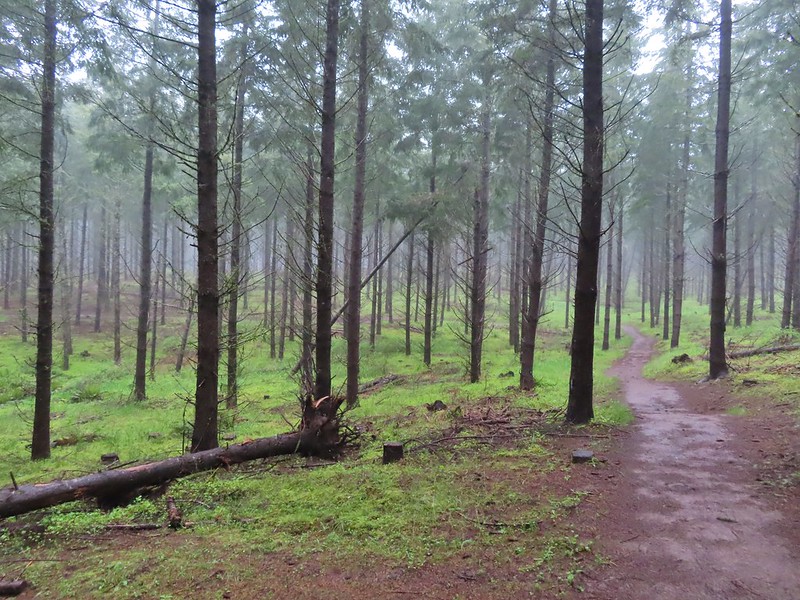 Another fir plantation. The land had been owned by a timber company prior to being purchased by Metro in 2010.
 Start of the Chehalem Ridge Loop. We went right which simply swung out along the hillside before dropping down to the Madrona Trail in 0.4 miles.

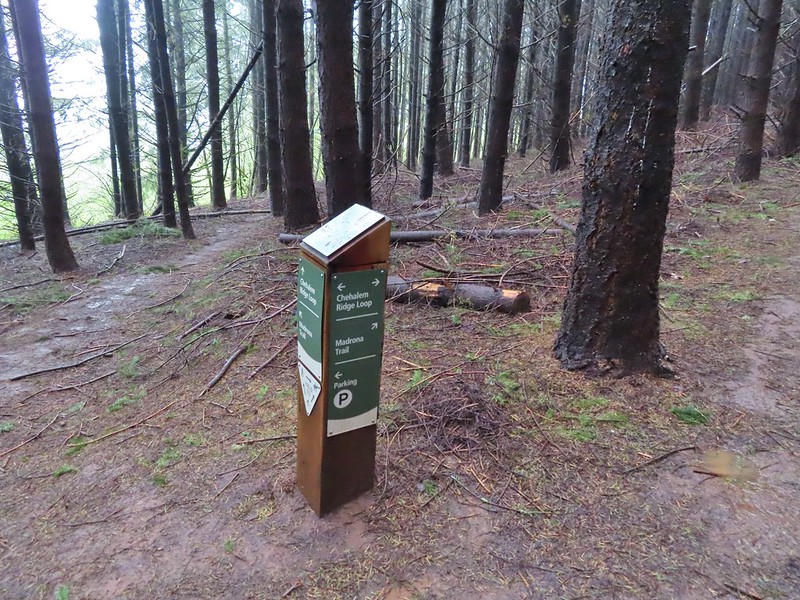 The loop continued to the left but we turned right onto the Madrona Trail.
 Still cloudy and gray but we’d experience very little if any precipitation yet.
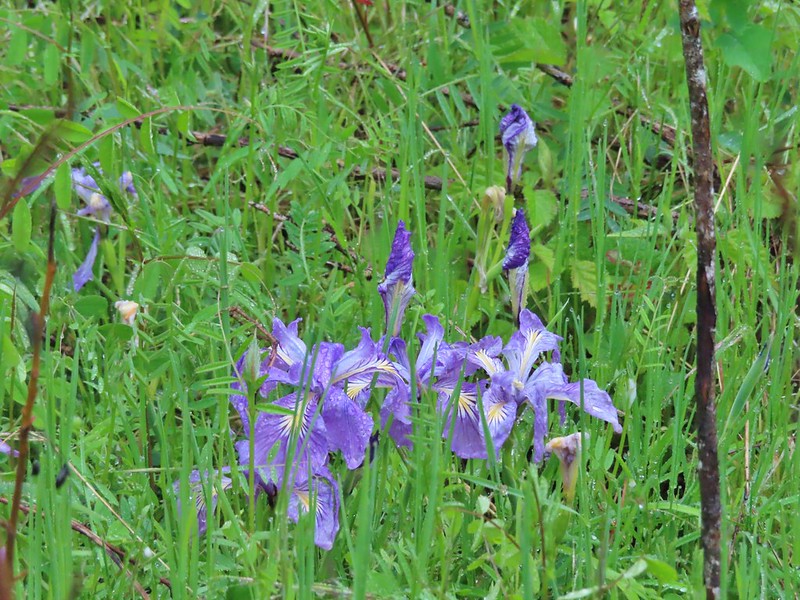 Lots of tough-leaved iris along this trail.
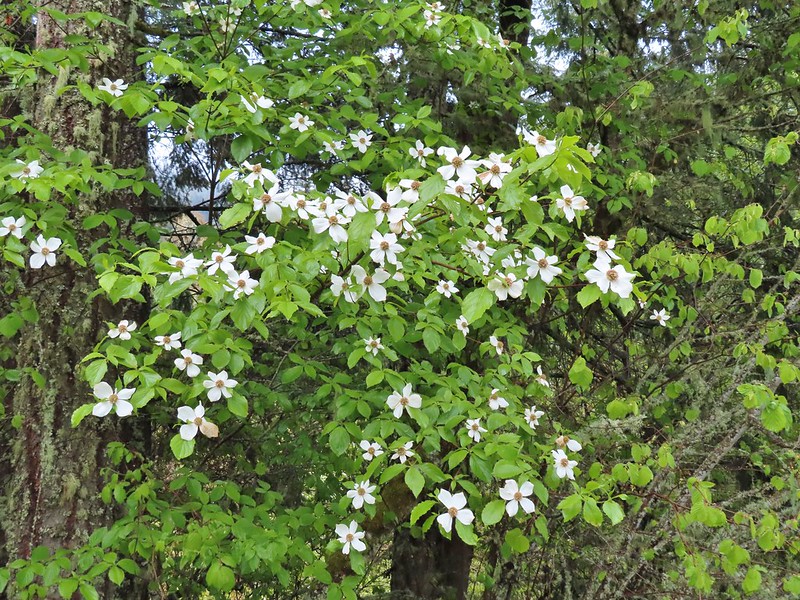 One of several blooming dogwood trees.
 View on the way down.
 Madrone trees began to be a common sight as we descended.
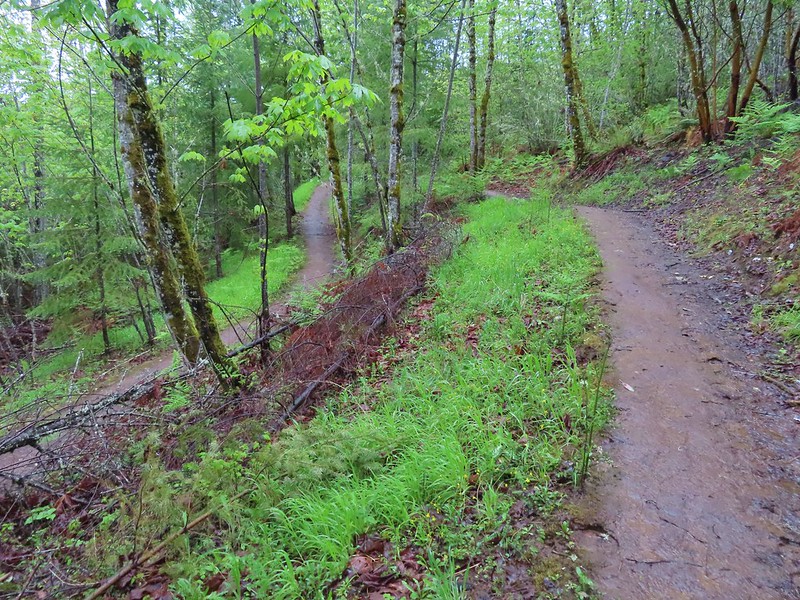 One of the 11 switchbacks.
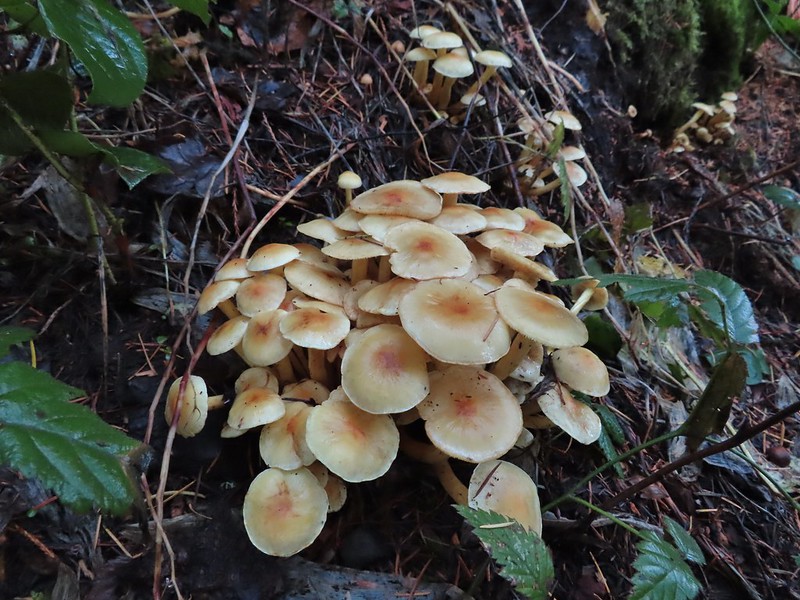
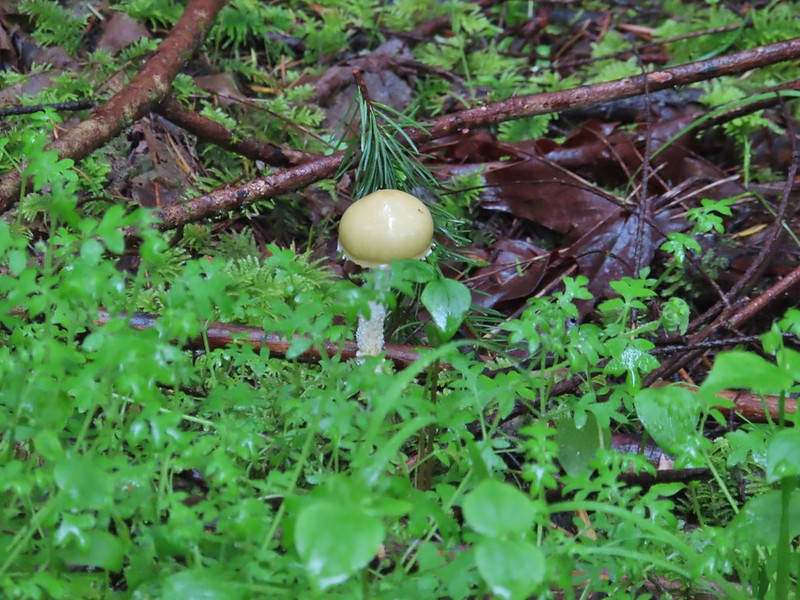 We hadn’t seen a lot of mushrooms recently but this hike had plenty.
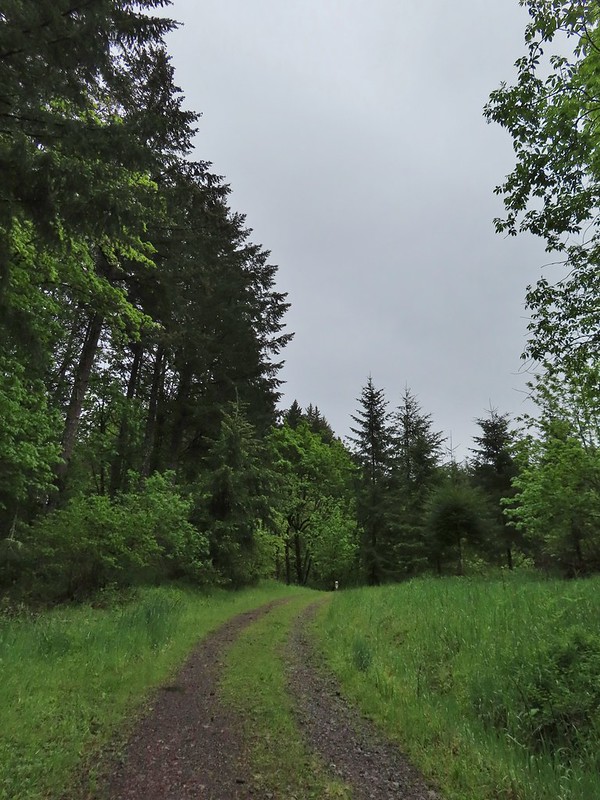 Following the roadbed.
 Aside from one other very small (3 in diameter) tree this was the only obstacle we encountered all day.
 The start of the loop along with several madrones.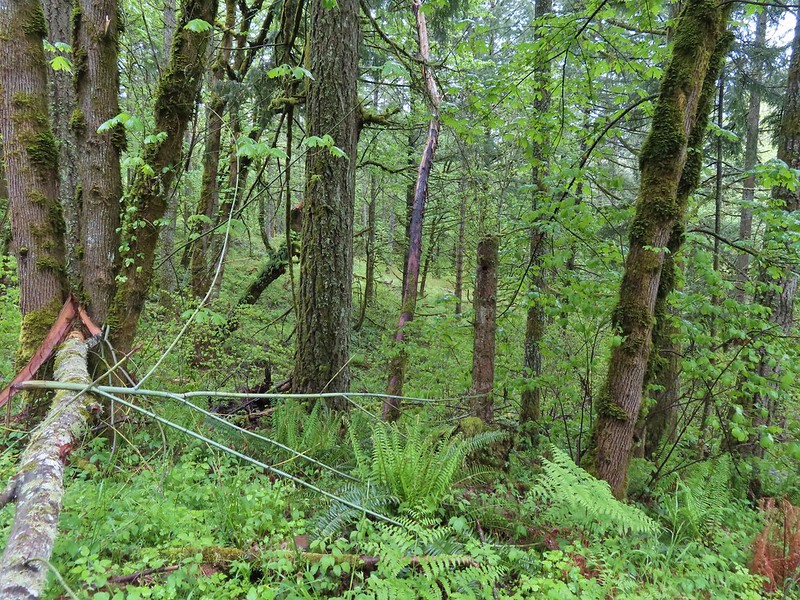


 The Tualatin Valley and Coast Range.
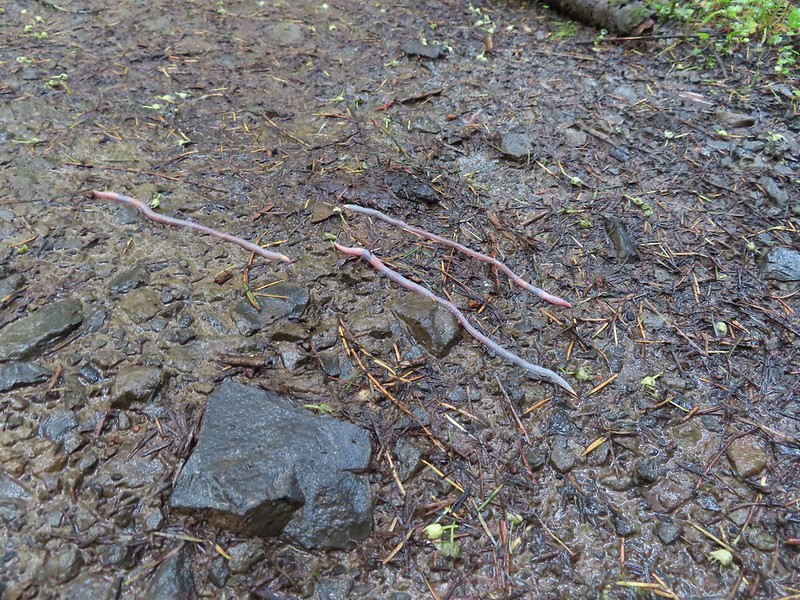 Either these worms were racing or it was a bird buffet. The rain had brought a lot of earthworms onto the trails.
 Another trail user a rough skinned newt.
 A closer look at the rough skinned newt.
 It had been so foggy when we had come up the Witches Butter Trail that we hadn’t realized that there was a giant green field nearby.
 The end of the Chehalem Ridge Trail with the Mampaꞎ Trail to the right and a very short connector to the Timber Road to the left.
 Sunlight hitting the Mampaꞎ Trail.
 Fairy slippers
 Squirrel
 The Zorzal Trail to the right.
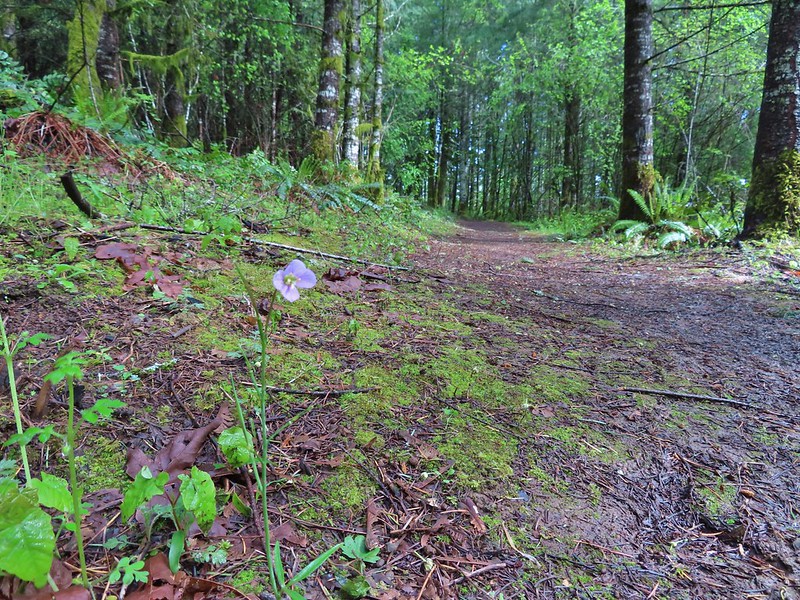 Toothwort along the Zorzal Trail.
 Stripped coralroot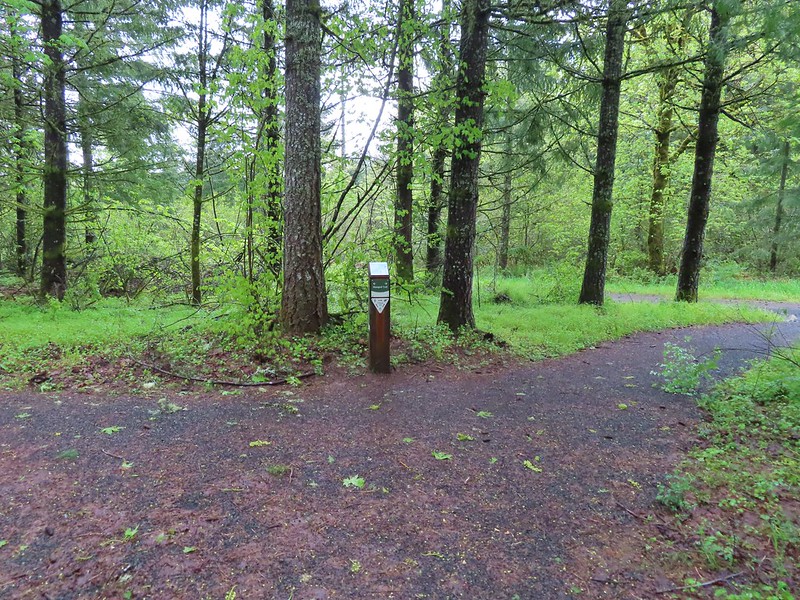


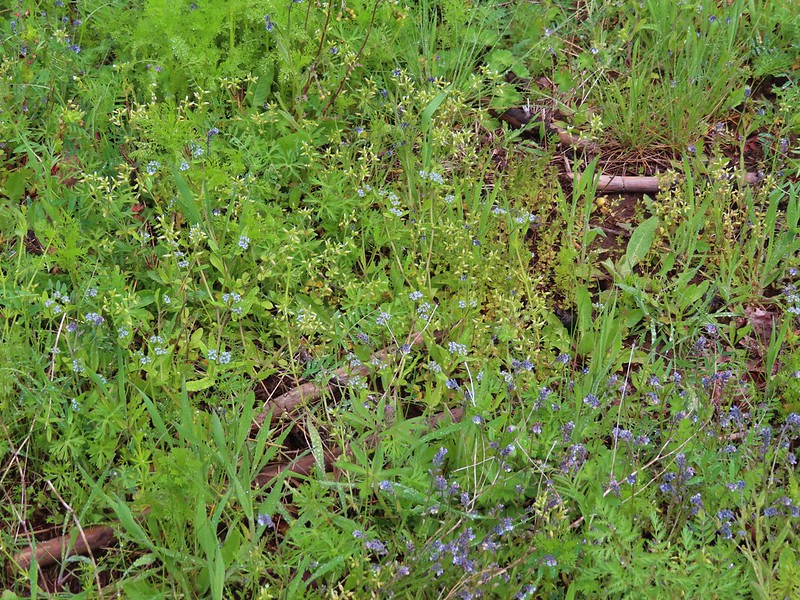 An assortment of smaller flowers.
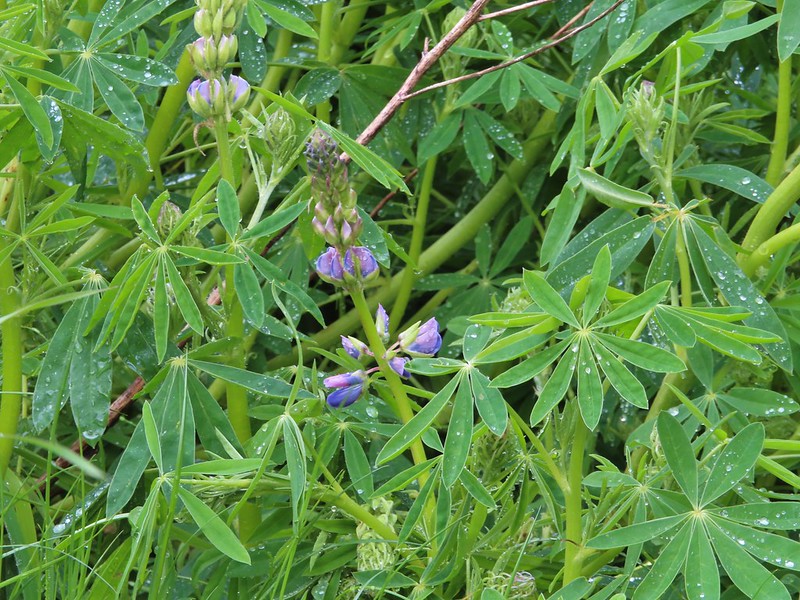 One of the few lupines with blossoms.
 Camas buds
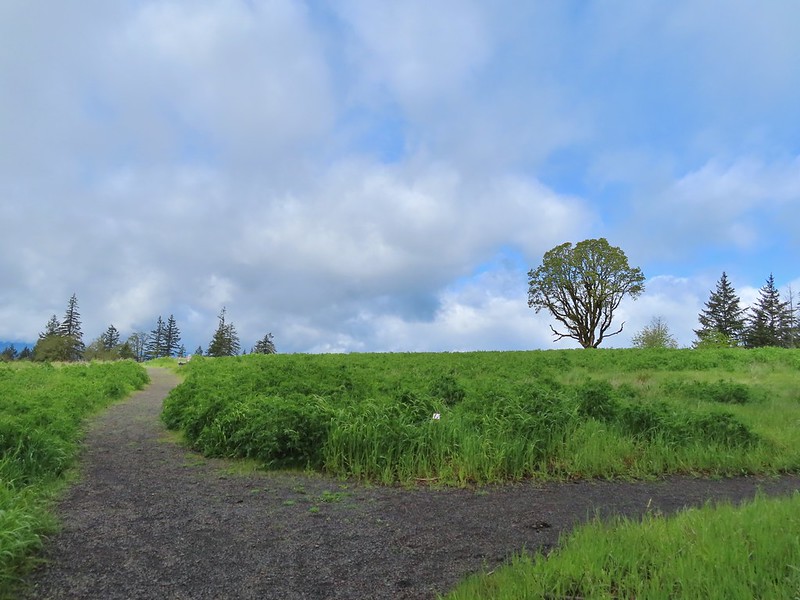
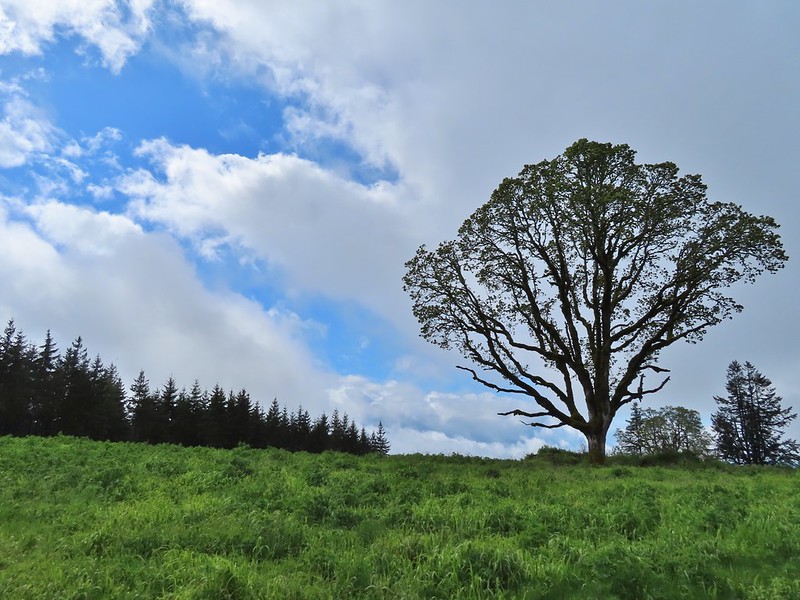 Oak tree on Iowa Hill. Most of the larger green clumps are lupine.
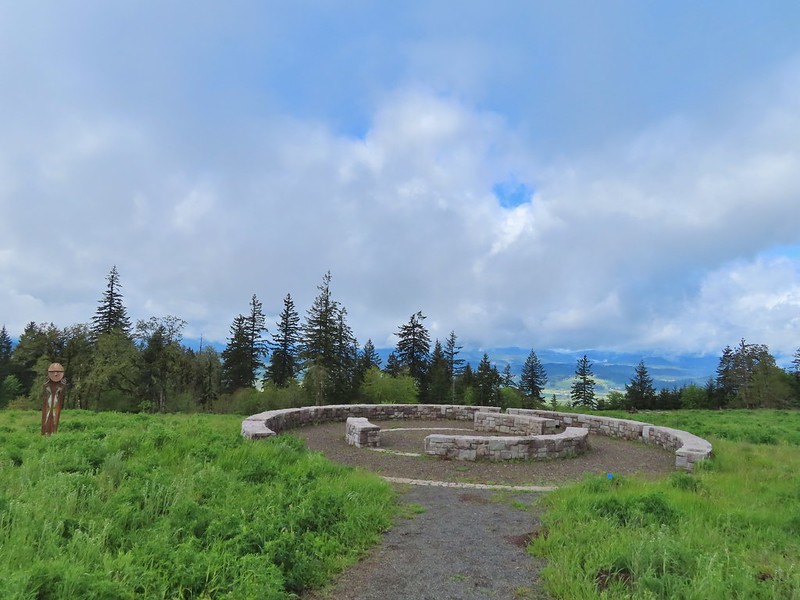 The third and final figure was also located near the stone circle.
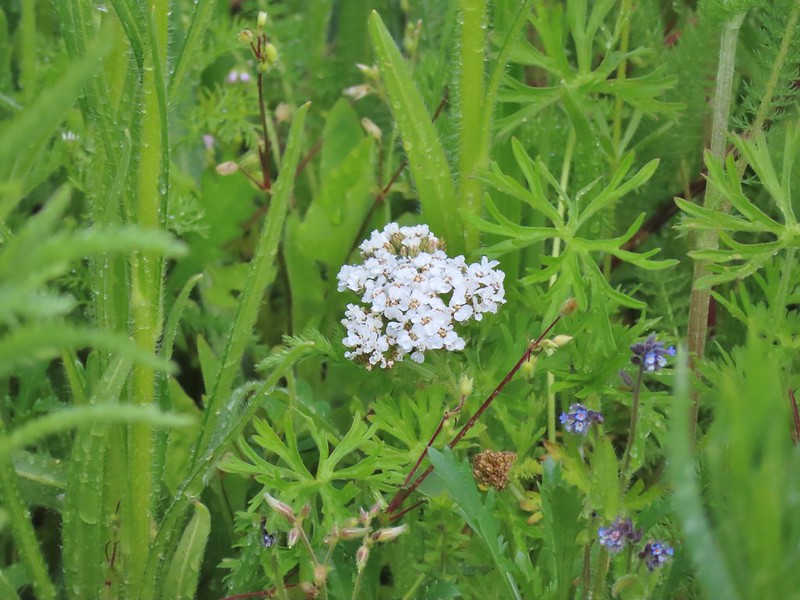 Yarrow
 More lupine starting to blossom.
 Tualatin Valley
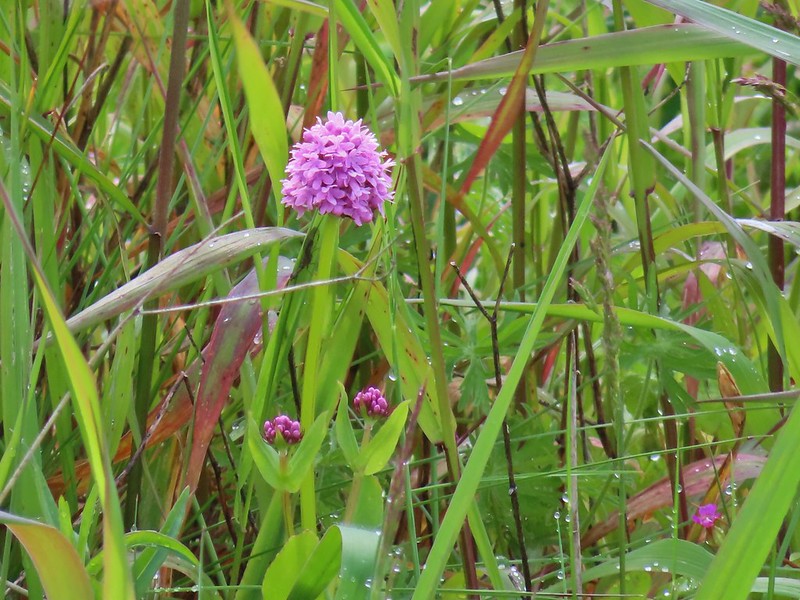 Plectritis
 Believe this is a checker mallow.
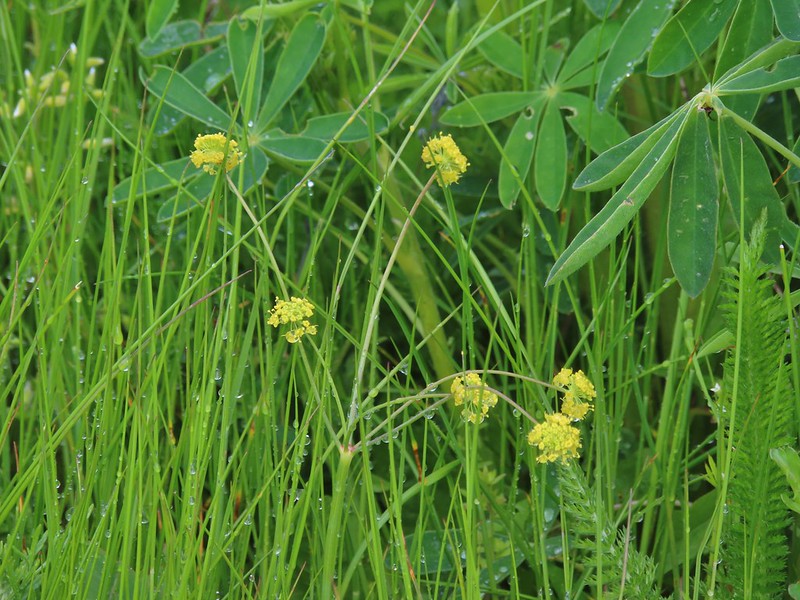 Parsley
 Camas
Camas Iris
Iris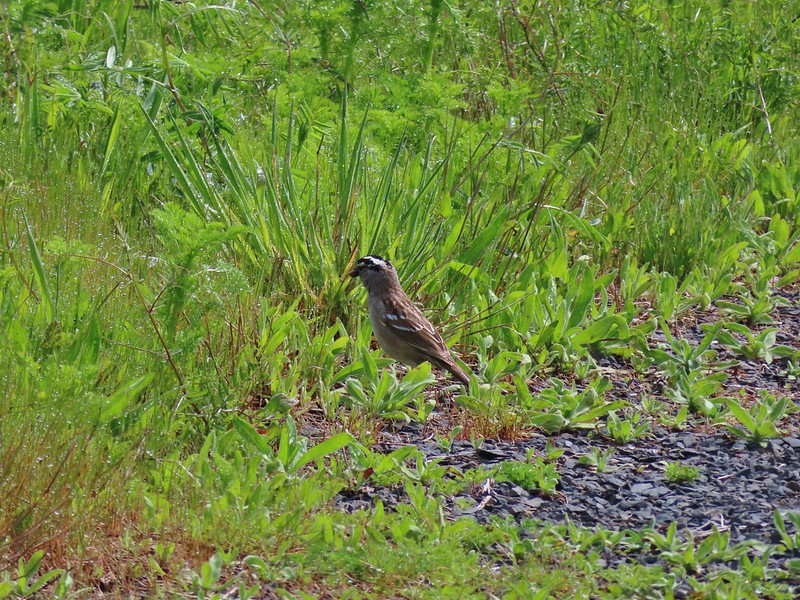 White crowned sparrow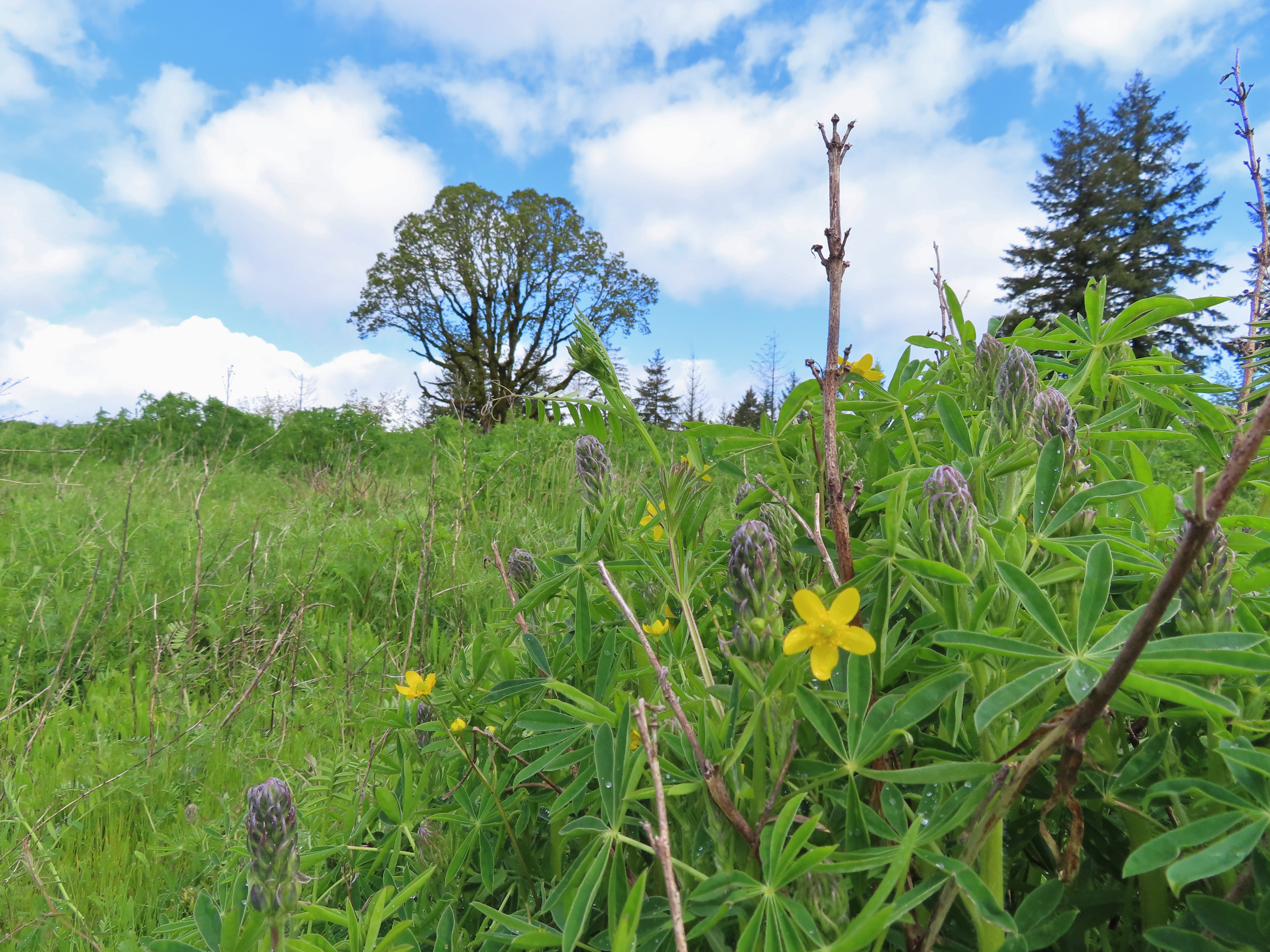
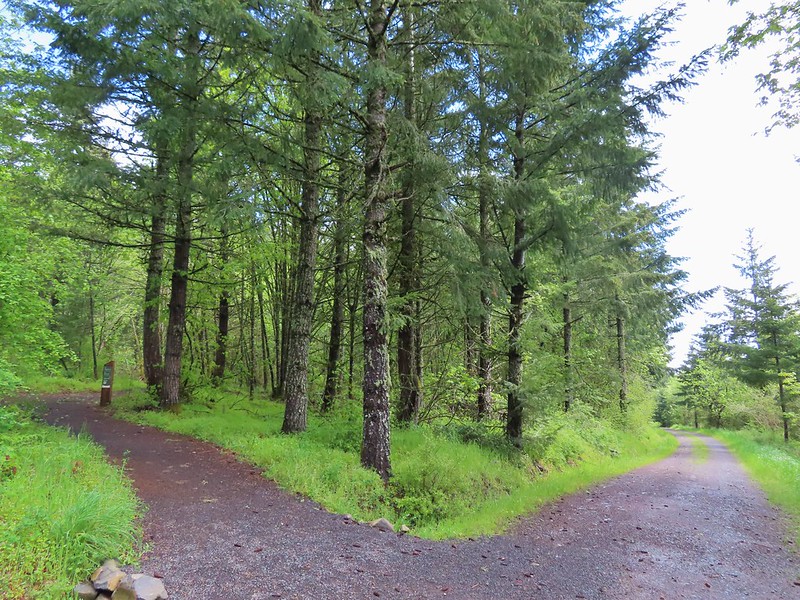 Turning down the Timber Road.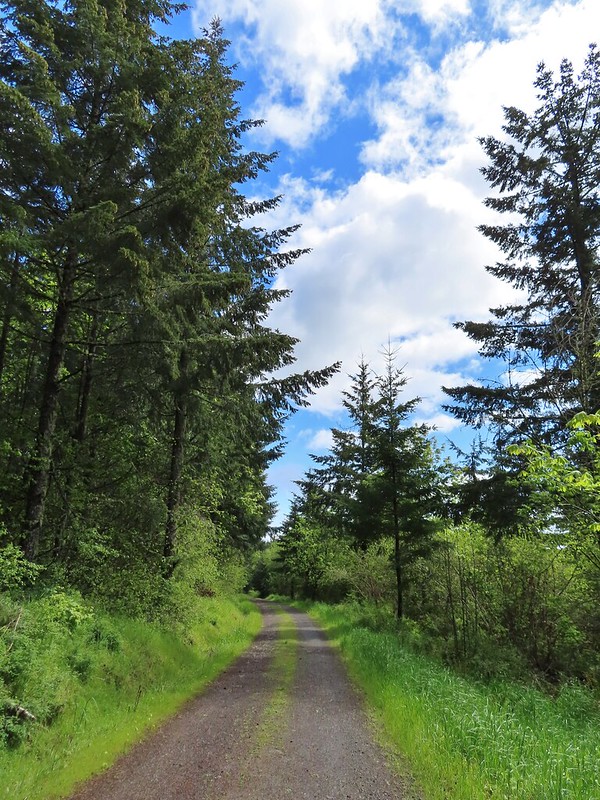
 I’m not good with these little yellowish birds. It could be an orange-crowned warbler.
 Black capped chickadee
 Approaching the Woodland Trail on the right.
 Woodland Trail
 Candyflower
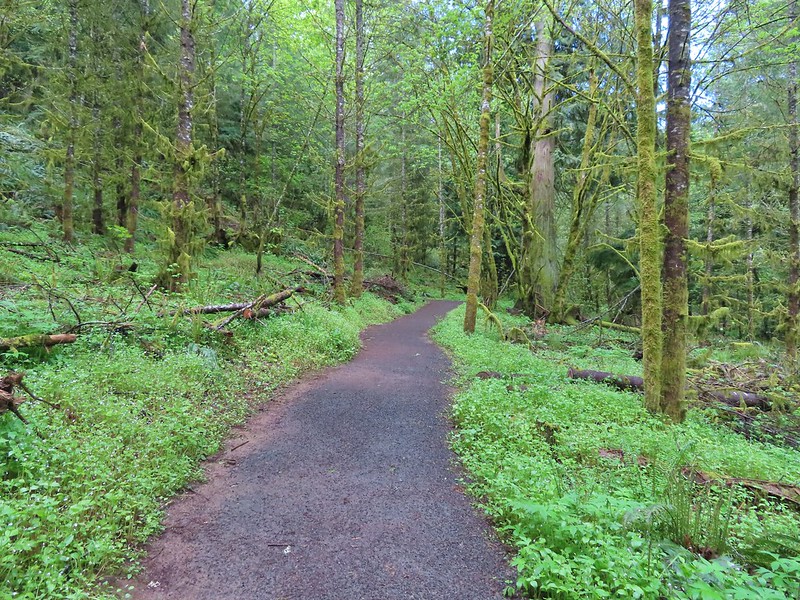 Coming to a switchback.
 We ignored a couple of shortcuts that would have led back to the Timber Road.
 We also skipped the Castor Trail which would have slightly lengthened the hike.
 Lupine along the Woodland Trail as we neared the trailhead.
 Much nicer conditions than we’d had that morning and way nicer than anything we had expected.


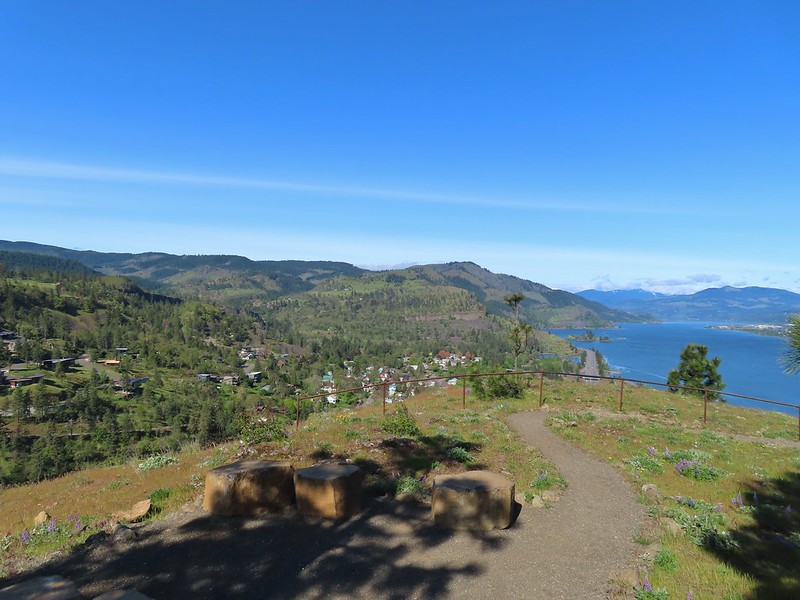
 Looking west down the Columbia River from the overlook.
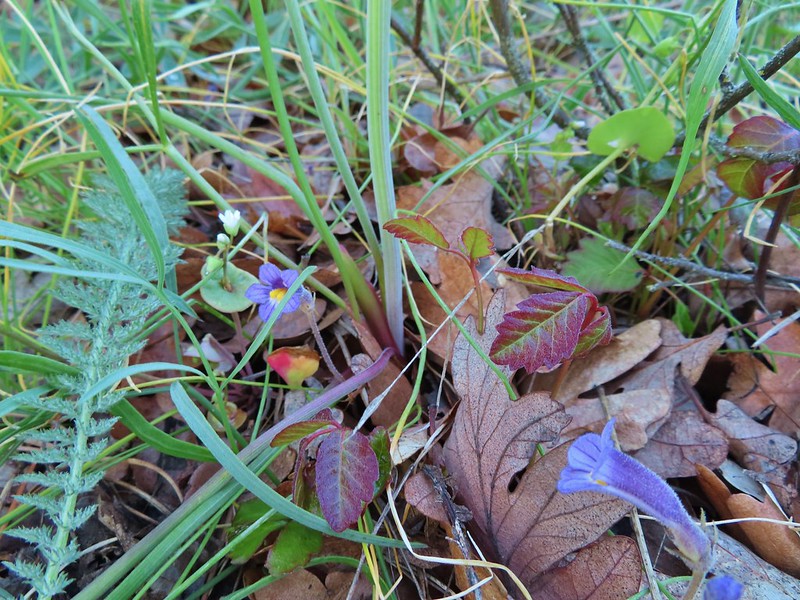 Naked broomrape and poison oak
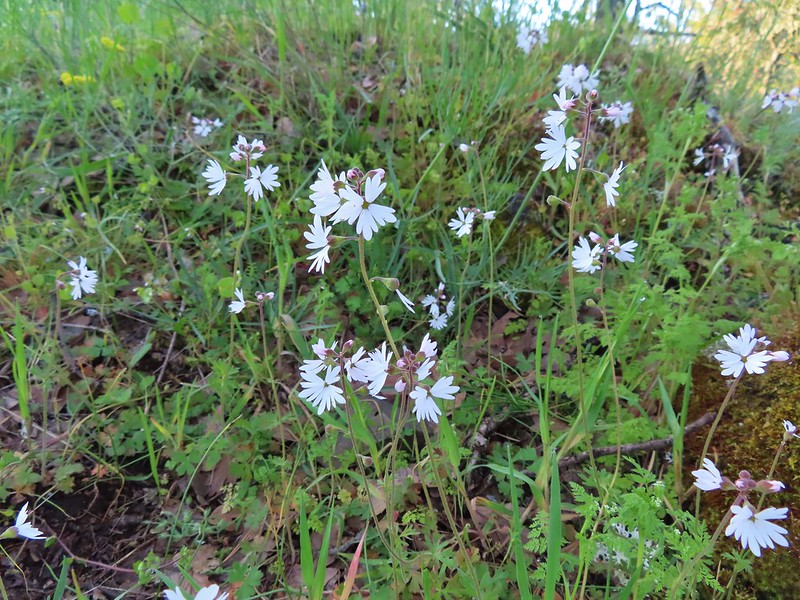 Woodland stars
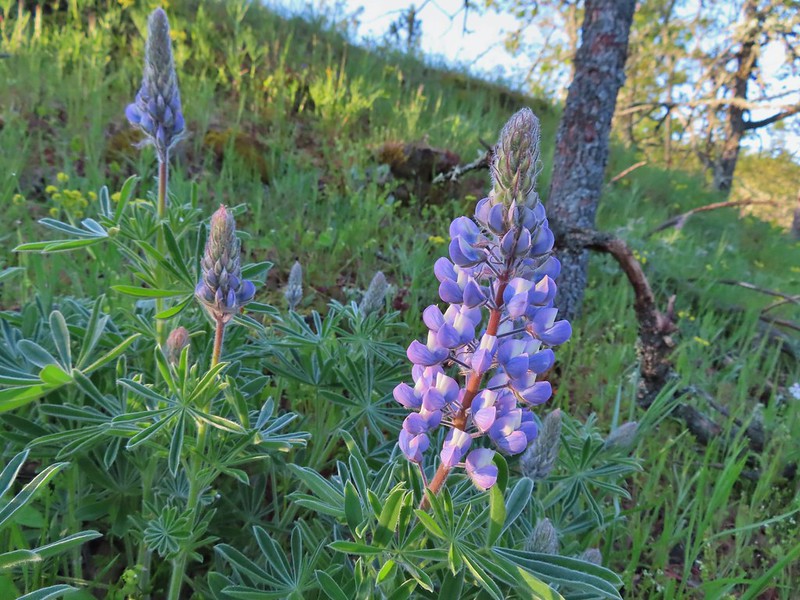 Lupine
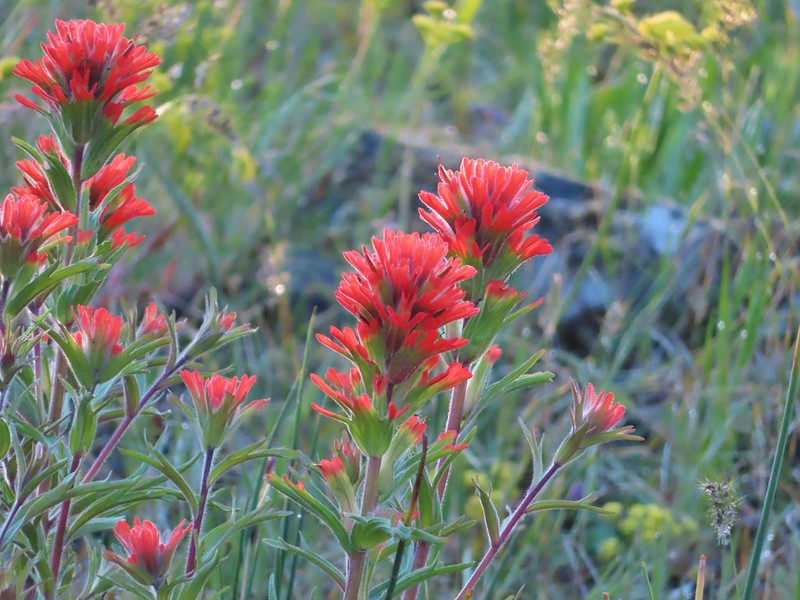 Paintbrush
 Larkspur and parsley
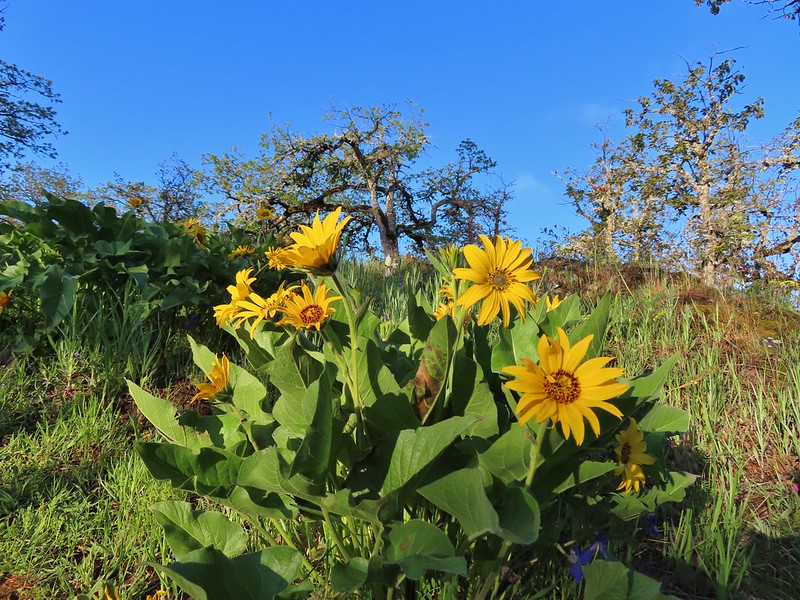 Balsamroot

 Chocolate lilies
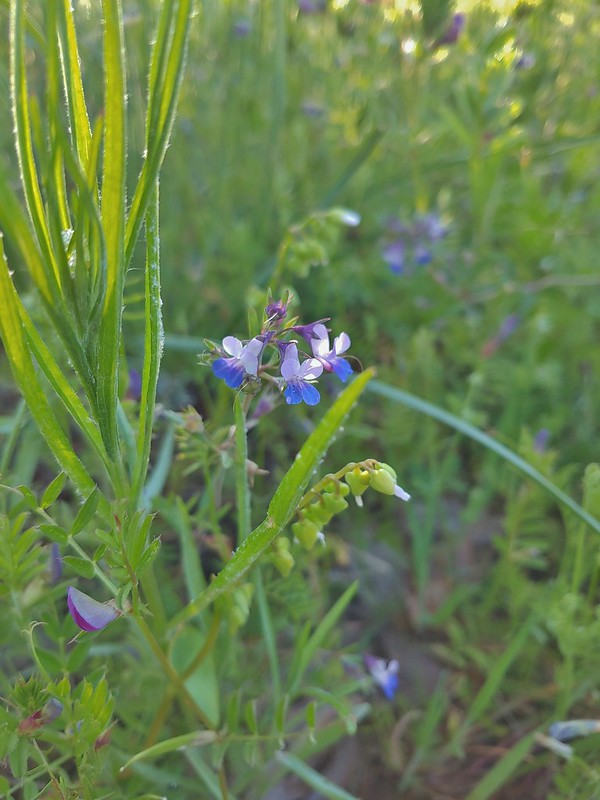 Giant blue-eyed Mary
 Coming up on the creek crossing.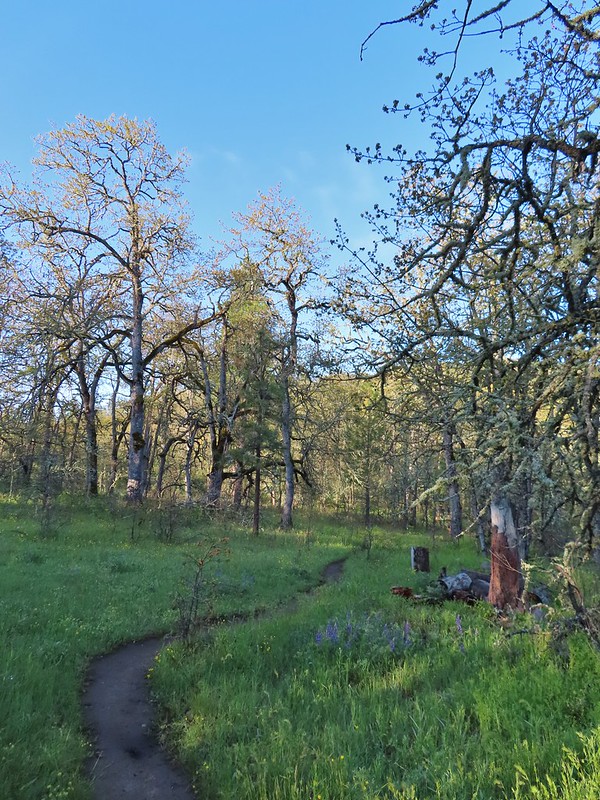

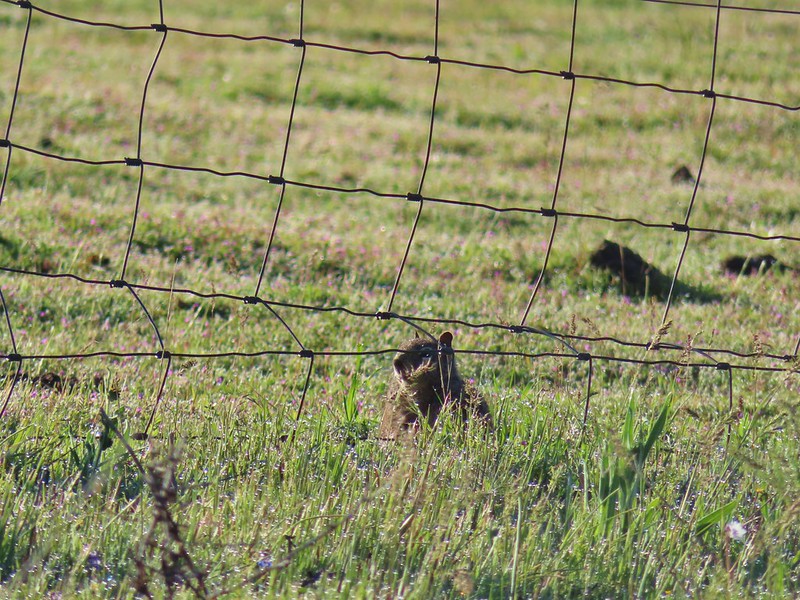 Ground squirrel on the other side of the fence.
 Looking back at the pond surrounded by trees.
 Heading up Chatfield Hill.
 Fiddleneck and other wildflowers in front of Mt. Hood.
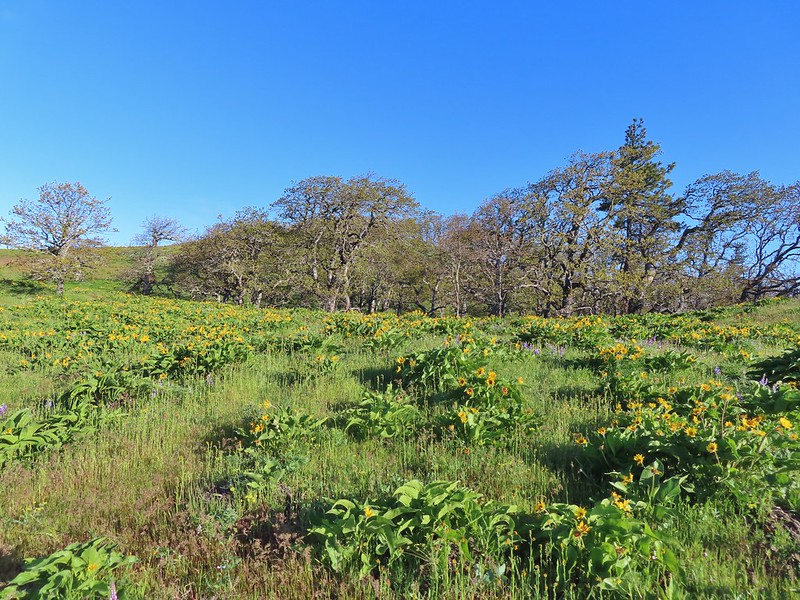


 The Hood River Bridge spanning the Columbia River.
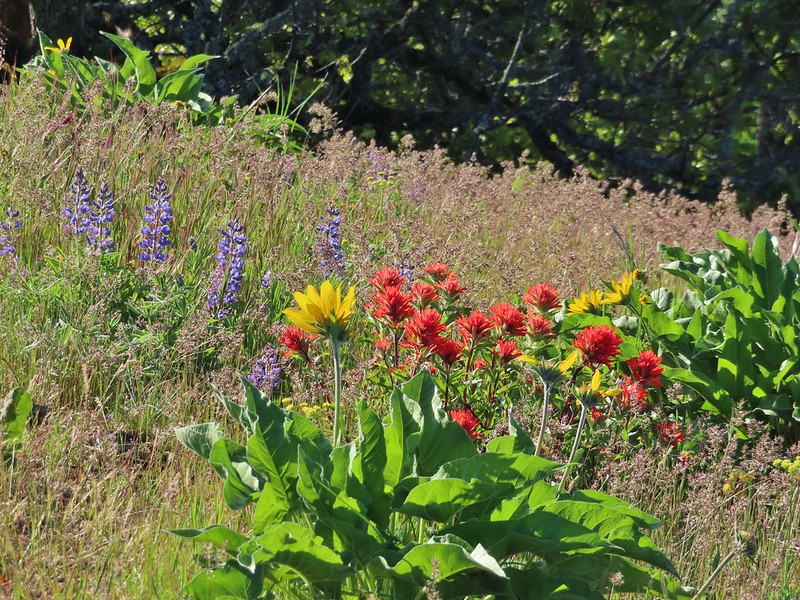 Lupine, balsamroot, and paintbrush
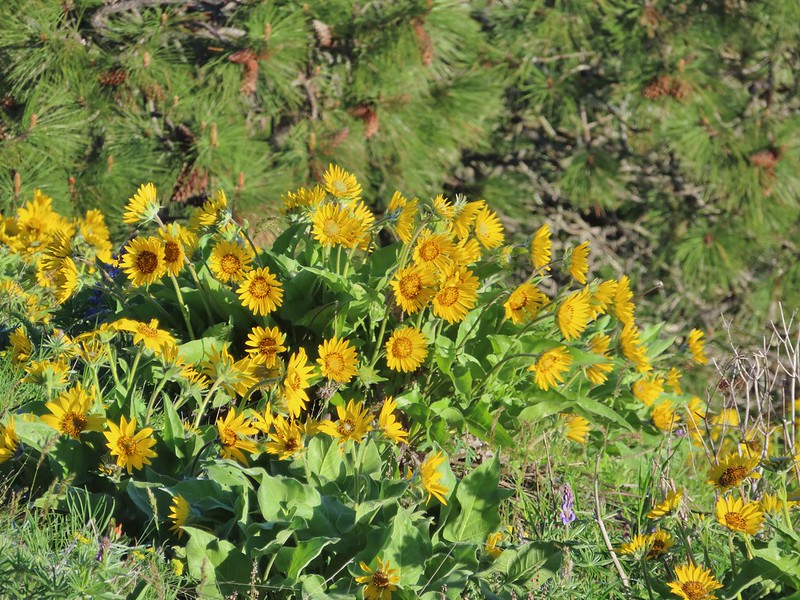 Balsamroot
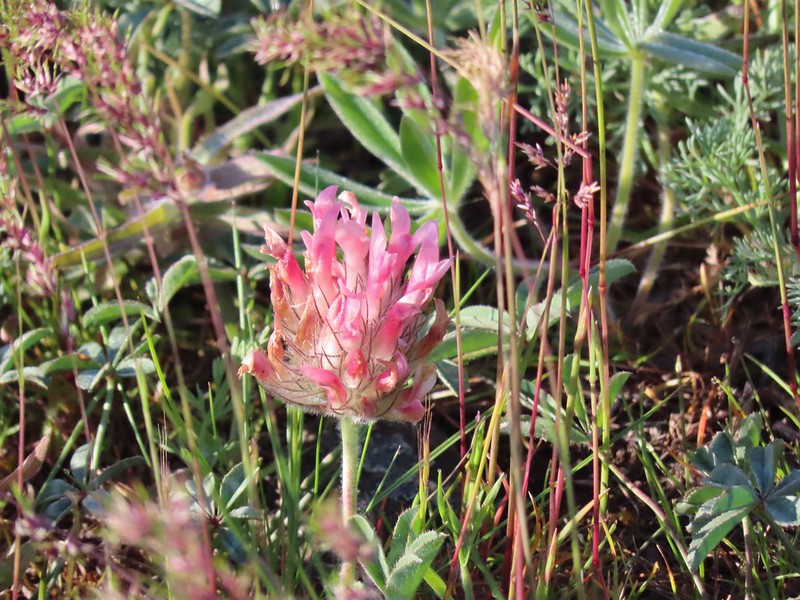 Large-head clover
 Large-flower Triteleia
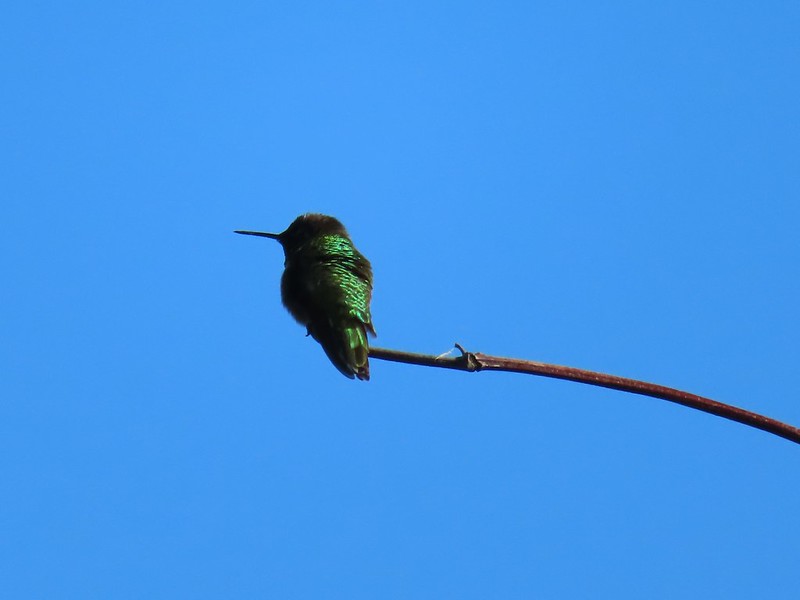 Hummingbird
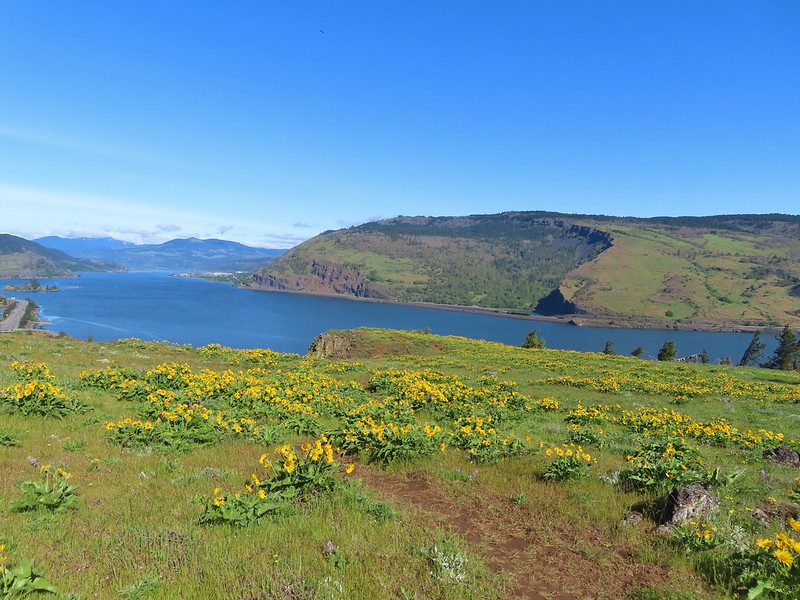
 Balsamroot on Marsh Hill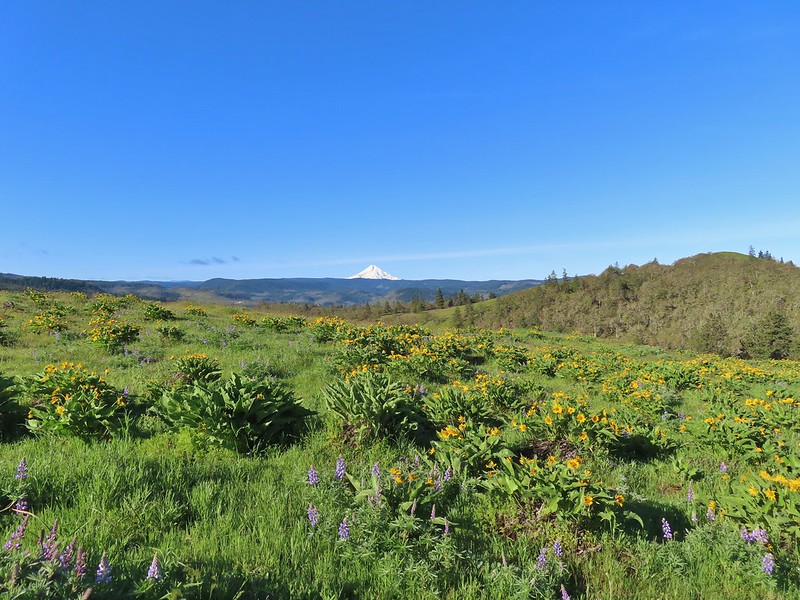
 Lupine and balsamroot
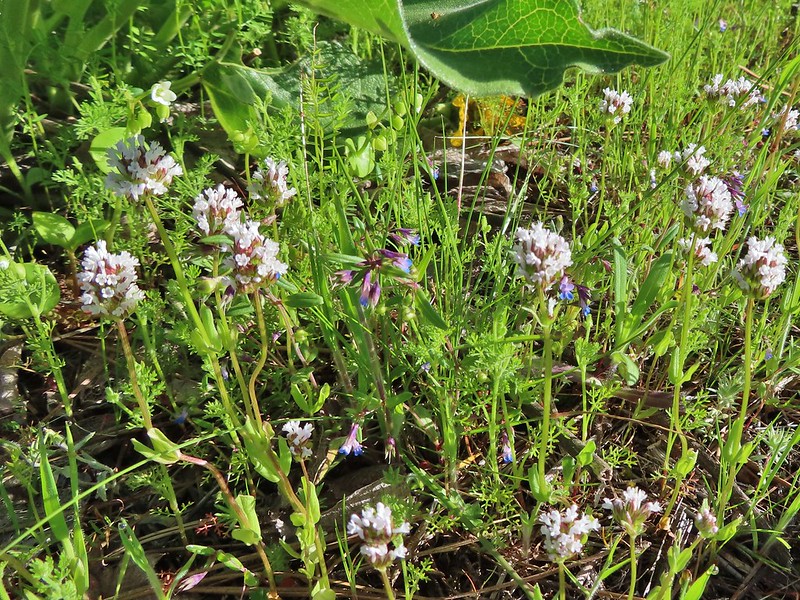 I think this is longhorn plectritis
 Sign for the parking area (If this small lot is full there are other


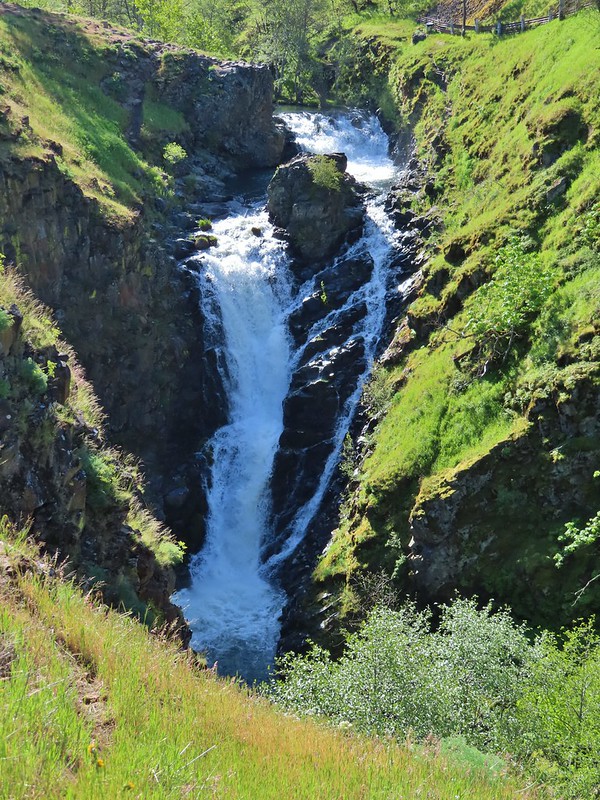


 Looking up the hillside.
 Red-stem storksbill
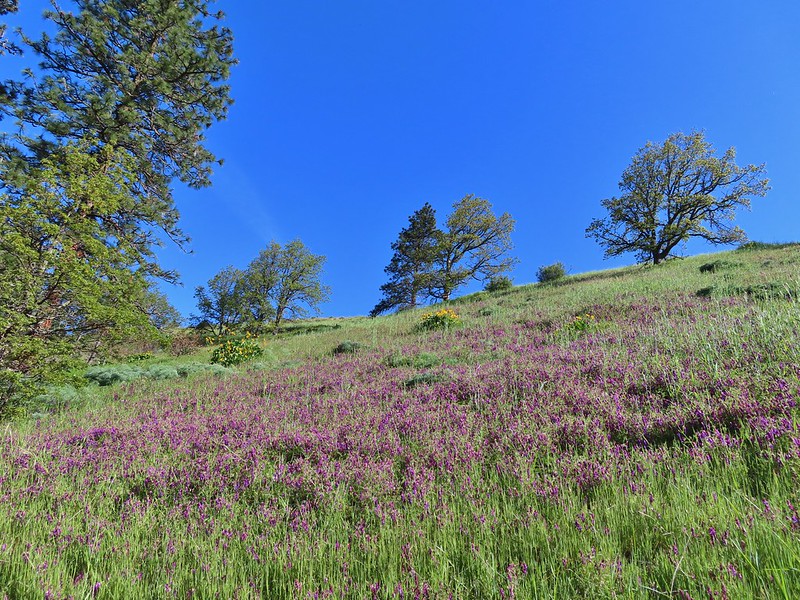 Vetch and balsamroot
 Silver-leaf phacelia
 Coyote Wall (


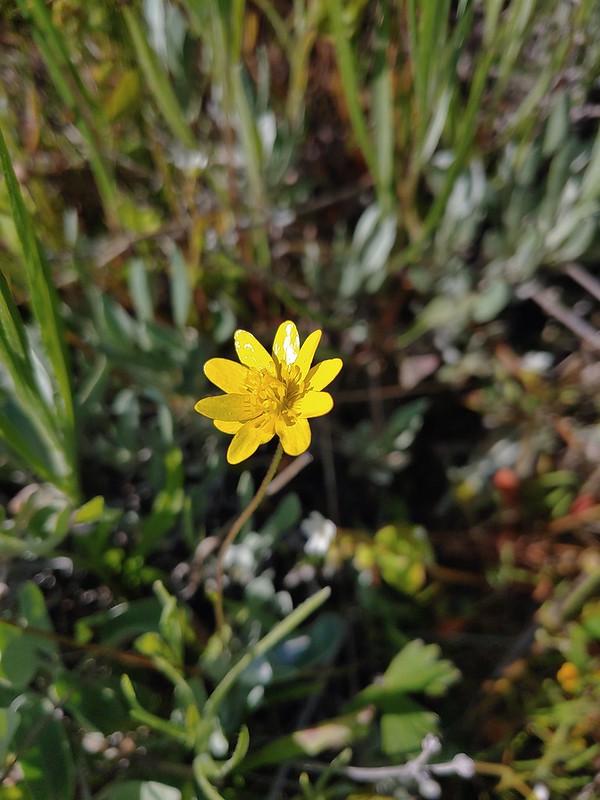 Gold star
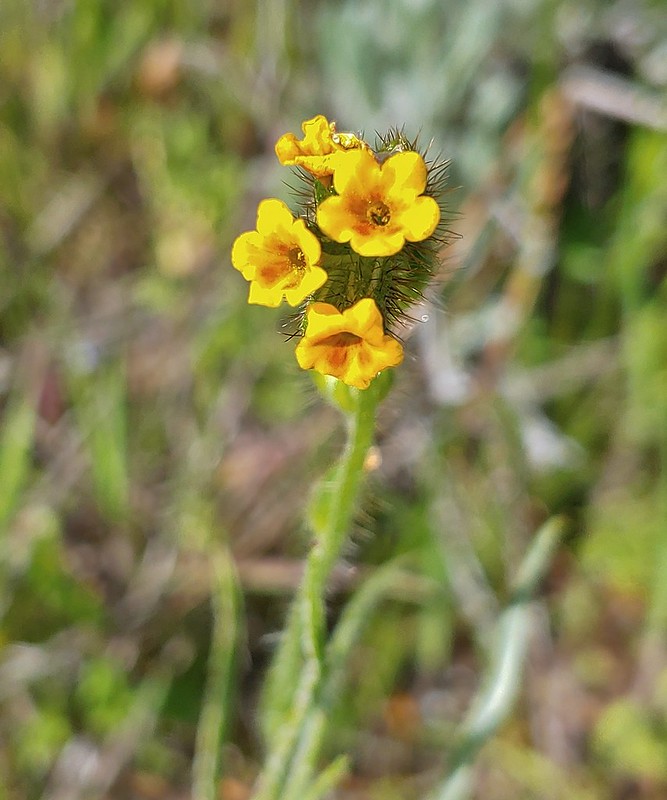 Fiddleneck
 Balsamroot
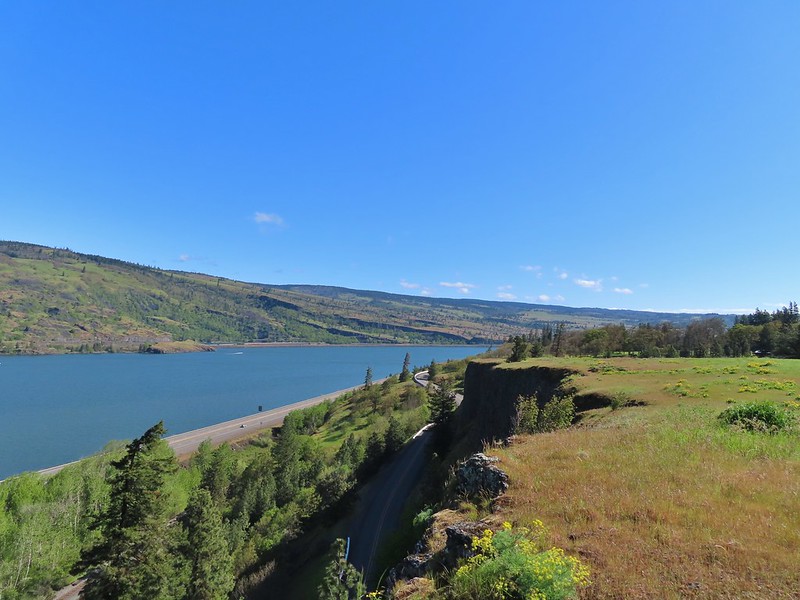 View east.
 Mosier to the west.
 Gray hairstreak
 Busy bumblebee
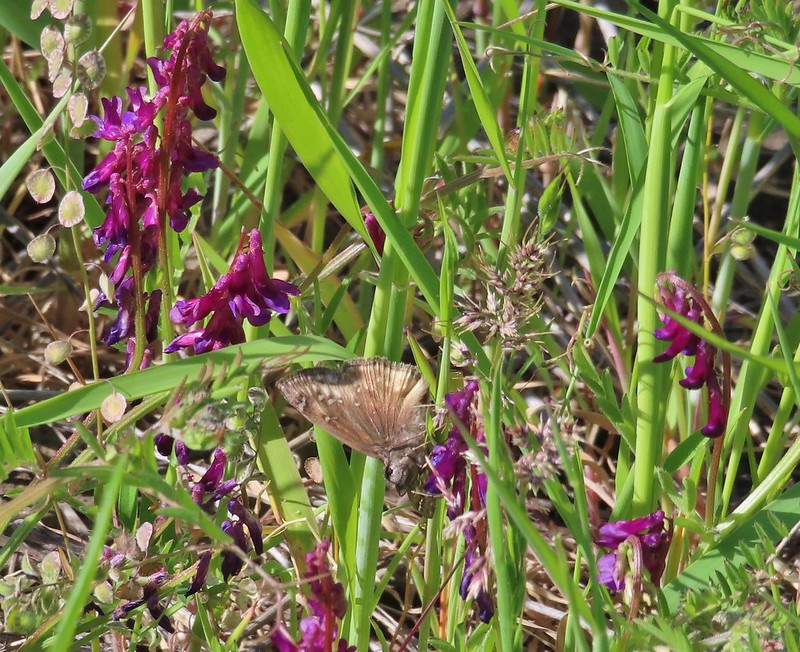 A duskywing (propertius?) on vetch.
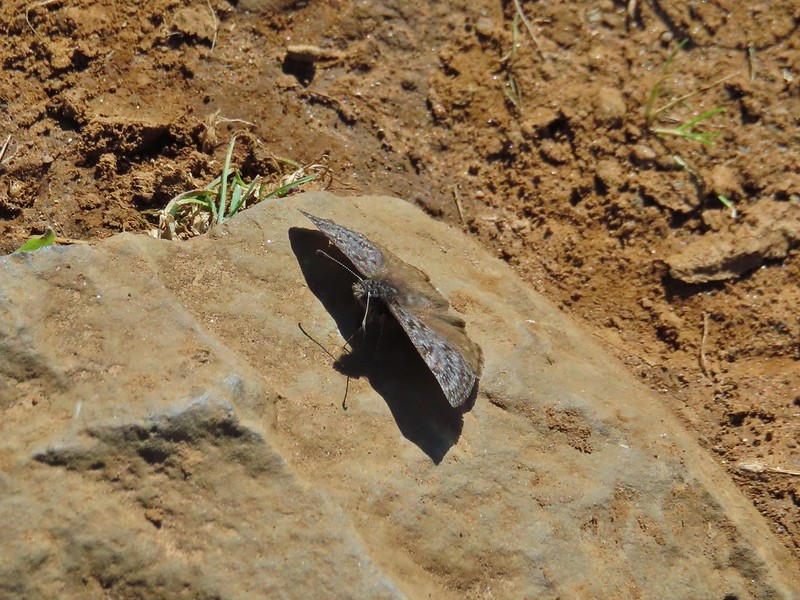 Propertius duskywing
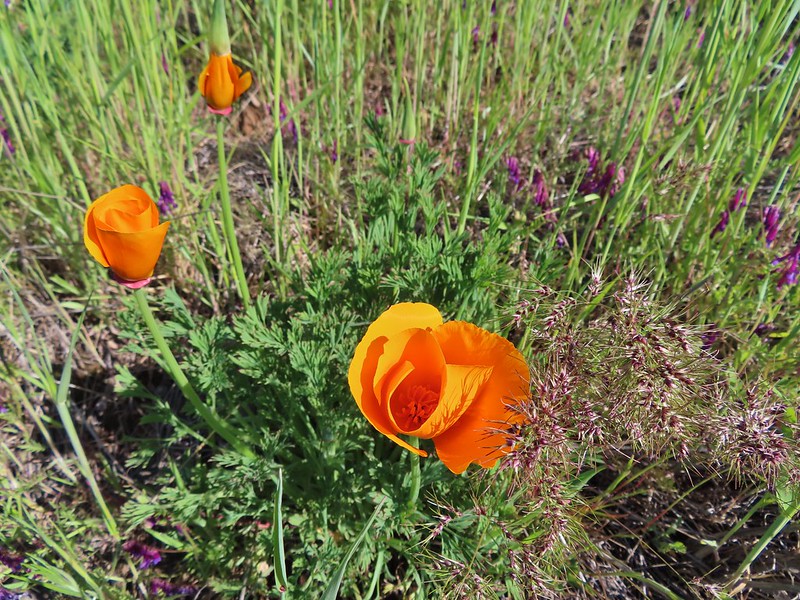 Poppies opening up to the Sun.
 Bachelor button
 The old powerhouse.

 Stellar’s jay near the tracks.
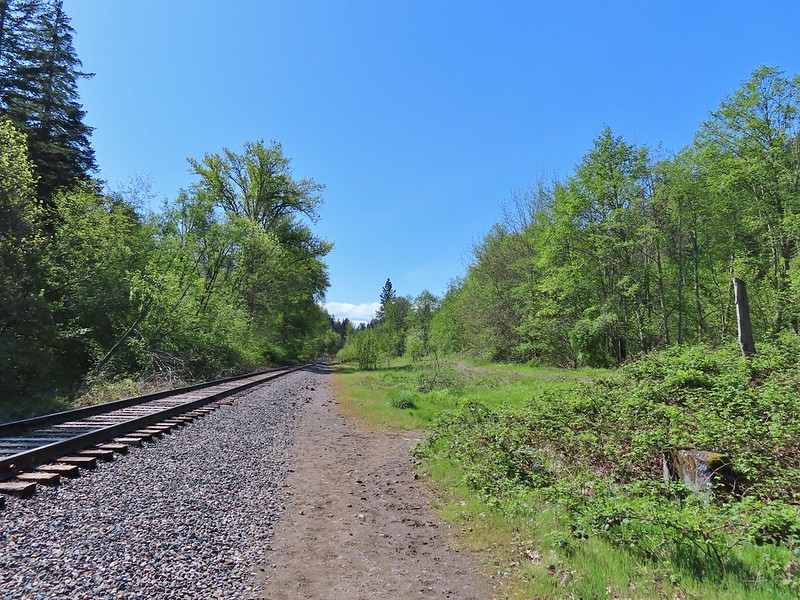 The trail ahead to the right.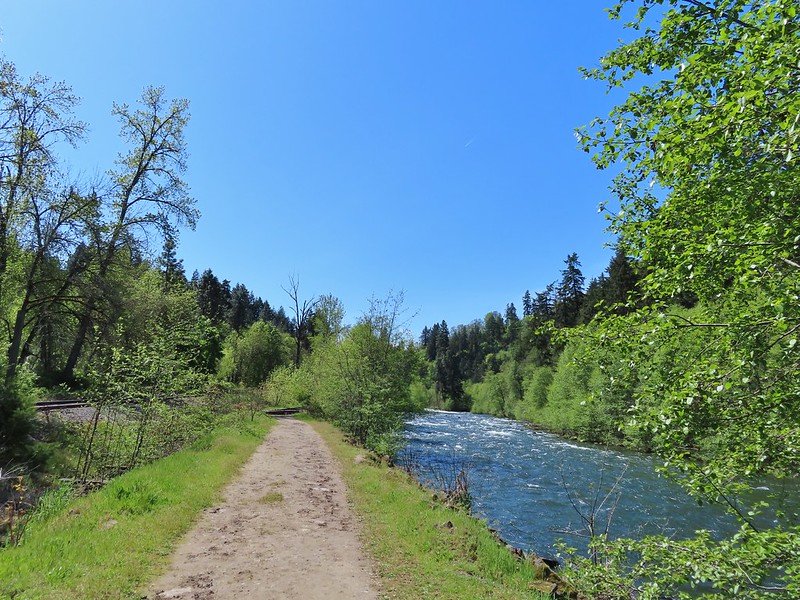


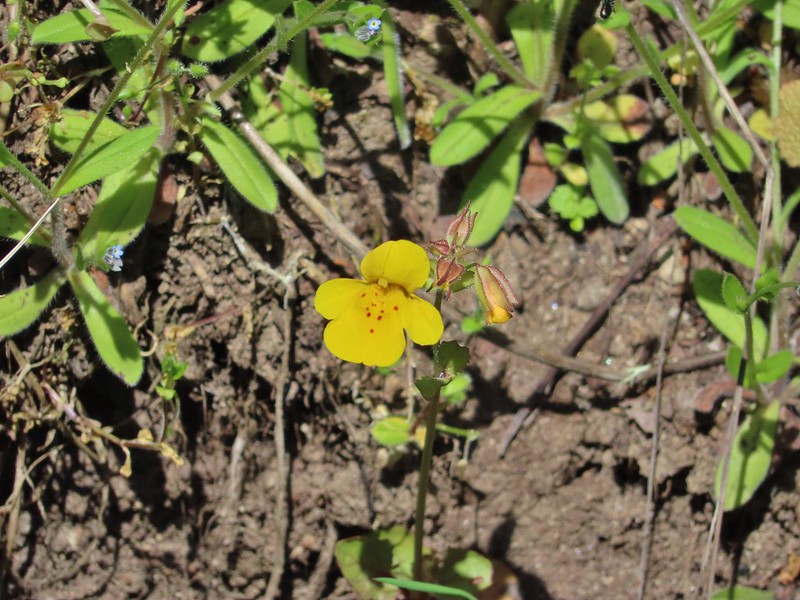 Monkeyflower
 Looking back from the turnaround point.
 Lizard
 Mallard
 Scrub jay
 Starlings
 Osprey


 Camas
Camas Black phoebe in the fog. It’s the only one seen all day so despite the poor quality I kept the photo.
 Wet spider webs are the best.
 There was a brief respite in the fog before it rolled in again.
 The fog bank waiting to move back in.
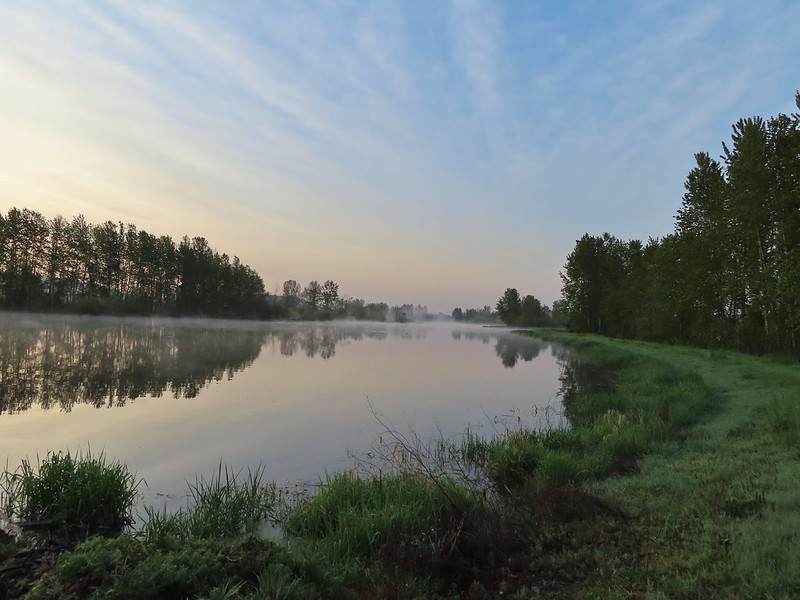 Teal Marsh
 Northern flicker
 A very grumpy looking spotted towhee
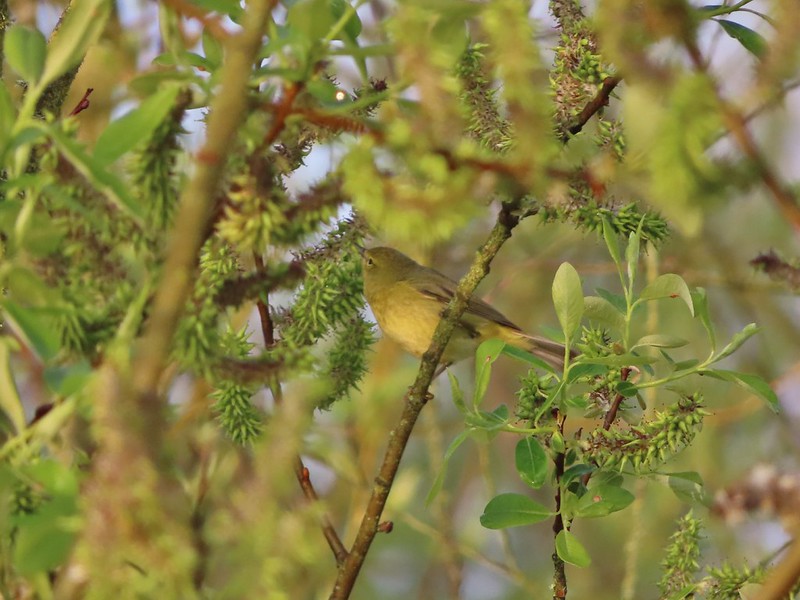 I have a hard time identifying some of these little birds. This one may be an orange-crowned warbler.
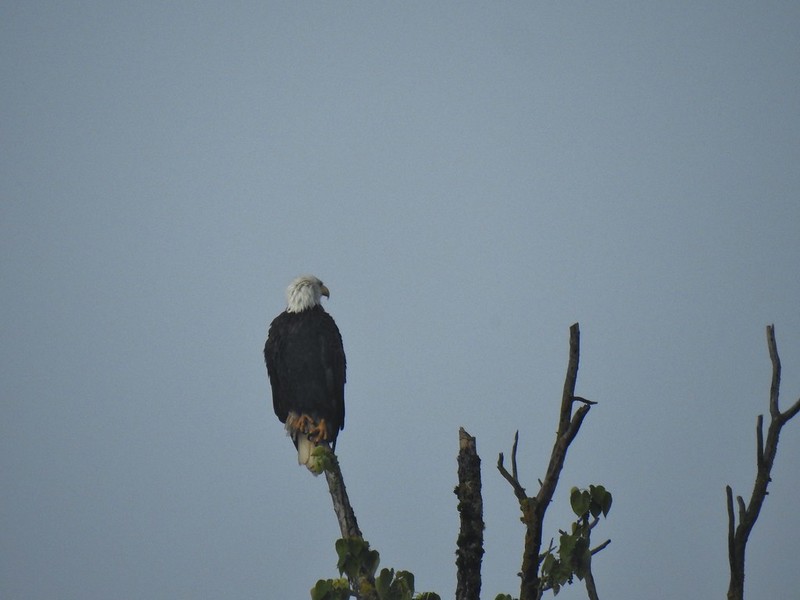 A bald eagle that was across Willow Marsh.
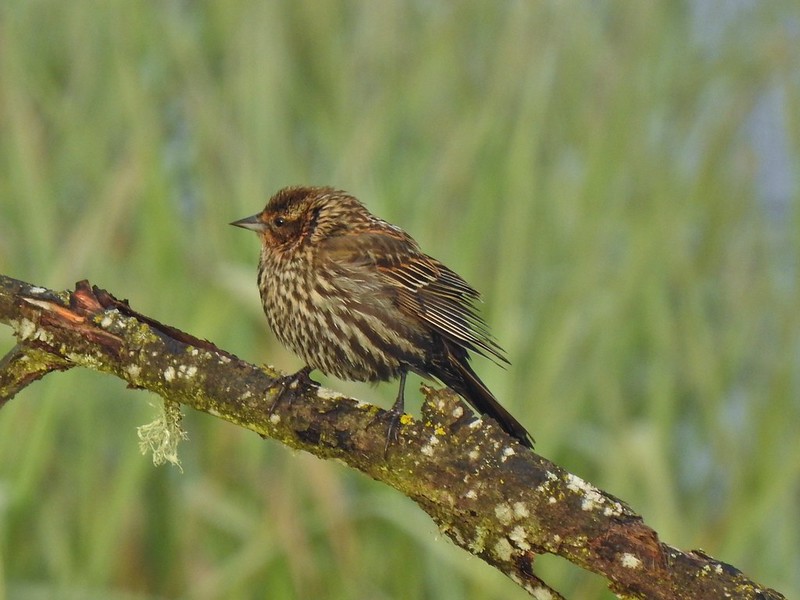 Female red-winged blackbird
 Buffleheads
 A less grumpy looking spotted towhee
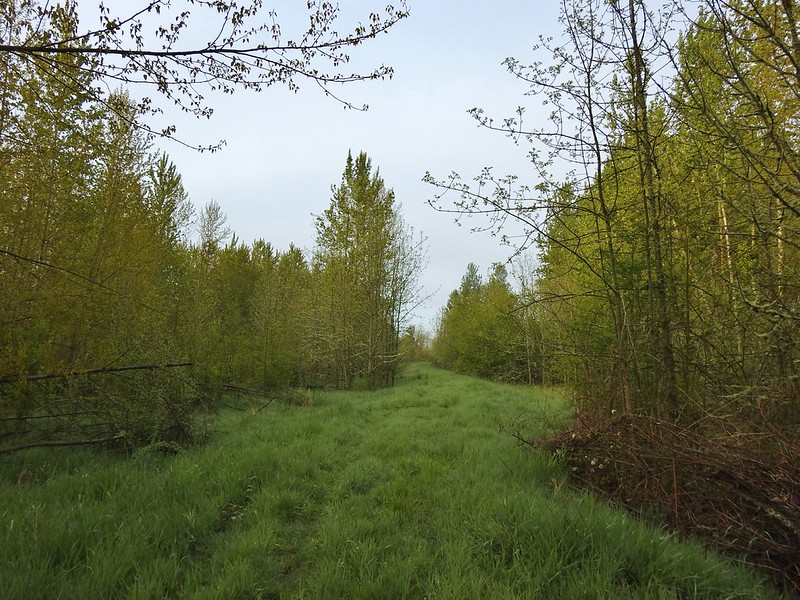 Here comes the fog again.
 Black capped chickadee
 Yellow-rumped warbler (Audubon’s)
 Red-winged blackbird
 Wrens can be tricky too, I think this is a marsh wren.
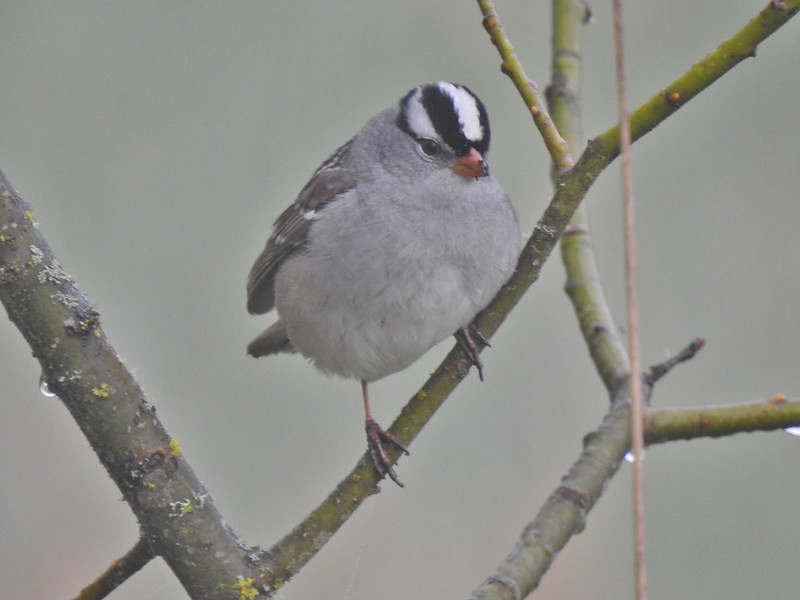 White-crowned sparrow
 Song sparrow
 Eagle Marsh, still can’t see much.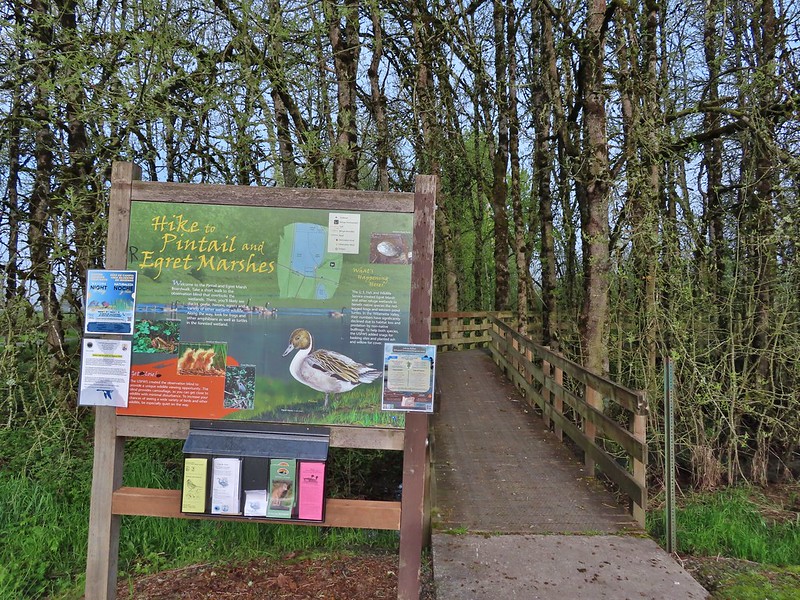
 Bashaw Creek
 Egret Marsh from the blind.


 Lots of fringecup along the trail.
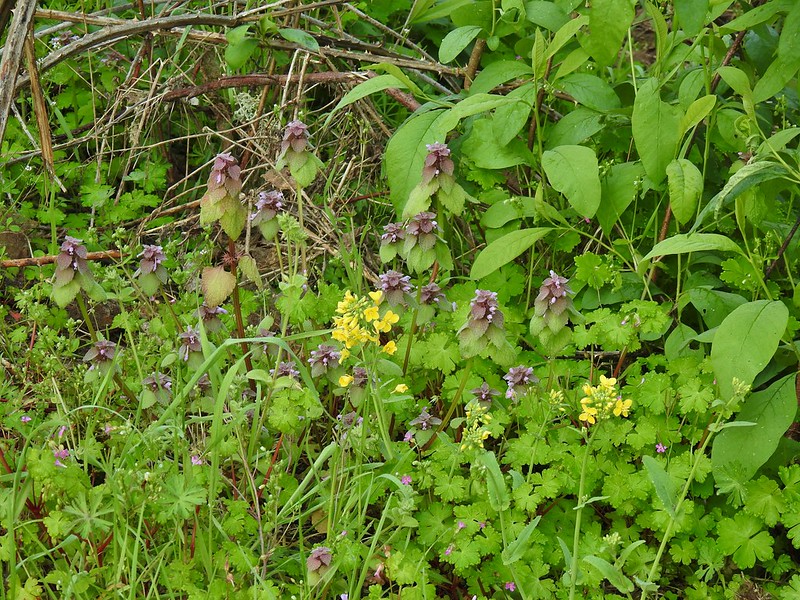 Purple deadnettle and field mustard
 Common yellow-throat
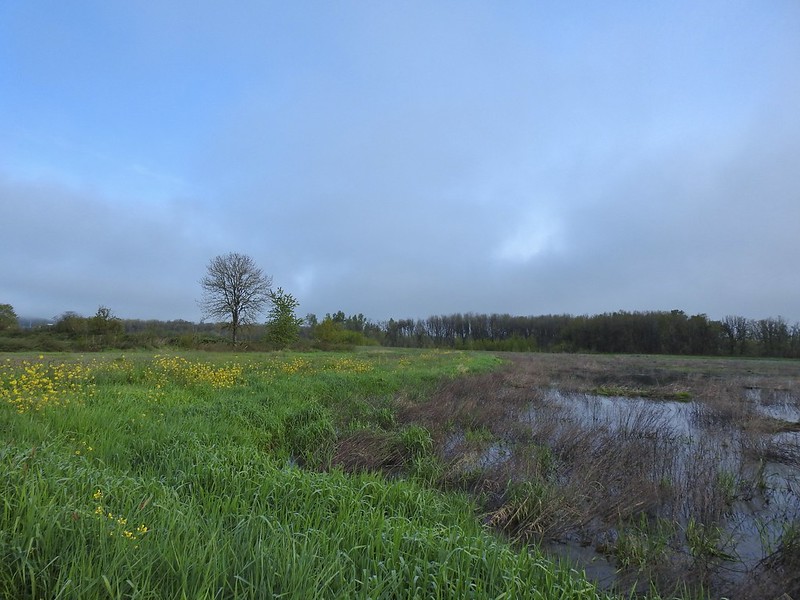 Looking back along the eastern side of the marsh. There was a lot less water this year.
 Water level on 4/13/21.
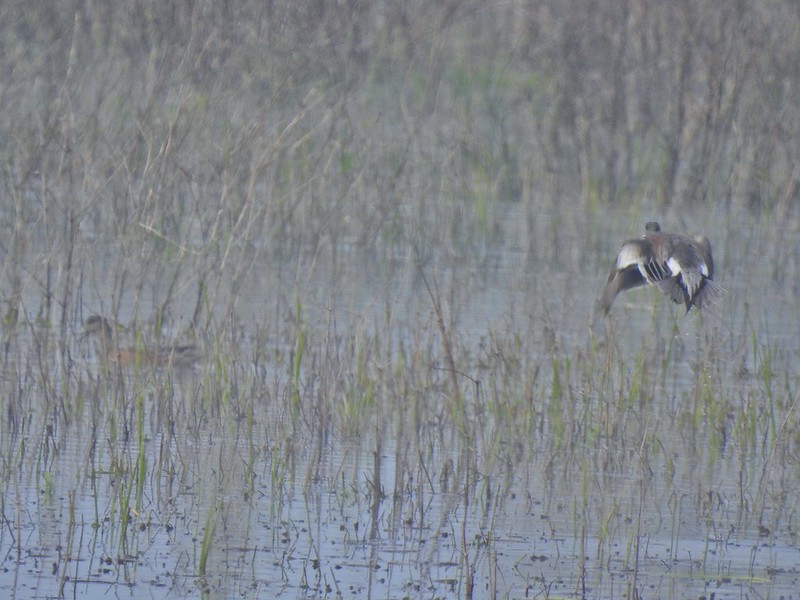 Seeing them was a lot easier than getting photos.
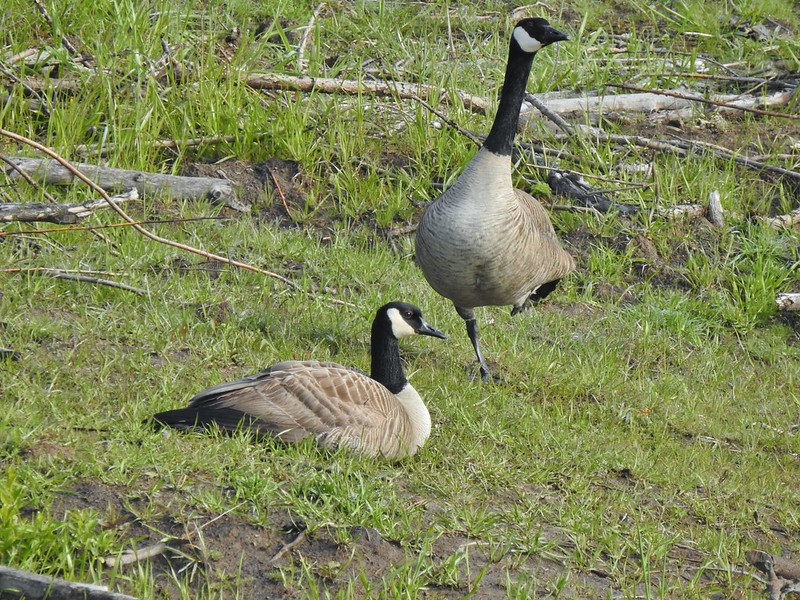 Canada flamingo?
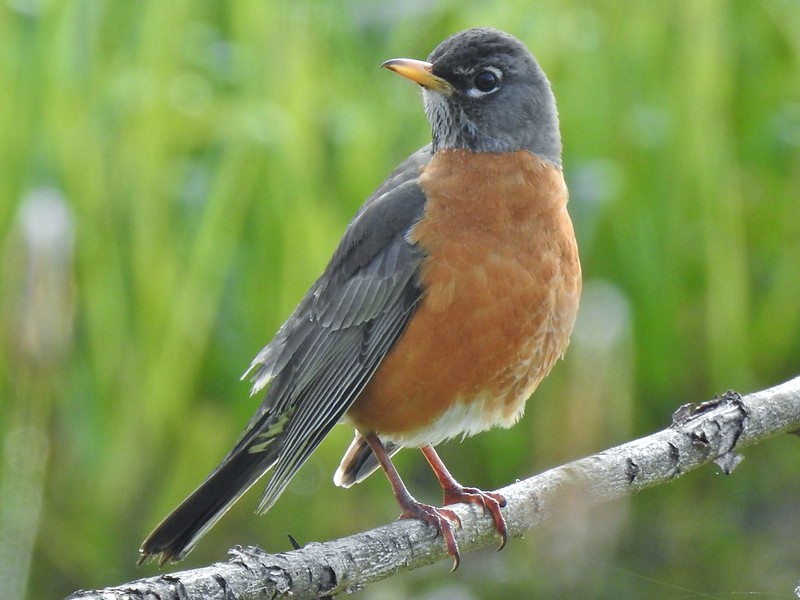 American robin
 Dunlin Pond from the boardwalk.

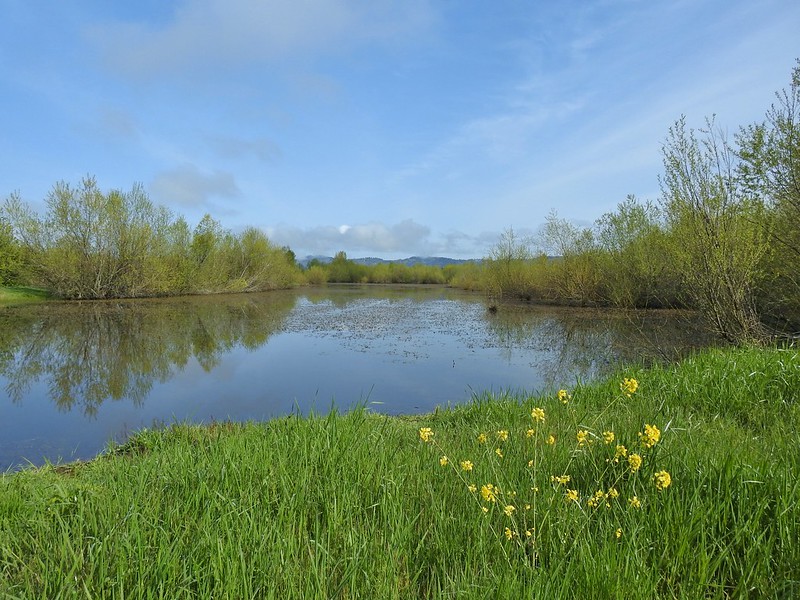 Egret Marsh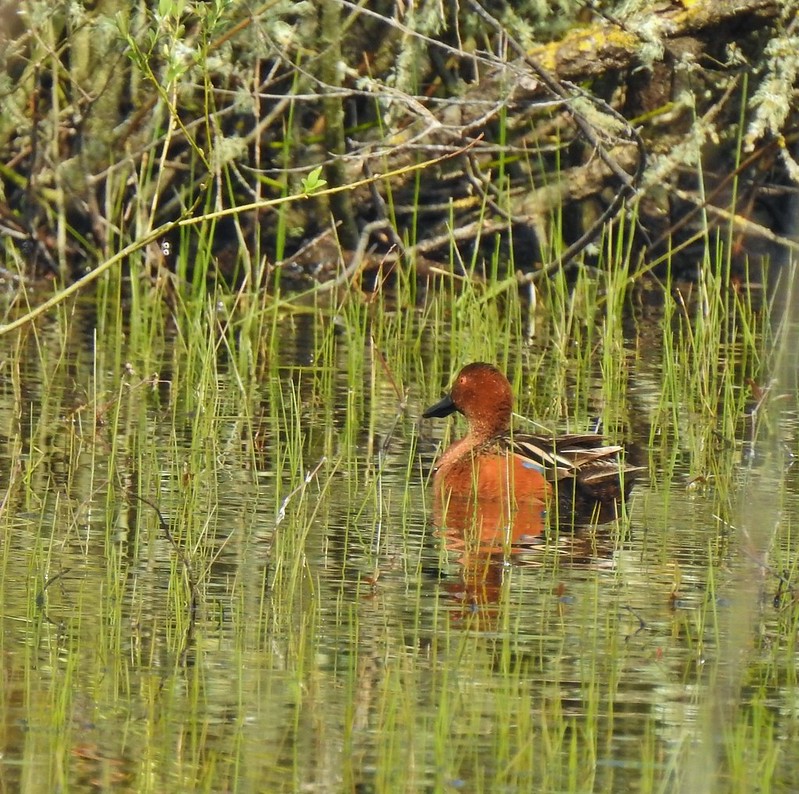
 Ring-necked ducks.
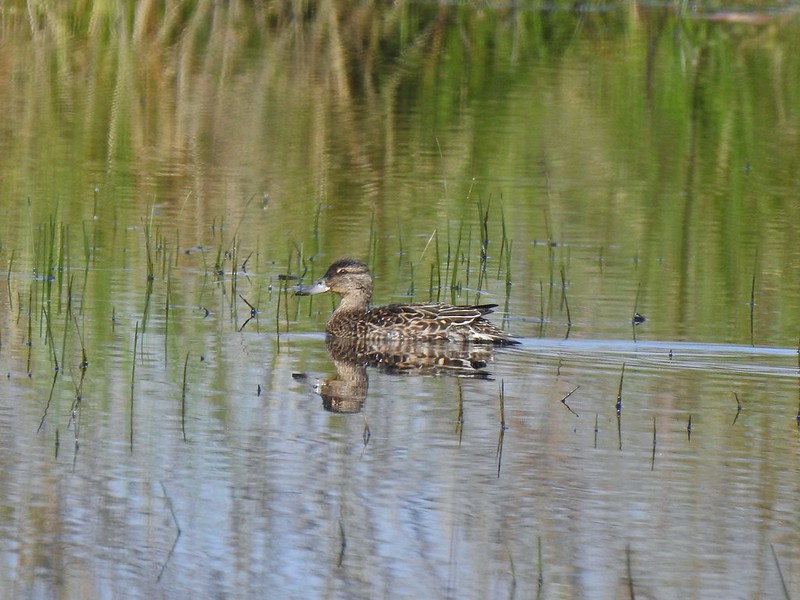 Anyone know if this is a female cinnamon or blue-winged teal?
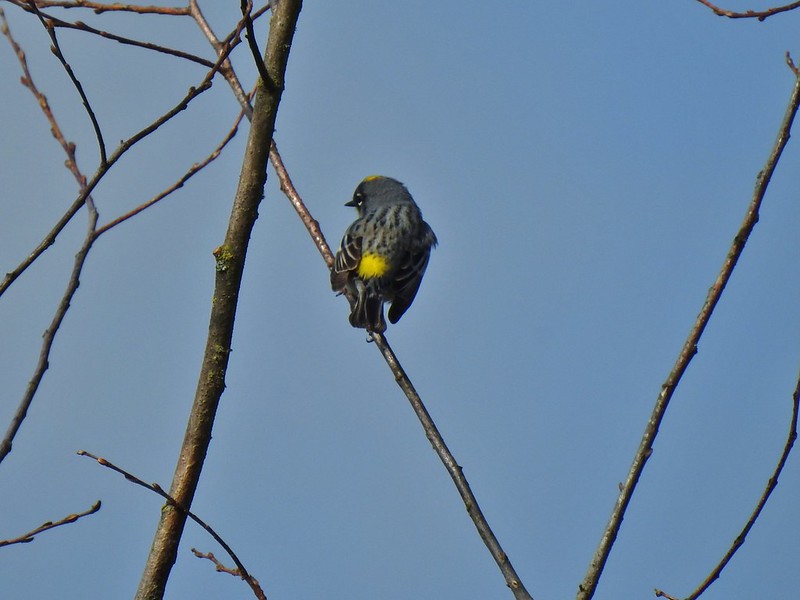 Another yellow-rumped warbler (Audubon’s) showing off its yellow rump.
 Egret Marsh
 The trail around Egret Marsh.
 I think these might be long-billed dowichters. Please correct me if I’m wrong.
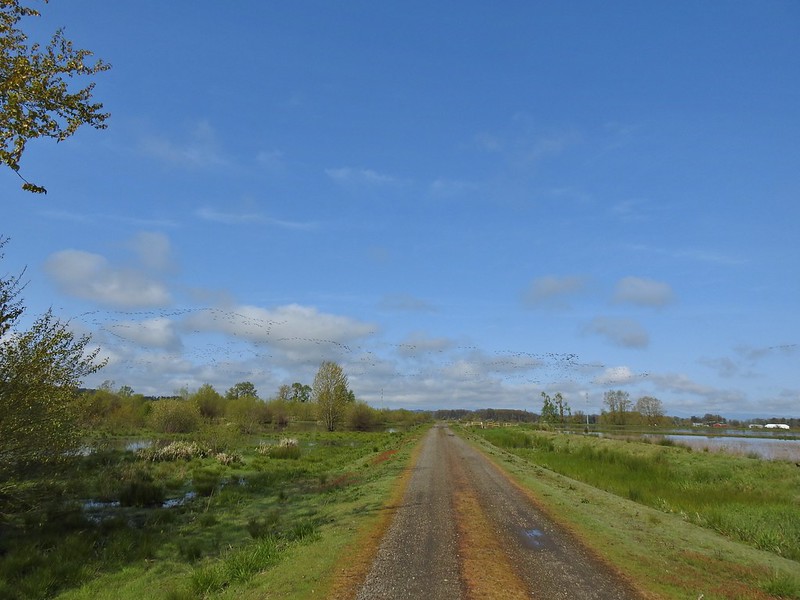 Heading to the right turn. Egret Marsh is on the left and Mallard Marsh on the right. A huge flock of geese had just taken to the sky.
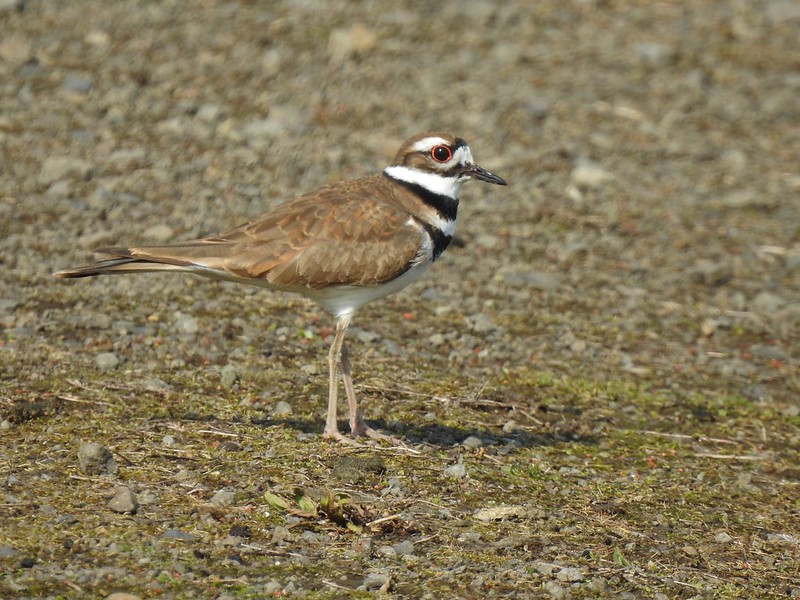 Killdeer
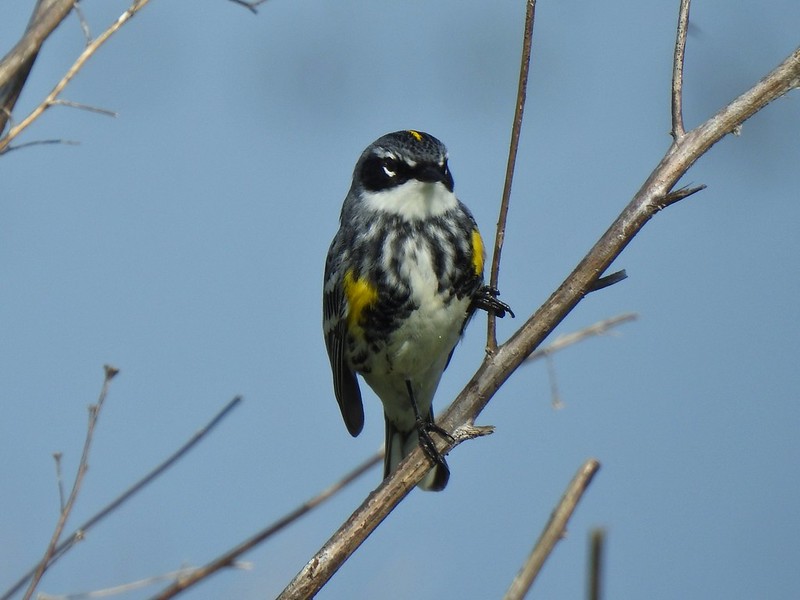 Today I realized that there are two yellow-rumped warblers, this one is a Myrtle, note the white throat compared to the yellow throat of the Audubon’s above.
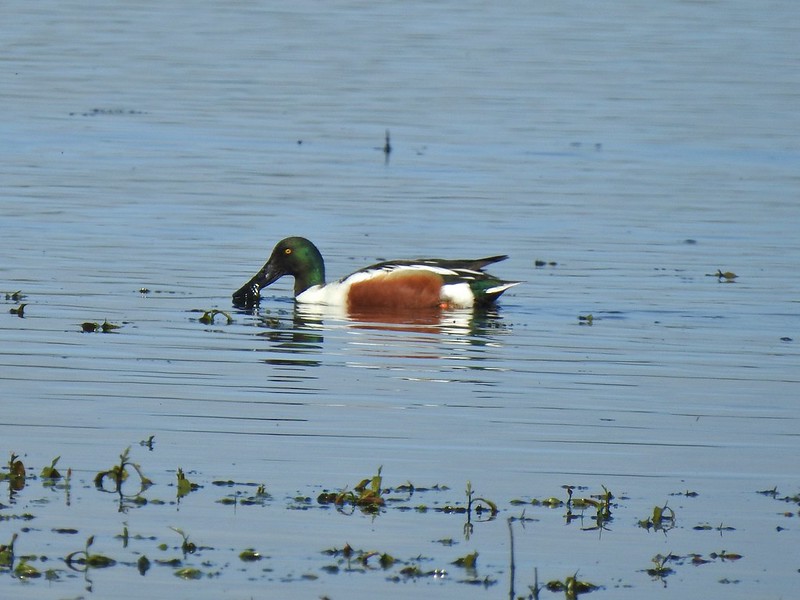 Northern shoveler
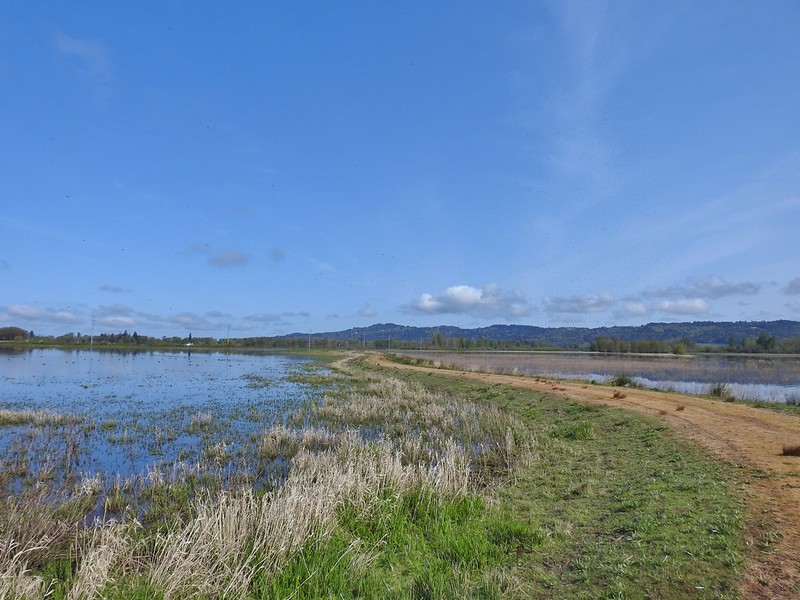 Mohoff Pond and Mallard Marsh
 Canada goose with various ducks in the background. At least one of the ducks is a ruddy duck which is one I hadn’t seen yet (that I know of). They were too far to get clear photos of though.
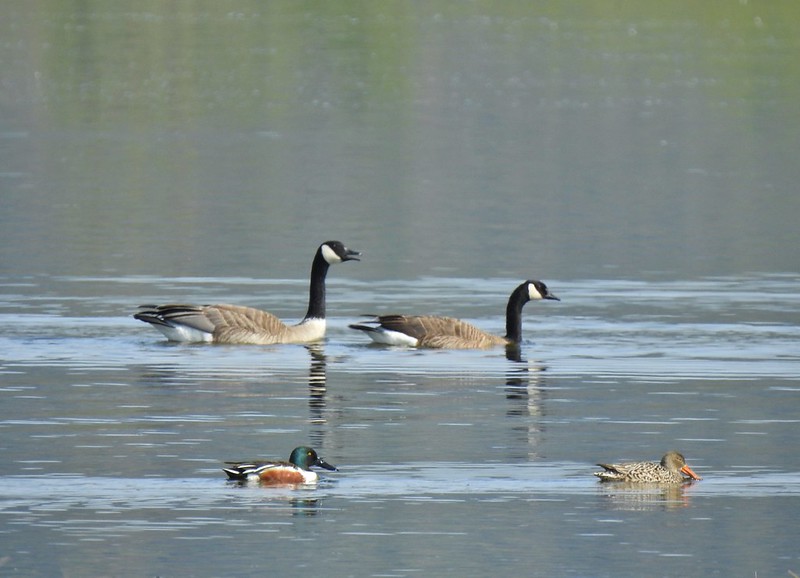 Canada geese and northern shovelers giving a good size comparison.
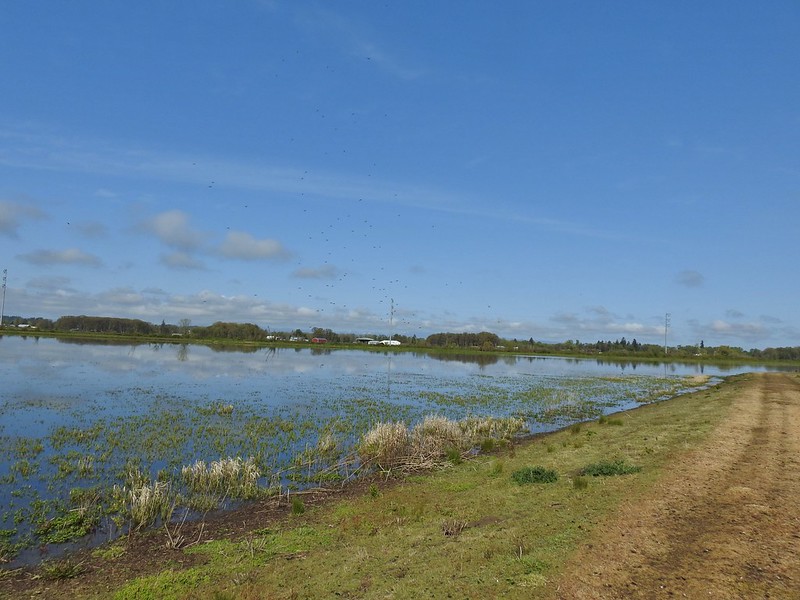 The black dots in the sky here aren’t geese, they are little insects that followed me along the dike.
 Not Canada geese flying over.
 Immature bald eagle.
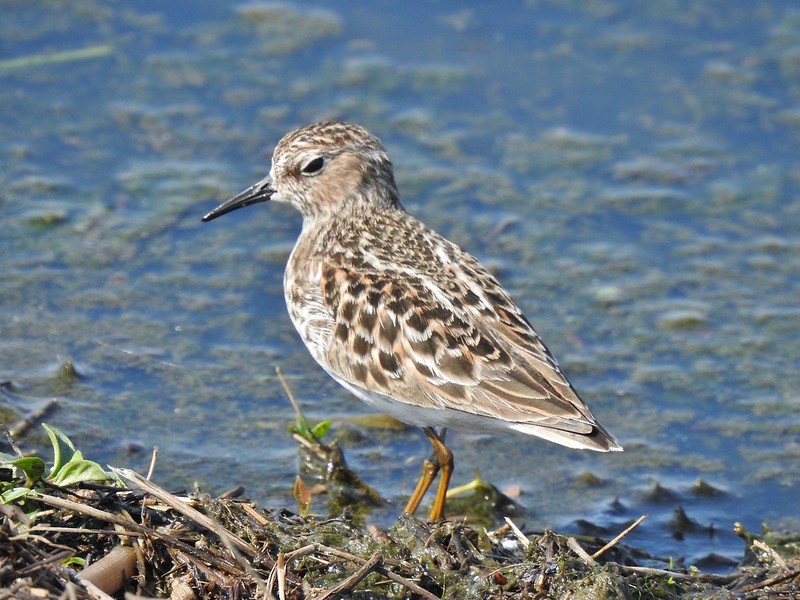 Sandpiper
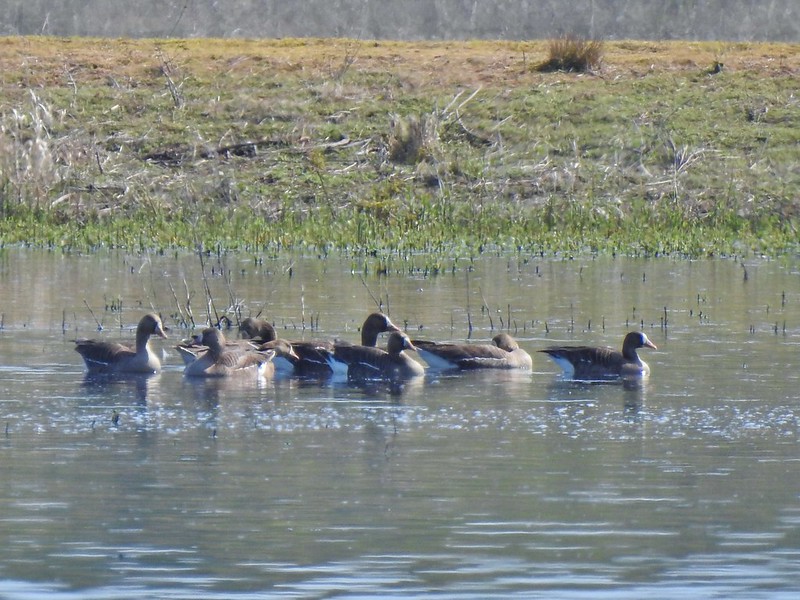 Greater white-fronted geese, another first.
 Bushtit. Several flew in here but I couldn’t make them out once inside so I took a few pictures hoping to get lucky.
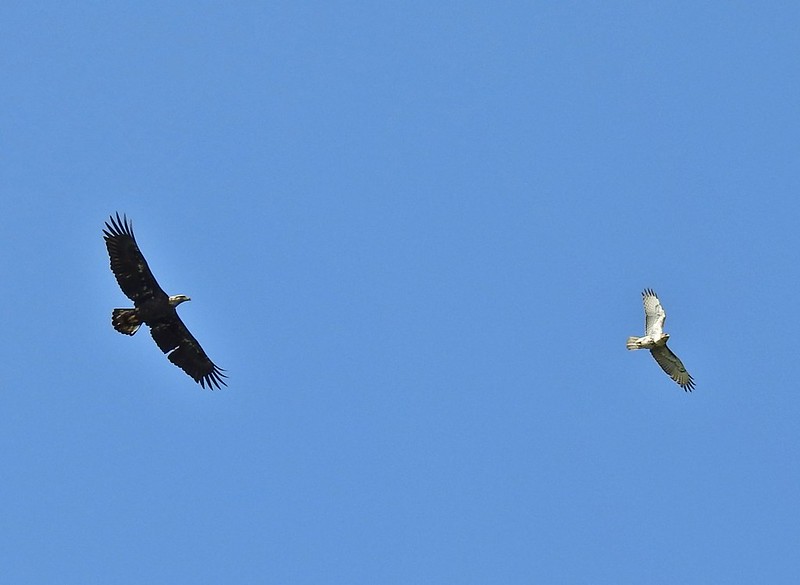 Can anyone ID the hawk? Another thing that I find difficult.
 Swimming lessons, Canada goose style.


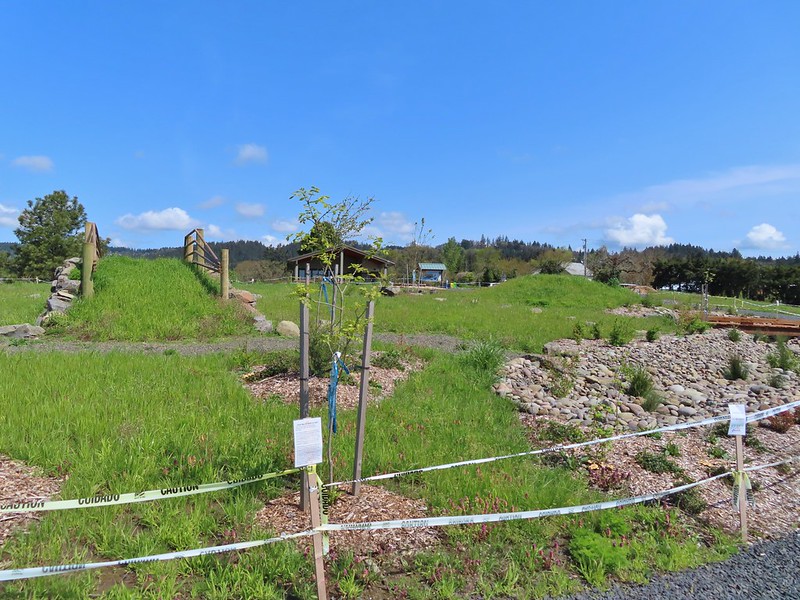
 Buttercups
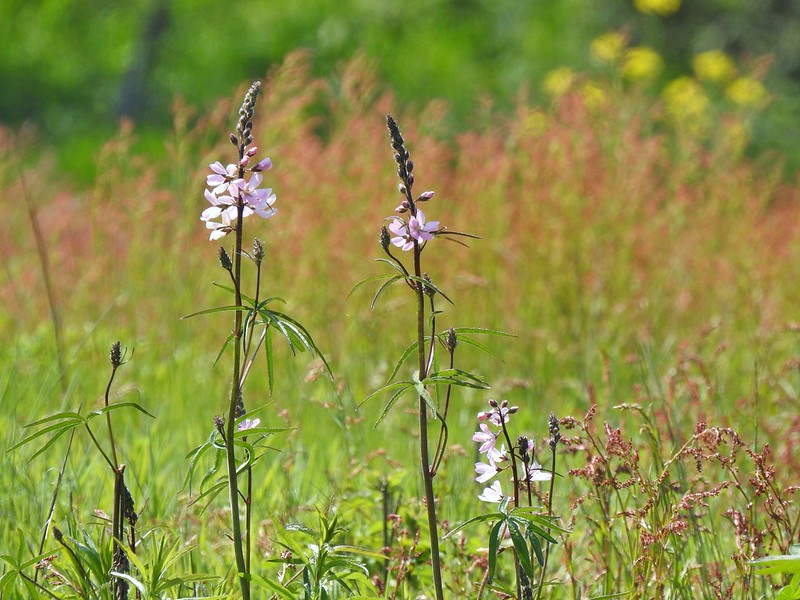 Meadow checker-mallow
 Columbine
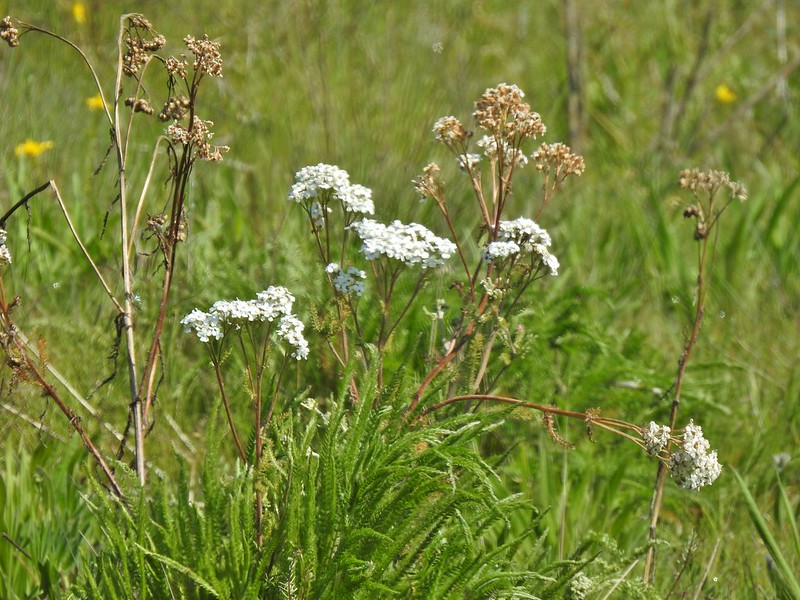 Yarrow
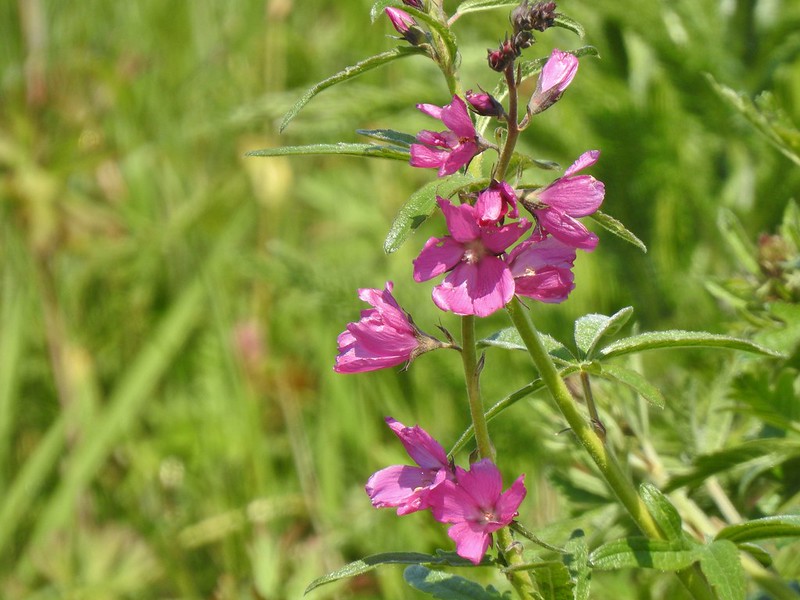 Possibly Nelson’s checker-mallow
 Lupine that will be blooming soon.

 Iris
Iris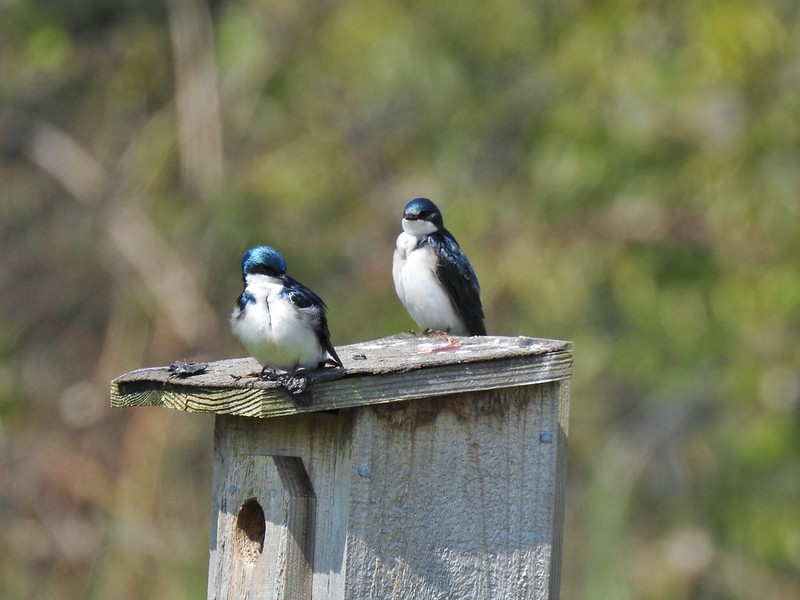 Swallows
 Mary’s Peak (

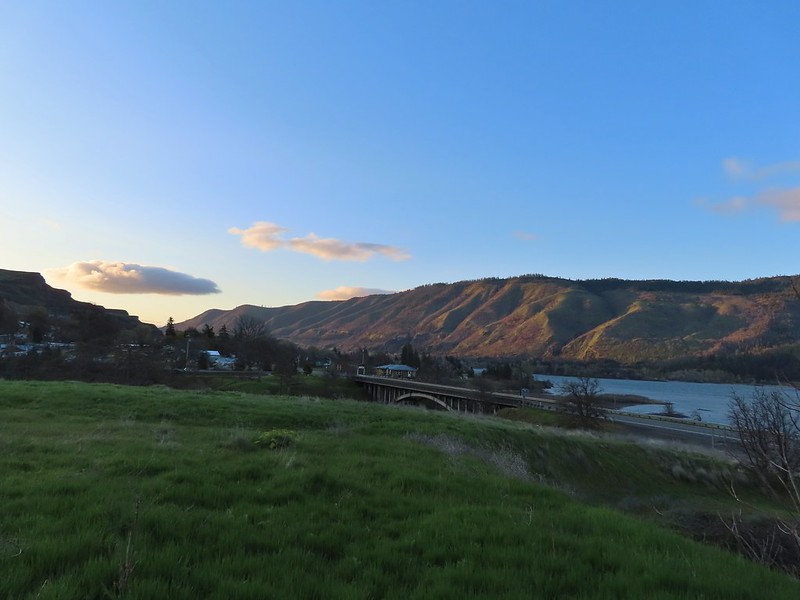
 Rowena Plateau and Tom McCall Point (

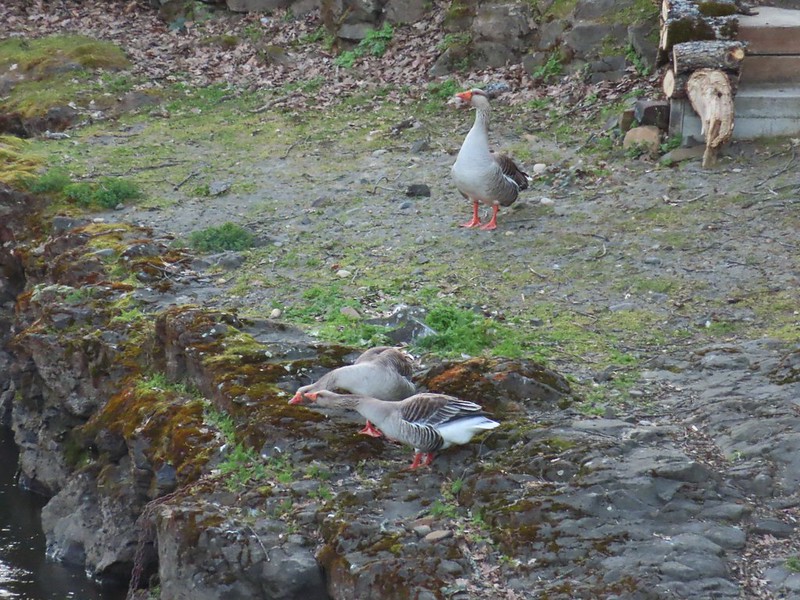

 A blurry heron along the river.
 Acorn woodpecker
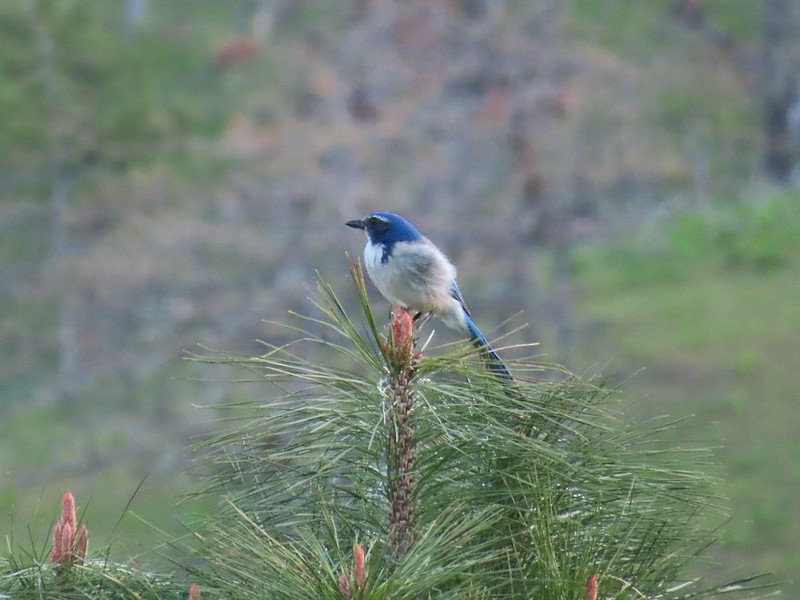 Scrub jay
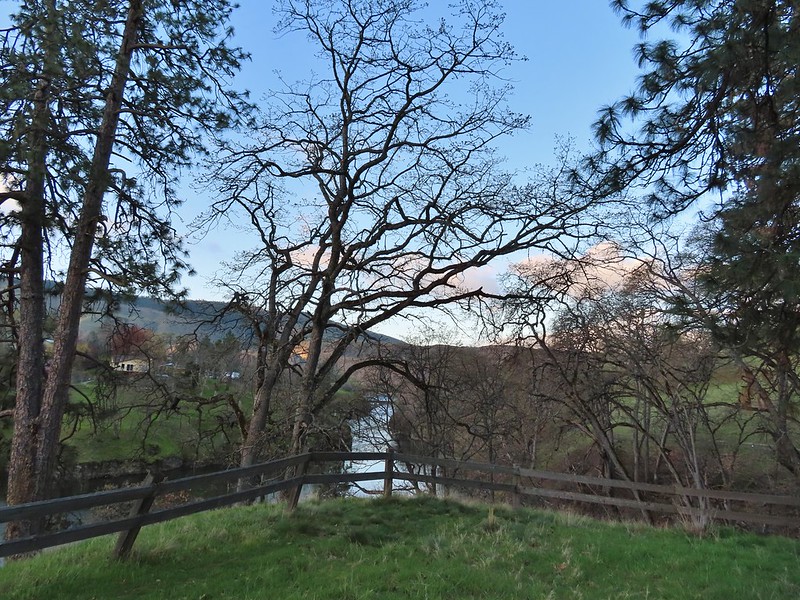 View from the picnic table.
 This trail was not paved.
 Woodland-stars
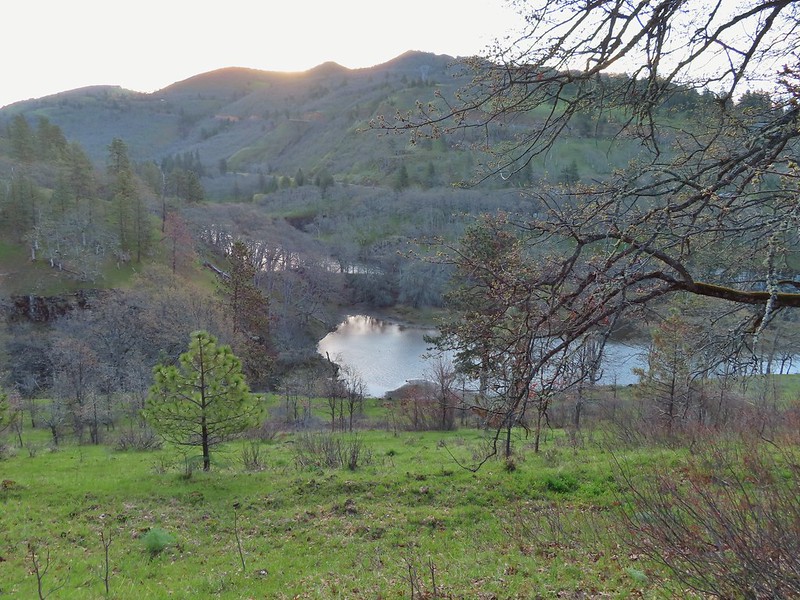 View from a bench at the end of the trail.
 Mallards on the water below.

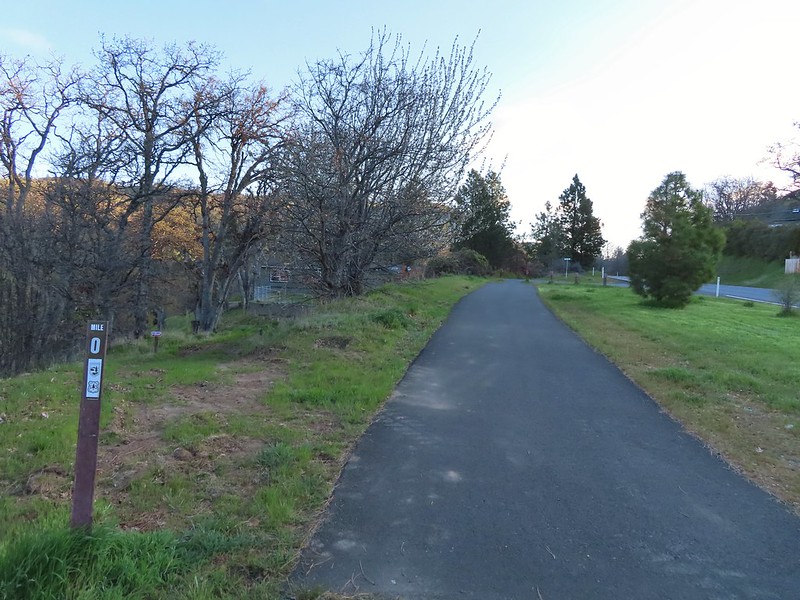 Starting at mile 0.
 Keep your eyes out for poison oak which was prevalent along the trail. Luckily the trail is nice and wide so avoiding it was easy enough.
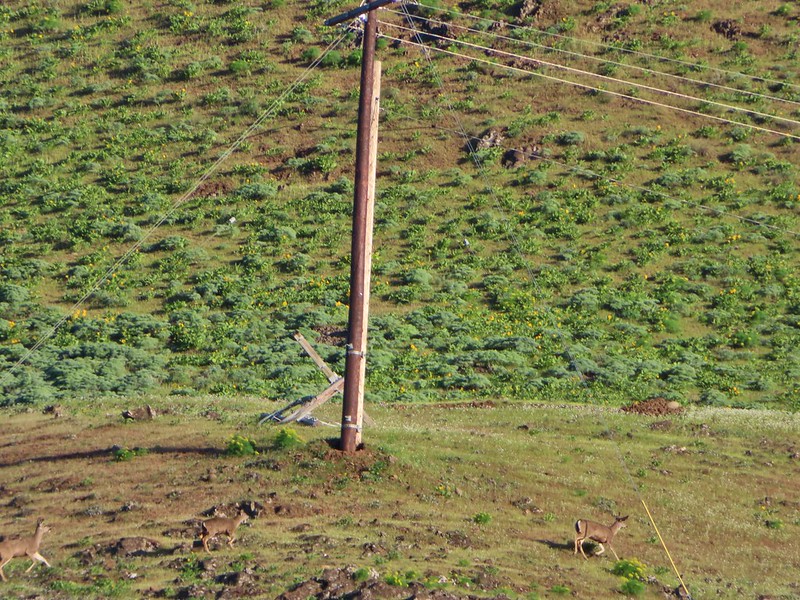 Heather spotted these three deer across the river.
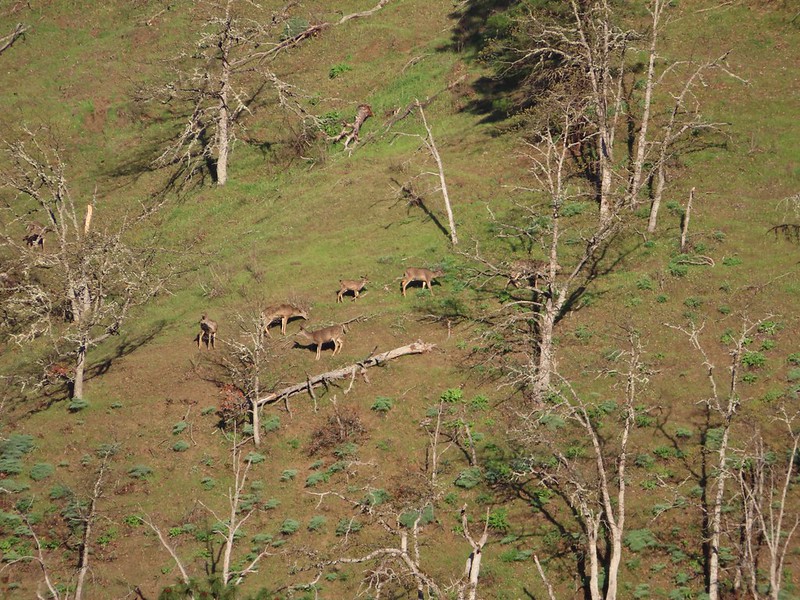 Another group of deer.
 Bald eagle
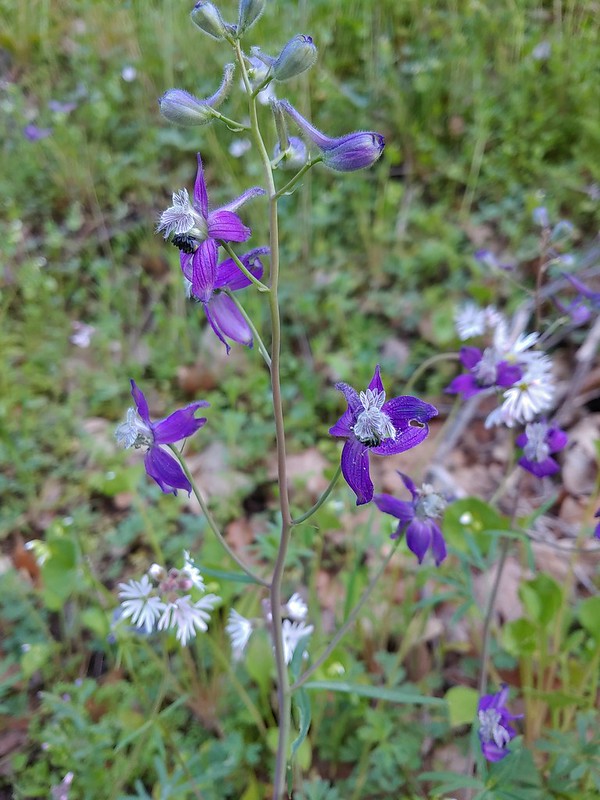 Larkspur and woodland-stars
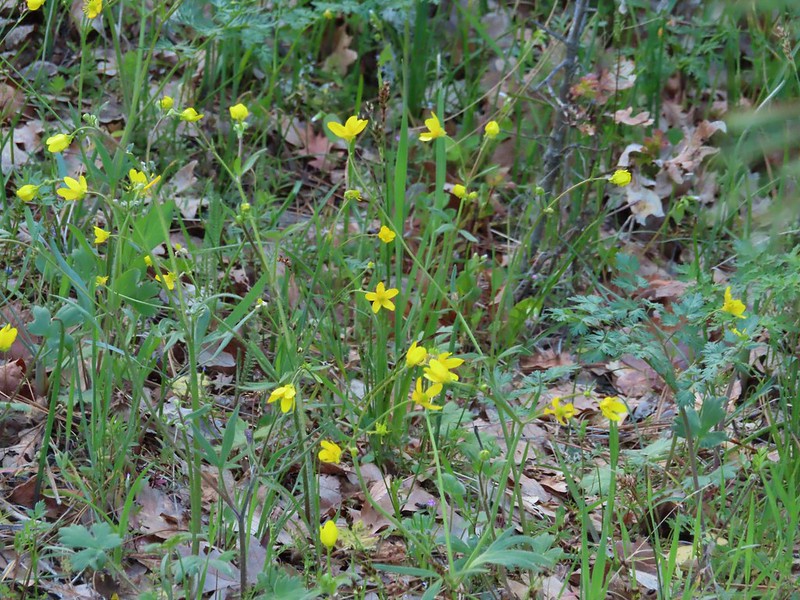 Buttercups
 Pacific hound’s tongue
 Milepost 1
 Saxifrage
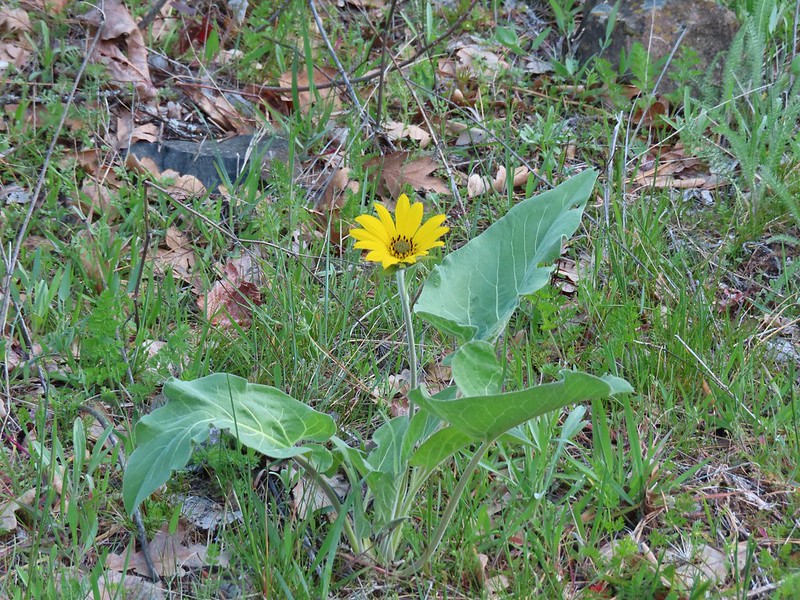 Balsamroot
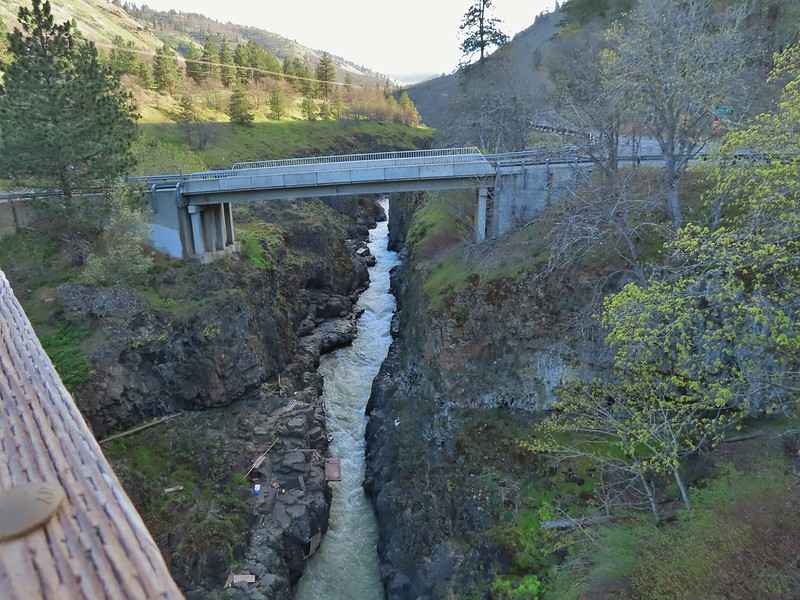
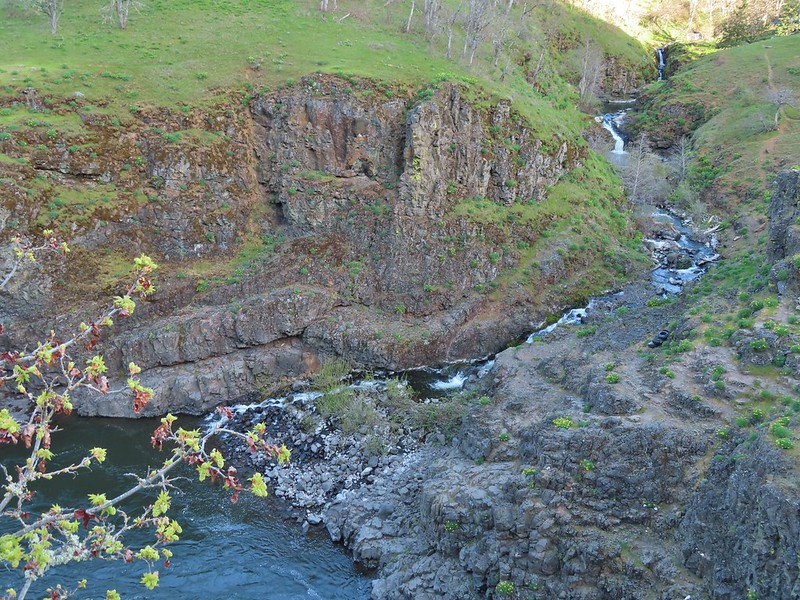 Silvas Creek


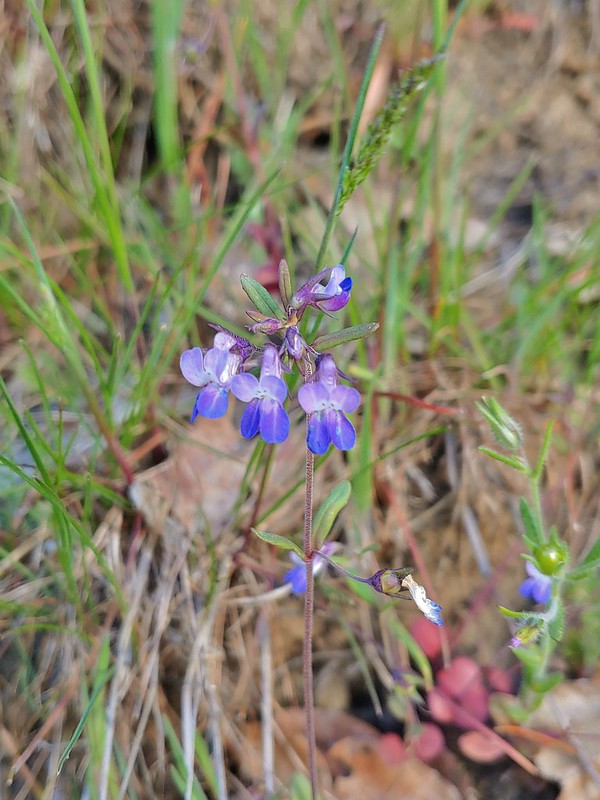 Blue-eyed Mary

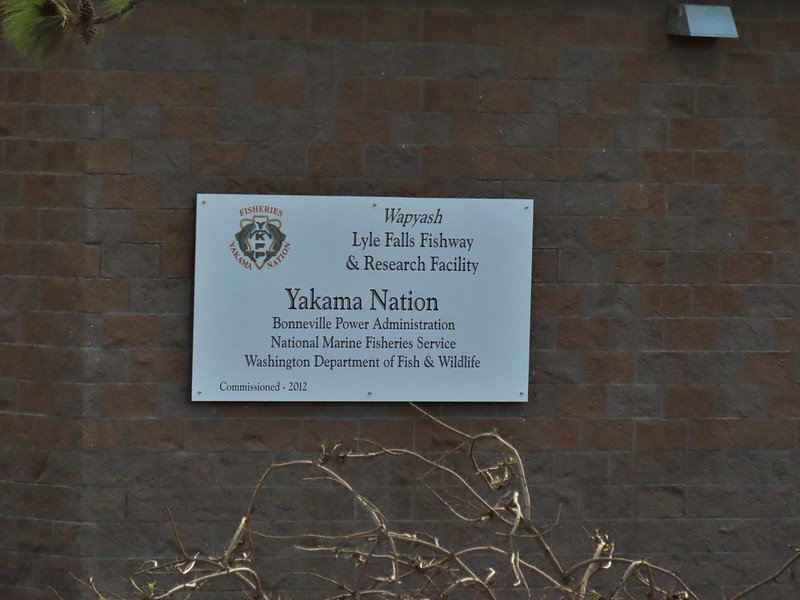


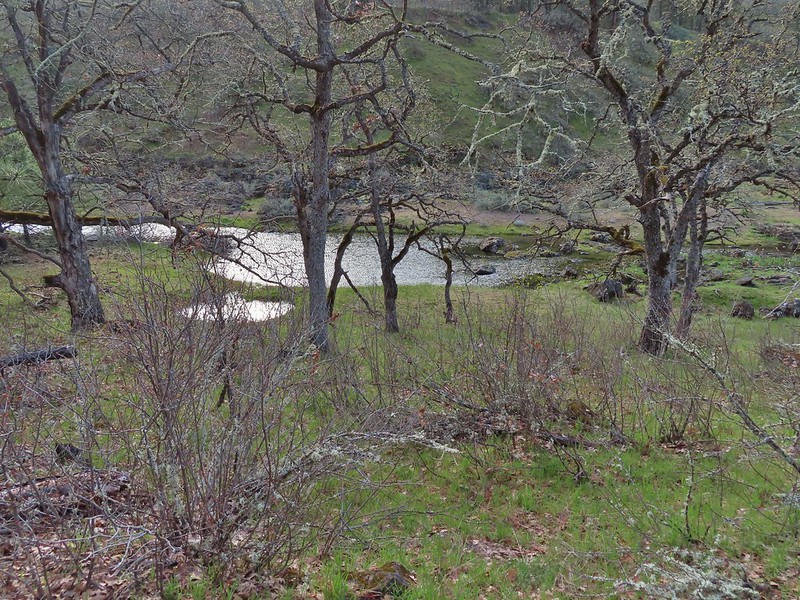 Seasonal pool along the trail.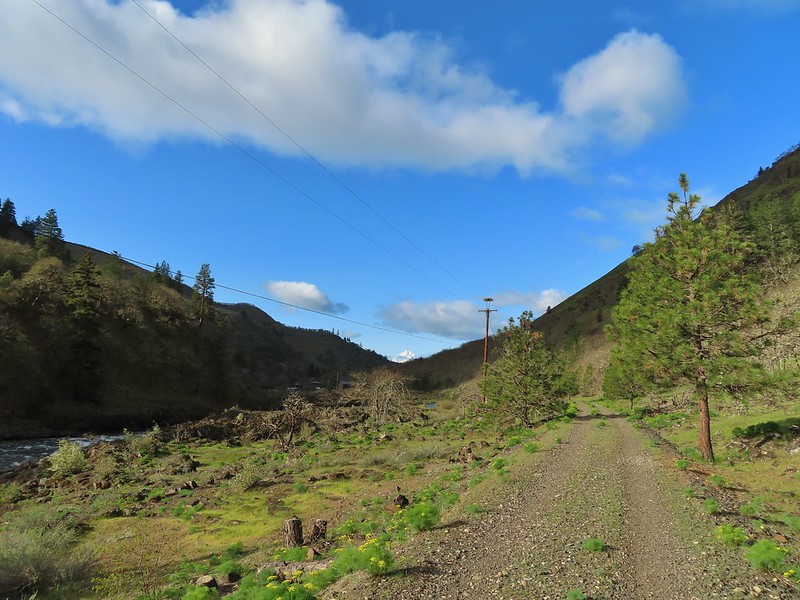
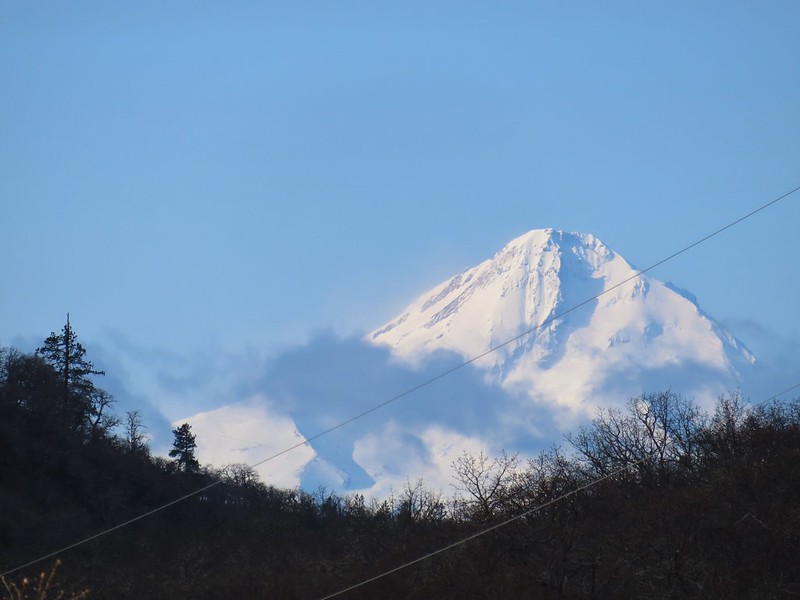
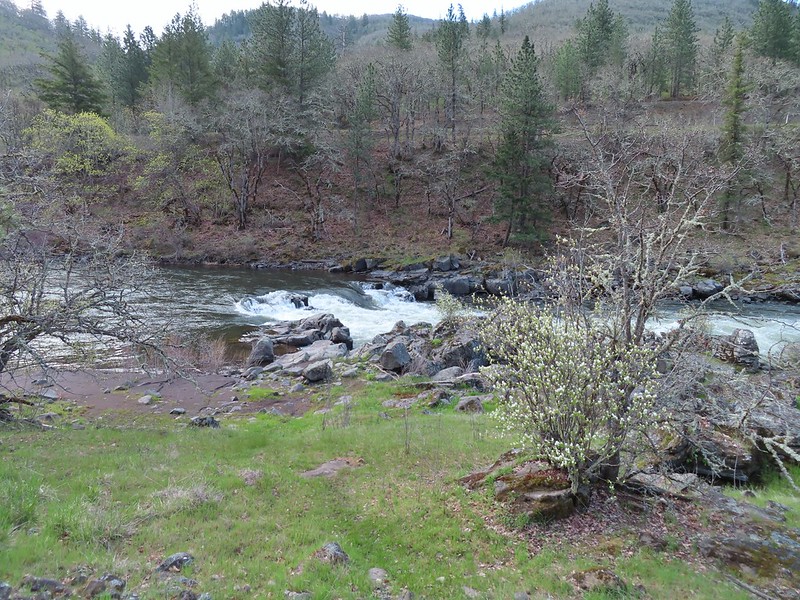
 Common mergansers

 Popcorn flower
 Columbia desert parsley
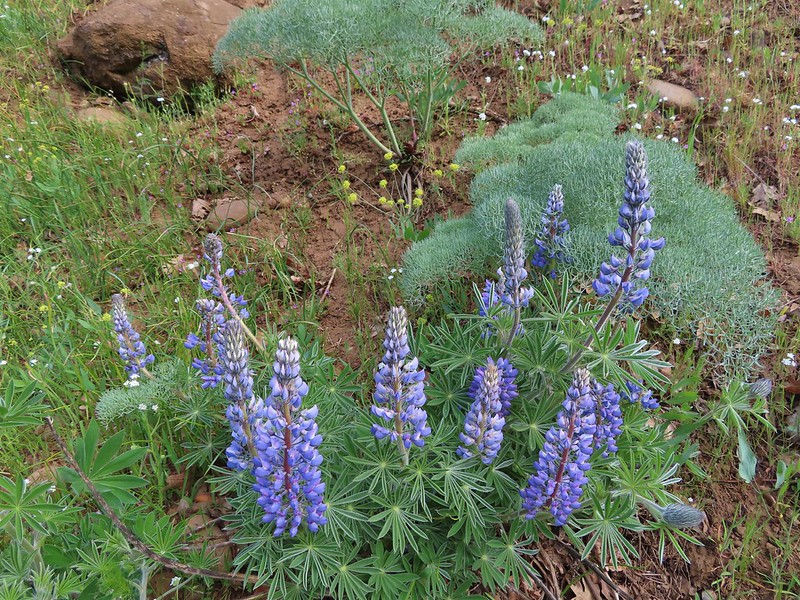 Lupine
 Balsamroot
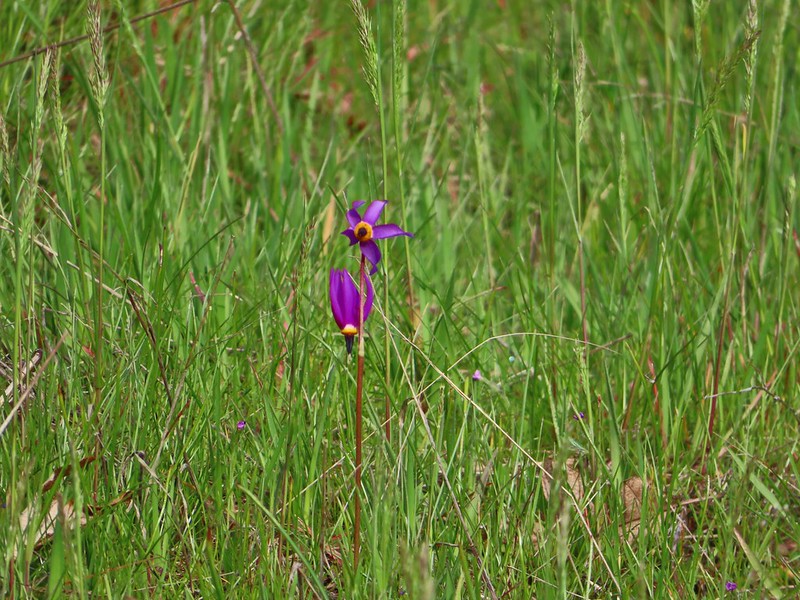 Shooting stars
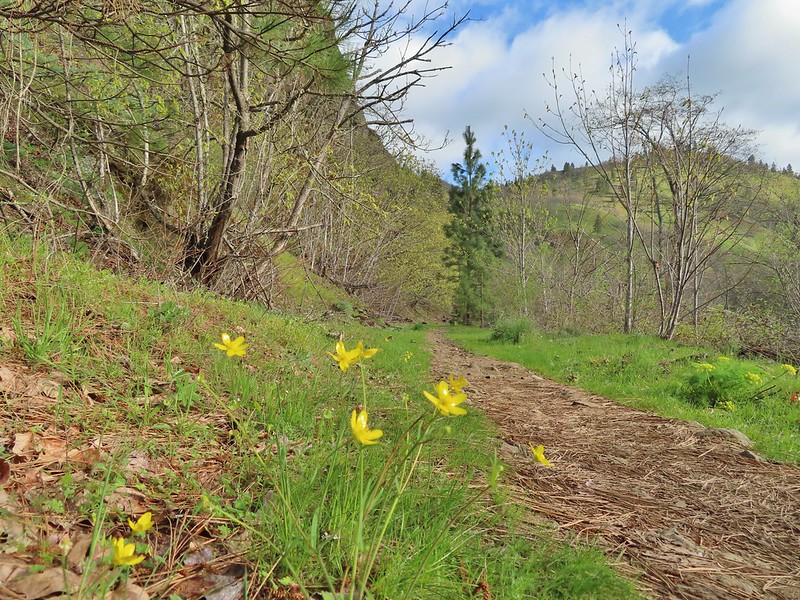 Buttercups
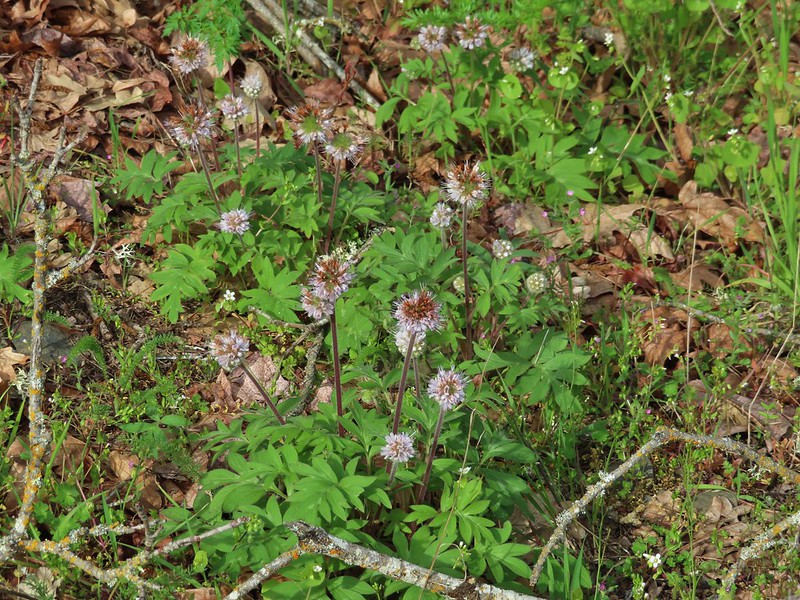 Waterleaf
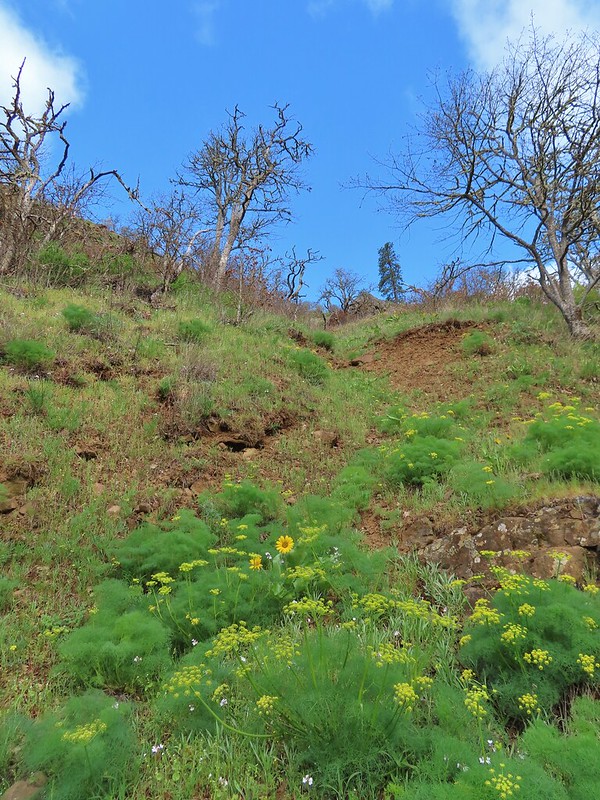 A balsamroot amid pungent desert parsley
 Big-leaf maple trees lining the trail.
 Big-leaf maple blossoms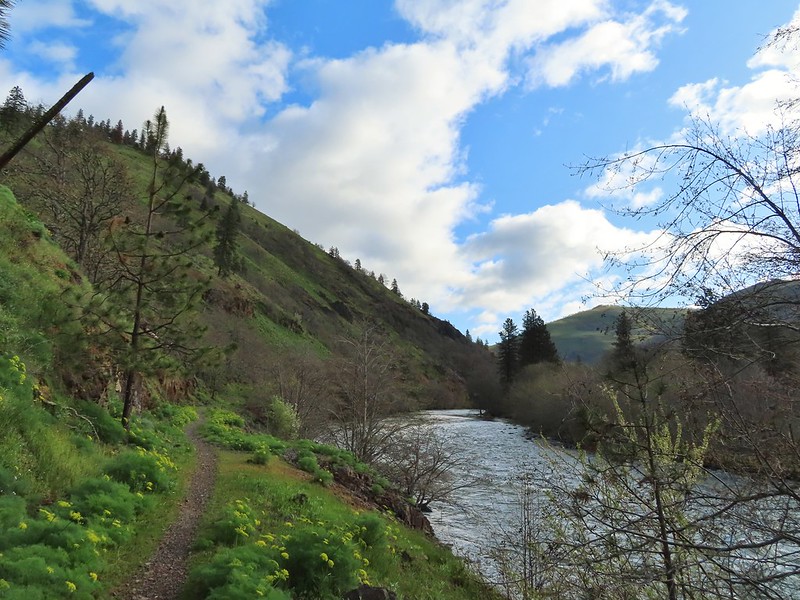
 Gold stars
 Larkspur, poison oak, and buttercups
 Spotted towhee
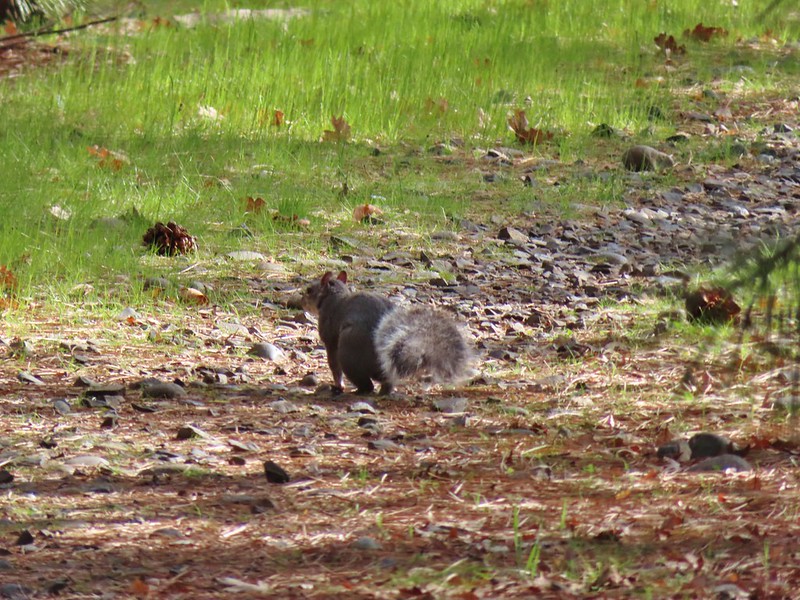 Squirrel
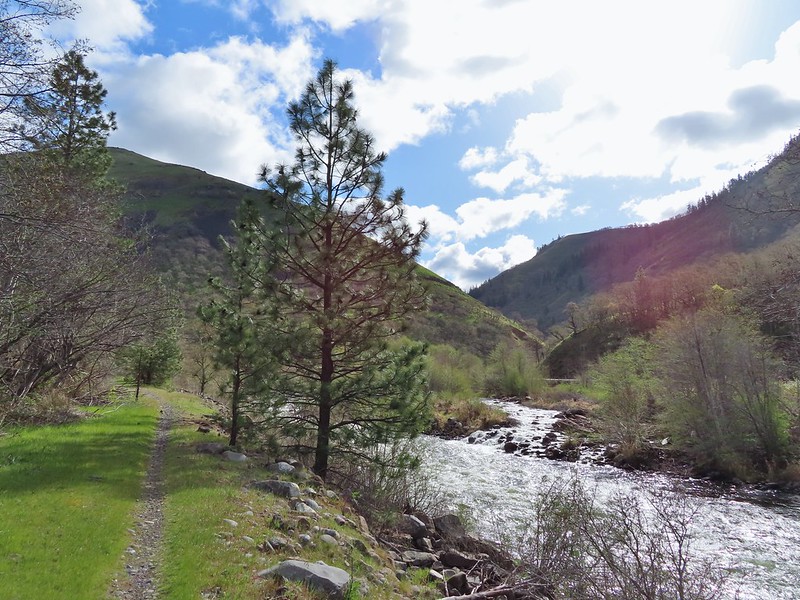 Dillacort Canyon
 Red-stem storksbill

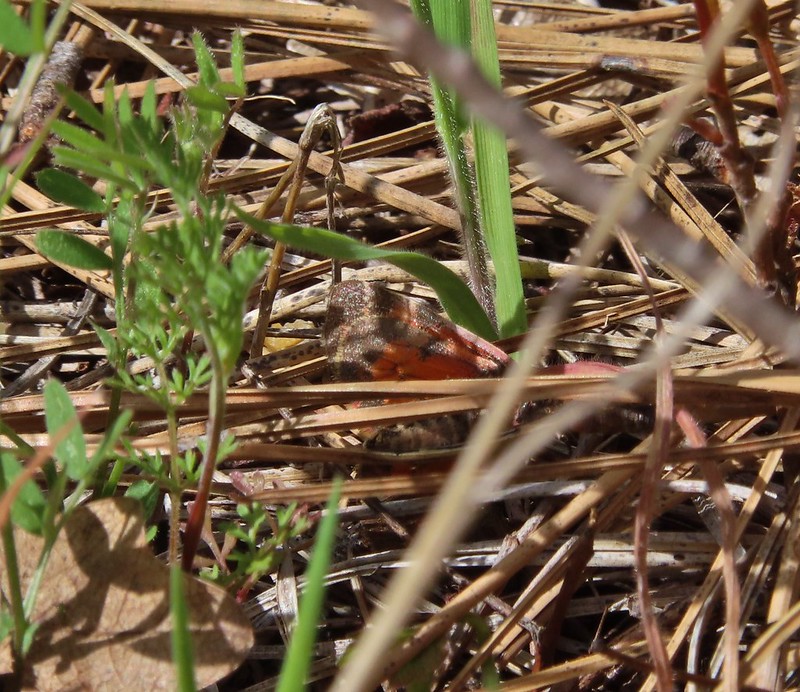 Couldn’t get a good look at this small moth but it was pretty.
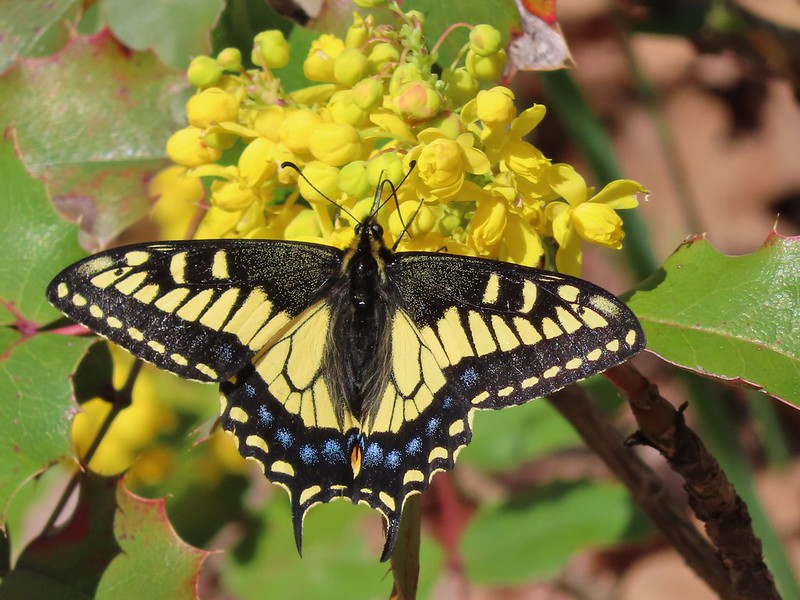 Anise swallowtail
 Sara’s orangetip
 Grass widow
 Slender phlox
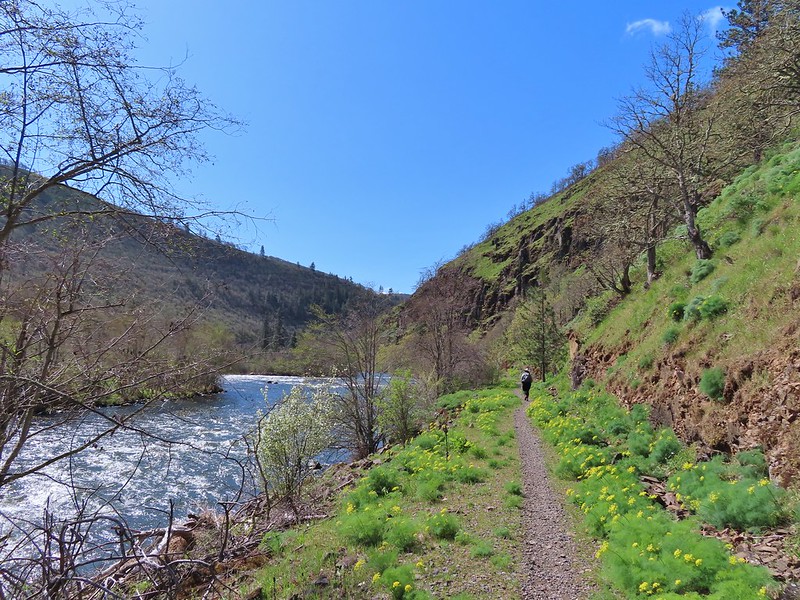 Heading back.
 Immature bald eagle
 Propertius duskywing – Erynnis propertius
 The mergansers had moved to the near bank.
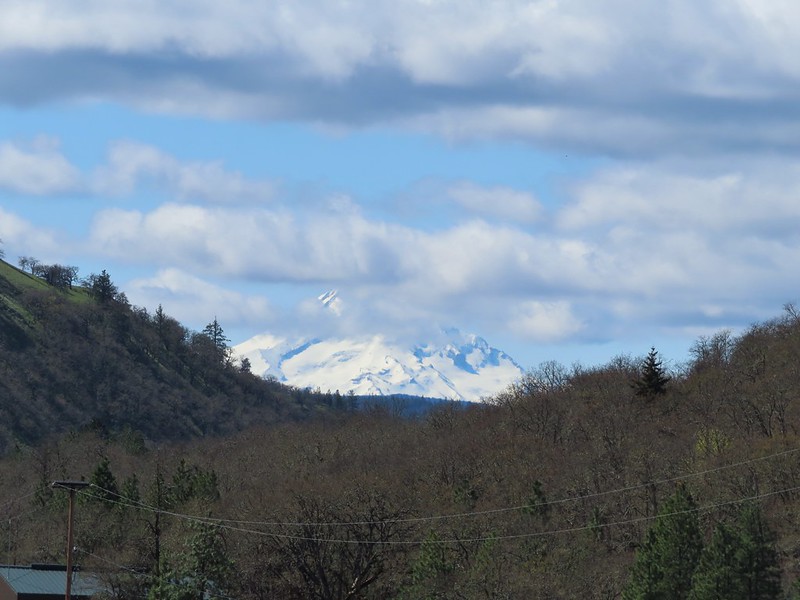 Hood behind some clouds.
 Ground squirrel
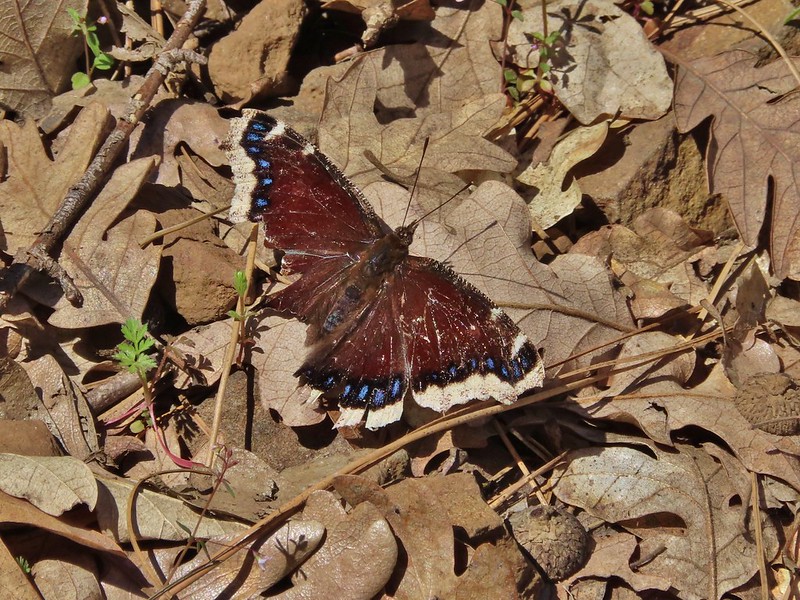 Mourning cloak
 Lizard

 Arriving back at the Lyle Trailhead.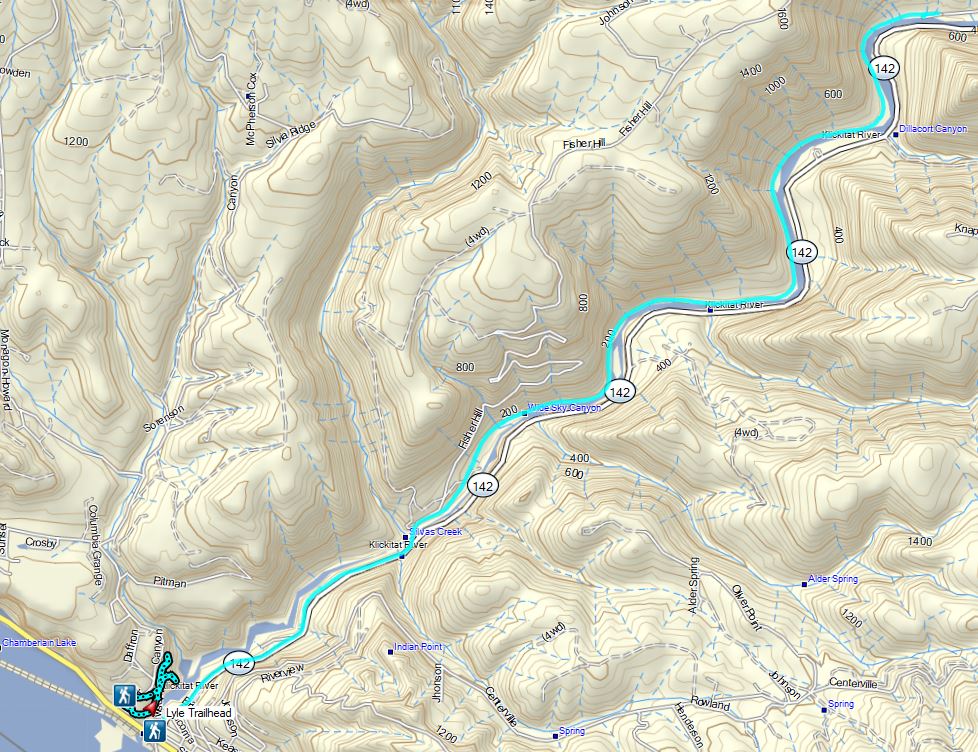

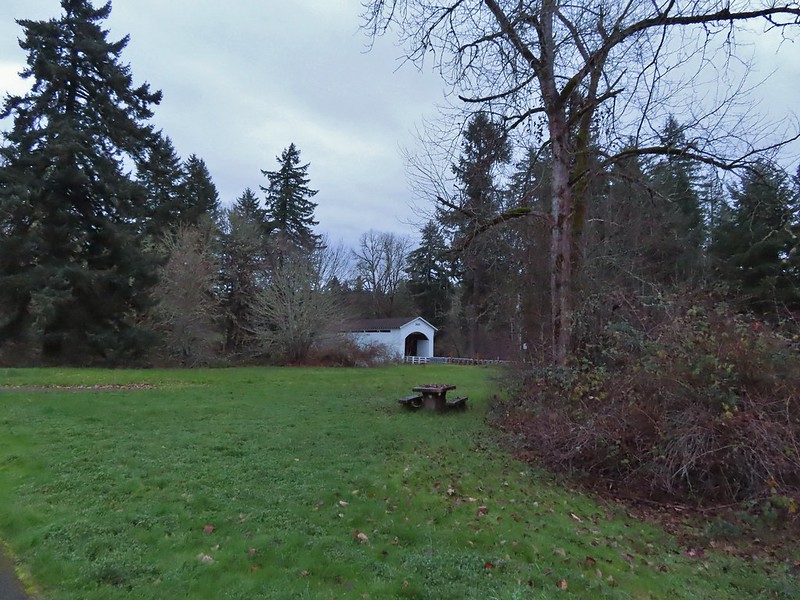

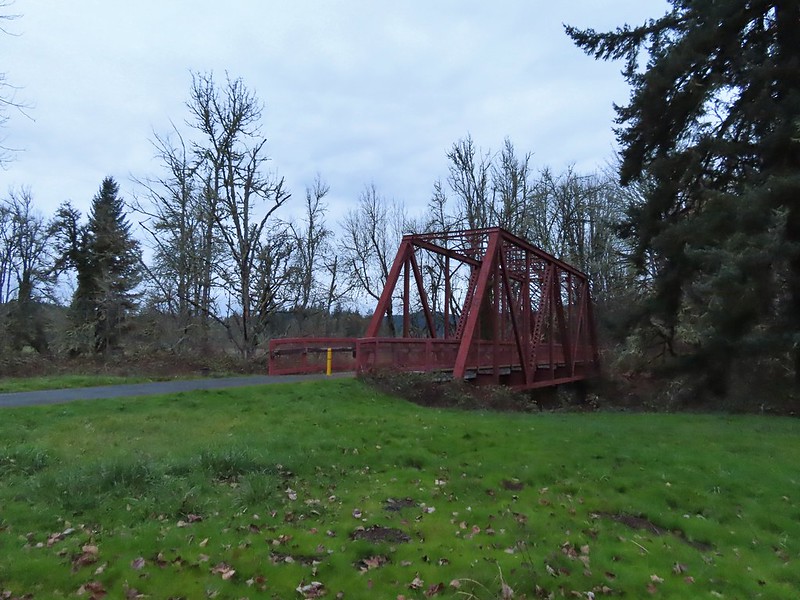
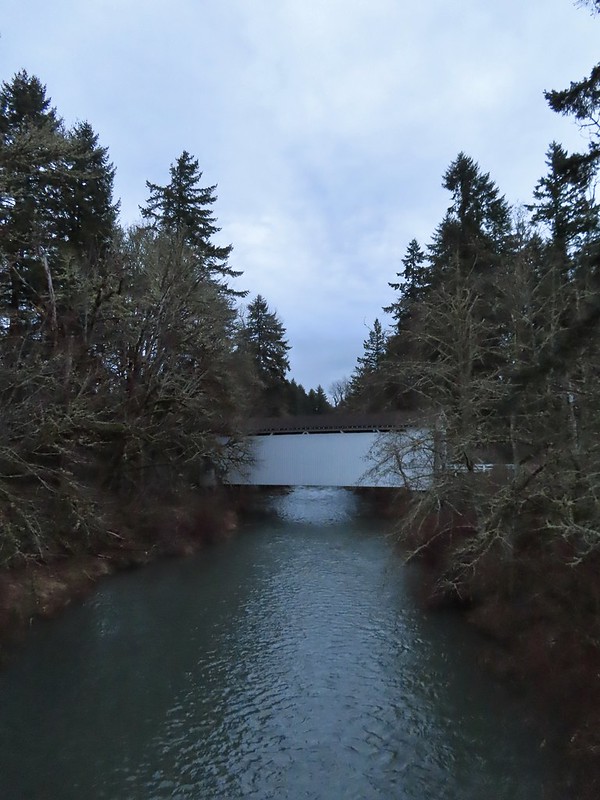
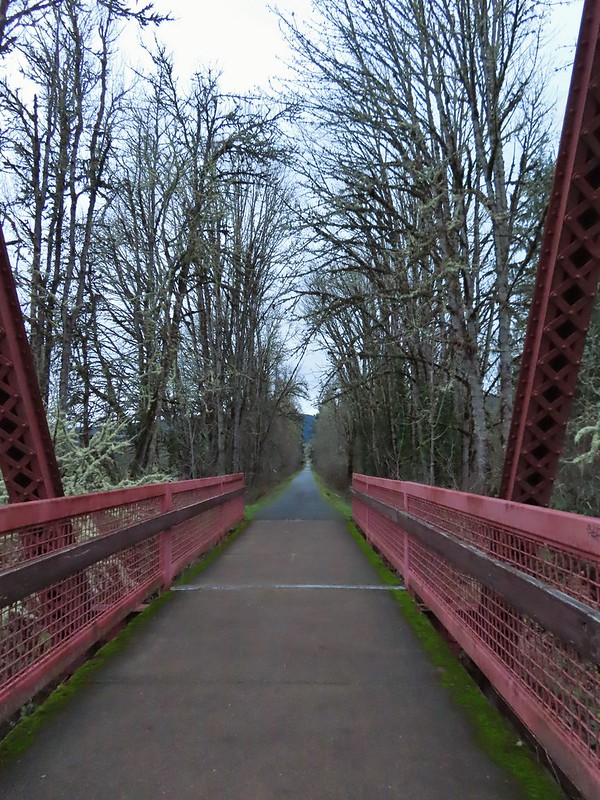

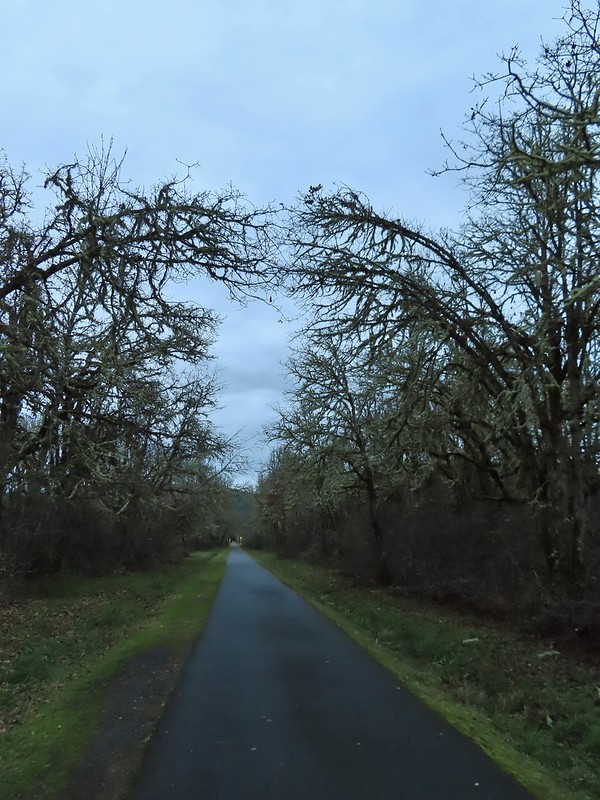
 Ivy disguising itself as a tree.
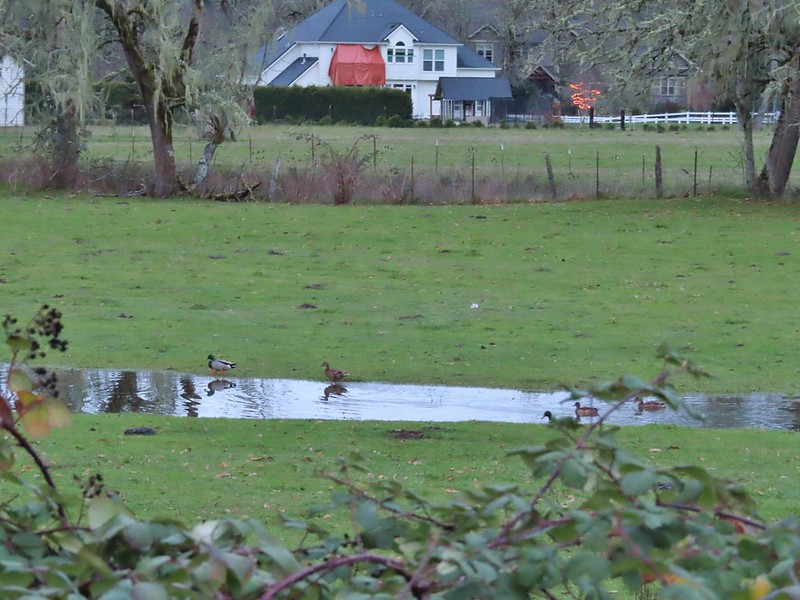 Mallards and Christmas lights.
 Layng Road crossing. The lights on the signs were activated when sensors picked up something approaching.

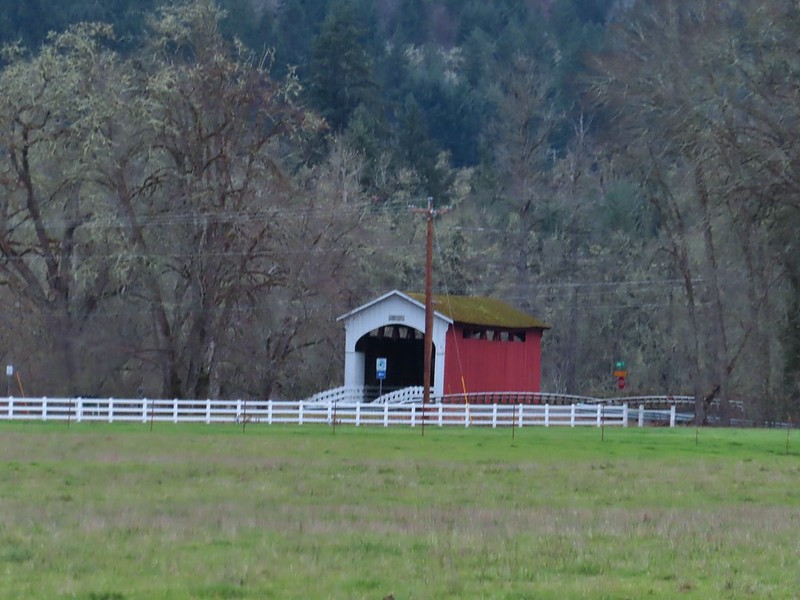 Currin Covered Bridge on Layng Road.
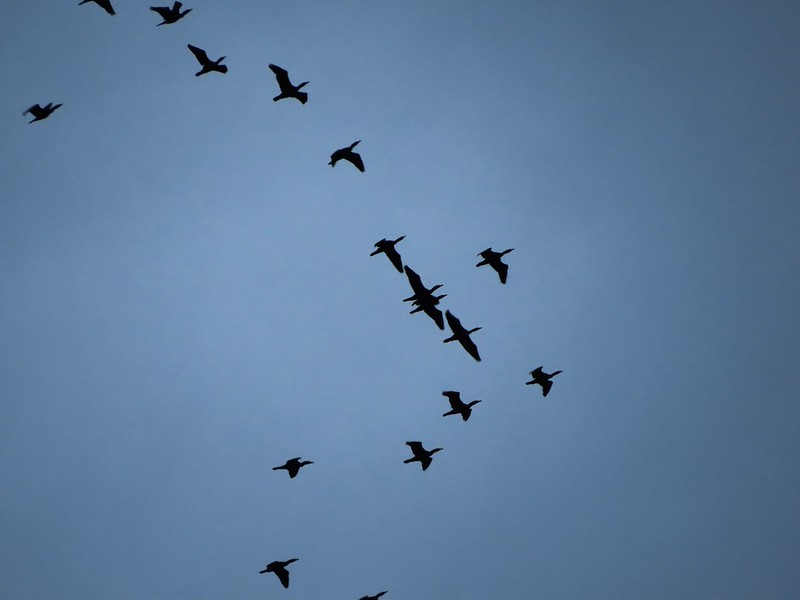 Cormorants flying overhead.
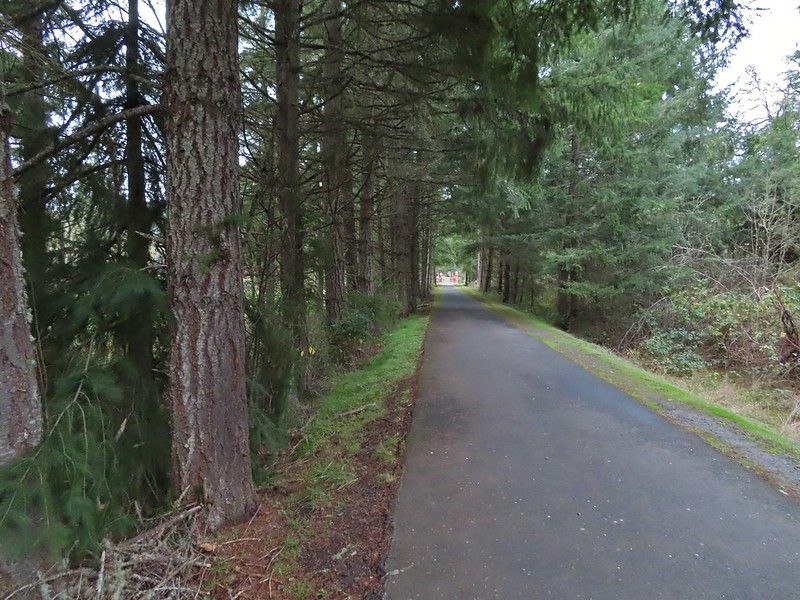 Approaching the bridge over the Row River.
 Row River
 Lesser scaup. I would have liked a better picture but it was still early and not very light and the little guy was a ways away on the river.
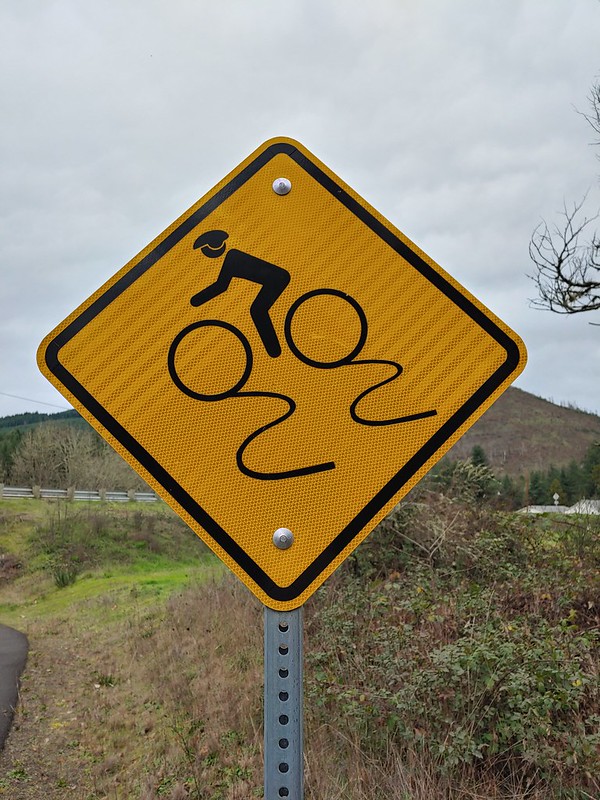 This was a new sign to us.
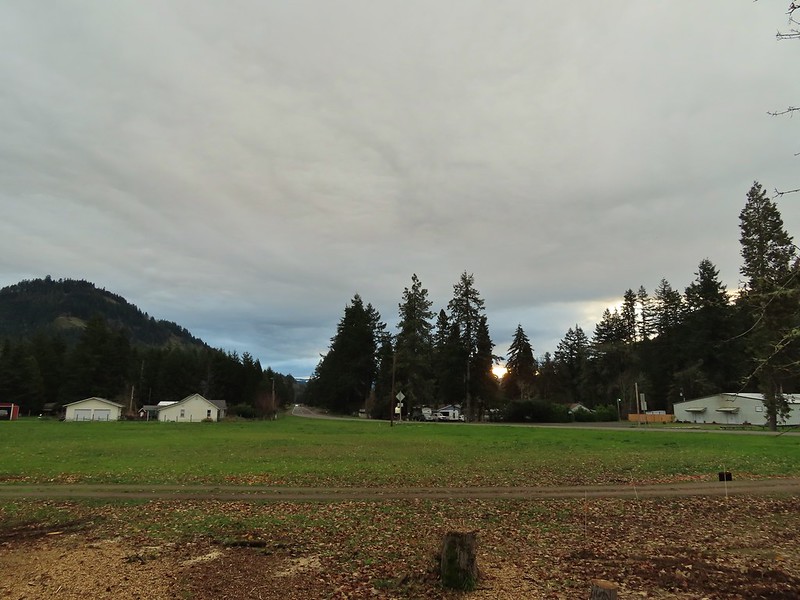 Row River Road with some snowy hillsides in the distance.
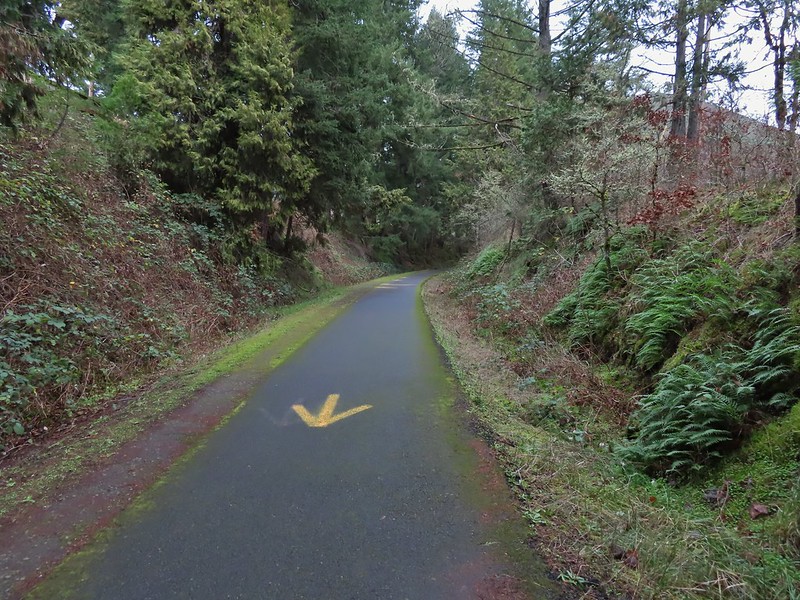 Arrows and other yellow markings identified bumps and holes in the trail for equestrian and bike users.
 Jelly fungus
 Hamblen Creek
 Turkeys in a field.
 Sign along a private driveway.
 Not very many mushrooms but these were good sized.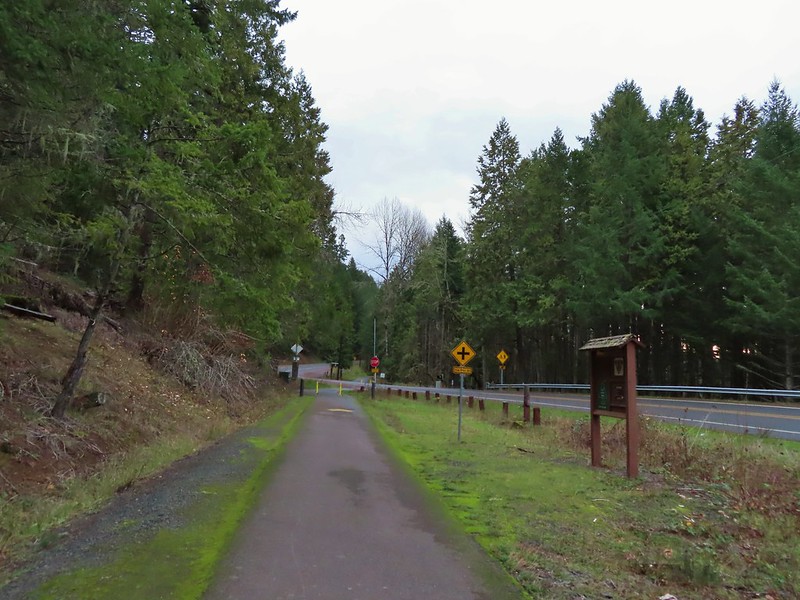

 Do squirrels jog?
 Madrone along the trail.
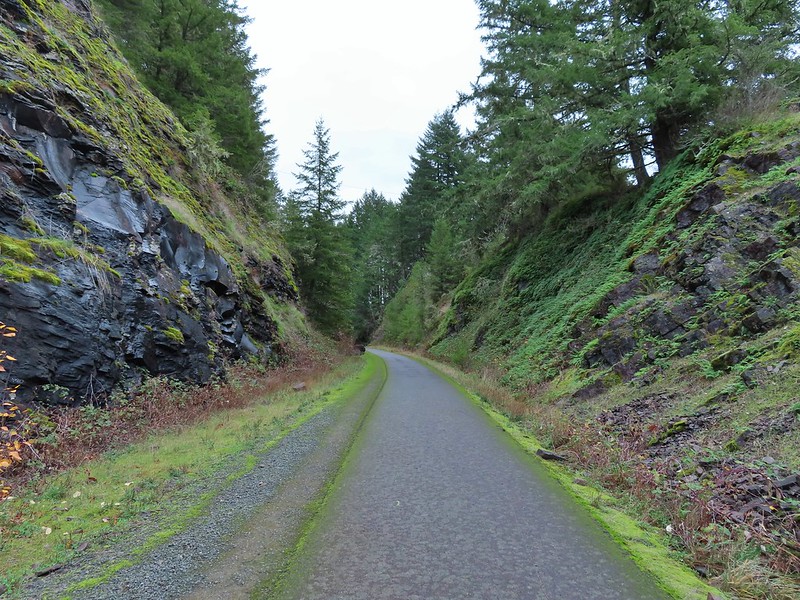 Row River Road was overhead to the left along this rocky section.
 Nearing a bench along the trail facing Dorena Lake Dam.
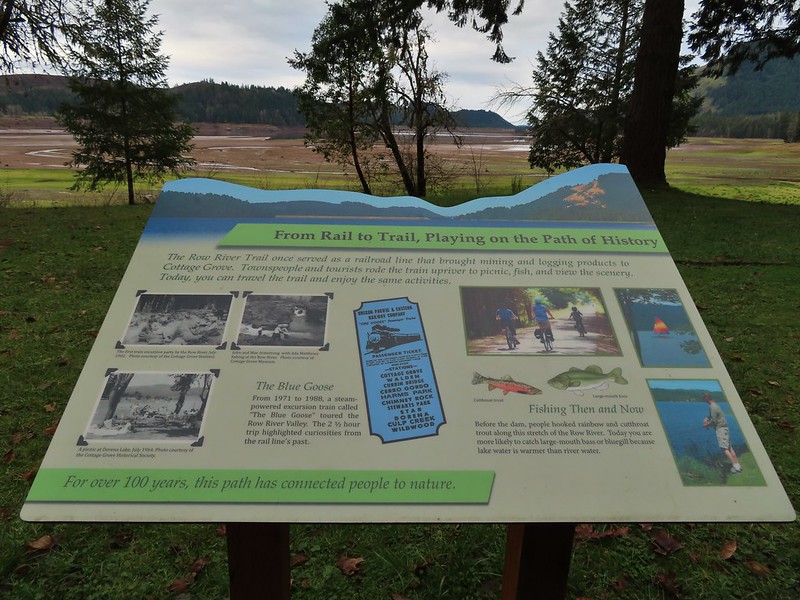
 Interpretive sign near the bench.

 Snow in the Calapooya Mountains.
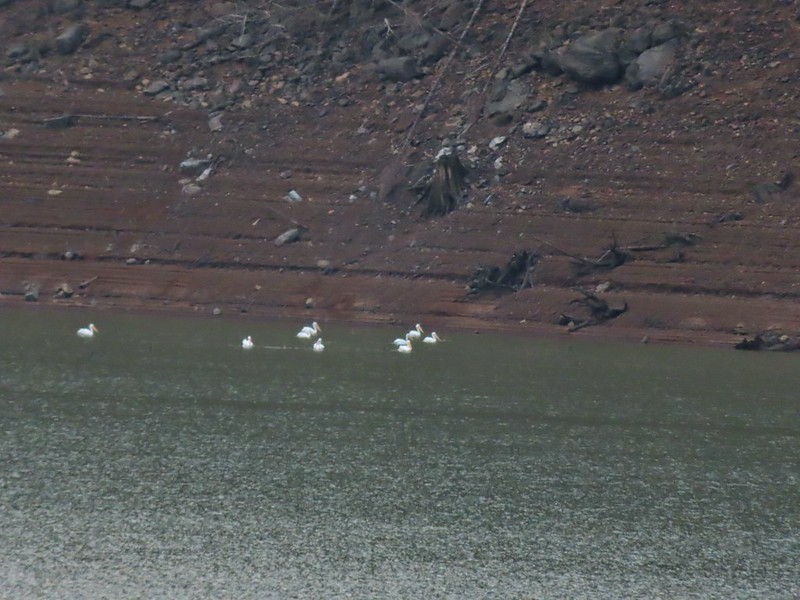 White pelicans on the other side of Dorena Lake.
 Still no rain despite the clouds.
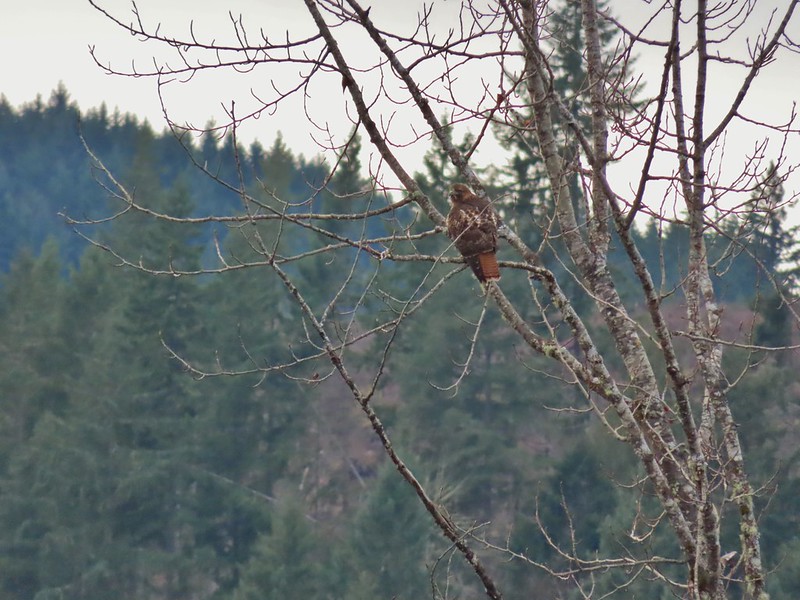 Red-tailed hawk


 A kingfisher and a great blue heron.
 Pelicans and other waterfowl on the move.
 Cerro Gordo from Row Point.
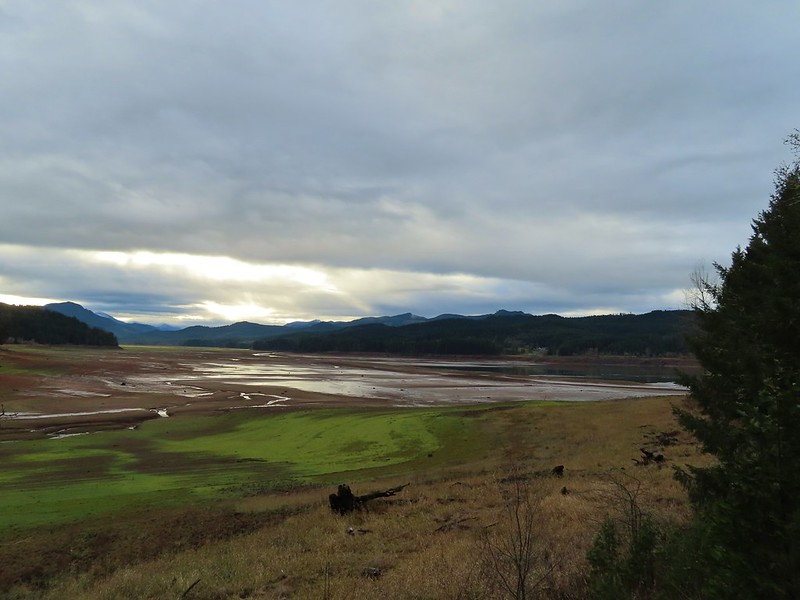 Not much water at all in the eastern end of the reservoir.
 A great blue heron on the far left with a bunch of white pelicans and cormorants.
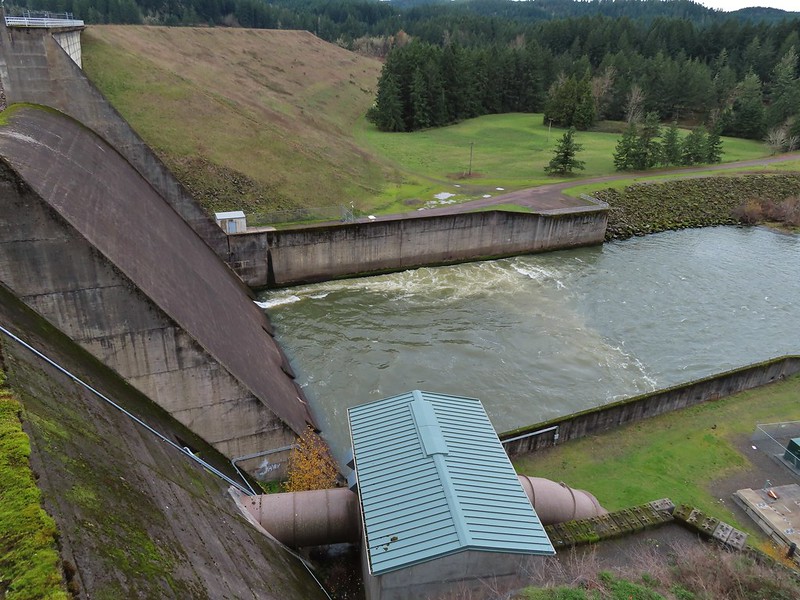
 Actual sunlight hitting the dam.
 Spotted towhee
 Rat Creek Bridge
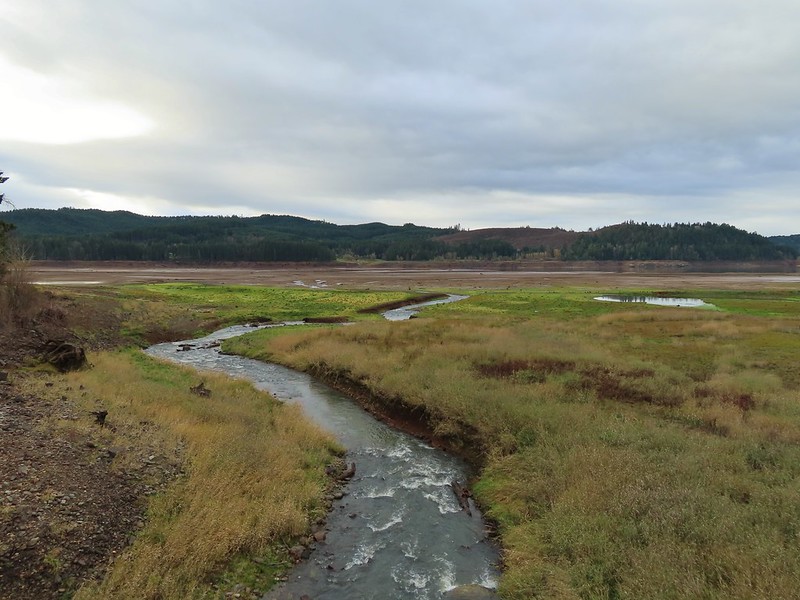 Rat Creek
 June 2020 from the Rat Creek Bridge.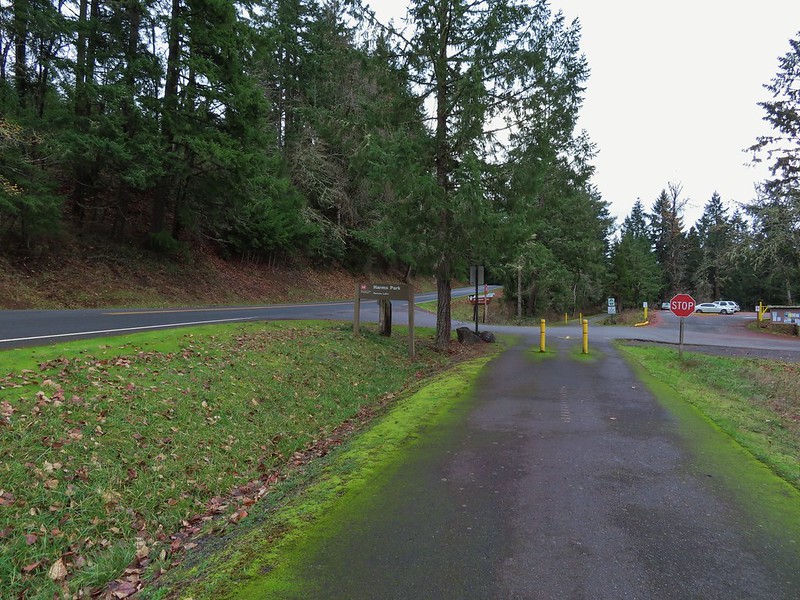
 Gold tree in front of Cerro Gordo.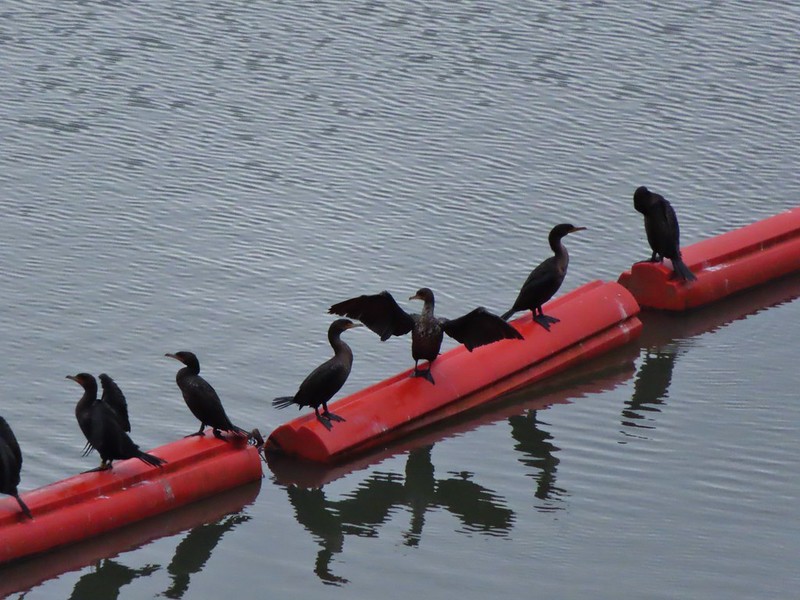
 The little hill to the left provides access to the north end of the dam.



 Just drying out.
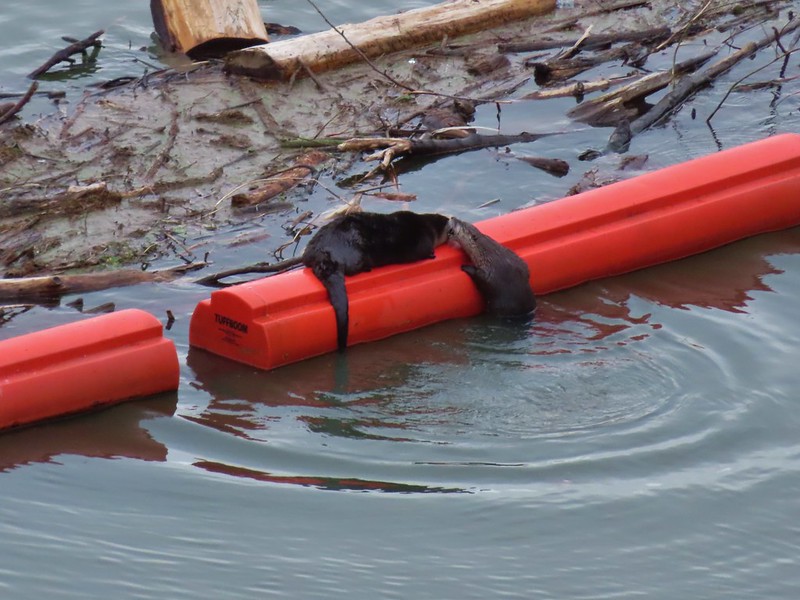 Trying to play.
 No luck.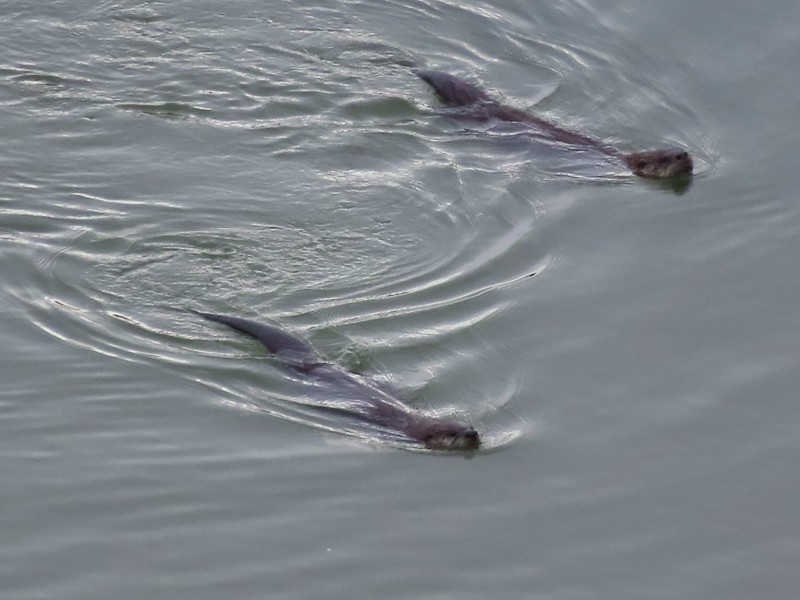

 Rabbit
 American wigeons
 Nature slowly reclaiming an old farm truck.
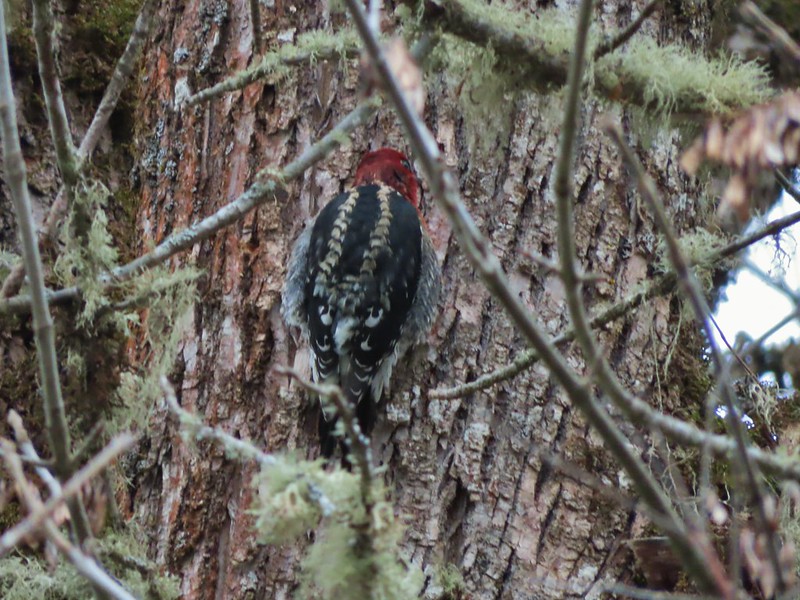 Red breasted sap sucker.
 Mosby Creek
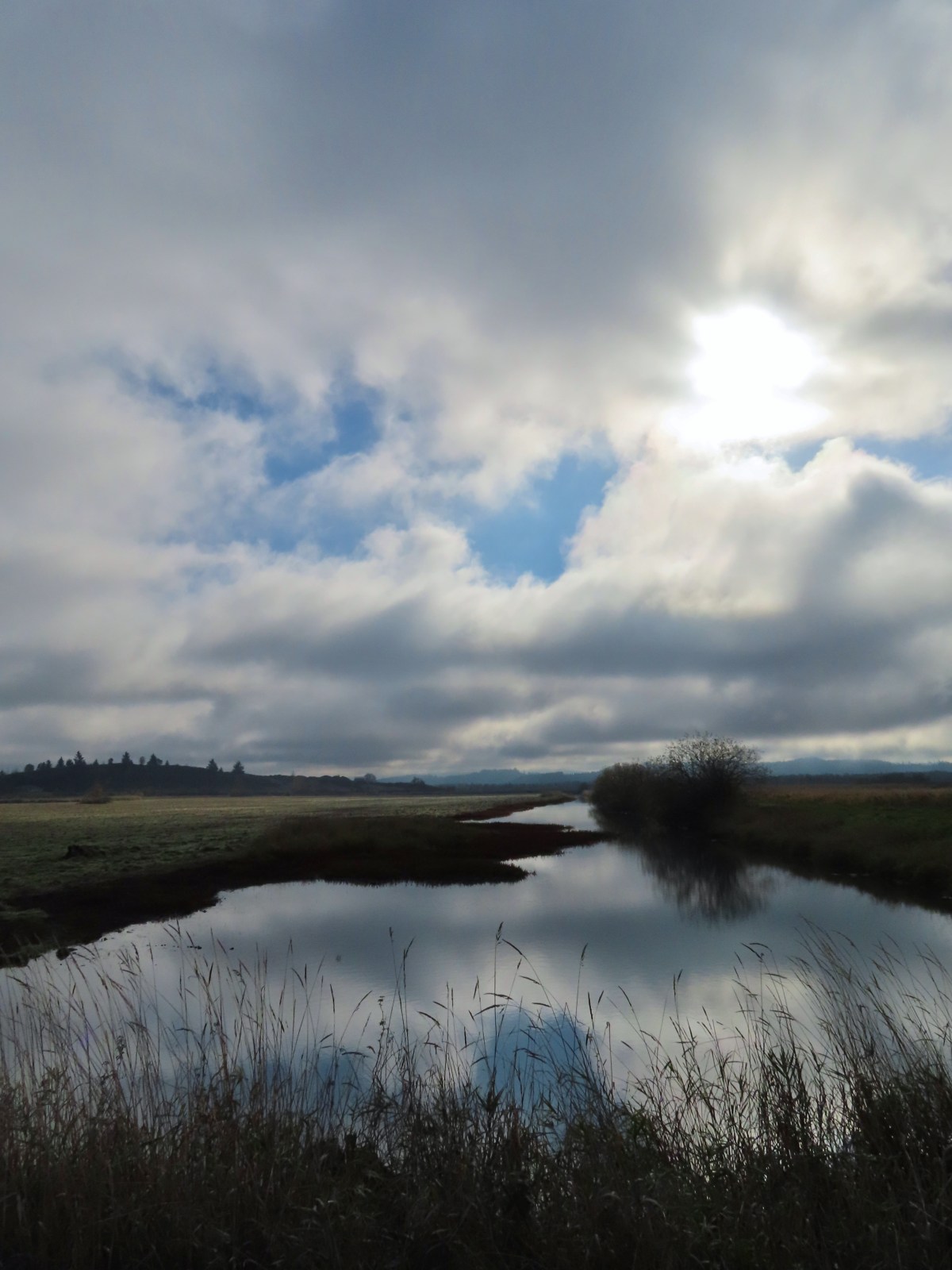
 The trailhead sign for the Clay Creek Trail is ahead on the opposite side of the road.
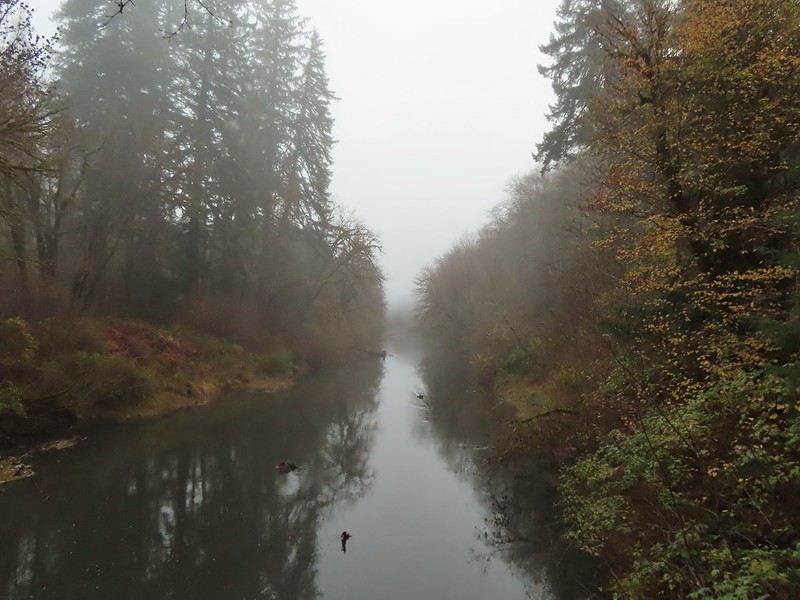 Siuslaw River
 Clay Creek on the left emptying into the Siuslaw.
 Stairs at the Clay Creek Recreation Area across the river.

 The Clay Creek Trail climbing above Clay Creek.
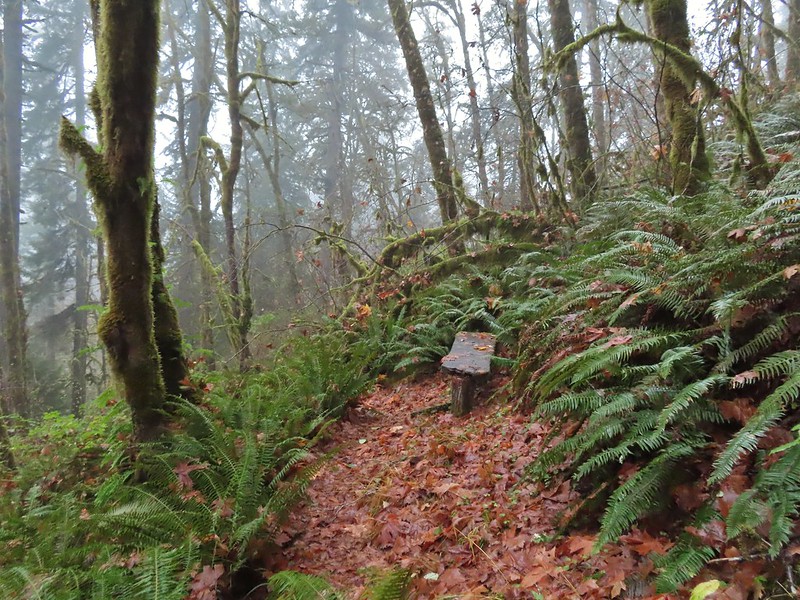
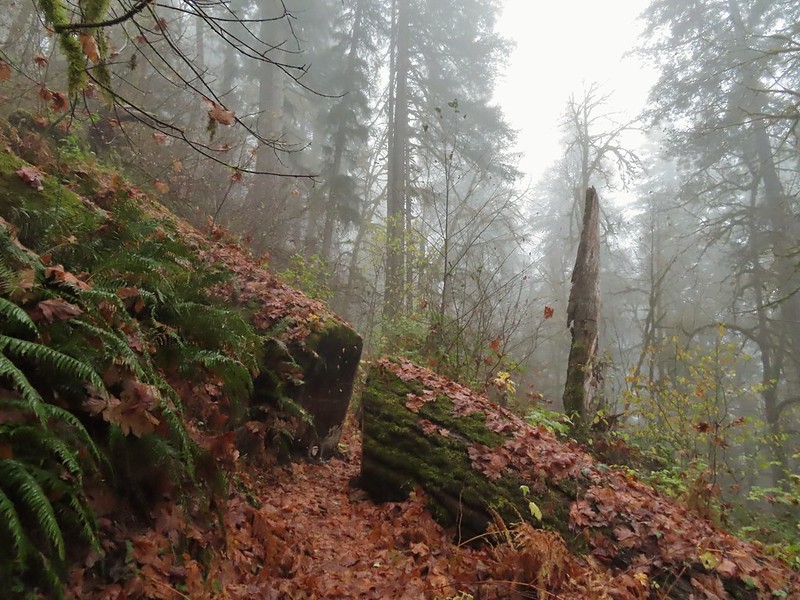 It’s hard to tell size here but the diameter of this tree was well over 5′.
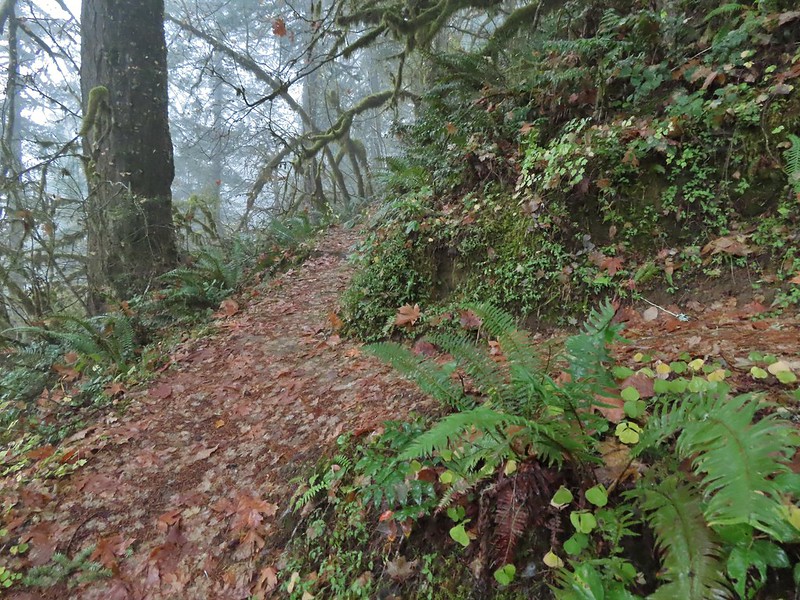 The junction for the loop.
 One of several reroutes we encountered.
 On the ridge top.
 Madrone trunk and bark, always fascinating.
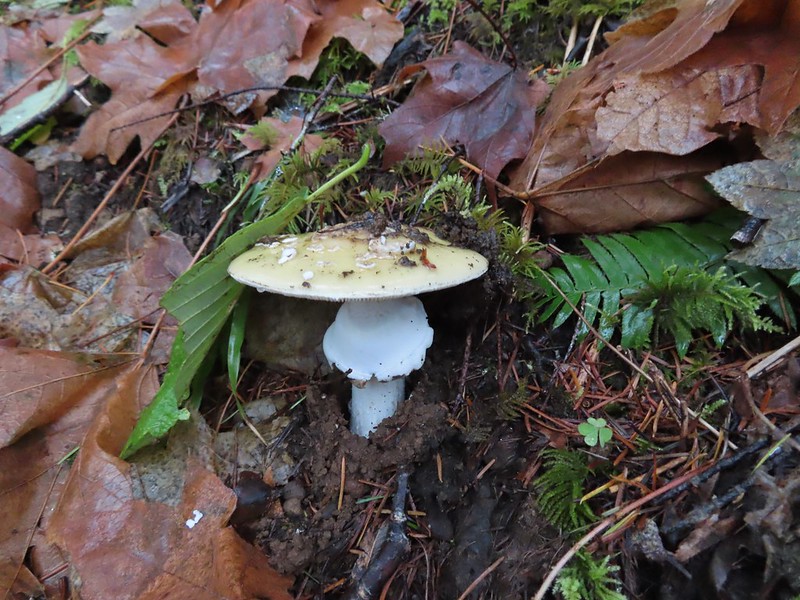
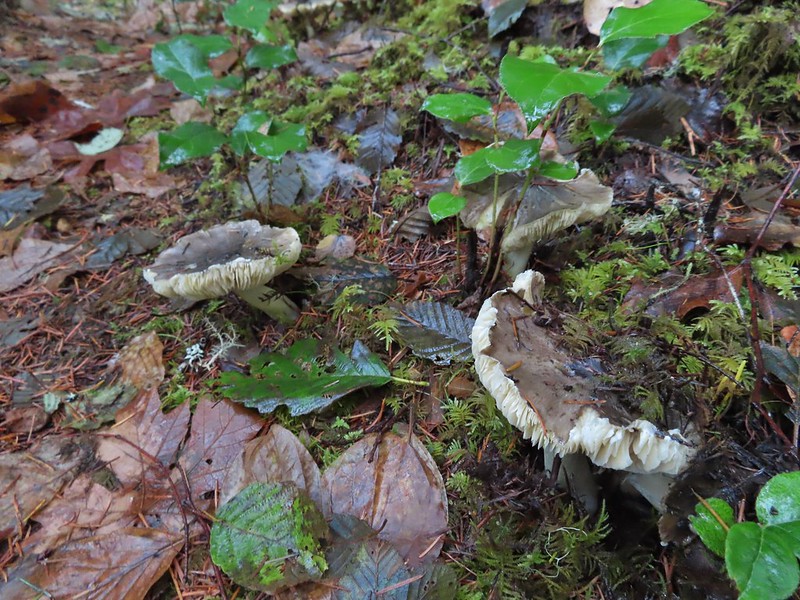 Lots of mushrooms pushing up through the forest floor.
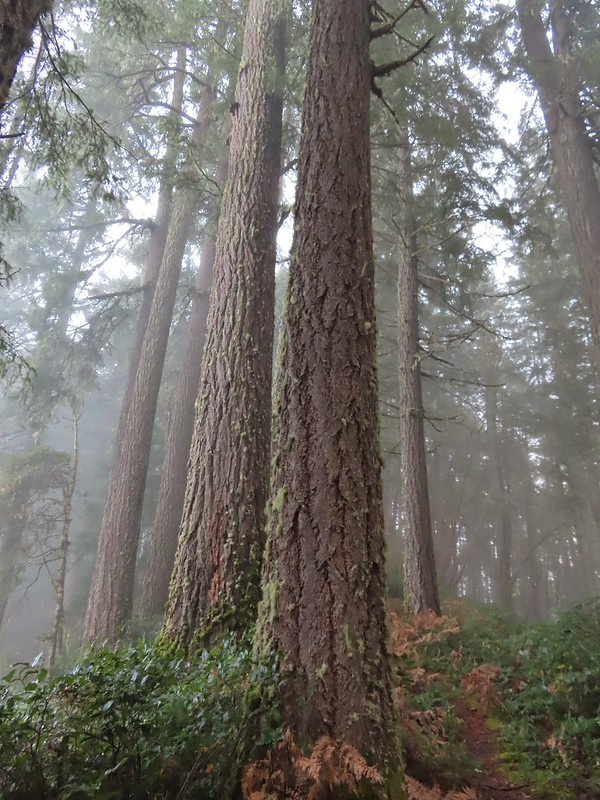 Good sized trees near the high point.
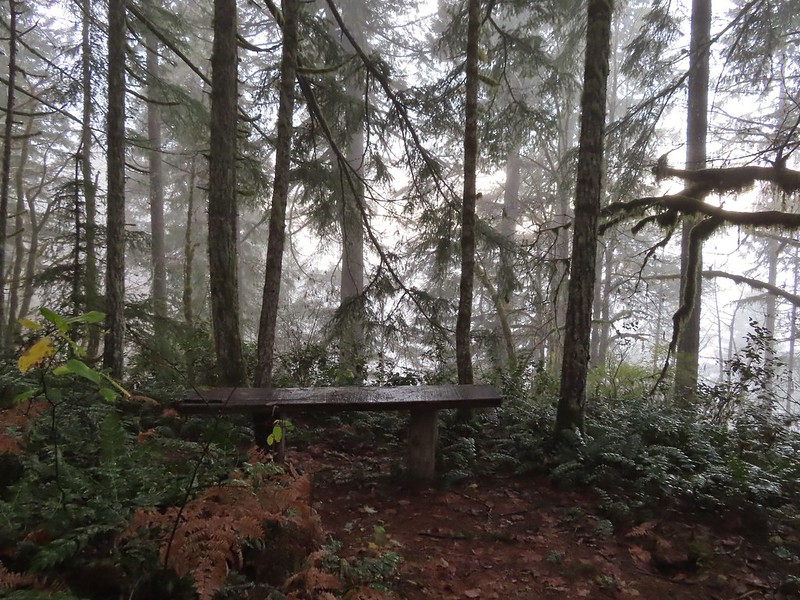 No idea what you might see on a clear day.

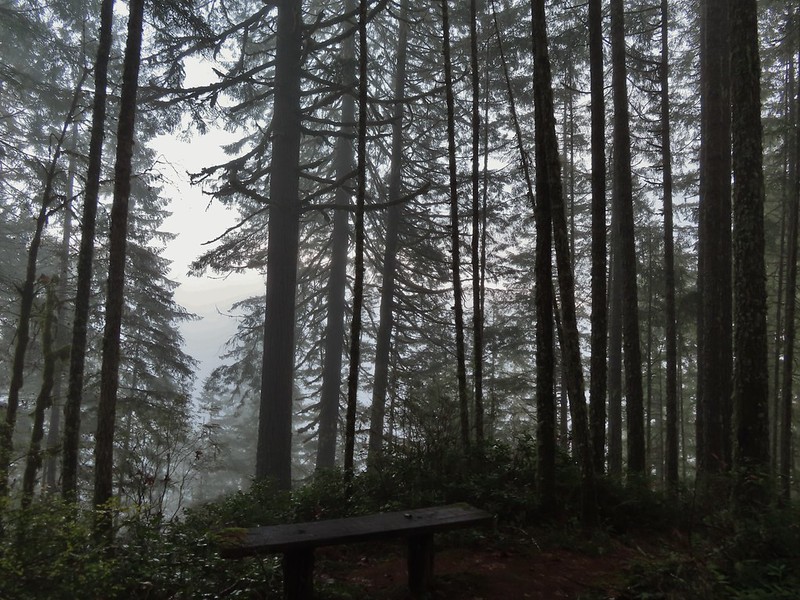 The viewpoint.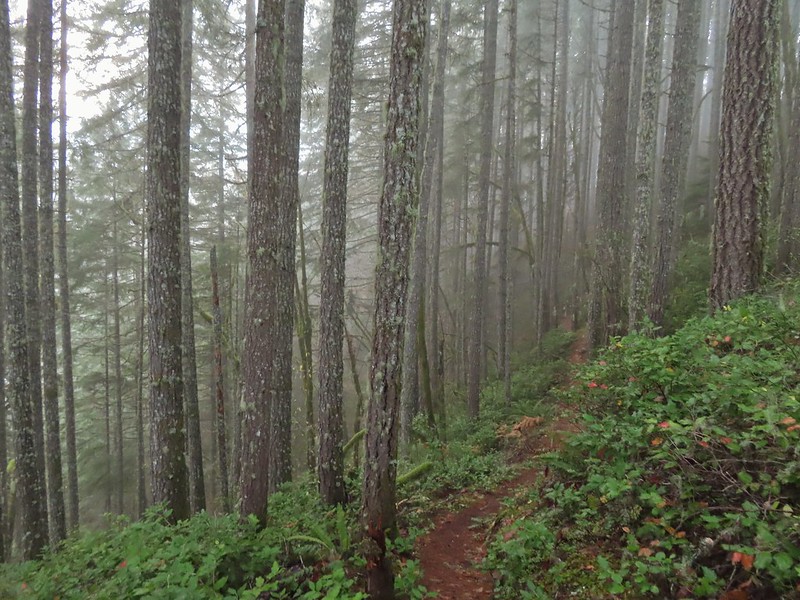

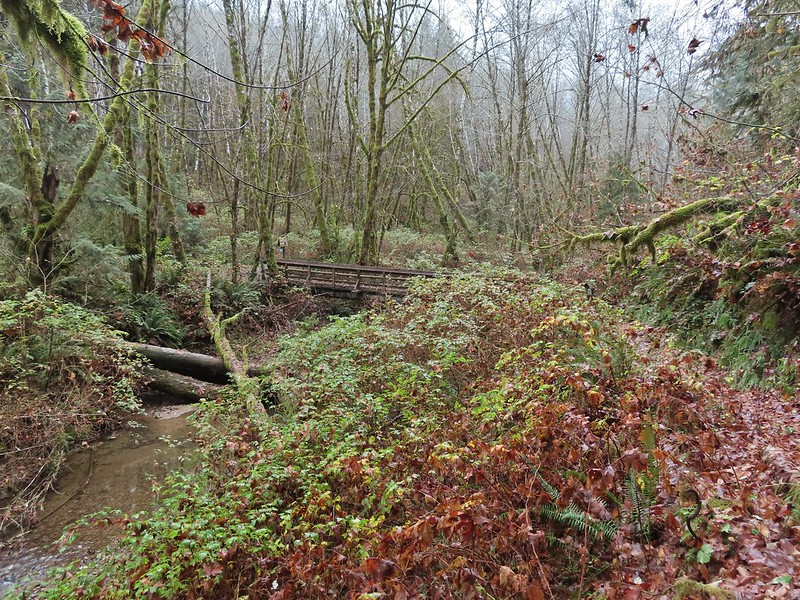 Nearing the footbridge.
 The fog had lifted off the river at least.
 Note that Royal Ave and the trail to the viewing platform are open year around with the other restrictions listed below.
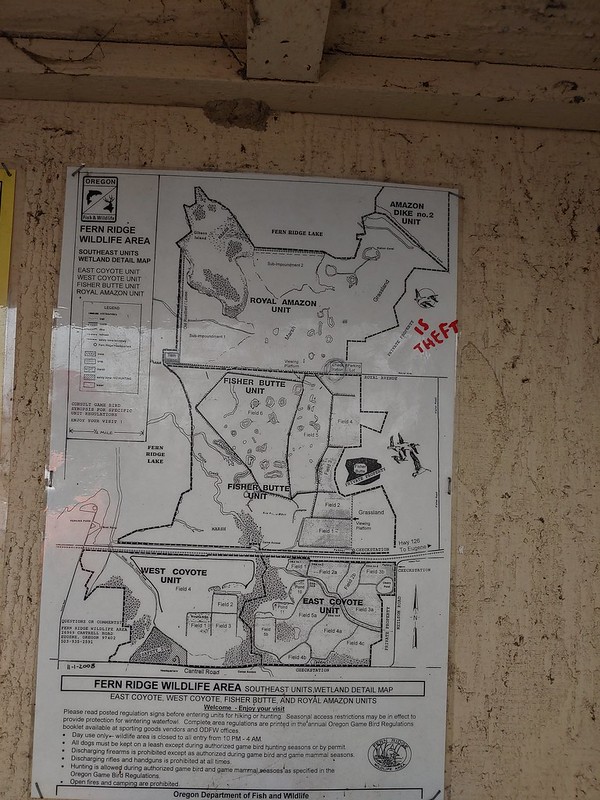 We took a picture of this map to assist us with our route.

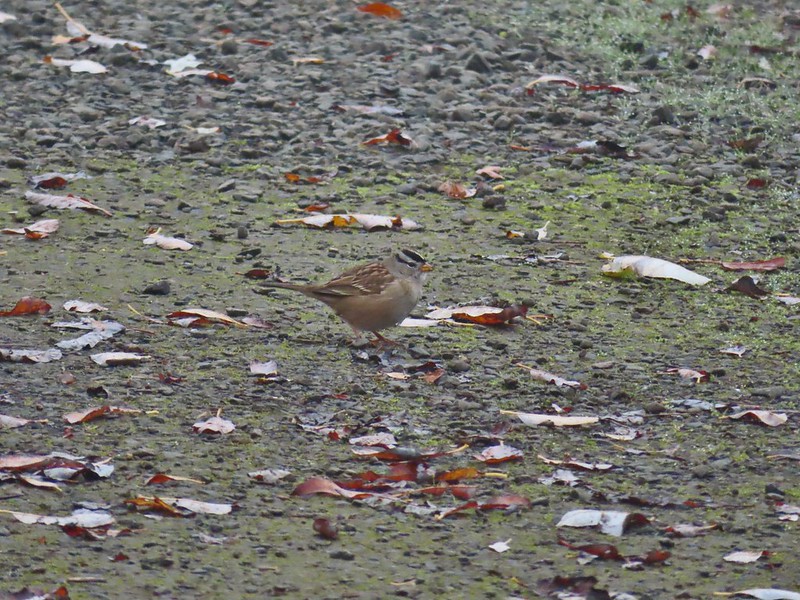 White crowned sparrow
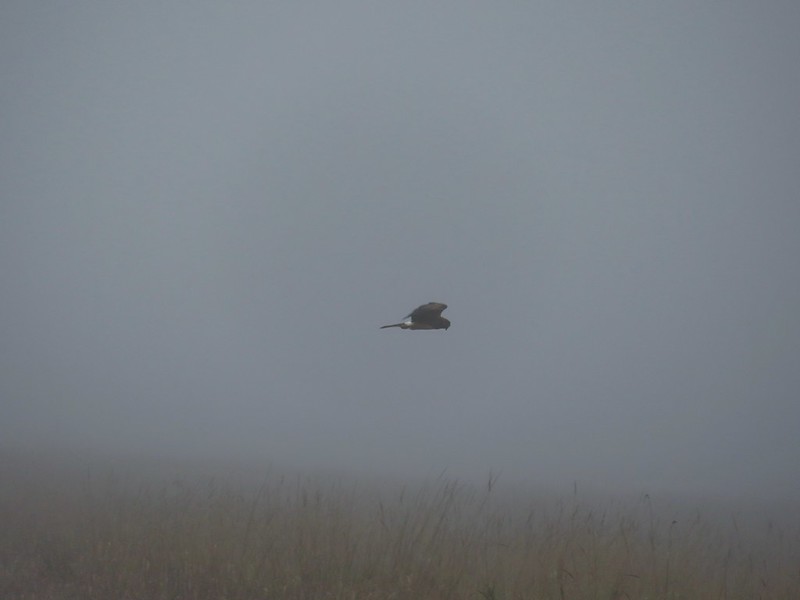 Northern harrier on the hunt.
 Wetlands in the Royal Amazon unit.
 The bittern taking off.
 Not the greatest photo but enough to identify it.
 A hawk on a stump.
 American coots
 Gibson Island (with the eagles in the snag to the far left)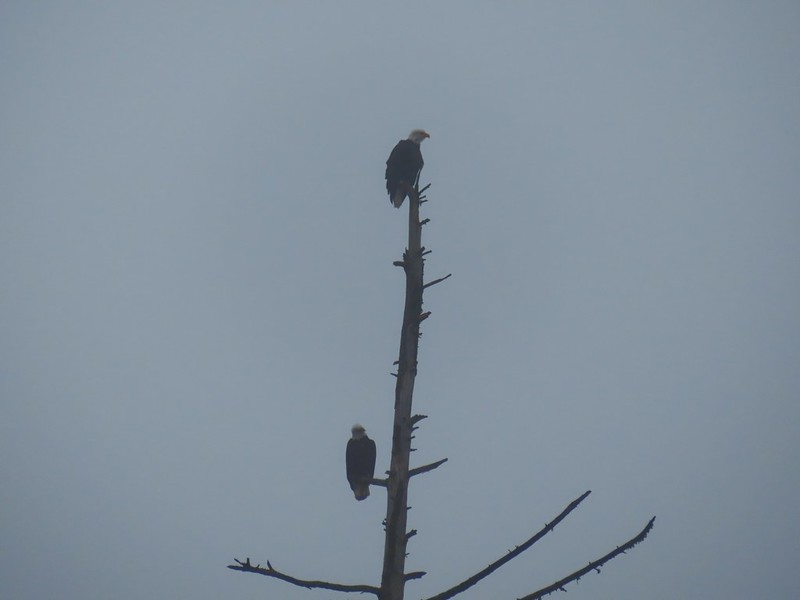



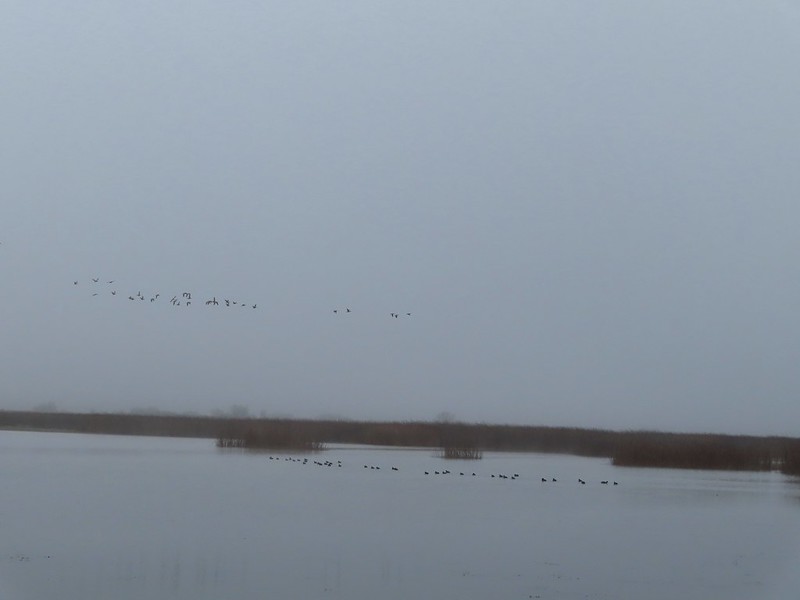 A flock of geese above the coots.
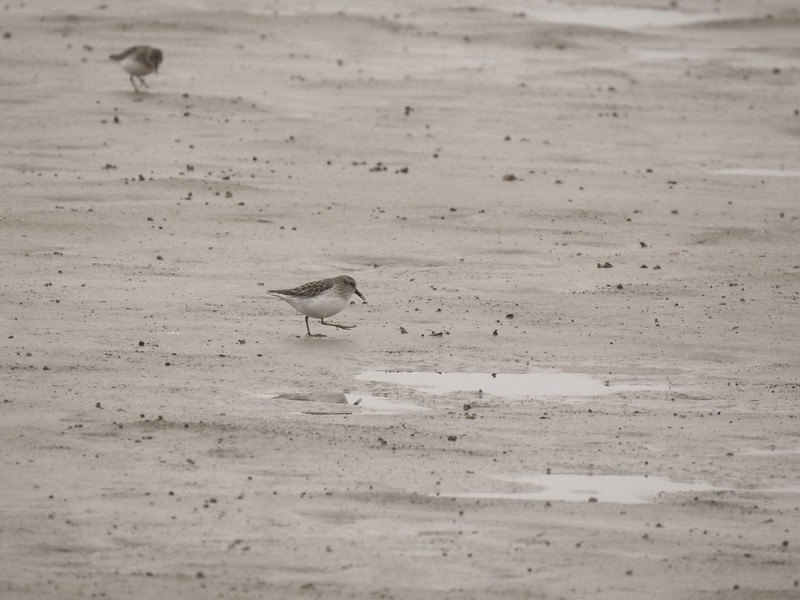
 There were a number of these small birds pecking around in the mud which, with some help from Molly in the comments, are American pipits.
 Continuing west.
 We used the stones to the right to cross the water here.
 Great blue heron (with Highway 126 in the background).
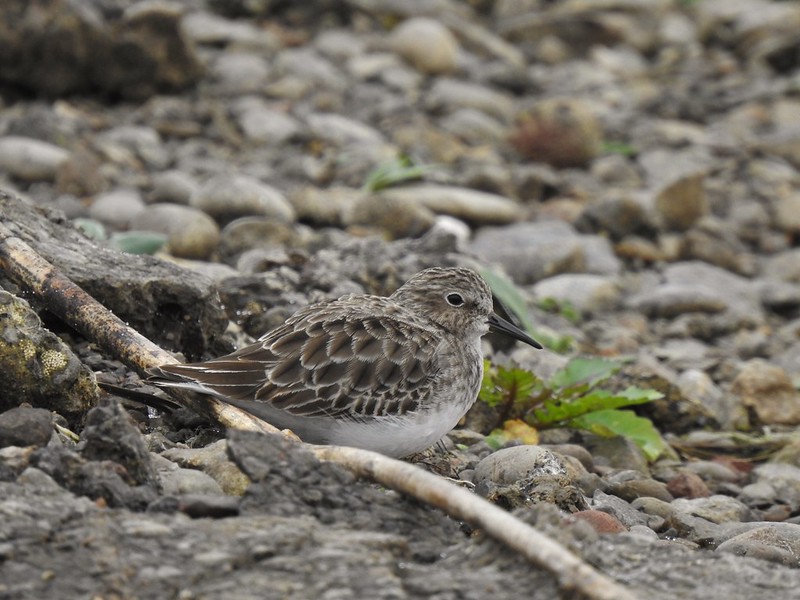 Sandpiper in the roadway.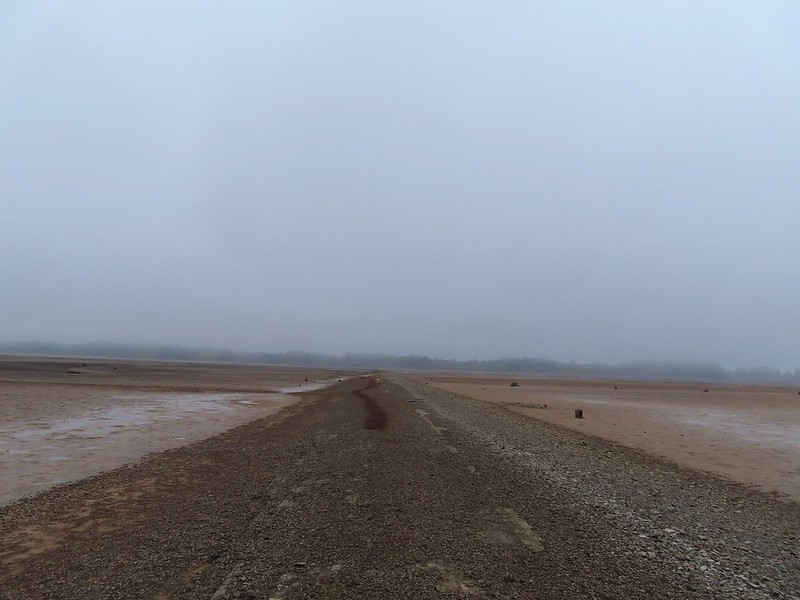
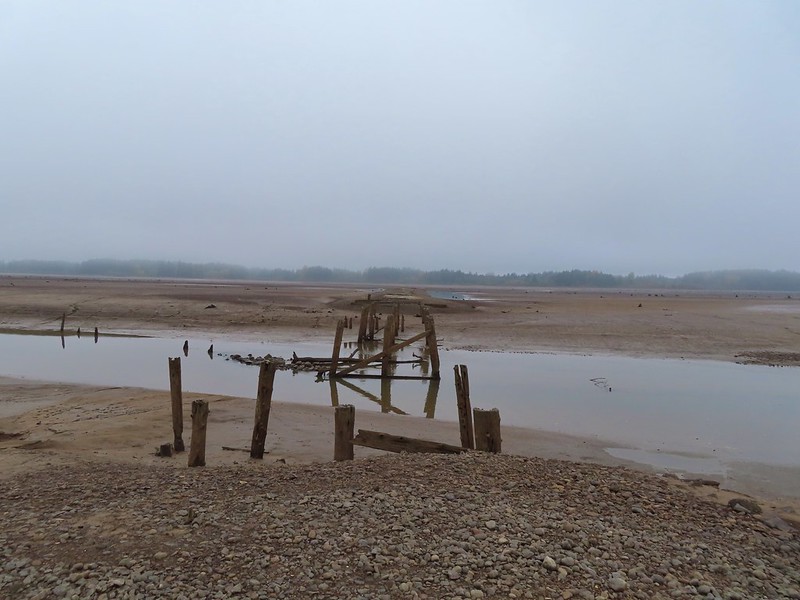 End of the line.

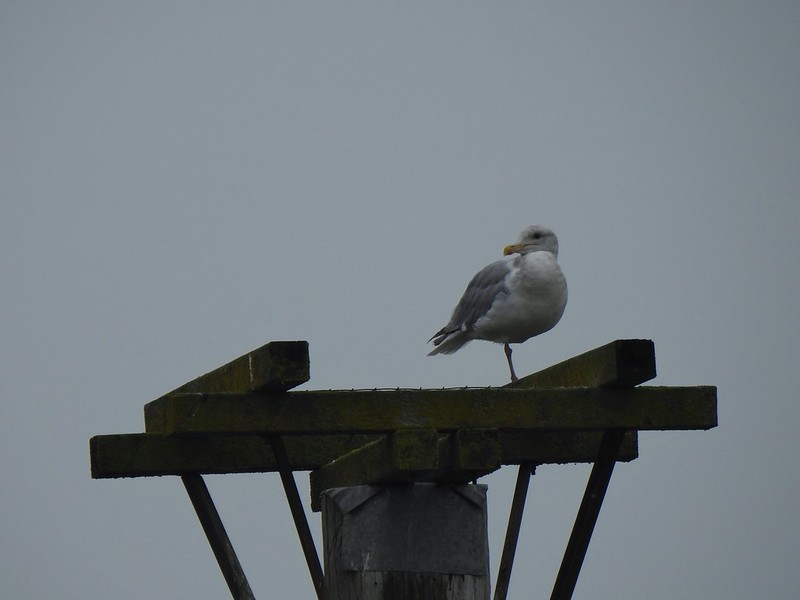 Seagull
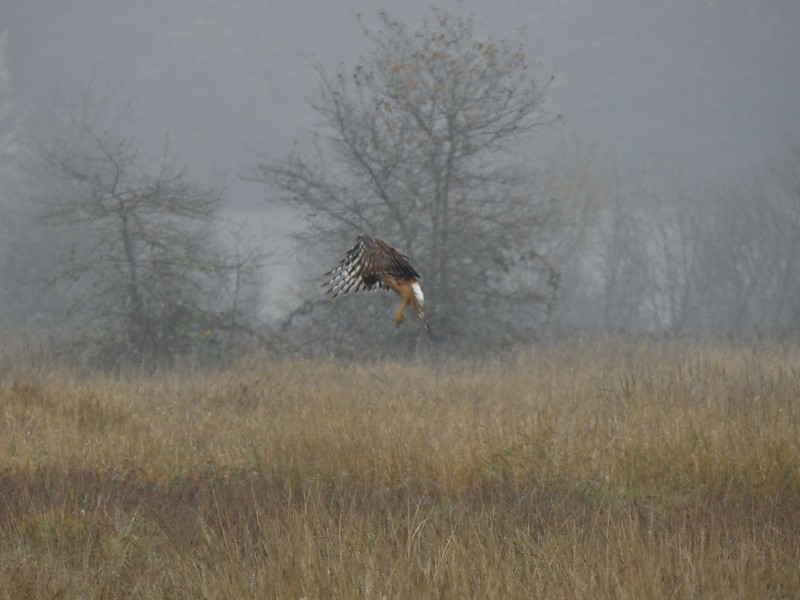 Perhaps the same northern harrier.
 The harrier taking a break.
 The path to the platform.
 Dunlins (thanks again to Molly)
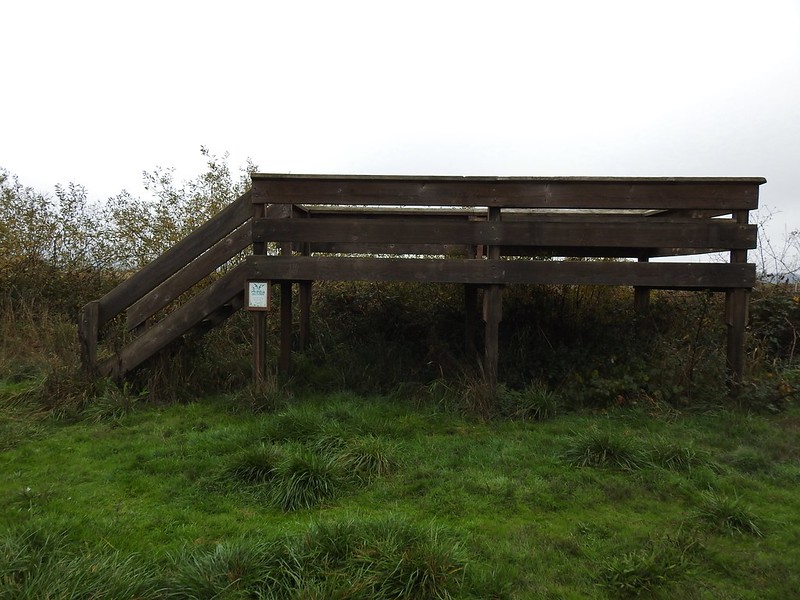 The platform.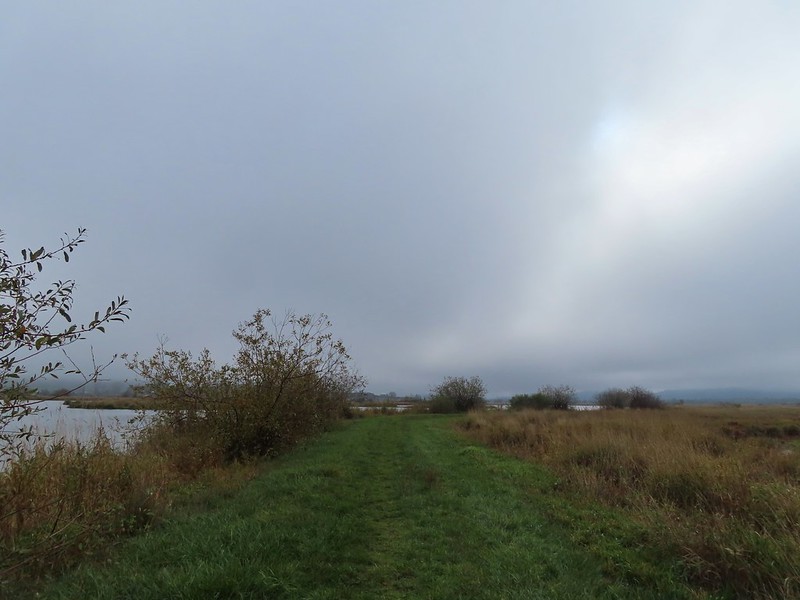
 The first signs that the fog/clouds might be breaking up.
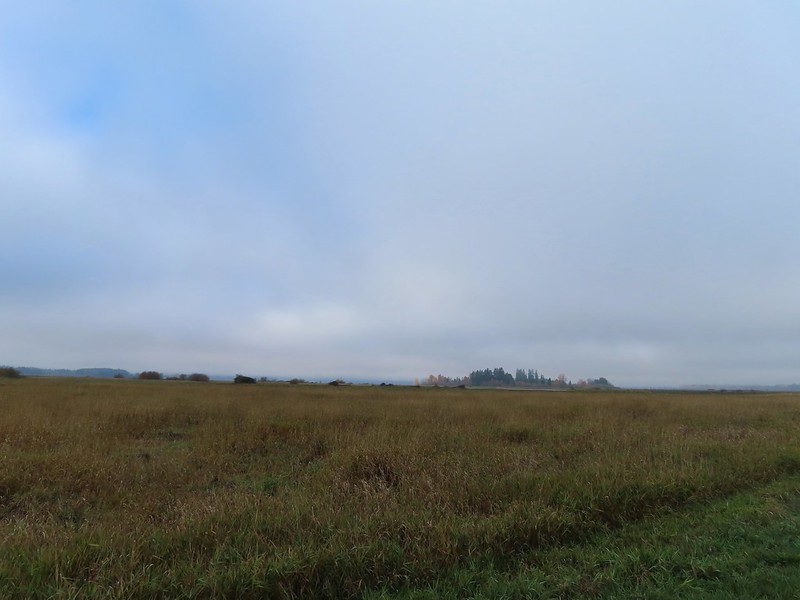 Looking back at a little blue sky and a visible Gibson Island


 Fisher Butte is the low hill ahead to the right.
 Gibson Island was now lit by direct sunlight.
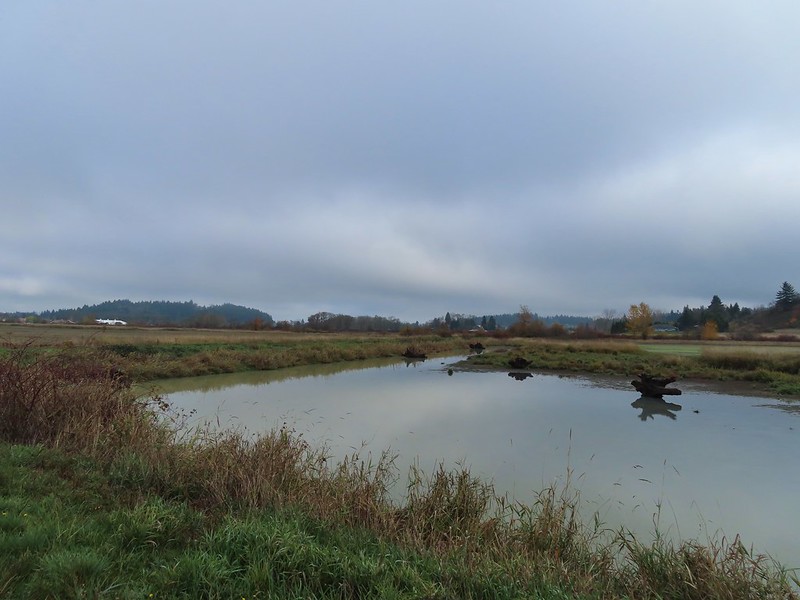 The dike running between Fields 3 & 4.
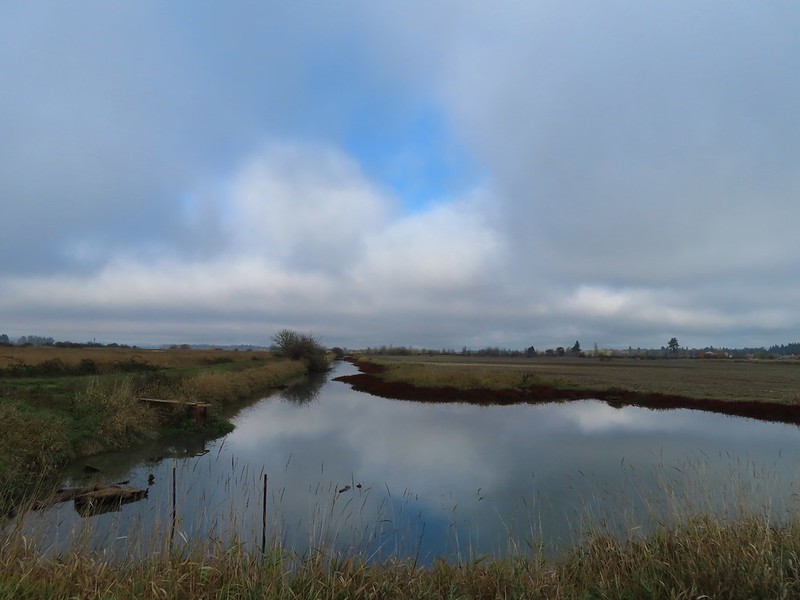 Looking back over the ditch.
 California scrub jay
 Northern shovelers and a bufflehead.
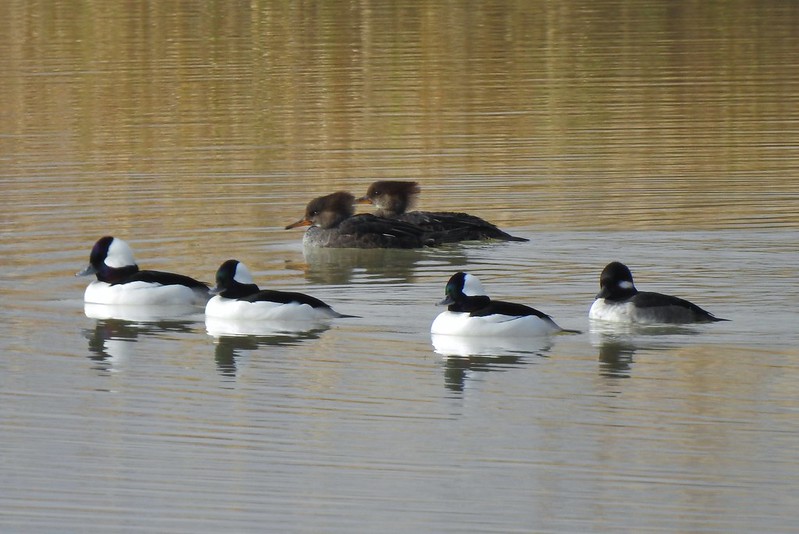 Buffleheads and two hooded merganser females.
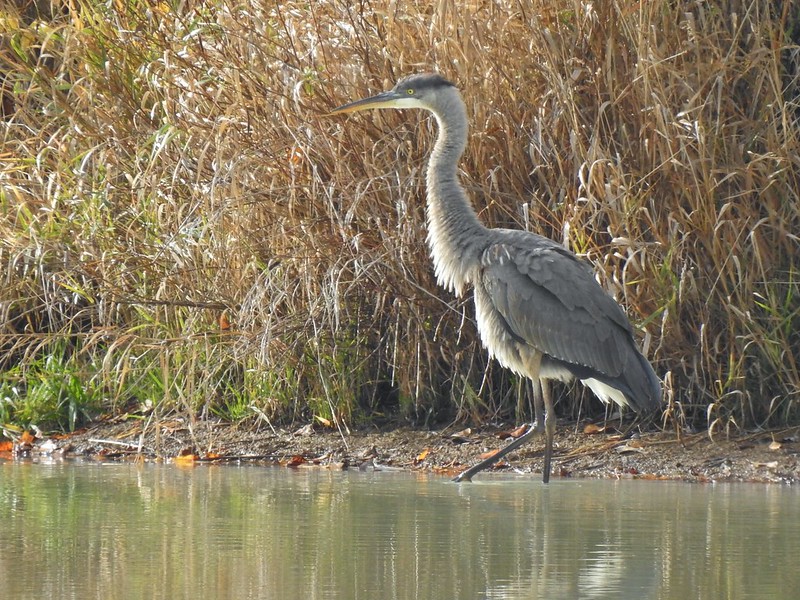
 Kingfisher
 American robin
 The gravel road and another small portion of the wildlife area on the other side.
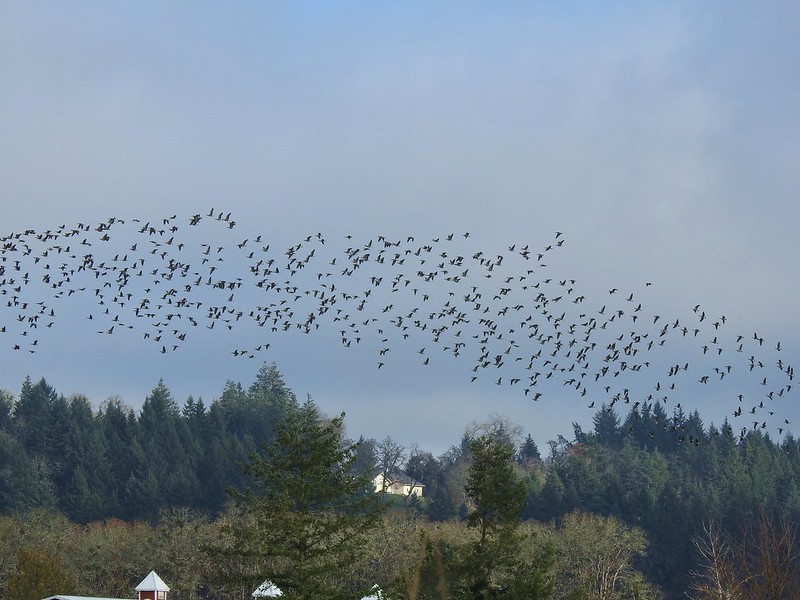 Noisy geese.
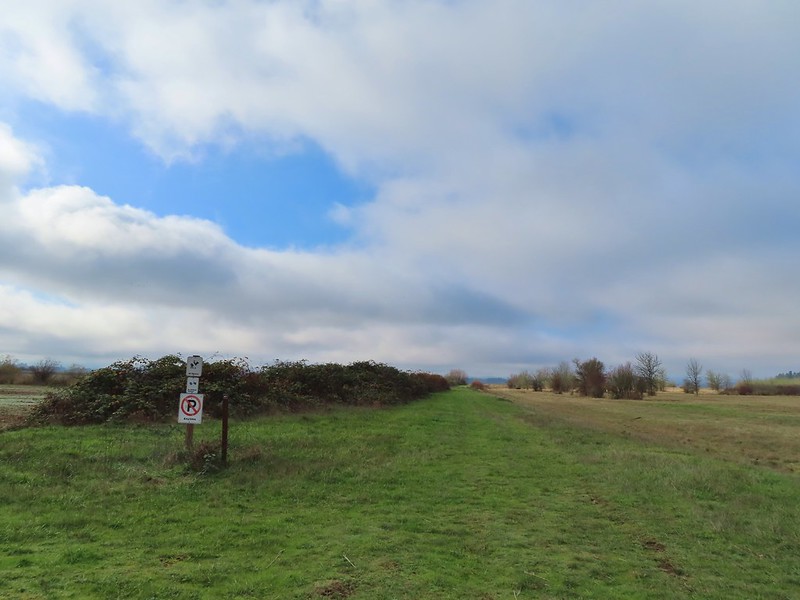 Back on the mowed track.
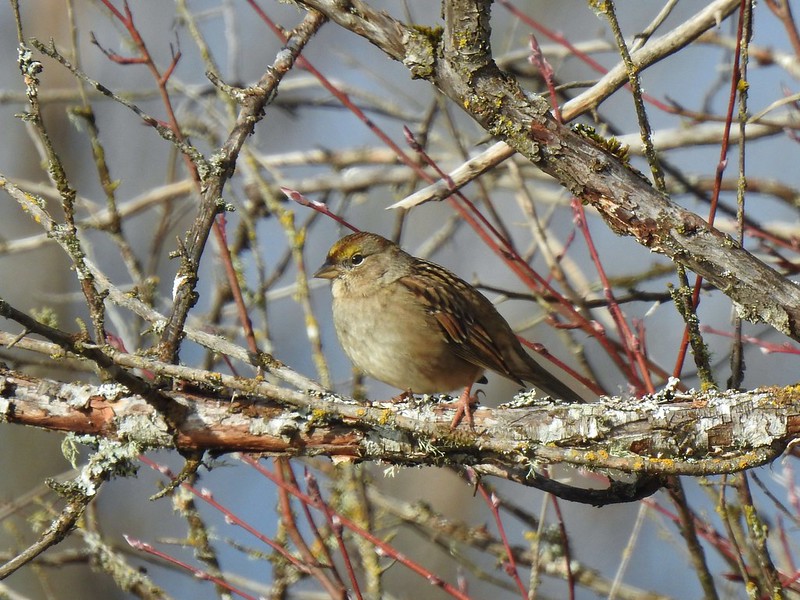 A sparrow
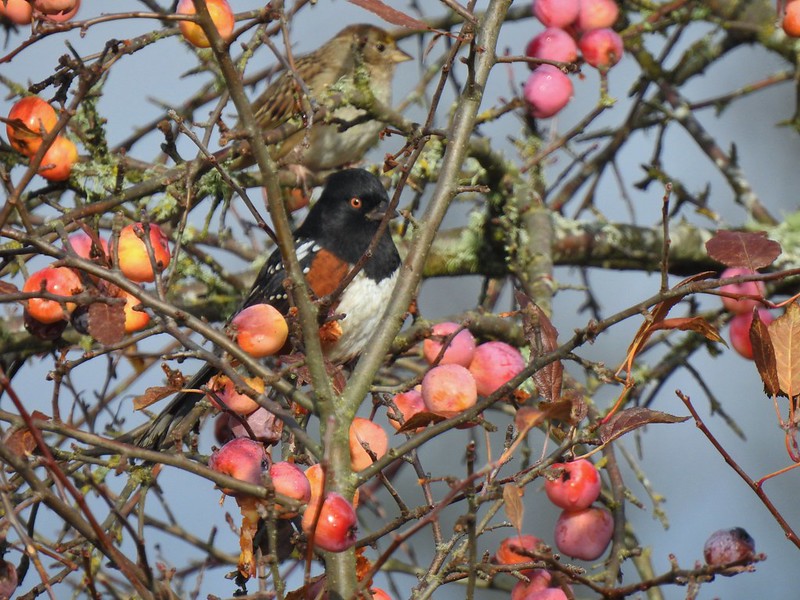 Spotted towhee and friend.
 Finch
Finch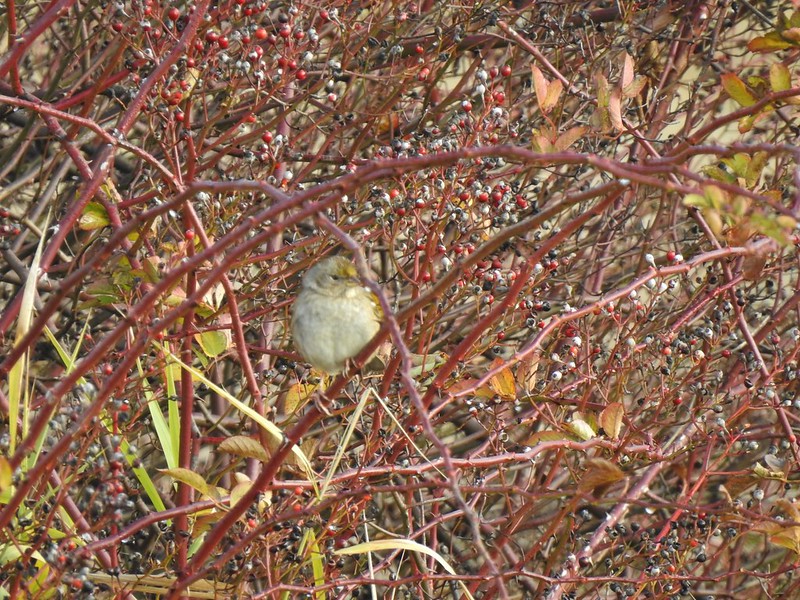 As of yet unidentified little bird.
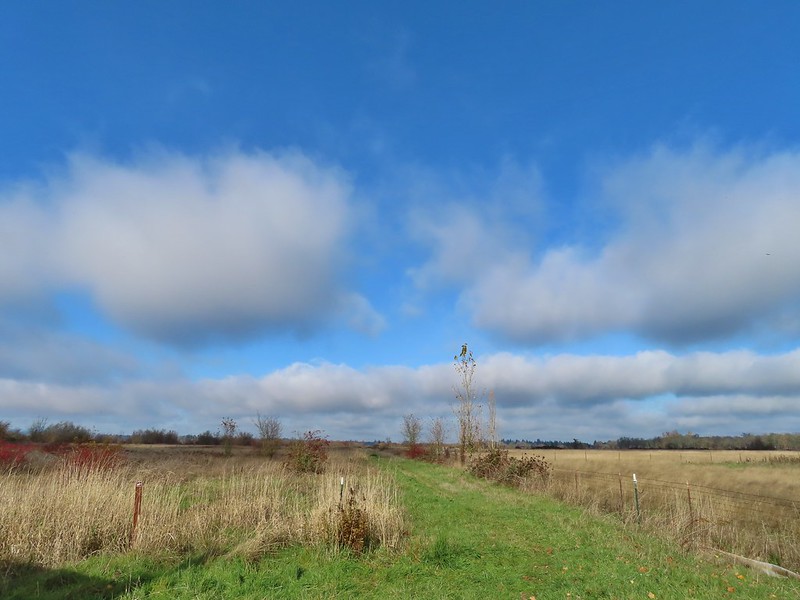 This path headed north from the trailhead, something to explore on our next visit.


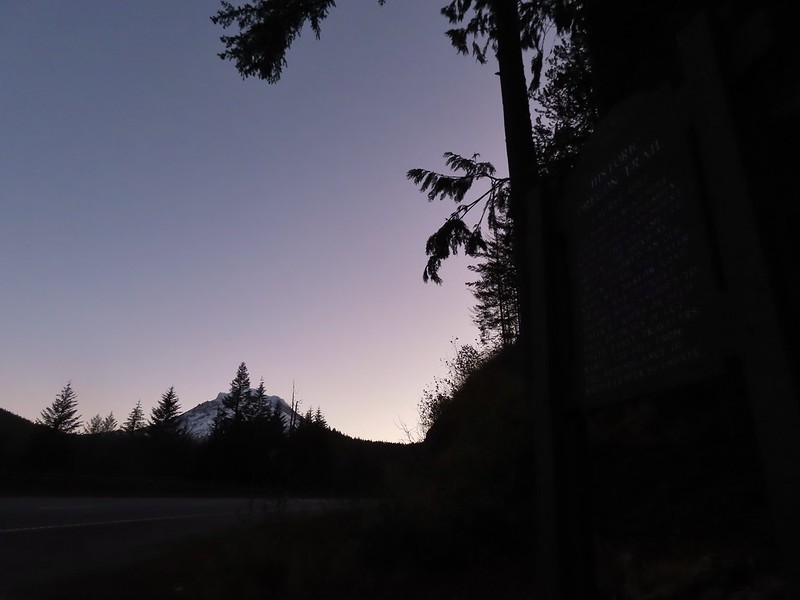 Mt. Hood from the trailhead.


 The wagon chute.

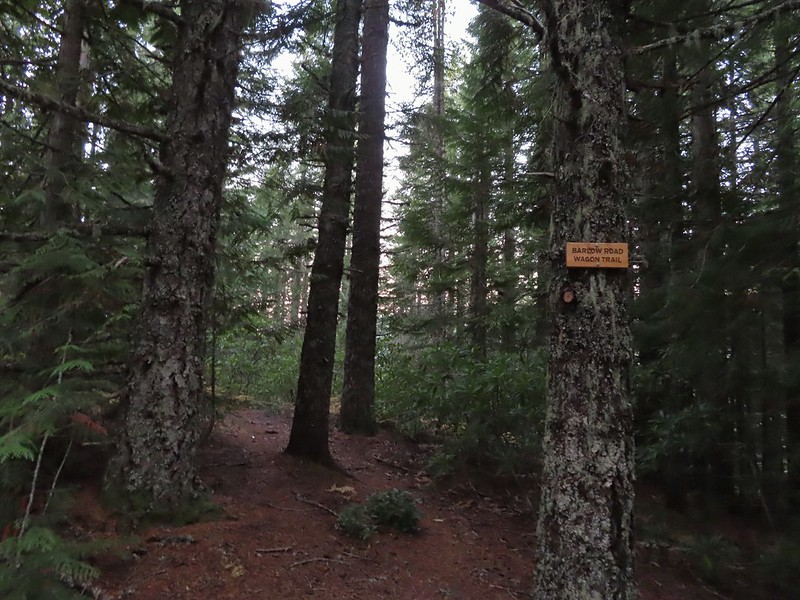 The left at the 4-way junction.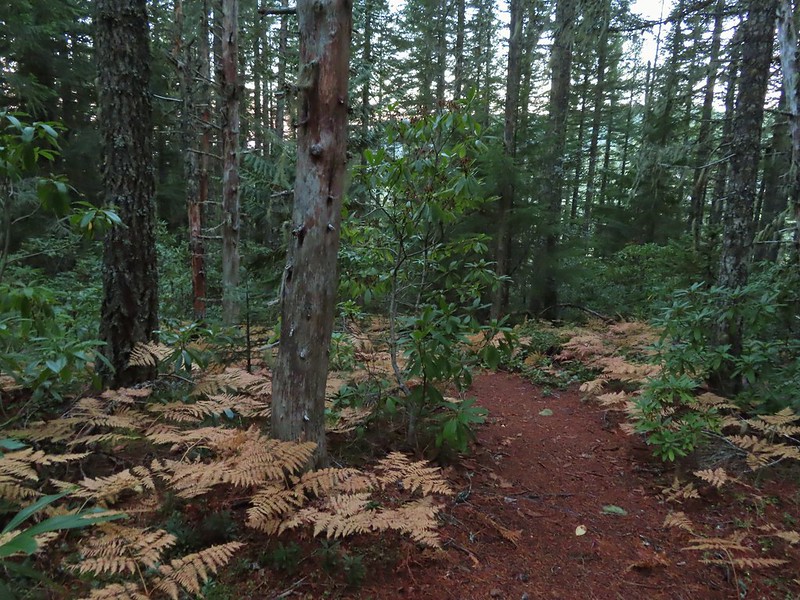
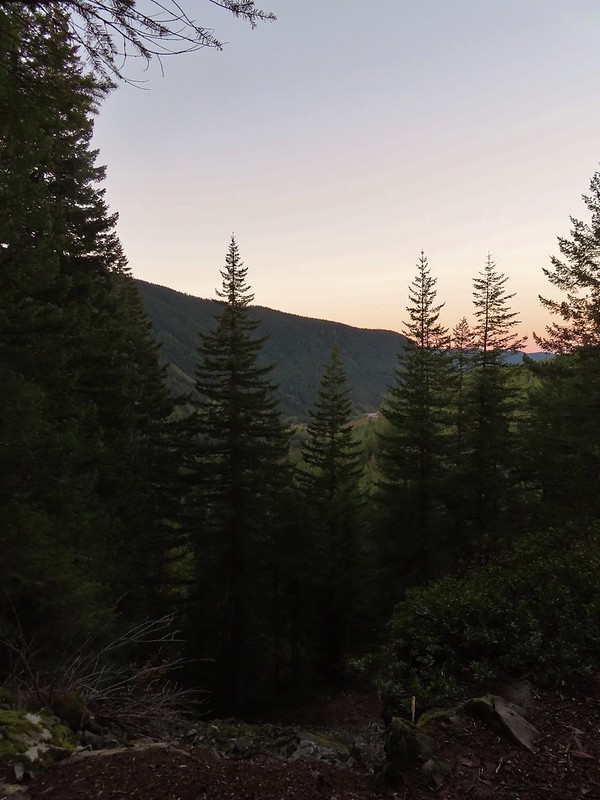
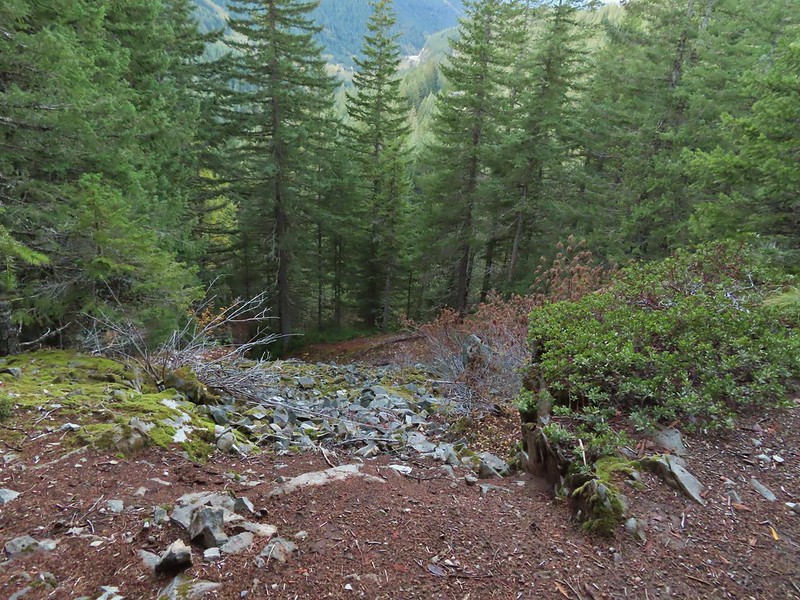 Looking down the chute.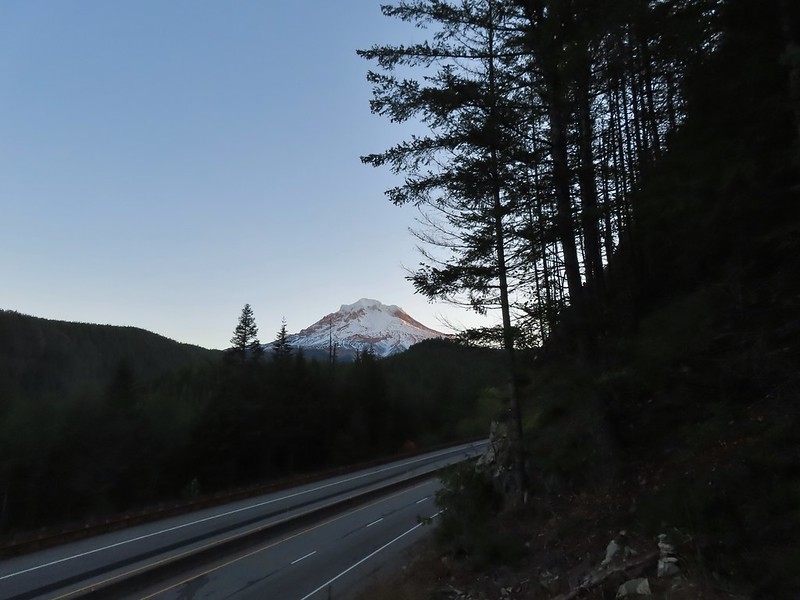
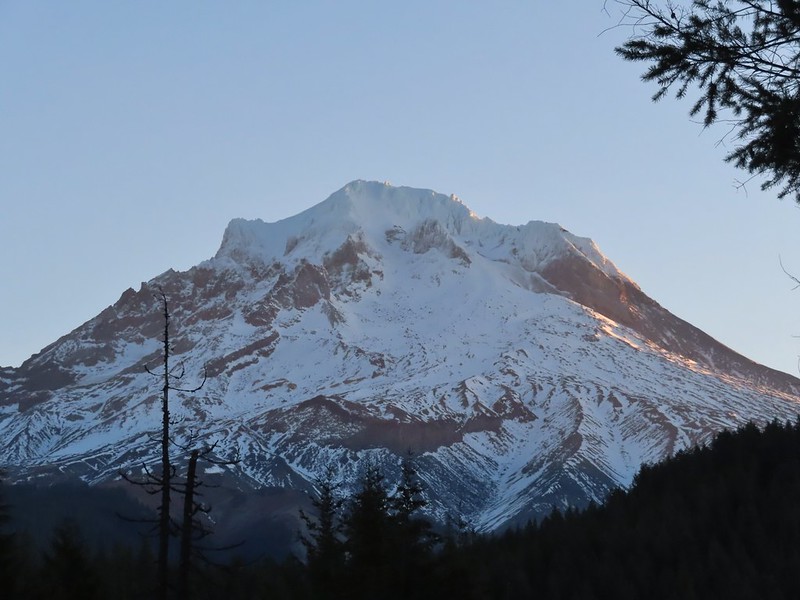 Sunlight starting to hit the SE side of Mt. Hood.
 Ravens photo bombing a close up of the mountain.


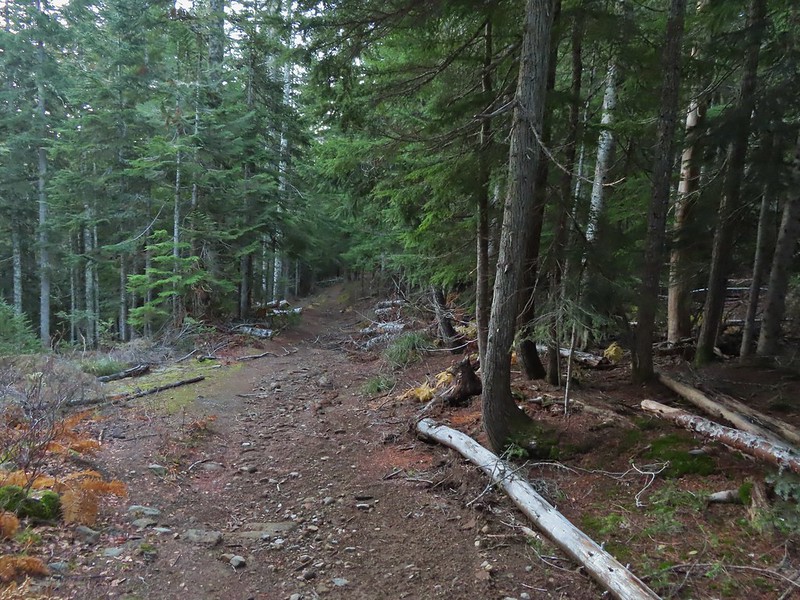 A portion of the original Barlow Wagon Road.
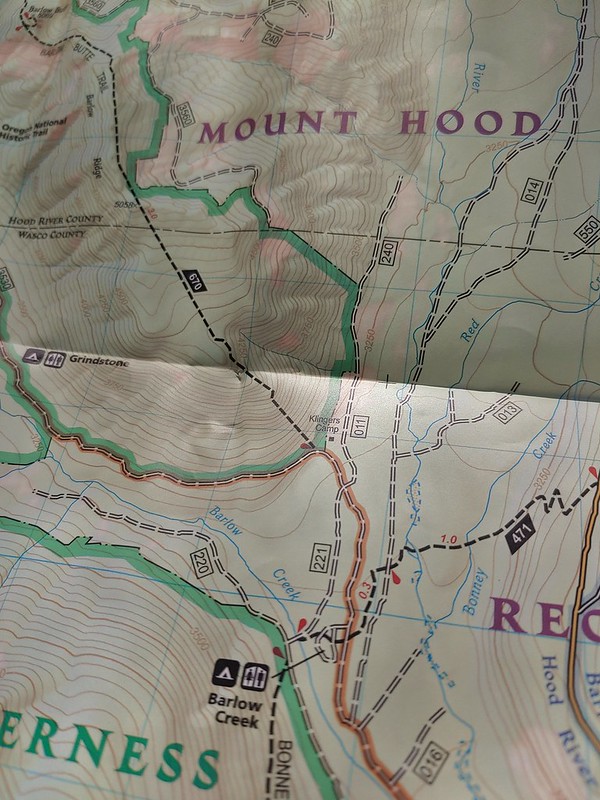
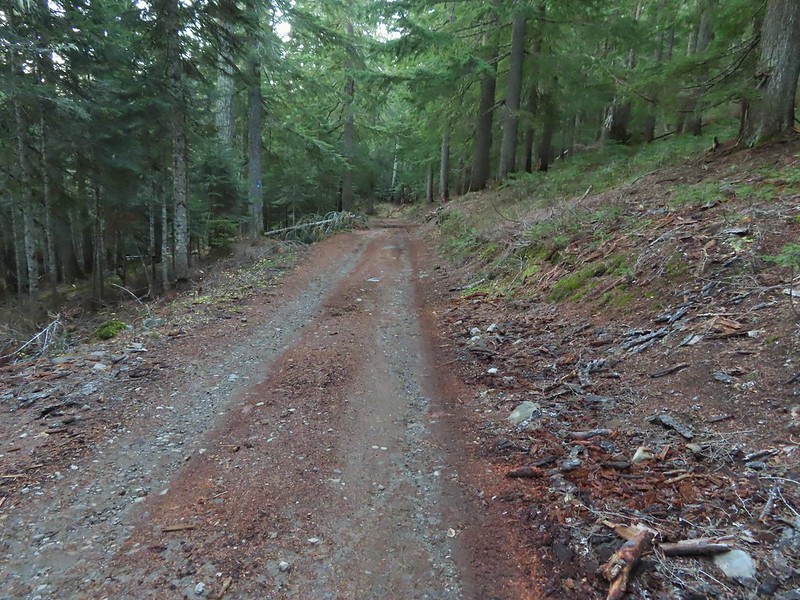 Barlow Road (FR 3530)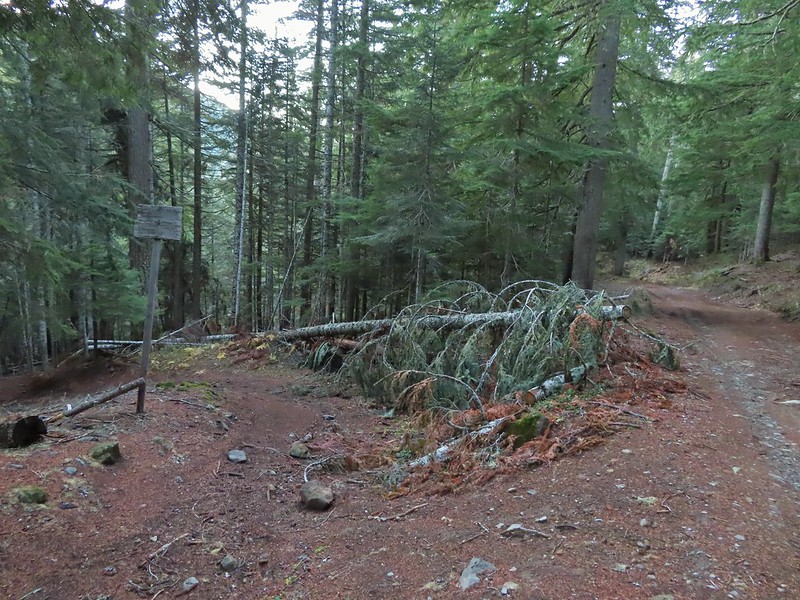

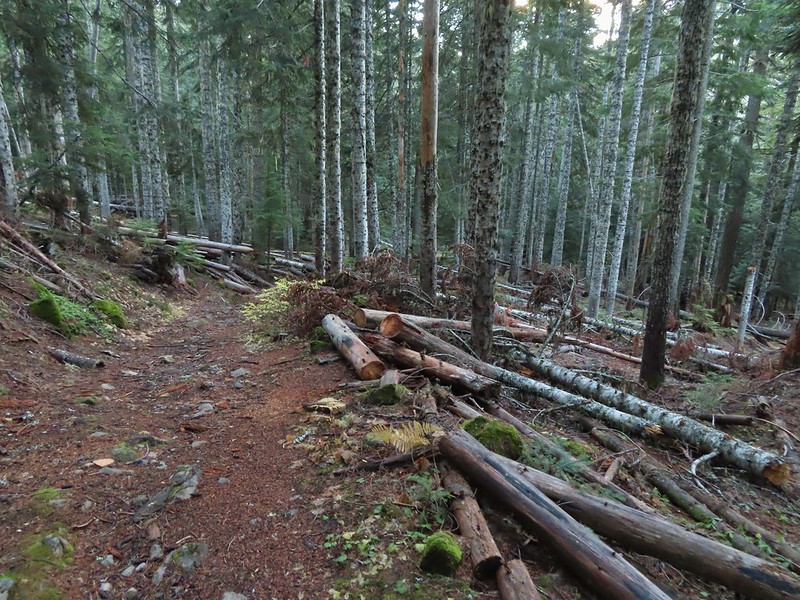


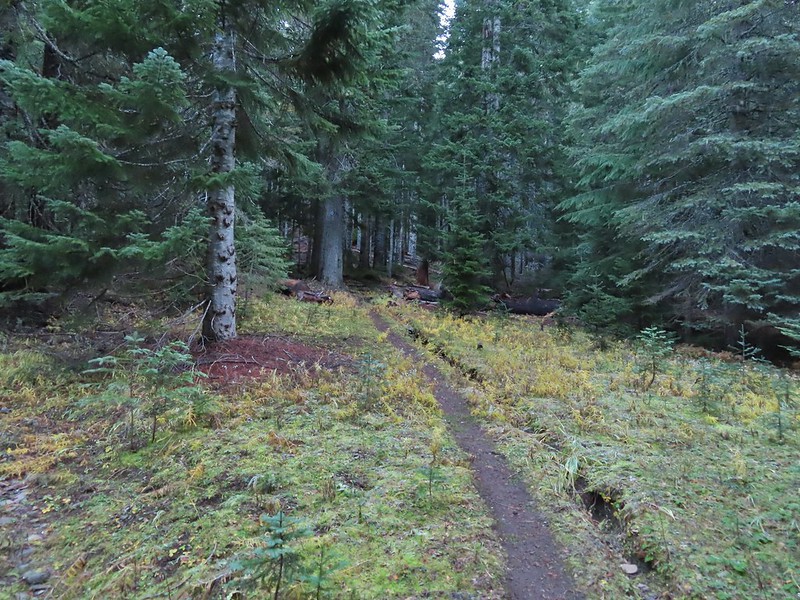


 Wilderness sign along the Barlow Butte Trail.
 Getting steeper.
 This was the worst of the blow down we had to navigate on this section.
 Nearing the junction.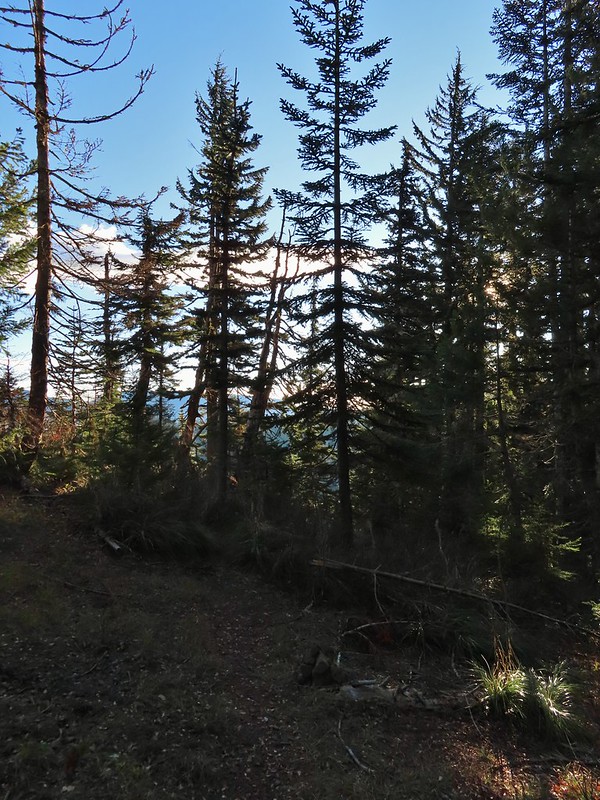
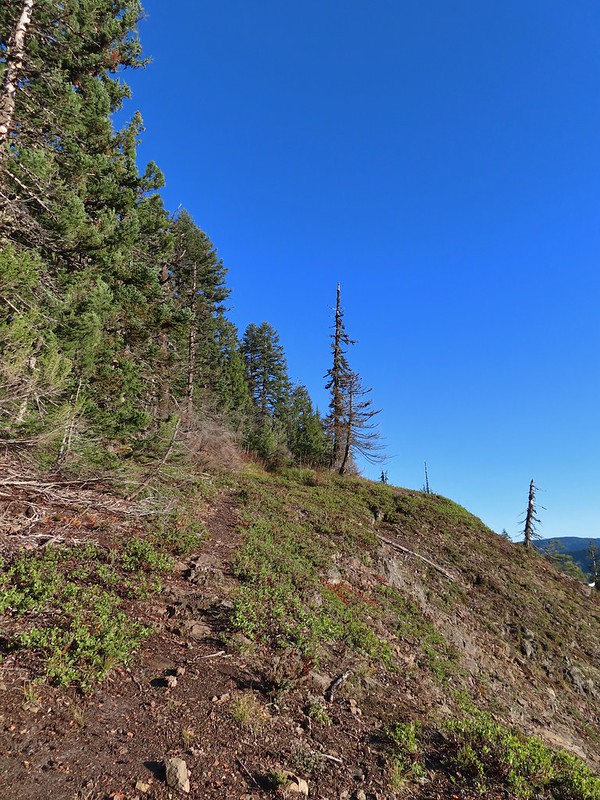
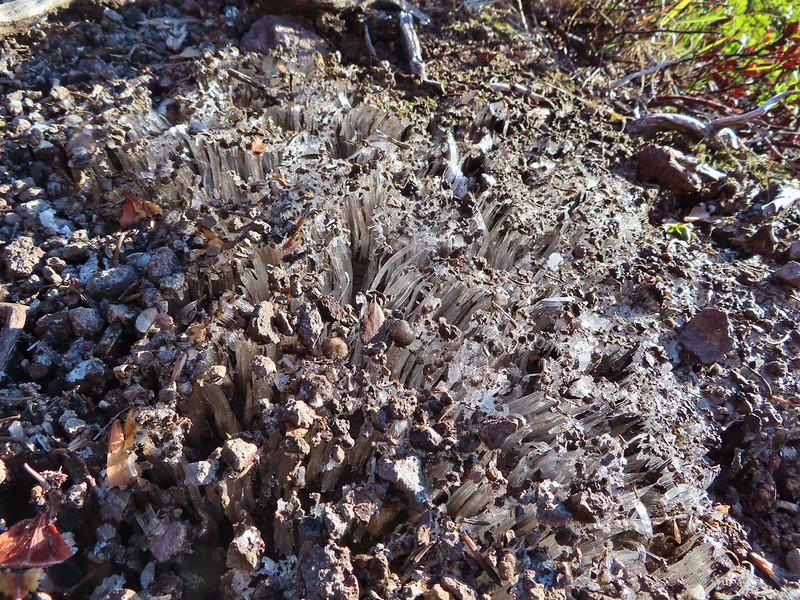 It was a little chilly with temps in the mid 30’s combined with a stiff breeze adding to the wind chill.
 On the right of the far ridge is Bonney Butte (
 Remains from the lookout.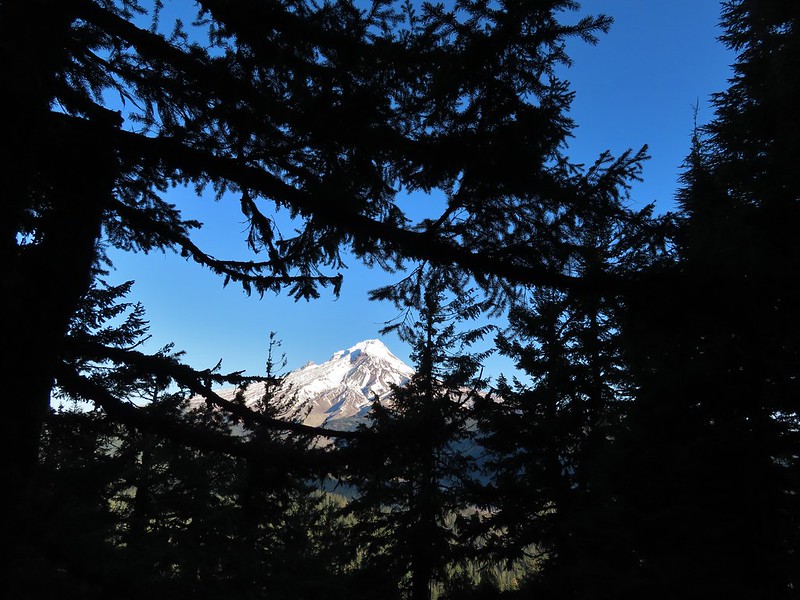
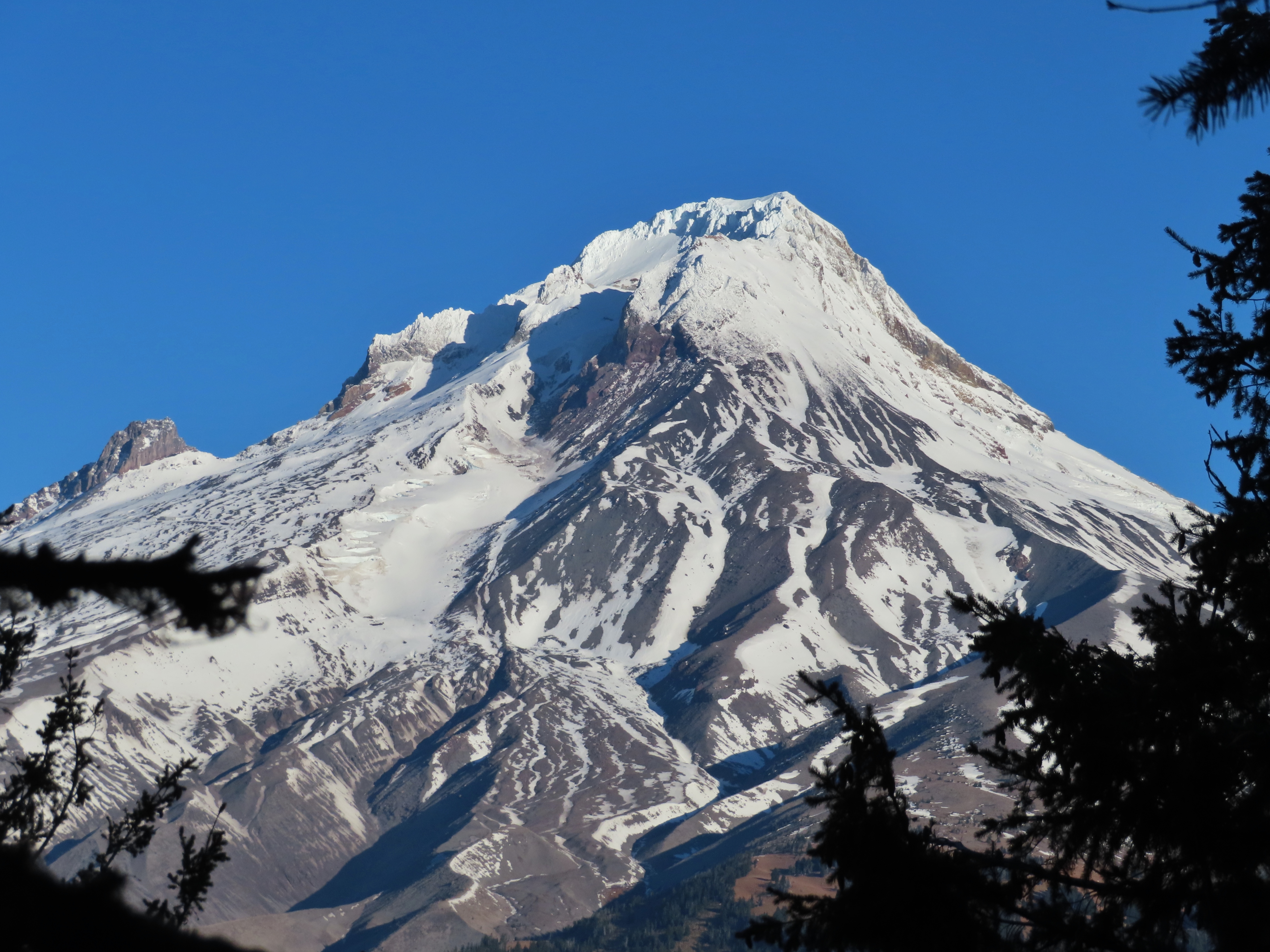
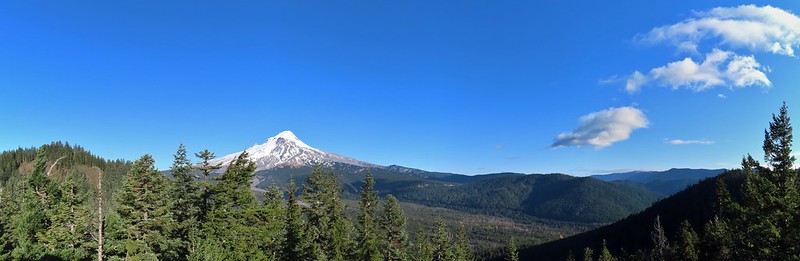
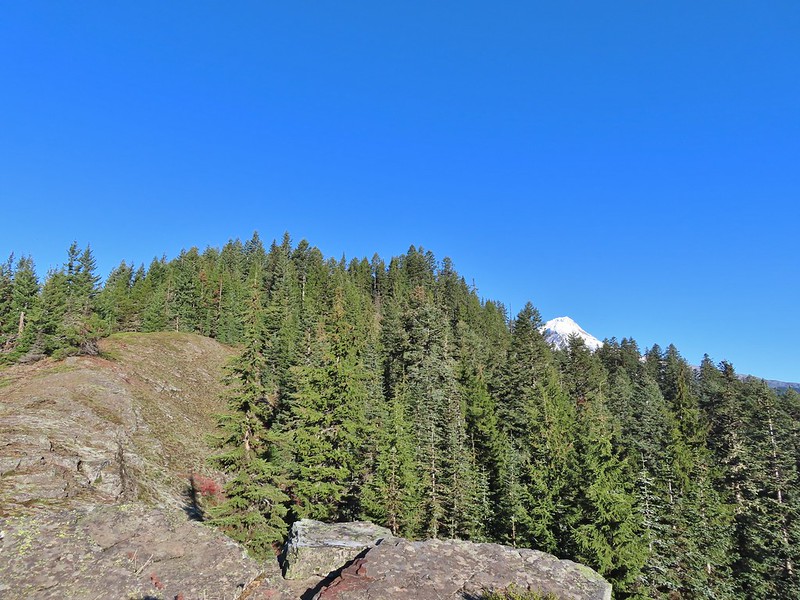 Barlow Butte and the top of Mt. Hood.
 Frog Lake Buttes (
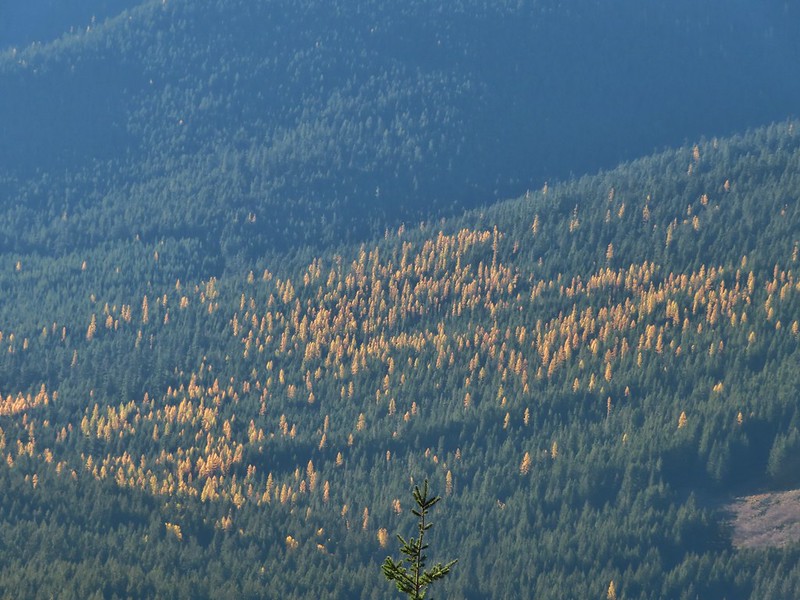 Western larches
 Mt. Jefferson behind some clouds.
 Sisi Butte (double humps) and Bachelor Mountain (


 Barlow Butte to the left of Mt. Hood.
 Mt. Jefferson still behind some clouds.
 Parts of Mt. Jefferson peaking through the clouds.
 Tom Dick and Harry Mountain (with the rock fields near the top).
 Small cairns in a meadow.
 One of the aforementioned diamonds.
 Approaching the high point.
 Clouds were starting to pass over Lookout Mountain at this point.
 Mt. Hood from the high point of Barlow Ridge.
 Carin in the trees ahead.
 Elk or deer tracks leading the way.
 Another section of frost.
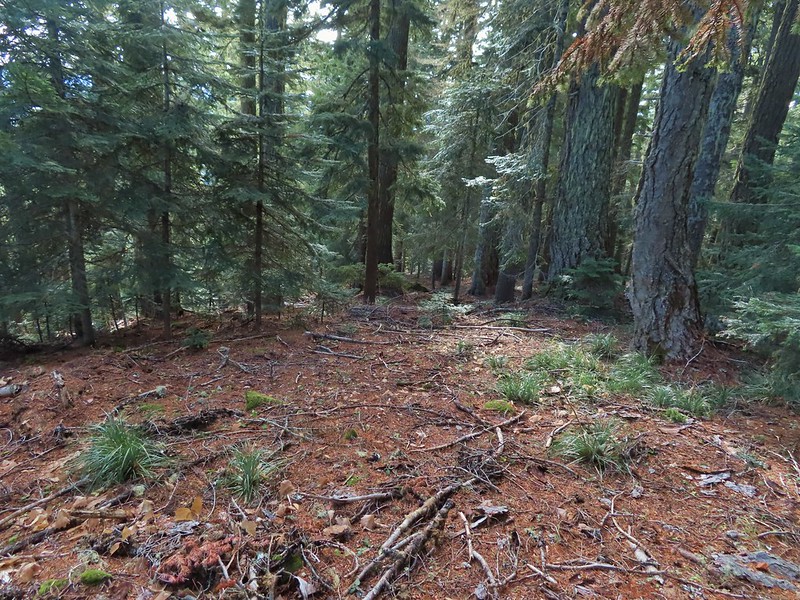
 We took this as a blaze.
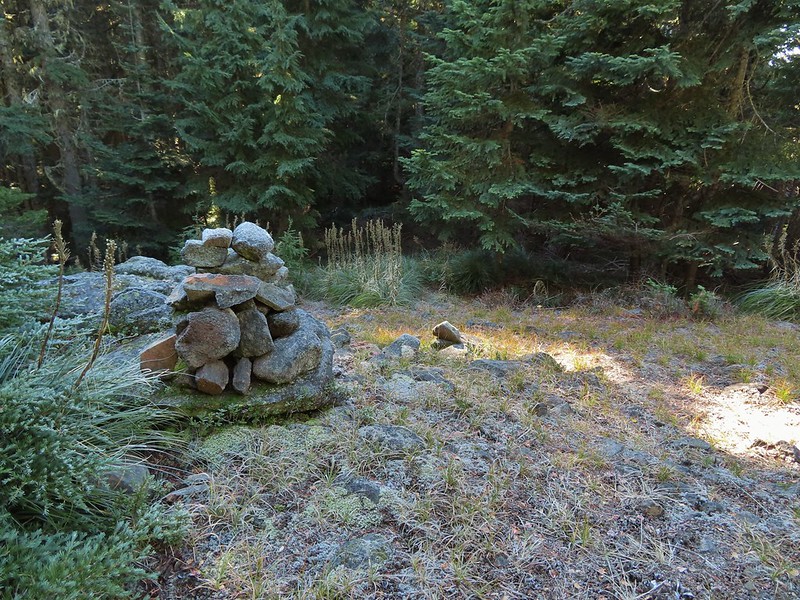 That blaze led to this large cairn.
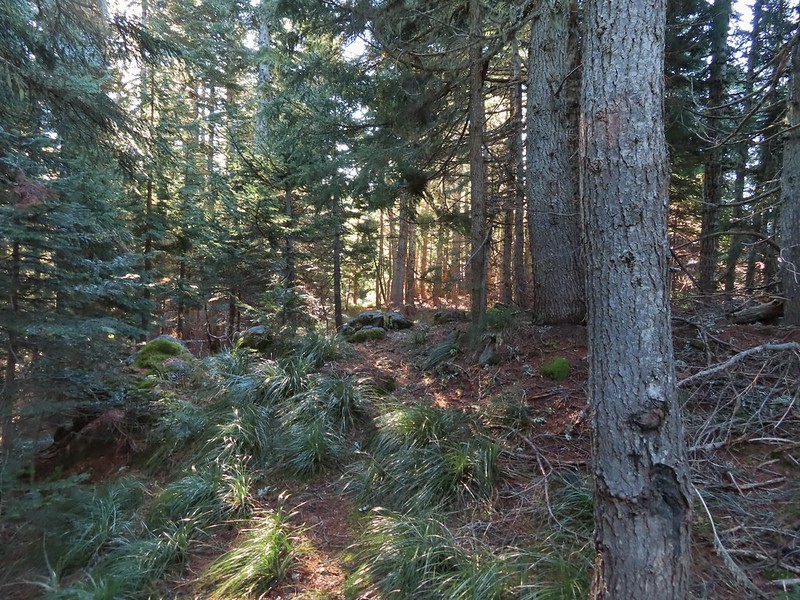
 Things were starting to get interesting here.
 Stopped here to listen for pikas, no luck though.
 This could be trail.
 Still on the right track, note the folded trail sign on the tree at center.
 The small meadow.
 Officially off-trail now.
 This looked like a place the trail would go.
 A final look at Mt. Hood from Barlow Ridge.
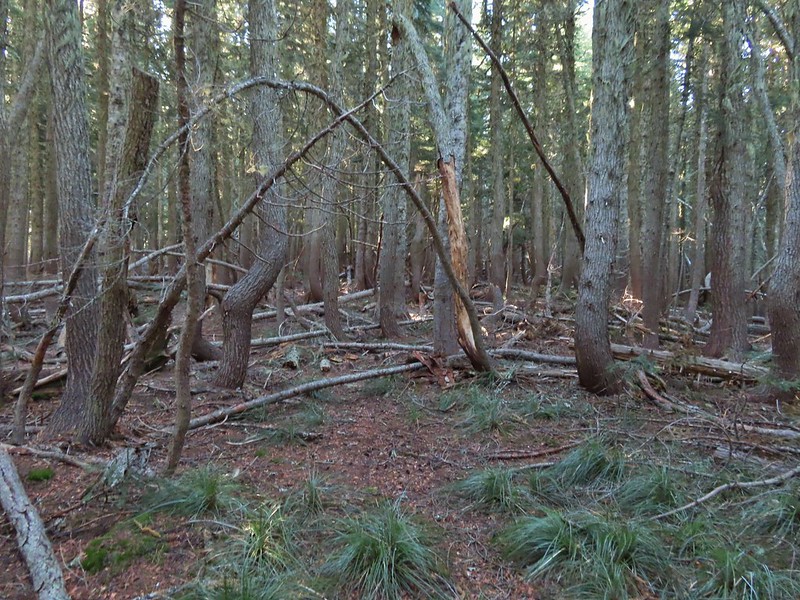
 This doesn’t look so bad.
 One of several big trees we encountered.
 Little orange mushrooms, how appropriate for Halloween.
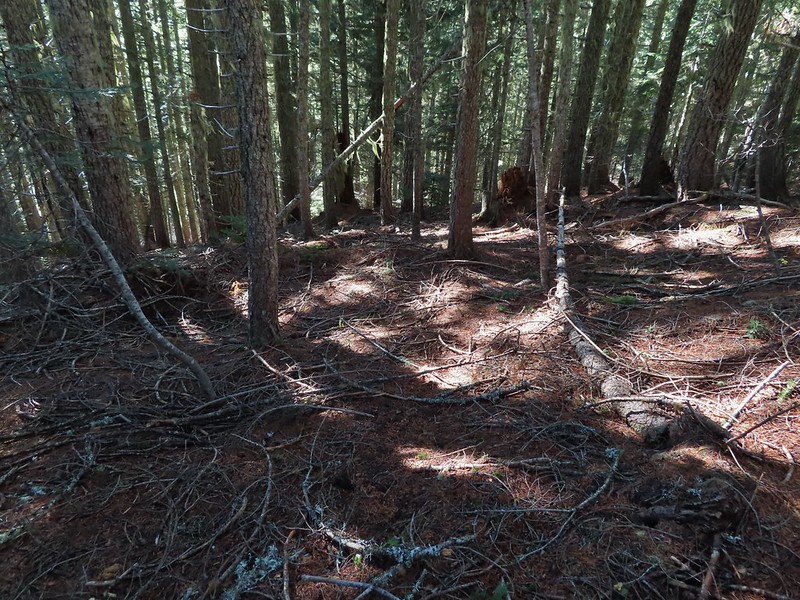 Starting to encounter more debris.
 If there had been a trail good luck finding it.
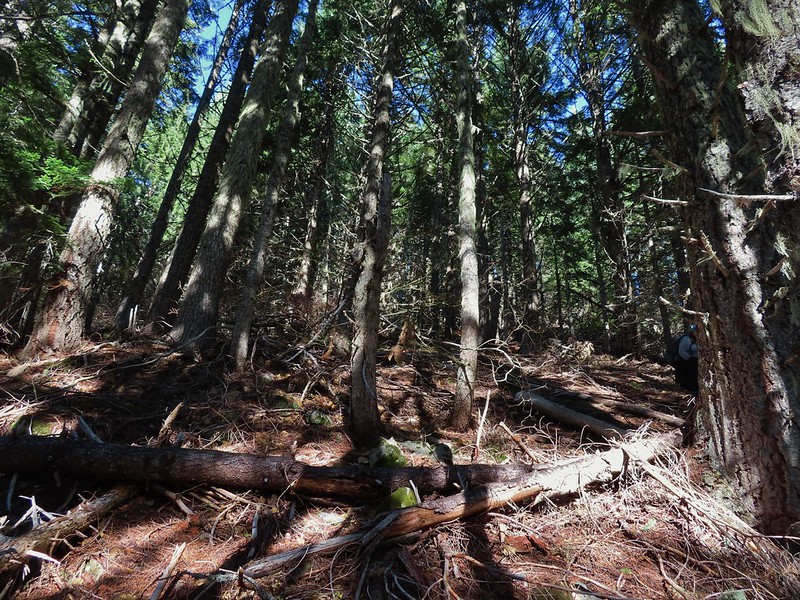 Heather coming down behind me.
 Pretty decent game trail here.
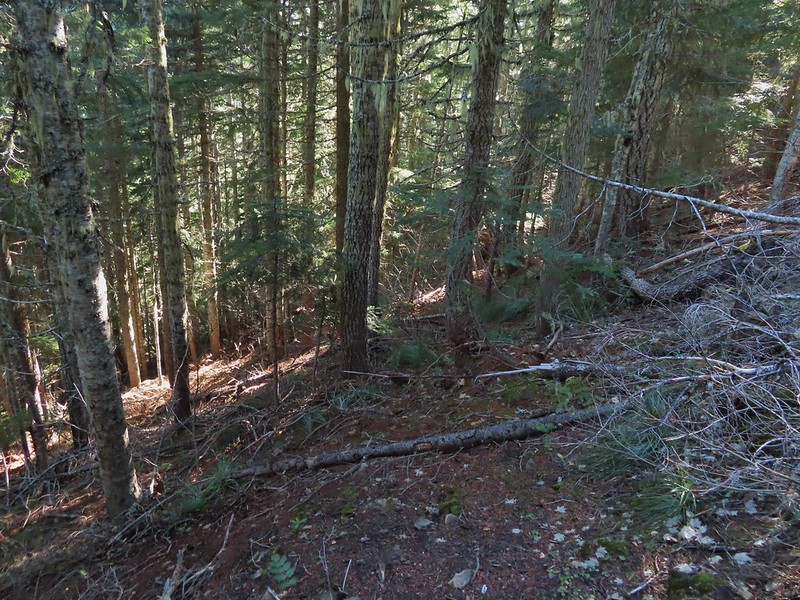 This section was fun.
 A bigger orange mushroom.
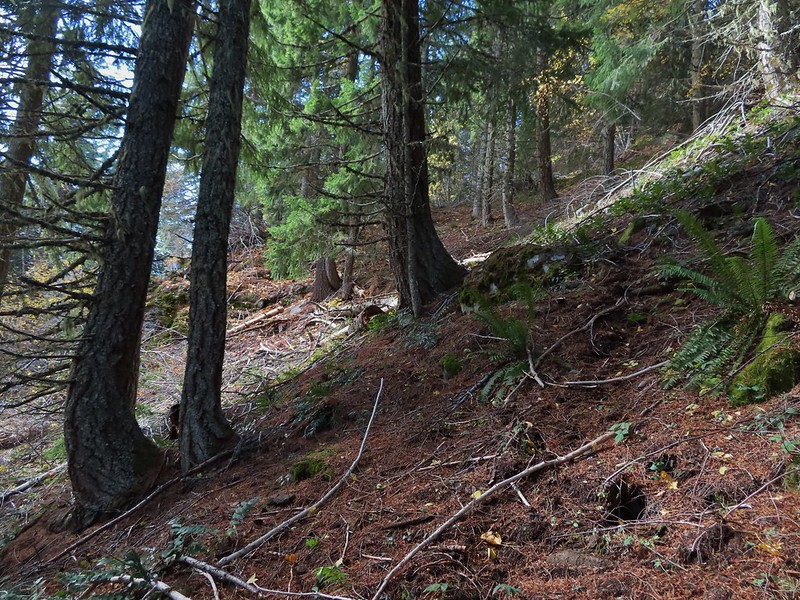 Uphill on this game trail.
 Thickets of brush kept us from getting all the way over to the ridge we needed so we just kept going downhill knowing that we would eventually run into one of the forest roads at the bottom.
 More steep fun.
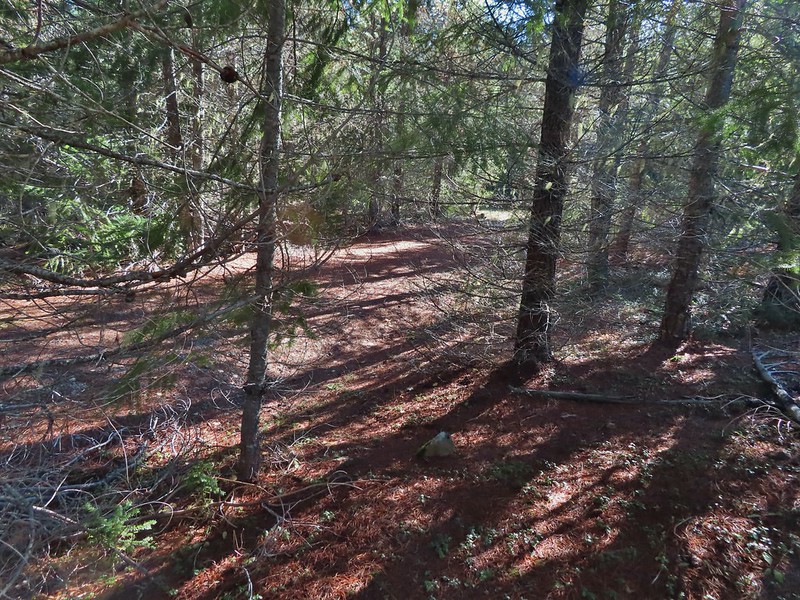 Look Ma a road!
 It doesn’t look that steep from down here.
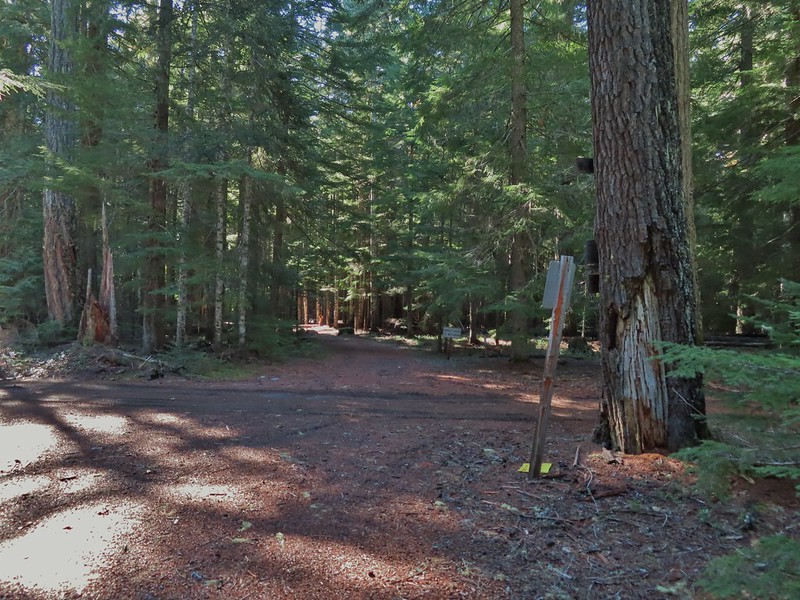 Barlow Road.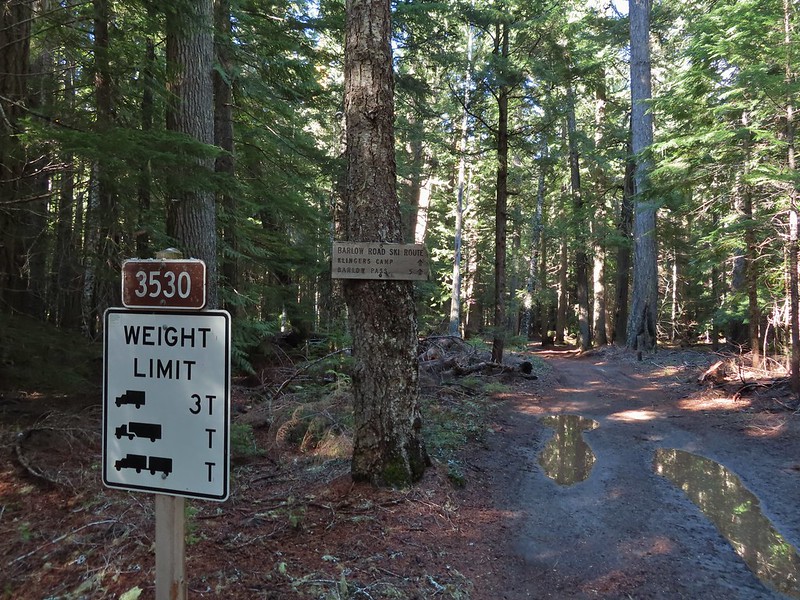


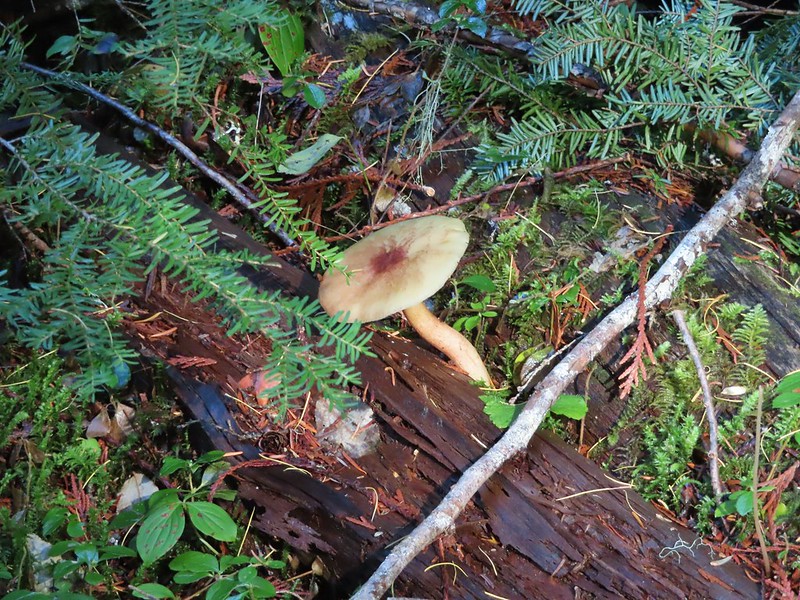

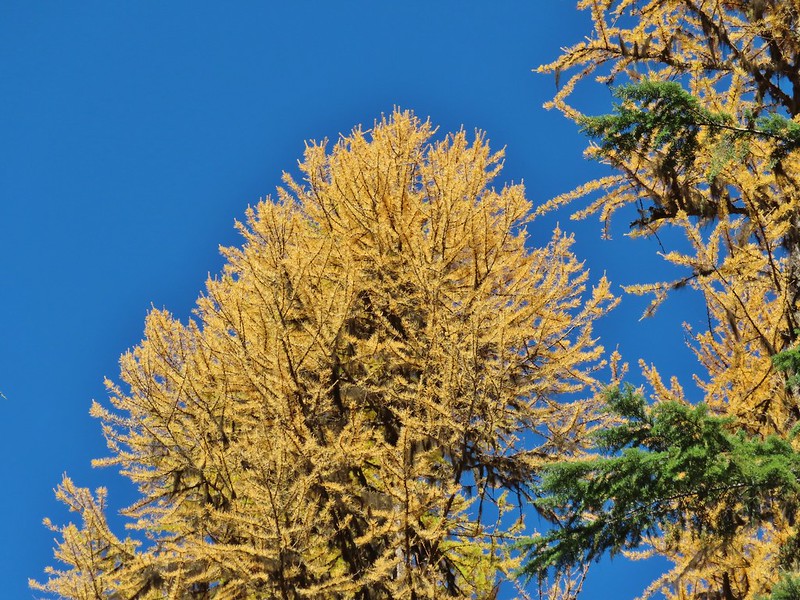 Western larches above Barlow Road.
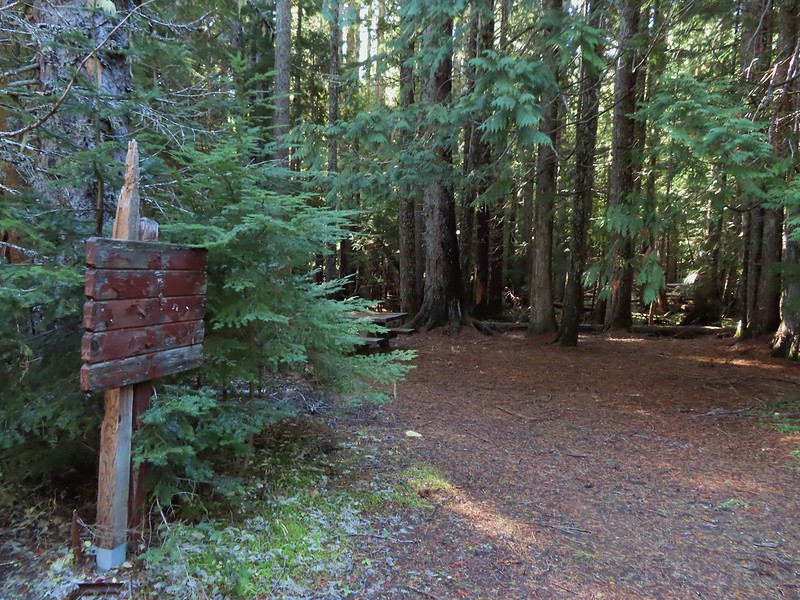 Grindstone Campground
 Barlow Creek
 Crossing Barlow Creek near Devil’s Half Acre Meadow.
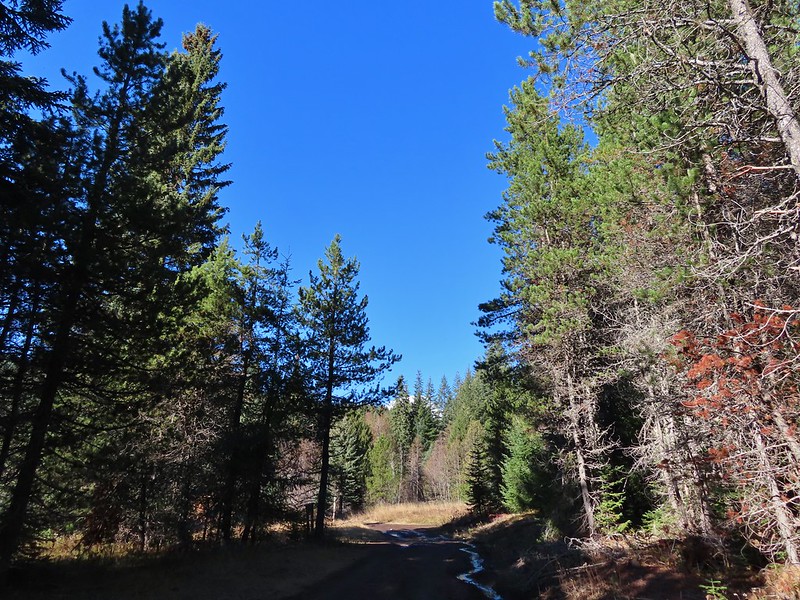 Clouds on top of Mt. Hood towering over the trees.
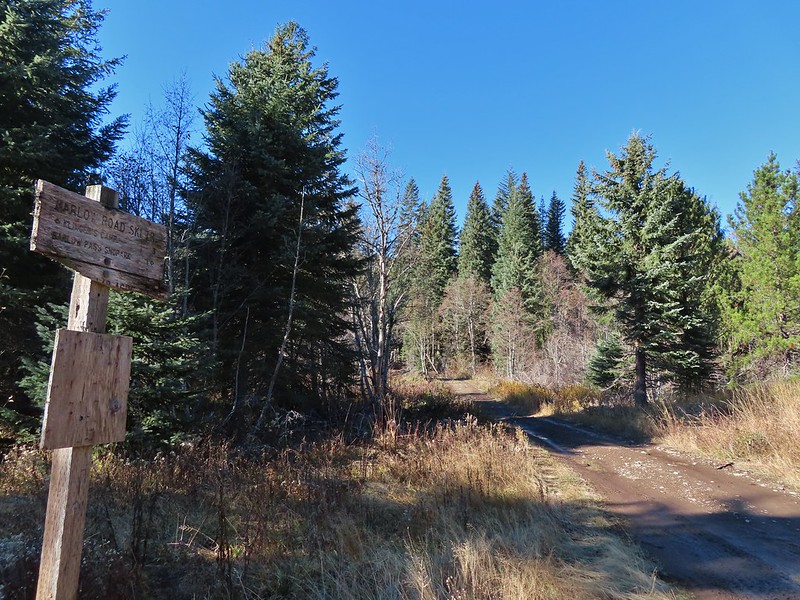 Barlow Road at the campground.
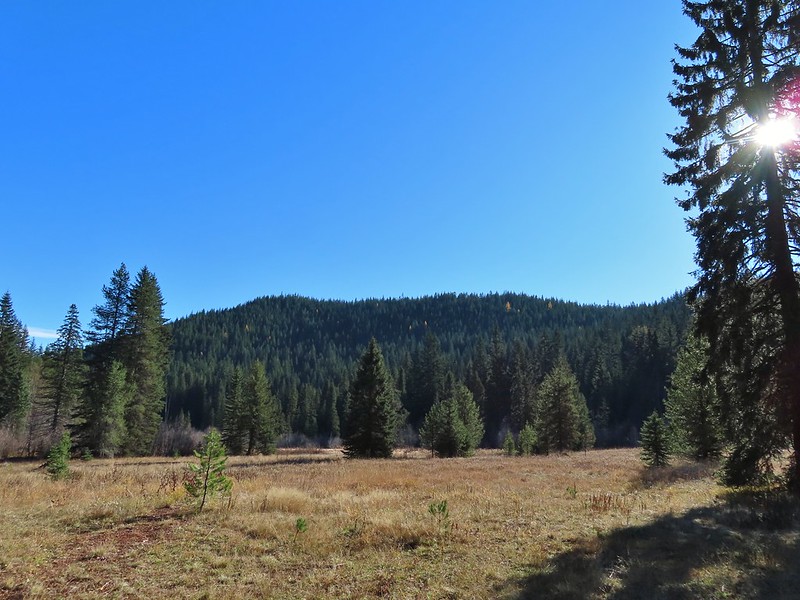 Devil’s Half Acre Meadow.
 Finally back to where we’d left the road in the morning.
 Arriving back at the Barlow Pass Trailhead
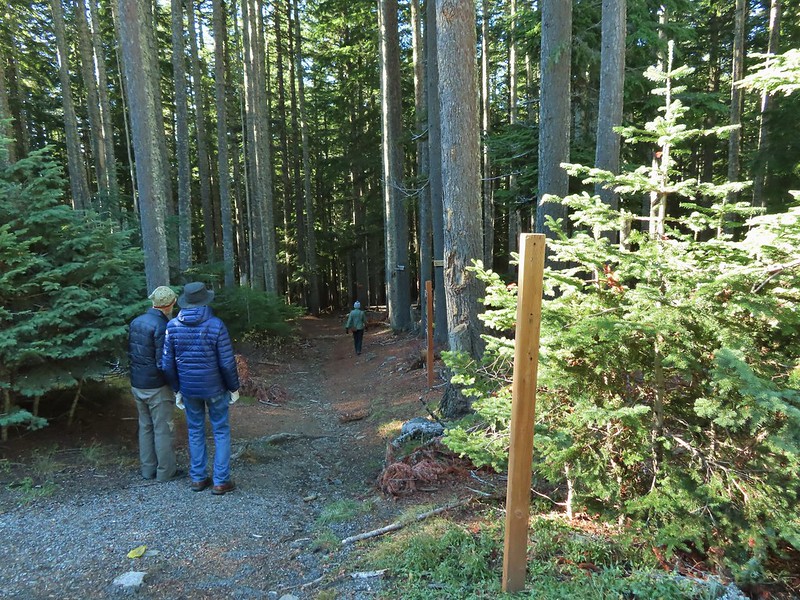 The first other people (not counting the two drivers in the pickups) that we’d seen all day.
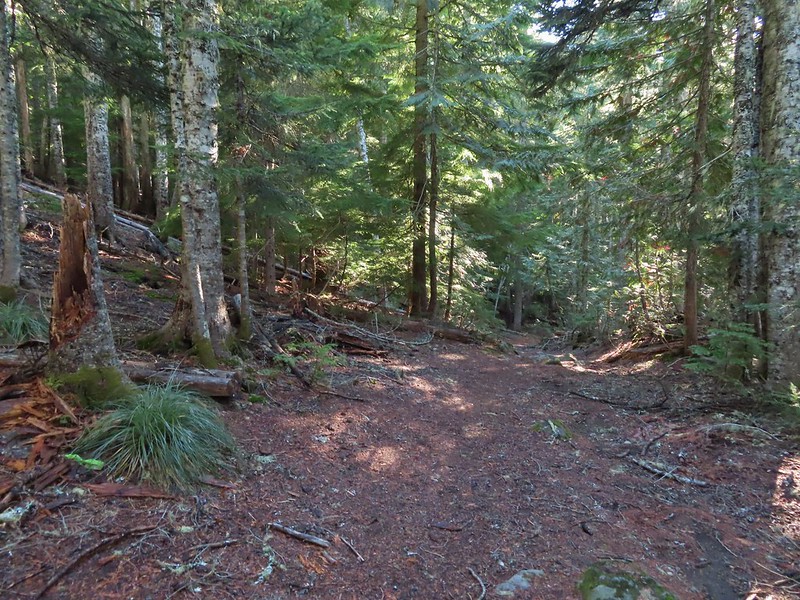



 East Fork Salmon River



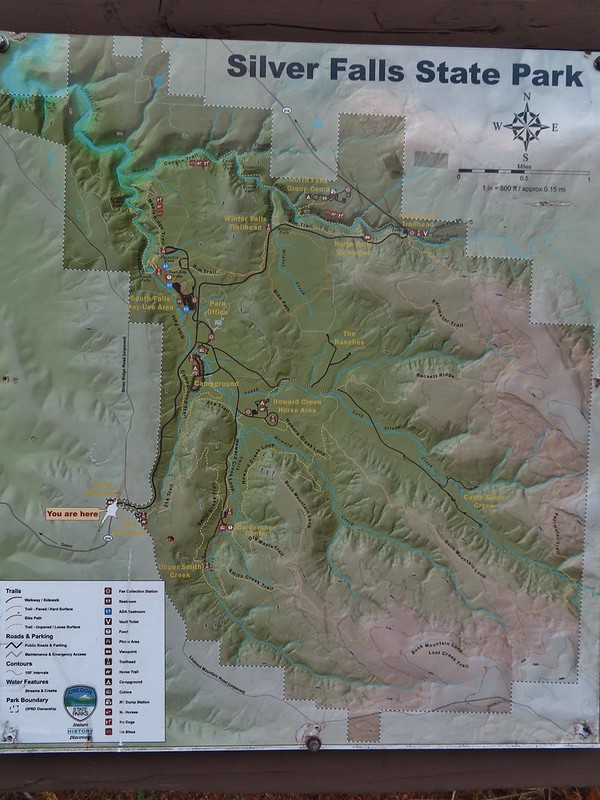 Park map at the viewpoint.
 Willamette Valley
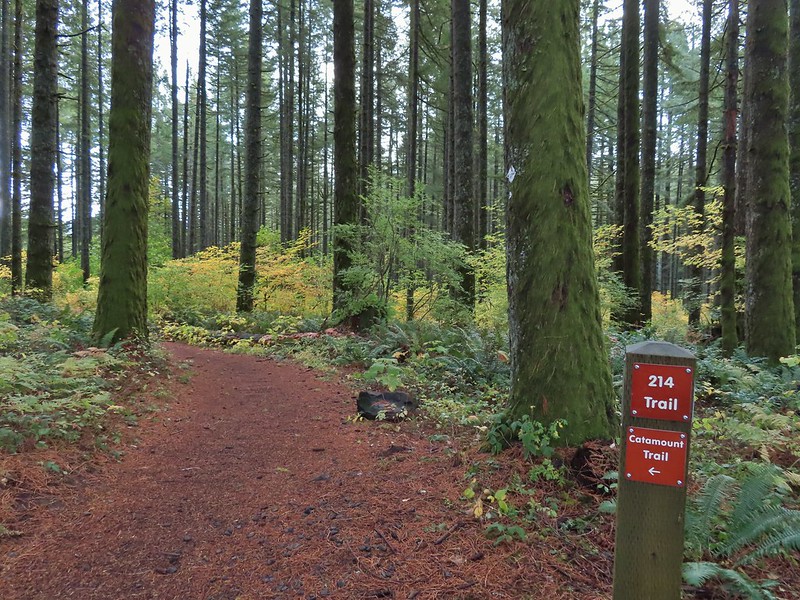

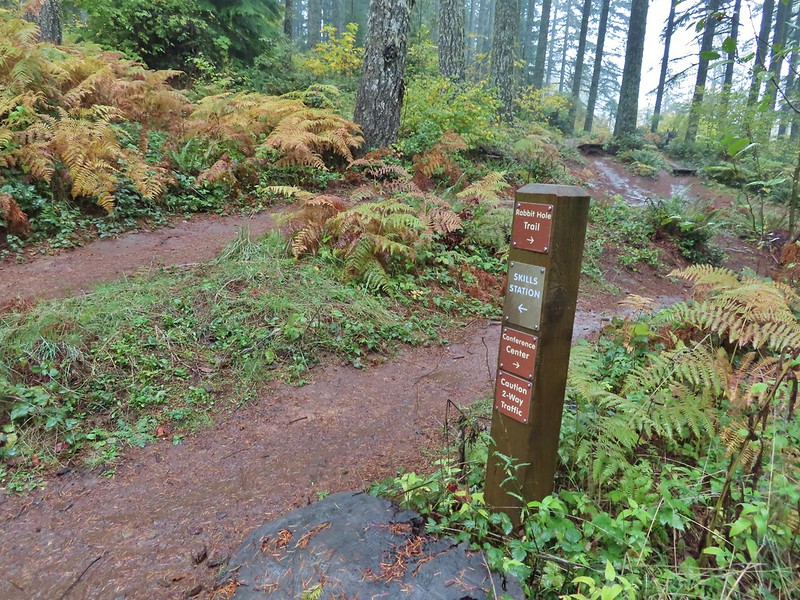
 Sign post for the Newt Loop and mountain biking skills station.
 As much blue sky as we were going to get on this day.
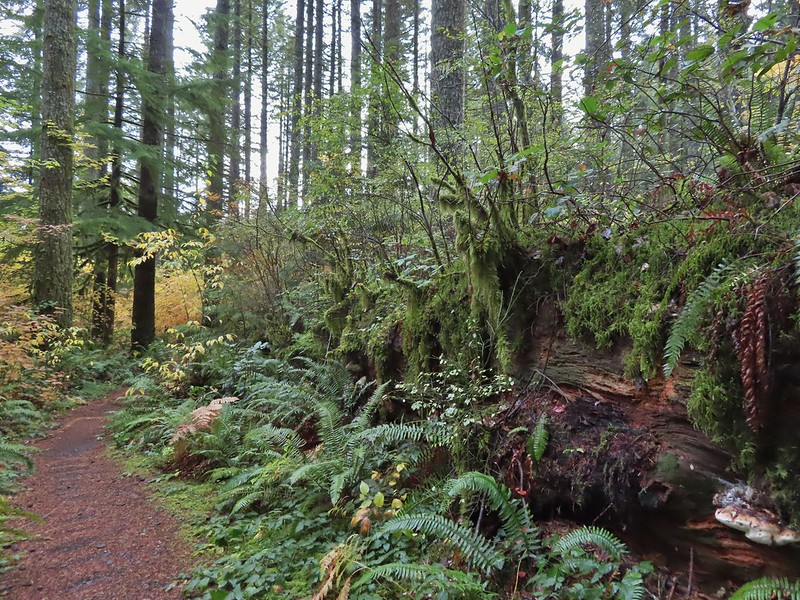 A massive old growth nursery log. The tree stood for hundreds of years and will spend hundreds more slowly decaying and providing nutrients for younger trees.
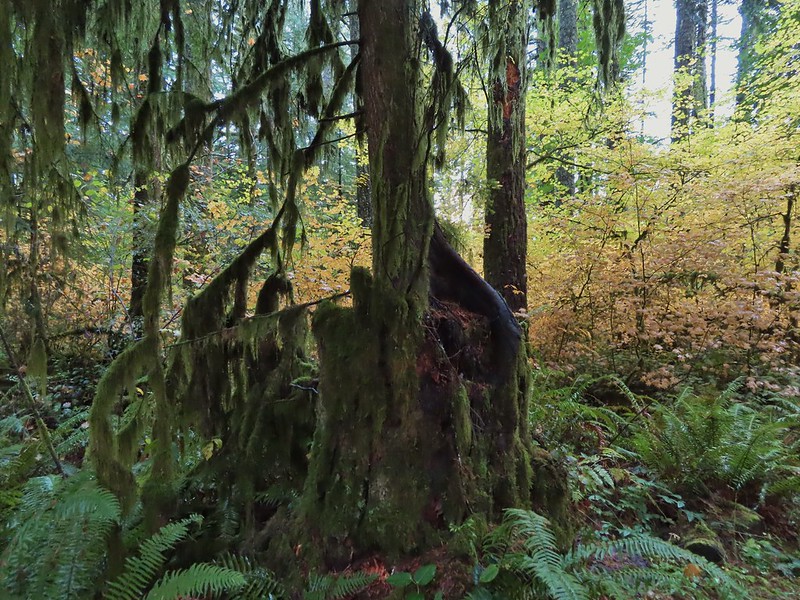 Nursery stump. While some old growth exists in the park it was also logged heavily which was the primary reason it was passed over for National Park status.
 The Smith Creek Trail junction.
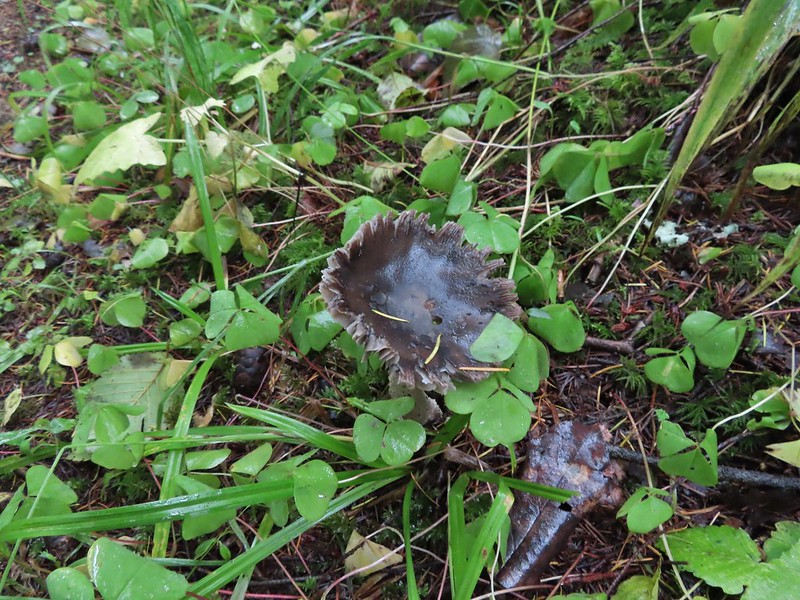
 Does anyone know their salamanders? Not sure what type this one was.
 The Nature Trail junction.
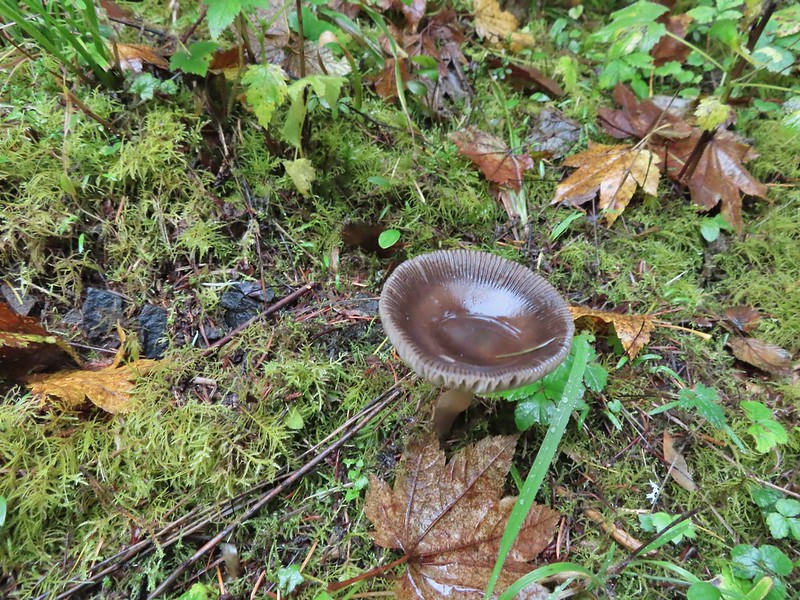
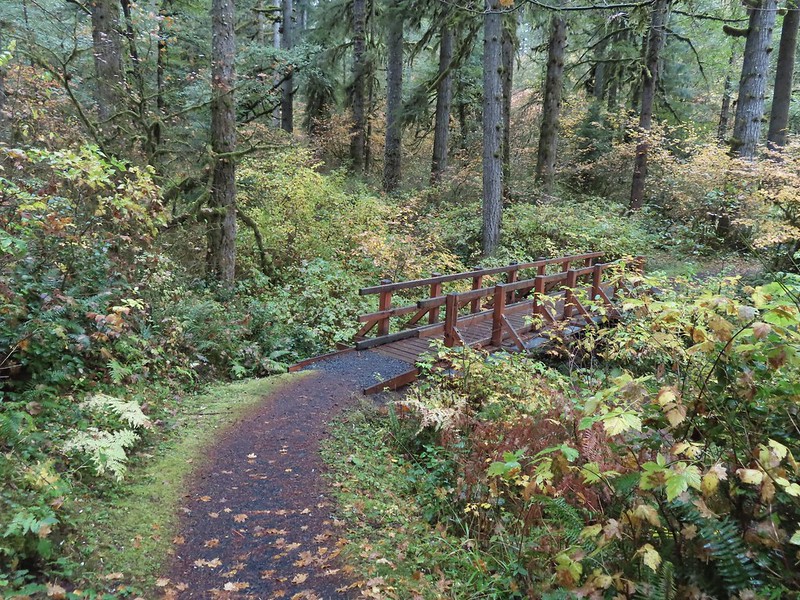


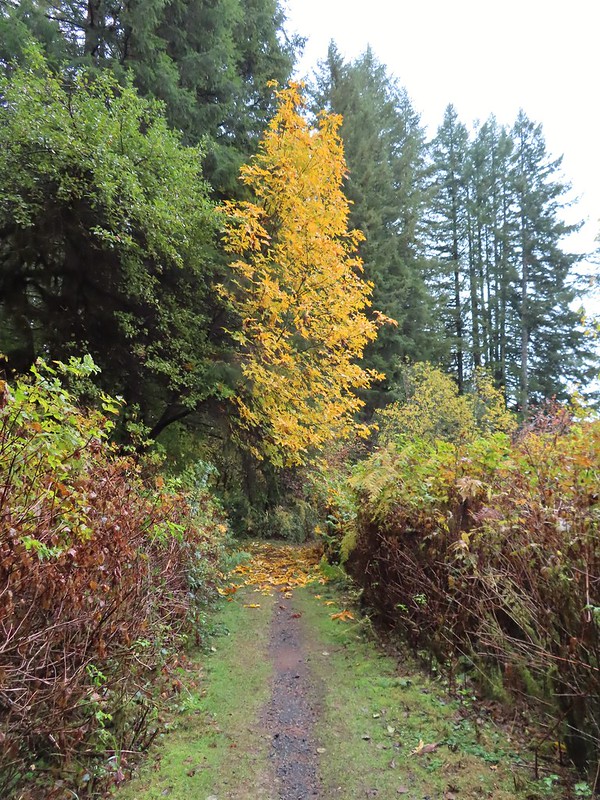

 From the spot that we entered the campground you could just see a hiker sign at the far end of the paved campground road.

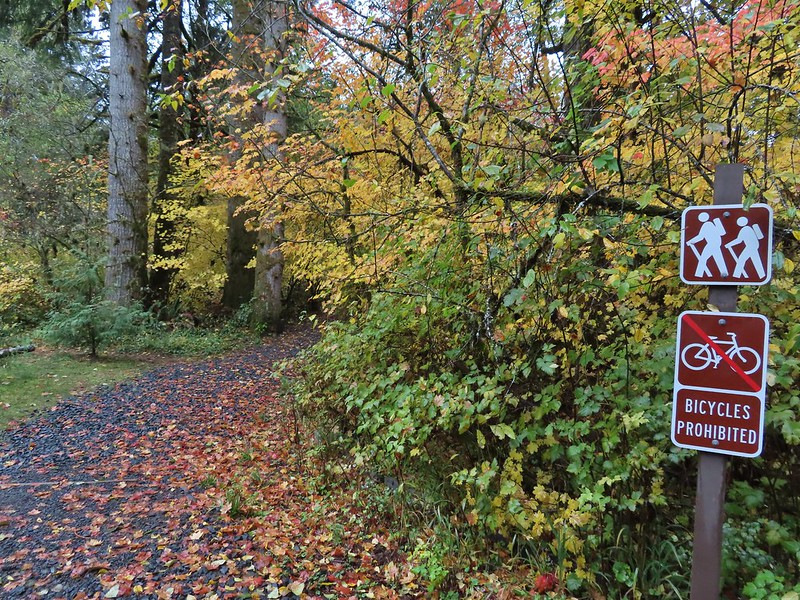
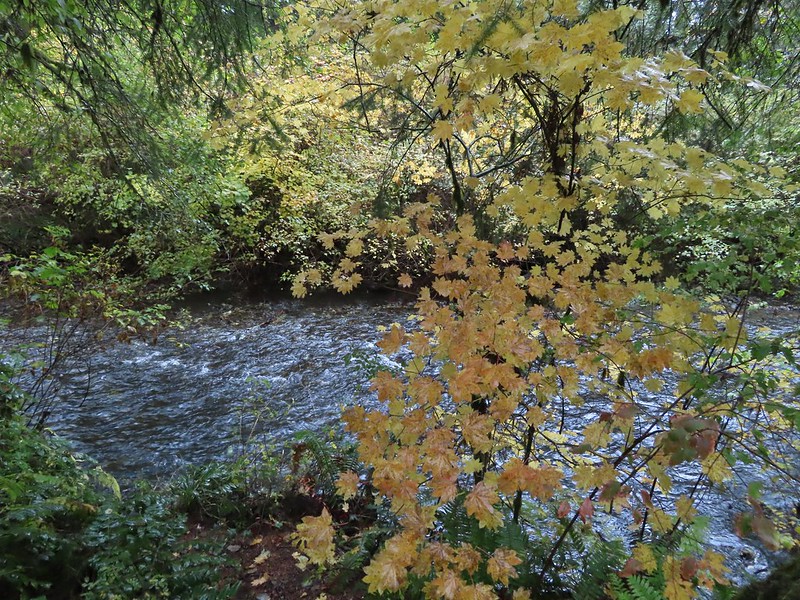
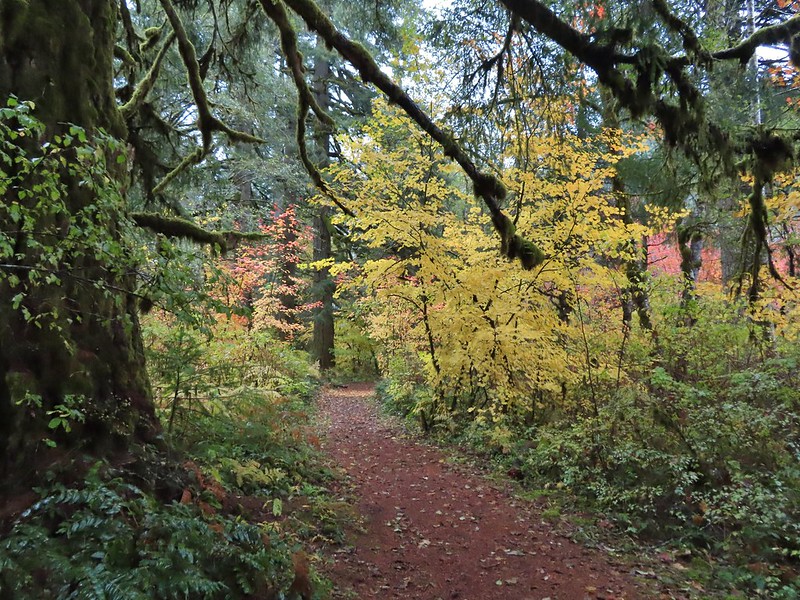

 No wildlife to view today.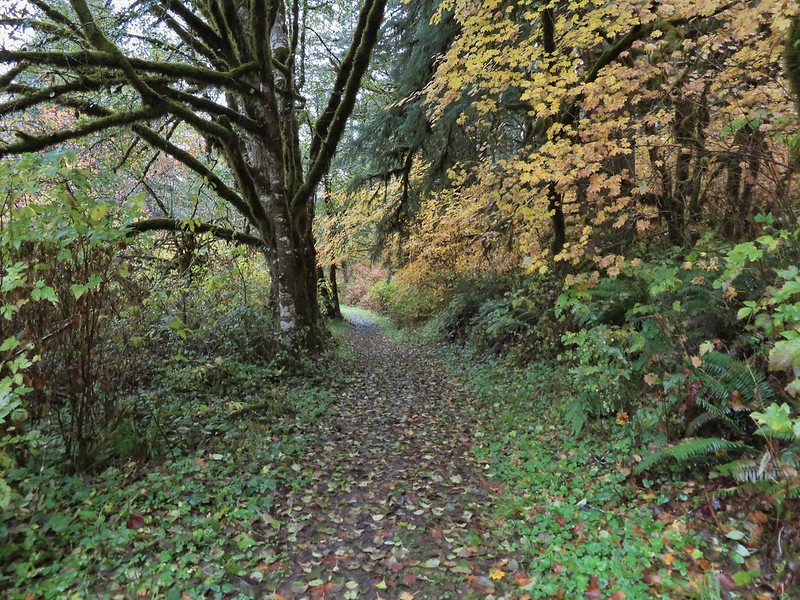

 The Howard Creek Loop Trail.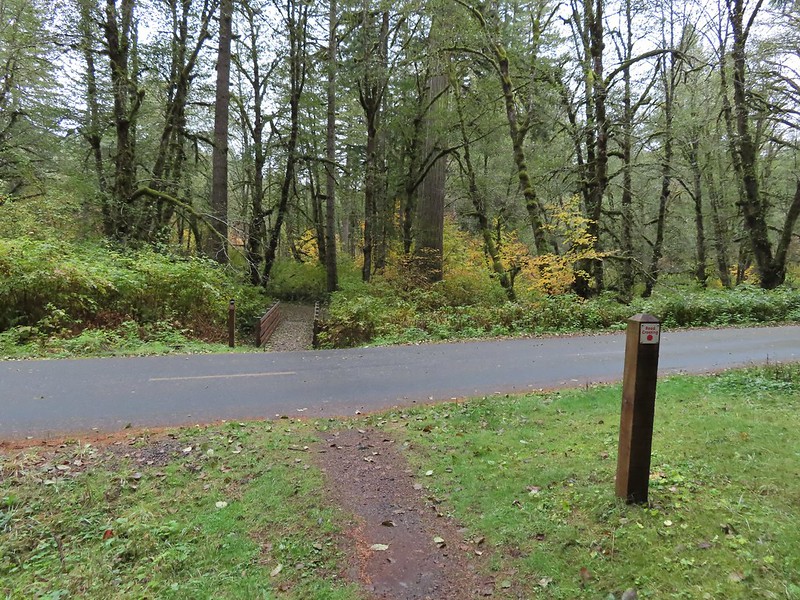
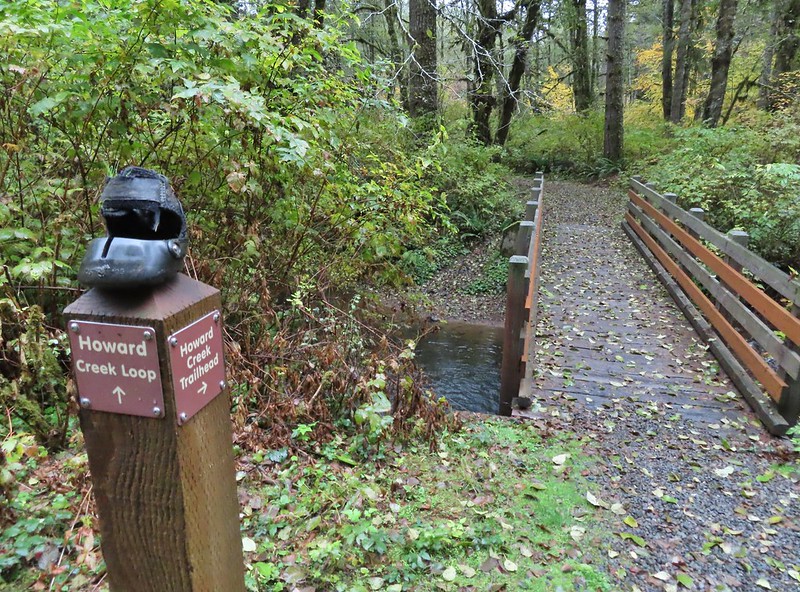
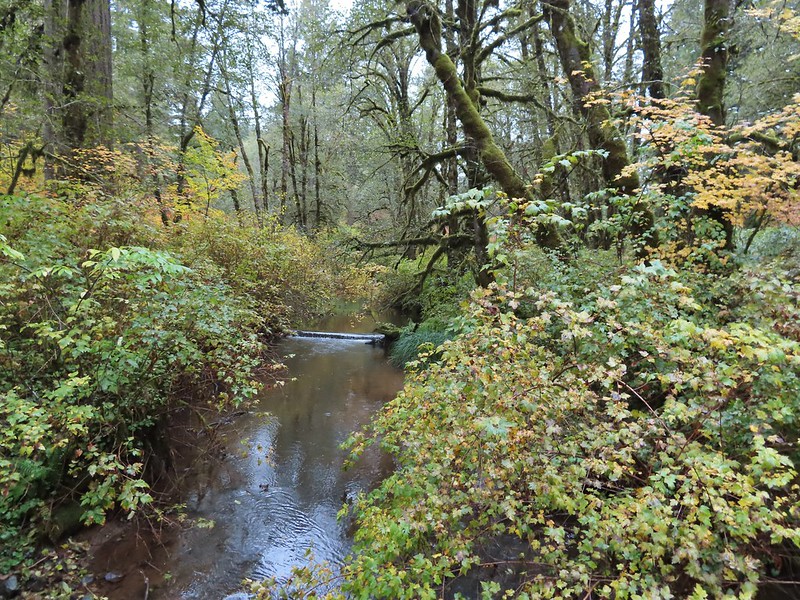 Howard Creek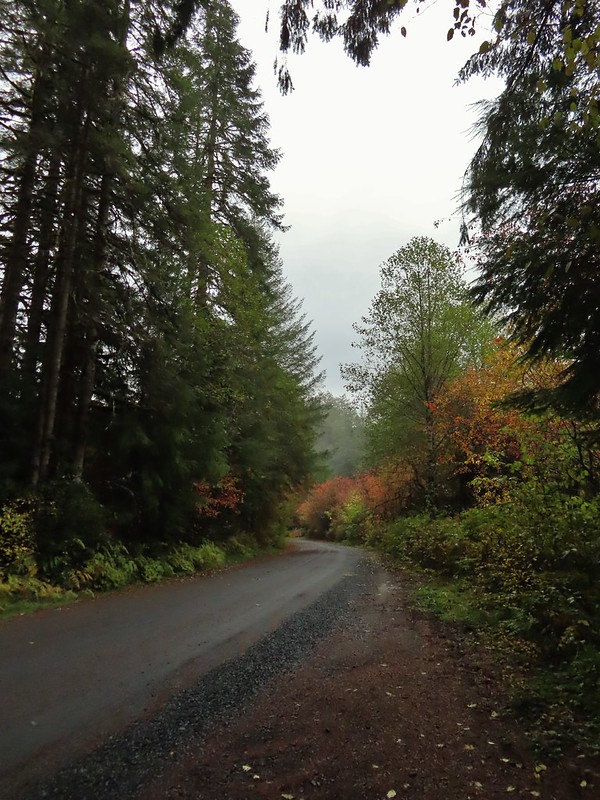
 Sign for the trailhead.


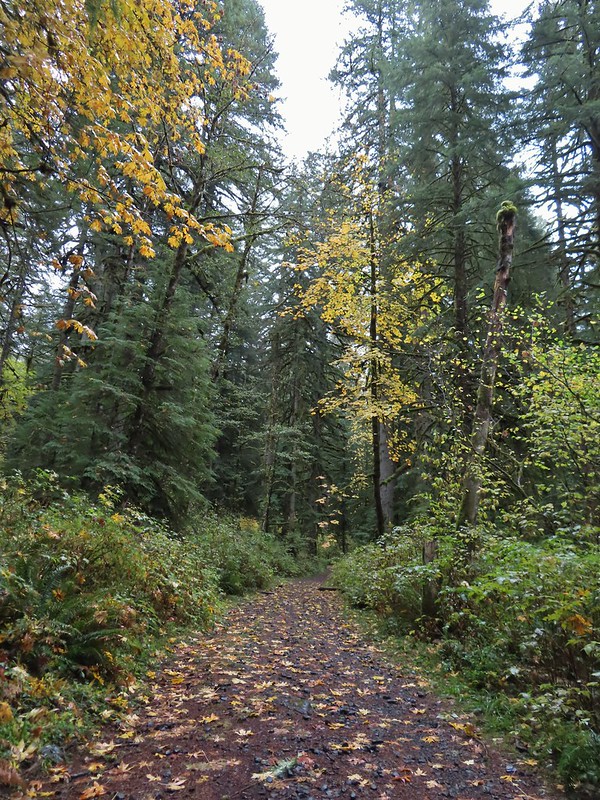
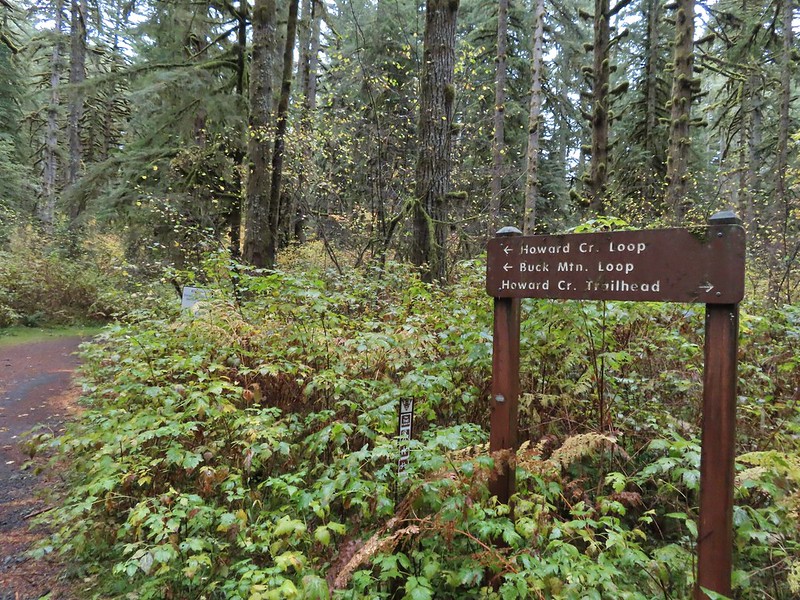
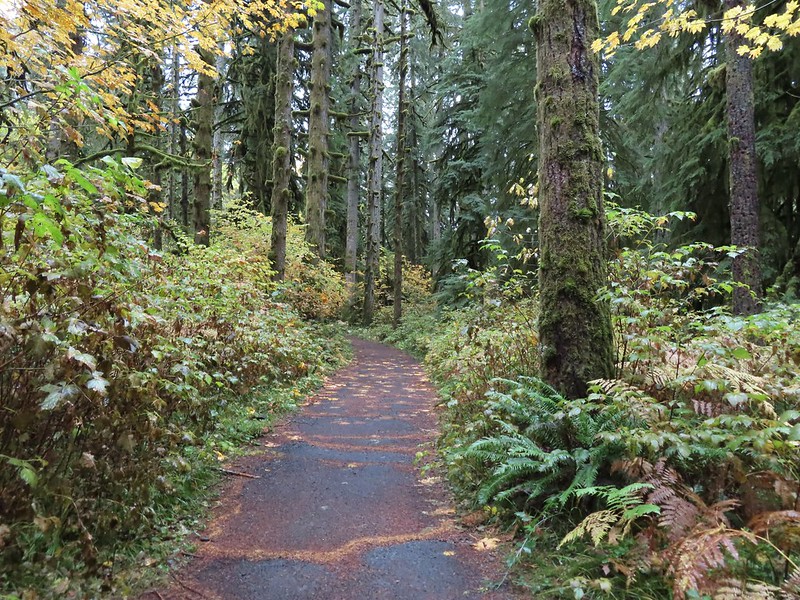

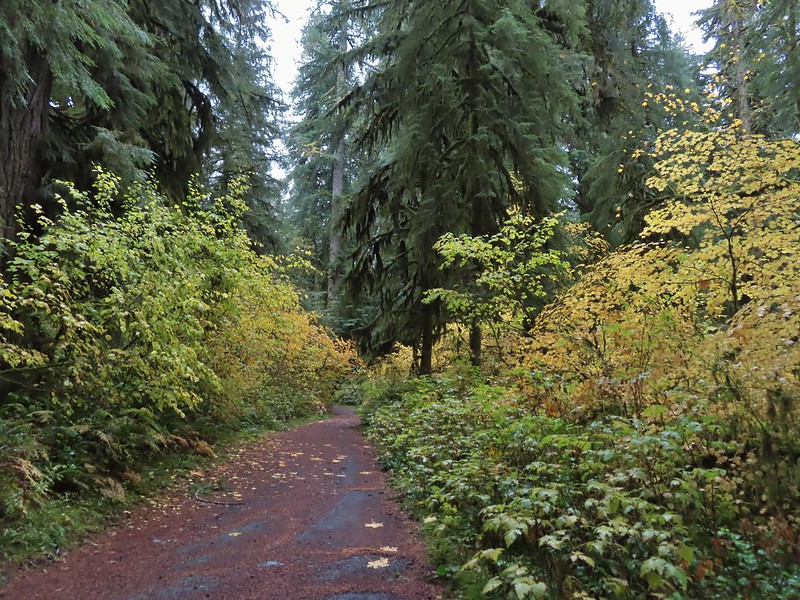
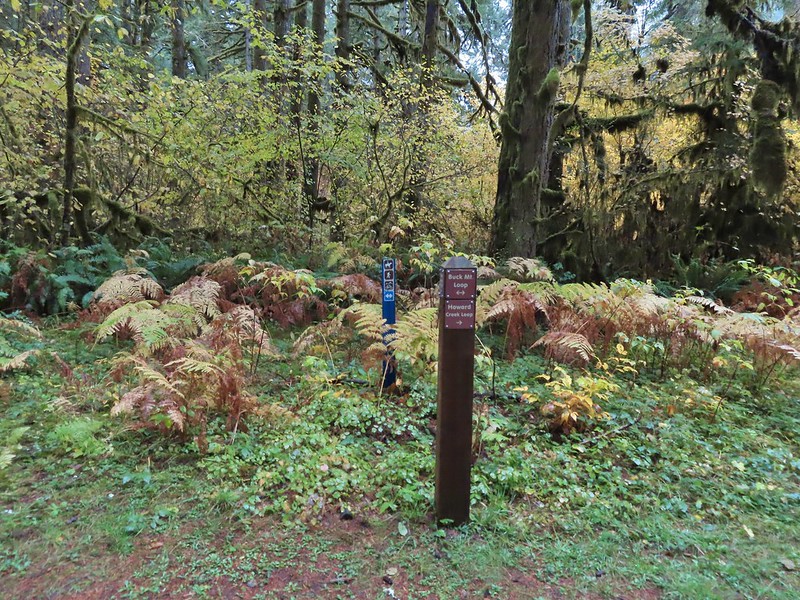


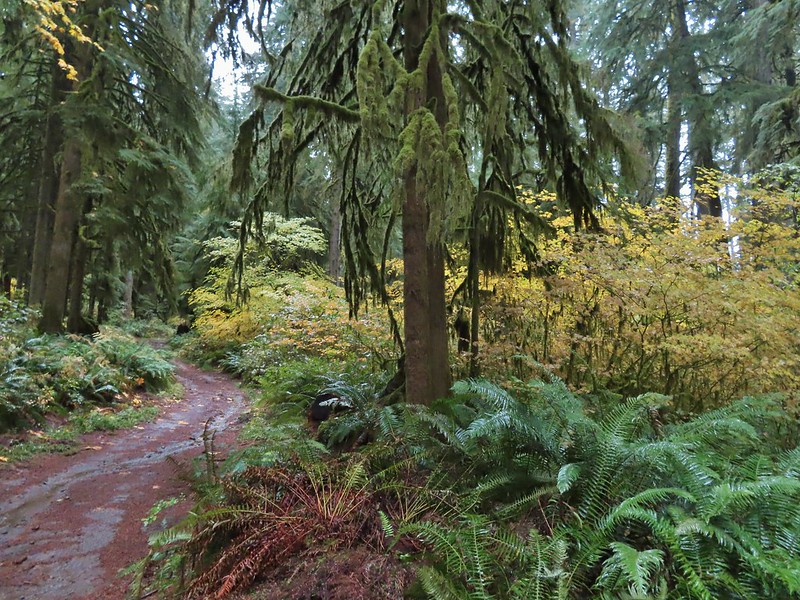
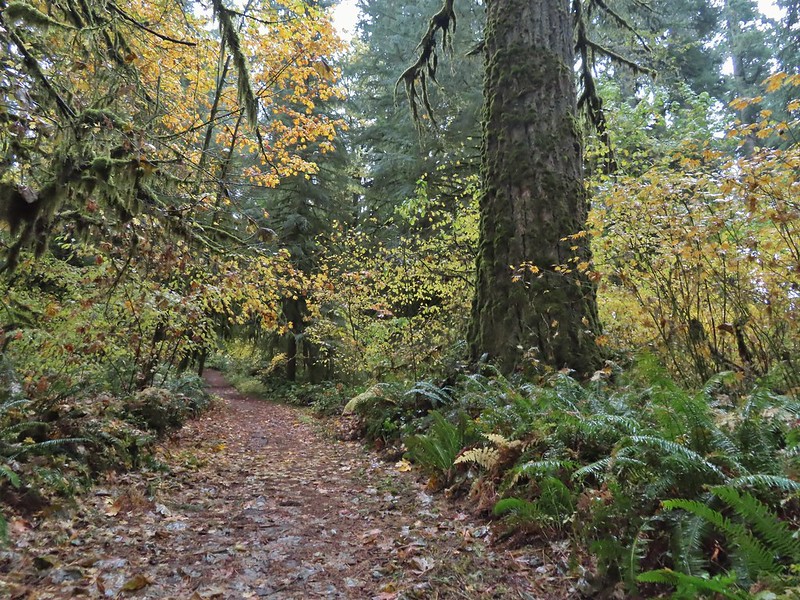

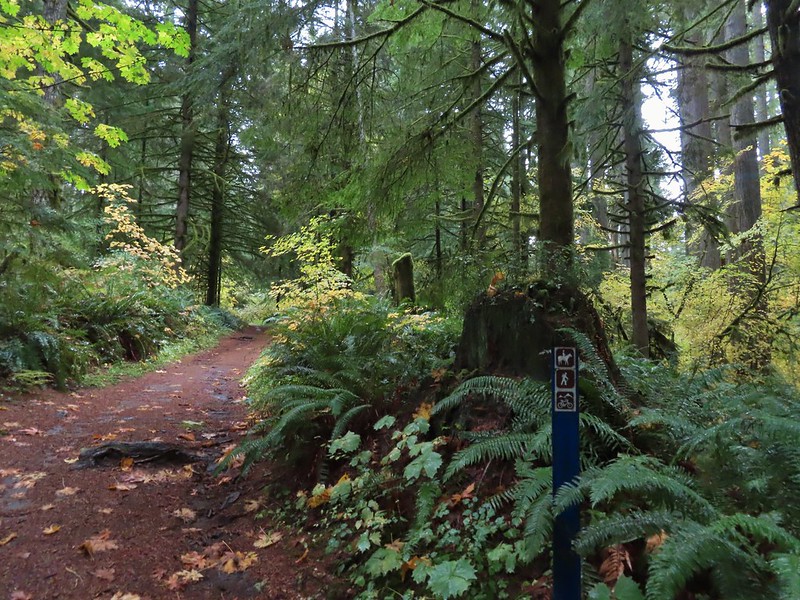 Blue appeared to mean Buck Mountain Loop (the posts along the Howard Creek Loop had been red and later the Smith Creek Trail posts were yellow.)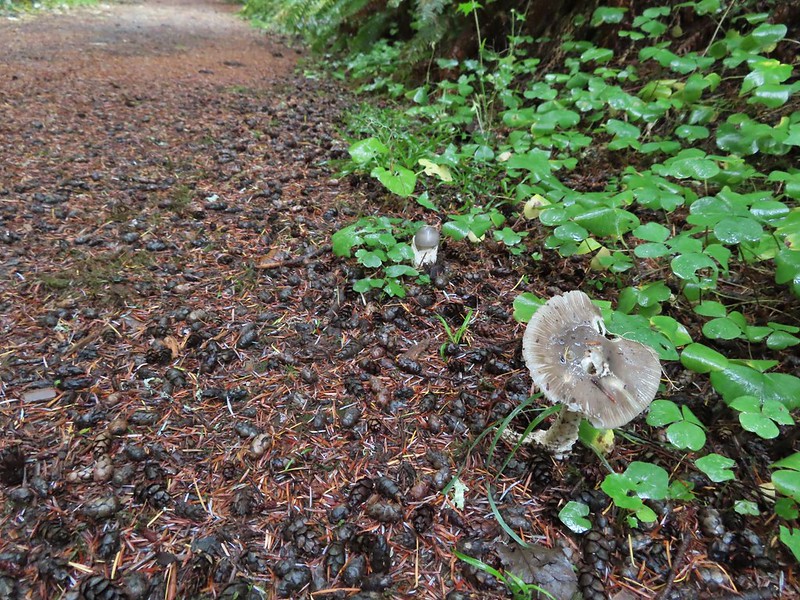

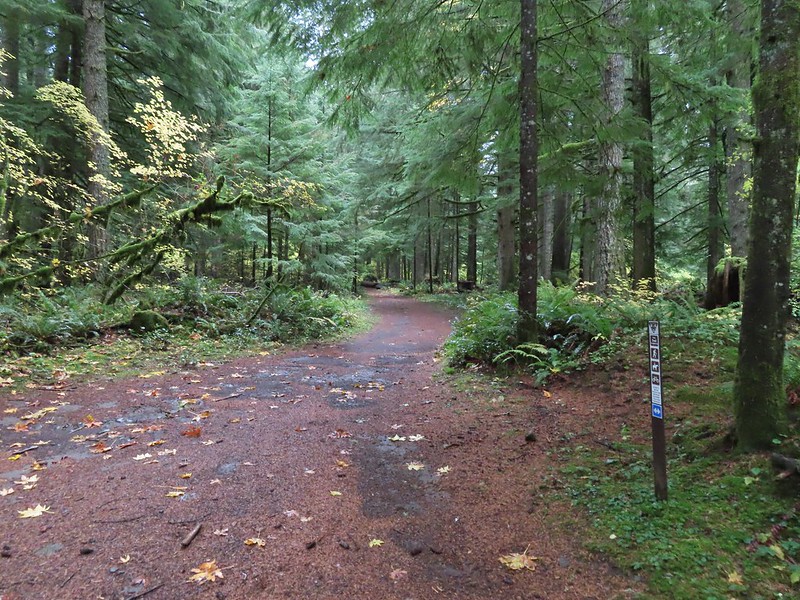
 The mix of tree trunks here caught our eye.
 Approaching the trail junction.

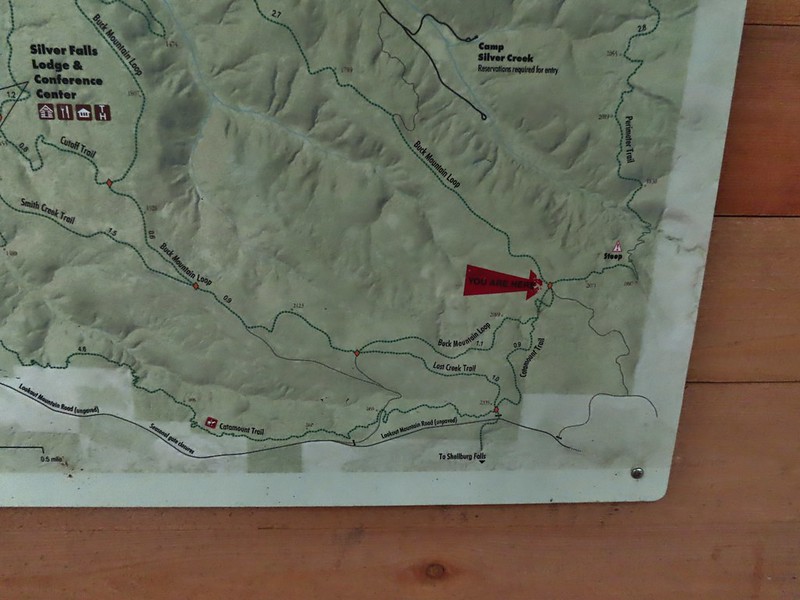
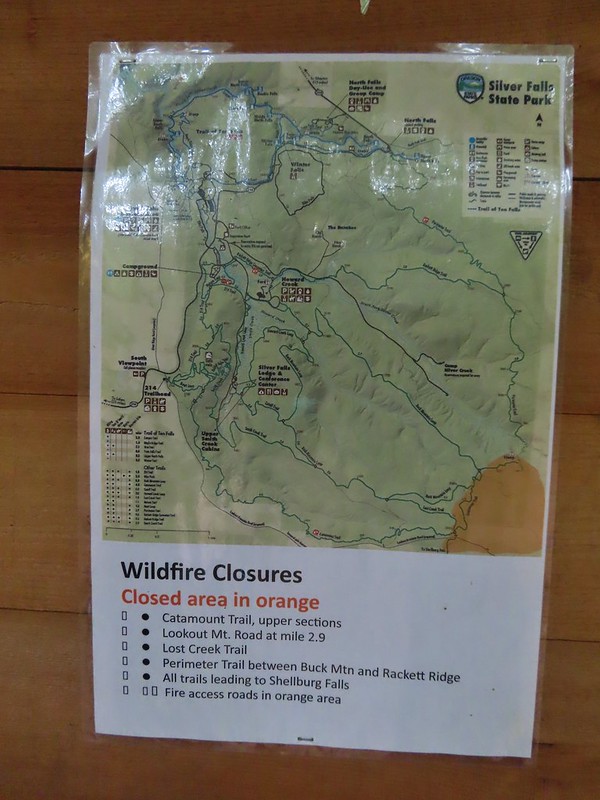 The 2020 Beachie Creek Fire threatened the Park and did in fact burn over nearby Shellburg Falls (
 Orange fence marking the closure of the Catamount Trail.
 The first footbridge which spans Howard Creek. The creek was obscured by brush.
 The second footbridge over a tributary not shown on the topo map.
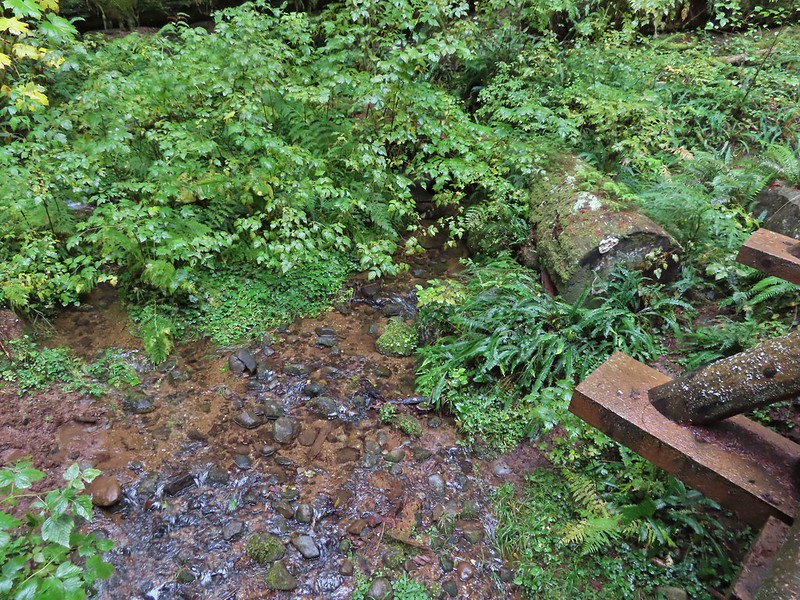 This stream was a little easier to see.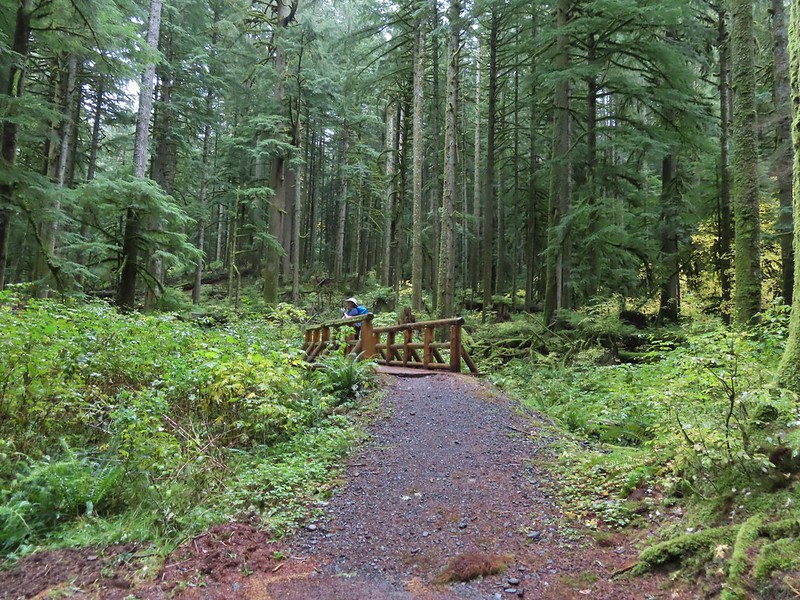
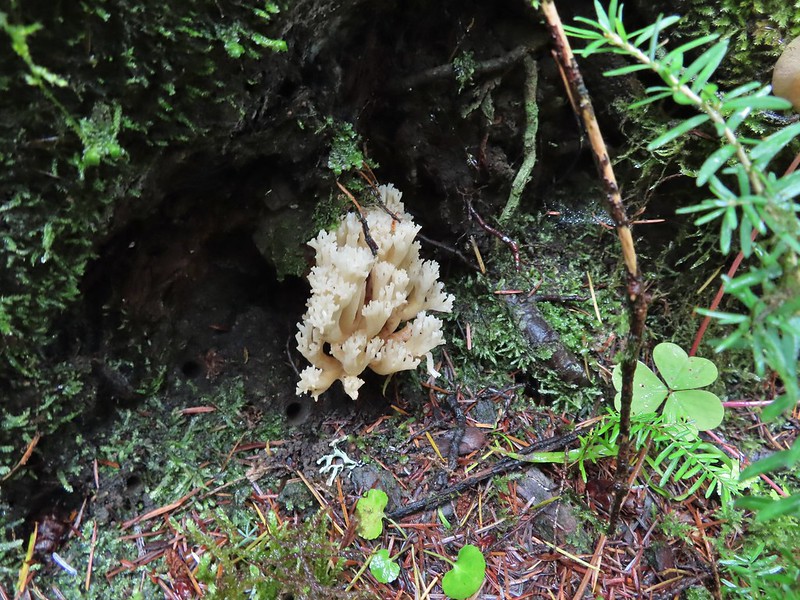
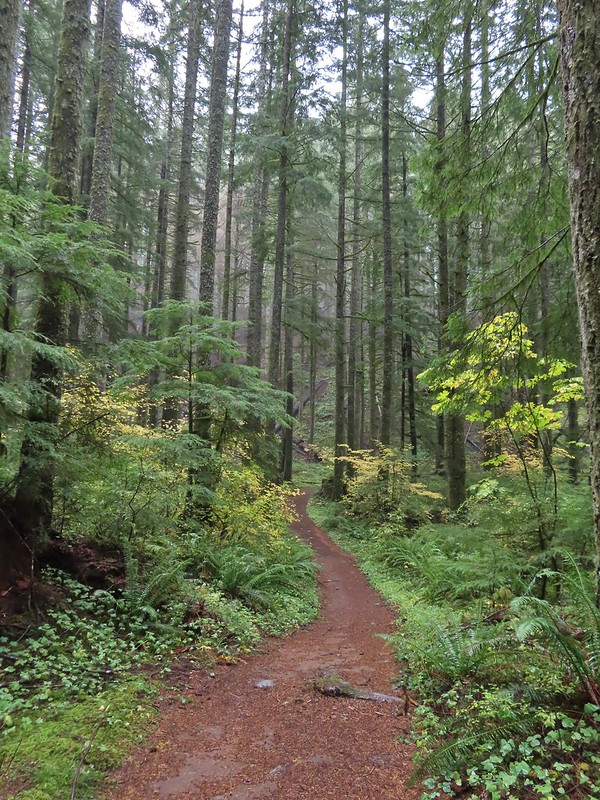
 A reminder of how close the Beachie Creek Fire was.
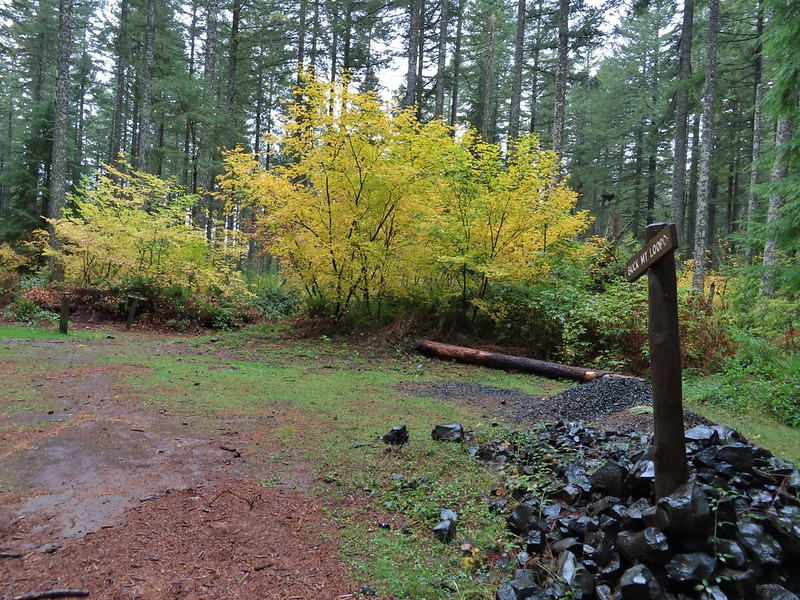 The 4-way junction.
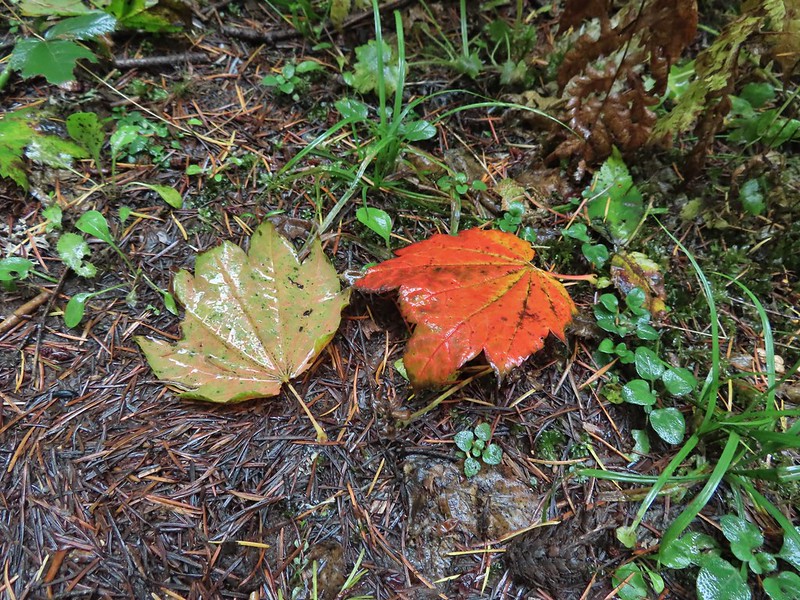

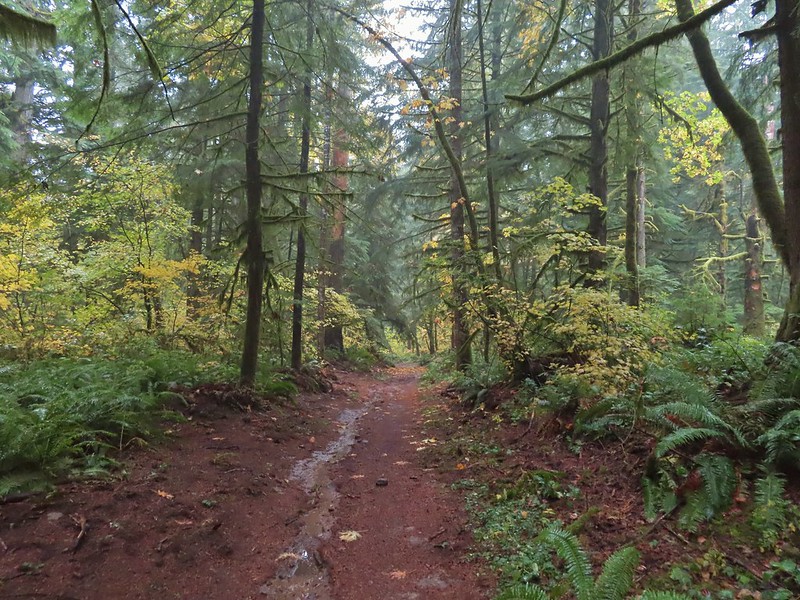
 Approaching the Smith Creek Trail junction.


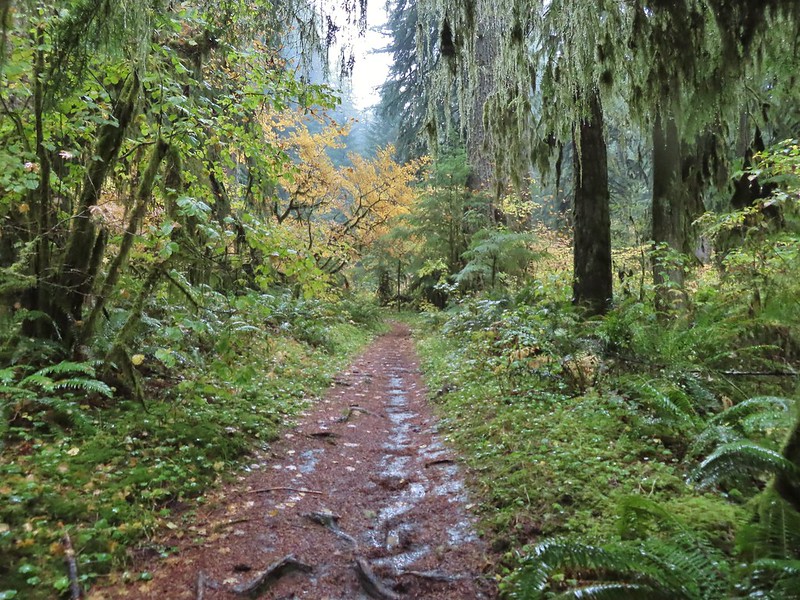
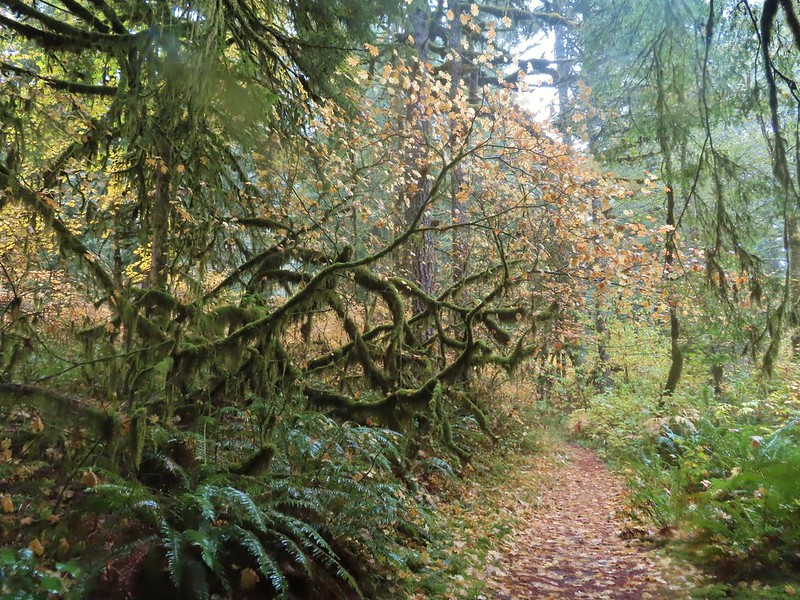


 Ramps in the background at the skills station.
 The Catamount Trail arriving on the left.
 The 214 Trail from the Newt Loop.

