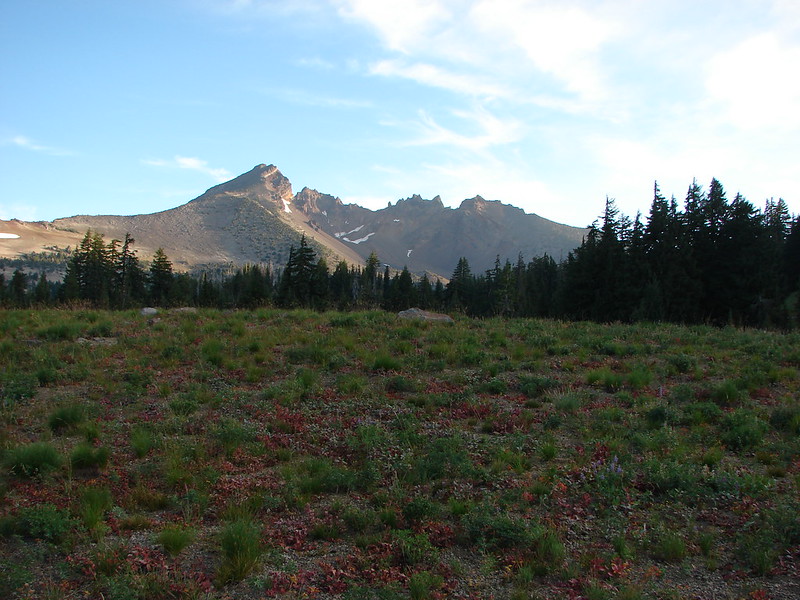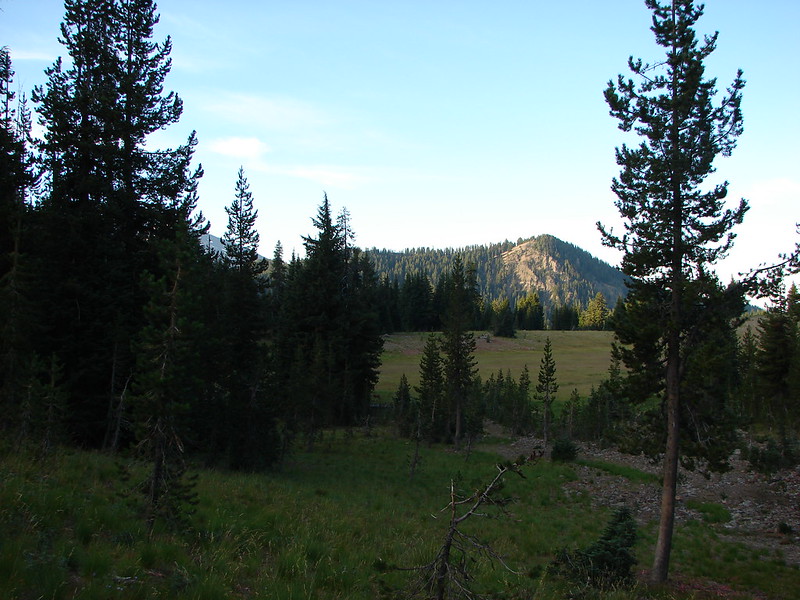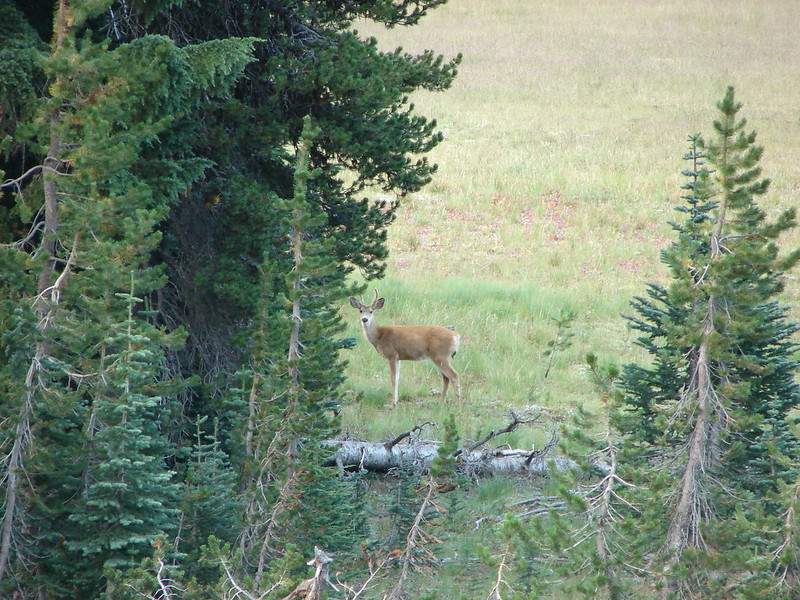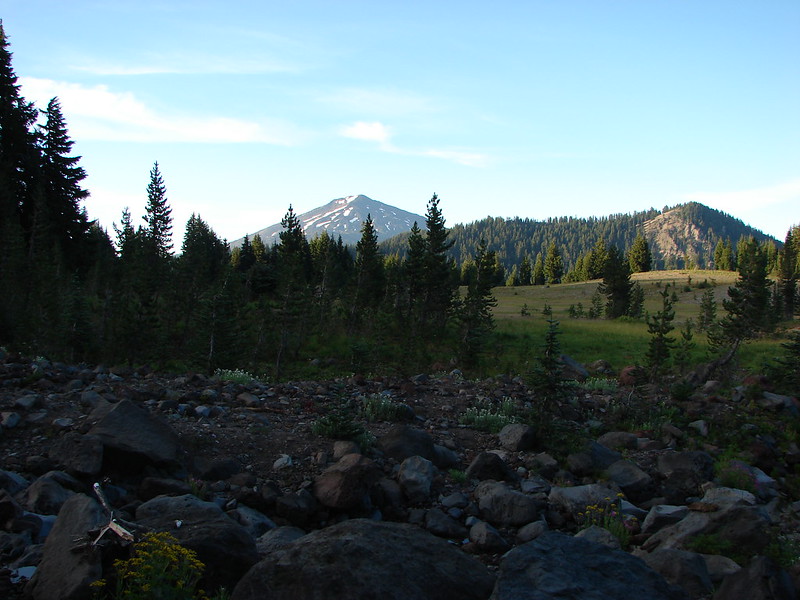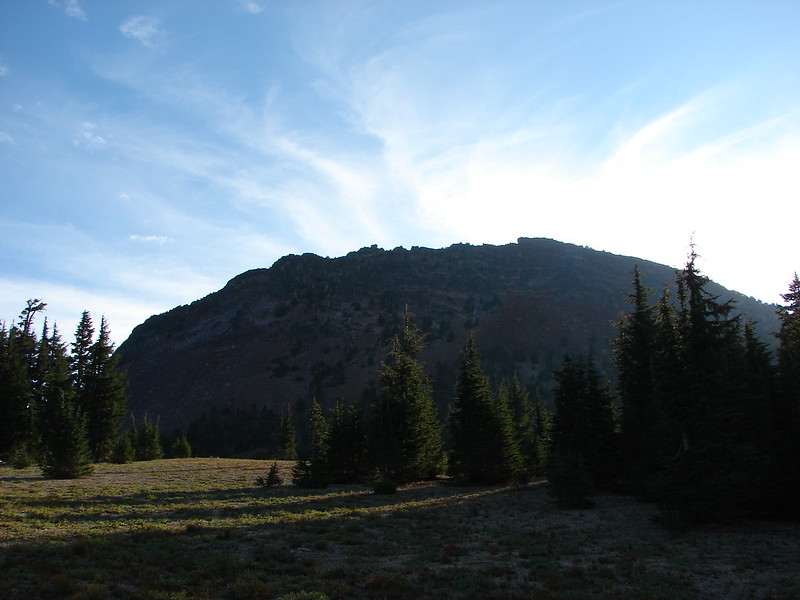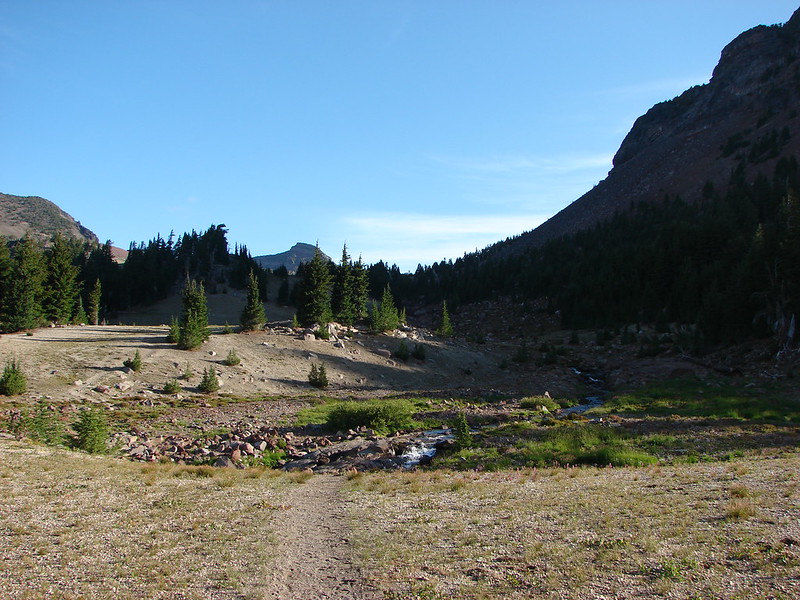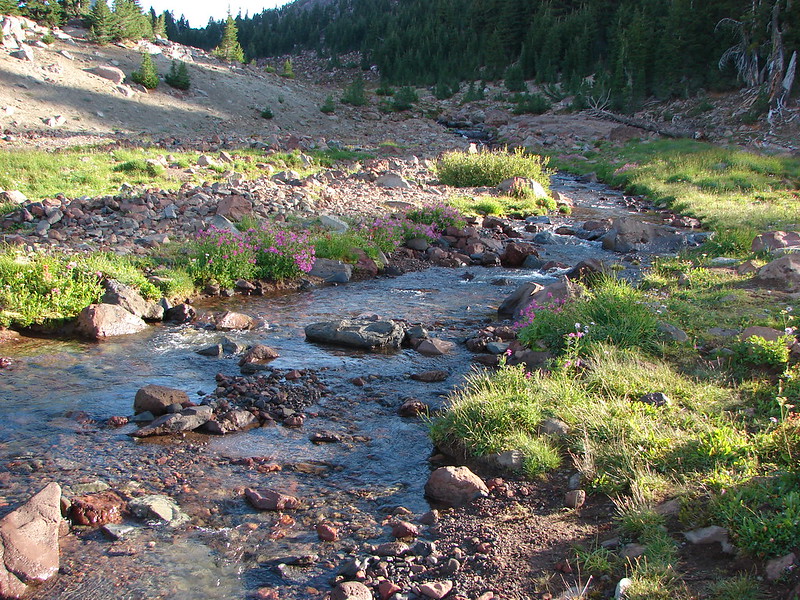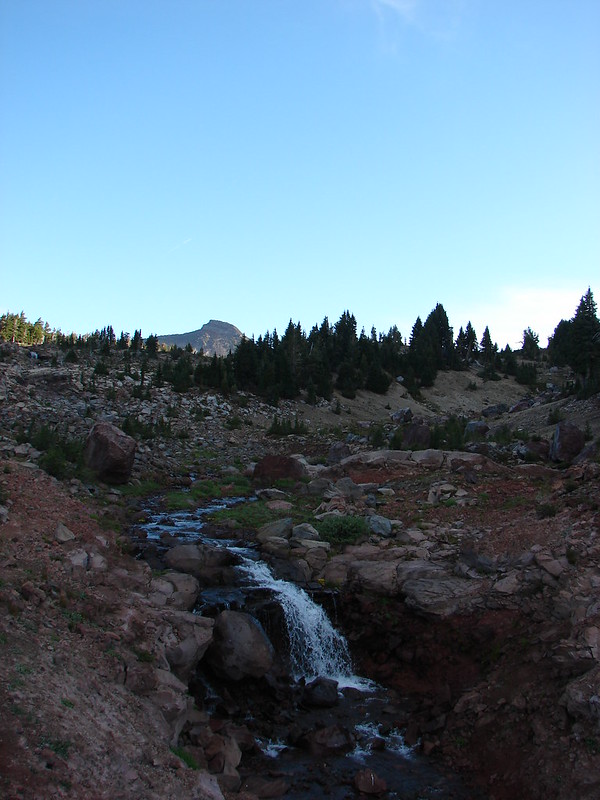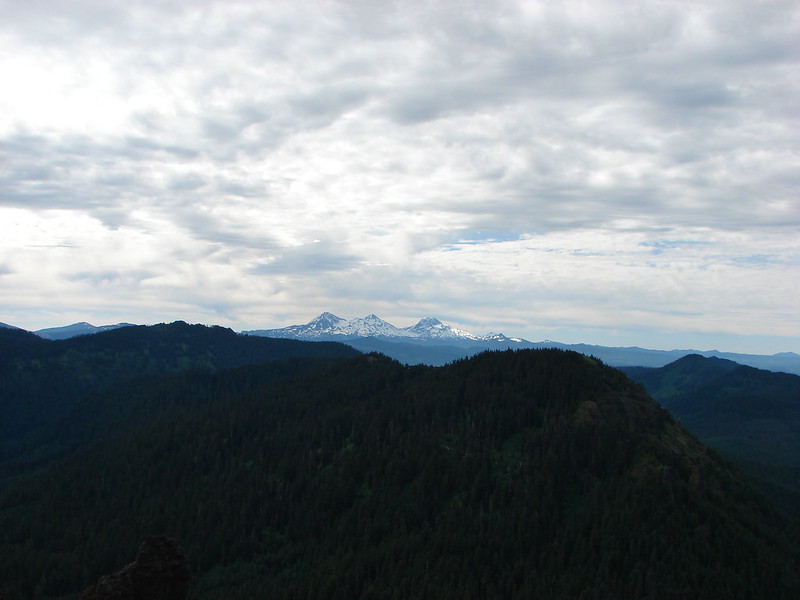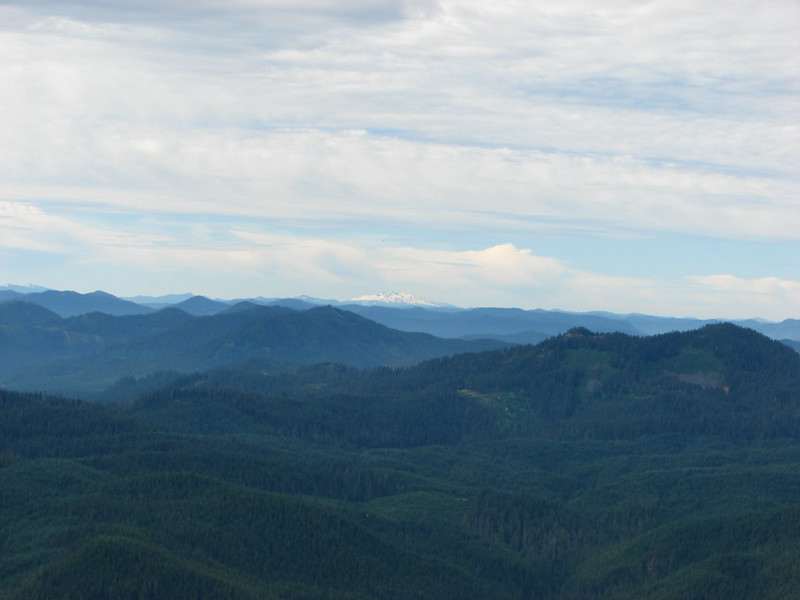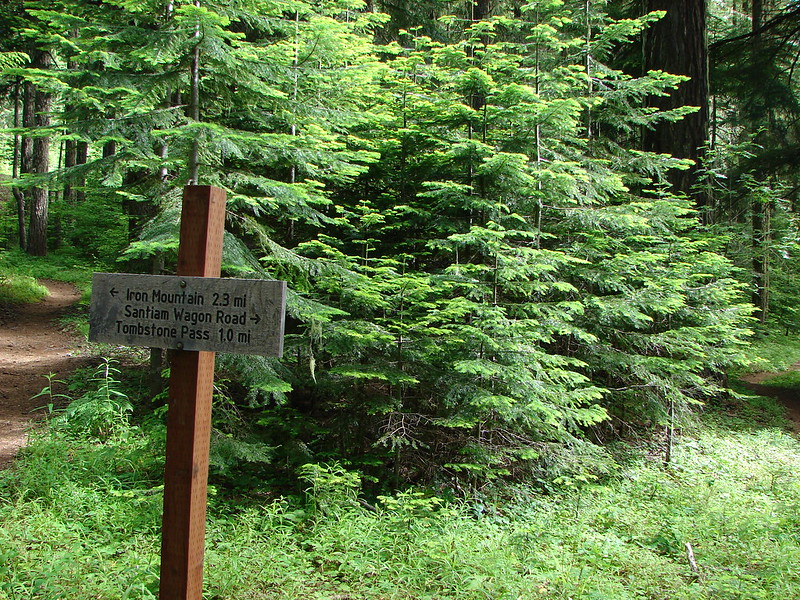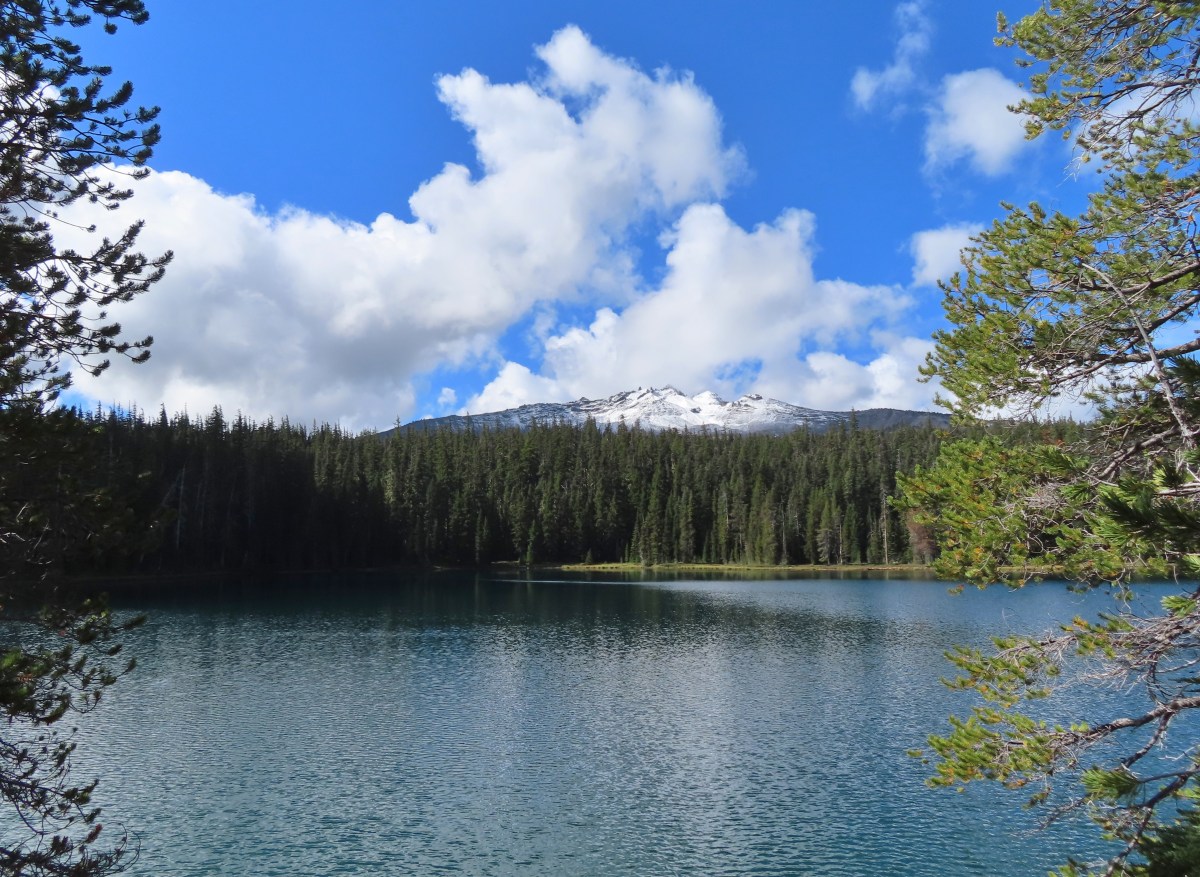
September began with some much-needed precipitation including snow at higher elevations. Checking the forecast for a hike to start the Labor Day weekend revealed that the Willamette Pass area was expected to be partly sunny Saturday morning before a chance of showers and thunderstorms developed later in the day. I narrowed it down to two loops, one in the northern end of the Waldo Lake Wilderness the other in the northern end of the Diamond Peak Wilderness. Both loops would have us visiting multiple lakes however the northern end of the Waldo Lake Wilderness has been through two large fires in the past 30 years while the northern end of the Diamond Peak Wilderness has not endured a large fire. There would be more views hiking through the fire scars, but we weren’t sure if the partly sunny forecast meant that the Cascade Peaks would be visible, so we opted for the Diamond Peak Wilderness.
The loop we’d chosen was Midnight and Yoran Lake, a hike we’d done back in 2014 post. We also hiked half of the loop on our longer loop around Diamond Peak (post). For both of those outings we’d parked at the Trapper Creek Trailhead. To mix things up a bit (and cut 1.4-miles from the total distance) we decided to begin the loop from the Pengra Pass Trailhead located near the Pacific Crest Trail.

The next decision to make was which direction to hike the loop in. We chose clockwise for two reasons. The first being that we would be starting out on a short downhill which would allow us to warm up a bit versus starting with a climb. The second reason was that the longest stretch without passing near a lake at almost 4-miles and we prefer getting the less exciting stretches done first. Speaking of less exciting the first 0.2-miles followed a gravel road before reaching the Whitefish Creek Trail.


The Whitefish Creek Trail coming up from the left. The trail briefly followed the road before heading uphill.

The Whitefish Creek Trail leaving the road.
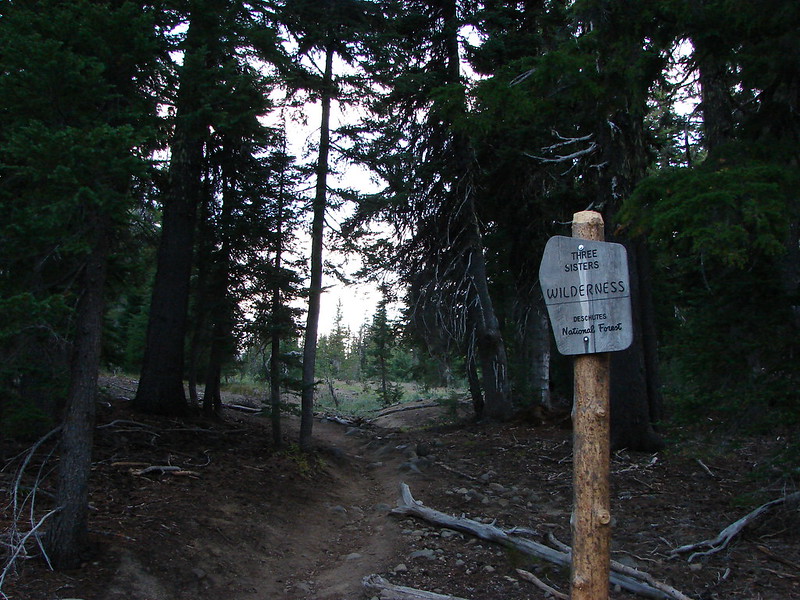
The Whitefish Creek Trail immediately entered the Diamond Peak Wilderness and gradually climbed for 0.7-miles to a junction with the Yoran Lake Trail.
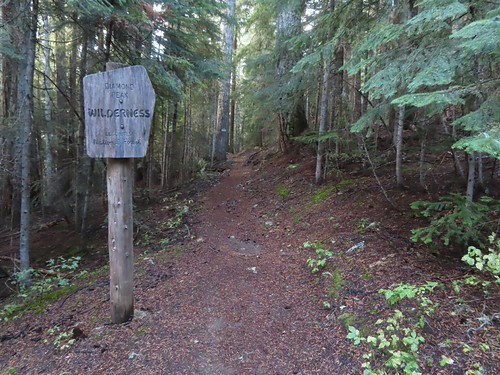
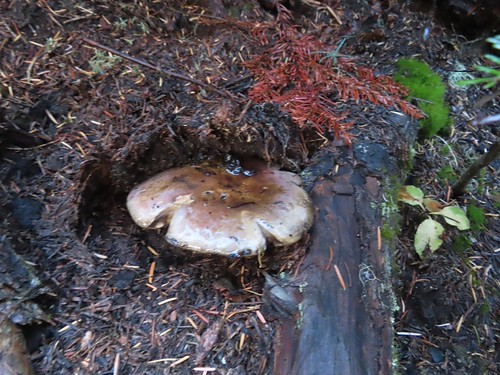

Footbridge over Whitefish Creek. There was a very small amount of water flowing down the creek.


The Yoran Lake Trail junction.
We turned right onto the Yoran Lake Trail and climbed steadily for 2.8-miles to the first (unnamed) lake.
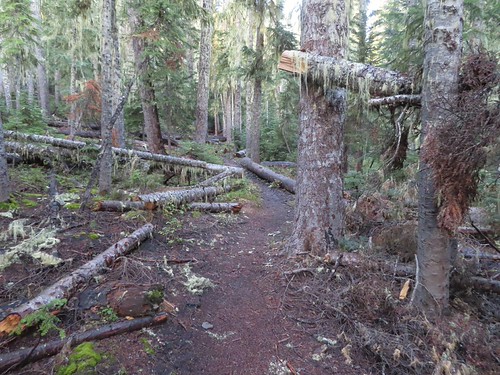
The Yoran Lake Trail was well maintained with no trees down across the trail.

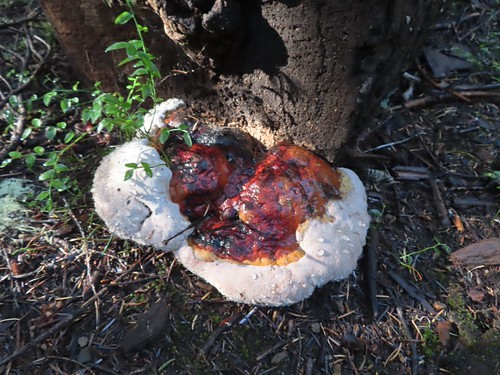
Coral fungus

Blue sky above.


Despite the recent precipitation the creek beds were mostly dry.

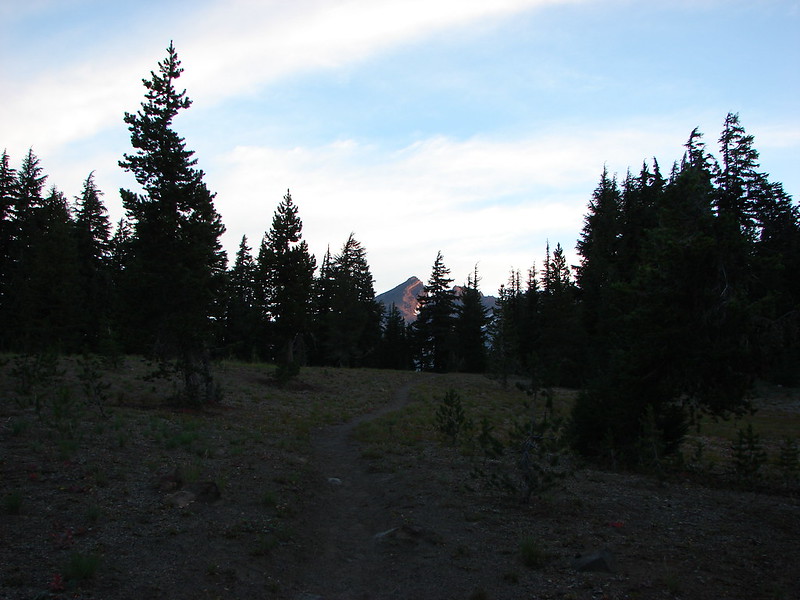
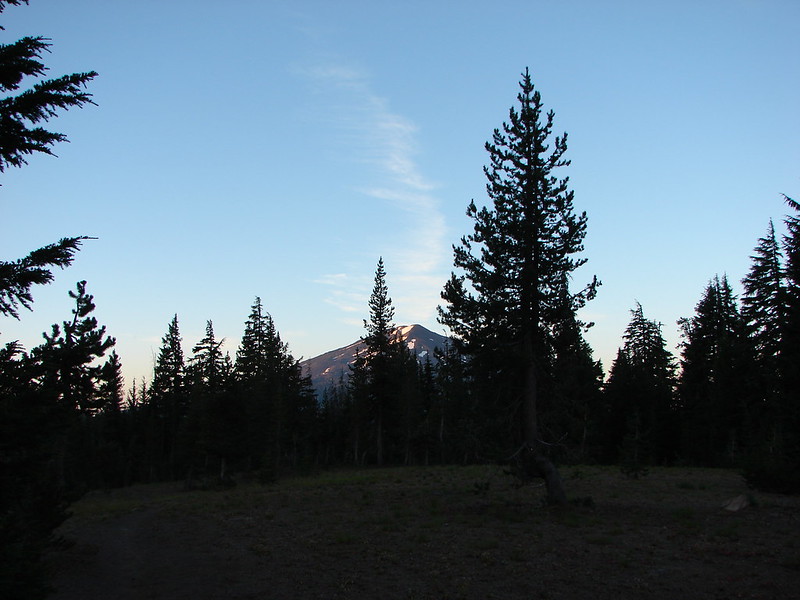
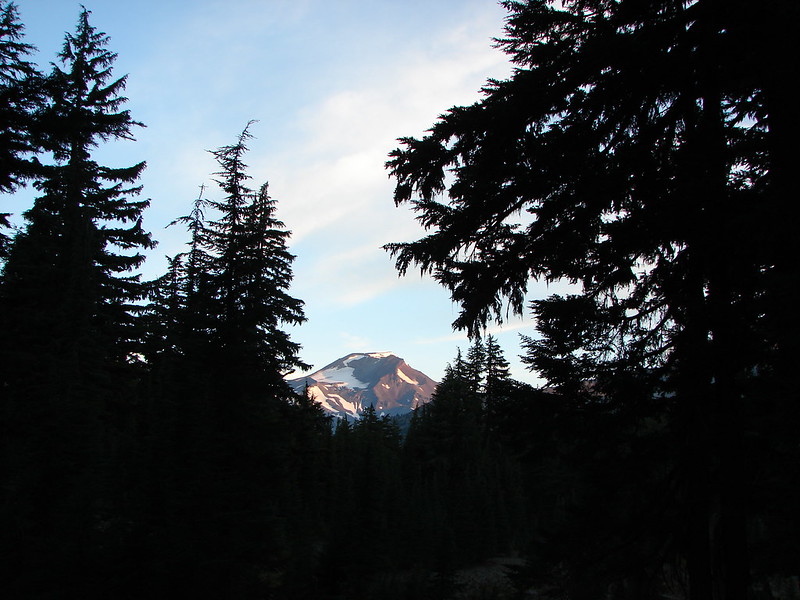
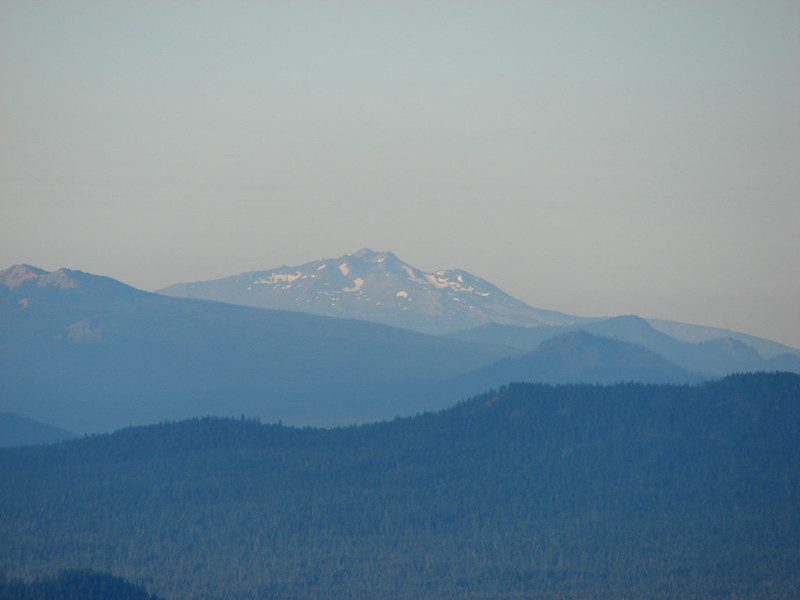
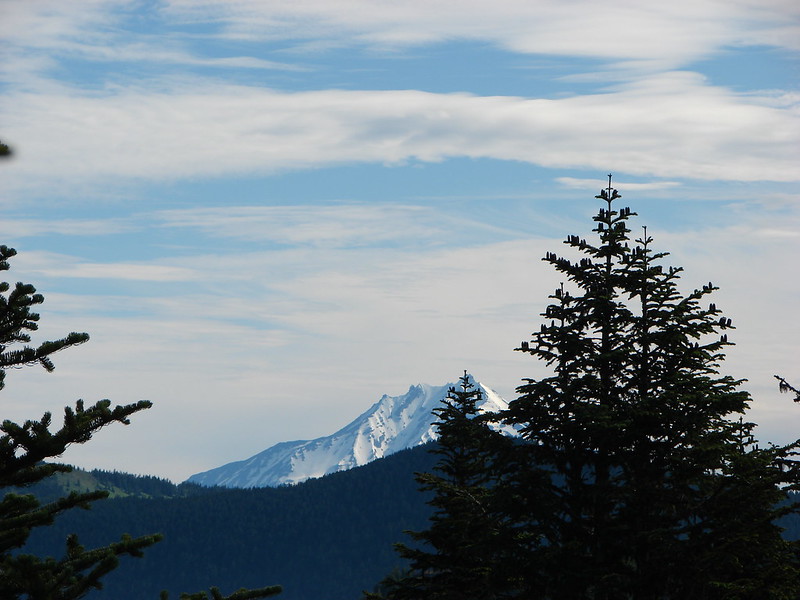
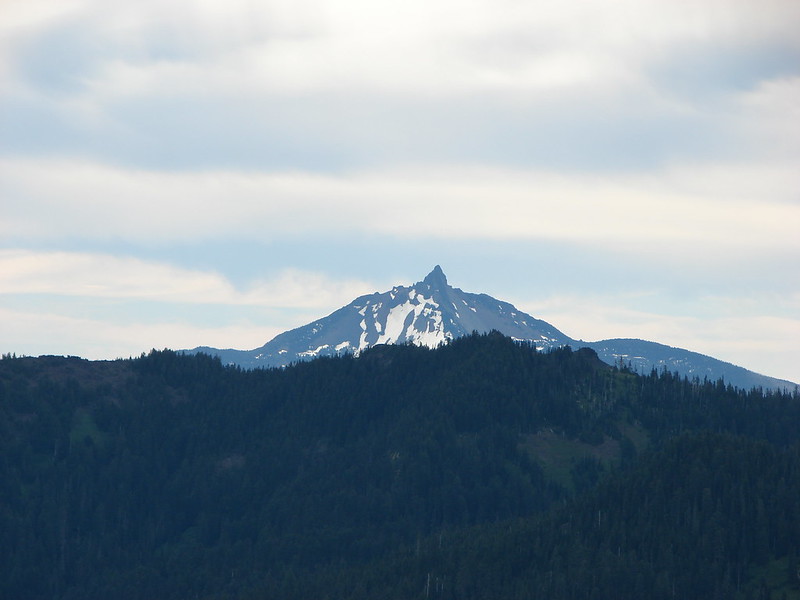
The snowy top of Diamond Peak was visible over the trees.

Diamond Peak with fresh snow.

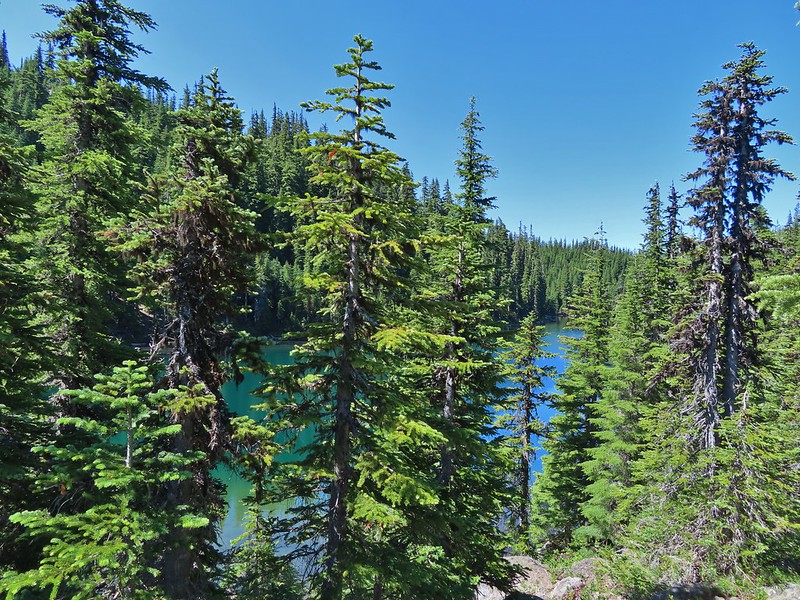
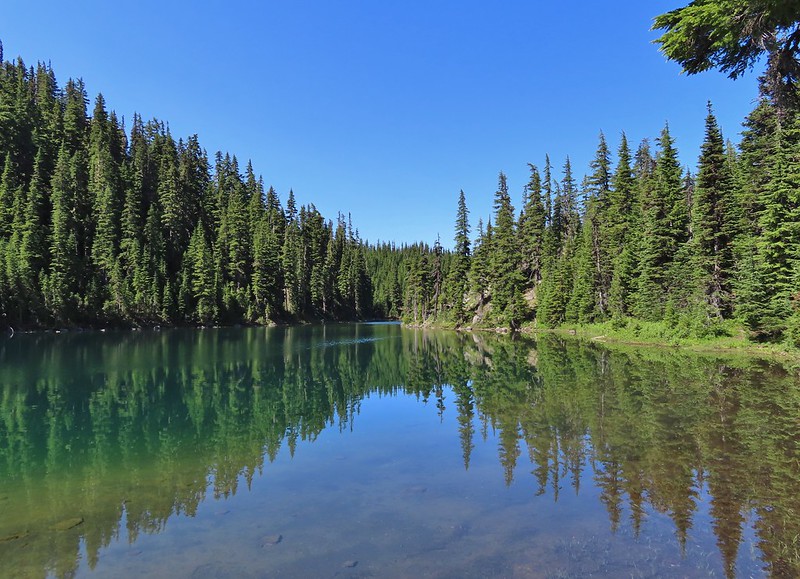
The unnamed lake.

We continued past the unnamed lake and in just over a mile came to a familiar unsigned junction next to a dry creekbed.

The trail crosses the dry creek bed a half mile from the unnamed lake.


The unsigned junction.
The trail to the right was a user created trail until 2019 when the Forest Service officially decided to connect the Pacific Crest Trail near Lils Lake with the Yoran Lake Trail. Before continuing on the Yoran Lake Trail we veered left and climbed steeply up the hillside to Karen Lake.

We’d camped at this lake on the final night of our loop around the mountain. We took a break along the lake shore near where we’d camped before and waited to see if Diamond Peak, which was now partly shrouded by a cloud, would make a full appearance.


We spent half an hour at the lake watching the clouds tease a reveal only to have more arrive.


So close.
After 30-minutes we were starting to get cold from not moving around so we continued on our loop hoping that maybe things would clear up when we reached Yoran Lake which was less than a quarter mile away.


The trail forks near Yoran Lake. The lefthand fork leads to some campsites while the righthand fork is the official trail. We went right and soon had a view across the lake to Diamond Peak.


Mount Yoran behind the trees to the left.
The trail climbs above the lake on a rocky shelf where we again stopped to give the clouds some time to move on. It took about 15-minutes for that to happen, and we finally had a view of the full mountain.

Mount Yoran was not dealing with clouds.


Finally, a full view.
After getting the view we’d been hoping for we continued on. The trail passed several more viewpoints above Yoran Lake before passing through the forest and arriving at Lils Lake.


Island in Yoran Lake.


Pond between Yoran Lake and Lils Lake.

Lils Lake
We followed the trail past Lils Lake to its end at the Pacific Crest Trail (PCT).


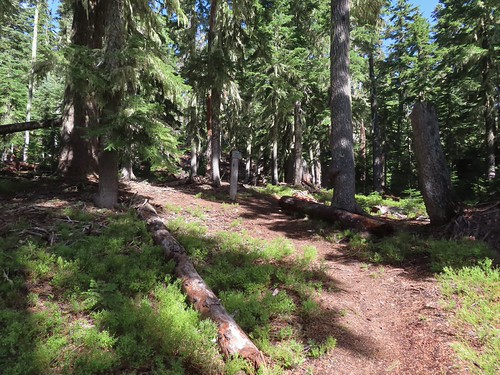
Signpost at the junction.
We turned right onto the PCT and started a stretch of trail that passed a number of named and unnamed bodies of water.

Diamond Peak and Lils Lake from the PCT.

The PCT passing a pond.

Maiden Peak (post) beyond the trees.
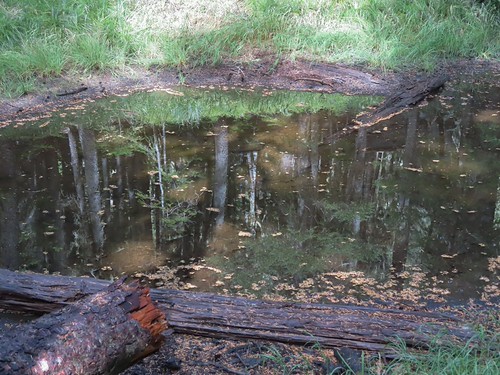
Another small pond.

The first named lake was Hidden Lake which was just off a spur trail to the right, 0.6-miles from the PCT junction.


Hidden Lake
After visiting Hidden Lake we continued on the PCT passed several more unnamed bodies of water before arriving at Arrowhead Lake a mile from Hidden Lake.


Unnamed lake


One of several ponds.

Stellar’s jay

Junction with the Deer Creek Trail.


Arrowhead Lake
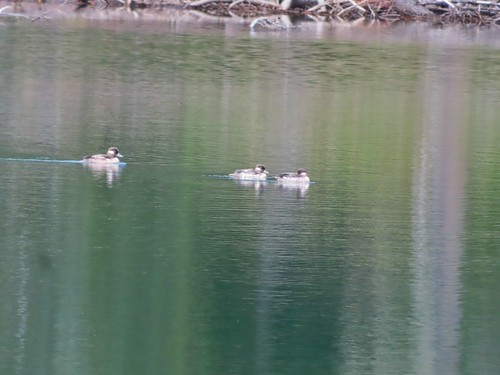
Buffleheads on Arrowhead Lake.
From Arrowhead Lake it was 1.4 more downhill miles to a signed spur trail for Midnight Lake, the last of the named lakes.
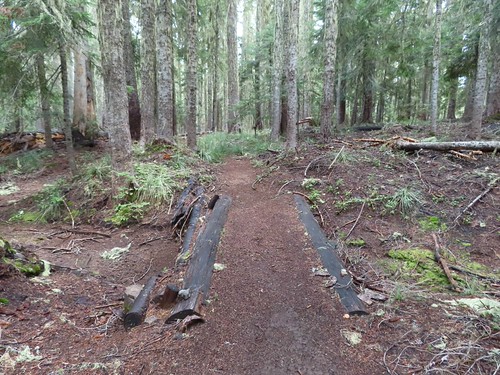

Foamflower, one of the few blooming flowers remaining.

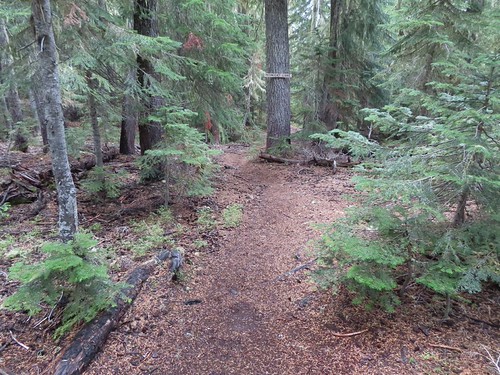
Midnight Lake sign on the spur trail.

Midnight Lake
After a short break at Midnight Lake we continued our loop. It was 0.2-miles from the lake to a junction with the Midnight Lake Trail and then another 0.9-miles to the Pengra Pass Trailhead.

The Midnight Lake Trail on the left.

Another unnamed lake at the trail junction.

I was just a bit too slow to get a picture of this belted kingfisher before it took flight.
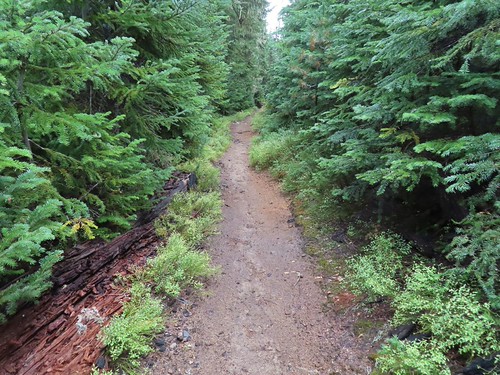

Rhododendron along the PCT.

Ski runs at the Willmaette Pass Ski Are on the far hillside.

Fuji Mountain (post)

Leaving the wilderness area near Pengra Pass.

Wilderness permit kiosk at Pengra Pass.

The trail dropping down to the trailhead.
This loop came in at 10.8-miles with approximately 1300′ of elevation gain.

This is a nice loop with a variety of lakes and few good mountain views (when the clouds cooperate). We were a little surprised to have only run into 9 other hikers all day. The trails were also in excellent shape with only a couple of small logs to step over. The fresh snow on Diamond Peak was a nice bonus and a good reminder that Fall is on the way. Happy Trails!
Flickr: Yoran and Midnight Lakes


 Prince’s pine
 Candystick
 Twinflower
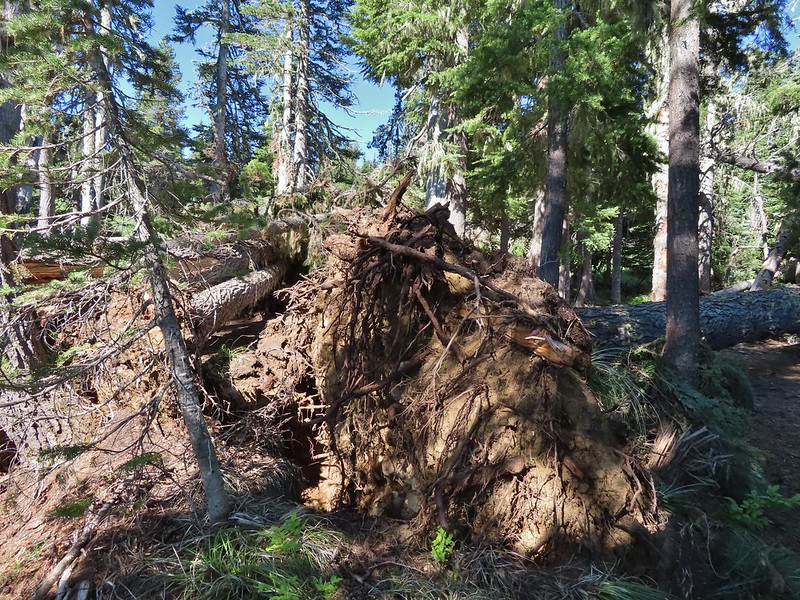
 Big uprooted tree.
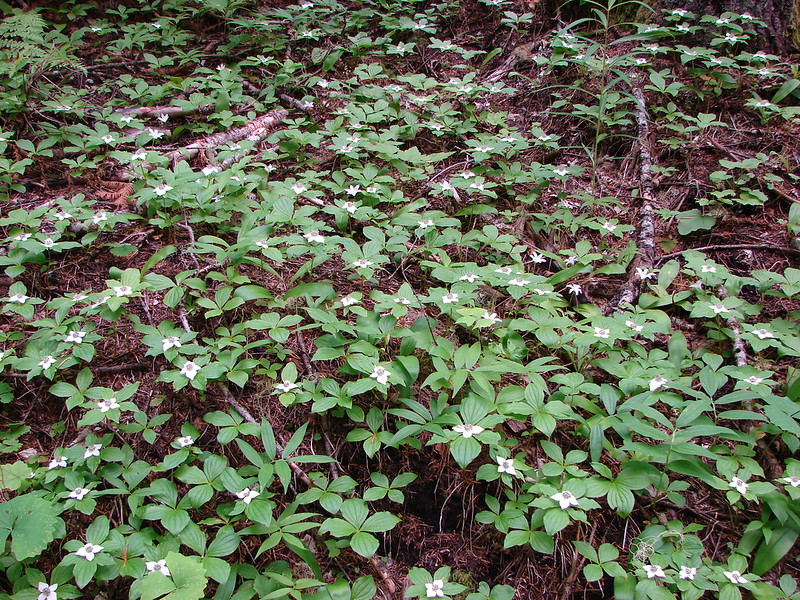
 A carpet of vanilla leaf leaves.
 FR 2676
 Despite the “Closed to all Motor Vehicles” sign it was obvious, and unfortunately not surprising, that some people feel they have a right to ignore anything they disagree with.
 More candysticks
 The few sections that weren’t sandy consisted of lava rock.
 Dwarf lupine
 Pussy paws
 Pygmy short-horned lizard next to a deer print.
 Sand Mountain on the right.
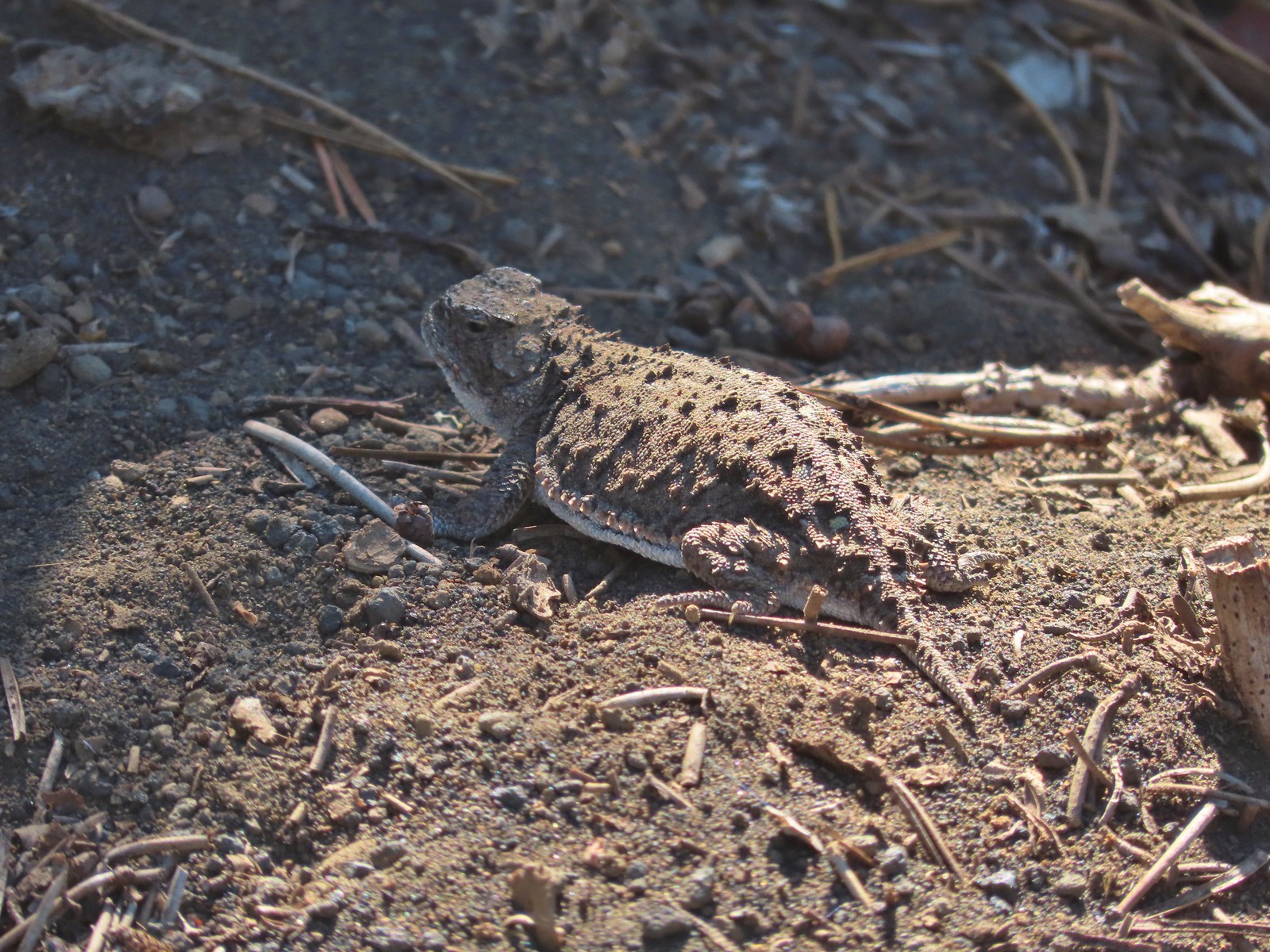 Another pygmy short-horned lizard
 Snowbrush lining the road with the northern end of Sand Mountain ahead.
 Butterflies, including this hoary comma, and other pollinators love the snowbrush.
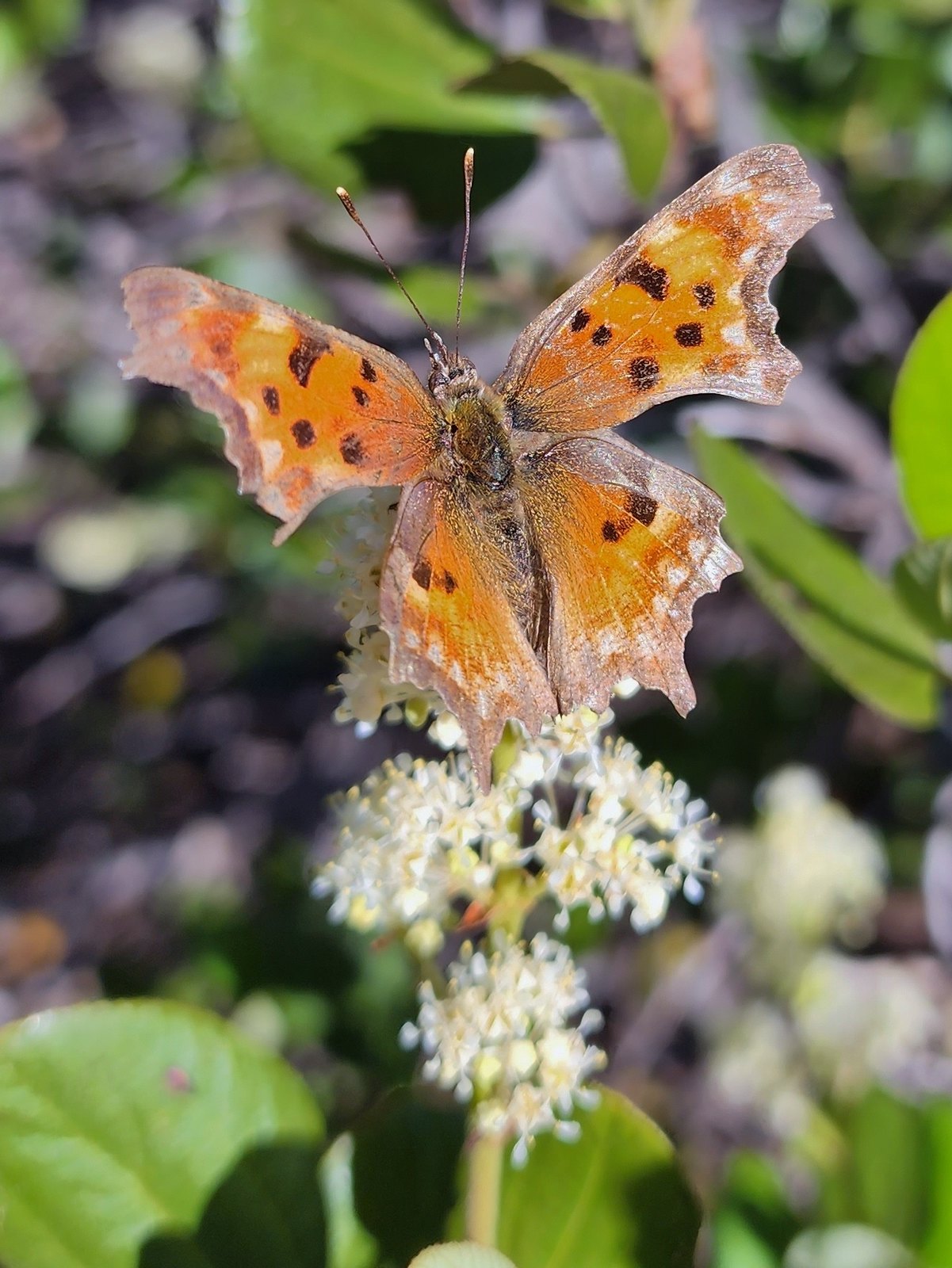 Hoary comma

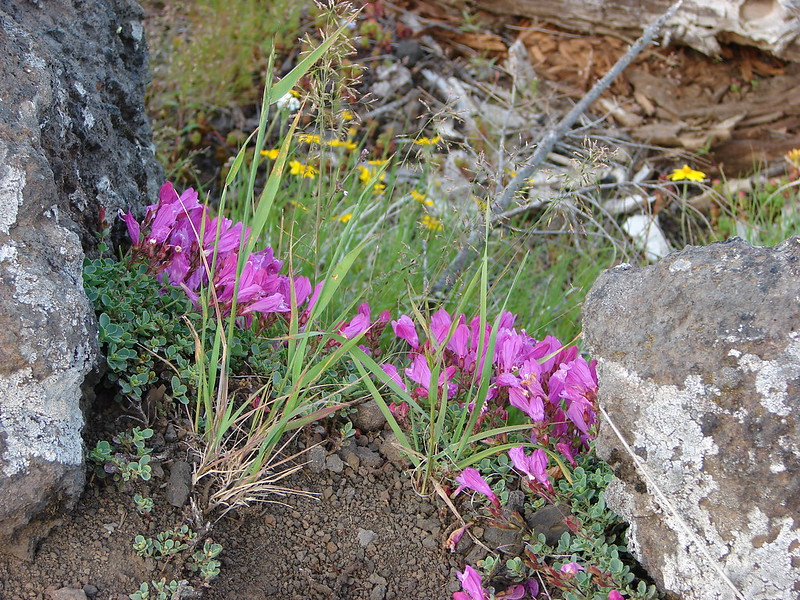
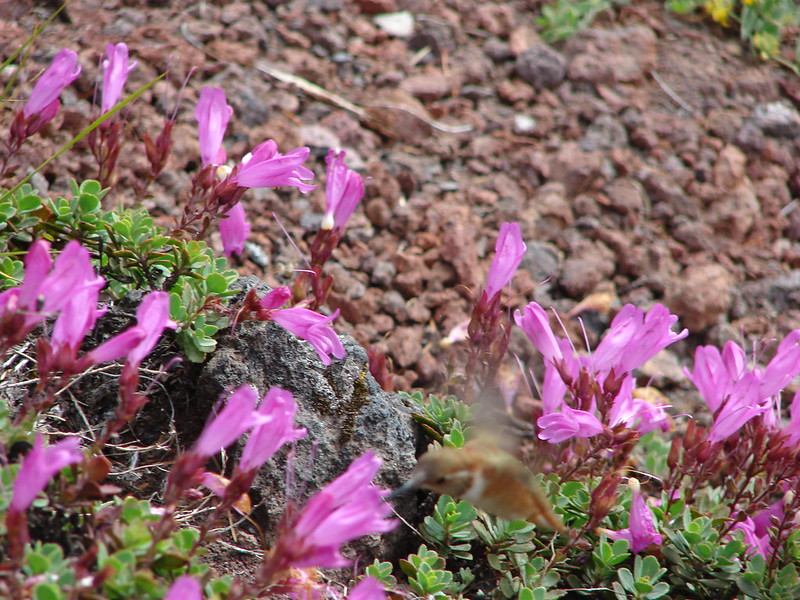
 Penstemon
 The Moon over Sand Mountain.
 Mt. Washington
 Sign and gate at the road to Sand Mountain.
 Buckwheat
 More snowbrush
 California tortoiseshell
 The Sand Mountain Lookout from below.
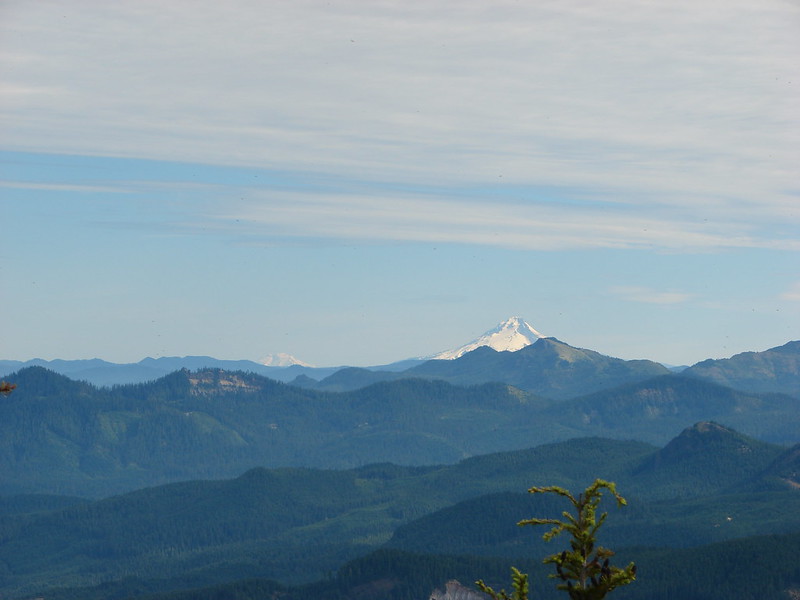
 Mt. Jefferson and Three Fingered Jack
 Mt. Washington and the Three Sister
 Western swallowtail
 The Three Pyramids(
 Echo Mountain & North Peak to the left and Crescent Mountain(
 Browder Ridge (
 Lorquin’s admiral

 Mt. Washington (
 Maxwell Butte (
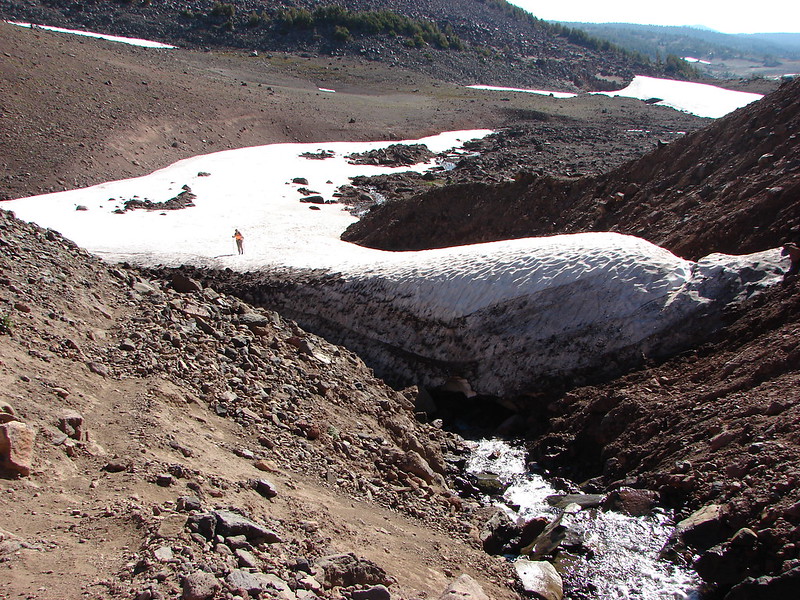
 Just a bit of snow left on the North facing slope.
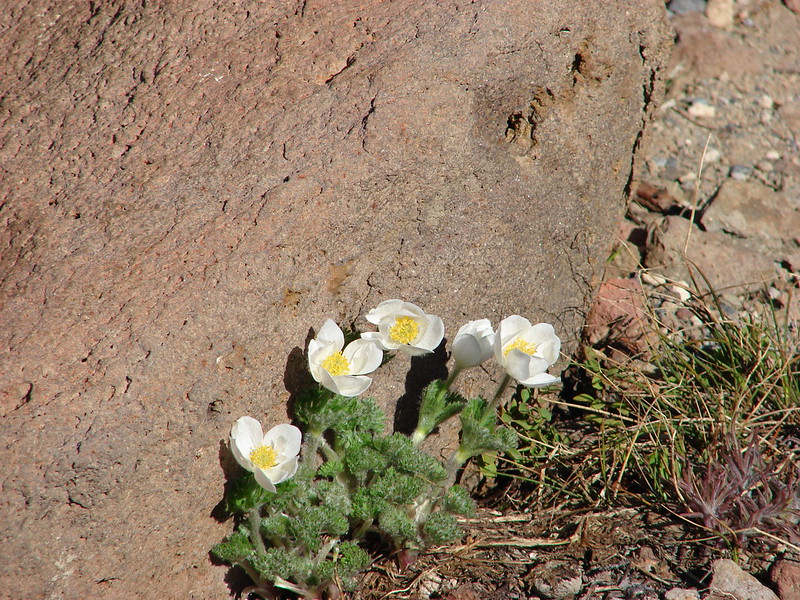
 Western pasque flower
 It’s very faint but the top of Mt. Hood was visible over the lower left shoulder of Maxwell butte.
 Penstemon
 Belknap Crater, the Three Sisters, The Husband, Scott Mountain (
 Zoom of Diamond Peak. The round looking hump in front is Fuji Moutain (
 Hoodoo and Hayrick Buttes, Black Butte (
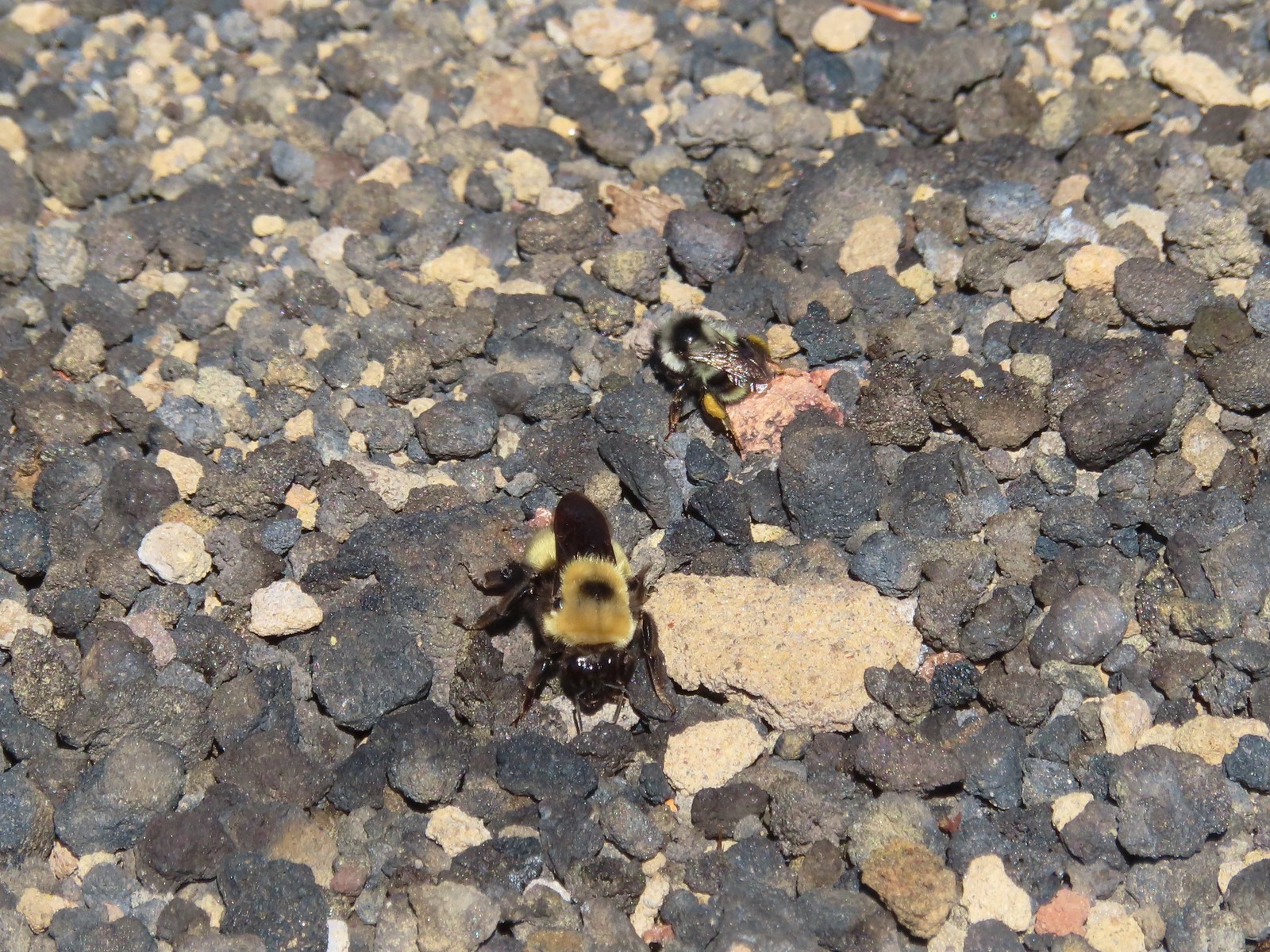 There were quite a few bumblebees at the summit interested in the rocks in this area.
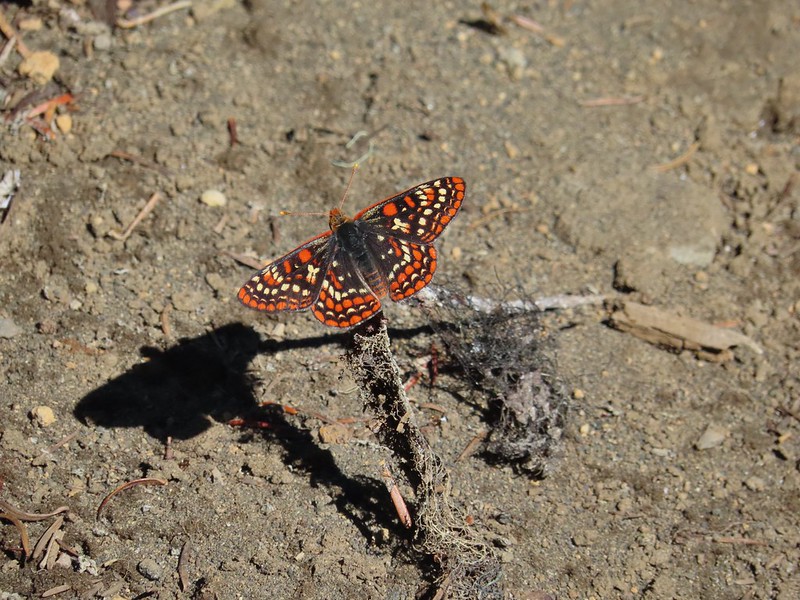
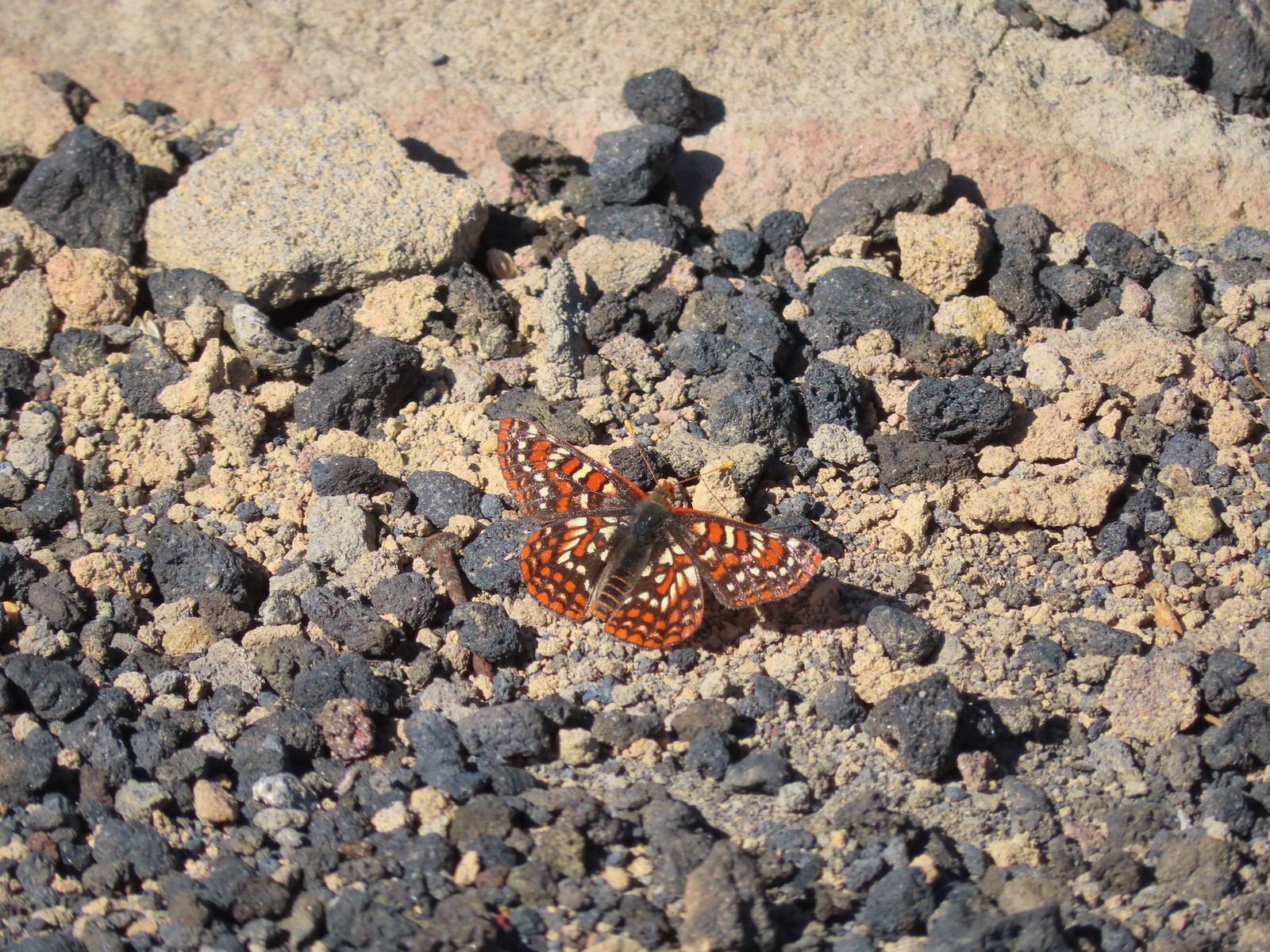 This Edith’s checkerspot joined the bees for a moment.
 Viewpoint below the lookout.
 The lookout from the viewpoint.
 Not sure if this is an aster or a fleabane.
 The trail getting ready to drop down to a saddle. The peaks from right to left are: Browder Ridge, Twin Buttes, Latiwi Mountain, Wildcat Moutain, Tidbits Mountain (
 We were a little surprised to find these broomrape hiding in this silverleaf phacelia.
 Drummond’s anemone
 Look into the crater.
 A couple of penstemon blossoms with the Three Sisters in the background.
 The colors around the crater add to the scenery.
 Pyrola of some sort.
 Starting the steep climb back toward the lookout.
 View from the roadbed. We opted to do as the lookout staffer suggested and follow the road back down toward the parking area instead of back up to the lookout.
 There was one good sized snow drift left encroaching on the road.
 This little cloud wasn’t much of a threat.
 If anything the views had improved now that Sun was more directly overhead.
 A checkerspot
 A hairstreak
 Three Fingered Jack and Hoodoo Butte
 Three Fingered Jack. Note the climbers trail on the slope to the right.
 Ash in the basin below Sand Mountain.
 Pussy paws
 Female western tanager
 Moth
Moth Snake in the trail.
 The snake retreated to a nearby log when we approached.
 Back in the forest.
 This moth blended with the nearby fungus.


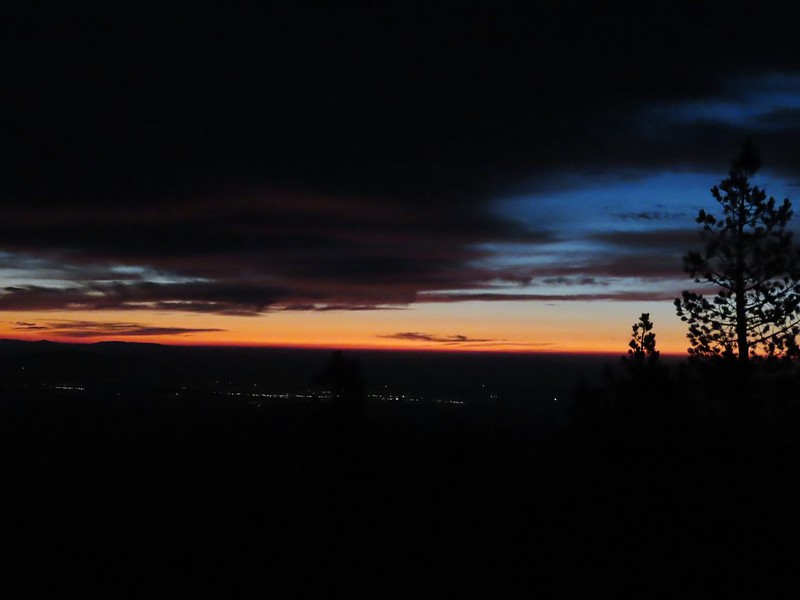
 Mt. Bachelor
 The Three Sisters and Broken Top
 Mt. Bachelor via the Nikon.
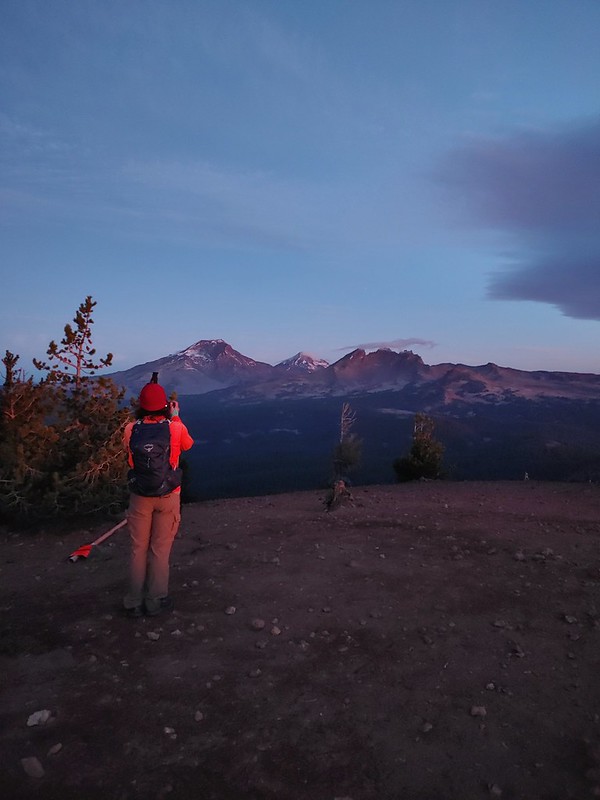
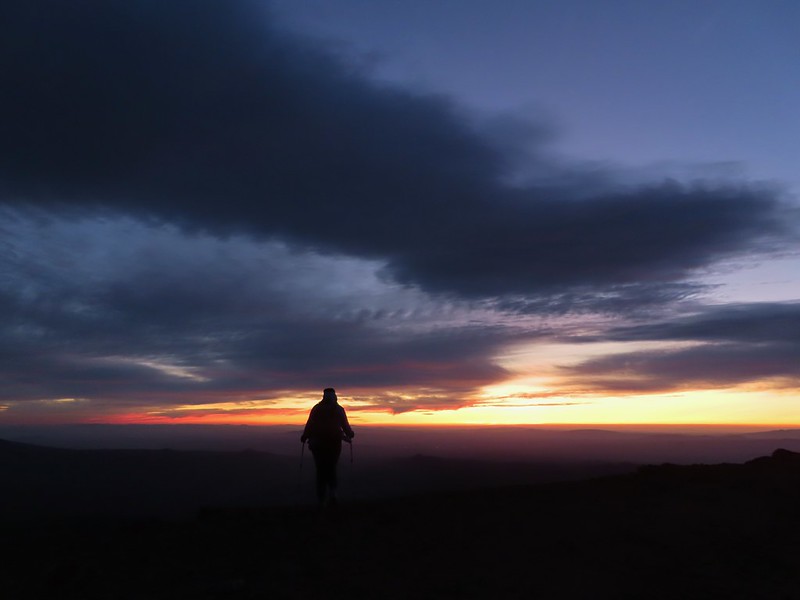 Heather watching the show taken with the Canon.
 The Three Sisters with the Canon.
 Canon
Canon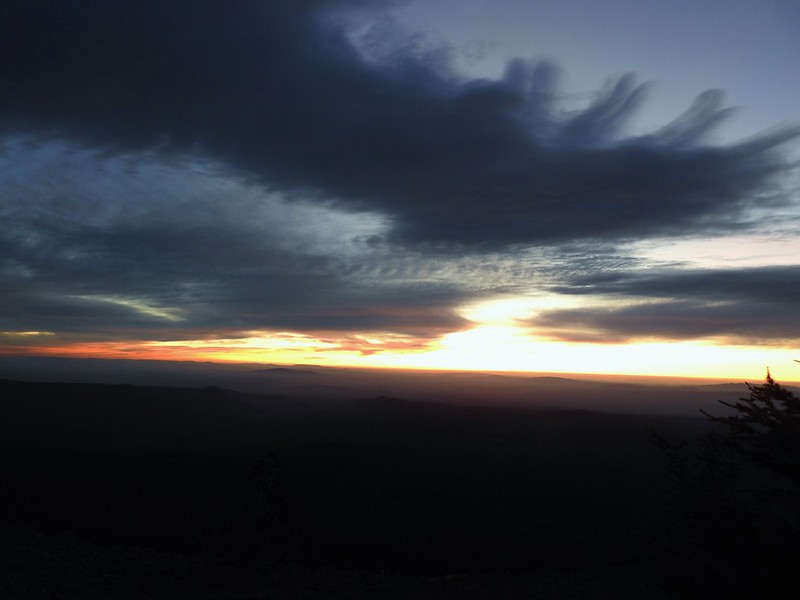 Nikon
Nikon Mt. Bachelor (
 Canon shortly before the Sun became visible.
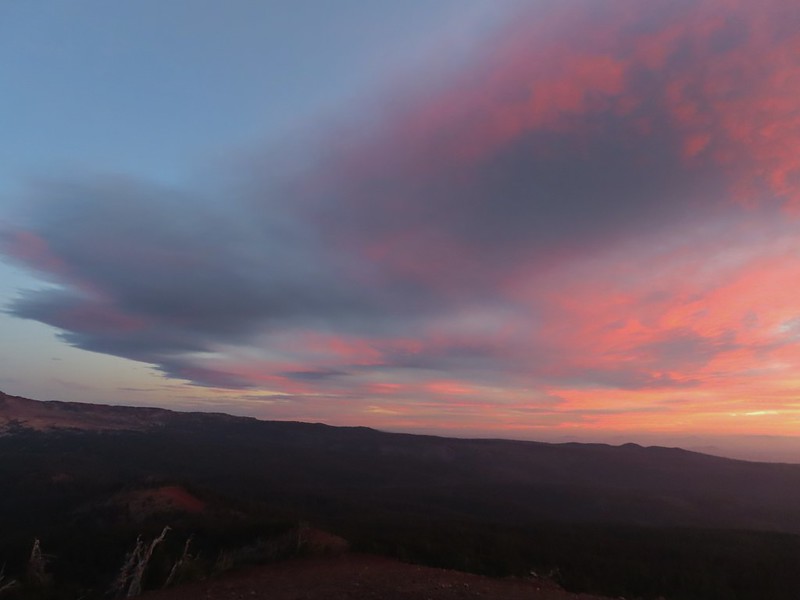 Canon shortly before the Sun became visible.
 The Three Sister just before sunrise with the Nikon.
 The Three Sister just before sunrise with Heather’s phone.
 Canon moments before sunrise. A line of wildfire smoke on the horizon gave it a red tint.
 Canon
Canon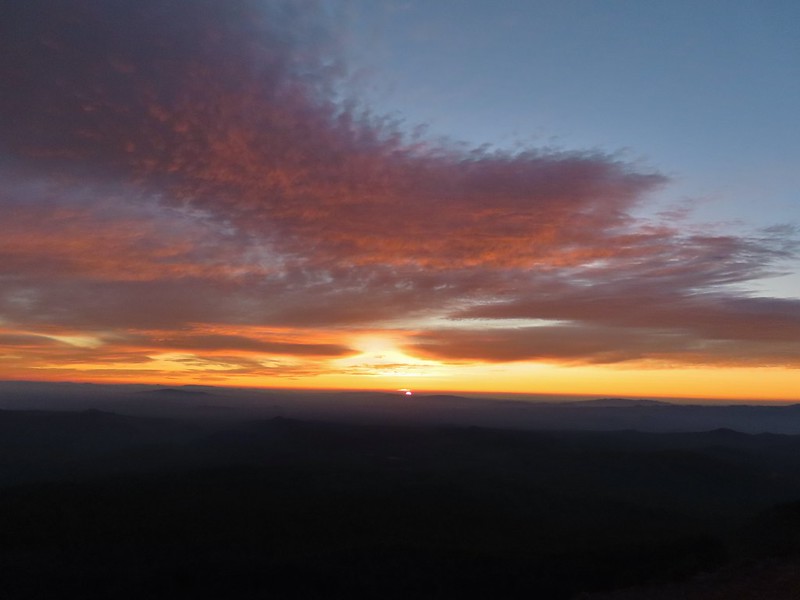 Canon catching the Sun.
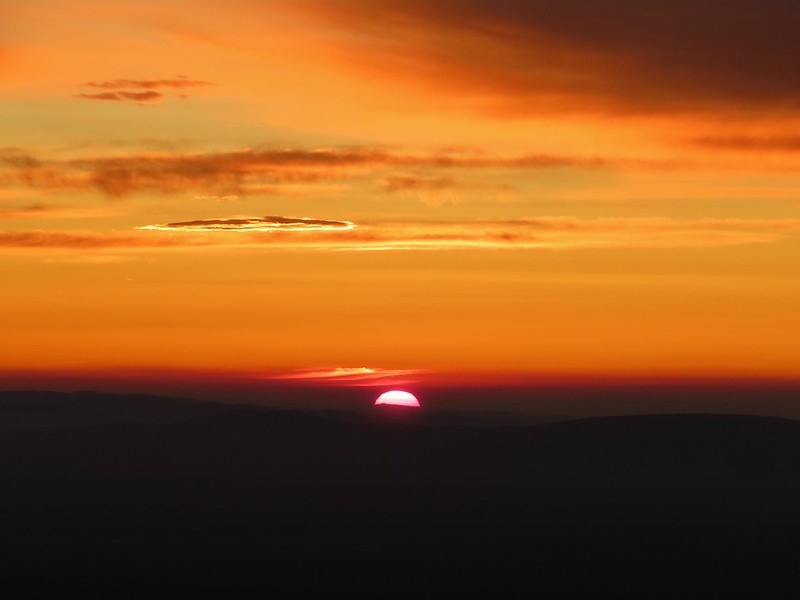 Canon
Canon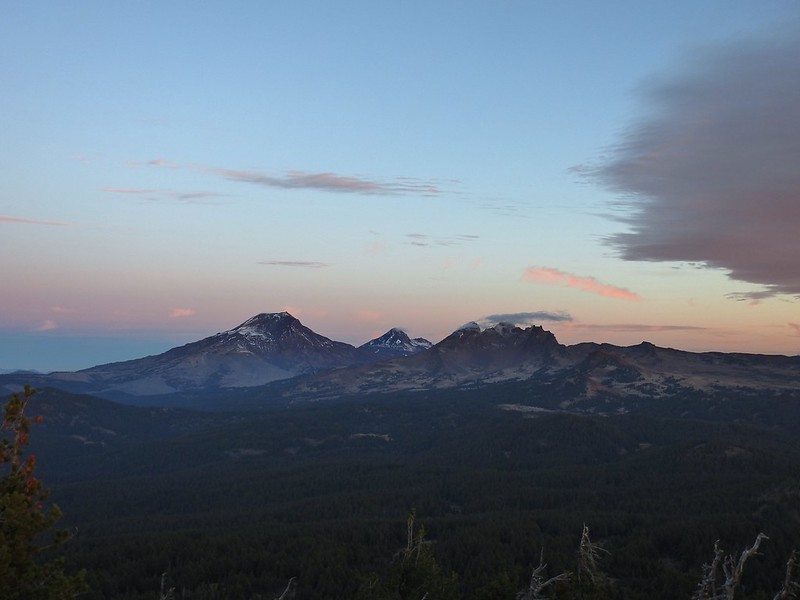 The Three Sisters and Broken Top (Nikon)
 South Sister (
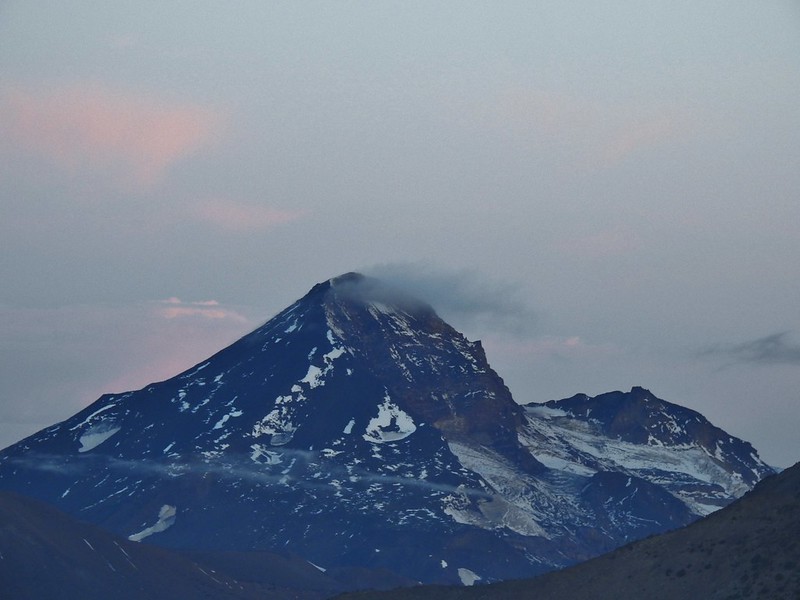 Middle and North Sister (Nikon)
 Broken Top (
 Aline glow hitting the mountains. (Canon)
 South Sister (Canon)
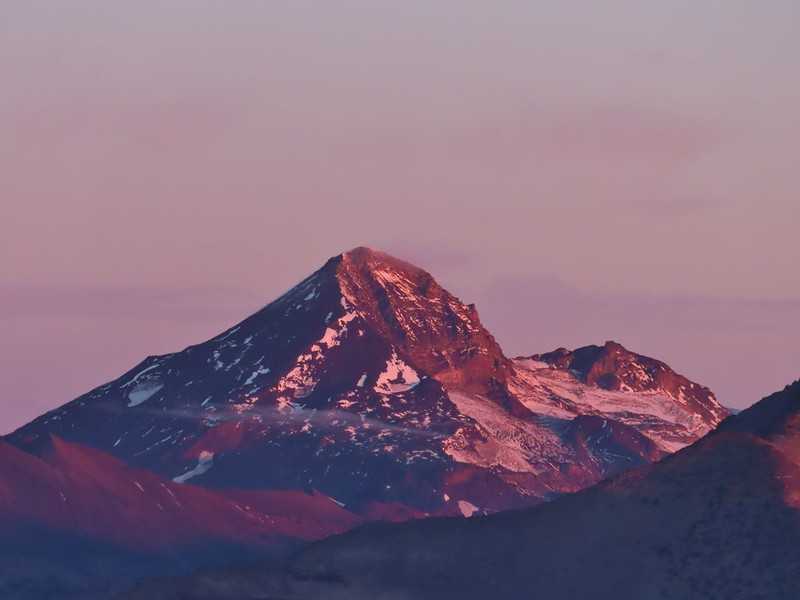 Middle and North Sister (Canon)
 Broken Top (Canon)
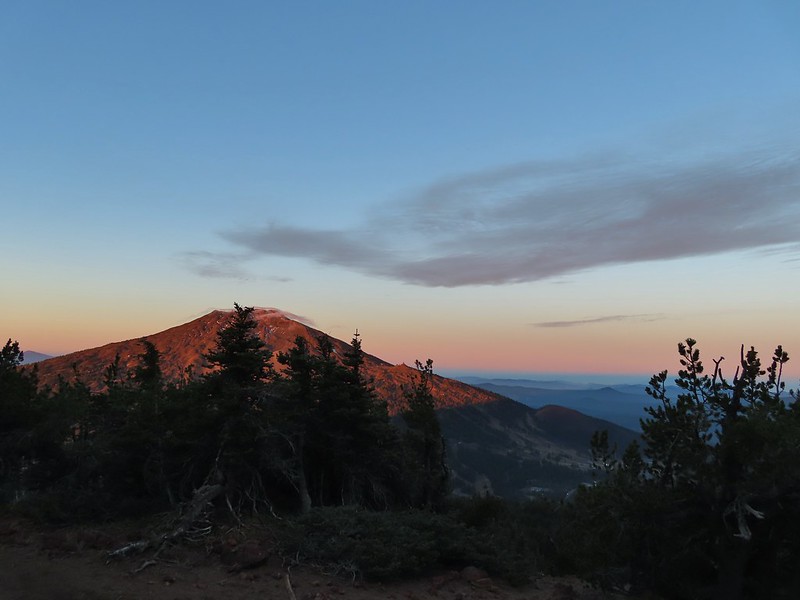 Mt. Bachelor (Canon)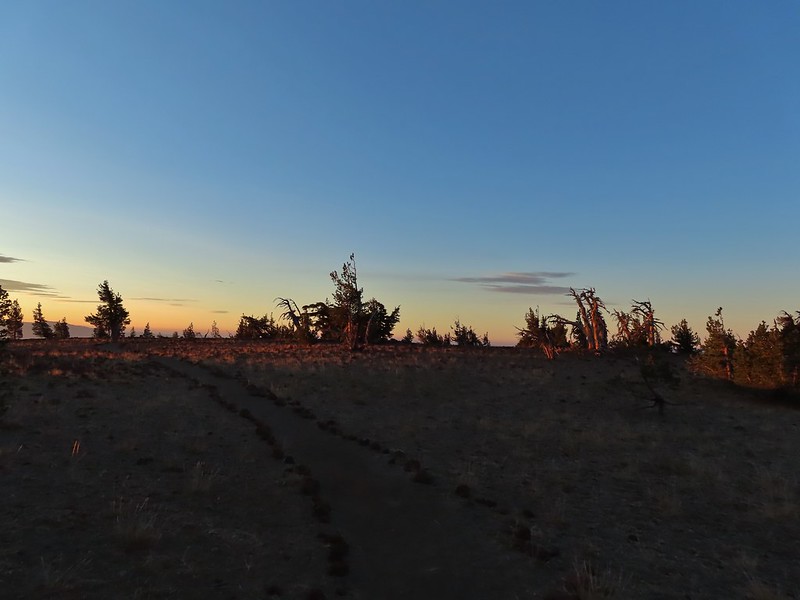

 Mt. Scott to the left and Mt. Thielsen to the right.
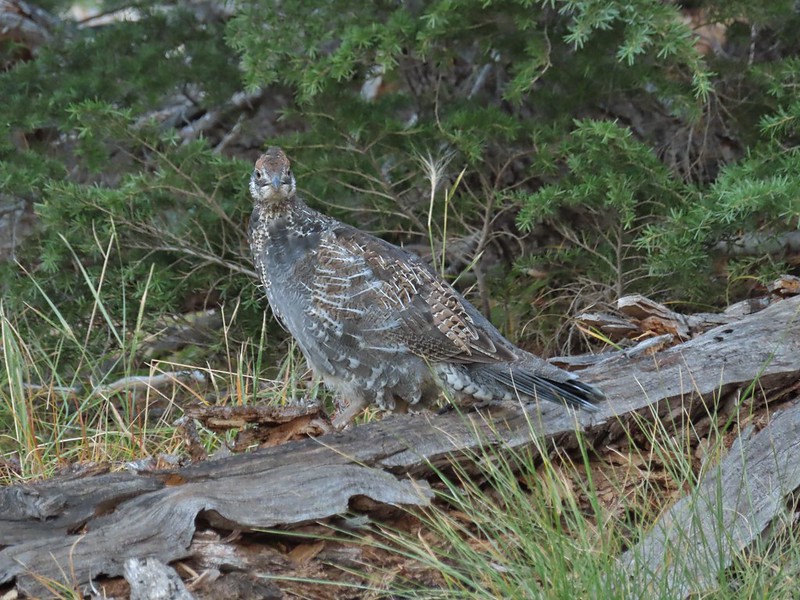 Grouse
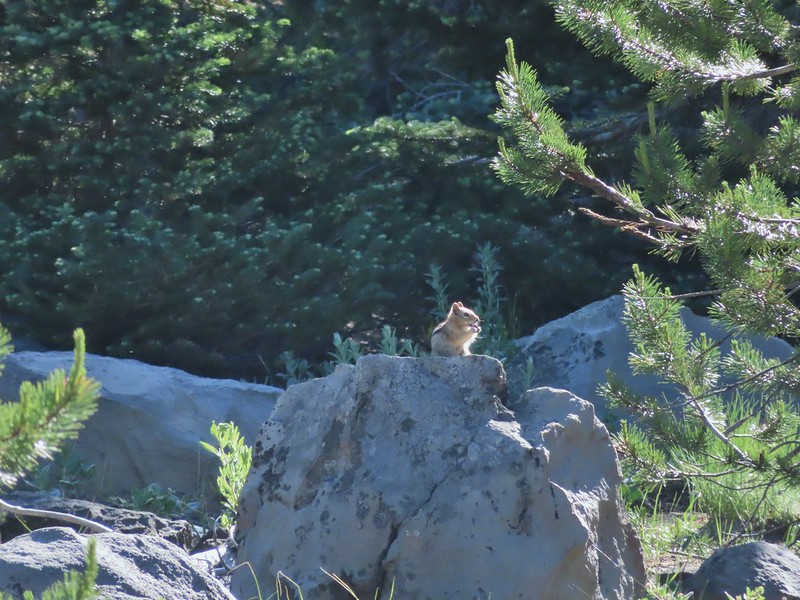
 Chipmunk
 Mt. Bachelor as we arrived back at the snow-park.


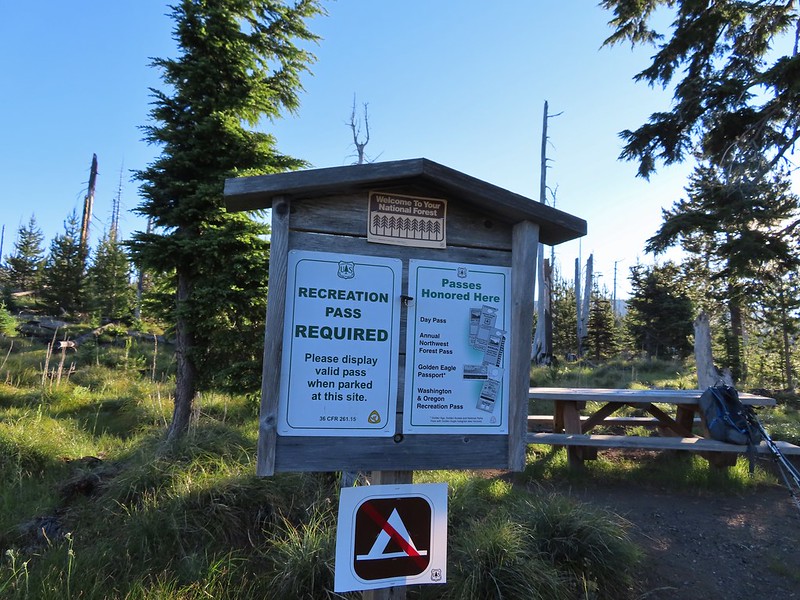
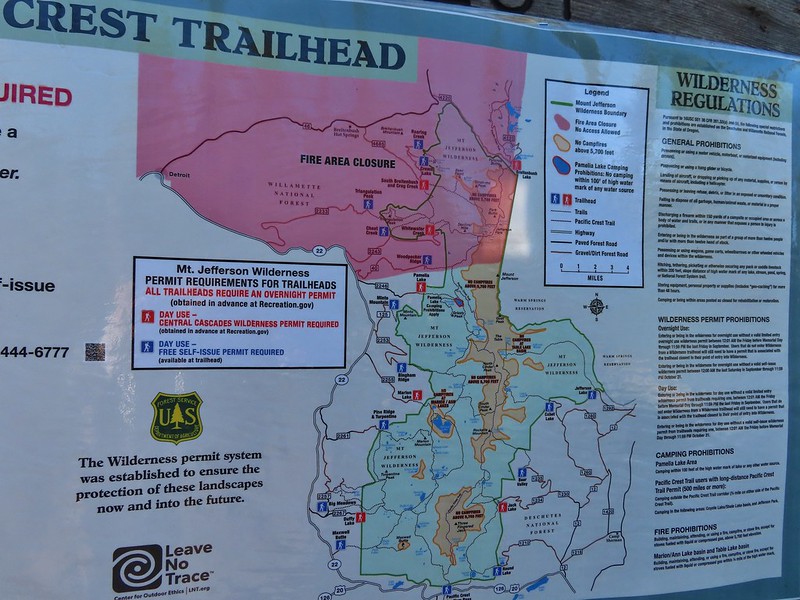
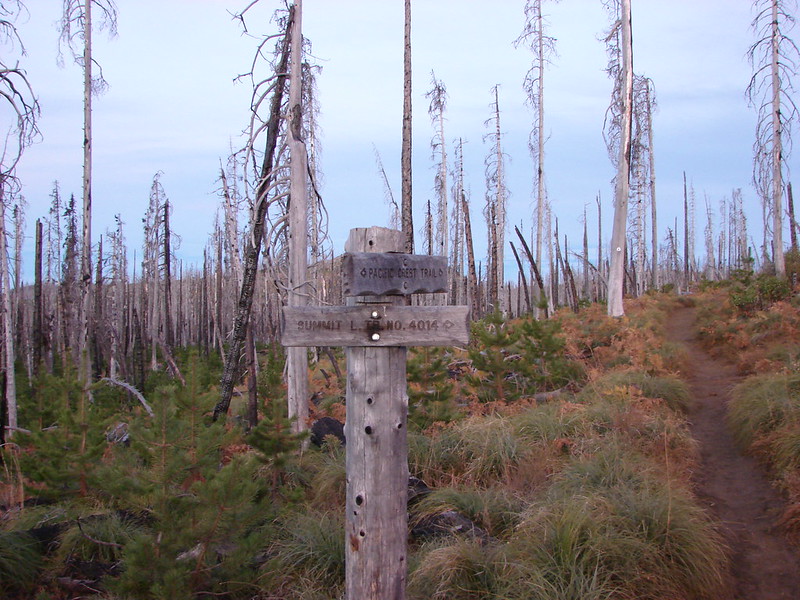 Trail sign at the junction on 10/13/2012.
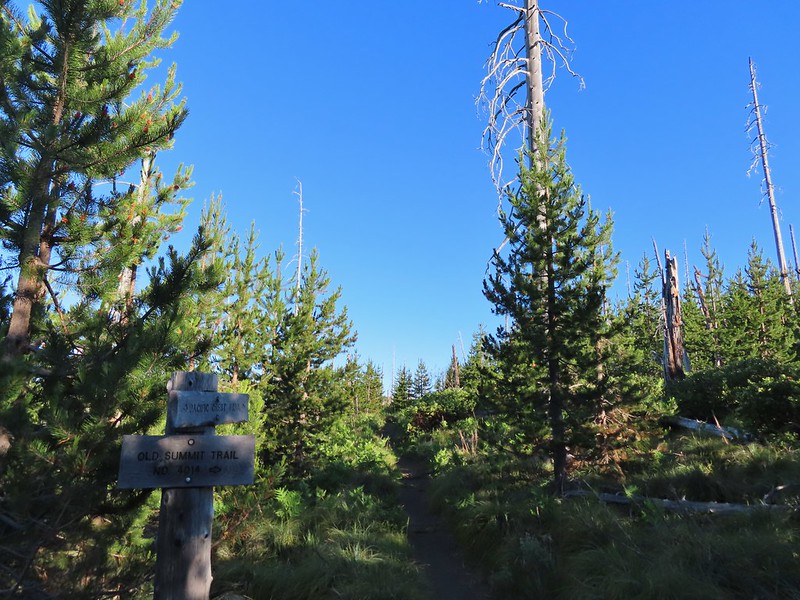 Trail sign at the junction on 07/03/2021.
 Entering the Mt. Jefferson Wilderness in 2012 (0.3 miles from the TH).
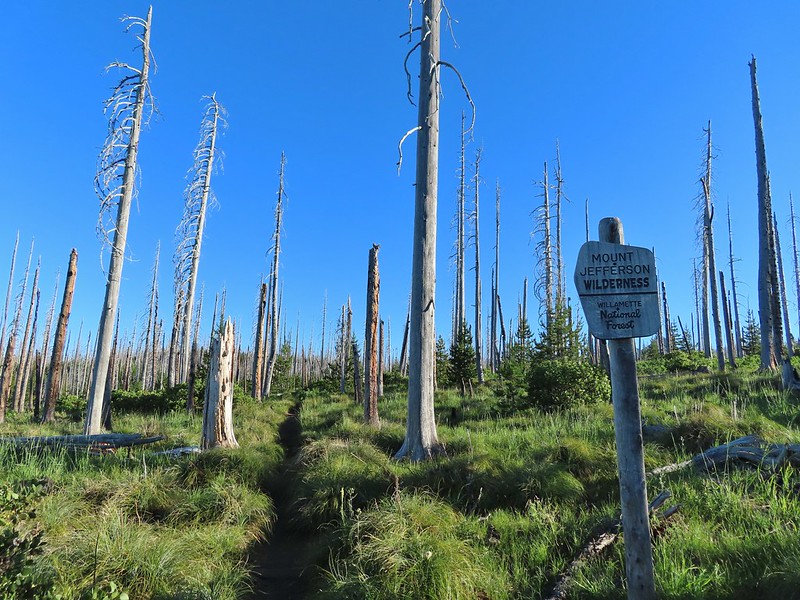 Entering the wilderness in 2021.
 Cache Mountain, Black Crater (post), Tam McArthur Rim & Broken Top (post), North & Middle Sister, Mt. Washington, and Hayrick Butte (flat top on the right).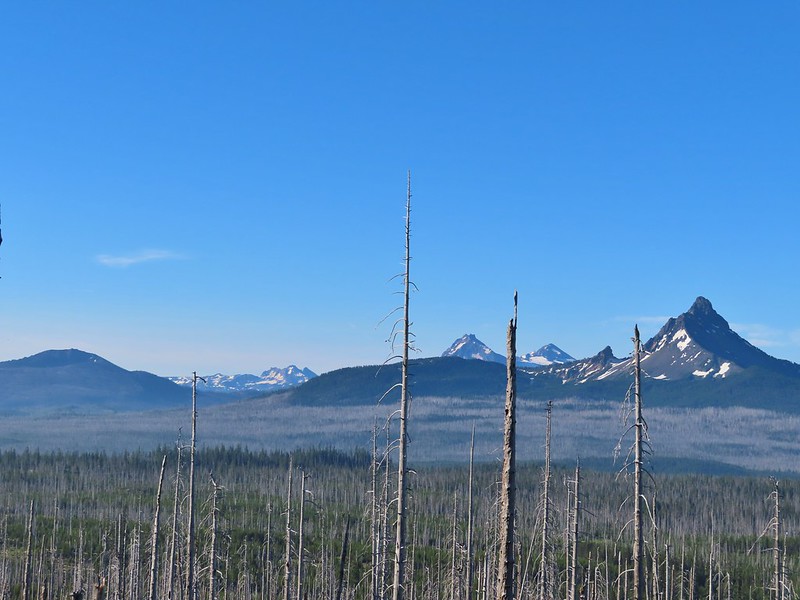

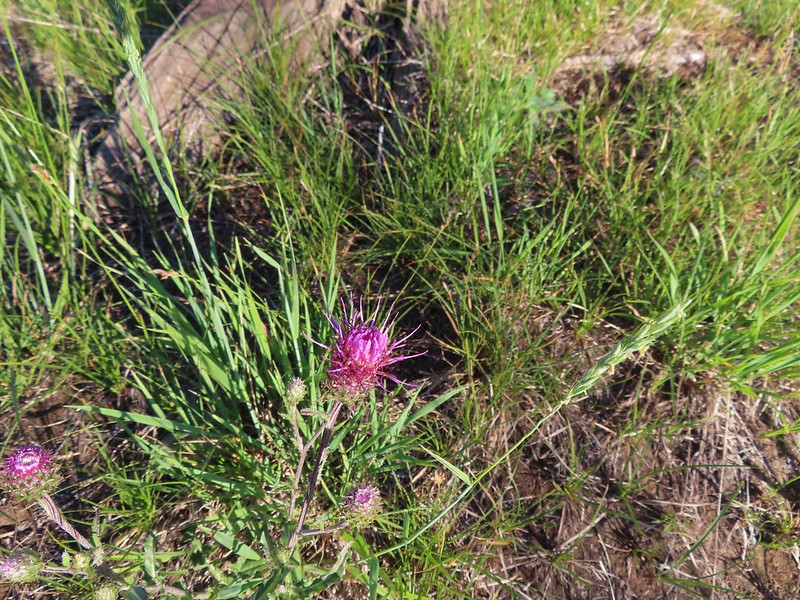 A thistle
 Penstemon
 Bleeding heart
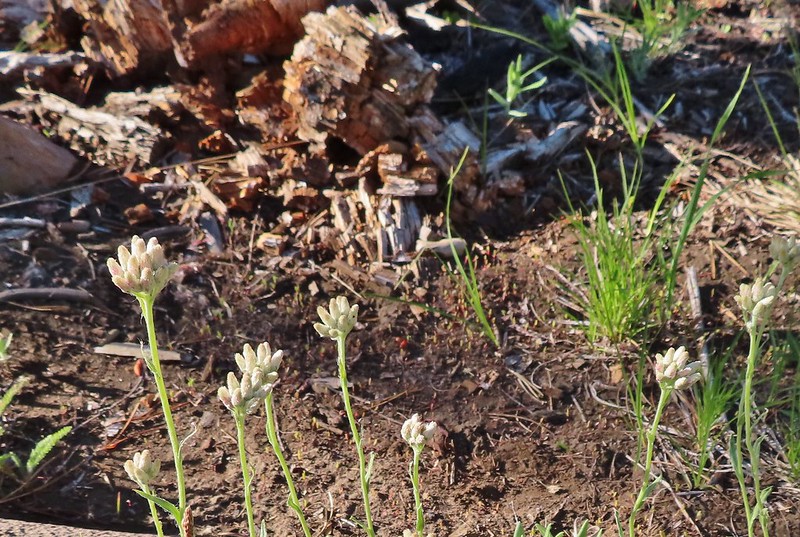 Pussytoes
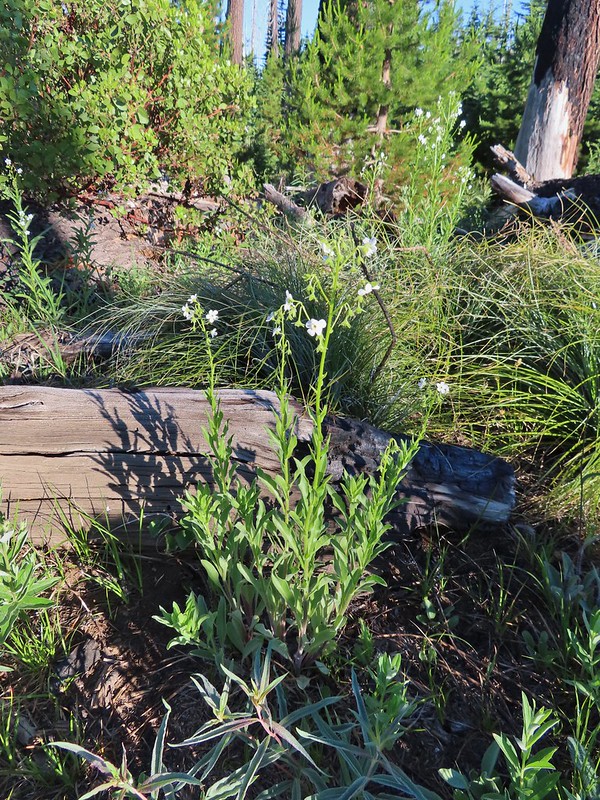 California stickseed
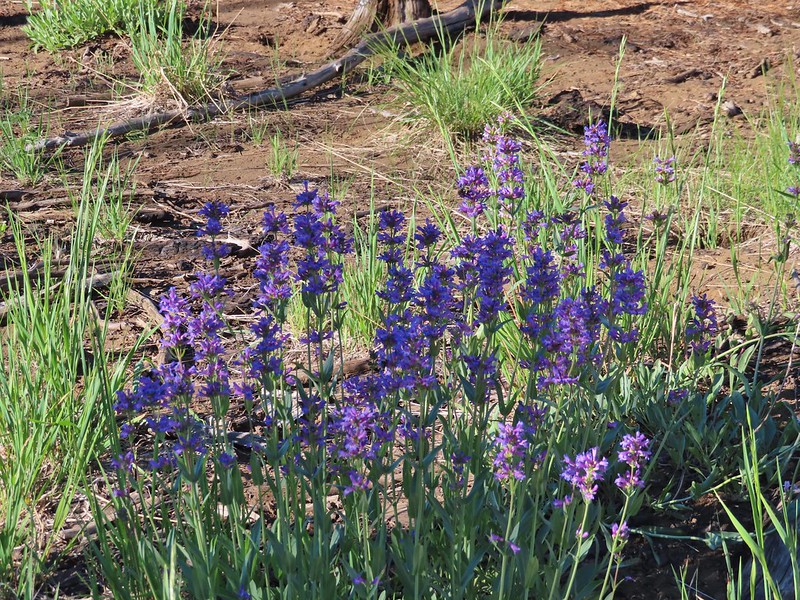 Another penstemon
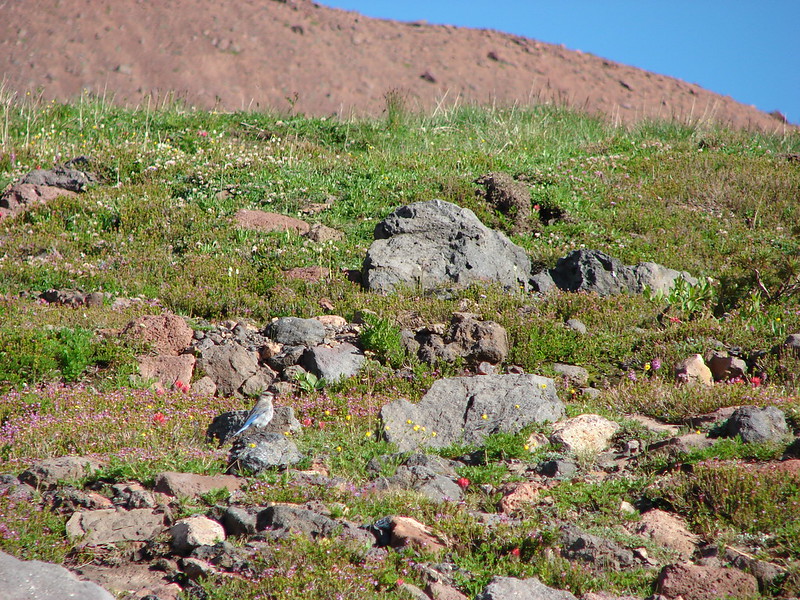
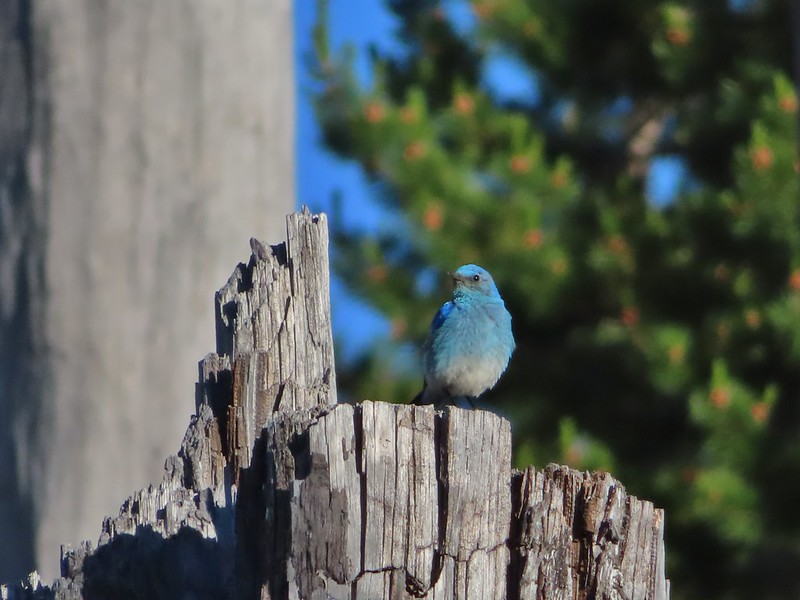 Mountain bluebird by the lake.

 There was a good amount of scarlet gilia blooming along this section of trail.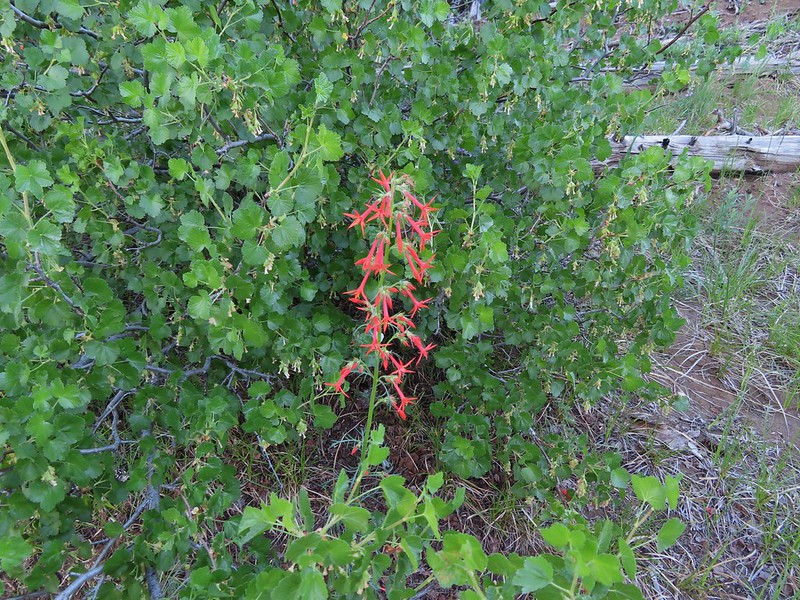
 Three Fingered Jack
 One of the ponds.
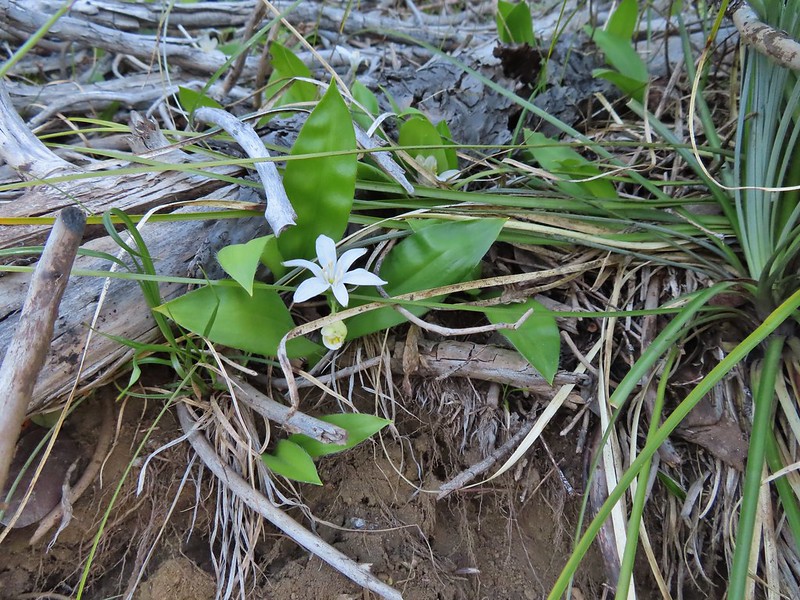 Queen’s cup
 Another pond with Maxwell Butte (
 Unnamed lake along the trail with Maxwell Butte behind.
 Lupine
 Dark-eyed junco
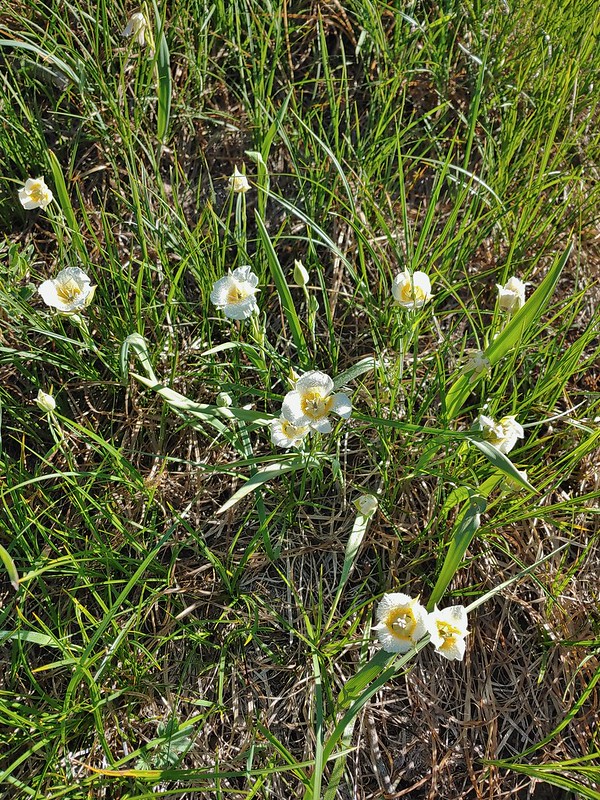 Sub-alpine mariposa lilies
 Woodpecker
 The view south.

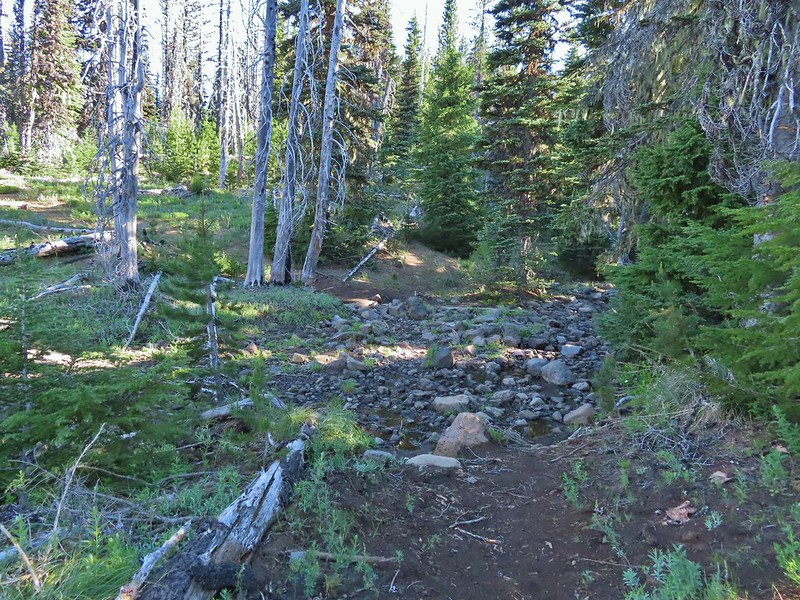
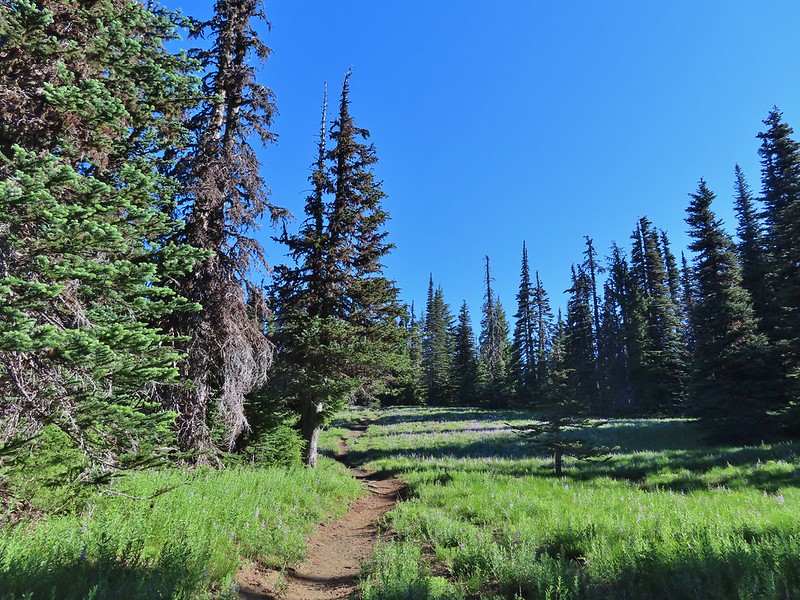


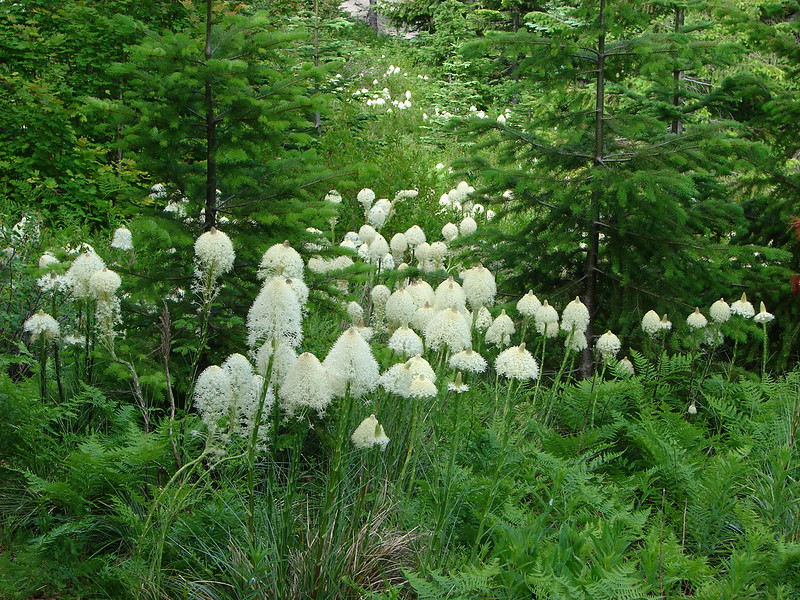
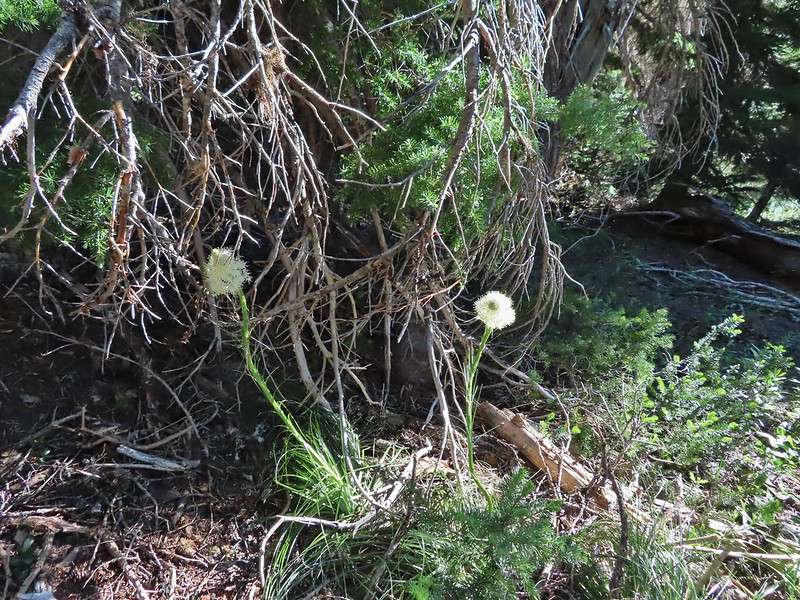 Beargrass
 Recent snow melt is another recipe for mosquitos.
 Another creek crossing.
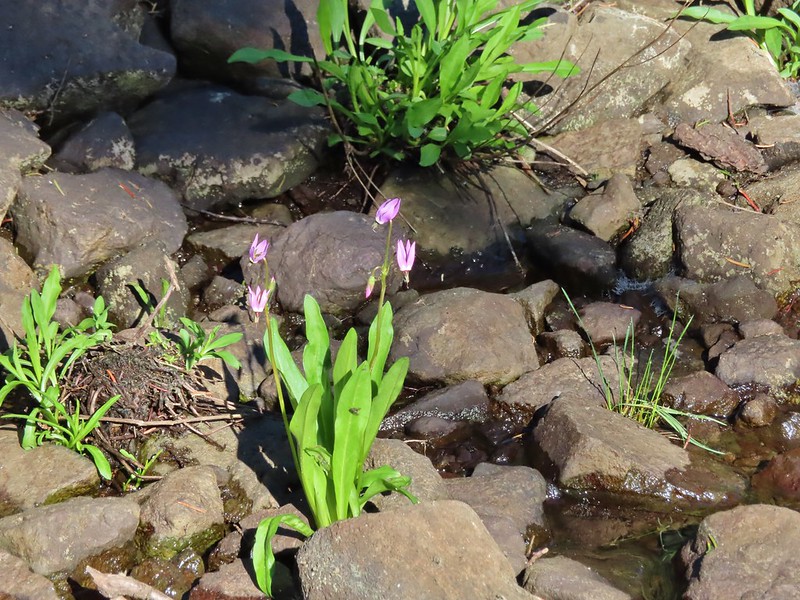 Shooting star
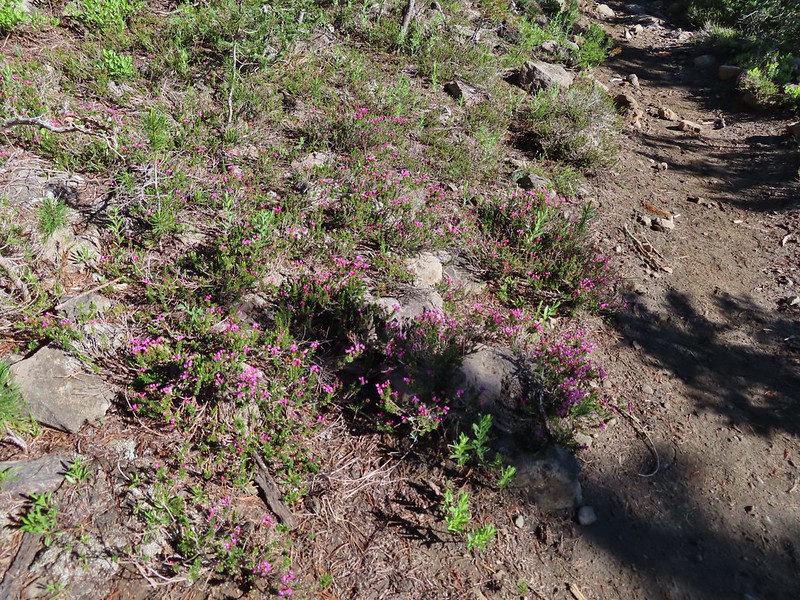 Mountain heather. Typically if we see this blooming we expect there to be mosquitos.
 A sulphur
 Alpine false dandelion
 One of several snow patches at the tree line.
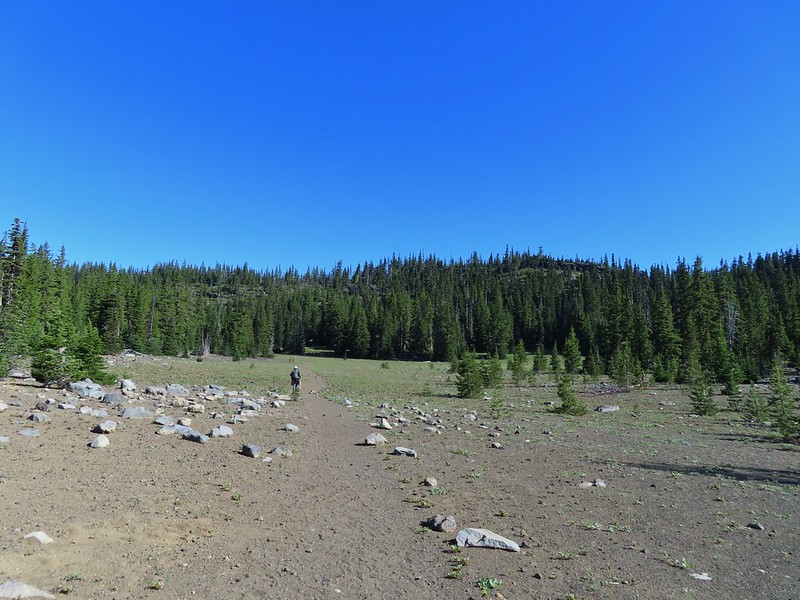 Nearing the end of the opening.
 More snow in the trees.
 A checkerspot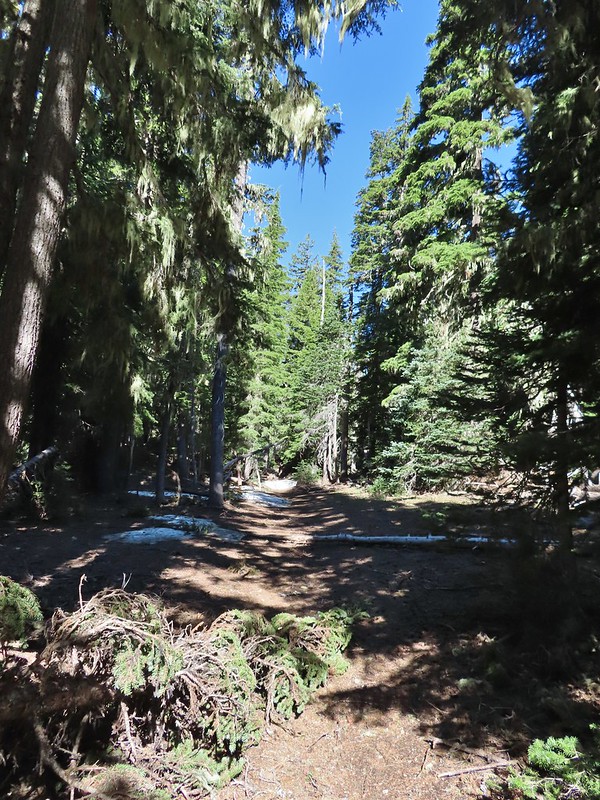
 Trees & melting snow = more mosquitos.
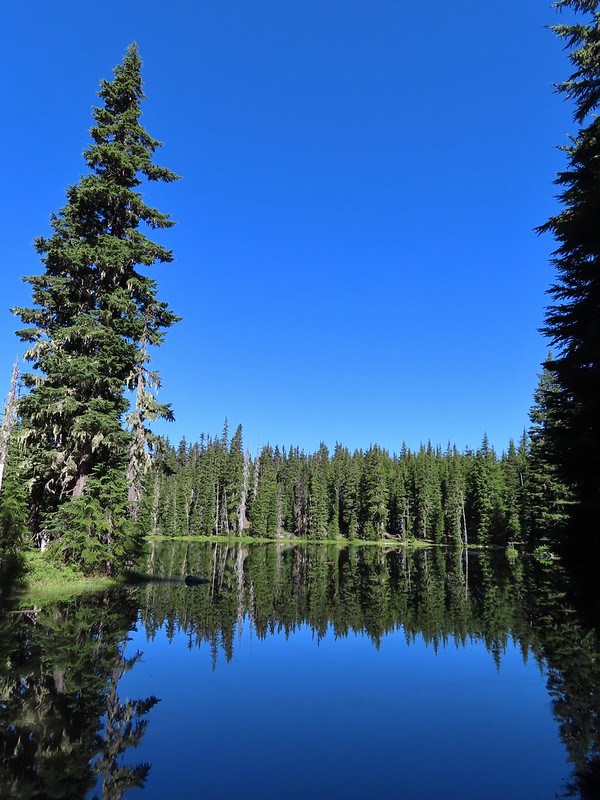 Not Santiam Lake but a very pretty unnamed lake just to the left of the trail approximately 0.4 miles from Santiam Lake.
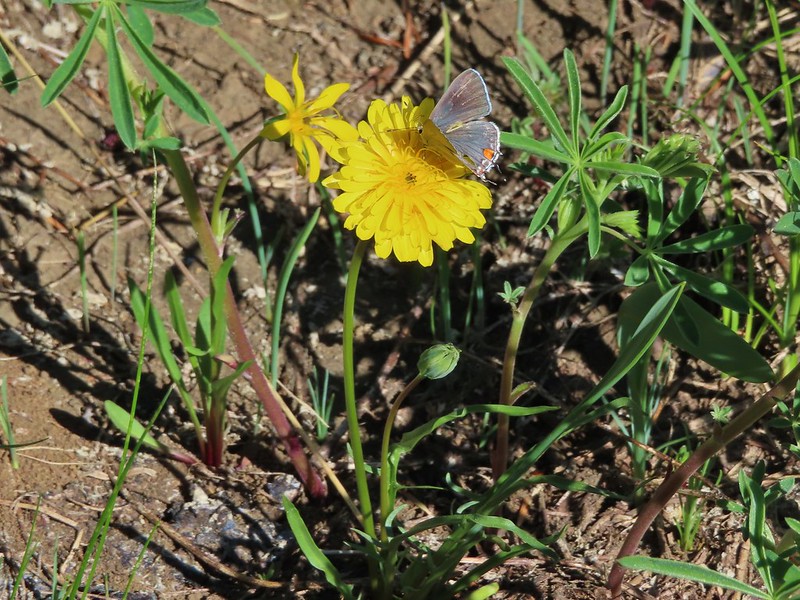 Not sure what type this is but the orange on the wing was pretty.
 Mt. Jefferson behind Red Butte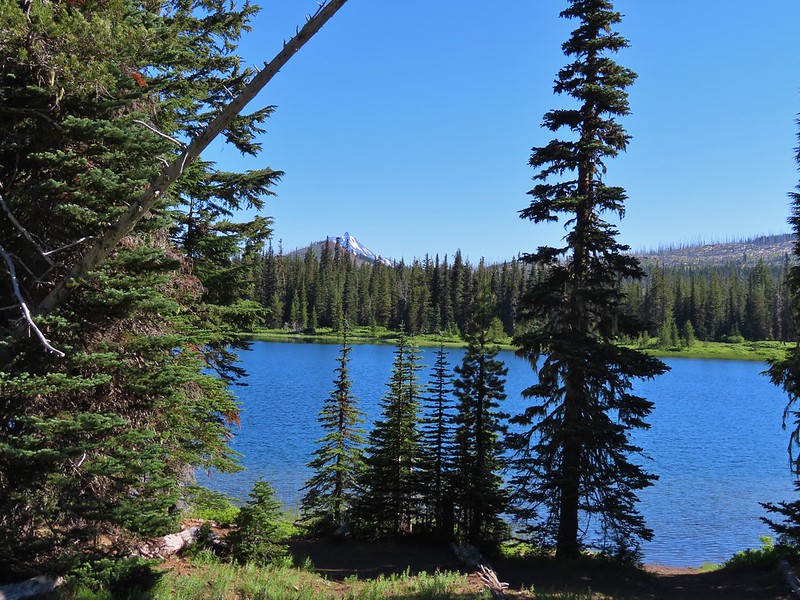
 Duffy Butte on the left.
 Three Fingered Jack
 Paintbrush, shooting stars, and buttercups.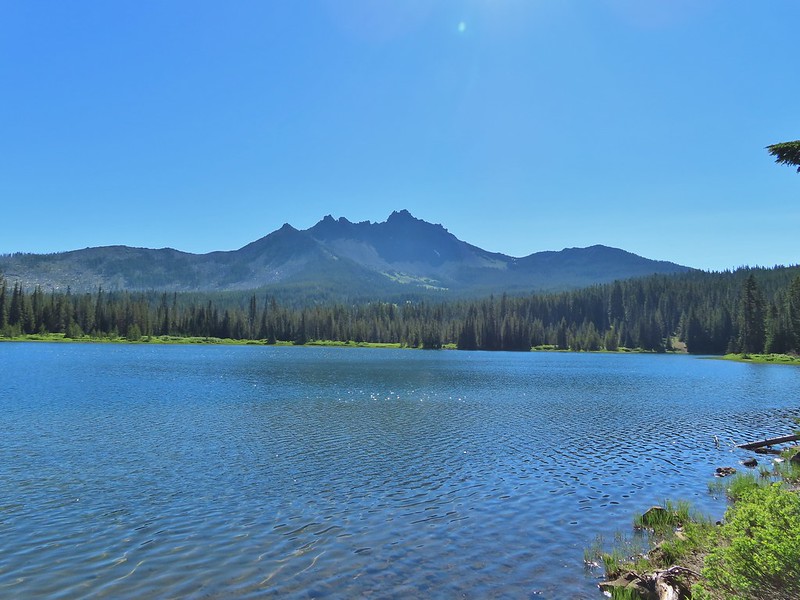
 Just one of several large uprooted trees along the shore.

 The “topographic feature” ahead on the right where we planned on turning for Lower Berley Lake.
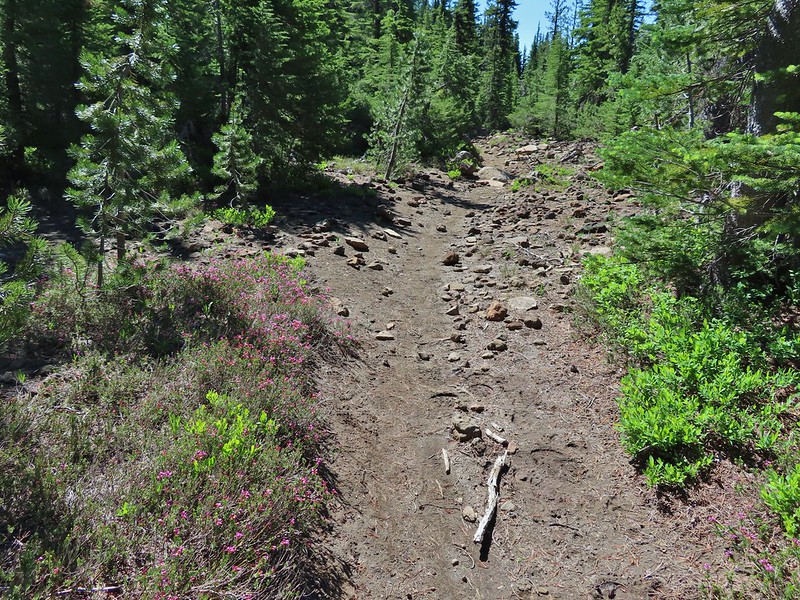 Mountain heather along the trail, it was warm and sunny enough that the mosquitos weren’t as bad this time by.
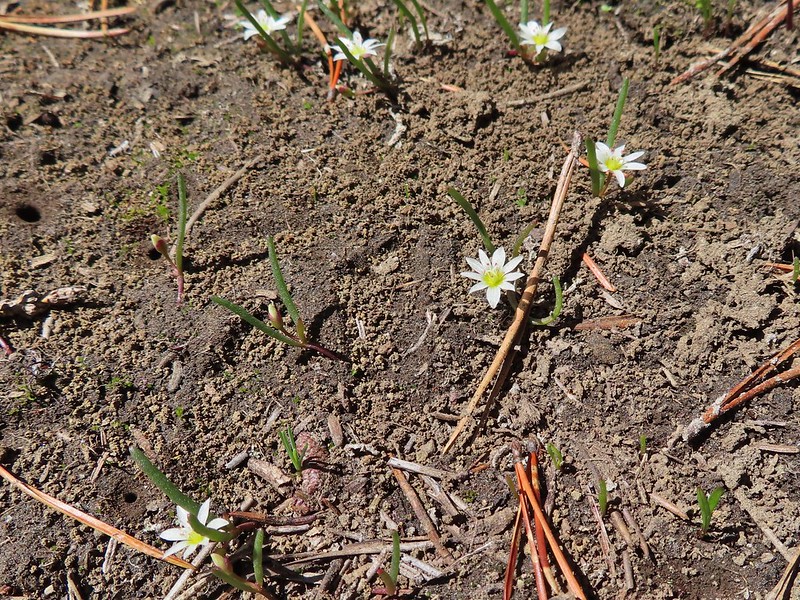 Threeleaf lewisia
 Getting closer to the hill where we planned on turning.
 California tortoiseshell butterflies in the bed of Lost Lake Creek.


 Three Fingered Jack from the rocks.
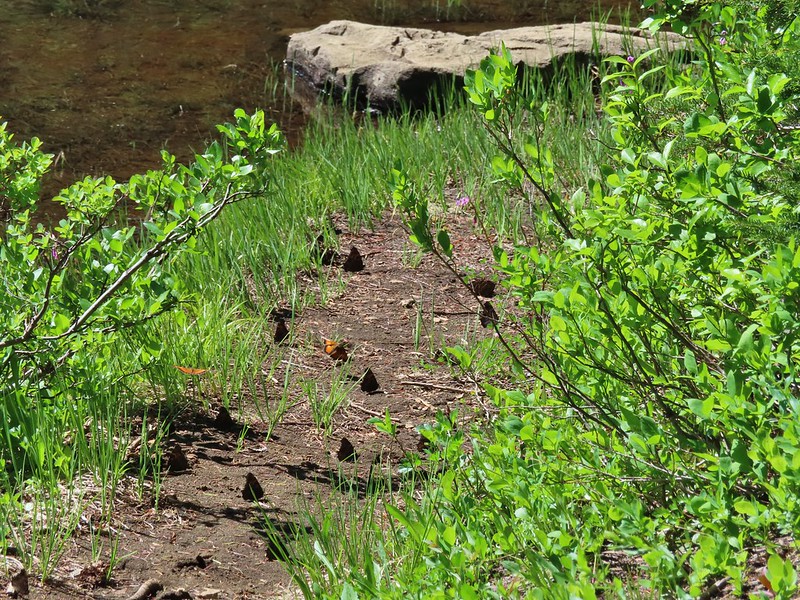 More tortoiseshells
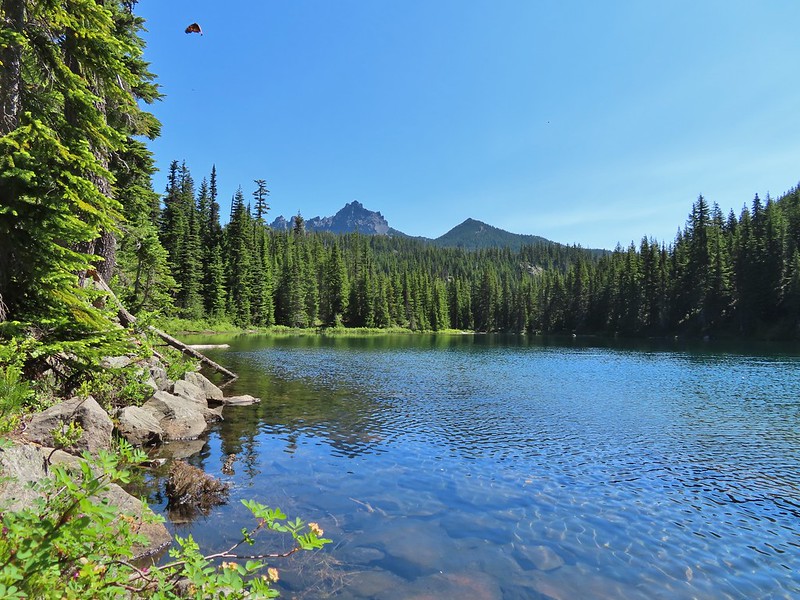 A butterfly photo bomb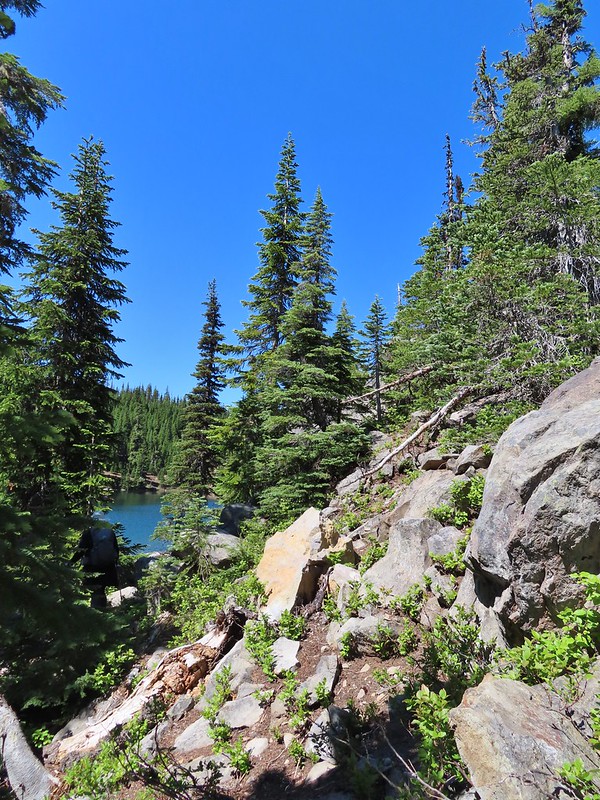


 The bed was popular with the butterflies.
 Cross country to Upper Berley Lake, the doe was in this meadow and headed in the direction of the patch of snow at the far end.
 Upper Berley Lake
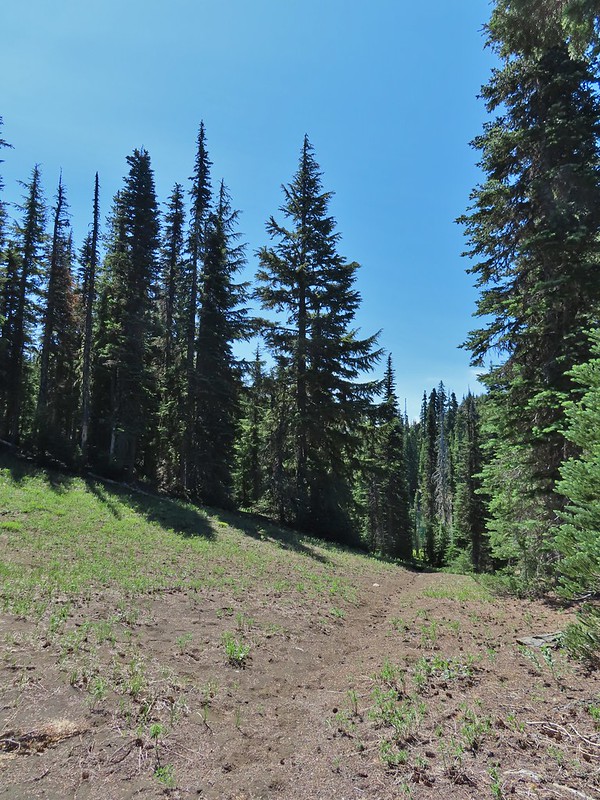 We wound up finding the same “user trail” and followed it down to the lower lake.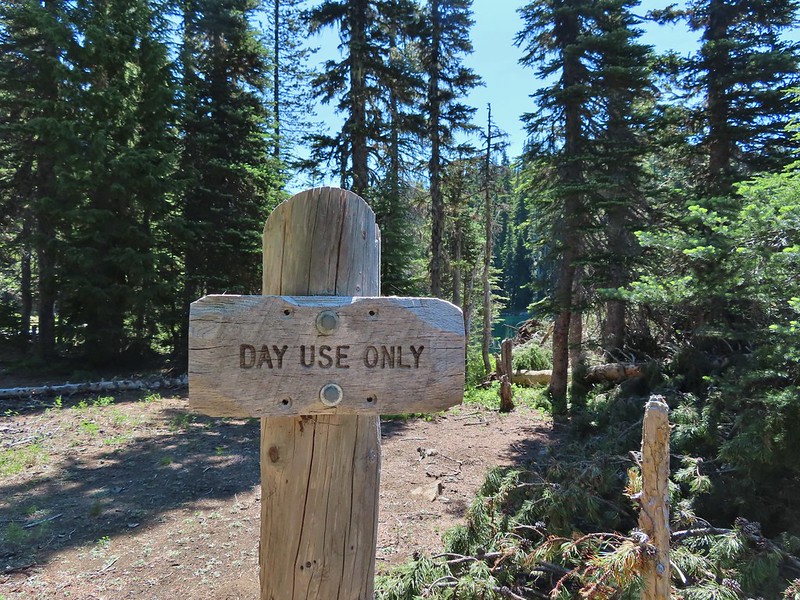
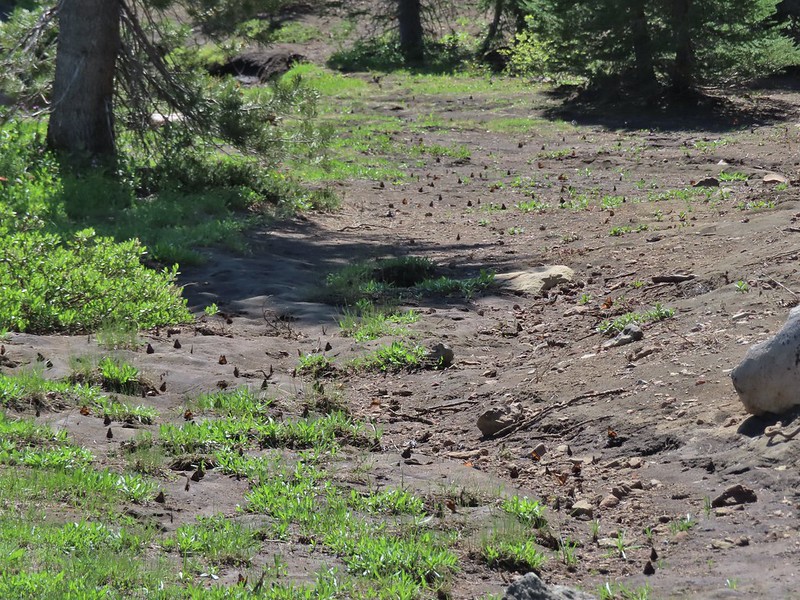 California tortoiseshell butterflies along Lower Berley Lake.
 Three Fingered Jack and about a half dozen butterflies.
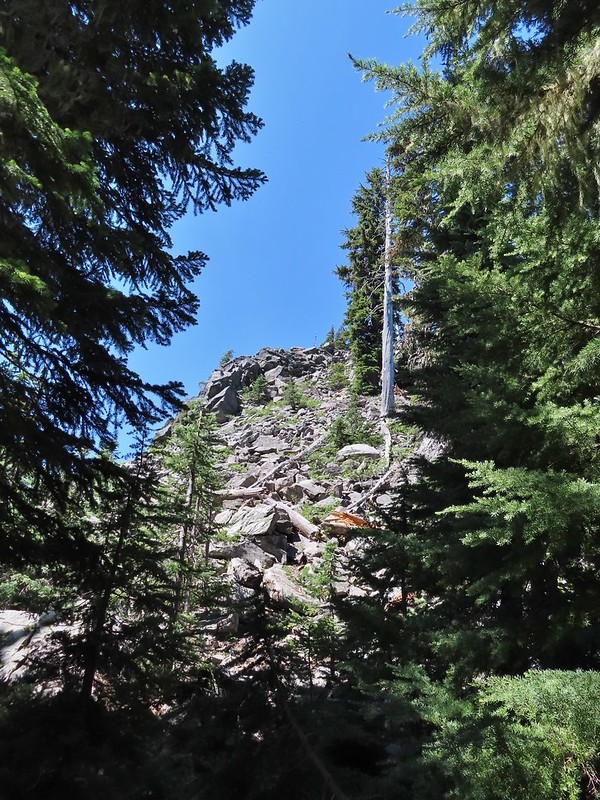 The hillside on the right was rocky.
 The trail dropping down from the saddle with Mt. Washington and the North Sister ahead.

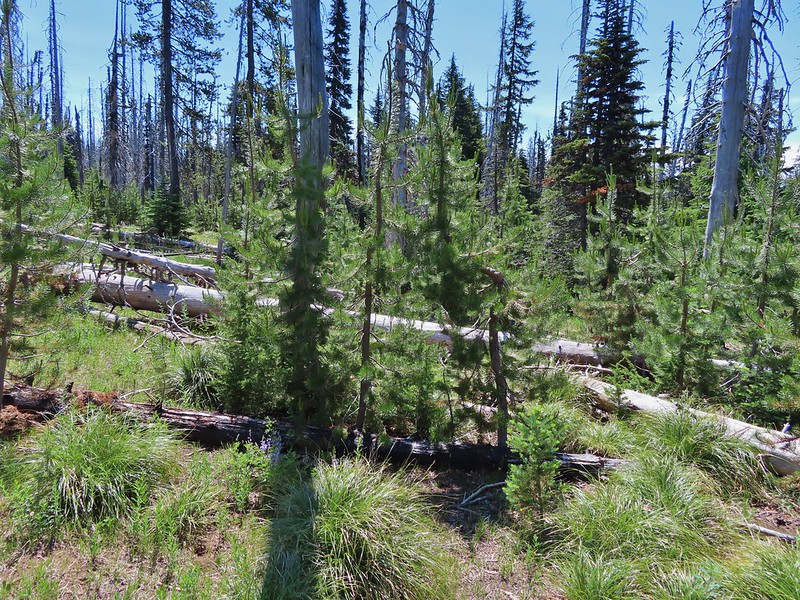
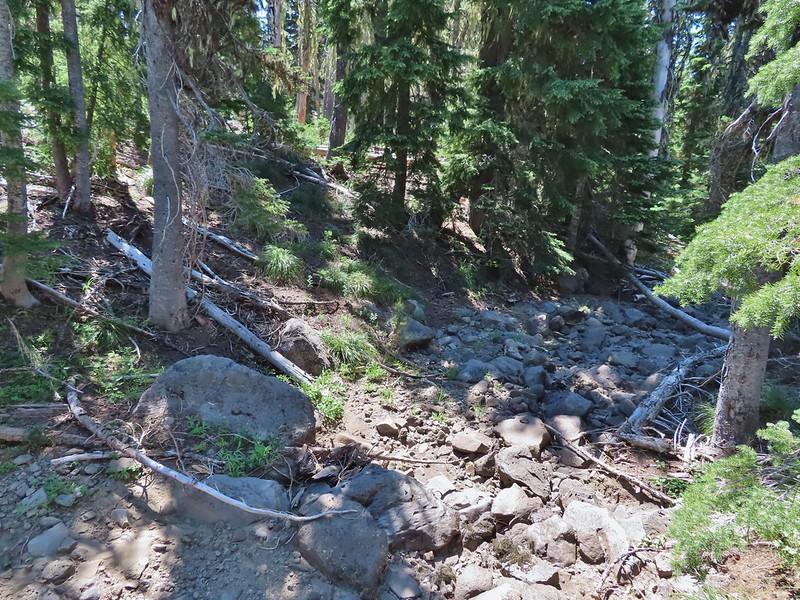
 Found it!


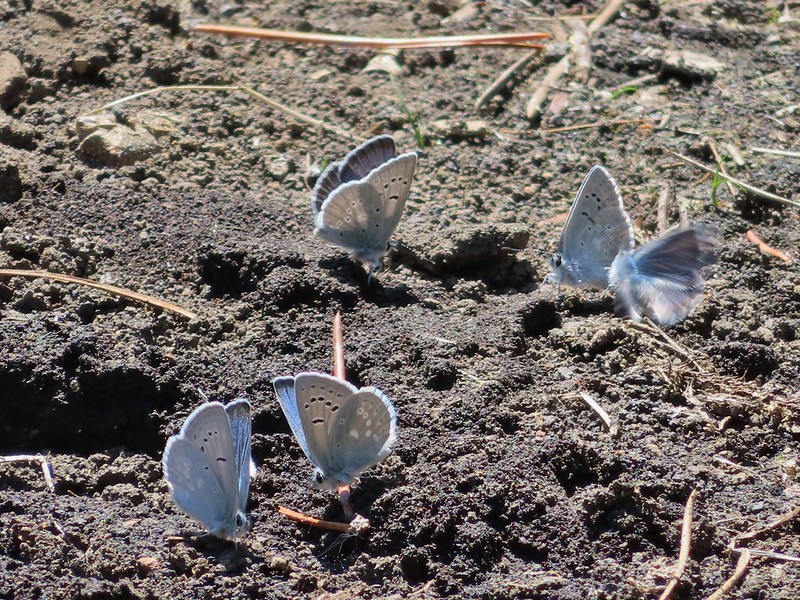
 Yellow beetle on lupine.
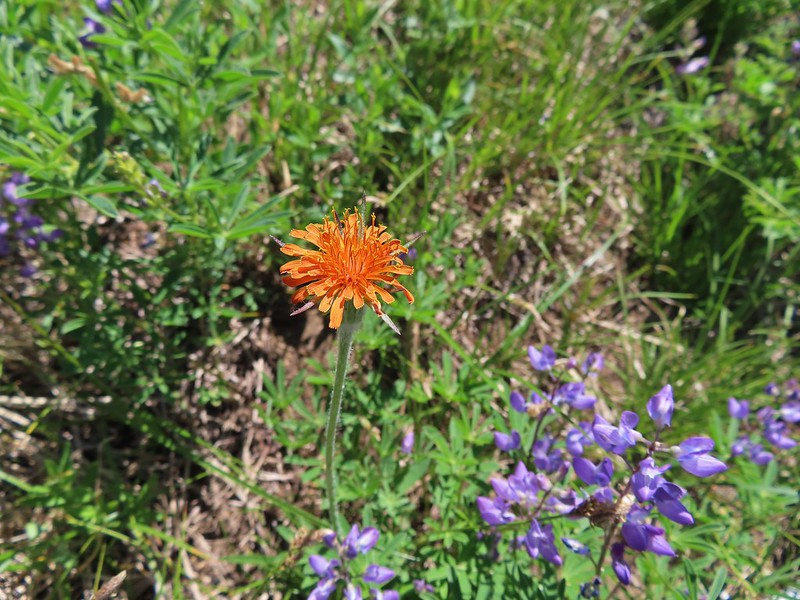 Orange agoseris
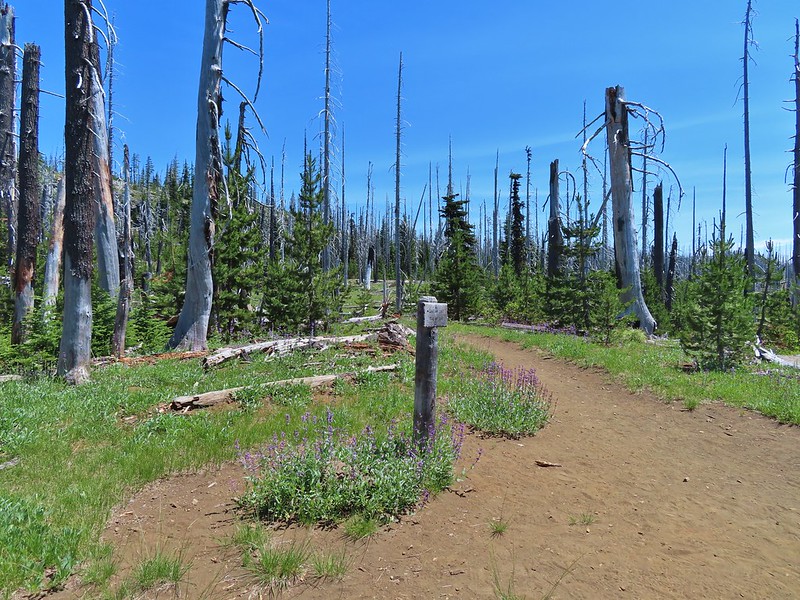 Back at the PCT.
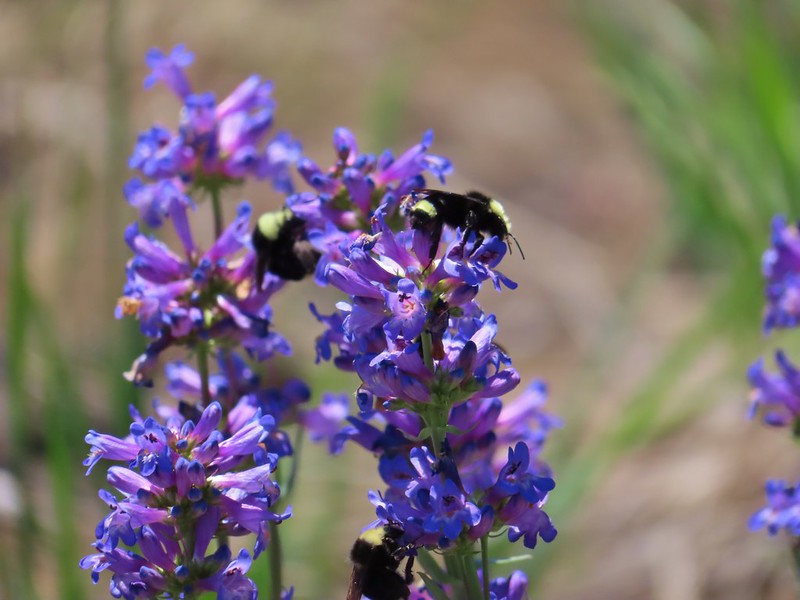 Bumble bees on penstemon.
 Cicada in the grass.
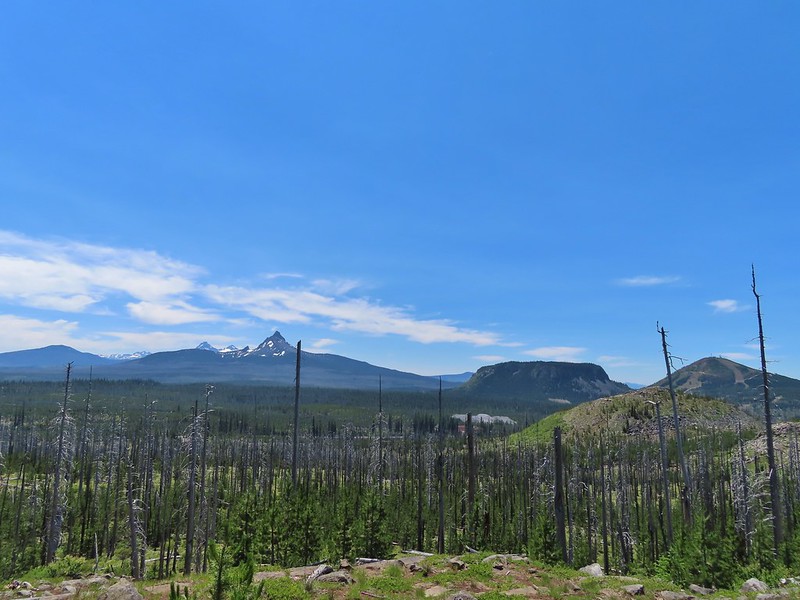 Black Crater, Broken Top, North & Middle Sister, Mt. Washington, Hayrick Butte, and Hoodoo Butte from the viewpoint.