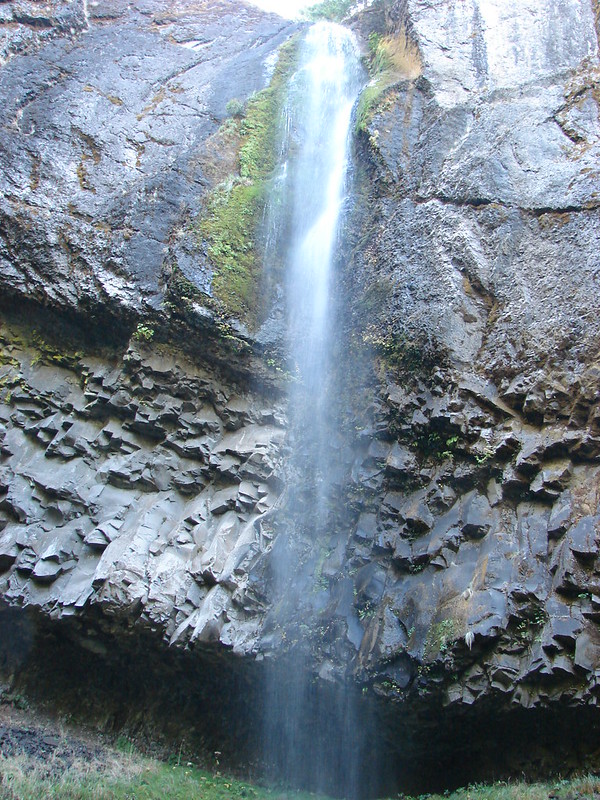
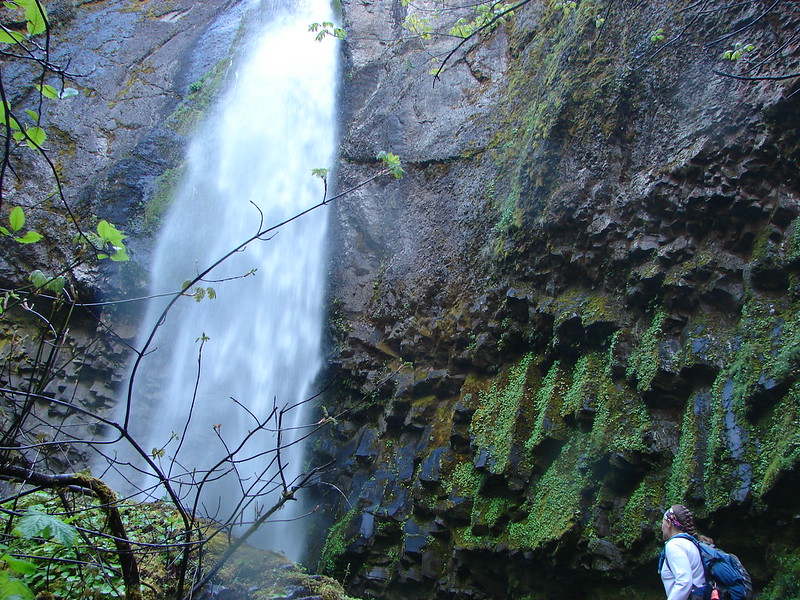
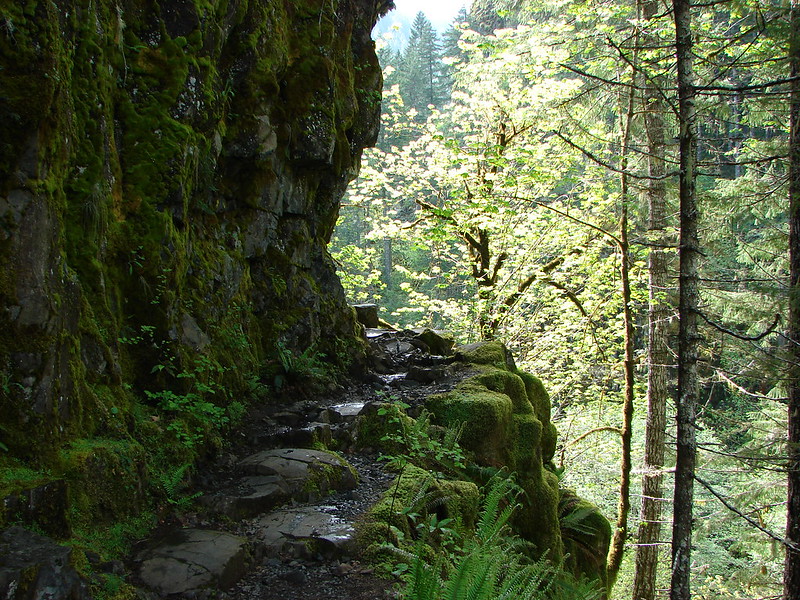
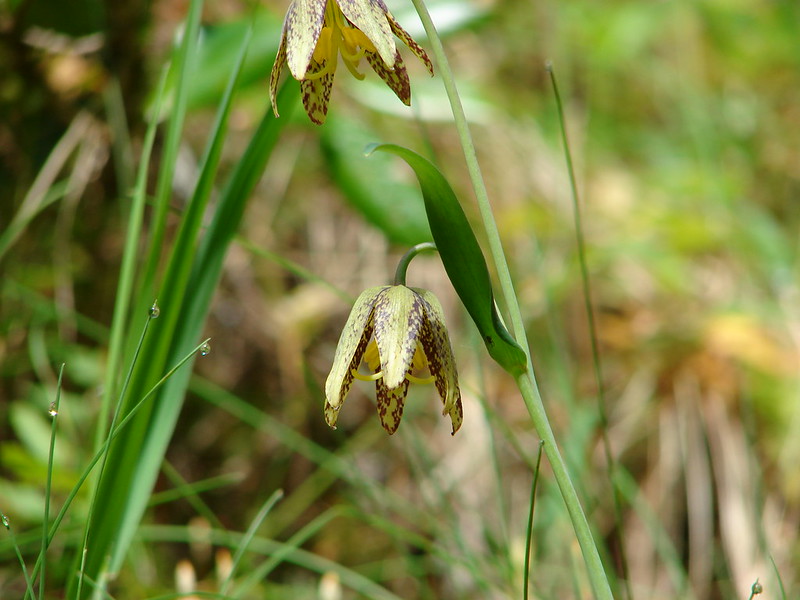
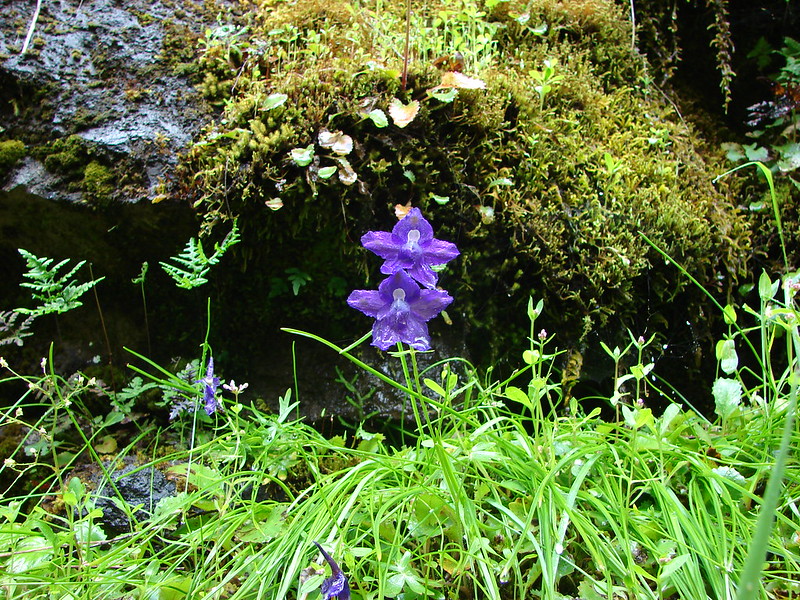
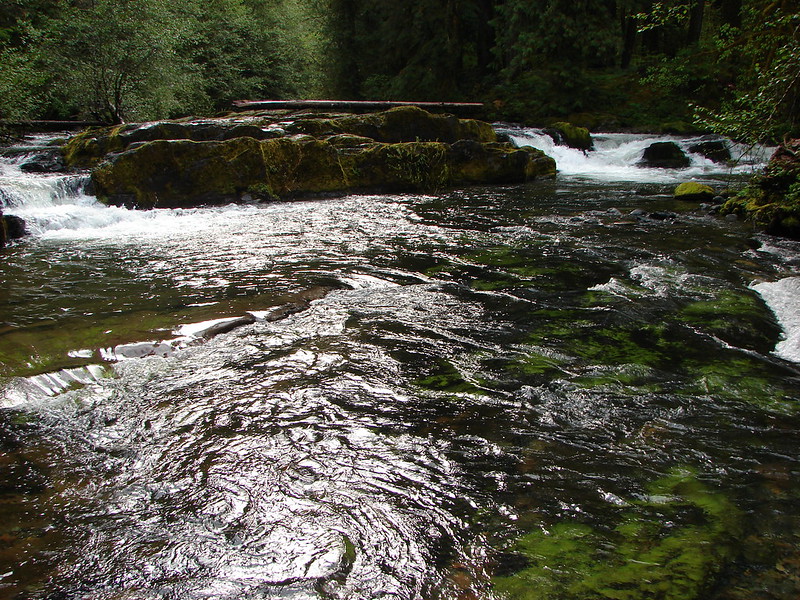
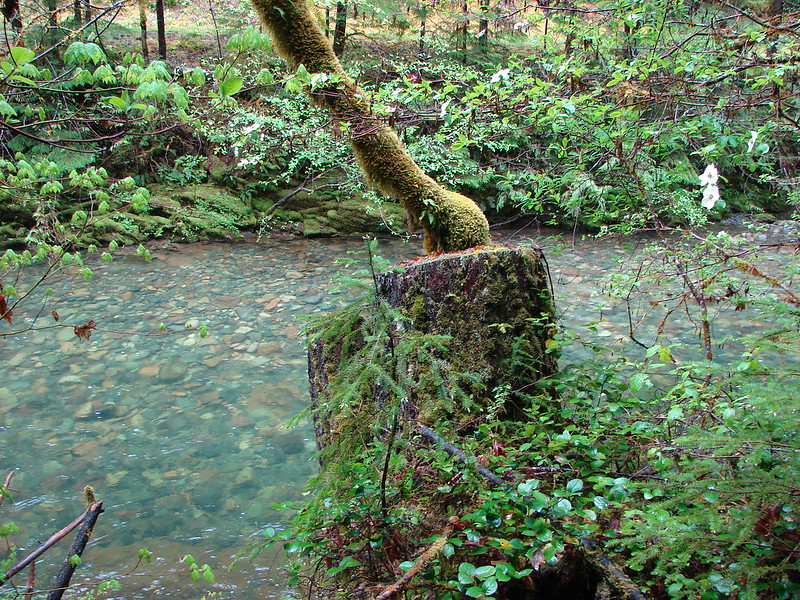
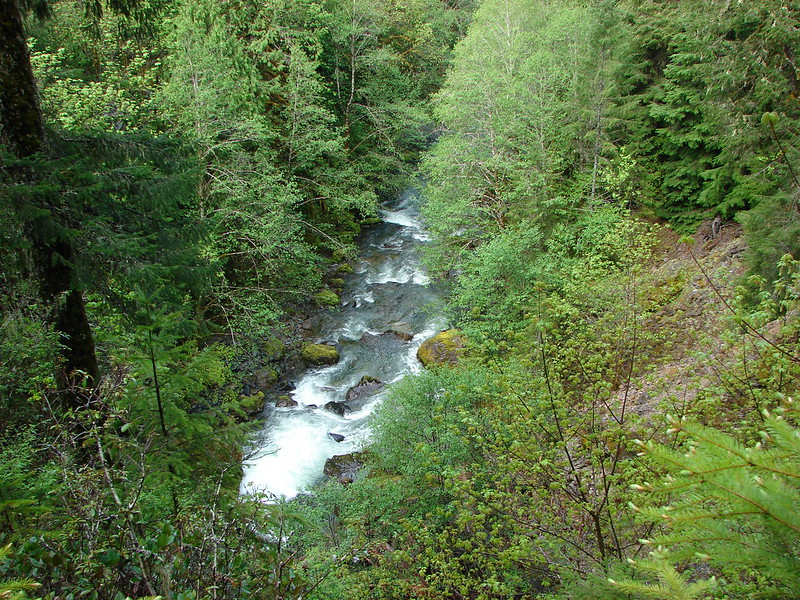
Categories
High Cascades Hiking Mt. Hood Area Oregon Trip report

The Other Eagle Creek (Salmon-Huckleberry Wilderness)

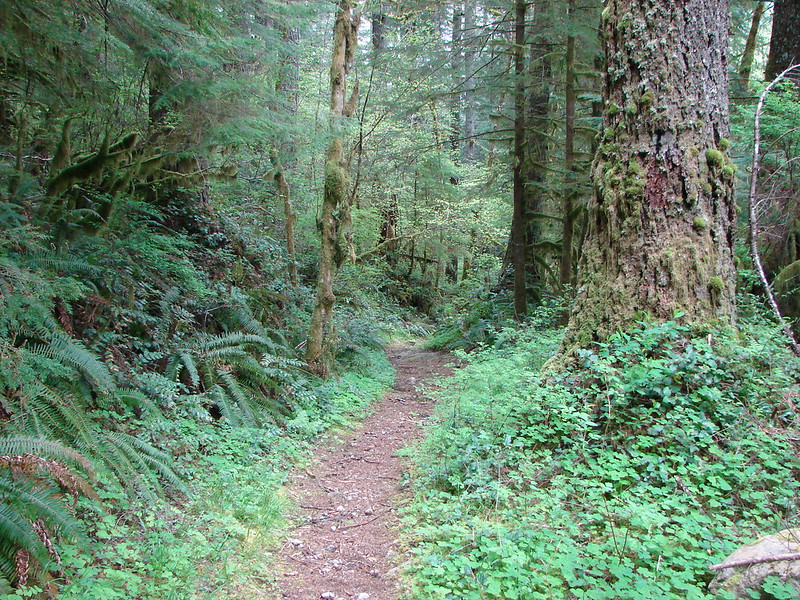
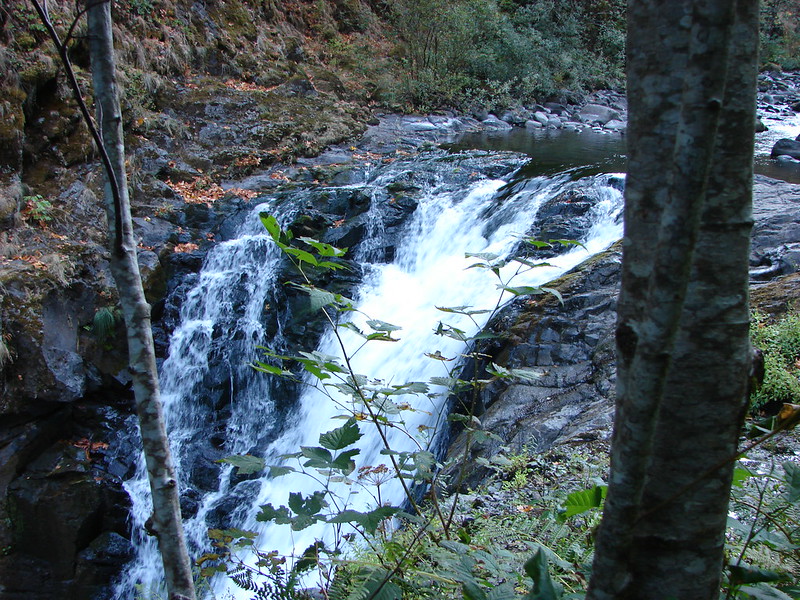
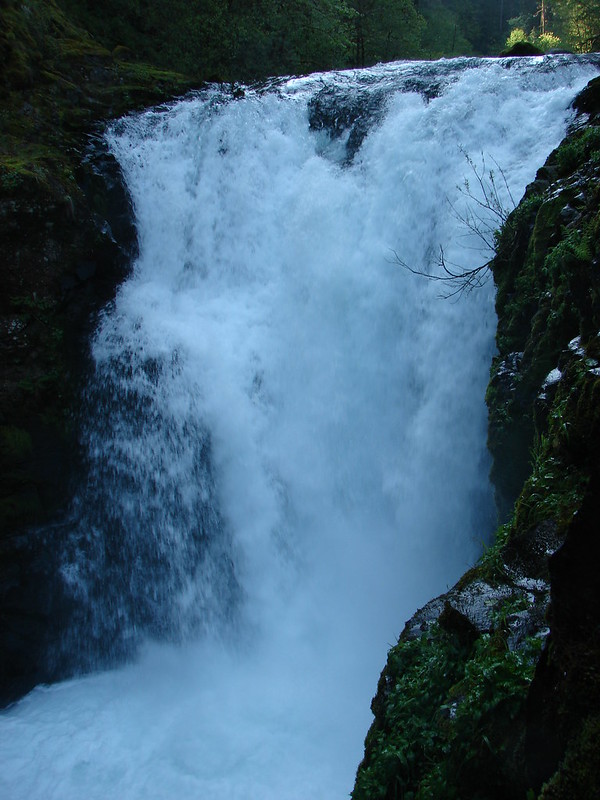
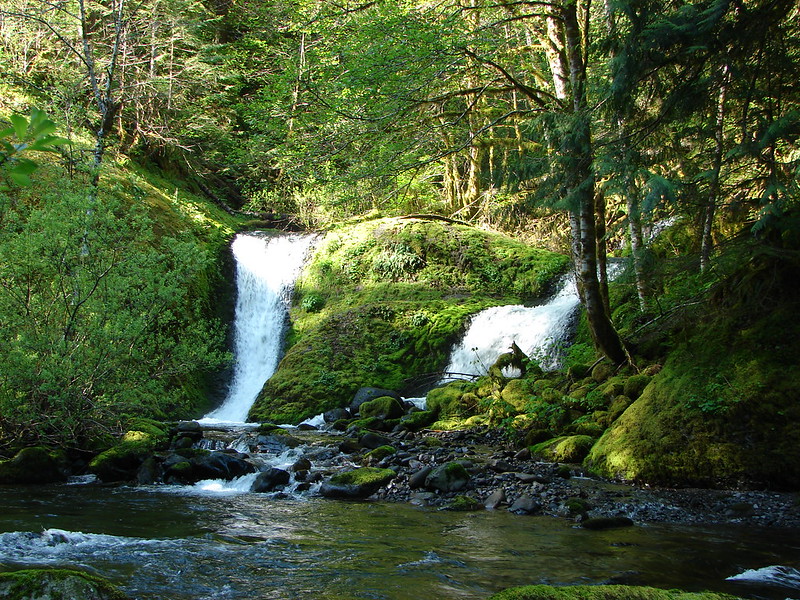
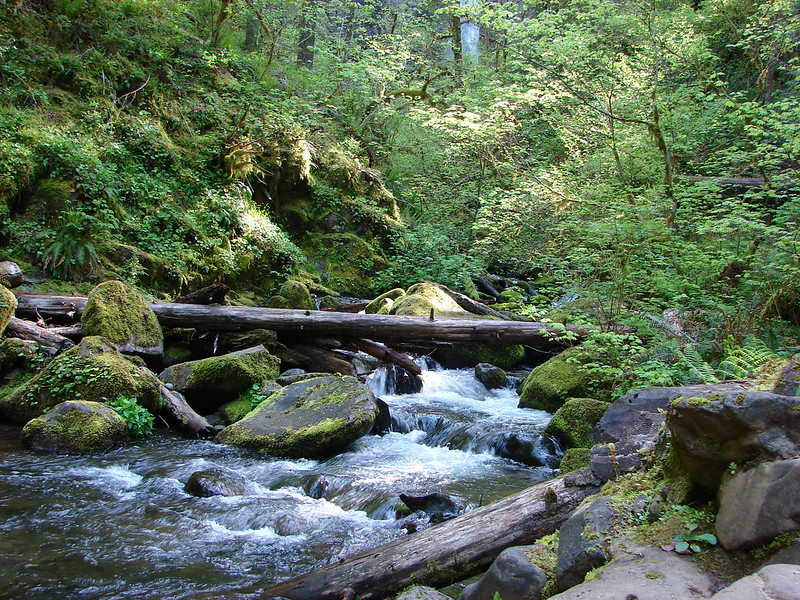
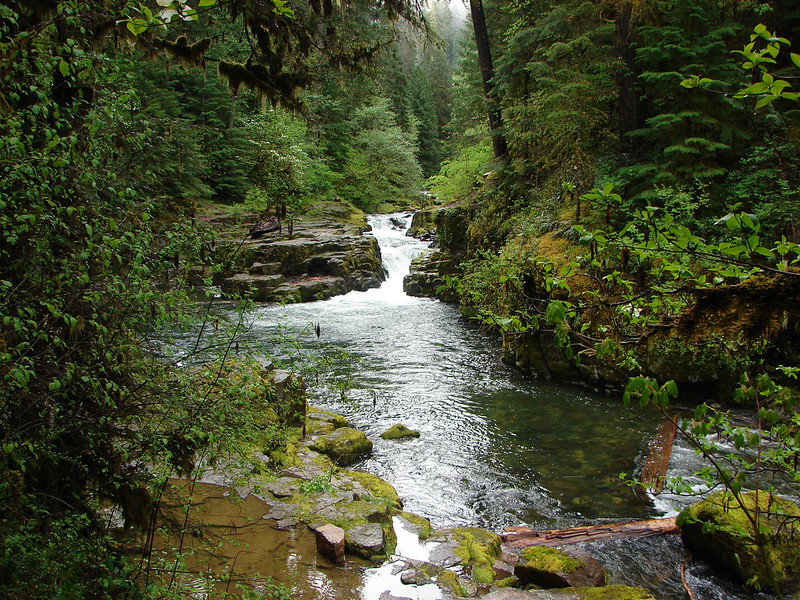
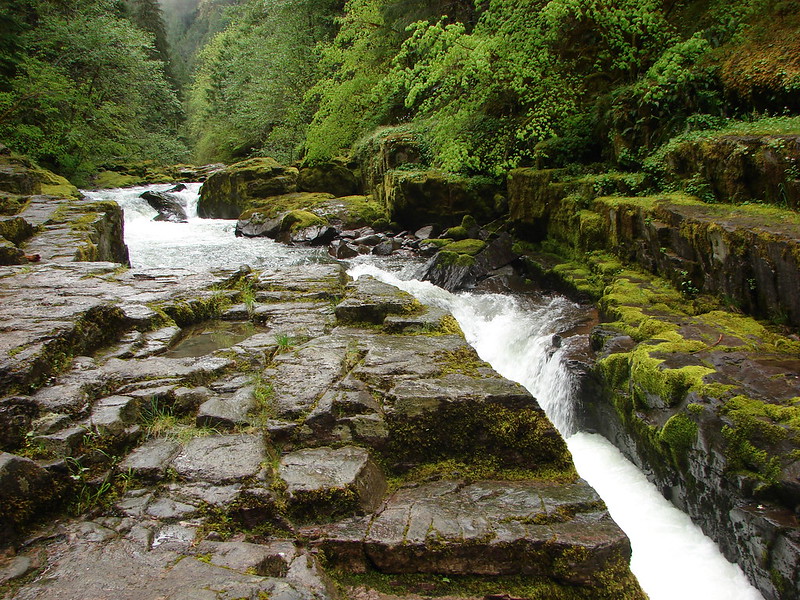
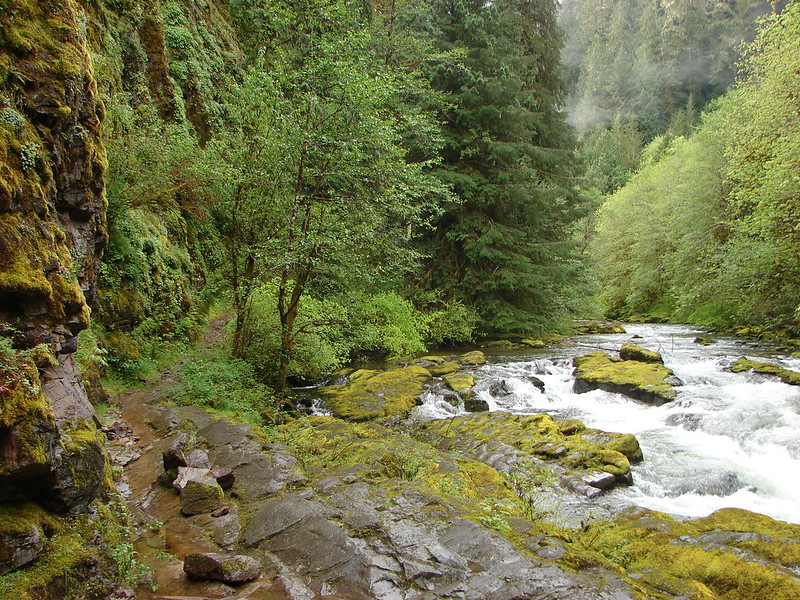
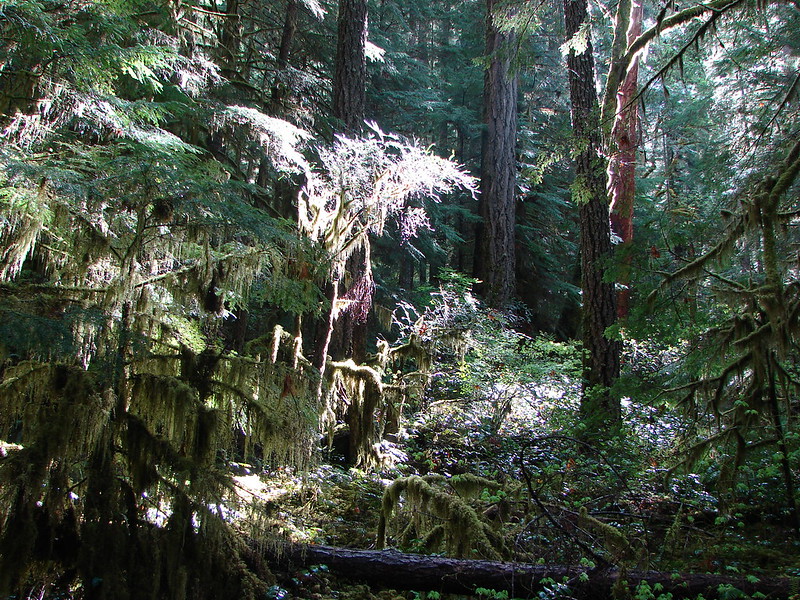
We continued what I have dubbed “Creek Week” by visiting another Eagle Creek the day after our trip to the one in the Columbia Gorge. Even though both creeks share the same name and both are located partially in the Mt. Hood National Forest the similarities end there. This Eagle Creek flows through the old growth forest of the Salmon-Huckleberry Wilderness and is much less visited than the one in the Gorge. There are no dizzying cliffs or giant waterfalls but rather the relaxing sound of running water while you stroll through a lush forest.

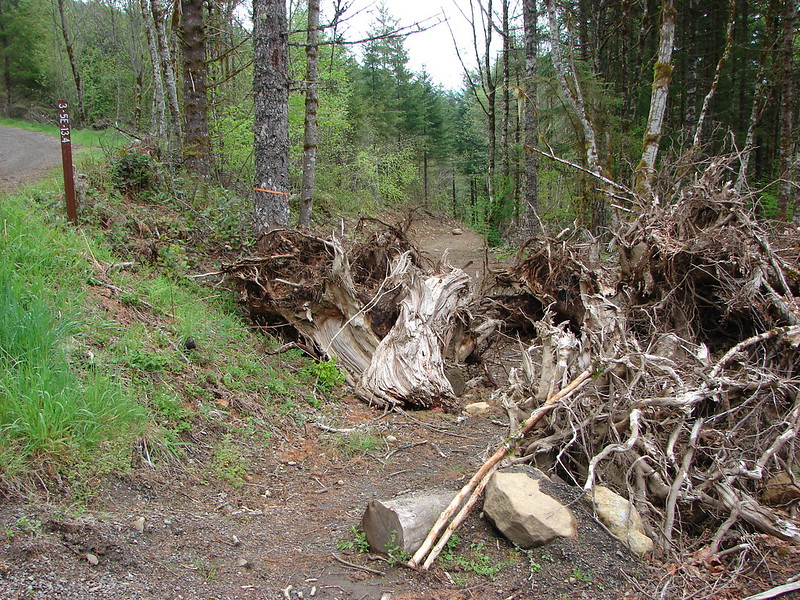
It was good that the trail was so relaxing because the drive to it was anything but. The hike was listed as an additional hike in the 2012 edition of William Sullivan’s 100 Hikes in Northwest Oregon & Southwest Washington complete with driving directions. He warned of a confusion of logging roads and he was right. I had also Googled the route and printed out directions from the Forest Service to the trailhead. The road names all matched but each of the directions gave different distances once we got onto SE Harvey Rd. Google said 1.2 miles, the Forest Service 1.8 miles, and Sullivan a more detailed 2.6 miles. Our first mistake was not paying attention to the difference in the distances given followed by not using the odometer as soon as we turned onto Harvey Rd. The area was heavily logged with operations ongoing so there were many side roads and turnoffs and no signs for any type of trail. We drove to the end of what we thought was Harvey Rd. and found a pile of garbage where people had obviously come out to shoot guns (seems to be a favorite pastime in that area) but no sign of a trail. We turned around and headed back the way we’d come looking for any sign of a trail that we might have missed. There were a couple of possibilities but nothing obvious. As we were reading the different instructions we noticed the different mileages which made it more confusing. In the end we decided to drive back to the start of SE Harvey Rd. and use the Odometer. There was nothing at the 1.2 mile mark so the Google instructions were ruled out. At the 1.8 mile mark a gated road led down to the right. The trail description in the book stated that the trail began on an overgrown old road so this had possibilities. I got an idea here and turned on the GPS to see if we were at the trail but when the map came up there was no trail where we were so we hopped in the car and continued to follow Sullivan’s mileage directions. We stopped at one point when we spotted what looked like it might have been an old road with a possible trail leading from it but again using the GPS it was clear that we still had not found the trail. At the 2.4 mile mark we spotted a barricaded road leading down to the right so again we stopped to check it out. This time the GPS showed us on a direct line for the trail and a small path led between the snags blocking the road. There were no signs but this was it.
DSC04775
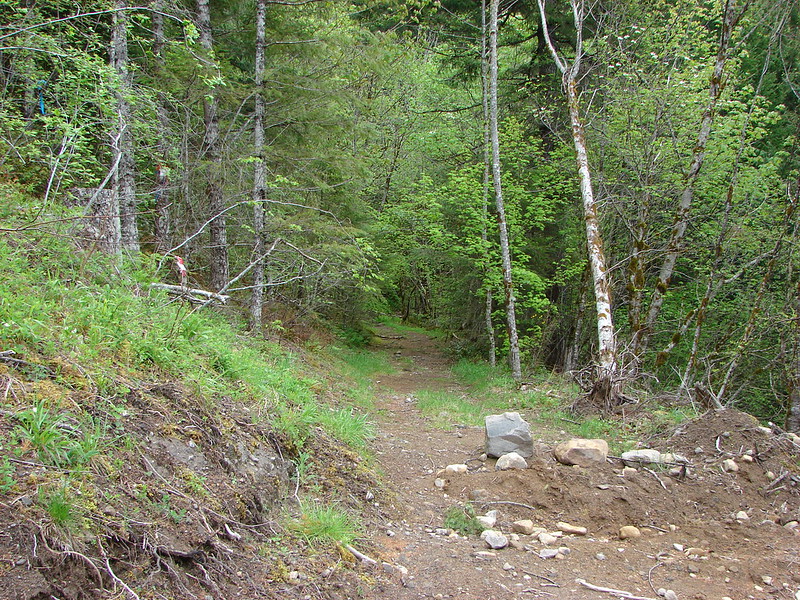
What we believe happened was the Forest Service stared counting mileage about half a mile after Sullivan started. Then the final approximate quarter mile of Sullivan’s directions had been since blocked by the logging operation because after a brief walk on the road we came to a second small barrier behind which we found an overgrown road such as he had described.
DSC04776

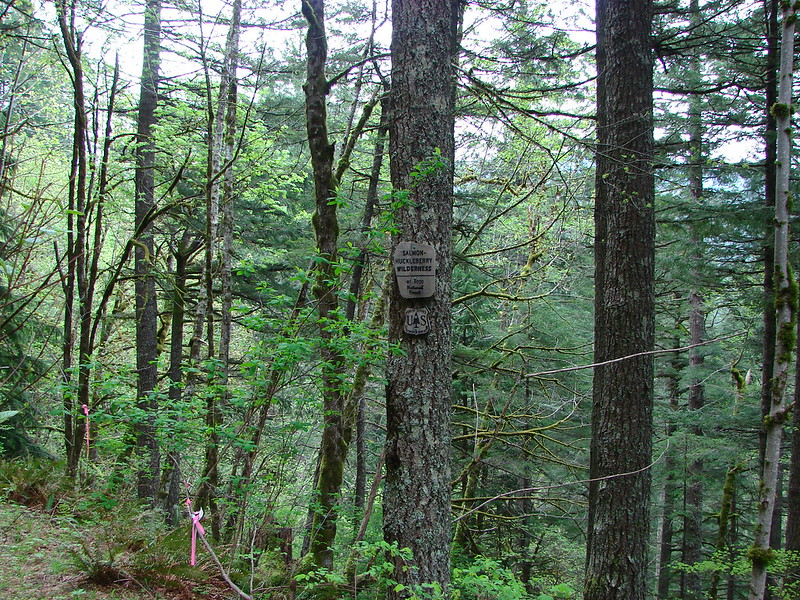
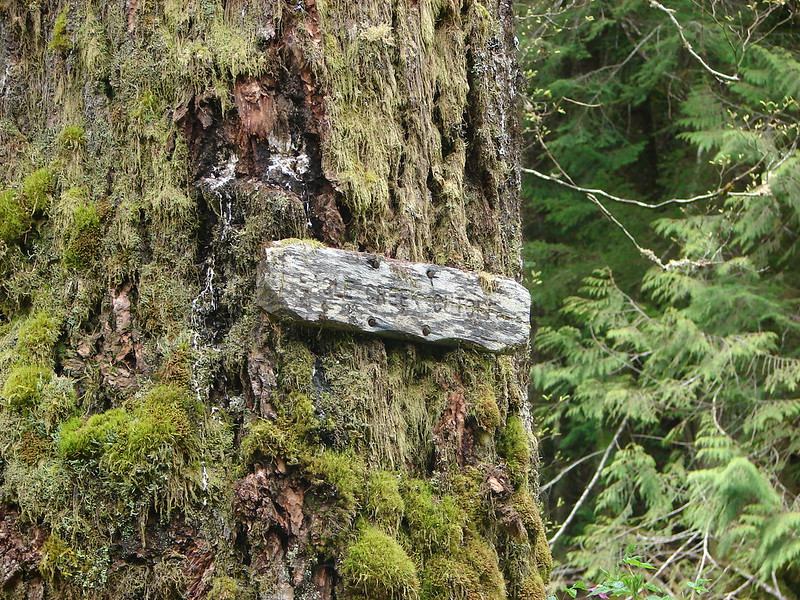
In any event according to the GPS we had found the trail and were on our way down to Eagle Creek. We finally found a sign to confirm what the GPS was telling us. Near the end of the overgrown road there was some flagging and a sign announcing the beginning of the Salmon-Huckleberry Wilderness.
DSC04779

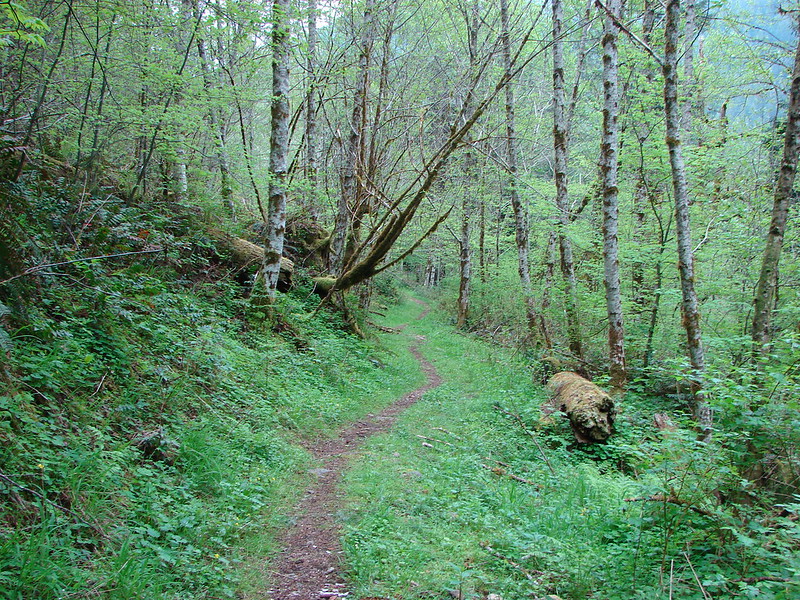
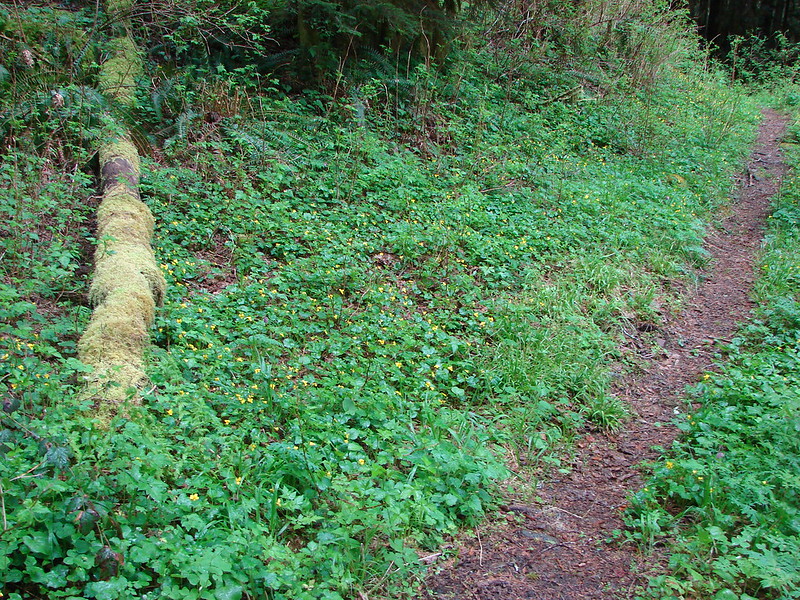
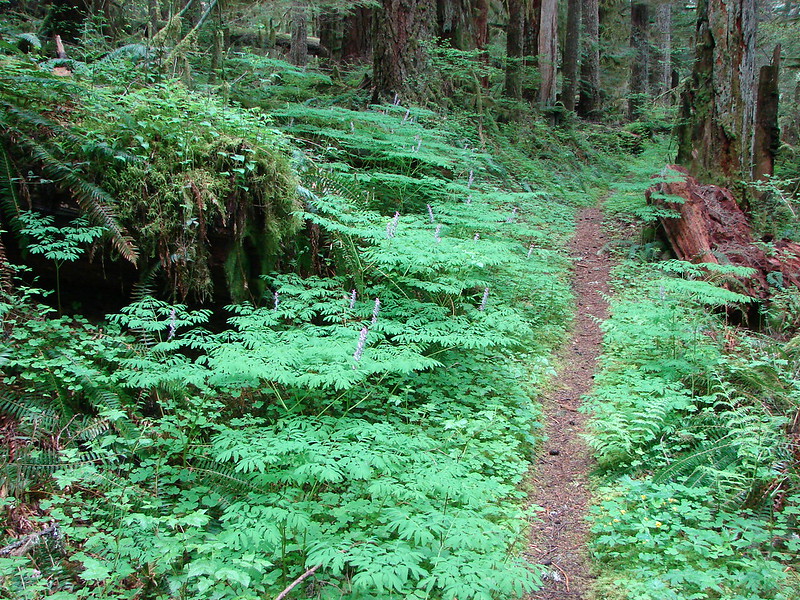
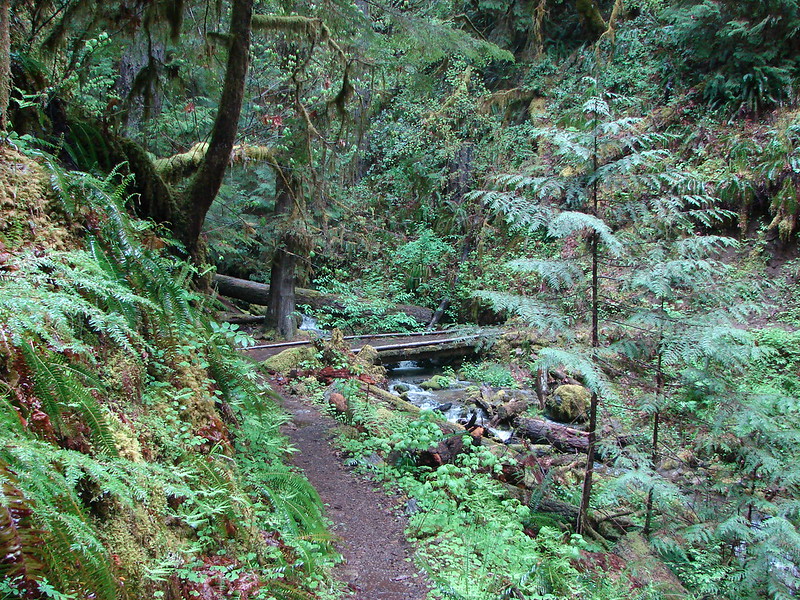
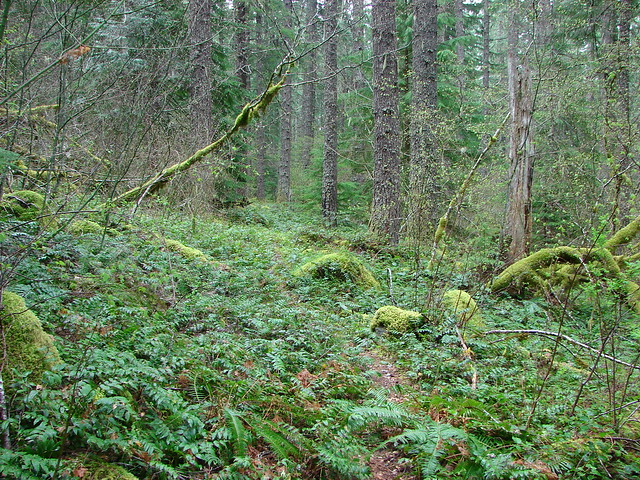
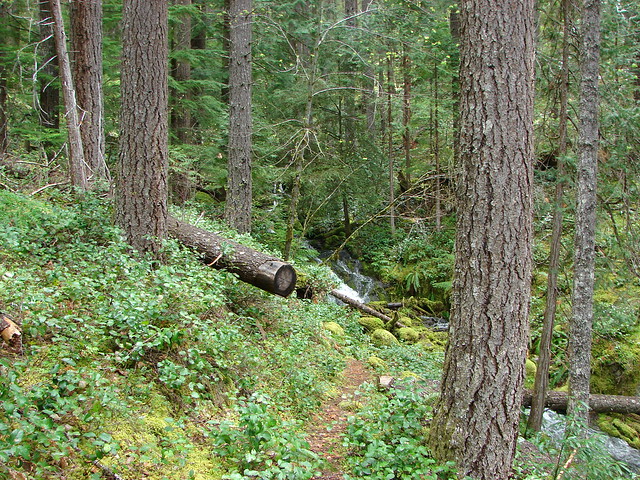
After entering the wilderness the trail looked less and less like an old road until it finally became a full on trail.
DSC04793
DSC04795

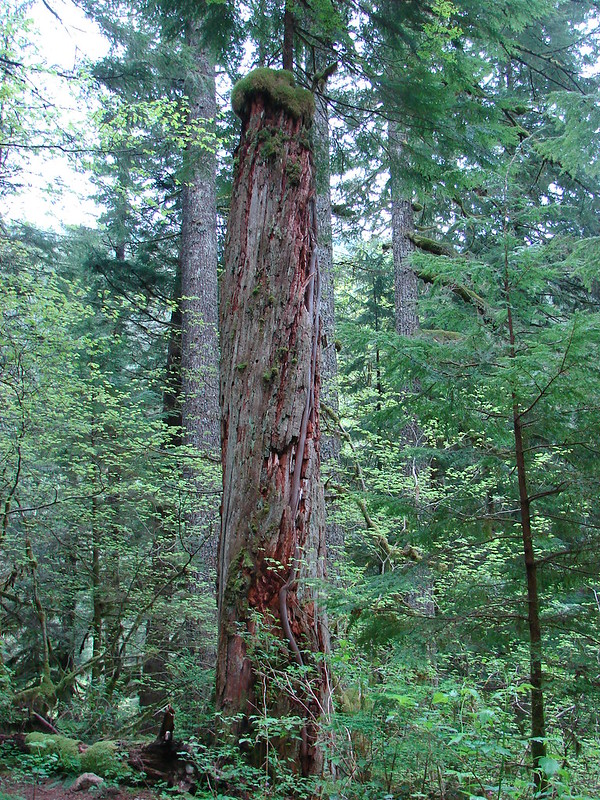
We ran across some interesting trees/trunks on the early portion of the trail. One of our favorites was a tree growing on top of an old trunk. You could see the new trees root system running down the length of the old trunk.
DSC04807
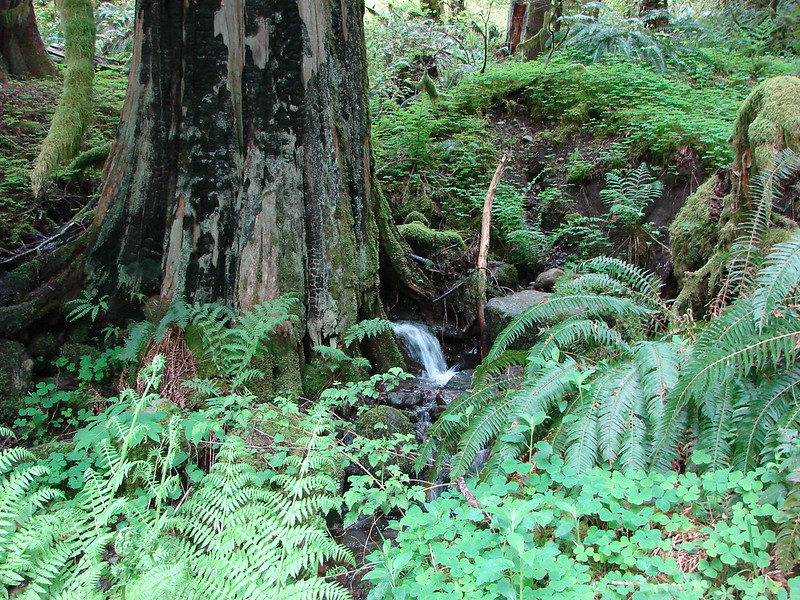
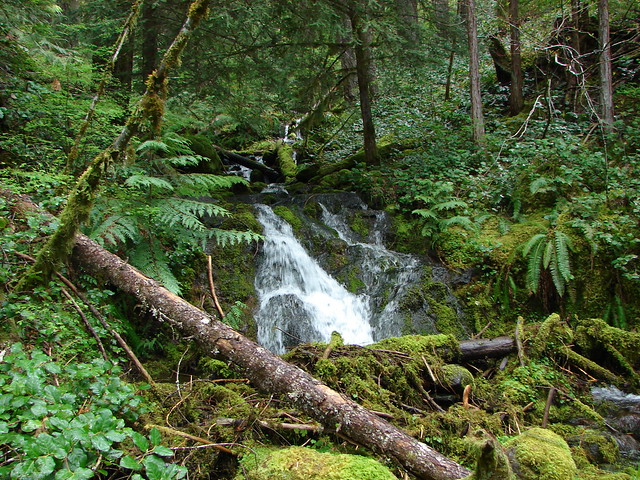
Another old trunk had a stream flowing out from under it.
DSC04816

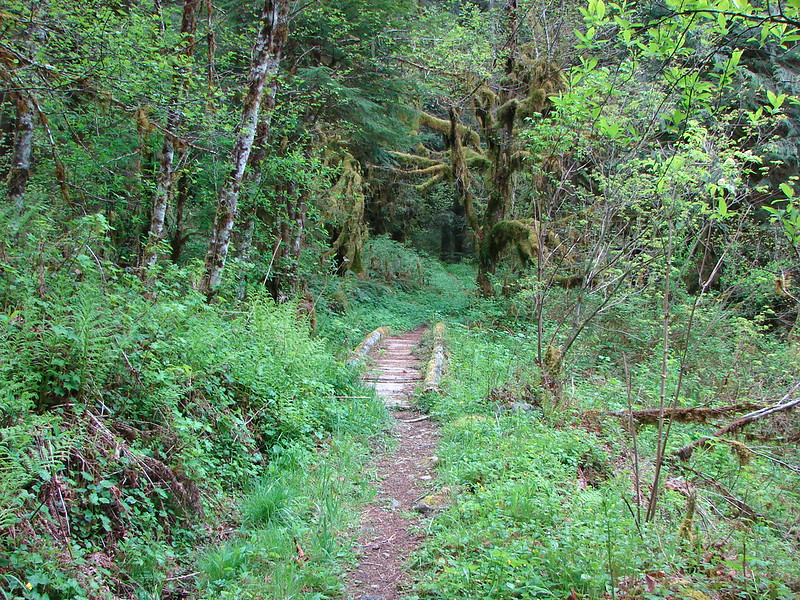
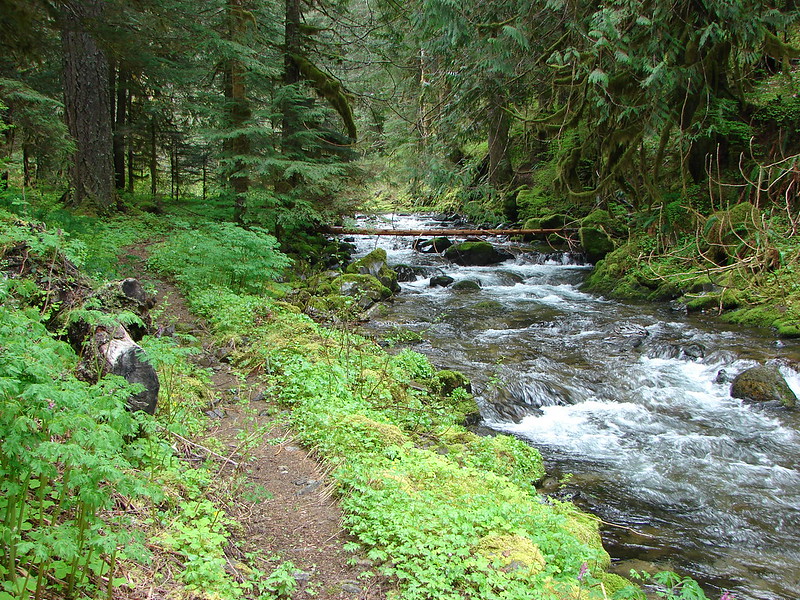
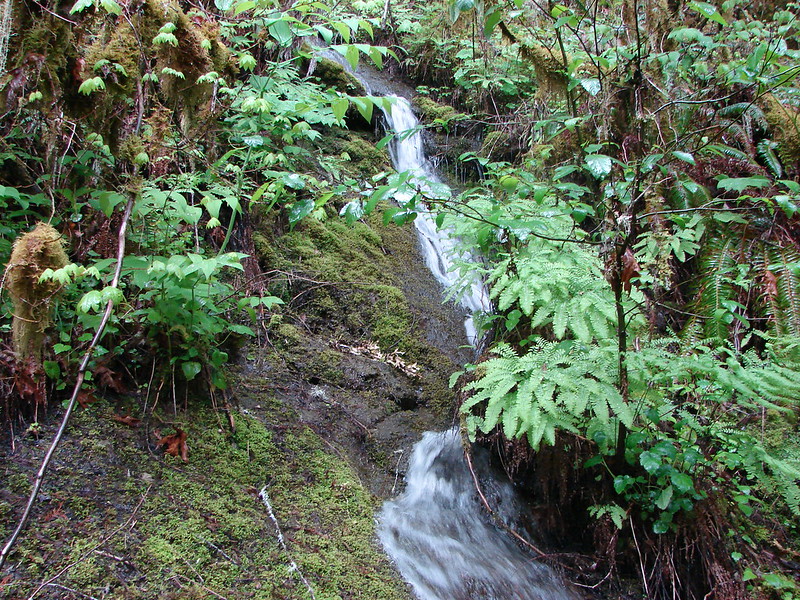
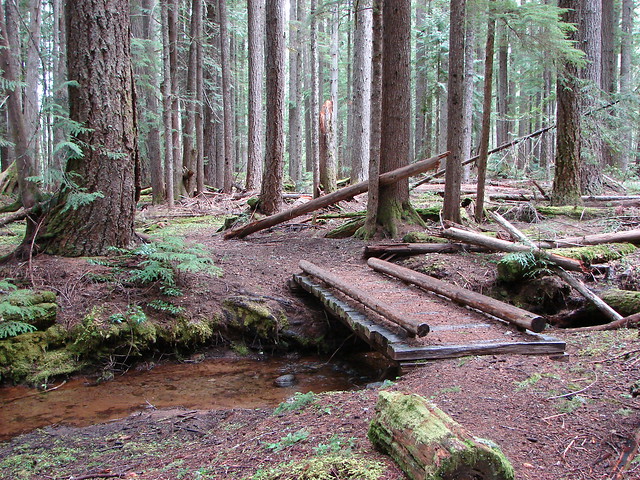
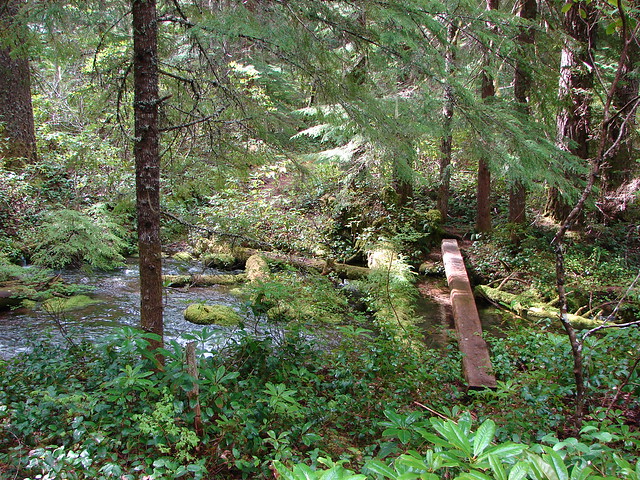
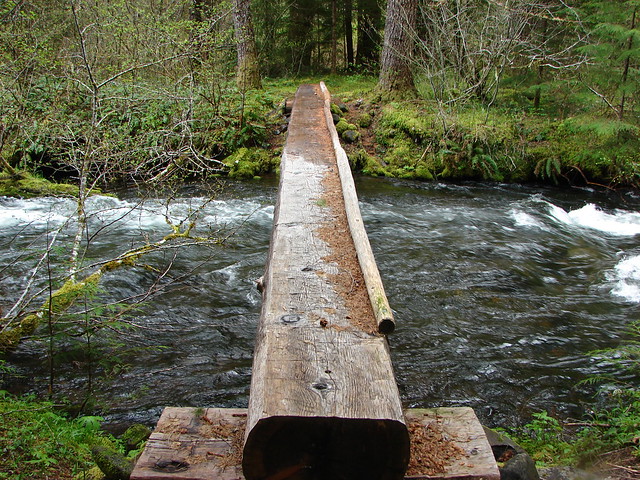
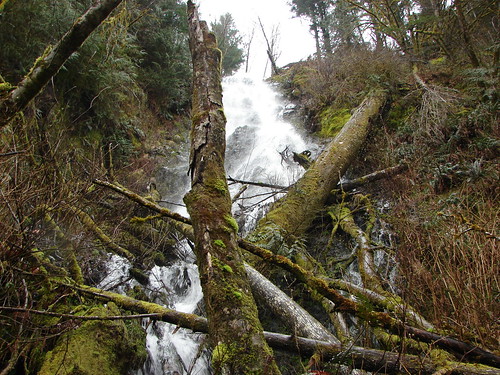
There were many streams and creek to cross along the trail, but only one bridge.
DSC04821
There was no way we were going to keep our feet dry on some the crossing but that was okay with us, the streams just added to the beauty of the forest.
DSC04855
DSC04874

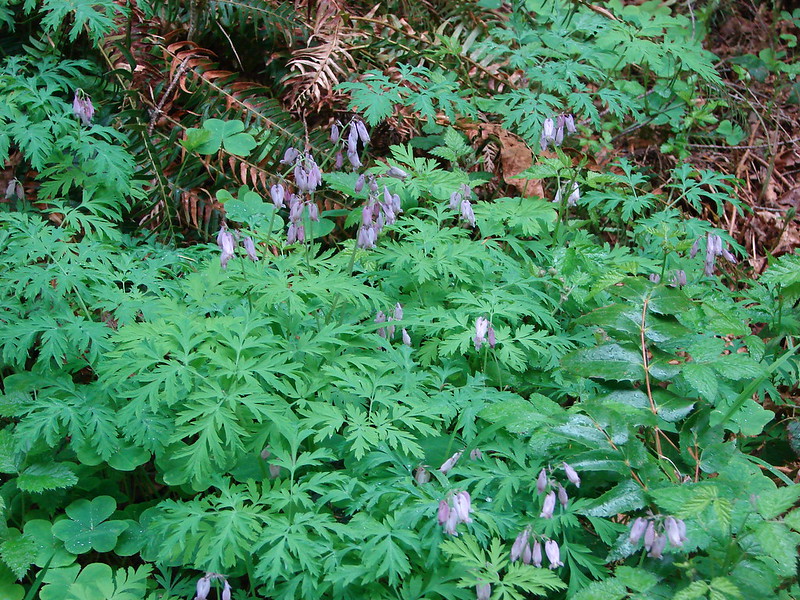
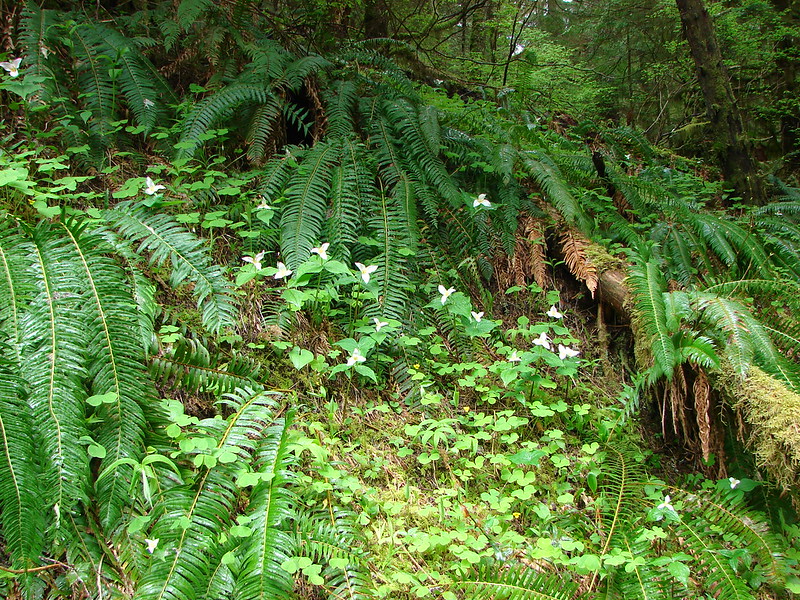
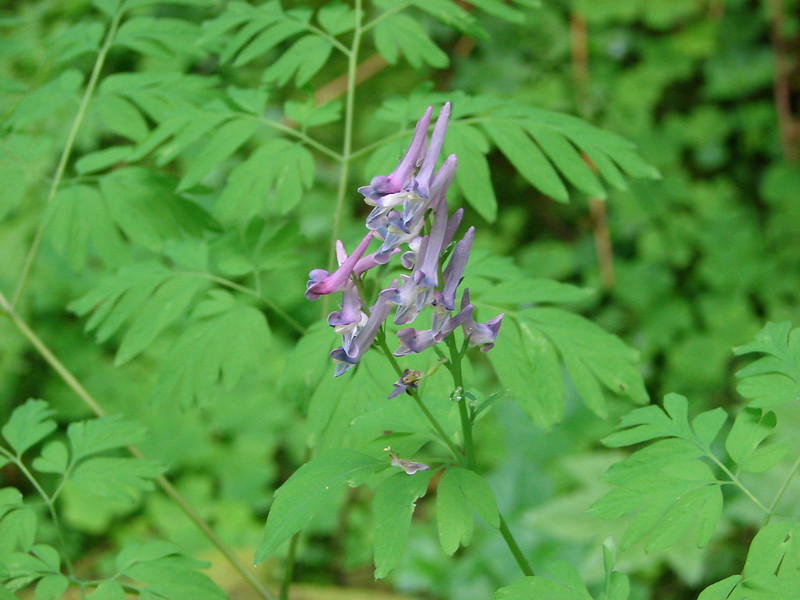
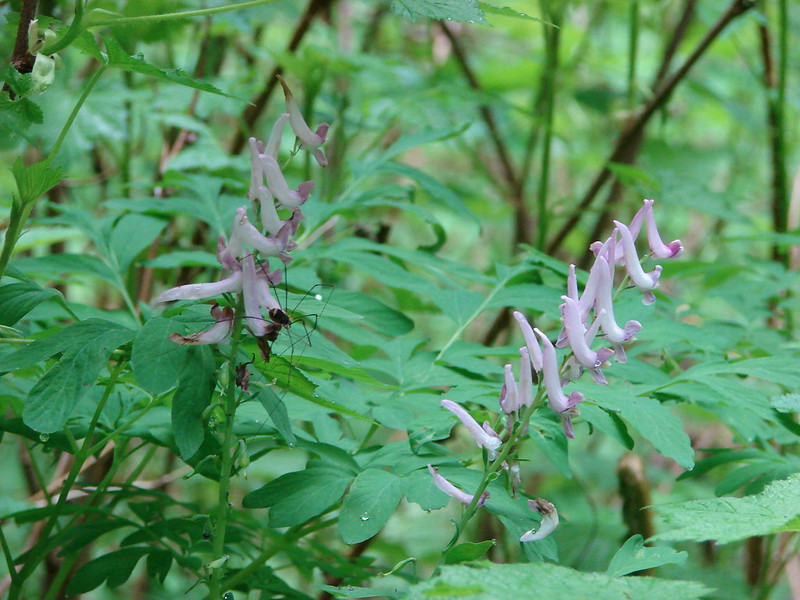
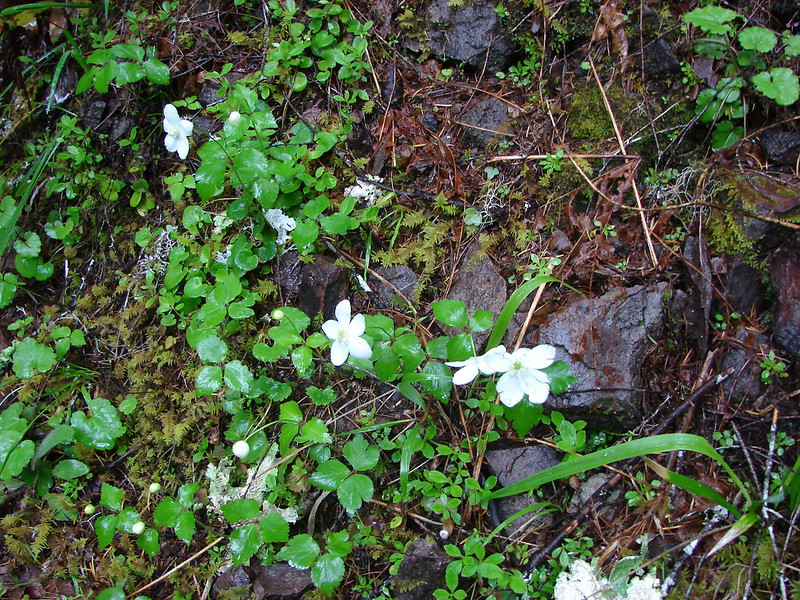
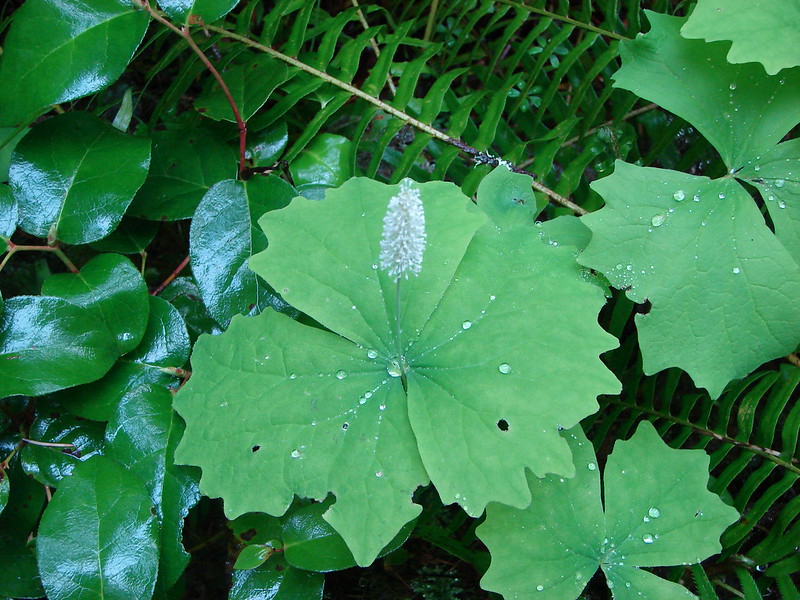
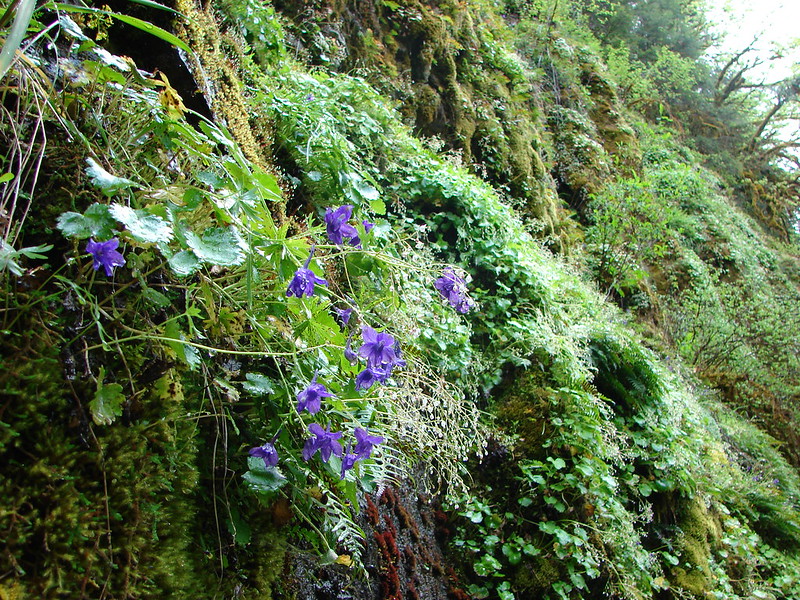
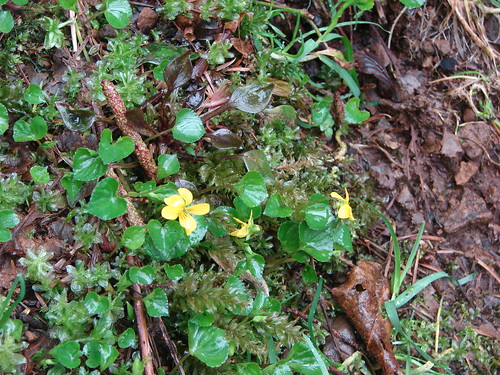
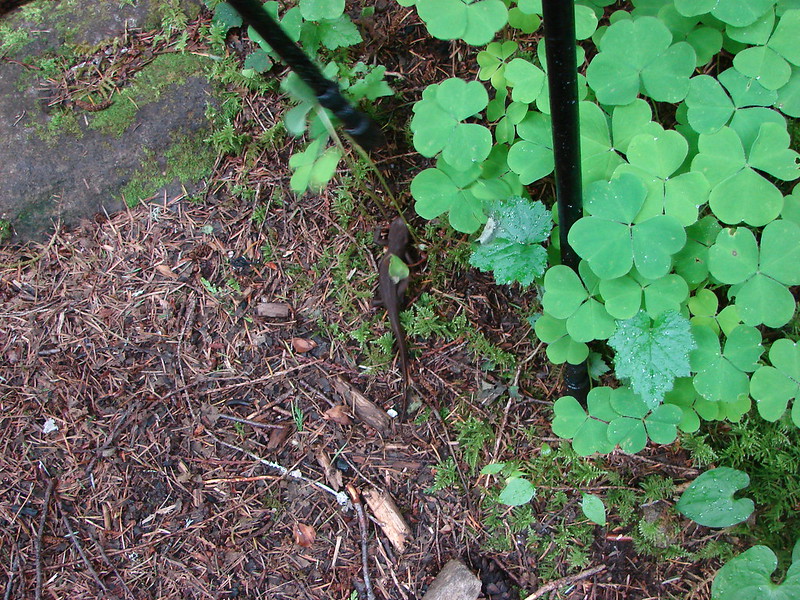
Due to the dense forest there weren’t a large variety of wildflowers but there were some including bleeding heart, wood violets, lots of trillium, and a new one to us scouler’s corydalis.
Bleeding Heart
DSC04800
Wood Violets
DSC04888
Trillium
DSC04907
Scouler’s Cordylis
DSC04858
scouler's corydalis

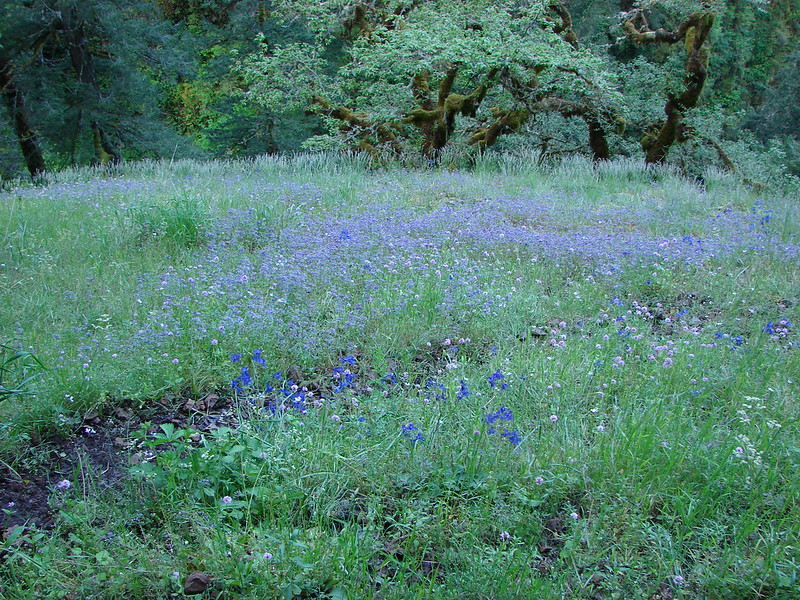
Open areas where were filled with salmon berry bushes.
DSC04865

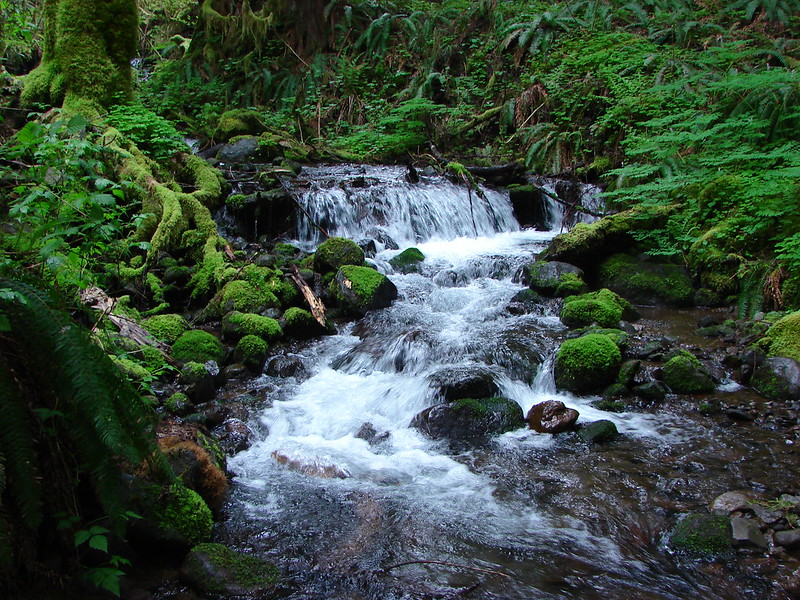
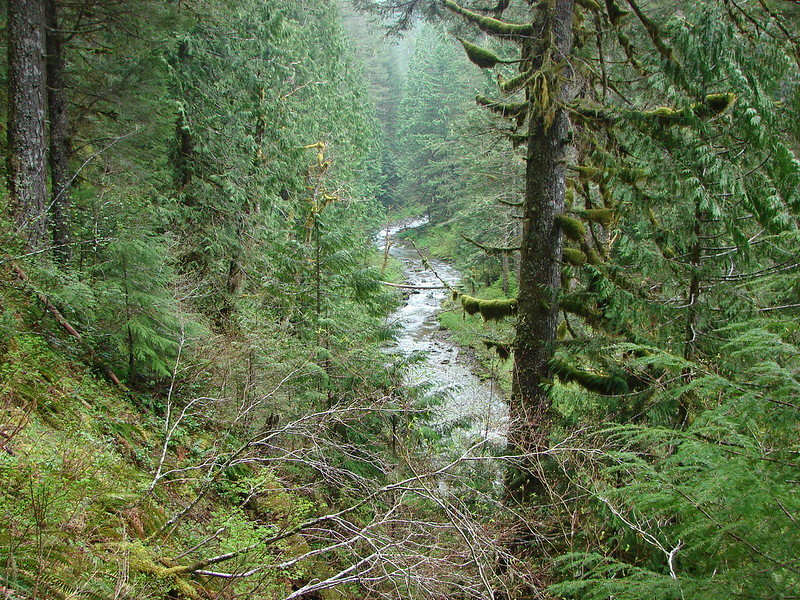
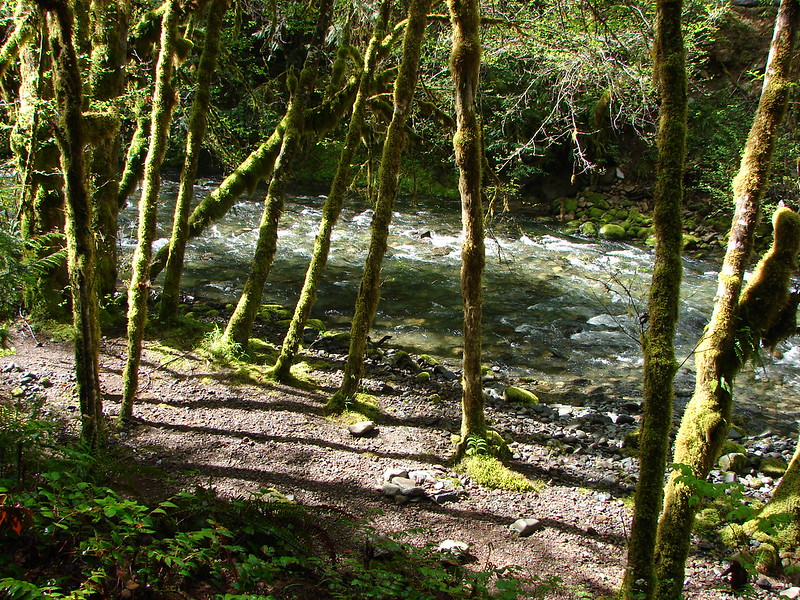
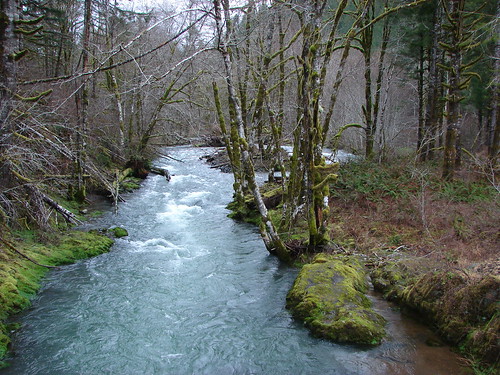
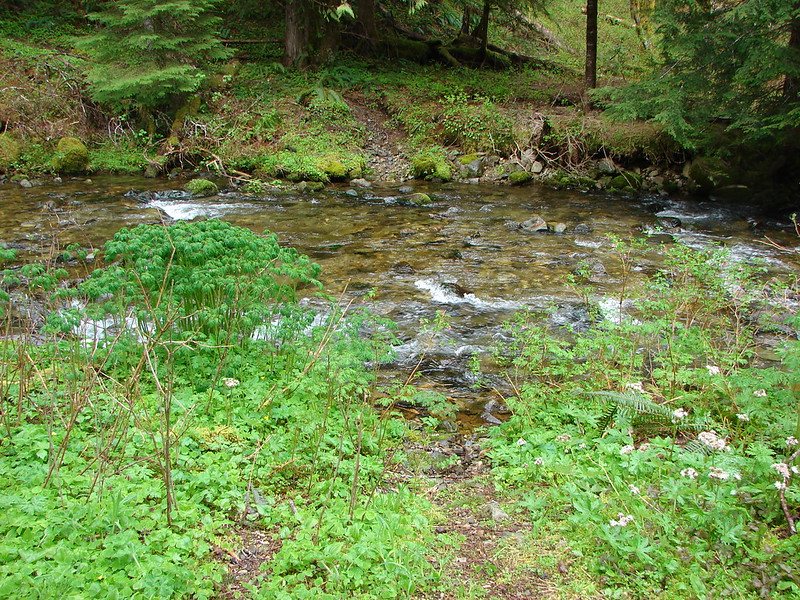
We were up above Eagle Creek at times and then we would be walking next to the water for a bit. It was a decent sized creek lined with lush forests.
Eagle Creek in the Salmon-Huckleberry Wilderness
DSC04902
DSC04921

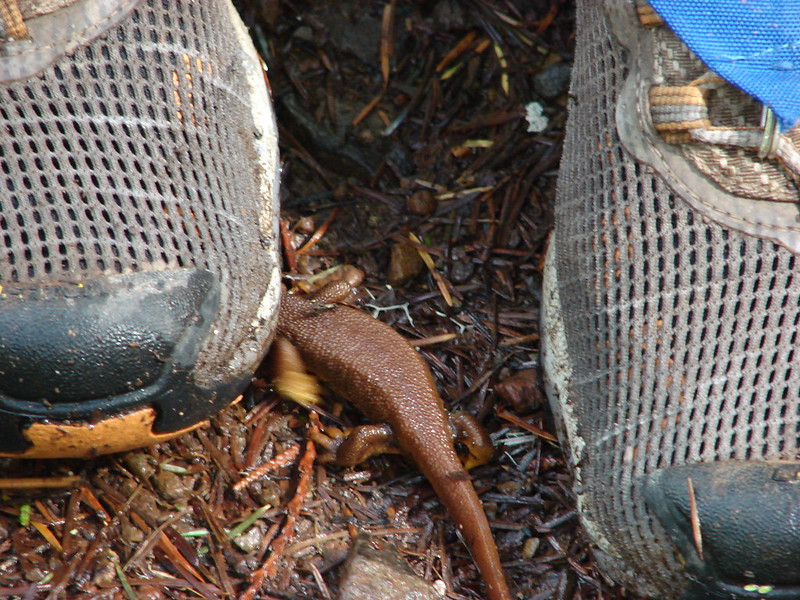
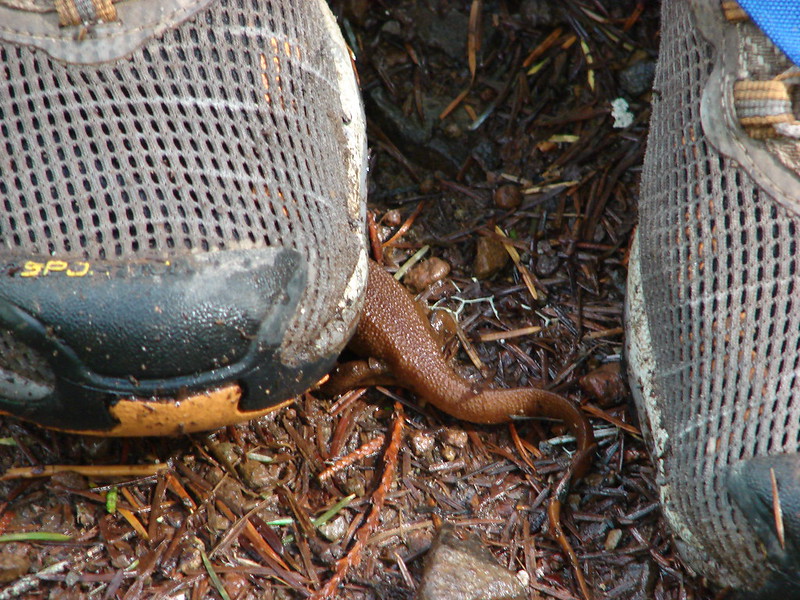
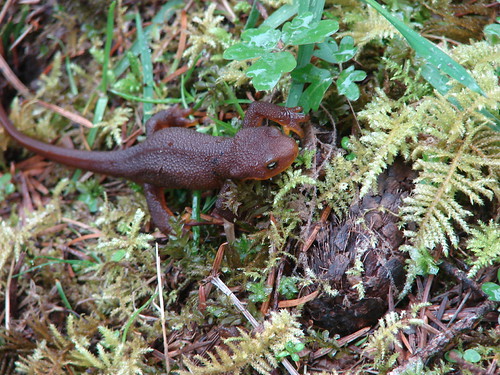
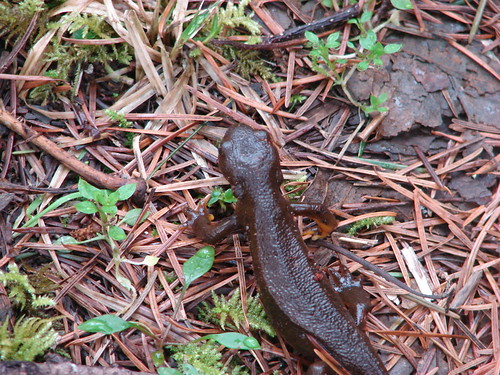
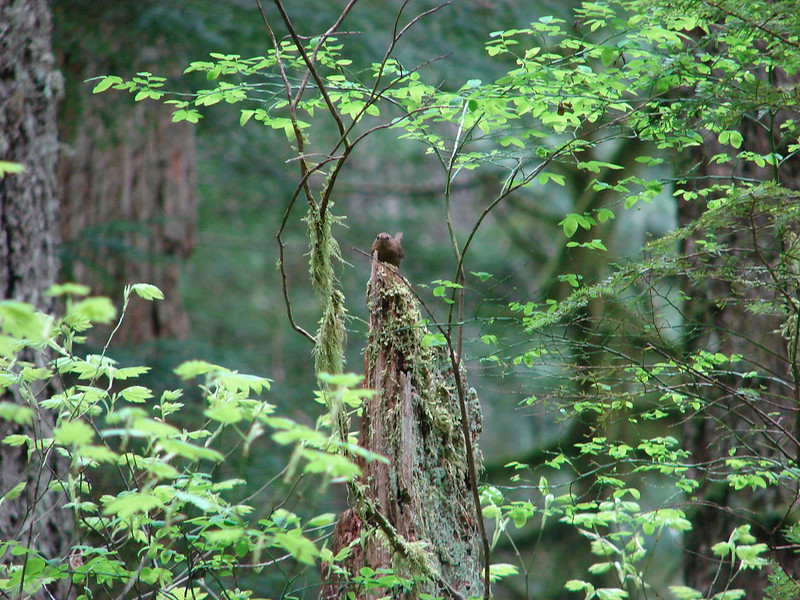
We didn’t see a lot of wildlife on this hike but I think that was partially due to the lushness of the forest. At one point we startled a deer that was in the creek but all I saw was splashing then a brown and white flash as it ran into the trees. What we did see was an Ouzel, an interesting spider, a couple of newts, and one of our favorite little song birds that I believe is a Pacific Wren.
DSC04915
DSC04847
DSC04862
DSC04831

We turned around when we reached the end of the Eagle Creek Trail. Here it connected to the Eagle Creek Cutoff Trail which fords Eagle Creek before heading up a ridge to the Old Baldy Trail.
DSC04928
The Eagle Creek Cutoff ford
DSC04929

We had a little drizzle from time to time up to this point but as we began our return trip the drizzle turned to a light rain. We made quick work of our return slowing only due to the climb back up the old road. It had been a great hike for relaxing end to our creek streak with. Next up we’re going to attempt to get a view, but in the Pacific Northwest Spring views can be tricky. Until then Happy Trails!

flickr: https://www.flickr.com/photos/9319235@N02/sets/72157644170377089/
facebook: https://www.facebook.com/deryl.yunck/media_set?set=a.10203946548091246.1073741875.1448521051&type=3

Categories
Columbia River Gorge South Hiking Oregon Trip report

Eagle Creek

**Note the 2017 Eagle Creek Fire burned a portion of this hike.**

This year we are redoing several hikes for one reason or another. The first of our redo’s was Eagle Creek in the Columbia Gorge. We had attempted this hike back in October of 2012 but we weren’t able to get to the final two falls due to the trail being closed because of a forest fire. Being Fall the water flow was also very low so the falls we did see were nowhere near their peaks. Having learned from our timing issue I put this one in the middle of our first week of vacation in order to catch the falls at a good flow and to hopefully avoid the crowds that visit the gorge trails on the weekend.

We arrived at the trailhead at 6:30am and set off on the trail. Portions of the trial had to be blasted out of the side of the cliffs when it was constructed making for some dramatic views.
DSC04293
One immediate difference from our previous trip was the presence of many wildflowers. Plectritis, larkspur, and giant blue eyed mary lined the trail. In some open places and shooting star could be seen near seepage.
DSC04358

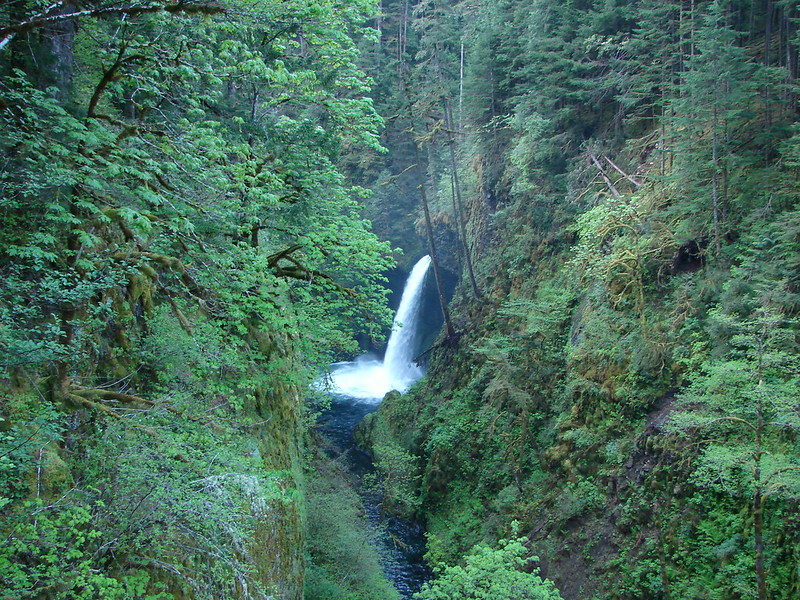
The first big fall can be seen after 1.5 miles via a viewpoint looking up Eagle Creek to Metlako Falls.
DSC04365

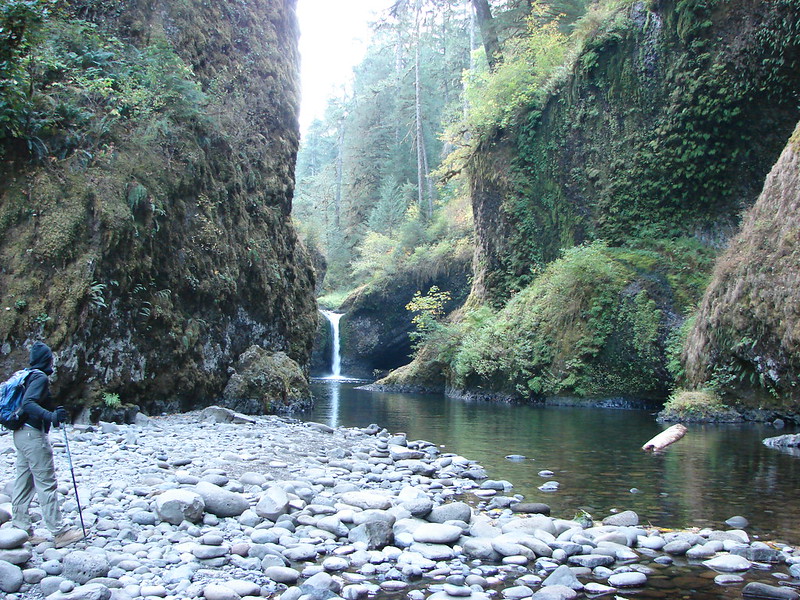
Shortly after leaving the viewpoint a set of signs announce the .5mi side trail down to Punchbowl Falls. The difference from our last visit was immediately noticeable when we reached Lower Punchbowl Falls.
Oct. 2012
035
May 2014
DSC04381

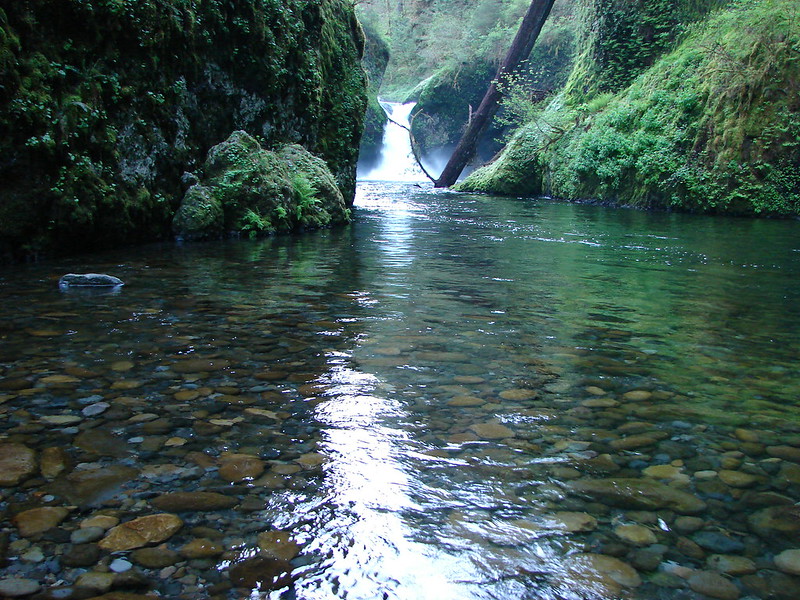
Even more noticeable was the creek level below Punchbowl Falls. In October we would walk on dry rocks far enough out to get a nice view of Punchbowl Falls, but now the only way to see the falls from below was to wade out into the creek.
Oct. 2012
Punchbowl Falls
May 2014
Punchbowl Falls
Another difference was the tree that had fallen down into the pool below Punchbowl Falls which happened sometime this past Winter.

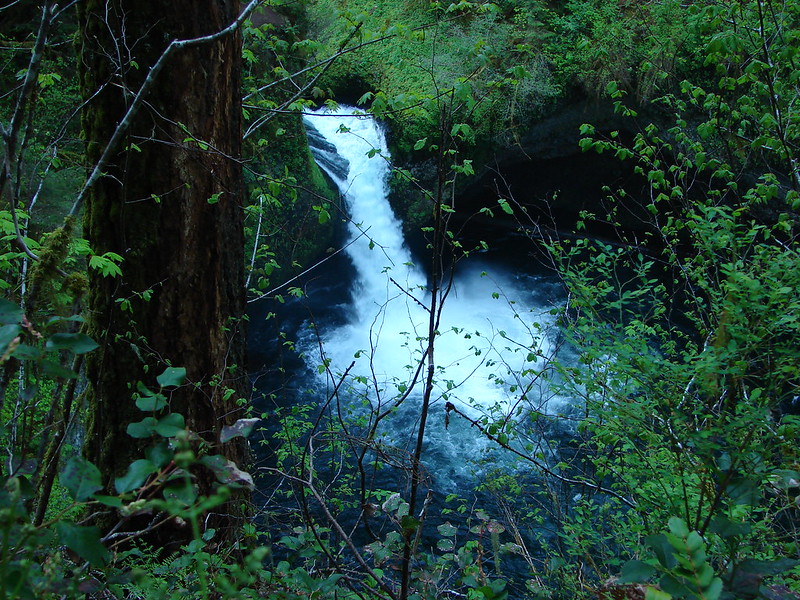
The main trail then travels above Punchbowl Falls where a partly obscured view looks down into the bowl.
DSC04414
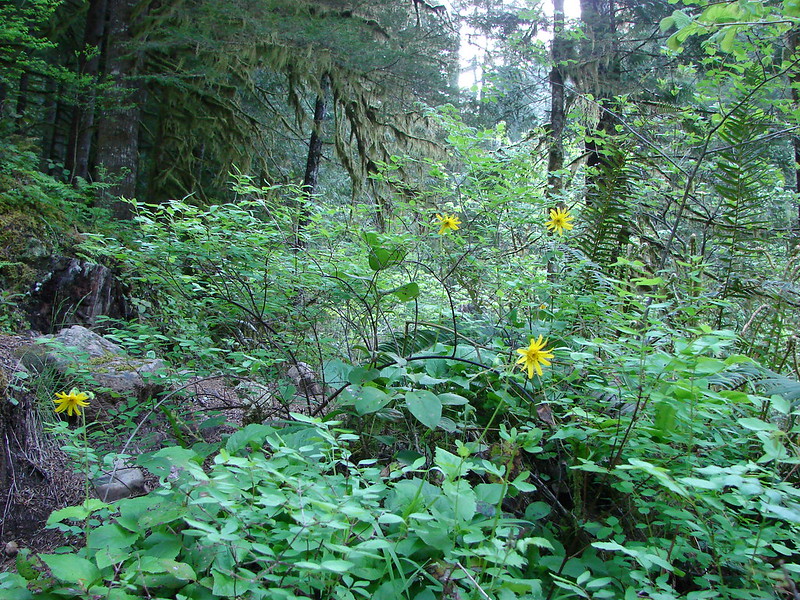
Some arnica was blooming here.
DSC04418

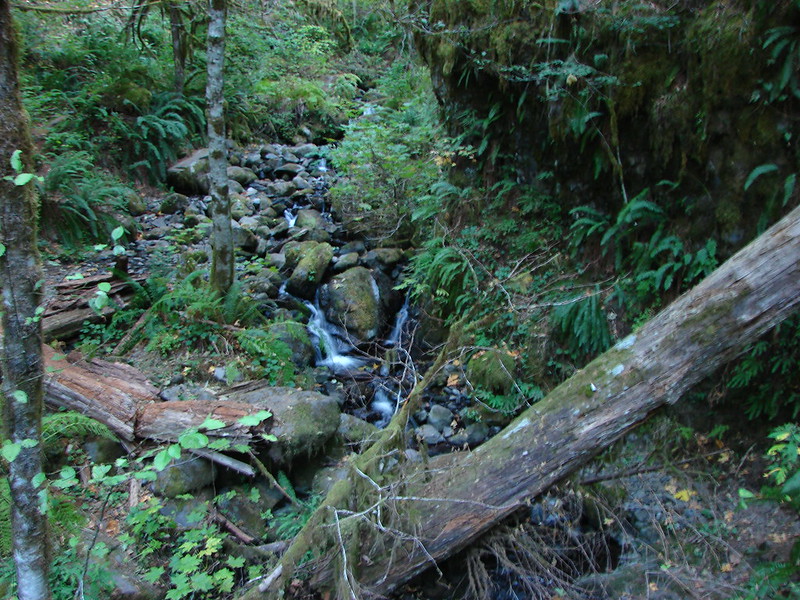
The trail crosses many side streams that are flowing into Eagle Creek from the canyon walls. These were much pretty this time as well.
Oct. 2012
054
May 2014
DSC04425

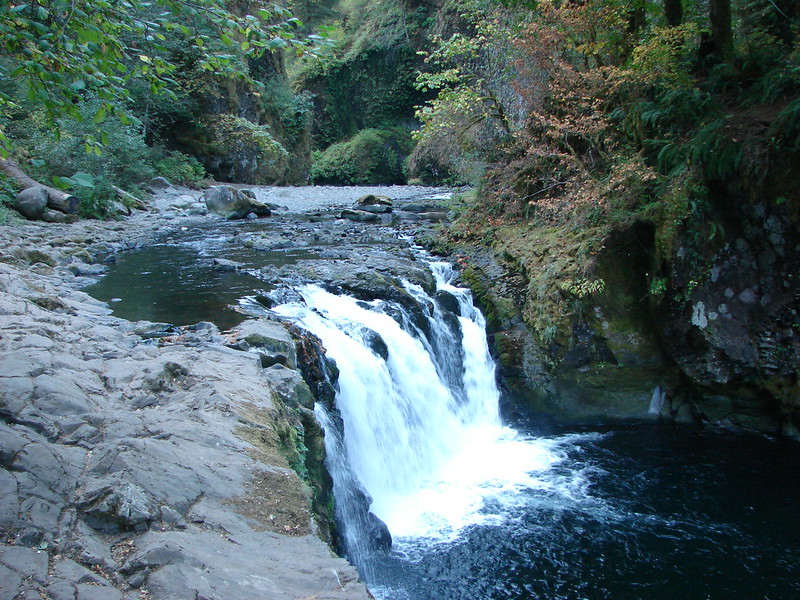
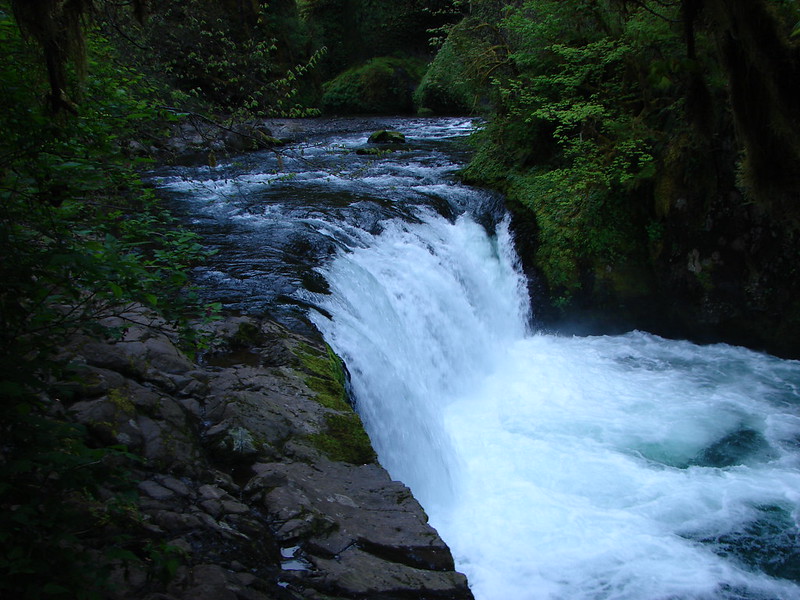
The next major falls along the trail is Loowit Falls. This was the most disappointing of the falls in 2012.
Loowit Falls
That was not the case this time. Not only were the falls much fuller but a lovely patch of Larkspur lined the trail at the viewpoint.
DSC04455
DSC04464

The next marker is High Bridge at the 3.3 mile mark where the trail crosses over Eagle Creek on a foot bridge. Scenic views abound here too and not just down at the creek.
DSC04491
DSC04499

Next up is Skoonichuck Falls. This one is hard to get a good view of as it requires a little scrambling down to a little ledge above the creek. In 2012 I didn’t go down to the better viewpoint but I made it down this time.
Oct. 2012
097
May 2014
DSC04506

The trail crosses back over the creek at 4 and a half mile bridge. On our previous trip we’d had lunch shortly after crossing this bridge below Tenas Falls. In 2012 we didn’t realize these were a named falls, it was just a scenic place for a break. We found our way back down to the spot this time to see the difference.
Oct 2012
108
May 2014
DSC04524

Continuing on the trail it enters the Mark O. Hatfield Wilderness in the Mt. Hood National Forest. Not long after entering the wilderness the trail crosses Wy’East Creek where you can see the top of another waterfall back in the forest a bit.
DSC04542
There is a primitive trail that leads back to the falls. It requires a lot of climbing over, under and around debris but eventually you arrive at the base of the falls where a decent trail leads behind them. There was another drastic difference in Wy’East Falls.
Oct. 2012
140
May 2014
DSC04553
I hadn’t bothered to go behind the falls the last time but this time I couldn’t pass up the curtain of water.
DSC04554

Our previous trip had ended shortly after leaving Wy’East Falls at a trail junction with the Eagle Benson Trail where there was a posted notice of the trail closure.
129
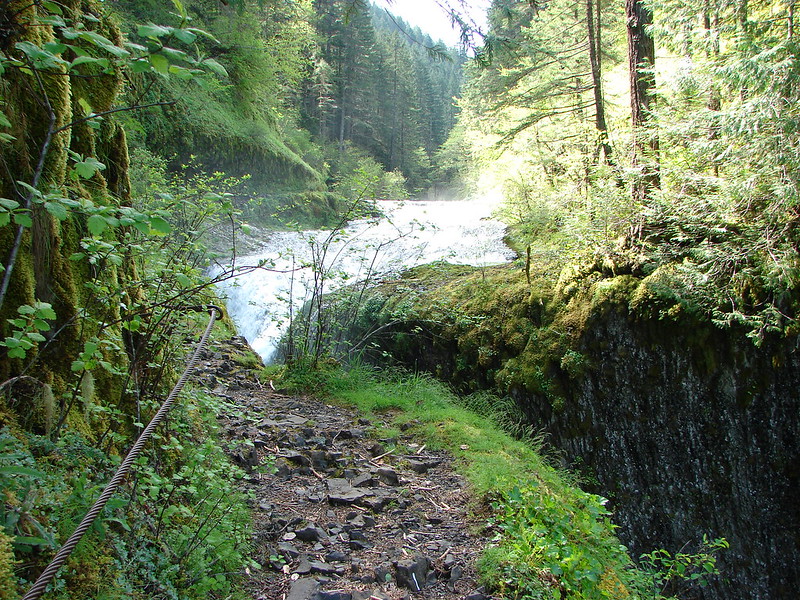
This time we were able to continue on passing more wildflowers, distant falls, and cliff edged trail.
DSC04579
DSC04589
DSC04563
DSC04566

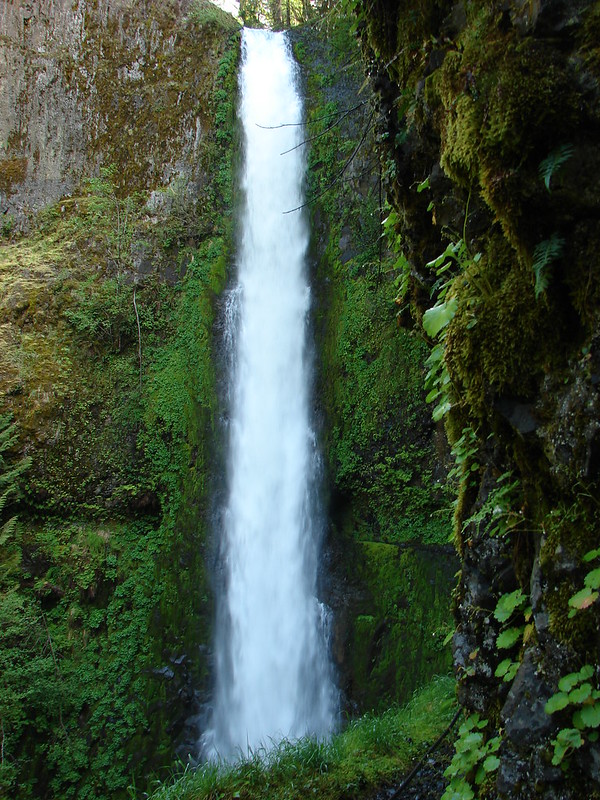
Near the 6 mile mark we got our first glimpse of Tunnel Falls.
DSC04590
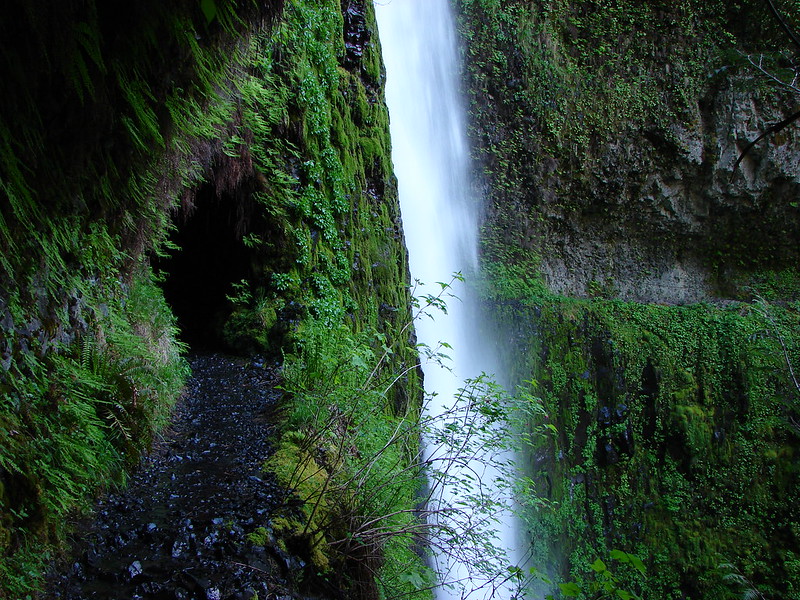
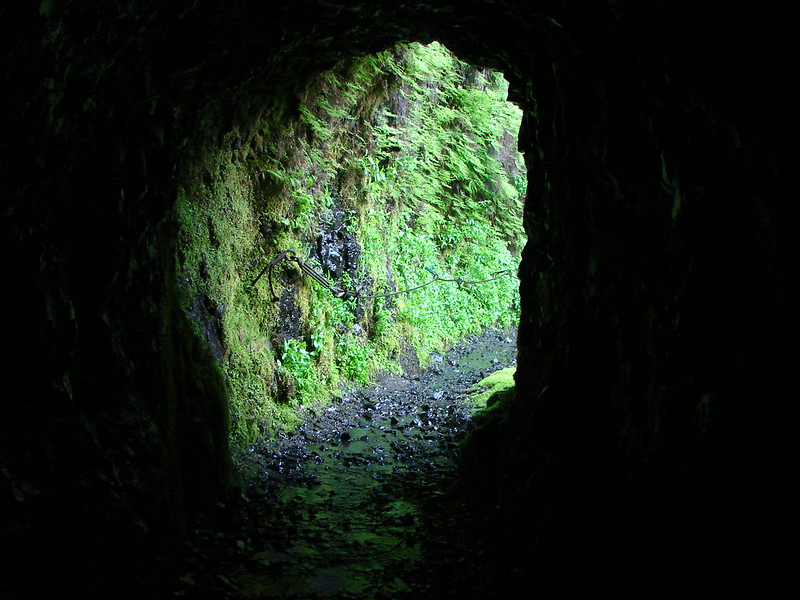
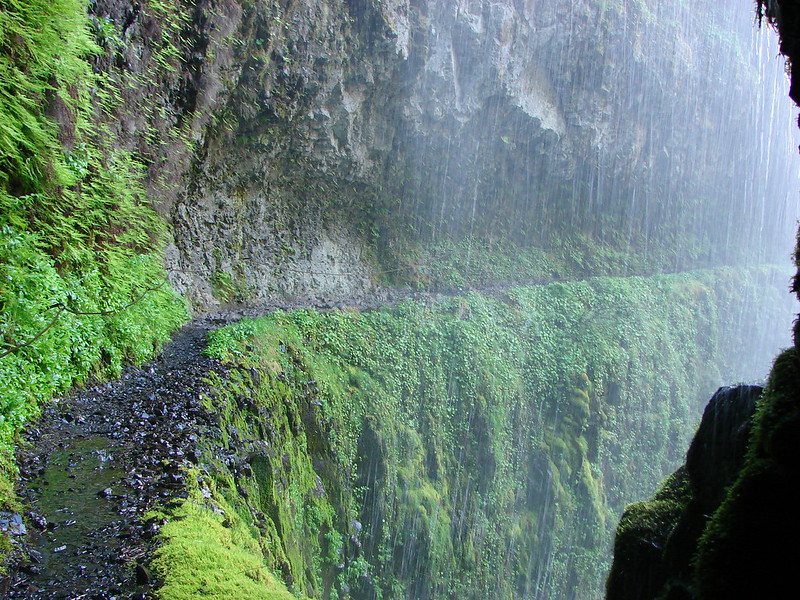
Tunnel Falls got it’s name from the tunnel that was blasted out of the rock in order to pass the trail behind and the falls and continue on up Eagle Creek.
DSC04603
DSC04610
DSC04611
DSC04687

Leaving Tunnel Falls the trail is at it’s most dizzying. Sometimes called the vertical mile the trail traverses along the cliff to the next and final big fall – Twister Falls.
DSC04623
DSC04624

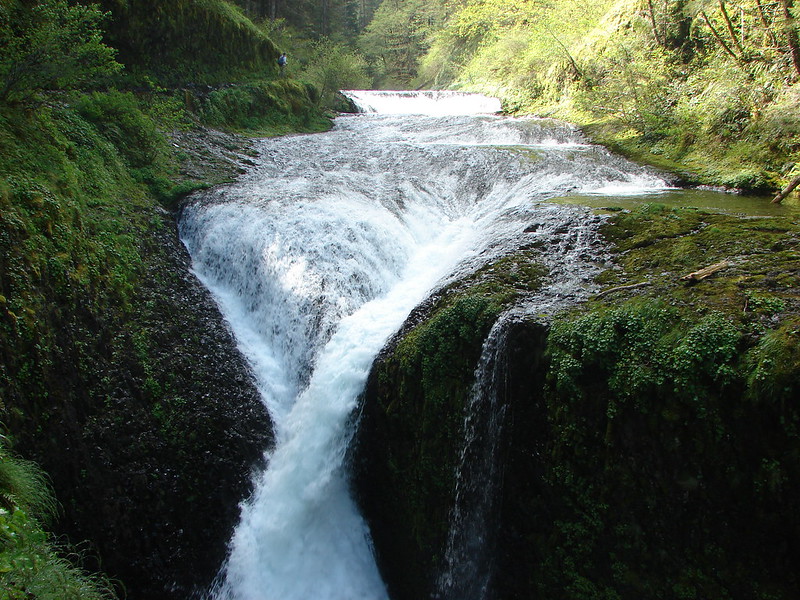
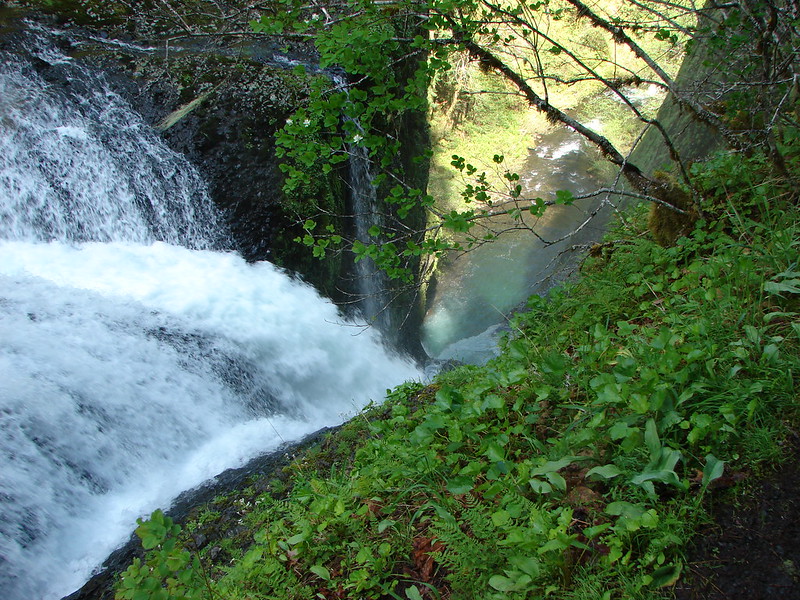
Twister Falls was really interesting but also very difficult to get a good view of. The best view is from a little ledge just below the trail.
DSC04633
DSC04634

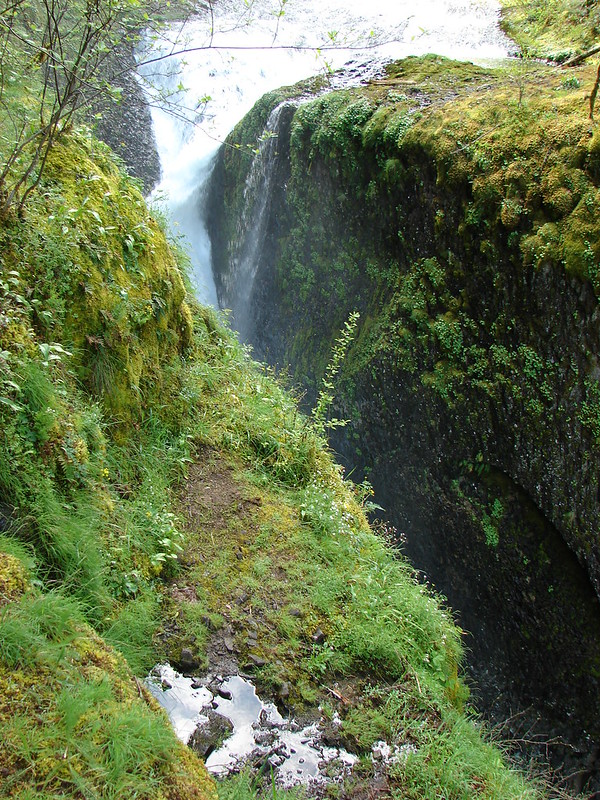
Looking down the chasm gives you an idea of the complexity of this fall.
DSC04678

Above Twister Falls the trail levels out but is extremely rocky and somewhat slick for a bit. Heather had gotten ahead of me and was focused on something in the creek as I approached.
DSC04643
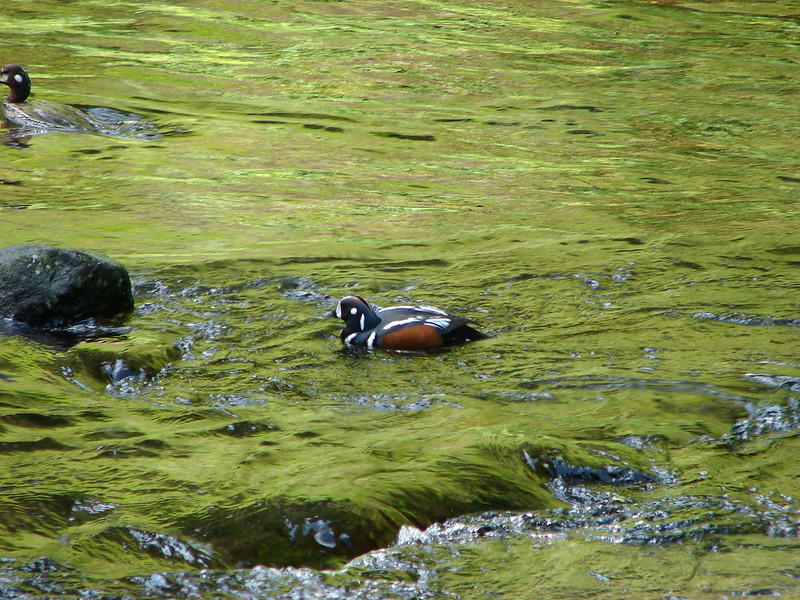
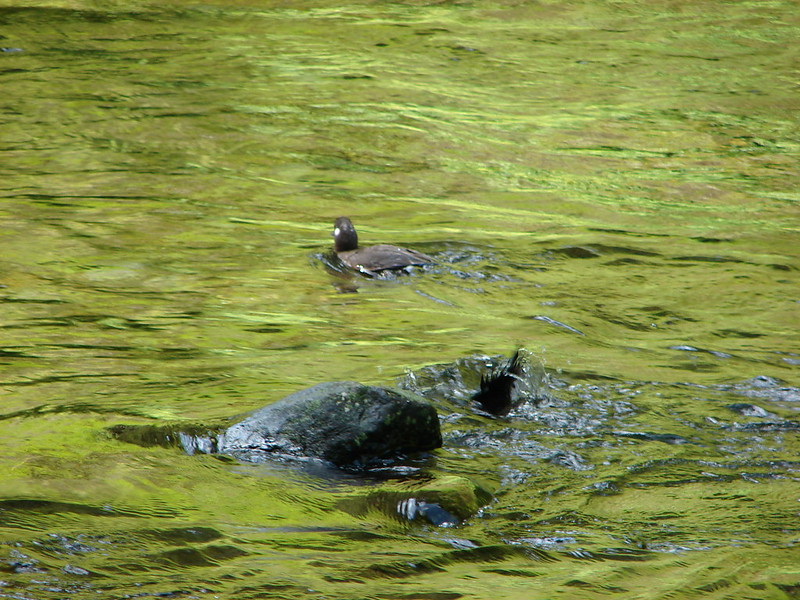
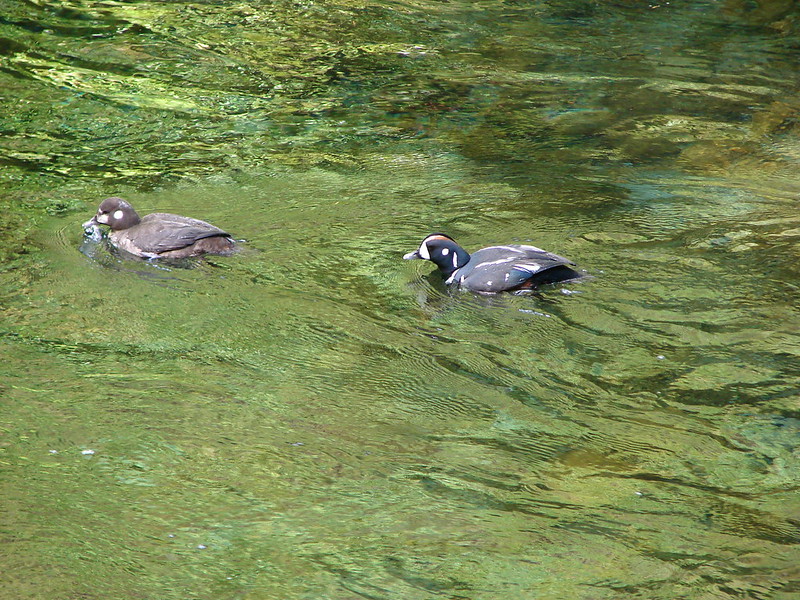
It turned out to be a pair of Harlequin Ducks who were paddling around a pool diving for food.
DSC04646
DSC04647
DSC04648
Harlequin Duck

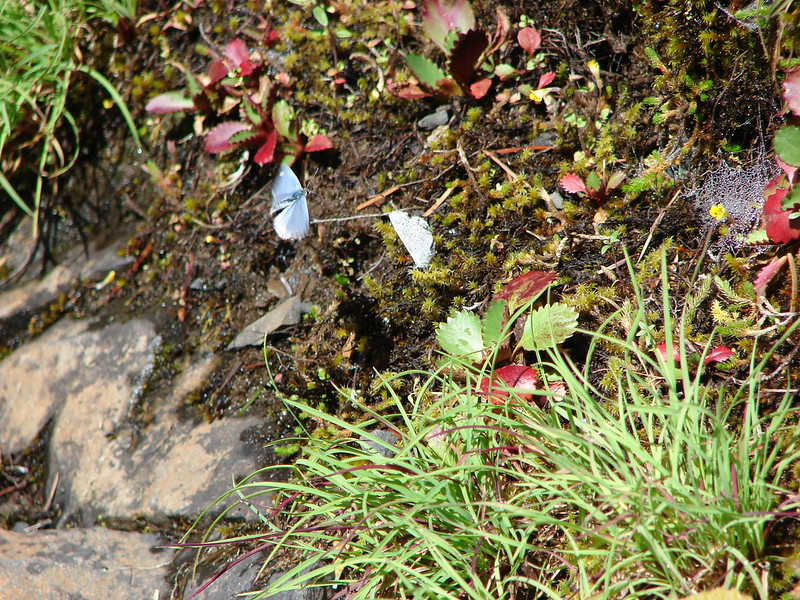
After hanging out with the ducks for a bit we started on our return trip. The sun was shining and the butterflies had come out.
DSC04690
DSC04705
DSC04708

When we got back to Loowit Falls I stopped to take a couple more pictures with the different lighting when Heather notice a pair of ducks in the creek below. It was another (or the same?) pair of Harlequin Ducks.
DSC04721
DSC04723

It was a lot of fun to go back and redo this hike at such a different time of year. Being able to compare the changes that the seasons bring and to also finally reach Tunnel & Twister Falls made this a very satisfying hike. No matter what the season – Happy Trails!

flickr: https://www.flickr.com/photos/9319235@N02/sets/72157644572170635
facebook: https://www.facebook.com/deryl.yunck/media_set?set=a.10203943516615461.1073741874.1448521051&type=3

Categories
Cottage Grove Hiking Old Cascades Oregon Trip report

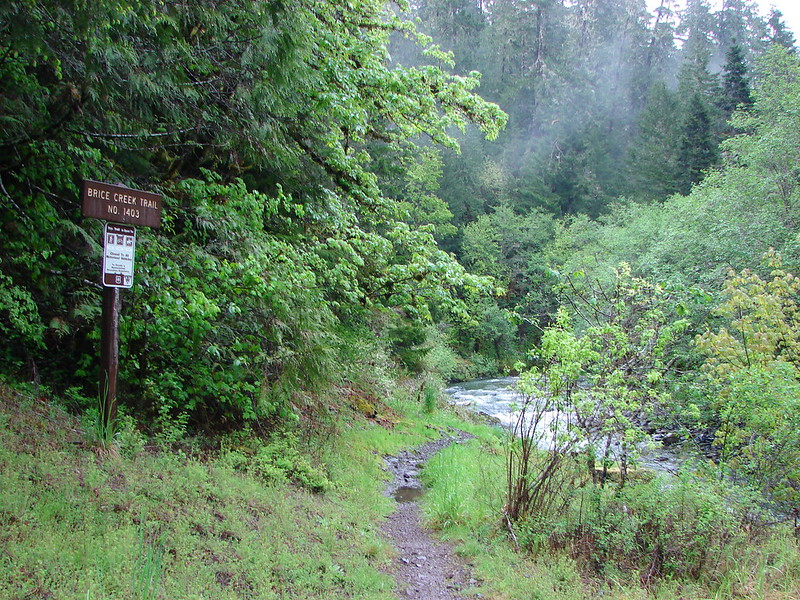
Brice Creek & Trestle Falls

A few posts ago I mentioned that the trail was a classroom. It seems as though we always learn something out on a hike, and our recent trip to Brice Creek was no different. During the hike we learned that rough-skinned newts love to play hide-and-seek, and they stink at it. 😀 We’ll get to that later, but first a little about the trail.

Brice Creek is located to the east of Cottage Grove, OR and flows into the Row River which in turns empties into the Willamette. There are several trailheads located along the creek in the Umpqua National Forest making it possible to choose the length of your hike. We chose to start at the West Brice Trailhead and hike to the other end of trail at the Champion Creek Trailhead. From there we could visit a pair of waterfalls on Trestle Creek.

It was a little misty and cloudy as we set off on the trail.
DSC03803

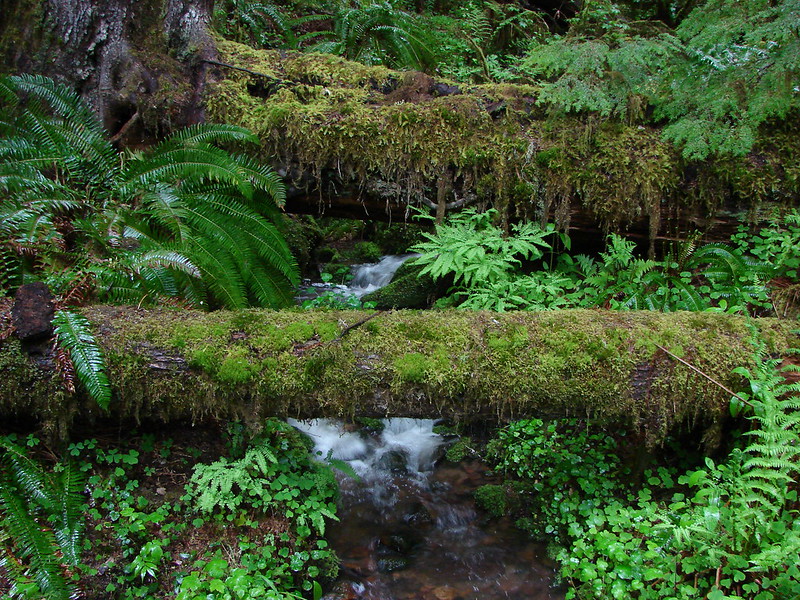
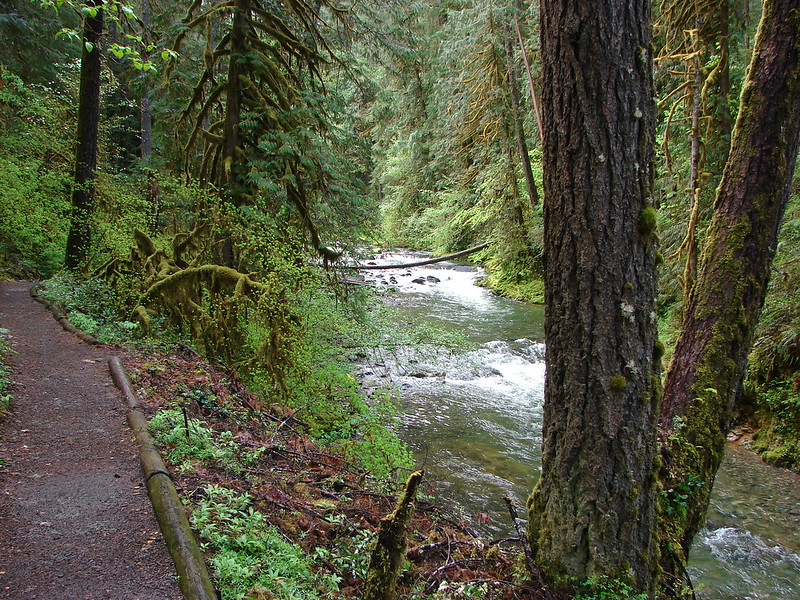
After a brief stint on an exposed hillside the trail entered an old growth forest with plenty of lush green moss on the ancient trees. We also crossed several small but scenic streams.
DSC03841
DSC03859
DSC03880

There were a few flowers blooming, mostly white varieties that are typical in older/denser forests.
Anemone
DSC03886
Vanilla Leaf
DSC03900
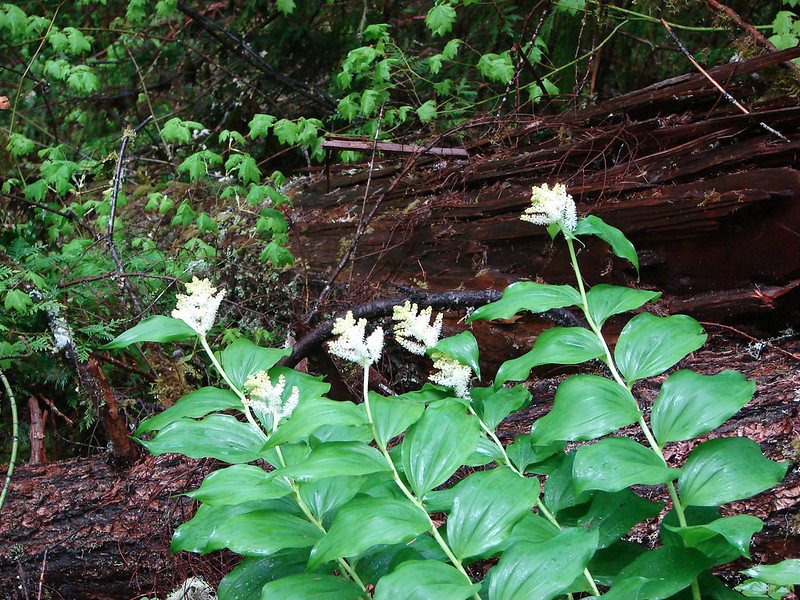
Solomonseal
DSC04022
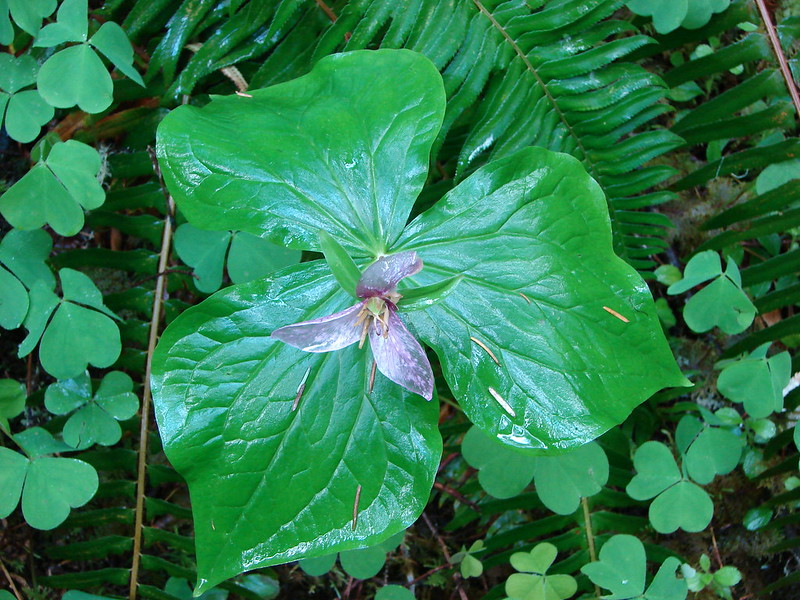
Most of the trillium was already finished but from the leaves and the few we did see it was clear they were very large in this area.
DSC04037

The trail had been up above Brice Creek until coming down to the bridge for the campground. From there the trail stayed closer to the creek for awhile providing a number of chances to get to the creek and get an up close view.
DSC03917
DSC03920
DSC03926
DSC03938

At one point the trail disappears along a bedrock section. The wet weather made for some slipper footing but the exposed rock was home to the most colorful flowers we would see all day.
DSC03951
Larkspur
DSC03962
Larkspur

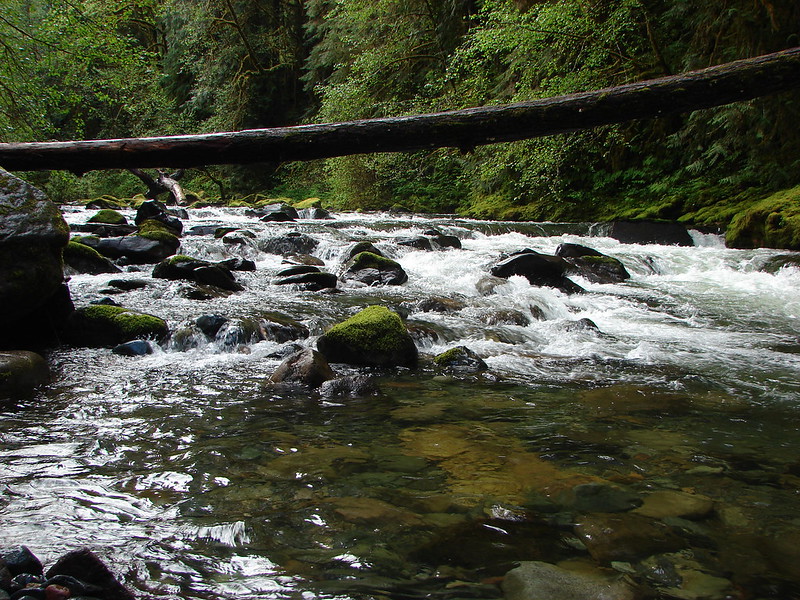
The creek had many moods in this section and the clear water made it easy to see what was underneath the surface.
DSC03977
DSC03985
DSC04006

We then climbed up and away from the creek again before descending to another footbridge 2.6 mi from the last, this time to Lund Park.
DSC04017
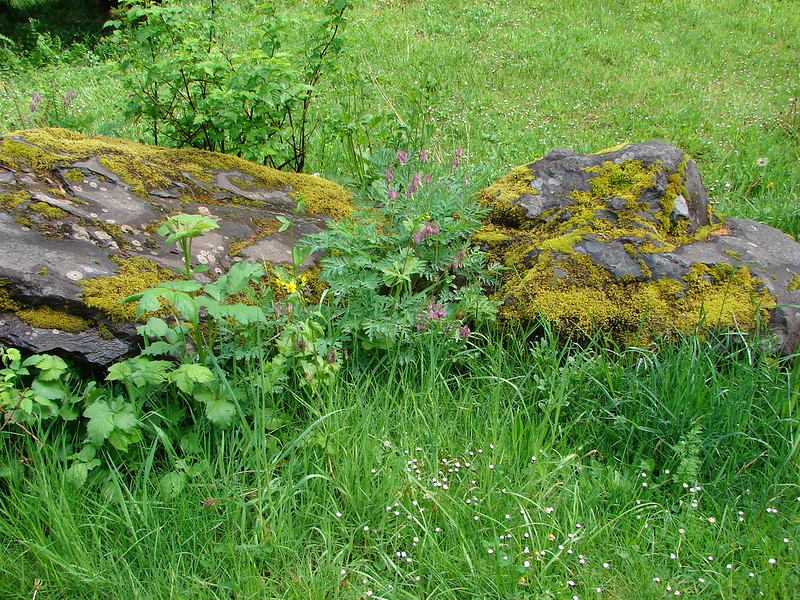
We’d read that there was a meadow at Lund Park and were hoping that it might have some good wildflowers. We were a little disappointed when we arrived to find a couple of yellow flowers, some bleeding heart, and a lot of white wild strawberry blooms was all there was.
DSC04046
DSC04045
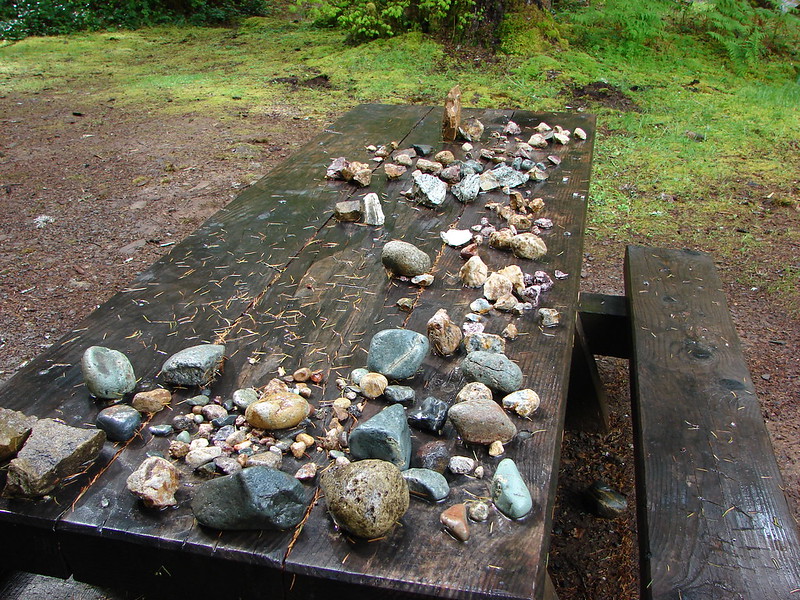
Someone had put together a somewhat substantive rock collection on one of the picnic tables though.
DSC04049

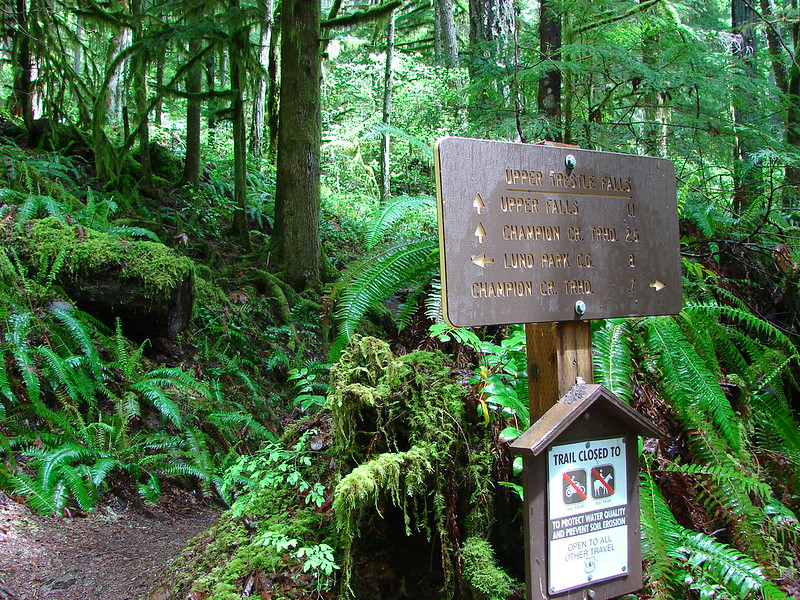
We started getting a few sun breaks after reaching Lund Park and in just another .5mi we reached a trail junction with Upper Trestle Falls trail. We would be returning down this trail after visiting the lower falls and taking the Upper Falls trail from the other end at the Champion Creek Trailhead. Before we get to that though this is where the hide-and-seek lesson comes in.
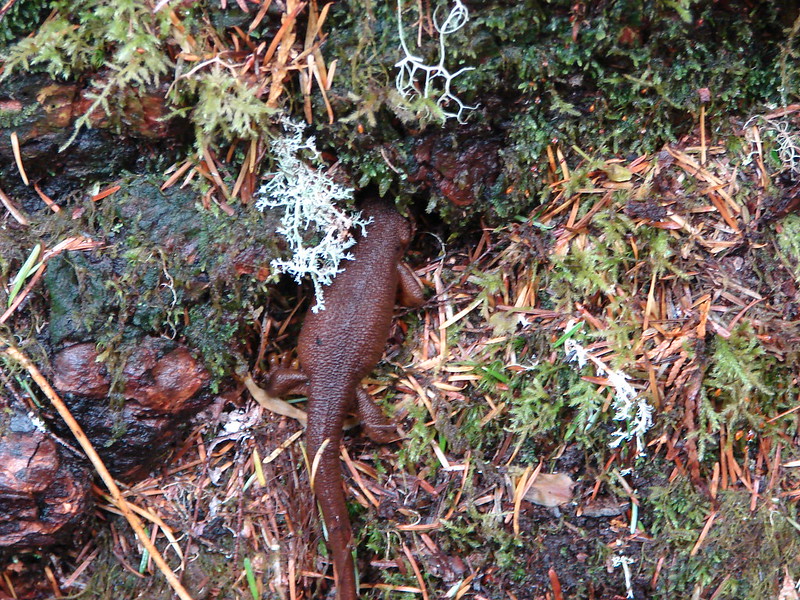
We had been seeing a lot of newts on the trail and noticed that when they were trying to get our of our way they tend to stick their head into or under something.
DSC04028
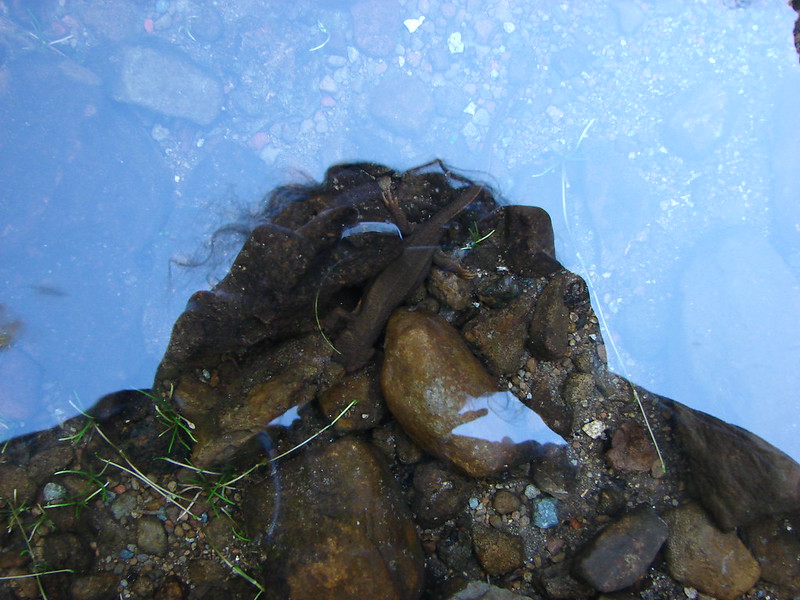
This wasn’t the first time we’d observed this behavior. From a 2011 hike:
Rough-skinned Newt
Just after leaving Lund Park I passed by one of them and turned to Heather to have her stop to make sure it didn’t get stepped on. When we stopped it headed for the first thing it could stick it’s head under – Heather’s shoe 😀
DSC04052
DSC04053
All I could think of is a toddler playing hide-and-seek. Apparently if they can’t see us we can’t see them. Heather was able to move and leave the newt unharmed and we’d discovered natures worst hide-and-seek players.

Back to the trail junctions and sun breaks.
DSC04055
DSC04058
DSC04172

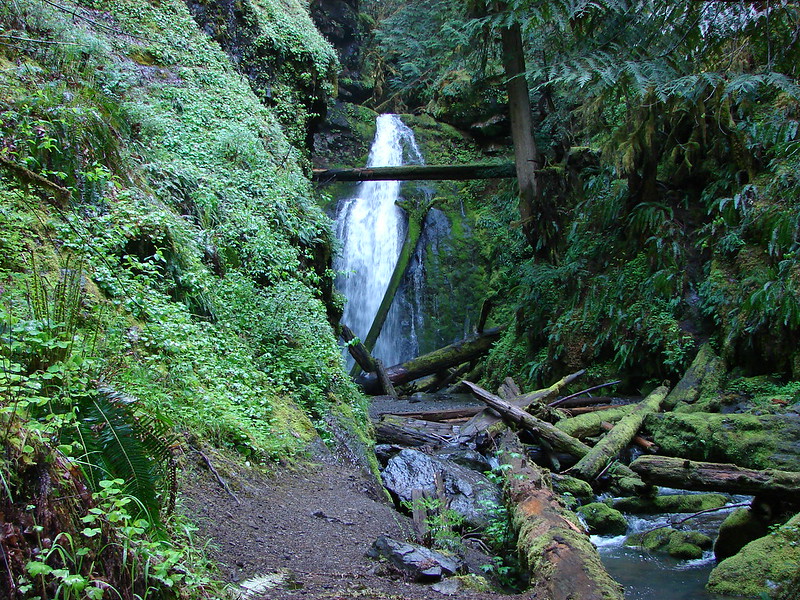
In another .5mi we had reached Trestle Creek Falls trail which would take us to the lower falls. After a brisk quarter mile climb we could see our destination.
DSC04080
I got to the end of the trail where a pile of debris had collected and took another picture but the log was still interfering with the view.
DSC04081
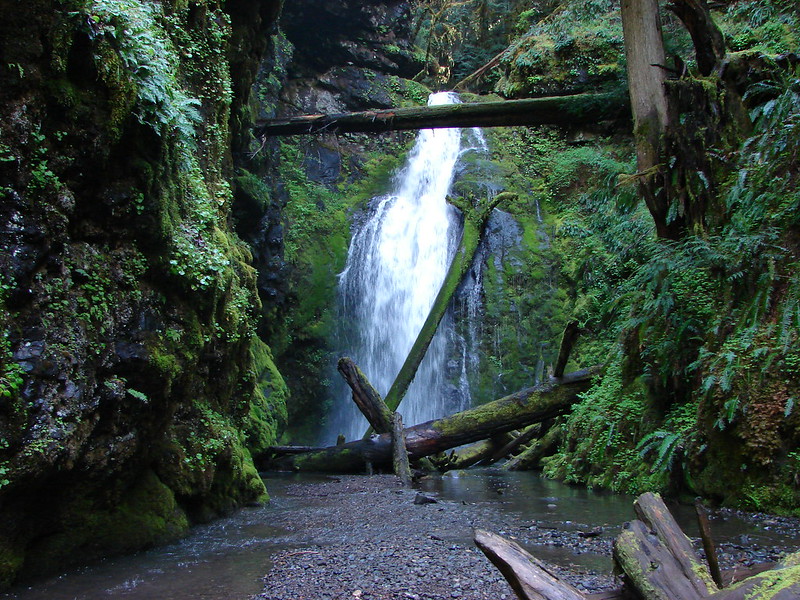
Some careful log walking got me to the gravel bar on the other side of the debris where I was able to get an unobstructed photo.
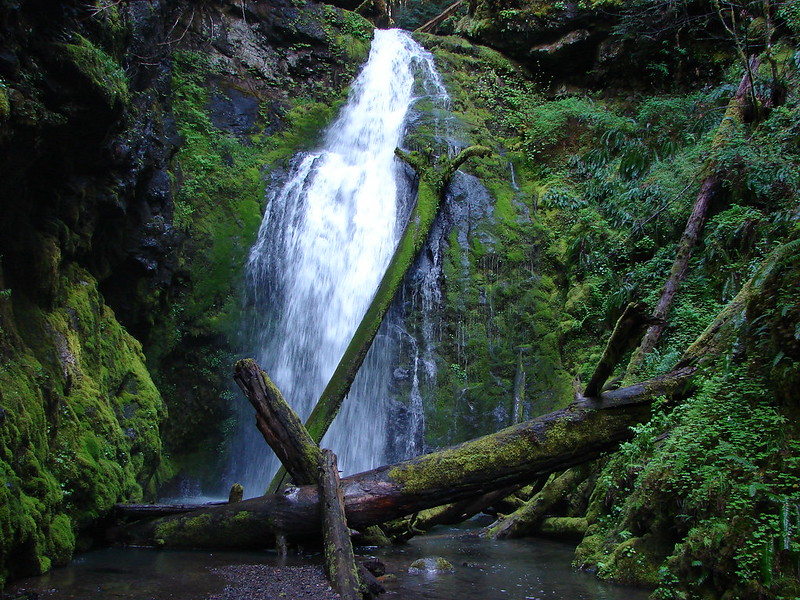
Lower Trestle Creek Falls
There was another little island of exposed rocks just before the next set of logs but a 15 to 20 foot gap lay between them and my rocks. I decided that wet socks were worth a look at the splash pool and dashed across the water to the other set of rocks. I was getting over this set of logs so I declared victory there and did the splash and dash back and carefully picked my back to the trail.
DSC04088

As we were preparing to leave the falls we met a group of hikers coming up the trail. They were lamenting the fact that they had not brought their trekking poles with them and asked about the loop to the upper falls. We had both expected to see them again on the loop but never did. Returning to the Brice Creek trail we crossed Trestle Creek on a nice footbridge and finished the last half mile to the Champion Creek TH. The Upper Falls Trail starts just a bit down the road from the trailhead and climbs stiffly 1.4 miles to the Upper Falls. We both thought it was a pretty challenging 900′ climb but the reward at the top was well worth it. The upper falls was located in a wide bowl and was split into two levels. The trail wound around the bowl and behind the falls allowing us to experience the full force of the falls up close.
DSC04126
DSC04147
Behind Upper Trestle Creek Falls

The Sun was out for our return trip which we made in pretty good time since I’d taken most of the pictures on the way by the first time. We had been discussing the lack of colorful flowers along the way, and when we got back to first exposed area we noticed that we had completely missed a field of plectritis. There was also a patch of what I believe to be giant blue eyed mary.
DSC04236
DSC04233
There was also a lone yellow flower.
DSC04237

It took us a lot longer than I had figured to complete the hike, but when we got home and looked at the GPS it had us going a couple of miles further than I had calculated. I’m not entirely sure what made up the difference, but it explained the extra time so we decided to just go with it since it made us feel better about getting back later than expected.

Happy Trails
flickr: https://www.flickr.com/photos/9319235@N02/sets/72157644537861295/
facebook: https://www.facebook.com/media/set/?set=a.10203927284889678.1073741873.1448521051&type=1
Categories
High Cascades Hiking Oregon Three Sisters Area Trip report

Proxy Falls & Separation Lake

They say timing is everything. I don’t know if I’d go that far, but it certainly can make a difference in hiking. The time of day, of week, and of year can greatly impact the experience on any given trail. That was certainly the case on our recent visit to the Three Sister Wilderness. The plan was to hike to Separation Lake and back, a 13.7 mile trek. While I was planning the hike though I got to thinking that the trailhead was awfully close to the Proxy Falls trailhead on the Old McKenzie Highway (Hwy 242). Proxy Falls was a hike that we had been wanting to do at some point, but at only 1.7 miles it didn’t warrant the 2:45 minute drive. It was only about 11 miles from our turnoff on Foley Ridge Road for the Separation Lake Trail though so we decided we’d do the loop there as a warm up for the longer hike.

Proxy Falls is a very popular hike. The trailhead is located along the highway, the distance is manageable for hikers of all ages and types, and most importantly the falls are quite impressive. During the summer months the parking spots fill quickly, but on this day we were by ourselves when we arrived at 8am. The old highway is closed during the winter months and doesn’t reopen until June, but just a couple of weeks ago the first snow gate had been opened on the west end allowing access to the trailhead. The Proxy Falls trail loops over a lava field and past the two falls before returning to the highway. The falls are the stars of the show, and being the only ones there we were able to explore and enjoy them all to ourselves.

The lava flow
DSC03469

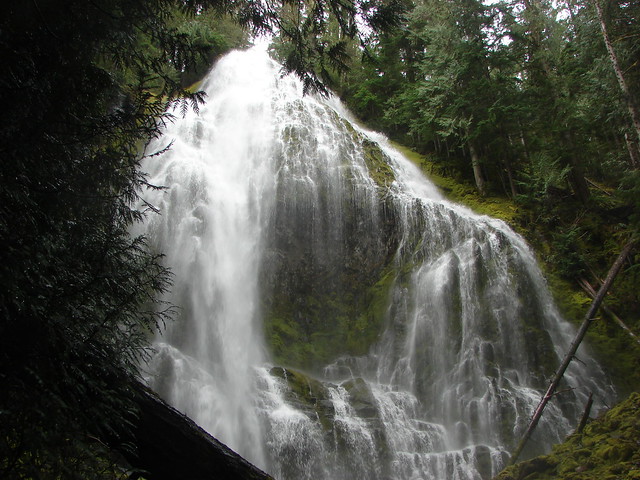
The first fall that you reach is Lower Proxy Falls
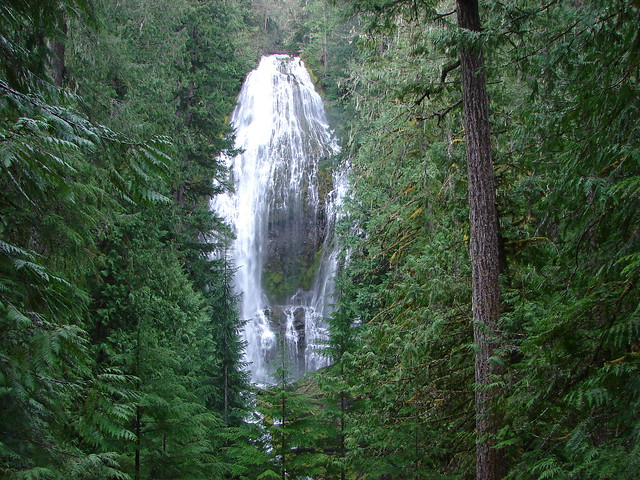
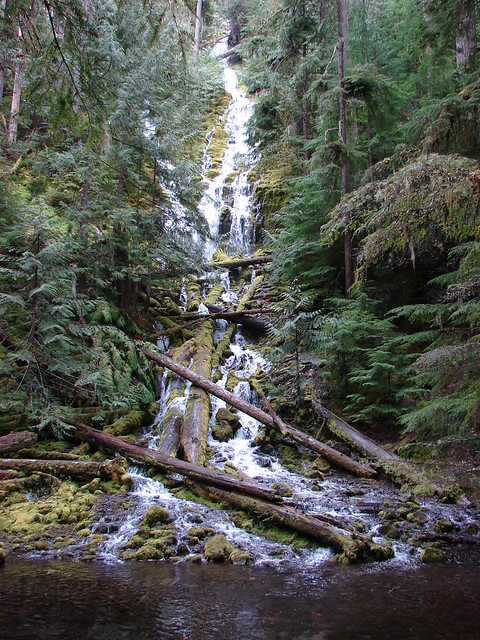
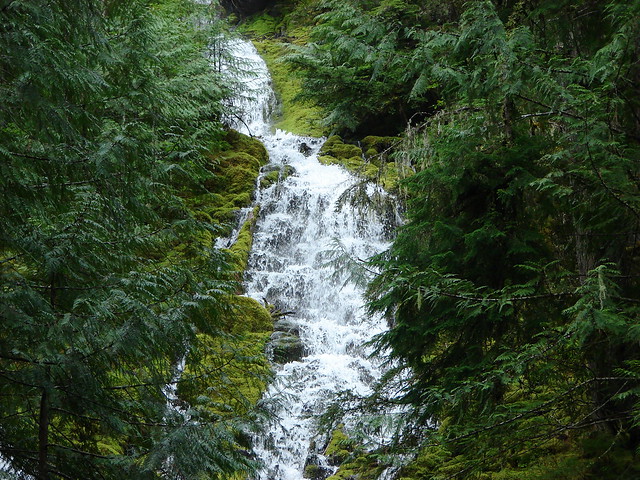
Proxy Falls
DSC03487
DSC03491

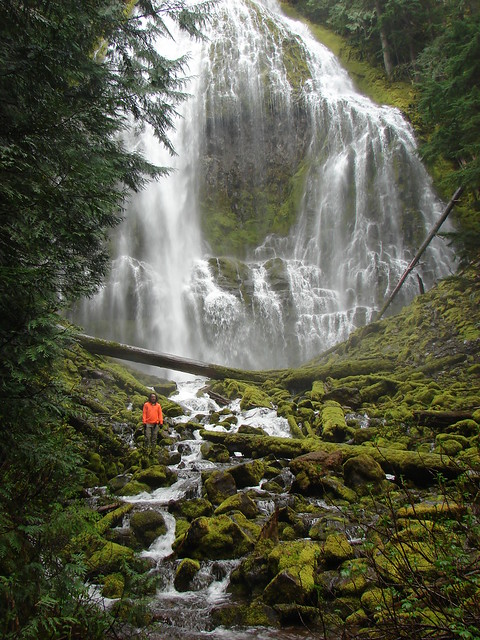
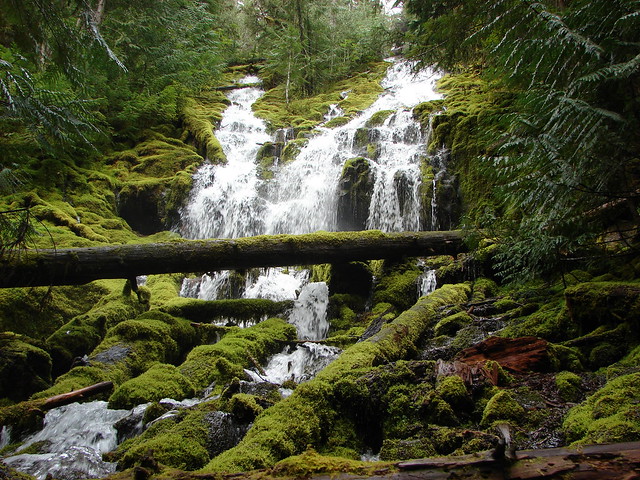
Next up is Upper Proxy Falls. The pool of water at the bottom of the falls flows underground reappearing a few miles away.

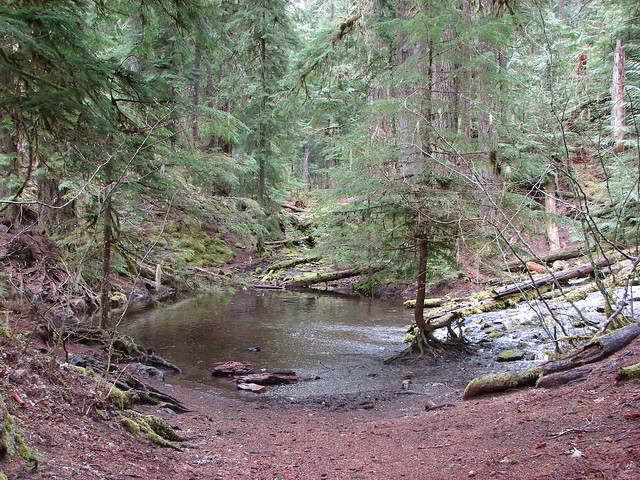
Pool beneath Upper Proxy Falls
DSC03515

Upper Proxy Falls
Upper Proxy Falls
DSC03525
Upper Proxy Falls

Our timing was great in this case. The falls were flowing very strongly due to the time of year and we had had a very popular trail all to ourselves :). We hopped back into the car and headed back toward the Separation Lake trail for part two of the days hikes.

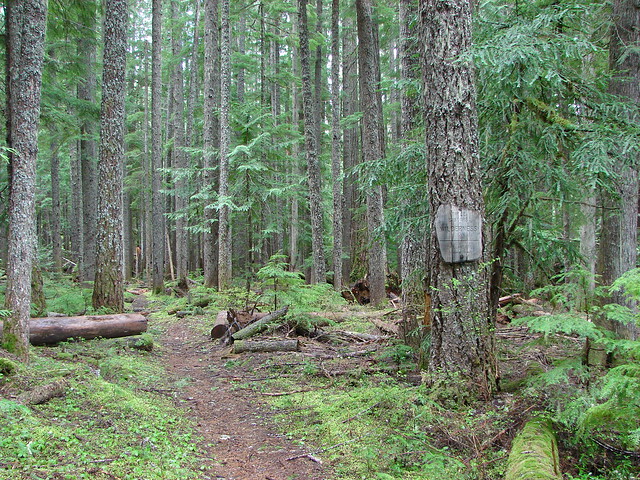
Unlike the Proxy Falls trail the trail to Separation Lake is lightly used. We weren’t sure what we would find for conditions as it was unlikely the Forest Service had done any trail maintenance since last year. We were once again the only car at the trailhead which suited us just fine. The trail quickly entered the Three Sisters Wilderness as it headed down toward Separation Creek.
DSC03556

The trail crossed several creeks all of which were easy to manage either on bridges or by rock hopping.
Bridge over Louise Creek
DSC03561

Another creek crossing
DSC03579

One more
DSC03584

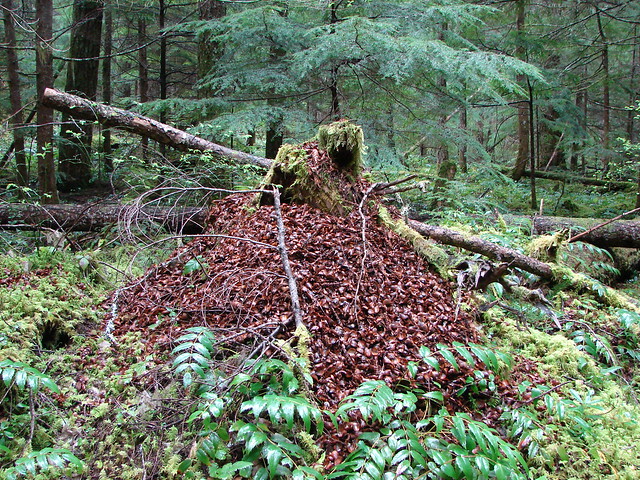
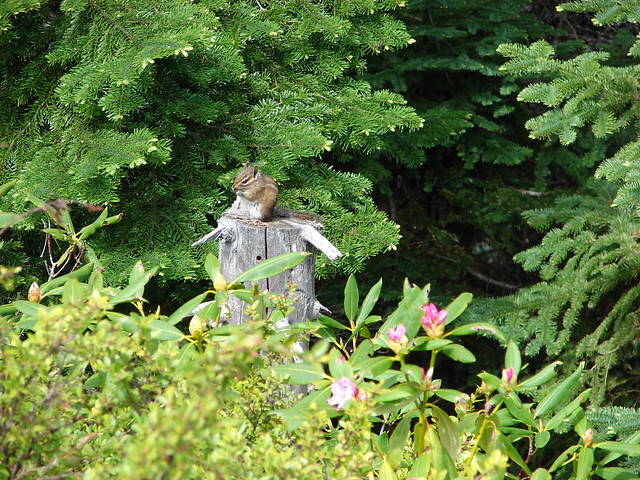
At one point we passed a tree stump littered with pieces of pine and fir cones. We’d never seen such a large pile and kept expecting to see the fattest chipmunk ever nearby.
DSC03591

The path was very brushy in places and our feet and lower legs were soaked as we passed through the damp leaves.
Separation Lake Trail

A number of early flowers were out and many of the bushes and trees were beginning to leaf out.

Vanilla Leaf
DSC03625

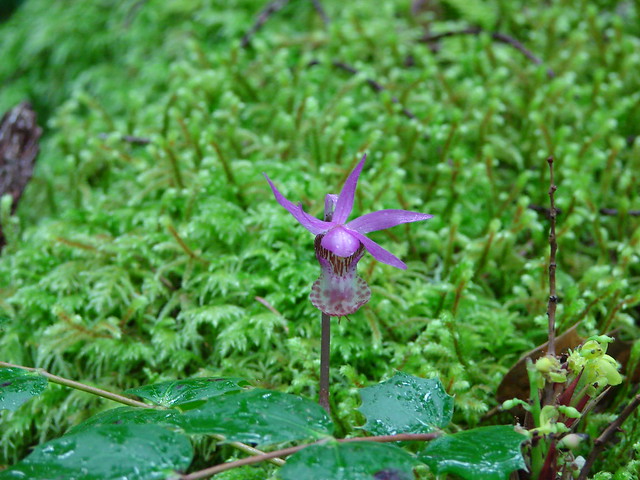
Fairyslipper
DSC03618

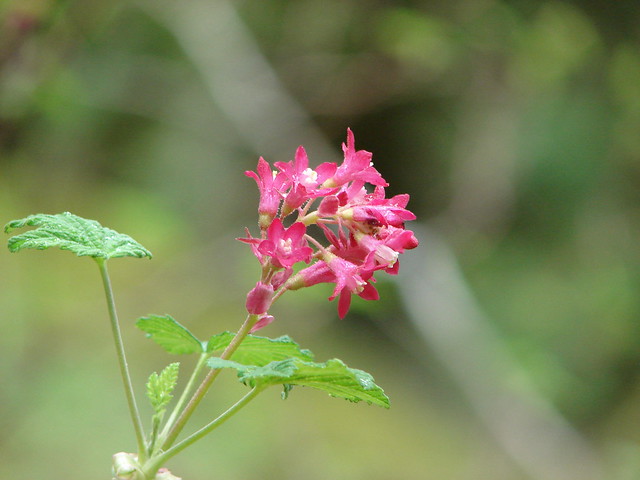
Red Currant
DSC03664

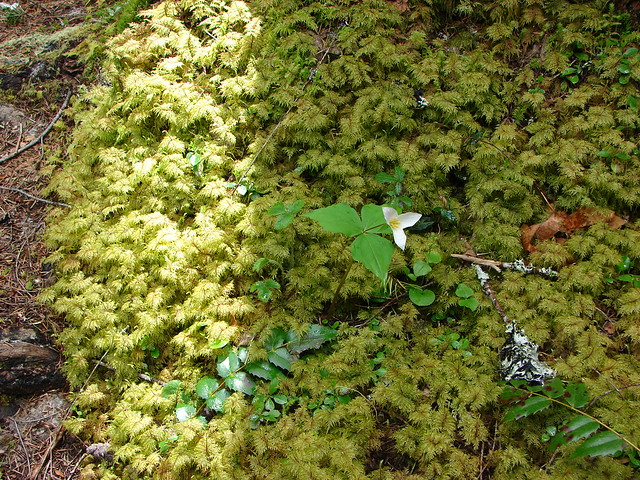
Trillium
DSC03707

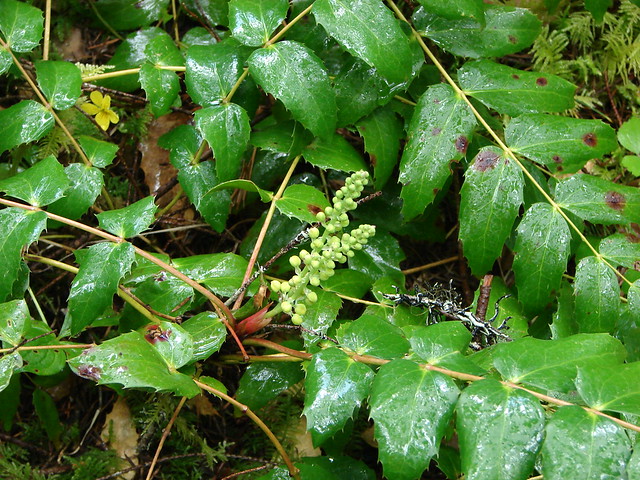
Oregon Grape
Oregon Grape

George Creek is the final small creek that the trail crosses before reaching the much larger Separation Creek. This was the most scenic of the smaller creeks at it had a small waterfall at the crossing.
George Creek
DSC03629

After 3.5 miles the trail finally gains a view of Separation Creek. It looked like a river compared to the other creeks we had crossed.
DSC03695
Separation Creek

After following along the creek for 2 miles the trail splits. The Separation Lake Trail crosses Separation Creek on a log bridge while the Separation Creek Trail continues on deeper into the Three Sisters Wilderness. That trail is apparently no longer maintained and closed due to excessive downed trees. We crossed over the creek and continued on toward the lake. Not long after crossing the creek we were greeted by the smell of skunk. It wasn’t actually a skunk but rather a marshy area filled with skunk cabbage.
Separation Creek crossing
DSC03721
Skunk Cabbage
Skunk Cabbage

A little over a mile after crossing the creek the trail reaches Separation Lake. It was a nice little lake with a couple of campsites. We were greeted by the usual birds and chipmunks (and a mosquito or two). We took a break here and had a snack at which point a couple of sets of ducks appeared on the far side of the lake followed by an Osprey who was scoping out the small fish that had been jumping in the lake.
DSC03753
The ducks
DSC03764
The osprey
DSC03770

After the food break we strapped our packs back on and made the return trip back to the car. On our way back we finally ran into the first and only other people we would see – a couple and their dog were headed in to camp. We were pretty tired when we reached the trailhead but it had been a great day of solitude in the wilderness. Happy Trails!

Photos on flickr:https://www.flickr.com/photos/9319235@N02/sets/72157644490517611/
Facebook:https://www.facebook.com/deryl.yunck/media_set?set=a.10203913310380324.1073741872.1448521051&type=3

Categories
Uncategorized

A Brief Look Back

Well we survived the marathon, and even though it didn’t go as well as we’d hoped, we all finished. It was a beautiful day but that meant temperatures that were 15 to 20 degrees warmer than what we were used to and we all struggled to stay hydrated. While we recover from the race and prepare to put our hiking season into full swing I thought it might be a good time to look back at how we got started hiking.

Heather and I have now set out with the intention of hiking just over 100 times. It has become one of our favorite pastimes and we have learned a lot along the way, but it took us a long time to get here. In fact you have to go back almost 20 years to find that first hike. Heather and I were only dating at the time and I was taking a backpacking class in college. One of the assignments was to go on a hike. I don’t recall much from that class, but that one assignment planted a seed that would eventually grow into our love of hiking.

For the assignment I decided on the Fall Creek trail to Green Lakes in the Three Sisters Wilderness and Heather agreed to join me. Our knowledge of the trail consisted of the location of the trail head when Heather and I set out one day in mid-spring. If we had done even a little research we would have discovered that even though the trail heads in that area might be snow free in May the trails themselves are usually still buried under snow. We didn’t get far before we were forced to turn around and abandon the hike, but in that short amount of time a seed was planted.

We had the trail to ourselves that day (apparently everyone else had done their research) and the solitude of the path through the forest and along the creek was wonderful. We were having a great time when we began running into the first patches of snow. We hiked on for a bit but the snow was too deep and we realized we would have to turn around. We had both done some camping growing up but had never been anywhere as beautiful and peaceful and yet as wild as this hike had taken us. We were disappointed at having to leave the hike incomplete and agreed that we would return someday and make it to the Green Lakes. The seed was planted.

Life had other plans and the memory of that hike was pushed aside and buried, and the seed lay dormant. We started jobs and a family and became sedentary in our lifestyles. Eventually we started getting ourselves back into shape though. One of the ways in which we did that was to take walks whenever we had the chance. We walked in our neighborhood, in town, and even at Dominique’s sporting events. We took opportunities at other times too. We walked along the Deschutes River while staying in Bend and we walked around Suttle Lake while staying in a cabin there on summer. We weren’t consciously thinking about going on hikes, but looking back I can see that those walks woke up that sleeping seed and it began to grow under the surface.

It finally broke through during a company picnic at Silver Falls State park. We had decided to take a walk down to some of the falls when the picnic began wrapping up. It was a very hot day and we didn’t think to take any water with us. We made the classic mistake of wandering without considering the return trip. When we started to get thirsty we realized there was no way we were going to make the full 7 mile loop and took a cutoff trail back to the visitor center. Between the heat and the climb out of the canyon we thought we might not make it back. There was something about that experience though, perhaps not being able to complete the entire trail, that reminded us of the Fall Creek hike so many years before. Once again we began thinking that hiking might be something that we would enjoy doing.

It took us several more years to develop a hiking “routine” and to begin to figure out what worked for us. A mere 6 hikes from 2006 to 2009 was all we managed. Despite the small number the experiences on those hikes were enough to allow the seed to continue to grow and eventually mature. Each time we made it out we fell in love with the trails a little more. There was something about the experience of every hike that was satisfying and at the same time left us longing for more.

There are a number of aspects of hiking that combine to create that experience. The trail is a classroom, an art gallery, a gym, and an escape all at once. We find it benefits our minds, bodies, and souls. Every trail offers some combination of these aspects to varying degrees. The end result is that after a day of hiking we have taken on a physical challenge, experienced new sights, made new observations, reduced our stress levels, and most importantly been reminded of our place in God’s creation.

We have learned things about the wildlife and vegetation we see. We’ve learned about the history of different areas and why they appear the way they do. We have also learned how to use a map and compass to navigate, and we continue to learn what we are physically and mentally capable of.

A few other important lessons we’ve learned:

Always make sure you have enough water and food
098
Mosquitoes will cause a person to lose all sense of fashion
064
Sometimes you need to sit still and let nature come to you
257
Ponchos have a mean streak
157
Never trust a weather forecast
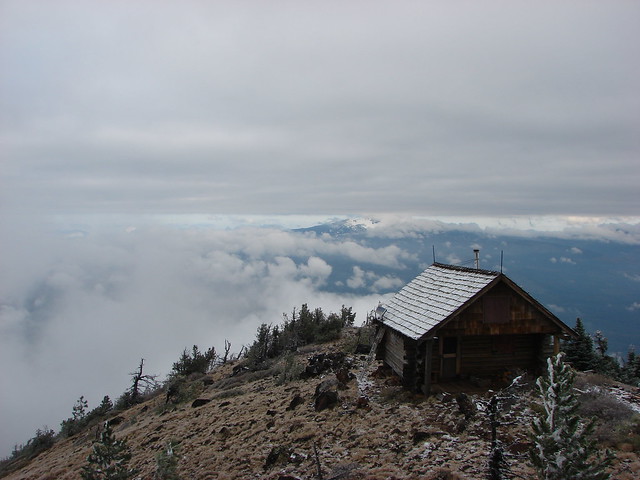
Three Fingered Jack and the Log Cabin on Black Butte
Always have a map and compass (and know how to use them)
251
Sometimes it pays to take the side path
086
Sometimes it doesn’t
Yocum Ridge
The number one lesson though is that there is no such thing as a bad hike.

When we headed out for my assignment 20 years ago neither Heather nor I had any idea what we were getting ourselves into. Today we can look back at that assignment and see that the seed planted that day is what led to our hiking pastime. As for our return to Green Lakes, it hasn’t happened yet. Just as it was the previous three years it is on our schedule. We have been derailed by snow, fire and lightning, but one of these days we will finish the hike that started it all. Happy Trails.

Categories
Coastal Range Hiking Oregon Trip report

Wilson River

So far so good. We managed to get a hike in each month leading up to the marathon in April. Our recent visit to the Wilson River in the Tillamook State Forest was our final hike until after we’ve raced and recovered. We picked this hike because it provided a fairly level 8 miles which seemed like a reasonable outing at this point in our training. We chose Saturday morning for the trip based on a forecast showing no rain until that afternoon versus rain all day on Sunday. Yep, I fell for it again. The drunk monkeys that come up with the weather forecast weren’t even close as the 0% chance of precipitation was more like 95% as it rained or drizzled on us almost the whole time. Fortunately it didn’t rain hard since we hadn’t put our rain gear back into our packs.

The Wilson River trail extends over 26 miles, but for this trip we planned to hike out and back along a 4 mile section from the Jones Creek Day Use area to Bridge Creek Falls. It was great to get back on the trail and especially nice to see some signs of Spring. We set off from the parking area following the river west toward the Tillamook Forestry Center. Since the center opens at 10am the gate on the suspension bridge was still closed so we passed by and headed toward Wilson Falls after taking a quick peak back at Kings Mountain. Heather and I had done a loop hike in 2010 up neighboring Elk Mountain and down Kings Mountain. It remains to this day one of the toughest hikes we’ve tackled.

Kings Mountain
Kings Mt. from the Wilson River Trail

The forest was beginning to transition from Winter to Spring as buds were showing or already opening on many plants and several varieties of early flowers were blooming trailside.

Snow Queen
Snow Queen
Trillium
Trillium
Wood Violets
Violets
Slender Toothwort
Slender Toothwort

The river was running quickly due to heavy recent rain which had also swelled the creeks and runoff streams feeding into the river. Even if it hadn’t been raining there was no way our feet were going to stay dry. 🙂

Wilson River
Wilson River
Cedar Creek
Cedar Creek
Runoff flowing over the trail
Wilson River Trail
Trail crossing below Wilson Falls

We had two waterfalls to visit on this portion of the trail. The first was Wilson Falls which lay hidden right beside the trail until we were almost directly below it.

Nearing Wilson Falls
Wilson River Trail
Wilson Falls
Wilson Falls

The second falls was also our turnaround point. We had to leave the river and cross Highway 6 to find the short trail to Bridge Creek Falls. An impressive fall in a narrow canyon.

Sign for Bridge Creek Falls along Hwy 6
Bridge Creek Falls
Bridge Creek Falls
Bridge Creek Falls
Trying to give an idea of the size of the falls.
Bridge Creek Falls

We hadn’t had any company on the trail and had only seen a handful of fishermen on the way to Bridge Creek Falls, but things got more crowded on the trail on the return trip.
Slow traffic

Slug
Another slowpoke
Rough skinned newt
This one moved to the side to let us pass
Rough Skinned Newt
Finally we came to a standstill
Newt

We didn’t wind up going into the Forestry Center. The rain had picked up and we were wet and muddy when we arrived back so we decided to pass on this trip. We did cross the suspension bridge in an attempt to return to the car from the opposite side of the river but washouts had closed that portion so we backtracked across the bridge and returned the way we had come that morning. The hike worked out just the way we’d hoped. Good scenery, no crowds, and not too taxing physically. Truly a hike that says “Happy Trails”.

Flickr album: http://www.flickr.com/photos/9319235@N02/sets/72157642067822544/
Facebook album: https://www.facebook.com/media/set/?set=a.10203510030938590.1073741869.1448521051&type=1
Categories
Hiking Middle Santiam Old Cascades Oregon Trip report

McDowell Creek Falls

It seems like it has been forever since our last post. We’ve been busy training for our marathon and also dealing with some overdue Winter weather. We had originally planned on hiking along the Salmon River near Zig Zag, OR but wound up changing our minds and decided on a much shorter, closer hike. The state had gotten a lot of snow during the prior weekend and then snow level rose to around 7000′ causing much of that snow to melt. We’ve also had a good amount of rain in addition to the snow melt so many of the rivers and creeks swelled with all the additional water. We felt too fatigued from our training for a 12+ mile hike but we still wanted to get out and do something so we chose McDowell Creek Falls in hopes that the extra water would mean extra good falls.

McDowell Creek County Park is located about 15 miles from Lebanon, OR along McDowell Creek. An approximately 2 mile loop passes several falls crossing the creek a number of times on footbridges. We parked at the west end of the park and set off across the creek on a bridge just up stream from Lower McDowell Creek Falls.
DSC02761

Just .2 miles from the trailhead we came to the start of the loop and also the first view of Royal Terrace Falls which is actually not on McDowell Creek but a side stream that feeds into the creek. The falls were roaring with all the extra water and were really spectacular.
Royal Terrace Falls
Turning left on the loop we crossed the stream below the falls where a bench offers a great front row view of the falls.
Royal Terrace Falls

The storms that had brought the rain and snow had downed a lot of trees and limbs but this portion of trail had been cleared already. A fairly level .4 miles brought us to Crystal Falls above Crystal Pool. The water flow was so strong that Crystal Pool was not identifiable, but Crystal Falls was putting on a good show.
Crystal Falls

Beyond Crystal Falls .2 we came to a pretty impressive footbridge across the creek.
DSC02802
As we approached the bridge Majestic Falls came into view around a bend in the creek.
Majestic Falls
Majestic Falls

Stairs led up to the top of the falls where an observation deck is located. A downed tree had smashed the railing and was blocking the deck entrance but it appeared the deck itself was okay. The trail then came to the eastern parking lot and continued on the far side. Unlike the earlier section of trail this portion had not been cleared yet of the storm debris. We picked our way over, under, and around several messy sections before reaching the stream above Royal Terrace Falls. Another footbridge brought us across the stream and directly above the falls.
DSC02819

A series of stone steps led to the trail junction and the end of the loop, but first I decided to check out a narrow trail that looked to lead to the “terrace” of Royal Terrace Falls. Wary of the wet conditions I carefully made my way along the trail and to the base of the upper section of the falls.
Royal Terrace Falls (Upper portion)

After completing the loop we had one more fall to check out. We returned to the parking area and picked our way down stream through some more blow down and found a good view of Lower McDowell Creek Falls.
Lower McDowell Creek Falls
The tree hanging out in front of the falls looked to have fallen during the storm, but the green moss made for a nice contrast to the white water of the falls in the background.
We couldn’t have picked a better day to visit these falls. Not only were they flowing full force but we had mostly dry conditions and even saw the Sun once or twice.

This coming weekend we’ll be taking a route finding and navigation class put on by the local outdoors group The Chemeketans. We’re looking forward to getting more comfortable with our map & compass skills as we are hoping to do a little more off trail exploration this year. The best way to enjoy the trails is to stay safe on them and this should help keep us that way. Until next time – Happy Trails!

photos: Flickr http://www.flickr.com/photos/9319235@N02/sets/72157641077965535/
facebook https://www.facebook.com/media/set/?set=a.10203367105045532.1073741868.1448521051&type=1
Categories
Hiking Northern Coast Oregon Oregon Coast Trip report

Neahkahnie Mountain

Happy New Year! A favorable weather forecast encouraged us to kick off our 2014 hiking year a bit sooner than planned. Just as we had done last year we turned to the Oregon Coast to get things started. While most of the country was dealing with frigid temperatures we were off to Oswald West State Park where a Sun filled day and 50 degree temperatures awaited.

For Heather and I this was our second visit to the park. In June 2012 we hiked out and around Cape Falcon where wild flowers and dramatic views were plentiful. (Pictures from that hike can be seen here: http://www.flickr.com/photos/9319235@N02/sets/72157632953462404/ ) For this trip we were set to explore the southern end of the park and follow the Oregon Coast Trail (OCT) up to the summit of 1631′ Neahkahnie Mountain.
Neahkahnie Mountain from Cape Falcon in 2012
Smugglers Cove

We parked in the large beach access parking area on the east side of Highway 101 where the Short Sand Beach trail begins. This was the same trail we had started on for our previous visit, but after a couple of hundred yards we turned left onto the Old Growth trail. Two tenths of a mile on that trail brought us to a trail junction with restrooms where we forked left on the .1 mile Cedar Crossing trail. This path ended at Necarney Creek where it intersected the .3 mile Necarney Creek trail. (As you can tell there are a lot of short trails in the area.)

At the Necarney Creek trail we had an option. According to the park brochure/trail map if we turned left we would find the .4 mile Necarney Falls trail. I had read a trip report from 2012 that indicated there was some bushwhacking involved in reaching the waterfall but the trail was still shown on the online map so left we went. Soon the Necarney Creek trail bent away from the creek which was where we had expected to find the falls trail, but there were no trail signs and we quickly reached the end of the creek trail at a small parking area. After re checking the park map and verifying the location of the supposed trail we returned to the bend to see if we could find it. There was a faint unmarked path leading toward the creek into the underbrush at the bend which we decided must have been what was left of the trail. It was less than .5 miles to the falls so we decided to make an attempt at reaching them and headed into the brush.

The former trail was virtually gone save for a few short sections here and there. We kept as close to the creek as possible as we made our way under the highway and up the narrow canyon. There were several slides and plenty of downed trees to pick our way around. After crossing a small side stream the canyon narrowed even more and we were forced down to the creek bed. Luckily the water level was low enough that we were able to stay dry by rock hopping until we reached Necarney Falls. The reward was worth the efforts.
Necarney Falls

We retraced our steps (as best as we could) and returned to the maintained trails where we followed the Necarney Creek trail to a foot bridge which crossed the creek and led to the Elk Flats trail.
Suspension bridge over Necarney Creek
We took a quick trip down to Short Sand Beach before for a photo-op before setting off on the Elk Flats trail.
Smugglers Cove
We then followed the 1.3 mile Elk Flats trail through the park passing several nice ocean views before entering a meadow near the Devils Cauldron overlook.
Meadow along the Elk Flats Trail

After taking in the view from the overlook we climbed east through the meadow to yet another small parking area along Hwy 101. Across the highway was the North Neahkahnie Mountain trail. Both the Neahkahnie Mountain and Elk Flats trail are part of the OCT which extends 360 miles from the Washington border to California. Less than 100 miles of the OCT are actual trail though, with the majority of rest of the miles being on beaches and the remainder on the shoulder of Highway 101.

After crossing the highway we quickly began climbing, needing to gain 1200′ in 2 miles of trail. The first section of the trail led up through an open meadow via a series of switchbacks. We guessed the meadow would be full of flowers in Spring and early Summer, but for this hike we were content with the views which extended from Cape Falcon in the north to Cape Mears and Cape Lookout to the south.
Looking up the meadow:
Meadow along the North Neahkahnie Mountain Trail
Cape Falcon from the meadow:
Cape Falcon from the North Neahkahnie Mountain Trail

At the top of the meadow the trail entered an old growth forest where it remained until we were just below the rocky summit. The view from the summit was excellent and the clear skies and lack of a significant breeze made it a perfect spot for lunch.
Entering the forest:
North Neahkahnie Mountain Trail
Summit view:
Nehalem Bay, The Pacific Ocean, Cape Mears, and Cape Lookout
Lunch:
Lunch on Neahkahnie Mountian

After lunch we returned they way we had come (minus the side trip to Necarney Falls 🙂 ). We decided to make one final stop though before leaving the coast. Dominique had not been with us in October when we hiked at Cape Kiwanda in Pacific City, so he had not had the experience of dining at the Pelican Pub. This was as close as our hiking schedule would bring us to Pacific City this year so we took a short detour and stopped in for an early dinner. The food was a good as we’d remembered and we were fortunate enough to be there as the Sun set over the Pacific which was a perfect way to end the first hike of the new year. Happy Trails!

<img src="DSC02702” alt=”” />

The rest of the photos on flickr: http://www.flickr.com/photos/9319235@N02/sets/72157639463787314/ or Facebook: https://www.facebook.com/media/set/?set=a.10203069673009917.1073741867.1448521051&type=1
Categories
Year-end wrap up

The hikes of 2013 – A year in review.

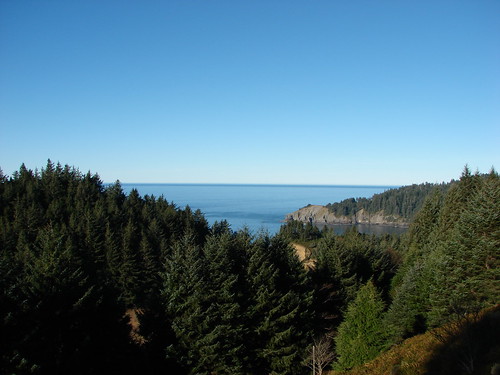
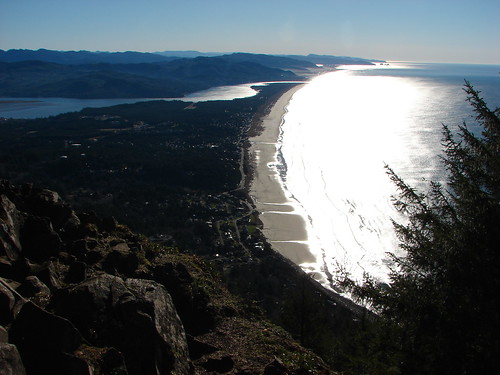
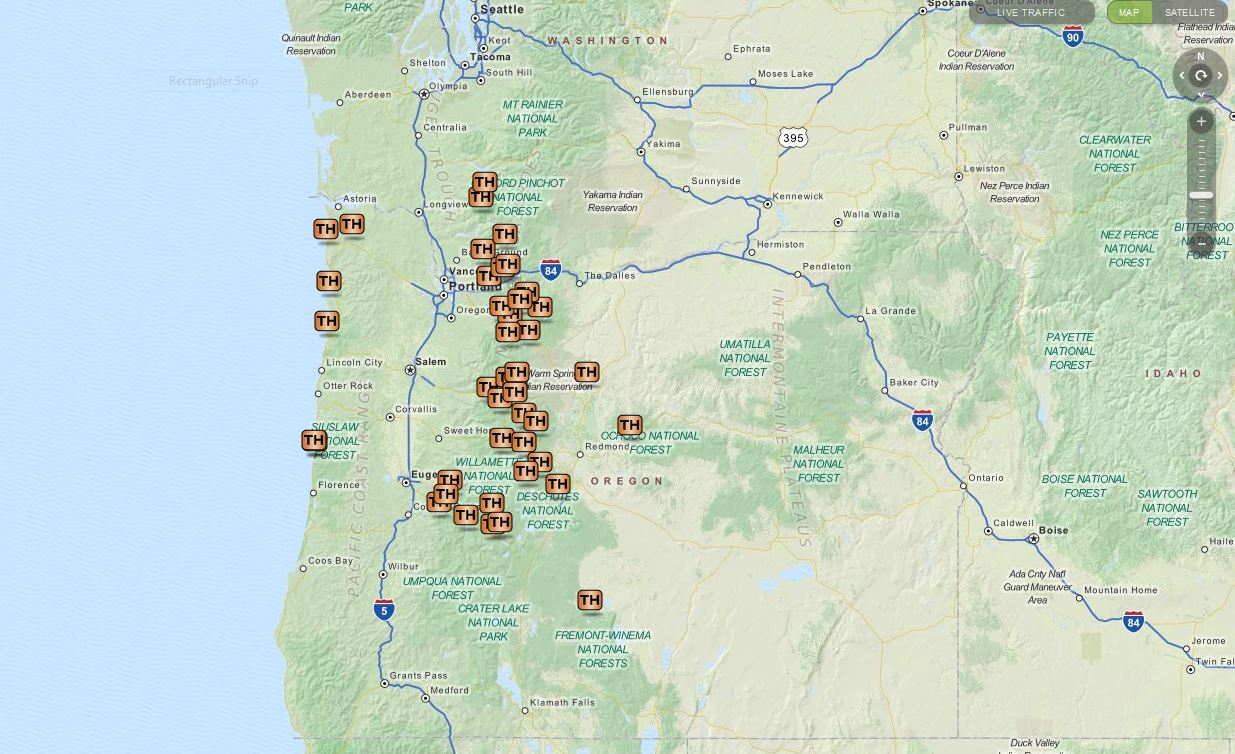
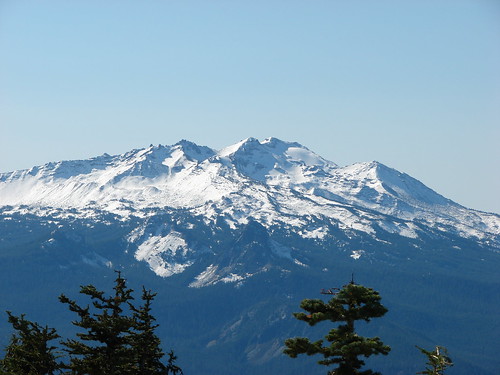
What an amazing year of hiking it was! As we reach then end of 2013 we thought we’d make one final entry recapping the beautiful areas and unique features we were blessed enough to encounter while out on our “wanderings”. We began the year in February at the Oregon Coast, hiking at Gwynn Creek and Cape Perpetua then finished up just a couple of weeks ago, once again on the Oregon Coast at Tillamook Head, 140 miles north of where we had started. Sandwiched in between these two hikes were 40 other adventures in which we climbed mountains, crossed rivers, and scrambled cross-country to explore a small sampling of the trails of NW Oregon and SW Washington. We put together a map of the approximate location of the trailheads for each of the hikes.
2013 Trailheads
An interactive version can be viewed on mapquest using the following link.
http://mapq.st/1bQXoXo

I’ve always been interested in numbers so I have kept quite a few statistics regarding these 42 hikes. Here are some of those that I found most interesting. We visited 10 wilderness and 2 scenic areas in 8 different national forests. In addition to the national forests we hiked in 4 state parks and at a national volcanic monument. Some of the other numbers are as follows:
Total Miles (according to the Garmin) – 515.2
Cumulative Elevation Gained (approx.) – 88,000′
Minimum/Maximum Elevation – sea level/10,358′
Total Moving Time (per the Garmin) – 240hrs 36min
Total Time on the Trails (per the Garmin) – 280hrs 6min
Total Miles Driven (approx.) – 7550 miles

For the most part the weather was good. We had a warm, dry end to Winter which carried into Spring clearing many trails of snow earlier than normal. This allowed for some earlier visits to some of the higher elevation areas and also an early bloom for most of the wildflowers including the bear grass which only blooms every 2nd or 3rd year. A mild summer kept temperatures bearable and despite the dry beginning to the year the fire season wasn’t too bad. Fall brought an early snowstorm and left an early winter wonderland at mid-elevations and some unusually cold temperatures of late created some interesting ice displays.

Words can’t do justice to the beauty of God’s creation that we experienced this so year I’ll try to keep them to a minimum and attempt to let pictures show what they can.
I have to start with the Cascade Mountains. The most awe inspiring creations, these steadfast beacons that on clear days dot the horizon always seem to draw our attention.

From the rim of Crater Lake in the south to Mt. Rainier in the north they rise above the other ridges, rooted in their positions, yet ever changing in order or varying in appearance depending on what our location was. Some of the views we had were amazing.

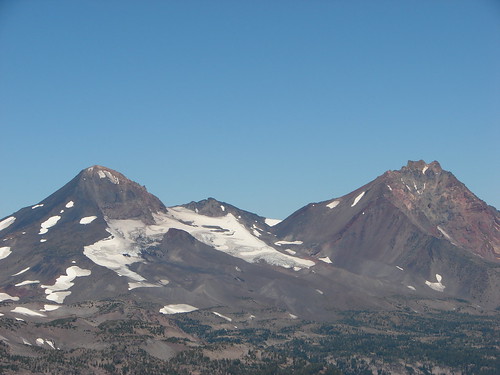
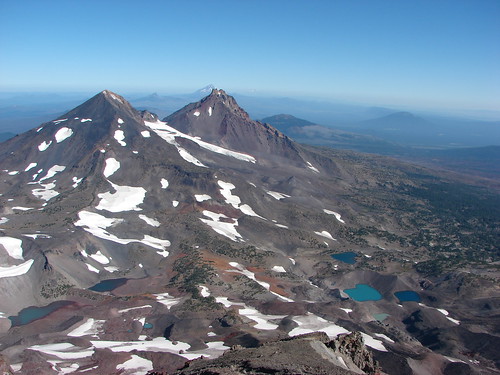
Mt. Scott, Mt. Thielsen, Mt. Baily, & Diamond Peak from the South Sister Summit
View from the South Sister
Cascade Peaks from Mt. Bachelor to Mt. Hood (minus the North Sister which was hidden behind the Middle) from Mt. Fuji
Waldo Lake
Mt. Washington to Mt. Hood from the Pacfic Crest Trail near Yapoah Crater
Belknap Crater, Mt. Washington, Three Fingered Jack, Mt. Jefferson & Mt. Hood
Mt. Washington to Mt. Bachelor from Three Fingered Jack
Broken Top, Mt. Bachelor, The Three Sisters, Mt. Washington and The Husband
Mt. Rainier, The Goat Rocks, and Mt. Adams from Wildcat Mountain
Mr. Rainier, The Goat Rocks, and Mt. Adams
Mt. St. Helens, Mt. Rainier, and Mt. Adams from Silver Star Mountain
View from Ed' Trail

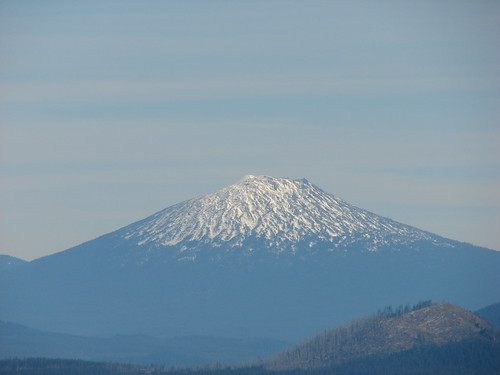
Individual peaks working from the south to the north.
Mt. Thielsen:
From Fuji Mountian
Mt. Thielsen

Diamond Peak:
From Waldo Mountain
Fuji Mountain and Diamond Peak
From Fuji Mountain
Diamond Peak

Mt. Bachelor:
From Fuji Mountain
Mt. Bachelor
From Tam MacArthur Rim
Mt. Bachelor

Broken Top:
From above Moraine Lake
Broken Top and Moraine Lake
From Fuji Mountain
Broken Top and Ball Butte
From Tam MacArthur Rim
Broken Top

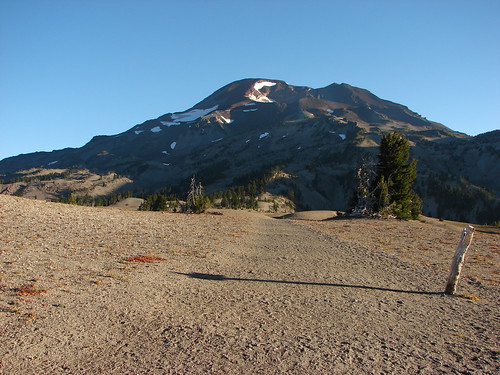
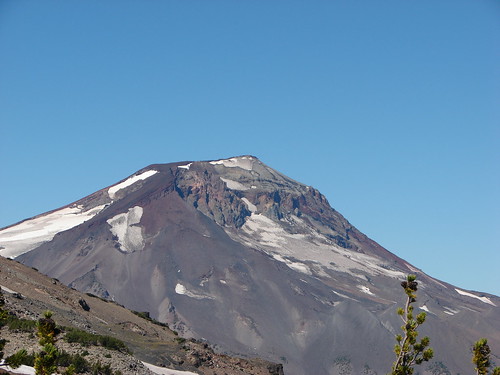
South Sister:
From above Moraine Lake
South Sister Climbers Trail
From Tam MacArthur Rim
South Sister
From Fuji Mountain
South Sister

Middle & North Sister
From Tam MacArthur Rim
Middle and North Sister
From Scott Meadow
North & Middle Sister and Little Brother from Scott Meadow
From the South Sister
South Sister summit view

Mt. Washington
From the Matthieu Lakes Trail
Mt. Washington
From Fuji Mountain
Mt. Washington and Belknap Crater
From Three Fingered Jack
Mt. Washington and The Husband

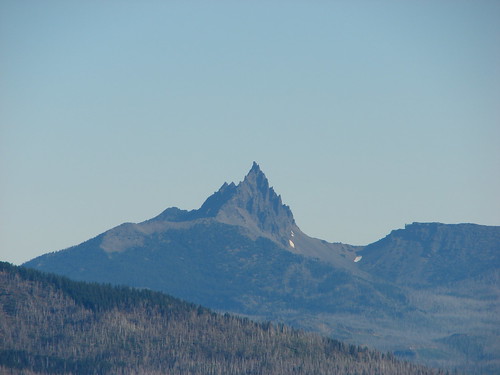
Three Fingered Jack:

From the Matthieu Lakes Trail
Three Fingered Jack
From Canyon Creek Meadows
Three Fingered Jack from the upper meadow

Mt. Jefferson:
From Fuji Mountain (Dwarfing Three Fingered Jack)
Mt. Jefferson and Three Fingered Jack
From Hanks Lake
Hank's Lake
From Three Fingered Jack
Looking back down
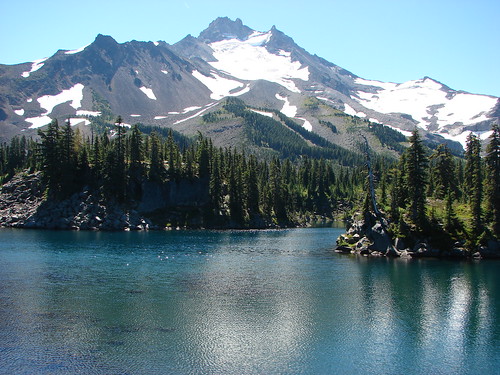
From Bays Lake in Jefferson Park
Bays Lake in Jefferson Park

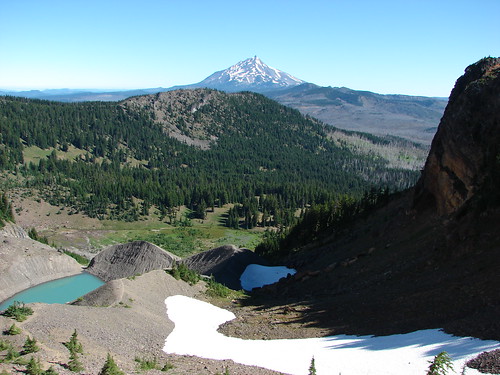
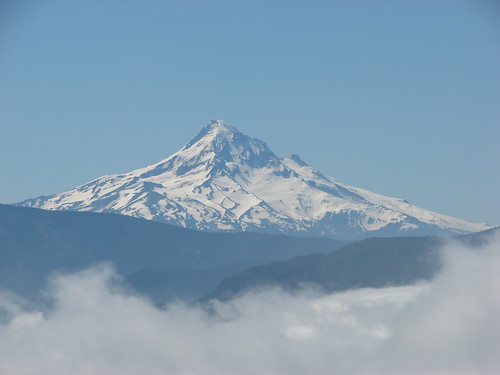
Mt. Hood:
From Barrett Spur
Mt. Hood from Barrett Spur
From Table Mountain
Mt. Hood from Table Mountain
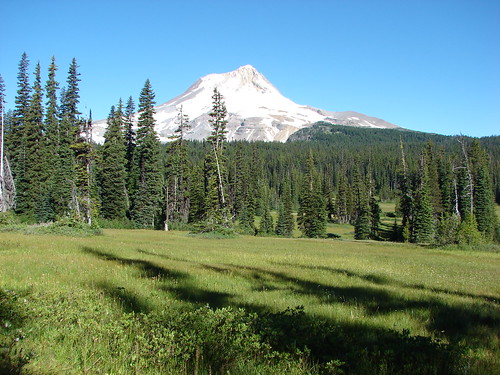
From Elk Meadows
Mt. Hood from Elk Meadows
From Lamberson Butte
Mt. Hood
From Youcum Ridge
Mt. Hood from Yocum Ridge
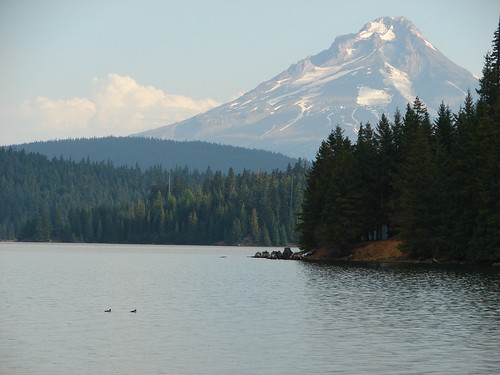
From Timothy Lake
Mt. Hood from Timothy Lake

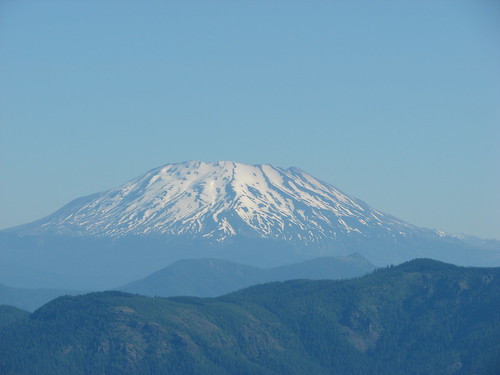
Mt. St. Helens:
Mt. St. Helens
From the Loowit Trail on Mt. St. Helens
Mt. St. Helens from the Loowit Trail
From Johnston Ridge
Mt. St. Helens

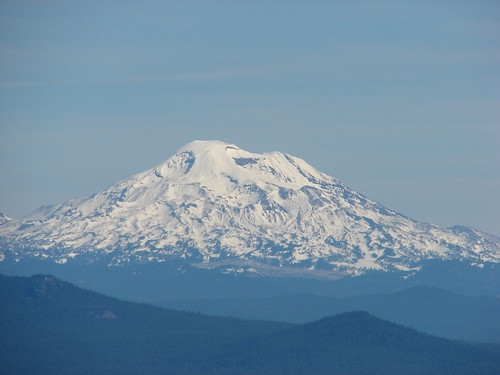
Mt. Adams:
From Silver Star Mountain
Paintbrush, penstemon and Mt. Adams

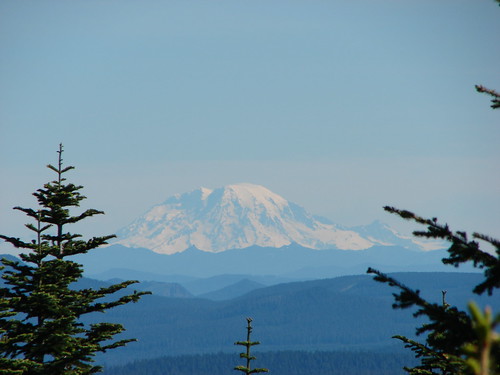
Mt. Rainier:
From Wildcat Mountain
Mt. Rainier

From the giant rock towers of the mountains we move on to the delicate meadows full of wildflowers that often times call the mountains home. We visited amazing wildflower displays near Mt. Hood, Mt. Jefferson, and Three Fingered Jack but the Cascades were possibly outdone by Silver Star Mountain in Washington.
Bear Grass on Mt. St. Helens
Mt. St. Helens from a beargrass meadow along the Loowit Trail
Balsam Root and Paintbrush in the Ochoco National Forest
Paintbrush and balsamroot
Clearcut on Silver Star Mountain
Tarabell Trail
Meadow on Salmon Butte
An arnica in  a meadow of plectritis, larkspur and monkeyflower
Elk Meadows
Elk Meadows
Near Heather Creek on Mt. Hood
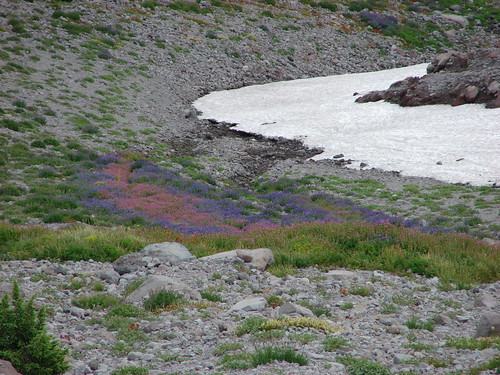
Wildflowers along the Timberline Trail at Heather Creek
Mt. Hood Meadows
Wildflowers in Mt. Hood Meadows
Lupine in Canyon Creek Meadows
Three Fingered Jack
On Coffin Mountain
Aster, penstemon and paintbrush
Avalanche Lilies on the Timberline Trail
Avalanche lilies
Western Pasque flowers and Paintbrush near Elk Cove
Mt. Hood from the Timberline Trail near Elk Cove
Barret Spur on Mt. Hood
Lupine and monkeyflower
Gentians in Jefferson Park
Gentians
Jefferson Park
Wildflowers along the South Breitbenbush Trail
Along the South Brietenbush River in Jefferson Park
Wildflowers along the South Breitenbush River
Aster on Yocum Ridge
Aster field on Yocum Ridge
On Yocum Ridge
Wildflowers along the Yocum Ridge Trail
More from Yocum Ridge
Paintbrush and aster

There weren’t many hikes where the presence of water was not felt. We encountered it in various forms and in an array of colors. There were lakes, creeks, rivers, waterfalls, springs, and the Pacific Ocean adding sights and sounds to our hikes.
Roaring Creek
Roaring Creek
McKenzie River
Mckenzie River
Tamolitch Pool
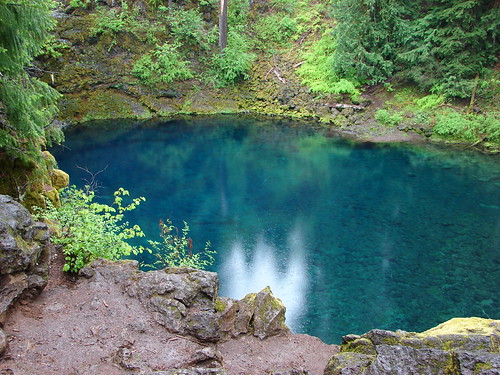
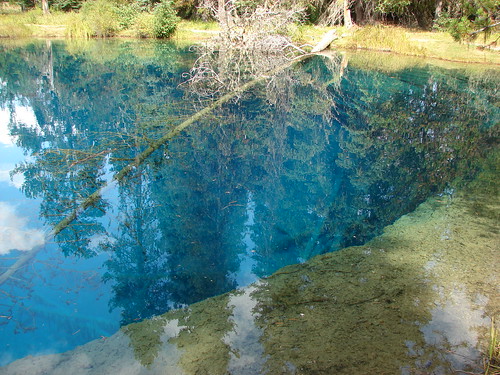
Tamolitch Pool
Russell Lake
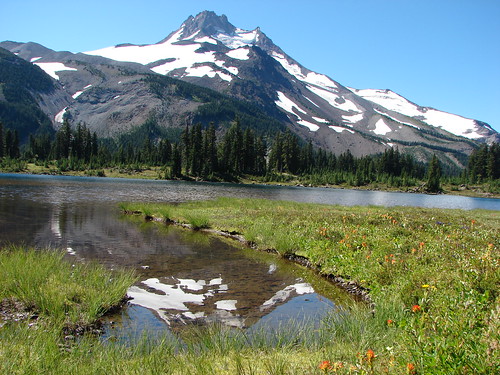
Mt. Jefferson from Russell Lake
Umbrella Falls
Umbrella Falls
Diamond Creek Falls
Diamond Creek Falls
Heather Creek
Waterfall on Heather Creek
South Matthieu Lake
South Mattieu Lake
Benham Falls
Benham Falls
Carver, Camp, and the Chambers Lakes
Carver, Camp and some of the Chambers Lakes
Lewis Tarn
Lewis Tarn
Creek near Pamelia Lake
Waterfall near Pamelia Lake
Timothy Lake
Timothy Lake
Little Crater Lake
Little Crater Lake
Frozen pond near Fuji Mountain
Half frozen pond
Birthday Lake
Birthday Lake
Ramona Falls
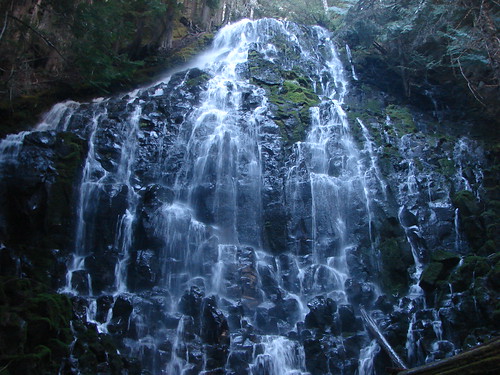
Ramona Falls
Pacific Ocean at Tillamook Head
View from Ecola State Park
Pacific Ocean from Cape Perpetua
Looking south from Cape Perpetua
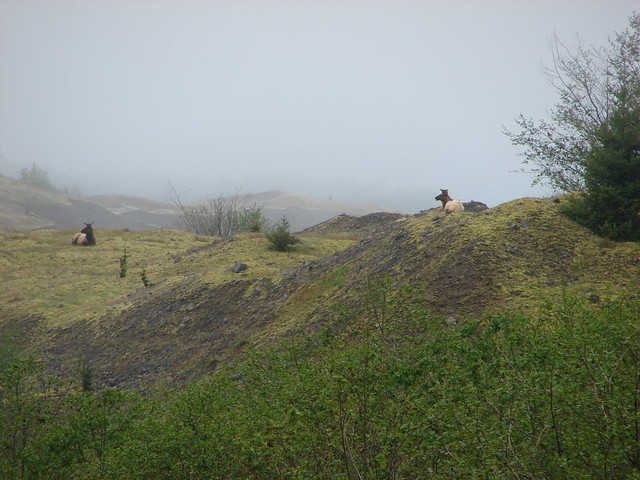
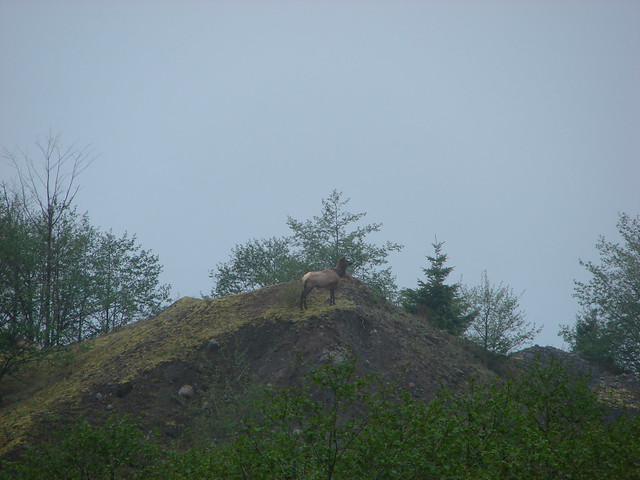
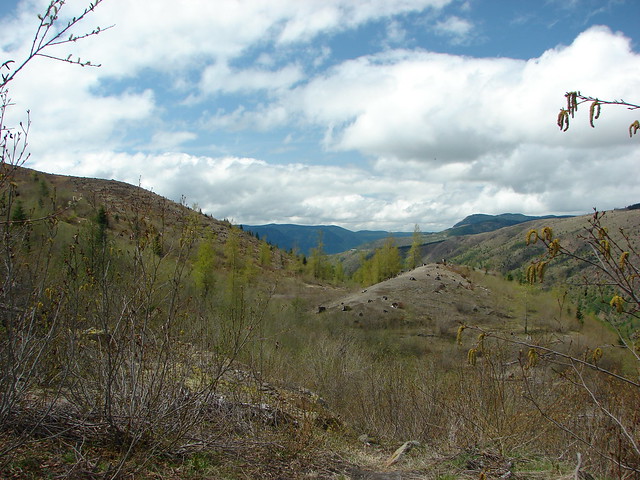
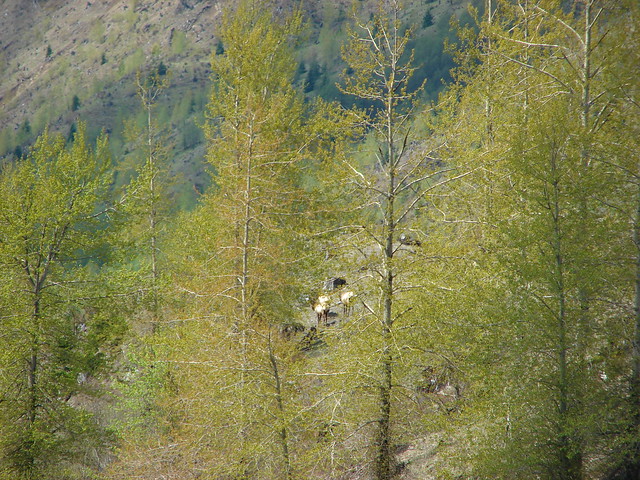
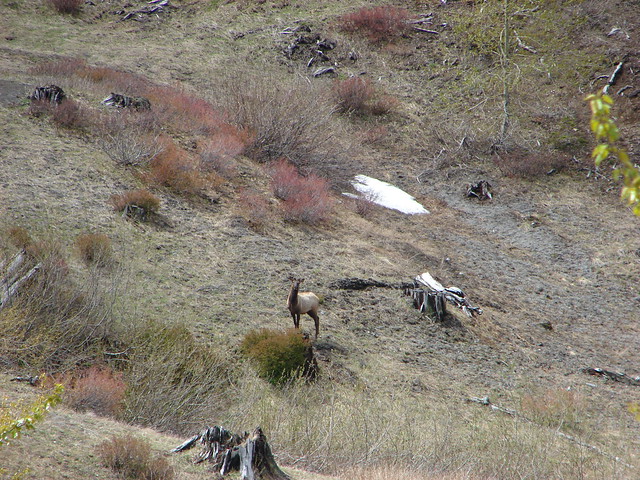
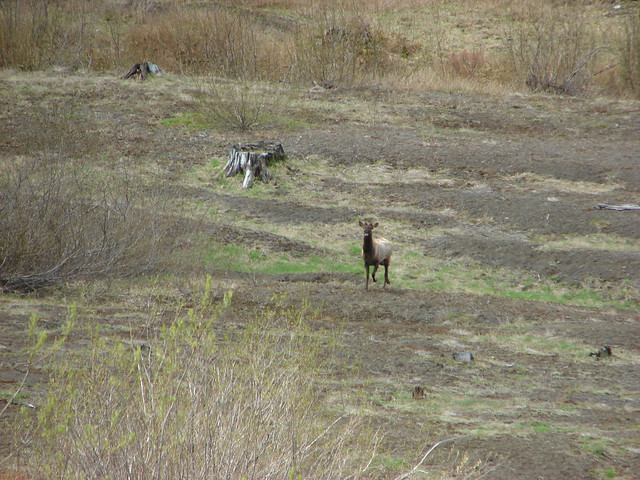
Last but not least the most unpredictable of the sights out on the trails are the creatures that call these places home. From flying ants on Coldwater Peak to the black bear who left its tracks in the snow on Fuji Mountain we were the tourists traipsing through their neighborhoods. We spotted our first elk, snow shoe hare, and sooty grouse this year. We also had the mysterious case of “mouse rain” on Salmon Butte which you can read about here:https://wanderingyuncks.wordpress.com/2013/06/20/salmon-butte/
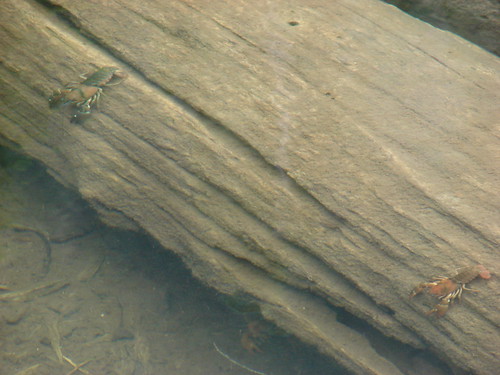
Crawdads in Middle Rock Lake
Tide pool at Cape Kiwanda
Snail
Rough skinned newt
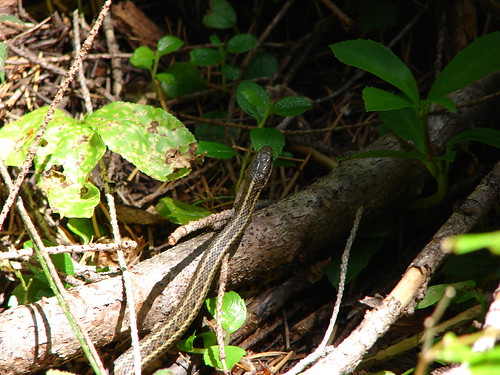
Snake
Tree frog
Spider along the Tam McArthur Rim Trail
Bug on Fuji Mountain
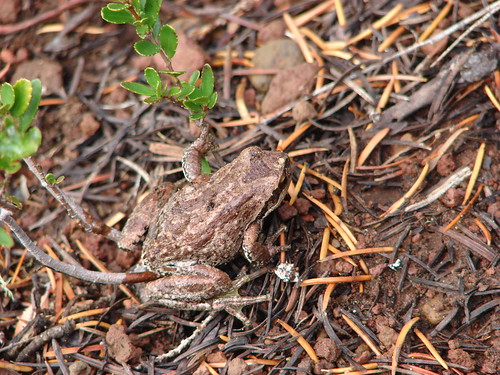
Frog
Butterflies
Zerene fritillary butterfly
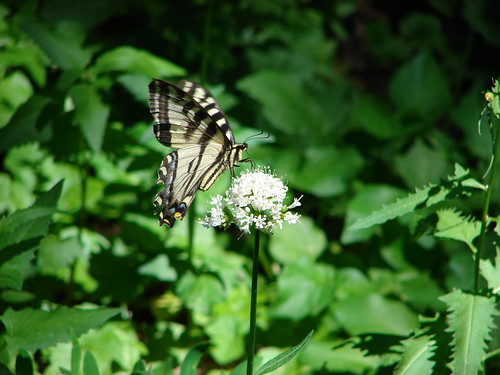
Swallowtail butterfly
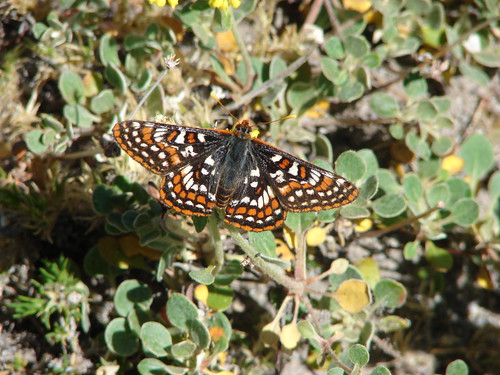
Edith's checkerspot
Milbert's Tortoiseshell Butterfly on the way up Coldwater Peak
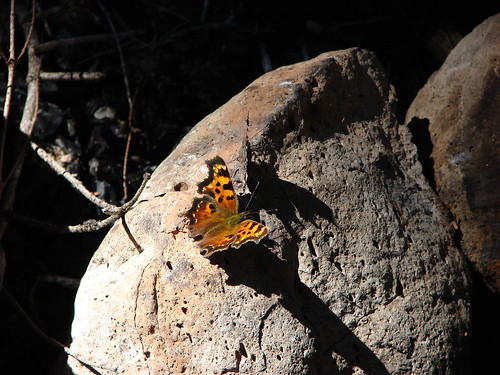
Hoary Comma
Hoary Comma
Clodius parnassian
Birds
Bald eagle
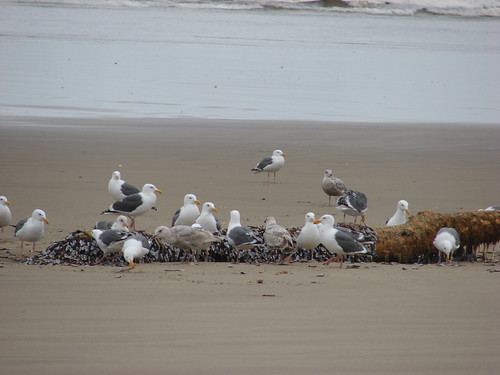
Seagull buffet
Yellow-Rumped Warbler
Owl
Gray jay taking a bath
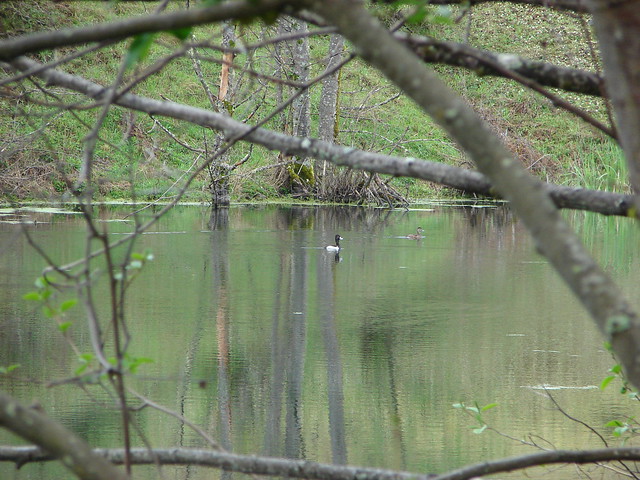
Duck family
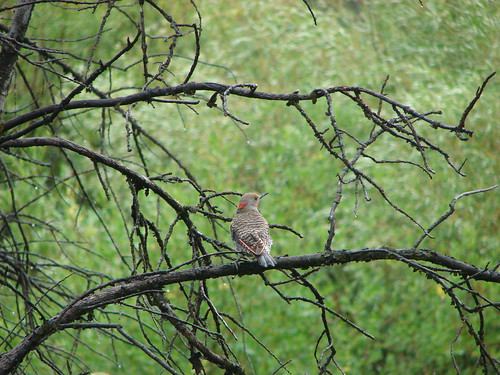
Northern Flicker
Osprey
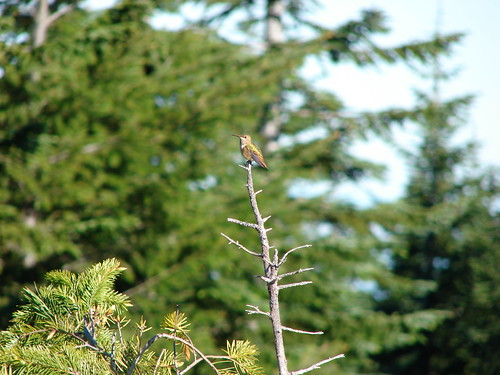
Hummingbird
Red Crossbill
Osprey flying over ducks on Timothy Lake
Hummingbird
Canada geese
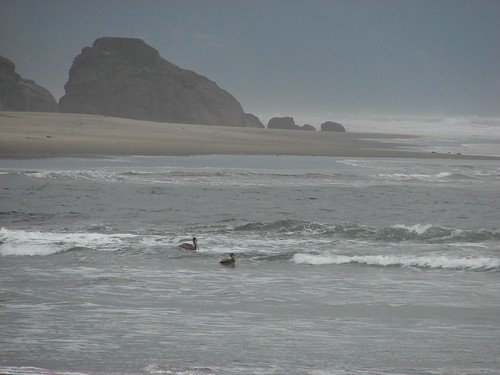
Pelicans
Common goldeneyes on Wall Lake
Great Blue Heron
Little guys
Chipmunk
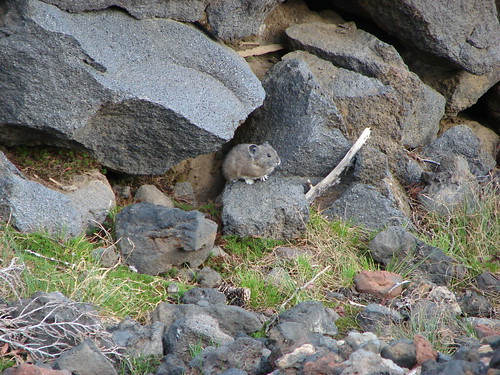
Pika
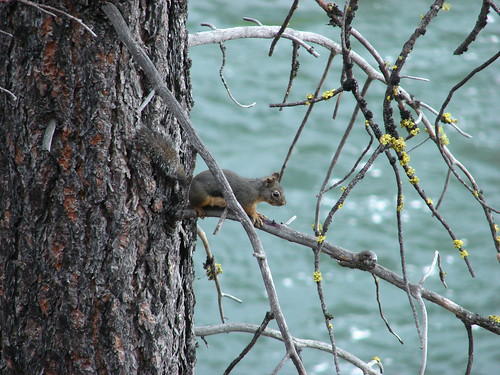
Douglas squirrel
Golden Mantled Squirrels
Snowshoe hare

Big Guys
Our first elk sighting. Near the Observation Peak Trailhead
Columbia Black Tailed Deer
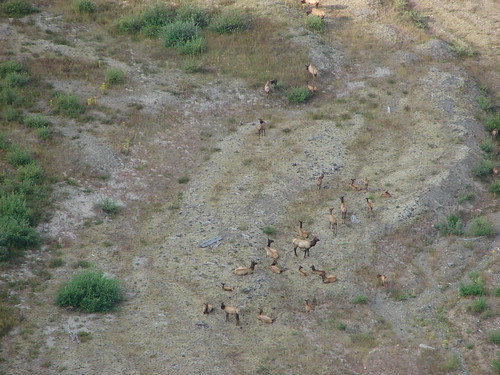
Elk herd on the far shore of the Deschutes River
Elk
Deer near the Lower Black Butte Trailhead

We’d like to leave you with what each of us found to be their favorite hike and the most difficult. For myself Elk Meadows was my favorite. https://wanderingyuncks.wordpress.com/2013/07/24/elk-meadows/ The variety and beauty we encountered on that hike put it atop my list. As for the most difficult I chose Silver Star Mountain https://wanderingyuncks.wordpress.com/2013/07/04/silver-star-mountain/ which was also in the running for my favorite. The heat on that day made it the hardest one for me.

After much deliberation Heather chose the same hike as I did her favorite, Elk Meadows; something about that day had her mesmerized as we traveled up Gnarl Ridge towards Mt. Hood. For the most difficult she picked Observation Peak due in part to having fallen shortly after we stared the hike and spraining her hand and wrist. It made for a more challenging and uncomfortable hike as she endeavored to keep her injury elevated above her heart during most of the journey. https://wanderingyuncks.wordpress.com/2013/07/09/observation-peak/

Dominique chose Fuji Mountain for his favorite. There was snow and a great view with a reasonable amount of distance. https://wanderingyuncks.wordpress.com/2013/10/09/fuji-mountain/ For the most difficult he picked Table Mountain and the climb up Heartbreak Ridge. https://wanderingyuncks.wordpress.com/2013/06/14/table-mountain/

I am already hard at work putting together a 2014 itinerary which will include some overnight backpacking trips and hopefully visits to the Goat Rocks Wilderness and Mt. Adams in Washington. If all goes as planned we will kick things off in January, take things slow until we’ve recovered from our April half or full marathons, and then be ready to crank things up in May. Until 2014 here is a link to a 2013 hikes in pictures album on Flickr http://www.flickr.com/photos/9319235@N02/sets/72157635497870439/

Merry Christmas & Happy Trails!

Categories
Hiking Northern Coast Oregon Oregon Coast Trip report

Tillamook Head

We recently wrapped up our 2013 hikes. We started on the Oregon Coast at Cape Perpetua in February and ended 140 miles to the north at Tillamook Head. Undaunted by some recent snow and cold weather (lows in the teens) we were determined to complete our final scheduled hike. The forecast for Seaside was for clear skies and a balmy 36 degrees and highway 26 over the coast looked passable so we bundled up and set off. We were looking forward to the possibility of seeing some snow at the coast since it is a rarity here in Oregon.

We chose to begin our hike at Ecola State Park on the Cannon Beach side of Tillamook Head. This meant paying a $5 fee to park which we could have avoided by parking at the Seaside end, but better views and a less steep start to the hike were worth the expense. We were the lone car in the large picnic parking area at 8am and had the views all to ourselves.

View south from the Ecola Picnic Area

From the picnic area we headed north toward Indian Beach stopping occasionally to take in the views of Sea Lion Rock and the old lighthouse on Tillamook Rock.

Sea Lion Rock
Sea Lion Rock
Tillamook Rock
Tillamook Rock

When we arrived at Indian Beach we found some very interesting ice formation in addition to the superb views.
044

053

066

068

In addition to the ice there were a couple of small tide pools to check out.
082

From Indian Beach we continued north taking the Clatsop Loop Trail, part of which William Clark traveled in 1806 with a party in search of a stranded whale. The forest here is still home to some of the same Sitka Spruce trees that he and his group passed by which was a neat thing to think about. The loop trail turns back at Hikers Camp where you can visit the nearby remains of a WWII radar installation.

Hikers Camp
Hikers Camp
WWII radar installation

We kept heading north from Hikers Camp heading toward the summit of Tillamook Head, a whopping 1130′ above sea level :). We passed over the summit and went just a bit further until the trail began to really descend toward Seaside. We decided we didn’t want to have to climb all the way back up so we called it good and head back to Hikers Camp to complete the loop trail. It had started to snow, more like small white pellets, and the clear skies promised by the weather.com had never materialized. We passed more ocean views and various types of vegetation as we headed back to Indian Beach.

114

135

We had only seen one other group of people so far and that was a family that came down to Indian Beach briefly when we were there, but upon arriving back at the beach we discovered it had been populated by some brave surfers.

142

149

It wasn’t until we had left Indian Beach and were almost back to the picnic area though before we ran into any traffic on the trail.
171
She was moving too fast for the camera but it was fun to watch her come up the hillside and then dash off into the forest.

The number of cars in the parking lot had swollen to three (including ours) when we got back to the picnic area at about 3pm. Despite the completely incorrect weather forecast it had been a great hike and a perfect way to end for 2013. Happy Trails!

173

Photos on facebook: https://www.facebook.com/deryl.yunck/media_set?set=a.10202865376982644.1073741866.1448521051&type=3
Flickr: http://www.flickr.com/photos/9319235@N02/sets/72157638495394186/