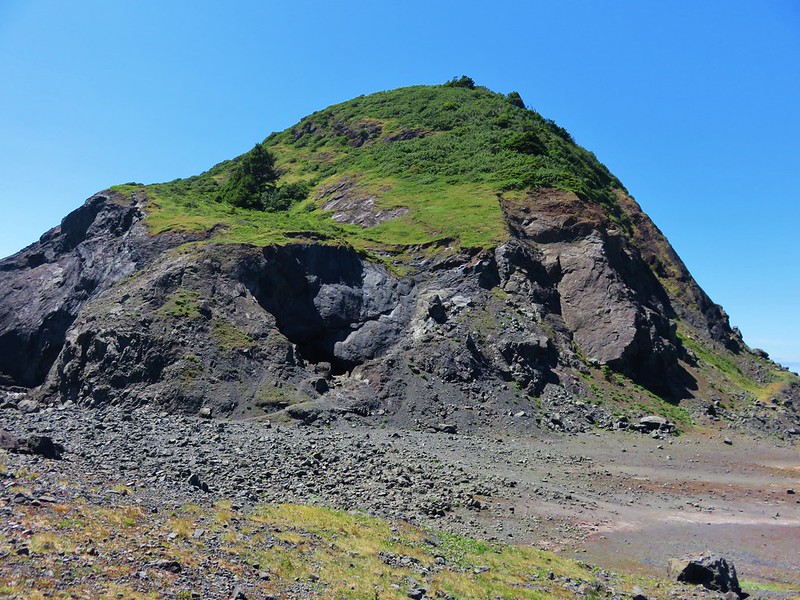
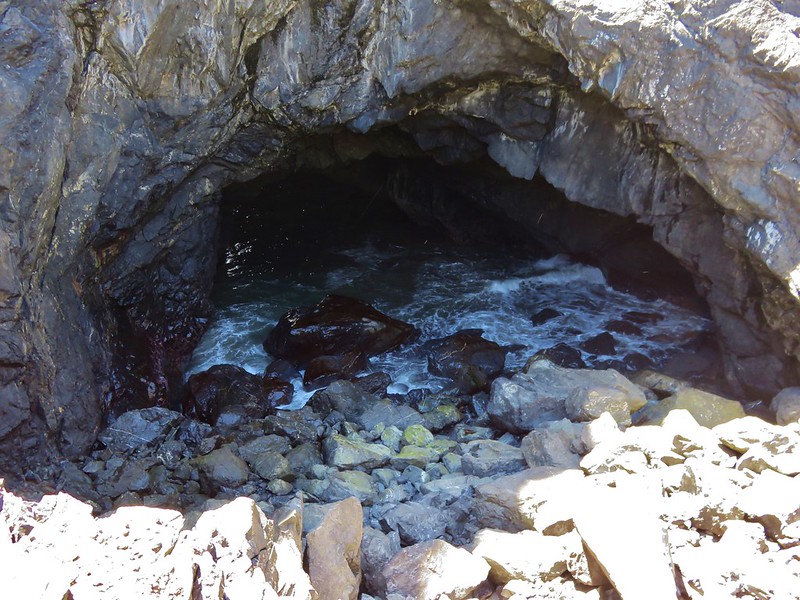
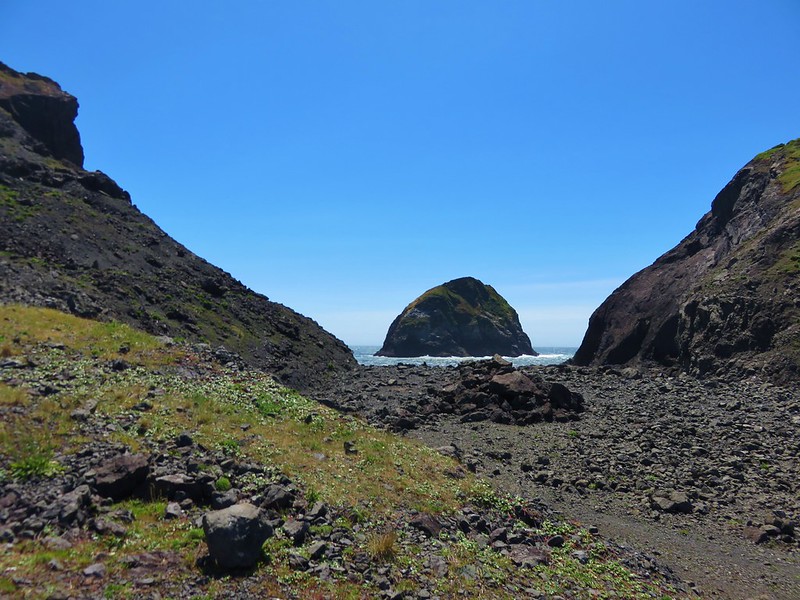
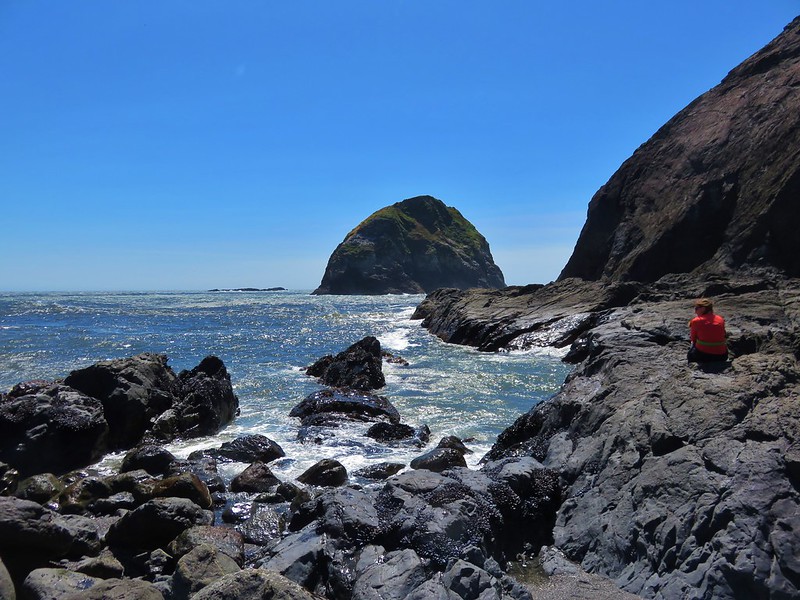
Categories
Hiking Oregon Oregon Coast Southern Coast Trip report

Cape Sebastian

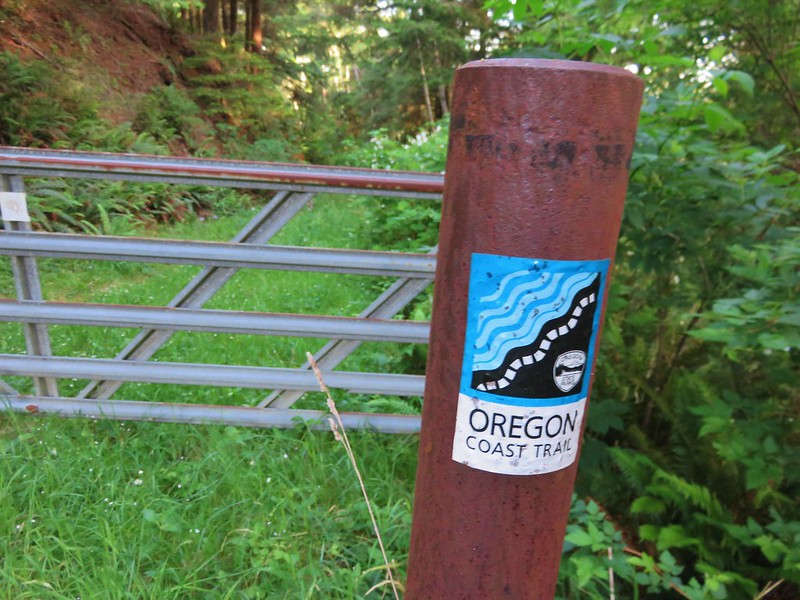
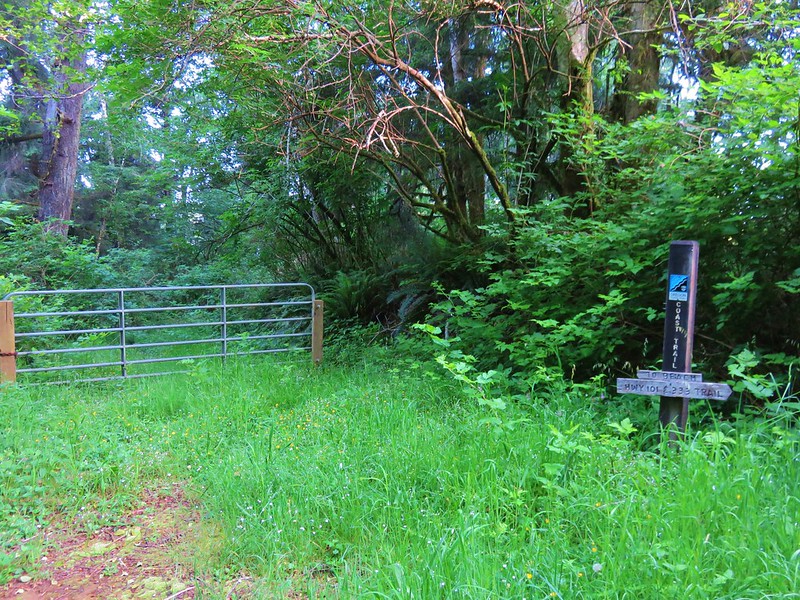
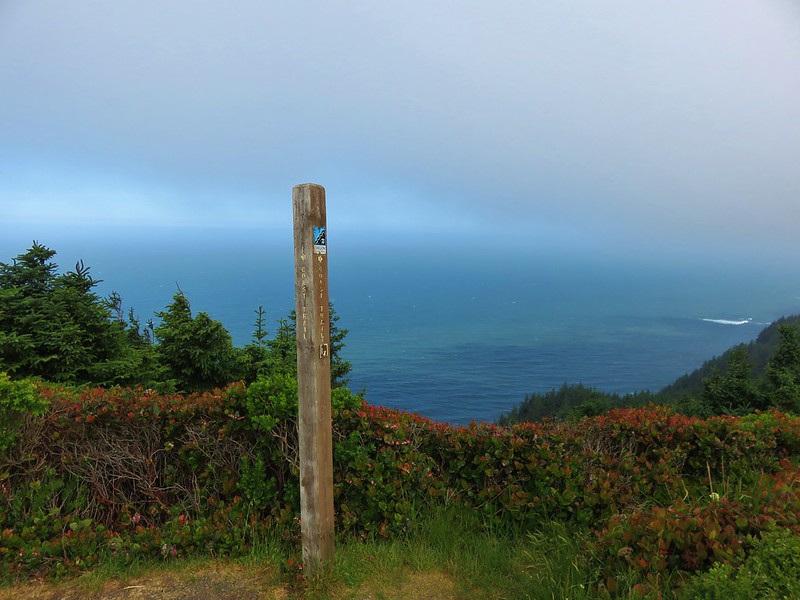
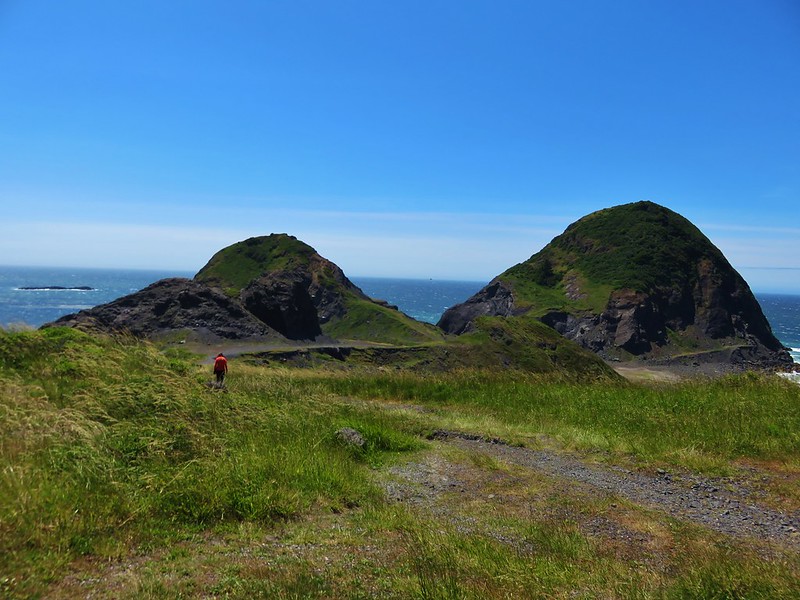
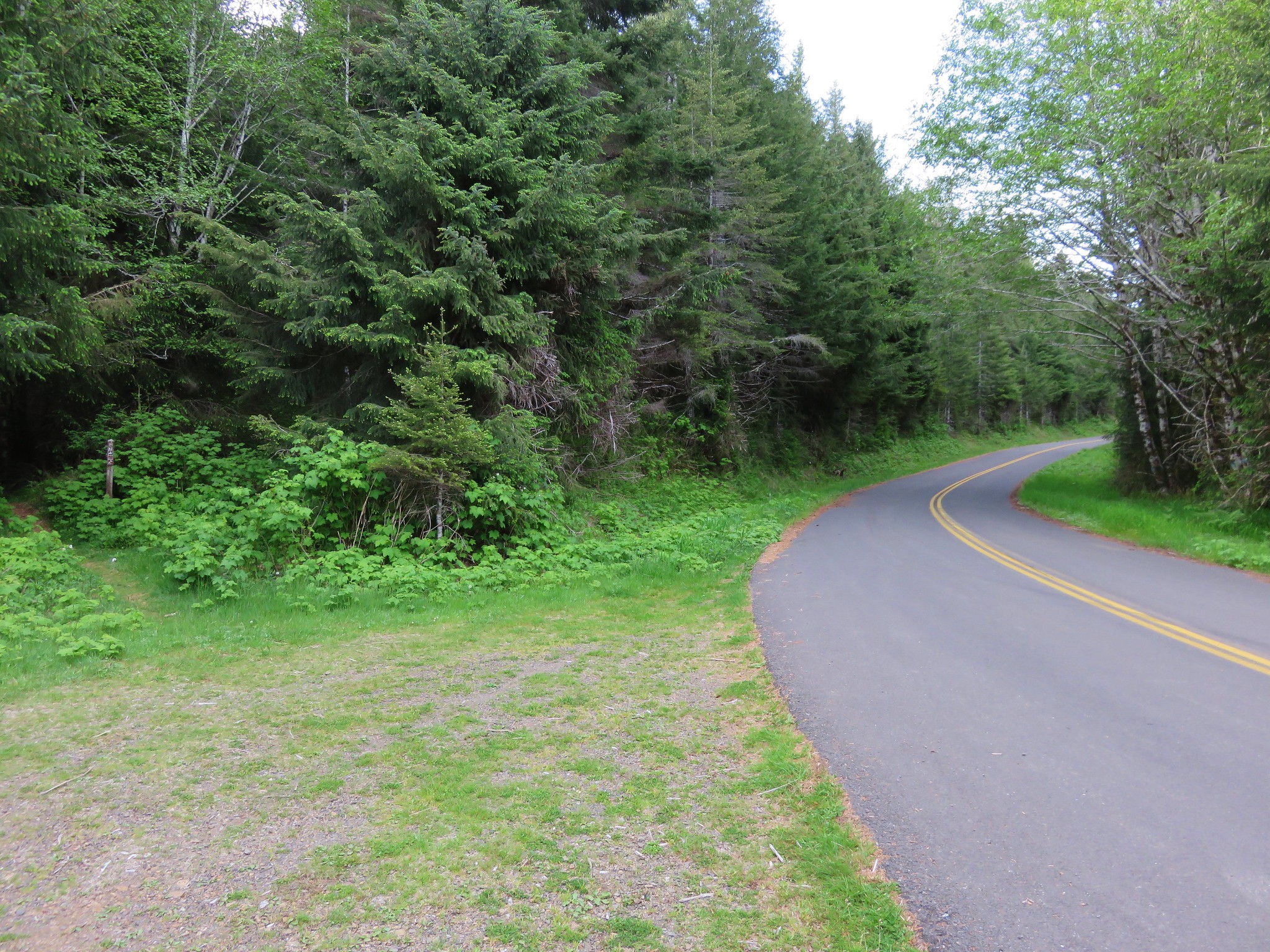
After our slow, bumpy drive to the Kalmiopsis Wilderness on Tuesday, Wednesdays hike was only about five minutes from our hotel in Gold Beach. We would be following a section of the Oregon Coast Trail through Cape Sebastian State Park. We began our hike at a gravel parking lot just off Highway 101 along Bellview Lane. A gate and sign for the Oregon Coast Trail were located just across Bellview Lane from the parking area.
IMG_6688

IMG_6690

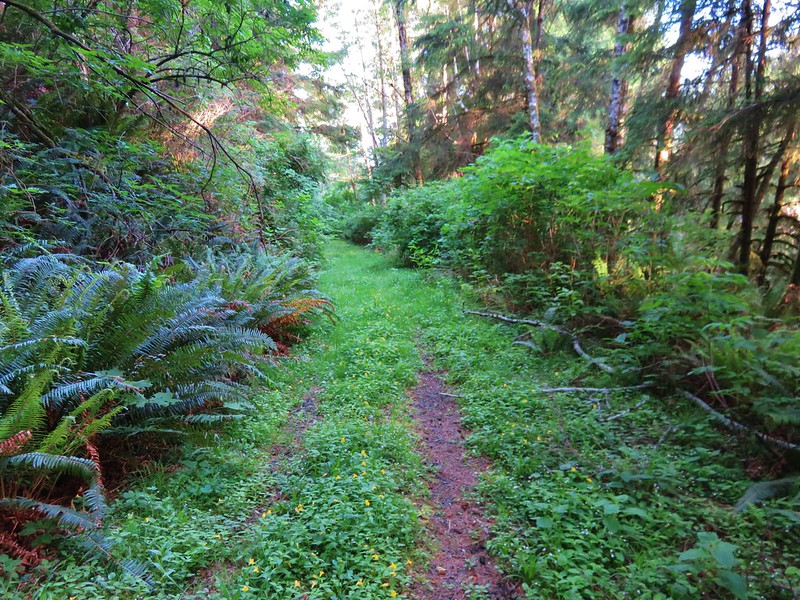
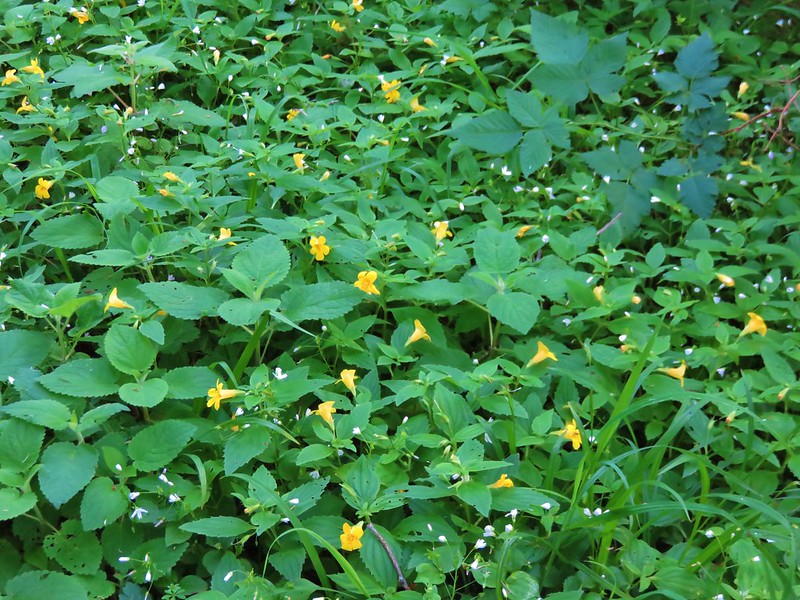
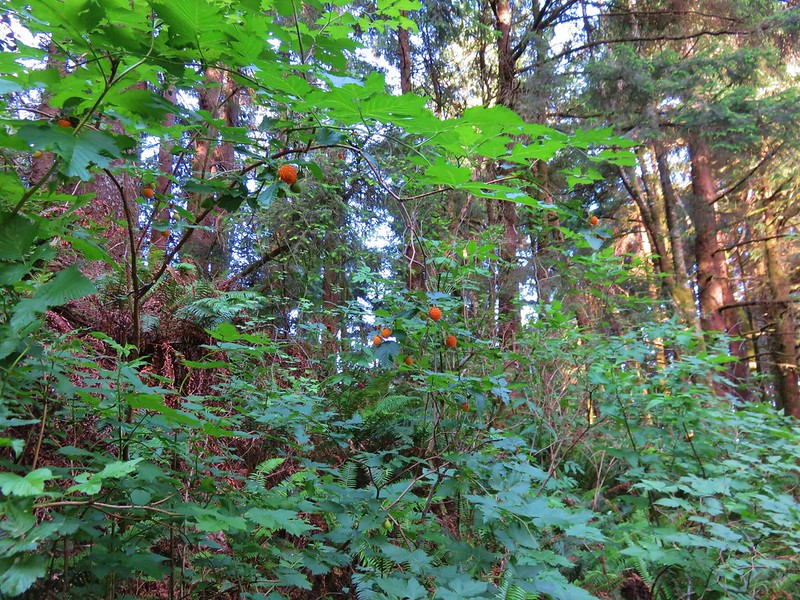
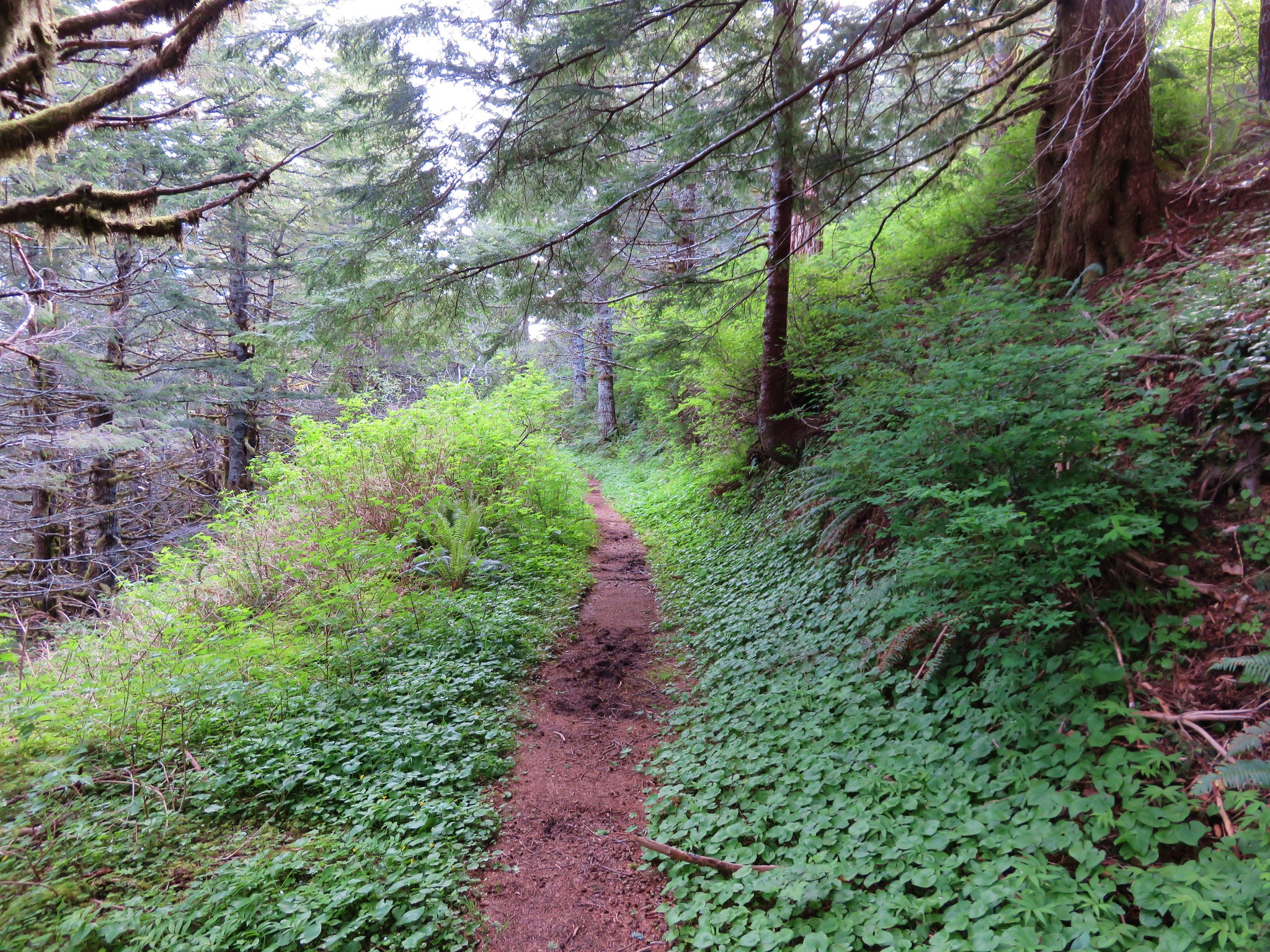
The trail was a grass and flower covered roadbed with some of the best salmonberries ever along the sides.
IMG_6698

IMG_6697

IMG_6699

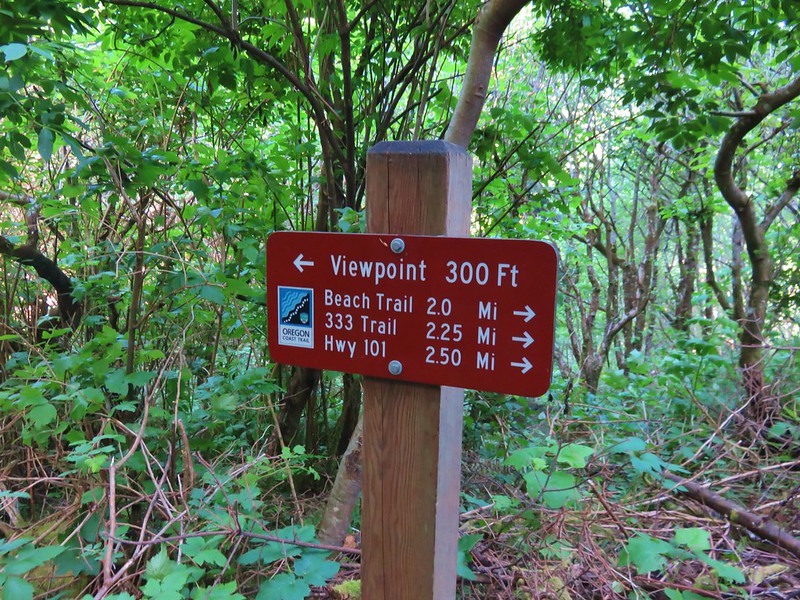
This section of the Oregon Coast Trail was well signed (we would discover later in the week this wasn’t the case for other sections).
IMG_6702

This side path led 1.1 miles to a beach that we would visit on our way back.
IMG_6703

IMG_6704

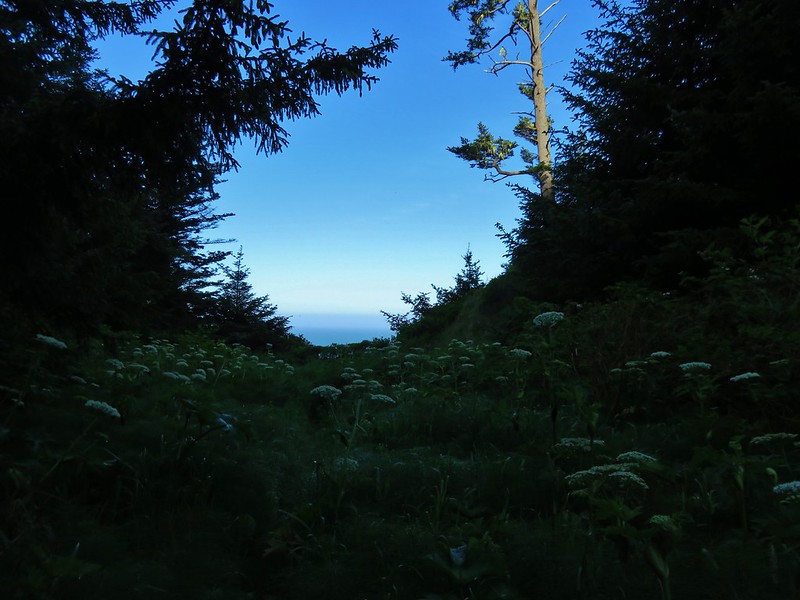
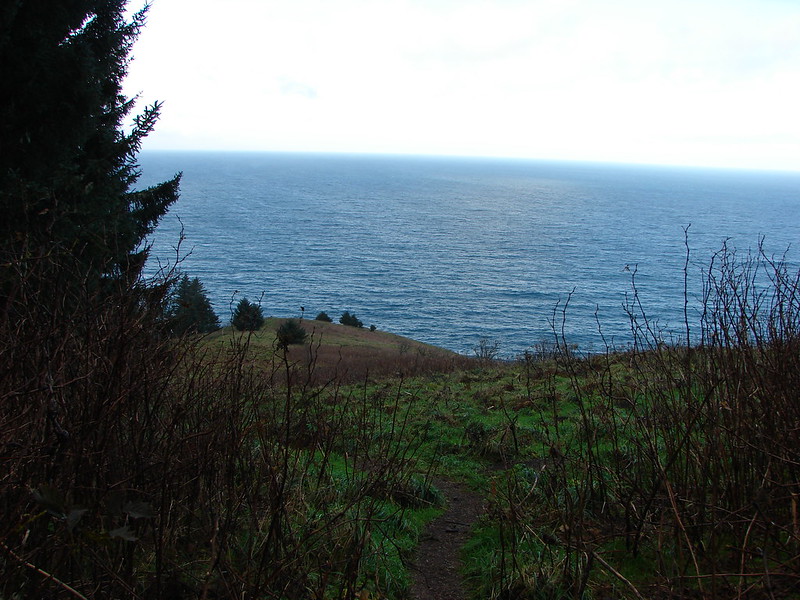
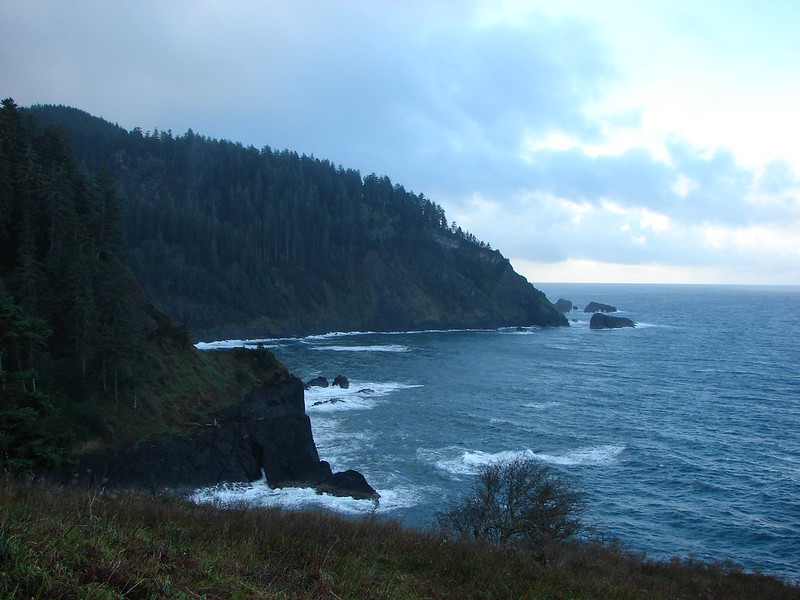
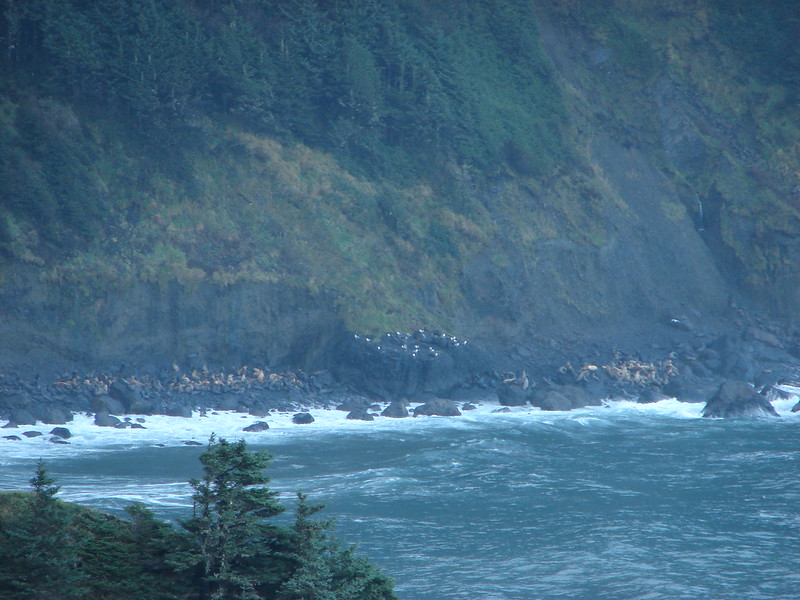
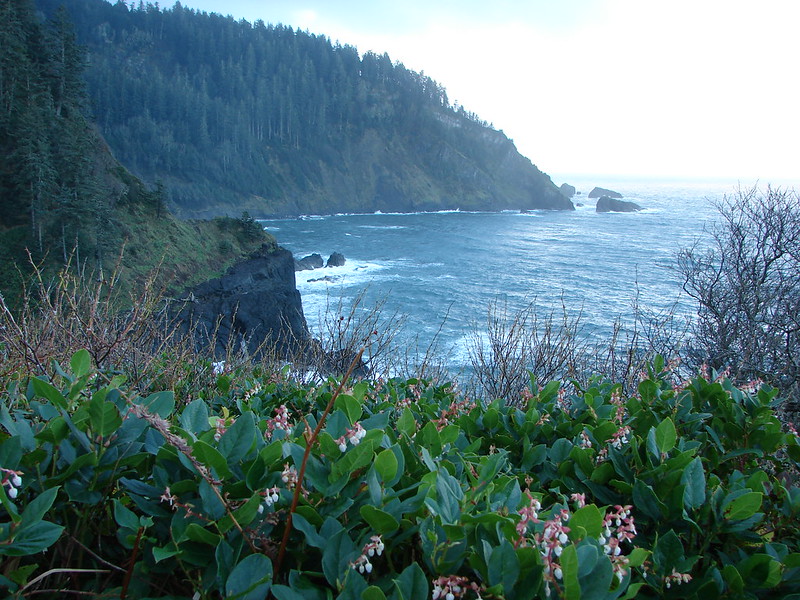
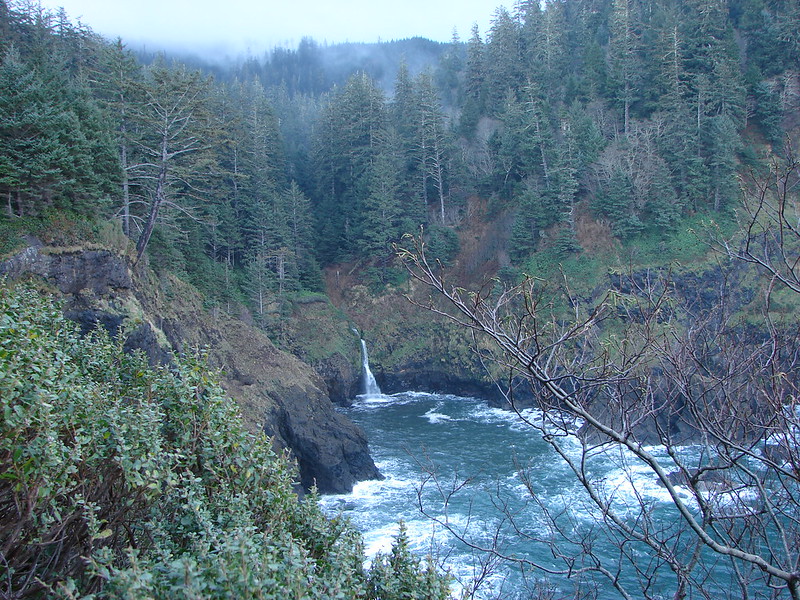
At the 2.3 mile mark a sign directed us to our first viewpoint.
IMG_6716

IMG_6718

IMG_6724

IMG_6726

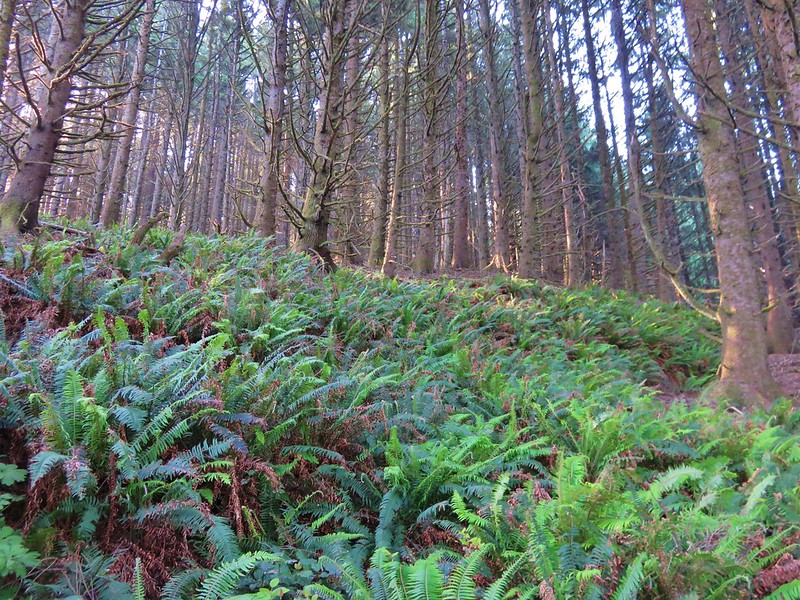
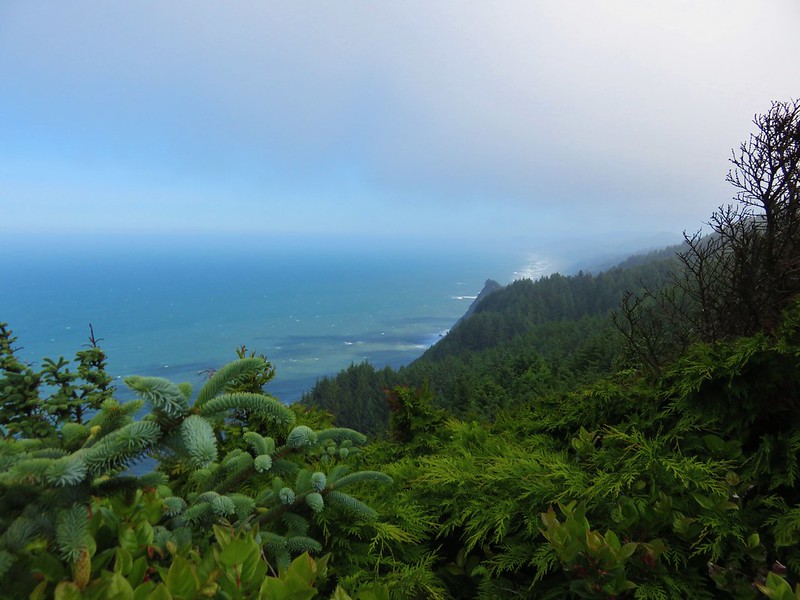
Beyond the viewpoint the Oregon Coast Trail climbed for .8 miles through the trees to a parking lot in Cape Sebastian State Park.
IMG_6740

IMG_6741

IMG_6751

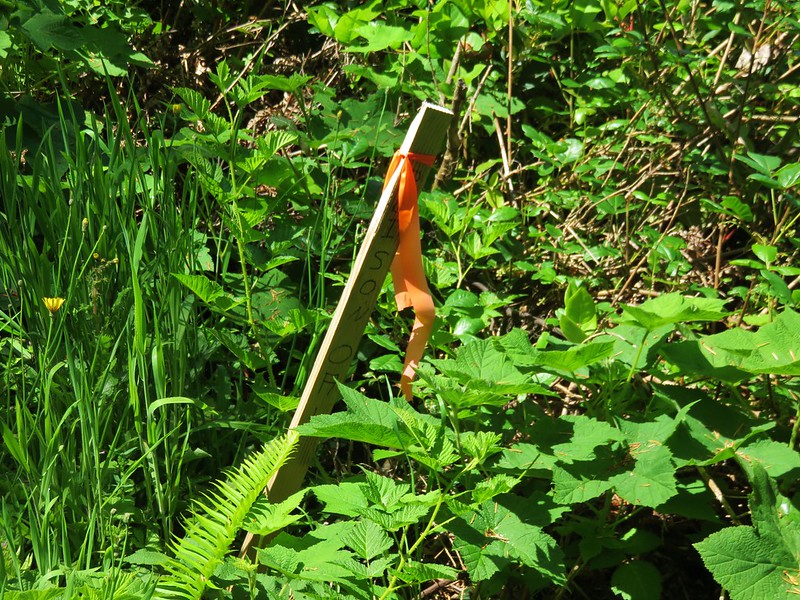
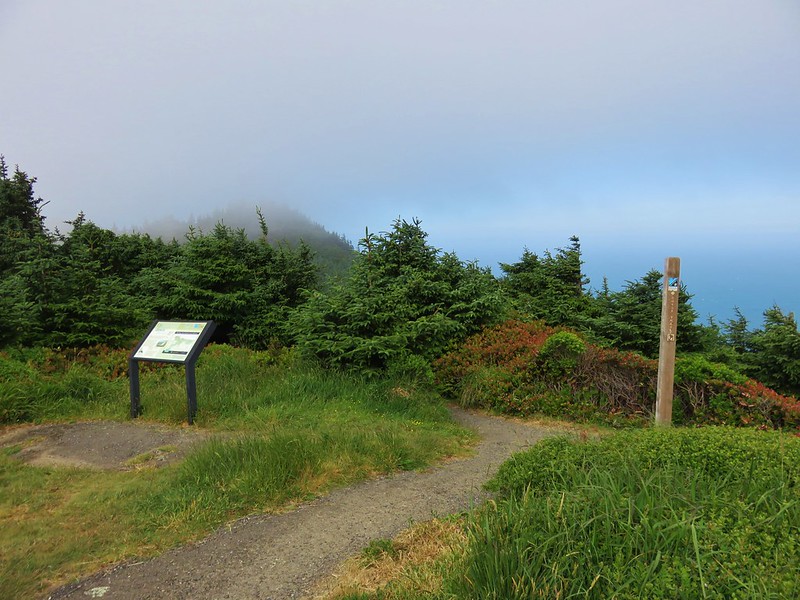
A 0.4 mile trail connected this parking lot with an upper parking lot with a better view, although we arrived just as a cloud was passing over. There was a small patch of poison oak marked with a stake along this stretch.
IMG_6869

IMG_6760

IMG_6761

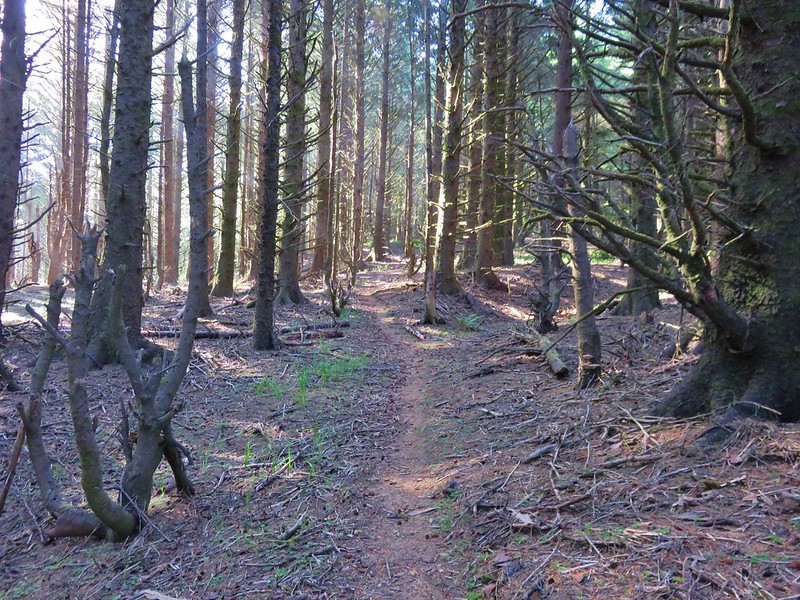
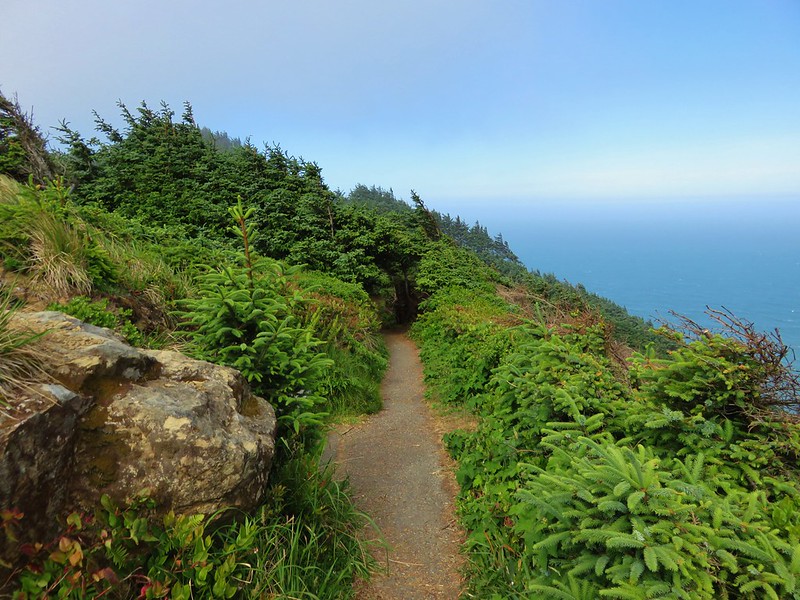
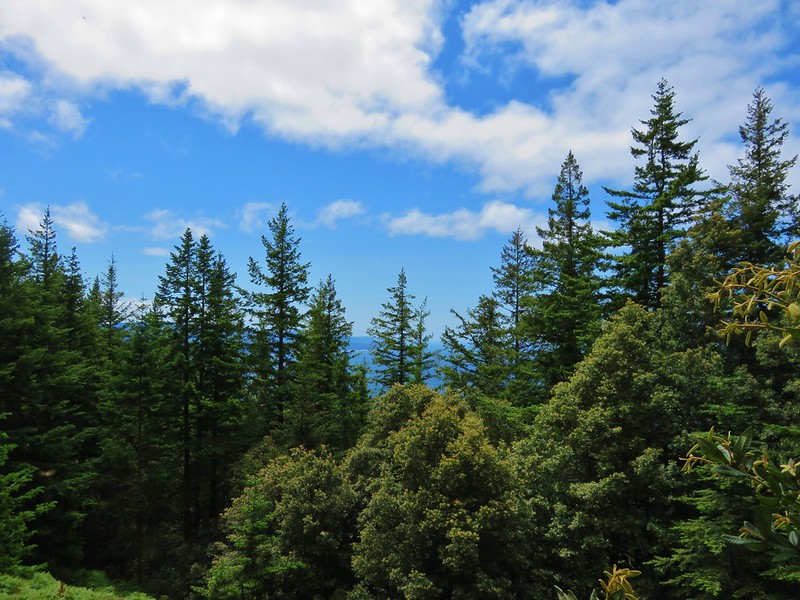
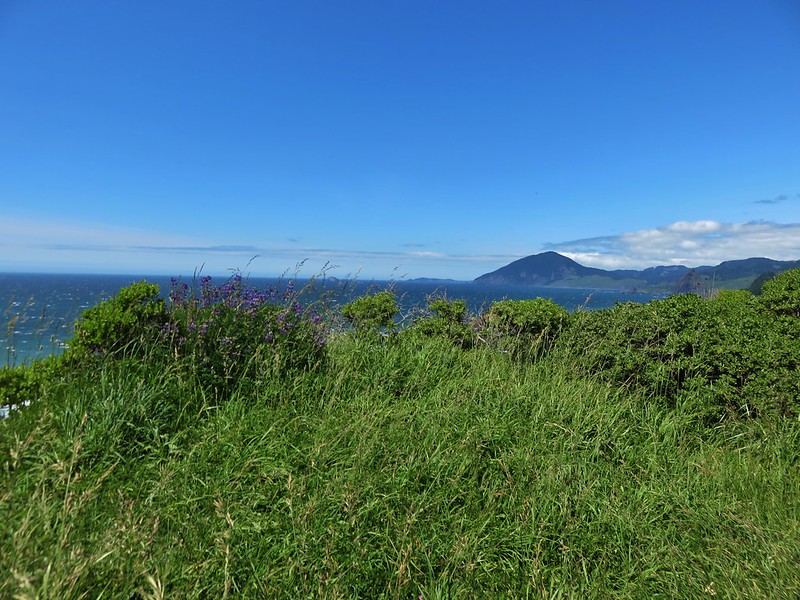
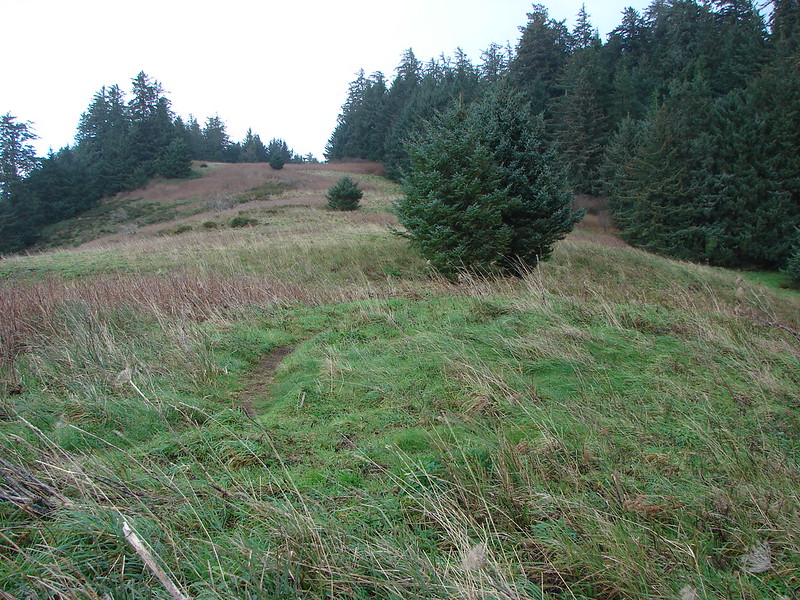
From this second viewpoint the trail passed through a windswept meadow then into a forest following an interesting ridge that ran parallel to the Pacific Ocean.
IMG_6756

IMG_6763

There was a viewpoint along they way with lichen covered rocks.
IMG_6774

After .6 miles the trail began to descend through more open woods where a good number of flowers were blooming. Along with the flowers came a fair amount of poison oak.
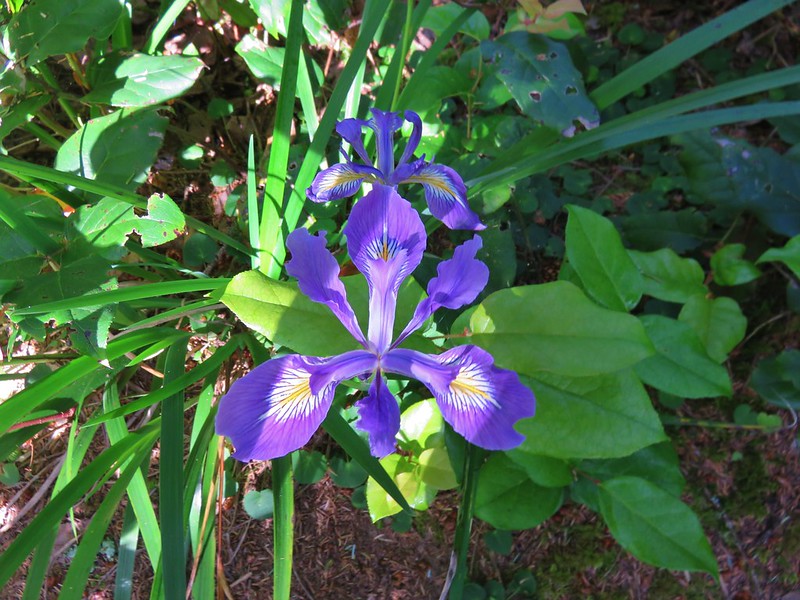
Wild iris
IMG_6777

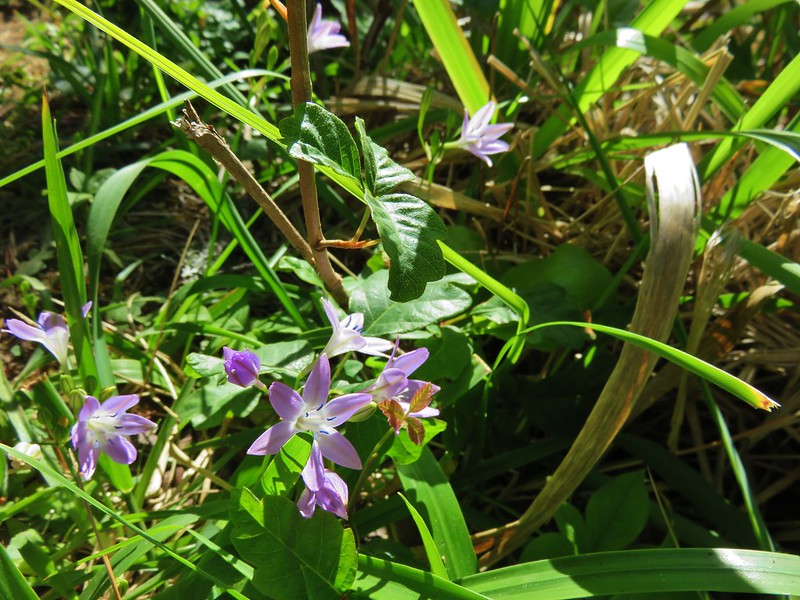
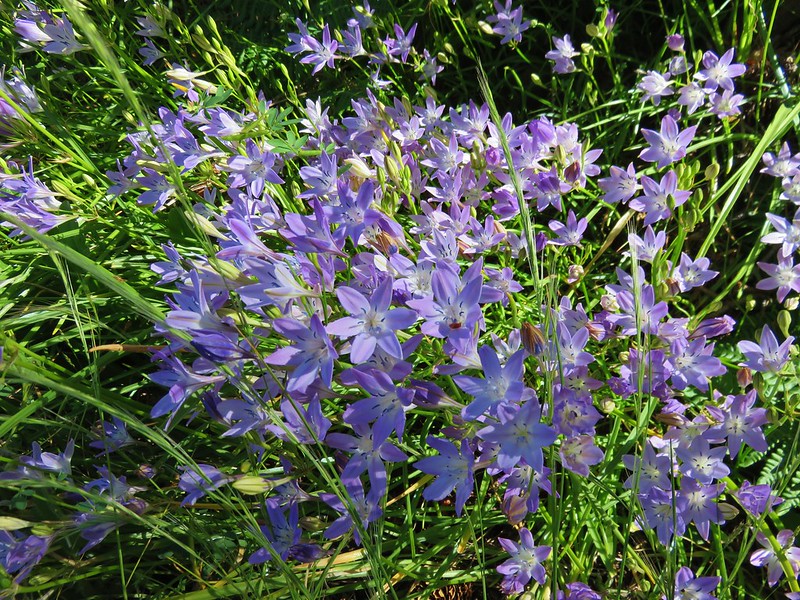
Bridges’ brodiaea and poison oak
IMG_6785

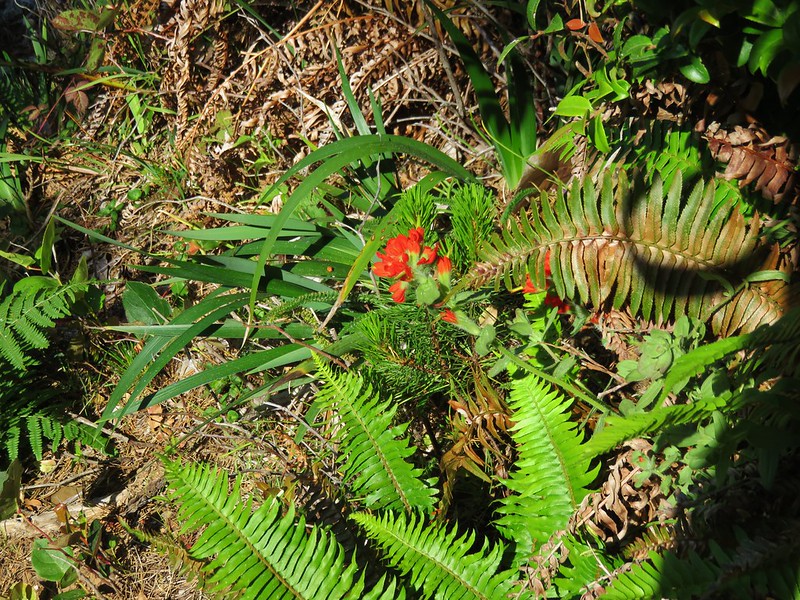
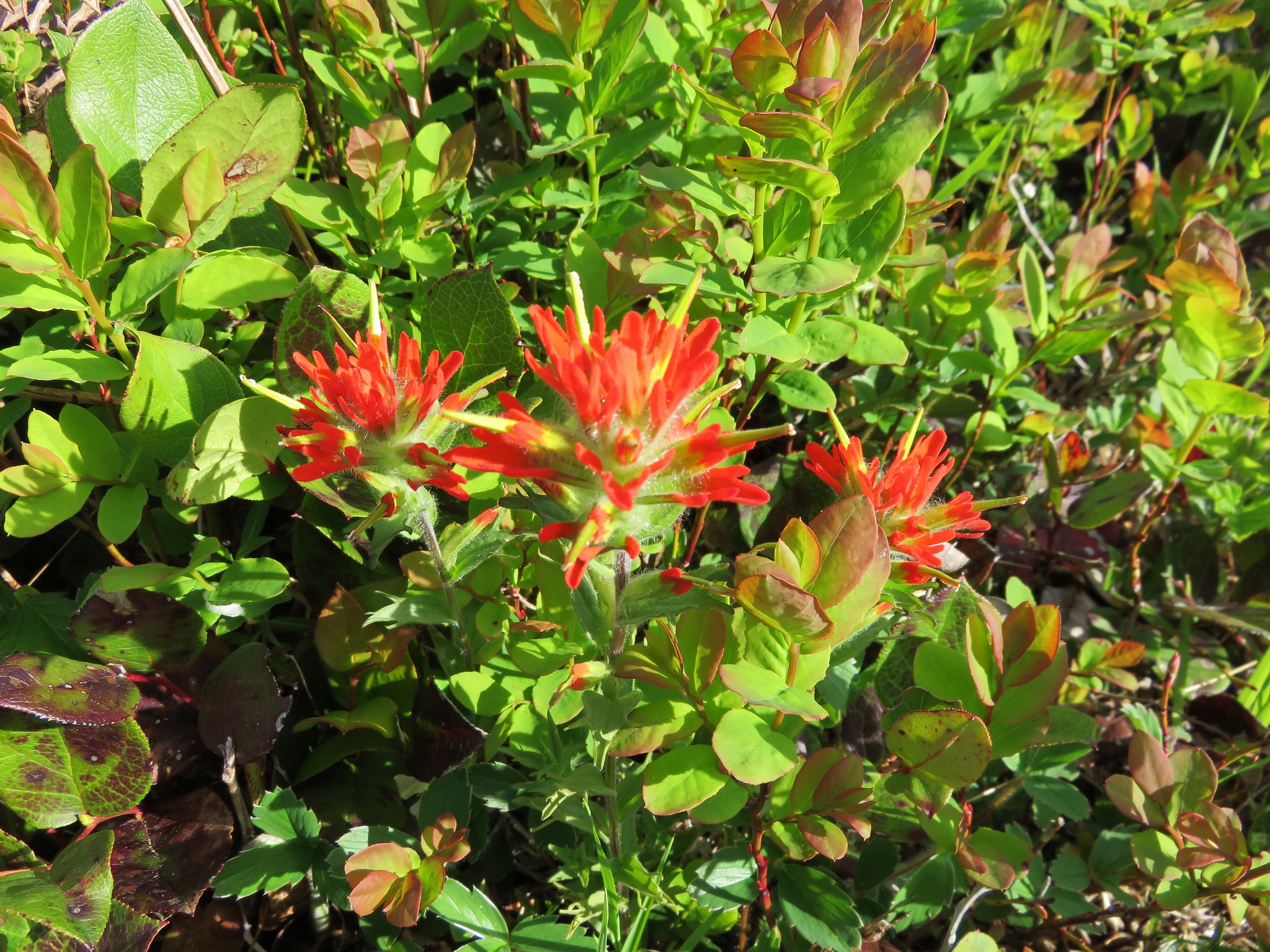
Paintbrush
IMG_6787

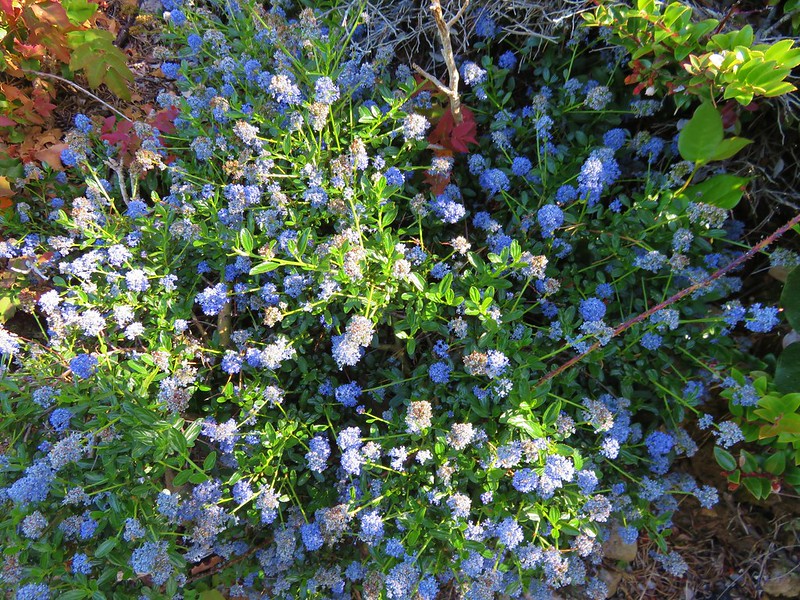
Blueblossom
IMG_6791

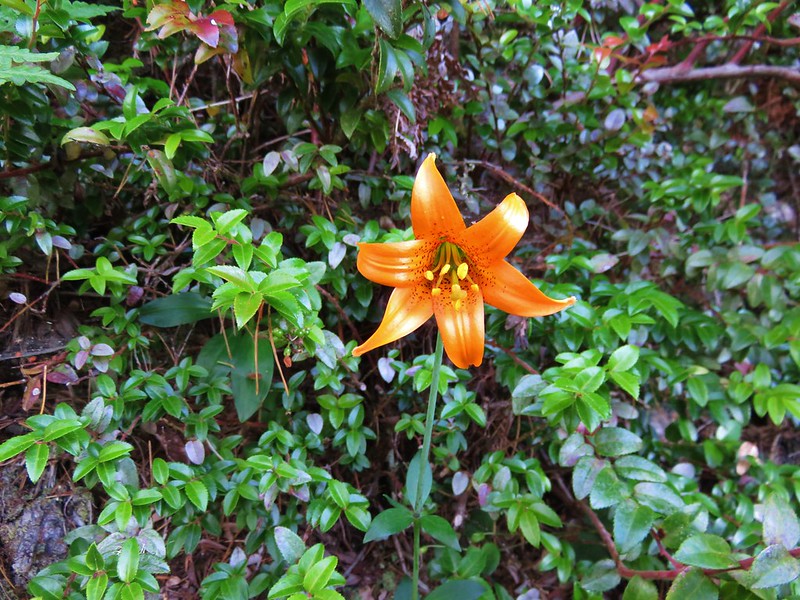
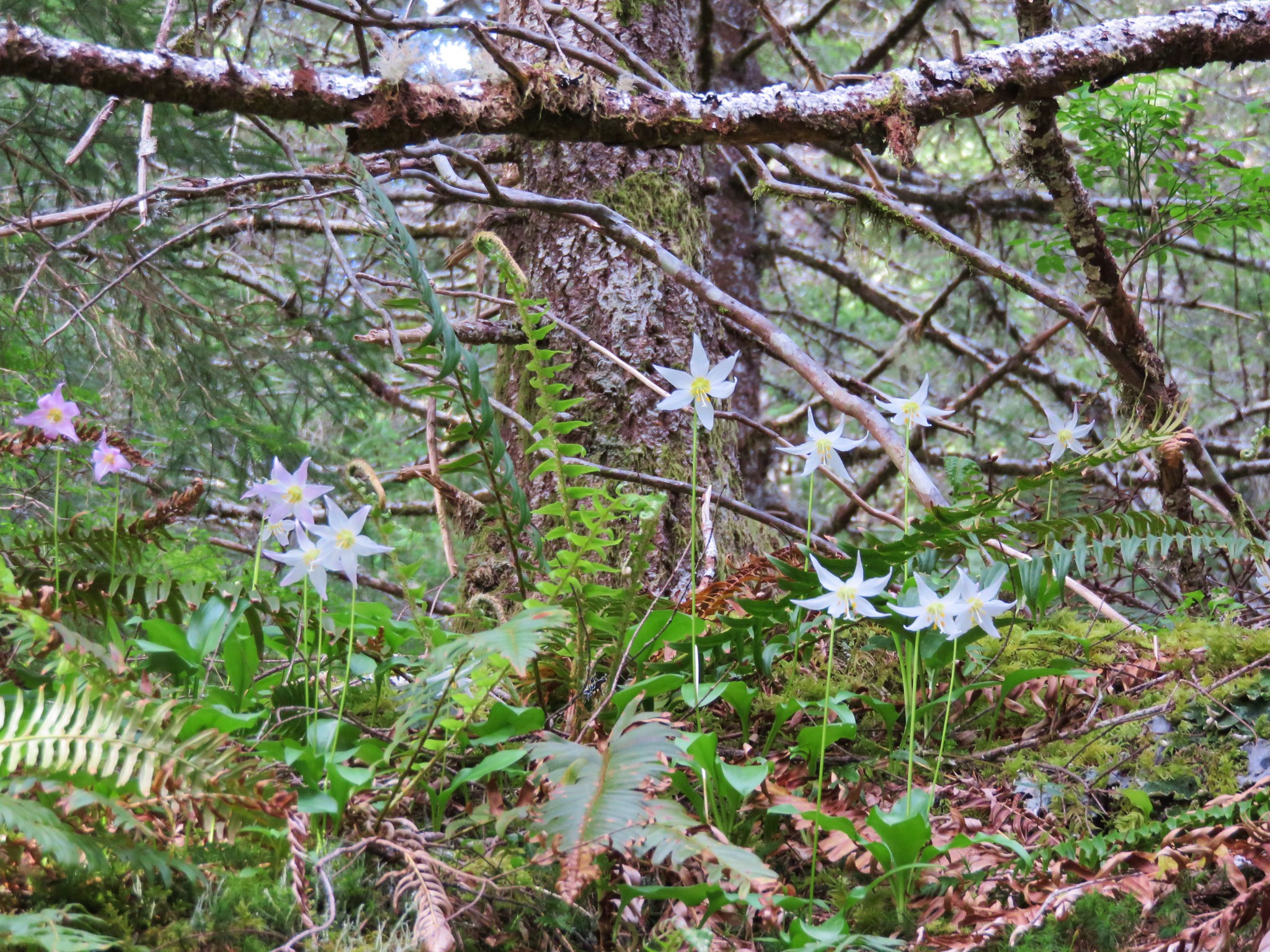
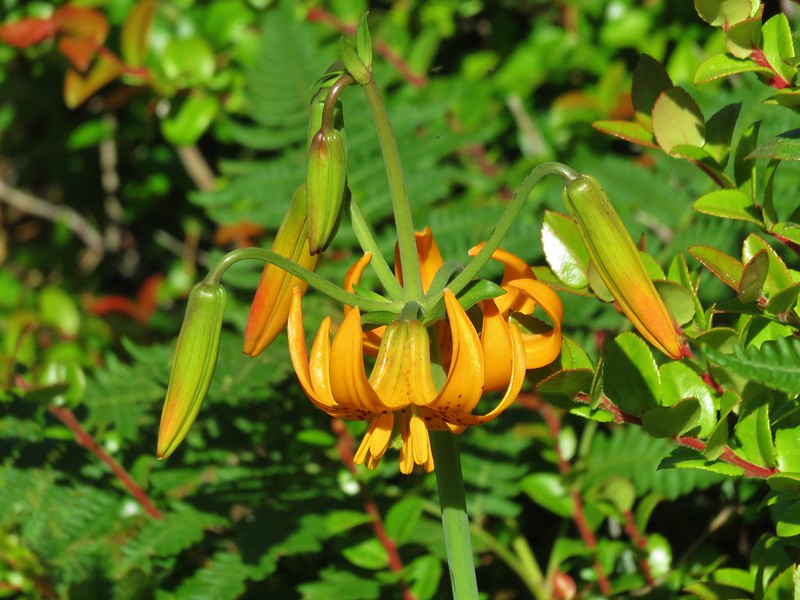
Columbian lily
IMG_6793

Another lily
IMG_6794

More Bridges’ brodiaea
IMG_6808

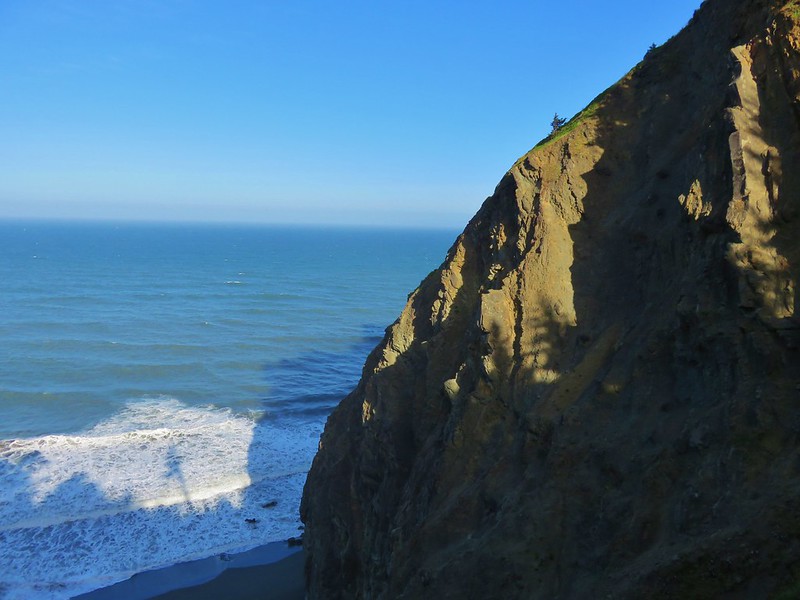
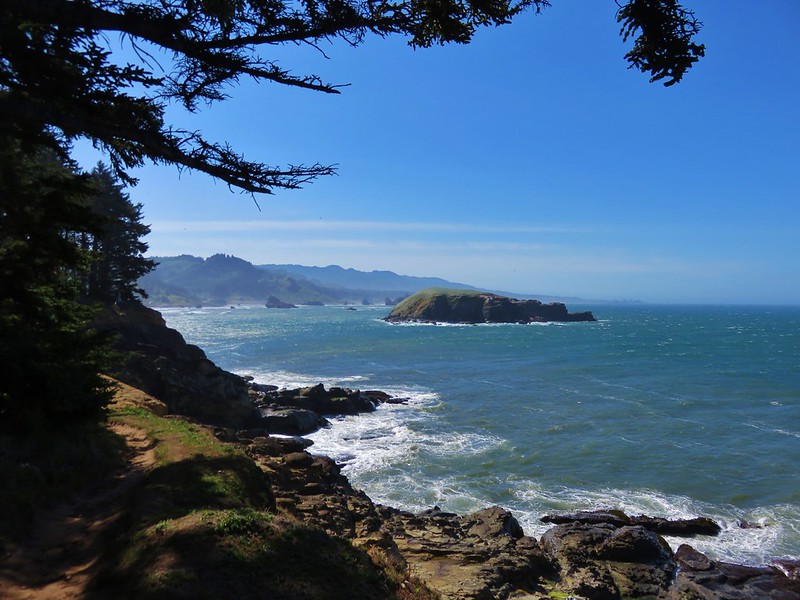
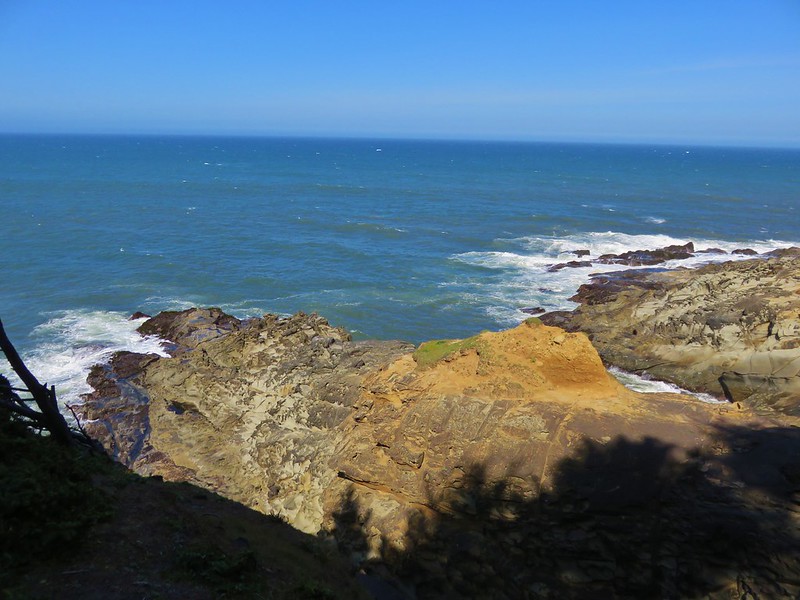
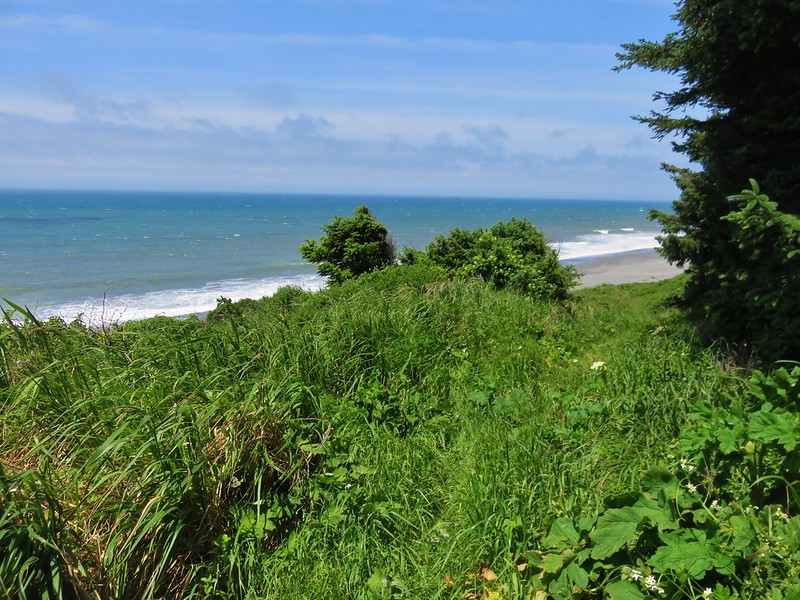
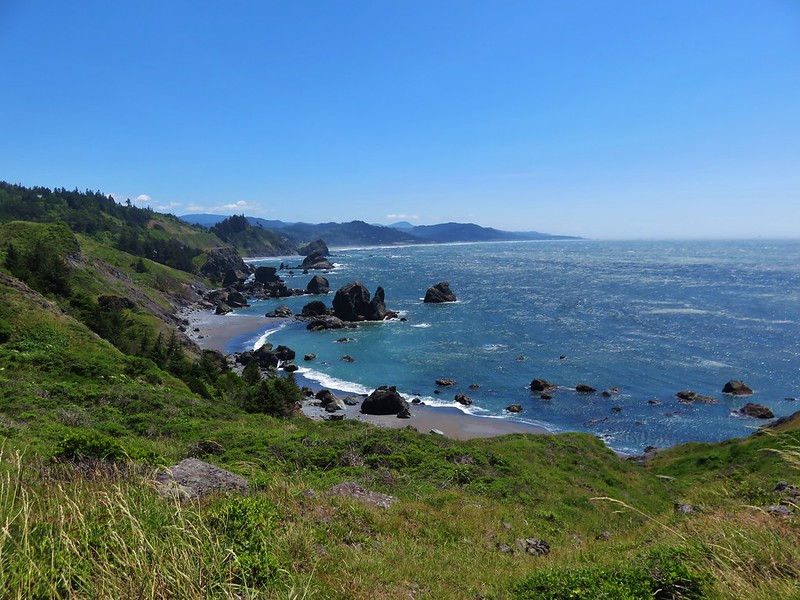
There were also some nice views along this 1.3 mile section of the trail.
IMG_6825

IMG_6815

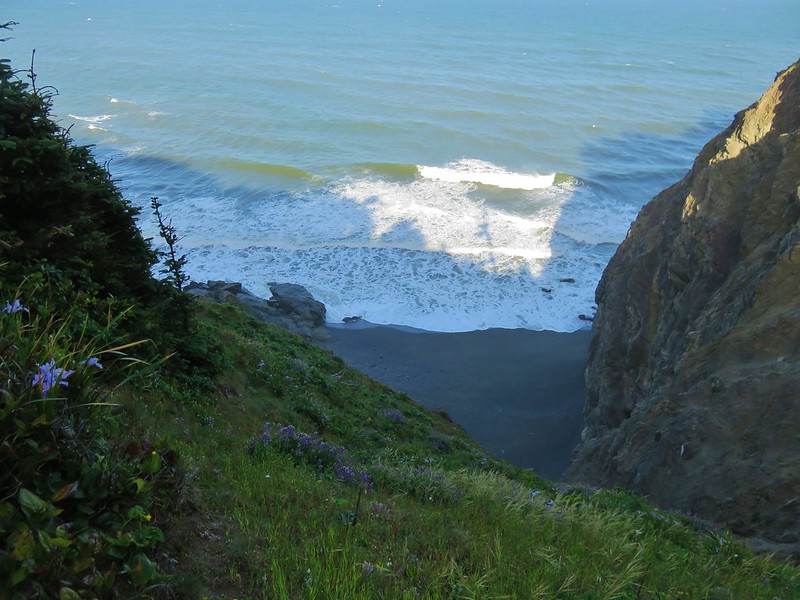
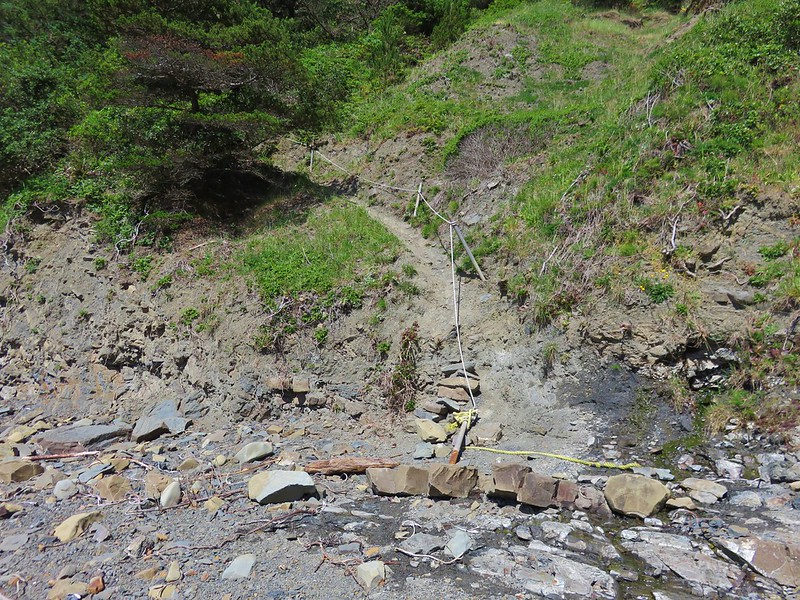
The trail eventually arrived at Hunters Beach but the final drop down to the actual beach was down a steep slope. Much of it had been worn away by the elements and a rope had been set up for assistance. To complicate the descent there was poison oak on both sides of the trail.
IMG_6834

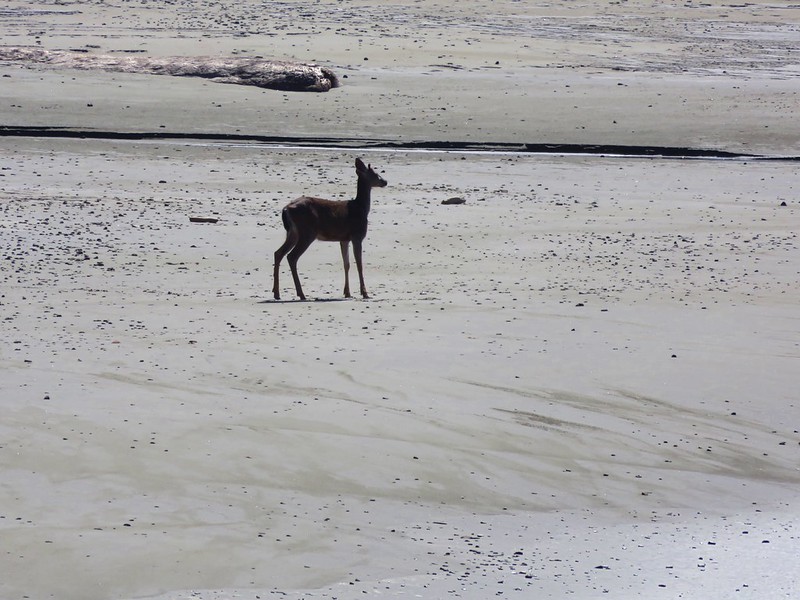
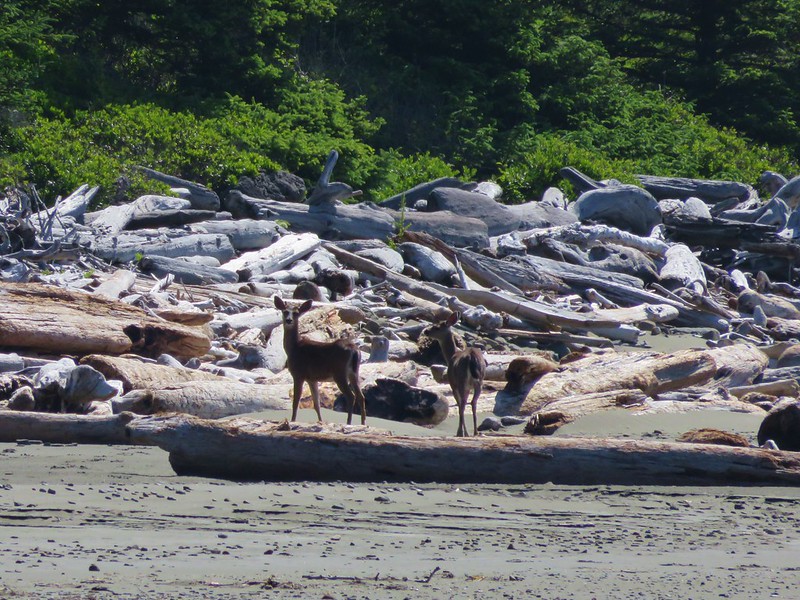
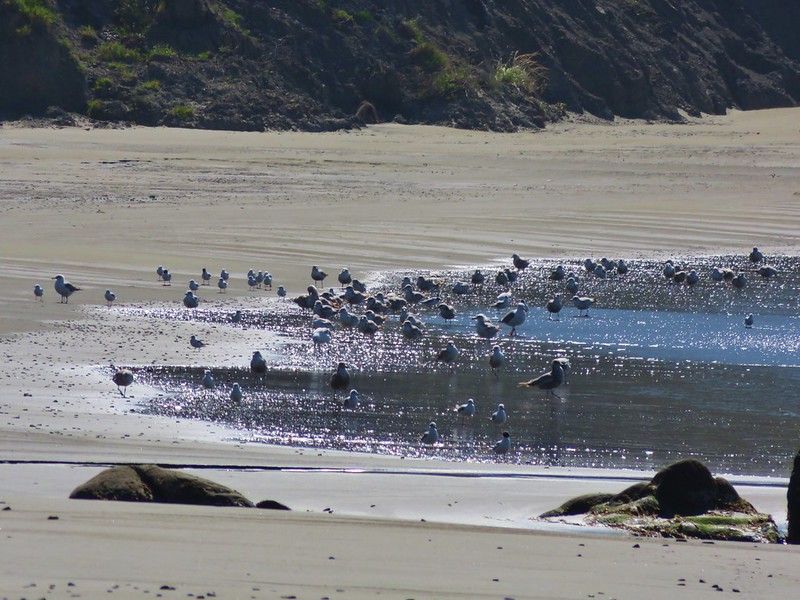
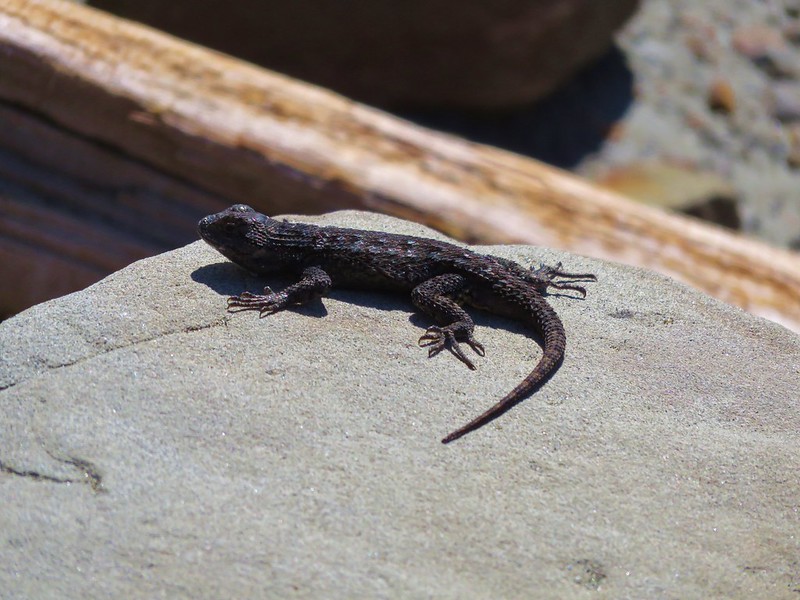
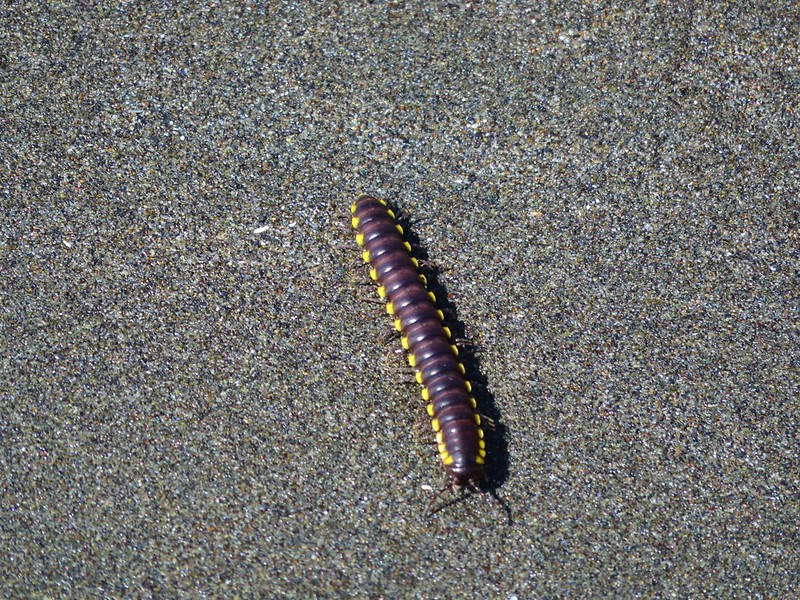
We made it down to the sandy beach where we joined a pair of deer, some birds, lizards, and a millipede.
IMG_6830

IMG_6836

IMG_6845

IMG_6859

IMG_6850

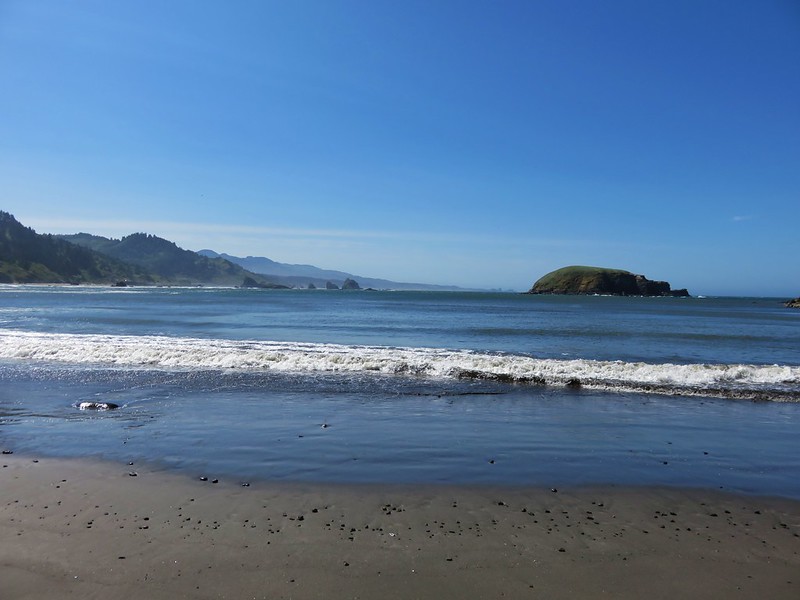
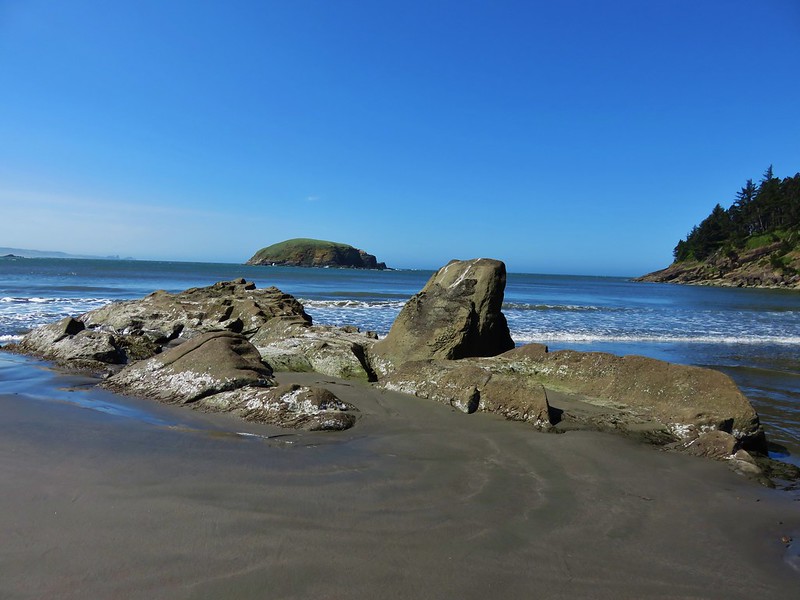
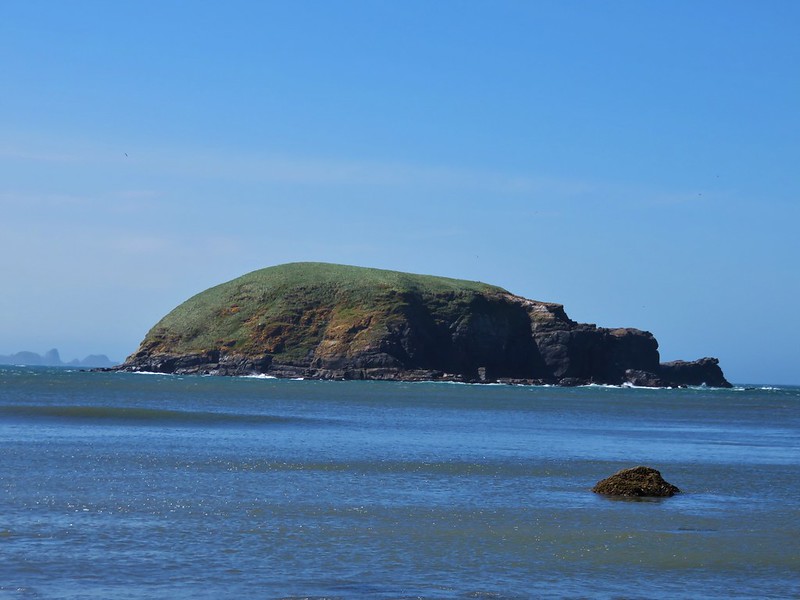
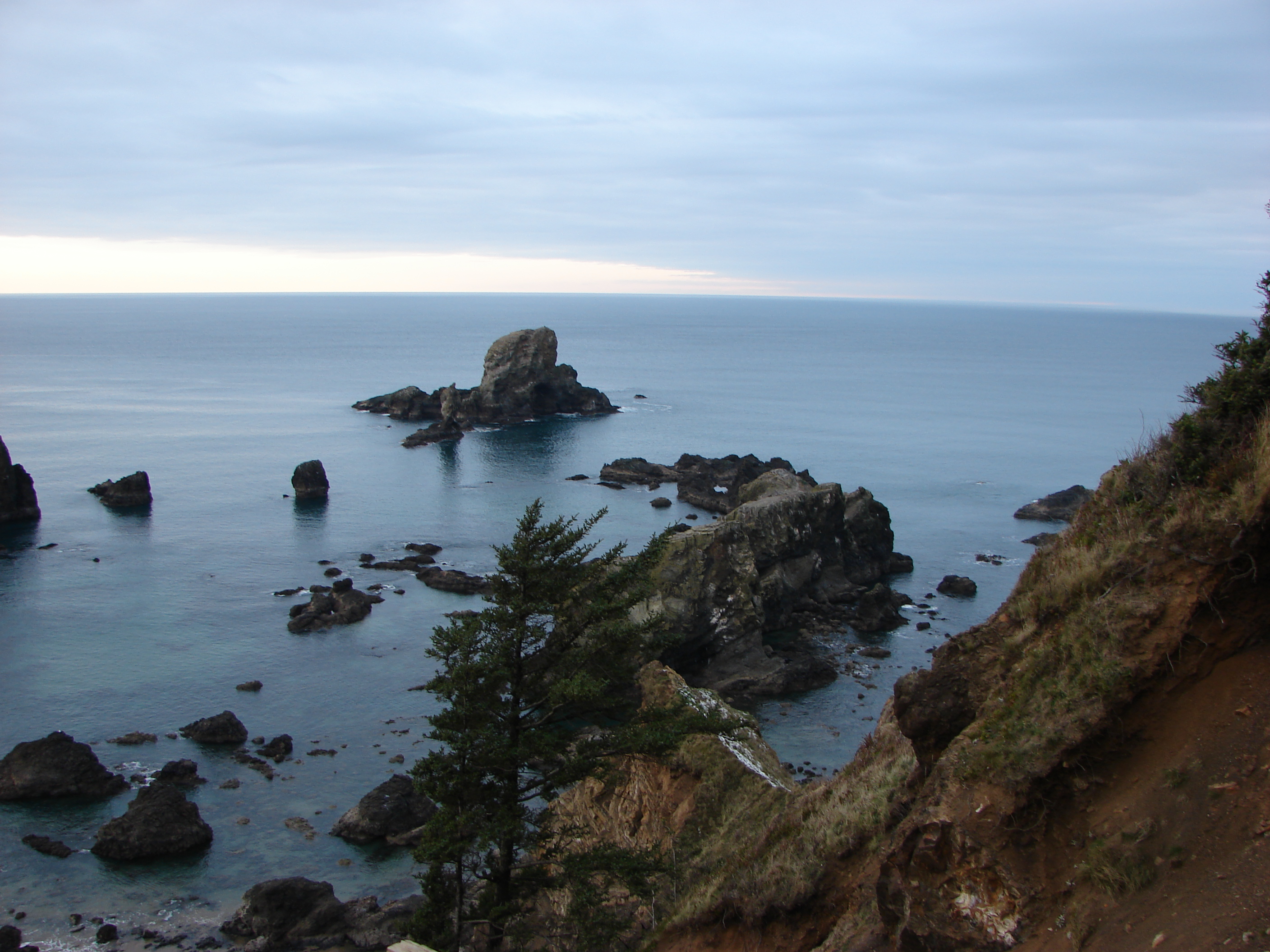
Hunters Island dominated the view from the beach.
IMG_6842

IMG_6847

IMG_6839

We returned the way we’d come being careful to avoid the poison oak retracting our steps all the way to the 1.1 mile side trail to a beach just a half mile from Bellview Lane. This path was along another old road that led down to an overgrown meadow.
IMG_6899

IMG_6876

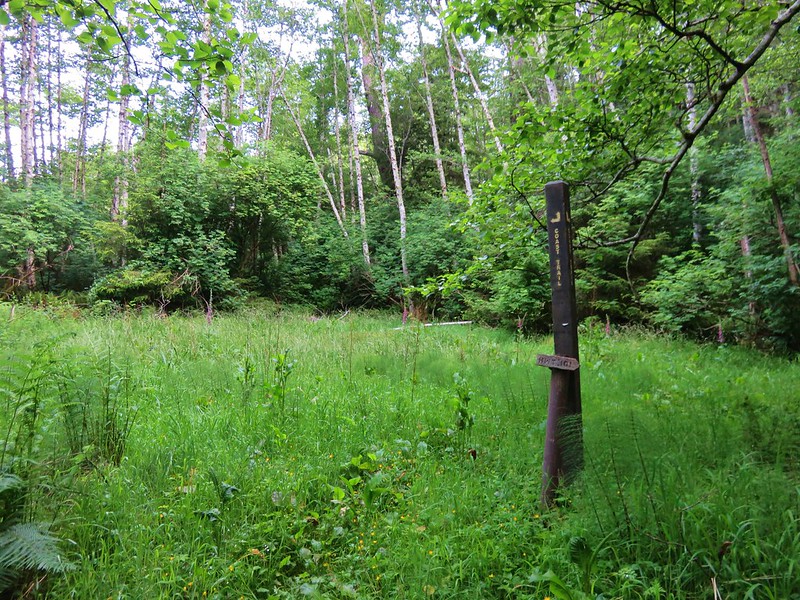
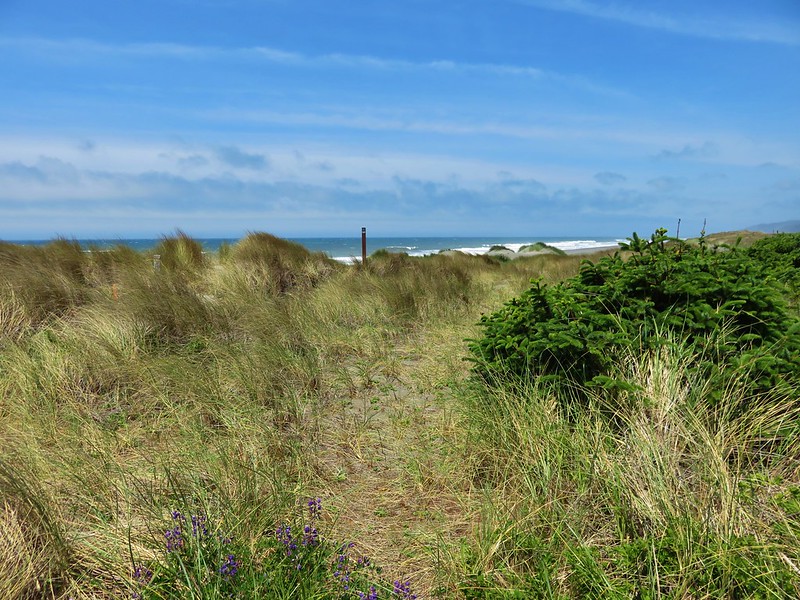
A faint path led through the vegetation to a post on the beach.
IMG_6878

IMG_6880

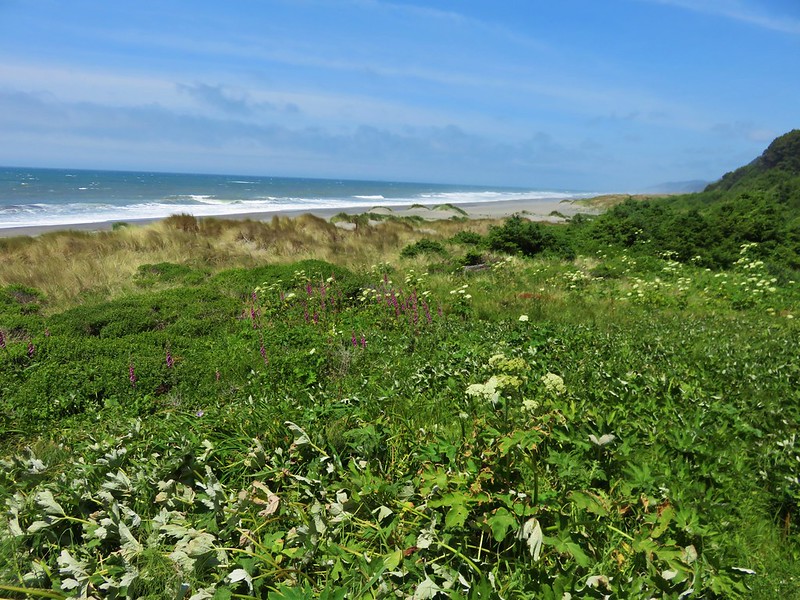
On this beach we found several new types of flowers.
yellow sand-verbena
IMG_6883

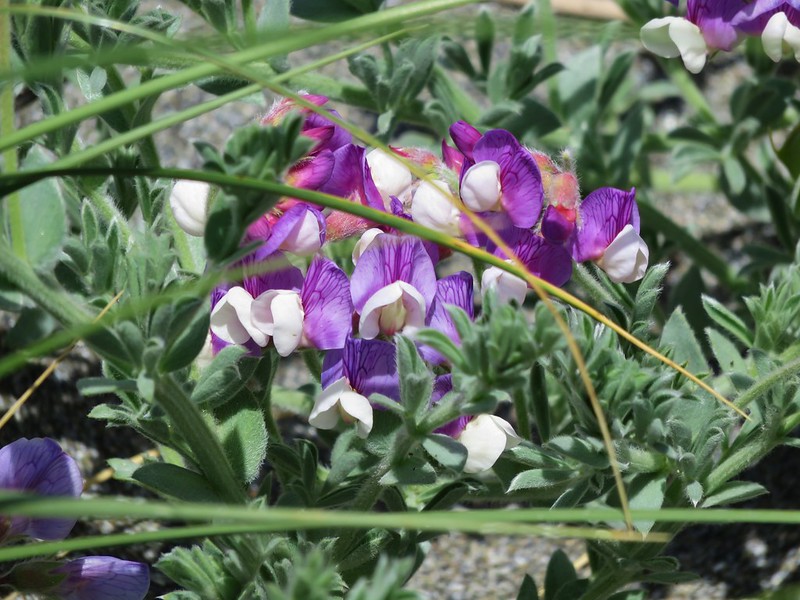
silky beach pea
silky beach pea

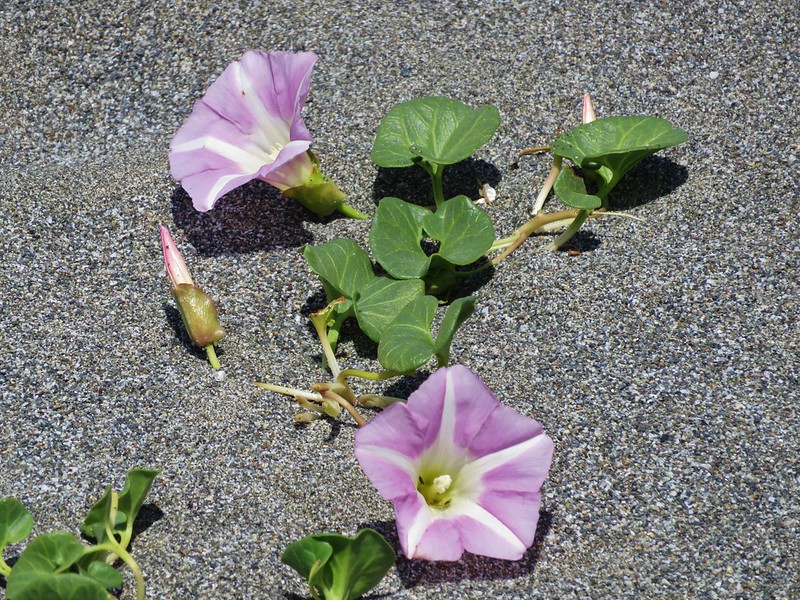
beach morning-glory
IMG_6891

It was pretty windy and there wasn’t much cover to be found so after a brief stay we headed back up to Bellview Lane and our car. We picked this as our evening to find a local restaurant to try and picked the Barnacle Bistro in Gold Beach. The food was great and we each enjoyed a beer from Arch Rock Brewing Company.  I had the Pistol River Pale while Heather tried the State of Jefferson Porter. It was a great cap to the day. Happy Trails!

Flickr: https://www.flickr.com/photos/9319235@N02/sets/72157666235841743

Categories
Hiking Oregon Oregon Coast Southern Coast Trip report

Humbug Mountain, Sisters Rock, and Otter Point

With our vacation plans changed due to the potential for rain in SE Oregon we had returned home after hiking in the Oregon Badlands Wilderness to regroup. We swapped guide books and some or our supplies and headed for Gold Beach on the southern Oregon coast on Monday morning. We took our first set of hikes on the way down Highway 101 starting with a climb up Humbug Mountain.

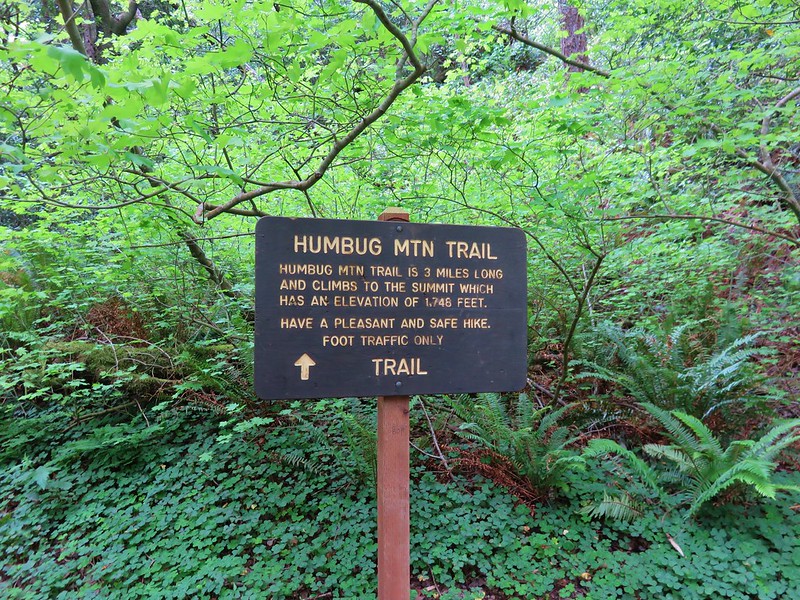
The Humbug Mountain Trail begins at the signed Humbug Mountain Trailhead across from the state park campground.
IMG_5870

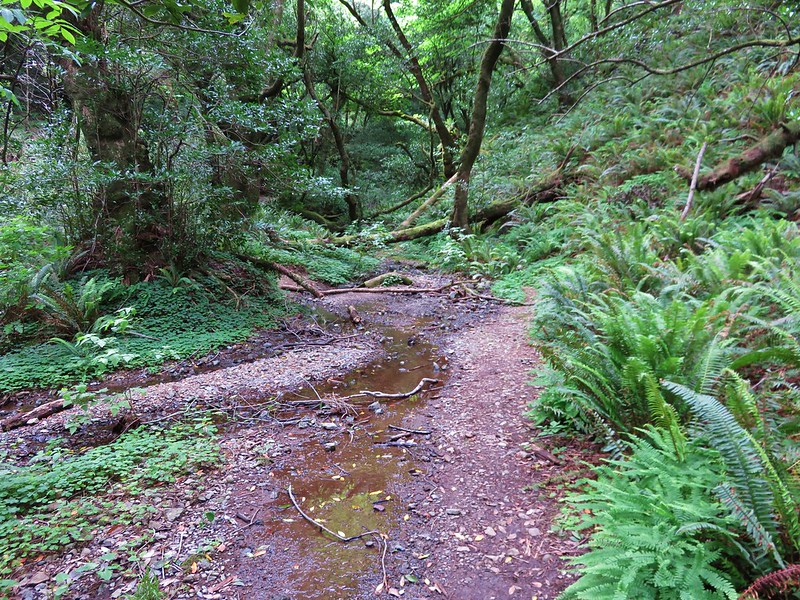
The trail promptly crosses a creek then climbs through the forest for a mile to a split in the trail.
IMG_5871

IMG_5896

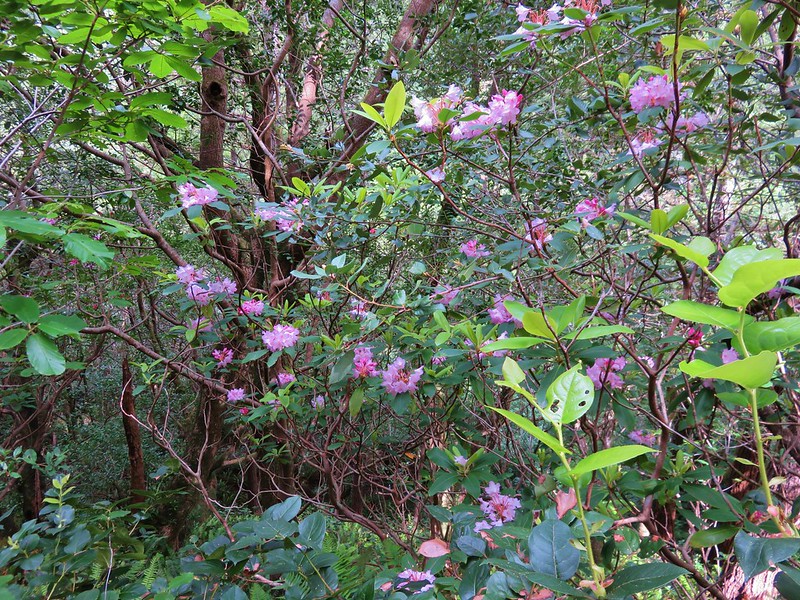
Rhododendron
IMG_5891

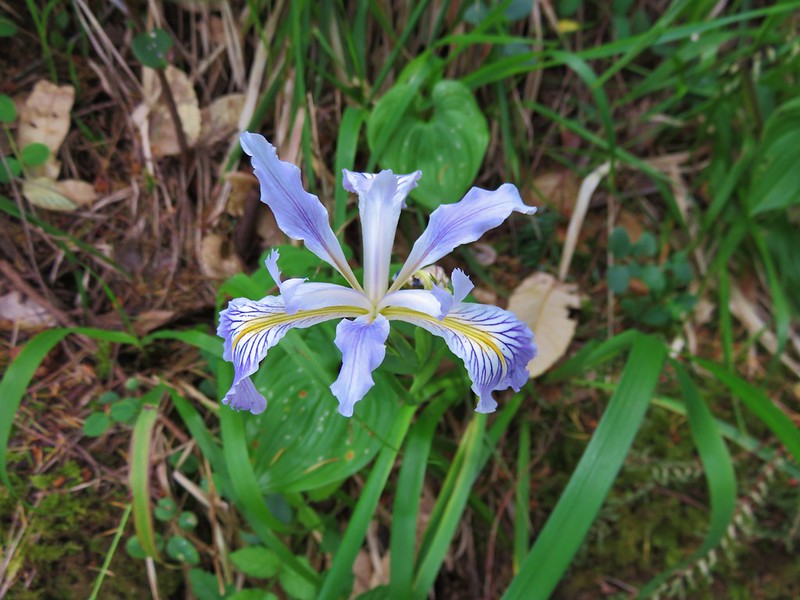
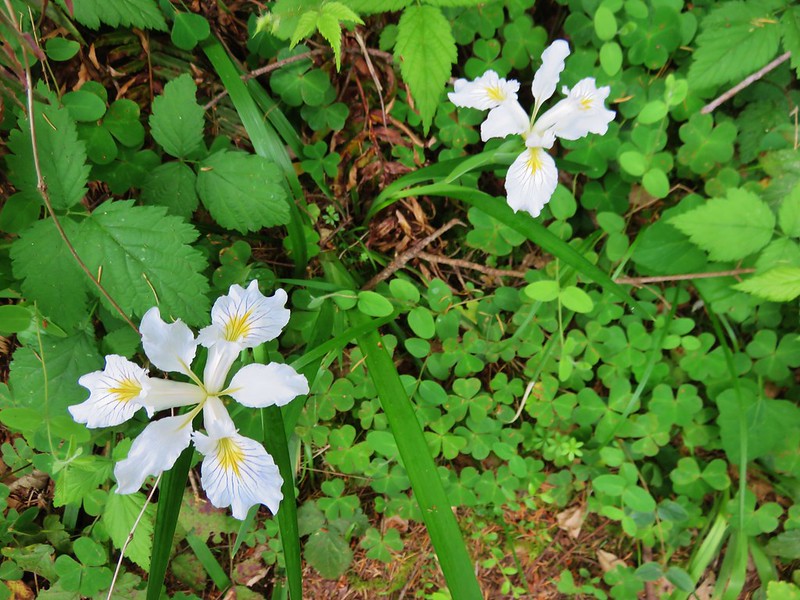
Wild iris
IMG_5903

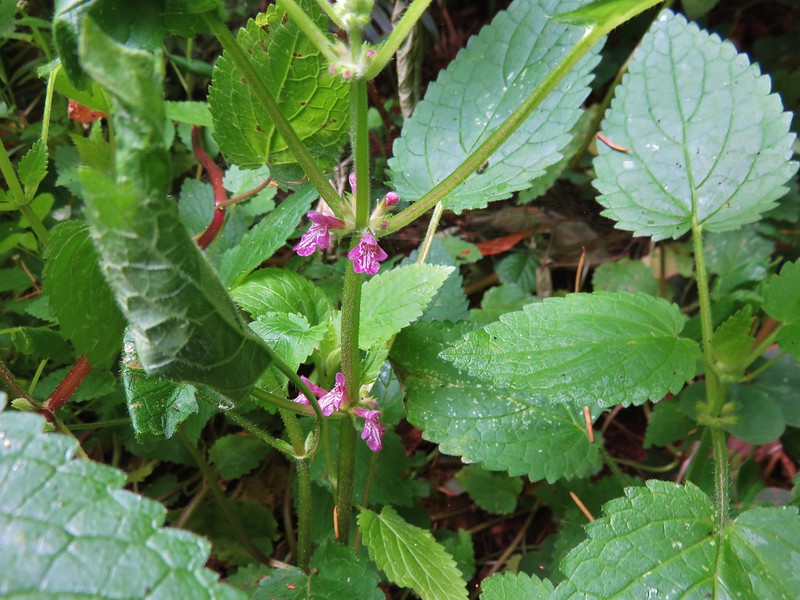
Hedge nettle
IMG_5907

Wild iris
IMG_5908

IMG_5918

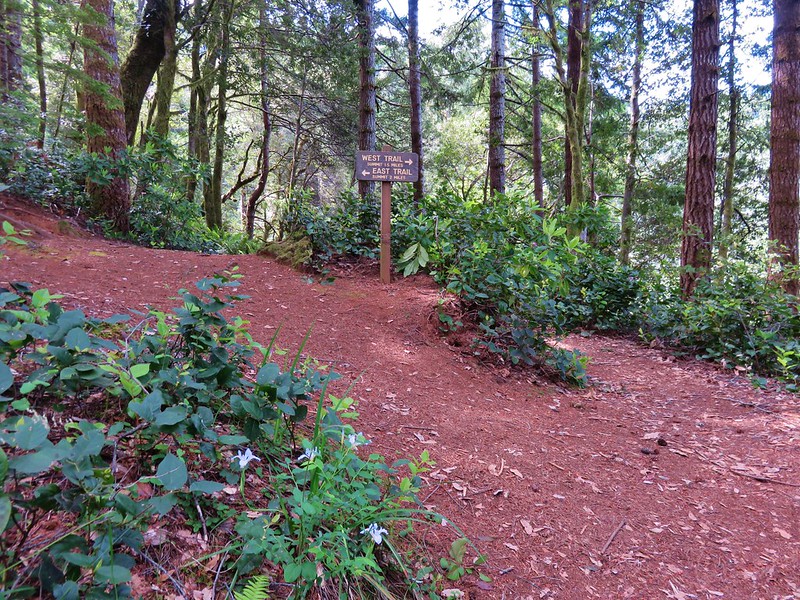
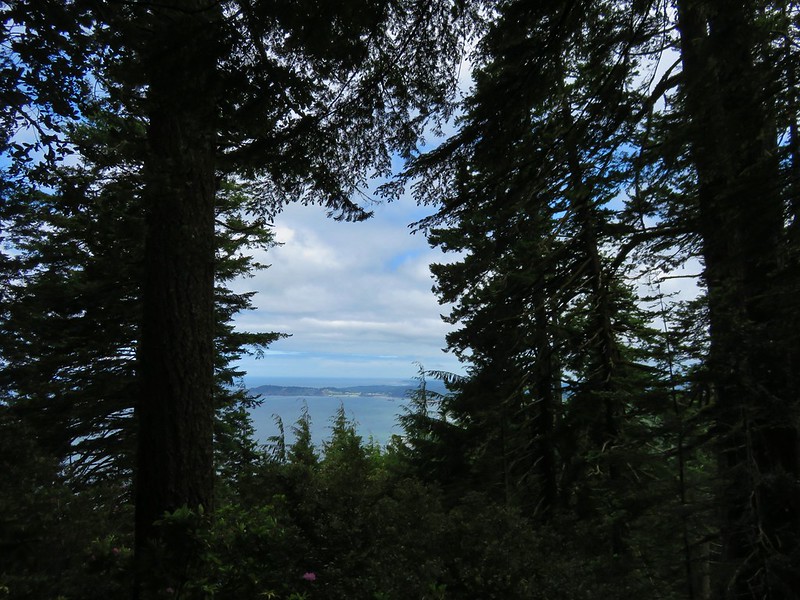
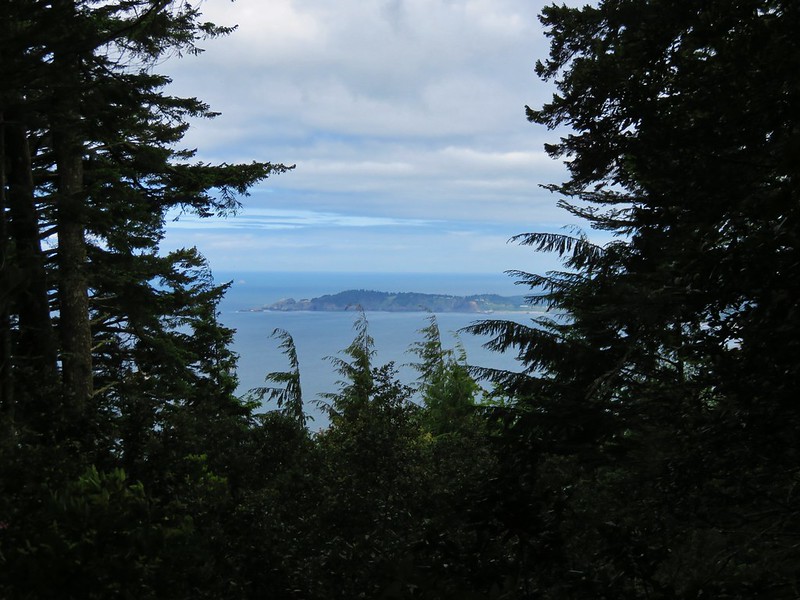
Two routes led to the summit, the 1.4 mile West Trail and the 1.9 mile East Trail, allowing for a loop. We took the shorter West Trail to the right which offered limited ocean views.
IMG_5935

IMG_5933

When the trails rejoined we took the short .1 mile trail to the right up to the small meadow at the summit of Humbug Mountain.
IMG_5960

IMG_5963

A few flowers dotted the meadow which was mostly filled with bracken ferns and trees obscured much of the view.
IMG_5977

Common catchfly
IMG_5974

IMG_5989

Elegant brodiaea
IMG_5979

IMG_5975

We took the East Trail down completing the loop and returning to the trailhead. The 5.5 mile hike was nice enough and a good climb, but the lack of views was a little disappointing albeit fitting for a mountain named Humbug.

From Humbug Mountain we continued driving south on HWY 101 to our next stop, Sisters Rock State Park. If not for our guide book describing the pullout between milepost 314 & 315 we would likely have driven right by. There was no sign for the park prior to the little pullout along the highway and the sign at the park was set back off the road making it difficult to spot while driving.
IMG_6011

The wind was really strong whenever we were exposed to the north but the half-mile path down to the Sisters Rocks was full of views and flowers. Humbug Mountain was visible to the north and to the south was scenic Franklin Beach.
IMG_6009

IMG_6020

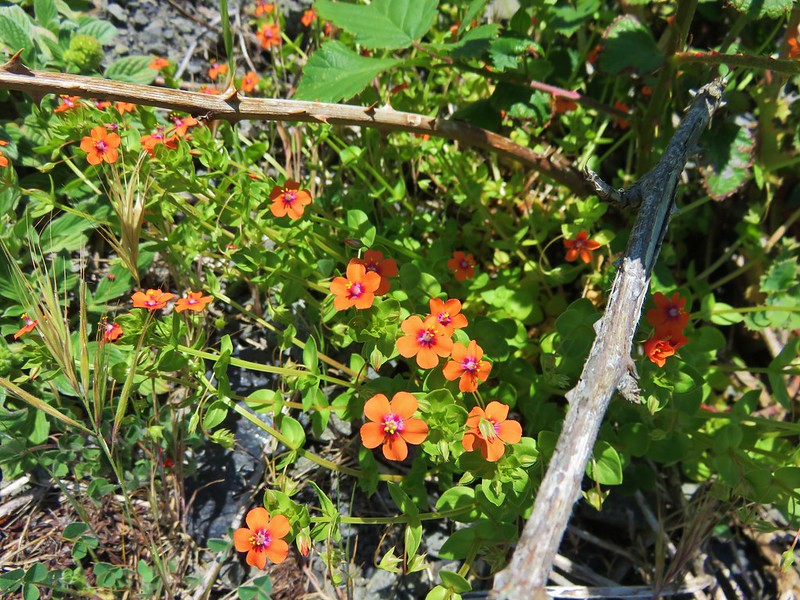
Scarlet pimpernel
IMG_6025

IMG_6027

Cows clover
IMG_6028

IMG_6073

Lupine
IMG_6095

We headed for the largest of the rocks where a trail brought us to the mouth of a sea cave.
IMG_6017

IMG_6031

IMG_6046

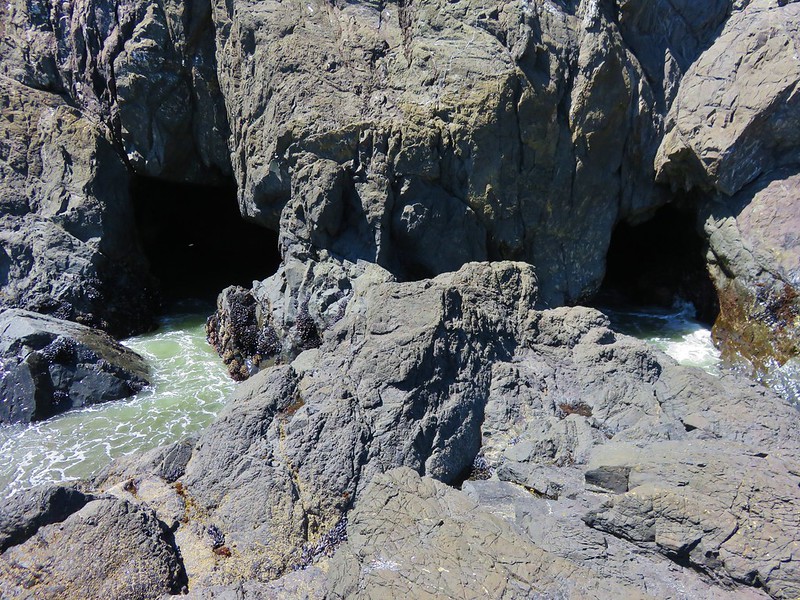
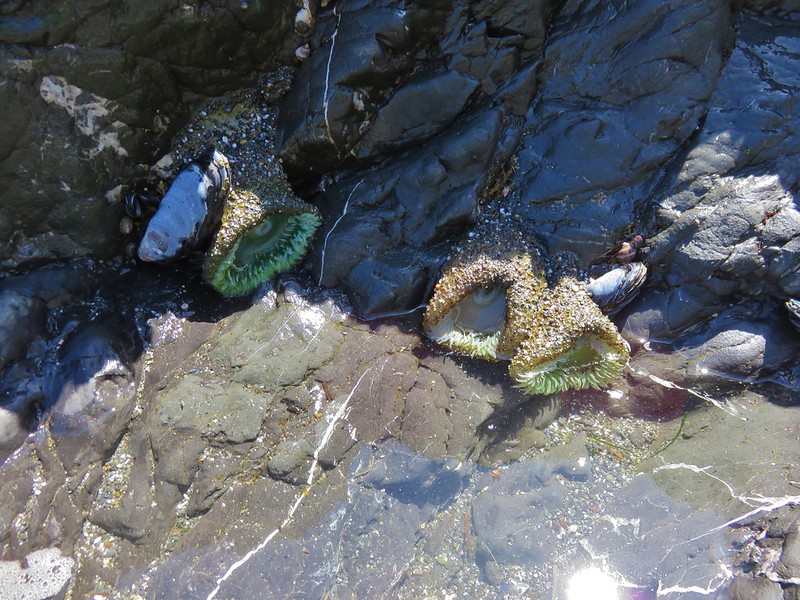
We found a spot on the rocks between the largest Sisters Rocks where we were protected from the wind. Here there were more caves and some small tide pools.
IMG_6032

IMG_6058

IMG_6067

IMG_6054

IMG_6060

IMG_6063

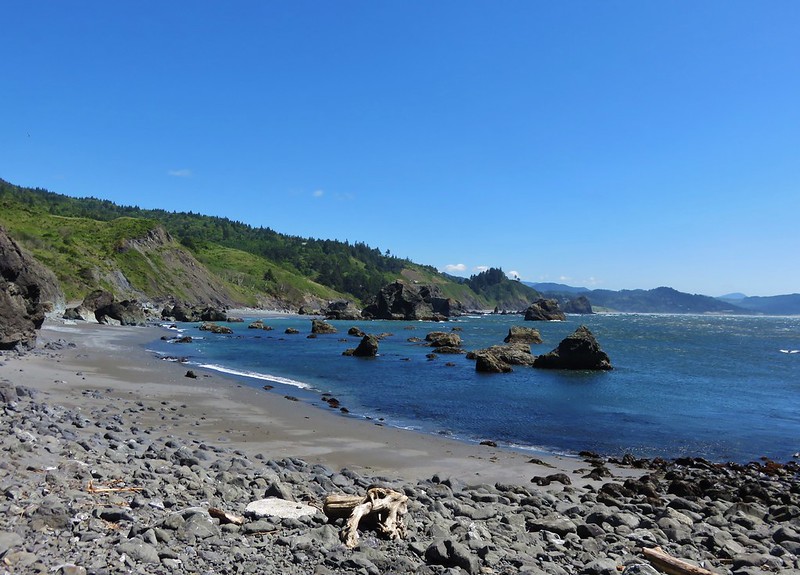
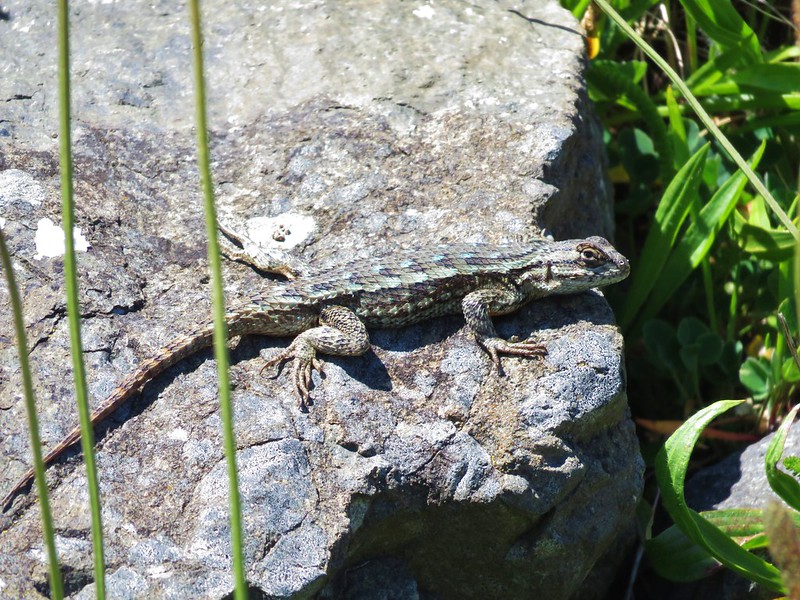
We then made our way to Franklin Beach which we shared with a lizard.
IMG_6077

IMG_6094

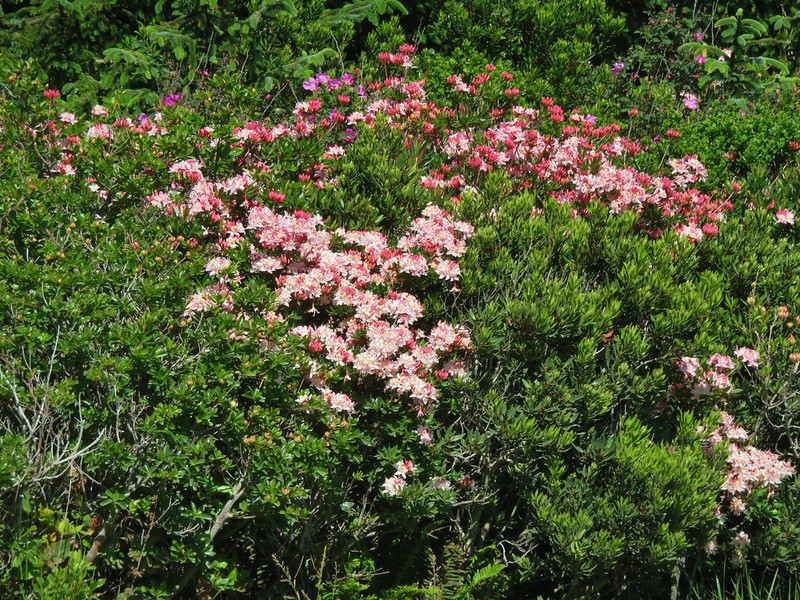
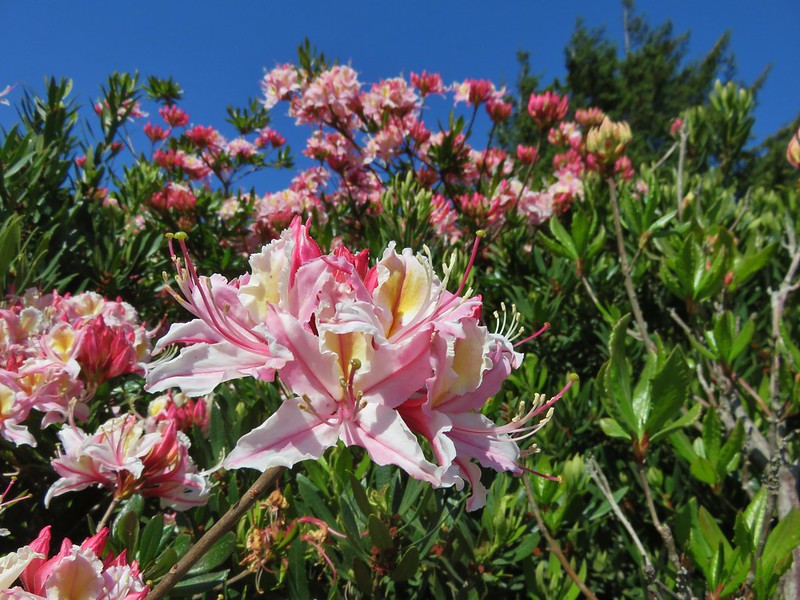
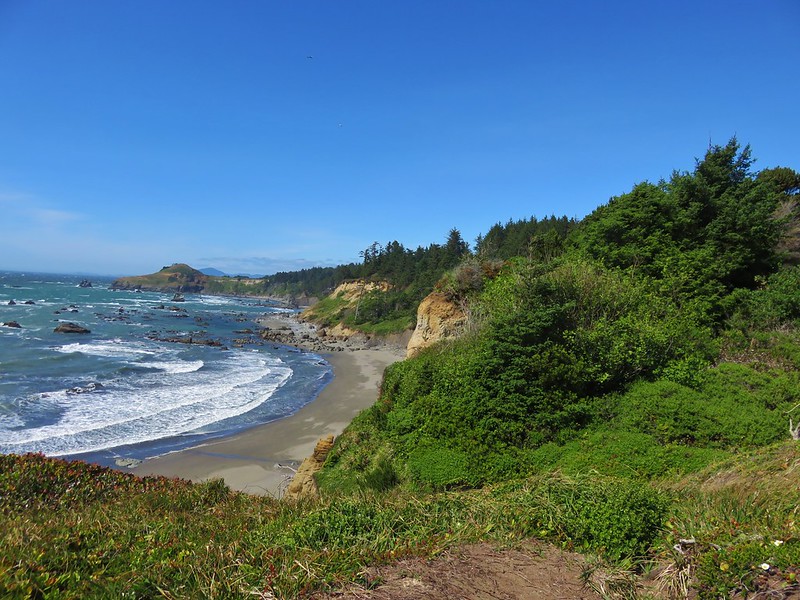
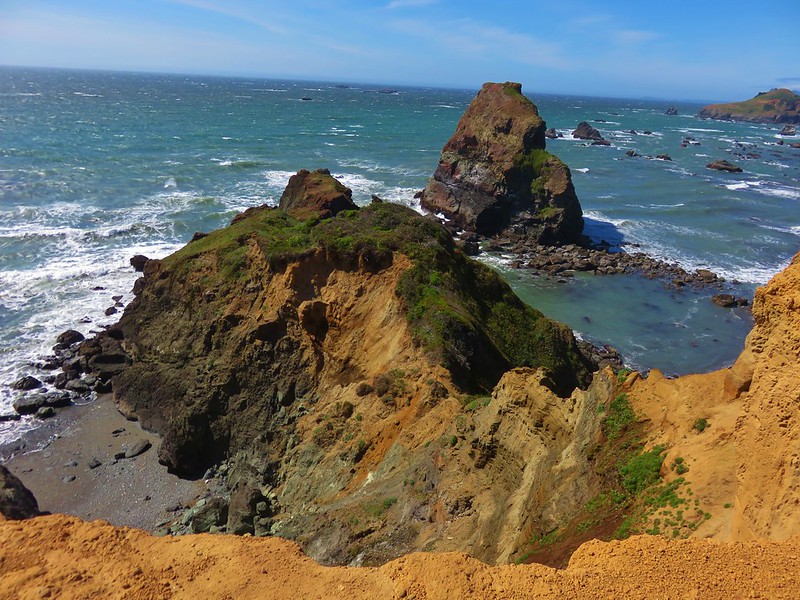
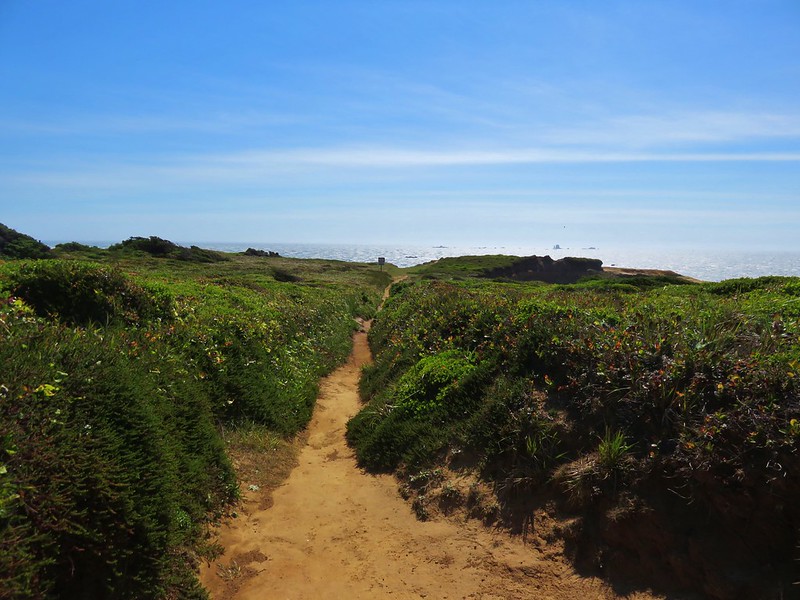
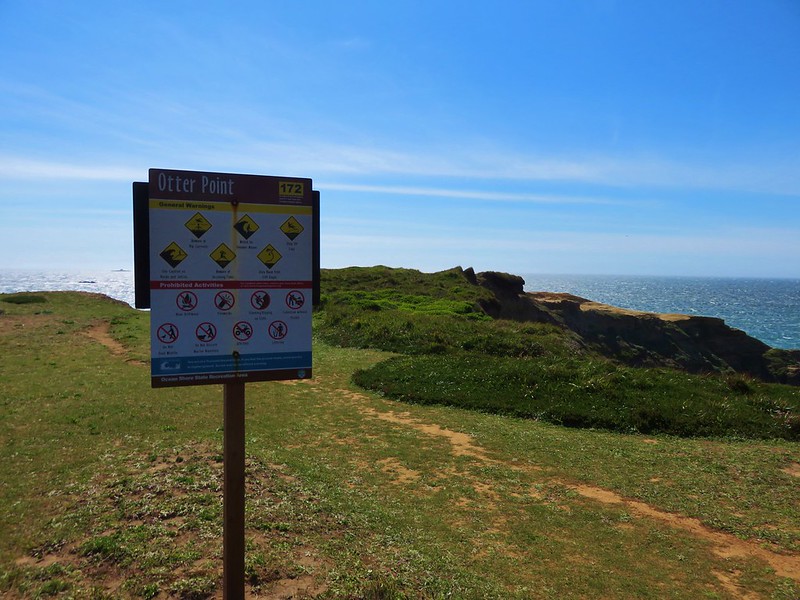
Our final stop for the day was at Otter Point State Park. This was another somewhat hidden park located along Old Coast Road 3 miles north of Gold Beach. Again signage was lacking for the park until we were at the entrance which took us some time to locate. It was worth the effort to find this little gem though. The parking area was lined with azaleas and wild roses and the trail to Otter Point had big views.
IMG_6206

IMG_6210

IMG_6131

IMG_6133

IMG_6150

IMG_6156

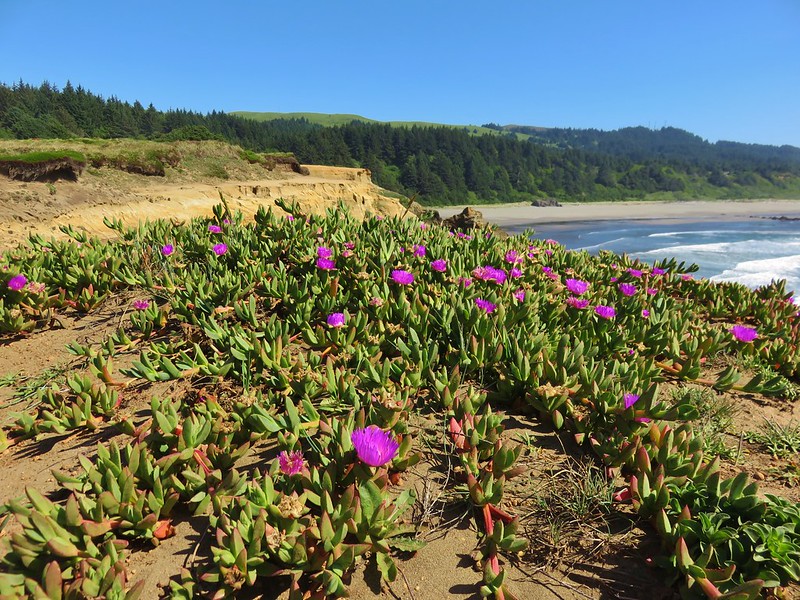
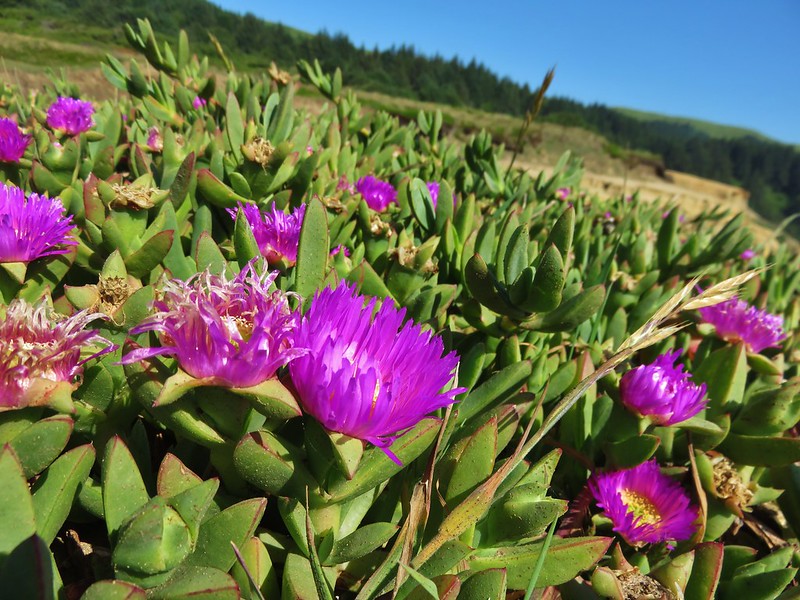
In addition to the views several types of flowers were present.
Sea Figs
IMG_6158

IMG_6161

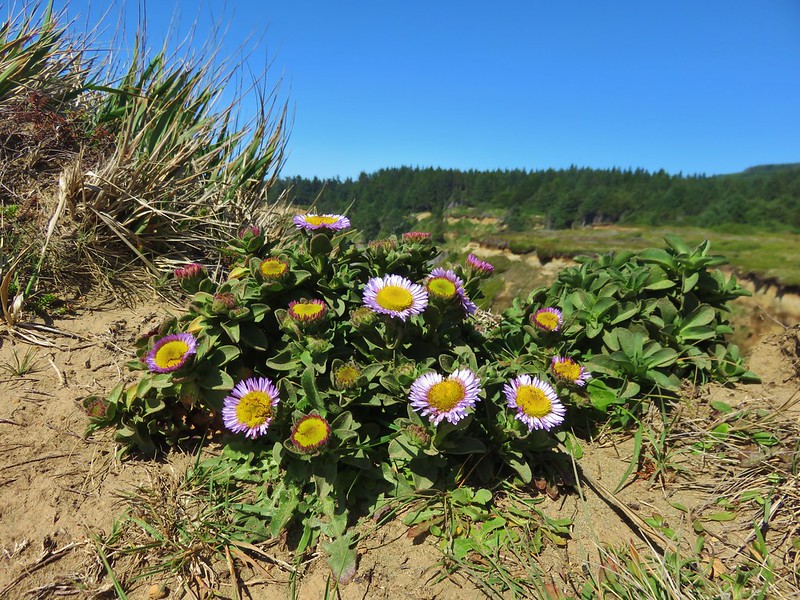
Seaside daisy
IMG_6189

Wild iris
IMG_6196

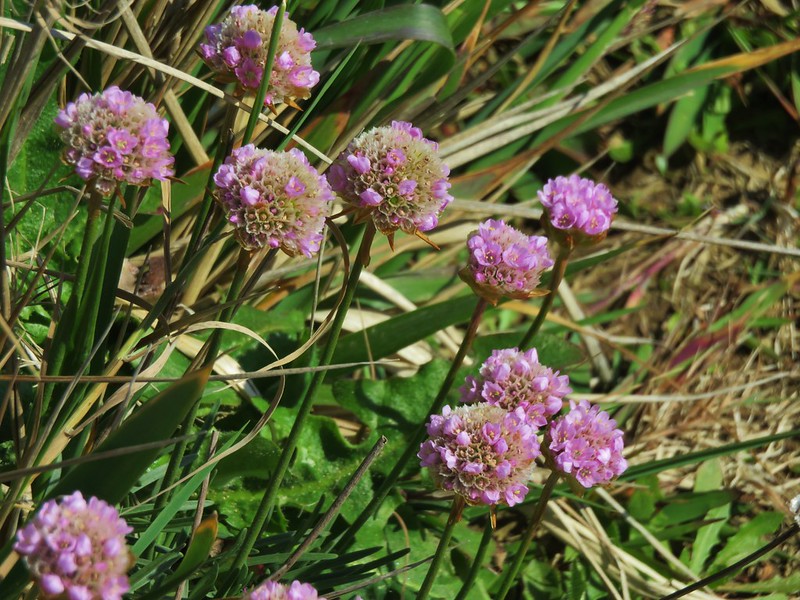
Sea thrift
IMG_6198

We were pleasantly surprised by both Sisters Rock and Otter Point and were glad we took the time to stop and check them out. These were short hikes (1.4 & 0.7 miles receptively)that really paid off. It was a nice start to the vacation and they set the bar for the rest of the weeks hikes. Happy Trails!

Flickr: https://www.flickr.com/photos/9319235@N02/albums

Categories
Coastal Range Hiking Oregon Trip report

Mt. Hebo and Munson Falls

Mt. Hebo was another hike on our list of do-overs. Our previous visit had been on May 30, 2011 which normally would be a good time for a visit to the meadows that dot the top of the mountain. 2011 was not a normal year though and our visit that day turned out to be a cold and foggy trek past patches of lingering snow to a view-less summit. We decided this was the year for the re-hike and we were even able to do it on the same day as before May 30, 2015. This time we threw in a second short stop at Munson Falls State Park to check out 266′ Munson Falls. Both of these hikes are located near Tillamook, OR.

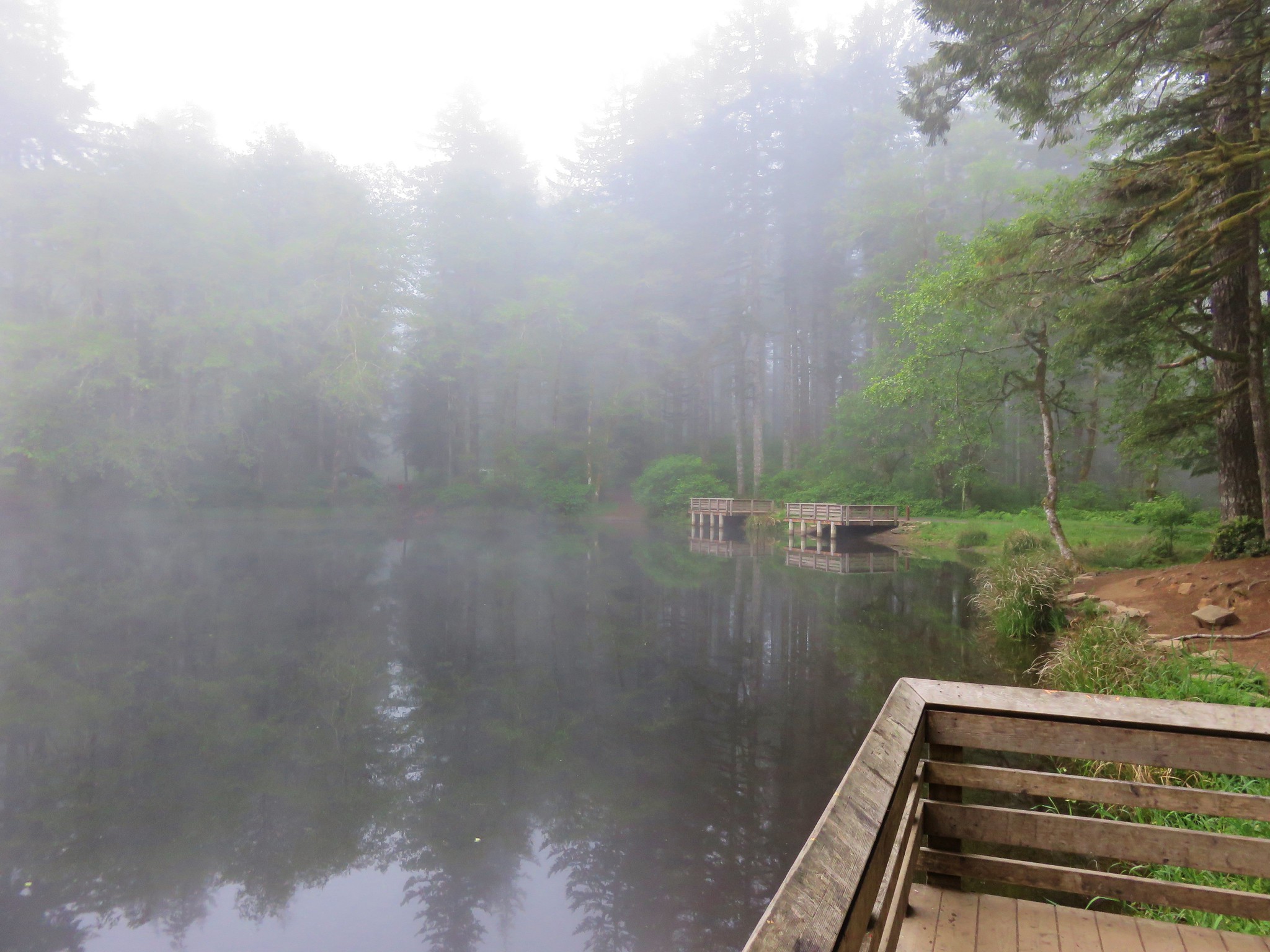
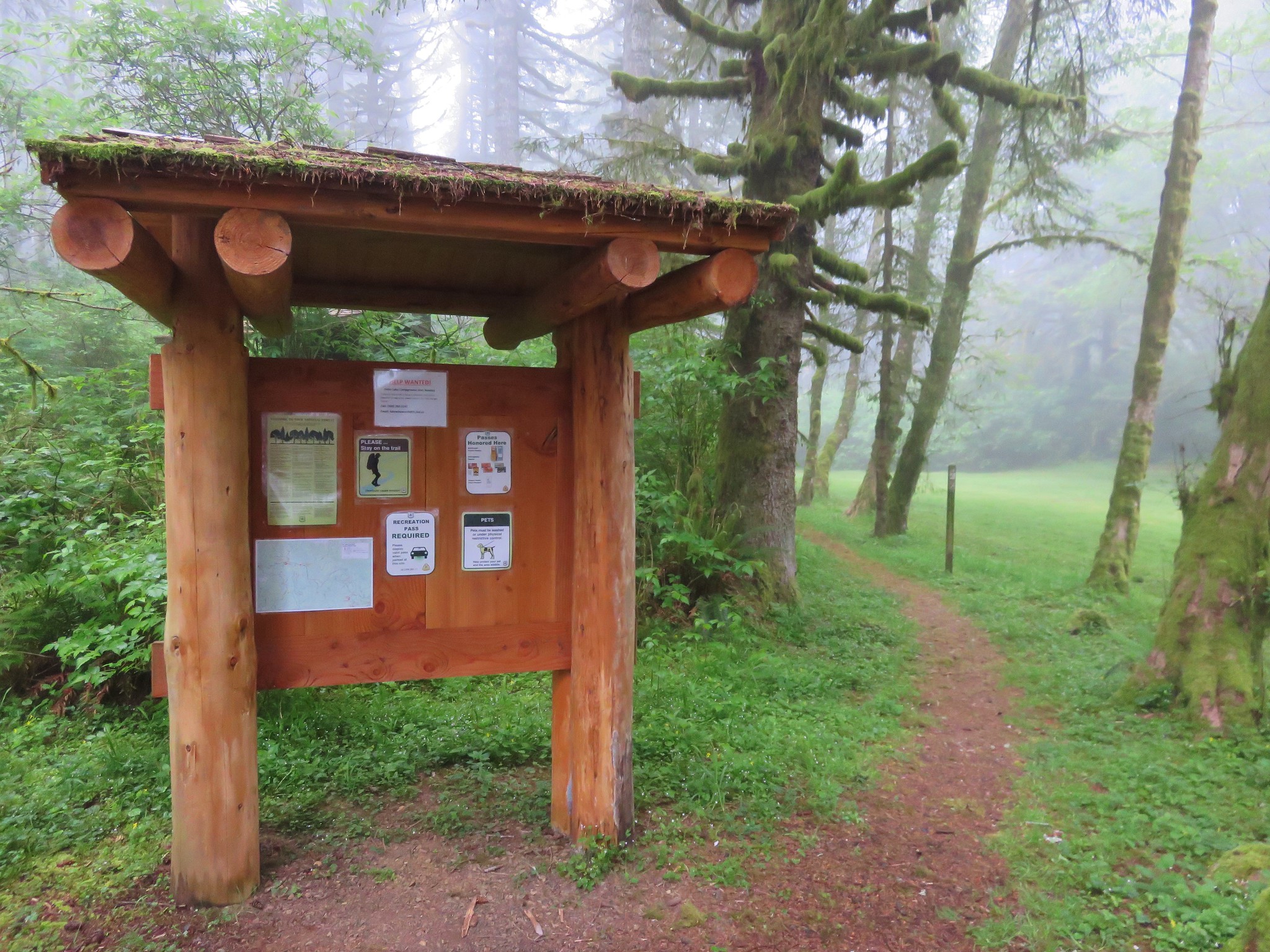
We started the morning at Hebo Lake Camp Ground at the Pioneer Indian Trail trailhead. When we arrived we were having a bit of deja-vu as fog filled the forest much like our first visit. We knew there would be no snow this year, but would we get any views. The trail starts near the far end of the lake and heads into the forest.
IMG_2347

IMG_2348

Not too far along the trail we came to an unsigned junction that neither of us recalled from our first visit. It wasn’t marked on the map in our field guide either and we at first turned left which is incorrect. Luckily Heather spotted a “Trail ->” sign pointing back the way we’d come which caused me to double check with our GPS (which I should have done at the junction anyway) and we realized we needed to go back and take the right had fork.
Unsigned jct.
IMG_2356

As we continued along the sun began to burn through the clouds which was a welcome sight.
IMG_2357

IMG_2365

The trail passes several interpretive signs before reaching a plantation of trees which had been planted by the forest service in the early 1900s. The contrast between the two sections of forest is really interesting.
Forest before the plantation.
IMG_2369

Some of the plantation trees.
IMG_2375

The trail crosses a gravel road then at the 2.9 mile mark after a good climb crosses paved road 14. I had taken a photo at this crossing on our first visit allowing for a good comparison of just how different things were this time around.
2011
029

2015
IMG_2384

After crossing the road the trail follows an old road bed which is where we had encountered the first of the snow in 2011. This time around we encountered flowers instead.
2011
032

2015
IMG_2403

IMG_2393

IMG_2398

IMG_2401

Just over a mile from the road 14 crossing the trail enters the first meadow. Here again we found a vastly different scene than on our previous visit.
2011
035

2015
IMG_2408

There was a wide variety of flowers dotting the meadow and the view was much improved. We still could not see the ocean or any of the cascade peaks but much of the coast range was visible above the clouds.
Paintbrush
IMG_2409

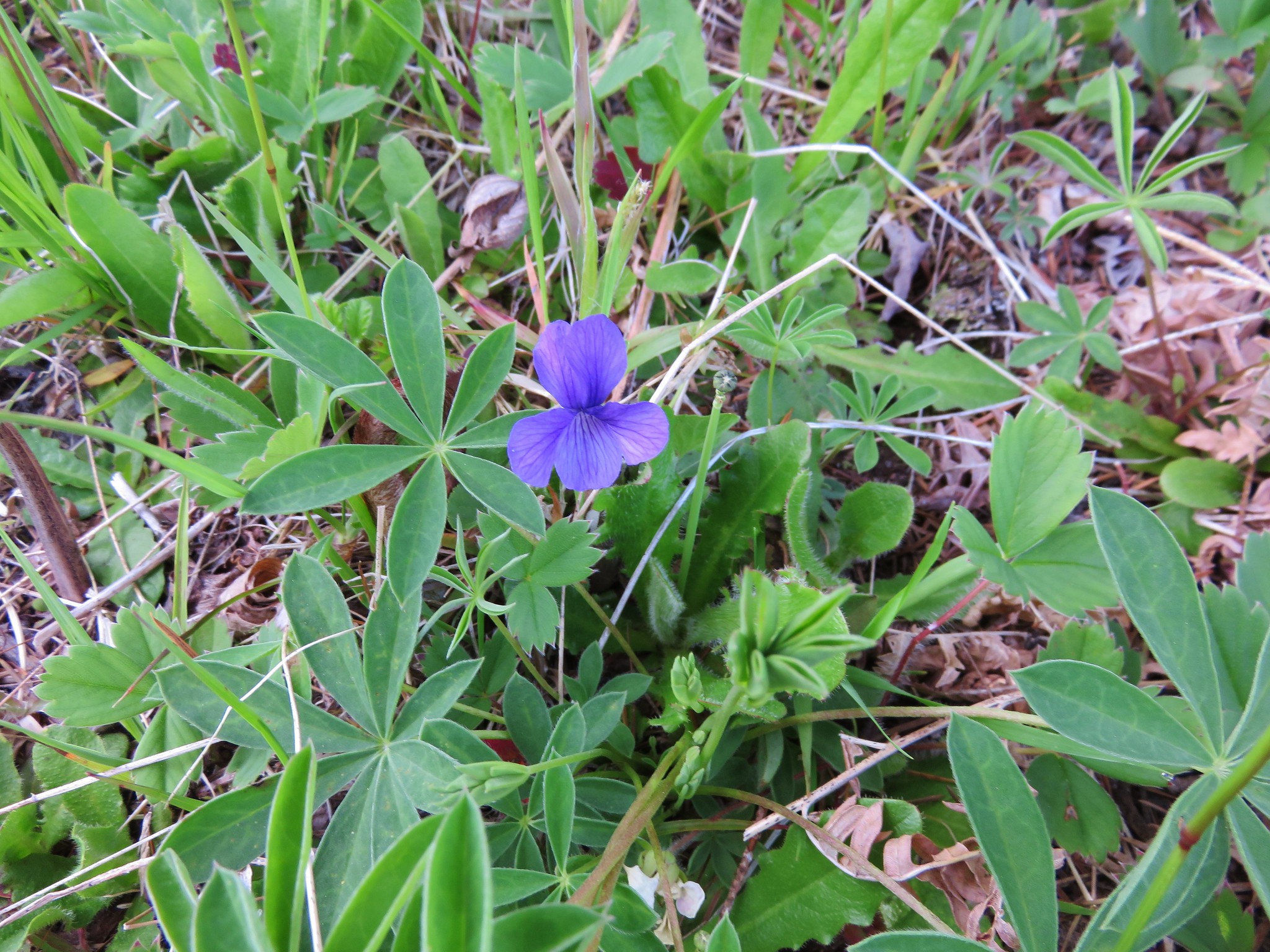
Violet
IMG_2415

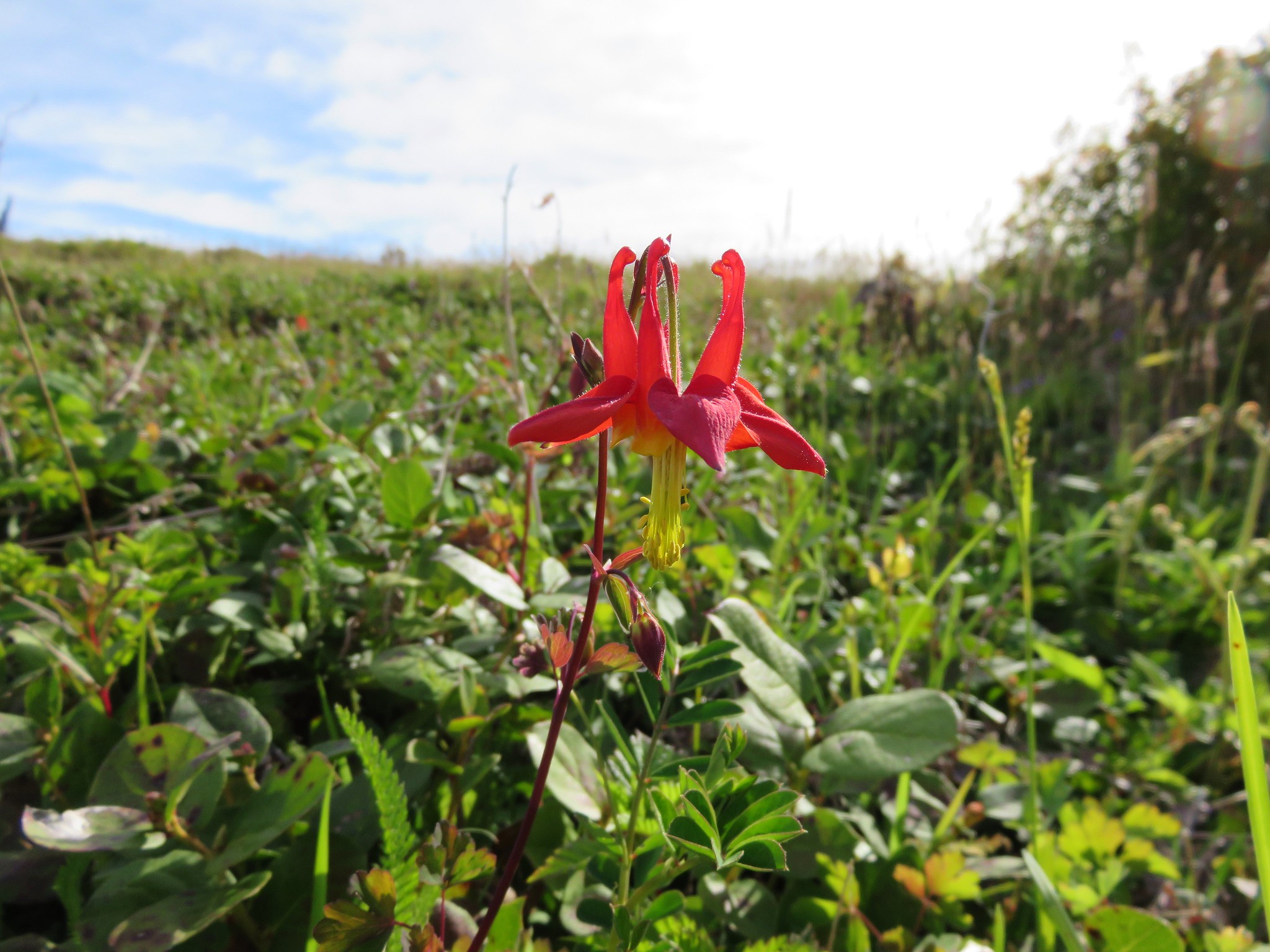
Columbine
IMG_2418

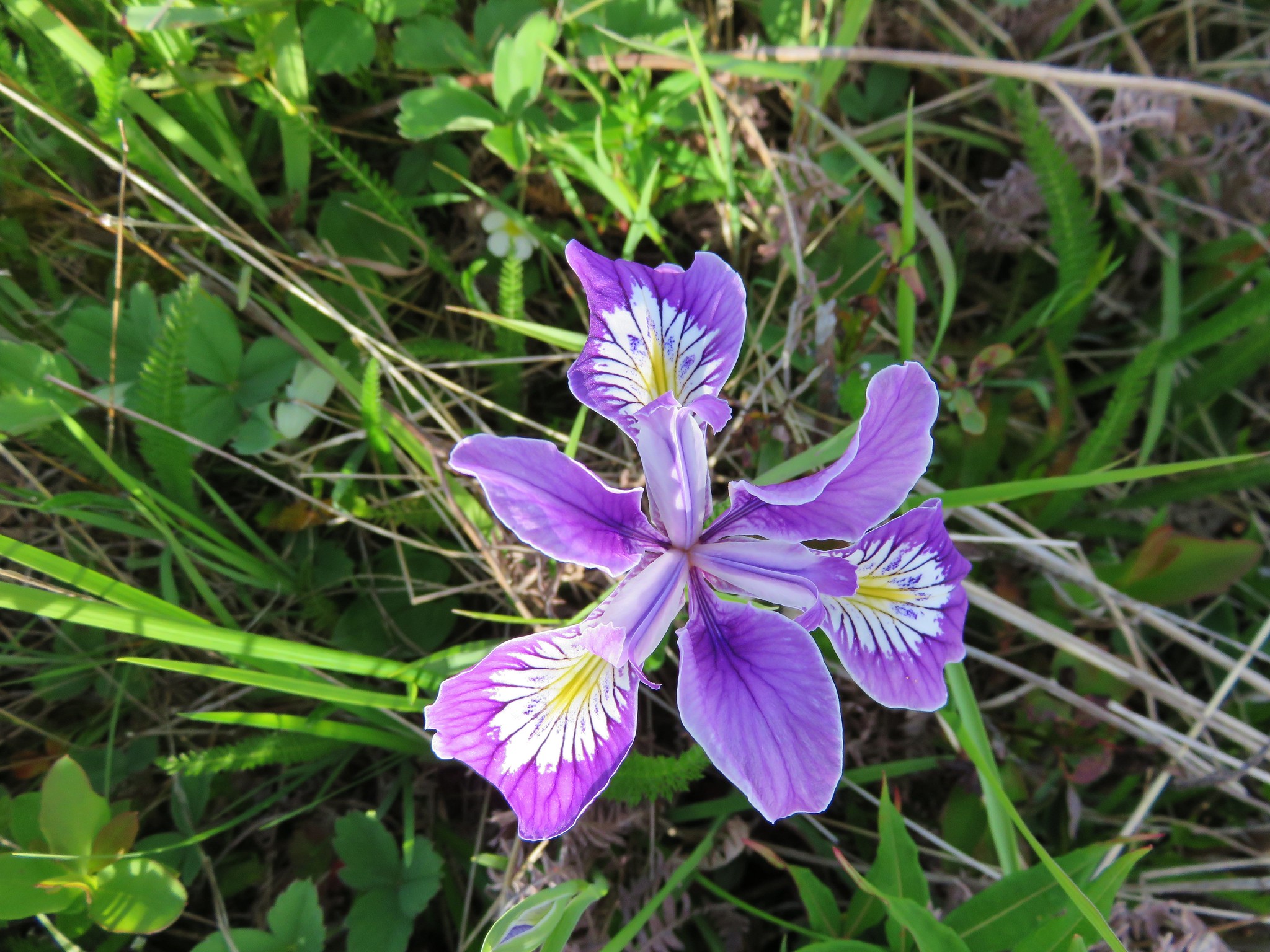
Wild Iris
IMG_2427

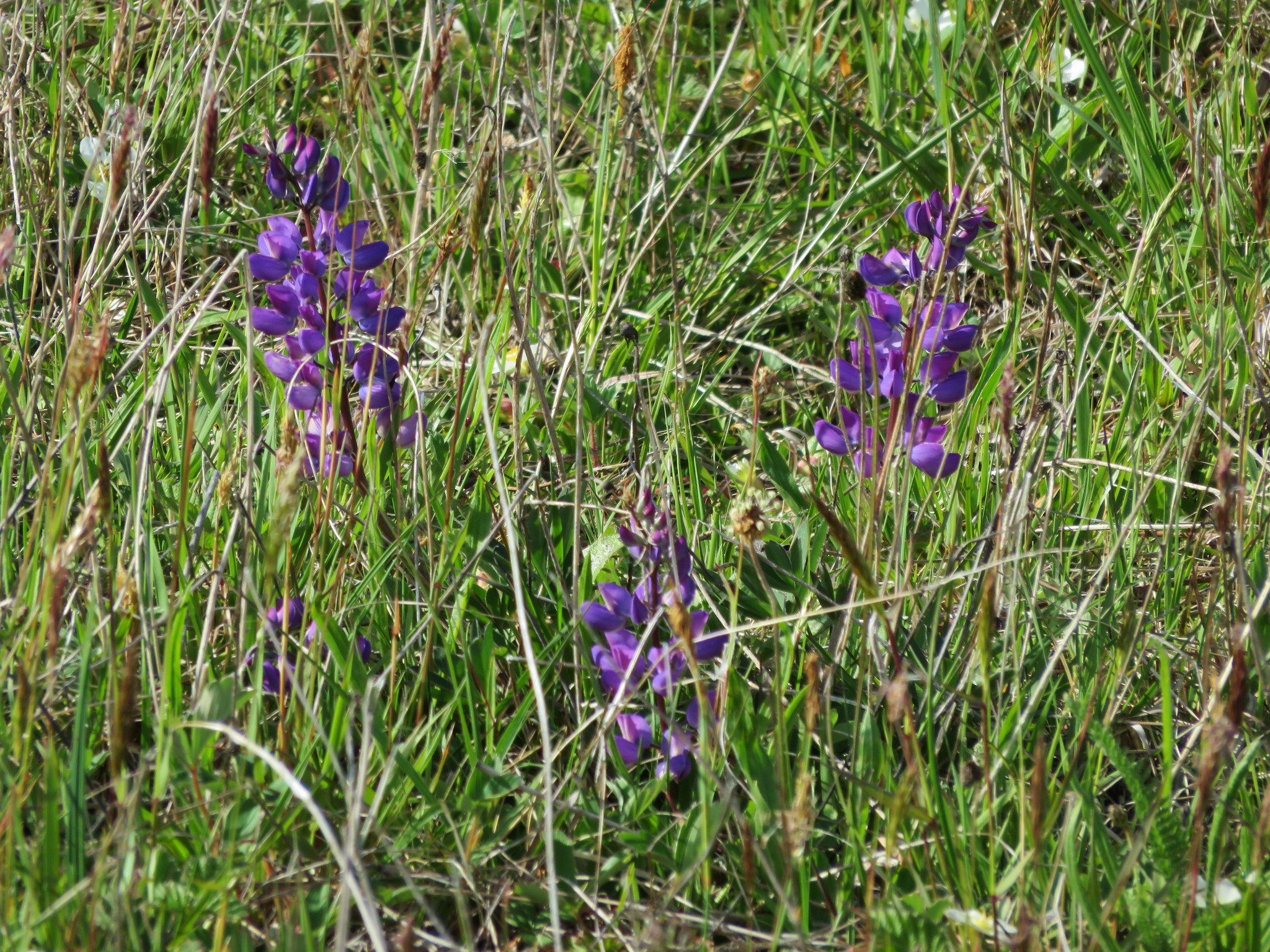
Lupine
IMG_2458

IMG_2428

IMG_2435

IMG_2442

The trail passes through the first meadow then a short section with some trees before emerging in a much larger meadow.
IMG_2448

IMG_2454

IMG_2456

We had turned around in this meadow after being blasted by a cold wet wind in 2011 but on this beautiful day we continued on recrossing road 14 and reentering the forest.
IMG_2461

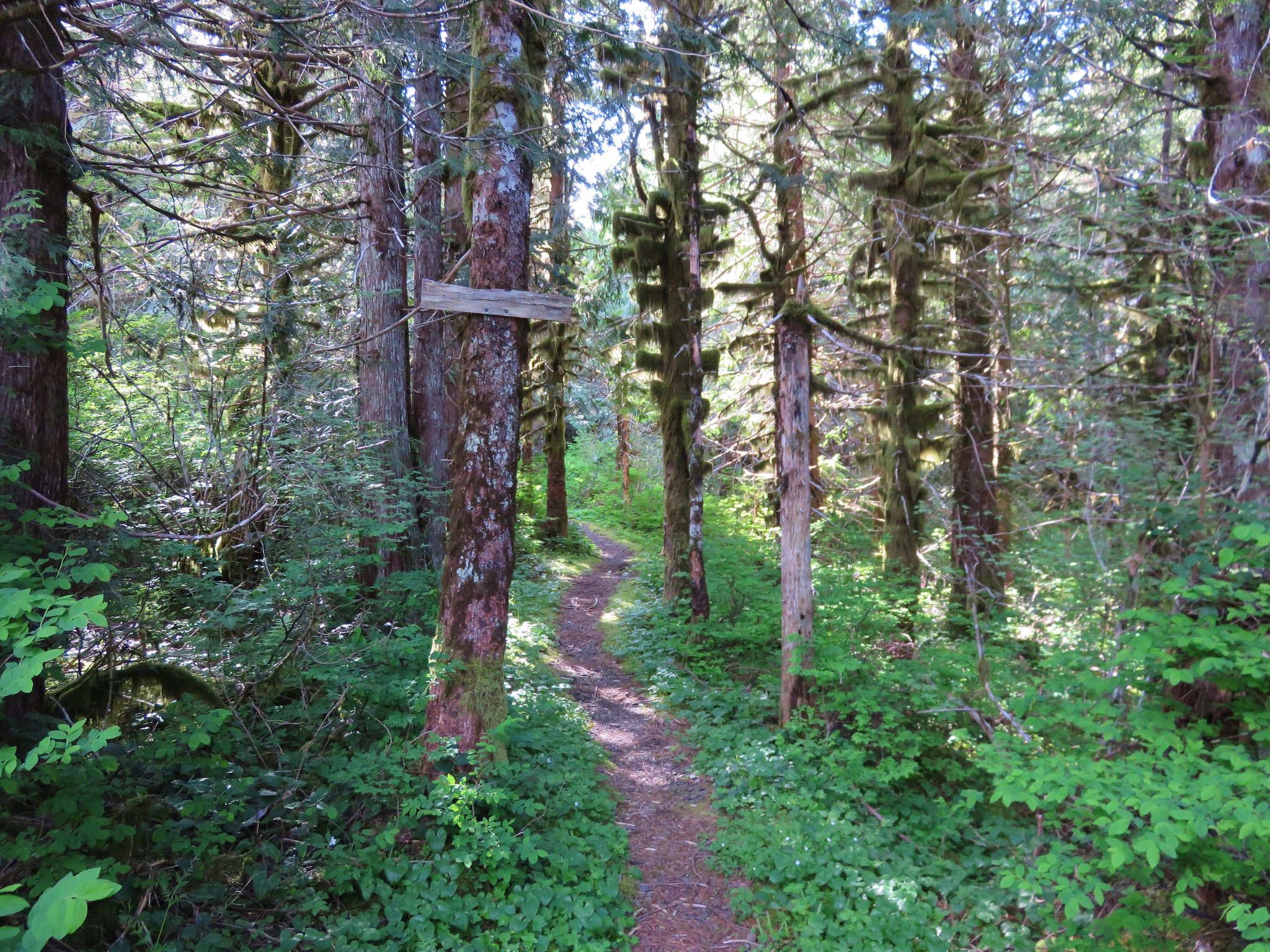
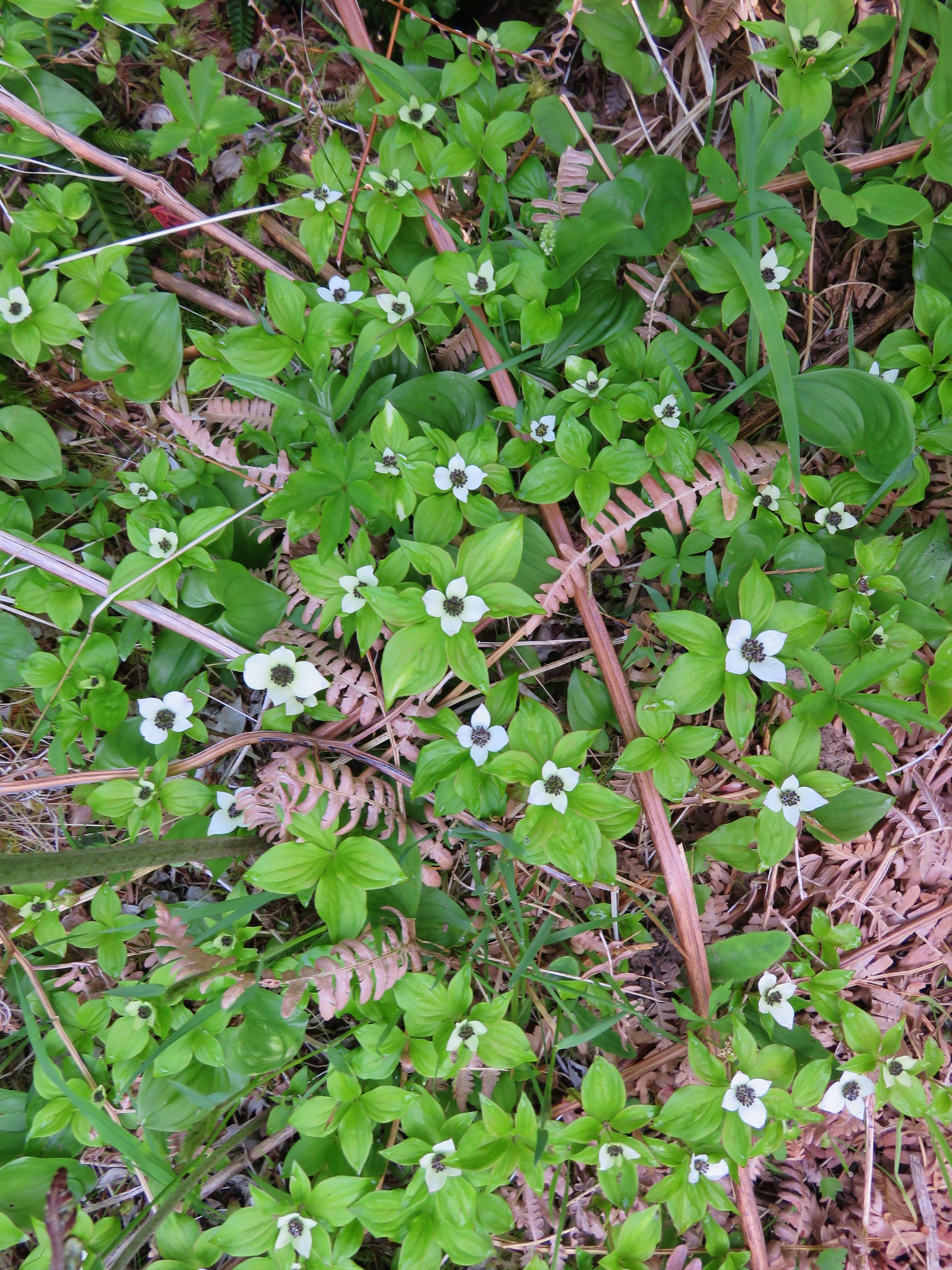
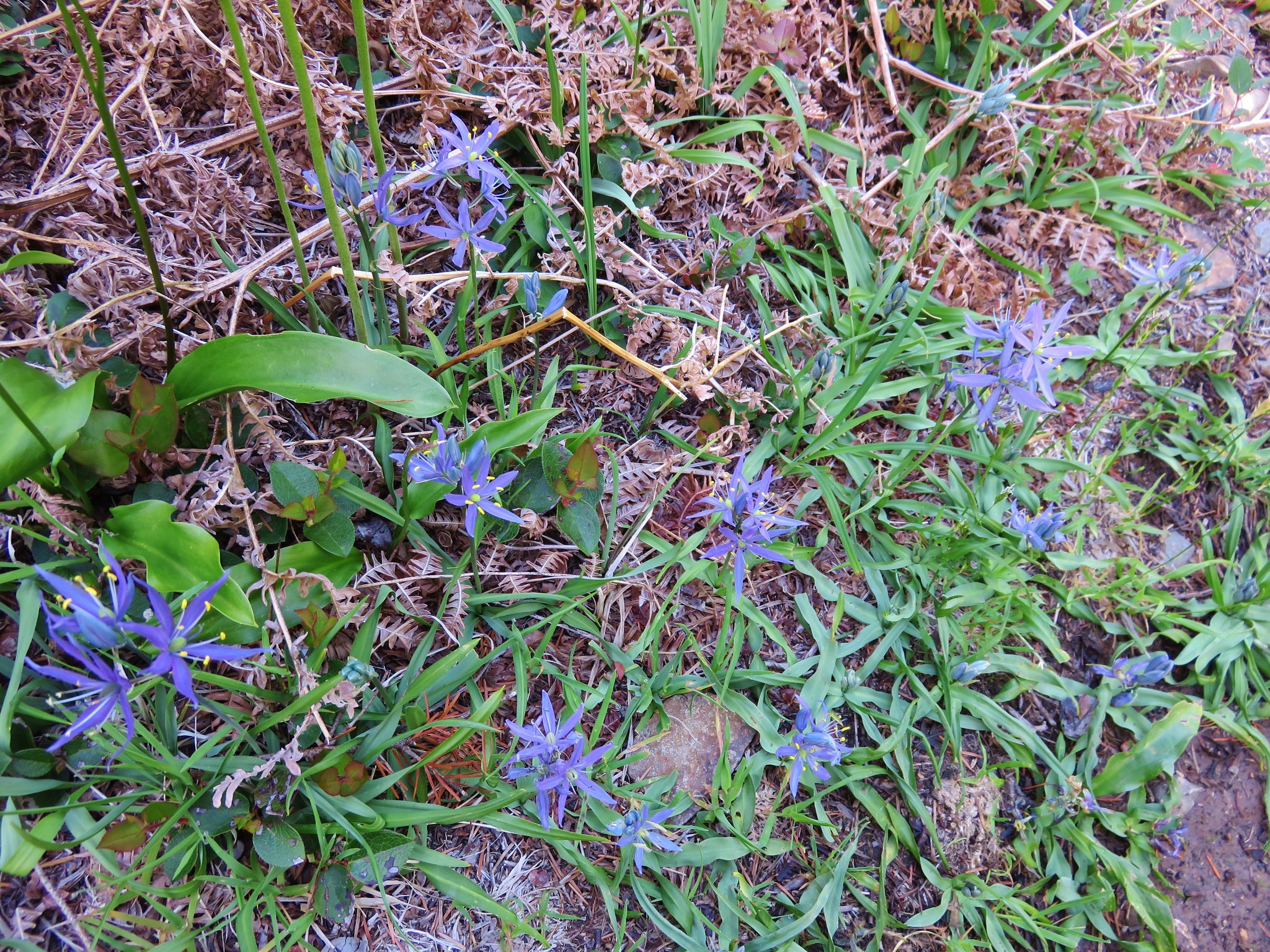
There were new flowers to discover on this section of the trail including bunchberry, anenome, and camas which we were really surprised to see.
IMG_2459

IMG_2460

IMG_2462

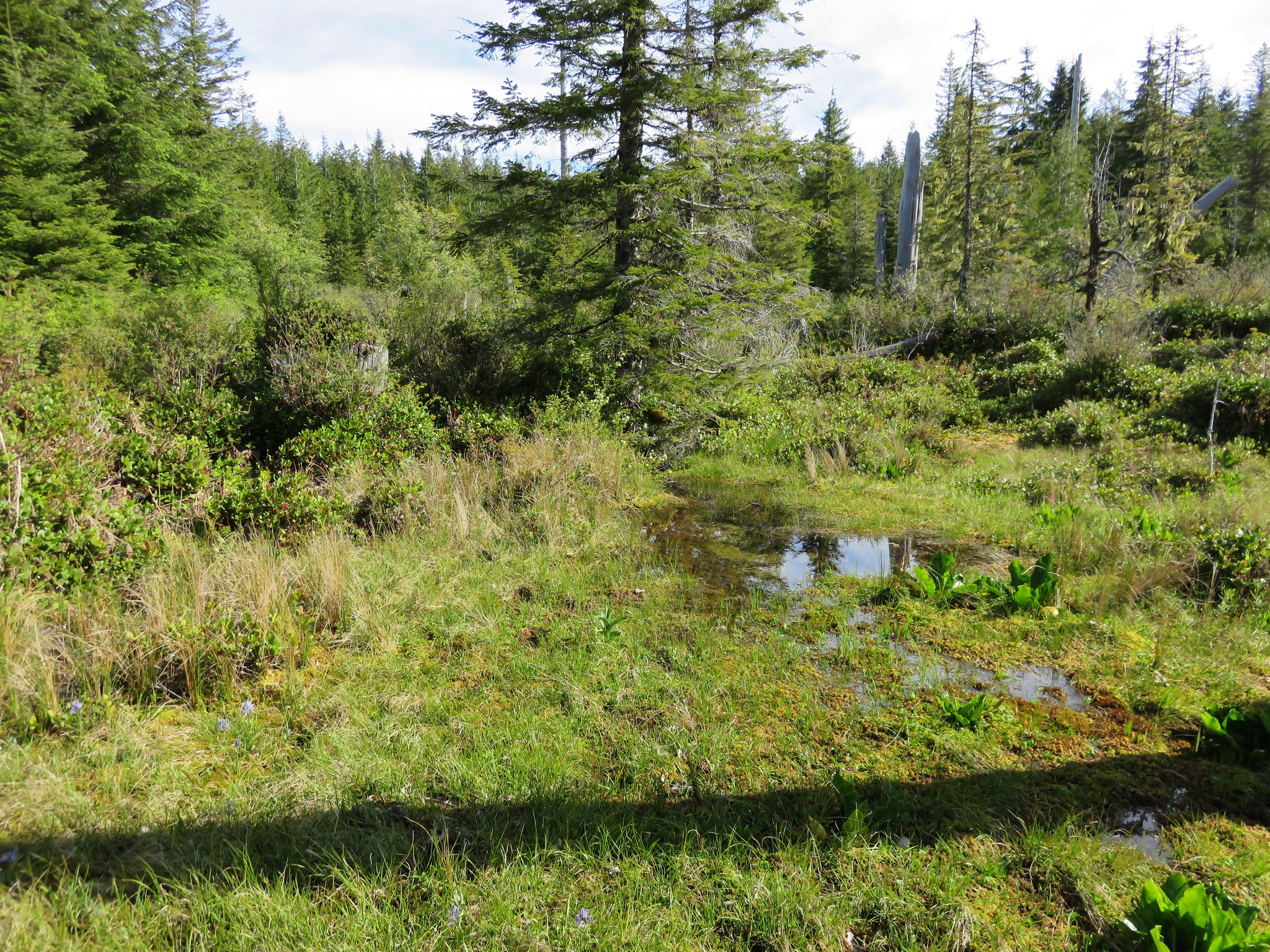
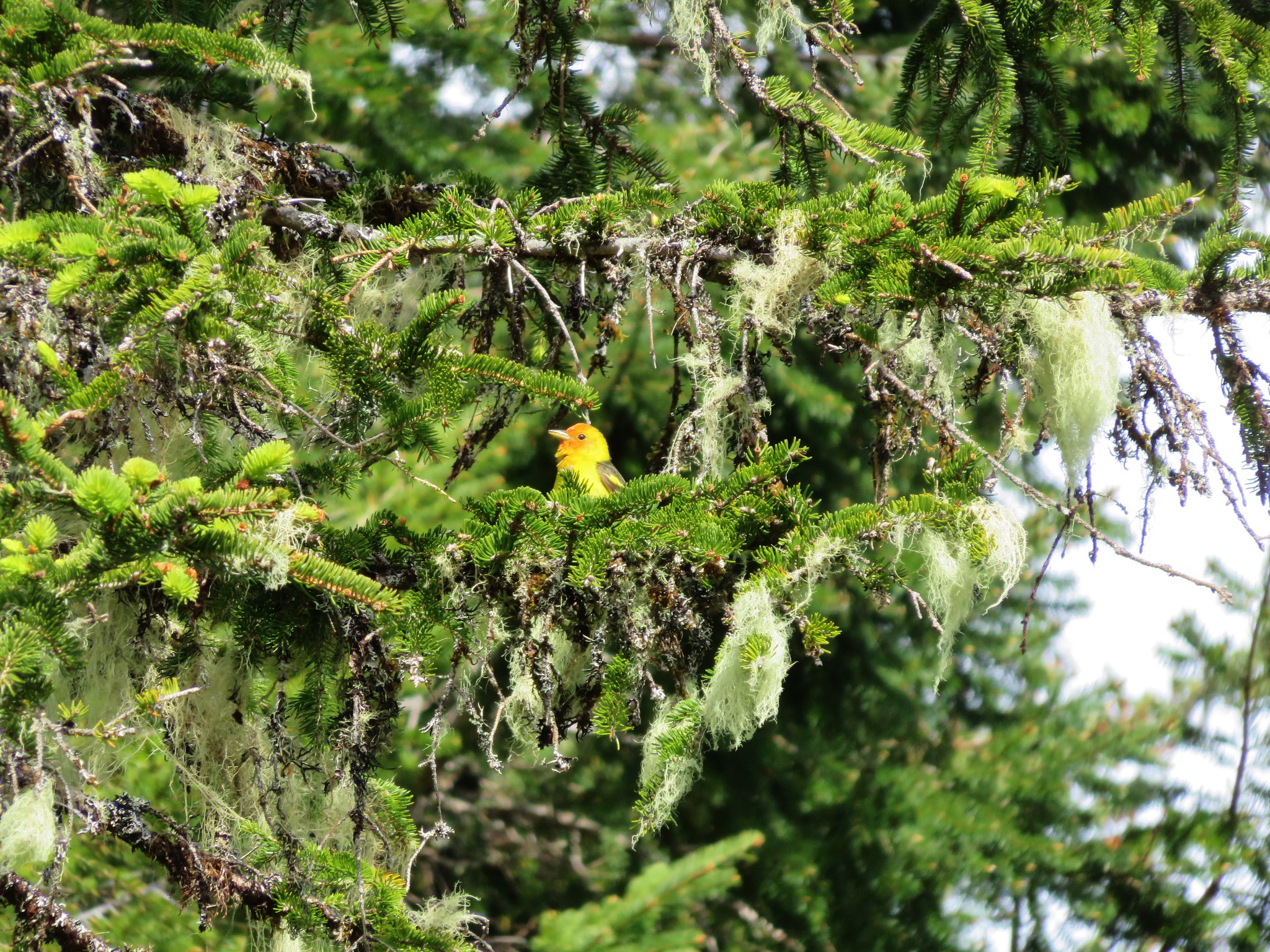
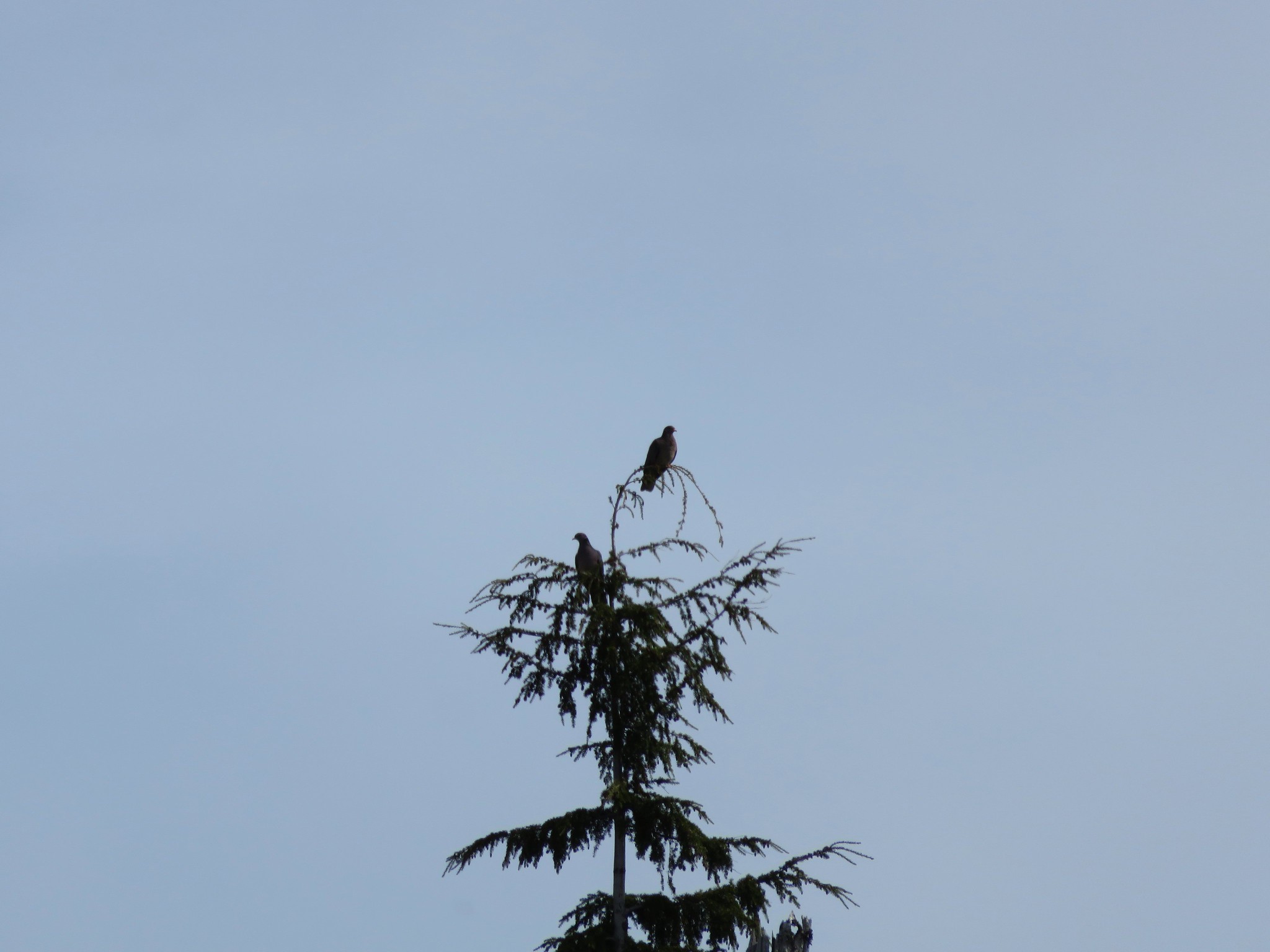
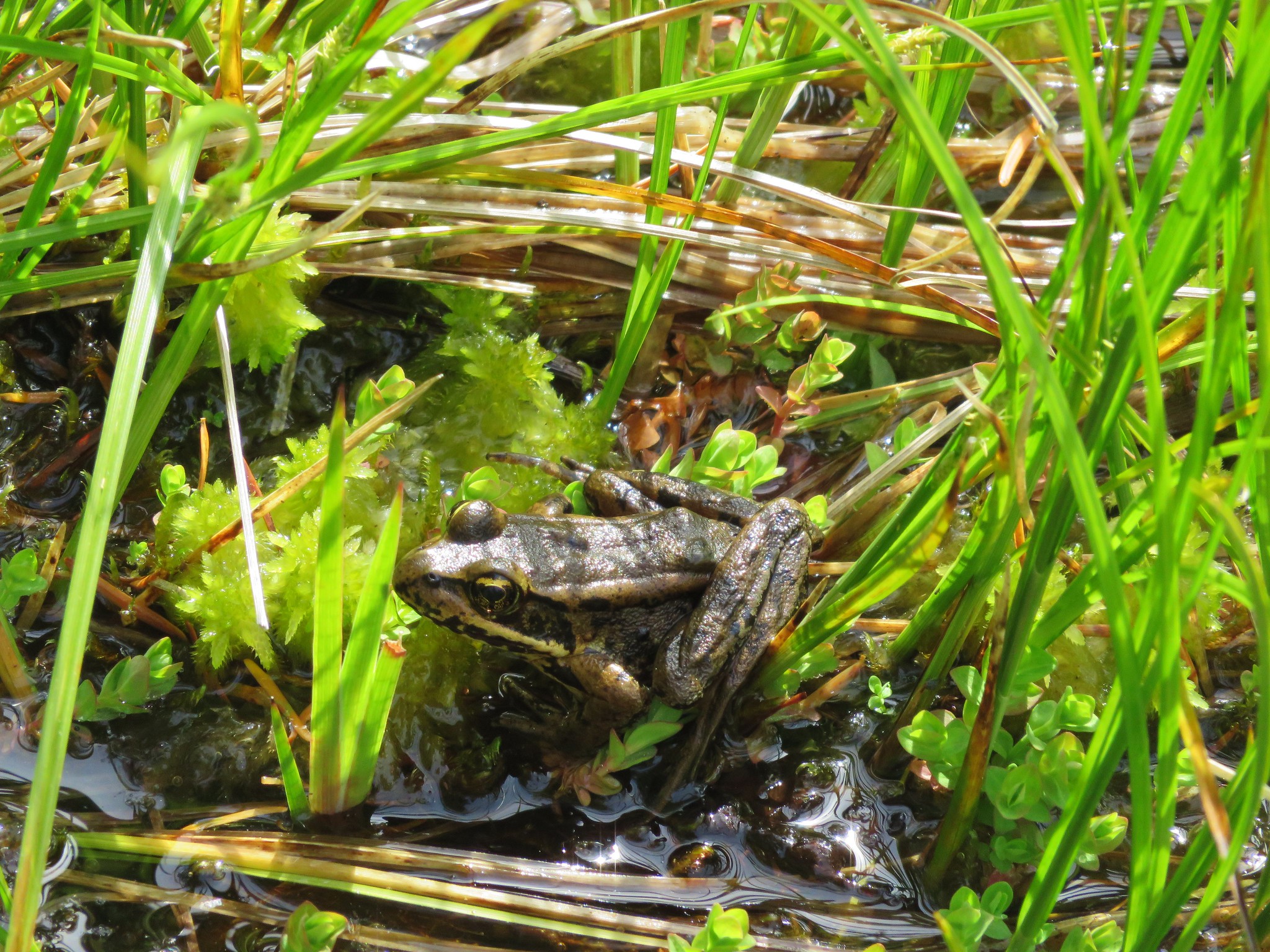
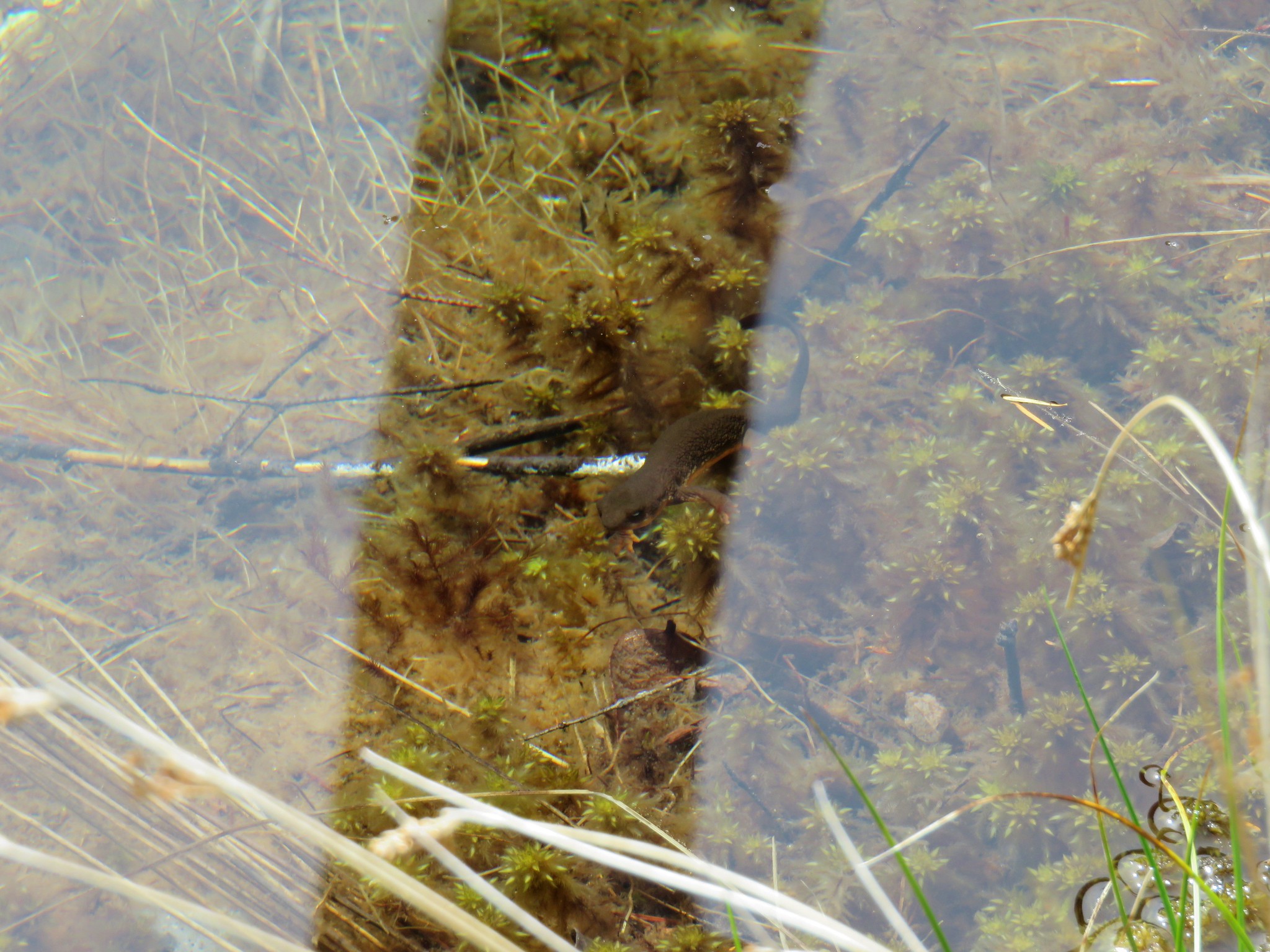
We also crossed a little stream coming from a marshy wetland area. As we took a quick look we noticed some frogs hopping into several pools and a number of birds in the area. We didn’t get any pictures of wildlife on the first pass but on our way back by we were luckier.
IMG_2468

Western Tanager
IMG_2493

Band-tailed Pigeon
IMG_2499

IMG_2517

IMG_2518

This little area would have made a good turnaround point but we continued on a bit further looking for a viewpoint that was shown in our guide book. We passed a couple of smaller meadows filled with camas and found some nice penstemon in bloom but not a particularly nice viewpoint before the trail began to descend toward North Lake.
IMG_2472

IMG_2473

IMG_2484

IMG_2485

We weren’t interested in having to climb back up from the little lake so we turned around and headed back to the meadows. The clouds to the west had really retreated when we arrived back at the meadows revealing more of the coastal foothills.
IMG_2525

IMG_2529

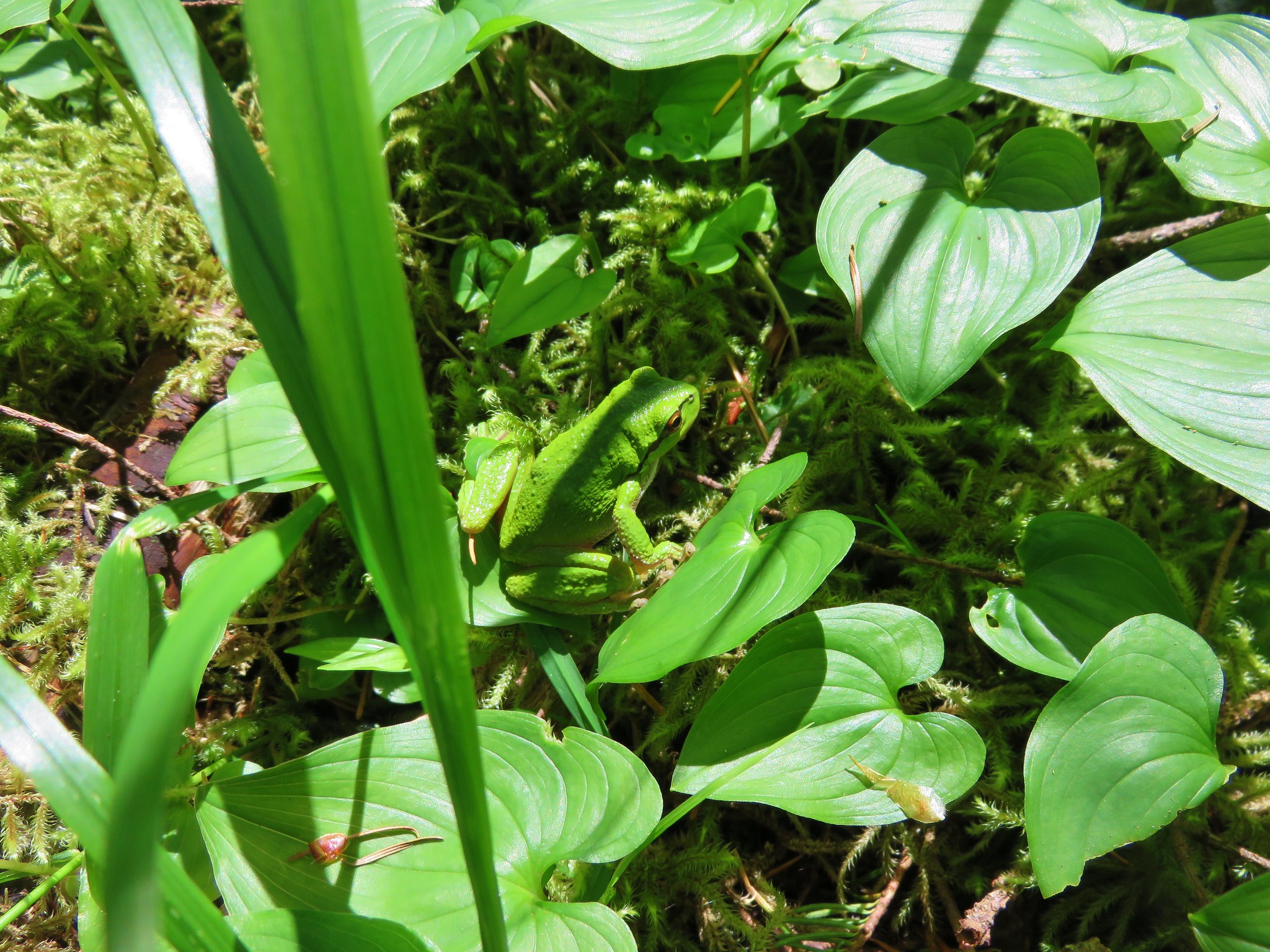
As we were passing back through the forest along the lower portion of the trail Heather spotted a really good sized Pacific-Tree Frog.
IMG_2565

IMG_2556

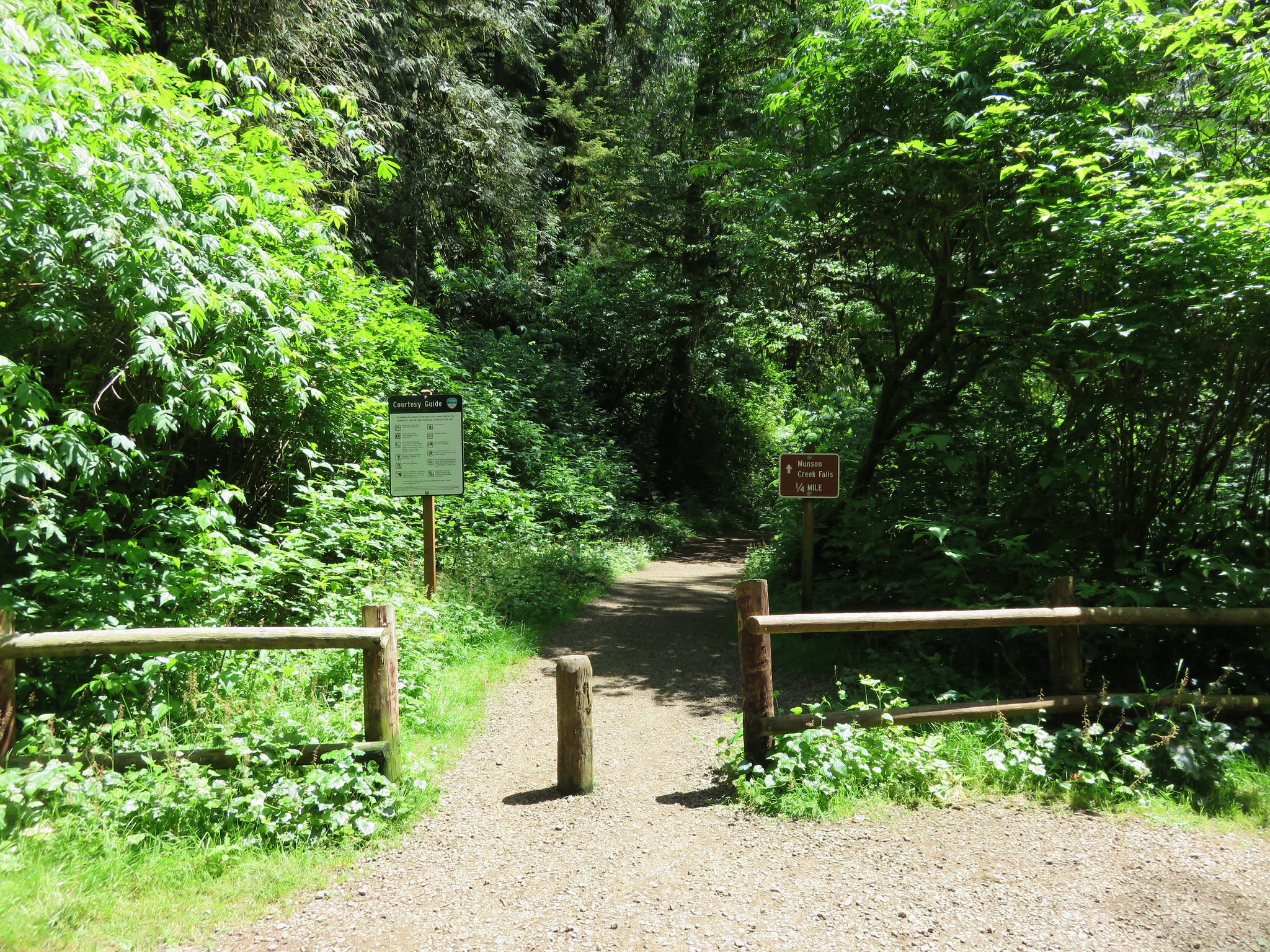
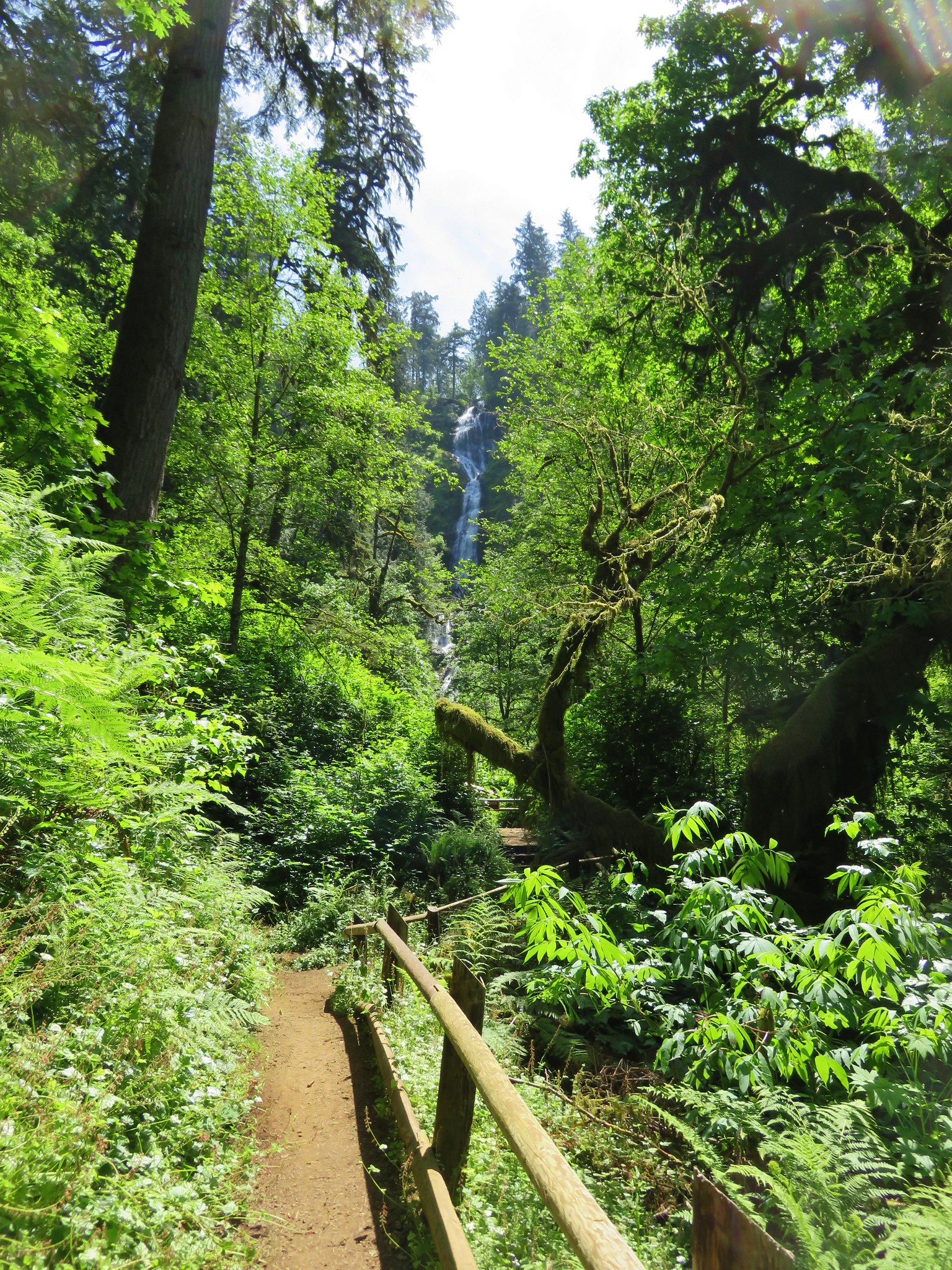
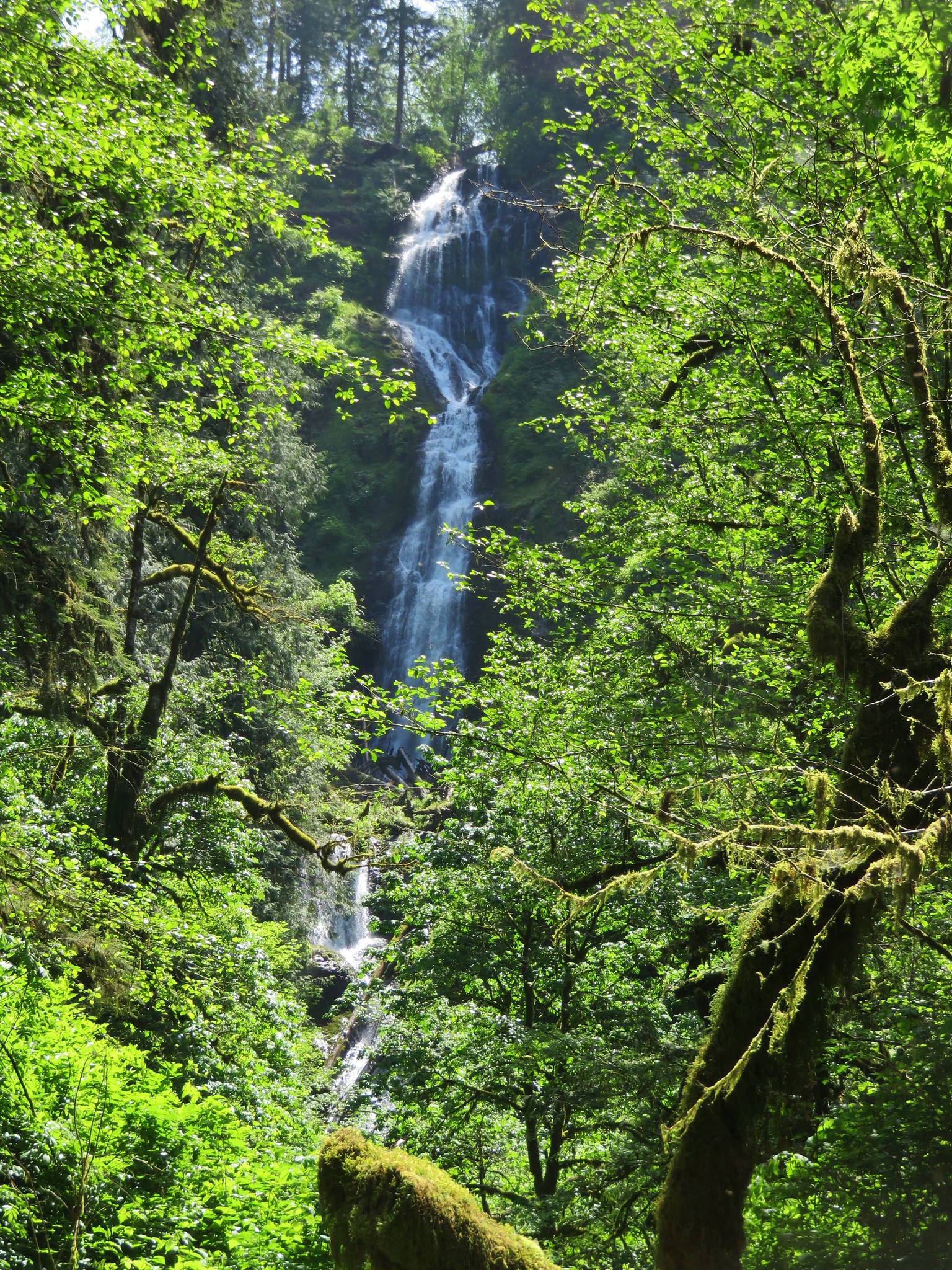
After finishing the Mt. Hebo hike we headed north on Highway 101 toward Tillamook to Munson Falls State Park. Here a quarter-mile path leads to a view of the tallest water fall in the Coast Range. Unfortunately it is virtually impossible to get a clear view of the entire 266′ cascade due to a narrow canyon full of downed logs and thick brush. Still the waterfall was one of the more impressive we’ve seen and well worth the visit.
IMG_2574

IMG_2588

IMG_2591

IMG_2597

After our brief visit to the falls we took a little detour on the way home through Pacific City in order to stop at the Pelican Pub & Brewery which has become on of our favorite post hike places to grab a meal. Happy Trails!

flickr: https://www.flickr.com/photos/9319235@N02/sets/72157653321256339
flickr 2011 visit: https://www.flickr.com/photos/9319235@N02/sets/72157632953522057

Categories
Central Coast Hiking Oregon Oregon Coast Trip report

Harts Cove & Drift Creek Falls

It has become a tradition to finish off our hiking year either on the Oregon Coast or in the coast range. This year we targeted a pair of shorter hikes to keep the tradition alive. For the first of these two hikes we traveled to Cascade Head just north of Lincoln City in order to visit Harts Cove where a waterfall spills into the Pacific Ocean. We parked at the Cascade Head Upper Trailhead along road 1861 at a sign post for the Nature Conservancy Trail. A trail here led off for a mile to Cascade Head’s upper viewpoint which we had visited before. In order to find the Harts Cove Trailhead we walked another .9miles down road 1861 where a large parking area with plenty of signs marked the start of the trail. We could have driven here but were contemplating hiking to the upper viewpoint later if the sky cleared so we decided to park at the upper trailhead.
DSC08186

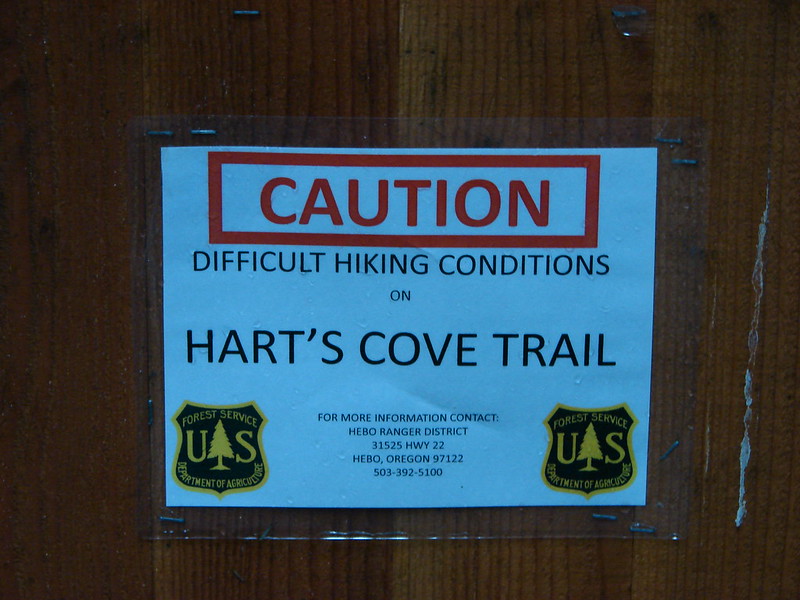
One of the signs warned of difficult hiking conditions on the trail which piqued our interest.
DSC08187

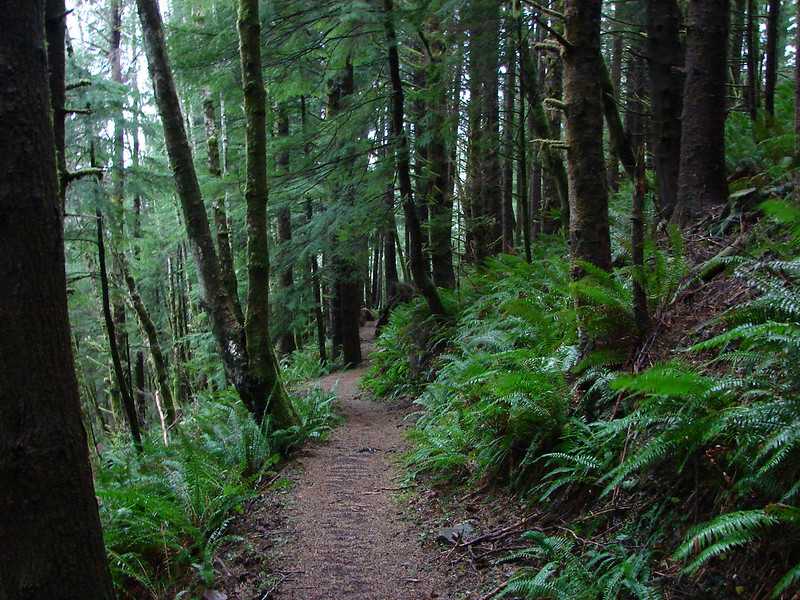
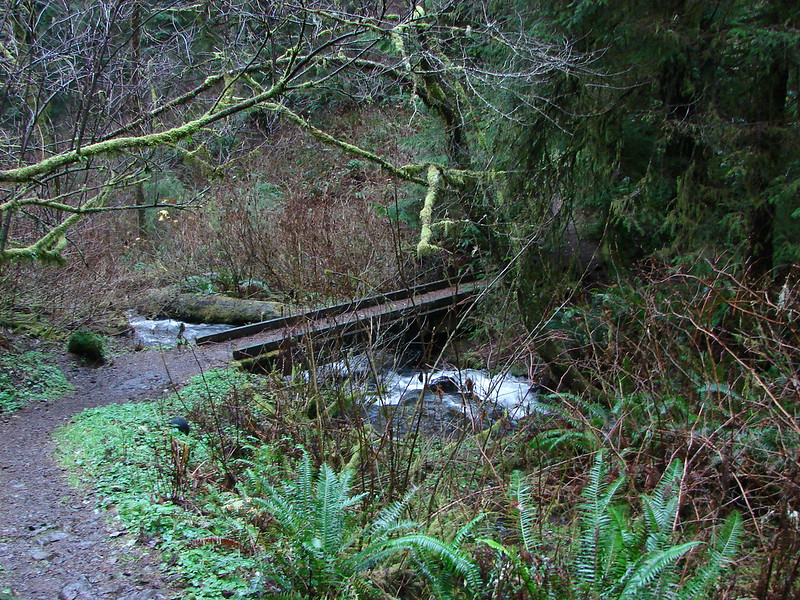
The trail started out by diving fairly steeply downhill through the forest for the first half mile then descended more gradually to a bridge across Cliff Creek.
DSC08192

DSC08193

Cliff Creek

After crossing the creek the trail turned back toward the ocean along a ridge. We could hear a number of sea lions on the rocks below but could only get small glimpses of them across the water through the trees.
DSC08200

As the trail wound around the ridge end there was a bench that offered an obstructed view across Harts Cove to a meadow which was where the trail would end. The trail then bent back leading us around the cove. We crossed Chitwood Creek which appeared to have once had a bridge but it was now in pieces further down the creek.
DSC08207

We had been in clouds and fog for most of the hike but as we came out of the forest into the meadow we could see clearer skies out over the ocean. The trail was steep here also and muddy making it a bit slick.
Looking down the trail:
DSC08210

Looking up from below:
DSC08269

North toward Cape Lookout:
Cape Lookout from the meadow near Harts Cove

South toward Cascade Head:
Cascade Head

The sea lions could still be heard across the way below Cascade Head, and now we could see them better.
Sea Lions and Seagulls

We followed the trail down and around to the left toward Harts Cove so that we could get a view of Chitwood Creek’s waterfall. We were surprised to find a handful of flowers in bloom including a number of Salal bushes.
DSC08234

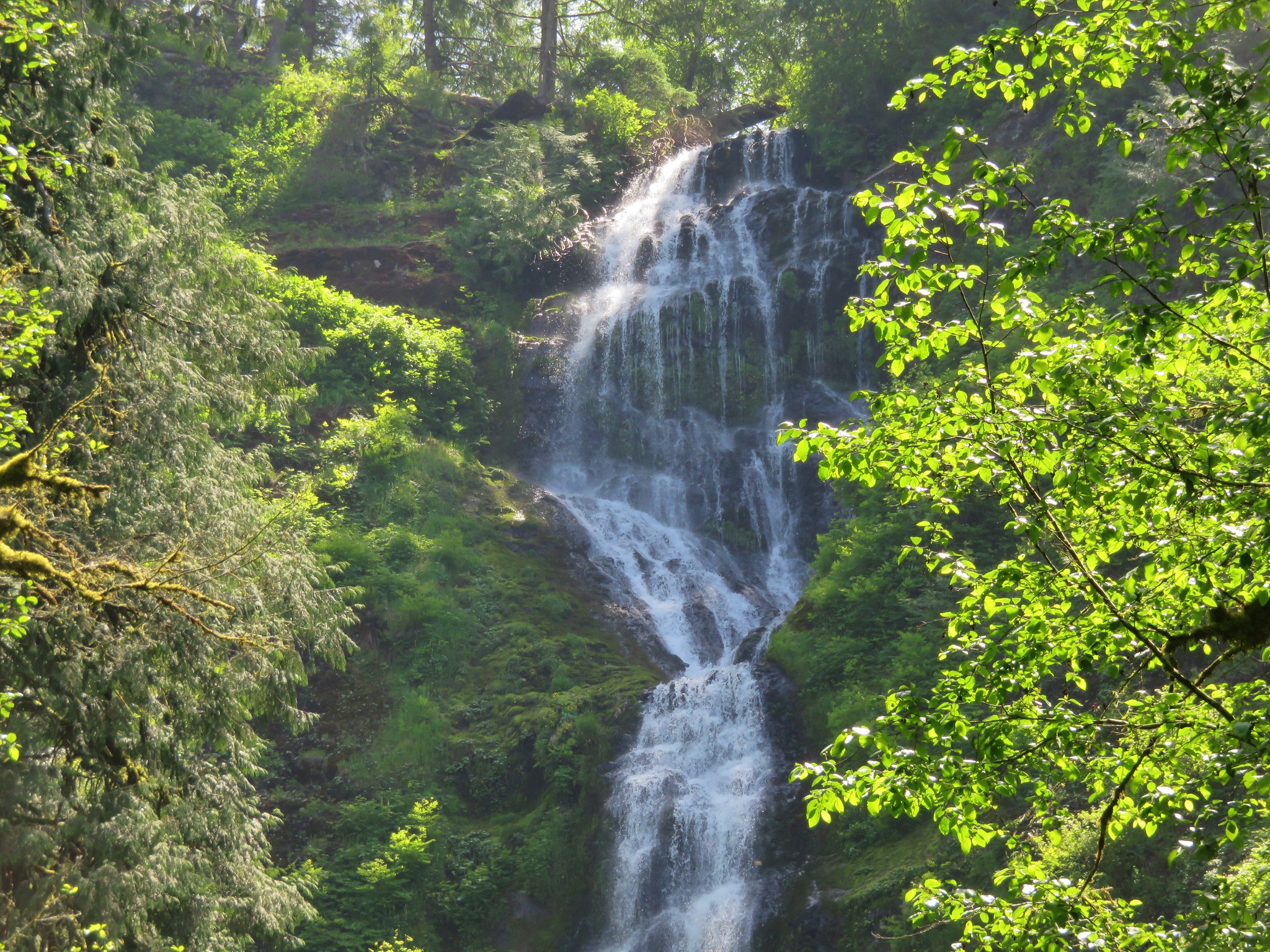
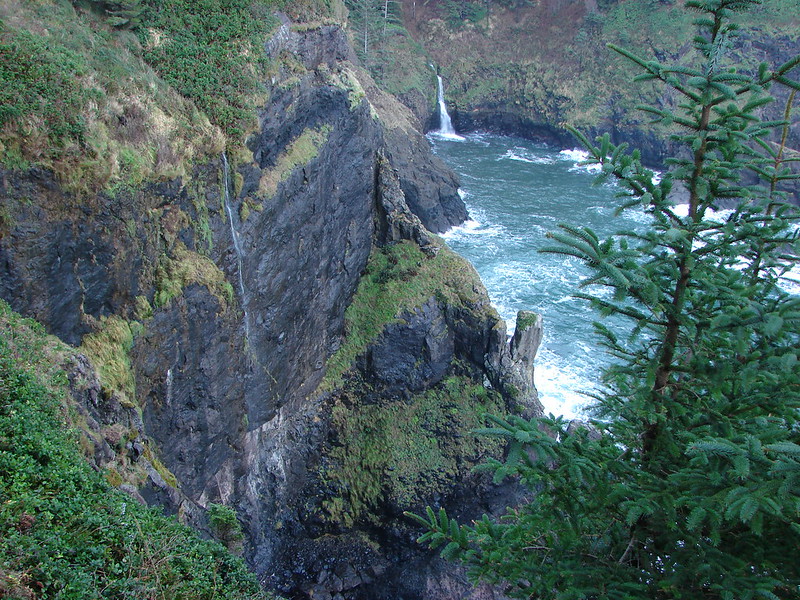
The waterfall turned out to be very picturesque as it fell down into the surging ocean.
Harts Cove and Chitwood Creeks waterfall

Chitwood Creek waterfall

DSC08268

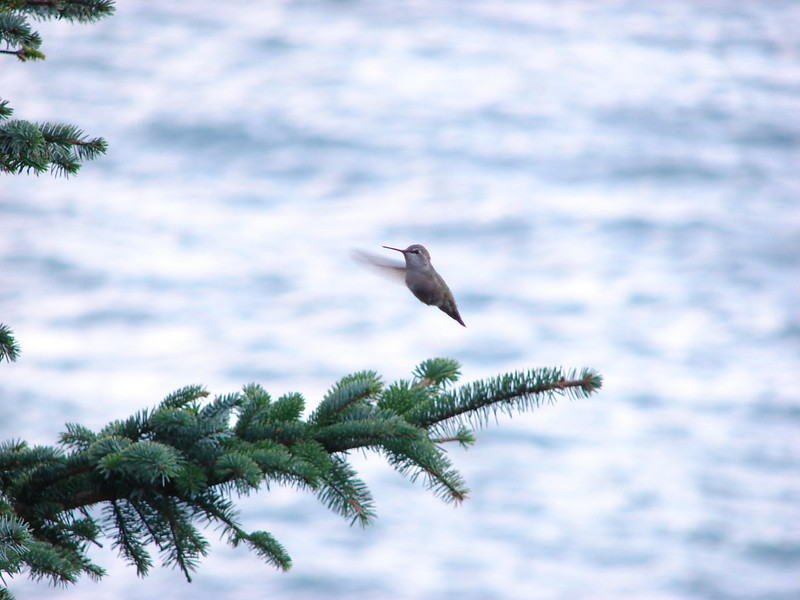
There was a nice open spot below a tree where we stopped for a snack and to remove some of the unnecessary layers of clothes we had on. While we were resting there Heather spotted a hummingbird that was interested in my orange jacket. It was zipping about, landing occasionally and then darting back into the air. I was snapping pictures frantically trying to get some sort of picture before the hummingbird disappeared. I wasn’t sure if I’d managed to get anything until we got home, but I wound up getting lucky with a single shot.
Hummingird in the meadow near Harts Cove

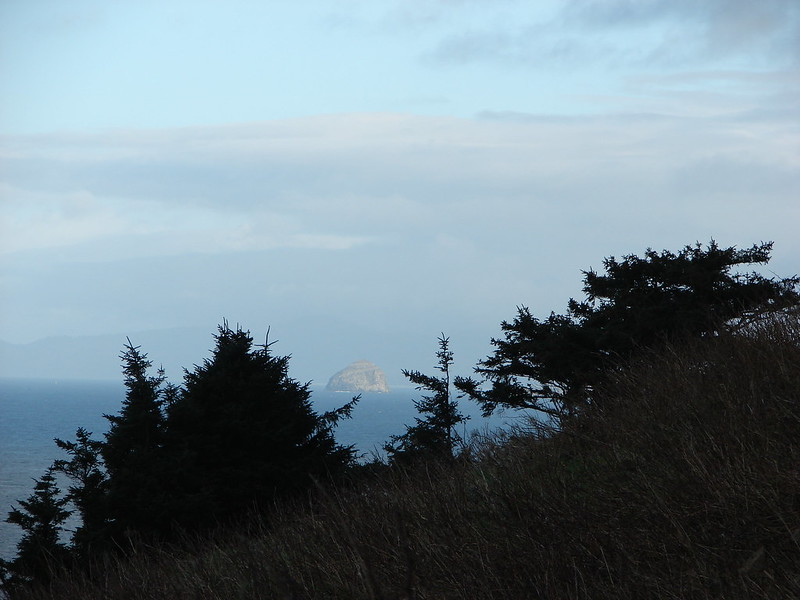
As we headed back up the steep trail we noticed that Haystack Rock near Pacific City was shinning in full sunlight.
DSC08270

We returned the way we’d come and decided to skip the upper viewpoint because it still appeared to be enveloped in the clouds. This hike had been 7.6 miles which included the unnecessary 1.8 miles due to parking at the upper trailhead.

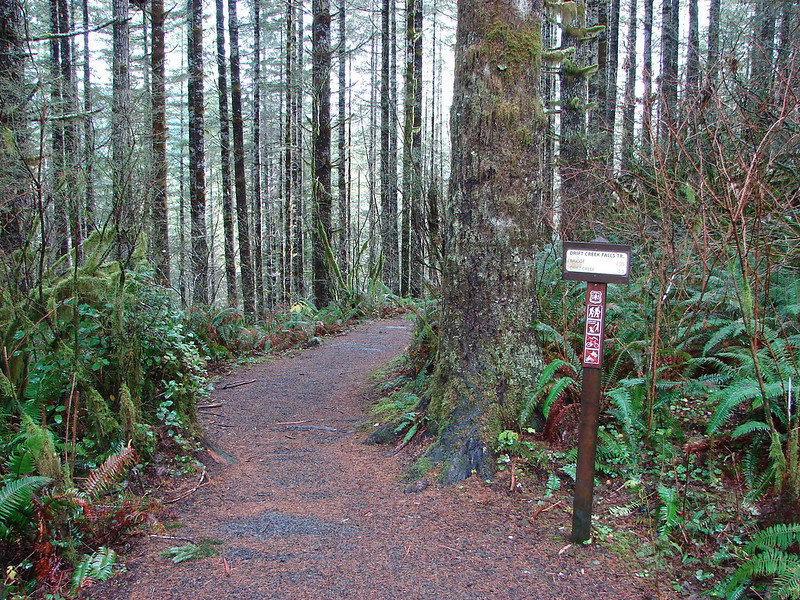
Our next stop was Drift Creek Falls which is located in the Siuslaw National Forest between Hwy 18 & Hwy 101 along Drift Creek Camp Road (Road 17). There was a good sized parking area and restrooms at the trailhead.
Drift Creek Falls Trailhead

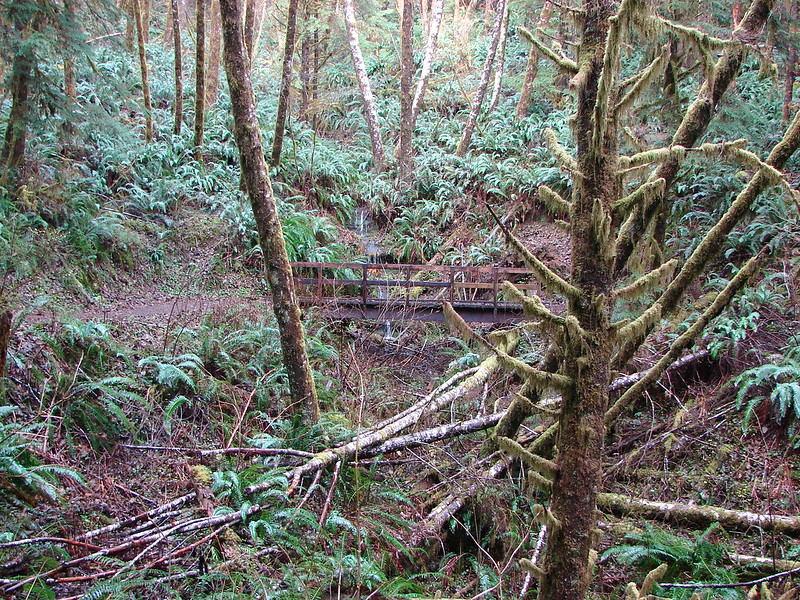
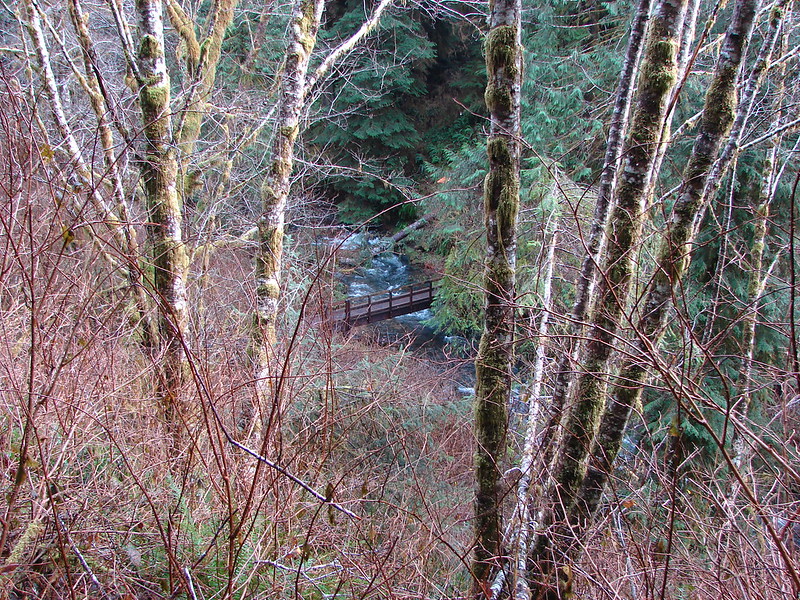
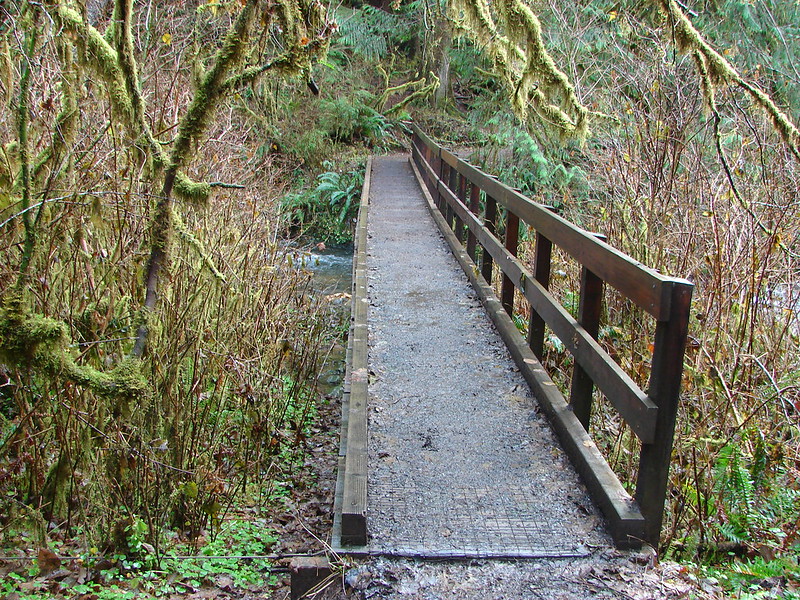
The trail leads down through the forest crossing two creeks on footbridges.
DSC08289

DSC08292

DSC08295

DSC08296

At the .7 mile mark the trail forks at a sign for the North Loop, a longer loop option which we planned to take on the way back from the falls. A third of a mile later we came to the other end of the North Loop.
DSC08322

Just a short distance later we arrived at the suspension bridge over Drift Creek.
Suspension Bridge over Drift Creek

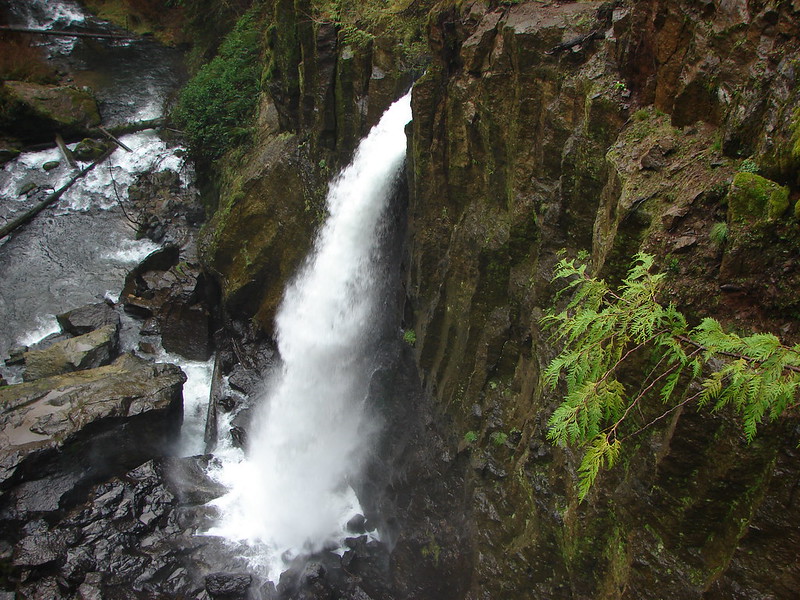
The bridge passes over the creek very close to the falls allowing for some nice views.
Drift Creek Falls

DSC08304

The trail continues on the far side of the bridge down to Drift Creek where we could get a different perspective.
Drift Creek Falls

After enjoying the falls for a bit we headed back, this time taking the North Loop which would add about .7 miles to the return trip. This 1 mile section of trail climbed up and wound back through the forest. Aside from the trees and a few mushrooms there wasn’t much to see, but the trail was nice and good for a little extra exercise if wanted.
North Loop - Drift Creek Falls Trail

DSC08327

By taking the North Loop back we wound up with a total of 3.9 miles showing on the Garmin. These two trails were close enough (30 minute drive) and short enough to do in a day but they were also nice enough to stand on their own. As far as the cautions at the Harts Cove Trail we didn’t experience anything that we found too hard or scary but some of that is subjective and the trial was steep in places and the wet conditions caused a lot of mud which was slick at times. We will most likely be back to the coast sometime next month to kick off our 2015 hikes, but until then Happy Trails!

flickr:https://www.flickr.com/photos/9319235@N02/sets/72157649223220159/
facebook:https://www.facebook.com/media/set/?set=a.10205640025507123.1073741919.1448521051&type=1

Categories
Hiking Northern Coast Oregon Oregon Coast Trip report

Neahkahnie Mountain

Happy New Year! A favorable weather forecast encouraged us to kick off our 2014 hiking year a bit sooner than planned. Just as we had done last year we turned to the Oregon Coast to get things started. While most of the country was dealing with frigid temperatures we were off to Oswald West State Park where a Sun filled day and 50 degree temperatures awaited.

For Heather and I this was our second visit to the park. In June 2012 we hiked out and around Cape Falcon where wild flowers and dramatic views were plentiful. (Pictures from that hike can be seen here: http://www.flickr.com/photos/9319235@N02/sets/72157632953462404/ ) For this trip we were set to explore the southern end of the park and follow the Oregon Coast Trail (OCT) up to the summit of 1631′ Neahkahnie Mountain.
Neahkahnie Mountain from Cape Falcon in 2012
Smugglers Cove

We parked in the large beach access parking area on the east side of Highway 101 where the Short Sand Beach trail begins. This was the same trail we had started on for our previous visit, but after a couple of hundred yards we turned left onto the Old Growth trail. Two tenths of a mile on that trail brought us to a trail junction with restrooms where we forked left on the .1 mile Cedar Crossing trail. This path ended at Necarney Creek where it intersected the .3 mile Necarney Creek trail. (As you can tell there are a lot of short trails in the area.)

At the Necarney Creek trail we had an option. According to the park brochure/trail map if we turned left we would find the .4 mile Necarney Falls trail. I had read a trip report from 2012 that indicated there was some bushwhacking involved in reaching the waterfall but the trail was still shown on the online map so left we went. Soon the Necarney Creek trail bent away from the creek which was where we had expected to find the falls trail, but there were no trail signs and we quickly reached the end of the creek trail at a small parking area. After re checking the park map and verifying the location of the supposed trail we returned to the bend to see if we could find it. There was a faint unmarked path leading toward the creek into the underbrush at the bend which we decided must have been what was left of the trail. It was less than .5 miles to the falls so we decided to make an attempt at reaching them and headed into the brush.

The former trail was virtually gone save for a few short sections here and there. We kept as close to the creek as possible as we made our way under the highway and up the narrow canyon. There were several slides and plenty of downed trees to pick our way around. After crossing a small side stream the canyon narrowed even more and we were forced down to the creek bed. Luckily the water level was low enough that we were able to stay dry by rock hopping until we reached Necarney Falls. The reward was worth the efforts.
Necarney Falls

We retraced our steps (as best as we could) and returned to the maintained trails where we followed the Necarney Creek trail to a foot bridge which crossed the creek and led to the Elk Flats trail.
Suspension bridge over Necarney Creek
We took a quick trip down to Short Sand Beach before for a photo-op before setting off on the Elk Flats trail.
Smugglers Cove
We then followed the 1.3 mile Elk Flats trail through the park passing several nice ocean views before entering a meadow near the Devils Cauldron overlook.
Meadow along the Elk Flats Trail

After taking in the view from the overlook we climbed east through the meadow to yet another small parking area along Hwy 101. Across the highway was the North Neahkahnie Mountain trail. Both the Neahkahnie Mountain and Elk Flats trail are part of the OCT which extends 360 miles from the Washington border to California. Less than 100 miles of the OCT are actual trail though, with the majority of rest of the miles being on beaches and the remainder on the shoulder of Highway 101.

After crossing the highway we quickly began climbing, needing to gain 1200′ in 2 miles of trail. The first section of the trail led up through an open meadow via a series of switchbacks. We guessed the meadow would be full of flowers in Spring and early Summer, but for this hike we were content with the views which extended from Cape Falcon in the north to Cape Mears and Cape Lookout to the south.
Looking up the meadow:
Meadow along the North Neahkahnie Mountain Trail
Cape Falcon from the meadow:
Cape Falcon from the North Neahkahnie Mountain Trail

At the top of the meadow the trail entered an old growth forest where it remained until we were just below the rocky summit. The view from the summit was excellent and the clear skies and lack of a significant breeze made it a perfect spot for lunch.
Entering the forest:
North Neahkahnie Mountain Trail
Summit view:
Nehalem Bay, The Pacific Ocean, Cape Mears, and Cape Lookout
Lunch:
Lunch on Neahkahnie Mountian

After lunch we returned they way we had come (minus the side trip to Necarney Falls 🙂 ). We decided to make one final stop though before leaving the coast. Dominique had not been with us in October when we hiked at Cape Kiwanda in Pacific City, so he had not had the experience of dining at the Pelican Pub. This was as close as our hiking schedule would bring us to Pacific City this year so we took a short detour and stopped in for an early dinner. The food was a good as we’d remembered and we were fortunate enough to be there as the Sun set over the Pacific which was a perfect way to end the first hike of the new year. Happy Trails!

<img src="DSC02702” alt=”” />

The rest of the photos on flickr: http://www.flickr.com/photos/9319235@N02/sets/72157639463787314/ or Facebook: https://www.facebook.com/media/set/?set=a.10203069673009917.1073741867.1448521051&type=1

Categories
Year-end wrap up

The hikes of 2013 – A year in review.

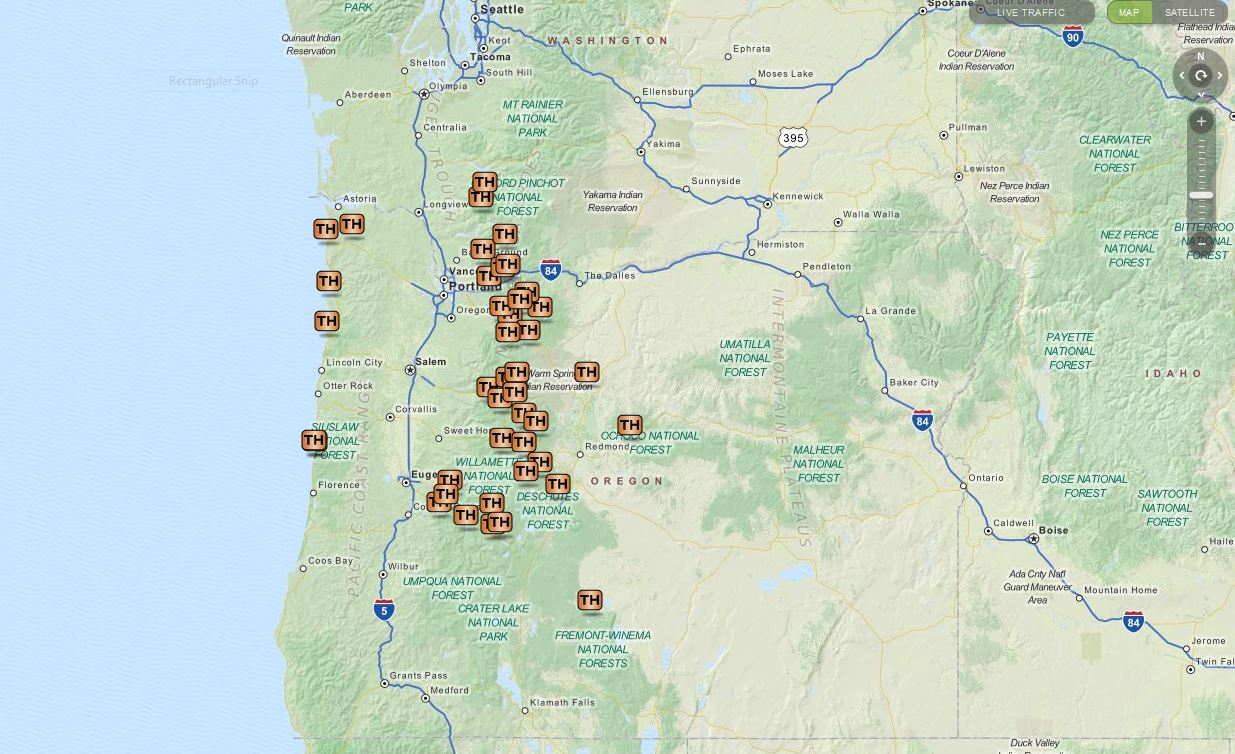
What an amazing year of hiking it was! As we reach then end of 2013 we thought we’d make one final entry recapping the beautiful areas and unique features we were blessed enough to encounter while out on our “wanderings”. We began the year in February at the Oregon Coast, hiking at Gwynn Creek and Cape Perpetua then finished up just a couple of weeks ago, once again on the Oregon Coast at Tillamook Head, 140 miles north of where we had started. Sandwiched in between these two hikes were 40 other adventures in which we climbed mountains, crossed rivers, and scrambled cross-country to explore a small sampling of the trails of NW Oregon and SW Washington. We put together a map of the approximate location of the trailheads for each of the hikes.
2013 Trailheads
An interactive version can be viewed on mapquest using the following link.
http://mapq.st/1bQXoXo

I’ve always been interested in numbers so I have kept quite a few statistics regarding these 42 hikes. Here are some of those that I found most interesting. We visited 10 wilderness and 2 scenic areas in 8 different national forests. In addition to the national forests we hiked in 4 state parks and at a national volcanic monument. Some of the other numbers are as follows:
Total Miles (according to the Garmin) – 515.2
Cumulative Elevation Gained (approx.) – 88,000′
Minimum/Maximum Elevation – sea level/10,358′
Total Moving Time (per the Garmin) – 240hrs 36min
Total Time on the Trails (per the Garmin) – 280hrs 6min
Total Miles Driven (approx.) – 7550 miles

For the most part the weather was good. We had a warm, dry end to Winter which carried into Spring clearing many trails of snow earlier than normal. This allowed for some earlier visits to some of the higher elevation areas and also an early bloom for most of the wildflowers including the bear grass which only blooms every 2nd or 3rd year. A mild summer kept temperatures bearable and despite the dry beginning to the year the fire season wasn’t too bad. Fall brought an early snowstorm and left an early winter wonderland at mid-elevations and some unusually cold temperatures of late created some interesting ice displays.

Words can’t do justice to the beauty of God’s creation that we experienced this so year I’ll try to keep them to a minimum and attempt to let pictures show what they can.
I have to start with the Cascade Mountains. The most awe inspiring creations, these steadfast beacons that on clear days dot the horizon always seem to draw our attention.

From the rim of Crater Lake in the south to Mt. Rainier in the north they rise above the other ridges, rooted in their positions, yet ever changing in order or varying in appearance depending on what our location was. Some of the views we had were amazing.

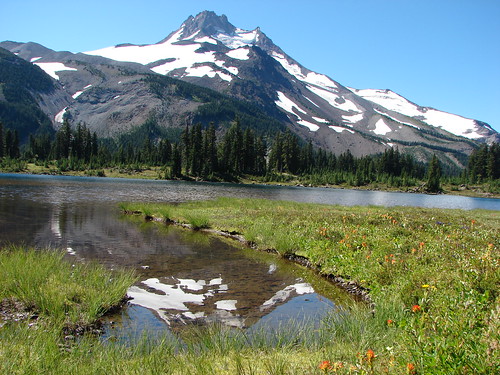
Mt. Scott, Mt. Thielsen, Mt. Baily, & Diamond Peak from the South Sister Summit
View from the South Sister
Cascade Peaks from Mt. Bachelor to Mt. Hood (minus the North Sister which was hidden behind the Middle) from Mt. Fuji
Waldo Lake
Mt. Washington to Mt. Hood from the Pacfic Crest Trail near Yapoah Crater
Belknap Crater, Mt. Washington, Three Fingered Jack, Mt. Jefferson & Mt. Hood
Mt. Washington to Mt. Bachelor from Three Fingered Jack
Broken Top, Mt. Bachelor, The Three Sisters, Mt. Washington and The Husband
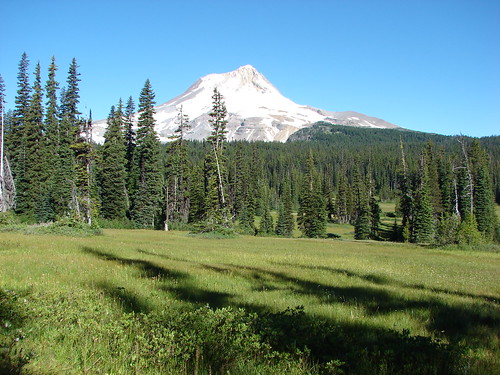
Mt. Rainier, The Goat Rocks, and Mt. Adams from Wildcat Mountain
Mr. Rainier, The Goat Rocks, and Mt. Adams
Mt. St. Helens, Mt. Rainier, and Mt. Adams from Silver Star Mountain
View from Ed' Trail

Individual peaks working from the south to the north.
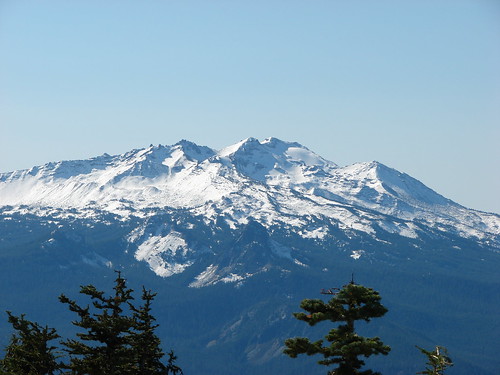
Mt. Thielsen:
From Fuji Mountian
Mt. Thielsen

Diamond Peak:
From Waldo Mountain
Fuji Mountain and Diamond Peak
From Fuji Mountain
Diamond Peak

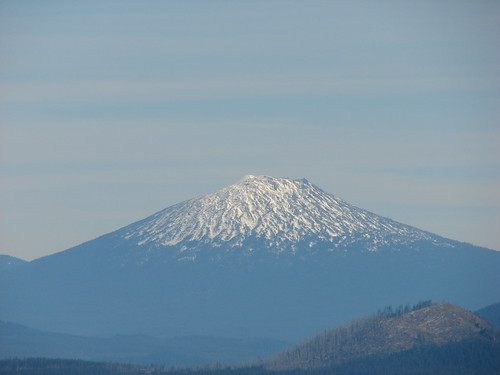
Mt. Bachelor:
From Fuji Mountain
Mt. Bachelor
From Tam MacArthur Rim
Mt. Bachelor

Broken Top:
From above Moraine Lake
Broken Top and Moraine Lake
From Fuji Mountain
Broken Top and Ball Butte
From Tam MacArthur Rim
Broken Top

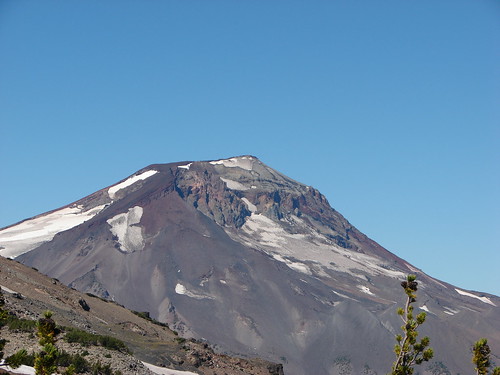
South Sister:
From above Moraine Lake
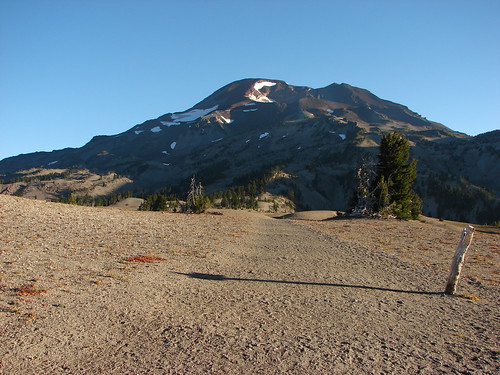
South Sister Climbers Trail
From Tam MacArthur Rim
South Sister
From Fuji Mountain
South Sister

Middle & North Sister
From Tam MacArthur Rim
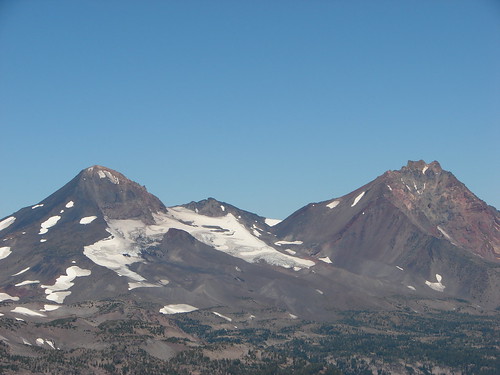
Middle and North Sister
From Scott Meadow
North & Middle Sister and Little Brother from Scott Meadow
From the South Sister
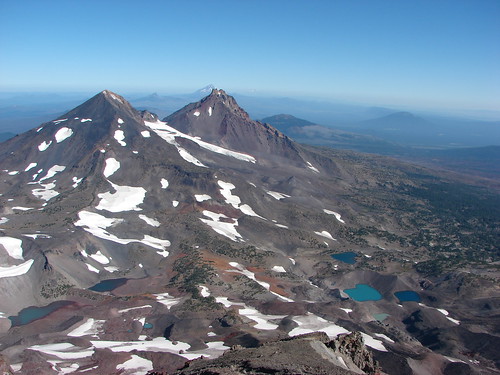
South Sister summit view

Mt. Washington
From the Matthieu Lakes Trail
Mt. Washington
From Fuji Mountain
Mt. Washington and Belknap Crater
From Three Fingered Jack
Mt. Washington and The Husband

Three Fingered Jack:

From the Matthieu Lakes Trail
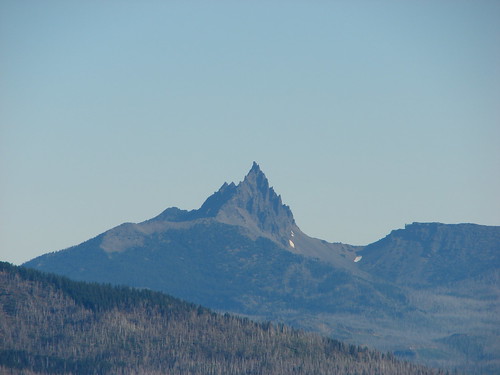
Three Fingered Jack
From Canyon Creek Meadows
Three Fingered Jack from the upper meadow

Mt. Jefferson:
From Fuji Mountain (Dwarfing Three Fingered Jack)
Mt. Jefferson and Three Fingered Jack
From Hanks Lake
Hank's Lake
From Three Fingered Jack
Looking back down
From Bays Lake in Jefferson Park
Bays Lake in Jefferson Park

Mt. Hood:
From Barrett Spur
Mt. Hood from Barrett Spur
From Table Mountain
Mt. Hood from Table Mountain
From Elk Meadows
Mt. Hood from Elk Meadows
From Lamberson Butte
Mt. Hood
From Youcum Ridge
Mt. Hood from Yocum Ridge
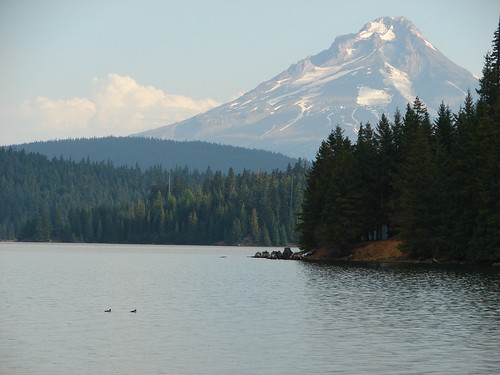
From Timothy Lake
Mt. Hood from Timothy Lake

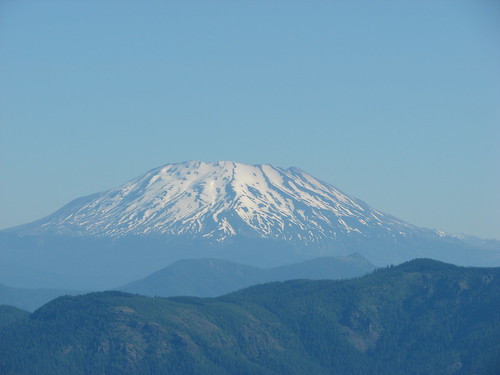
Mt. St. Helens:
Mt. St. Helens
From the Loowit Trail on Mt. St. Helens
Mt. St. Helens from the Loowit Trail
From Johnston Ridge
Mt. St. Helens

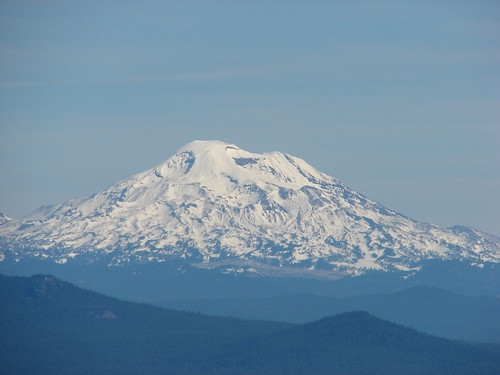
Mt. Adams:
From Silver Star Mountain
Paintbrush, penstemon and Mt. Adams

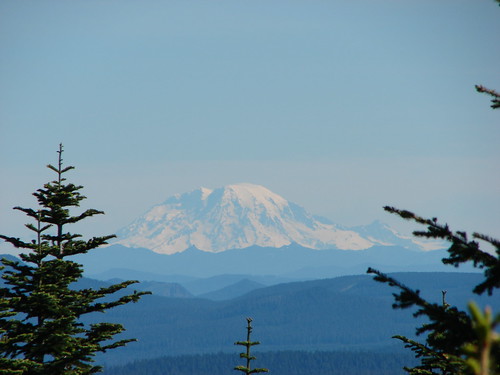
Mt. Rainier:
From Wildcat Mountain
Mt. Rainier

From the giant rock towers of the mountains we move on to the delicate meadows full of wildflowers that often times call the mountains home. We visited amazing wildflower displays near Mt. Hood, Mt. Jefferson, and Three Fingered Jack but the Cascades were possibly outdone by Silver Star Mountain in Washington.
Bear Grass on Mt. St. Helens
Mt. St. Helens from a beargrass meadow along the Loowit Trail
Balsam Root and Paintbrush in the Ochoco National Forest
Paintbrush and balsamroot
Clearcut on Silver Star Mountain
Tarabell Trail
Meadow on Salmon Butte
An arnica in  a meadow of plectritis, larkspur and monkeyflower
Elk Meadows
Elk Meadows
Near Heather Creek on Mt. Hood
Wildflowers along the Timberline Trail at Heather Creek
Mt. Hood Meadows
Wildflowers in Mt. Hood Meadows
Lupine in Canyon Creek Meadows
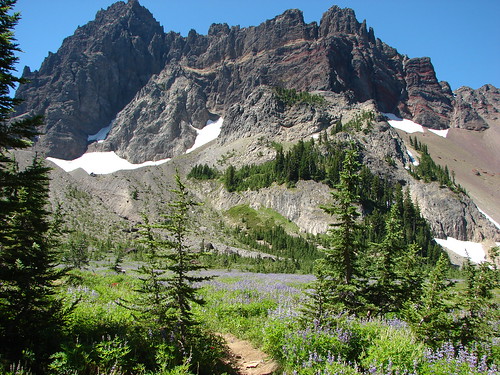
Three Fingered Jack
On Coffin Mountain
Aster, penstemon and paintbrush
Avalanche Lilies on the Timberline Trail
Avalanche lilies
Western Pasque flowers and Paintbrush near Elk Cove
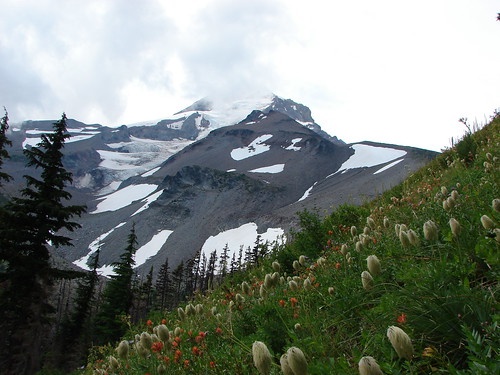
Mt. Hood from the Timberline Trail near Elk Cove
Barret Spur on Mt. Hood
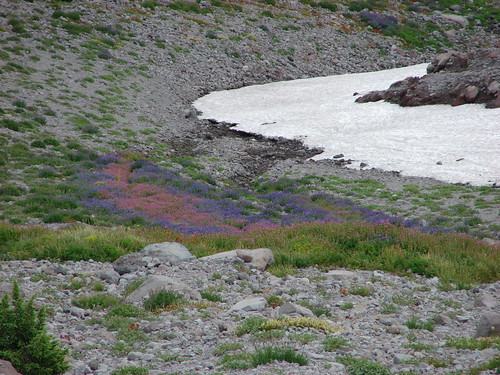
Lupine and monkeyflower
Gentians in Jefferson Park
Gentians
Jefferson Park
Wildflowers along the South Breitbenbush Trail
Along the South Brietenbush River in Jefferson Park
Wildflowers along the South Breitenbush River
Aster on Yocum Ridge
Aster field on Yocum Ridge
On Yocum Ridge
Wildflowers along the Yocum Ridge Trail
More from Yocum Ridge
Paintbrush and aster

There weren’t many hikes where the presence of water was not felt. We encountered it in various forms and in an array of colors. There were lakes, creeks, rivers, waterfalls, springs, and the Pacific Ocean adding sights and sounds to our hikes.
Roaring Creek
Roaring Creek
McKenzie River
Mckenzie River
Tamolitch Pool
Tamolitch Pool
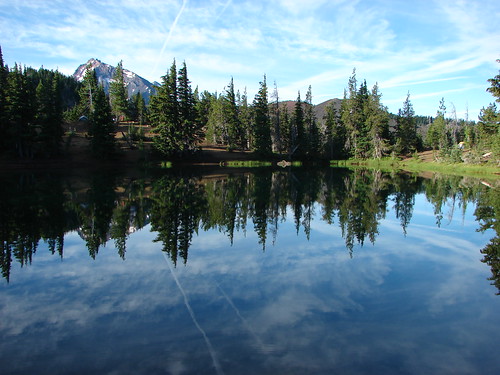
Russell Lake
Mt. Jefferson from Russell Lake
Umbrella Falls
Umbrella Falls
Diamond Creek Falls
Diamond Creek Falls
Heather Creek
Waterfall on Heather Creek
South Matthieu Lake
South Mattieu Lake
Benham Falls
Benham Falls
Carver, Camp, and the Chambers Lakes
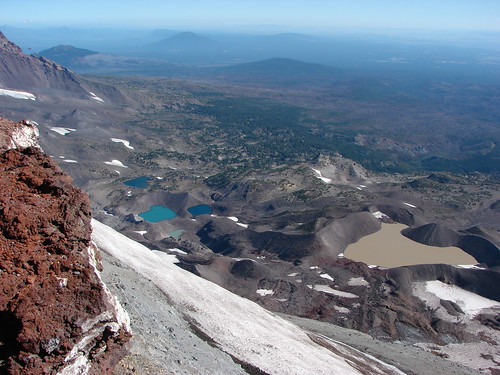
Carver, Camp and some of the Chambers Lakes
Lewis Tarn
Lewis Tarn
Creek near Pamelia Lake
Waterfall near Pamelia Lake
Timothy Lake
Timothy Lake
Little Crater Lake
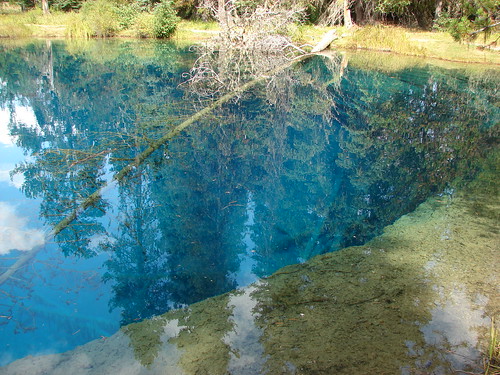
Little Crater Lake
Frozen pond near Fuji Mountain
Half frozen pond
Birthday Lake
Birthday Lake
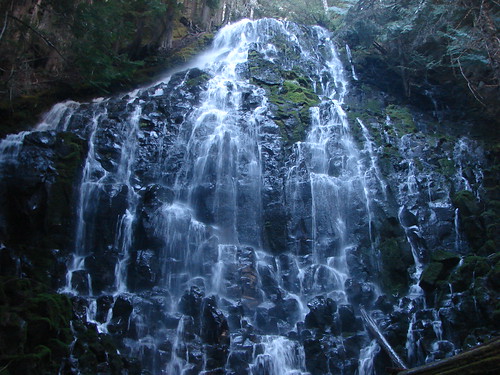
Ramona Falls
Ramona Falls
Pacific Ocean at Tillamook Head
View from Ecola State Park
Pacific Ocean from Cape Perpetua
Looking south from Cape Perpetua
Last but not least the most unpredictable of the sights out on the trails are the creatures that call these places home. From flying ants on Coldwater Peak to the black bear who left its tracks in the snow on Fuji Mountain we were the tourists traipsing through their neighborhoods. We spotted our first elk, snow shoe hare, and sooty grouse this year. We also had the mysterious case of “mouse rain” on Salmon Butte which you can read about here:https://wanderingyuncks.wordpress.com/2013/06/20/salmon-butte/
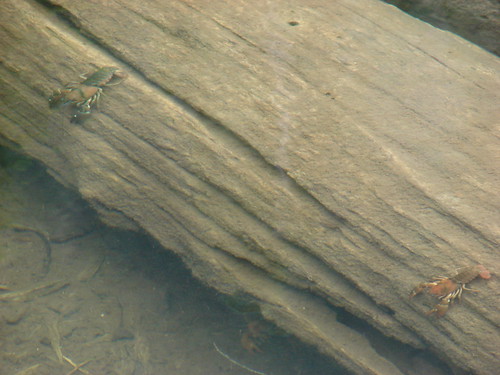
Crawdads in Middle Rock Lake
Tide pool at Cape Kiwanda
Snail
Rough skinned newt
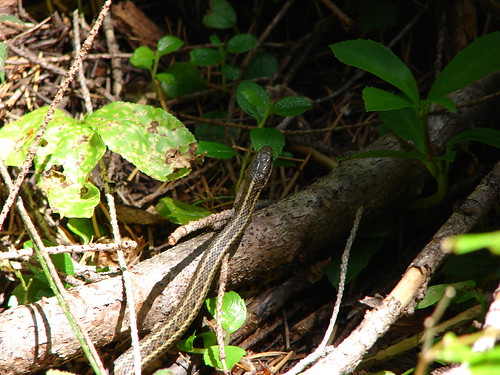
Snake
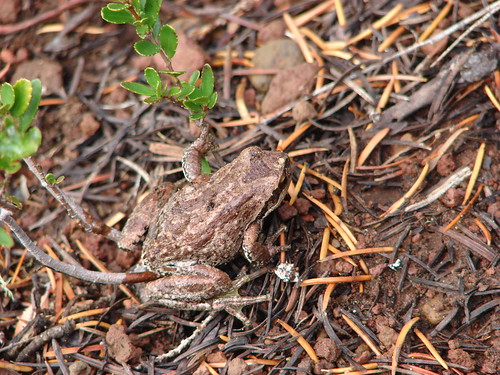
Tree frog
Spider along the Tam McArthur Rim Trail
Bug on Fuji Mountain
Frog
Butterflies
Zerene fritillary butterfly
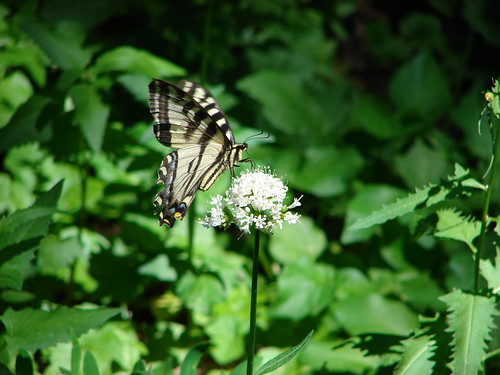
Swallowtail butterfly
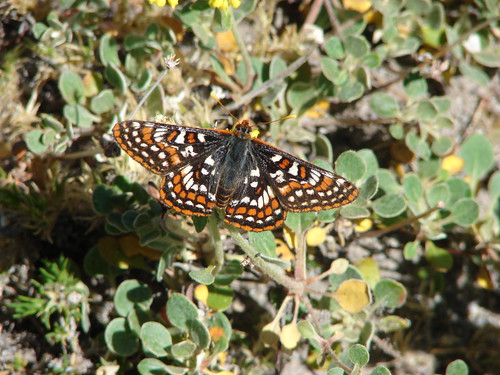
Edith's checkerspot
Milbert's Tortoiseshell Butterfly on the way up Coldwater Peak
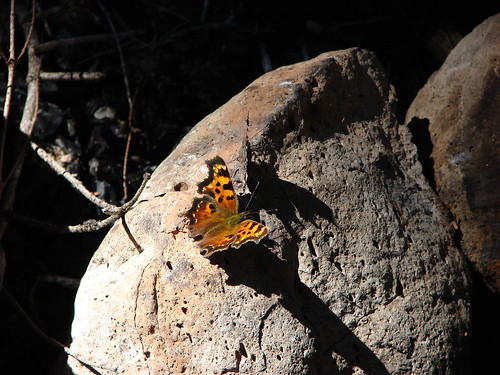
Hoary Comma
Hoary Comma
Clodius parnassian
Birds
Bald eagle
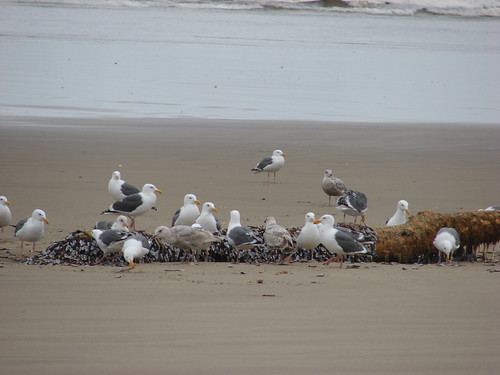
Seagull buffet
Yellow-Rumped Warbler
Owl
Gray jay taking a bath
Duck family
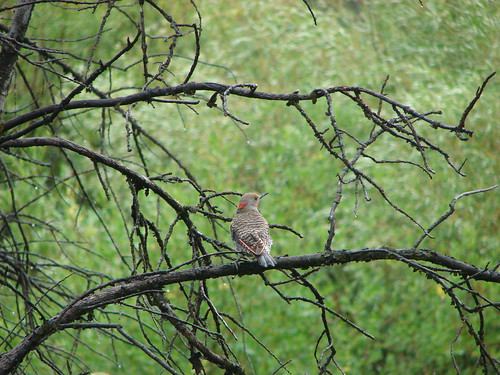
Northern Flicker
Osprey
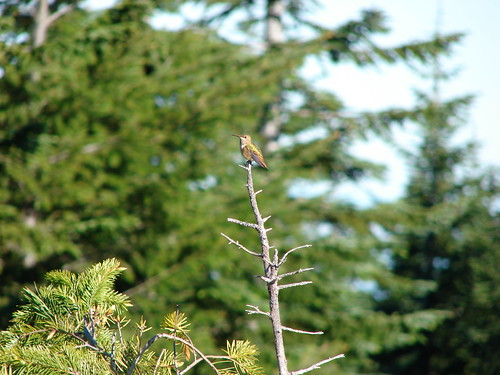
Hummingbird
Red Crossbill
Osprey flying over ducks on Timothy Lake
Hummingbird
Canada geese
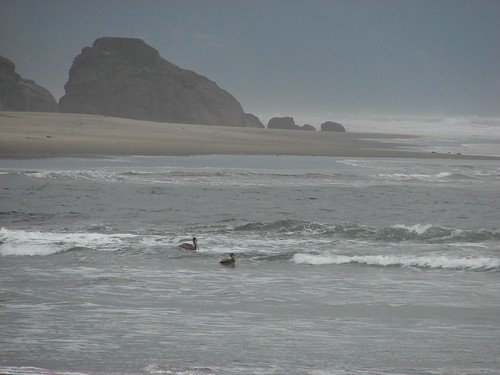
Pelicans
Common goldeneyes on Wall Lake
Great Blue Heron
Little guys
Chipmunk
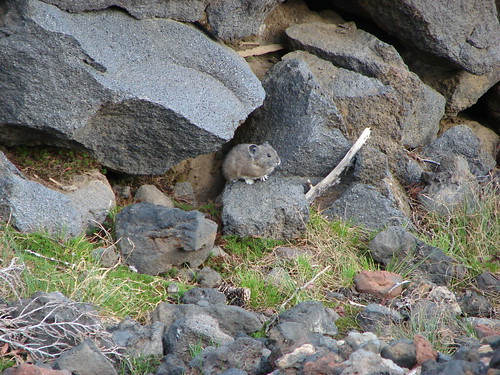
Pika
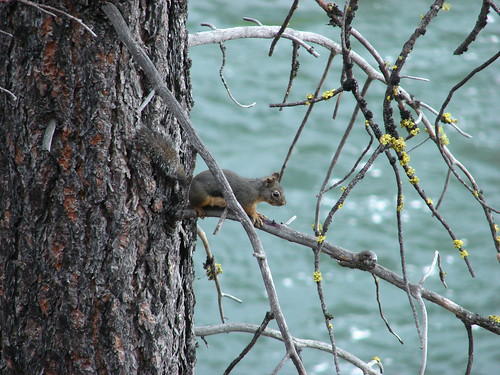
Douglas squirrel
Golden Mantled Squirrels
Snowshoe hare

Big Guys
Our first elk sighting. Near the Observation Peak Trailhead
Columbia Black Tailed Deer
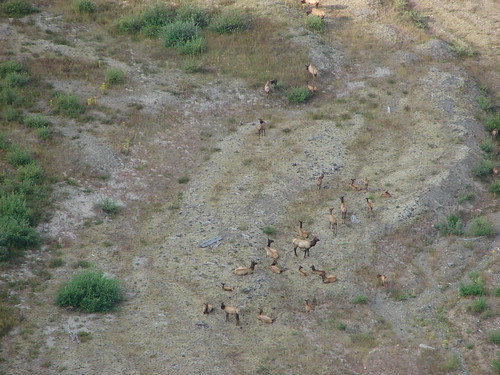
Elk herd on the far shore of the Deschutes River
Elk
Deer near the Lower Black Butte Trailhead

We’d like to leave you with what each of us found to be their favorite hike and the most difficult. For myself Elk Meadows was my favorite. https://wanderingyuncks.wordpress.com/2013/07/24/elk-meadows/ The variety and beauty we encountered on that hike put it atop my list. As for the most difficult I chose Silver Star Mountain https://wanderingyuncks.wordpress.com/2013/07/04/silver-star-mountain/ which was also in the running for my favorite. The heat on that day made it the hardest one for me.

After much deliberation Heather chose the same hike as I did her favorite, Elk Meadows; something about that day had her mesmerized as we traveled up Gnarl Ridge towards Mt. Hood. For the most difficult she picked Observation Peak due in part to having fallen shortly after we stared the hike and spraining her hand and wrist. It made for a more challenging and uncomfortable hike as she endeavored to keep her injury elevated above her heart during most of the journey. https://wanderingyuncks.wordpress.com/2013/07/09/observation-peak/

Dominique chose Fuji Mountain for his favorite. There was snow and a great view with a reasonable amount of distance. https://wanderingyuncks.wordpress.com/2013/10/09/fuji-mountain/ For the most difficult he picked Table Mountain and the climb up Heartbreak Ridge. https://wanderingyuncks.wordpress.com/2013/06/14/table-mountain/

I am already hard at work putting together a 2014 itinerary which will include some overnight backpacking trips and hopefully visits to the Goat Rocks Wilderness and Mt. Adams in Washington. If all goes as planned we will kick things off in January, take things slow until we’ve recovered from our April half or full marathons, and then be ready to crank things up in May. Until 2014 here is a link to a 2013 hikes in pictures album on Flickr http://www.flickr.com/photos/9319235@N02/sets/72157635497870439/

Merry Christmas & Happy Trails!
Categories
Hiking Northern Coast Oregon Oregon Coast Trip report

Tillamook Head

We recently wrapped up our 2013 hikes. We started on the Oregon Coast at Cape Perpetua in February and ended 140 miles to the north at Tillamook Head. Undaunted by some recent snow and cold weather (lows in the teens) we were determined to complete our final scheduled hike. The forecast for Seaside was for clear skies and a balmy 36 degrees and highway 26 over the coast looked passable so we bundled up and set off. We were looking forward to the possibility of seeing some snow at the coast since it is a rarity here in Oregon.

We chose to begin our hike at Ecola State Park on the Cannon Beach side of Tillamook Head. This meant paying a $5 fee to park which we could have avoided by parking at the Seaside end, but better views and a less steep start to the hike were worth the expense. We were the lone car in the large picnic parking area at 8am and had the views all to ourselves.

View south from the Ecola Picnic Area

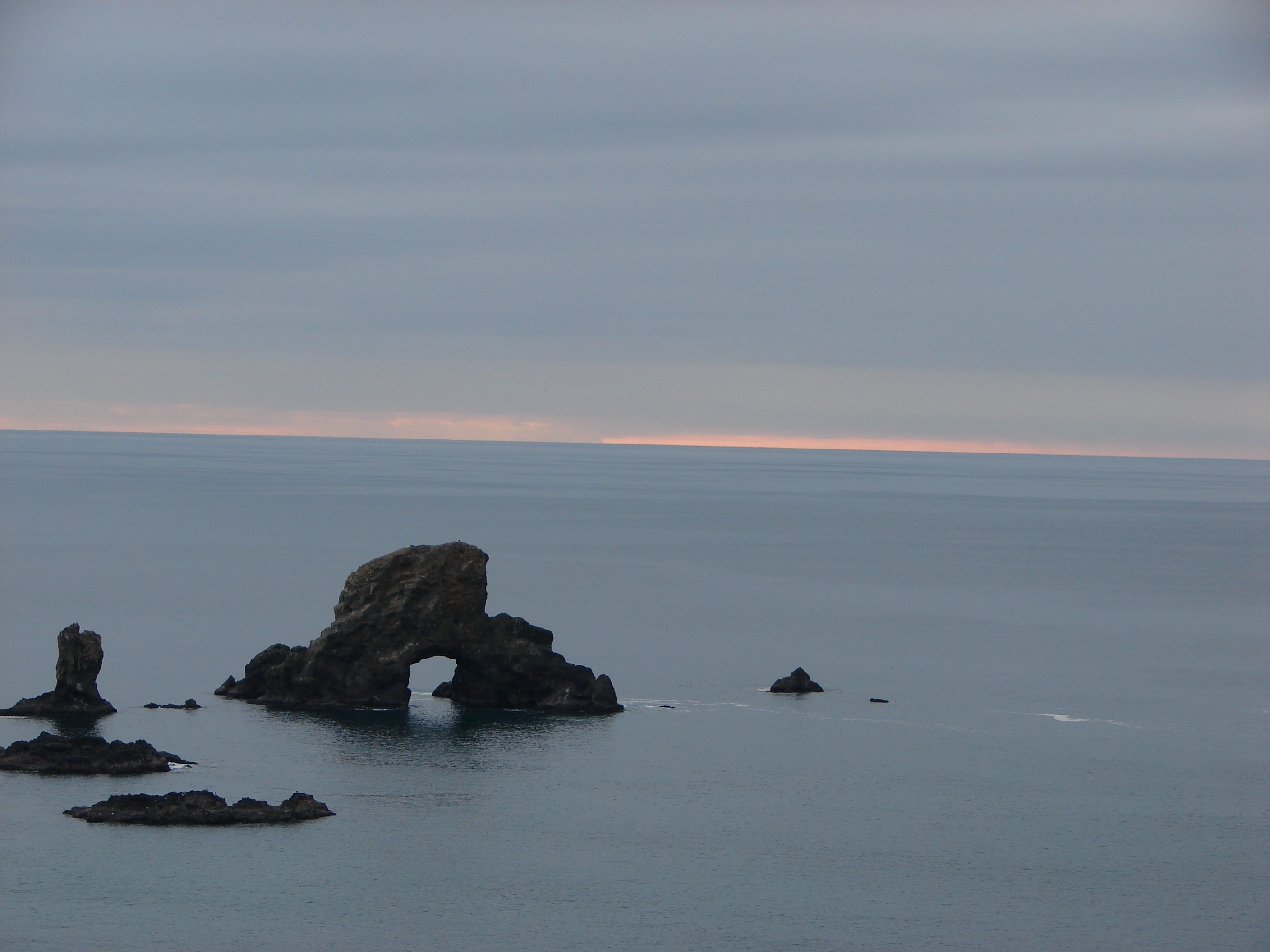
From the picnic area we headed north toward Indian Beach stopping occasionally to take in the views of Sea Lion Rock and the old lighthouse on Tillamook Rock.

Sea Lion Rock
Sea Lion Rock
Tillamook Rock
Tillamook Rock

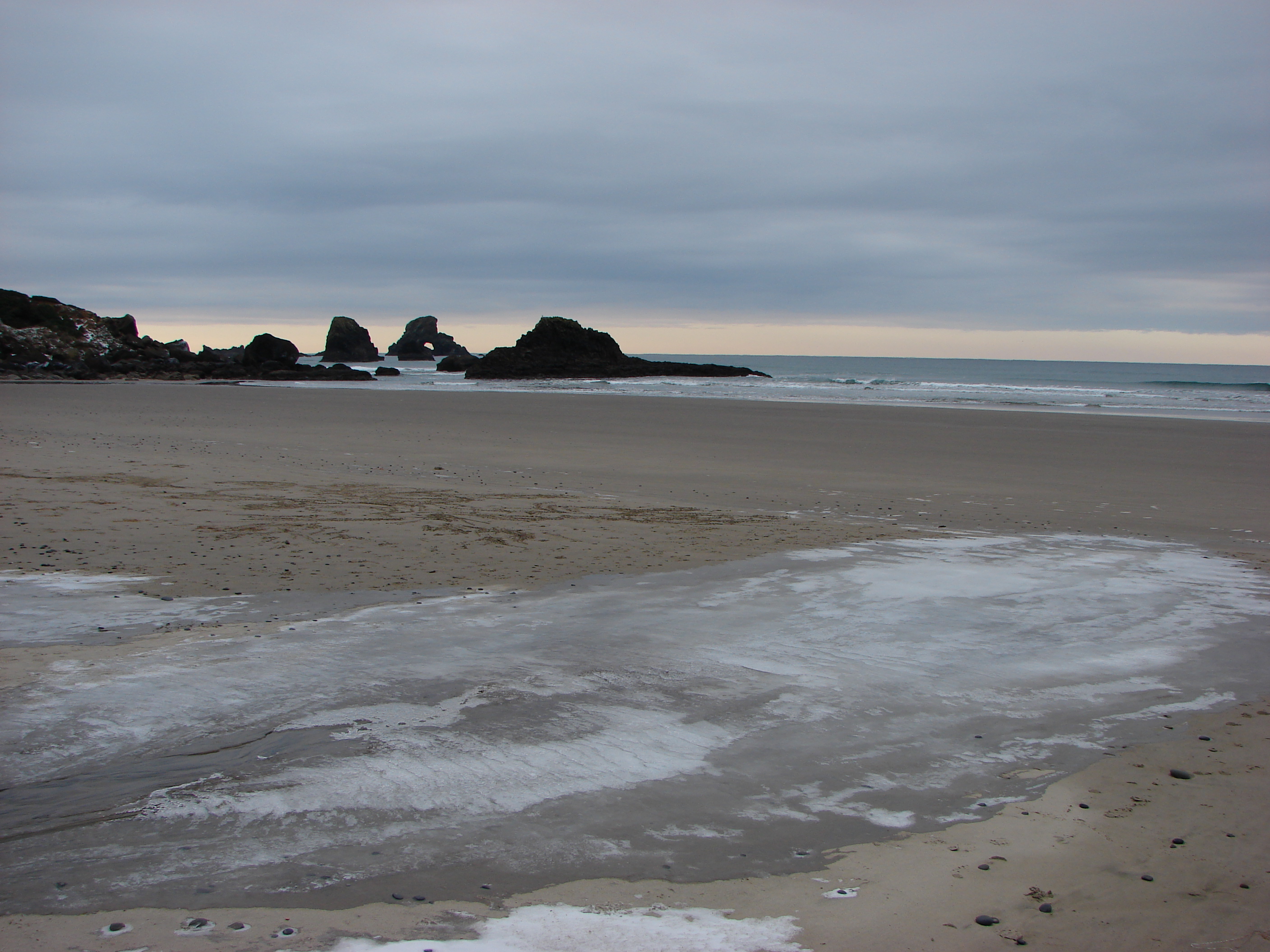
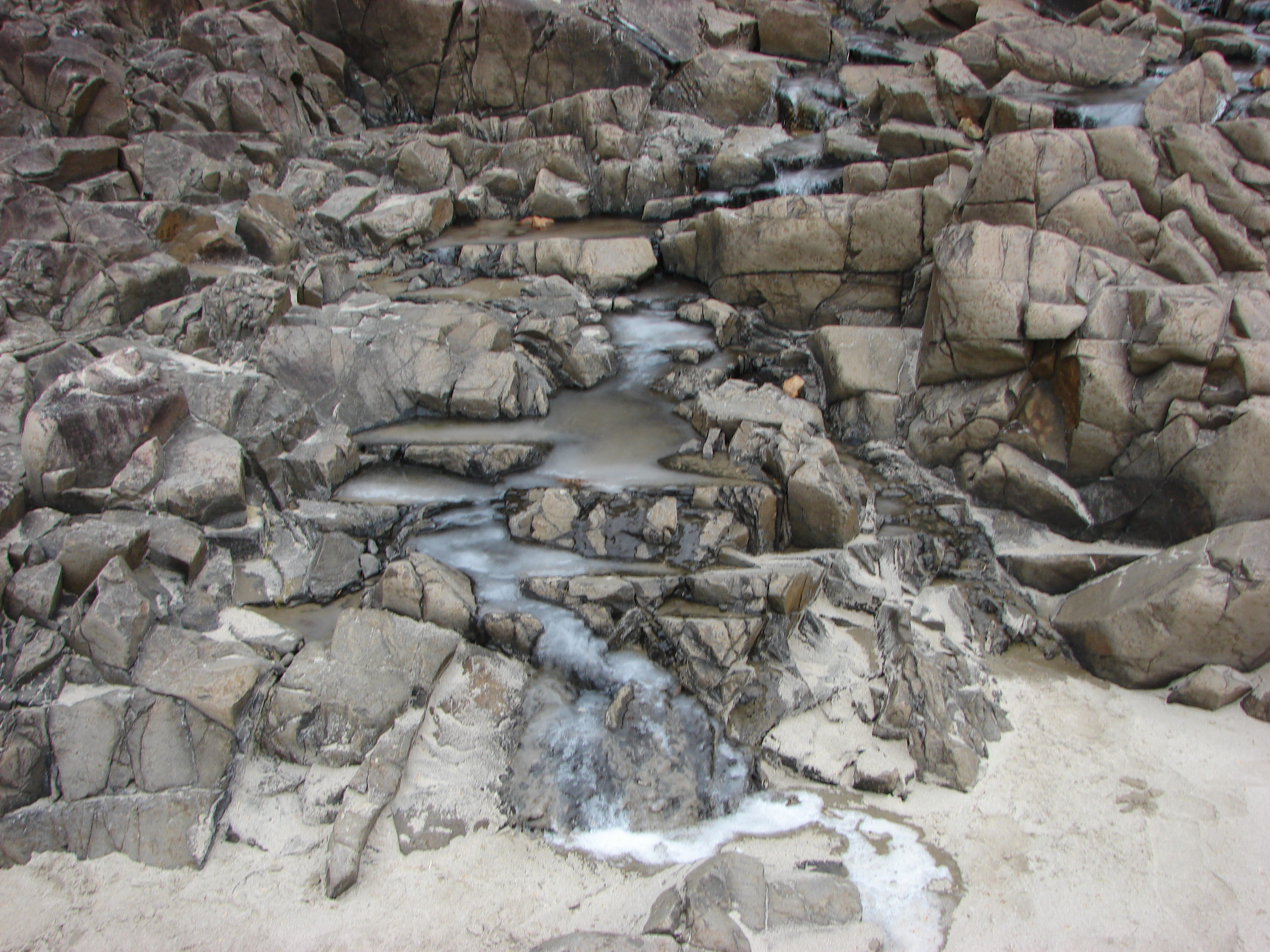
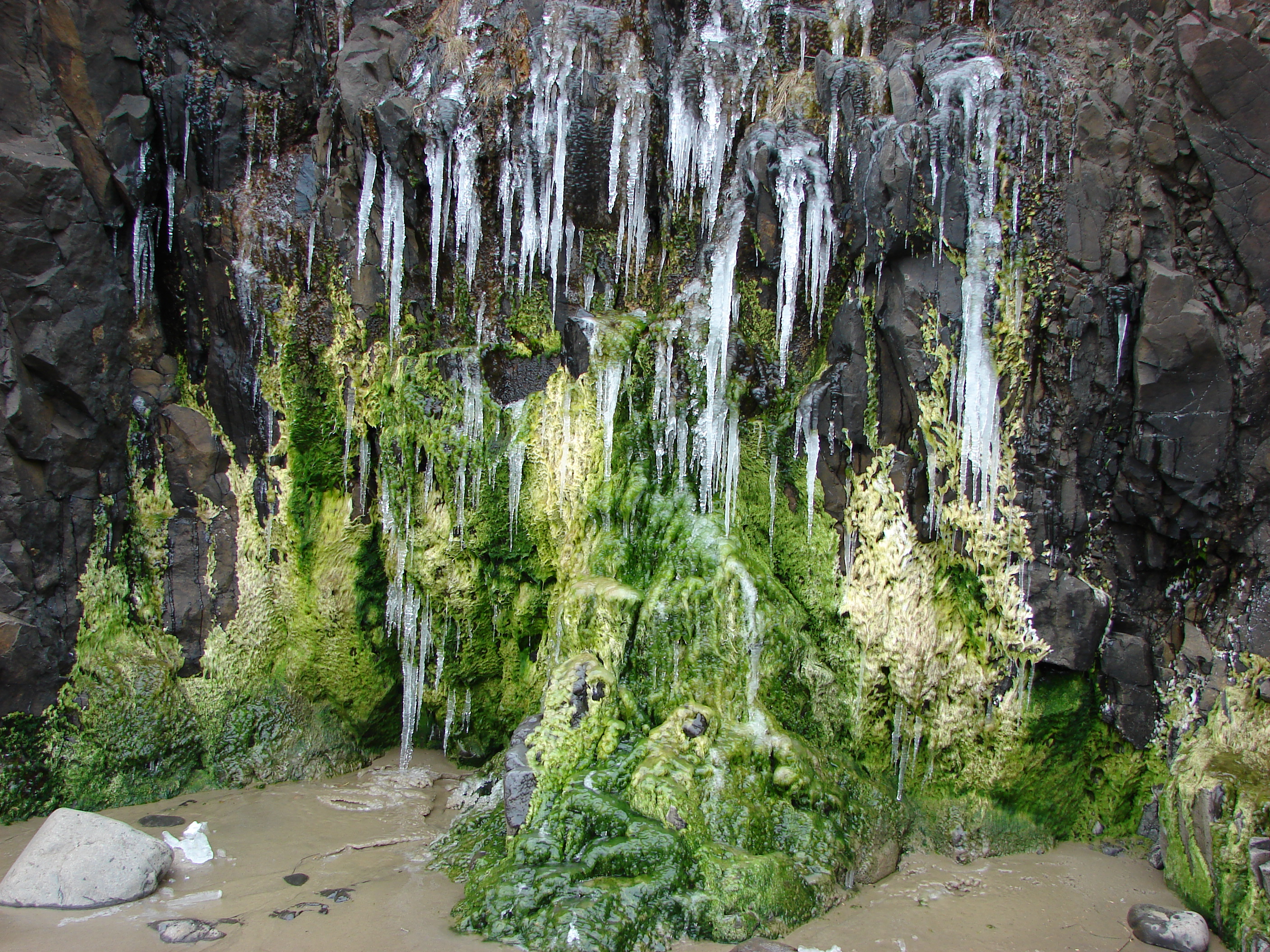
When we arrived at Indian Beach we found some very interesting ice formation in addition to the superb views.
044

053

066

068

In addition to the ice there were a couple of small tide pools to check out.
082

From Indian Beach we continued north taking the Clatsop Loop Trail, part of which William Clark traveled in 1806 with a party in search of a stranded whale. The forest here is still home to some of the same Sitka Spruce trees that he and his group passed by which was a neat thing to think about. The loop trail turns back at Hikers Camp where you can visit the nearby remains of a WWII radar installation.

Hikers Camp
Hikers Camp
WWII radar installation

We kept heading north from Hikers Camp heading toward the summit of Tillamook Head, a whopping 1130′ above sea level :). We passed over the summit and went just a bit further until the trail began to really descend toward Seaside. We decided we didn’t want to have to climb all the way back up so we called it good and head back to Hikers Camp to complete the loop trail. It had started to snow, more like small white pellets, and the clear skies promised by the weather.com had never materialized. We passed more ocean views and various types of vegetation as we headed back to Indian Beach.

114

135

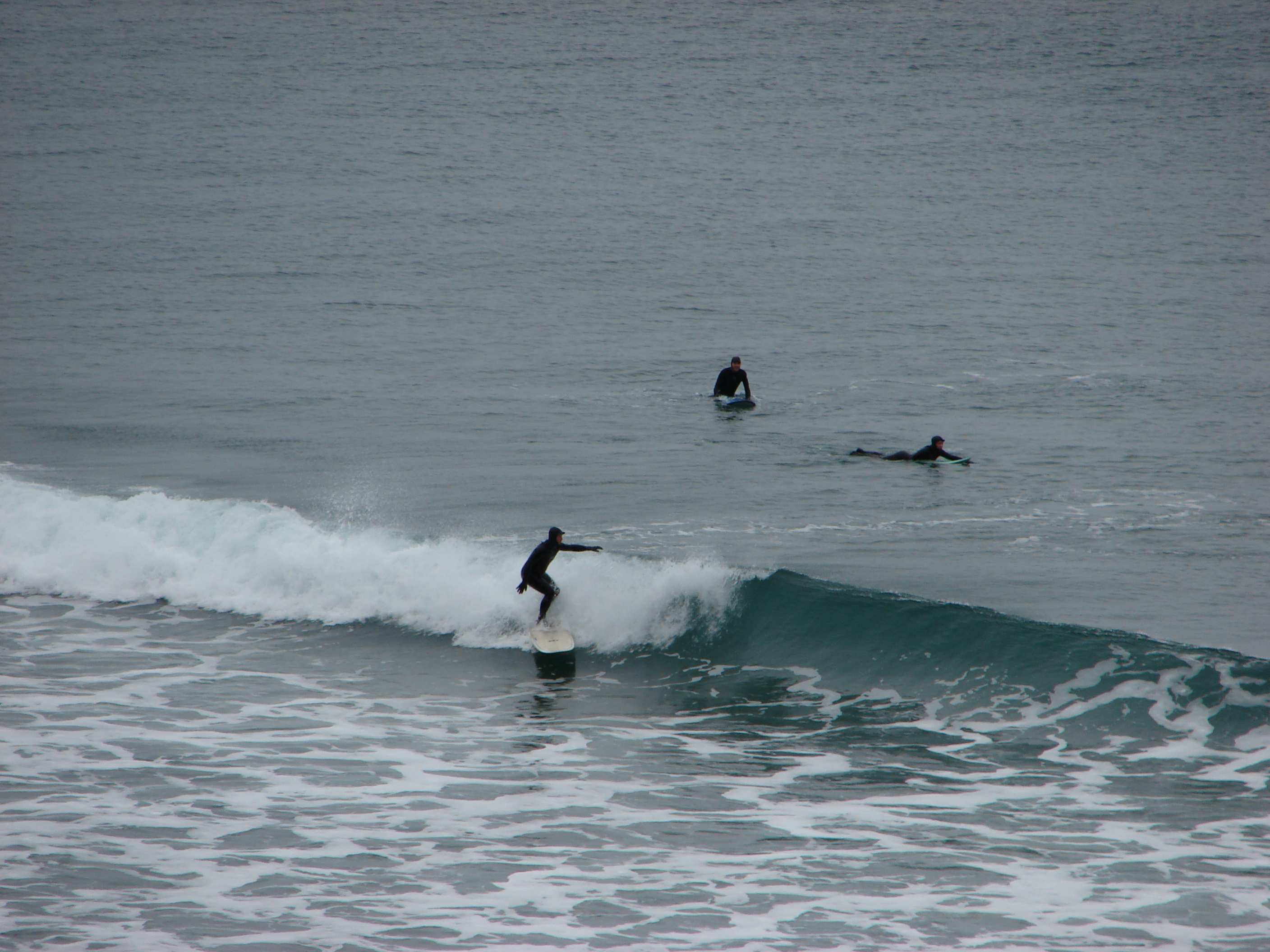
We had only seen one other group of people so far and that was a family that came down to Indian Beach briefly when we were there, but upon arriving back at the beach we discovered it had been populated by some brave surfers.

142

149

It wasn’t until we had left Indian Beach and were almost back to the picnic area though before we ran into any traffic on the trail.
171

She was moving too fast for the camera but it was fun to watch her come up the hillside and then dash off into the forest.

The number of cars in the parking lot had swollen to three (including ours) when we got back to the picnic area at about 3pm. Despite the completely incorrect weather forecast it had been a great hike and a perfect way to end for 2013. Happy Trails!
173

Photos on facebook: https://www.facebook.com/deryl.yunck/media_set?set=a.10202865376982644.1073741866.1448521051&type=3
Flickr: http://www.flickr.com/photos/9319235@N02/sets/72157638495394186/

Categories
Central Coast Hiking Oregon Oregon Coast Trip report

Pacific City

It had been several months since we’d taken a hike along the Oregon Coast so for a change of pace we headed to Pacific City to check out Cape Kiwanda and Bob Straub State Park. We parked at the lot for Cape Kiwanda near the Dory Boat Launch and started our hike by heading over to the cape. Haystack Rock rose from the ocean just beyond the cape while seagulls patrolled the beach.
012

After a little exploration on Cape Kiwanda we retraced our steps and headed out to the tide pools next to the cape. The tide was out far enough to reveal several starfish and anemones.
038
We then headed south along the beach toward the Nestucca Spit and Bob Straub State Park. Vehicles are allowed on certain parts of this beach but only a couple came down and none stayed long. Several flocks of seagulls were gathered along the beach as well as a handful of other ocean birds.

Seagulls on the beach

Sandpipers
Sandpipers
Pelicans
Pelicans

When we reached the end of the spit we turned along Nestucca Bay to make a loop around the spit through Bob Straub State Park. More birds awaited us in the bay including some ducks and a heron.

Heron
Heron

Ducks
Ducks

We also saw many clam shells and a couple of nearly complete crabs. We enjoyed watching the seagulls pick up the clams, fly them into the air, and then drop them.

Seagull with a clam
Seagull with a clam

Clam shell
Clam shell
Crab
Crab

We originally missed the trail that would take us from the bay shore across the spit to a forested trail network. When we reached an impassable estuary we turned around and located the correct path. We found a surprisingly dense and scenic forest waiting for us in the middle of the spit. Moss covered the ground and many trees while bright colored mushrooms dotted the green carpet. A few flowers remained in bloom even as many of the leaves showed their fall colors.
168

169

178

There was a confusion of trails in the forest and absolutely no signs indicating where any of them went or which was the correct one to reach the park. We eventually found ourselves in a meadow along the Nestucca River. The trail we were on went down to a nice little beach along the river where it promptly ended. We turned back around and took a different path only to wind up arriving at the same meadow from a different direction. At that point we had already been on a couple of overgrown paths and I was getting a little irritated at the lack of signs. It was time for drastic measures so we turned to the gps and struck off on a faint game trail in the direction of the park. This worked out fairly well as we wound up popping out of a thicket of scotch broom on an old road less than 50 yards from the parks entrance road.

Scotch Broom where we emerged onto the old road

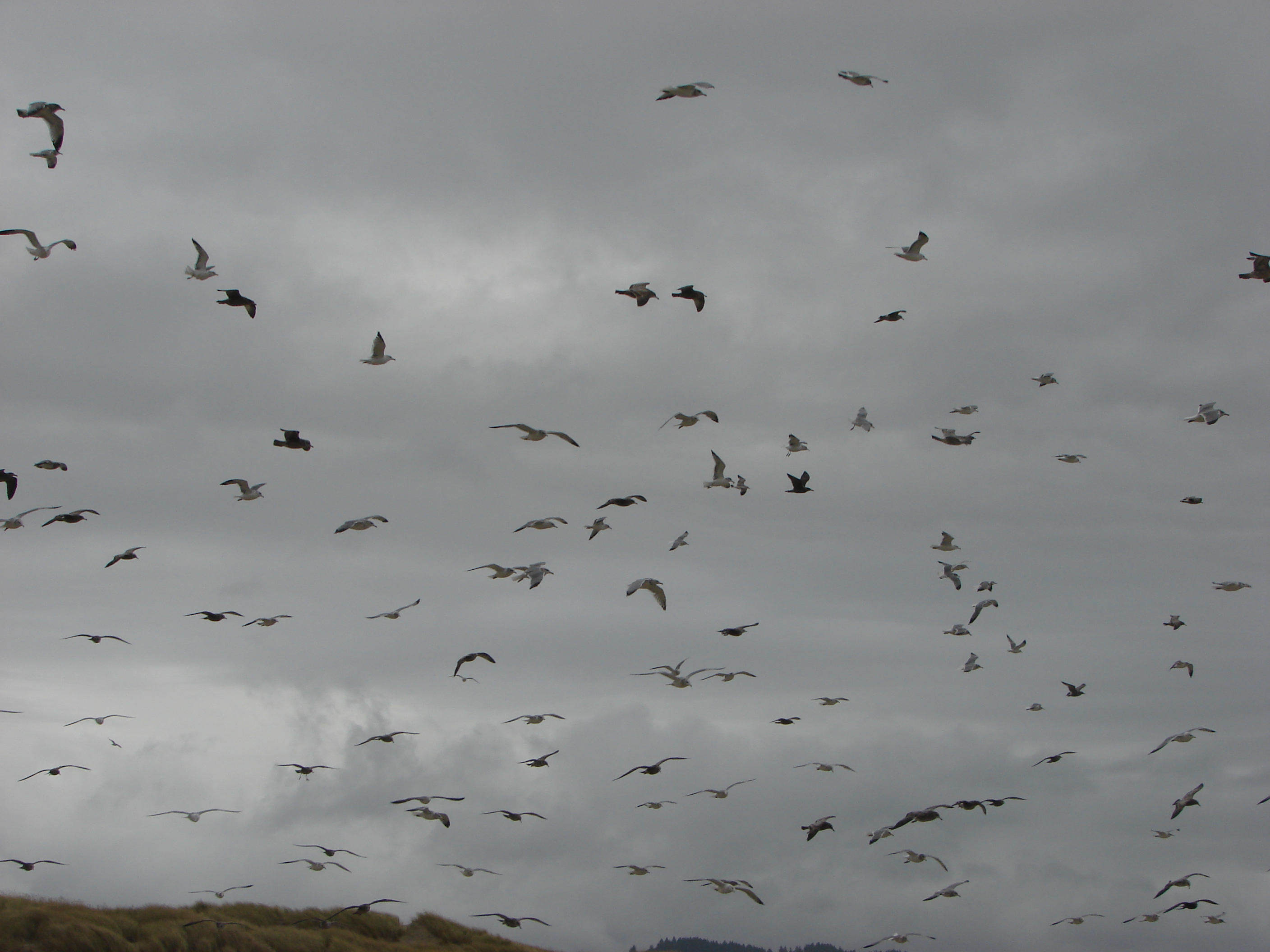
We walked to the parks parking lot and then followed a short trail back to the beach and headed back toward Cape Kiwanda. One the way back we encountered the largest flock of seagulls we’d seen all day. They took to the air as we passed by making for a scene straight out of the movie The Birds. As I was busy taking pictures I realized I was a sitting duck and should probably move before I was hit by a seagull bomb.
214

224
Despite the constant presence of gray clouds we had only had a couple of short bouts of rain until now. We escaped the seagulls only to be met with a sudden uptick in wind followed by a heavy sideways blowing rain. The rain let up just before we reached the Dory Boat Launch and our car where we dried off a bit and then walked across the parking lot to the Pelican Pub & Brewery for some lunch. http://www.yourlittlebeachtown.com/pelican
The food was great and the view out to Cape Kiwanda and Haystack Rock made for a perfect end to an interesting beach hike.
Happy Trails.

Facebook photos: https://www.facebook.com/deryl.yunck/media_set?set=a.10202353684630655.1073741860.1448521051&type=3
Flickr: http://www.flickr.com/photos/9319235@N02/sets/72157636339936434/

Categories
Coastal Range Hiking Oregon Trip report

Saddle Mountain

I am not sure we had completely dried out after our Hamilton Mountain hike (I know ours shoes hadn’t) but we were back in the “saddle” yesterday for another hike. Saddle Mountain state park was our destination, located in the NW corner of Oregon just 20 miles from the coastal city of Seaside. Saddle Mountain is known for it’s wildflowers and rare plants as well as being the highest point in northwest Oregon.

Once again we were we greeted at the trail head by a layer of low clouds which made for a damp morning. The good news was that there was no wind or rain this time. The trail started out amid salmon and thimble berry bushes in a forest of alders. The trail climbs 1603 feet in just 2.5 miles so the forest and plants changed often. A quick .2 climb to the Humbug Mountain viewpoint provided a view up toward Saddle Mountain’s cloud covered summit.
024

We returned to the summit trail and headed up through the fog passing multiple meadows full of wildflowers and lush forests. Much like our previous hike, visibility was limited to a couple hundred feet due to the low clouds but the variety of plants and flowers we were encountering kept us entertained. The trail itself was fairly steep and much of it consisted of wire enclosed rocks which looked like it could be slick but we didn’t have any real problems. Several picnic tables were placed along the trail at switchbacks which allowed for breaks from the climb if needed.

As we approached the summit we noticed some very slight breaks in the clouds which gave us hope. We decided to have some lunch and spend some time at the summit hoping that some views would open up. The clouds were actually moving from east to west toward the Ocean which we could now occasionally see through the clouds. We spent over an hour watching the clouds pass by us as better and better views opened up on all sides. Many swallows zoomed about as we waited and a Junco and a crow also stopped by to check us out. As the view opened up to the west was the Pacific, north the city of Astoria, OR and the Columbia River flowing into the Ocean
317
and to the south the coastal mountains. The only disappointment was that on a clear day the Cascade mountains from Mt. Rainier to Mt. Jefferson would have been visible to the East.

We headed back down now able to see the forest below. The wildflowers became even prettier as the increased light made their colors more intense. We took the side trail to the Humbug Mountain viewpoint again to get the cloudless view of Saddle Mountain before returning to the car.
462

If you are a wildflower or plant enthusiast this is a great hike, especially from May-July when the flowers are on display. If you can find a clear day (which isn’t easy near the Oregon Coast) the view is a great bonus. Next up is Mount June and yet another attempt at a view of the Cascades. Until then-Happy Trails.

For more info on Saddle Mountain visit: http://www.oregonstateparks.org/index.cfm?do=parkPage.dsp_parkPage&parkId=140
Photo albums-fb: https://www.facebook.com/media/set/?set=a.10201276380778732.1073741834.1448521051&type=1
flickr: http://www.flickr.com/photos/9319235@N02/sets/72157633845363594/

Categories
Hiking Northern Coast Oregon Oregon Coast Trip report

Bayocean Spit

Before I dive into a description of our most recent hike I wanted to mention that last night we had a chance to listen to a presentation by William L. Sullivan, the author of the hiking books we use to plan our hikes. He presented a number of new hikes that are included in his updated guide to the Central Oregon Cascades. He travels around Oregon giving presentations throughout the year and you can check his calendar of events at http://www.oregonhiking.com/ if you are interested in attending one.

Now on to our hike. We traveled to Tillamook on the Oregon Coast for a hike around Bayocean Spit which protects Tillamook Bay. I’d picked this hike due to the lack of elevation gain given both Heather and I have races in two weeks (a full marathon for her and a half for me).

This turned out to be another interesting hike with the Pacific Ocean on one side and the bay on the other. Between the two the spit is a mix of grassy dunes and a small forest. We decided on hiking in a figure 8 pattern in order to cover both sides of the spit as well as explore the forest via a .5mile connector trail. We left the parking area and headed West across some grassy dunes toward the beach sporting some less than attractive ponchos. It was a cloudy day with intermittent rain. We must have been a sight because it wasn’t long before we noticed a doe watching us from behind a dune.
022

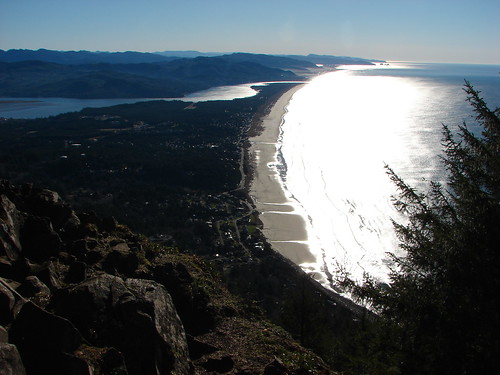
We found the beach which was empty aside from a few seagulls and turned north. There were numerous shells and sand dollars in the sand. To the south was Cape Meares along with Pillar & Pyramid rocks, and to the north was Cape Falcon. As we approached the forested section of the spit we quickly spotted several Bald Eagles perched in the tree tops. We also noticed a large gathering of seagulls on the beach. Curious about the attraction Dominique and I set off for a closer look while Heather searched for the connector trail to the bay side. As we got closer to the birds we noticed that they were huddled around the end of a log that had washed up on the beach. That end of the log appeared to be covered with some type of clam. 081

After satisfying our curiosity we headed back to the now located connector trail. This sandy half mile trail led through a small but varied forest to an old dike road along Tillamook Bay. The water level was low due to it being a low tide and the number of birds was less than we had hoped, but we did spot a Great Blue Heron, several ducks, Canadian Geese, and another Bald Eagle. We continued north along the road to an abandoned campground across the bay from the city of Garibaldi. Shortly after the campground we spotted some flagging leading back across the spit toward the ocean.

The flags marked a path across another set of grassy dunes. We spotted three more deer before reaching the beach where we turned south and began our return trip. We stopped to take a closer look at what I was now calling the “seagull log”
167
and the took the connector trail back through the forest to the road. This time we turned right (south) and headed back toward the parking area. It wasn’t until this last leg that we saw any other people which made for a very peaceful day.

We’ll be taking a few weeks off from hiking now due to the upcoming races, but then our hiking season will kick into high gear. Hopefully the weather will continue to cooperate and most of the snow will have melted from the lower elevations by then. In the meantime thanks to the Salem Audobon Society and William Sullivan I have some new hikes to read about and trips to plan. Until next time – Happy Trails 🙂

Pictures from the hike on Facebook https://www.facebook.com/media/set/?set=a.10200995758203343.1073741827.1448521051&type=3
or Flickr http://www.flickr.com/photos/9319235@N02/sets/72157633242847785/