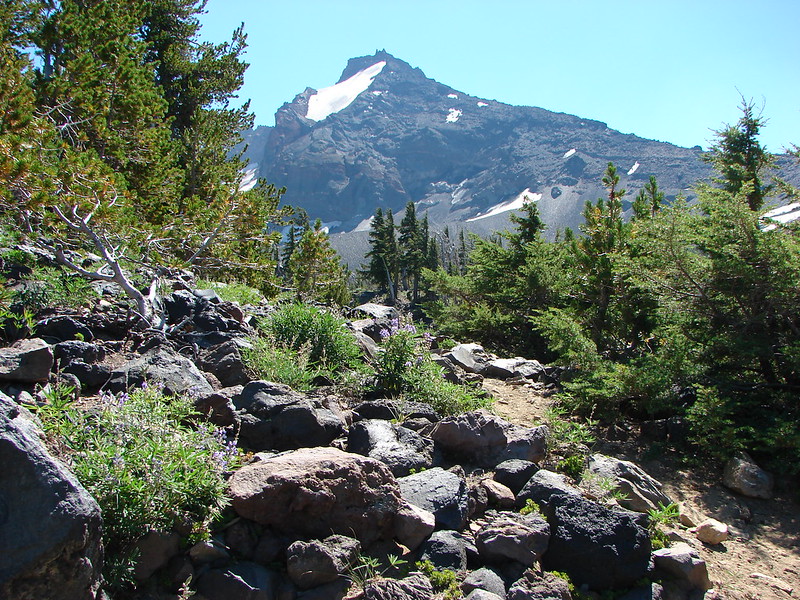
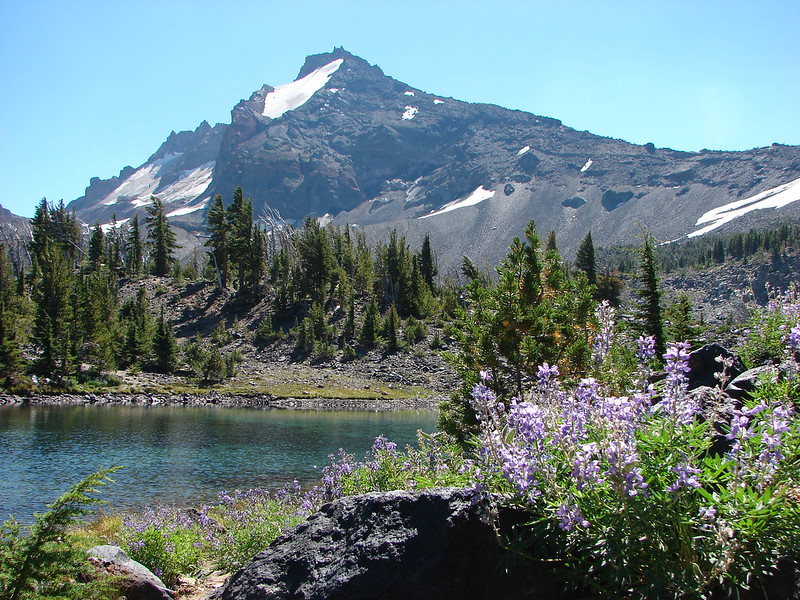
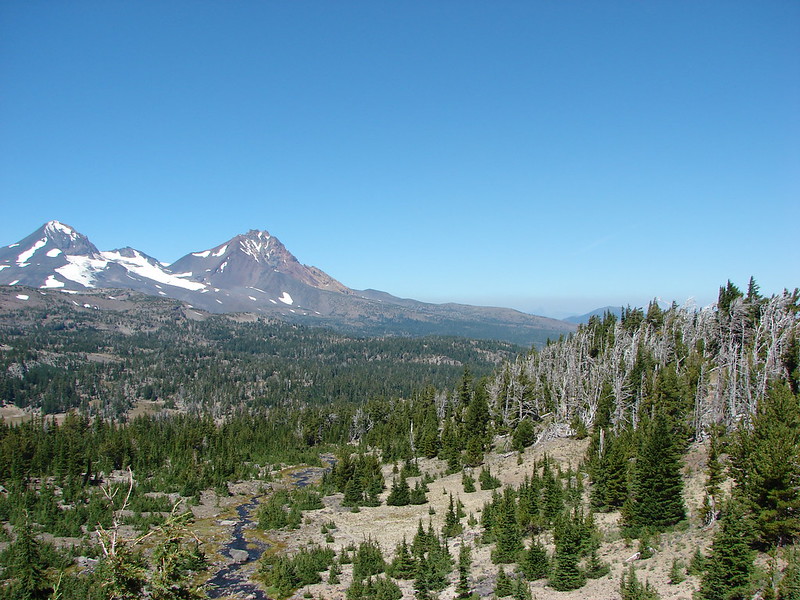
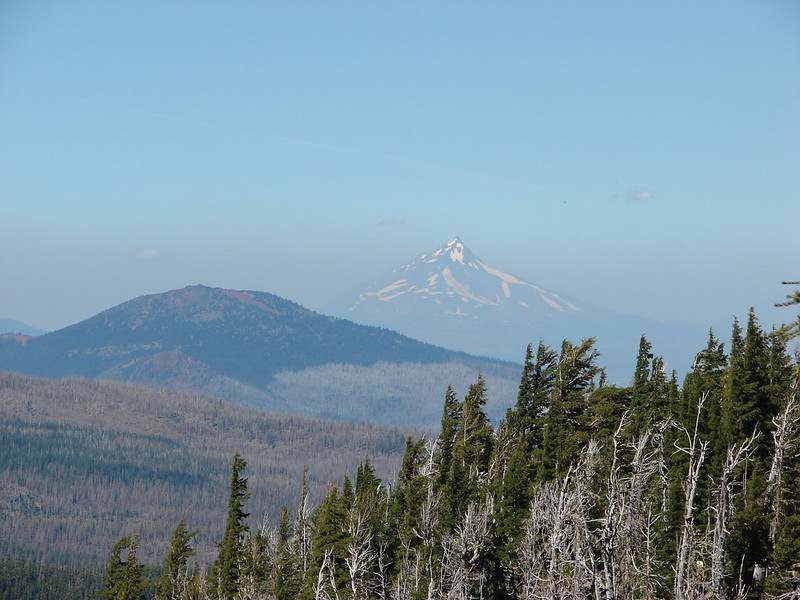
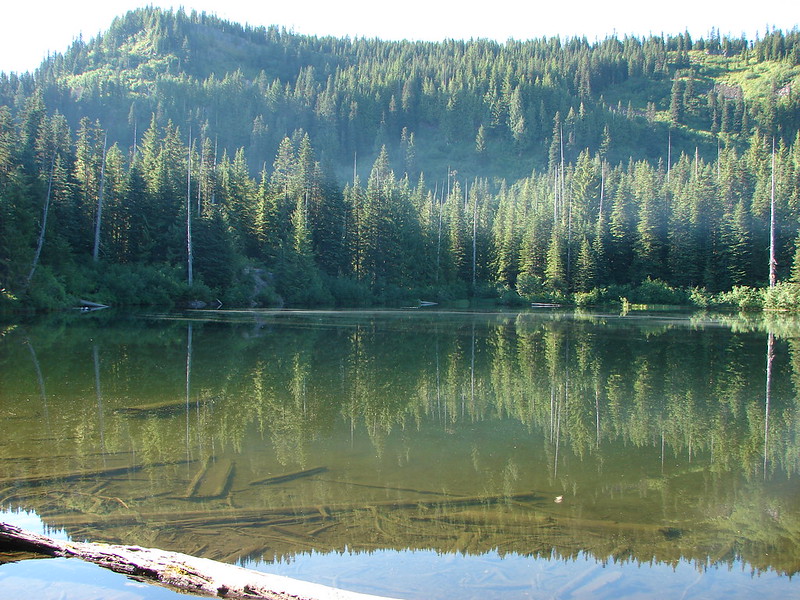
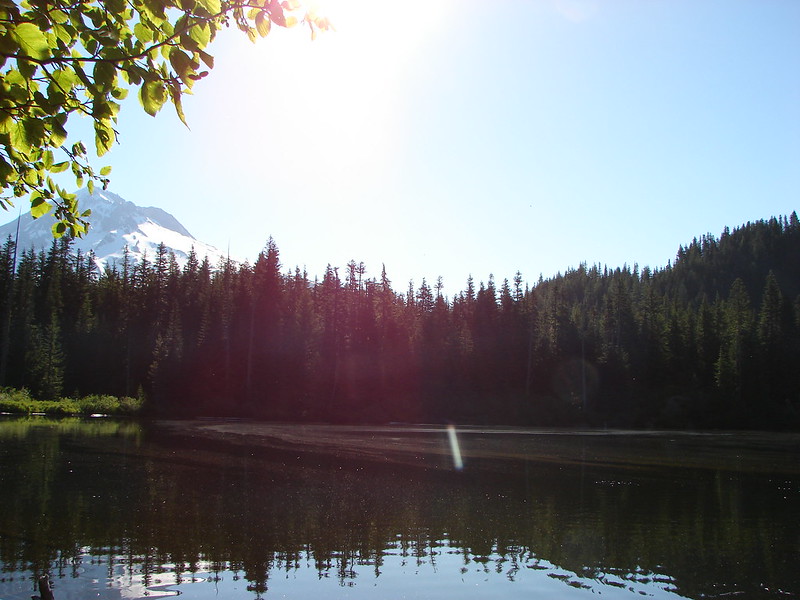
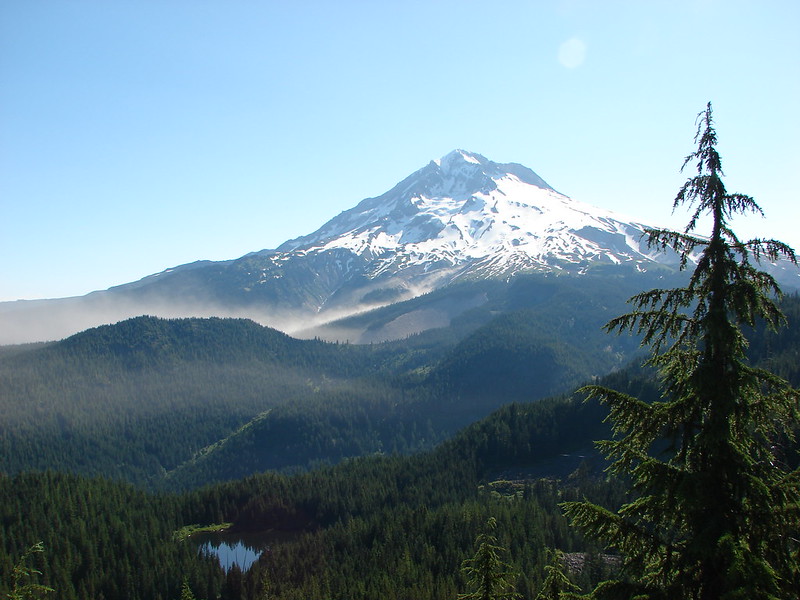
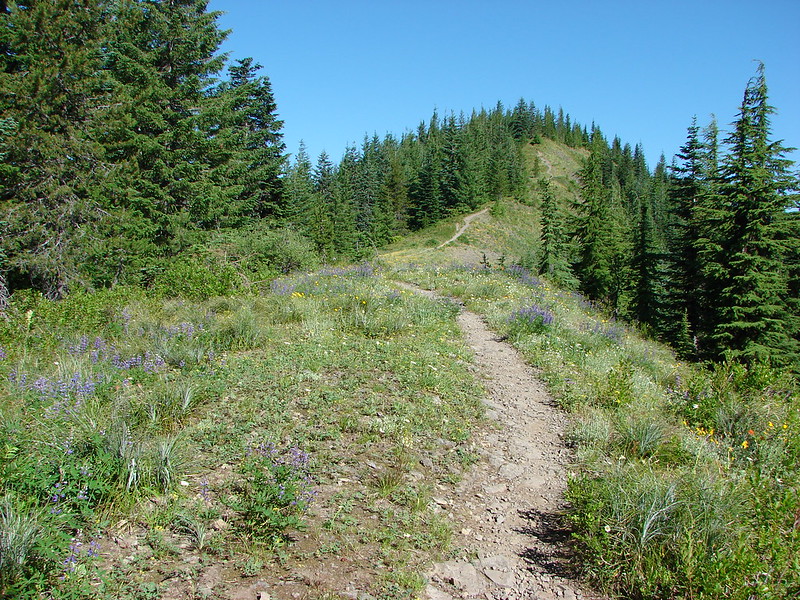
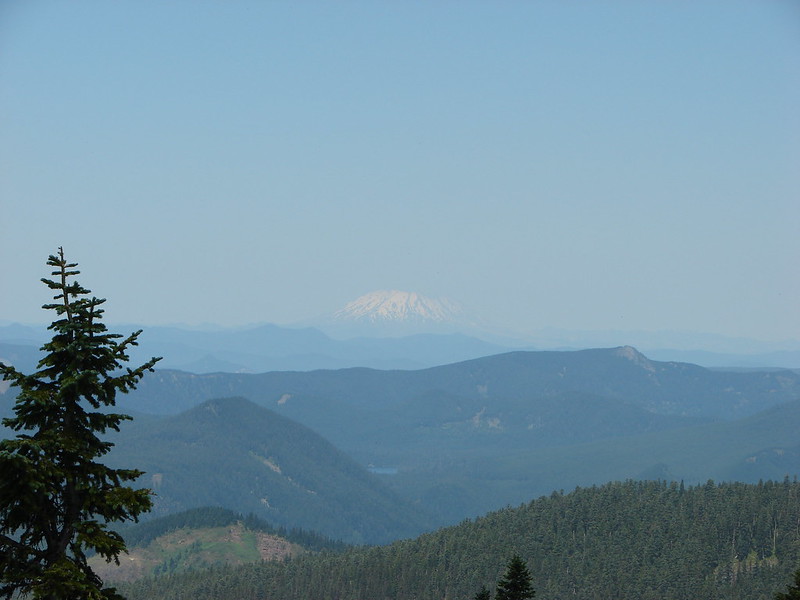
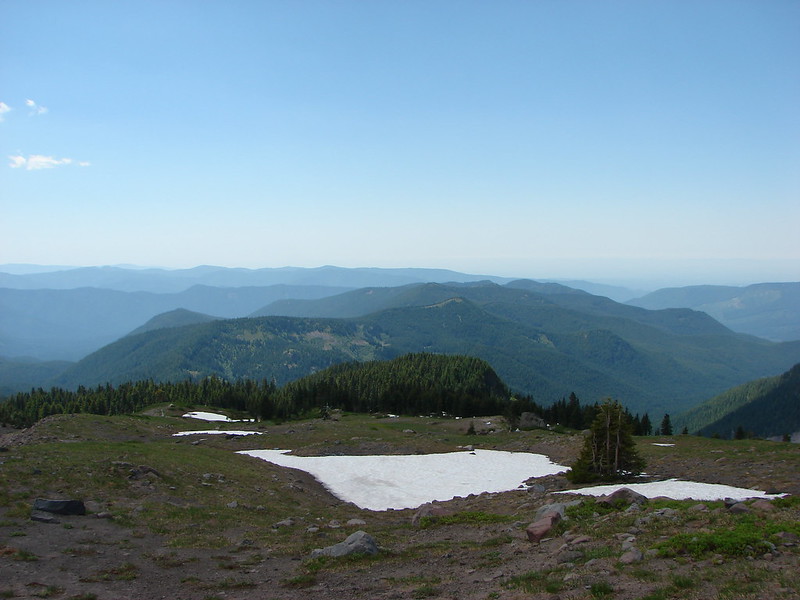
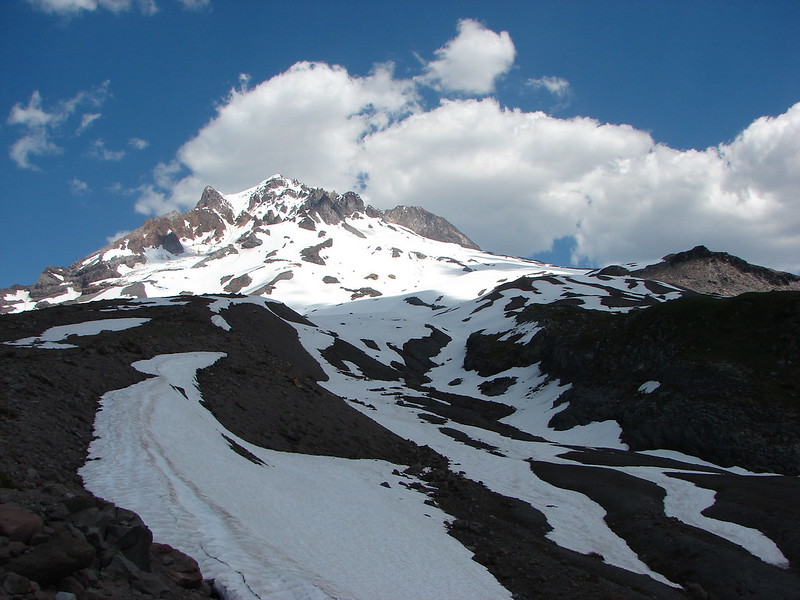
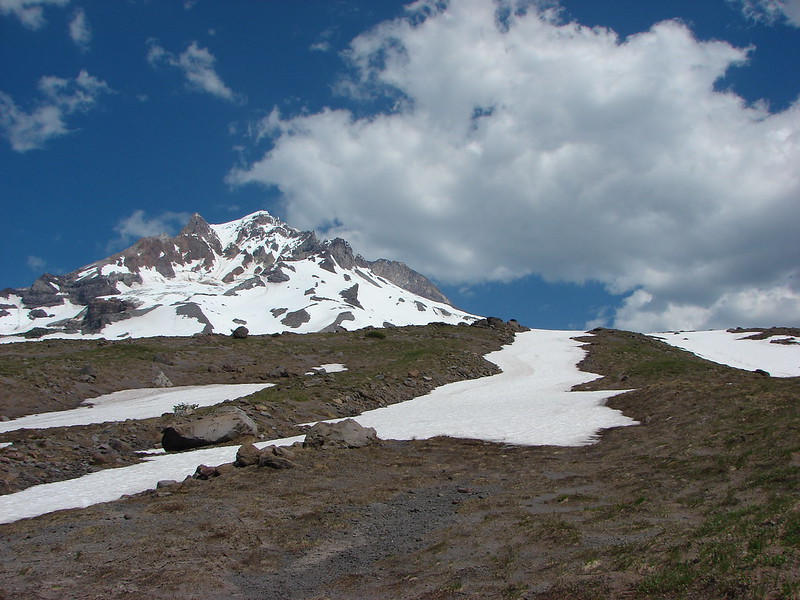
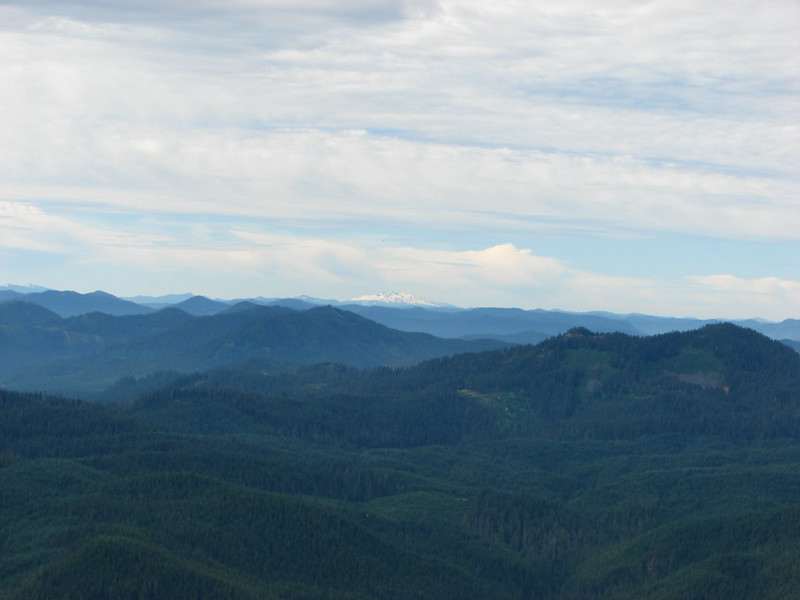
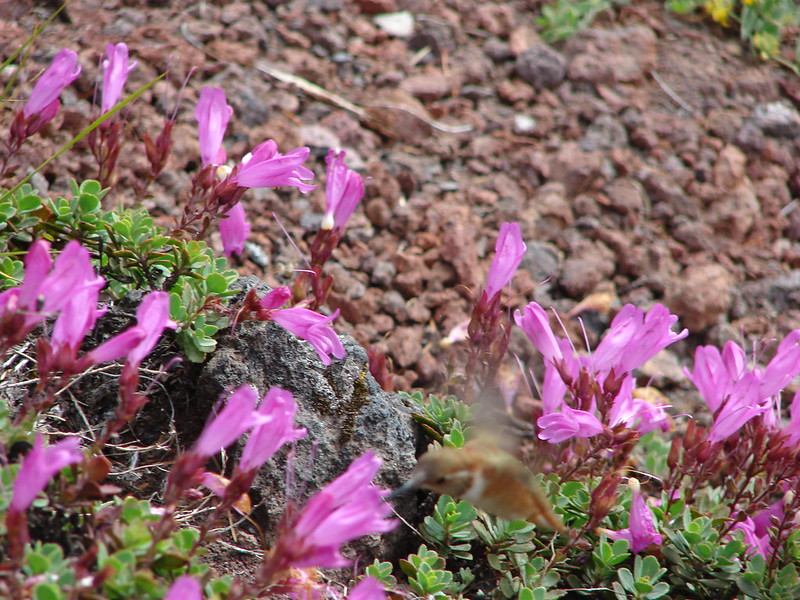
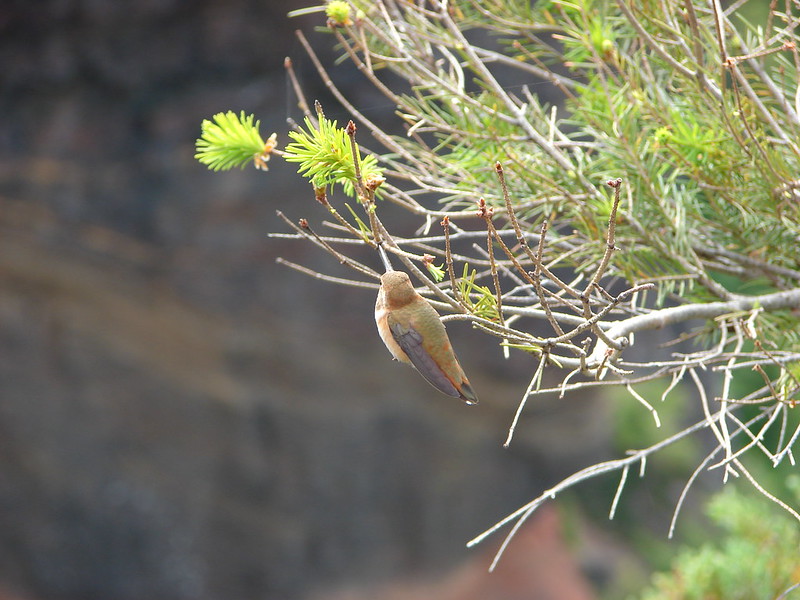
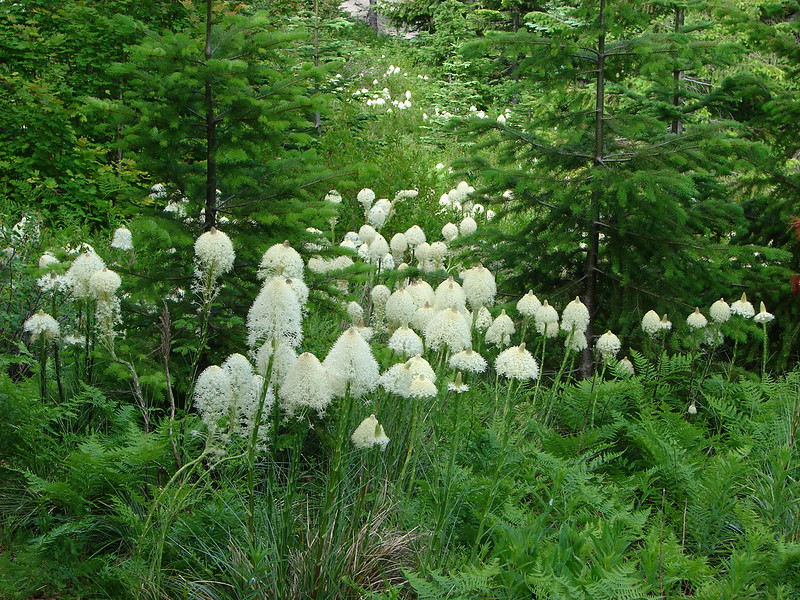
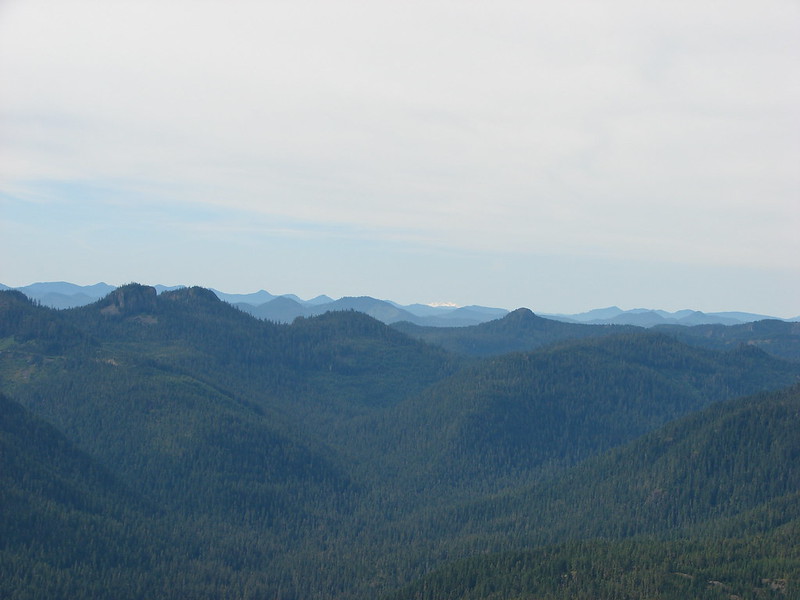
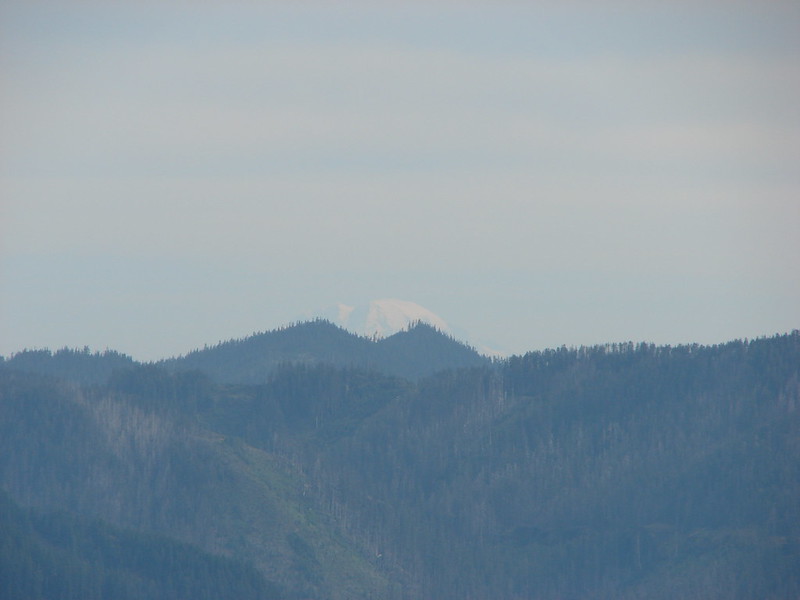
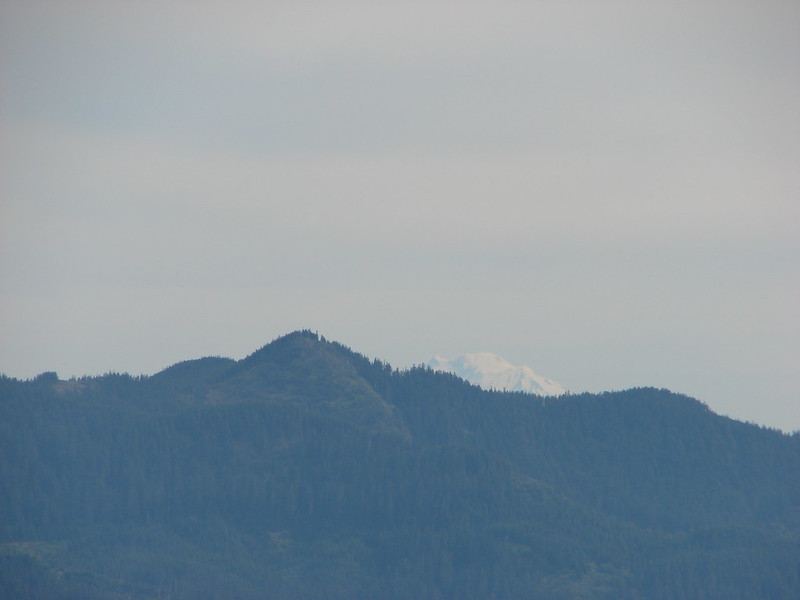
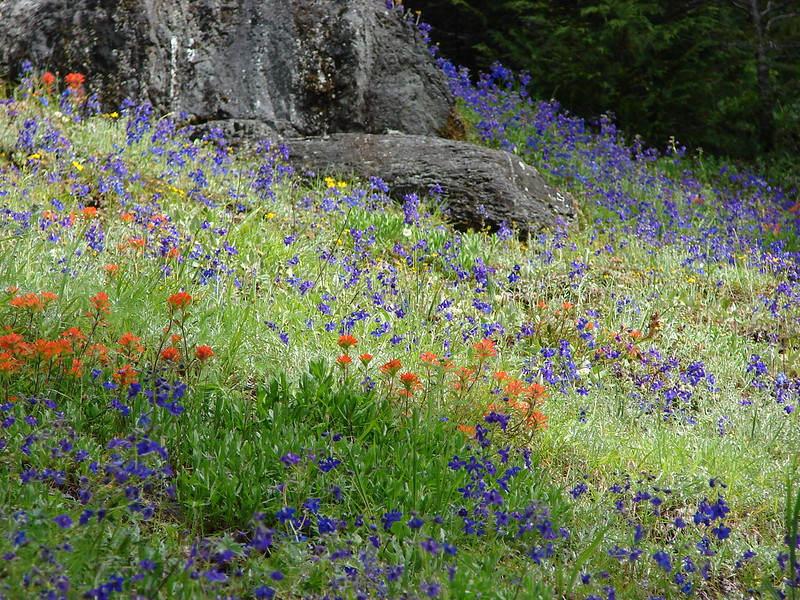
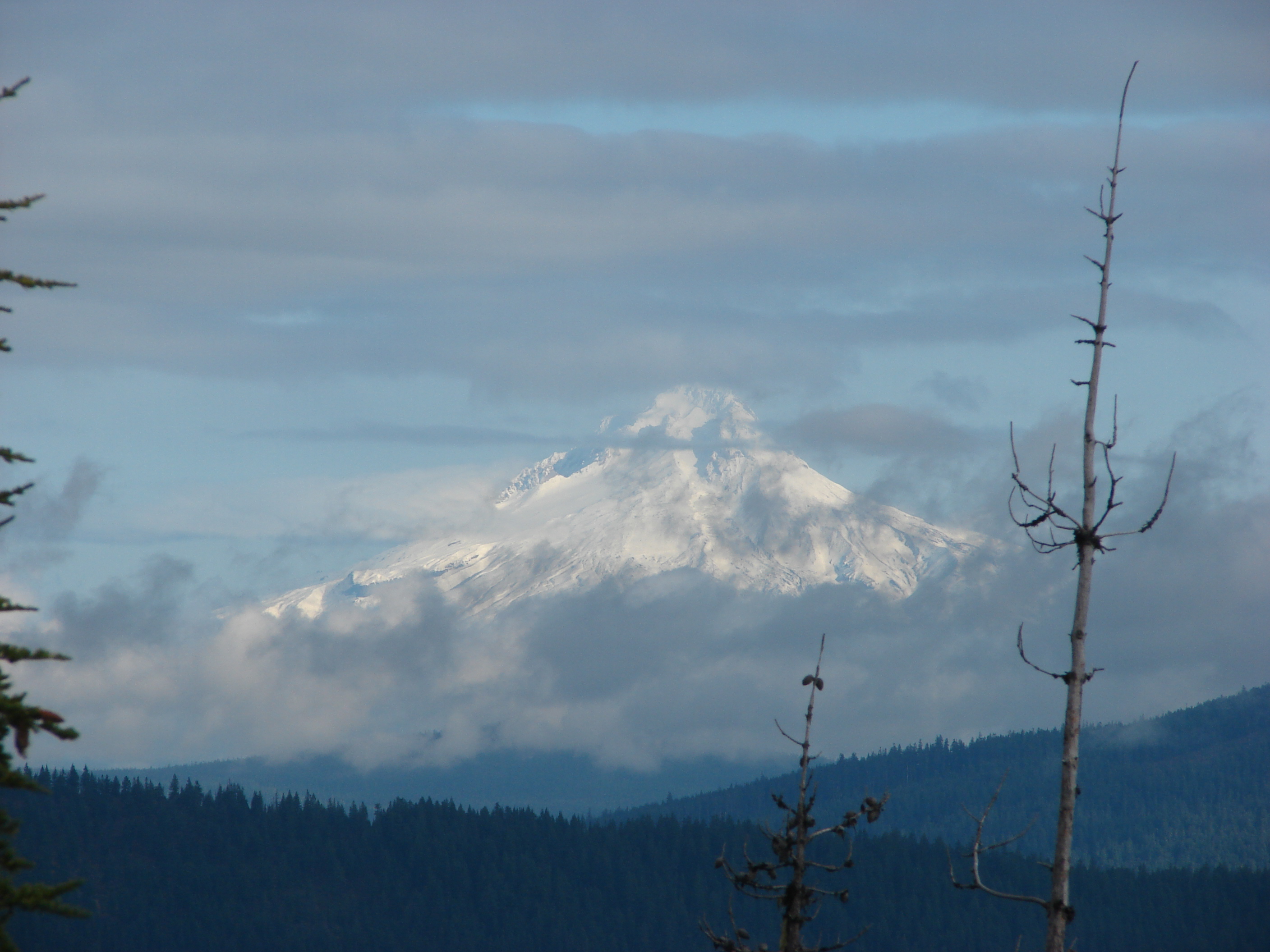
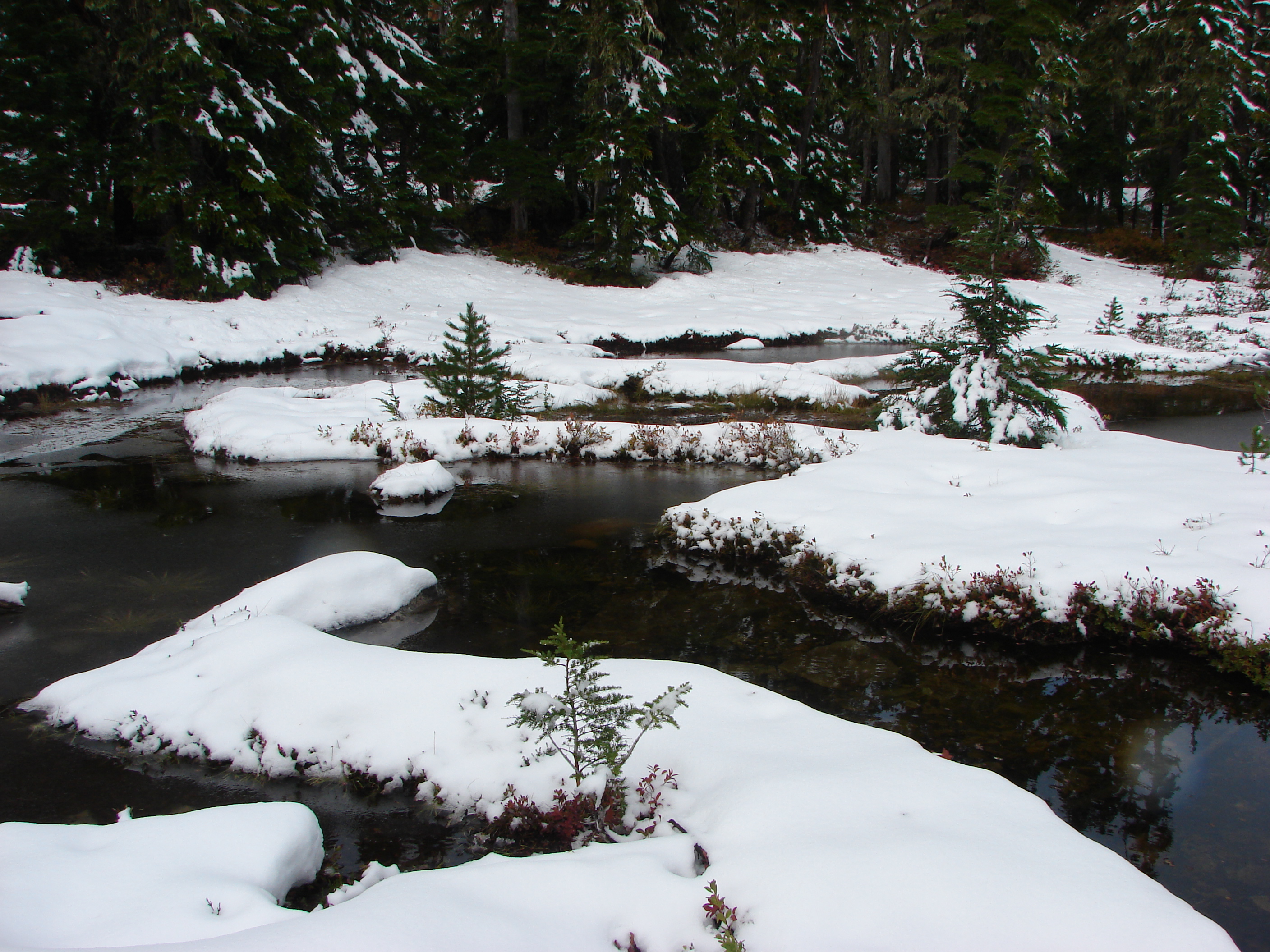
Categories
High Cascades Hiking Mt. Jefferson Area Oregon Trip report

Triangulation Peak & Boca Cave via Cheat Creek

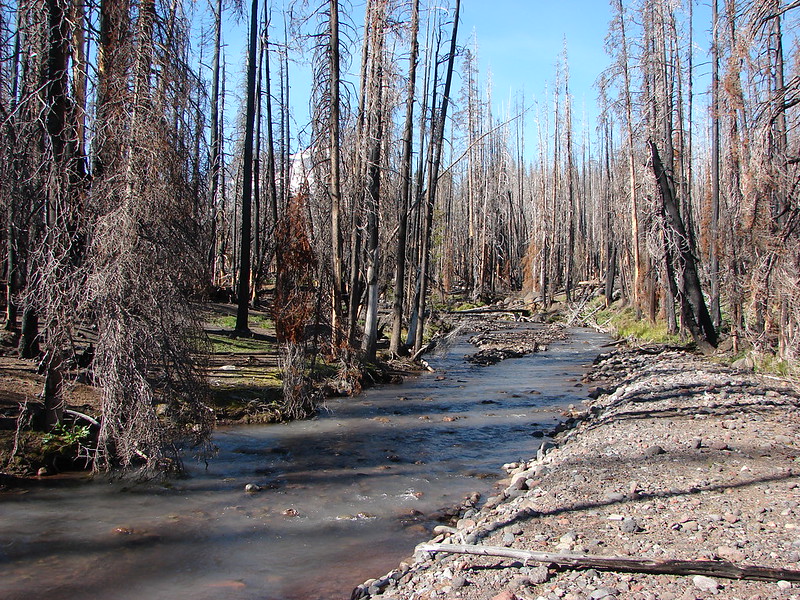
**Note the 2020 Lionshead Fire burned the area covered by this hike.**

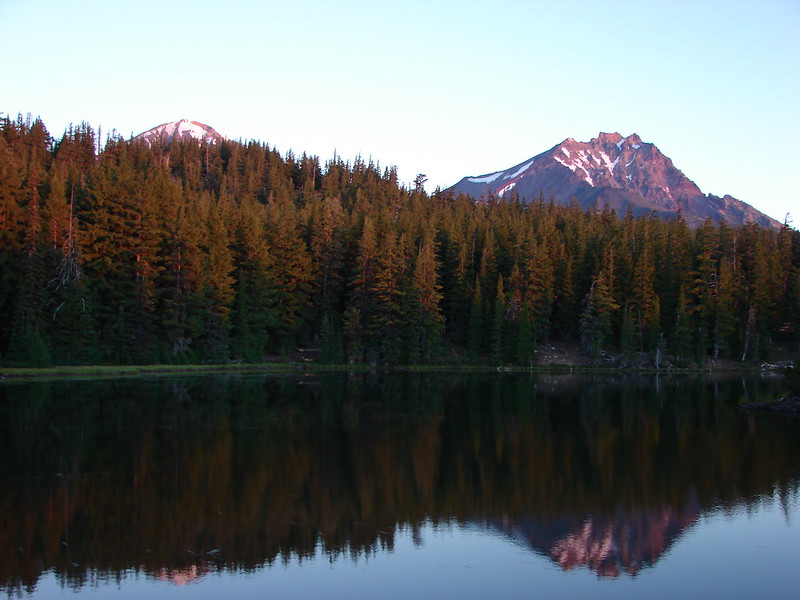
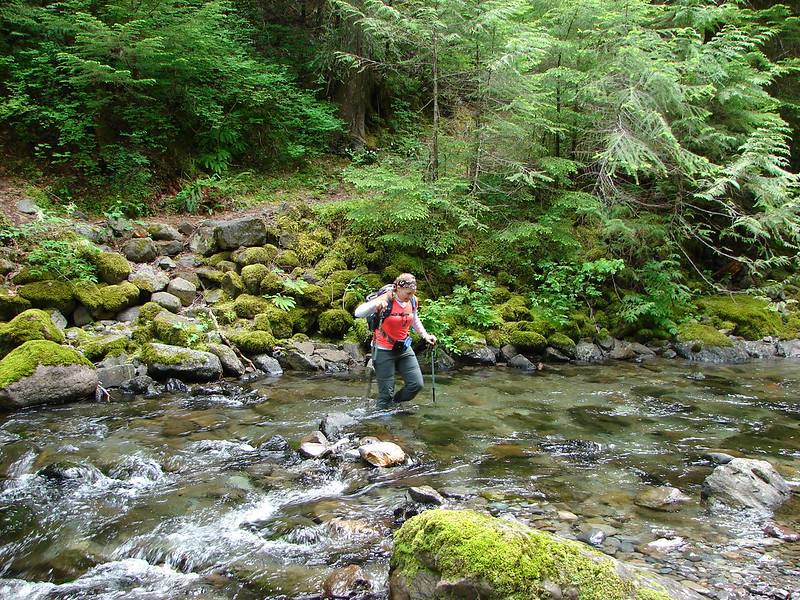
We decided to do something a little different this week and visited Boca Cave in the Mt. Jefferson Wilderness. We started at the Cheat Creek Trailhead along Whitewater Rd http://www.fs.usda.gov/recarea/willamette/recreation/hiking/recarea/?recid=4266&actid=50 as opposed to beginning at the closer Triangulation Trail Trailhead http://www.fs.usda.gov/recarea/willamette/recreation/hiking/recarea/?recid=4274&actid=50. The later would leave us with a mere 4 mile hike which would mean our driving time would likely be more than our hiking time which is something we try and avoid.

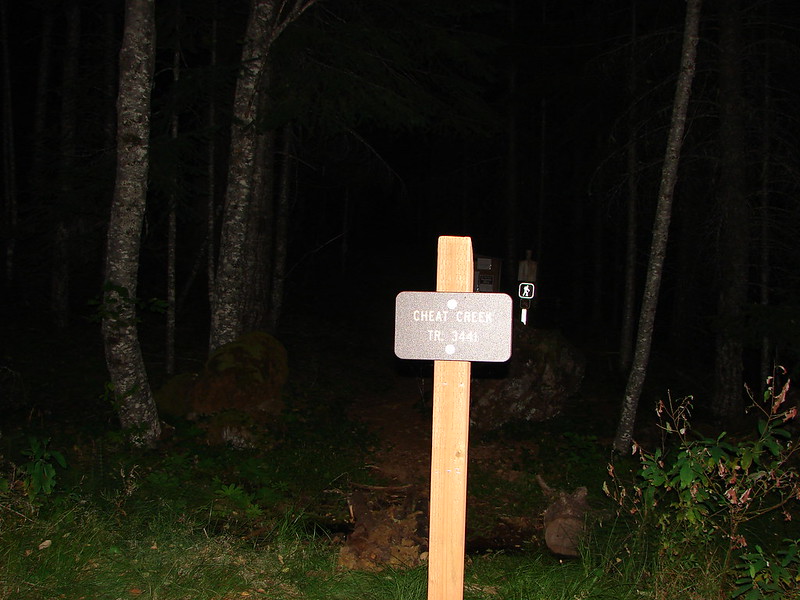
The Cheat Creek Trail is approximately 2.9 miles long gaining 1700′ in elevation and ending at the Triangulation Trail. We arrived at the trailhead a little early but with just enough light to set off.
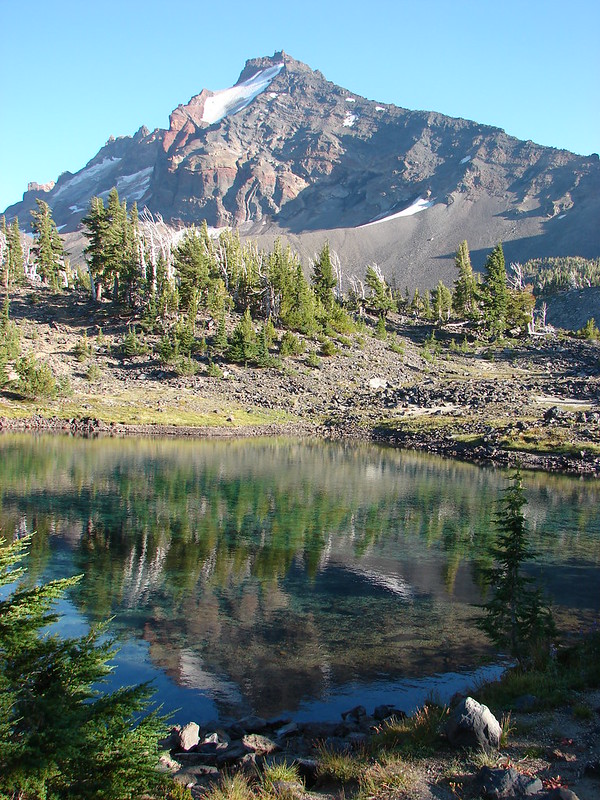
DSC06407

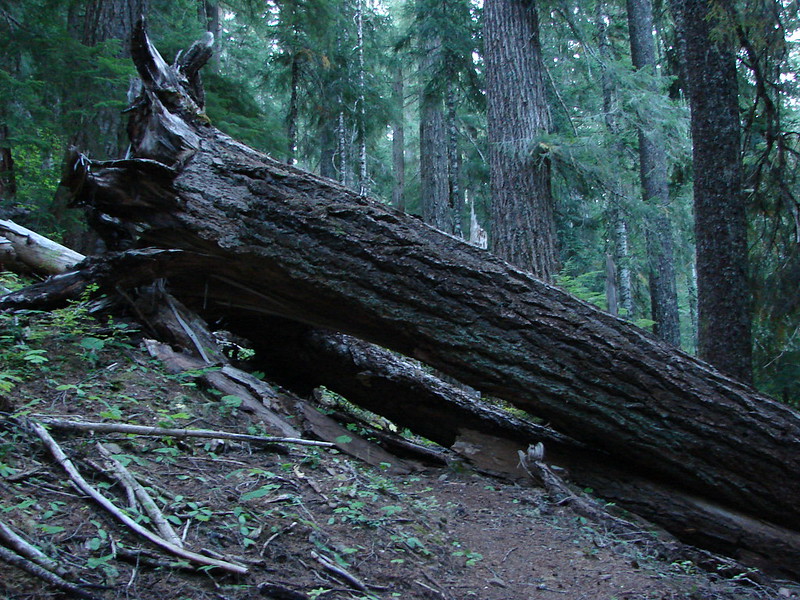
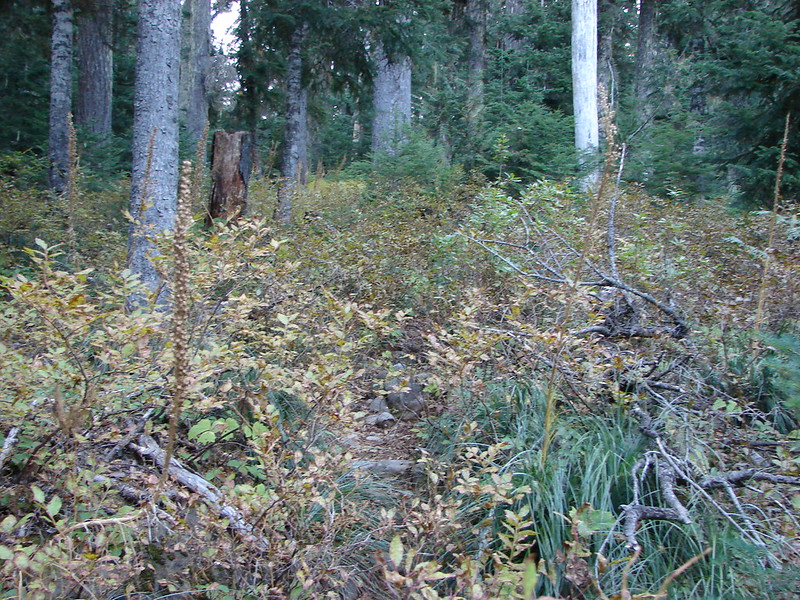
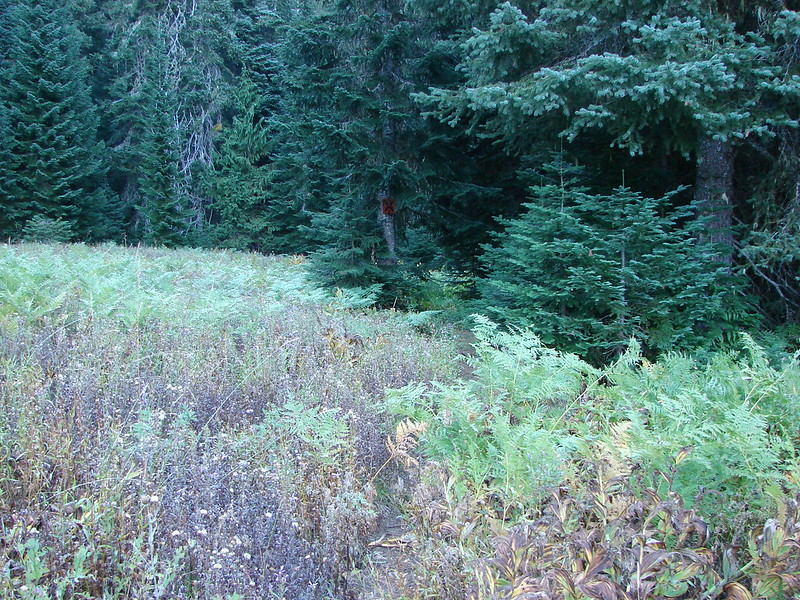
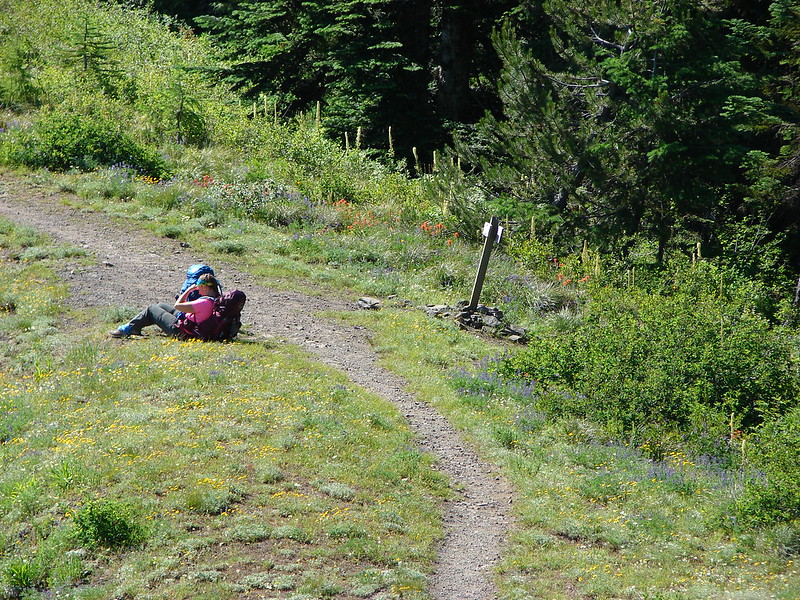
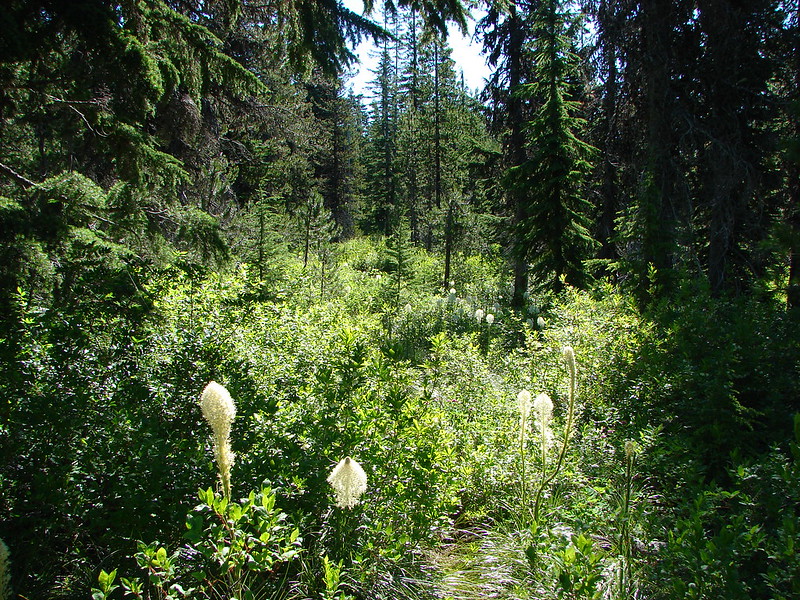
It is not a heavily used trail and that was evident as there were some downed trees and several areas where the trail was somewhat overgrown.
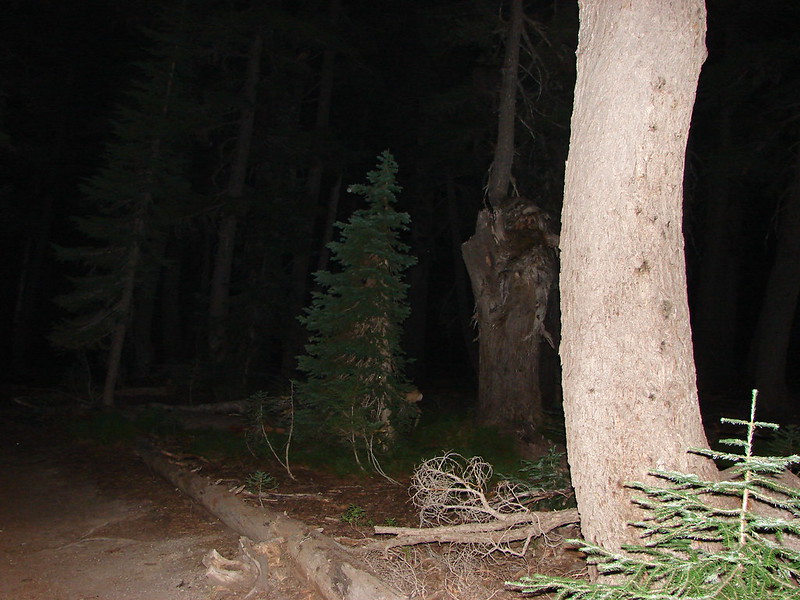
DSC06408
DSC06412
DSC06434

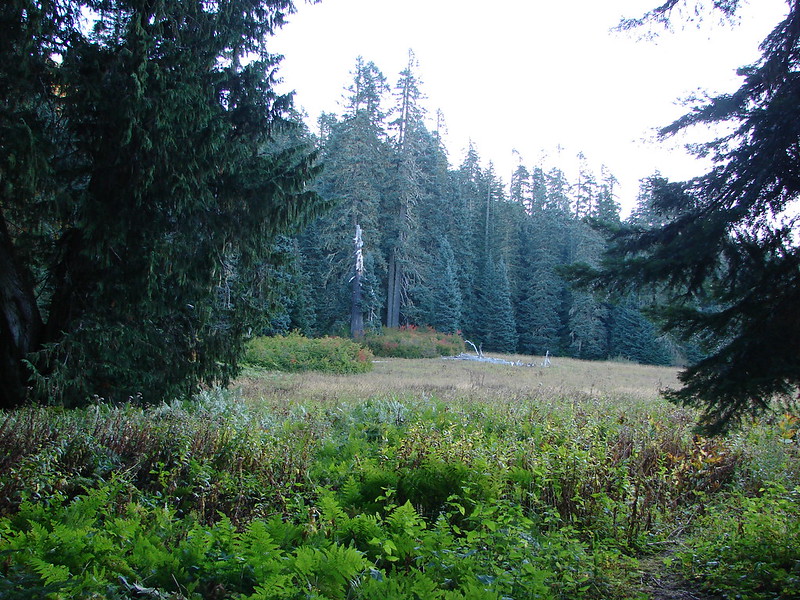
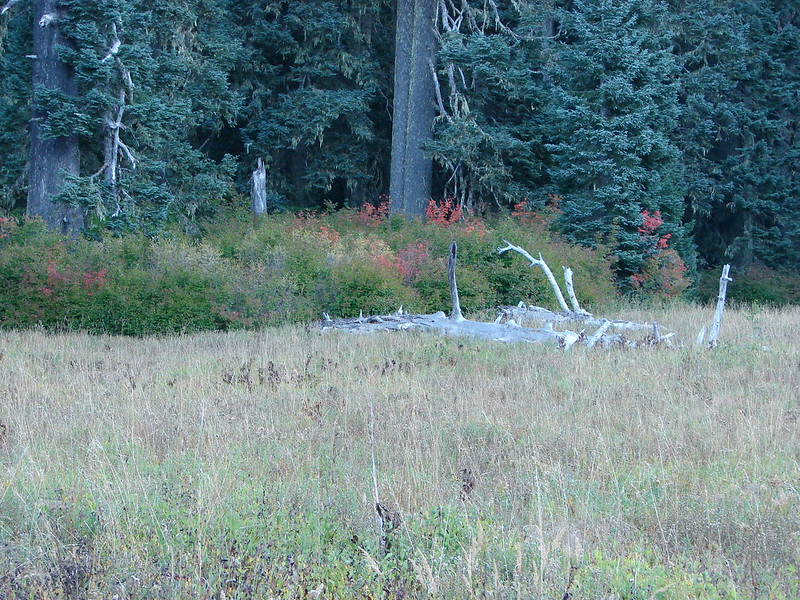
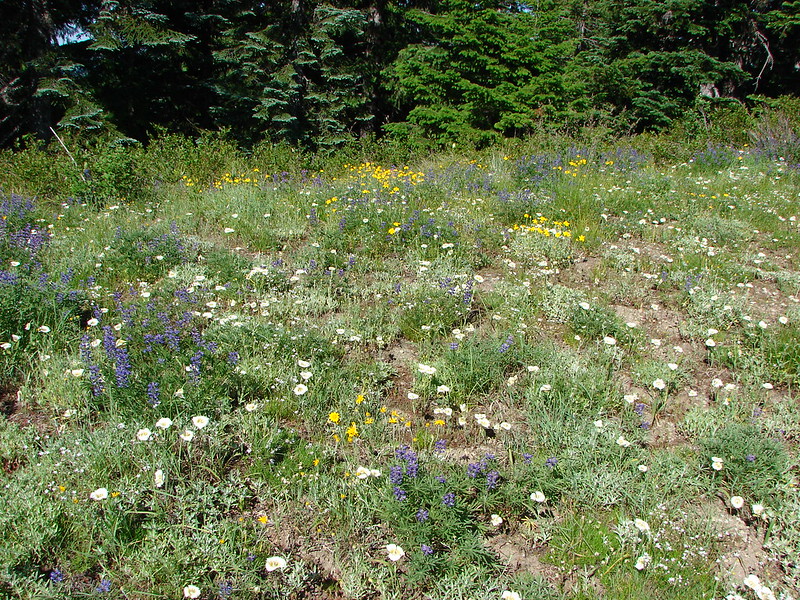
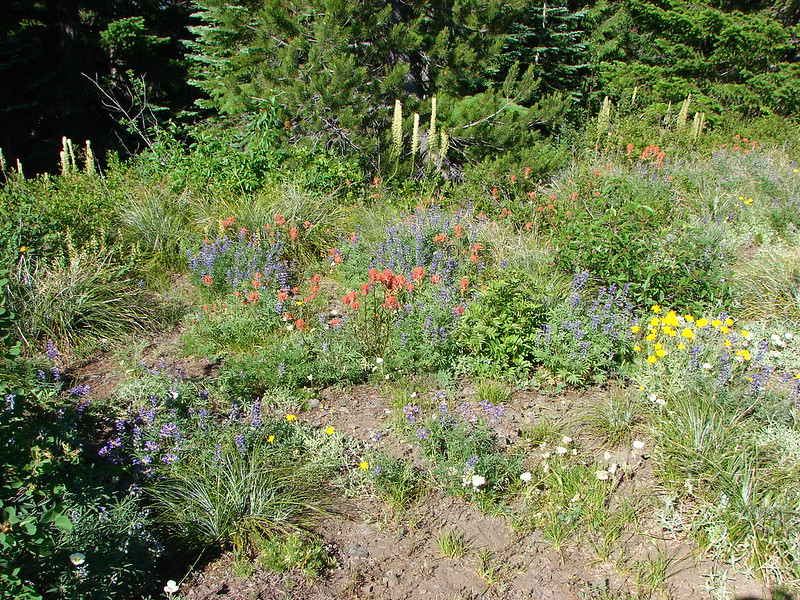
Around the 2.5 mile mark we arrived at Wild Cheat Meadows. I was hoping we might find deer or elk in the meadows but no luck. There was some nice Fall colors beginning to show along the edge of the meadows though.
DSC06413
DSC06416
DSC06427

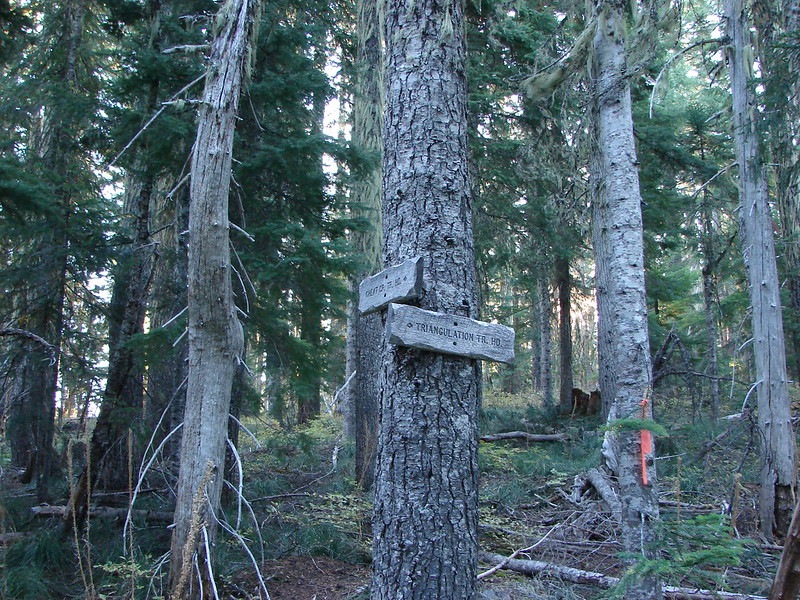
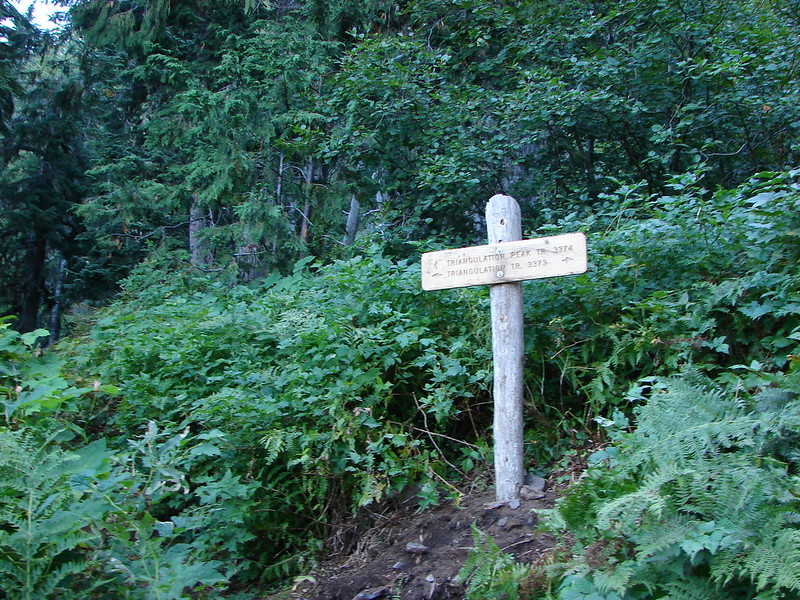
After leaving the meadow we climbed to the junction with the Triangulation Peak Trail and hung a left.
DSC06436

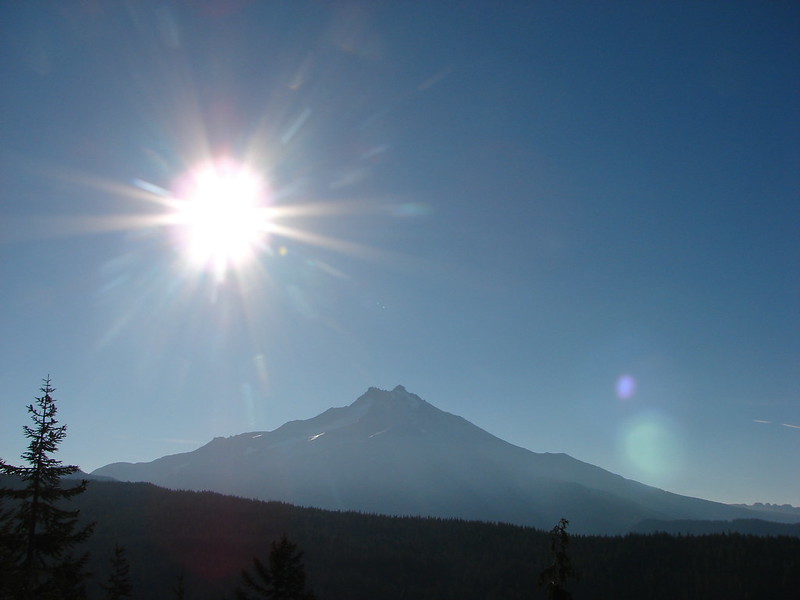
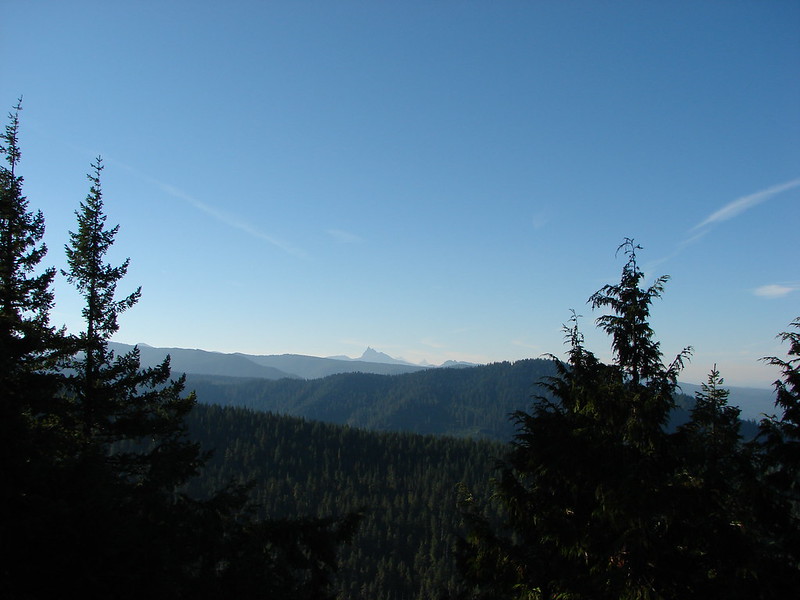
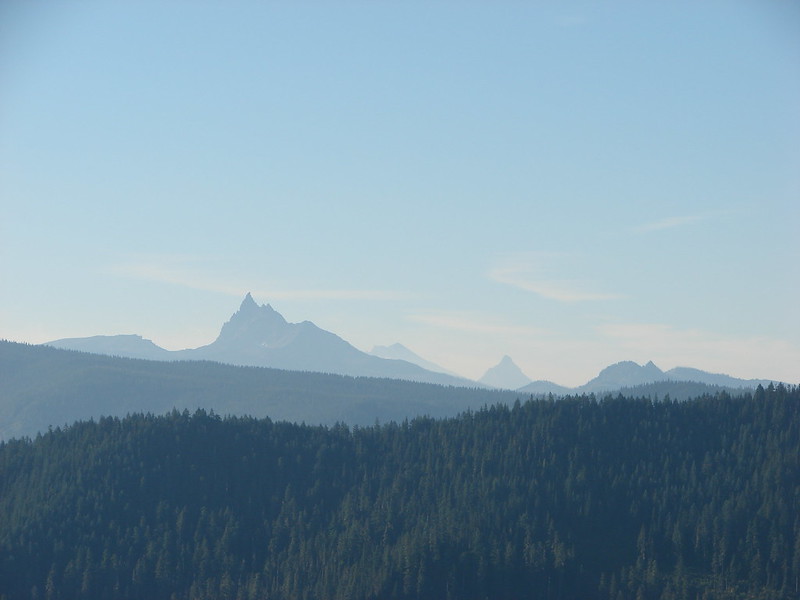
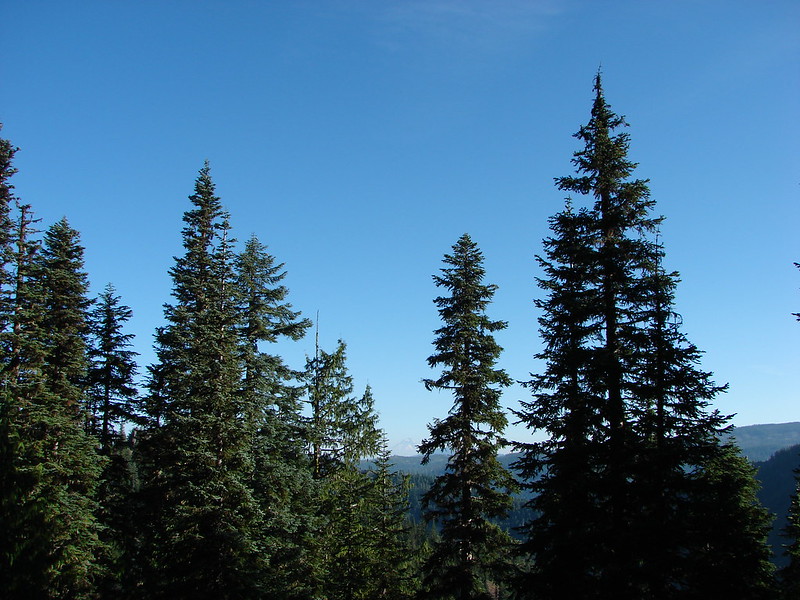
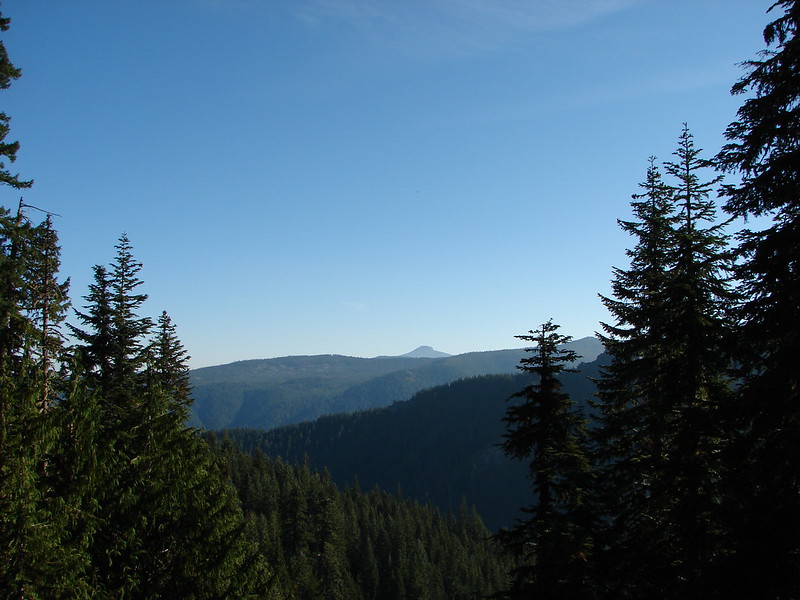
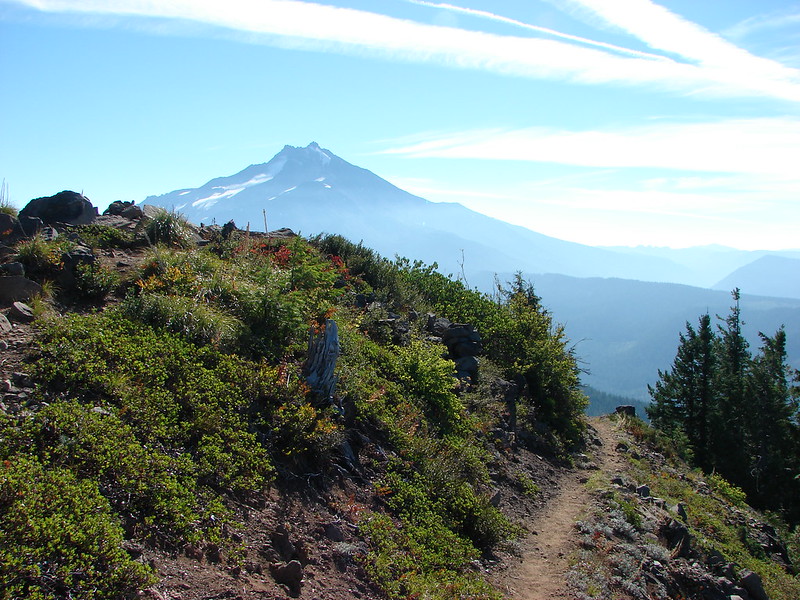
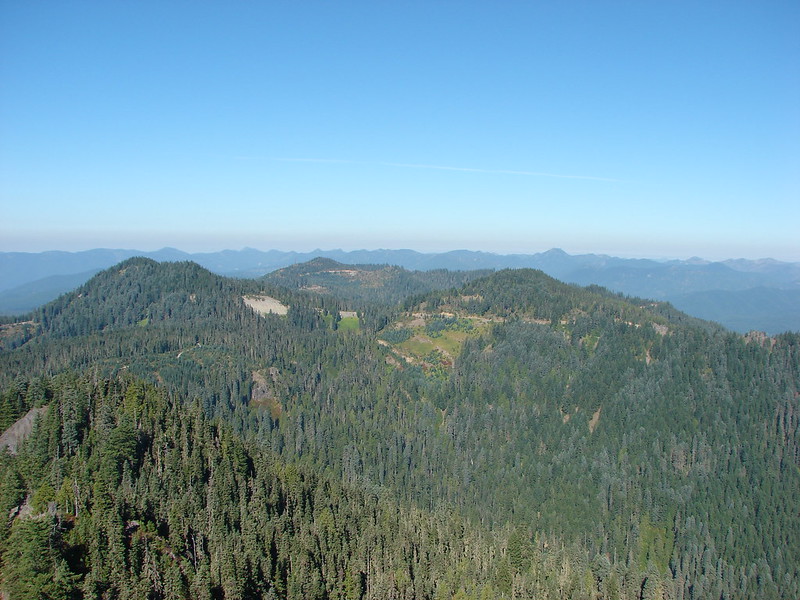
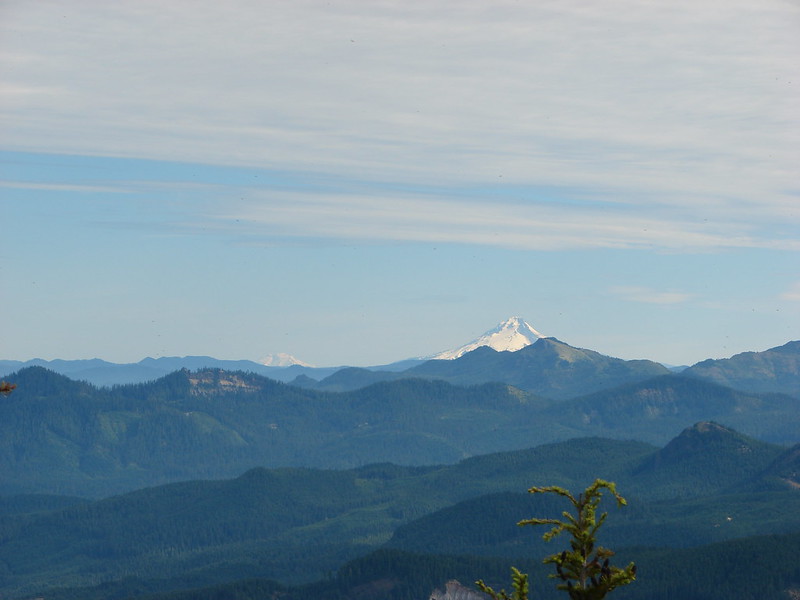
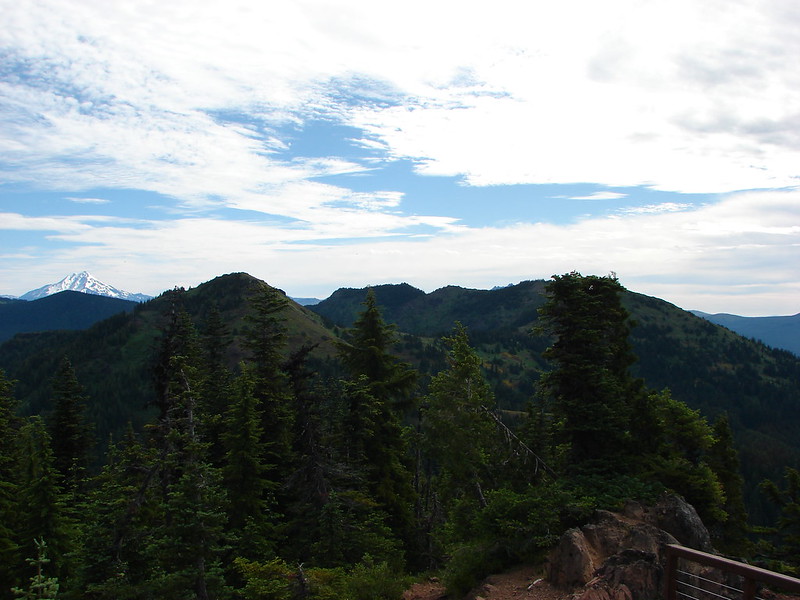
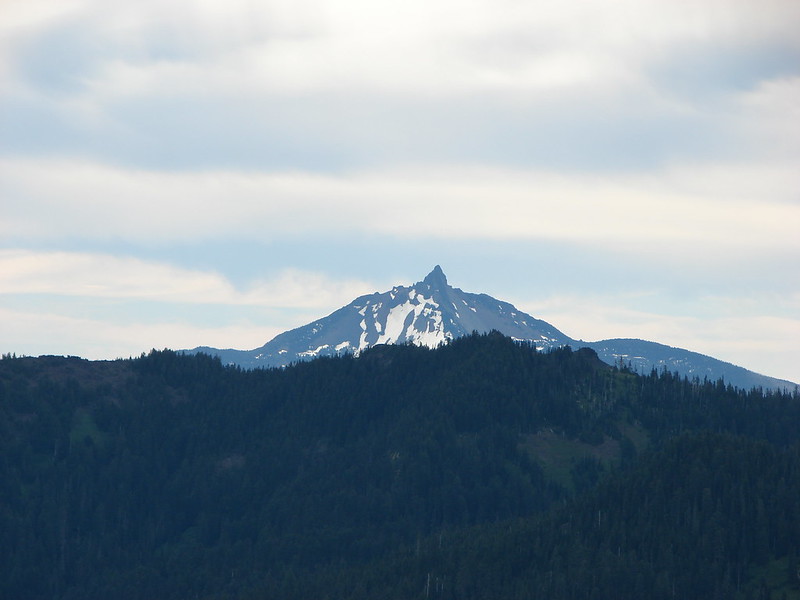
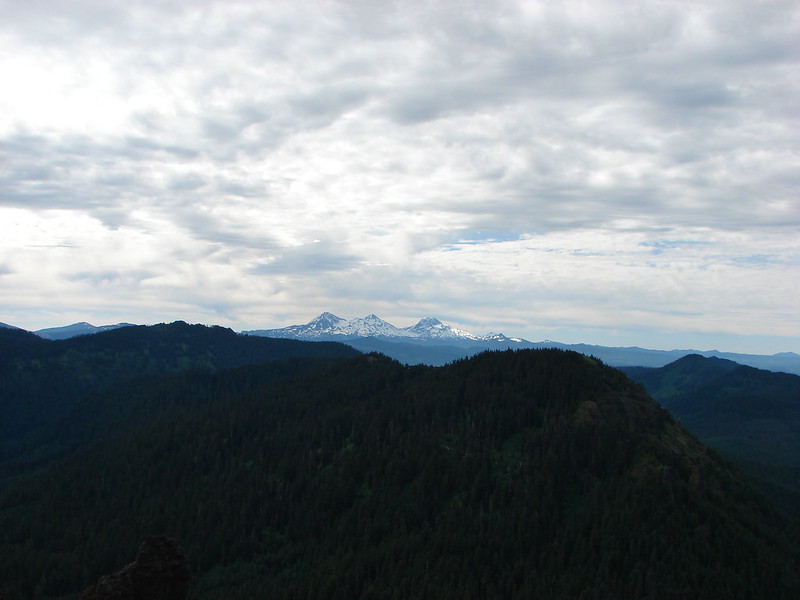
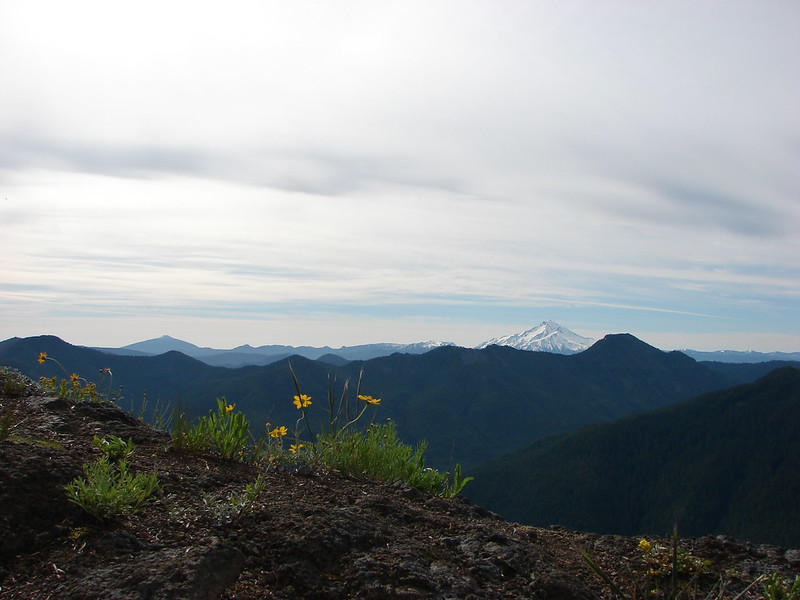
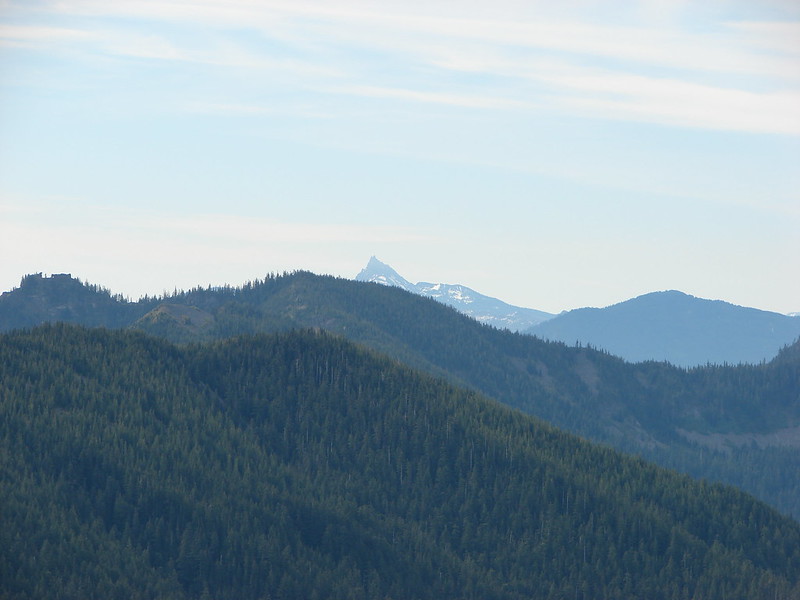
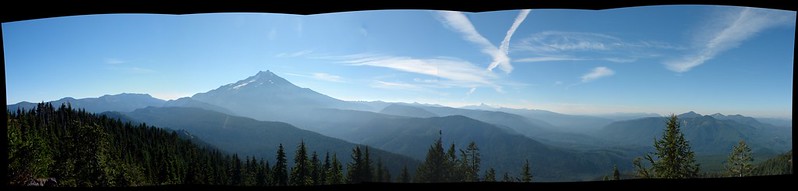
From the junction it is just over 2.5 miles to the .6 mile Triangulation Peak Trail. This section of the Triangulation Trail was fairly level but it was also narrow and overgrown in spots. We were now basically heading back the direction we’d come up but were now hiking along the ridge high above the Cheat Creek valley. As we continued on the views started to open up to the South and East.
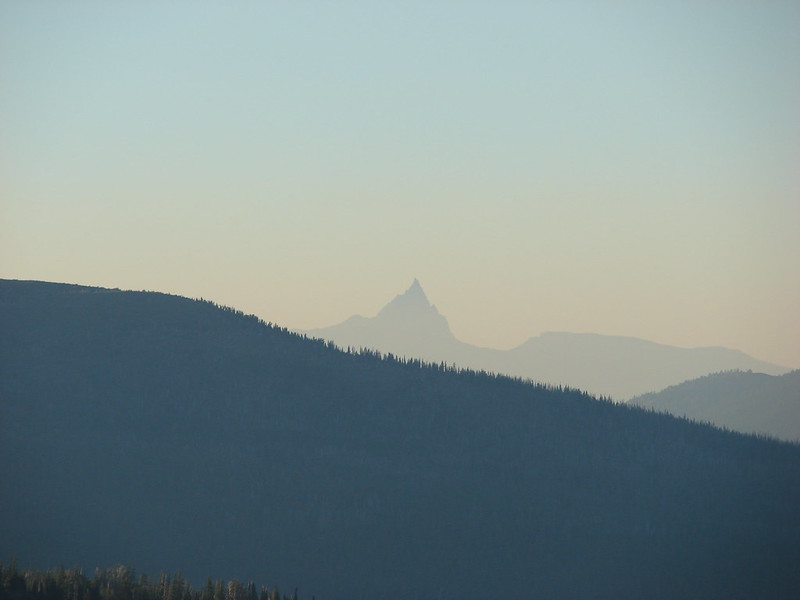
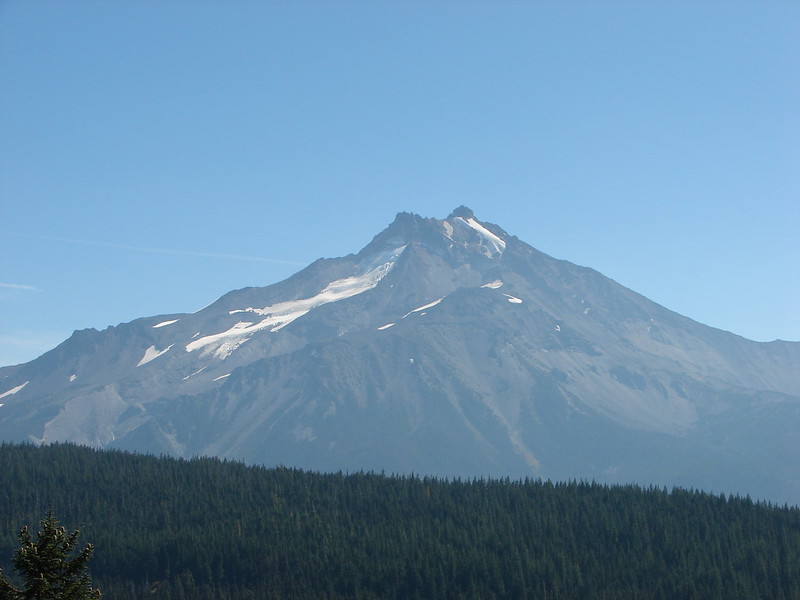
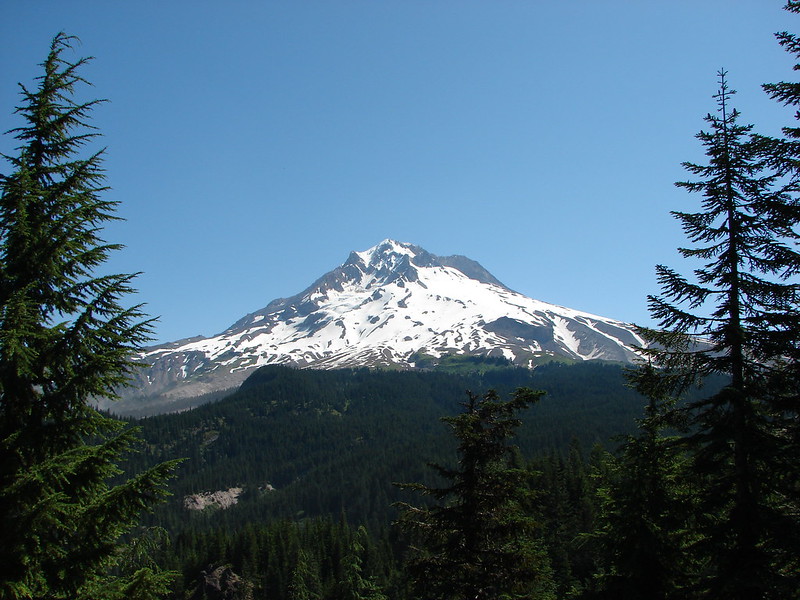
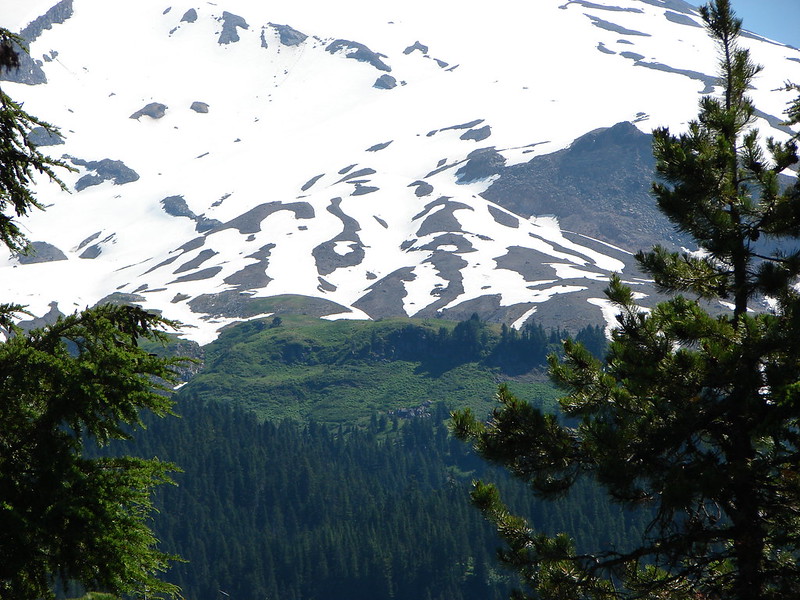
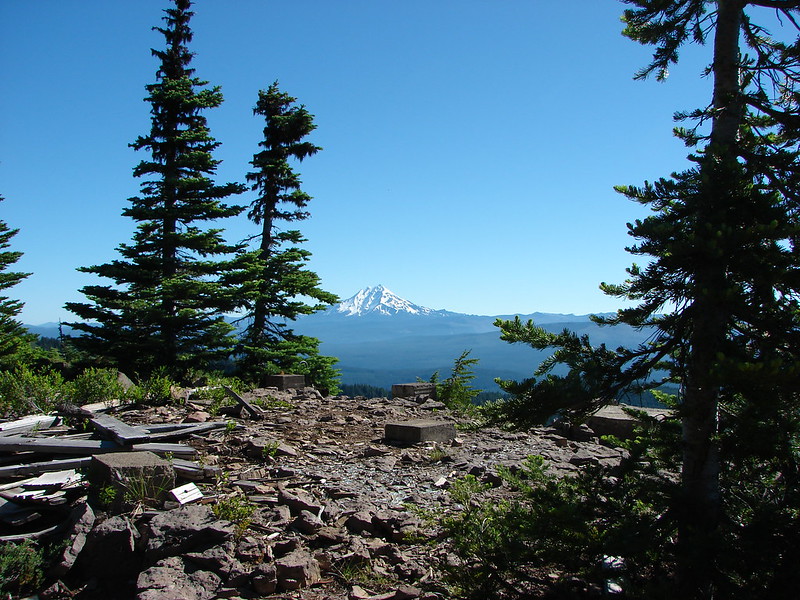
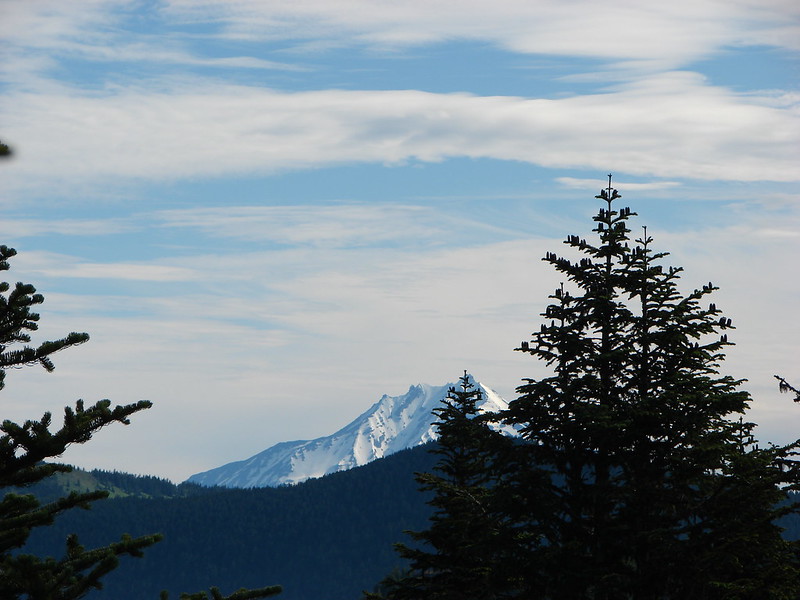
Mt. Jefferson:
DSC06462
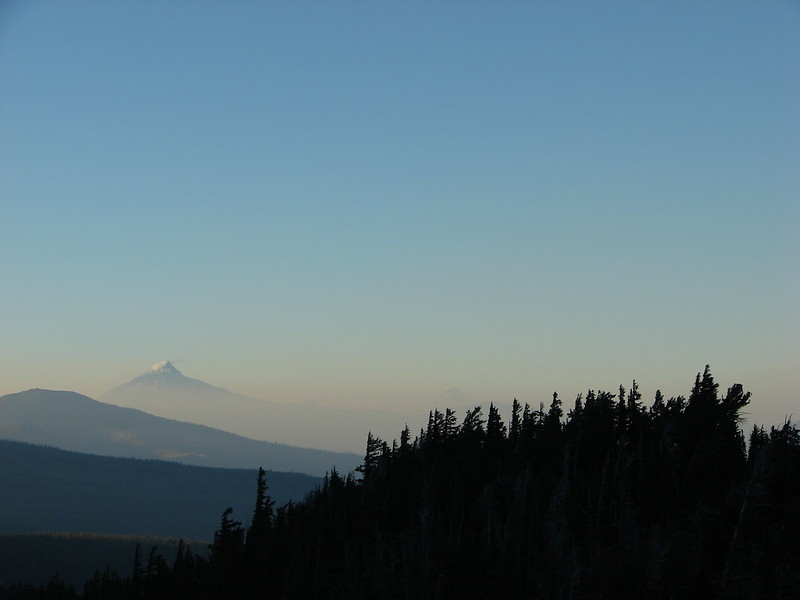
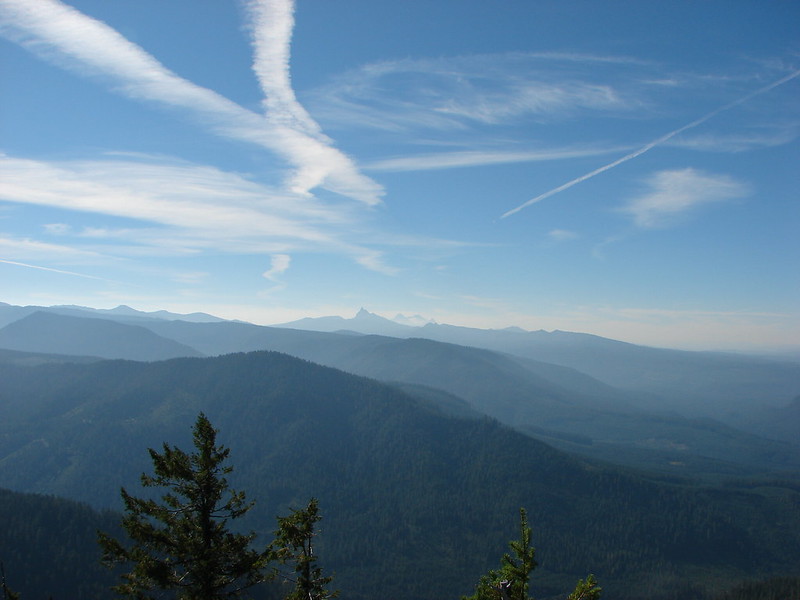
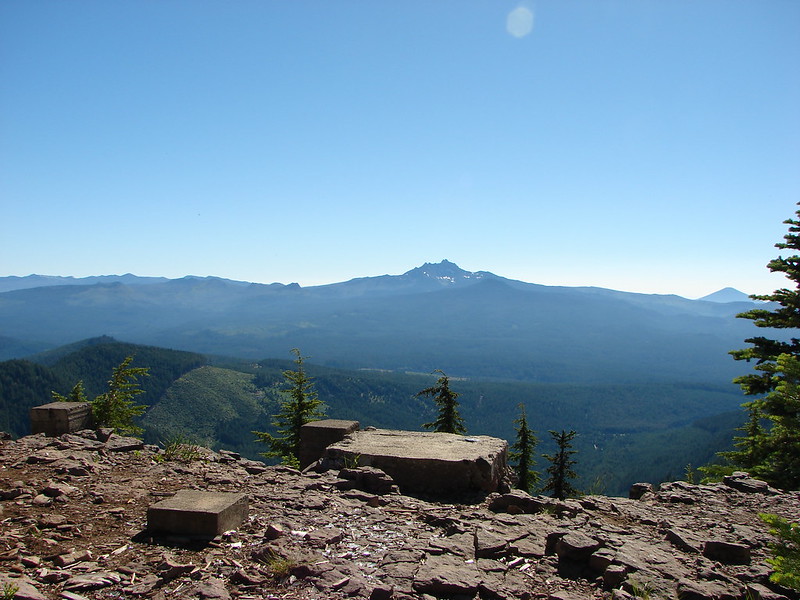
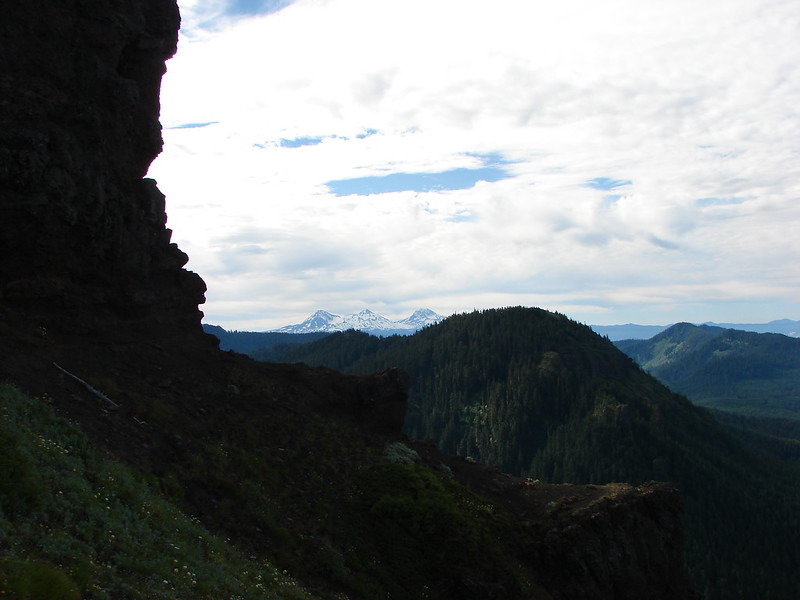
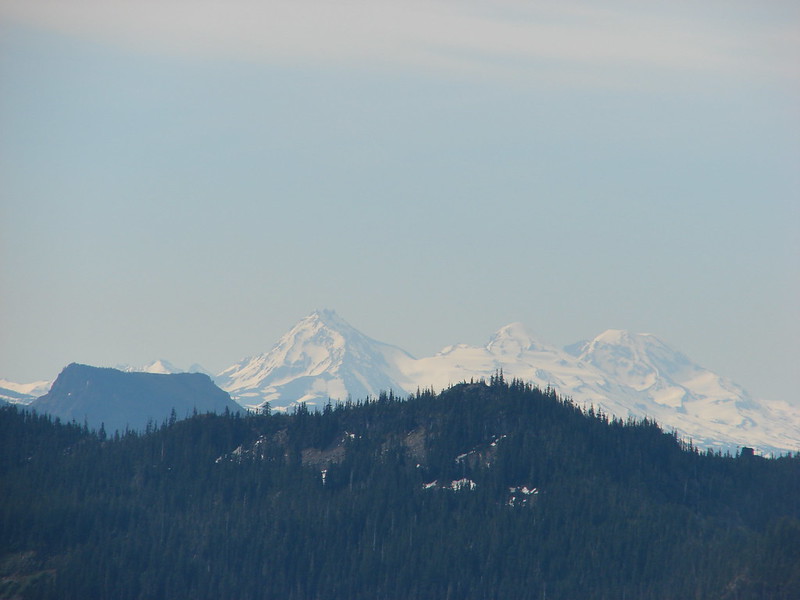
Three Fingered Jack, Middle & South Sister, and Mt. Washington:
DSC06466
DSC06467

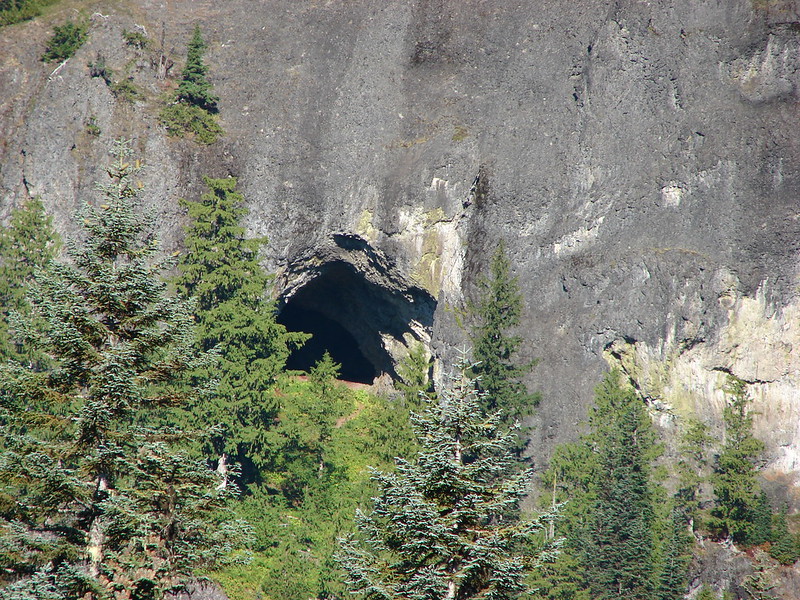
There was also one spot along the trail where we could see Boca Cave.
DSC06469
DSC06471

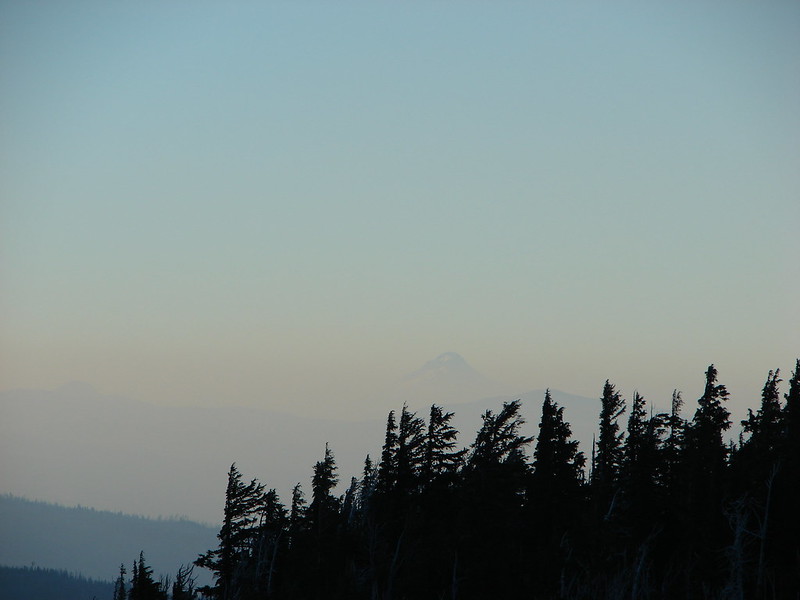
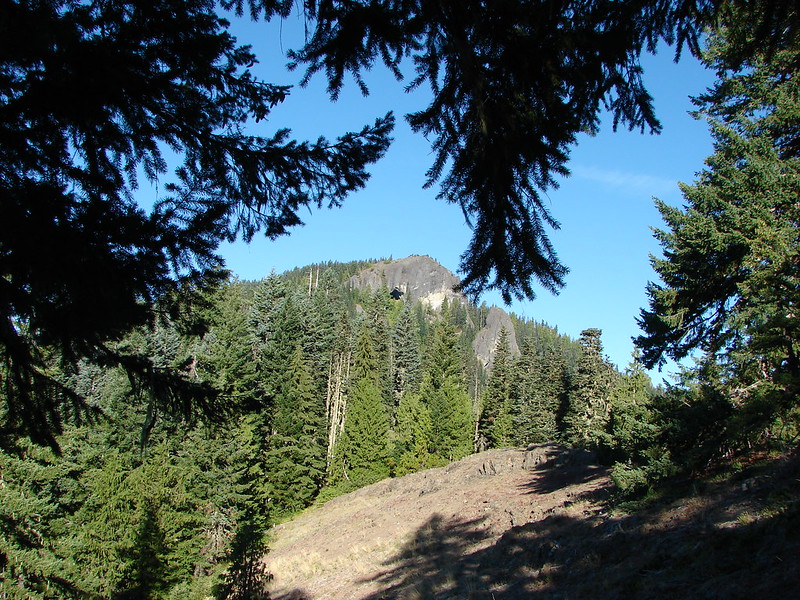
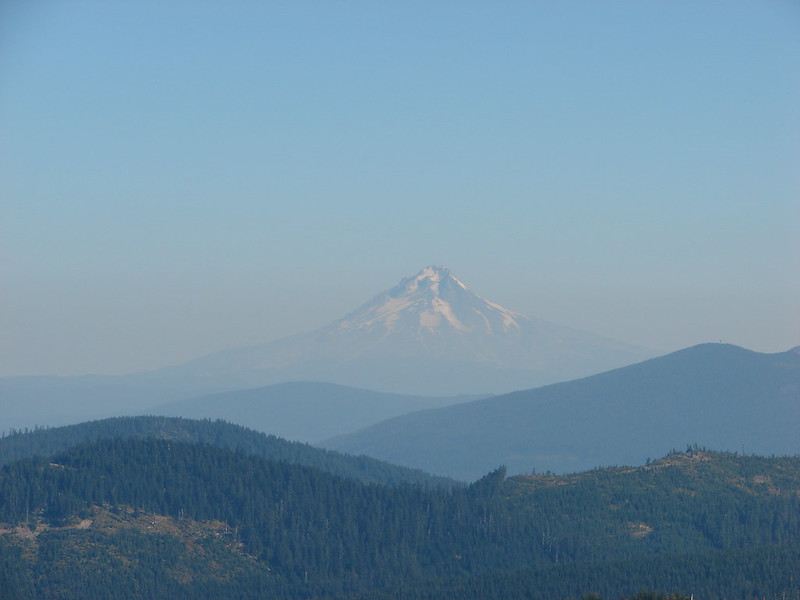
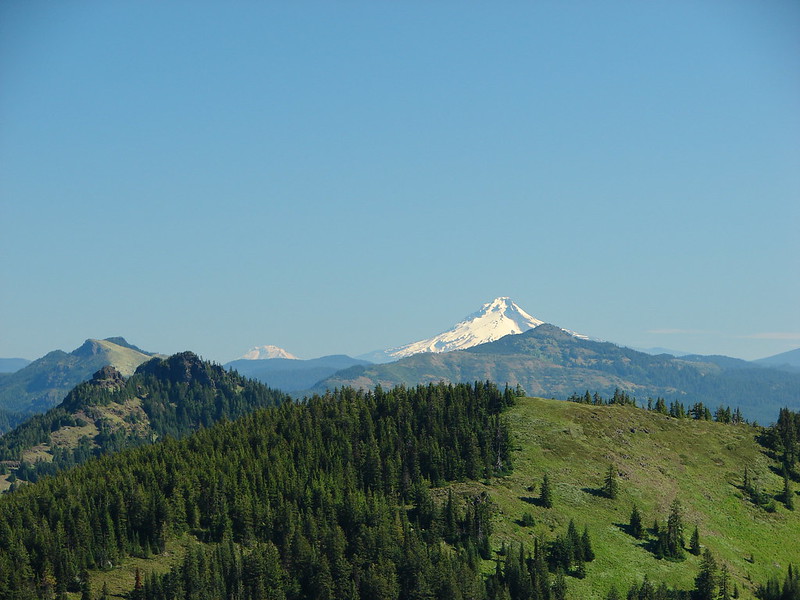
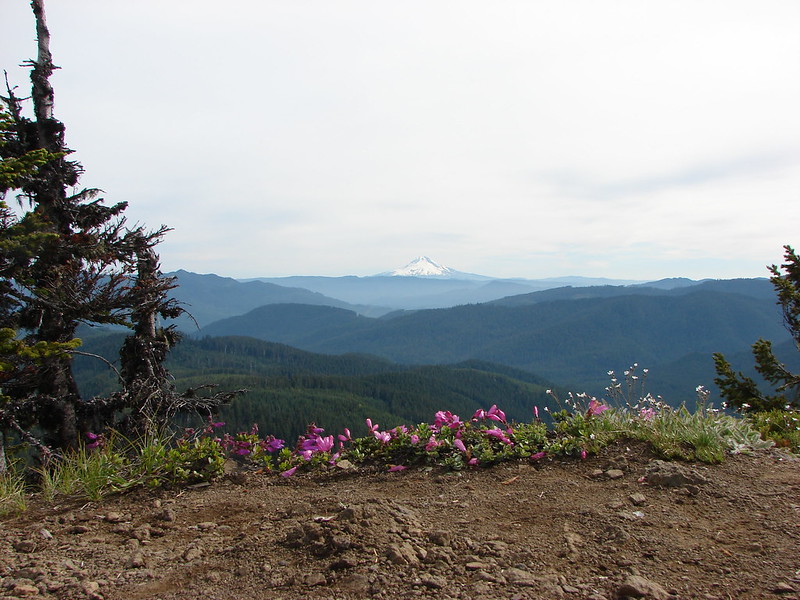
The trail eventually crosses over to the North side of the ridge as it wraps around Triangulation Peak. Once on that side we could see Mt. Hood and Olallie Butte.
DSC06479
DSC06490
DSC06483

A nice newer looking sign announced the Triangulation Peak Trail.
DSC06492

It wasn’t until we were on this final .6 mile climb that we ran into our first other people, a pair of hikers that were on their way down after spending the night. Near the top we passed a rock cairn marking a trail to the left, the unofficial path to Boca Cave. Before checking out the cave we headed up to the summit to take in the views and have a short break. There was a little smoke in the air due to a series of fires near Oakridge, OR but we still had a pretty decent view.
DSC06510
DSC06507
DSC06504
DSC06509
View from Triangulation Peak

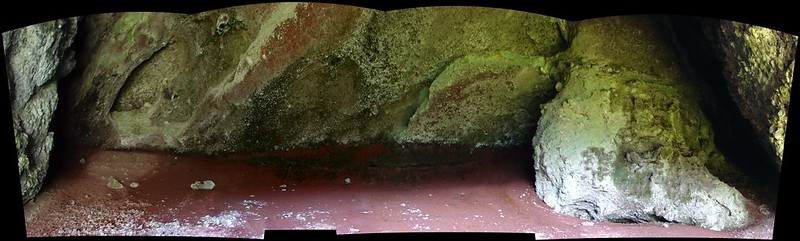
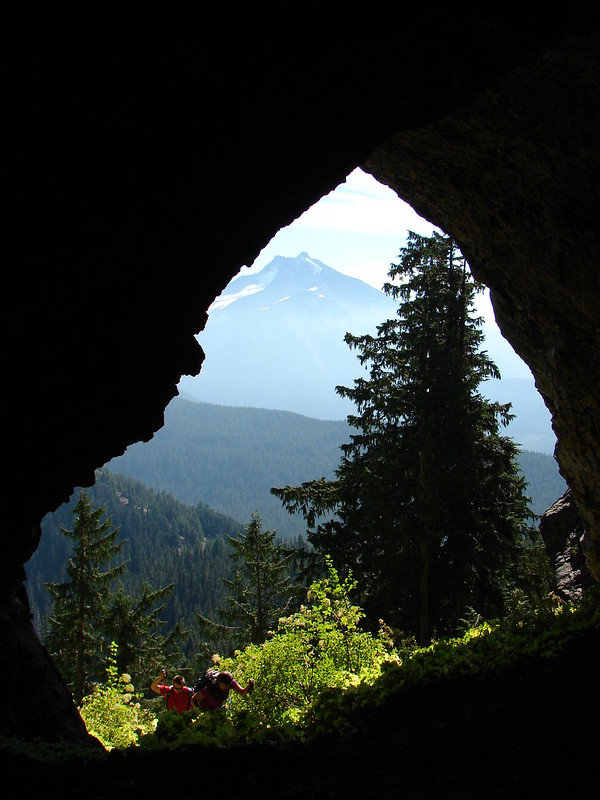
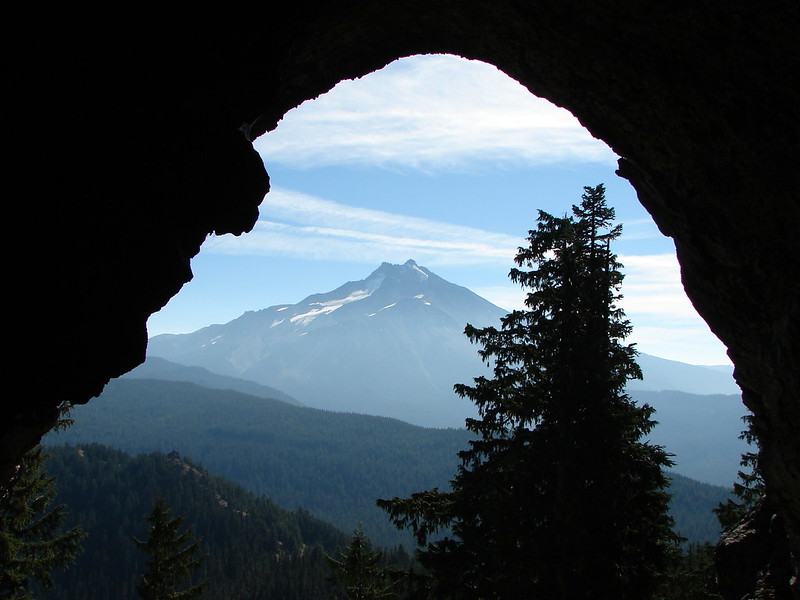
We headed back down to the cairn and started our descent down to the cave. The scramble trail was steep, narrow and required caution. Boca Cave was impressive though. The cave is about 60′ back and 80′ wide with a high ceiling. There is a constant drip of water in the back of the cave and the opening frames Mt. Jefferson.
Boca Cave
DSC06532
DSC06524
DSC06545

After thoroughly inspecting the cave we returned to the trail and began our return trip. We passed several more hikers on the way down the Triangulation Peak Trail but once we turned right on the Triangulation Trail we were alone again. We were headed straight toward Mt. Jefferson for awhile on the way back. The Sun had passed overhead and the smoke had lifted some giving us some of the clearest views of the day.
DSC06566

It was sunny in the meadows on the way back but still no deer or elk.
Cheat Meadow

It certainly would have been easier to have started at the Triangulation Trailhead, but there is something to be said for logging miles alone in the forest. Either way Boca Cave is worth the trip and the views from Triangulation Peak are just the cherry on top. Happy Trails!

Flickr: https://www.flickr.com/photos/9319235@N02/sets/72157647562843612/
Facebook: https://www.facebook.com/media/set/?set=a.10205004510459644.1073741908.1448521051&type=1

Categories
High Cascades Hiking Oregon Three Sisters Area Trip report

South Sister Loop – Day 3

After not being able to fall asleep in the wake of an amazing second day the third day of our backpacking loop started way to early. I woke up just after 5am needing to empty my bladder. Looking out our tent to the East I could see an orange glow through the trees indicating that the Sun was coming, but not for awhile. I threw my headlamp on, grabbed my camera hoping to get a shot of the horizon, and started to walk toward the edge of the plateau that Demaris Lake sits on. I was scanning the forest with my light when I noticed a pair of glowing eyes about 50yds to the left of our tent. They were fairly low to the ground and I couldn’t tell what it was. Since I didn’t know what kind of animal was staring at me I wasn’t sure if I should get big or slowly back away. Not being fully awake my solution was to take a picture using the flash to see if I could figure out what it was. That may not have been the best idea, but when the flash went off I could see that it was a deer that was bedded down.
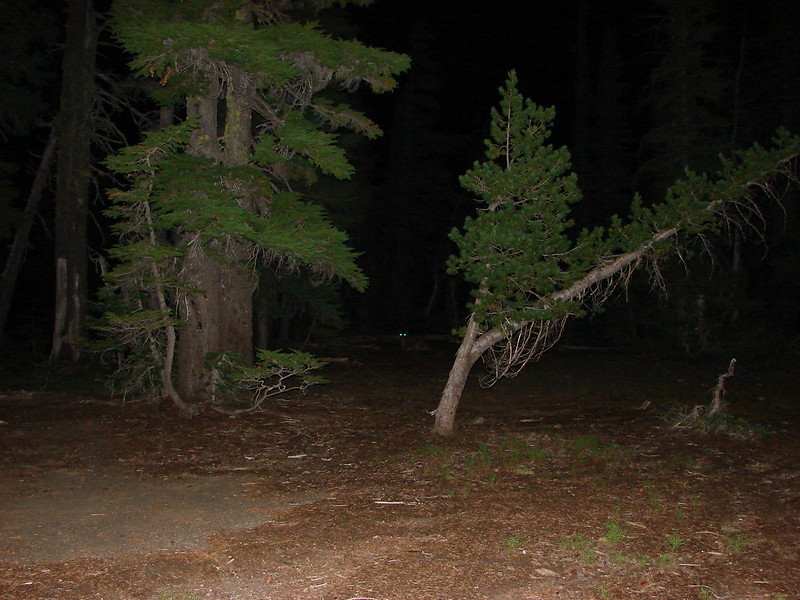
DSC05771

She got up after I took the picture and began walking along the ridge in front of me so I stopped heading that way and thought I would loop around behind to get my horizon picture. Apparently she didn’t like that because when I looked back in the direction she had been headed she had turned around and was now walking toward me with her head down.
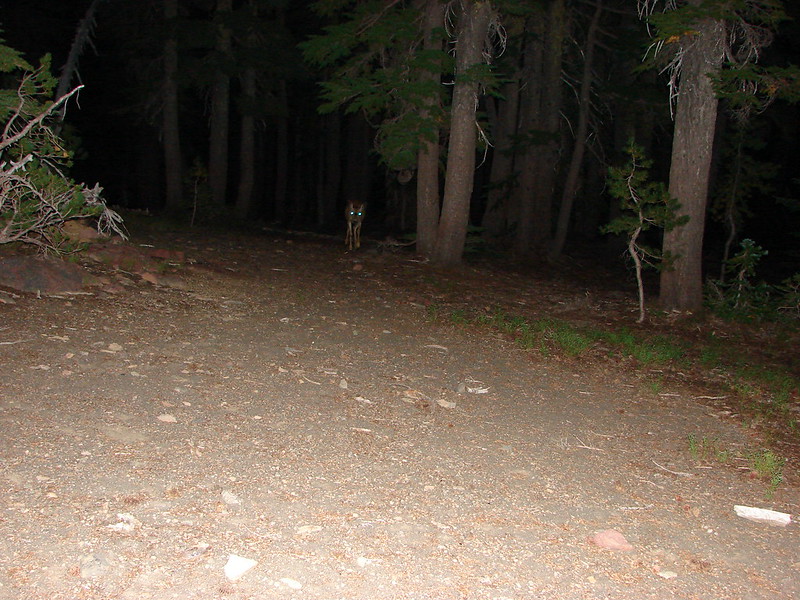
DSC05773

She stopped when she realized I’d spotted her and I backtracked down to the lake shore and tried taking a wider loop around a rocky outcropping to get my picture. I got to good viewpoint and after scanning for the deer I set about trying to get a decent picture.
DSC05777

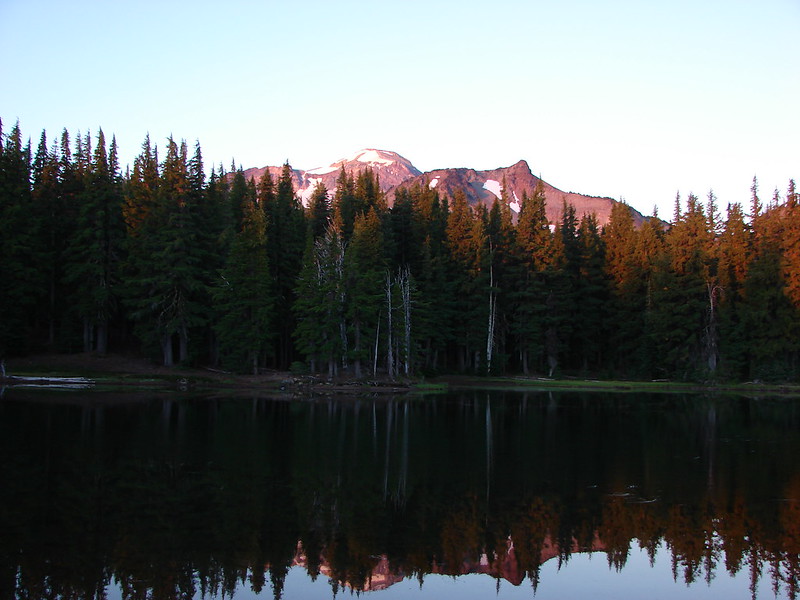
After taking a few pictures I suddenly had a strange feeling. Glancing to my right there was that crazy deer again staring at me with those glowing eyes. I headed back down to the lake and hurried back to the tent site to grab my poles and wake Heather up thinking that maybe the presence of a second person would deter the stalker deer. It must have because we didn’t see her again and were able to watch the sunrise light up the mountains and trees above the lake.
DSC05791
DSC05789

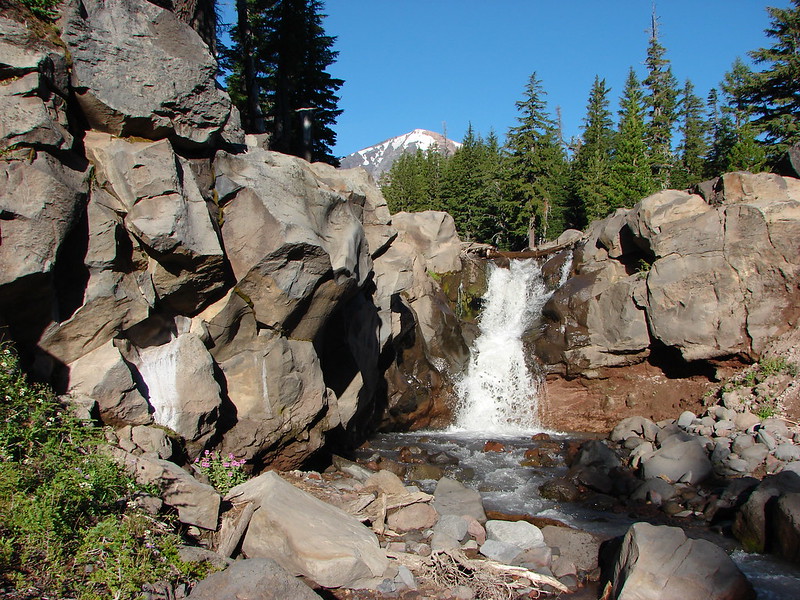
After a deer free breakfast we returned to the Camp Lake Trail at the North Fork Wychus Creek. A nice little waterfall lay just downstream from the creek crossing.
DSC05801

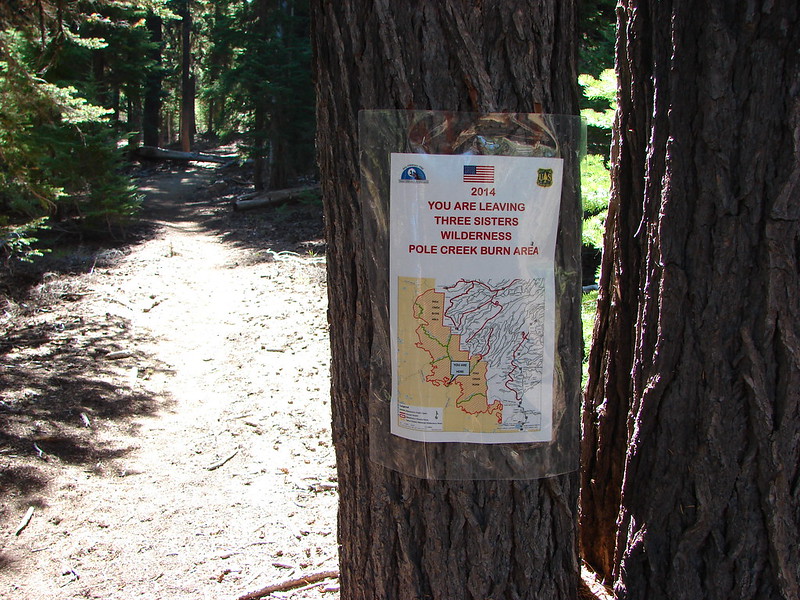
Soon we entered the area burned during the 2012 Pole Creek Fire.
DSC05806

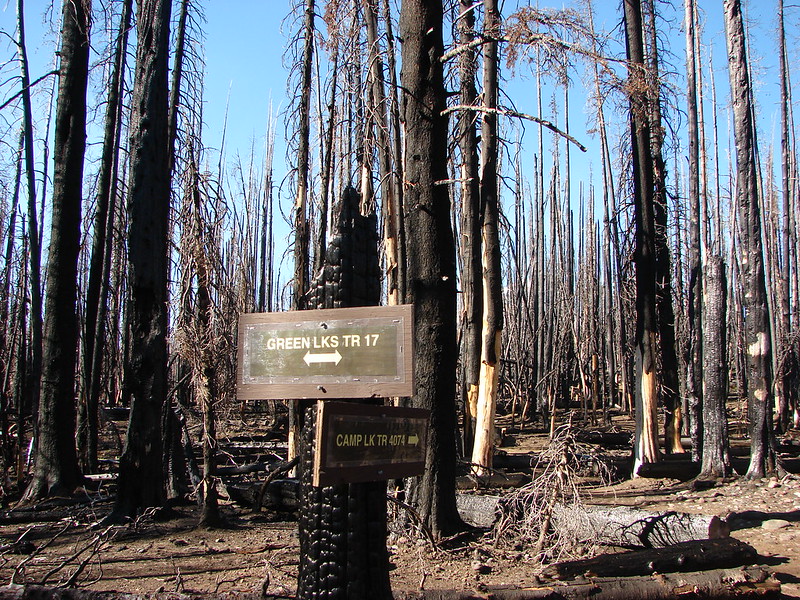
The forest is only starting to recover from the fire so there wasn’t much to see as we made our way to the Green Lakes Trail and Soda Creek.
DSC05819
DSC05822

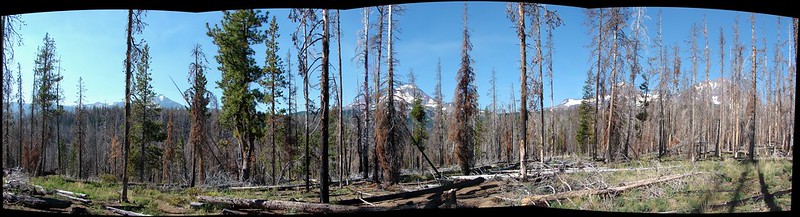
We turned right on the Green Lakes Trail and headed south toward Park Meadow. The first section of trail remained in the burn area but we were now headed back toward the mountains so we at least had a view.
DSC05824 Stitch

After recrossing the North Fork Wychus Creek and then crossing the South Fork Wychus Creek the trail passed between a pair of ponds at the edge of the burn. The large pond on the left was empty while the much smaller pond on the right was filled with ducks.
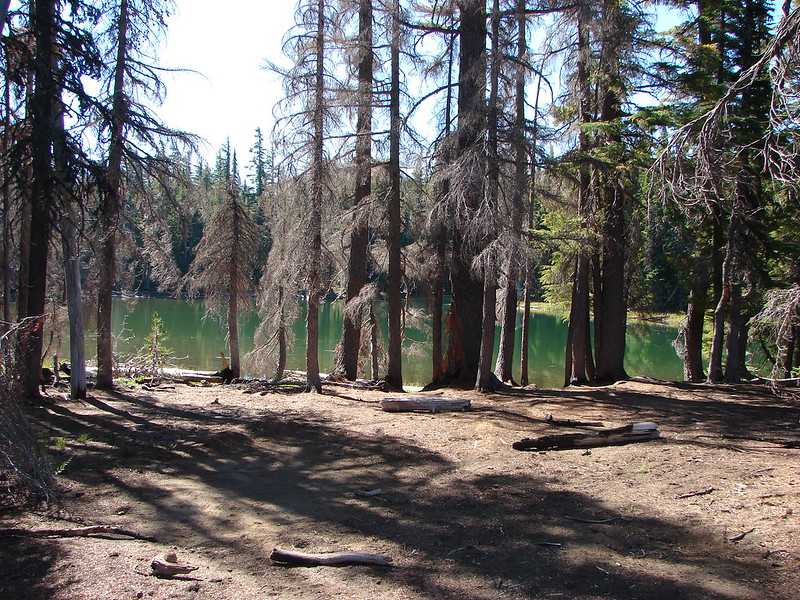
DSC05844
DSC05853
DSC05851
DSC05857

After leaving the burn area our next marker was the West Fork Park Creek in Red Meadow.
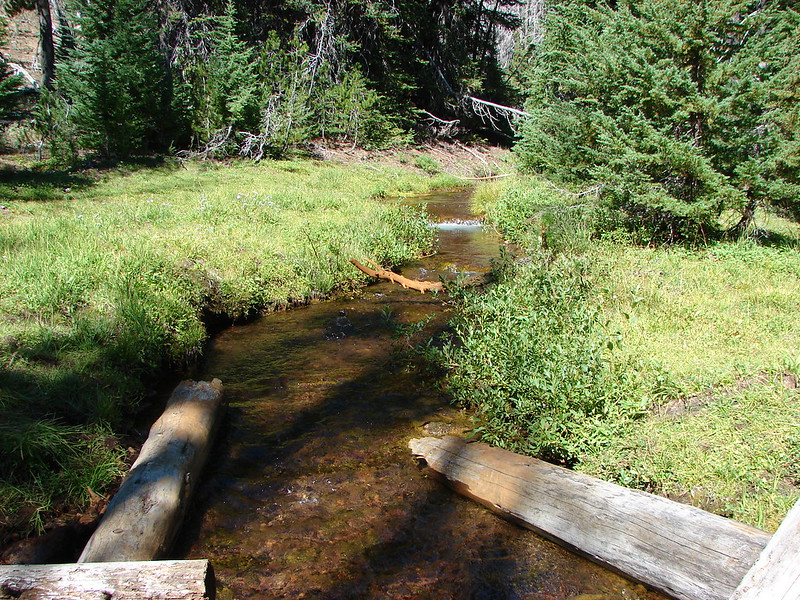
DSC05861
DSC05863

There weren’t many flowers in the meadow but a hawk provided some entertainment as it watched us from a nearby tree.
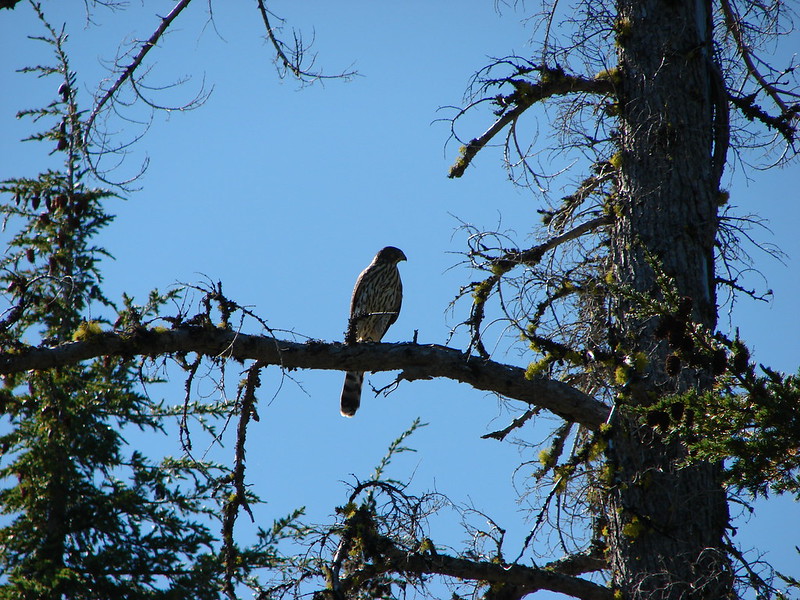
DSC05867

From there it was just under a mile to our next trail junction located in Park Meadow.
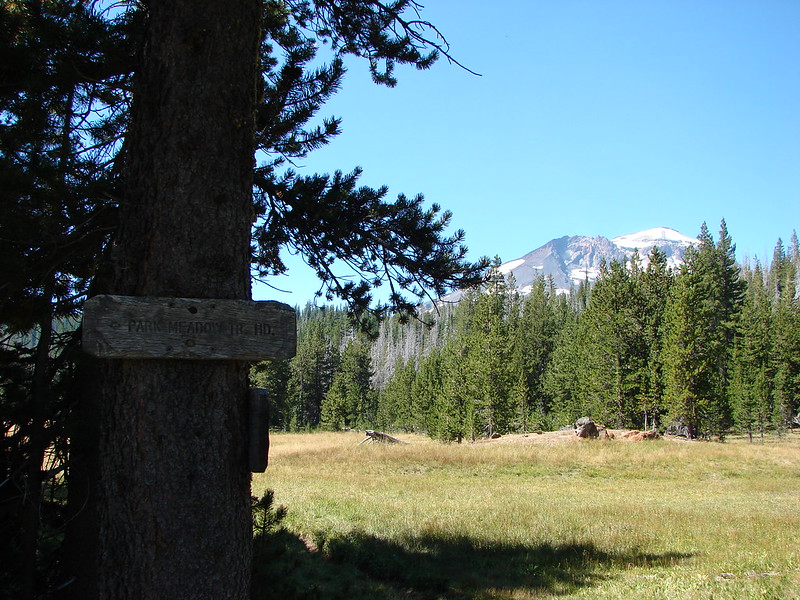
DSC05871

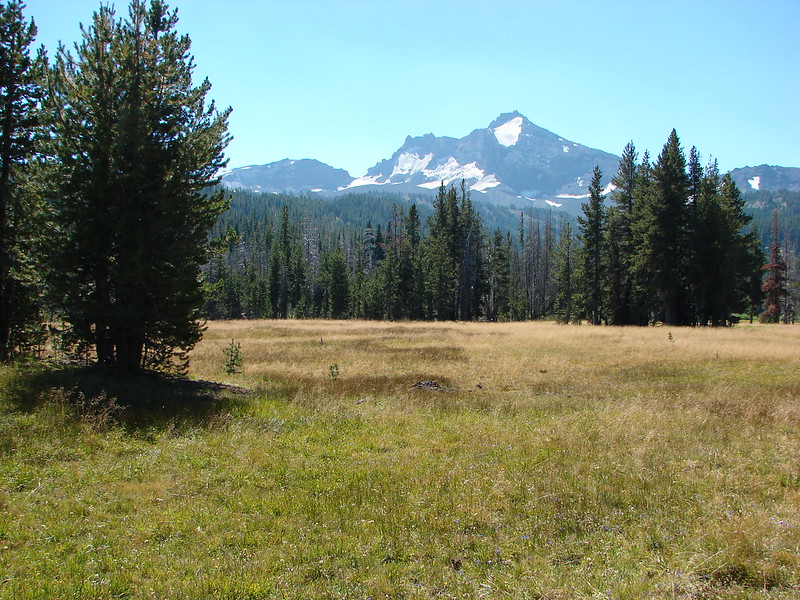
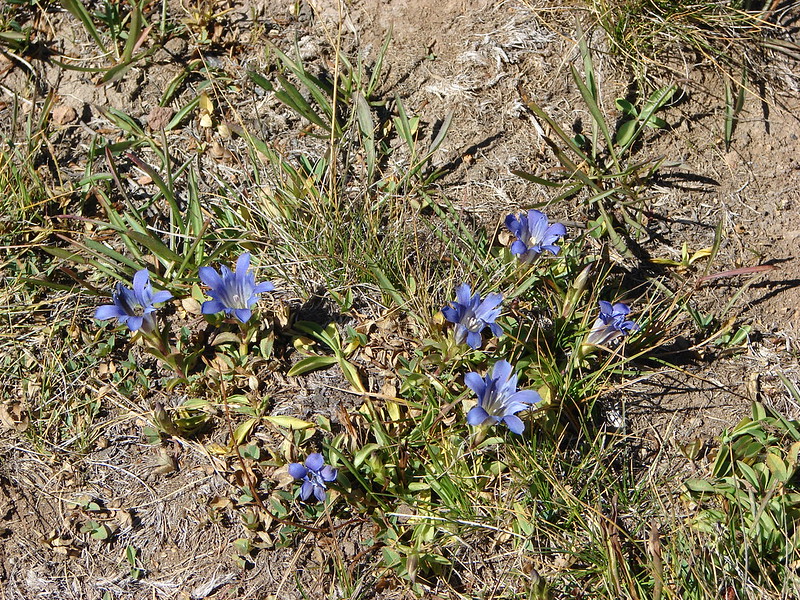
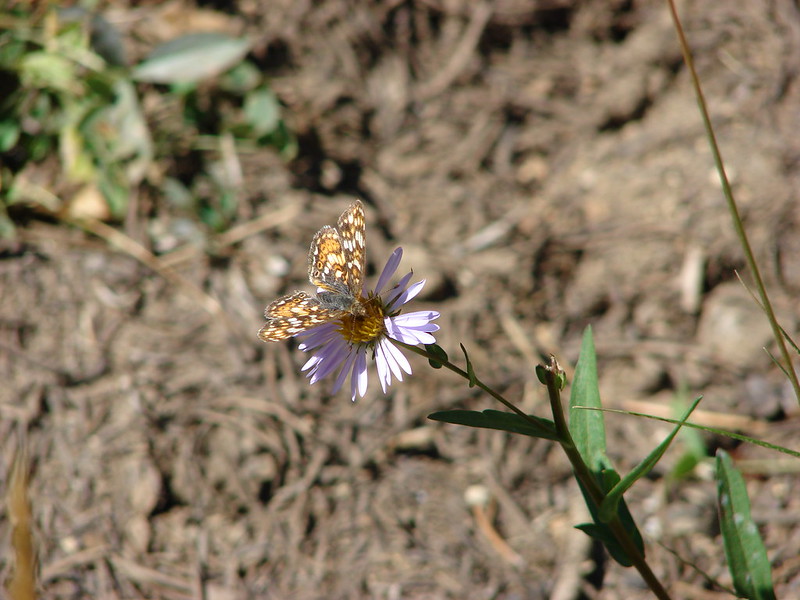
After taking a quick look at Park Creek we continued on the Green Lakes Trail passing through Park Meadow. The meadow was quite large with a good view of both Broken Top and the South Sister. Although it was fairly dry many gentian flowers dotted the ground along with the occasional aster.
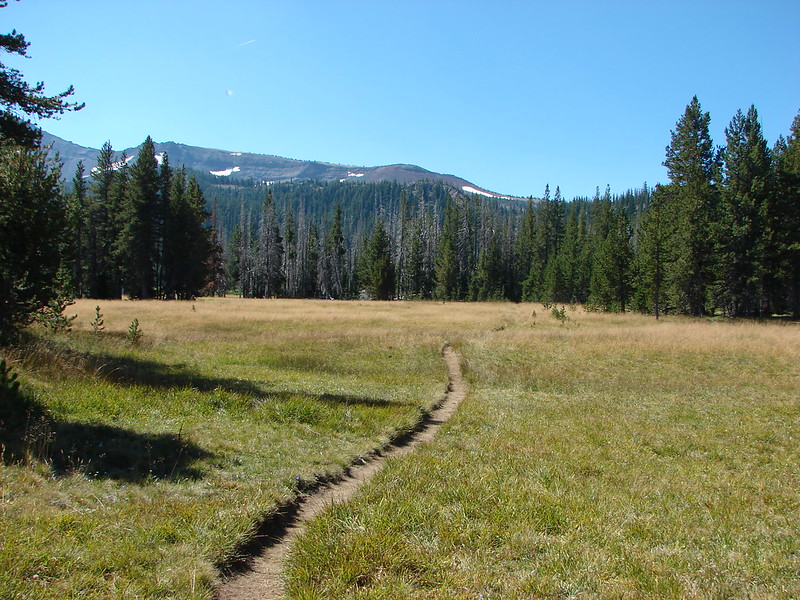
DSC05877
DSC05878
DSC05876
DSC05884

We were looking for a side trail about a mile from Park Meadow that would take us to Golden Lake. There was no sign marking the .7 mile trail to the lake but as we made our way toward the lake we did see signs announcing the areas restrictions.
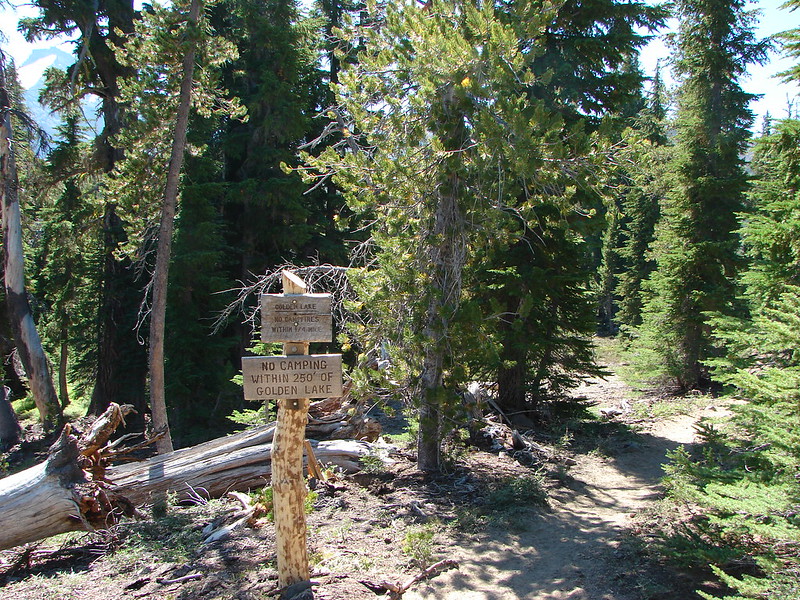
DSC05891

It was easy to see why this was a popular spot.
DSC05893
DSC05900
Golden Lake2

We hiked around to the far end of the lake and decided to follow the inlet creek up looking for a place to set up our tent far enough from the lake to fit the 250′ restriction. We knew that there were a pair of tarns about a mile up from Golden Lake which we had originally planned on visiting after we had found our camp site and dropped off our gear. We weren’t having much luck finding a site, but the scenery was once again spectacular. Wildflowers lined the creek and the water was as clear as glass. We were headed straight at Broken Top and the South Sister loomed across the creek to our right.
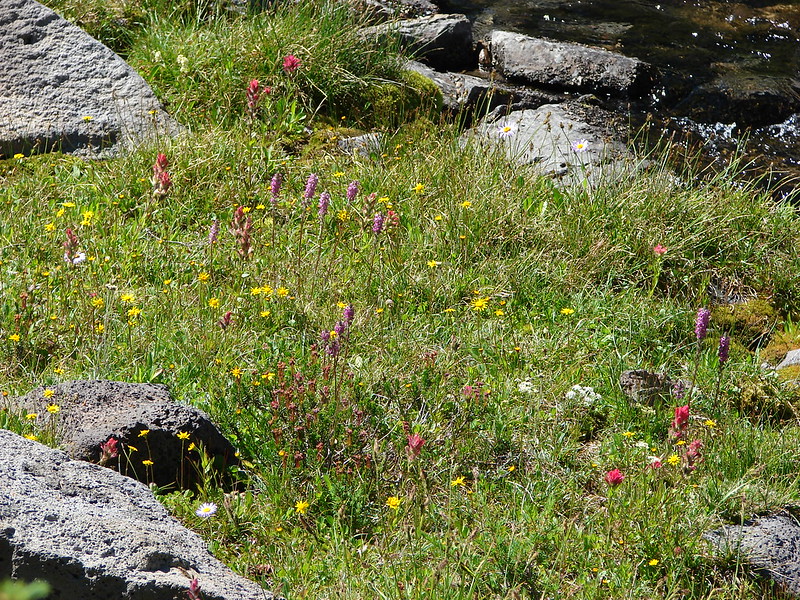
DSC05917
DSC05915
DSC05923
DSC05921

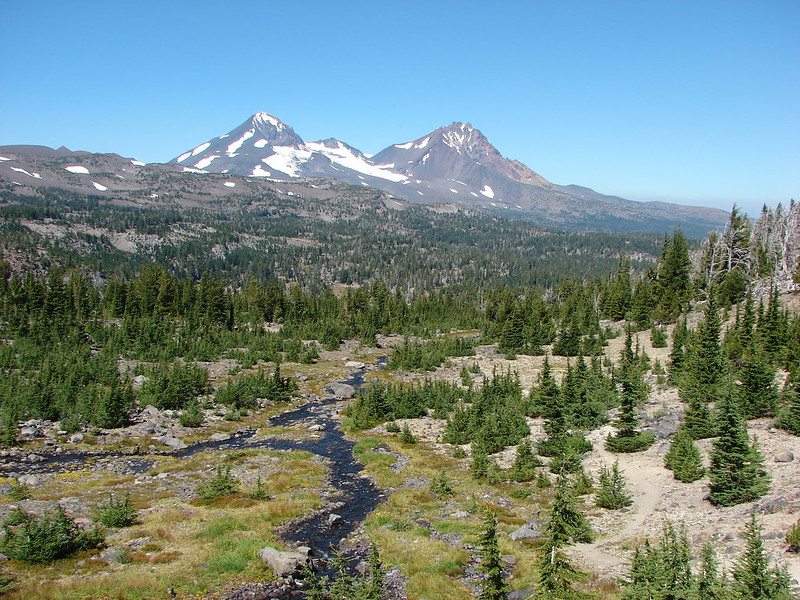
We eventually reached the beginning of the creek as it flowed out from the bottom of a rocky hillside.
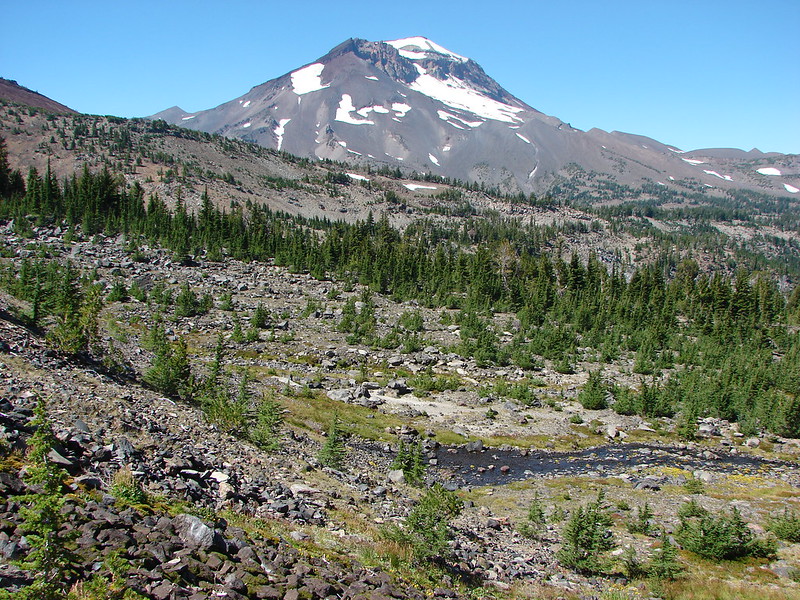
DSC05927

We began climbing the hill expecting to find the first tarn at the top.
DSC05926
DSC05928

We were not disappointed.
DSC05931

The water in the tarn was crystal clear and the views extended to Mt. Jefferson to the North.
DSC05947
DSC05936
DSC05953

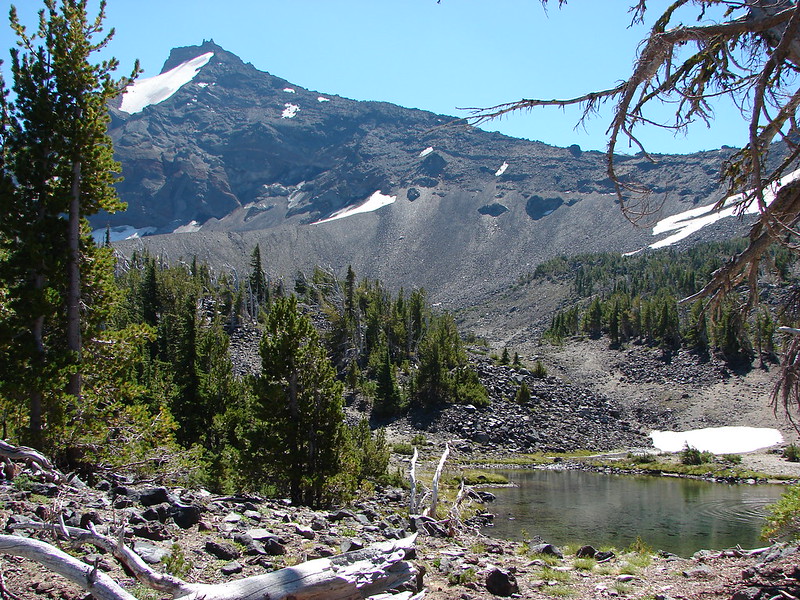
A path led up another hill to the second tarn. It was quite a bit smaller and there was a hiker with a dog splashing around in it so we headed back down to the first tarn and went about setting up camp. We had found our spot for the night.
Second tarn
DSC05943
South Sister over the first tarn
DSC05939
Our campsite back in the trees on the far side of the tarn.
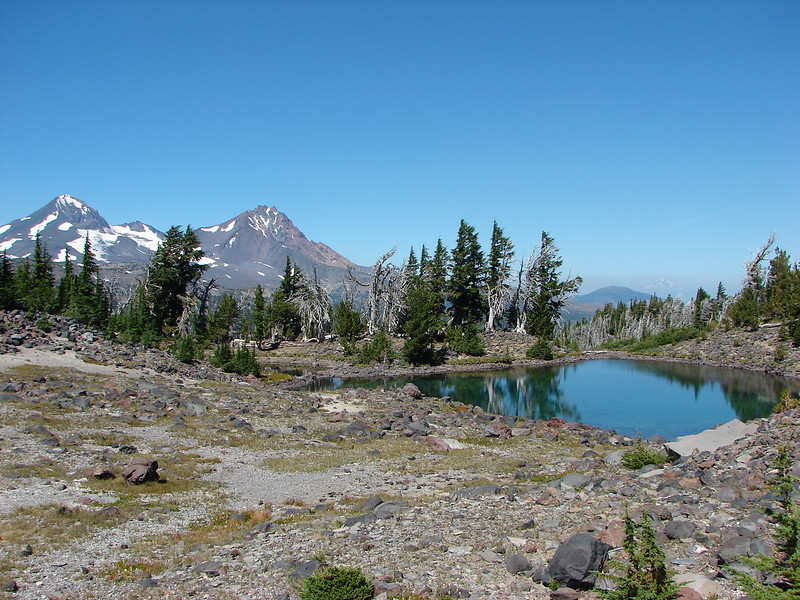
DSC05945

We had views all around from the site.
DSC05962
DSC05964
DSC05965

The nice part was we had arrived just after 1pm so we had plenty of time to soak our feet (the water was way too cold for anything else) and watch the wildlife that would occasionally stop by the tarn.
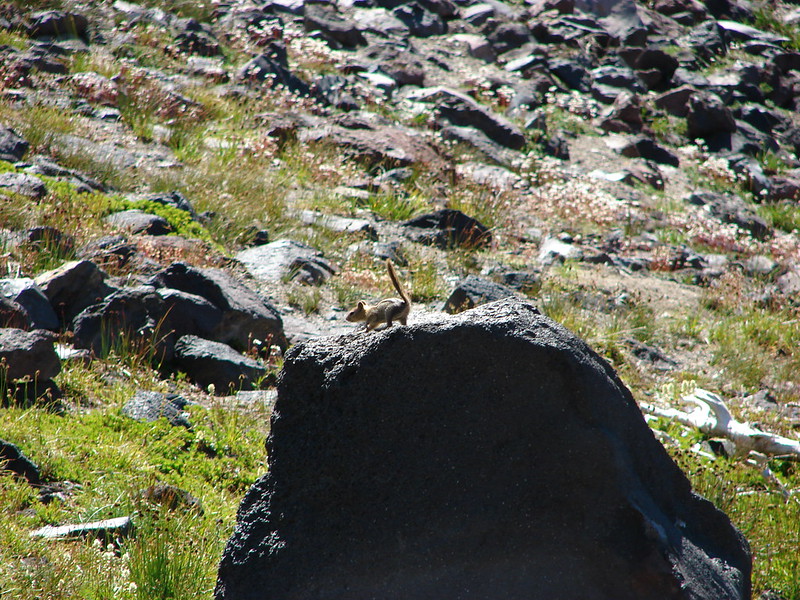
DSC05958
DSC05990
DSC05986

We decided to try and turn in early (or at least take a nap) since we didn’t get much sleep the night before so we laid down in the tent around 6pm. Heather fell asleep but I wasn’t having any luck so I got back up shortly after 7pm and took a few more pictures. It had been hazy to north all weekend but I could now make out Mt. Hood in that direction, and rays of sunlight shot through the gap between the South and Middle Sister.
The Three Sisters, Three Fingered Jack, Mt. Jefferson, and Mt. Hood at 7:04pm
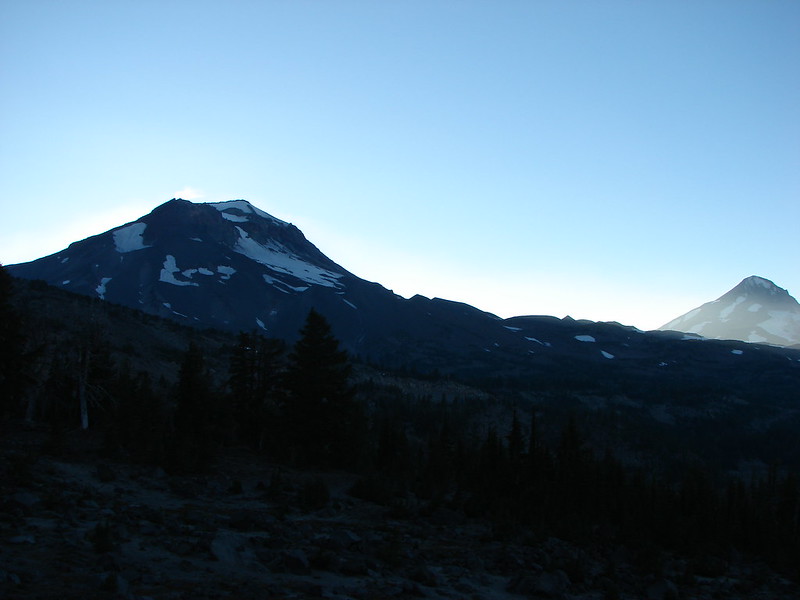
DSC06009
DSC06008
DSC06006
DSC06002
DSC06003

Broken Top at 7:07pm
DSC05997

I went back to the tent and laid back down after taking the picture of Broken Top hoping to finally get some sleep. About 20 minutes later I smelled smoke. Thinking it was a campfire I lay there for a minute wondering if someone wasn’t able to follow the restriction on campfires. The smell kept getting strong so I sat up and looked around. Smoke was filling the basin below Broken Top and when I turned around I could see a line of smoke passing between the Sisters. The whole valley below us was full of smoke and it looked like it was rising up from somewhere on the other side of the South Sister.
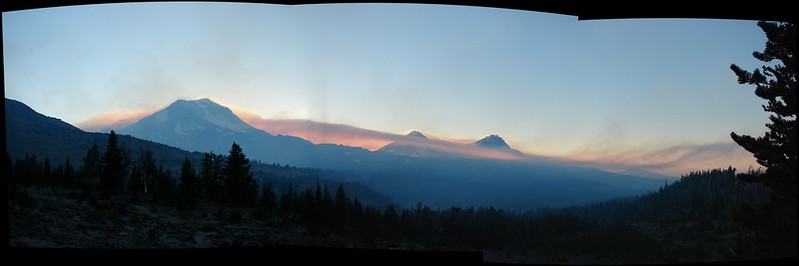
Smoke

I woke Heather up and we began discussing what to do. Another hiker came up to the tarn and she was wondering what was going on as well. She had a satellite phone and had managed to talk to a friend in Bend but they didn’t have any knowledge of a fire near the Sisters. There were some fires near Oakridge, OR 40 miles to the South but it didn’t seem possible that this smoke was coming from there. Looking at the smoke column we weren’t sure if we would be able to hike out via Green Lakes since it appeared to be rising from somewhere in that direction so we considered our Plan B evacuation route back through Park Meadow to the Three Creeks Campground. We were also debating on if we should try and stick it out through the night of if we should just pack up and try and get out before it got any worse. We quickly agreed that neither of us would be able to get any sleep under these conditions and if the smoke got any worse it would certainly be unhealthy even if we did manage to fall asleep.

We loaded everything up grabbed our headlamps and started back down toward Golden Lake just after 8:15pm. We were watching the smoke column still unable to decide exactly where it was emanating from when arrived back at Golden Lake. No one had any new news at the lake so we decided to attempt to hike out as originally planned past the Green Lakes as it looked like the smoke was coming from the far side of the South Sister.

This was our first experience with night hiking so we didn’t know exactly what to expect. Our adrenaline was pumping as we began climbing the Green Lakes Trail to its high point above the Green Lakes. To our surprise and relief the smoke lessened as we went. By the time we arrived at the Green Lakes area the sky was full of stars and the smell of smoke had all but vanished.
DSC06021

I managed one picture of the elusive Green Lakes having once again missed seeing them in the light of day.
DSC06022

We were now committed to leaving though so we kept hiking. It turned out to be quite a bit of fun. We missed out on seeing a lot but the sky was beautiful and we spotted some things we would not have seen during the day like toads and the glowing eyes of many deer.
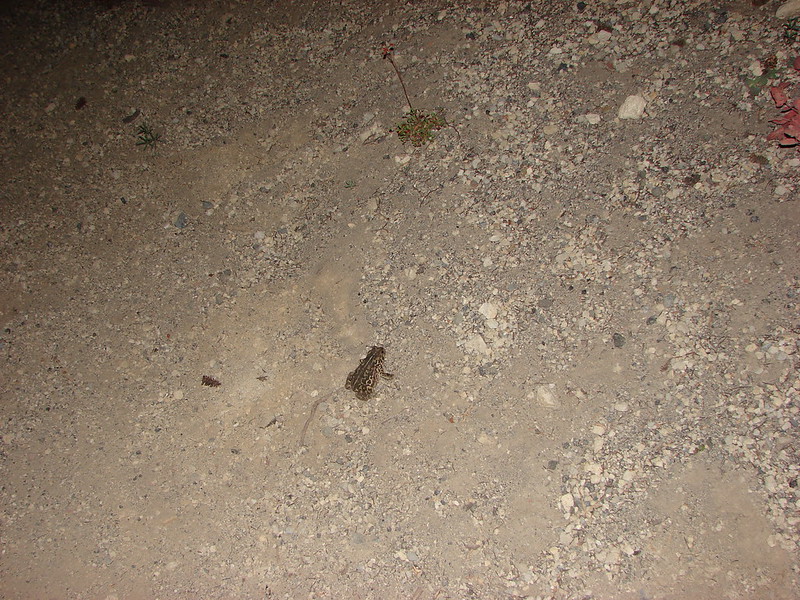
DSC06029
DSC06039
DSC06045

We were fortunate that the Green Lakes Trail is well used and easy to follow. By 11:40pm we had reached the trailhead and our waiting car. There was no sign of fire anywhere around and as it turned out the smoke had come from the Deception Creek Complex of fires near Oakridge. The wind had apparently shifted just right flooding the area with smoke. Although it would have been nice to have spent the night by the tarn and been able to wake up to that view we felt like we made the right choice. Experiencing our first night hike was something to remember and it brought our day 3 total to a nice round 21 miles. It truly was a trip to remember.

Happy (and smoke free) Trails!

Flickr: https://www.flickr.com/photos/9319235@N02/sets/72157646556478610/
Facebook: https://www.facebook.com/media/set/?set=a.10204873722630030.1073741905.1448521051&type=1
Categories
High Cascades Hiking Mt. Hood Area Oregon Trip report

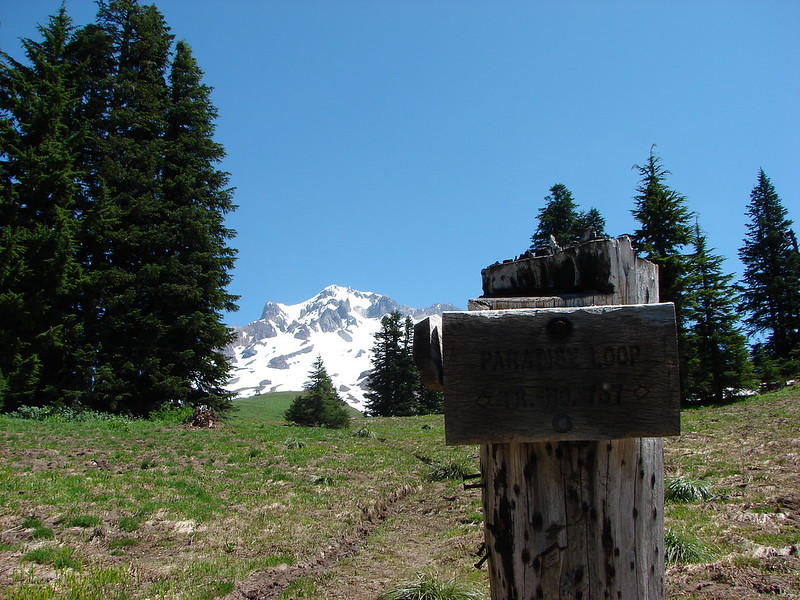
Burnt Lake to Paradise Park Overnight

Our latest overnight trip brought us to the Mt. Hood Wilderness where we planned to continue honing our backpacking skills. We plotted out a trip that would bring us to some new places as well as some previous favorites. The plan was to start at the northern trail head of the Burnt Lake Trail, pass Burnt Lake and climb up to East Zig Zag Mountain where we would take the Zig Zag Mountain Trail up to the Paradise Park Trail. From there we would head up to Paradise Park and camp somewhere along the Paradise Park Loop Trail near Split Rock. We’d been to East Zig Zag Mountain and Paradise Park in 2012 on separate hikes, but we had come in on different trails for those trips.

We set off from the Burnt Lake trail head shortly before 7am and quickly entered the Mt. Hood Wilderness.
DSC01348

The trail climbed between Burnt Lake Creek and Lost Creek for 1.9 miles before crossing and then recrossing Burnt Lake Creek. Near the 2.5 mile mark an unmarked side trail to the left led downhill to Lost Creek Falls. (Waterfalls on Lost Creek became a theme for this trip.)
DSC00785

The trail then veered away from Lost Creek and climbed for a mile up to Burnt Lake. Along the way we got our first glimpses of Mt. Hood.
DSC00792

We stopped briefly to check out Burnt Lake but decided to wait until the return trip to locate the best viewpoint of Mt. Hood from the lake shore.
DSC00797
DSC00800

From Burnt Lake the trail climbed up to the Zig Zag Mountain Trail where we took a brief detour to visit the summit of East Zig Zag Mountain. Heather decided to remain amid the wildflowers at the junction with the southern portion of the Burnt Lake Trail while I climbed up to the former lookout site.
Mt. Hood and Burnt Lake from the south trail junction:
DSC00818

Trail heading up East Zig Zag Mountain:
DSC00830

Wildflowers:
DSC00835
DSC00836
DSC00838
DSC00843
DSC00854

Mt. Jefferson:
DSC00856

Mt. Hood:
DSC00859

Butterfly:
DSC00867

Heather waiting at the junction:
DSC00866

After getting my wildflower fix we headed East on the Zig Zag Mountain Trail and began climbing towards Paradise Park. The trail began with a nice gradual ascent through open meadows of beargrass, huckleberry, and other bushes. It was fairly overgrown but easy enough to follow.
DSC00876

We then came to a forested ridge where the trail suddenly steepened – downhill! We had been at 4600′ when we joined the Zig Zag Mountain Trail and needed to get up to 5800′ in 3.7 miles to reach Paradise Park. Going down meant more climbing on the way up as well as having to climb up on the way back down the following day. There were at least 4 fairly brief but steep descents before we began climbing again. At least were some nice views of the mountain ahead of us and a view of our goal.
Paradise Park is the light green areas just above the tree line:
DSC00890
The Paradise Park Loop Trail passed just below the pile of boulders:
DSC00894

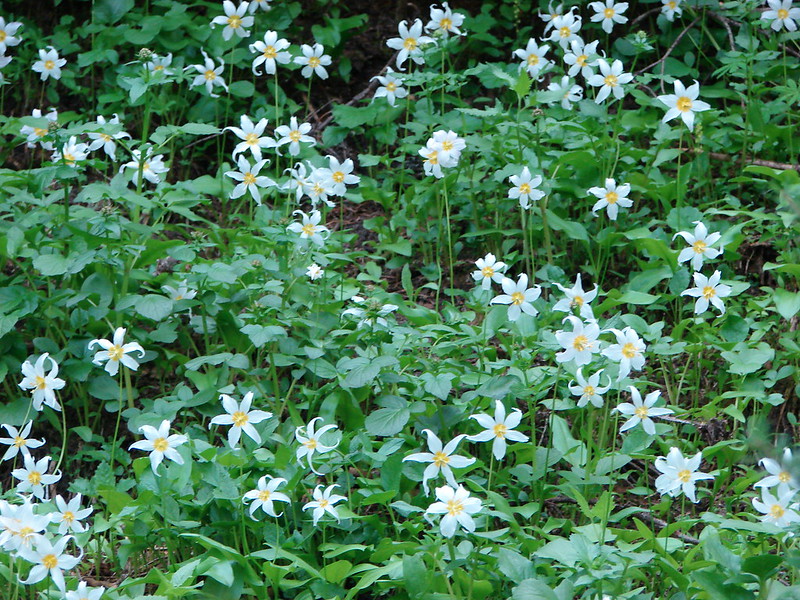
As we neared the Paradise Park Trail Junction we began to see lots of avalanche lilies, a telling sign of recent snow melt, and a few patches of snow still hanging on.
DSC00897
DSC00911
DSC00907

After joining the Paradise Park Trail we passed through several meadows and a nice viewpoint of the Zig Zag River before arriving at the Pacific Crest Trail in a mere .2 miles.
DSC00922
DSC00923
Zig Zag River Canyon and Mississippi Head (the rock outcropping at the center of Mt. Hood):
DSC00916
Oh the choices!
DSC00925

We crossed over the the PCT and climbed up to the Paradise Park Loop Trail which was a fairly steep .5 miles and 400′ above us. It was late August when we visited in 2012 and to this day the wildflowers in the meadow at the junction of these two trails remains the best display we’ve seen. There was little indication of the scene to come this trip as the snow was still melting off and only a few early flowers could be found. The view of Mt. Hood was still top notch though.
Late August 2012
173
Mid July 2014
DSC00935
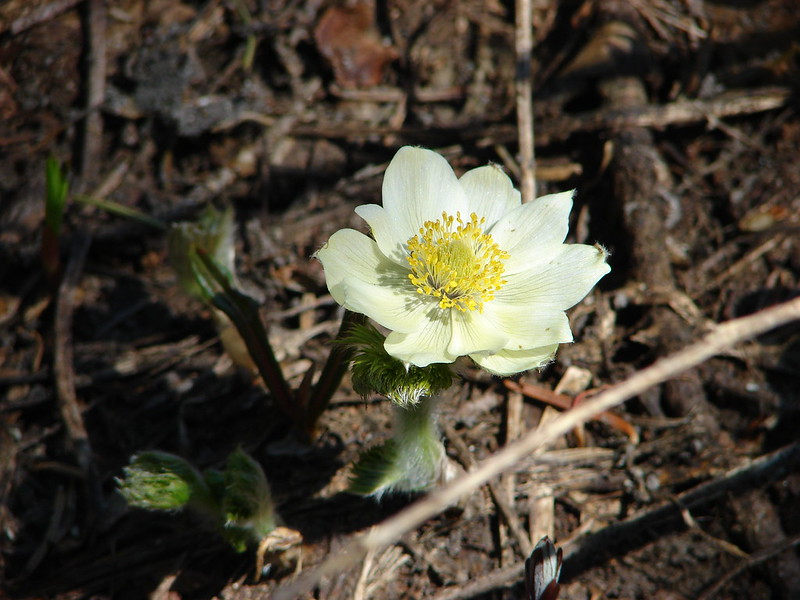
Western Pasque Flower
DSC00932
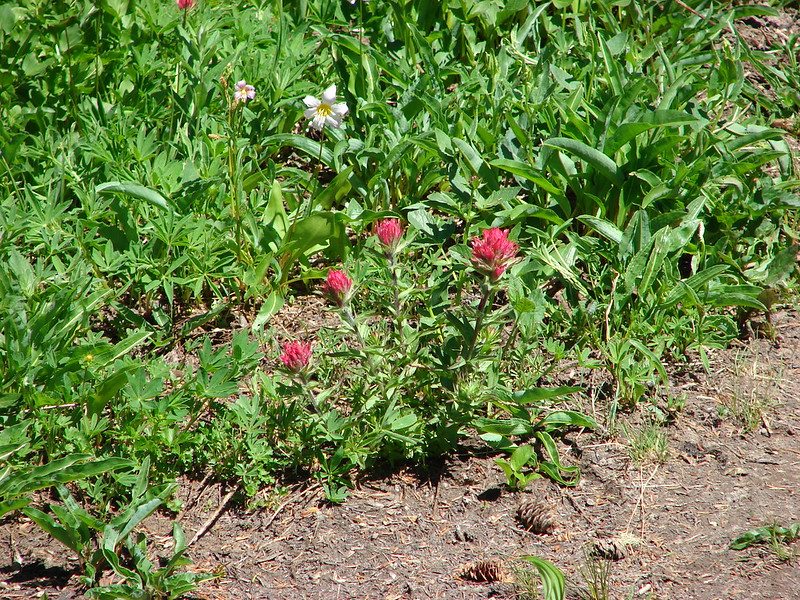
Avalanche lilies and paint
DSC00939

We headed left at the junction and started looking for our tent site. We passed several good locations but had something specific in mind. We were looking for a site close to a water source, with a good view, but also with some shade as it was quite warm. We made our way North passing the remains of the Paradise Park Shelter, crossing both branches of Lost Creek, and passing Split Rock before we found what we had been looking for.
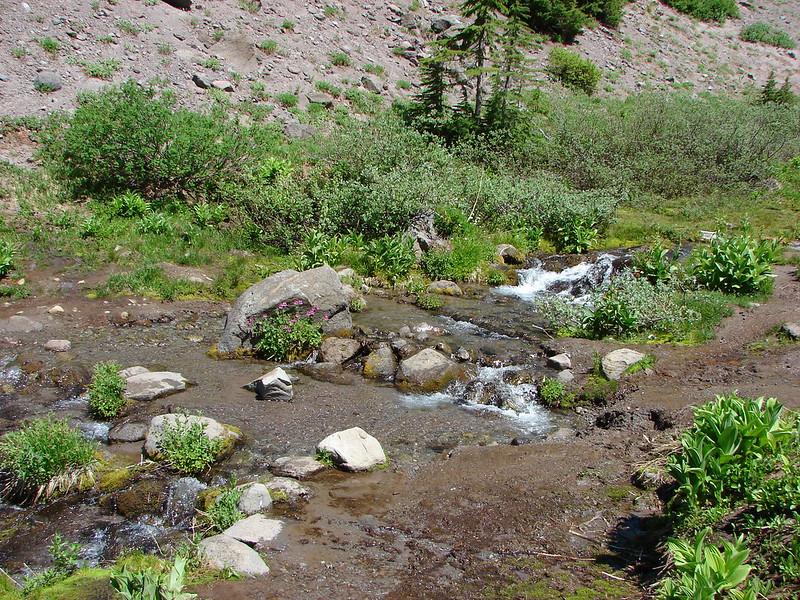
South Branch Lost Creek crossing
DSC00945
Mt. Hood from the crossing
DSC00950

North Branch Lost Creek crossing – The snow shelf made this one tricky as the creek was flowing under the edge of the snow.
DSC00960
DSC00963

Split Rock
DSC01002

Camp
DSC01000

After setting up camp we spent the rest of the afternoon and evening alternating between exploring the area and relaxing as we waited for sunset.
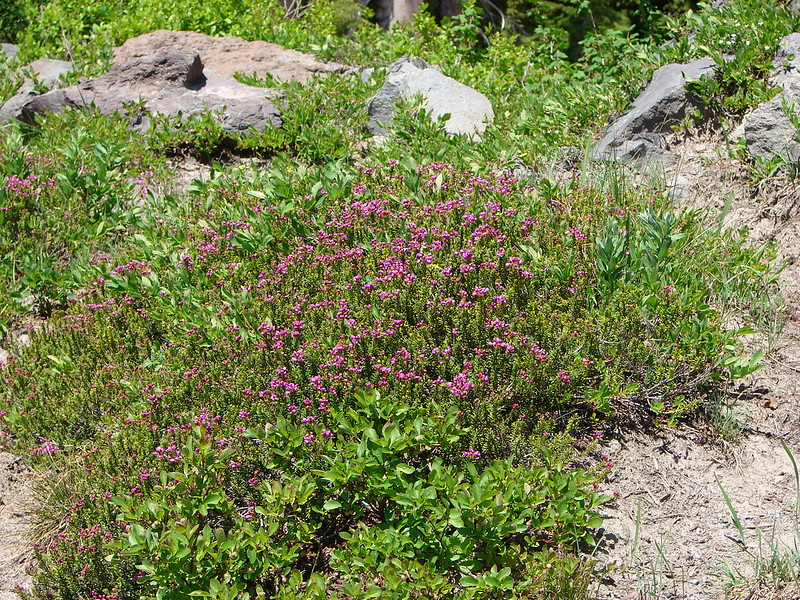
Mountain heather beginning to bloom
DSC00970

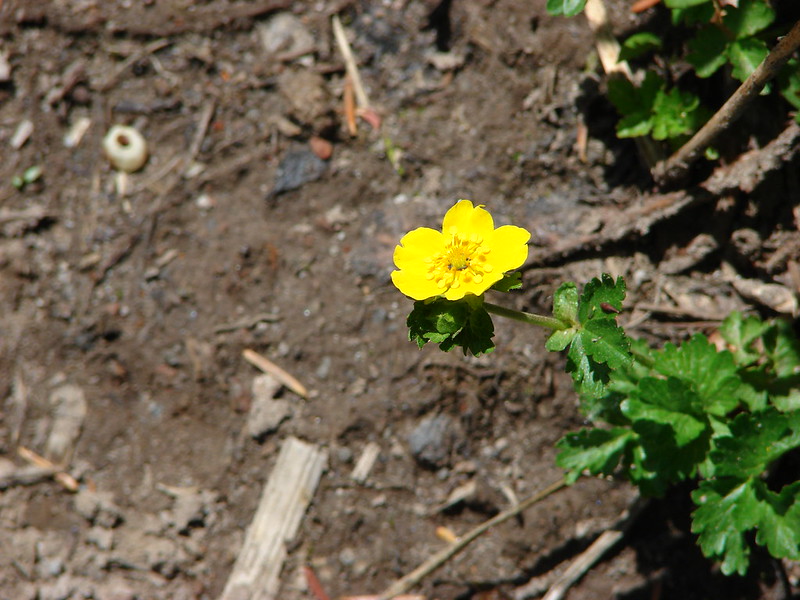
Cinquefoil
DSC00982

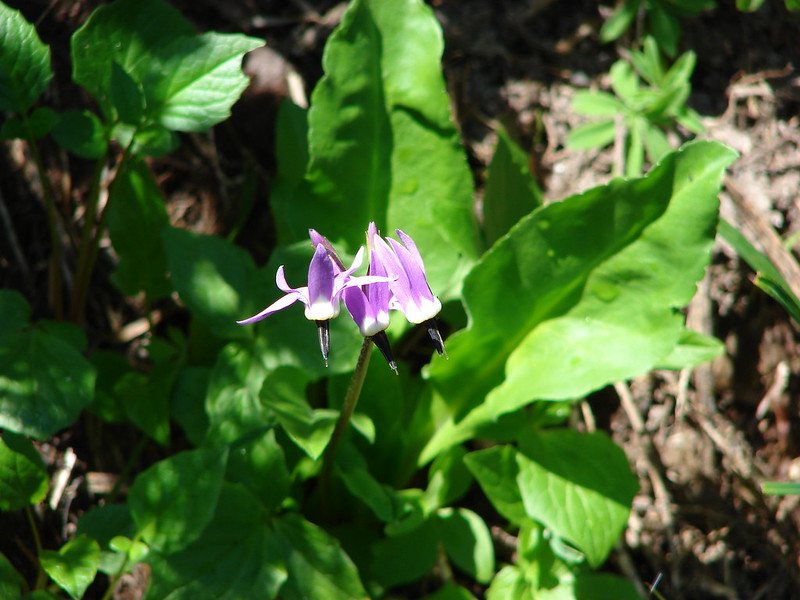
Shooting Star
DSC00989

Marsh marigolds
DSC01040

Western pasque flowers
DSC00991
DSC01066

Mt. Jefferson
DSC00972

Mt. St. Helens
DSC00990

East Zig Zag Mountain and some of our route from earlier in the day
DSC01012

DSC01009
DSC01023

Yocum Ridge on the other side of the Sandy River. The waterfall is on what appears to be an unnamed fork of the Sandy River but I’ve seen it referred to as Paradise Park Creek.
DSC01024

The Sandy River
DSC01031

Waterfall flowing down into Lost Creek
DSC01052
DSC01055

Marmot in the grass near the falls
DSC01061

Our shadows as the Sun was getting lower
DSC01064

Small waterfall on Lost Creek
DSC01073

Sunset
DSC01082
DSC01090
DSC01104
DSC01124

After watching the Sun go down we turned in. For some reason I wound up awake shortly after 4am so I grabbed the camera again and waited for the sunrise.
The Moon was super bright all night and a few clouds had moved in to the South by the morning
DSC01151

Starting to get some sunlight
DSC01180
DSC01184

Then came the colors
DSC01195
DSC01205
DSC01213
DSC01210DSC01224
DSC01227

After a breakfast of Mountain House freeze dried scrambled eggs and bacon (yes we managed to use our stove this trip 🙂 ) we packed up camp and began our return trip. We decided to continue on the loop which would bring us back to the PCT which we could then take South back to the Paradise Park Trail junction. This would allow us to visit a few waterfalls on the way back. The first of the falls is on Rushing Water Creek as it comes down from Paradise Park. There was a nice display of wildflowers just before the falls here.
DSC01272
DSC01278
DSC01294
DSC01297

There was a trail crew from the Pacific Crest Trail Association gathered at the base of the falls that was out doing some trail maintenance.
DSC01300

It had clouded up and as we were passing the falls rain began to fall lightly. We decided to stop at the next set of falls to waterproof our sleeping bags just in case it started to rain harder. The next set of falls were on Lost Creek. Both branches come down within a short distance of each other and both in scenic waterfalls.
North Branch Lost Creek
DSC01303
DSC01305

South Branch Lost Creek
DSC01313
DSC01317

It was raining off and on but not very hard but then we began to hear thunder. We picked up our pace as best we could as the thunder became steadier and we started to see the flashes of lighting. We had made it to the Paradise Park Trail and were back on the Zig Zag Mountain Trail when the hike got really interesting. We came around a bend in the trail and less than 20 yards ahead of us was a black bear. We all instantly froze, even the bear for a split second before it turned in bolted back into the forest. All I’d had time to do was say “bear” before it had vanished. I had just put the lens cap back on the camera and tucked it under my shirt to keep the rain off of it so I had no chance at getting a picture. Heather went for the bear spray just to be safe but it was long gone.

We made it back to the steep sections that we were dreading without further incidents. The climb was pretty much as ugly as we’d expected but the rain had let up without ever getting too heavy so we were dry at least. Dry until we reached the overgrown section of trail that is. By the time we emerged from that section we looked and felt like we’d forded a thigh-high creek. 🙂

When we got back to Burnt Lake we headed down past campsite C where there is a great view of Mt. Hood from the lake shore.
DSC01337

We ticked off the remaining 3.5 miles at a brisk pace pausing occasionally to sample the salmon and blueberries that were ripening nicely along the trail.
Oval-leaf blueberries
DSC01346

Mt. Hood had delivered another amazing adventure. Happy Trails!

flickr: https://www.flickr.com/photos/9319235@N02/sets/72157645261769389/
Facebook: https://www.facebook.com/media/set/?set=a.10204454188061928.1073741893.1448521051&type=1
Categories
Hiking Middle Santiam Old Cascades Oregon Trip report

Crescent Mountain

Our wildflower adventure in the Old Cascades continued on our way home from Bend on July 6th. The hike we’d chosen was Crescent Mountain which is less than five miles from Iron Mountain as the crow flies. A 4.5 mile trail climbs up the SE ridge of this crescent shaped mountain through a series of meadows to another former lookout site.

The first 2.5 miles climbed through a nice forest with a crossing of Maude Creek at the 1.3 mile mark.
DSC00434

The trail then entered the first meadow which was full of bracken fern and some wildflowers.
DSC00480
DSC00496
DSC00498
DSC00502
DSC00504

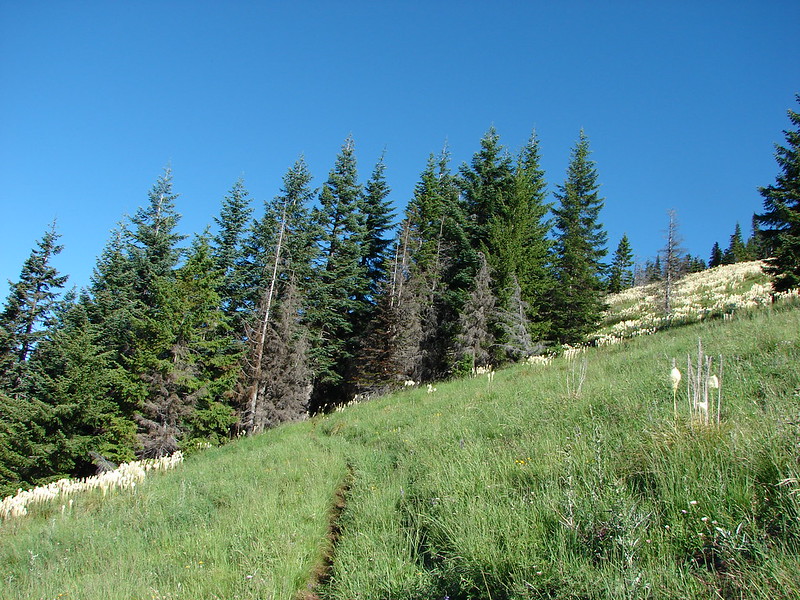
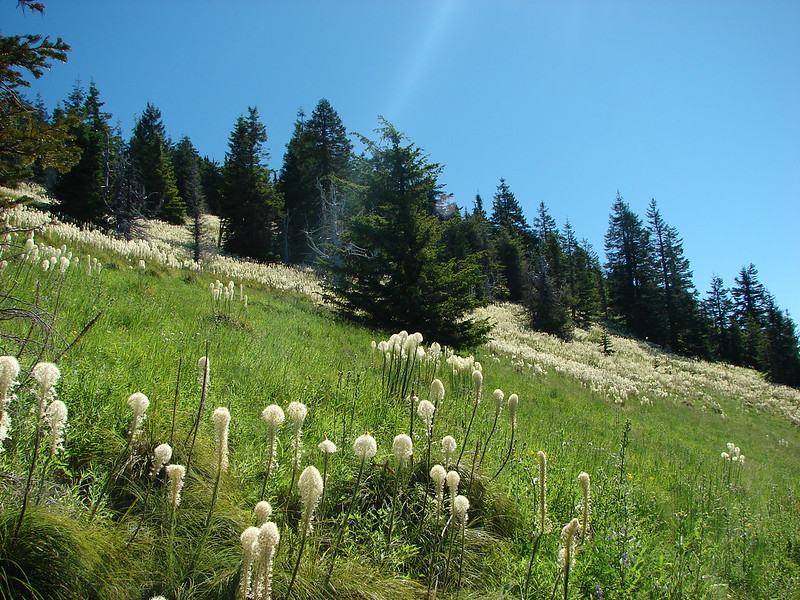
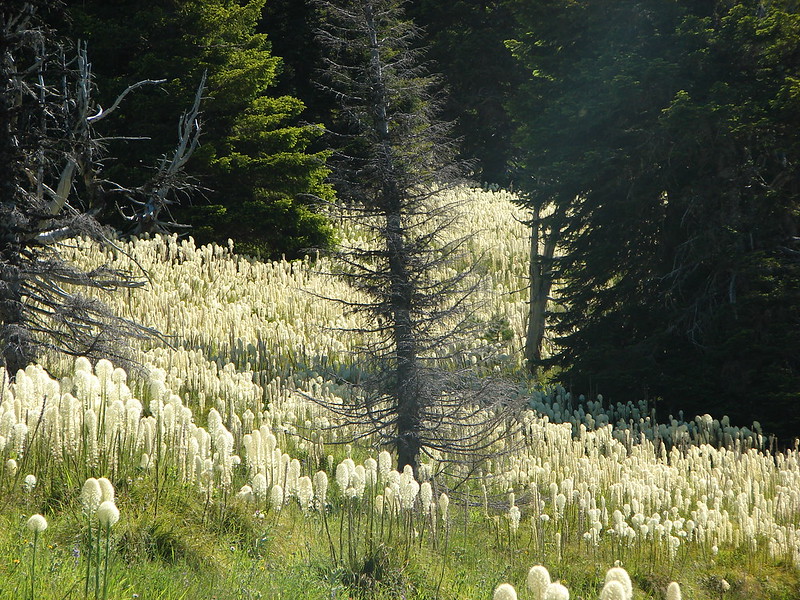
The ferns gave way to more wildflowers as the trail continued to climb. Then we spotted a field of beargrass ahead. It turned out to be the most densely packed we’d ever seen.
DSC00539
DSC00719
DSC00720

Butterflies and birds could be seen flying about in all directions. Behind us a view of Mt. Washington and The Three Sisters opened up across the open hillside.
DSC00551
DSC00555
DSC00557
DSC00560
DSC00718
DSC00724
DSC00564
DSC00721

There was a nice variety of flowers in bloom.
DSC00727
DSC00744
DSC00741
DSC00714
DSC00694
DSC00693
DSC00559
DSC00574
DSC00579

The meadows lasted for about a mile before the trail reentered the forest and climbed a ridge to a trail junction. Taking the uphill fork to the right we quickly popped out on the rocky summit where the former lookout had stood. The view here was better than Iron Mountain with Three Fingered Jack unobstructed and Crescent Lake below nestled in the curve of the mountain.
Mt. Jefferson
DSC00591
Mt. Washington and The Three Sisters
DSC00592
Three Fingered Jack and Black Butte
DSC00593
Diamond Peak
DSC00594
Mt. Hood & Mt. Adams
DSC00619
Crescent Lake
DSC00634

There were more flowers, butterflies and birds up at the summit and despite a brief encounter with mosquitoes when we left the meadows we were left alone to enjoy the scenery.
DSC00651
DSC00645
DSC00653
Hummingbird enjoying the paint
DSC00672
DSC00642
DSC00652
DSC00658

Coming down we ran into a pair of hikers passing through the meadow who were equally impressed with the flowers. We agreed that we’d probably timed it as well as could be hoped. It was a great way to end the holiday weekend. Happy Trails!

Flickr: https://www.flickr.com/photos/9319235@N02/sets/72157645550800815/
Facebook: https://www.facebook.com/media/set/?set=a.10204403365071385.1073741892.1448521051&type=1
Categories
Hiking Middle Santiam Old Cascades Oregon Trip report

Iron Mountain and the Meadows of Cone Peak

July means wildflowers in the Old Cascades, the eroded peaks that are now the western foothills of the Cascade Mountains. We were headed over to Bend, OR for the 4th of July weekend so we seized the opportunity to check out a couple of the hikes on the way over and back. On the way over to Bend we decided to revisit Iron Mountain, a hike we had done in 2010 during the final week of July. We missed the wildflower peak that year by a couple of weeks so we hoped we would be hitting the area at a better time this visit.

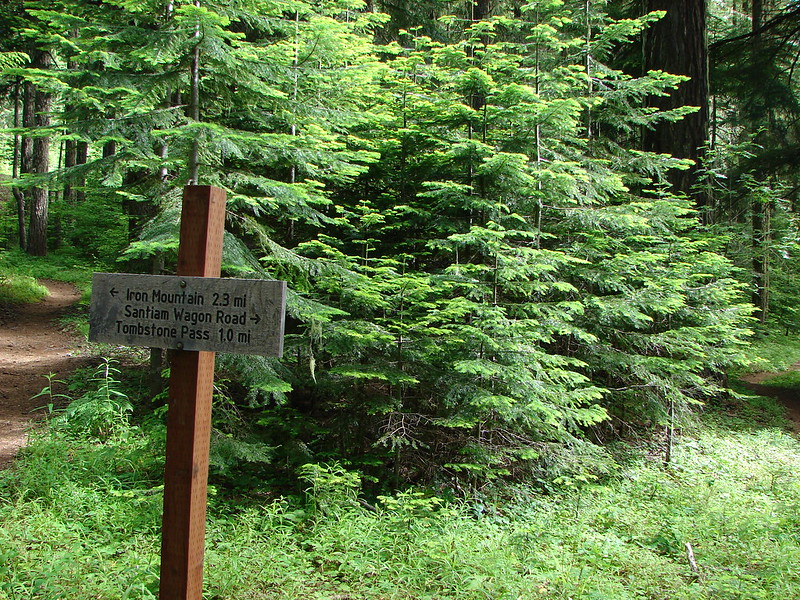
On our previous visit we did the loop clockwise by starting at the trailhead located on road 15 and heading up Iron Mountain first then through the meadows on Cone Peak. This time around we parked at Tombstone Pass and headed counter-clockwise in order to hopefully have the meadows to ourselves before the trail got crowded.
DSC00001
We took a short detour on the Tombstone Nature Trail that circled around a meadow with flowers and a view of Iron Mountain.
DSC00010
DSC00013
DSC00017
DSC00034

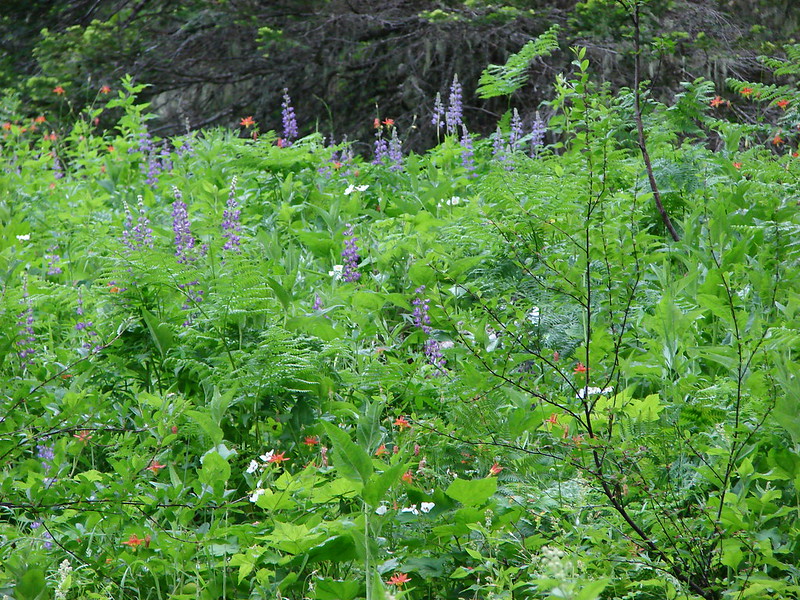
After finishing the nature trail we crossed Highway 20 and started climbing up the Cone Peak Trail. We started seeing flowers almost immediately. It seemed every open area had an assortment of different flowers.
Lupine, Columbine & Thimbleberry
DSC00053
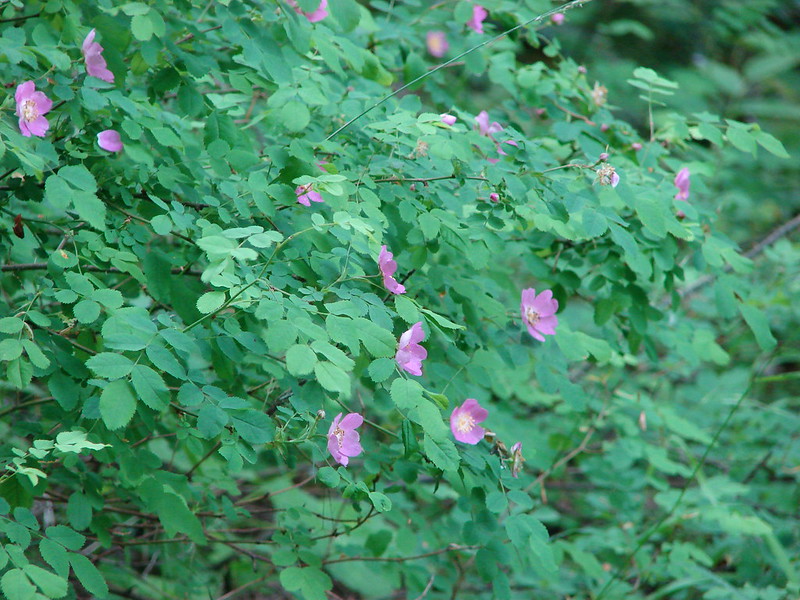
Wild Rose
DSC00055
Columbine
DSC00049
Larkspur
DSC00056
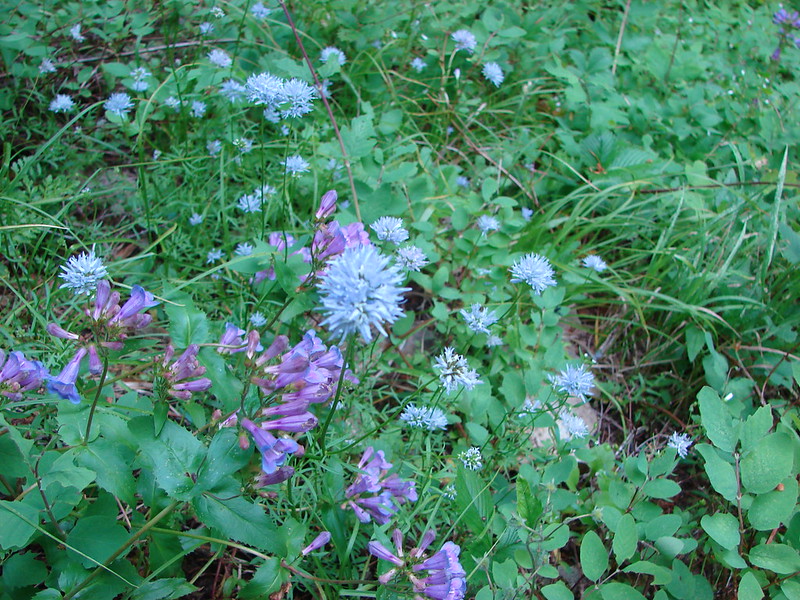
Penstemon & Blue Gilia
DSC00061
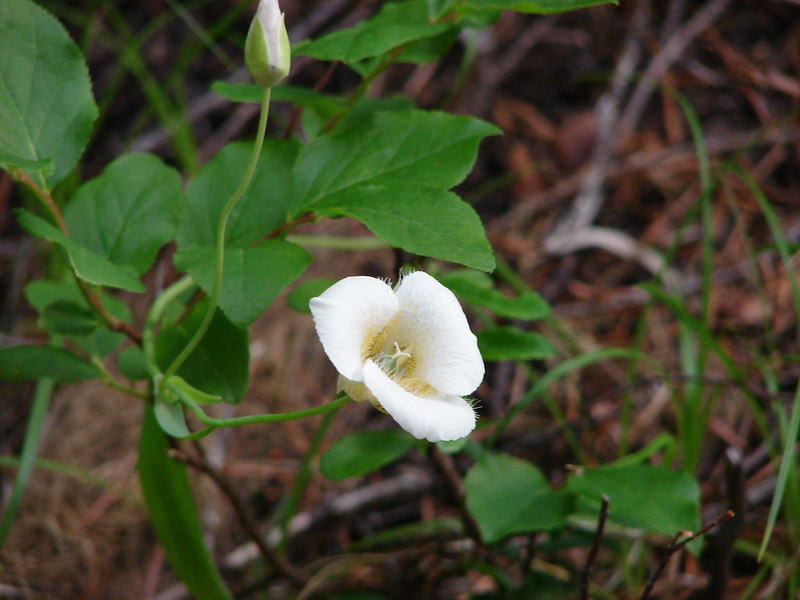
Cat’s Ear Lily
DSC00067
Woolly Sunflower
DSC00079
Flower variety
DSC00085
DSC00103
Columbia Windflower
DSC00046
Wallflower
DSC00132
Paintbrush & Larkspur
DSC00136
More variety packs
DSC00137
DSC00138
DSC00195
DSC00214
DSC00234

We’d already lost count of the number of different flower types we’d seen by the time we got to the main meadow 1.2 miles from the highway crossing. In the meadow we found even more types of flowers as well as views of Cone Peak and Iron Mountain.
DSC00150
Cone Peak
DSC00151
DSC00156
DSC00172
DSC00173
DSC00175
DSC00180
Cone Flower
DSC00182
Giant Blue-eyed Mary
DSC00187
DSC00191
Iron Mountain
DSC00158
Scarlet Gilia
DSC00250

We’d been hearing some elk off and on while we were in the meadow and as we were exploring a rocky outcrop Dominique noticed some brown spots in a meadow up on Iron Mountain. There were 7 elk moving through the brush grazing on the vegetation as they went.
DSC00220
DSC00221

We left the meadow and reentered the forest as we wound our way around Iron Mountain to the junction with the Iron Mountain Lookout Trail. There were still flowers everywhere and now we were starting to get views of the snowy Cascade Mountains.
DSC00300
DSC00312
Mt. Hood
DSC00313
Mt. Jefferson
DSC00314
The Three Sisters
DSC00319
DSC00321
DSC00331

At the site of the former lookout is a railed observation deck and bench which allowed for a relaxing rest as we took in the 360 degree view which spanned from Mt. Adams to Diamond Peak.
Mt. Adams & Mt. Hood
DSC00379
Mt. Jefferson beyond Cone Peak and the top of Three Fingered Jack behind Crescent Mountain
DSC00388
Mt. Washington
DSC00377
The Three Sisters, Mt. Bachelor & The Husband
DSC00382
Diamond Peak
DSC00375

The view was so good even a hummingbird took a break from the penstemon to take it in.
DSC00361
DSC00367

We headed back down to the trail junction and continued on our loop passing more flowers, recrossing Highway 20, and returning to Tombstone Pass on the Old Santiam Wagon Road.
Beargrass
DSC00409
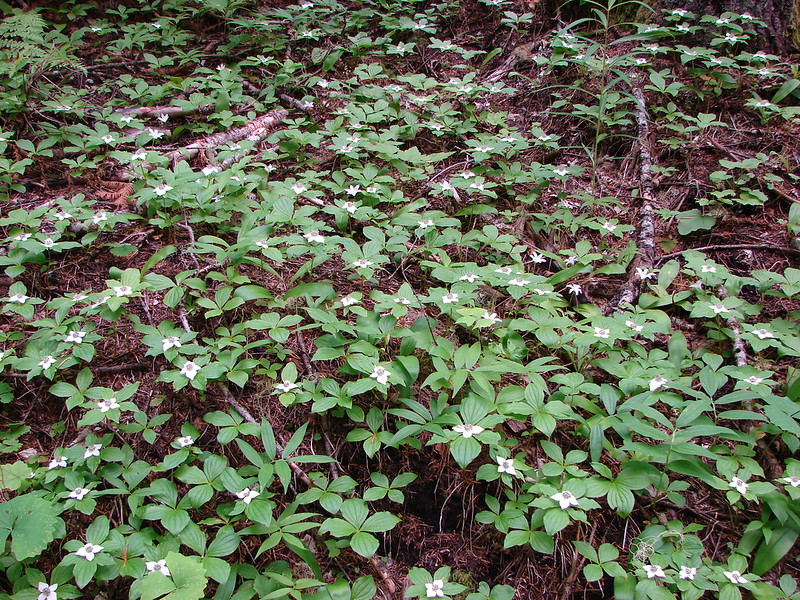
Bunchberry & Queens Cup
DSC00414
DSC00416
DSC00422

The flowers had certainly been better than on our previous visit and it looked like they would be pristine for another week or two. It was a great way to start a holiday weekend. Happy Trails!

flickr:https://www.flickr.com/photos/9319235@N02/sets/72157645515763015/
Facebook:https://www.facebook.com/deryl.yunck/media_set?set=a.10204403291949557.1073741891.1448521051&type=3

Categories
Bull of the Woods/Opal Creek Hiking Old Cascades Oregon Trip report

Whetstone Mountain

**Note the 2020 Beachie Creek Fire burned the area covered by this hike.**

One of the hikes we wanted to do this year was a repeat of a hike we’d done back in 2010 when we were just getting into hiking. The goal of that hike was Whetstone Mountain. When we were done with that hike we had no idea how far we’d gone, we just knew that it kicked our derrieres. We wanted to revisit this hike to find out just how far it was and to also see how we would fare now being more prepared and experienced.

The previous hike had ended with Heather and I jogging down the closed portion of forest service road 2209. We weren’t jogging for fun, we were jogging because we couldn’t walk any longer and we desperately wanted to be back at our car. We were heading back now armed with 4 years of experience and a Garmin to find out just how difficult this hike really was. The starting point for this loop was the Opal Creek trail head which was already full of cars when we pulled up at 6am. The trail head is the main gateway into the Opal Creek Wilderness and Jawbone Flats a former mining camp turned ancient forest center. A gate at the trail head blocks any unauthorized vehicles from reaching the center.

We set off down road 2209 and followed it across Gold Creek.
DSC09374
DSC09375

Shortly after the bridge a sign and wilderness registration box announced the Whetstone Mountain Trail heading up on our left. We turned up it and quickly entered the Opal Creek Wilderness.
DSC09377
DSC09385

The trail climbed steadily through rhododendrons and beargrass. Neither Heather nor I remembered much about this portion of the hike from our first visit. It may be that we suppressed the memory of this difficult climb :). It wasn’t until we reached a small saddle with an open view of Mt. Hood to the north that anything looked familiar.
DSC09401
DSC09407
DSC09434

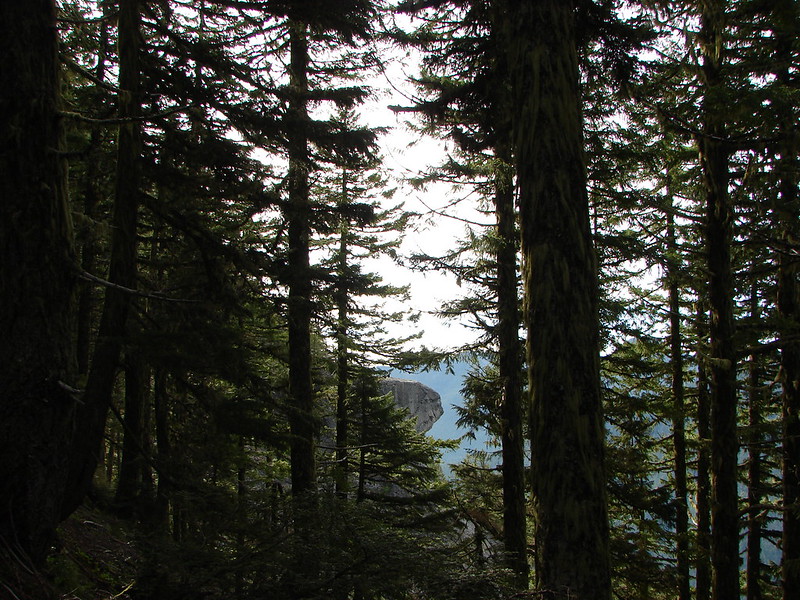
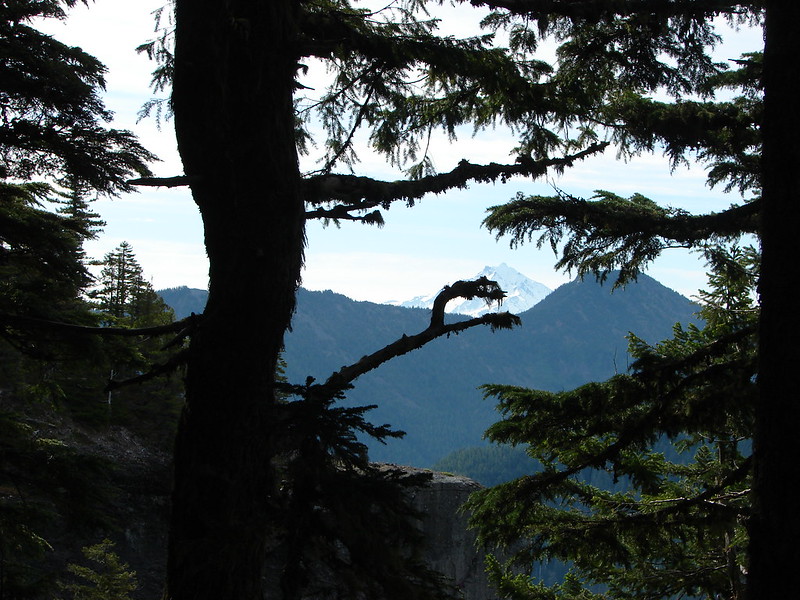
Another notable item that we remembered was an anvil shaped rock outcrop that could be seen through the trees as well as view of Mt. Jefferson.
DSC09468
DSC09471

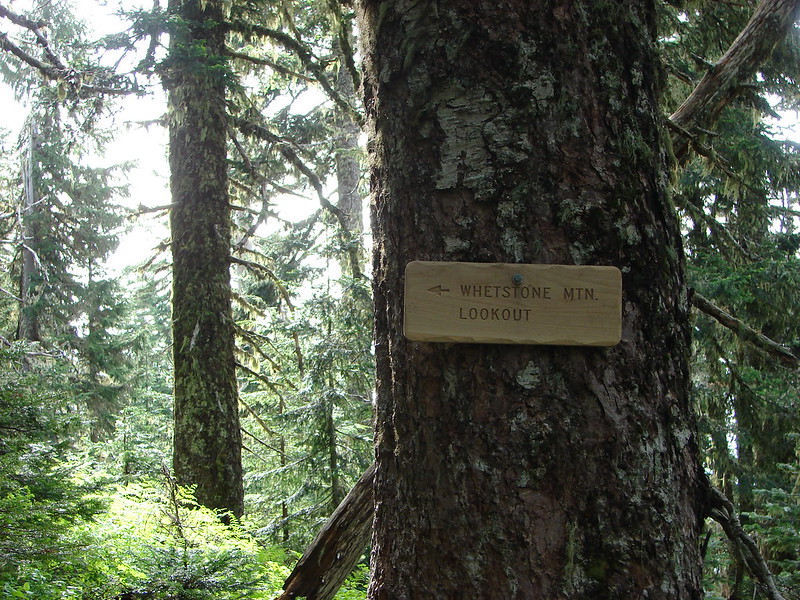
On our first visit we had been disappointed with the mountain views. We had been told to look for a trail that forked off to the left and led to a nice view, but we never found it that first trip. We had our eyes open again this time determined to find this trail to a view, but this time we didn’t need to look very hard. A nice new sign had been put up pointing directly at a well maintained trail. It’s hard to believe either was there on our previous visit. The sign was surely new and we couldn’t believe we would have missed such an obvious trail.
DSC09474

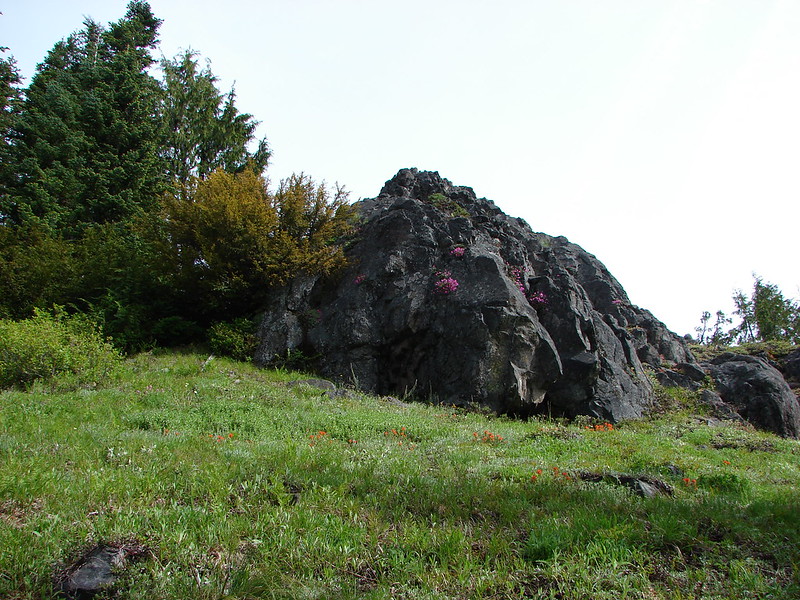
The views kept getting better as we climbed toward the former lookout site. The trail passed a nice meadow below the rocky summit before winding up on top where a 360 degree view awaited.
DSC09546

Olallie Butte, Mt. Jefferson and Battle Ax Mountain
DSC09497

Mt. Hood
DSC09528

Broken Top, Coffin Mountain and the Three Sisters
DSC09522

Three Fingered Jack
DSC09515

Diamond Peak
DSC09520

Mt. Rainier
DSC09540

Mt. Adams
DSC09538

We would have liked to have stayed up on the summit for awhile but it was crowded up there. Mosquitoes were beginning to swarm us and there was no breeze to keep them at bay so we didn’t stick around very long and headed back down to the Whetstone Mountain trail to continue our loop. Not far from the summit we passed another lovely meadow filled with larkspur and paintbrush.
DSC09550
DSC09551

The trail down the east side of Whetstone Mountain had a gentler grade than the side we had come up. We didn’t remember this section either until we reached the bridge less crossing of Battle Ax Creek. On our last visit we removed our shoes and socks and made sure our pant legs would stay dry. Our attitudes about creek crossings have changed since then and this time we just plunged in.
DSC09594

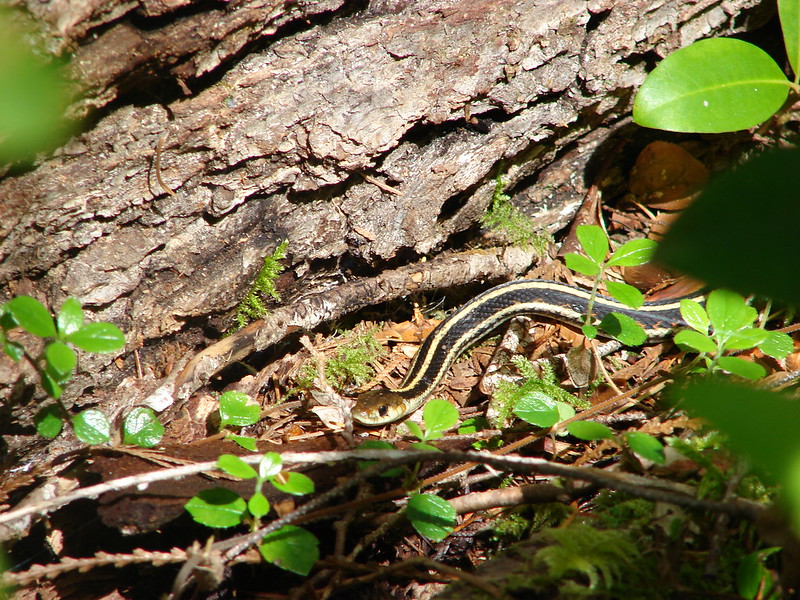
Shortly after crossing the creek we popped back up on the old road 2209 at a trail junction. We turned toward Jawbone Flats and headed down the abandoned mining road. As we were walking I spotted a snake trying to get out of the way. It didn’t seem too concerned with us and posed for several pictures. Nique and I moved on and soon realized we’d lost Heather. When she caught back up she told us that the snake had come over to check her out.
DSC09616

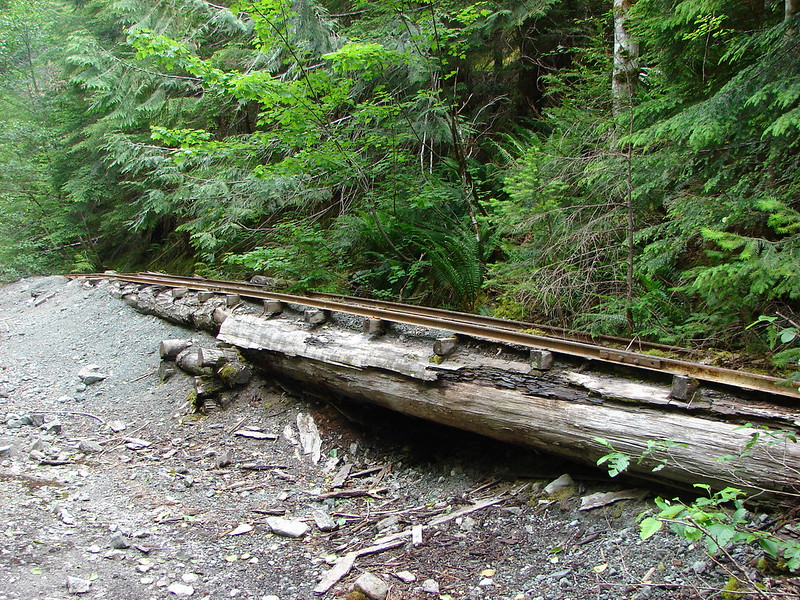
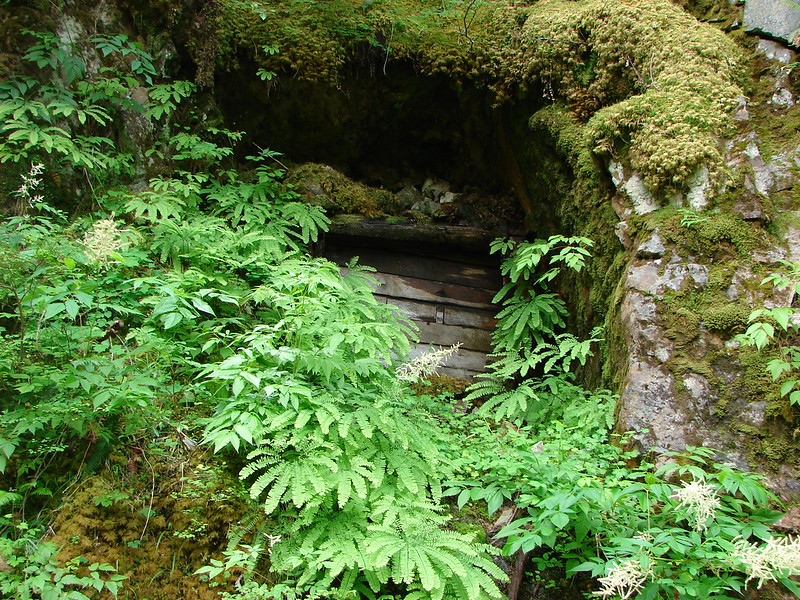
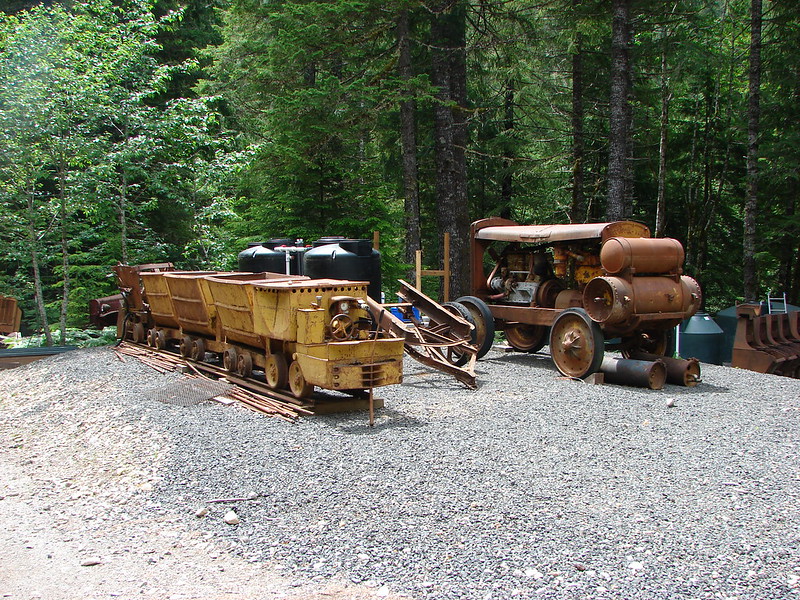
About a mile from Jawbone Flats are the remains of the Ruth Mine. We took a moment this time to check out the old equipment and shafts.
DSC09627
DSC09628
DSC09638

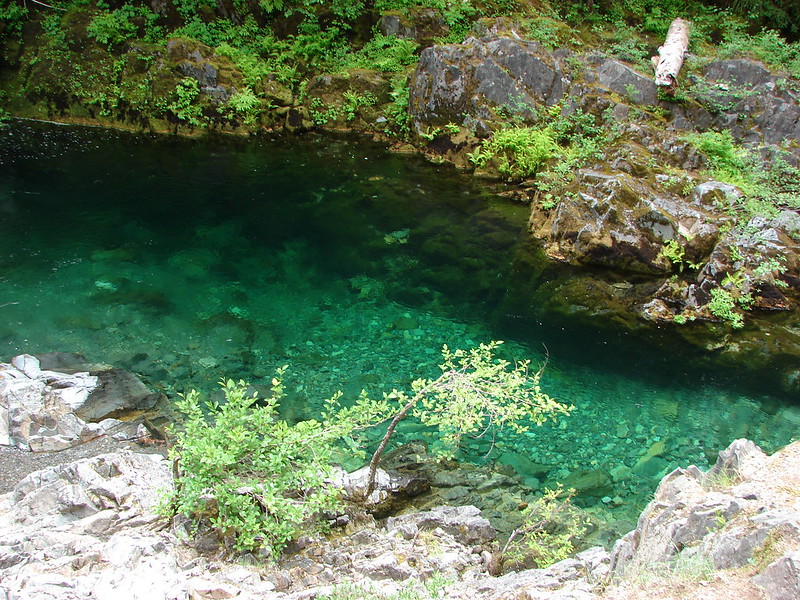
Just before Battle Ax Creek reaches Jawbone Flats there is a nice open rocky area where we could get an up close view of the clear water that the Opal Creek Wilderness is known for.
DSC09652
DSC09655
DSC09673
DSC09674

We had gone straight through Jawbone Flats crossing Battle Ax Creek on a footbridge on our previous visit but we had made other plans this time. The bridge had recently collapsed so there was no direct route through the old camp. Instead we would take the Kopetski Trail which would take us across the Little North Santiam River and by the Opal Pool.

Closed bridge:
DSC09681

Old mining equipment:
DSC09682

Little North Santiam River:
DSC09690

Opal Pool:
DSC09704

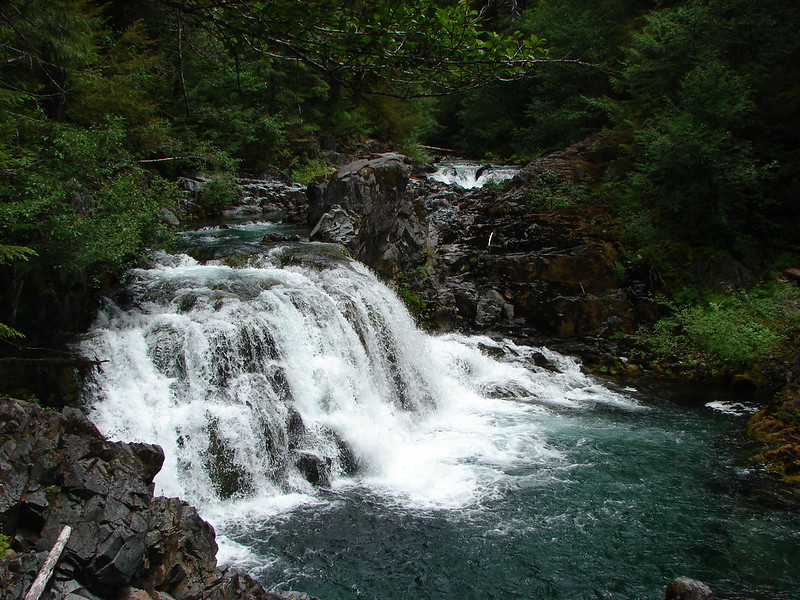
Despite the number of cars in the parking lot that morning we had only seen one group of people up until we reached the Opal Pool. From that point on we were passing another group every couple of minutes. Since we had hiked this trail in 2012 and we’d already been hiking for over 6 hours we didn’t bother with exploring all the possible access points to the river. After a mile and a half we recrossed the river on another bridge and were back on road 2209. We had one last stop to make. There was a waterfall that we had yet to find along the trail. We knew it was somewhere behind the old Merten Mill but we had yet to actually see it. Determined to finally see Sawmill Falls we turned off the road at the old mill and followed a path next to the building. This time we found the falls easily and it was worth the side trip.
DSC09715
DSC09717
DSC09722

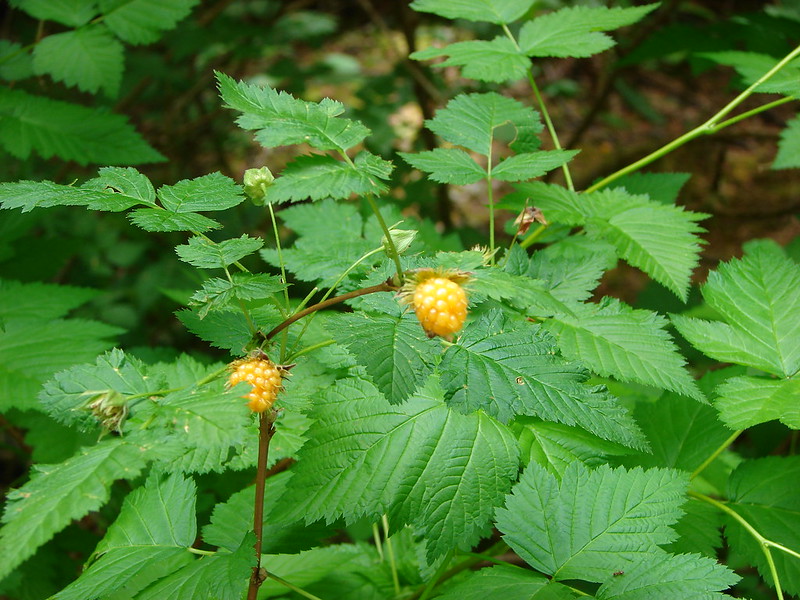
After a brief rest we returned to the road and began the home stretch. Nique and I began snacking on the Salmonberries that were ripening along the trail (Heather finds them too sour) and we passed a good patch of flowers growing in an exposed rocky section.
DSC09730
DSC09736

We ended up with the Garmin showing a 16.3 mile hike which would explain why it had seemed so hard 4 years ago, it was hard :). We’d probably gone closer to 15 that day since we hadn’t found the summit trail or taken time to explore the Ruth Mine, Opal Pool, or Sawmill Falls but up until then 7.1 had been our longest hike.

It is really a beautiful area with lots of options, but if you don’t like crowds avoid weekends, especially nice ones. When we got back to the parking area the number of cars had more than doubled. If we were to ever do this loop again I’d go the opposite direction to minimize crowds and to take advantage of a more gradual climb. Happy Trails!

flickr: https://www.flickr.com/photos/9319235@N02/sets/72157645240344216/
facebook: https://www.facebook.com/media/set/?set=a.10204293169716570.1073741888.1448521051&type=1

Categories
Year-end wrap up

The hikes of 2013 – A year in review.

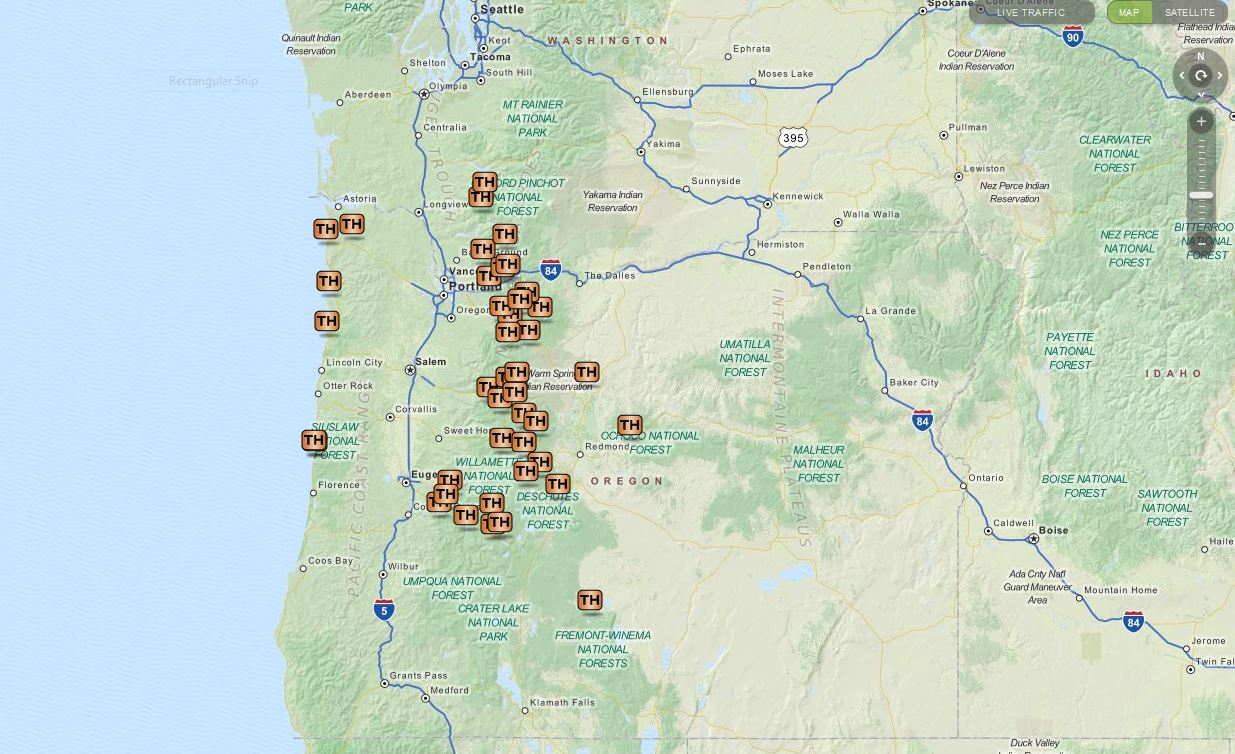
What an amazing year of hiking it was! As we reach then end of 2013 we thought we’d make one final entry recapping the beautiful areas and unique features we were blessed enough to encounter while out on our “wanderings”. We began the year in February at the Oregon Coast, hiking at Gwynn Creek and Cape Perpetua then finished up just a couple of weeks ago, once again on the Oregon Coast at Tillamook Head, 140 miles north of where we had started. Sandwiched in between these two hikes were 40 other adventures in which we climbed mountains, crossed rivers, and scrambled cross-country to explore a small sampling of the trails of NW Oregon and SW Washington. We put together a map of the approximate location of the trailheads for each of the hikes.
2013 Trailheads
An interactive version can be viewed on mapquest using the following link.
http://mapq.st/1bQXoXo

I’ve always been interested in numbers so I have kept quite a few statistics regarding these 42 hikes. Here are some of those that I found most interesting. We visited 10 wilderness and 2 scenic areas in 8 different national forests. In addition to the national forests we hiked in 4 state parks and at a national volcanic monument. Some of the other numbers are as follows:
Total Miles (according to the Garmin) – 515.2
Cumulative Elevation Gained (approx.) – 88,000′
Minimum/Maximum Elevation – sea level/10,358′
Total Moving Time (per the Garmin) – 240hrs 36min
Total Time on the Trails (per the Garmin) – 280hrs 6min
Total Miles Driven (approx.) – 7550 miles

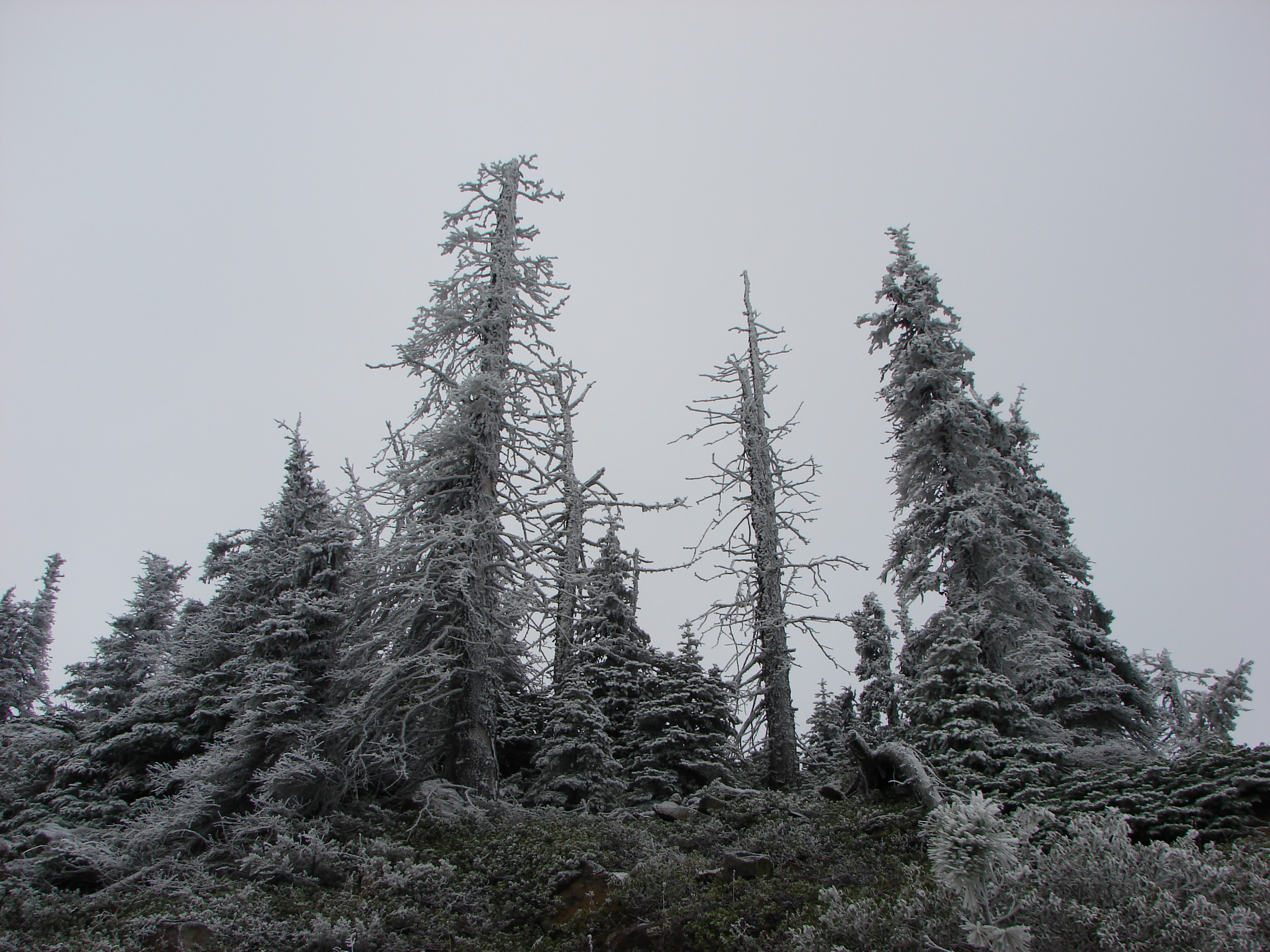
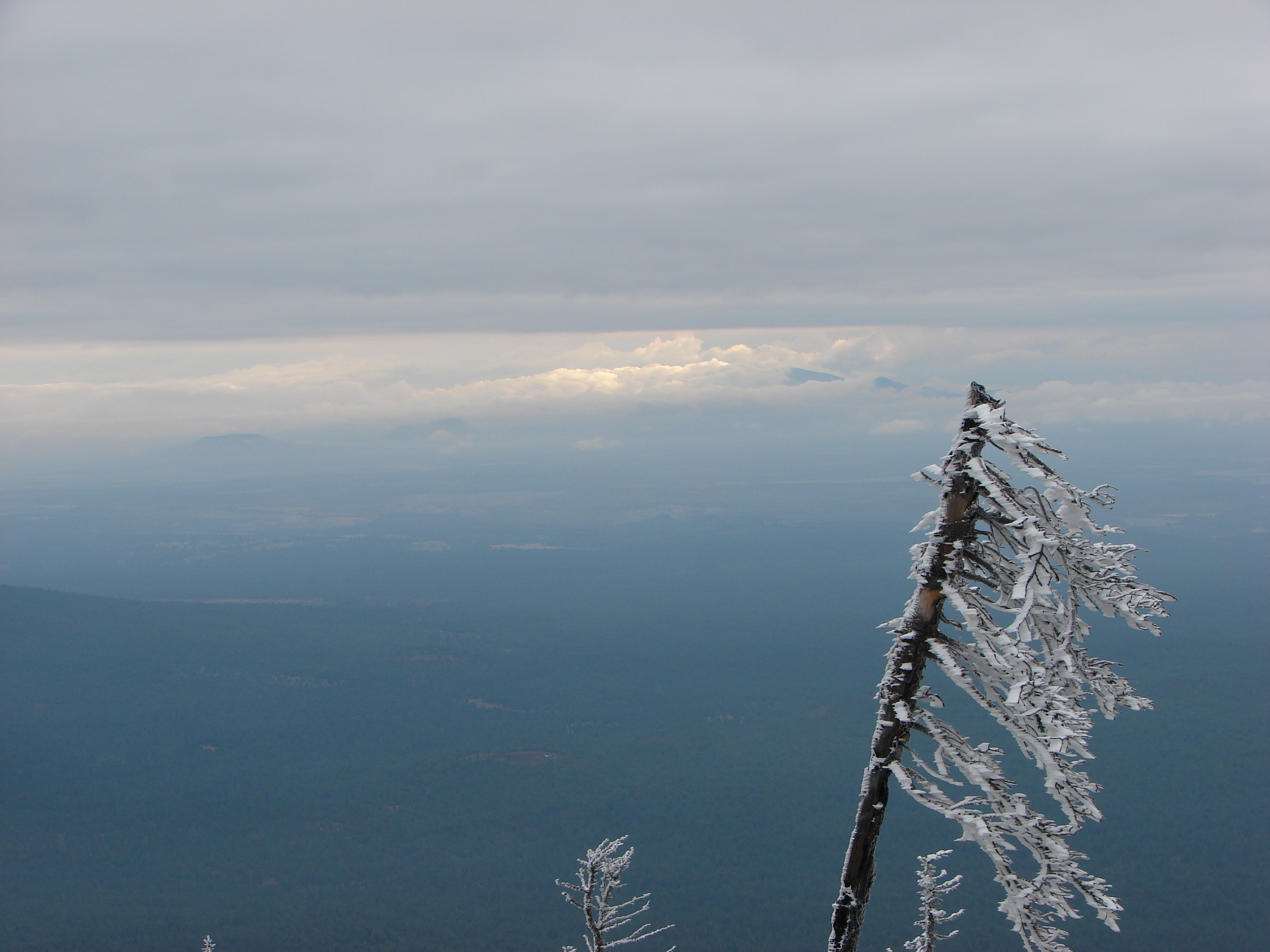
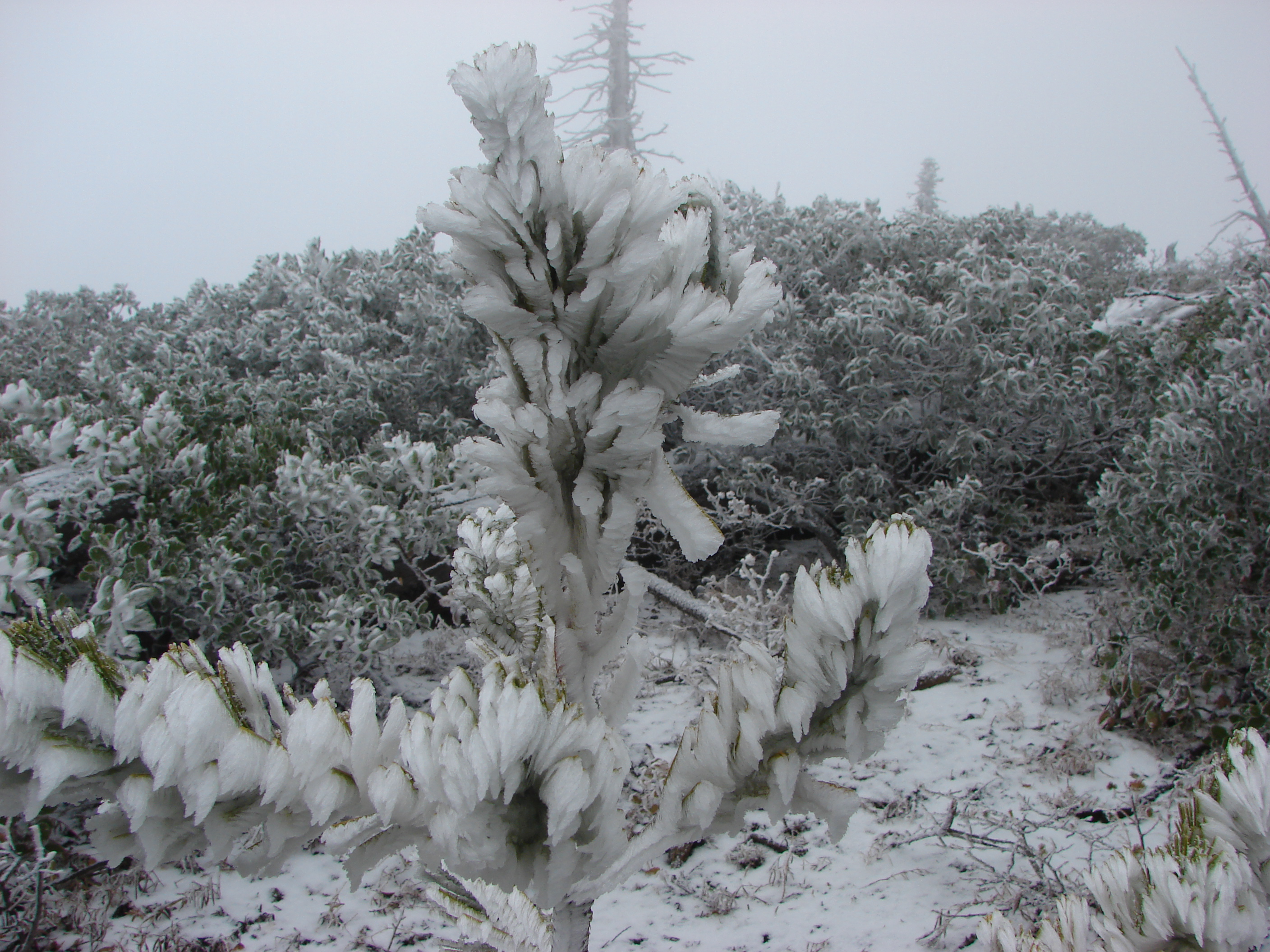
For the most part the weather was good. We had a warm, dry end to Winter which carried into Spring clearing many trails of snow earlier than normal. This allowed for some earlier visits to some of the higher elevation areas and also an early bloom for most of the wildflowers including the bear grass which only blooms every 2nd or 3rd year. A mild summer kept temperatures bearable and despite the dry beginning to the year the fire season wasn’t too bad. Fall brought an early snowstorm and left an early winter wonderland at mid-elevations and some unusually cold temperatures of late created some interesting ice displays.

Words can’t do justice to the beauty of God’s creation that we experienced this so year I’ll try to keep them to a minimum and attempt to let pictures show what they can.
I have to start with the Cascade Mountains. The most awe inspiring creations, these steadfast beacons that on clear days dot the horizon always seem to draw our attention.

From the rim of Crater Lake in the south to Mt. Rainier in the north they rise above the other ridges, rooted in their positions, yet ever changing in order or varying in appearance depending on what our location was. Some of the views we had were amazing.

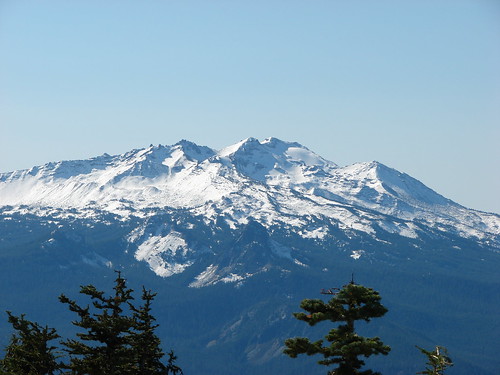
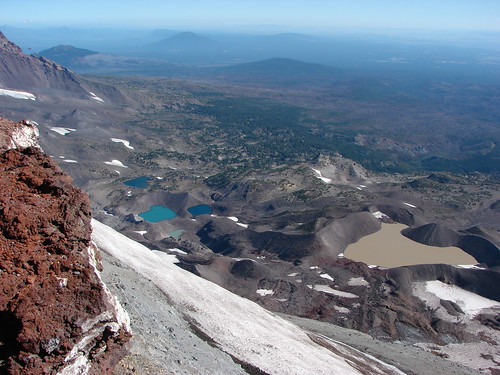
Mt. Scott, Mt. Thielsen, Mt. Baily, & Diamond Peak from the South Sister Summit
View from the South Sister
Cascade Peaks from Mt. Bachelor to Mt. Hood (minus the North Sister which was hidden behind the Middle) from Mt. Fuji
Waldo Lake
Mt. Washington to Mt. Hood from the Pacfic Crest Trail near Yapoah Crater
Belknap Crater, Mt. Washington, Three Fingered Jack, Mt. Jefferson & Mt. Hood
Mt. Washington to Mt. Bachelor from Three Fingered Jack
Broken Top, Mt. Bachelor, The Three Sisters, Mt. Washington and The Husband
Mt. Rainier, The Goat Rocks, and Mt. Adams from Wildcat Mountain
Mr. Rainier, The Goat Rocks, and Mt. Adams
Mt. St. Helens, Mt. Rainier, and Mt. Adams from Silver Star Mountain
View from Ed' Trail

Individual peaks working from the south to the north.
Mt. Thielsen:
From Fuji Mountian
Mt. Thielsen

Diamond Peak:
From Waldo Mountain
Fuji Mountain and Diamond Peak
From Fuji Mountain
Diamond Peak

Mt. Bachelor:
From Fuji Mountain
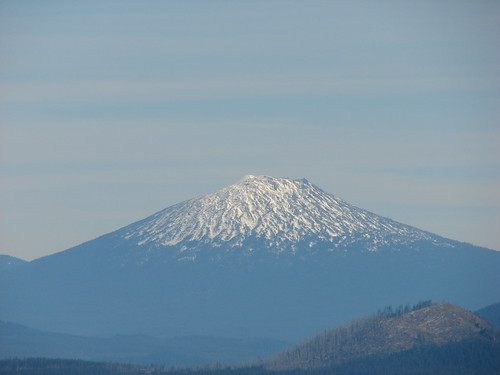
Mt. Bachelor
From Tam MacArthur Rim
Mt. Bachelor

Broken Top:
From above Moraine Lake
Broken Top and Moraine Lake
From Fuji Mountain
Broken Top and Ball Butte
From Tam MacArthur Rim
Broken Top

South Sister:
From above Moraine Lake
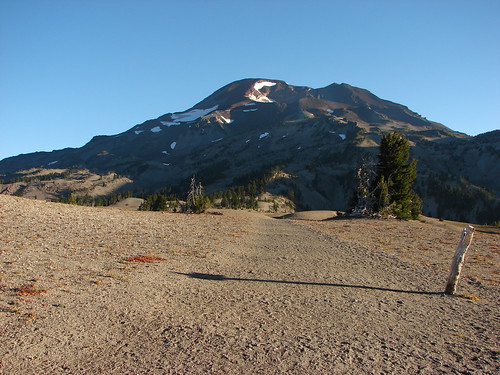
South Sister Climbers Trail
From Tam MacArthur Rim
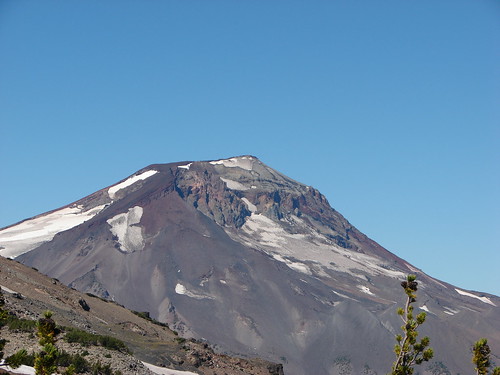
South Sister
From Fuji Mountain
South Sister

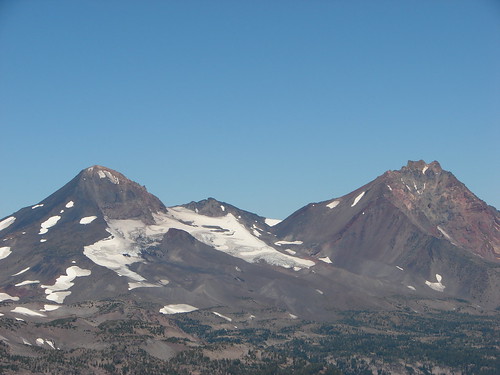
Middle & North Sister
From Tam MacArthur Rim
Middle and North Sister
From Scott Meadow
North & Middle Sister and Little Brother from Scott Meadow
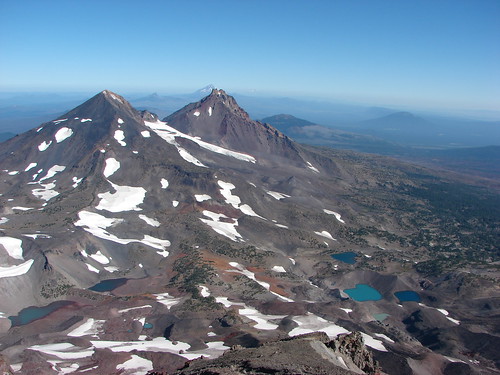
From the South Sister
South Sister summit view

Mt. Washington
From the Matthieu Lakes Trail
Mt. Washington
From Fuji Mountain
Mt. Washington and Belknap Crater
From Three Fingered Jack
Mt. Washington and The Husband

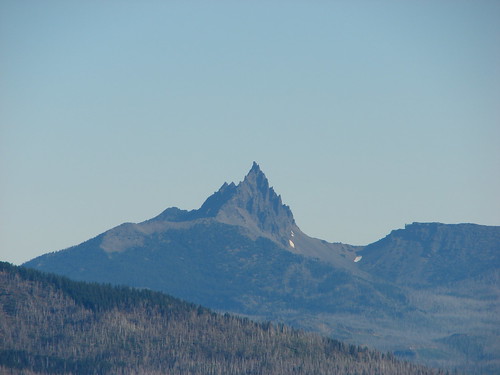
Three Fingered Jack:

From the Matthieu Lakes Trail
Three Fingered Jack
From Canyon Creek Meadows
Three Fingered Jack from the upper meadow

Mt. Jefferson:
From Fuji Mountain (Dwarfing Three Fingered Jack)
Mt. Jefferson and Three Fingered Jack
From Hanks Lake
Hank's Lake
From Three Fingered Jack
Looking back down
From Bays Lake in Jefferson Park
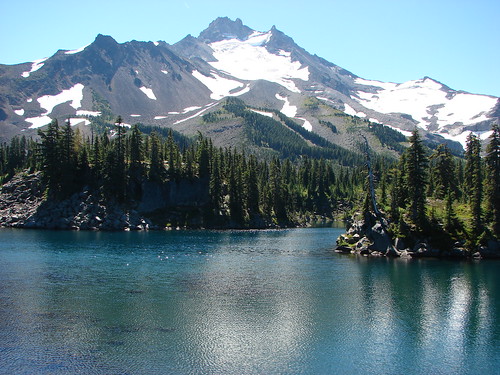
Bays Lake in Jefferson Park

Mt. Hood:
From Barrett Spur
Mt. Hood from Barrett Spur
From Table Mountain
Mt. Hood from Table Mountain
From Elk Meadows
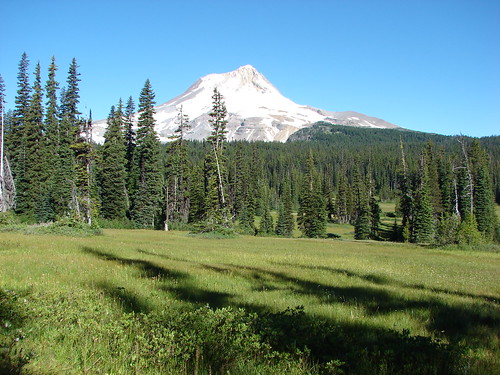
Mt. Hood from Elk Meadows
From Lamberson Butte
Mt. Hood
From Youcum Ridge
Mt. Hood from Yocum Ridge
From Timothy Lake
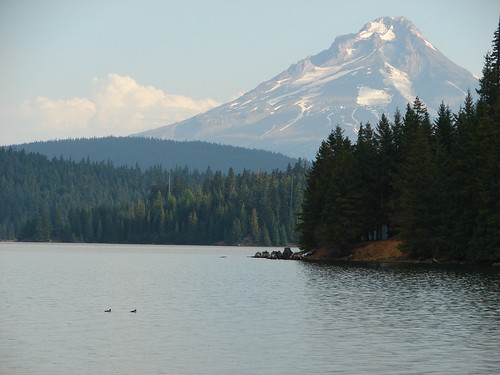
Mt. Hood from Timothy Lake

Mt. St. Helens:
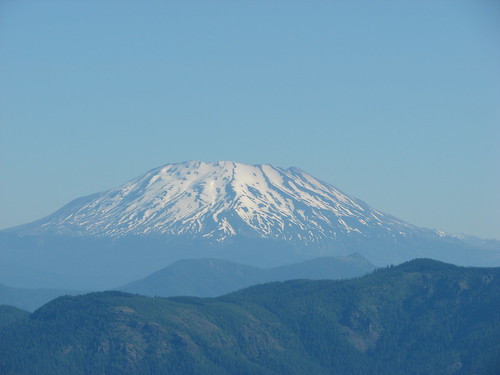
Mt. St. Helens
From the Loowit Trail on Mt. St. Helens
Mt. St. Helens from the Loowit Trail
From Johnston Ridge
Mt. St. Helens

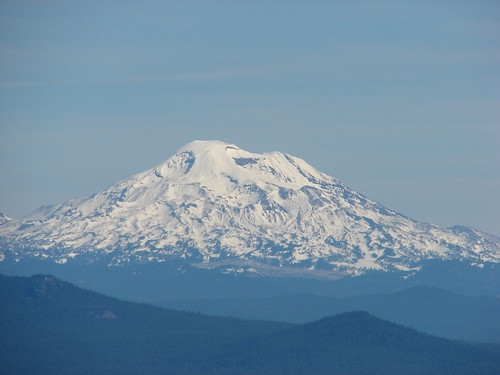
Mt. Adams:
From Silver Star Mountain
Paintbrush, penstemon and Mt. Adams

Mt. Rainier:
From Wildcat Mountain
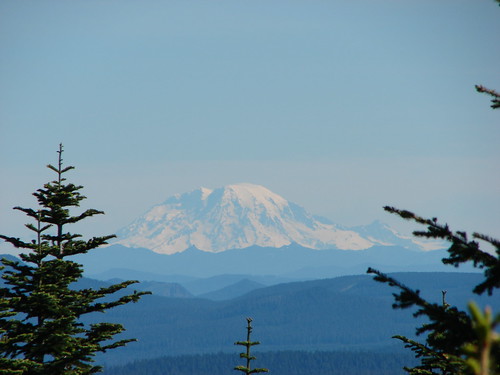
Mt. Rainier

From the giant rock towers of the mountains we move on to the delicate meadows full of wildflowers that often times call the mountains home. We visited amazing wildflower displays near Mt. Hood, Mt. Jefferson, and Three Fingered Jack but the Cascades were possibly outdone by Silver Star Mountain in Washington.
Bear Grass on Mt. St. Helens
Mt. St. Helens from a beargrass meadow along the Loowit Trail
Balsam Root and Paintbrush in the Ochoco National Forest
Paintbrush and balsamroot
Clearcut on Silver Star Mountain
Tarabell Trail
Meadow on Salmon Butte
An arnica in  a meadow of plectritis, larkspur and monkeyflower
Elk Meadows
Elk Meadows
Near Heather Creek on Mt. Hood
Wildflowers along the Timberline Trail at Heather Creek
Mt. Hood Meadows
Wildflowers in Mt. Hood Meadows
Lupine in Canyon Creek Meadows
Three Fingered Jack
On Coffin Mountain
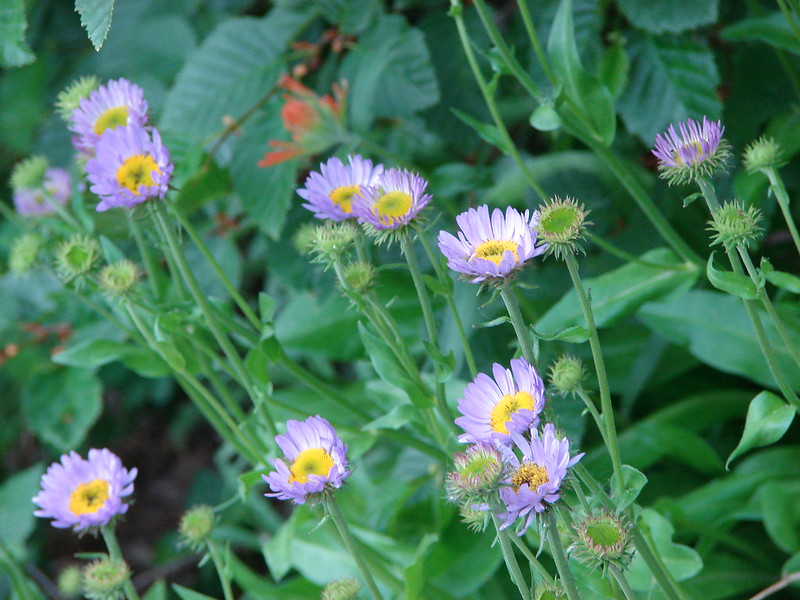
Aster, penstemon and paintbrush
Avalanche Lilies on the Timberline Trail
Avalanche lilies
Western Pasque flowers and Paintbrush near Elk Cove
Mt. Hood from the Timberline Trail near Elk Cove
Barret Spur on Mt. Hood
Lupine and monkeyflower
Gentians in Jefferson Park
Gentians
Jefferson Park
Wildflowers along the South Breitbenbush Trail
Along the South Brietenbush River in Jefferson Park
Wildflowers along the South Breitenbush River
Aster on Yocum Ridge
Aster field on Yocum Ridge
On Yocum Ridge
Wildflowers along the Yocum Ridge Trail
More from Yocum Ridge
Paintbrush and aster

There weren’t many hikes where the presence of water was not felt. We encountered it in various forms and in an array of colors. There were lakes, creeks, rivers, waterfalls, springs, and the Pacific Ocean adding sights and sounds to our hikes.
Roaring Creek
Roaring Creek
McKenzie River
Mckenzie River
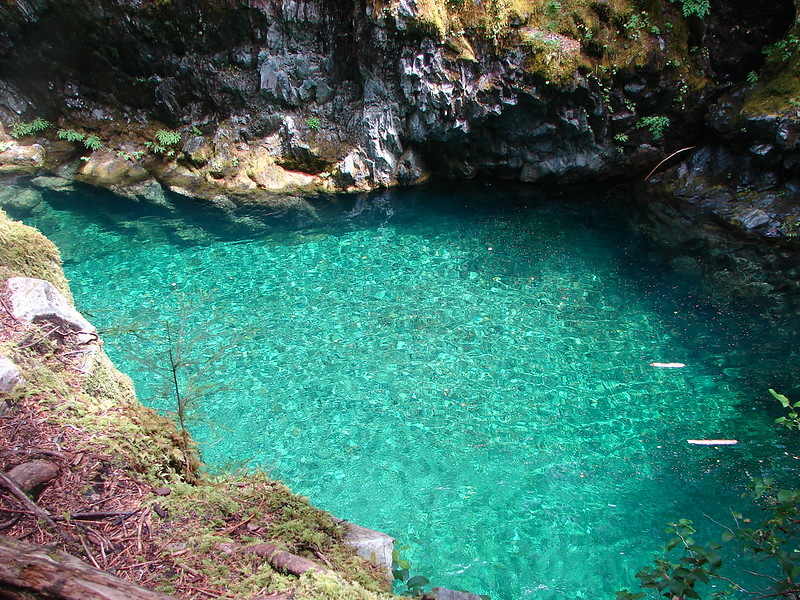
Tamolitch Pool
Tamolitch Pool
Russell Lake
Mt. Jefferson from Russell Lake
Umbrella Falls
Umbrella Falls
Diamond Creek Falls
Diamond Creek Falls
Heather Creek
Waterfall on Heather Creek
South Matthieu Lake
South Mattieu Lake
Benham Falls
Benham Falls
Carver, Camp, and the Chambers Lakes
Carver, Camp and some of the Chambers Lakes
Lewis Tarn
Lewis Tarn
Creek near Pamelia Lake
Waterfall near Pamelia Lake
Timothy Lake
Timothy Lake
Little Crater Lake
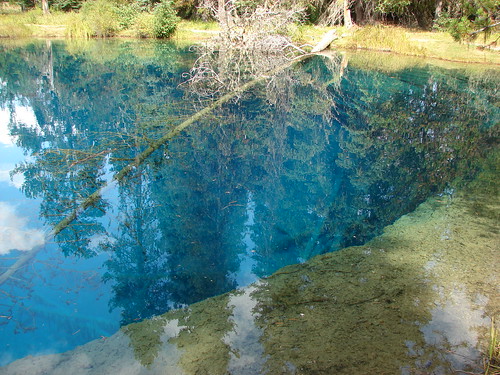
Little Crater Lake
Frozen pond near Fuji Mountain
Half frozen pond
Birthday Lake
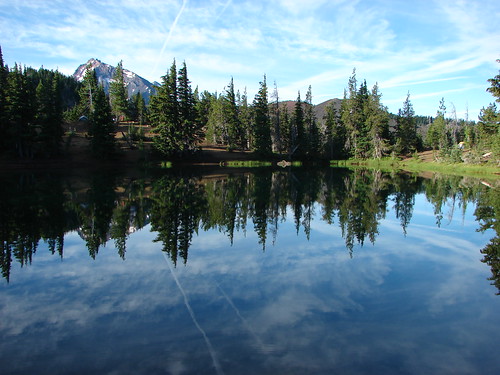
Birthday Lake
Ramona Falls
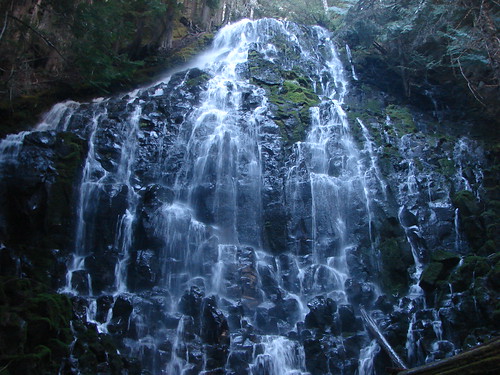
Ramona Falls
Pacific Ocean at Tillamook Head
View from Ecola State Park
Pacific Ocean from Cape Perpetua
Looking south from Cape Perpetua
Last but not least the most unpredictable of the sights out on the trails are the creatures that call these places home. From flying ants on Coldwater Peak to the black bear who left its tracks in the snow on Fuji Mountain we were the tourists traipsing through their neighborhoods. We spotted our first elk, snow shoe hare, and sooty grouse this year. We also had the mysterious case of “mouse rain” on Salmon Butte which you can read about here:https://wanderingyuncks.wordpress.com/2013/06/20/salmon-butte/
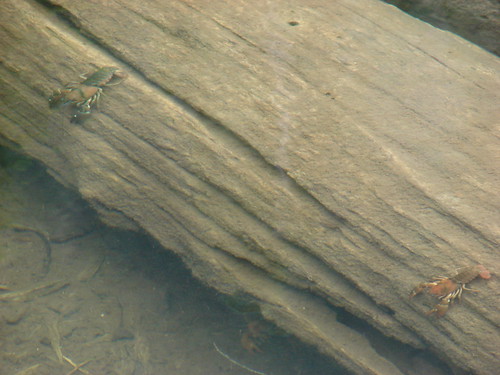
Crawdads in Middle Rock Lake
Tide pool at Cape Kiwanda
Snail
Rough skinned newt
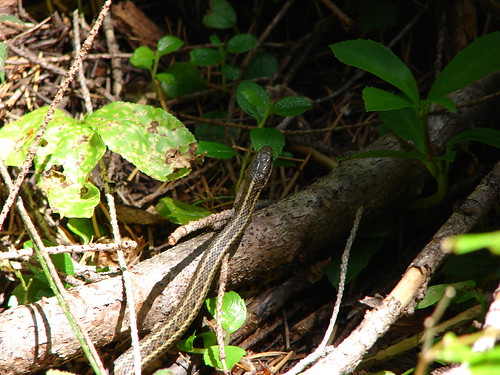
Snake
Tree frog
Spider along the Tam McArthur Rim Trail
Bug on Fuji Mountain
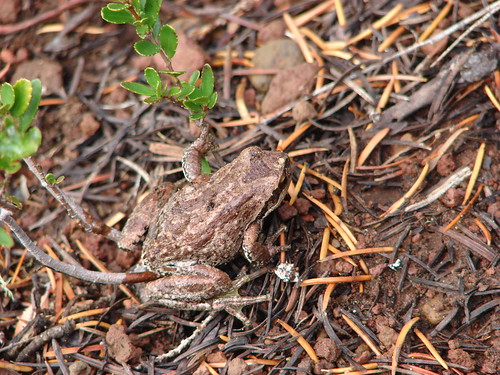
Frog
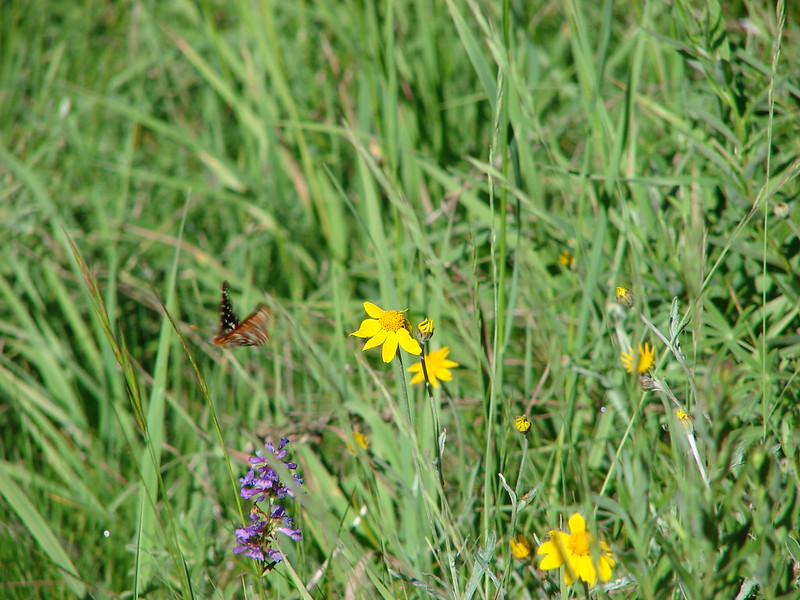
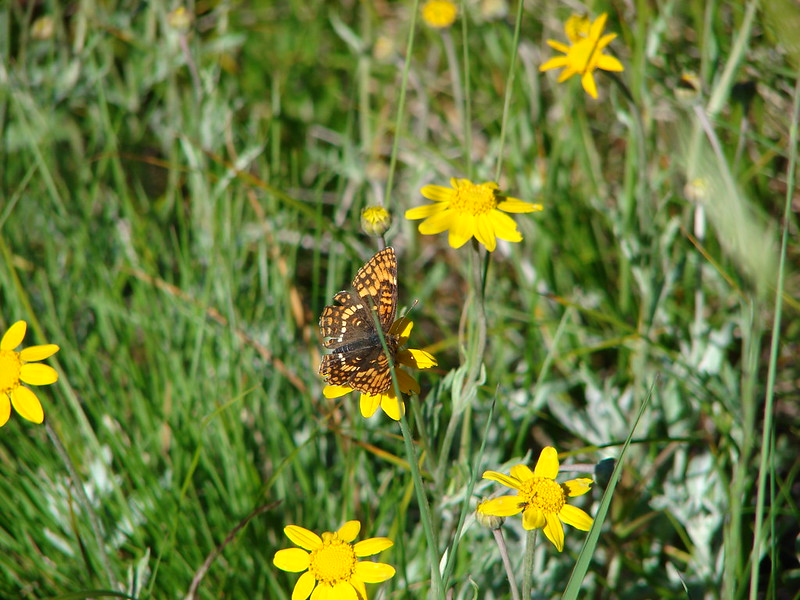
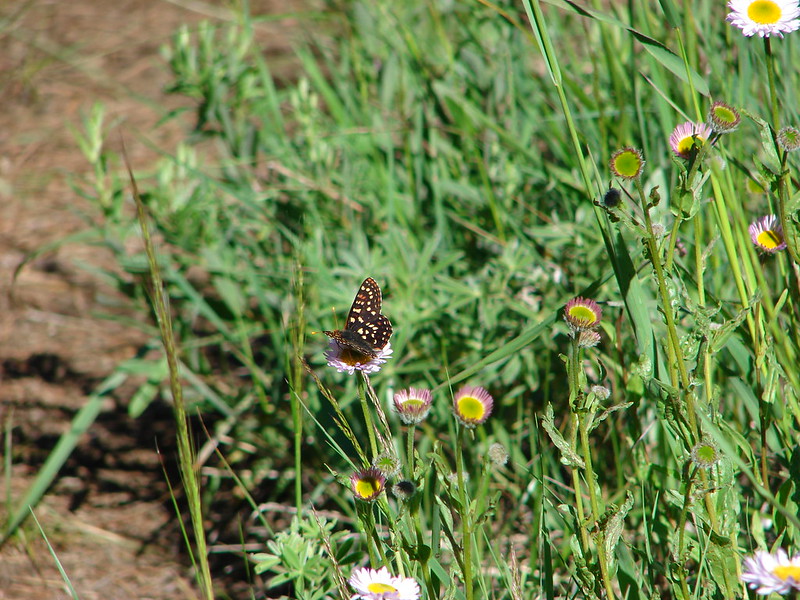
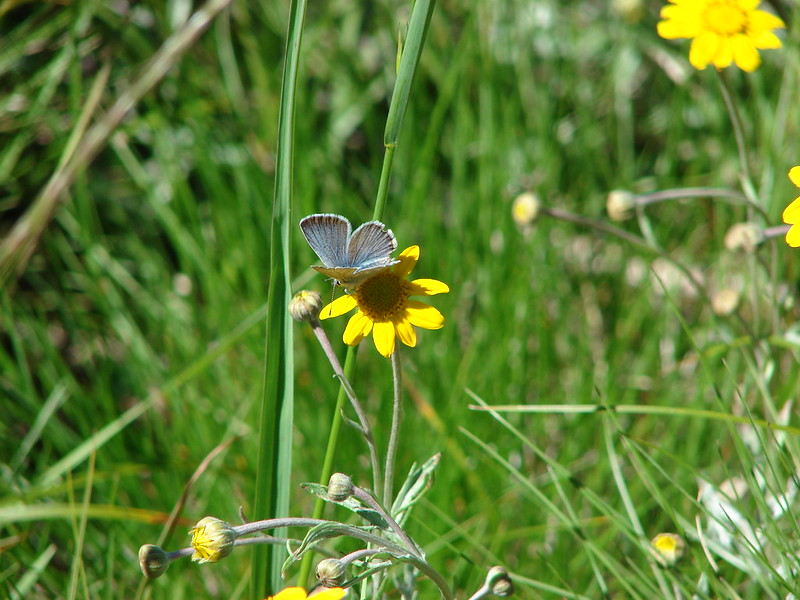
Butterflies
Zerene fritillary butterfly
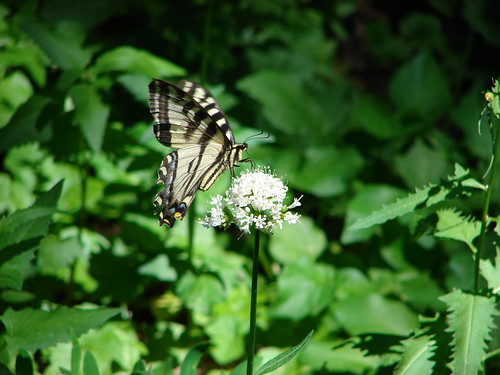
Swallowtail butterfly
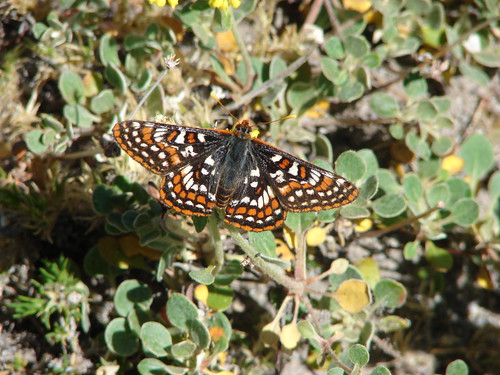
Edith's checkerspot
Milbert's Tortoiseshell Butterfly on the way up Coldwater Peak
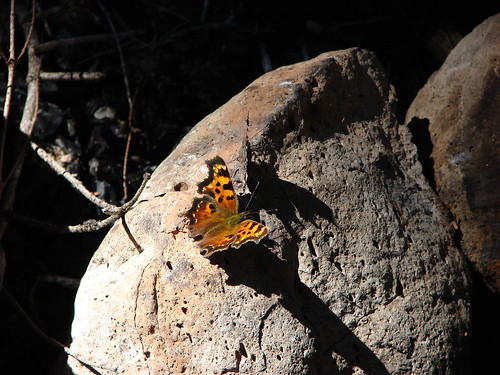
Hoary Comma
Hoary Comma
Clodius parnassian
Birds
Bald eagle
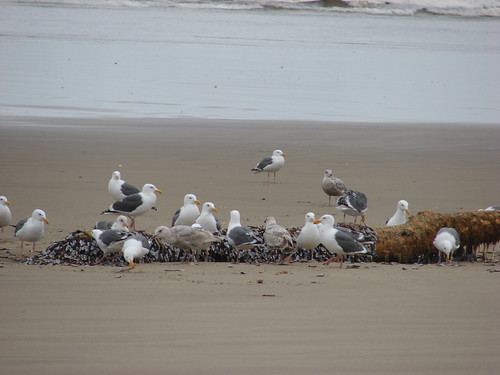
Seagull buffet
Yellow-Rumped Warbler
Owl
Gray jay taking a bath
Duck family
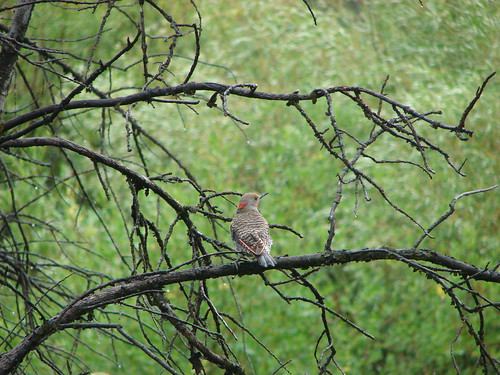
Northern Flicker
Osprey
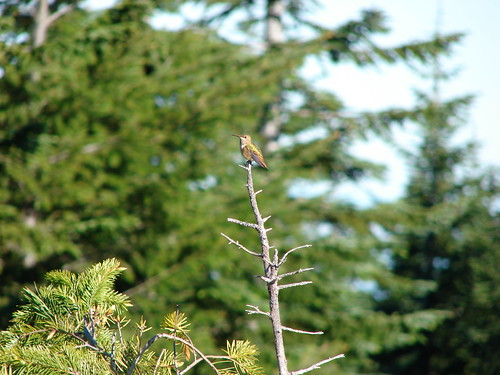
Hummingbird
Red Crossbill
Osprey flying over ducks on Timothy Lake
Hummingbird
Canada geese
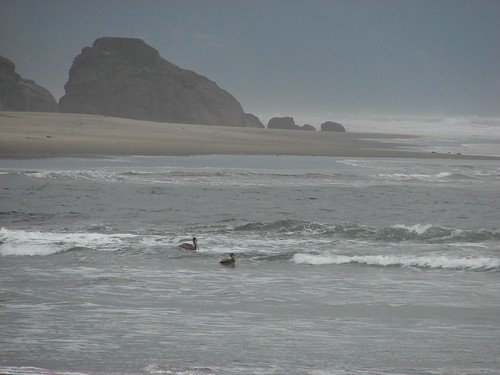
Pelicans
Common goldeneyes on Wall Lake
Great Blue Heron
Little guys
Chipmunk
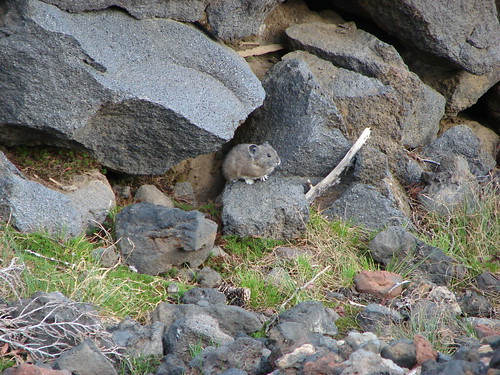
Pika
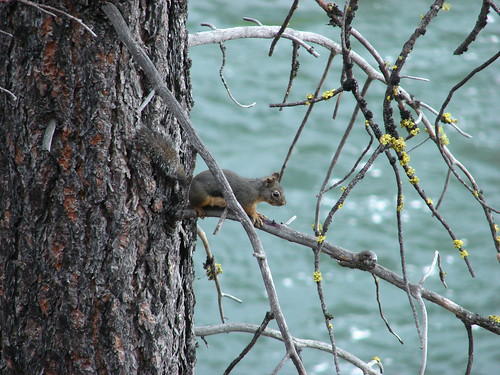
Douglas squirrel
Golden Mantled Squirrels
Snowshoe hare

Big Guys
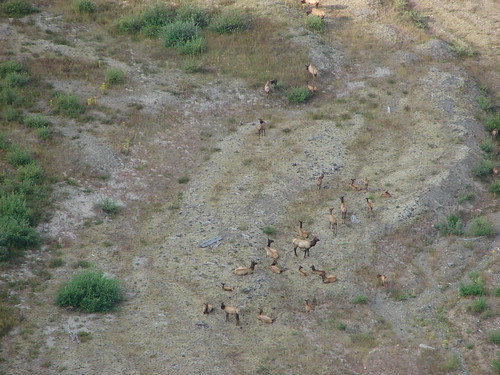
Our first elk sighting. Near the Observation Peak Trailhead
Columbia Black Tailed Deer
Elk herd on the far shore of the Deschutes River
Elk
Deer near the Lower Black Butte Trailhead

We’d like to leave you with what each of us found to be their favorite hike and the most difficult. For myself Elk Meadows was my favorite. https://wanderingyuncks.wordpress.com/2013/07/24/elk-meadows/ The variety and beauty we encountered on that hike put it atop my list. As for the most difficult I chose Silver Star Mountain https://wanderingyuncks.wordpress.com/2013/07/04/silver-star-mountain/ which was also in the running for my favorite. The heat on that day made it the hardest one for me.

After much deliberation Heather chose the same hike as I did her favorite, Elk Meadows; something about that day had her mesmerized as we traveled up Gnarl Ridge towards Mt. Hood. For the most difficult she picked Observation Peak due in part to having fallen shortly after we stared the hike and spraining her hand and wrist. It made for a more challenging and uncomfortable hike as she endeavored to keep her injury elevated above her heart during most of the journey. https://wanderingyuncks.wordpress.com/2013/07/09/observation-peak/

Dominique chose Fuji Mountain for his favorite. There was snow and a great view with a reasonable amount of distance. https://wanderingyuncks.wordpress.com/2013/10/09/fuji-mountain/ For the most difficult he picked Table Mountain and the climb up Heartbreak Ridge. https://wanderingyuncks.wordpress.com/2013/06/14/table-mountain/

I am already hard at work putting together a 2014 itinerary which will include some overnight backpacking trips and hopefully visits to the Goat Rocks Wilderness and Mt. Adams in Washington. If all goes as planned we will kick things off in January, take things slow until we’ve recovered from our April half or full marathons, and then be ready to crank things up in May. Until 2014 here is a link to a 2013 hikes in pictures album on Flickr http://www.flickr.com/photos/9319235@N02/sets/72157635497870439/

Merry Christmas & Happy Trails!

Categories
Bend/Redmond Central Oregon Hiking Oregon Trip report

Black Butte

For the final hike of our vacation we decided to say farewell to the mountains for the year. Black Butte provided us the opportunity to get one last good view of the Cascades and a nice bit of elevation gain to boot. We had been checking the weather forecast as often as possible to see if it would be worth the effort and when we went to bed the night before our hike the forecast was for clear sunny skies all day long. They were wrong. lol

My first inkling that something was amiss was when I was loading the car in the morning and there were no stars visible in the sky. As we began our drive to the trailhead occasional sprinkles of rain were falling, but we were committed now and figured that it was early and maybe the clear skies were just a little late.

We arrived at the lower Black Butte Trailhead under cloudy skies but at least there was no rain. The trail set off through pine trees and a carpet of orange ferns.
198
We caught several glimpses of Black Butte on the lower portion of the trail and at least it was cloud free (it had not been on the drive earlier).

Black Butte from the lower trail

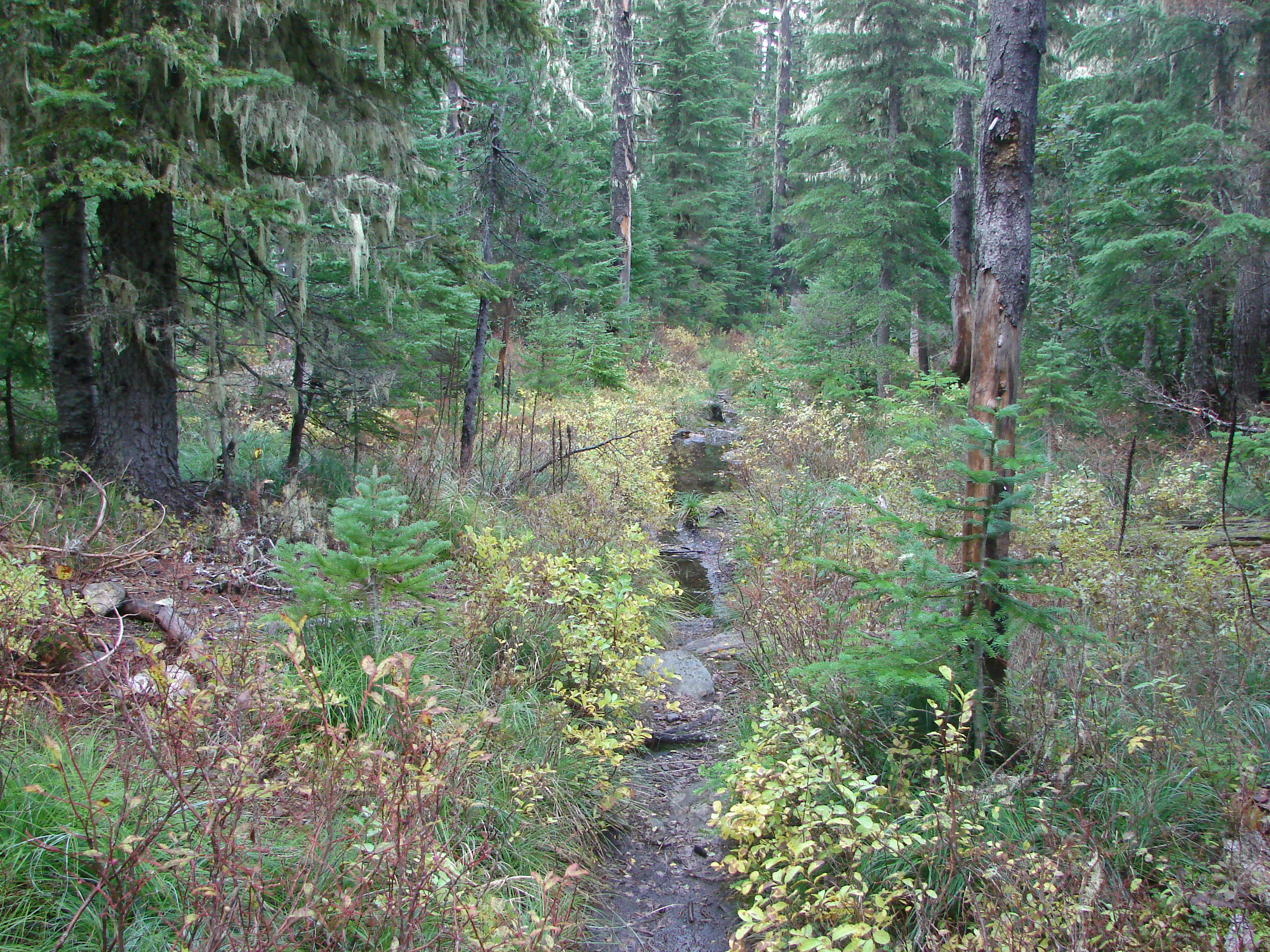
The lower portion of the trail passed through a variety of forest types. The ever changing makeup of the trees and plants was very interesting.
208

Cedars
Cedars

213

215

There would have been some mountain views on a clearer day along this portion as well but on this day all we could make out was the snow line at the base of Mt. Washington and Three Fingered Jack. We were still hoping that the cloud cover would burn off by the time we reached the summit so we continued to climb to the upper trailhead.

From the upper trailhead we climbed out of the forest to the more exposed upper slopes of Black Butte. Here the view was virtually unobstructed by trees but the clouds were a different story. There was a thick layer of clouds above our heads but low enough to hide the taller Cascade Peaks. Below us were smaller patches of clouds passing by and sometimes over us.

Mt. Washington
Mt. Washington
Looking down past the clouds

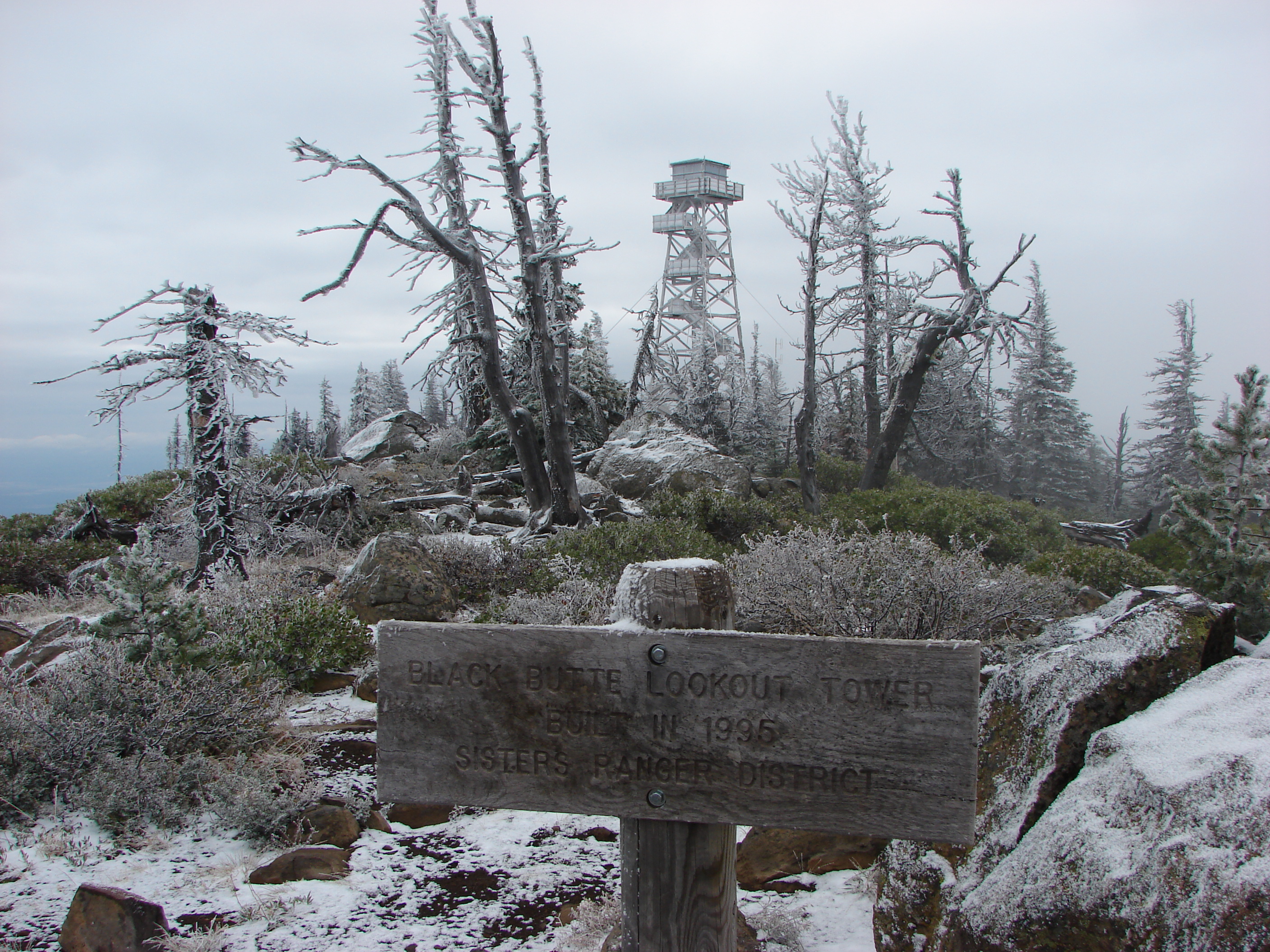
As the trail wound up and around the butte we got our first good look at the lookout tower. We also noticed that the summit appeared to be a bit snowy or at least frosty.
242

We had been overly warm as we climbed so far and had taken most of our layers off but as we entered the “white” zone we were met with much colder air. As we worked our way around the north side of the butte a slight breeze brought even colder air to us and kept this side of the butte wintry white.
264

272

283

To the north we could see the edge of the upper cloud layer as sunlight reflected off the lower clouds.
271
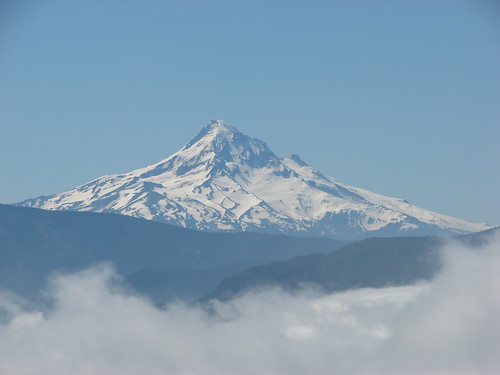
To the NE we spotted the top of a snowy mountain against blue sky – Mt. Hood!

Mt. Hood
Mt. Hood

Further around we found ourselves staring at the base of Mt. Jefferson. The view was strangely reminiscent of the view we’d had on Double Peaks on the opposite side of the mountain just 3 days earlier with clouds covering the upper 2/3rds of the mountain and blue sky apparently above and behind the mountain.

Mt. Jefferson hidden again

At the summit the snow/ice created some interesting scenes.
286

287

288

We explored the area on top of the butte where the lookout tower is not the only structure. A 1924 cupola that was the former lookout and a log cabin where the lookout staff lives were also present.

1924 cupola
1924 cupola

302

Signs on the summit listed the mountain peaks that would be visible on a clear day from Broken Top to the south to Mt. Adams to the north. We were mostly left with our imaginations. 🙂 Looking out over the log cabin we could see a good portion of Three Fingered Jack and some of Mt. Jefferson.

Three Fingered Jack
Three Fingered Jack

We hung around for a little over half an hour hoping that the clouds would break up but the lower clouds just kept coming up from behind us and the upper clouds didn’t seem to be budging. Just as we started to leave though we noticed the upper layer was breaking up to the north and there seemed to be some breaking up near Mt. Jefferson. We turned around and headed back toward the cabin but the low clouds were rising up just in front of us so we again headed back down. I kept looking back though hoping for something when we finally got a little break and the summit of Mt. Jefferson made an appearance over a ribbon of clouds.

Mt. Jefferson
Mt. Jefferson

As the upper clouds retreated south we suddenly had blue sky above us and the frosty coating quickly melted from the trees and plants.
As we came around to the south side of the butte Mt. Washington was a bit more visible.

Mt. Washington
Mt. Washington


The upper layer of clouds retreating south

Just as quickly as the blue sky had appeared one of the larger low clouds enveloped the side of Black Butte and we were once again without a view.

When we got down past the upper trailhead we finally got back out of the cloud and could once again see out to where the mountains would be. Even though the upper layer of clouds had mostly retreated the lower clouds were quickly replacing it and many of them clung to the taller peaks. We did manage to get a good view of several small peaks and buttes though.

Belknap Crater and Little Belknap
Black Crater
Black Crater
Hayrick Butte & Hoodoo

We even got a brief glimpse of North Sisters summit.
363

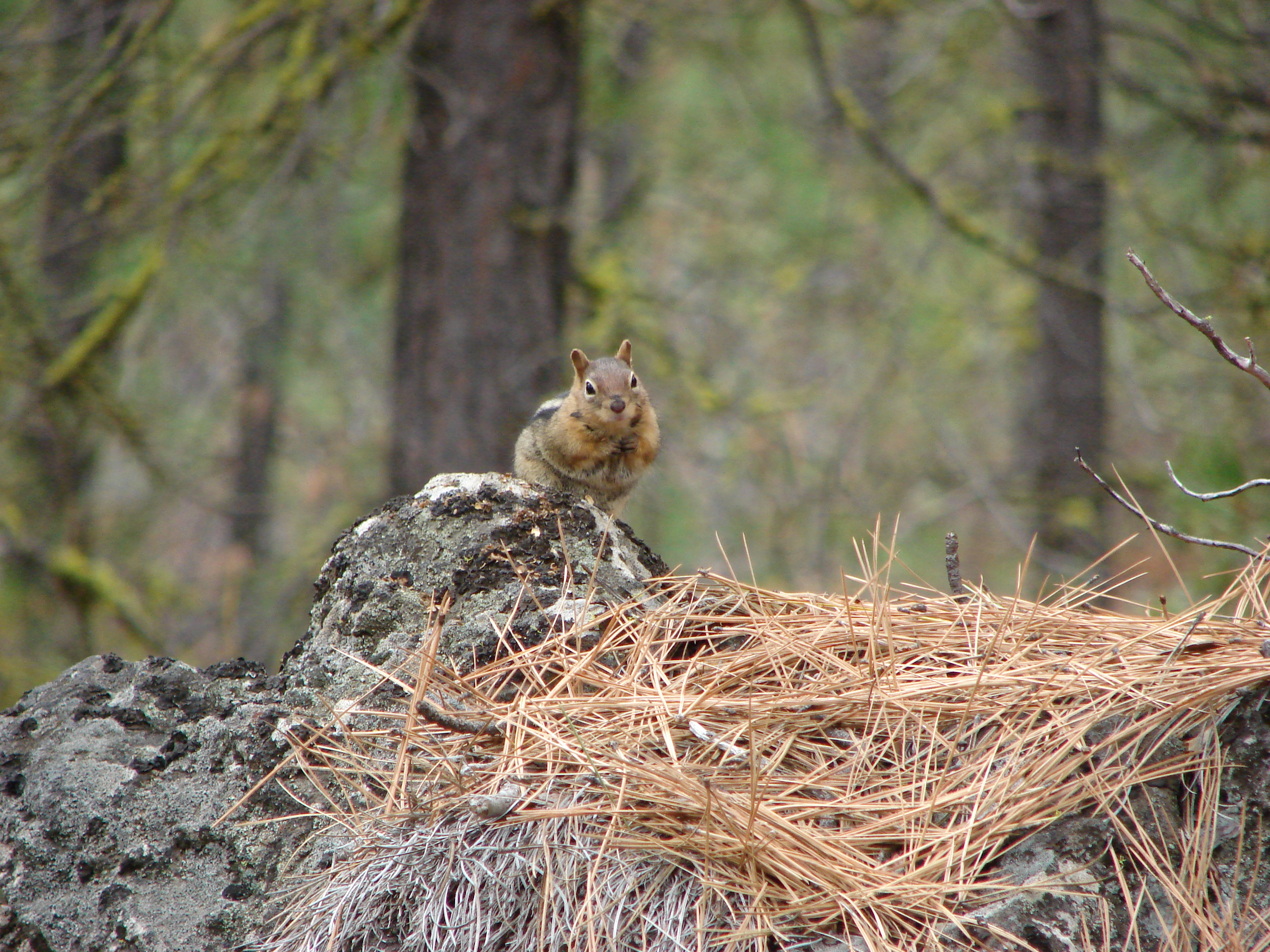
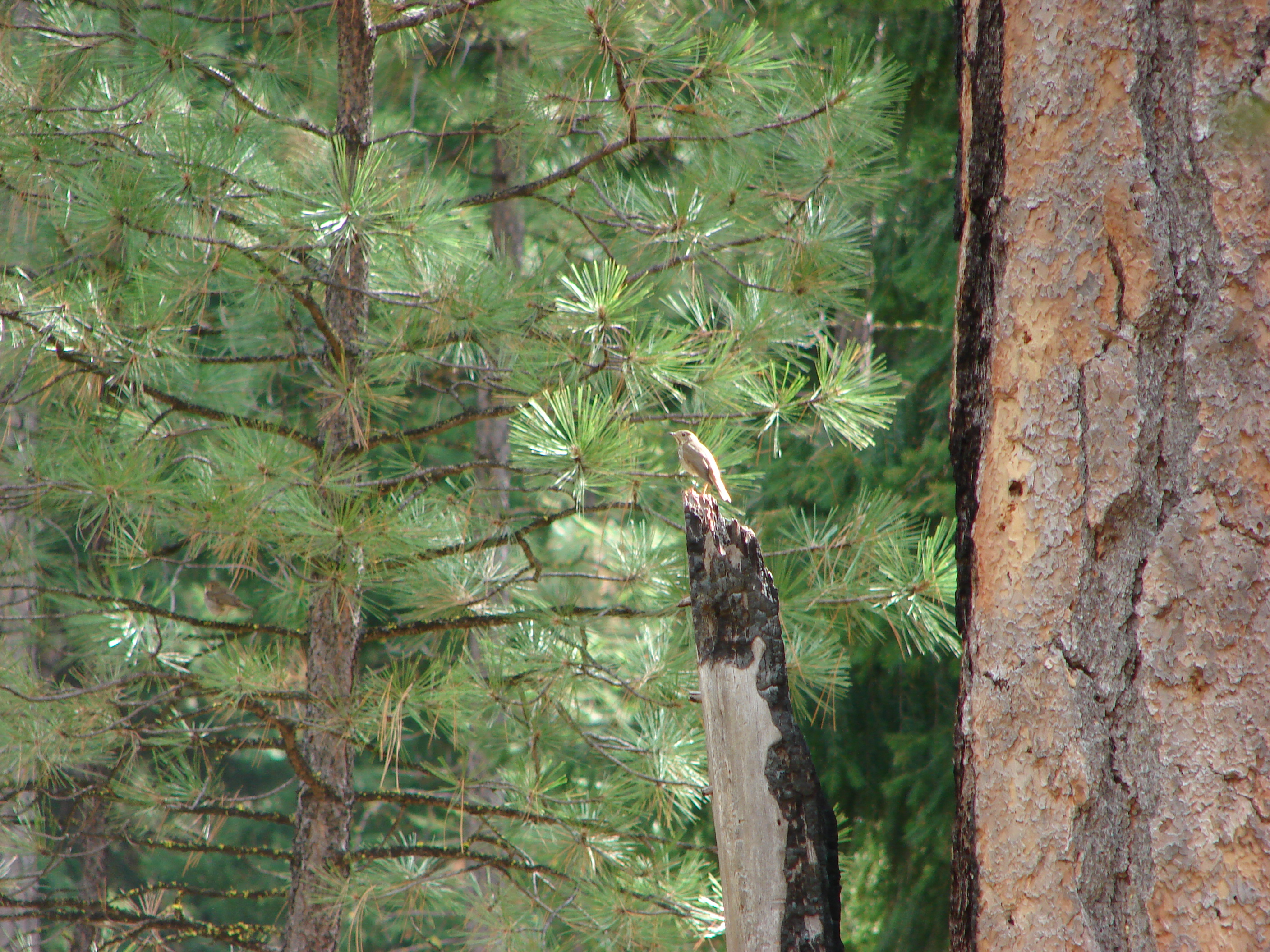
This time on the lower trail we spotted a decent amount of wildlife including chipmunks, douglas squirrels, golden-mantled squirrels, and various birds. Some were more willing to have their pictures taken than others.
351

368

369

376

We were supposed to meet my parents at the trailhead at 2:00 so they could drop off Dominique (who had chosen not to accompany us on the hike). A series of mishaps led to a bit of an adventure but while we were waiting a group of deer came by the parking area.
384

We eventually met up with my parents and reclaimed Nique and headed home. With that the bulk of our 2013 hikes were behind us. We’ll hopefully get out a couple more times this year, but our activities have now shifted to running for the next several months. It’s the beginning of our race season and we are all starting to train for a 15 mile trail run in a couple of months. Happy Trails.

Facebook photos:https://www.facebook.com/deryl.yunck/media_set?set=a.10202390873000341.1073741863.1448521051&type=1
Flickr: http://www.flickr.com/photos/9319235@N02/sets/72157636523907403/

Categories
High Cascades Hiking Mt. Jefferson Area Oregon Trip report

Red Lake Trail

**Note the 2020 Lionshead Fire burned the area covered by this hike.**

I am a bit behind on our trip reports but that’s because we were busy getting a few more hikes in on our final week of vacation. After our hike on the coast at Pacific City we headed back toward the mountains on Thursday. We had been debating on whether or not to attempt the hike we had planned due to the early snow that had been falling in the Cascades. The planned hike had us starting on the west end of the Red Lake Trail, climbing Potato Butte, continuing on to Top Lake, and then making a small loop past Cigar Lake where we would attempt to climb Double Peaks before returning to the Red Lake Trail and our car.

It was a nice morning as we set off and there were some good Fall colors on display. We climbed for a mile and a half before reaching the trails namesake – Red Lake.
017

Water on the Red Lake Trail
Red Lake
Red Lake

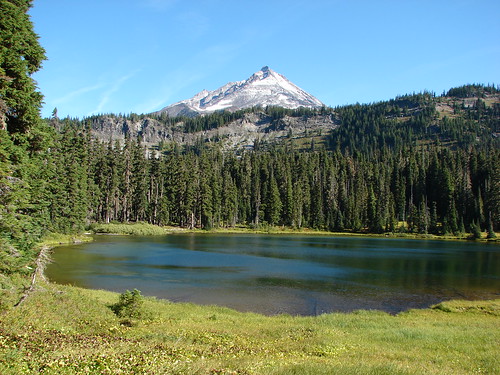
After passing Red Lake the trail then visits three more lakes in the next 1.3 miles. Avrill Lake was up first with a great reflection of Olallie Butte and Twin Peaks.
059

Next up was Wall Lake where we got our first good glimpse of Potato Butte.
072

Finally we came to Sheep Lake where a pair of ducks paddled beneath the reflection of Double Peaks.
086

We took a trail on the eastern end of Sheep Lake that led up to Potato Butte. There were several swollen ponds along this trail and in places standing water obscured the path. We wound up losing the trail at the base of the butte and decided to scramble to the top and hope to pick up the correct trail at the summit.

One of the many swollen ponds along the Potato Butte Trail

We arrived at the summit and easily picked up the official trail. We had a fairly good view of Mt. Hood despite the presence of some clouds and a great view of Olallie Butte.

Mt. Hood from Potato Butte
Olallie Butte from Potato Butte

On the way down on the real trail we got a good look toward Mt. Jefferson which was hiding in the clouds and at Double Peaks. At 5280′ Potato Butte had only small amounts of scattered snow but Double Peaks was clearly snow-covered at its height of 5998′.

Looking toward Mt. Jefferson from Potato Butte
Twin Peaks on the left and Double Peaks on the right from Potato Butte

When we got to the base of the butte we saw the reason for our having lost the trail on the way up. One of the ponds had enveloped the actual trail making it impossible to see. We made our way around the edge of the pond and back to the Red Lake Trail and continued east toward the Pacific Crest Trail which we would use for part of our small loop to Cigar Lake.

The trail passed Fork Lake and several other unnamed ponds/lakes as it slowly climbed toward the PCT. We also began encountering more and more snow as we went.

Pond below Twin Peaks
Increasing amounts of snow

The snow made it possible to see a variety of animal tracks showing us just how many different species that we never see walk these same trails. At the PCT junction we continued on the Red Lake Trail heading down now to Top Lake.

Some of the tracks in the snow
Top Lake
Top Lake
Fall on the shore of Top Lake

At Top Lake we left the Red Lake Trail and skirted the overflowing lake to its south end and climbed back up to the PCT near Cigar Lake.

Double Peaks from Cigar Lake

There was a good amount of snow at Cigar Lake but we decided to see how far up Double Peaks we could make it. We found the marker for the trail easily enough, but between the snow and the extra water around Cigar Lake we were having a hard time determining just where the trail actually was. Luckily for us a deer had left us a set of tracks that we were able to follow that led us across and around the edge of Cigar Lake and to the continuation of the Double Peaks Trail which was just barely identifiable by a slight indentation in the snow.

Snow and water near Cigar Lake
Double Peaks Trail
Double Peaks Trail

Once we found the trail it was like walking through a winter wonderland. The snow was anywhere from a half-inch deep to mid-shin. The snow-covered trees looked ready for Christmas making this one of the most enjoyable stretches of hikes we’d had.

Heather on the Double Peaks Trail
Christmas Trees in October

The trail was fairly steep and we almost lost it near the top when it veered up between some boulders but we managed to follow it all the way to the summit.

The base of Mt. Jefferson from Double Peaks
Evidence of wind and ice
Potato Butte from Double Peaks
Olallie Butte
Olallie Butte
Timber, Olallie, Long, and Monon Lake from Double Peaks

We didn’t get the view of Mt. Jefferson we’d hoped for but the snow more than made up for that. As we started down Double Peaks the day began to warm up and the snow was melting quickly. We did a lot of sliding down the slushy trail before reaching the PCT again and heading back to the Red Lake Trail. We returned the way we’d come only now we had some blue skies and sunlight as we passed the lakes and arrived back at our car. Happy Trails!

Sunlight mushroom
Sunlight mushroom
Twin Peaks from Sheep Lake in the afternoon

Facebook photos: https://www.facebook.com/deryl.yunck/media_set?set=a.10202367670300288.1073741861.1448521051&type=3
Flickr: http://www.flickr.com/photos/9319235@N02/sets/72157636413874236/

Categories
High Cascades Hiking Oregon Trip report Waldo Lake Area

Fuji Mountain

**Note a portion of this hike burned in the 2022 Cedar Creek Fire.**

After a (well timed) scheduled week off we were back on the trails this past weekend. A highly unusual storm had rolled through as September gave way to October. Not only had this storm brought record amounts of precipitation but some of that precipitation fell as snow as low as 4000′. The hike we had planned, Fuji Mountain, topped out at 7144′ so we weren’t sure if it was going to be doable but some warmer weather moved in and we decided to give it a go. If we managed to make it up to the summit we knew the views should be great, and worst case scenario we could just choose a different lower trail in the area.

Fuji Mountain is located in the Waldo Lake Wilderness near Highway 58. A pair of trail heads lead to the summit. From the SW a 1.5 mile option starts on road 5883 making for a nice short hike. We chose to start from road 5897 (Waldo Lake road) to lengthen the hike a bit and visit some of the areas many lakes.

The trail begins just below 5000′ and started out snow free, but that didn’t last for long. We quickly began seeing snow along the trail and then on the trail itself. We followed a single set of hikers prints as we climbed up toward the first of the lakes.
006
They weren’t the only set of prints in the snow. 🙂

Black bear print
Black bear print

It wasn’t long before there was more snow covered trail than not but the snow wasn’t very deep, only on occasion measuring 6″. The trail climbed for about a mile then gently rolled along a plateau dotted with ponds and lakes for another 2.5 miles. Many of these were at least partly frozen making for some pretty scenery.

Half frozen pond
Half frozen pond
Mushrooms under ice
Mushrooms under ice
Birthday Lake
Birthday Lake
Reflections on Birthday Lake

Shortly after crossing the South Waldo Trail the Fuji Mountain Trail began climbing again. In another mile we met up with the trail coming from road 5883 and began the final 1.2 mile climb to the summit. Here there were more hiker tracks in the snow but we only saw one other couple who were on their way down after spending the night on the summit.

As we climbed we began to have views of snowy Diamond Peak and Mt. Thielsen to the south, but these views paled in comparison to what awaited at the summit. When we arrived at the summit a 360 degree view awaited with Waldo Lake and a string of snowy peaks to the north and more mountains to the south. To the east lay Wickiup Reservoir and Odell Lake with distant Paulina Peak and nearby Maiden Peak in between. To the west were the foothills leading to the Willamette Valley.

Waldo Lake and the Cascades
Cowhorn Mountain, Mt. Thielsen, Hillman Peak and Diamond Peak
Looking west along the summit ridge of Fuji Mountain

It was a beautiful day at the summit, sunny and warm with no wind. We took our time eating lunch and enjoying the tranquility before heading back down. On the way out Heather and I decided to take a brief side trip along the South Waldo Trail to the Island Lakes. It was around half a mile to Lower Island Lake with it’s green water and tiny rock island. Just up and across the trail from Lower Island Lake was Upper Island Lake which also had a small rocky island.

Lower Island Lake's island
Lower Island Lake’s island
Lower Island Lake
Lower Island Lake
Upper Island Lake
Upper Island Lake

The warm weather made the return trip pretty slushy as the snow was melting fairly quickly. When we arrived back at the half frozen pond the scene had changed quite a bit.

The no longer half frozen pond

We all really enjoyed being able to take a hike through the snow and it made for a nice change of pace. I don’t know if the early snow is a sign of things to come or just a fluke but it was enjoyable. Happy Trails!

Facebook phots:https://www.facebook.com/deryl.yunck/media_set?set=a.10202338061520087.1073741859.1448521051&type=1
Flickr:http://www.flickr.com/photos/9319235@N02/sets/72157636271711054/