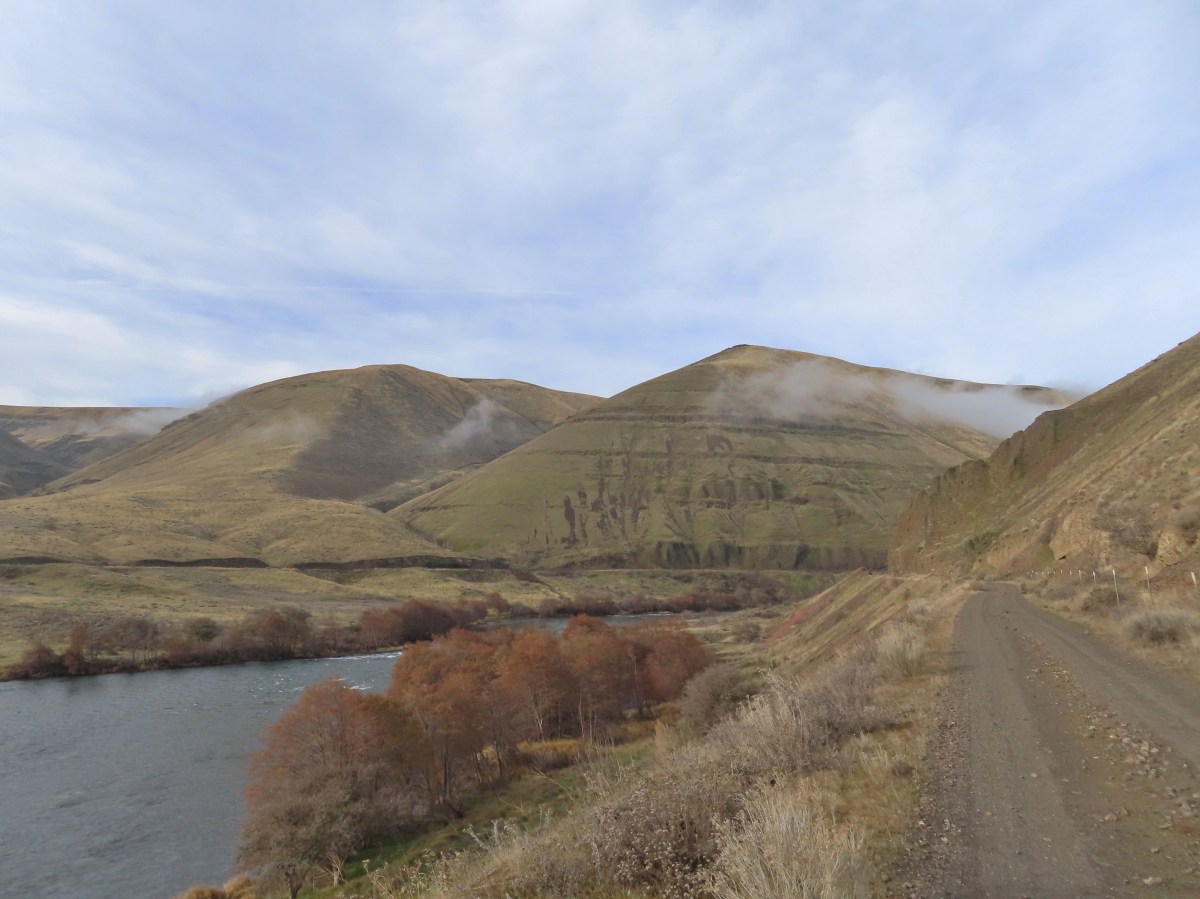
Our unusually warm and alarming dry winter continued through the end of January which has resulted an extremely low snowpack. While that doesn’t bode well for summer it provided plenty of dry hiking opportunities during the month, another of which I took advantage of before flipping the calendar to February. It was another solo outing so picked an area Heather had been to previously, the Lower Deschutes River, and planned a slightly different route than we’d done on our visit in 2018 (post).
I made the two-and-a-half-hour drive from Salem to the Deschutes River State Recreation Area and parked in the overnight parking lot currently shown on Google Maps as the Old RailBed Trail Parking. There is a slightly closer trailhead which we parked at on our previous visit, but that section of the park was not yet open for the season. I had arrived just before sunrise and had expected mostly cloudy conditions. The forecast showed the sky cover gradually decreasing to 60% around 10:30am then starting to increase again. I had not anticipated how low that cloud cover would be. It wasn’t quite fog but it was about as close as you can come.

The overnight parking lot.

Old stagecoach at the parking lot.
My plan was to follow the Deschutes River for close to three hours then turn around and possibly hike the Ferry Springs Loop on my way back as we’d done in 2018. That detour would depend on the clouds though. I wasn’t willing to climb 500′ just to wind up in fog with no views. Plan B would be to return along the river unless I was seeing any ticks in which case I’d stick to the railroad grade as much as possible.

I set off on the Deschutes River Trail which is an old railroad grade.


The first mile from where I’d parked was new trail for me. Due to the low clouds the views were limited but the river was visible at least.


After a mile I came to a signed trail junction with pointers for the Blackberry and Riverview Trails.

These were new signs since my last visit, and they had also renamed the trails. The Blackberry Trail was named the River Trail in 2018 and the Riverview Trail was the Middle Trail. That’s neither here nor there though since I was sticking to the Deschutes River Trail (which was simply the “Bicycle Trail” in 2018). A tenth of a mile from this junction I passed a junction with the Ferry Springs Trail on the left.

The dirt Riverview Trail on the hillside below.


The northern end of the Ferry Springs Trail.
I continued on the Deschutes River Trail for another for another 1.1-miles to the junction with the southern end of the Riverview Trail. This was another new section for me.


A junco peeking out through some branches.


Caterpillars

Is that a break in the clouds?

Western meadowlark

Still a little early for flowers but I did spot these phlox about to bloom.

The Riverview Trail is just beyond the large signboard announcing the Lower Deschutes River Wildlife Area.

Just beyond the Riverview Trail junction I came to the southern Ferry Springs Trail junction.

The next 1.4-miles on the Deschutes River Trail to Gordon Canyon was a repeat of 2018.

This probably qualifies as fog.

American kestral


Some blue in the sky above the canyon.


Starting to descend into Gordon Canyon.

Gordon Creek
In 2018 we’d turned off the Deschutes River Trail here and visited Colorado Camp 0.2-miles downriver before heading back on the River Trail (aka the Blackberry Trail). This time I continued on going heading deeper in the canyon.

Colorado Camp is down the road on the right.

Looking back toward Gordon Canyon and some blue sky.
Shortly after climbing out of the canyon the trail passes the Gordon Cliffs below Gordon Butte.

Coming up on the Gordon Cliffs.
The cliffs have some interesting basalt formations.


Folds

Rock pigeon

Townsend’s solitaire

The “Eye”.

Mile four.

Magpie showing off its tail.

Cormorant


Common goldeneyes and a common merganser.
By mile five there was quite a bit more blue sky.


A sandy beach along the Deschutes River.


Mallards

Looking up toward Gordon Butte.

At mile six a train passed by on the far side of the river, one of several on the day.
It was a quarter to ten when I passed Mile 6 and given that I was likely moving at a little over 2.5mph I decided to make Mile 7 my turn around point. I did not account for there not being a post at Mile 7 so after another 30 minutes of hiking I turned around.


Mallards and common goldeneyes

I was spending a lot of time scanning the hillsides for bighorn sheep.

Seagull with a fish.

More common goldeneyes.

Passing the former site of Free Bridge. An 1887 bridge built by Wasco County allowing for a free crossing of the river. The bridge was upgraded in 1905 and apparently blown up in 1914 by someone opposed to it, possibly someone(s) who operated a competing toll bridge.

The remains of Free Bridge.


Four cormorants standing on rocks and two common mergansers.

My turn around spot. This was about 10.5-miles from where Heather and I had turned around on our Macks Canyon hike along the river in 2018 (post).
I had gone four tenths of a mile beyond the 7-mile mark. I was happy to be heading away from the sun as I headed back which made the views better.


Passing the Free Bridge site again.
I had started to think it wasn’t going to be my day for spotting bighorn sheep but then I spotted something a little off top of a cliff up the hillside.

Can you spot it?


She had spotted me.
We watched each other for quite a while before she decided I was no threat and went back to grazing.

That was the only sheep I saw but given how seldom we are even hiking in bighorn sheep habitat, it was more than enough. After she went back to eating, I continued my hike.


Another access road down to an outhouse and camps.


Great blue heron
When I got back to the Gordon Cliffs, I found the clouds/fog again.


Gordon Canyon
At Gordon Canyon I turned off the Deschutes River Trail and onto the unsigned Blackberry Trail.

As I made my way along the grassy track I occasionally checked to make sure, I wasn’t picking up any ticks which can be an issue here in both winter and spring. I saw a lot of birds but no ticks.


Yellow-rumped warbler


Geese and common goldeneyes.
I took a spur trail back up to the Deschutes River Trail before reaching the southern end of the Ferry Springs Trail to give myself that option if the cloud cover wasn’t too much.


Rock wren

Ferry Springs Trail on the right with the Riverview Trail ahead on the left.
Looking up the Ferry Springs Trail gave me no confidence that I would get any views along that trail, so I went with Plan B and turned onto the Riverview Trail.

Nope
The Riverview starts at a rock arch and heads uphill to the right of it nearly parallel to the Deschutes River Trail.


Looking down at the junction from the Riverview Trail.


After 0.4-miles on the Riverview Trail I came to a junction with a pointer for the Blackberry Trail. I had the choice of sticking to the Riverview Trail or dropping down to the Blackberry Trail. Both would lead me to the Lower Deschutes Trailhead. I decided I’d rather be closer to the river, so I dropped down.


I turned right on the Blackberry Trail and followed it 1.4-miles to Lower Deschutes Trailhead.


Song sparrow

Blackberry bushes along the Blackberry Trail.


The empty Lower Deschutes Trailhead at the end of the dog area.
From the Lower Deschutes Trailhead I walked up the park entrance road 0.4-miles to the Old Railbed Trailhead.


Geese

Oregon Trail information.

My hike came in at 14.8-miles with approximately 400′ of cumulative elevation gain.

Despite the cloudy conditions this was a nice hike. The trails were not busy and there was a good amount of wildlife. The highlight was seeing a bighorn sheep on a hike for the first time since 2019. Happy Trails!
Flickr: Lower Deschutes River


 Phacelia
 Fleabane
 Thistle
 Madia
Madia
 Fiddleneck and lupine
 The first of several deer we spotted during the day.
 The distinctive cliffs behind the lupine are across the river from the parking area so we were almost always able to tell where we had parked.
 This jeep track would veer to the left to pass between the smaller hills and cliffs ahead.
 Western meadowlarks could be heard throughout the hike.
 The view south.
 Desert yellow fleabane
 The view west.
 Mt. Hood peaking over the canyon rim to the NW.
 Mt. Hood
 Butterfly on yarrow
 Grasses and wildflowers added color to the landscape.
 The route became very faint at times.
 Balsamroot
 Looking back at the route so far.
 View from the trail after passing between the hills and cliffs.
 An old fence.
 Mt. Hood and Lookout Mountain (

 Buckwheat

 Rough eyelashweed
 Paintbrush


 Another stretch of faint tread.
 It was often easier to see the road ahead than below our feet.
 Balsamroot and lupine
 Grand collomia and lupine.
 Spreading dogbane
 Digging in.
 Small water trough (empty).
 View from the water trough.
 Haven’t identified this bird yet.
 Looking back at the route again.
 Mt. Hood again.
 Ochre ringlet. There were hundreds of butterflies.
 Looking at the climb ahead. At this point most of the rest of the hike would be in direct sunlight, and it was already getting warm.
 Buck
Buck Buck number two.
 We had to get pretty high up before we could see Washington’s Mt. Adams and even once it was in view the lighting made it hard to make out.
 Mt. Adams
 The newer barbed wire fence at the public land boundary. This is around 3.5-miles from the parking area.
 Hawksbeard
 The fence went up and down steeply so that meant we got to as well.
 Crow
Crow Fritillary
 Cattle trail
 Western kingbirds
 A milkvetch
 Another butterfly on balsamroot.
 Stag Point is the high triangular point along the plateau in the foreground.
 Zoom in on Stag Point. (The lone post on top gives it away.)
 First and only brief view of the top of Mt. Jefferson.
 Mt. Jefferson
 The newer fence turned left at the corner.
 Onion
Onion This rocky gully was a little tricky to cross.
 Checkerspot
 Old stone structure along the fence.
 Western meadowlark
 Lark sparrow
 Probably cattle bones.
 Checkerspot on fiddleneck.
 Balsamroot and Mt. Hood from the road.
 Phlox
Phlox Indra swallowtail
 Checkerspot
 Another checkerspot
 A blue or copper of some sort.
 Oregon sunshine
 Skipper
 Colorful rocks
 Looking back up along the switchback section.
 Gate along the road at the end of the switchbacks.
 Allumroot

 Cusick’s sunflowers and desert yellow fleabane.
 Cusick’s sunflowers
 Looking back up the road toward the snake.
 The still coiled snake to the right of the track.
 The fainter jeep track split off here to the right. It’s really hard to see it in the photo but was a little more obvious in person.
 The goal was to aim for the knoll ahead then find two junipers that were relatively close together and descend between them.
 Looking back up from the jeep track.
 The view upriver with a private house.
 Going between the two junipers.
 Looking back up at the two junipers.
 It’s a checkerboard of public and private land along the road. While this portion of the road is open to hikers, public fishing along the riverbank is limited to the public land portions. No trespassing signs line the road in the private sections.
 Heather spotted this rattlesnake off the side of the road. We couldn’t tell if it was still alive and didn’t really want to find out.
 One of the few bits of shade along the road walk.
 Probably some sort of flycatcher.
 There were a lot of osprey along the river.
 There were also quite a few Bullock’s orioles.
 Mock orange along the river.
 Mallard
 Bindweed
 Another unknown bird and an angler in the river.
 Cliff swallow
 Dove
Dove More osprey
 Portland Deschutes Club Gatekeepers House

 Geese
Geese Common merganser
 Yarrow covered hillside.
 Rock formations above the road.
 The distinctive cliffs on the opposite side of the river from the parking area.
 Arriving back at the parking area.
 Yellow is our track from 2023.


 Painted Hills Unit
 Clarno Unit
 Blue Basin Unit


 B.C. Falls


 The yellow-headed blackbirds were particularly noisy.
 A cinnamon teal in front of two mallards?
 This loop was 3.4-miles.
 Grizzly Mountain from Pond 4.
 Killdeer
 One of the interpretive signboards ahead.
 Goose family
 There were plenty of benches to enjoy the views from.
 Mallards
 Cinnamon teal
 Must be a green-winged teal but the angle of light made the patch on his head look blue.
 We’d never seen so many killdeer in one area.
 Spotted sandpipers
 Brewer’s blackbird
 Swallow
 Pollinator garden
 Ring-necked ducks
 Wilson’s phalarope
 Yellow-headed blackbirds
 American coot
 Adolescent geese
 Dove
Dove Gadwalls
 Female yellow-headed blackbird
 Pair of bucks.
 Ruddy ducks
 Red-winged blackbird harassing an osprey.
 Gray Butte
 A pair of hawks.
 Not birds.
 Marsh wren
 Great blue heron
 Observation deck at Pond 10.
 Another marsh wren.

 Heading back to the parking area.


 M Hill from the trail.
 The crosswalk on SW Canyon Road.
 Kiosk at the bottom of the hill.
 The “M” on the side of the hill.

 Gray Butte (
 Broken Top and the Three Sisters to the left with Mt. Jefferson to the right.
 Broken Top and the Three Sisters
 Mt. Jefferson
 Ash-throated flycatcher


 Passing under a trestle and a siphon pipe.
 Lupin
Lupin A lomatium
 Ringlet
 Ground squirrel
 Marmot
 Crossing the dry bed of Willow Creek.
 Fiddleneck
 Hawk
Hawk Desert yellow fleabane
 Small cascade flowing into Willow Creek.


 cut-leaf thelypody
 Carey’s balsamroot
 Rocky Mountain iris
 Lazuli bunting
 Taper-tip onion
 Bullock’s oriole near the top of the photo.
 Silverleaf phacelia
 Paintbrush


 Our turnaround spot. The deer were watching us from just right of the largest rock outcrop.
 Yarrow and silverleaf phacelia above Willow Creek.
 Rock wren
 Raven nest
 This appears to be hound’s tongue.


 Grizzly Mountain from the wrong path.
 Barnes Butte from the Calumet Trail.

 Threadleaf phacelia
 Barnes Butte from the 4-way junction.


 Penstemon
 Milkvetch
 Phlox
Phlox Mt. Jefferson beyond Gray Butte.
 Rock outcrop below Barnes Butte.
 Cinnabar Mine
 A skipper and flies on a groundsel.
 A sulphur
 The trail to the summit.


 Bench at the summit.
 L to R: Black Butte (
 Round Mountain to the east (
 Powell Buttes to the SW with Mt. Bachelor, Broken Top and the Three Sisters beyond.
 Mt. Bachelor (
 Broken Top and the Three Sisters
 Of course by heading down it meant we started with a slight climb on The Meadow.

 Viewpoint along The Meadow.
 Orange globe-mallow
 Buckwheat


 A hairstreak
 The Canal Trail running parallel to the Pave Trail.
 Mountain identifier
 Coming up on the end of the Canal Trail.
 Lizard
 Arriving back at the trailhead.

 The trailhead has numerous parking spots for cars as well as a large horse trailhead, outhouse, and picnic tables.
 The big signboards unfortunately did not have a map or other information about the trail system though.

 The North Sister behind us.

 Signpost for the canyon ahead.
 This sign was just like the ones we’d seen Saturday at the Dry River Canyon (post).


 The canyon is home to some impressive ponderosa pines.
 Another ponderosa
 Looking up from below the ponderosa.
 Lichens


 Townsend’s solitaire
 Owl
Owl
 West wall
 East wall
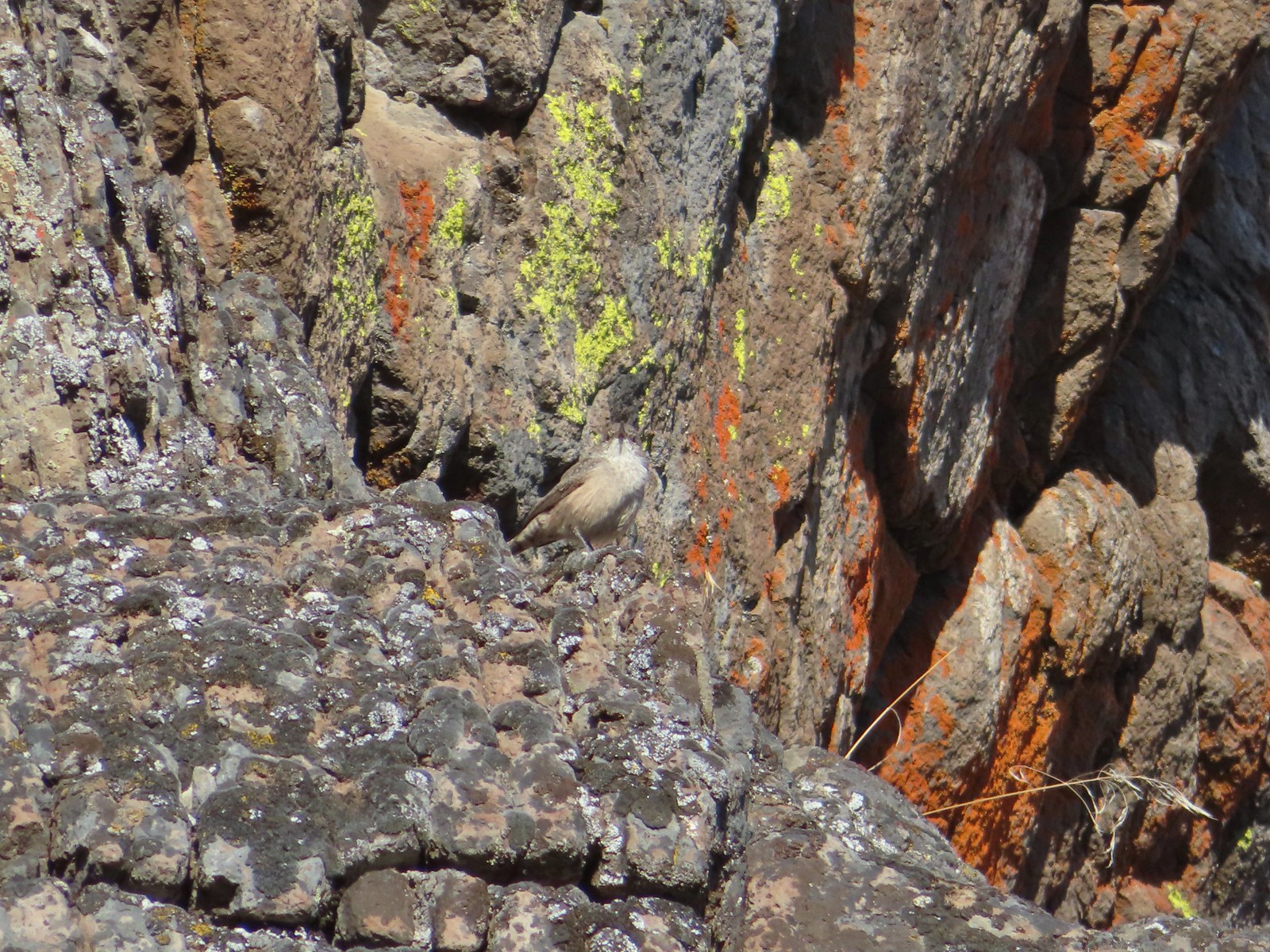 Wren
Wren Neat rock formation.
 Exiting Fryrear Canyon.
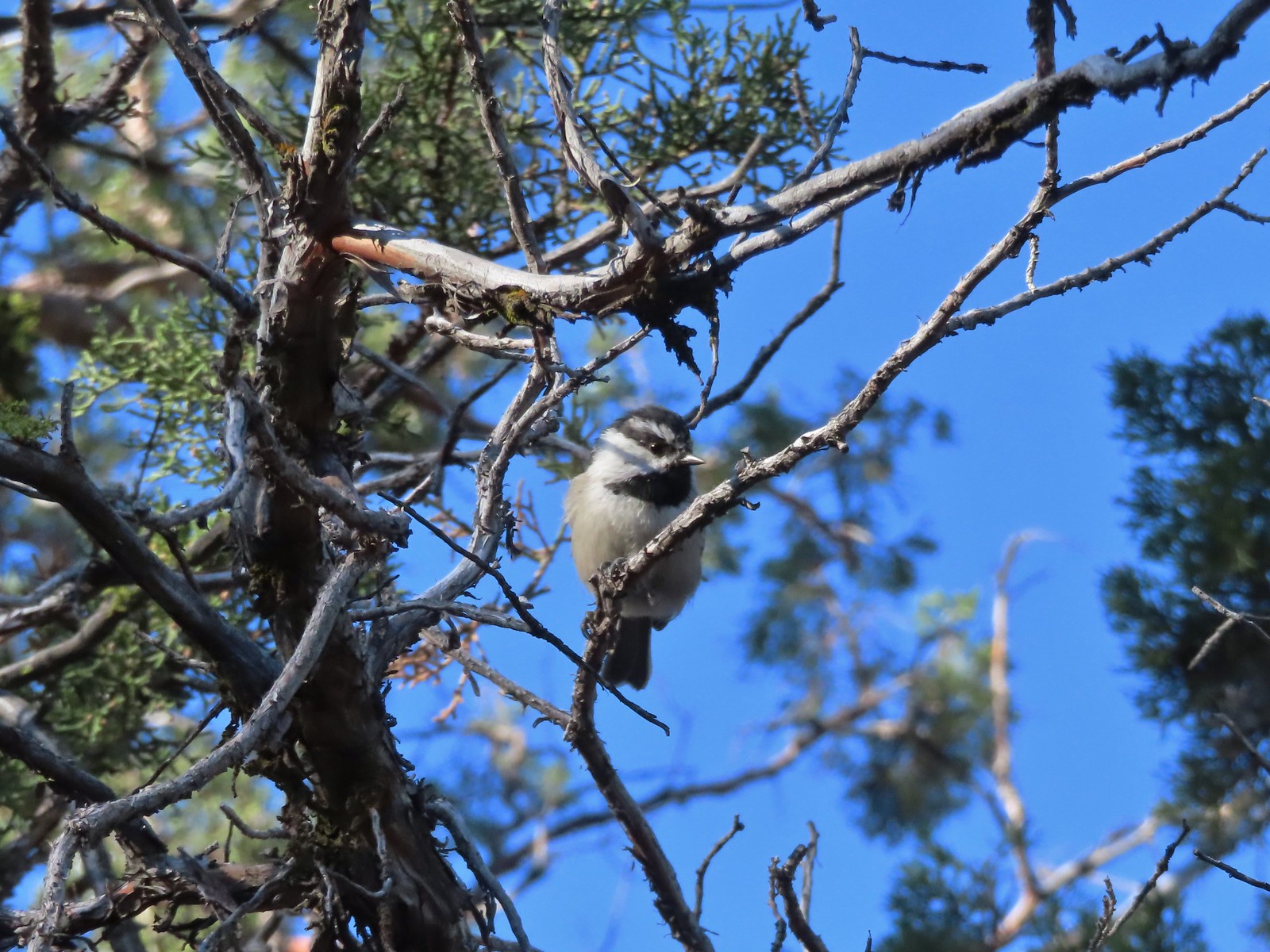 Several mountain chickadees came to investigate as we passed through the gate.

 Middle and North Sister
 Mountain bluebird
 South Sister
 Mt. Jefferson
 Broken Top and South Sister
 Broken Top behind some clouds.
 We turned right back onto the spur trail to the Fryrear Trailhead at the end of our loop.
 Stellars jay


 Open sign at the trailhead.
 Rabbit in the sagebrush.
 Some of the exposed rocks showed the work of the ancient river.
 Shaped by water.
 Colorful rock bands along the canyon wall.


 There is a huge nest up on the cliffs.
 The nest
 Wren
Wren American kestral
 Tall sagebrush in the canyon.
 The canyon reaches a depth of approximately 300′.


 Skipper
 I believe this is a ringlet of some sort.

 Heading toward the Evens Well Trailhead.
 Looking toward the Dry River Canyon from the plateau. It was impossible to tell that there was such a deep canyon out there.
 Pine Mountain (
 The rock steps were more obvious on the way down them.
 A sparrow behind the sticks the camera was intent on focusing on.
 Bee on buckwheat
 Arriving back at the official trailhead. Several SUVs were now parked here.
 They’re hard to make out but the Middle and North Sisters were visible from the road walk back to the gravel area.
 The trailhead at the campground.
 Neat map at the trailhead.
 Gold flagging on the sagebrush ahead marked the junction.
 The trail followed a fence line before turning right along Highway 395.
 Tiny frog
 The trail crossed this gated road near the highway. A blue diamond marked the trails continuation.
 One of several interpretive signs along the loop.
 Squirrel
 The highway was just out of sight to the left.
 Big ponderosa
 We crossed the campground road and quickly realized our mistake and backtracked.
 This time we spotted the correct trail and forked right here.
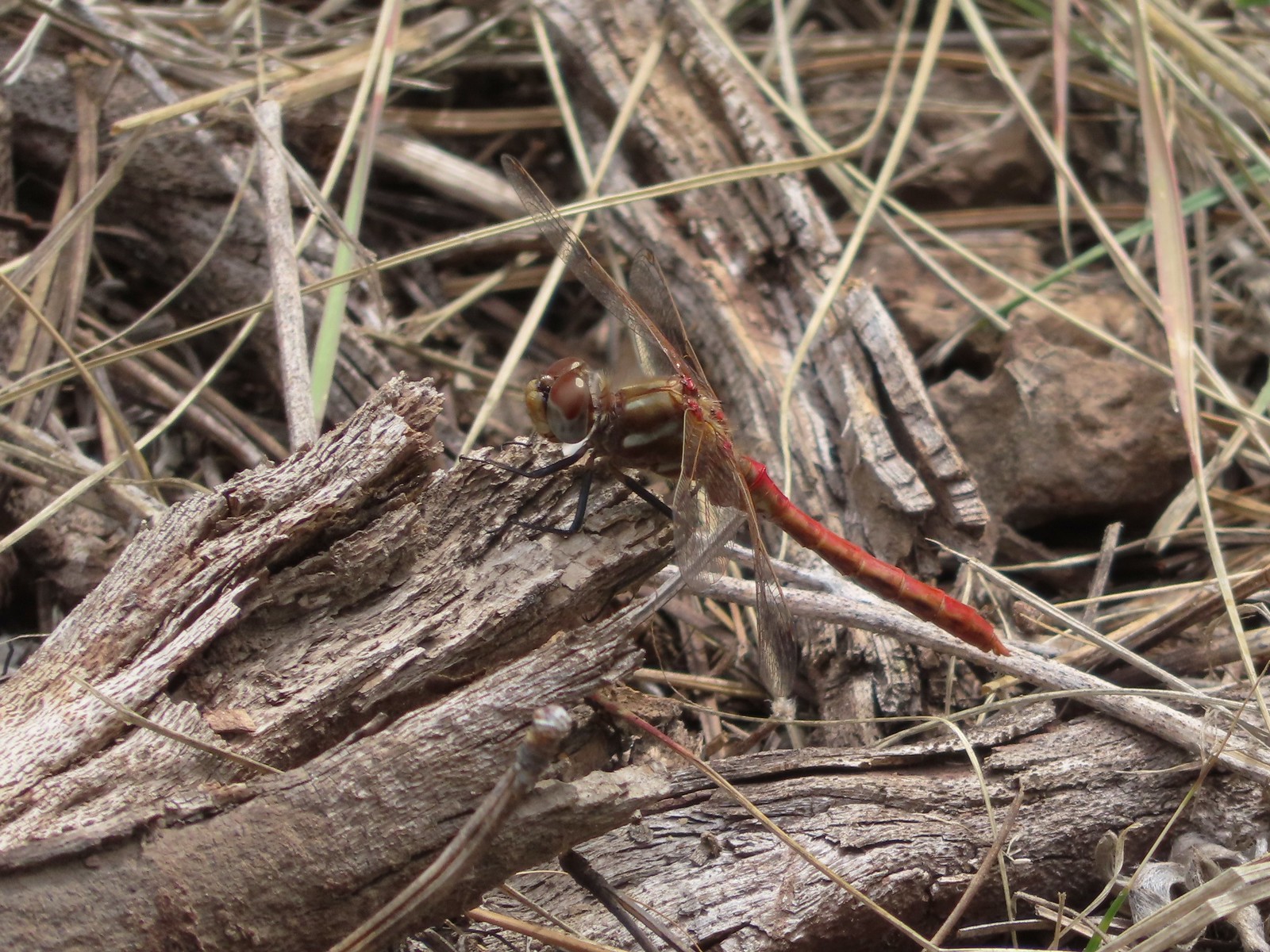 There were lots of dragonflies in the area.


 Golden-mantled ground squirrel already sporting some of its winter weight.
 We turned right here onto the Devine Summit Trail.
 Deer in the forest.
 There was a bit of blowdown to navigate along the trail.
 Some maintenance had been done in the past. There were also a good number of benches along the trail, all of which were accompanied by a post with a number.
 Another bench near this fence.
 Ponderosa forest
 White breasted nuthatch
 Another post and bench.
 Arriving at the Idlewild Loop on the far side of the fence.
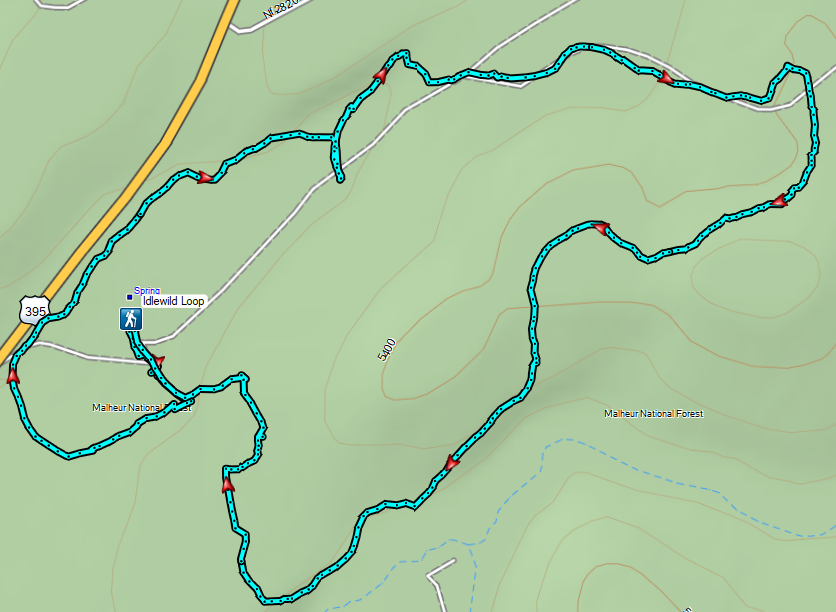
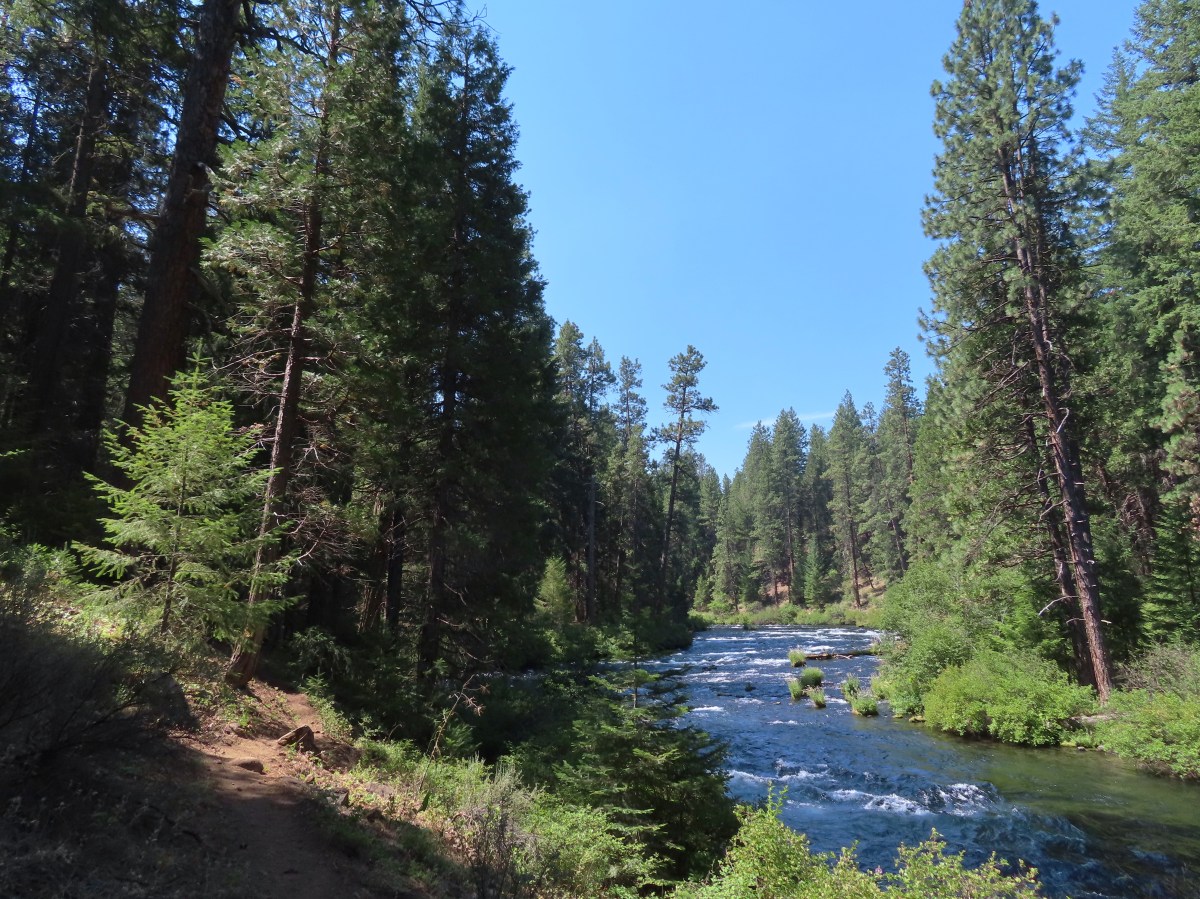


 The sign is visible from the campground road.


 Common mergansers
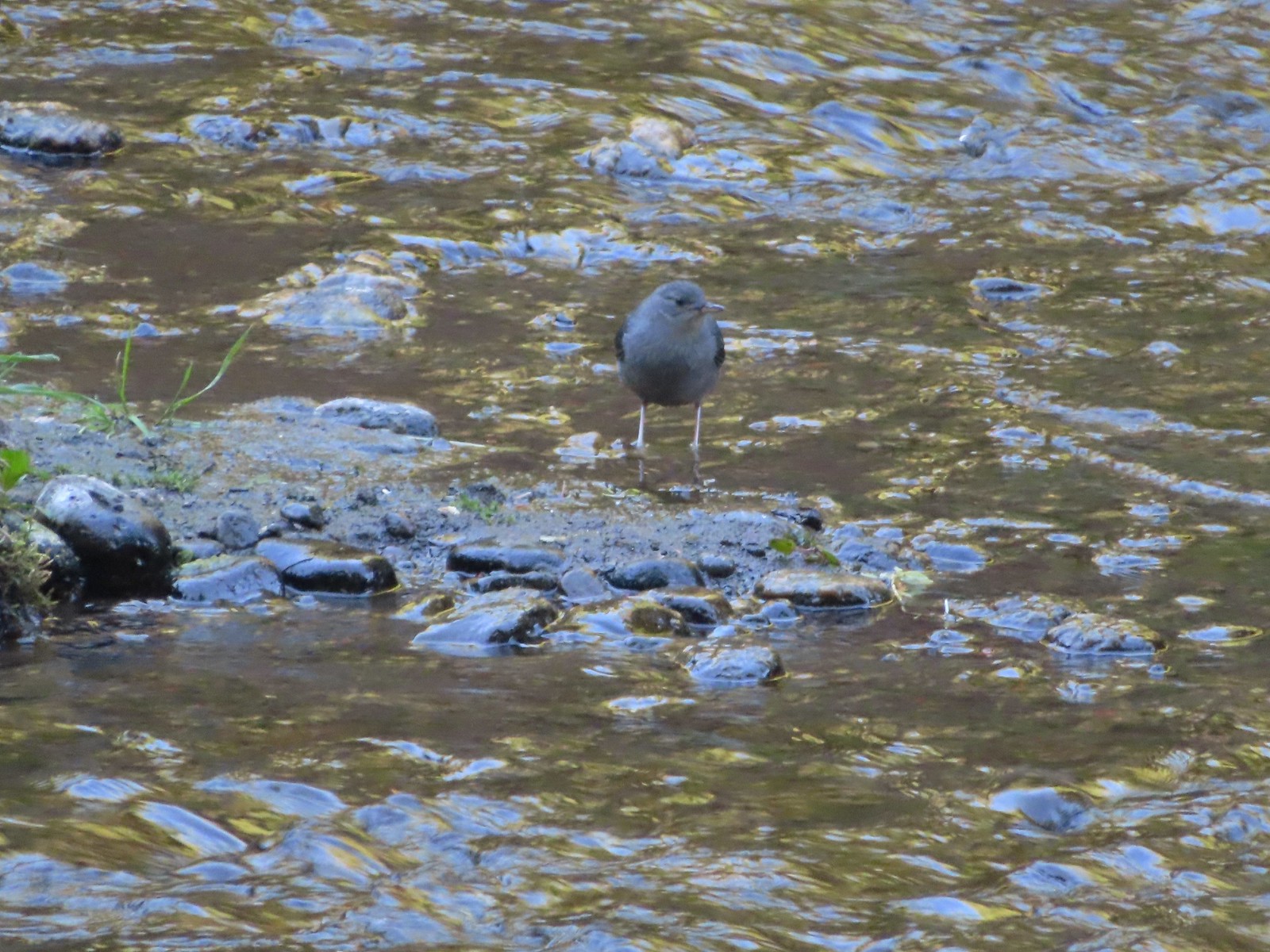 Ouzel
Ouzel Goldenrod
 Passing some of the campsites.
 The Candle Creek Campground across the Metolius.
 We actually went left below the stump here but, on the way back wound up coming downhill by the stump.
 More campsites.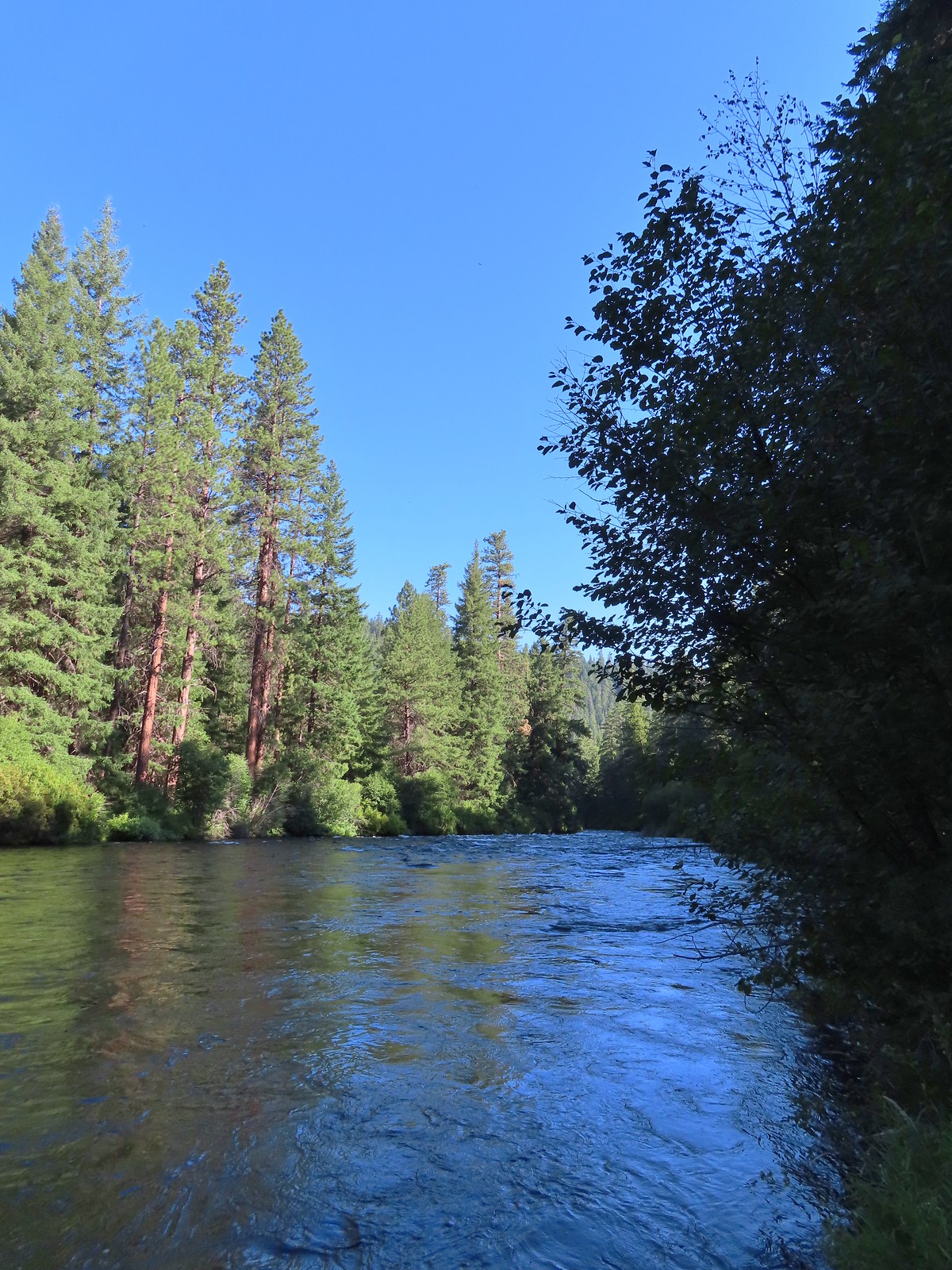
 As we got further from the campground we encountered more and more brushy sections.
 Another section with an increased number of obstacles.
 Getting a bit brushier.
 We left the river for the road at this bend.
 Heading up to the road.
 The use trail from the road.
 We wondered what this post signified.
 They were way past blooming but there were several mountain lady slippers along the road.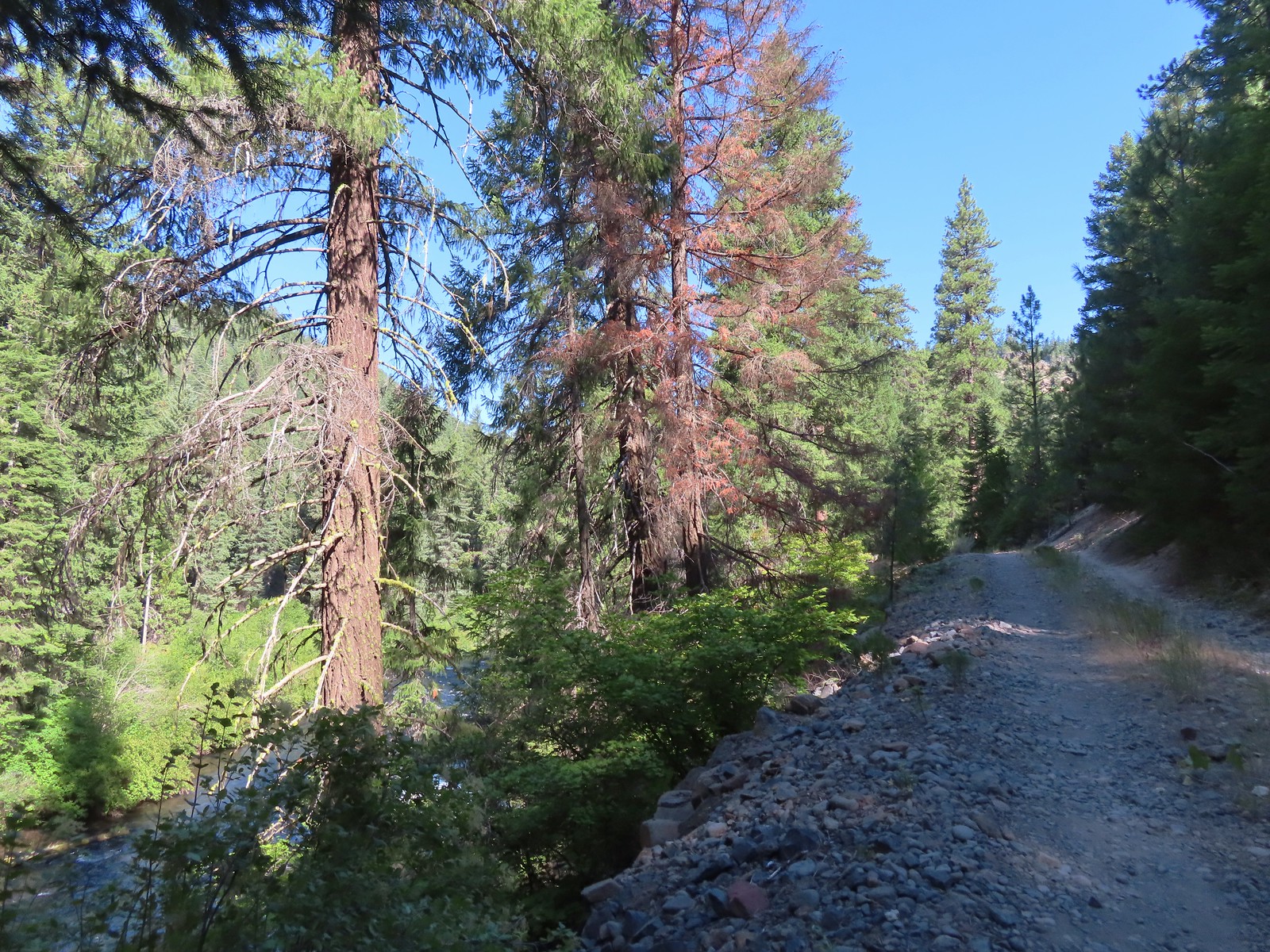
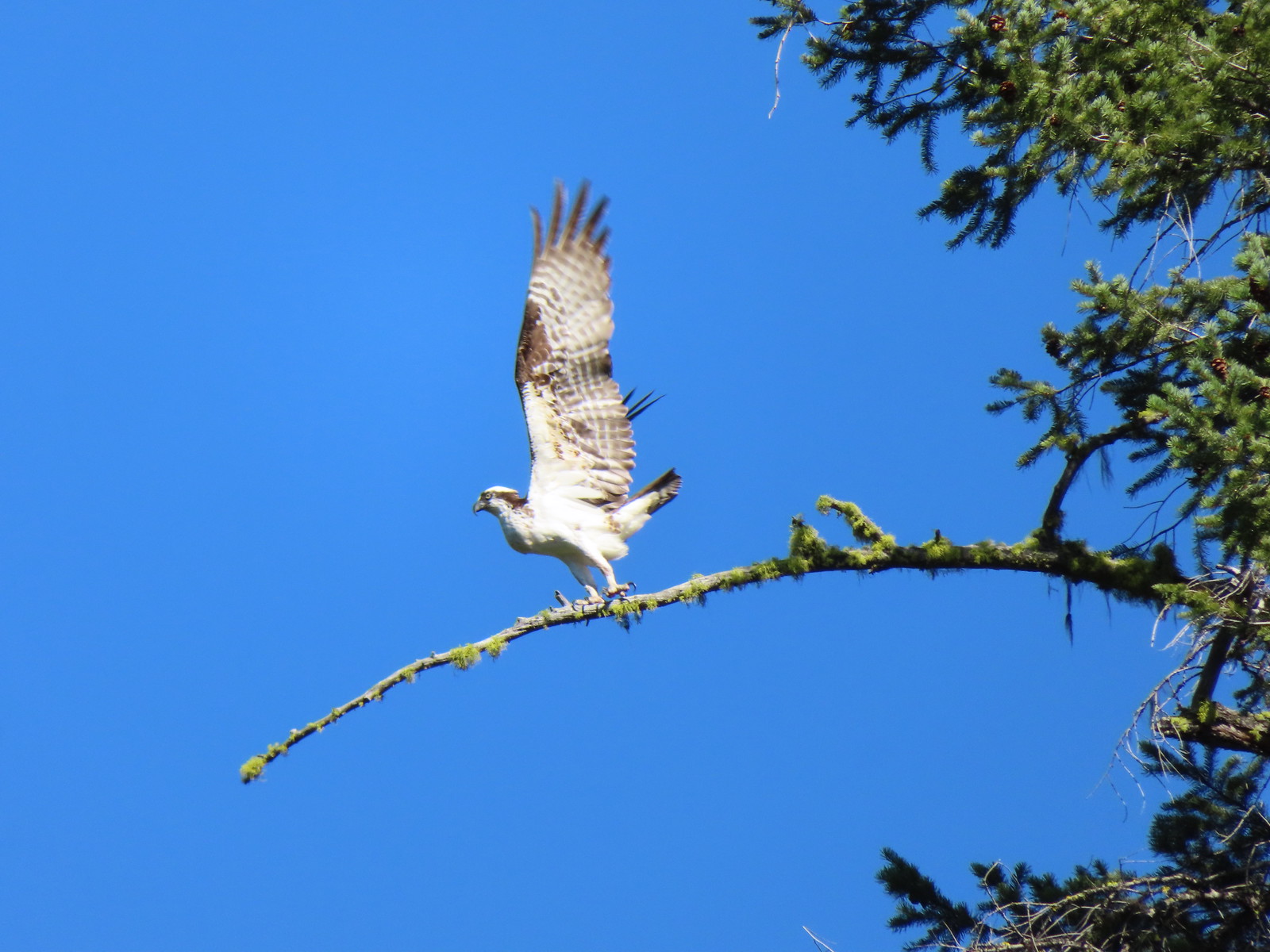
 Osprey nest
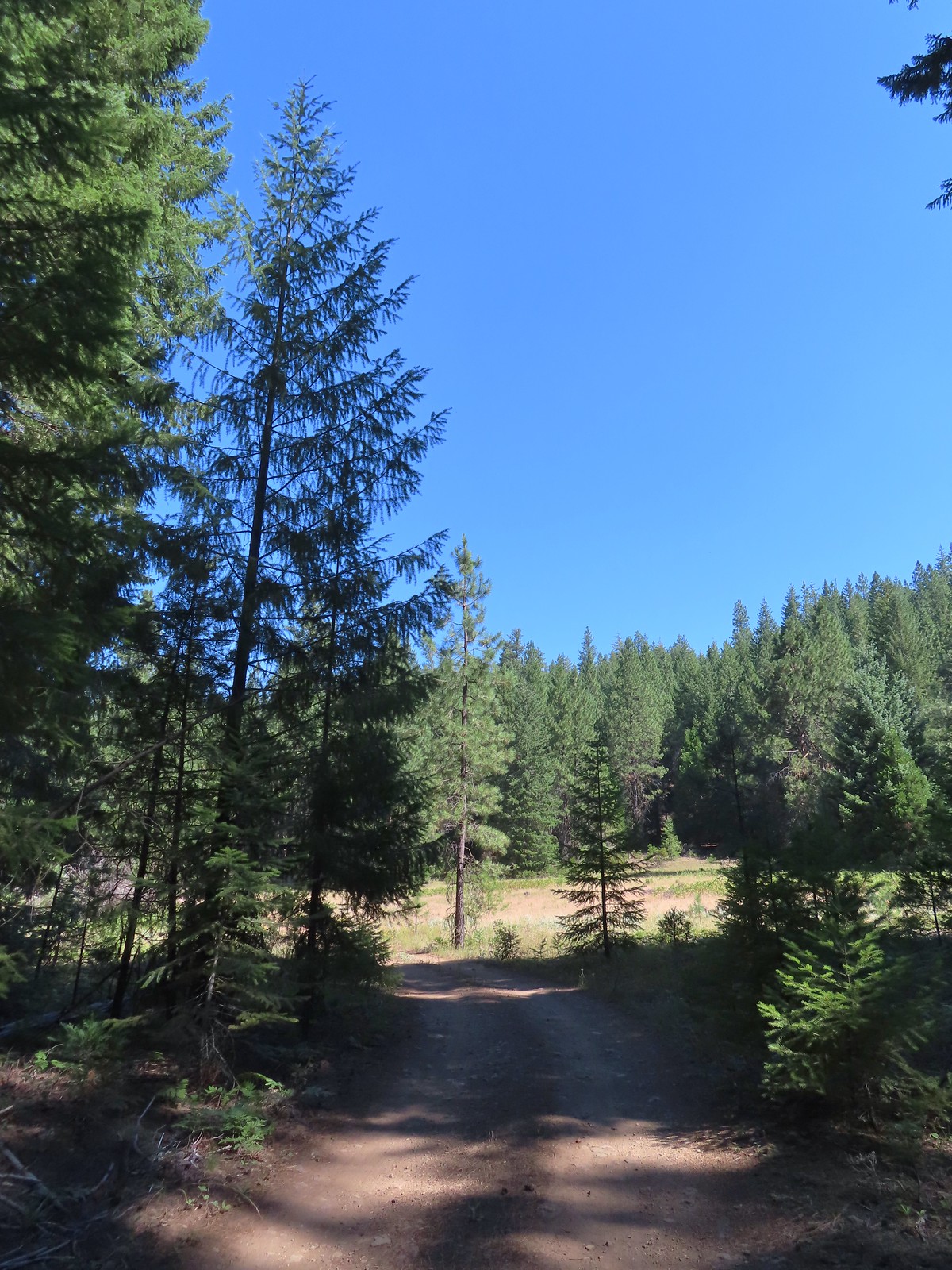
 Rock spire on lower section of Green Ridge. There are several interesting rock features higher up on the northern end of Green Ridge that were not visible from the road.
 Orchid
 Scarlet gilia
 Some of the private cabins from the road.


 A couple more cabins.
 The end of the private land.
 The clear water allows for nice views of the rocks making up the riverbed.
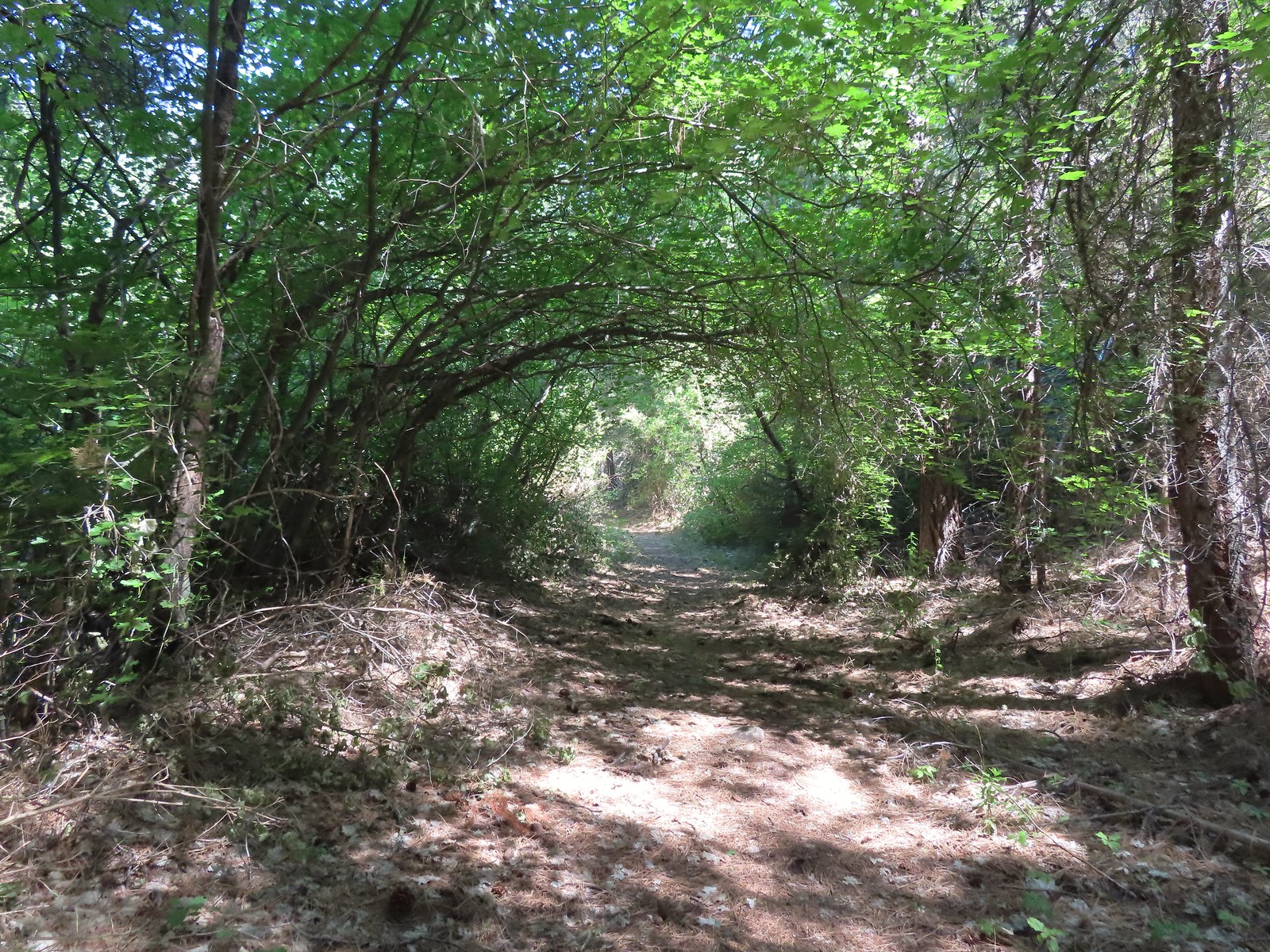
 Even though it had received maintenance the road was not in good enough condition for larger vehicles.

 Pink monkeyflower

 Lorquin’s admiral
 The forest opened up near the end of the road where we set up camp.
 Campsite
 Yellow monkeyflower
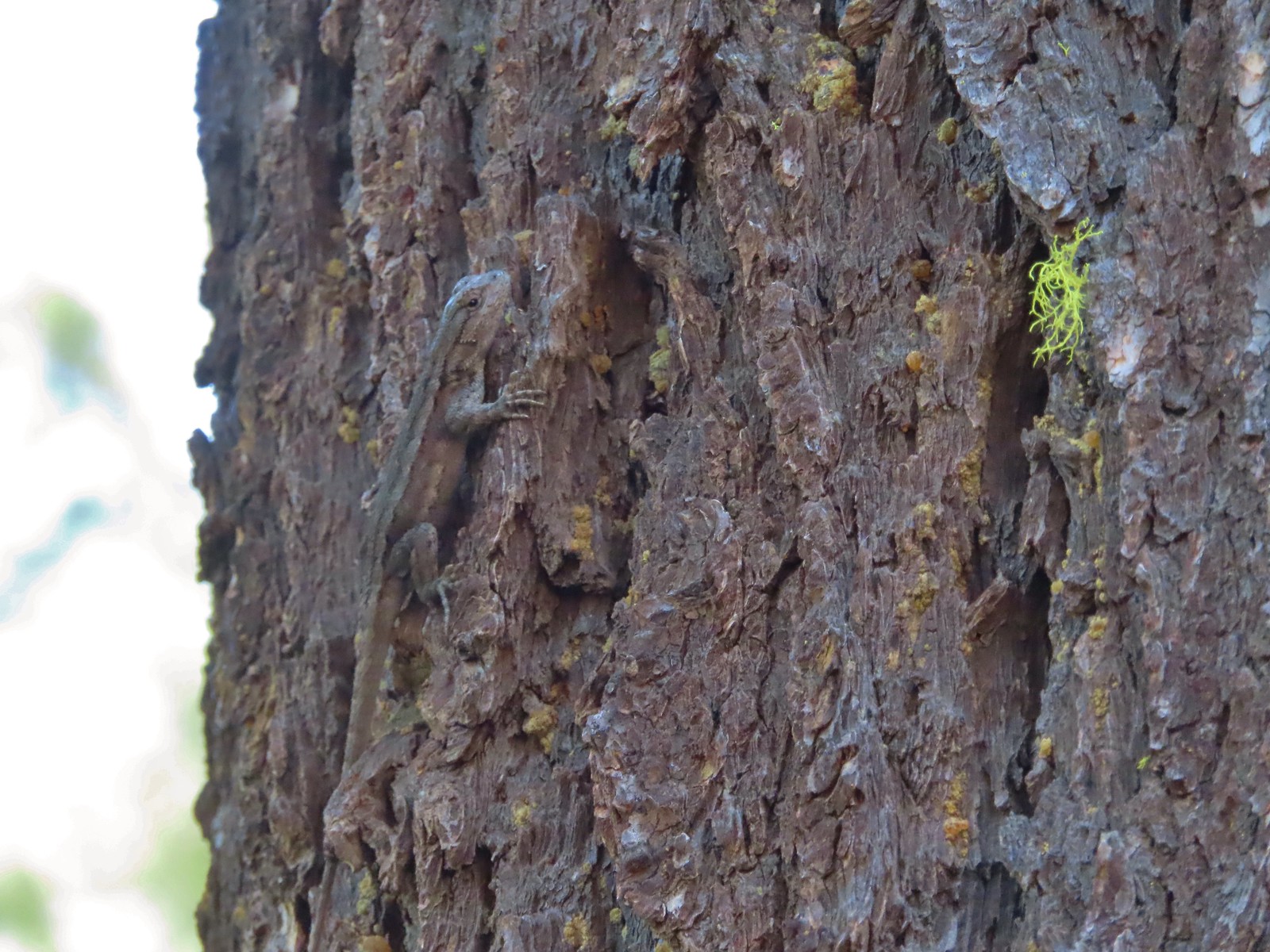 Lizard hanging out near the campsite.

 Grouse
 The answer to the questions is yes bears do.
 The Metolius through the trees.
 Sagebrush mariposa lily. There also tire tracks in the trail behind.
 Recent brushing had been performed through this area.
 Looking up the end of Green Ridge.
 This large tree had been cut fairly recently.
 Flagging marking a reroute around a downed tree.
 Starting to get brushy.
 View across the river to the Warm Springs Indian Reservation.
 Flowers along the Metolius.
 The Whitewater River was behind the rock formation on the far side. The Whitewater River begins at the Whitewater Glacier on Mt. Jefferson and flows roughly 7.5 miles through the Warm Springs Reservation to the Metolius.
 More clear water.
 Fireweed
 Thimbleberries provided us with a few after dinner snacks.
 Hedgenettle
 The Shut-In Trail traveled right along the riverbank at times.
 There was a small set of boards nailed together to assist with crossing the sketchiest part, but they were just lying on the hillside and not anchored in any way.
 The Shut-In Trail from CR-64.
 CR-64
CR-64
 Frog on a skunk cabbage leaf. There were a few wet areas along the Shut-In Trail which meant a few mosquitos were present.
 The Sun going down as we approached camp.
 Pinedrops
 Squirrel
 Bee sleeping on thistle.
 Large boykinia
 We t
We t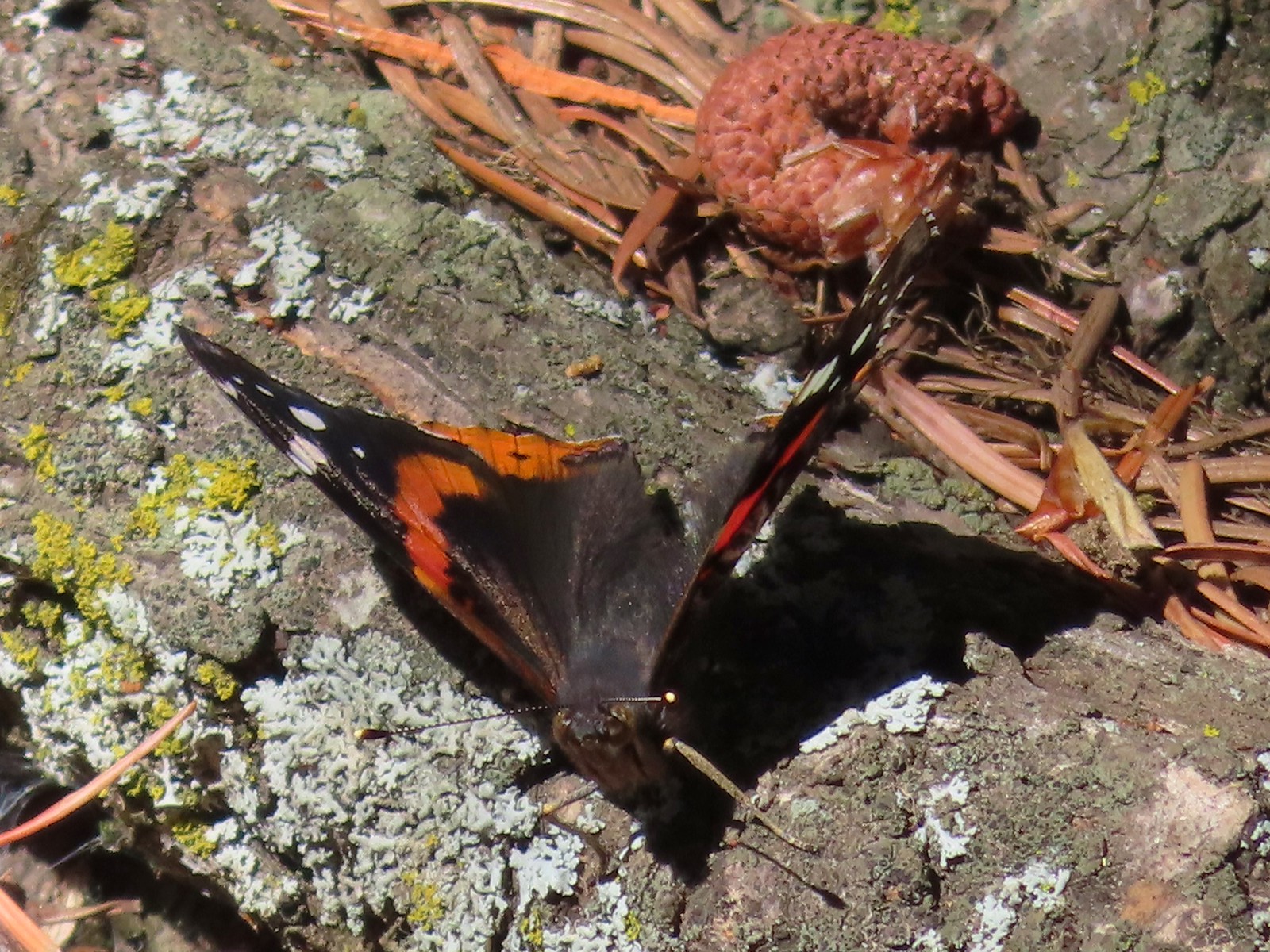 Red admiral. As far as I know this is the first one of this species of butterfly that we’d seen.
 Common wood nymph
 Across from the Candle Creek Campground.
 Green Ridge through some smoke. A couple of new fires, one on the Warm Springs Reservation and one East of Eugene had started over the weekend.
 Love the colors of the Metolius.
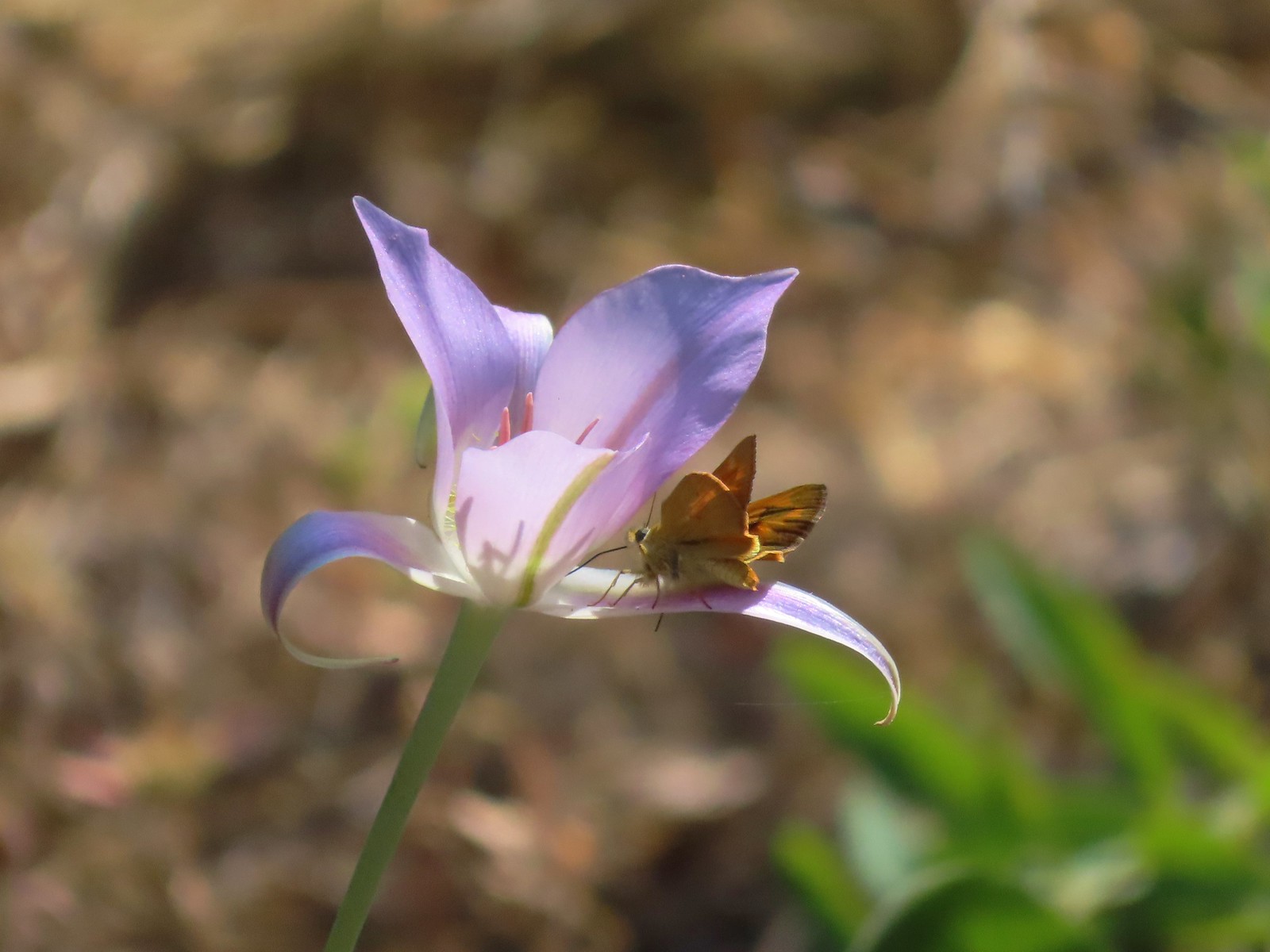 Skipper on a mariposa lily.
 Lower Bridge Campground is ahead to the left in the trees.
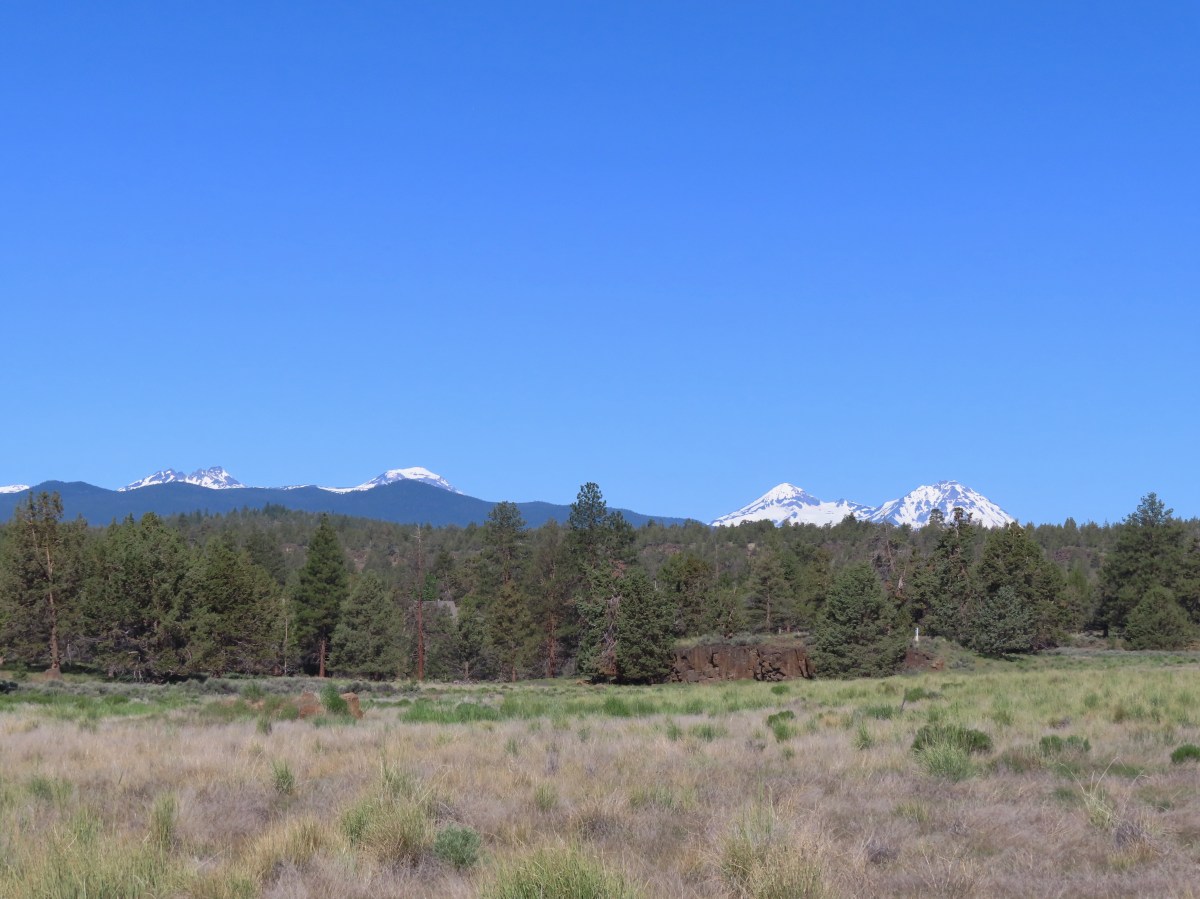

 Mt. Bachelor (
 The start of the Juniper Loop.
 Similar to the Metro Parks we’ve recently visited there were small maps on the trail pointers here.
 Middle and North Sister
 Blurry shot of the deer.
 Mt. Bachelor, Broken Top, and the Three Sisters.
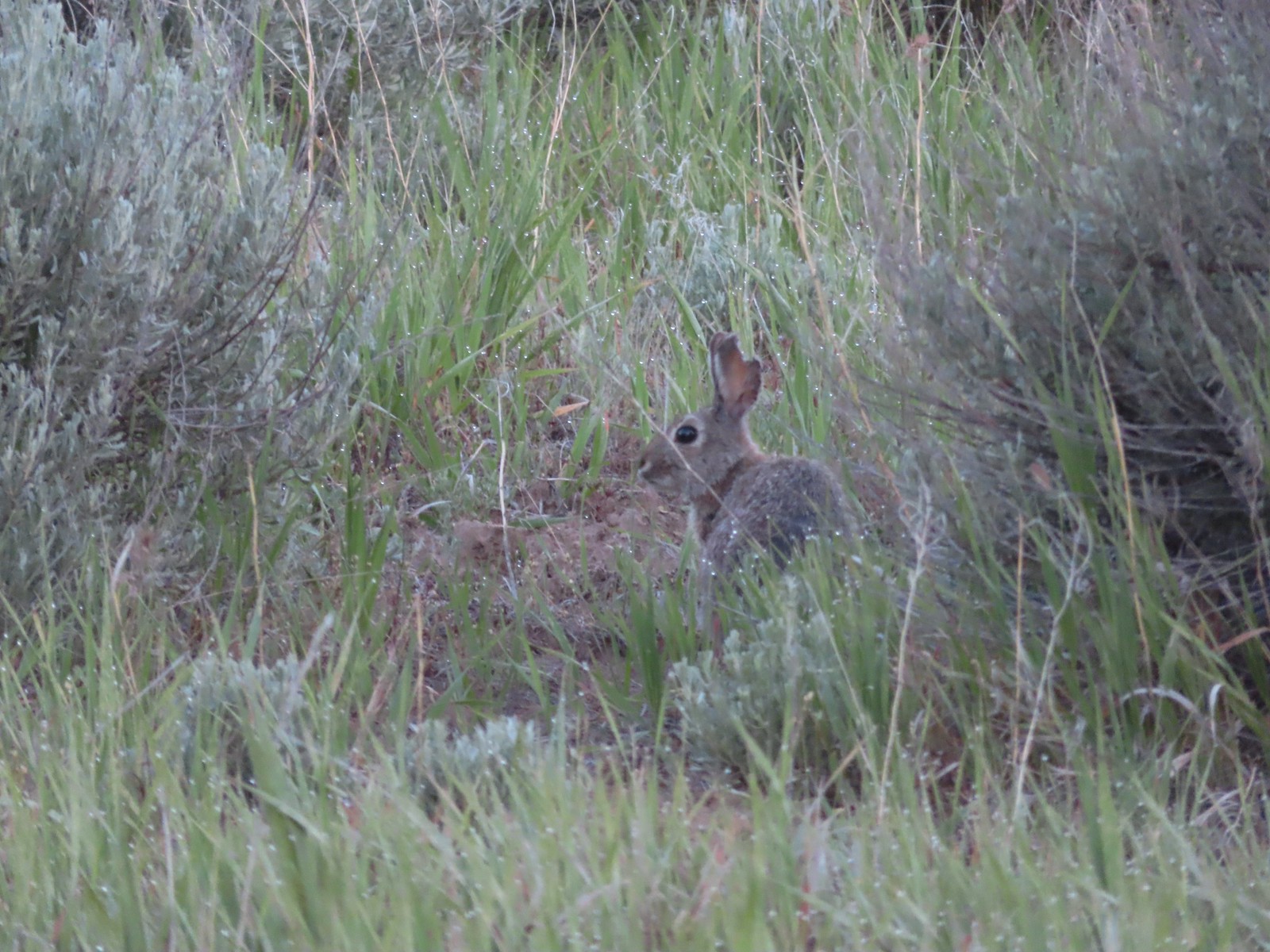 Rabbit
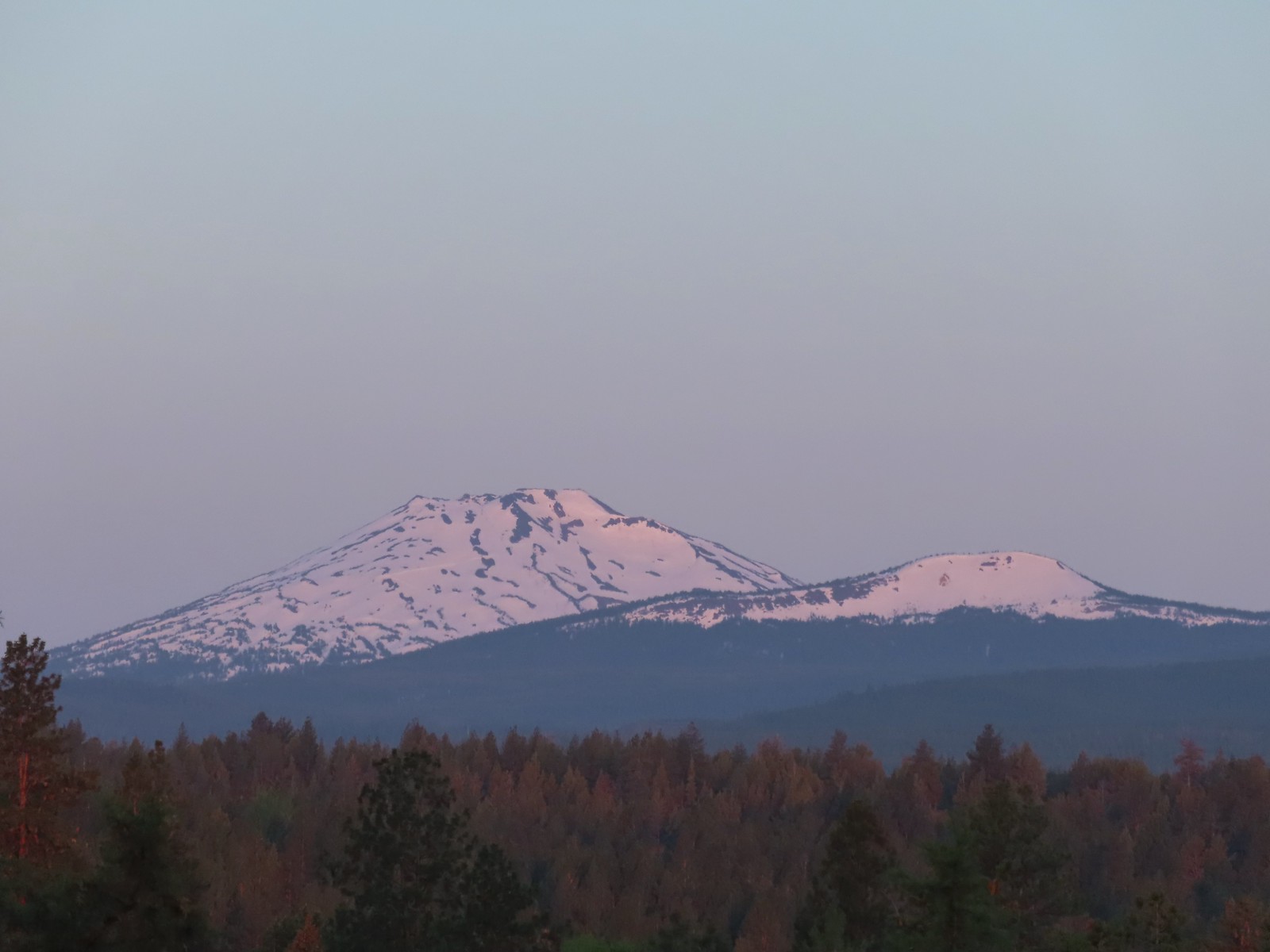 Mt. Bachelor and Tumalo Mountain (
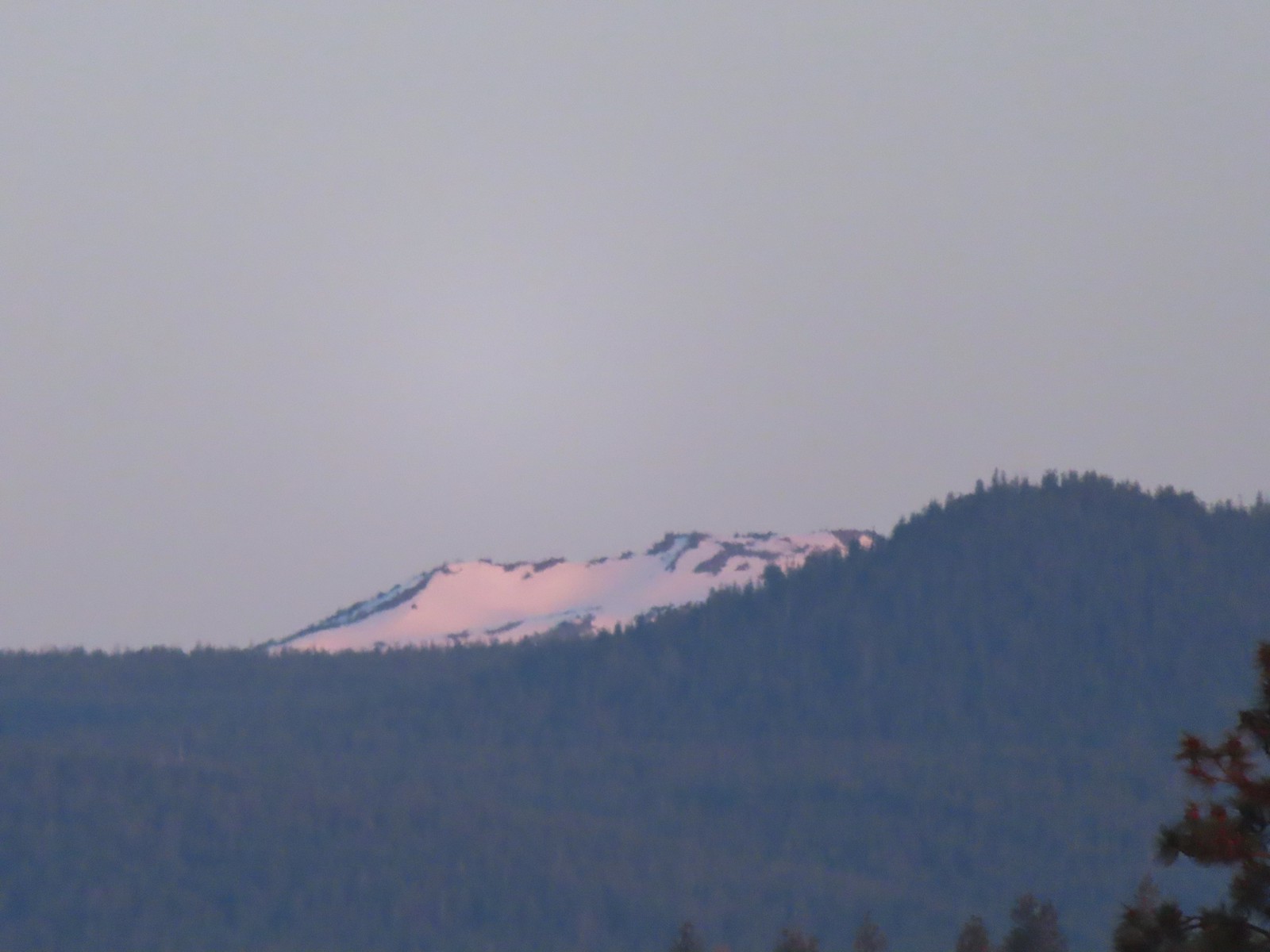 Ball Butte
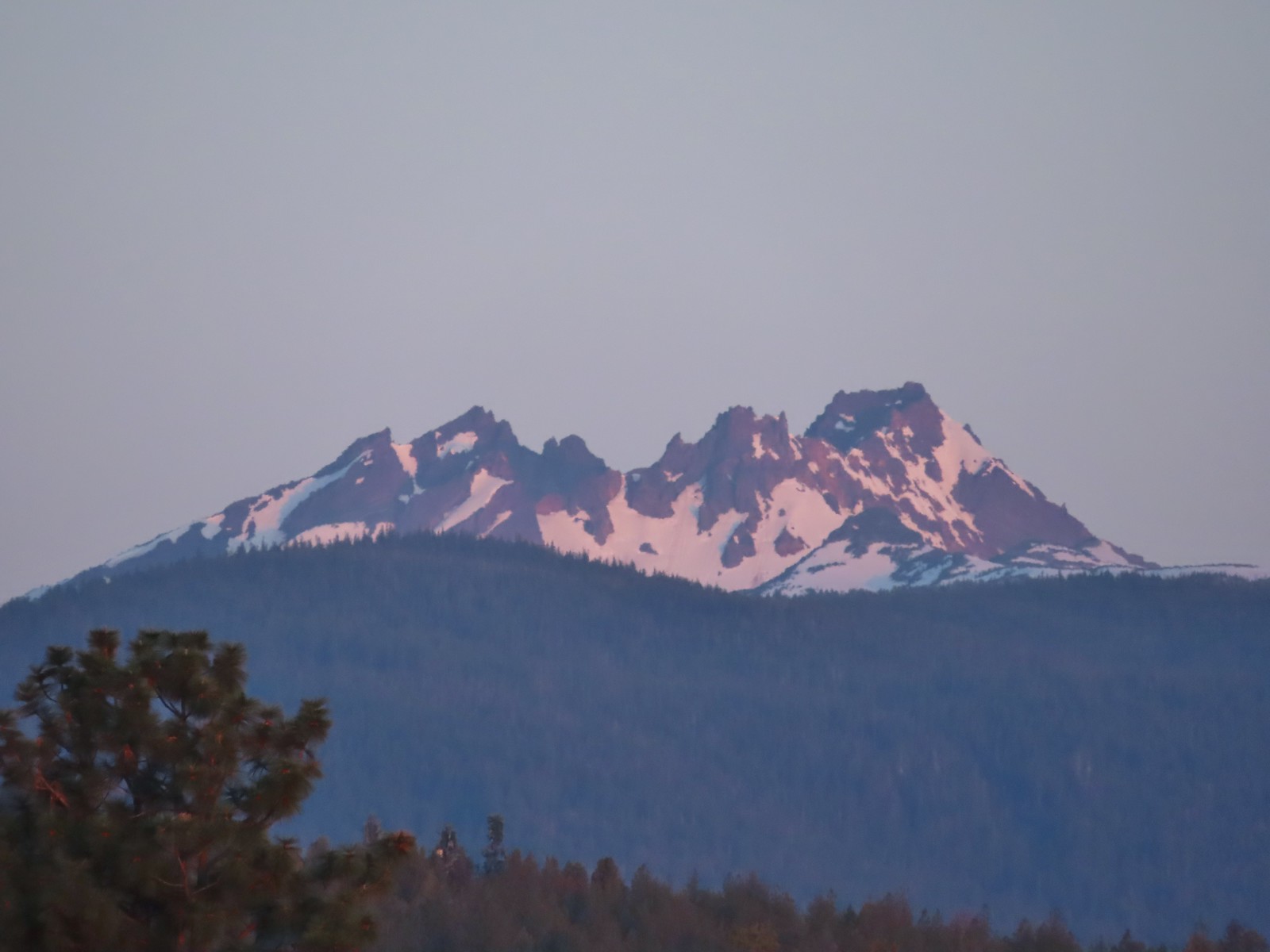 Broken Top (
 South Sister (
 Middle and North Sister
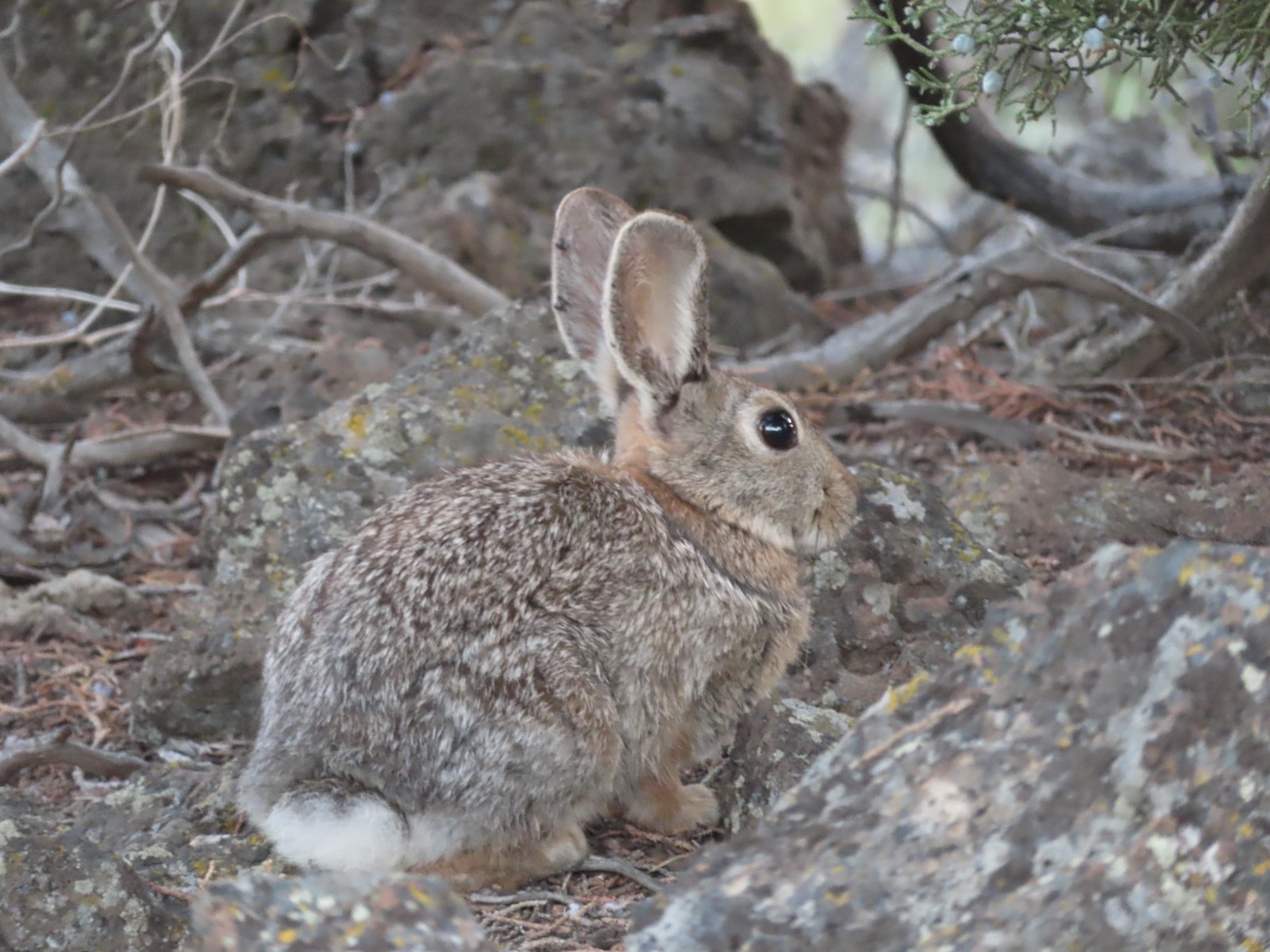
 We passed by the shared Juniper/Sage Flat Trail and continued on the Sage Flat Loop.
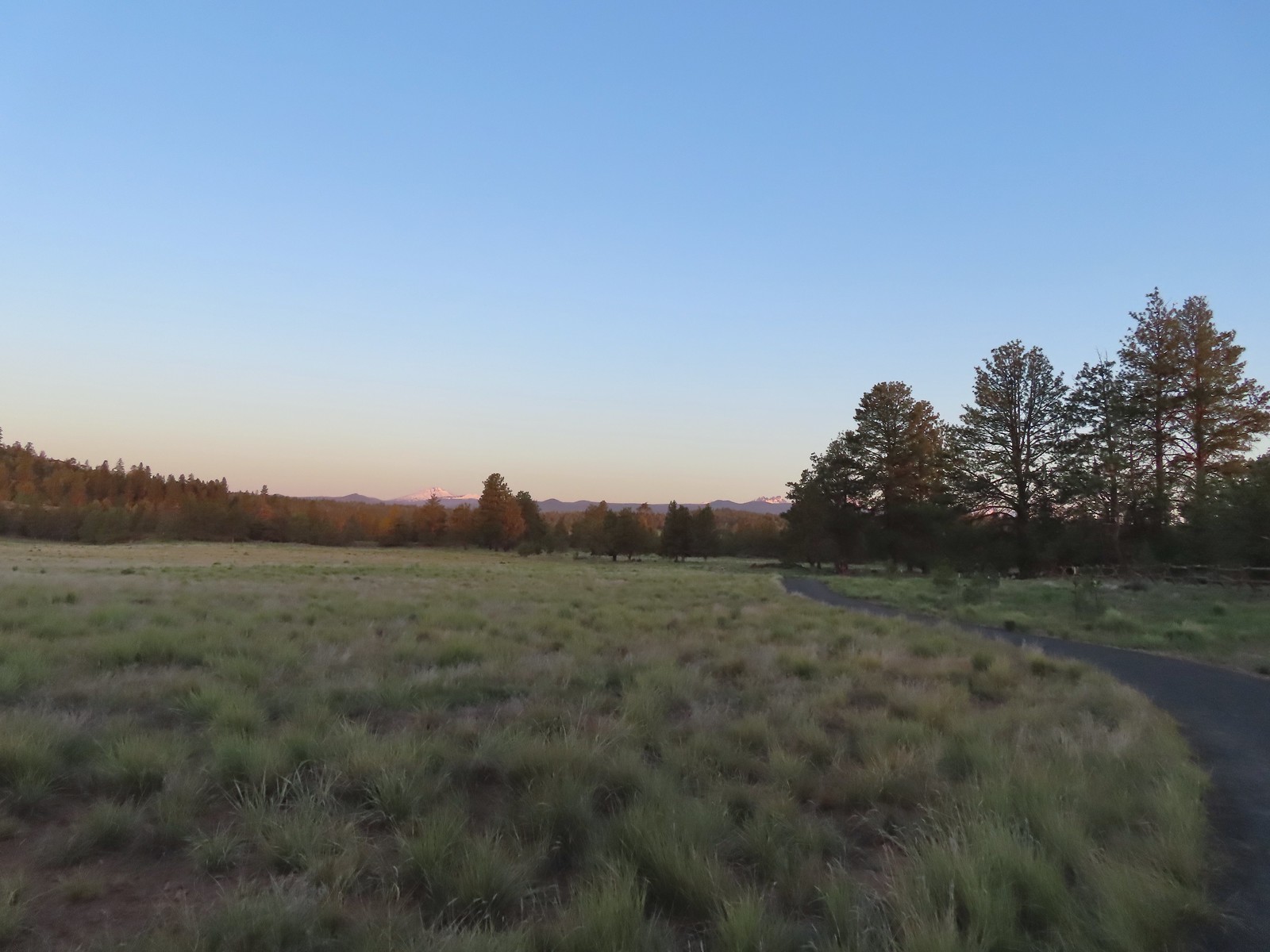 Sageflat Loop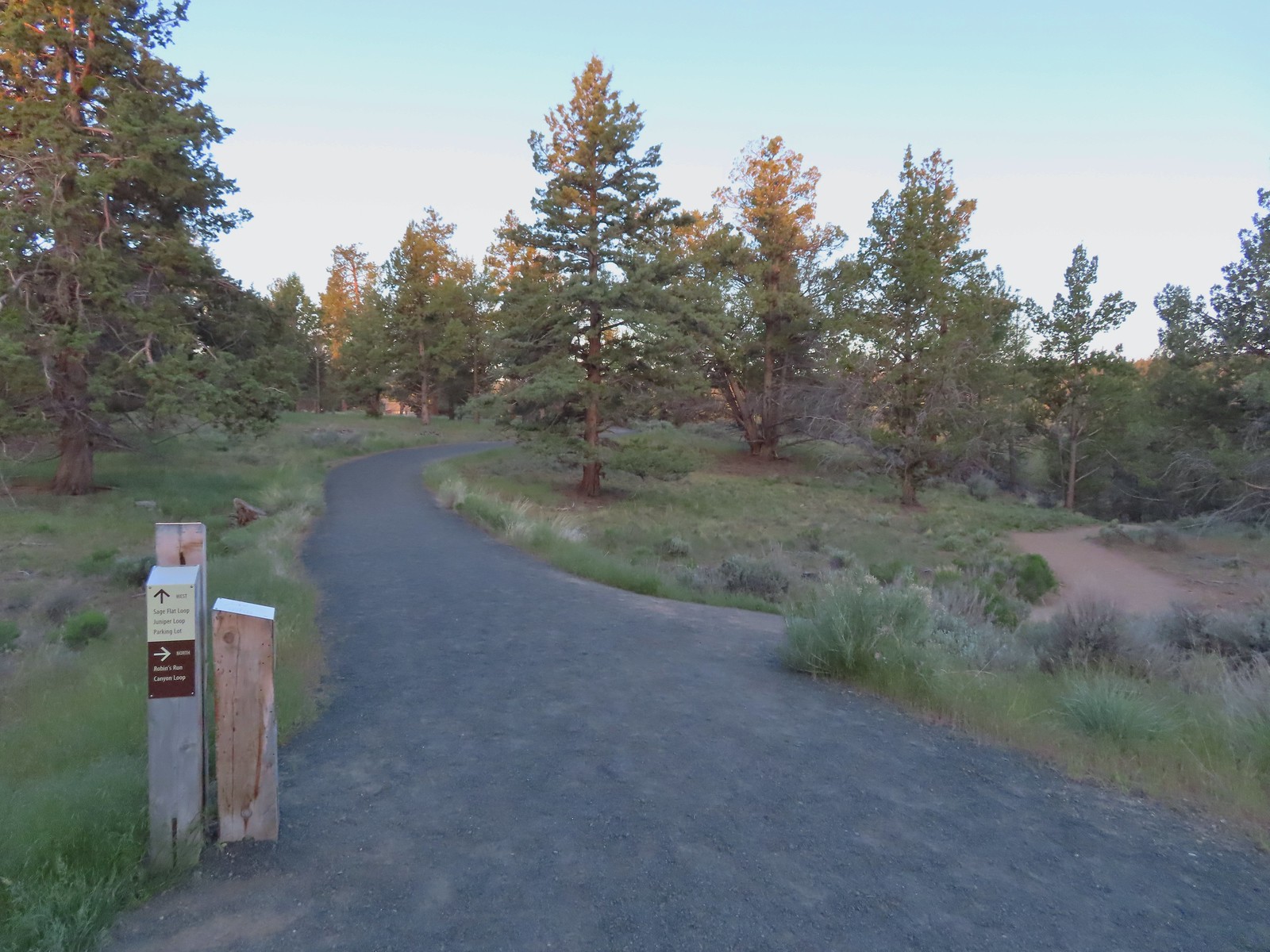
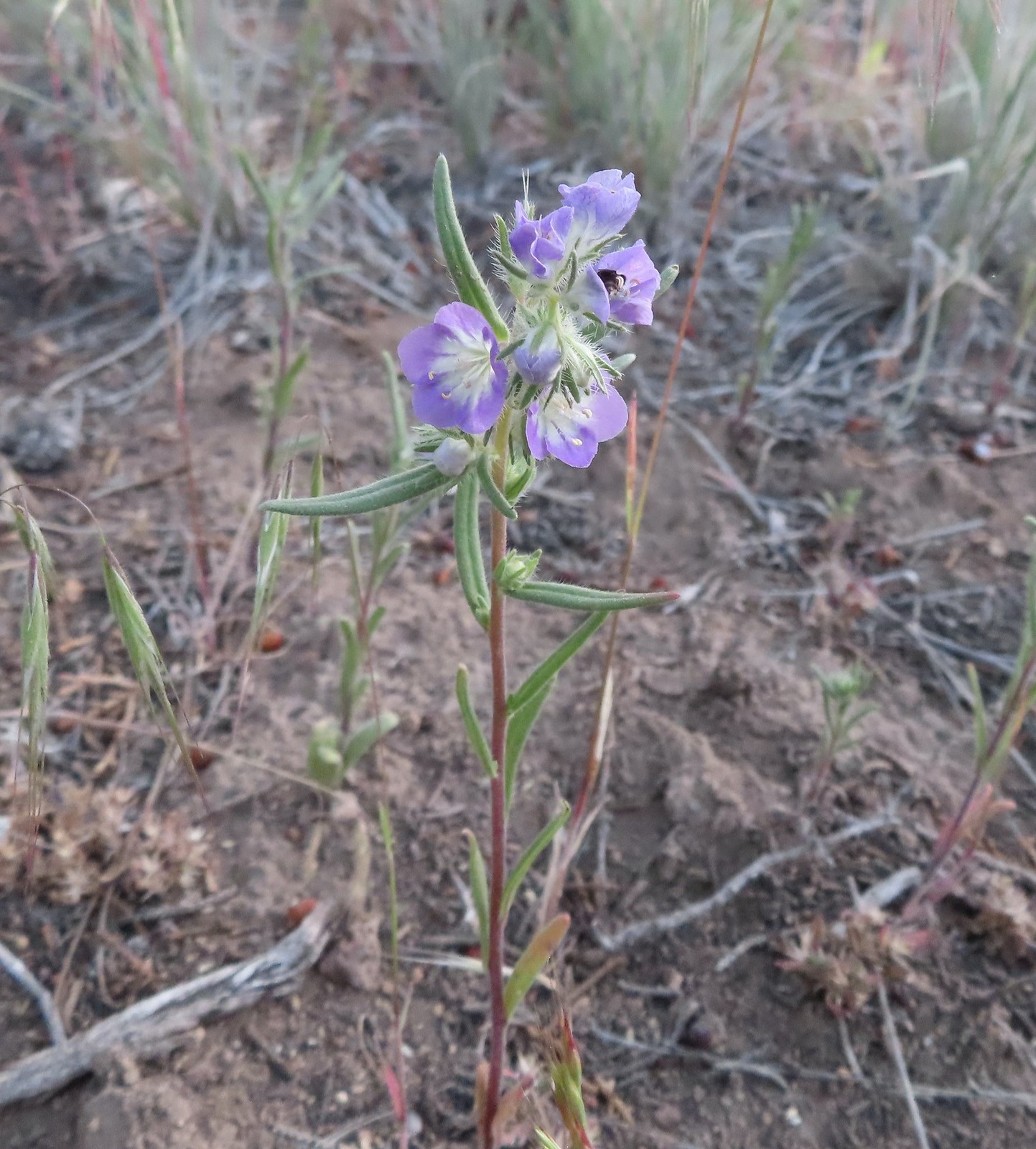 Threadleaf phacelia
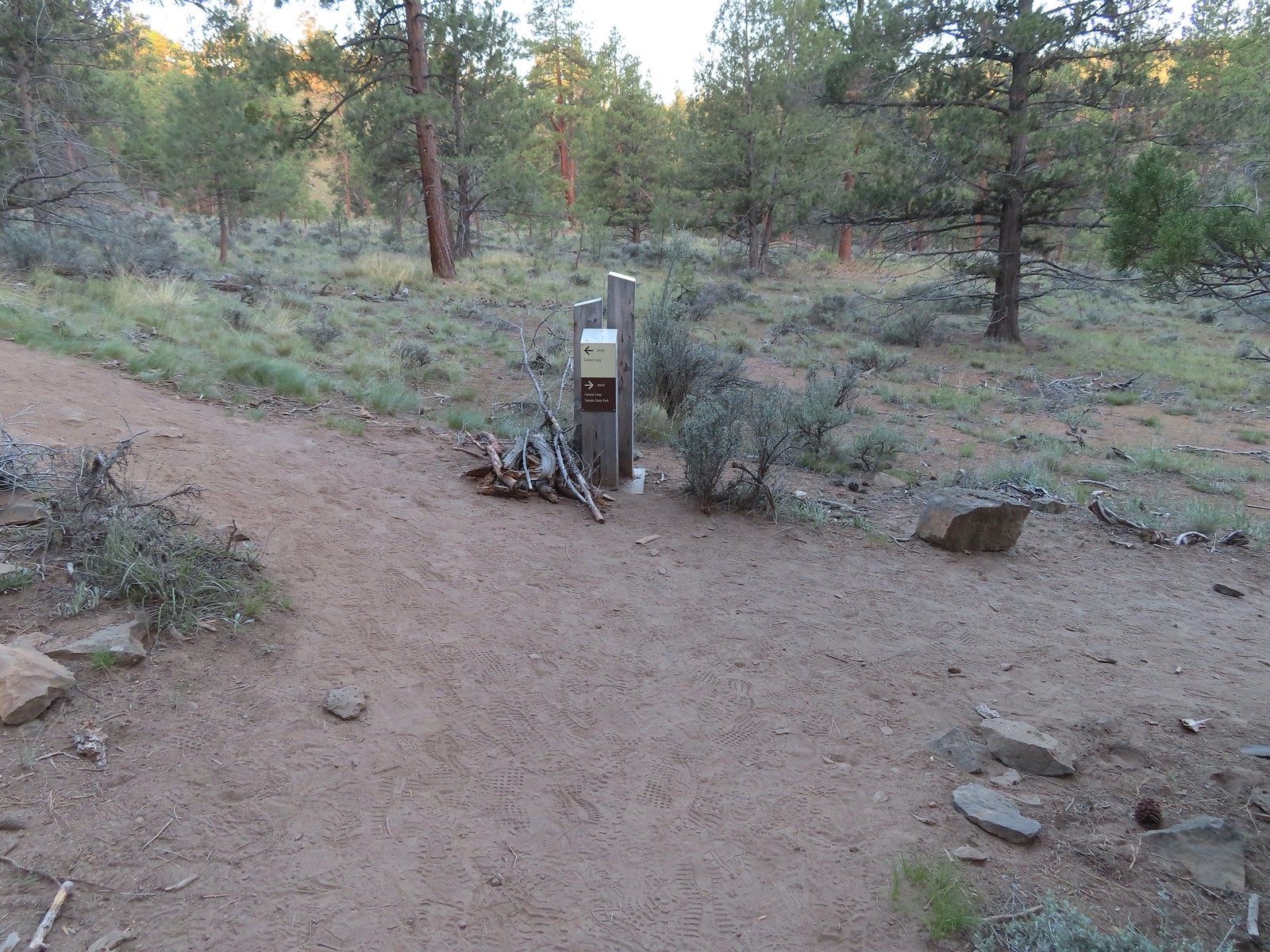
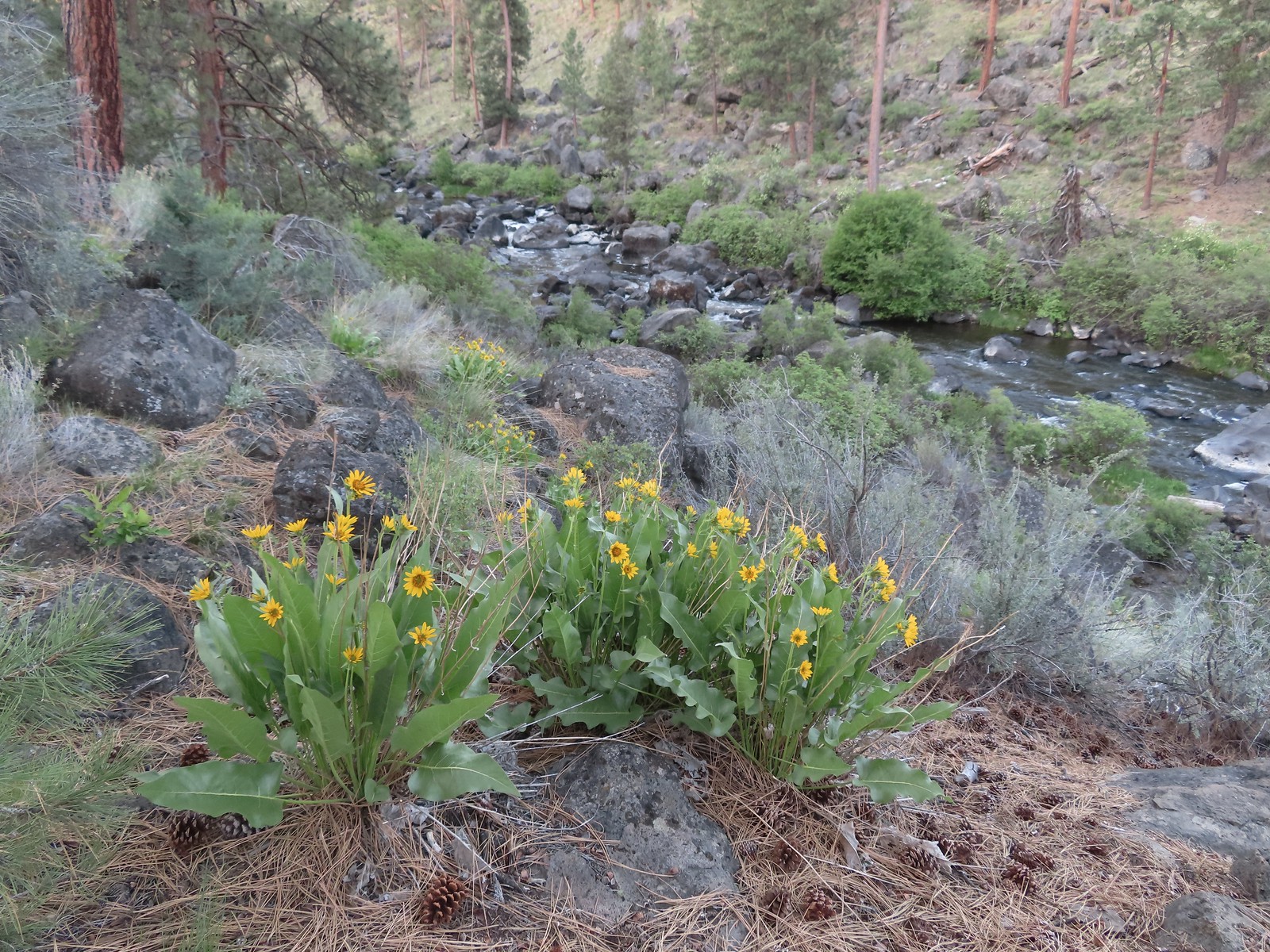 Balsamroot along the Deschutes.
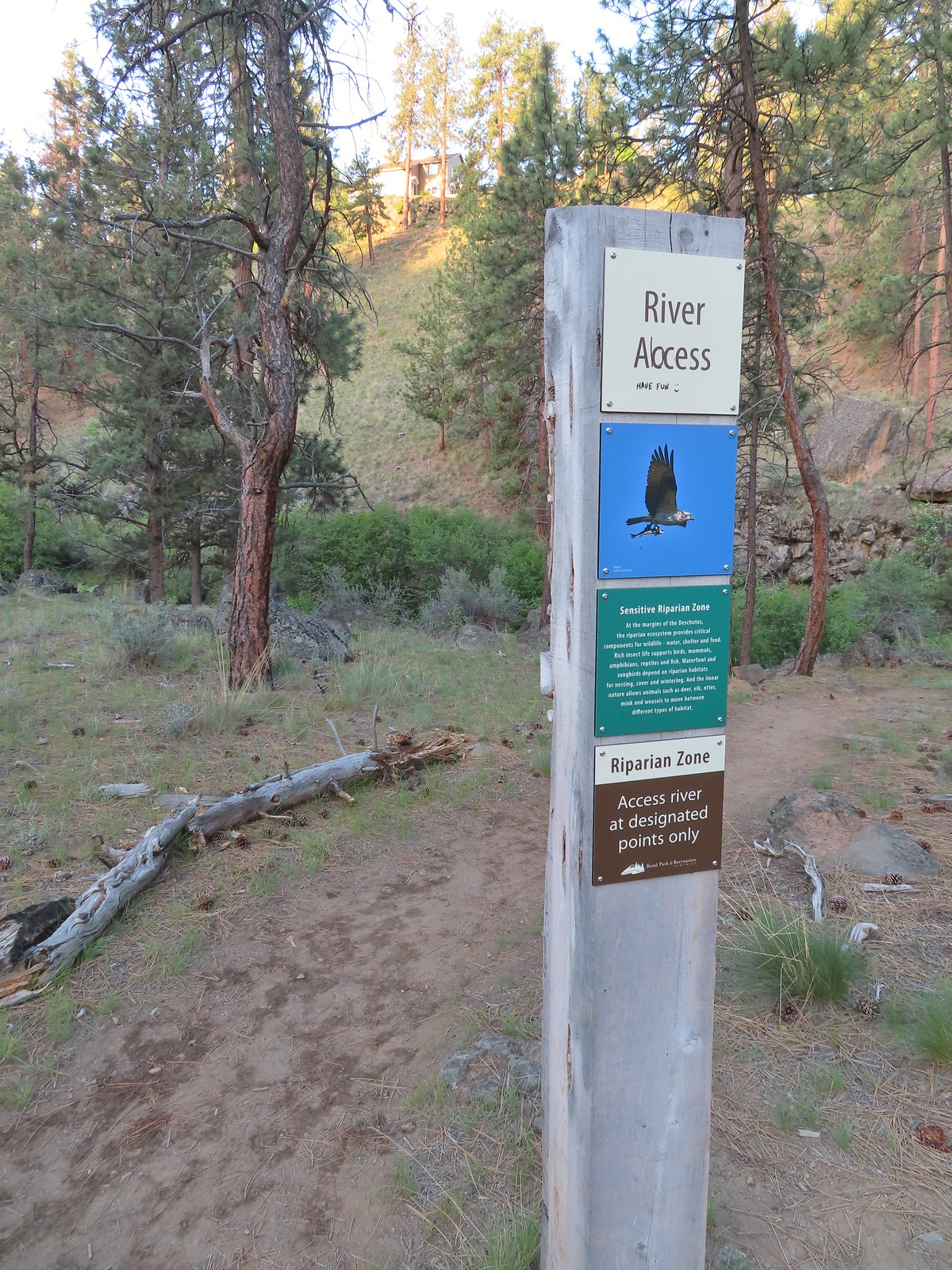


 Robin
Robin Longhorn plectritis
 Blackheaded grosbeak
 Heather waited below while I climbed the outcrop.
 The bench on top.
 The top of the outcrop.

 Western stoneseed
 Larkspur
 I spotted something head into the river from the grass on the near bank here.
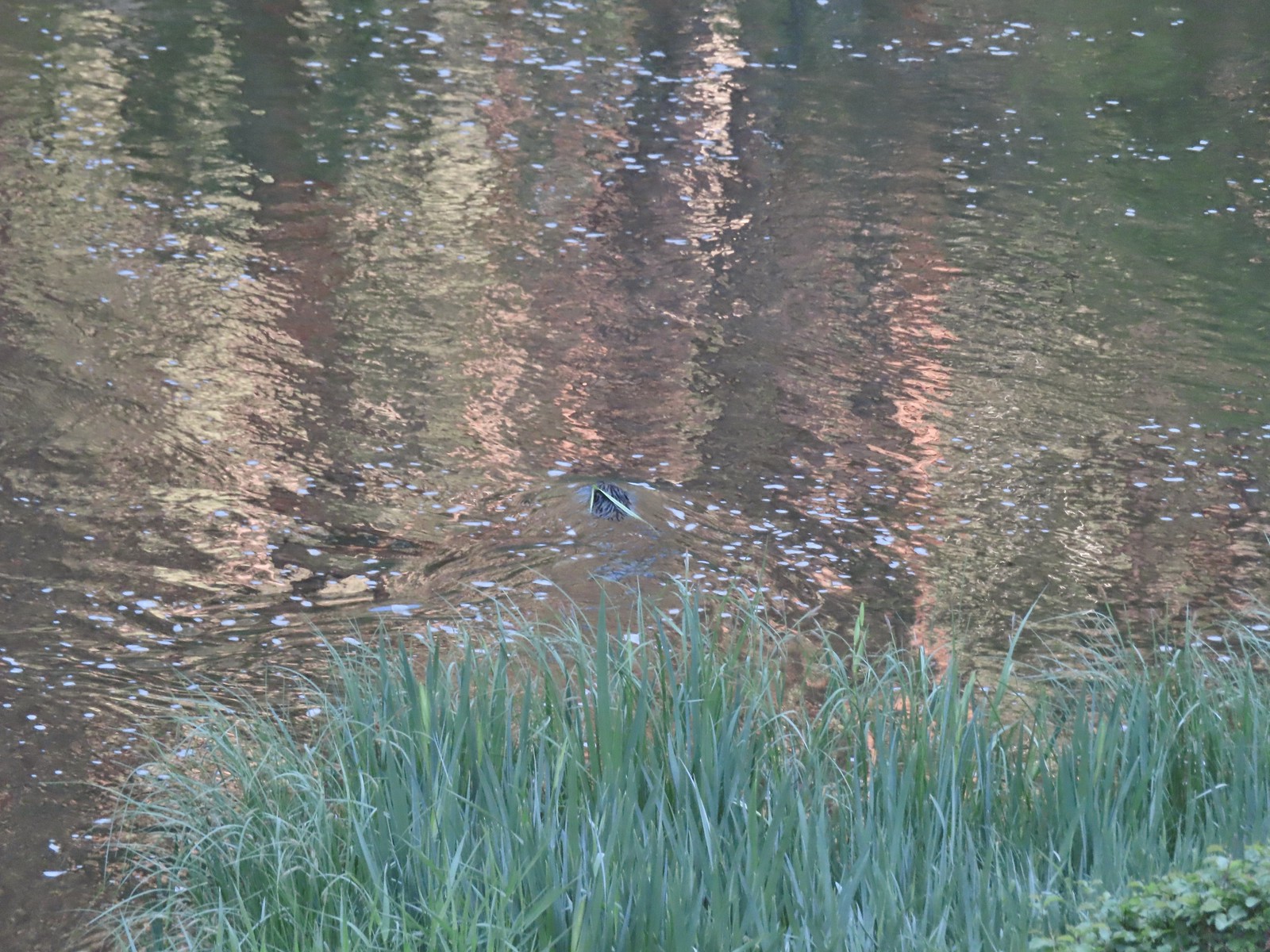 I spotted the grass moving before the animal below which turned out to be a beaver.
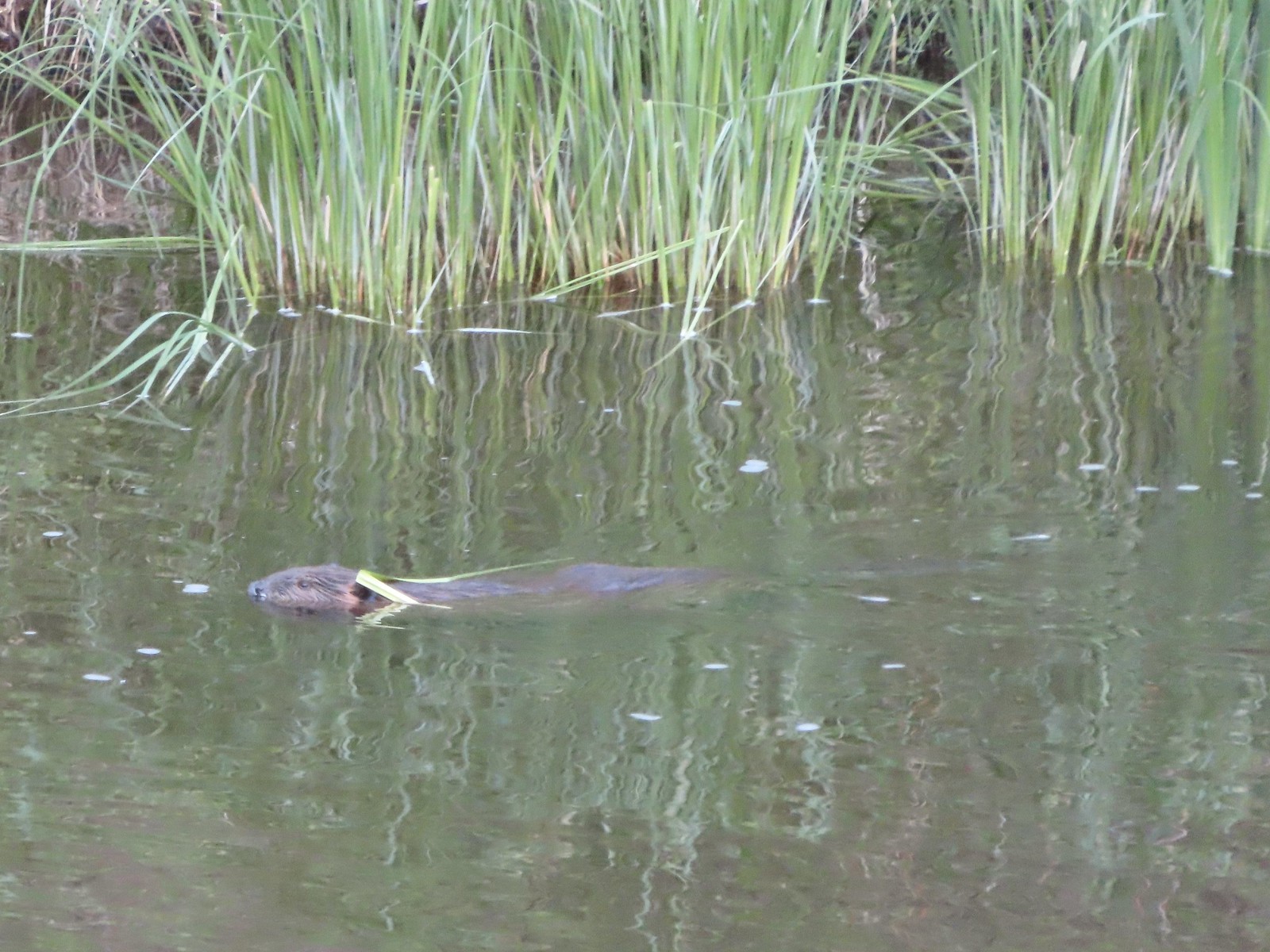 Beaver in the Deschutes River.
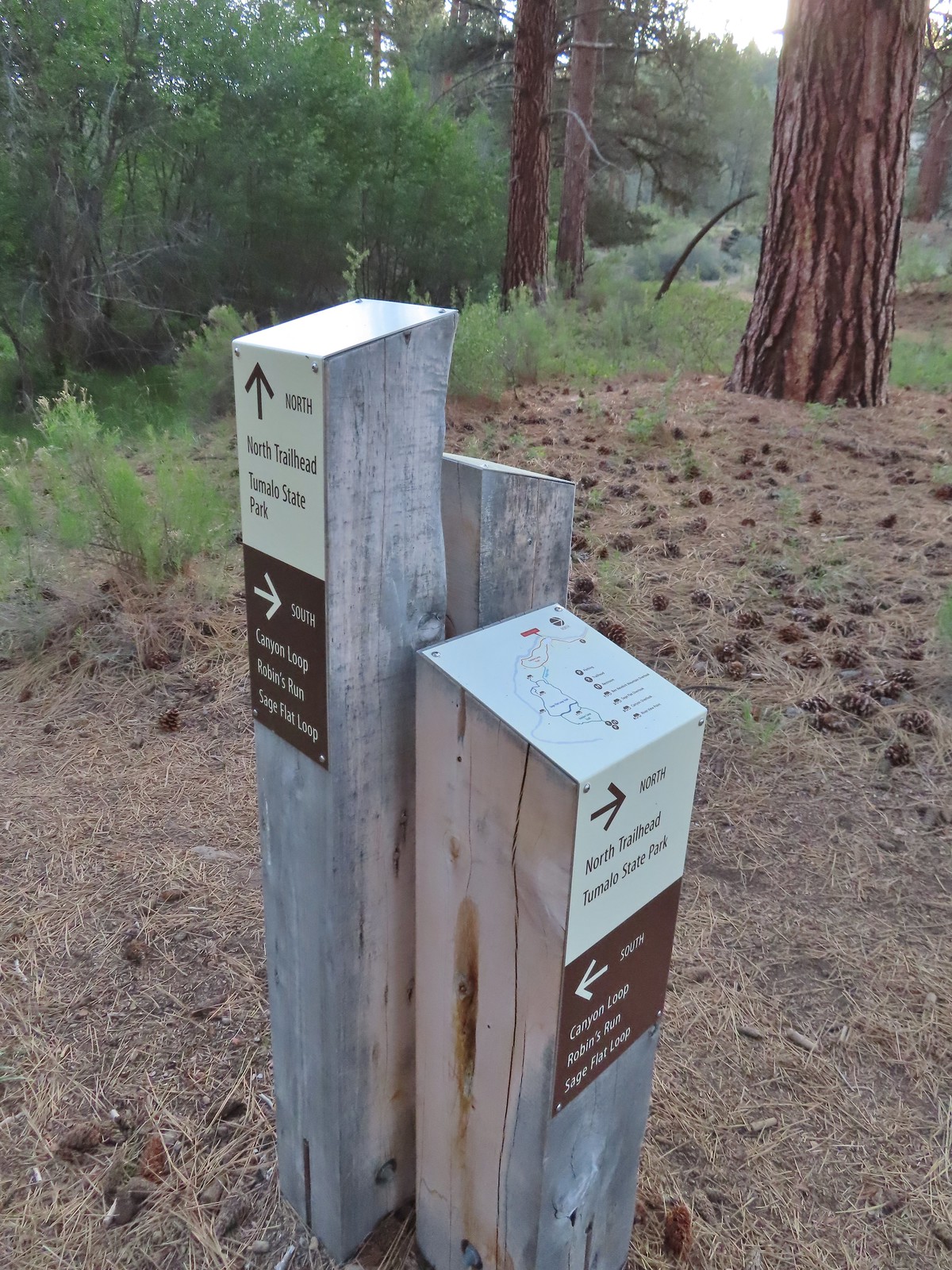 We followed the pointer for Tumalo State Park.
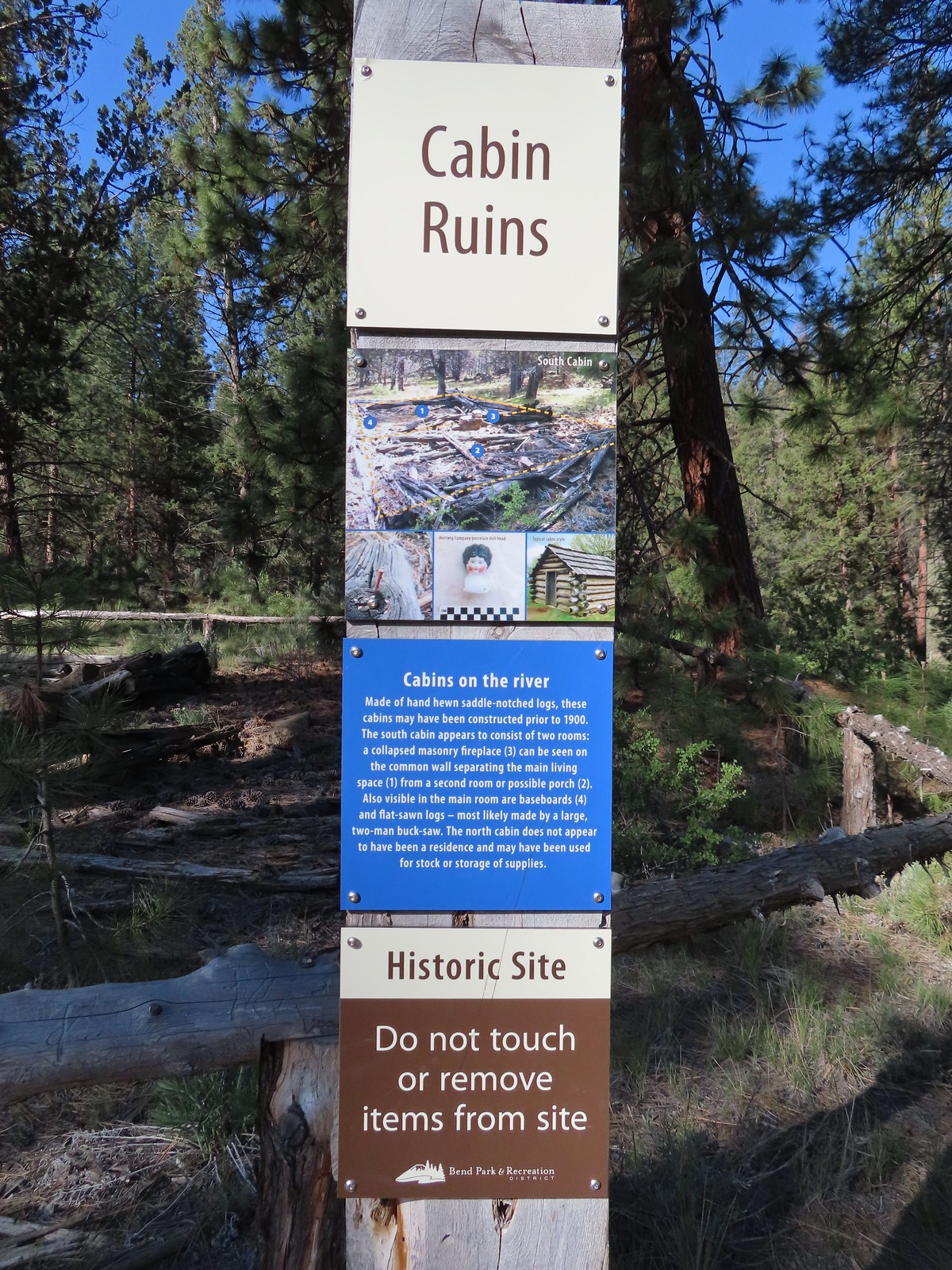
 Cabin ruins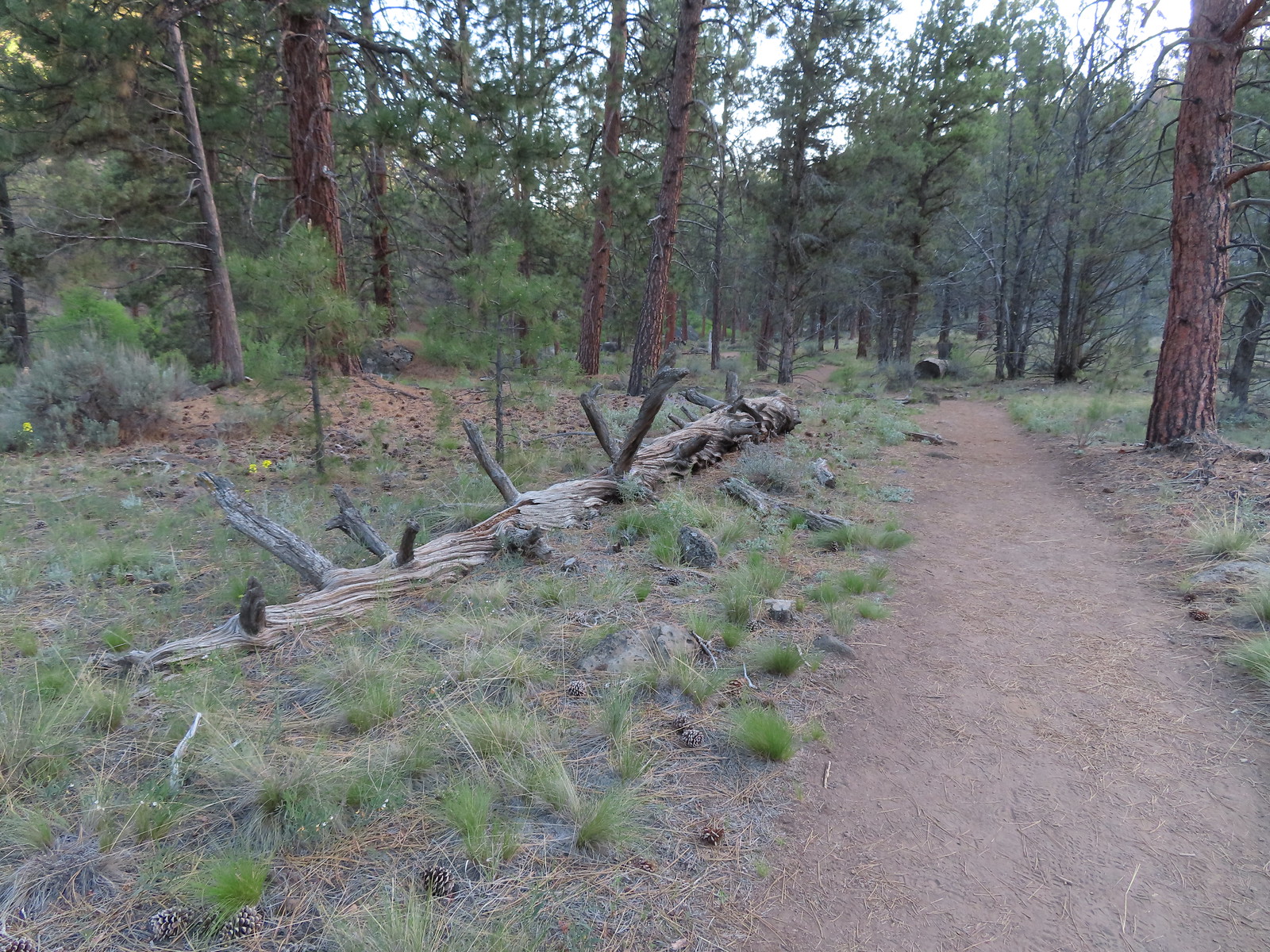
 Western wallflower
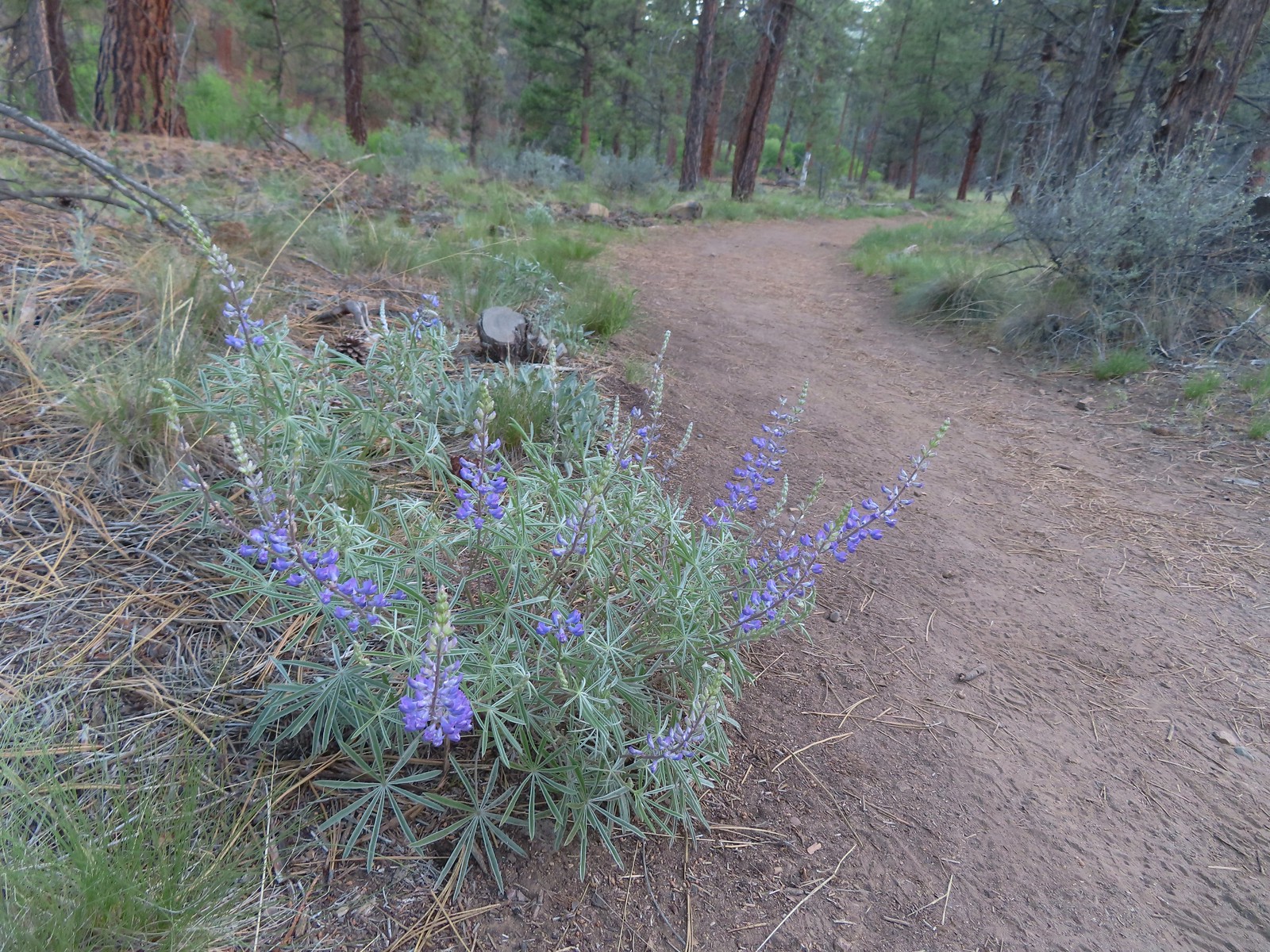 Lupine
 Another river access point.
 Rockcress, possibly sicklepod.
 The northern boundary of the Riley Ranch Nature Reserve.
 Threadleaf phacelia
 Tumalo Creek (

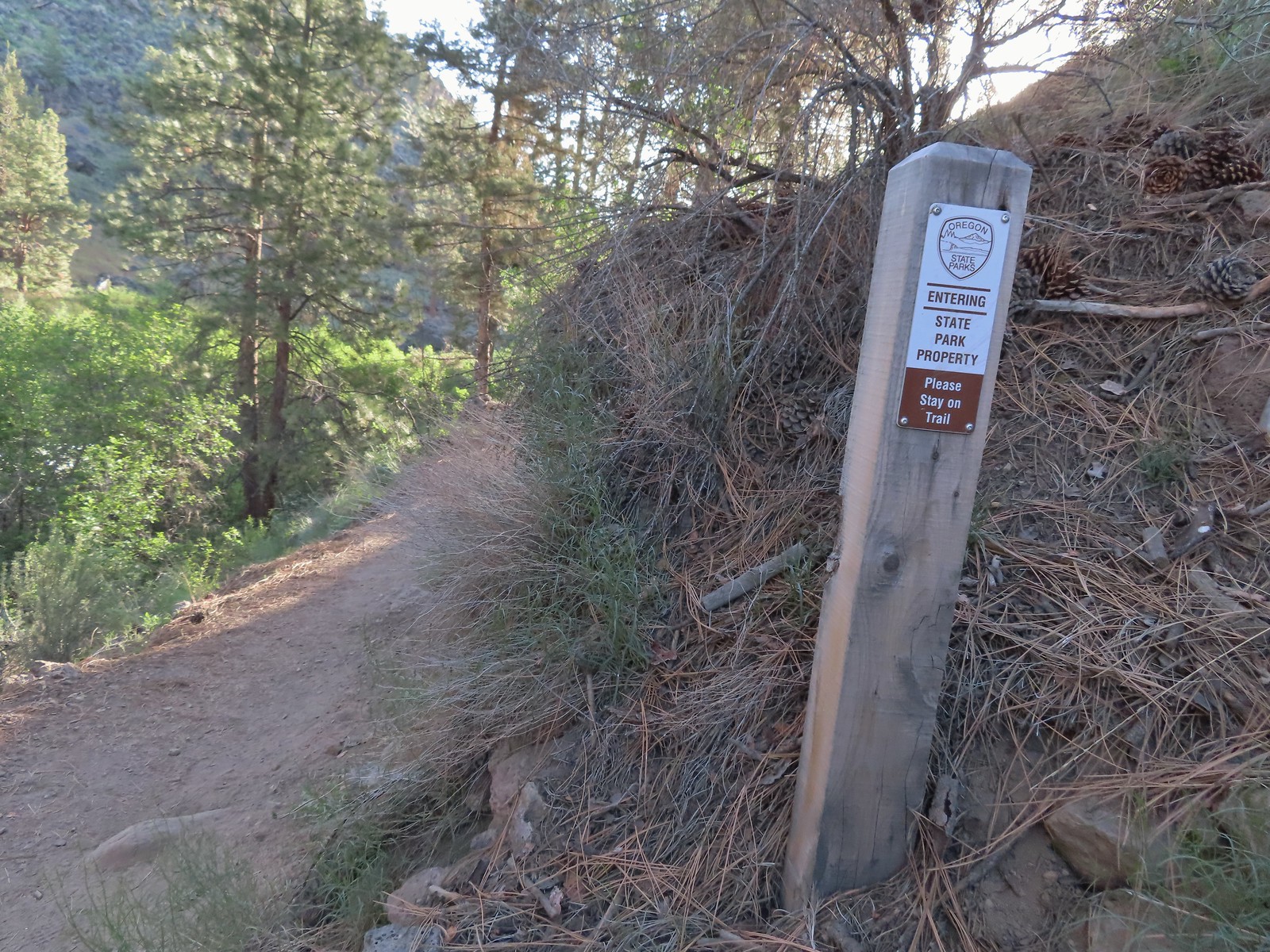 Crossing into Tumalo State Park.
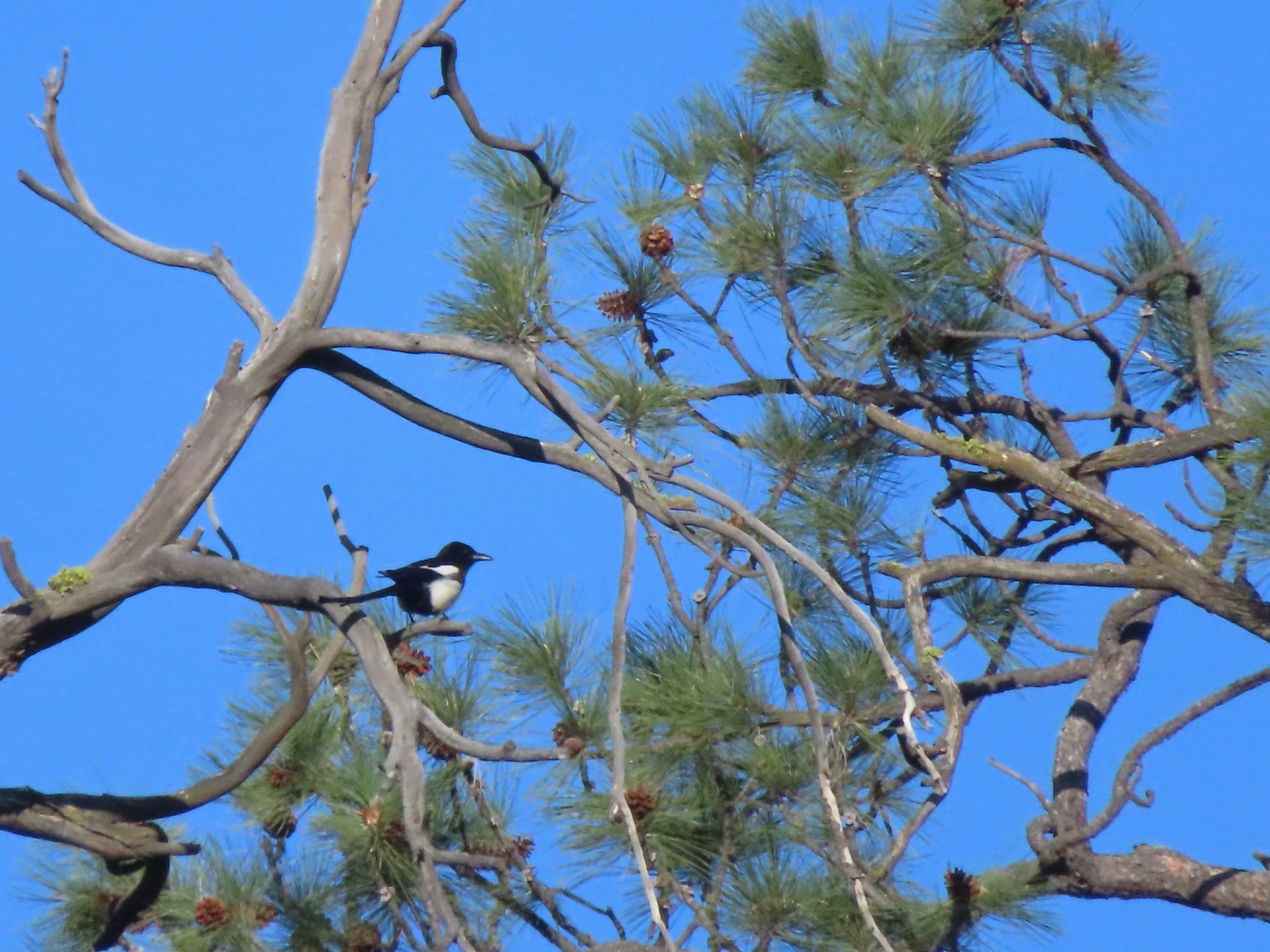 Magpie
 Paintbrush
 Mallards
 Penstemon
 A quarter of a mile from the day use area we crossed a road leading to a private bridge crossing the river.
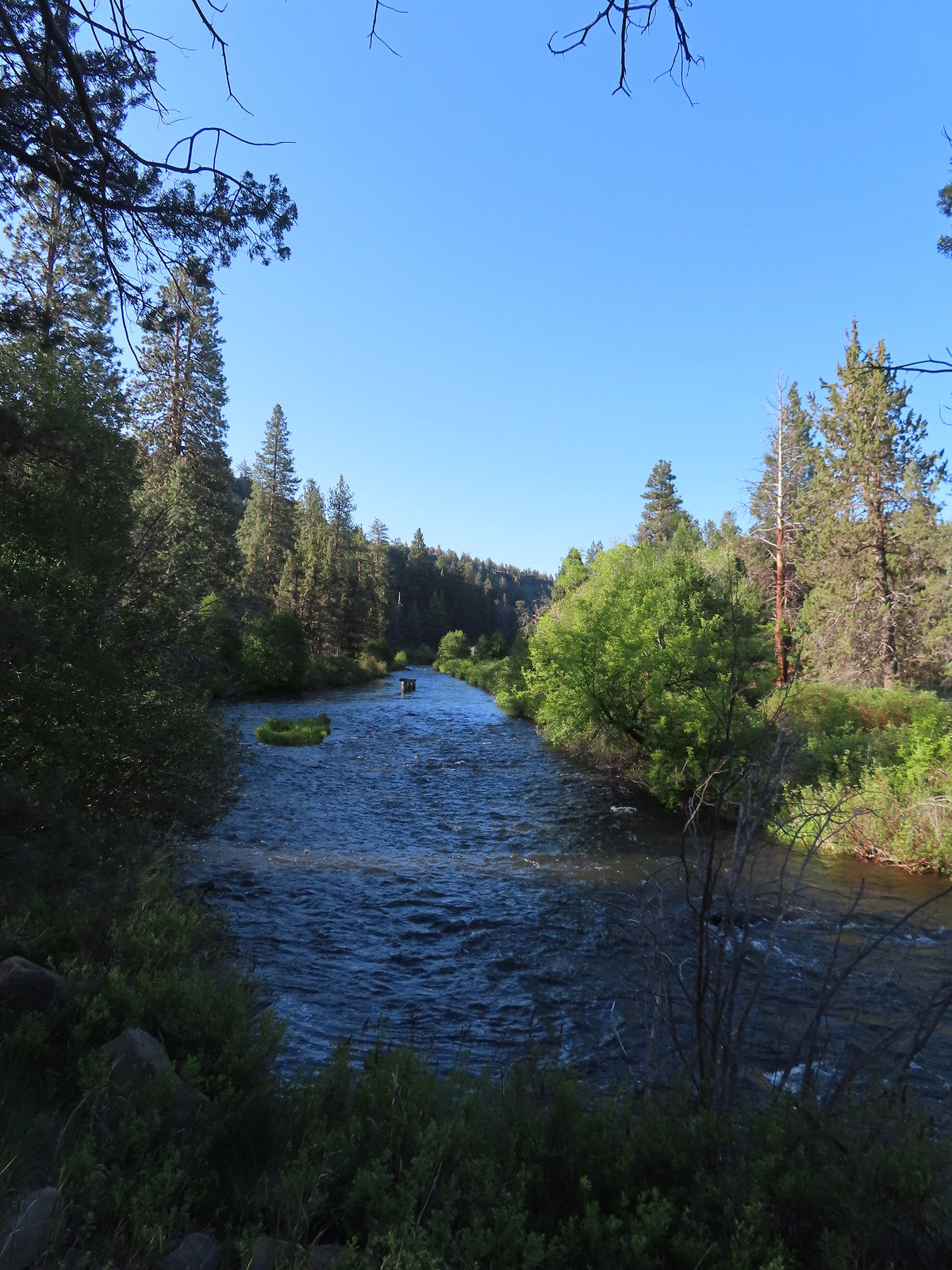 Remains of another bridge in the river.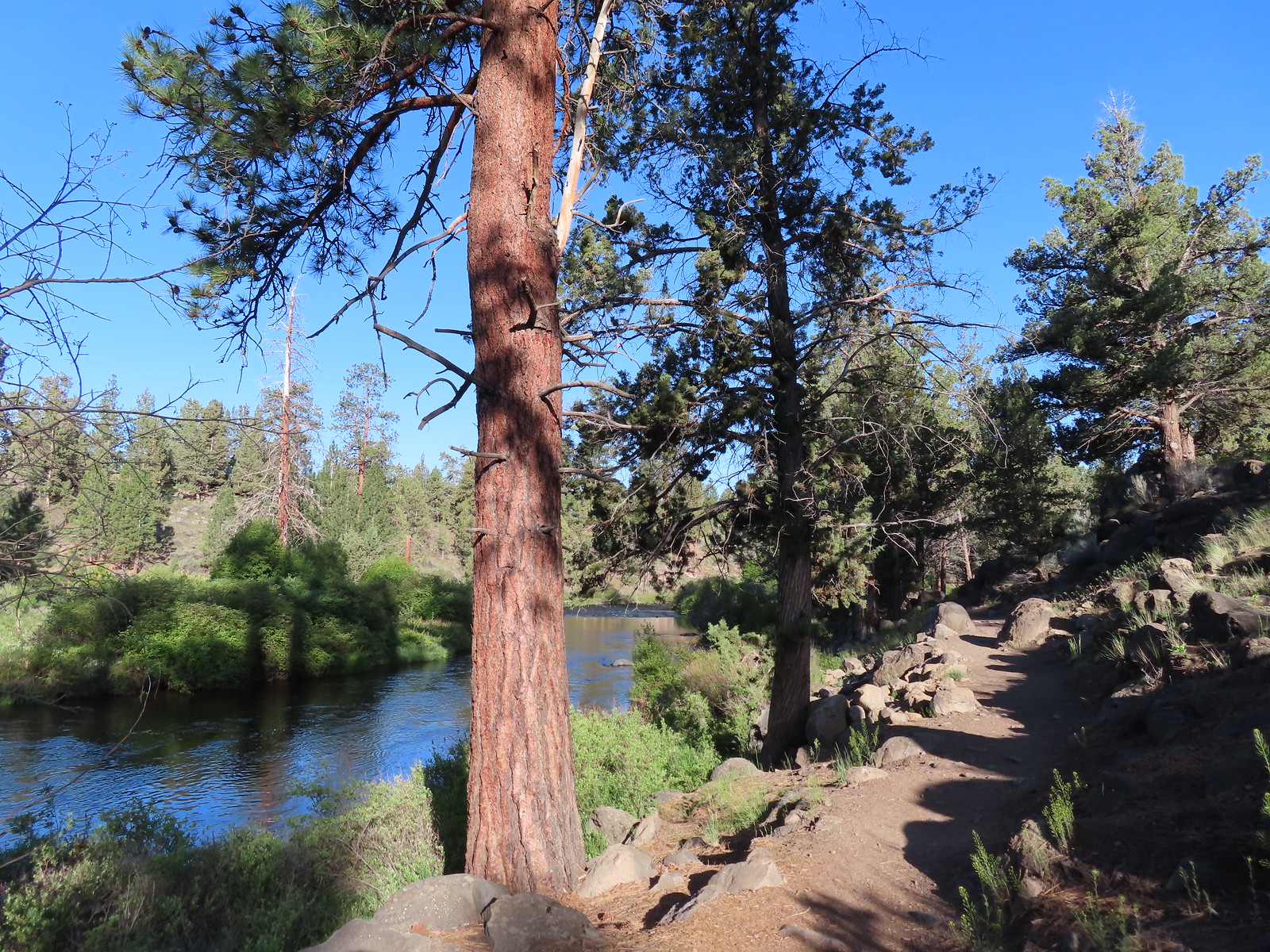
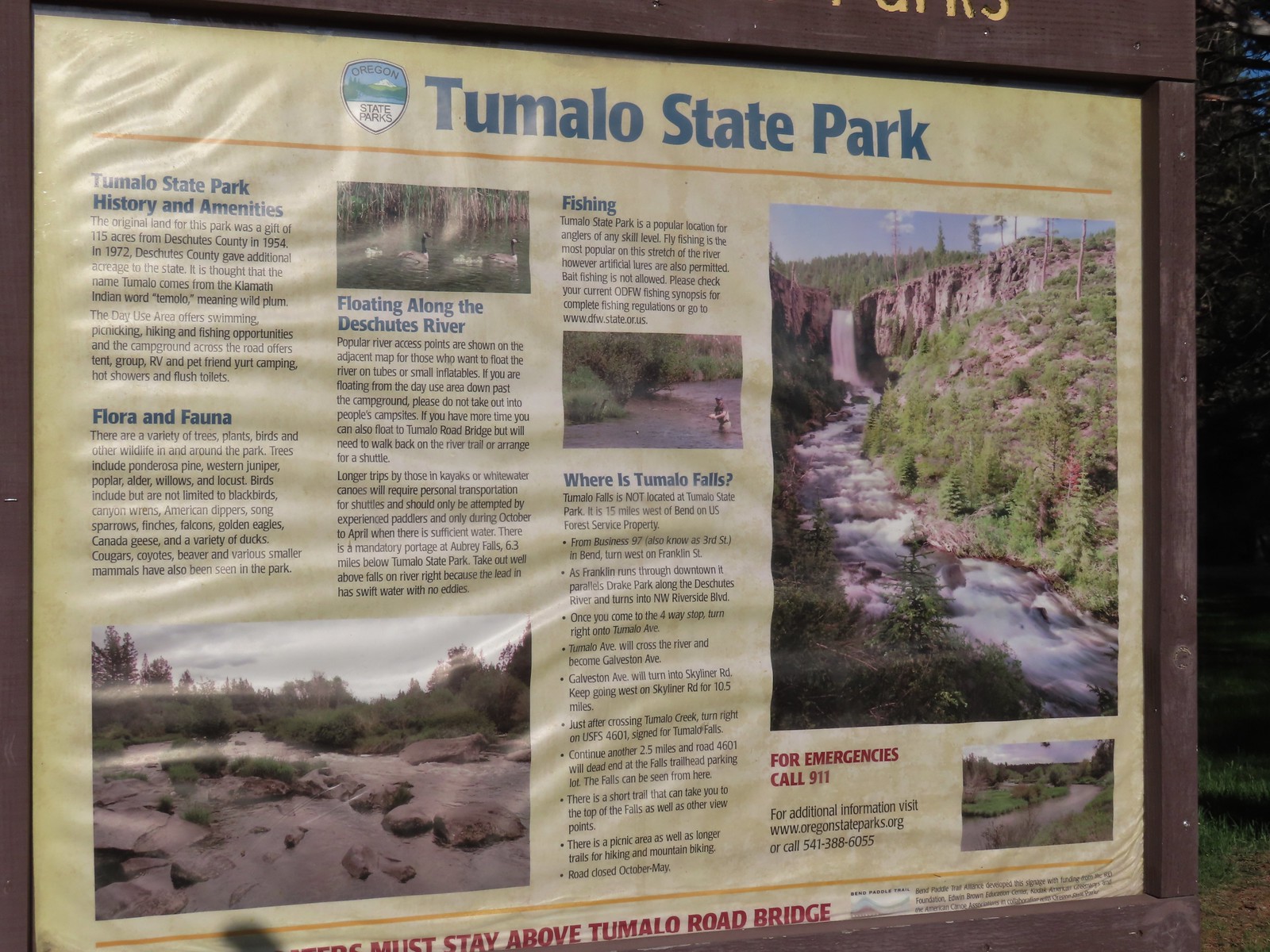
 Tumalo State Park Day Use Area
 Deschutes River at the day use area.
 Kingfisher on the bridge remains. (A bit blurry due to being a long way off.)
 A swallow and a pygmy nuthatch.
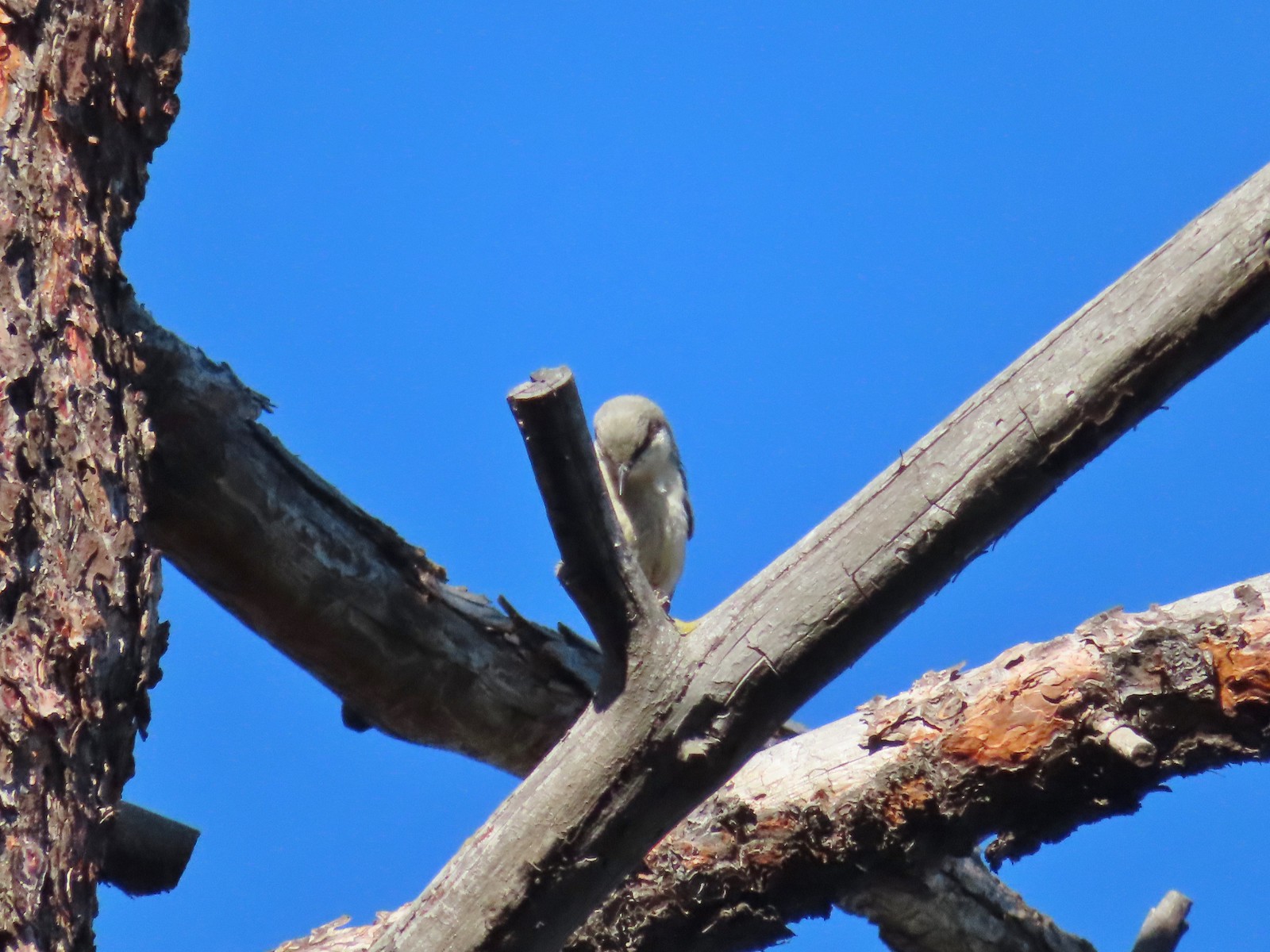 Pygmy nuthatch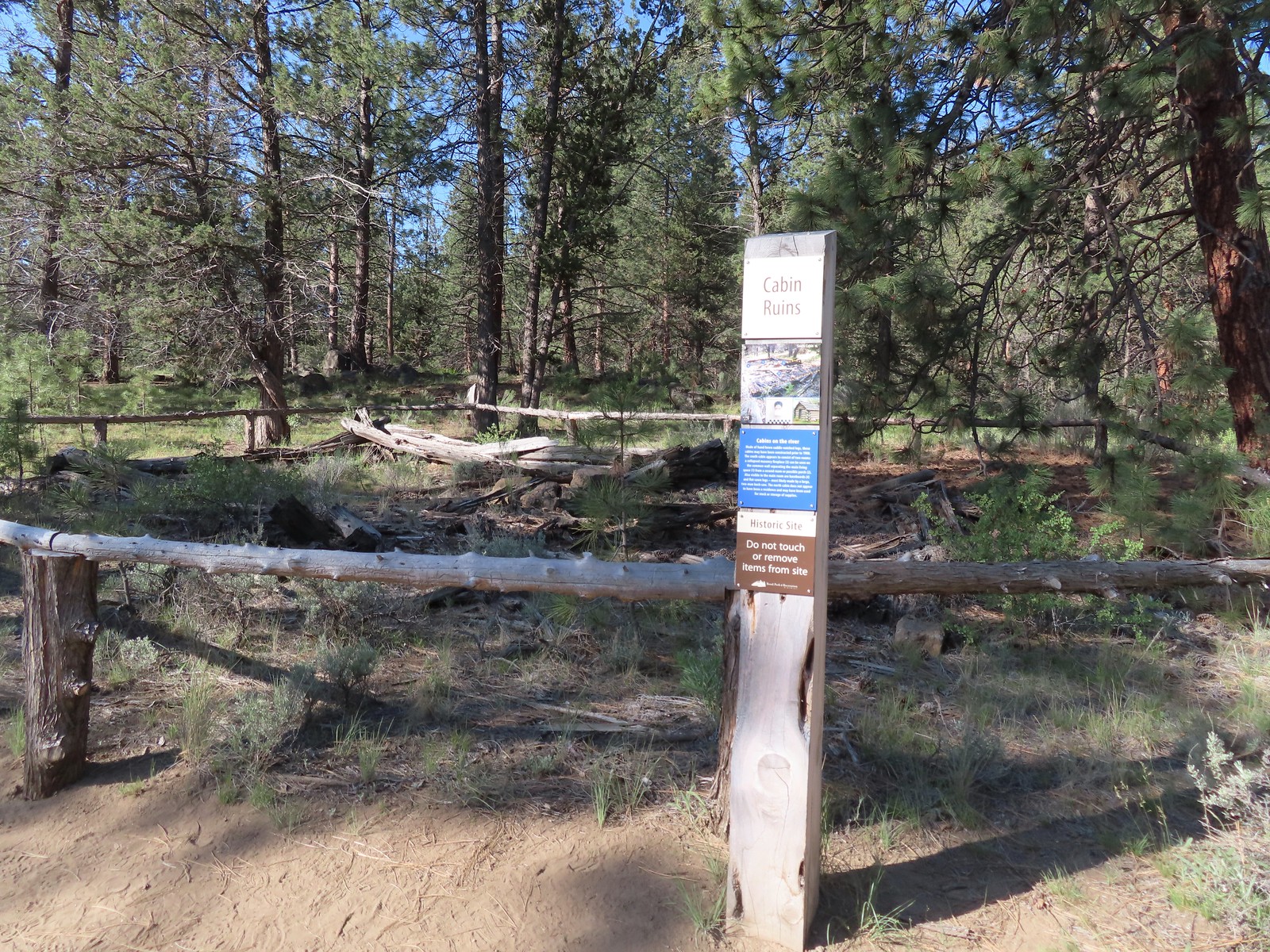
 Bench along the Canyon Loop.
 Northern flicker
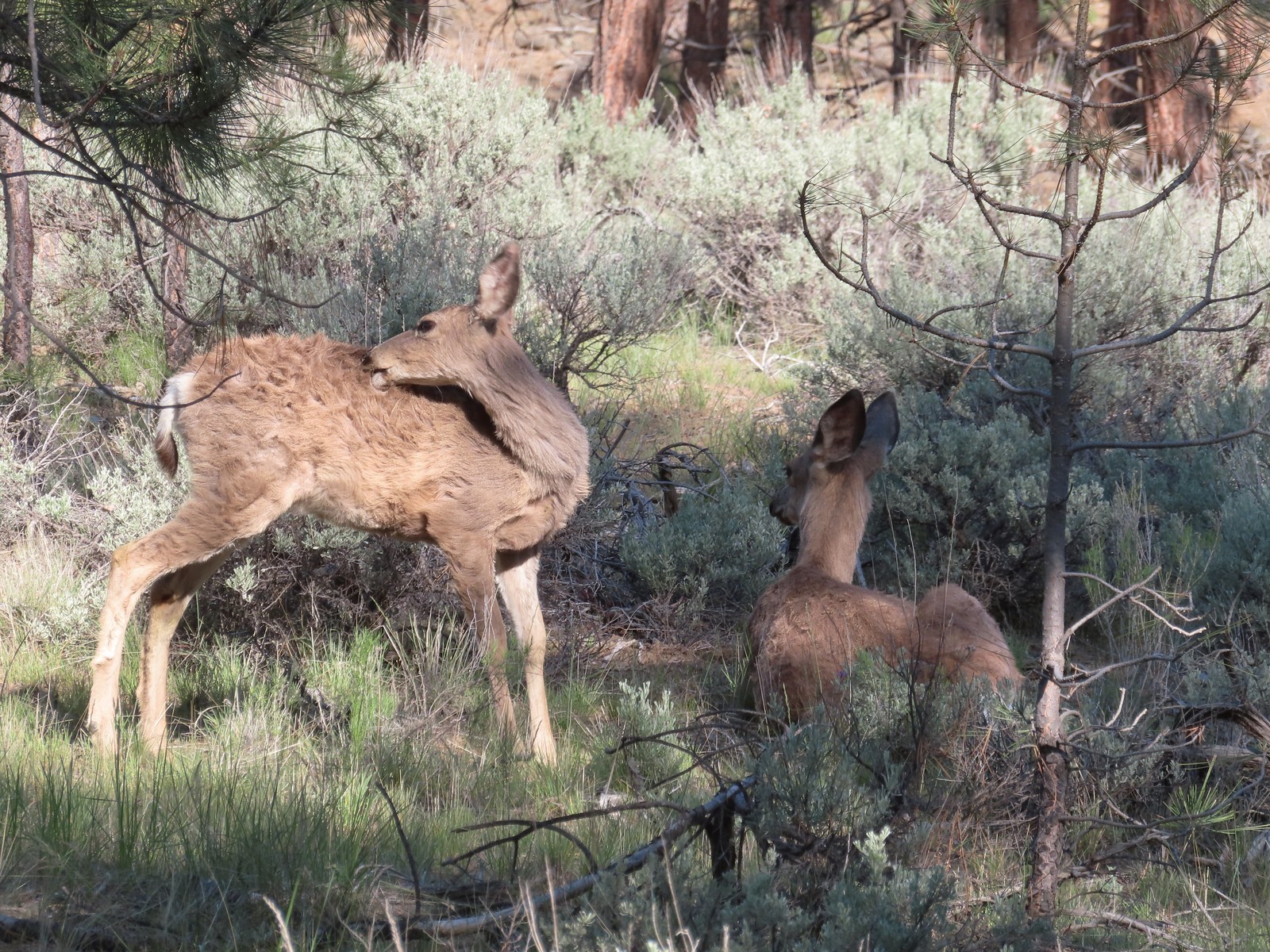
 We were distracted enough by the runners that we failed to notice the deer bedded down to the right of the trail. You can see its ears sticking up here.
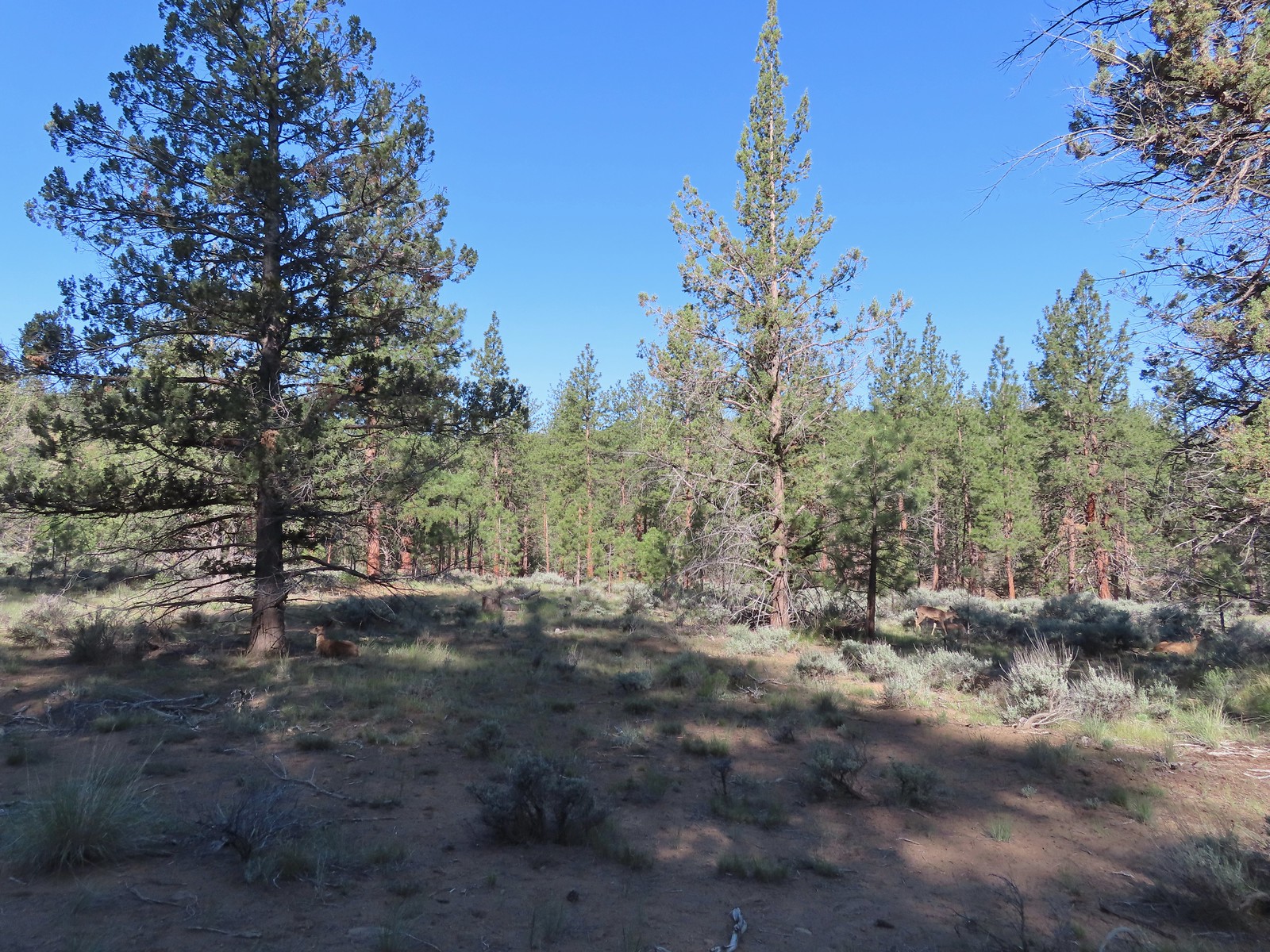 There were at least four deer hanging out here.
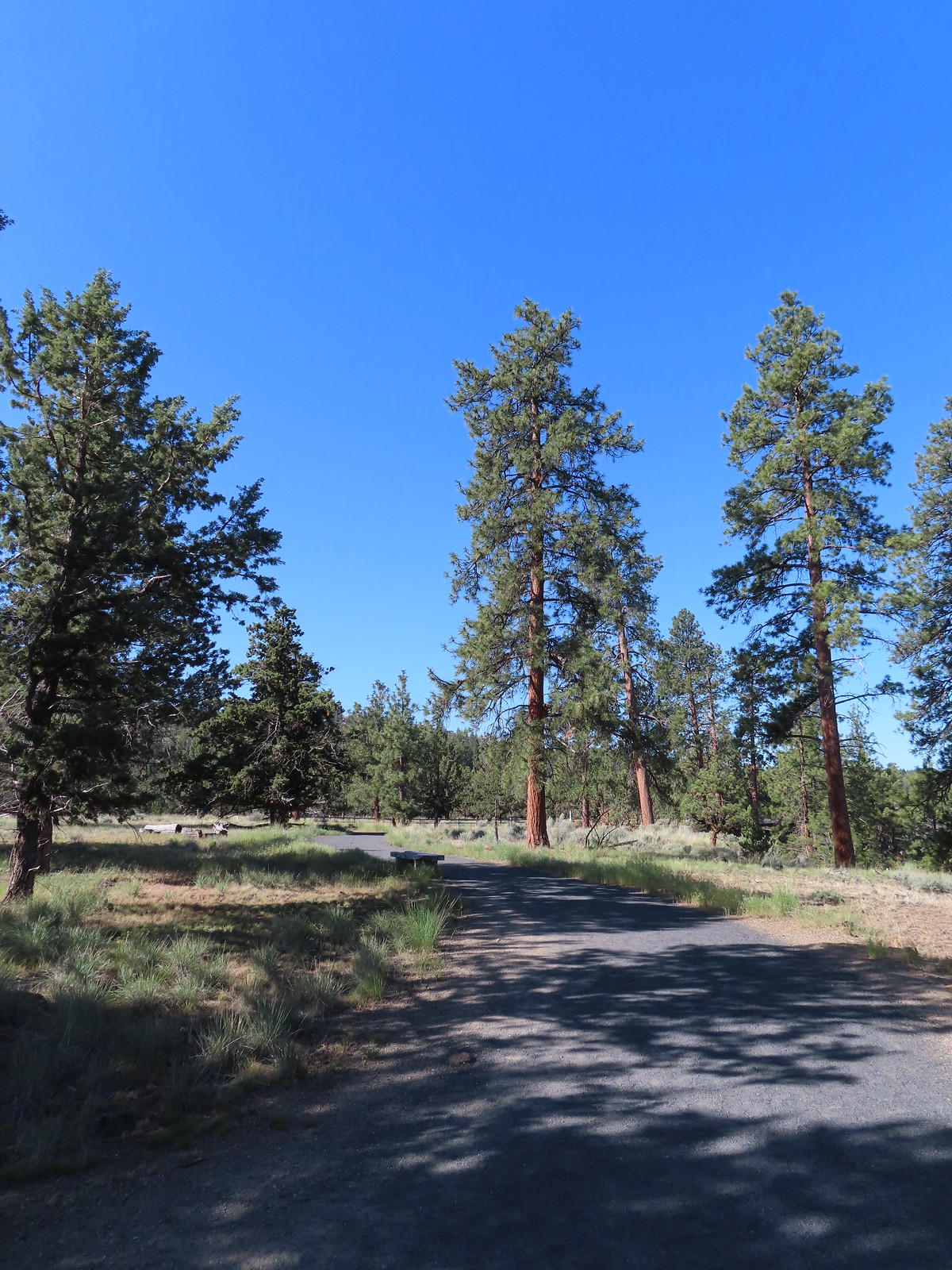 The Sage Flat Loop Trail.
 Spur to the Canyon Overlook.
 Death camas
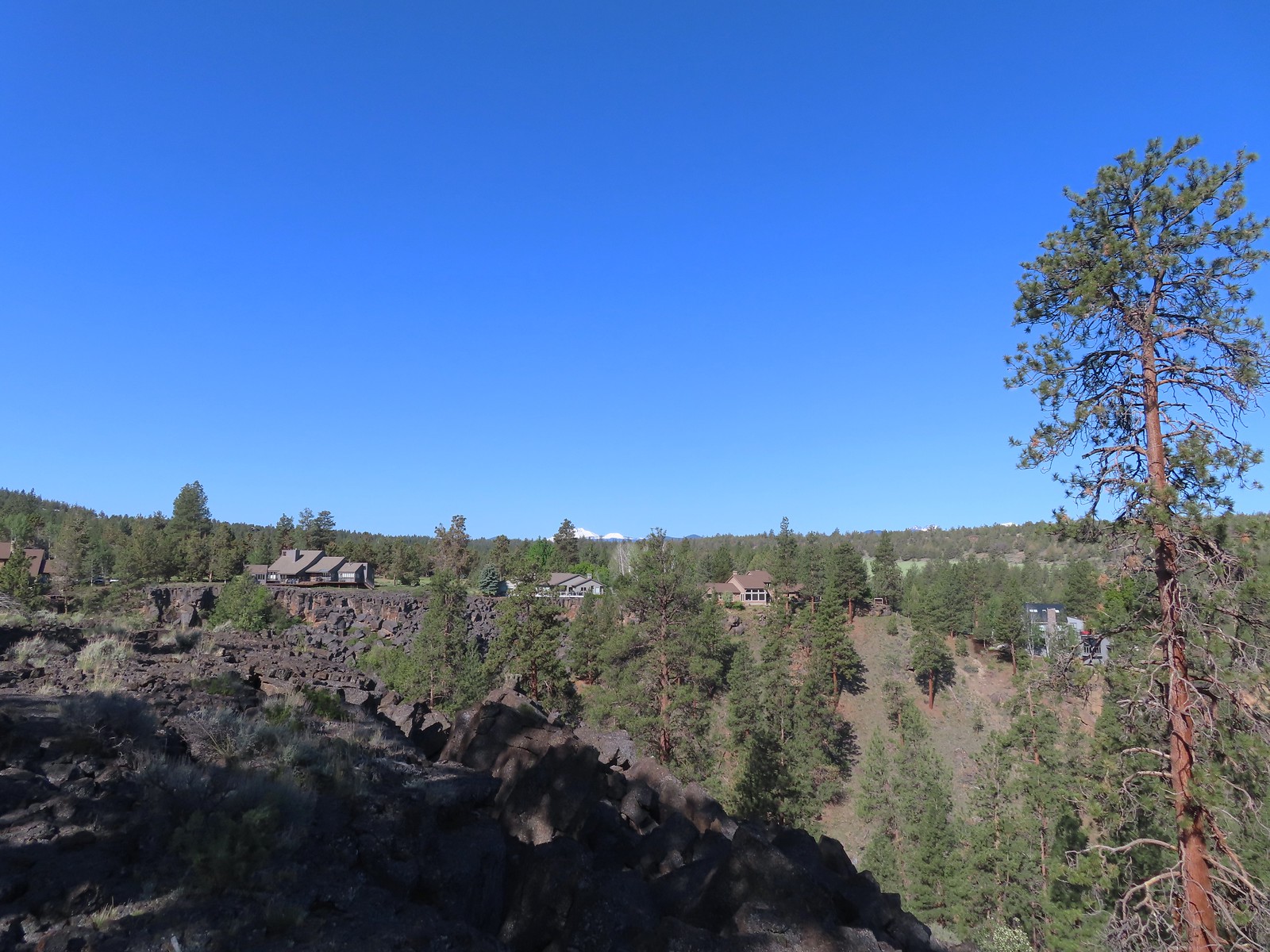 Mt. Bachelor and Tumalo Mountain
 Mt. Jefferson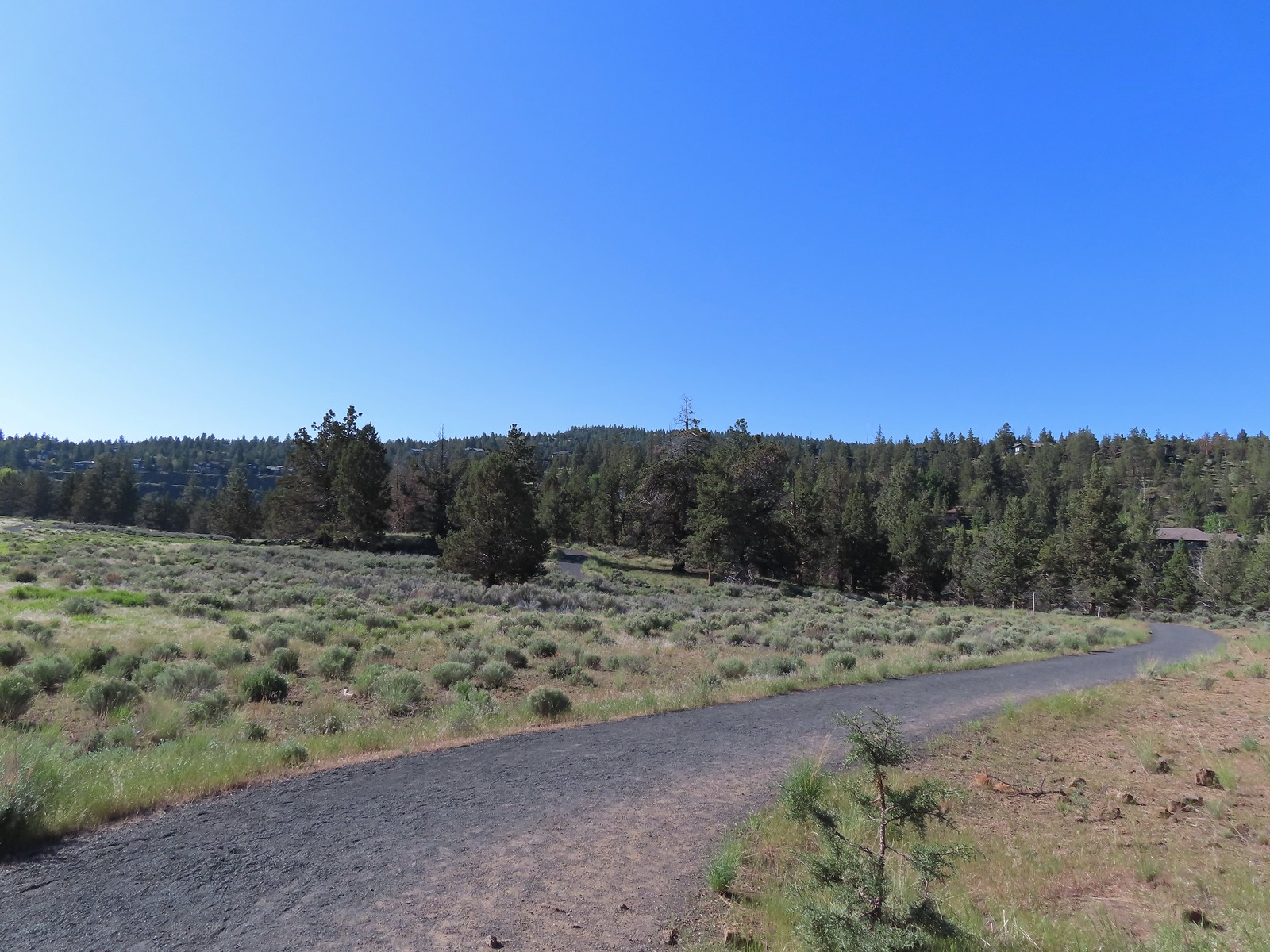
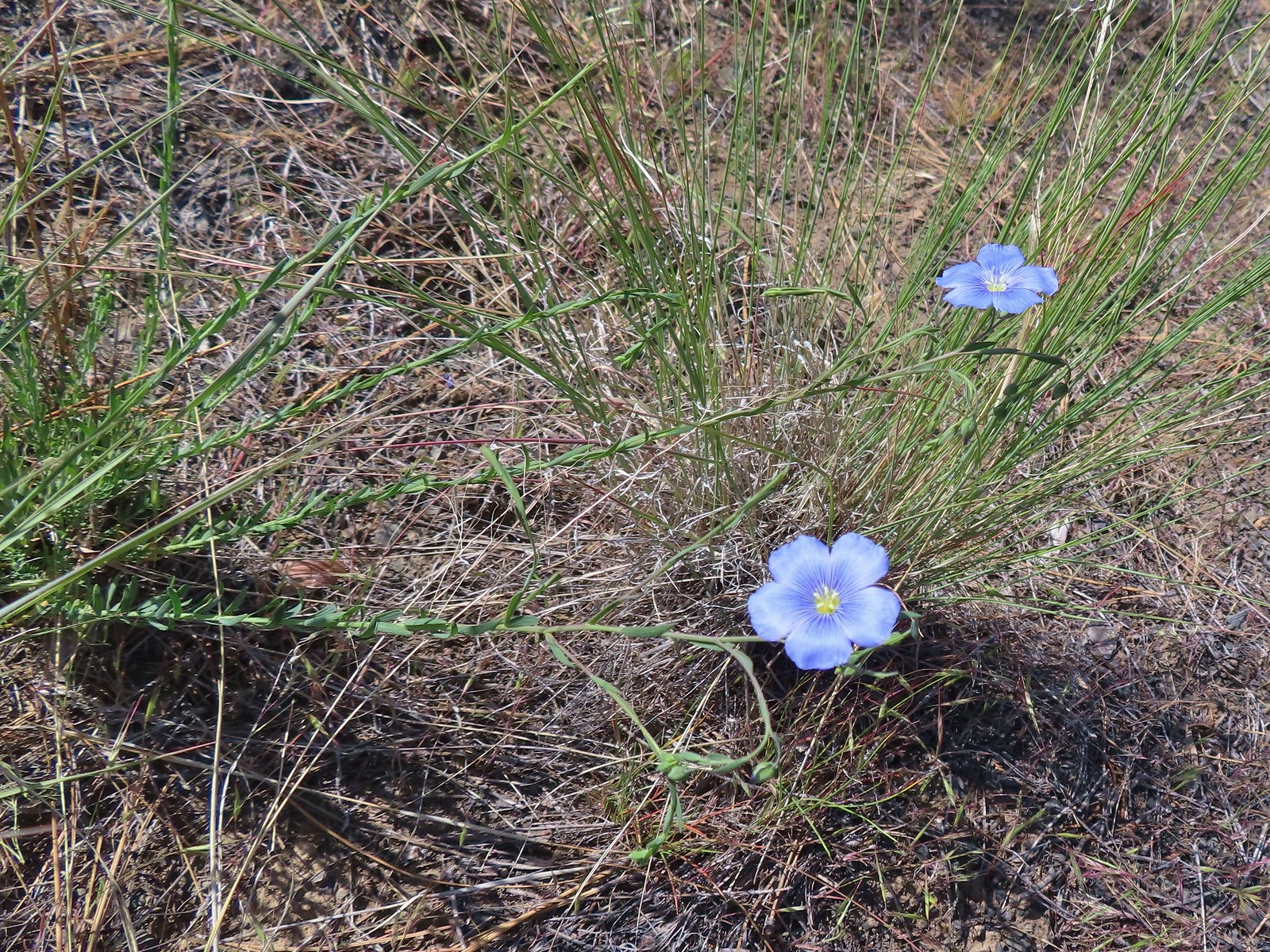 Lewis flax
 Marker for the Sage Flat Overlook.
 Looking back at where the Sage Flat Overlook was.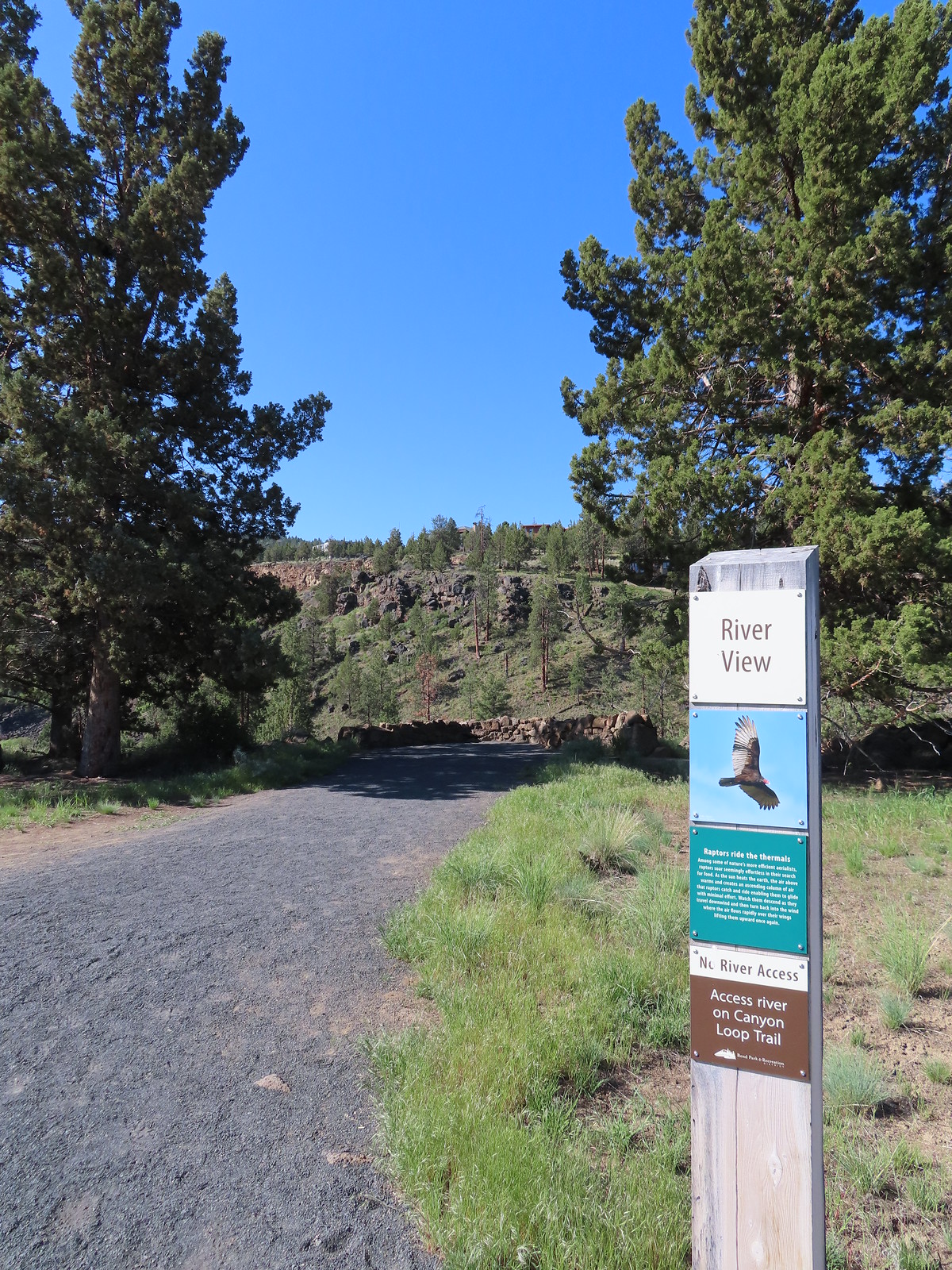

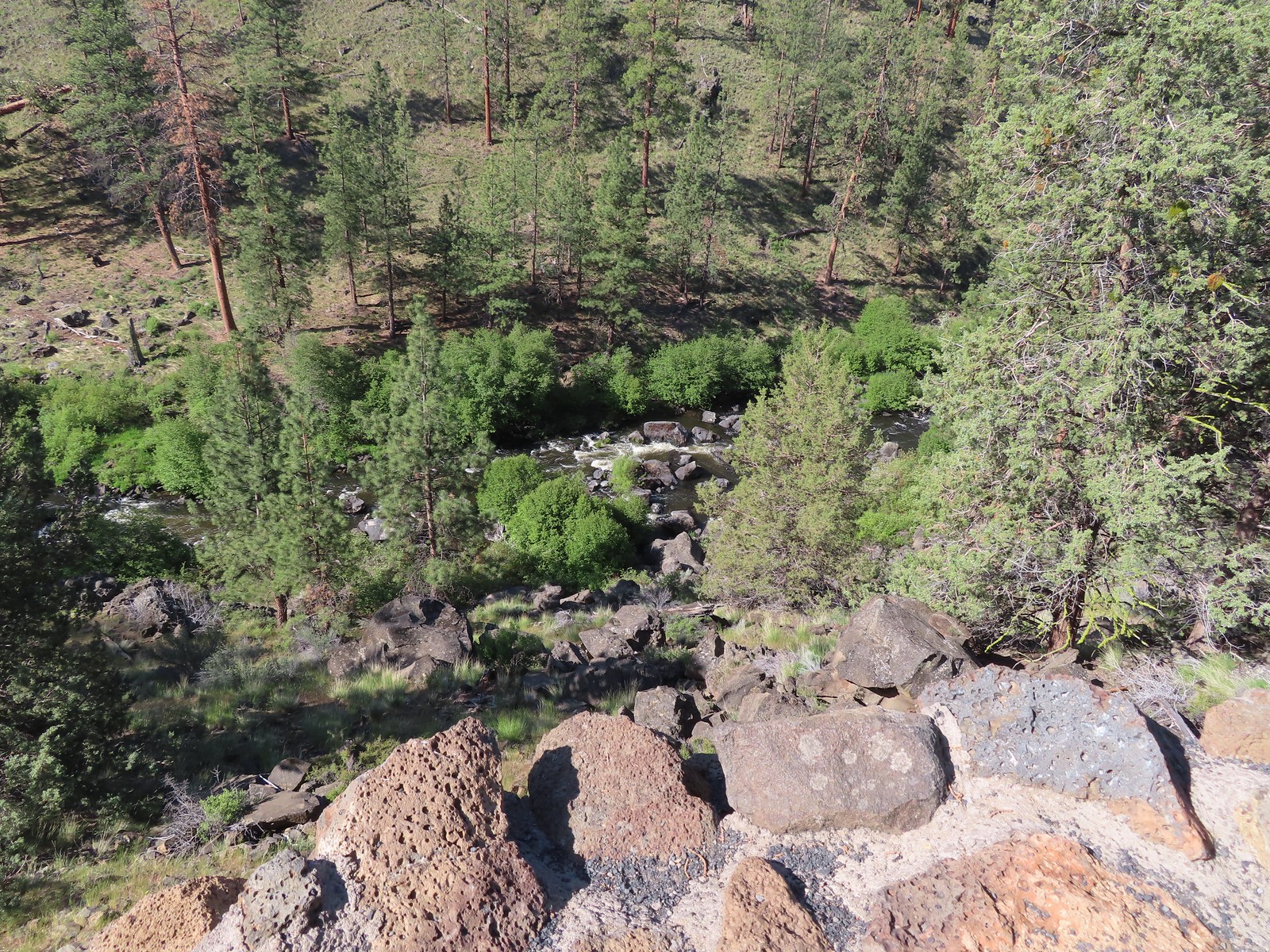
 Lizard near the River Viewpoint.
 The Cascade Mountains
 Black Crater (
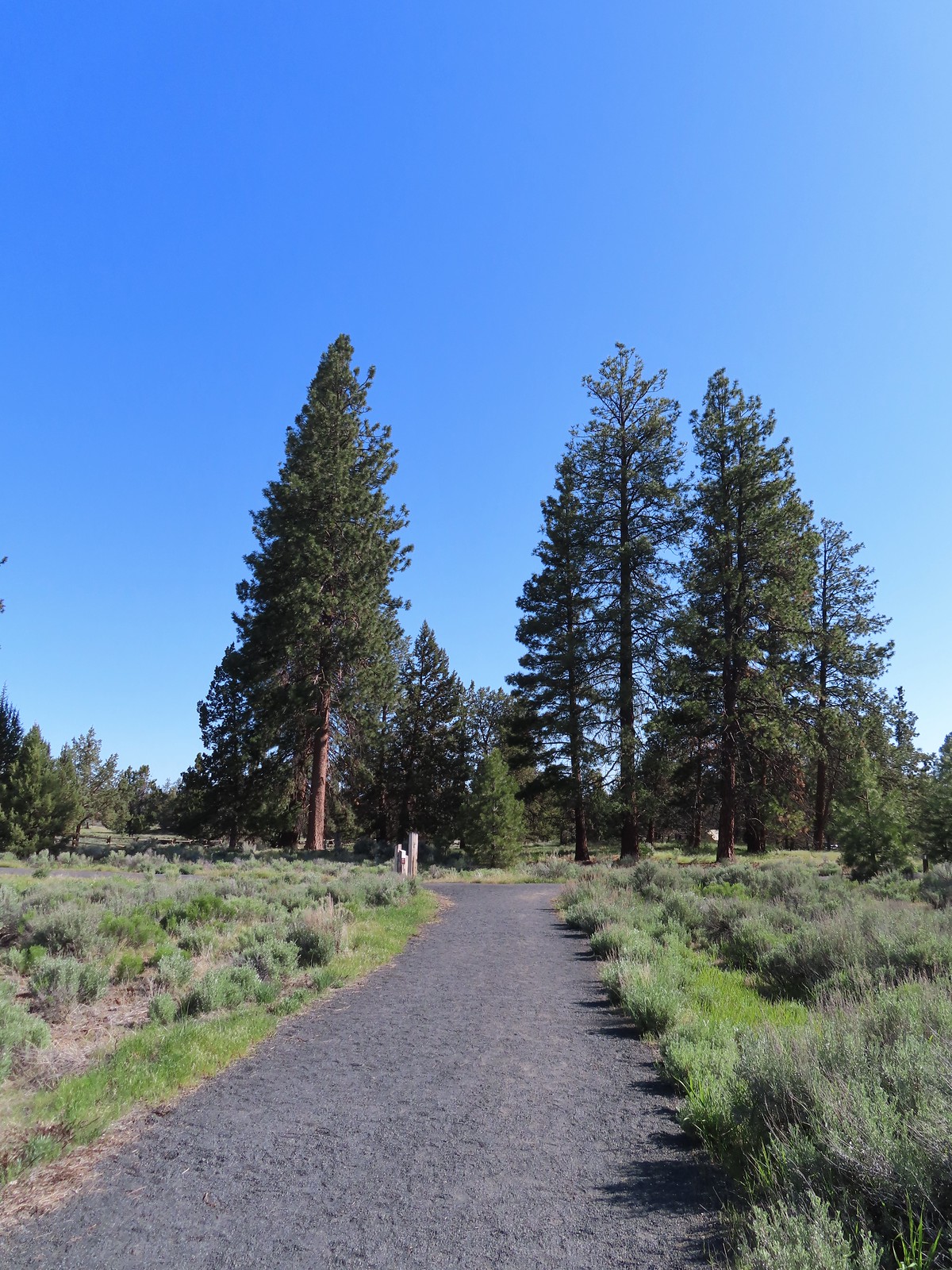 Finishing up the Juniper Loop.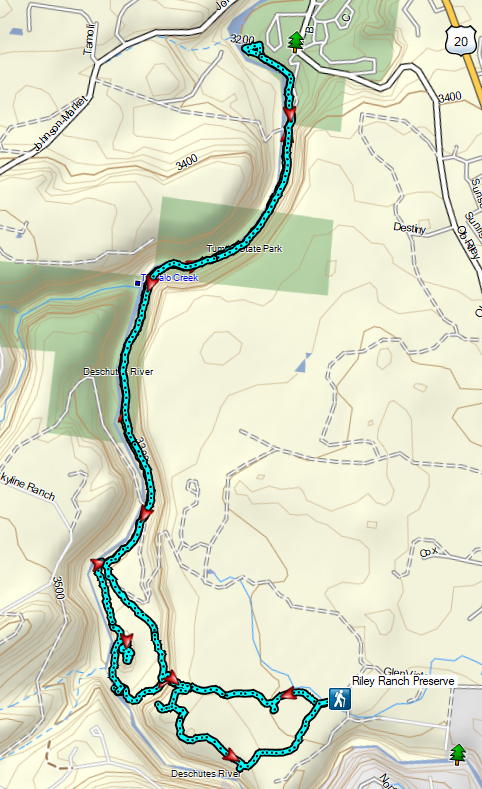


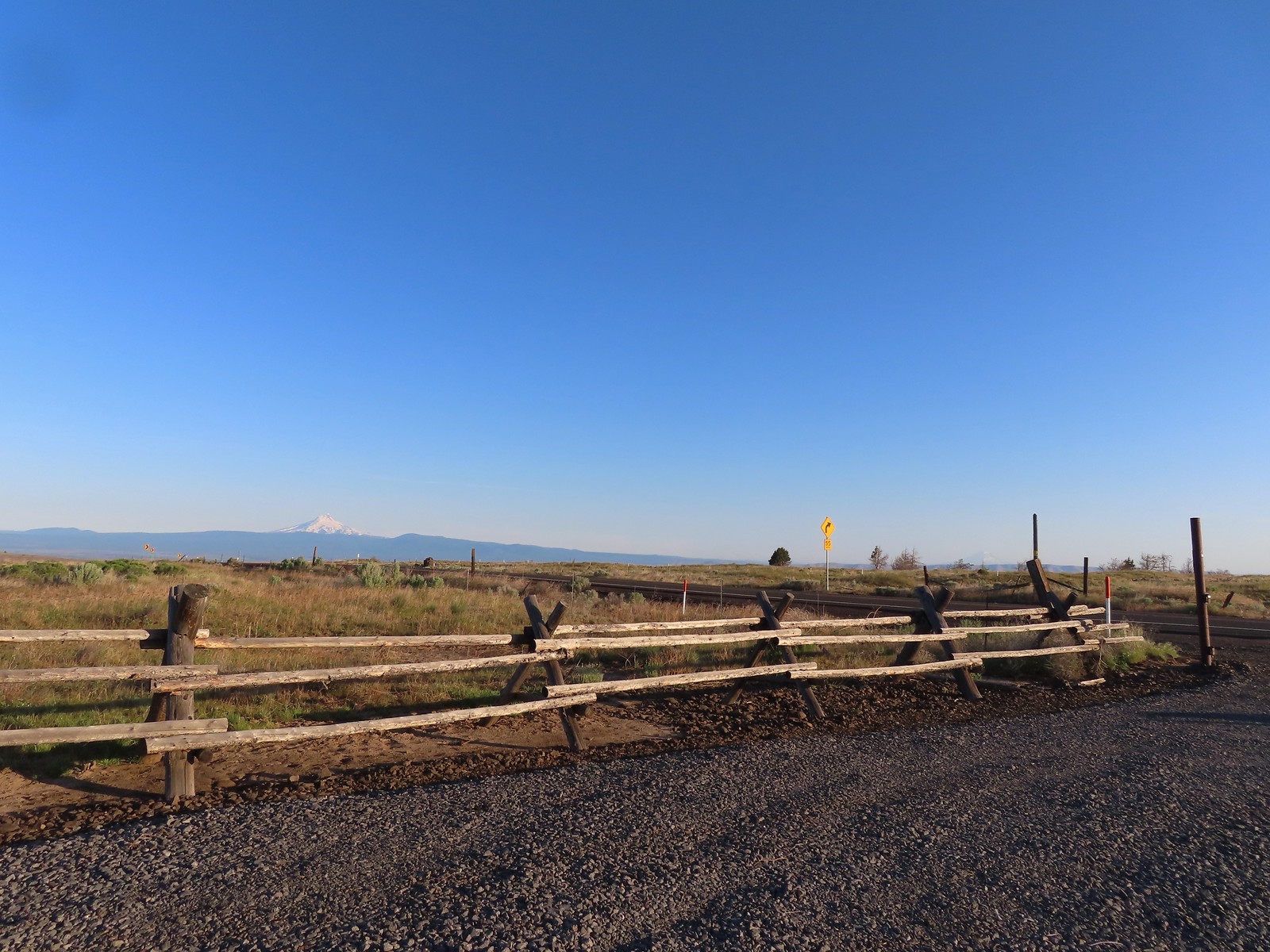 Mt. Hood and Mt. Adams from the trailhead which is the high point of the hike.
 Mt. Hood
 Cattle sometimes graze in the area and the combination of their hooves with the unmaintained roads makes for some pretty rough surfaces.
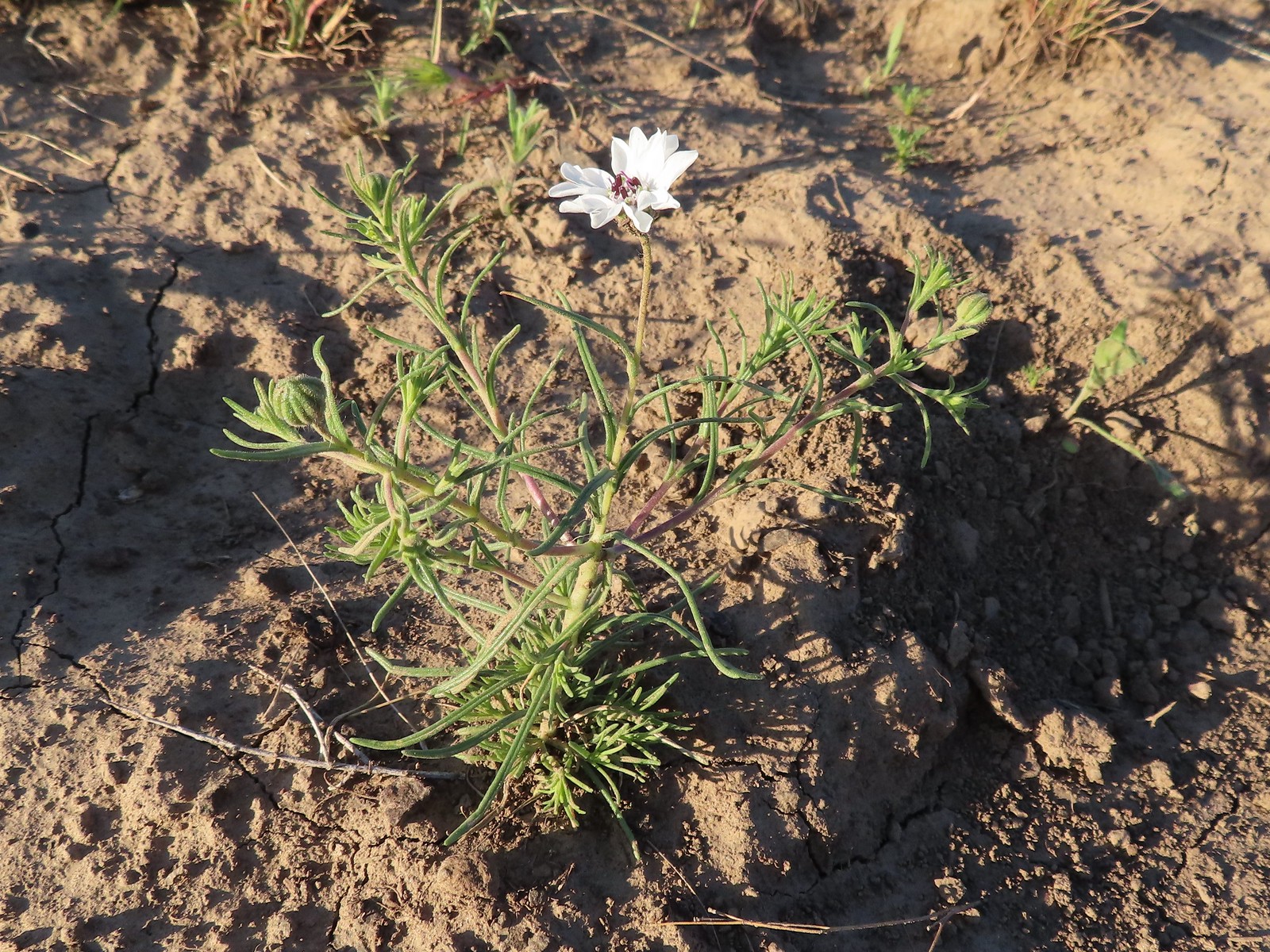 Rough-eyelashweed. There was a lot of this blooming along the road.
 A couple of lomatiums.
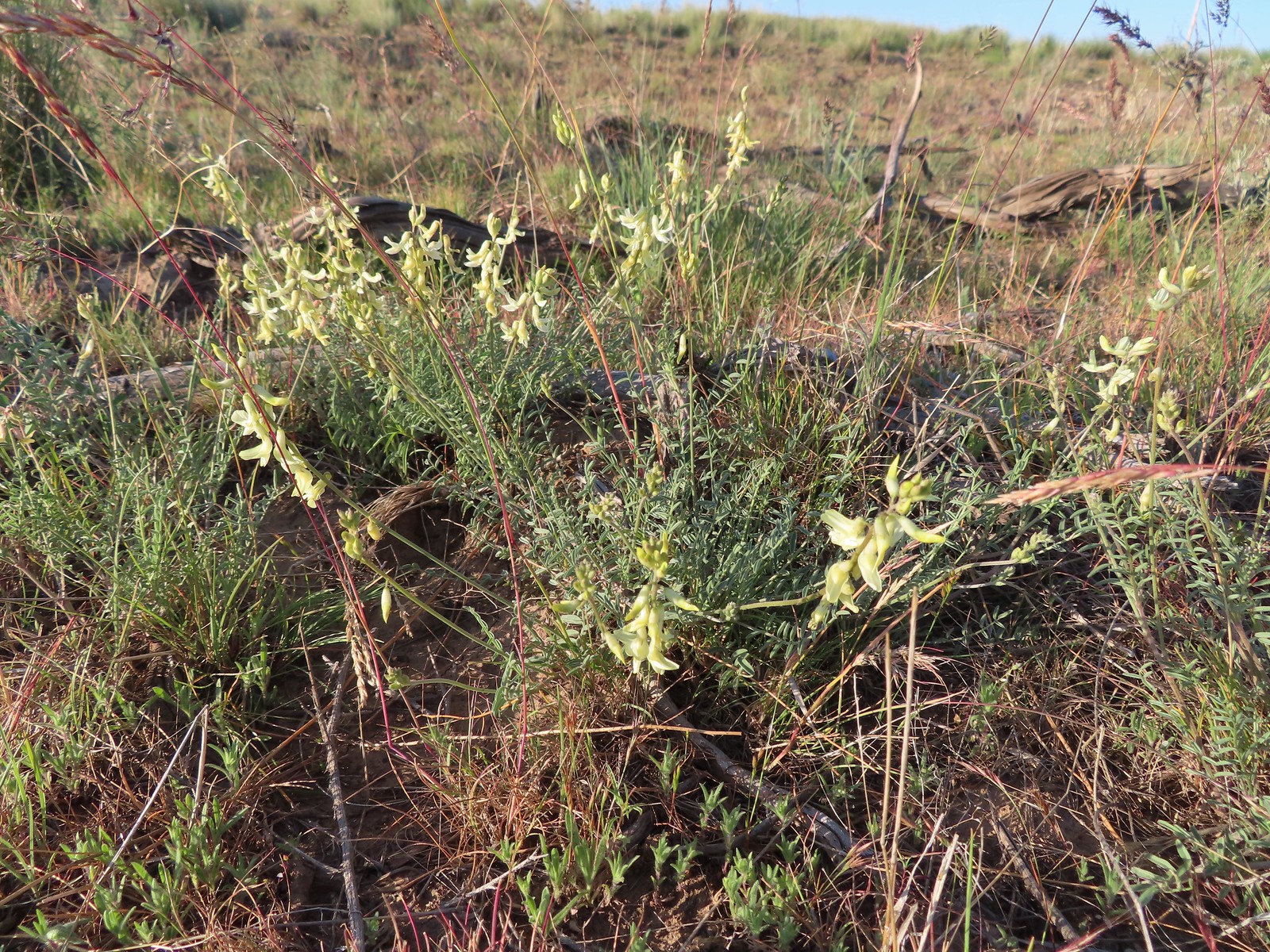 Howell’s milkvetch
 Idaho milkvetch
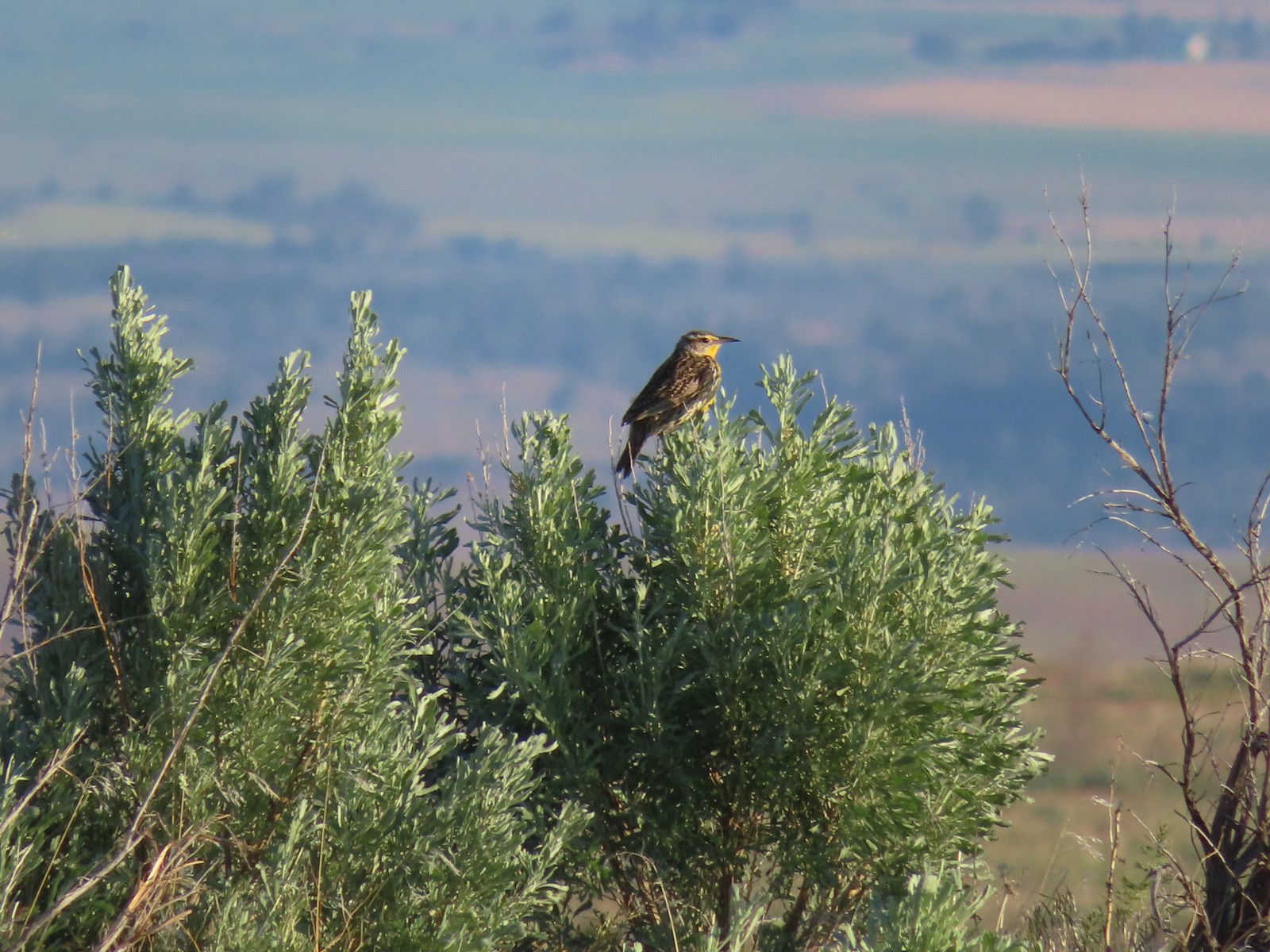 Western meadowlark
 A buckwheat
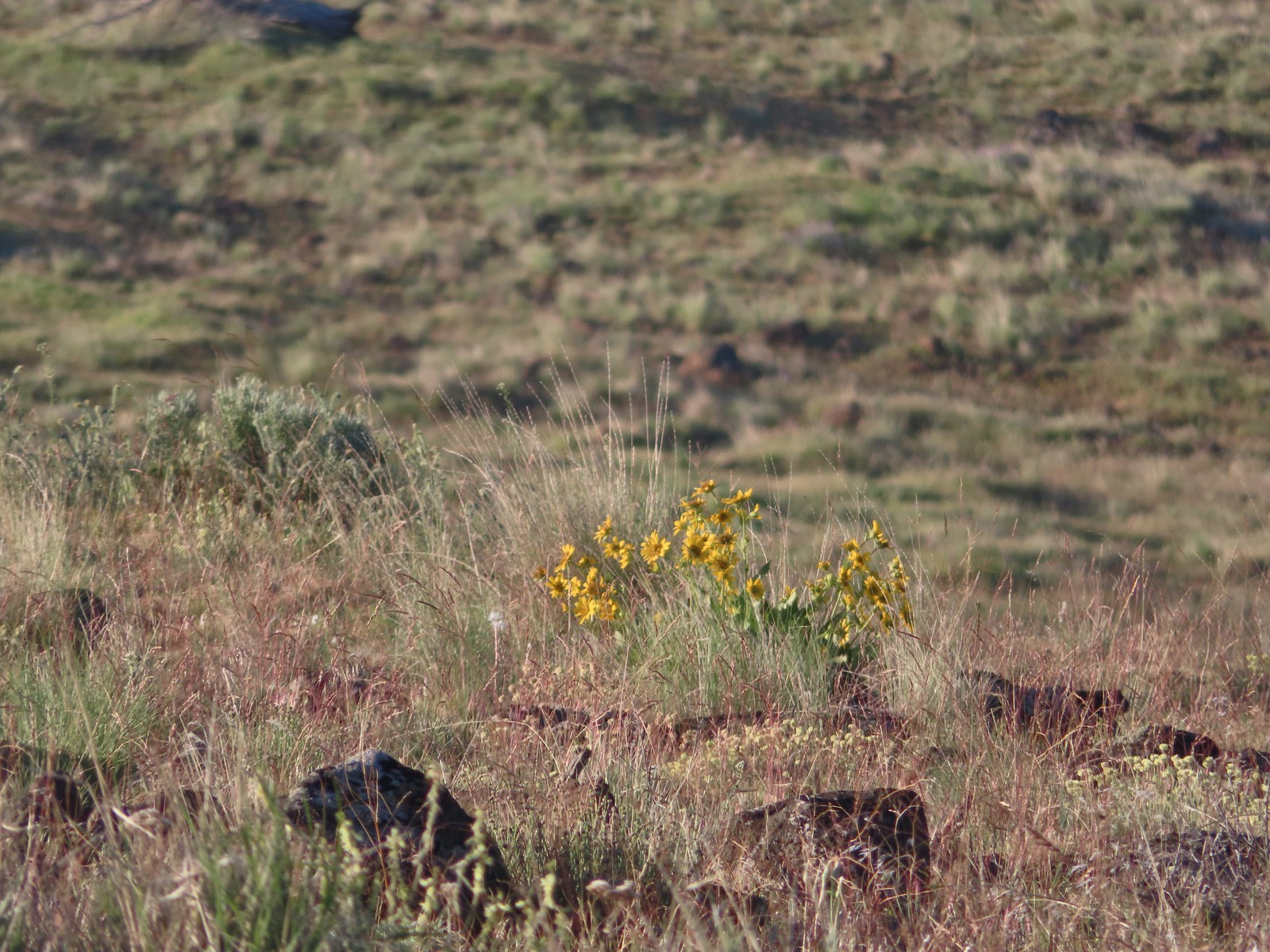 Carey’s balsamroot
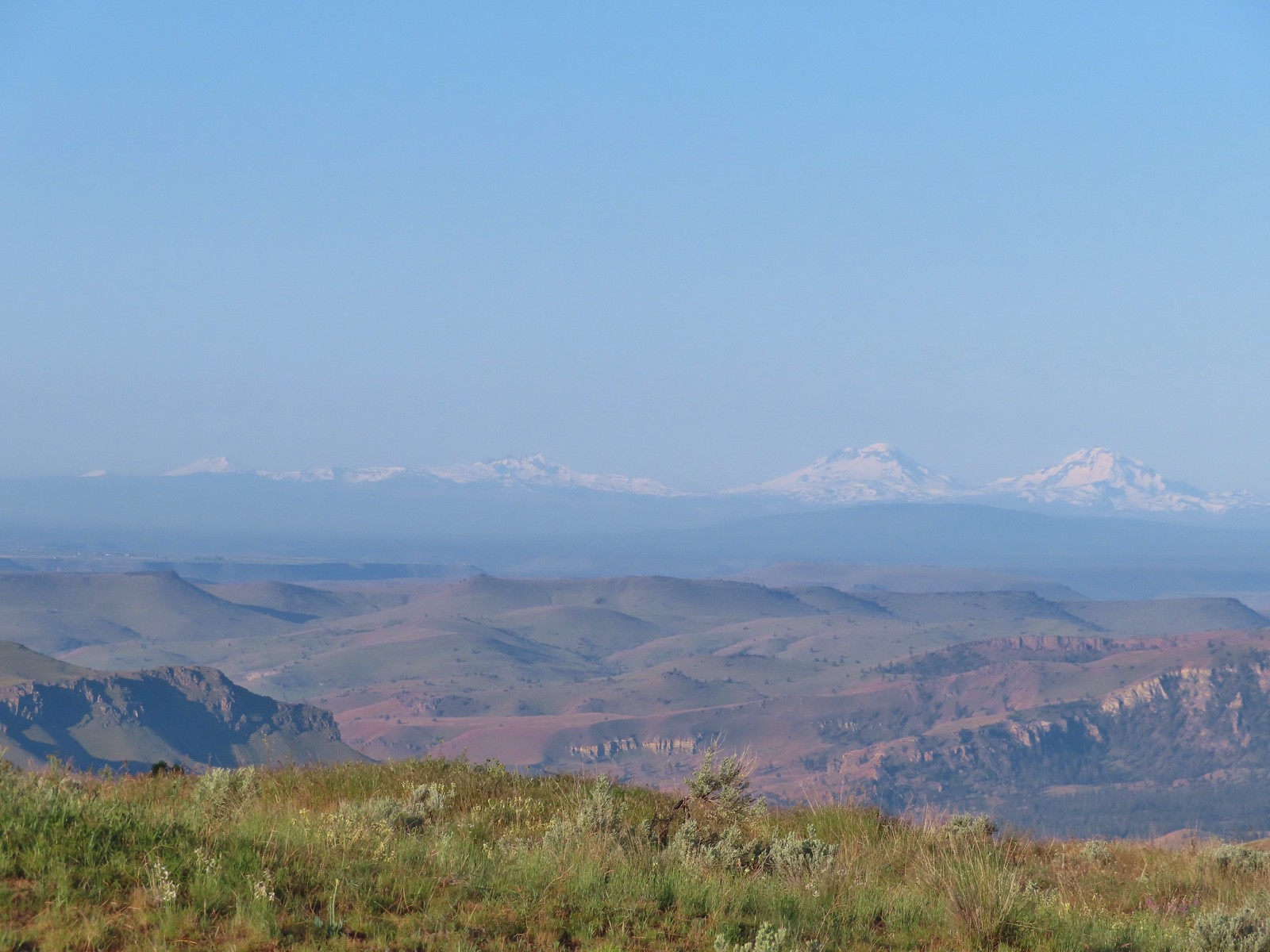 Mt. Bachelor, Broken Top and the Three Sisters
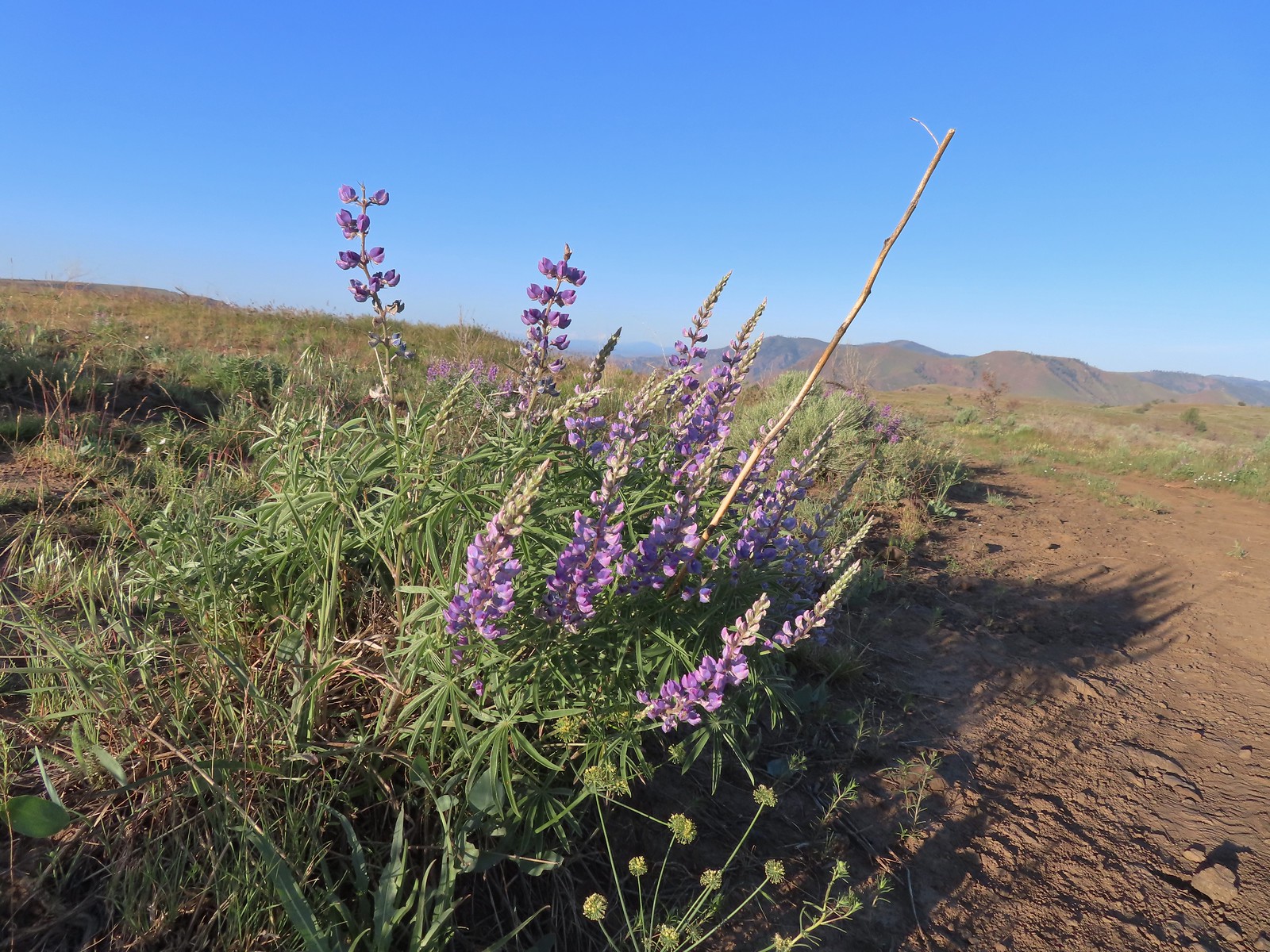 Lupine
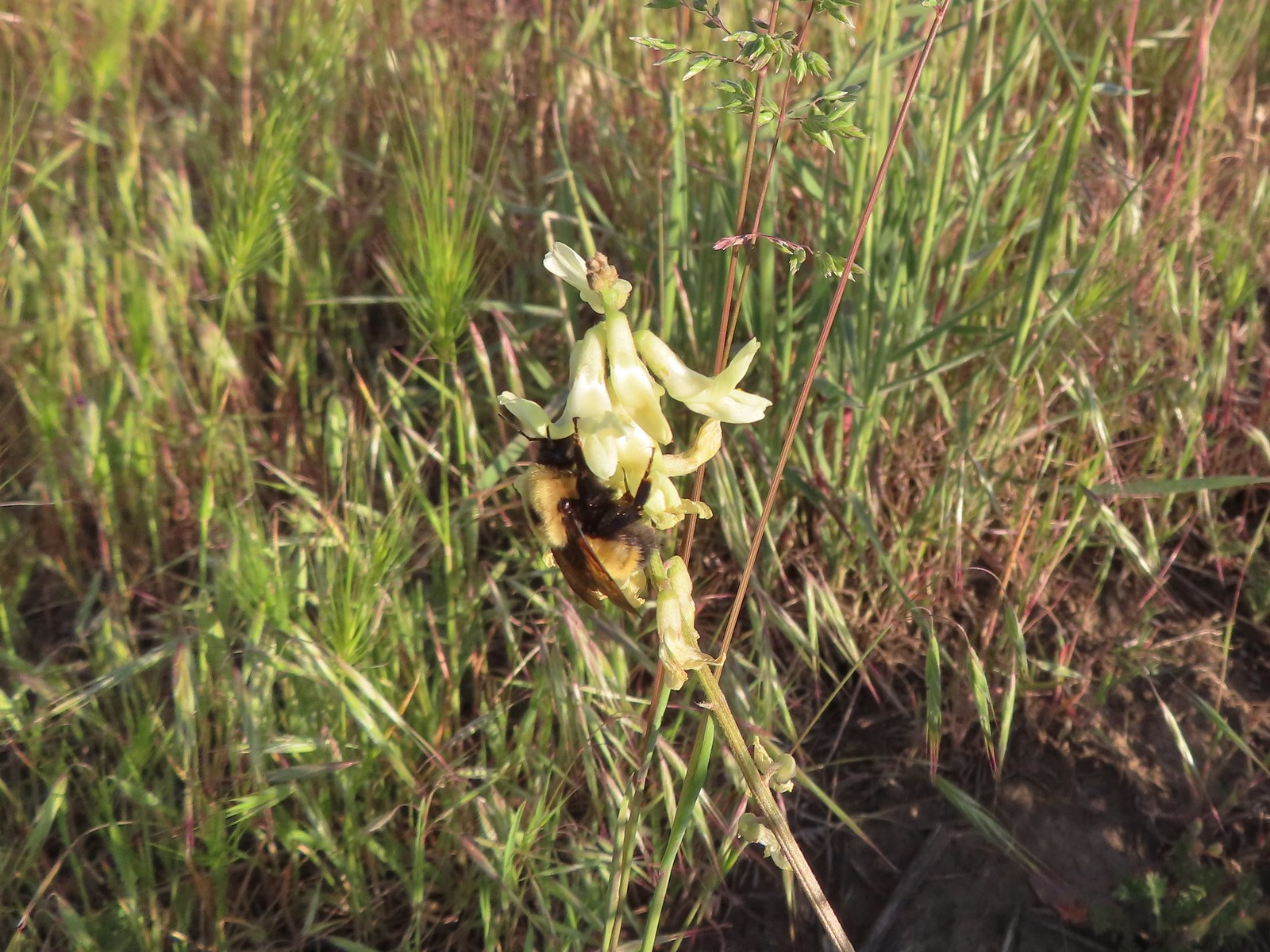 Bumble bee on Howell’s milkvetch
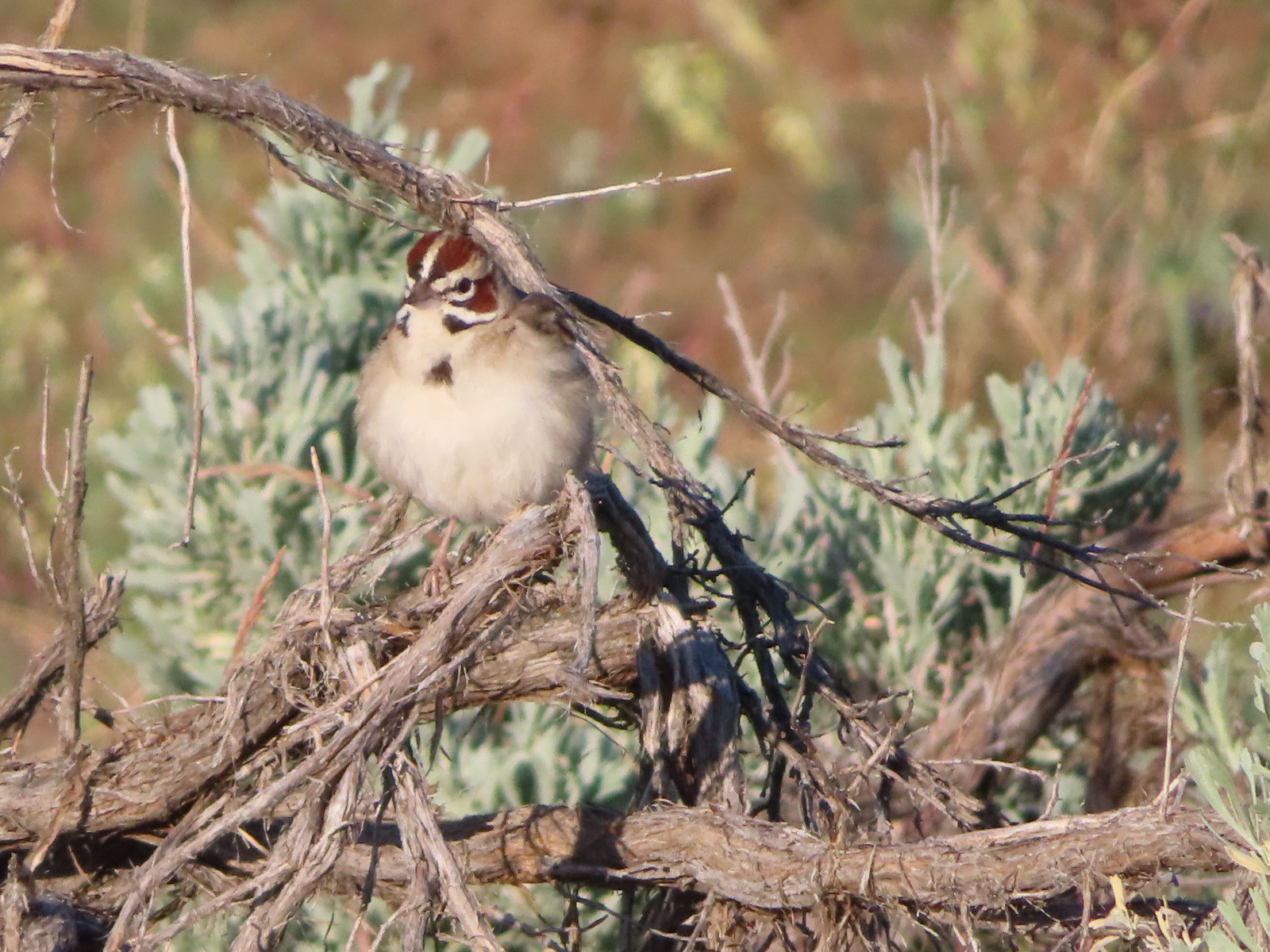 Lark sparrow
 We spent a lot of time heading toward Mt. Hood.
 Sparrow?
 Mt. Adams
 Mt. Hood
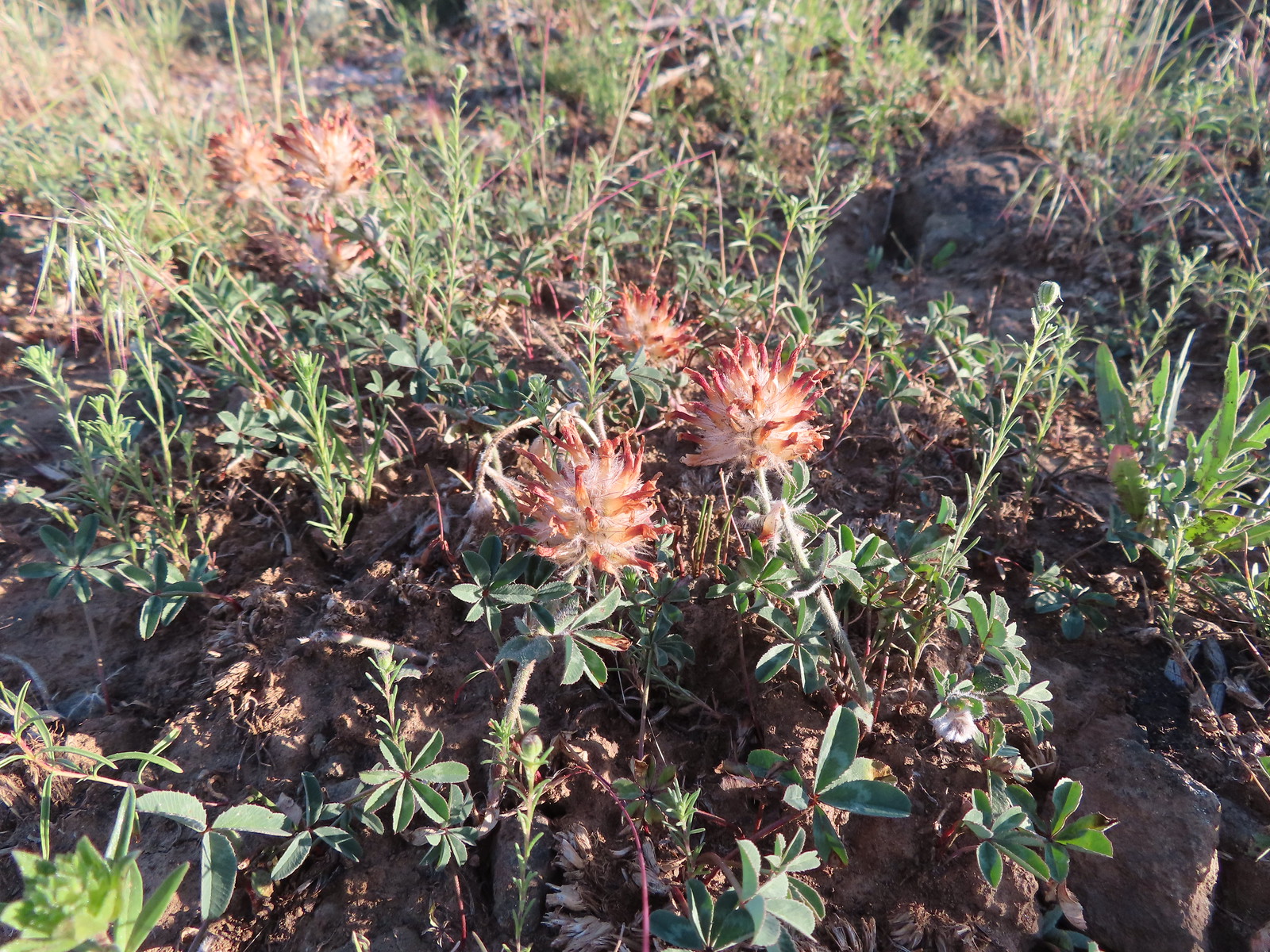 We were a little too late for the large-head clover.
 Western meadowlark giving a performance.
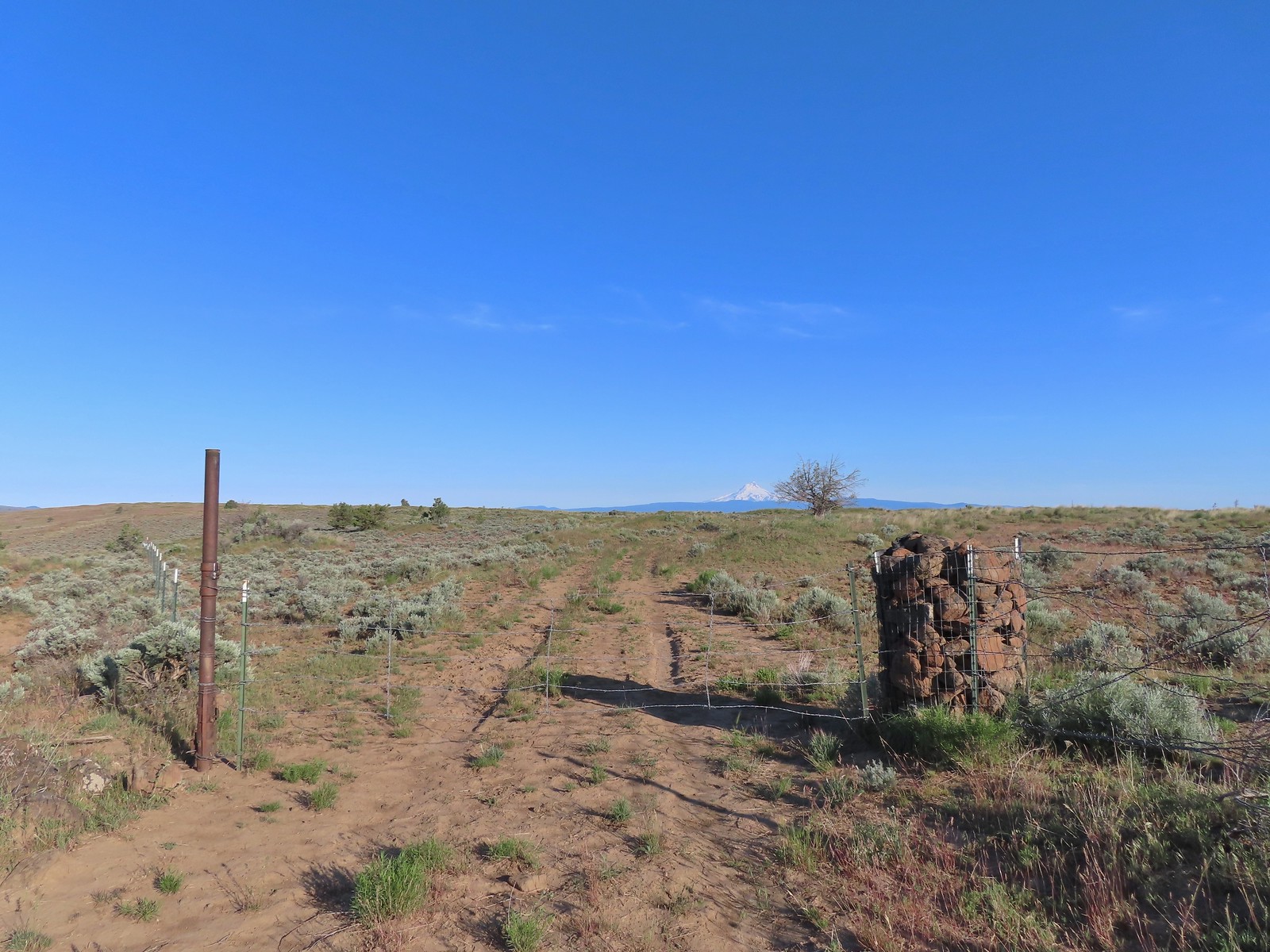 The third gate with Mt. Hood in the distance.
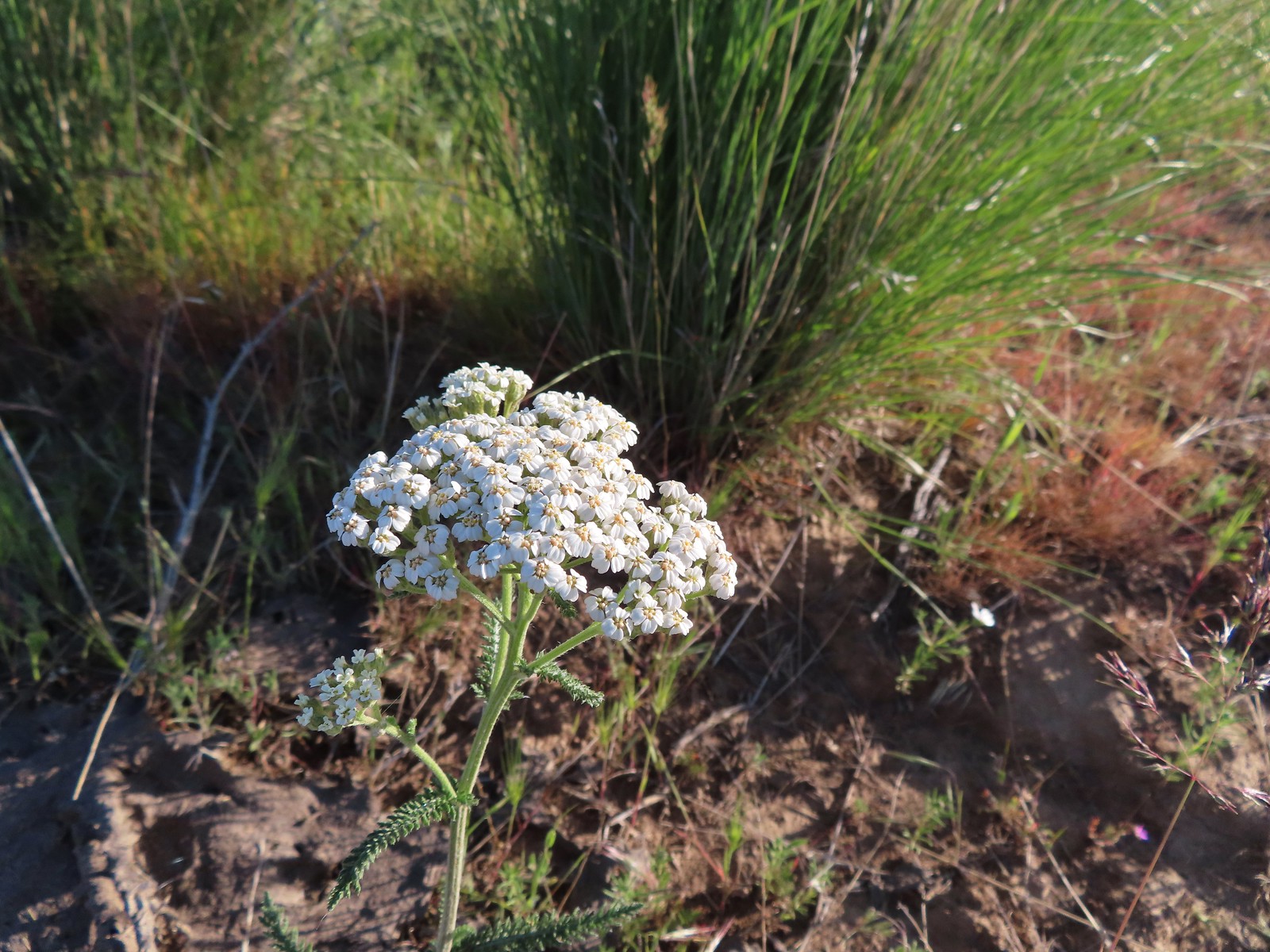 Yarrow
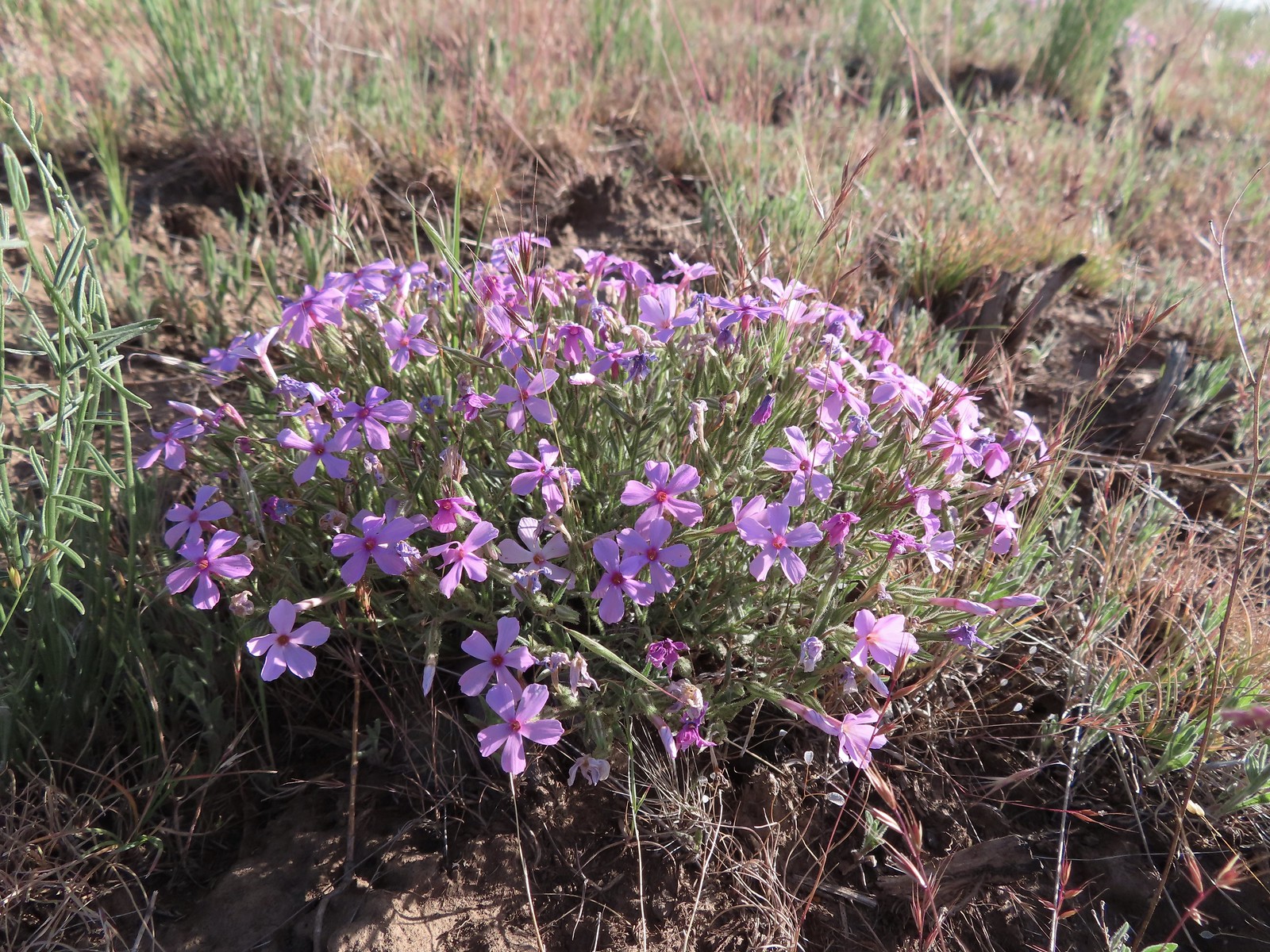 Phlox
Phlox The Deschutes River winding through the valley below.
 Rough eyelashweed and lupine with Mt. Hood behind.
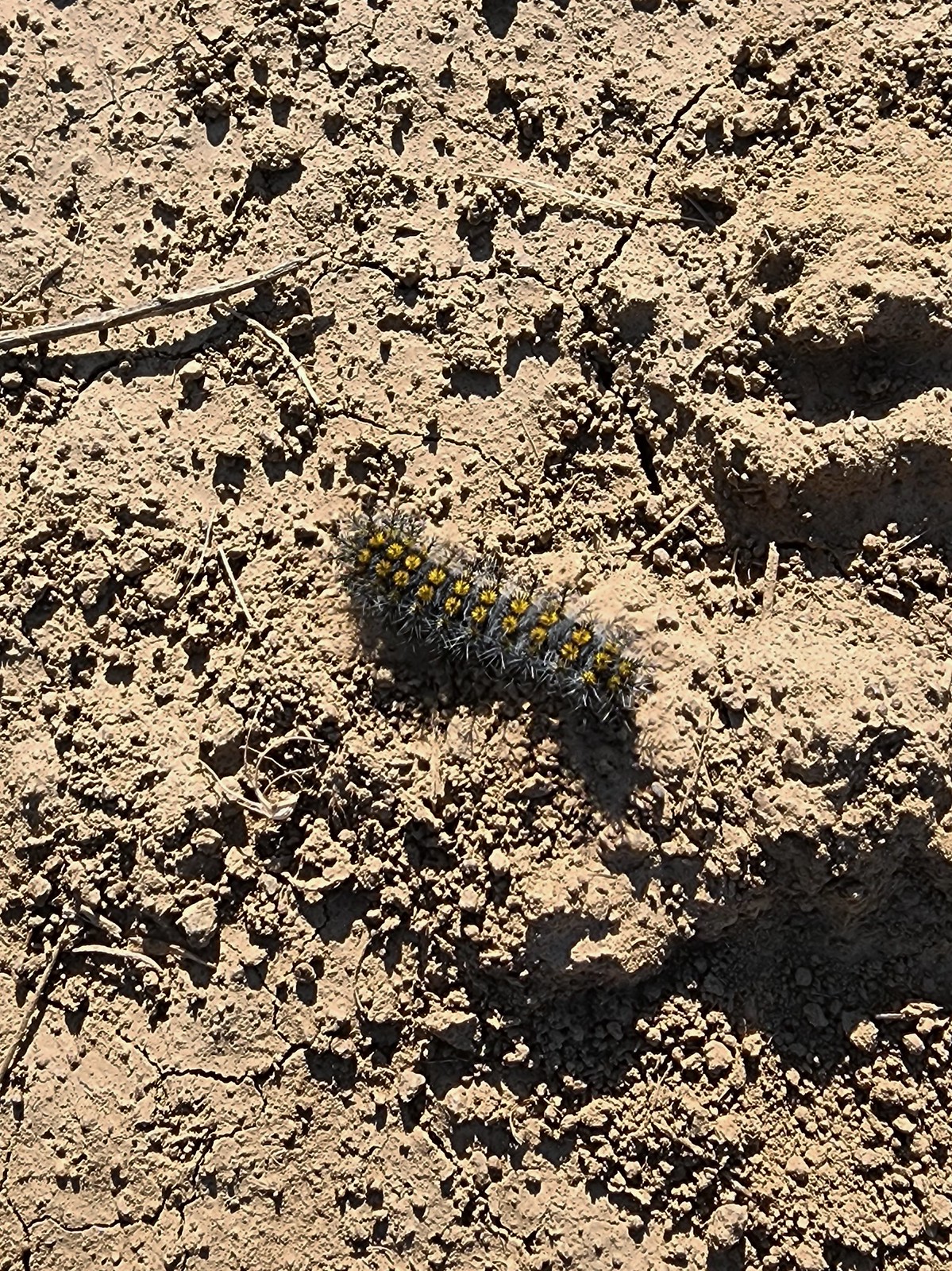 Caterpillar
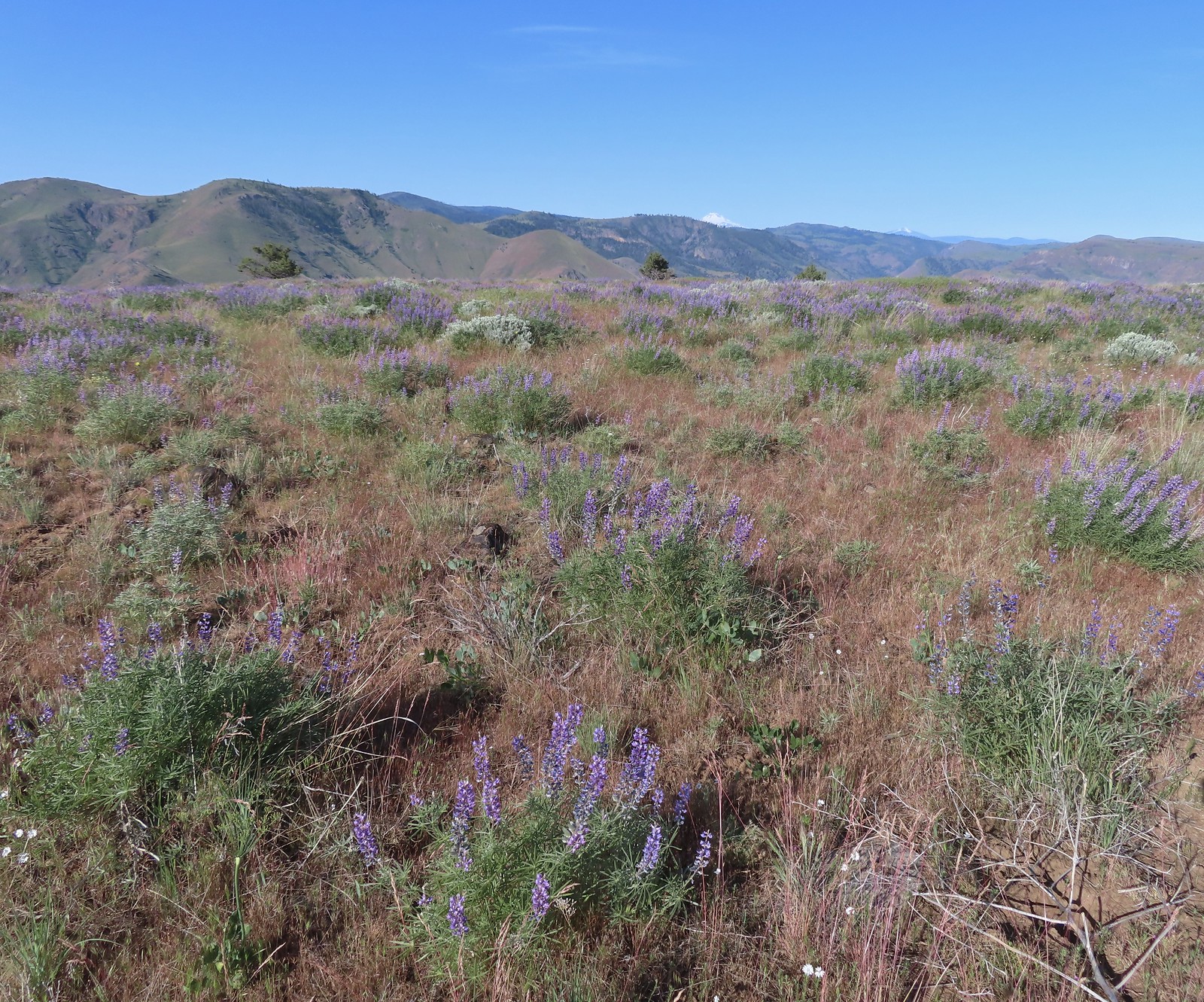 Lupine with Mt. Jefferson in the background.
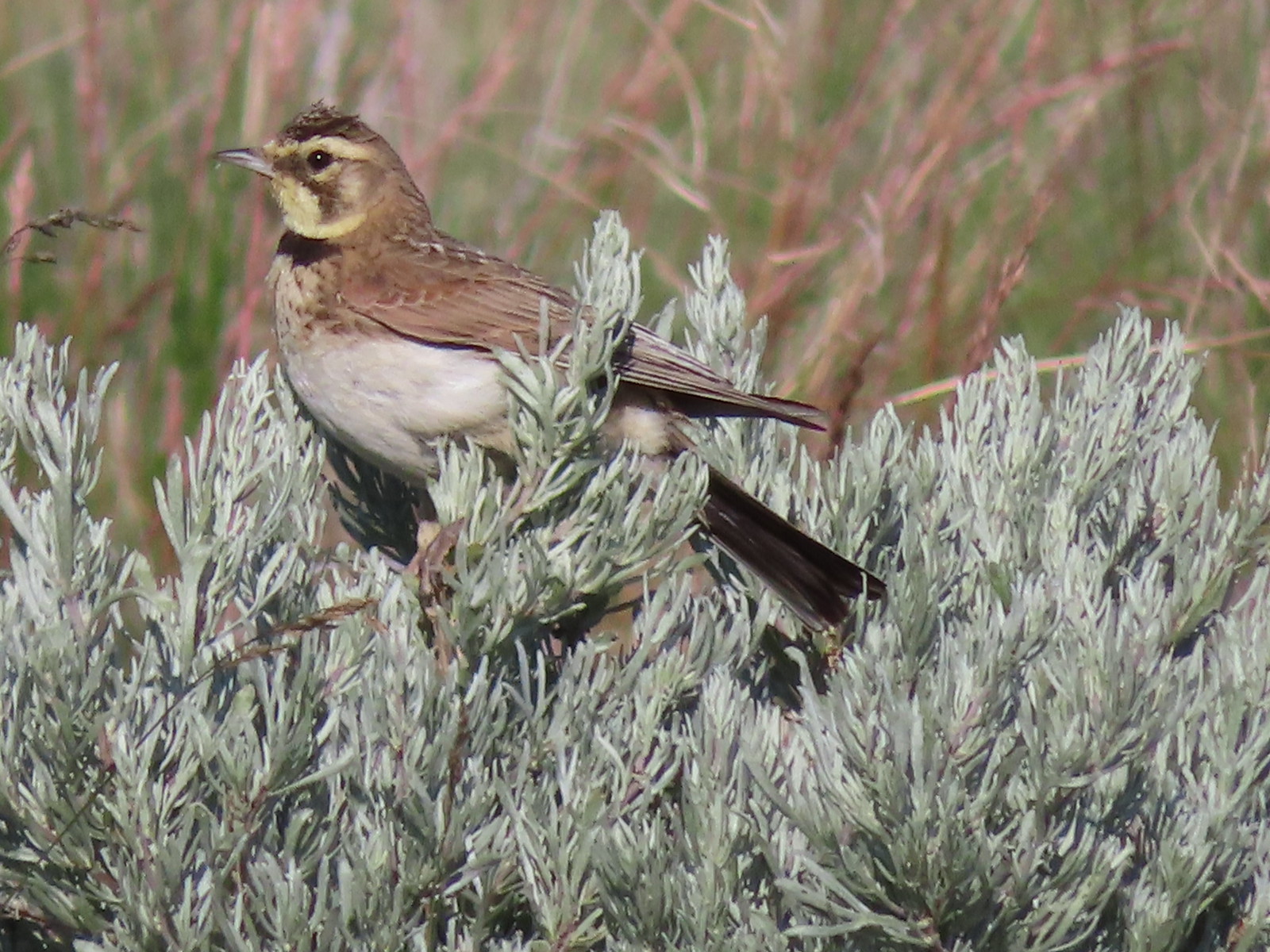 Horned lark
 Mt. Jefferson behind the abandoned trailer.
 Mt. Jefferson was hidden at times but this gap in the hills provided a nice view.
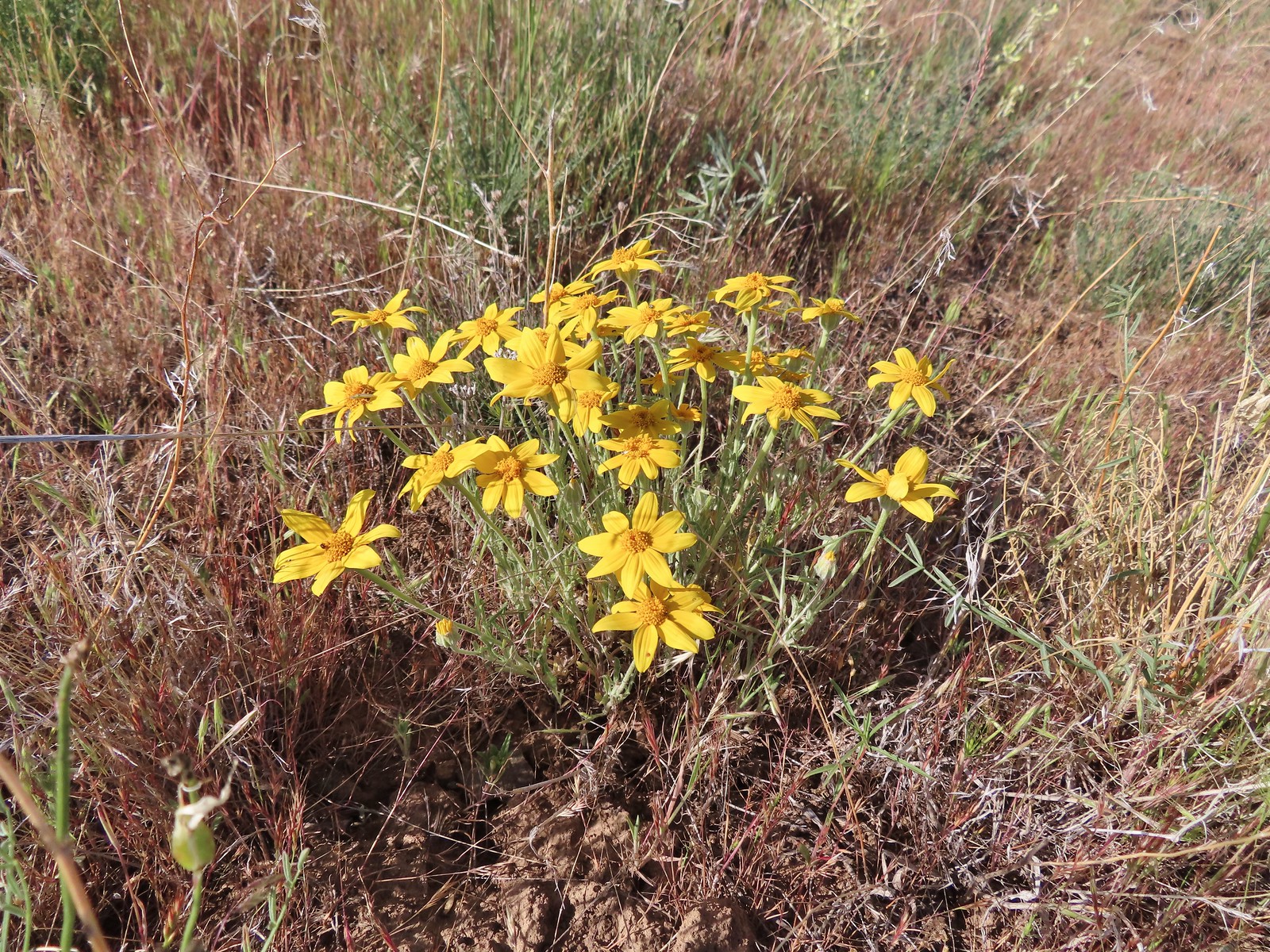 Oregon sunshine
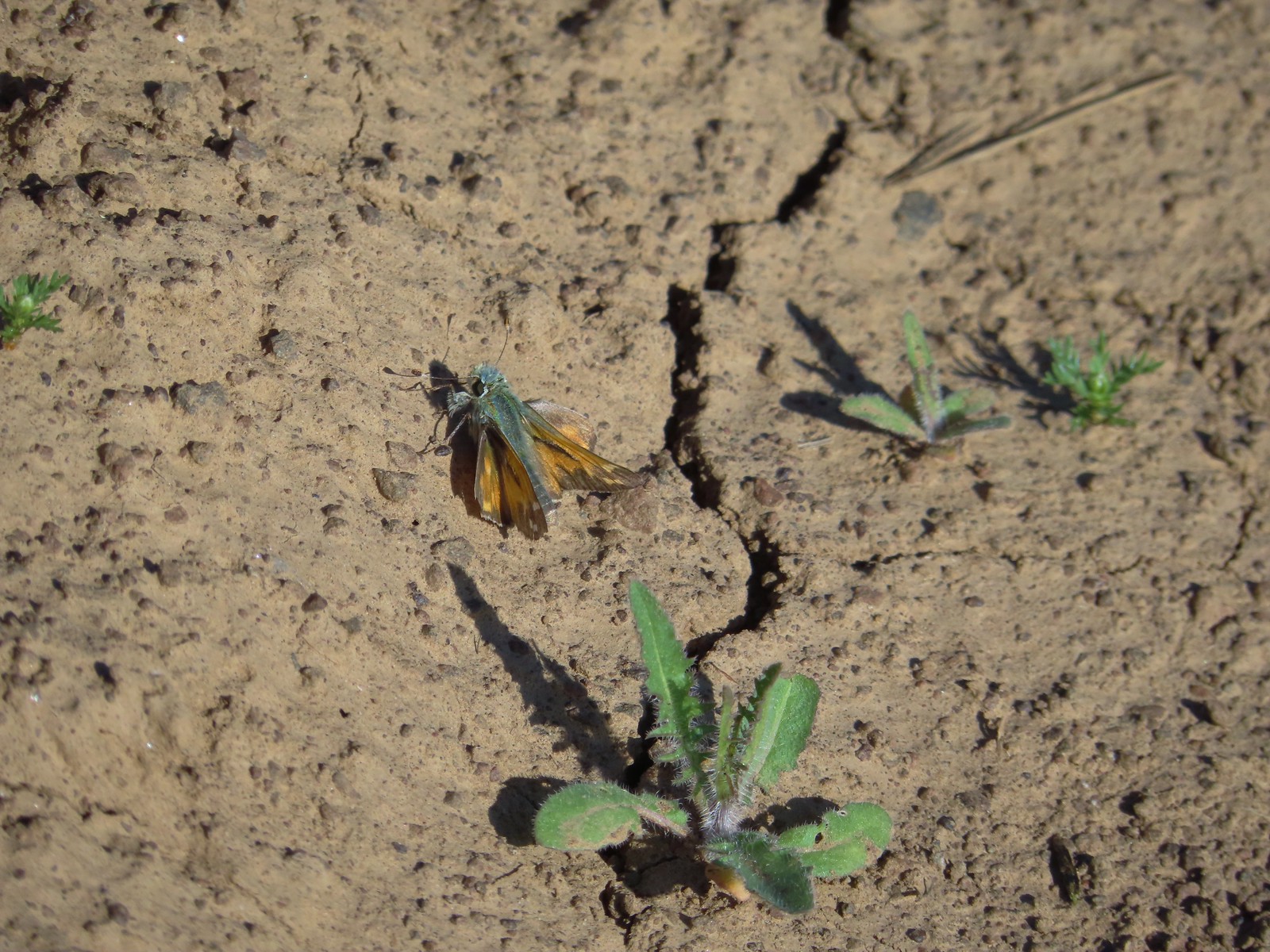 Skipper
 Mt. Jefferson and Olallie Butte (
 A small watering hole.
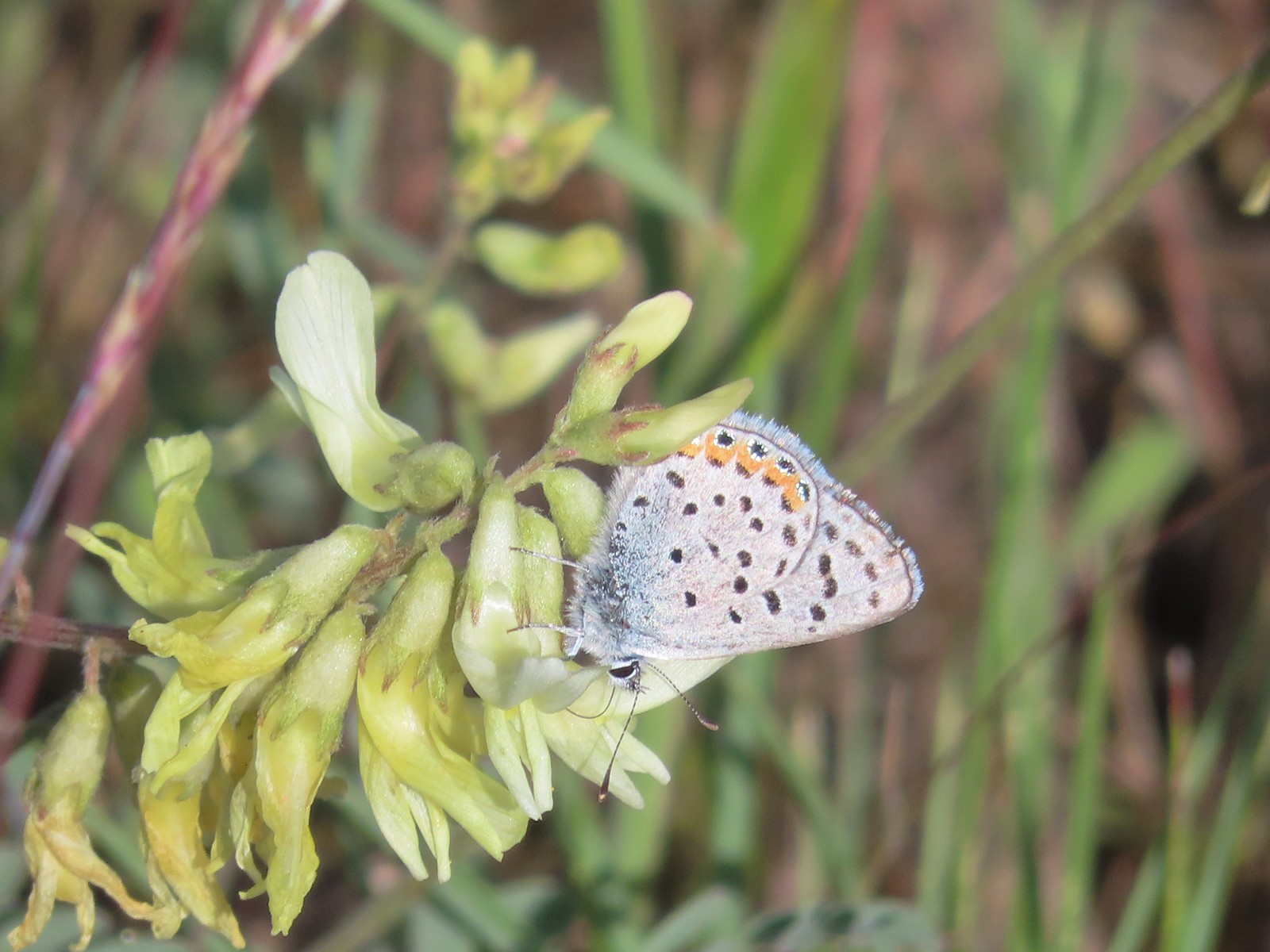 Leaning toward an Acmon blue but not sure.
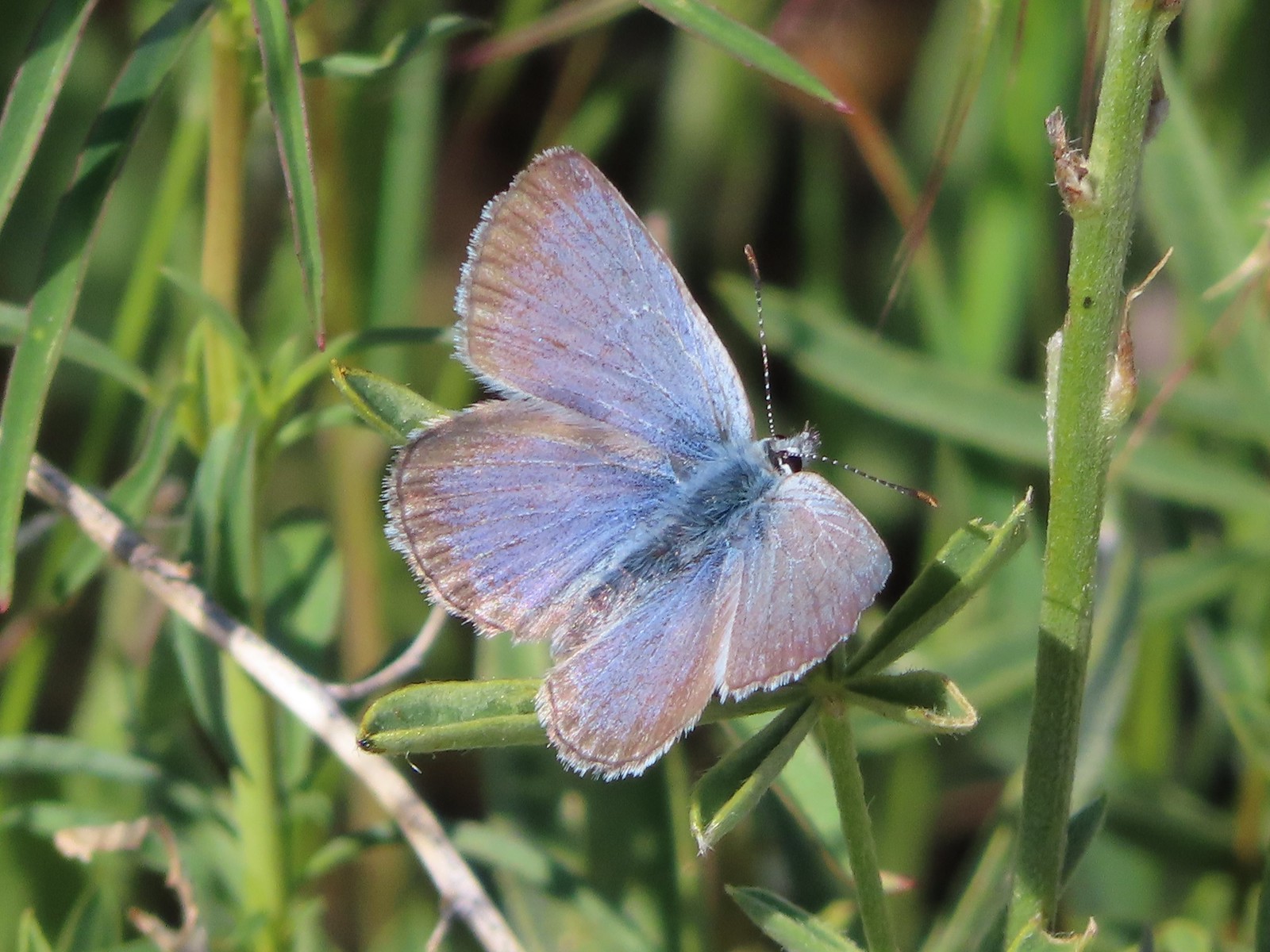 Another in the Lycaenidae family.
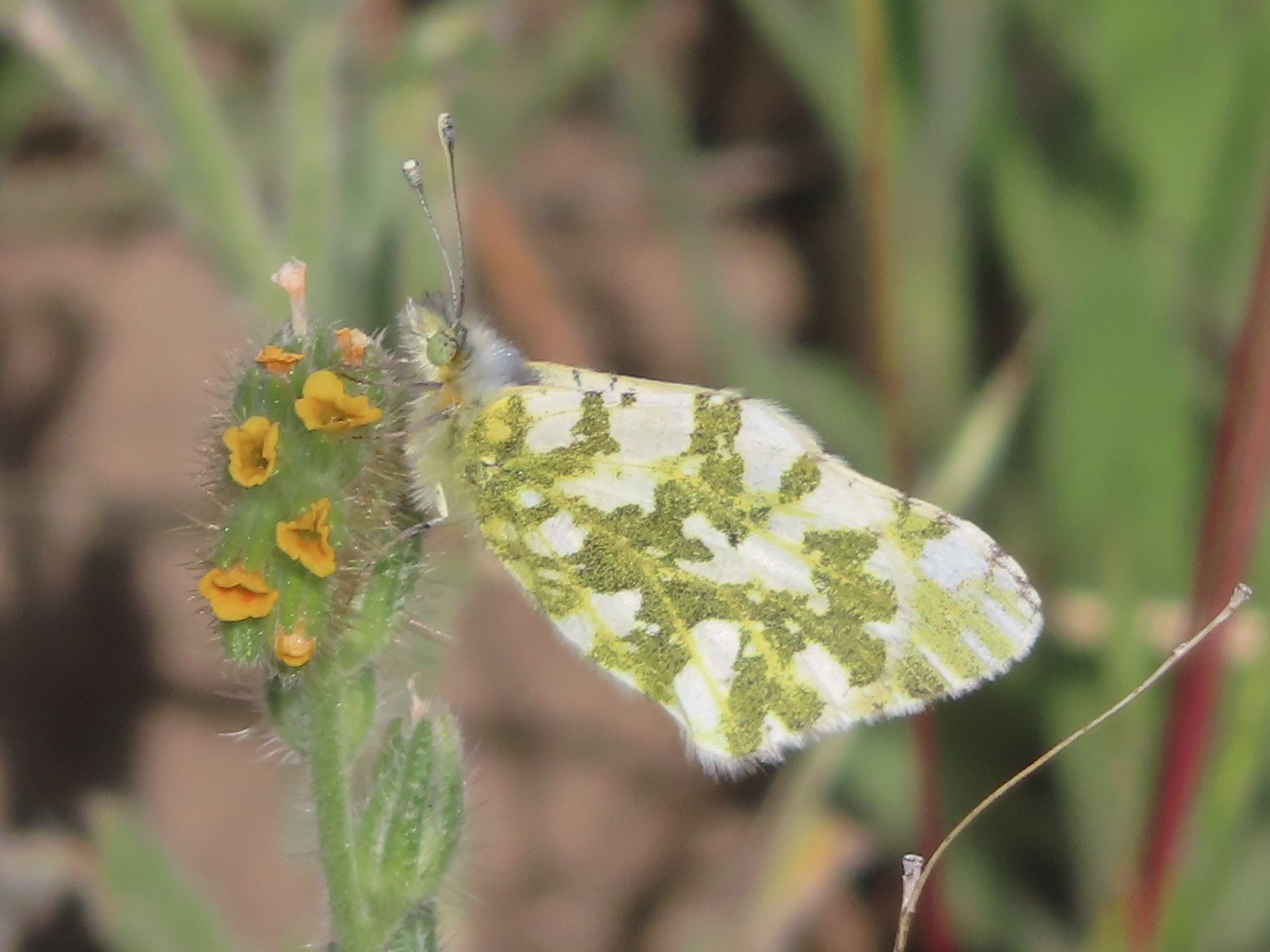 Large marble on a fiddleneck.
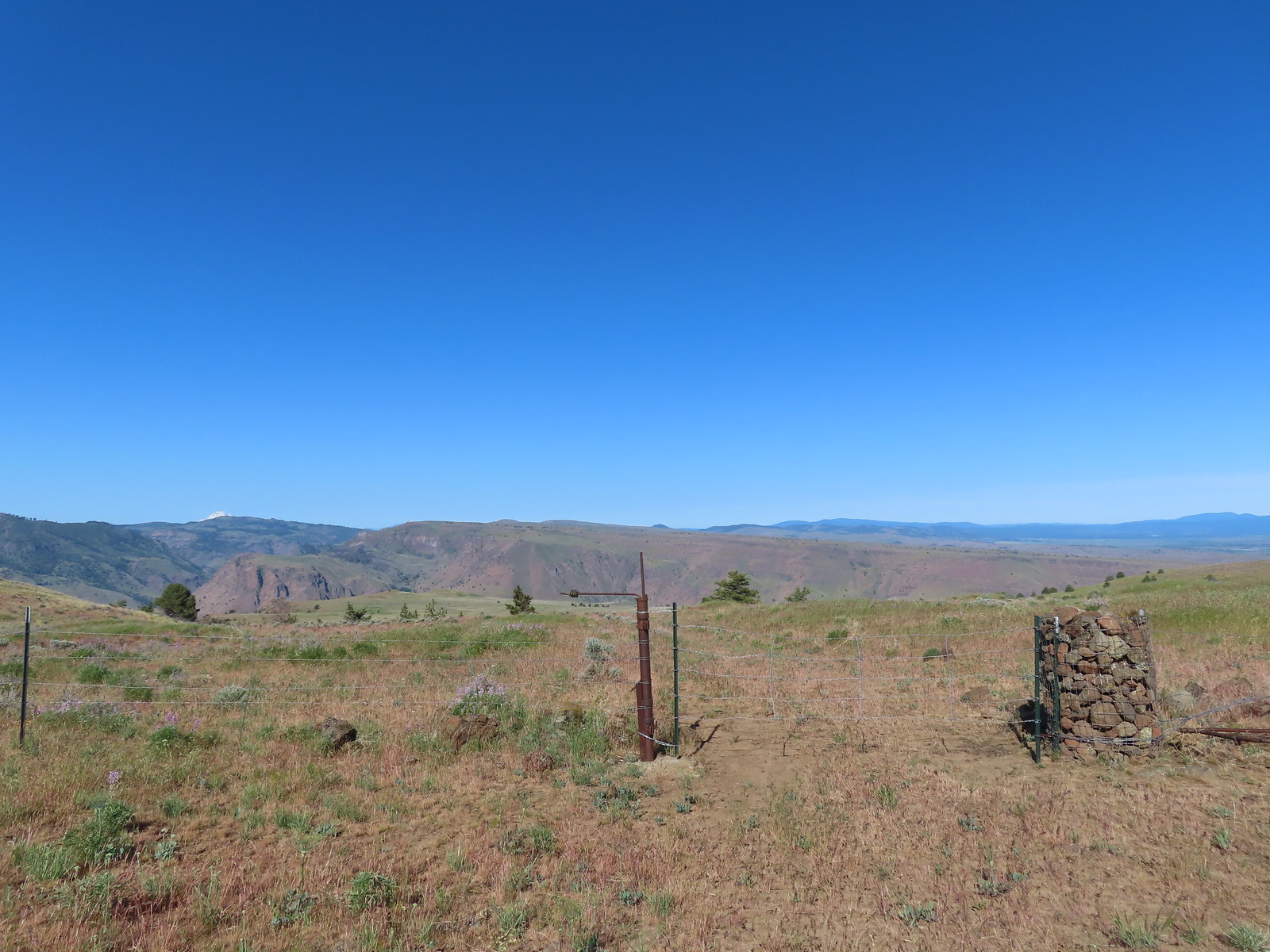 The fourth gate at the 4-way junction.
 Mourning dove
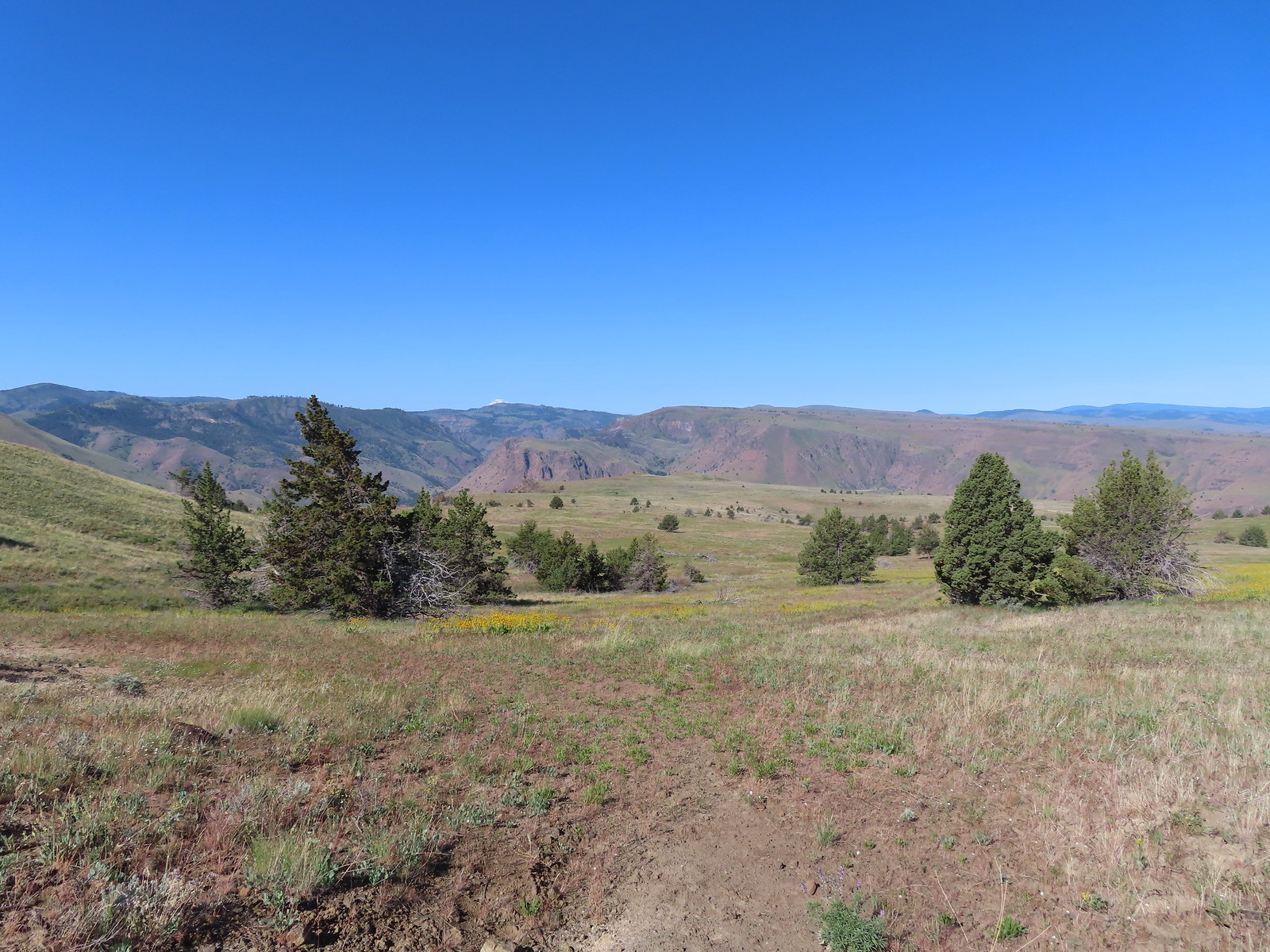 The more “obvious” jeep track curving left.
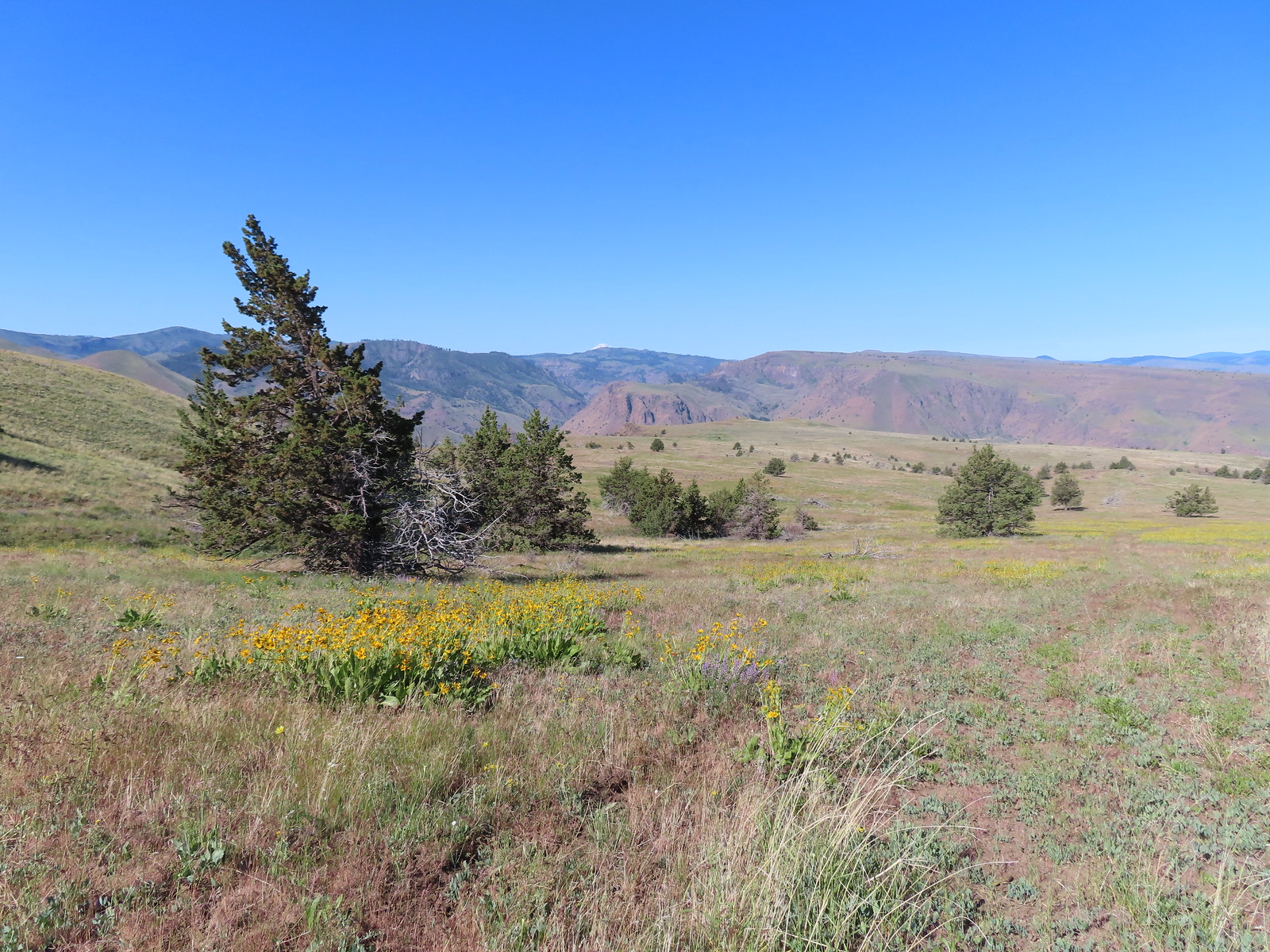 The fainter track angling slightly right.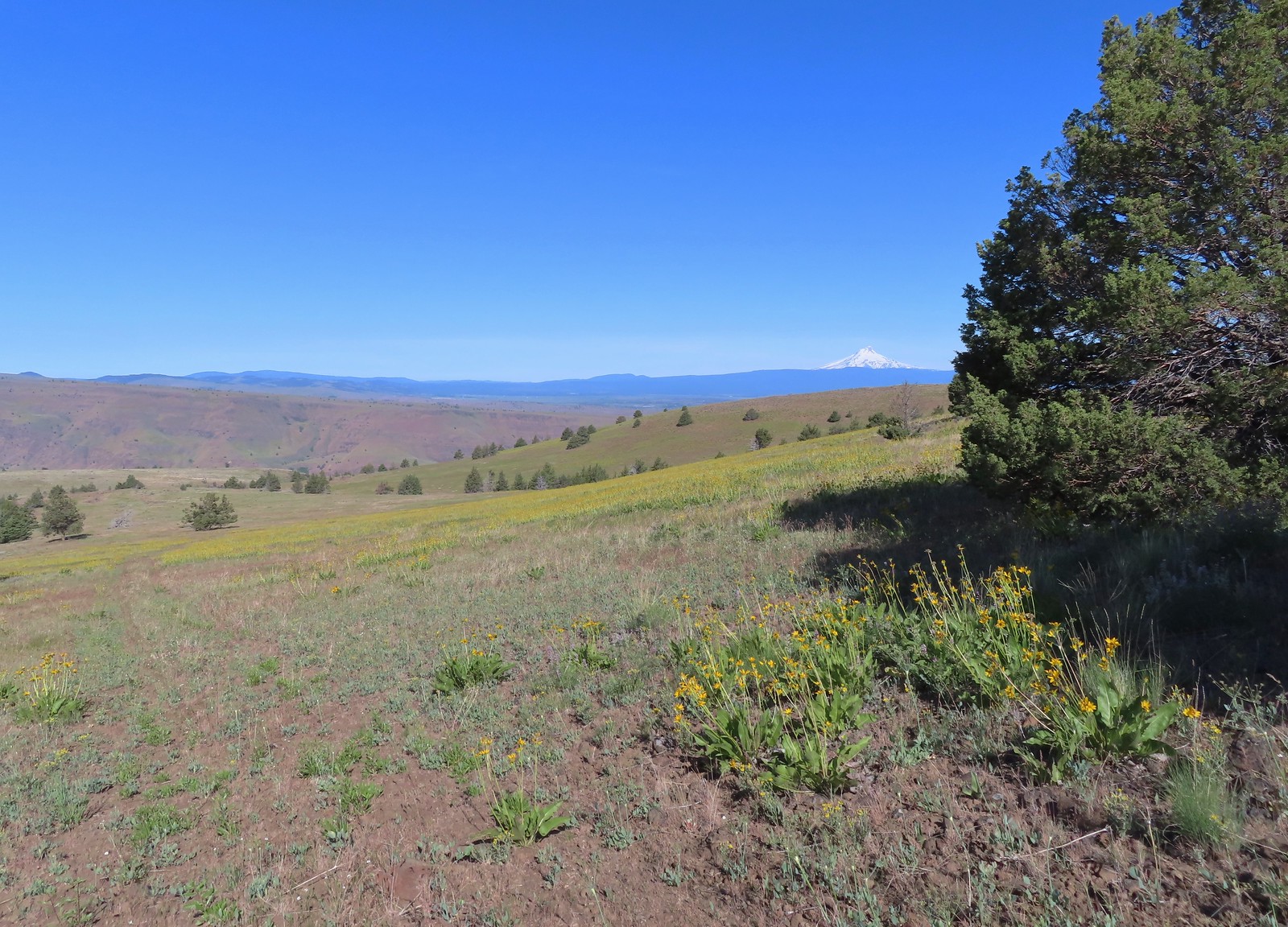
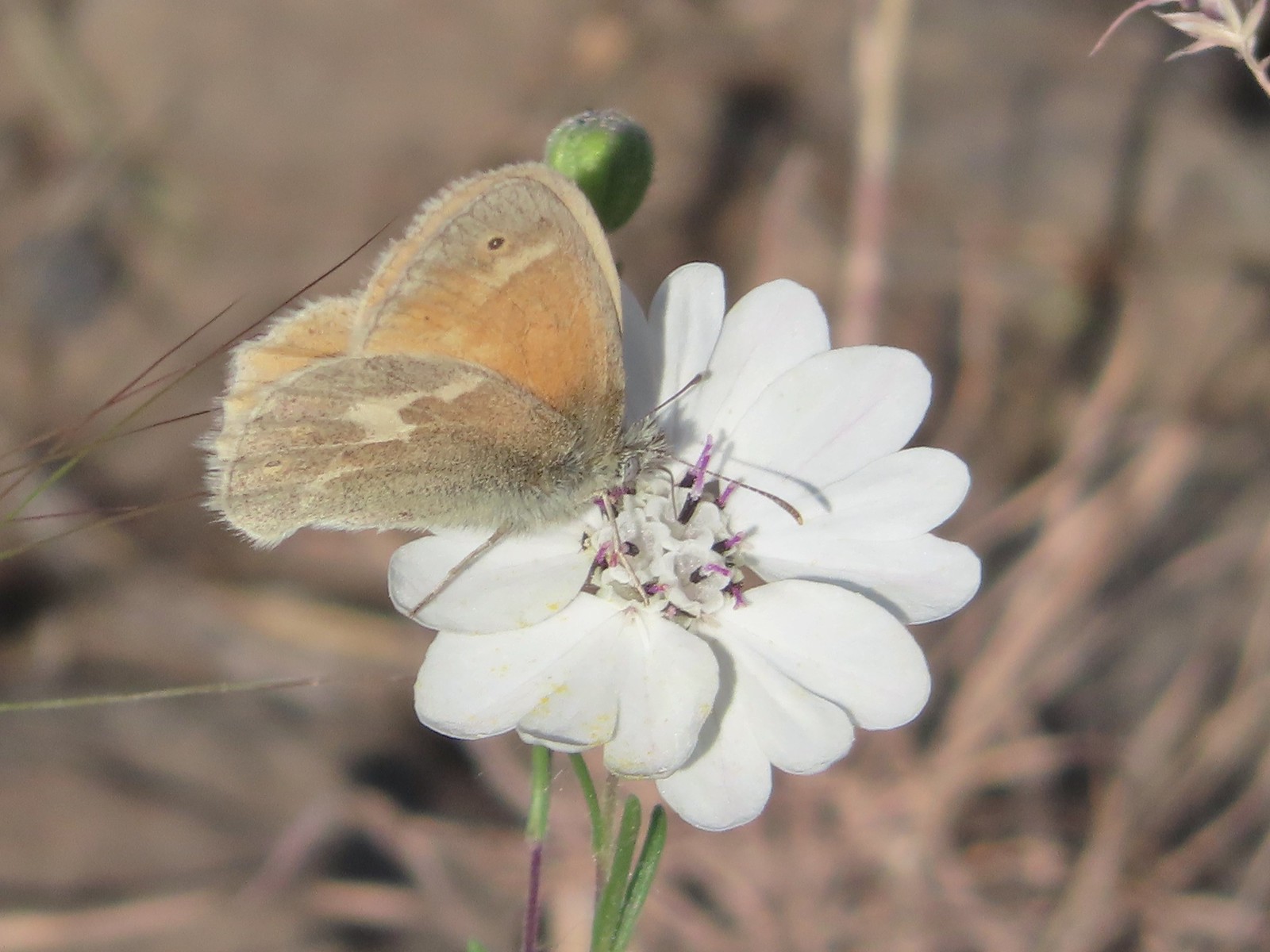 Ochre ringlet on rougheyelashweed.

 Zerene fritillary
 Zerene fritillary on salsify
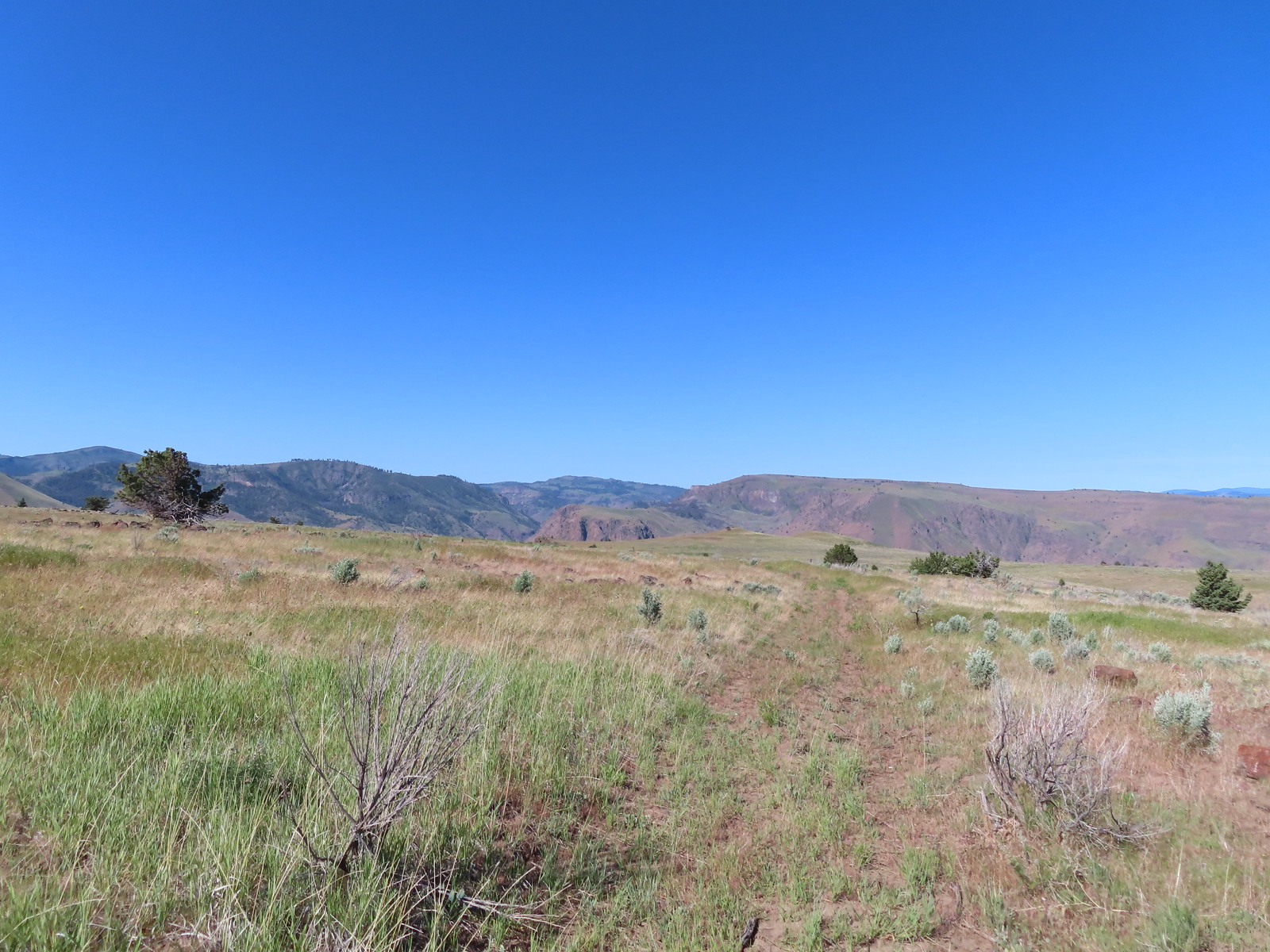 We thought we spied the post and used the camera to zoom in and confirm.
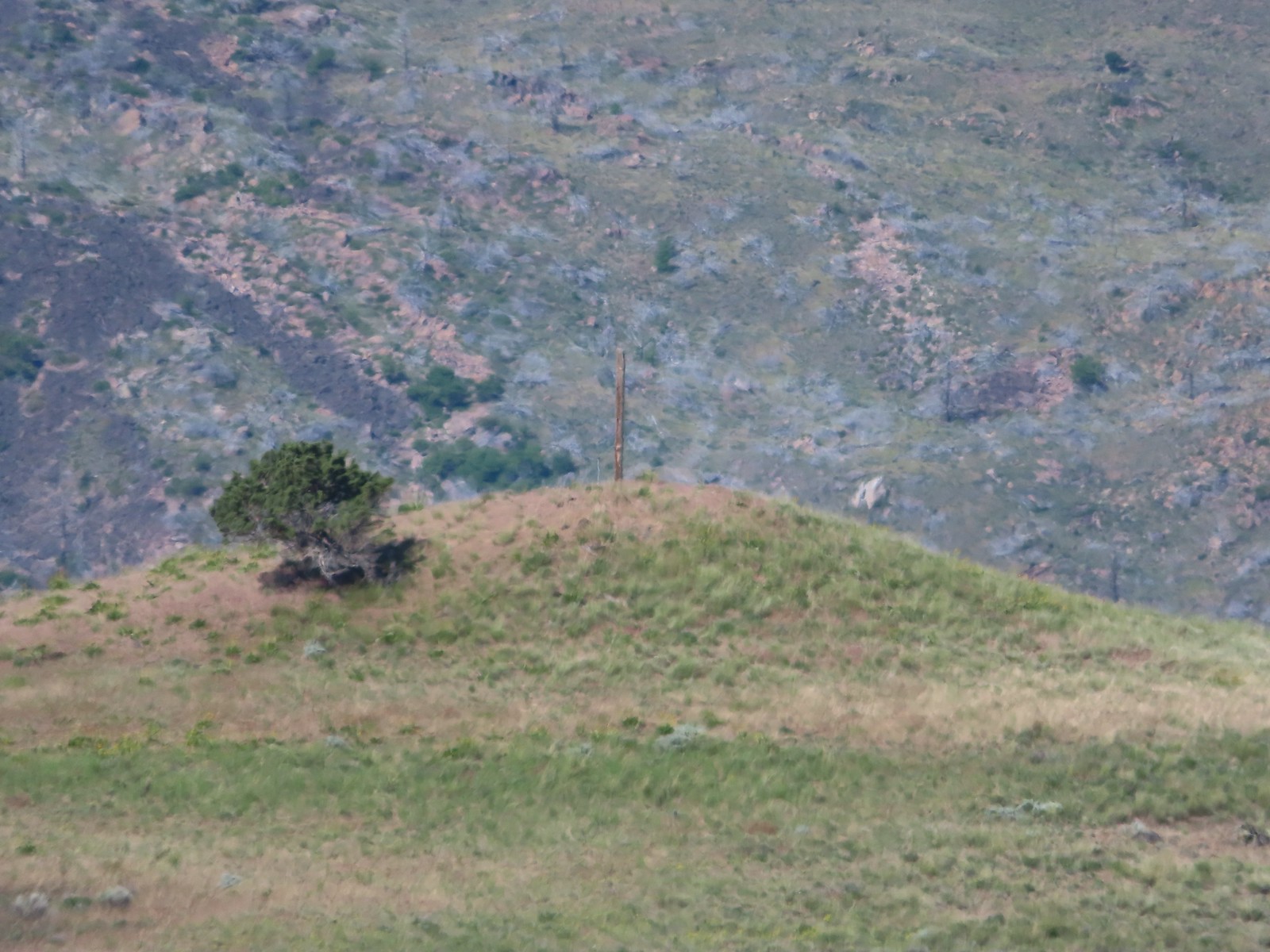 This was the only knoll with a juniper as well as the post.
 Largeflower hawksbeard
 Paintbrush
 To reach Stag Point we had to go cross country, so we looked for the most gradual looking climb.
 Mt. Hood from Stag Point.
 The Deschutes River from Stag Point.
 Mt. Hood and Mt. Adams from Stag Point.
 Looking back over the route we’d come down.
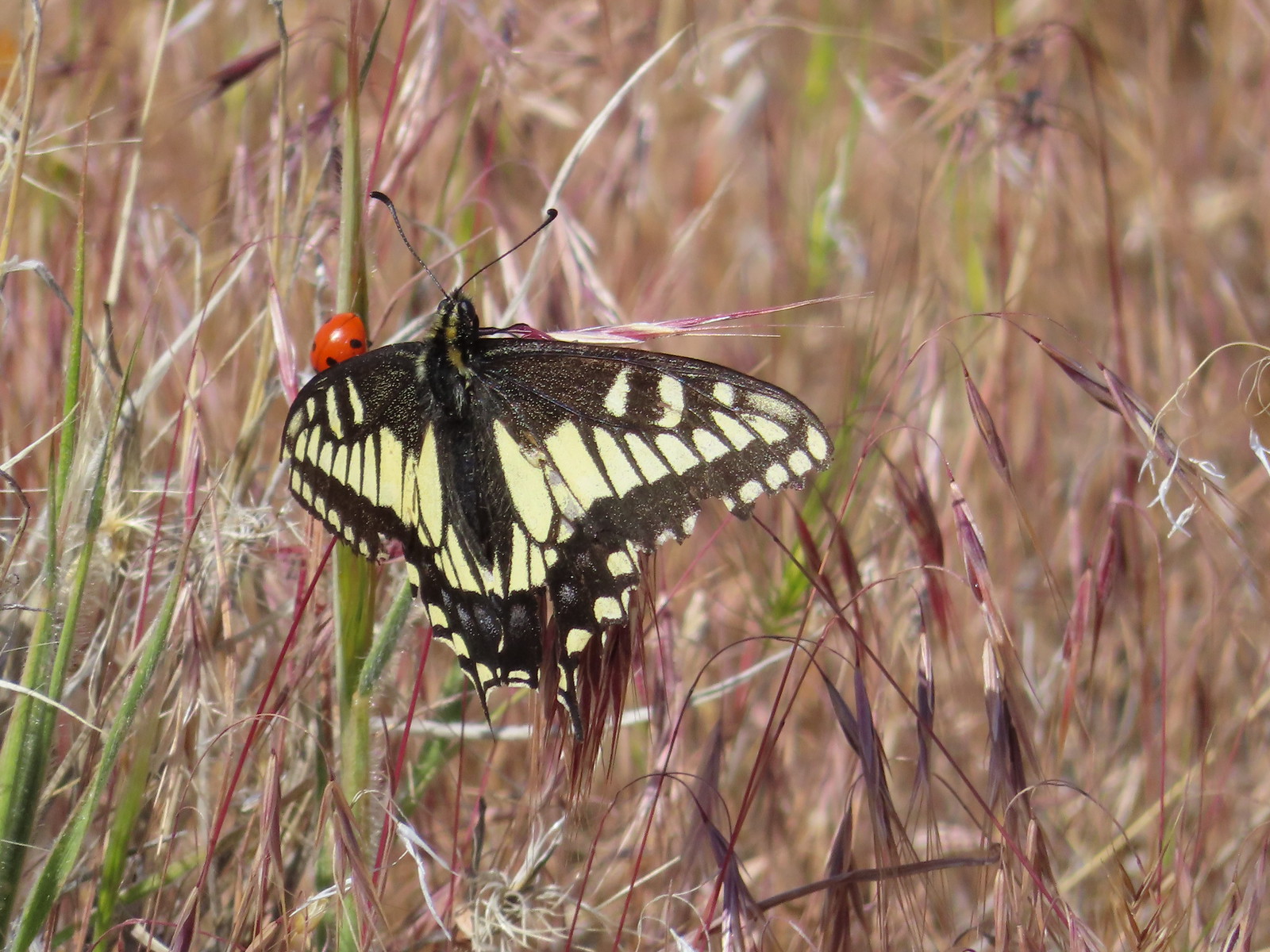 Ladybug and an Oregon swallowtail.
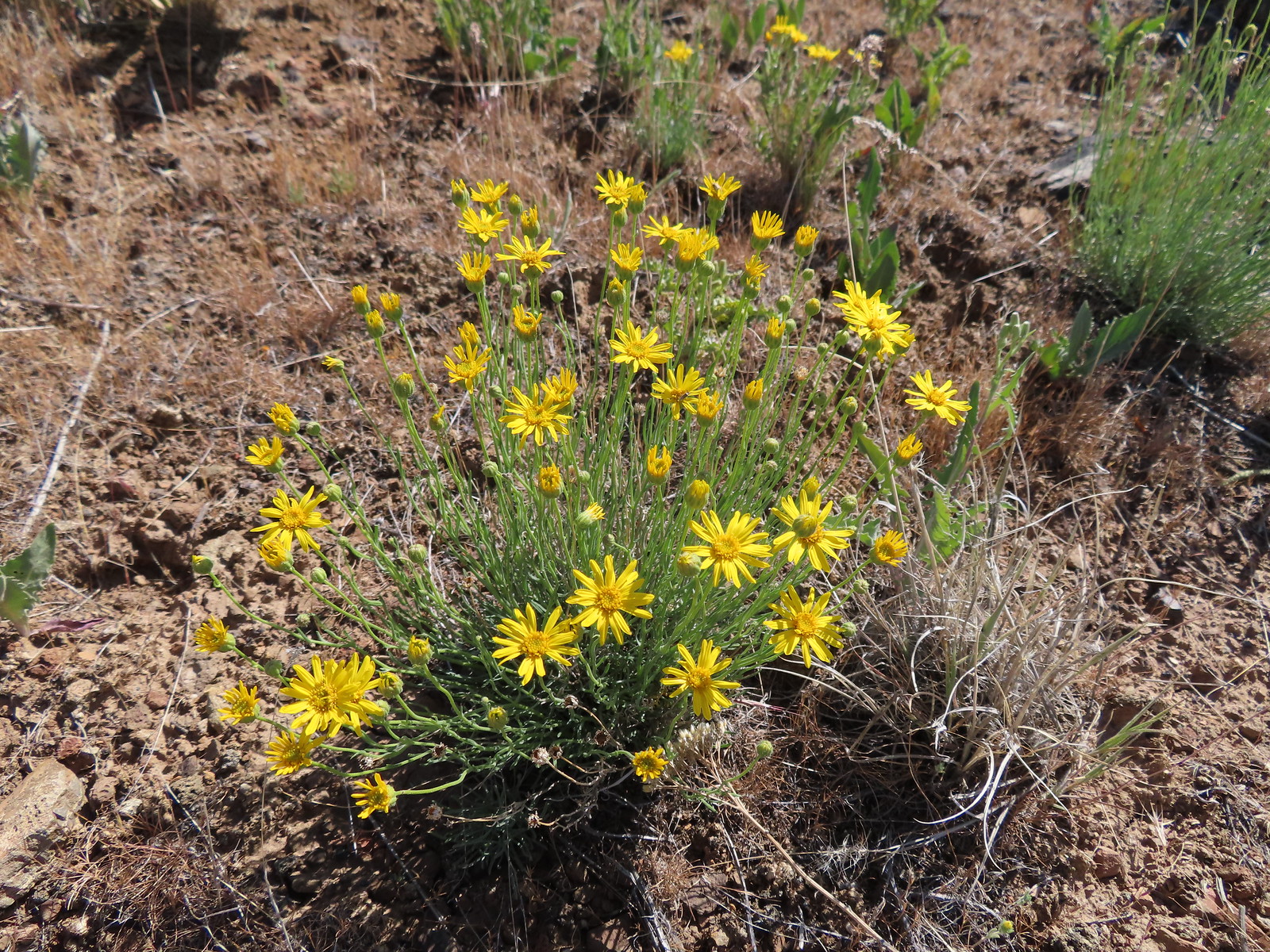 Desert yellow fleabane
 Heading out to the rock outcrop.
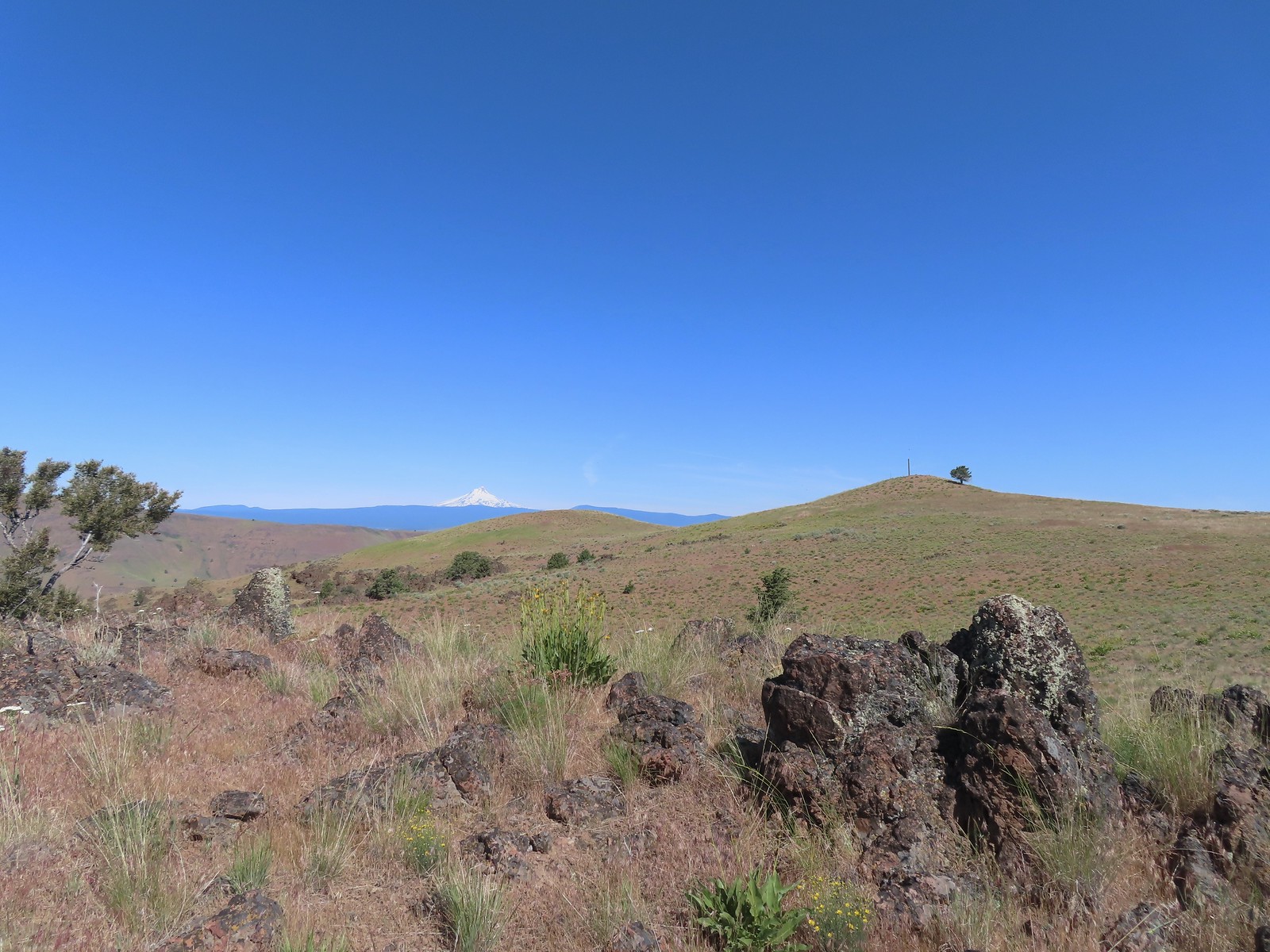 Mt. Hood and Stag Point from the outcrop.
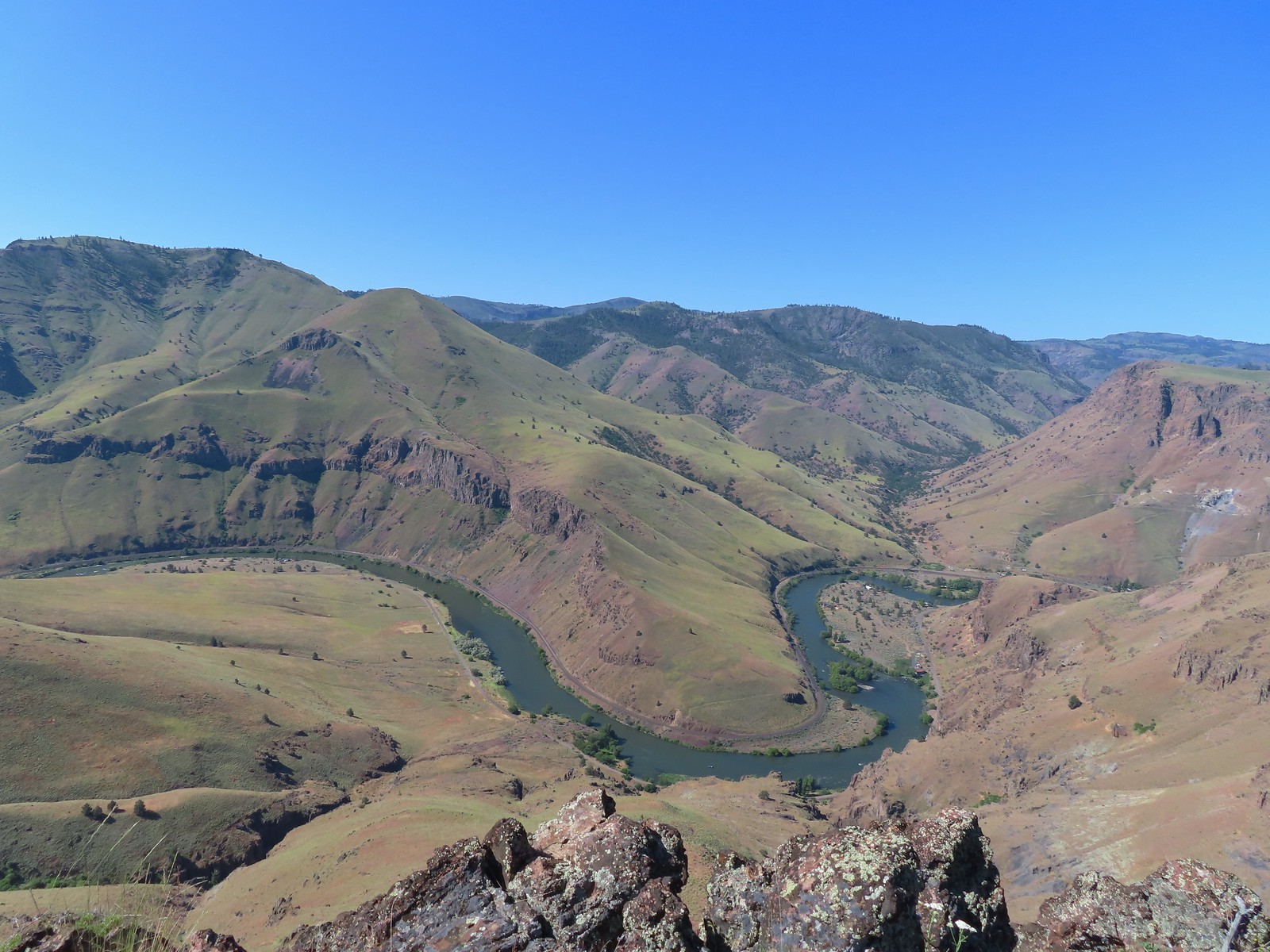 A better view of the Deschutes.
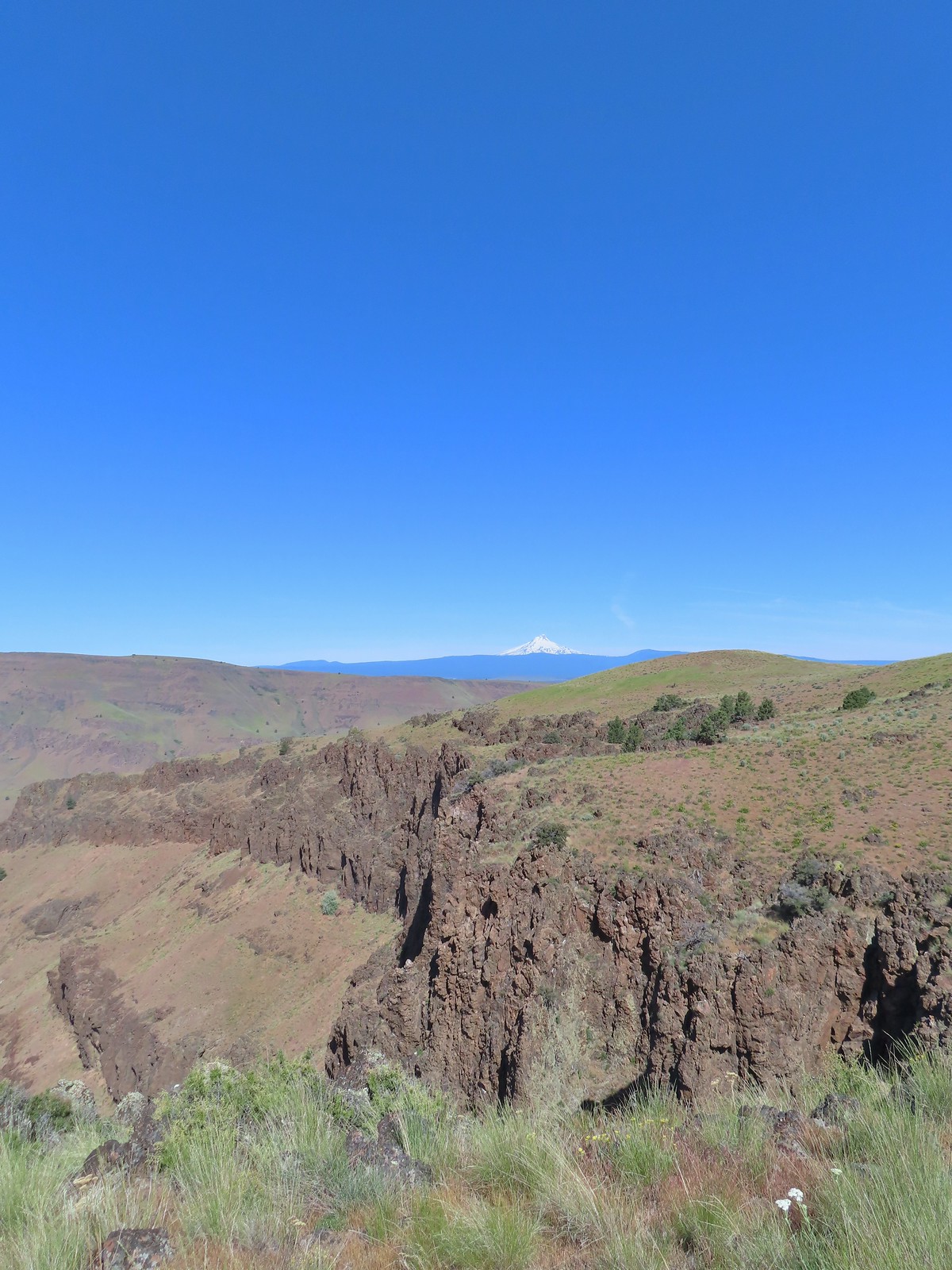 Mt. Hood beyond the cliffs.
 A buckwheat
 Stink bug
 Silverleaf phacelia
 Back on the jeep track.
 Lupine and balsamroot
 The cows had really chewed this section of the jeep track up.
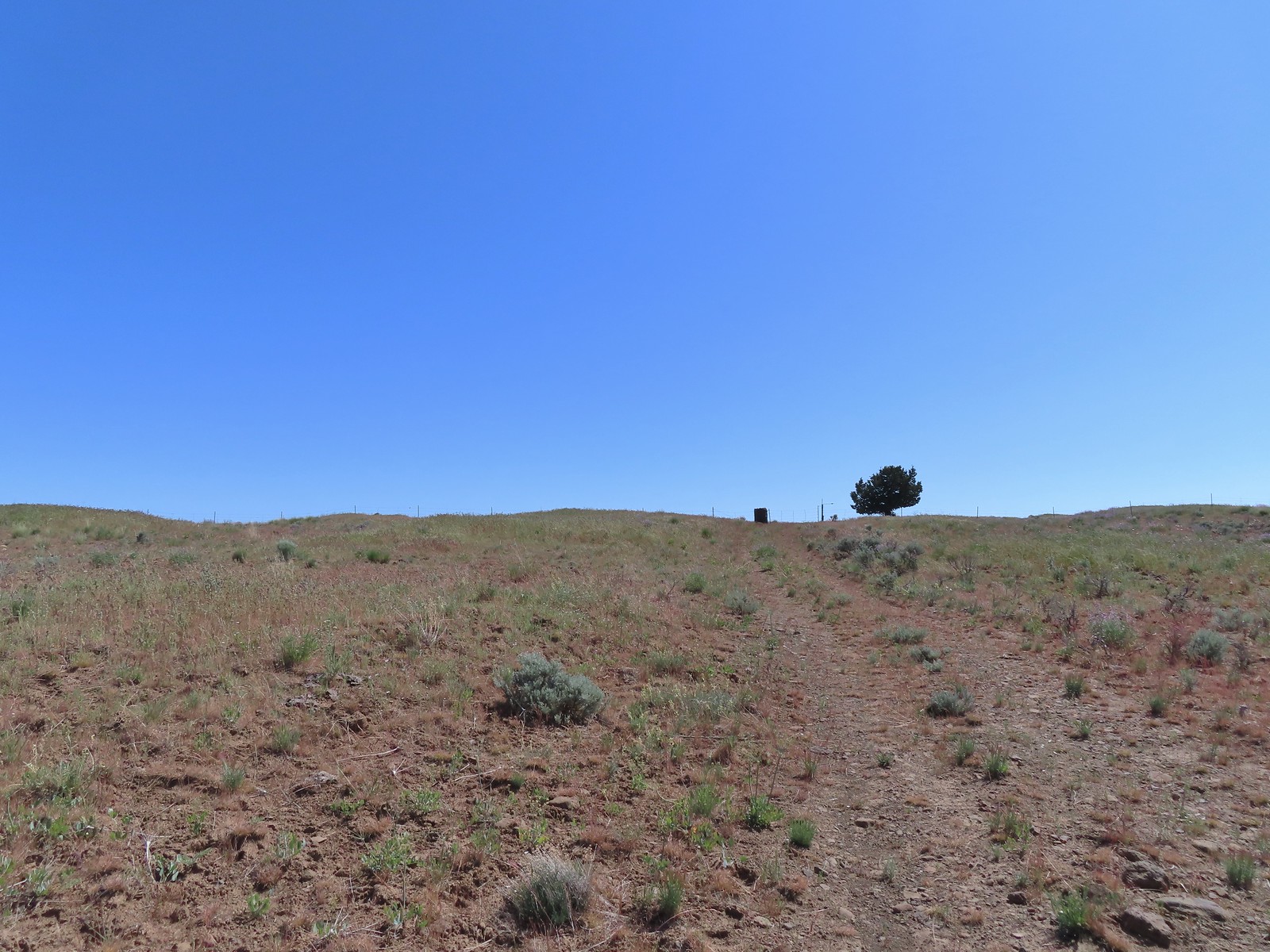 The gate ahead.
 Horned lark guarding the gate.
 Mt. Jefferson and Olallie Butte
 Grand collomia
 Time for some sun.
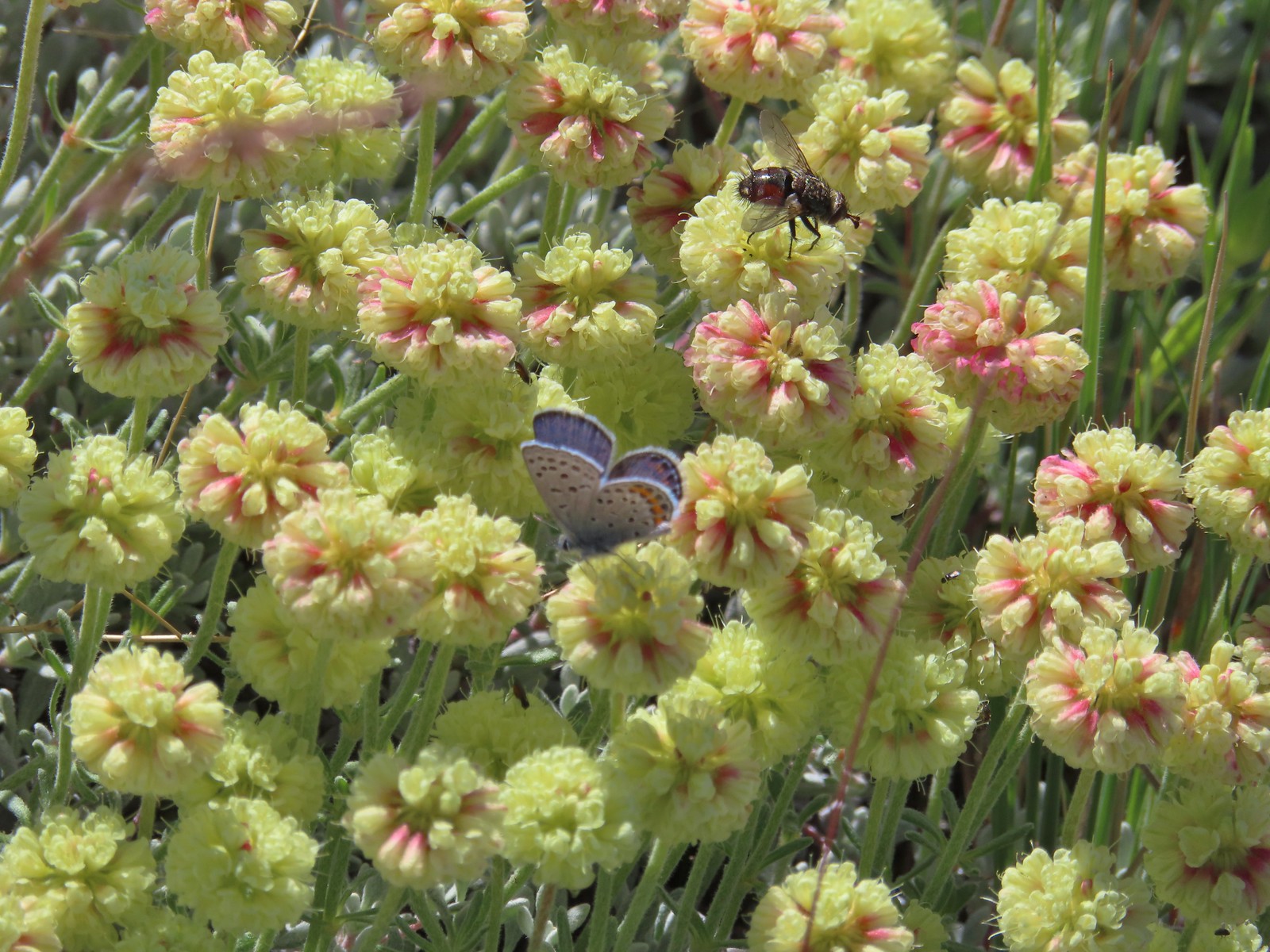 A butterfly and fly.
 Three butterflies and a fly.
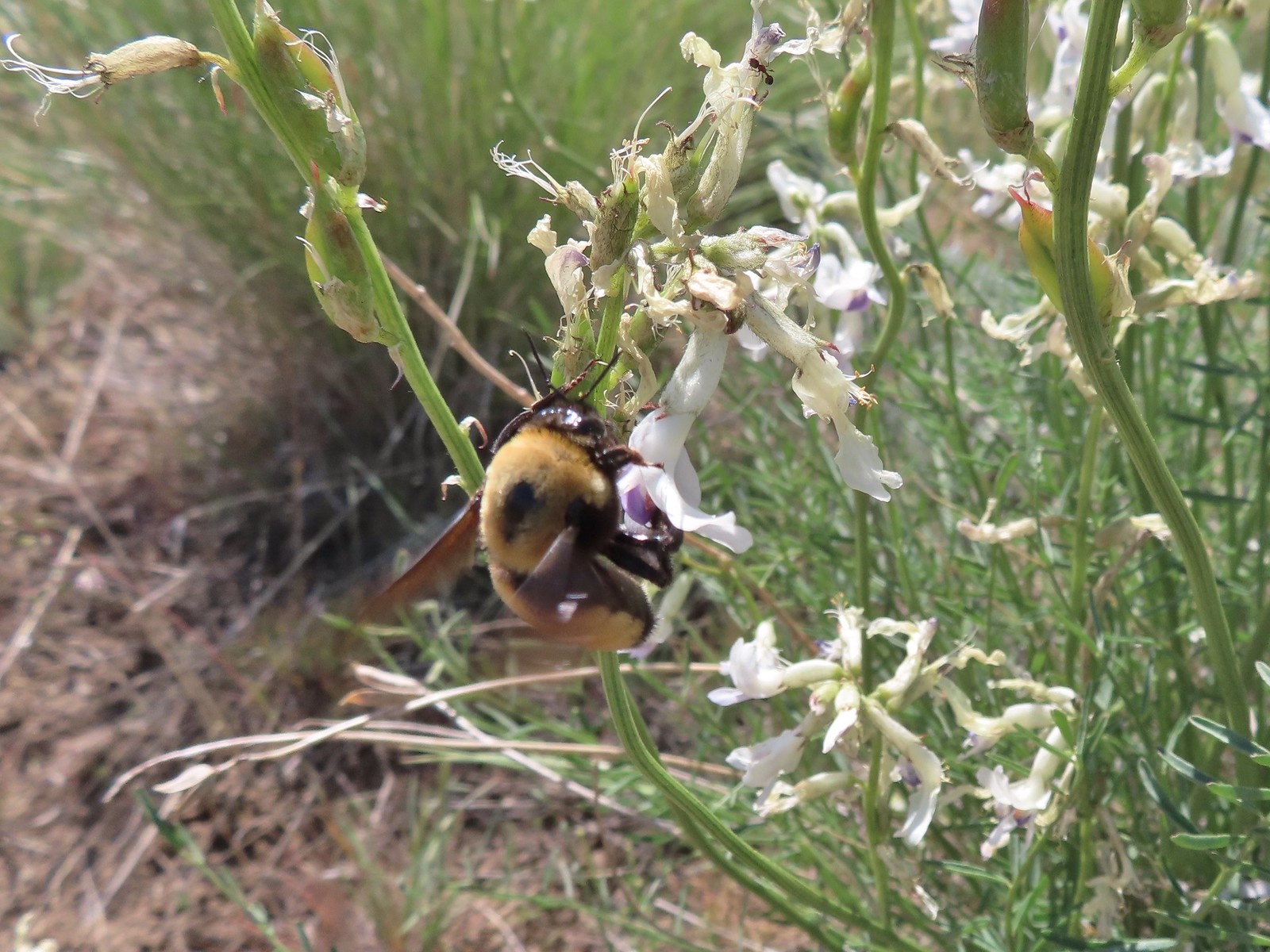 Busy bee
 This swallowtail was a little rough around the edges.
 Another horned lark on lookout.
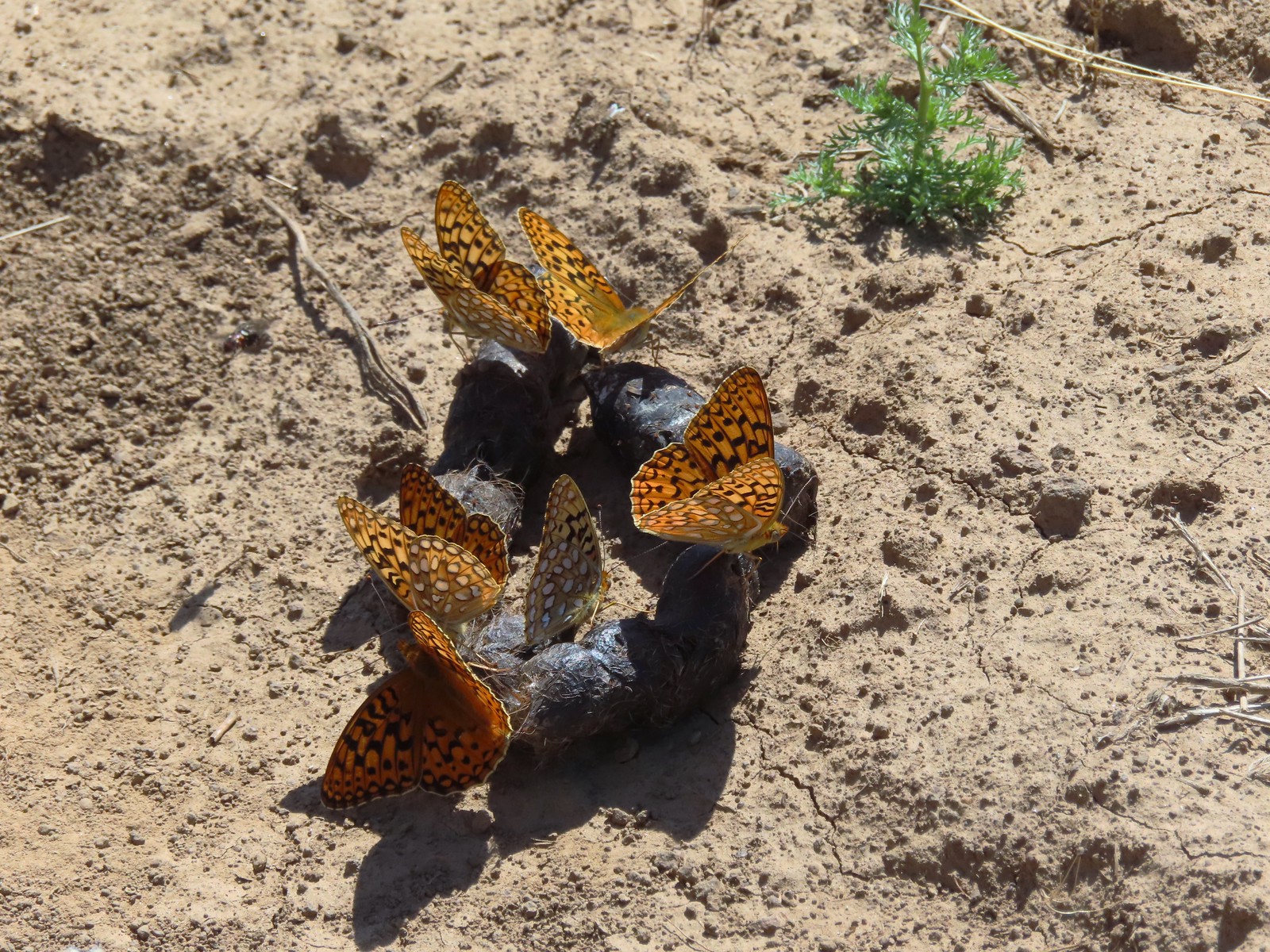 Nothing brings fritillary butterflies together like a good pile of scat.
 Another option for another time. We were just happy to have solved that mystery.
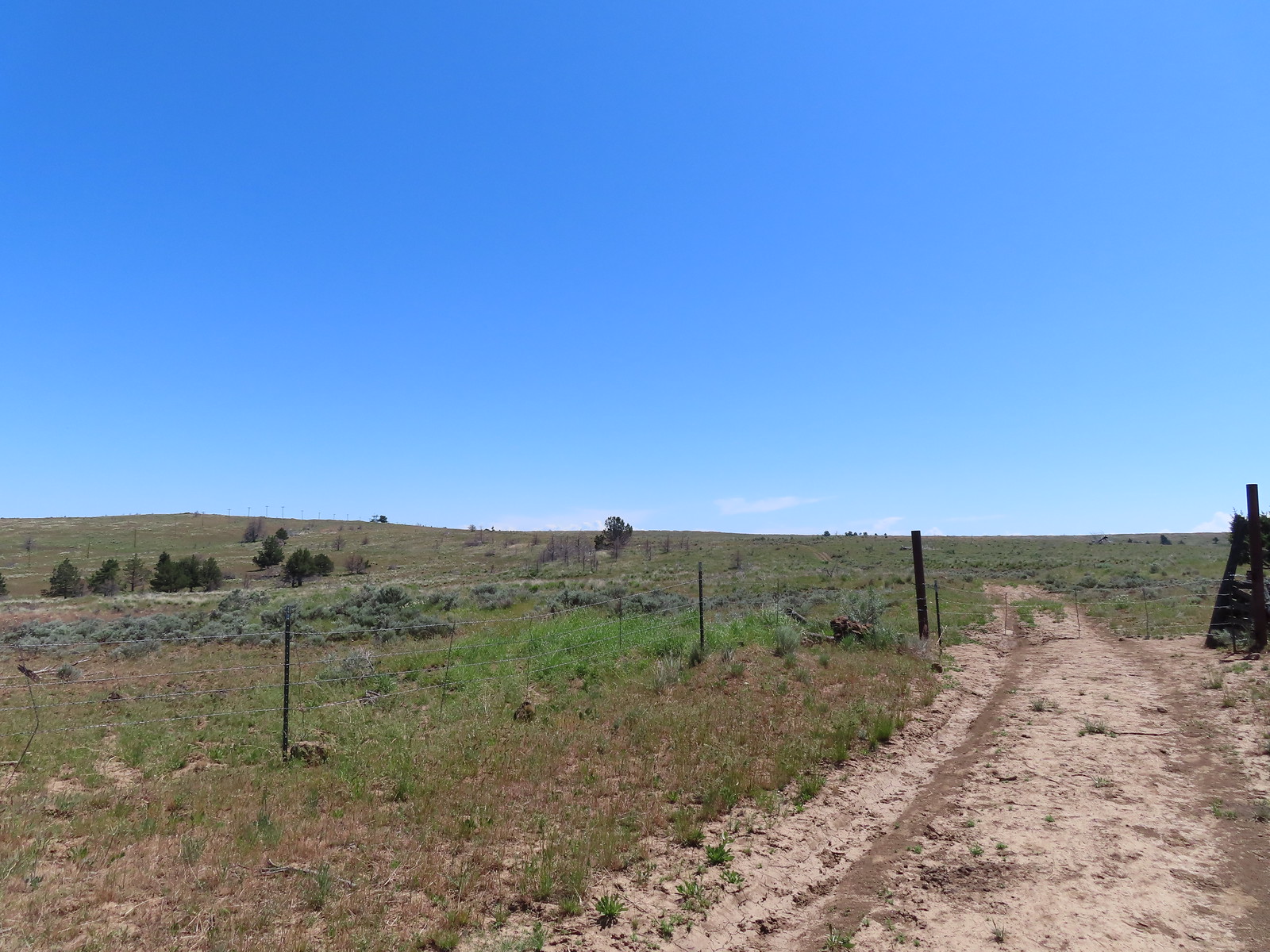 The Radio Towers on the hill were right next to the trailhead.
 The Three Sisters (from this angle it looks like two)
 Three butterflies and a beetle on buckwheat.
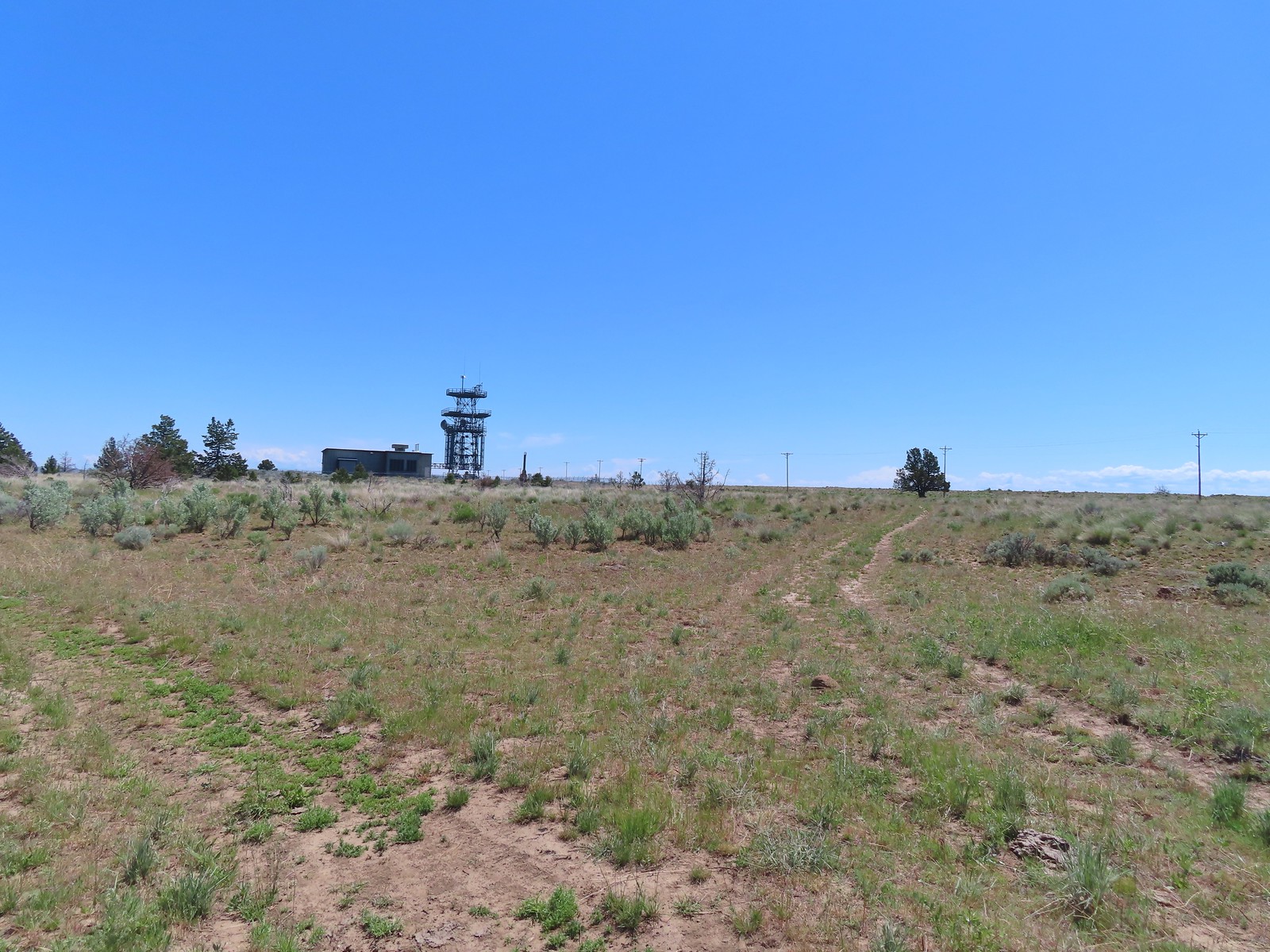 Another mystery was where did the trail from the South Trailhead (just on the other side of the radio towers) connect. We’d missed the track on the right on our first pass, another question answered.
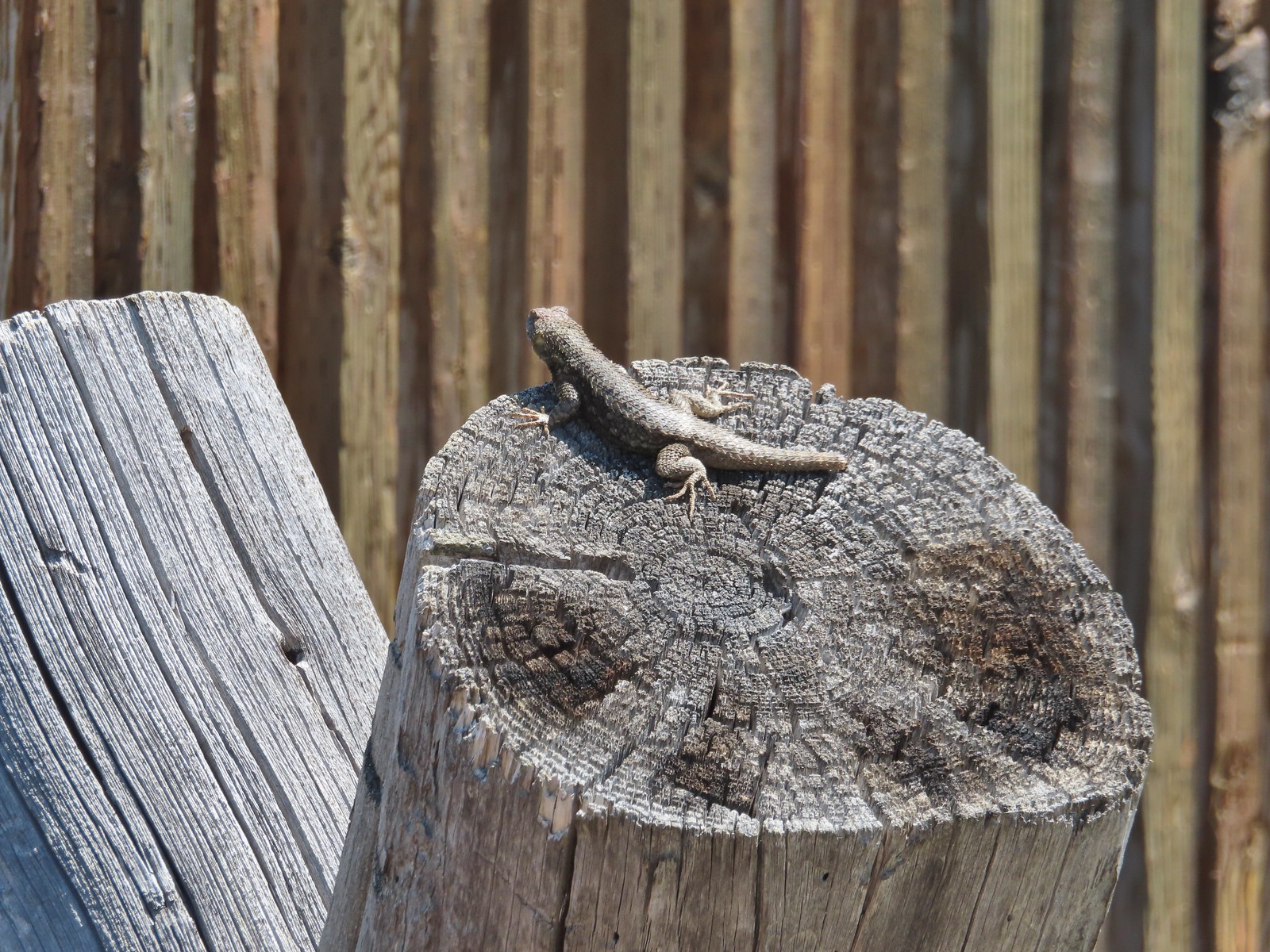 Lizard with half a tail at the trailhead.
 This mountain bluebird was acting odd when we arrived at the gate. It was flying back and forth with something in its mouth. (Mt. Adams is in the background.)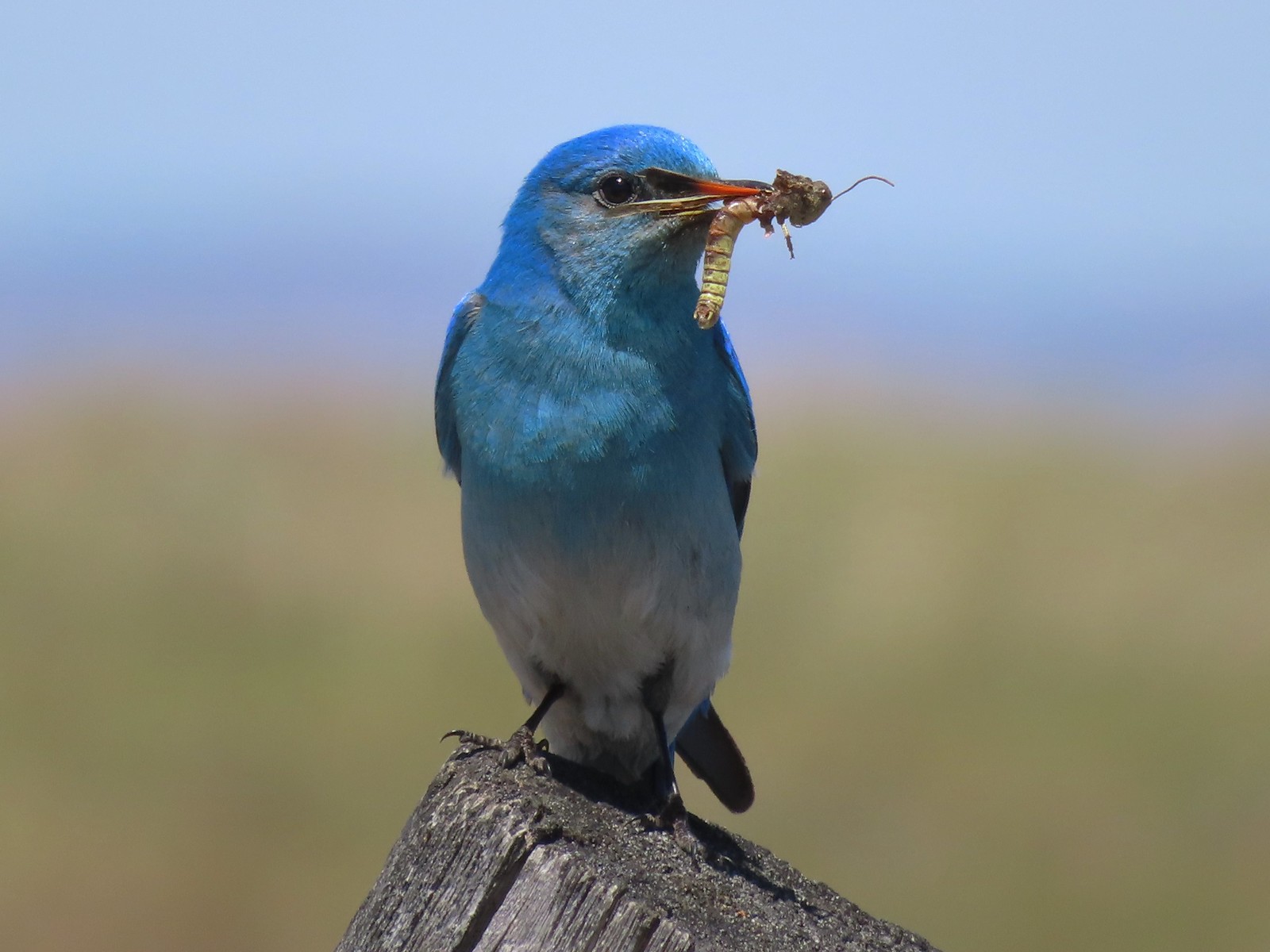

 wanderingyuncks