Categories
California Hiking Klamath Mountains Siskiyou mountains Trip report

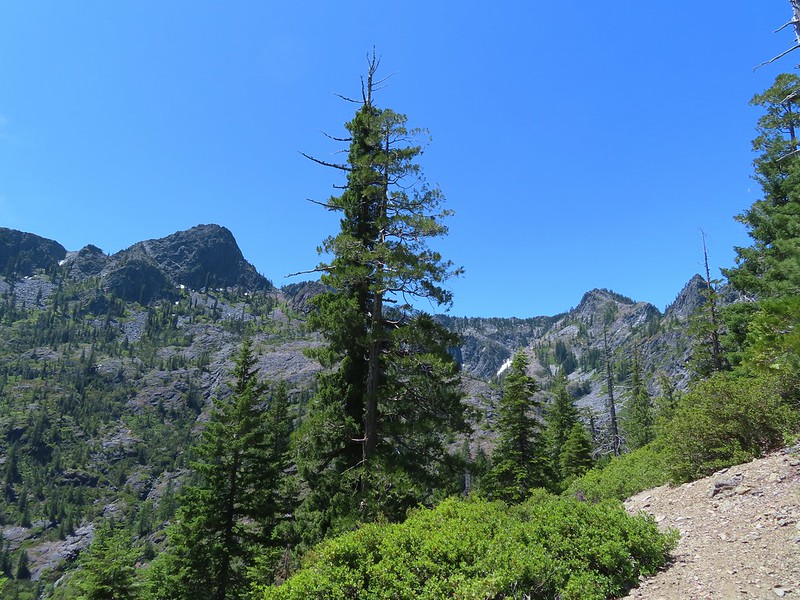
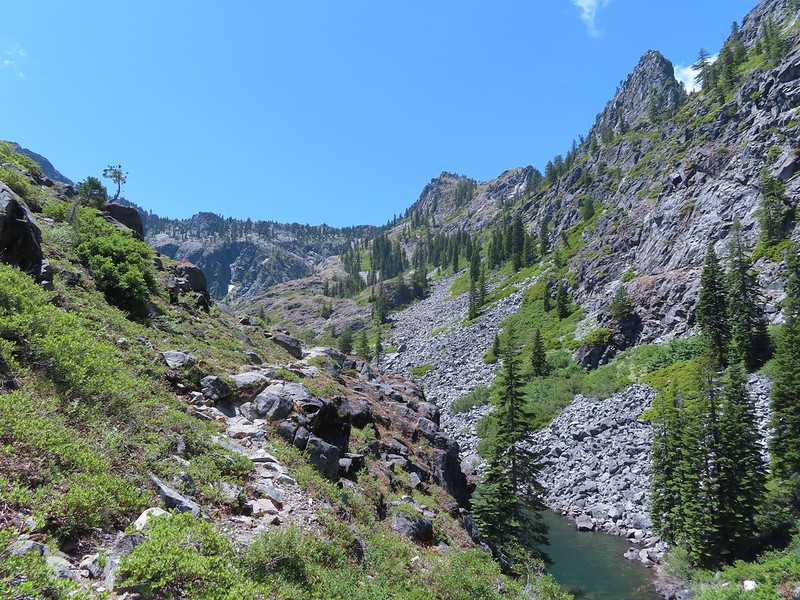
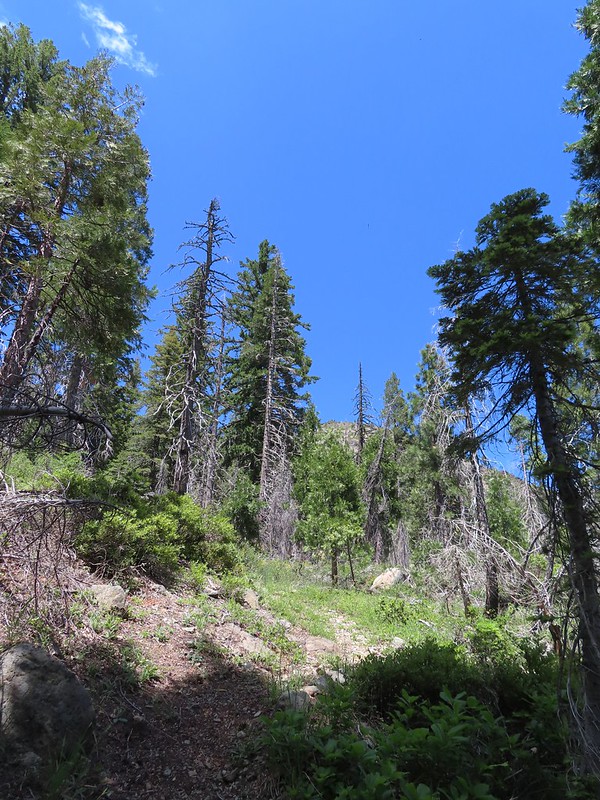
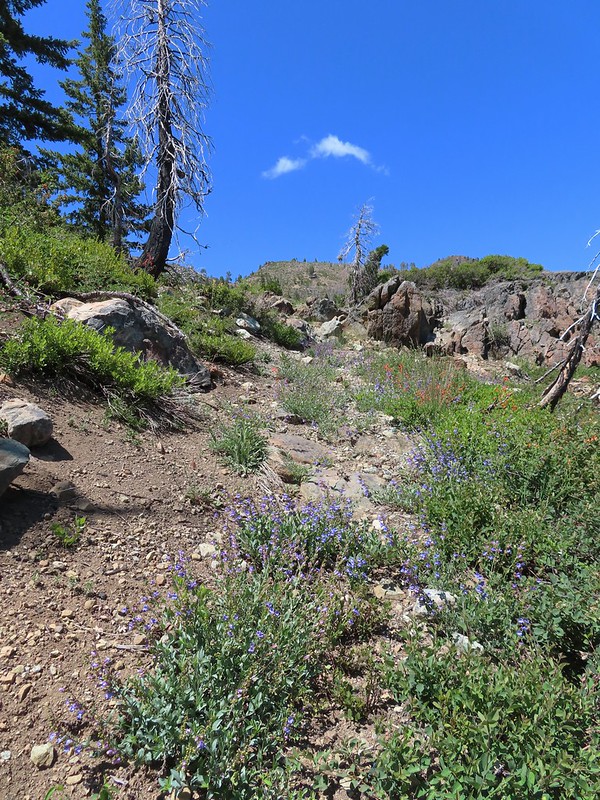
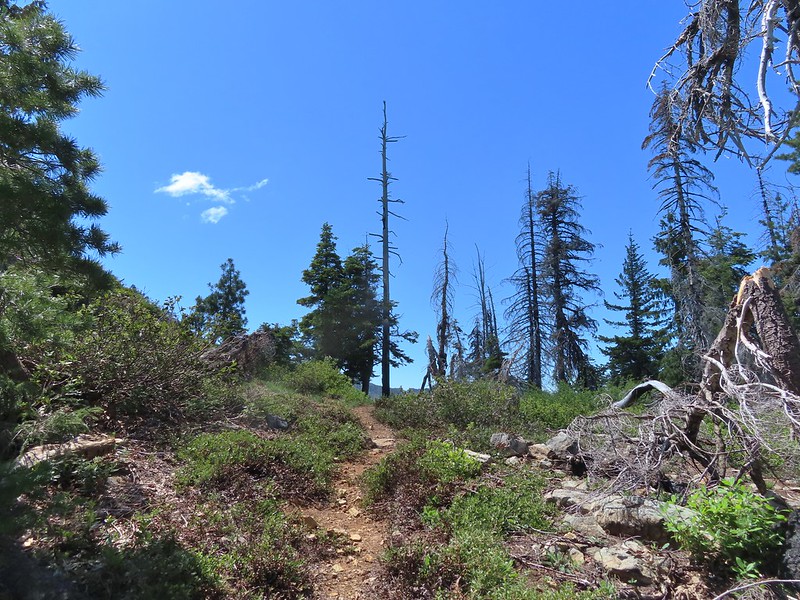
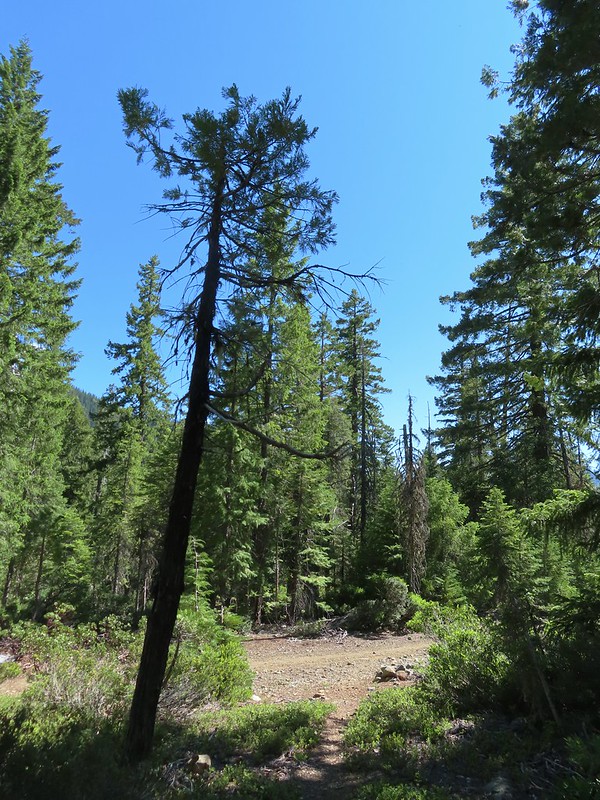
Siskiyou Wilderness Days 3 & 4 – Raspberry Lake and Black Butte Trail 07/03-04/2022

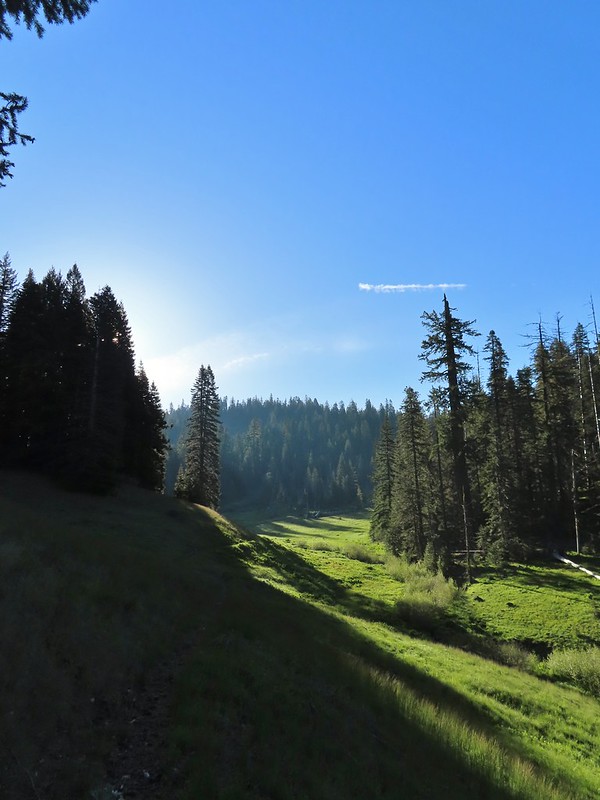
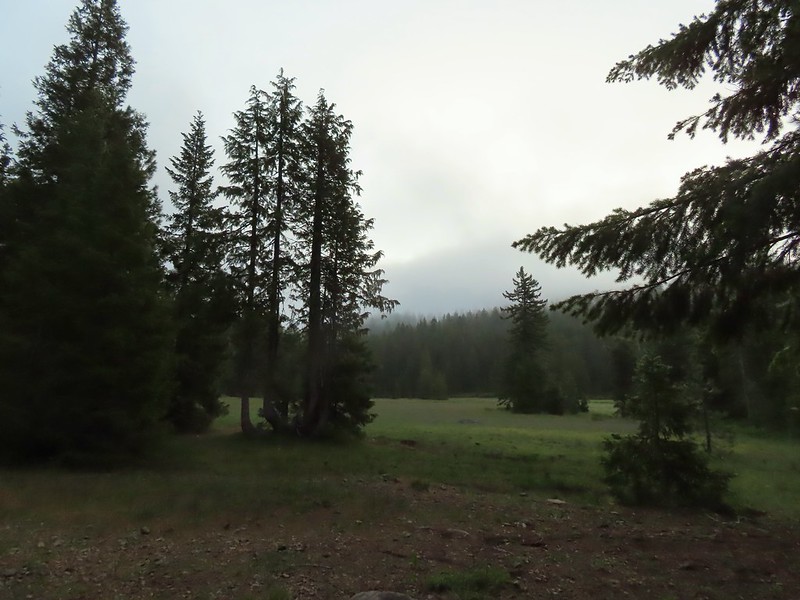
After the long hike to Devil’s Punchbowl the day before (post) we were looking forward to a shorter hike on Sunday and having time in the afternoon to relax around camp before hiking out on the 4th. Our goal on this day was Raspberry Lake which sits below Preston Peak, the highest peak in the Siskiyou Wilderness. It had started to cloud up the day before but it hadn’t rained. A layer of fog however had settled over the meadow in Youngs Valley by early morning.
IMG_6035Fog at 5:30am

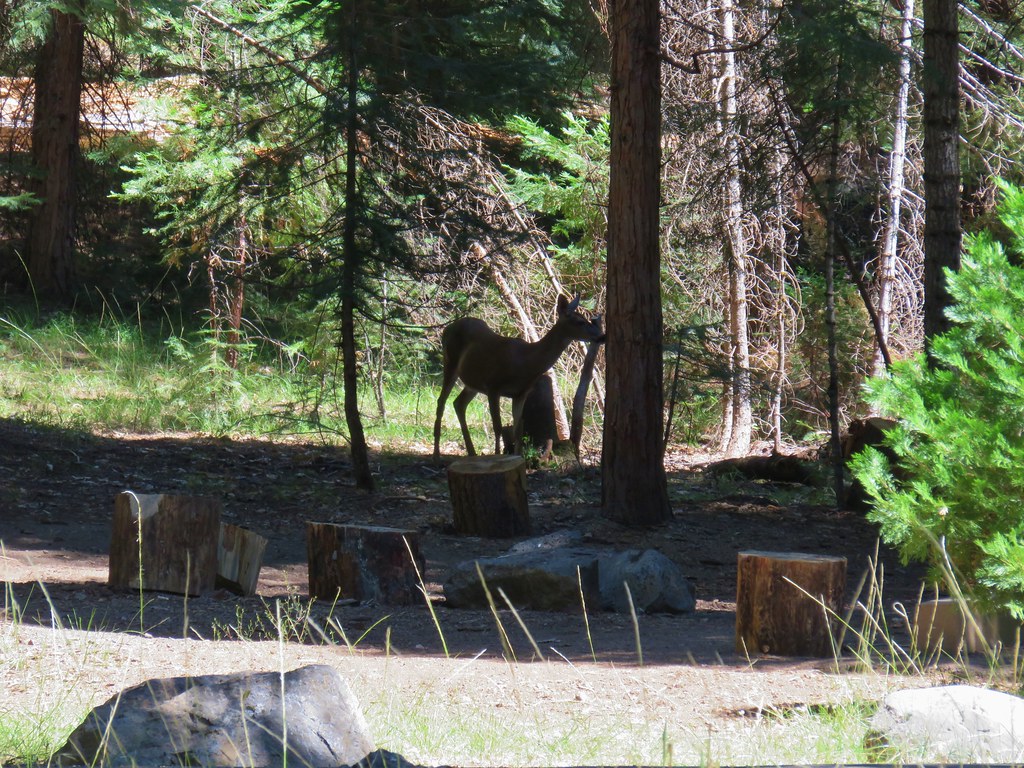
We hadn’t heard the bear overnight but we were still on high alert keeping an eye out for it. In fact I was so focused on looking for black fur that I didn’t notice a buck near where our food was hung and when he jumped it startled me half to death because I was less than 10 yards away from it.
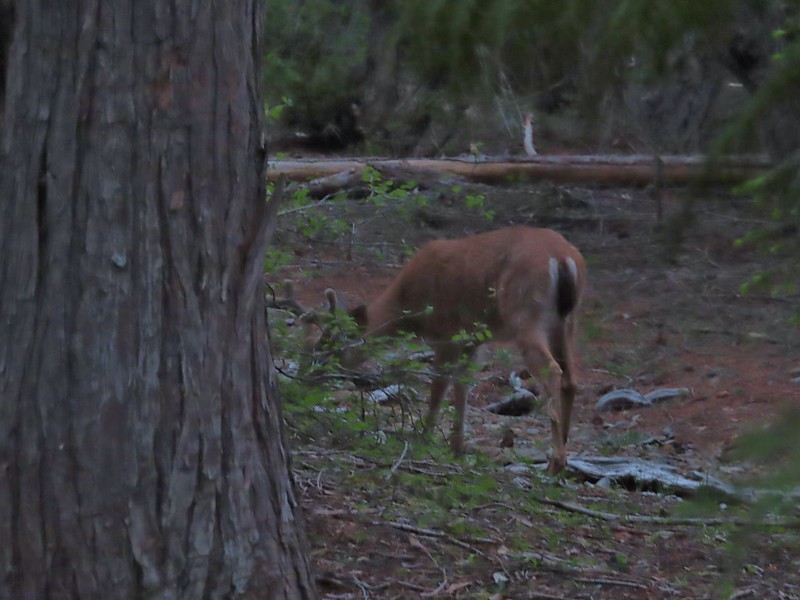
IMG_6039After he jumped he started to run off but quickly stopped to eat just a few yards later.

The fog was burning off quickly as we ate breakfast and we did not see the bear again that morning.
IMG_6041

IMG_6042Deer in the meadow.

IMG_6043Snail near our breakfast spot. It’s amazing how quickly these guys can get from one place to the next.

After breakfast we secured our food and garbage and headed for the lake. We walked up the old road bed to the junction with the Raspberry Lake Trail and turned right.
IMG_6048

IMG_6049

We followed the trail/old roadbed past the junction with the Poker Flat Trail which we had come down on our first day (post) and continued on the road for 2.5 miles to a fork near the former Cyclone Gap chrome mine.
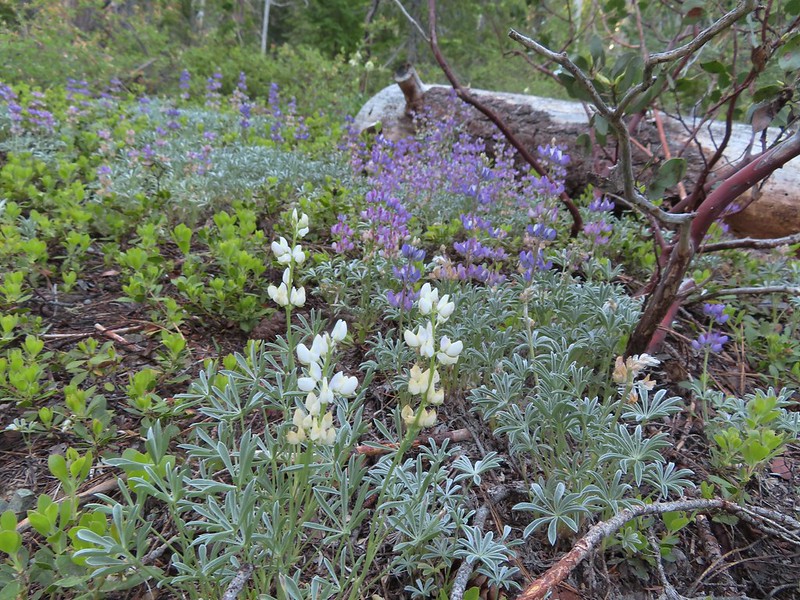
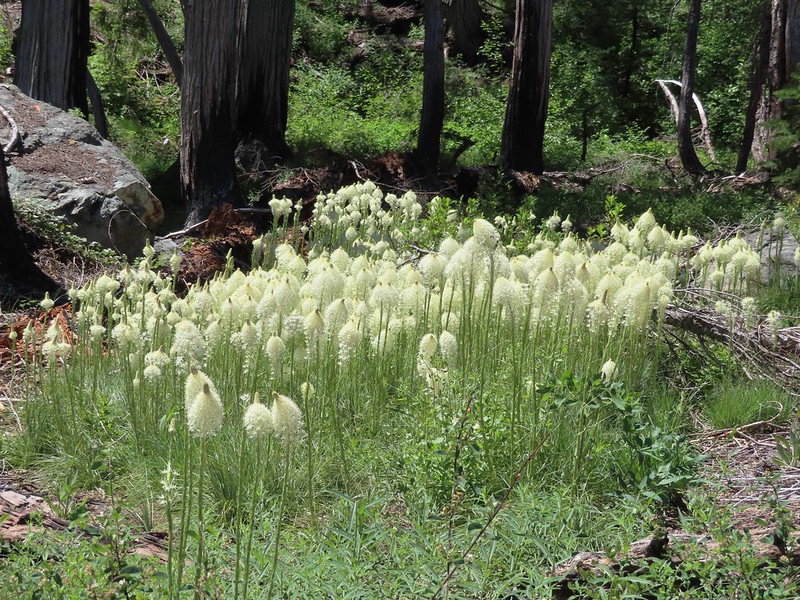
IMG_6056Lupine and beargrass along the road.

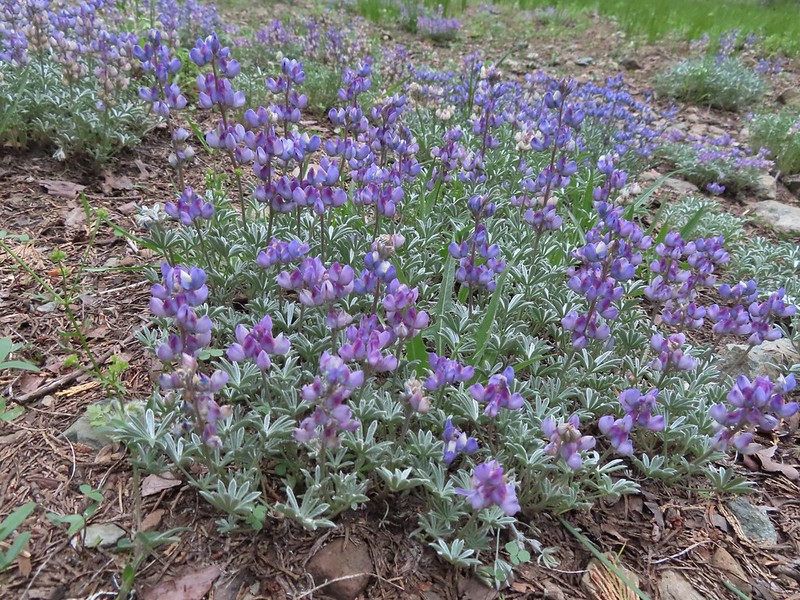
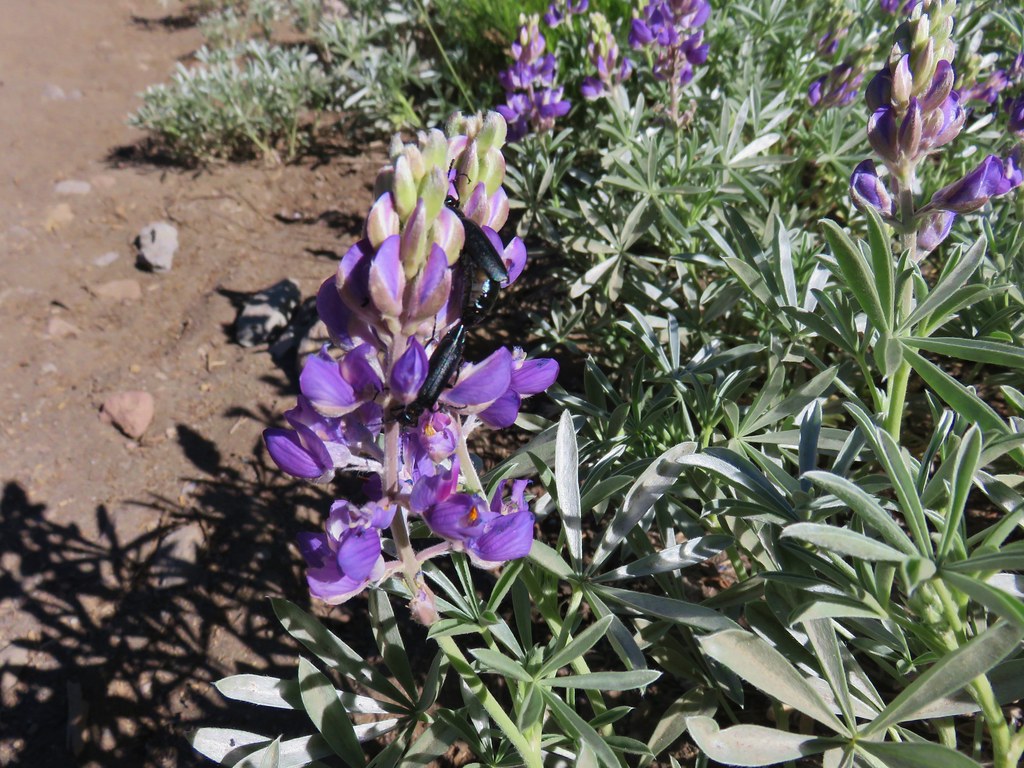
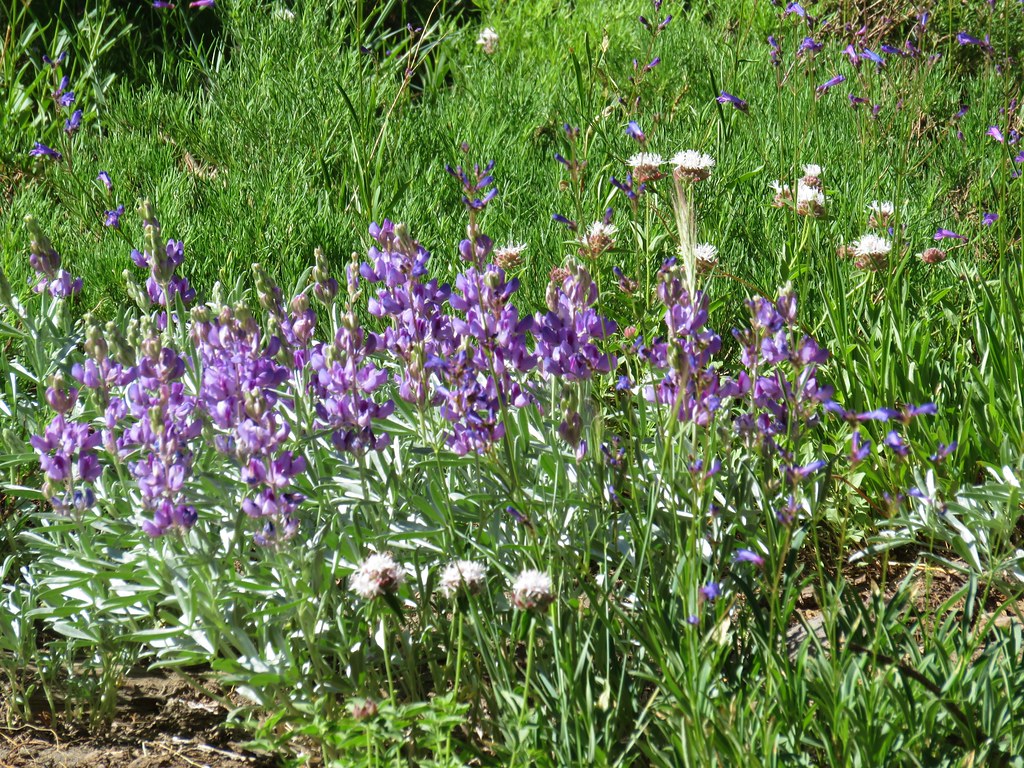
IMG_6059Lupine

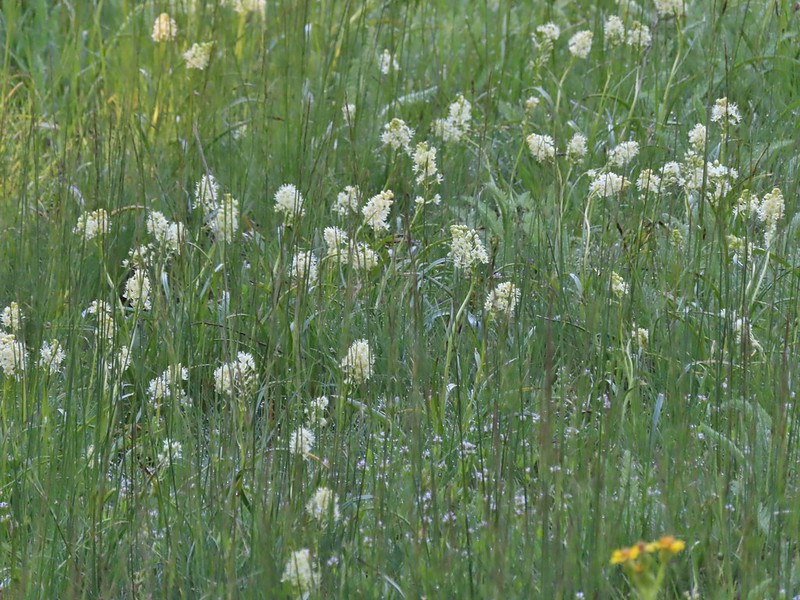
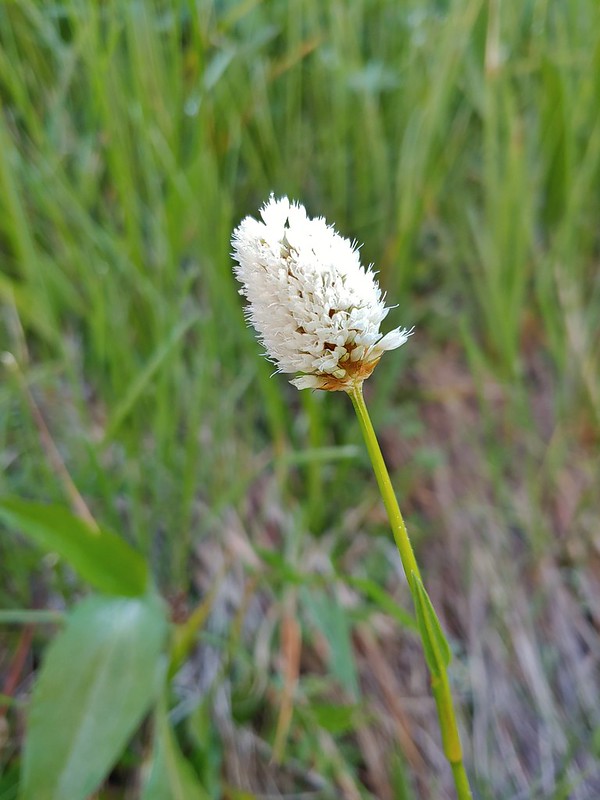
IMG_6060Beargrass

IMG_6069

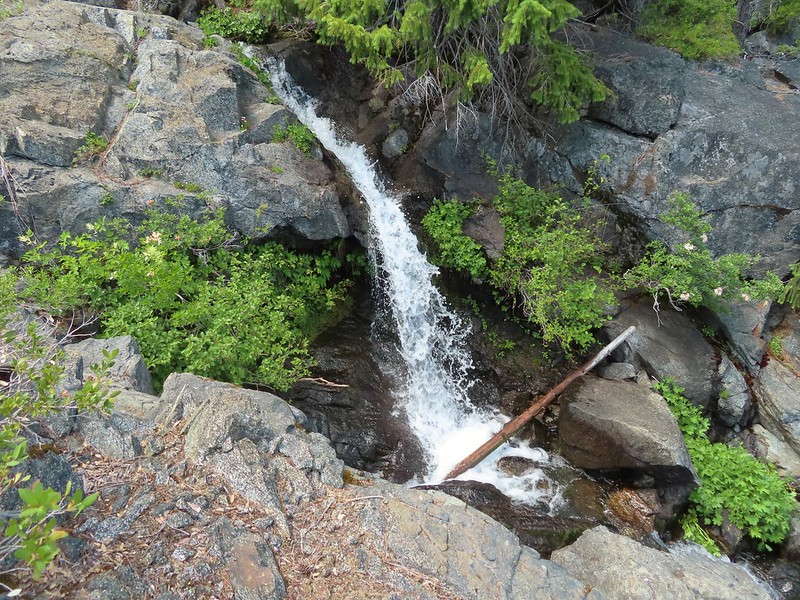
IMG_6073Waterfall on cliffs below El Capitan.

IMG_6075Waterleaf

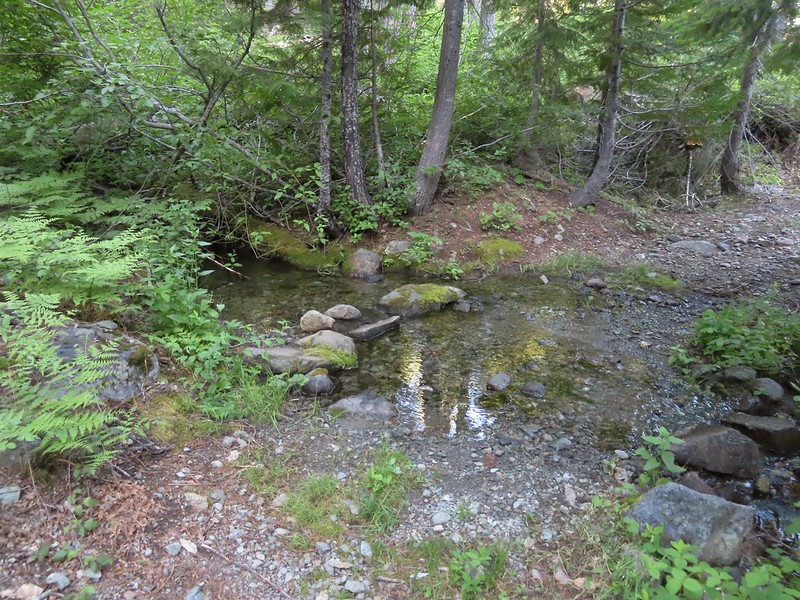
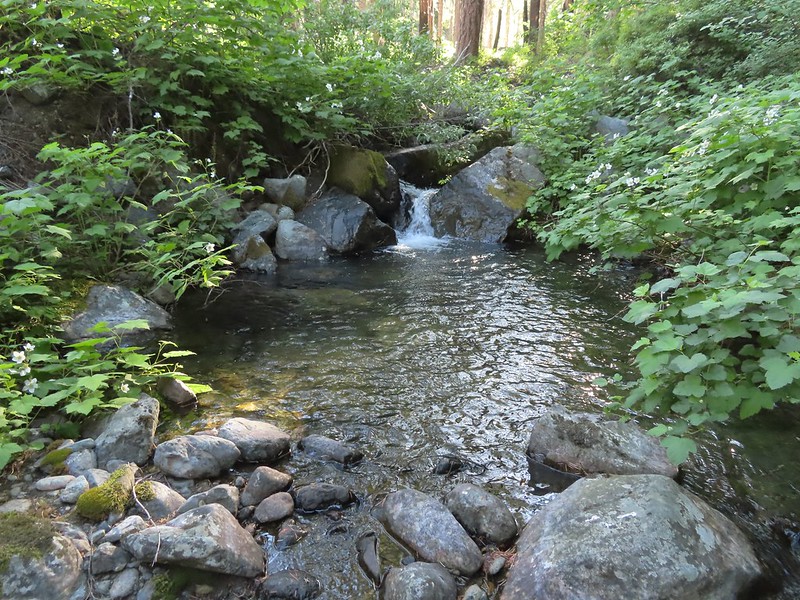
IMG_6078Stream crossing.

IMG_6080At times the old roadbed looked like you could drive on it but other times it looked like this.

IMG_6082Small meadow along the trail.

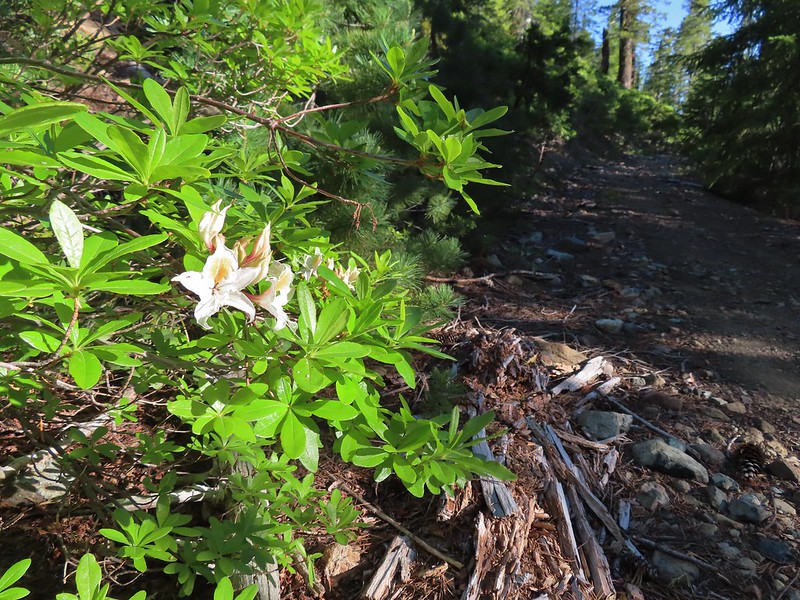
IMG_6089Western azalea

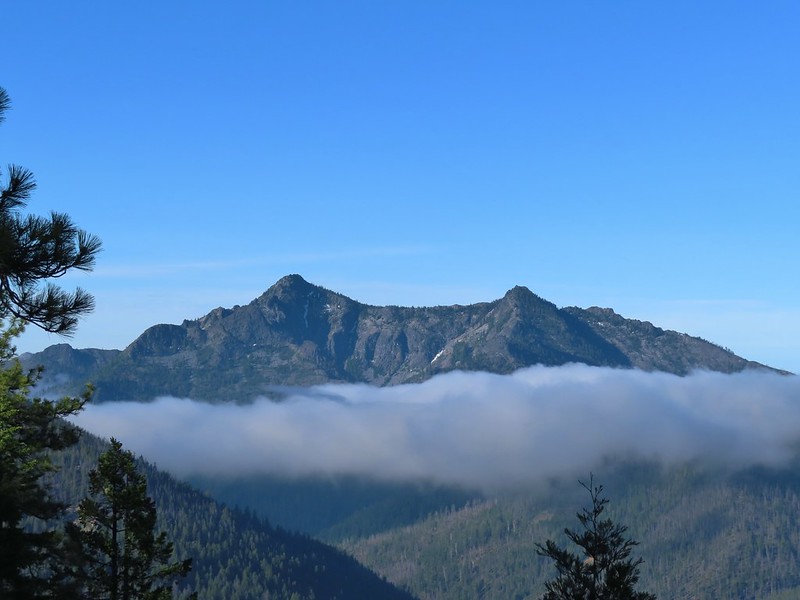
IMG_6091The clouds burned off quickly.

IMG_6100Penstemon

At the 1.5 mile mark we detoured slightly to a view point overlooking Youngs Valley near a ridge end.
IMG_6102Youngs Peak with the meadow barely visible to the right below.
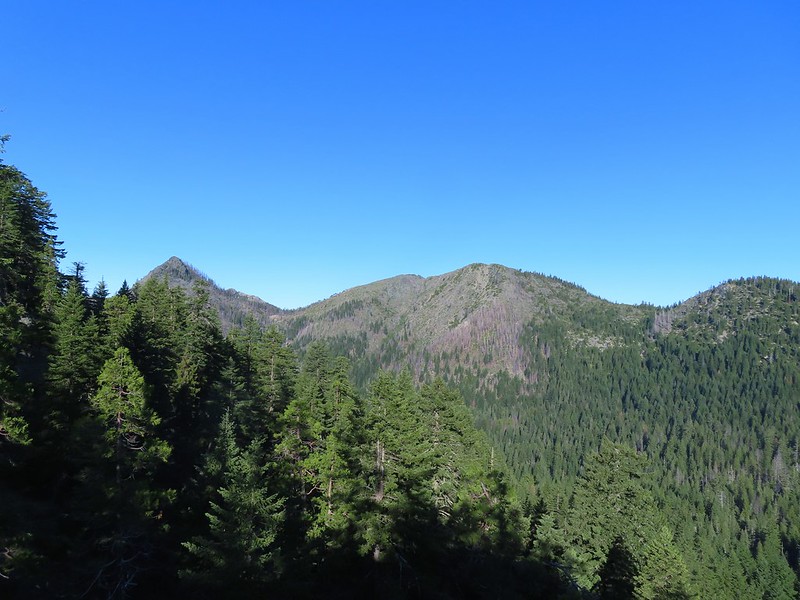
IMG_6104Rocky Knob to the left.

As we rounded the ridge we got a good view up Clear Creek to Bear Mountain where we had been the day before visiting Devil’s Punchbowl.
IMG_6112

IMG_6113

We ignored a side trail for Cyclone Gap shortly after rounding the ridge but when we reached the fork at the 2.5 mile mark we did detour to the right along a level roadbed to visit some of the mine ruins.
IMG_6117

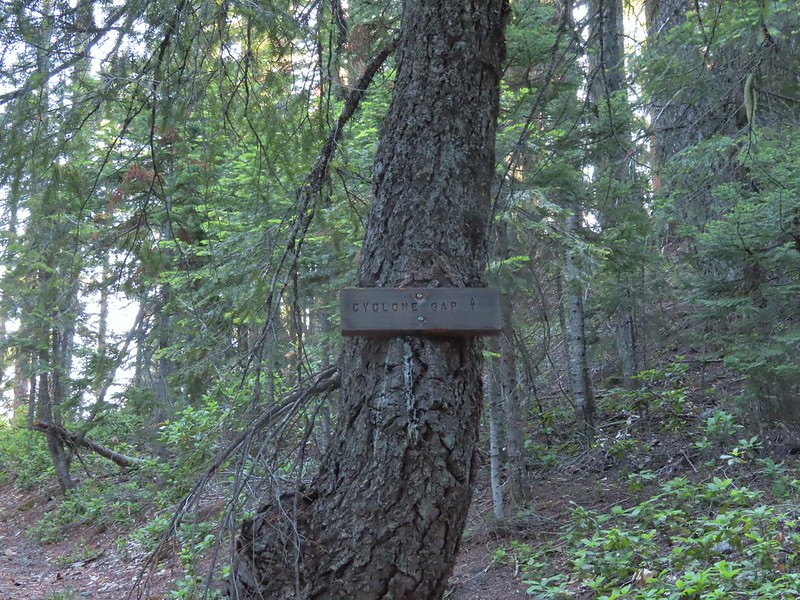
IMG_6118Sign at the Cyclone Gap junction.

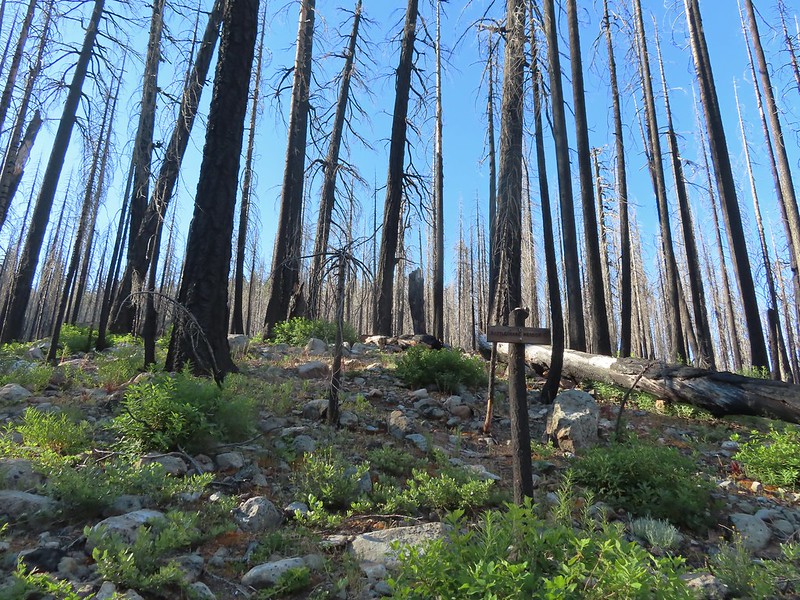
IMG_6124Back into the 2018 Natchez fire scar.

IMG_6127Preston Peak

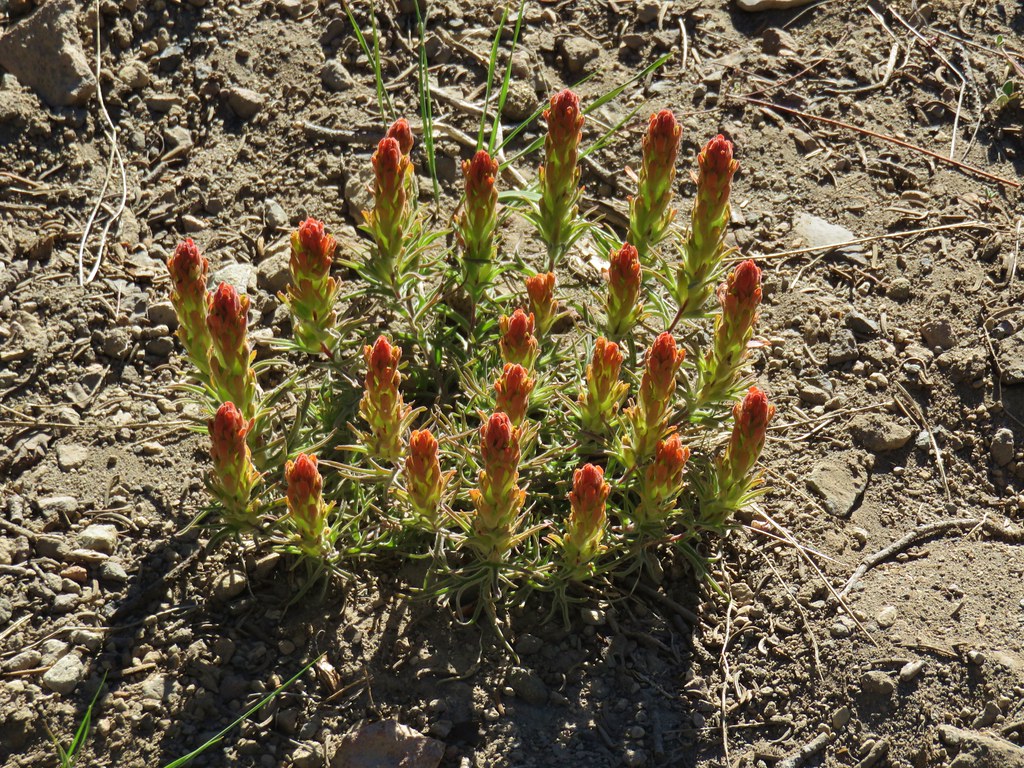
IMG_6129Paintbrush along the trail.

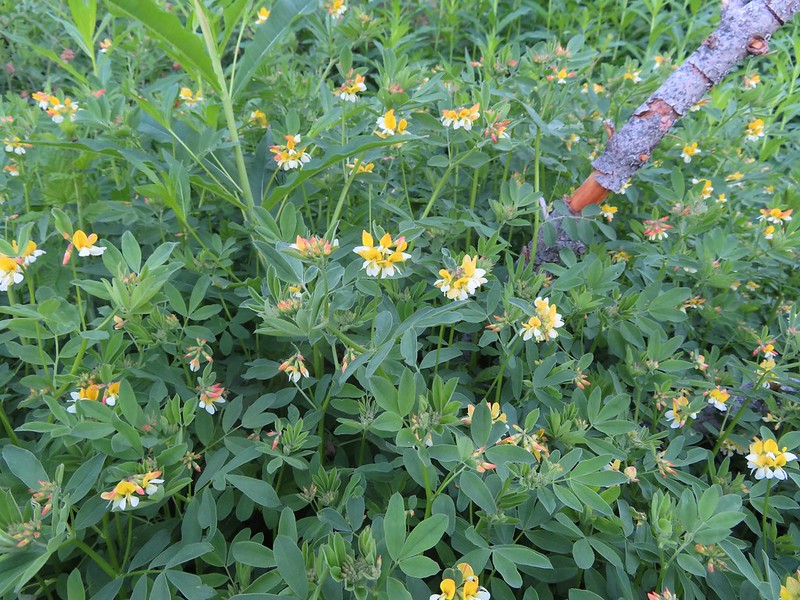
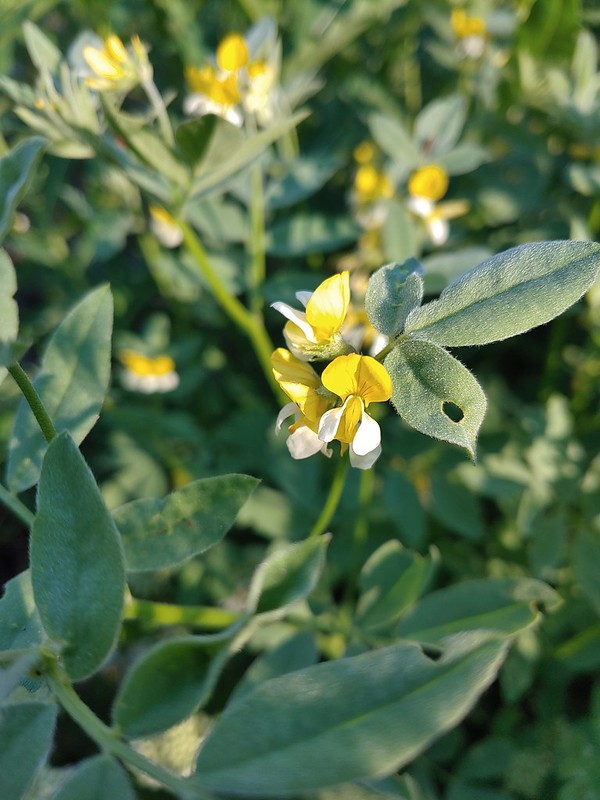
IMG_6135Streambank bird’s-foot trefoil

IMG_6142Musk monkeyflower

IMG_6145Raspberry Lake Trail to the left.

IMG_6146Ruins from the chrome mine.

IMG_6147More mine ruins on the hillside below.

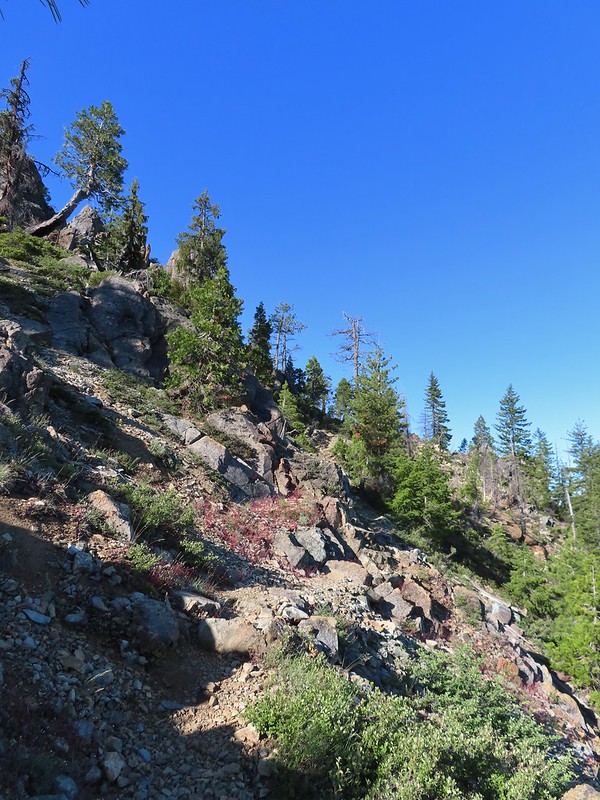
We returned to the trail and followed it uphill above the old mine where the roadbed ended. The trail became narrow and rocky as it rounded another ridge end. Here we ran into the couple that we had spoken with at Doe Creek the day before. They had hiked up the Rattlesnake Meadow Trail which they reported was quite overgrown and then followed a ridge cross-country up to Raspberry Lake which they did not recommend.
IMG_6151

IMG_6155Nuttall’s sandwort

IMG_6156Bear Mountain and Rocky Knob.

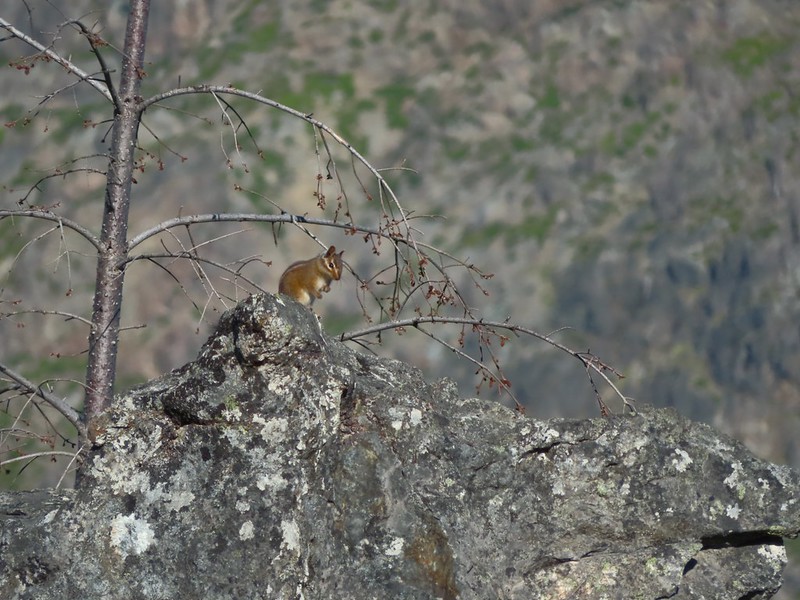
IMG_6157Chipmunk

IMG_6160Getting closer to Preston Peak.

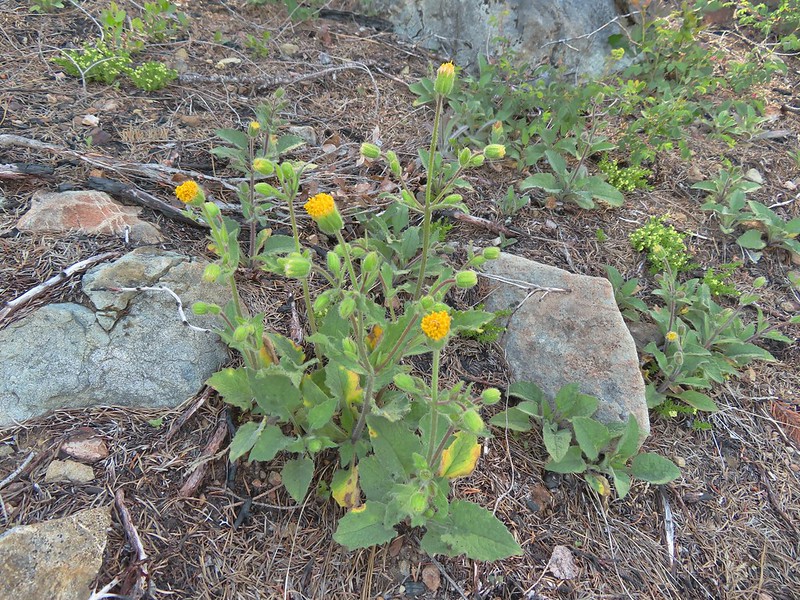
IMG_6162Ragwort

IMG_6167Small stream crossing.

IMG_6169A short steep rocky section where cairns were helpful.

IMG_6170Rounding another ridge with Preston Peak on the left and Bear Mountain to the right.

IMG_6172First view of Raspberry Lake in the trees below to the right.

A series of steep switchbacks led down to the lake.
IMG_6176

IMG_6190

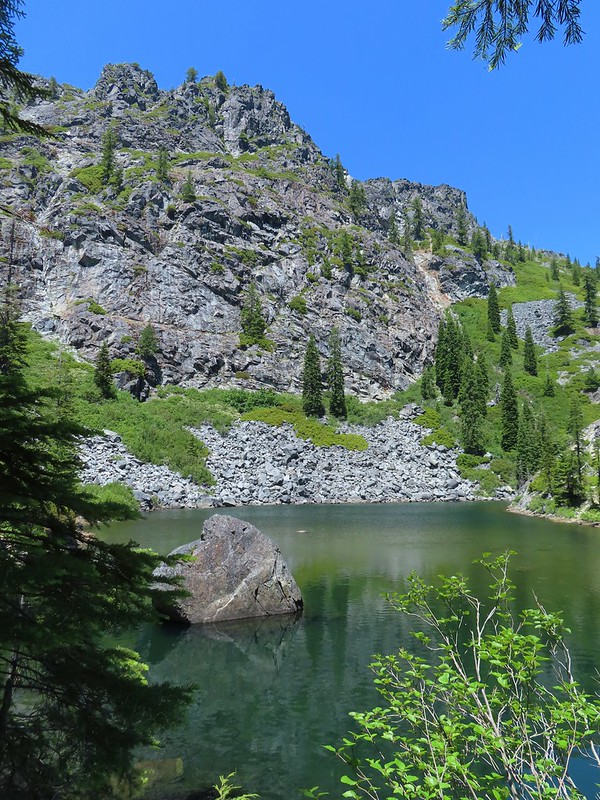
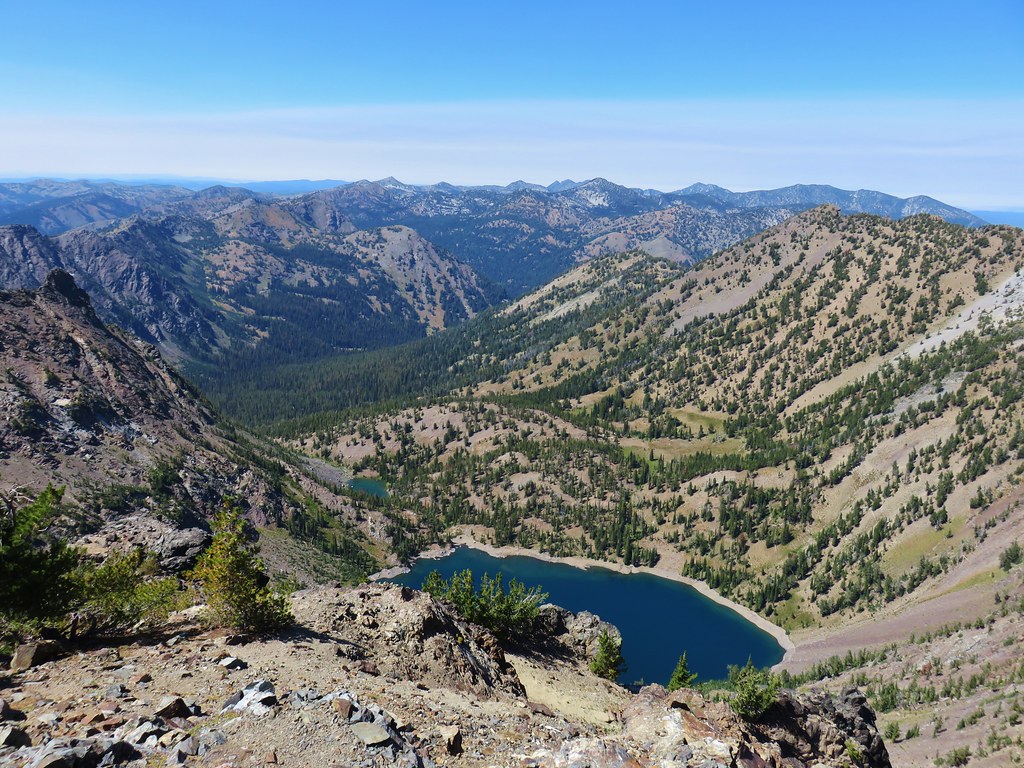
There were a few tents set up around the lake so we didn’t do a lot of exploring. Our timing wasn’t great as the Sun was positioned slightly to the left behind the lake which still lay in the mountains shadow which made it very difficult to photograph.
IMG_6194Big rock along the shore.

It was a nice lake but not nearly as dramatic as Devil’s Punchbowl had been. After a short break here we headed back looking forward to some extra rest and relaxation at the less crowded meadow in Youngs Valley.
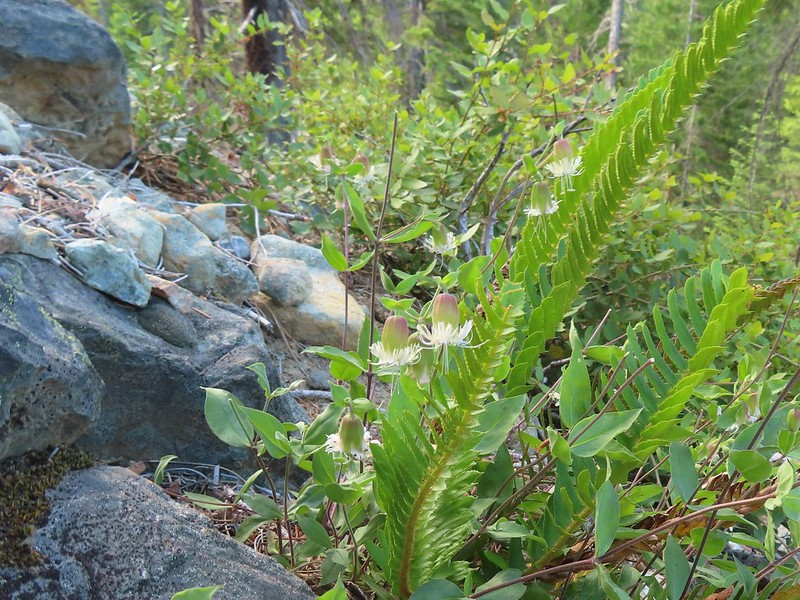
IMG_6200Bell catchfly

IMG_6205Douglas’ Dustymaidens

IMG_6225El Capitan on the right. To the left I think that is Bear Cub with Polar Bear Mountain behind.

IMG_6232Western azalea

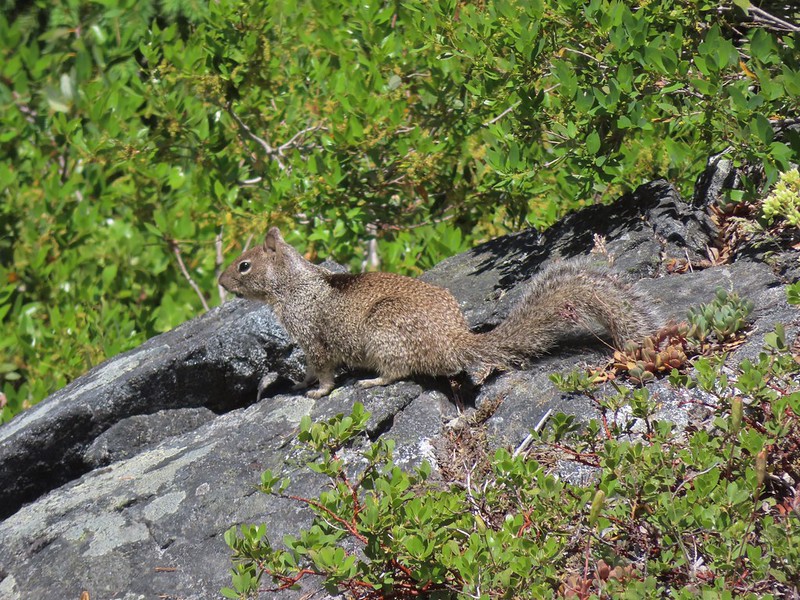
IMG_6242This squirrel gave us a stern talking to.
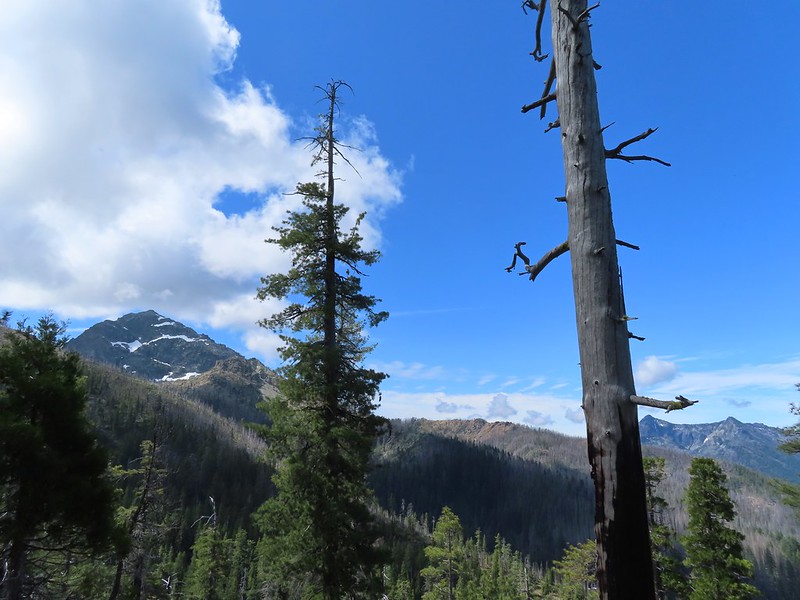
IMG_6248

IMG_6214Western tanager pair

IMG_6216

IMG_6247Twin Peaks

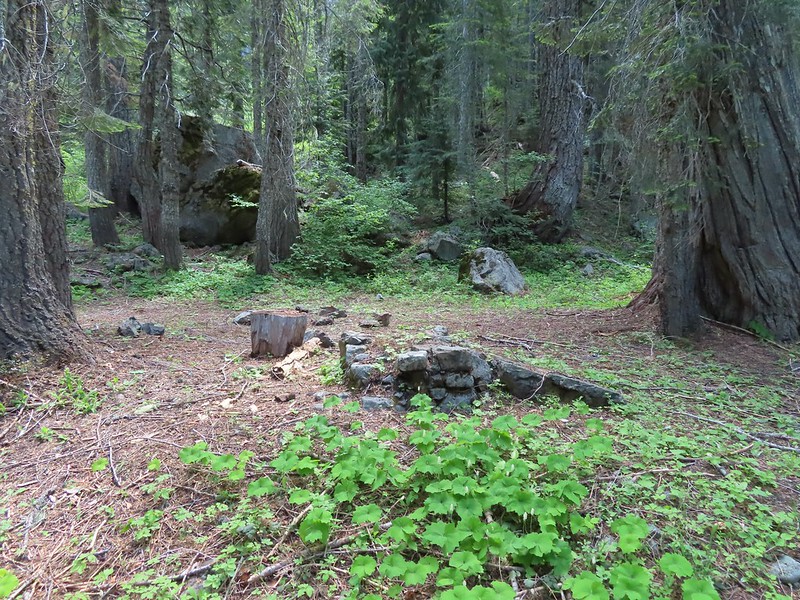
IMG_6264We believe this is what Sullivan shows as Slow Echo Camp on his map. We wondered what the stones in the foreground had been a part of?

The waterfall we had seen was near the camp and I set off into the brush to see if I could get a better view. It partially worked.
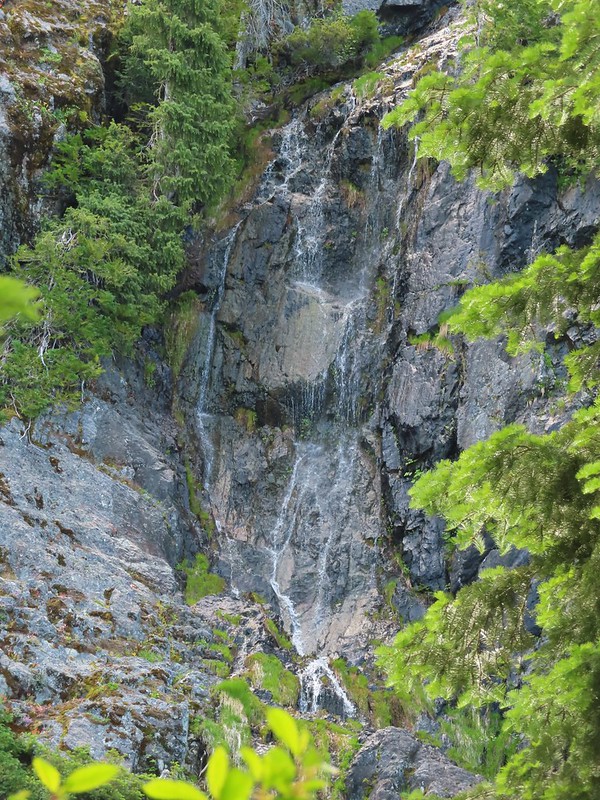
IMG_6267

Near the other small campsite we encountered a buck which may have been the same one that startled me back near our camp earlier based on how comfortable he was with us being there.
IMG_6285

When we arrived back at the meadow our neighbors had moved on but we did run into a grouse.
IMG_6287

The hike to the lake and back came in at 8 miles even with approximately 1750′ of elevation gain.

Day 3 Track in Green

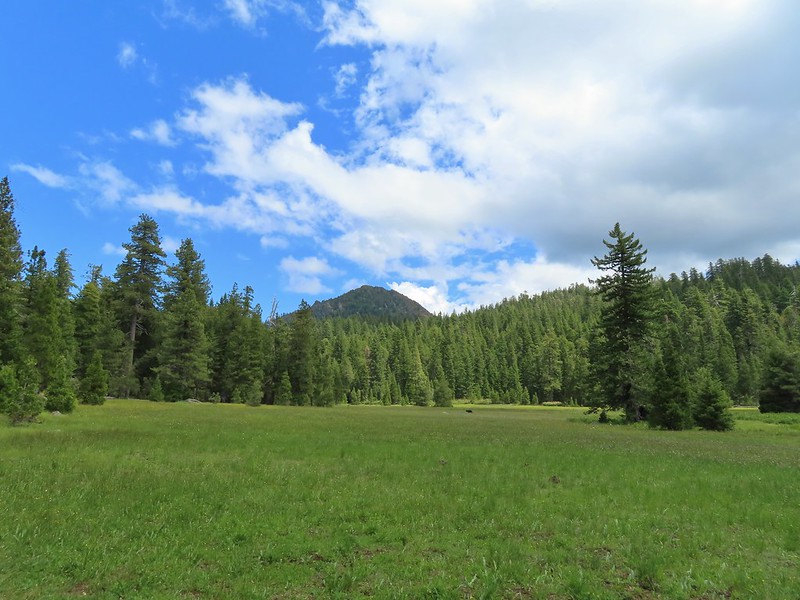
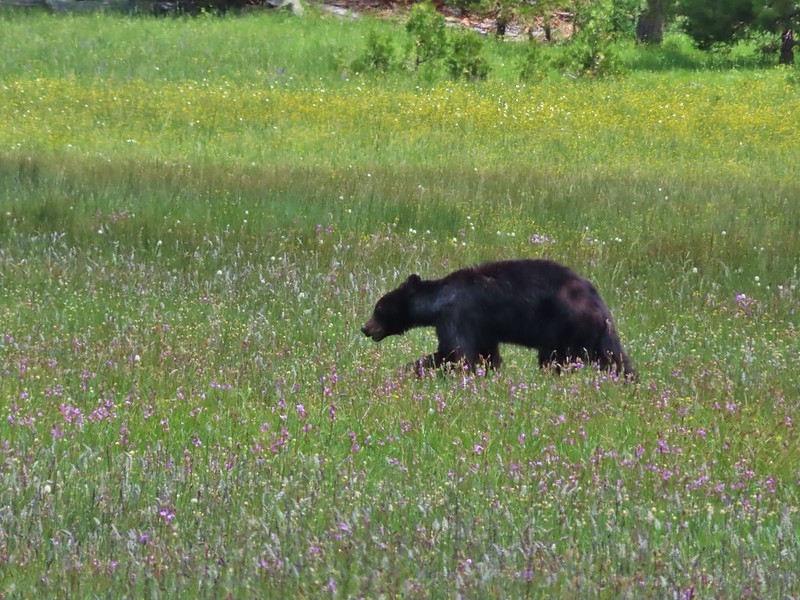
After putting things away we set up our lightweight chairs near the meadow and watched the ever changing clouds. It wasn’t long before we noticed other hikers/backpackers across the meadow following the road down from the Youngs Valley Trailhead. We also spotted Buster (the name we’d given the bear) lumbering through the meadow again.
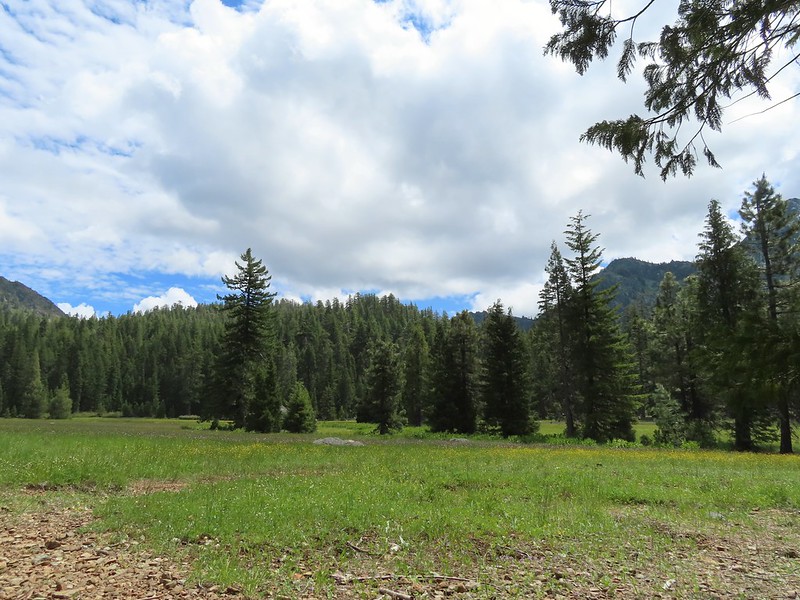
IMG_6291

IMG_6299

IMG_6297

IMG_6302

In fact Buster passed through the meadow twice going in the same direction which led us to wonder if there was more than one Buster in the area (or a glitch in the Matrix). The bear didn’t seem to care that another group had set up a tent on the opposite side of the meadow and was similarly unimpressed when another couple arrived with their dog. We heard the dog bark and wondered if it was at Buster and when the couple passed by us on their way to finding a site they confirmed that the dog was barking at the bear and that it didn’t phase it one bit. They also mentioned that a friend of theirs had stayed there the week before and seen the bear around. Fortunately it appeared that everyone had proper bear proof systems in place, i.e. bear canisters, ursacks and/or bag hanging systems. Hopefully people continue to be responsible because it only takes one careless person leaving food out or in their tent for the bear to figure out that people have food. So far even though it wasn’t nearly as wary of people as most black bears are it didn’t show any signs of equating people with having food (not being food, those are grizzly bears lol). If that happens it typically means the bear will be put down.
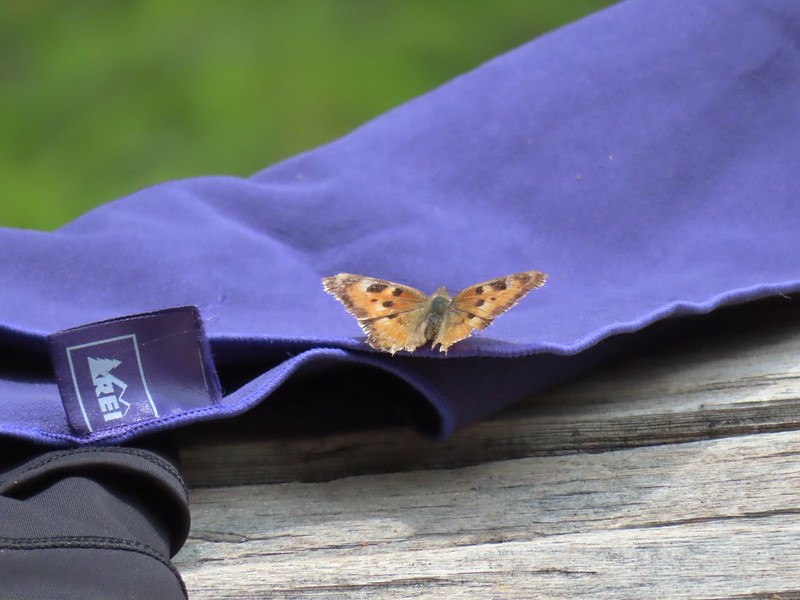
IMG_6306This butterfly did discover people=salt.

IMG_6311Maybe a flycatcher of some sort near camp.

IMG_6319Common buckeye

IMG_6321Turkey vulture checking out the meadow.

We did do a little exploring in the area and found a few flowers nearby that we’d missed the day before.
20220703_153845White rush lily

IMG_6326Ginger

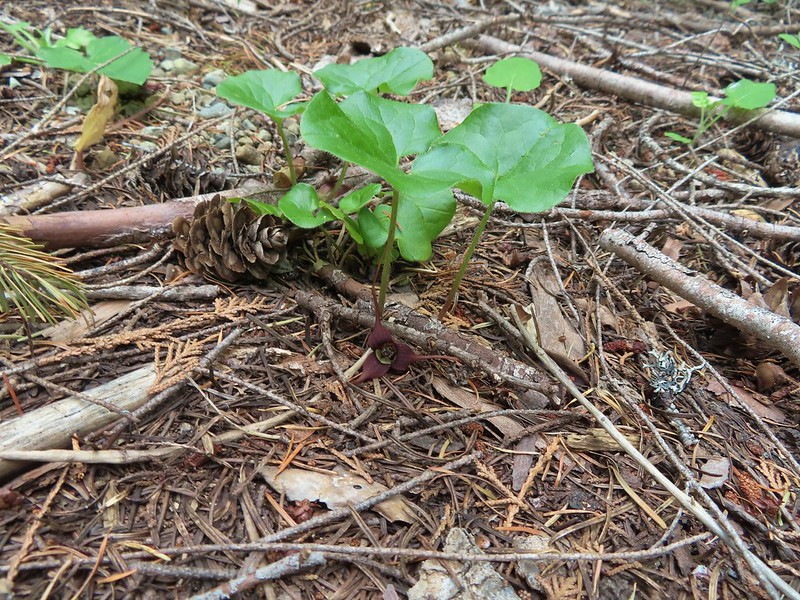
20220703_181554Snow plant

Both of the new groups of backpackers had dogs but aside from the initial barking at Buster we didn’t hear either of them again which we took to mean the bear kept its distance overnight. In the morning we got an extra early start for our hike out managing to have coffee and breakfast, pack up and still be on the trail by 6:15am.
IMG_6332Another low cloud morning.

IMG_6333Heading out

We followed the old road bed past the Raspberry Lake Trail junction half a mile to another trail junction, this one with the Black Butte Trail.
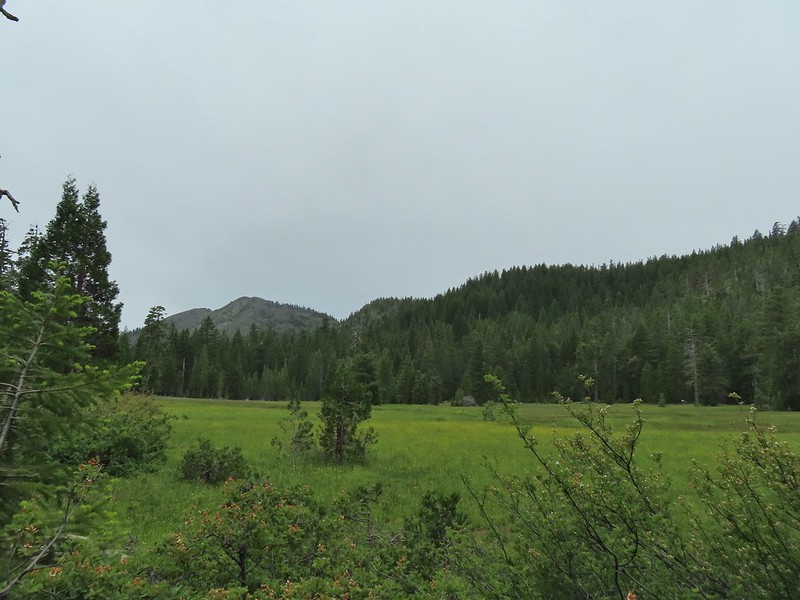
IMG_6337Passing around the meadow, we didn’t see Buster this morning.

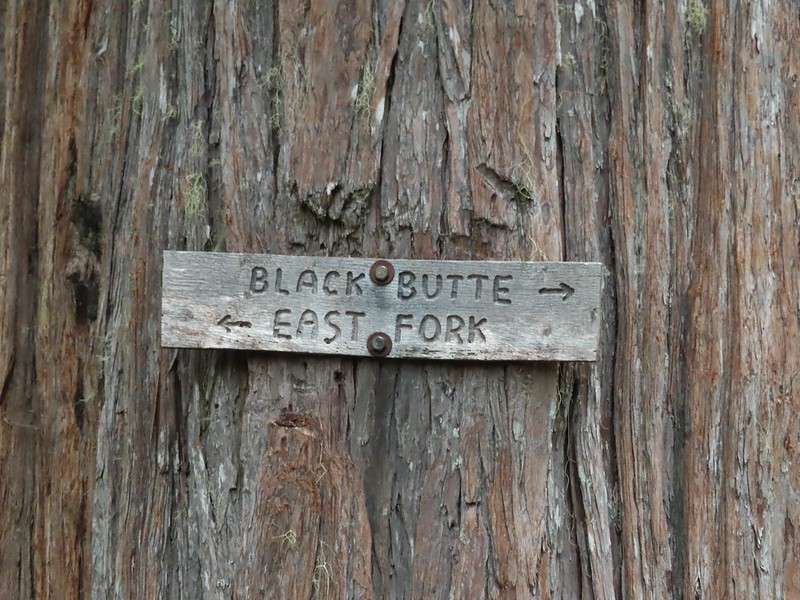
IMG_6341Black Butte Trail junction.

IMG_6343

We turned right onto this trail which was also an old road bed and followed it a little over half a mile to the East Fork Illinois River.
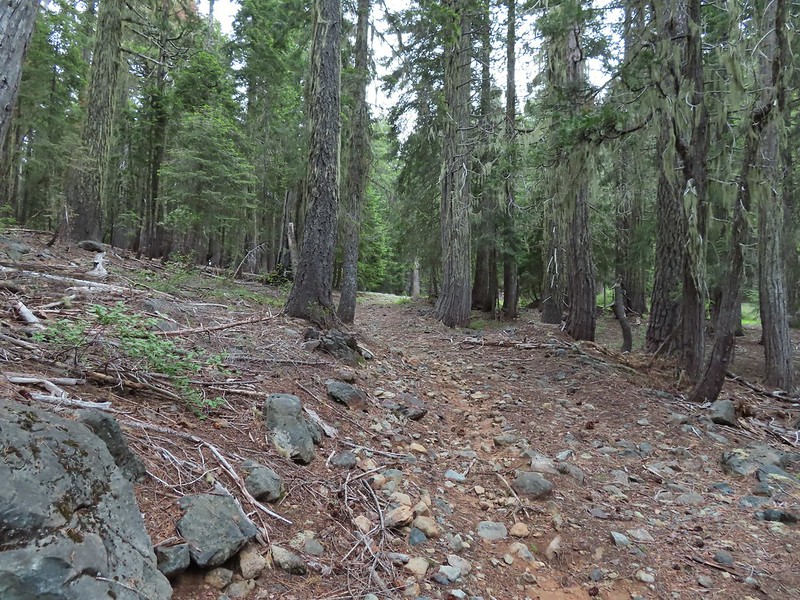
IMG_6344

IMG_6347

IMG_6350Bear Cub under the clouds.

IMG_6353Vanilla leaf along the trail.

IMG_6357Jessica sticktight

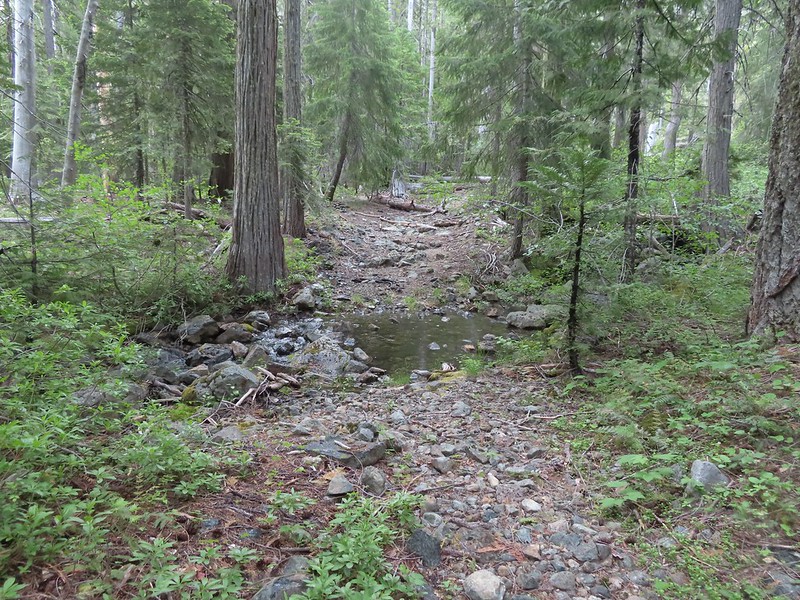
IMG_6358The headwaters of the East Fork Illinois River are just up from the trail so the river isn’t much more than a trickle at the trail crossing.

On the other side of the river we ignored the East Fork Illinois Trail to the left and continued on the old road bed.
IMG_6360

IMG_6361

IMG_6364

IMG_6371The edge of the clouds to the NW.

IMG_6377Passing below Bear Cub.

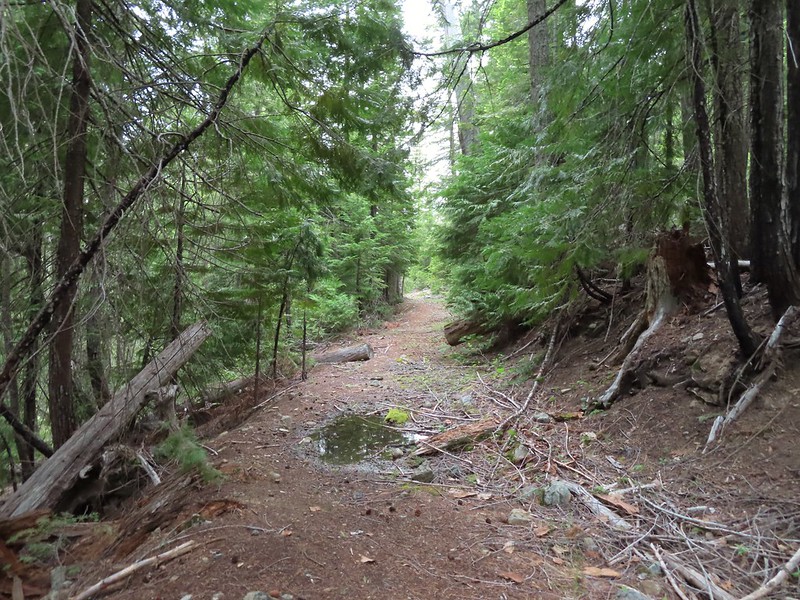
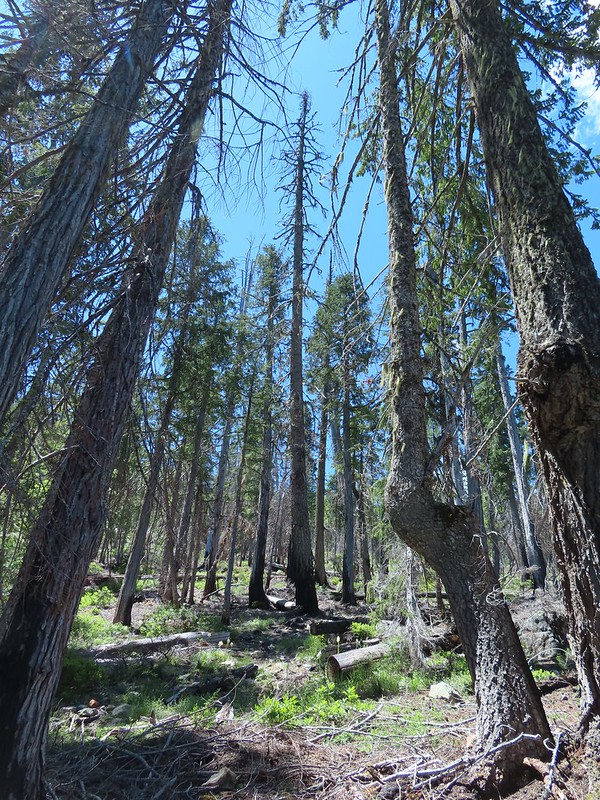
IMG_6382Being an old road bed in unburt forest made for easy hiking.

Going into the weekend there had been a chance of showers both Sunday and Monday. Sunday had remained dry but today a light mist was falling and there were a couple of brief showers which were enough to prompt us to put the rain covers on our packs but not enough to don our rain gear.
IMG_6384

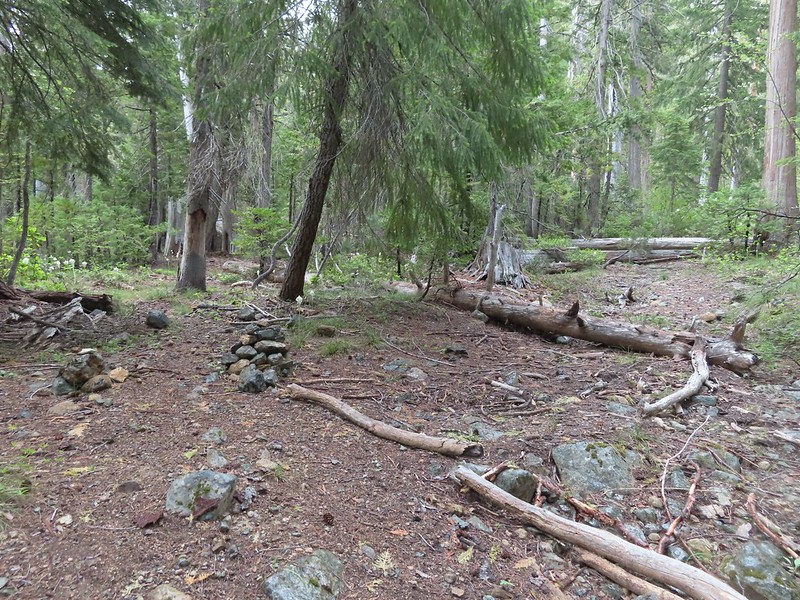
When we had made it to the north side of Bear Cub (Sullivan refers to it as Polar Bear Cub) we were momentarily confused by the number of trails our GPS units were showing. Sullivan’s map only showed an unmaintained use trail heading right toward the mountain while our paper Forest Service map didn’t show any other trails, but the GPS topo showed Sullivan’s user trail and another trail heading slightly downhill to the left. What we were seeing was the old roadbed curing right toward Bear Cub and a trail with cairns on both sides heading straight.
IMG_6386

The existence of the third trail on the GPS had us questioning whether the trail marked by cairns was the Black Butte Trail or the left most trail showing on the Garmin. After some debate we decided that it must be the Black Butte Trail and passed between the cairns. This turned out to be the right choice and we soon found ourselves climbing through the 2020 Slater fire scar.
IMG_6389

IMG_6391Swtichbacking toward Bear Cub.

IMG_6396Black Butte

We were a bit disappointed when we realized that to reach the junction with the Black Butte Tie Trail below Black Butte we had to lose about 100′ of elevation first.
IMG_6399Heading downhill so we could go up.

IMG_6402Creek crossing in the basin below Black Butte.
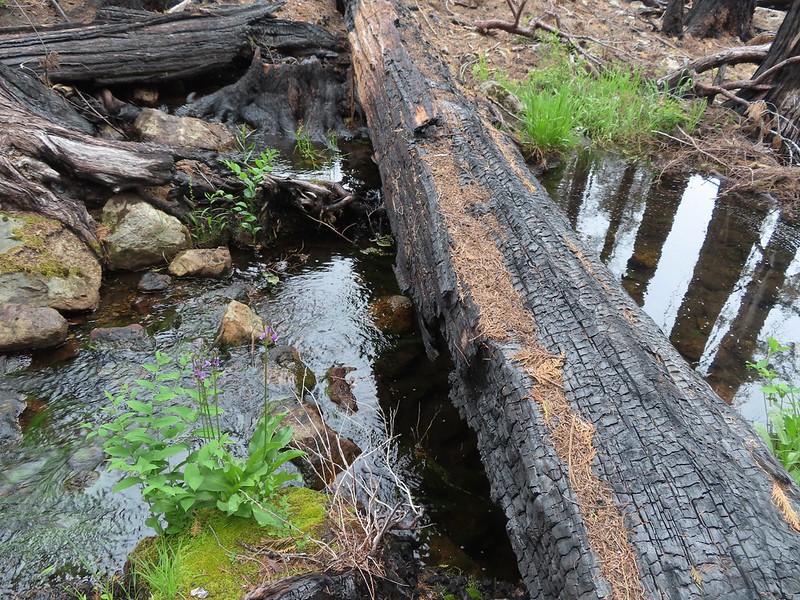
IMG_6406

IMG_6411Looking back into the clouds where we’d come from.
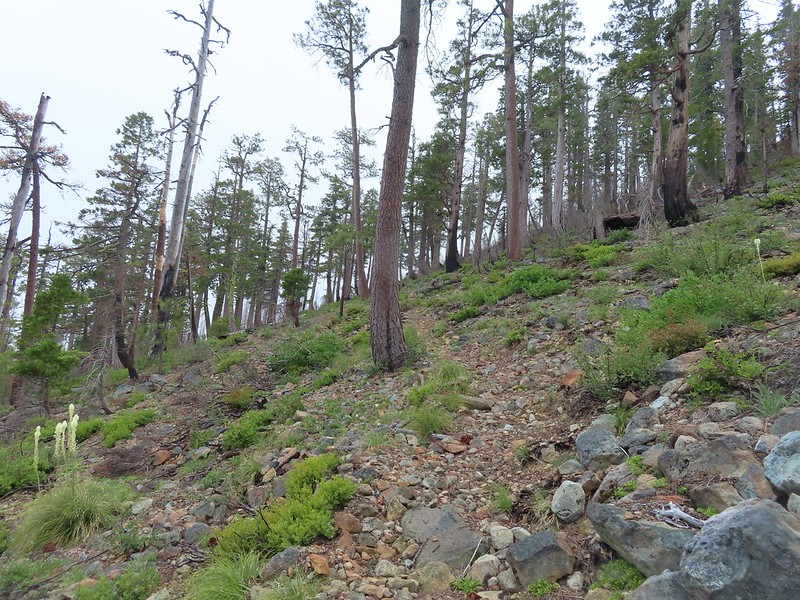
IMG_6412Steep climb up to the junction.

IMG_6413We made it back to the junction! Only 1.8 more miles to go.

We turned left at the junction, now following the route that we’d come in on from the Black Butte Trailhead on the first day. We had both convinced ourselves that this stretch would be mostly downhill, but we had been deceived.
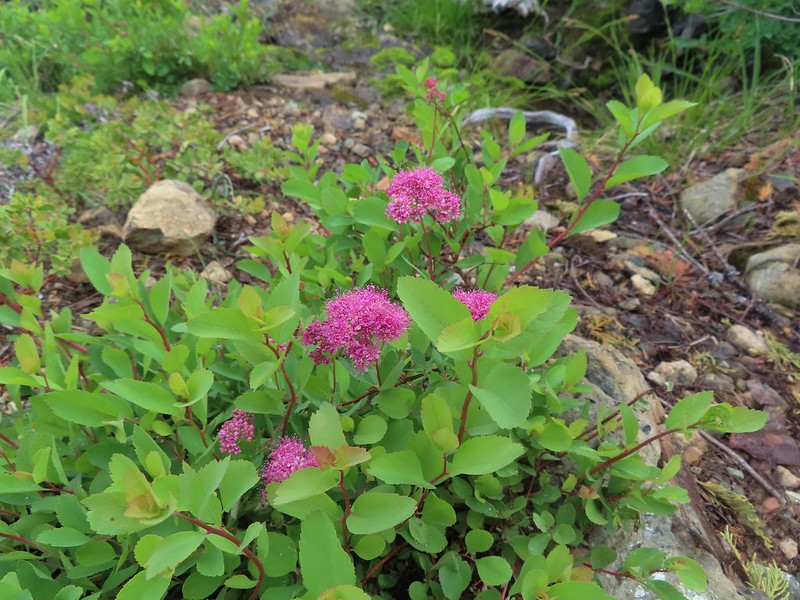
IMG_6418Spirea

IMG_6419Pair of woodpeckers

IMG_6428Why is there more uphill?

IMG_6440Black Butte from the trailhead with Heather coming down the trail.

It was 5.6 miles from our camp to the trailhead but after some challenging hikes it felt harder than that. The nearly 1400′ of elevation gain didn’t help that, but it had been a great trip none the less.

Day 4 Track in blue

The most significant rain shower started as we were changing at the trailhead so the timing there was pretty good. The trip had been challenging but it was worth it to have the chance to experience a new area with such diverse plants and great scenery. The wildlife was a bonus although a little less bear would have been okay.

What wasn’t good was the low tire pressure light that came on almost immediately after starting our drive. We had the same light come on in June driving up to the Siskiyou Gap Trailhead (post) and taken the car to Les Schwab in Ashland for an air check. The two left side tires were just a little low then so they added some air and we were off. Today was the 4th though and the Les Schwab stores in Grants Pass (the closest to where we were) were closed for the holiday so we pulled into a gas station and checked the air at their self-serve station. The same two tires were again a little low so I topped them off and we drove home. The light was back Tuesday morning when I started my drive to work prompting a trip to Les Schwab in West Salem where they removed the tires and discovered a screw in the rear tire and a nail in the front. Luckily both were small leaks and repairable. Hopefully we’re done with that light for a long while now. Happy Trails!

Flickr: Raspberry Lake / Youngs Valley To Black Butte Trailhead

Categories
California Hiking Klamath Mountains Siskiyou mountains Trip report

Siskiyou Wilderness Day 2 – Devil’s Punchbowl 07/02/2022

Our first morning at Youngs Valley turned out to be rather exciting. Per usual I was up early (before 5am) and we were eating breakfast by 6am. We were sitting at the edge of the meadow away from camp enjoying our Mountain House biscuits and gravy when I spotted a black bear passing between some trees in the meadow. Heather had commented during our hike in the day before that we were due for a bear sighting and there it was. I think I said “that’s a bear” and then we watched as it entered a stand of trees around a large boulder in the meadow a little less than 100 yards from where we were.
IMG_5589There still wasn’t a lot of light in the valley but the bear was in with the tall tree in the middle of this picture.

We lost sight of it for a time and thought maybe it had continued on away from us behind the trees but then it reappeared as it scrounged for things to eat.
IMG_5591

We were downwind so I don’t think the bear realized we were there until it poked it’s head out of the trees and stared at us.
IMG_5594

We had stood up but hadn’t been making noise but now that we were spotted I let out a “HEY BEAR!” which in our past experience (12 bears on trail and 2 driving to trailheads) would have been enough to send the bear running, if it hadn’t already sped off when it first spotted us. This bear did head off but it was about as non-nonchalant as it could have been.
IMG_5595

IMG_5597Heather watching the bear leave through the gap in the trees.

We made sure that we really did have every bit of food that we weren’t taking with us for our day hike in our Ursack bear bags and secured them. Then we re-familiarized ourselves with our bear spray. I had been seeing alerts from the Forest Service about a rise in bear encounters due to a delay in the berry crop this year so we had at least come “Bear Aware“.

After the exciting breakfast we threw our packs for the day on and headed to the Clear Creek National Recreation Trail where we turned right off the old road bed at a small sign.
IMG_5600The sign for the Clear Creek Trail on a tree to the right.
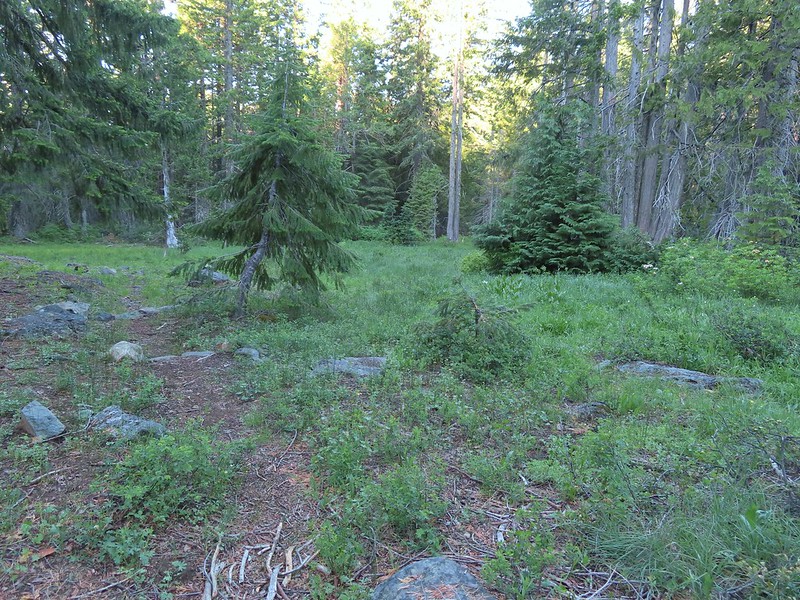
From Youngs Valley it was 5.1 miles to the Doe Flat Trail then another 2.8 to our goal for the day, Devil’s Punchbowl, a lake in a granite bowl carved by glaciers. The Clear Creek Trail passed by a series of small meadows before entering a forest that had been spared by the recent fires.
IMG_5603

IMG_5607

IMG_5613Clear Creek below the trail.

A little under a mile and half from Youngs Valley we found ourselves back inside the scar of the 2018 Natchez Fire though.
IMG_5617

While there wasn’t much blowdown on the trail to navigate it was faint in places and overgrown with thimbleberry, trailing berries, currant and roses (those last three all have thorns) in places which made for some slow going.
IMG_5620Anemone and star flowers

IMG_5621

IMG_5625

IMG_5627Honeysuckle

IMG_5629Rocky Knob

IMG_5630One of several creek crossings. This one was a bit tricky to stay dry on but we both managed to do so on the first pass. Heather wasn’t so lucky on the way back though.

IMG_5631Rayless arnica

Pacific ninebarkPacific ninebark

20220702_075859Streambank bird’s-foot trefoil

IMG_5637Sign for the Rattlesnake Meadows Trail which looked to be in much worse shape than the Clear Creek Trail.

IMG_5649White-vein wintergreen

There were occasional pockets of green trees, typically near creeks.
IMG_5650

IMG_5652

IMG_5662Queens cup

IMG_5664

IMG_5665There was a small stream in the middle of the trees here.

About a mile and a half after entering the fire scar the trail left it again for a bit.
IMG_5668

20220702_090007A colorful pea.

The mornings second round of excitement came when we spotted the first of what turned out to be many California lady slippers.
IMG_5679

20220702_090645

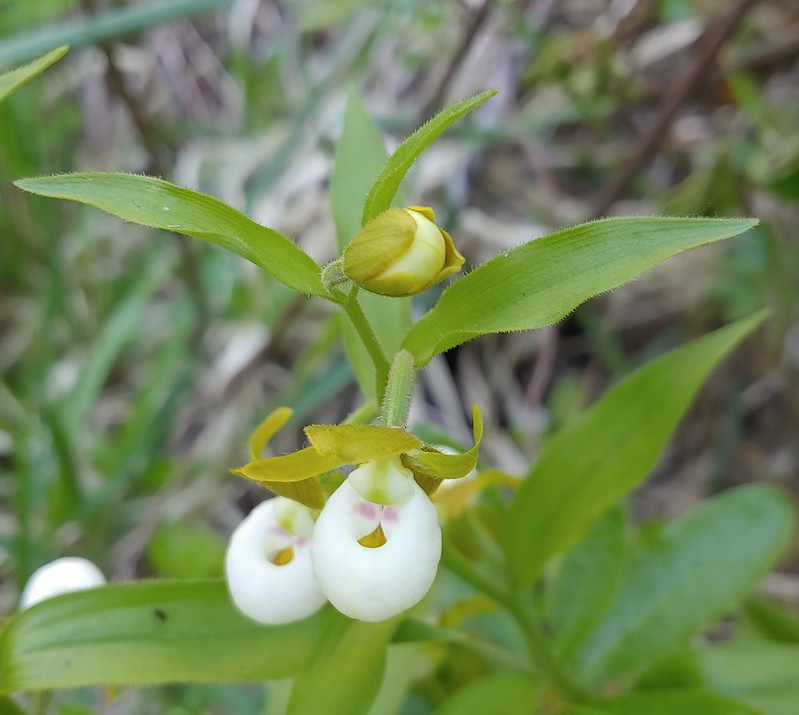
These beautiful orchids found only in the Siskiyou Mountains of SW Oregon and northern California are endangered in part due to thoughtless people who pick or attempt to transplant the fragile plants. We took many, many photos.

Just under three and a half miles from Youngs Valley the trail came to a beautiful pool along Clear Creek. The pool was so nice that we failed to notice that the trail continued on the far side.
IMG_5683

IMG_5688

We took a break on the bank of the creek before continuing on and realizing that we needed to cross the creek. There was no way we were staying dry on this one so we forded the barely calf deep water. More excitement ensued when we came to the first of several patches of California pitcher plant – Darlingtonia californica.
IMG_5691

IMG_5695

IMG_5698

20220702_091852

This carnivorous plant native to northern California, SW Oregon and the Oregon Coast is considered uncommon and one we don’t often see. Many more pictures followed. We continued south along the trail hoping for more exciting sightings.
20220702_092025The western azaleas smelled wonderful.

IMG_5710Another side creek.

IMG_5714Another fire scar, this time from the 2017 Young fire.

Silver-spotted skipperSilver-spotted skipper

20220702_094208

20220702_094403

IMG_5741

20220702_094633

IMG_5752Chipmunk

IMG_5761White-stemmed frasera

20220702_100311

Bolander's lilyBolander’s lily, another exciting find for us and the first time we’ve seen them.
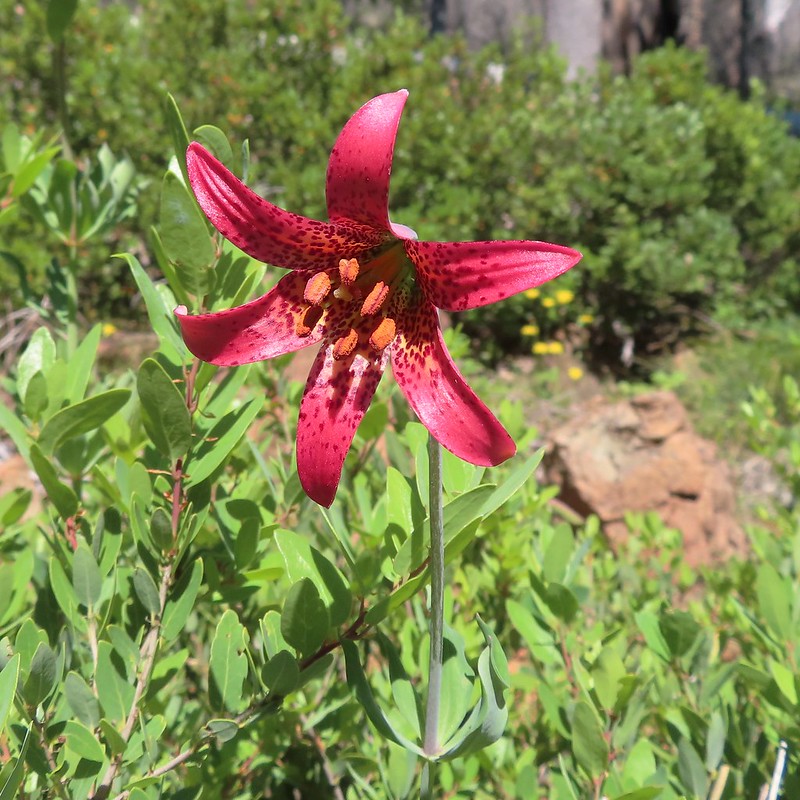
IMG_5770

IMG_5776Washington lily with a crab spider.

One and three quarters beyond the crossing we came to Trout Camp near the Doe Flat Trail junction where we saw the first signs of other humans since the people with the goats near the Black Butte Trailhead the day before. There was a hammock and a tent set up at a campsite there but we didn’t see any people.
IMG_5782Trail sign near Trout Camp.

Our original plan had been to move our tent here, hike up to Devil’s Punchbowl then take the Doe Flat Trail to Buck Lake before returning to the tent. Then in the morning we would pack up and move the tent back to Youngs Valley before hiking up to Raspberry Lake. After comparing Trout Camp to Youngs Valley we were happy that we’d changed our plan. It would have been fine but the scenery was a lot nicer at the meadow.

We left the Clear Creek Trail at Trout Camp and followed the Doe Flat Trail downhill to a crossing of Doe Creek where we once again got our feet wet.
IMG_5784Sign for the Doe Flat Trail at Trout Camp.

IMG_5793Doe Creek, we probably could have made it dry footed (I was able to on the way back.) but since we were already wet why bother.

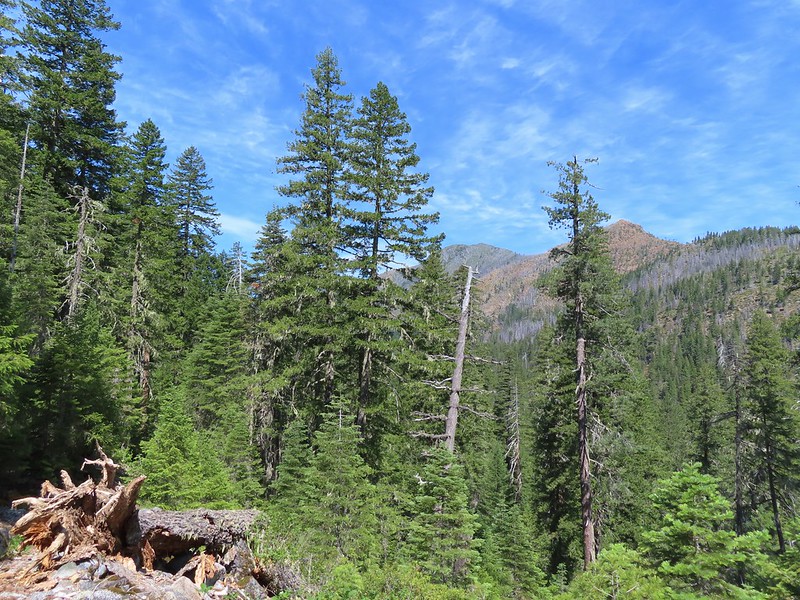
We finally ran into people on the far side of Doe Creek. They were trying to get their bearings and we were able to point them in the direction of the Clear Creek Trail and Raspberry Lake where they were hoping to spend the night.

From Doe Creek the trail launched steeply uphill climbing via a series of switchbacks.
IMG_5794

IMG_5797

IMG_5799Twin Peaks in the distance.

IMG_5800Pacific coralroot

IMG_5809Phantom orchid

After a mile and over 700′ of elevation gain the trail appeared to be leveling out but it was also the junction with the Devil’s Punchbowl Trail.
IMG_5813The Doe Flat Trail continuing on from the junction.
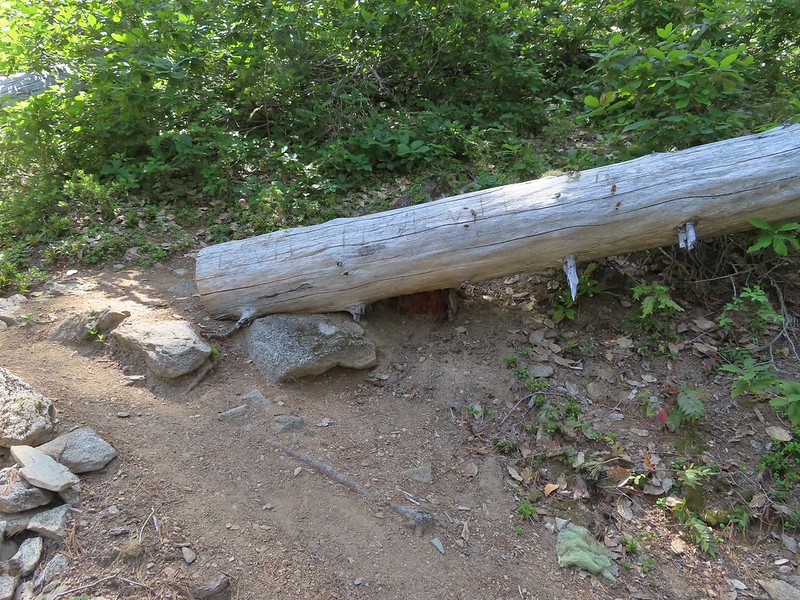
The only sign at this junction was a small pointer for the trailhead and clear creek.
IMG_5814

Opposite the little sign the Devil’s Punchbowl Trail climbed steeply uphill behind a log that someone had scratched the trail name into.
IMG_5815

Another half mile and 600′ plus of elevation brought us to a viewpoint at a ridge end where we got our first good look into the granite basin where we would find Devil’s Punchbowl.
IMG_5817The flat top of Black Butte in the distance.

IMG_5821Bear Mountain

IMG_5827

At the ridge end we were just under 200′ below the elevation of Devil’s Punchbowl but after rounding the ridge the trail descended almost 150′ to a crossing of the lakes outlet creek.
IMG_5832Blue-head gilia

IMG_5830Oregon sunshine

IMG_5837

There was a nice pool below the crossing where we planned to refill our water on our way back by.
IMG_5839

Beyond the creek the trail became more of a scramble over the granite following occasional cairns over the rocky landscape.
IMG_5842

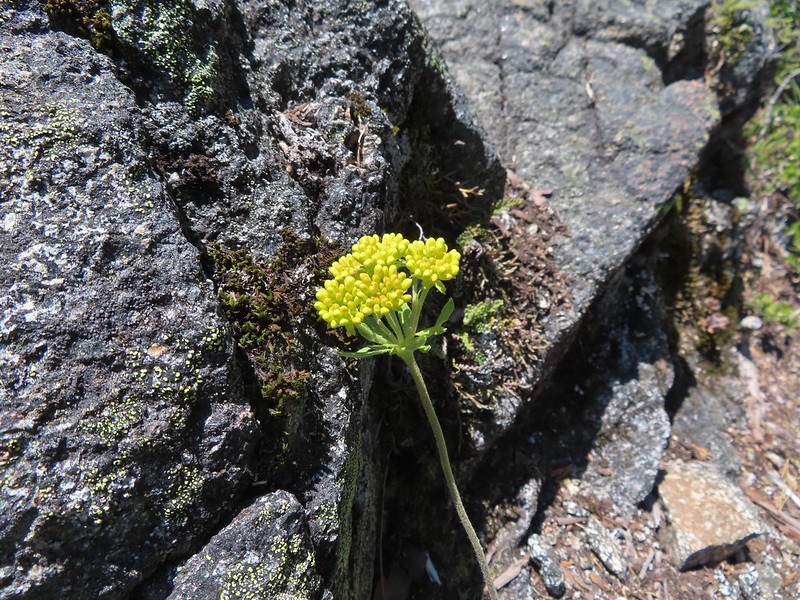
IMG_5844Buckwheat

IMG_5845Siskiyou lewisia

IMG_5850Preston Peak

IMG_5852

Before reaching Devil’s Punchbowl the trail passed a smaller but scenic lake.
IMG_5869

IMG_5871

IMG_5879

IMG_5881

It was pretty obvious why this is the most popular spot in the wilderness and draws crowds. We however were fortunate enough to be the only people here when we arrived.
IMG_5885_stitch

IMG_5894

IMG_5888Pussypaws

It wasn’t long before another couple arrived followed by a pair of backpackers but we appreciated the solitude nonetheless.
IMG_5905Beetle on a pussypaw

IMG_5911Swallowtail on azalea

IMG_5917Silver-spotted skipper on Siskiyou lewisia
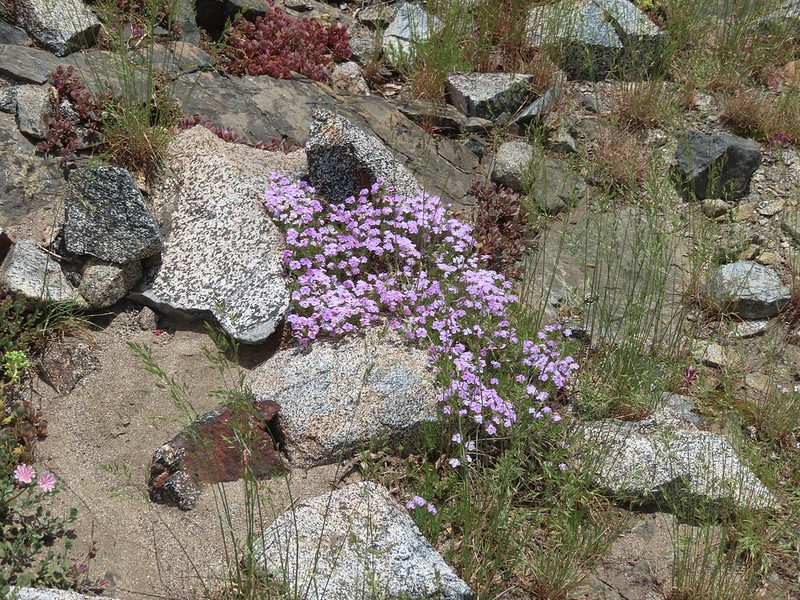
IMG_5924Phlox

IMG_5925

After a nice long rest we headed back down stopping at the outlet creek for water.
IMG_5934There is a rock arch atop the ridge near the left hand side.
IMG_5936

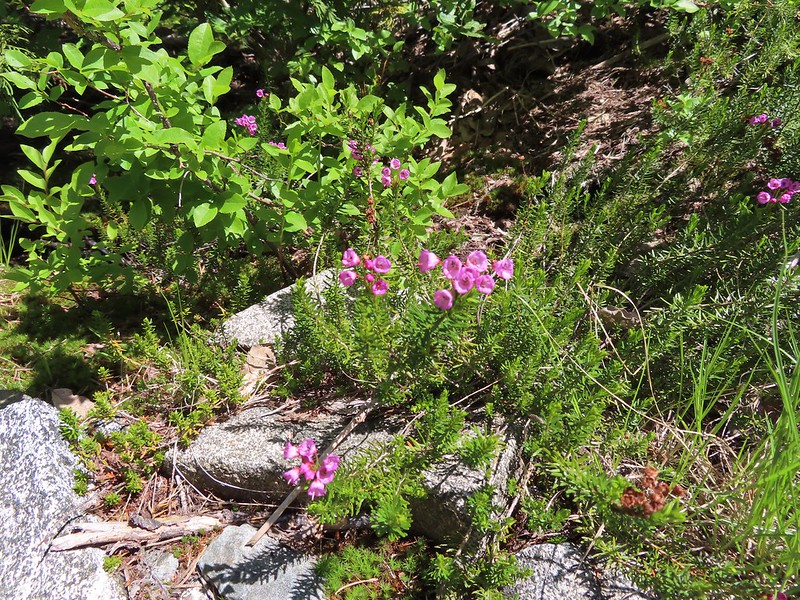
IMG_5938Mountain heather

IMG_5941Green beetle

IMG_5953Ground squirrel

IMG_5960Clouds gathering around Preston Peak.

IMG_5963Fleabane near the pool.

IMG_5964Waterfall along the outlet creek.

IMG_5972

IMG_5973Clouds over Devil’s Punchbowl.

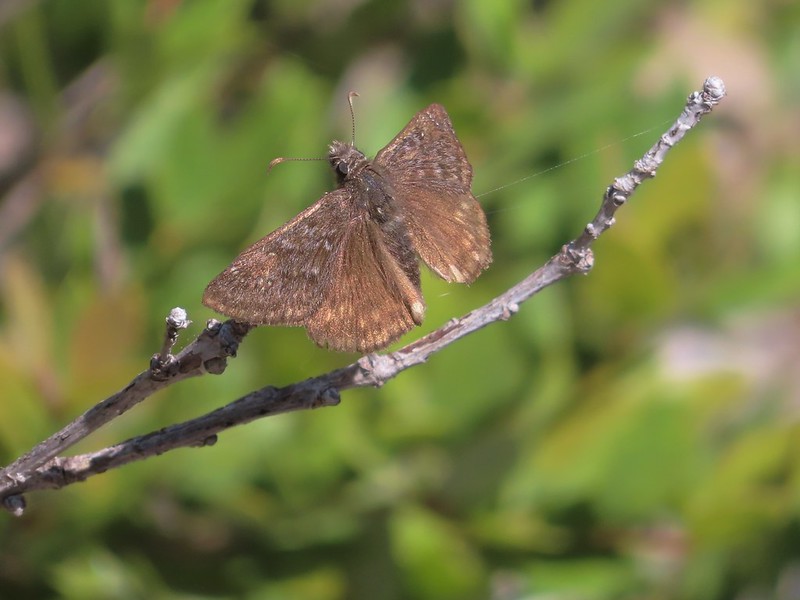
IMG_5978A duskywing

IMG_5979More clouds to the north.

We returned the way we’d come passing a number of groups heading up to Devil’s Punchbowl. We felt even more fortunate about having had the lake to ourselves for a bit. After recrossing Clear Creek we cooked our dinner at a small camp site before continuing on.
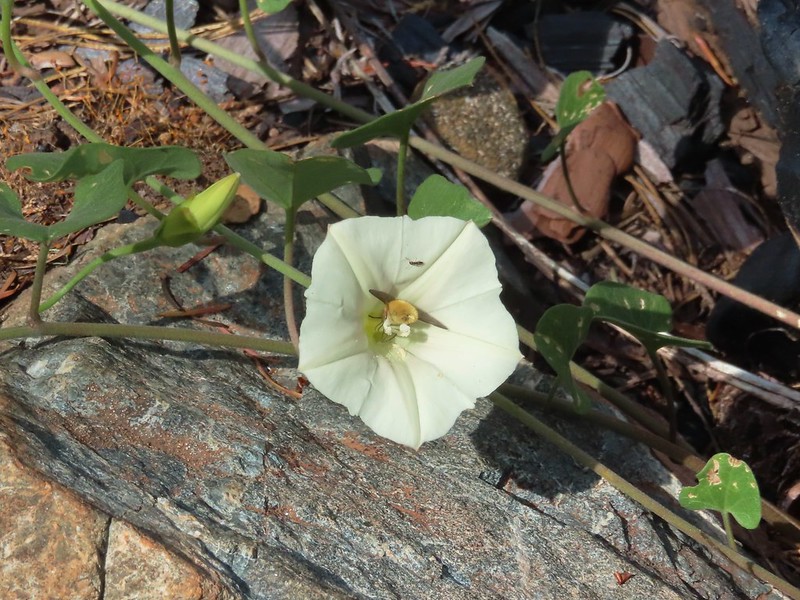
IMG_5992Bee in bindweed with a little ant observing.

IMG_6003Back at the ford.

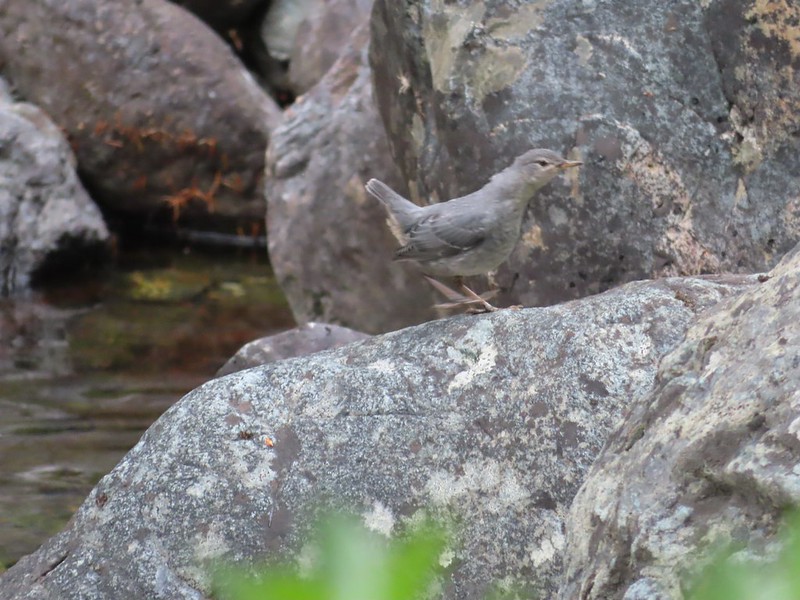
IMG_6010Ouzel at the Clear Creek ford.

IMG_6022Doe in the forest.

IMG_6024This little guy had a pretty song.

IMG_6029Arriving back at Youngs Valley.

It was after 7:30pm and there was another couple setting up camp near ours and I stopped briefly to chat with them. When I started to continue down the road bed to our site I spotted what was probably the same bear from the morning standing on its hind legs watching us from the brush.
IMG_6030The bear in the middle of the photo behind a small leaning tree.

I gave another “HEY BEAR!” yell and he again moved on but a short while later when I was heading to re-secure the bear bags I ran into it again. This encounter was quite a bit closer but this time the bear hustled back into the brush. After securing the bags we put the rain fly up due to the increased presence of clouds. A little while later we heard our neighbor yell at the bear to run it off yet again. The bear hadn’t bothered our camp and there was no evidence that it had tried to get to our food and it was too late and we were too tired to move camp. We kept the bear spray and a whistle close at hand and turned in for the night.

With some side trips and wandering the GPS registered a 16.5 mile day with just over 4000′ of cumulative elevation gain.

Day 2 track in Magenta

It was an exciting day for sure but also another tough one. We were looking forward to a shorter day on Sunday followed by a 5.5 mile hike back to the trailhead on the 4th. Happy Trails!

Flickr: Devil’s Punchbowl

Categories
California Hiking Klamath Mountains Siskiyou mountains Trip report

Siskiyou Wilderness Day 1 – Polar Bear Gap 07/01/2022

For the Fourth of July weekend we took an extra day off and headed to the Siskiyou Wilderness in California for our first backpacking trip of the year. This would be our first visit to the 179,847 acre wilderness after having had to cancel planned trips several years in a row due to weather, fire, and smoke. All of the previously planned trips had been on the schedule for late Summer and since that didn’t seem to be working out we decided to try an earlier time of the year. Sullivan features three hikes in the wilderness: Polar Bear Gap, Raspberry Lake, and Devil’s Punchbowl and our plan was to check them all off our to-do list on this trip.

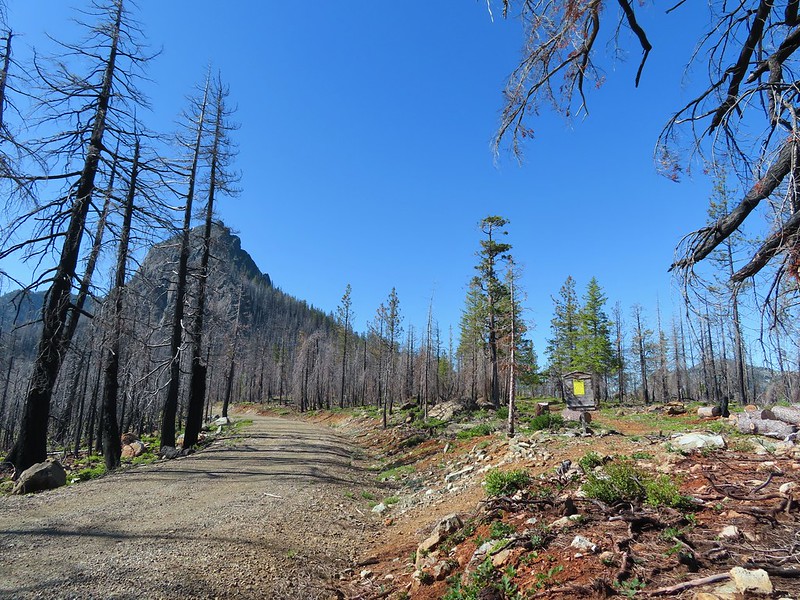
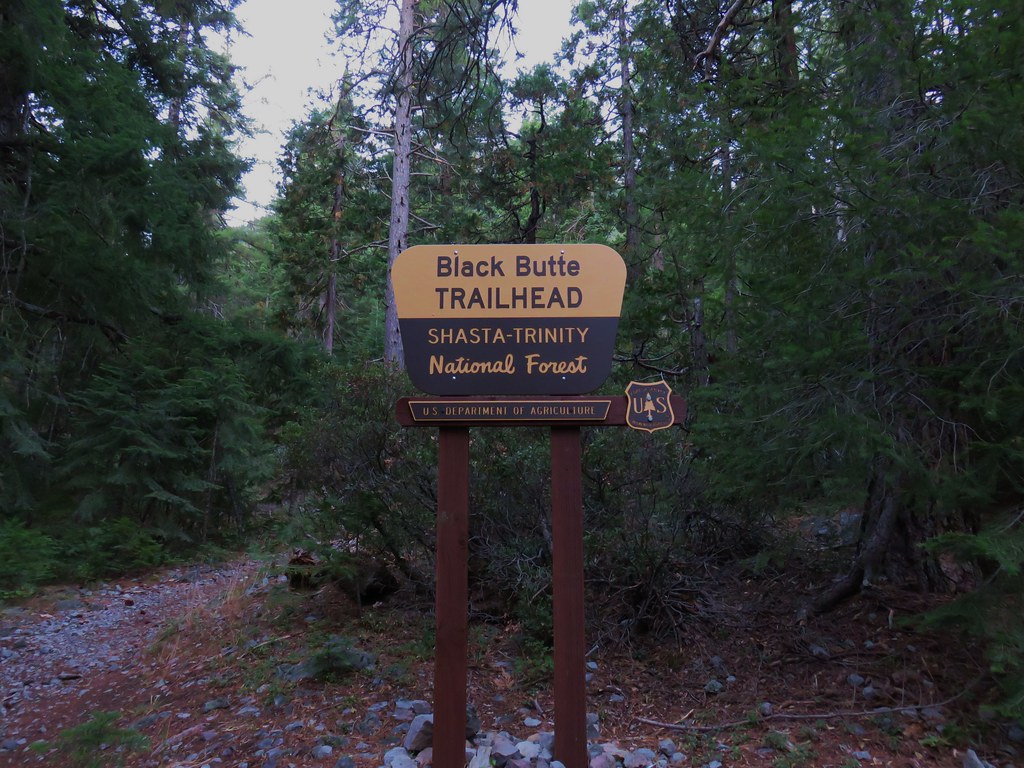
Friday morning we made the long drive back into California to the Black Butte Trailhead near the northern end of the wilderness area. The 2020 Slater Fire burned over the road to this trailhead and into the wilderness.
IMG_5047Black Butte from the Black Butte Trailhead.

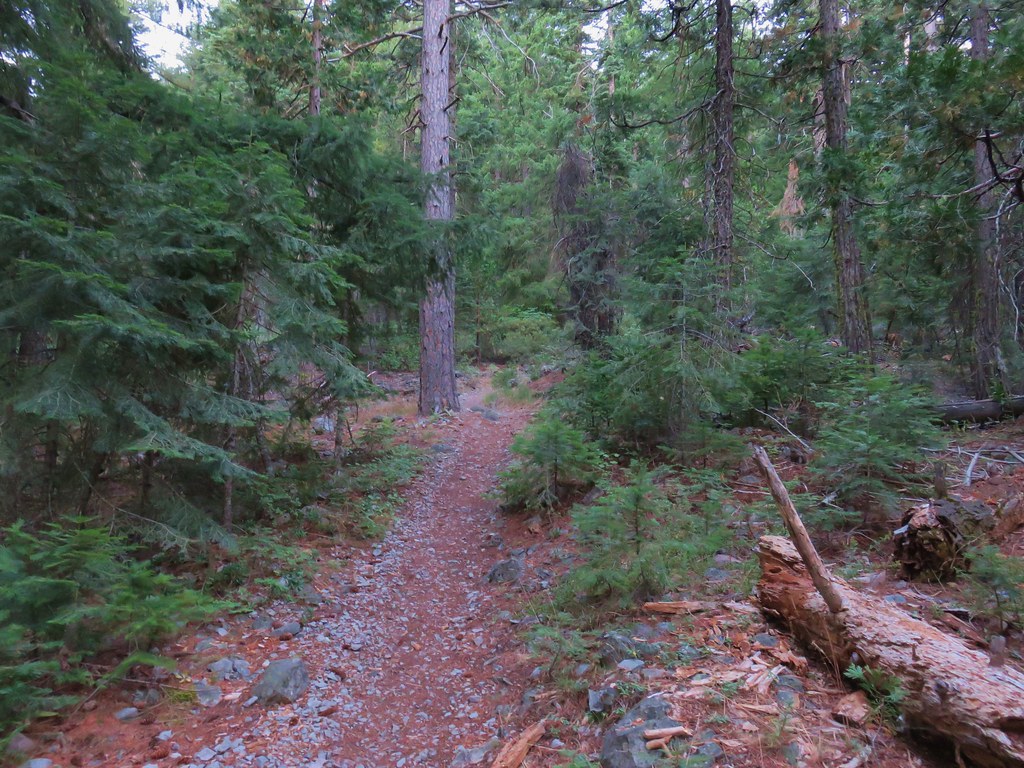
There was one other vehicle at the trailhead and it had a small animal trailer with hay attached to it. Heather guessed goat and was proved correct when we ran into a couple and their three goats not a quarter mile up the trail. Those would be the only people we encountered on this first day. As for the Black Butte Trail it was in pretty good shape to start considering the fire as it led uphill toward the shoulder of Black Butte.
IMG_5051

IMG_5053Penstemon

narrowleaf blue eyed MaryNarrowleaf blue eyed Mary

IMG_5063Siskiyou mountain ragwort

IMG_5068Wedgeleaf violet

IMG_5069Sanger Peak

IMG_5079More penstemon

IMG_5080Phlox

After cresting below Black Butte the trail made a slight descent to a junction with the Black Butte Tie Trail 1.8 miles from the trailhead.
IMG_5085Youngs Peak

IMG_5096It turned out to be a beargrass year, at least in the northern part of the wilderness.
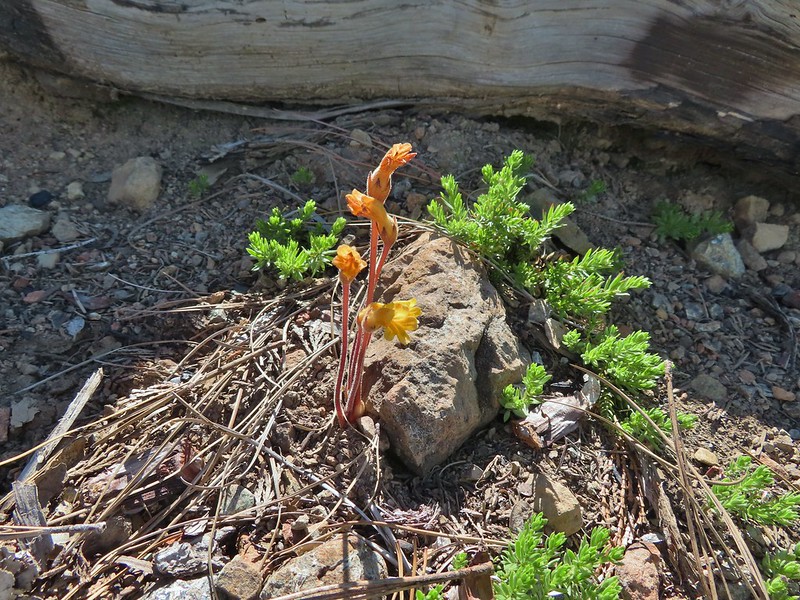
IMG_5099Clustered broomrape

IMG_5101Paintbrush

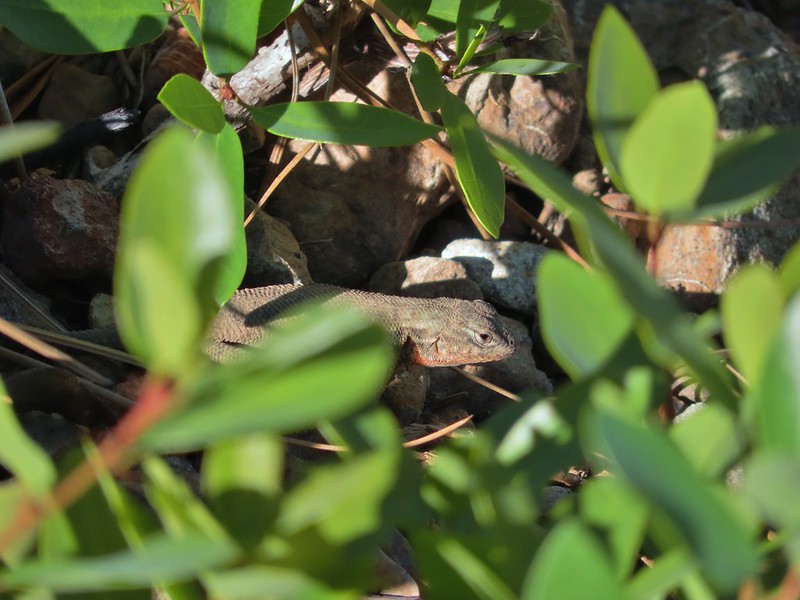
IMG_5103Lizard

IMG_5105El Capitan with the snow behind Bear Cub. Bear Mountain is the high point in the center distance with Rocky Knob to the right front of it. Youngs Peak is the high point to the far right of the frame at the end of the ridge.

IMG_5110Looking up at Black Butte.

IMG_5113Rayless arnica

IMG_5118Big deervetch

IMG_5121The junction with the tie trail.

We would be coming up the tie trail on Monday on the way back to our car but for now we forked left sticking to the Black Butte Trail. Our Forest Service Map indicated that the next 2.5 miles of trail was “infrequently maintained” but the first three quarters of a mile to Polar Bear Gap were fine.

IMG_5127Polar Bear Mountain ahead.

IMG_5129Azalea

IMG_5133A sulphur butterfly

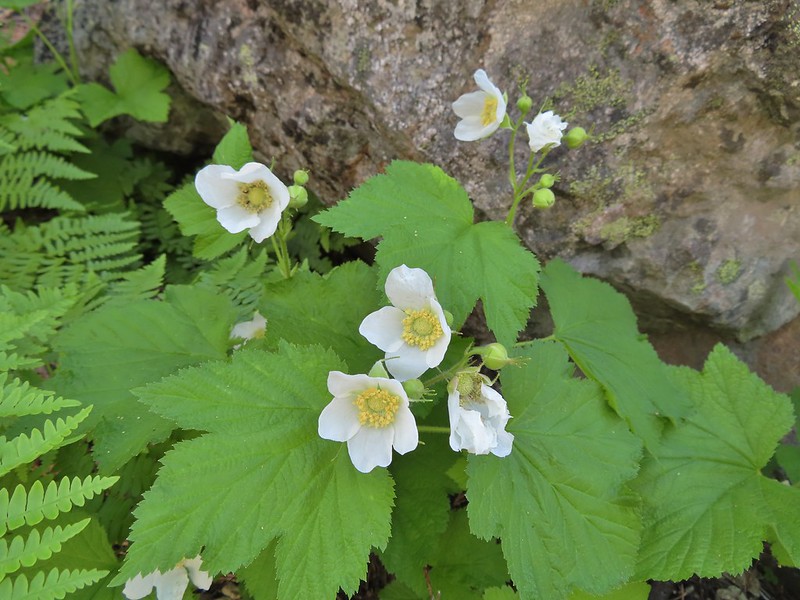
IMG_5140Thimbleberry blossoms

IMG_5152A tortoiseshell on thimbleberry.

IMG_5155Wallflower

IMG_5156The trail steepened considerably as it made the final climb to the gap.
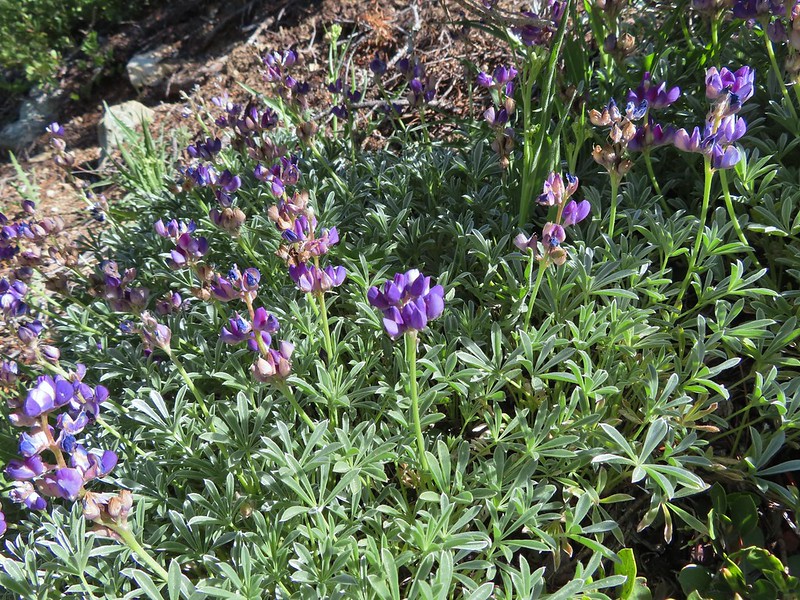
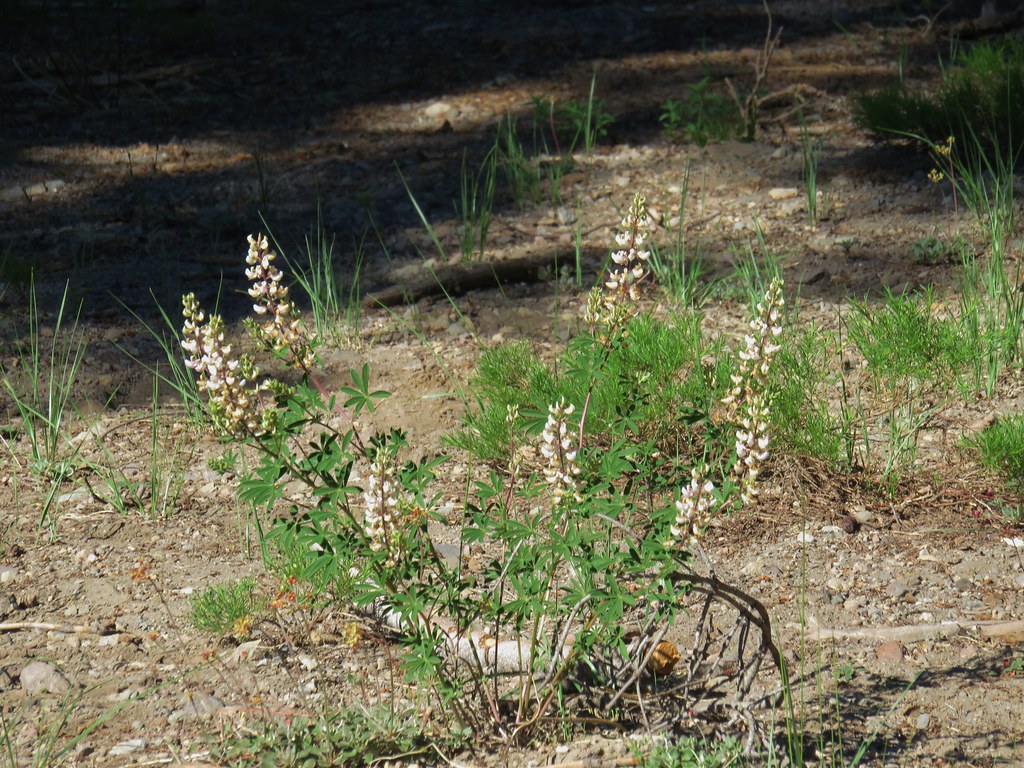
IMG_5158Lupine

IMG_5163Lewis flax

IMG_5169Lookout Mountain

IMG_5173Paintbrush

IMG_5177A carpet of narrowleaf blue eyed Mary at Polar Bear Gap

IMG_5180Nuttall’s sandwort surrounded by blue eyed Mary.
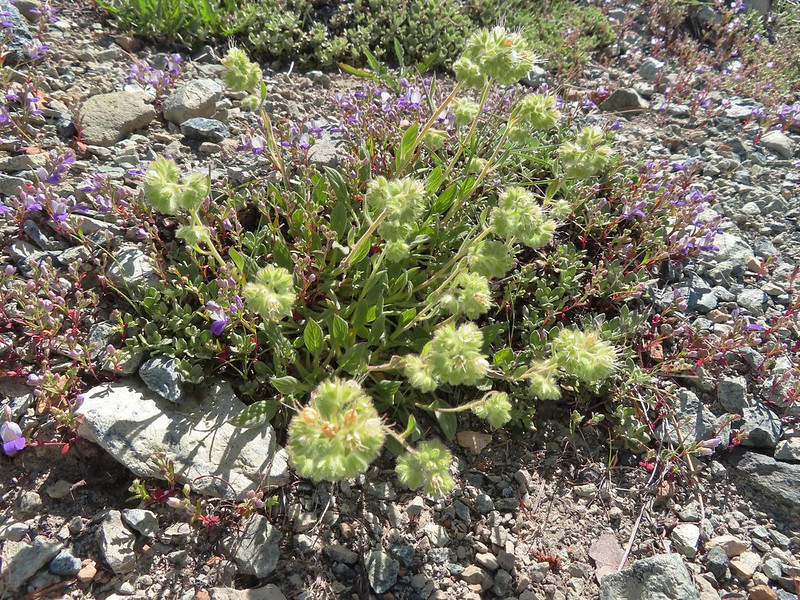
IMG_5181Serpentine phacelia

IMG_5182Polar Bear Gap

Polar Bear Gap sits between Lookout Mountain to the north and Polar Bear Mountain to the south and provided us our best view eastward of the entire trip.
IMG_5190Lookout Mountain

IMG_5188Polar Bear Mountain

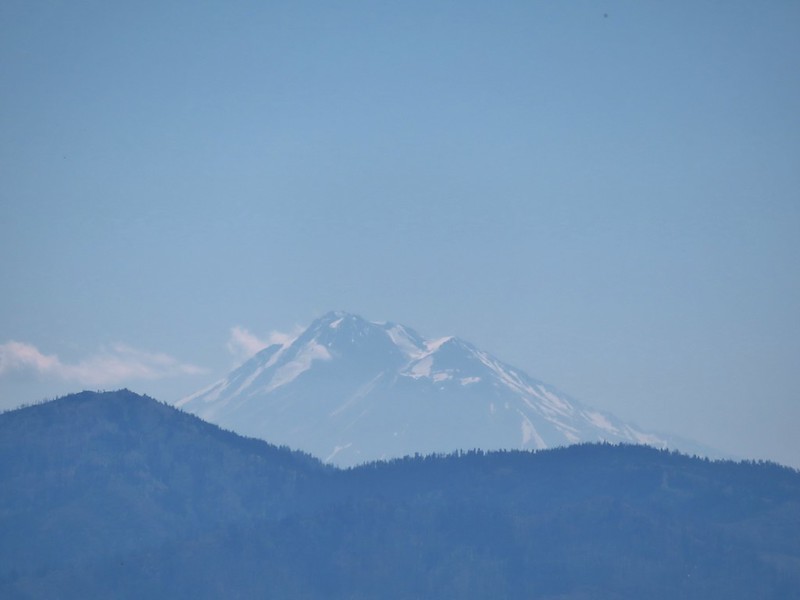
IMG_5183Looking east toward Mt. Shasta.

IMG_5185Mt. Shasta

IMG_5193Looking west toward Sanger Peak.

Sickle-leaved OnionSickle-leaved Onion

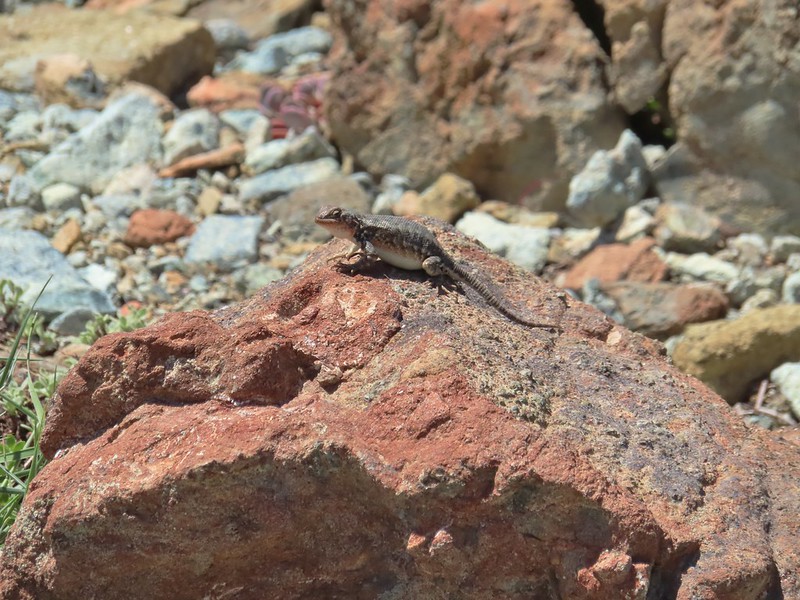
IMG_5200There were lots of lizards in the area.

After a much needed rest at the gap (we aren’t used to carrying full backpacks) we headed down the opposite side of the gap toward Twin Valley.
IMG_5202

On this side of the gap we traded the 2020 Slater fire scar for the 2018 Natchez fire.
IMG_5205Heading down into Twin Valley

IMG_5218Paintbrush and penstemon along the trail.
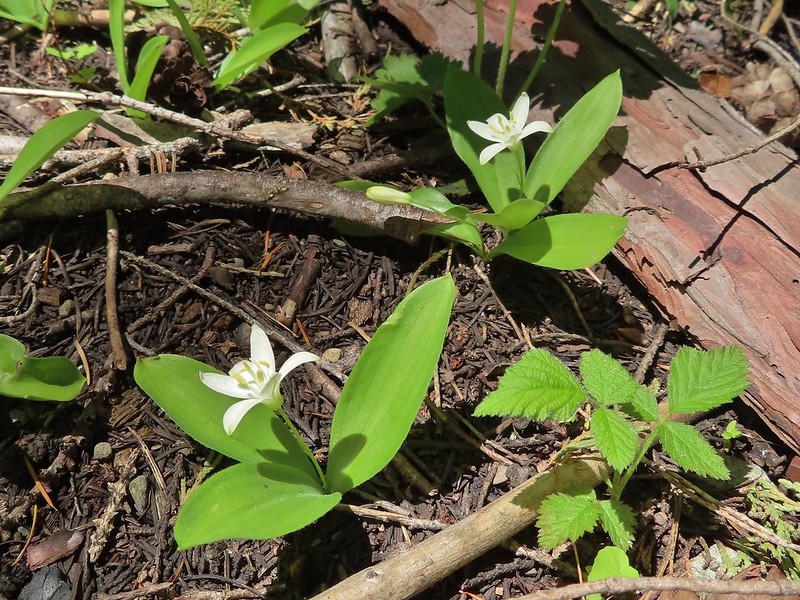
IMG_5220Queen’s cup

IMG_5227Frog

As we neared the first of two meadows in the valley the infrequent maintenance became obvious. The good news was that there were a good number of cairns set up but it was slow going at times trying to locate the next one.
IMG_5232

IMG_5233

IMG_5235Larkspur

IMG_5239The yellow is a cinquefoil I believe but I don’t know what the other dark flower is.

IMG_5241Meadow in Twin Valley.

The trail passed between the smaller upper and larger lower meadows and continued a slight descent along the lower meadow where we began looking for a junction with the Poker Flat Trail.
IMG_5245Heading down to a stream crossing between the two meadows.
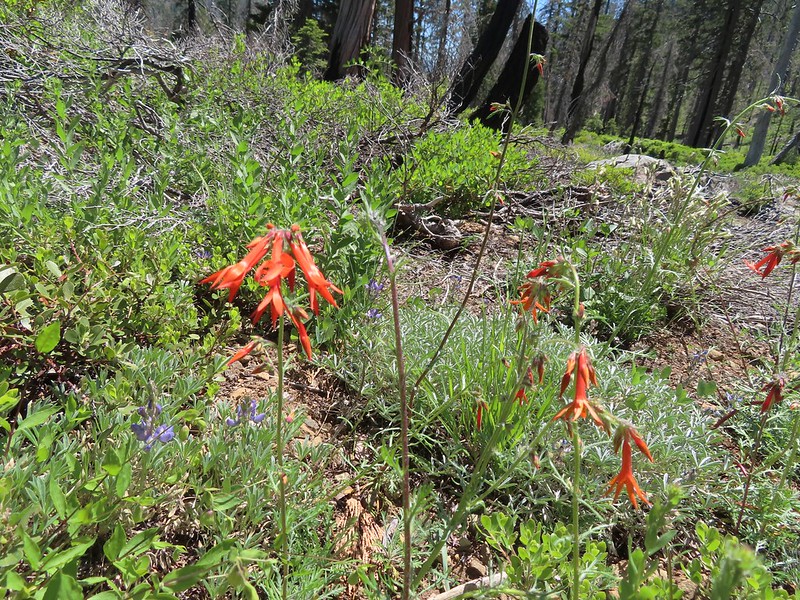
IMG_5259Scarlet gilia

IMG_5264Beargrass

IMG_5271Creek crossing.

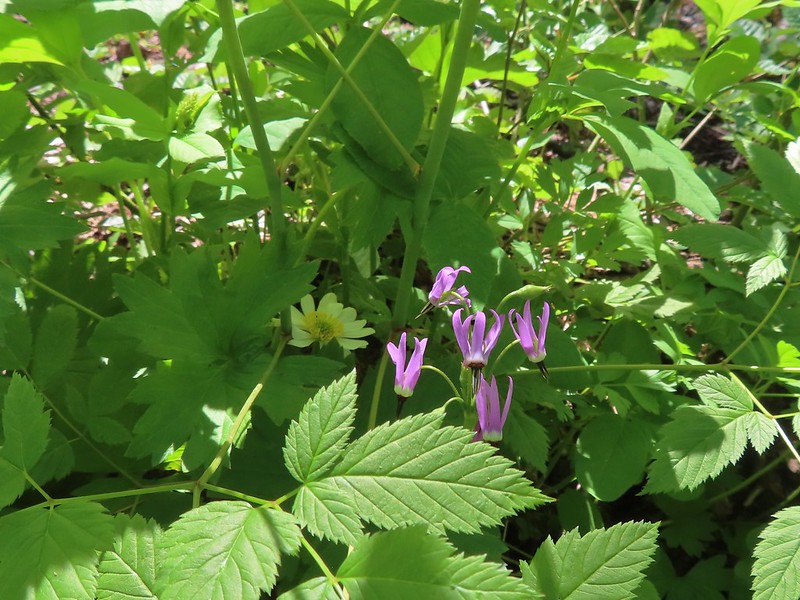
IMG_5277Shooting star and marsh marigold.

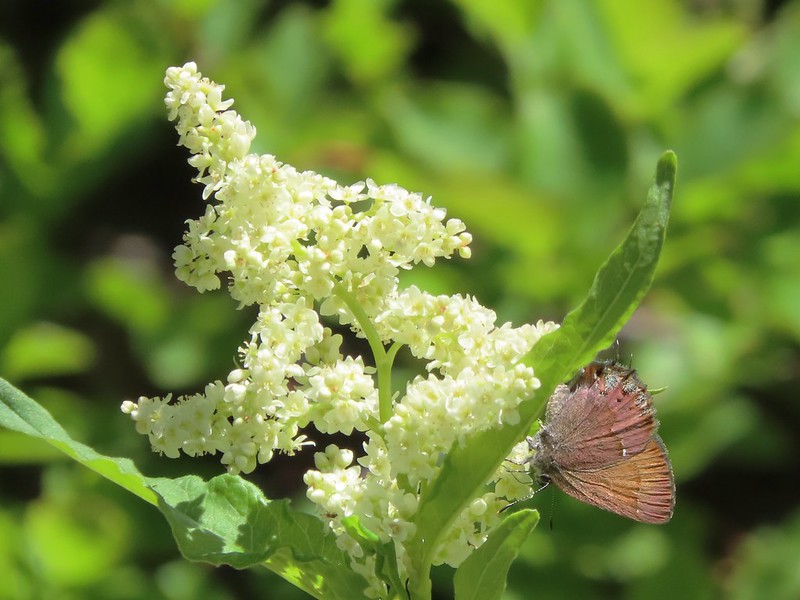
IMG_5289A hairstreak butterfly

IMG_5295Columbine and cinquefoil

With the trails being faint we were also keeping an eye on our GPS units which both showed that we had gotten below and past the trail junction. Heather decided to strike off cross country first to see if she could find the trail and I soon followed. We lost sight of each other for just a moment and wound up crossing paths without realizing it. She wound up finding the trail junction and turned up the Poker Flat Trail before getting my attention. I made my way over to her and we were back on track.
IMG_5298Cut logs helped identify where the trail was supposed to be.
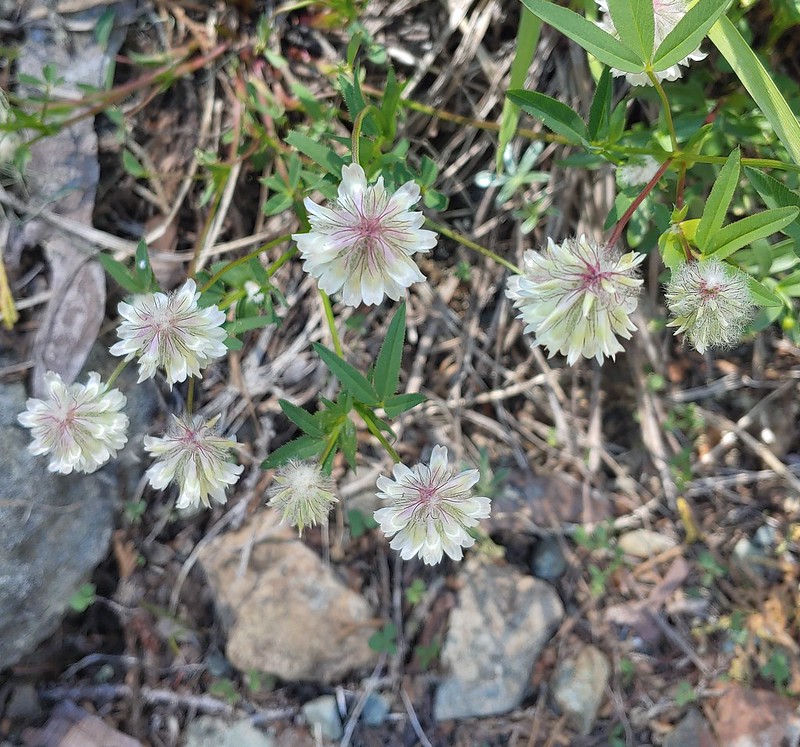
Wolley-head cloverWolley-head clover

IMG_5305Oregon violet

IMG_5306Polar Bear Gap from the Poker Flat Trail.

Sullivan describes the climb out of Twin Valley as being “as graceless as a bobsled run in a quarry”. That was an apt description and making the climb with full packs didn’t help. We were very relieved when the trail crested a ridge end after three quarters of a mile.
IMG_5316Looking up toward the ridge end.

IMG_5317Iris at the ridge end.

IMG_5319Red Buttes (post) to the NE.

IMG_5320Red Buttes

IMG_5322Lookout Mountain from the ridge end.

IMG_5329Bee visiting penstemon.

After another break at the ridge end we sallied forth. The trail descended for approximately a mile before climbing fairly steeply again for half a mile to Private Lake. We took a short side trail down to the small lake where we again rested.
IMG_5336The Lieutenants and El Capitain

IMG_5343Clustered broomrape

20220701_131140We were starting to see a lot of bear sign.

IMG_5354An as-of-yet unidentified flower.

IMG_5360This may be sticky blue eyed Mary.

IMG_5378Mariposa lily

IMG_5385More faint trail.

IMG_5393

IMG_5395Time to climb.

IMG_5400Anemone

IMG_5405Meadow along the Poker Flat Trail.

IMG_5413Approaching Private Lake.

IMG_5418Siskiyou lewisia

IMG_5423Private Lake below The Lieutenants.

IMG_5427

IMG_5430

After we’d eaten and rested we resumed our trek and climbed steeply for a half mile to a pass between The Lieutenants and Bear Cub.
IMG_5446

IMG_5450Scarlet gilia and penstemon

IMG_5459Heather heading for the pass.

IMG_5467Arnica

IMG_5470Nearing the pass.

IMG_5475Bear Cub

IMG_5478Youngs Peak just to the left of the snag.
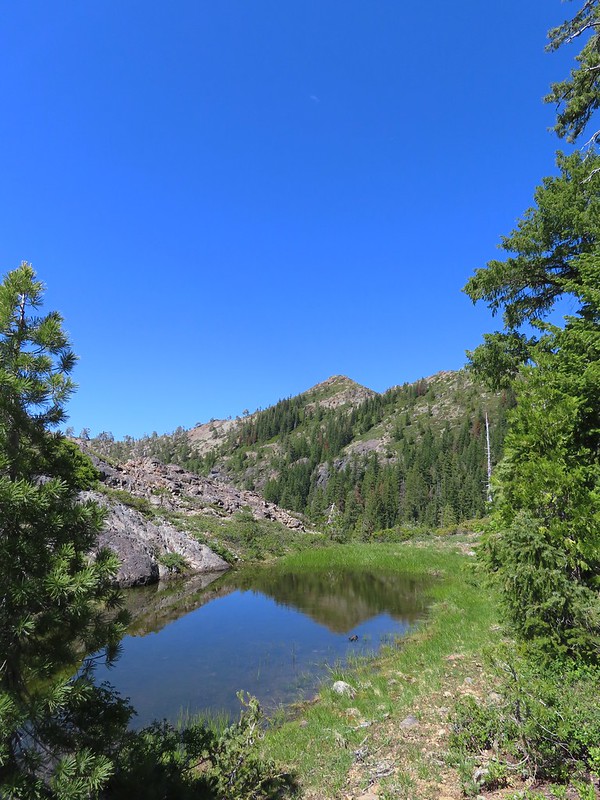
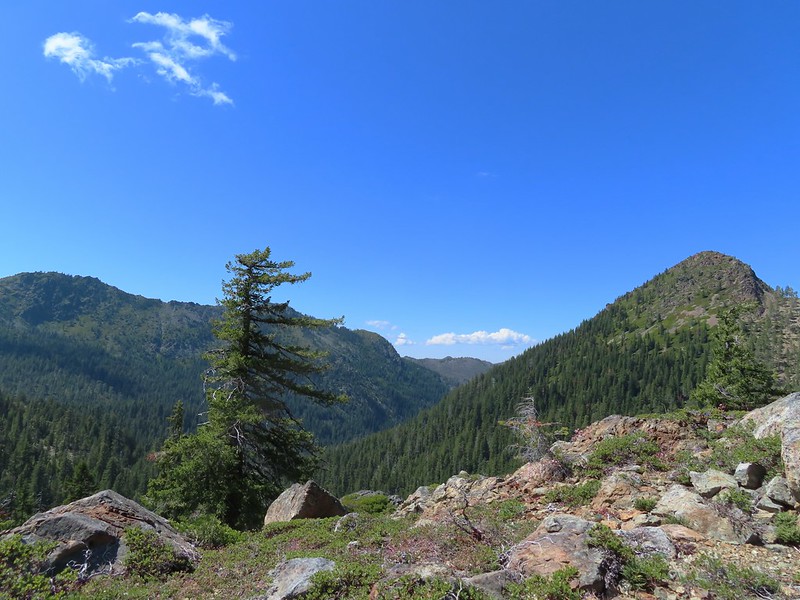
The trail descended to a small snow melt tarn then continued down a rocky ridge.
IMG_5498

IMG_5509Bear Cub on the right.

IMG_5530Youngs Peak behind the tree.

Approximately 1.4 miles from the pass we arrived at an old road bed that is now the Raspberry Lake Trail.
IMG_5534Finally out of the fire scars.

IMG_5540Snow plant

IMG_5543

We should have turned right here for two tenths of a mile then taken a left onto another old road bed but after the long drive and challenging hike we weren’t thinking all that clearly and mistook this junction for the next and turned left. We realized our mistake after a little more than 100 yards and backtracked past the junction to the correct left hand turn onto the road bed that doubles as the Clear Creek National Recreation Trail near a large meadow in Youngs Valley.
IMG_5549Sign for Raspberry Lake at the Raspberry Lake Trail/Clear Creek National Recreation Trail junction where we correctly turned left.
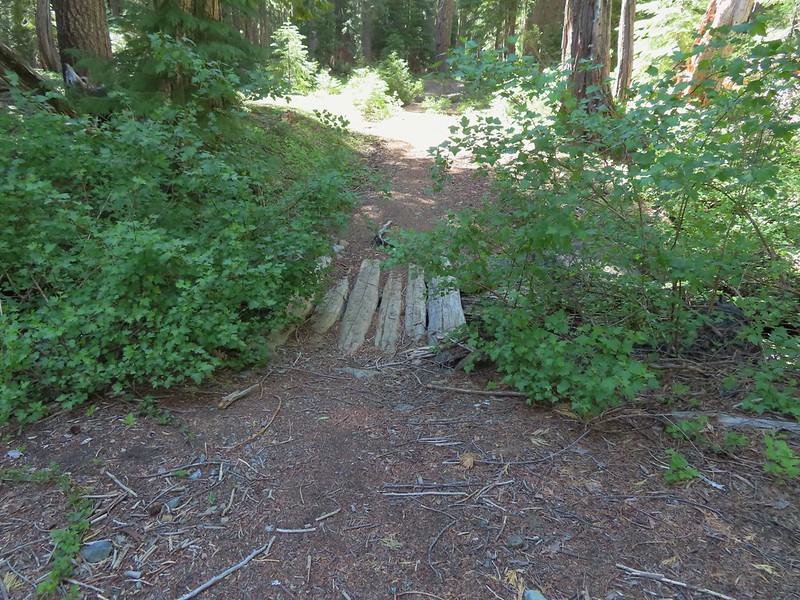
At the southern end of the meadow the Clear Creek Trail leaves the road bed and continues south following Clear Creek ending almost 20 miles later at No Mans Trailhead. We stayed on the road bed as it continued around the meadow. After crossing a branch of Clear Creek we started looking for a campsite.
IMG_5552Footbridge over the creek.

IMG_5553Bear Cub from Youngs Valley.

IMG_5583Camp

There were plenty of open sites as we appeared to be the only people around. There were other creatures about though.
IMG_5559Dragon fly

IMG_5567El Capitan

IMG_5570Bucks in the meadow.

IMG_5571

IMG_5584Caterpillar

We did a little exploring to check out the wildflowers in and around the meadow.
IMG_5562Spotted coralroot

IMG_5566Wedgeleaf violets

20220701_195317Maybe a cinquefoil

20220701_195608Bistort

20220701_195653Shooting star

IMG_5581Monkeyflower

IMG_5565There were quite a few of these tiny flowers. I haven’t been able to identify this one yet.
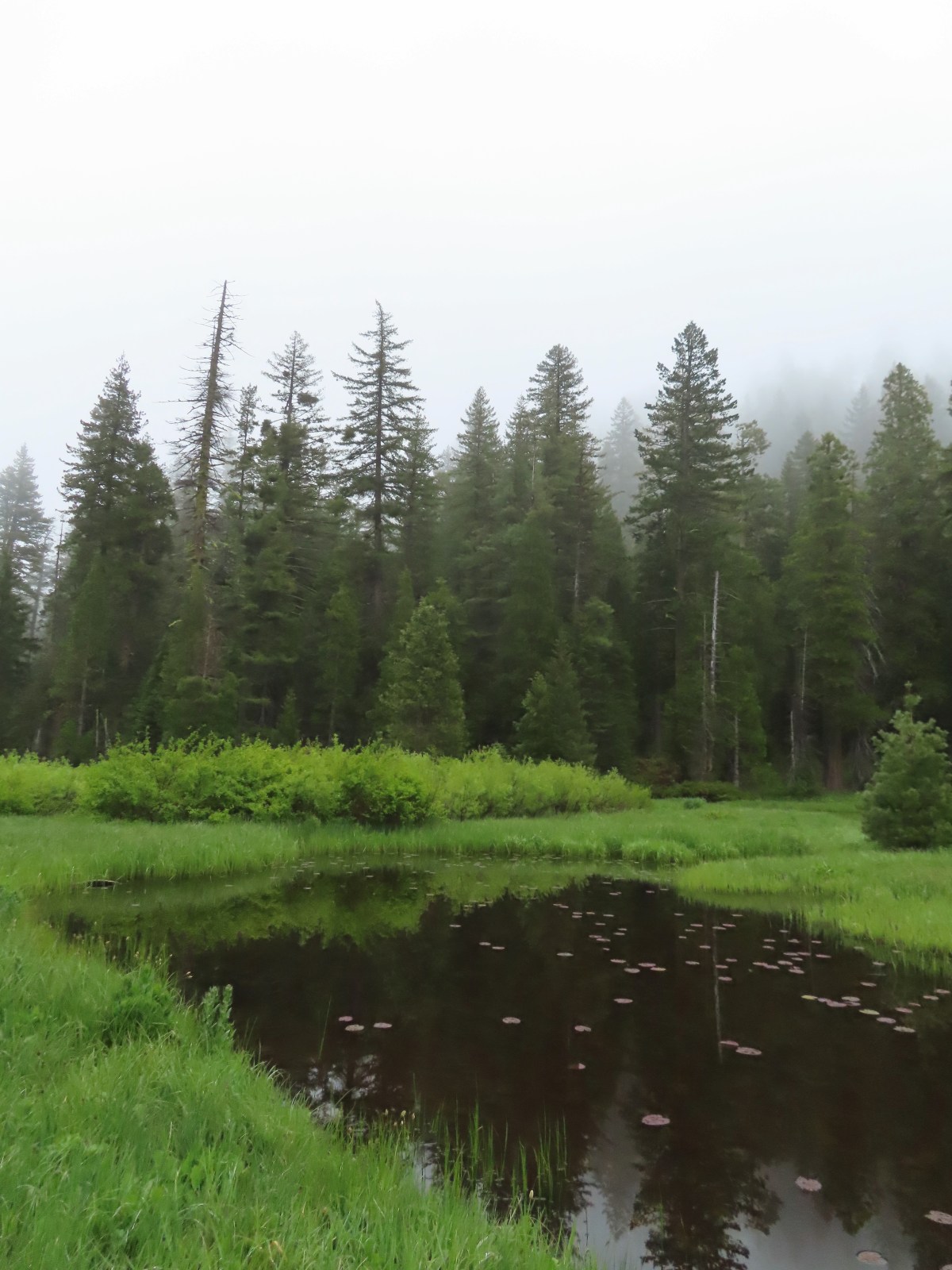
After getting water, eating dinner, and setting up the tent we were plenty tired so we turned in early. The hike had been a little over 9 miles with approximately 3000′ of elevation gain spread out over several steep climbs.

Day 1 Track in light blue

It had been a great start from a scenery standpoint but we were not used to carrying the larger packs so before bed we decided that we were going to tweak our plans just a bit and instead of packing up camp in the morning and moving 5+ miles to the south just to pack up again and come back to Youngs Valley for the last night this would be our base for the entire trip. We were looking forward to seeing what else this wilderness had in store over the next three days. Happy Trails!

Flickr: Polar Bear Gap

Categories
California Hiking Klamath Mountains Red Buttes Wilderness Trip report

Frog Pond – 06/18/2022

We typically try to find a short hike to do on our way home from vacation but those had plans had gone by the wayside when we re-arraigned our planned hikes due to Friday’s weather. The hike that had originally been planned for Friday was Sullivan’s featured hike #67 (“100 Hikes/Travel Guide Southern Oregon & Northern California” edition 4.2) – Frog Pond. Located in the California portion of the Red Buttes Wilderness Sullivan describes two options, a 3.6 mile out-and-back and a 7.9 mile loop. Under normal circumstances we would do the longer loop and that had been the plan but with the hike now being on the same day that we were driving back to Salem the shorter hike started to look more appealing. From Ashland we had to drive NW to Jacksonville then SW into California so this hike was not at all on our way home.

The out-and-back option climbs 1200′ in 1.8 miles to Frog Pond and a cabin ruin. Sullivan’s description of the hike calls this “..a good place to declare victory, have lunch, and head back.” The loop option climbs south to a viewpoint on a ridge then descends to Cameron Meadows which is described as a “grassy alpine bowl“. From this meadow the trail heads 2.4 miles down a wooded ridge to the Cameron Meadow Trailhead on FR 1040 leaving a 2.1 mile road walk to the Frog Pond Trailhead to complete the loop. (If we had done the loop we would have parked at the Cameron Meadows Trailhead and gotten the road walk out of the way first.)

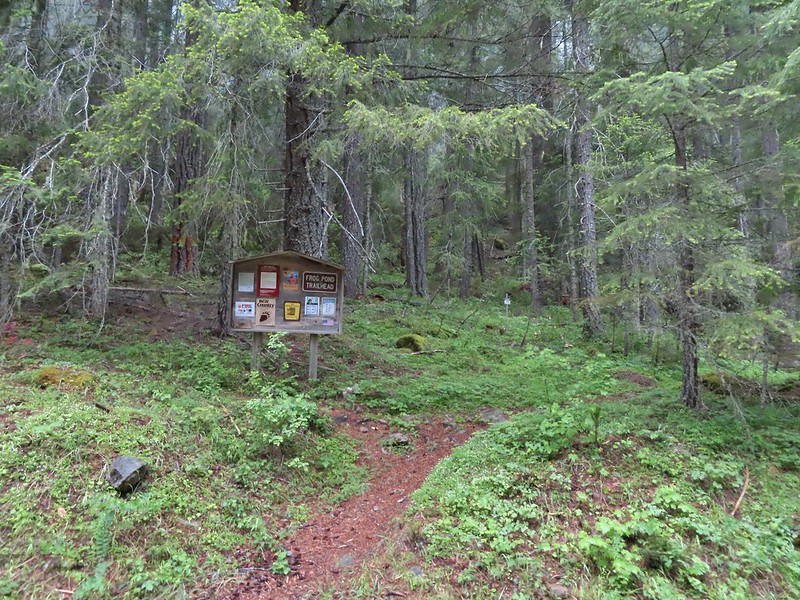
The road walk didn’t sound appealing and grassy alpine bowls can be nice but it didn’t sound like a “must see” attraction either so we settled on the out-and-back, unless we changed our minds once we got to Frog Pond, and drove to the Frog Pond Trailhead. (Note that FR 1040 fords a creek between the two trailheads. This was no problem for our Outback on this day but in times of heavy rain/snowmelt the ford can become impassable.)
IMG_4579

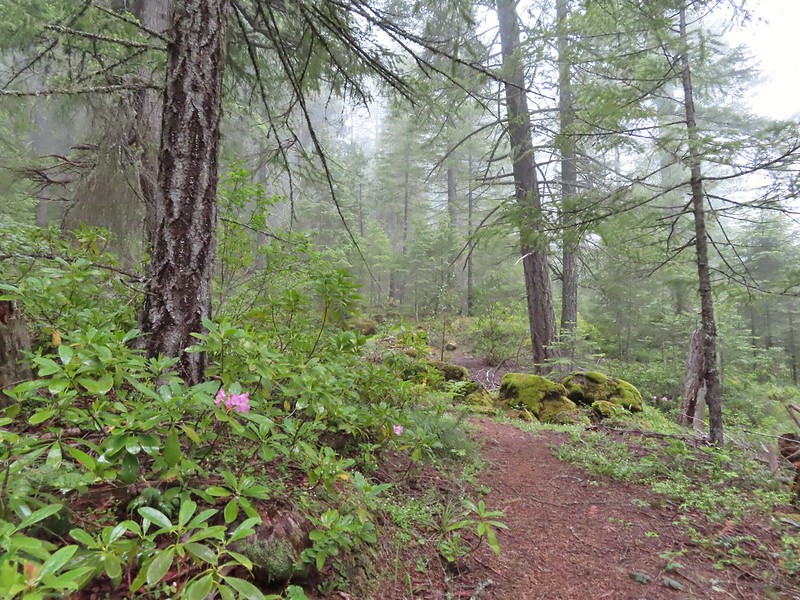
The forecast called for partly sunny skies at some point during the day but it was clearly not in the morning hours as we set out into the foggy wilderness.
IMG_4714

IMG_4584

IMG_4588

IMG_4591

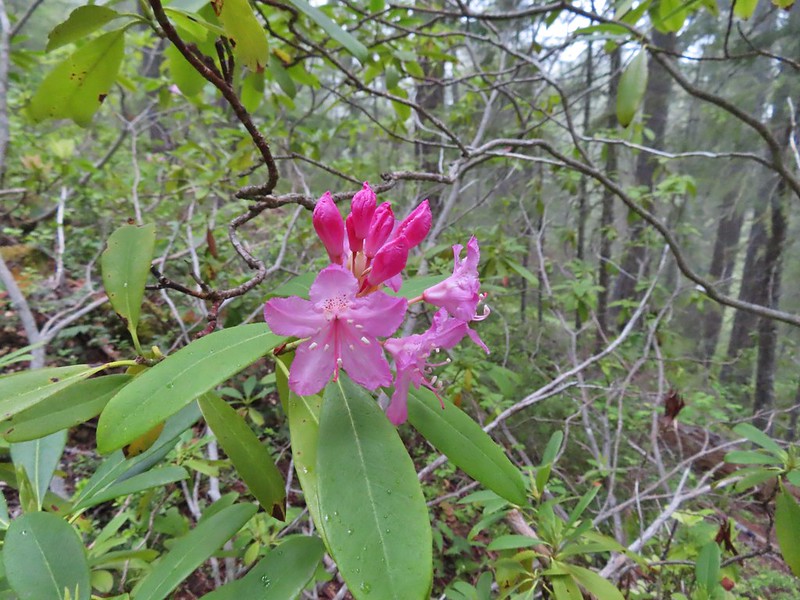
IMG_4589Rhododendron

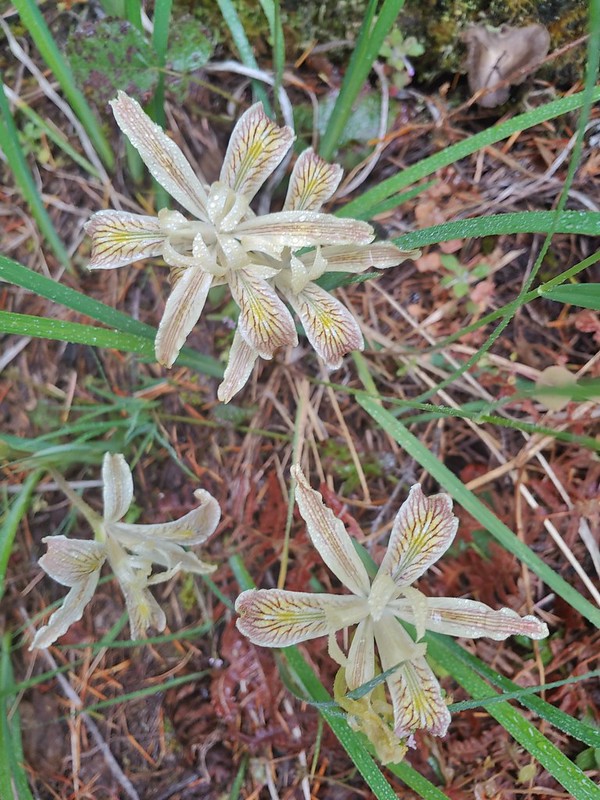
20220618_063325Iris

20220618_084025Star flower

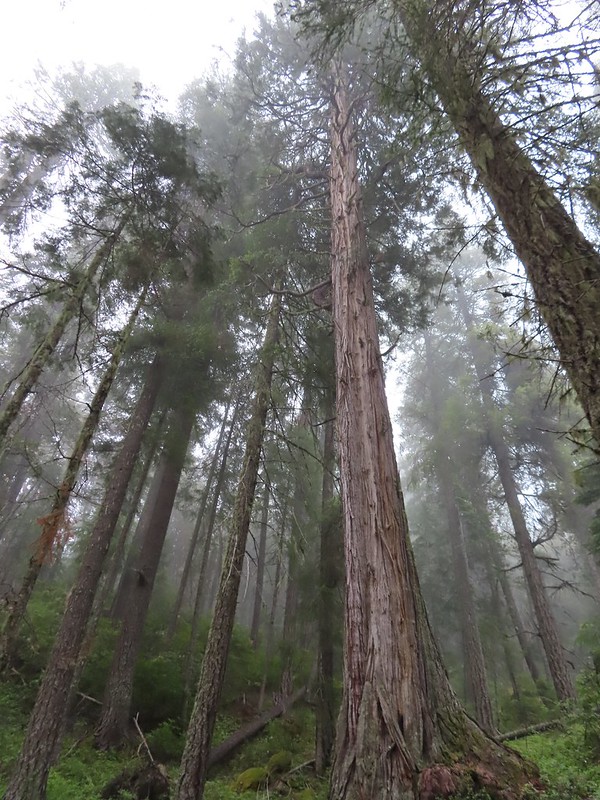
IMG_4600A big cedar.

IMG_4703California ground cone

With 1200′ of elevation in under 2 miles we expected some pretty stiff climbing but for the most part the trail avoided being very steep and there were several breaks in the climb along the way where the trail either leveled off or dropped slightly. We also took a few breaks because we spotted several snowplants (Sarcodes sanguinea) which up until now had been on our bucket list of plants/flowers that we hadn’t seen on trail yet.
IMG_4601The bright red color made them fairly easy to spot amid the green leaves.

20220618_064413

20220618_064357

It was a pretty climb through the old forest.
IMG_4613

20220618_084021Phlox

The snowplant wasn’t the only odd sight along the trail. A Brewer’s spruce had formed a nearly perfect circle of hanging pine needles creating what I called a shower curtain.
IMG_4634

IMG_4635

IMG_4637I of course had to step inside.

IMG_4640Paintbrush

IMG_4644Serviceberry

IMG_4647A lone beargrass preparing to bloom.

IMG_4649Lupine also getting ready for a bloom.

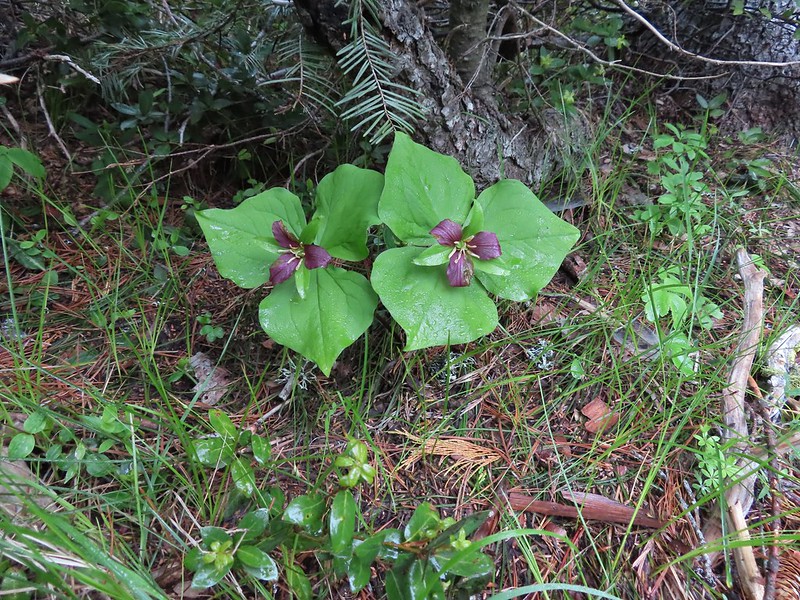
IMG_4653Trillium ending theirs.

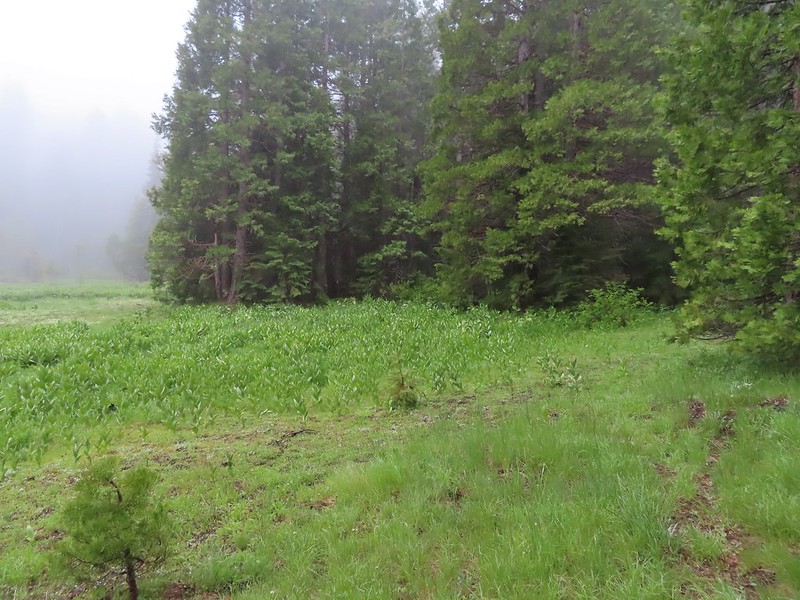
IMG_4656Frog Pond with the cabin ruins in the stand of cedars to the right.

IMG_4658

IMG_4665

IMG_4667There was clearly going to be no view this morning so any though of either attempting the loop or going up to the viewpoint on the ridge ended here.

We checked out some of the flowers in the meadow and listened to the many birds in the area. The frogs were a little shy although they did put on a brief concert. I also continued around the south side of the meadow to see how hard the trail was to follow as I had read that it can be faint. I didn’t have any issued getting to the inlet creek where I turned around but could see where later in the year it might get tricky when the vegetation has had more time to grow.
20220618_073810Pretty face

20220618_073900Death camas

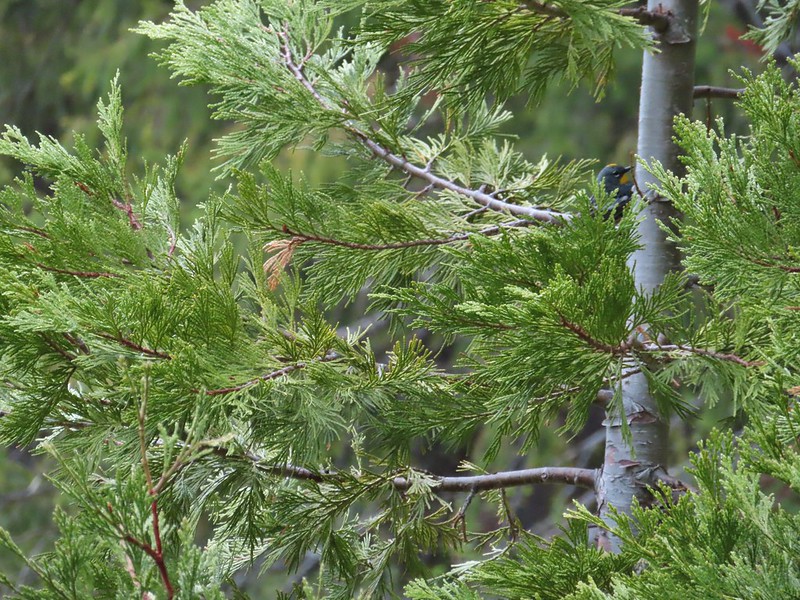
IMG_4672A yellow-rumped warbler hiding in the branches.

IMG_4678Fairy slippers

IMG_4680This was the trickiest part to follow at the time but it was pretty easy to see where it picked up in the trees on the far side of the grassy area.

IMG_4685The inlet creek.

After exploring we headed back down the way we’d come, stopping to gawk at the snowplants along the way. It was a quick, short outing but a really nice one and we were able to make it home to Salem at a reasonable time. It had been a successful vacation, we’d had some great hikes and we managed to cross 9 more (and part of a 10th) featured hikes off our to-do list. It’s nice to feel like we are finally making some progress again in the Southern Oregon/Northern California area. Happy Trails!

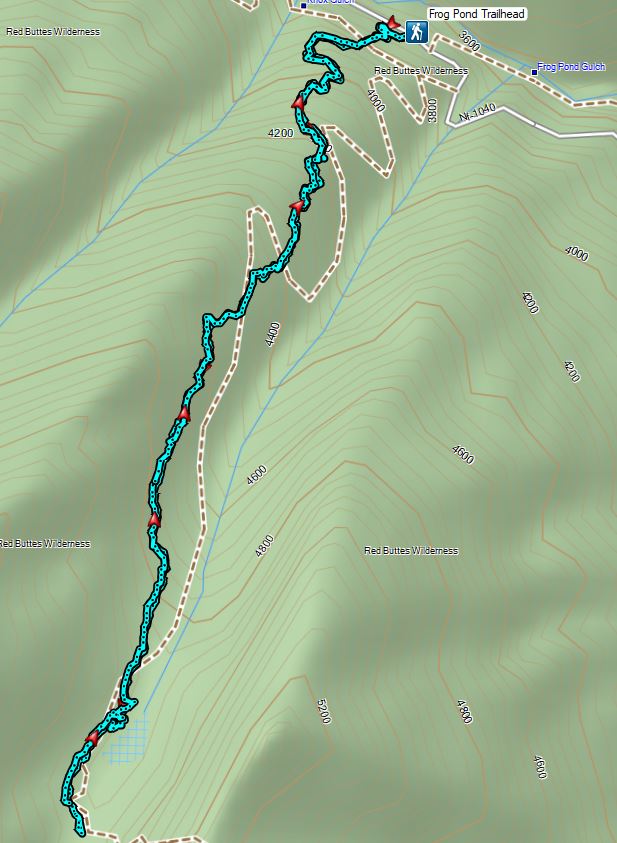
Our track for the hike.

Flickr: Frog Pond

Categories
California Hiking Klamath Mountains Klamath/Siskiyou Mountains Medford/Ashland Area Oregon Trip report

Observation Peak – 06/15/2022

The forecast for our stay in Ashland was for a sunny Wednesday and Thursday followed by a partially sunny Friday before rain showers moved in Friday evening and into Saturday. That worked well for our planned set of hikes which were to spend the first three days at higher elevations in the Siskiyou Mountains and then on Saturday hiking in the foothills before heading home. Up first was a hike to Observation Peak just off the Pacific Crest Trail not far from where that trail crosses the Oregon/California border. In fact the start of Sullivan’s featured hike (Hike #63 in “100 Hikes/Travel Guide Southern Oregon & Northern California” edition 4.2) is at the Stateline Trailhead for the PCT. Sullivan lists this hike as open beginning late June so we were a couple of weeks early but we had been watching the snow level using the NOHRSC Snow Analysis Data layer on the Pacific Crest Trail Associations interactive map to check the snow depth and all seemed clear. Some late season snows hadn’t been enough to make up for the drought conditions that have plagued the area.

From the trailhead the hike to Observation Peak and back is just under 5.5 miles so we were open to other options to lengthen the hike a bit. While Observation Peak was north along the PCT Donomore Meadows, just across the California border, to the south offered a chance to see a cabin and the meadows. After parking in a pullout near the PCT crossing of Forest Road 2025 we set off south on the trail to visit the meadows before heading north to Observation Peak.
IMG_3548The PCT heading south from the Stateline Trialhead
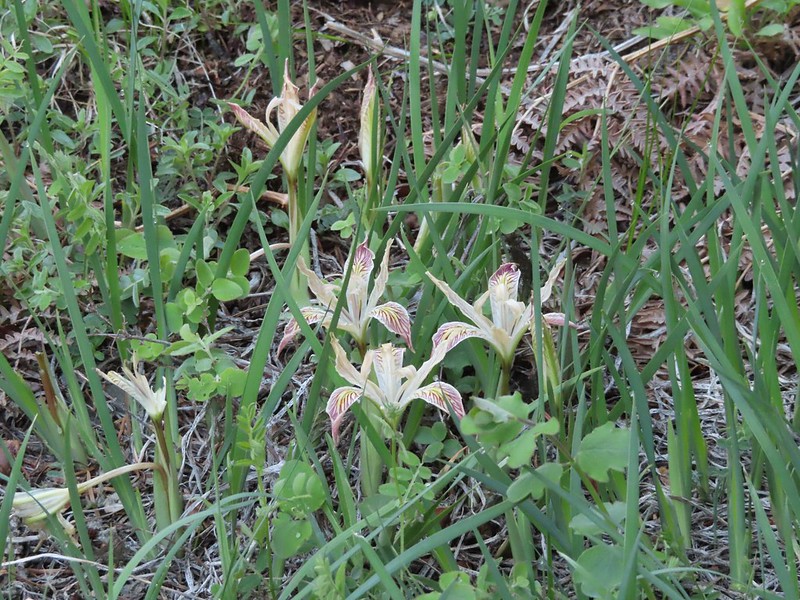
From the trailhead the PCT descends a little over 550′ in approximately 1.5 miles to a footbridge across a creek in the lower portion of Donomore Meadows which we thought would be a good turnaround point for this part of our hike.
IMG_3552

IMG_3556Iris

IMG_3557

IMG_3563A register is located 0.4 miles from the trailhead at the Oregon/California border.

IMG_3564We were long overdue for a visit to California, our last hike in the state was way back in 2018 at the Lava Beds National Monument (post).
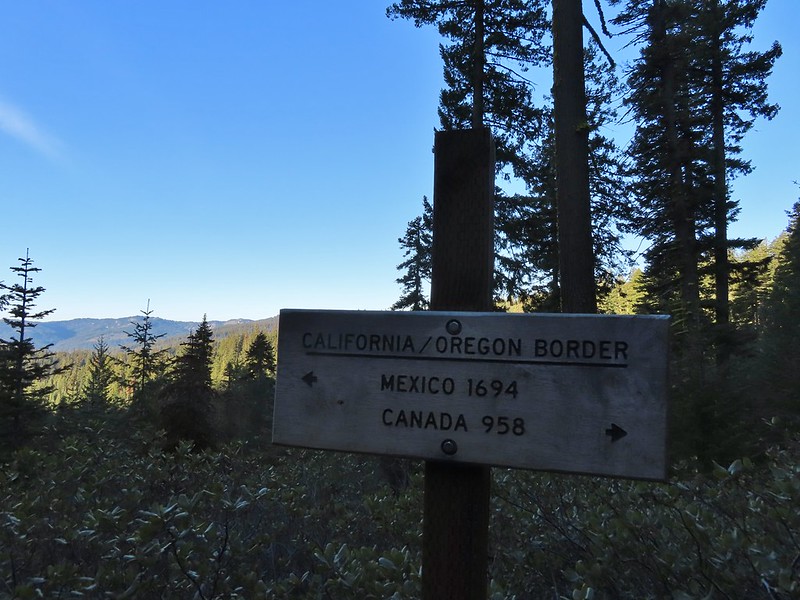
IMG_3566A good reminder of how much of the PCT is located in CA.

20220615_065219Pussytoes

IMG_3575First look at Donomore Meadows.

IMG_3585This road crossing is just over a mile from the trailhead. The Donomore Cabin is just up the road to the right.

IMG_3586

IMG_3588The cabin was built in 1935.

IMG_3589The meadow below the cabin.

IMG_3590

IMG_3596

IMG_3602Death camas in the meadow.

We’d seen one doe in the meadow and as we began to descend to the creek crossing we spotted another one below us.
IMG_3606

IMG_3607

We watched each other for a bit before she started to head off. When she moved we both noticed what appeared to be another set of ears in the grass. It turned out to be the smallest fawn either of us had seen in the wild. We watched from afar as mom led the youngster to the safety of the trees then we continued down to the footbridge.
IMG_3614

IMG_3625

IMG_3627

IMG_3630Mariposa lily

IMG_3632Chocolate lily

IMG_3637Cinquefoil?

20220615_072644Violets

20220615_072727Bistort

IMG_3643Heather passing through the meadow.

IMG_3645There wasn’t much to the brushy creek but it made for a definitive turnaround point.

After pausing at the footbridge we climbed back up to Oregon and the Stateline Trailhead and set off in the other direction for Observation Peak.
20220615_080217California ground cone

IMG_3663PCT heading north from the Stateline Trailhead.
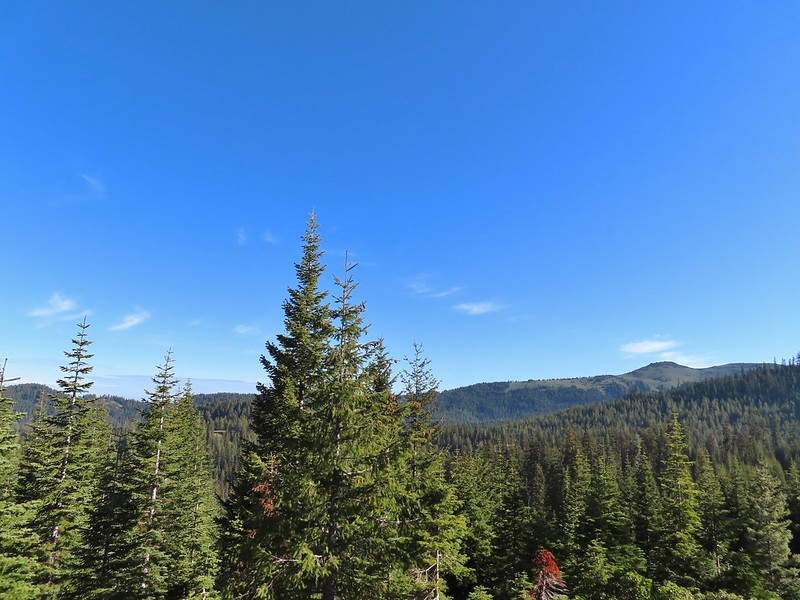
This section the PCT passed through a manzanita covered hillside with views of Ductchman Peak.
IMG_3666

20220615_082356Pasque flower

IMG_3680Grayback Mountain in the distance with a small patch of snow.

IMG_3688One of three springs the trail passes on the way to Observation Peak.

IMG_3690Marsh marigolds

IMG_3693

IMG_3695Alpine pennycress

IMG_3698

IMG_3702Another spring with marsh marigolds and glacier lilies.

IMG_3714Scraggy Mountain

The views along the PCT were very good as it passed through several open hillsides.
IMG_3716

IMG_3719Looking SE to the Red Buttes (post), Preston Peak, and Grayback Mountain.

IMG_3720Kangaroo Mountain and Red Butte with Preston Peak, Twin Peak and El Capitan behind in the Siskiyou Wilderness.

IMG_3723View south.

IMG_3724Part of the Marble Mountains (post)

One and a half miles from the trailhead we rounded a ridge end above Kettle Lake. The lake basin still had a fair amount of snow and there were a few small lingering patches on the PCT.
IMG_3734Kettle Lake through the trees.

IMG_3737

From the ridge end above Kettle Lake it was just over half a mile to another ridge on the NW flank of Observation Peak. We left the PCT here and first checked out the rocky ridge to the north where wildflowers were just getting going. Then we headed cross country a half mile to the summit. The open hillside made for an easy off trail climb and was easier than if we had been trying to continue on the PCT because that trail disappeared under a large snow drift on the other side of the ridge.
IMG_3744Heading up to the ridge.

IMG_3748Dutchman Peak from the ridge.

IMG_3751Not sure if these are mule’s ears or a balsamroot.
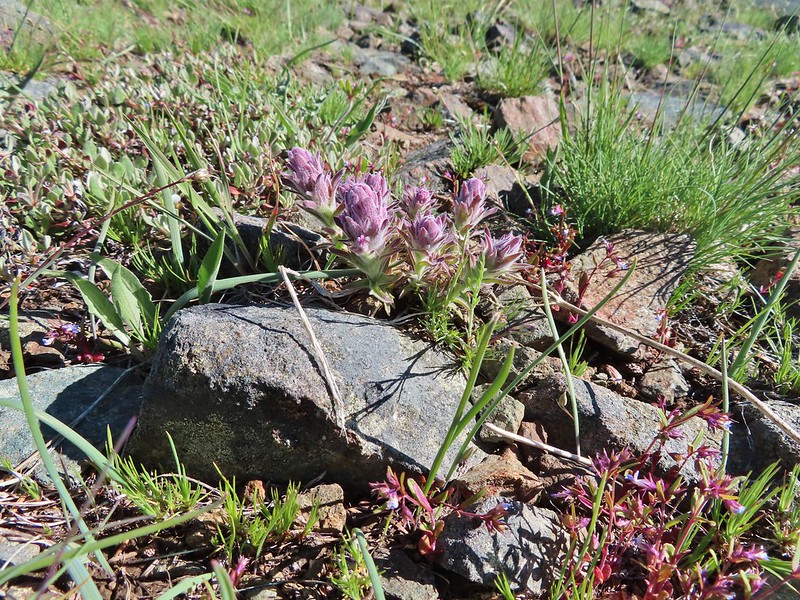
IMG_3753Splithair Indian Paintbrush (Castilleja schizotricha)

IMG_3760Swallowtail on phlox.

IMG_3764Wildflowers on the ridge.

IMG_3766Cutleaf daisy?

IMG_3767Snow drifts covering the PCT.

IMG_3769Lance-leaf Spring Beauty
Claytonia lanceolata

IMG_3774Heading for the summit.

Mt. McLoughlin (post) came into view to the NE as we climbed.
IMG_3775

IMG_3776

IMG_3779Pilot Rock (post) to the east was slightly smokey.

IMG_3785A rockcress

IMG_3789

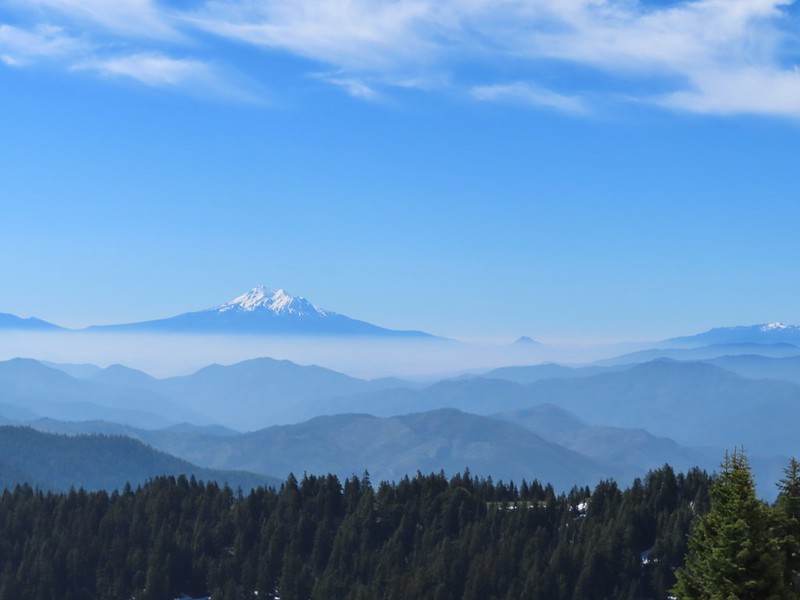
Once we reached the summit Mt. Shasta came into view to the SW.
IMG_3818

IMG_3807Mt. Shasta above a layer of smoke that mostly hid Black Butte (post). Mt. Eddy (post) is the snowy peak to the right.

IMG_3813I think these peaks are a mix of the Russian Wilderness in the forefront and Trinity Alps behind. Bruce correct me if I am wrong on that :).
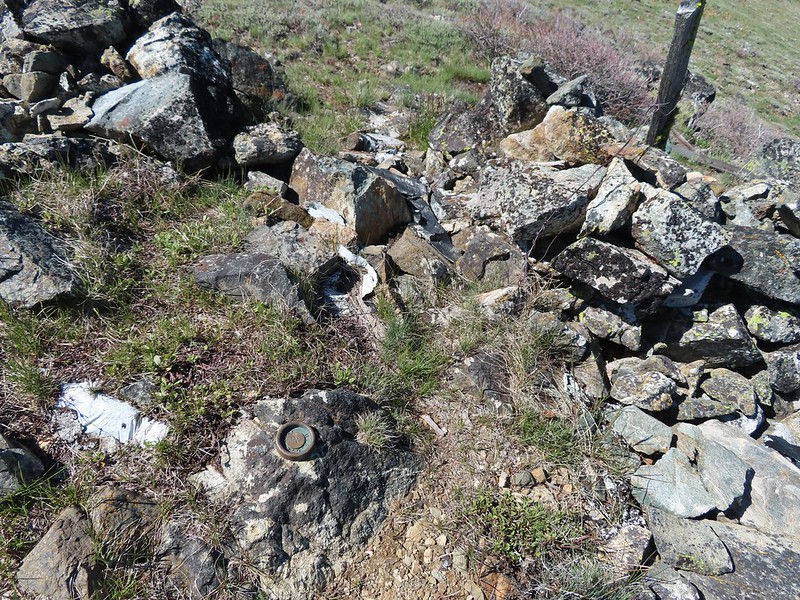
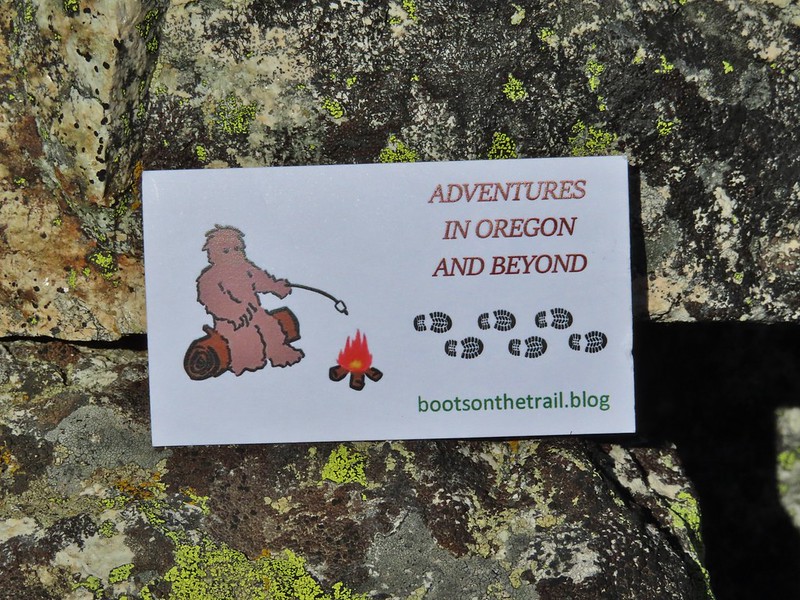
A red can houses a summit register tucked in a rock pile at the summit. As I was flipping through looking for a page to sign on I came across what we considered a huge find, a bootsonthetrail.blog business card.
IMG_3814Rock pile at the summit.

IMG_3823Our big find. I took a couple of pictures and put the card back for someone else to find (and added one of ours).
It was a great temperature at the summit so we took an extended rest (and way too many photos) before heading back.
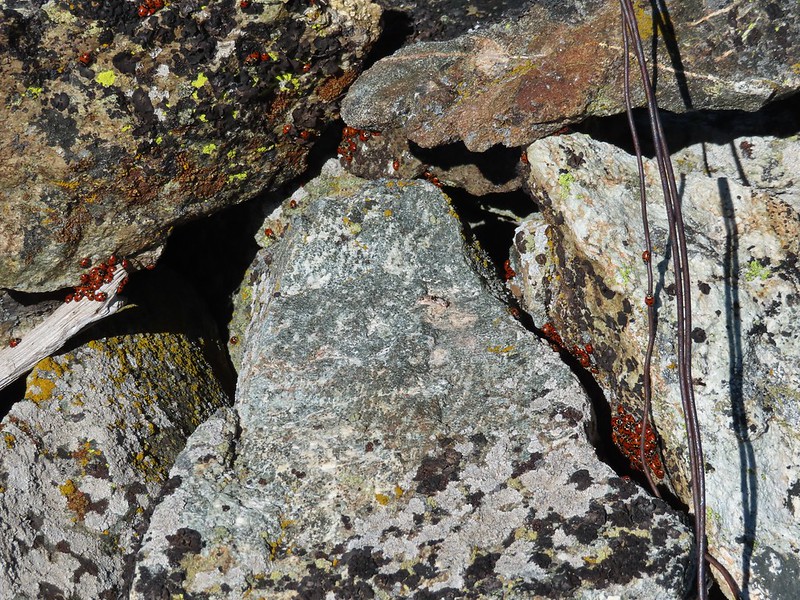
IMG_3830There were dozens of ladybugs in the rock pile.

IMG_3827One of many photos of Mt. Shasta. We don’t get too many chances to see this Cascade Mountain.

IMG_3831We could see Mt. Thielsen (post), the rim of Crater Lake (post) and Mt. McLoughlin beyond Wagner Butte (post) and Mt. Ashland (post).

IMG_3835The peaks around the rim of Crater Lake.
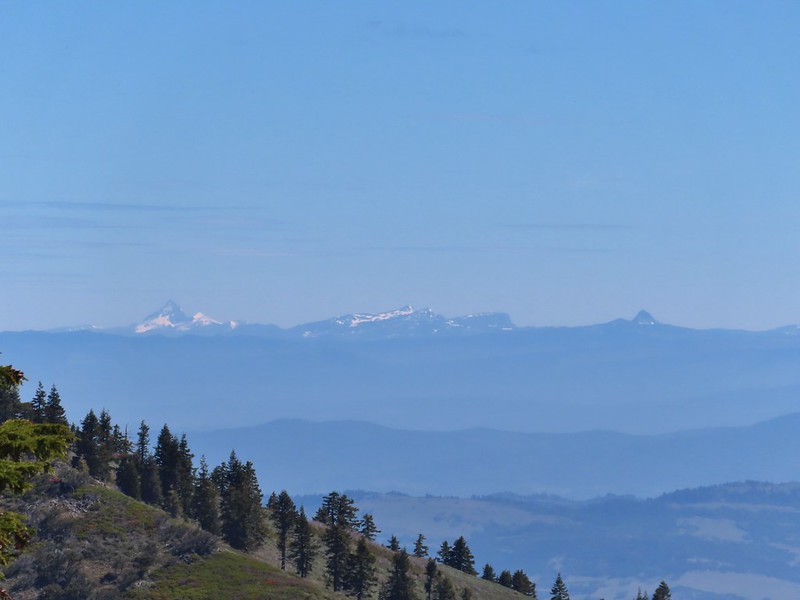
IMG_3863Mt. Thielsen to the left of Crater Lake.

IMG_3878Mt. Bailey (post)

IMG_3843The Red Buttes in front of Preston Peak.
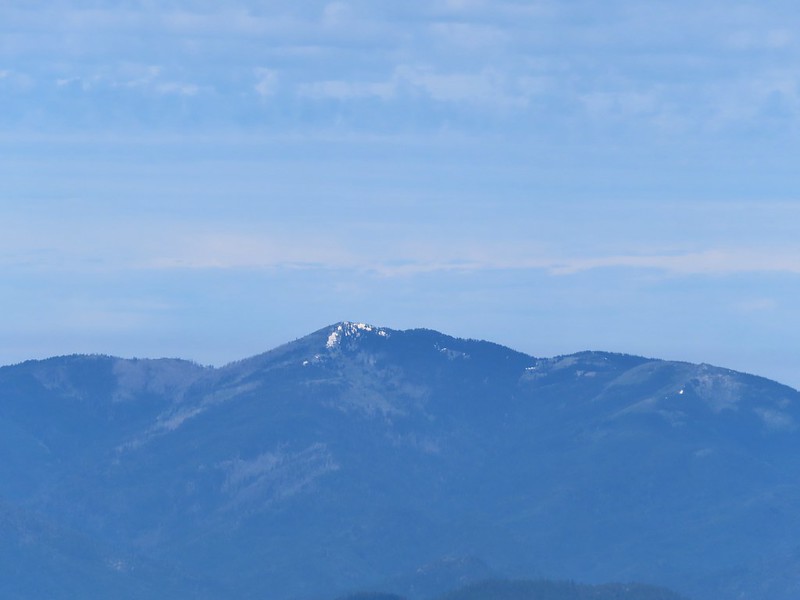
IMG_3839Grayback Mountain

On the way back down we were concentrating on any flowers that we’d missed on the way up.
IMG_3886Buckwheat

20220615_103859Alpine pennycress

20220615_104325Quill-leaf Lewisia
Lewisia leeana

IMG_3903Larkspur

IMG_3909Chipmunk having a snack.

IMG_3914One of two hairstreaks we encountered on the PCT.

IMG_3916The 2nd hairstreak.

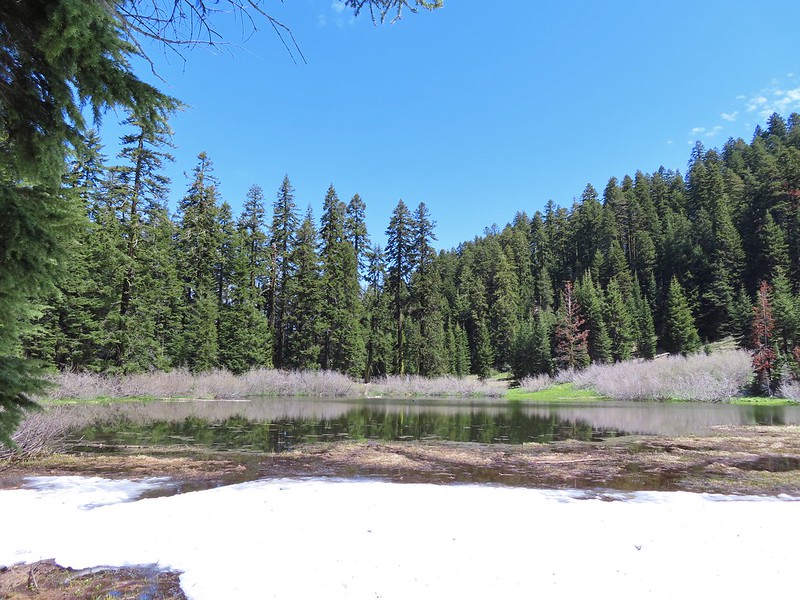
I decided to detour at Kettle Lake and headed cross country downhill a tenth of a mile to check it out while Heather continued toward the car.
IMG_3923Where I left the PCT.

IMG_3925Lots of this orange fungus in the forest.
IMG_3926

IMG_3928

IMG_3929

IMG_3934

While I was scoping out the lake Heather was getting wildflower photos.
20220615_113100Bee on a marsh marigold.

20220615_113143Glacier lily

20220615_113236Trillium

20220615_113635Anemone

20220615_113648Buttercup?

IMG_3944Passing through the manzanita section.

IMG_3948

The hike came in at a reasonable 8.8 miles with a little over 1800′ of elevation gain. A reasonable day with lots of great scenery.

After showering and changing at the motel we walked to Caldera Brewing which was only about 0.2 miles from our room. Neither the food or beer disappointed and the view from the restaurant was good too. It was the perfect end to our first day in Ashland. Happy Trails!

Flickr: Observation Peak

Categories
Hiking

Oregon Coast & Coast Range

Several years ago we set a goal for ourselves to hike all 500 featured hikes in William L. Sullivan’s “100 Hikes…” series of guidebooks (post). Last year we completed the first of these books covering the Central Oregon Cascades (post). We followed that up by completing a pair of books in 2021 starting with Sullivan’s “100 Hikes/Travel Guide Oregon Coast and Coast Range” 3rd edition. Up until the start of 2021 we had been intending to finish his 4th edition but the continued closure of the Salmonberry Railroad prompted us to revert to the earlier edition. That meant going from only needing to finish 5 hikes to 9 hikes but at least the 9 hikes were open and thus we were able to visit them. The last final featured hike happened to be featured hike #1 – Leadbetter Point (post) which we visited on 7/31/2021. Many of the featured hikes in this book are shorter hikes with some barely more than a half mile so we often did multiple hikes in a single day.

Generally speaking in order to check a hike off our list we need to have hiked a substantial portion of Sullivan’s described hike or visited the main attraction(s) he identifies for the hike. For 59 of the hikes we stuck to a nearly identical route to the one described in the book. For another 22 hikes we added to the hike, either following Sullivan’s “other options” or making it up on our own. Eighteen of the hikes were limited to the main attraction which typically involved hikes where there was an option for a shuttle from a second trailhead or as in the case of the Rogue River Trail there were options for multi-day backpacking trips. (We will get to more of the Rogue River Trail as we work through his Southern Oregon book.) Finally one hike, #86 Lower Rogue River, was cut very short due to trail damage. We may revisit that trail at a later date but we counted it as we went as far as we felt we could safely at the time.

The area covered by Sullivan in this book is unique in that it is the only area in which there are featured hikes in three states – Washington, Oregon, and California. It also contains the northern most featured hike the aforementioned Leadbetter Point. The area covered is a somewhat narrow strip running down the coastline from Leadbetter Point south to Redwoods National Park in California. A few hikes are located as far inland as the foothills of the Coast Range along the edge of the Willamette Valley.

Despite being a fairly narrow (approximately 60 miles east to west) area the hikes were quite varied from beach walks to mountain summits, sand dunes to temperate rain forests, and urban walks to the solitude of remote wilderness.

The area is home to several designated wilderness areas including the two areas that are off-limits to visitors, Oregon Islands and Three Arch Rocks. The areas open to visitors are the Drift Creek, Cummins Creek, Rock Creek, Devils Staircase, Grassy Knob, Copper-Salmon, Wild Rogue, and Kalmiopsis.

Two mountain ranges are home to several hikes. The Coast Range extends over 200 miles from the Oregon/Washington border south to the Middle Fork Coquille River. At the southern end of the Coast Range the Klamath Mountains begin extending south into California. The elevations for these hikes ranged from sea level to 4655′ atop Vulcan Peak in the Klamath Mountains (Mary’s Peak at 4097′ marked the high point in the Coast Range).

Lastly many of the hikes along the Oregon Coast follow the route of the Oregon Coast Trail.

Without further ado here is a list of the 100 featured hikes along with a photo (or two where two distinctly different hikes were included in the entry) from the 2009 3rd edition of “100 Hikes/Travel Guide Oregon Coast & Coast Range”.

#1 Leadbetter Point – Hiked 7/31/2021
Bay Loop Trail

#2 Long Beach – Hiked 9/11/2017
Discovery Trail

#3 North Head – Hiked 9/11/2017
North Head Lighthouse

#4 Cape Disappointment – Hiked 9/11/2017
Cape Disappointment Lighthouse

#5 Fort Columbia – Hiked 9/11/2017
Fort Columbia

#6 Clatsop Spit – Hiked 9/9/2017
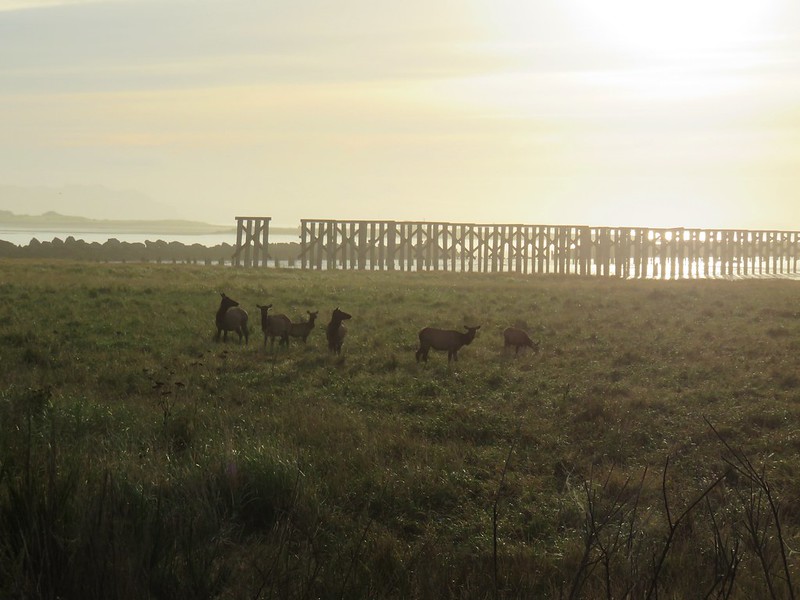
Elk at Clatsop Spit

#7 Fort Stevens – Hiked 9/9/2017
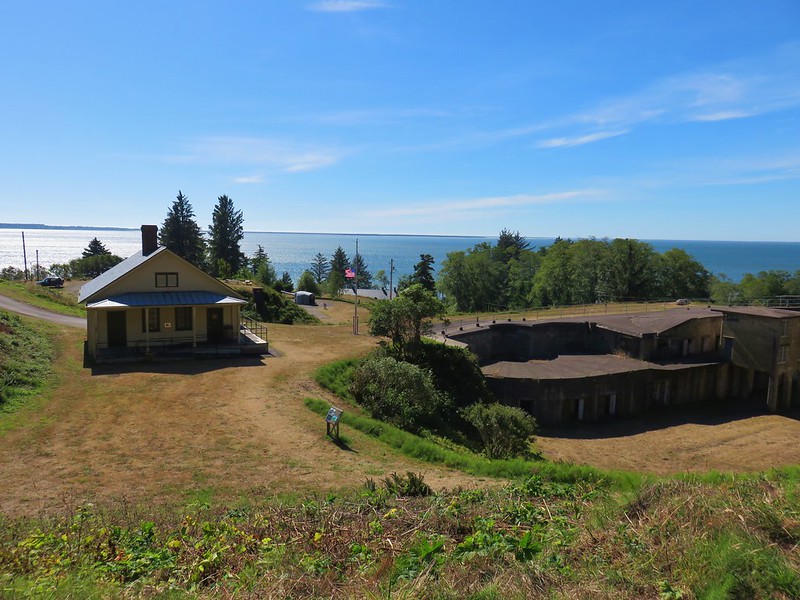
Battery Russell

#8 Fort Clatsop – Hiked 1/10/2016
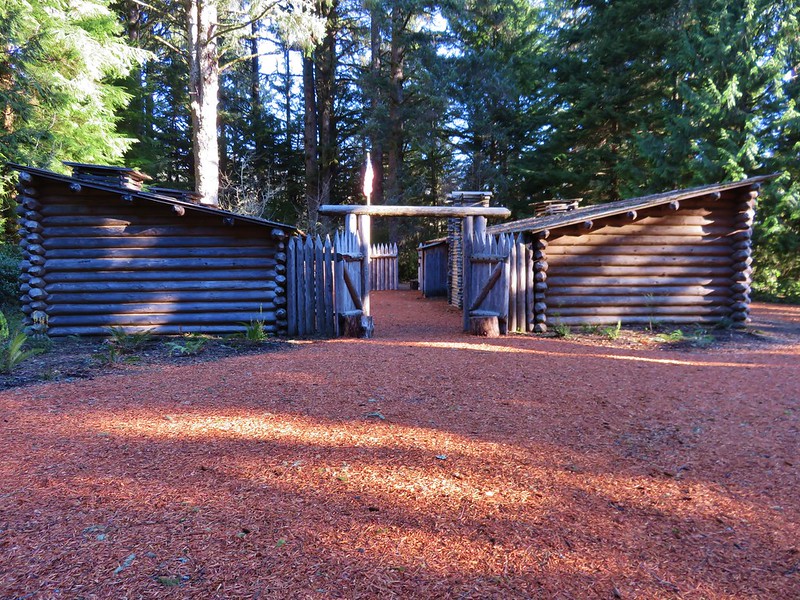
Fort Clatsop

#9 Astoria – Hiked 9/9/2017
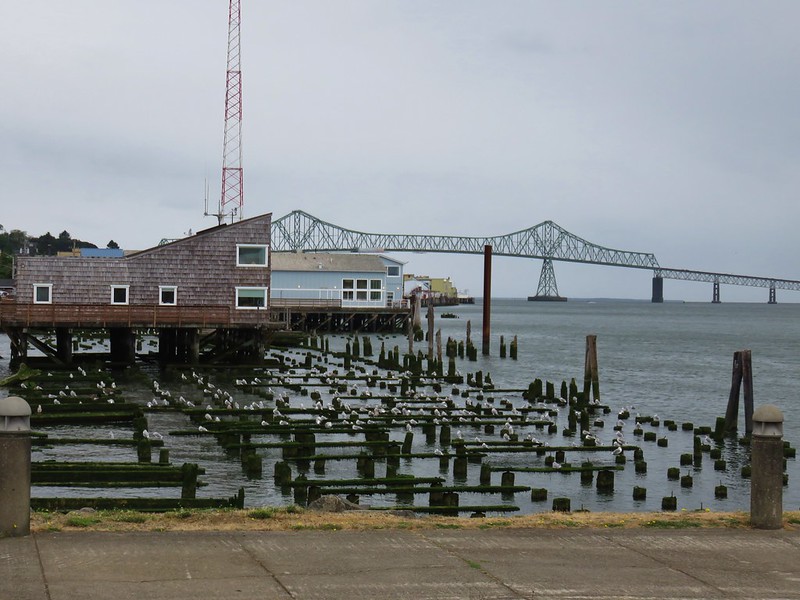
Megler Bridge in Astoria

#10 Seaside Promenade – Hiked 9/12/2017
Seaside promanade

#11 Tillamook Head – Hiked 12/8/2013
Cold morning in Ecola State Park

#12 Cannon Beach – Hiked 9/10/2017
Haystack Rock

#13 Saddle Mountain – Hiked 5/31/2013 & 6/23/2018
Saddle Mountain Summit Trail

#14 Highway 26 Waysides – Hiked 6/23/2018
Four County PointFour County Point

Dooley Spur LoopSunset Rest Area

#15 Banks-Vernonia Railroad – Hiked – 4/10/2016 & 1/16/2021 (Also ran as a marathon in 2014.)
Buxton Trestle

#16 Cape Falcon – Hiked 6/22/2012 & 4/29/2017
Cape Falcon from the Arch Cape to Cape Falcon Trail

#17 Neahkahnie Mountain – Hiked 1/5/2014
Lunch on Neahkahnie Mountian

#18 Nehalem Bay – Hiked 1/1/2018
Inlet along Nehalem Bay

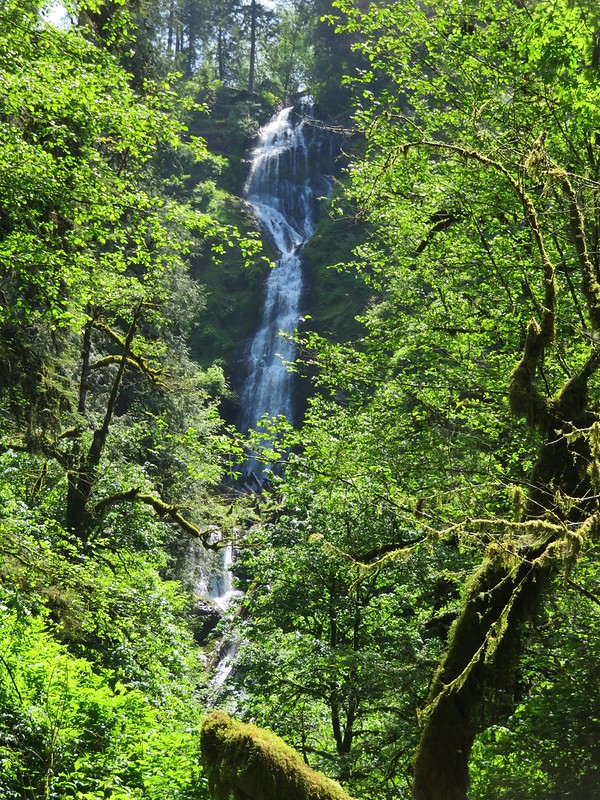
#19 Munson Falls – Hiked 5/30/2015
Munson Falls

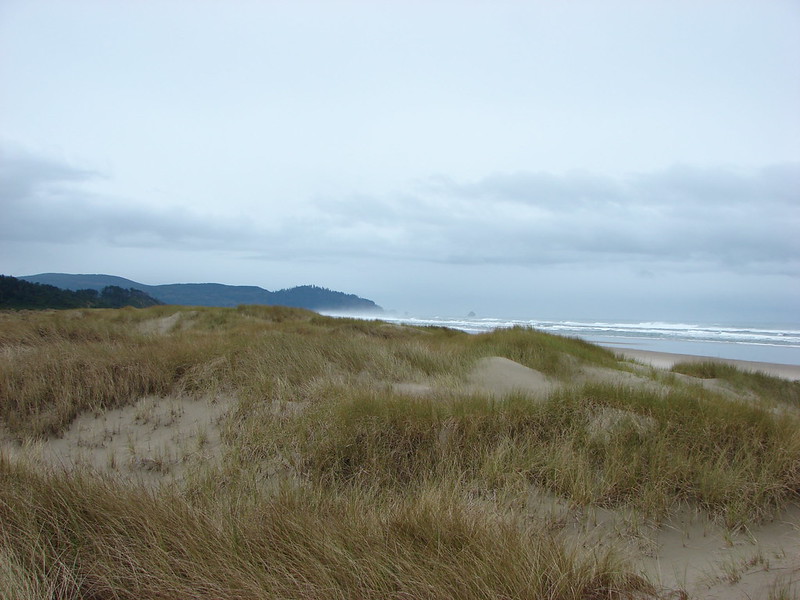
#20 Bayocean Spit – Hiked 4/14/2013
Cape Meares from Bayocean Peninsula Park

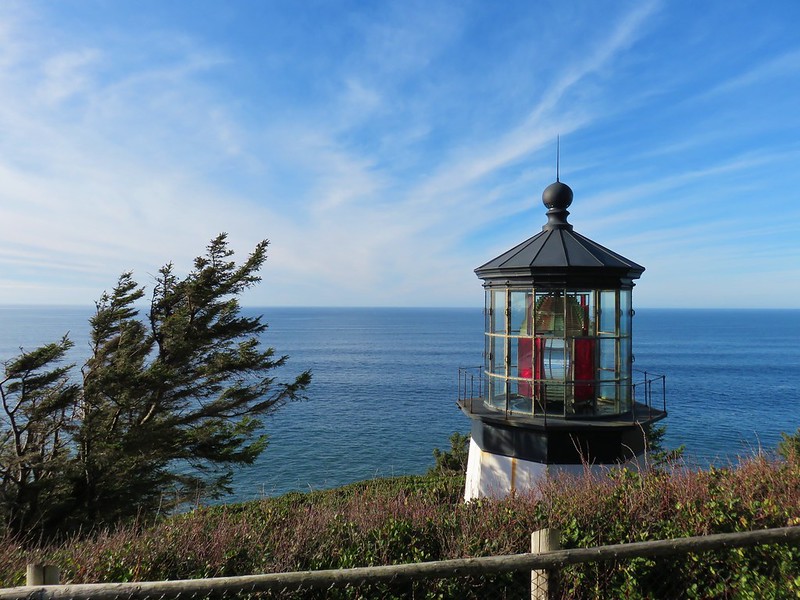
#21 Cape Meares – Hiked 1/1/2018
Cape Meares Lighthouse

#22 Wilson River – Hiked 3/8/2014
Bridge Creek Falls

#23 Kings Mountain – Hiked 8/16/2010
Elk Mountain Summit

#24 Gales Creek – Hiked 2/15/2015
Gales Creek

#25 Hagg Lake – Hiked 9/13/2019
Henry Haag Lake

#26 Cape Lookout – Hiked 11/11/2011
Cape Lookout

#27 Pacific City – Hiked 10/8/2013
Haystack Rock and Cape Kiwanda

#28 Mount Hebo – Hiked 5/30/2011 & 5/30/2015
Mount Hebo Trail

#29 Niagara Falls – Hiked 2/12/2017
Niagara Falls

#30 Neskowin – Hiked 2/12/2017
Proposal Rock

#31 Harts Cove – Hiked 12/6/2014
Harts Cove and Chitwood Creeks waterfall

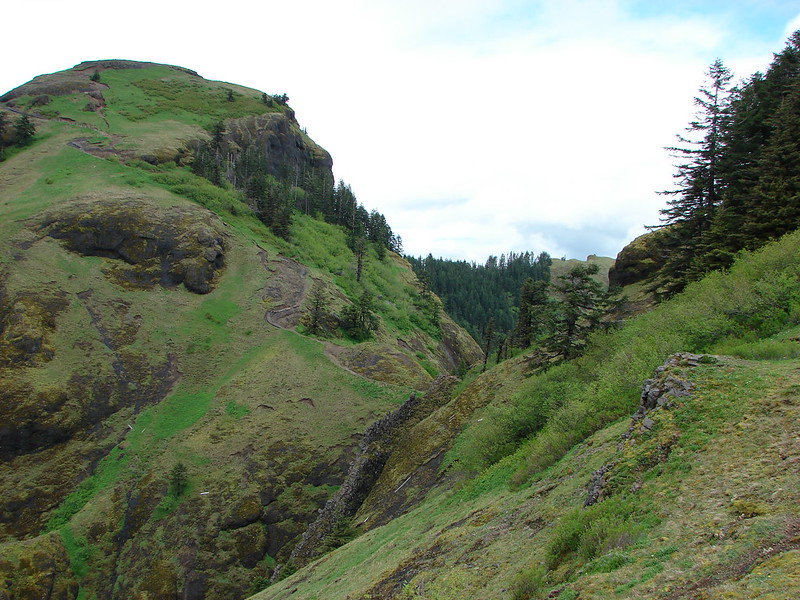
#32 Cascade Head – Hiked 8/8/2010, 6/25/2019, & 9/28/19 (Inland Trail)
View from the Cascade Head Trail

Cascade Head Rainforest TrailInland (Rainforest) Trail

#33 Baskett Slough Refuge – Hiked 7/11/2010, 5/3/2020 & 4/15/2021
Baskett Butte

#34 Valley of the Giants – Hiked 5/18/2020
Valley of the Giants

#35 Roads End – Hiked 3/6/2021
Roads End Beach

#36 Drift Creek Falls – Hiked 12/6/2014
Drift Creek Falls

#37 Salishan Spit – Hiked 8/1/2015
Salishan Spit

#38 Devil’s Punchbowl – Hiked 7/12/2012
Devi's Punchbowl

#39 Newport Lighthouses – Hiked 8/26/2017
Yaquina Head Lighthouse from the Salal Hill TrailYaquina Head

Yaquina Bay BridgeYaquina Bay

#40 South Beach – Hiked 8/4/2018
Estuary TrailEstuary Trail

Yaquina Head across the jettySouth Jetty

Mike Miller TrailMike Miller Trail

#41 Ona Beach and Seal Rock – Hiked 12/11/2017
Exposed rocks on Ona Beach

#42 Drift Creek North – Hiked 9/15/2010
Drift Creek

#43 Drift Creek South – Hiked 8/3/2019
Drift Creek

#44 Mary’s Peak – Hiked 2009 (day unknown), 6/1/2014, & 6/5/2021
South side of Mary's Peak summit

#45 Kings Valley – Hiked 6/1/2014
Fort Hoskins Historic ParkFort Hoskins

Bridge leading into the Beazell ForestBeazell Forest

#46 Peavy Arboretum – Hiked 2/19/2018
Section 36 Loop Trail

#47 Chip Ross Park & Dimple Hill – Hiked 12/18/2016 & 10/2/2021
Mary's Peak from Dimple Hill

#48 Finley Wildlife Refuge – Hiked 10/21/2017, 5/31/20, & 4/14/2021
Homer Campbell Boardwalk

#49 Alsea Falls – Hiked 12/19/2012
Alsea Falls

#50 Yachats – Hiked 12/5/2020
Pacific Ocean from the 804 Trail

#51 Cape Perpetua – HIked 9/15/2010, 2/17/2013, & 10/27/2018
View from Cape Perpetua

#52 Gwynn Creek – Hiked 2/17/2013
Cummins Creek Loop Trail

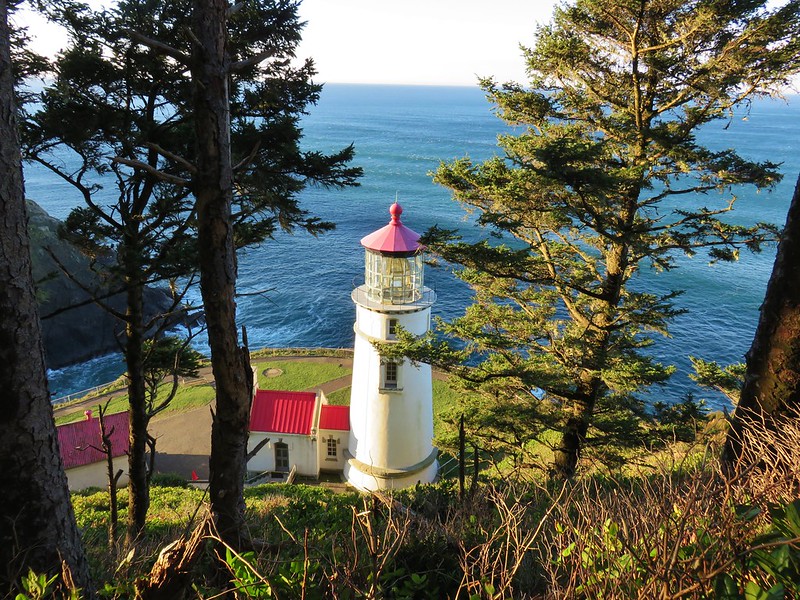
#53 Heceta Head – Hiked 12/11/2017
Heceta Head Lighthouse

#54 Baker Beach – Hiked 1/15/2017
Heading back toward Baker Beach Camp

#55 Sutton Creek – Hiked 2/20/2016
Sutton Creek

#56 Cape Mountain – Hiked 9/5/2011
Nelson Ridge Trail

#57 Pawn and Pioneer Trails – Hiked 5/13/2021
Interpretive sign along the Mapleton Hill Pioneer TrailPioneer Hill Trail

Pawn Old Growth TrailPawn Old Growth Trail

#58 Siuslaw Ridge Trails – Hiked 2/20/2016 & 11/20/2021
View from the summit of the Old Growth Ridge TrailOld Growth Ridge Trail

Clay Creek TrailClay Creek Trail
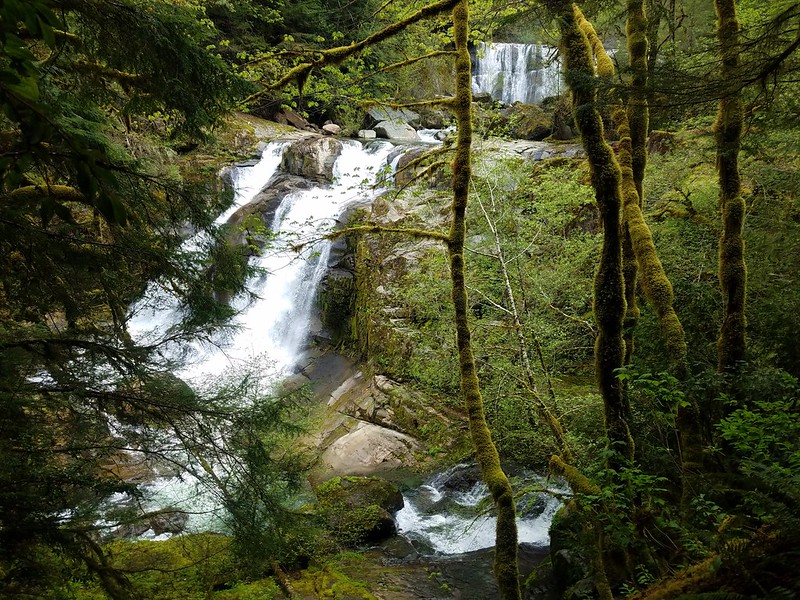
#59 Sweet Creek Falls – Hiked 2/20/2016
Sweet Creek Falls

#60 Kentucky Falls – Hiked 5/9/2015
Upper Kentucky Falls

#61 Honeyman Park – Hiked 12/8/2018
Dune in Jessie M. Honeyman State Park

#62 Siltcoos Lake – Hiked 12/8/2018
Siltcoos Lake

#63 Siltcoos River – Hiked 12/8/2018
Siltcoos River

#64 Taylor Dunes – Hiked 9/13/2018
Taylor Dunes Trail

#65 Oregon Dunes – Hiked 1/1/2015
View from Oregon Dunes day use area

#66 Tahkenitch Creek – Hiked 1/1/2015 & 9/16/2018
Tahkenitch Creek

#67 Tahkenitch Dunes – Hiked 1/1/2015
First look at Tahkenitch Dunes

#68 Lake Marie – Hiked 9/13/2018
Lake Marie

#69 Umpqua Dunes – Hiked 9/13/2018
Umpqua Dunes

#70 Golden and Silver Falls – Hiked 5/16/2021
Golden Falls

#71 Shore Acres – Hiked 5/15/2021
Simpson Reef

#72 South Slough Estuary – Hiked 5/15/2021
South Slough

#73 Fivemile Point – Hiked 5/13/2021
Heading south toward Fivemile Point

#74 Bullards Beach – Hiked 9/15/2018
Coquille River Lighthouse

#75 Bandon Islands – Hiked 9/14/2018
Bandon Islands

#76 New River – Hiked 9/14/2018
New River

#77 Floras Lake – Hiked 5/8/2017
Paintbrush and Blacklock Point

#78 Cape Blanco – Hiked 5/8/2017
Cape Blanco Lighthouse

#79 Port Orford Heads – Hiked 5/8/2017
Port Orford Heads State Park

#80 Humbug Mountain – Hiked 5/16/2016
View from the Humbug Mountain summit meadow

#81 Sisters Rock – Hiked 5/16/2016
Thistle at Sisters Rock State Park

#82 Otter Point – Hiked 5/16/2016
View north from Otter Point State Park

#83 Coquille River Falls – Hiked 5/6/2017
Coquille River FallsCoquille River Falls

Elk Creek FallsElk Creek Falls

#84 Hanging Rock – Hiked 5/7/2017
Hanging RockHanging Rock

#85 Rogue River Trail – Hiked 5/14/2021
Rogue River

#86 Lower Rogue River – Hiked 5/9/2017
Washout along the Lower Rogue River Trail

#87 Illinois River – Hiked 5/20/2016
Indigo Creek

#88 Shrader Old Growth Trail – Hiked 5/9/2017
Francis Shrader Old Growth TrailShrader Old Growth Trail

Oregon's largest known Myrtlewood TreeMyrtle Tree Trail

#89 Cape Sebastian – Hiked 5/18/2016
Hunters Island from the Oregon Coast Trail

#90 Boardman Park North – Hiked 5/21/2016

#91 Boardman Park South – Hiked 5/19/2016
Lupine

#92 Vulcan Lake – Hiked 5/17/2016
Vulcan LakeVulcan Lake

Little Vulcan Lake below Vulcan PeakVulcan Peak

#93 Redwood Nature Trail – Hiked 5/17/2016
Big redwood along the Redwood Nature Trail

#94 Wheeler Ridge Bomb Site – Hiked 5/19/2016
Viewing platform for the bomb crater

#95 Oregon Redwoods – Hiked 5/13/2021
Inside a redwood trunk

#96 Stout Grove – Hiked 10/25/2015
Stout Memorial Grove

#97 Boy Scout Tree – Hiked 10/25/2015
Boy Scout Tree

#98 Damnation Creek – Hiked 10/24/2014
On the rocky beach near Damnation Creek

#99 Hidden Beach – Hiked 5/11/2017
Hidden Beach

#100 Fern Canyon – Hiked 5/10/2017
Fern Canyon

With any luck the Salmonberry Railroad will be reopened in the not too distant future so we can say we’ve completed the 4th edition as well. In the meantime there are still other non-featured hikes to explore and trails to revisit. Happy Trails!

Categories
Hiking Year-end wrap up

The Hikes of 2018 – A Look Back

It’s hard to believe that it’s time for another year end wrap up. This will be our 6th such post since we started this blog in 2013. It’s even harder to believe that we still have so many hikes yet to do before we are finished with our long term hiking goal of completing at least some portion of all 500 of the featured hikes in William L. Sullivan’s five “100 Hikes…” guidebooks.

A goal we are closing in on is visiting all 45 of the accessible designated wilderness areas in Oregon. (Three Arch Rocks and Oregon Islands, both off the Oregon Coast, are off limits to visitors,) We now have just seven wilderness areas left to visit after spending time in the Rogue-Umpqua Divide (post), Steens Mountain (post), Strawberry Mountain (post), and Copper-Salmon (post) wildernesses this year.

With so many different hikes available we were once again able to spend most of our year exploring new trails and areas. We took hikes on 61 different days, 51 of those days were spent on trails (or sections of trails) that were new to us this year. Six additional days were partially on new sections of trail while just four days were repeated hikes.

Many of our hiking days consisted of multiple stops this year which resulted in a nice round 100 separate “hikes” varying in length from a quarter mile at the Pillars of Rome (post) to 20.3 miles in the Waldo Lake Wilderness (post).

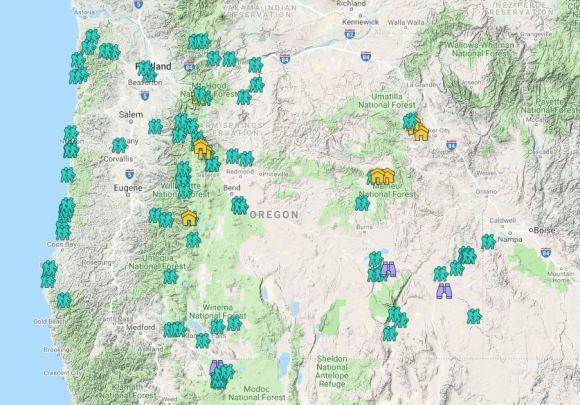
Of those 100 hikes 89 were brand new, 6 were partially new, and 5 were repeated. The number of repeated hikes is 5 and not 4 because Saddle Mountain was done on the same day as three new hikes (post). Below is a map showing all of our stops.

2018 Trailheads
Hikers=Trailheads, Houses=Tent Sites, Binoculars=Short Walk/Viewpoint

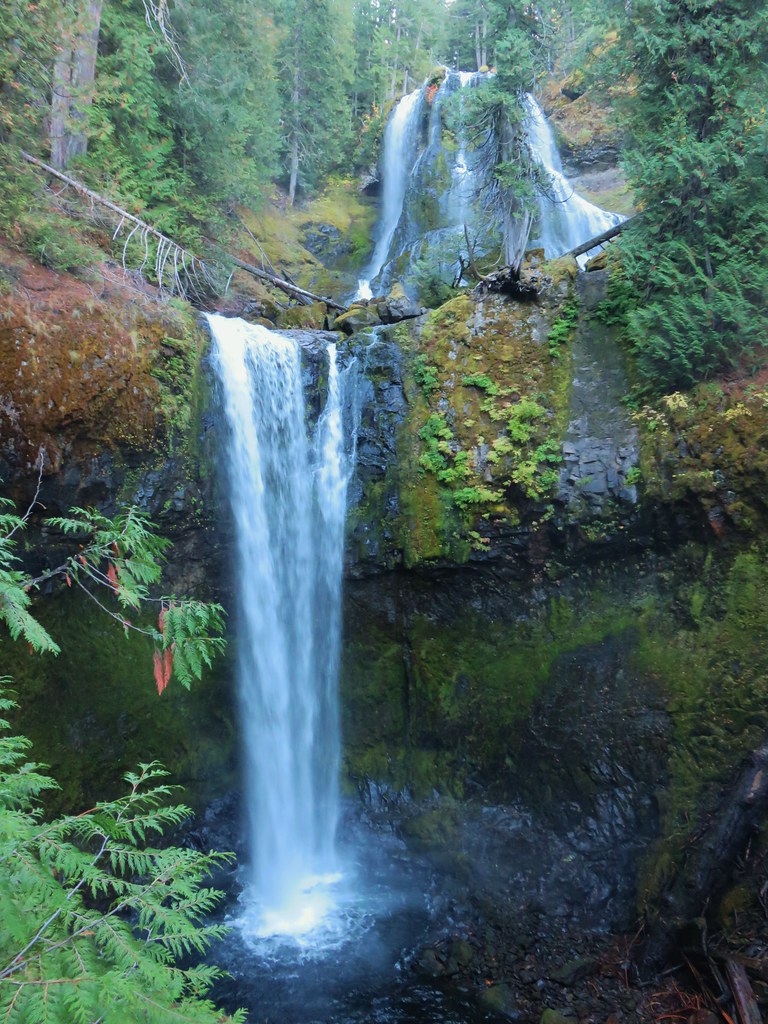
Although the majority of our hikes were done in Oregon we did manage to spend one day each in Washington (Falls Creek Falls), California (Lava Beds National Monument), and for the first time Idaho (Jump Creek Falls).Falls Creek Falls

Falls Creek Falls

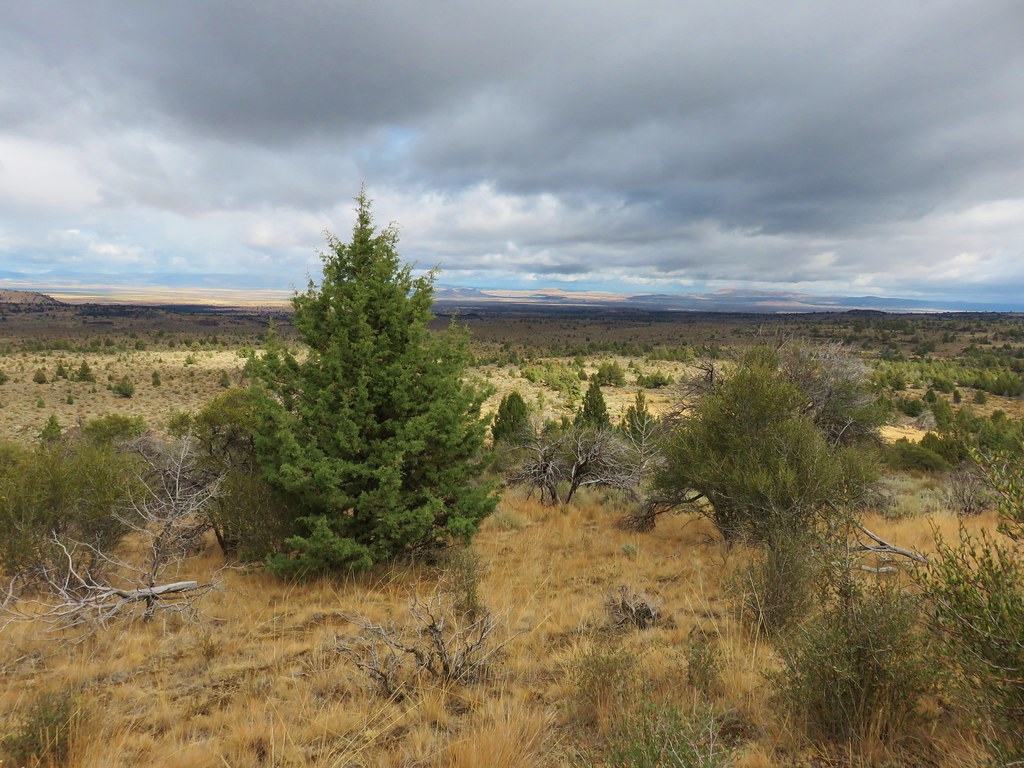
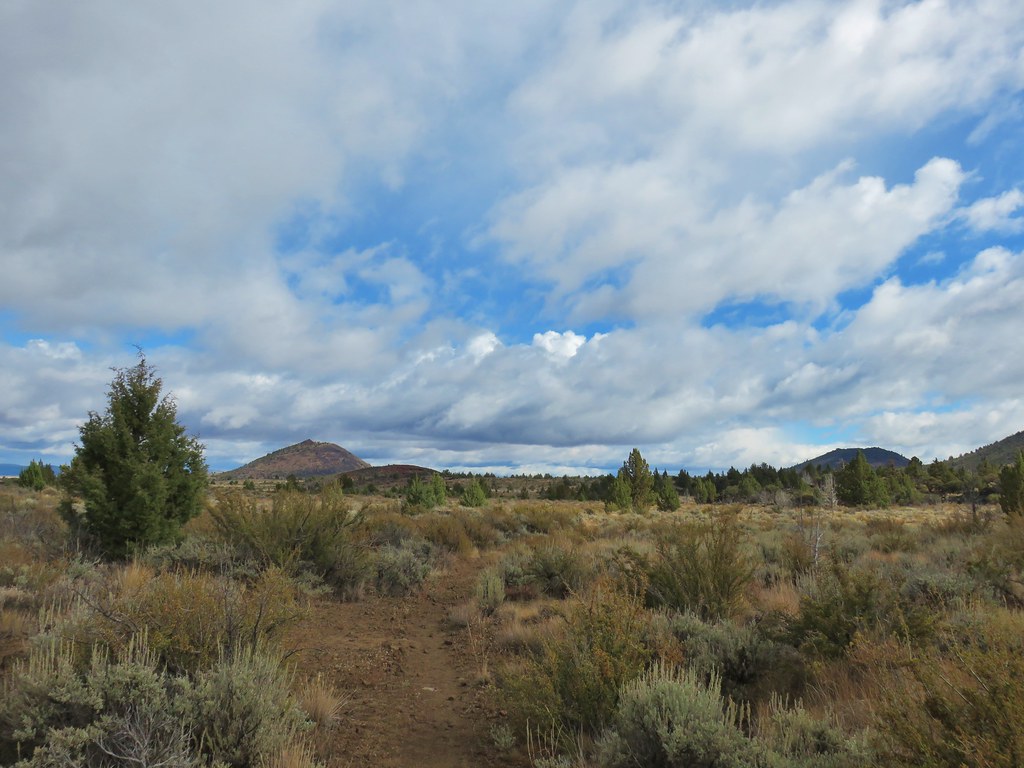
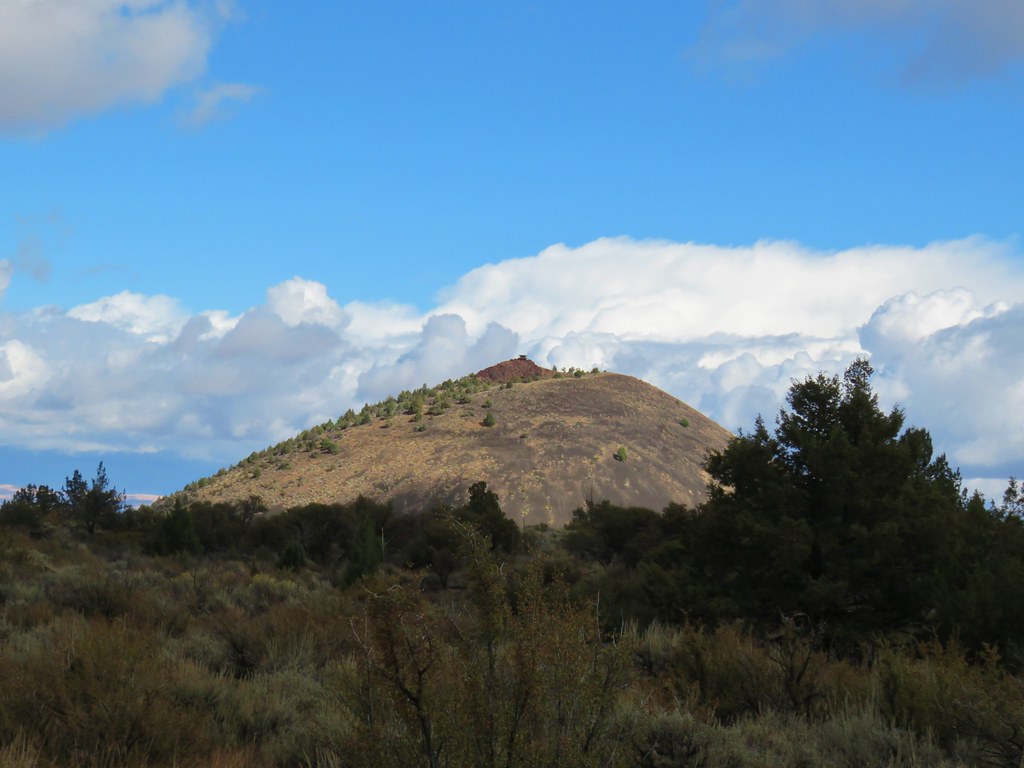
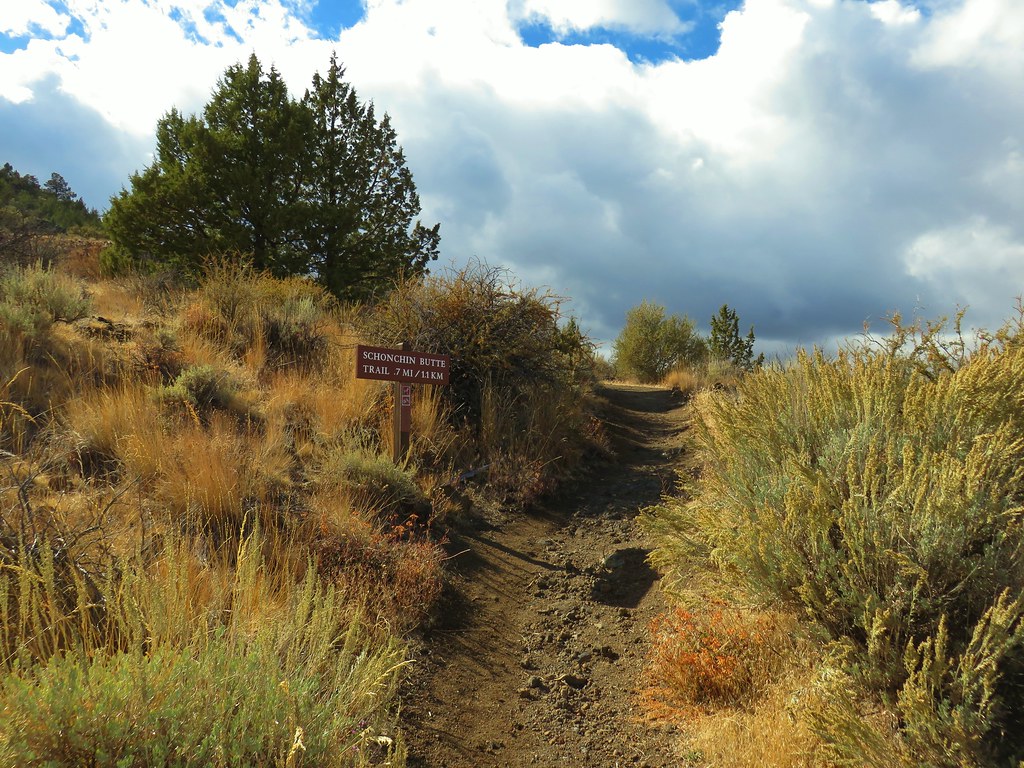
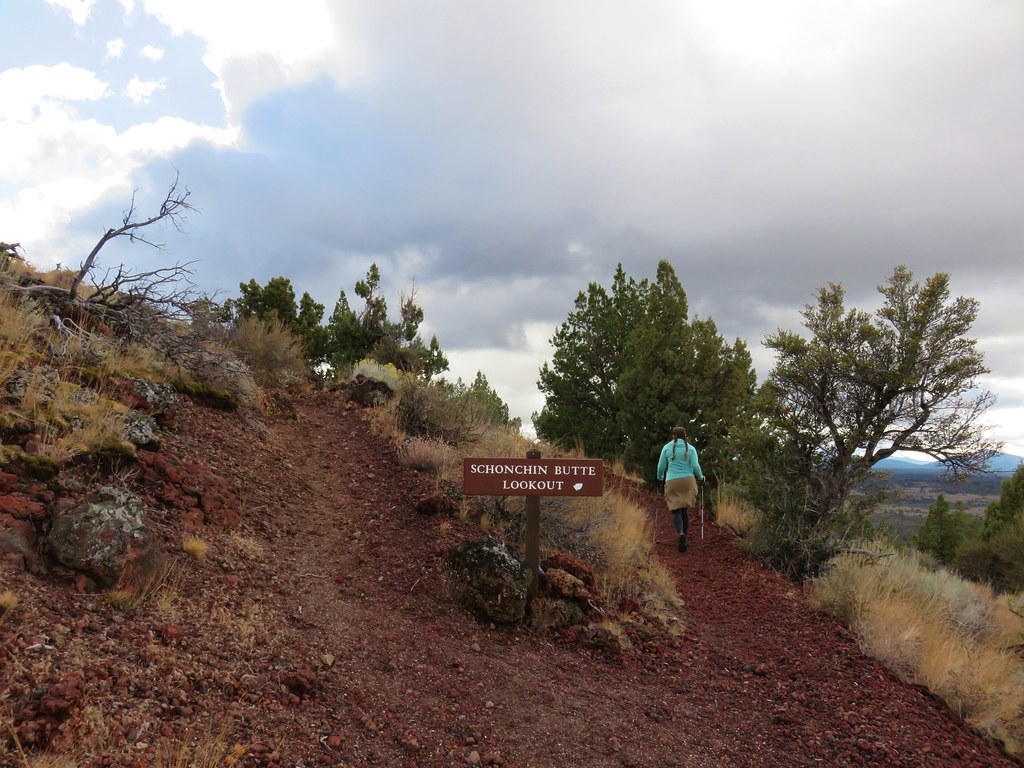
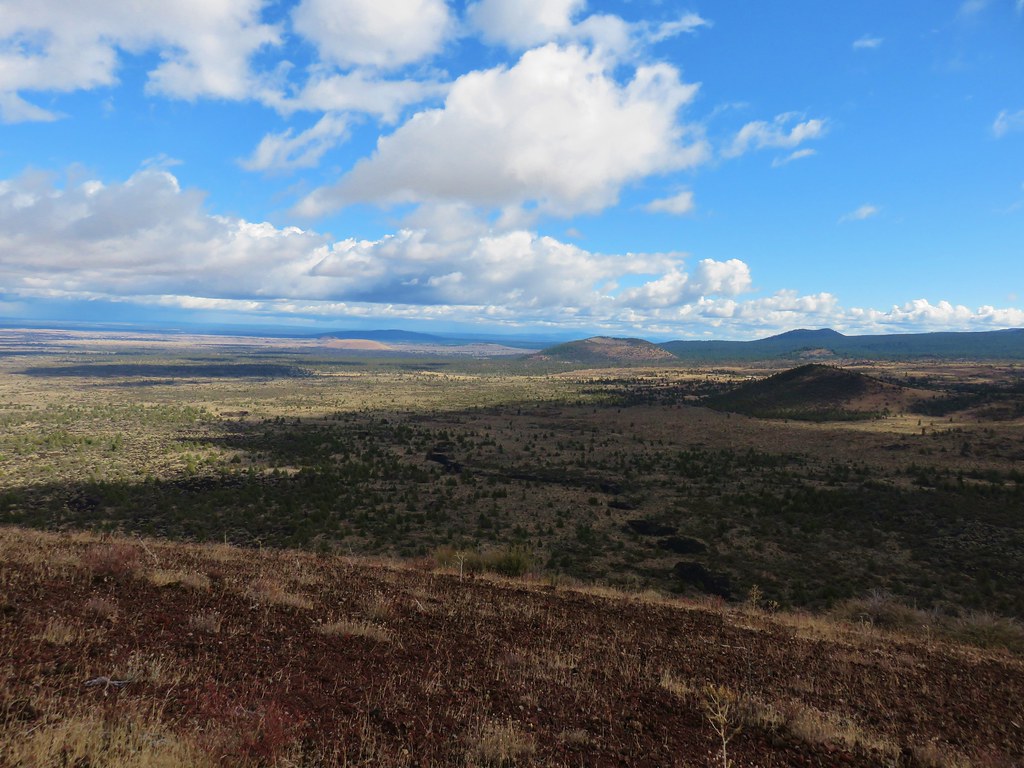
View from the Schonchin Butte Trail

Lava Beds National Monument

Jump Creek Falls

Jump Creek Falls

We did spend more time east of the Cascade Crest this year compared to years past including trips to SE Oregon in June (amazing scenery/horrible roads), the Strawberry Mountains in July (beautiful but HOT), the Elkhorns in August (mountain goats galore), and Klamath Falls in October (lots of wildlife). Our other vacation was a trip to the Oregon Coast in September (Bandon = new favorite coast town). Hiking in so many different areas once again provided us with a wide variety of scenery.Cape Meares Lighthouse

Cape Meares Lighthouse

Footbridge along the Old Growth Trail

McDonald-Dunn Forest

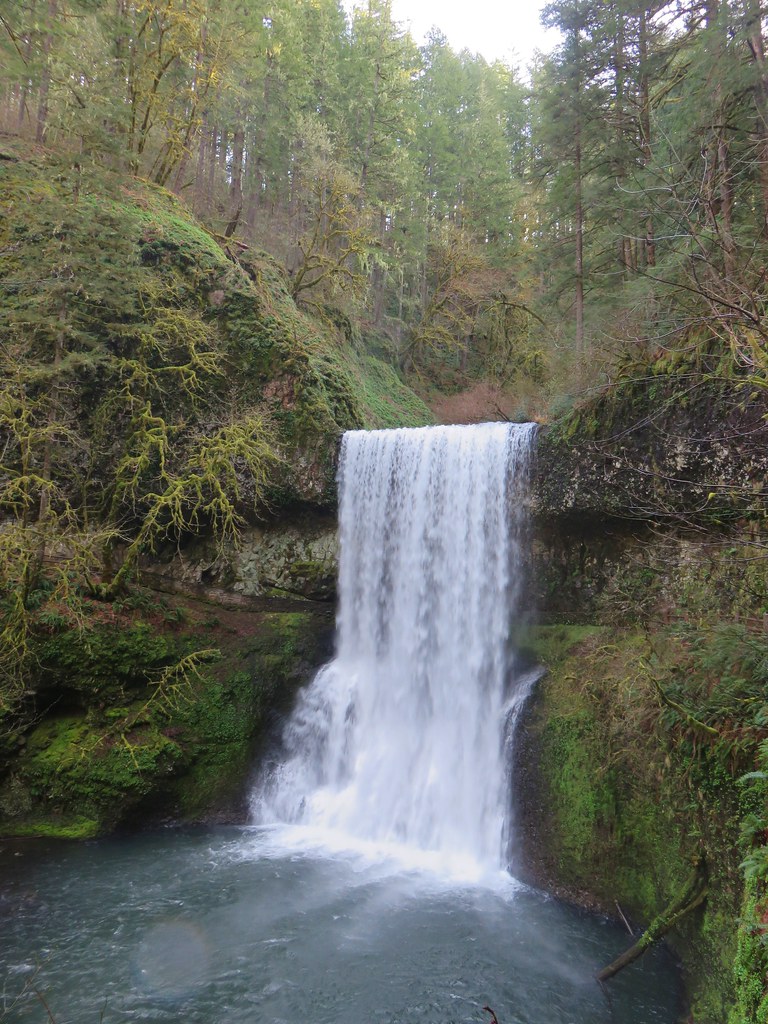
Lower South Falls

Lower South Falls – Silver Falls State Park

Balsamroot

Balsamroot at Memaloose Hills

Lone Wolf Meadow

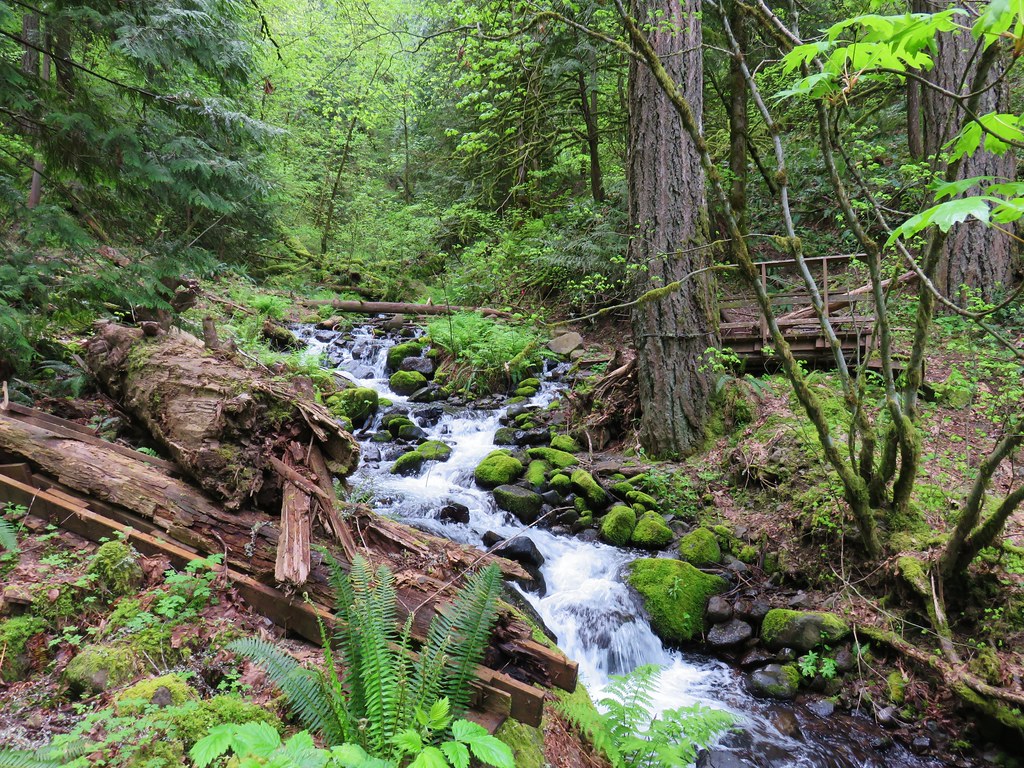
Perham Creek

Perham Creek – Columbia River Gorge

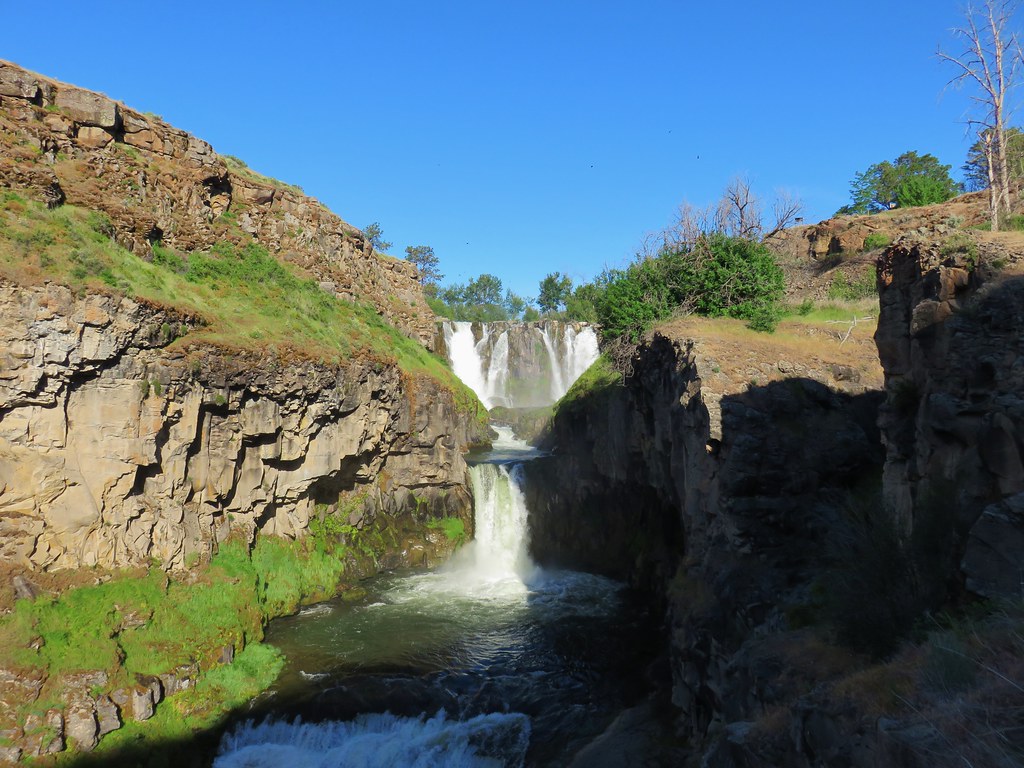
White River Falls

White River Falls

Deschutes River

Deschutes River near Macks Canyon

Upper meadow of Buck Canyon

Buck Canyon – Rogue-Umpqua Divide Wilderness

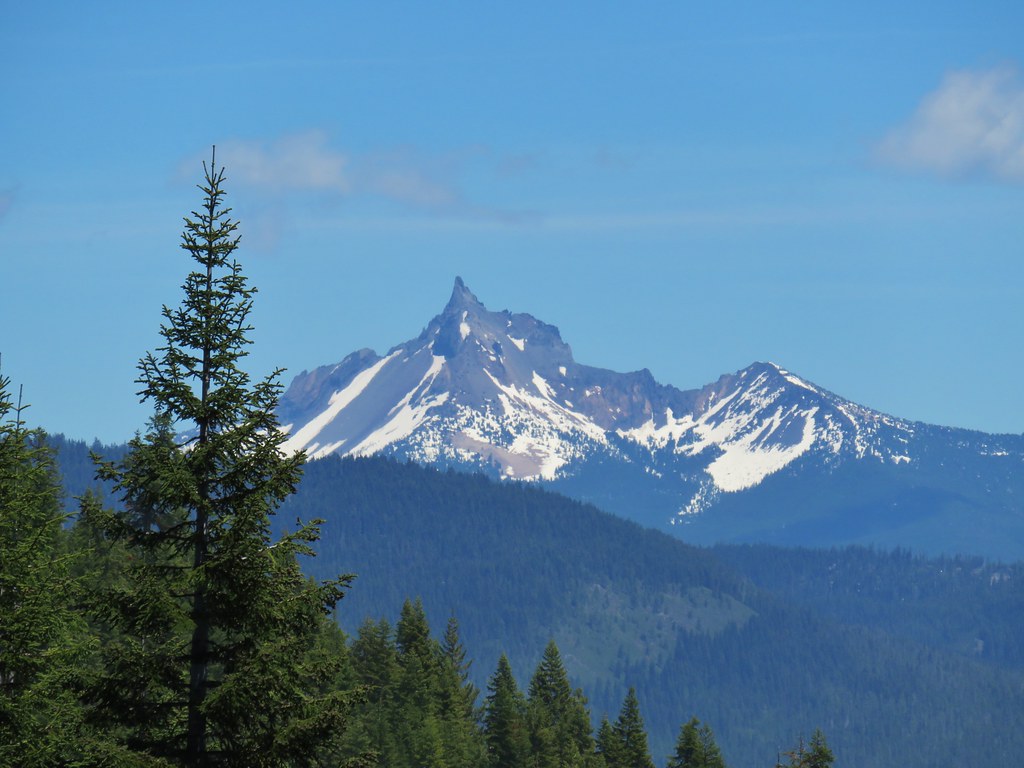
Mt. Thielsen

Mt. Thielsen

Cupola lookout on Black Butte

Cascade Mountains from Black Butte

Salmon River

Salmon River

Frustration Falls

Frustration Falls – Salmon-Huckleberry Wilderness

Malheur Wildlife Refuge

Malheur Wildlife Refuge

Peter French Round Barn

Peter French Round Barn

Coffee Pot Crater

Coffee Pot Crater – Jordan Craters

Timber Gulch

Timber Gulch

Waterfall at Three Forks Hot Springs

Owyhee River

Pillars of Rome

Pillars of Rome – Rome, Oregon

Chalk Basin

Chalk Basin

Borax Lake

Borax Lake

Borax Hot Springs

Borax Hot Springs

Alvord Desert and Steens Mountain

Steens Mountain and the Alvord Desert

The Island and Lake Billy Chinook

The Island and Lake Billy Chinook

Emerald Pool

Emerald Pool – Bull of the Woods Wilderness

Horsepasture Mountain Trail

Horsepasture Mountain Trail

Footbridge over the Hot Springs Fork

Bagby Springs Trail

Boyd Cave

Boyd Cave

Pine Creek Trail

Pine Creek Trail – Strawberry Mountain Wilderness

Volcanic ash along the Pine Creek Traii

Volcanic ash – Strawberry Mountain Wilderness

Strawberry Mountain

Strawberry Mountain Wilderness

Slide Lake

Slide Lake – Strawberry Mountain Wilderness

Mt. Jefferson and the Pacific Crest Trail

Jefferson Park – Mt. Jefferson Wilderness

Elkhorn Crest Trail

Elkhorn Crest Trail

Summit Lake

Summit Lake – Elkhorns

Rock Creek Lake

Rock Creek Lake – Elkhorns

Diamond Peak and Fuji Mountain from Waldo Lake
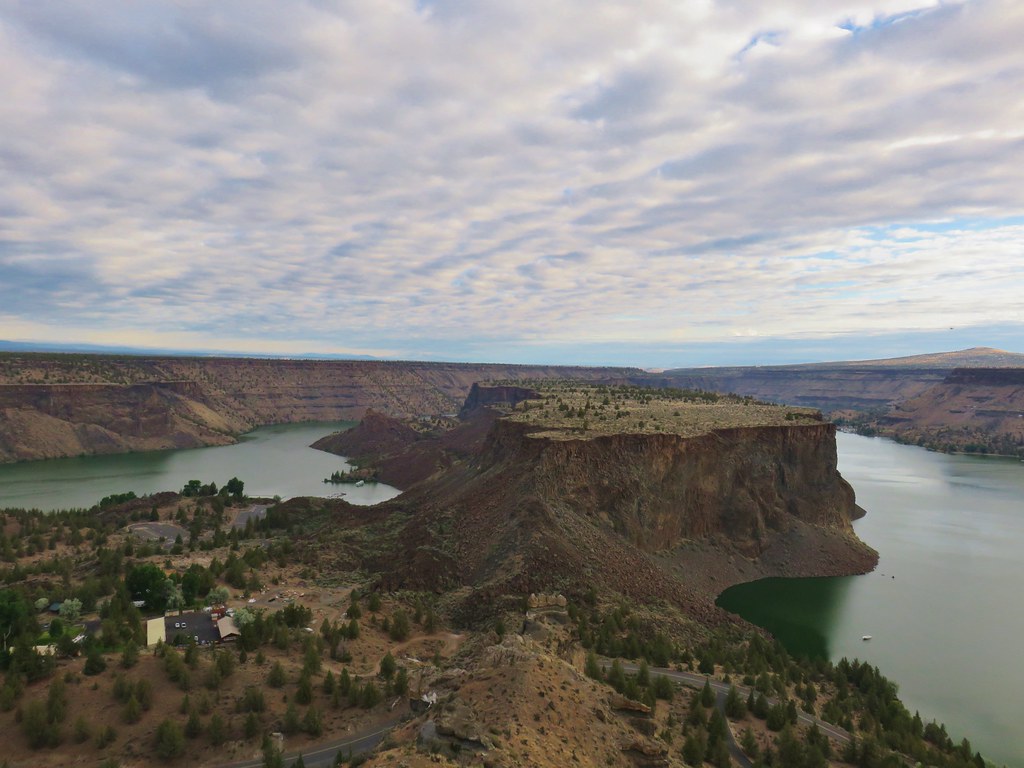
Waldo Lake

Rigdon Butte from Lake Kiwa

Rigdon Butte

Broken Top, The Three Sisters, Mt. Washington and Three Fingered Jack

Broken Top, The Three Sisters, Mt. Washington and Three Fingered Jack from South Pyramid Peak in the Mt. Jefferson Wilderness
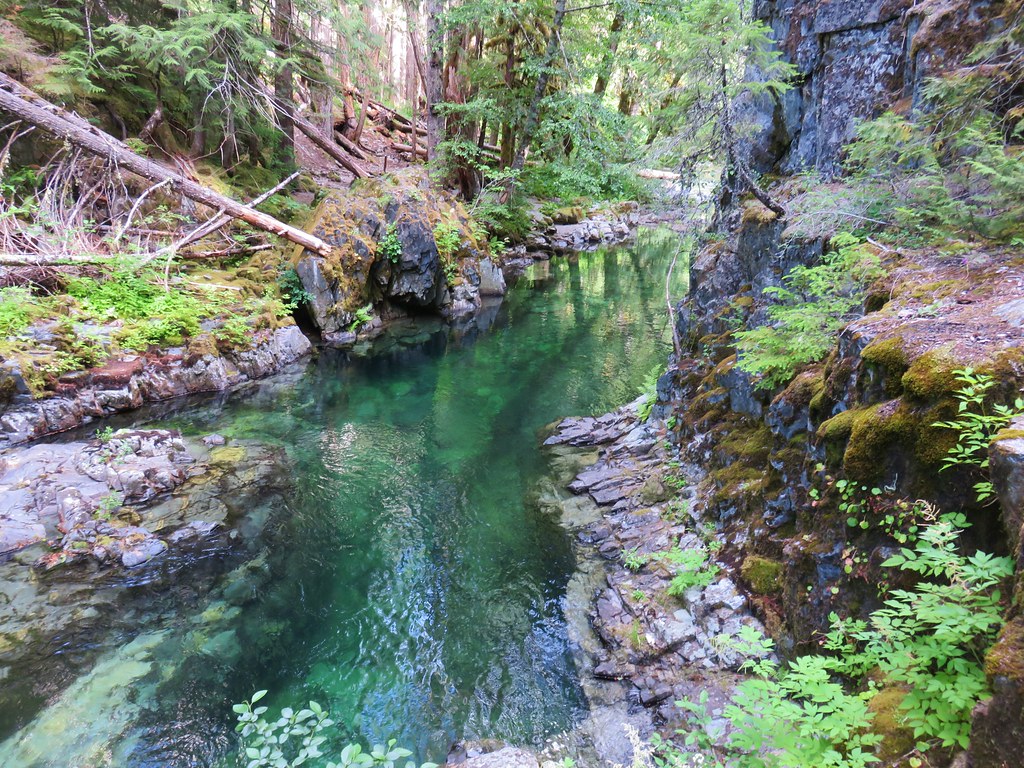
Carl Lake at sunrise

Carl Lake – Mt. Jefferson Wilderness

Hole-in-the-Wall Park and Mt. Jefferson

Hole-in-the-Wall Park – Mt. Jefferson Wilderness

Mt. Jefferson and Goat Peak
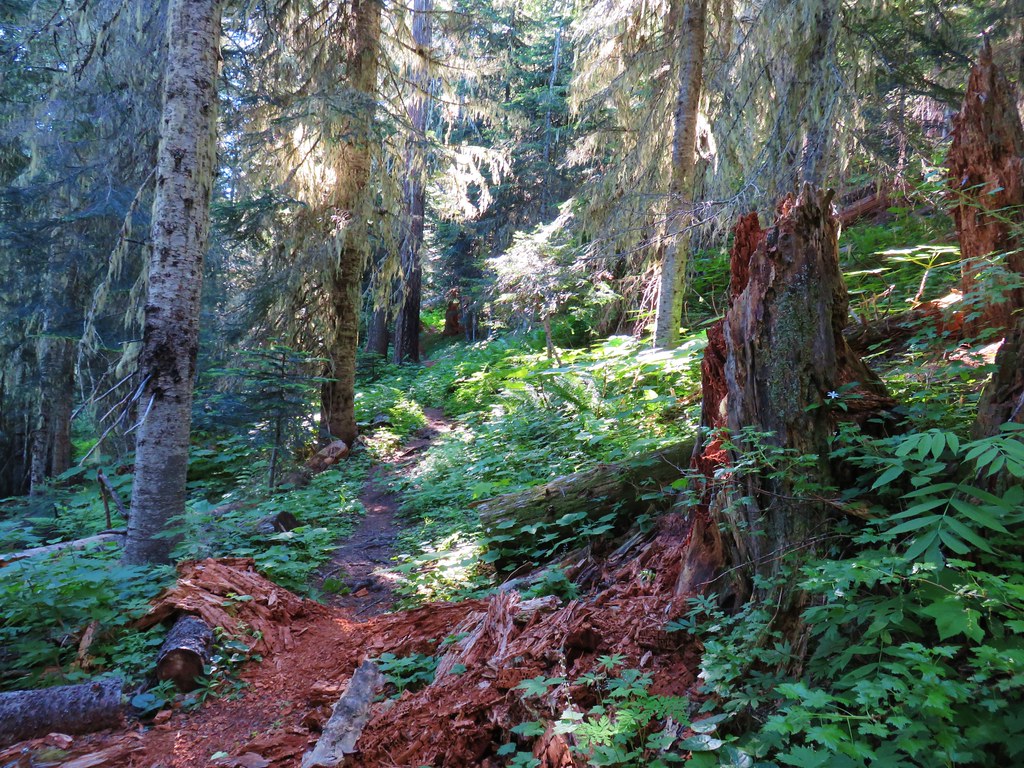
Mt. Jefferson & Goat Peak – Mt. Jefferson Wilderness

Umpqua Dunes

Umpqua Dunes

Bandon Islands

Bandon Islands

Barklow Mountain Trail entering the Copper-Salmon Wilderness

Copper-Salmon Wilderness

Tahkenitch Creek

Tahkenitch Creek

Huckleberry Bushes

Huckleberry bushes – Diamond Peak Wilderness

Mt. Hood

Mt. Hood

Devil's Garden

Devil’s Garden

Sprague River

Sprague River

Tule Lake

Tule Lake
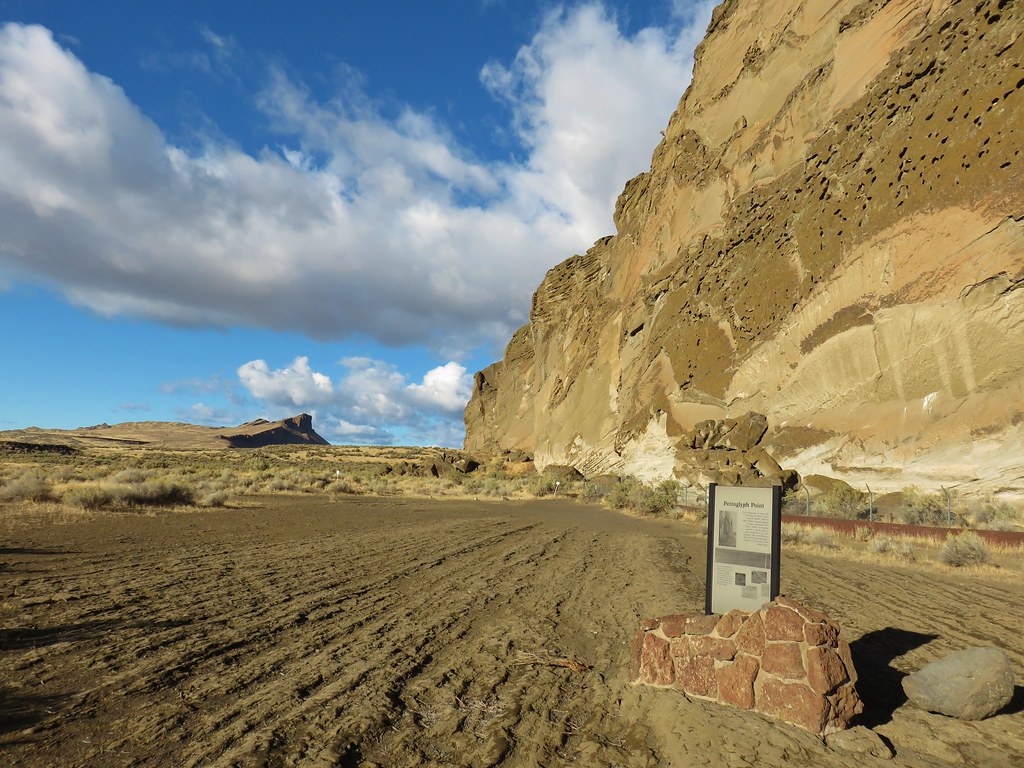
Petroglyph Point

Petroglyph Point

Mt. McLoughlin from Great Meadow

Mt. McLoughlin

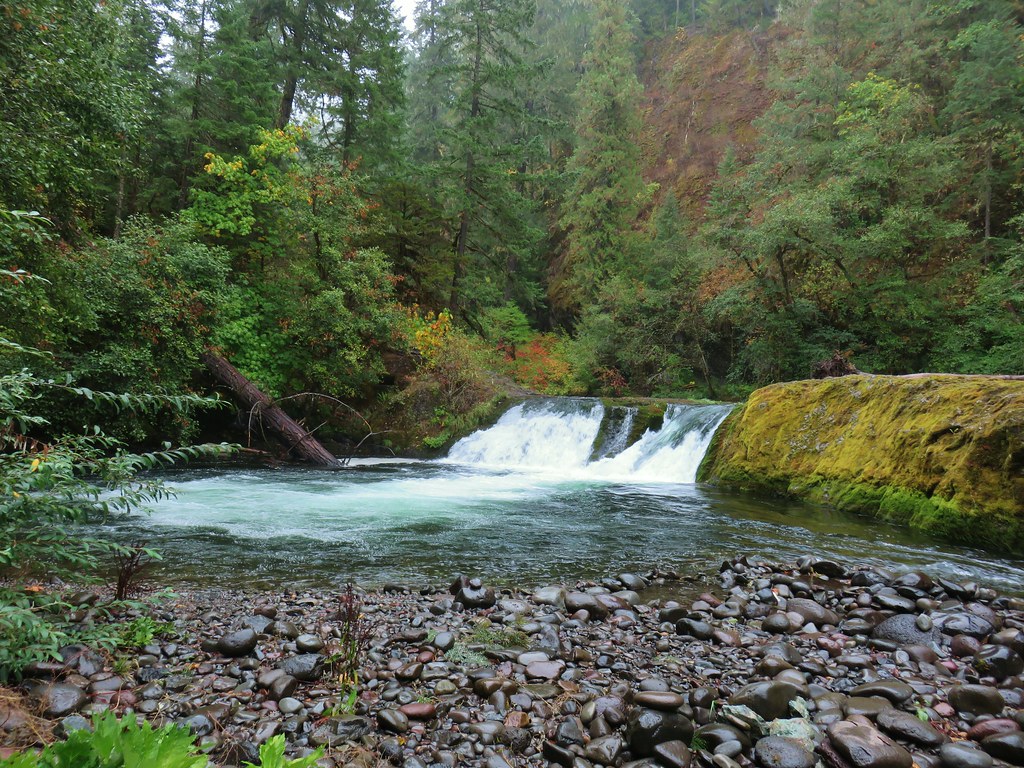
Salmon Creek Falls

Salmon Creek Falls

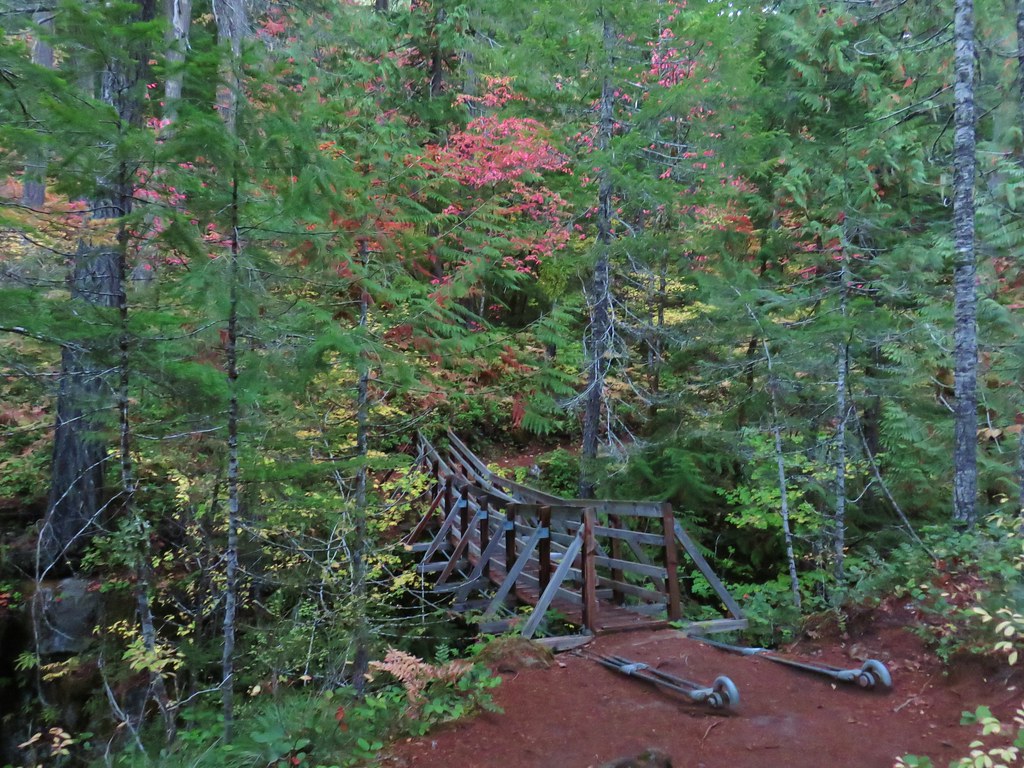
Footbridge over Falls Creek

Footbridge over Falls Creek

View from the Red Mountain Lookout

Washington Cascades from Red Mountain

Klamath Falls

Klamath Falls on the Link River

Spouting Horn

Spouting Horn – Cape Perpetua

Wildwood Trail

Forest Park – Portland, Oregon

Waxmyrtle Marsh

Waxmyrtle Marsh

Sunbeams in the Siuslaw National Forest

Siuslaw National Forest

In addition to the great scenery we saw a wide variety of wildlife and a fair number of wildflowers despite it not being the best year for them. Instead of including some of those pictures here we hope to post a separate 2018 wildlife and wildflower galleries soon.

We’re already looking forward to another year of hiking. If everything works out we will be checking off three more Oregon wilderness areas and a whole bunch of new hikes in 2019. We’ll be doing one or maybe two hikes a month from now until mid-Spring. Since we won’t have a lot of trips to report on during that time we’re hoping to do a few other hiking related posts including a more in depth look at our goals of visiting all the wilderness areas and checking off the 500 “featured hikes”.

We hope everyone has a great New Year and as always – Happy Trails!

Categories
California Hiking Trip report

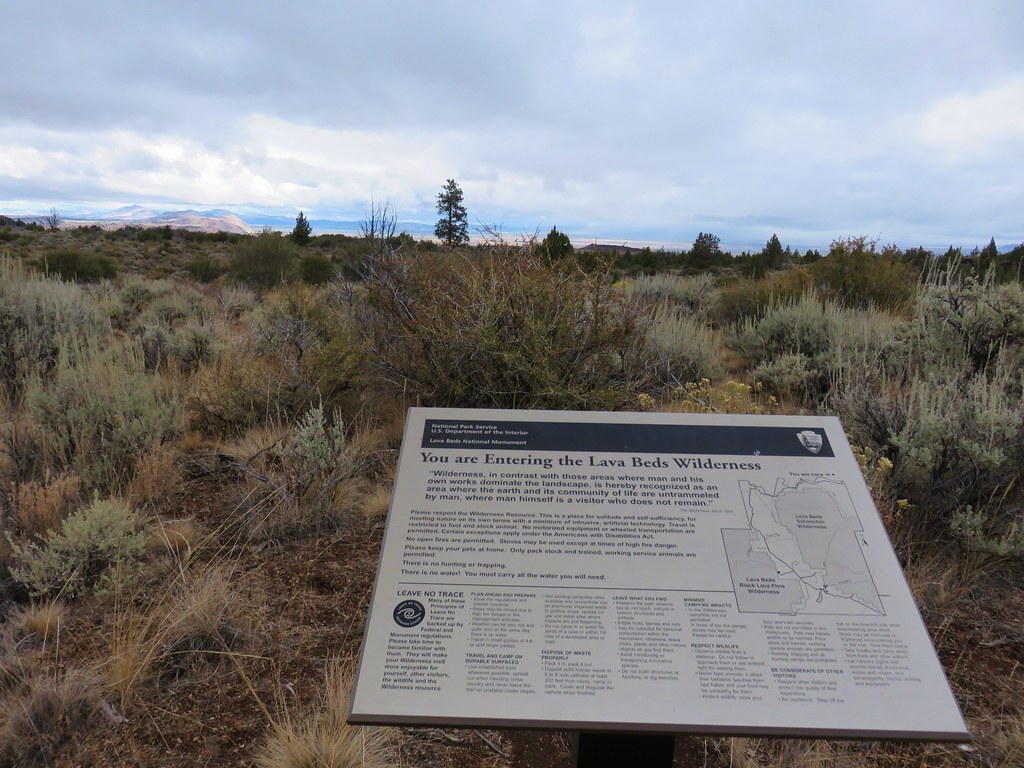
Lava Beds National Monument

**Note the 2020 Caldwell Fire burned a portion of the Schonchin Butte hike and the 2021 Antelope Fire burned the area around Whitney BUtte.**

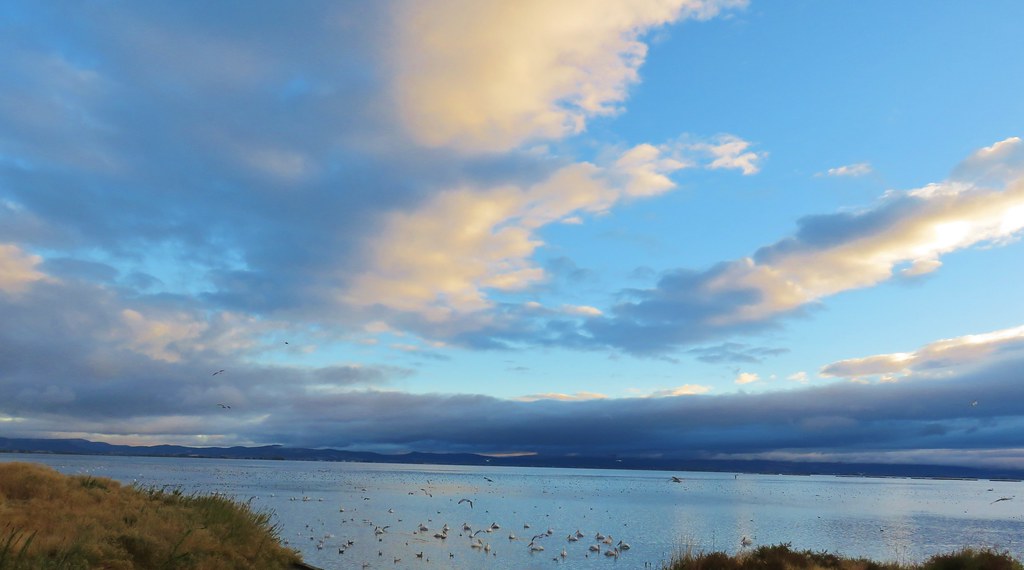
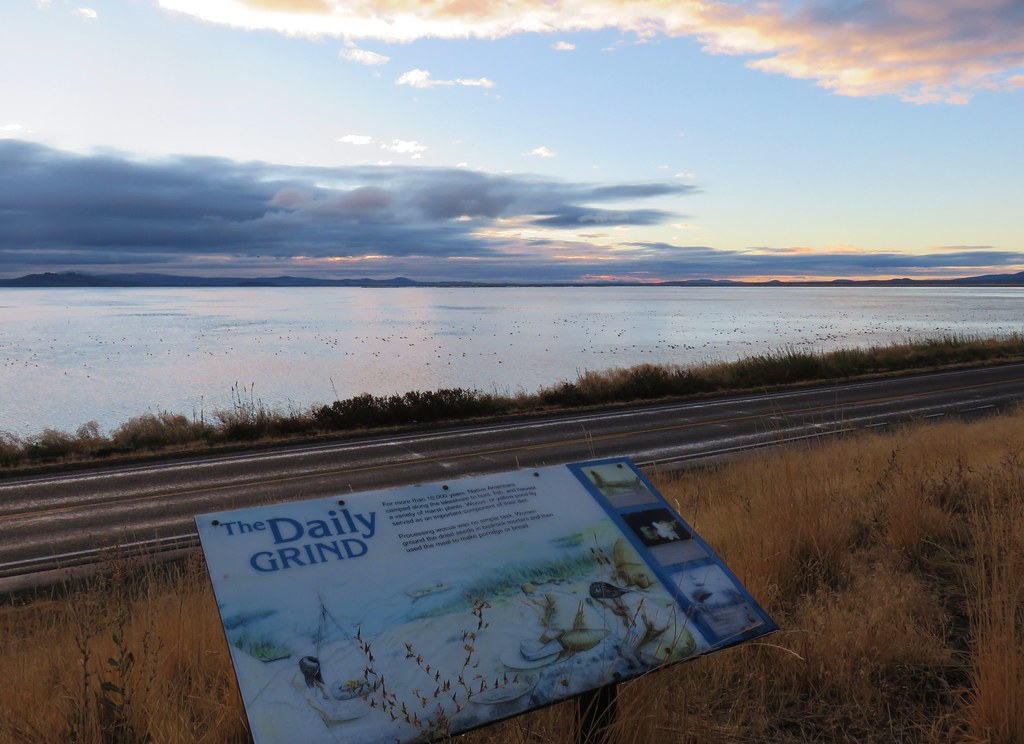
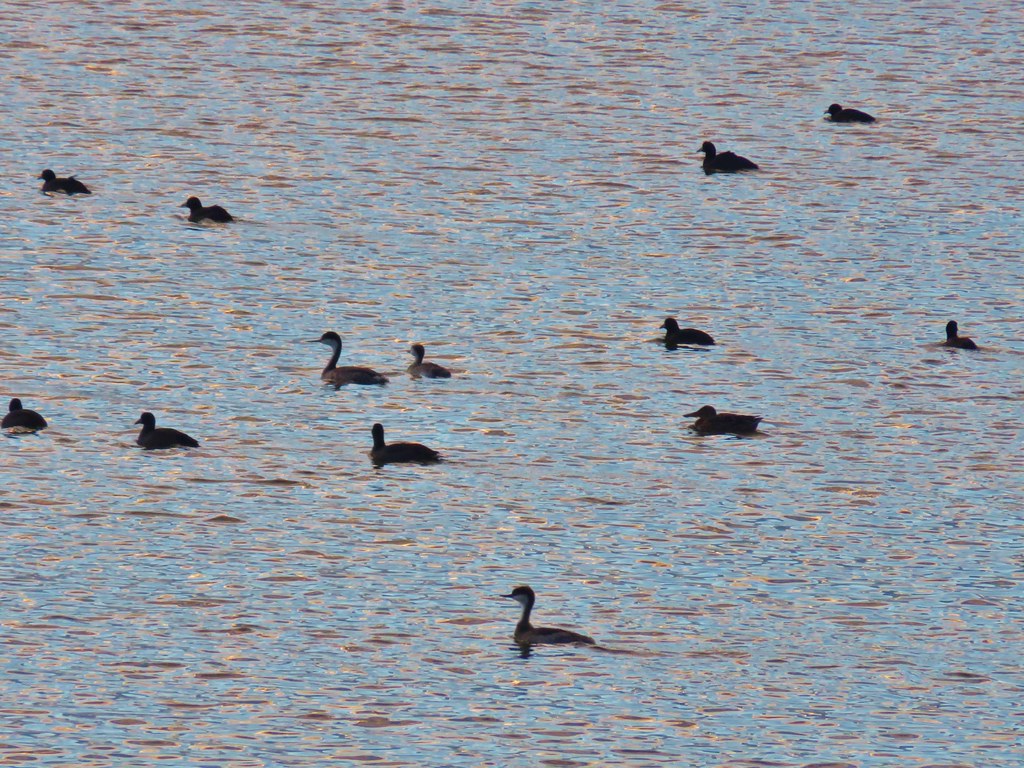
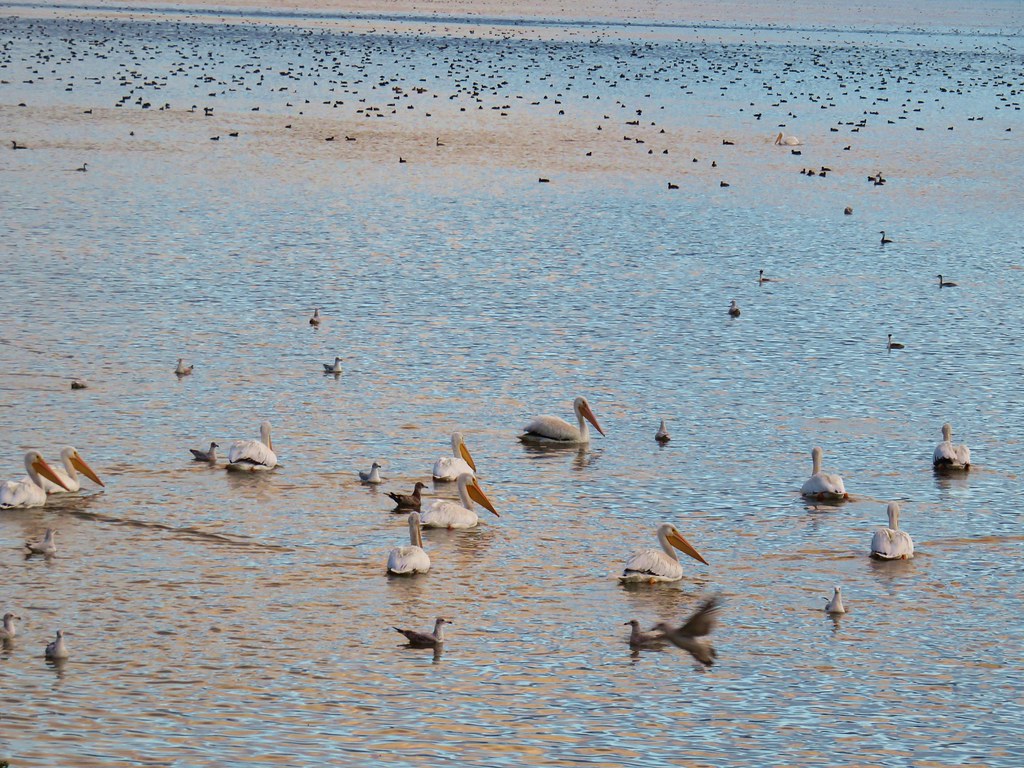
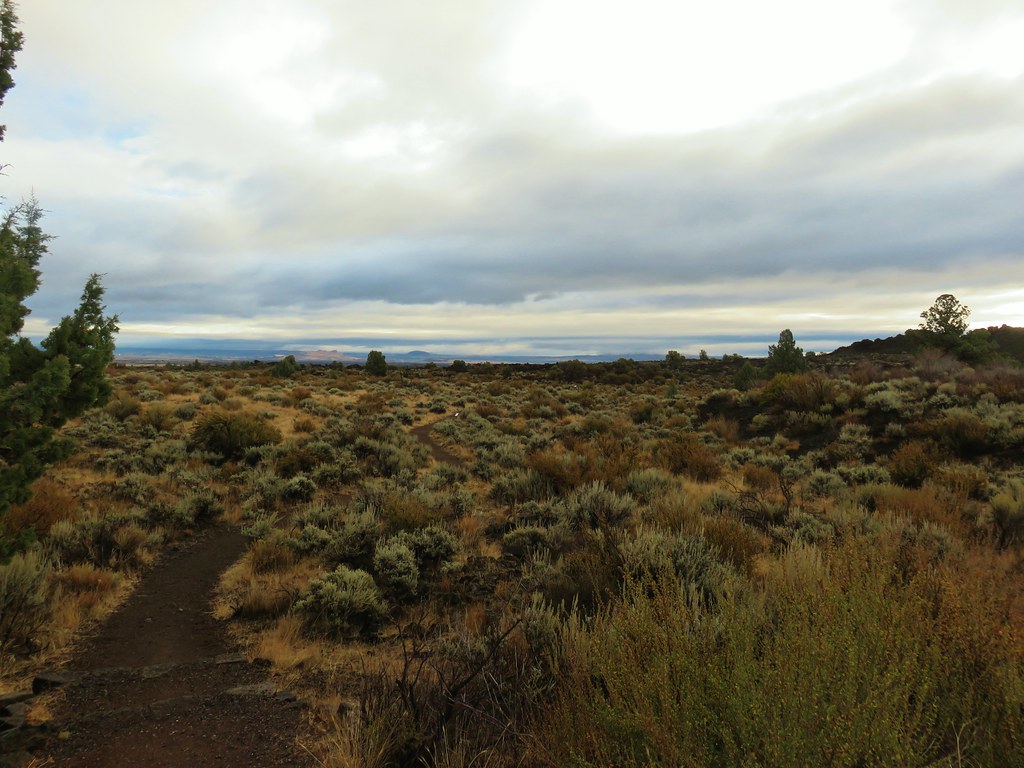
We spent the second day of our Klamath Falls trip in California visiting the Lava Beds National Monument. It had started raining Friday afternoon and continued overnight, but by morning the clouds were beginning to break up leaving scattered showers to make their way across the landscape. This made for some dramatic scenery on our drive from Klamath Falls to the National Monument, especially along Tule Lake. We took advantage of a couple of the numerous pullouts that are part of the Tule Lake National Wildlife Refuge to admire the colorful sky and numerous waterfowl on the lake.
IMG_3534

IMG_3539

IMG_3542

IMG_3547

IMG_3545

IMG_3550

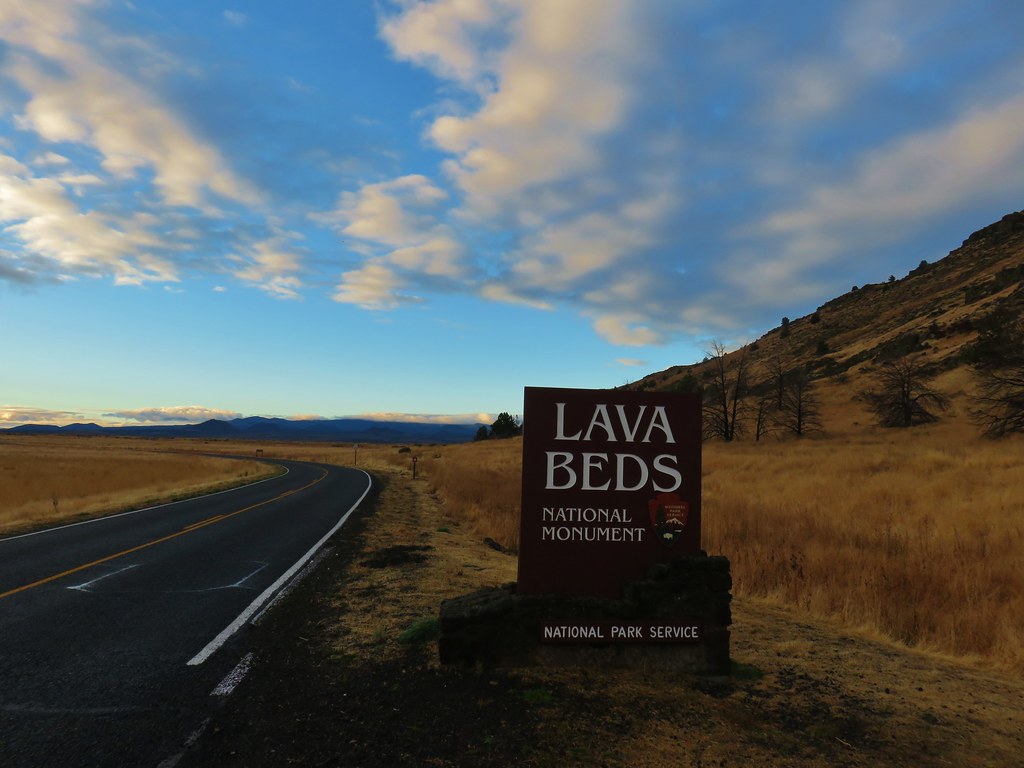
The fee booth (currently $20/per car) was closed at the north entrance of the Monument so we had to drive to the Visitor Center to obtain a pass which was 9.7 miles away.
IMG_3553

IMG_3555

It was a little before 8am and the Visitor Center didn’t open until 9am but we were able to pay with a fee envelope. What we couldn’t do was obtain a cave permit though, which are required to visit any of the area caves. The threat of White Nose Syndrome has made screening by Park Rangers necessary. We’d need to come back for that but in the meantime we headed back north to the Black Crater Trailhead.
IMG_3559

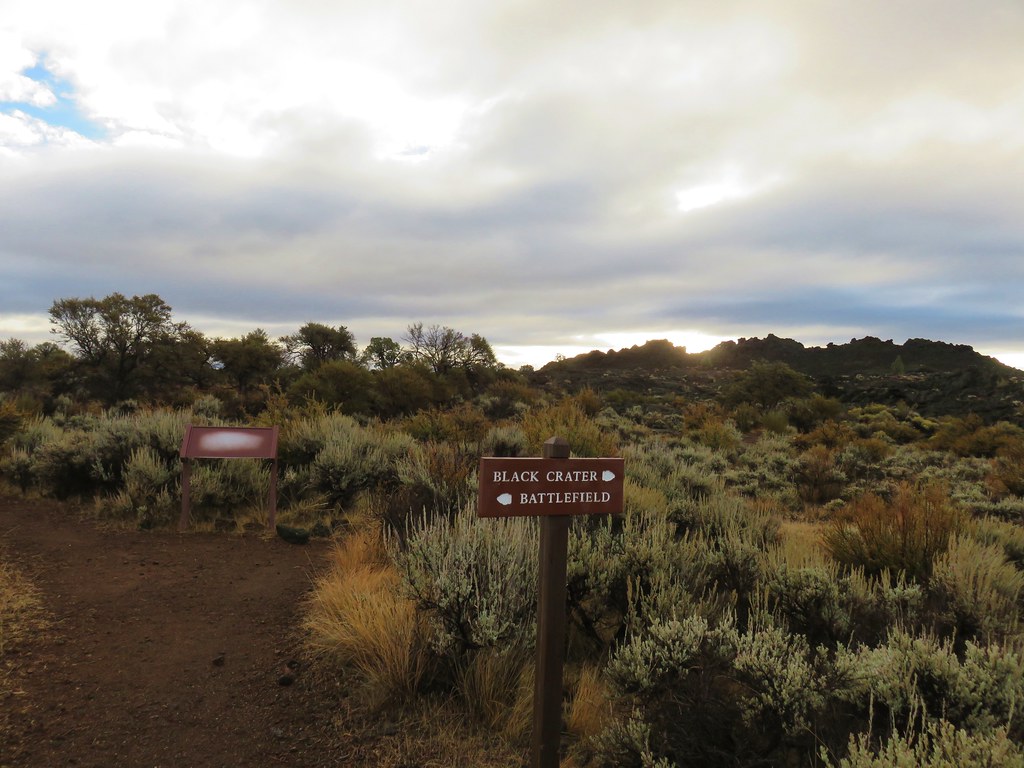
From this trailhead there were two destinations, Black Crater and an overlook of the Thomas-Wright battlefield.
IMG_3560

IMG_3563

Each destination shares the first tenth of a mile of trail. The overnight rain had brought out the sweet smell of sagebrush to which Heather pointed out that smell is one thing that you can’t capture in photos.
IMG_3564

We decided to visit Black Crater first and took the right hand fork when the trail split.
IMG_3567

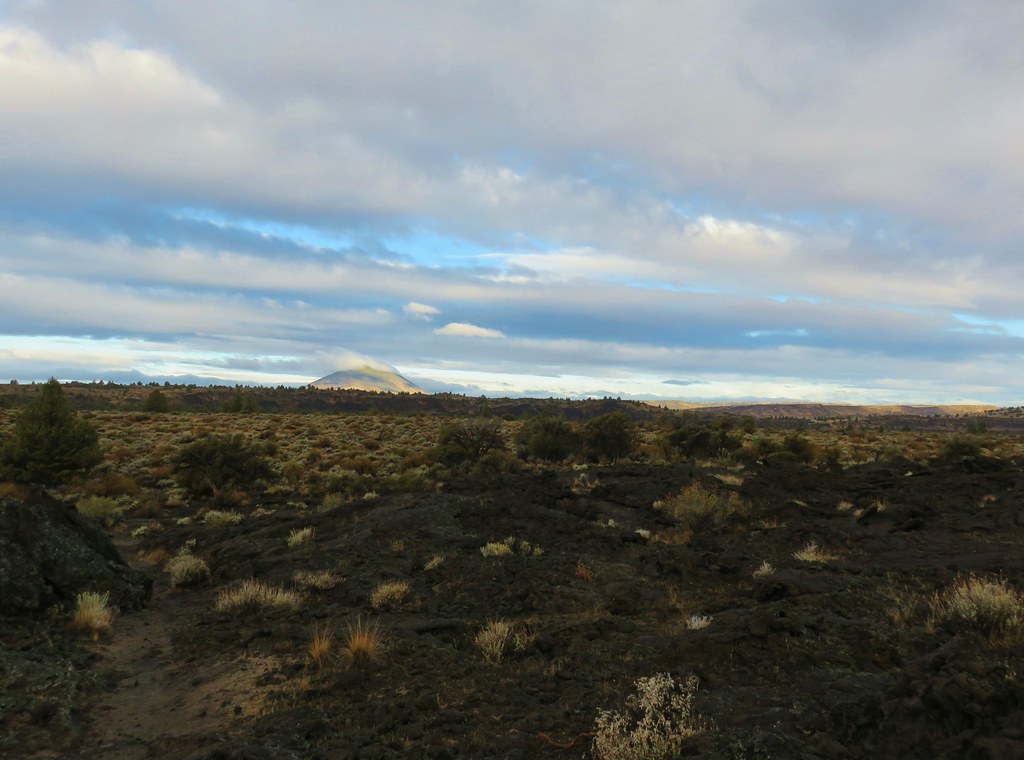
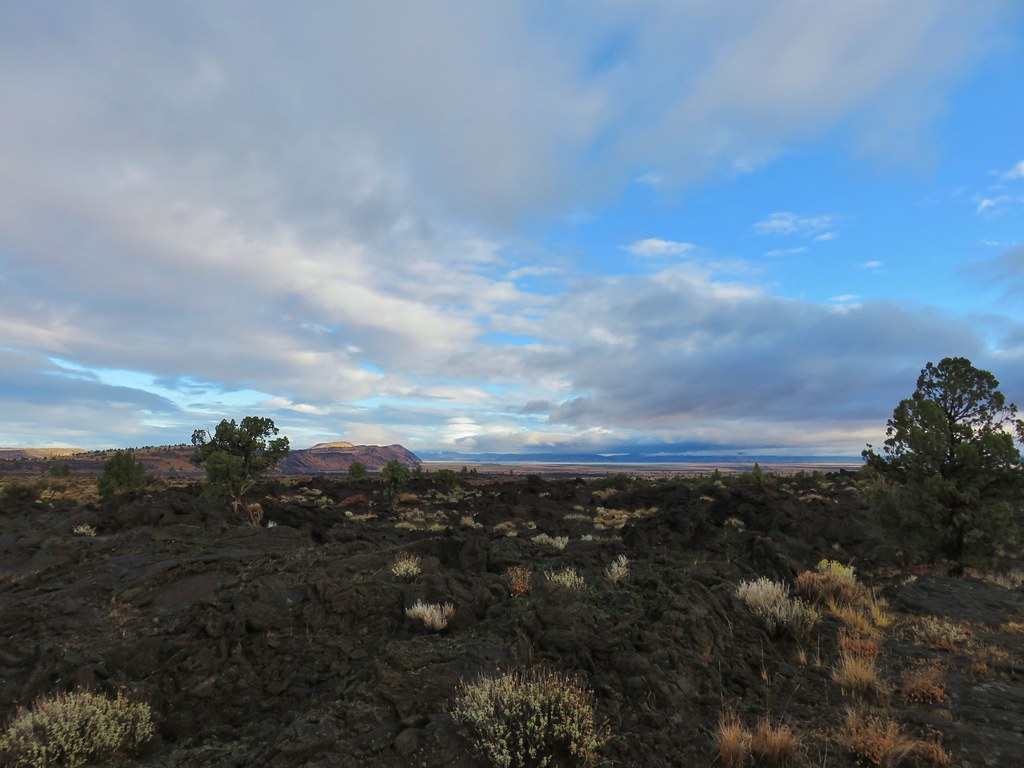
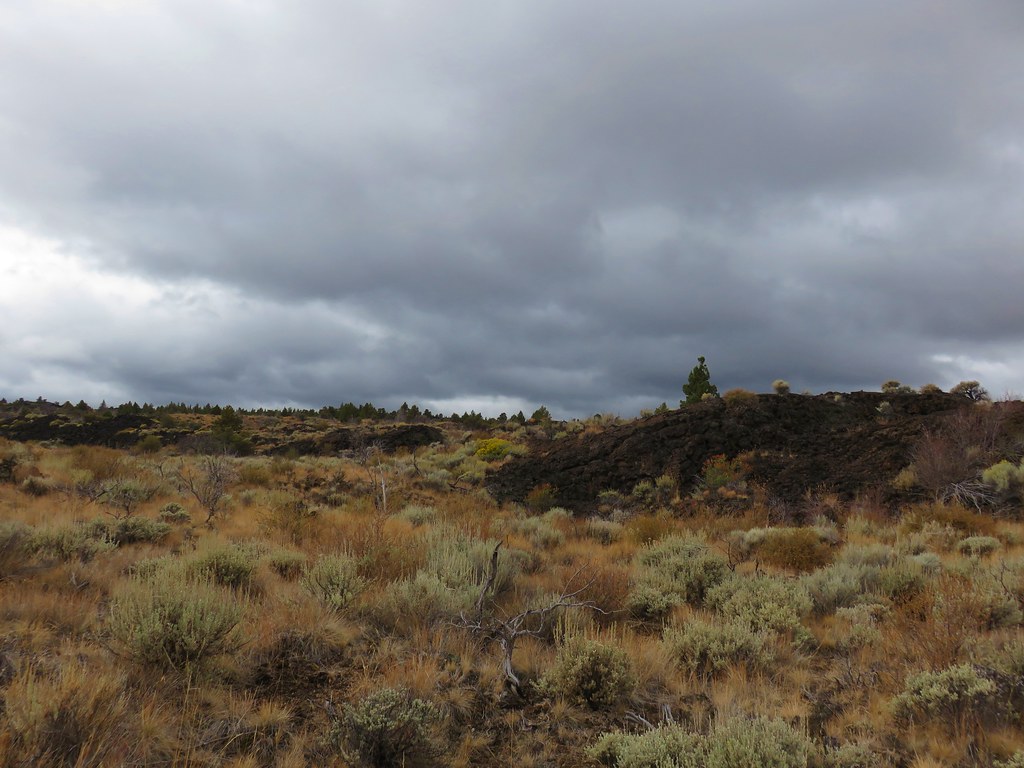
This trail passed over a lava flow arriving at the start of a short .3 mile loop that climbed up and around part of the splatter cone. We took notice of a peak to the NW that appeared to have a cloud stuck to its summit. It turned out to be Mount Dome, and for much of the rest of the day we kept watch on this peak to see if it would ever be cloud free.
IMG_3574

IMG_3575Tule Lake

IMG_3577

IMG_3583

Although not nearly as large, Black Crater did remind us a little of Coffee Pot Crater which we’d visited in June (post).

After completing the loop we headed for the battlefield. It was just over a mile from the fork to the viewpoint and the trail spent this time passing volcanic formations and a few lingering wildflowers.
IMG_3600

IMG_3601

IMG_3602

IMG_3599

IMG_3605

IMG_3608

IMG_3612

The Thomas-Wright battle took place on April 26, 1873 when an Army patrol was defeated by the Modocs.
IMG_3614

IMG_3615

After reading up on the battle we headed back to the trailhead and drove back to the now open Visitor Center. We spent some time looking at the displays inside before obtaining our cave permit. We hung the permit in our car and headed for Mushpot Cave. After initially starting to drive Cave Loop Road we realized that Mushpot Cave was actually right next to the Visitor Center so we turned around and parked back once again at the center.

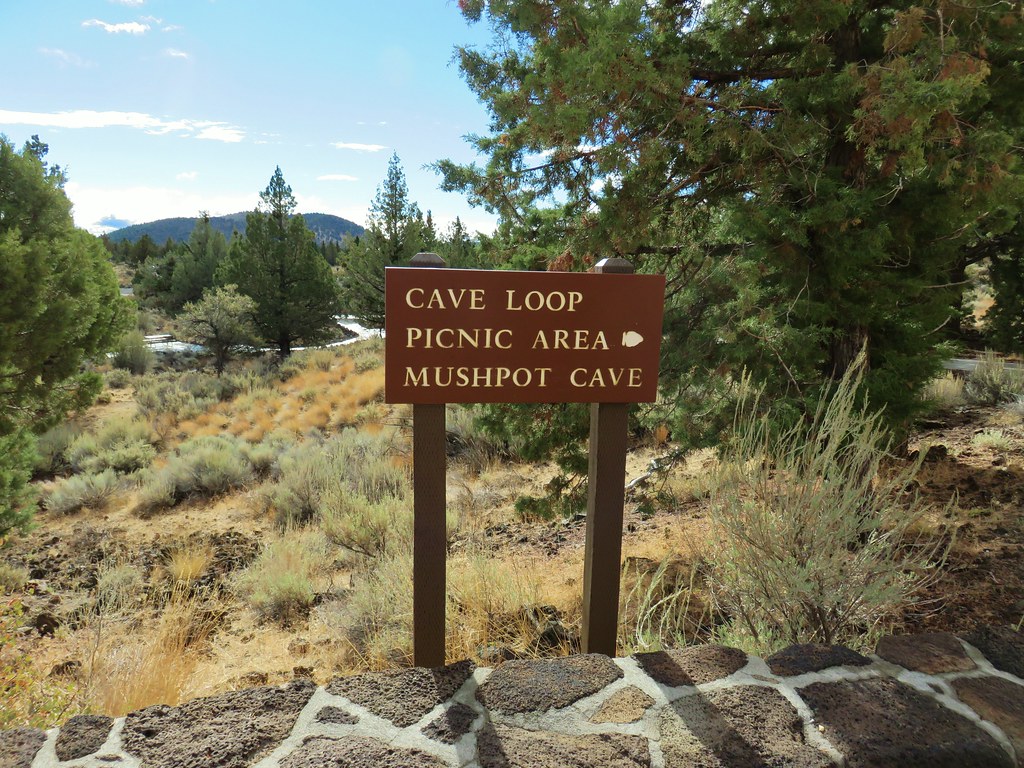
At the far end of the center we spotted the sign for the cave.
IMG_3619

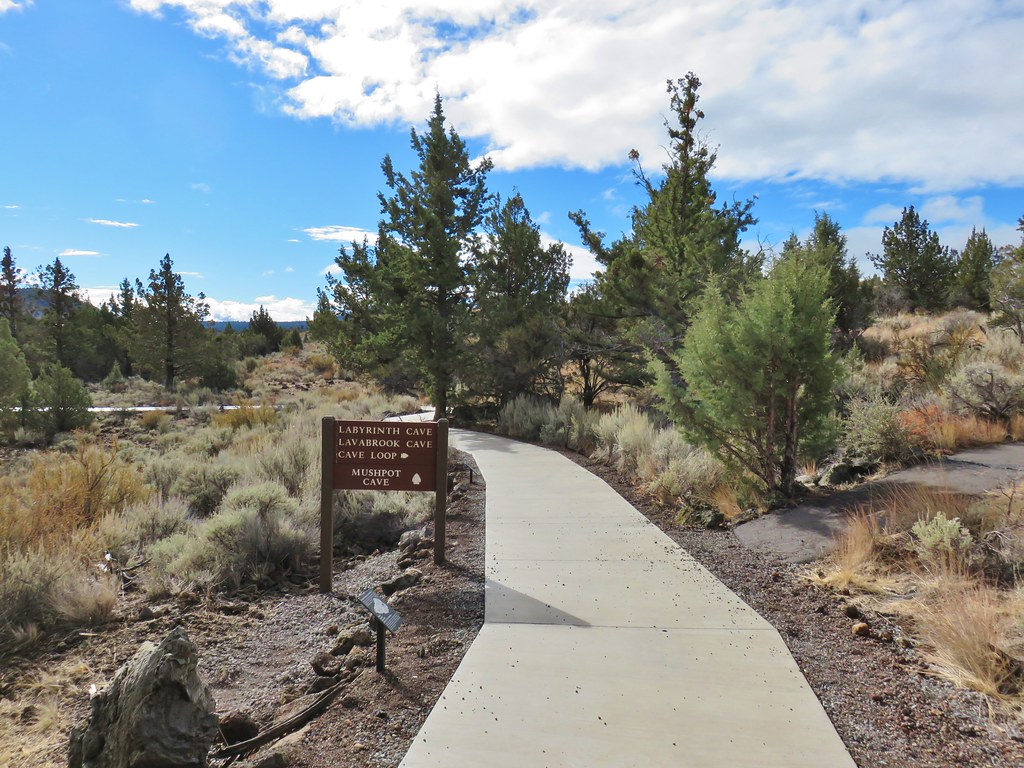
A .2 mile paved path led to the entrance of the lava tube.
IMG_3620

IMG_3622

IMG_3624

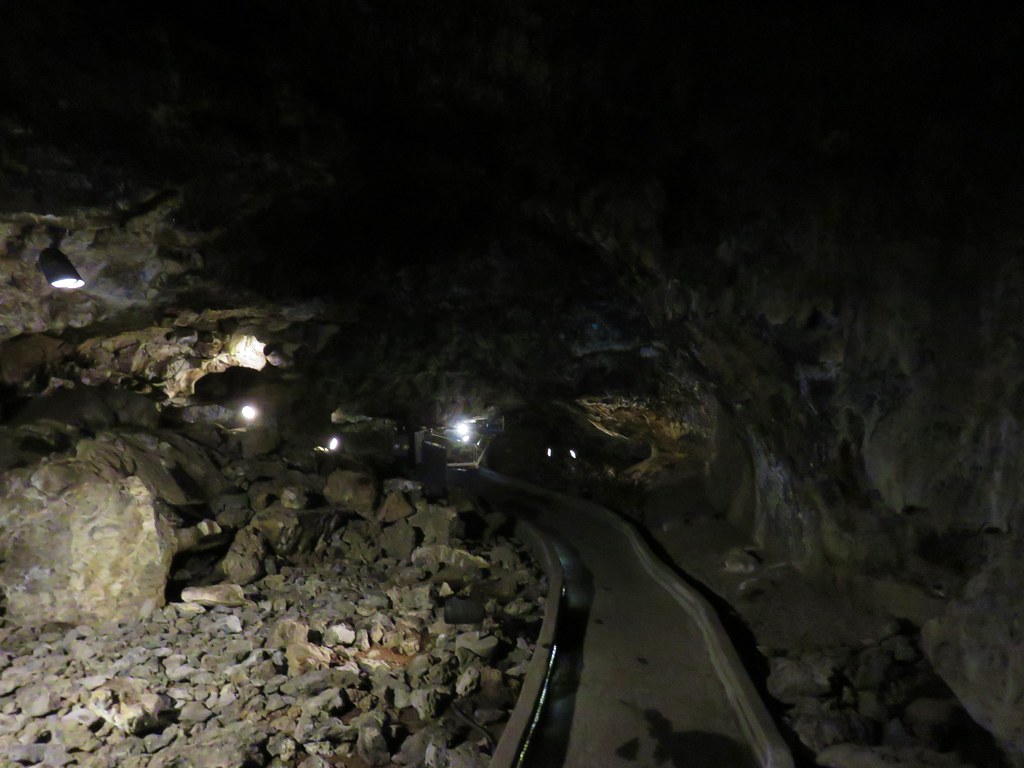
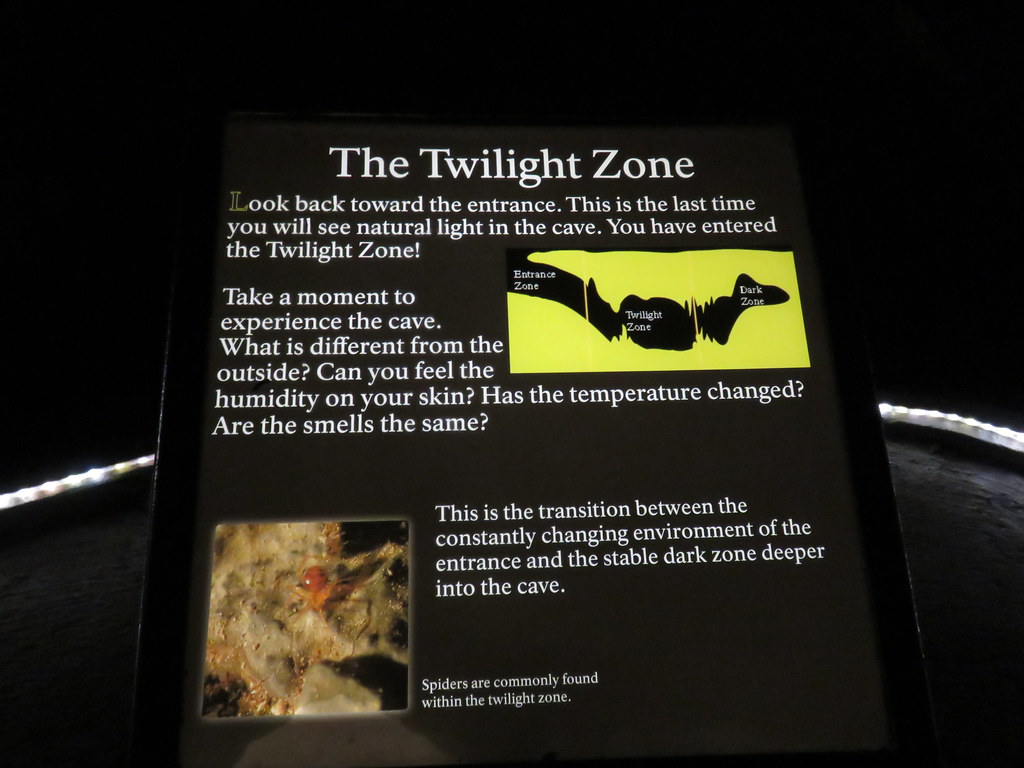
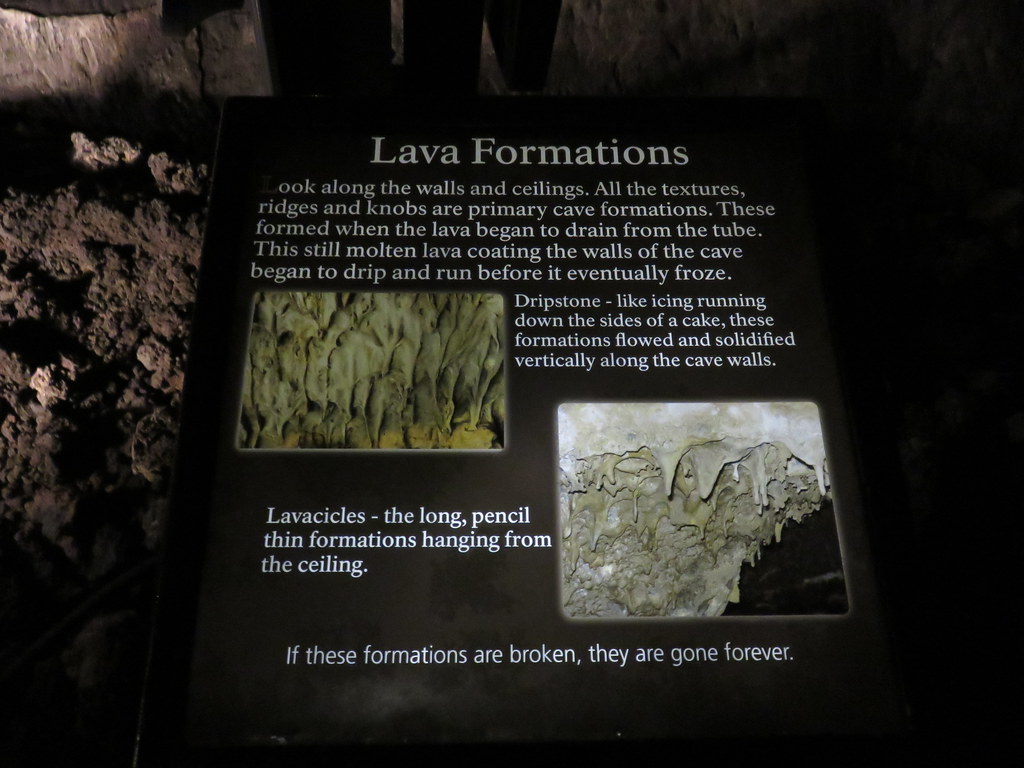
This is the only lighted cave in the Monument and also featured a paved path lined with interpretive signs.
IMG_3625

IMG_3634

IMG_3631

IMG_3648

IMG_3643

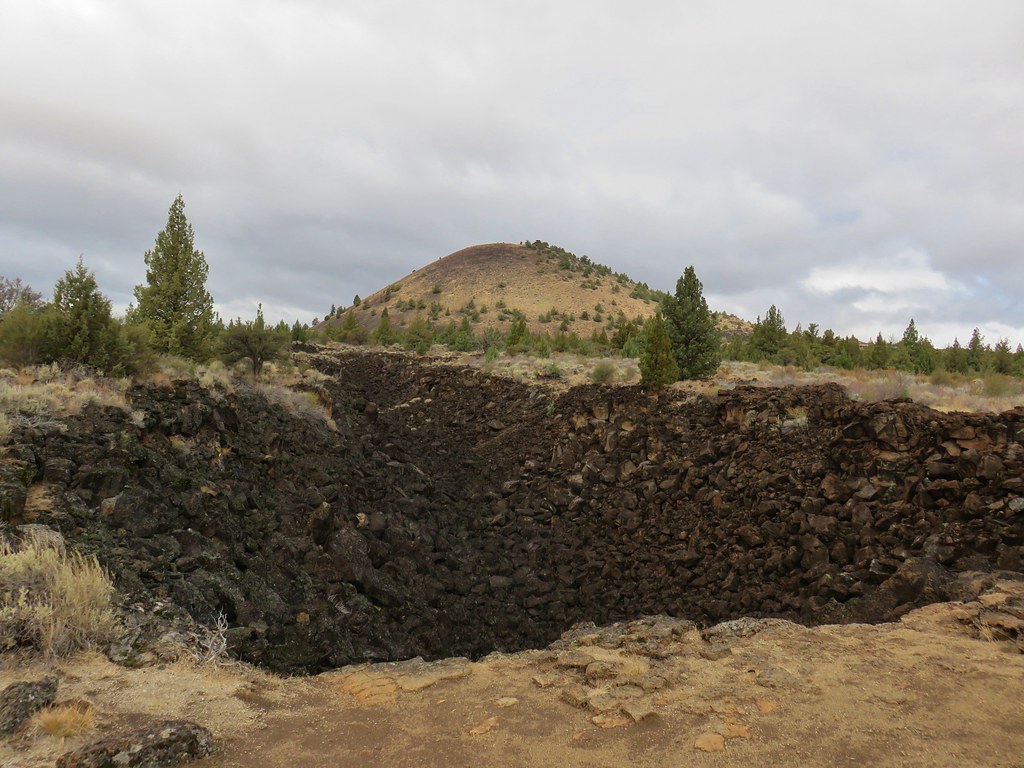
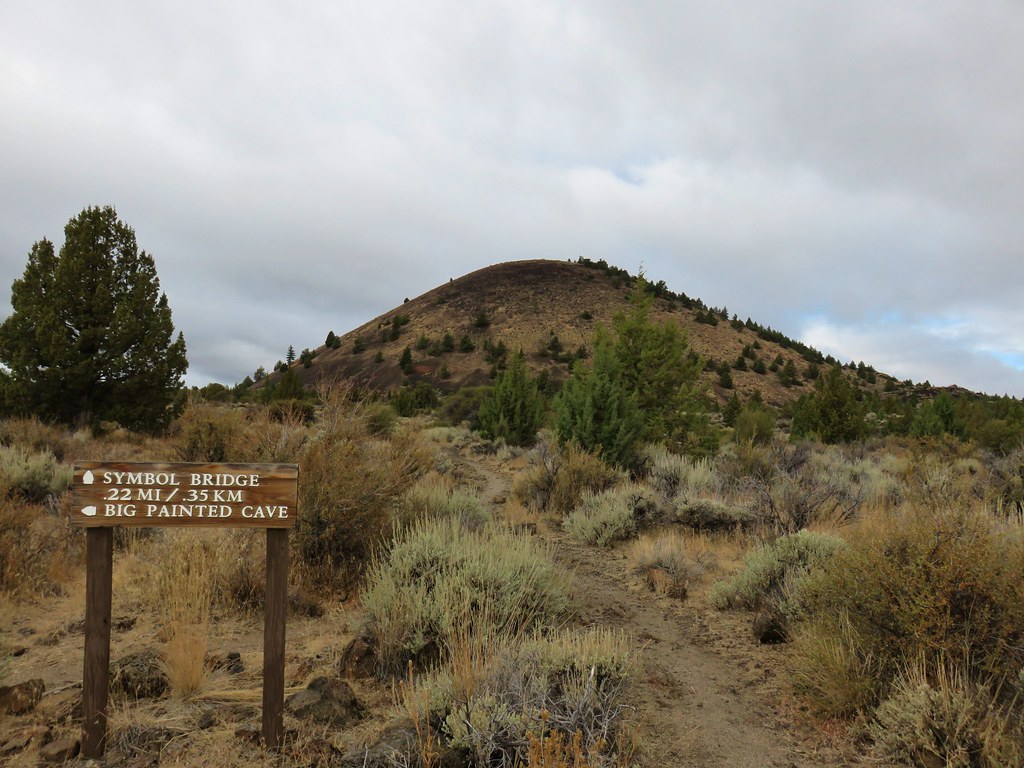
The lava tube is 770′ in length and does have a spot or two where we needed to duck under the low ceiling. We exited the cave and returned to our car. Since we were only there for the day we skipped the rest of the caves along the loop (a few were closed for bat mating season). Instead we drove north, once again, from the Visitor Center to a sign for Skull Cave where we turned right. After a mile we pulled into a small trailhead parking area for Symbol Bridge and Big Painted Cave.
IMG_3657

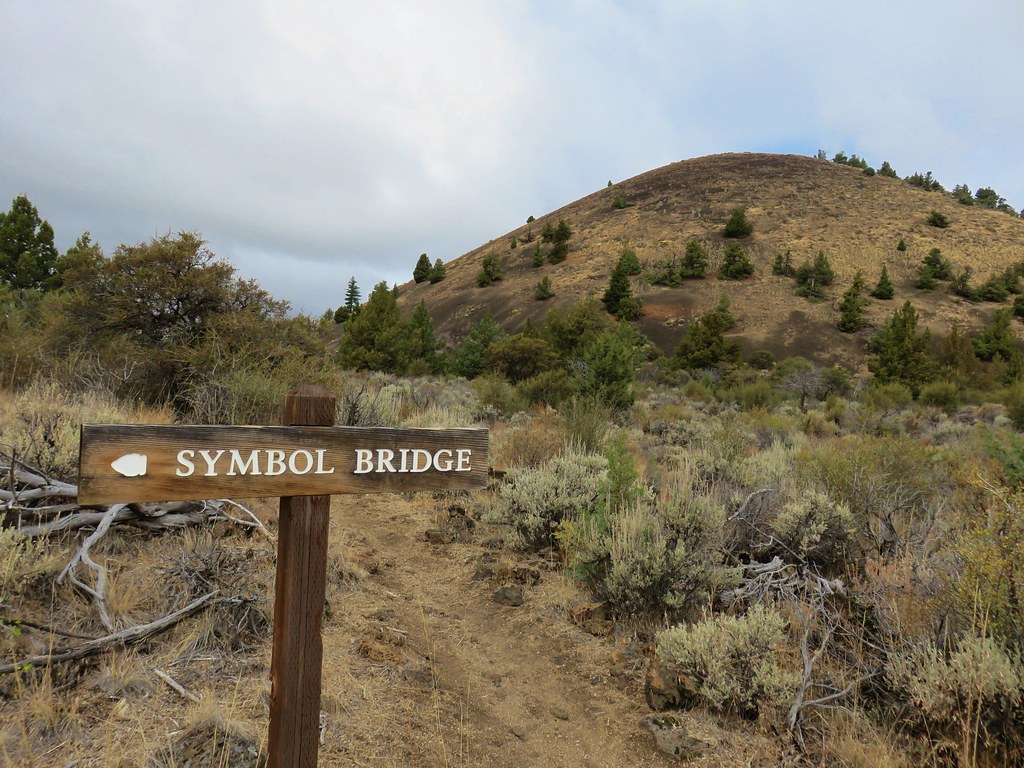
The short trail here passes several collapsed sections of a lava tube and offers a good view of Schonchin Butte.
IMG_3661

We turned left at a sign for Big Painted Cave.
IMG_3664

The signed cave entrance was only about 100′ along the spur trail.
IMG_3668

IMG_3669

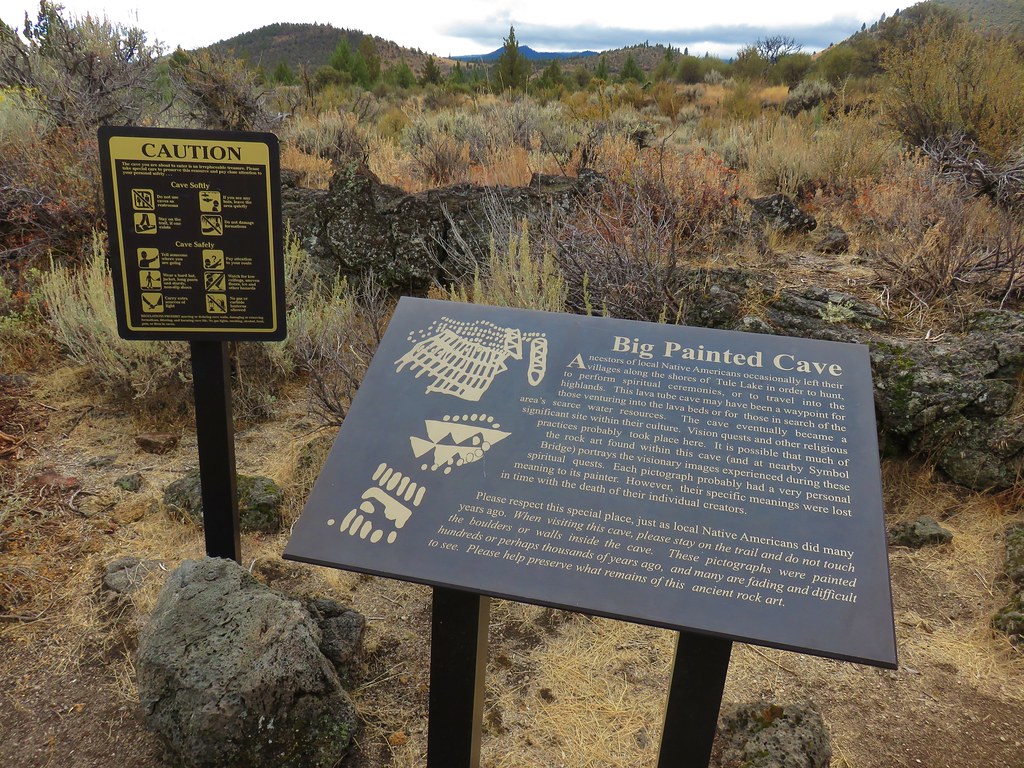
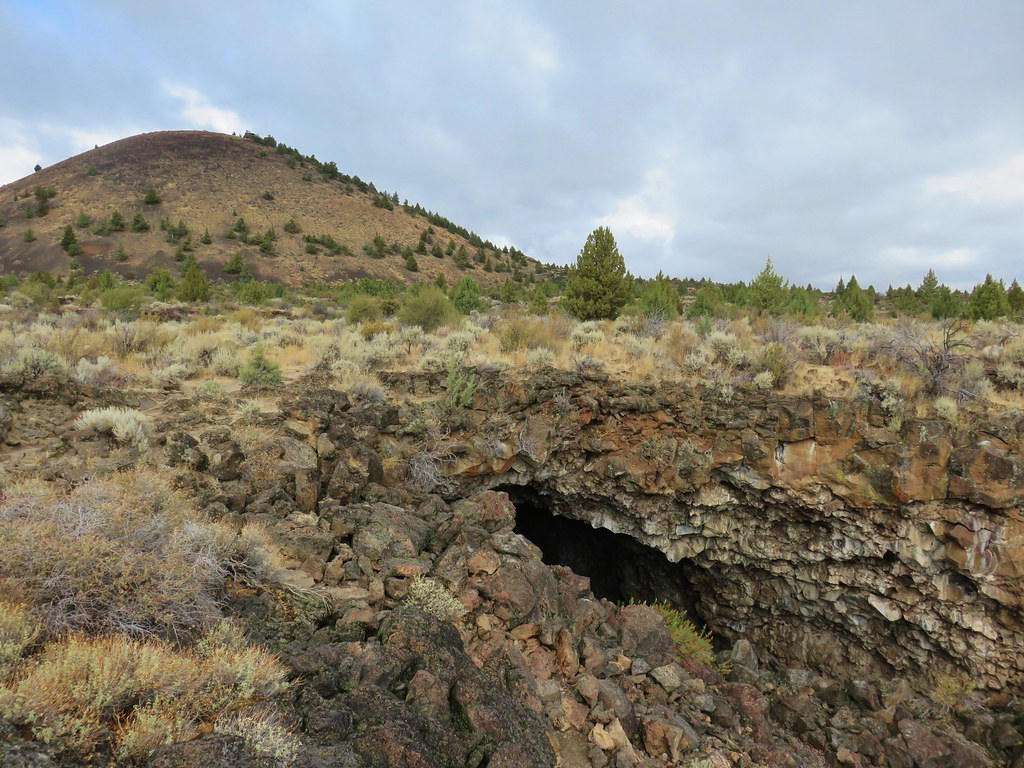
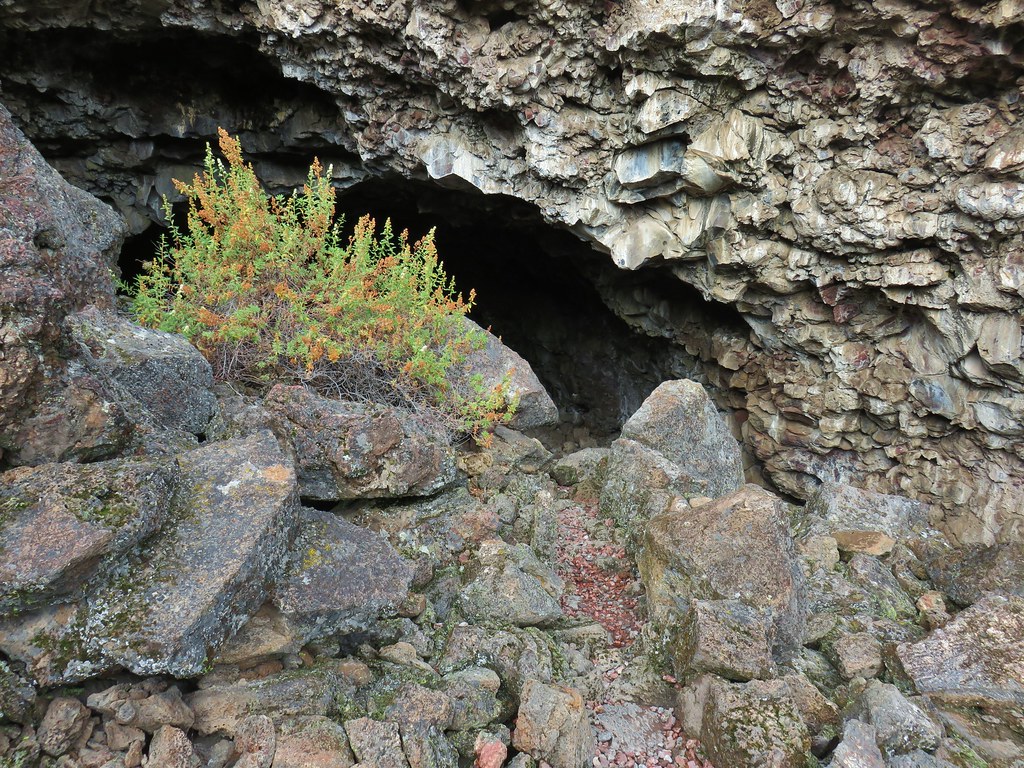
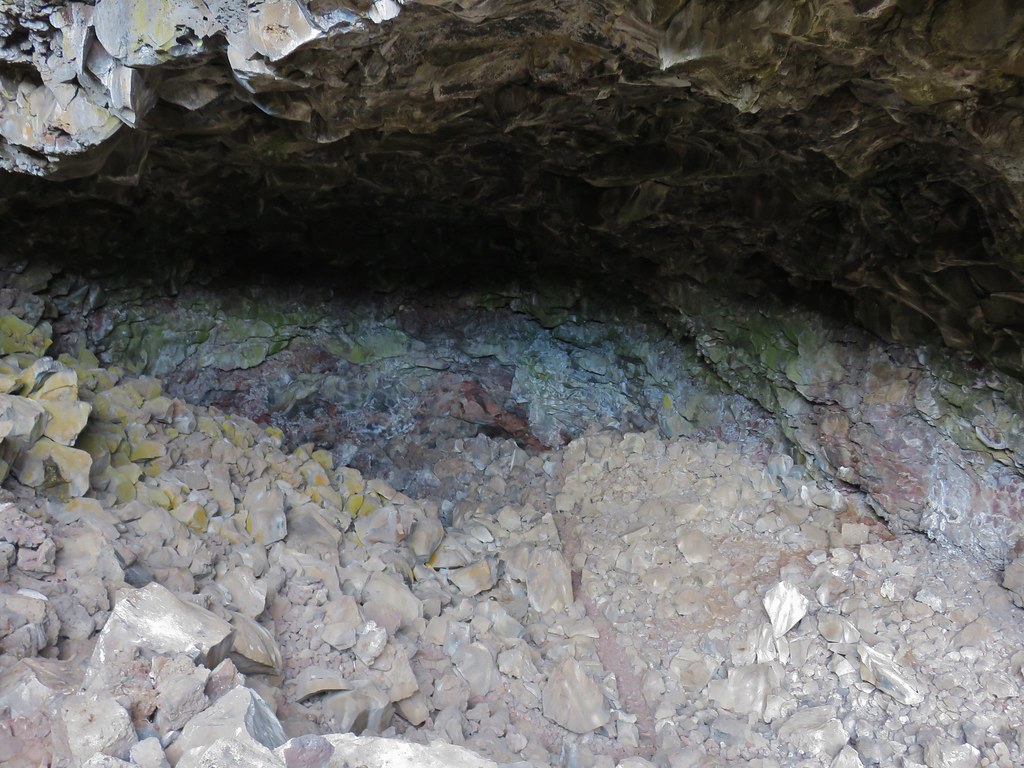
More of an overhang than a cave, a path led down to the entrance.
IMG_3670

IMG_3671

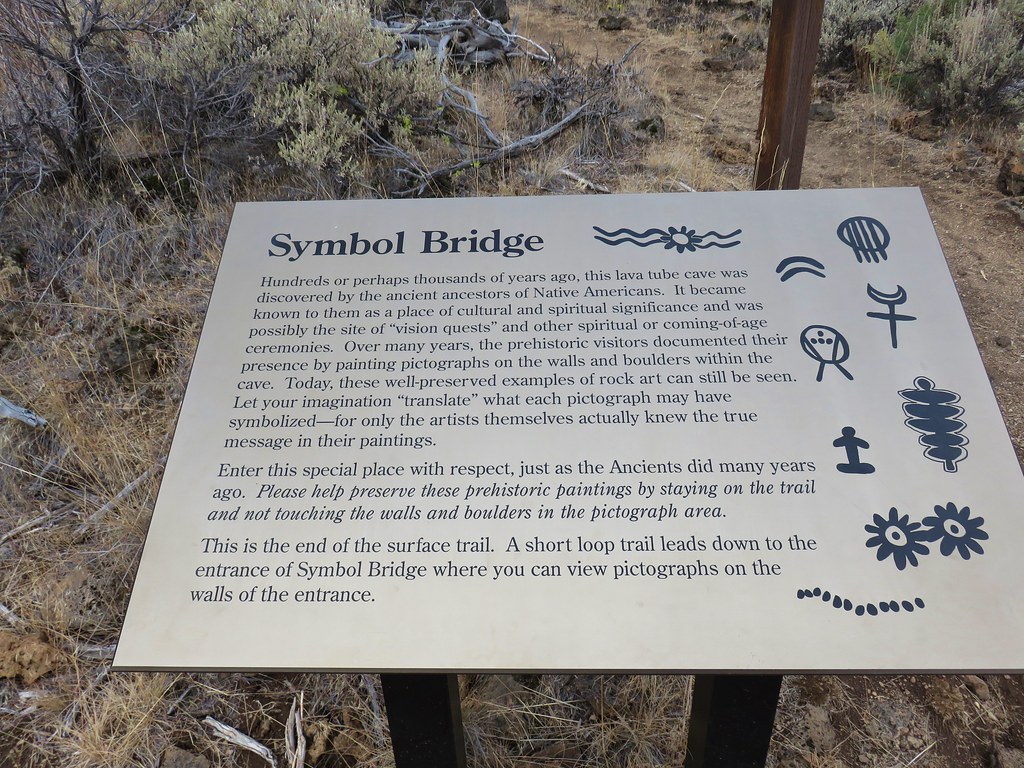
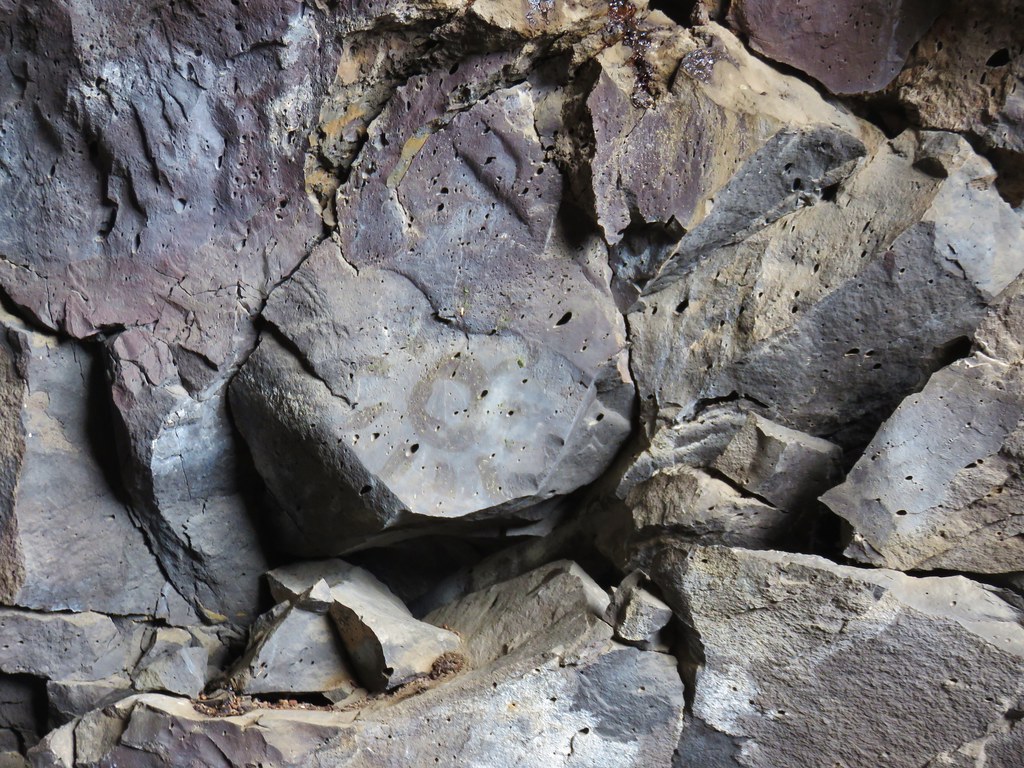
We honestly couldn’t make out any of the pictographs, the colored rocks made it difficult to tell what was natural and what wasn’t. It’s been a common theme for us when visiting pictograph sites.

We returned to the main trail and continued the short distance to Symbol Bridge.
IMG_3679

IMG_3680

IMG_3681

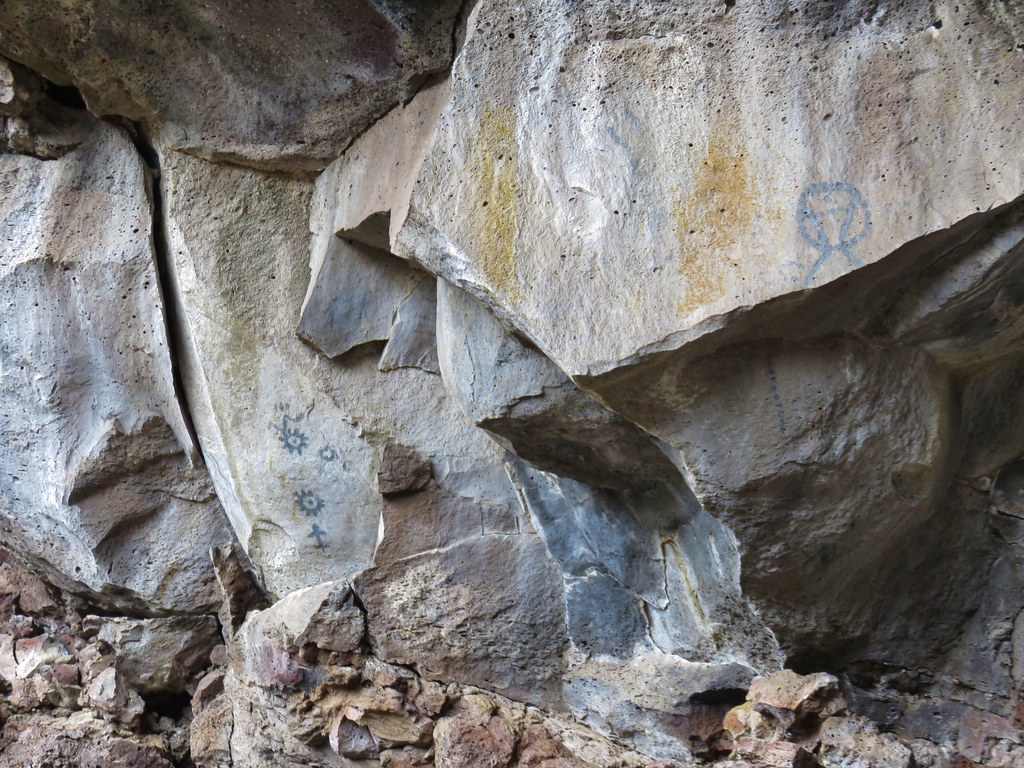
Again a short path led down to the cave entrance, but this time the pictographs were clearly evident.
IMG_3689

IMG_3691

IMG_3694

IMG_3705

IMG_3707

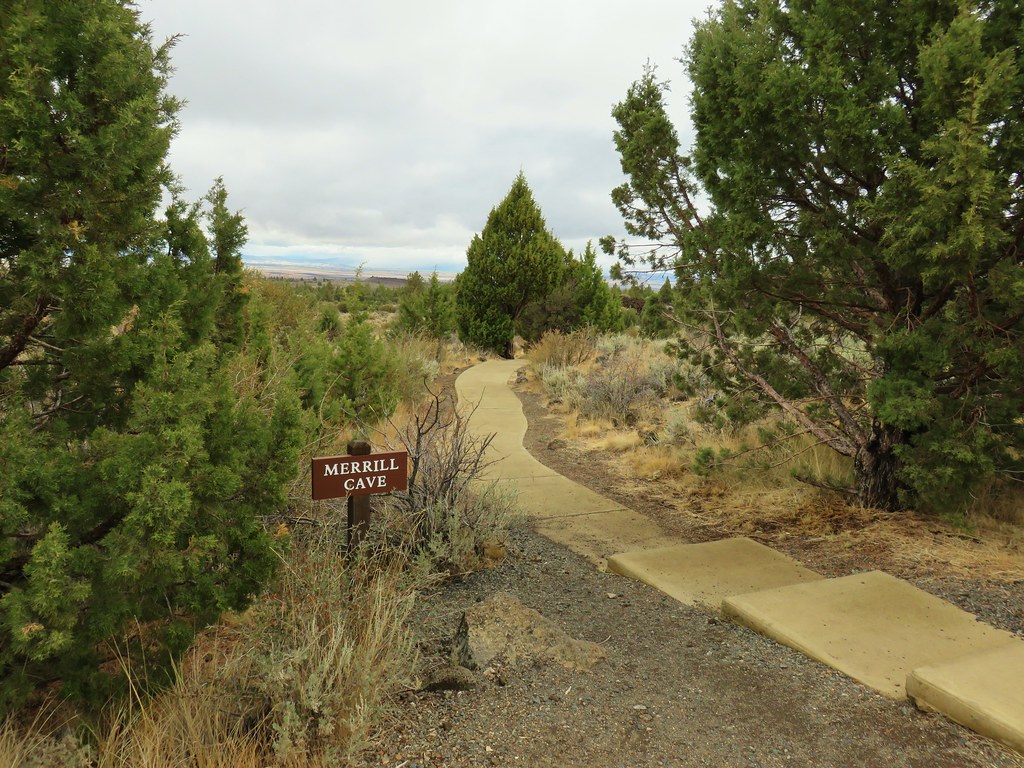
We headed back to the car happy to have finally been able to make out some drawings. After completing the two mile hike we continued driving north to a sign for Merrill Cave where we turned left for almost a mile to the shared Whitney Butte and Merrill Cave Trailhead.
IMG_3711

IMG_3712

Up until this point we had been following the recommended hikes in William L. Sullivan’s “100 Hikes/Travel Guide Eastern Oregon” 3rd edition, but these were from Bubba Suess’s “Hiking Northern California” book.
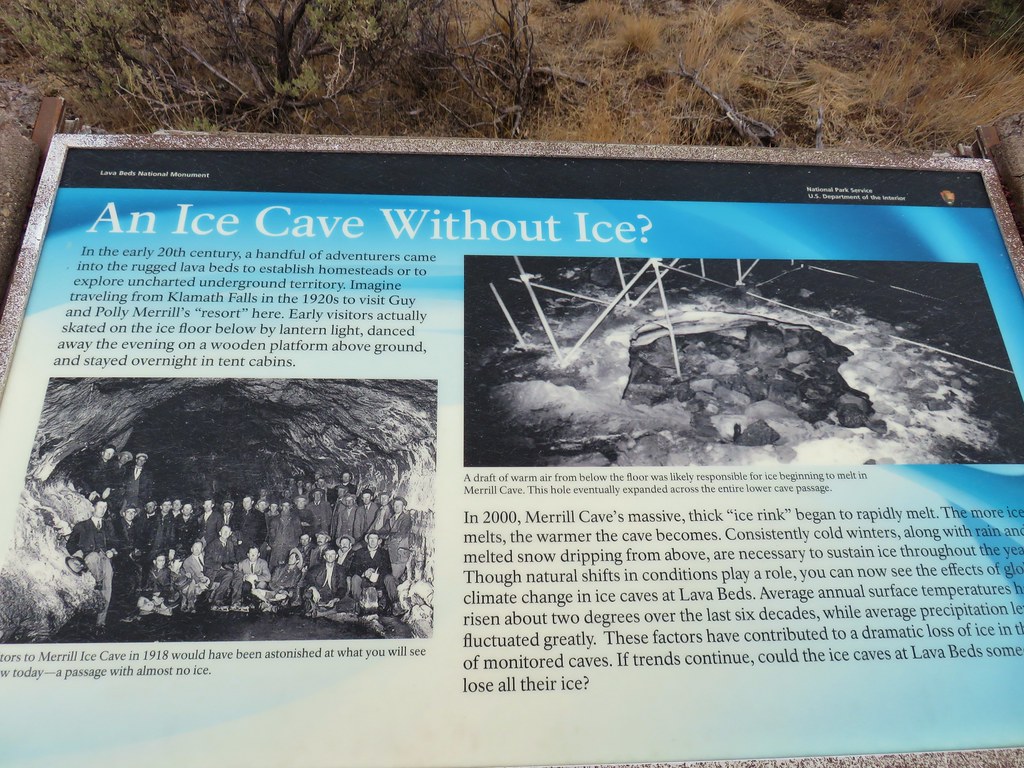
We started with the short path to Merrill Cave. An interpretive sign at the entrance told a familiar story, warming temperatures have led to the loss of ice in this cave like many others. 😦
IMG_3715

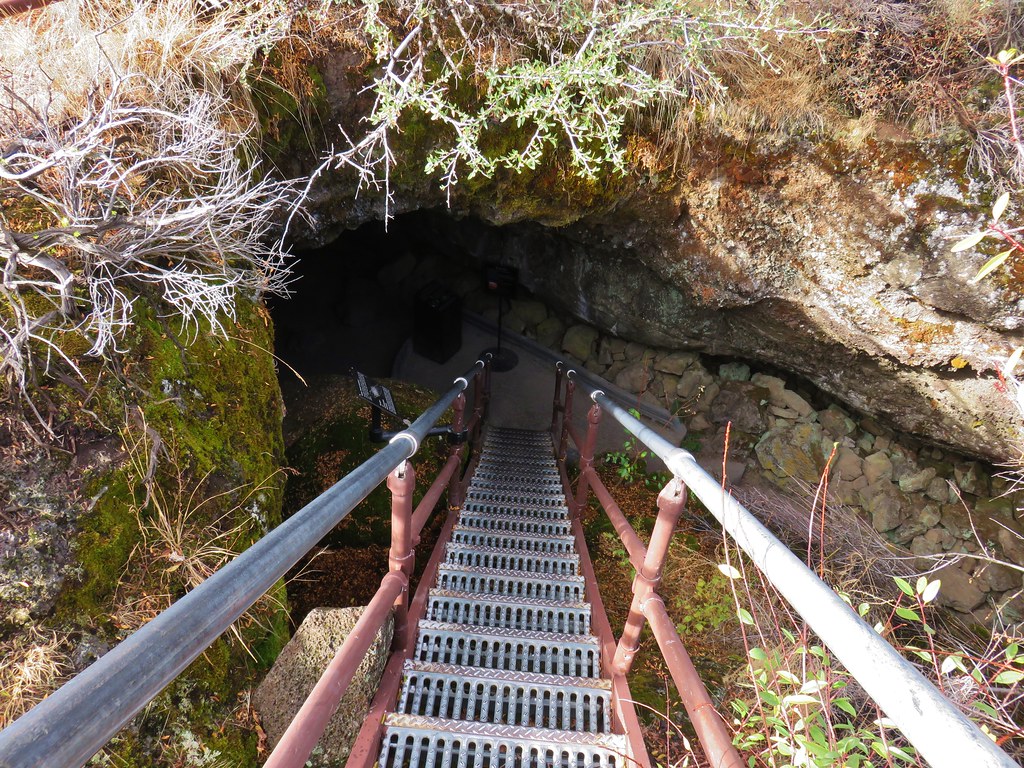
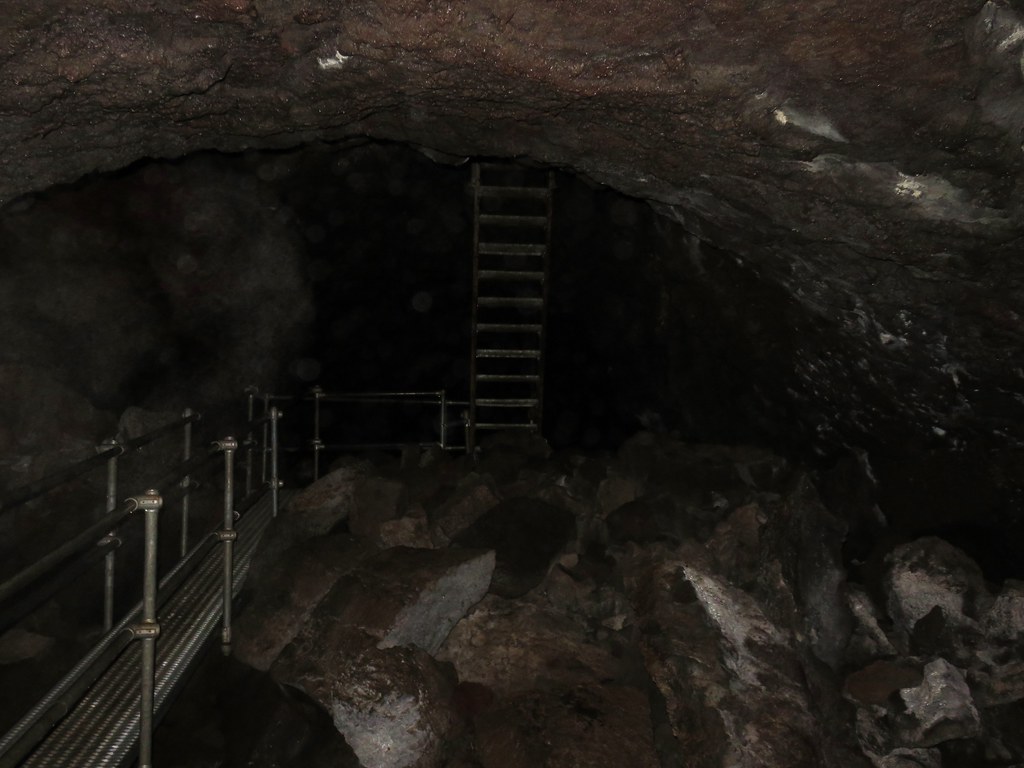
We descended the metal staircase and followed a metal walkway through the cave.
IMG_3717

IMG_3719

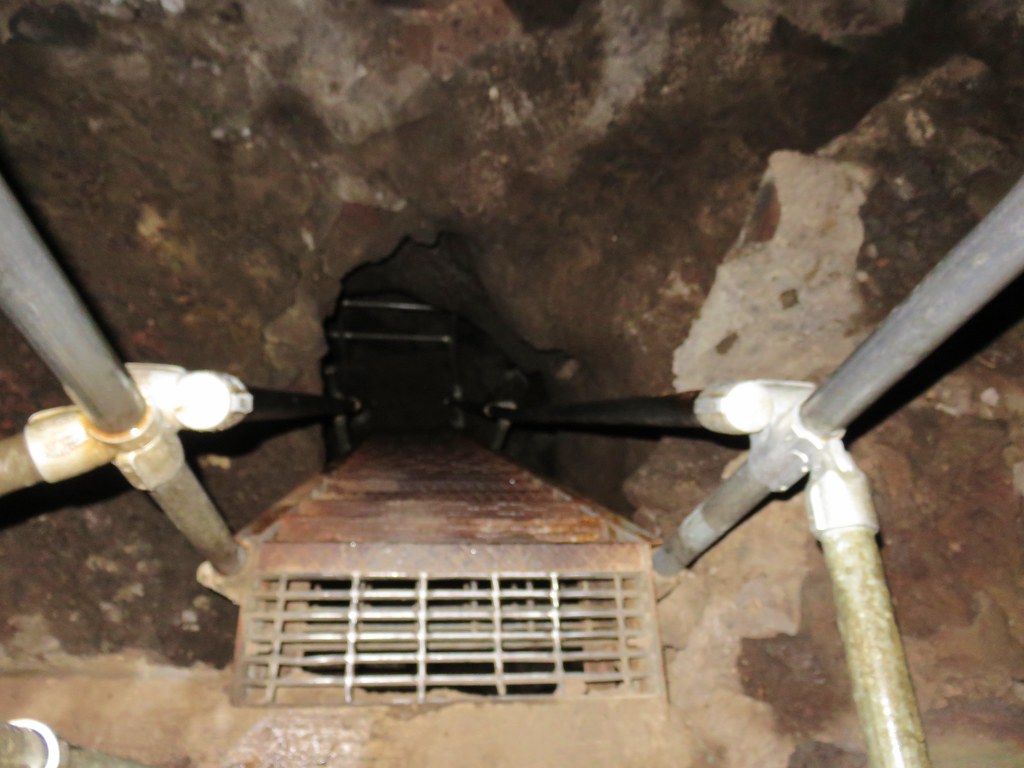
Near its end there was a metal ladder dropping down into an opening.
IMG_3720

The rails actually did have a little ice on them as we climbed down into the lower chamber where the path quickly ended.
IMG_3721

IMG_3725

We climbed back out of the cave and then started down the Whitney Butte Trail. One exciting prospect of the Whitney Butte Trail was that it would take us into the Lava Beds Wilderness.
IMG_3729

IMG_3733

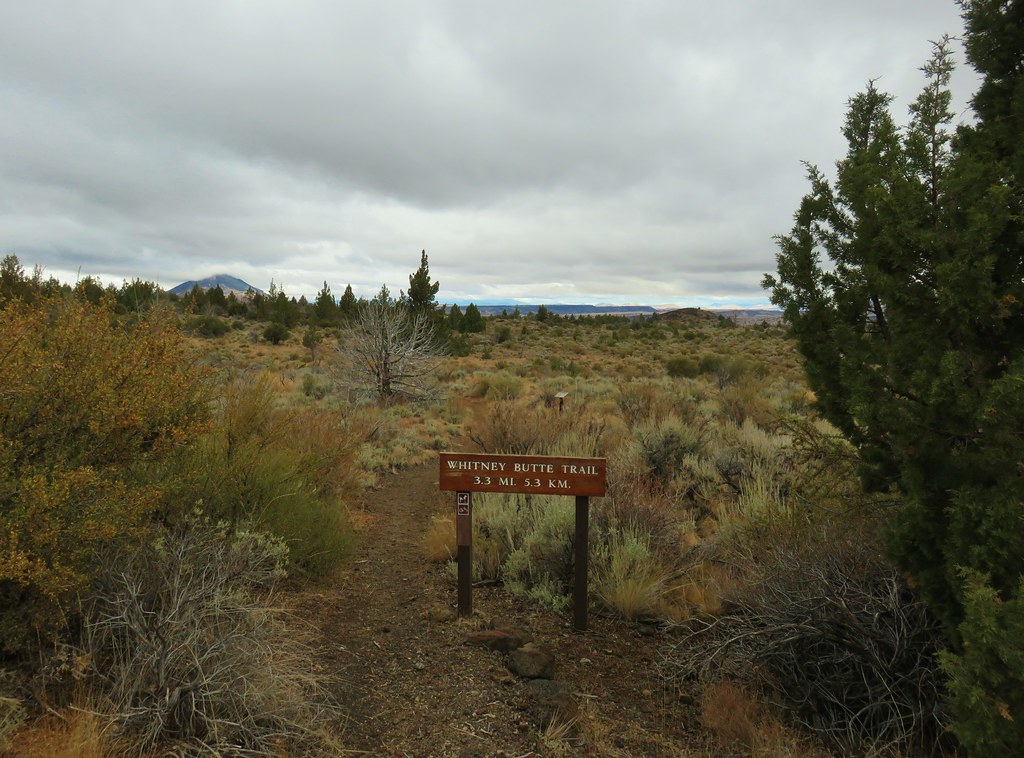
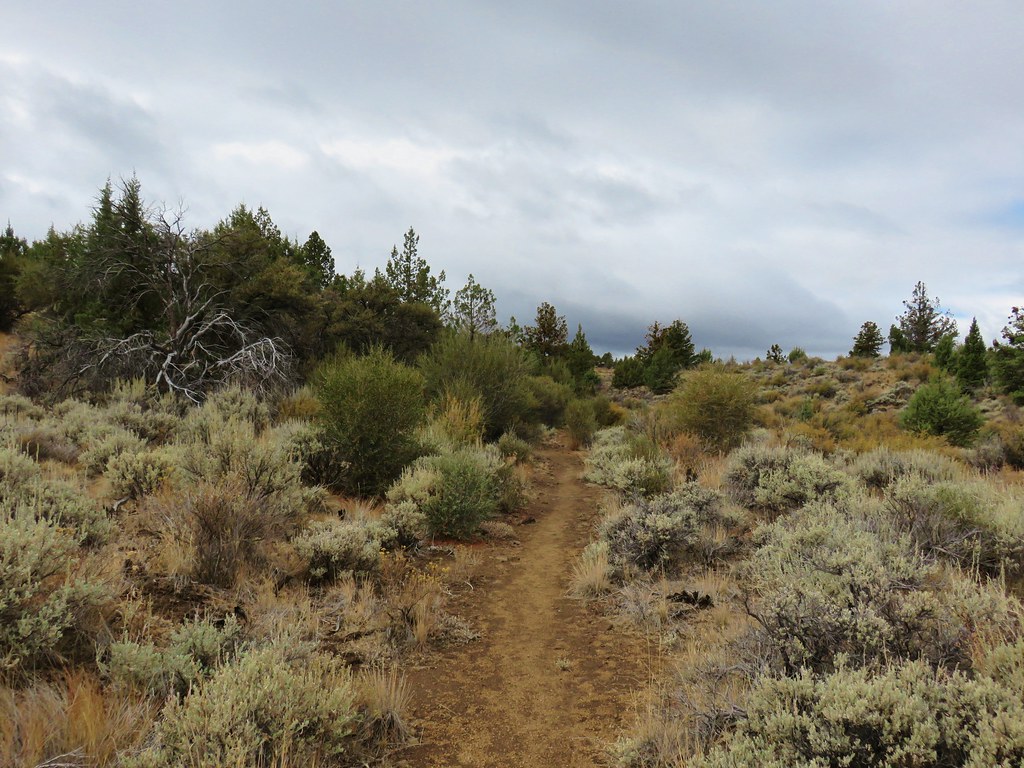
This was by far the longest hike we’d tackle on the day but was still just a little under 7 miles round trip. The Whitney Butte Trail began by passing through open sagebrush then skirted around an old lava flow.
IMG_3734

IMG_3737

IMG_3738

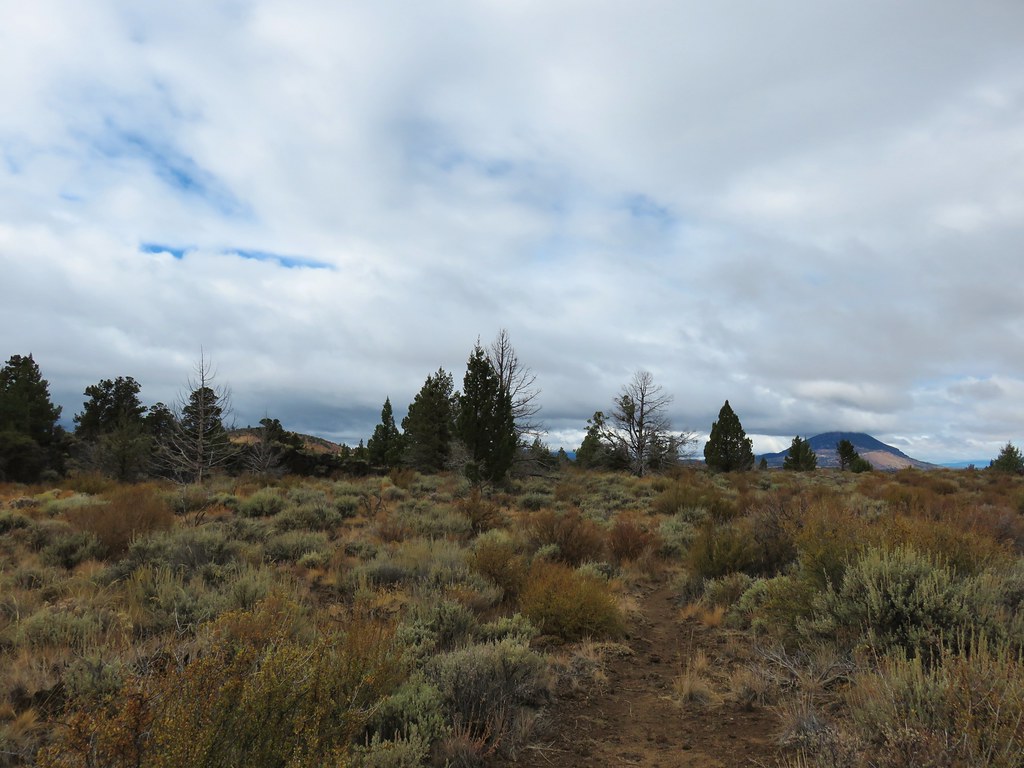
For much of the hike out, Mount Dome lay almost straight ahead and it was still holding onto its cloud cover. The trails namesake, Whitney Butte, stayed hidden for the first mile and a half before revealing itself to the left of the trail.
IMG_3740Whitney Butte to the left and Mount Dome to the right.

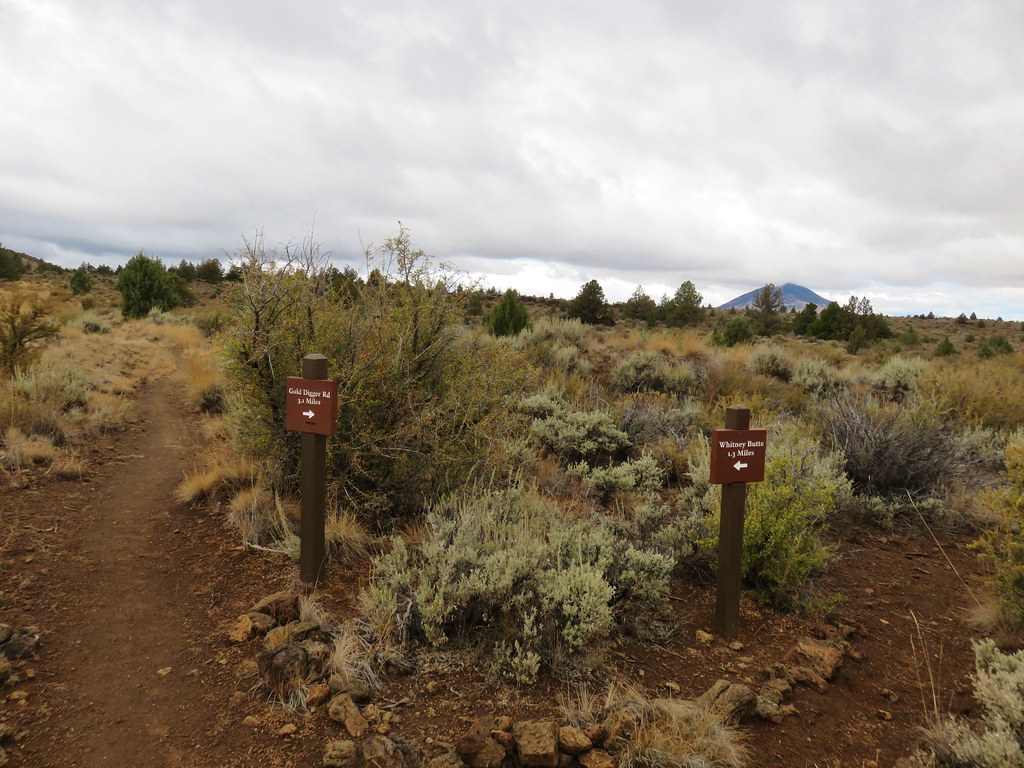
Approximately 2.2 miles into the hike we passed a trail signed for Gold Digger Road.
IMG_3744

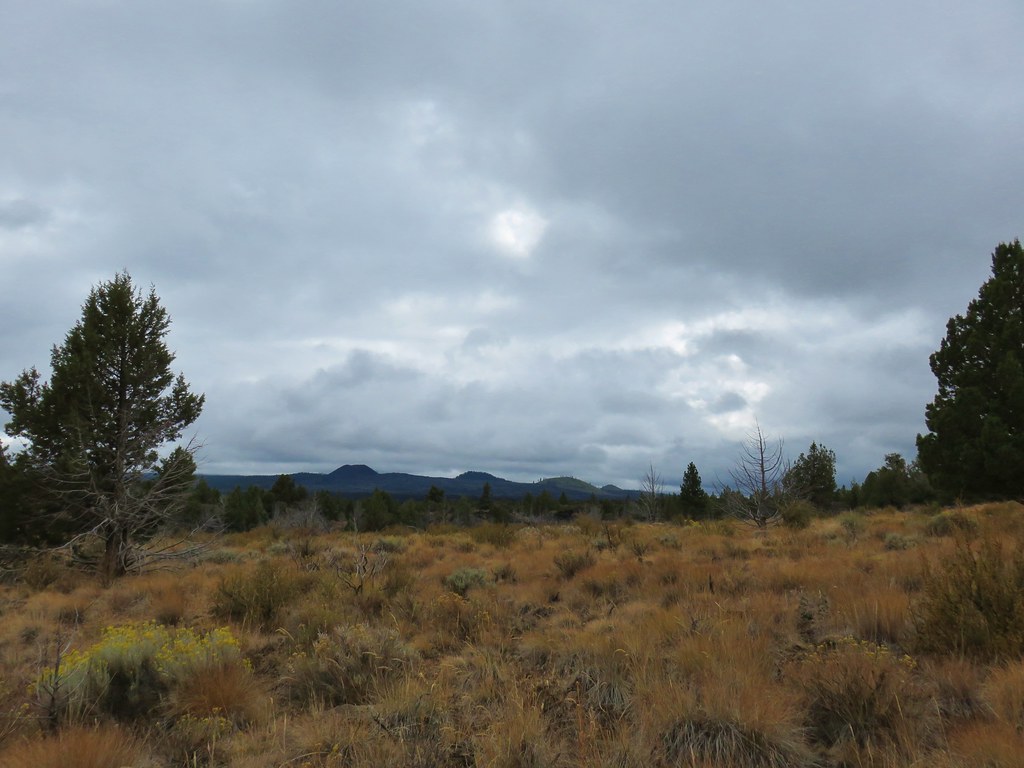
The clouds had actually increased a bit during the day and we were feeling occasional rain drops which weren’t a big deal, but the cloud cover did put a hamper on the views. Many lower buttes were visible but the higher peaks were hidden.
IMG_3745

As we passed by Whitney Butte we began scouting out a route down. Our plan was to follow a suggested off trail visit to the top of the butte described in the guidebook. The most gently sloping ridge appeared to come down the eastern side of the butte.
IMG_3745

We stayed on the Whitney Butte Trail until it ended at the Callahan Lava Flow.
IMG_3753

IMG_3754

From the lava we turned left and headed up Whitney Butte.
IMG_3756

It was a relatively easy scramble which provided some nice views despite not being able to see Mt. Shasta or Mt. McLoughlin due to the cloud cover. On the other hand Mount Dome finally broke free of the last of its clouds.
IMG_3759

IMG_3774

IMG_3773

IMG_3767

In addition to the views we spotted some wildlife.
IMG_3761

IMG_3765

IMG_3784

IMG_3781

On top of the butte we stayed left around a pair of craters and attempted to descend on the ridge we’d picked out on the way by.
IMG_3792

We actually overshot it a bit but still had no problem coming down the old cinder cone and reconnecting with the Whitney Butte Trail. The clouds were now breaking up again as we headed back to the trailhead. Our next destination, Schonchin Butte, was visible for most of the hike back.
IMG_3793

IMG_3794

After finishing the hike we once again drove a short distance north to a signed gravel road for Schonchin Butte. After a mile of good gravel we parked at the trailhead and started up the Schonchin Butte Trail.
IMG_3797

The trail was well graded and the views were great making the climb feel fairly easy.
IMG_3802Tule Lake

IMG_3805Whitney Butte and Mount Dome

After .6 miles the trail split allowing for a loop around the crater and past the Schonchin Butte Lookout.
IMG_3808

IMG_3816

As we made our way around the loop we got a view down to the Symbol Bridge Trail.
IMG_3827

IMG_3828

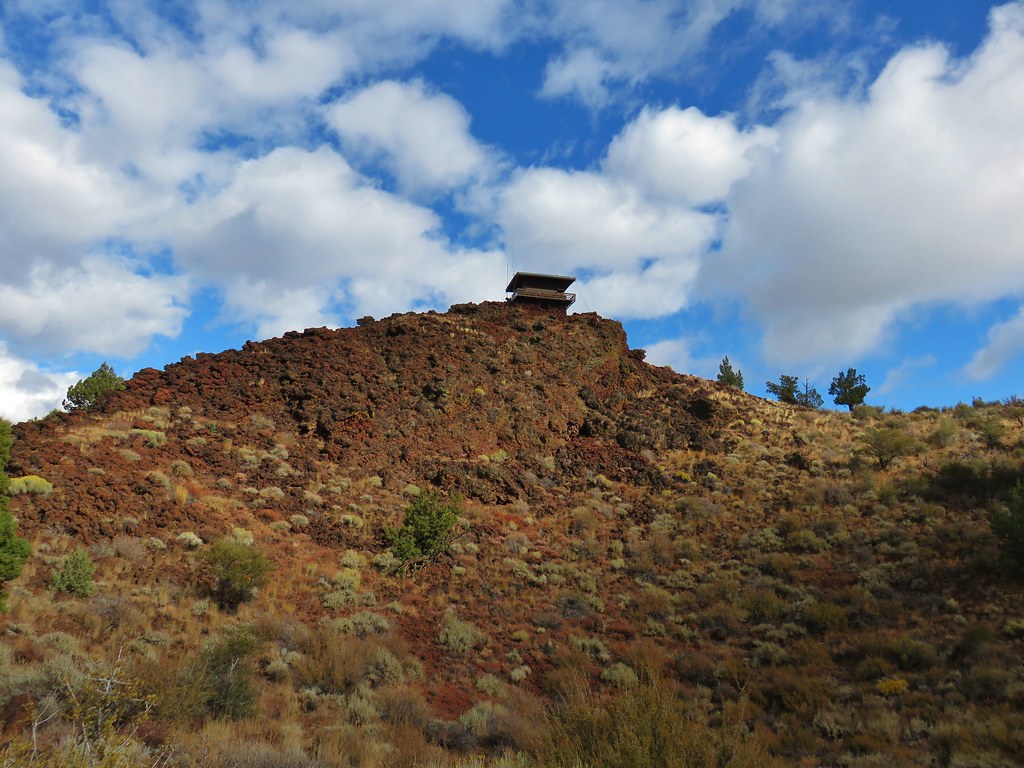
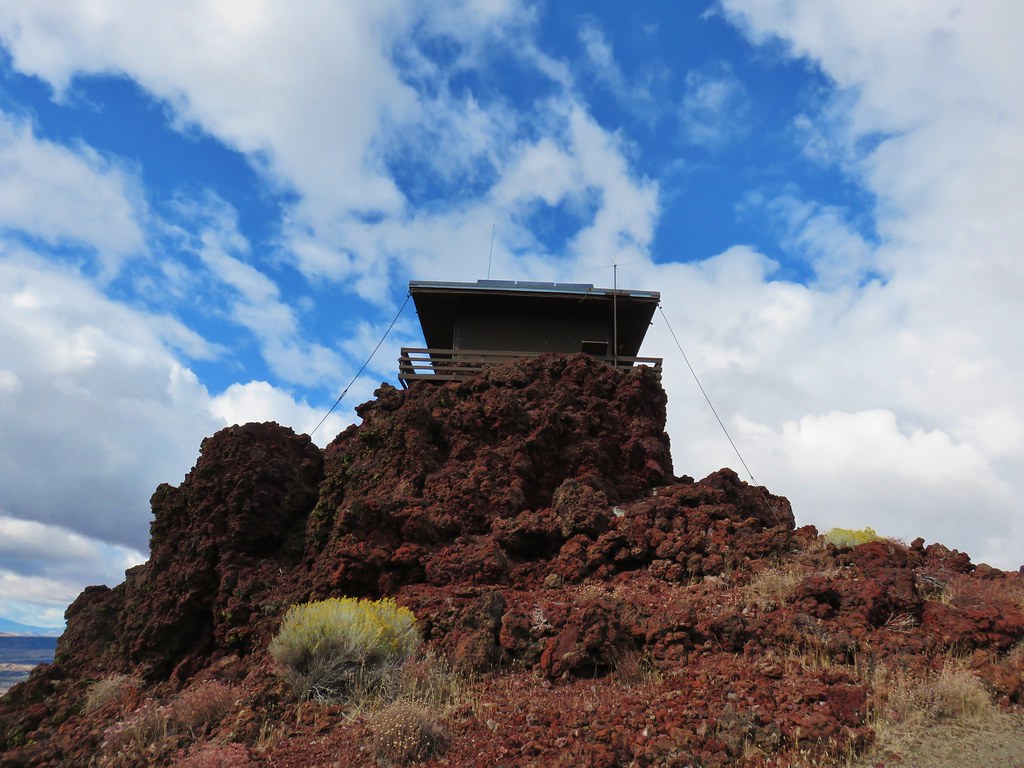
The lookout tower was perched on lava rocks that looked like bricks.
IMG_3830

IMG_3847

Along the deck were identifiers for the area landmarks, some visible and some not.
IMG_3840

IMG_3841

After identifying the landmarks that were visible we completed the loop and returned to our car. From Schonchin Butte we drove back to the fee booth at the northern park entrance and turned right onto Rim Road for 3.2 miles to a signed pullout for Captain Jack’s Stronghold.
IMG_3851

Here two loops (short and long) explore the area where a small force of Modoc held out against the U.S. Army in 1872-73.
IMG_3852

We unfortunately did not grab a trail guide for the interpretive trail which we greatly regretted. After climbing a small hill a trail sign pointed out the shared beginning of both loops.
IMG_3855

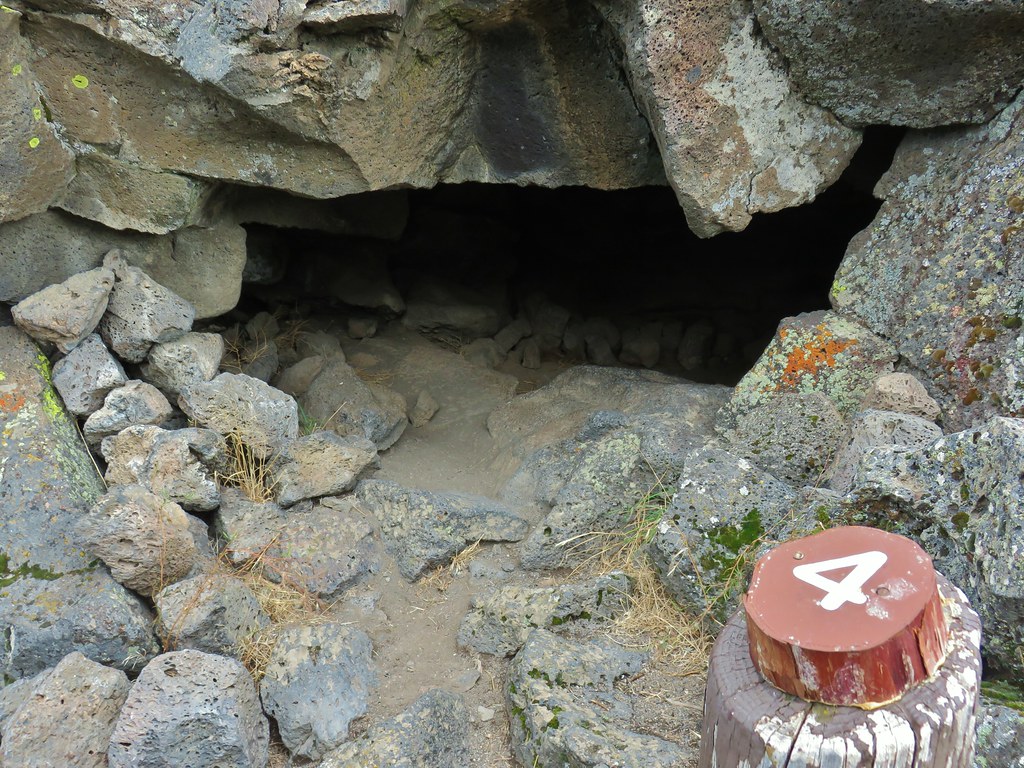
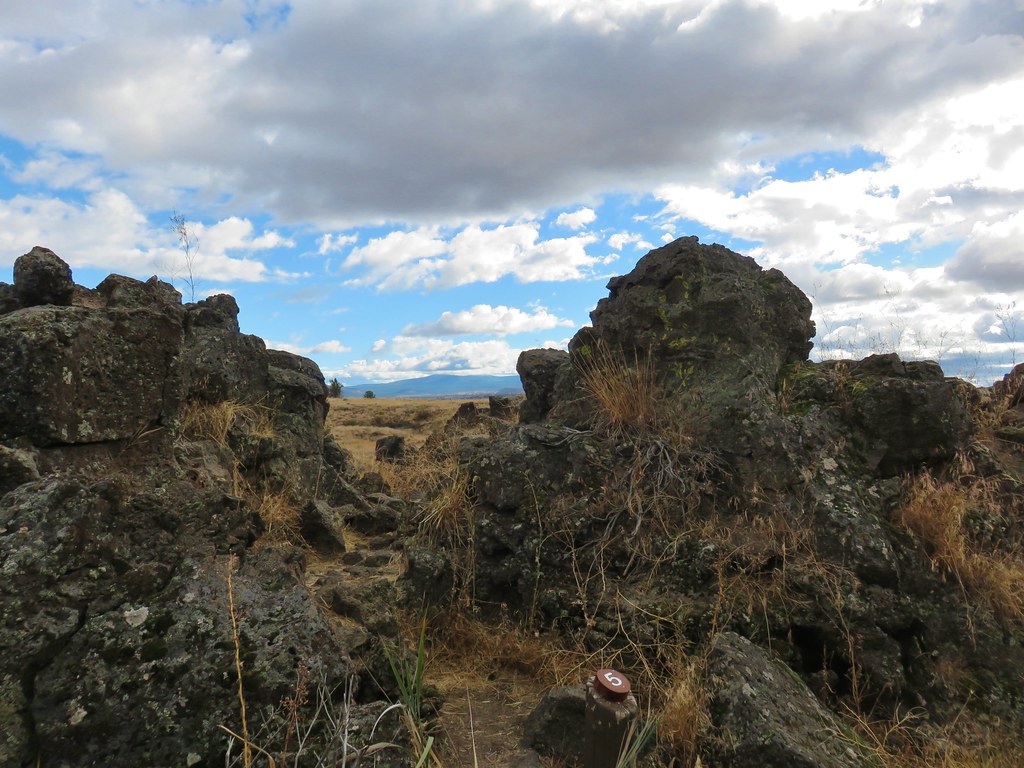
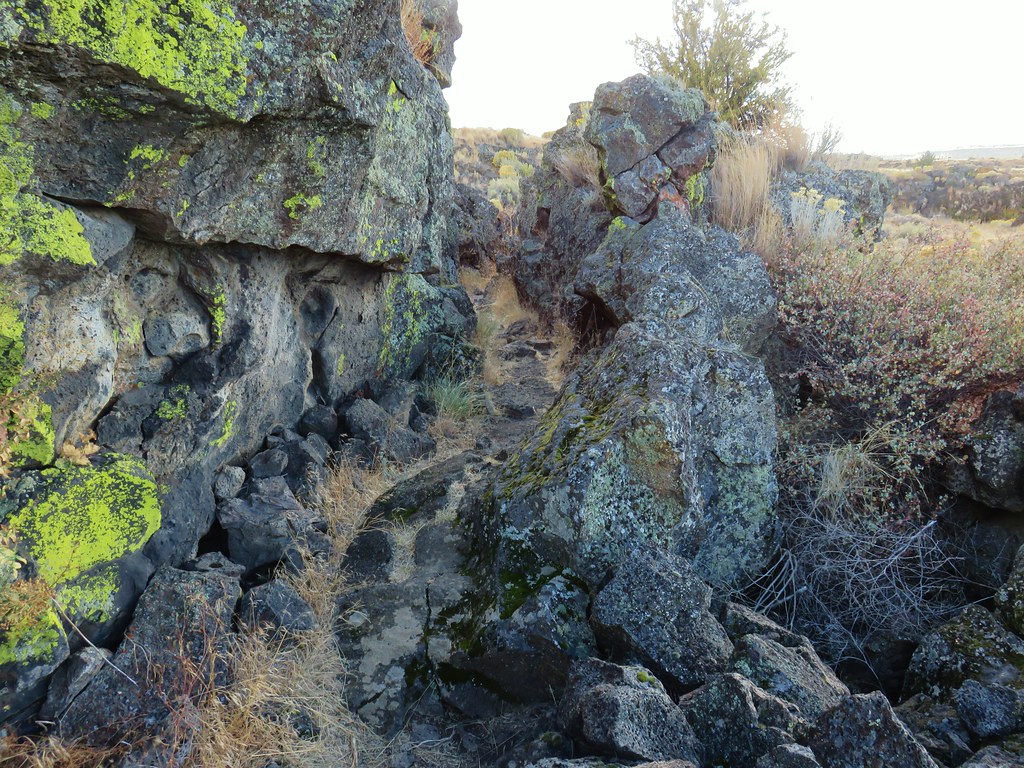
The trail led through lava formations with narrow passages and small caves. Numbered signs along the way marked items that we could have read about if we had grabbed a guide.
IMG_3859

IMG_3860

IMG_3864

IMG_3866

IMG_3871

IMG_3879

At the .3 mile mark the loops split with the shorter return route to the right and the longer loop to the left. We went left.
IMG_3881

IMG_3882

IMG_3883

IMG_3889

IMG_3907

The long loop was a mile and a half versus a half mile for the short loop option. The extra mile was well worth it even without the companion trail guide. Near the end of the loop we spotted a pair of deer munching on some leaves.
IMG_3915

IMG_3925

We had one final stop planned before leaving the Monument for good so when we got back to our car we continued east on what became County Road 120 following signs for Petroglyph Point. Along the way we briefly reentered the Tule Lake National Wildlife Refuge where we wound up stopping again to gawk at the wildlife.
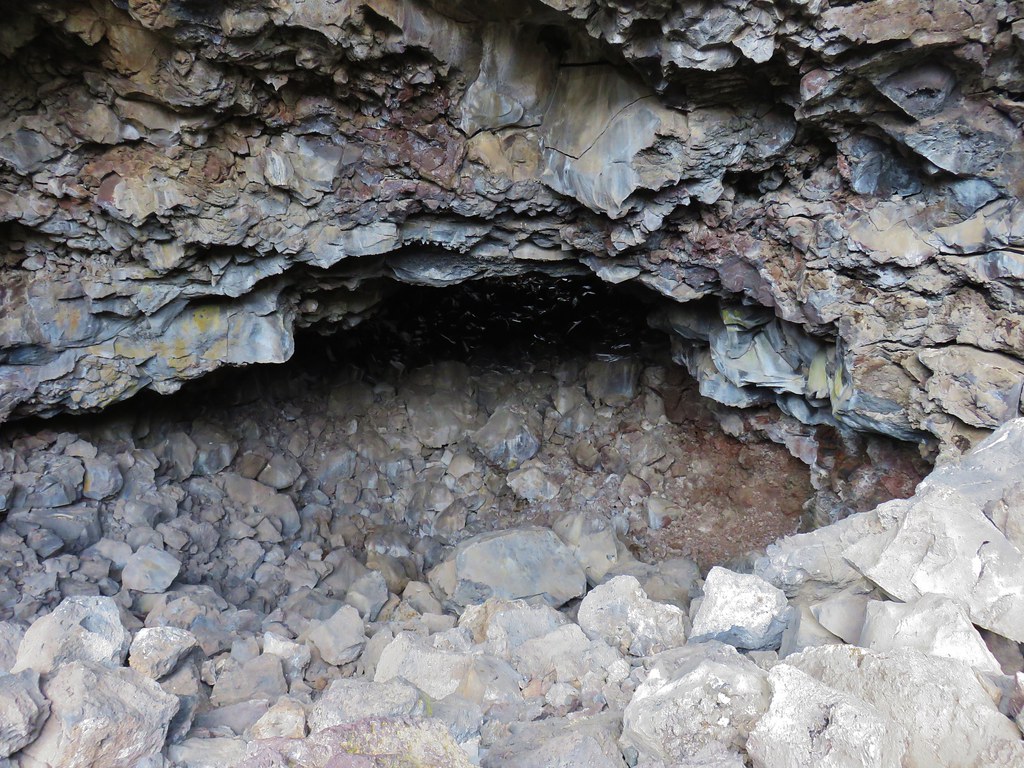
IMG_3930

IMG_3928

IMG_3942

IMG_3936

We left County Road 120 when prompted by the signage and soon found ourselves pulling into a large parking area near the base of Petroglyph Point.
IMG_3950

Here we walked along a fence (to protect the thousands of petroglyphs)for .3 miles marveling at all the designs.
IMG_3955

IMG_3954

IMG_3969

IMG_3979

IMG_3987

IMG_3990

IMG_4005

IMG_4011

The cliffs above were fairly impressive on their own.
IMG_3959

IMG_3994

After spending quite a while contemplating the art we headed back to Klamath Falls. It was a full day for sure having spent over 10 hours in the Monument and logging around 16.5 miles but well worth the time and effort. Even with all of that there is still much left there to explore on our next visit. Happy Trails!

Flickr: Lava Beds National Monument

Categories
Year-end wrap up

The Hikes of 2017 – A Look Back

Once again it’s time for our year end review post. Each year has a bit of a different feel to it, but this year was especially so. This was by far the most challenging year we’ve faced in terms of being able to visit the trails we’d planned on. A heavy winter snow pack lingered delaying access to many areas. Then an unusually bad fire season closed much of the Mt. Jefferson and Three Sisters Wilderness areas as well as parts of the Columbia Gorge. Snow returned in mid-September causing more changes to our plans. In the end plans for 39 of our originally scheduled 63 days of hiking were pushed out to future years as well as 2 additional short hikes that were part of multi stop days. Plans for another 12 of those days were shifted around on the schedule which meant that only 10 of our originally planned days occurred as we had envisioned them in January. We had also planned on spending 18 nights backpacking but wound up with a measly 3 nights in the tent. Despite all the issues we actually managed to end the year having hiked on 64 days and covered 751.6 miles.

Here is a look at where we wound up. The blue hiker symbols denote trailheads and the two yellow houses are the approximate location of our two backpacking campsites.
2017 Trailheads

Due to the issues with access to so many locations the mix of hikes this year was very different. An example of this is the average high point of our hikes:

                     2013-2016                2017
Jan.-Apr.    1444′                        1776′
May             2718′                        2355′
June            4900′                        3690′
July             5553′                        6530′
August       6419′                        3048′
Sept.           6400′                        4175′
Oct.             4886′                        3484′
Nov.-Dec.   2042′                        750′

Another example is our mileage distribution:

                     2013-2016                2017
Jan.-Apr.    9.19%                       9.74%
May             13.57%                     14.14%
June            13.75%                      13.50%
July             13.75%                      19.15%
August       19.33%                      6.07%
Sept.           14.13%                      23.28%
Oct.             12.17%                      10.36%
Nov.-Dec.   4.11%                        3.75%

As you can see August was way off the norm with many of those miles coming in September this year. Several wildfires were burning by then and we also changed some plans due to work and family commitments. Finally we chose to stick close to home the weekend of the solar eclipse .

On many occasions we visited multiple trailheads in a single day. We had been slowly increasing the frequency of doing so but this year 25 of our 64 days included more than one stop. In fact we stopped at a total of 106 trailheads this last year.

None of that made it a bad year, it just felt very different. The 64 hiking days was the most we’ve managed in a single year and the 751.6 miles was second only to 2016s 792.8 We managed to make decent headway on our quest to visit all of Oregon’s 45 visit-able wilderness areas by checking 8 more off the list. Rock Creek (post), Spring Basin (post), Wild Rogue (post), Grassy Knob (post), Bridge Creek (post), Clackamas (post), North Fork John Day (post), and Cummins Creek (post).

This year we made use of guidebooks by four different authors as well as a few websites. Most of our destinations can be found in William L. Sullivan’s 100 Hikes in Oregon guidebooks (information) but we also made use of Scott Cook’s “Bend, Overall“, Matt Reeder’s “101 Hikes in the Majestic Mount Jefferson Region“, and Bubba Suess’s “Hiking in Northern California“.

A special thanks goes out to Bubba Suess and his Hike Mt. Shasta website for his suggestions and input on our visit to the Mt. Shasta area in July. On that trip we visited four of California’s wilderness areas: Russian (post), Castle Crags (post), Trinity Alps (post), and Mt. Shasta (post). Our visit the the Trinity Alps brought us to the most southerly point while hiking to date. We also reached our highest elevation on that trip when we hiked to the top of Mt. Eddy (post) and saw our first rattle snake along the PCT (post).

We also set a new mark for the western most point reached on a hike when we visited Cape Blanco in May (post).

One way that this year was no different than previous years was that we once again saw and experienced many things for the first time during our hikes. It’s not surprising that we saw new things given that 57 out of our 64 days were comprised of entirely new sections of trail and none of the other 7 were exact repeats. In fact only about 17.2 miles retraced steps from previous hikes which works out to less than 2.5% of our total mileage for the year.

Some new flowers for us included:
Butter and eggsButter and eggs – Yontocket

Possibly tomcat cloverTomcat clover – Rough and Ready Botanical Wayside

dalmatian toadflax along the John Day RiverDalmation toadflax – Cottonwood Canyon State Park

Heart-leafed milkweedHeart-leafed milkweed – Applegate Lake

California groundconeCalifornia groundcones – Jacksonville

GeraniumGeranium – Lost Creek Lake

GeraniumGeranium – Round Mountain

rockfringe willowherbRockfringe willowherb – Mt. Eddy

Leopard lilyLeopard Lily – Trinity Alps Wilderness

There were a few new critters too:
Bullock's OrioleBullock’s Oriole – Cottonwood Canyon State Park

Big Horn SheepBig horn sheep – Cottonwood Canyon State Park

Sheep mothSheep moth – Grasshopper Meadow

Pigeon guillemotPigeon guillemot – Yaquina Bay

EgretEgret – Cape Disappointment State Park

CaterpillarCaterpillar – Cape Disappointment State Park

As is often the case we started and ended our hikes at the coast.
Berry Creek flowing toward the PacificBaker Beach in January

Exposed rocks on Ona BeachOna Beach in December

In between we visited some pretty amazing places. Here are just a few of the highlights:
Clarno Unit - John Day Fossil BedsPalisades – Clarno Unit, John Day Fossil Beds, April

Hedgehog cactusHedgehog Cactus – Spring Basin Wilderness, April

Fern CanyonFern Canyon – Prairie Creek State Park, May

Tall Trees GroveTall Trees Grove – Redwoods National Park, May

Crack in the GroundCrack in the Ground, Christmas Valley, May

Wildflowers on Lower Table RockWildflowers on Lower Table Rock, Medford, June

View to the north from the Bridge Creek WildernessNorth Point – Bridge Creek Wilderness, June

Upper Linton FallsUpper Linton Falls – Three Sisters Wilderness, July

Deadfall Lakes from Mt. EddyView from the Summit of Mt. Eddy, July

Caribou LakeCaribou Lake – Trinity Alps Wilderness, July

Vista Ridge TrailFireweed along the Vista Ridge Trail – Mt. Hood Wilderness, August

Grey back whale seen from Yaquina HeadWhale – Yaquina Head, August

Mt. Adams from Horseshoe MeadowHorseshoe Meadow – Mt. Adams Wilderness, September

Bull elk at Clatsop SpitBull elk – Clatsop Spit, September

View from the Blue Basin Overlook TrailBlue Basin – John Day Fossil Beds, September

Mt. Ireland from Baldy LakeBaldy Lake – North Fork John Day Wilderness, September

Dead Mountain TrailDead Mountain Trail – Willamette National Forest – October

Mt. Adams, Mt. Hood and Mirror LakeMt. Hood from Tom Dick and Harry Mountain – Salmon-Huckleberry Wilderness, October

Cummins Ridge TrailCummins Creek Wilderness, November

It is only a small sample of the amazing diversity that we are blessed with here in the Pacific Northwest. We are looking forward to discovering more new places next year, hopefully with less disruptions to our plans (including not tossing my camera into any rivers). Happy Trails!

Categories
California Hiking Mt. Shasta Area Trip report

Black Butte, Horse Camp, and McCloud River Falls

We’d spent five days hiking in the greater Mount Shasta area but it wasn’t until the sixth day that we made it to the mountain that we’d been seeing every day during our hikes. In truth we were holding out hope that the Everitt Memorial Highway might be opened by the end of the week so that we could drive up to the Panther Meadow Trail but that wasn’t in the cards this trip as there was just too much snow still left over from this past winter.

Our plan had always been to do multiple hikes on the day we visited Mt. Shasta and with our other two hikes a go we looked to Hike Mt Shasta for ideas for another trail on the mountain and chose the Horse Camp Trail.

We started our day at the Black Butte Trailhead where we found a caution sign posted by the Forest Service.
IMG_6308

IMG_6390

The slide referenced in the notice was said to be a mile and a half up the the 2.6 mile trail so we figured we could at least get most of the hike in and if it didn’t look too dangerous we could do the whole thing.

The trail began in a the forest climbing steadily as it wound around the cinder cone.
IMG_6309

We’d gotten an early start which was nice not only for the views but for the temperature as well since we’d be gaining over 1800′ feet if we made it to the summit.

IMG_6311

As we emerged from the trees we had a front row view of Mt. Shasta over our shoulders.
IMG_6314

While Mt. Eddy lay straight ahead partly covered by the 14,180′ volcanoes shadow.
IMG_6325

It was a little late in the year for many flowers along the trail but there were still a few as well as some other interesting plants.
IMG_6319

2017-07-28 06.22.39

IMG_6330

2017-07-28 06.25.40

After 1.3 miles the trail came to a switchback revealing a small rocky gorge in the butte.
IMG_6340

IMG_6343

Mt. Eddy was now behind us as we continued to climb with the summit of Black Butte in the sunlight above.
IMG_6345

IMG_6347

Our timing was good as we were in a great spot to watch the Sun rise over Mt. Shasta.
IMG_6346

IMG_6350

IMG_6353

As neat as that was to see the Sun was soon directly on us and things heated up quickly as we clambered over the rocky trail.
IMG_6359

We were beginning to wonder if the Forest Service had made up the slide because we’d been hiking long enough that we were sure we’d gone further than a mile and half and hadn’t seen anything yet. It turned out that the slide was closer to 2 miles along the trail.
IMG_6360

With a little caution it was passable but it didn’t look like it would take much for it to get a lot worse. After passing the slide we came to a second switch back where the trail began to climb more aggressively toward the summit.
IMG_6362

After a third switchback the trail began a series of shorter switchbacks up to the summit where the foundation remains of an old lookout tower.
IMG_6370

Mt. Shasta’s shadow had been replaced by that of Black Butte, but the 6358′ butte couldn’t reach Mt. Eddy.
IMG_6372

Meanwhile the position of the sun made it nearly impossible to look at Mt. Shasta.
IMG_6374

There was a nice cool breeze at the summit and we lingered there awhile before heading down. After completing that hike we hopped in the car and drove to the Bunny Flat Trailhead which is where the Everitt Memorial Highway was gated closed.
IMG_6391

We had several options from this trailhead including Horse Camp, Green Butte, or a loop visiting both. Given the heat and the fact that we were beginning to run out of gas in our legs we opted for the short (1.6 mile) trail to Horse Camp, the site of the Sierra Club Foundation’s Shasta Alpine Lodge.

After filling out a wilderness permit we set off on the trail heading directly toward the mountain.
IMG_6392

IMG_6394

After a short distance we turned left following a pointer for Horse Camp.
IMG_6395

The wide trail passed some patches of wildflowers as it climbed for a mile to a junction with another trail coming from Sand Flat.
IMG_6401

IMG_6399

IMG_6402

IMG_6403

IMG_6405

IMG_6406

IMG_6411

IMG_6413

IMG_6417

The trail steepened as we entered the Mt. Shasta Wilderness but leveled out some as we arrived at the Shasta Alpine Lodge.
IMG_6419

IMG_6428

IMG_6429

We sat in the shadow of the lodge for a moment then explored the area a bit.
IMG_6431

IMG_6433

Behind the lodge climbers were getting last minute instructions before heading up the summit trail.
IMG_6434

Next to the lodge was a spring and spigot for water.
IMG_6437

We declared victory here deciding to leave any other hiking on the mountain for our next visit. We returned to Bunny Flat and headed for our final stop of the day at the Lower McCloud River Falls picnic area.

For this hike we were using a recently obtained guidebook written by Bubba Suess from Hike Mt. Shasta, “Hiking Northern California A Guide to the Region’s Greatest Hiking Adventures”. The book covers all of Northern California and has some amazing looking hike which we hope to get to at some point.

The picnic area is located off of Highway 89 about 15 miles east of Mount Shasta City. Similar to our visit to Castle Lake we were getting a late start due this being our third hike of the day and we found the parking area packed with people trying to escape the heat. We walked over to a signboard with a map and then set off towards a viewpoint of the Lower Falls.
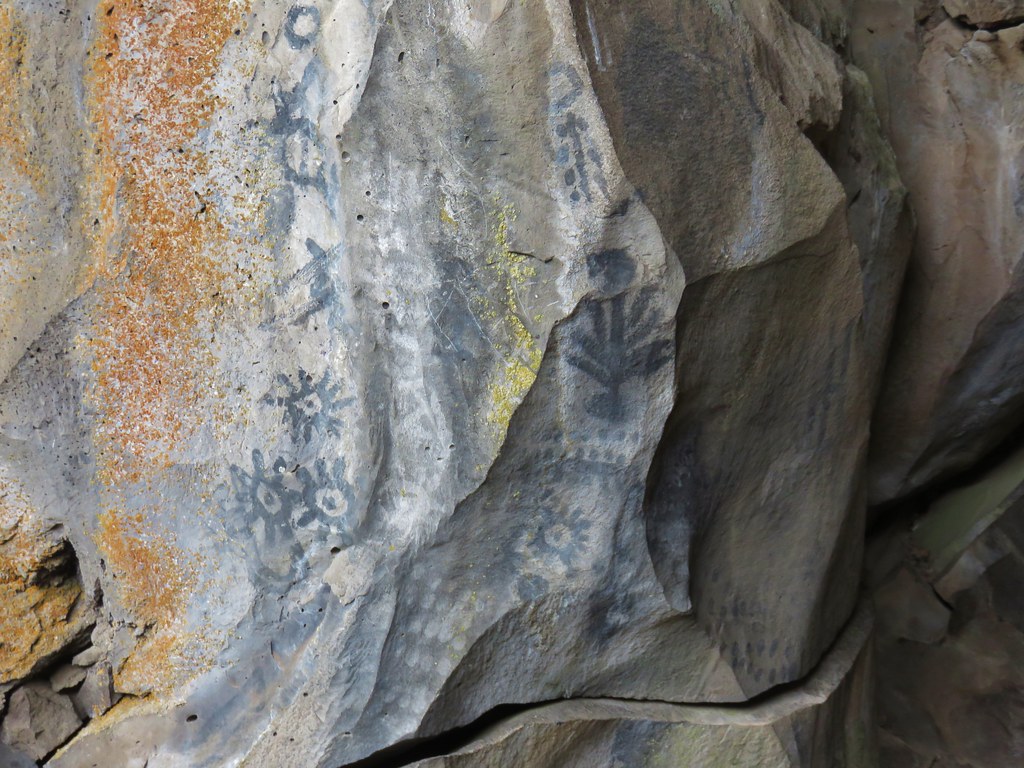
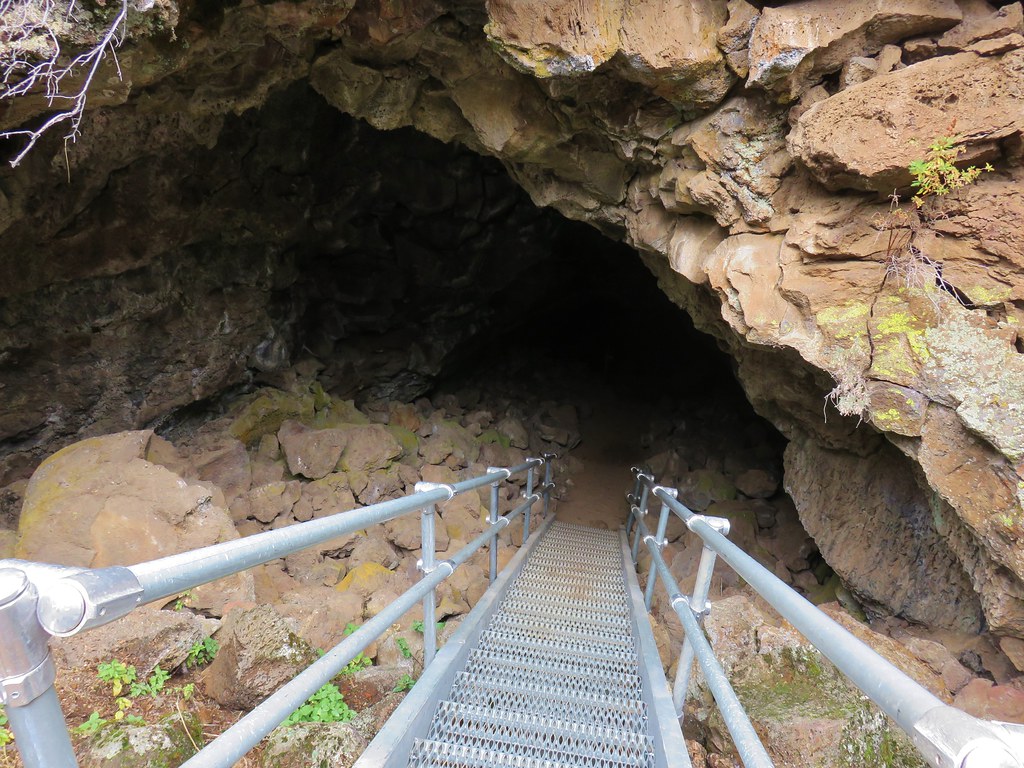
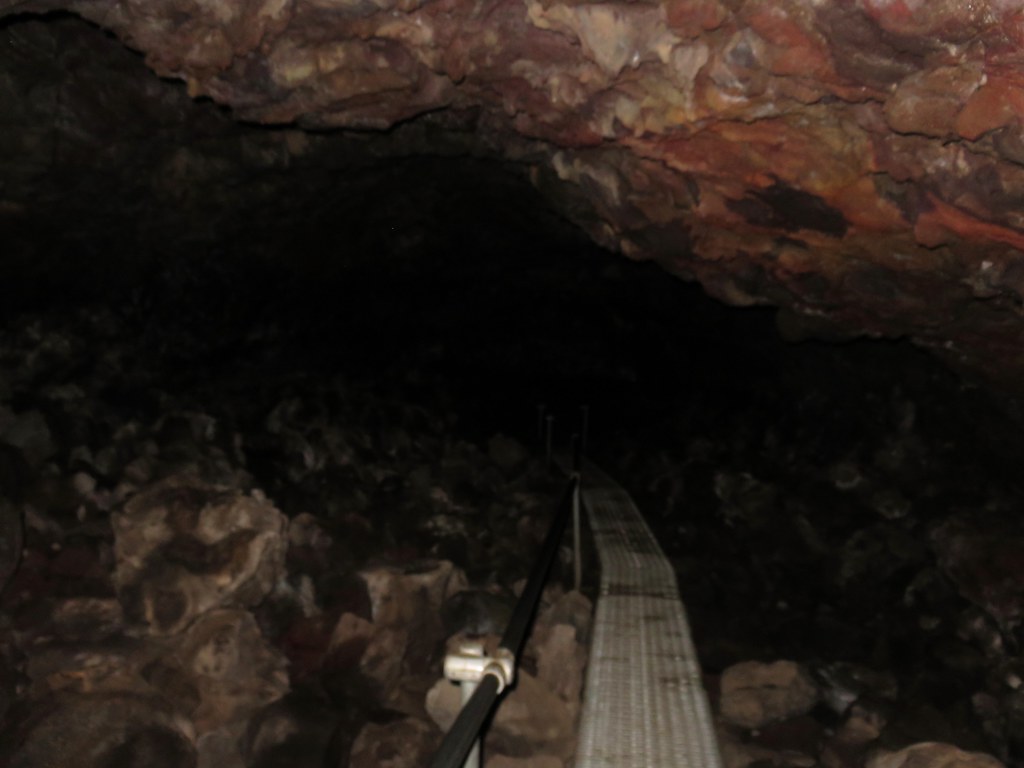
IMG_6447

IMG_6450

A little creative camera work produced a human free photo of the falls.
IMG_6454

We left the crowds at the falls behind and followed the River Trail upstream toward the Middle Falls.
IMG_6455

IMG_6456

We passed by Fowlers Camp which was busy with campers as well as a doe searching for edibles.
IMG_6469

At the end of the camp was a pointer for Middle Falls.
IMG_6470

The Middle Falls were quite impressive and although there were a number of people around it wasn’t nearly as busy as the Lower Falls had been.
IMG_6473

IMG_6477

IMG_6481

From the base of the Middle Falls the trail climbed via switchbacks above the river.
2017-07-28 12.26.07

The next .3 miles were level offering a somewhat obscured view of Mt. Shasta.
IMG_6493

After a total of 2 miles we arrived at the Upper Falls.
IMG_6497

IMG_6502

We continued on a short distance to admire the narrow gorge the river passed through above the Upper Falls.
IMG_6508

2017-07-28 12.35.56

IMG_6513

IMG_6510

We returned the way we’d come and drove back to Mount Shasta City having completed 10 hikes in 6 days in California including visiting 4 wilderness areas that we had not previously been to. We’d seen our first rattlesnake, a bear cub and its mom, several deer and lots of other wildlife. We had experienced amazing scenery on all of the hikes and really couldn’t have asked for a better trip. The one negative happened after we’d showered and changed and headed out for an early dinner.
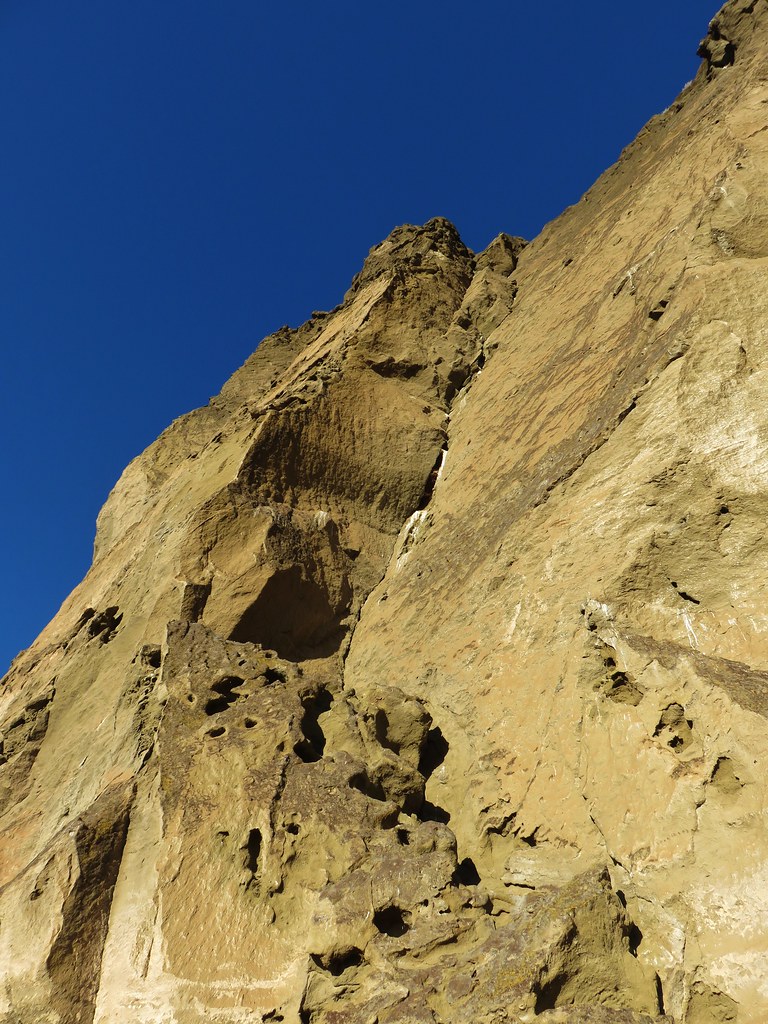
We chose a small Thai restaurant (the food was excellent) and when we were greeted we were informed that they couldn’t serve us any water. It turned out that the city had issued a boil water warning the day before due to some tests of the city’s drinking water that came back positive for E-coli. We’d been drinking the water all week, lots of water. It’s been five days since our last drinks and so far we seem to have escaped unscathed but we could have done without that scare. Happy Trails!
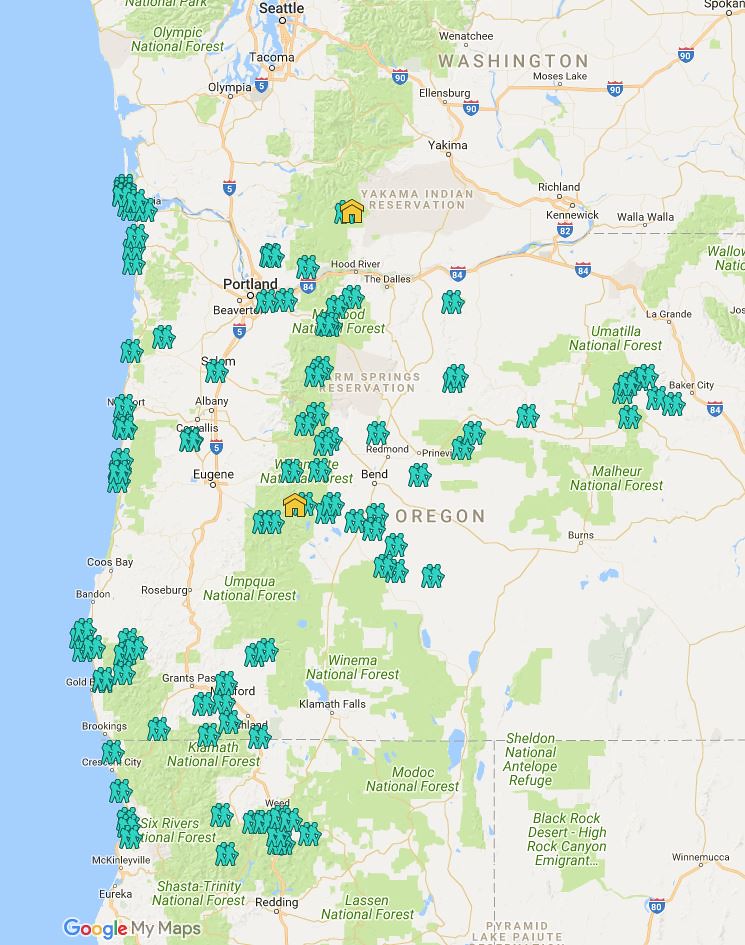
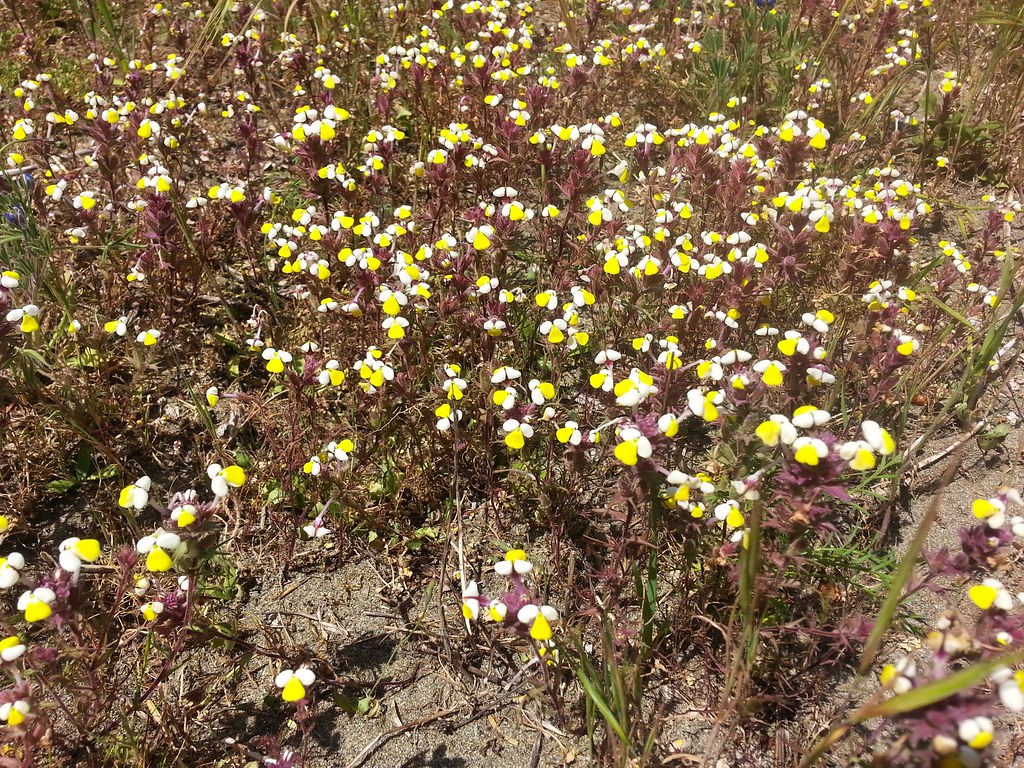
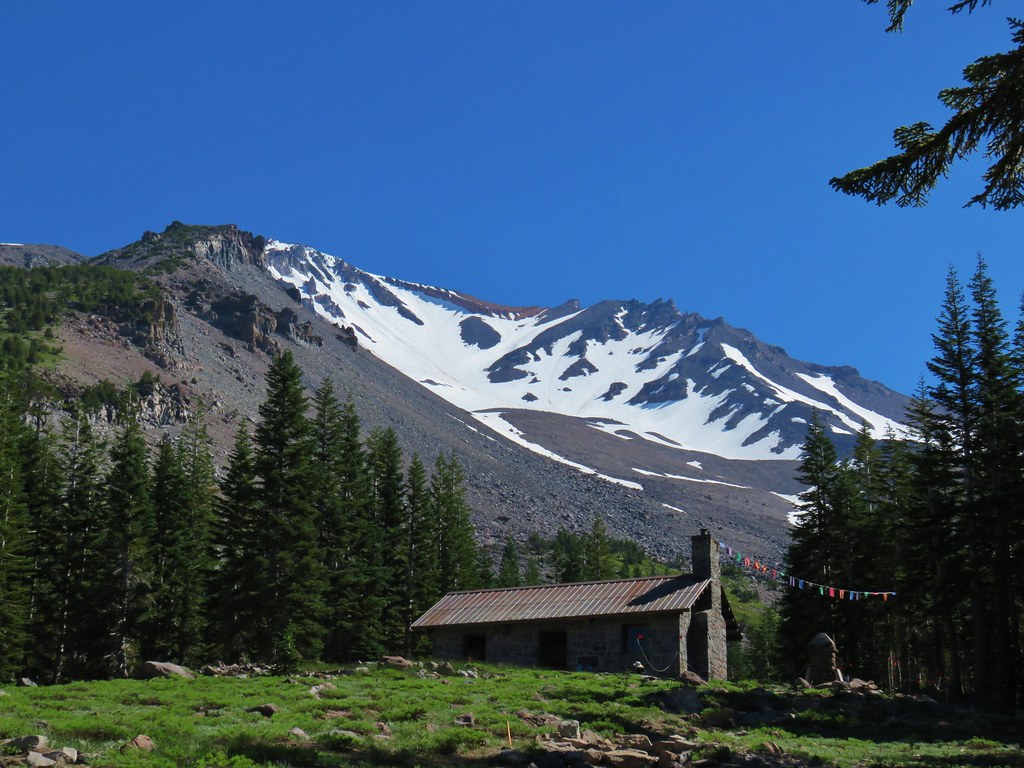
Flickr: Black Butte, Horse Camp, and McCloud River Falls