The delayed arrival of Spring weather has begun affecting the timing of the hikes that I’d planned for us this year. We had originally planned a wildflower hike for this weekend, but they are running at least two weeks behind so we turned to a pair of wildlife hikes instead. Our first stop was at the Snag Boat Bend unit of the William L. Finley National Wildlife Refuge.

This 341-acre unit is located a across the Willamette River to the East of the 5,325-acre refuge. The unit has several miles of trails although the amount accessible fluctuates due to flooding.
 Not sure how “official” the writing is on the map, but it wasn’t wrong about the Turtle Loop being “closed” (high water).
The Snag Boat Bend Loop Trail begins as a boardwalk that passes over the North Beaver Pond. Oddly there wasn’t much, if any, water in this pond despite other areas later being flooded.

After the short boardwalk section the trail became a combination of grass/mud as it followed a swollen Lake Creek toward the Willamtte River.

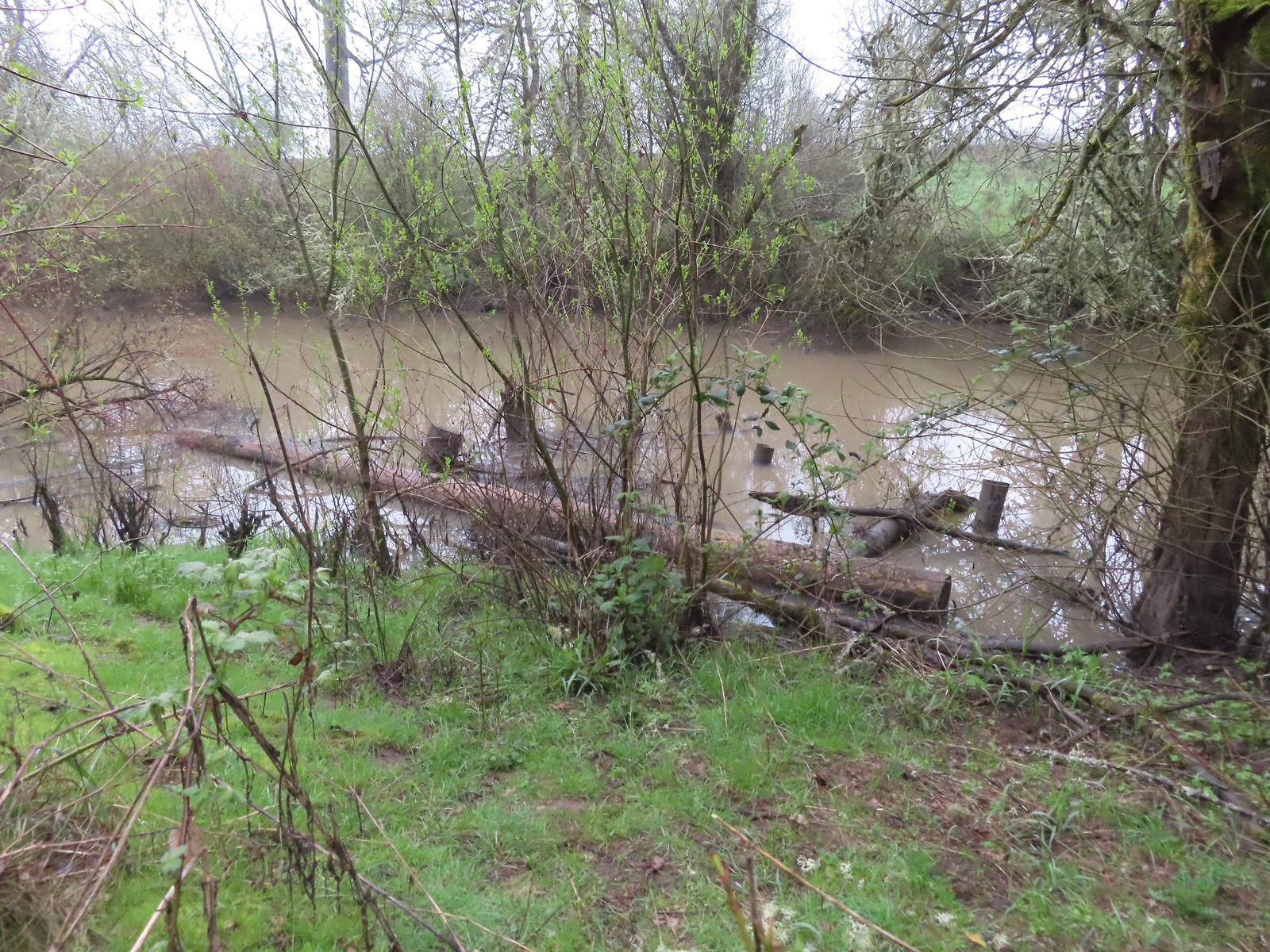 A swollen Lake Creek
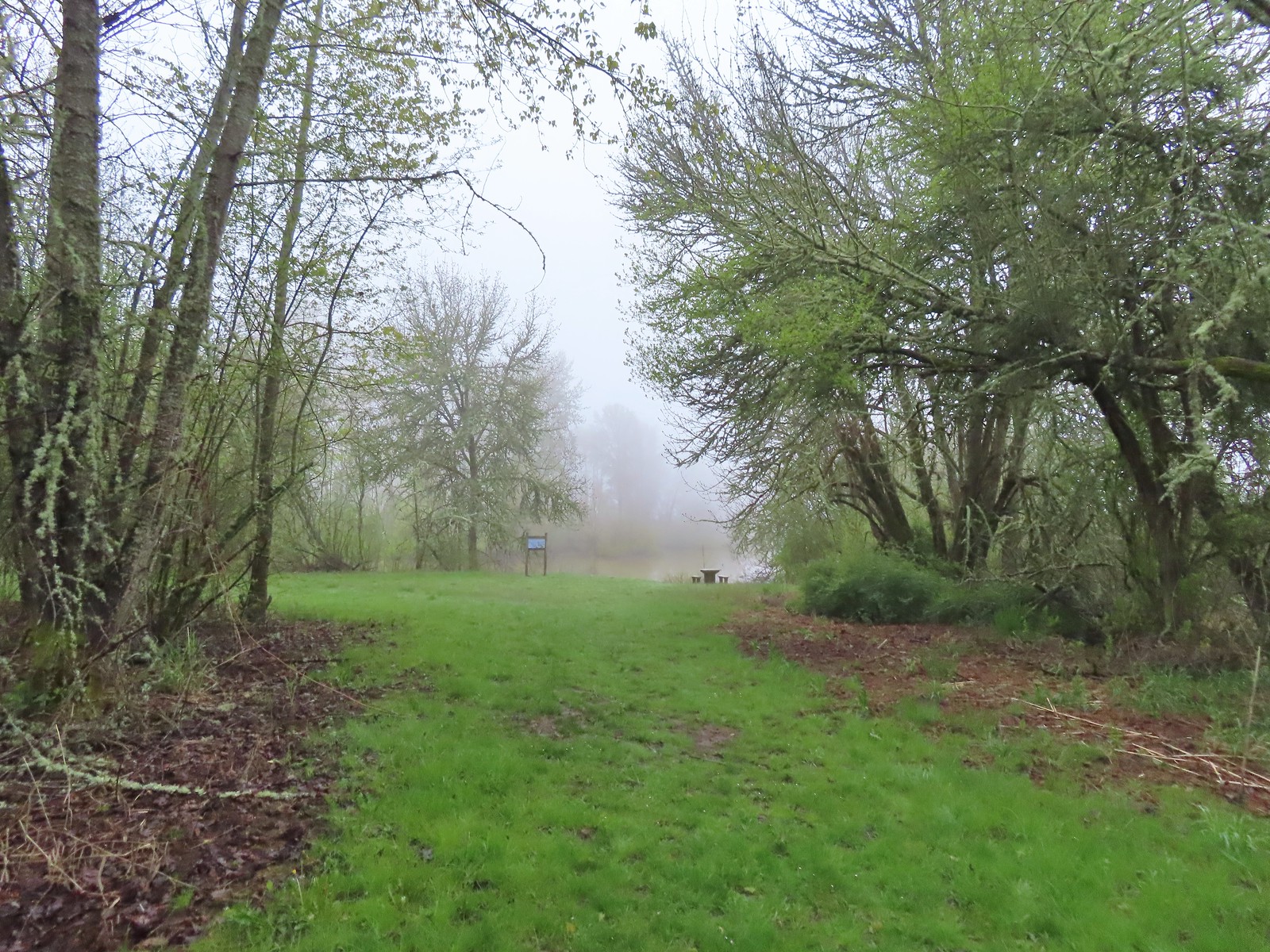 A third of a mile from the trailhead is a picnic table overlooking a former channel of the Willamette River that is now an oxbow lake filled by Lake Creek.
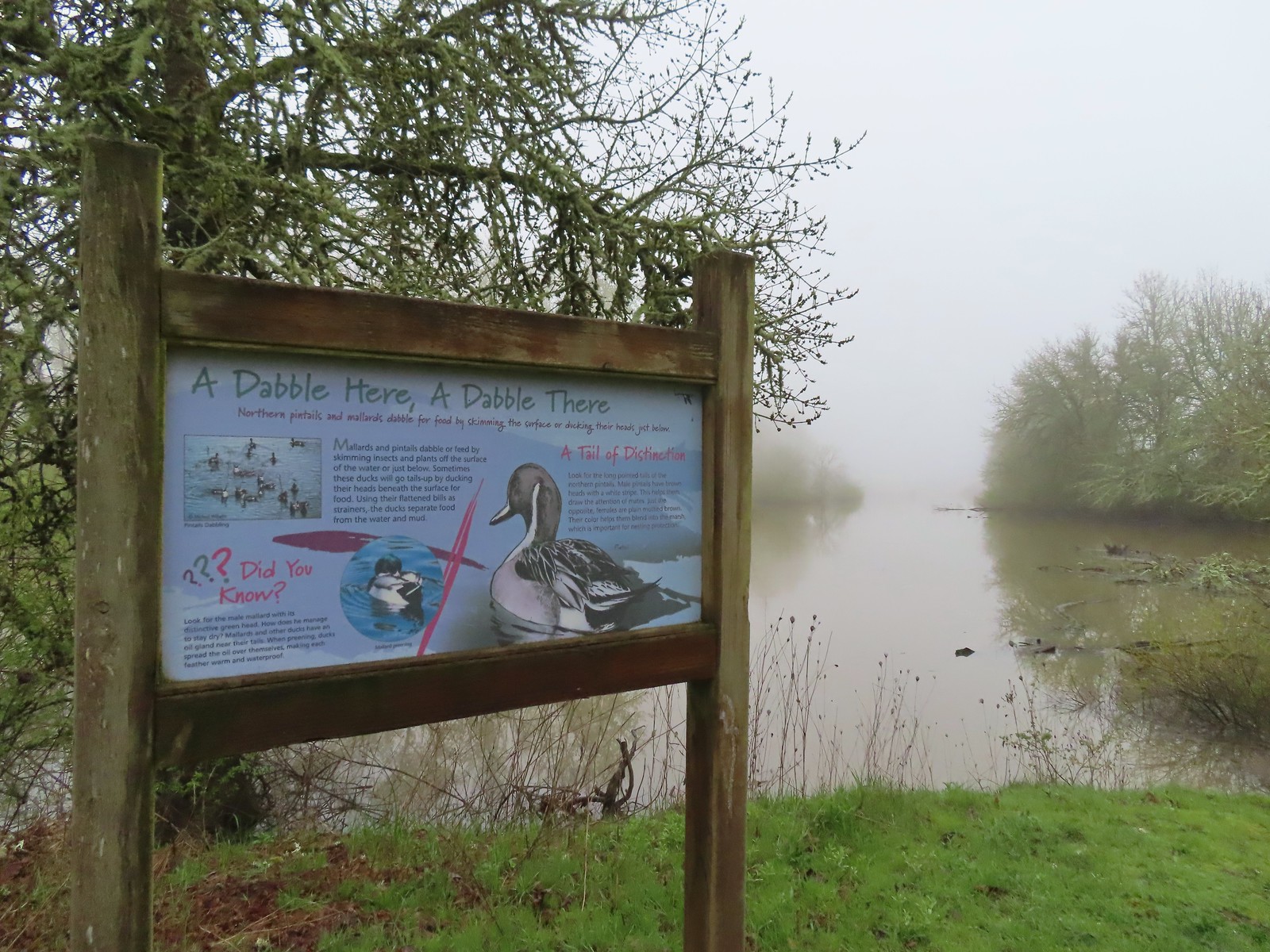 The oxbow lake.
The trail makes a hard left at the picnic table passing along the water.
 Lots of water in the lake.
 Woodpecker hiding in the trees.
Just under 0.2 miles from the picnic table, during low water, is said to be a path that makes it possible to connect the Snag Boat Band and Turtle Loop Trails.
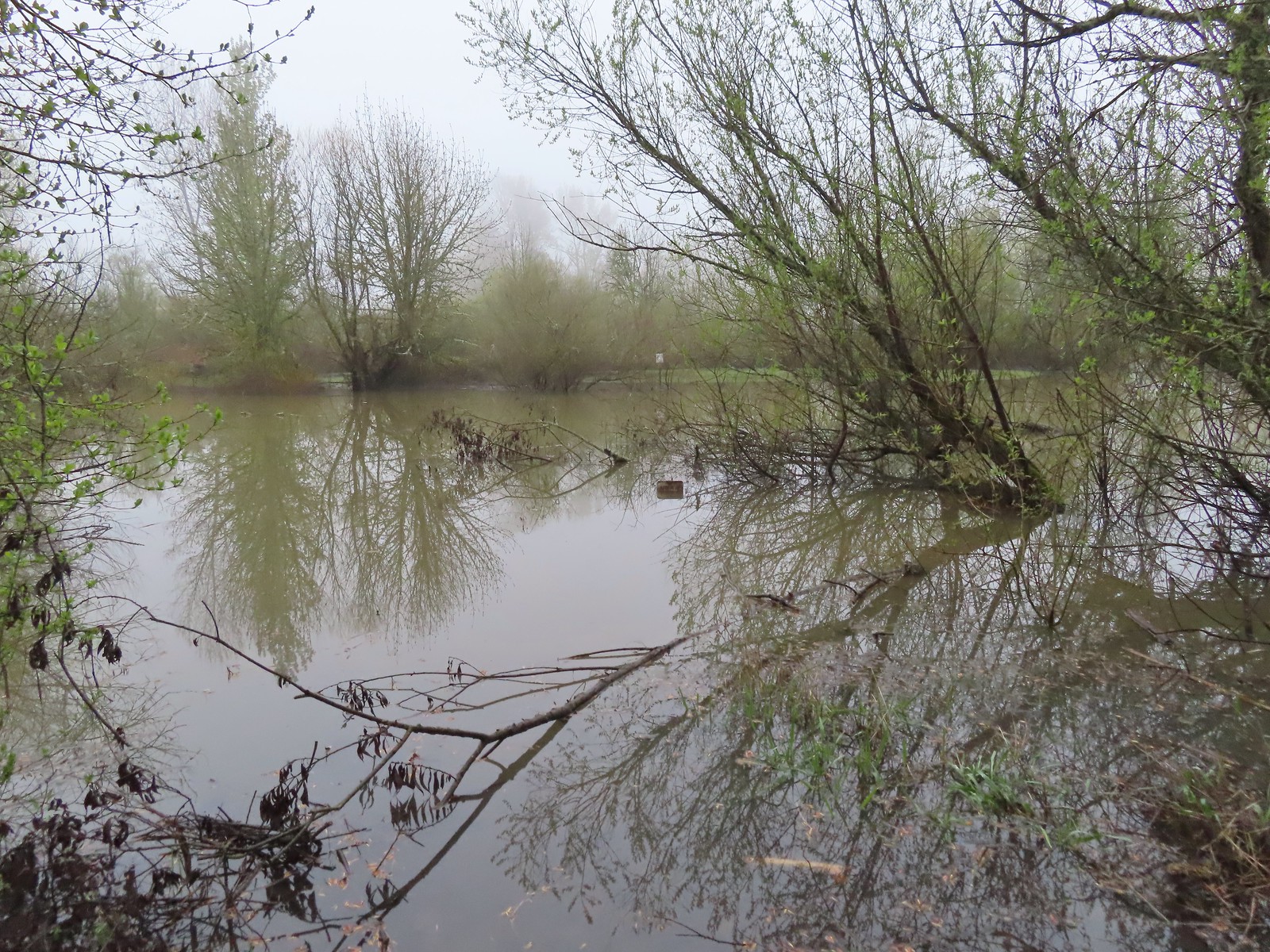 Note the sign on the far side vs the closer sign barely sticking up out of the water.
A quarter mile from the picnic table the Snag Boat Bend Loop turns left at a junction. We stayed straight and visited the Observation Blind before setting off on the Blue Heron Trail.
 Oregon grape
 Red flowering currant
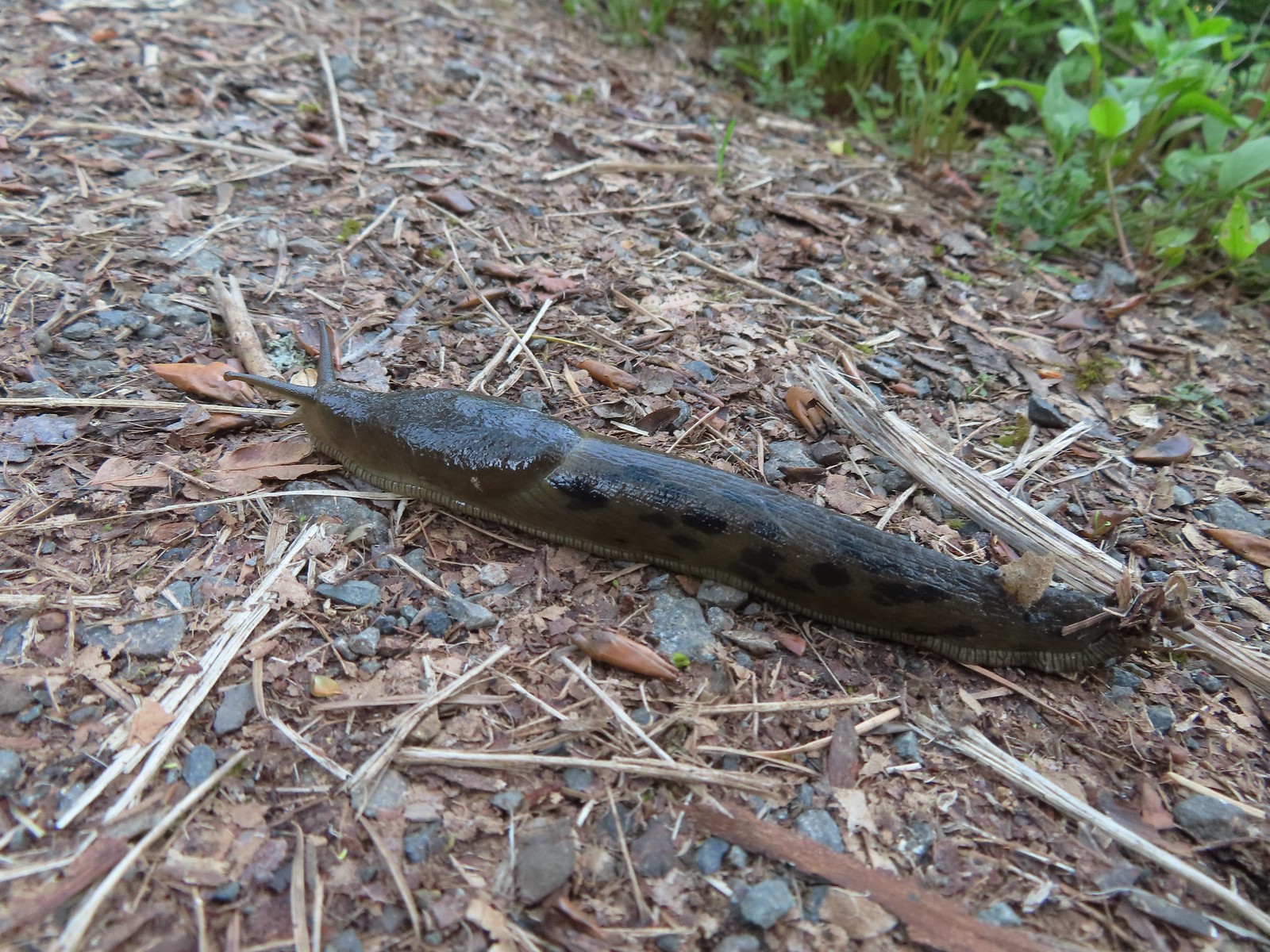
 Slug
Slug
Signs at the junction.
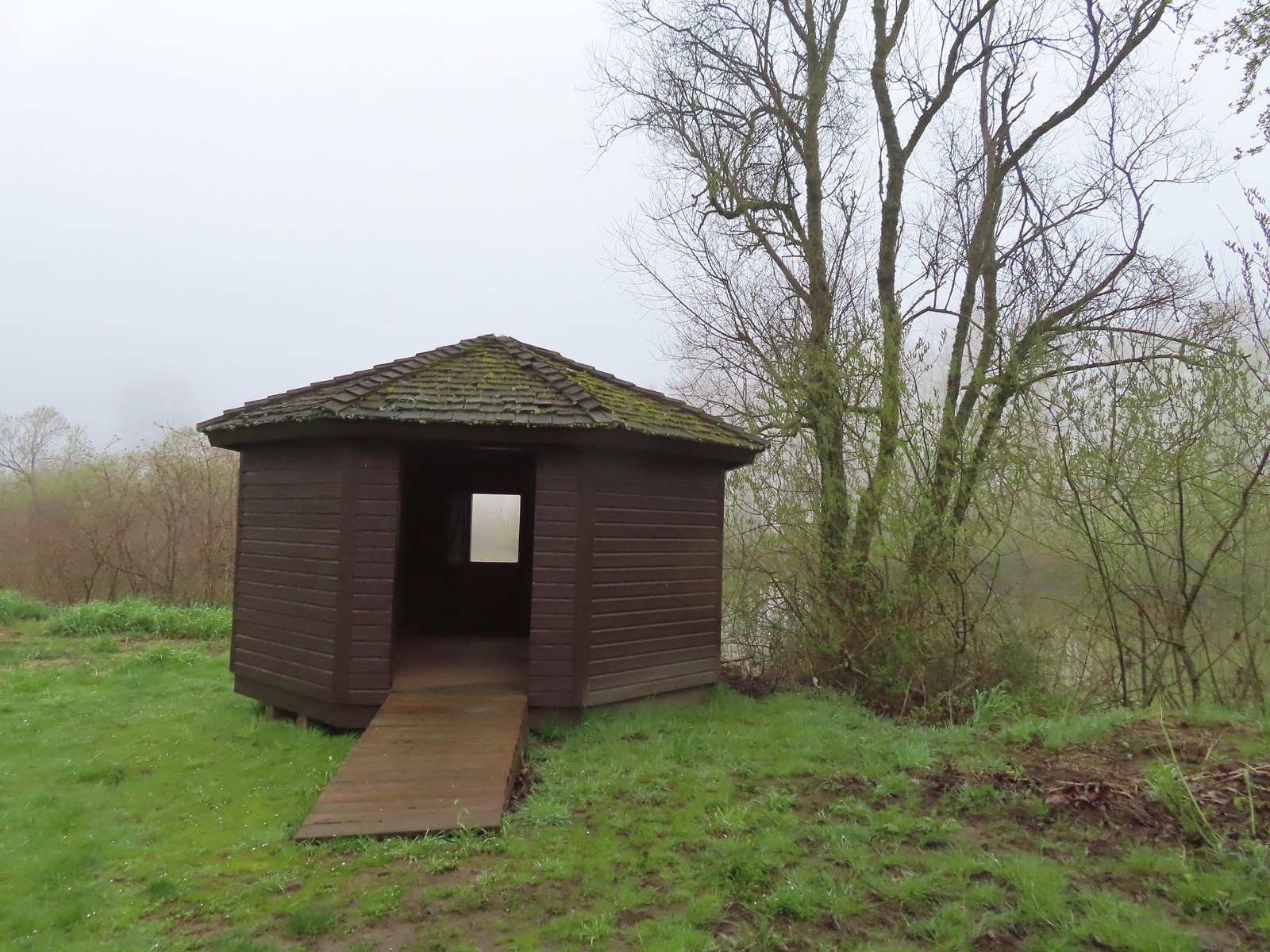 The observation blind.
There wasn’t a whole lot to observe from the blind since the morning fog limited visibility.

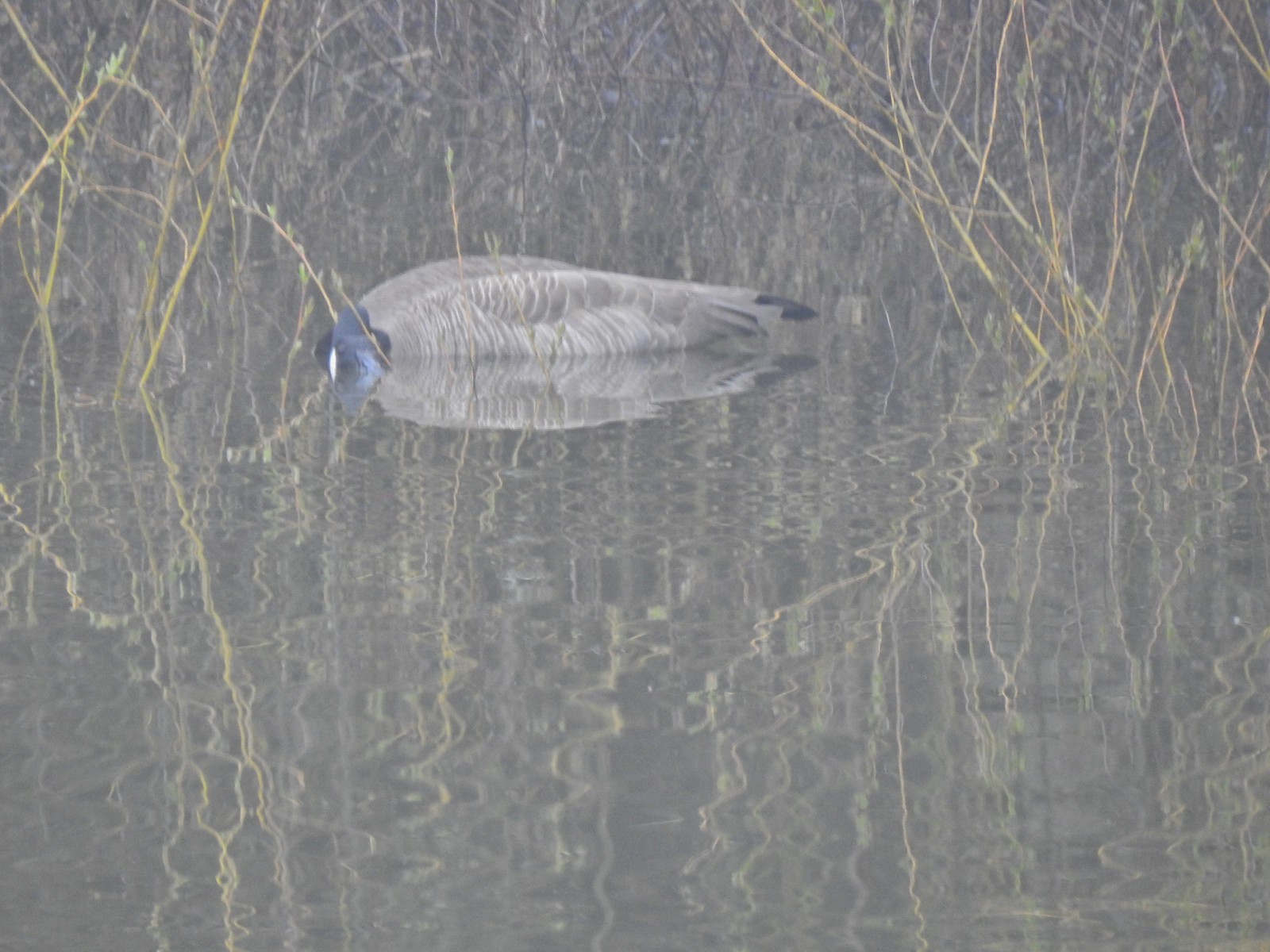 Goose
Goose
 Spotted towhee
 Mallard drake
 The Blue Heron Trail followed the boarder of the refuge and some private farmland.
It was approximately another quarter mile from the blind to a 4-way junction. Here the Blue Heron Trail began and finished a theoretical loop using the left most forks and the Turtle Trail split off to the right along a dike.
 Blue Heron Trail to the left and Turtle Trail on the right.
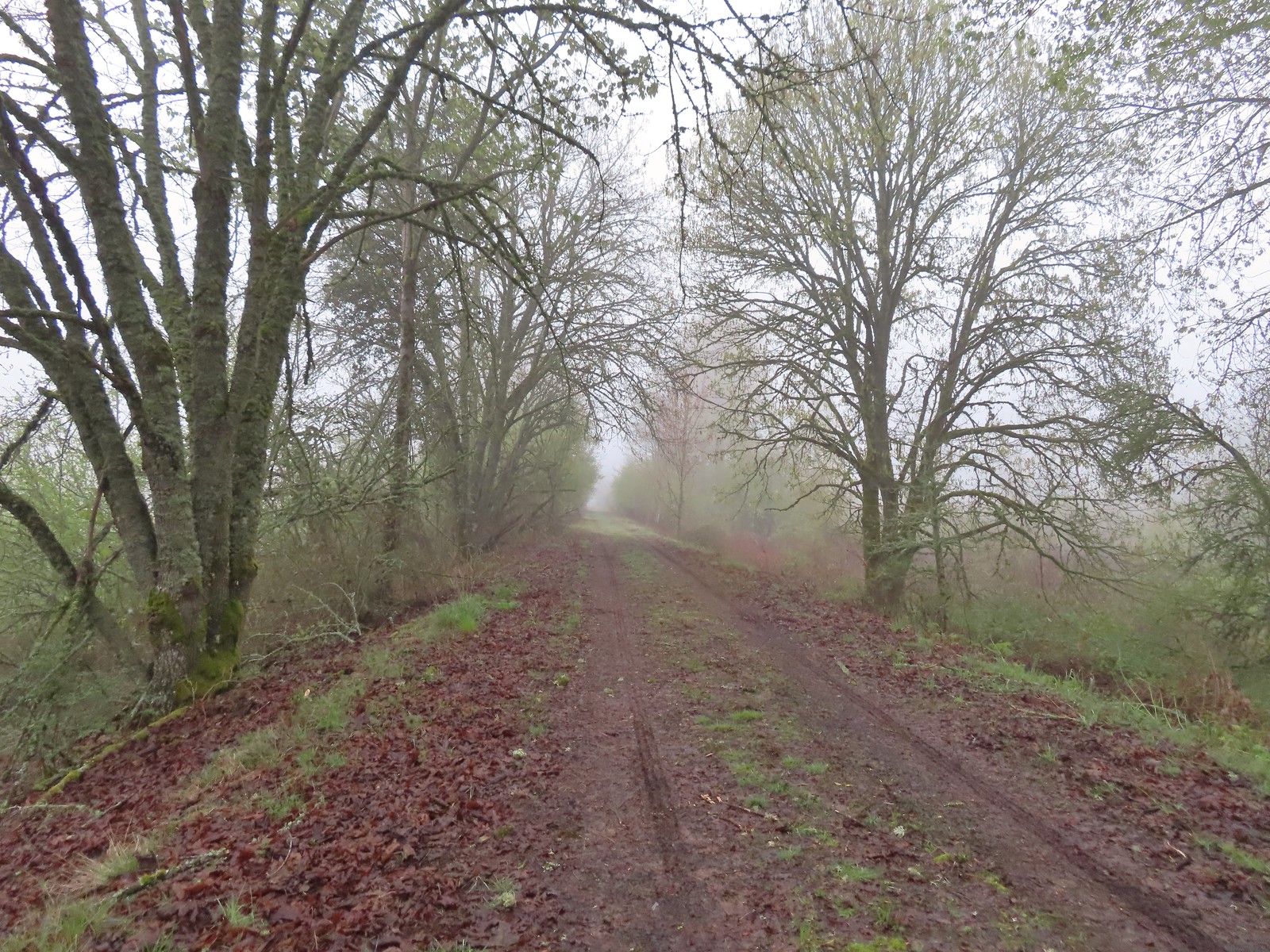
We turned right onto the Turtle Trail and as we got onto the dike we could see that the area below, where a loop shown on the Oregonhikers page joined back up, was likely flooded. We followed the dike a quarter of a mile to another junction where the Turtle Trail made a hard right and descended from the dike into an open area where several rabbits were busy having their breakfast.

 American widgeon


We followed this grassy track for a third of a mile back to the swollen Lake Creek where, during low water, the Turtle Loop would turn right along the creek and loop back around.
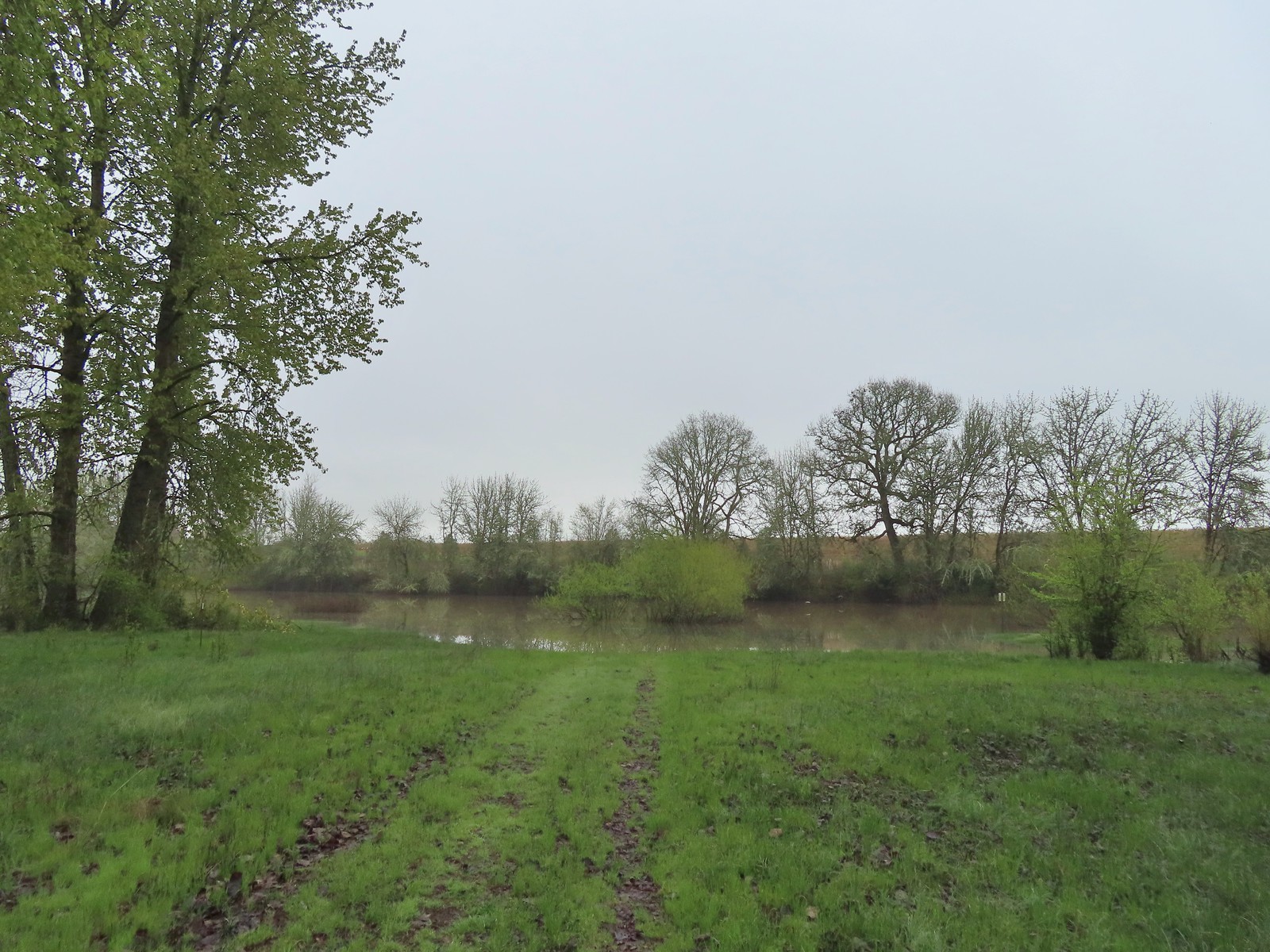
 Another sign out in the middle of the water.
We turned back and returned to the junction with the Blue Heron Trail.
 The start of a possible loop using the Blue Heron Trail. The fainter track on the right heading downhill was flooded just 100 feet or so away.
 The flooded area where the loop would end.
I had gone down to the flooded section to see if there was possibly a way across without having to wade but there wasn’t. The good news was that my heading down to this spot had caused a great horned owl to move trees which allowed both Heather (on the other section of the Blue Heron Trail) and myself to spot it.

Since we knew that we would be able to make the Blue Heron Trail into a loop we followed it a half mile from the junction, making a sharp right near the 0.4-mile mark and decided to turn around. The trail had gone from gravel to wet grass and our feet were getting pretty damp which helped make the decision to turn around.
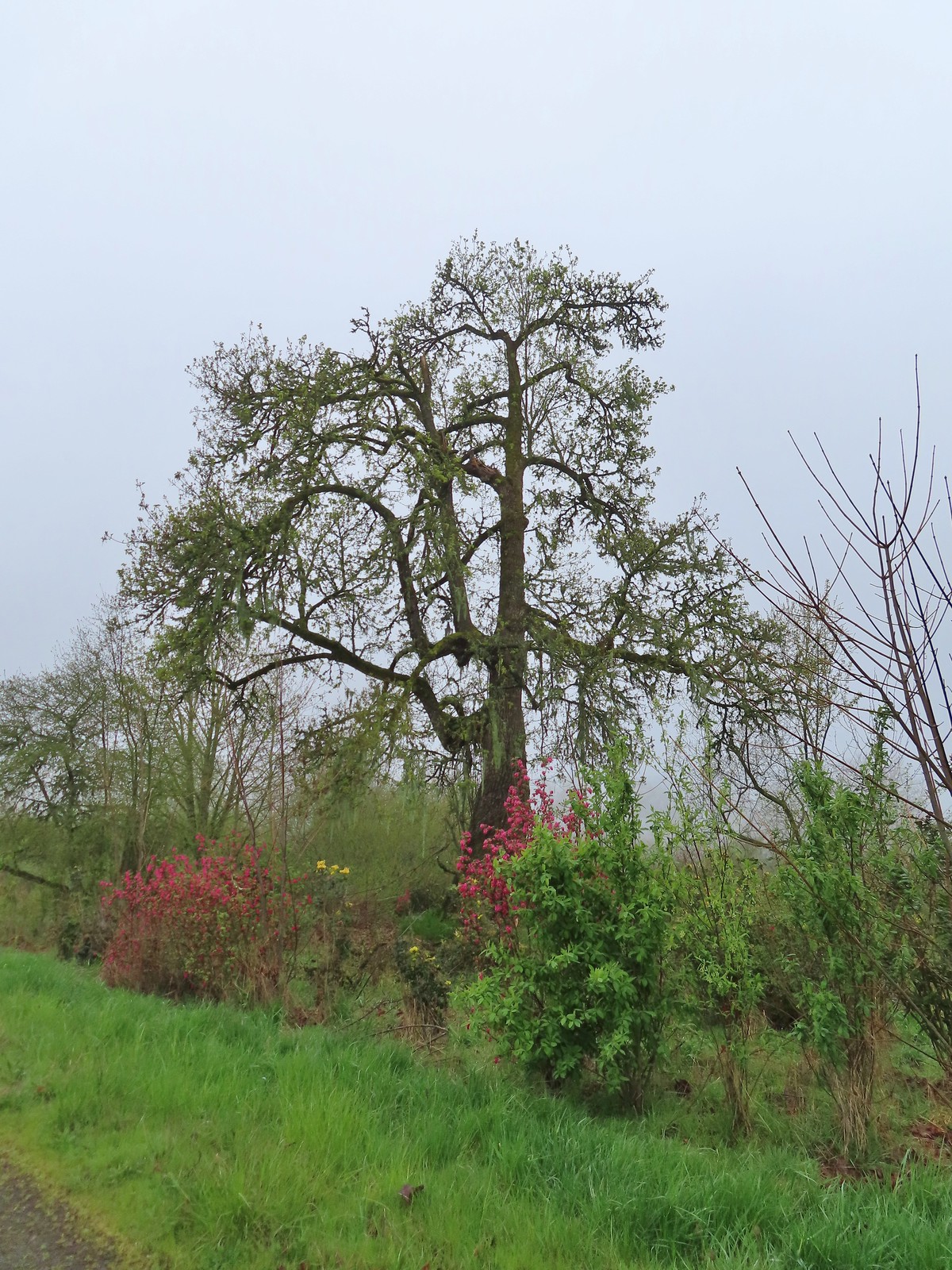 Cottonwood with red flowering currant, Oregon grape, and Indian plum blooming in front.
 We were able to keep our feet dry on the gravel surfaces.
 Mushroom
 Rufous Hummingbird
 Hawk preparing for takeoff.
 We had started to go past the turn for the Blue Heron Trail so this photo is as we headed back toward the turn. We came from the right-hand side so the path straight ahead would have been the “sharp right”.
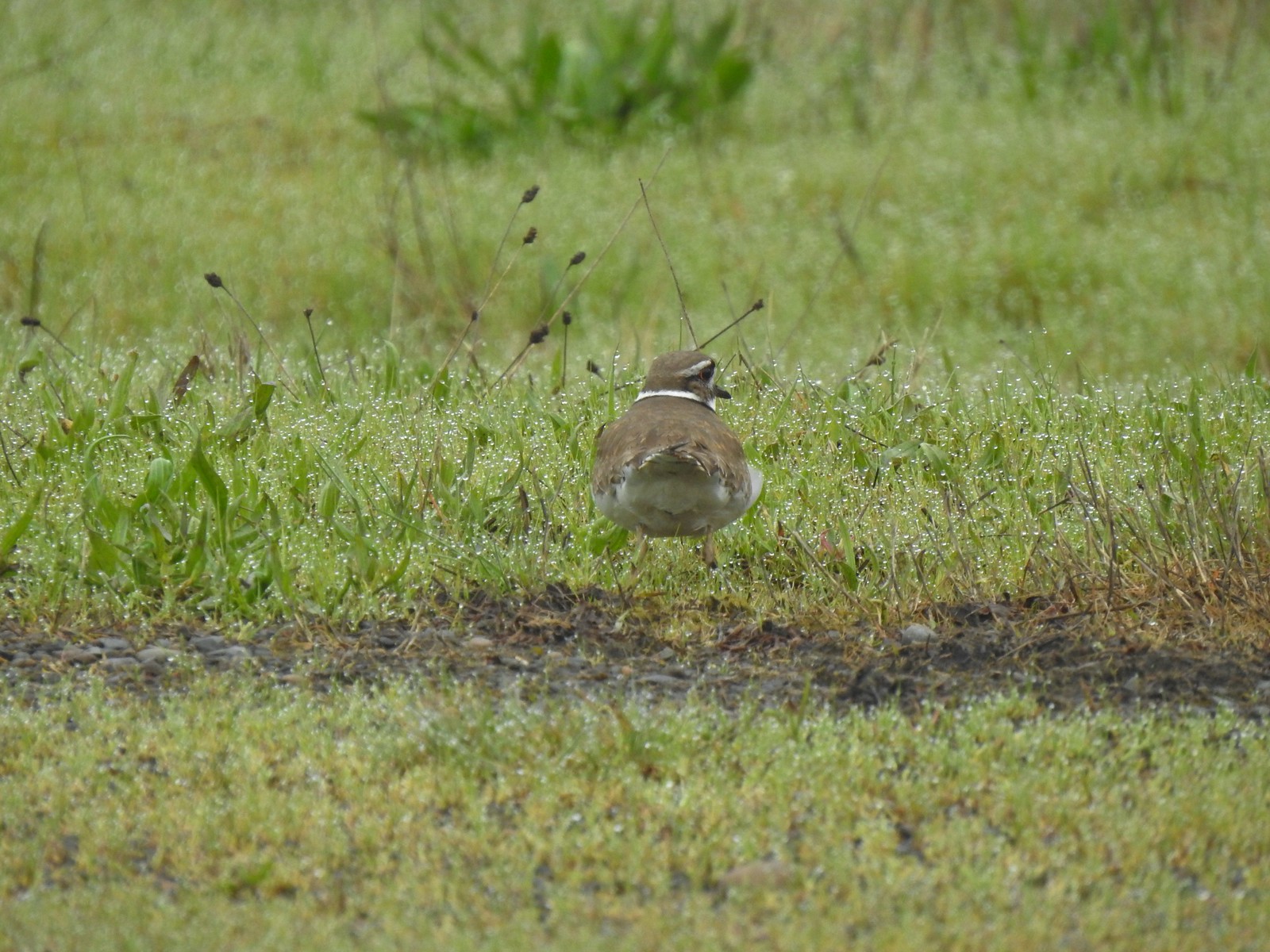 Killdeer
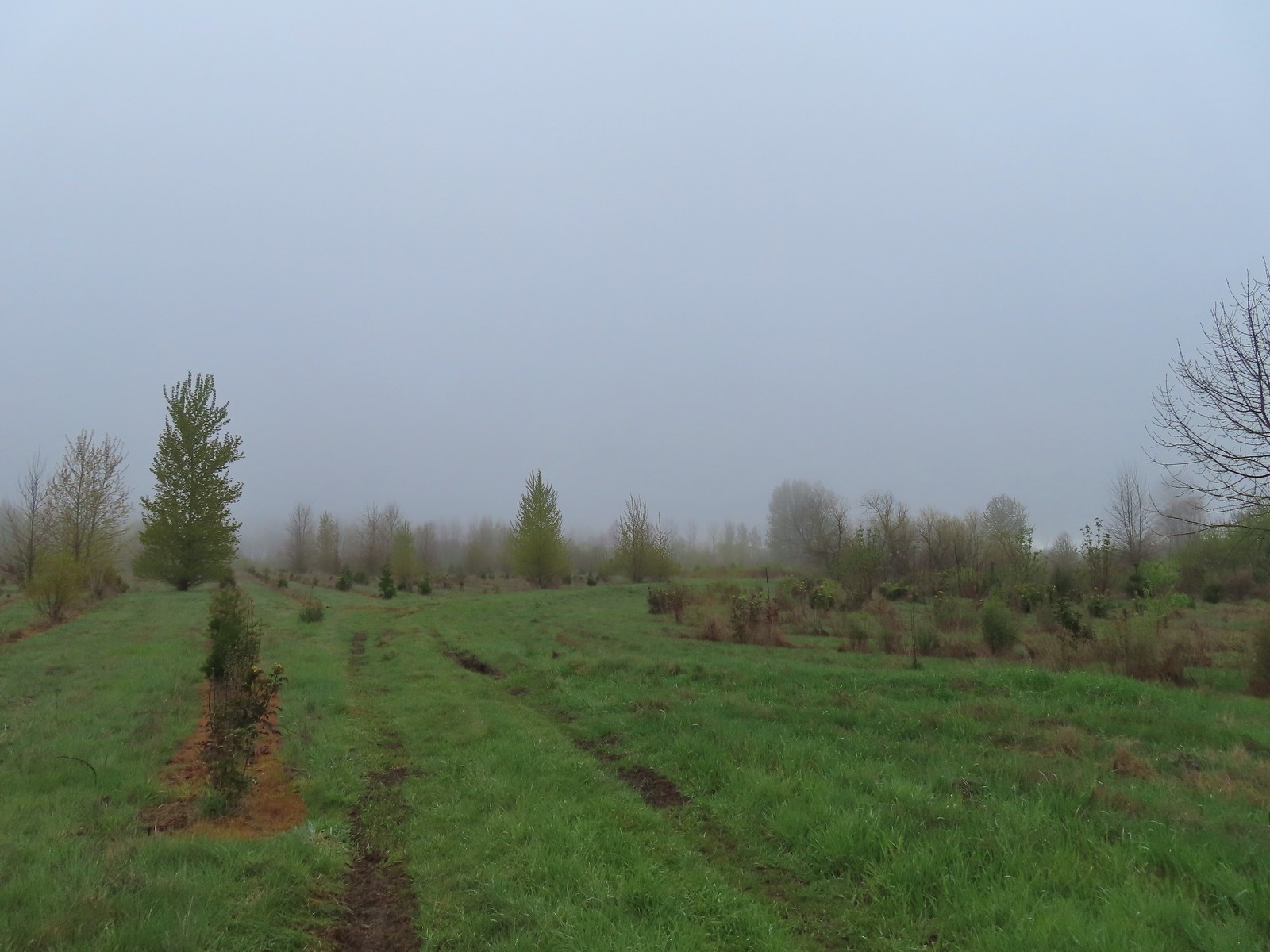 Our turn around spot. The trail was beginning to bend back to the East here.
We headed back along the Blue Heron Trail following it to the Snag Boat Bend Loop where we turned right in order to finish that loop.
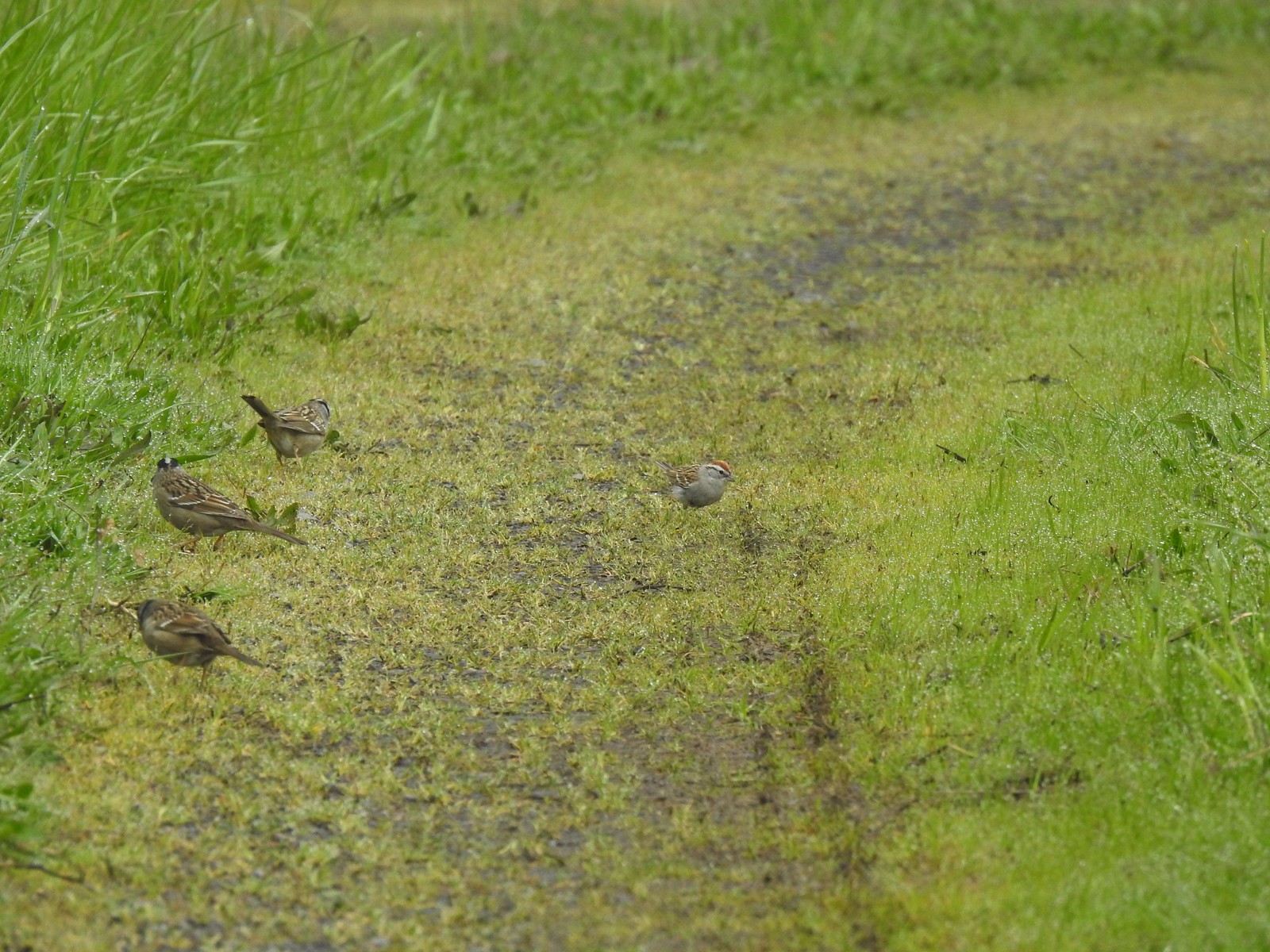 A chipping sparrow among the golden-crowned sparrows.
 On the Snag Boat Bend Loop
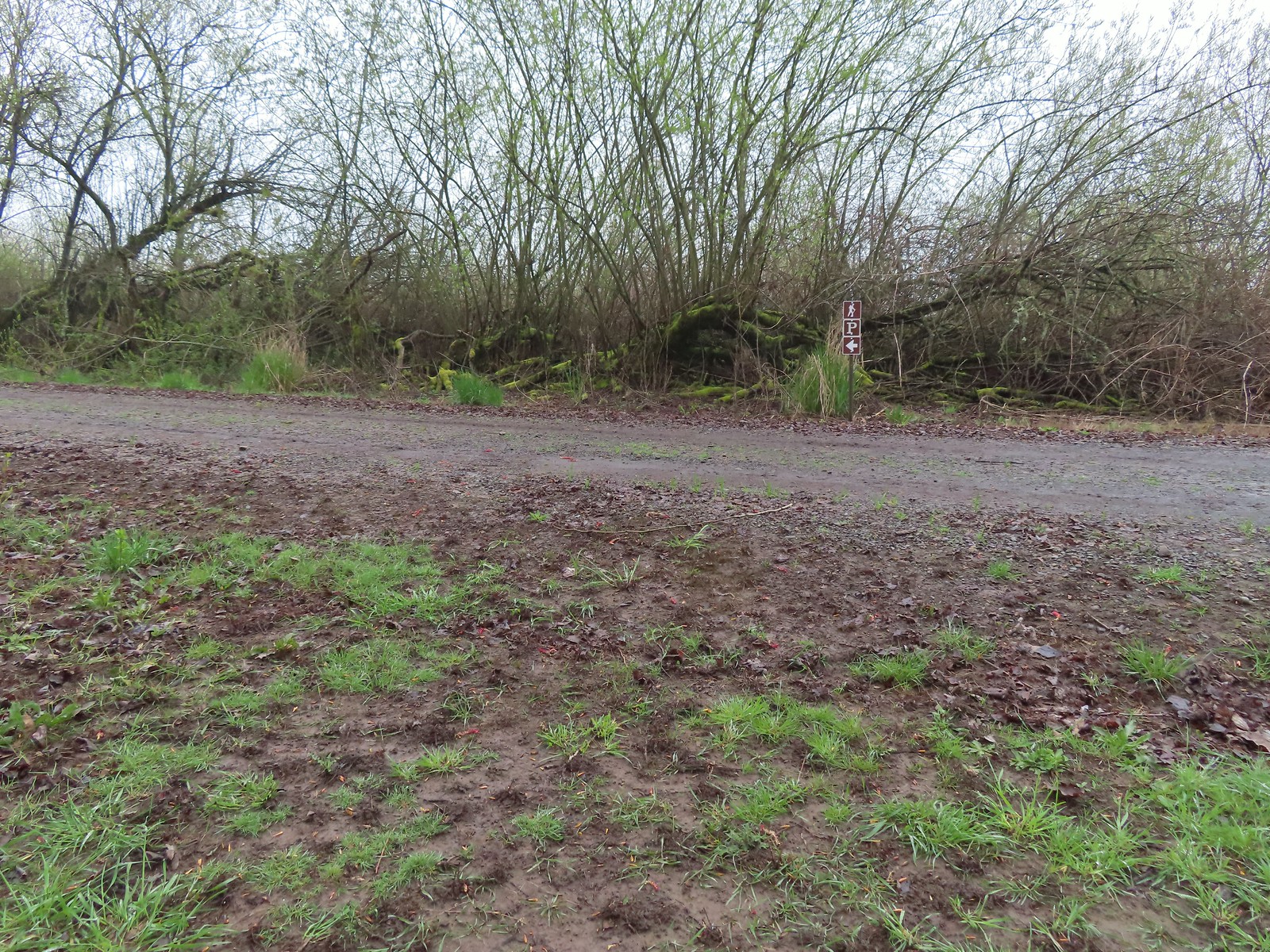 The trail turned left to follow this gravel roadbed for the final third of a mile.
 The gate in the distance is at the trailhead.
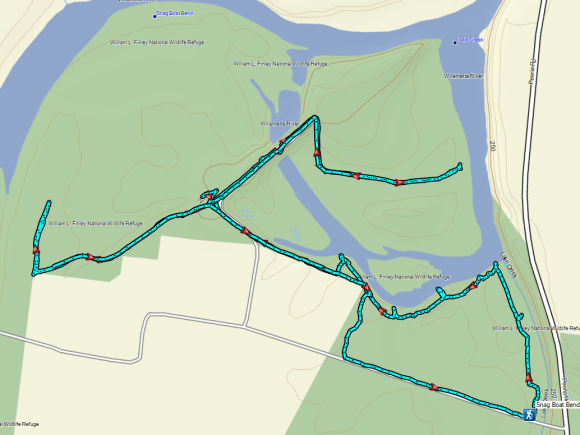
Our hike at Snag Boat Bend came in at 3.9 miles with maybe 50′ of elevation gain. Had some of the loops not been flooded it might have been a bit shorter.
It was a nice first visit though and we are now interested in returning in late Summer/early Fall when some of the flooded trails might be accessible. While the fog made it a bit hard to see we still managed to see a few ducks, a goose, several rabbits, the owl, a hawk, lots of smaller birds, and one bald eagle that flew overhead. From the trailhead we drove North to the city of Albany where we’d plan to visit a series of the city’s parks. The idea was to start at Monteith Riverpark and hike East along the Willamette River to Simpson Park and then continue along the river there past First and Second Lakes if the trail wasn’t flooded. If it was flooded, we could turn inland at Simpson Park and re-visit the Talking Water Gardens (post).
I had two reasons for putting this urban hike on our schedule. First it was close to home and secondly Monteith Riverfront Park sits at the confluence of the Calapooia and Willamette Rivers, and the Calapooia is one of Oregon’s rivers that we had yet to see on a hike. This 80-mile long tributary of the Willamette begins in the Willamette National Forest near Tidbits Mountain (post) and flows Northwest through Brownsville, OR before turning North to the East of Interstate 5. It was disappointing to arrive and find that the entire park was closed for a large waterfront project by the City of Albany. (Normally I would check the status of our destination prior to heading out, but I didn’t expect an entire city park to be closed, and after looking online when I got home, I’m not sure I would have found the information anyway.)
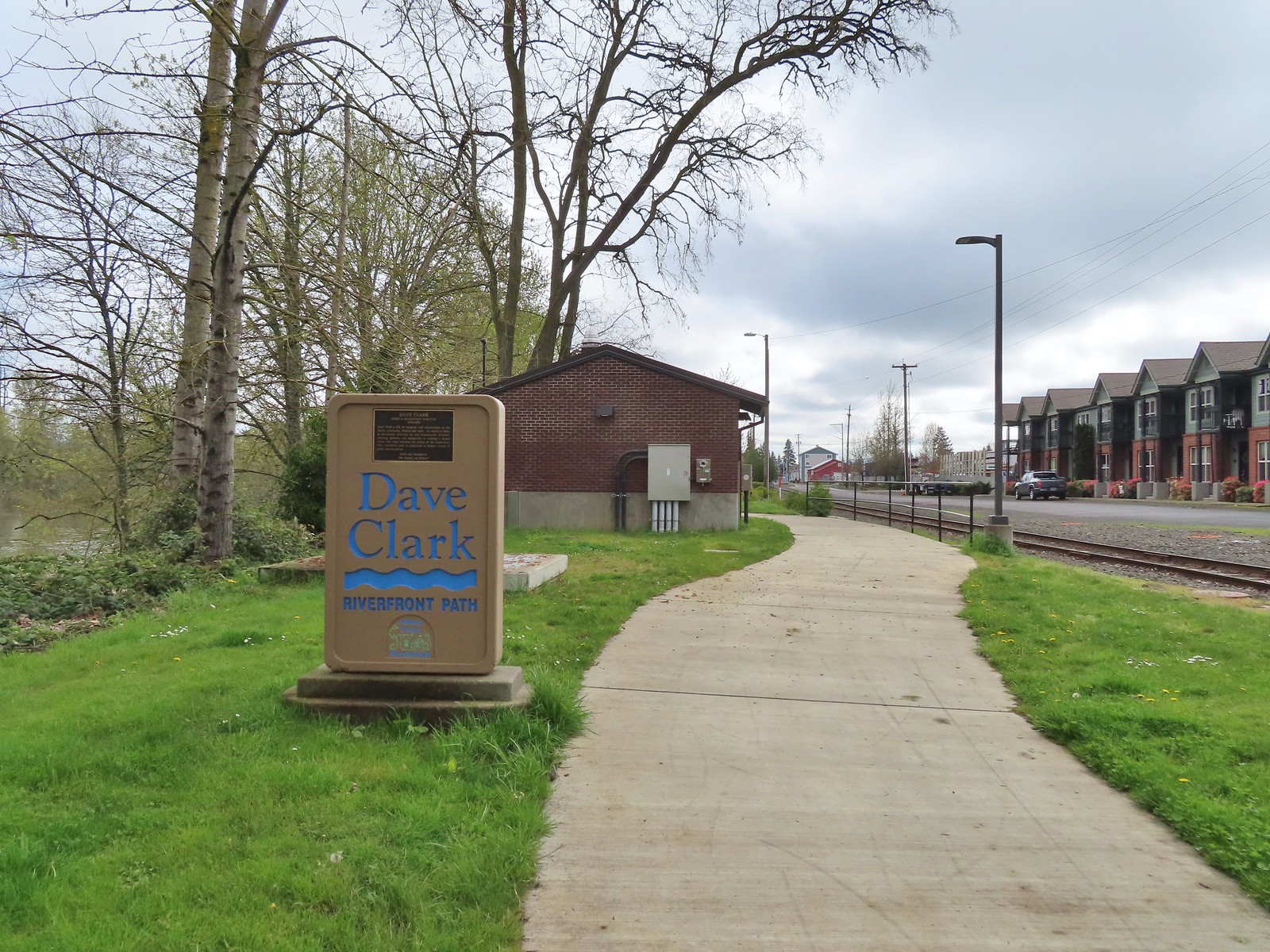
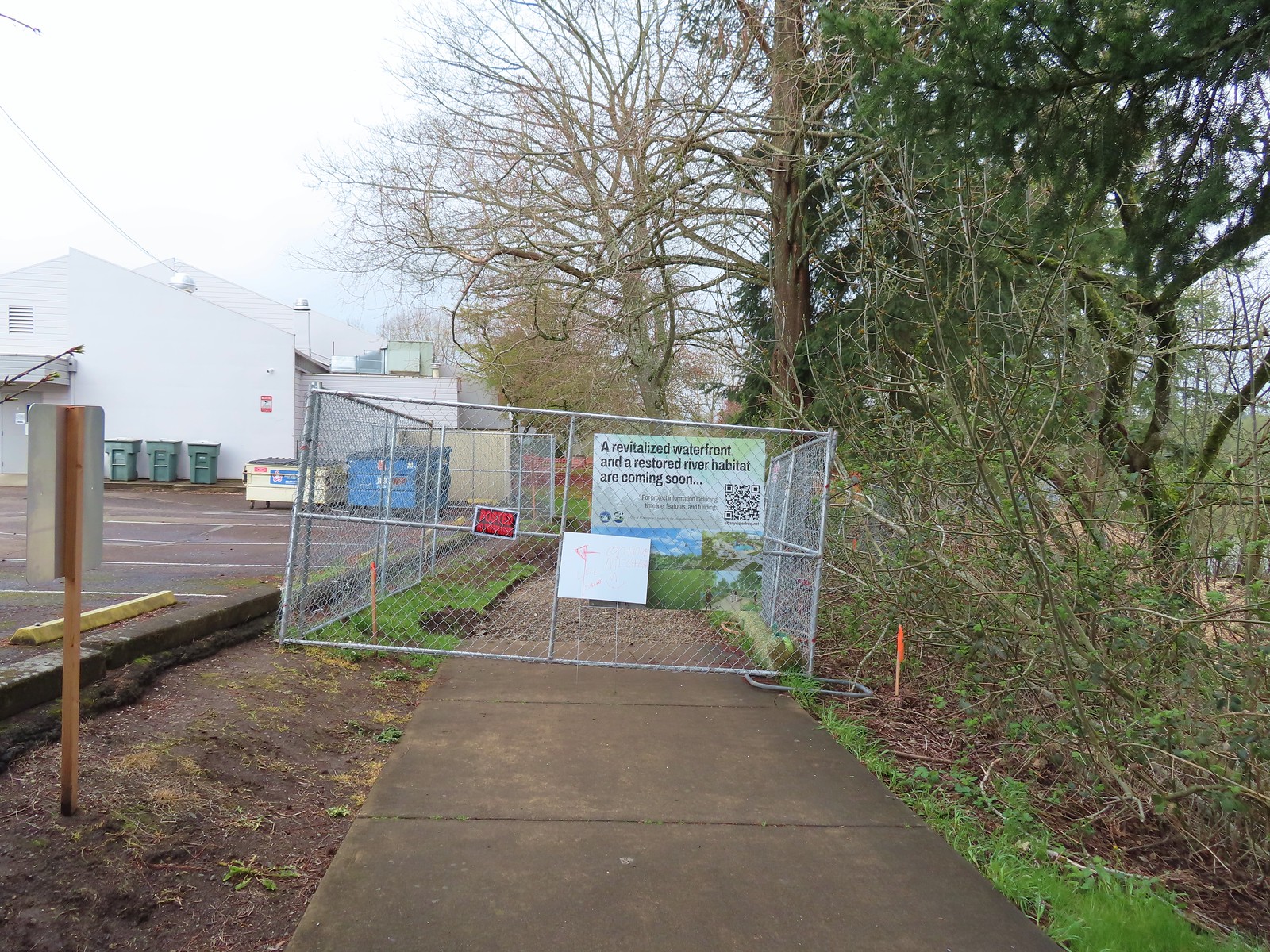 We wound up parking East of the Riverfront Community Center and hoping on the Dave Clark Trail there.
Less than 100 yards from where we’d parked we came to an observation platform that led out over the Willamette River. From this platform we could at least see the mouth of the Calapooia emptying into the Willamette.
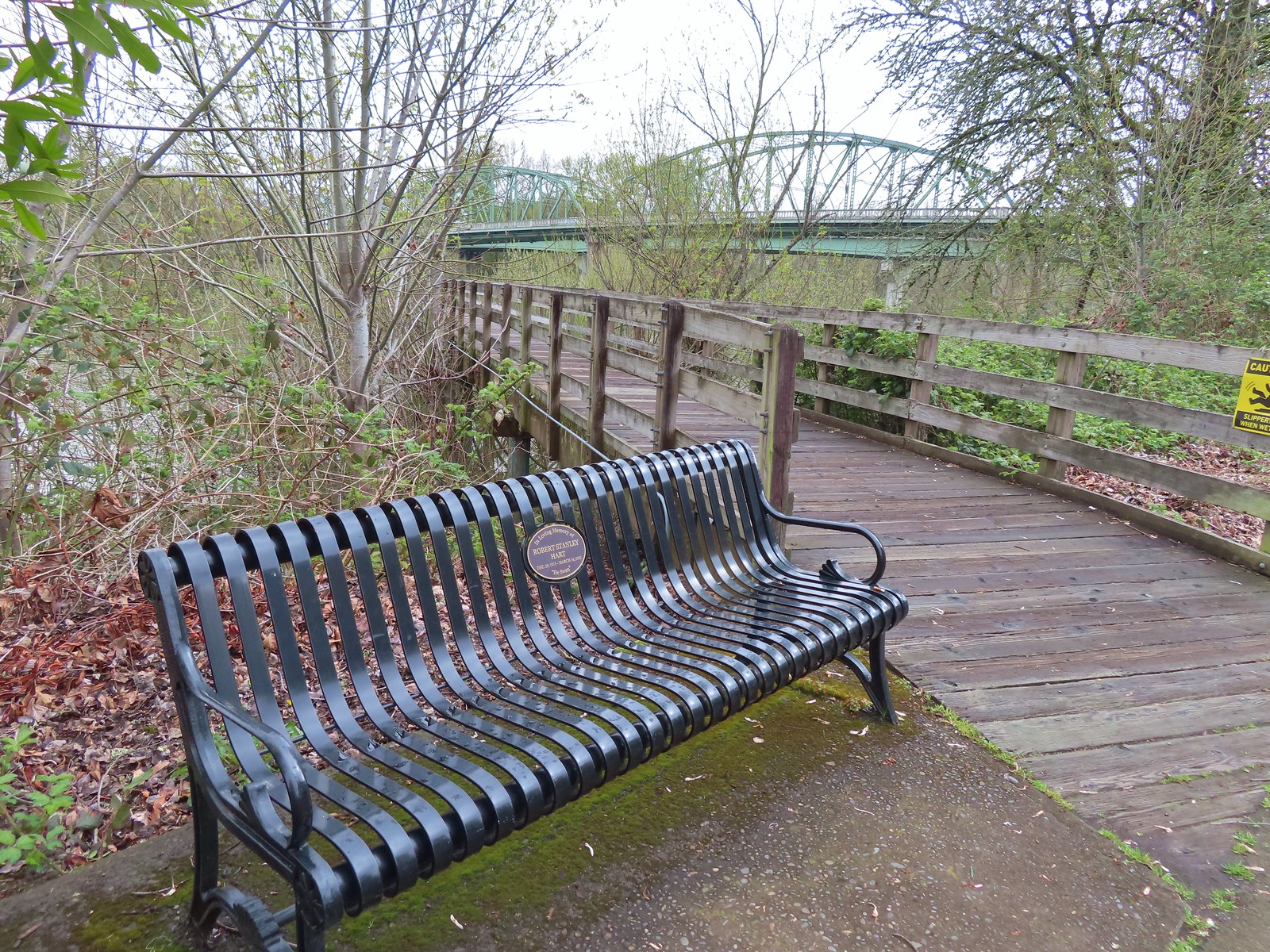
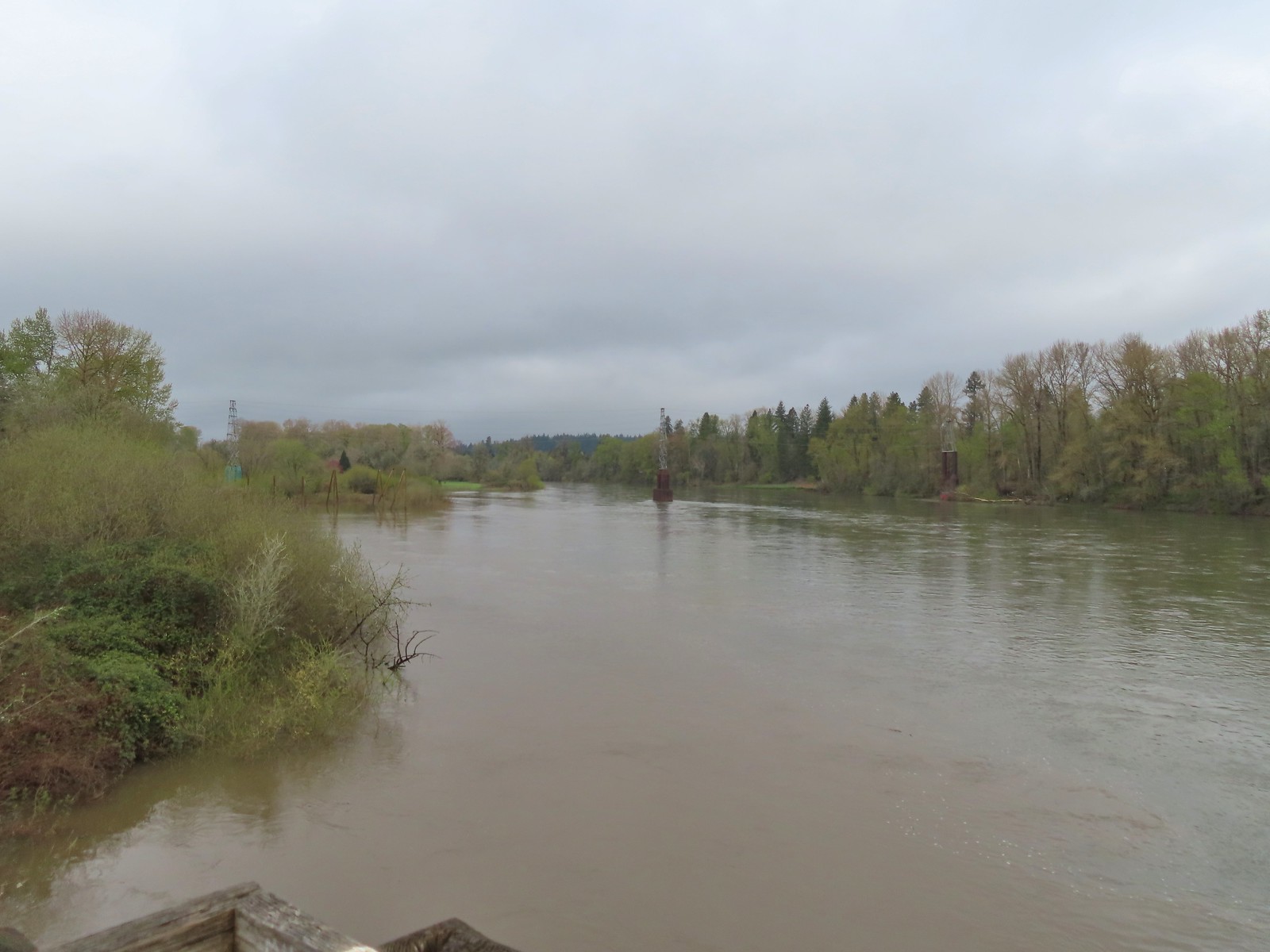 The confluence ahead to the left.
 Highway 20 passing over the Willamette to the left. Fun fact about U.S. Highway 20 – It runs from Newport, OR to Boston, MA and is the longest road in the USA according to the Federal Highway Administration. Click here for more information and an interesting write up of the drive from Boston to Newport by Boots on the Trail.
We followed the Dave Clark Trail East passing under both bridges of the highway and then later under the Union Pacific Railroad.
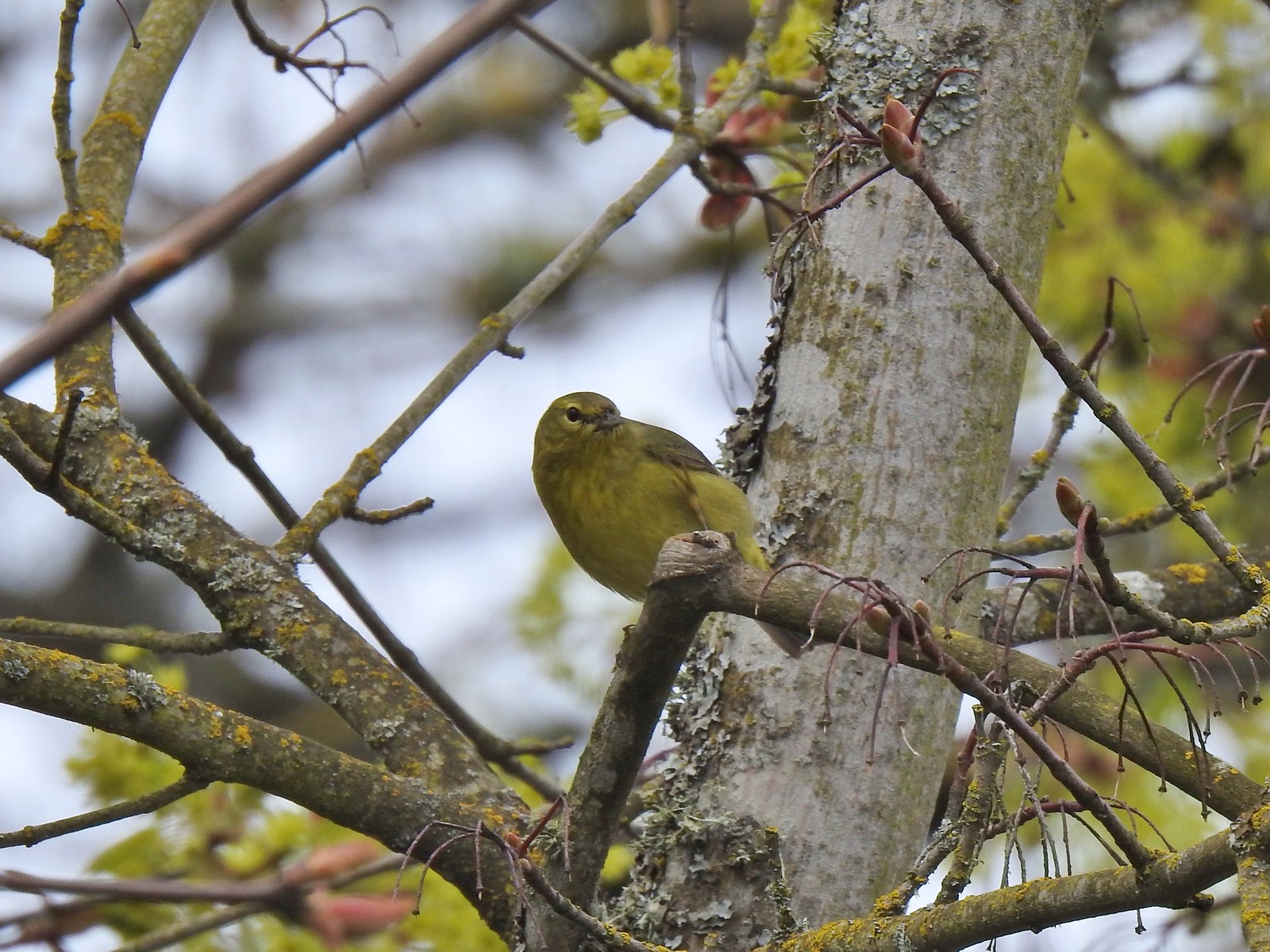
 Orange crowned warbler. One of many small birds we saw along this trail.
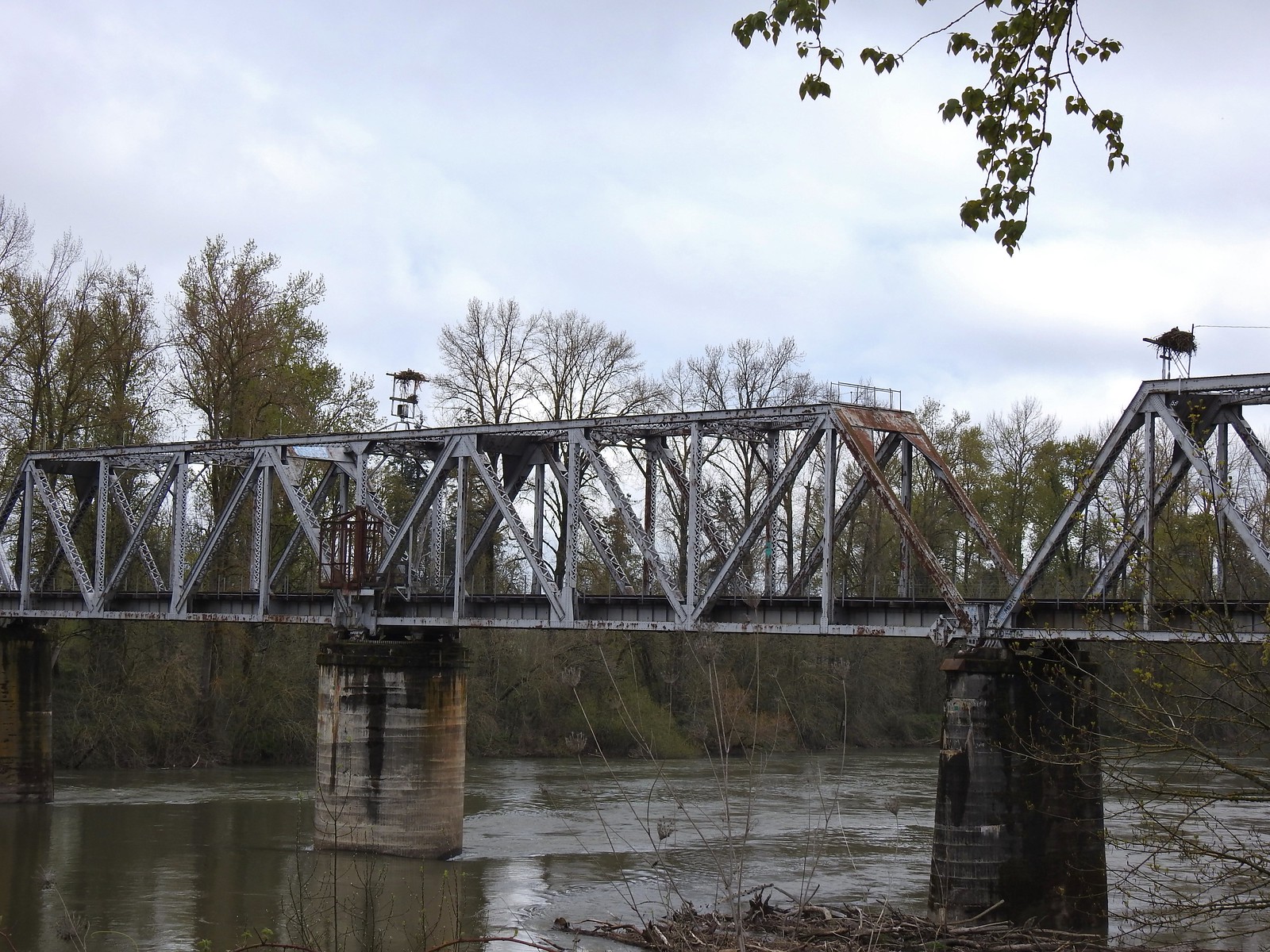 We thought it was a little odd to see two occupied nests atop the railroad so close together until we realized that the occupants weren’t both birds of prey.
 Canada geese were using one of the nests.
 Might be the mate looking acting as lookout from the bridge.
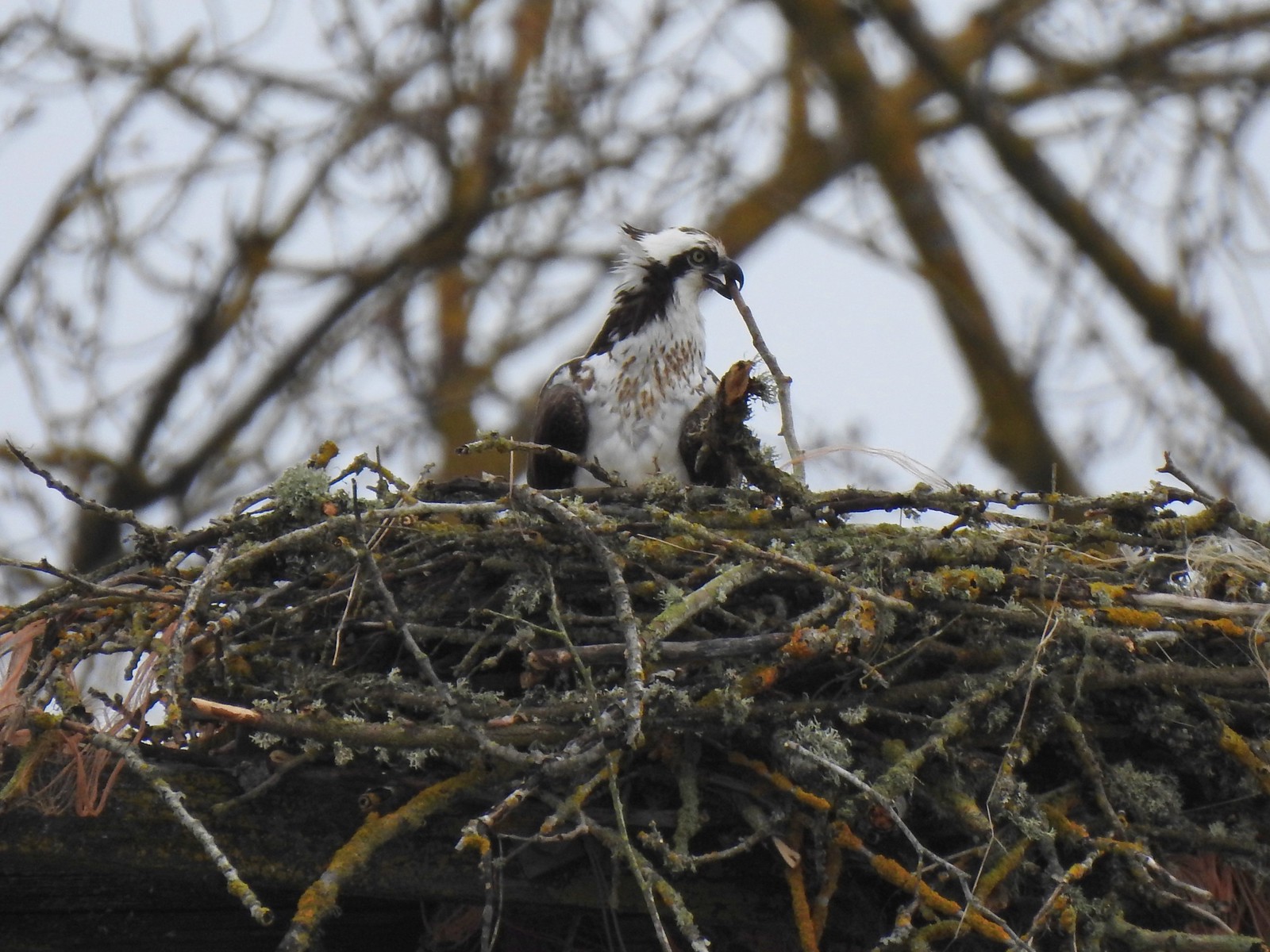 Osprey occupied the other and appeared to be in the process of renovations.
We also encountered a beautiful male Anna’s hummingbird but for the life of me I couldn’t get either one of the cameras I was carrying to focus on the little guy so the only picture we wound up with was a cropped shot from Heather’s phone.
 His bright pink head was more impressive in person.
After ducking under the railroad and passing some apartments the trail passed the Willamette Community Garden and climbed to NE Oak Street.
 The community garden (not pictured) was on our right.
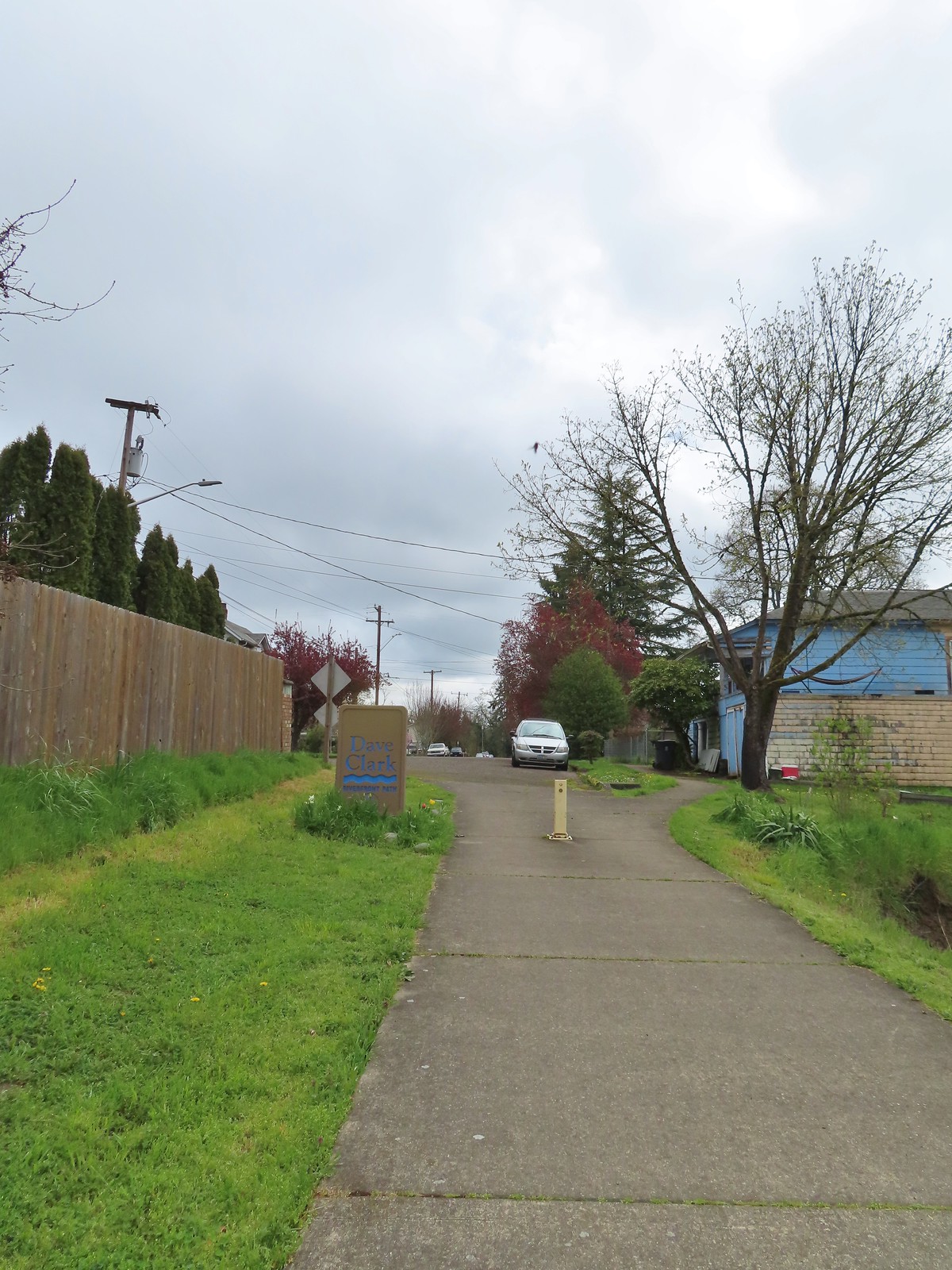
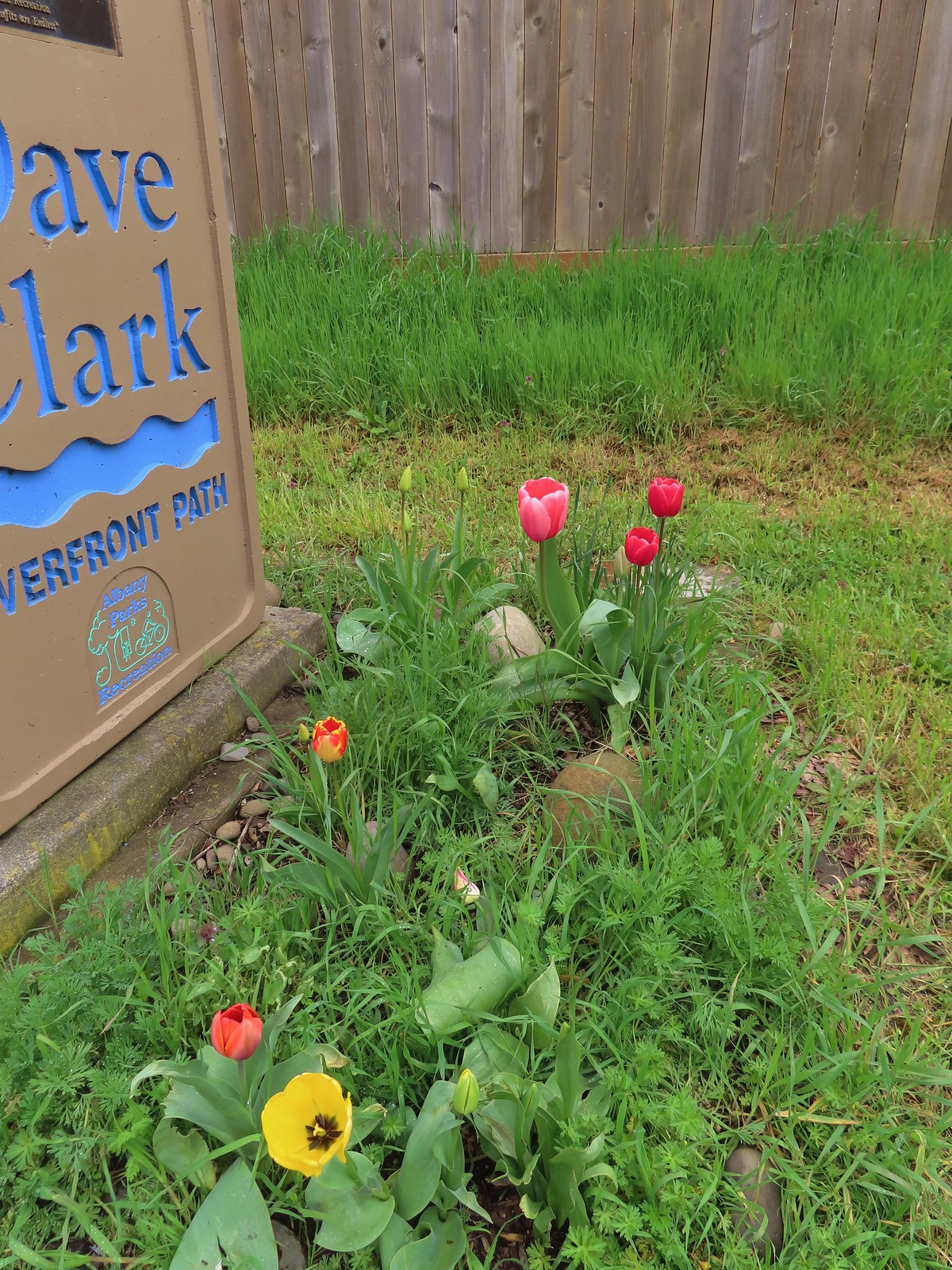 Pretty tulips at the sign.
Here the trail follows several blocks of sidewalk before reaching its end at Bowman Park. The official route of the trail turned right on Oak St for a block then left for 5 blocks NE Water Ave to Geary St where it turned left and descended 3 blocks to Bowman Park. We stayed straight on Front Ave NE though and followed it 3 blocks to Harrison St. NE where we turned right for a block to NE Water Ave to rejoin the Dave Clark Trail.
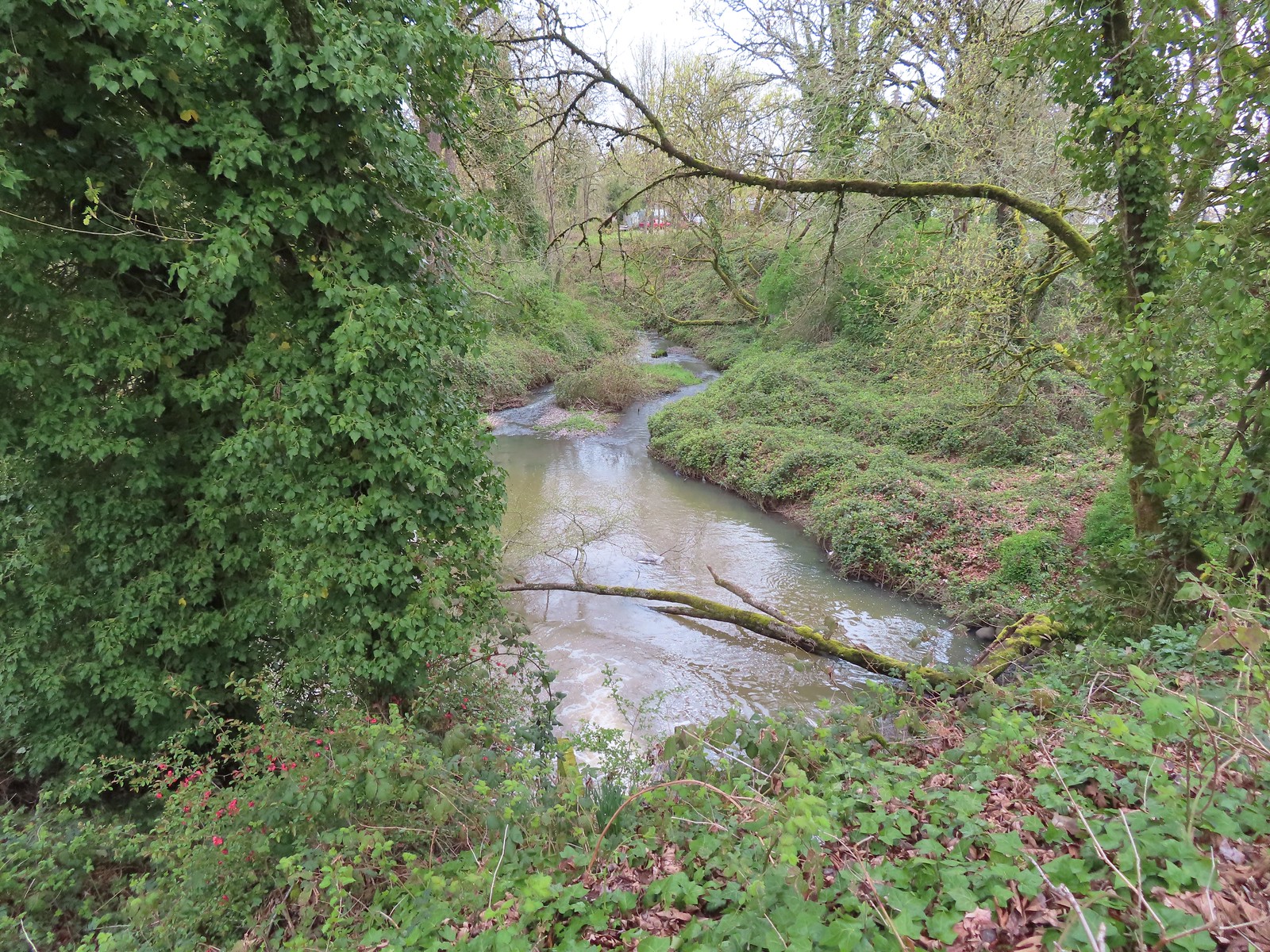 Not a lot to see in the residential neighborhoods but we did cross Pettyjohn Creek along the way.
 Sign for Bowman Park at Geary St.
 Bowman Park on the left and the paved path we took on the right.
A paved path led East from Bowman Park behind a new apartment complex where it turned to a wood chip surface.


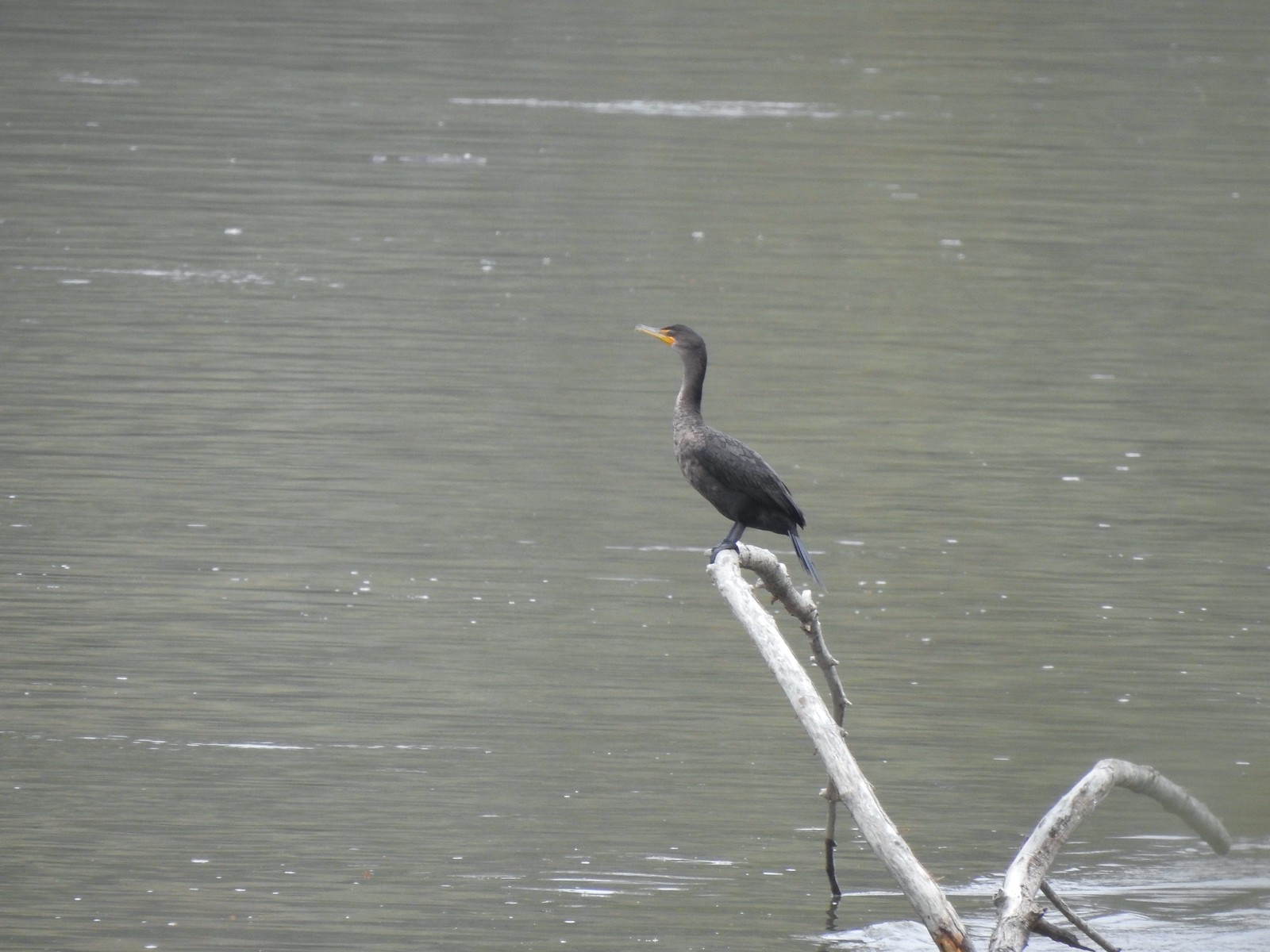 Cormant in the middle of the Willamette.
At the far end of the apartment complex the trail suddenly turned into a slick, muddy single track.

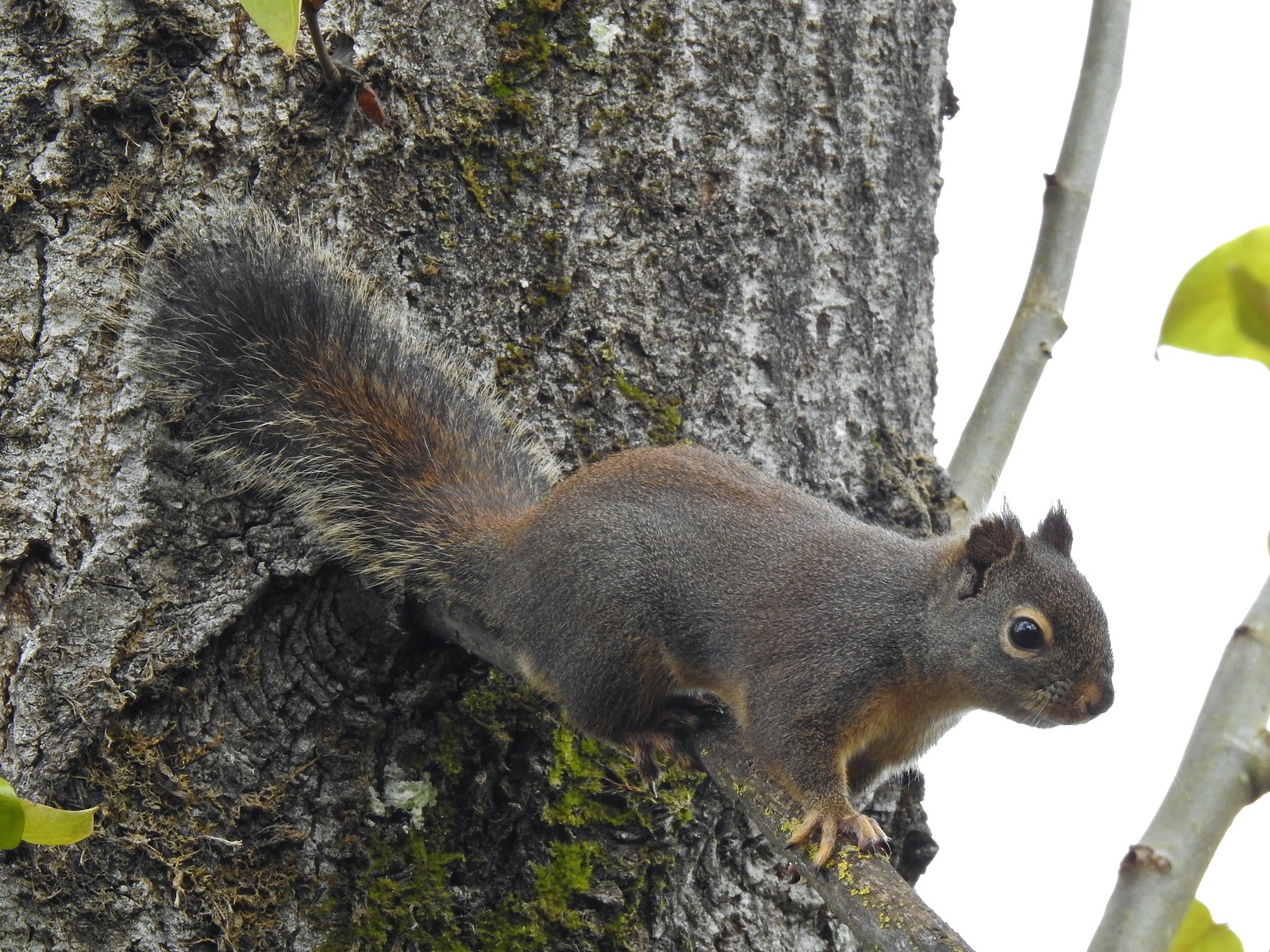 Squirrel
Things got started getting interesting here, and not in the good way. We quickly started passing vacant and/or abandoned homeless camps and the trail surface was just a mess. At this point we were only about a half mile from the Simpson Park Trailhead though so we pressed on.
 Seen near a homeless camp which sort of captures the situation. A combination of unaffordable house, drug abuse, and mental illness has created a crisis up and down the West Coast with no simple (or quick) answer.
 We initially mistook all the footprints and bike tracks as a sign that the trail saw good recreational use.
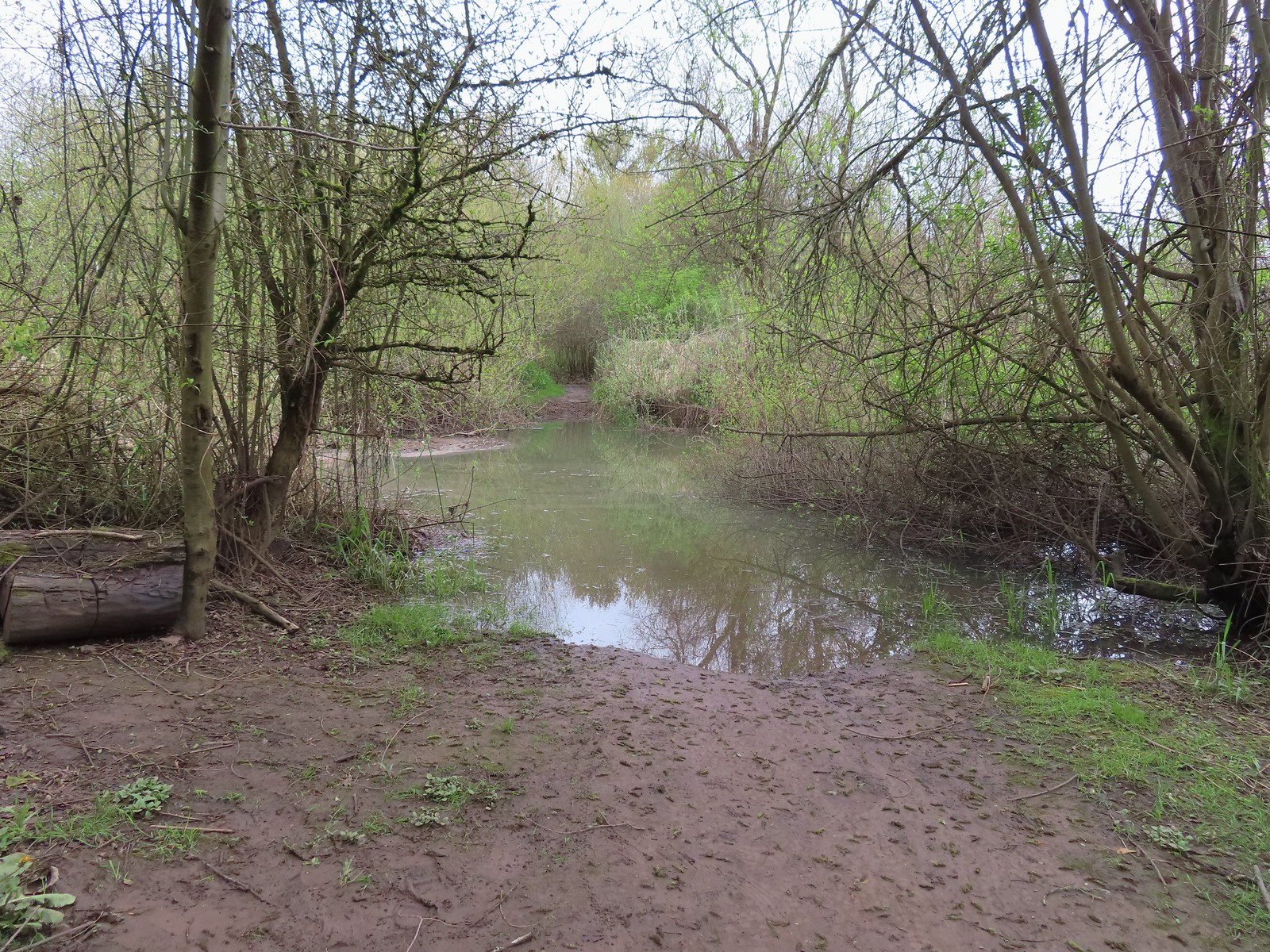
According to the Oregonhikers.org Field Guide entry for the Albany Riverfront Hike there is a concrete bridge over Cox Creek near Simpson Park. We never made it that far though as after a quarter mile we came to small pond over the trail. There was no foreseeable way around and we didn’t want to do to much searching for an alternate route for fear of stumbling upon an occupied camp so we turned around.
Prior to reaching the impassible puddle we had already decided to forgo trying to hike further along the Willamtte from Simpson Park and had planned instead of visit Talking Water Gardens and return via roads instead of the muddy trail. Now that we’d been stymied though we trudged back through the mud and past the homeless camps to the apartments where we turned left on a path that led a short distance uphill into Eads Park.


We turned left and passed through this small park then turned right onto Burkhart St NE and began our second stint of neighborhood hiking. After a block on Burkhart we made a left on Willamette Ave NE and followed it 0.2-miles to its end at the Albany/Millersburg Water Reclamation Facility where we turned right onto Davidson St. NE. A block on Davidson brought us back to Front AVE NE and a sign for the Talking Water Gardens.
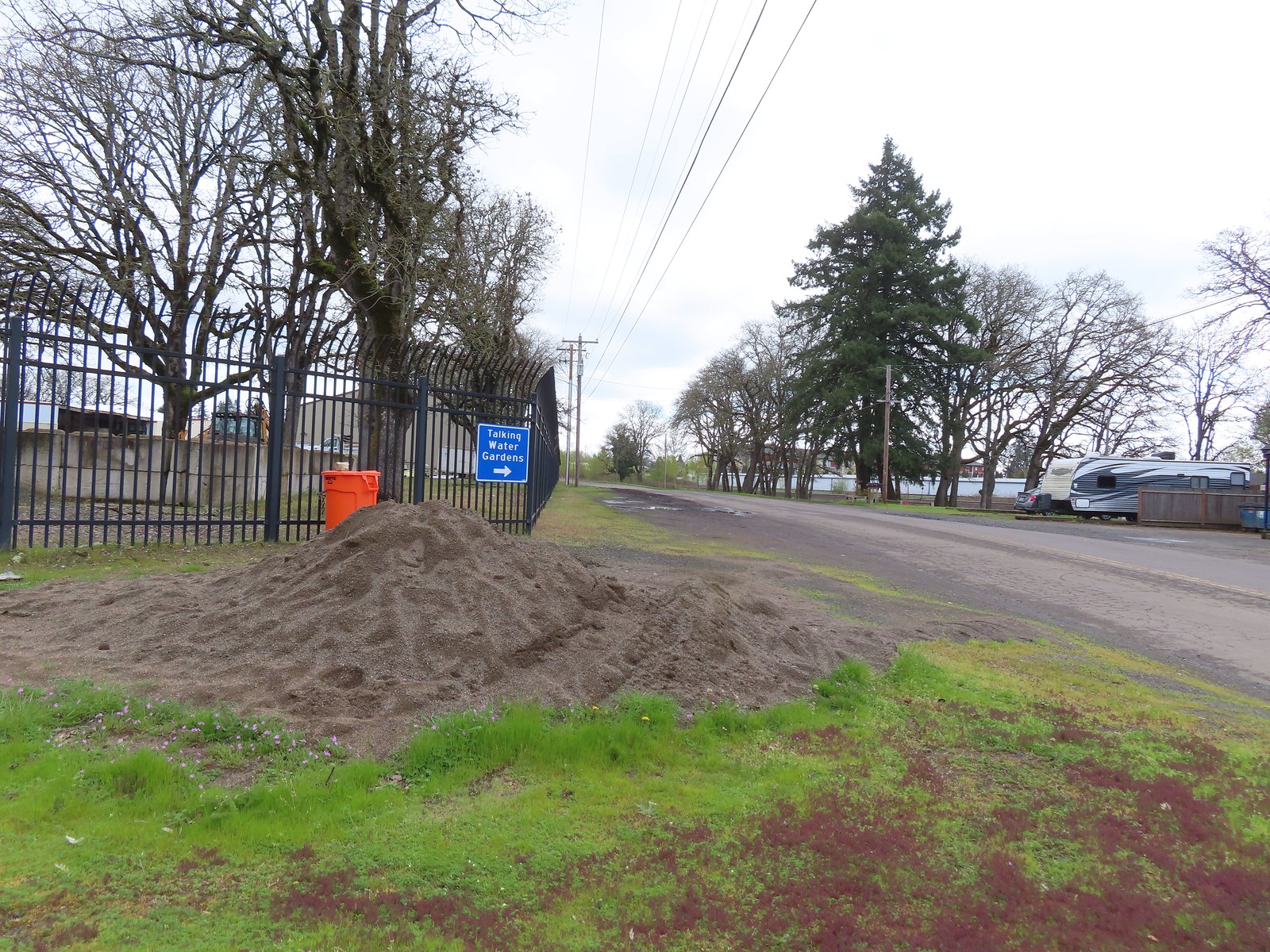
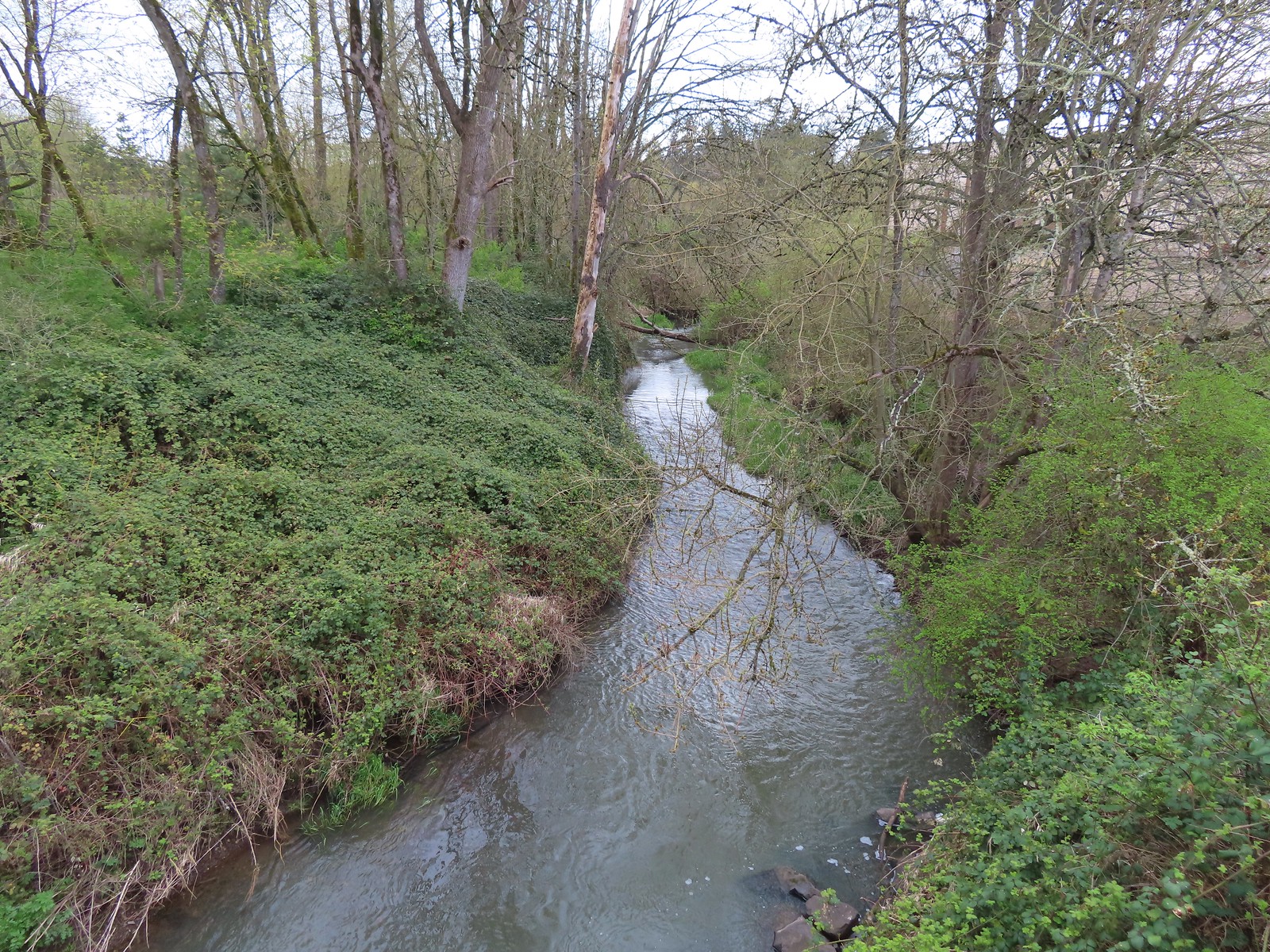
Front Ave became Waverly Dr NE and we followed it until we finally crossed Cox Creek three tenths of a mile later.
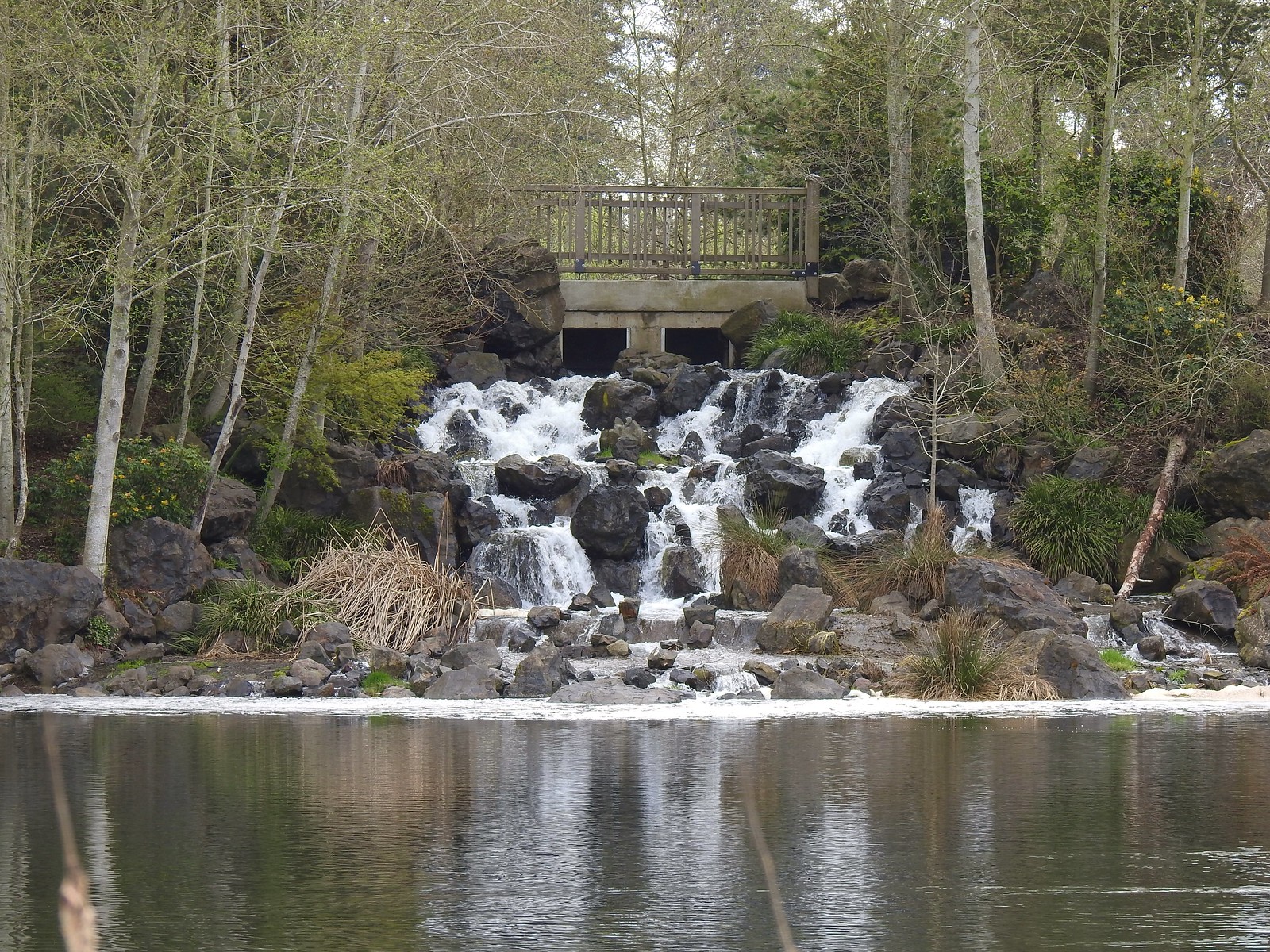
We made our way to the gated entrance to the Talking Water Gardens happy to see that the man-made waterfall in the Beaver Marsh was flowing this time.


 Buffleheads
We turned right and headed for the main sign board to get a picture of the map and decide on our route.
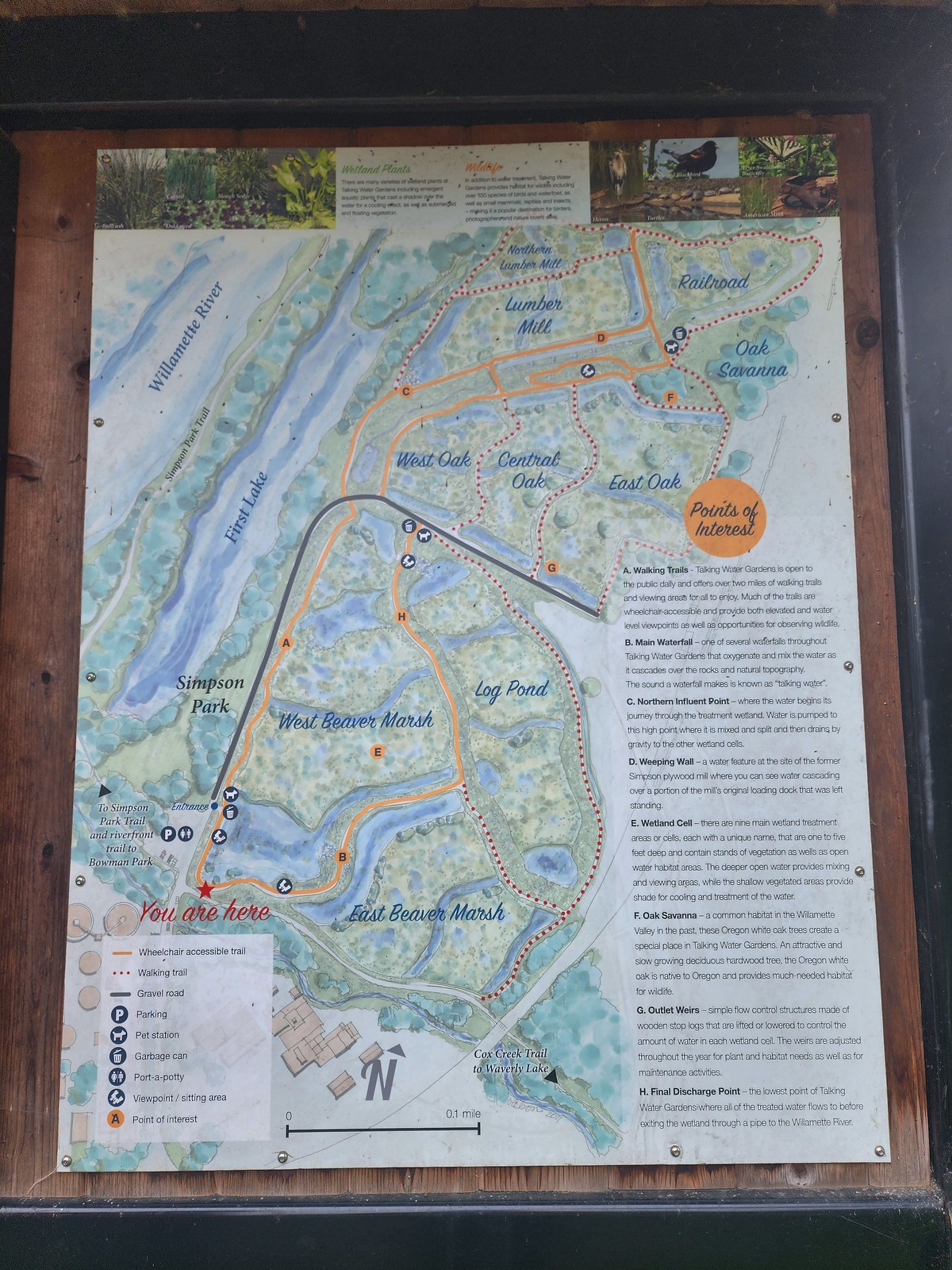 We decided to loop around the West Beaver Marsh and Central Oak areas before heading back.
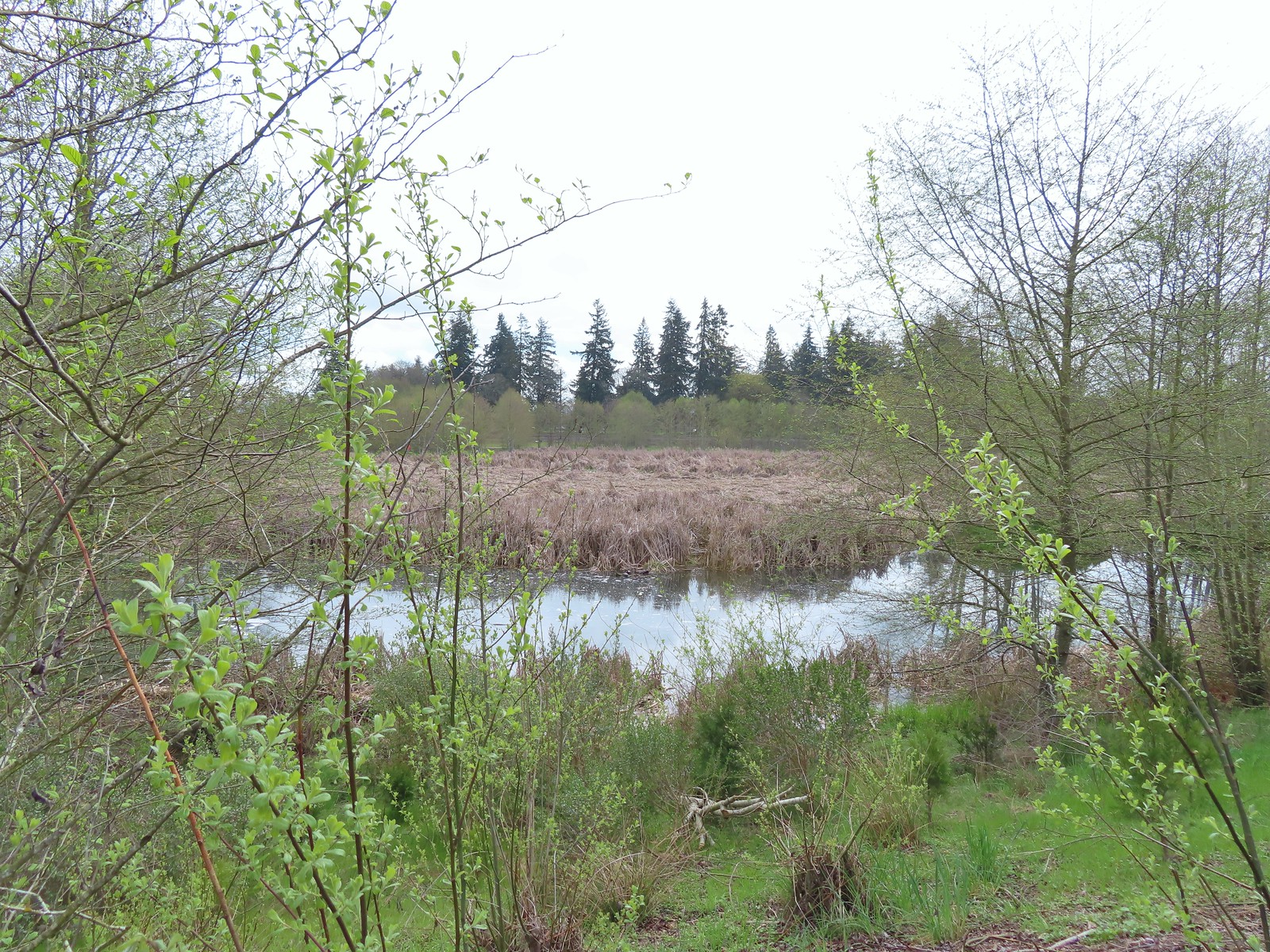
There was obviously a lot more water present now then there had been in November and while there were less ducks present there was a larger variety of birds and best of all a bunch of western pond turtles.
 View from above the waterfall.
 The first set of turtles we spotted.
 Western pond turtles.
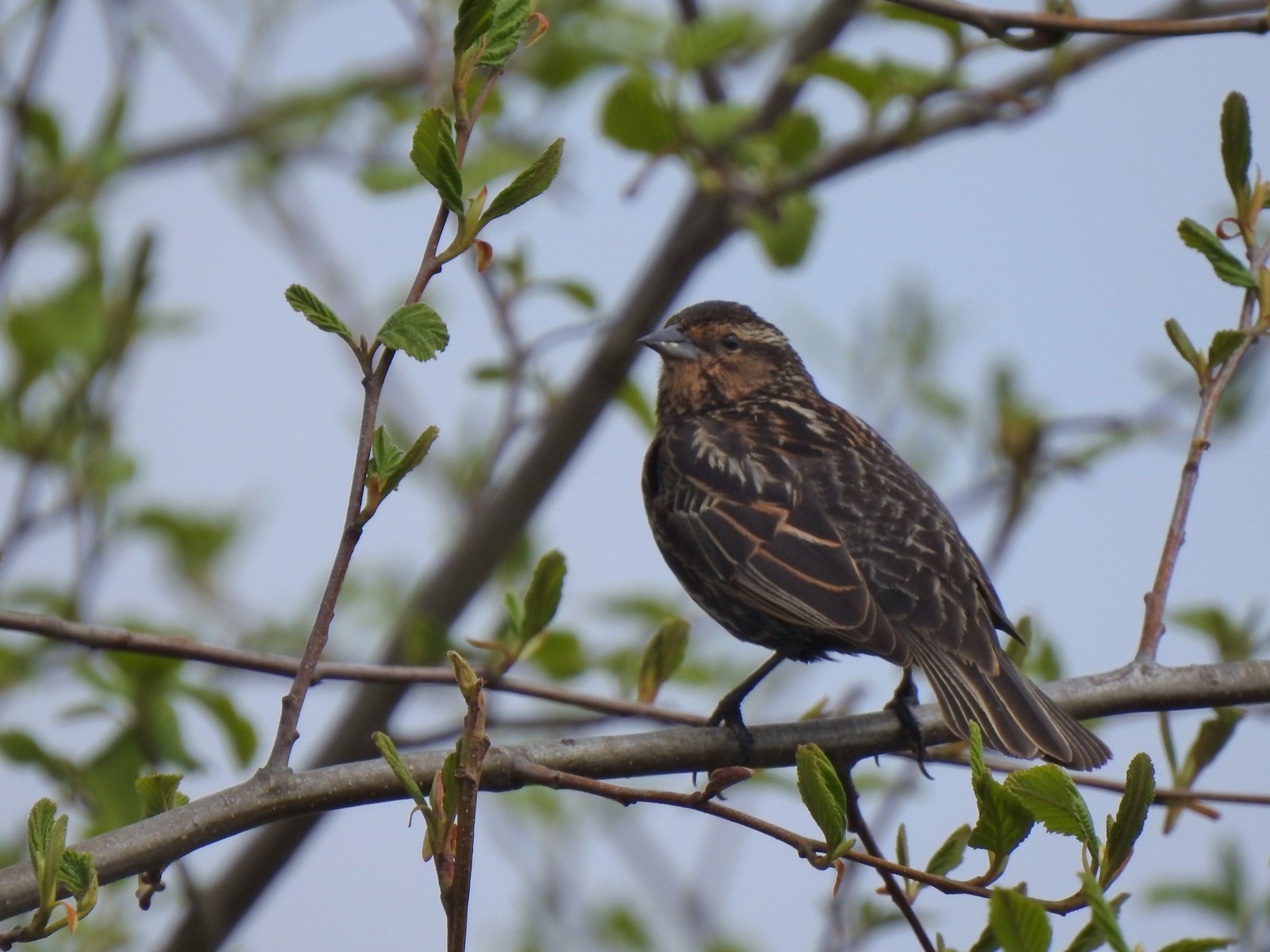 Female red-winged blackbird
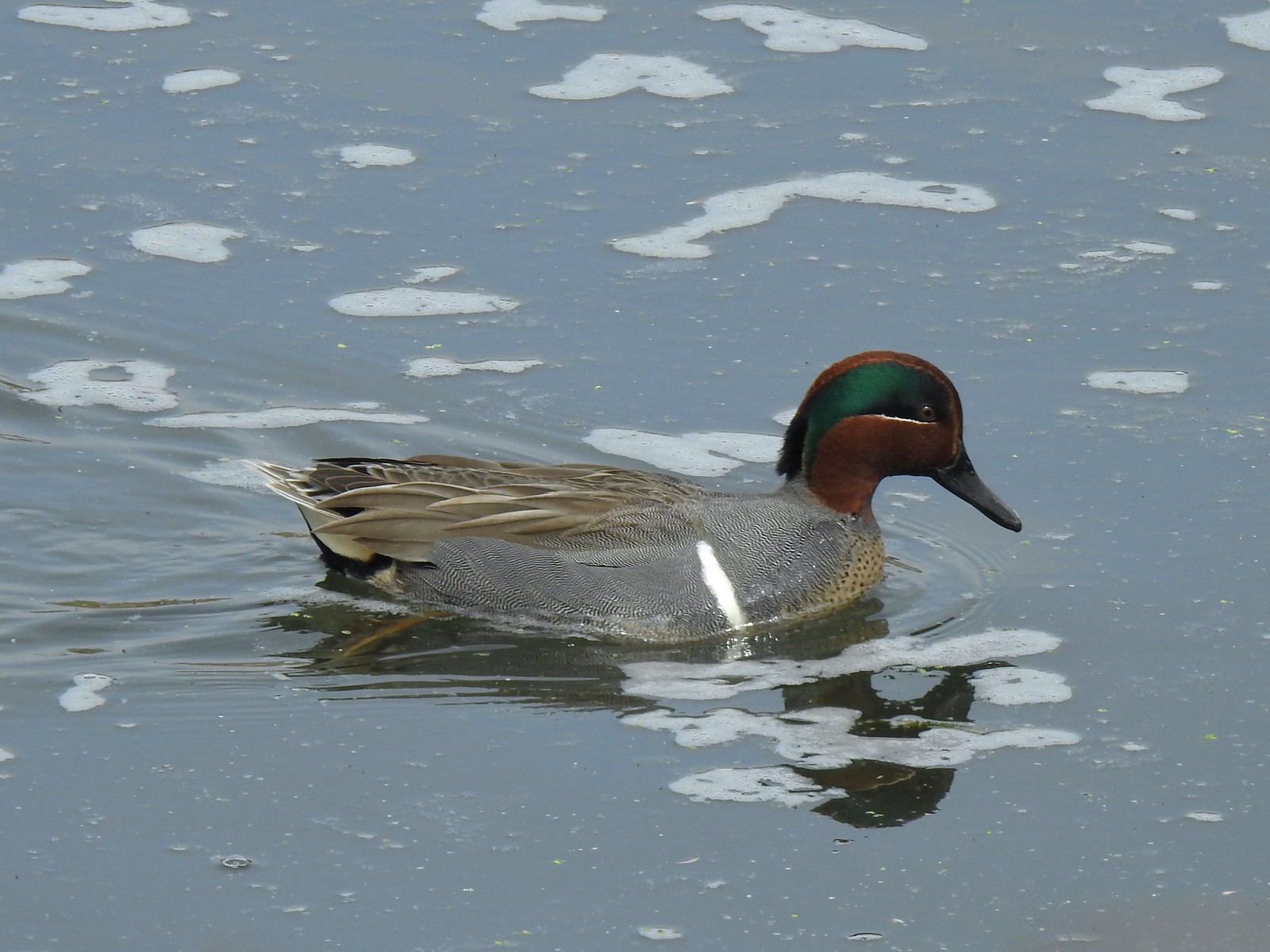 Green-winged teal
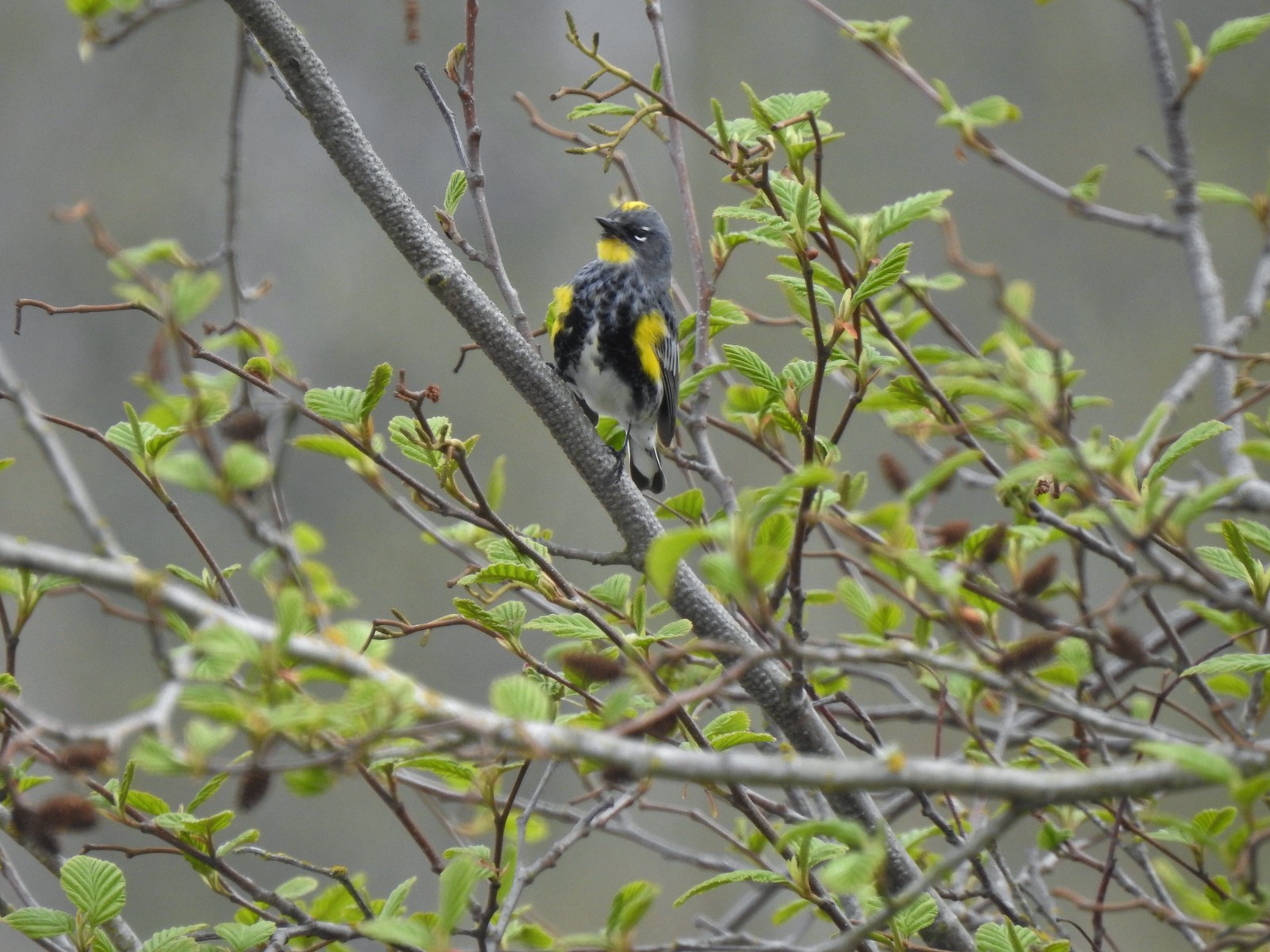 Yellow-rumped warbler (Audubon’s)
 More turtles
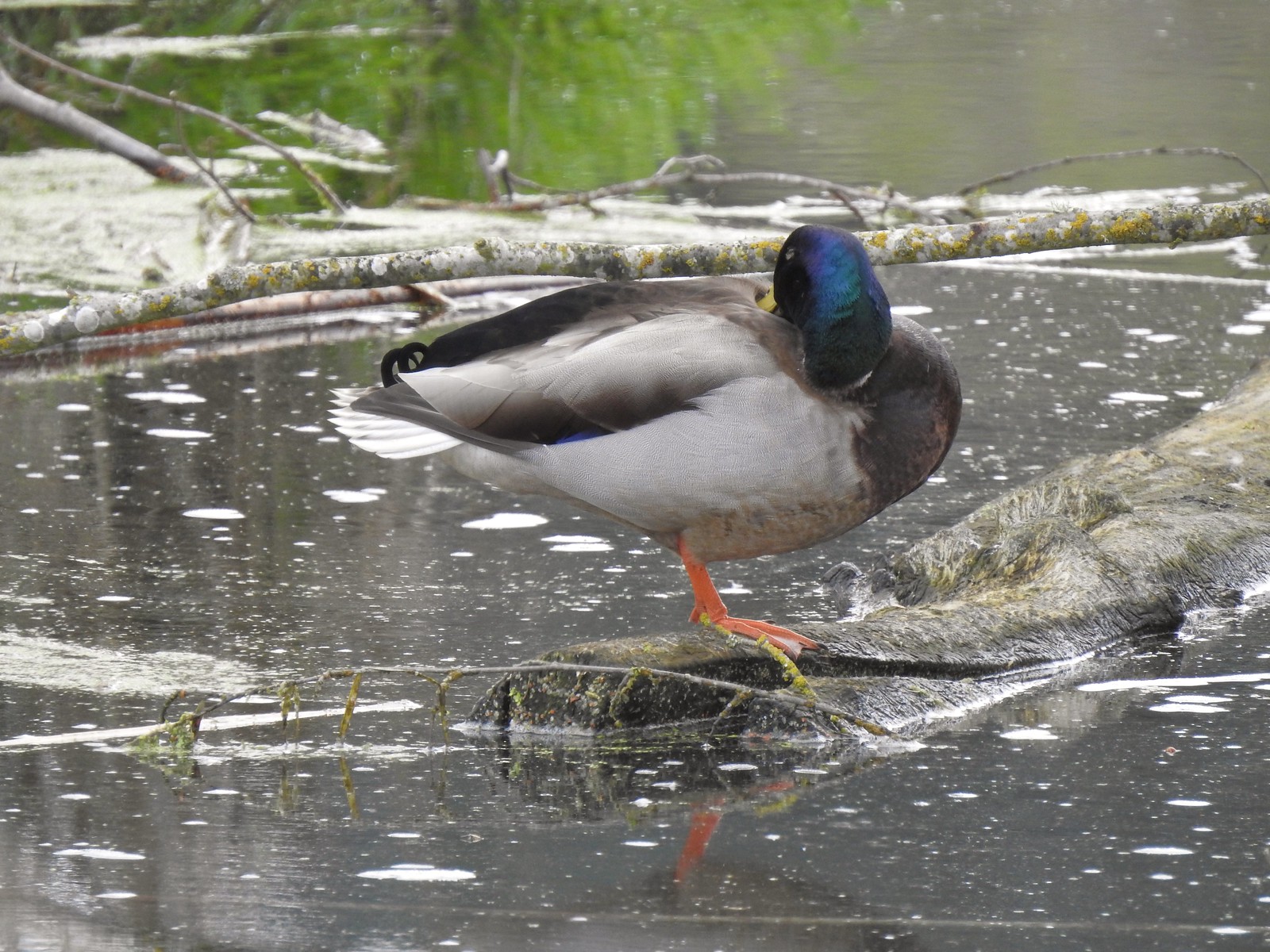 Mallard drake
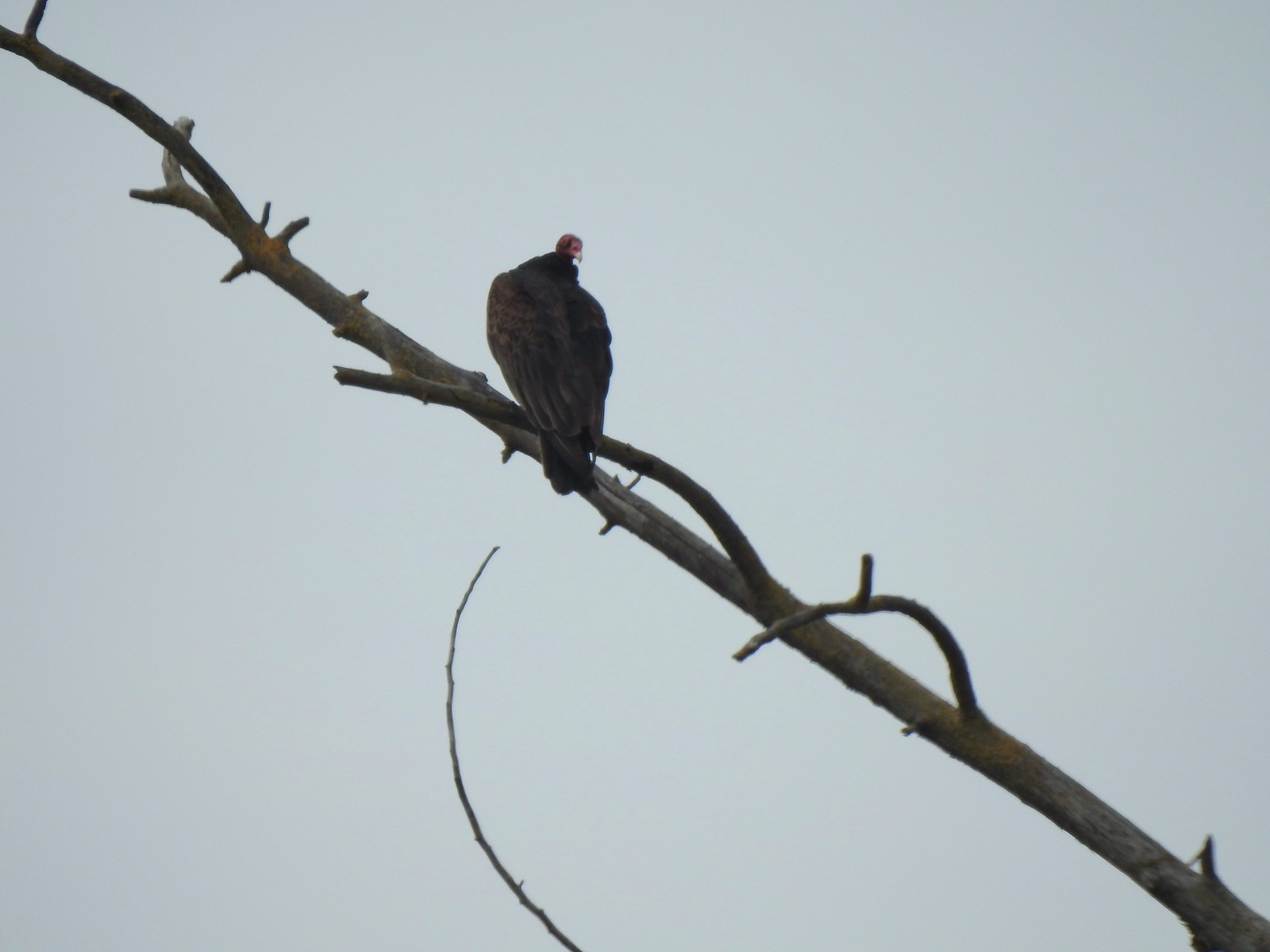 Turkey vulture
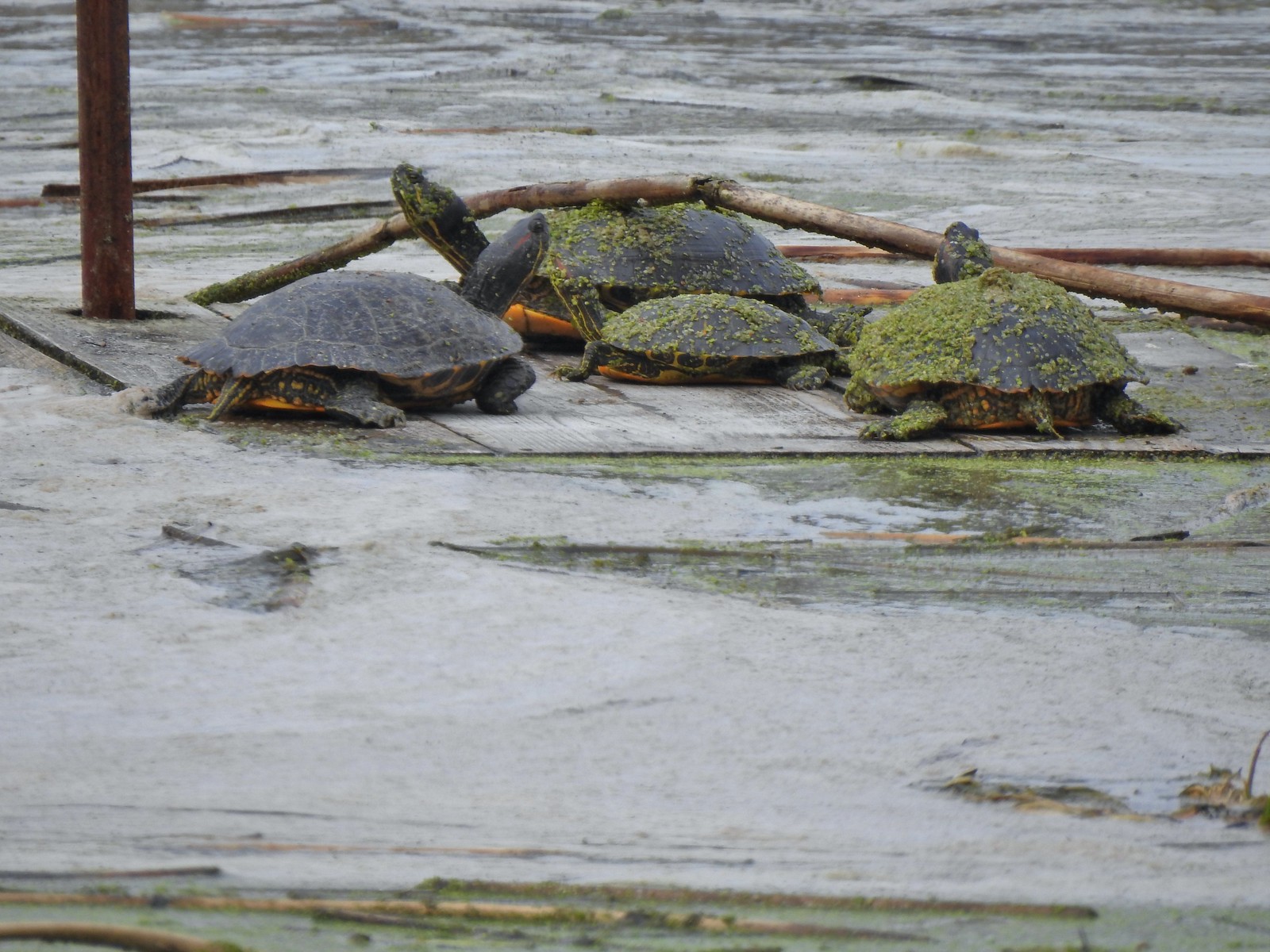 Another bale of turtles. (I had to look up “bale” because I had no idea what a group of turtles was called.)
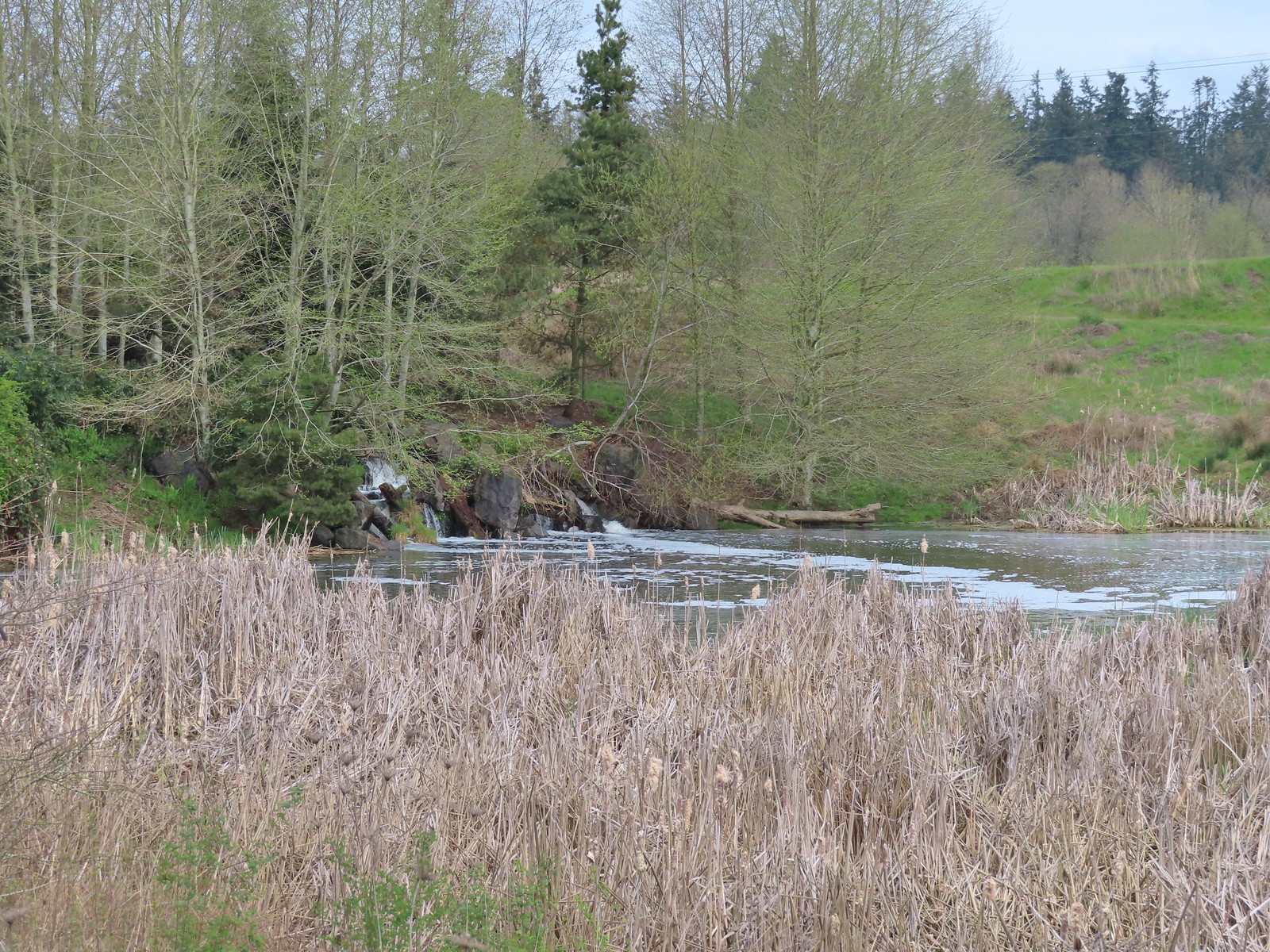 Another man-made waterfall.
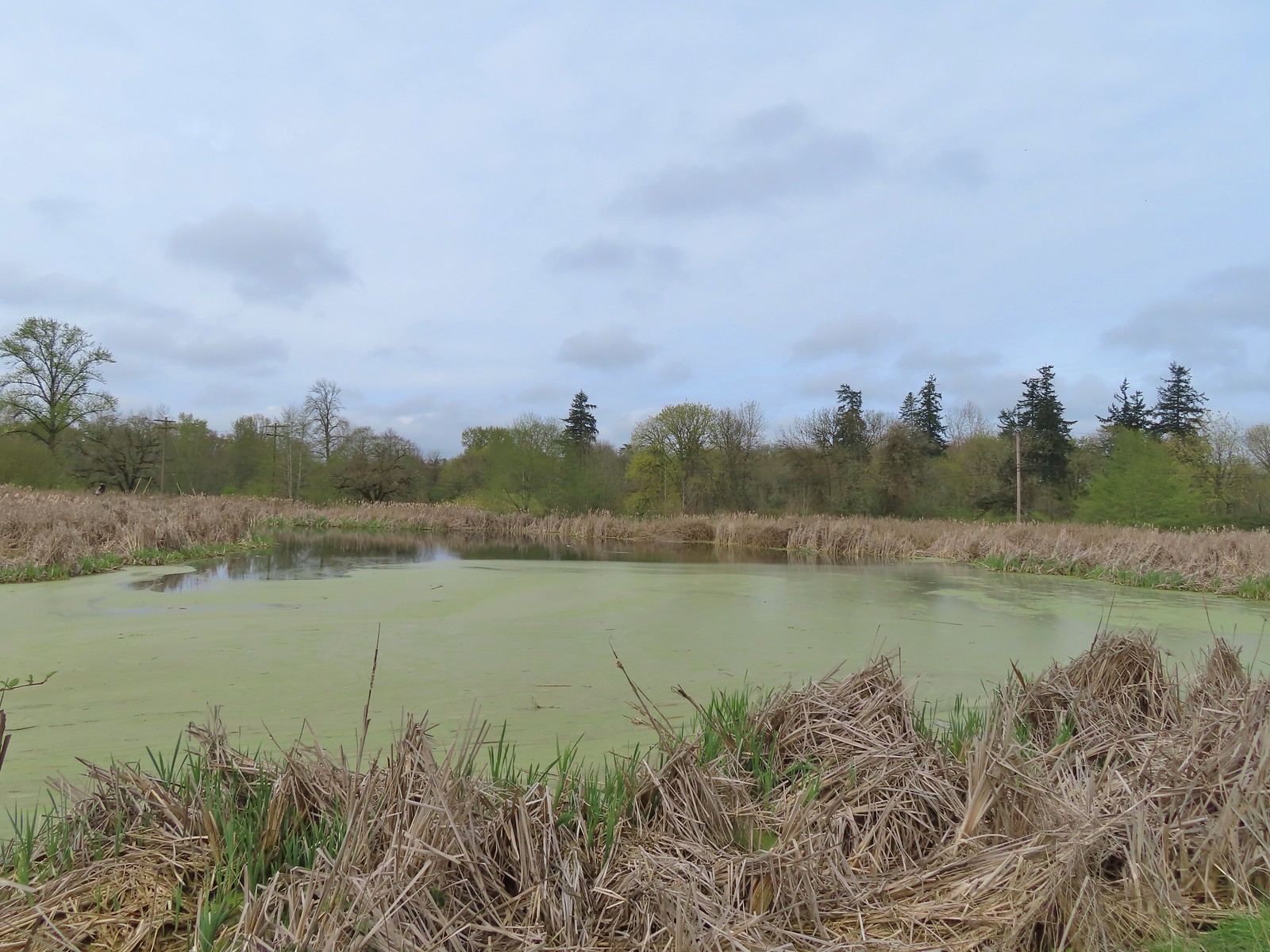 This had been full of ducks on our previous visit.
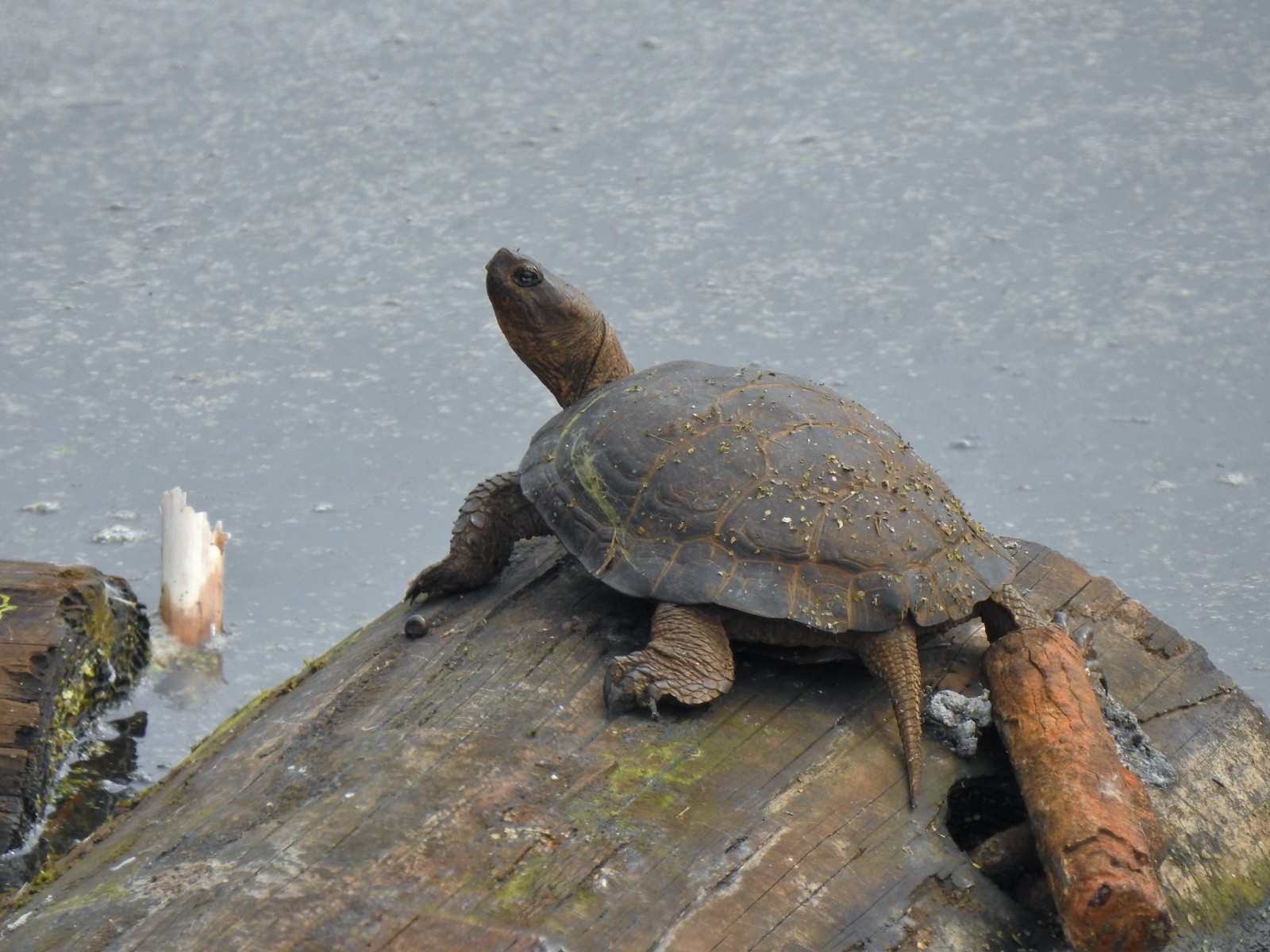 Yet another turtle.
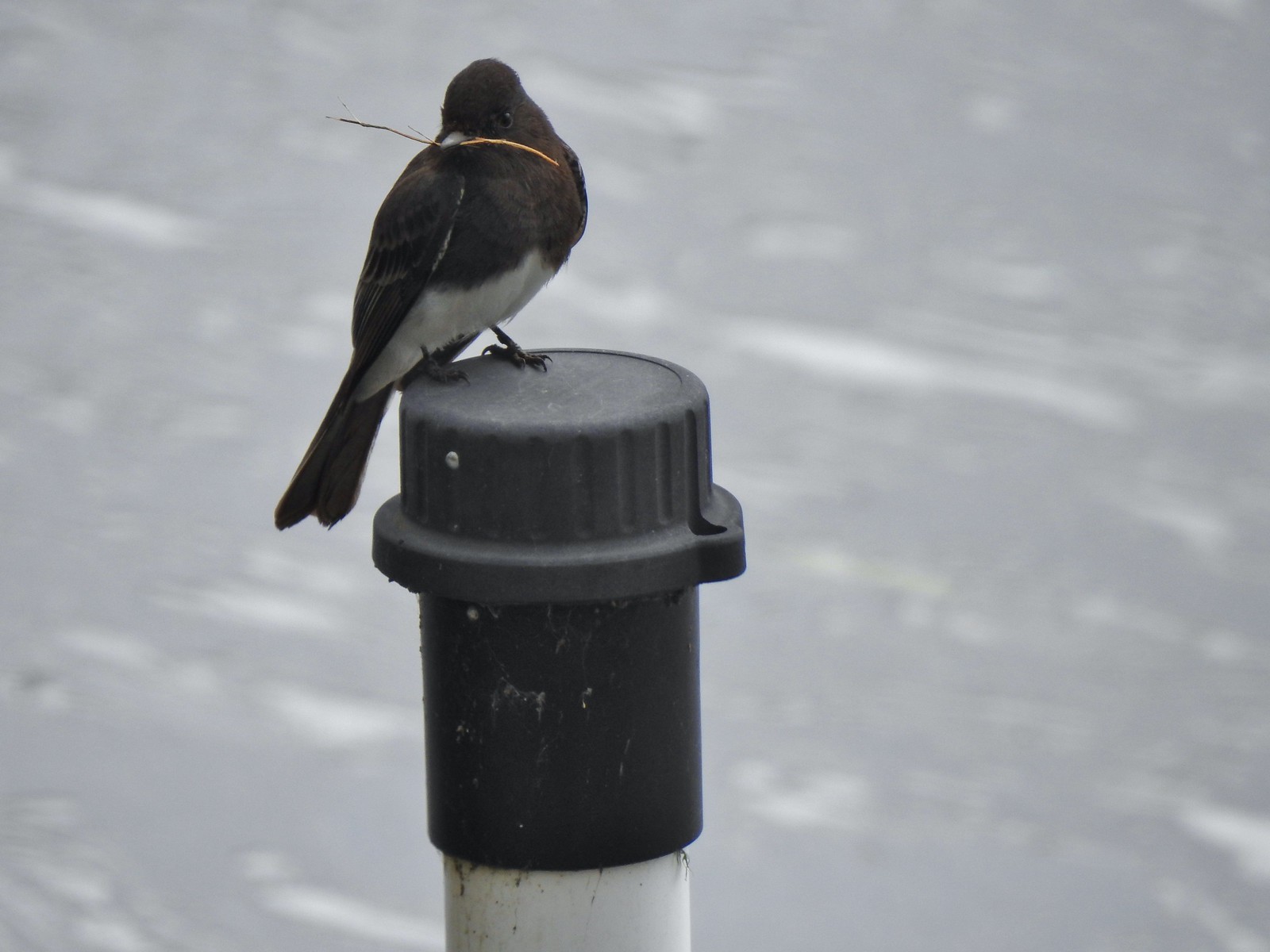 Black phoebe
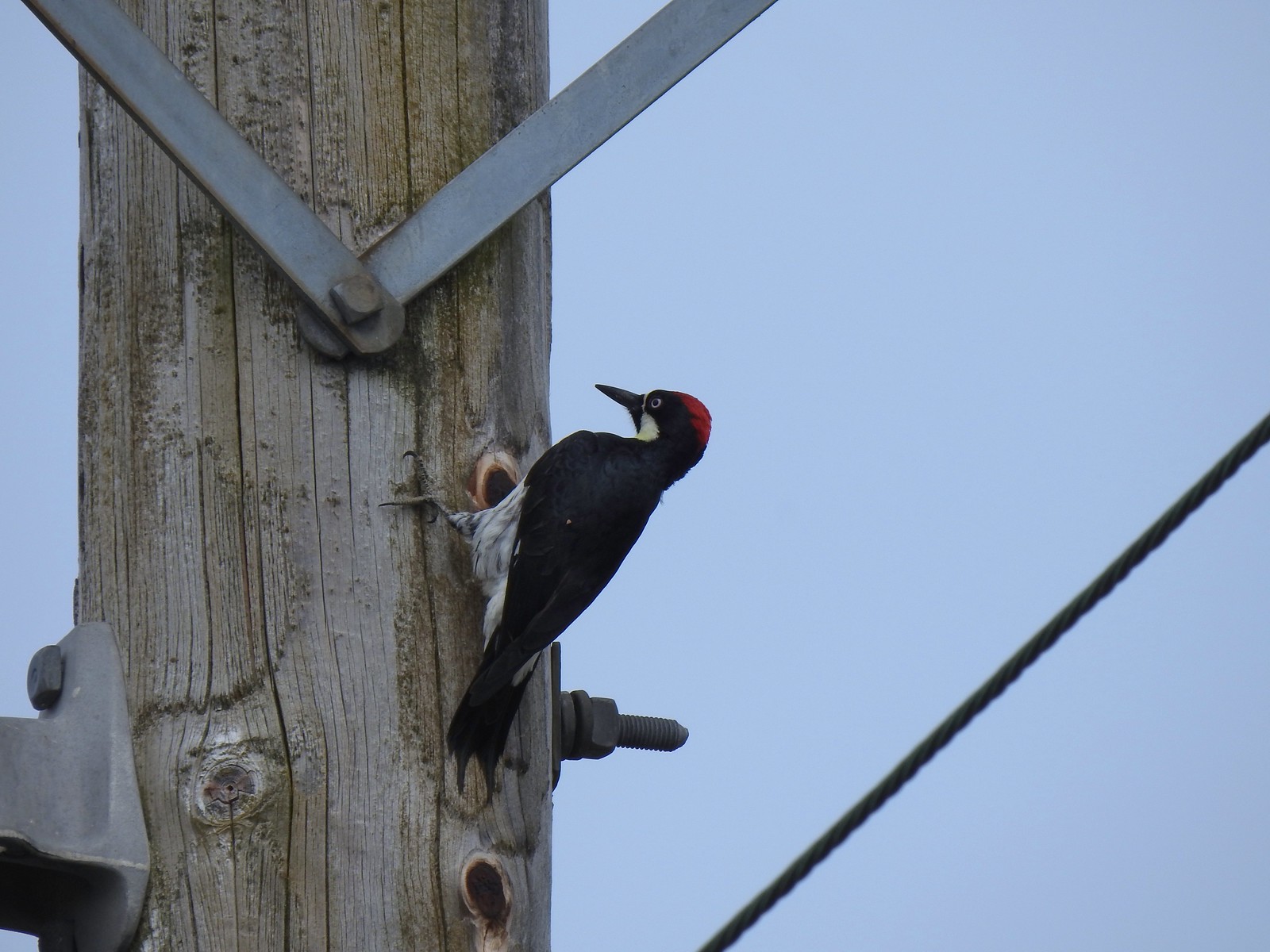 Acorn woodpecker
 Sparrow
 Northern shoveler
 Hummingbird
 Red-winged blackbird
 Bench along the Central Oak area.
 The first goslings we’ve spotted this year.
 Very zoomed in shot of a hawk seen in the distance.
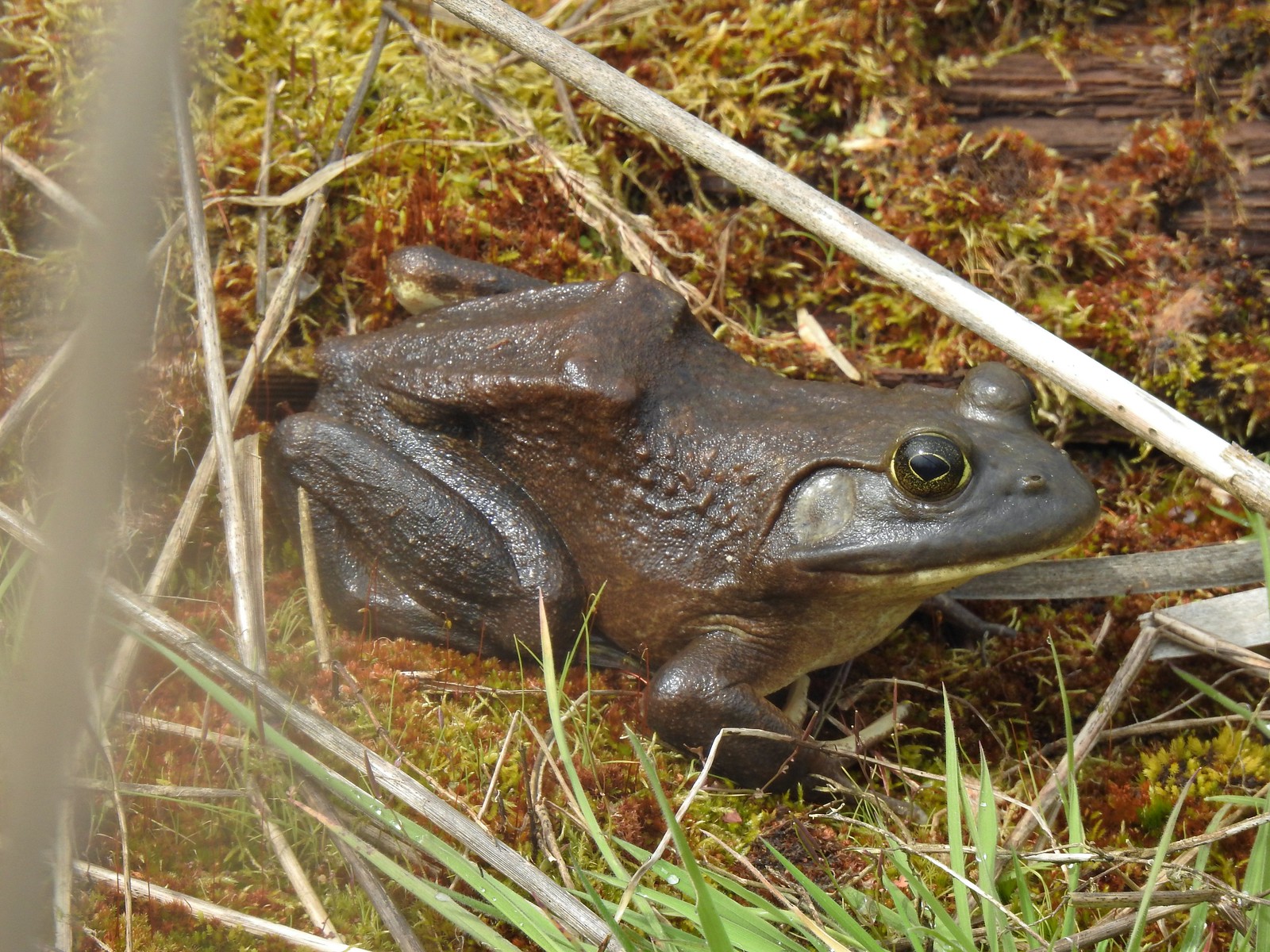 Bullfrog
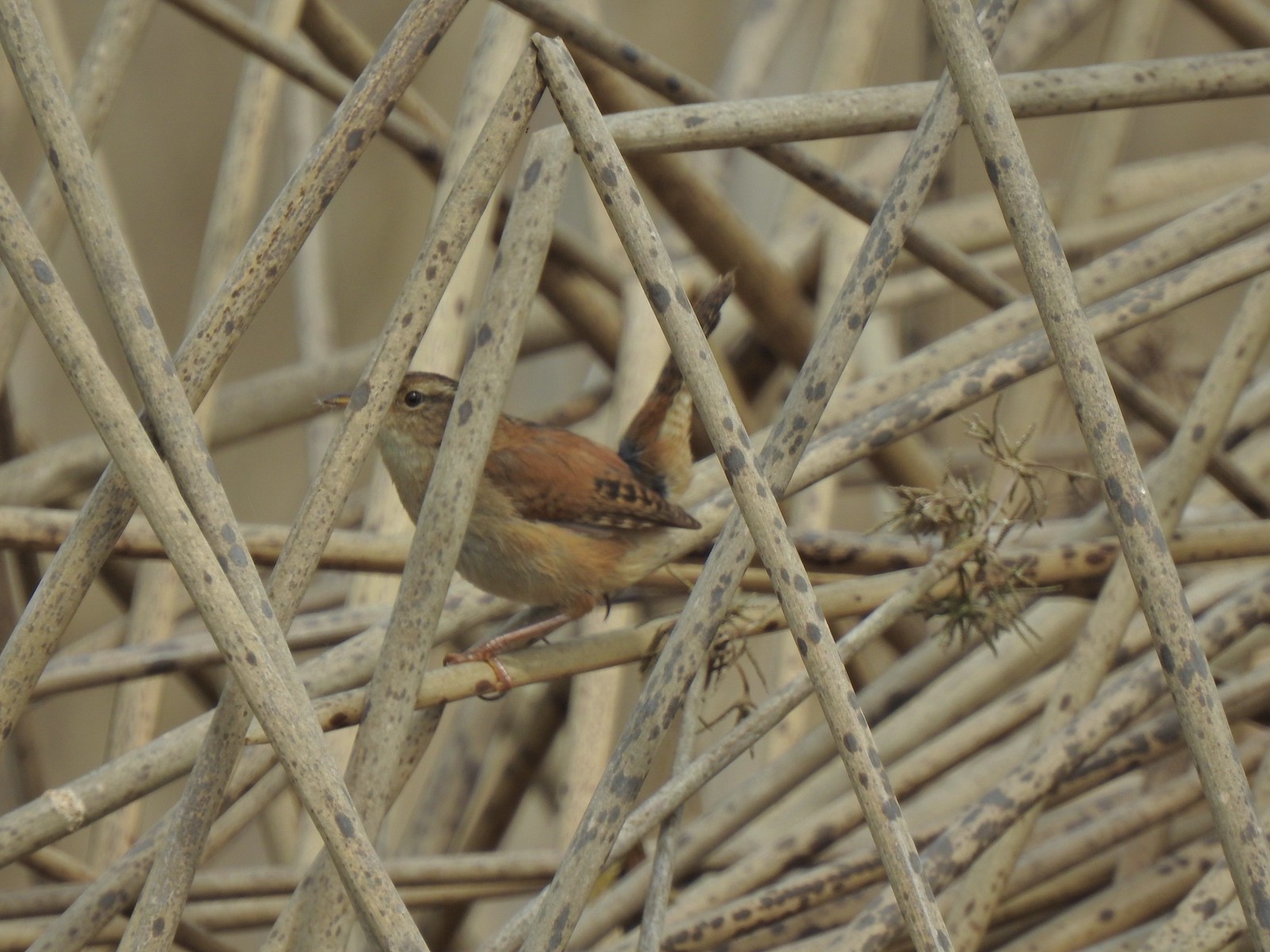 Marsh wren
 Final set of turtles.
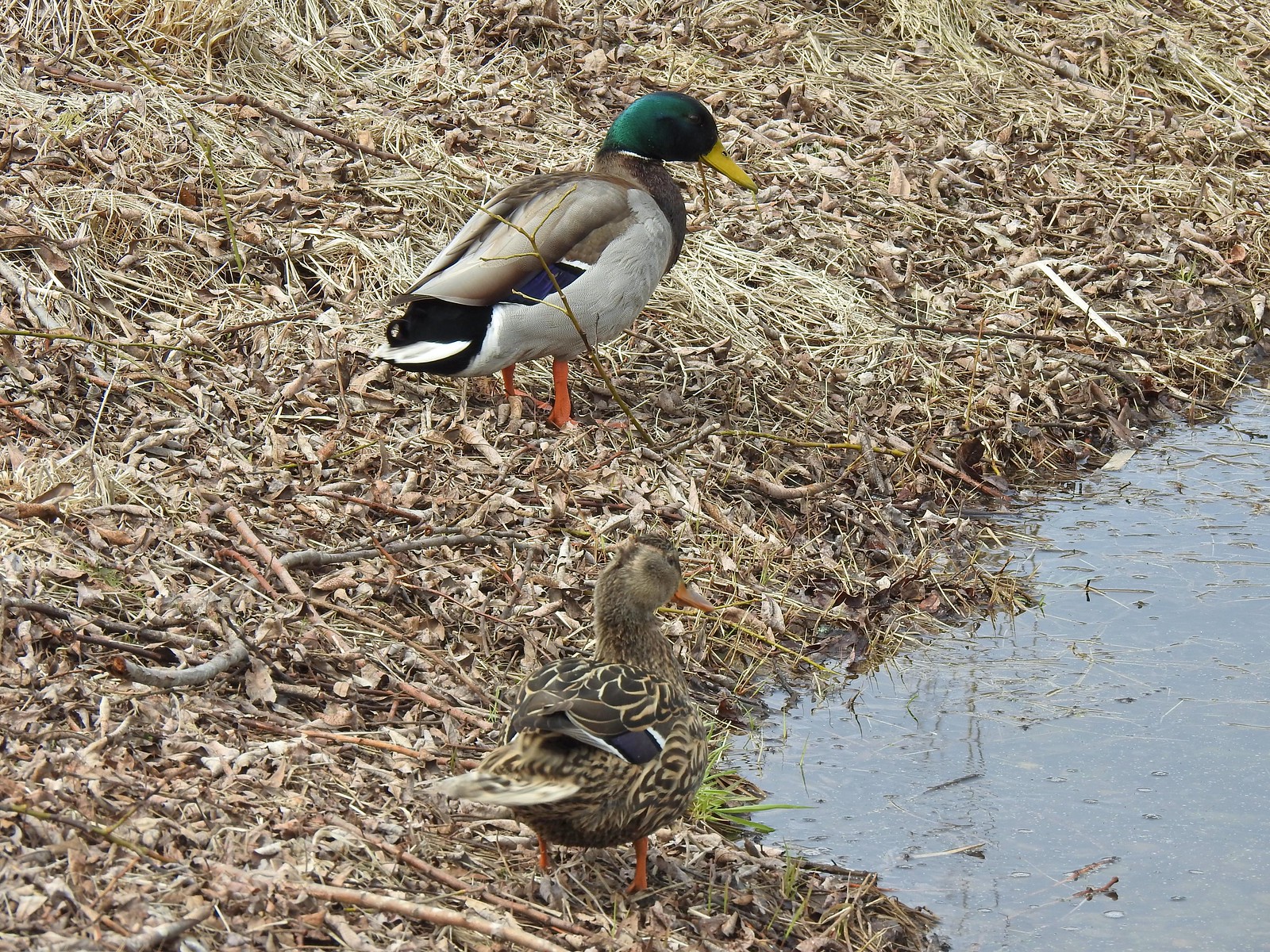 Mallard pair
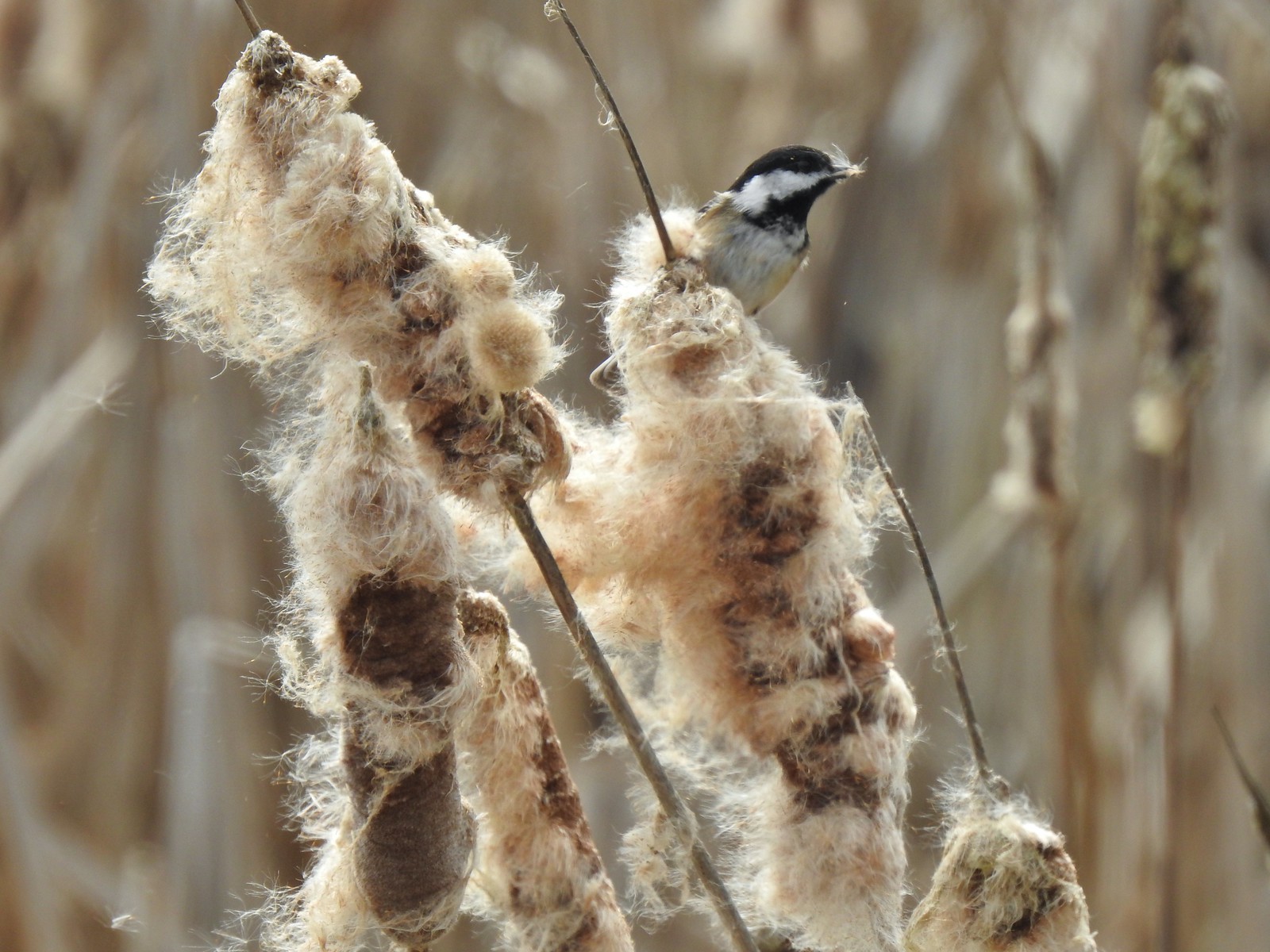 Chickadee
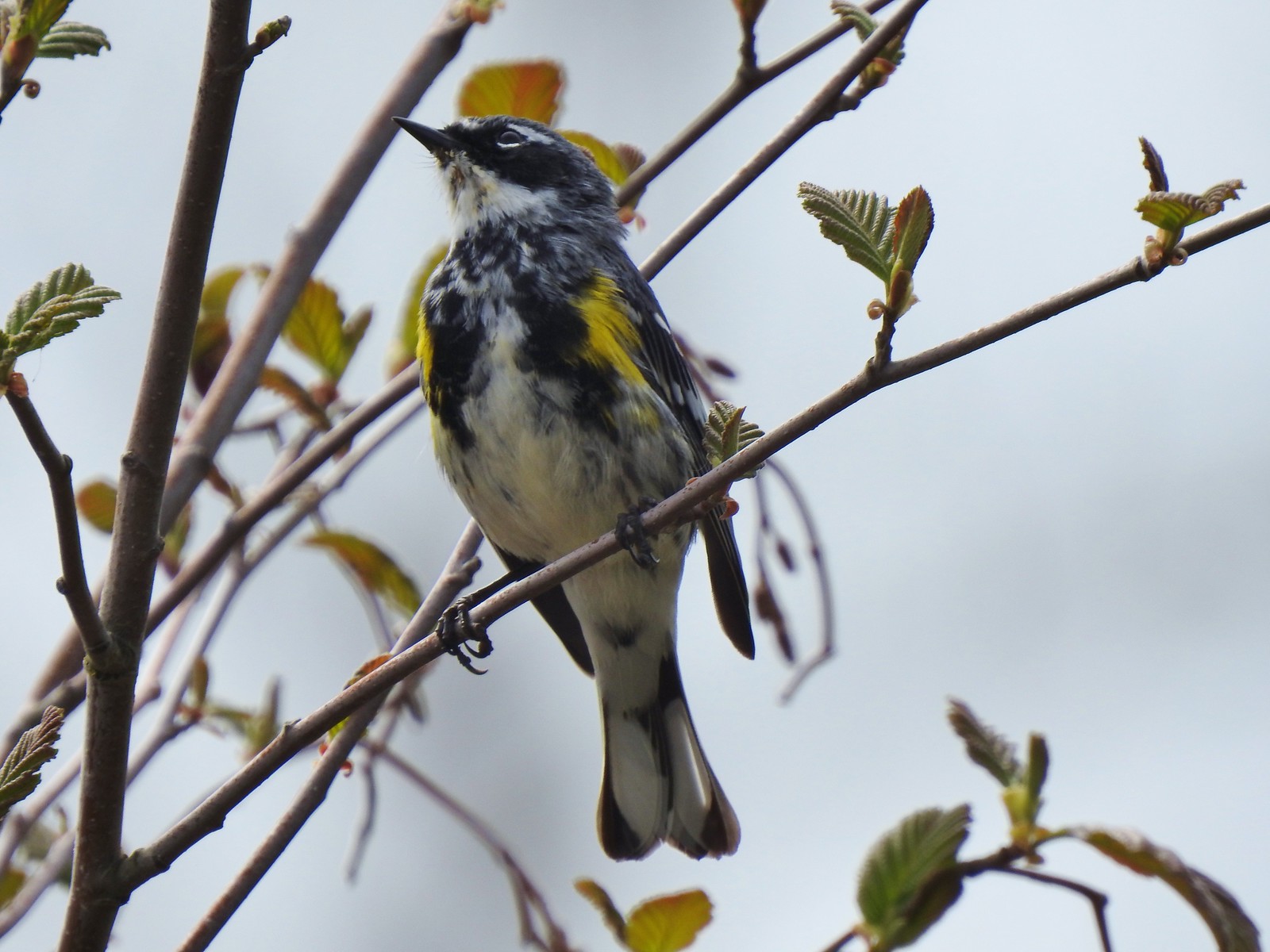 Yellow-rumped warbler (Myrtle)
We took about an hour to hike a little over 1.25-miles through the gardens. There was a lot of stopping to watch the wildlife and attempt to get photos. After exiting the gardens we made our way back to Front Ave via Waverly Drive and this time followed signs for the Dave Clark Trail back to it.
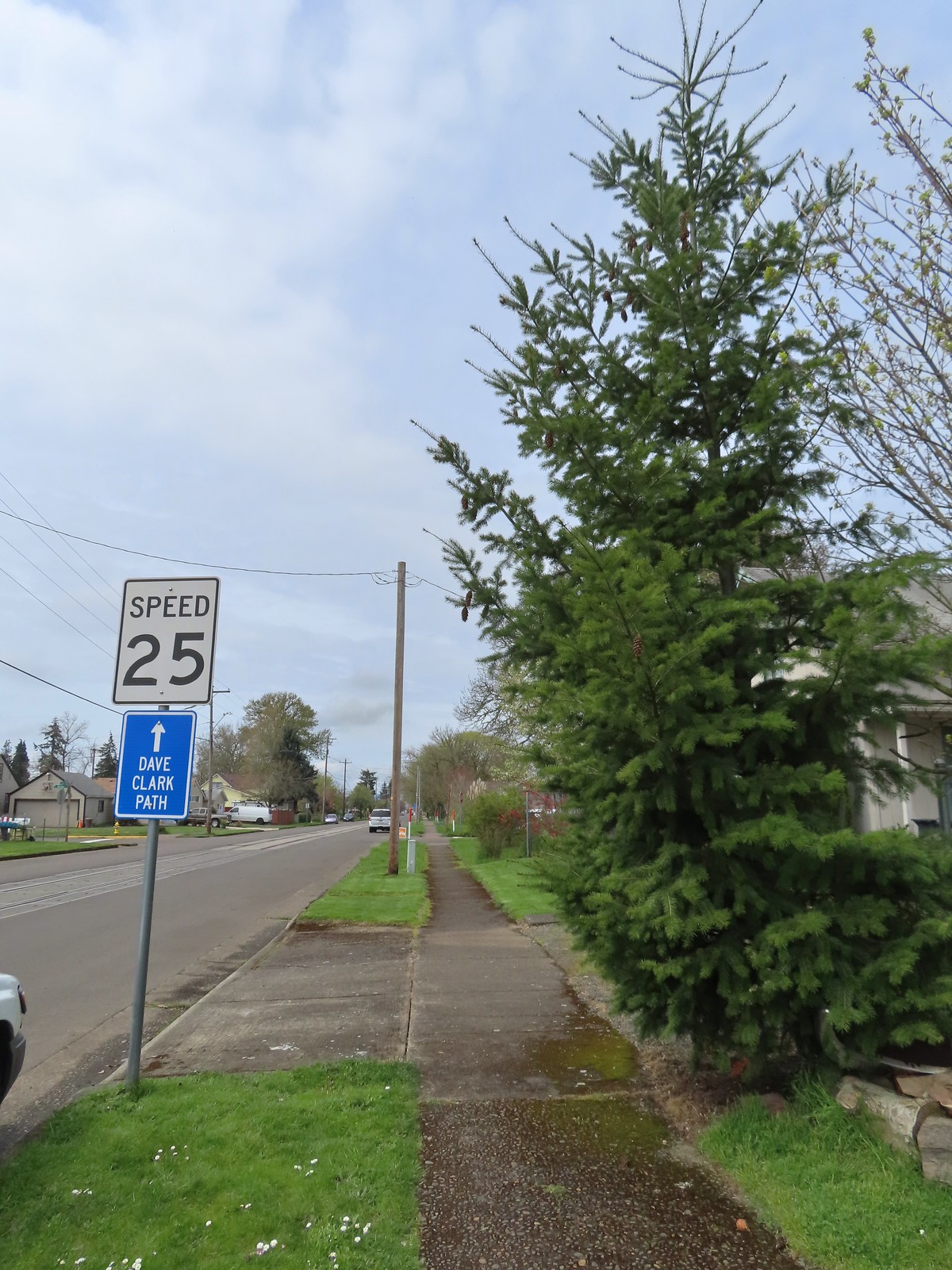

We followed the Dave Clark Trail back to our car, but not before spotting a bit more wildlife.
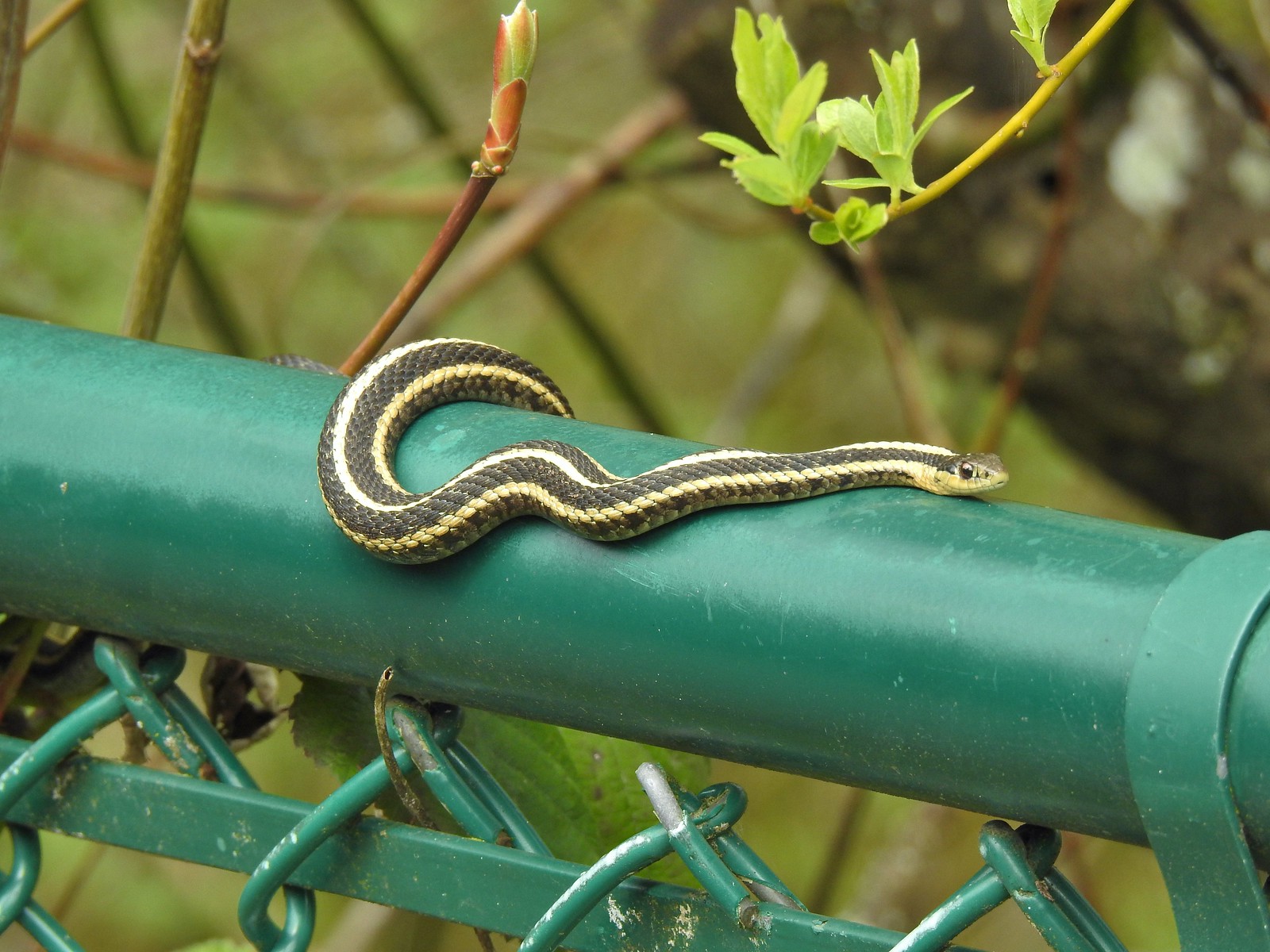 A couple ahead of us on the trail spotted this guy for us.
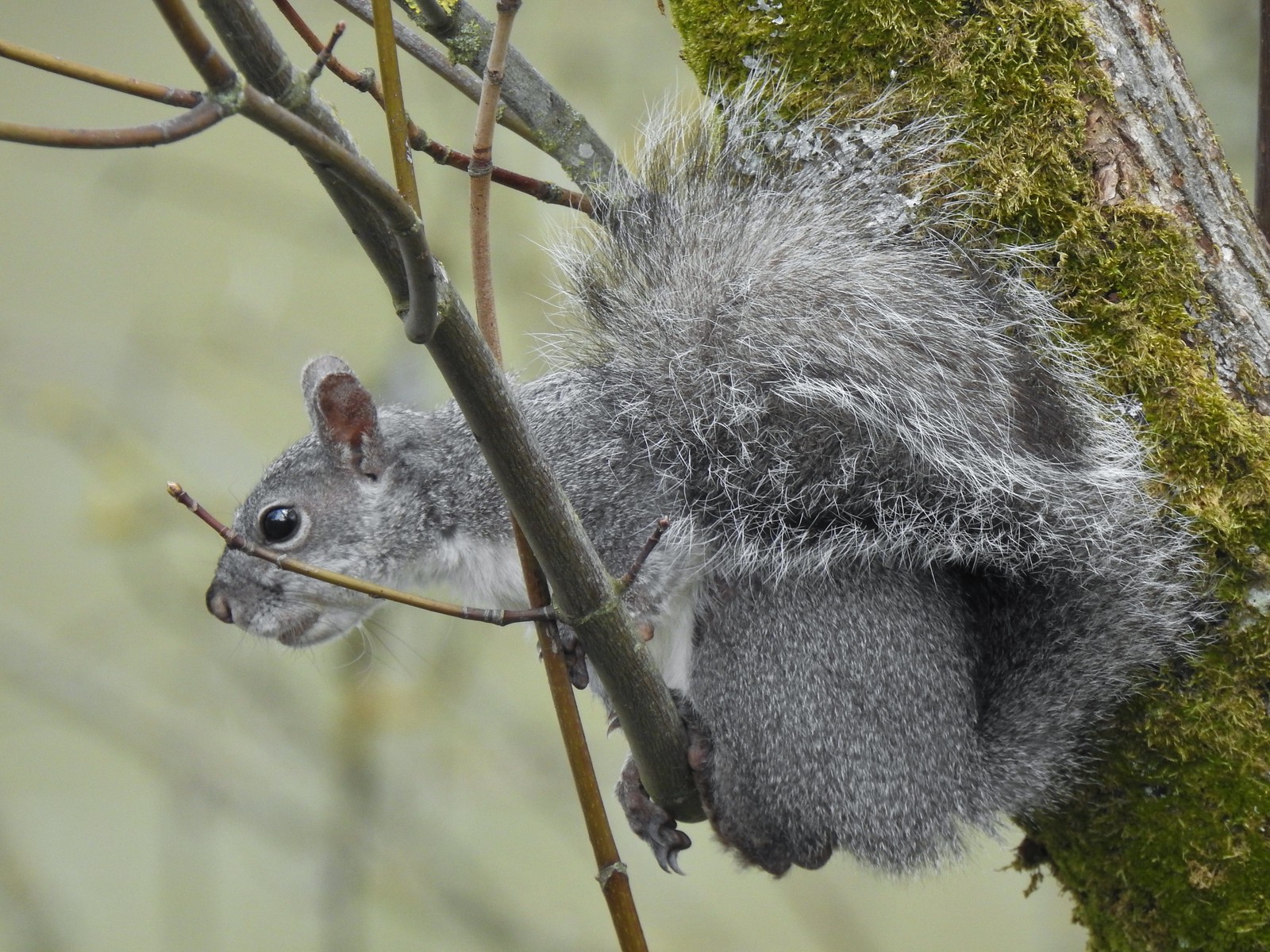 Squirrel
Our Albany Parks hike wound up being just 6.3 miles with under 100′ of elevation gain bringing our total for the day to 10.2 miles and maybe 100 total feet of elevation gain. All the hiking on paved surfaces in Albany combined with having wet shoes and socks made it feel like more though.
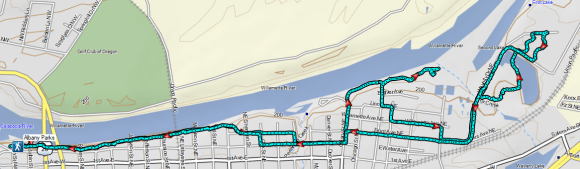
At the end of the day we were glad that we wound up in Talking Water Gardens given how much fun wildlife we spotted there but I probably would not do the rest of this hike over. The Dave Clark Trail along the Willamette was nice enough and if I was in Albany for another reason and had some time it would be a fine place for a stroll but necessary neighborhood walk to reach Simpson Park/Talking Water is not nearly as nice as either simply starting at the Simpson Park Trailhead or hiking along Cox Creek from Waverly Lake as we had done in November. Happy Trails!
Flickr: Snag Boat Bend and Albany Parks

 Signboard at the trailhead.
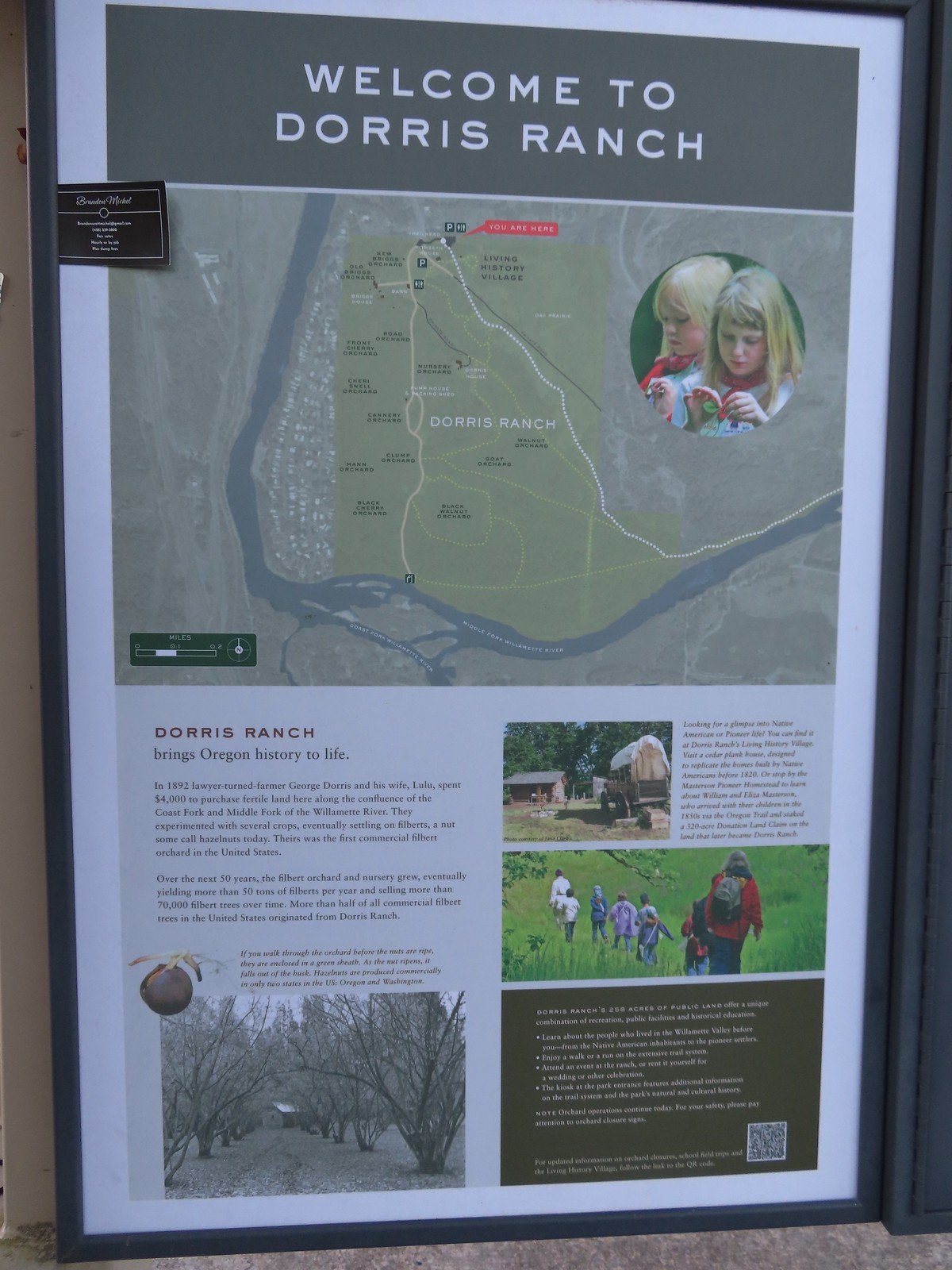 Map of the trails at Dorris Ranch.
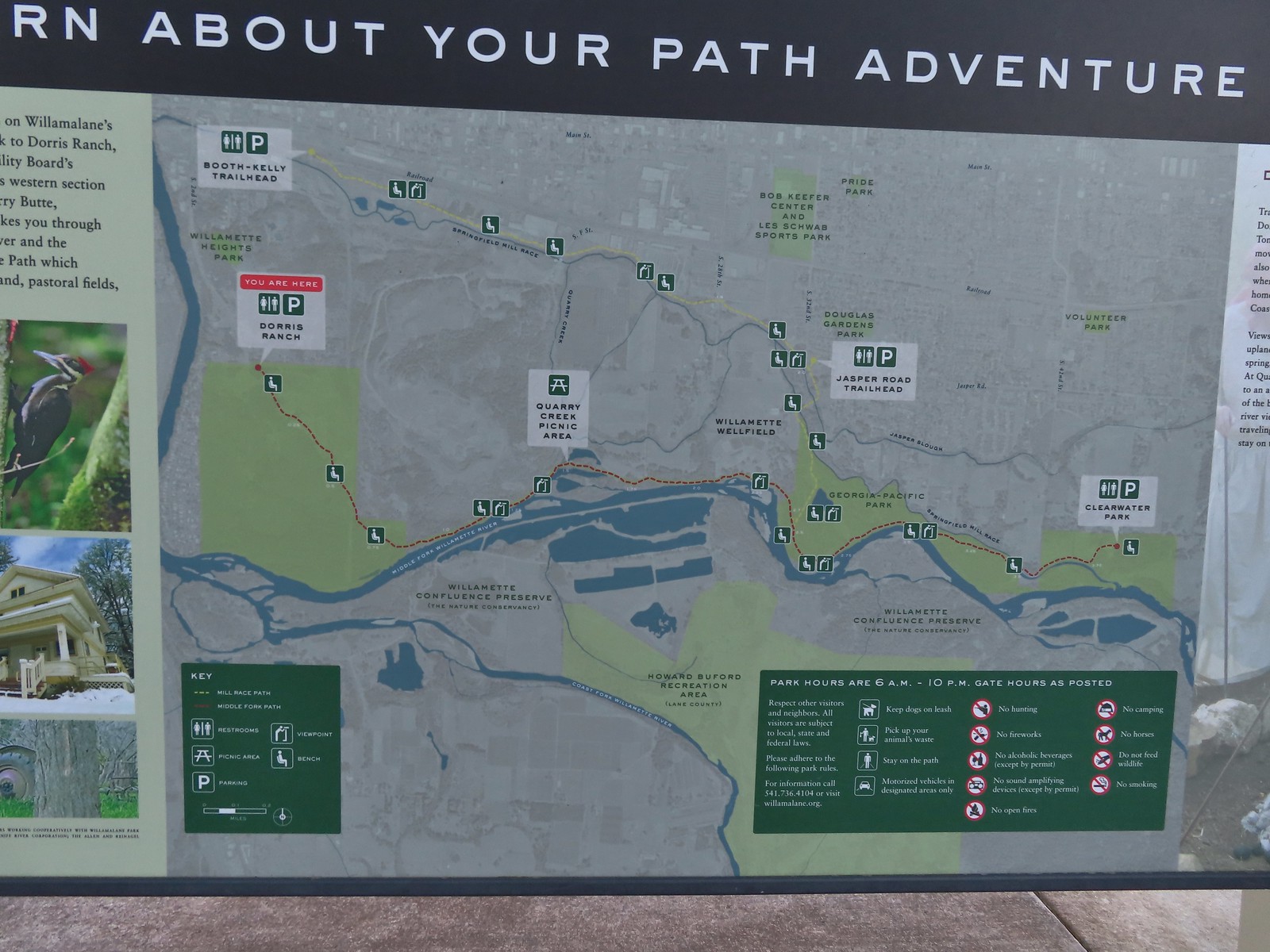 Map of the Middle Fork Path (red) and Mill Race Path (yellow).
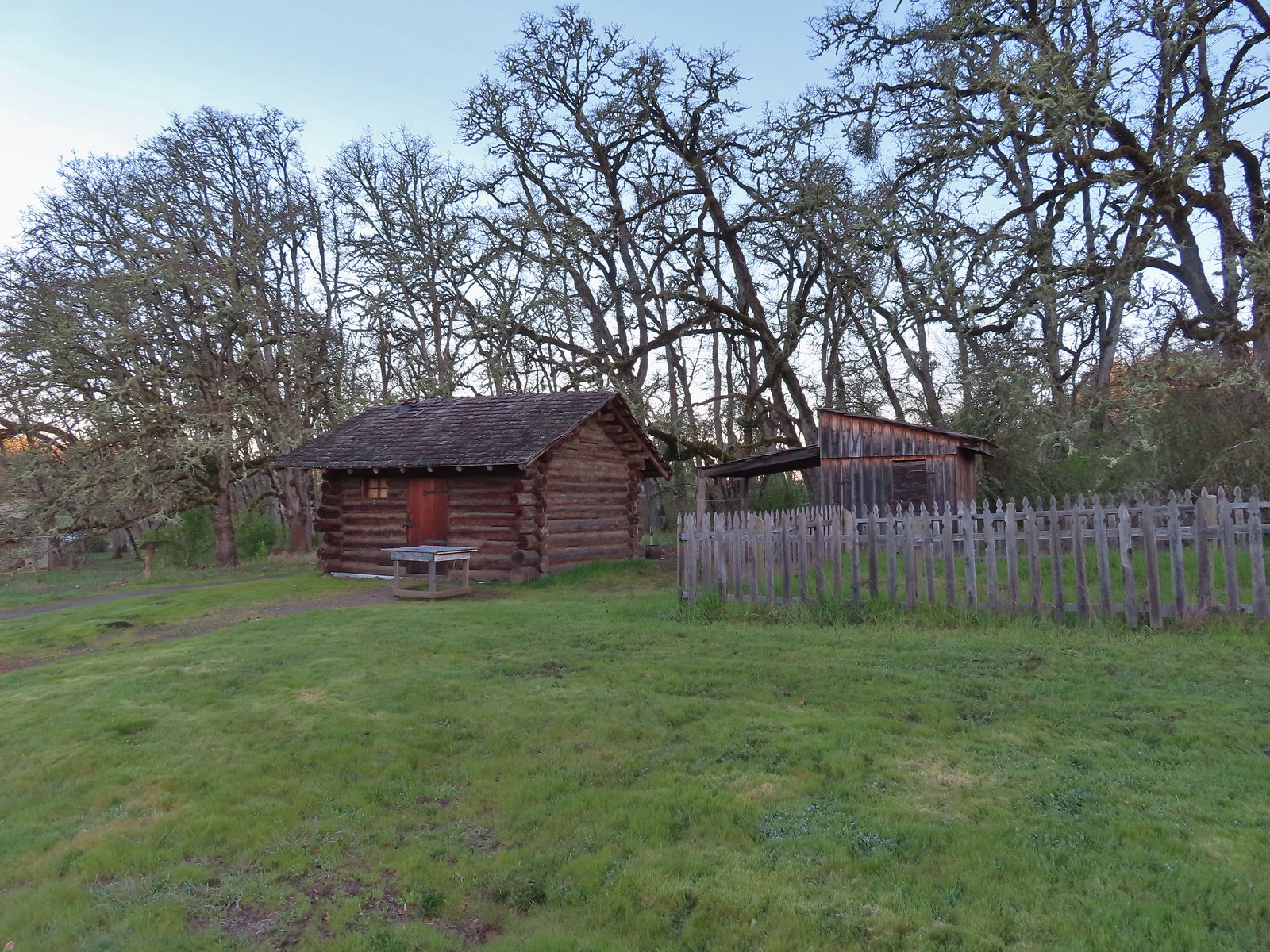 The Masterson cabin replica. They were a family of ten when they moved out.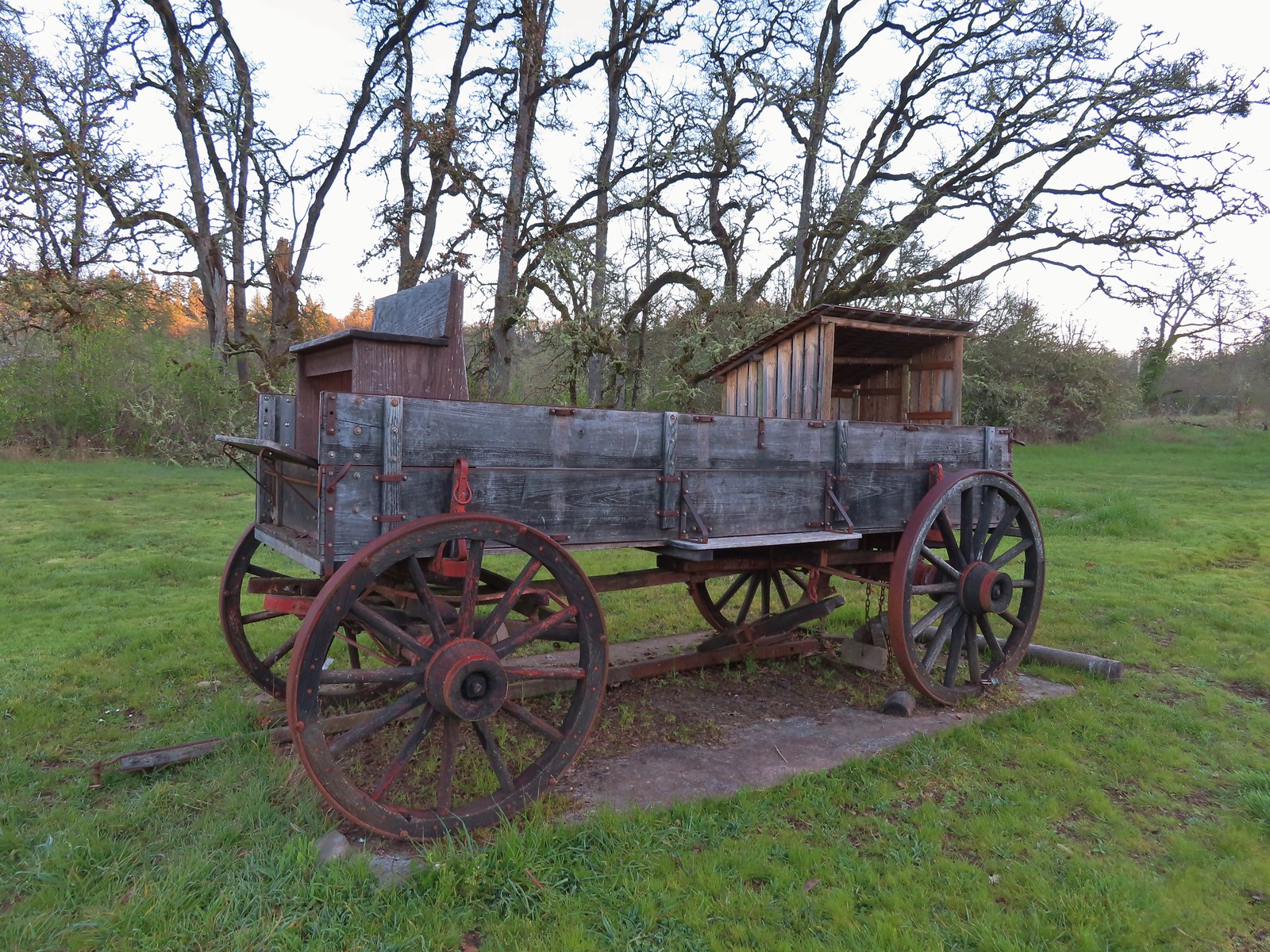
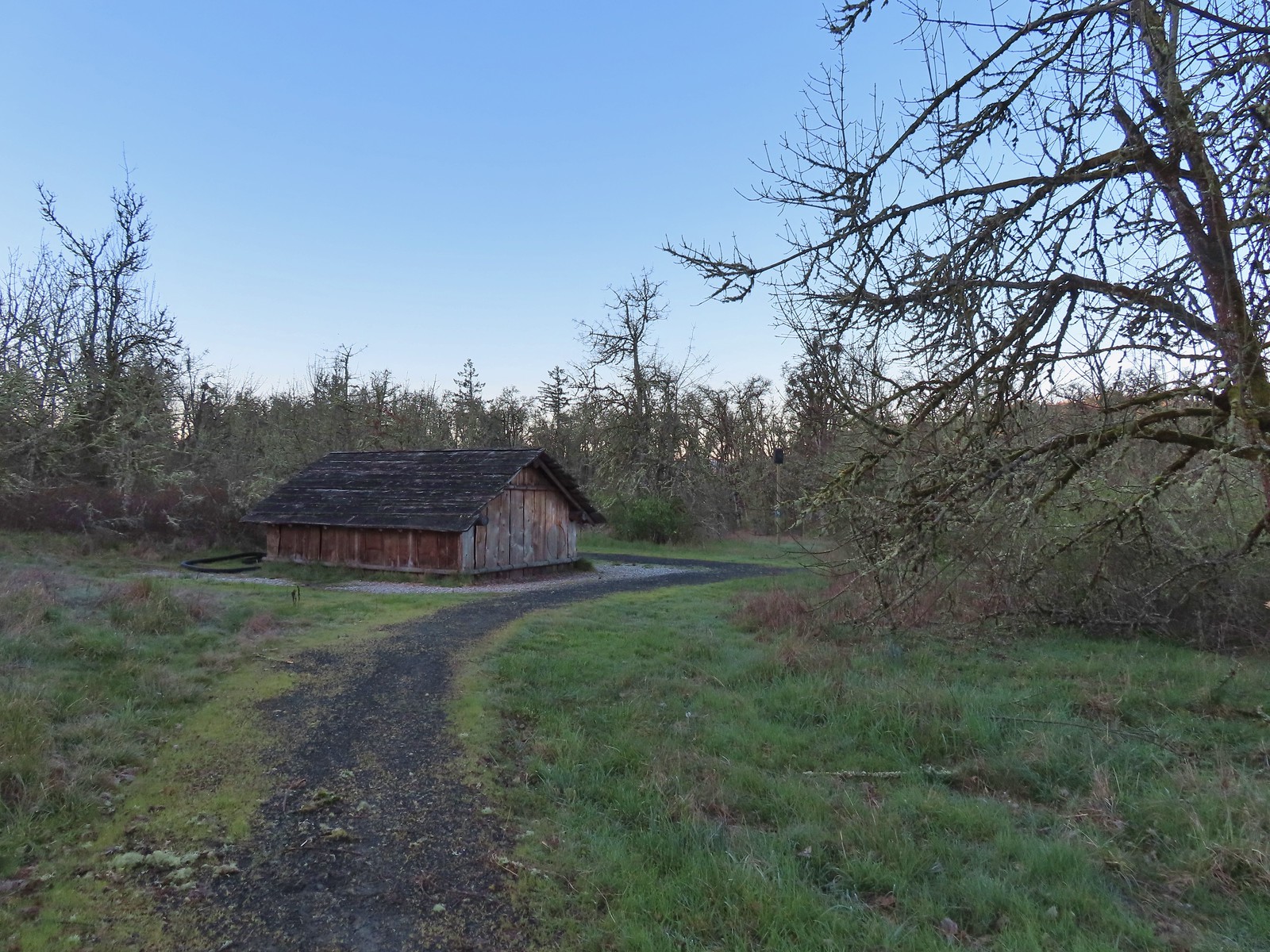
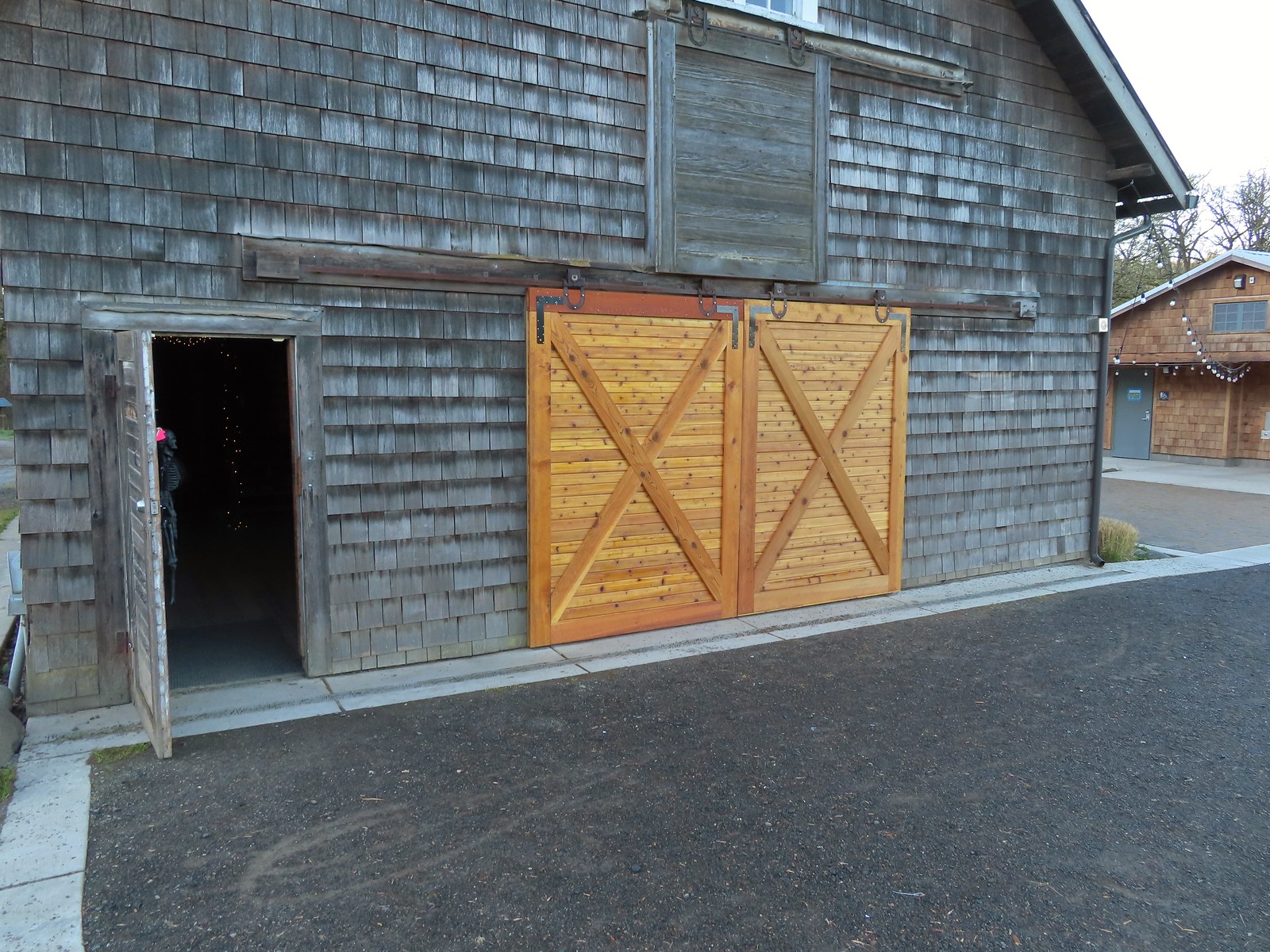 These cedar doors were installed earlier this month replacing a broken door.
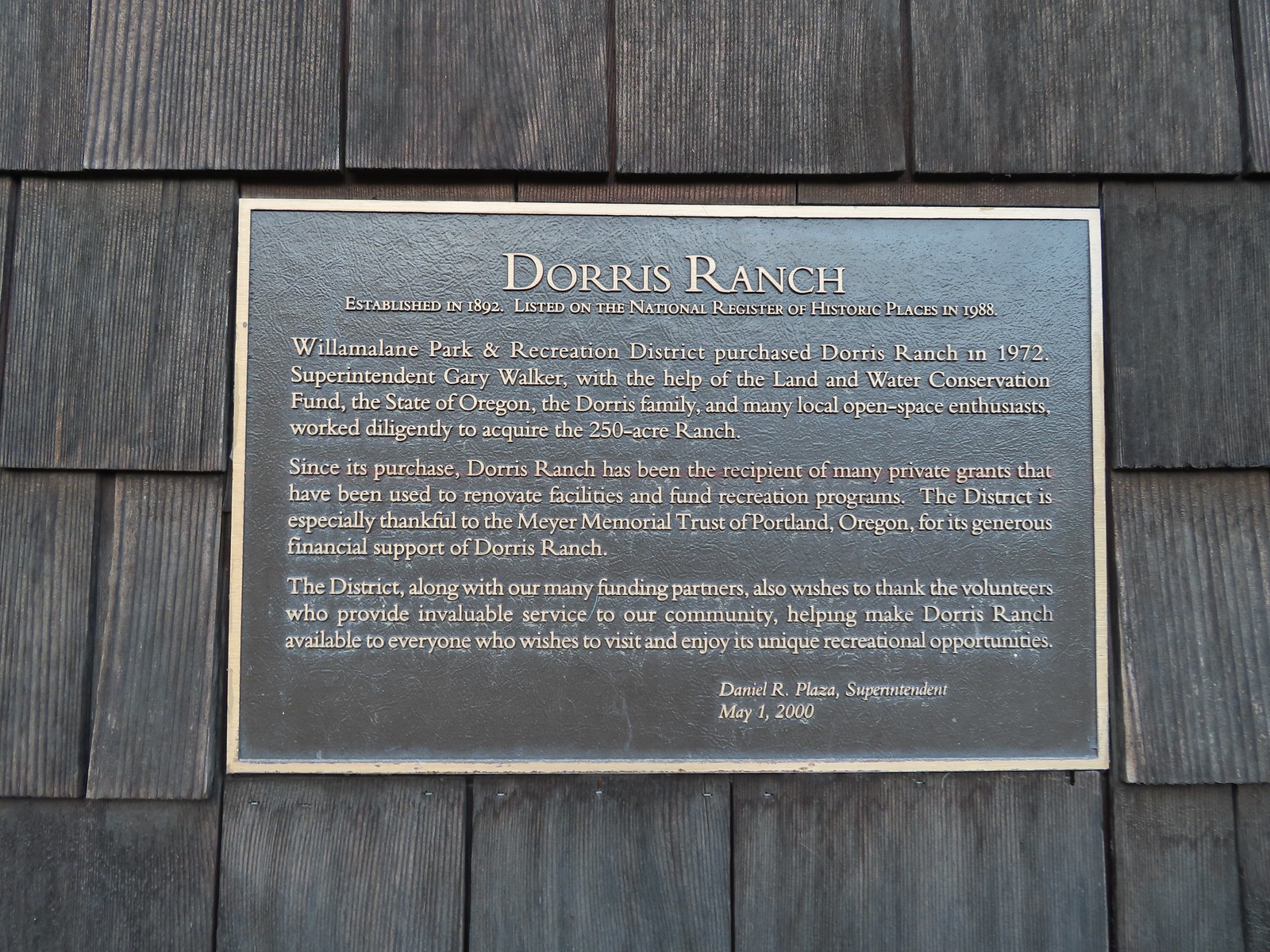 Plaque on the barn.
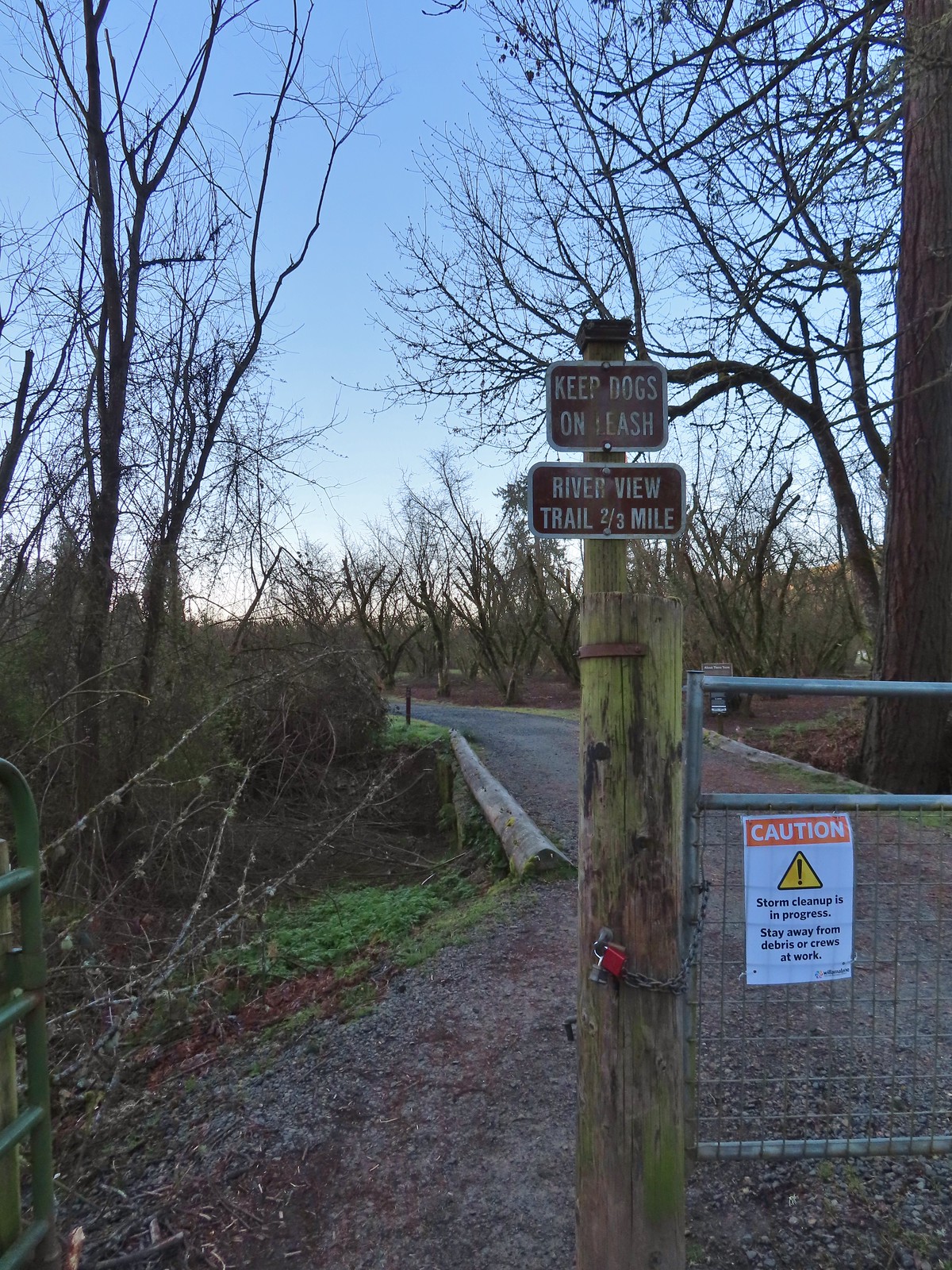 A January 16th ice storm hit the area hard and damaged a number of trees at the ranch and along the Middle Fork Path.
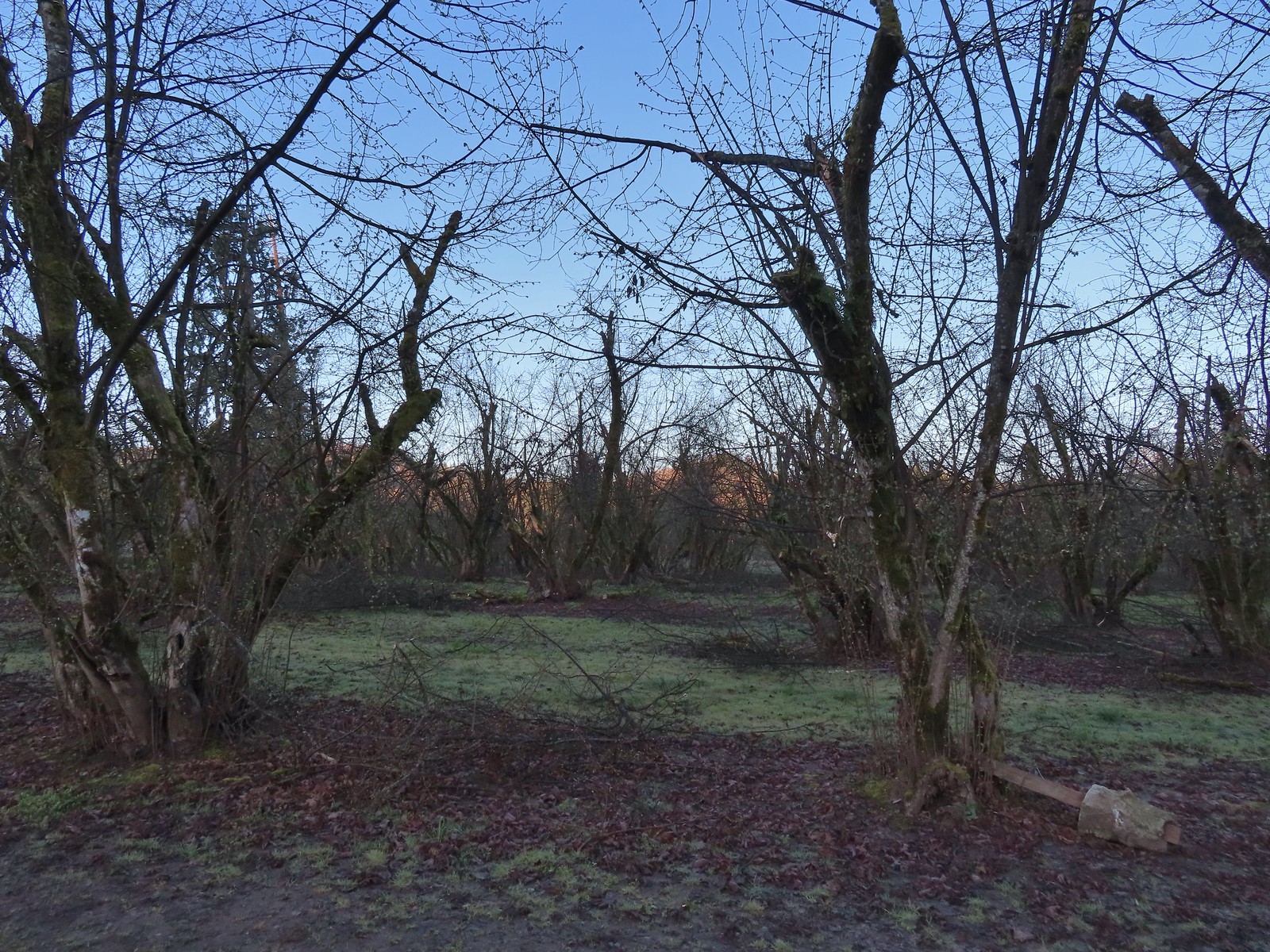 Some signs of the ice storm damage.
 Large trees around the pump house and packing shed.
 An American kestrel with an unlucky frog atop a tall tree.
 Oregon grape near the packing shed.
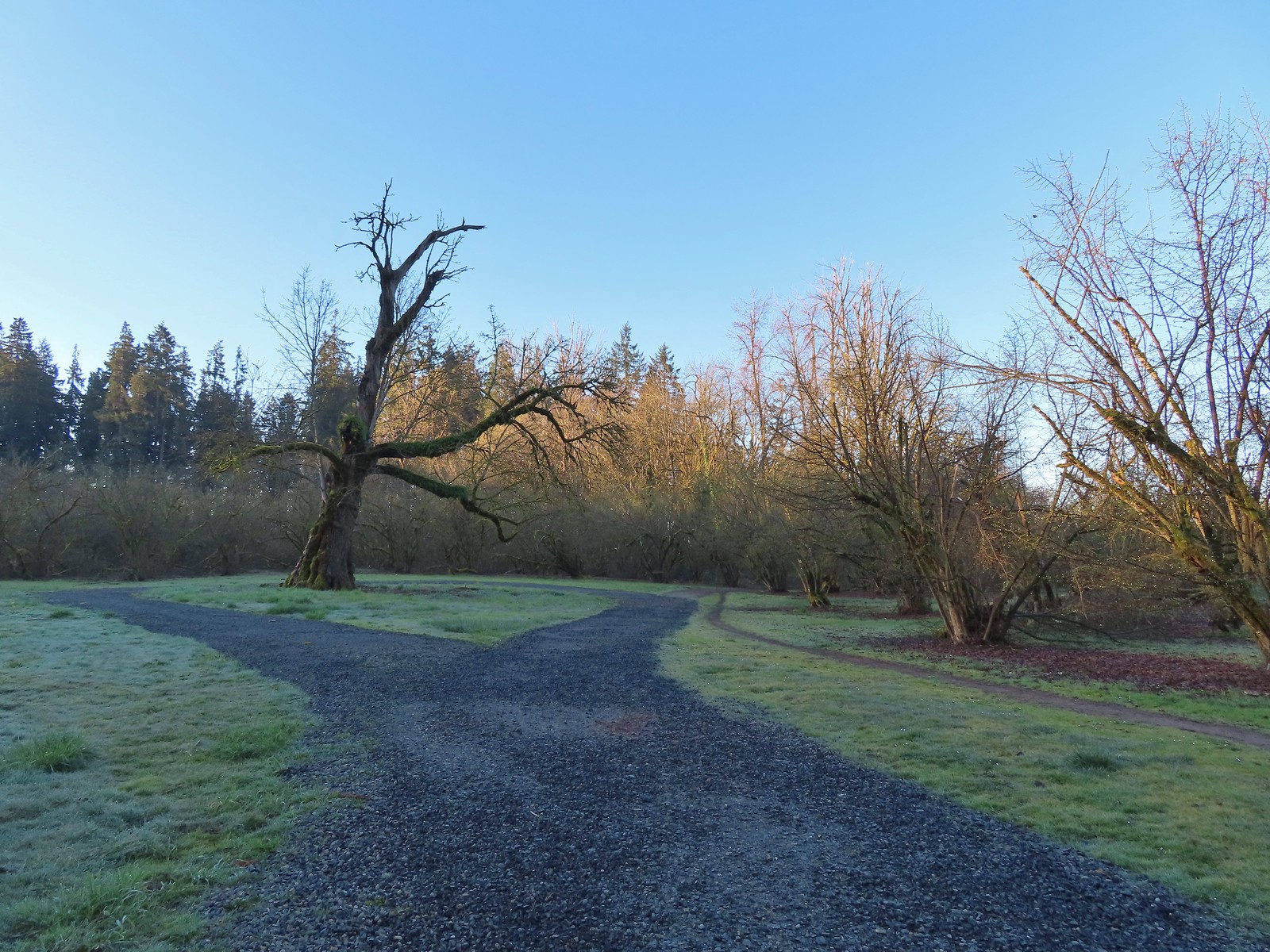 Old oak tree along the path.
 Purple deadnettle beneath the old oak.
 Black walnut orchard just past the oak tree.
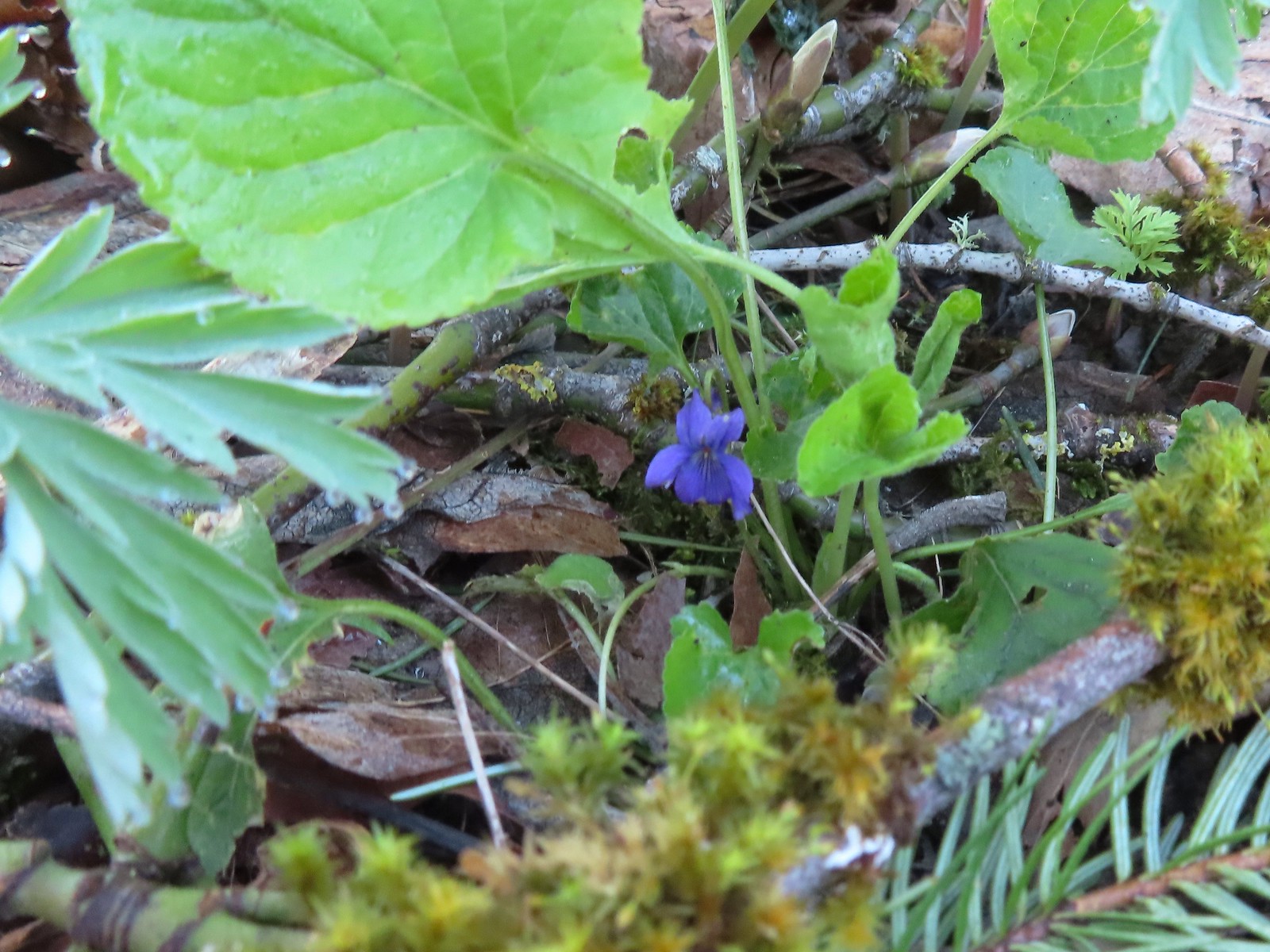 Violet
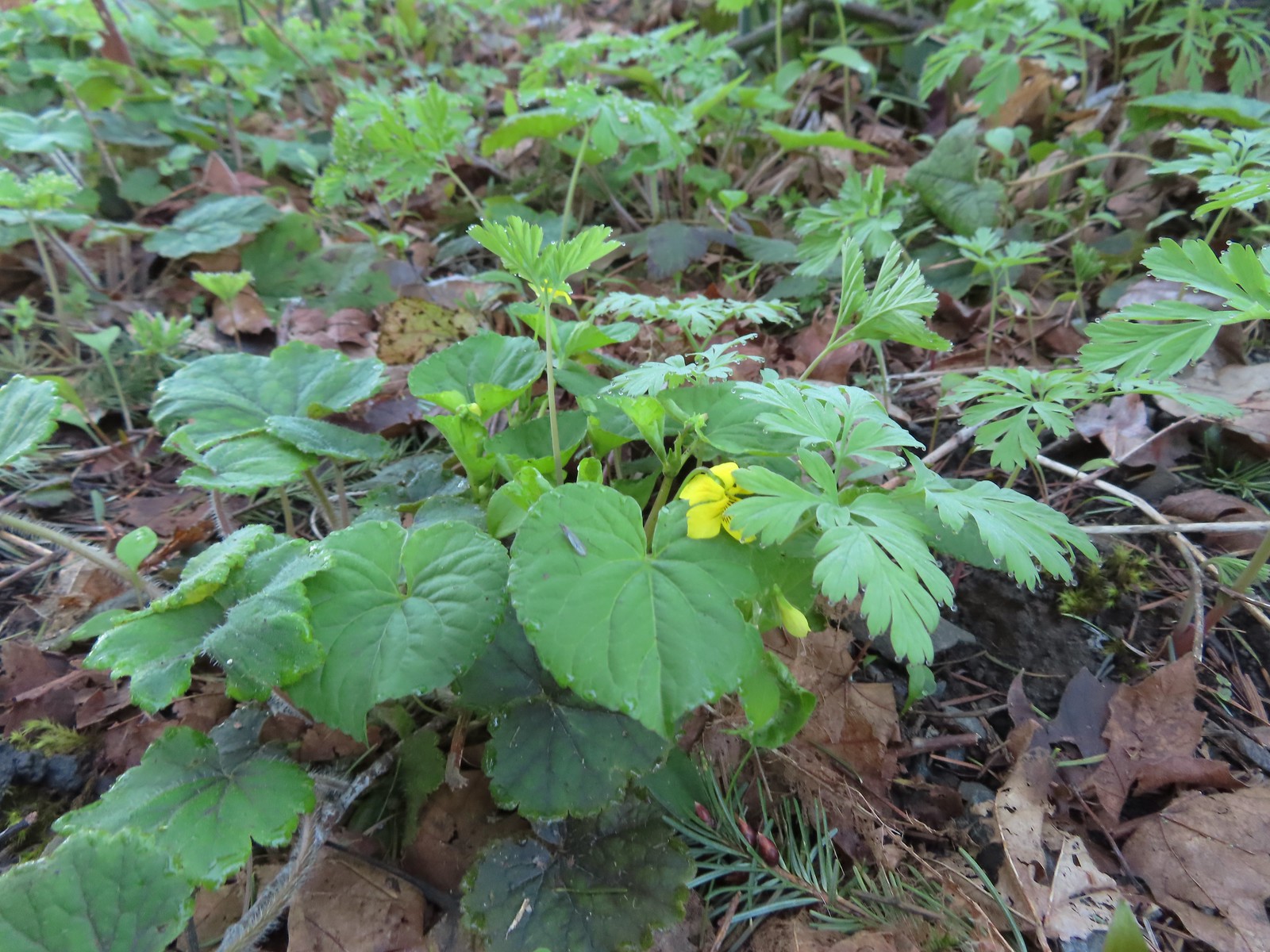 Violet
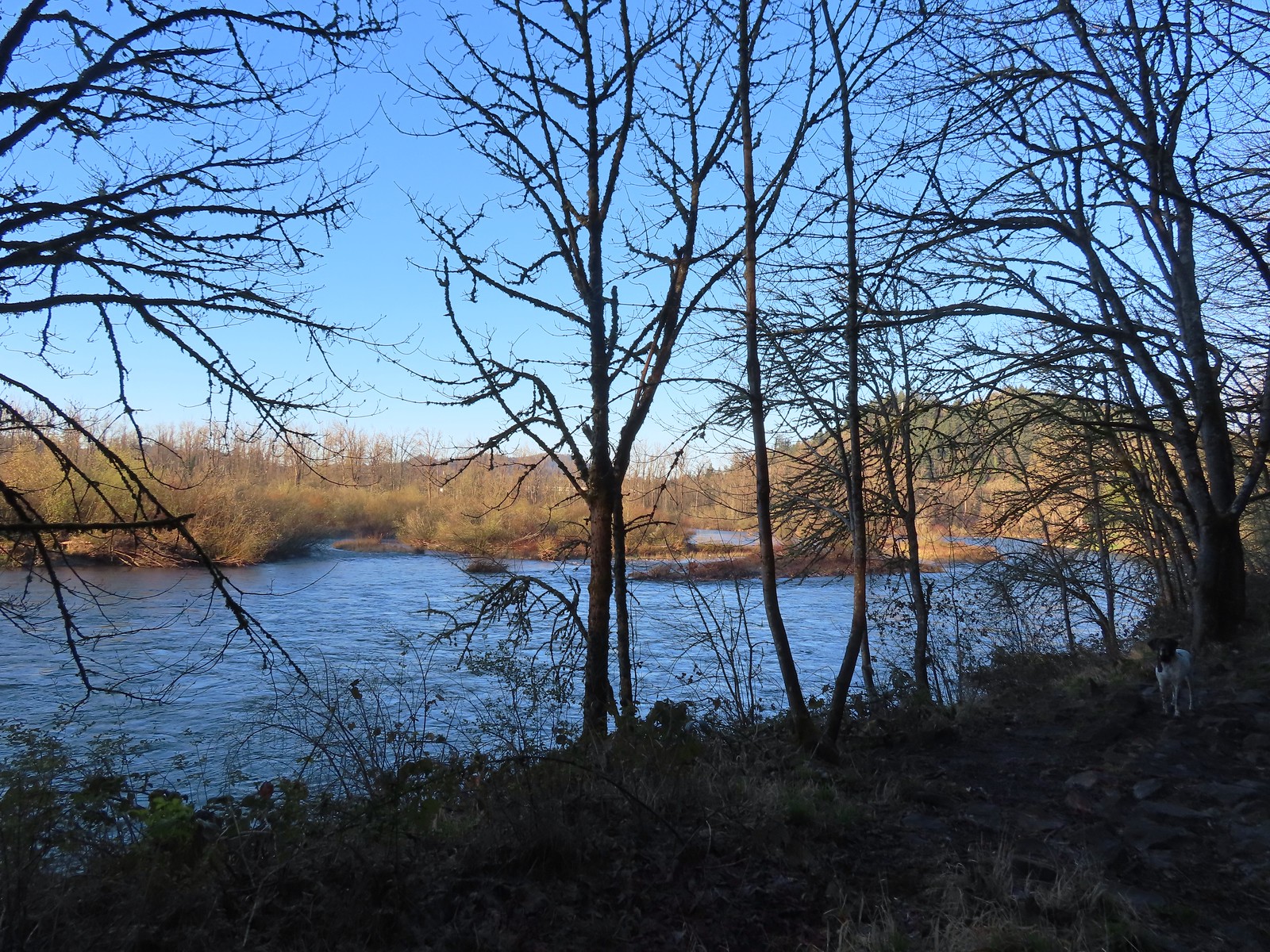 The confluence.
 Middle Fork Willamette River
 Mallards
 Hooded mergansers
 Slender toothwort
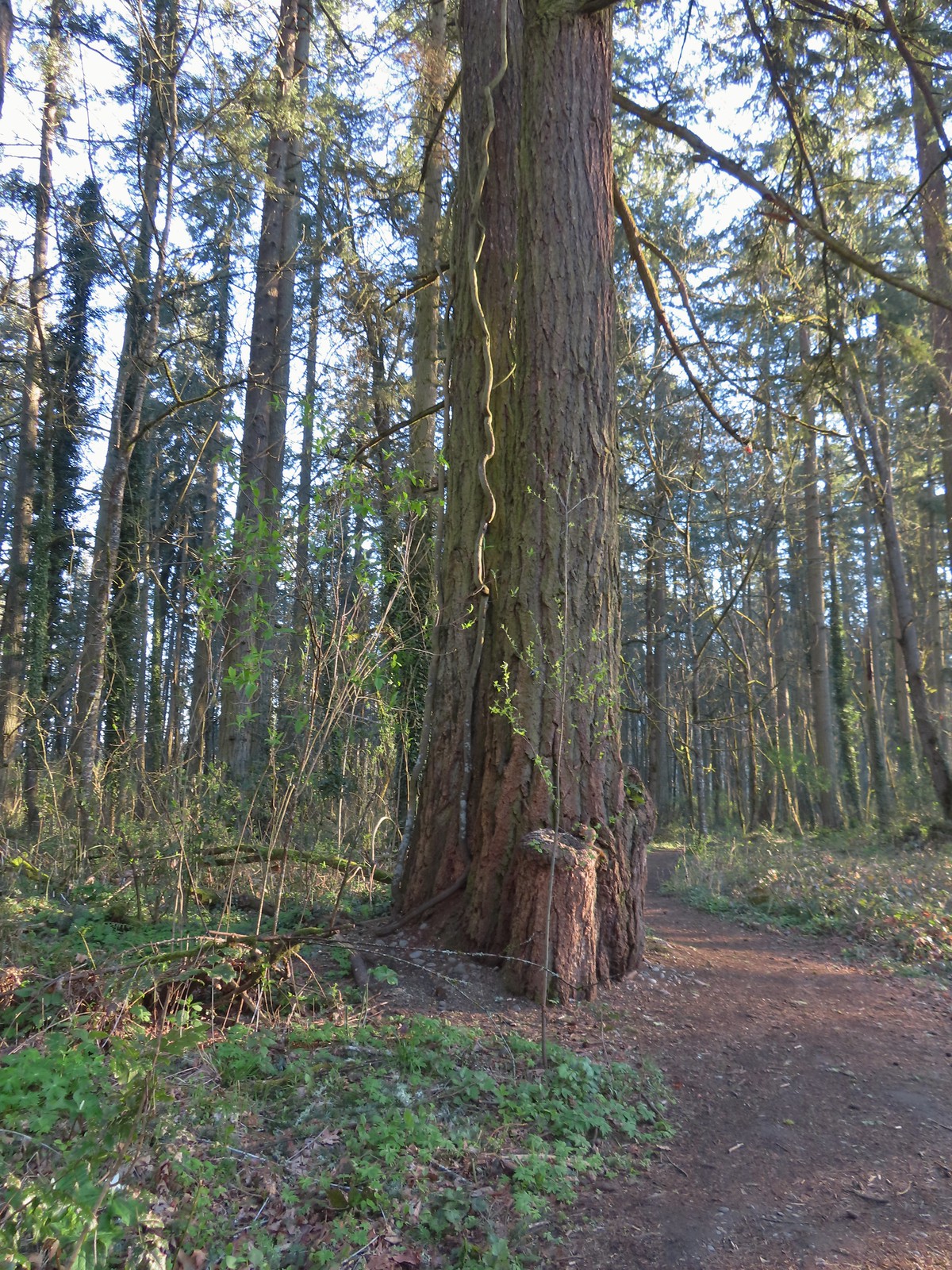 Someone had left some seeds and nuts on this tree. While it’s not LNT compliant it was attracting a variety of wildlife.
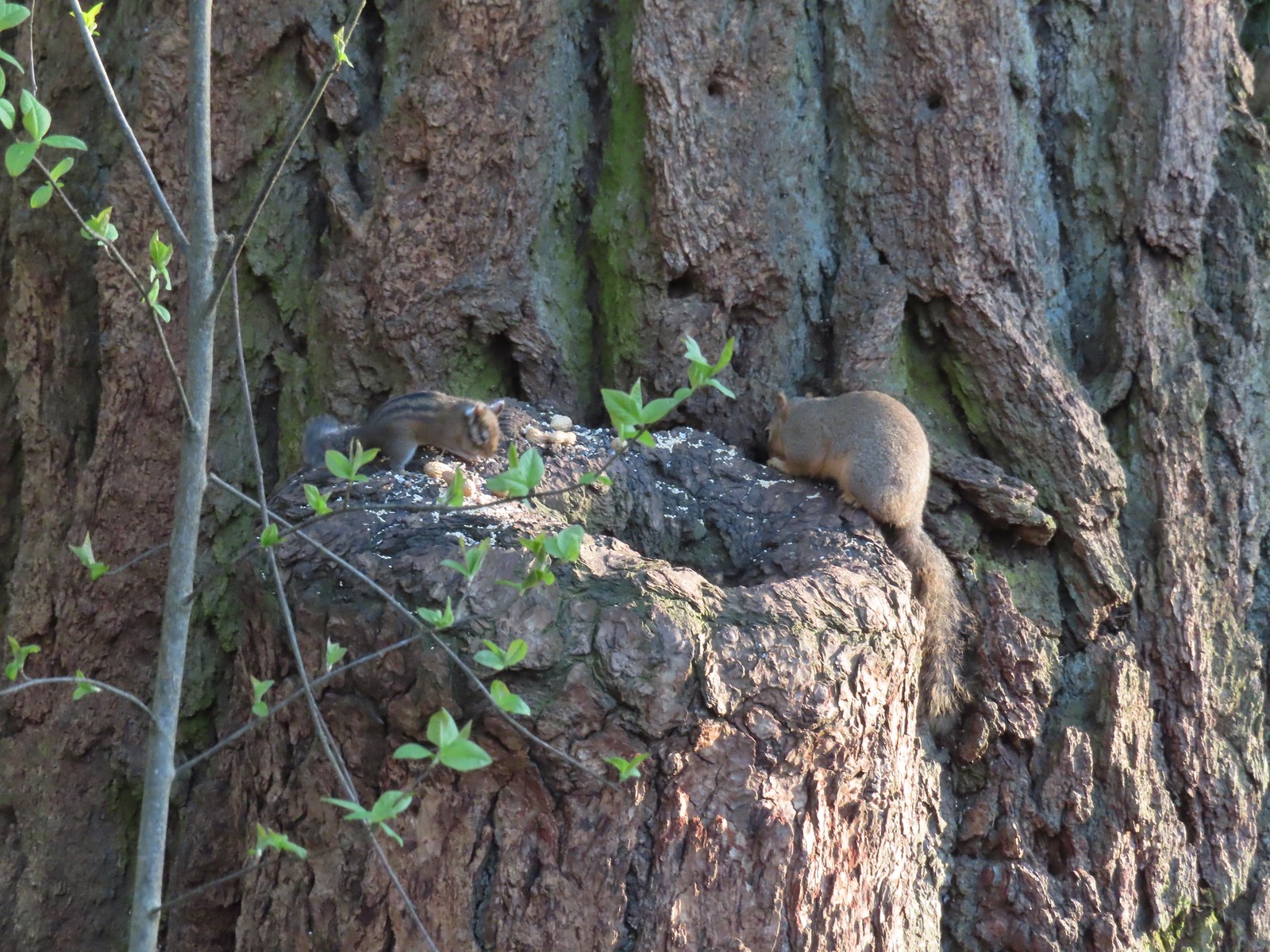 Chipmunk and squirrel
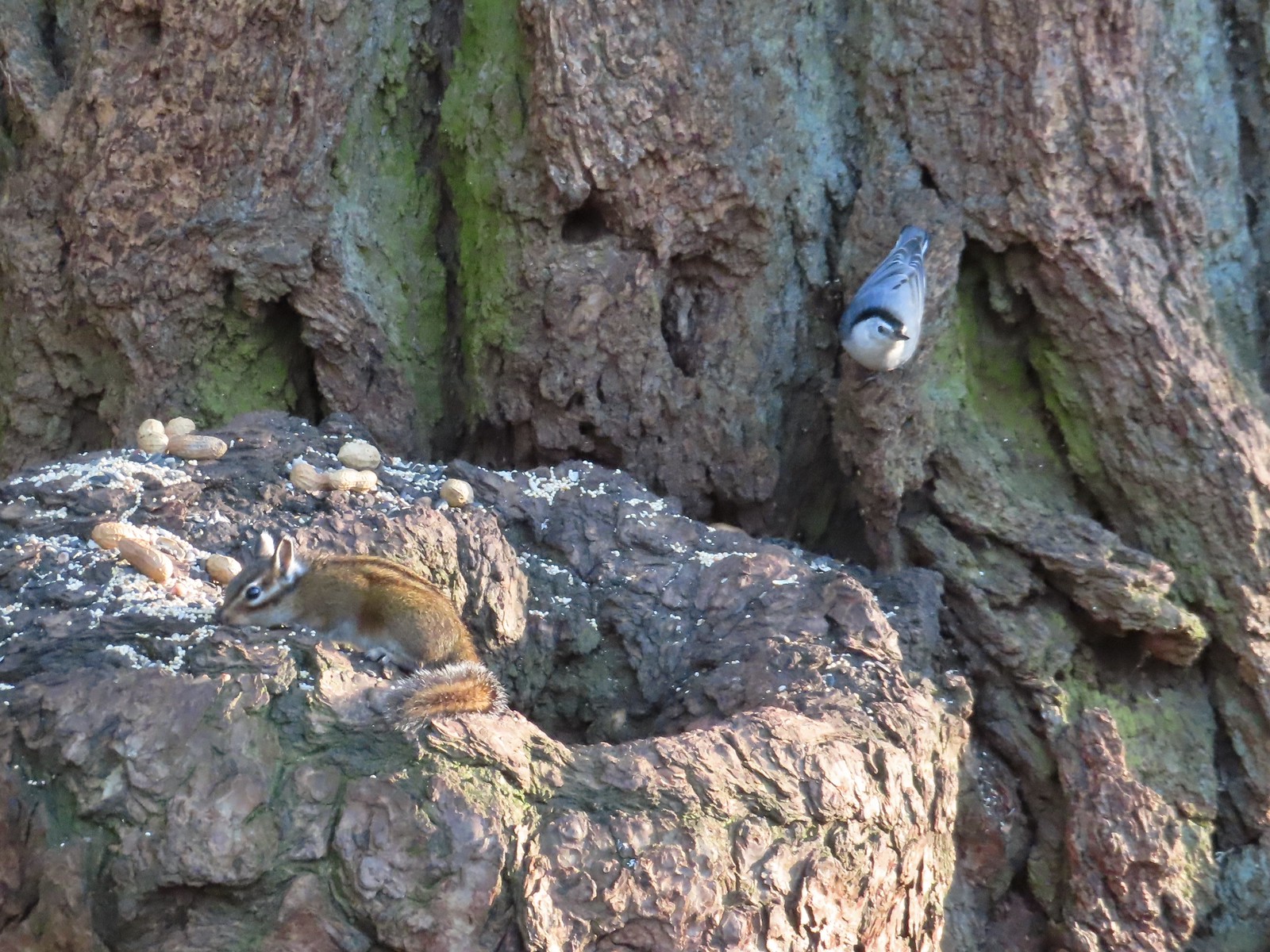 Chipmunk and white-breasted nuthatch
 Giant White Wakerobin, Trillium albidum
 The paved Middle Fork Path dead ahead.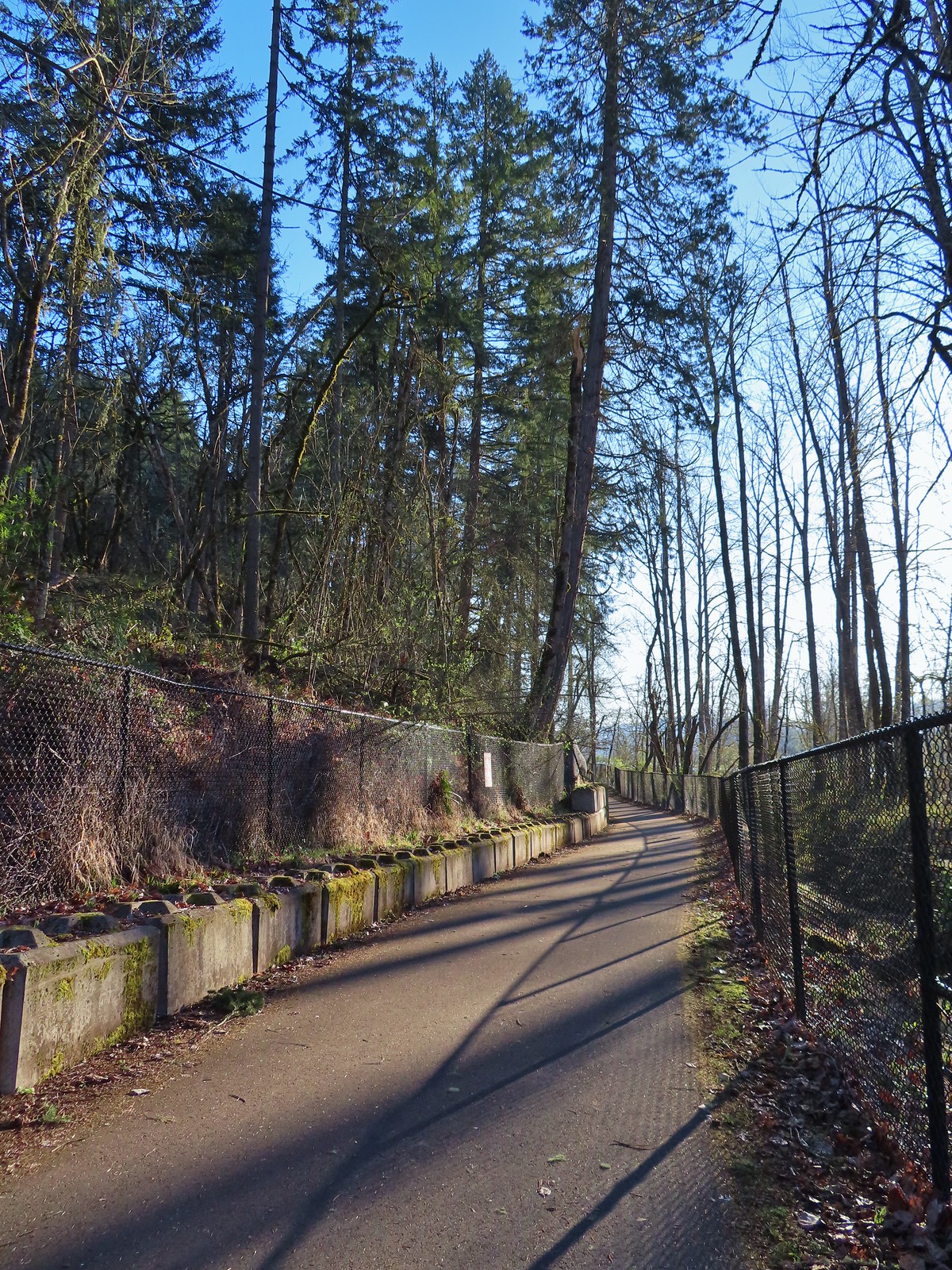
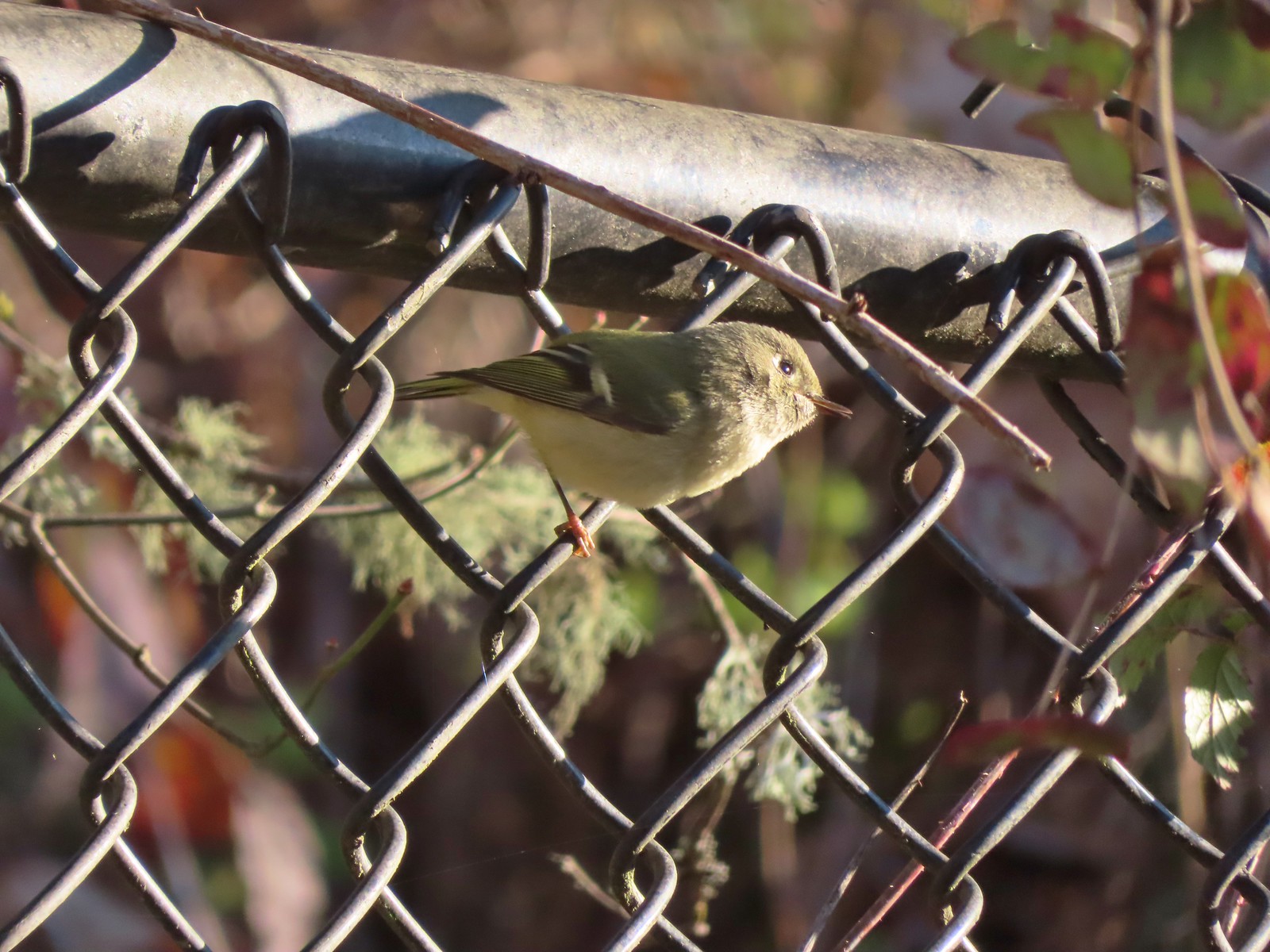 Ruby-crowned kinglet
 Wren
Wren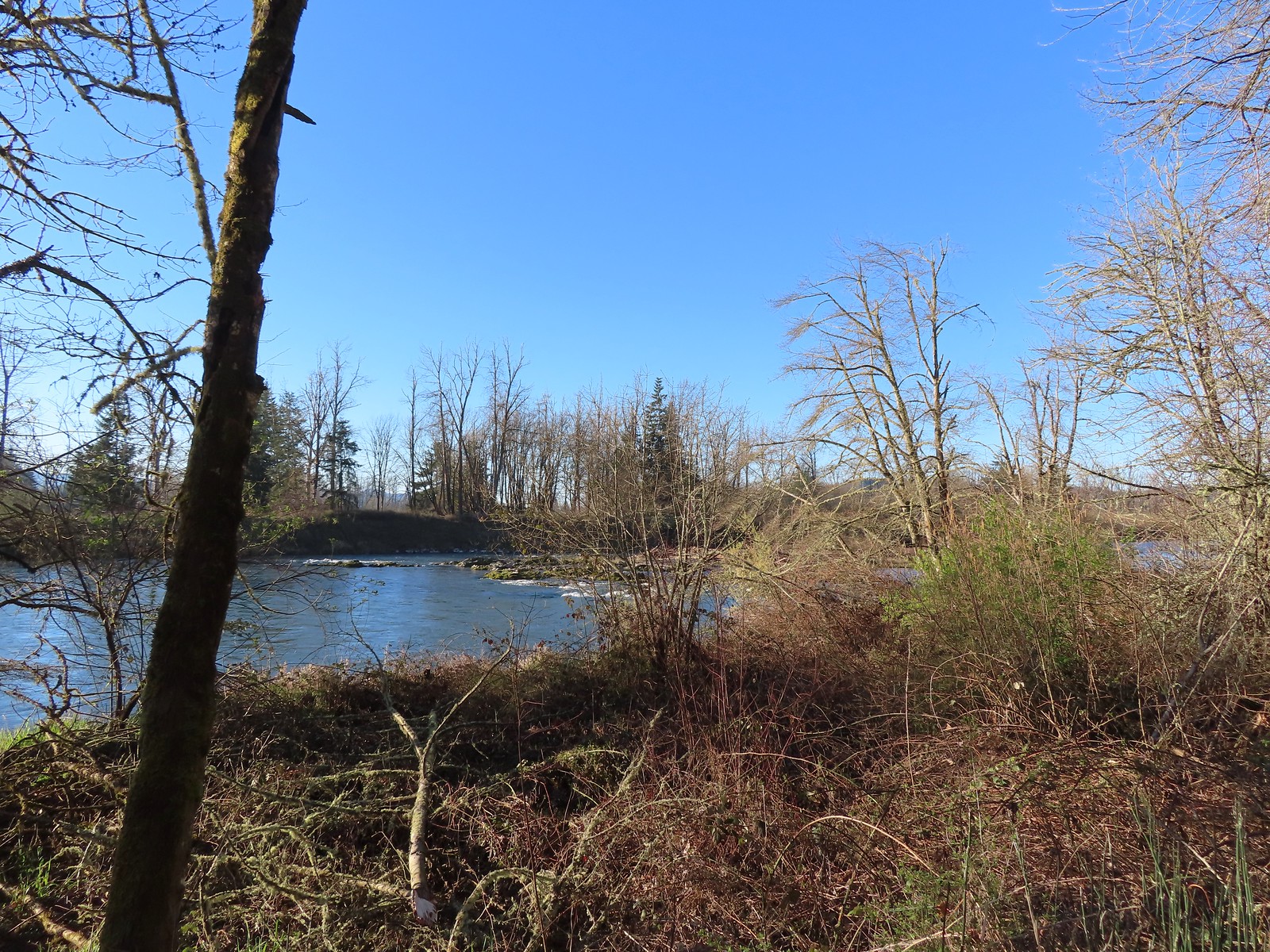 Middle Fork Willamette River
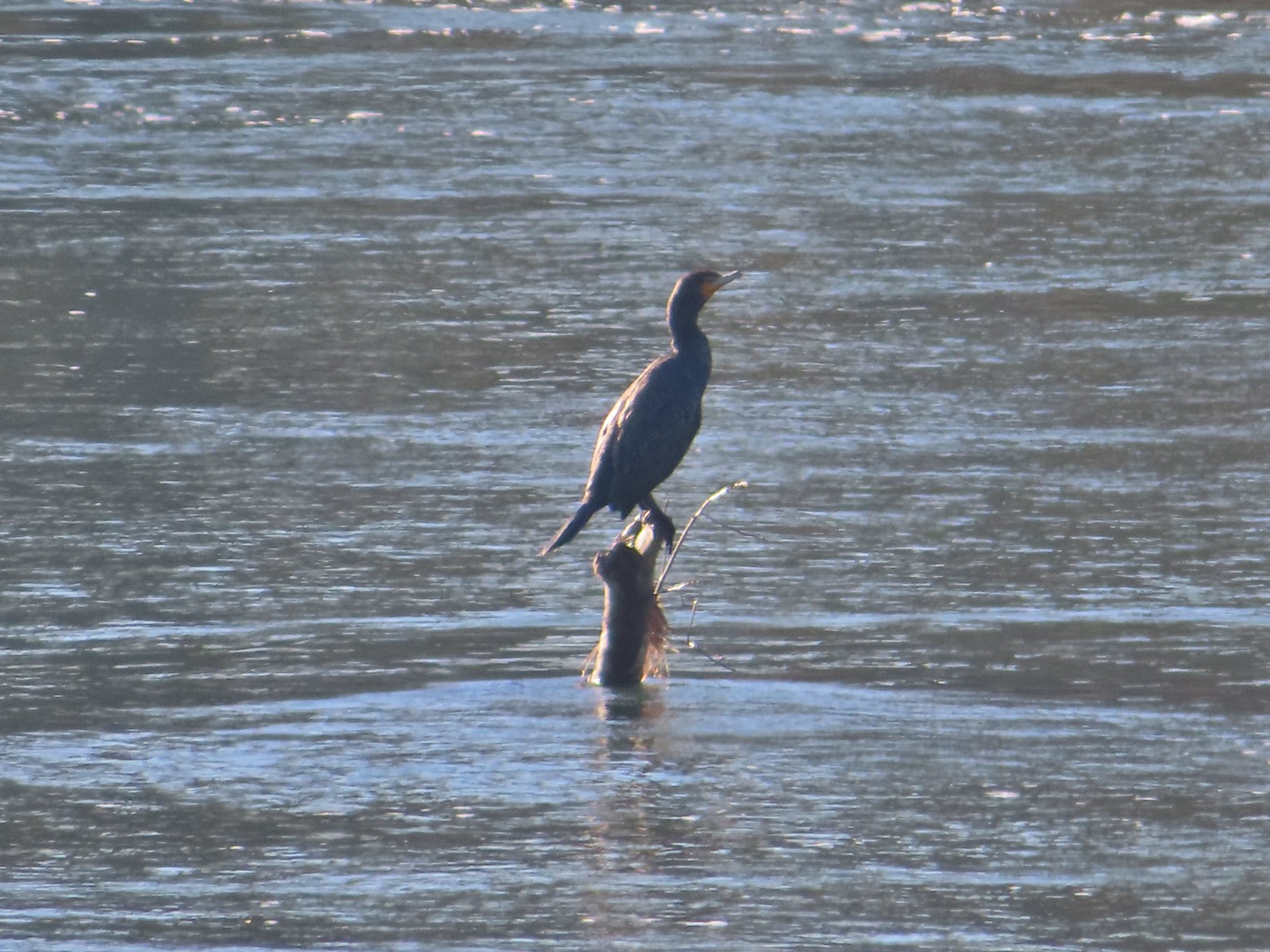 Double-breasted cormorant
 Pacific hound’s tongue
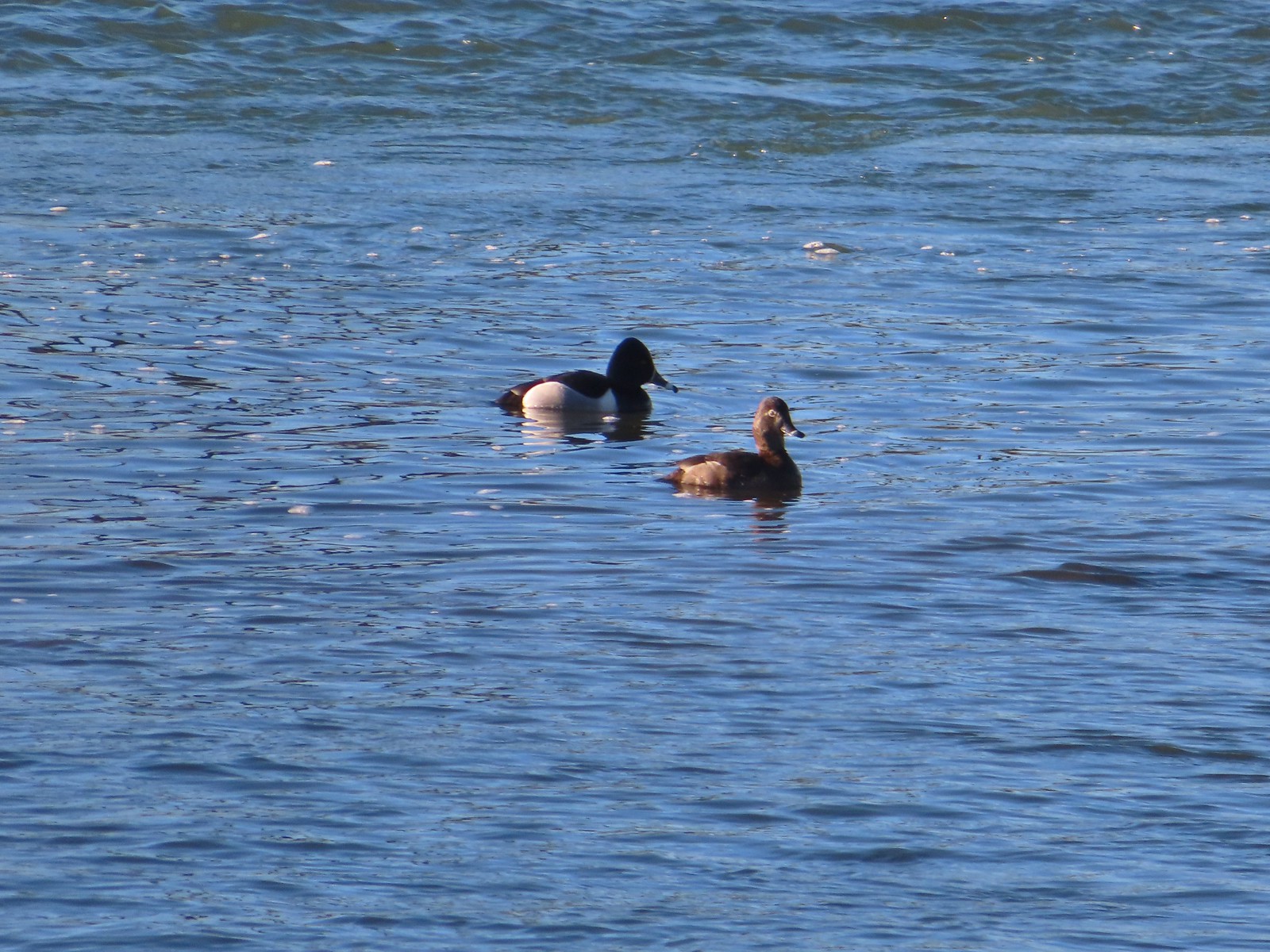 Ring-necked ducks
 Goose
Goose Arriving at the Quarry Creek picnic area.
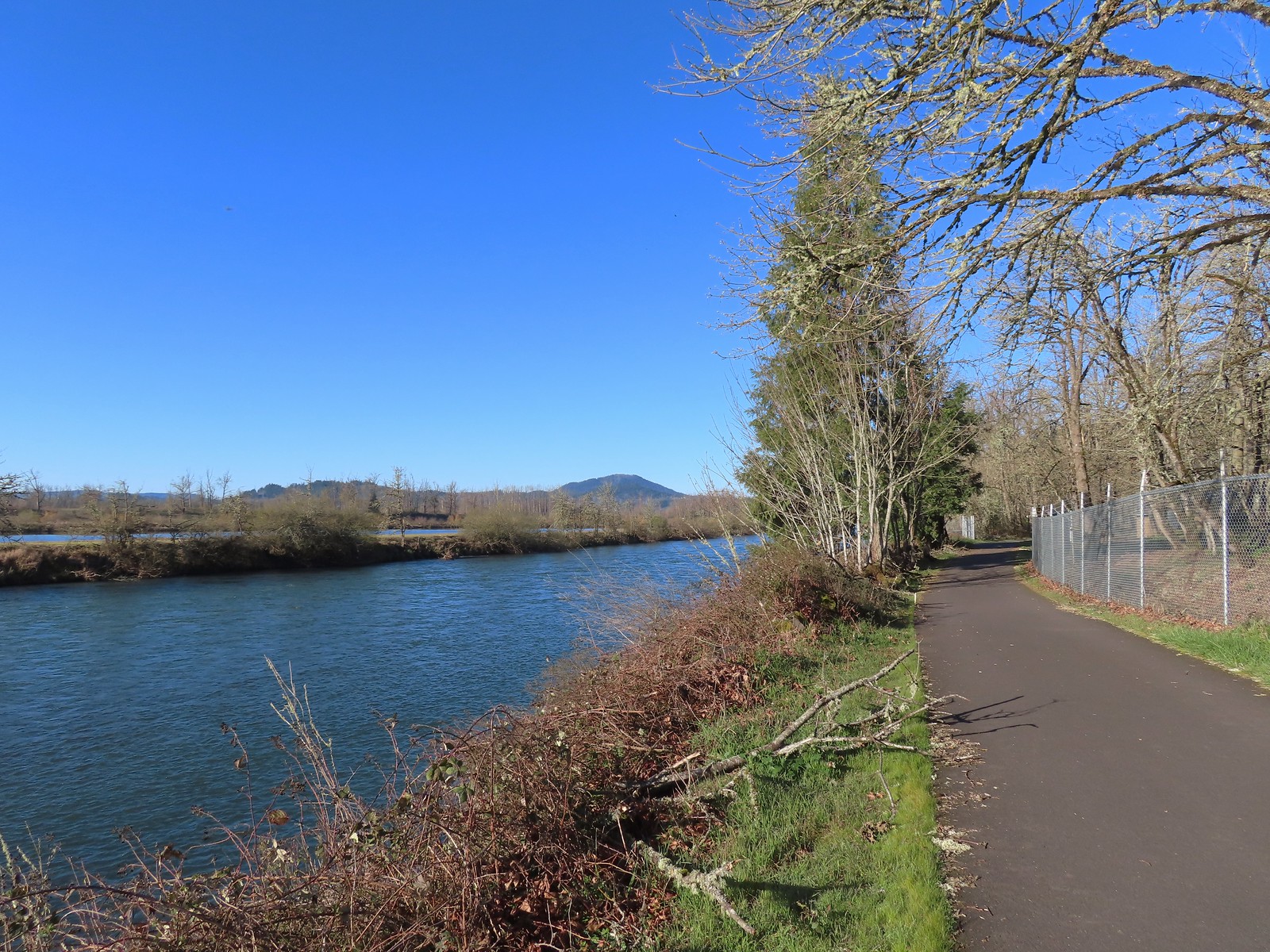 Looking back at Spencer Butte (post).
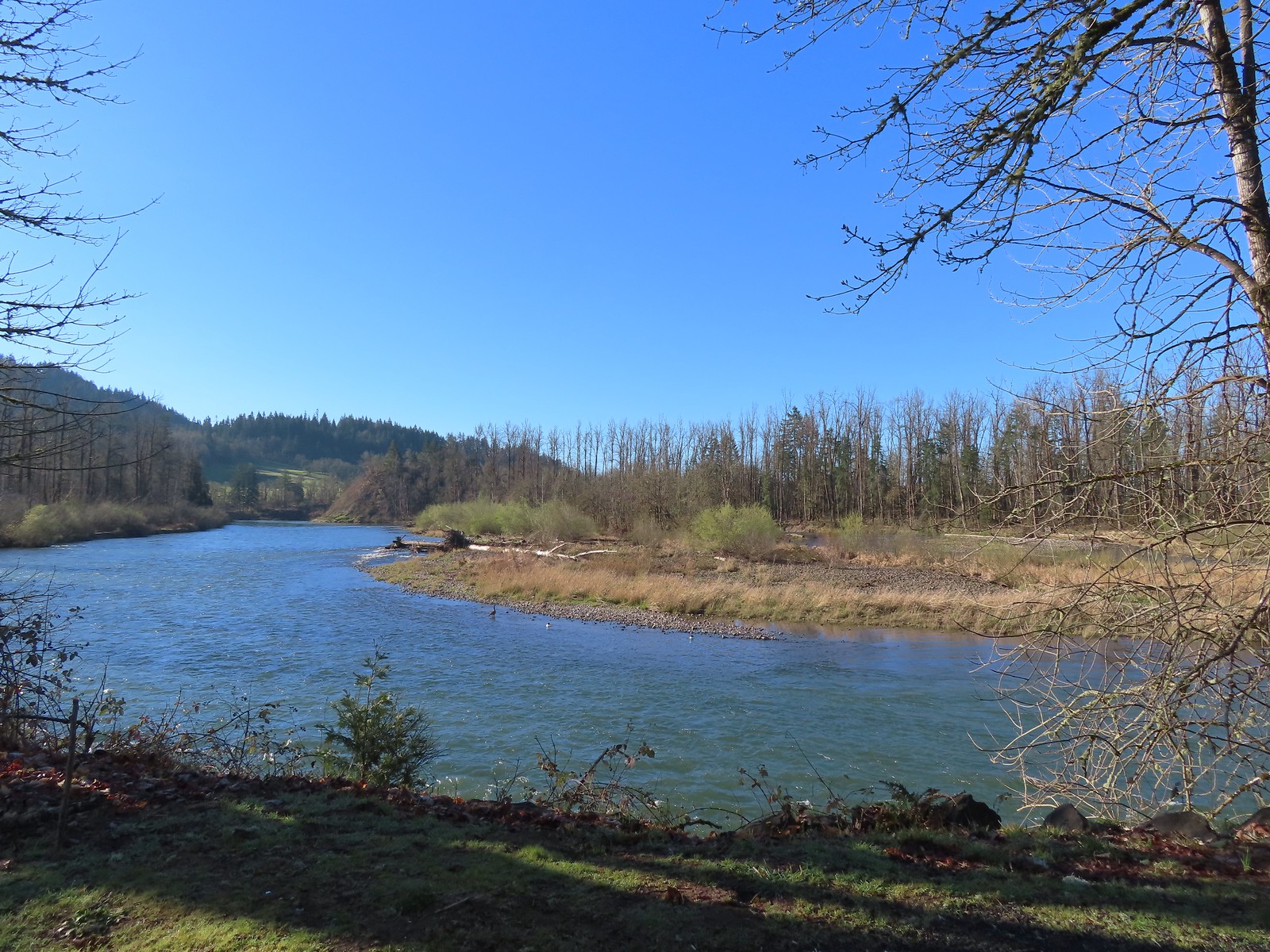 A goose and a couple of common mergansers in the river.
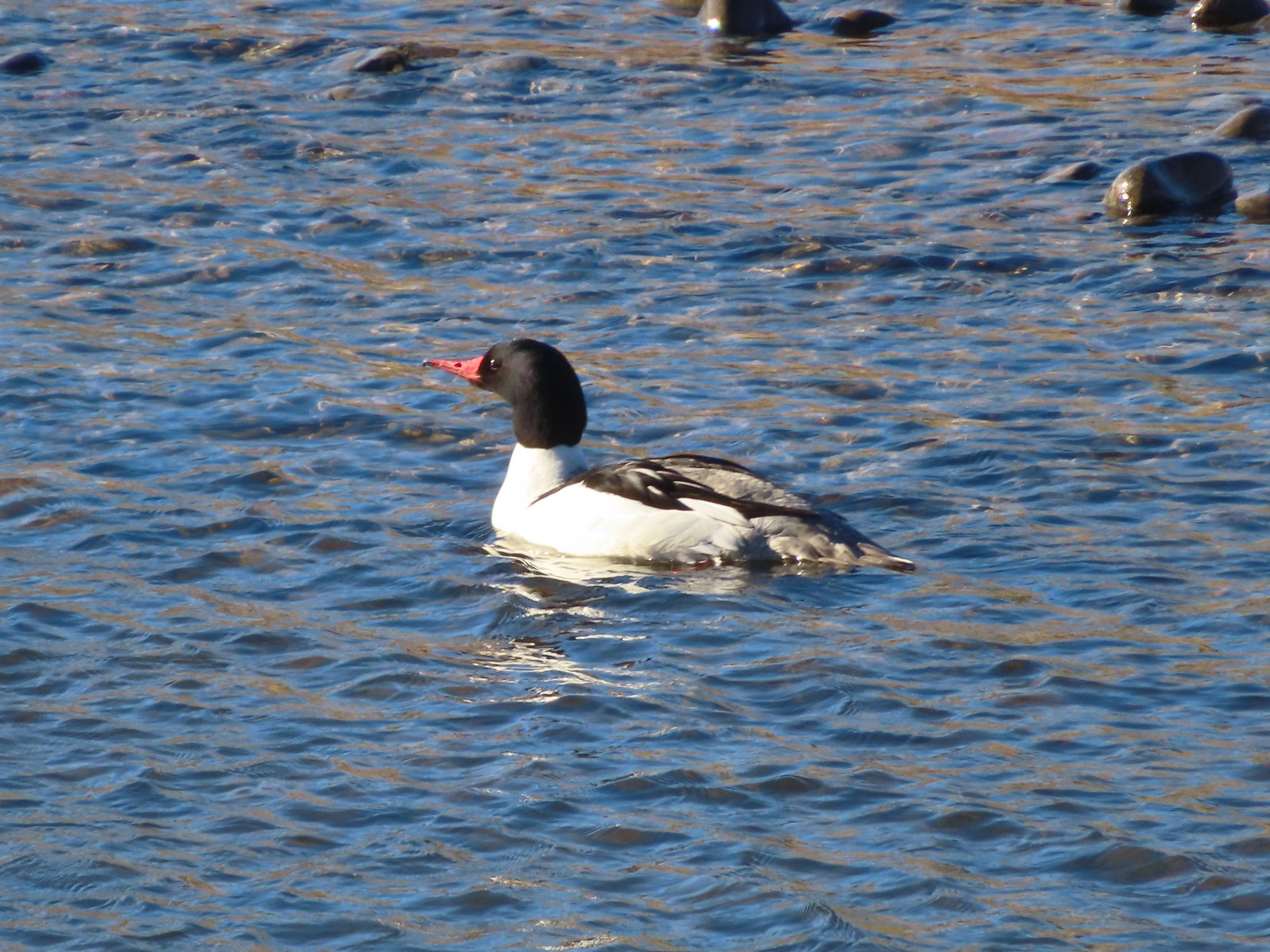 Common merganser drake
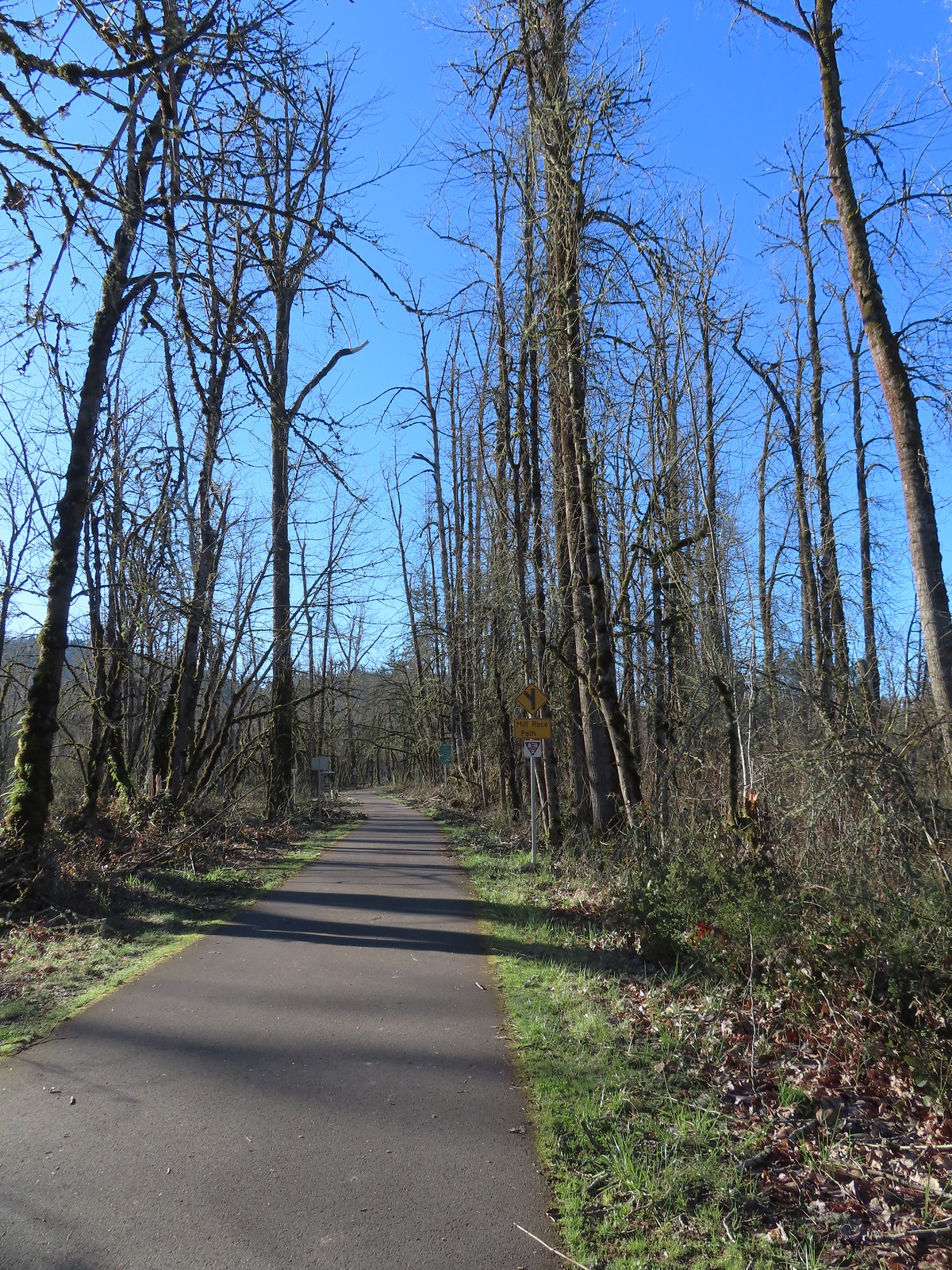 Approximately 2.75-miles from Dorris Ranch we came to the junction with the 3-mile-long Mill Race Path. An adventure for another day.
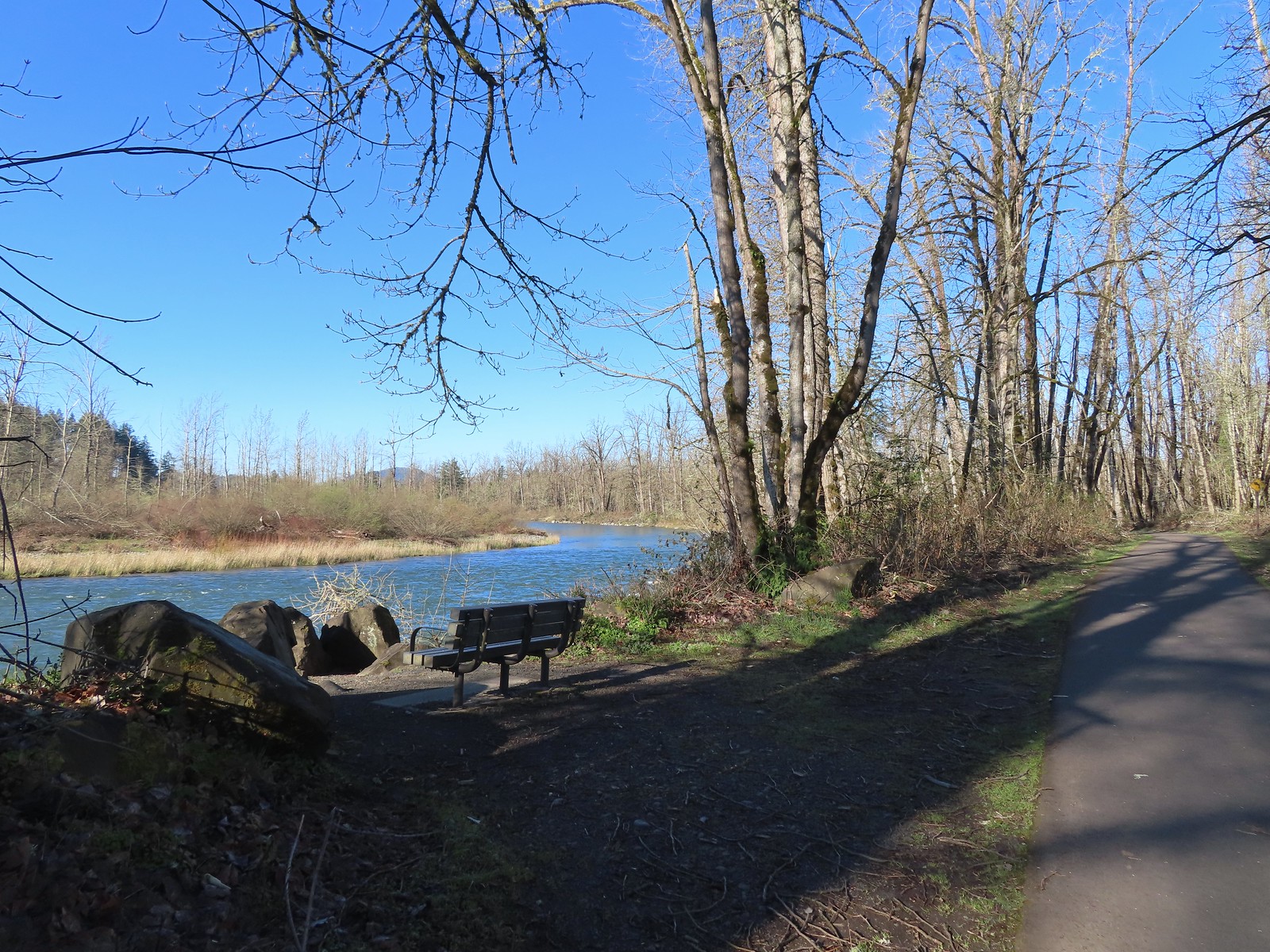 There were plenty of benches along the path.
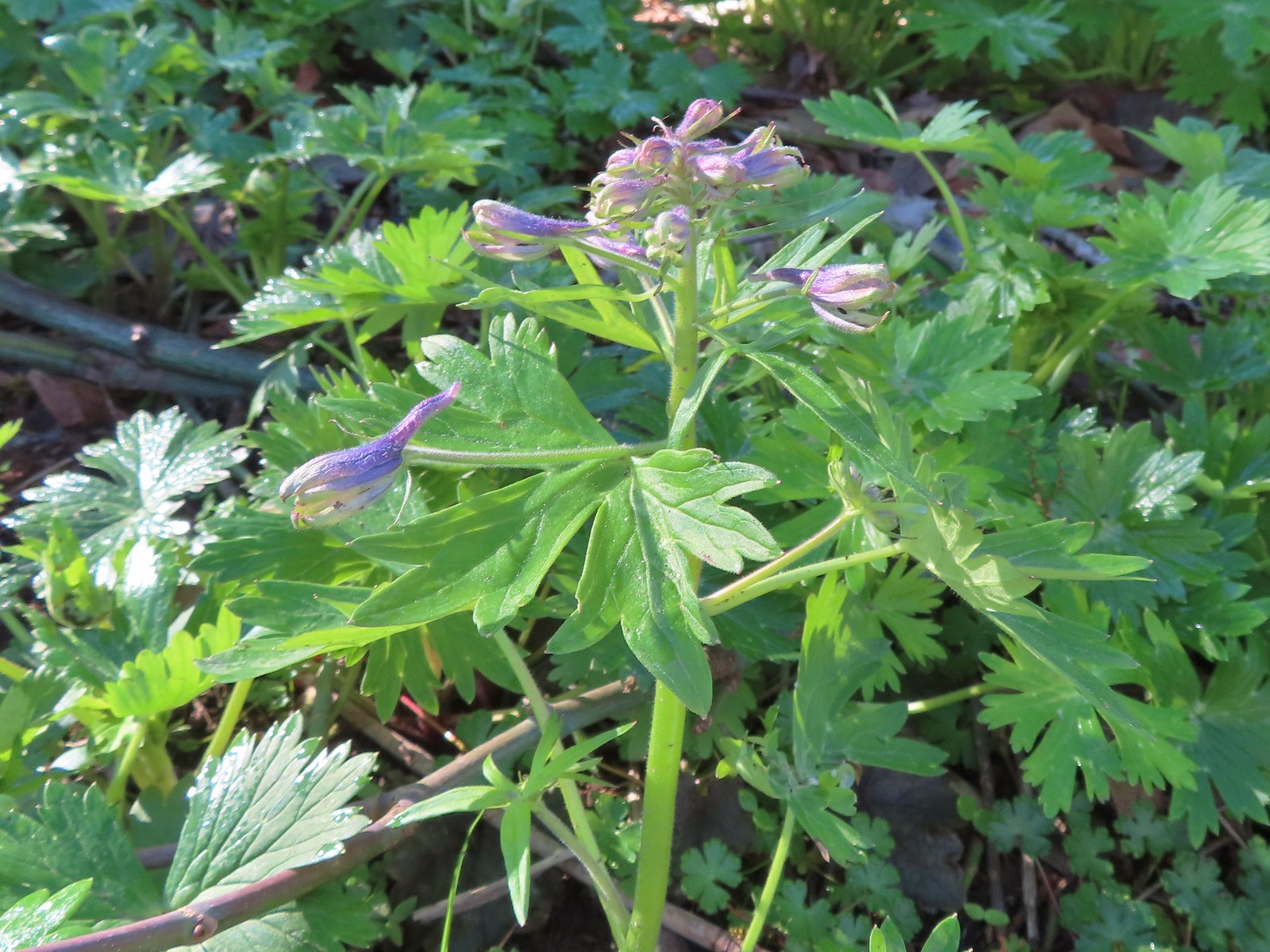 Larkspur starting to bloom.
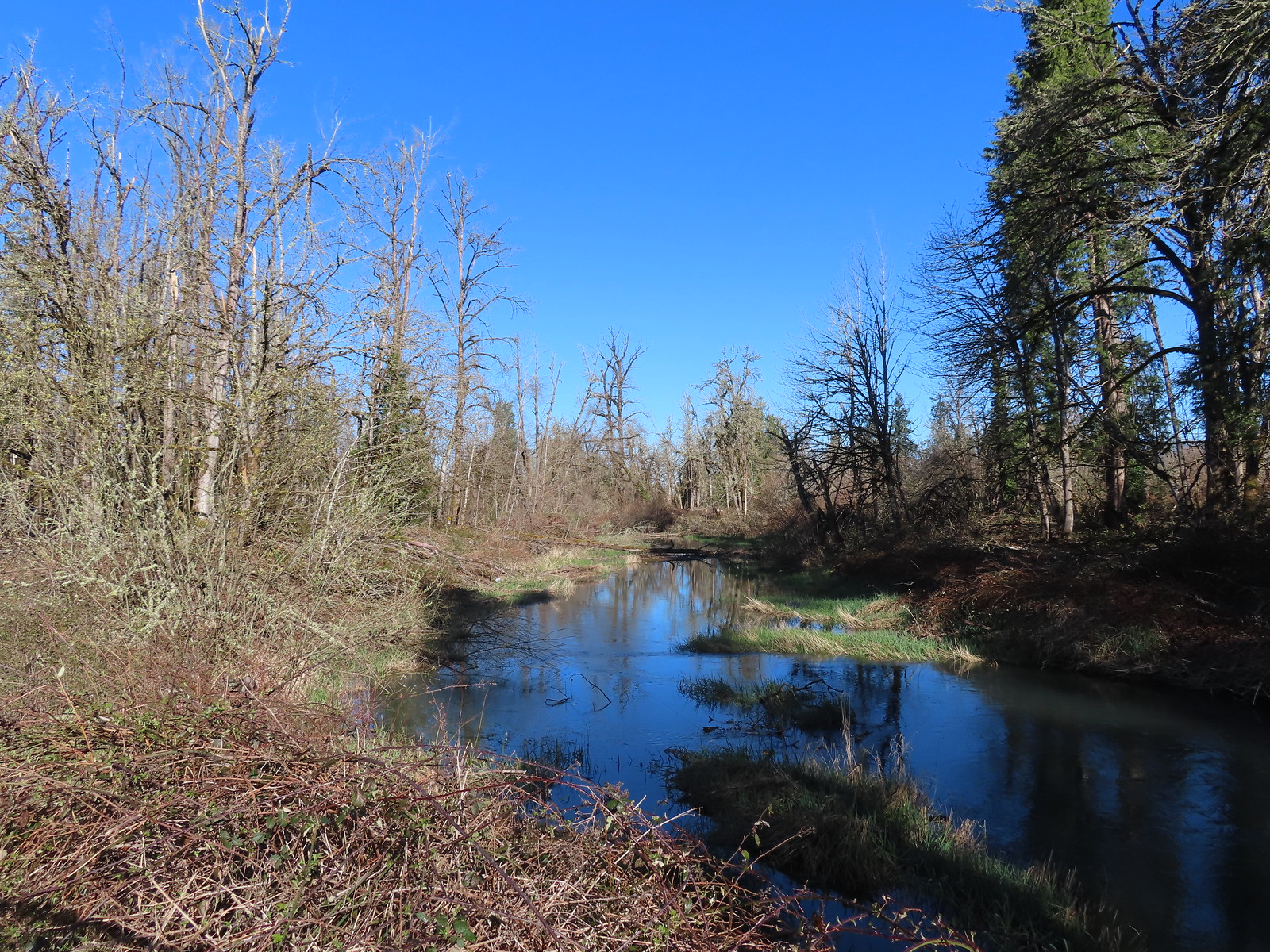 Springfield Mill Race
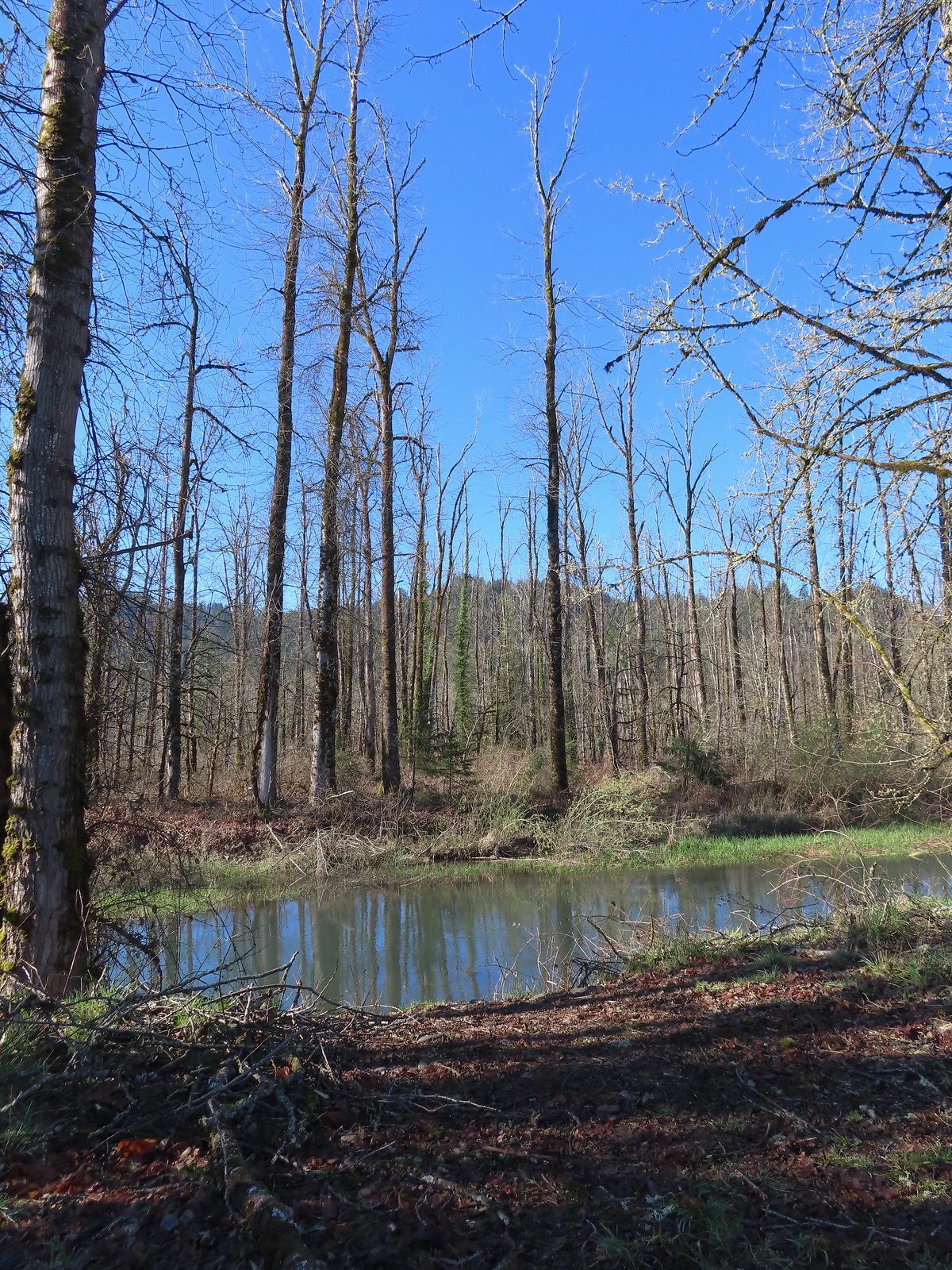 Mt. Pisgah (post) through the trees across the Middle Fork Willamette.
 Disc golf course at Clearwater Park.
 Nearing the parking lot at Clearwater Park.
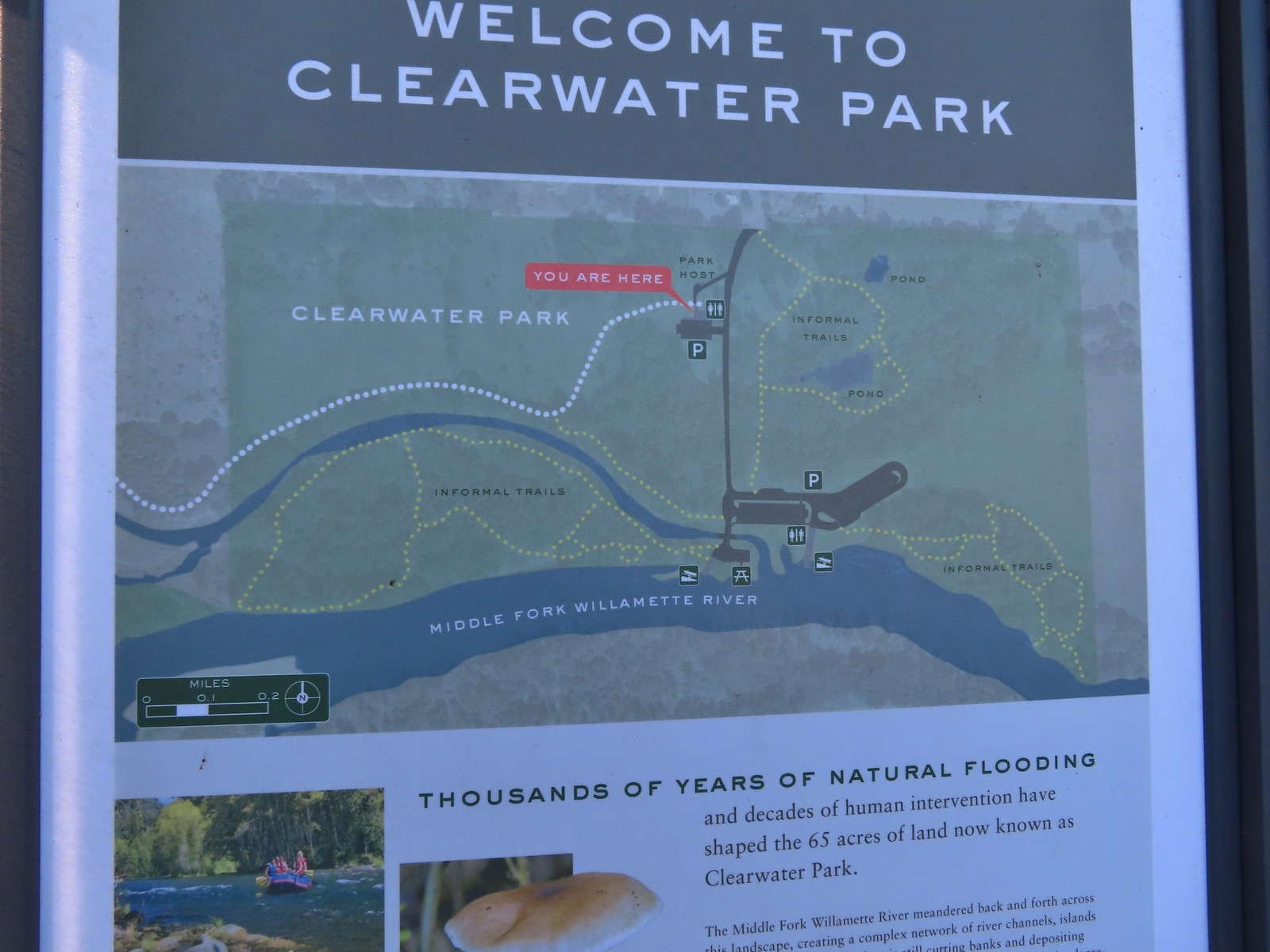 Map of the trails at Clearwater Park.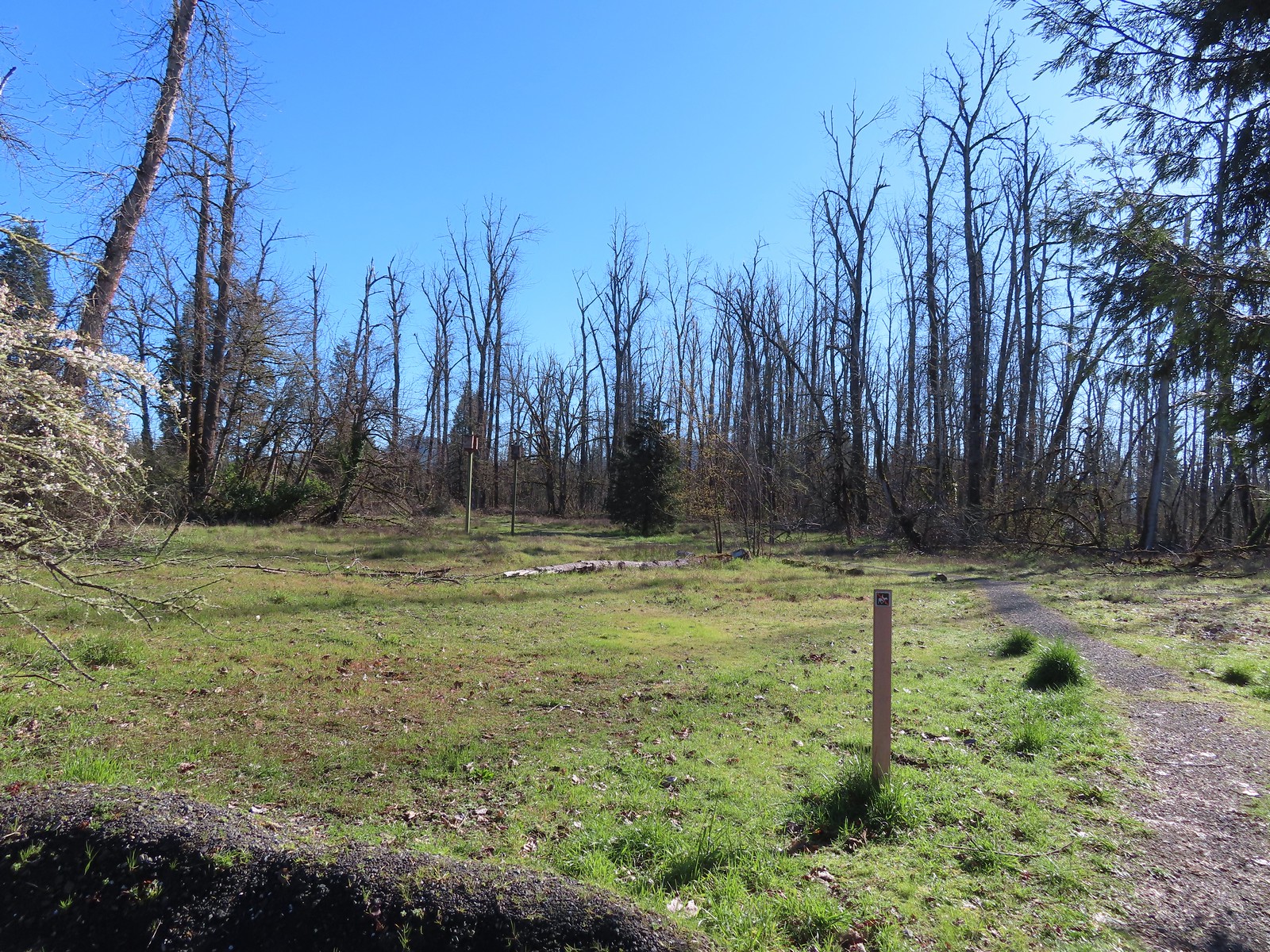
 Turkey vultures. We’d seen our first turkey vulture of the year a little earlier on the Middle Fork Path. I’d been on the lookout for one of these scavengers for the last couple of weeks knowing that their arrival in the Willamette Valley coincides with the onset of Spring.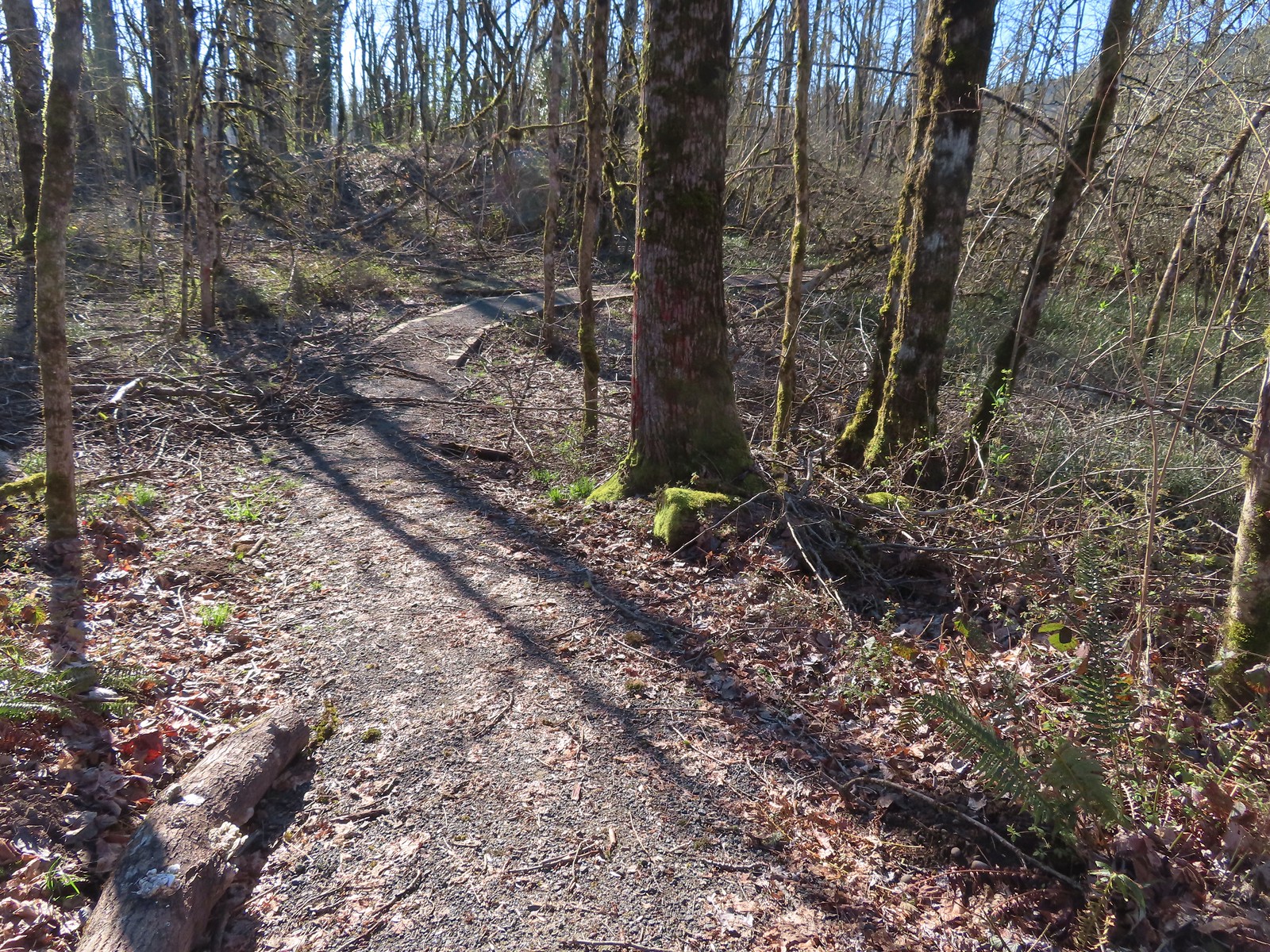

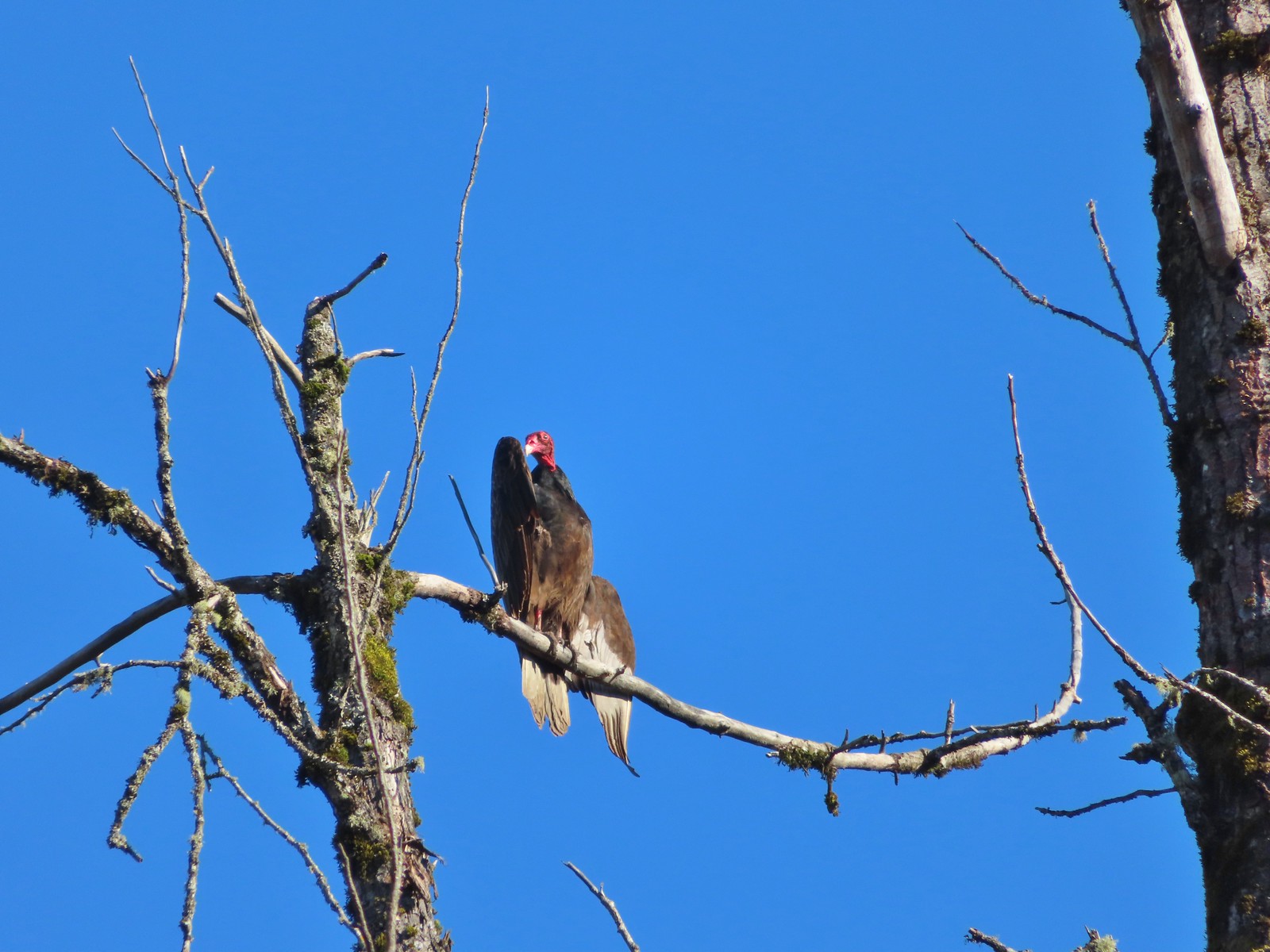 Turkey vulture enjoying the sunshine.
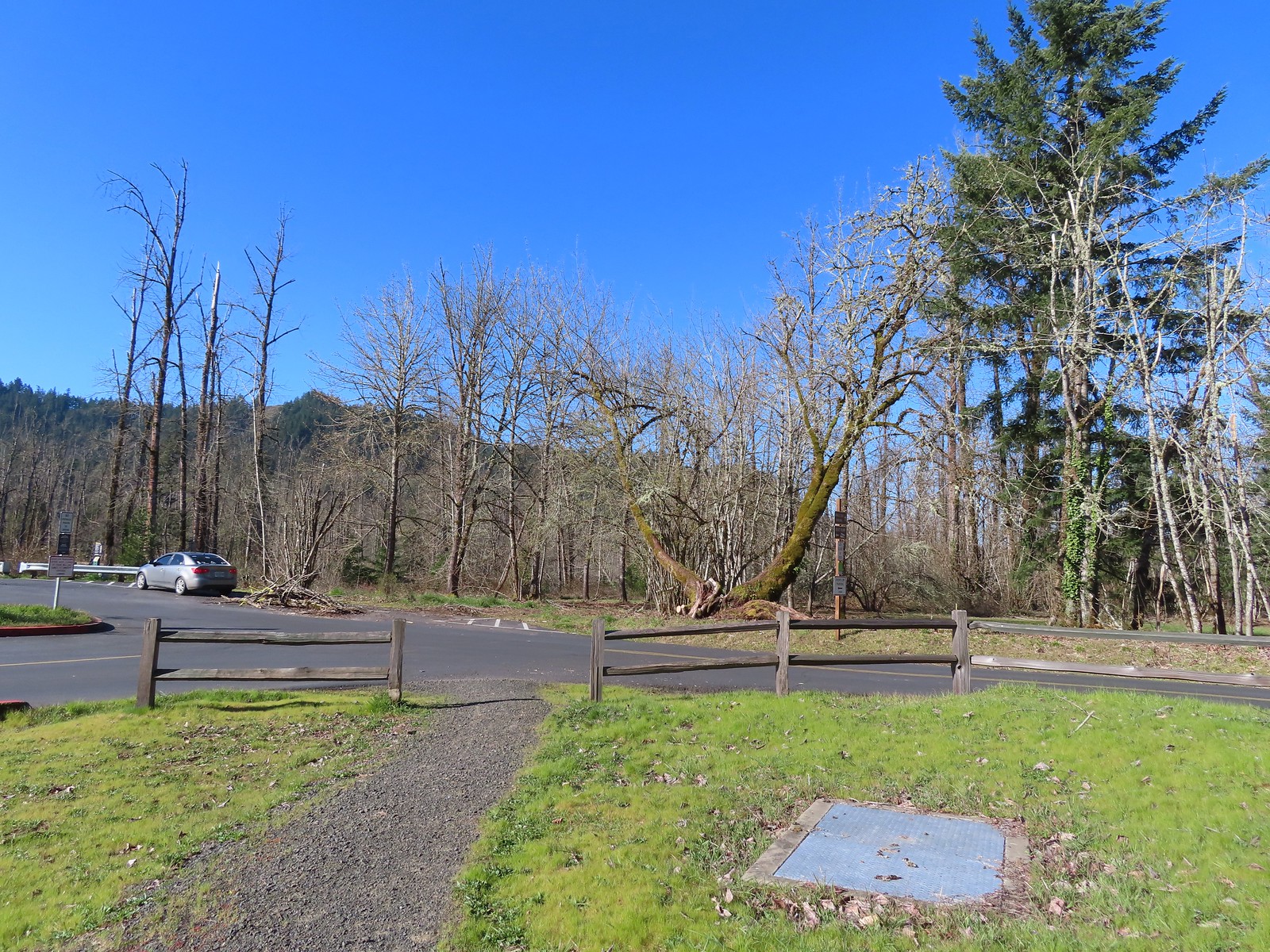 Arriving at the boat launch area.
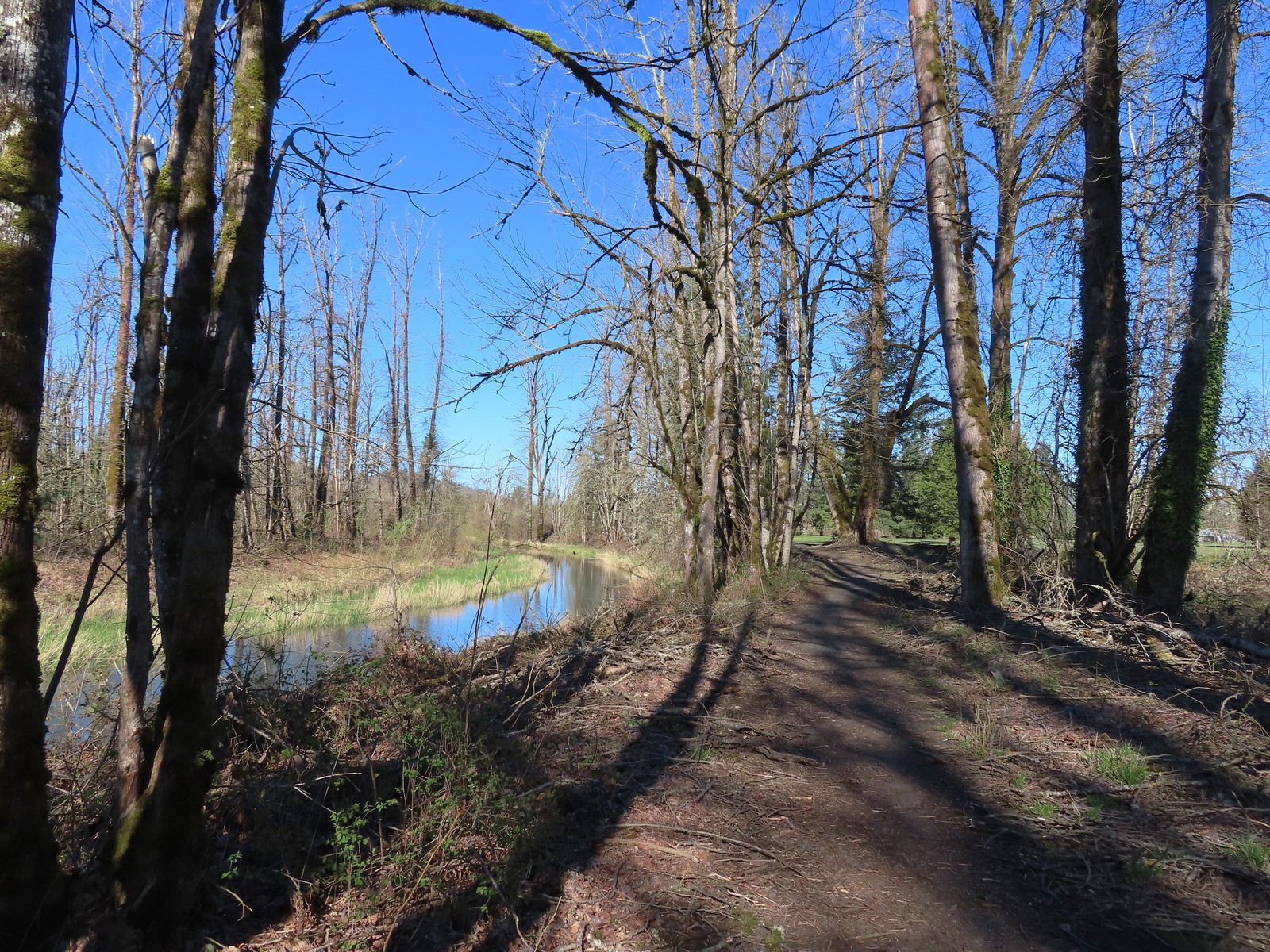 Heading back to the Middle Fork Path.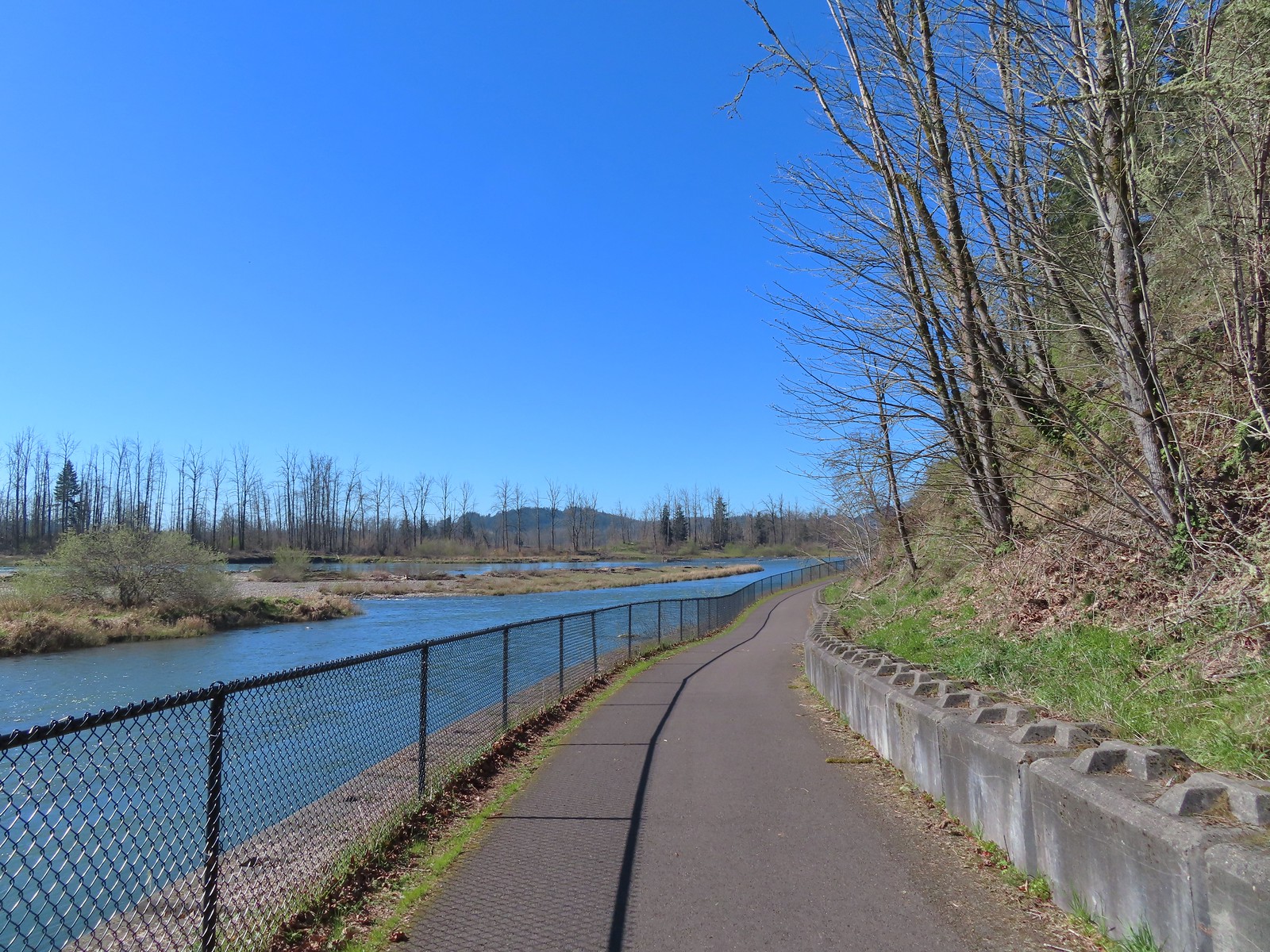
 Back at Dorris Ranch. The trail we’d taken earlier that morning is to the left just before the bench.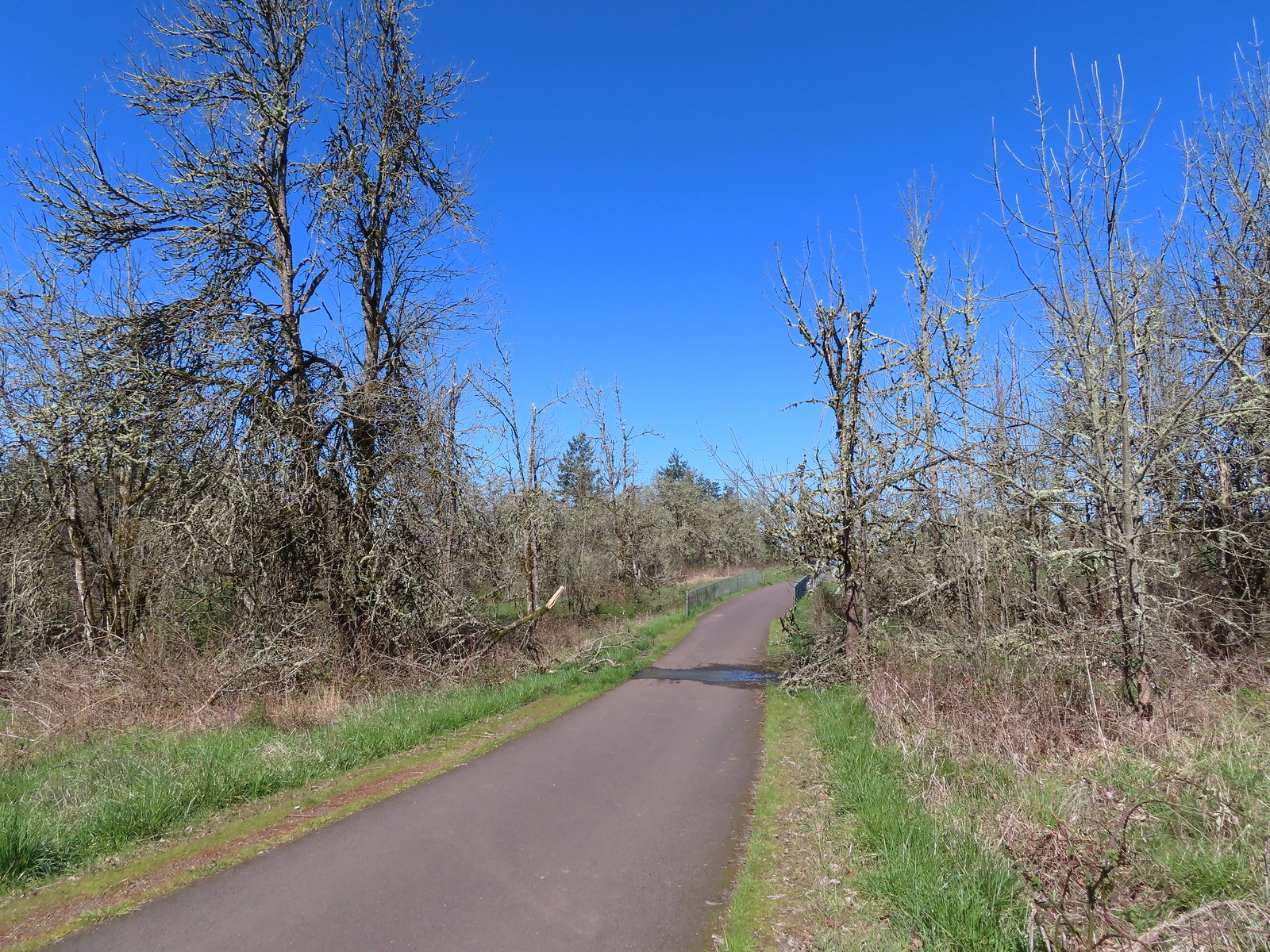
 Western bluebirds
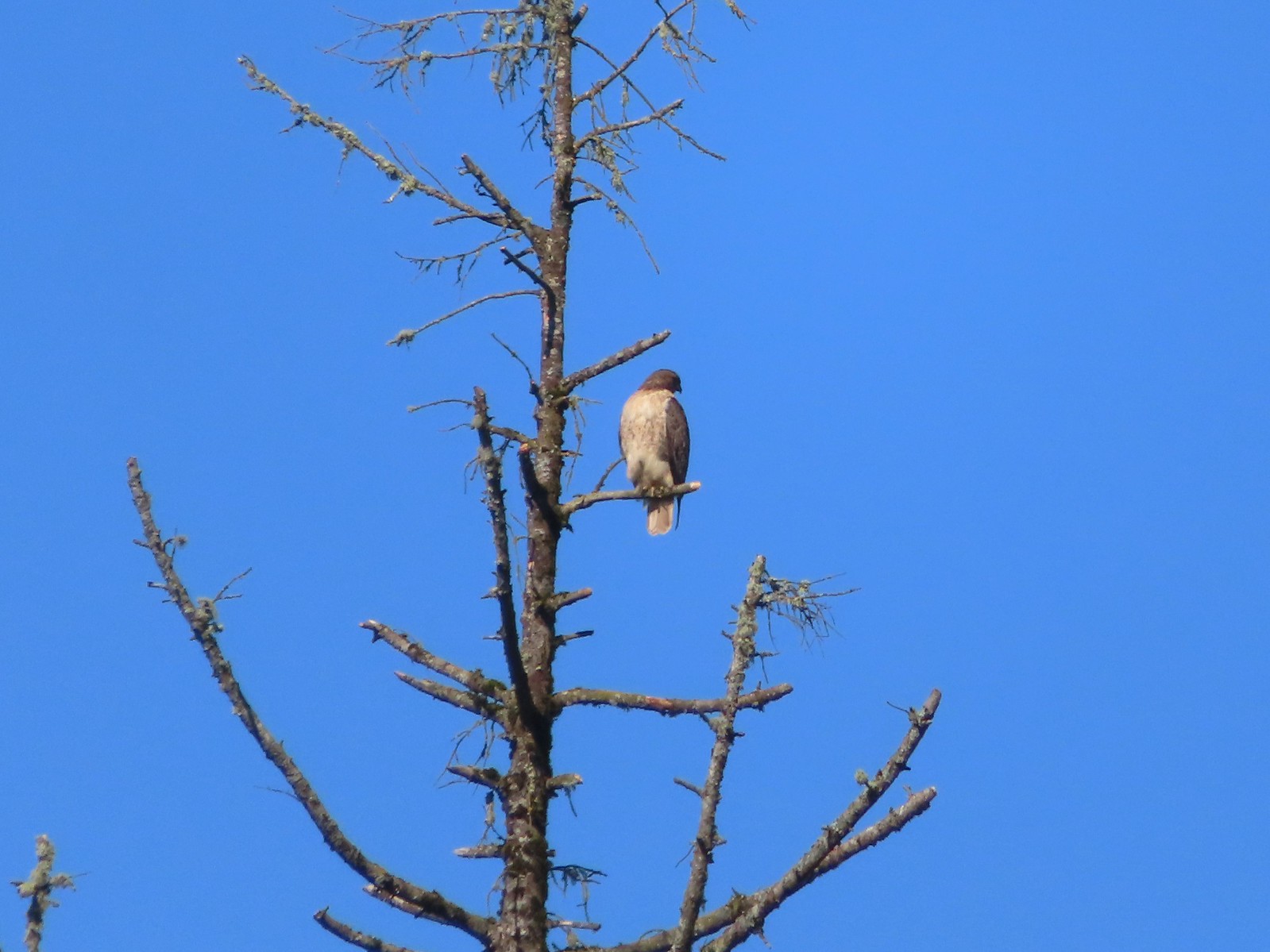 I believe this is a Cooper’s hawk.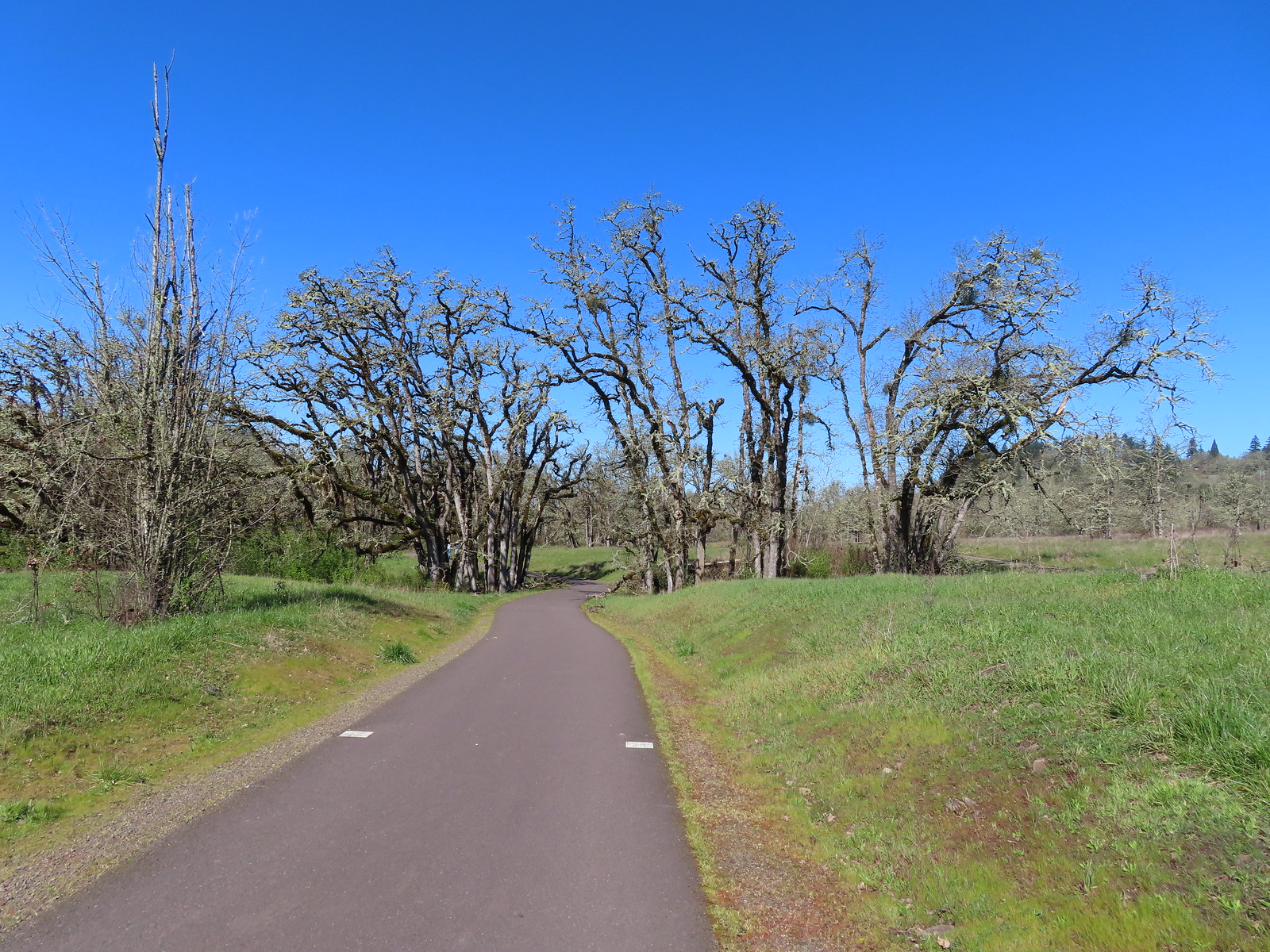
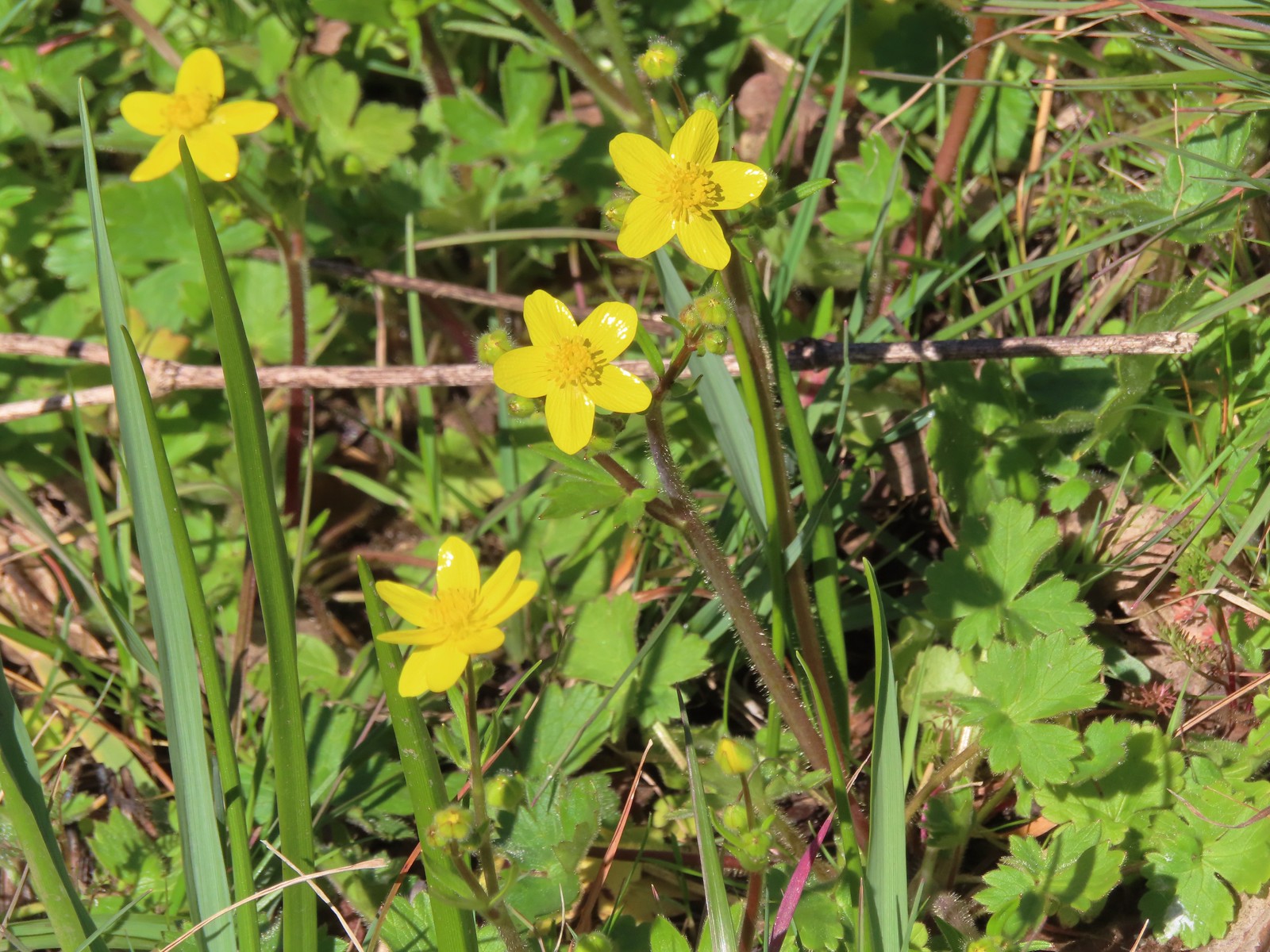 Western buttercups
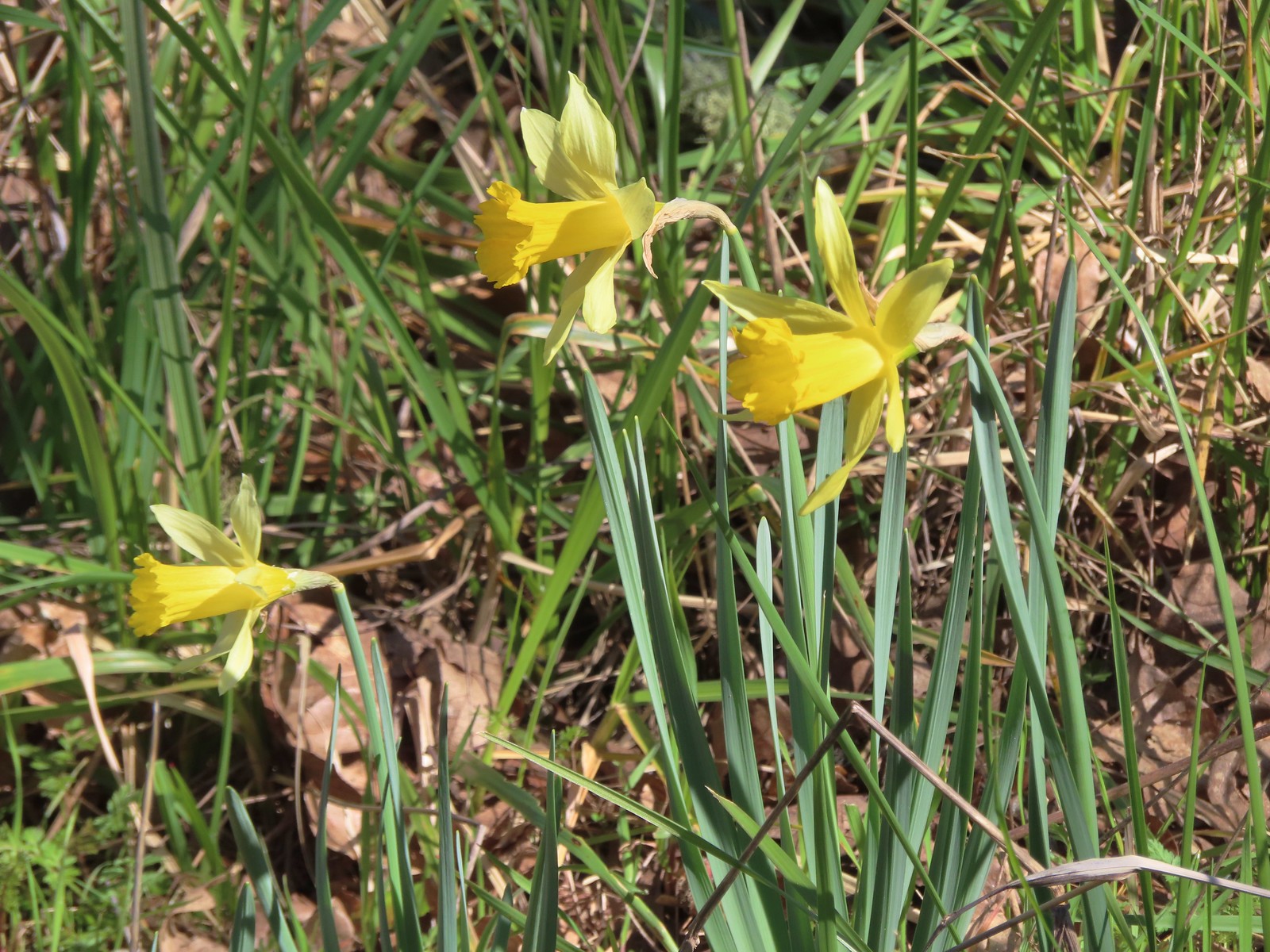 Daffodils

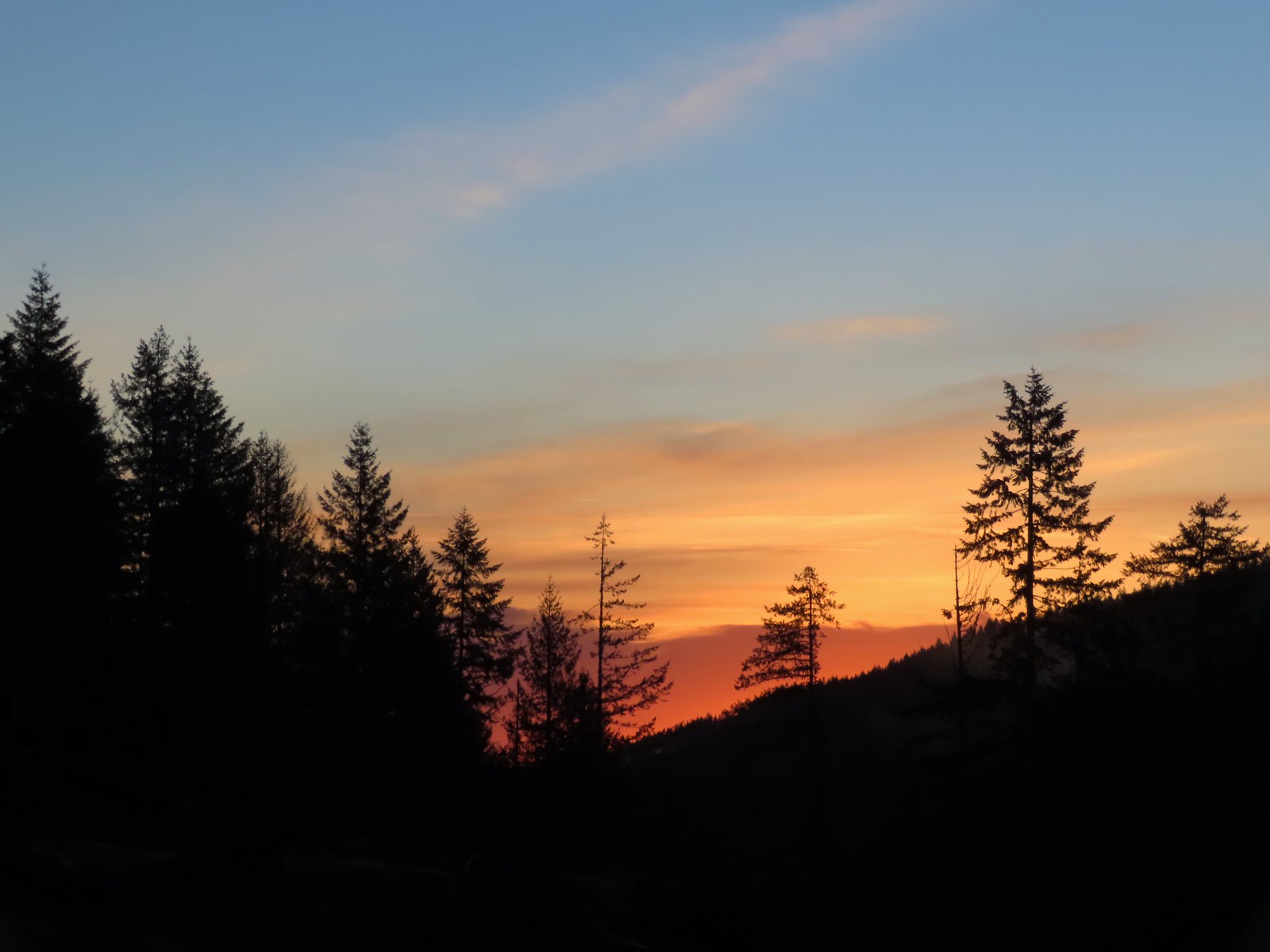 Sunrise from the trailhead.
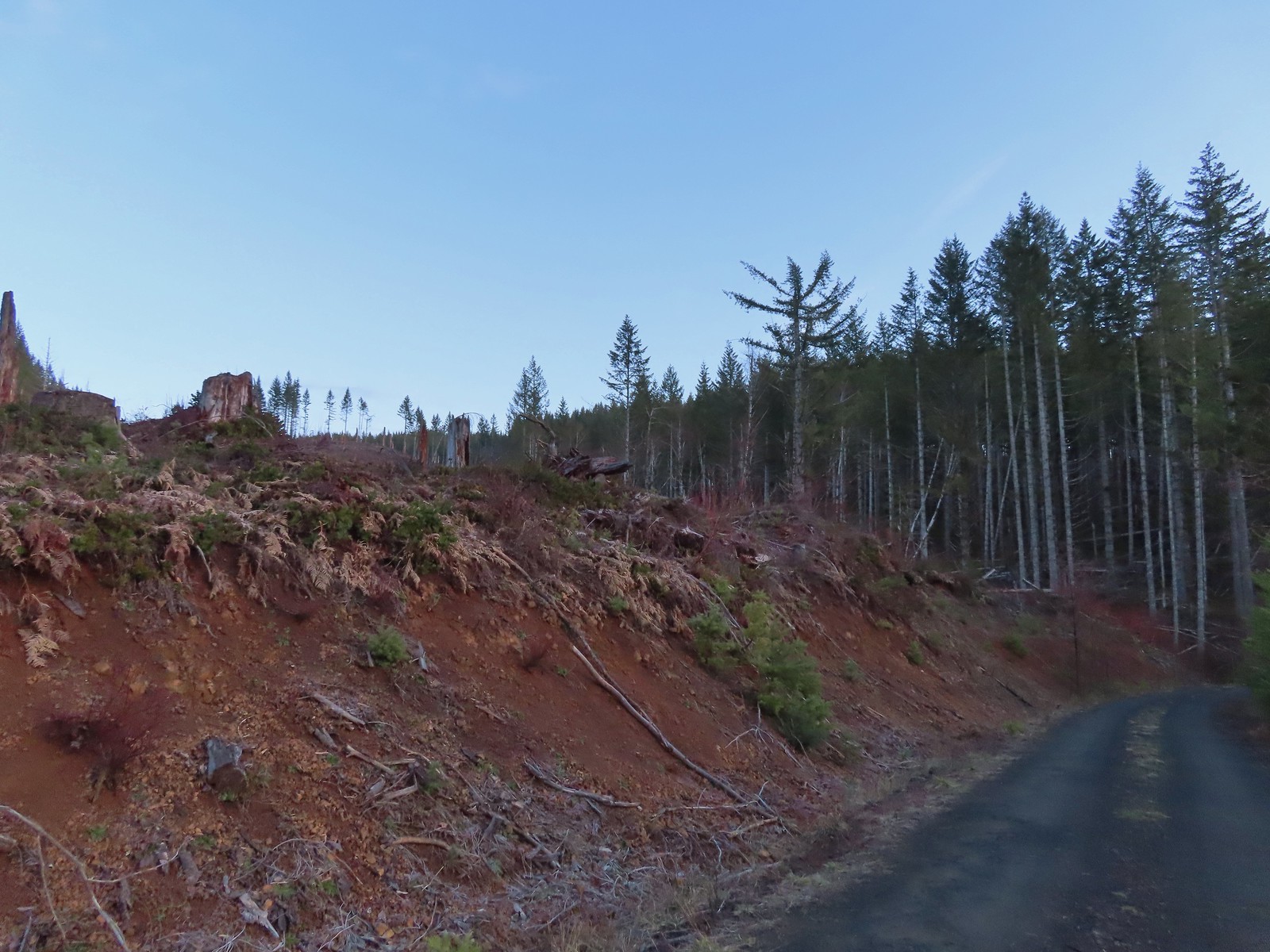 Clear cut at the trailhead.
 This was the view through the forest from Maple Creek Road around the 80-yard mark.
 We could hear the Tualatin River in the valley below and I managed to get far enough down the hill to get a glimpse of the water. I had descended from a pullout with a fire ring about 50-75′ looking for the old roadbed, but I still couldn’t make out where it actually was and had been slipping a lot on wet wood.
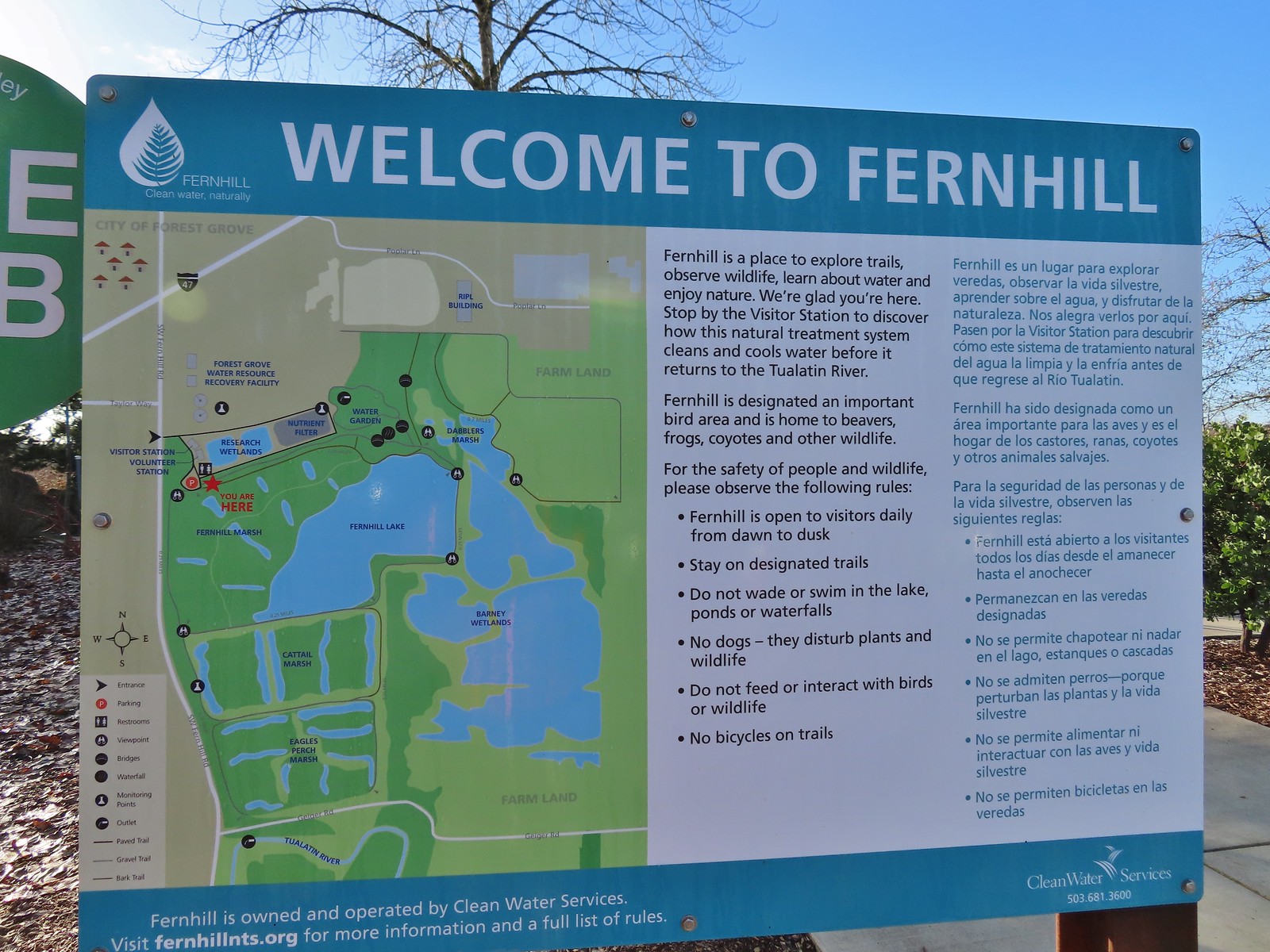 Map and information at the trailhead.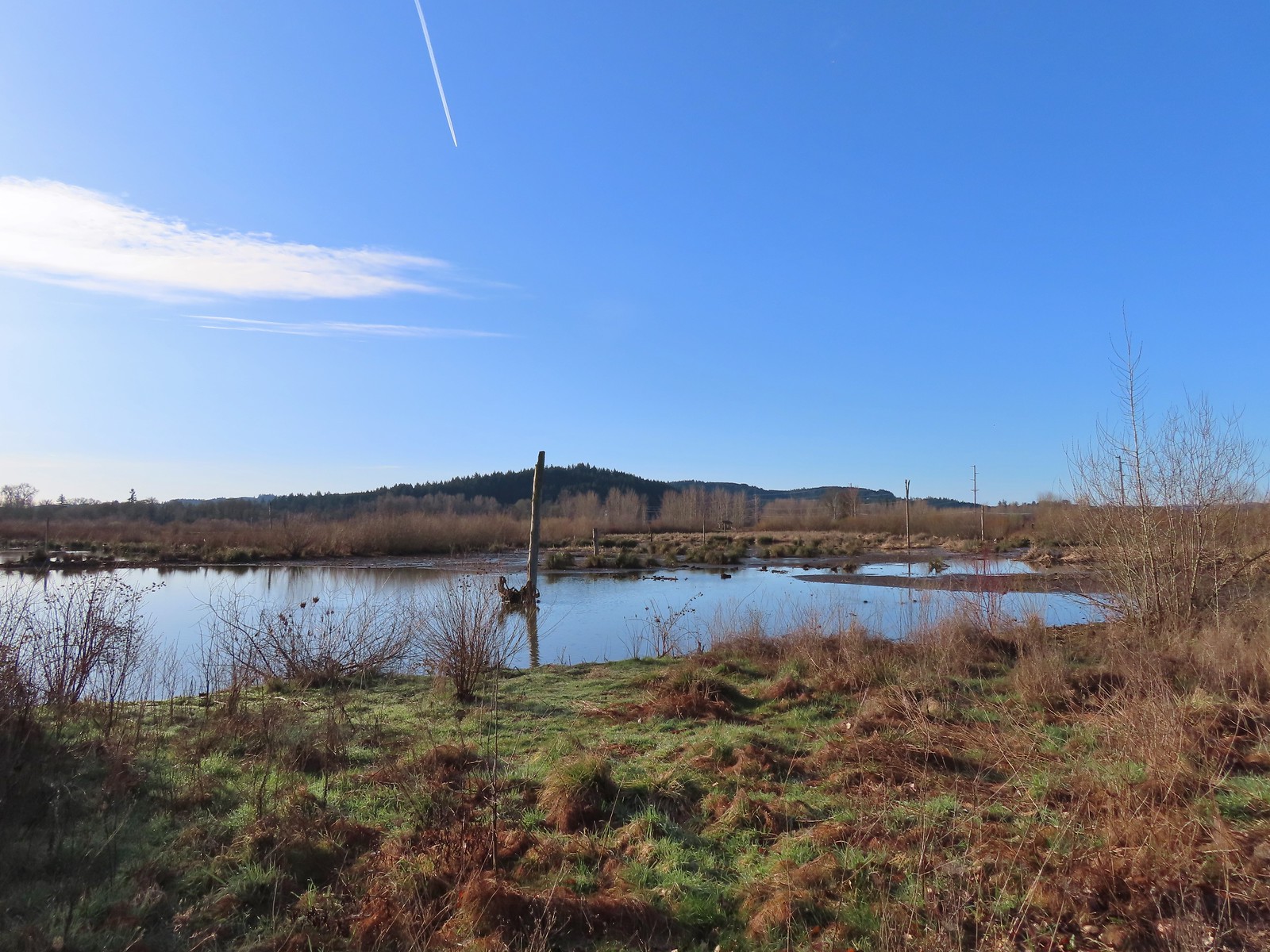
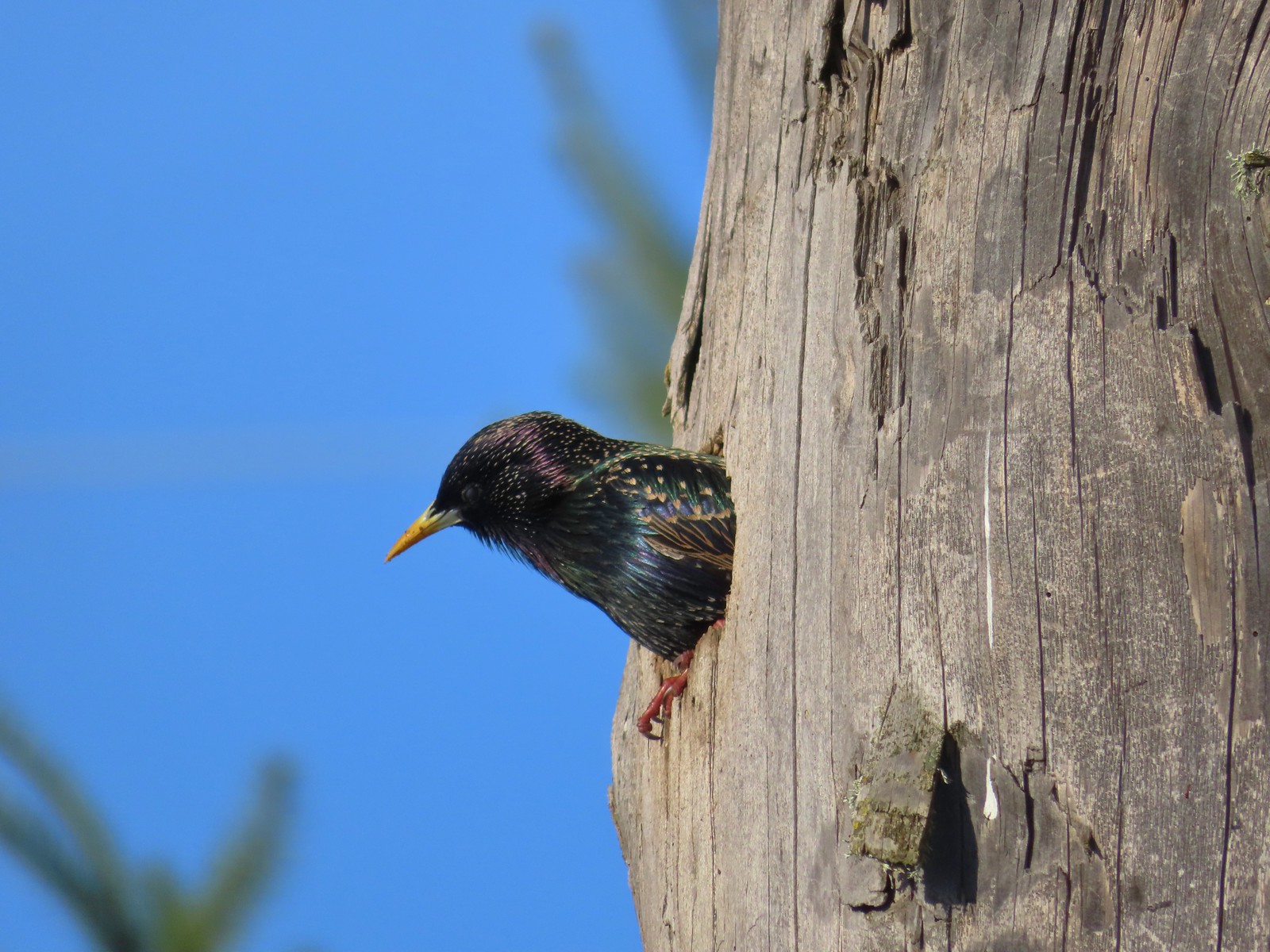 Starling
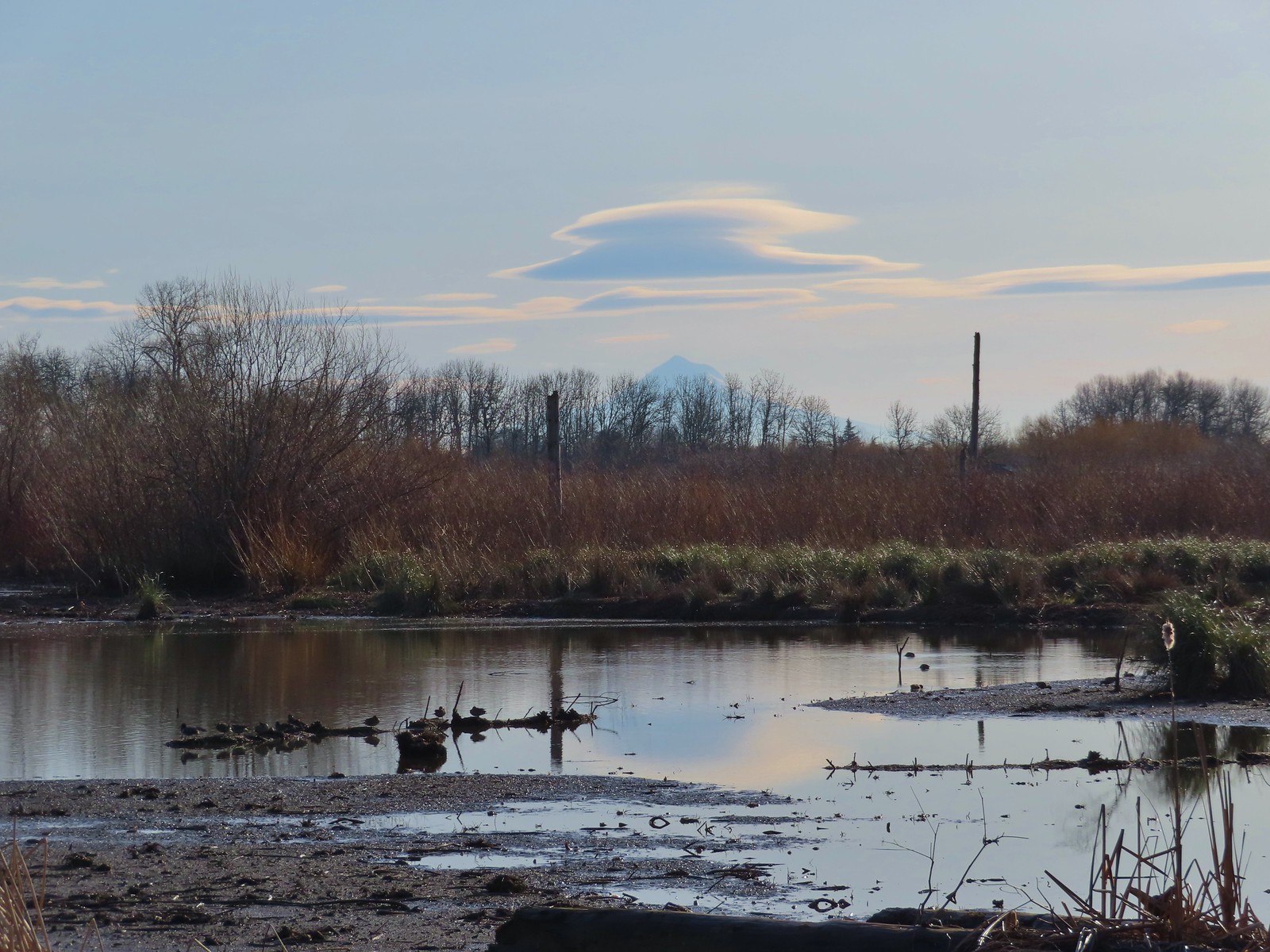 Lenticular clouds over Mt. Hood in the distance.
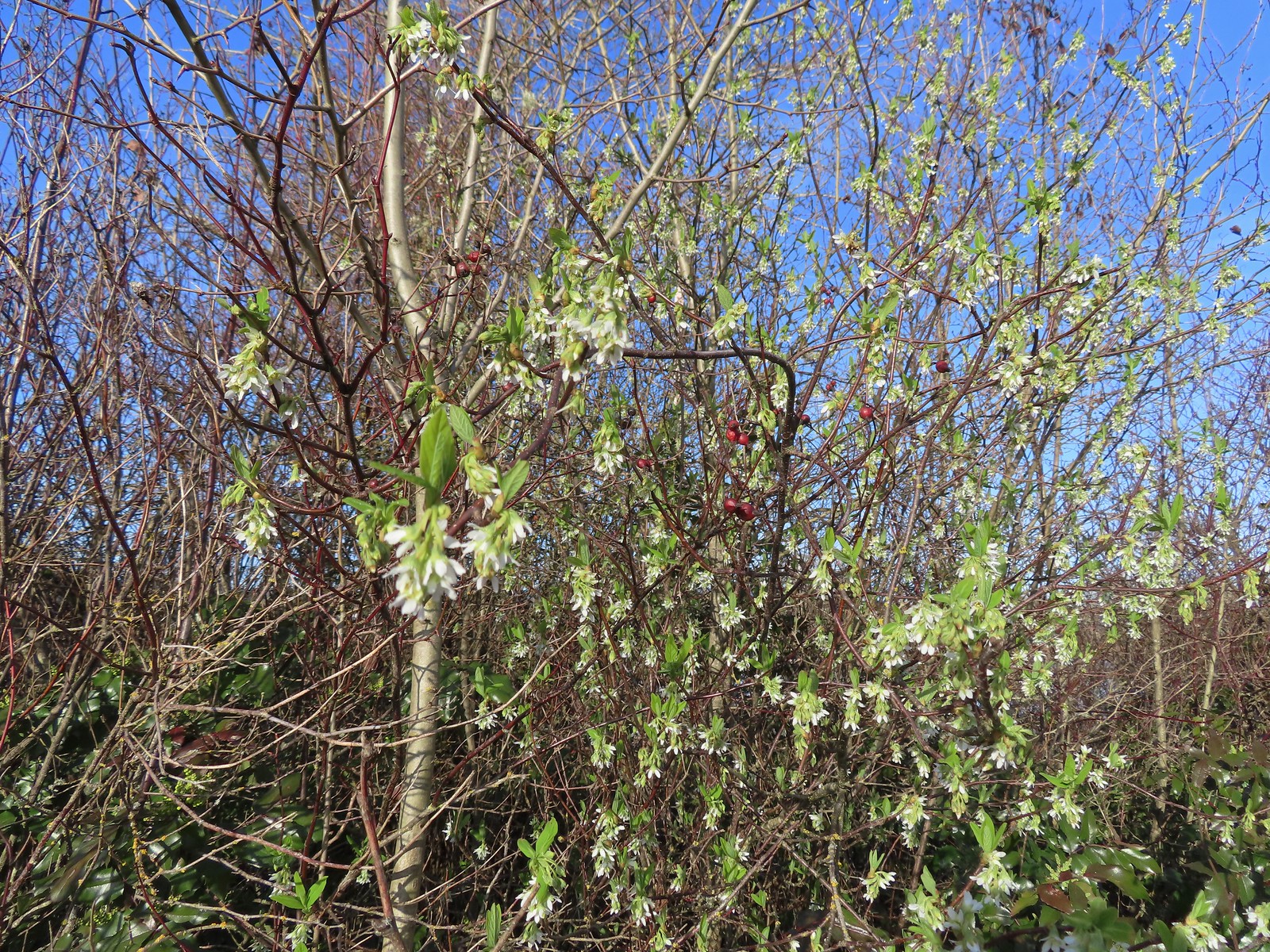 Our first wildflower of the year is Indian plum in 2024.
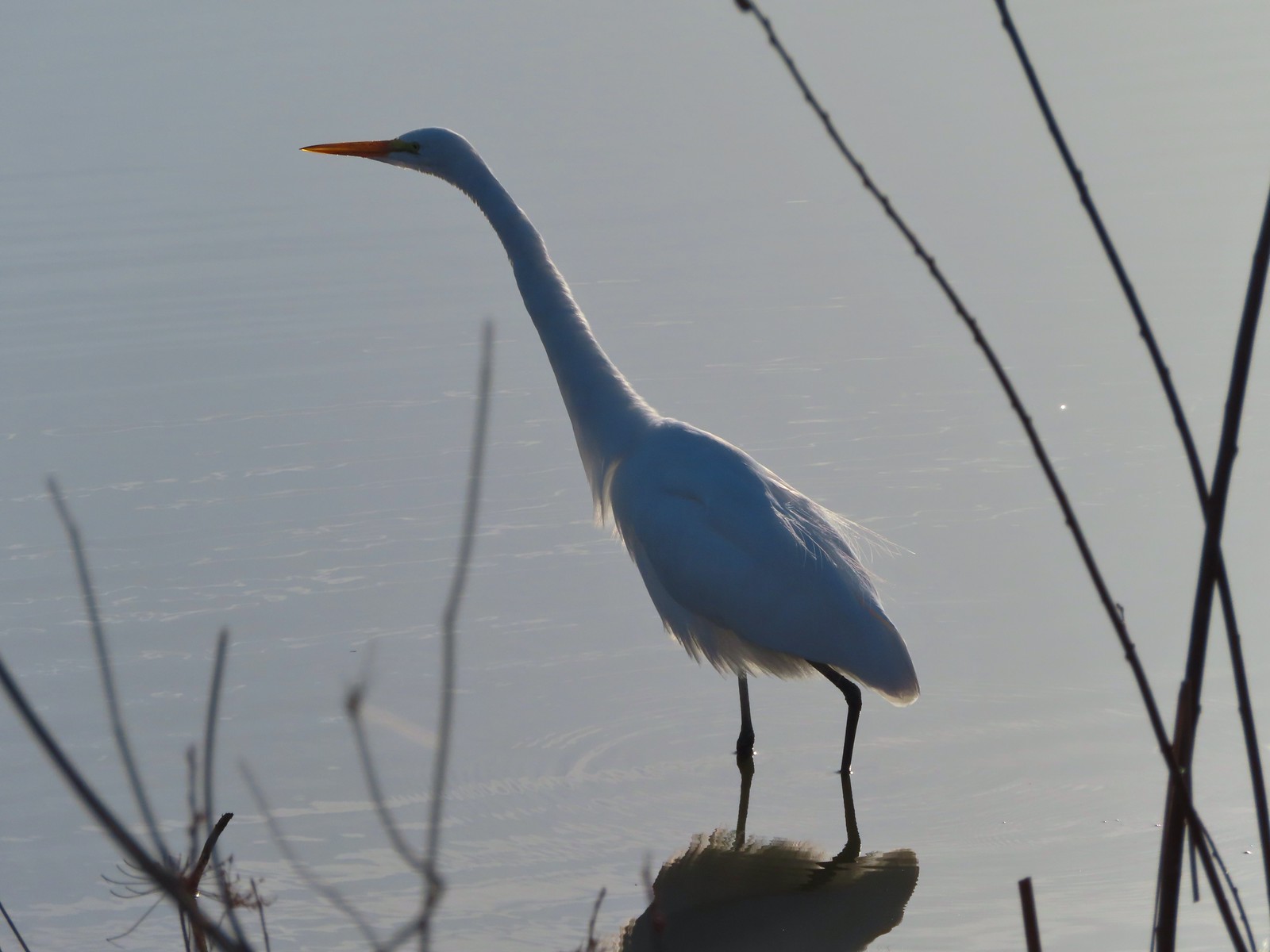 Egret
Egret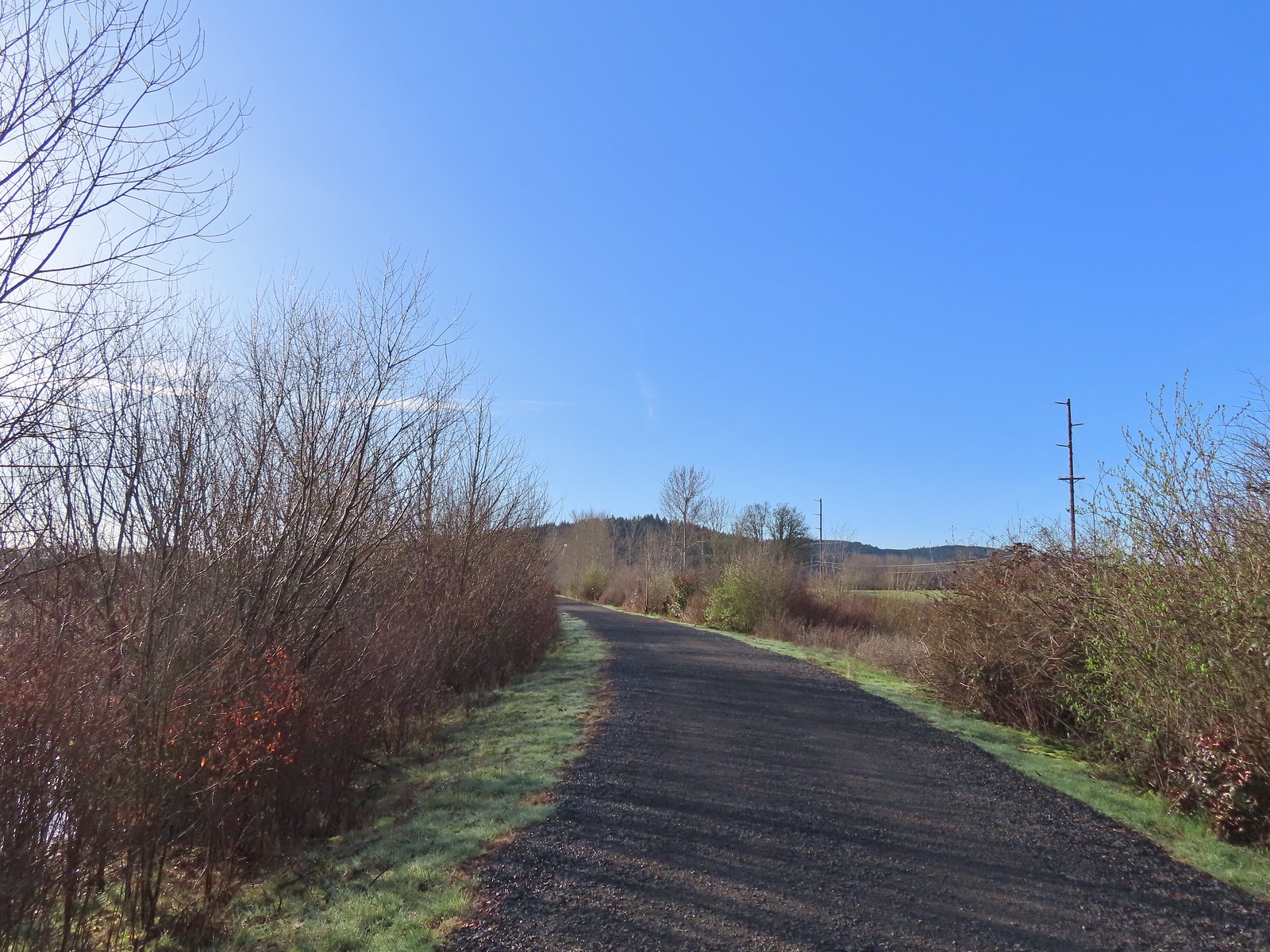 Path at Fernhill Wetlands.
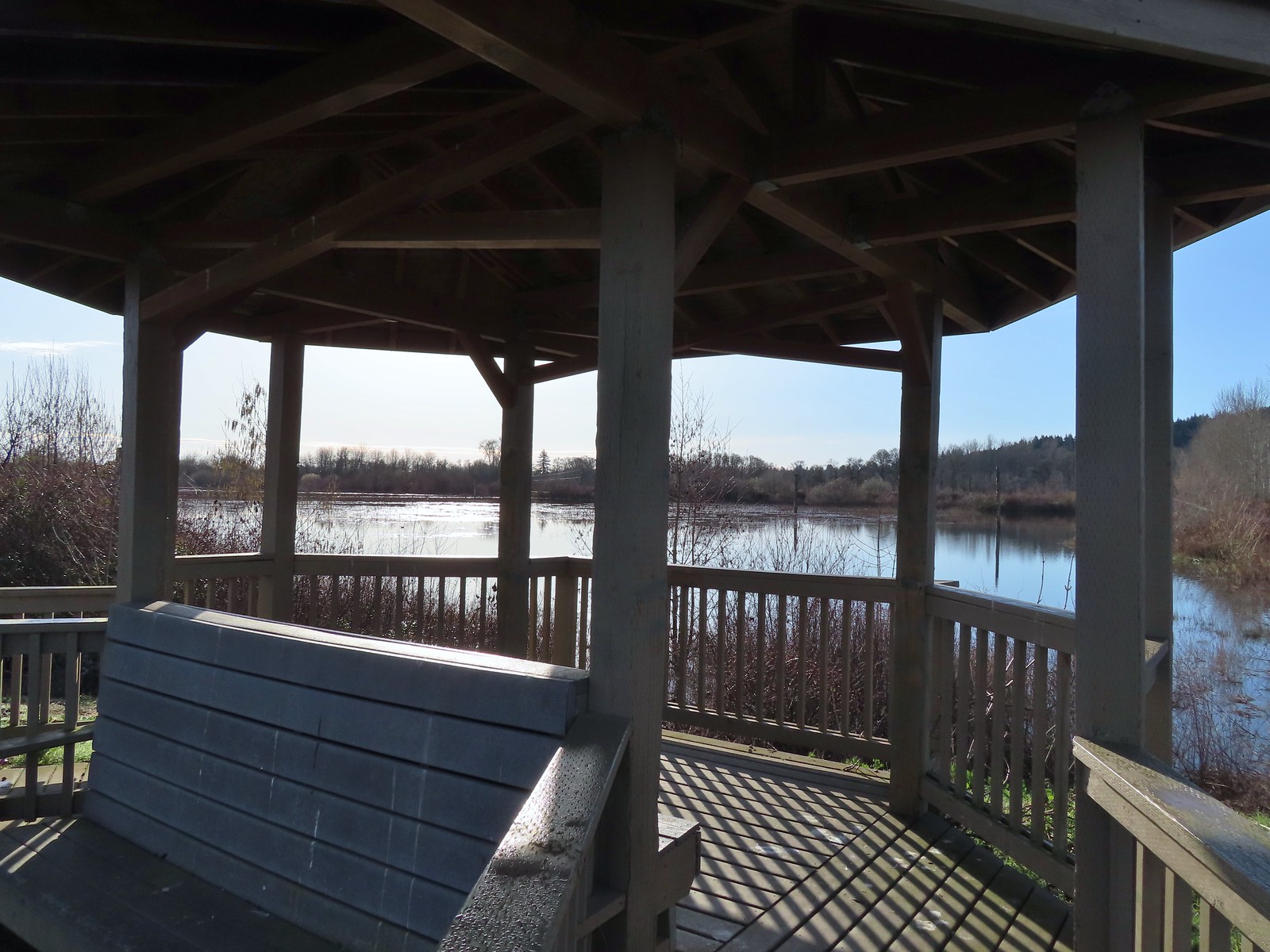 Gazebo overlooking Cattail Marsh.
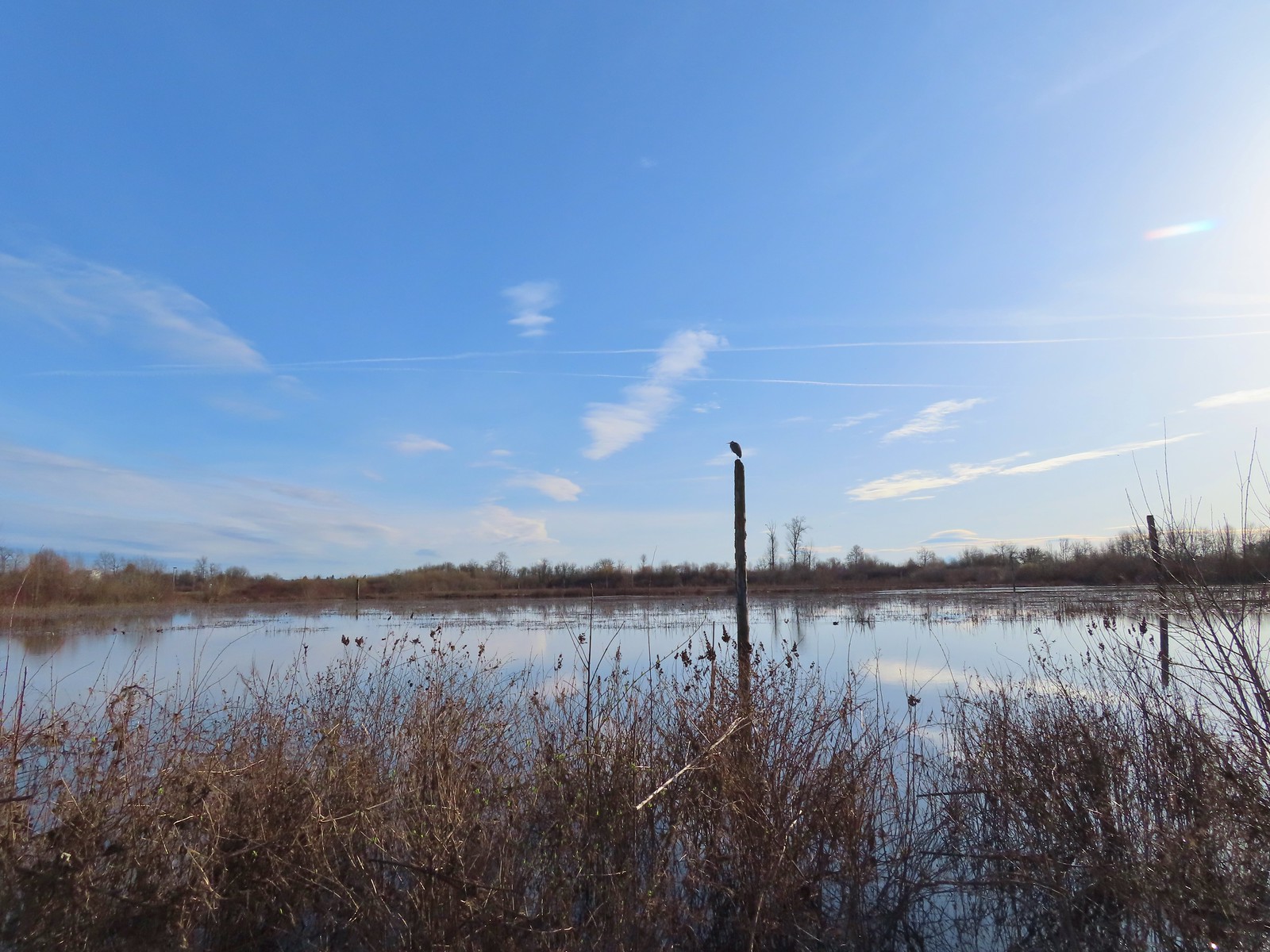 Great blue heron on a post above Cattail Marsh.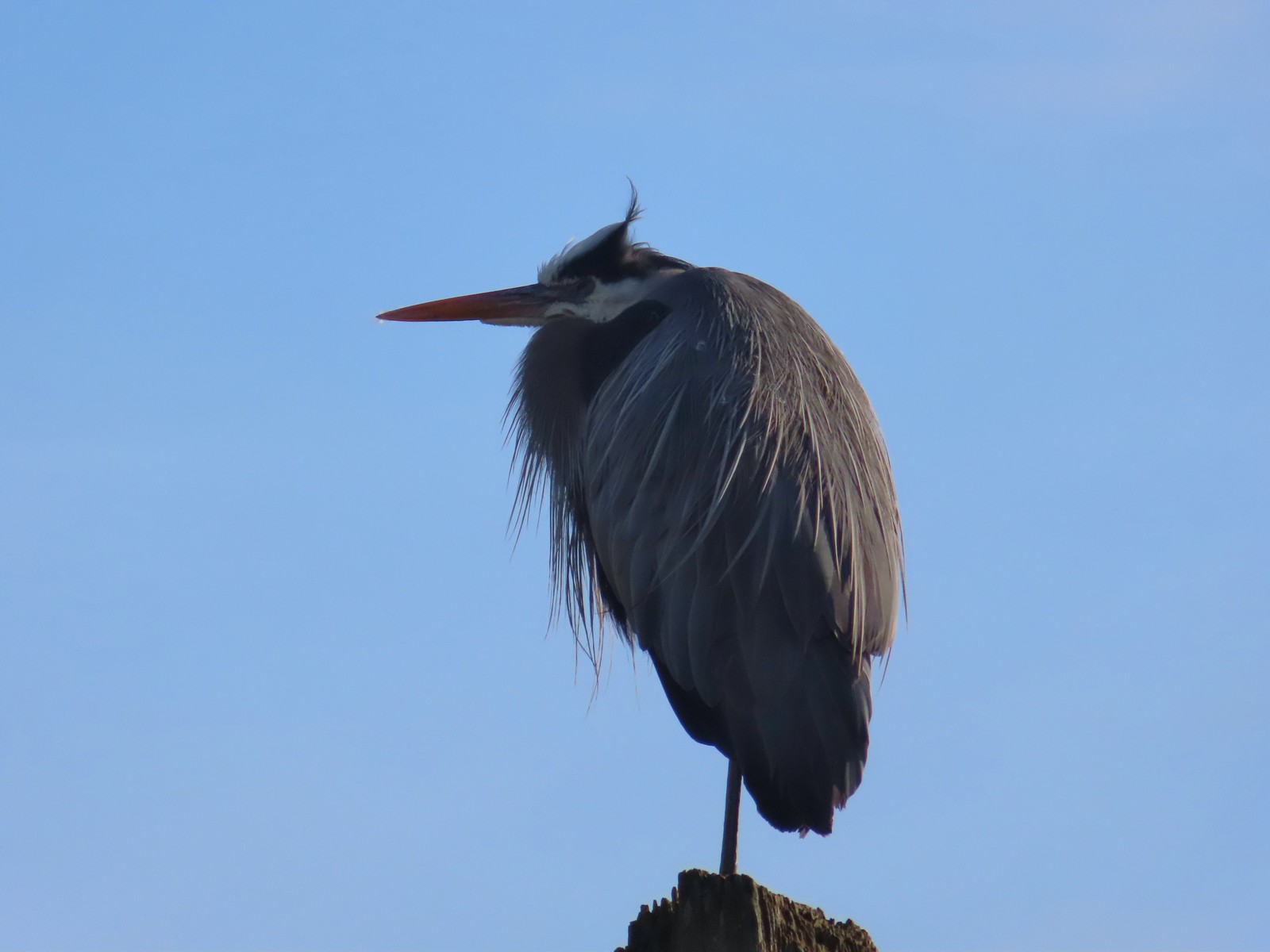
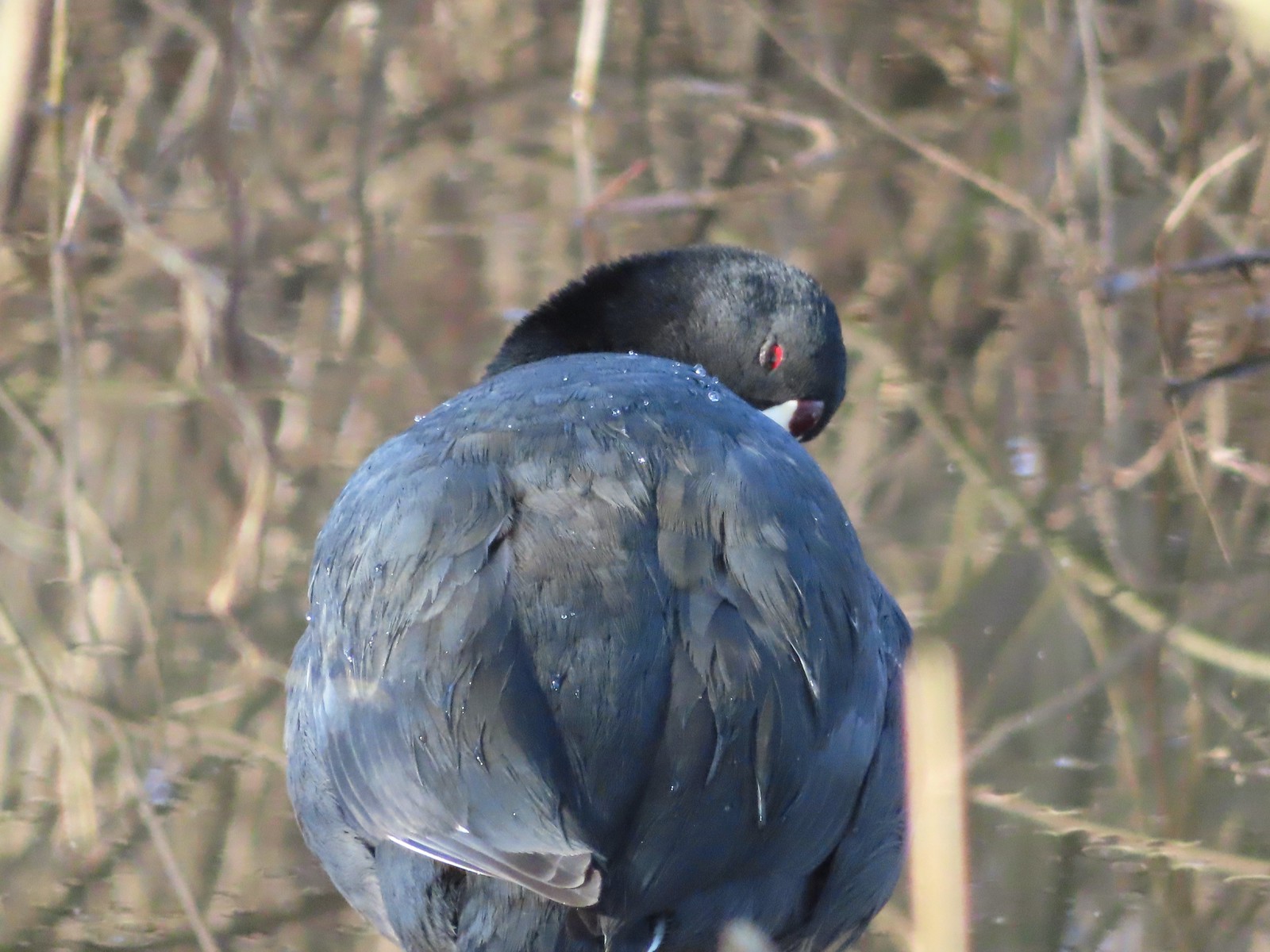 American coot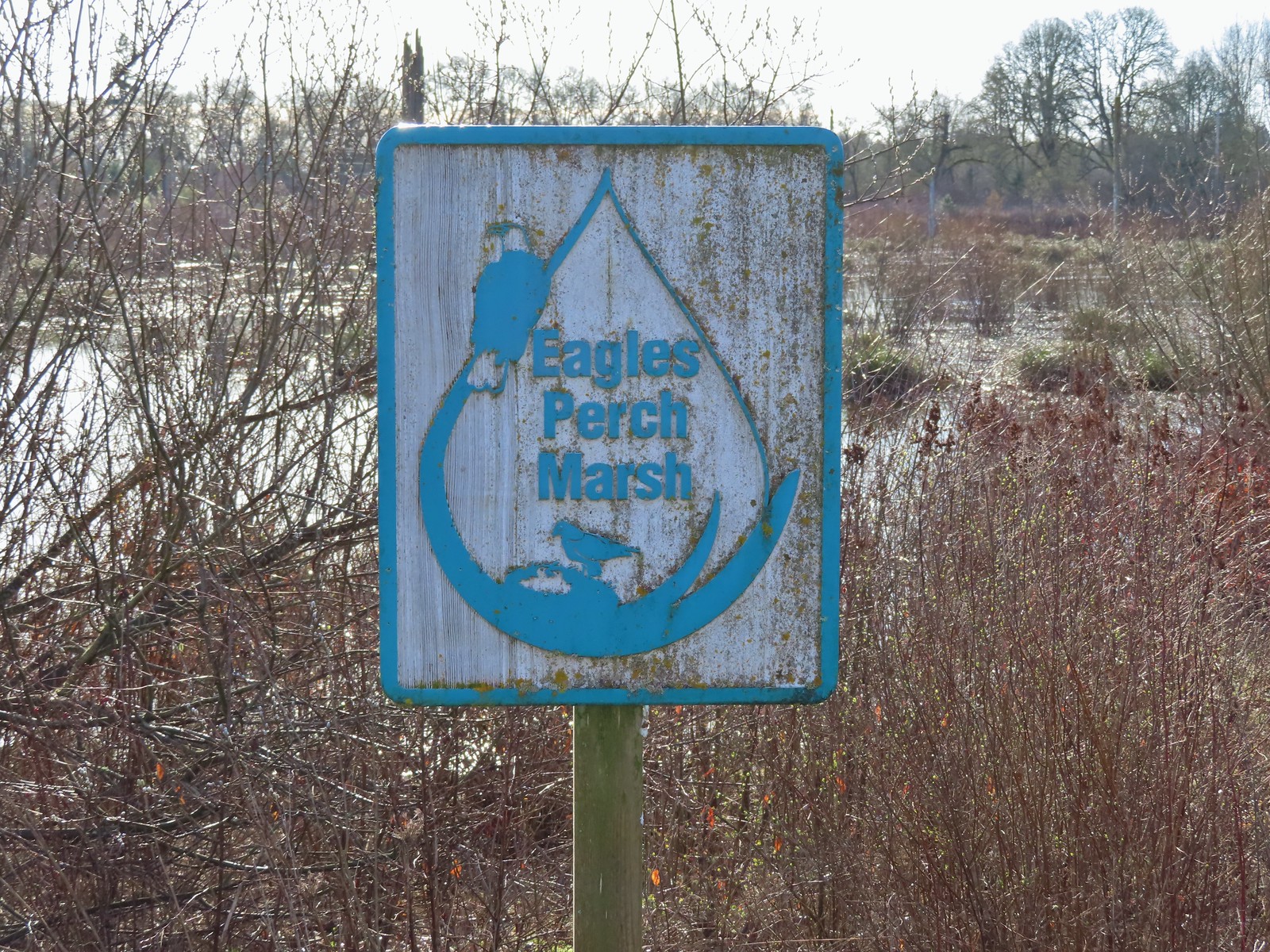
 Another great blue heron.
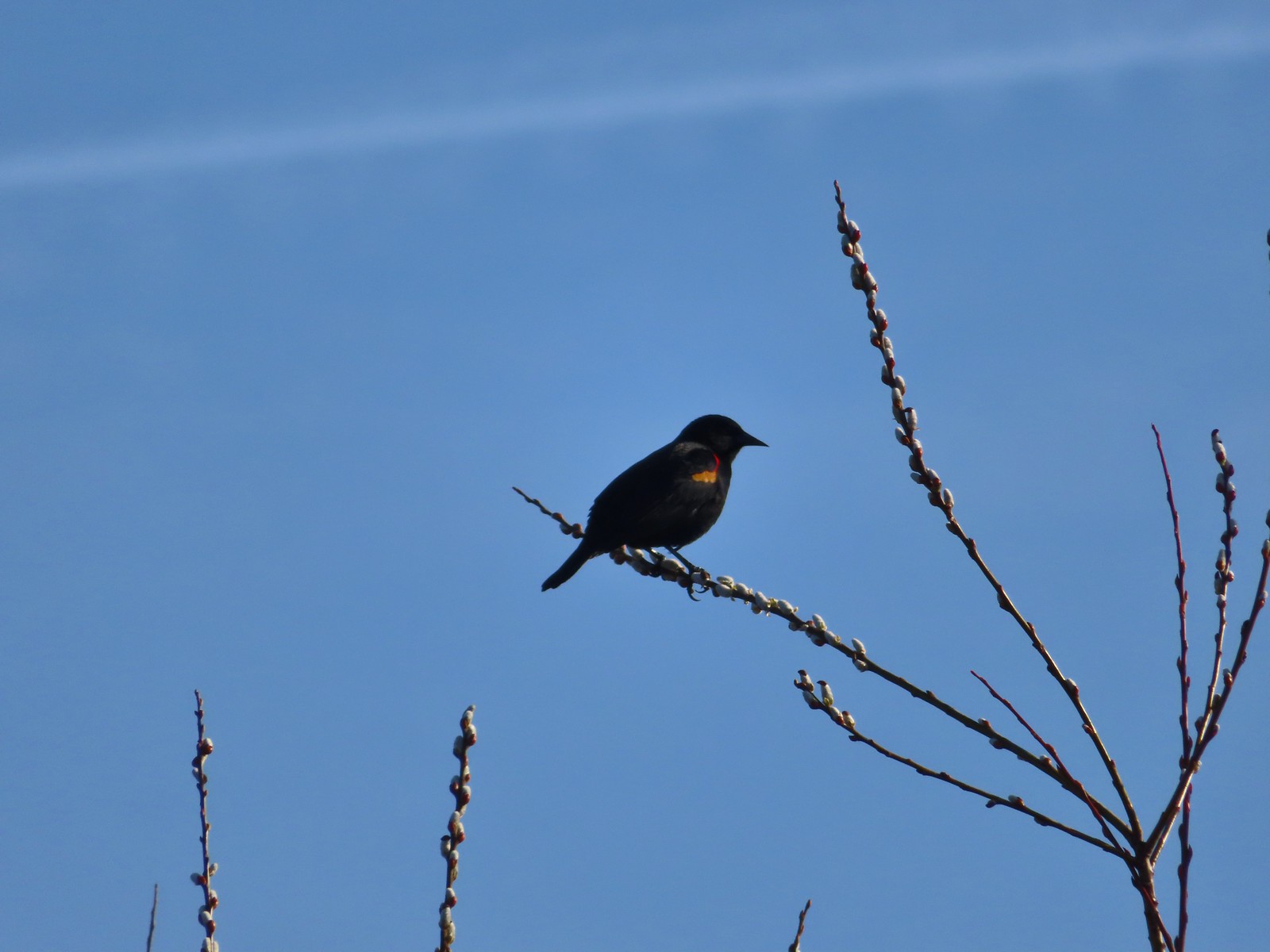 Red-winged blackbird
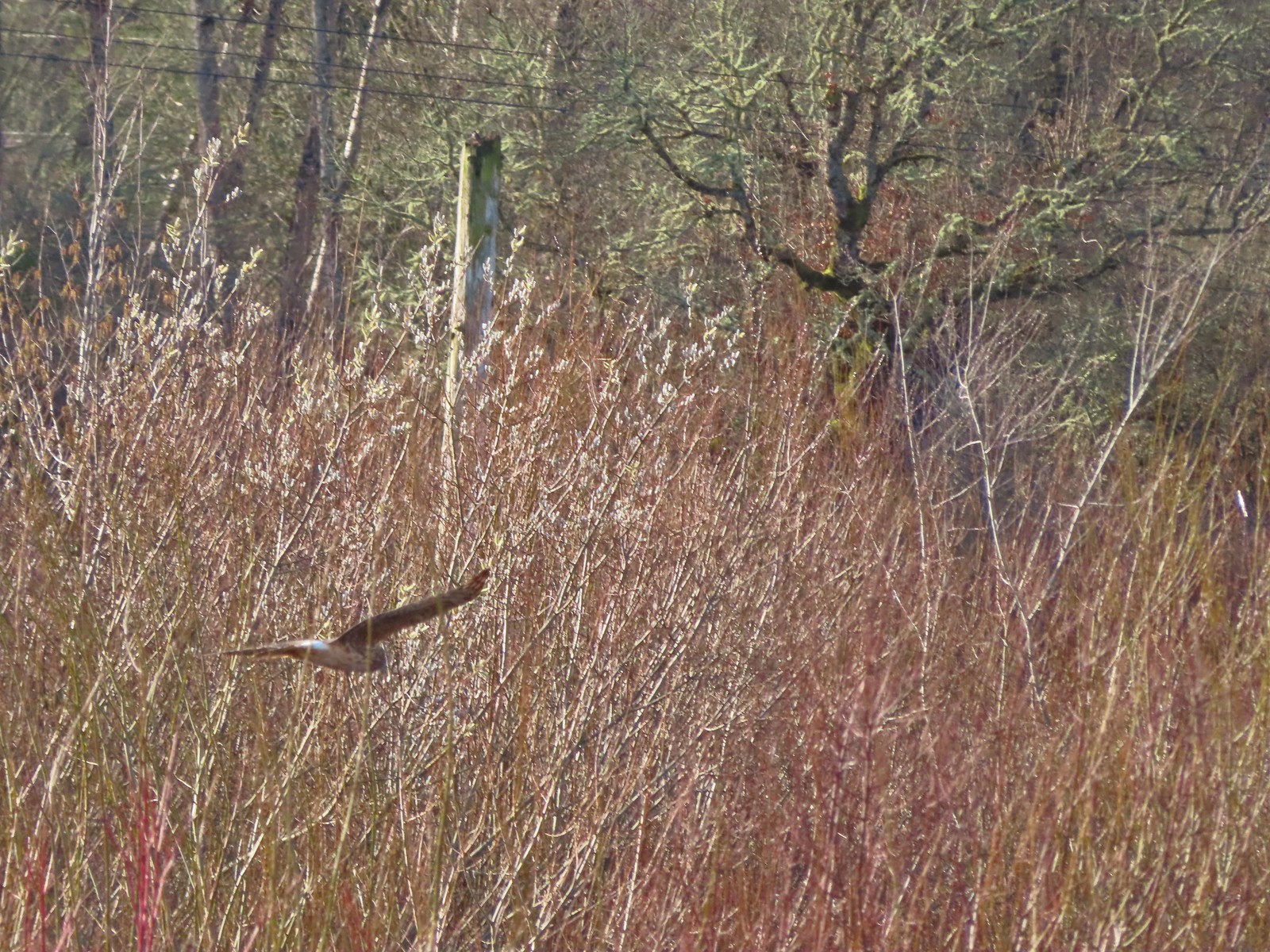 Hawk flying over Eagles Perch Marsh.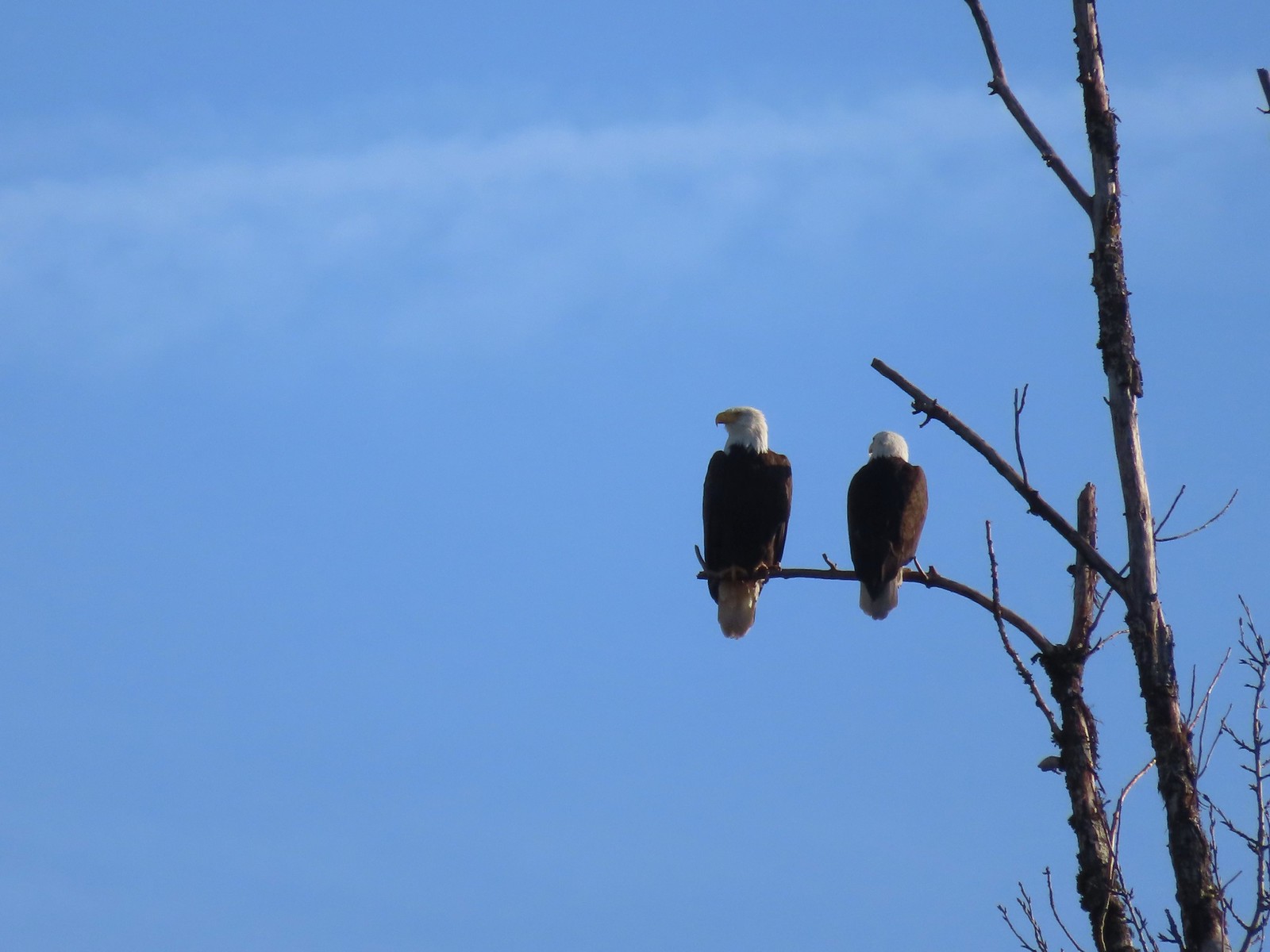

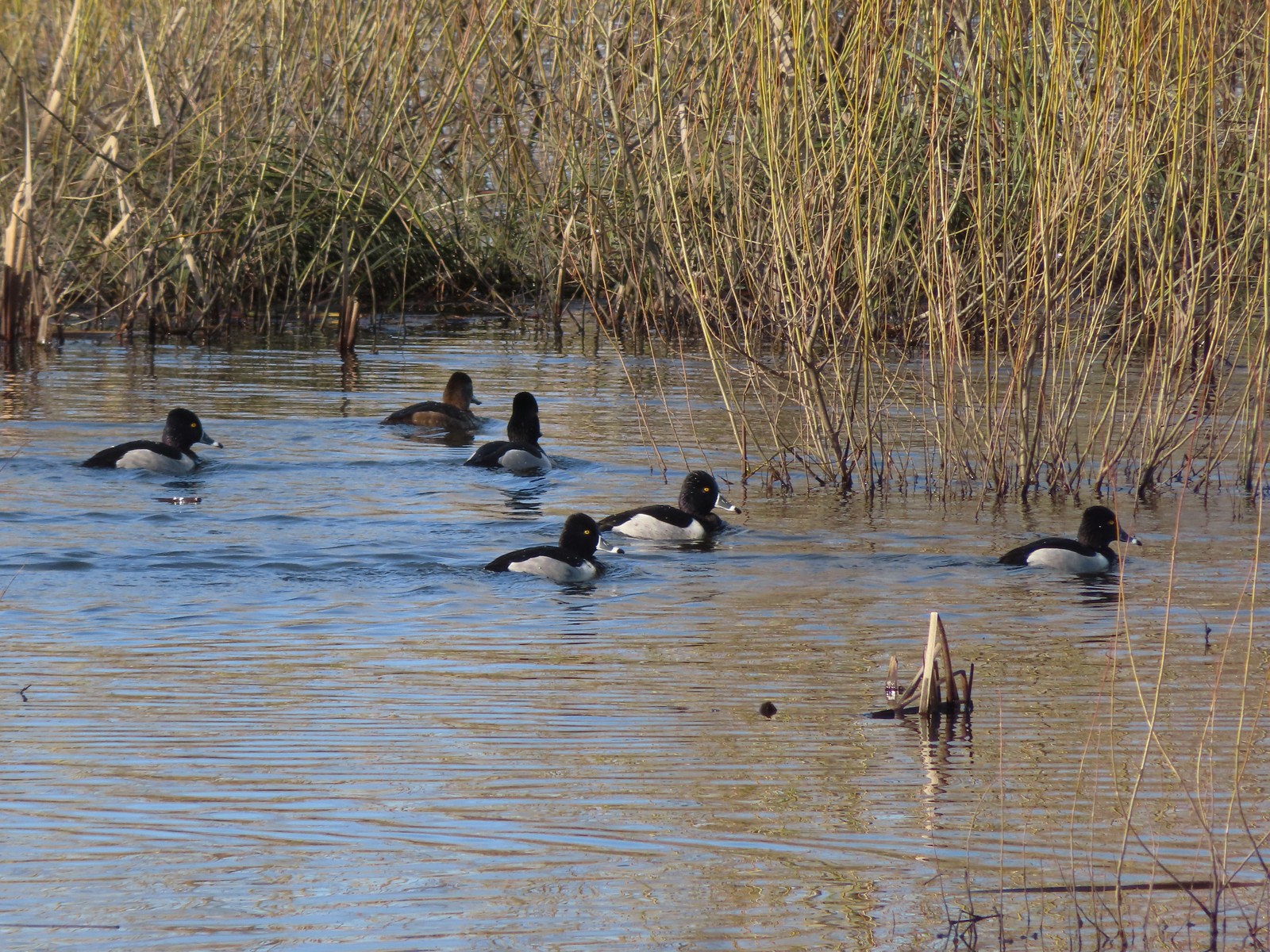 Ring-necked ducks
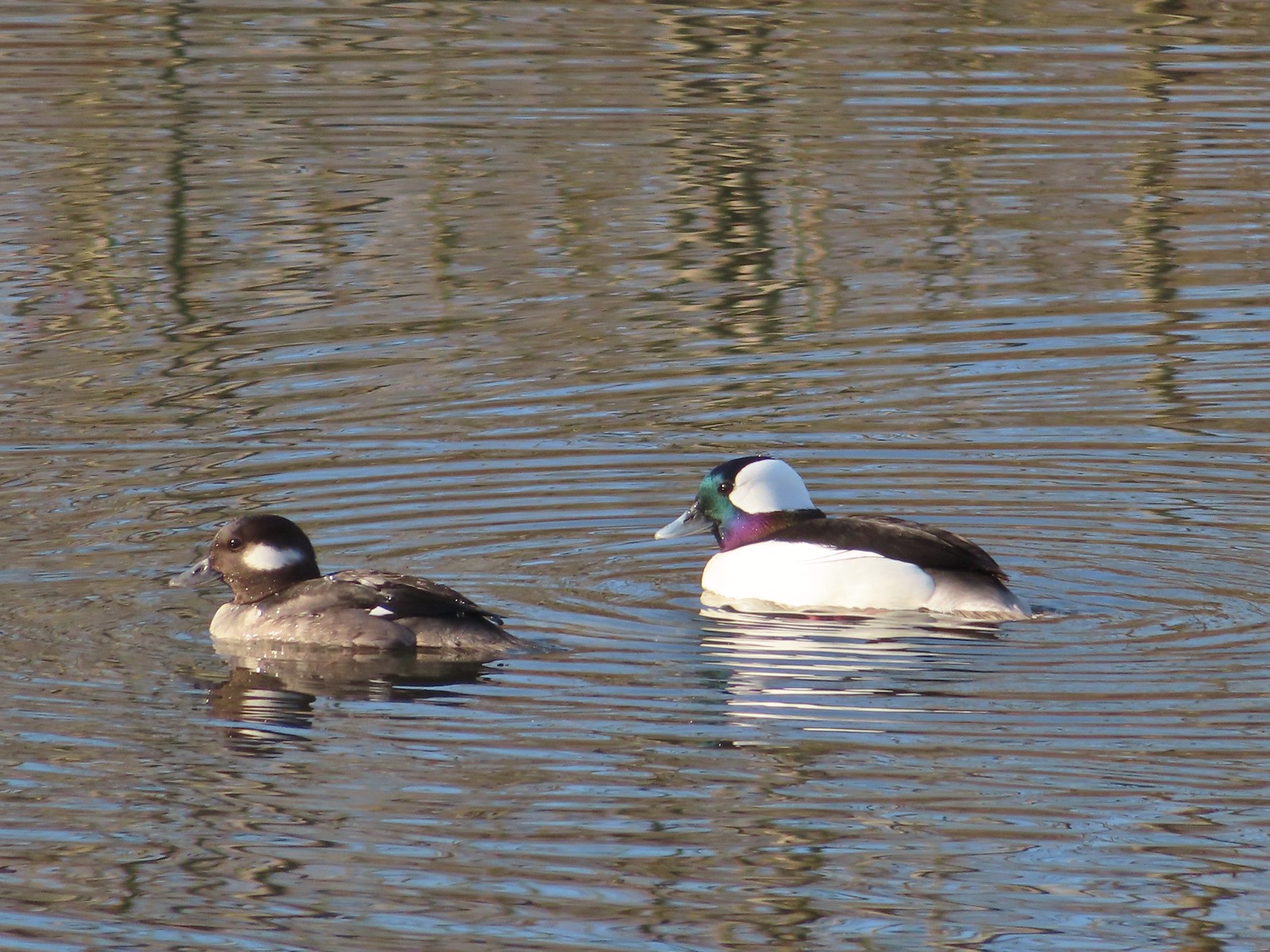 Buffleheads
 This one might be a hooded merganser?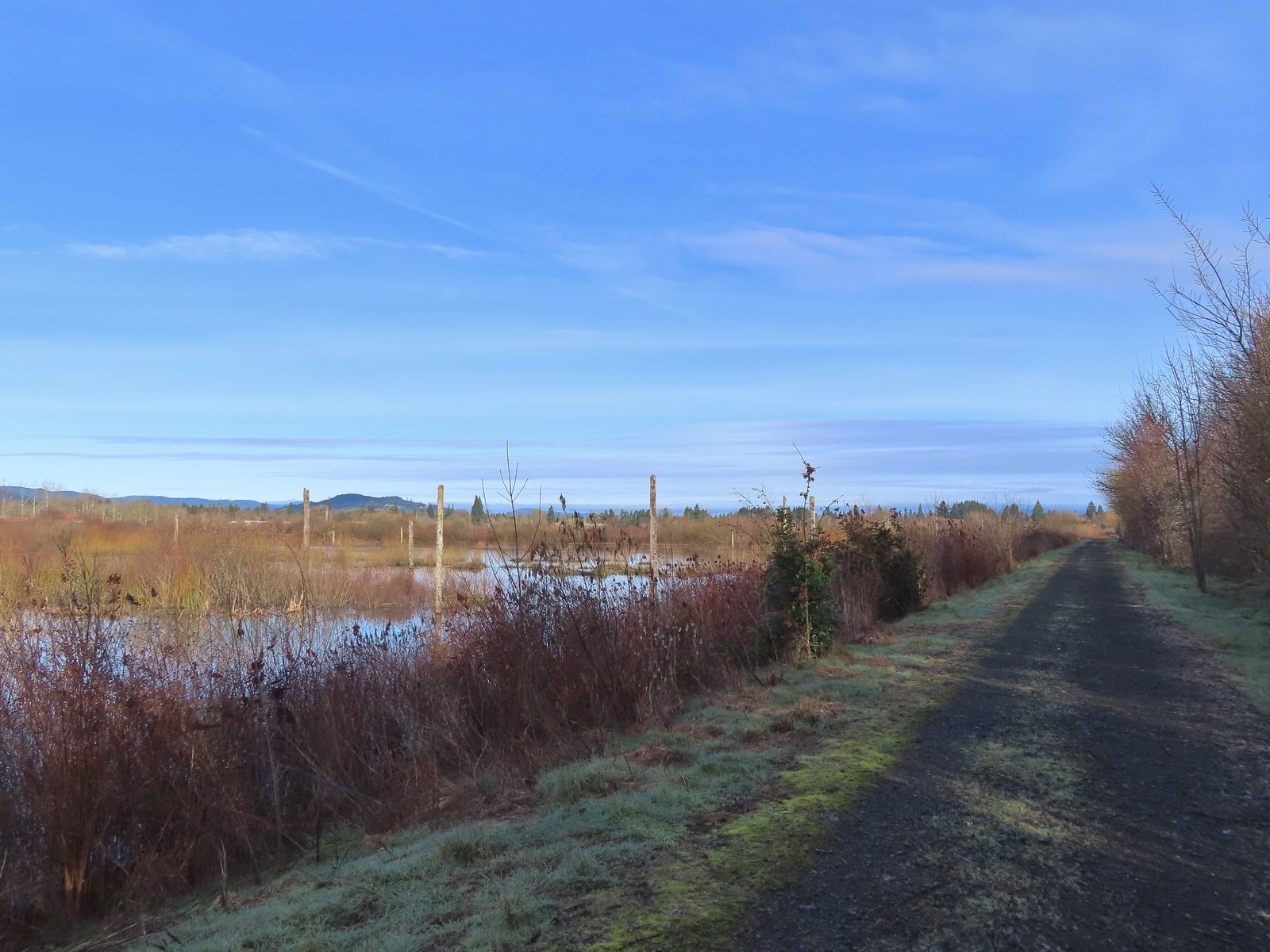
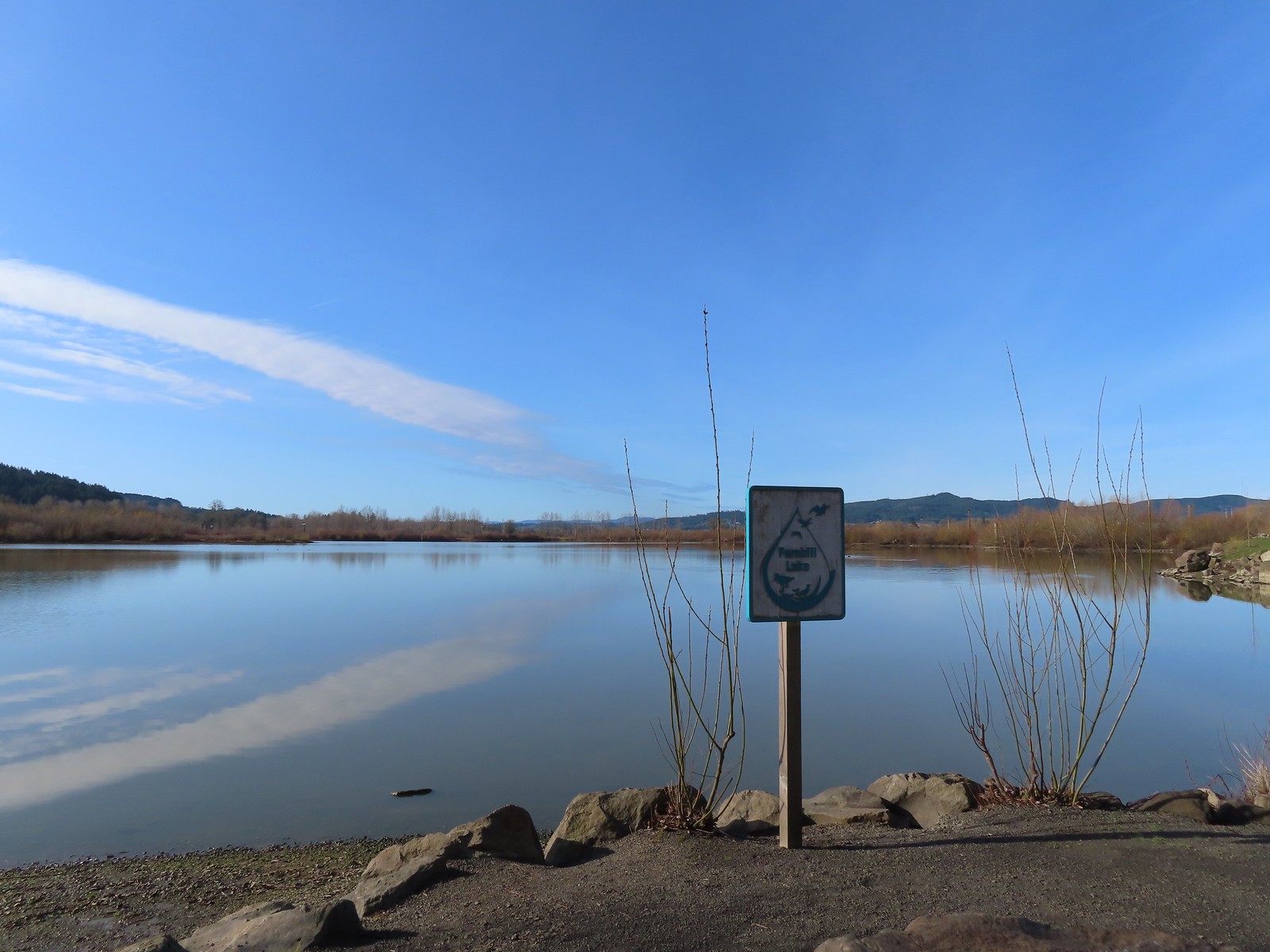
 Fernhill Lake
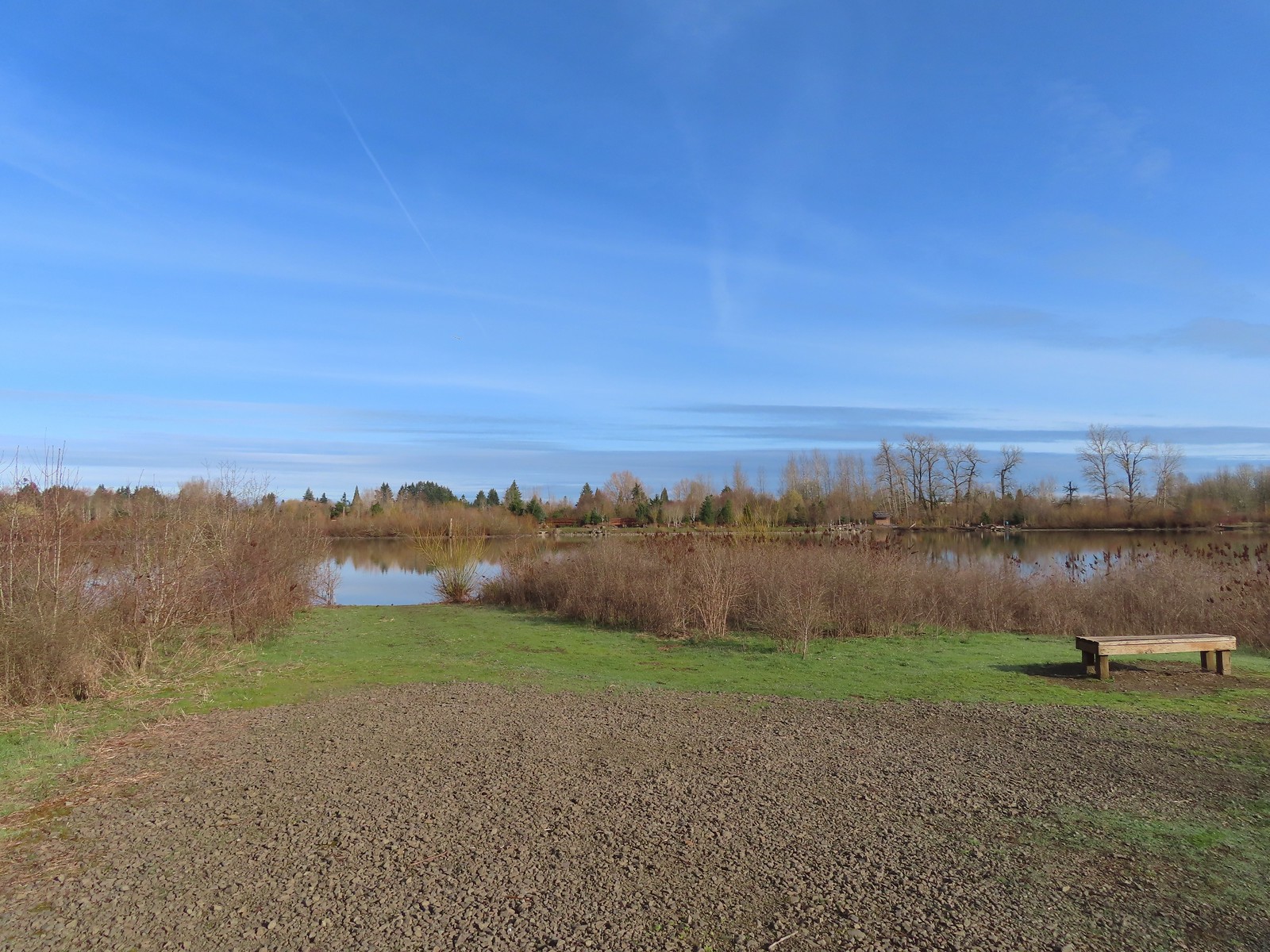 This is where the trail turned east (for obvious reasons).
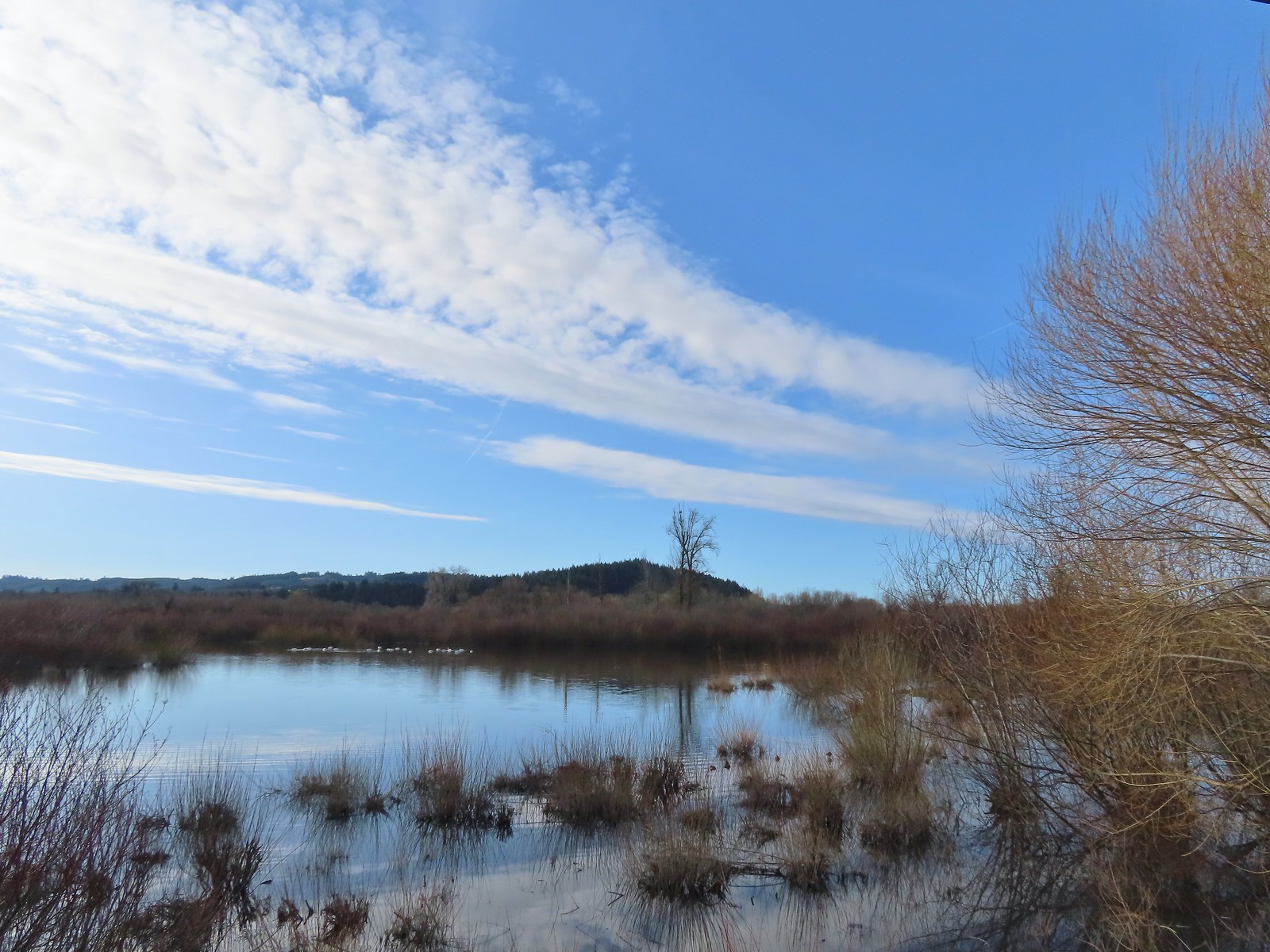 Barney wetlands



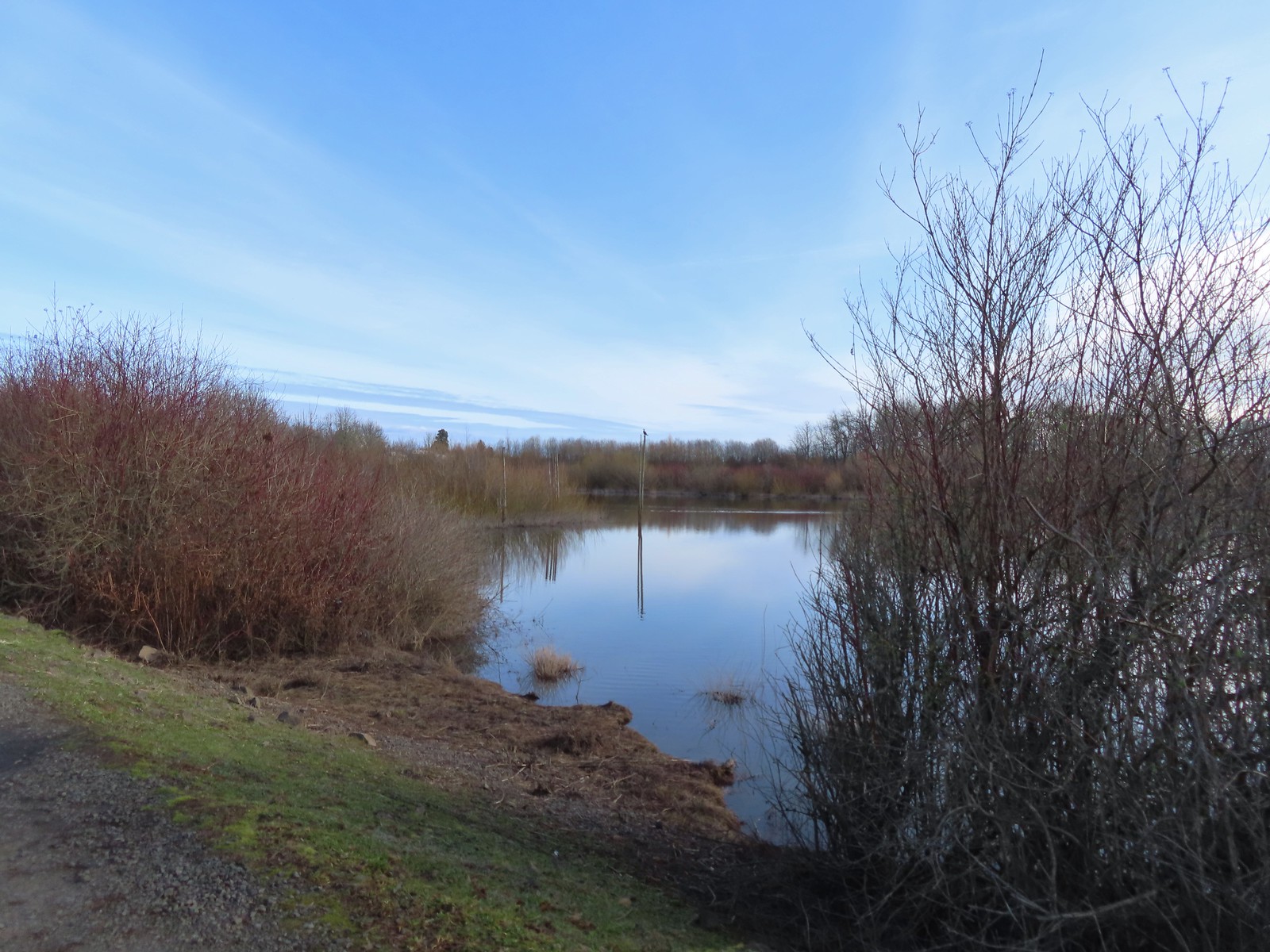 Double-crested cormorant on a post in Barney Wetlands.
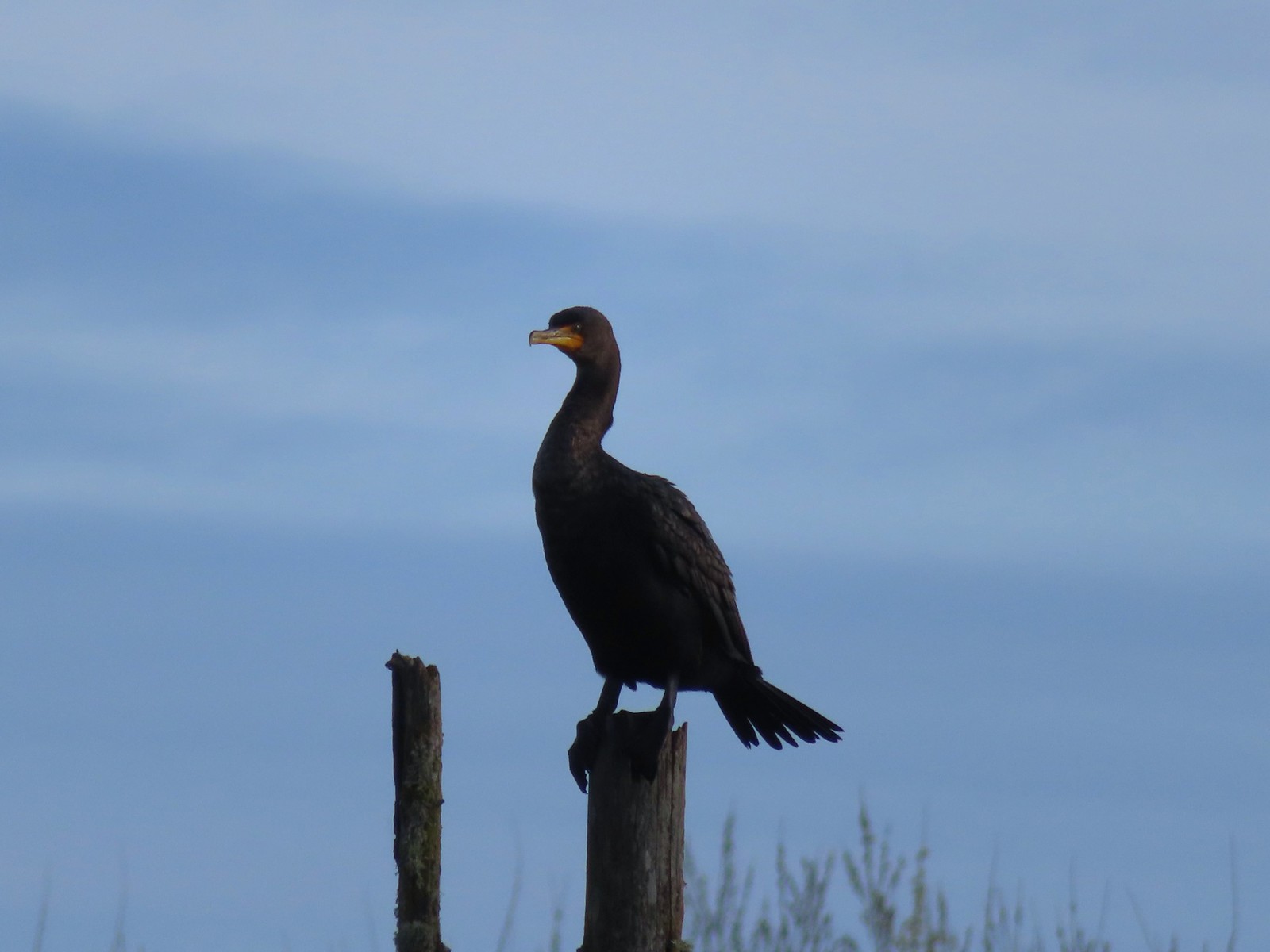 Double-crested cormorant
 Drying off in the sun.
 Nurtia at a bench near Dabblers Marsh
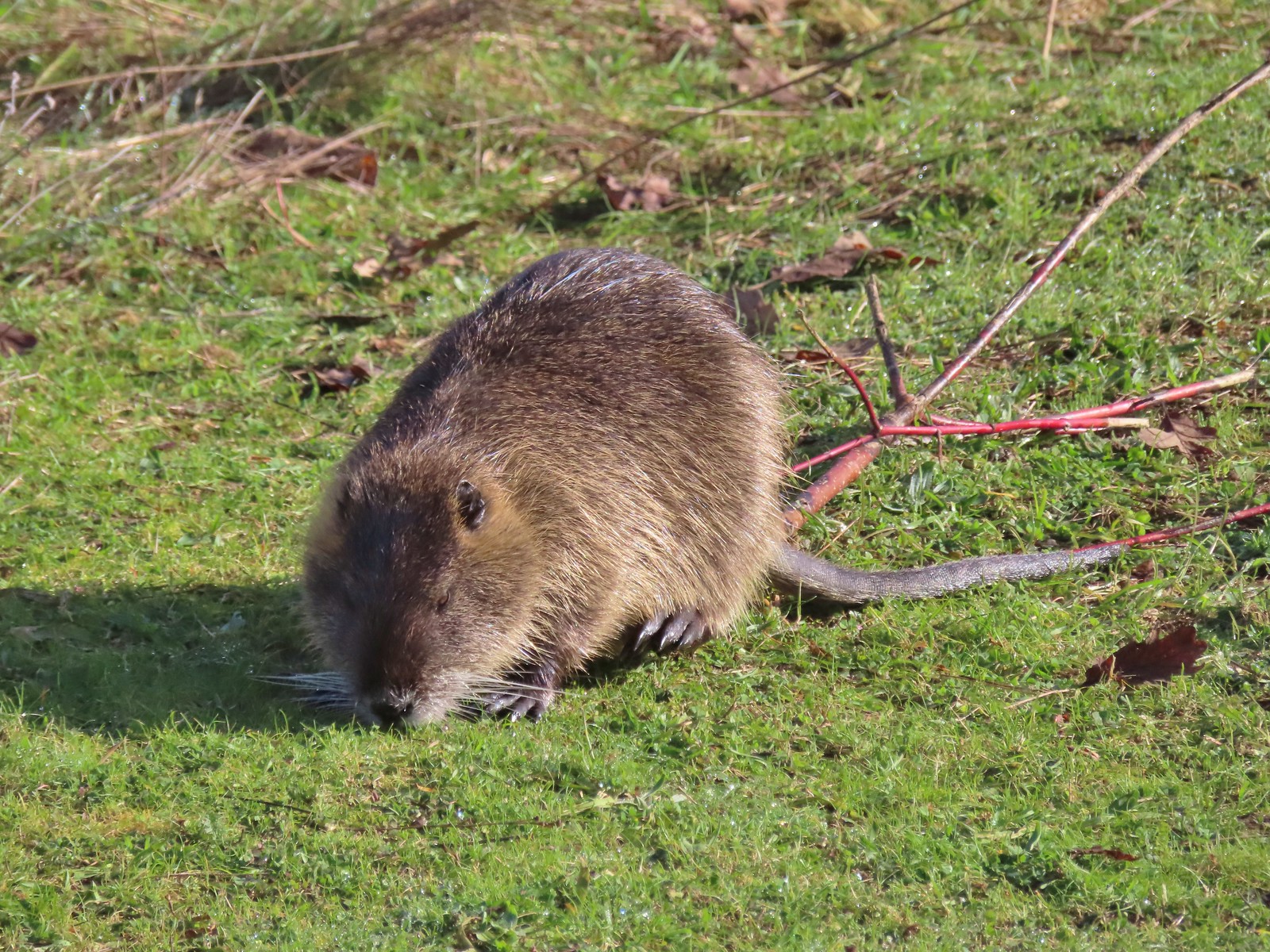 Nutria
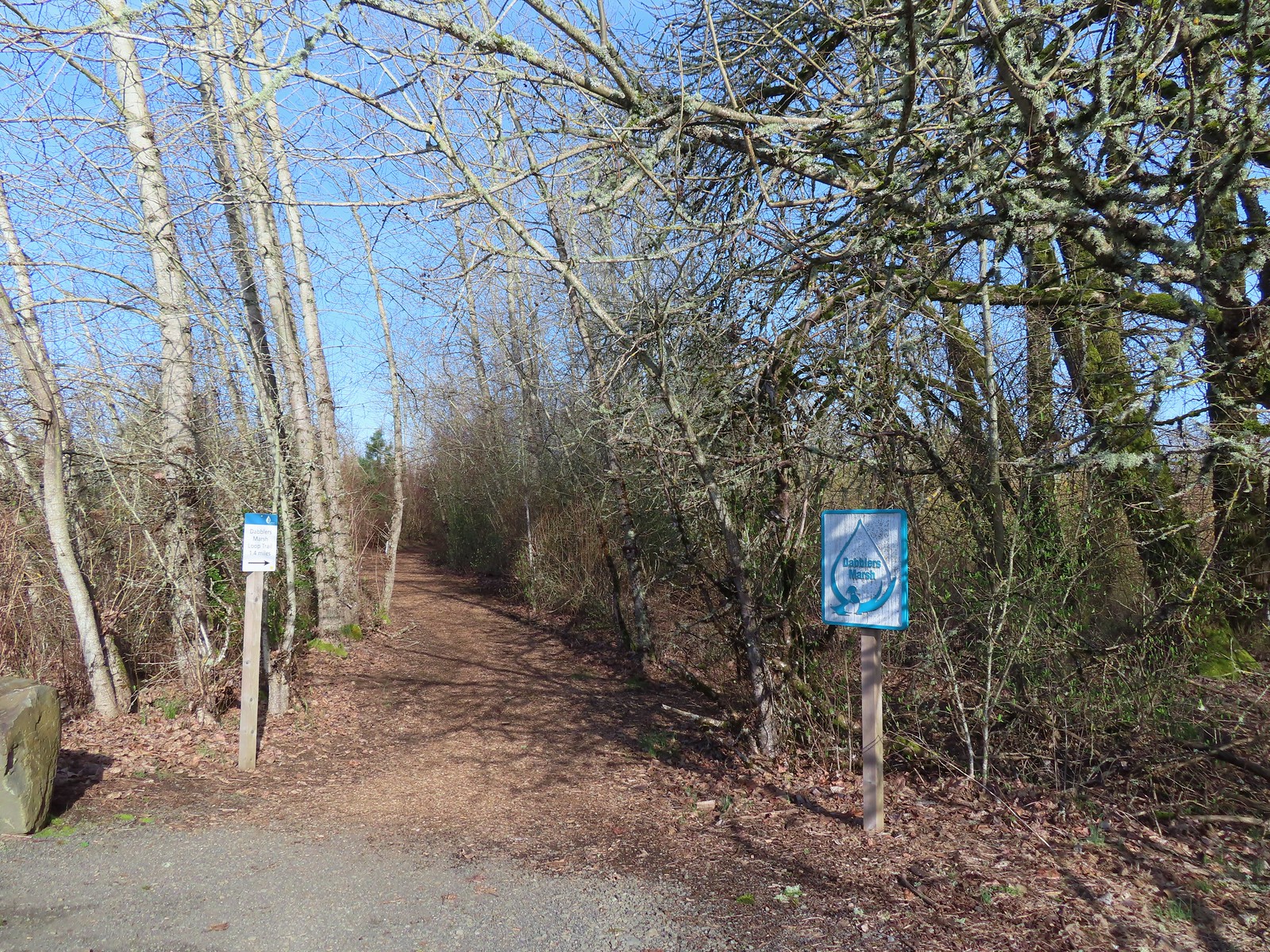
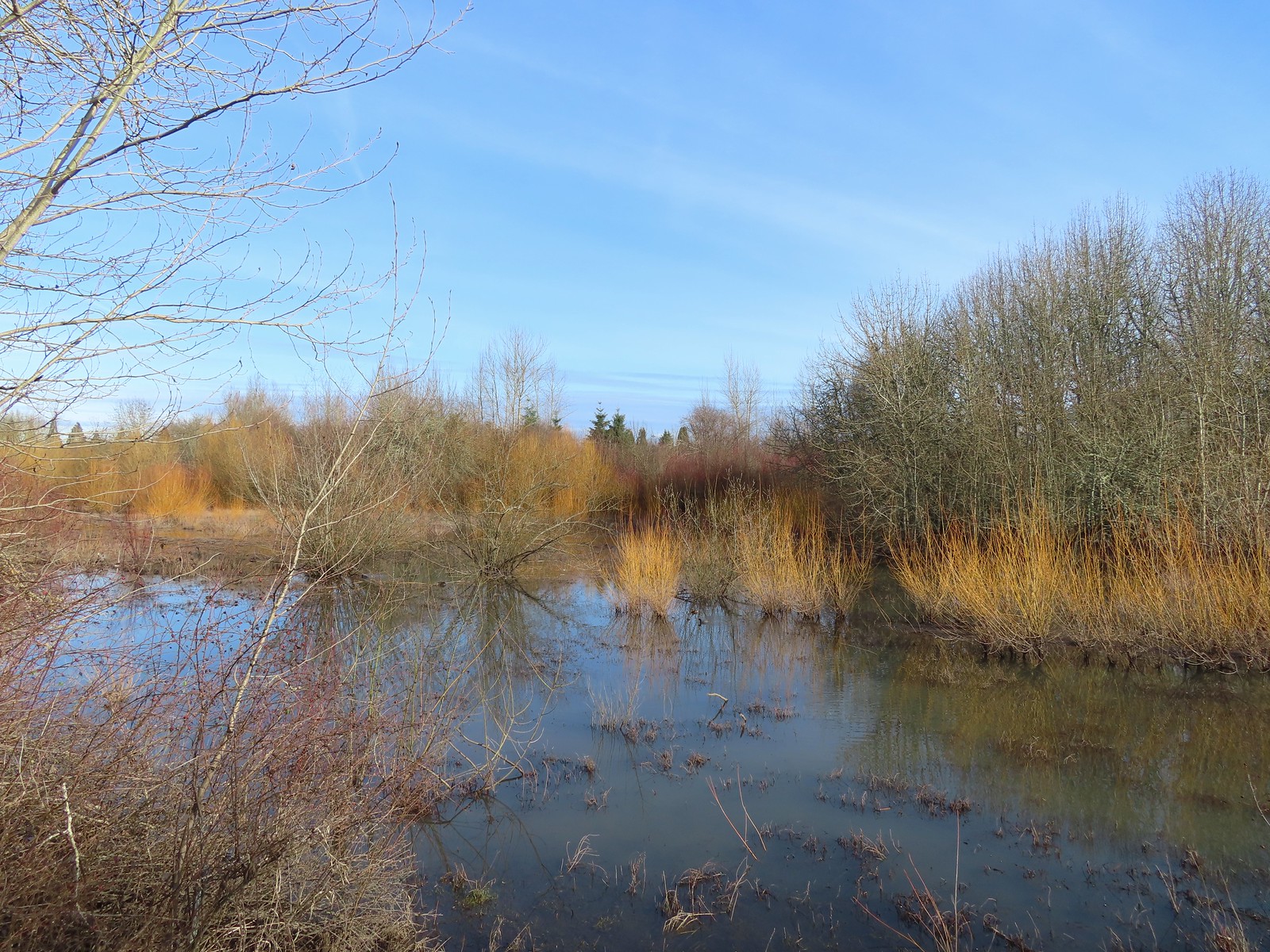 Dabblers Marsh
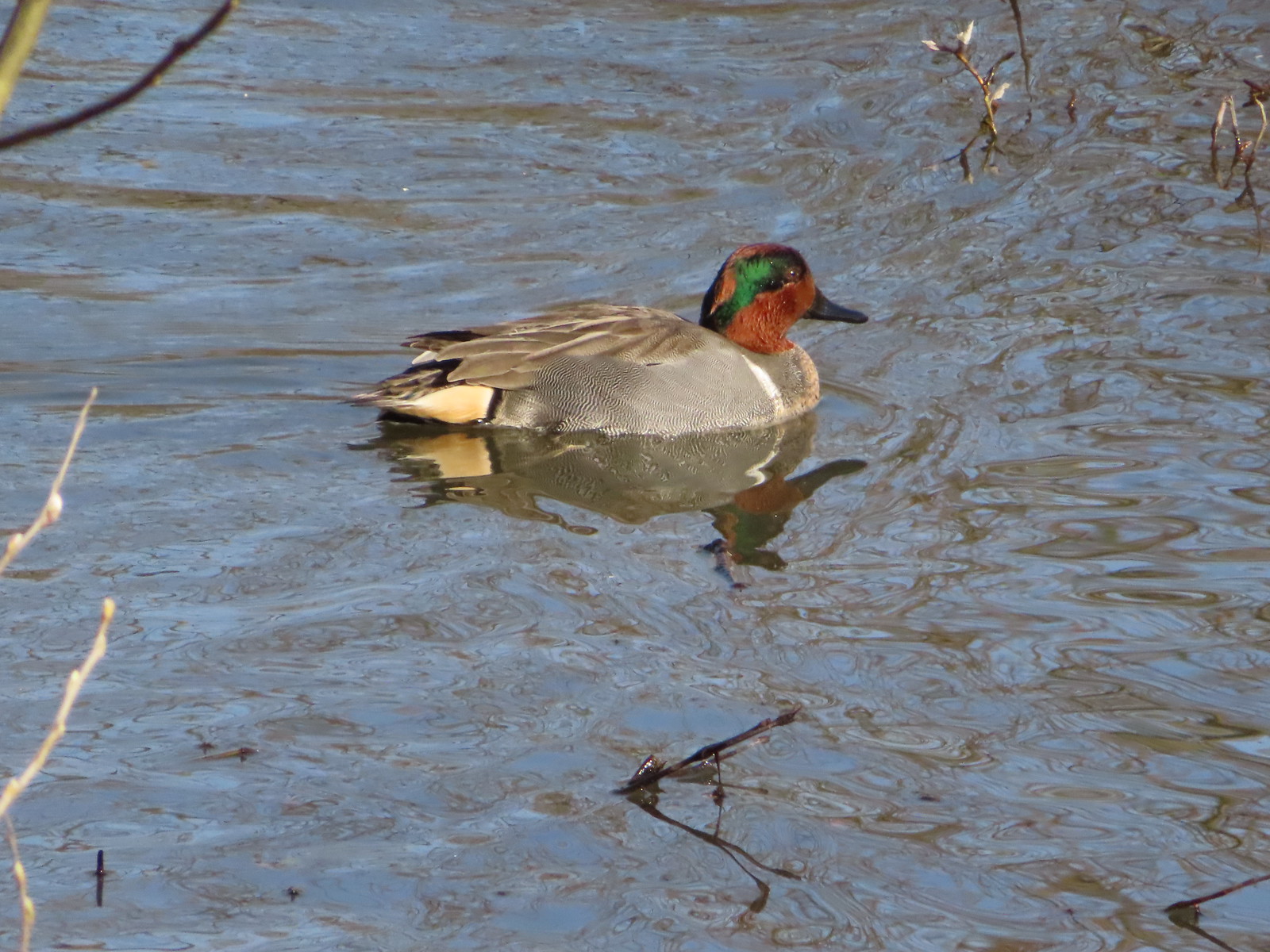 Green-winged teal
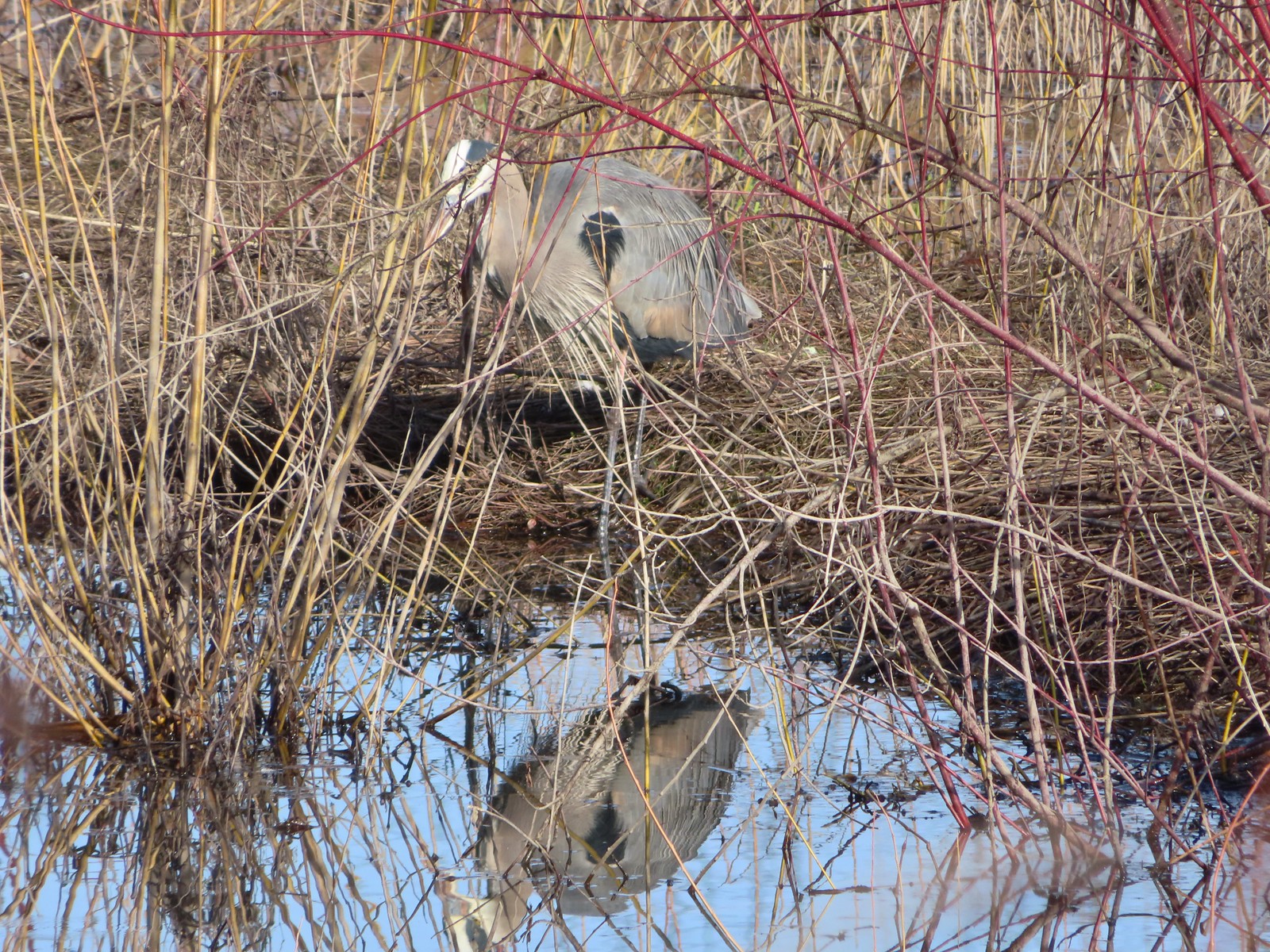 Great blue heron
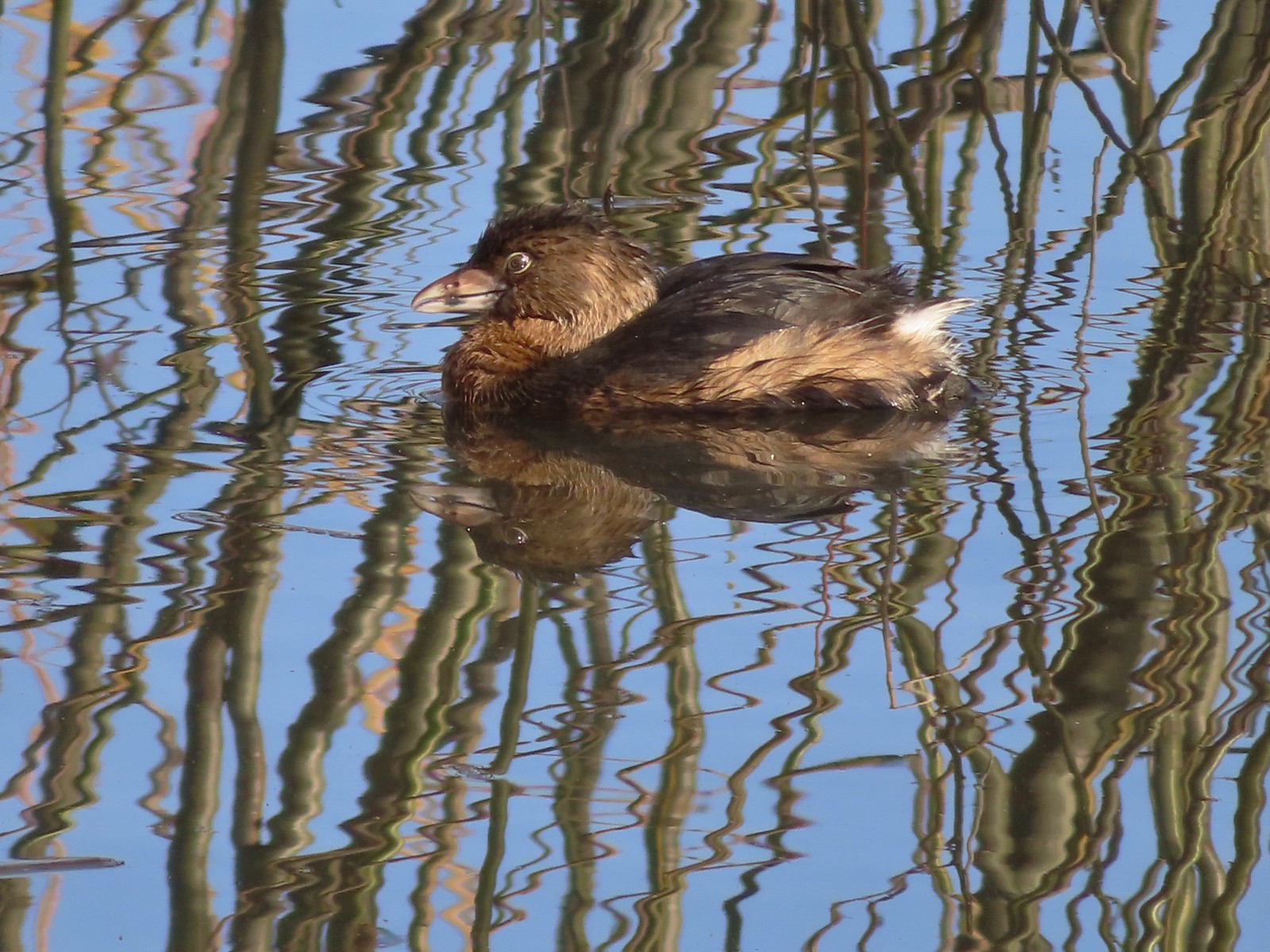 Pie-billed grebe
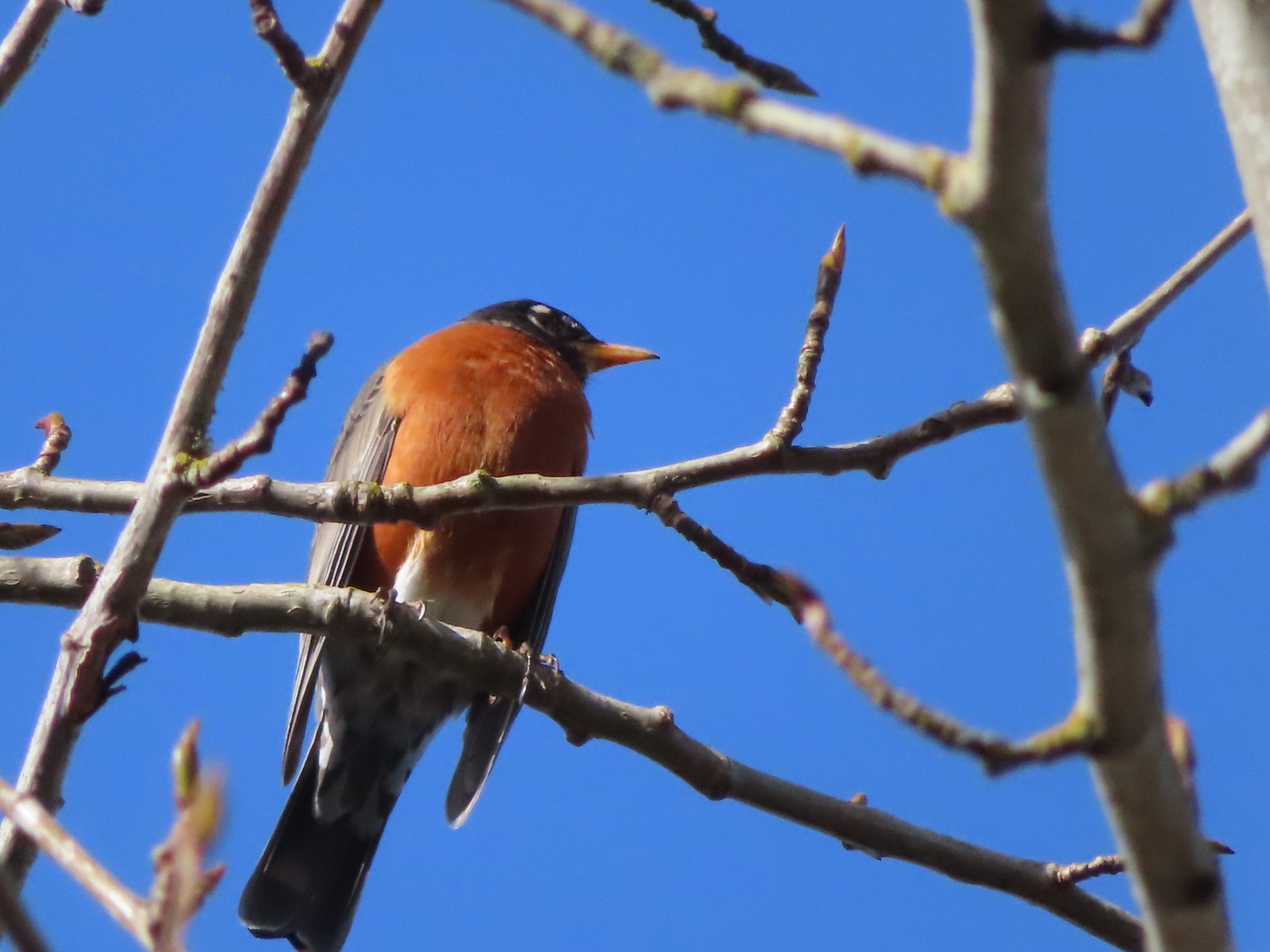 Robin
Robin
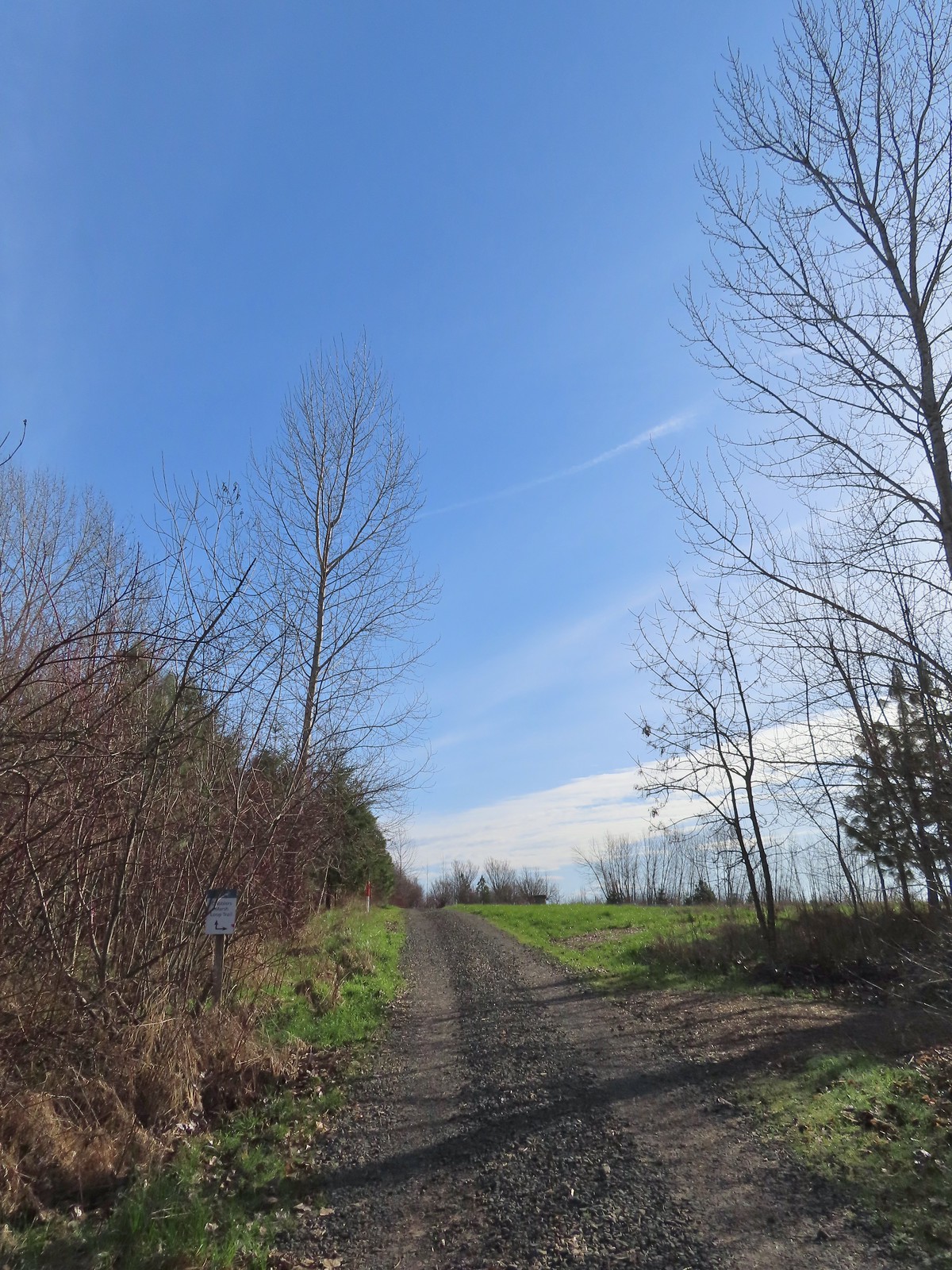 The start of the loop at the edge of the farmland. We stayed left opting to hike the loop clockwise.
 Anna’s hummingbrid
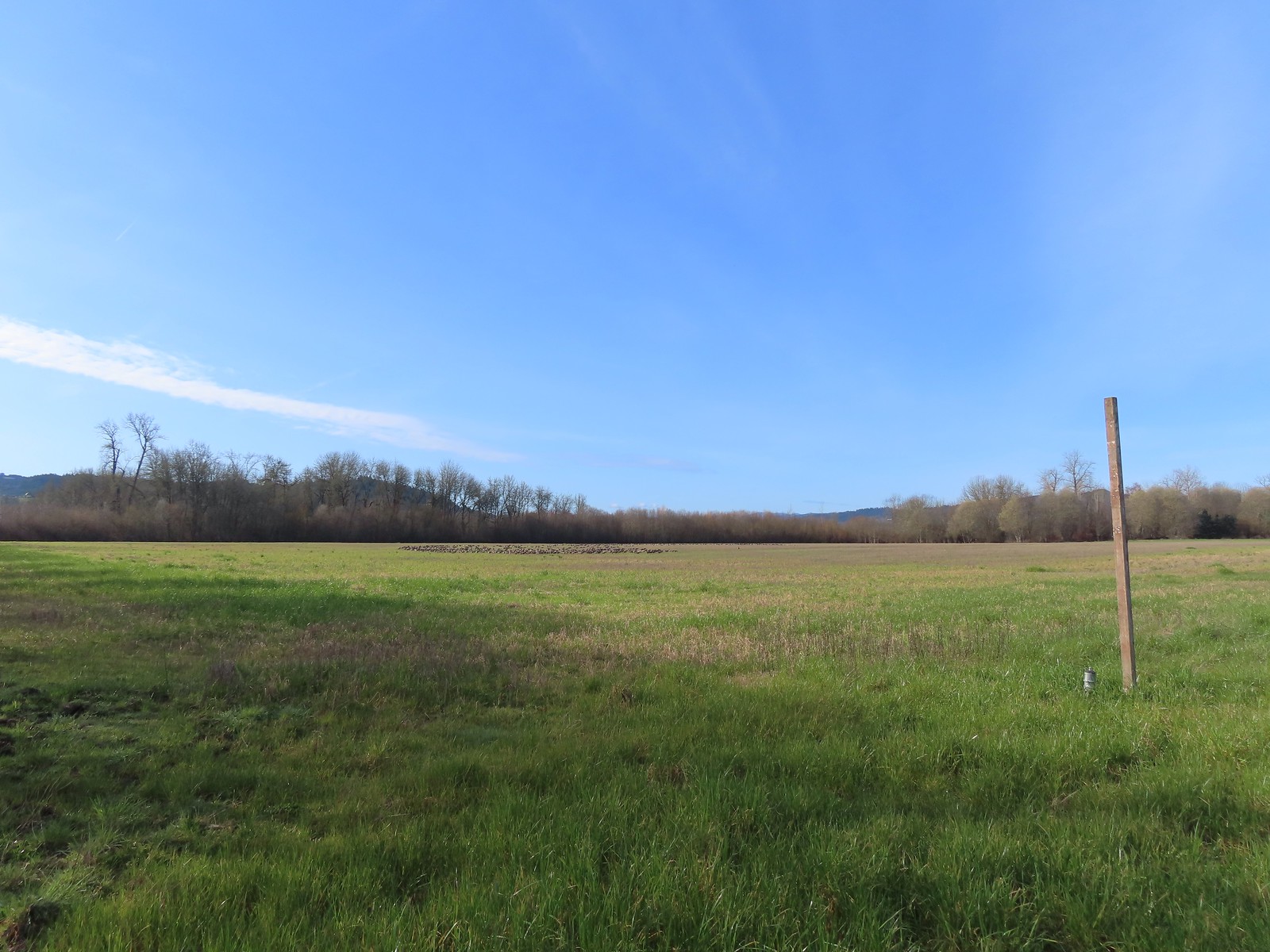 A gaggle of geese in the field.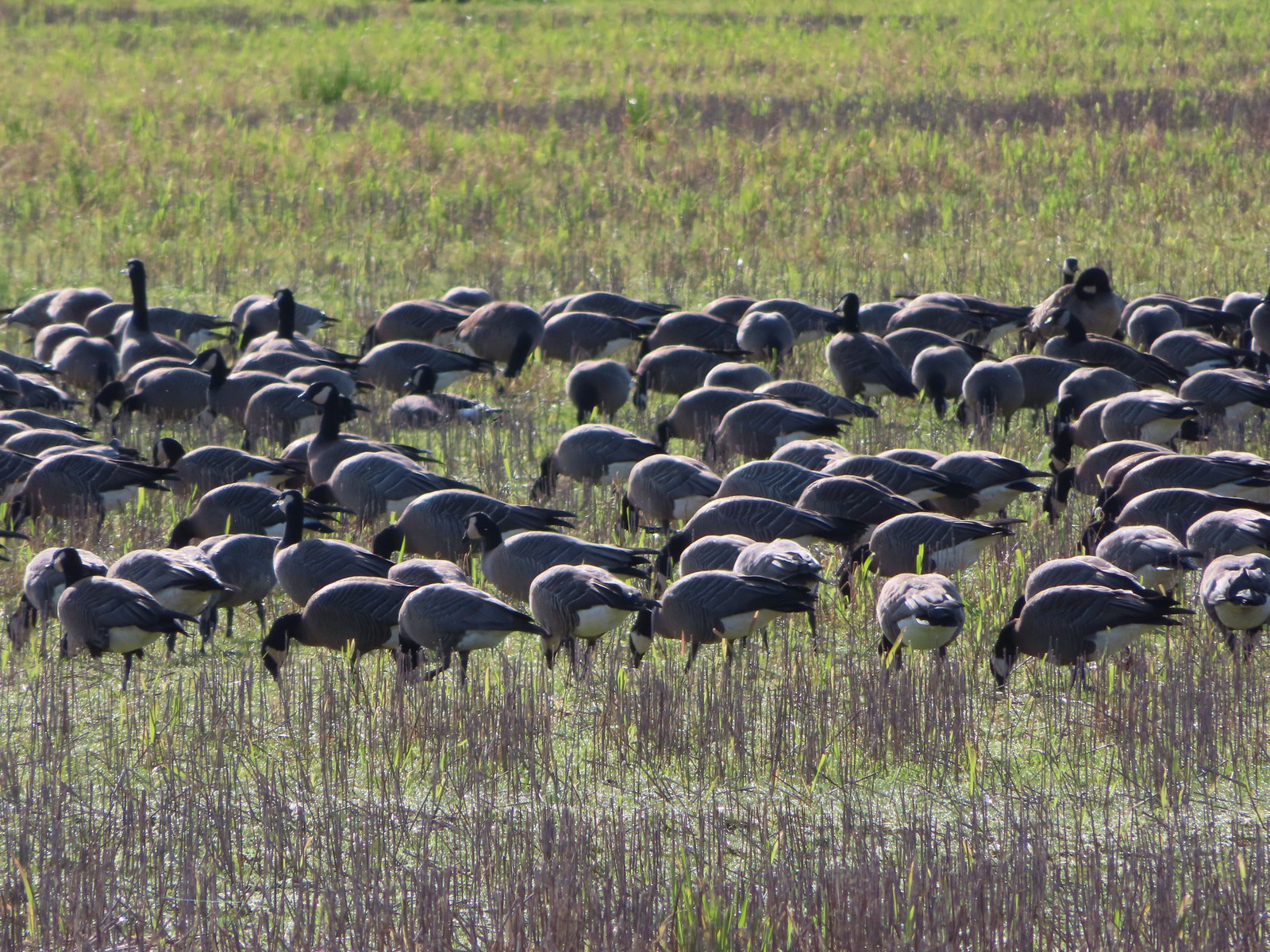
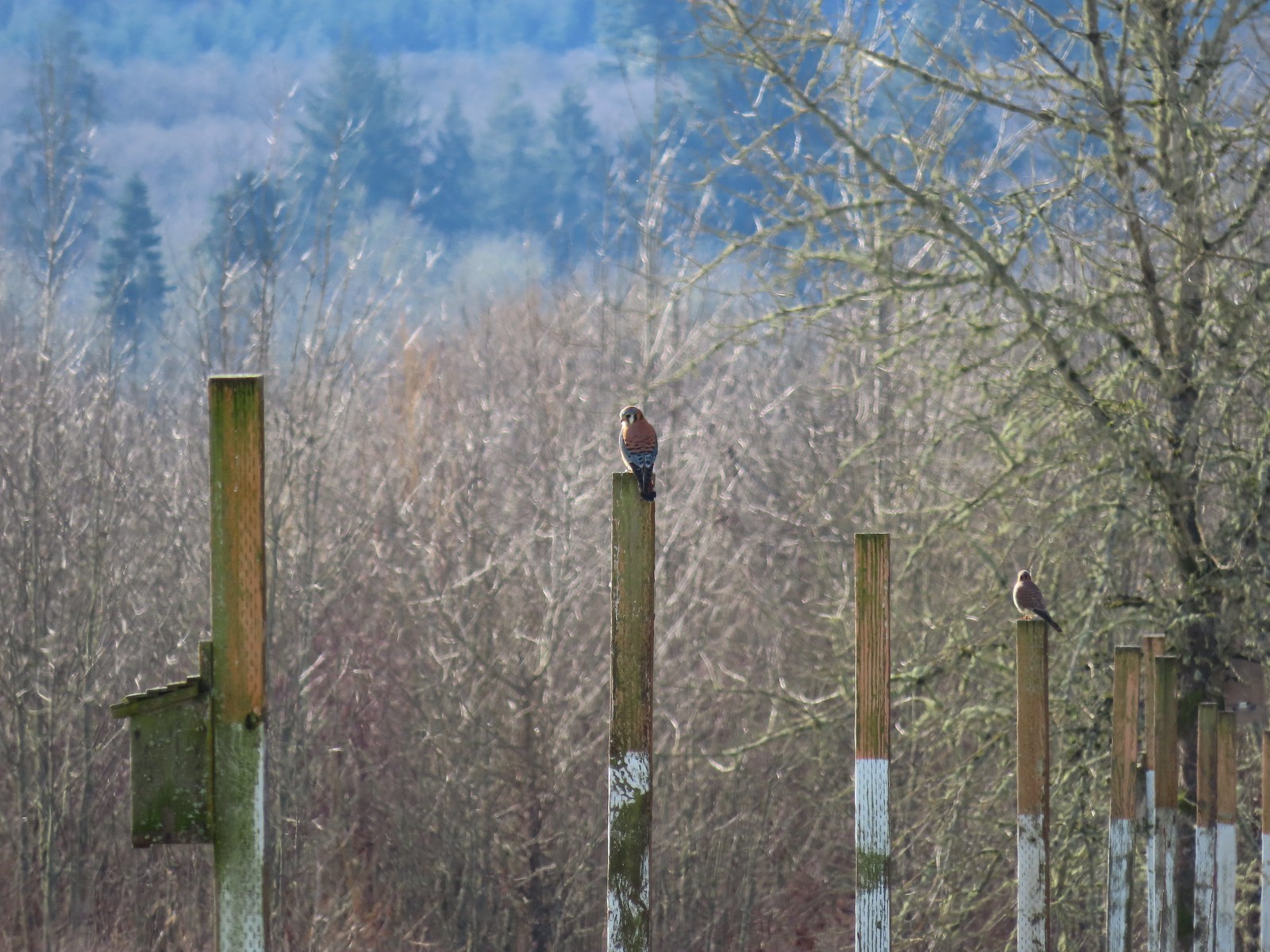 American kestrels manning their posts.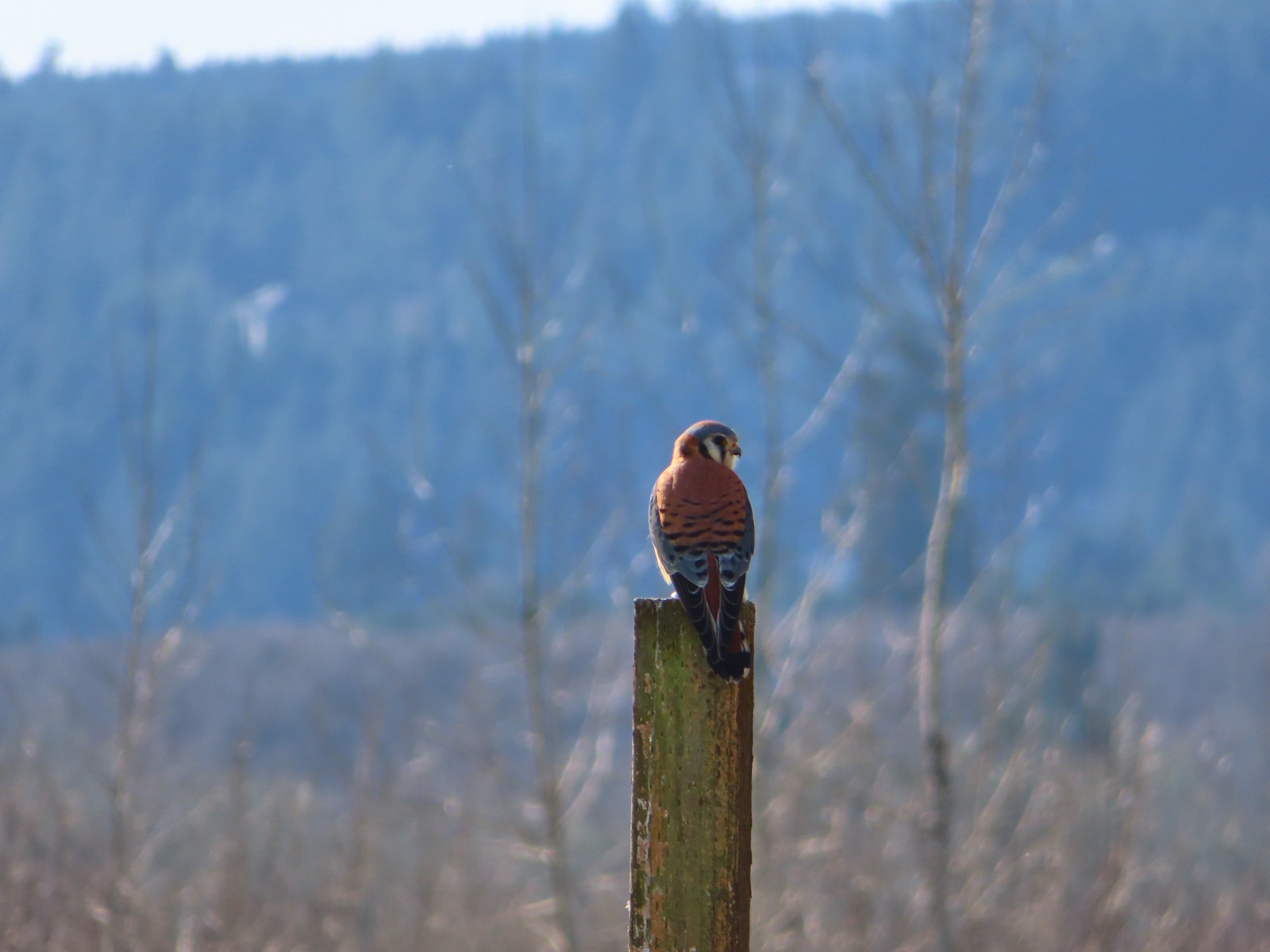
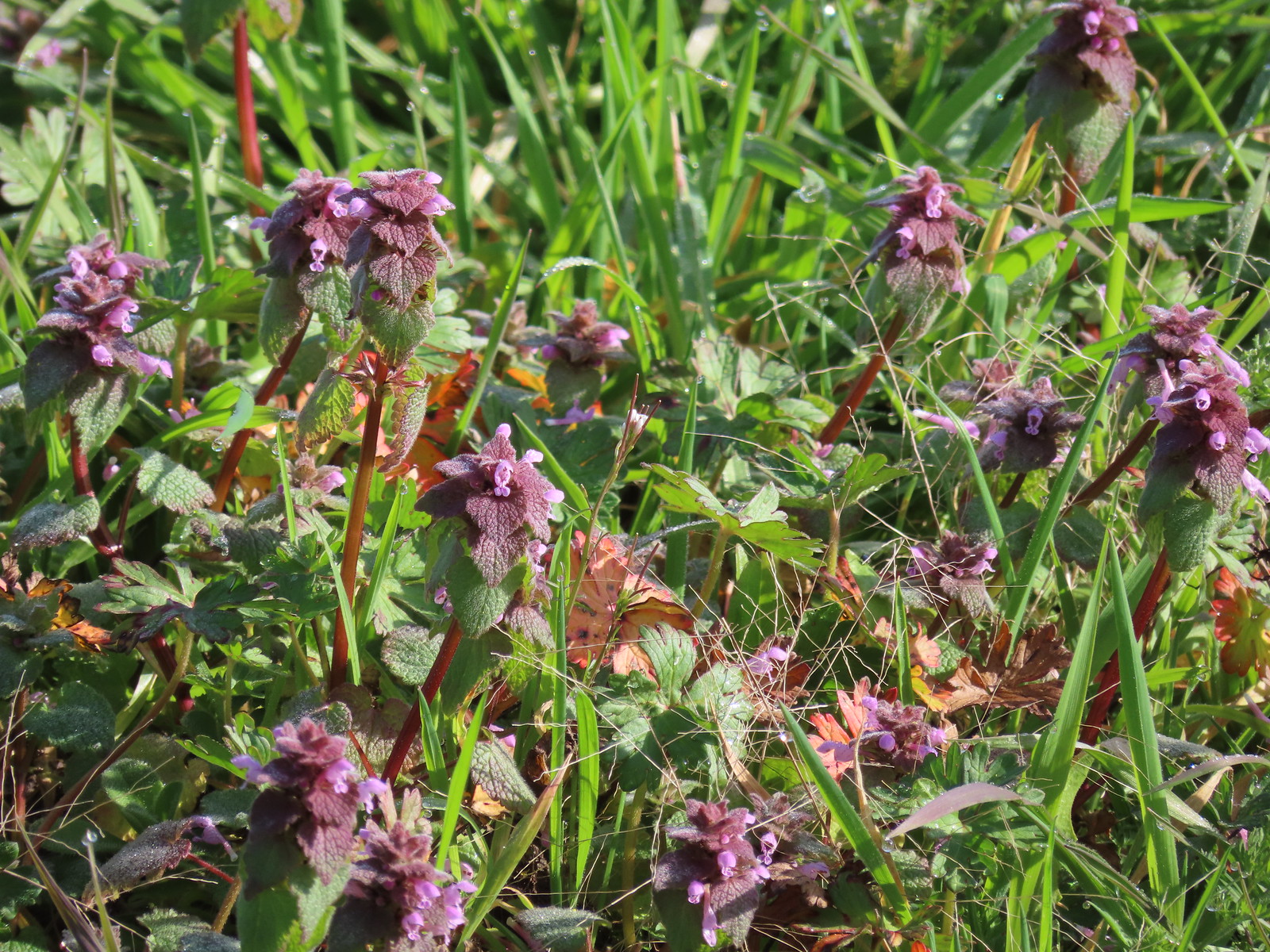 Purple dead-nettle
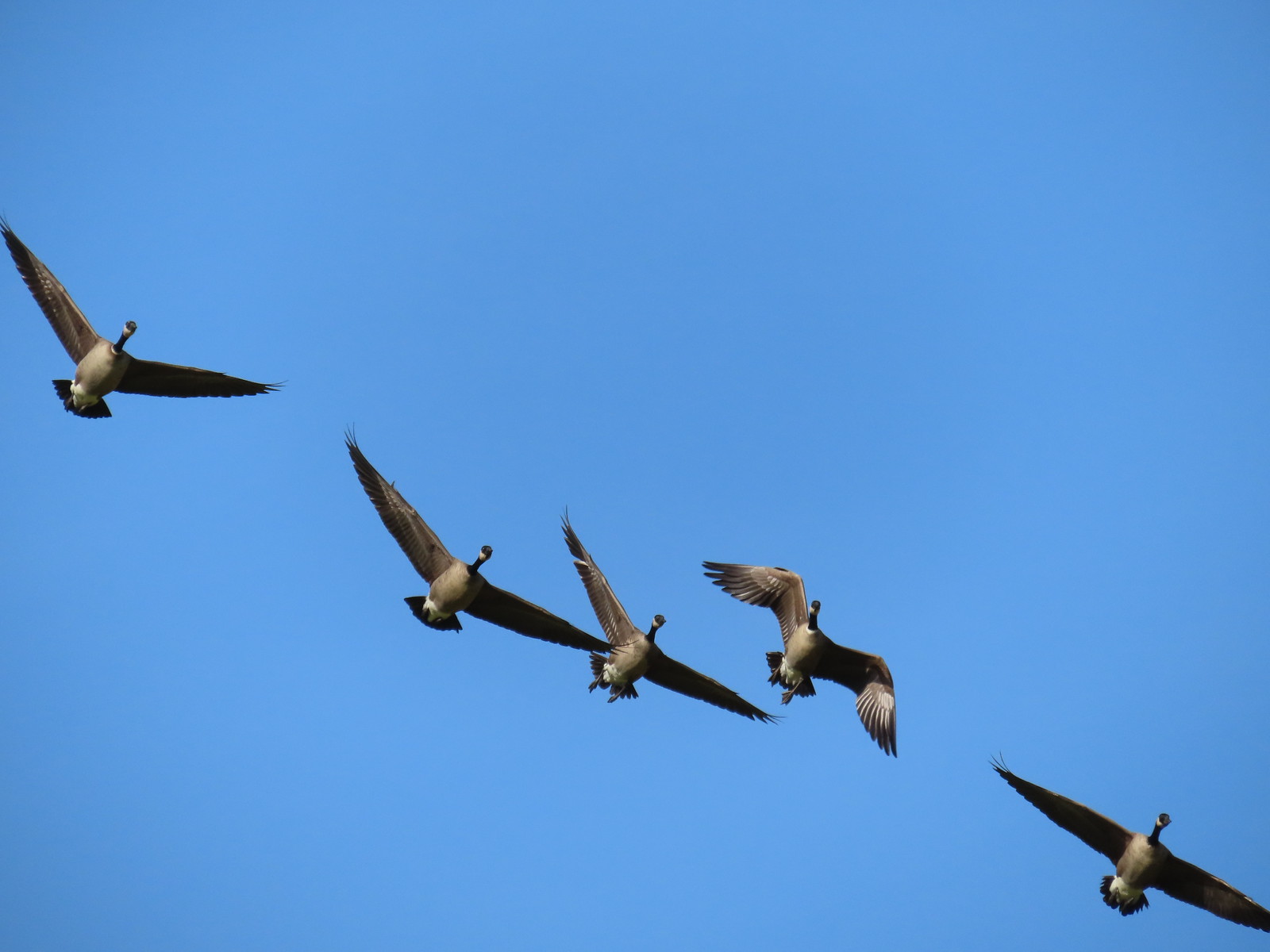 More geese coming in for a landing.
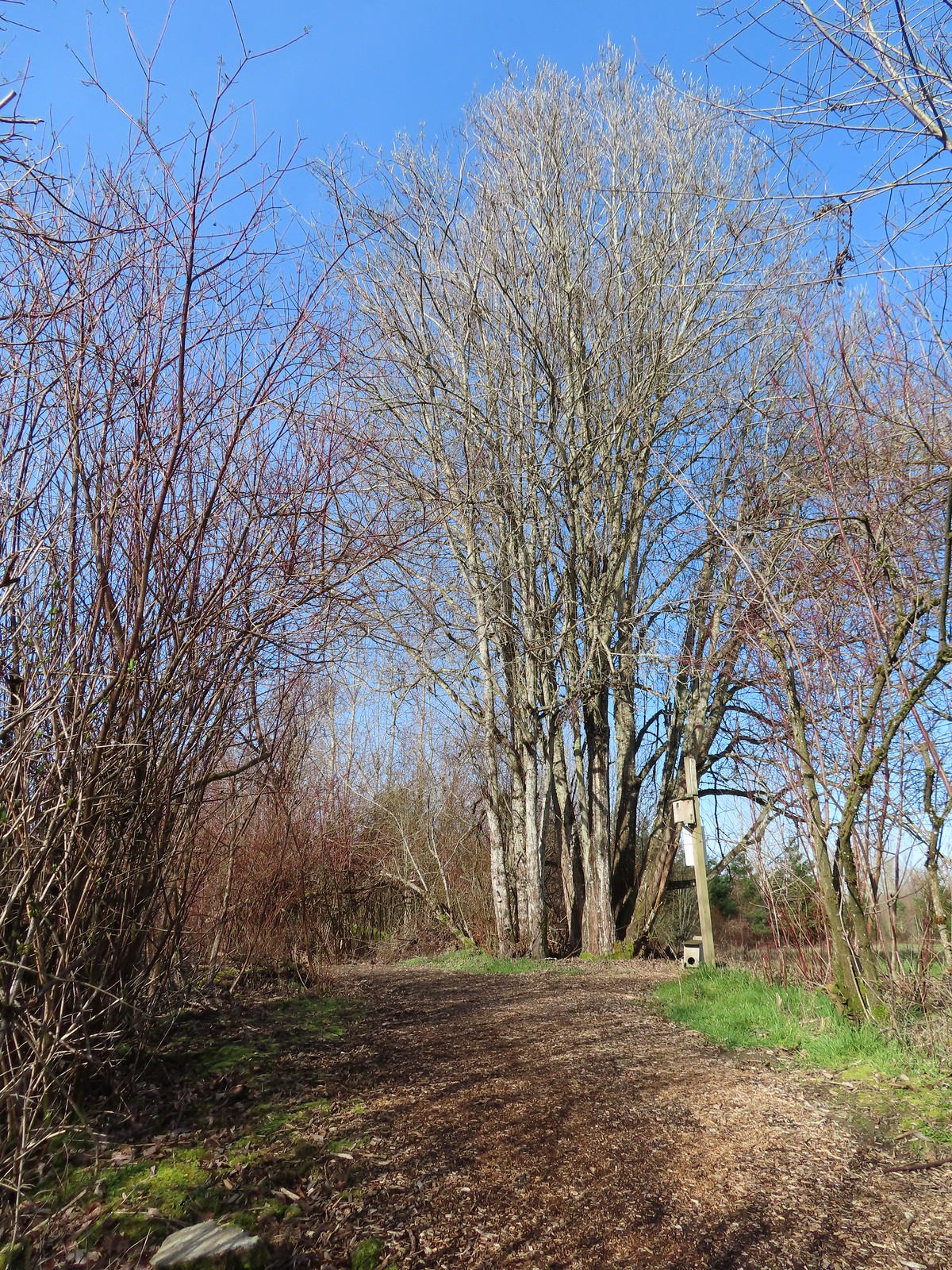 Near the end of the loop the trail left the field along Dabblers Marsh.
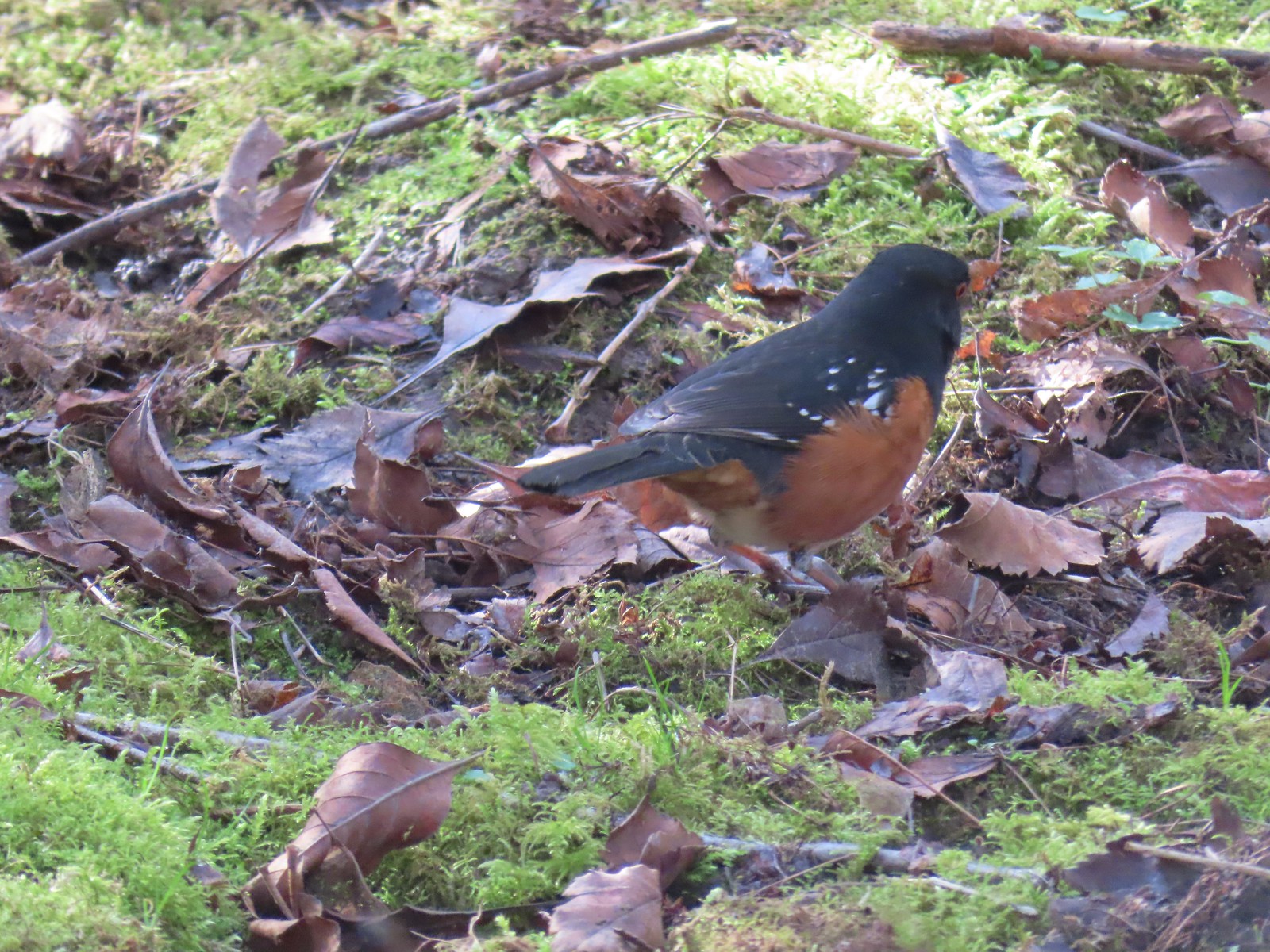 Spotted towhee
 Rabbit
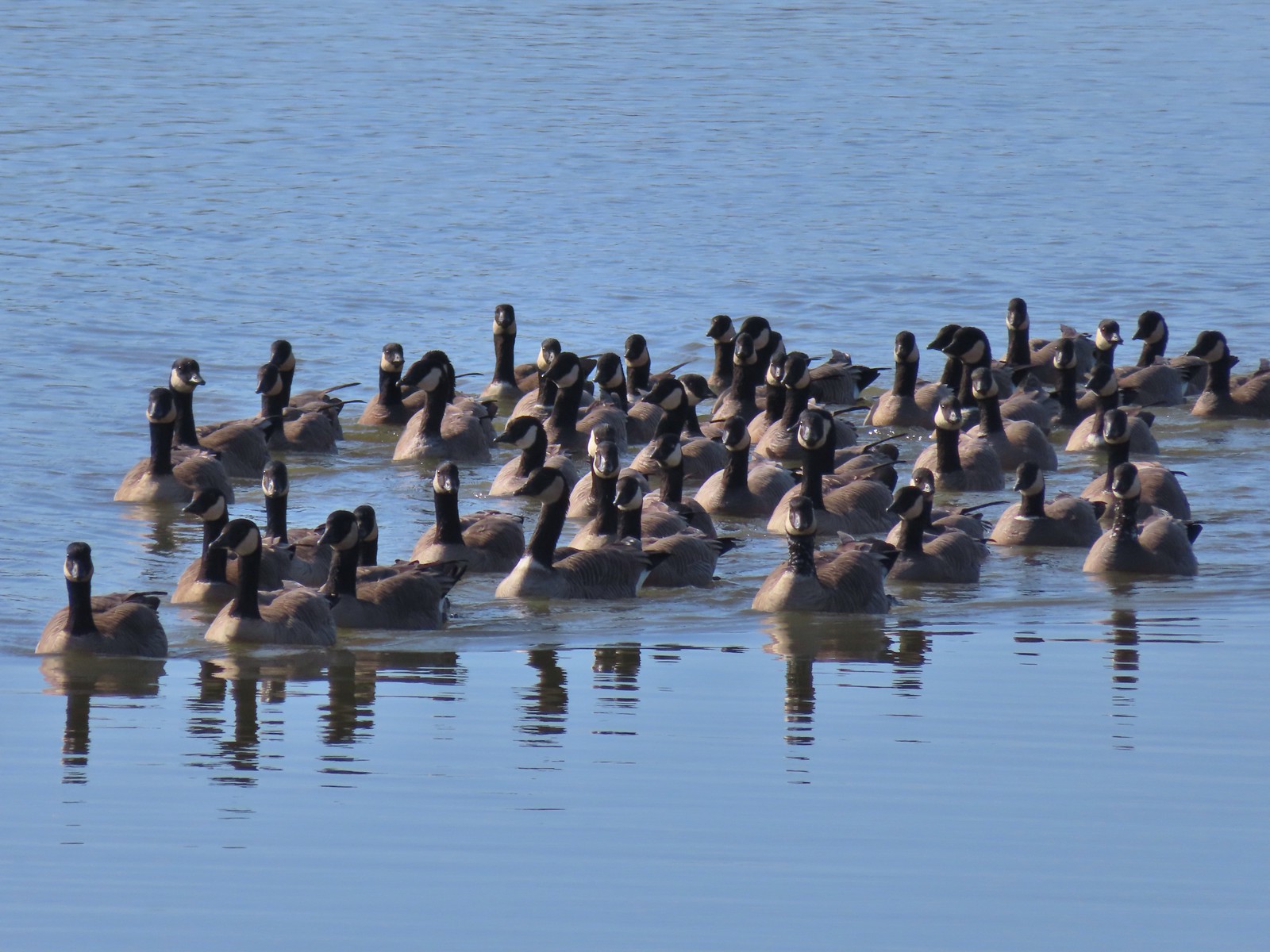 Geese on Fernhill Lake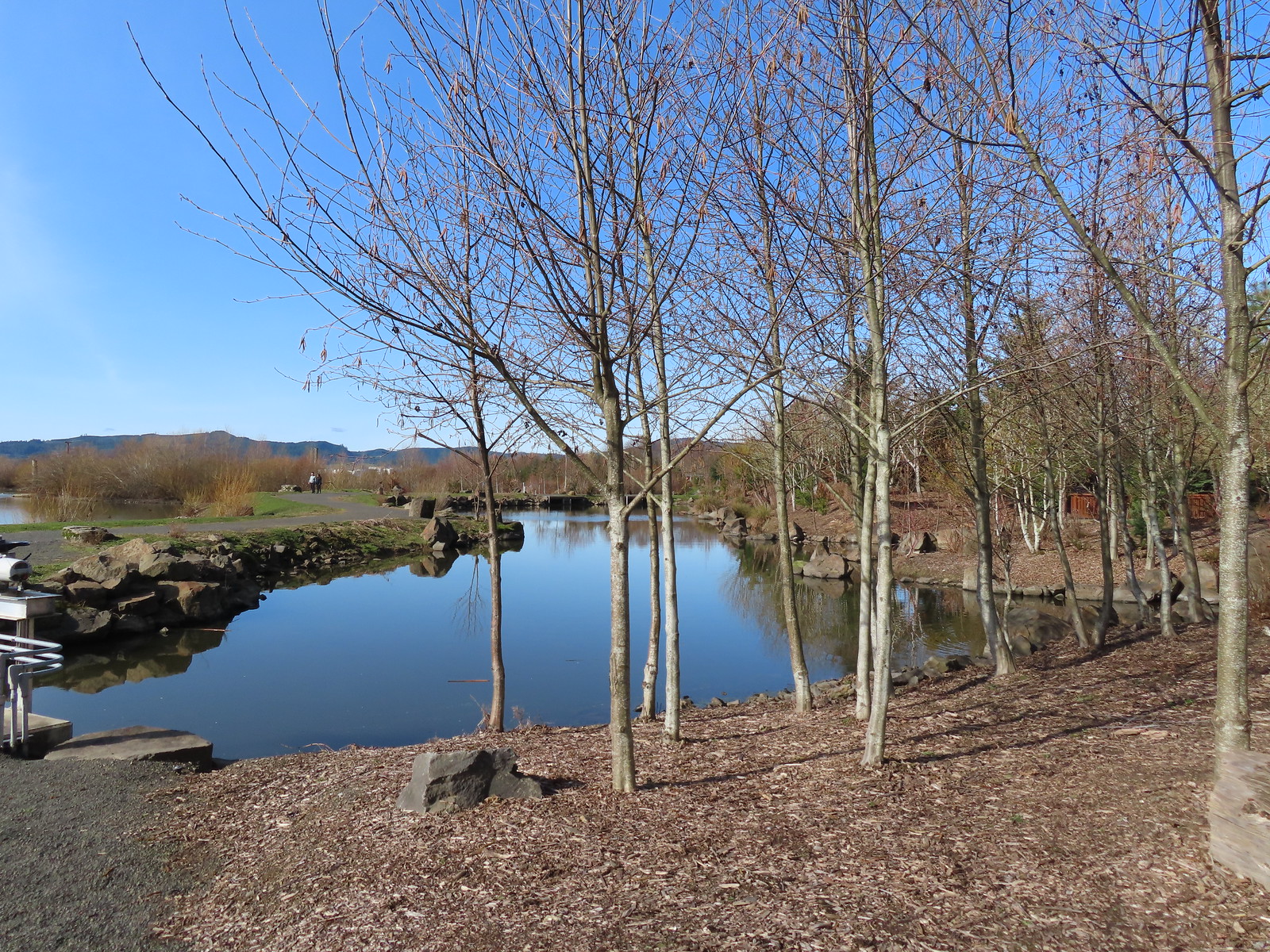
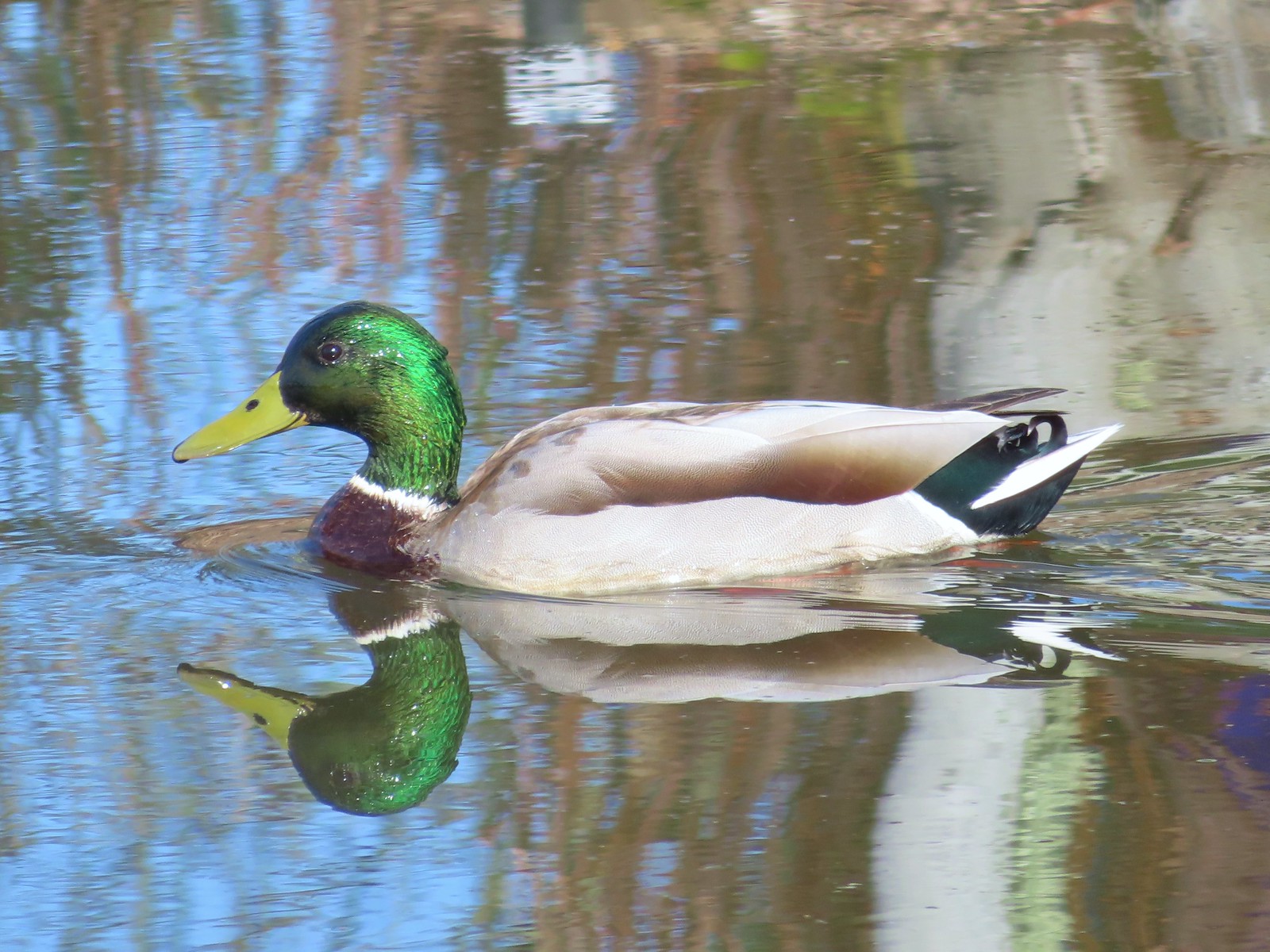 Mallard drake
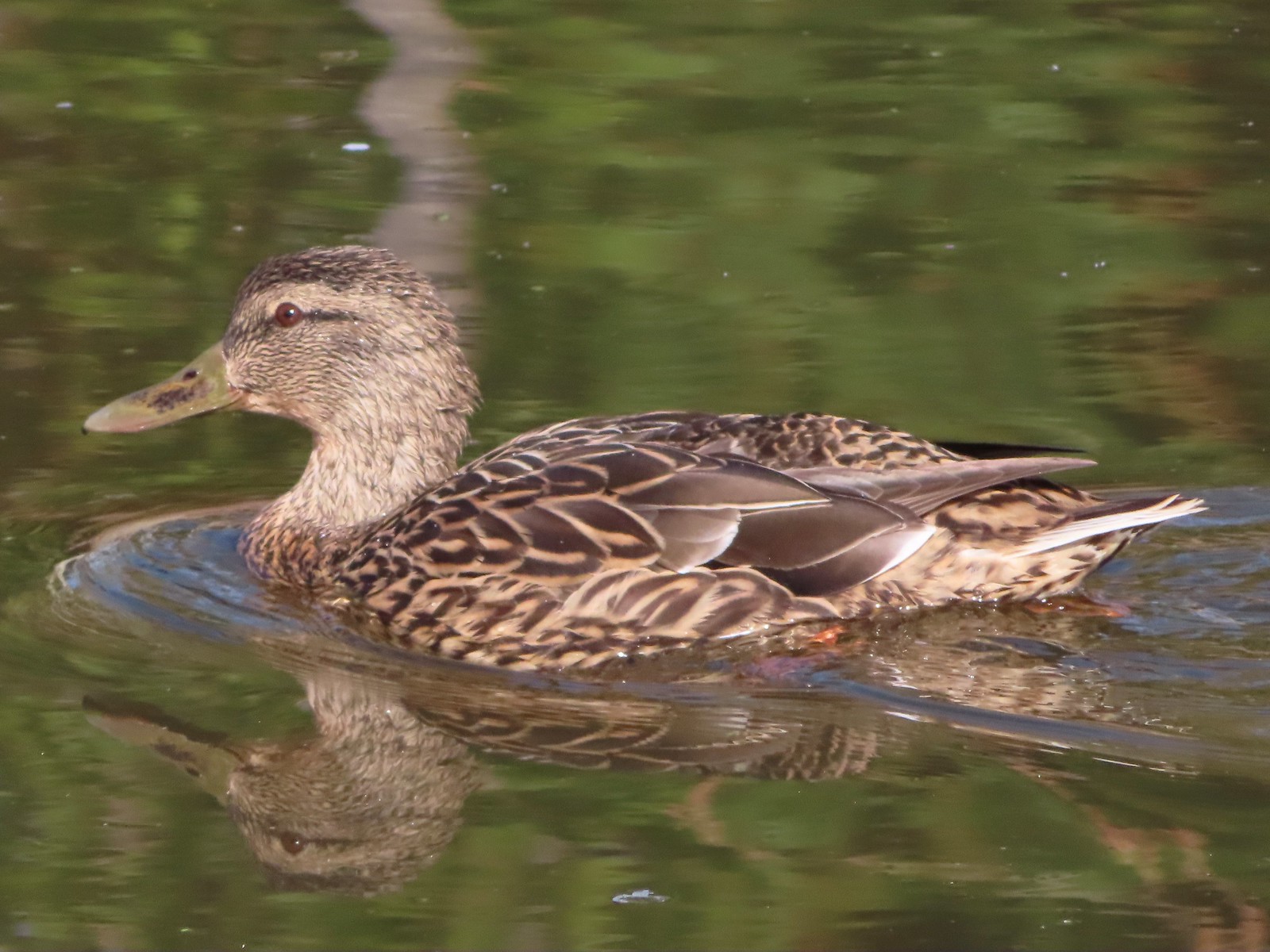 Mallard female
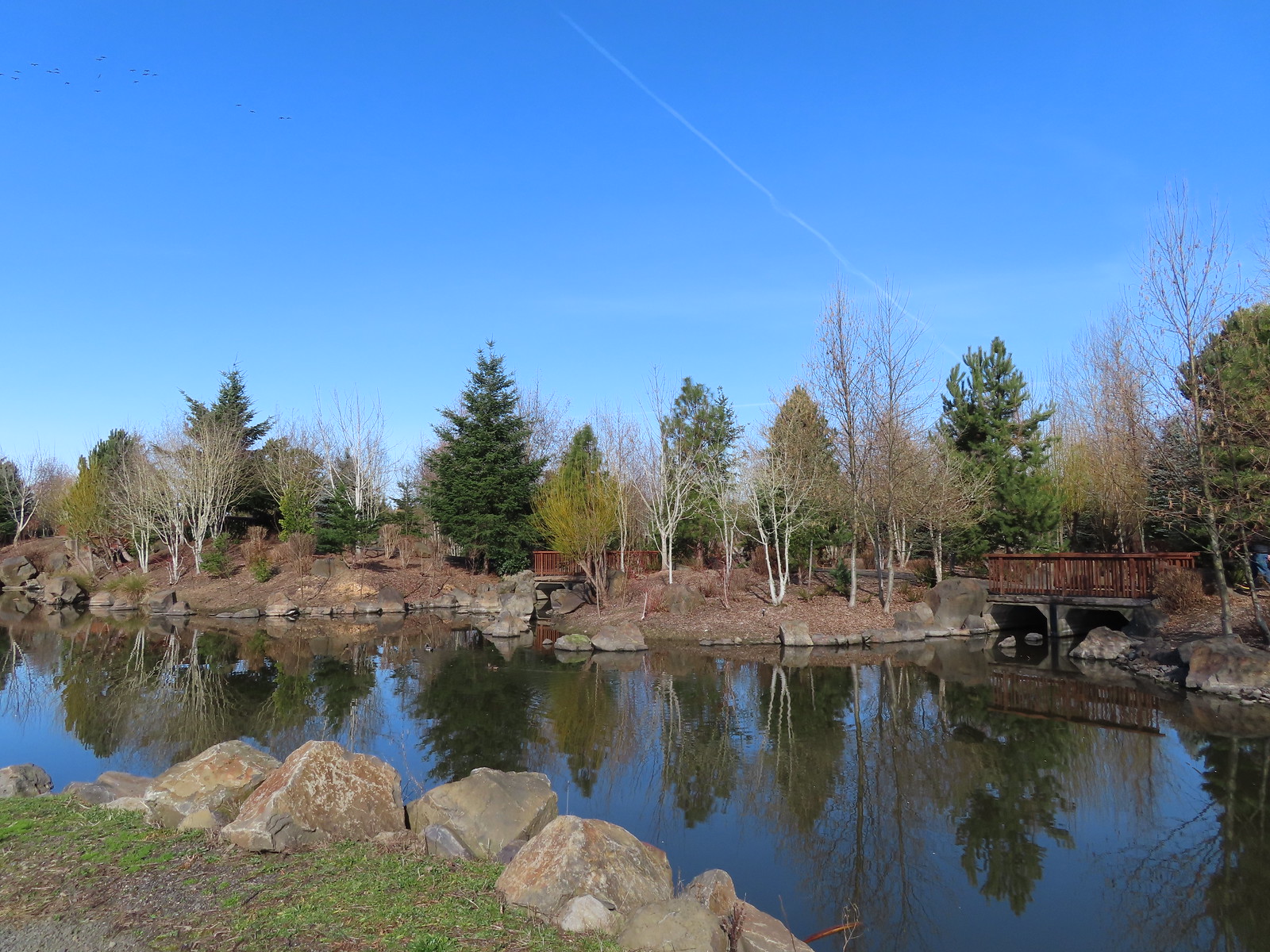 Water Gardens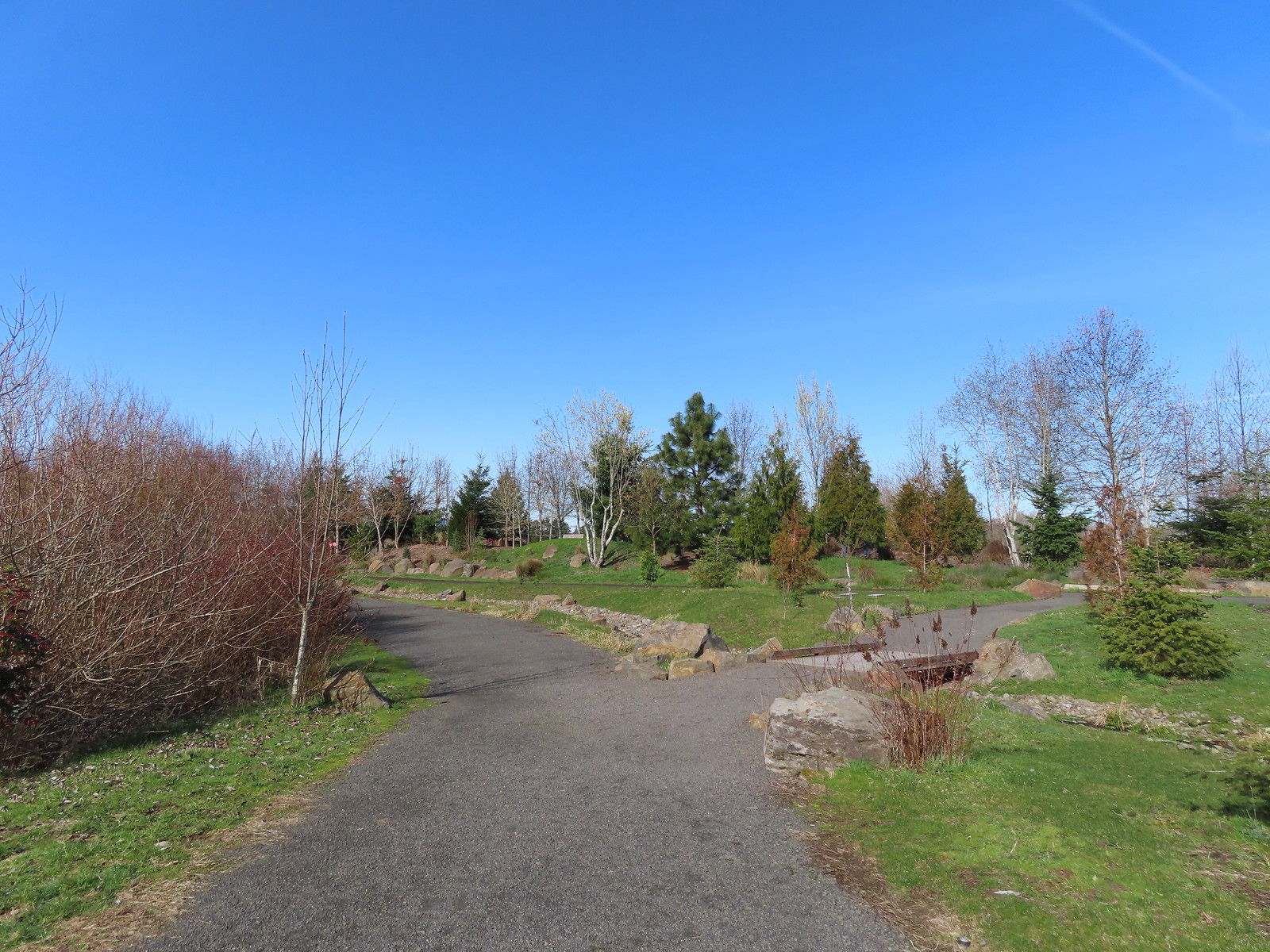

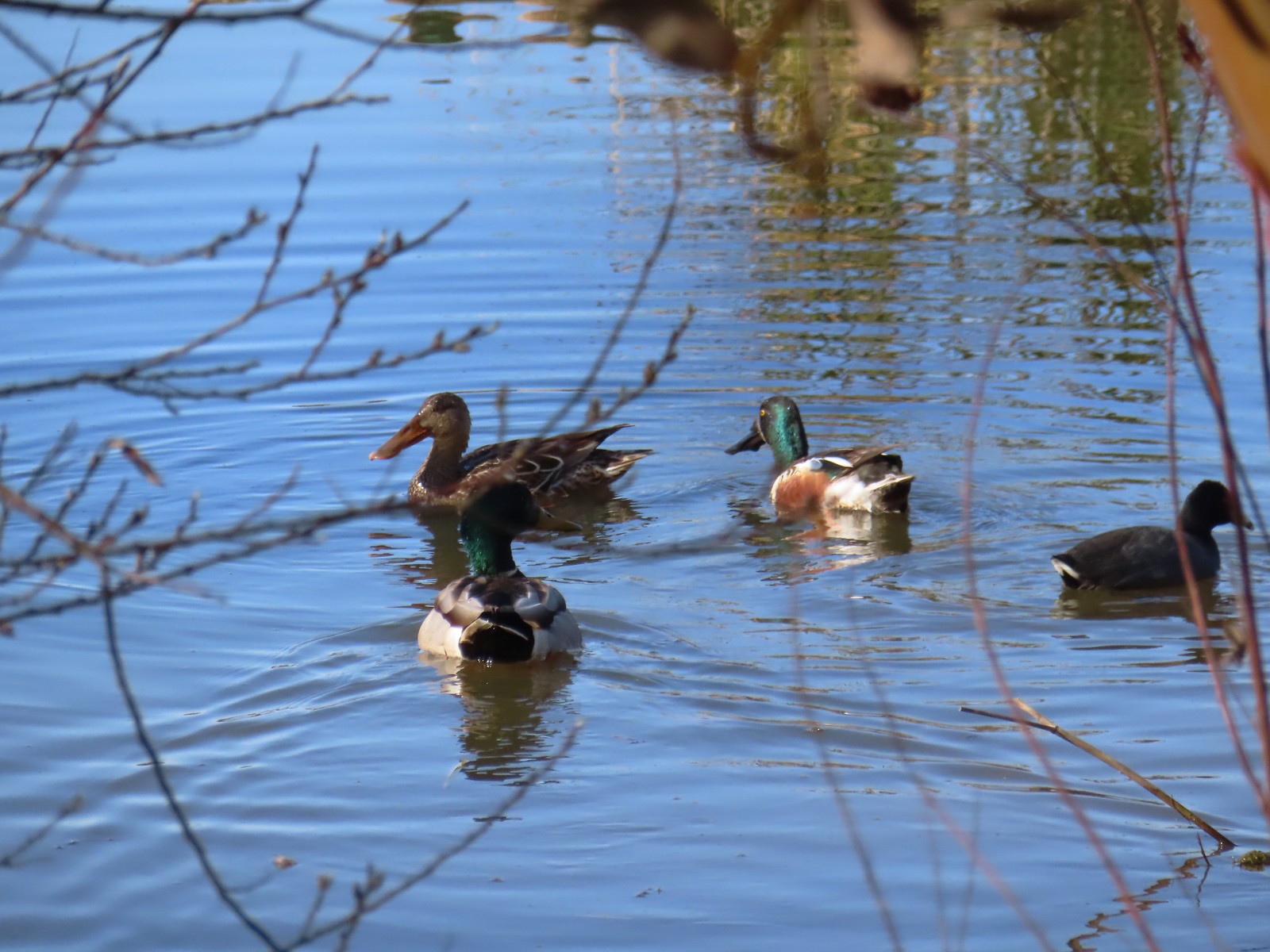 Northern shovelers, a mallard, and a coot.
 Oregon grape beginning to bloom.
 Northern shoveler
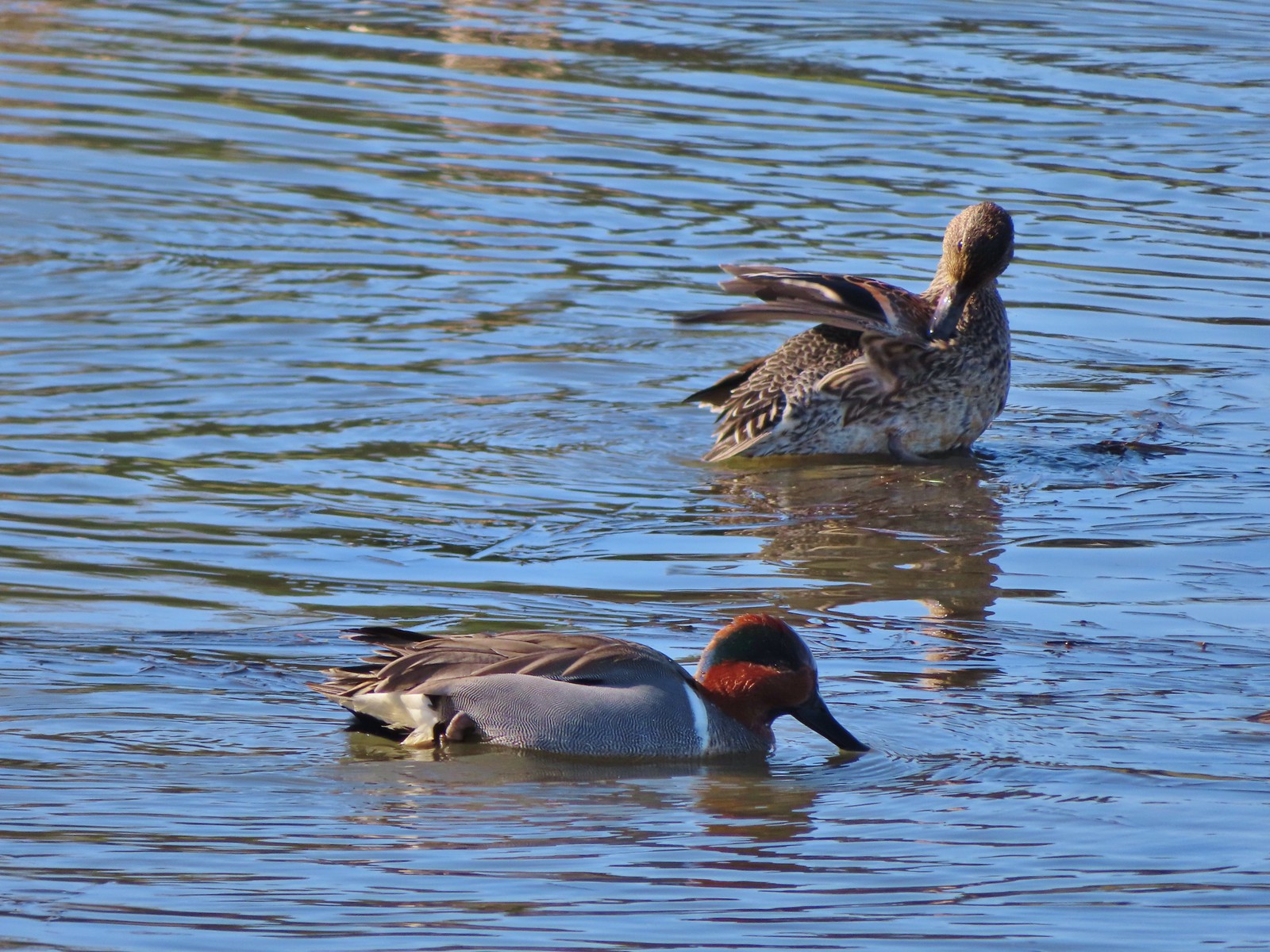 Green-winged teal pair
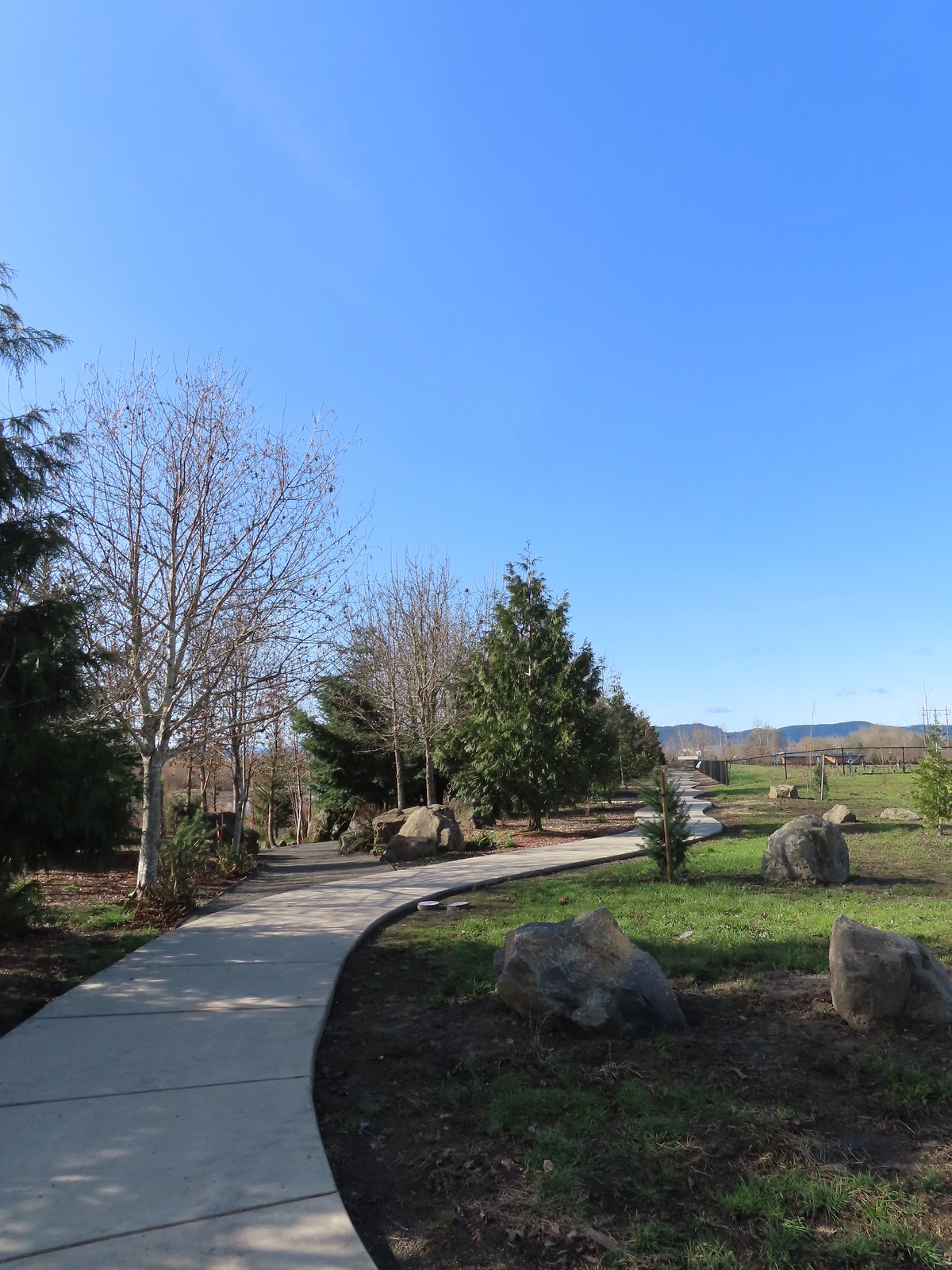 Path along the Research Wetlands.
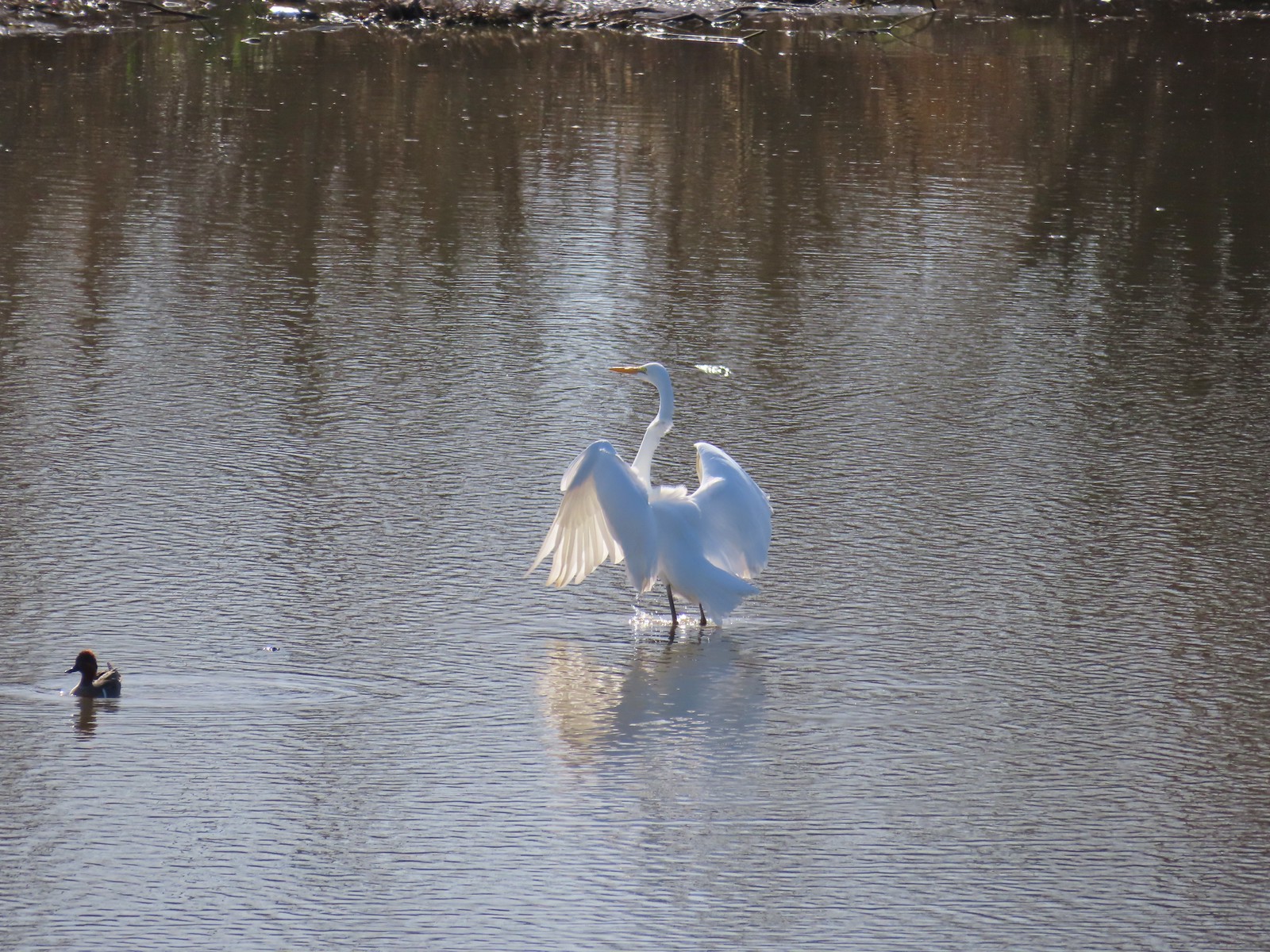 Egret near the parking lot at Fernhill Marsh
 Looking back at the Research Wetlands from the near the trailhead.


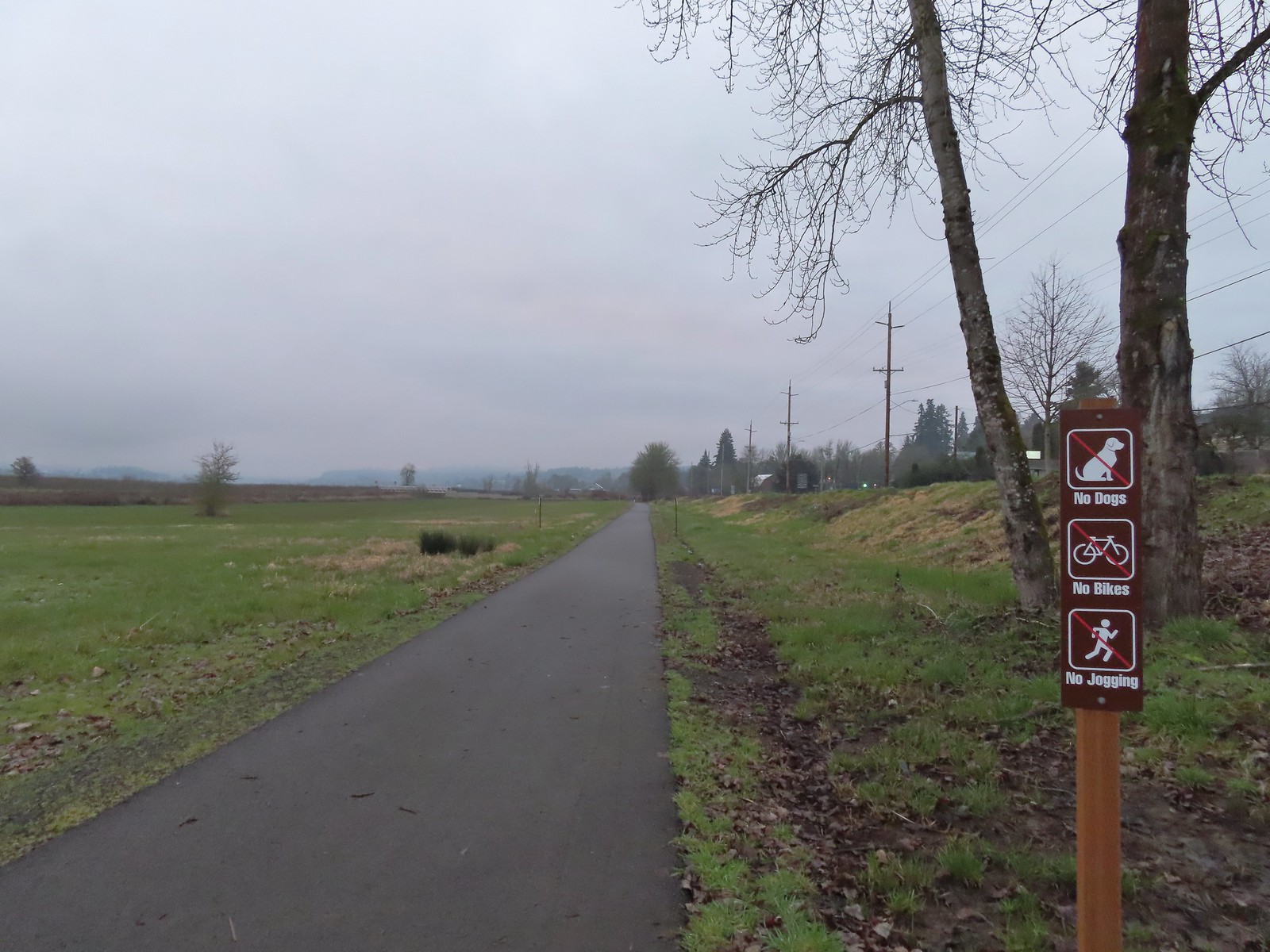
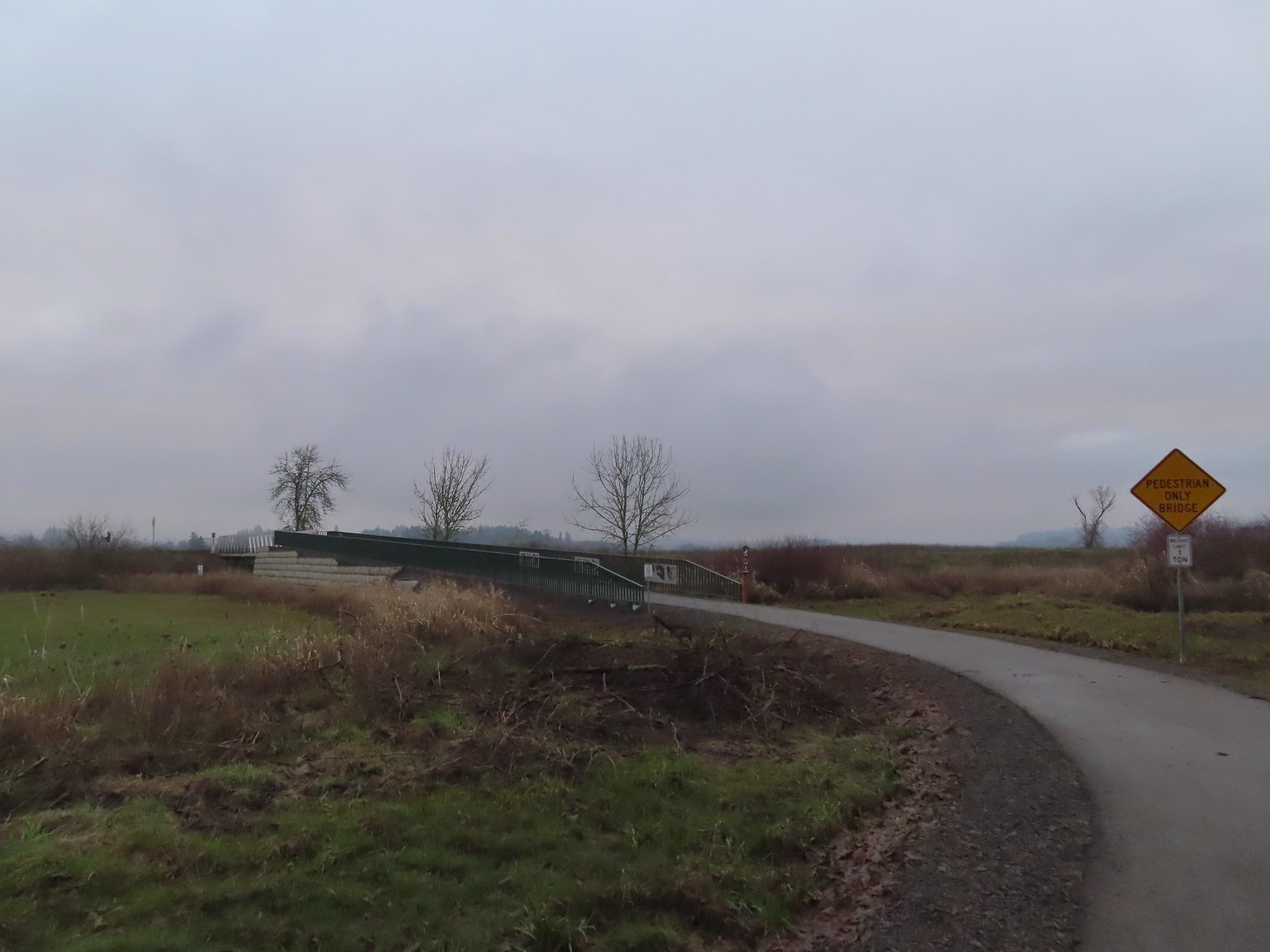
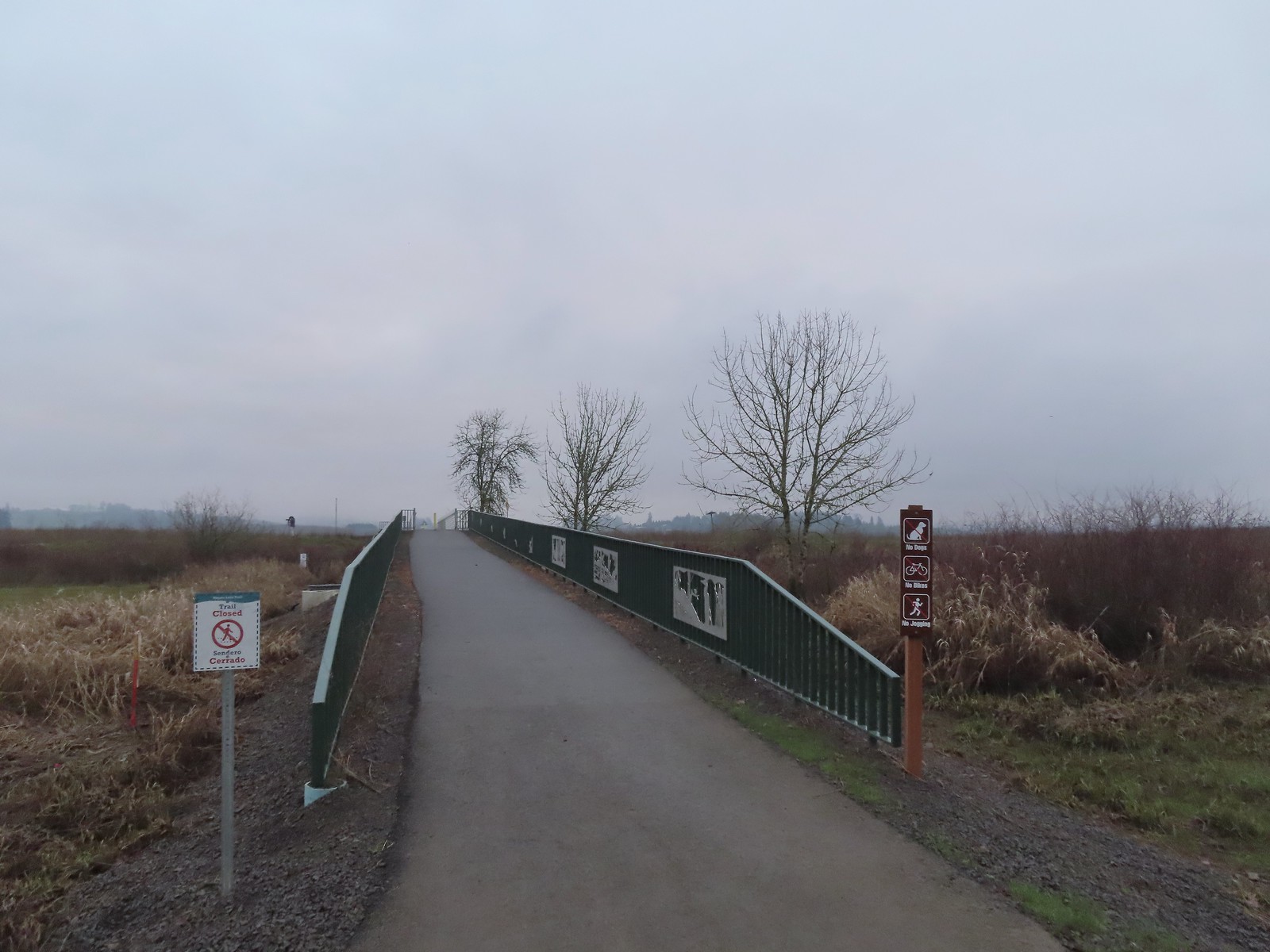 We were a little confused by the sign on the left here stating the trail was closed. The website and signboard had said nothing about a closure and the gate at the far end of the bridge was open and others were already out on the levee. We assume they just hadn’t taken the sign down after the seasonal closure period.
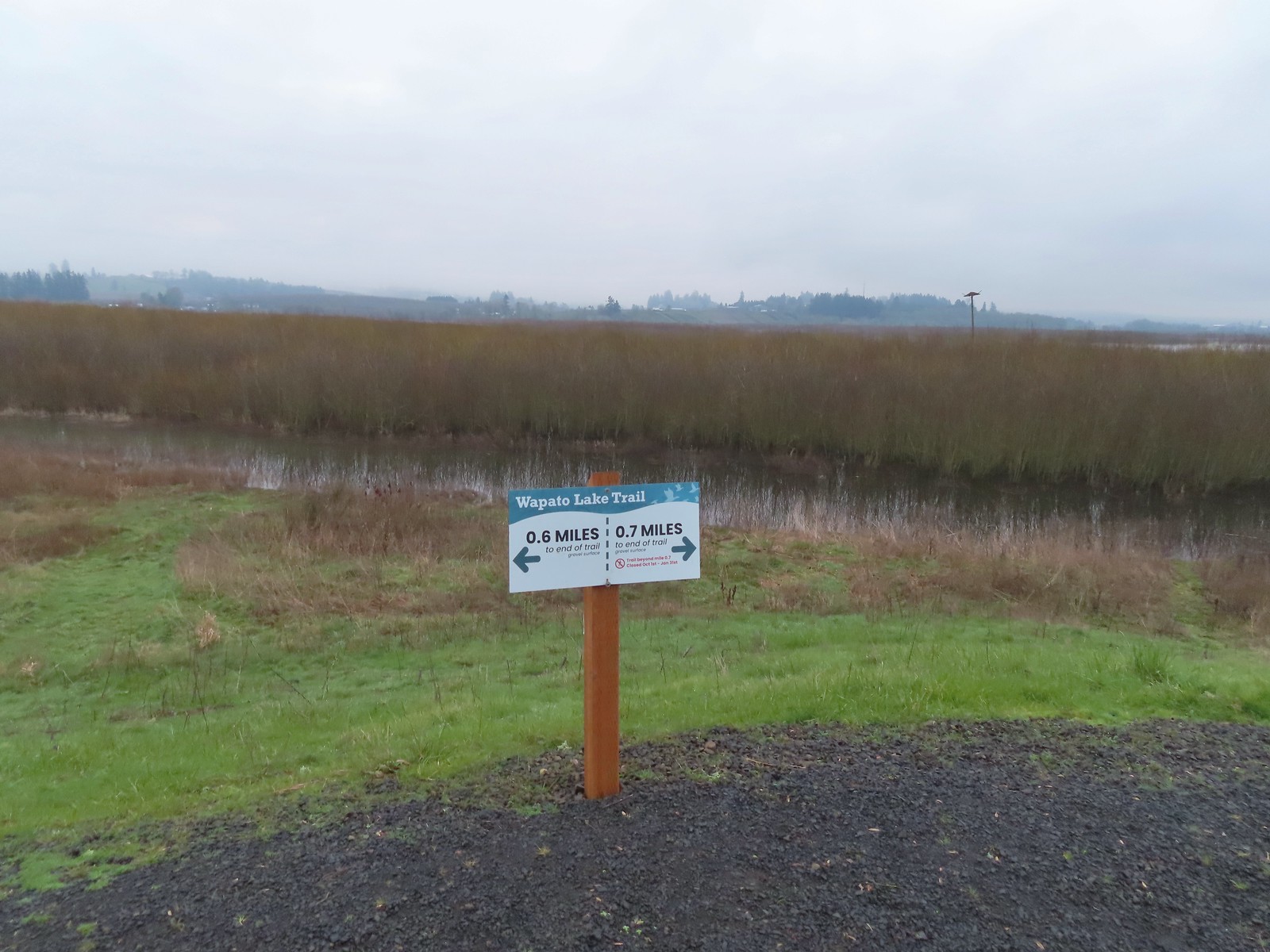 Pointers on the levee.
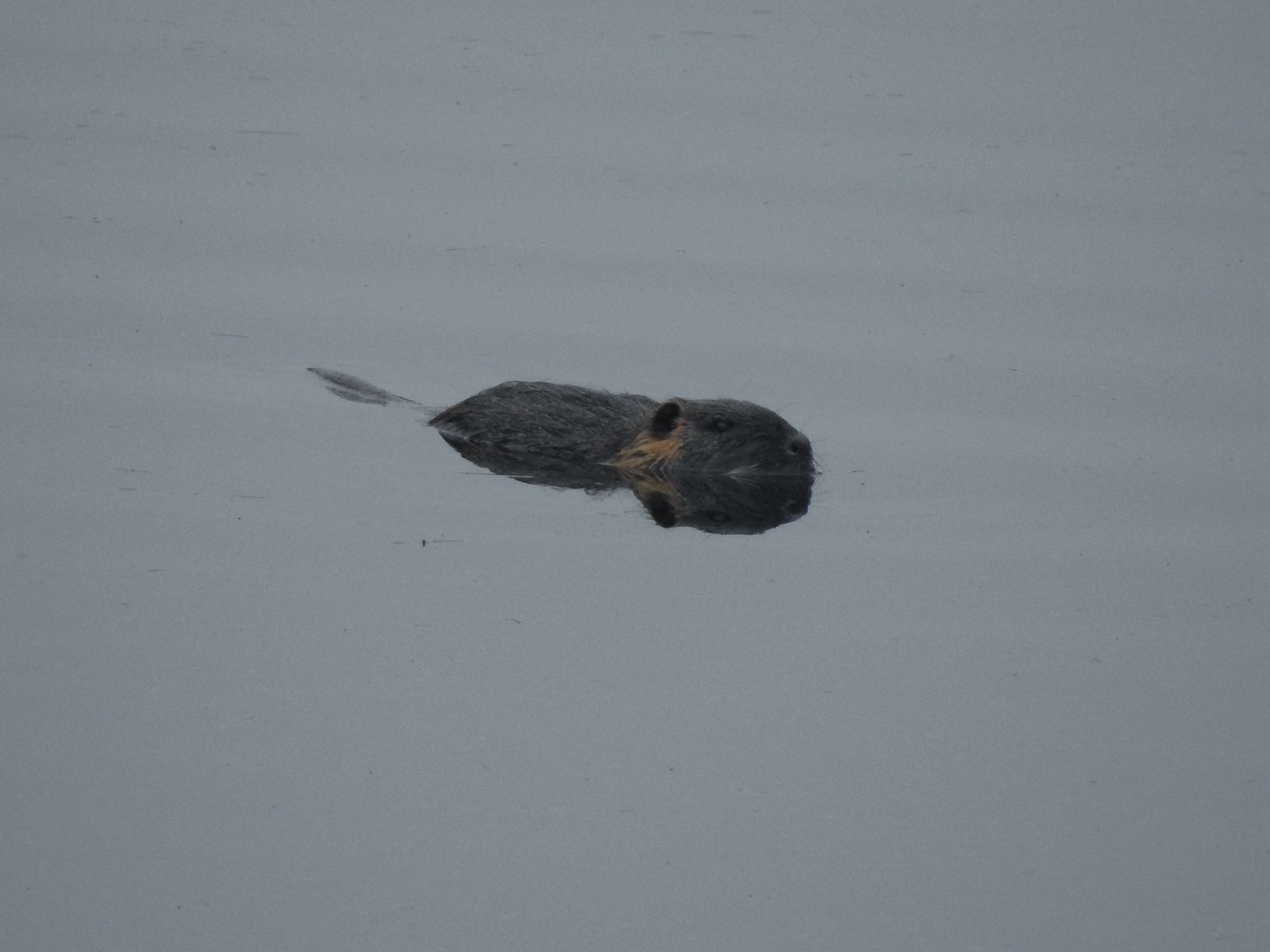 Nutria (sigh). We had hopped it was a beaver but alas the whiskers give it away.
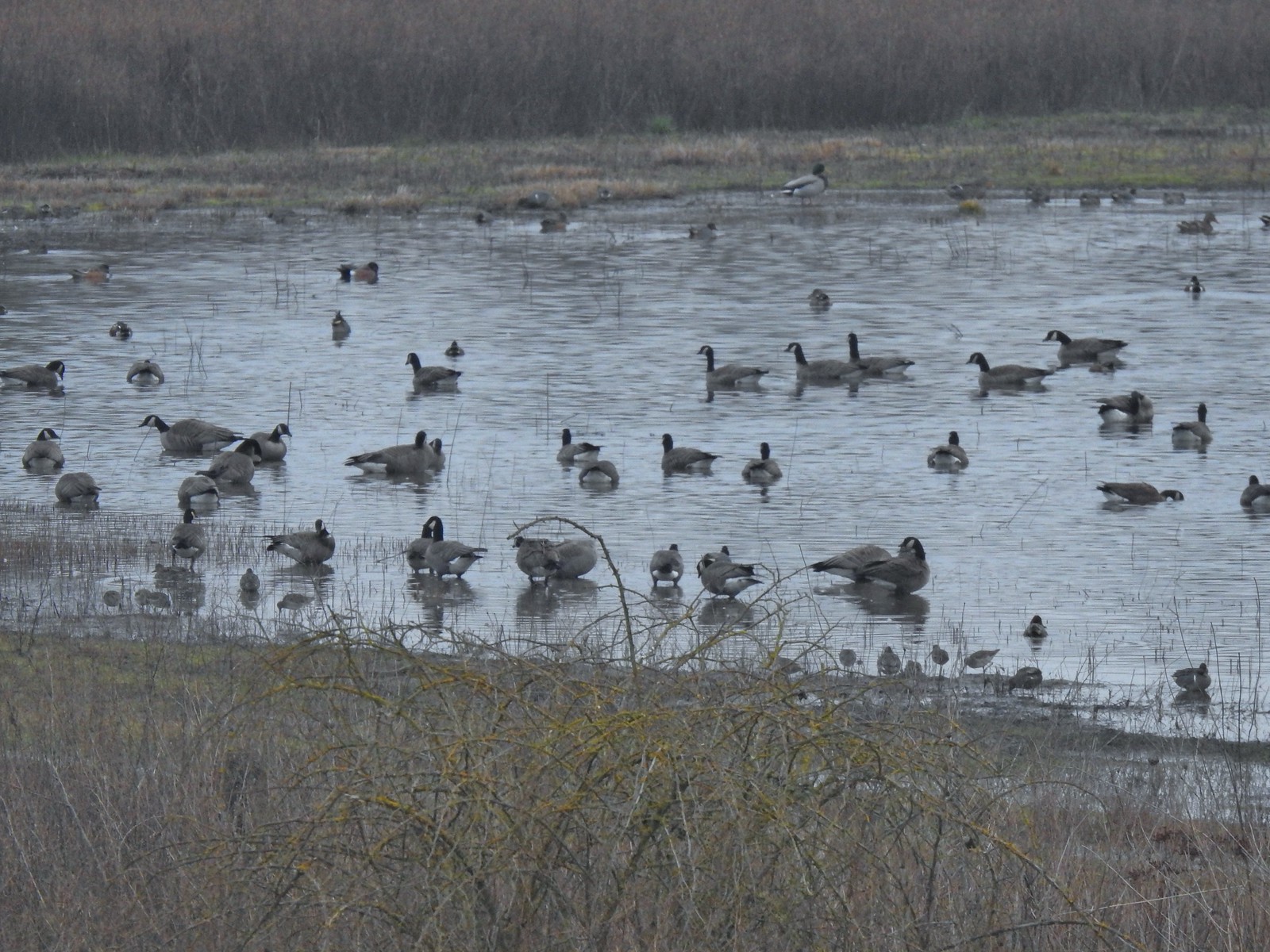 Geese, several species of ducks, and some shore birds.
 A great blue heron along Wapato Creek.
 Great blue heron
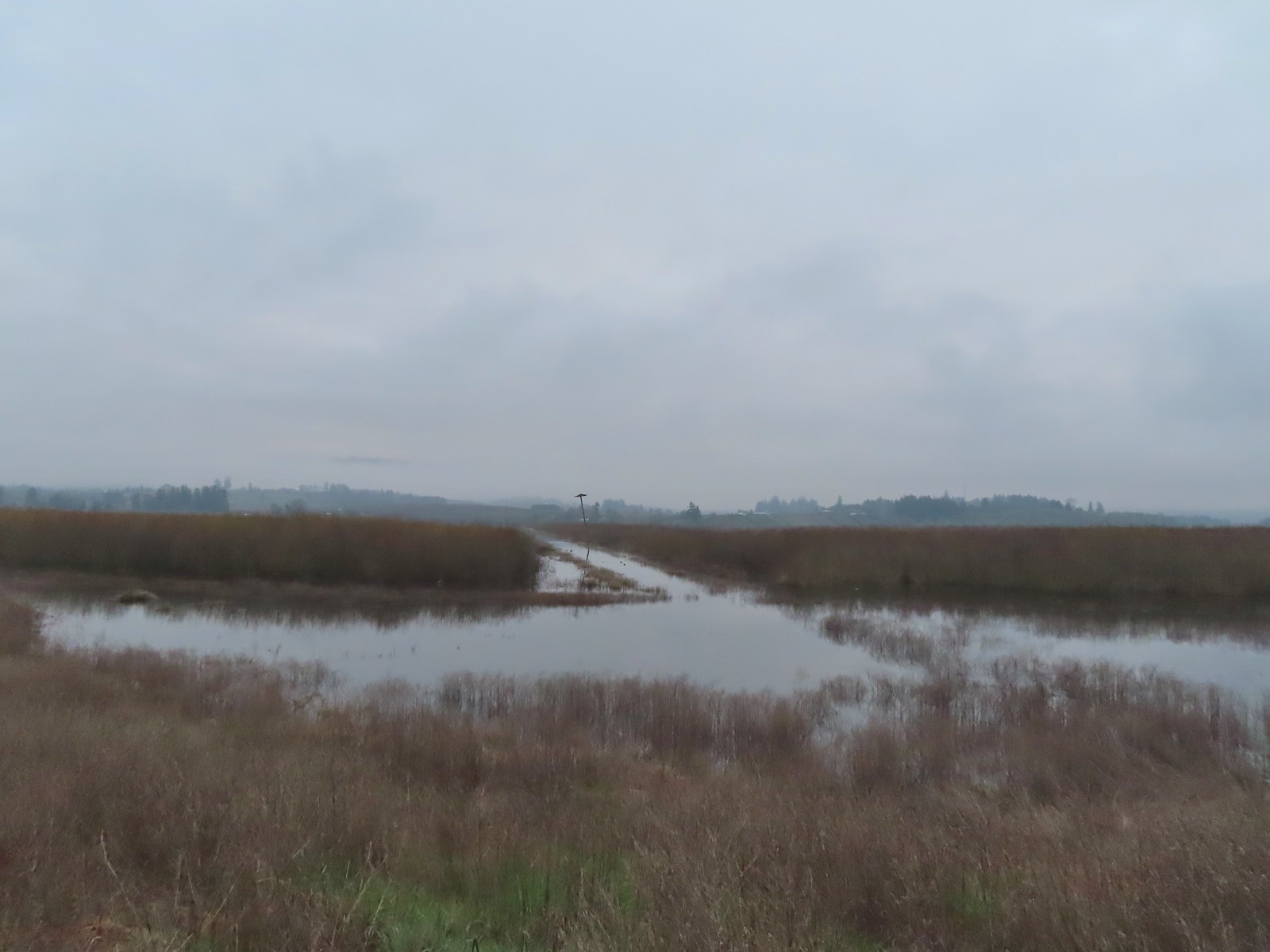 Wapato Lake
 Beaver lodge
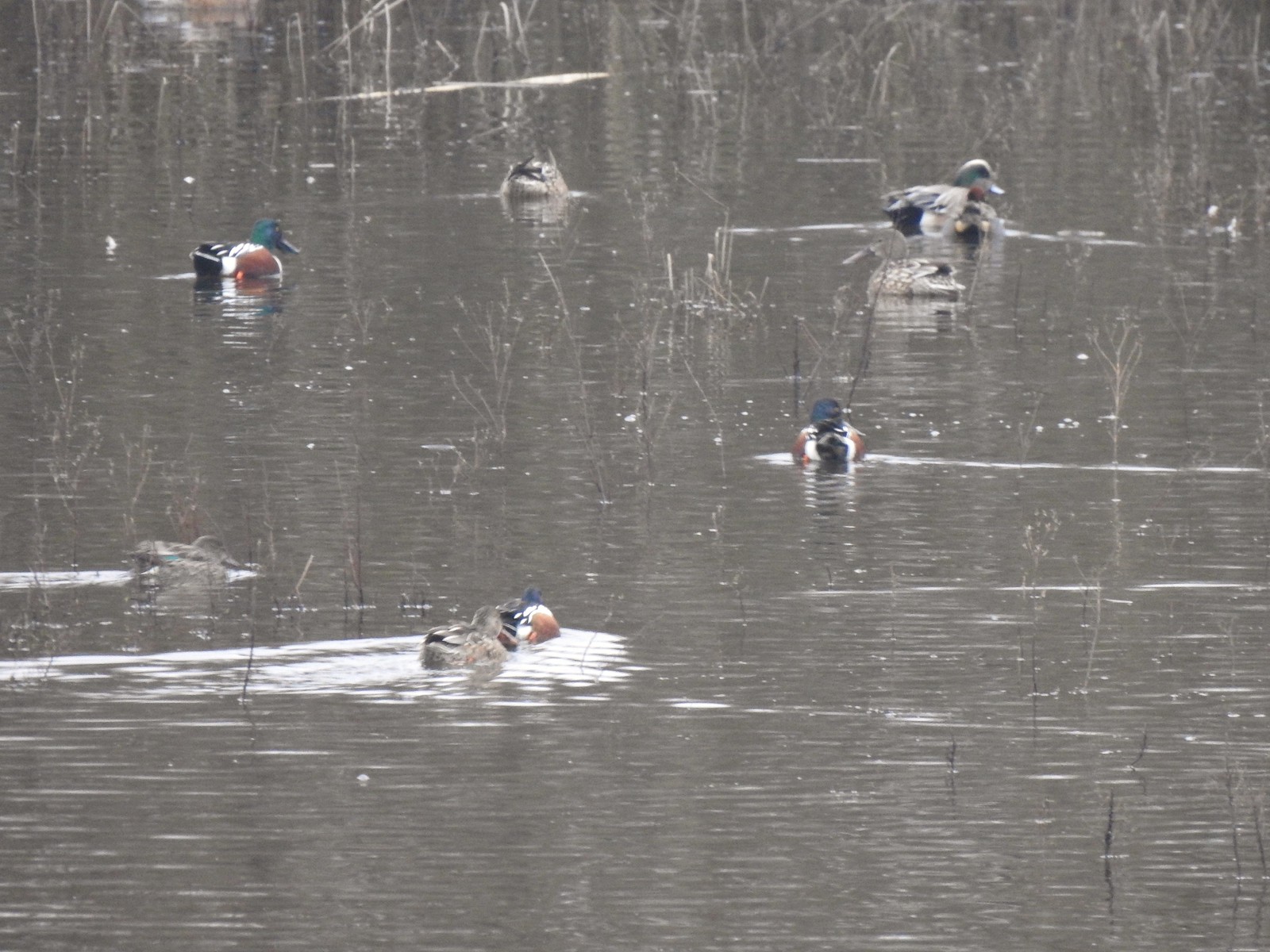 Northern shovelers and an American wigeon
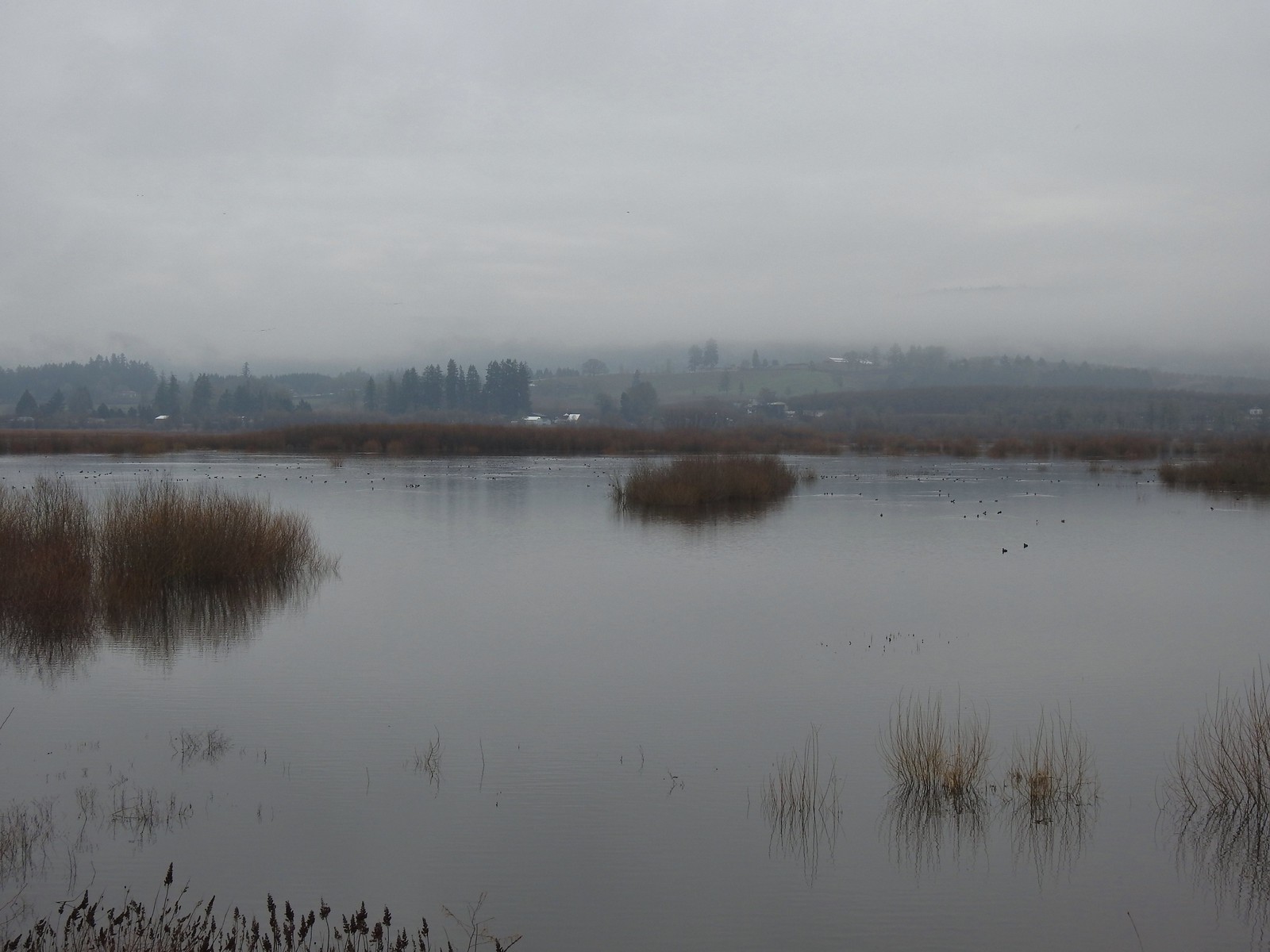 Of course we forgot to bring binoculars making it even harder to make out which types of ducks were out there.
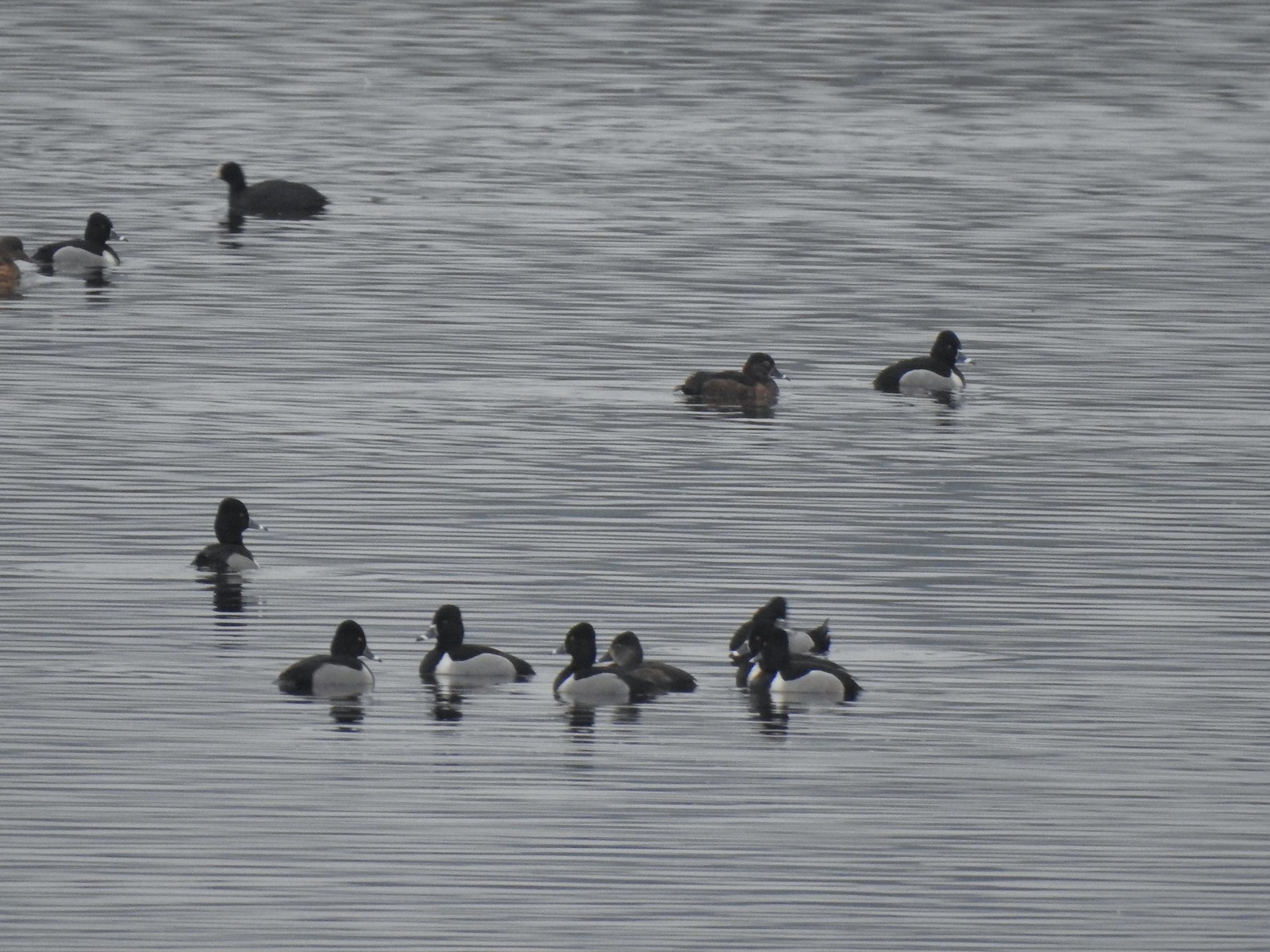 Ring-necked ducks with an American coot in the background.
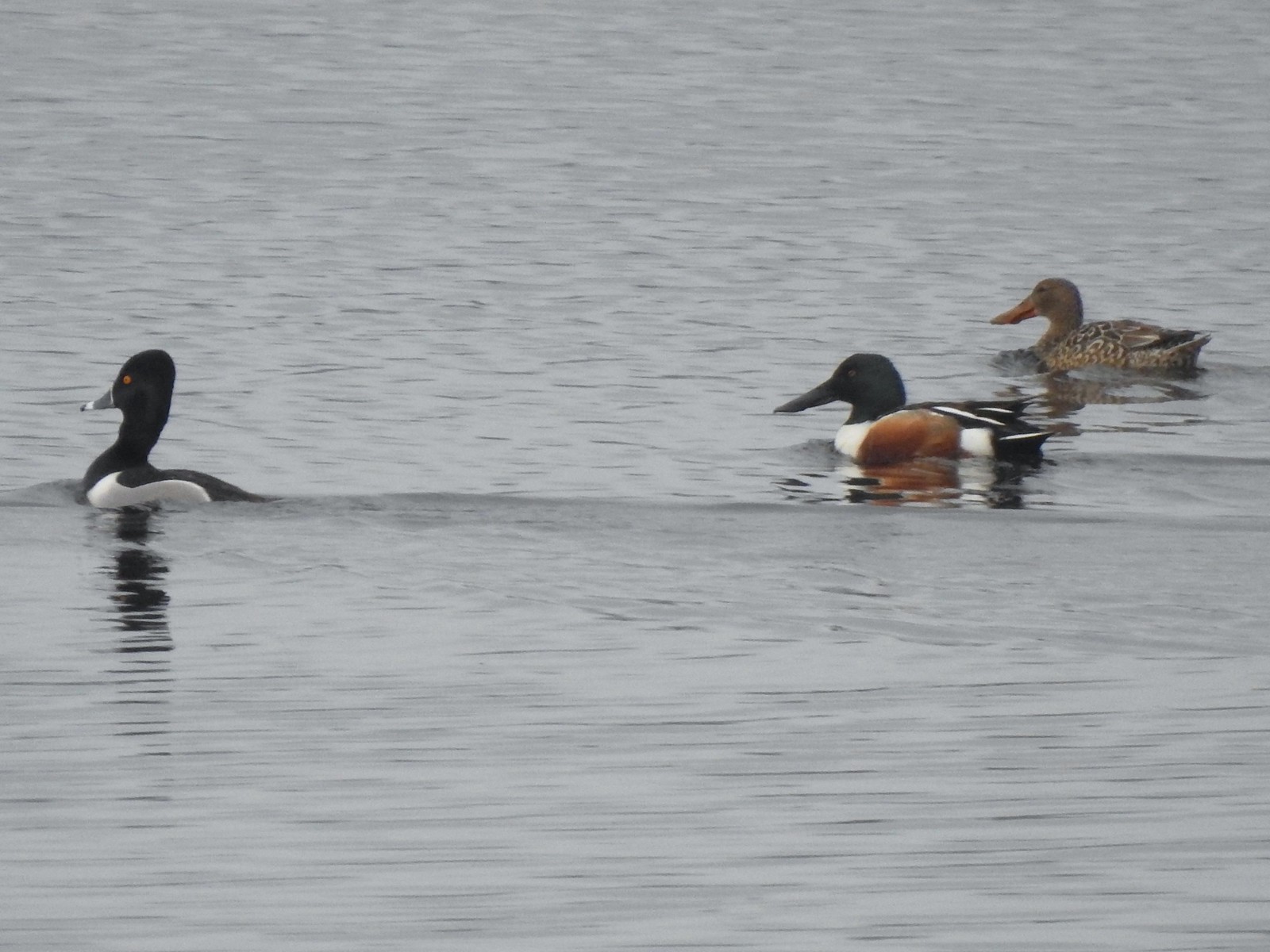 Ring-necked duck and northern shovelers
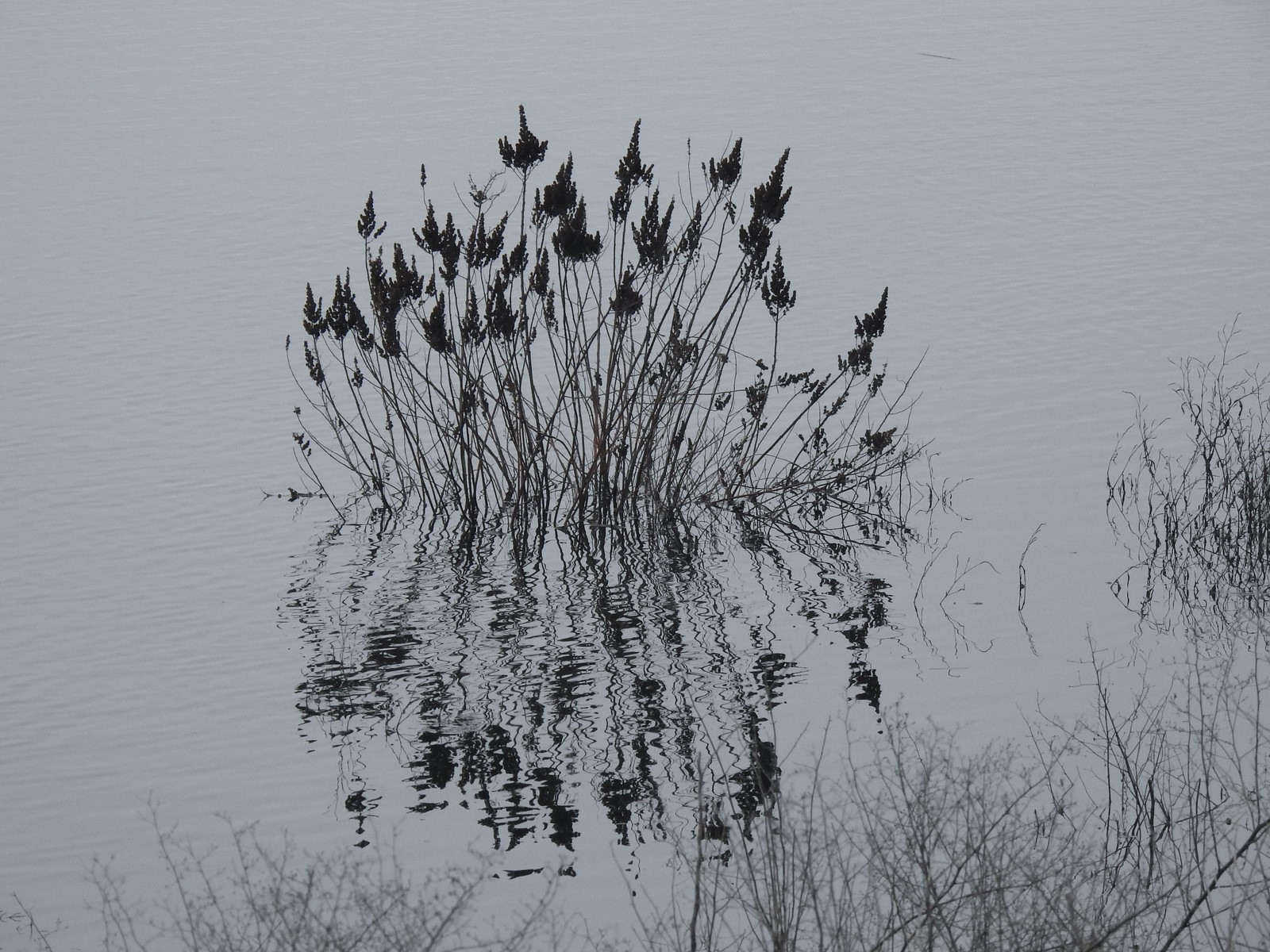 Reflections in Wapato Lake
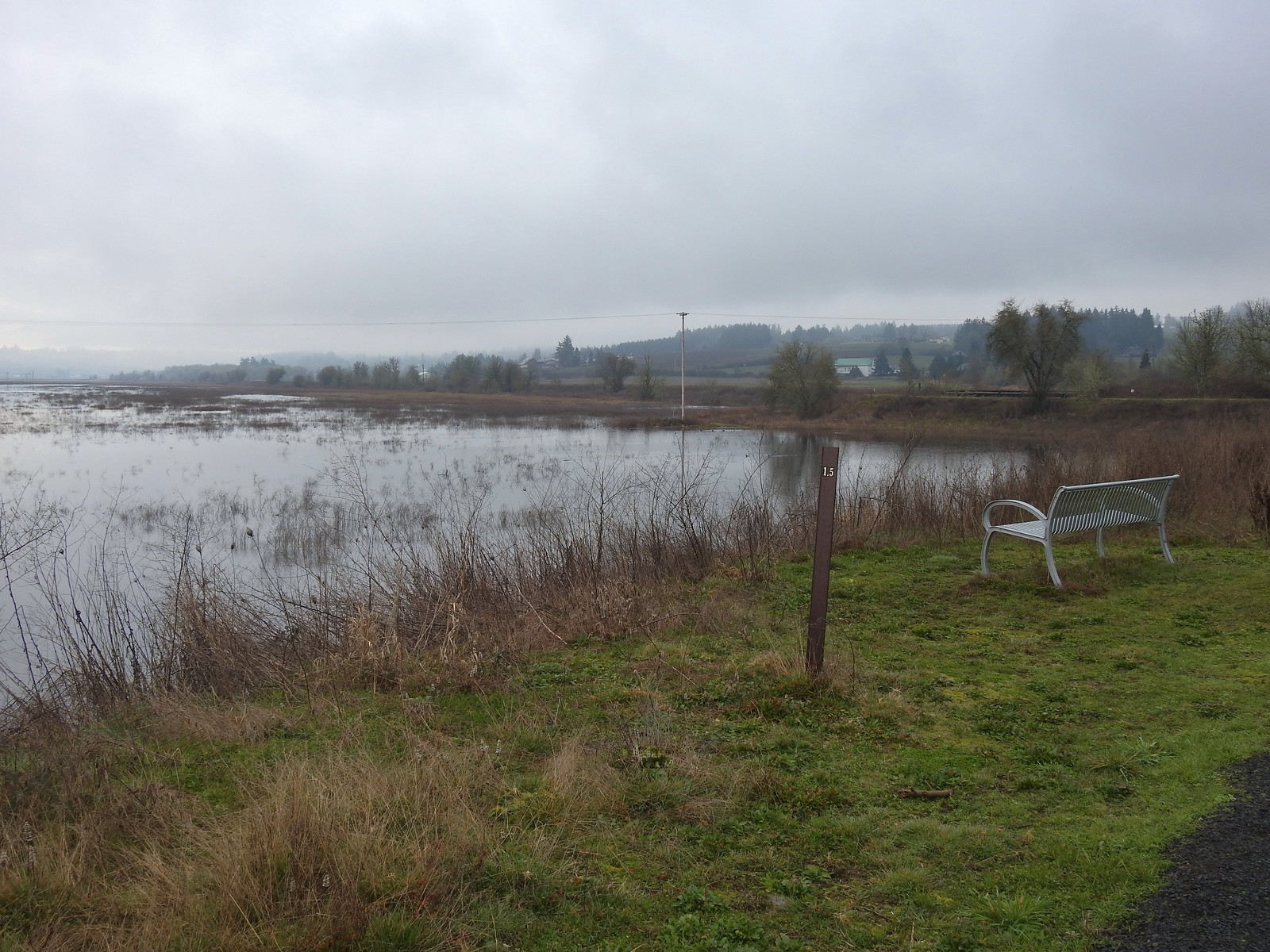 There is virtually no shade along the lake which wasn’t an issue today but could be in the heat of Summer. There are however three benches along the levee allowing for a place to sit and watch the birds.
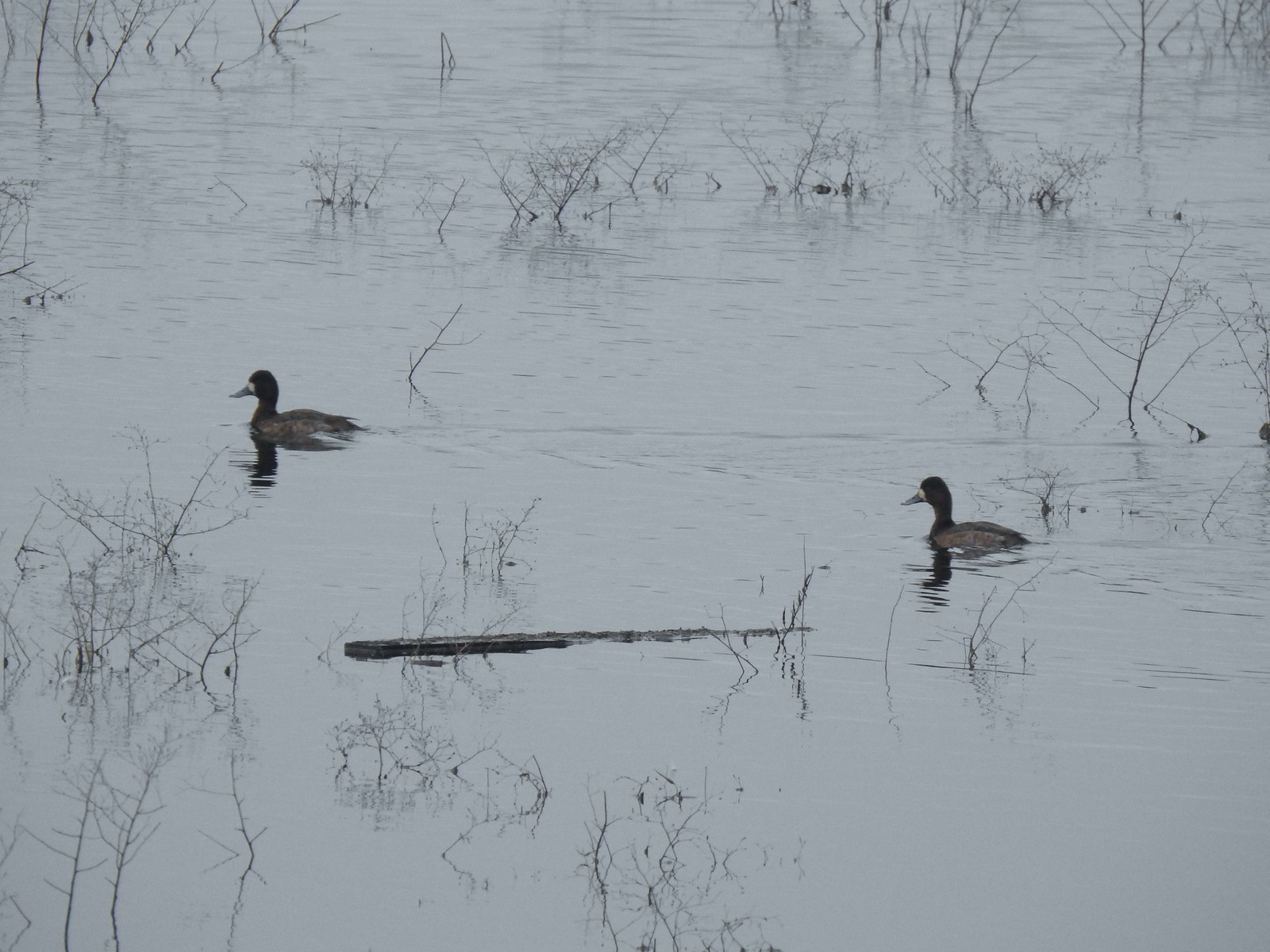 Lesser scaups
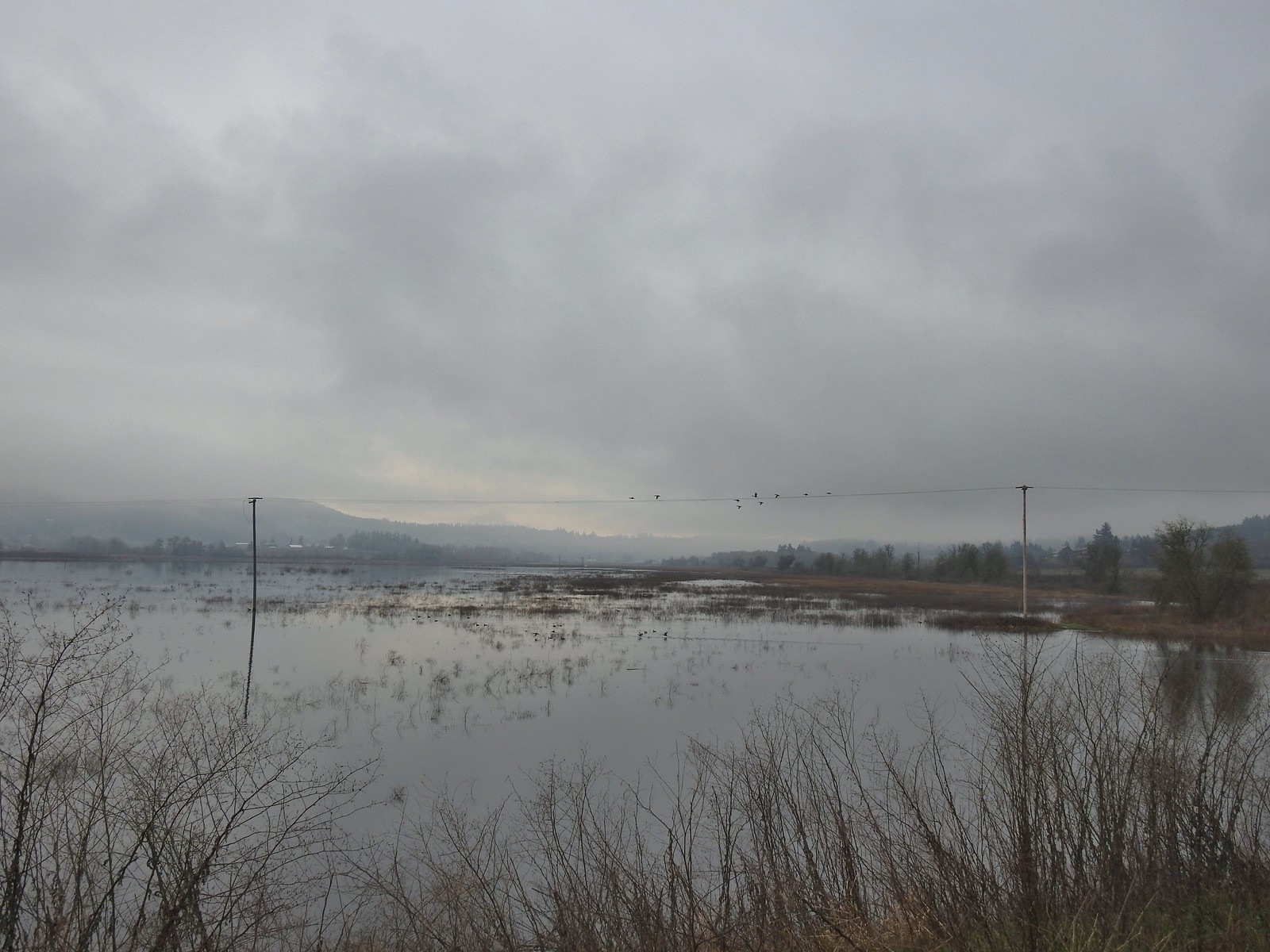 Ducks flying over the lake.
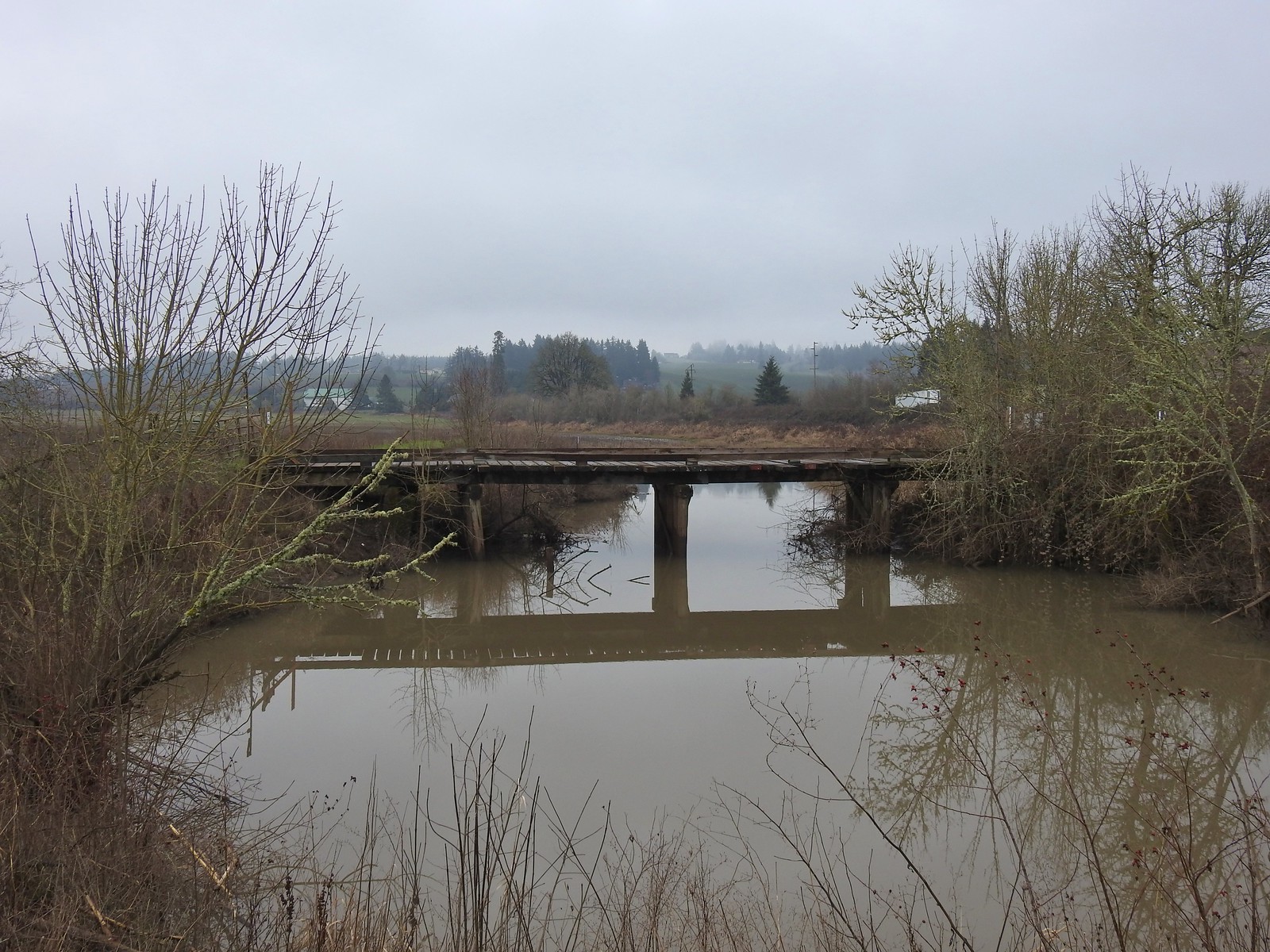 Old bridge over Wapato Creek. The gravel surface ended at this bridge.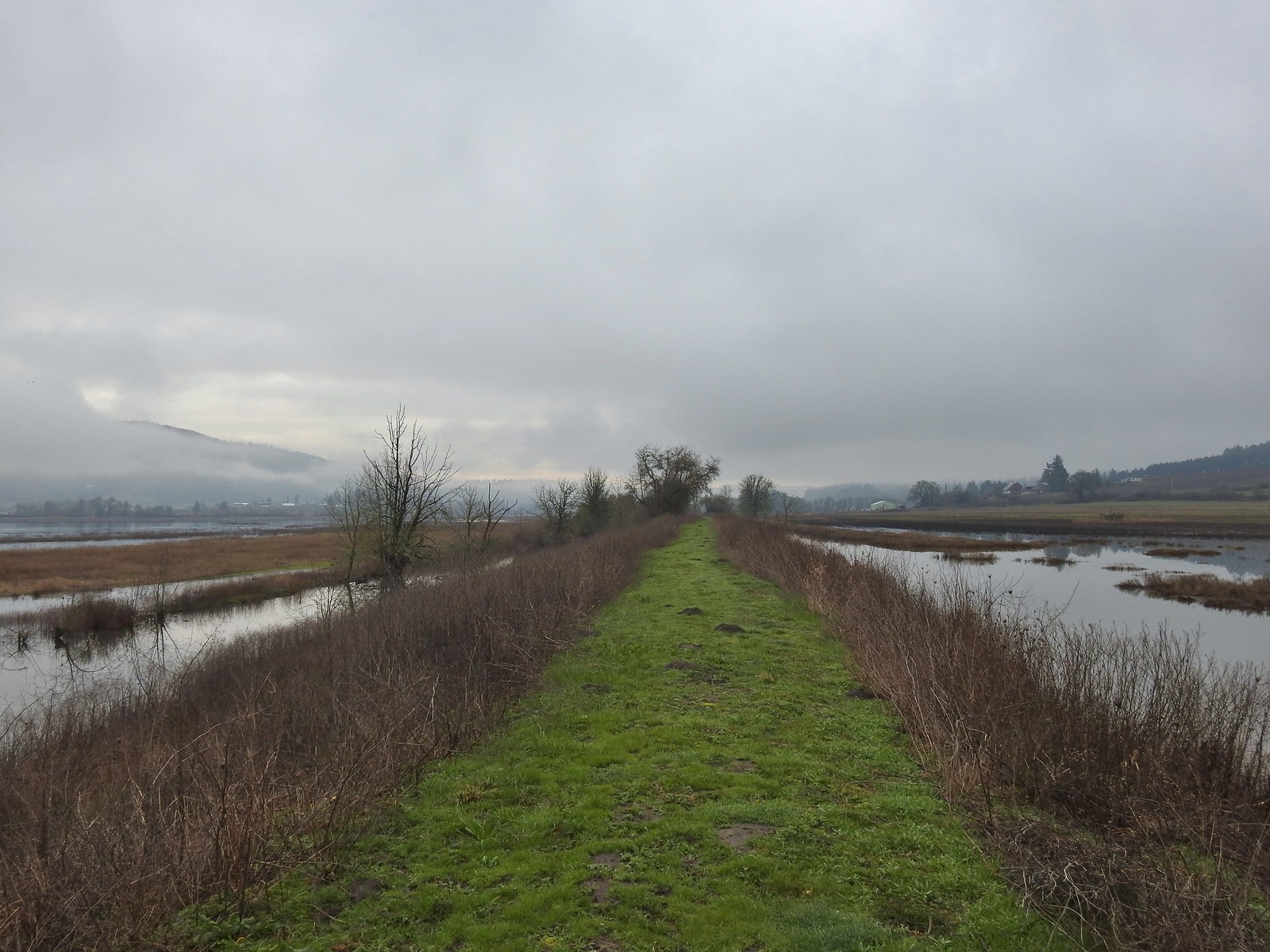
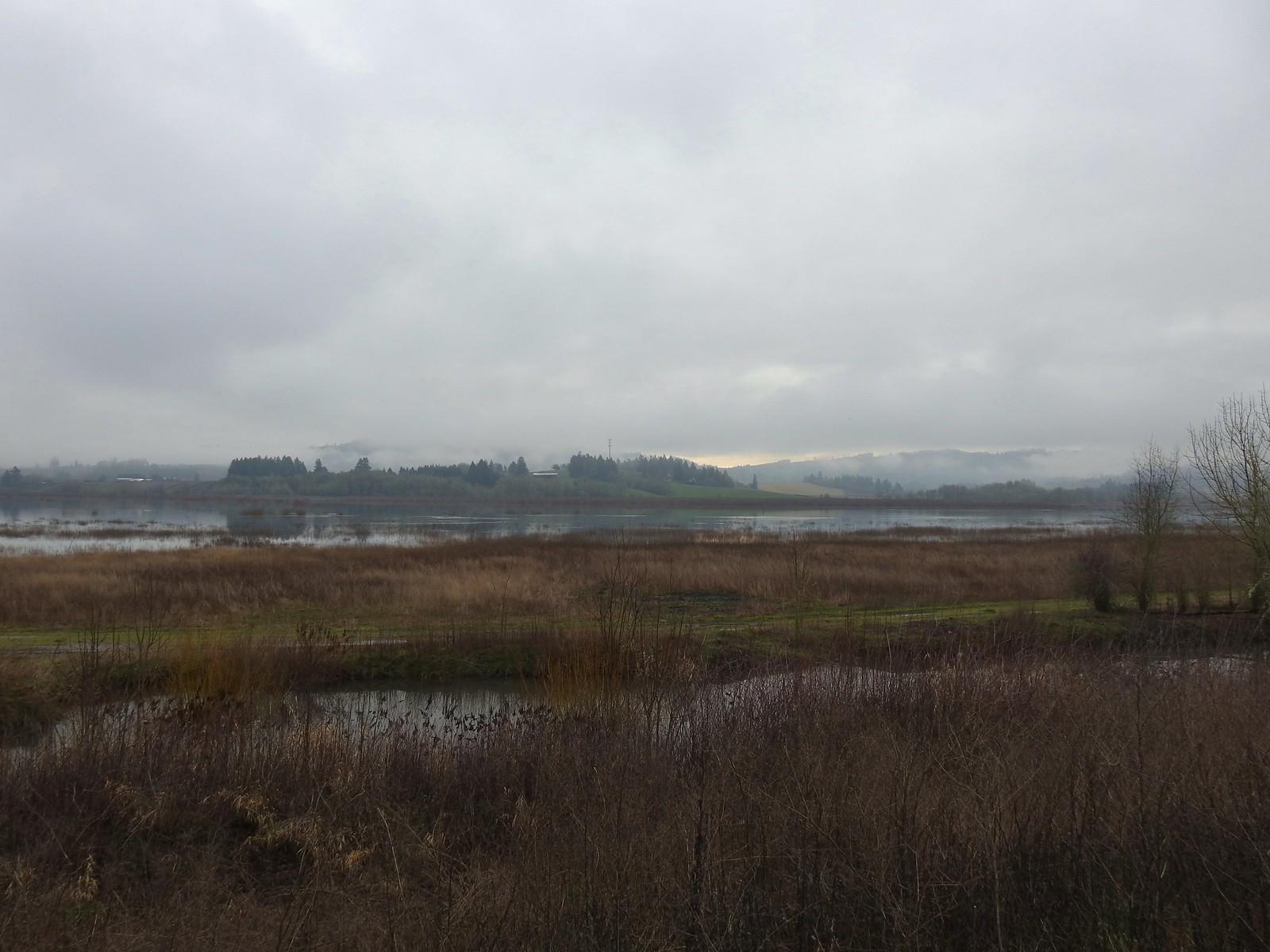
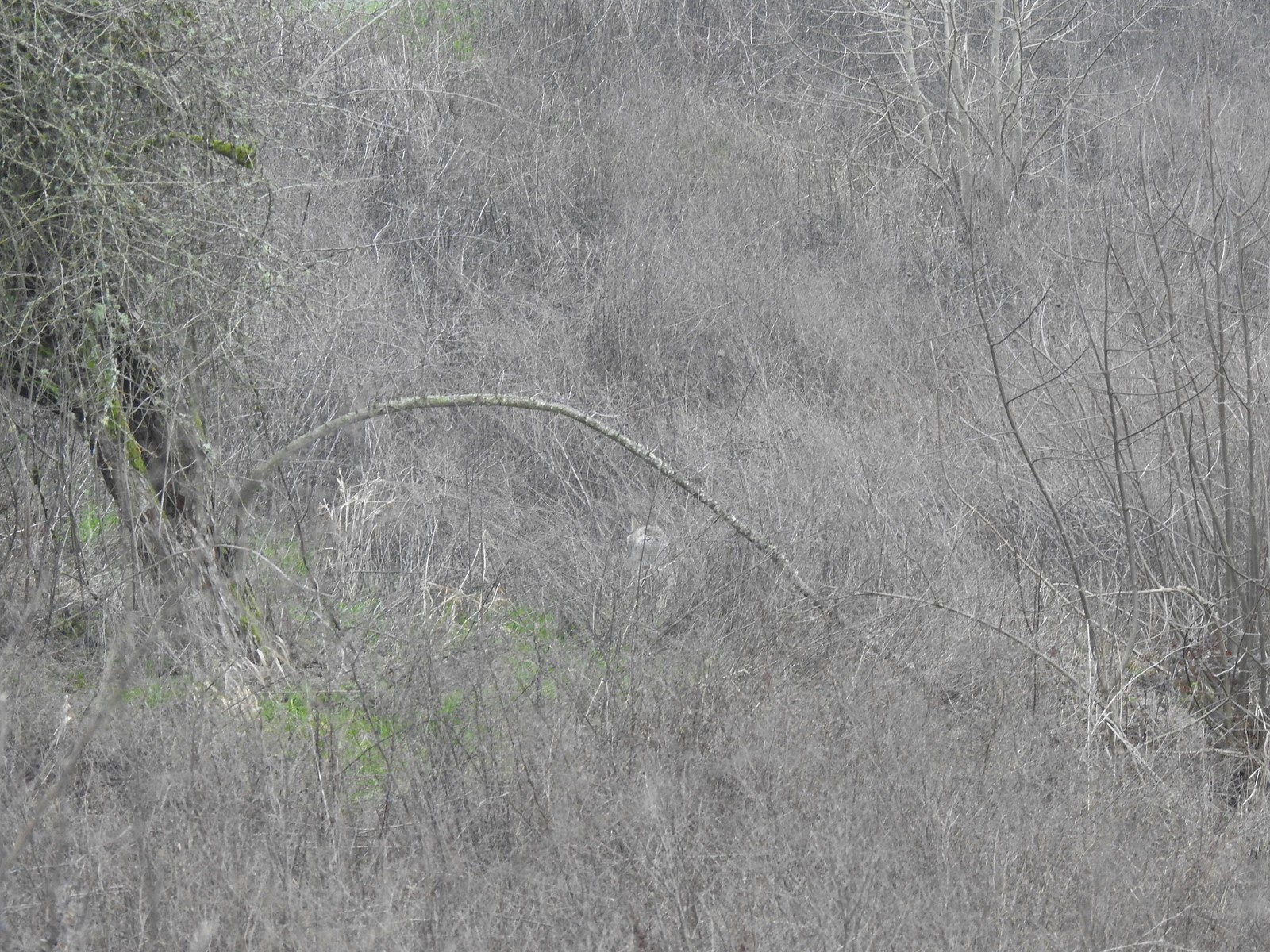 The coyote running off through the brush.
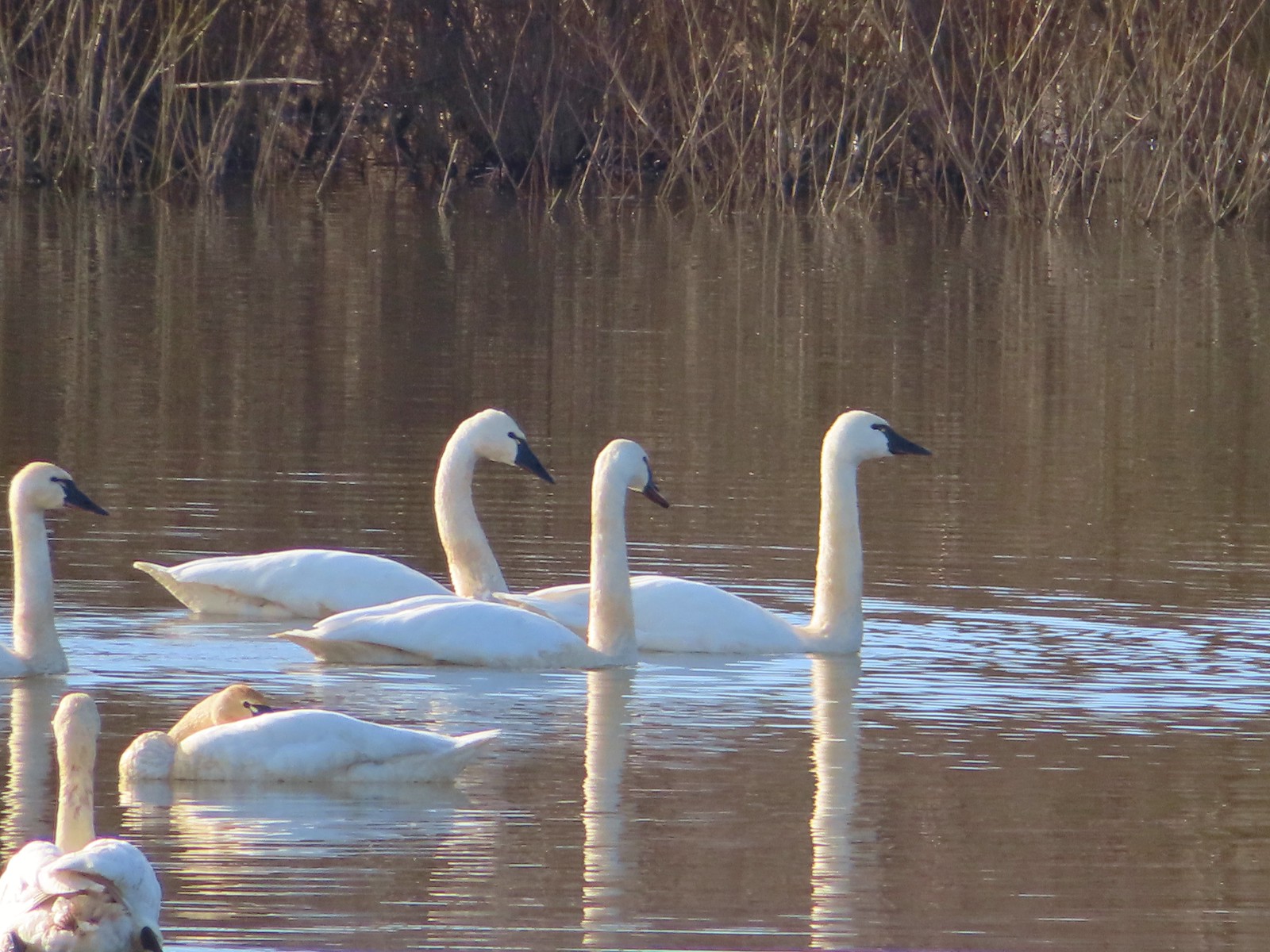
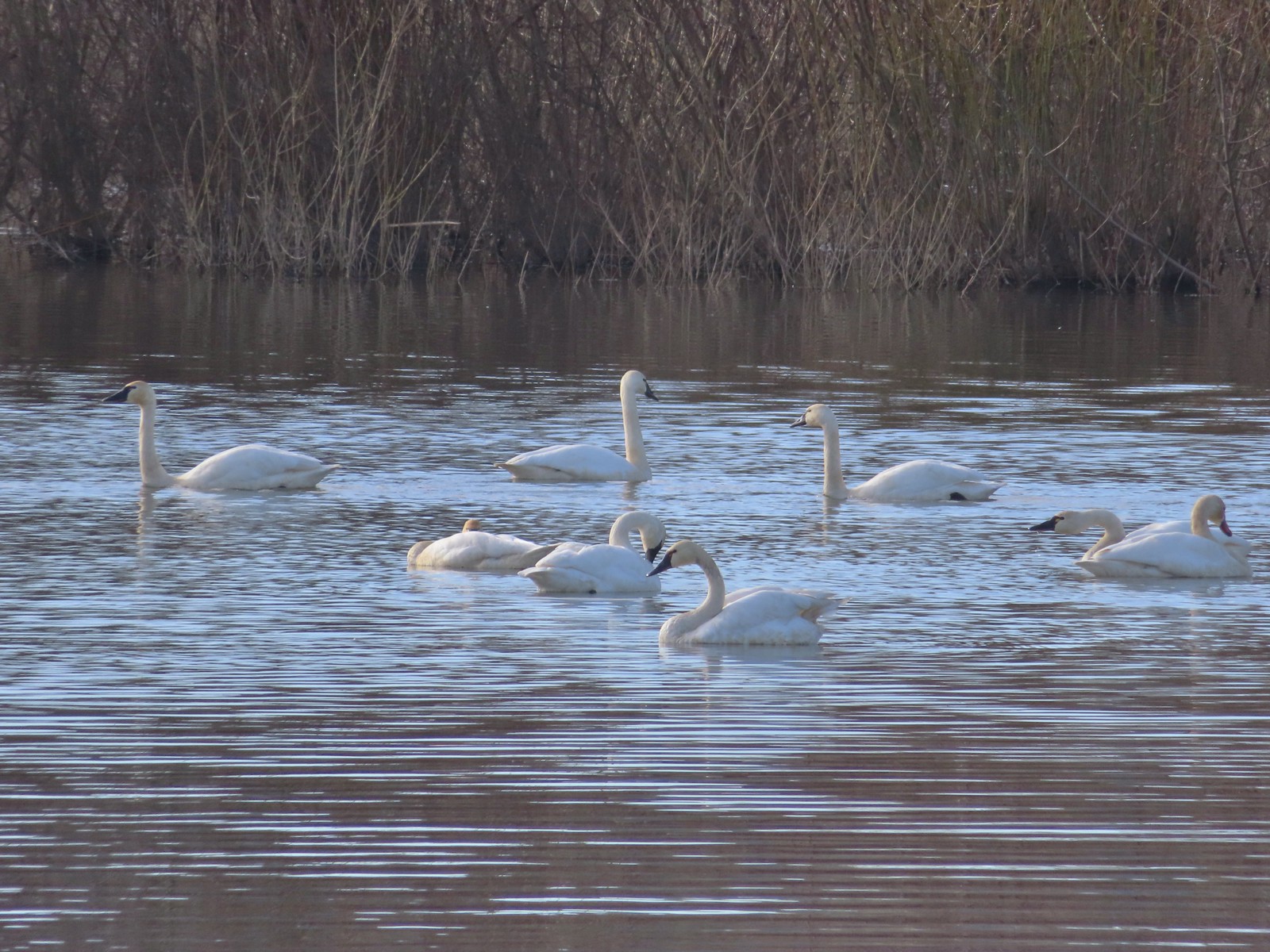
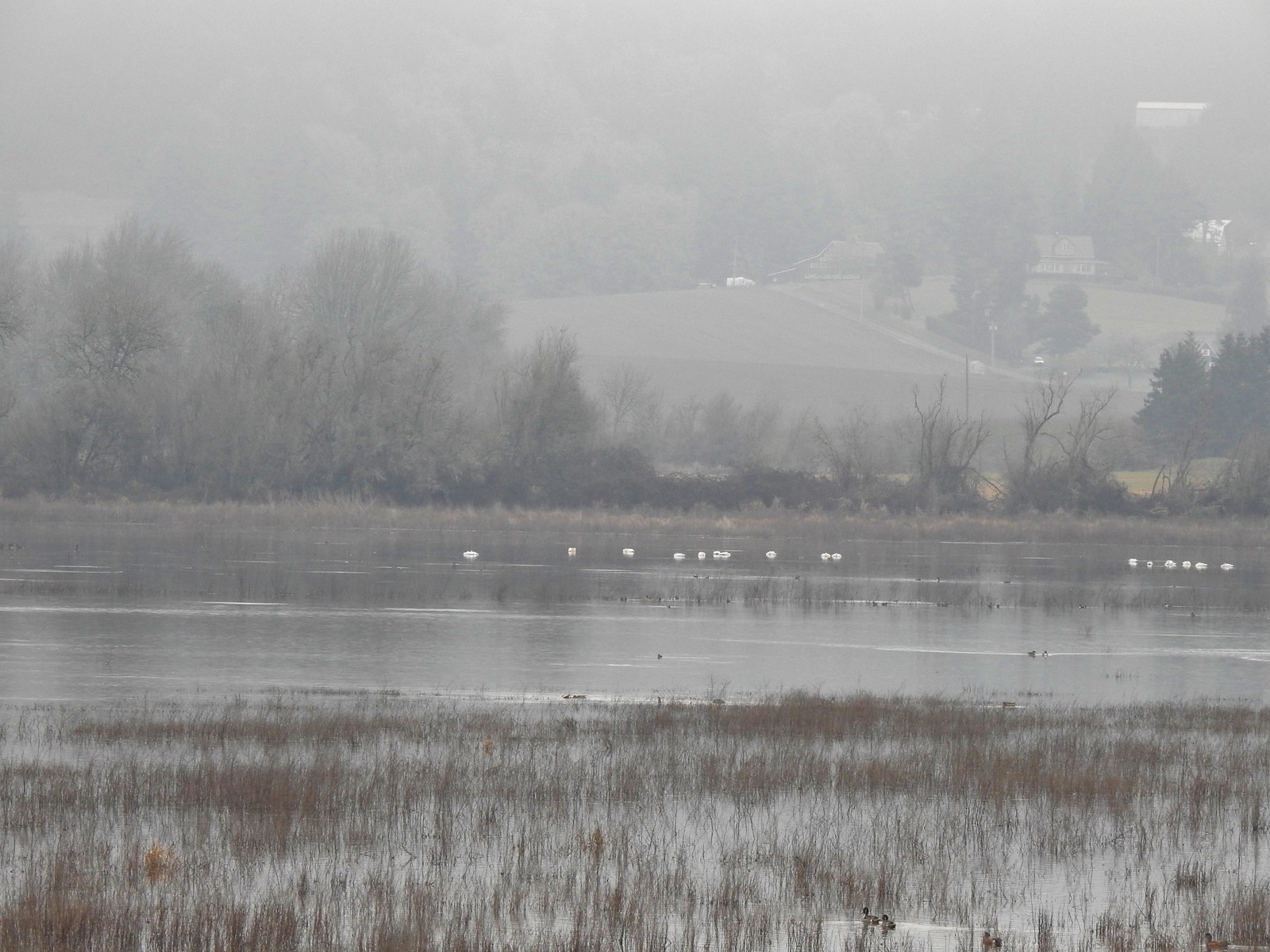 Tundra swans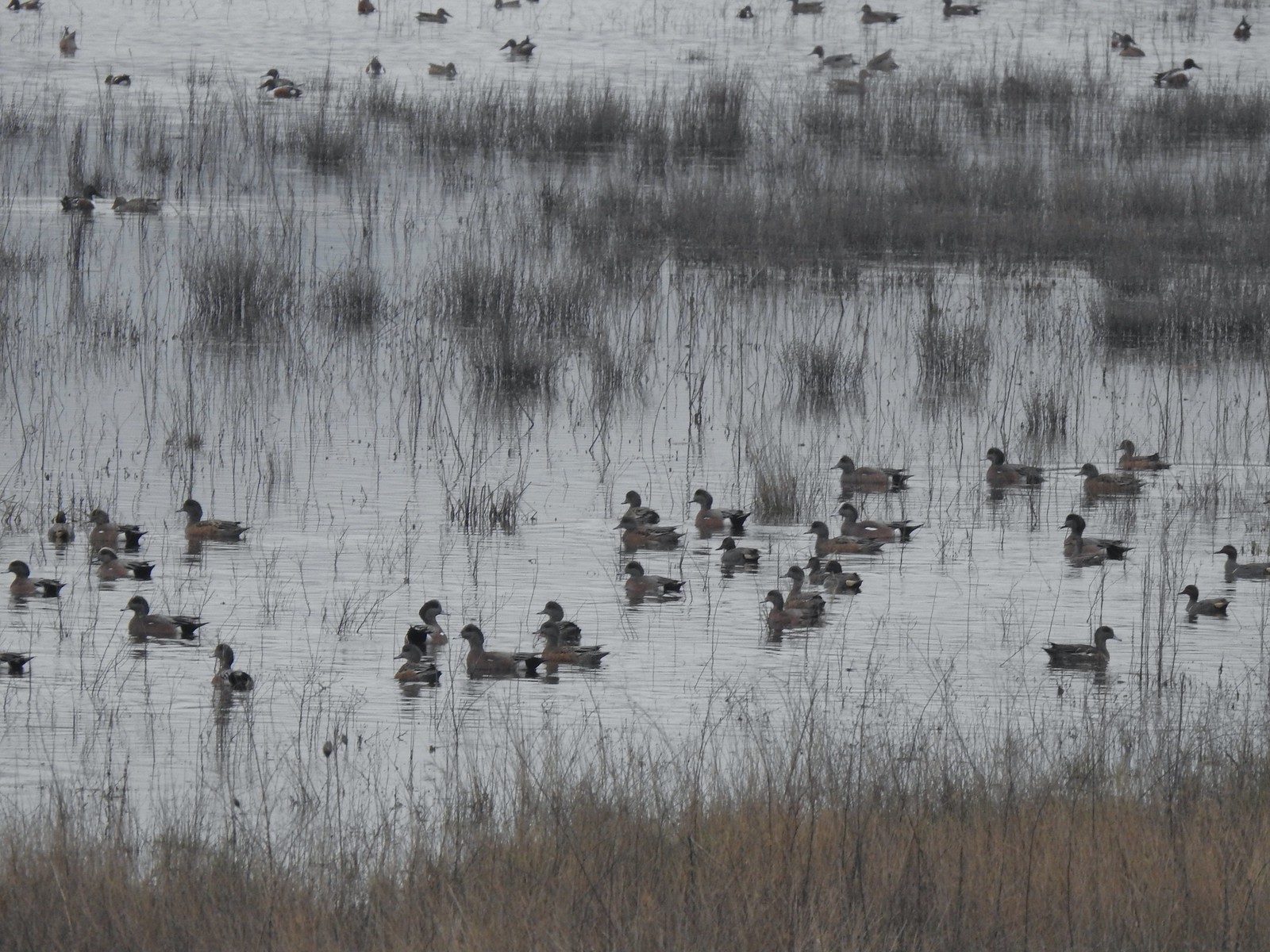
 Tundra swans
 We decided to turn around at this bridge even though the levee continued. It appeared that the water was further away from the levee going forward and we hadn’t planned on going much more than 3-miles today.
 Northern pintails and some green-winged teals.
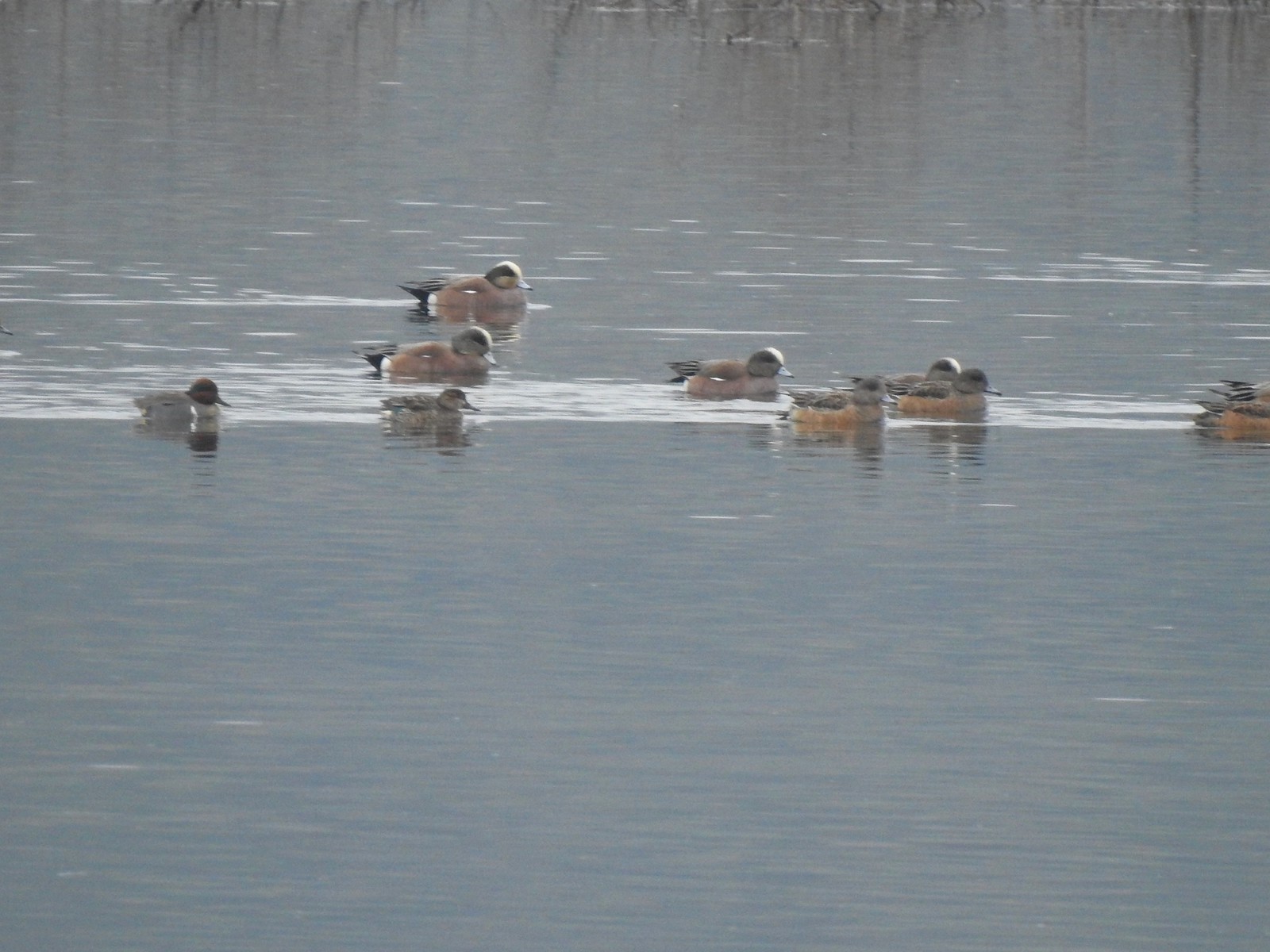 American wigeons and a pair of green-winged teals.
 There were a couple of times that blue sky seemed imminent.
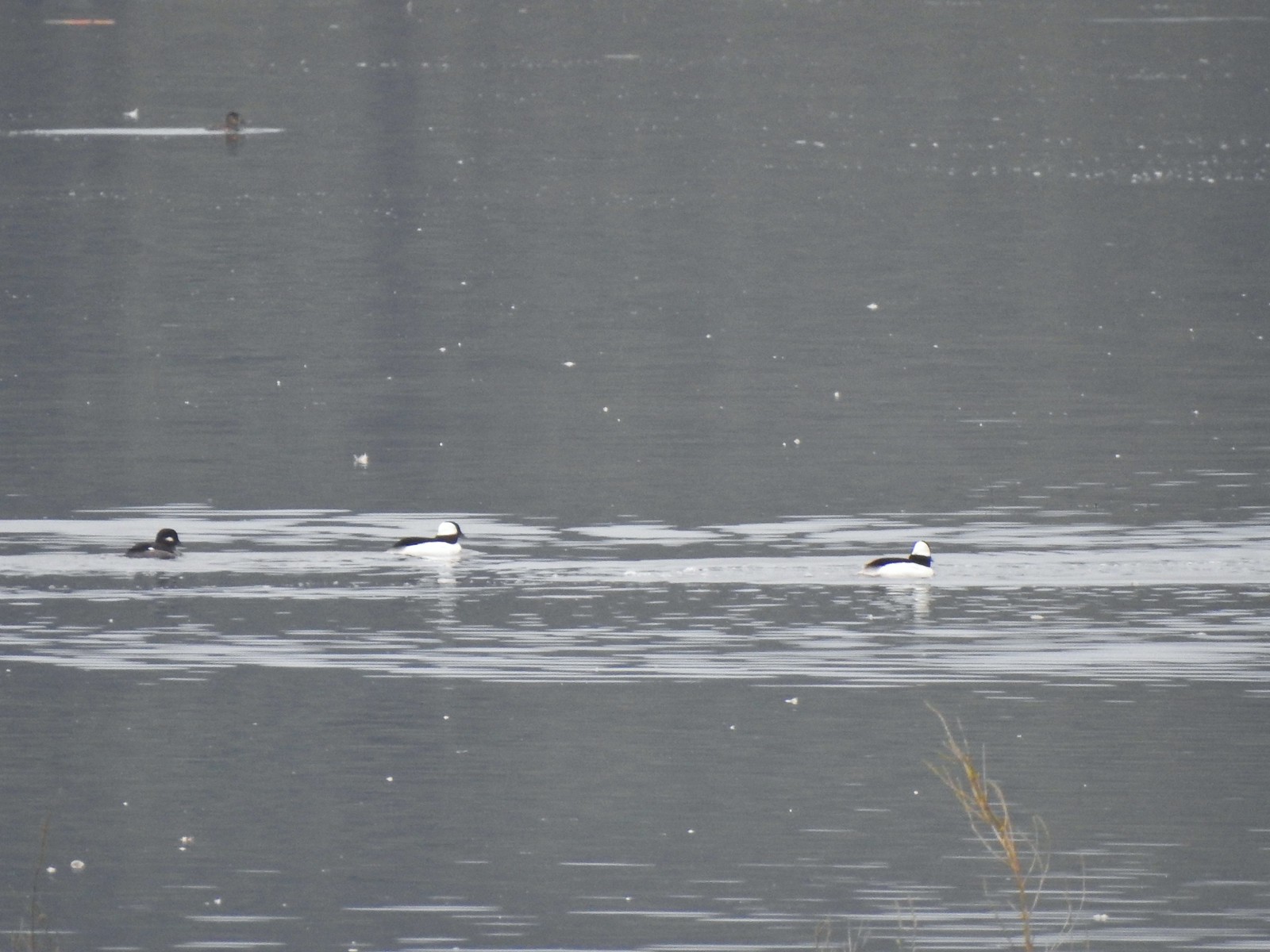 Buffleheads
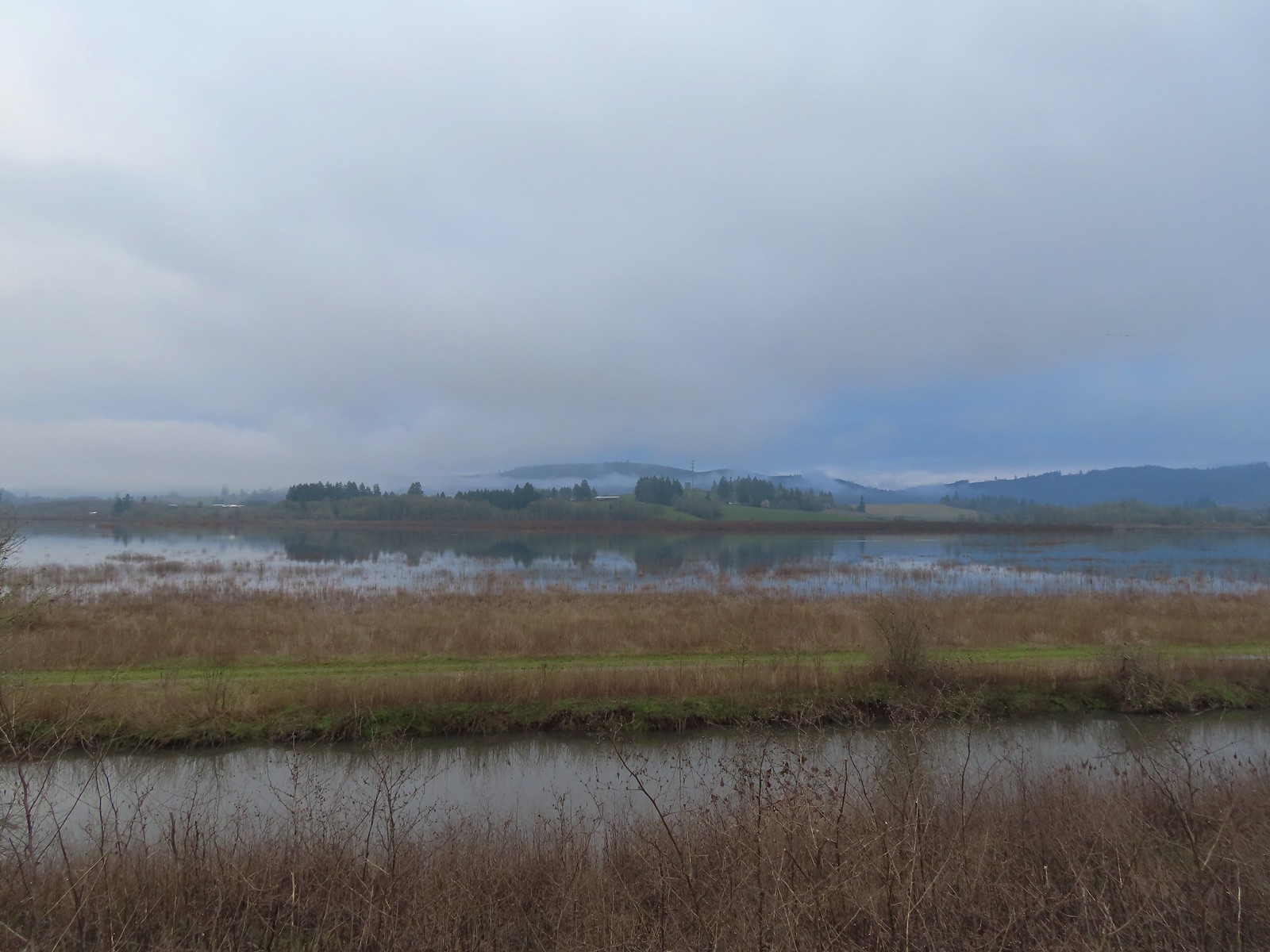 Iowa Hill (
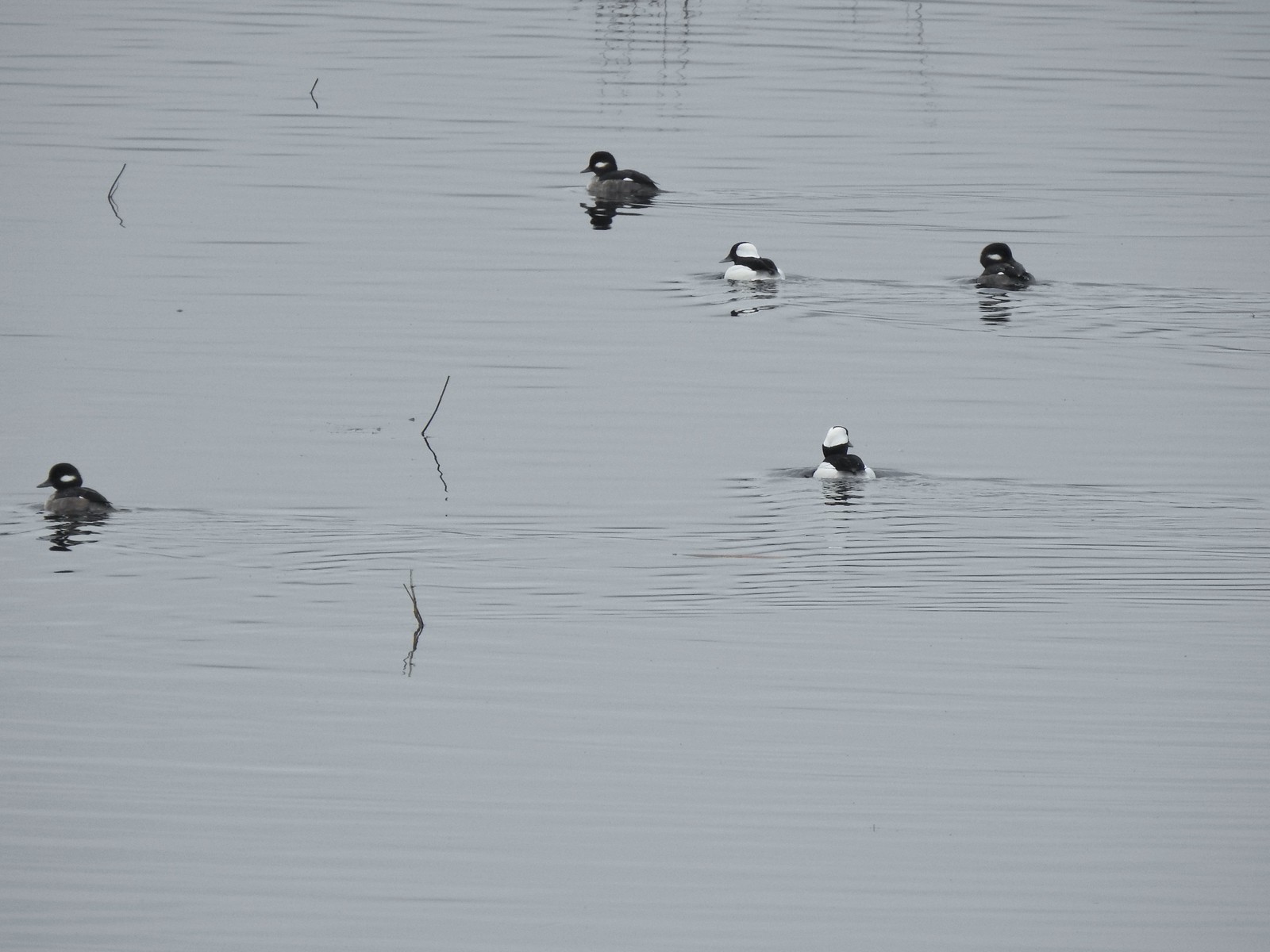 More buffleheads
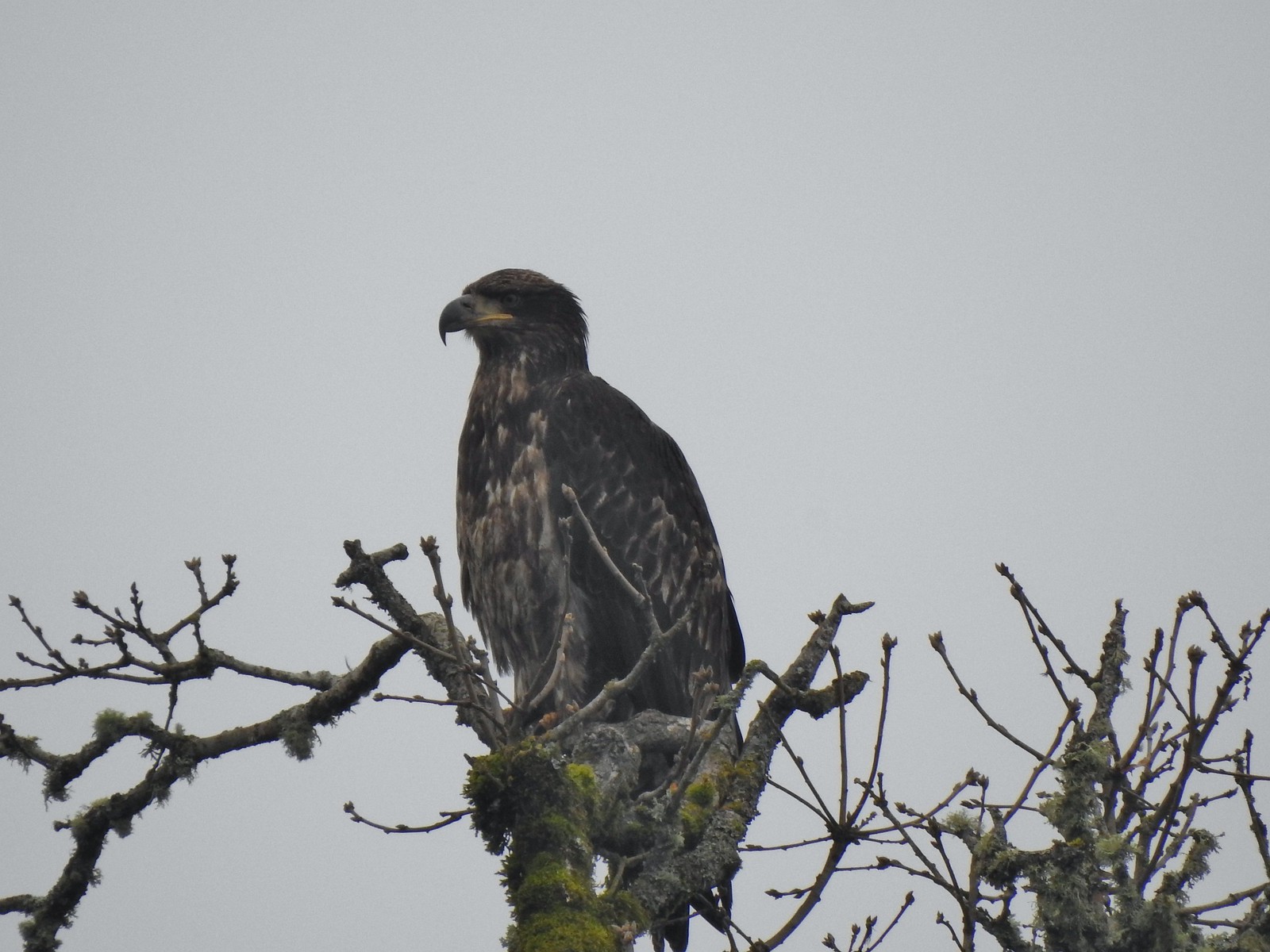 Immature bald eagle
 Sparrow
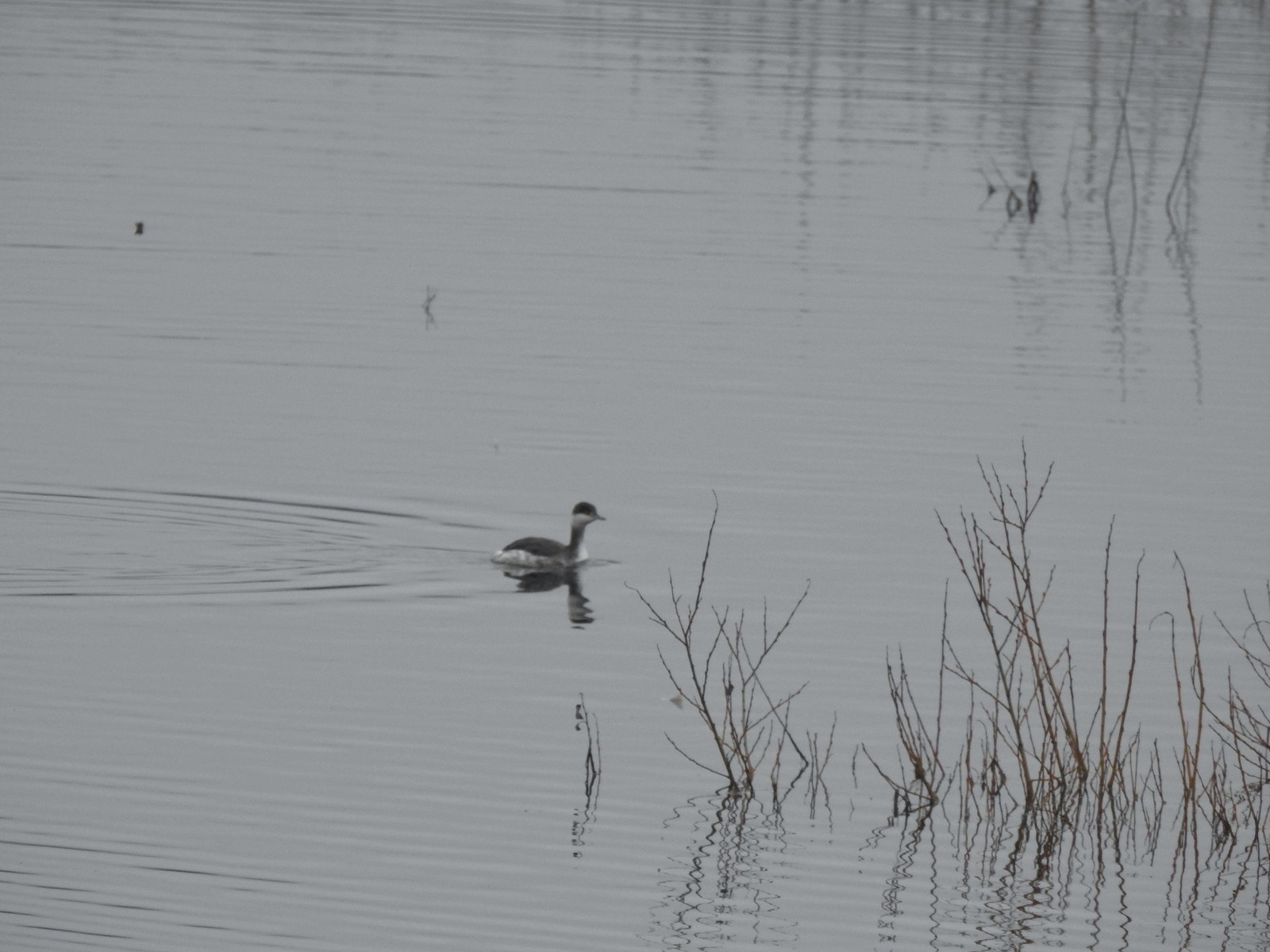 Horned grebe
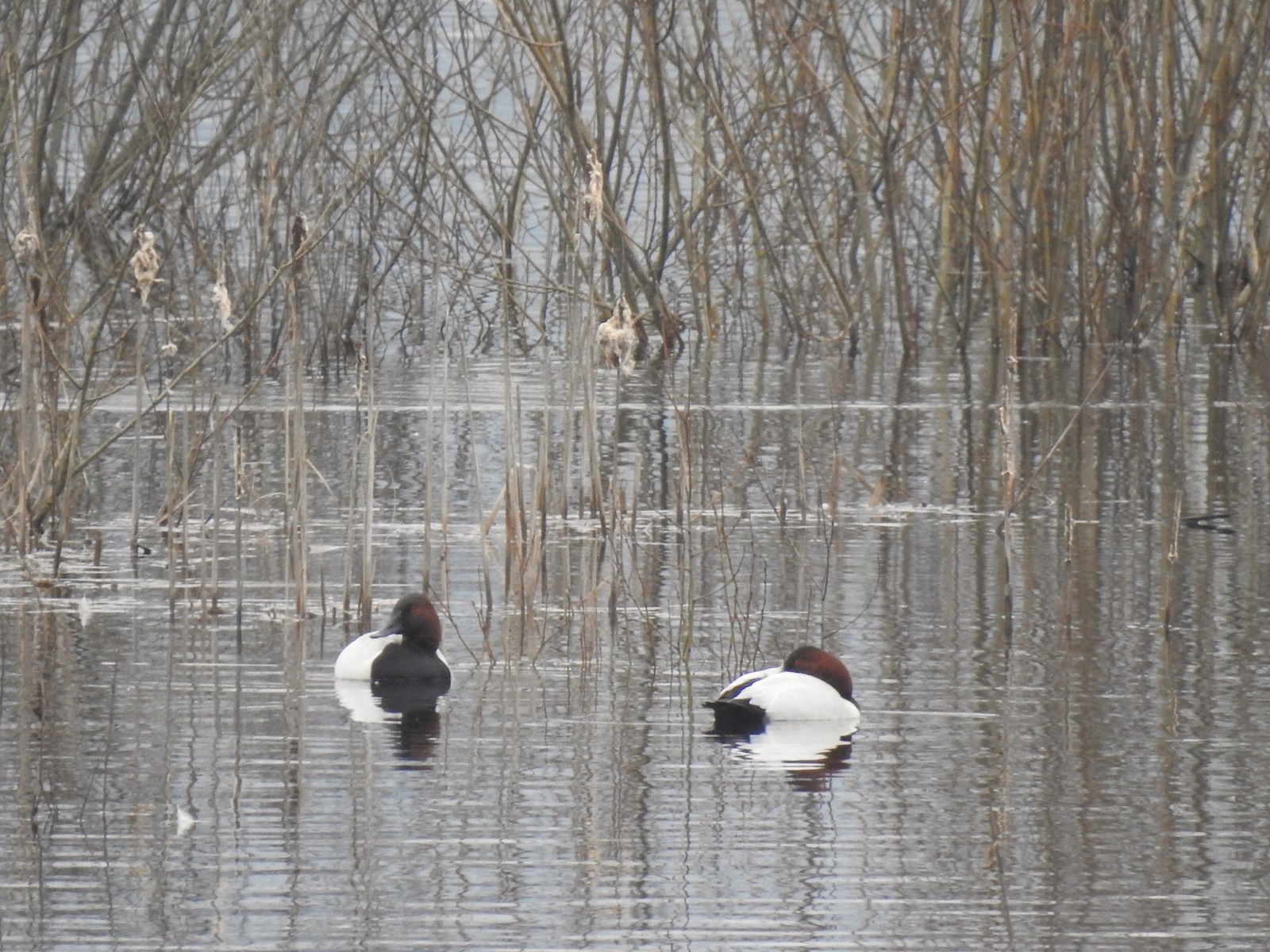 Canvasbacks, another first for us.
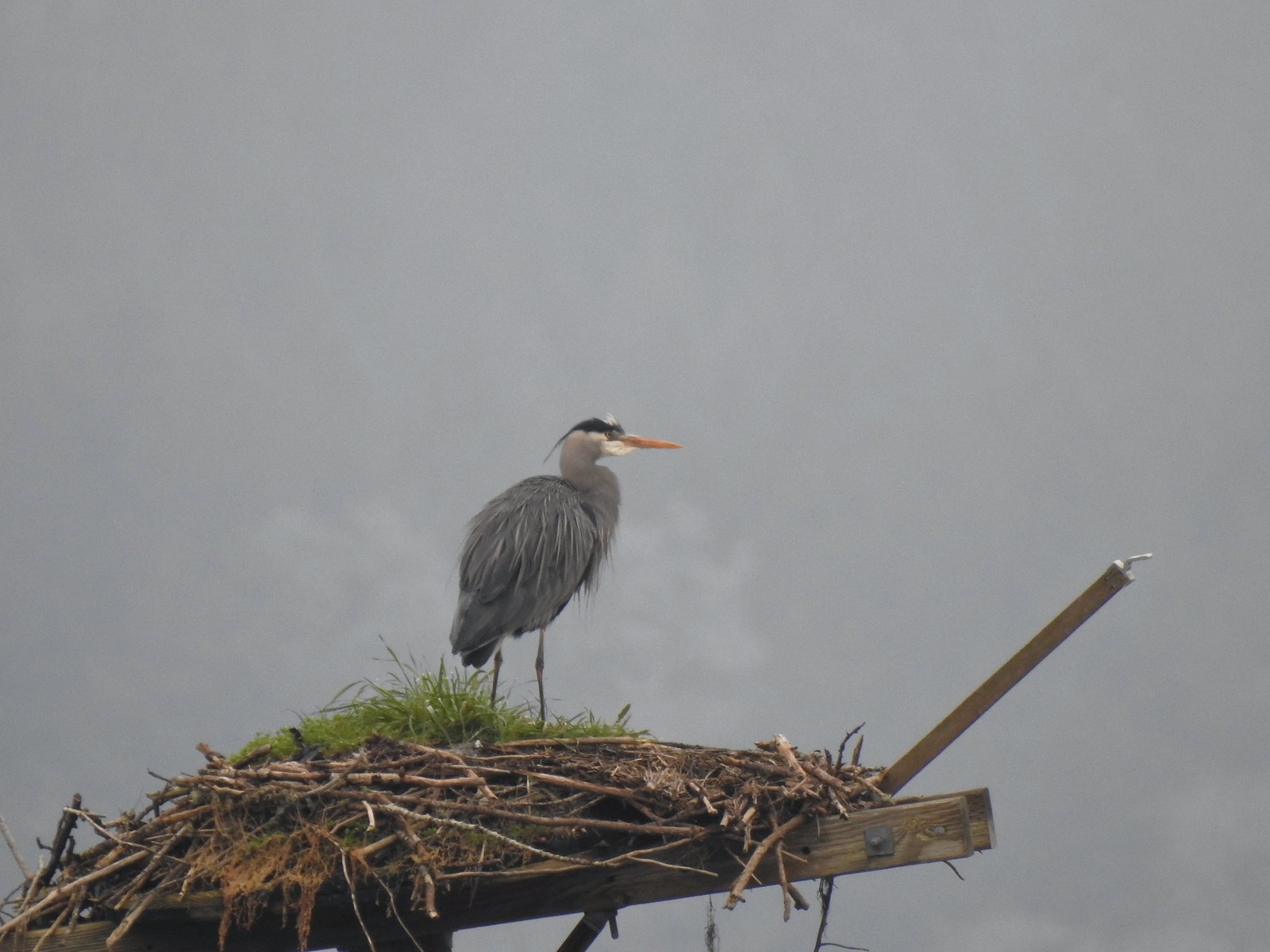 Great blue heron on the osprey nest.
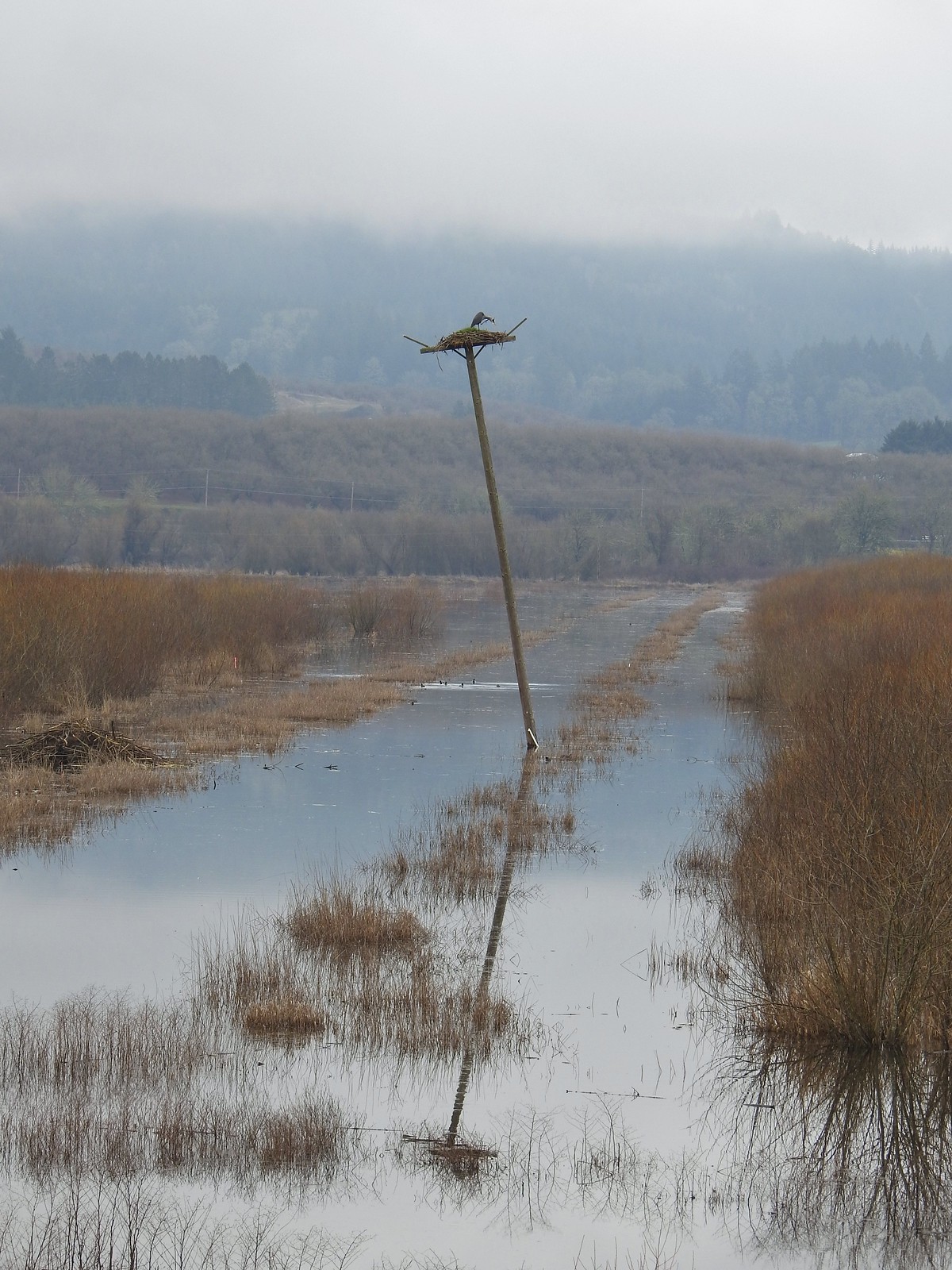 Ther heron on the nest.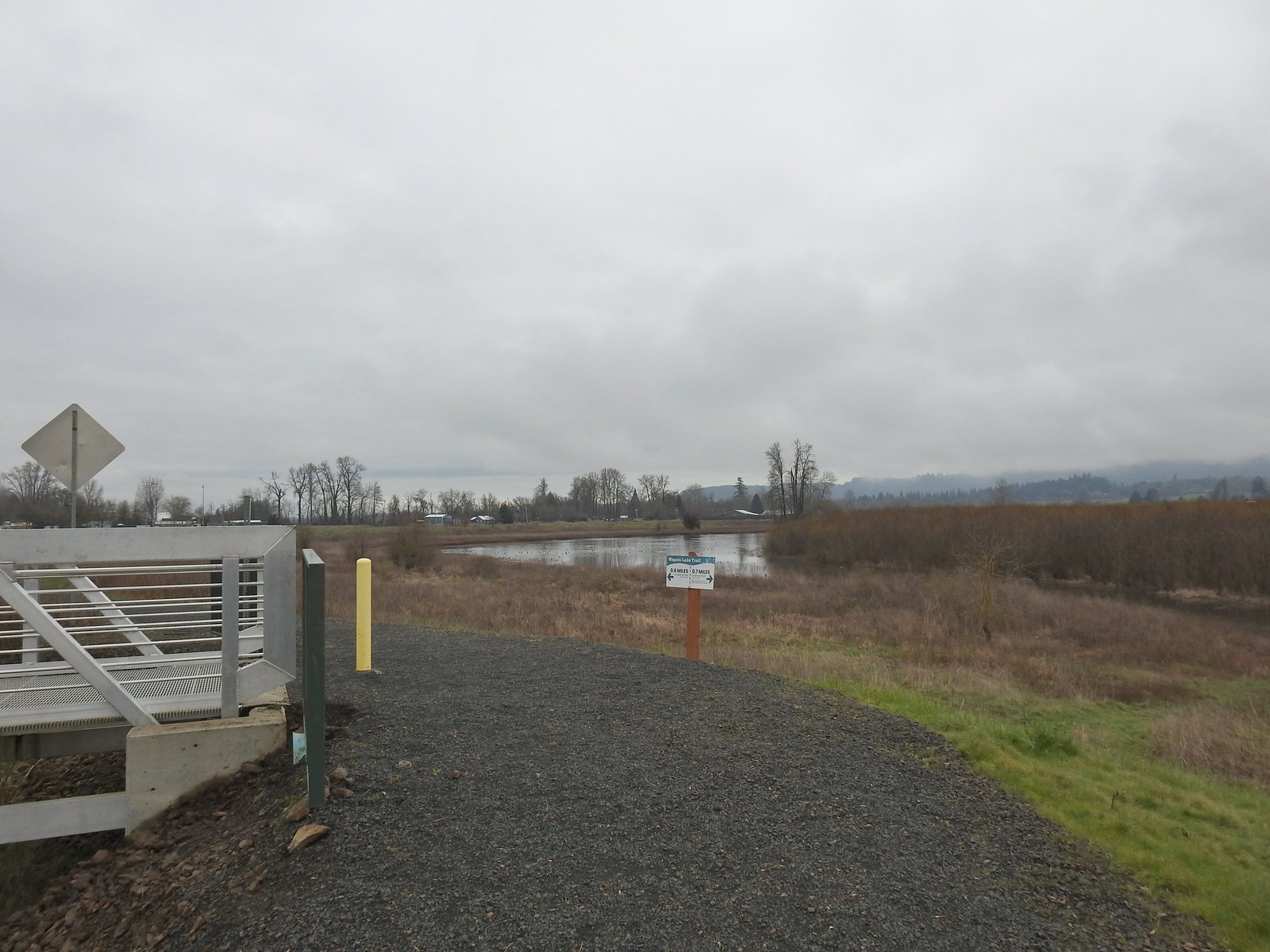
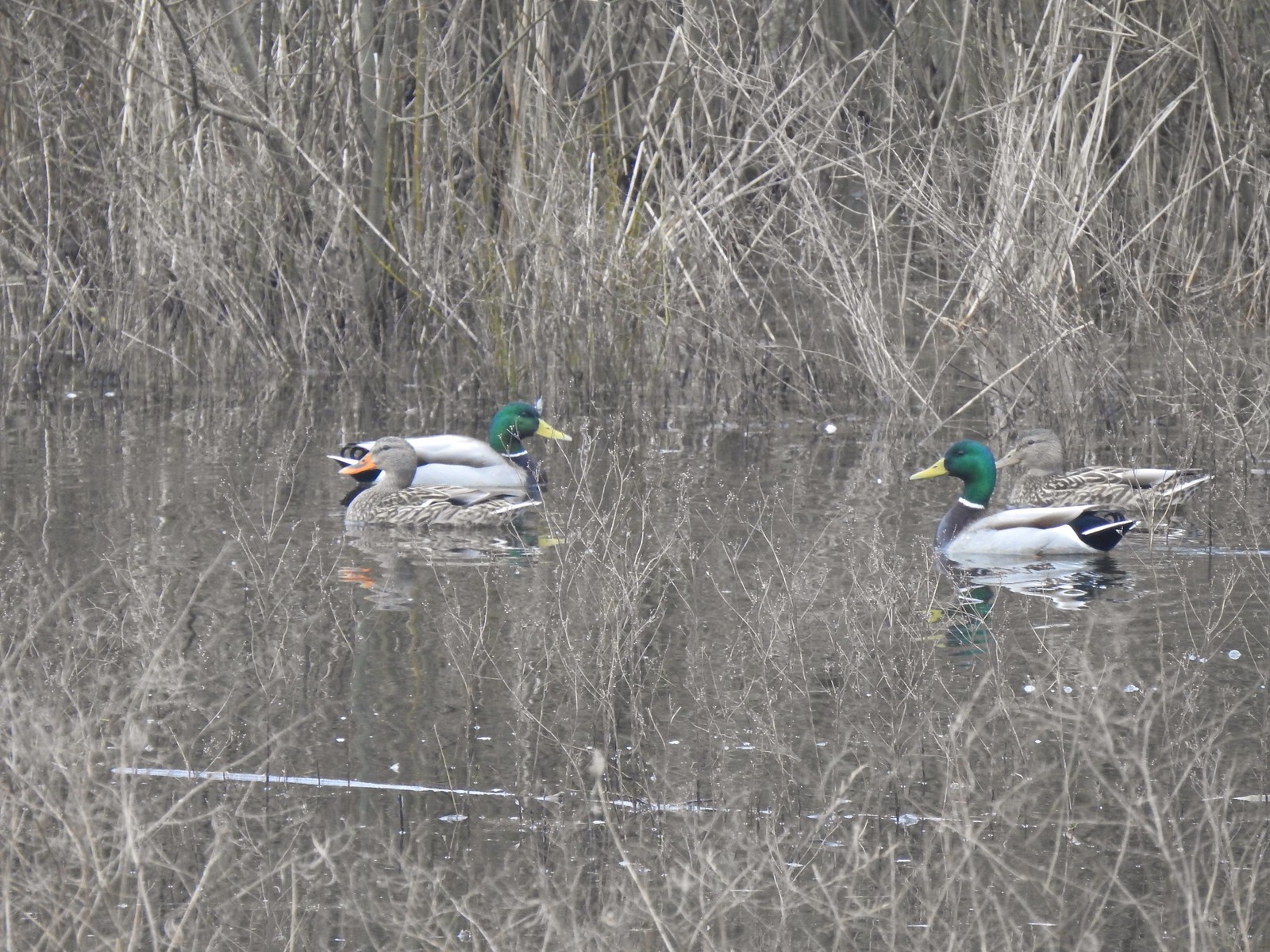 Mallards
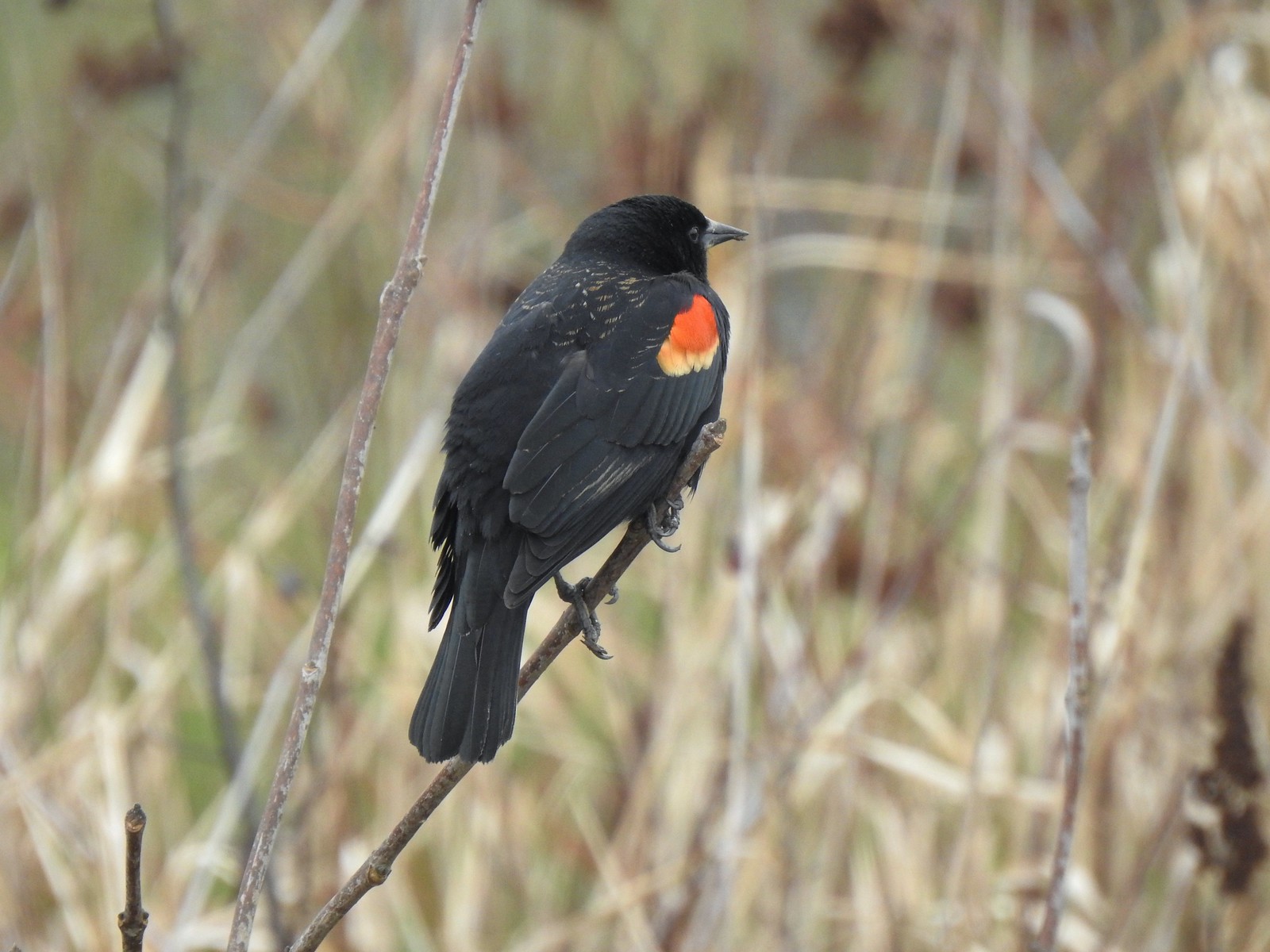 Red-winged blackbird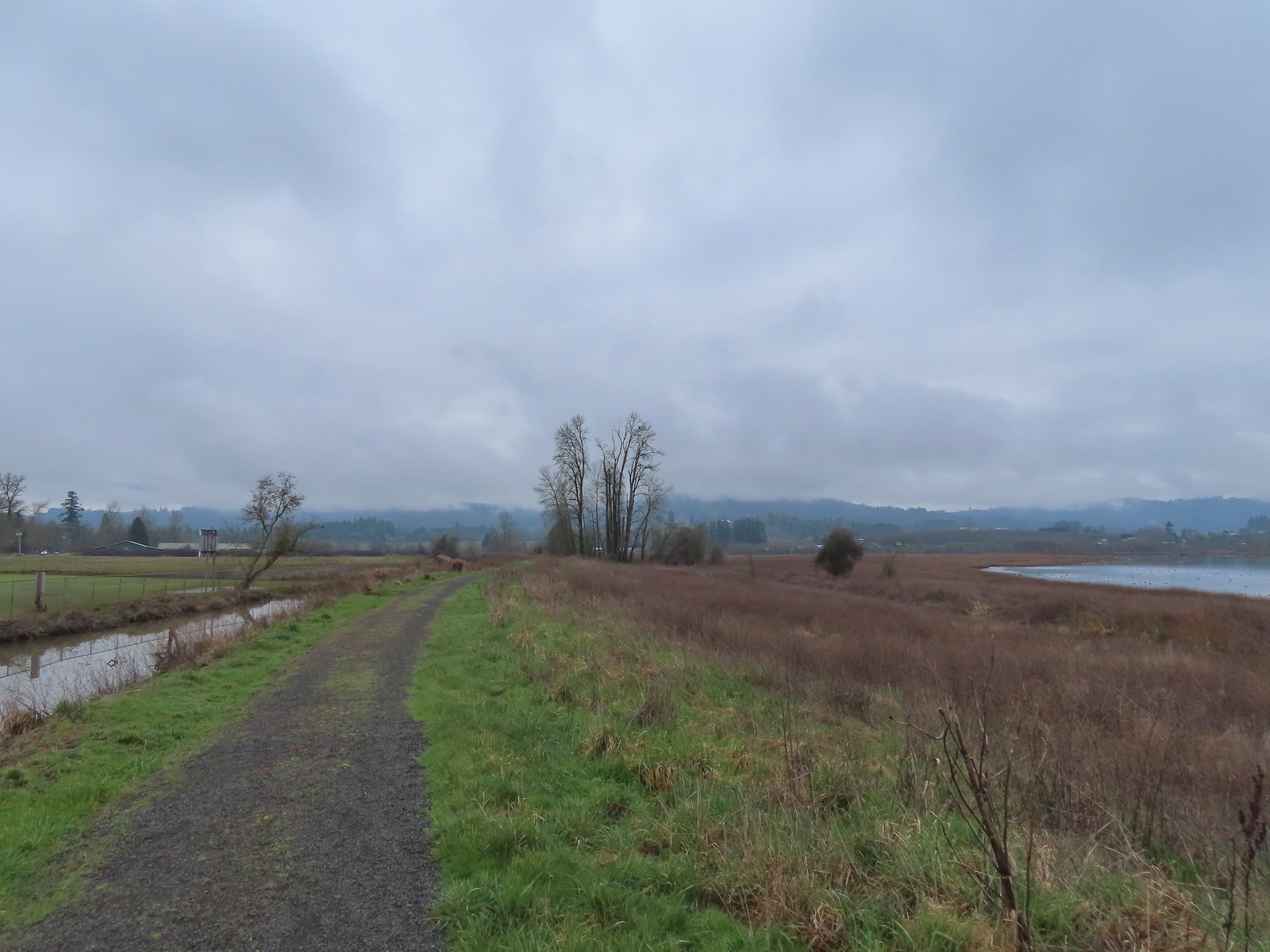
 Bald eagle
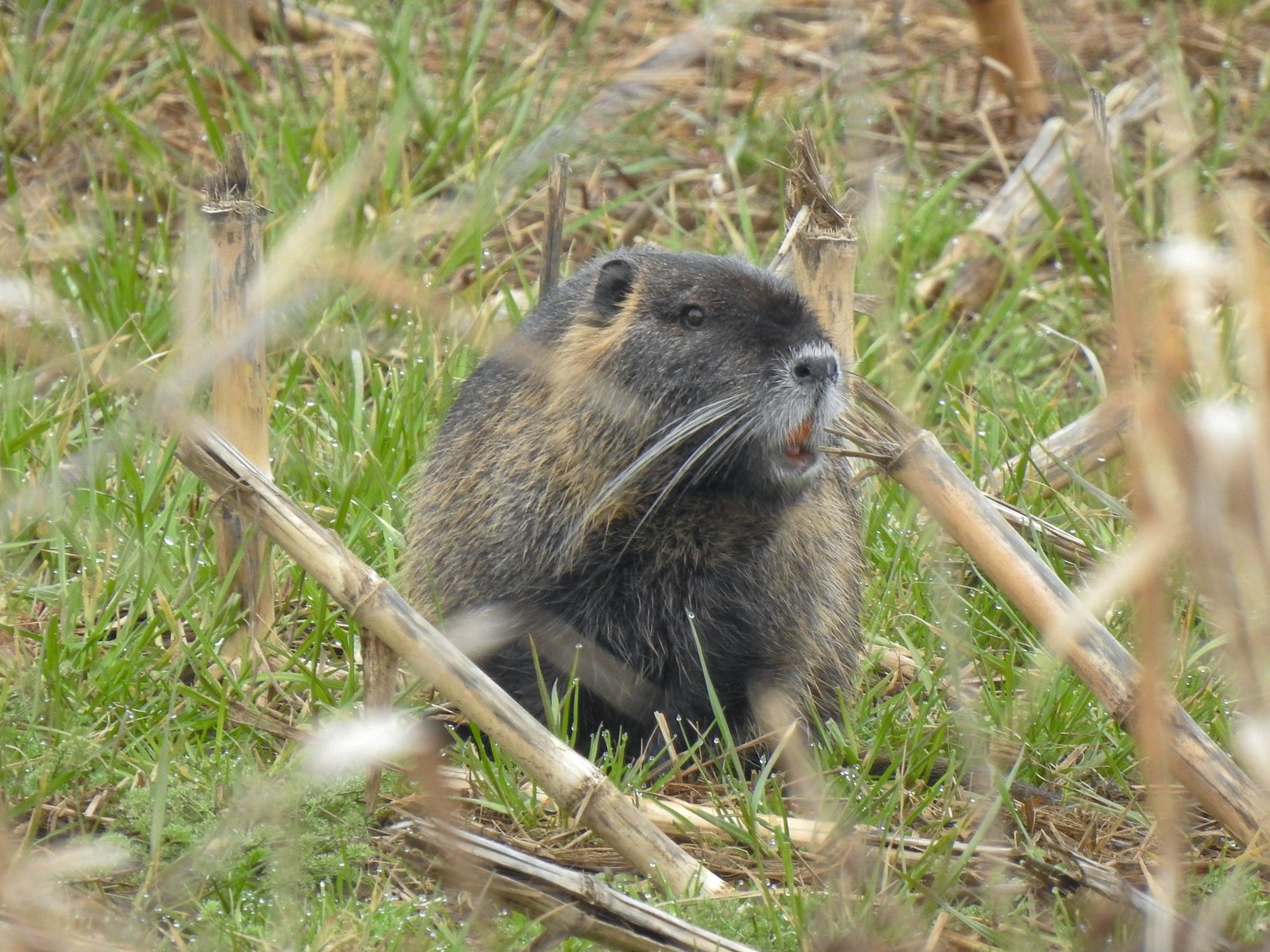 Nutria
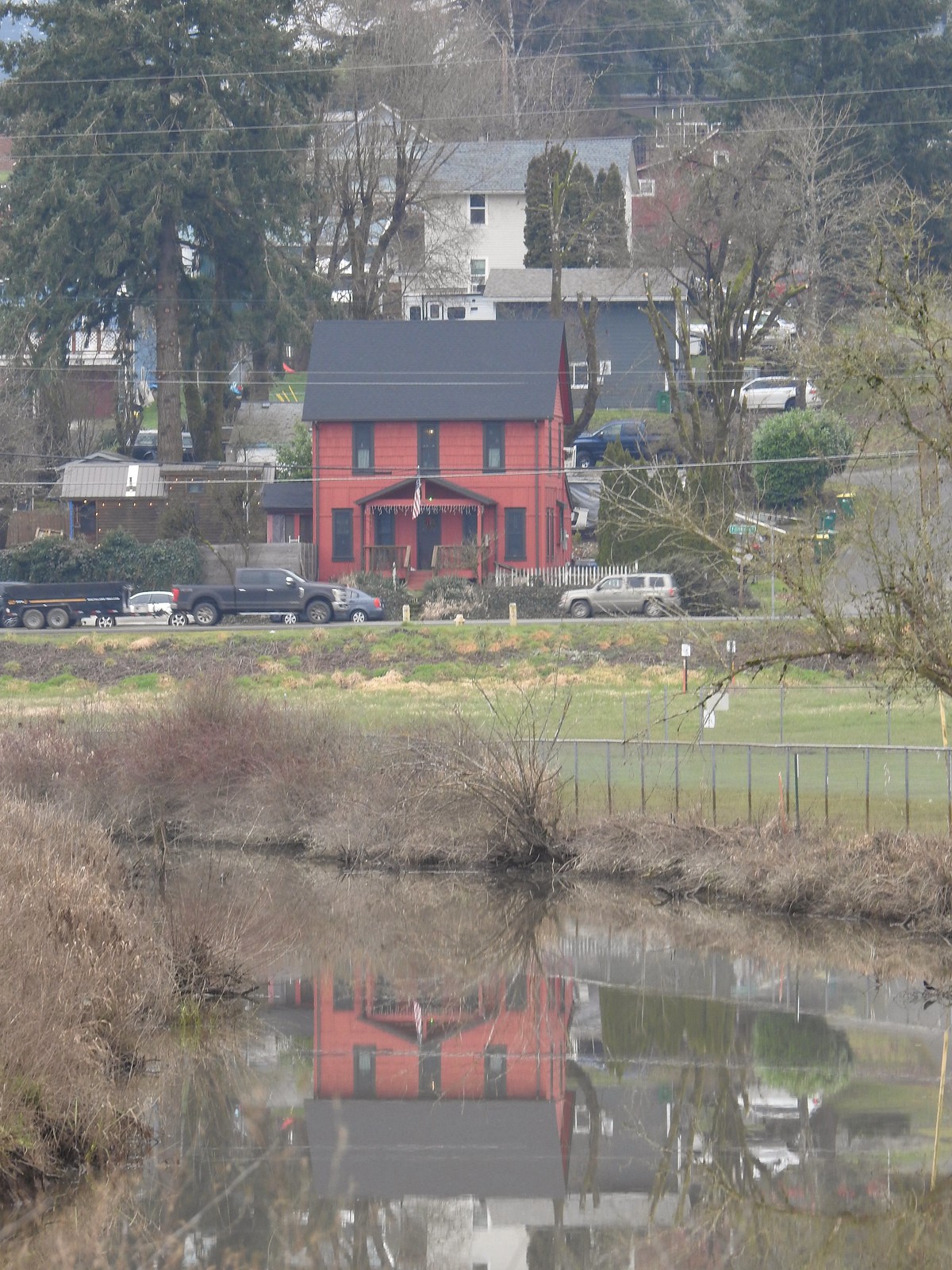 Gaston from the refuge.
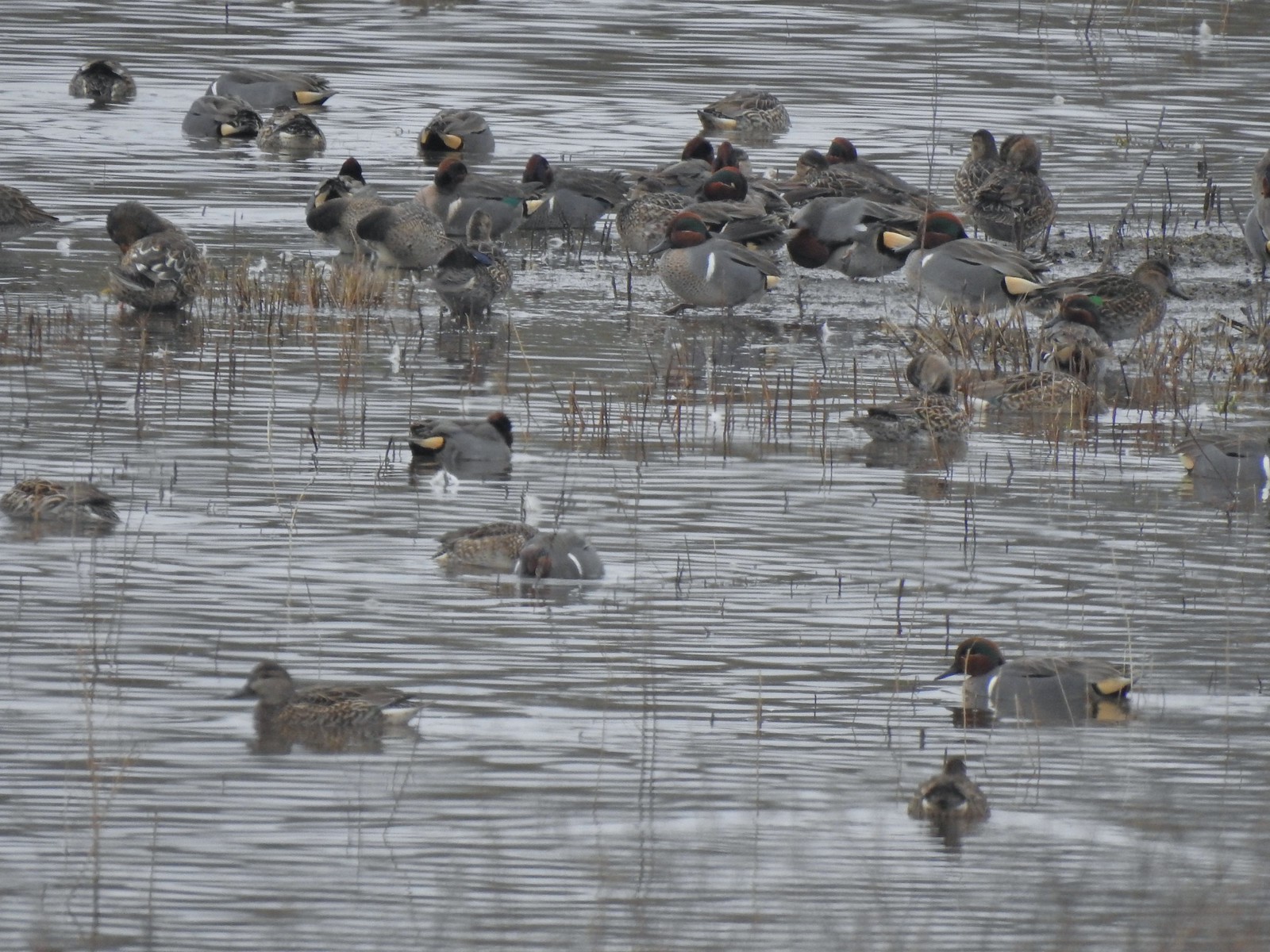 Green-winged teals
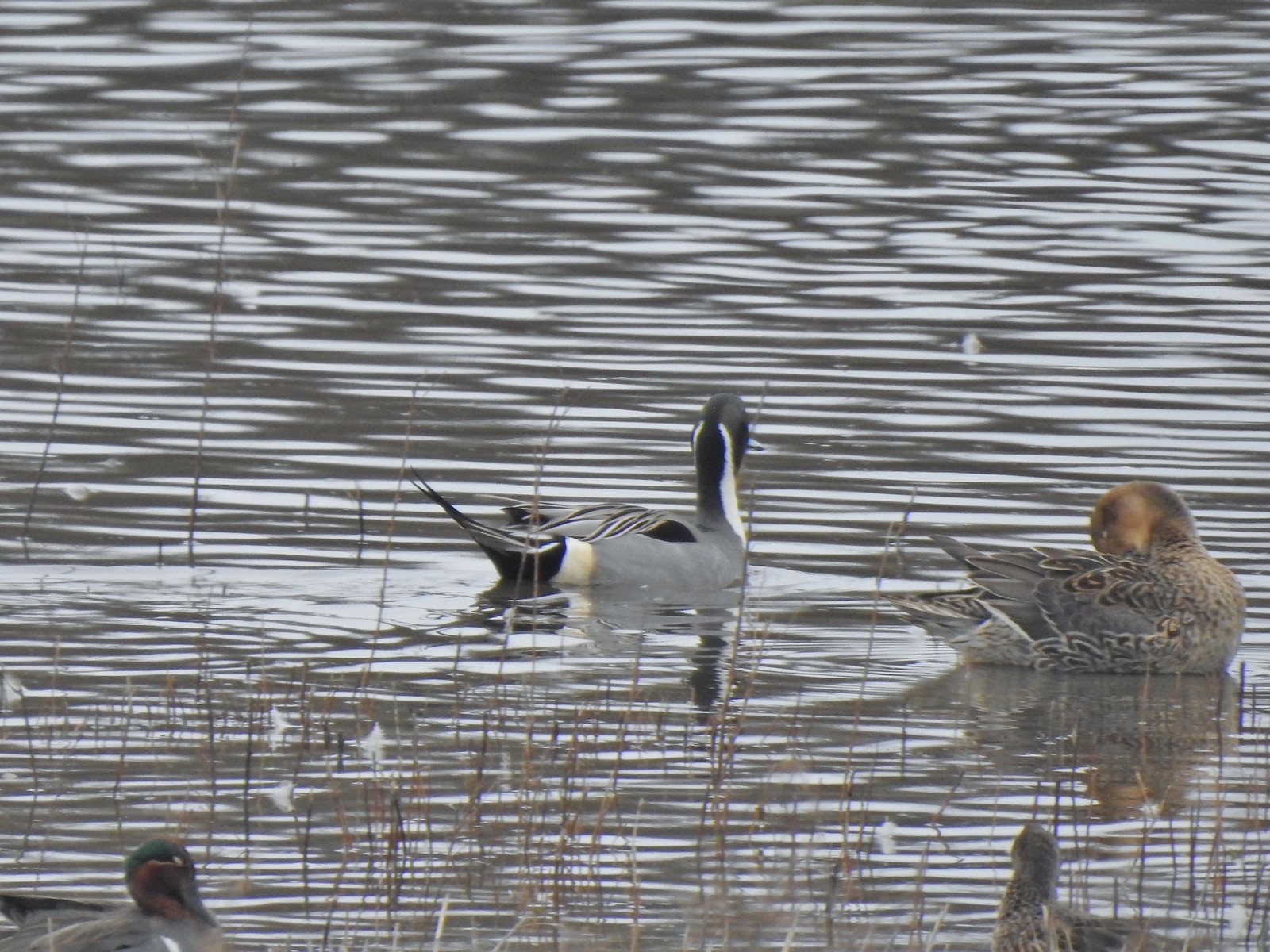 Northern pintails
 Mostly American wigeons and green-winged teals
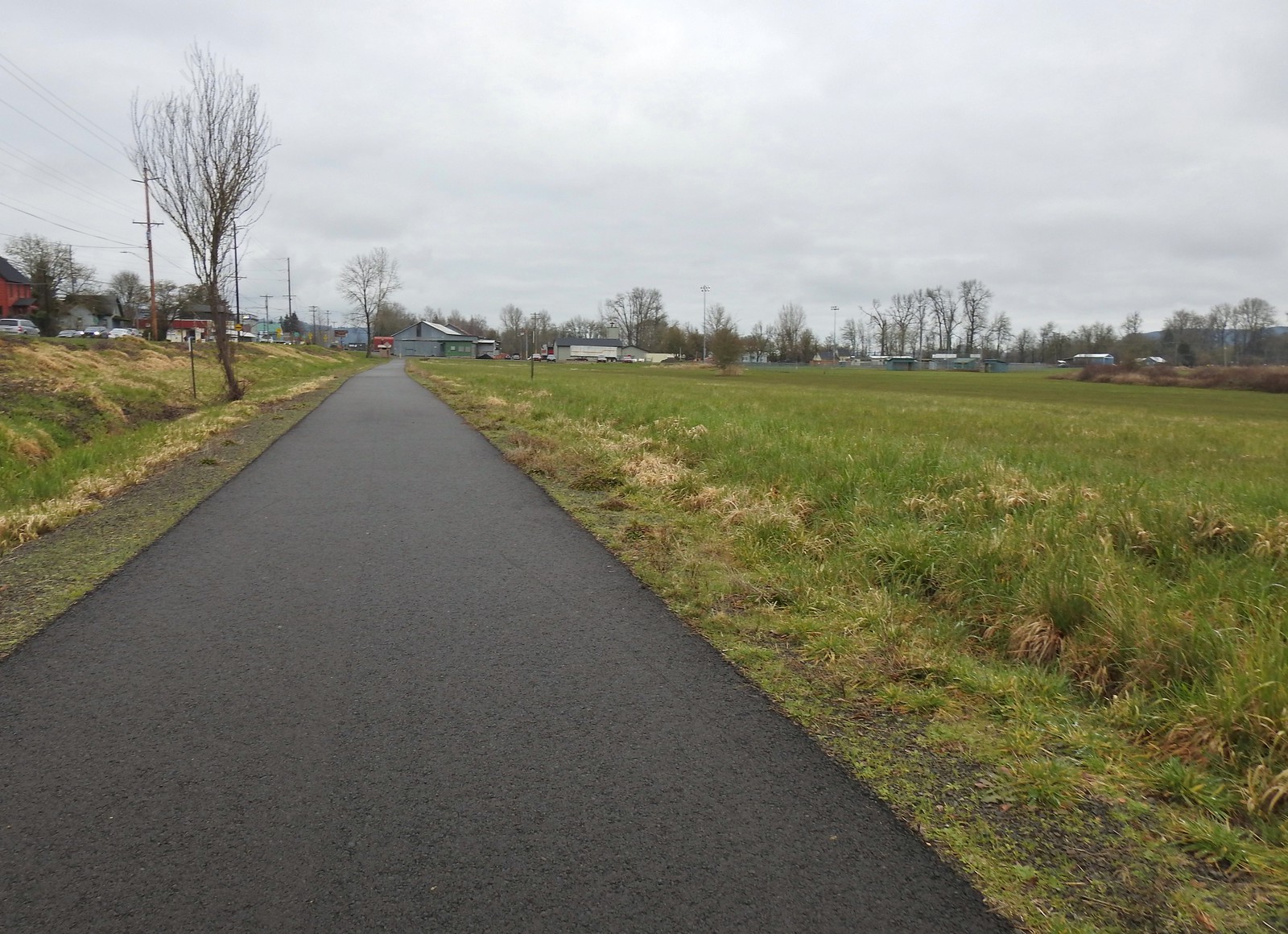 On the paved path back to the parking lot.

 Some of the damage from the ice storm at the trailhead.
 Sign for the Connector Trail at the trailhead.
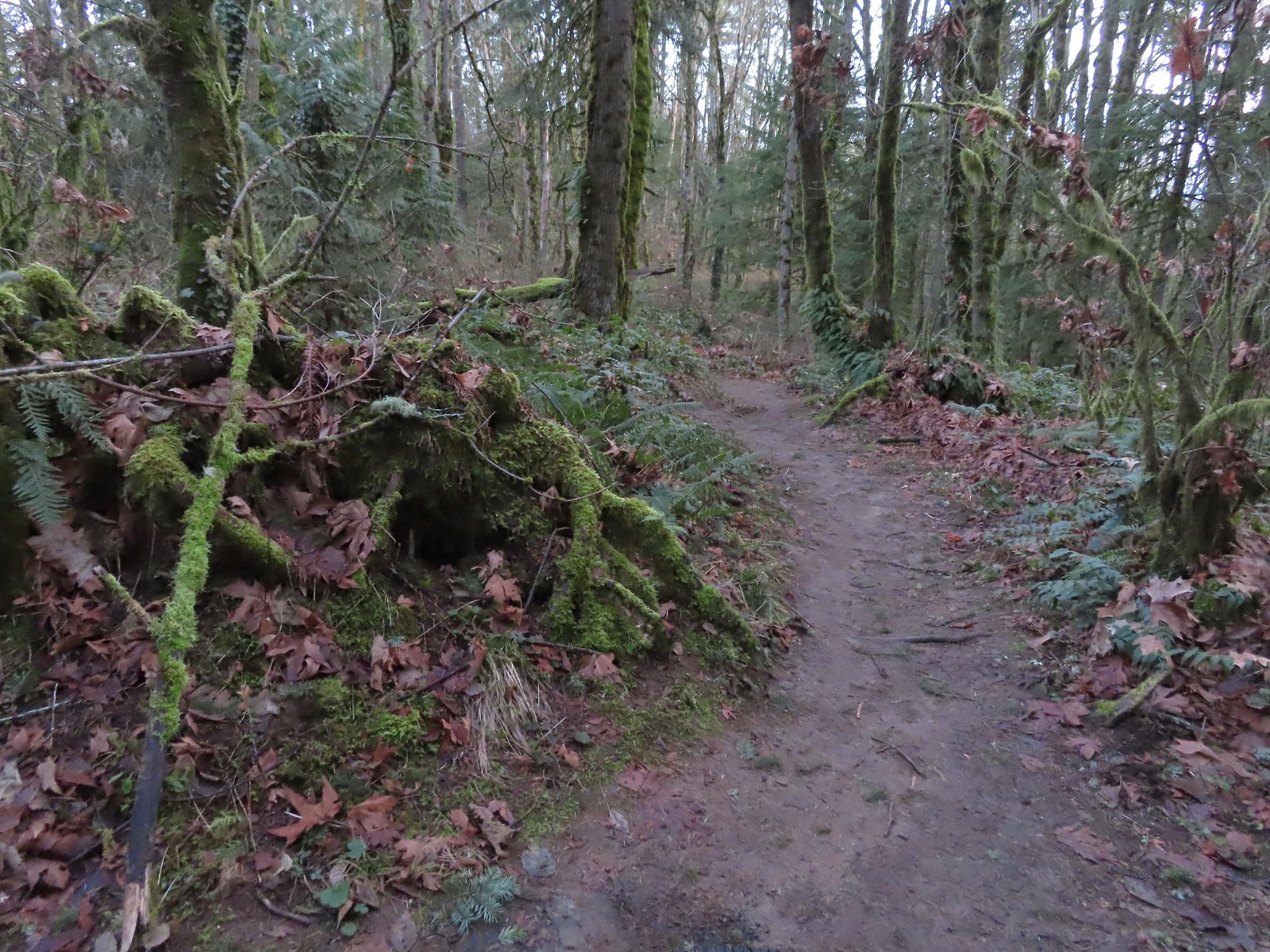 Cannon Trail
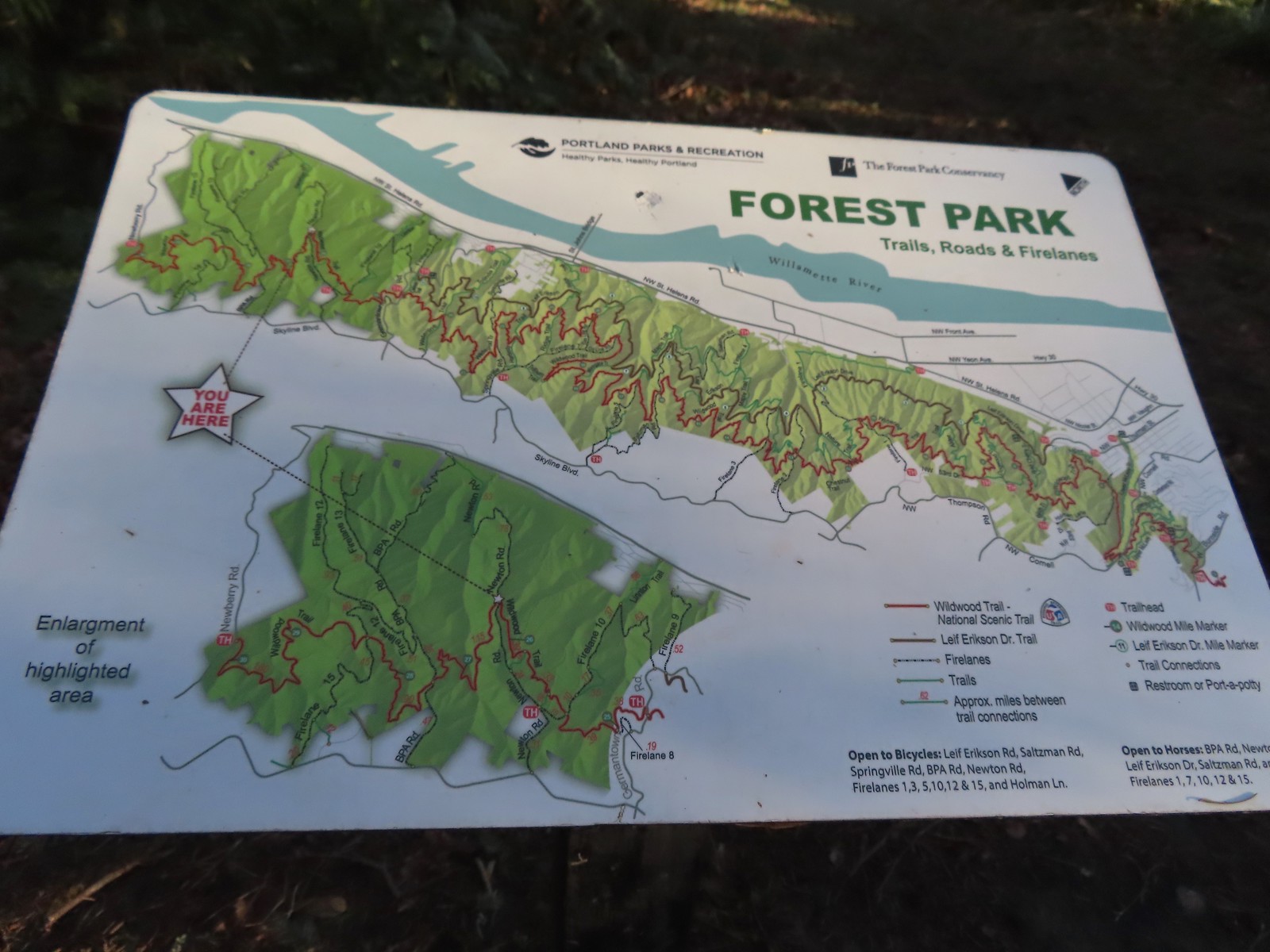
 Firelane 9 across from the trailhead.
 Firelane 10
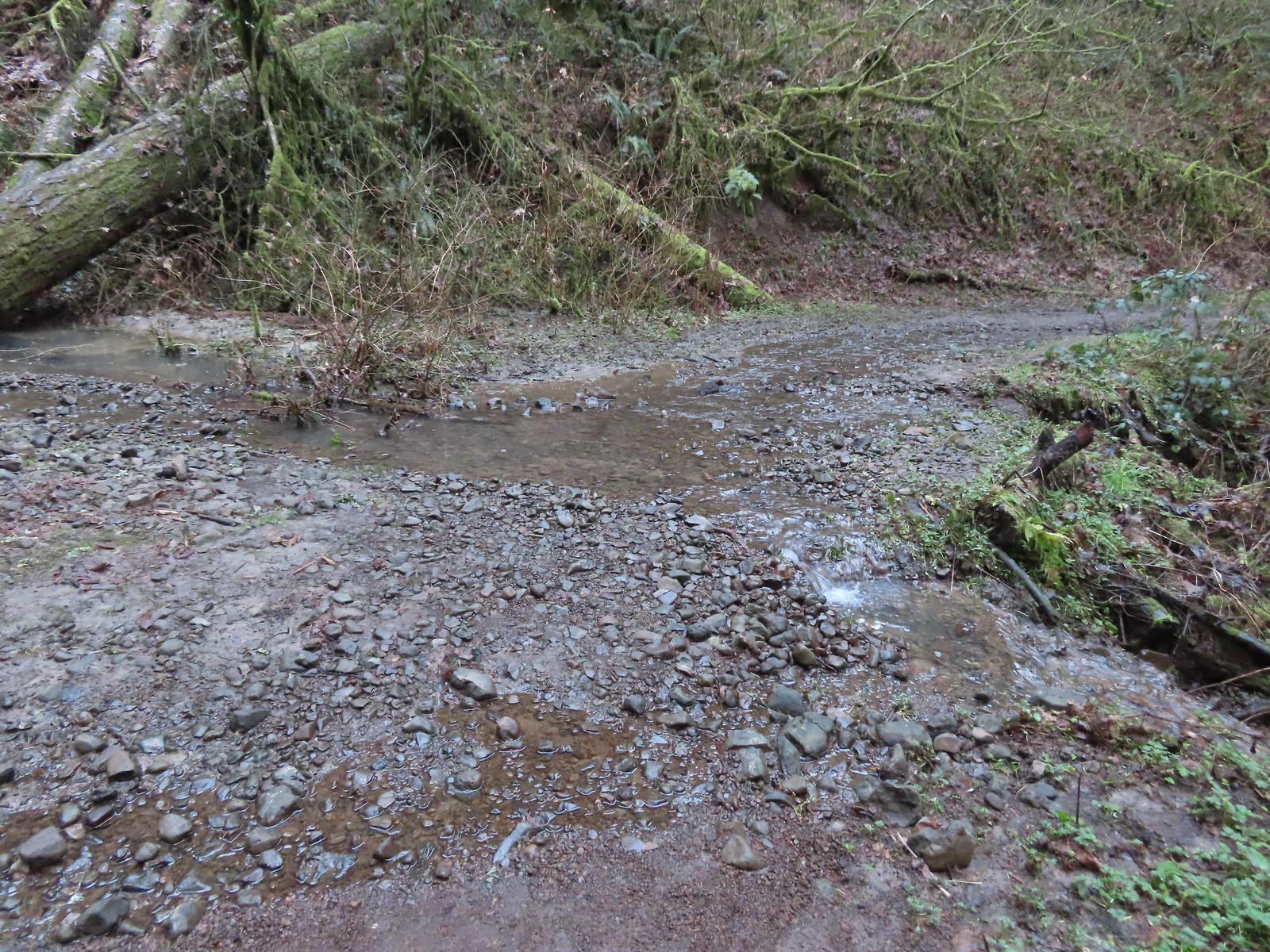 Unsurprisingly the recent weather had most of the stream beds flowing which we hadn’t witnessed on our other visits.
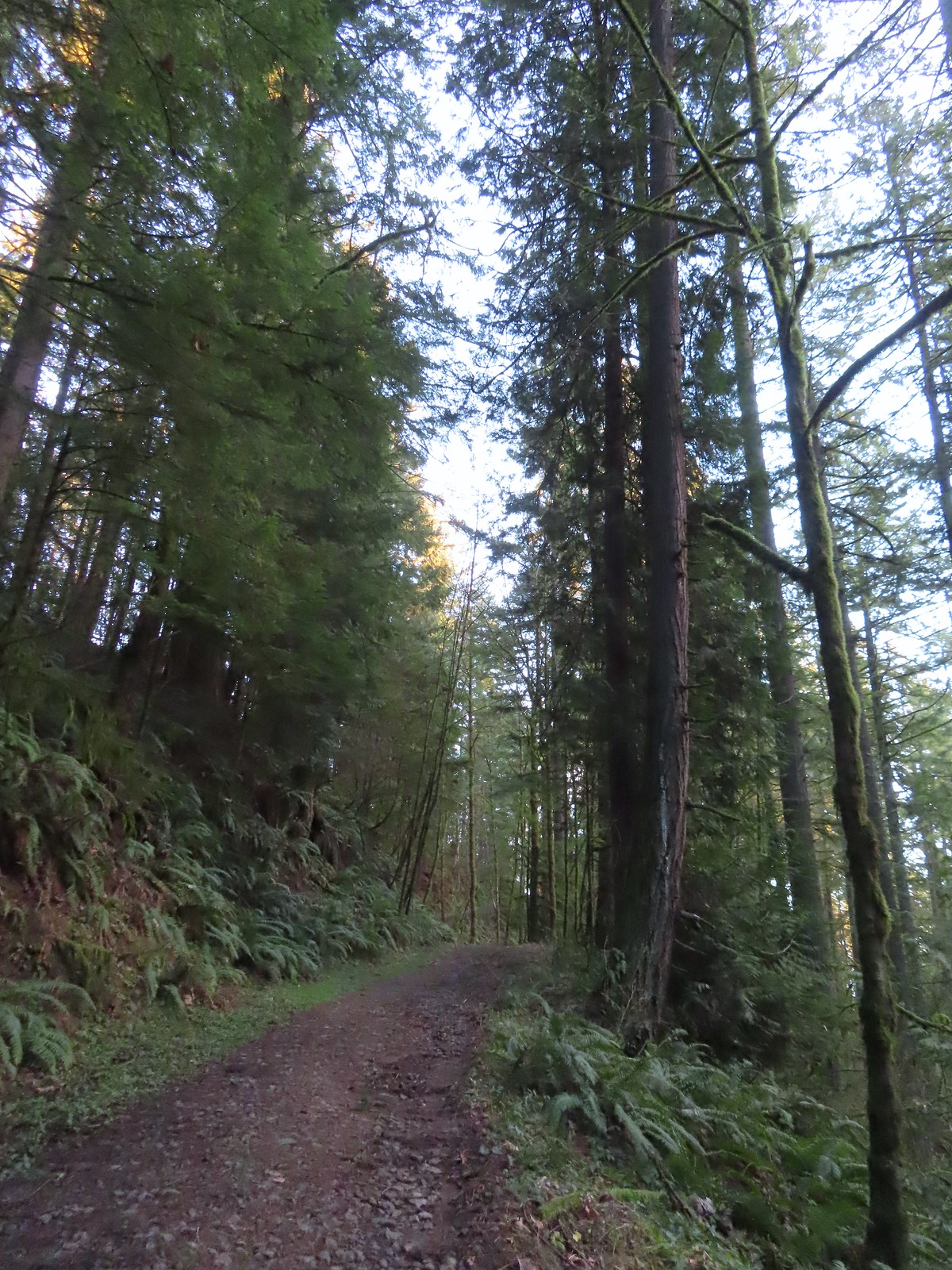 Heading up to the junction.
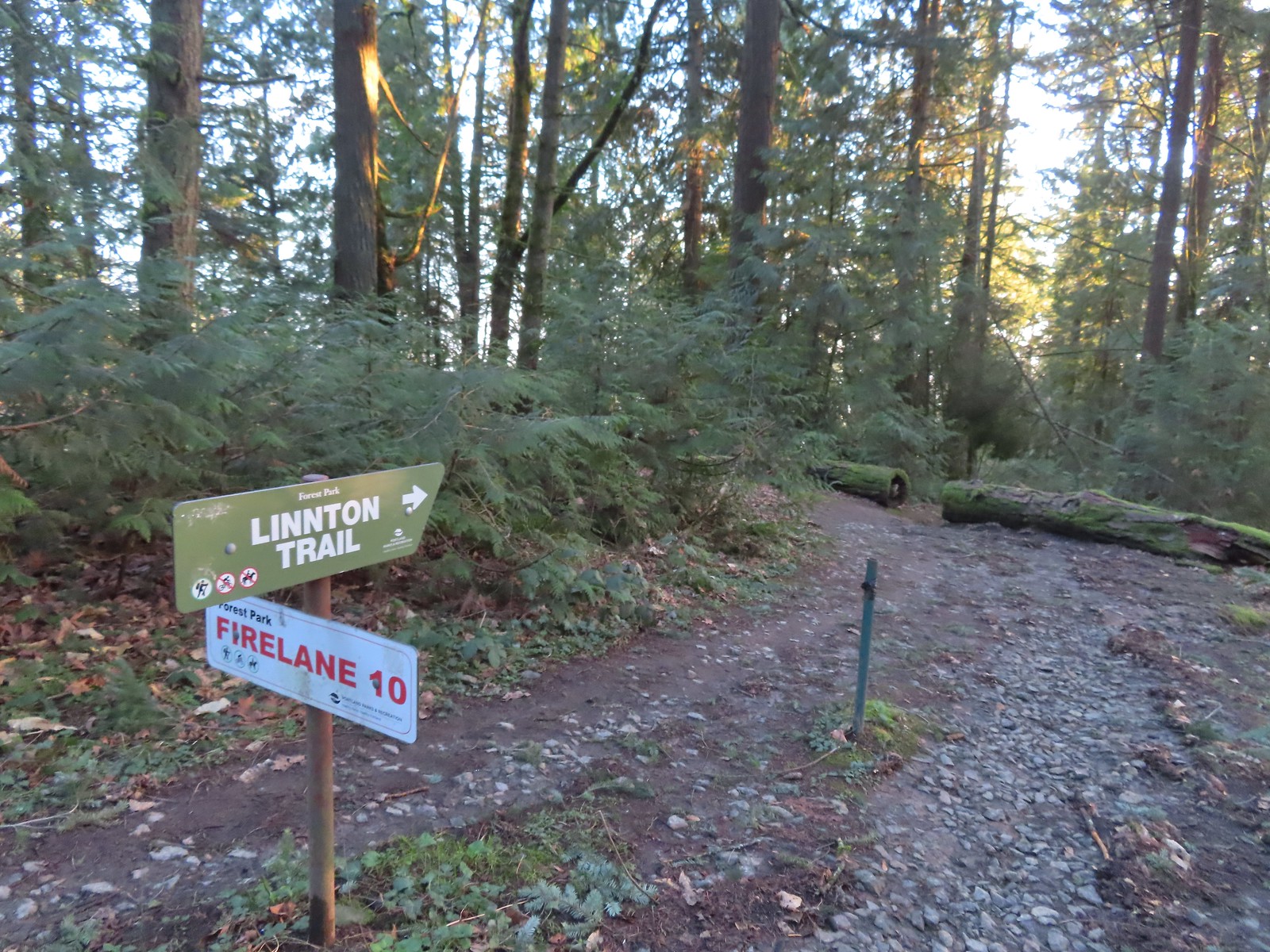 The Linnton Trail heads down a ridge to the
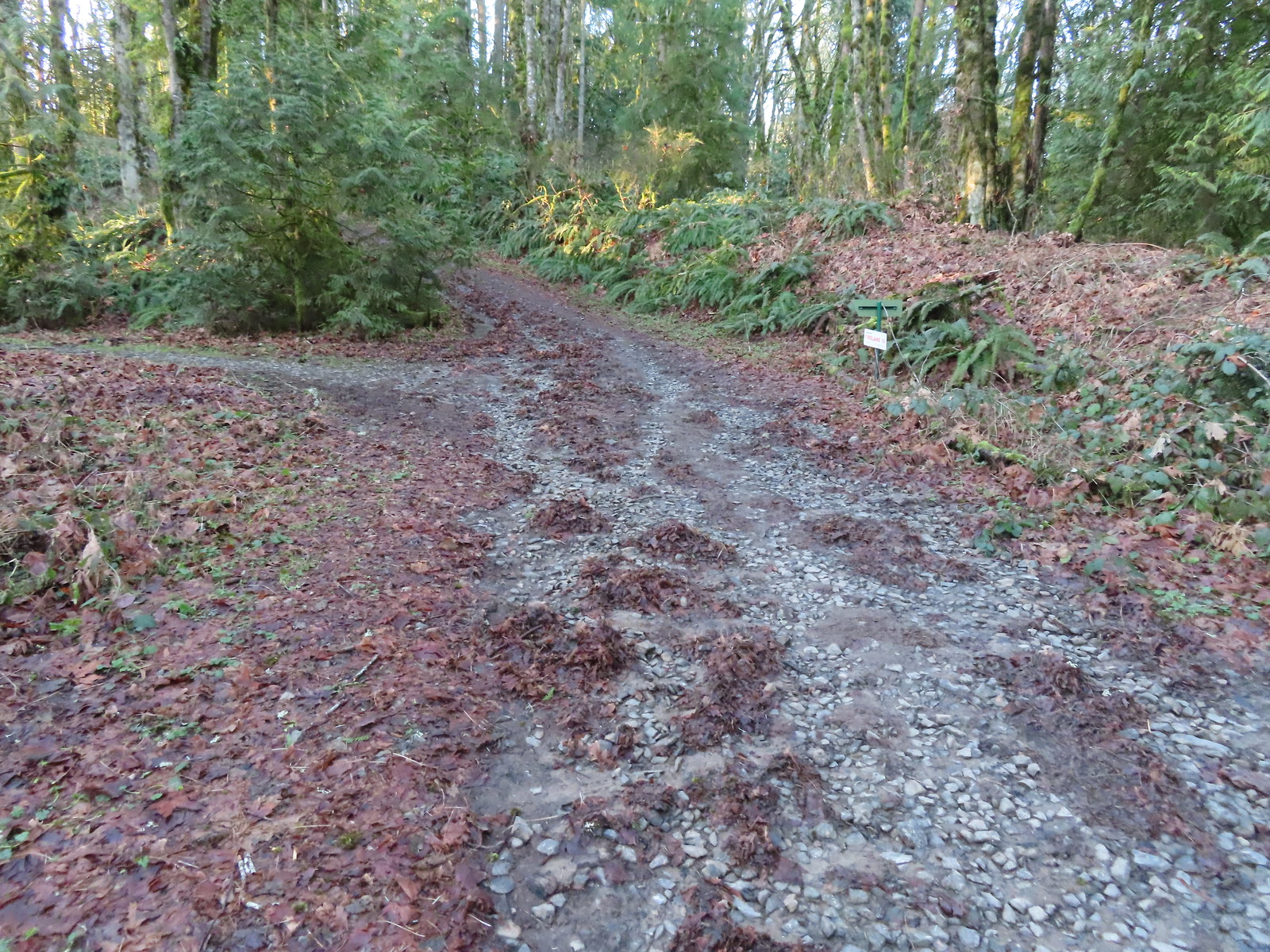 We passed the Keyser Trail which rejoins Firelane 10 just a quarter mile ahead. We stuck to Firelane 10 which climbed very steeply in that quarter mile leading us to believe the Keyser Trail may have been a little more gradual as the map showed it bowing away from Firelane 10 before rejoining.
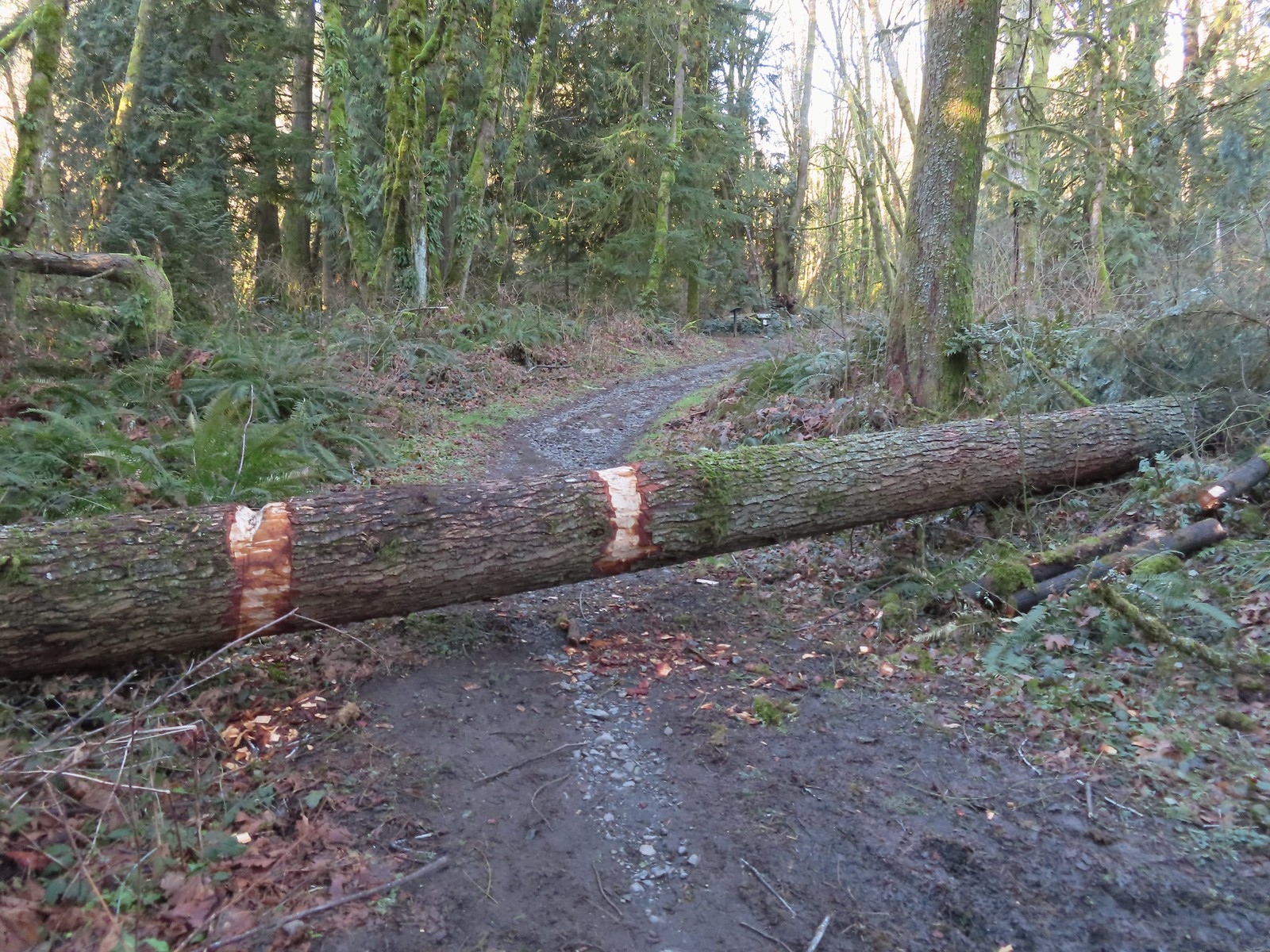 The first of only three trees that were still down over the trails we hiked. In the distance is a Wildwood Trail sign at the junction.
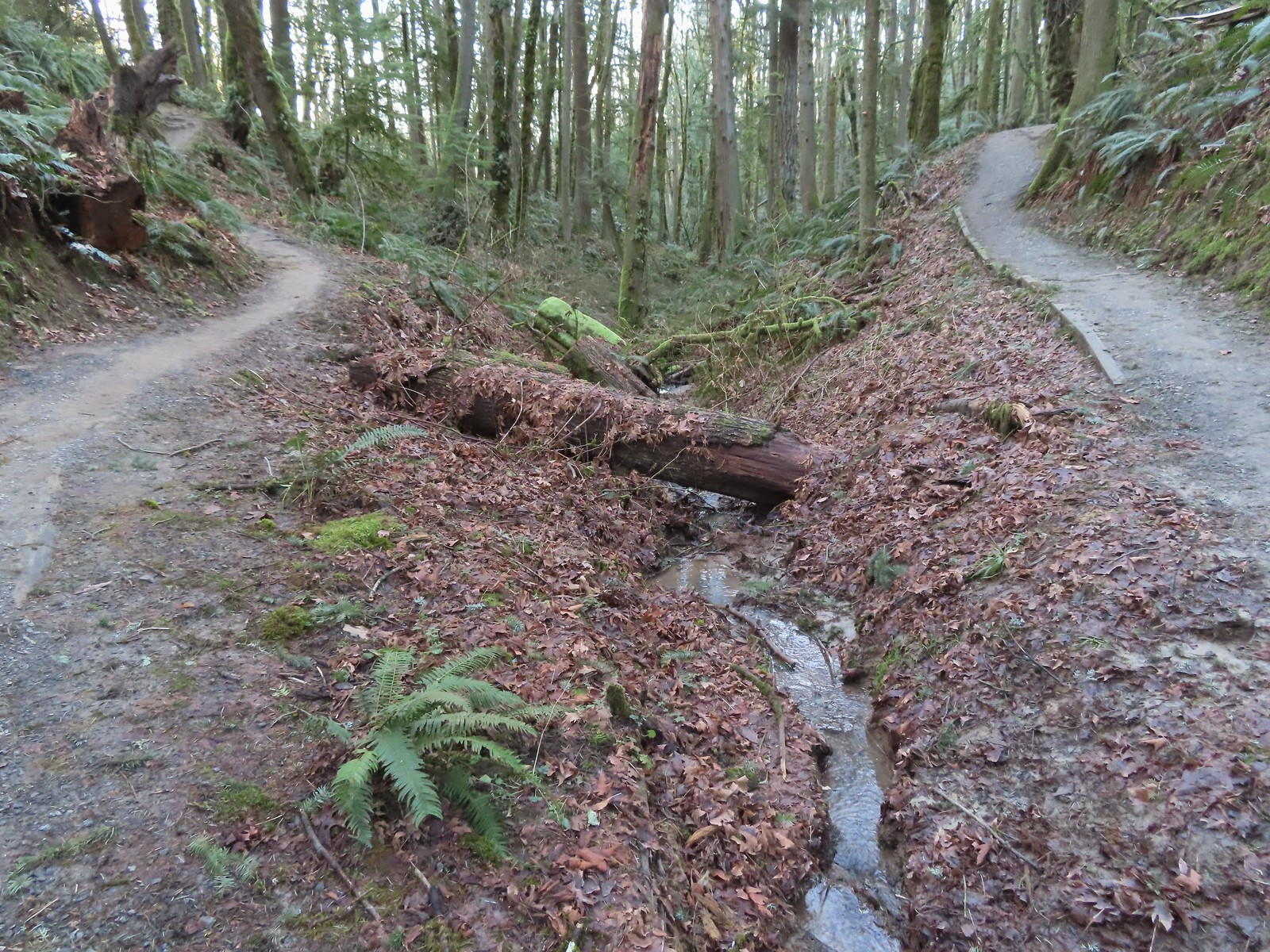 The trail repeatedly bows into the hillside to cross creek beds.
 We passed three pointers for Newton Road and then crossed Newton Road along this section of the Wildwood Trail. We would be using Newton Road to make another small loop on our way back.
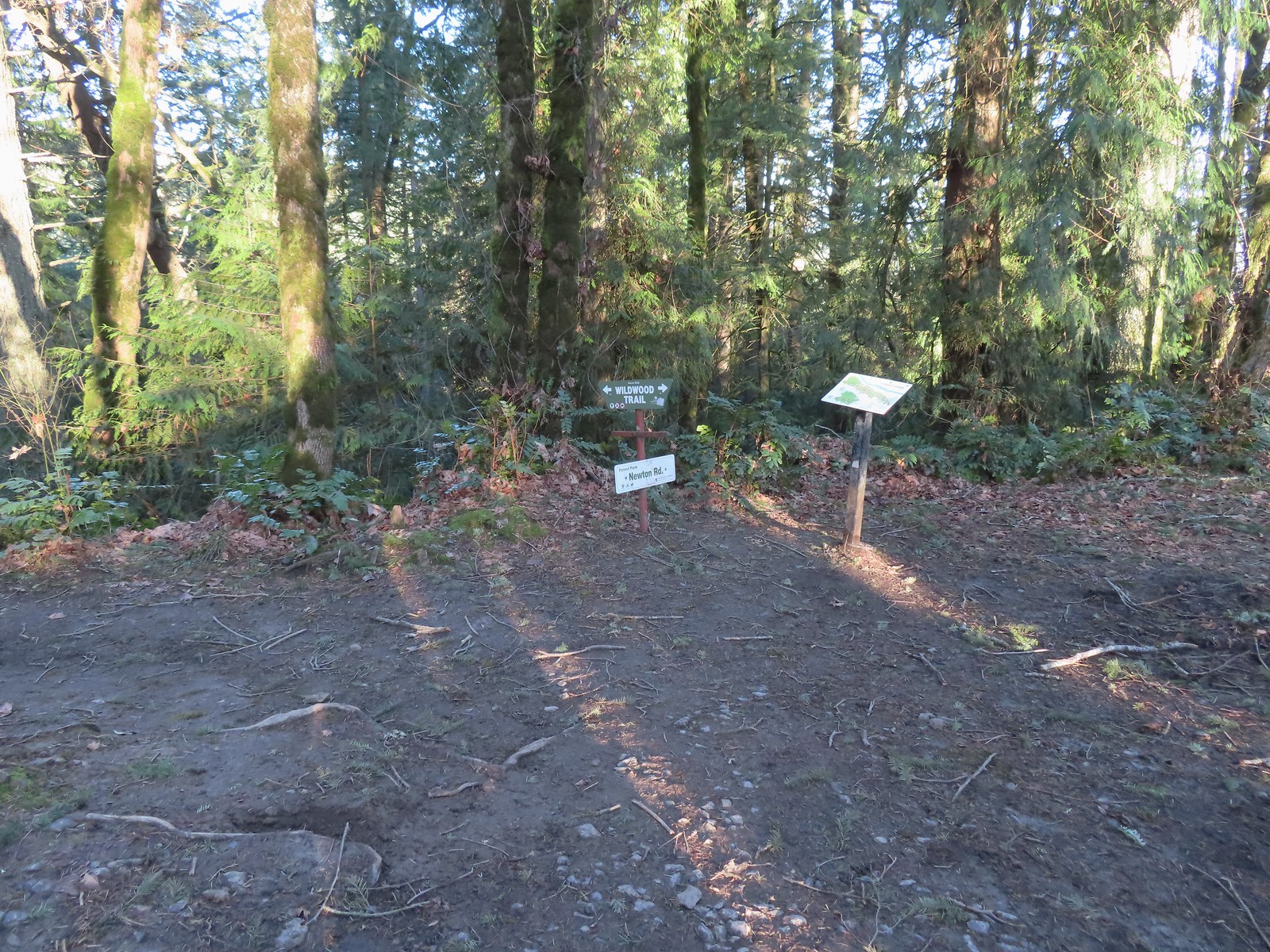 The Wildwood Trail crossing Newton Road.
 Not all of the junctions have maps, but most of the major ones do to help keep hikers and runners on track (or to give them more ideas).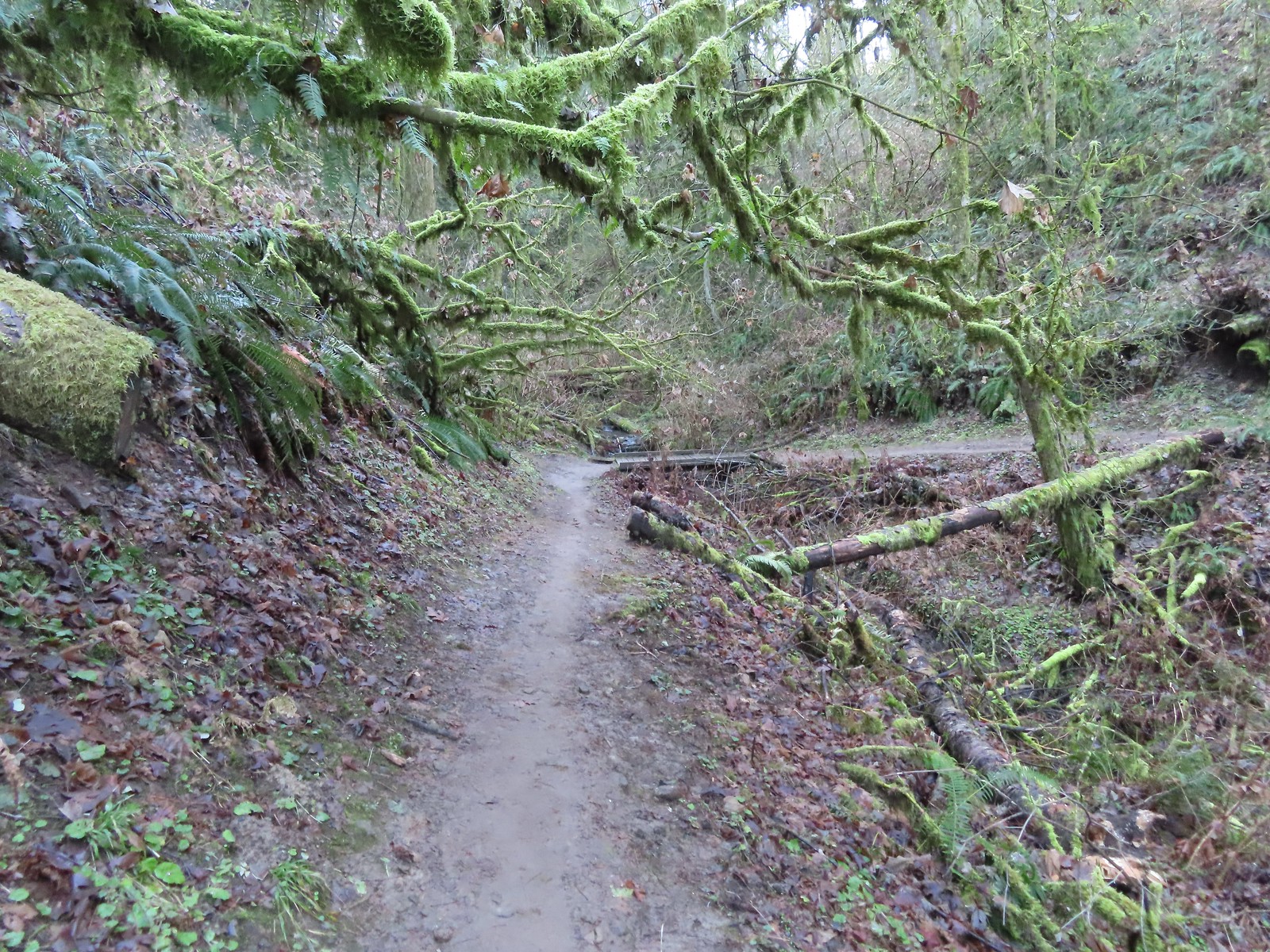
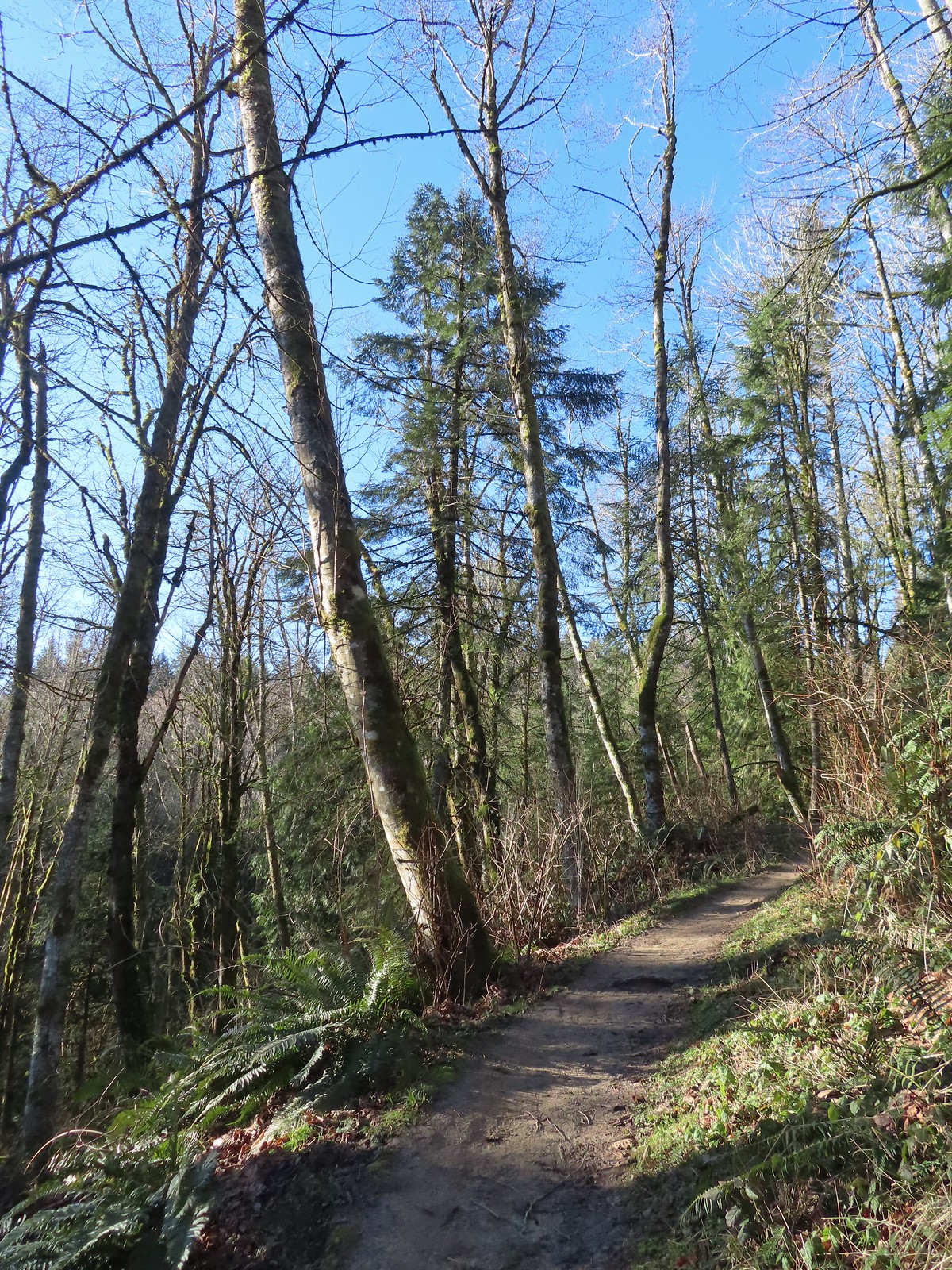 Climbing up to the BPA Road crossing.
 The BPA Road heading uphill with the Wildwood Trail we’d just come up to the right.
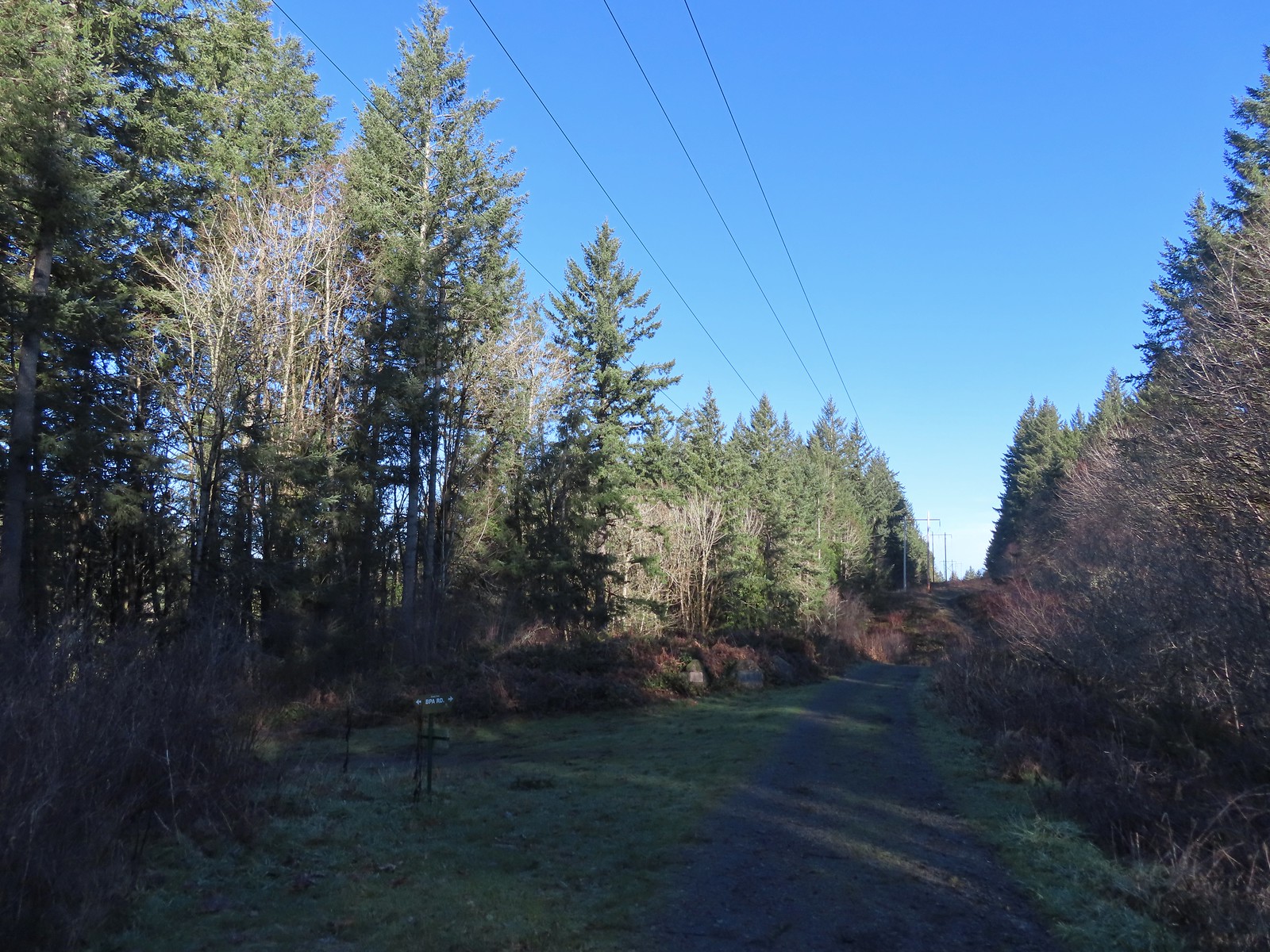 Firelane 12 on the left.
 The middle of three plaques commemorating the 1999 acquisition of 73-acres that was in danger of being developed.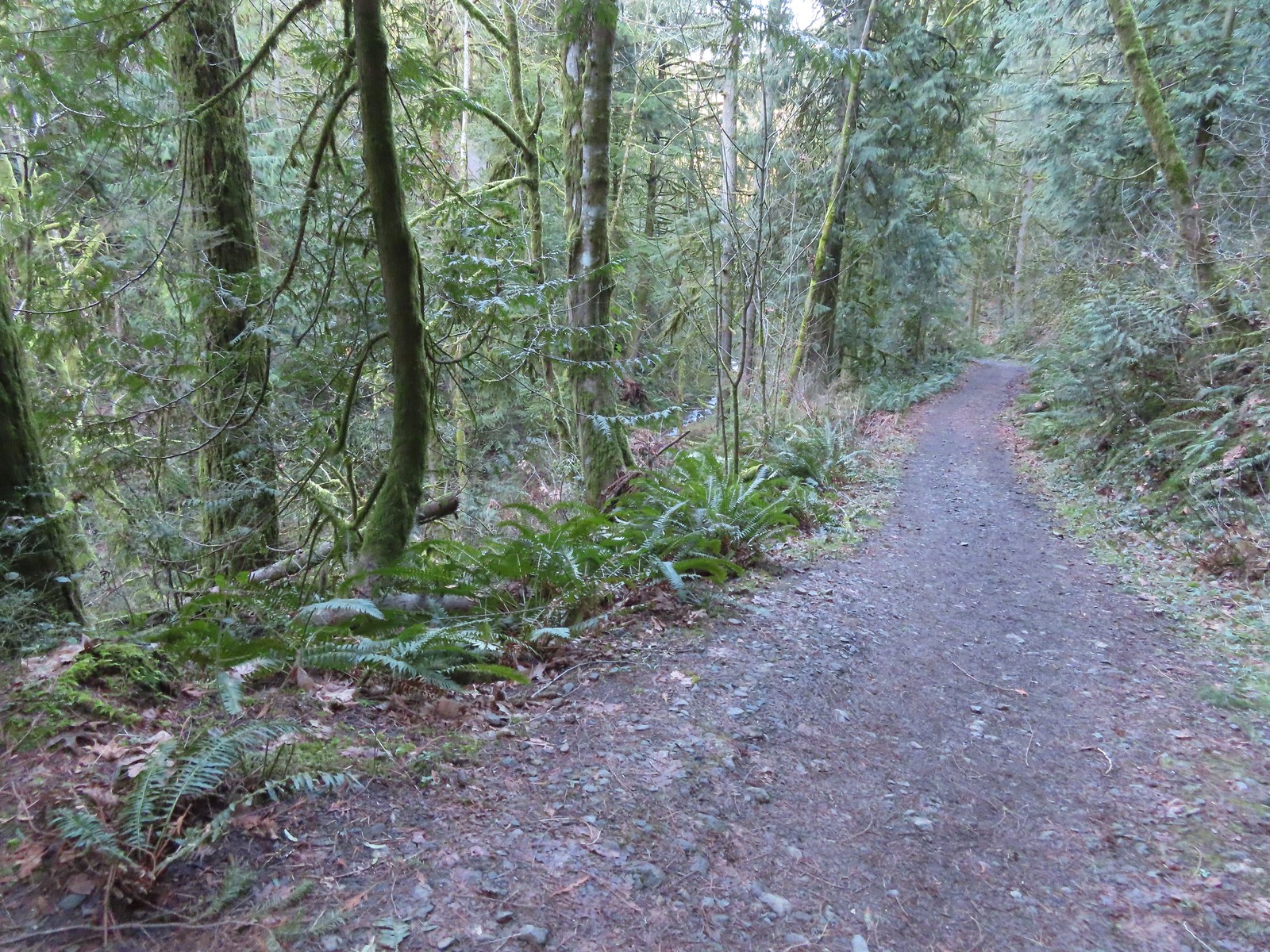
 Once again varied thrush 1 – Deryl 0. If I was keeping score, it would probably be something like 179-10.
 Firelane 15 on the left ahead.
 The small creek along Firelane 15.
 Blue sky and powerlines above Firelane 15.
 Wildwood Trail crossing Firelane 15.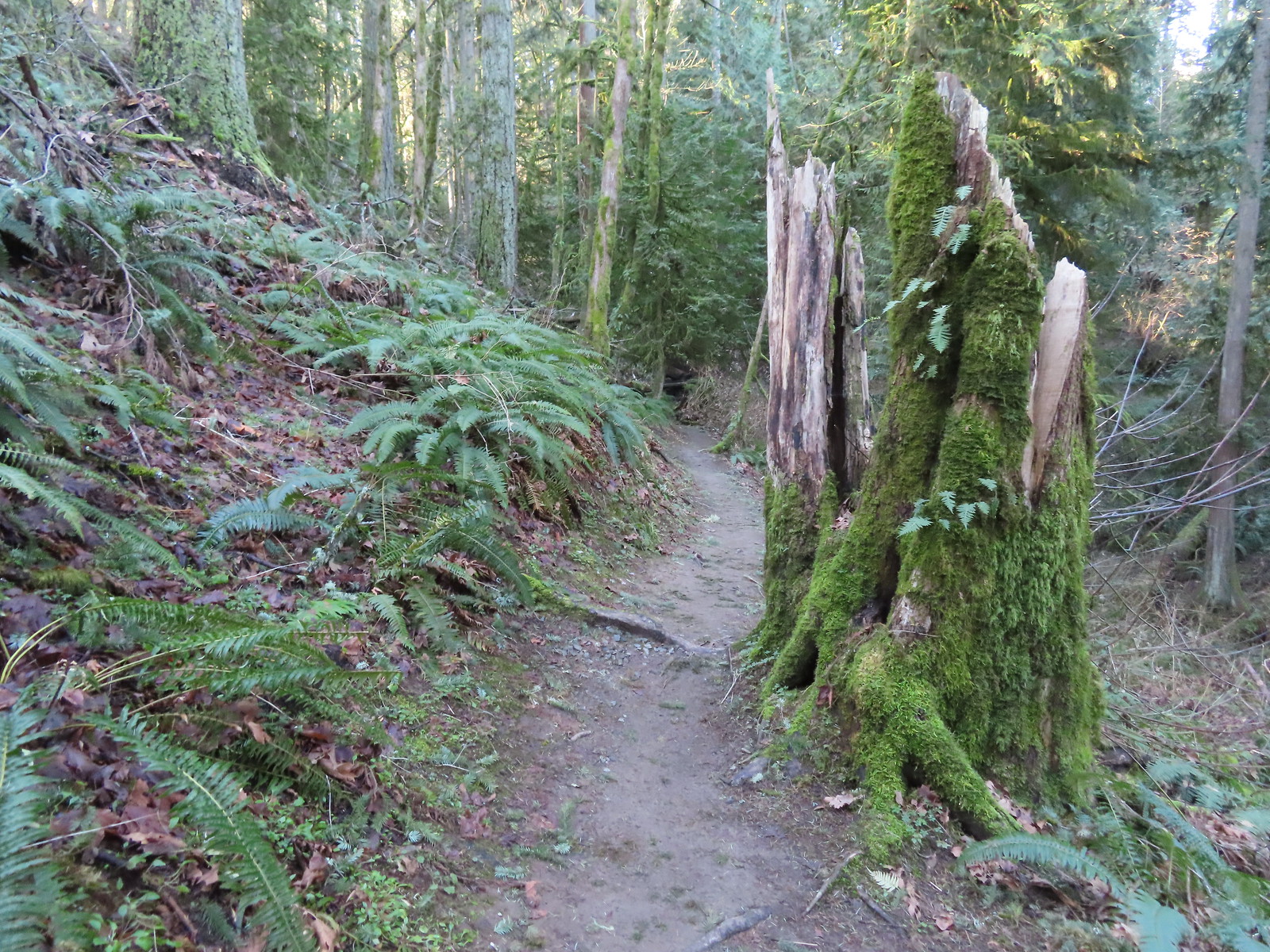
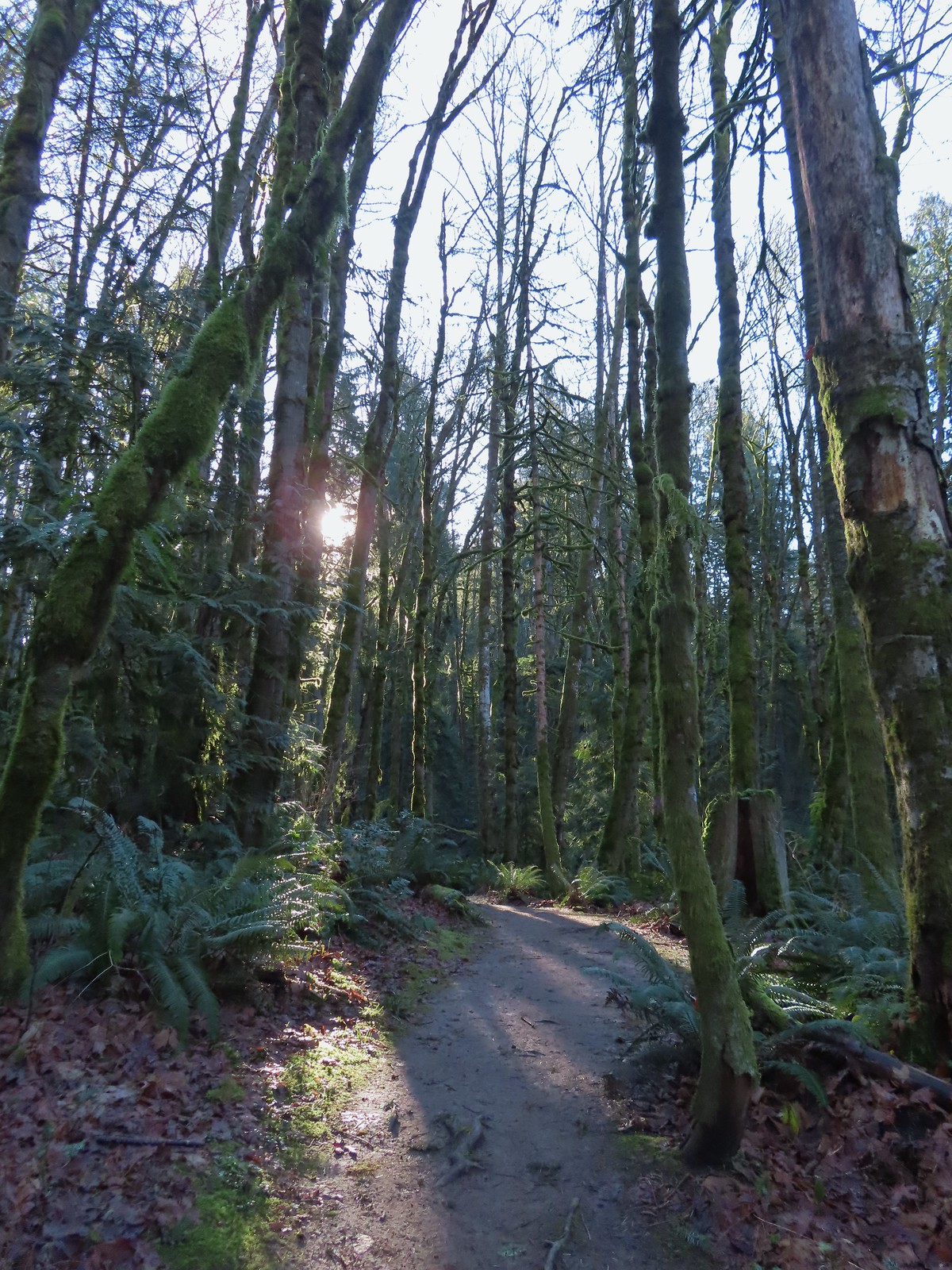
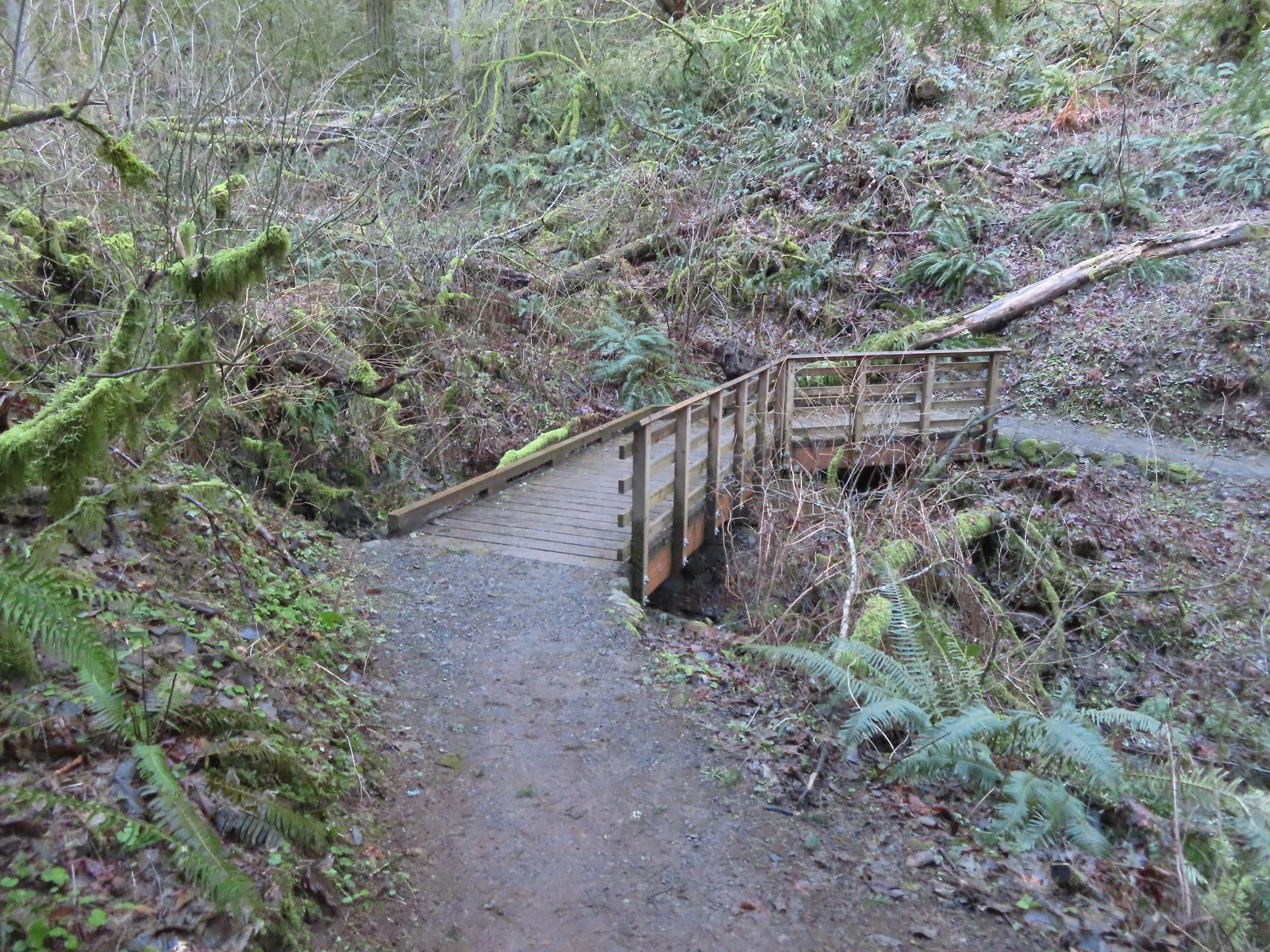 The fanciest bridge we crossed all day.
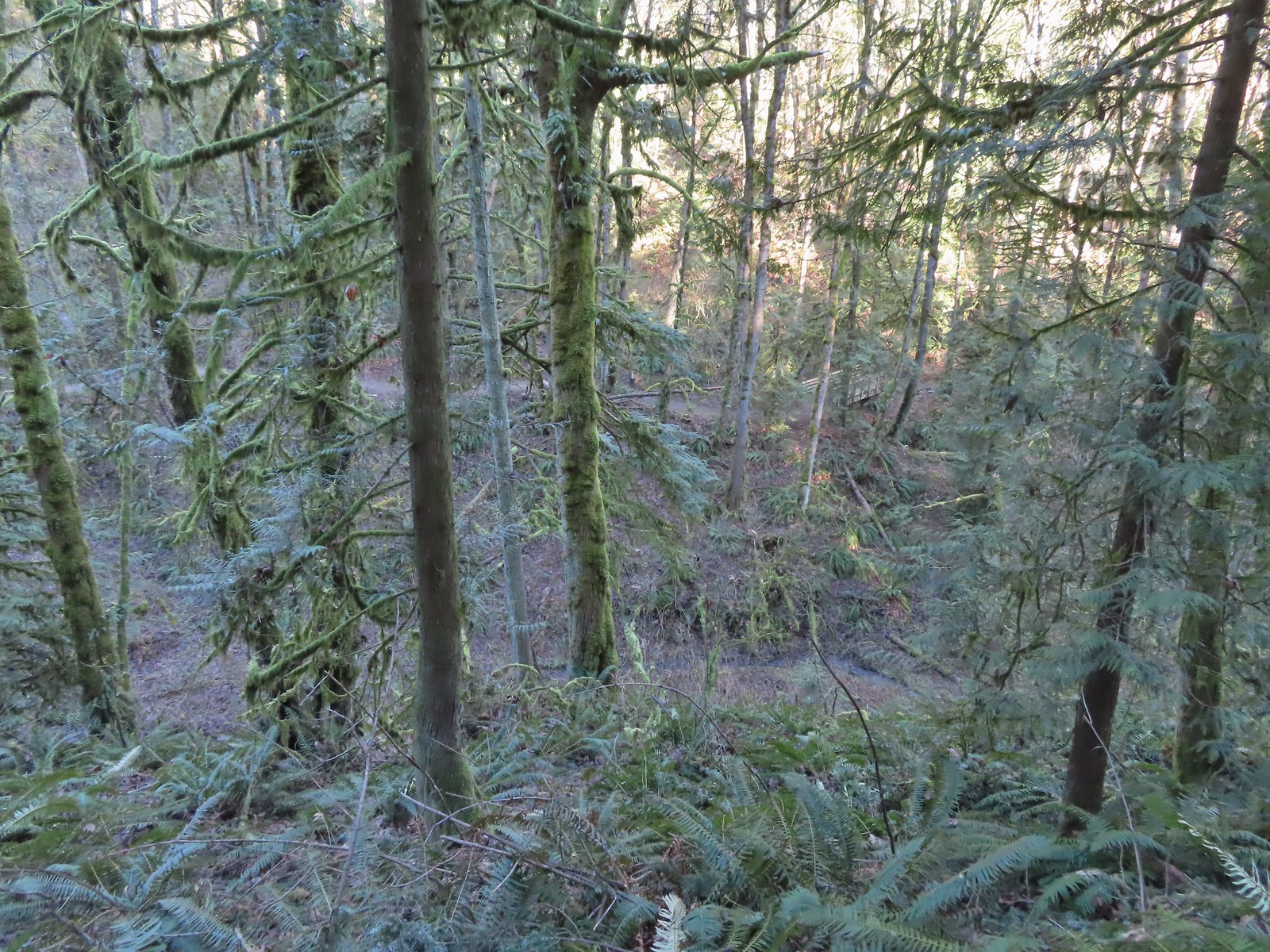 Why is the trail way down there when the road is up above on the far hillside?
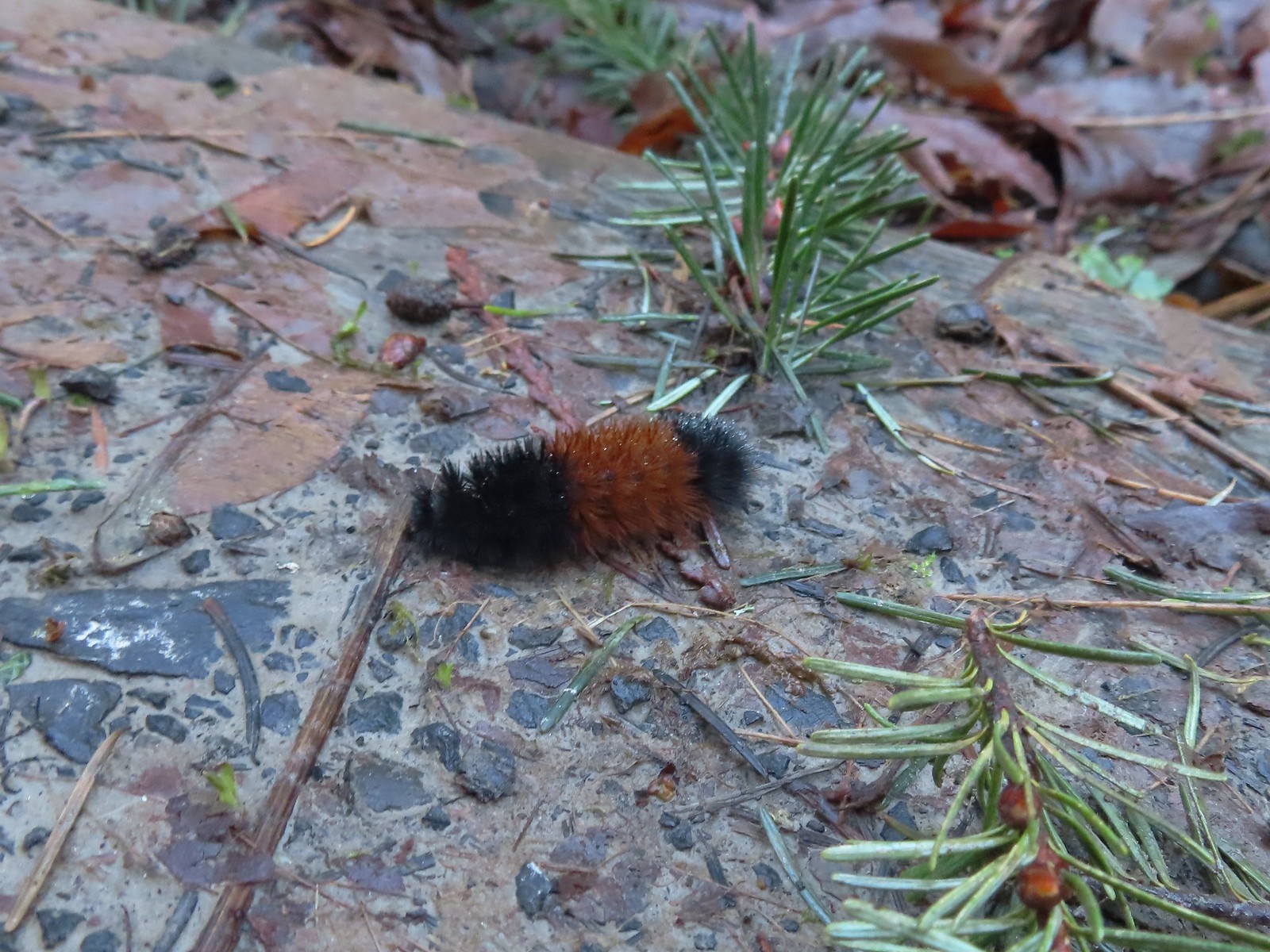 Woolly bear
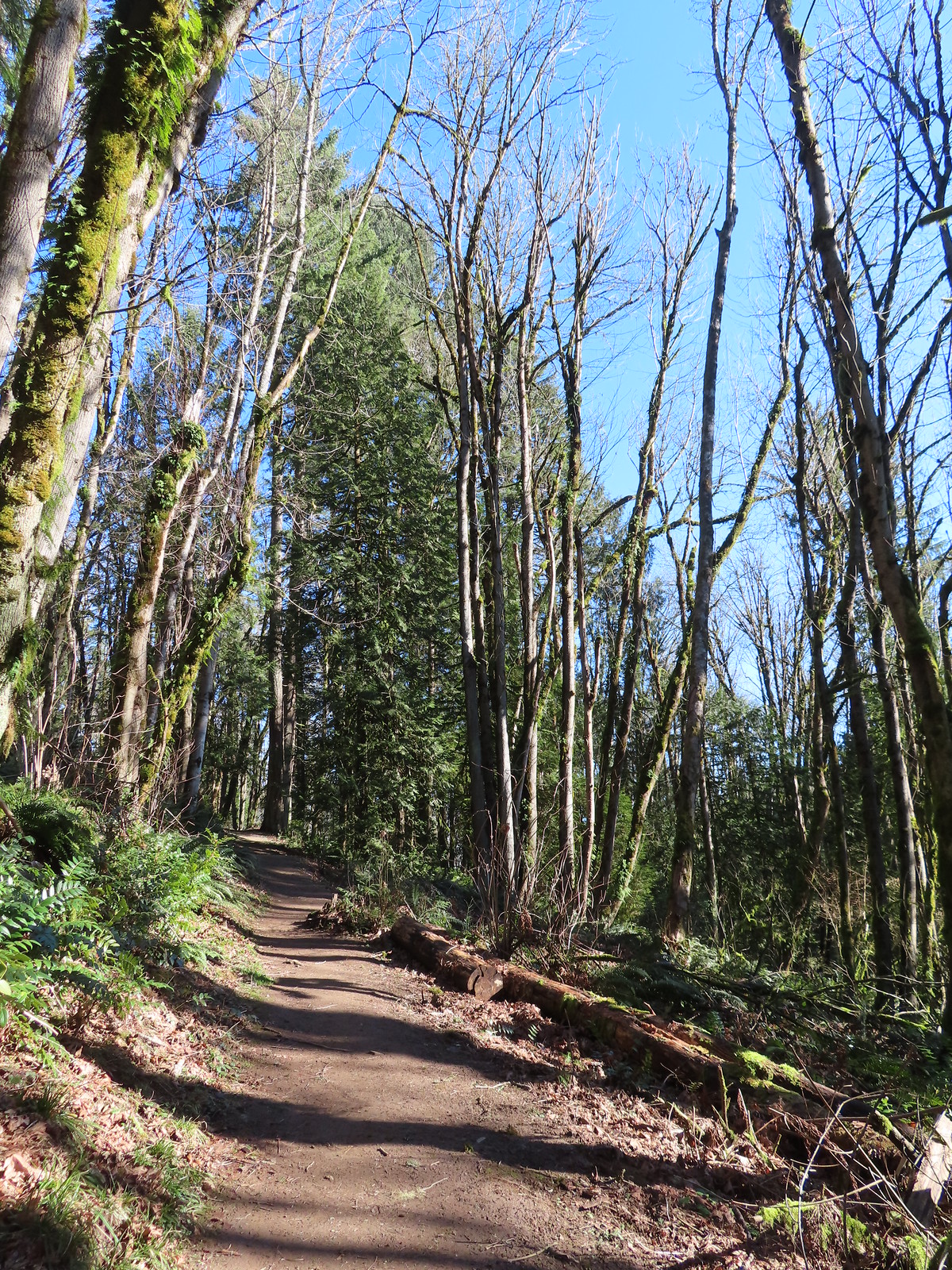 Climbing to Newberry Road just to say we made it to the end of the Wildwood Trail.
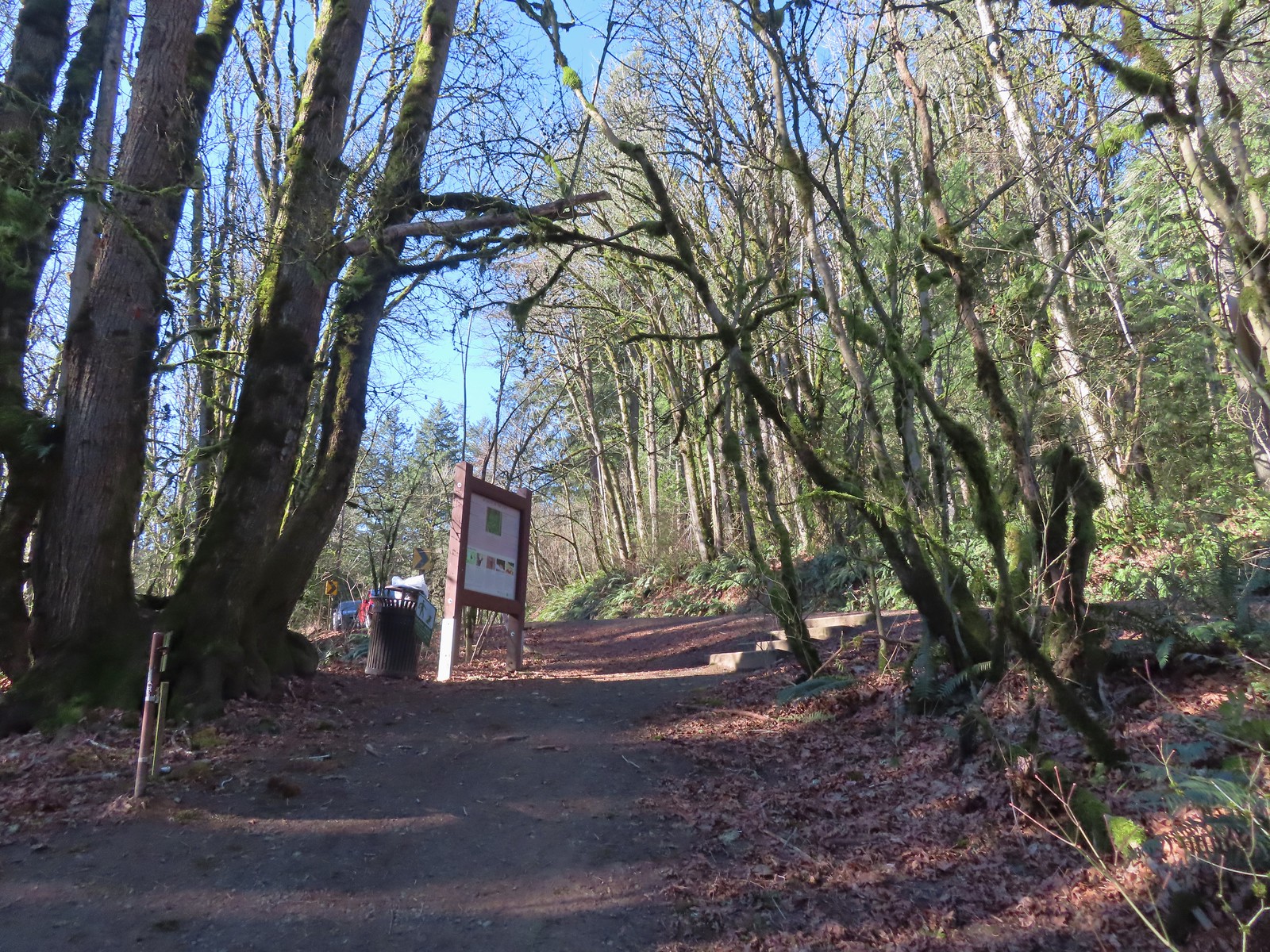 Newberry Road Trailhead.
 Another sub-par bird photo, but it took us quite a while just to spot this woodpecker who was way up in the treetops (and mostly in the shade).
 Crossing Firelane 15.
 Another blurry bird. This one a wren, one of many we heard but the only one we were able to spot.
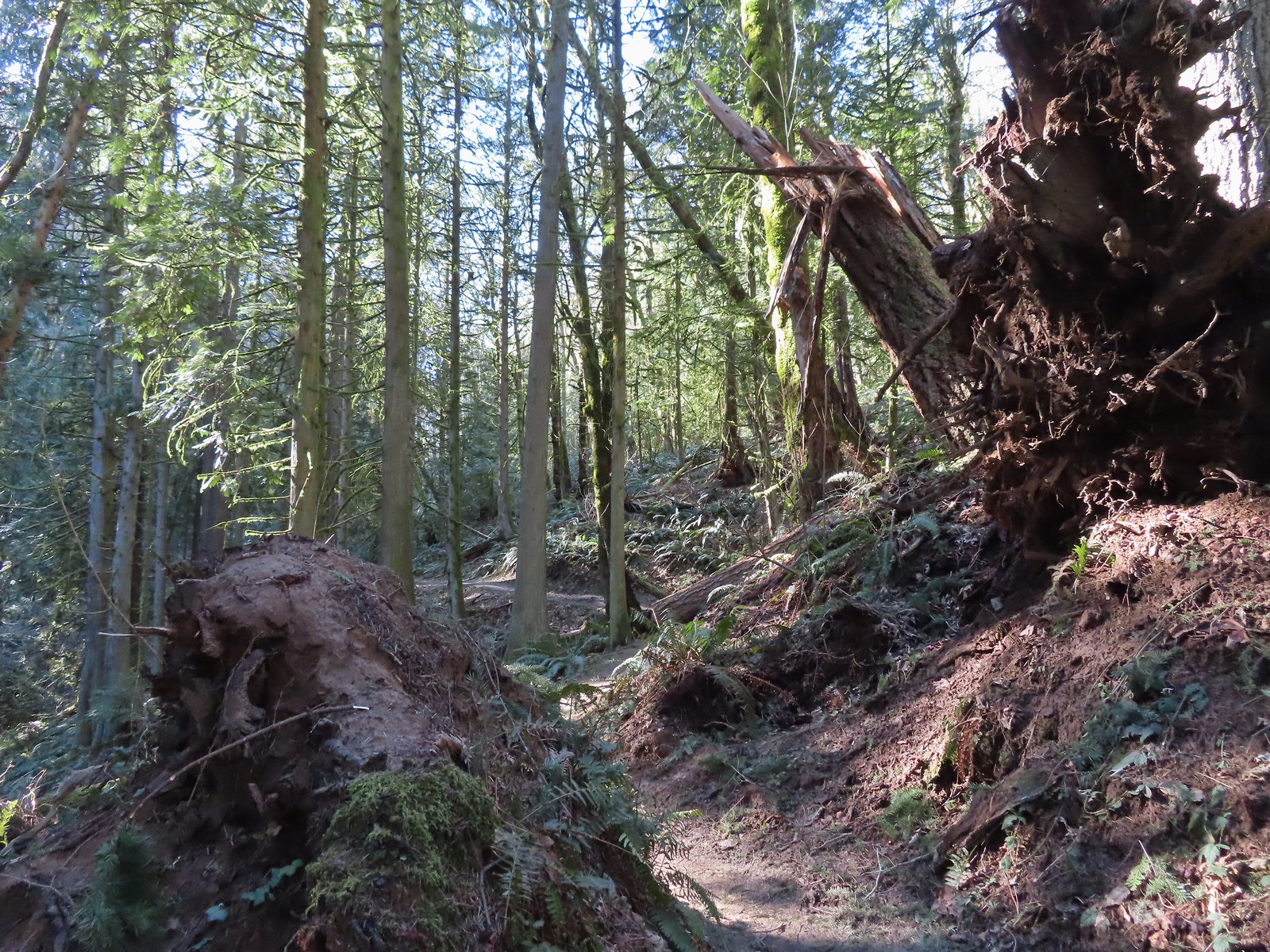 Uprooted trees along the Wildwood Trail.
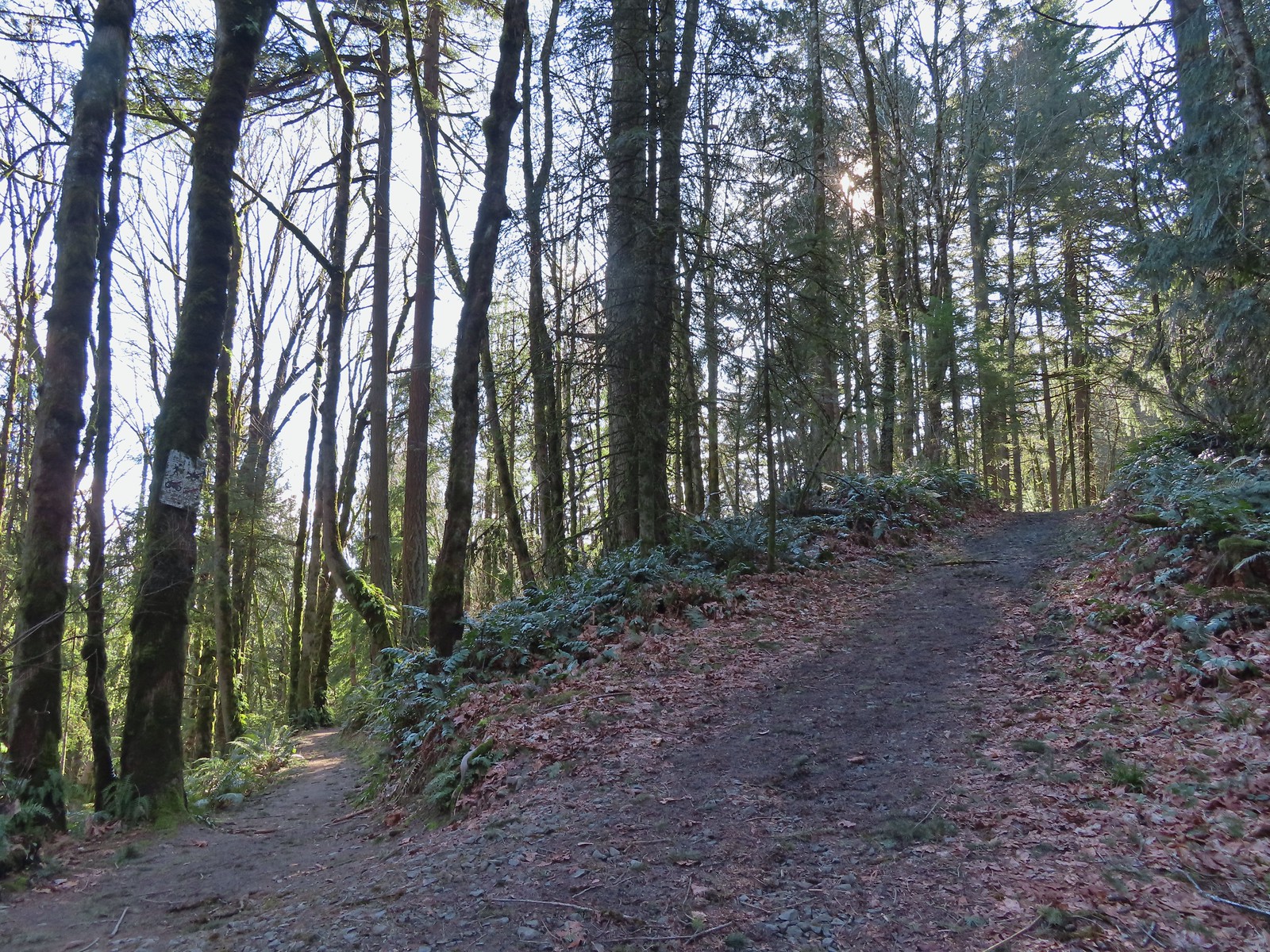 Newton Road to the right of the Wildwood Trail.
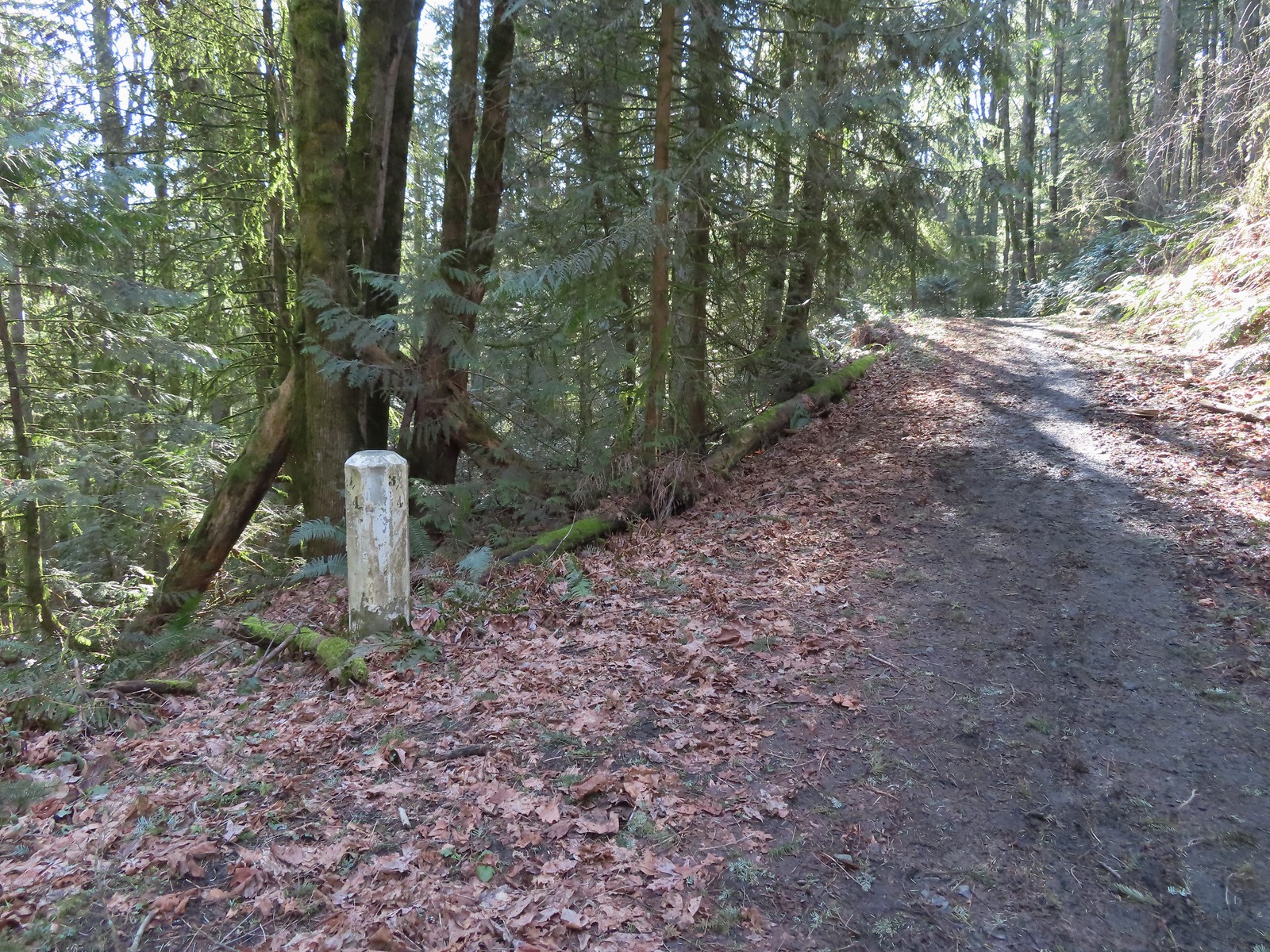 Mile marker along Newton Road.
 Douglas squirrel
 One of several small habitat restoration study areas along Newton Road.
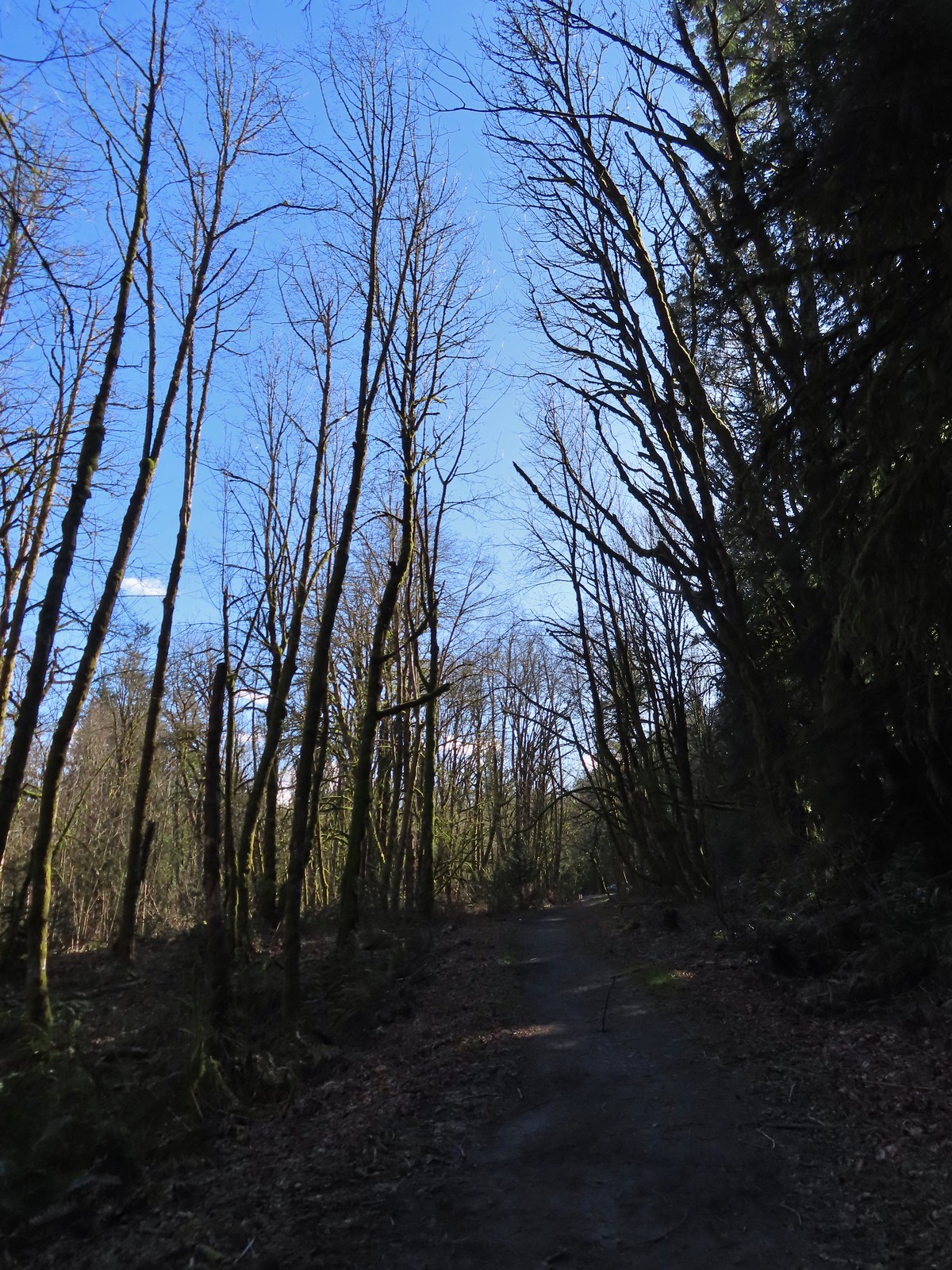 The Newton Road Trailhead in the distance.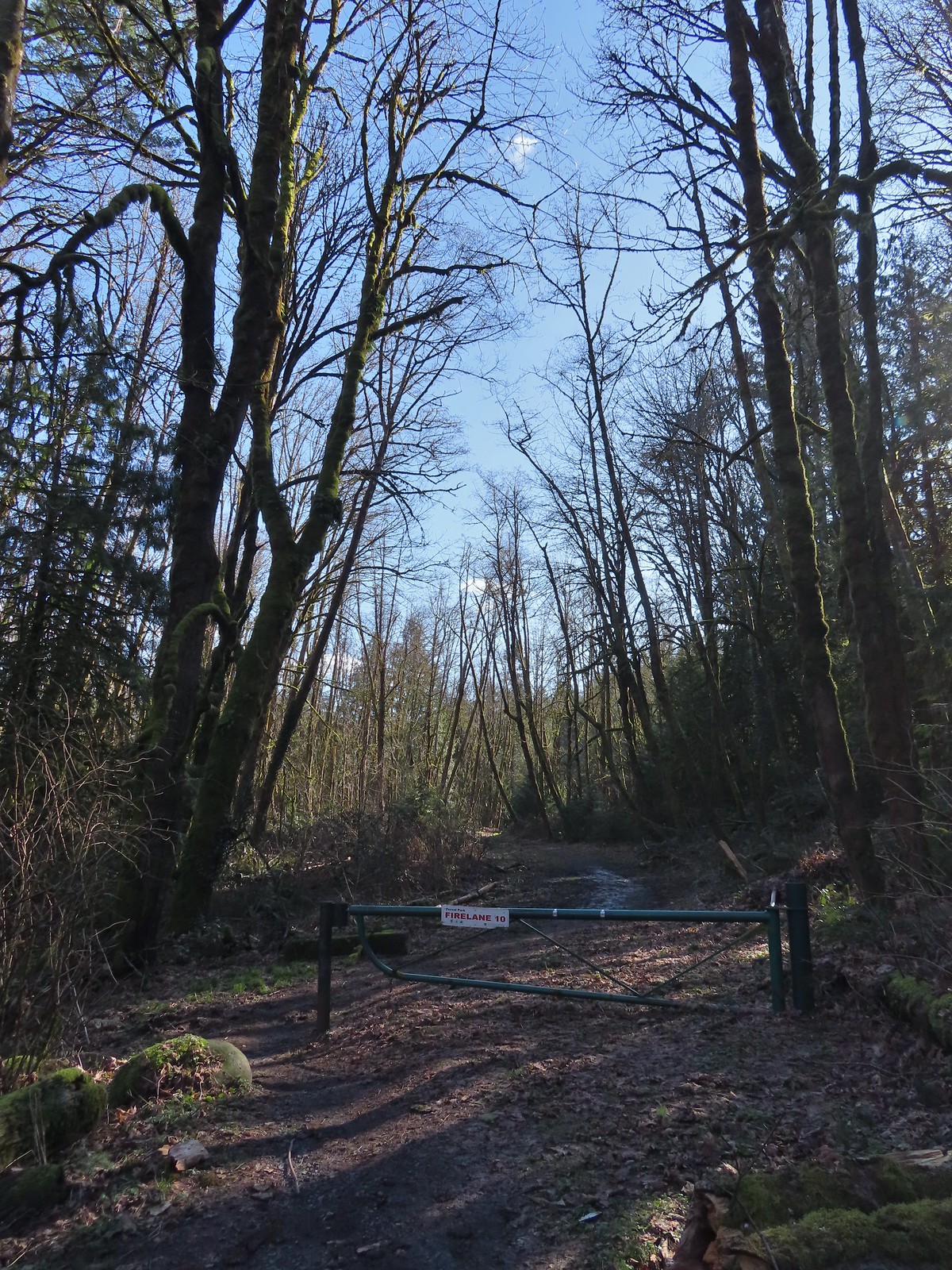

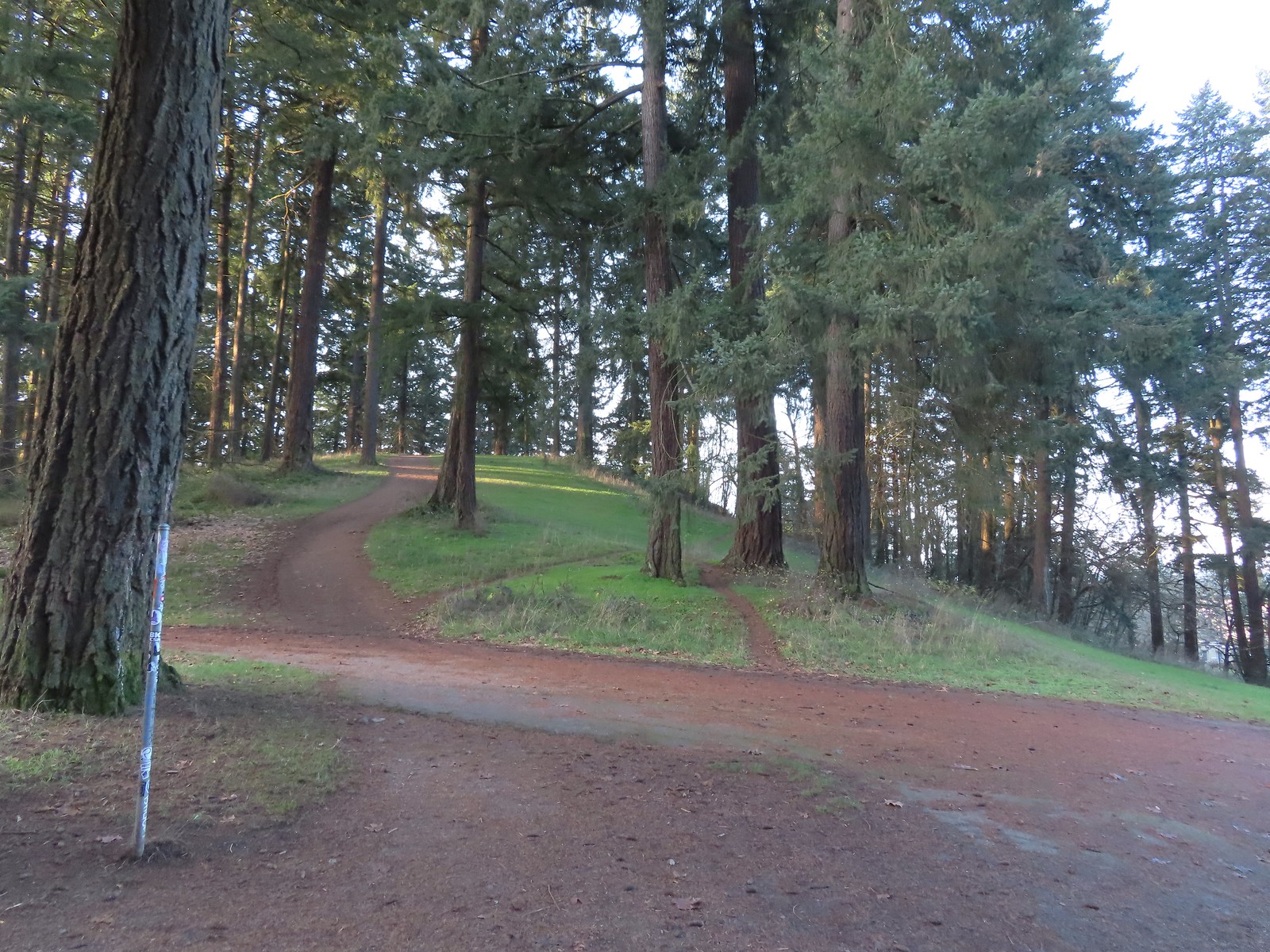
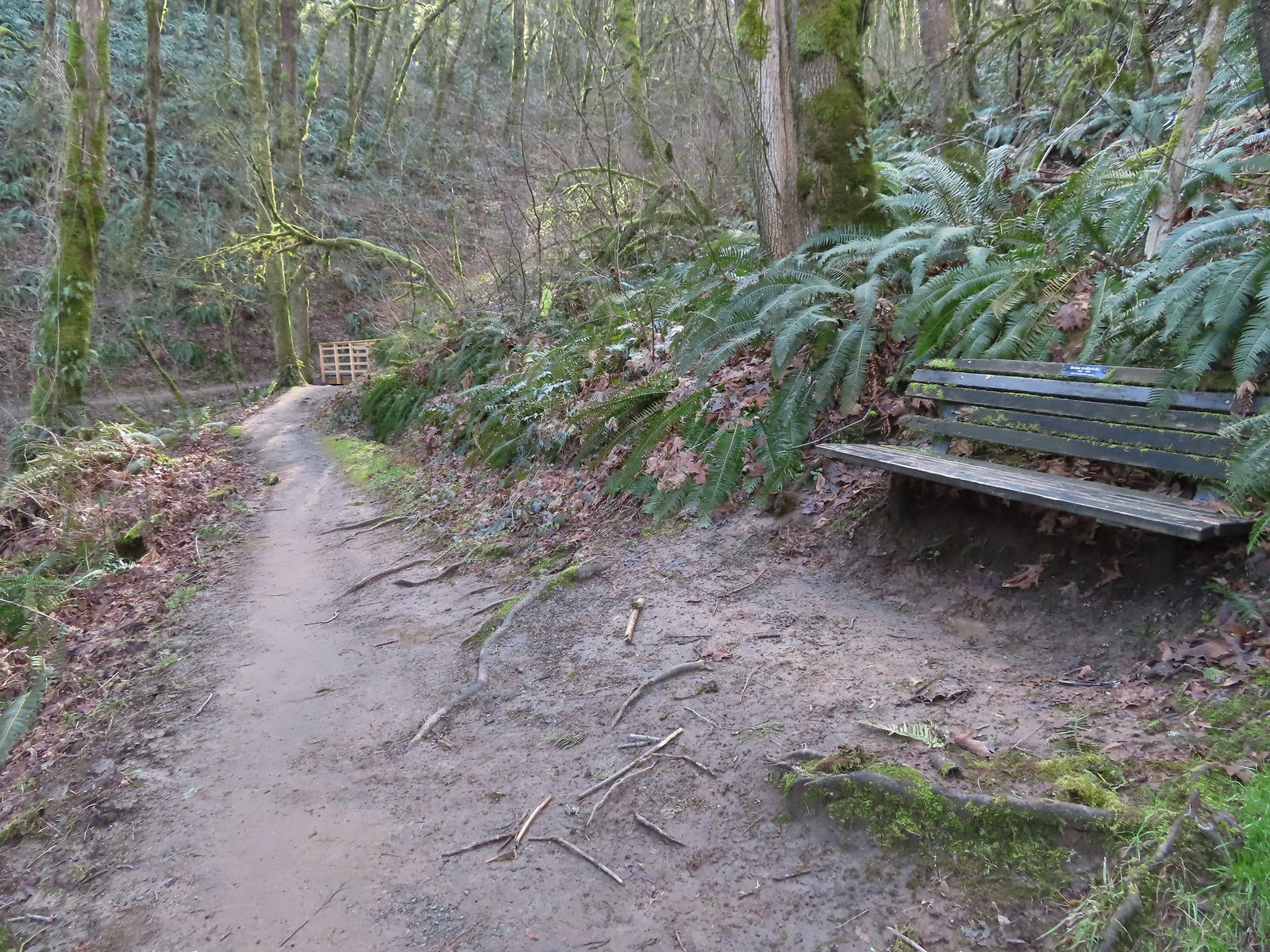 One of only two benches we saw all day.
 Cars parked along Germantown Road in the distance.

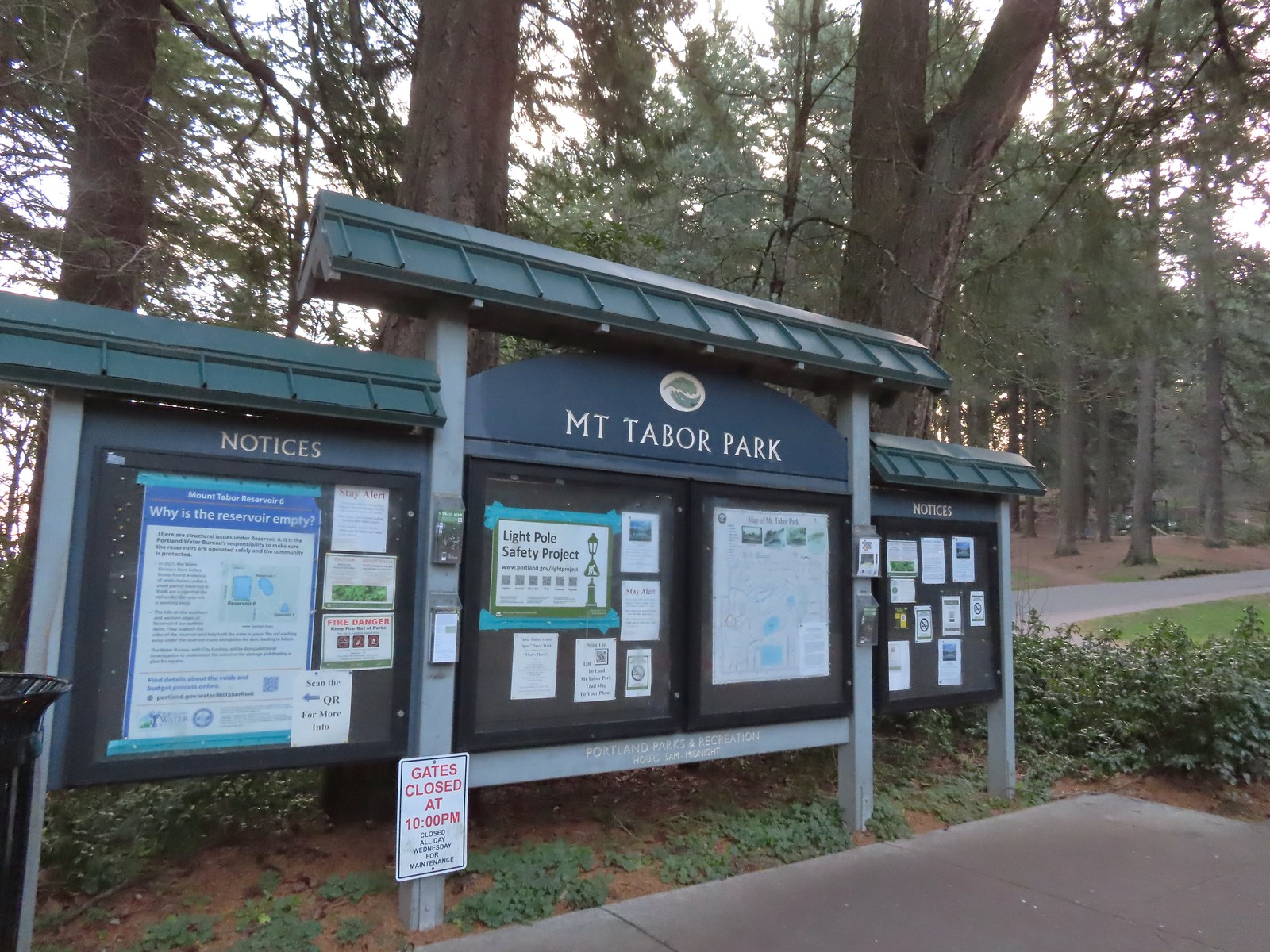 The playground behind and to the right of the signboard at the Visitors Center.
 The red trail continuing on the far end of the playground.
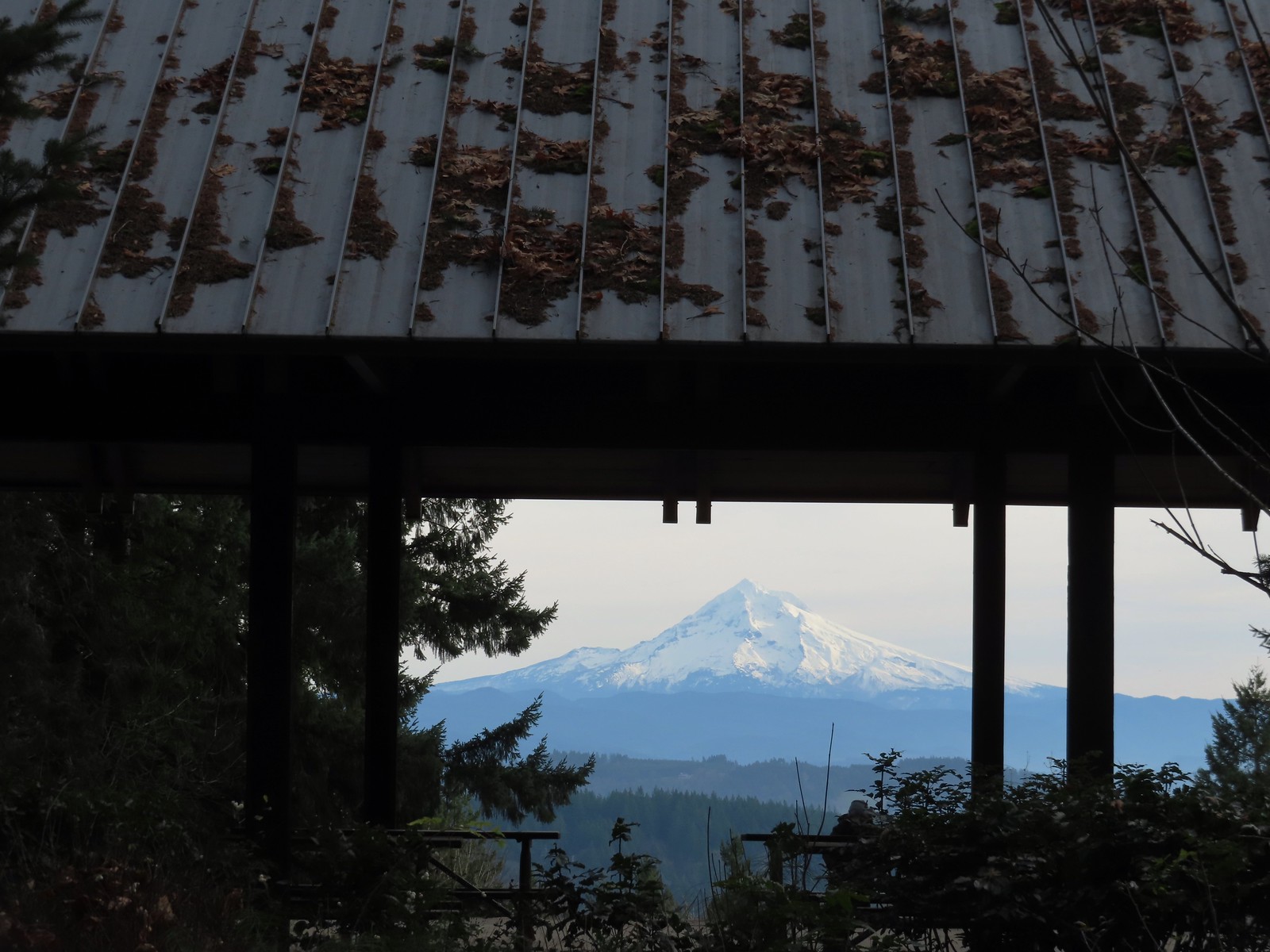
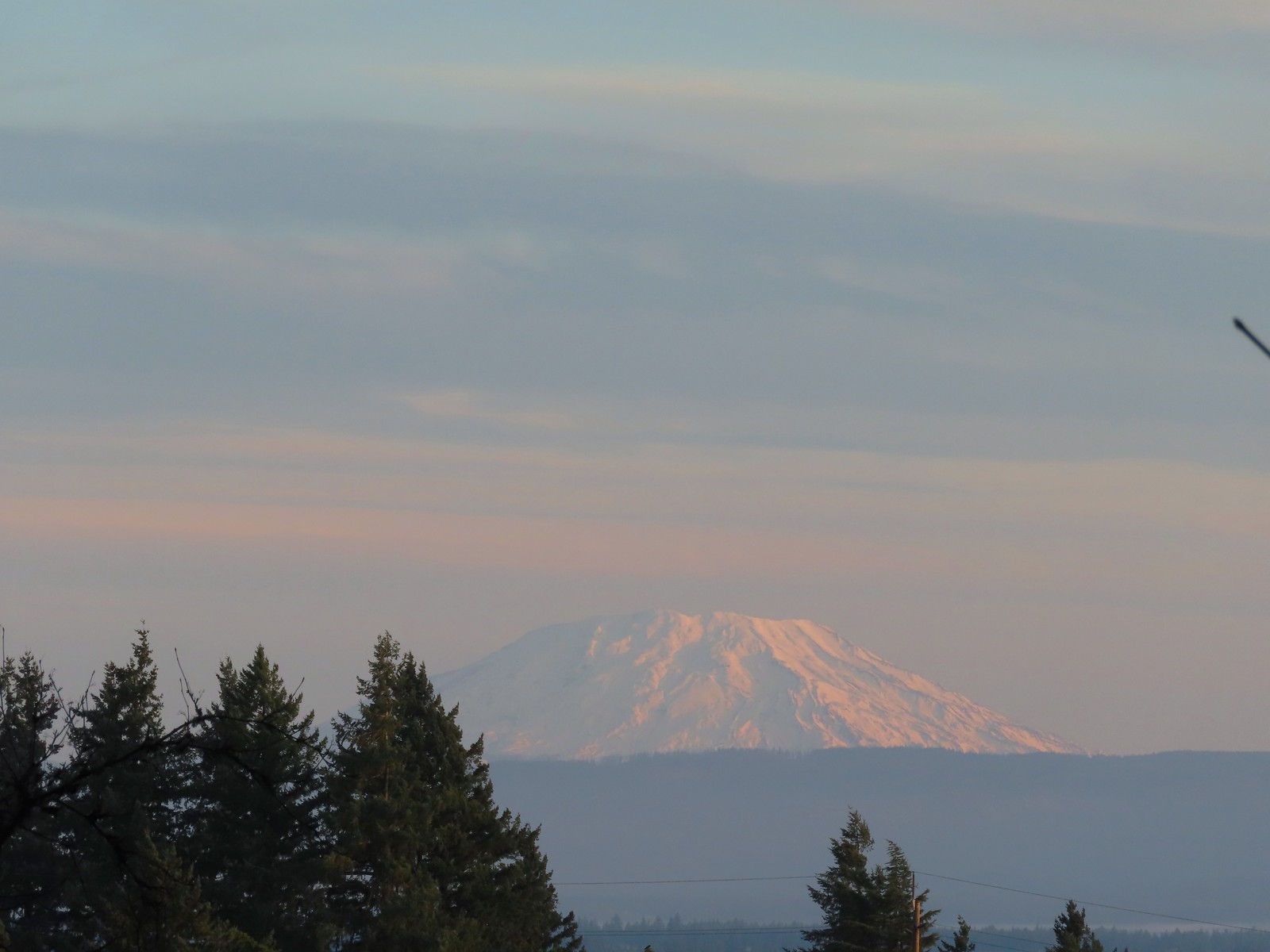 Mt. St. Helens from the playground.
 On the red trail.
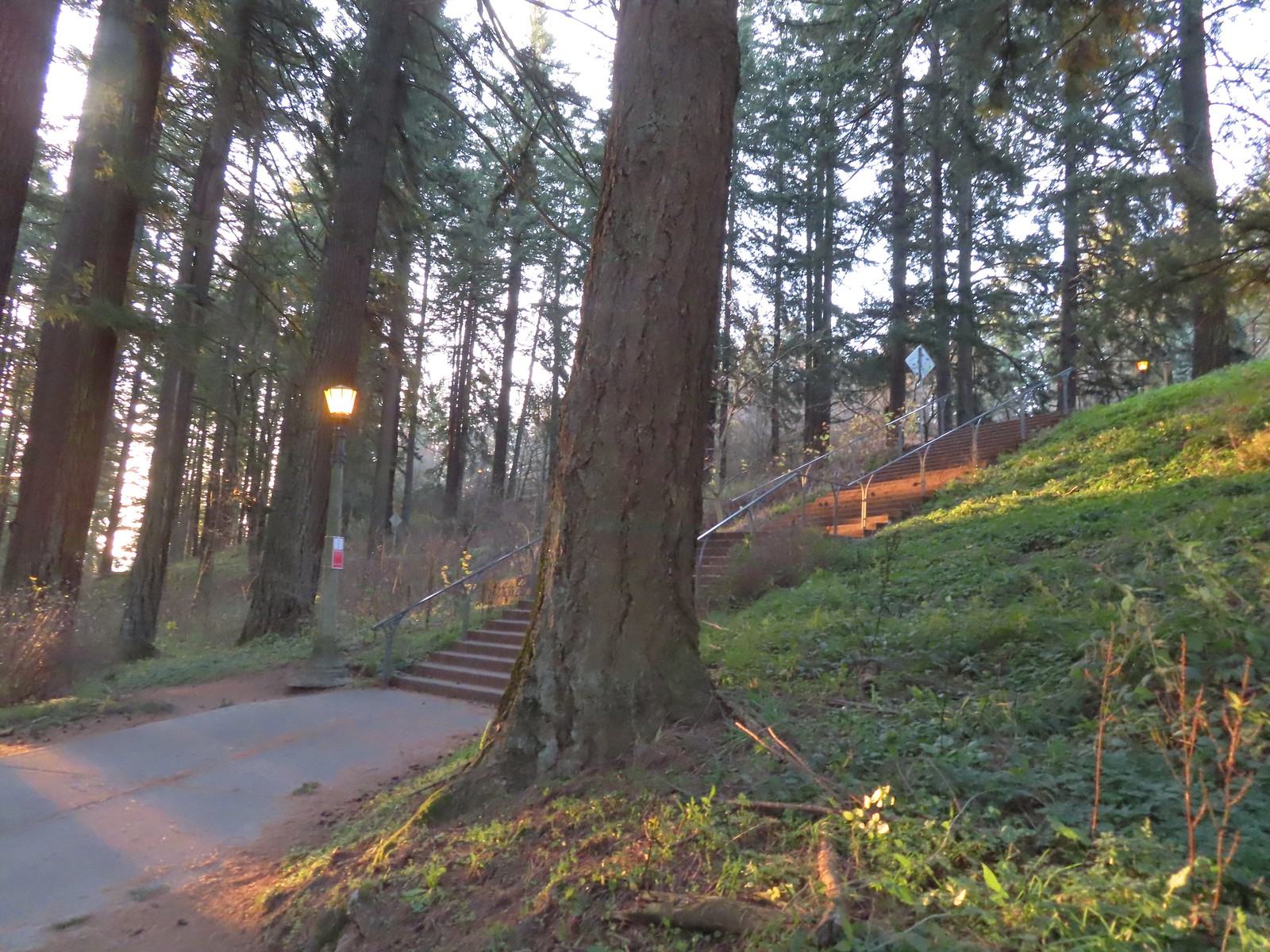 The Mount Tabor stairs extend from the park border up to the summit.
 Summit restrooms
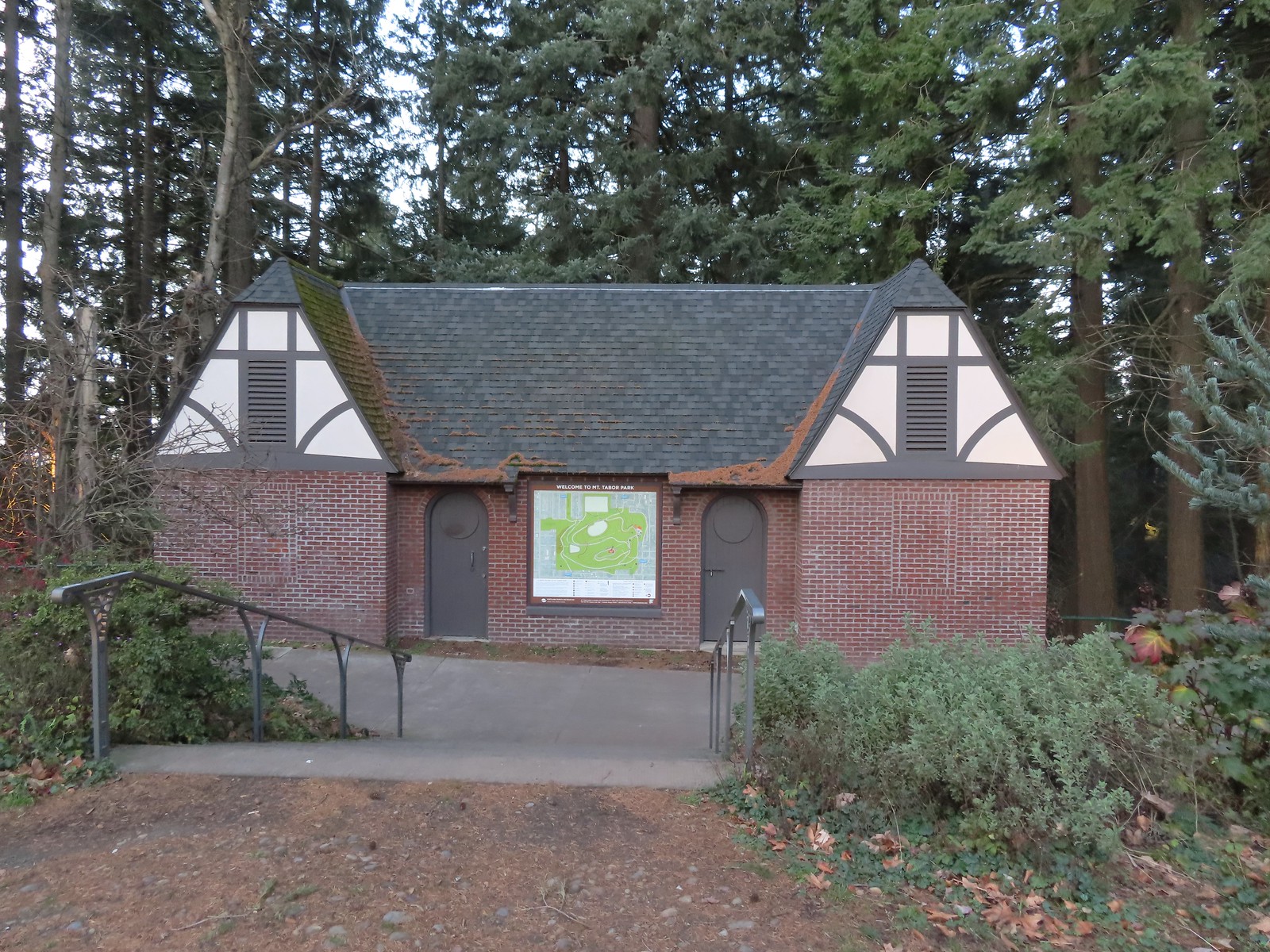 The restrooms were reopened in 2017 after being renovated.
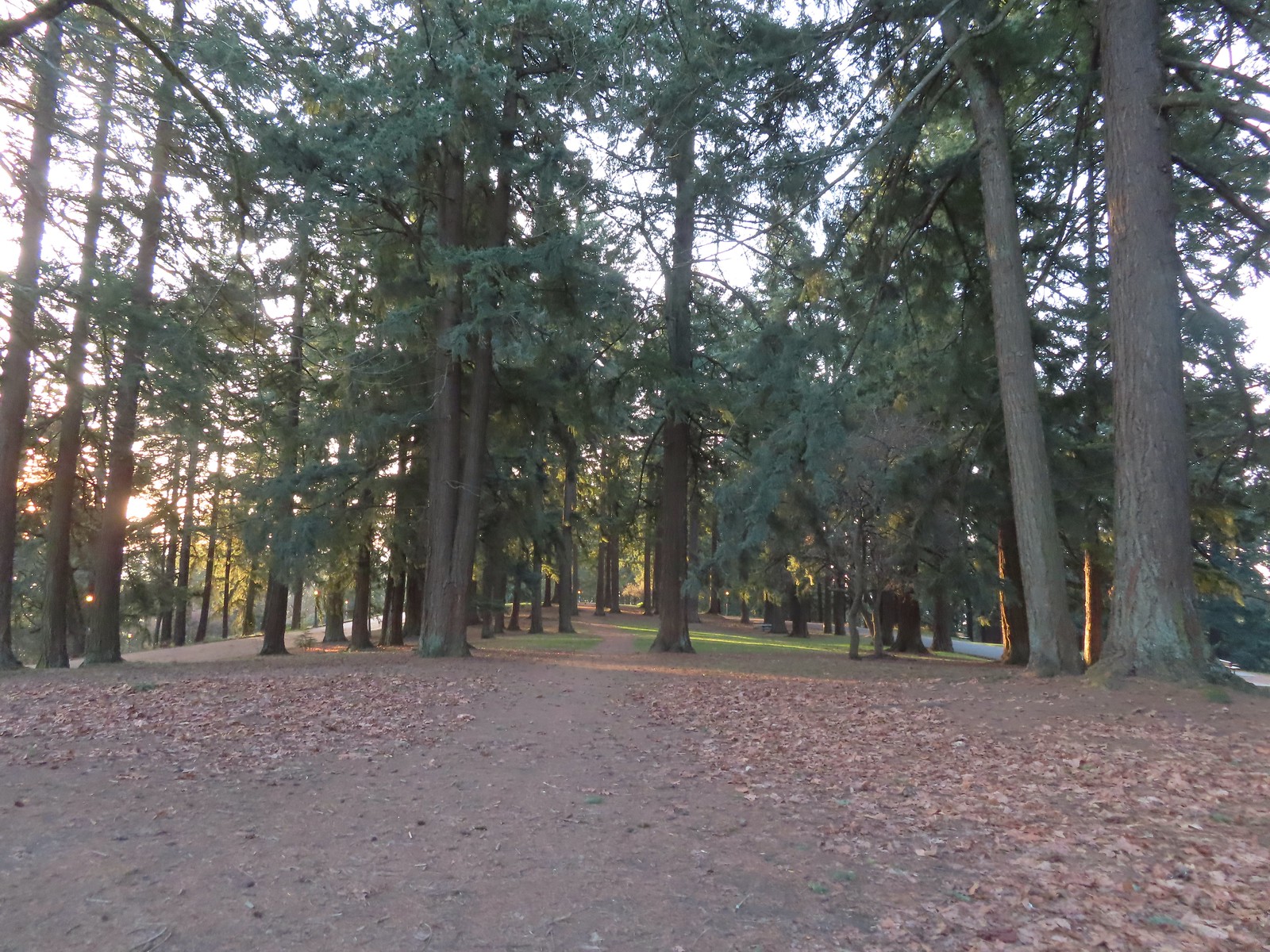 Mount Tabor summit
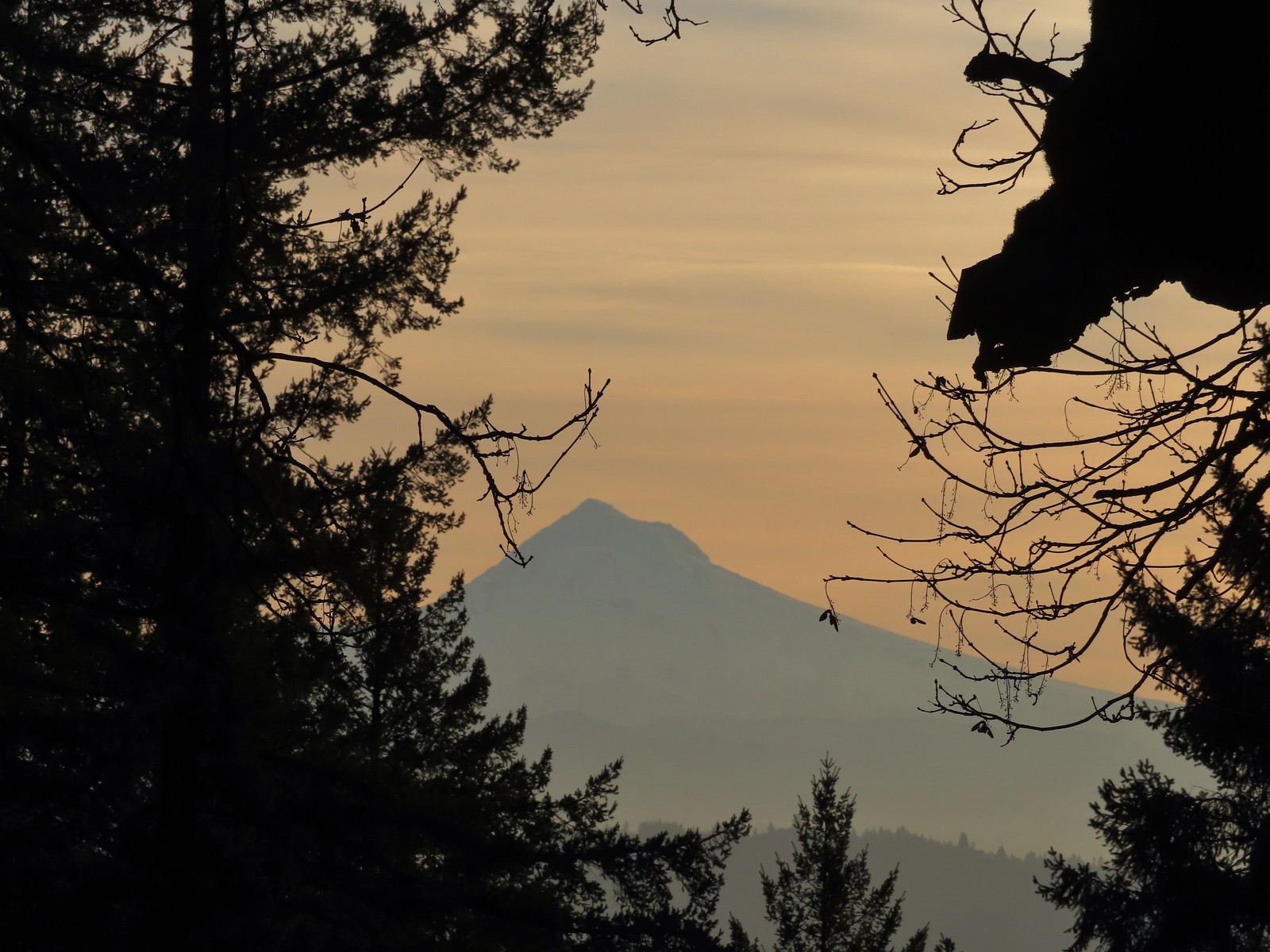 Mt. Hood from the summit.
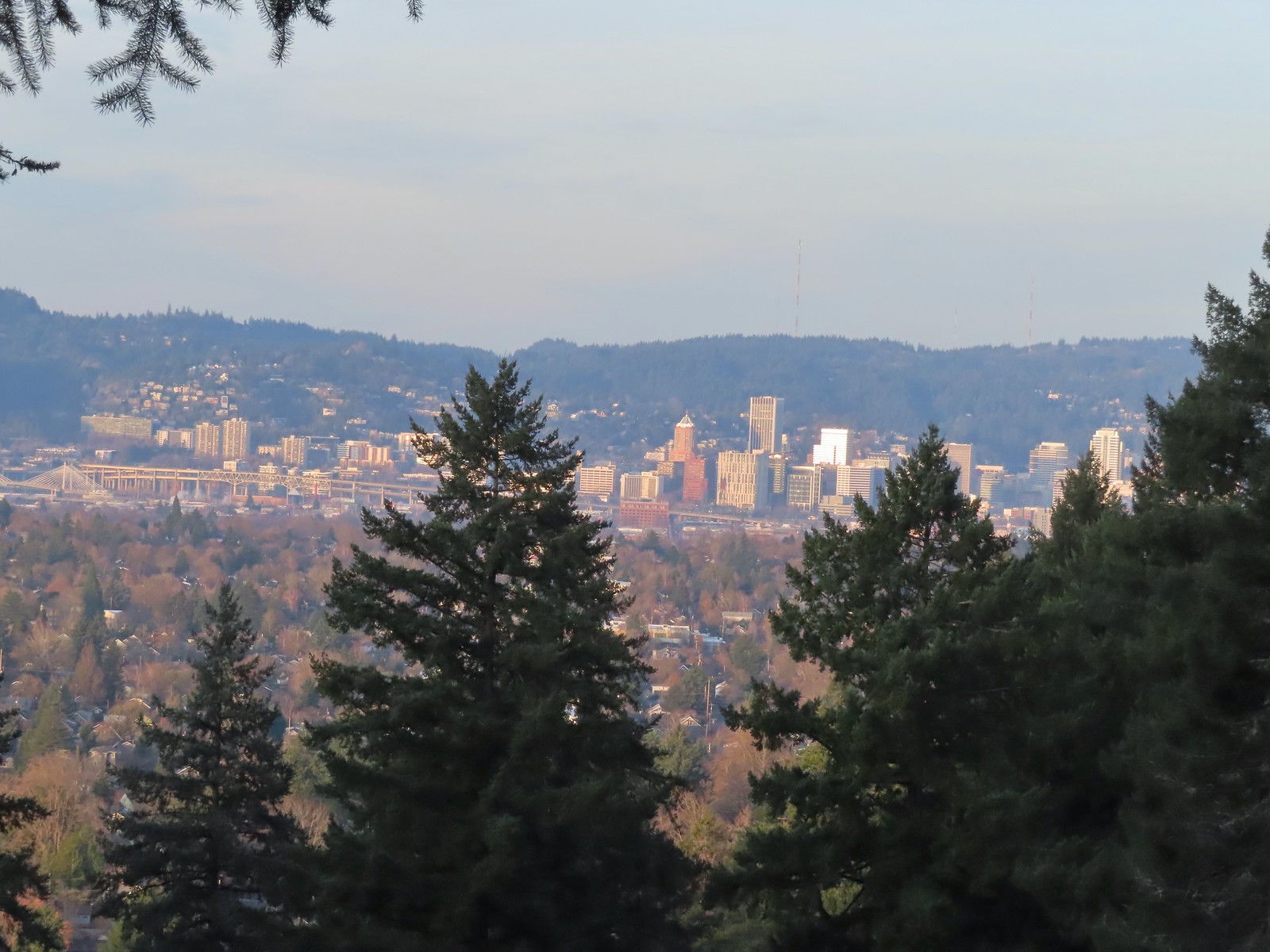 Downtown Portland

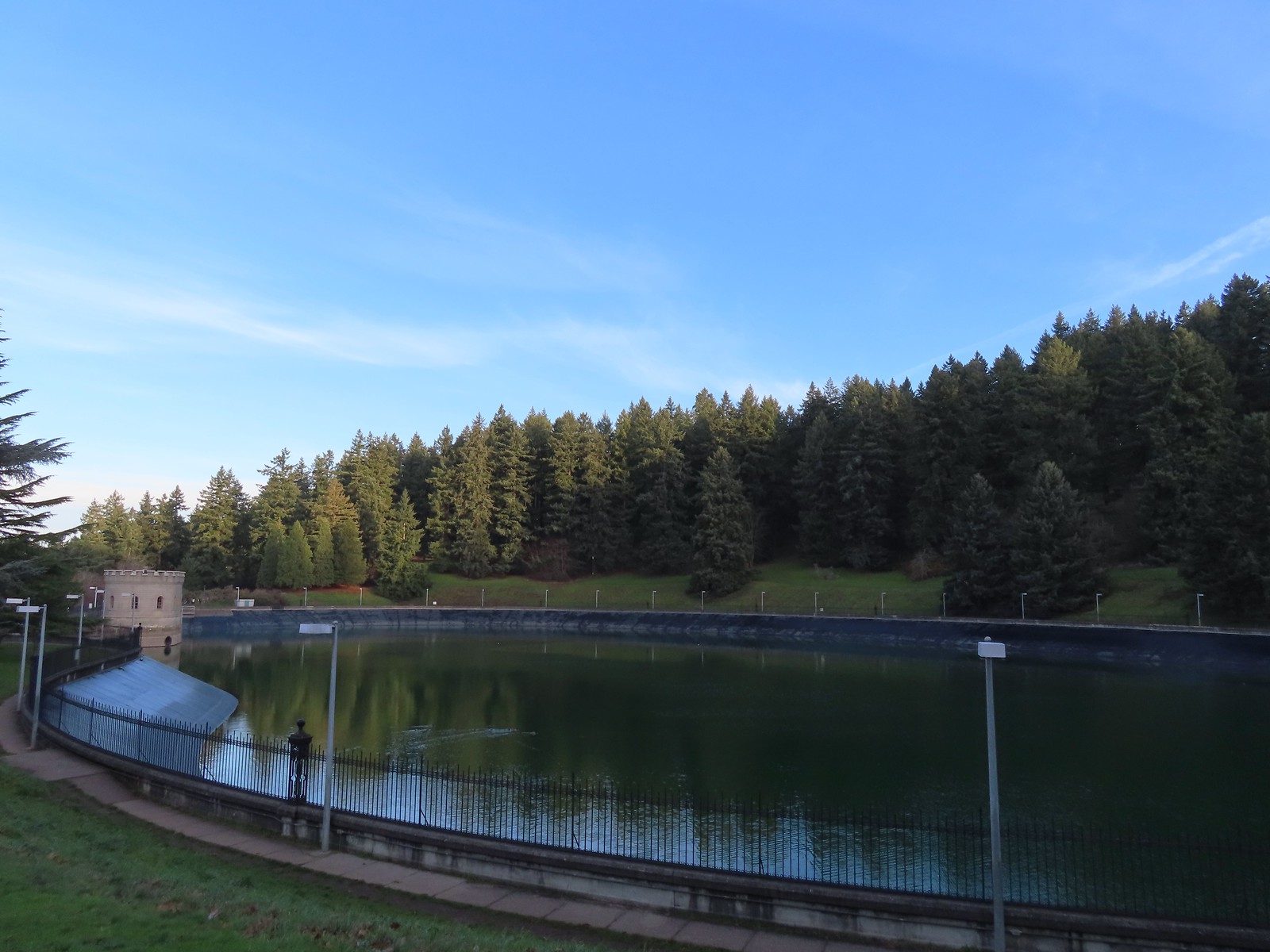
 Mallards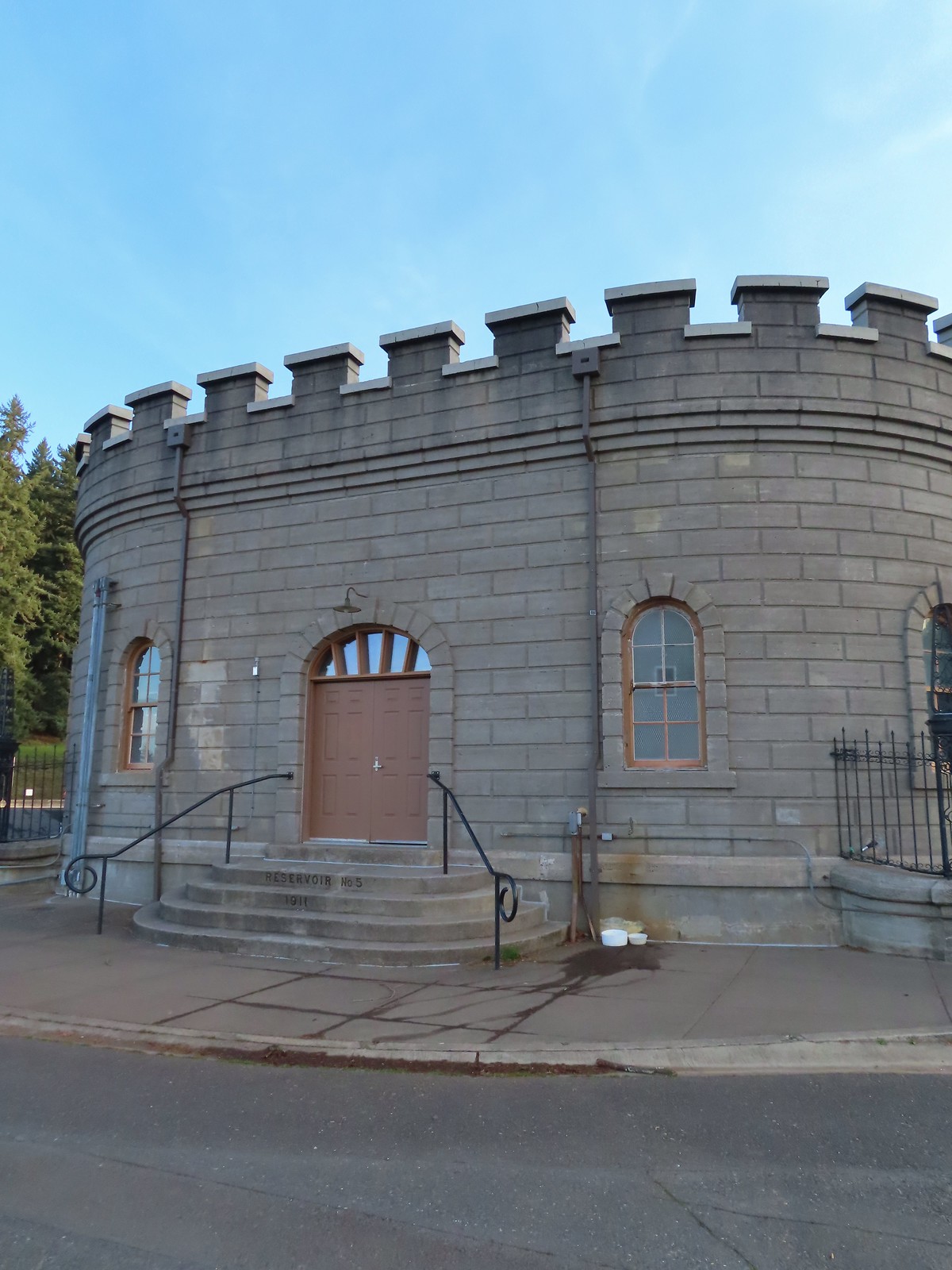


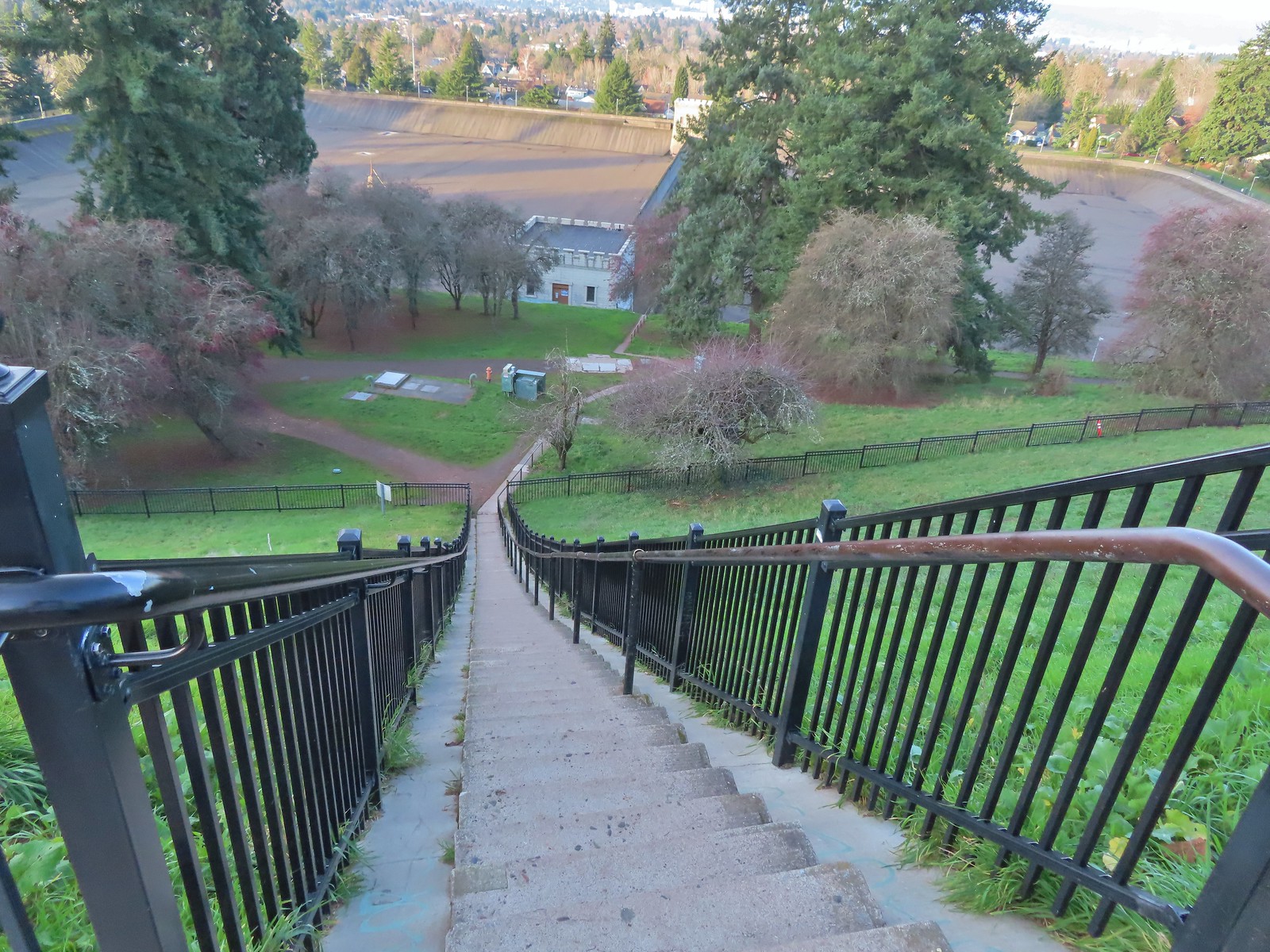

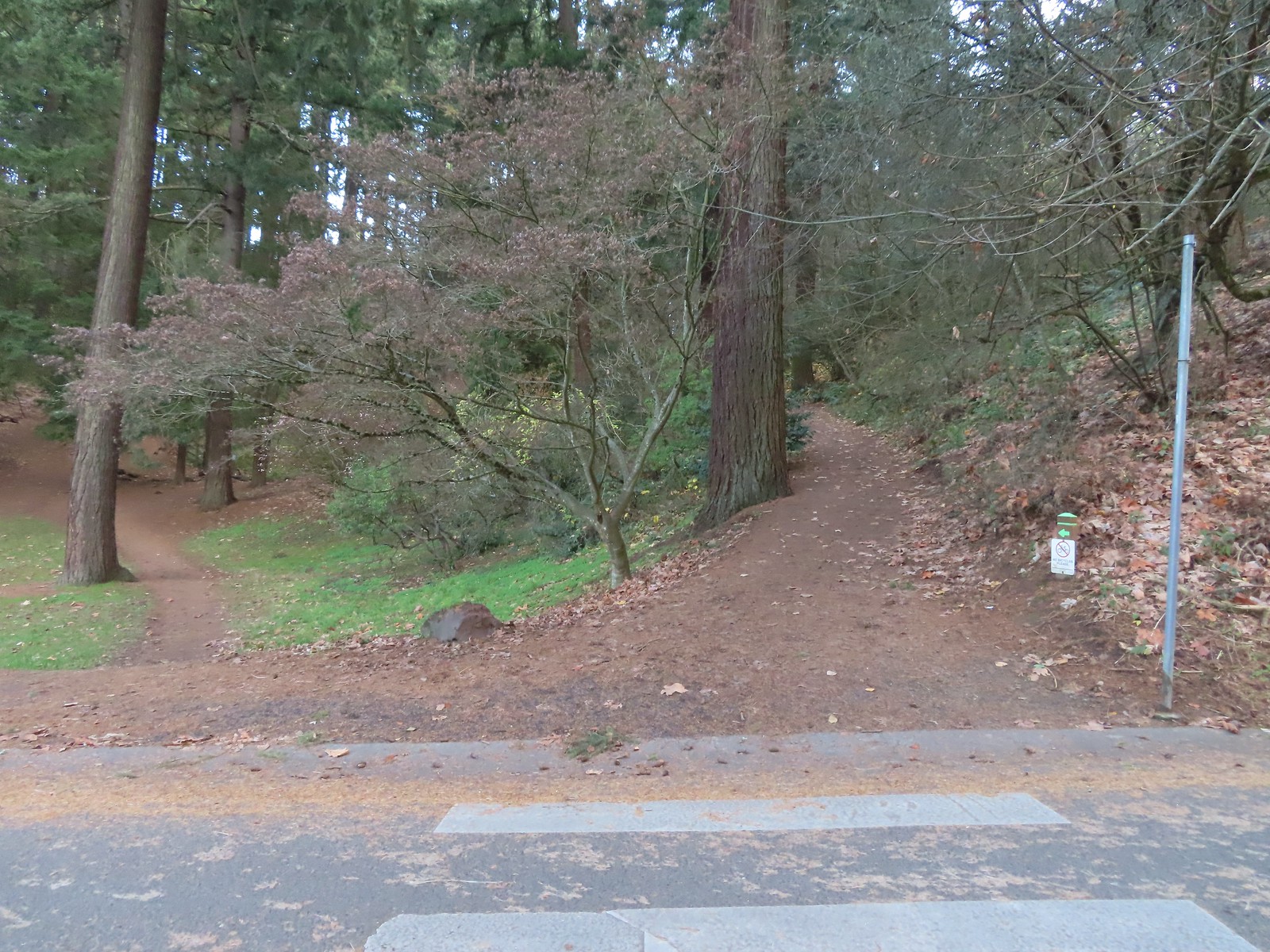 We forked right at this junction sticking to the green pointers.
 Arriving at The Crater.
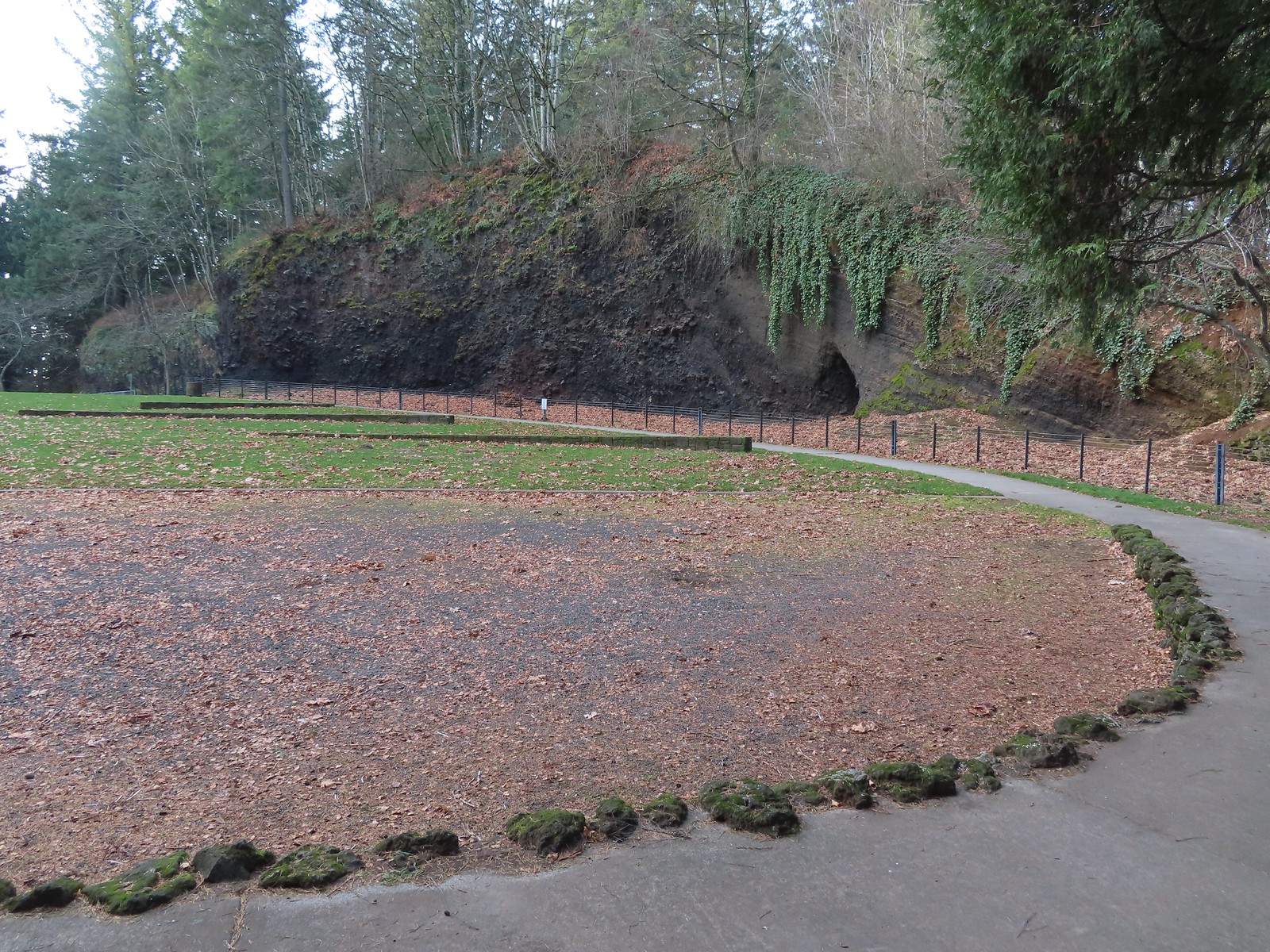 Coming around The Crater near the Visitors Center.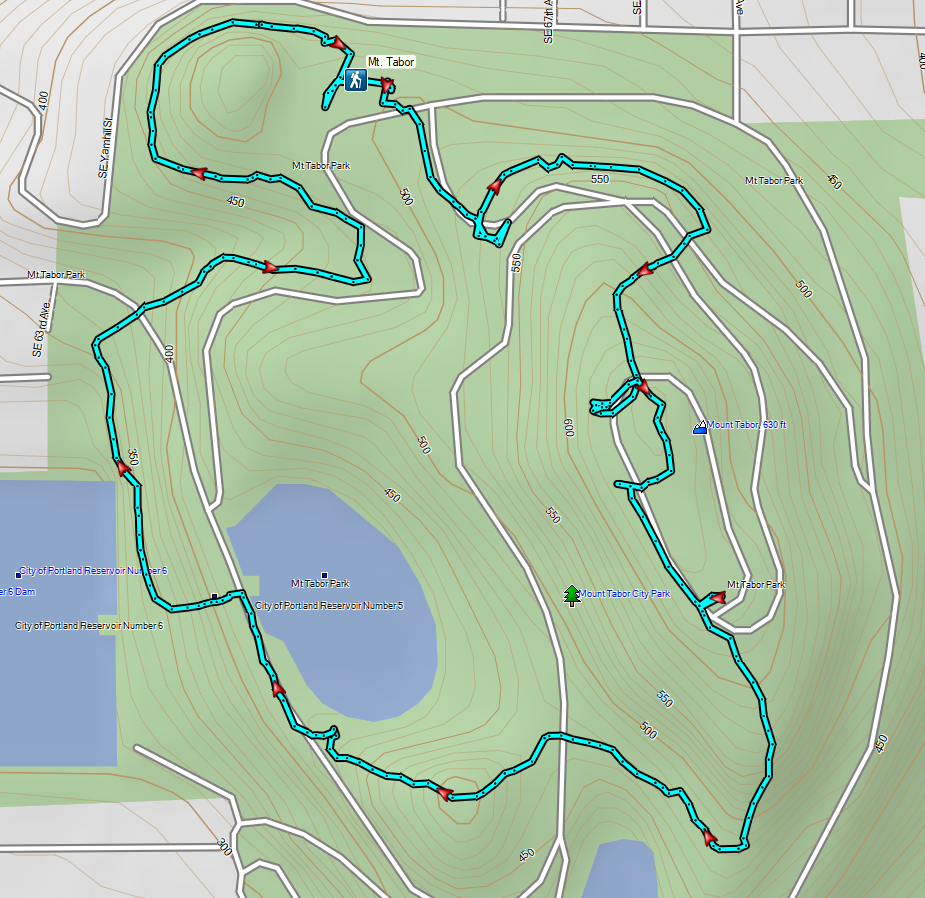

 Mount Talbert from the path.
 Mount Scott Creek
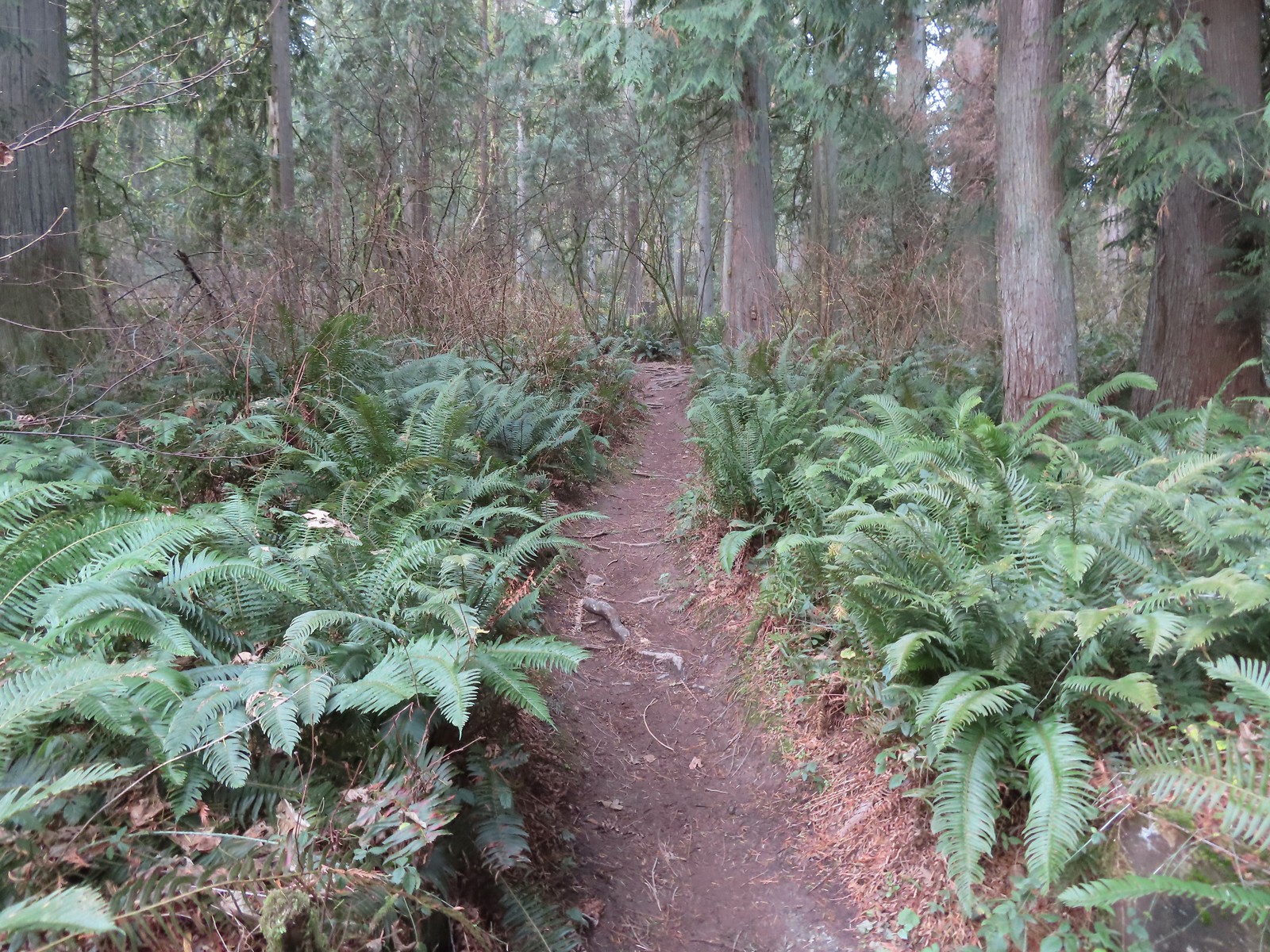
 The Park Loop Trail junction just uphill.
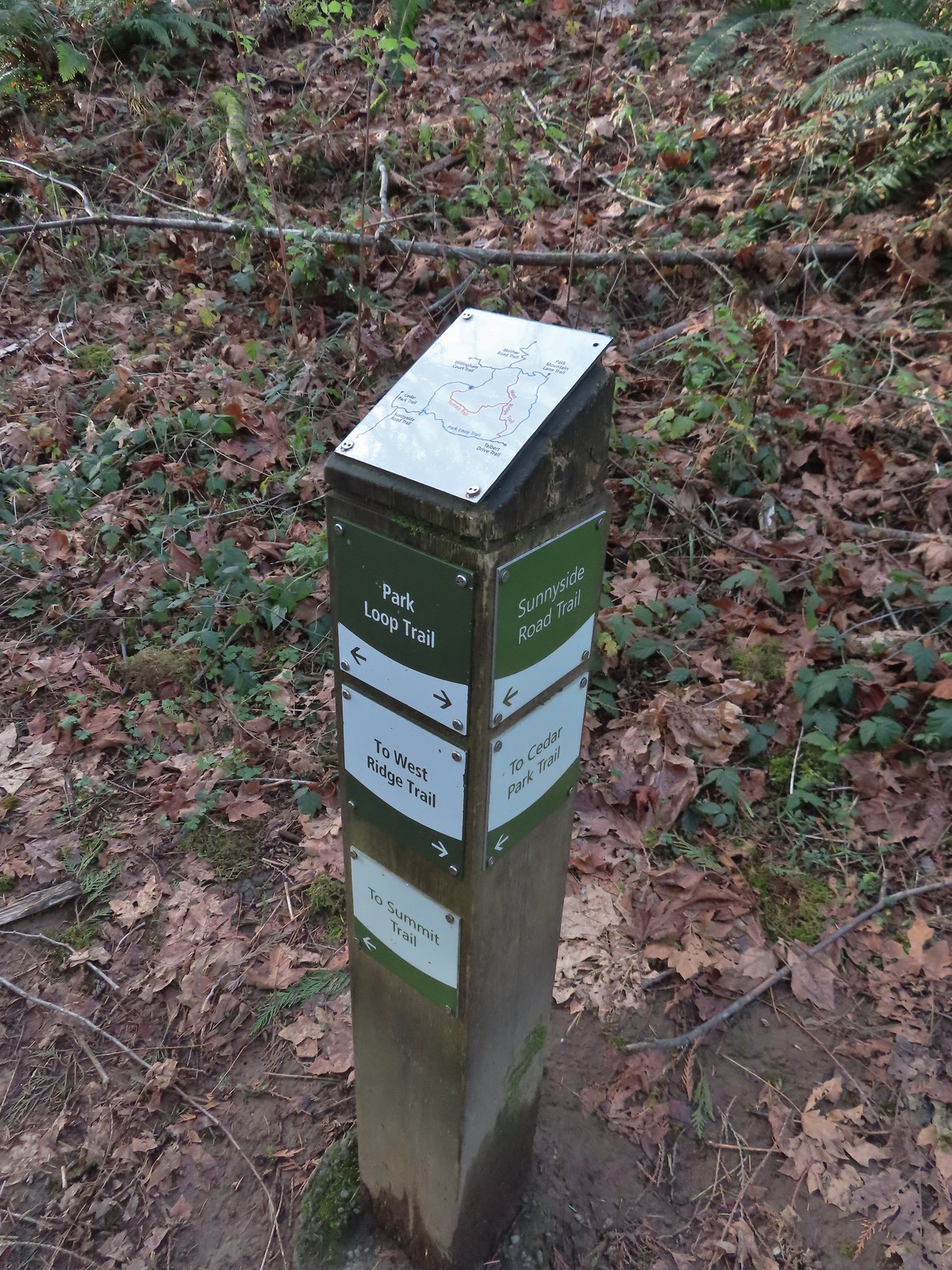 Note that the map at the Park Loop/Sunnyside Road Trail junction mis-identifies the location with the “You Are Here” star located at the Park Loop/Summit Ridge junction.
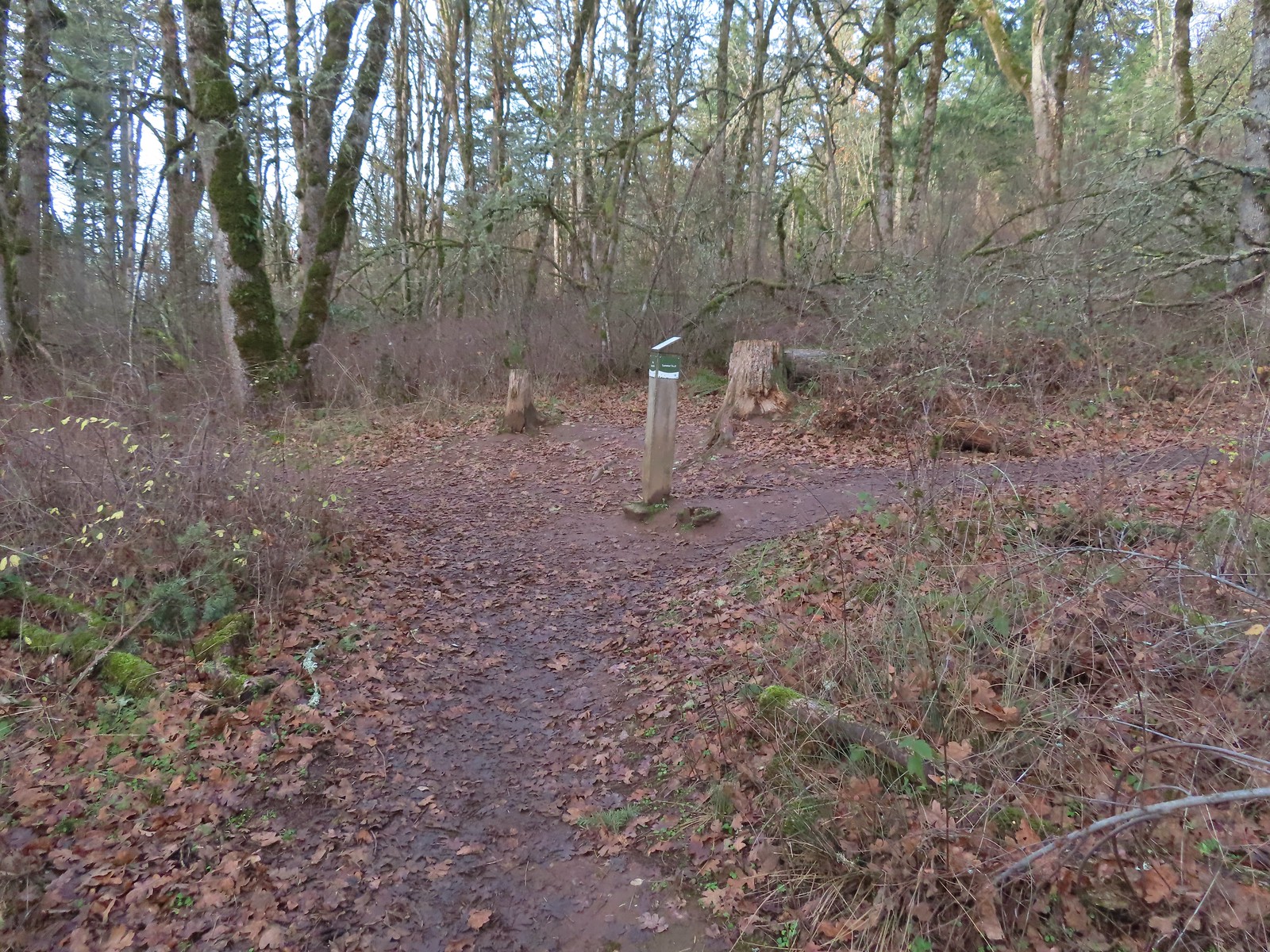
 Arriving at the West Ridge Trail junction.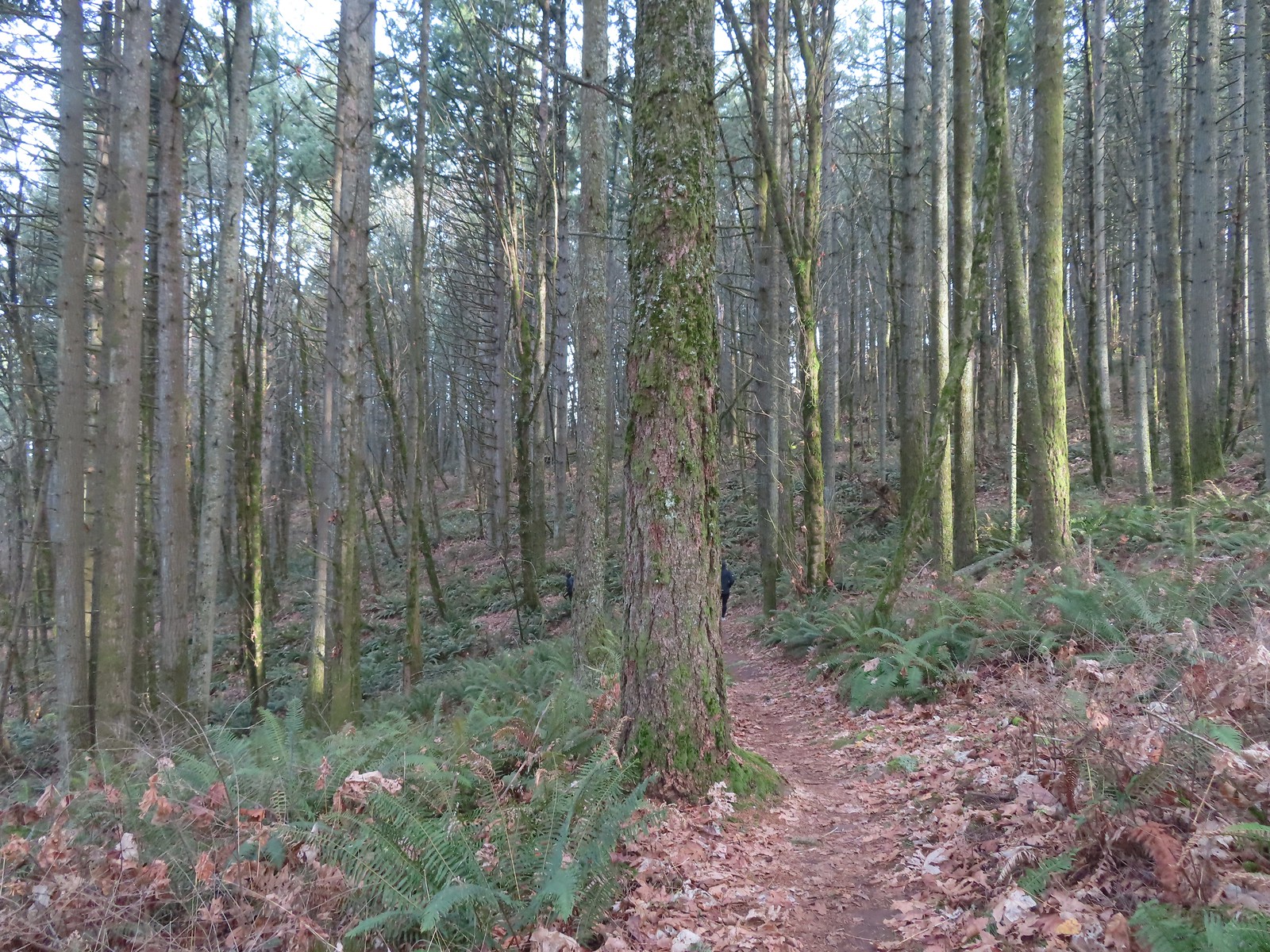
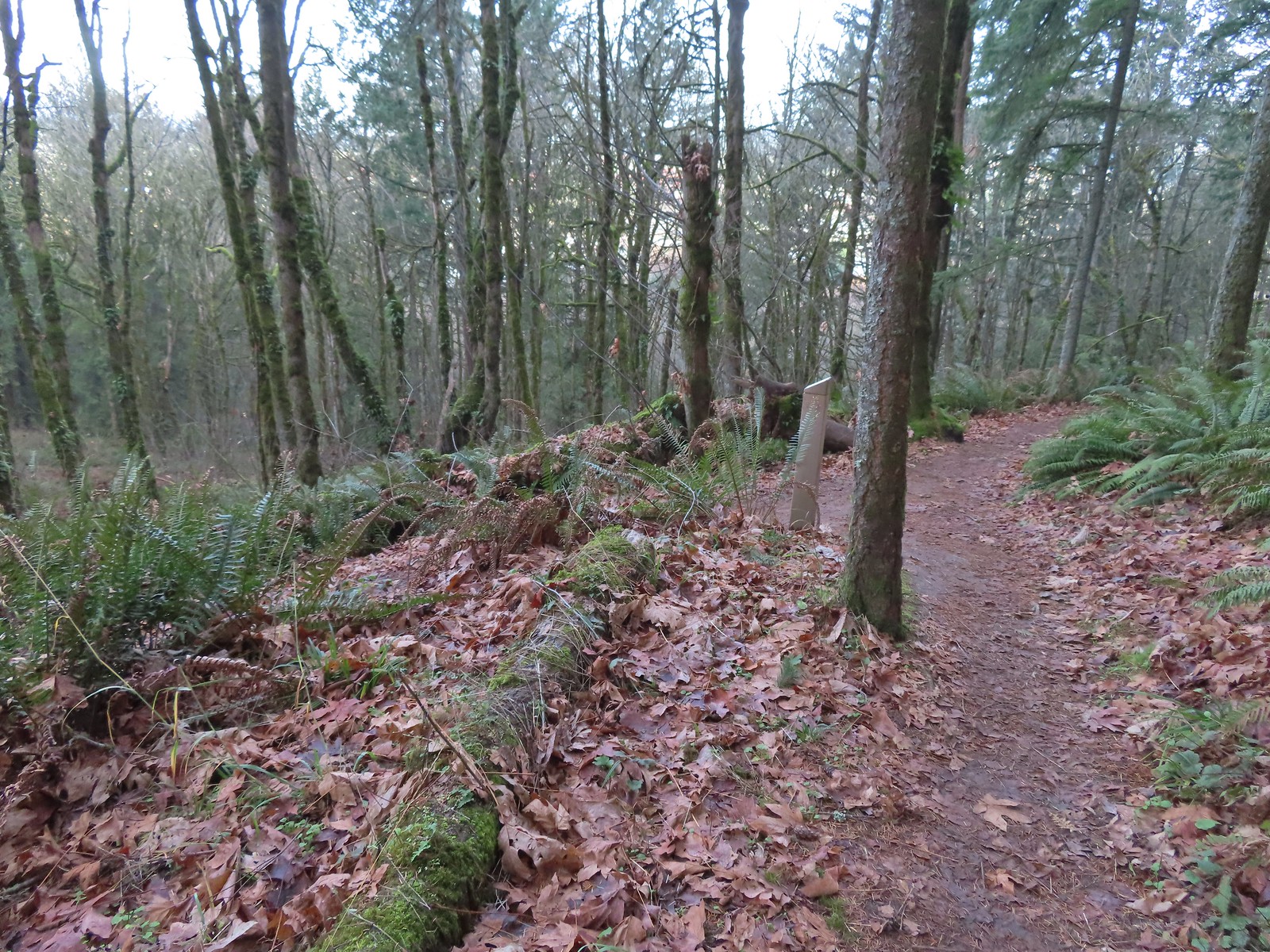 Rejoining the Park Loop Trail.
 Mt. Adams was visible through the web of small branches.
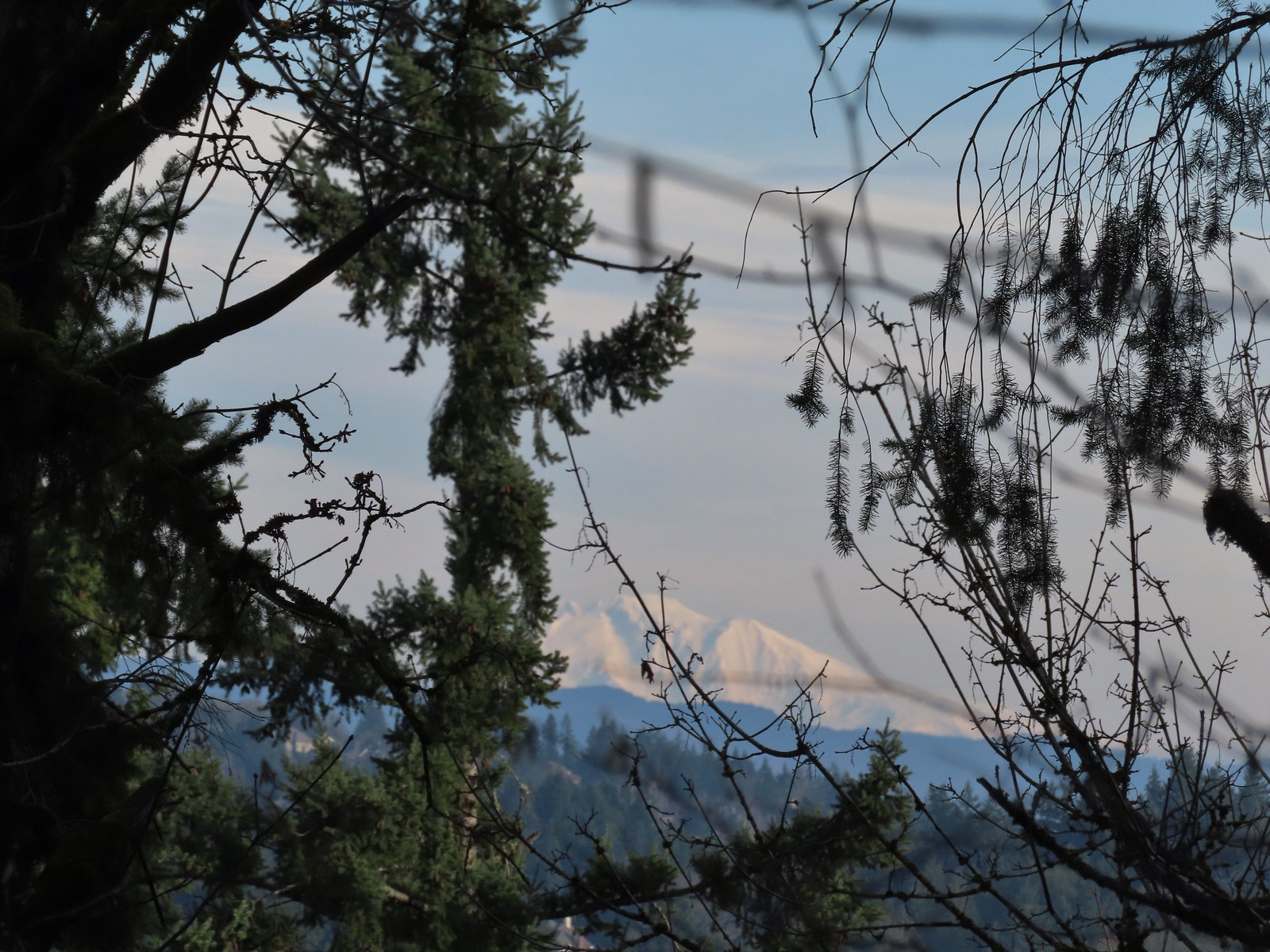 A snowy Mt. Adams.
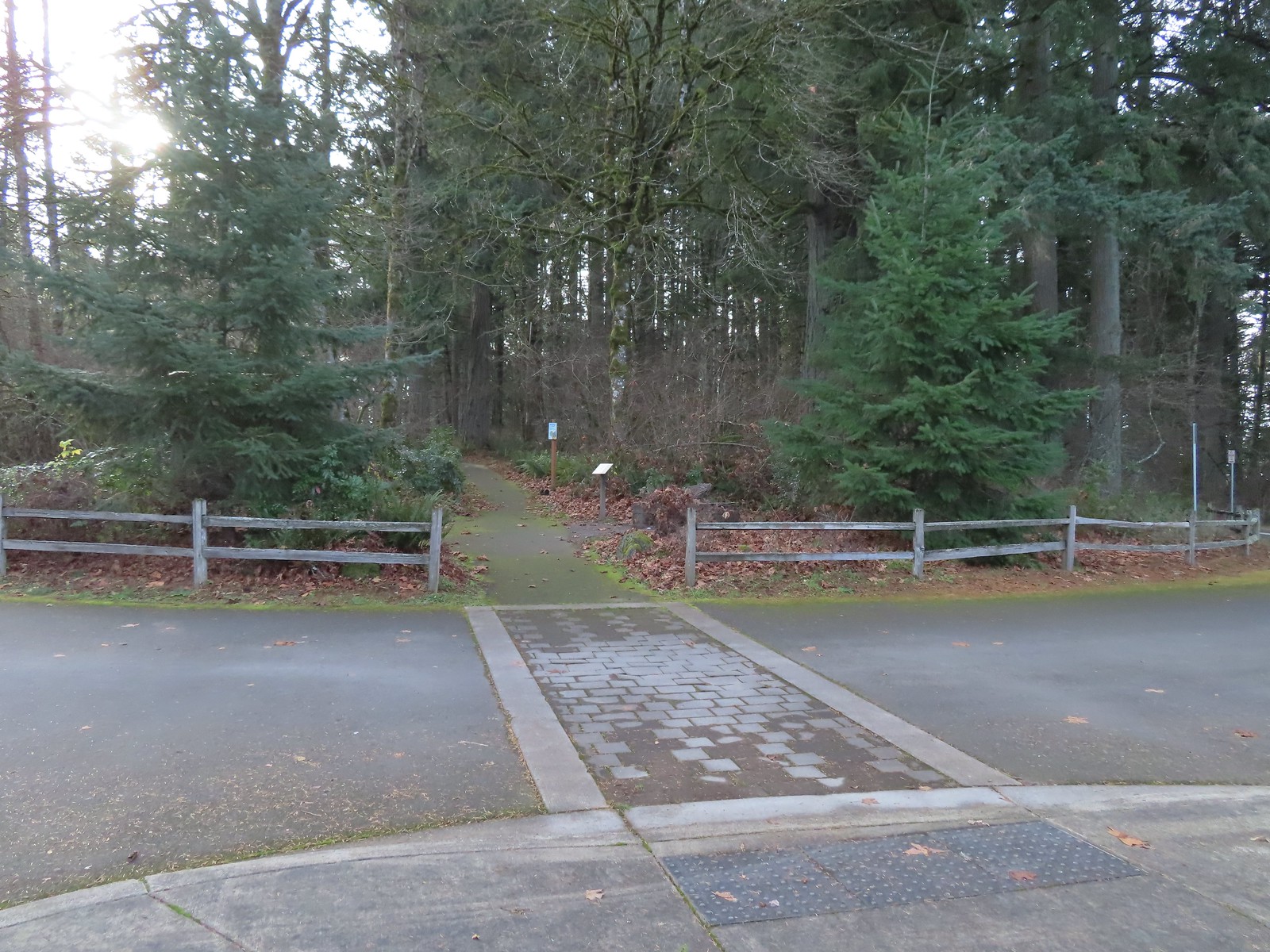
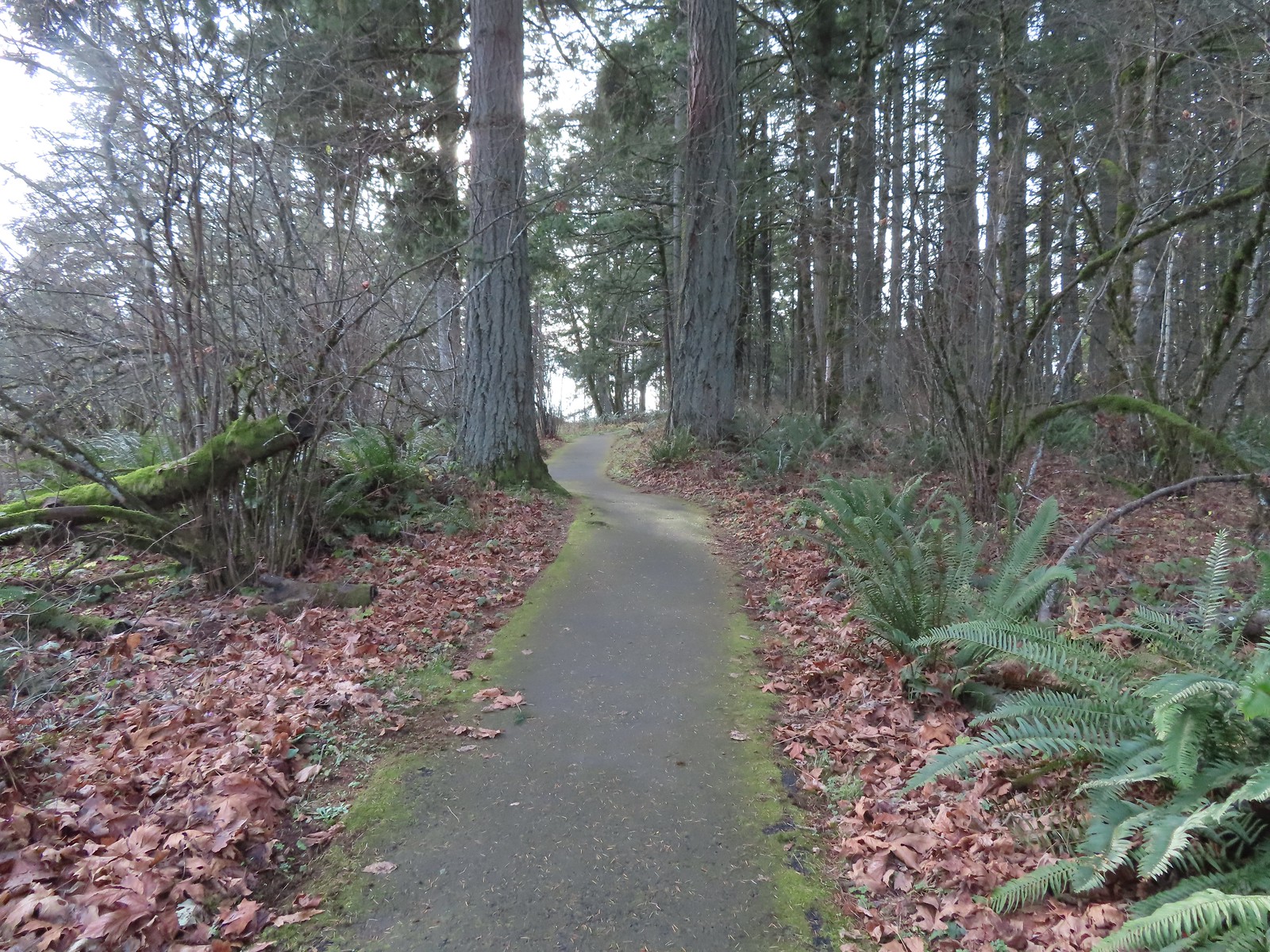
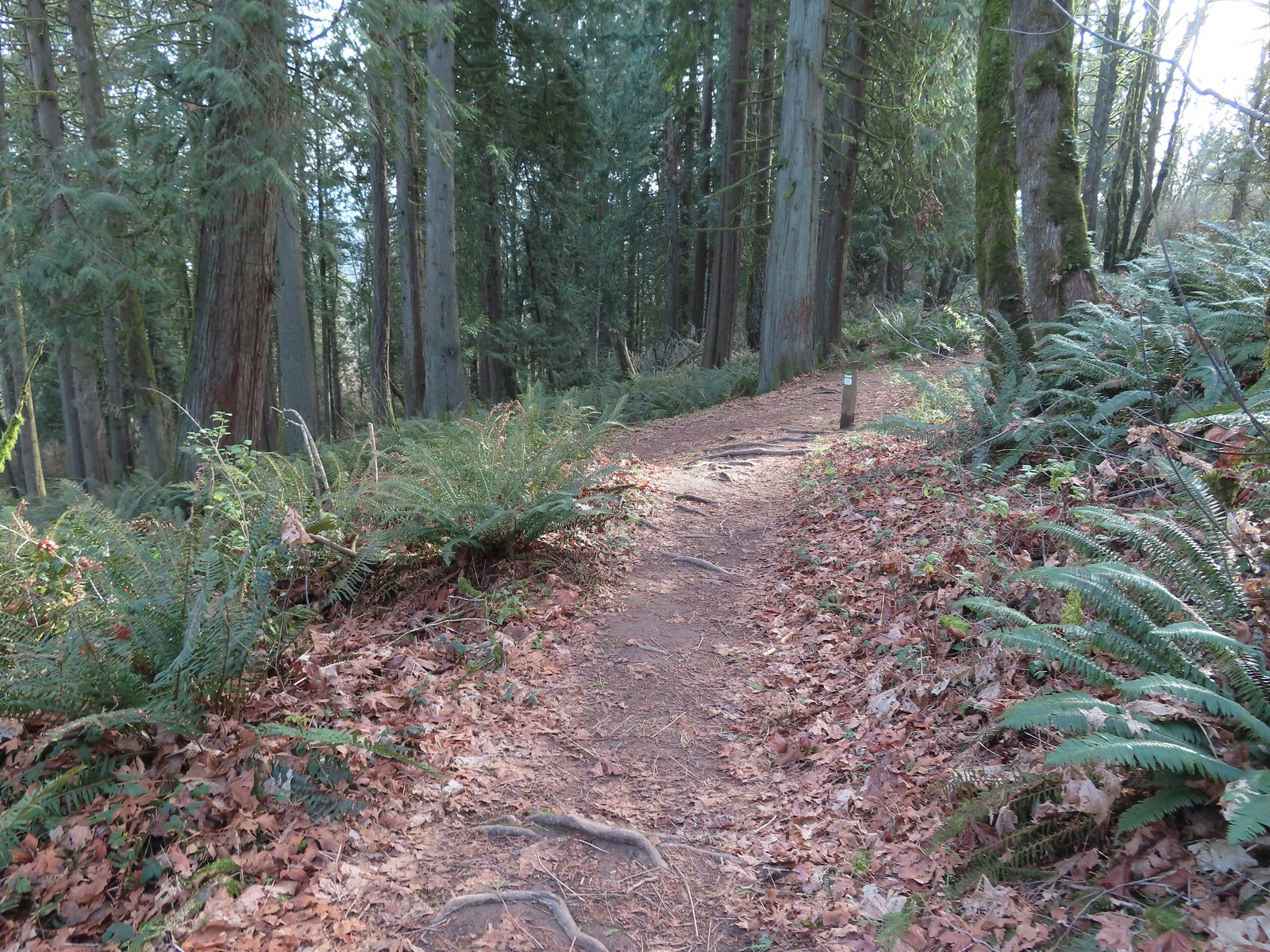 Back at the Sunnyside Road Trail.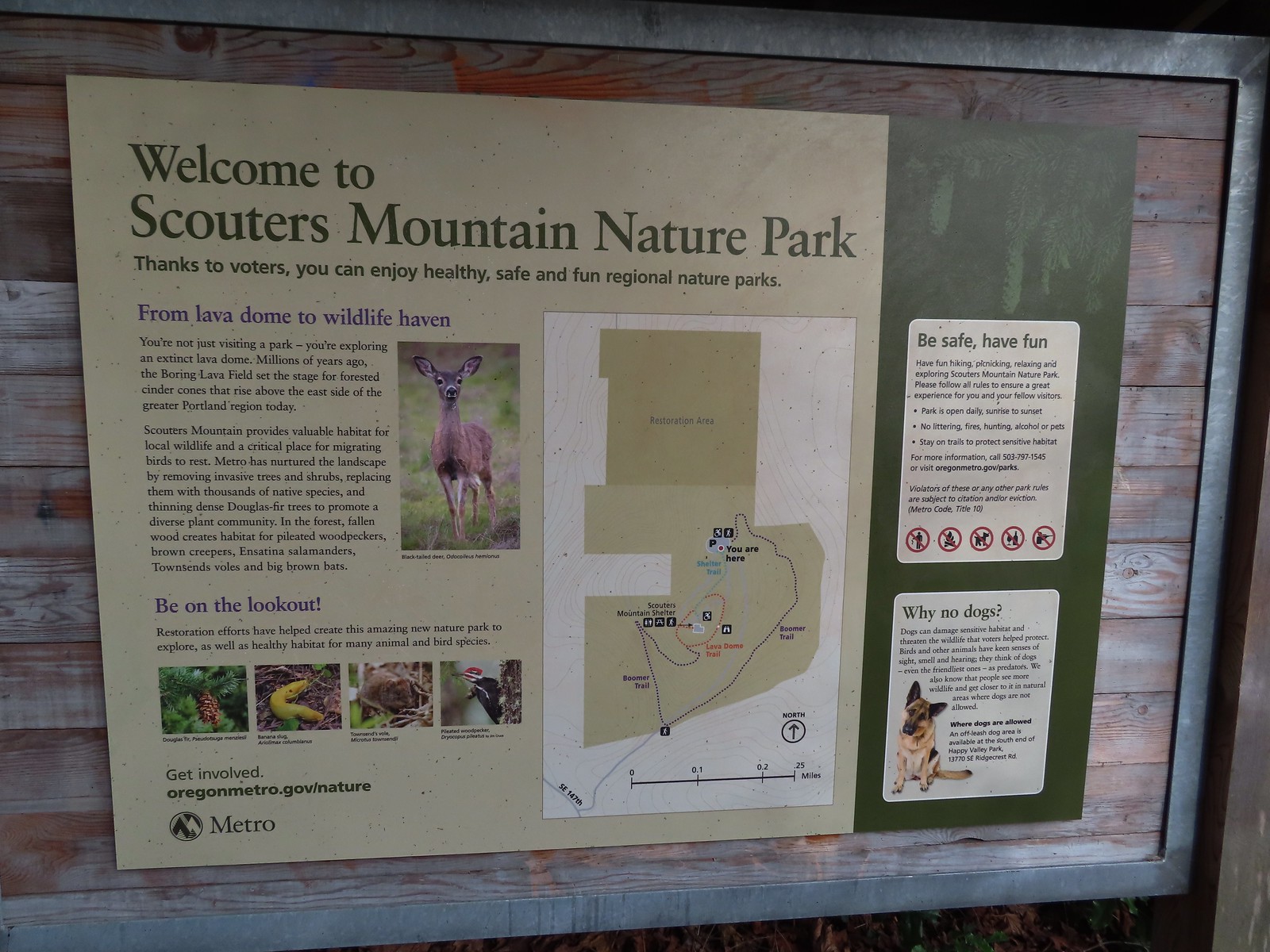
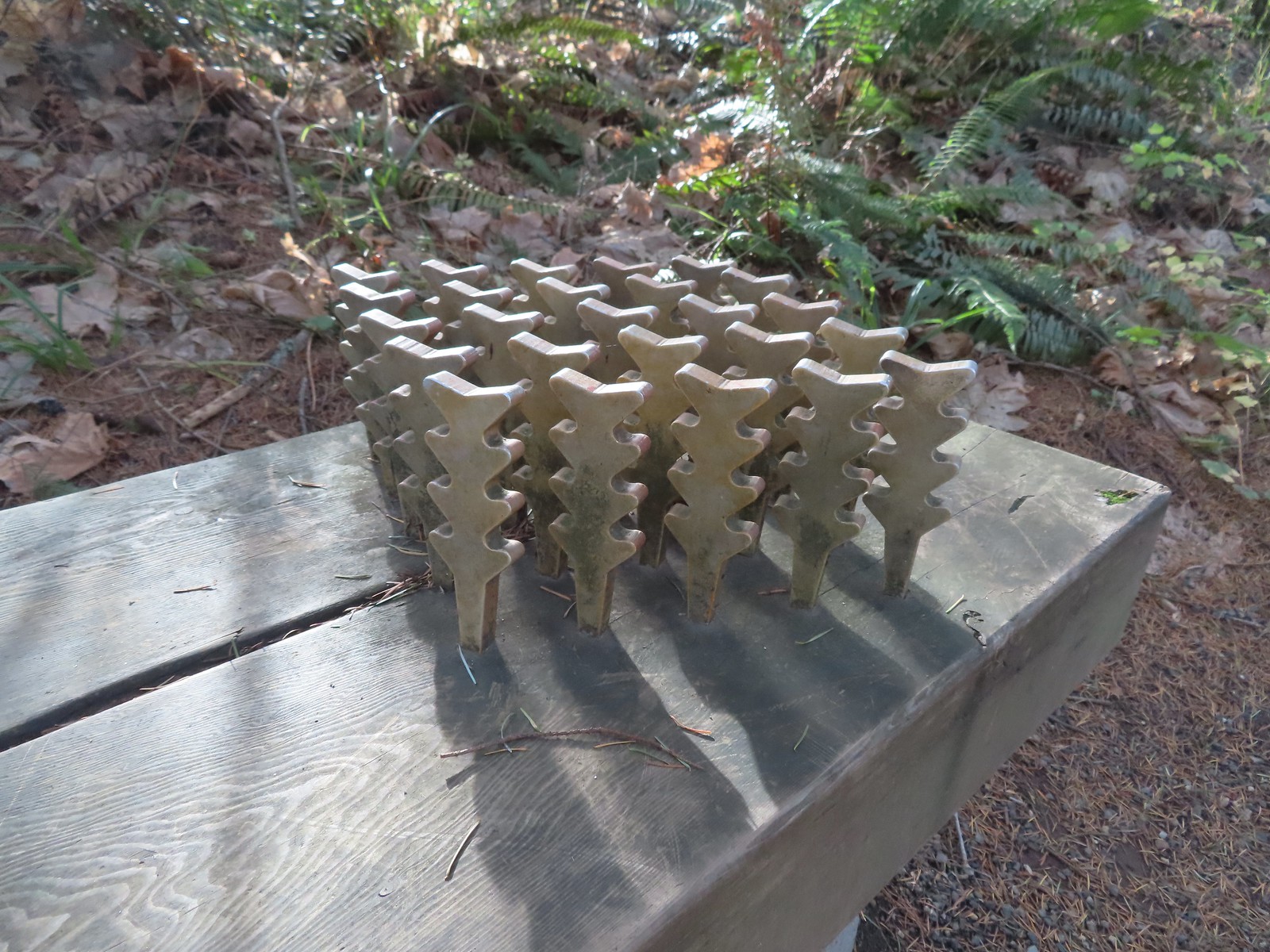 The benches throughout the park contained various nature sculptures, this one is “Moss Group”.
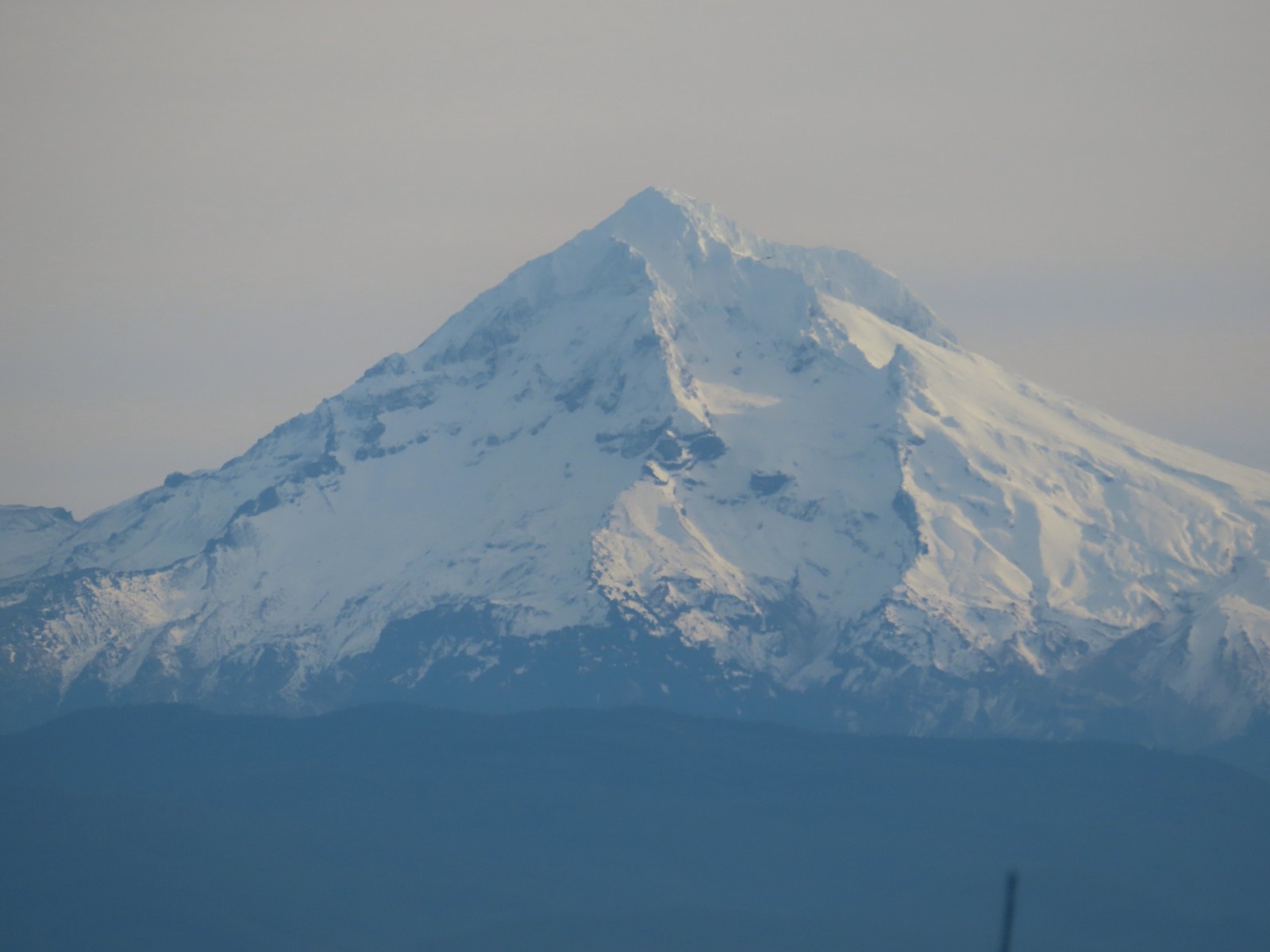
 On the Boomer Trail.
 The Boomer Trail turned left at the bottom of these stone steps.
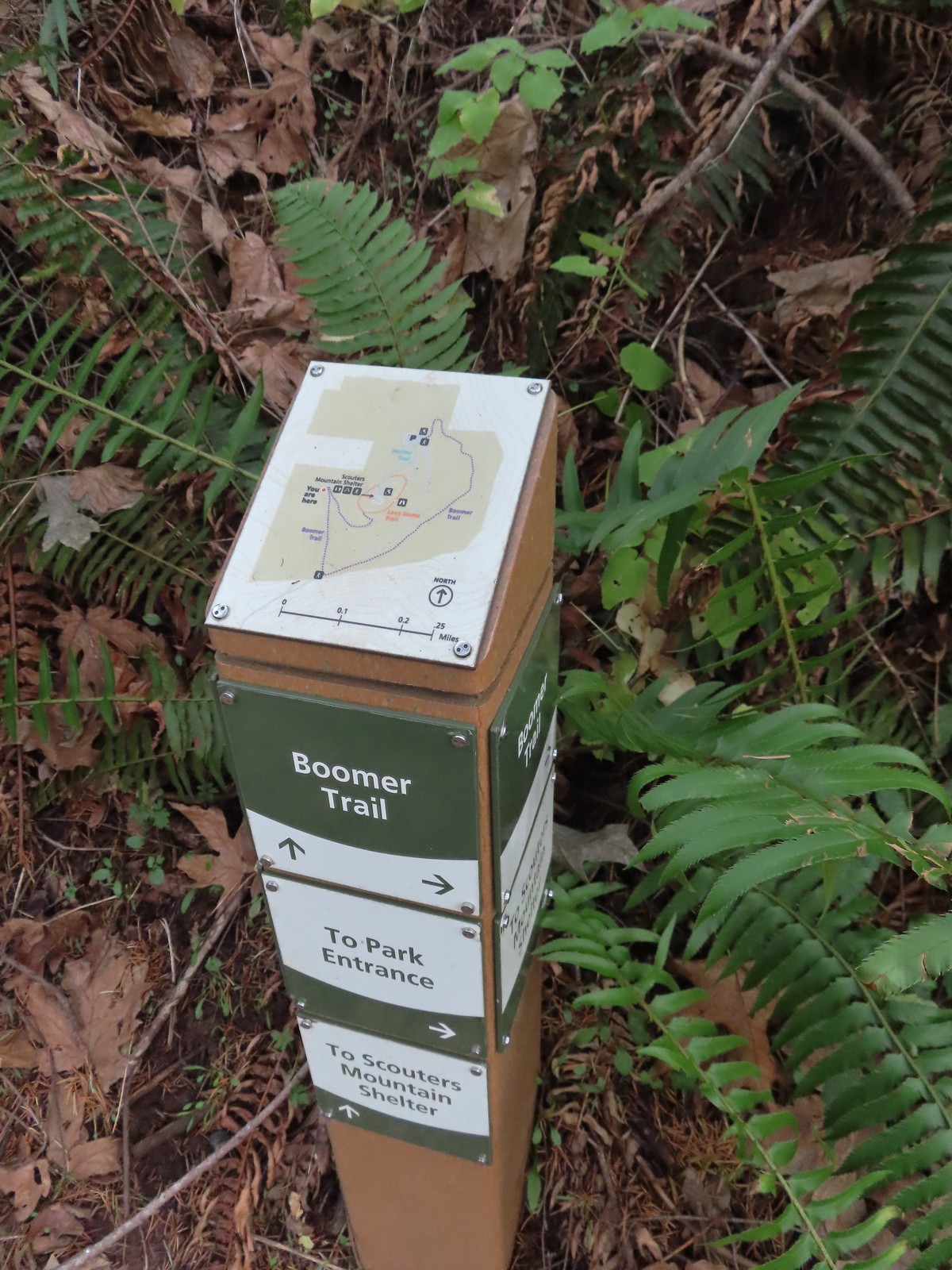 Another Metro trail map and pointers.
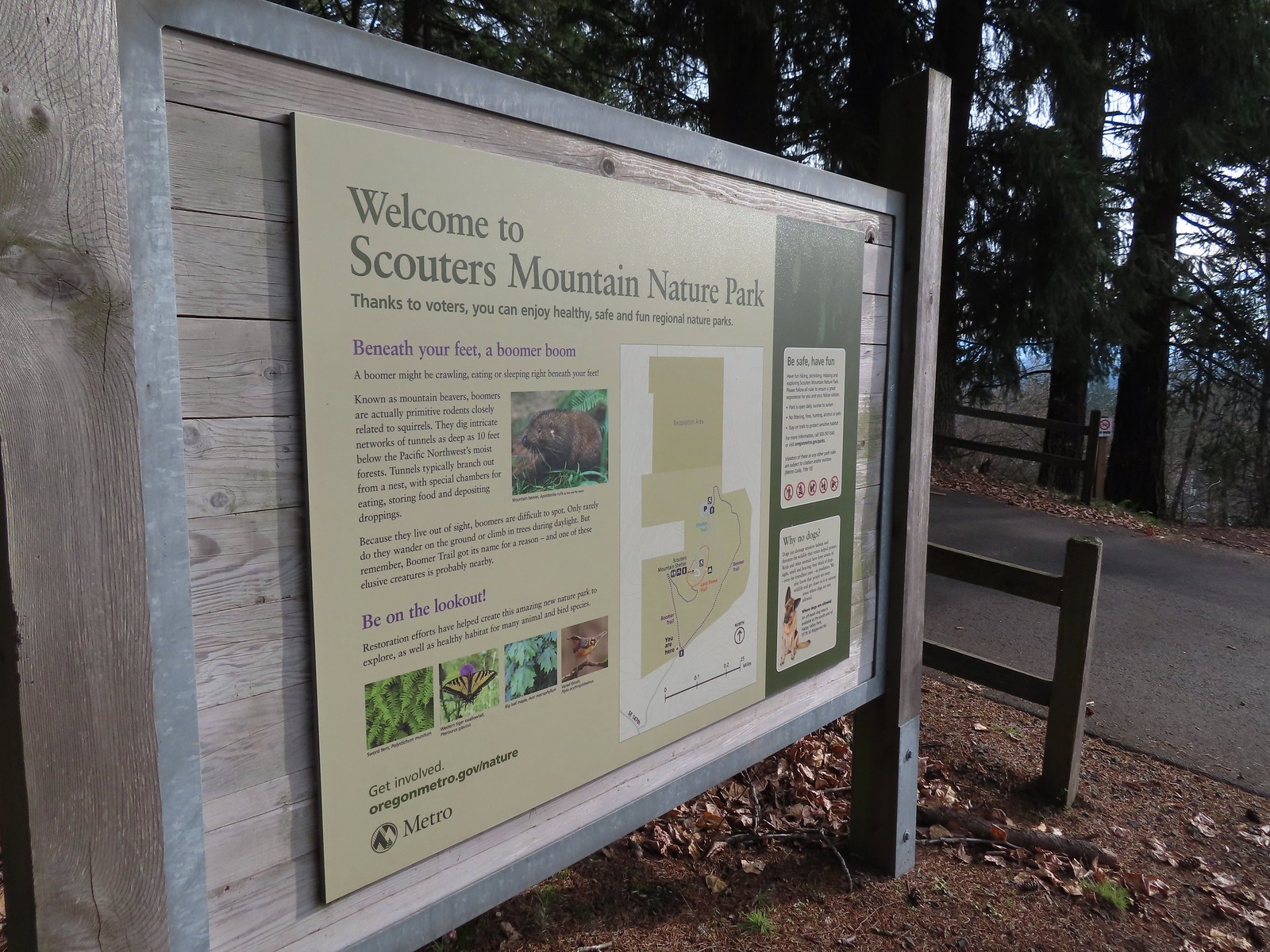 The Boomer Trail, named for Mountain Beavers which are sometimes called boomers, crossed the entrance road before climbing back up to the parking area.
 This was an impressive root system.
 A less obstructed view of Mt. Adams. (Mt. St. Helens was also briefly visible from this section of trail.)
 Slightly clearer shot of Mt. Adams.
 Back at the trailhead.
 Mt. St. Helens from the service road. Mt. Hood was also visible to the right through some fences around the ball fields.


 The large area to the right didn’t offer much of a view of the falls, but the view from the bridge was great.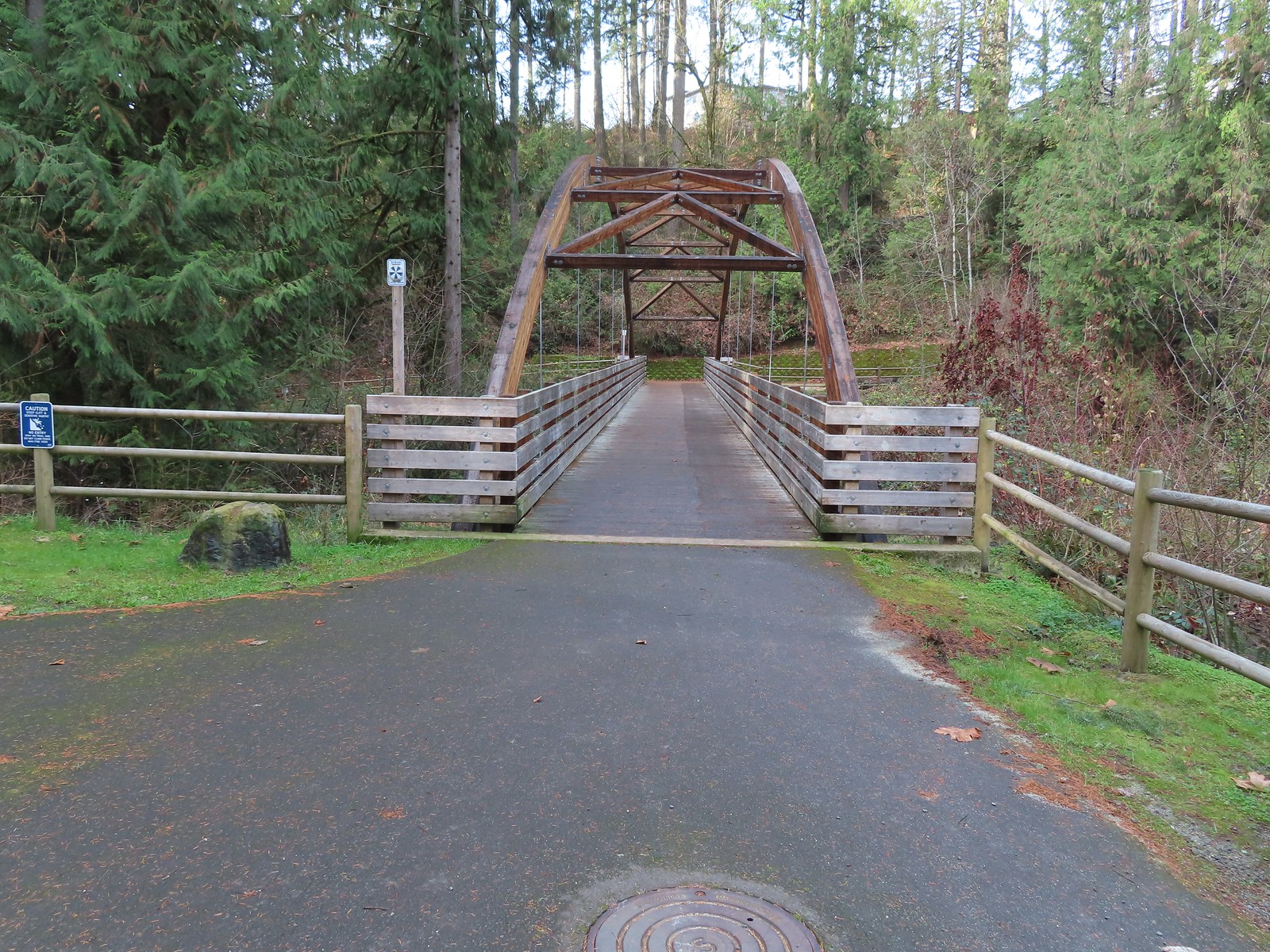

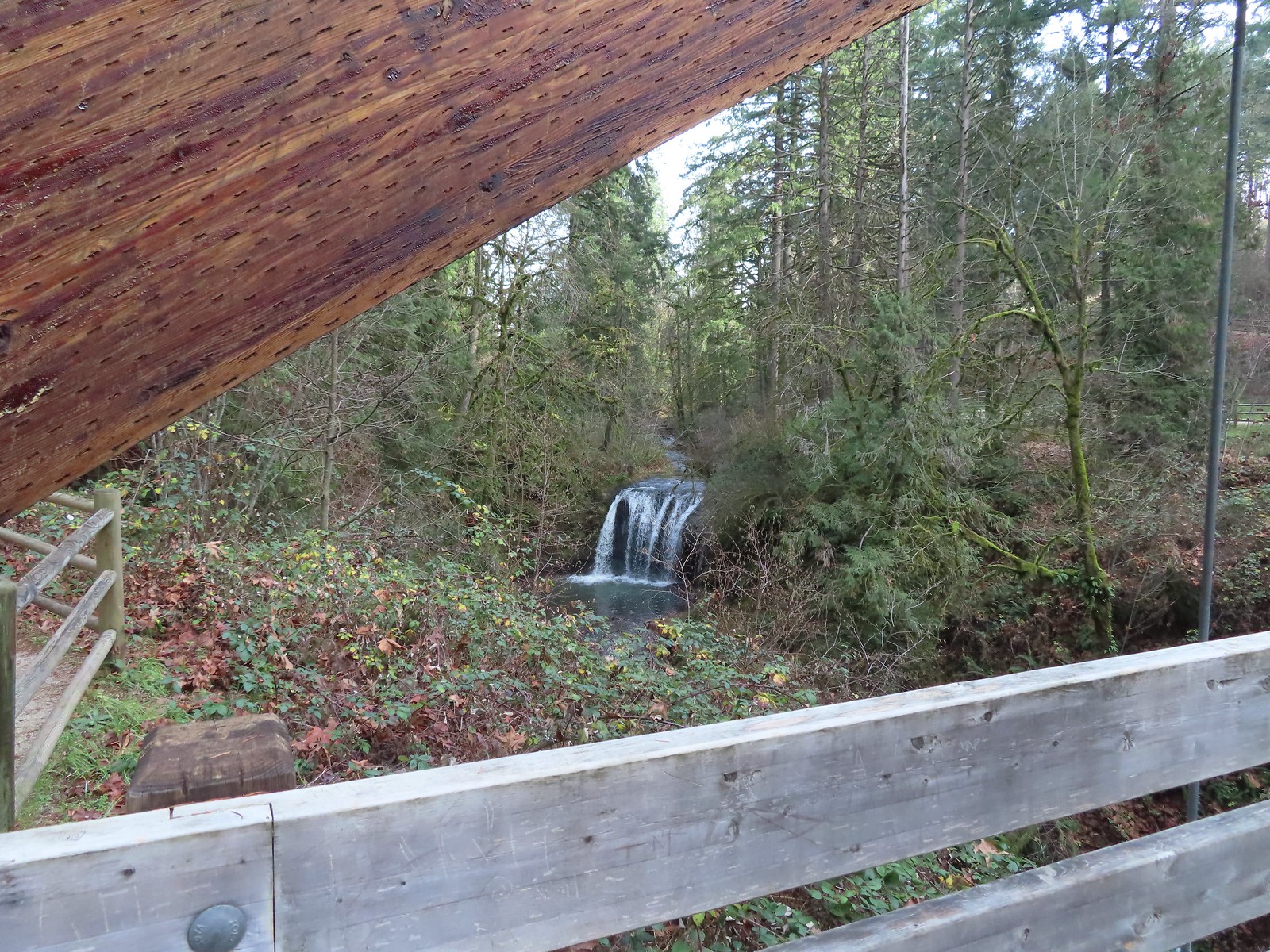
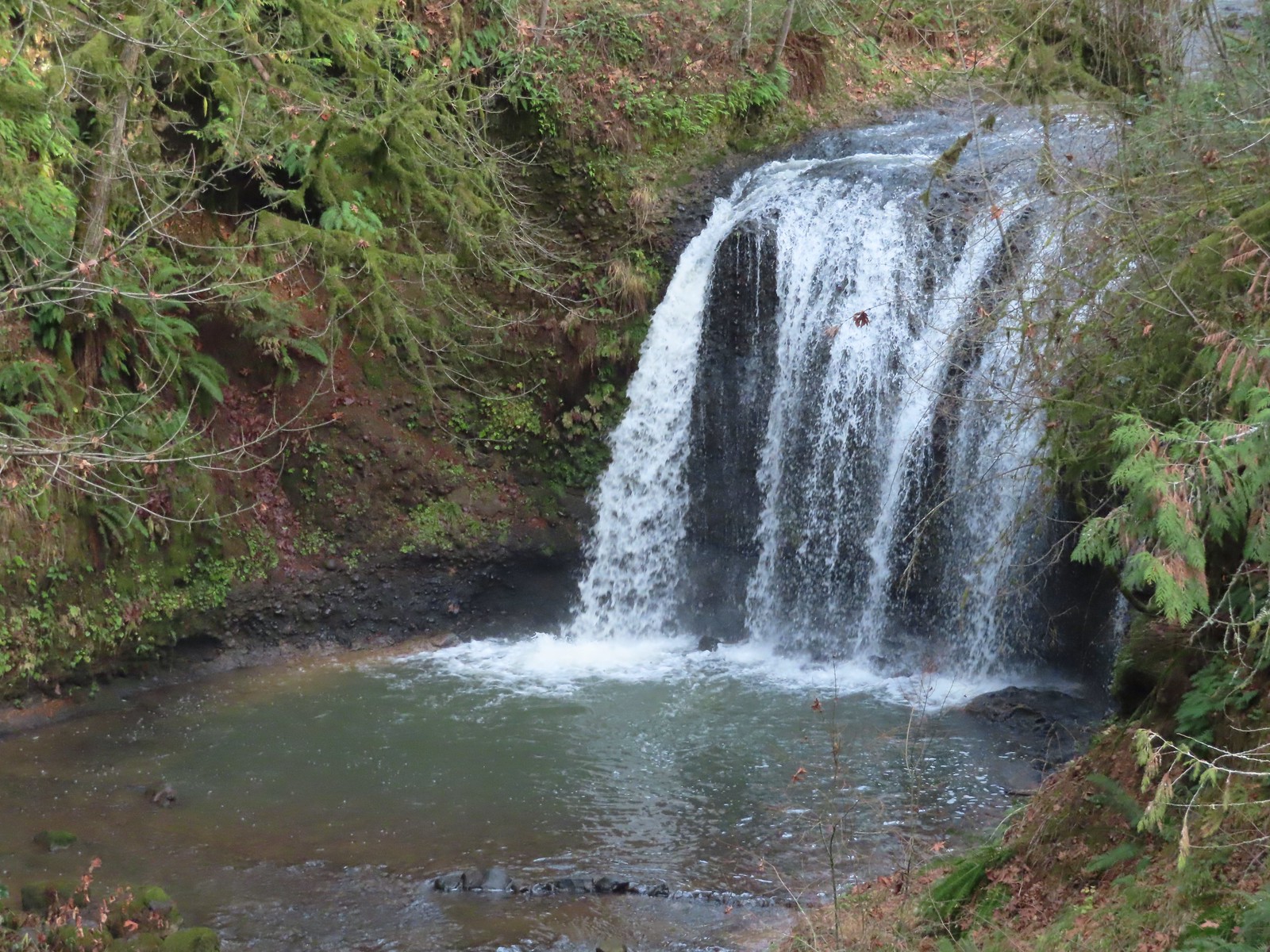



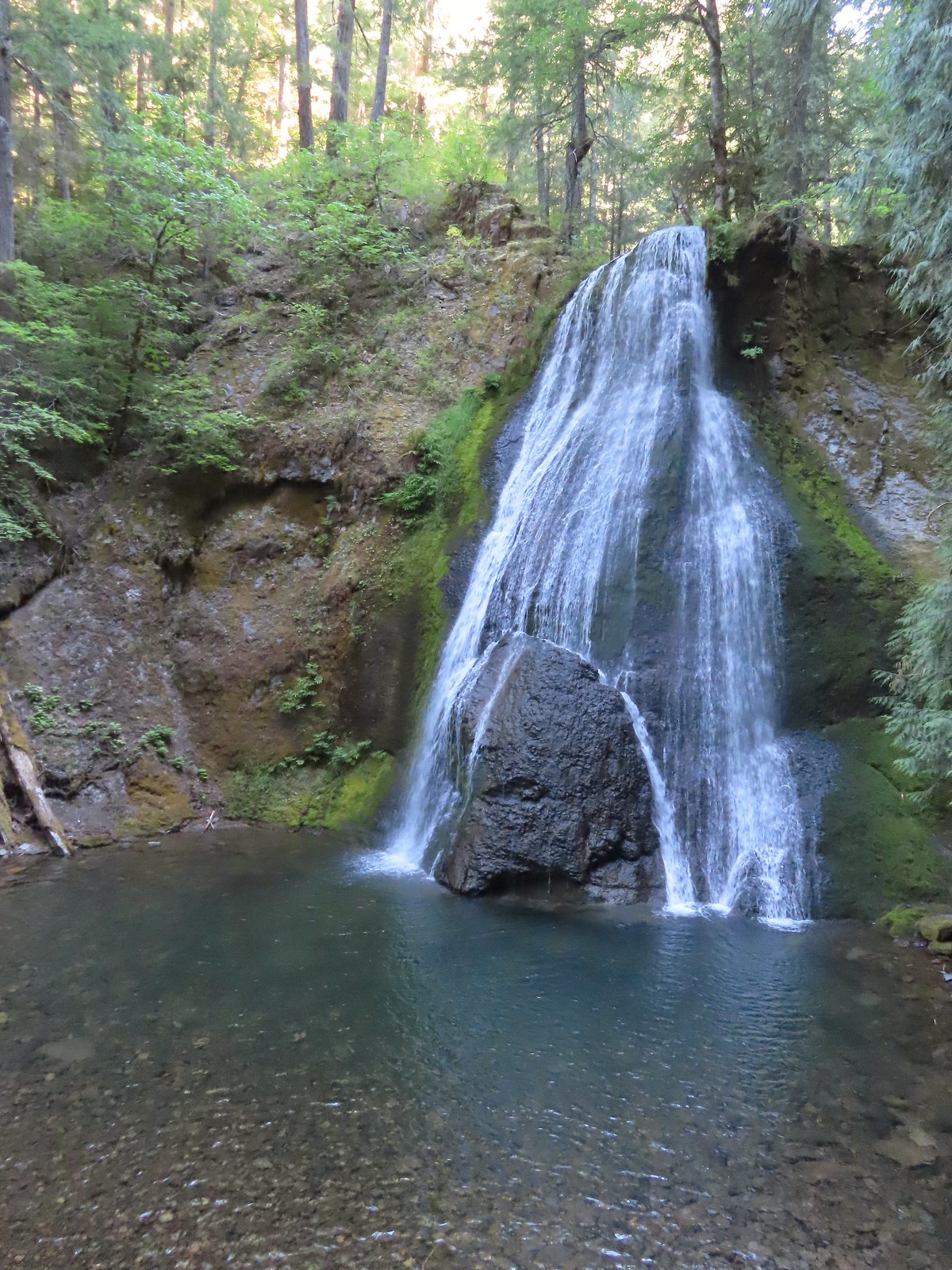
 Fall Creek Falls
 Yasko Falls
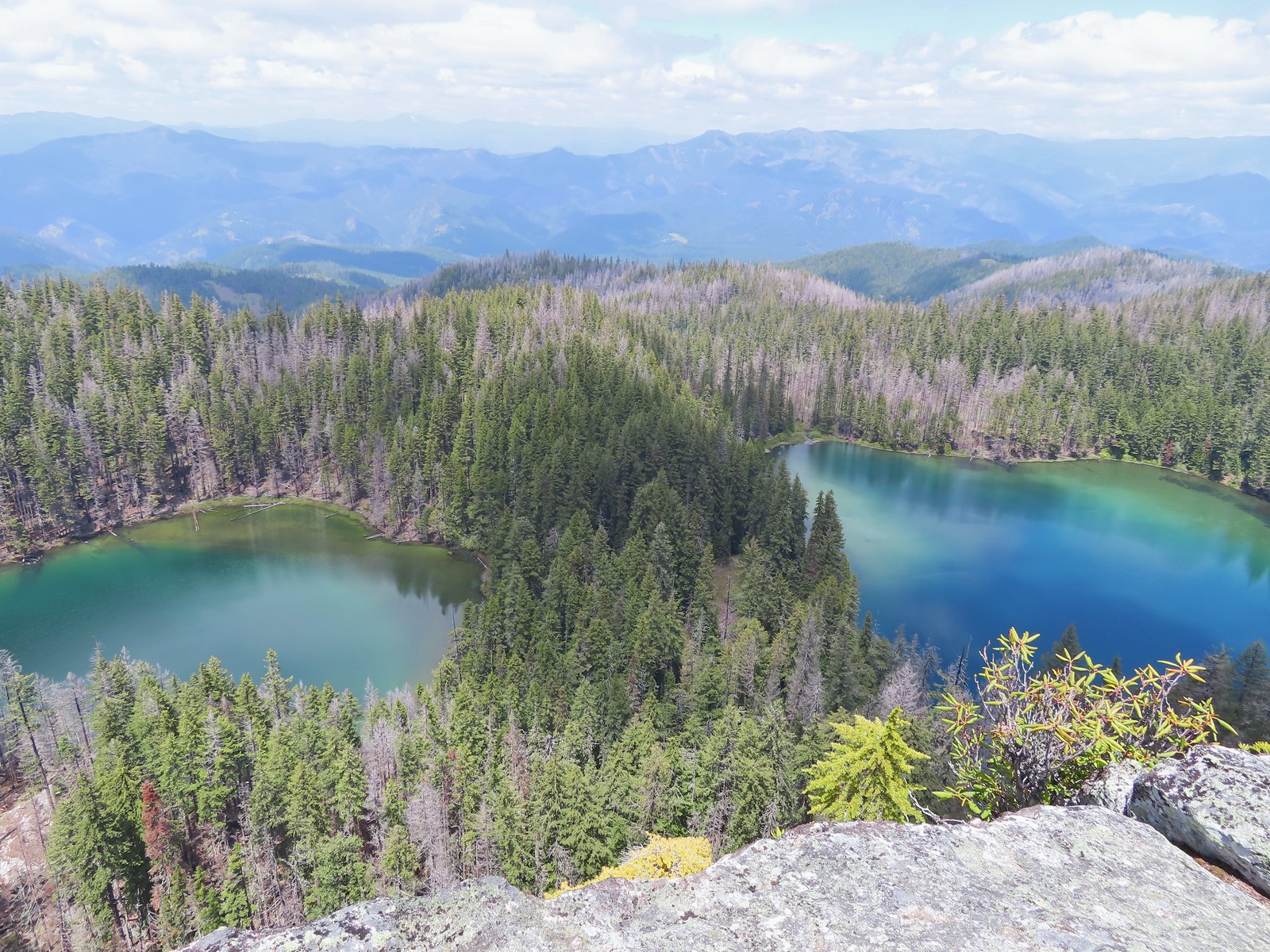









 Lower Table Rock
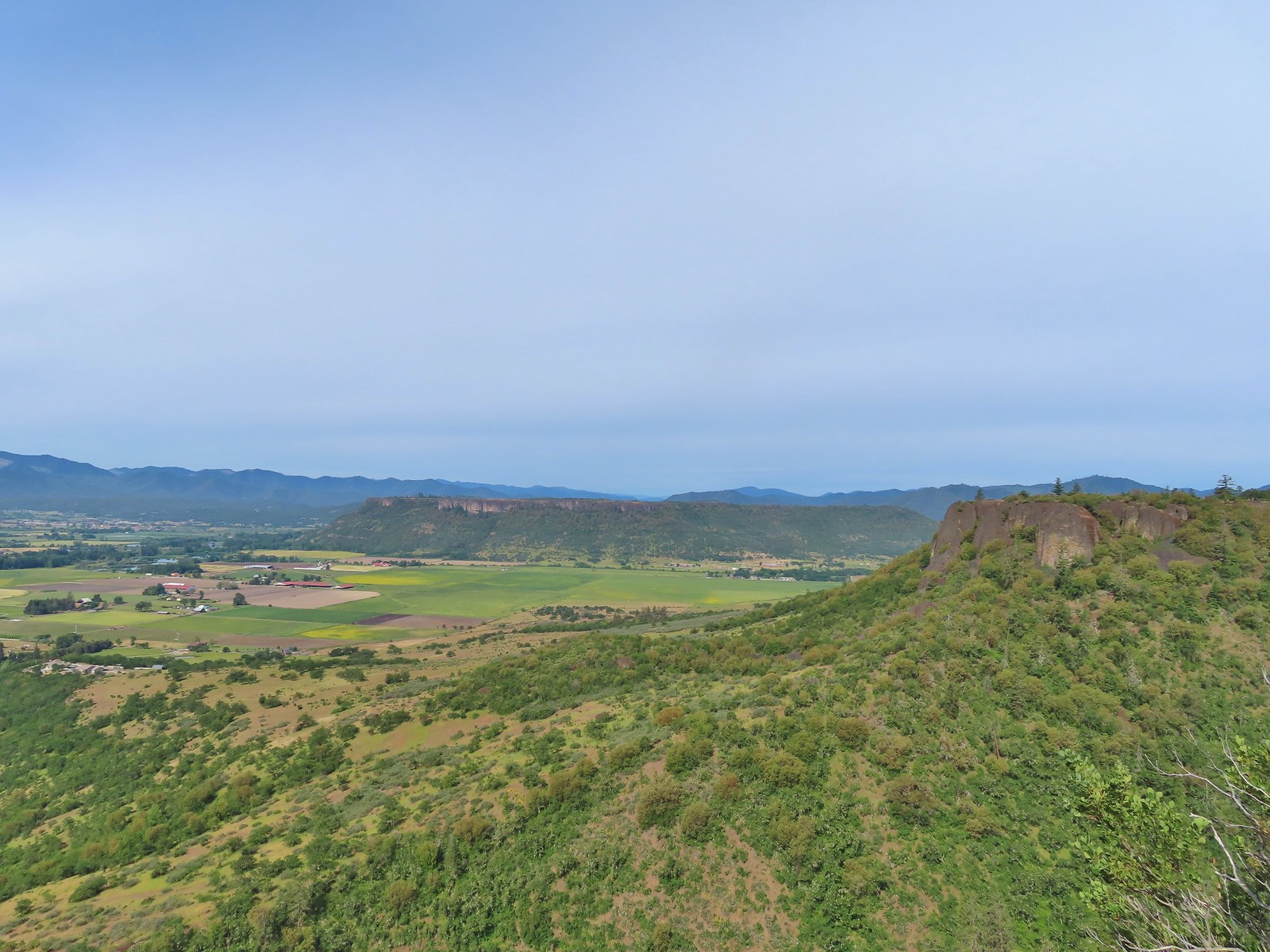 View from Upper Table Rock














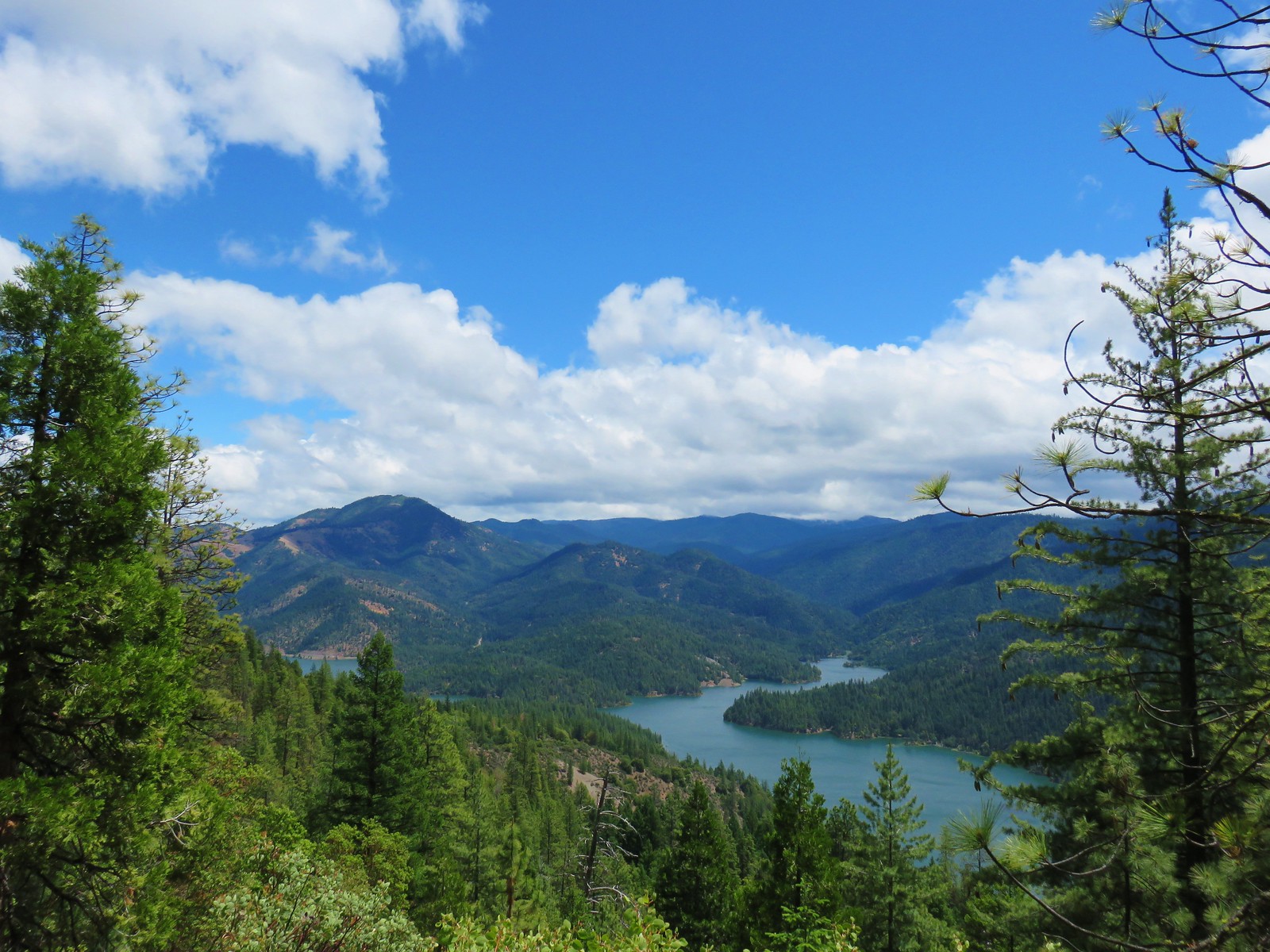














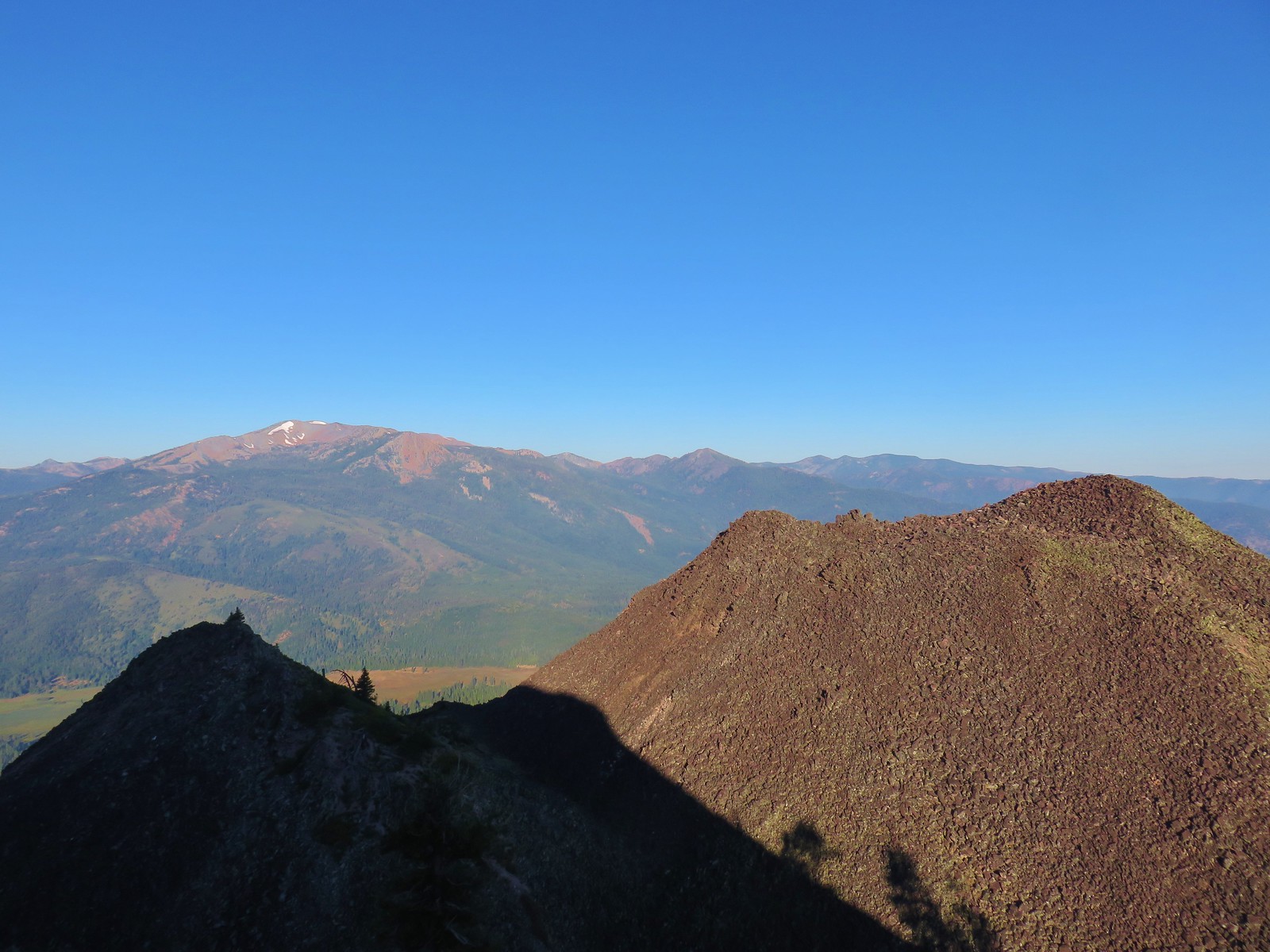


 Fireweed


 Deadline Falls
 Signs of ongoing trail work.
 Northern phlox
 Remains of a footbridge lost to the Archie Creek Fire.
 The current creek crossing. We joked that this was a prime difference between the BLM and Forest Service. It feels like the Forest Service waits until everything has been repaired (plus a year or two) before reopening trails after a fire while the BLM reopens them once they are passable.
 Self-heal
 The trailing blackberries were ripening along the trail providing us with a nice second breakfast.
 North Umpqua River from the trail.
 We also spotted a few ripe blackcap raspberries.
 Bleeding heart
 Crab spider on a California harebell.
 Heather was really excited to find ripe thimbleberries too.
 Highway 138 on the far side of the river.

 Musk monkeyflower
 I managed to pull a ripe salmonberry out of this bush below Fern Falls.
 Moth
Moth Lazuli bunting
 Black-headed grosbeak
 Unidentified small bird.
 Wren, possibly a house wren.
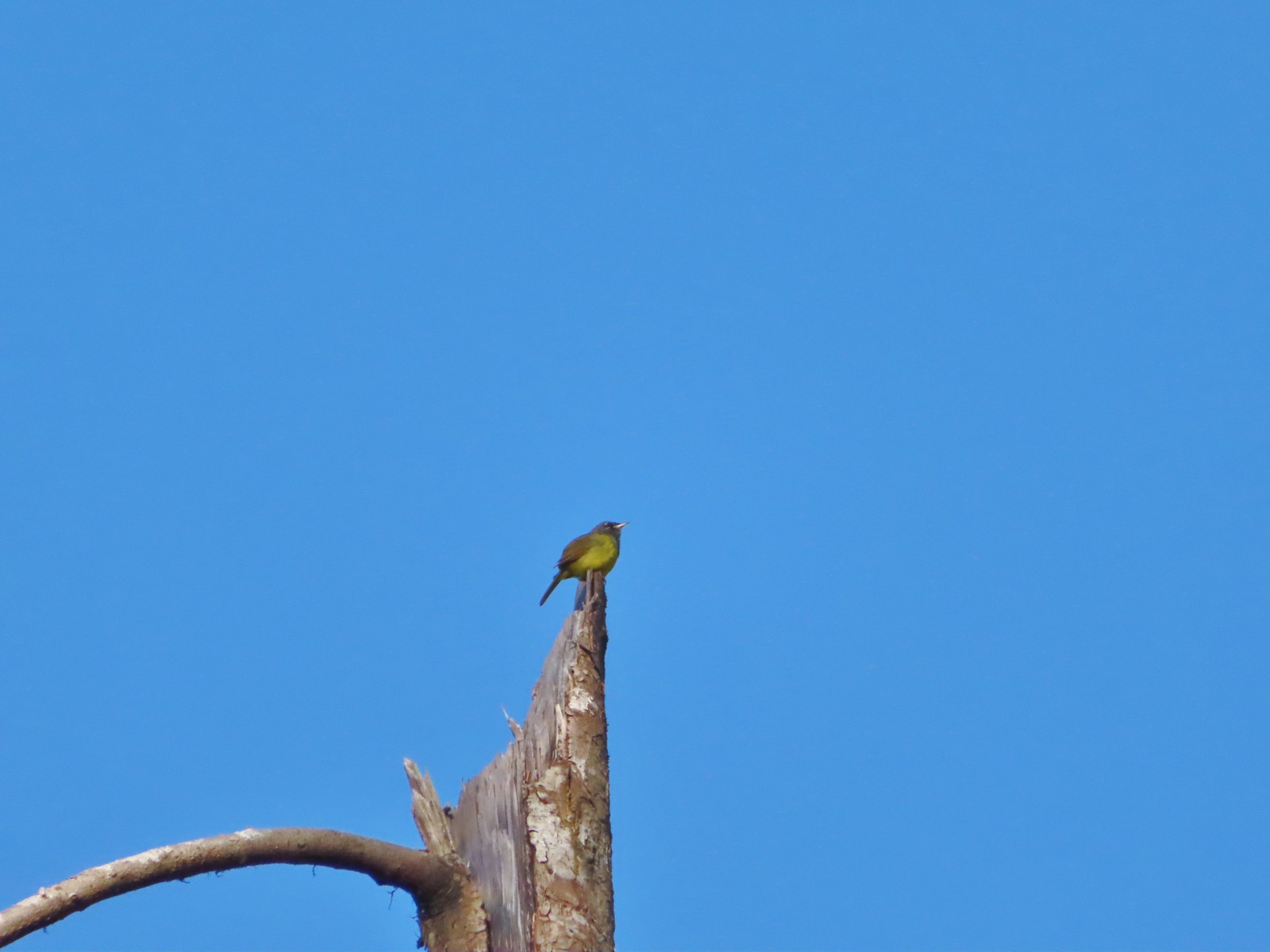 This little one was way up atop a snag. Merlin suggests it’s a Macgillivray’s warbler.
 Woodpecker
 Backside of a Stellar’s jay.
 Raven
Raven


 Checker-mallow
 Turkey vulture
 We spotted a deer way up on the hillside in the distance.
 Heading down to Soggy Bottom.
 Middle Barn
 Soggy Bottom
 Bindweed
 The North Gate Trail ahead on the left.
 North Gate Trail
 Elegant brodiaea
 Common wood nymph

 The cedar grove.
 A little past the cedar grove we passed an old structure on the opposite side of a barbed wire fence.
 On the far side of the structure was a sign for the Wrong Way Trail which looked as though it saw little to no use. The map at the trailhead showed this trail dead-ending in the forest which might explain why.
 View from the North Gate Trail.
 Steepest section of the trail but at least there was some shade here.
 Gopher snake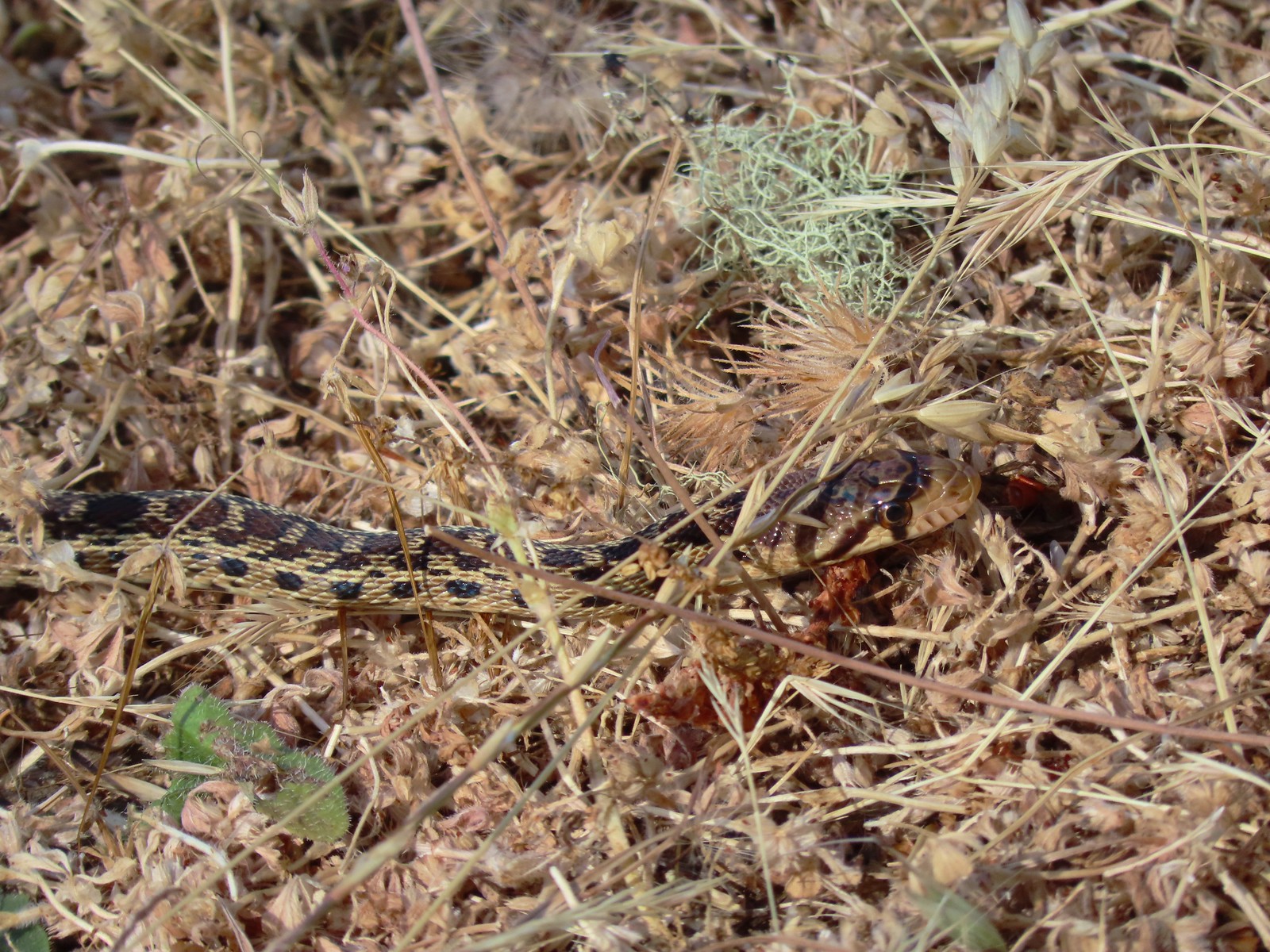
 Trail sign at the saddle.
 The Middle Ridge Trail.
 View from the Middle Ridge Trail.
 View from the saddle.
 A dip along the ridge.
 First view of the North Umpqua River.
 Hawk on a tree.
 A different hawk in flight.
 Elegant brodiaea
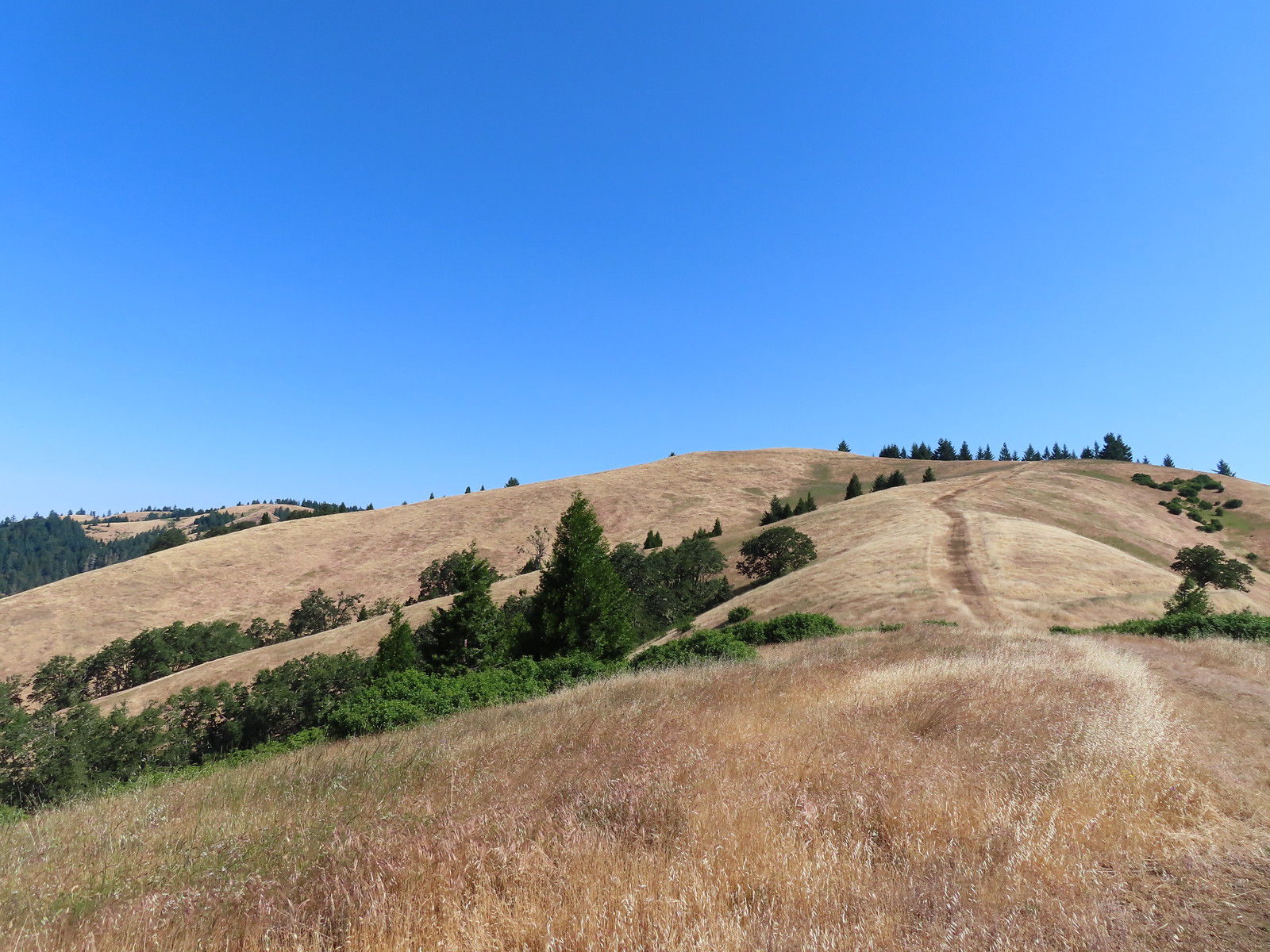 Looking back along the Middle Ridge Trail.
 We remembered this structure in the ground.

 Approaching the junction.
 View back up along the trail.
 Whistlers Bend Reservoir and the North Umpqua River. Despite a bit of haze the view was far better than it had been in 2015.
 The 2015 view on a cloudy June 5th.

 Ookow
Ookow View from the Thistle Ridge Trail. Below is the lower portion of the trail which seemed to be quite a way down.
 When you can’t see the bottom of the hill you know it’s steep.
 The trail finally leveled out a bit through a stand of oak trees.
 The junction below from the Thistle Ridge Trail.
 European centaury (invasive but pretty)
 West Barn
 The West Barn Road was a little muddy in spots.
 Daisies were profuse in some areas.
 We ignored the Deer Hollow Tie Trail that joined on the right.
 The Comstock Day Use Area from the West Barn Road.
 The refuge is open from dawn to dusk. We arrived at a quarter to six to get an early start and avoid being out during the hottest parts of the day.
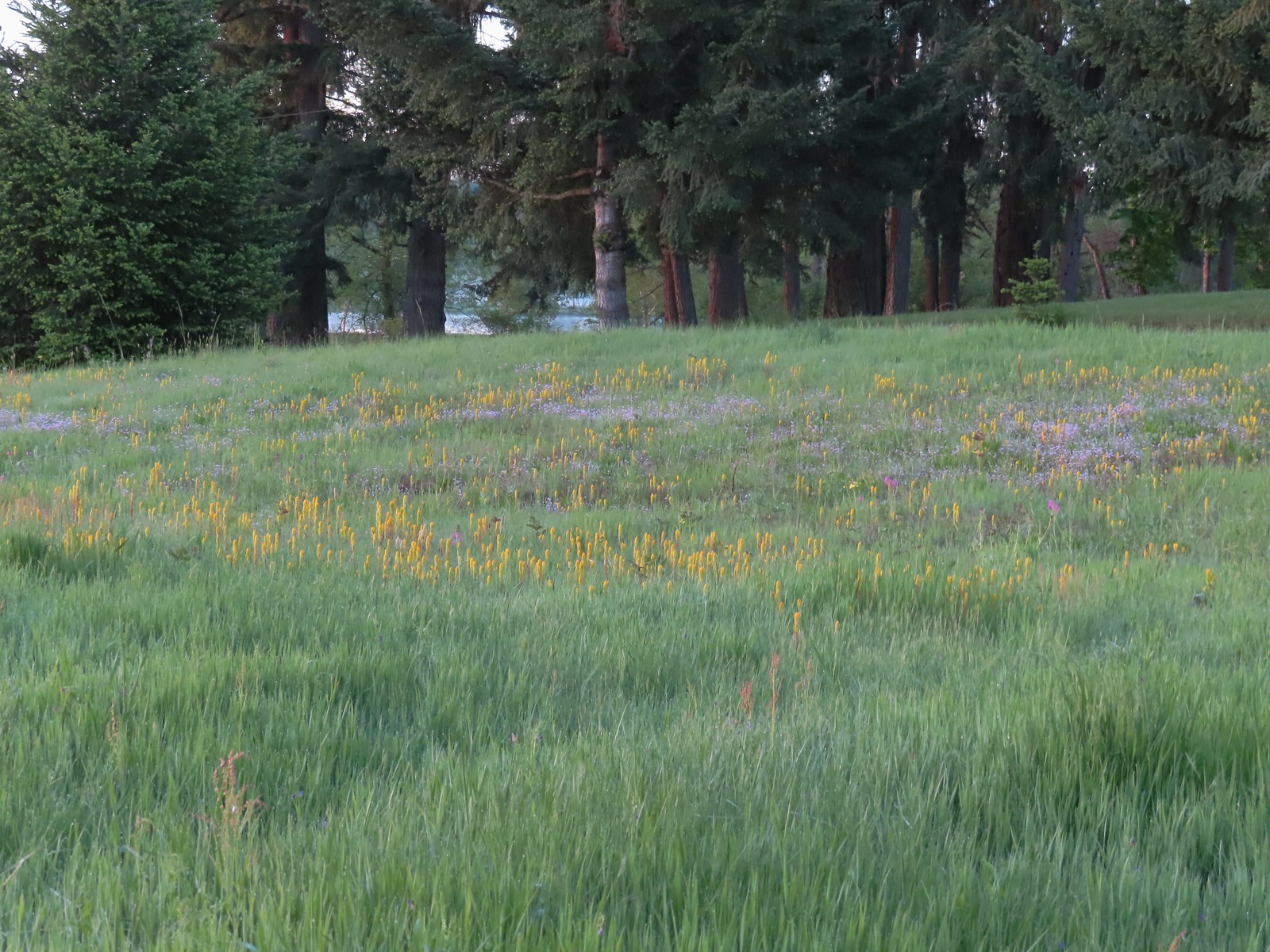 The patch of wildflowers.
 A checker-mallow surrounded by golden paintbrush.
 Plectritis amid the golden paintbrush.
 We had a pretty good view of Mt. Hood.
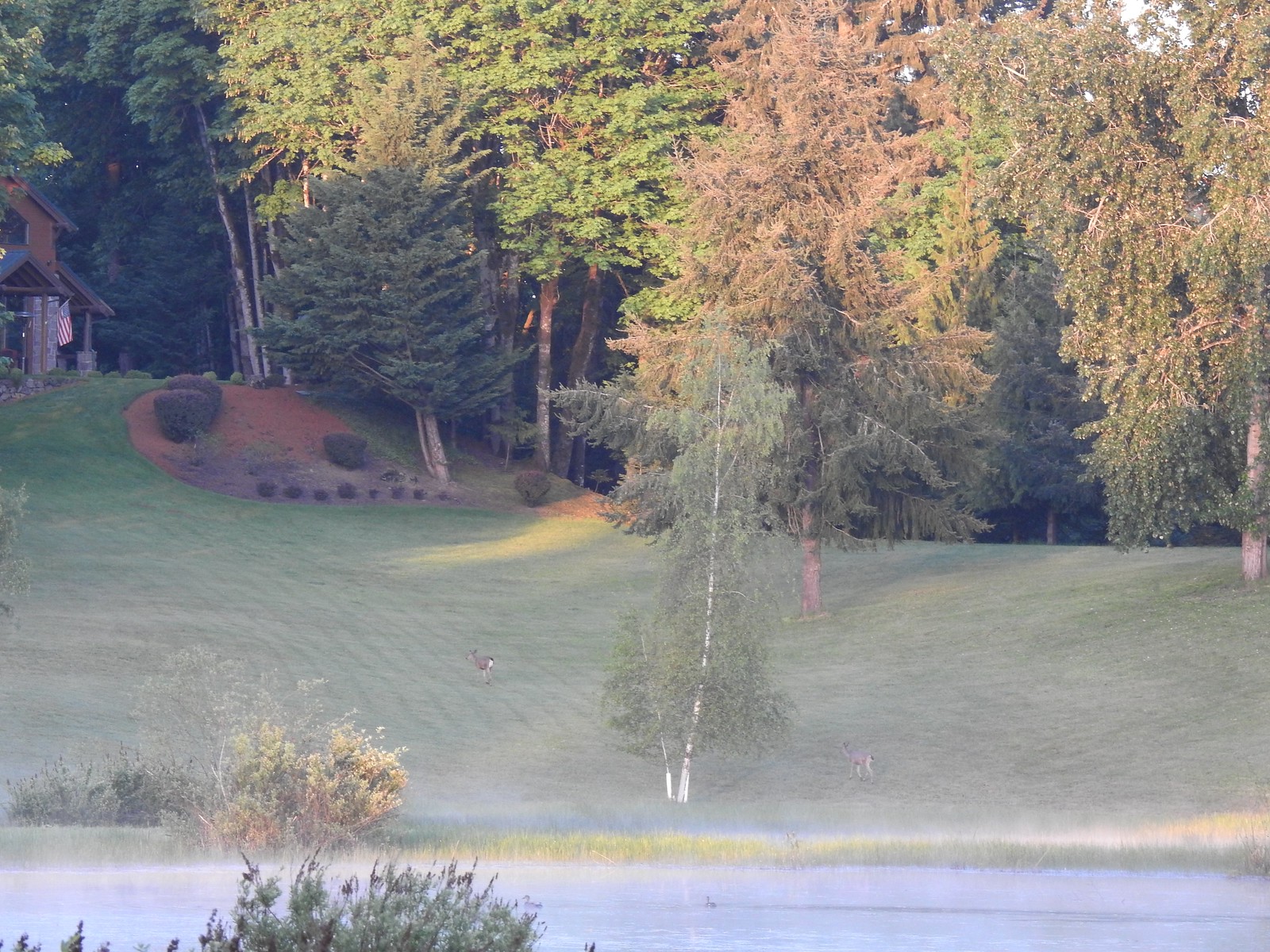
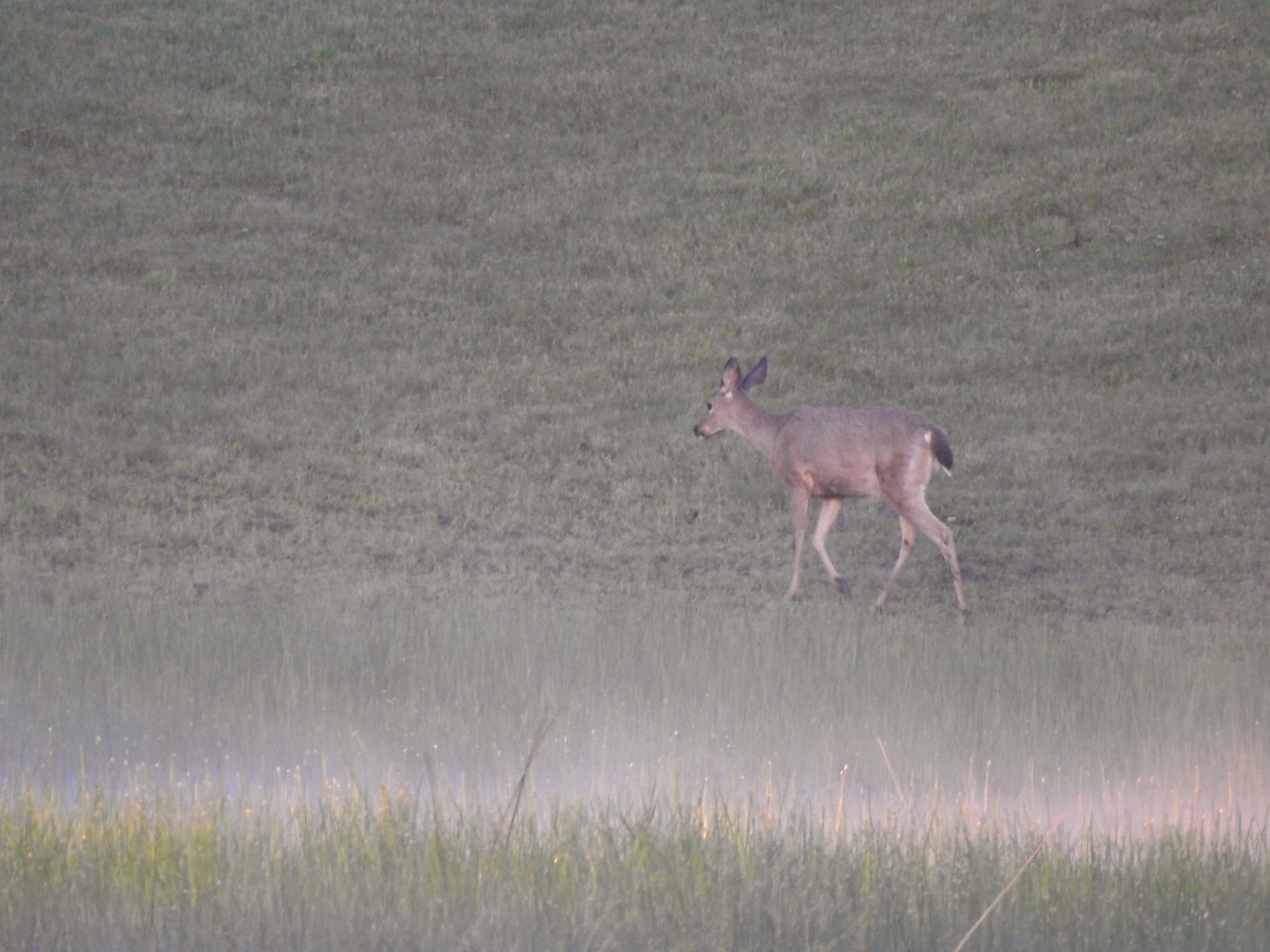
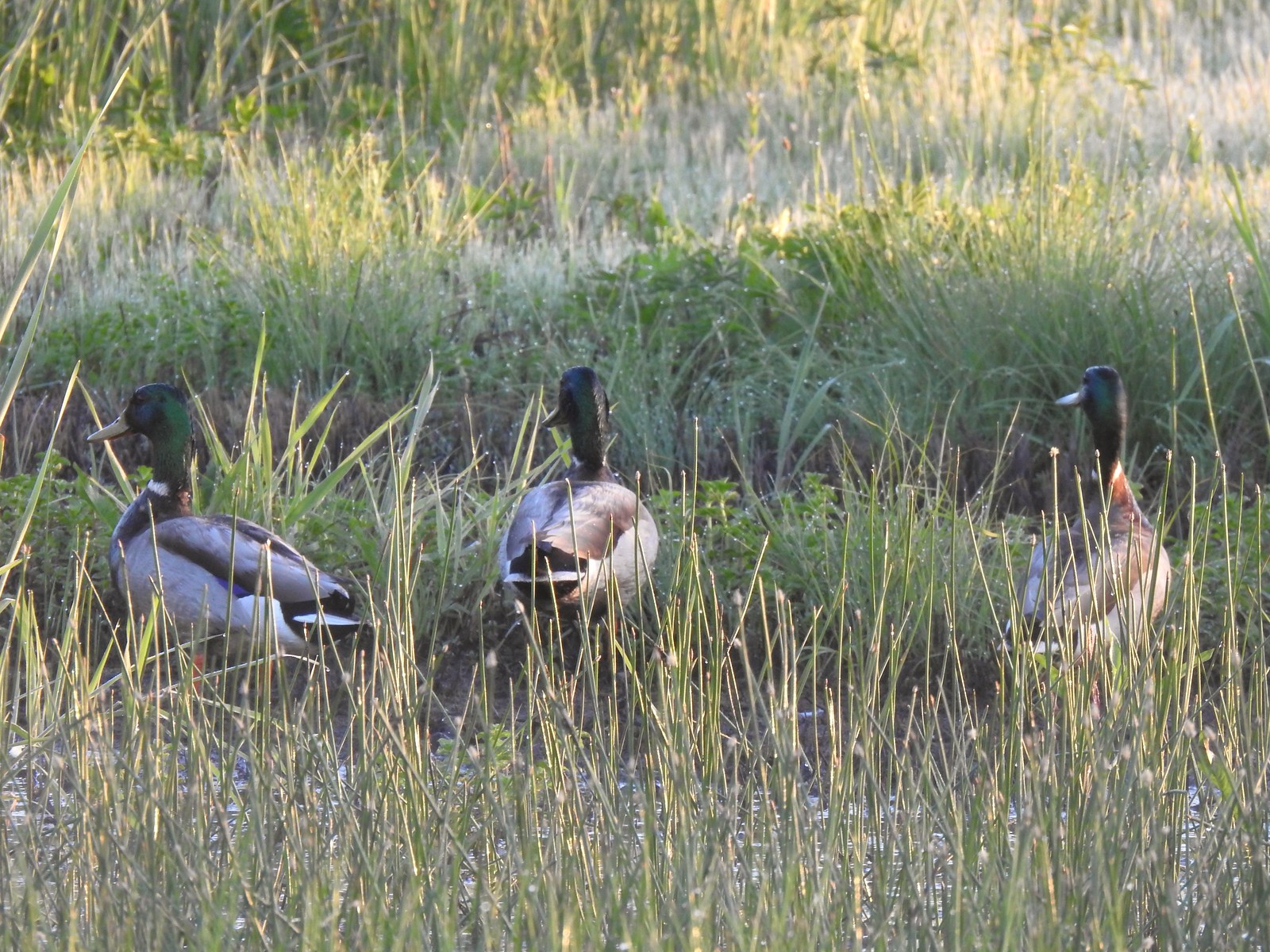 Mallards
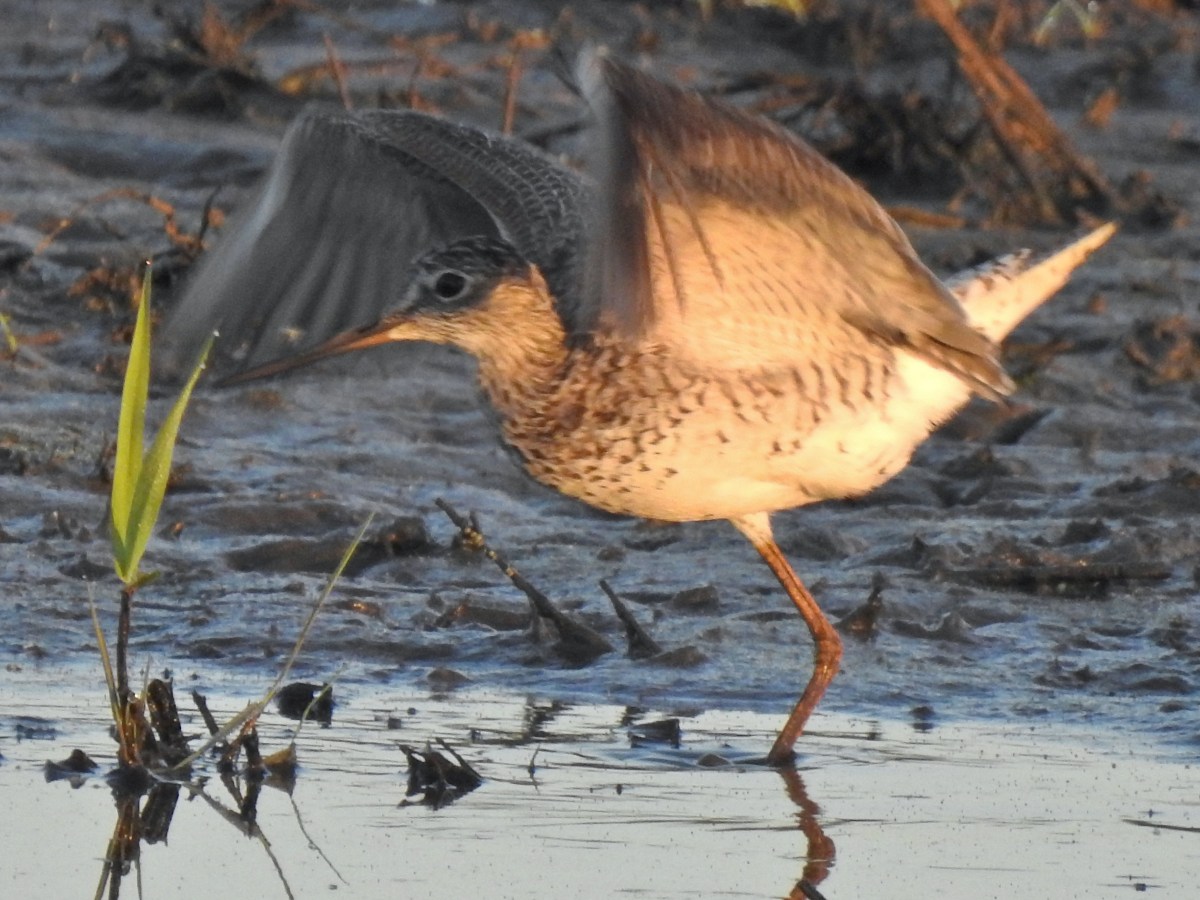
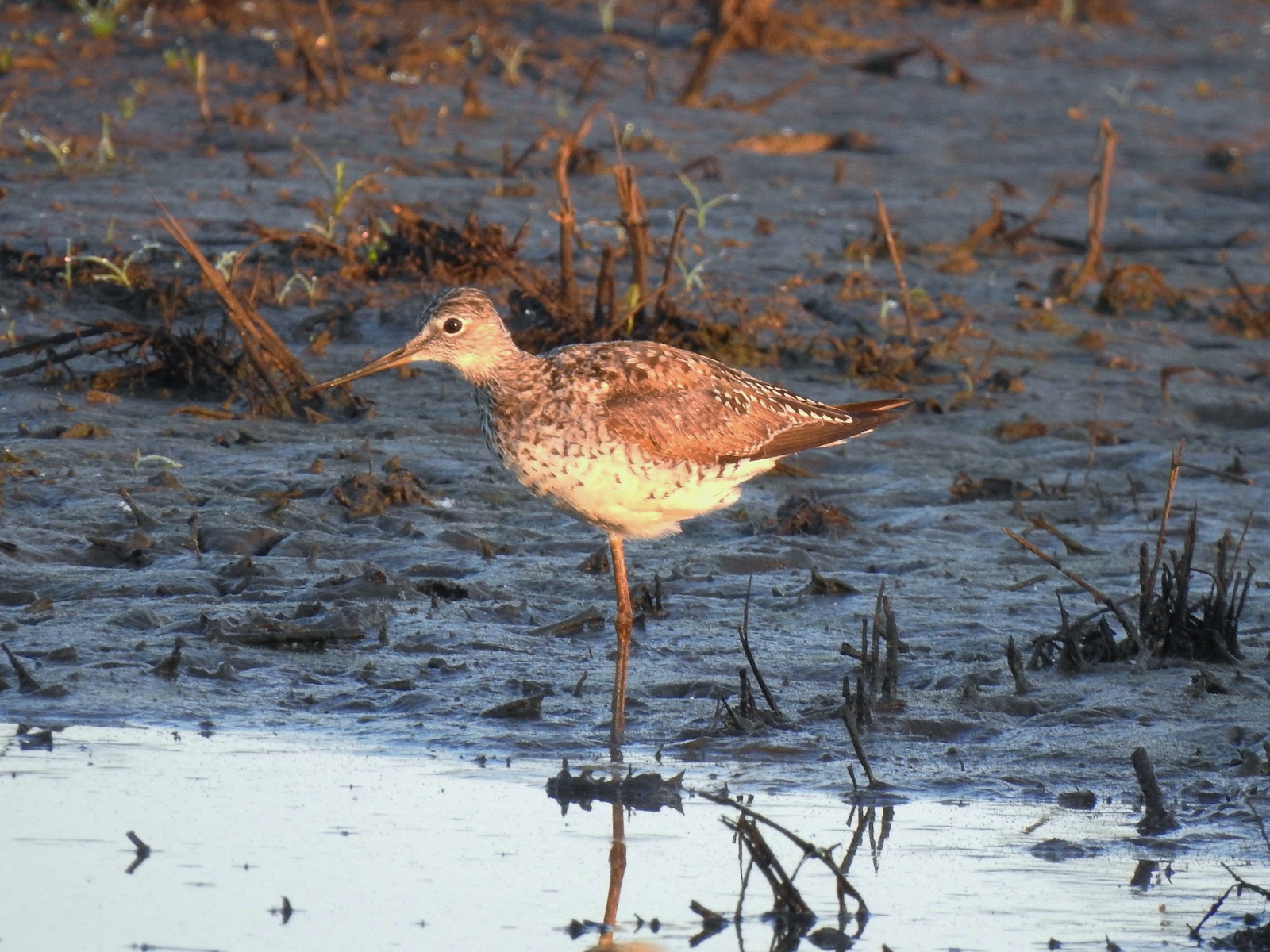 Greater yellowlegs
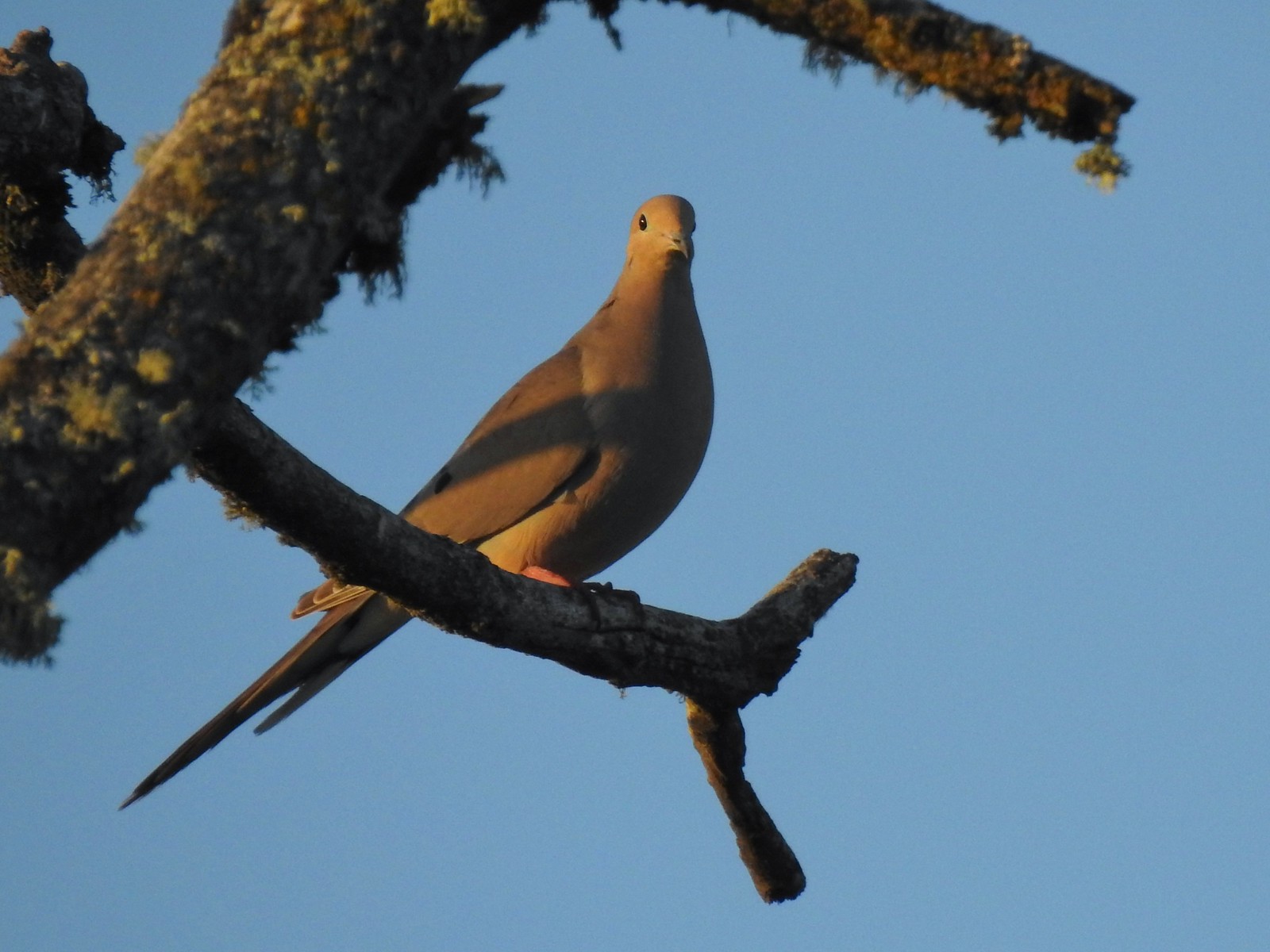 Mourning dove
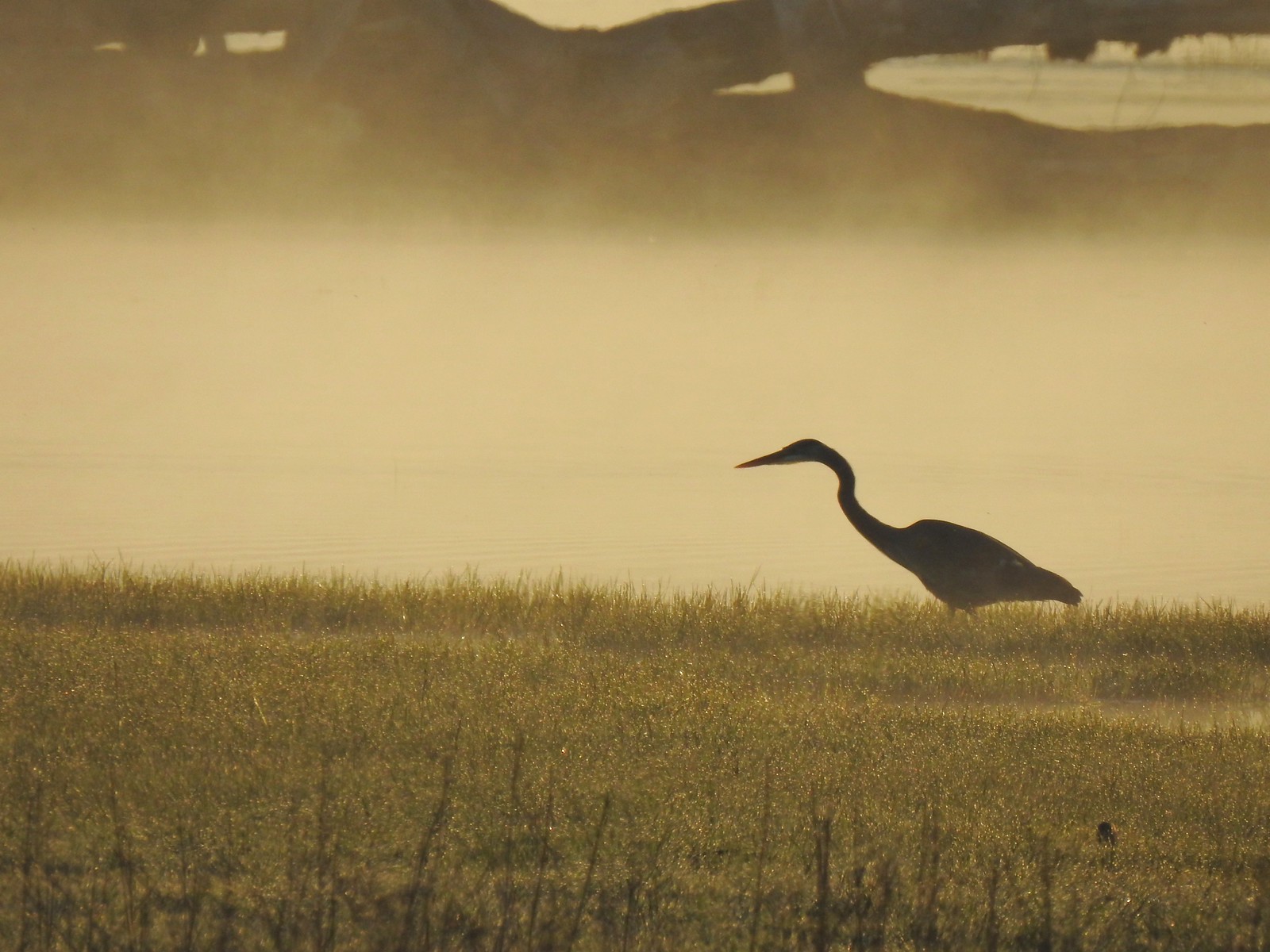 Great blue heron
 An egret and some ducks
 More families of geese
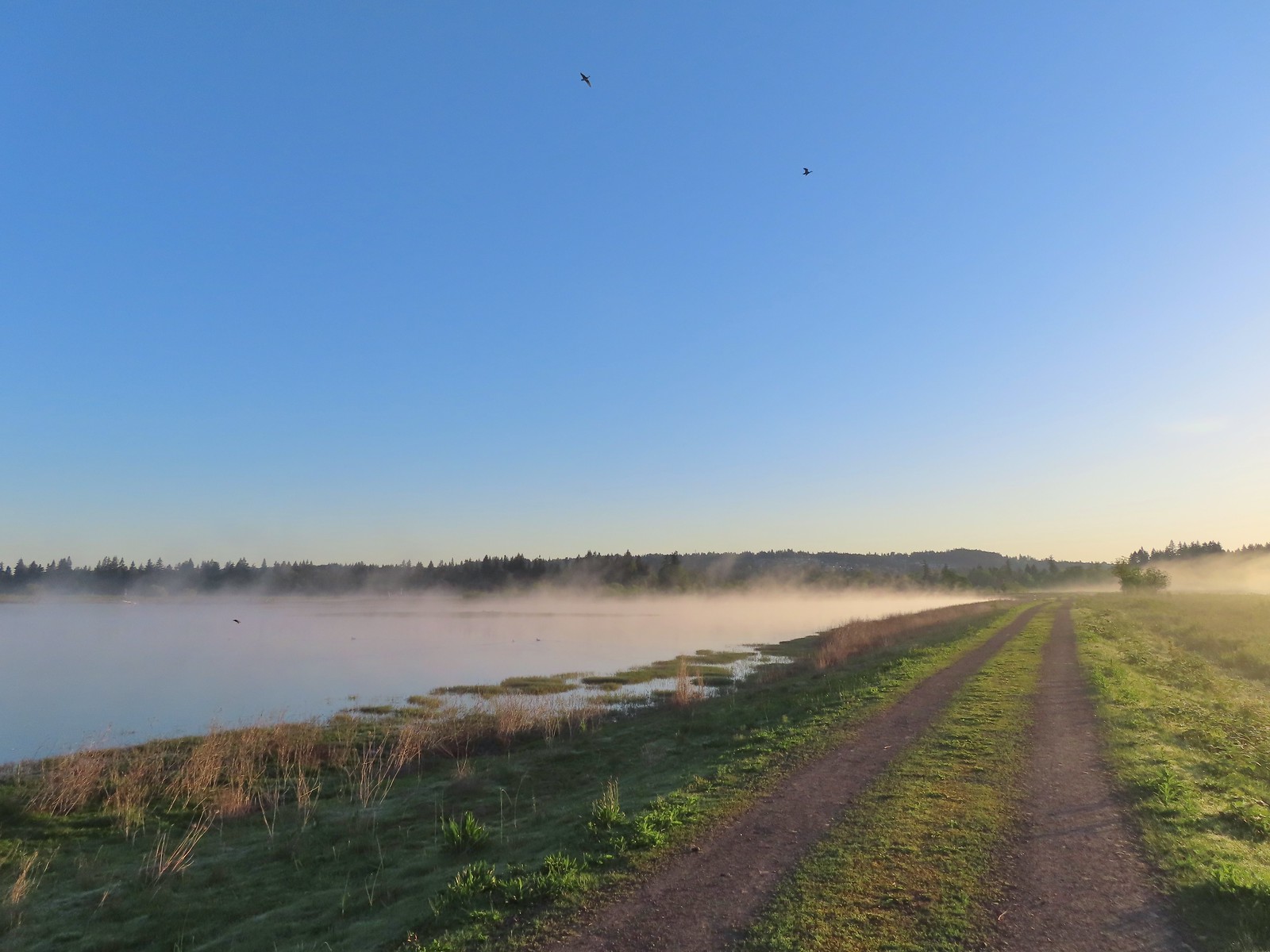 Swallows flying above the Wetland Trail.
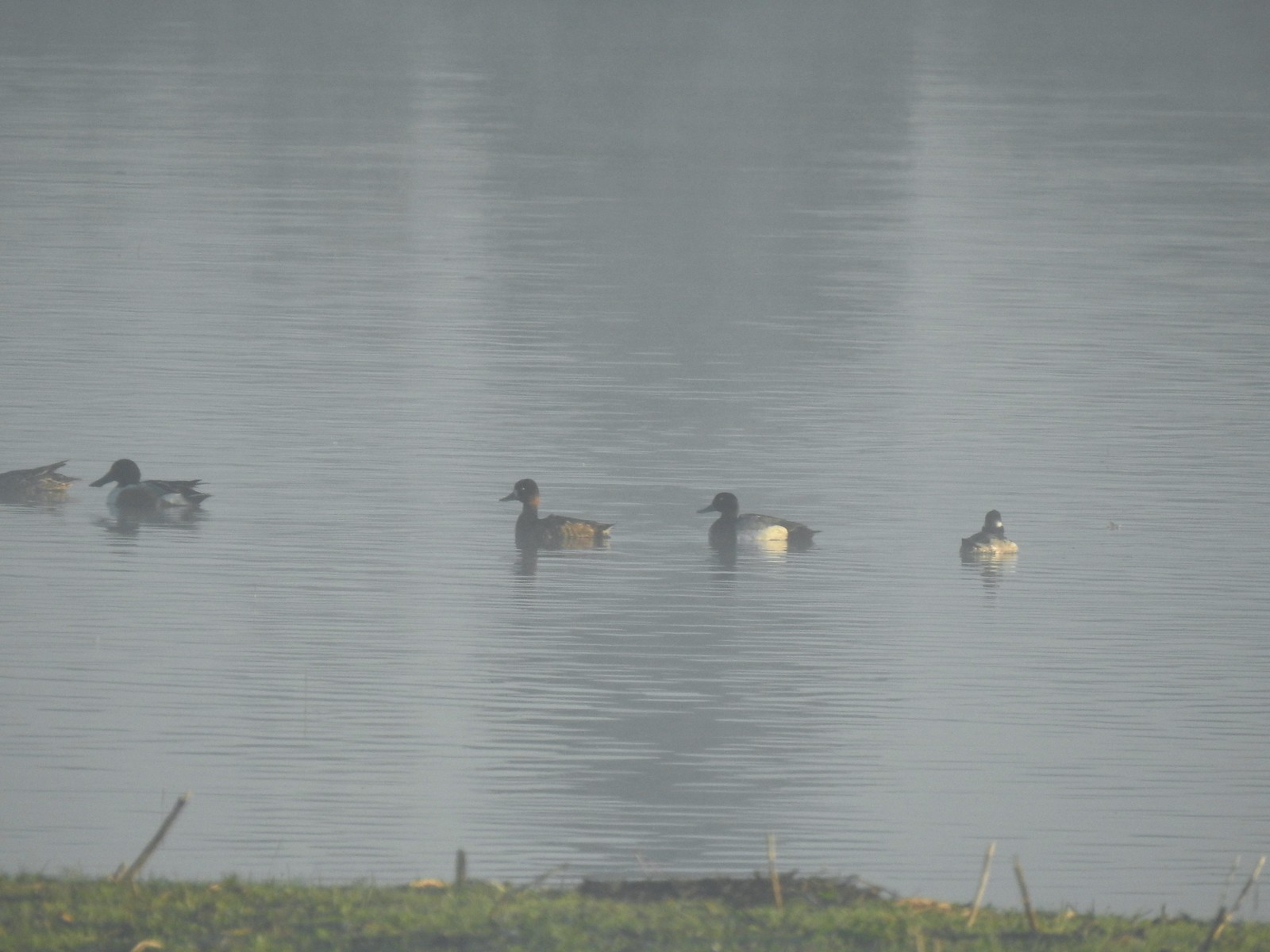 Northern shoveler, scaups (leaning toward greater), and a bufflehead.
 Mallards
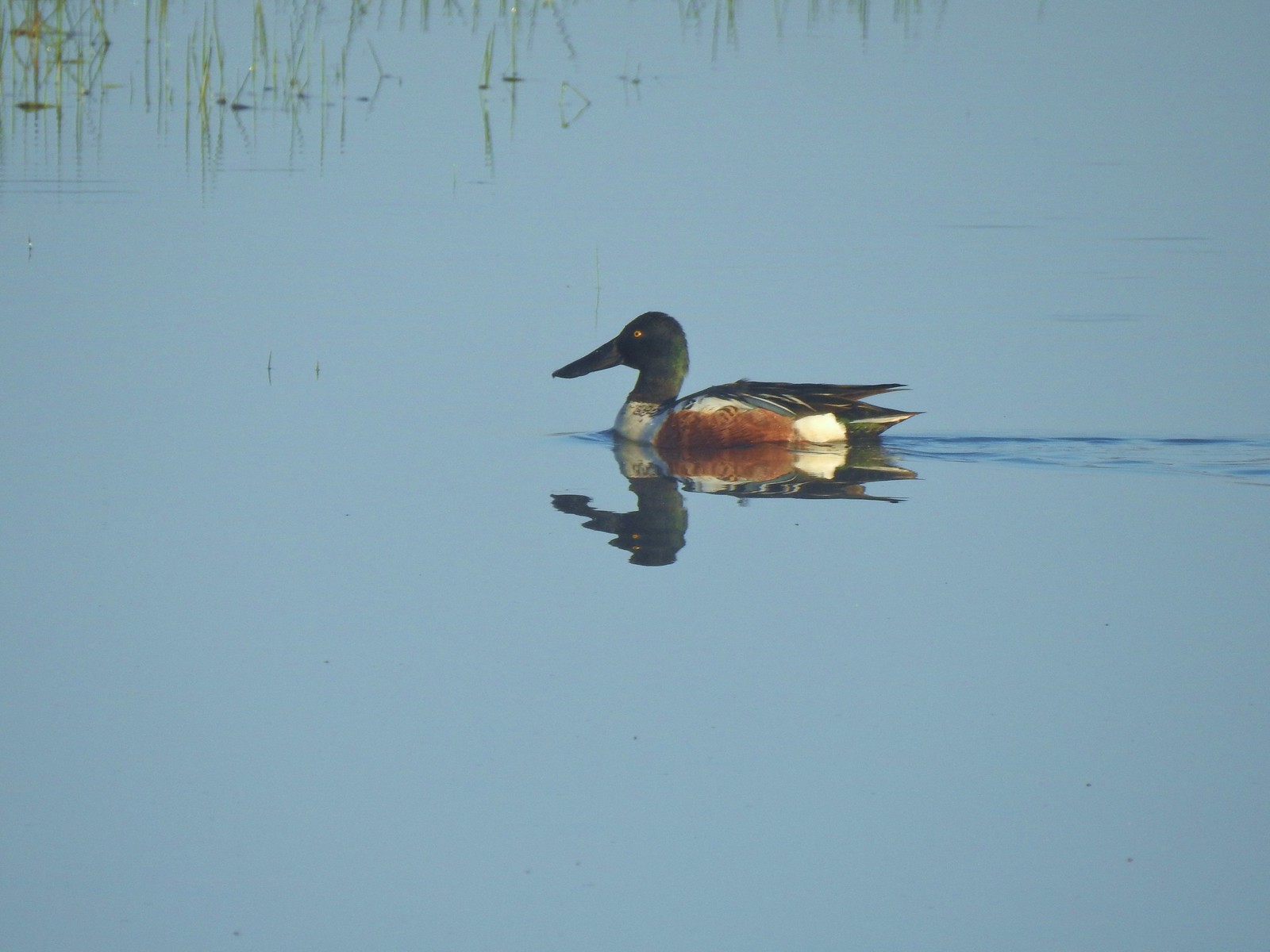 Northern shoveler
 Ruddy duck
 Gadwalls
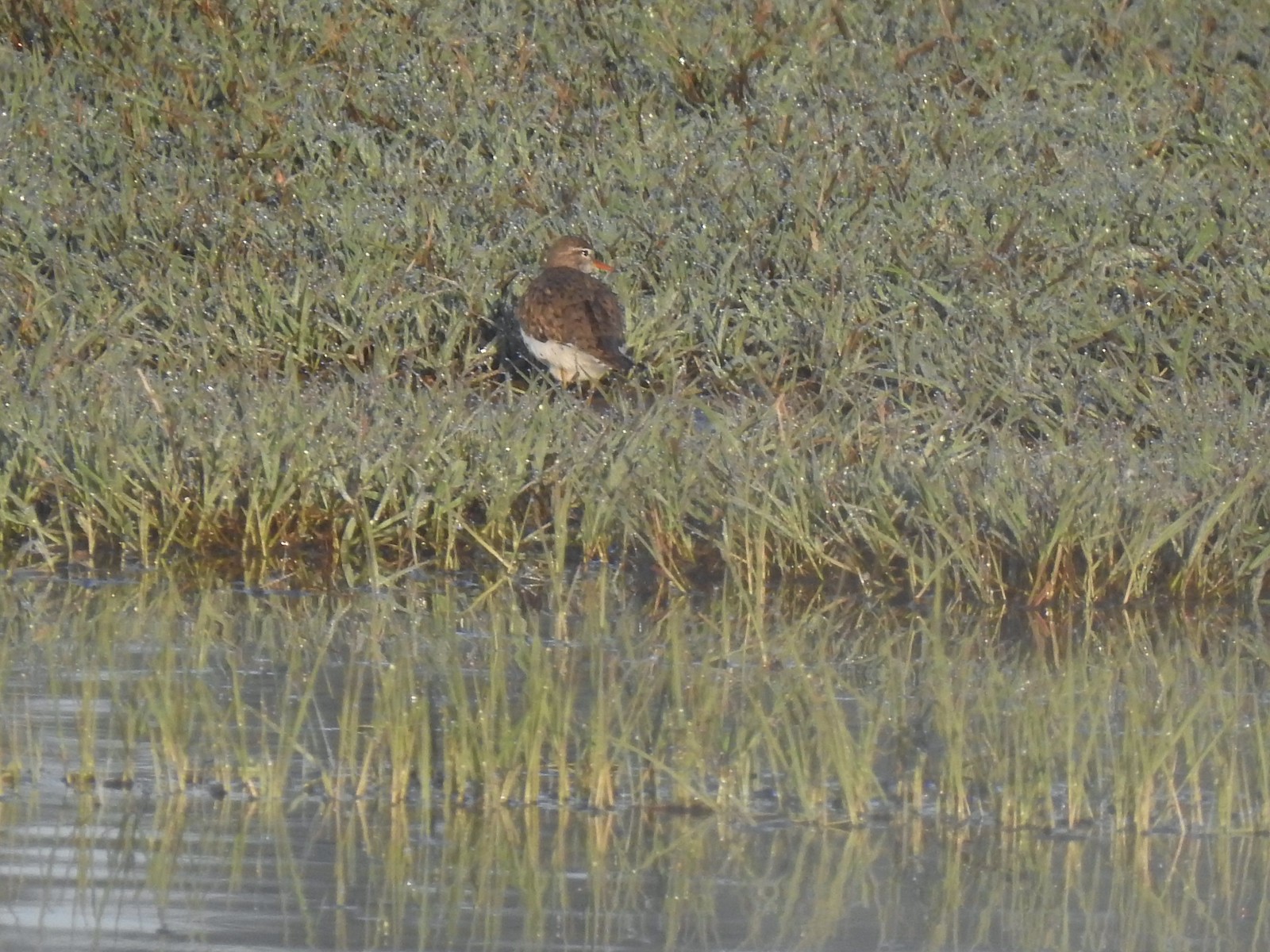 Spotted sandpiper
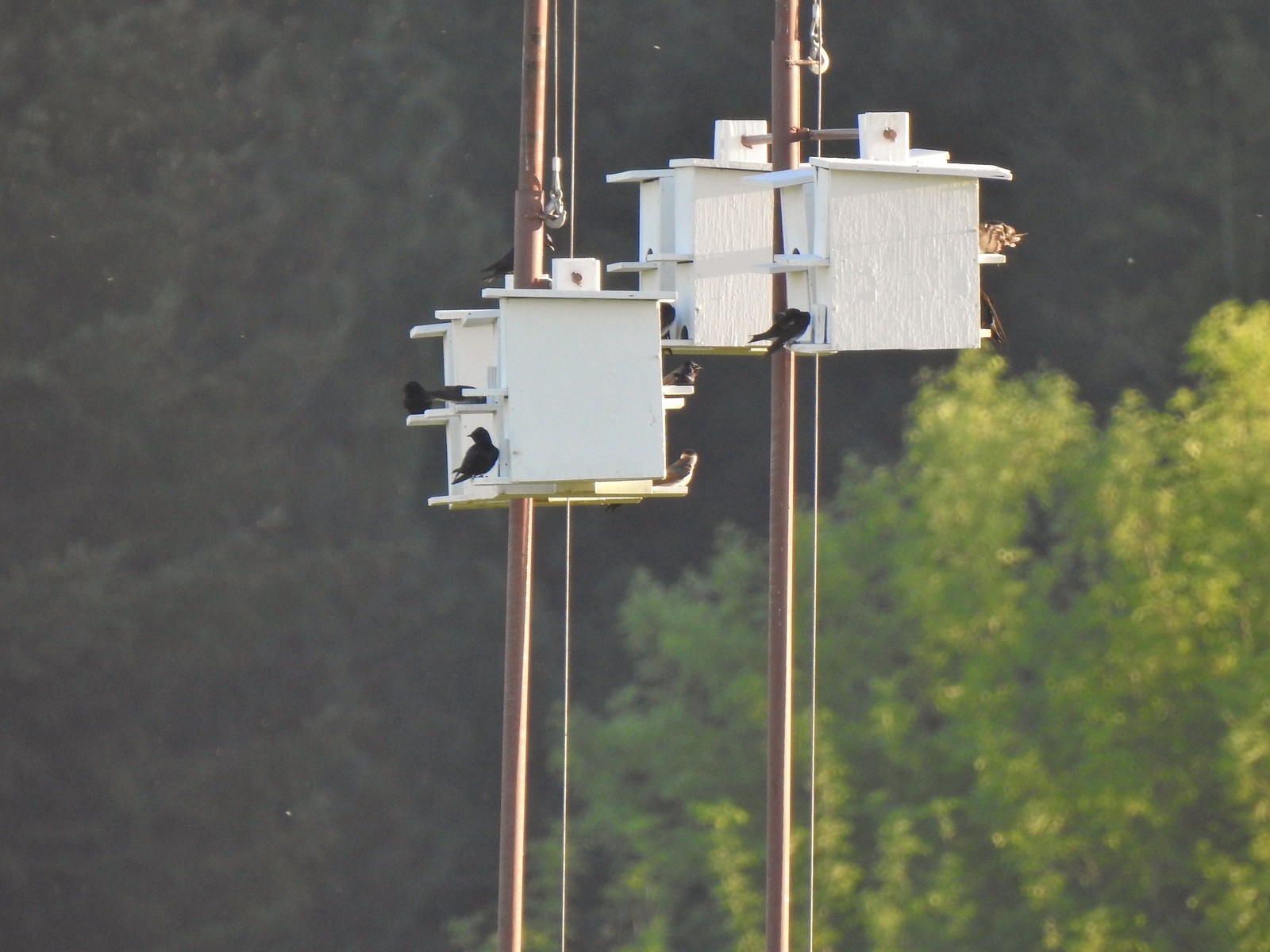 Purple martins
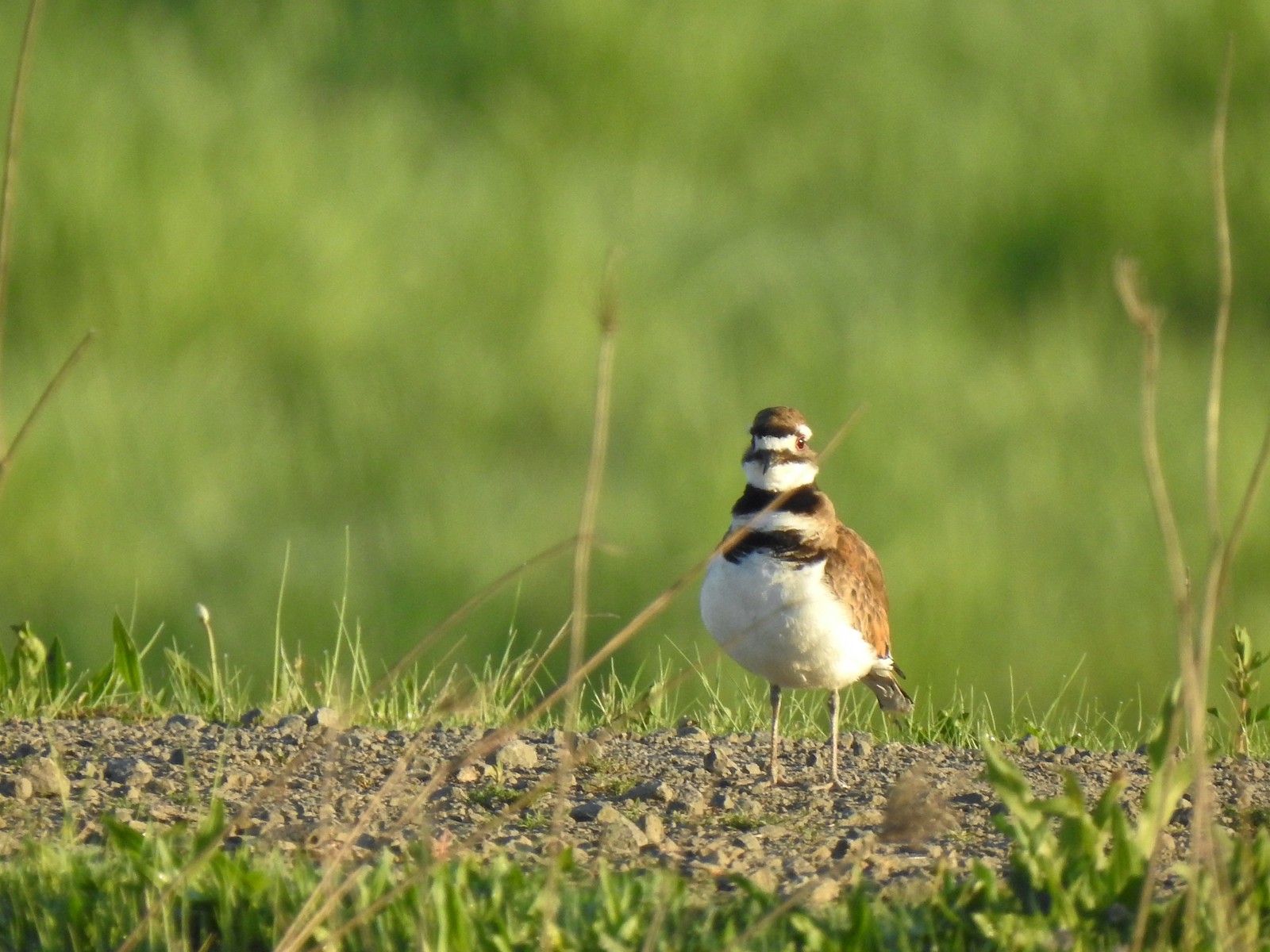 Killerdeer
 Cinnamon teals
 Nutria, one of several of these non-native rodents that we saw.
 Nap time (or just a late sleeper).
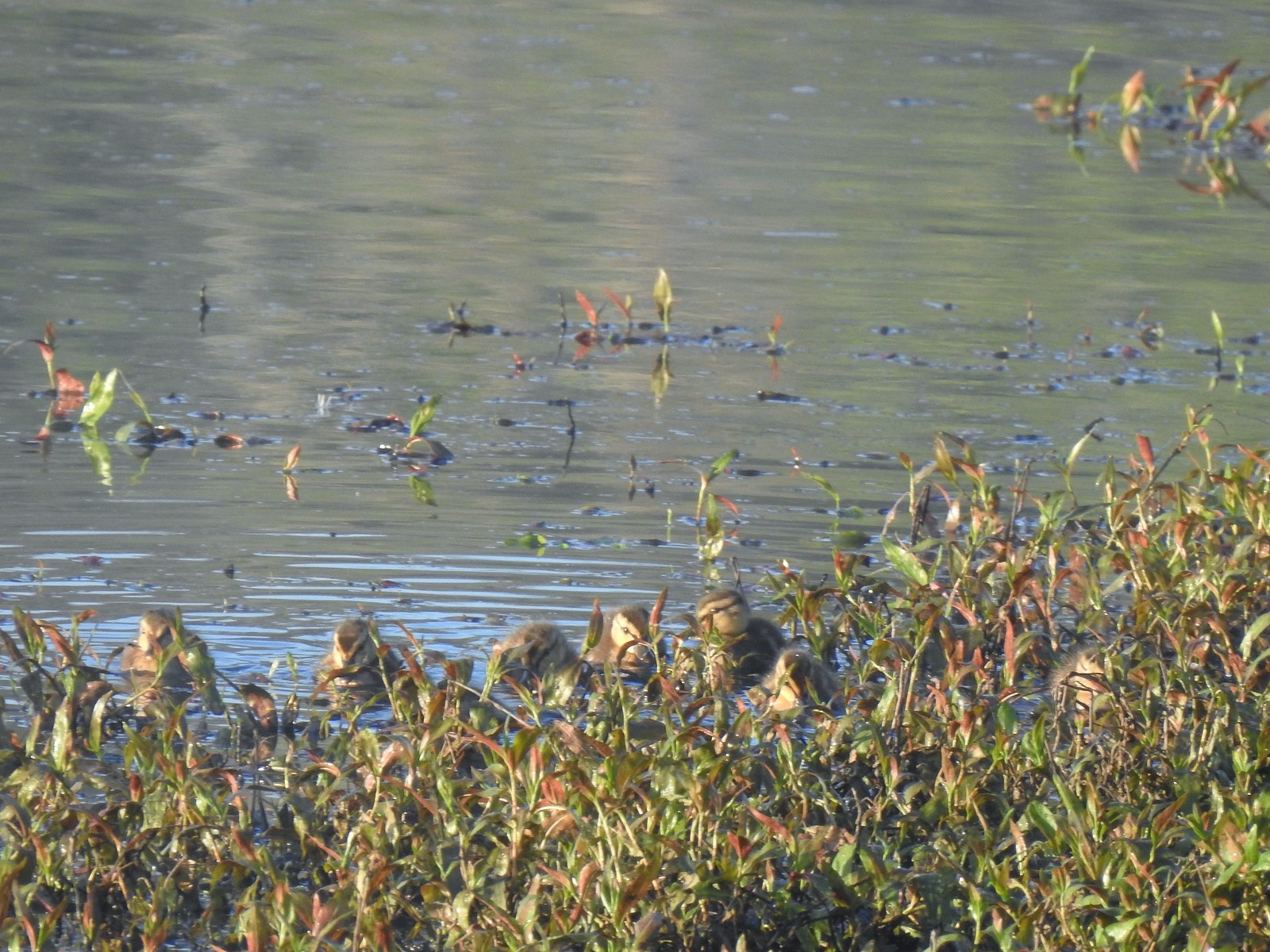 Ducklings
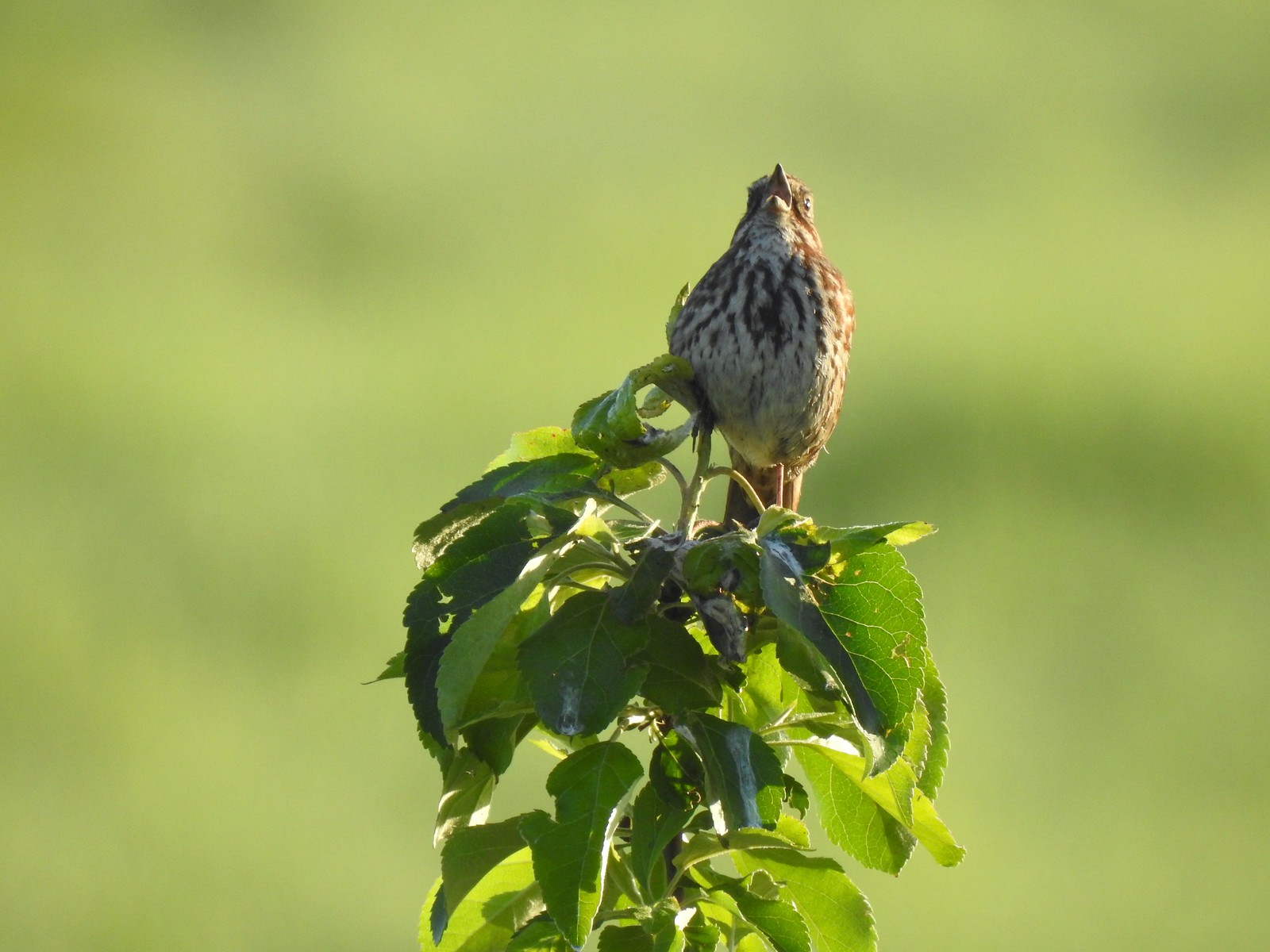 Song sparrow
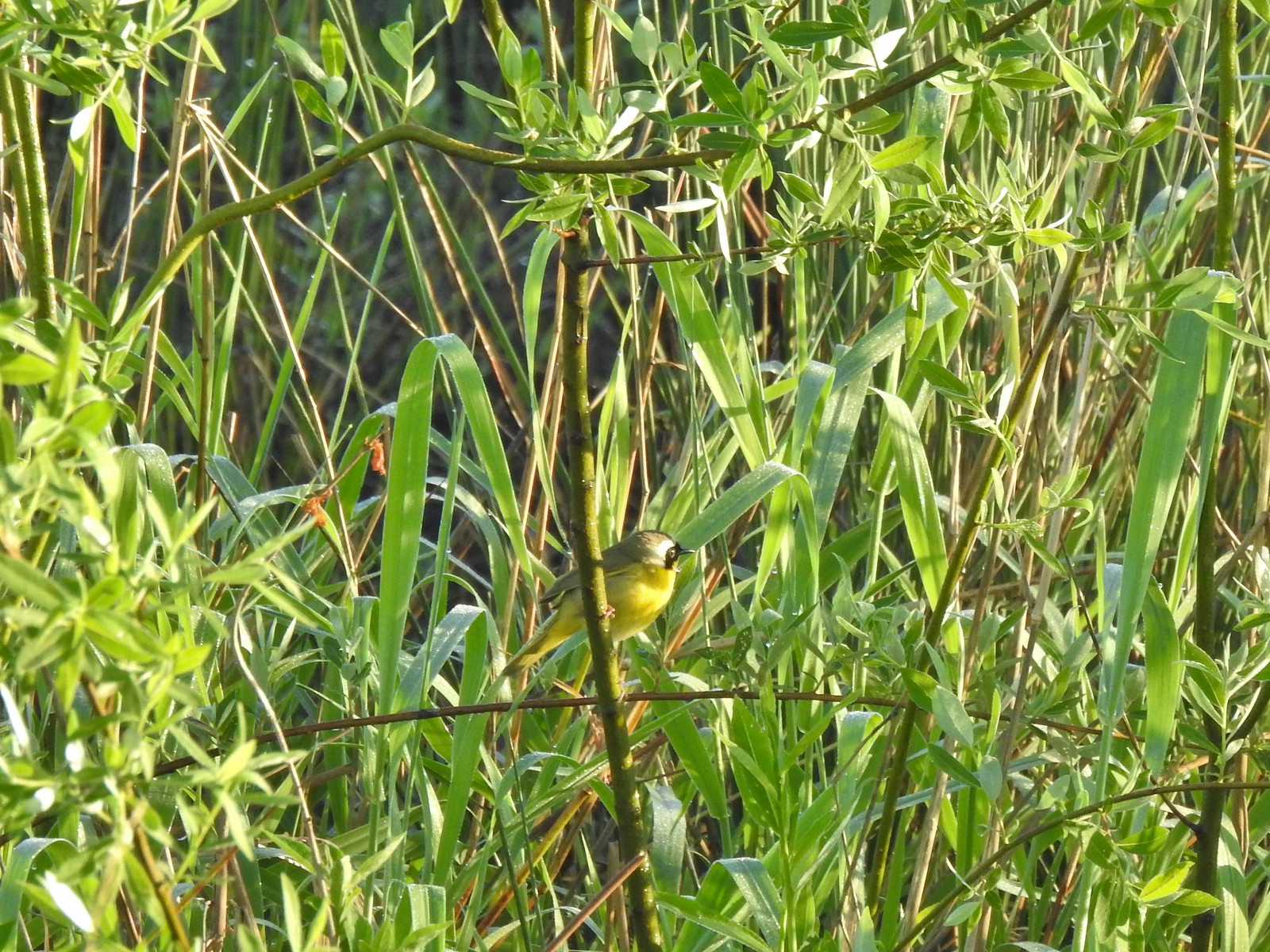 Common yellowthroat
 Wildlife Center
 Great blue heron watching from a little island.

 Anna’s hummingbird
 The same Anna’s hummingbird. When catching light their head/throat is bright pink but appear black when not.
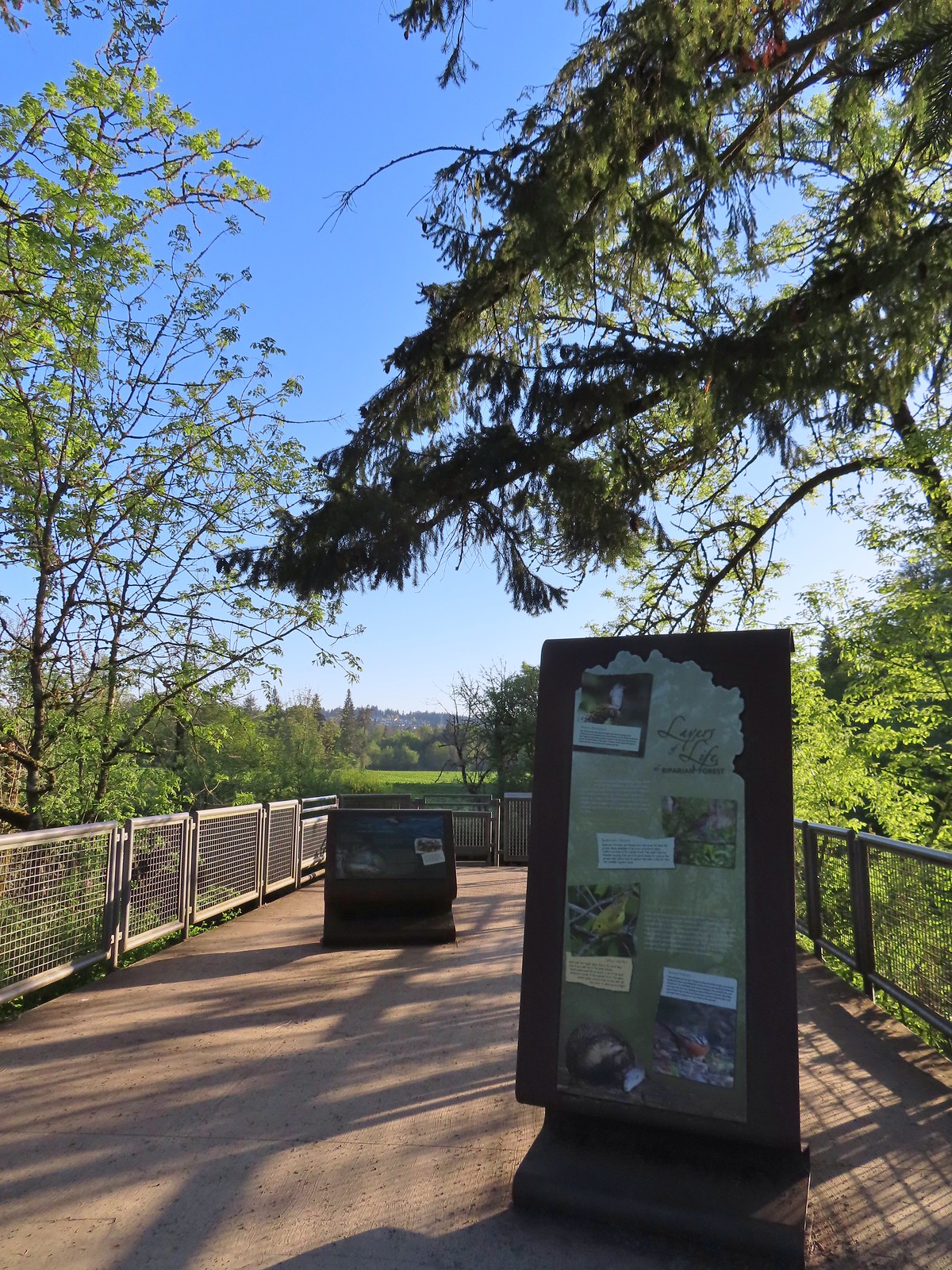 River Overlook
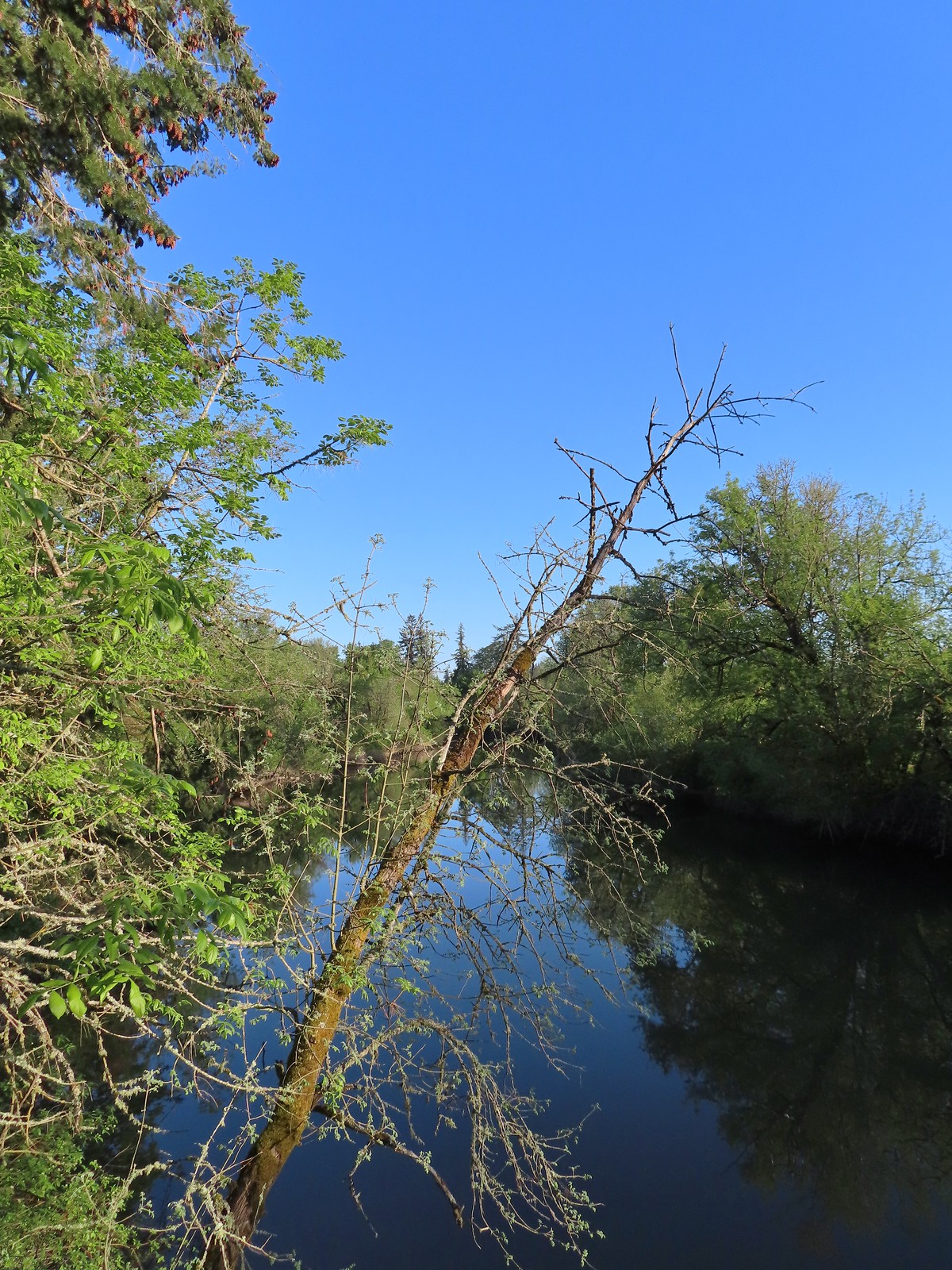 Tualatin River
 Robin
Robin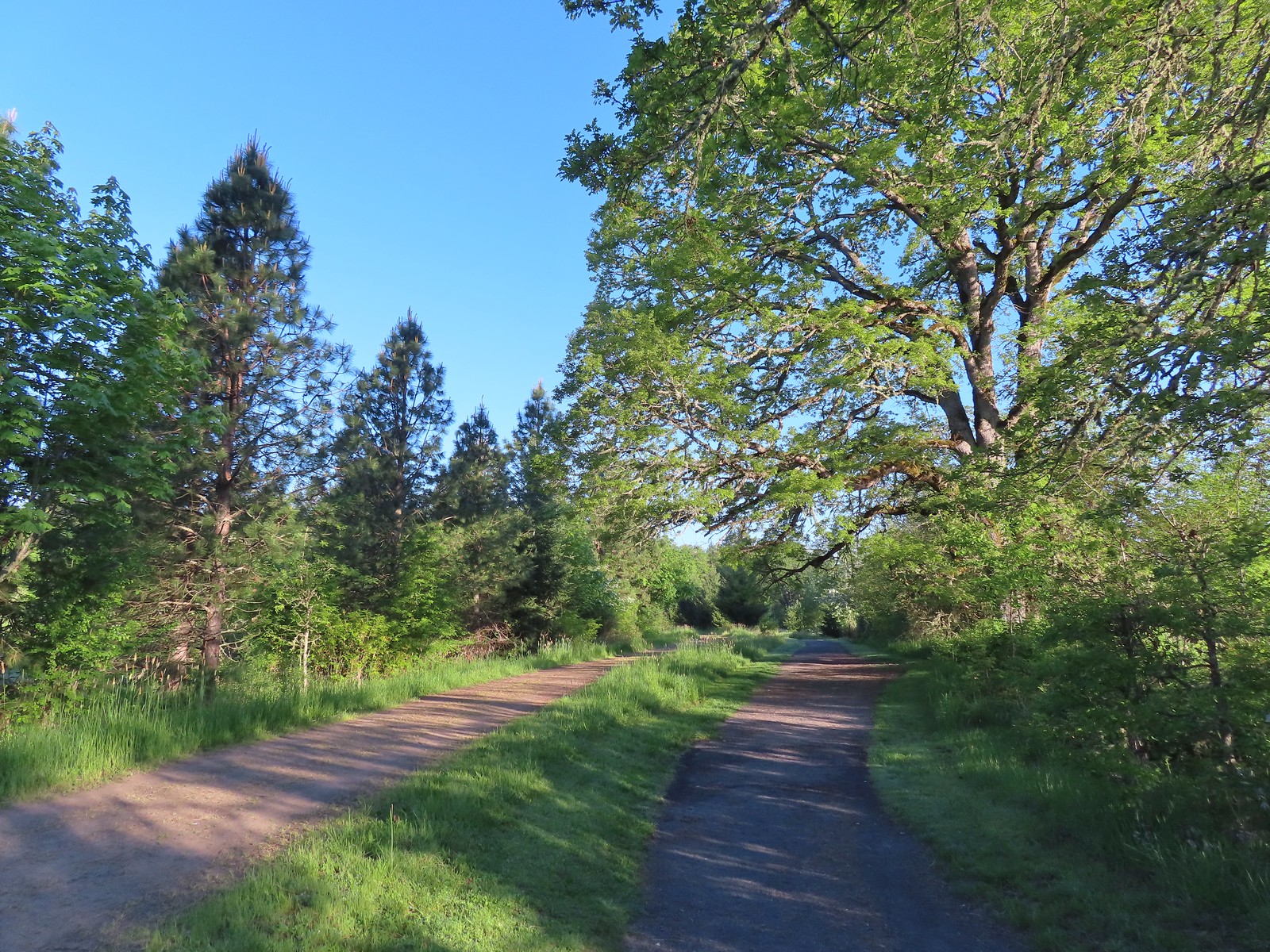 The Wetland and River Trails running parallel.
 Spotted towhee
 Rabbit
 Pacific waterleaf
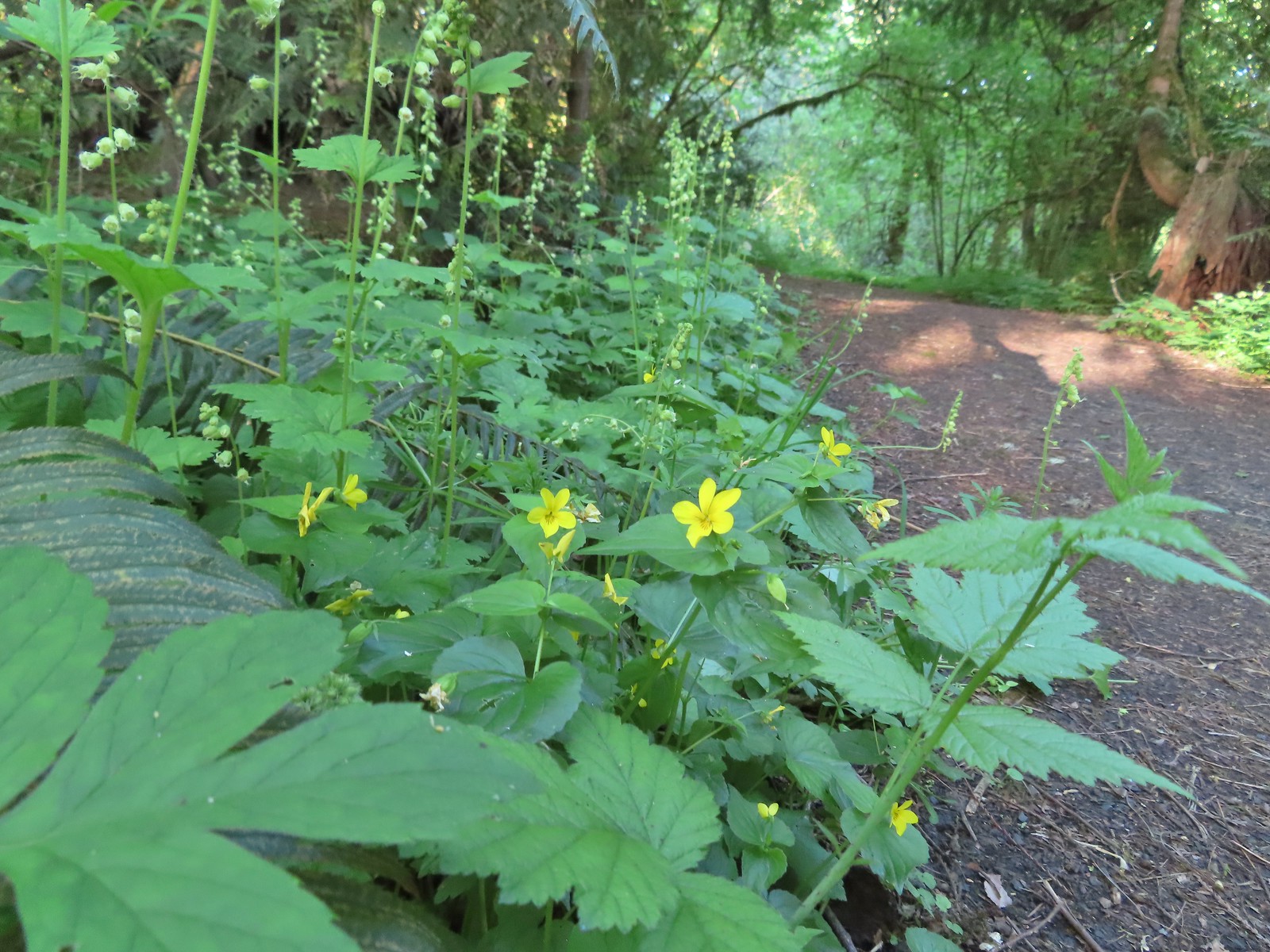 Violets and fringecup along the River Trail.
 Bleeding heart
 We skipped the spur trail to the Ridgetop Overlook since we’d done that on our previous visit.
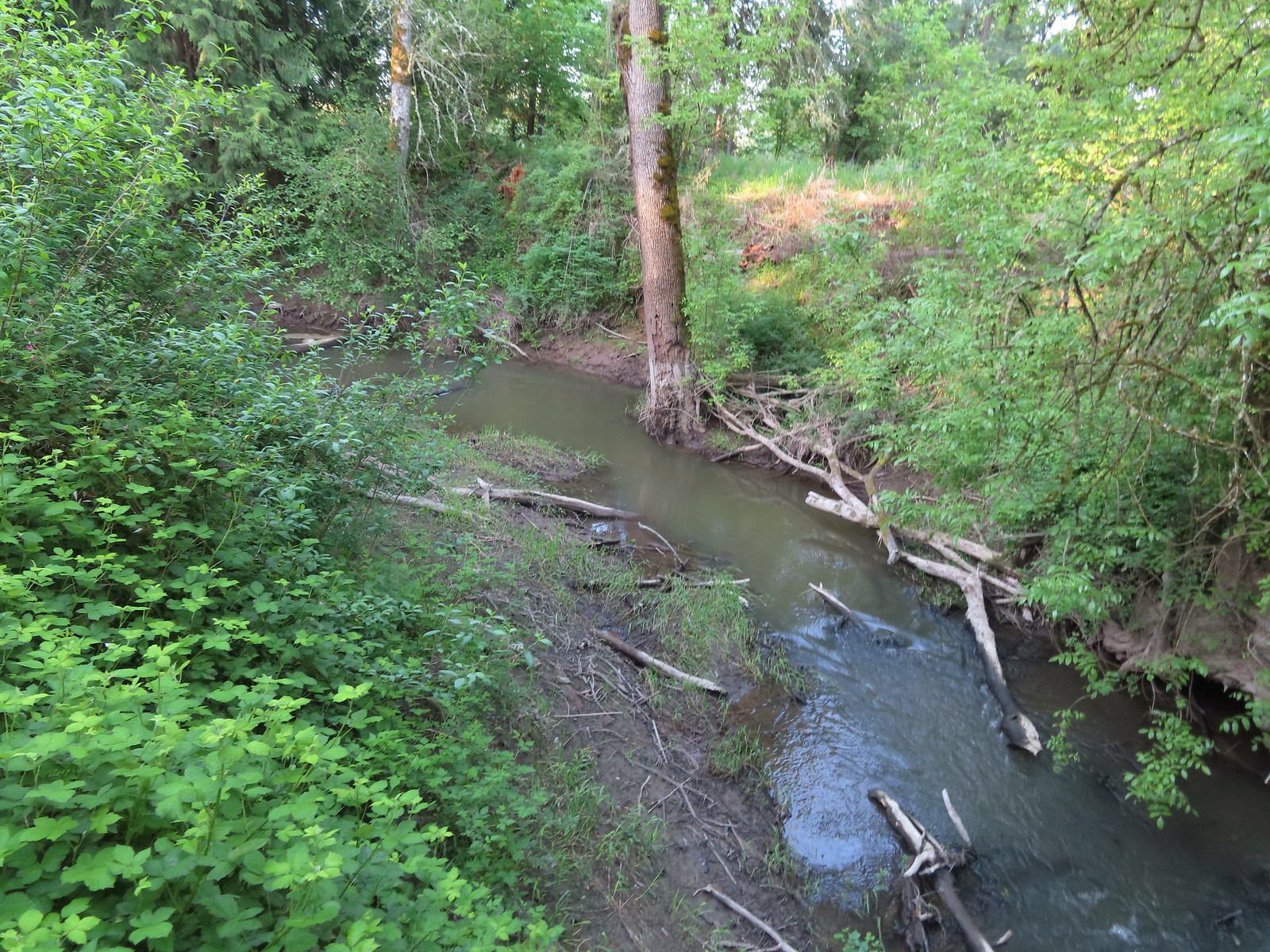 Chicken Creek
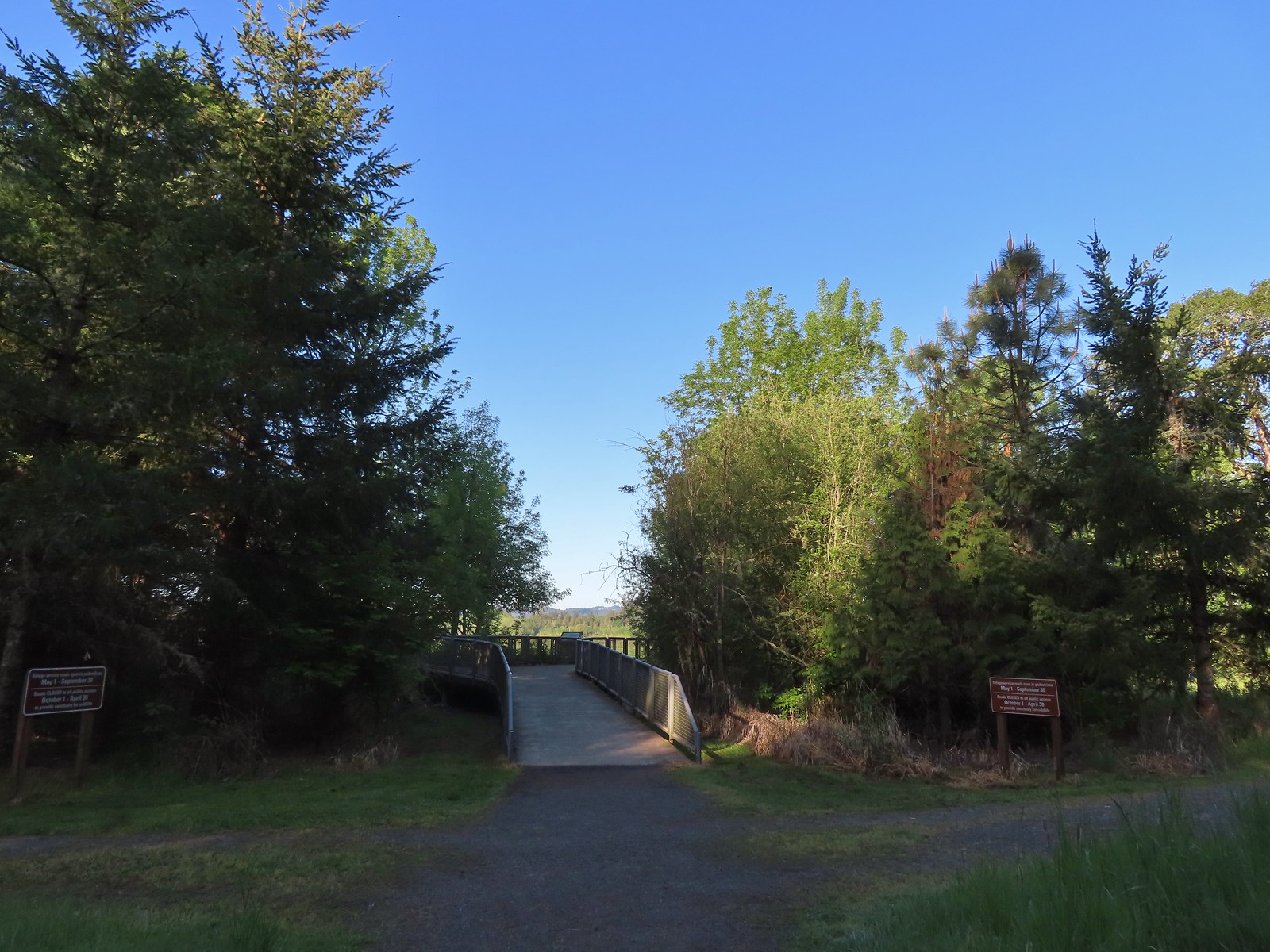 The River Trail meets the Wetland Trail across from the Weland Observation Platform.
 Great white egrets
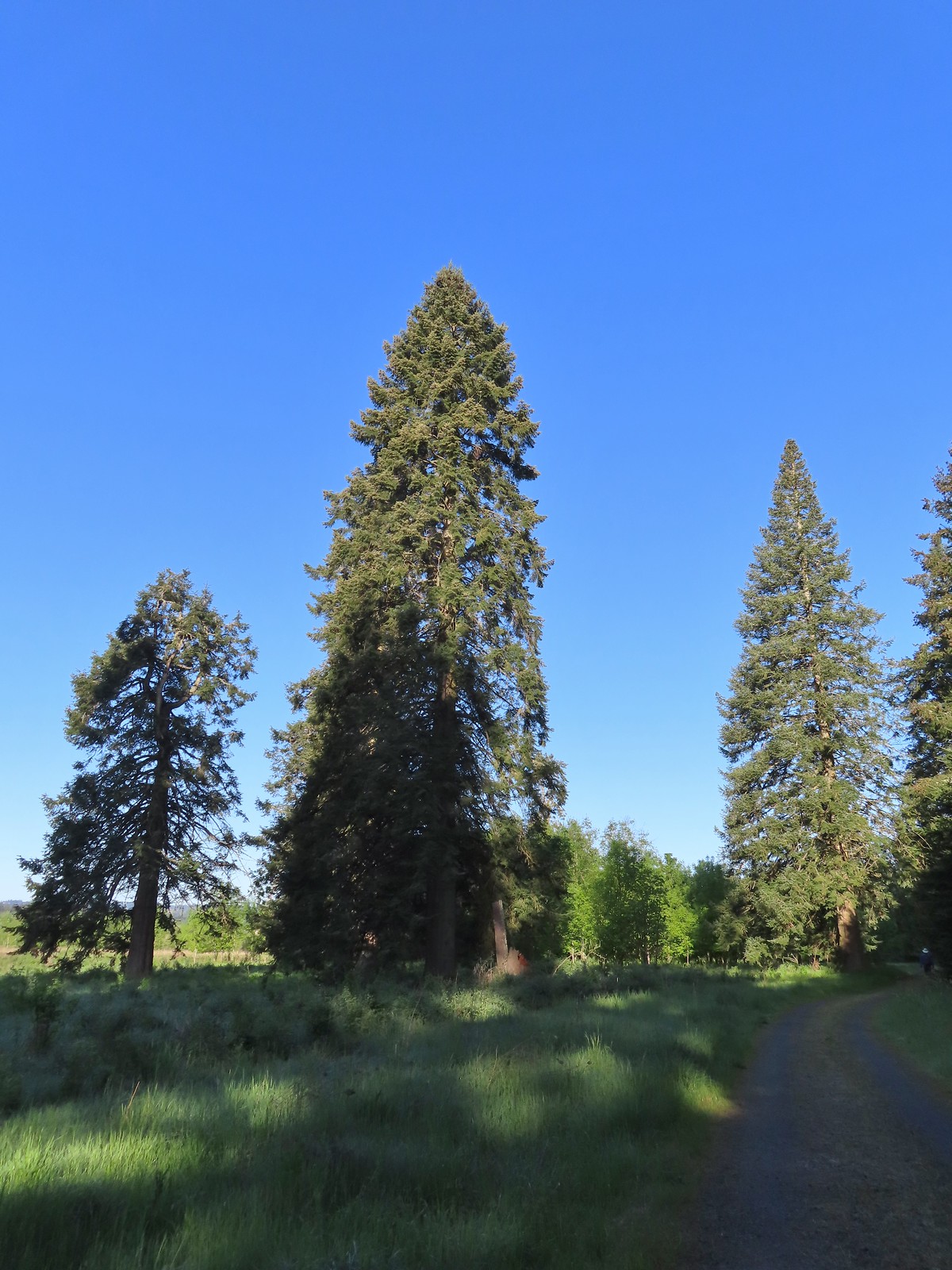 There were some impressively tall trees along this portion of the loop.
 Another egret
 More egrets across Chicken Creek.
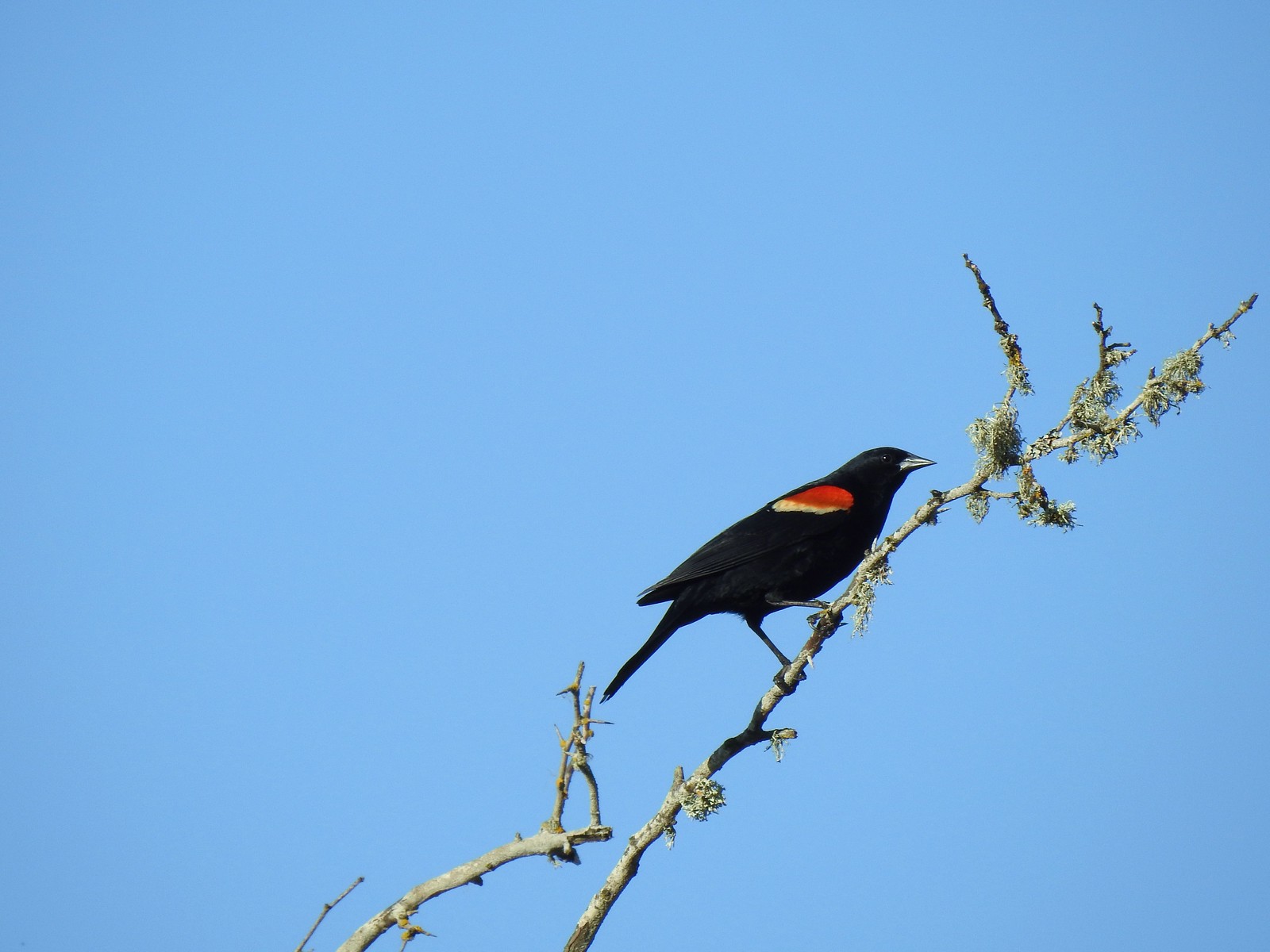 Red-winged blackbird
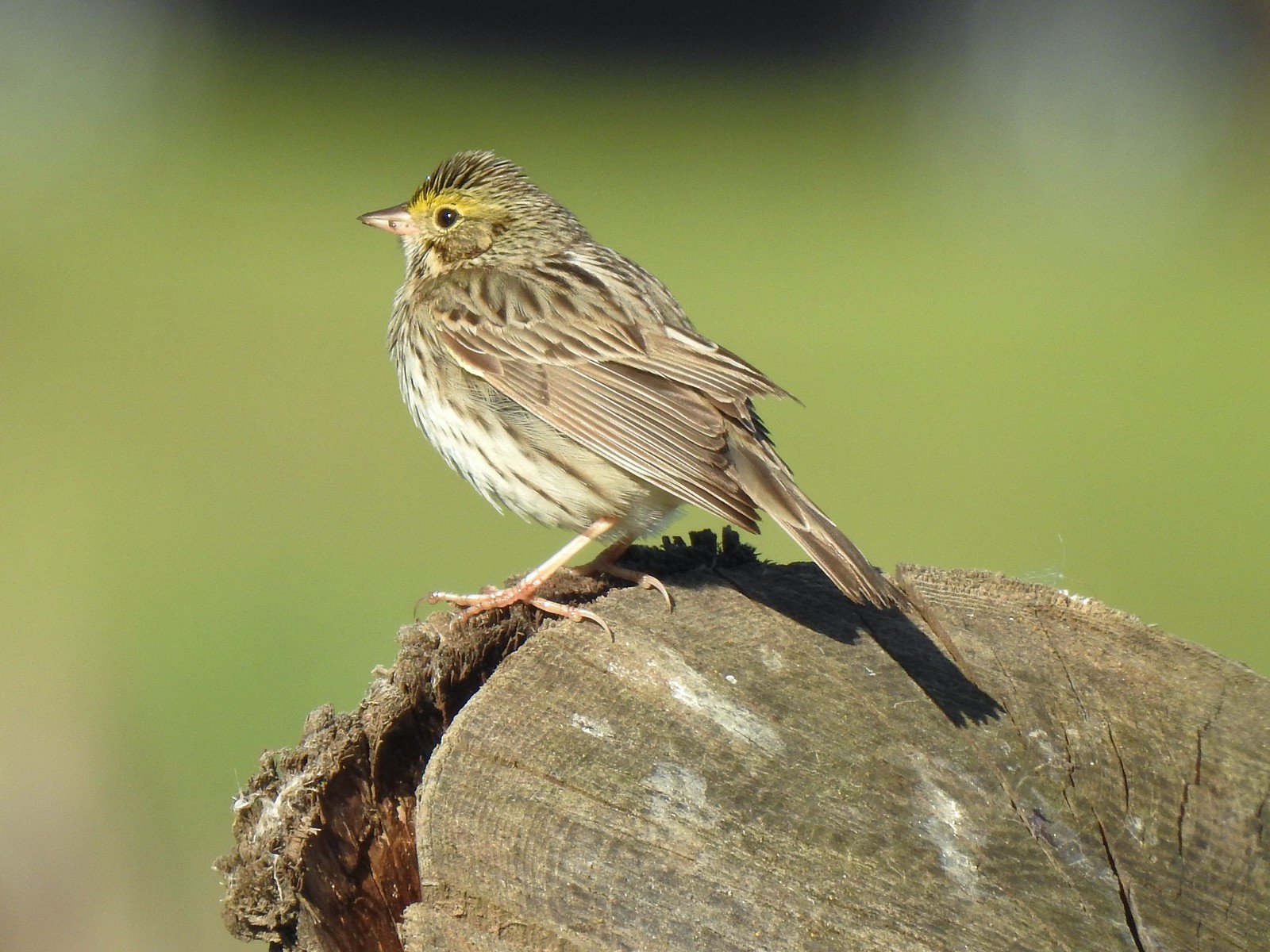 Savannah sparrow
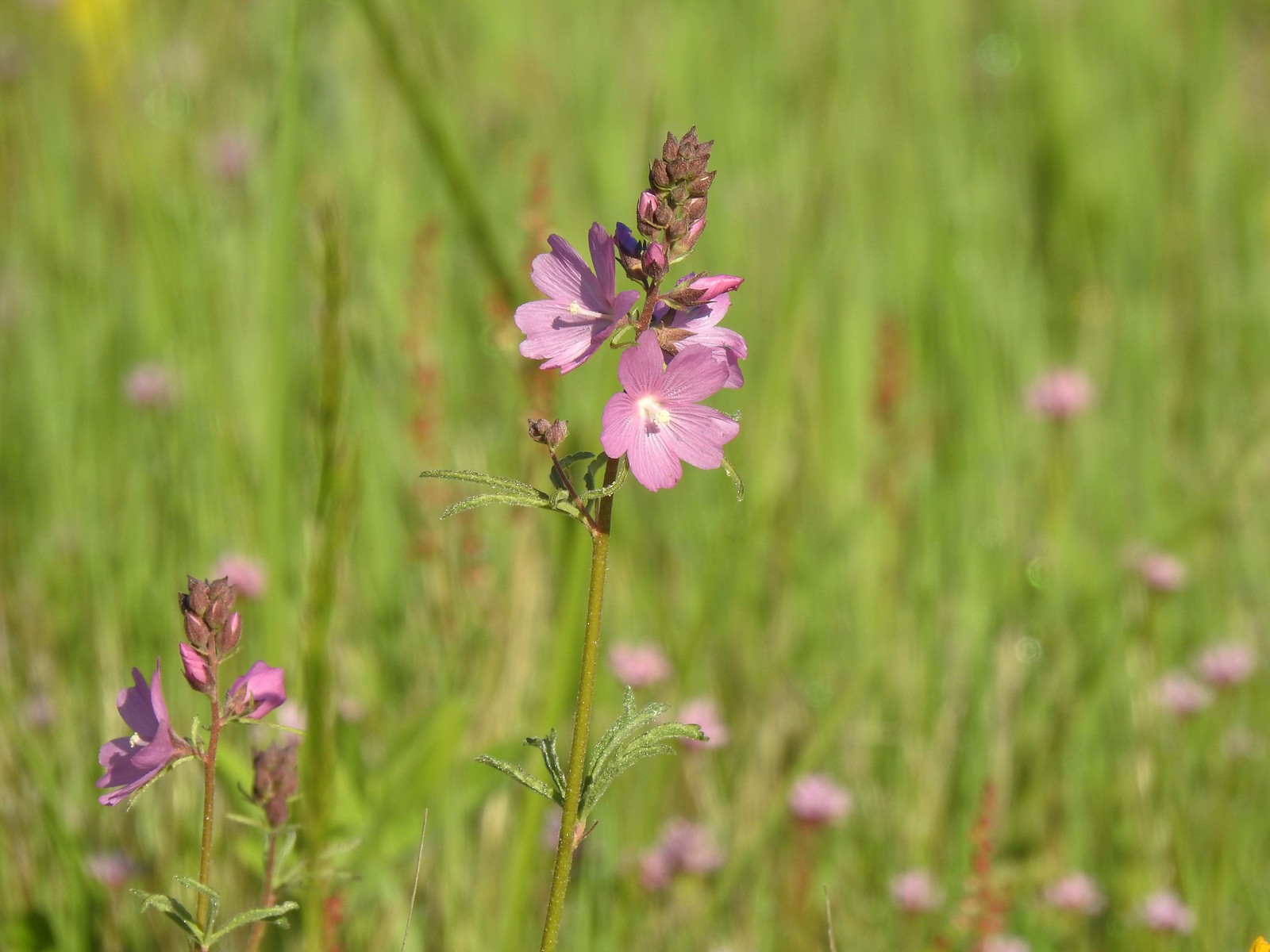 Checker-mallow
 A parsley
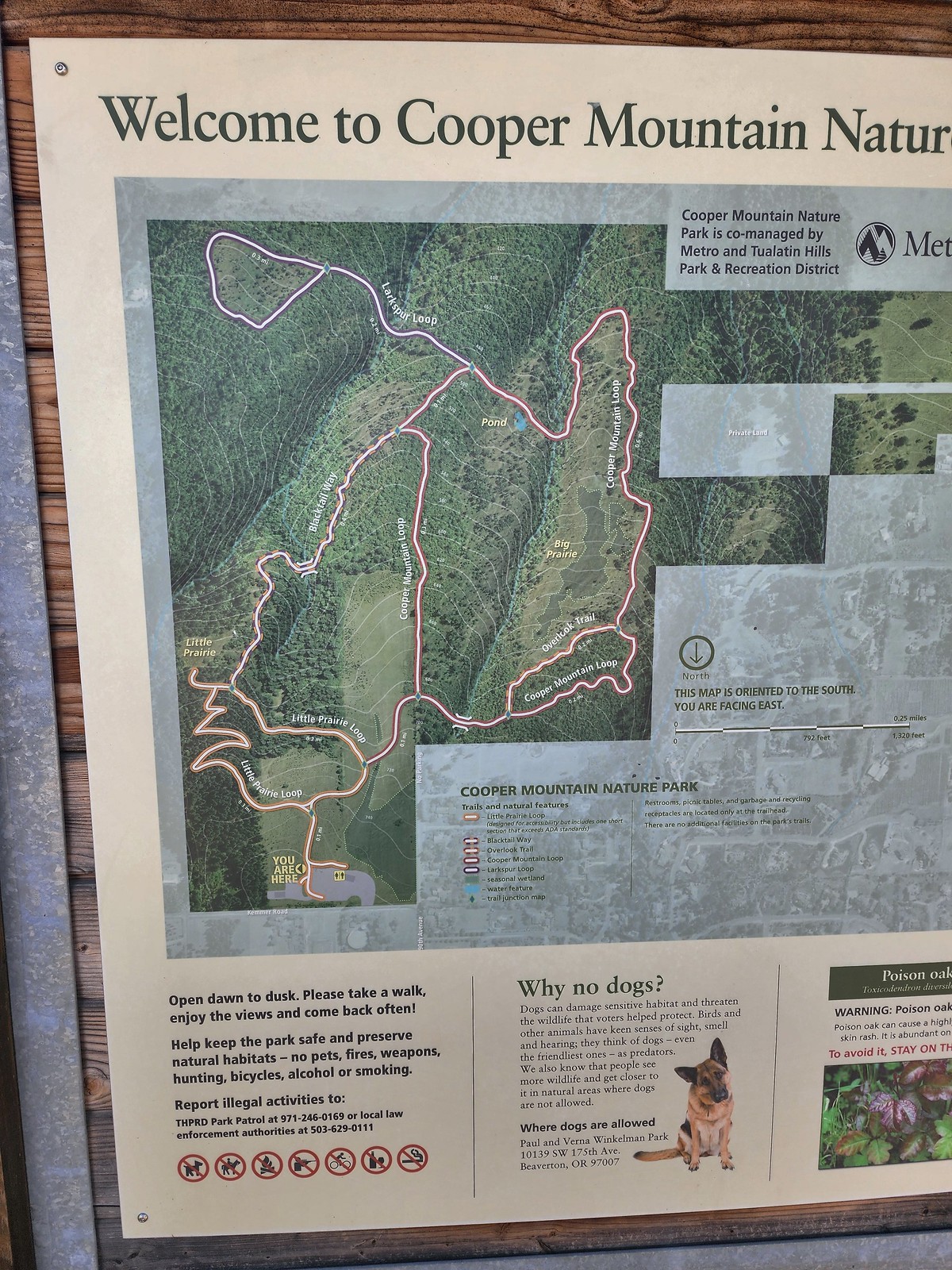 Our planned route was to go right on the Little Prairie Loop to the Cooper Mountain Loop and then stay right on that loop (with a detour to hike the Larkspur Loop) to Blacktail Way. We’d then take Blacktail Way back to the Little Prairie Loop and turn right again to finish that loop and return to the trailhead.
 The view from Cooper Mountain Nature Park.
 Metro is currently running an odd little trial with very short “photo loops”. Mowed paths just off the main trails for photography. We took the first loop just to check it out and they were not kidding when they said the surface may be uneven.
 One of two trial photo loops.
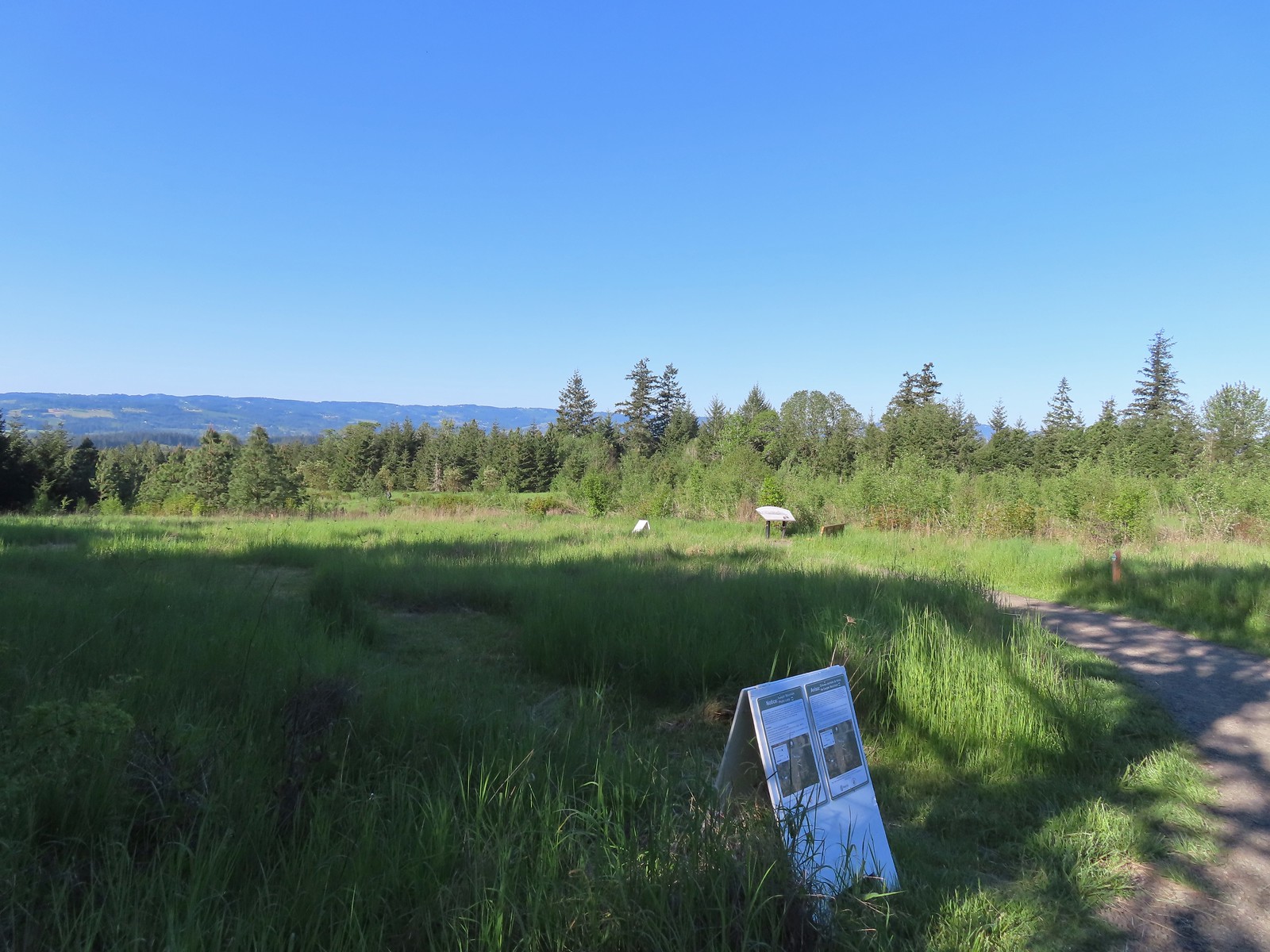 The second trial loop. You can see how short this one is by the signboard just downhill marking its other end.
 There were several interpretive signs and benches along the trails.
 White-crowned sparrow
 Anna’s hummingbird
 Star flower
 As usual Metro had the trail junctions well marked with little maps on top of the posts. This is the Cooper Mountain Loop junction with the lower end of the Outback Trail.
 Camas
Camas
 Tough-leaved iris
 Serviceberry
 Honeysuckle
 Looking back uphill to some wildflowers.
 Monkeyflower
 Tomcat clover
 Spotted towhee
 Bench along a pond filling an old quarry.
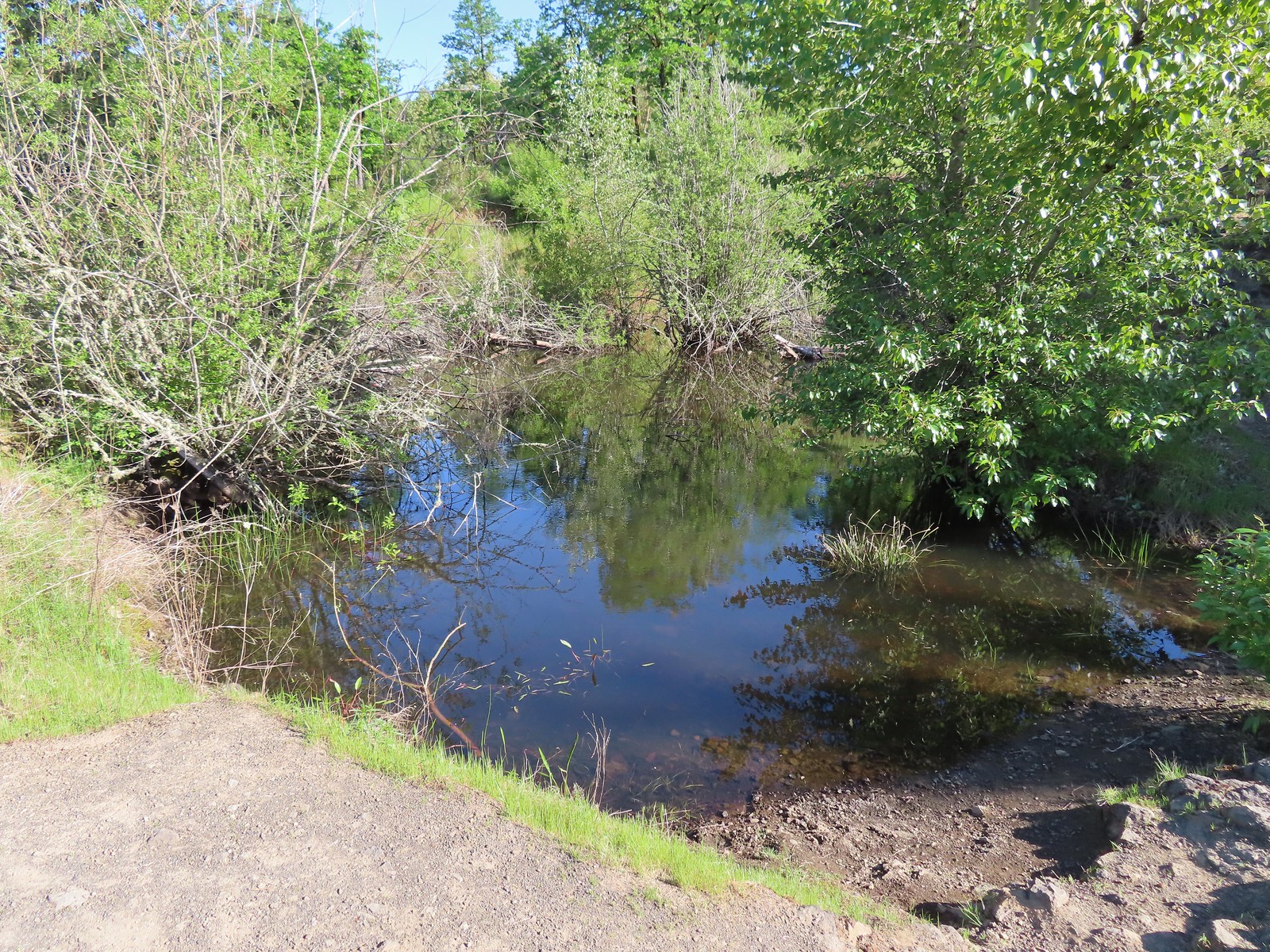 The pond. Red-legged frogs apparently breed here. We didn’t see any frogs but there was a mallard hanging out in the brush.
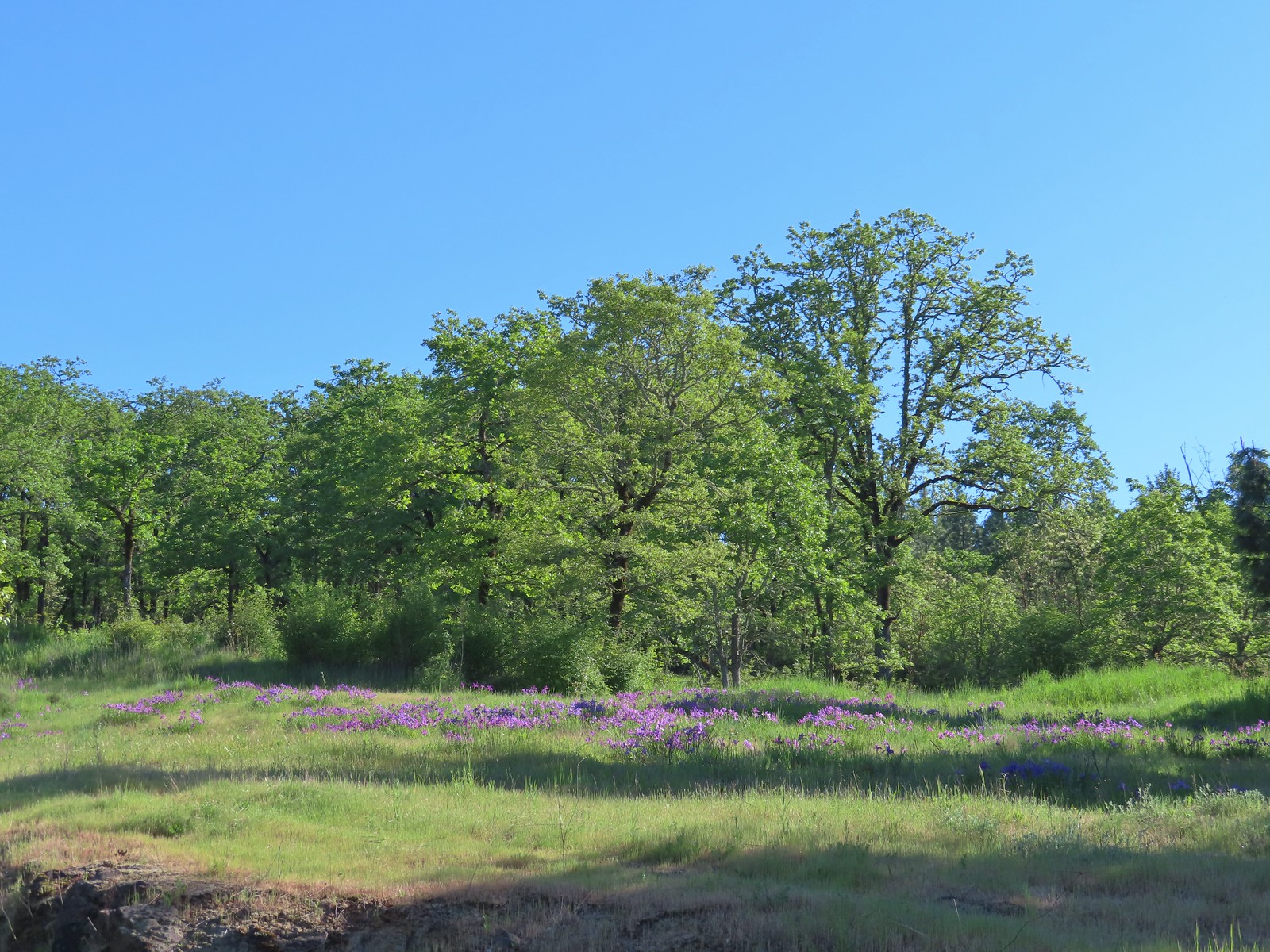 Iris on the hillside above the quarry.
 The Larkspur Loop continuing straight from the Cooper Mountain Loop which turns uphill at the junction.
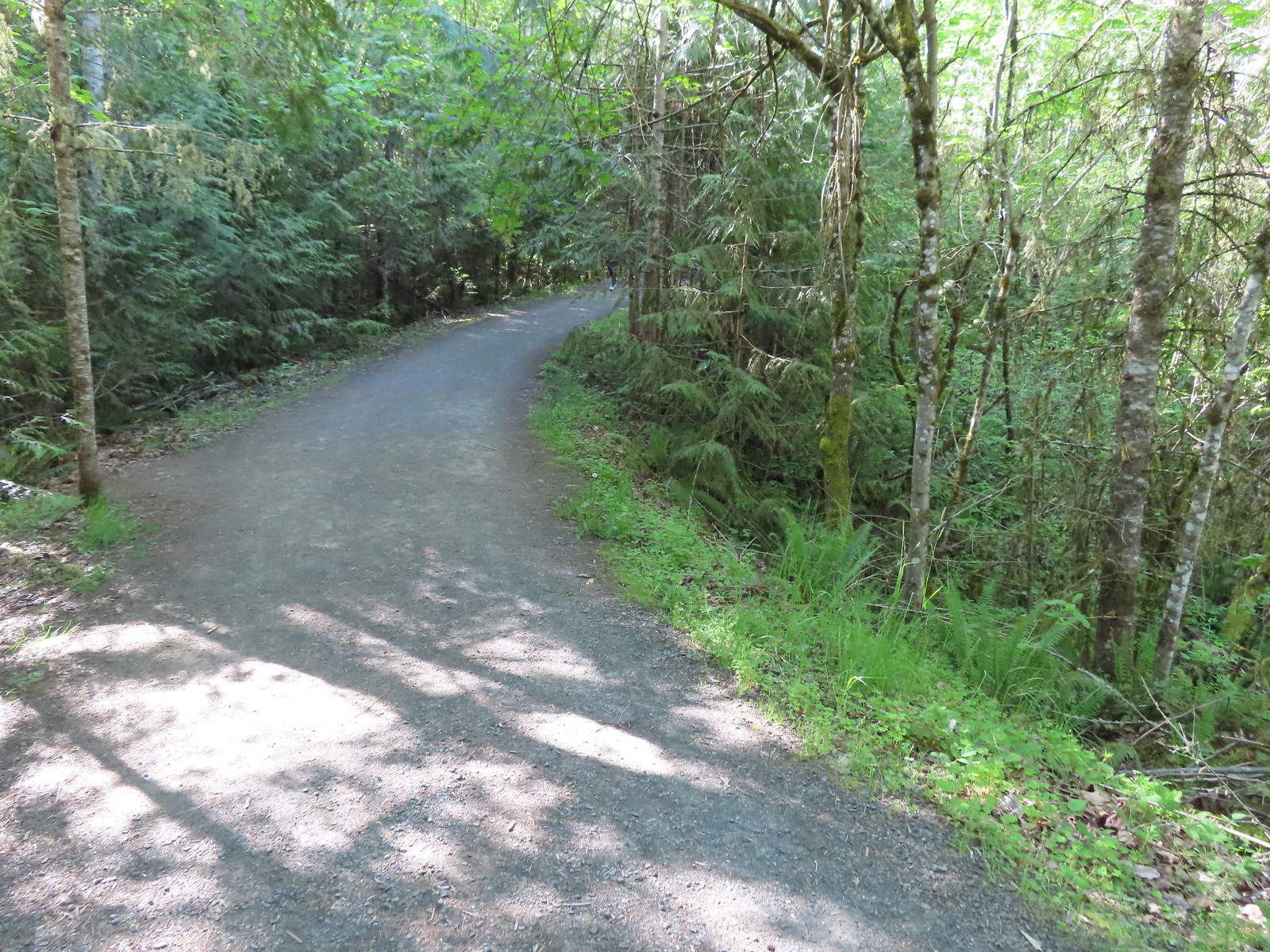 Prior to the loop the Larkspur Loop dips to cross a creek in the trees.
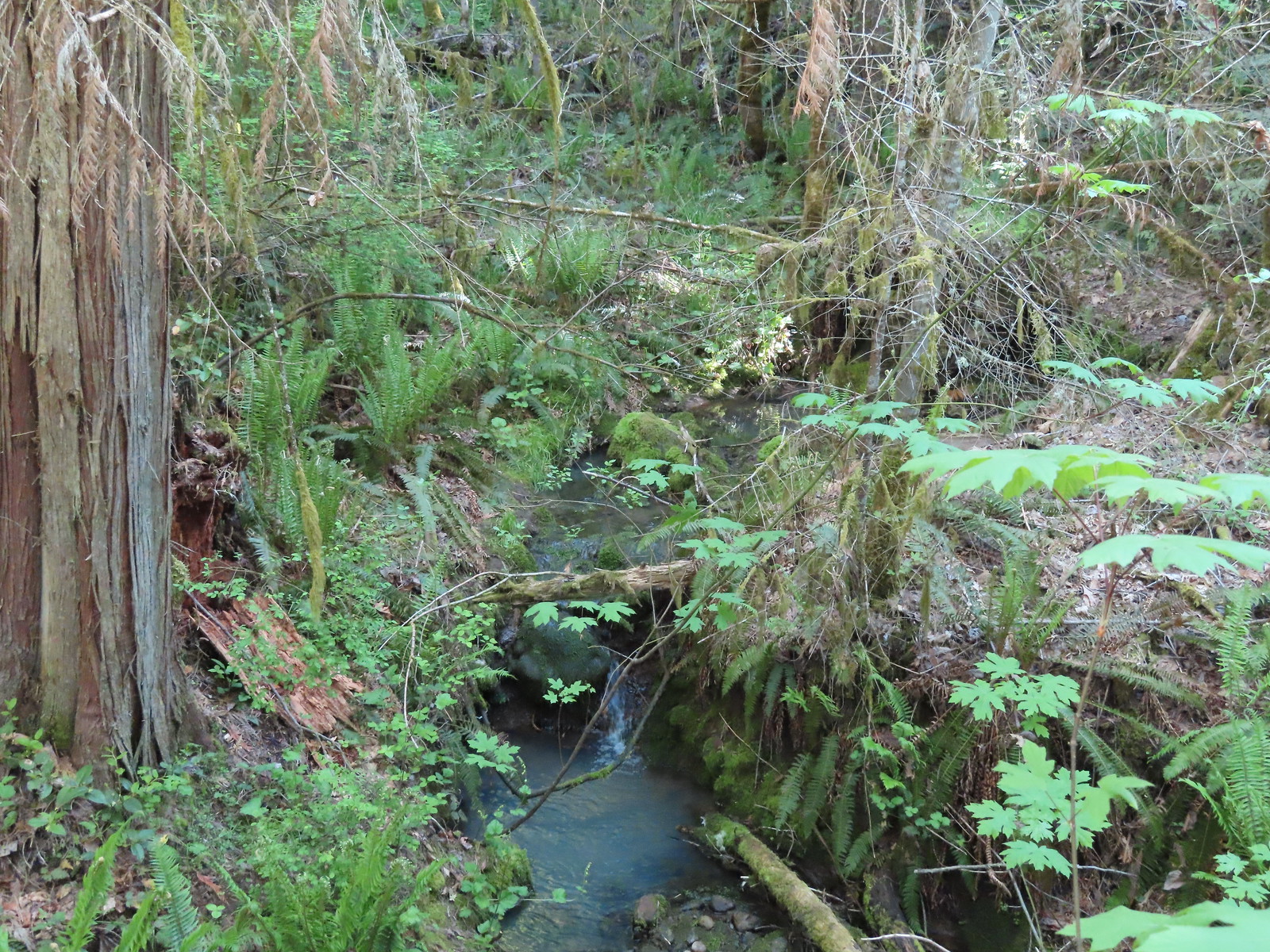 The little creek.
 View from the Larkspur Loop.
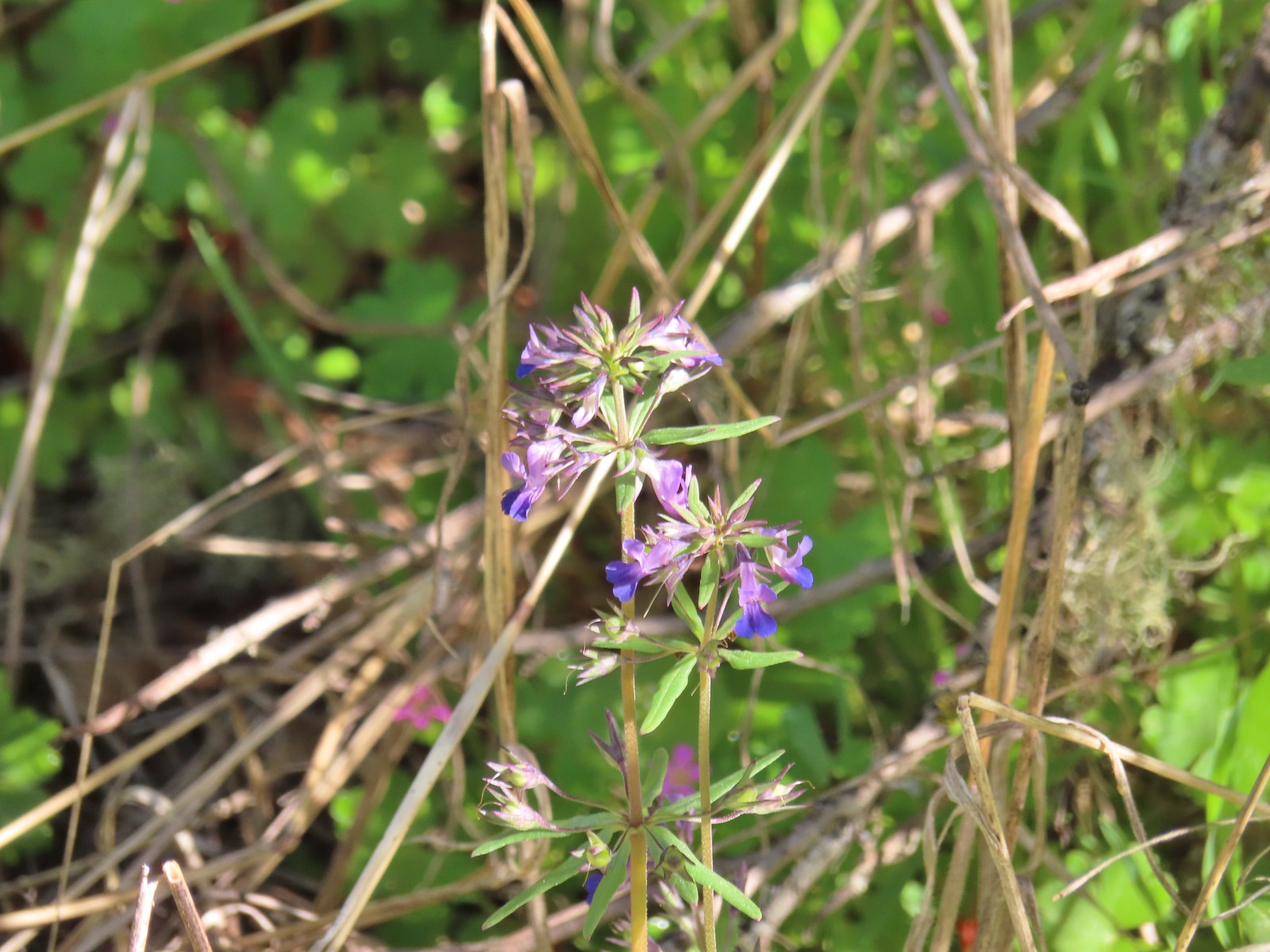 While watching for the larkspur I noticed these giant blue-eyed Mary.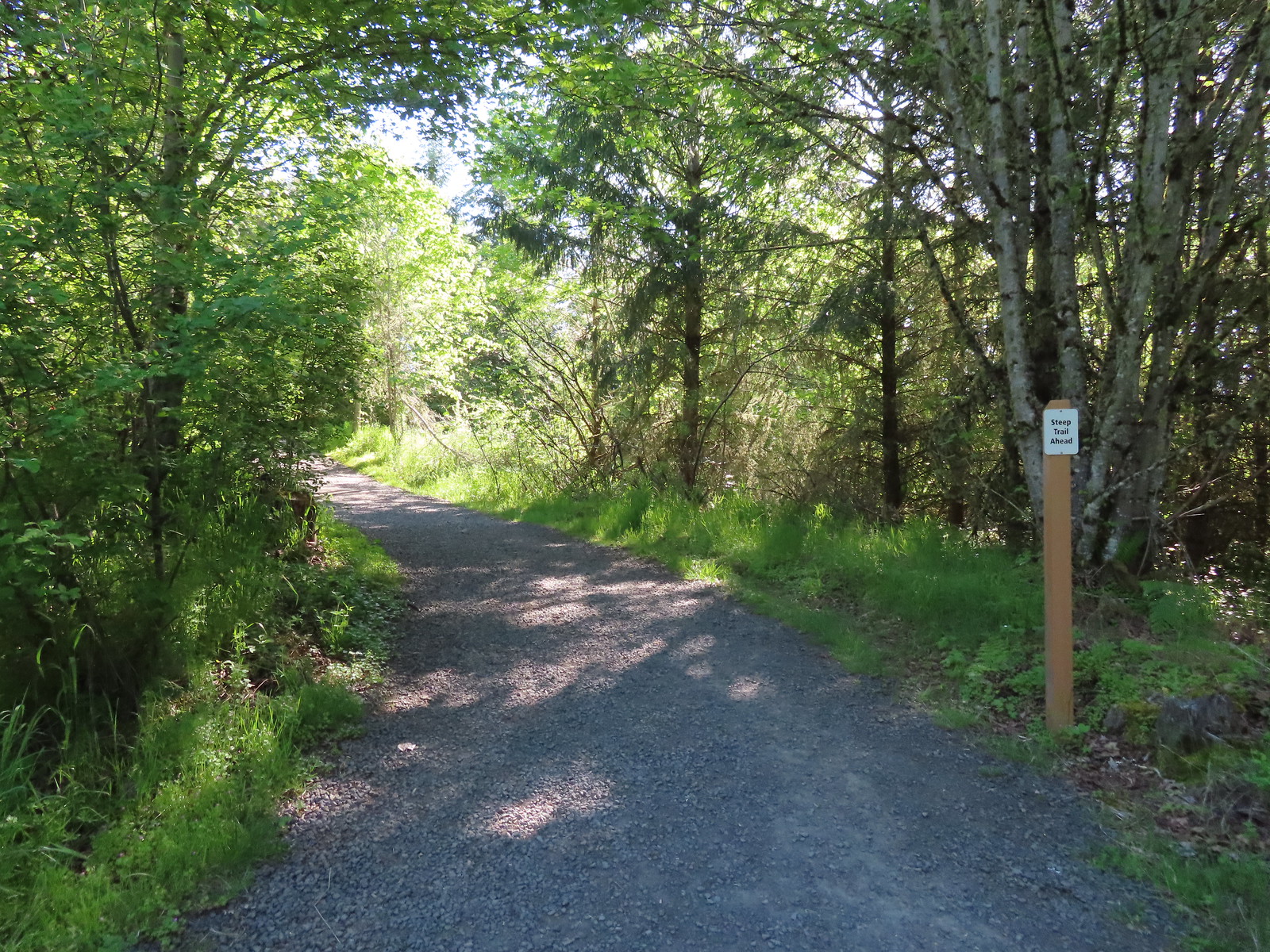
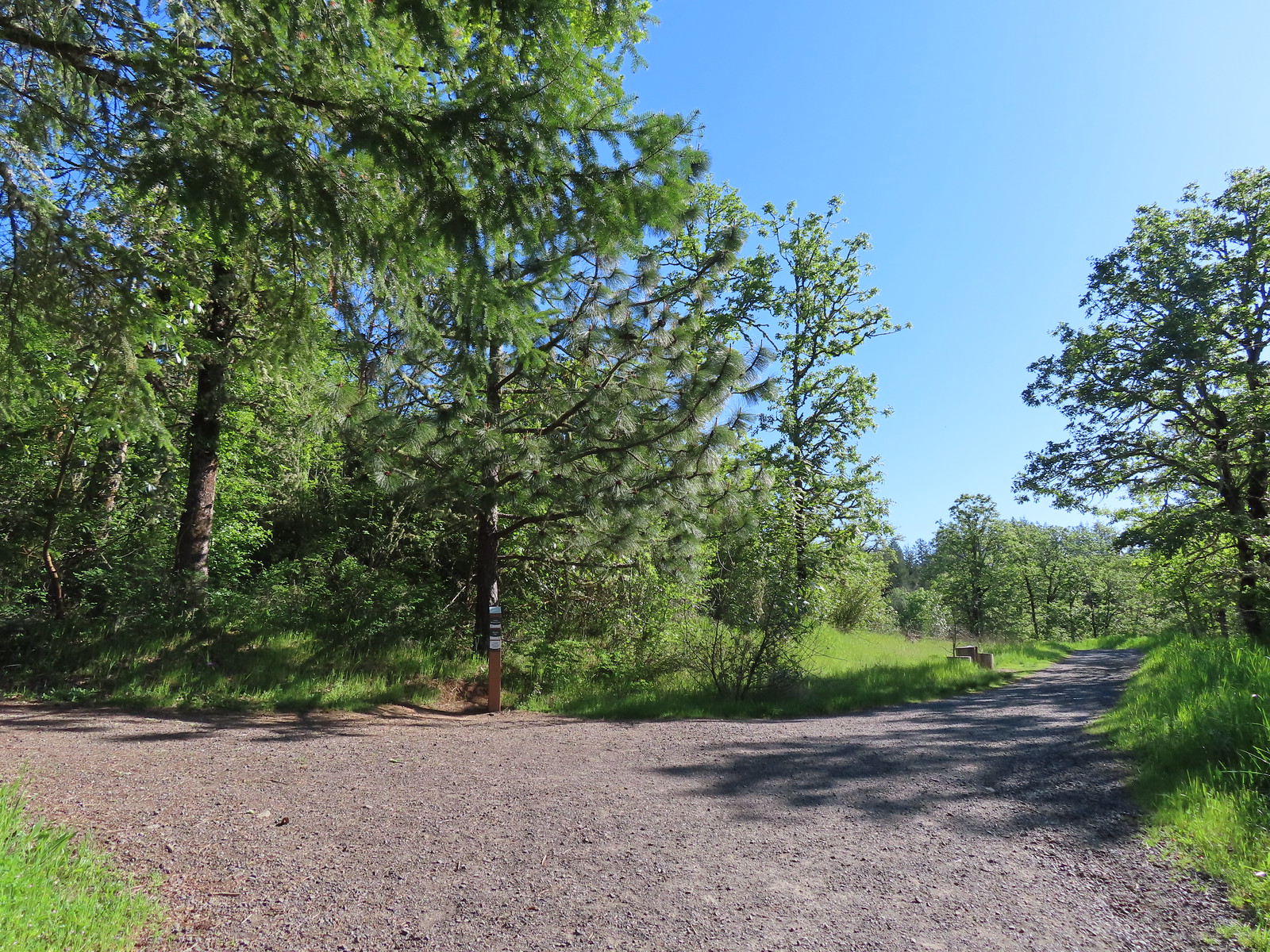 Blacktail Way to the right.
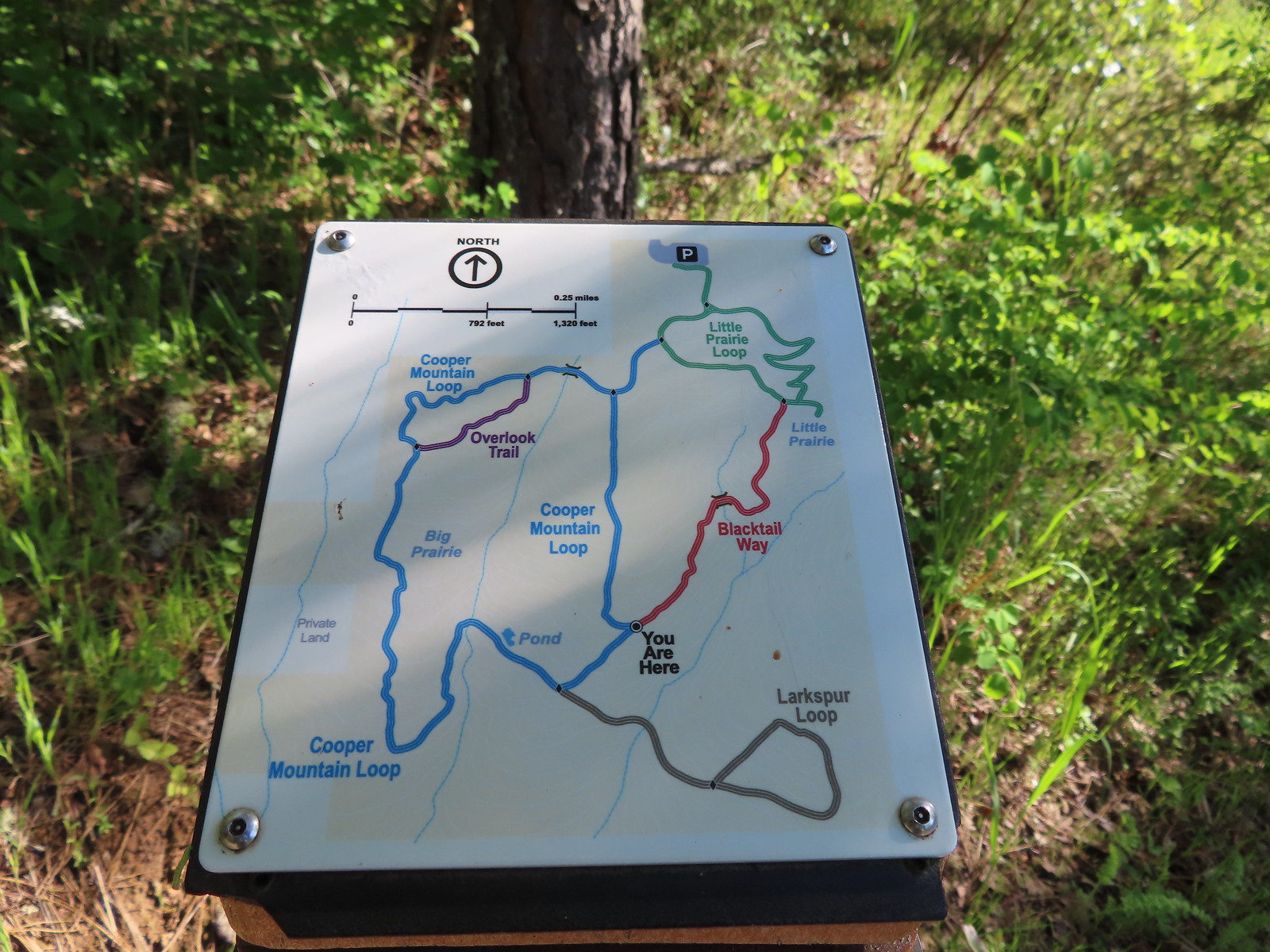 Map at the junction.
 The “earphone” next to the bench here was neat. There was also one at the trailhead and they really allowed you to isolate the sounds of the woods.
 The Little Prairie Loop.
 The pale larkspur also grows in this area but again we were too early.
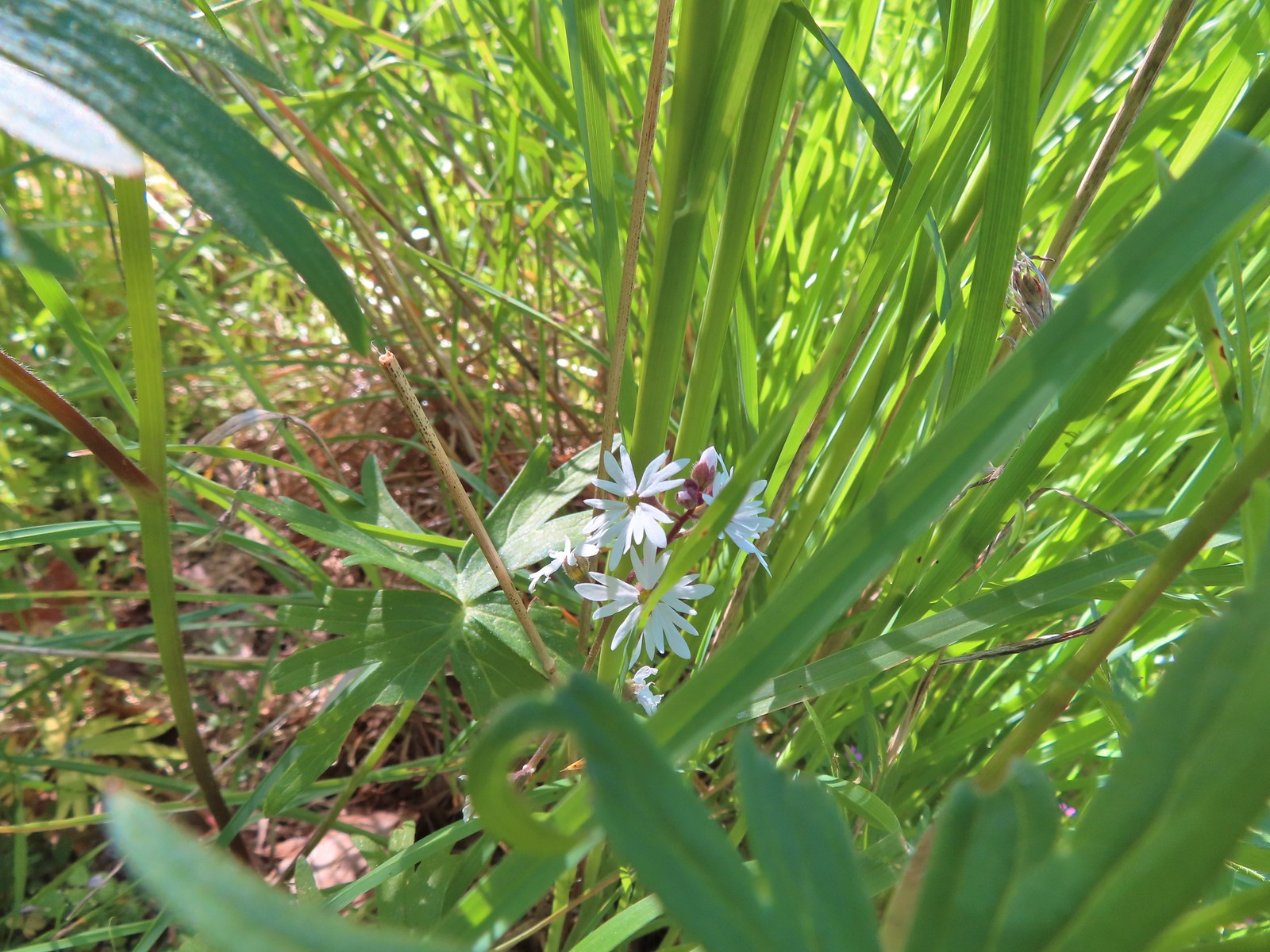 These were the only woodland-stars we spotted.

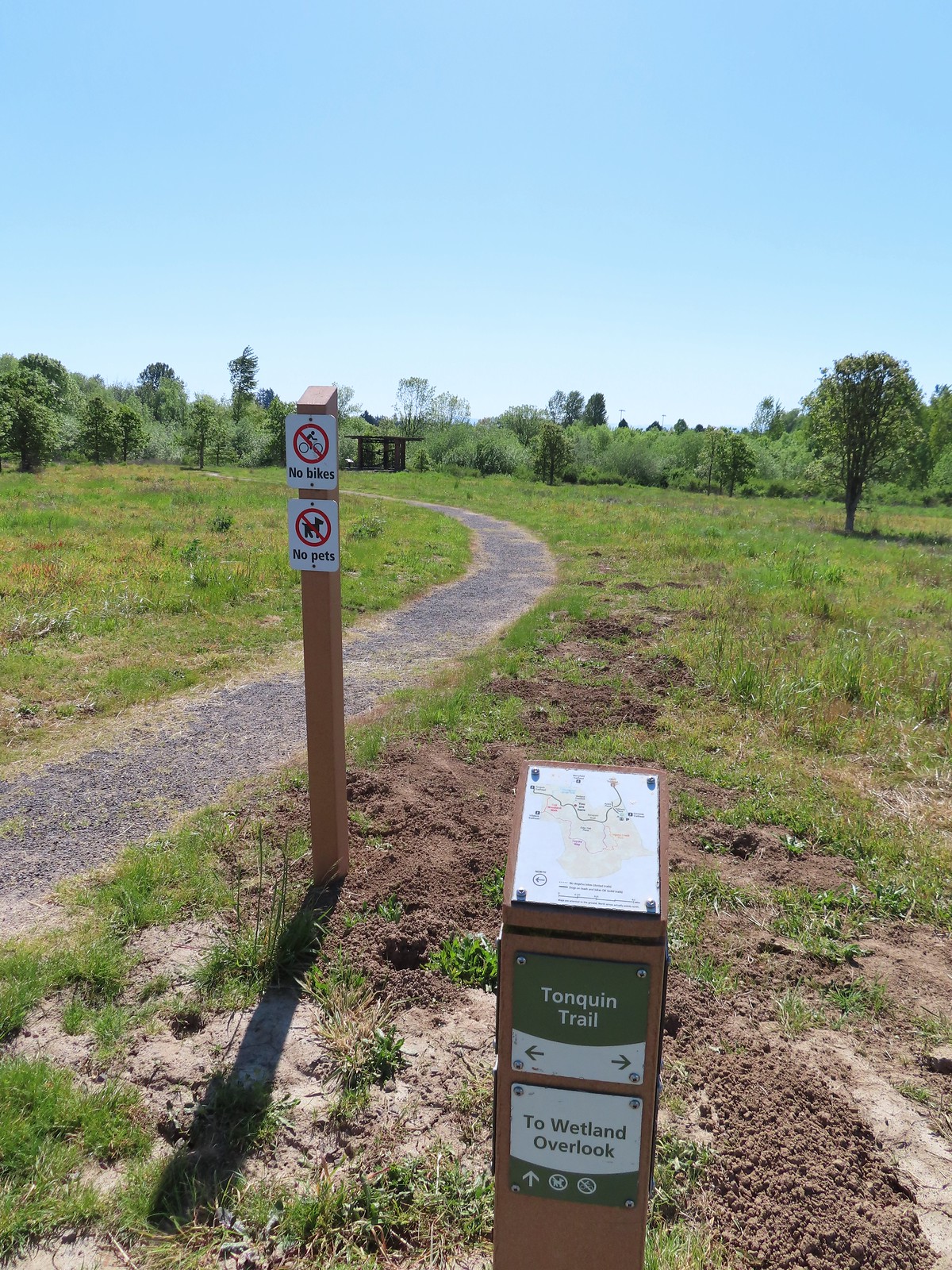
 Heading toward Acron Plaza on the Tonquin Trail.
 Interpretive sign at Acorn Plaza.
 Lupine and buttercups
 Lupine
 Meadow checker-mallow
 The “elder” oak is between 150-200 years old.

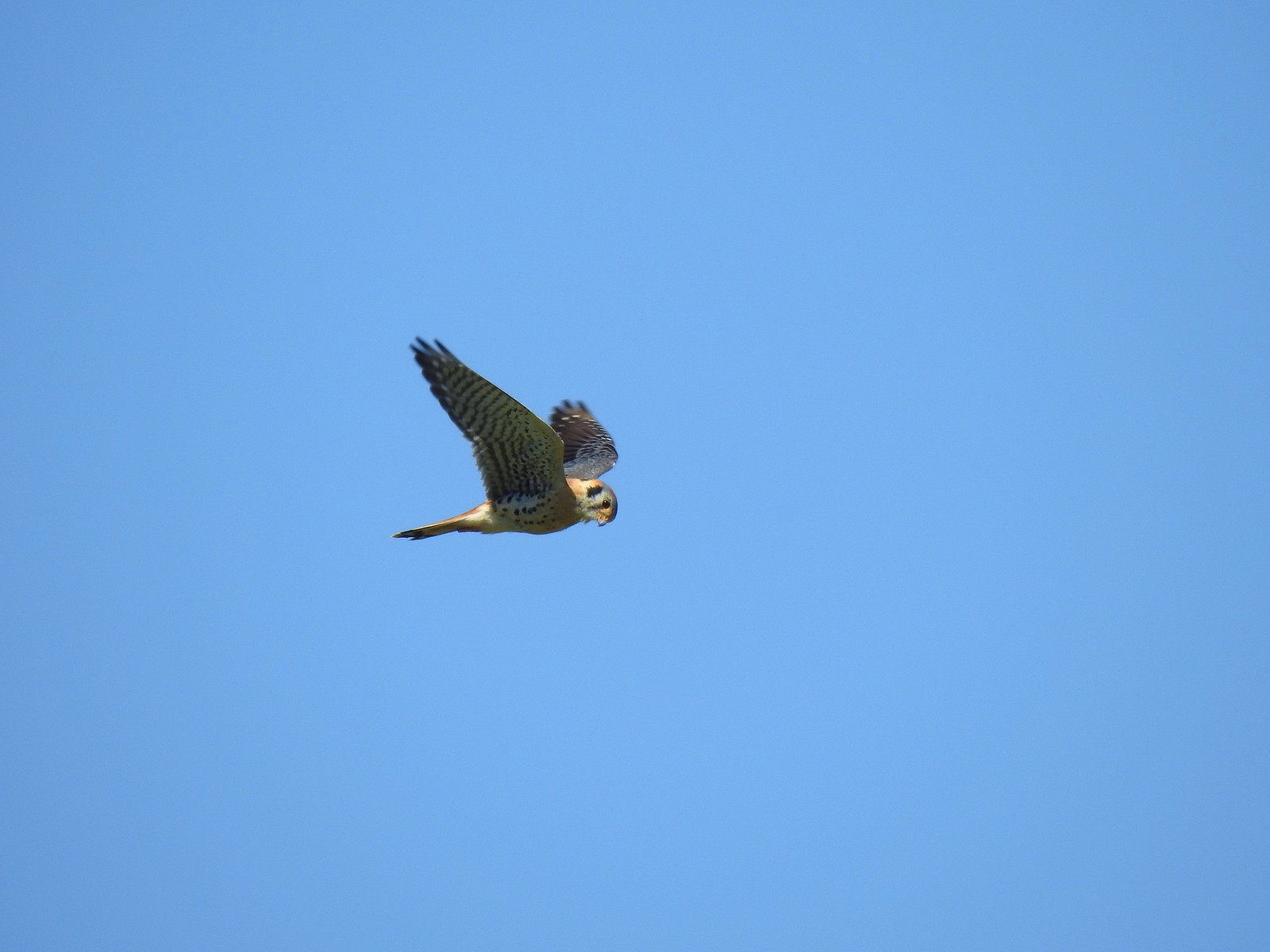 We watched this American Kestral hover on a near vertical line for what felt like quite a while. It eventually dove and attempted to catch something in the grass. We couldn’t tell if it had been successful.

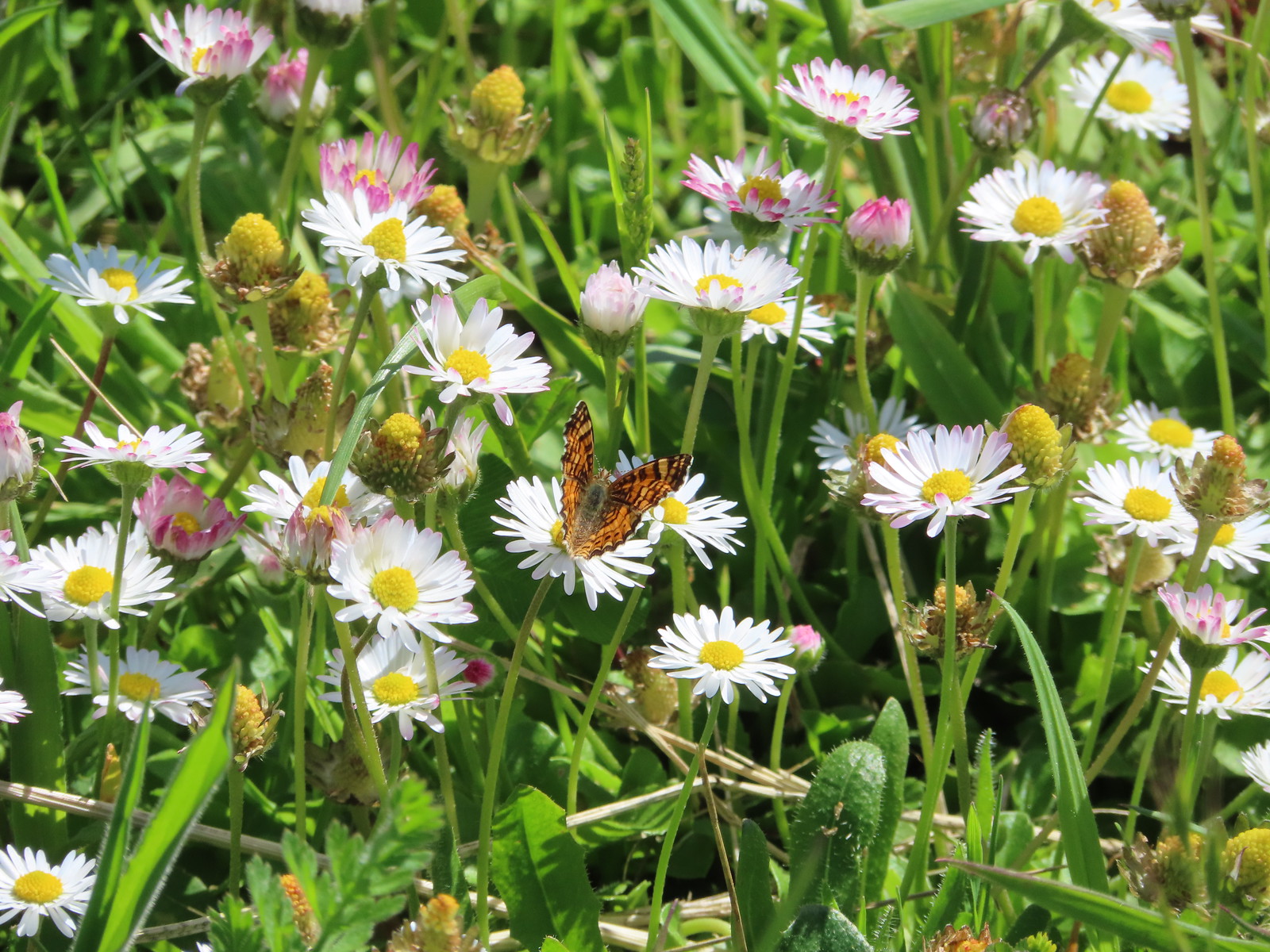 Mylitta crescent
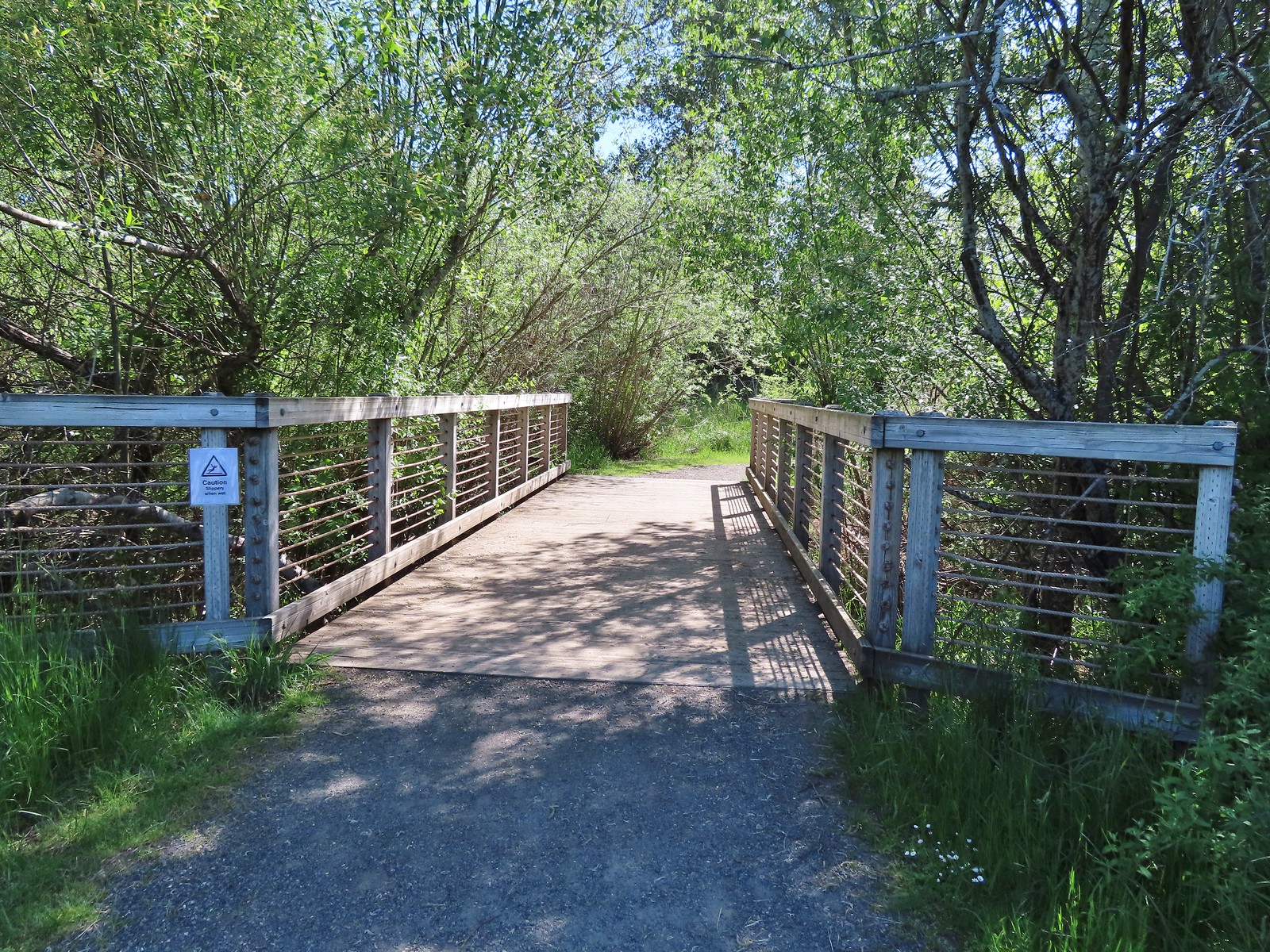 Footbridge over Arrowhead Creek.

 The Lycaenidae family of butterflies remains a mystery to me. This appears to be an Eastern Tailed Blue based on the ventral spots.
 Snow in the Cascade foothills. If you look really closely behind the bigger snow patch to the far-right, you can just barely make out Mt. Jefferson.
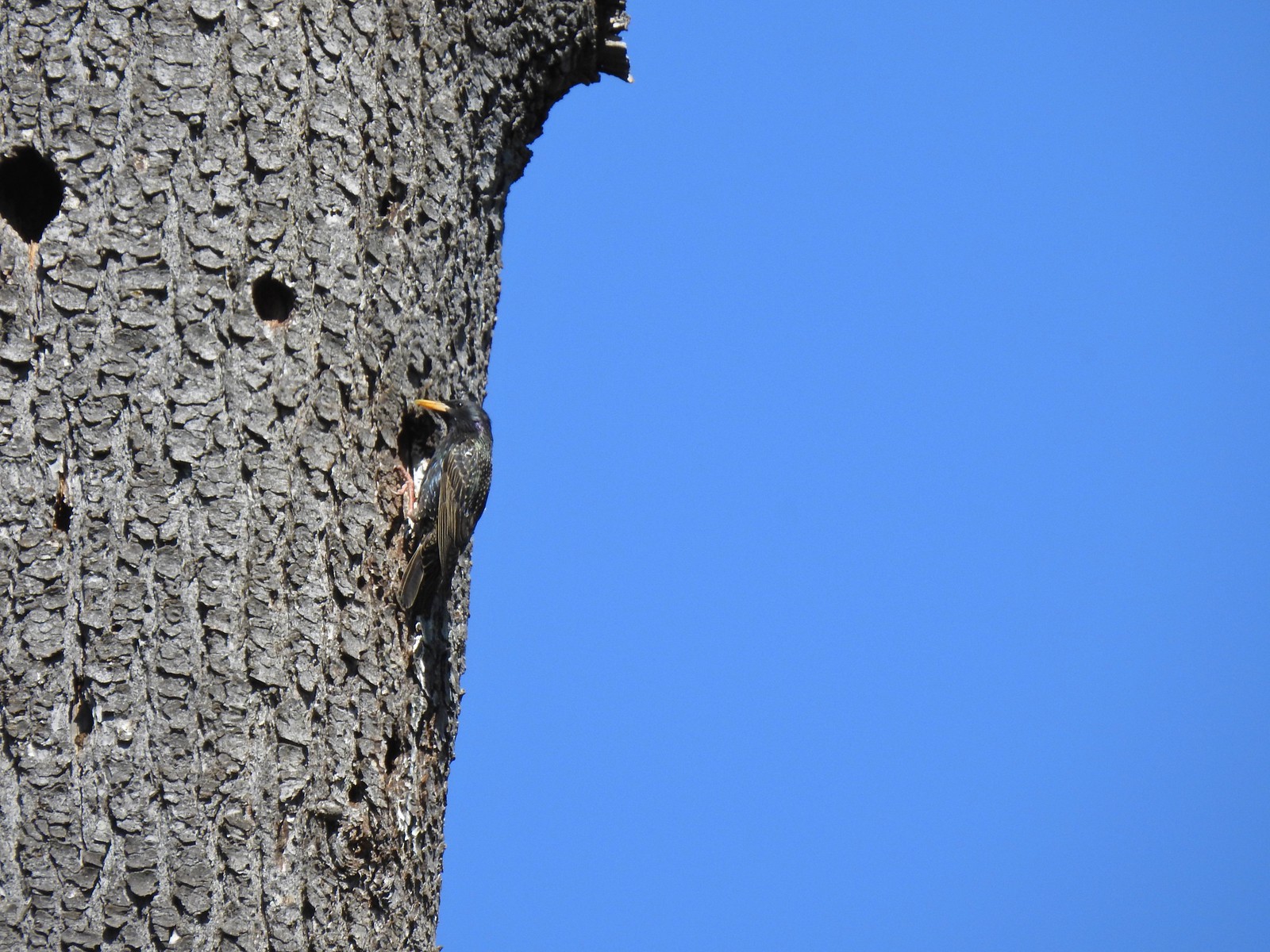 Starling
 Northern flicker
 This scrub jay would not come out from behind the oak leaves.
 There was a lot of candy flower beneath the trees.


 Mushrooms along the Legacy Creek Trail.
 Violets, candy flower and the invasive herb robert (pink).
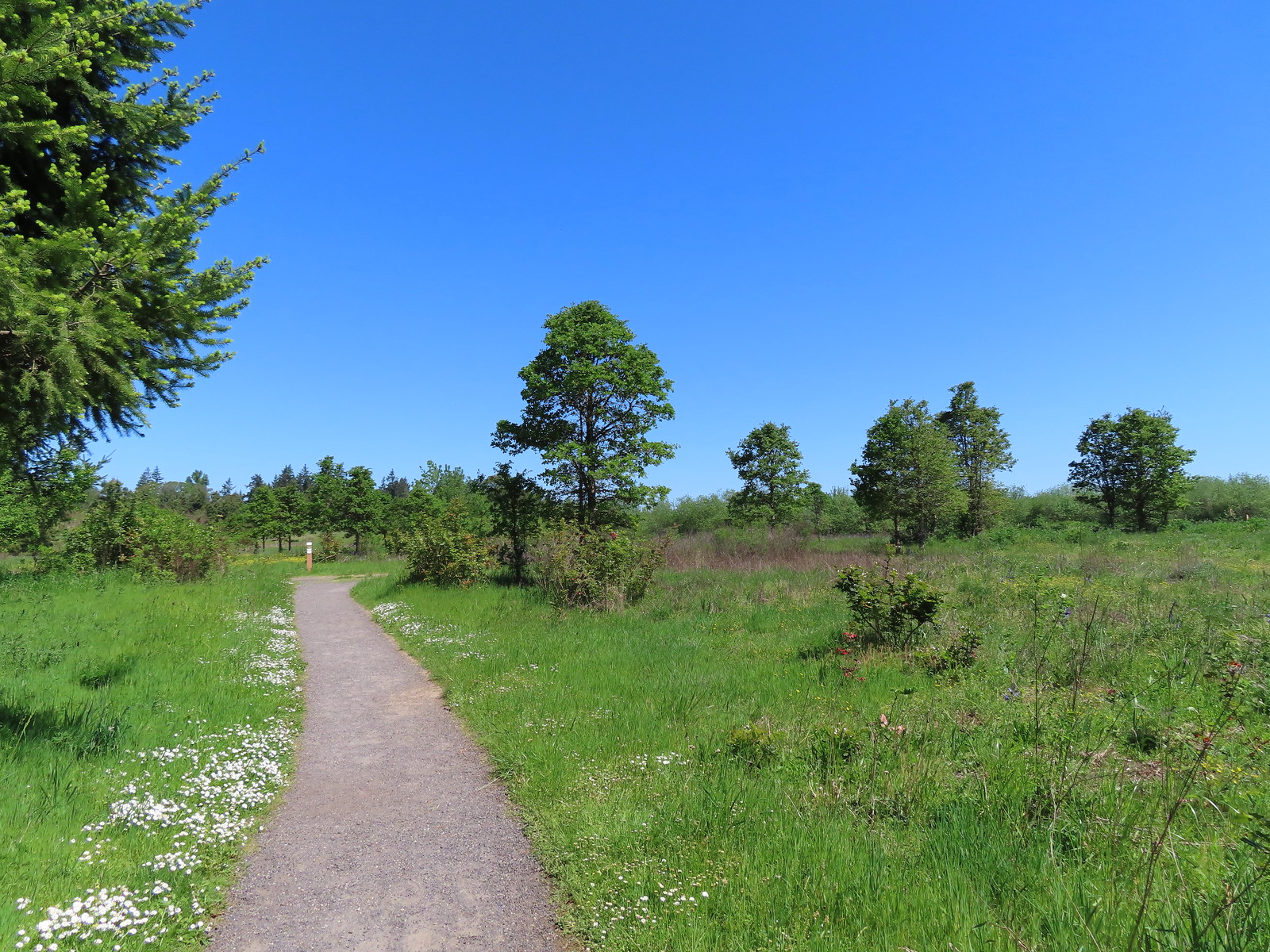 Coming up to Coyote Way.
 Back on the Tonquin Trail and heading for the trailhead.




 Most of the camas was still working on blooming but a few were open.
 Buttercups
 Dark eyed junco
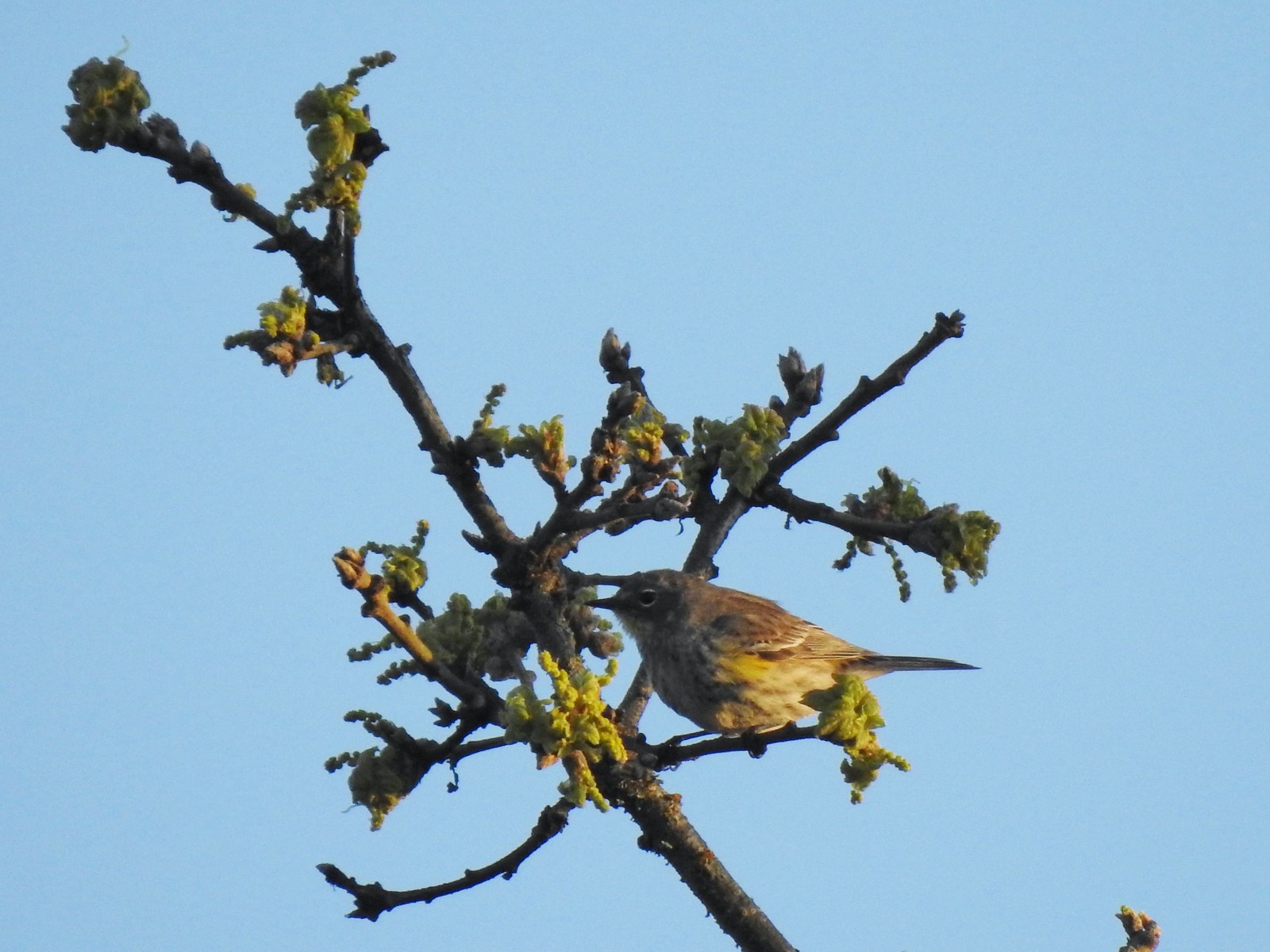 Possibly a female yellow-rumped warbler.
 Plectritis
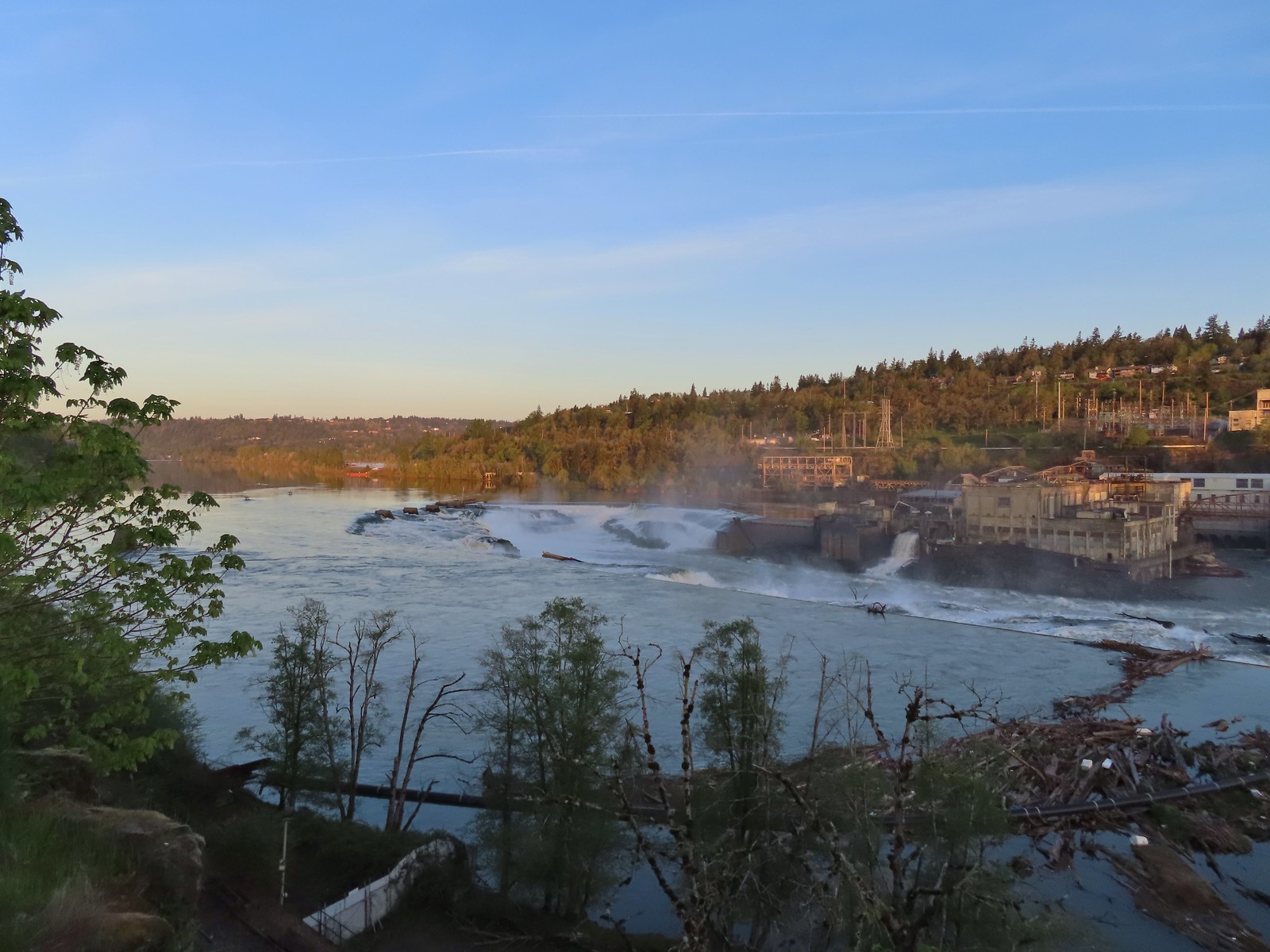
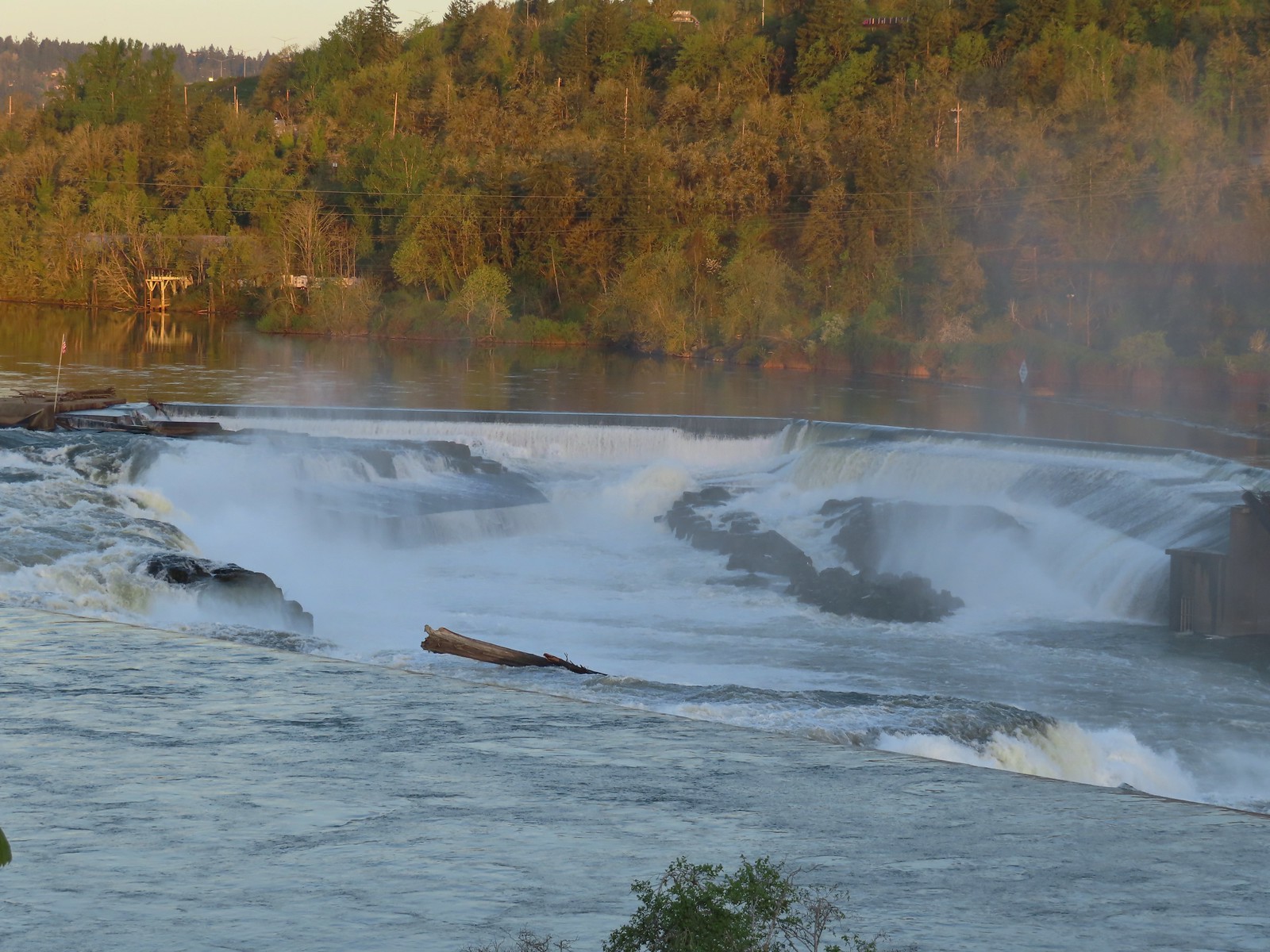
 Willamette River
 Robin
Robin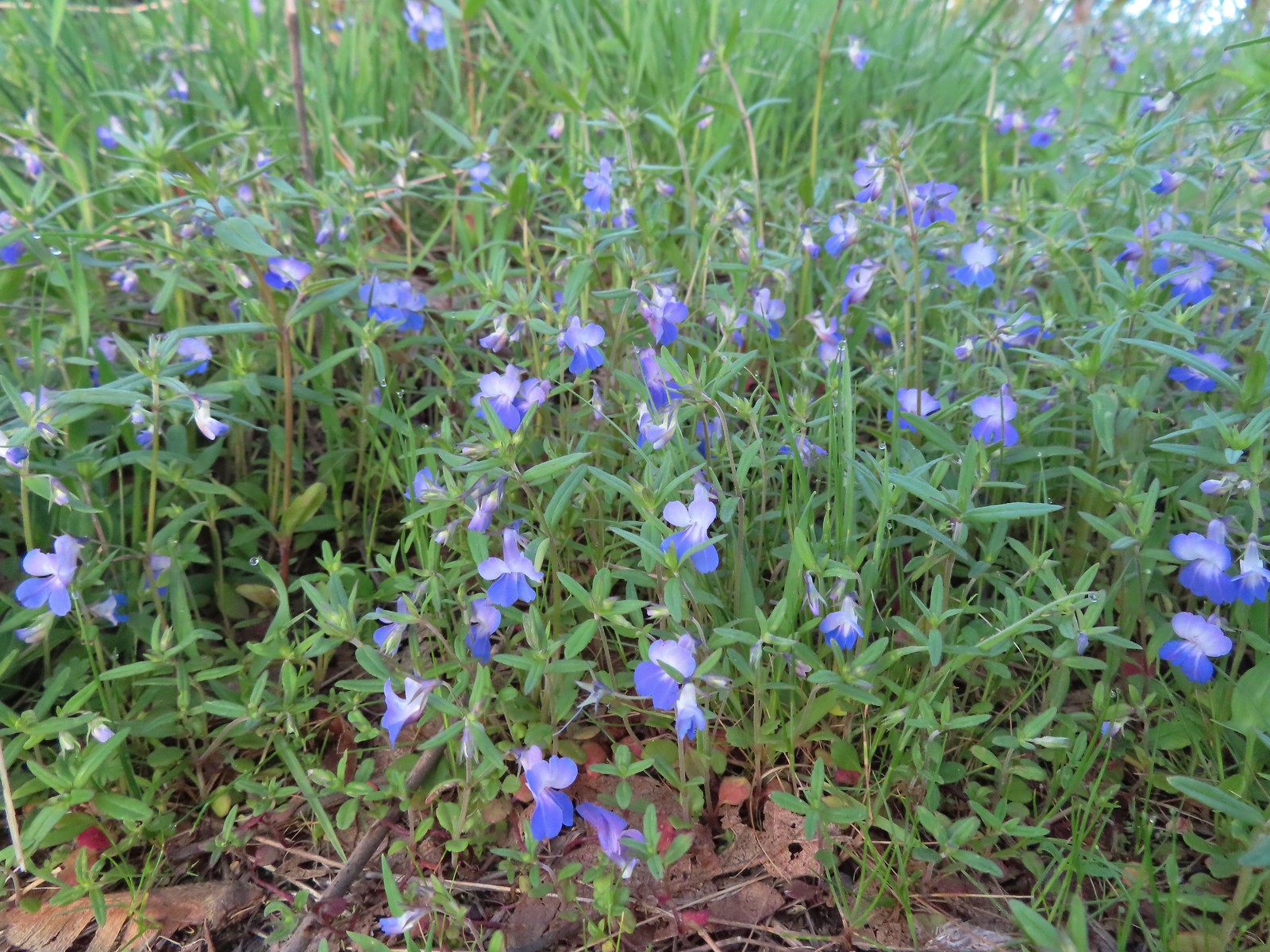 Giant blue-eyed Mary
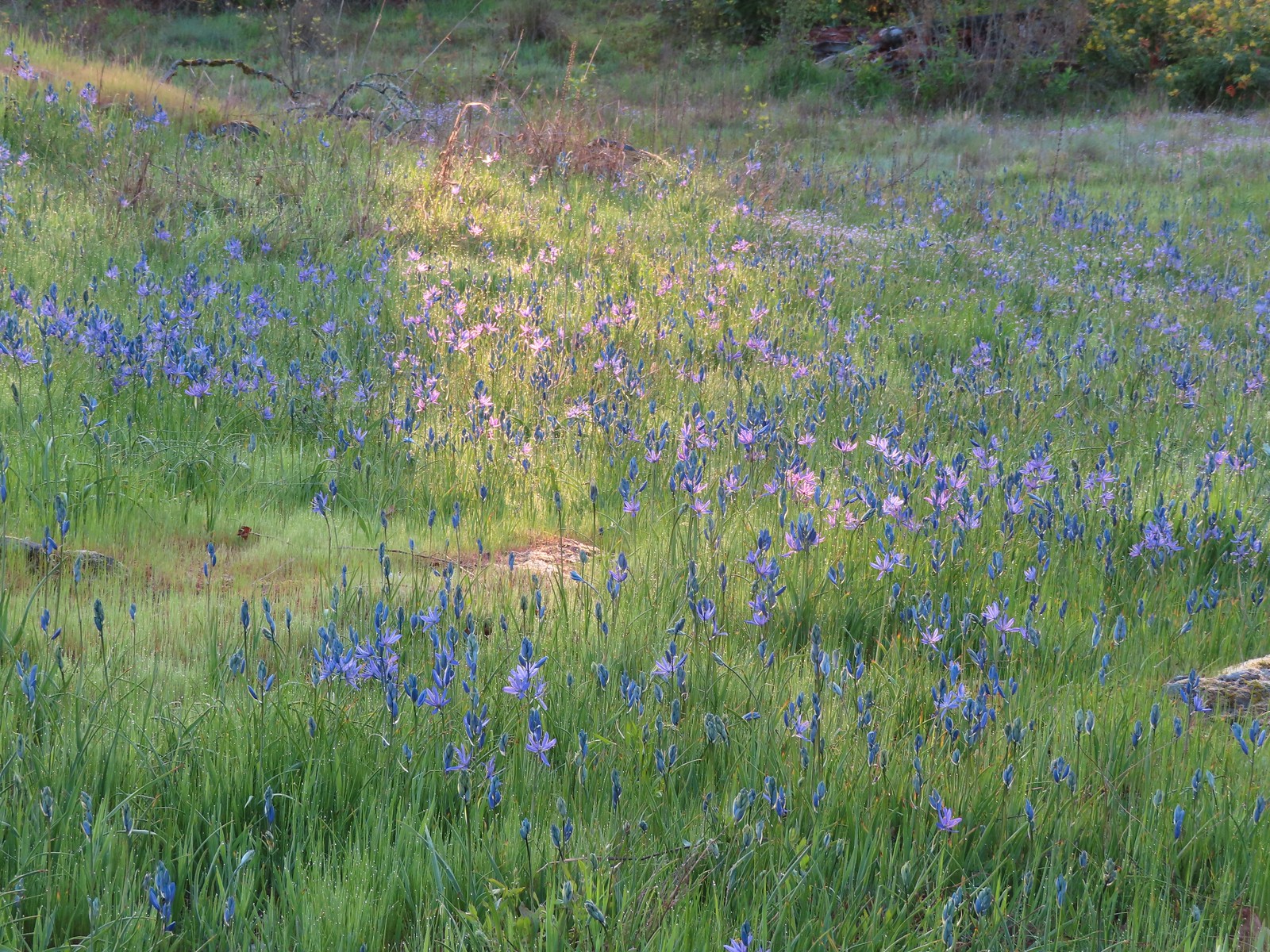 Camas catching a little sunlight.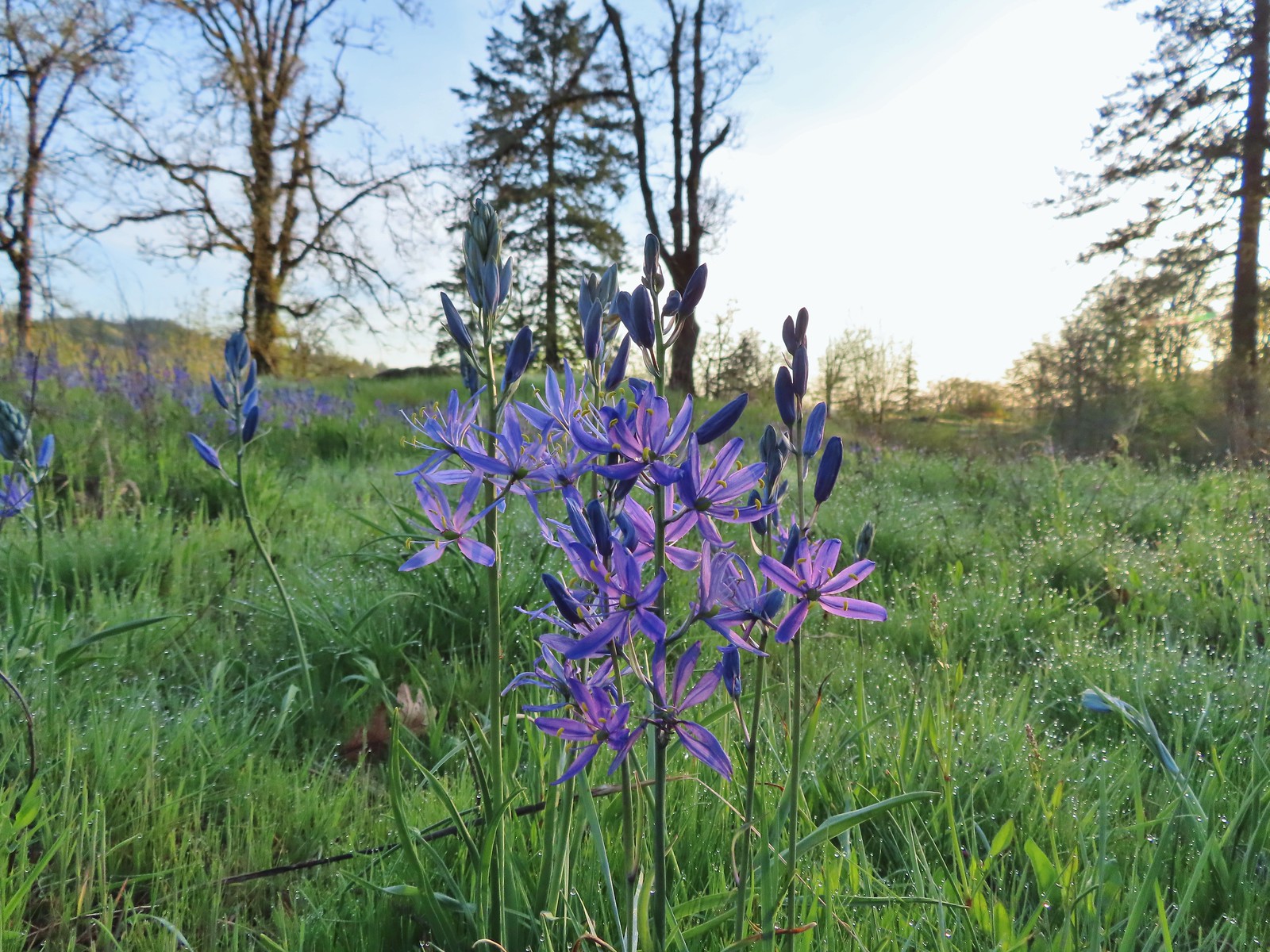

 Red flowering currant
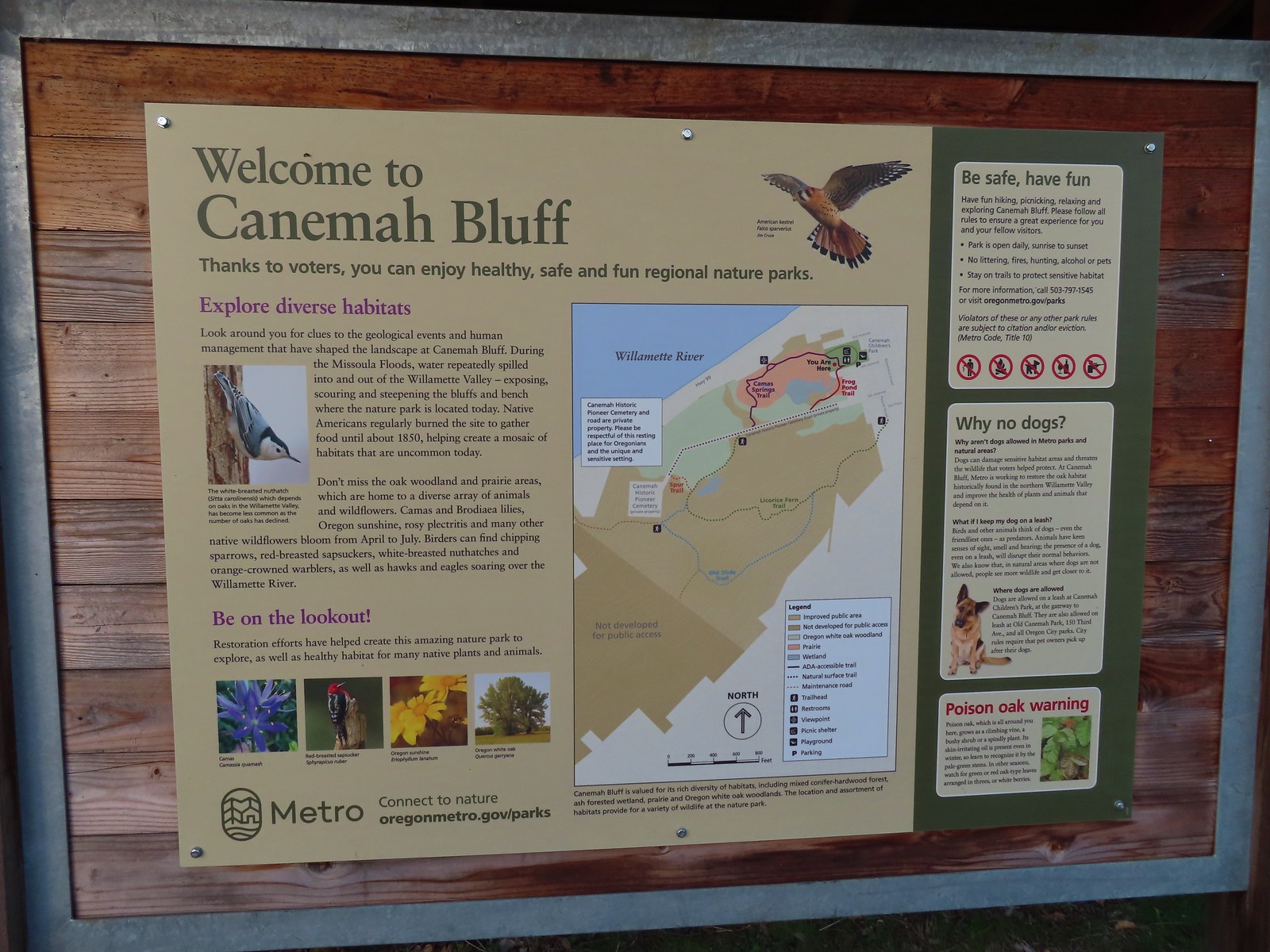
 Metro’s signage has been top notch in the parks we’ve visited so far.
 Hooker’s fairy bells
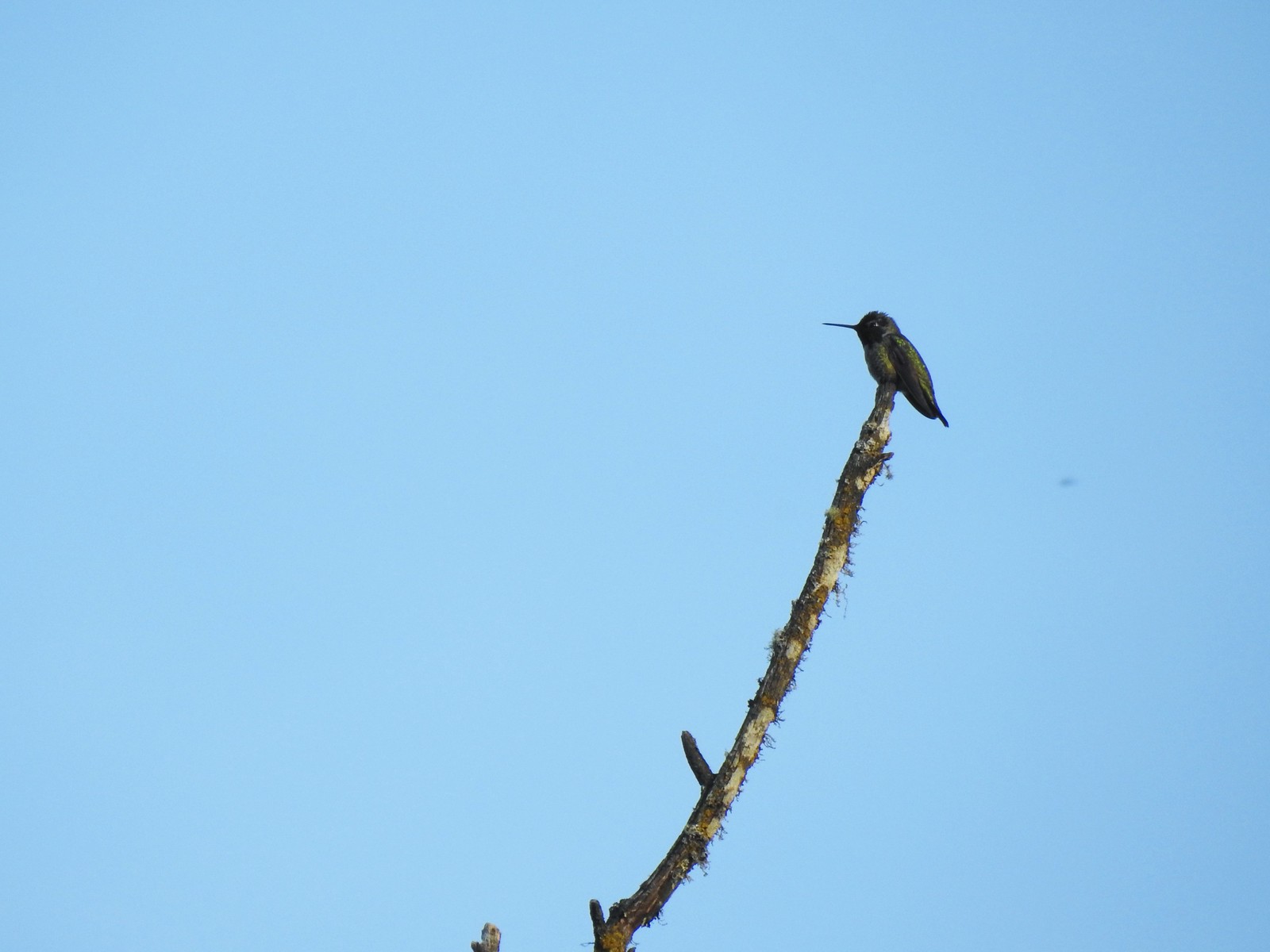 Hummingbird
 Fawn lilies
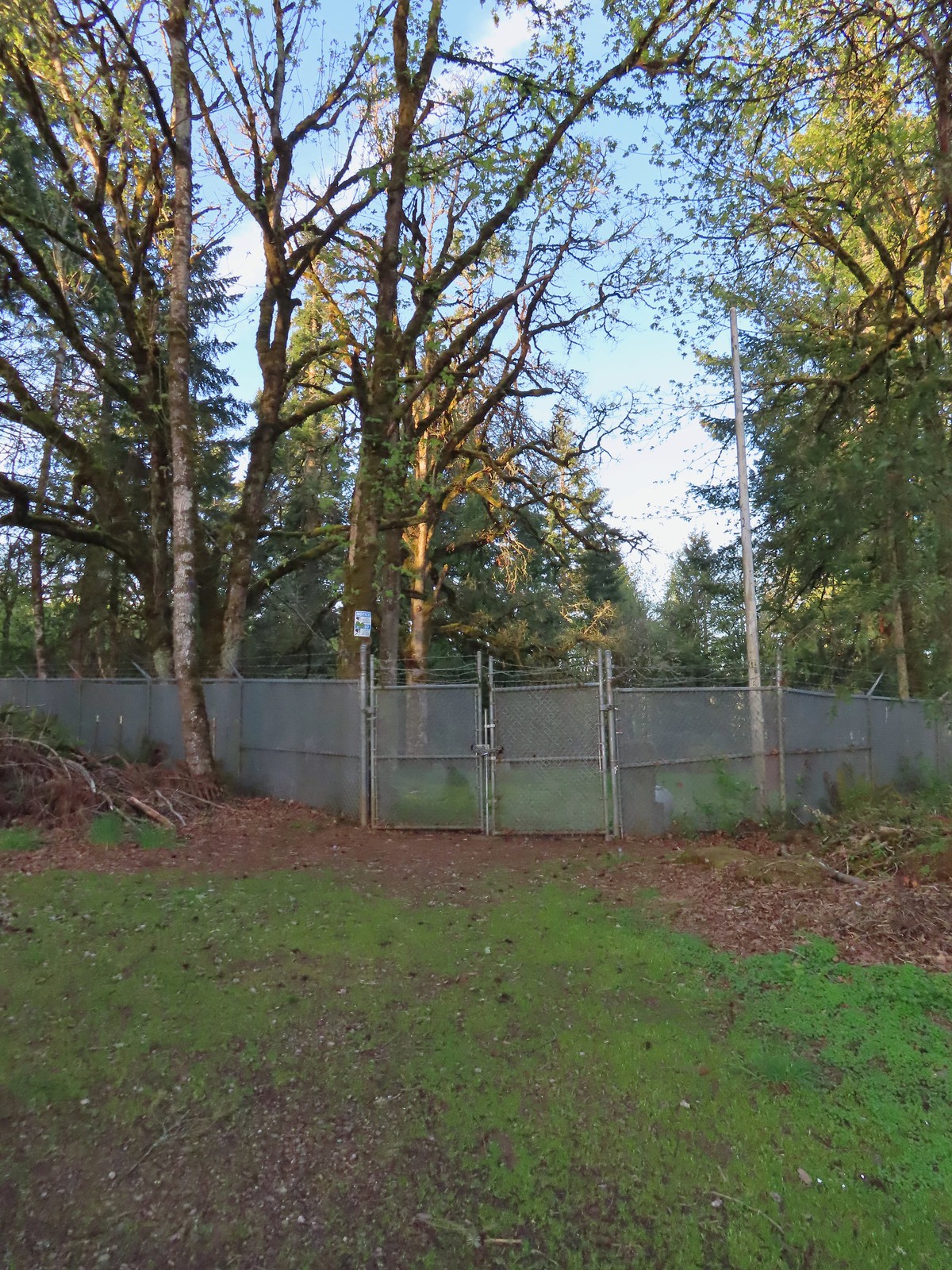 The cemetery behind the fence.
 The Spur Trail.


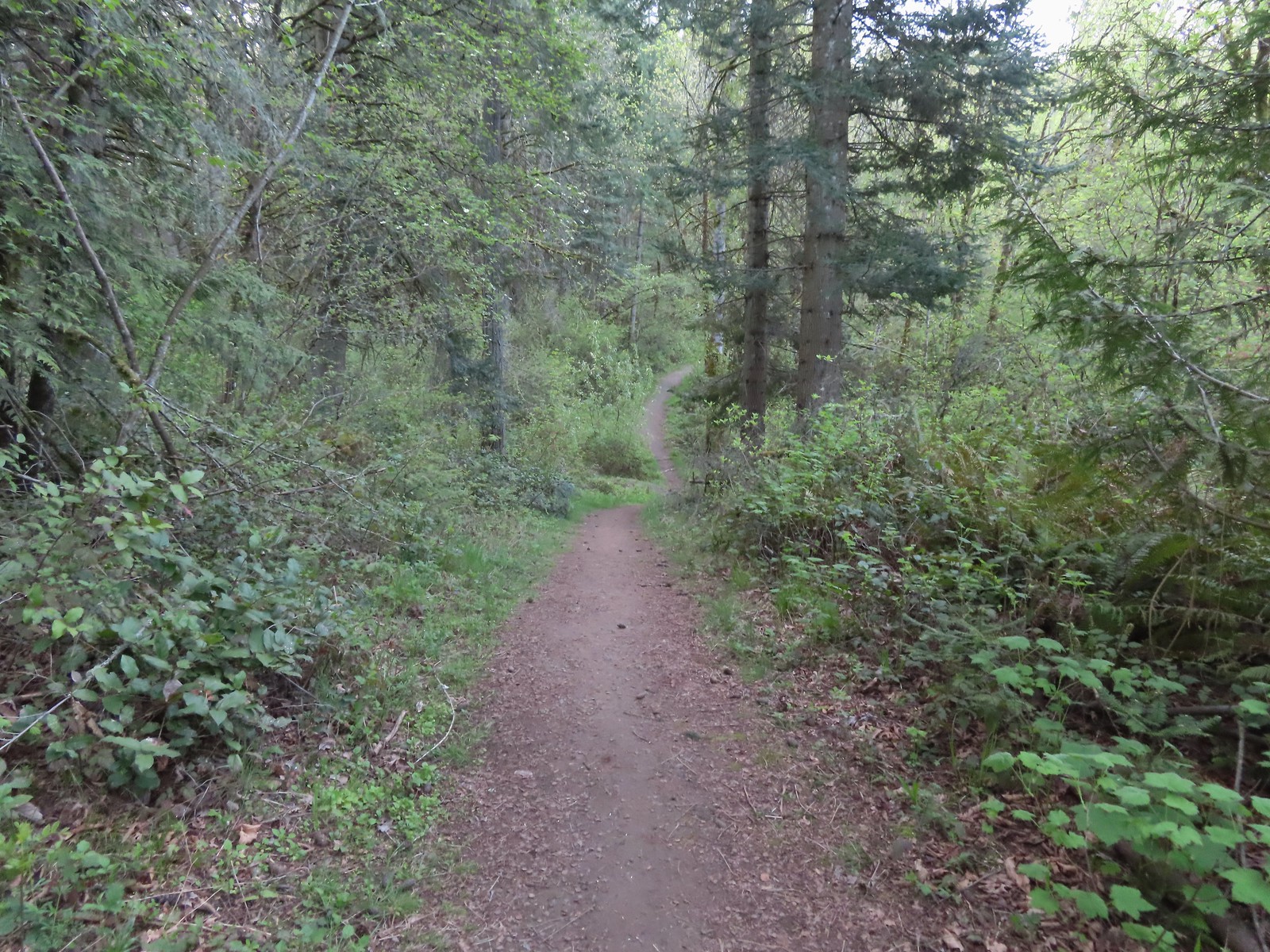
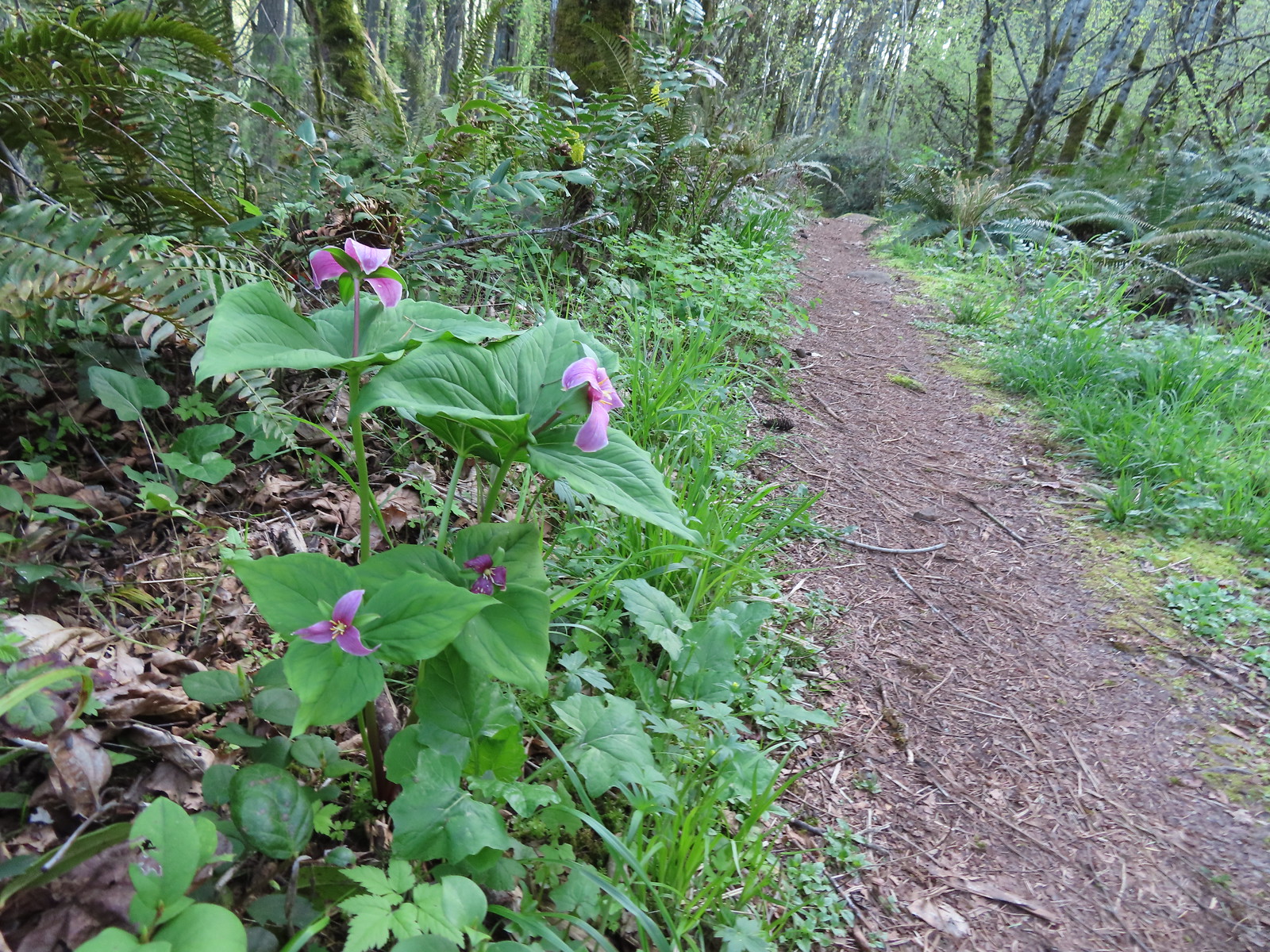
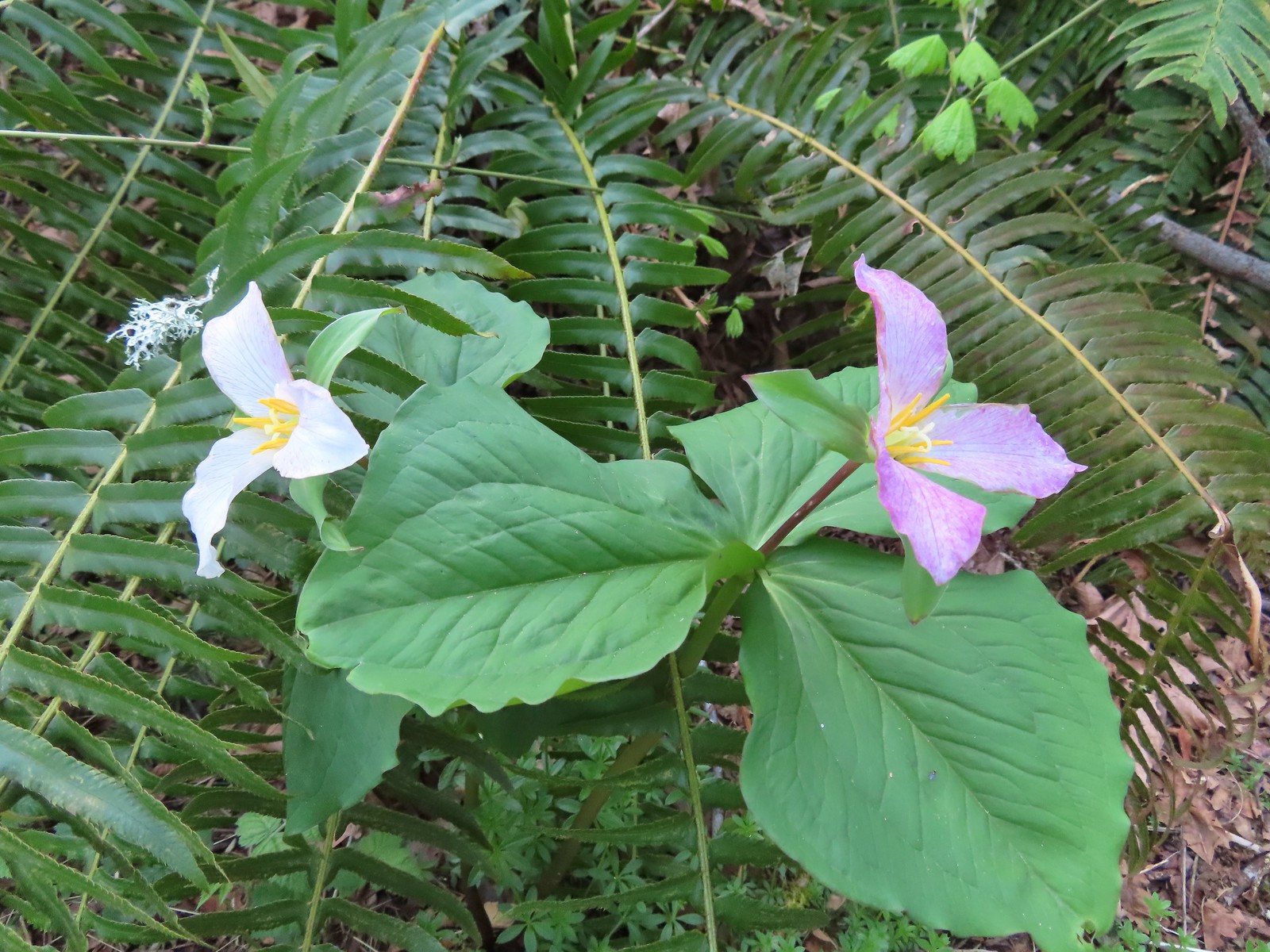
 The boundary marker. The trail continues a short distance to 5th Place.

 Youth-on-age
 Salmonberry
 Violets
 Back on the road.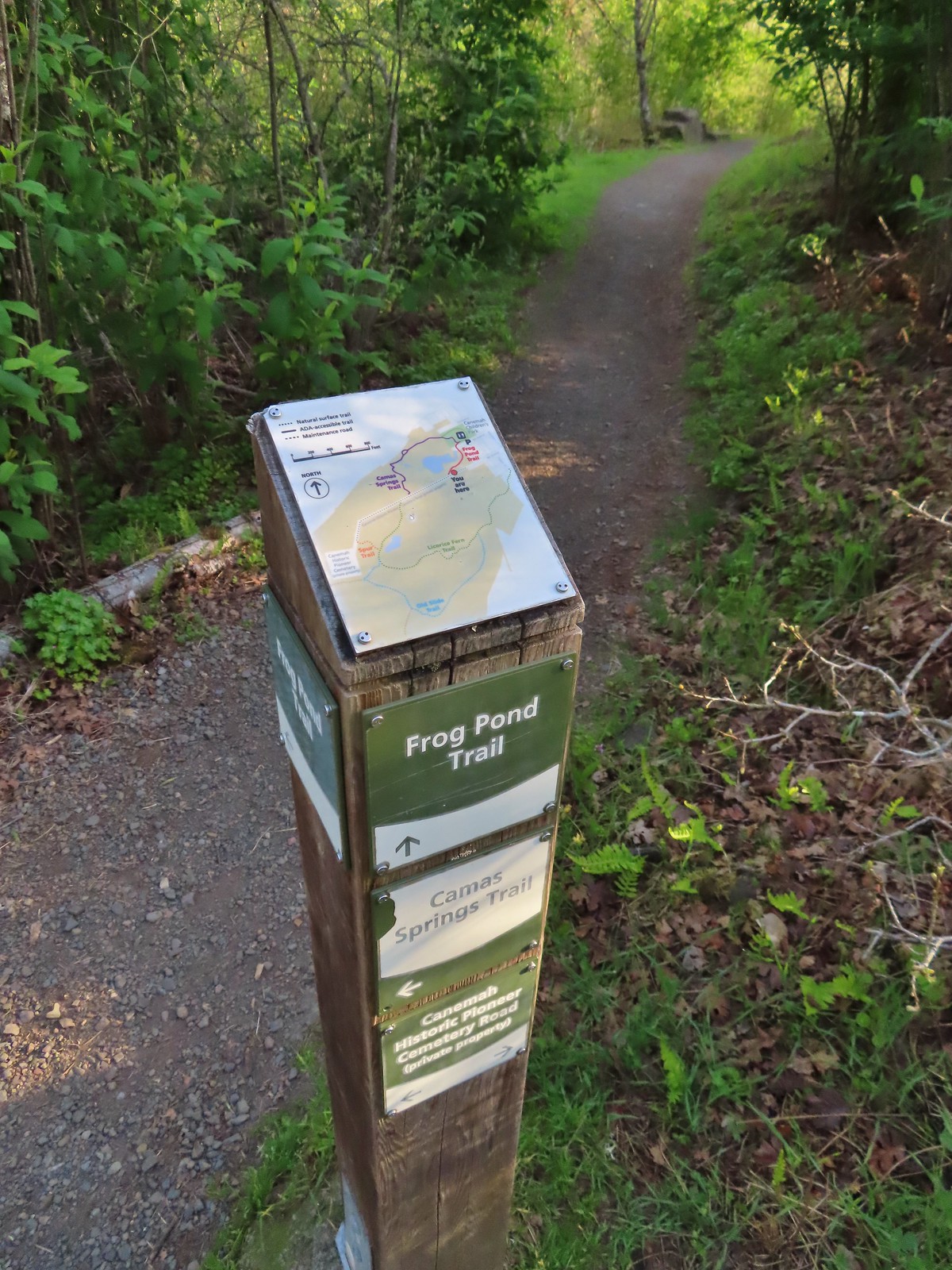
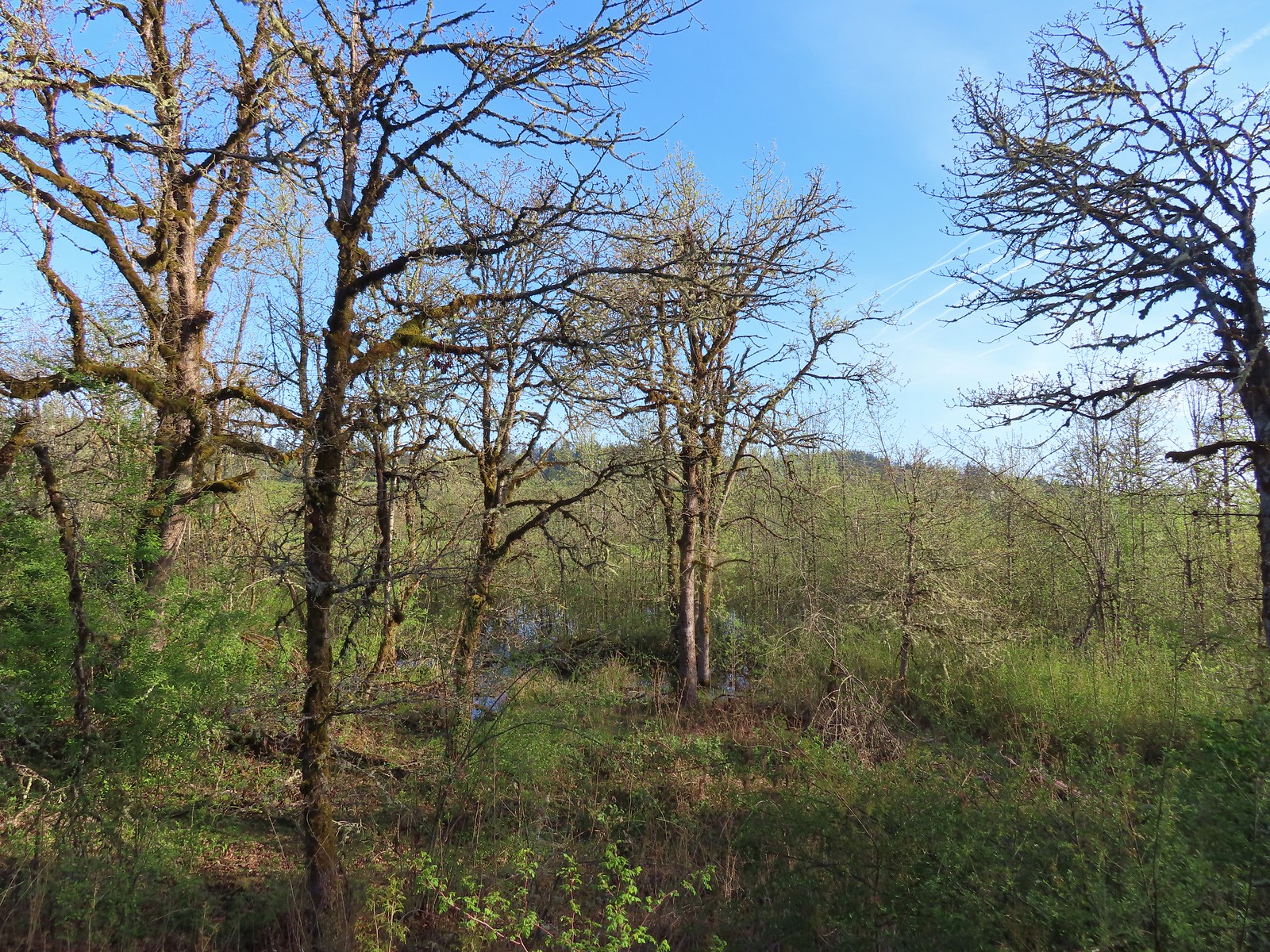 The frog pond.
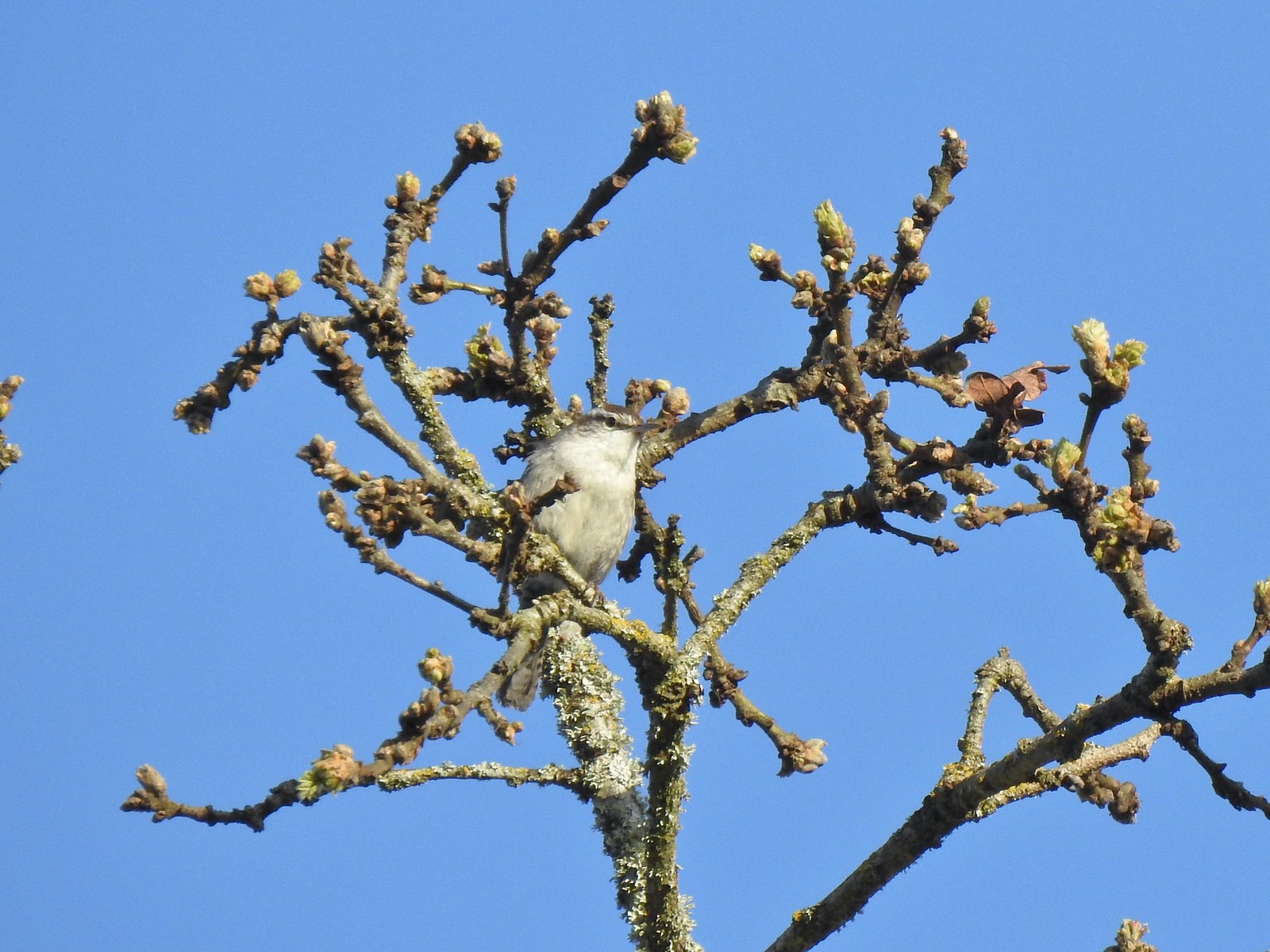 Bewick’s wren
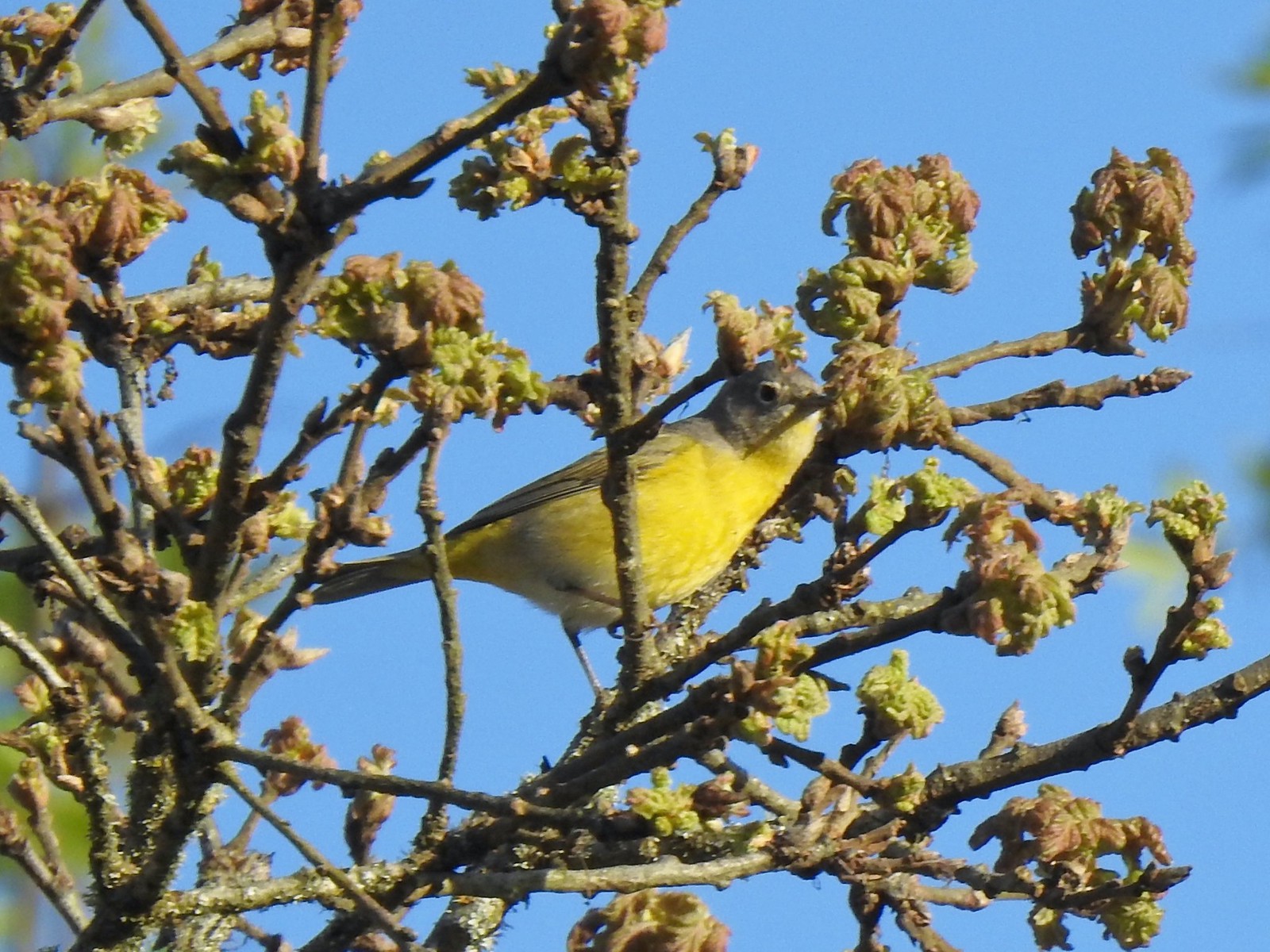 Nashville warbler?
 House finches
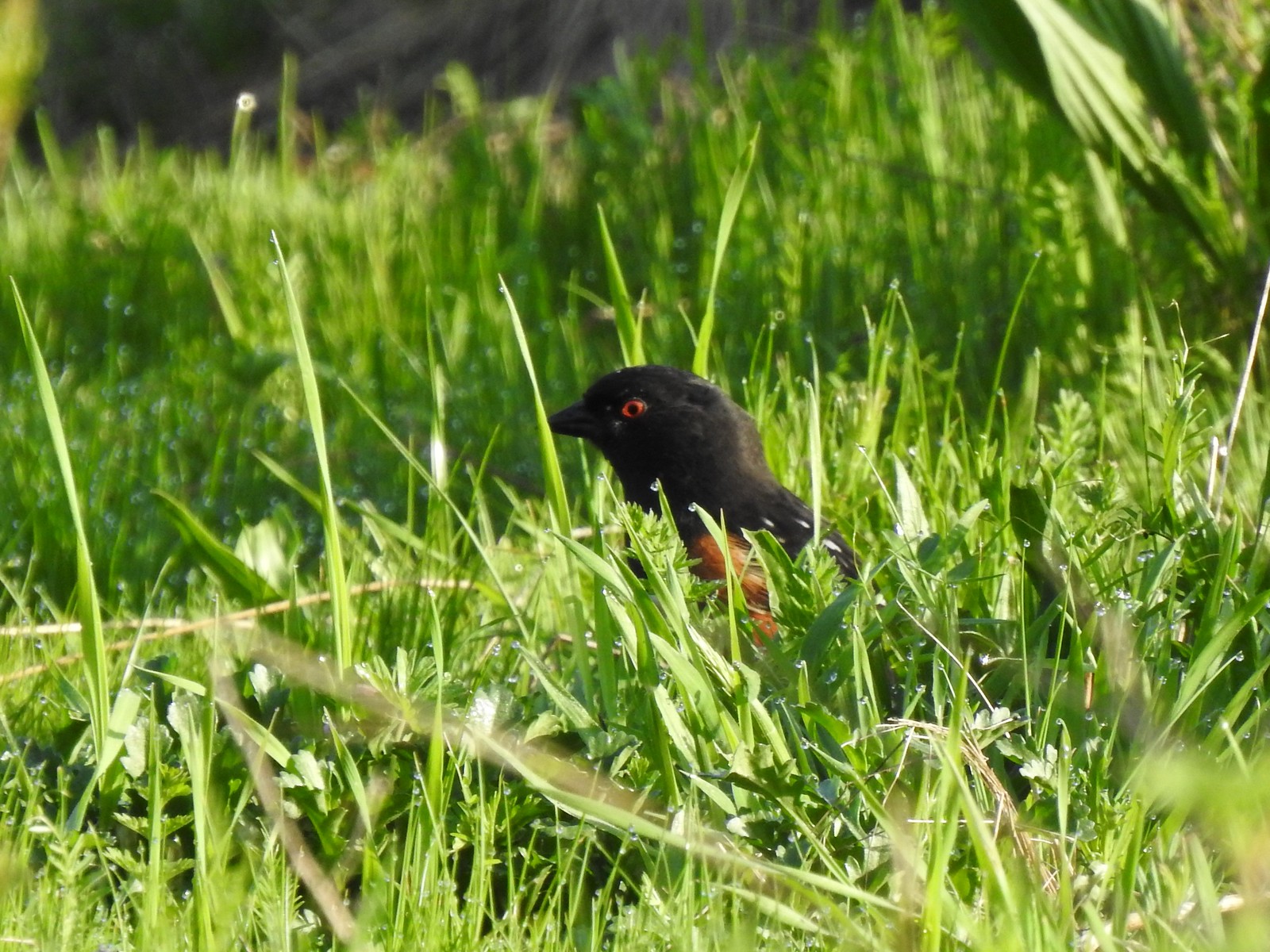 Spotted towhee
 Bleeding heart near the pond.
 Arriving back at the trailhead.
 View from the trailhead.
 Trailhead signboard.
 Please note that pets are not allowed at most Metro parks.
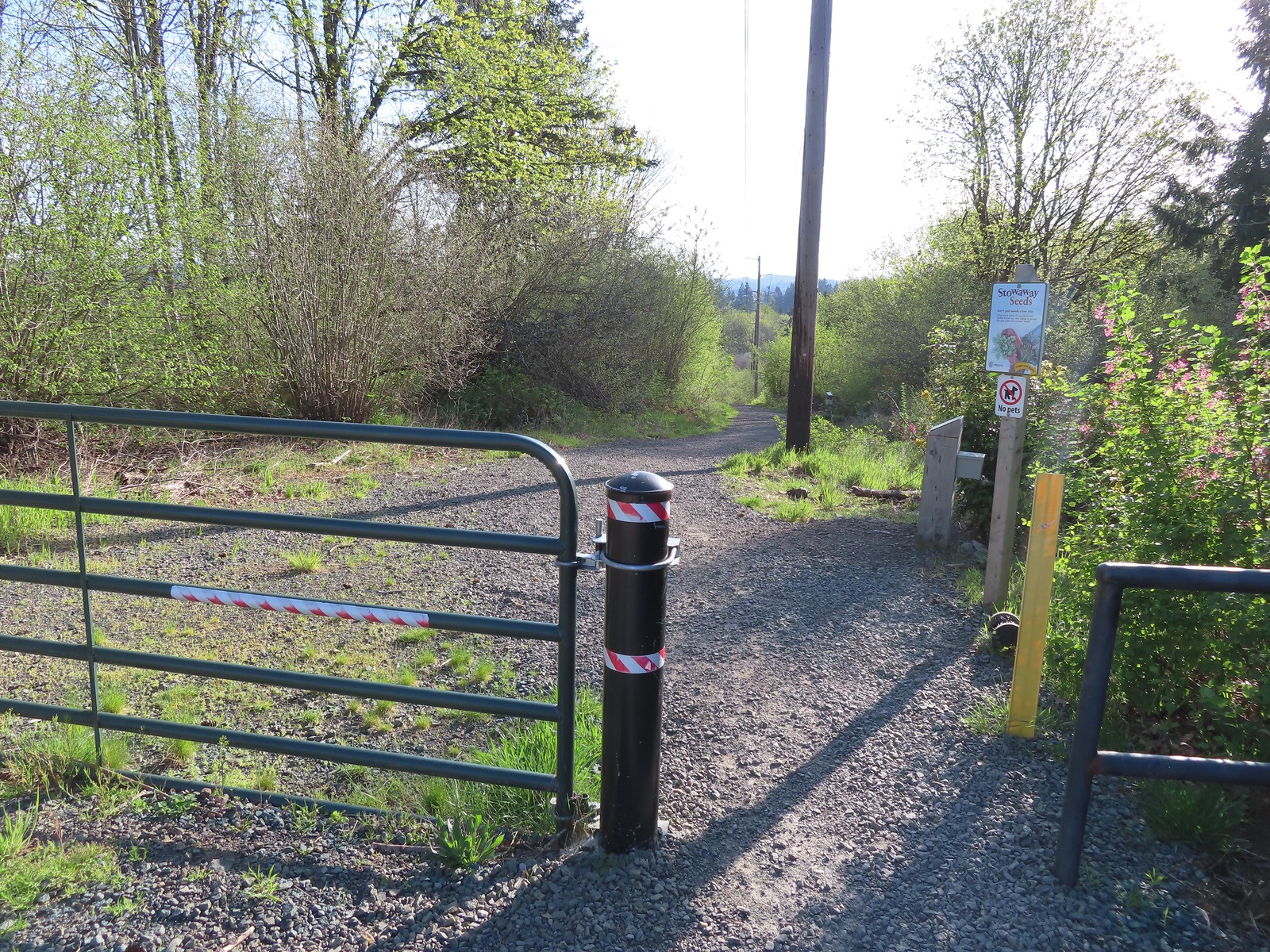 Don’t forget to brush off your shoes when brushes are available.
 The Shady Lane Trail.
 Oregon grape, red flowering currant and Indian plum
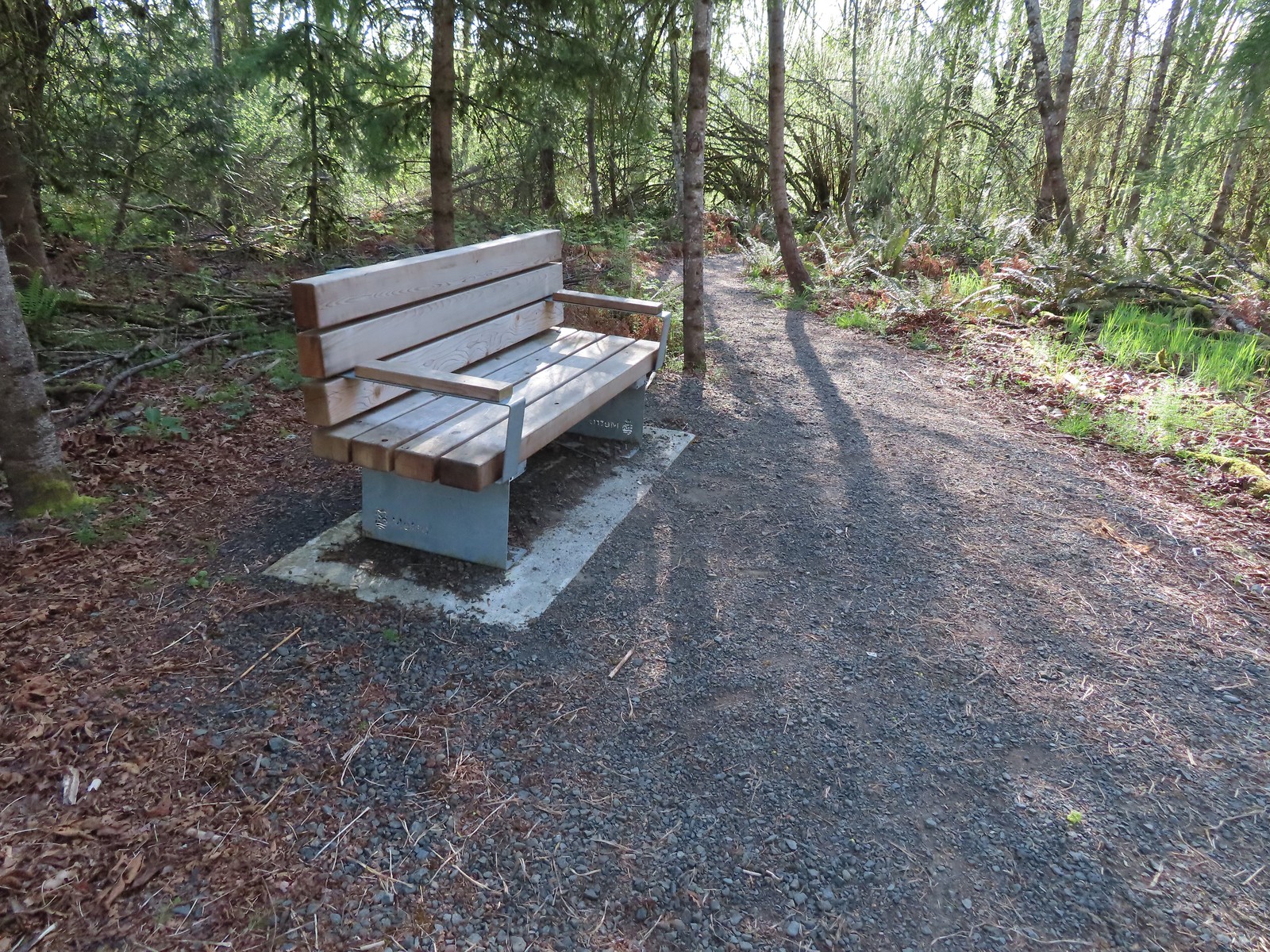 One of several benches located throughout the park.
 The connector trail.
 Candy flower
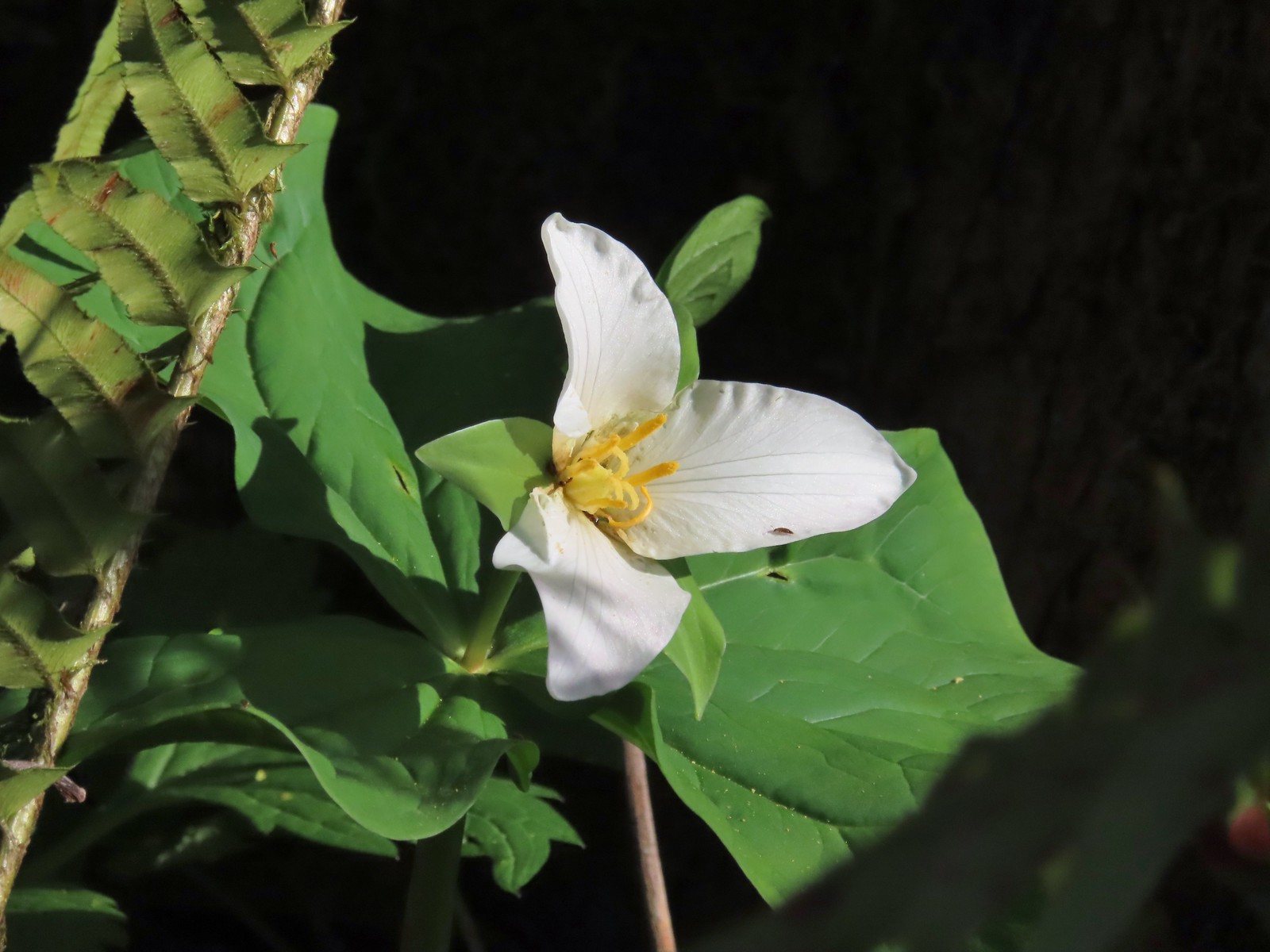 Trillium with a tiny insect.
 Carpet of green.
 A rare bluebird day for us this year.
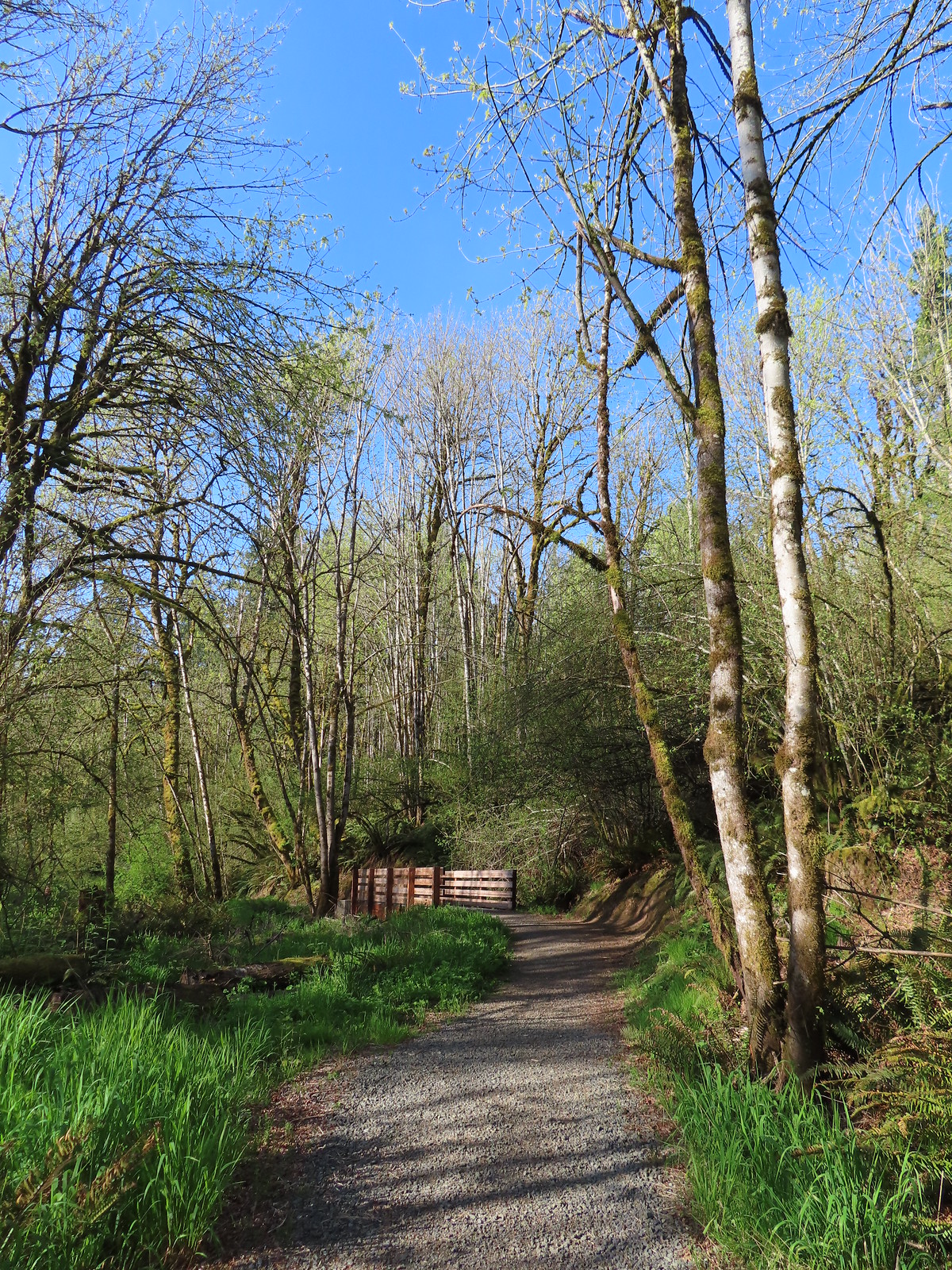
 Salmonberry blossoms
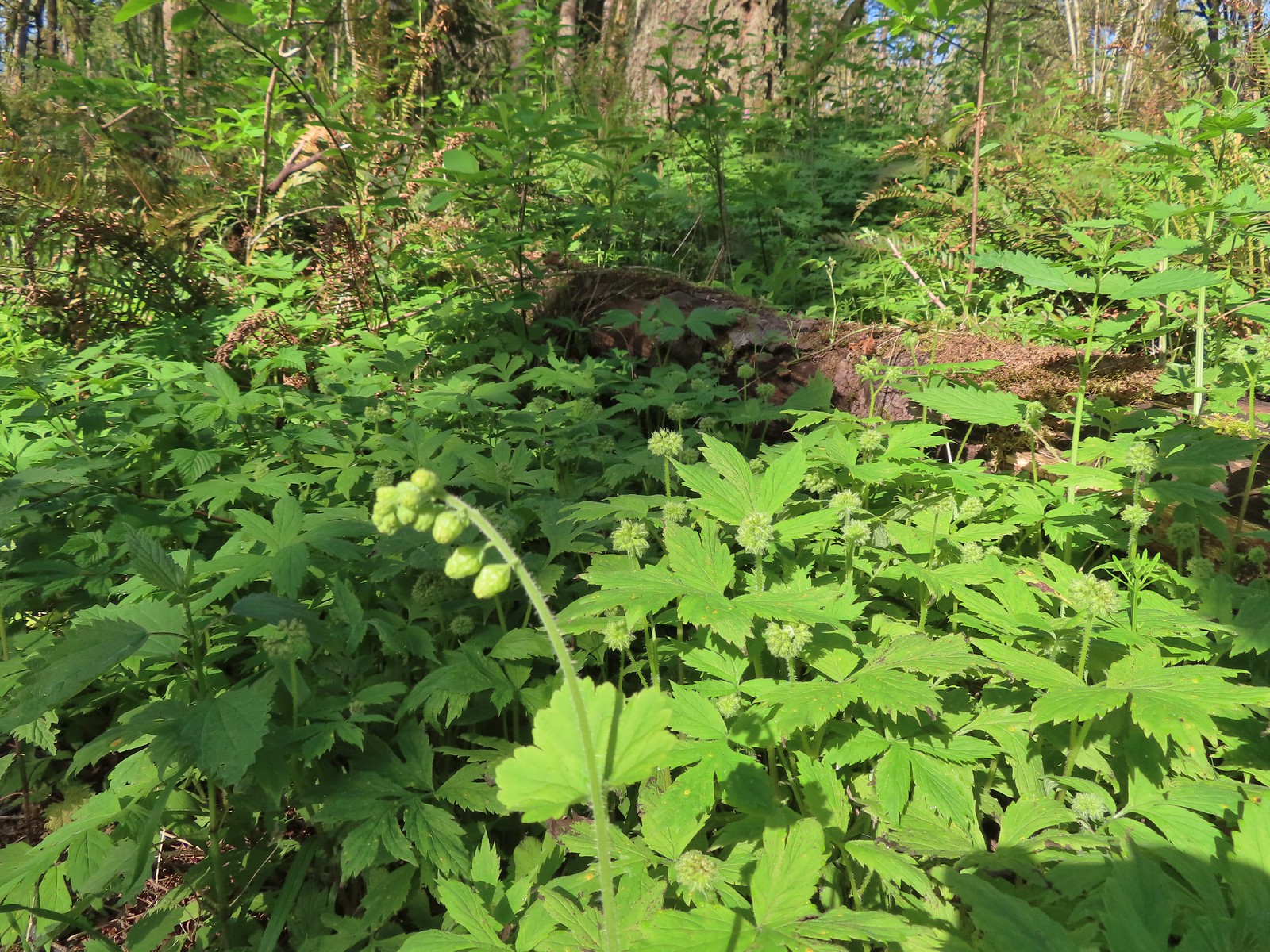 Fringecup and pacific waterleaf that had yet to start blooming.
 The Tumble Falls Bridge.
 Tumble Falls
 The Red Soil Roller Trail to the right.
 A small pond along the trail.
 Song sparrow
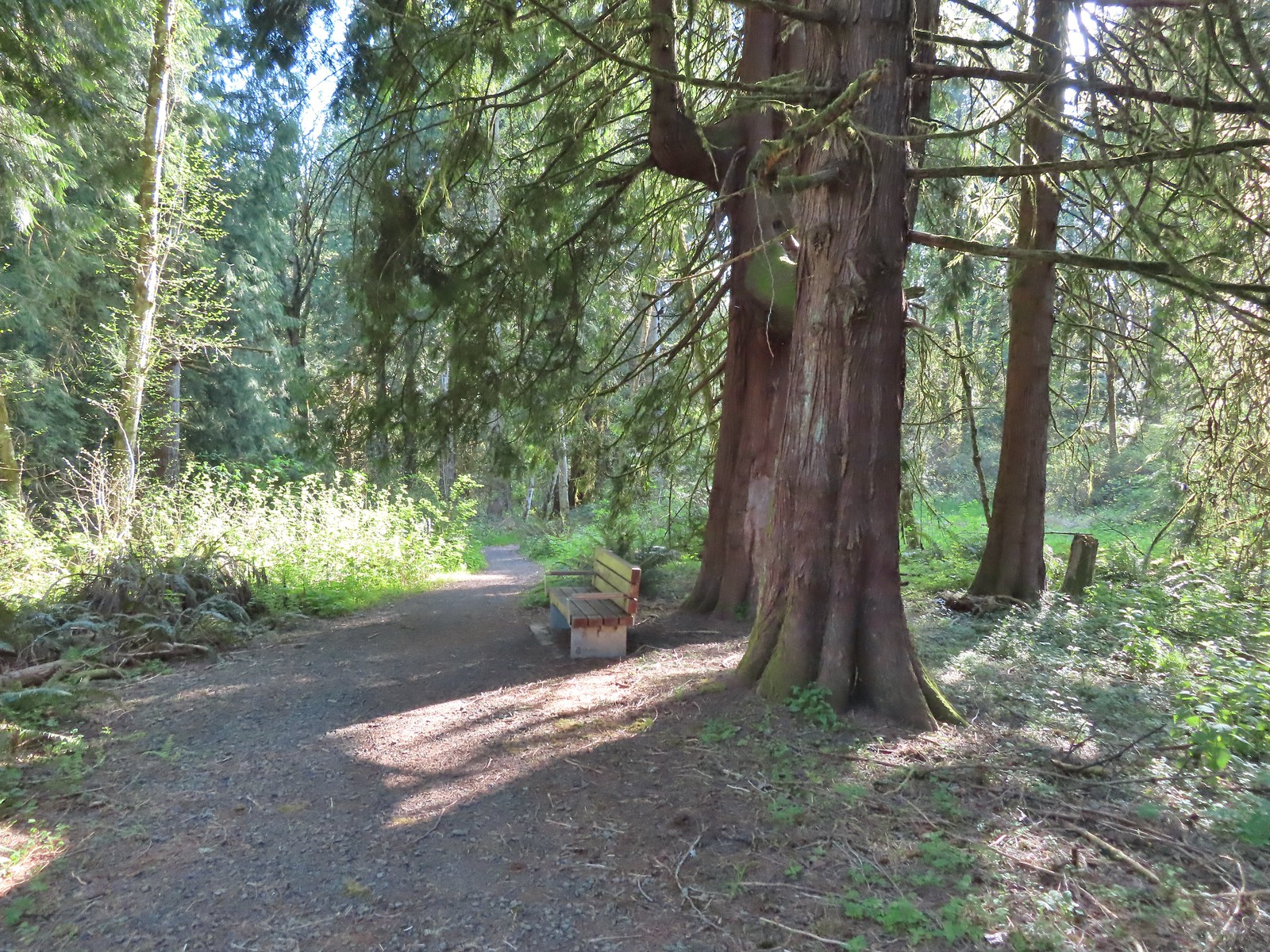 Western red cedars
 Nearing the end of the trail.
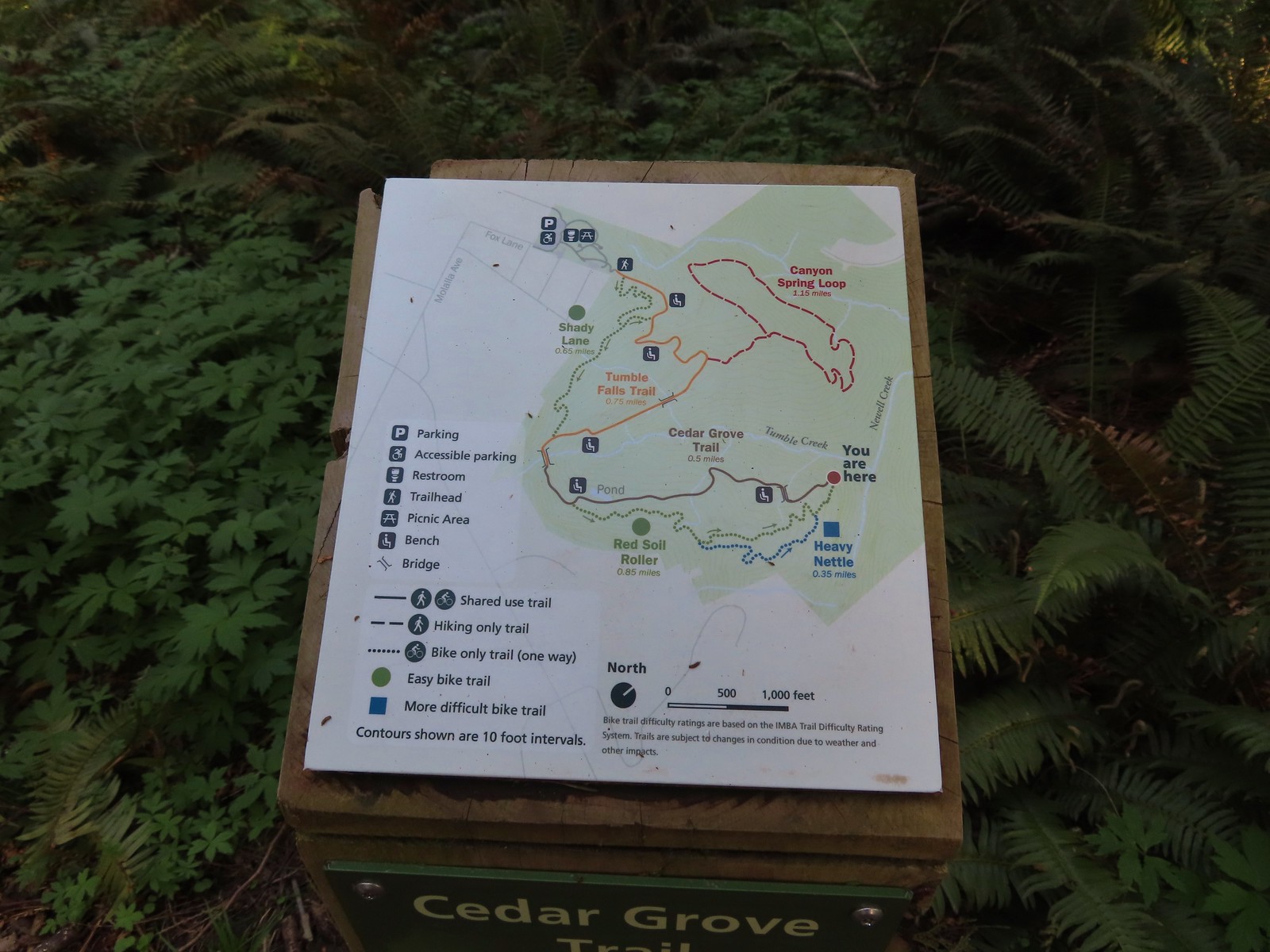 Map at the end of the Cedar Grove Trail.
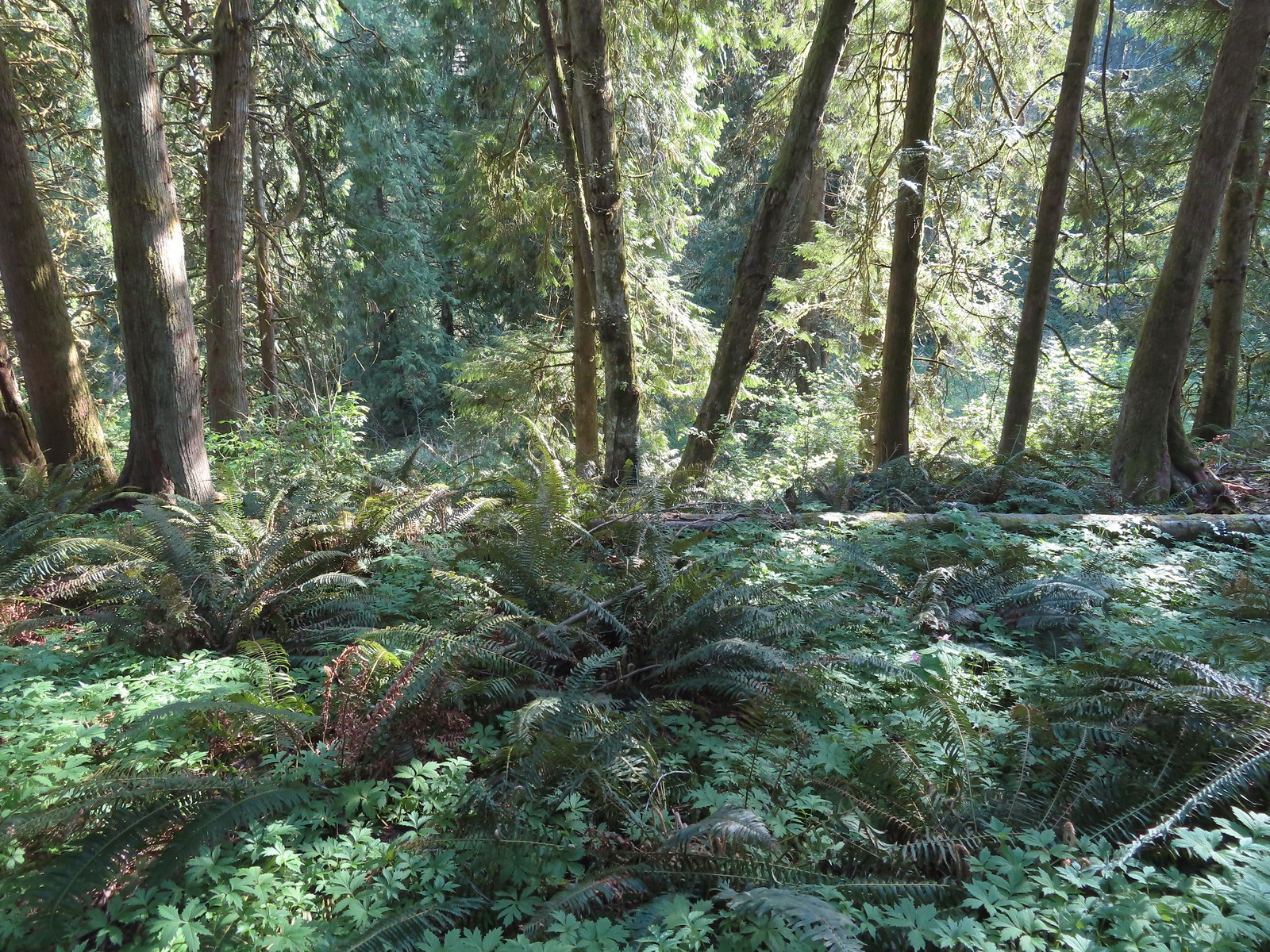 Newell Creek is down there somewhere.
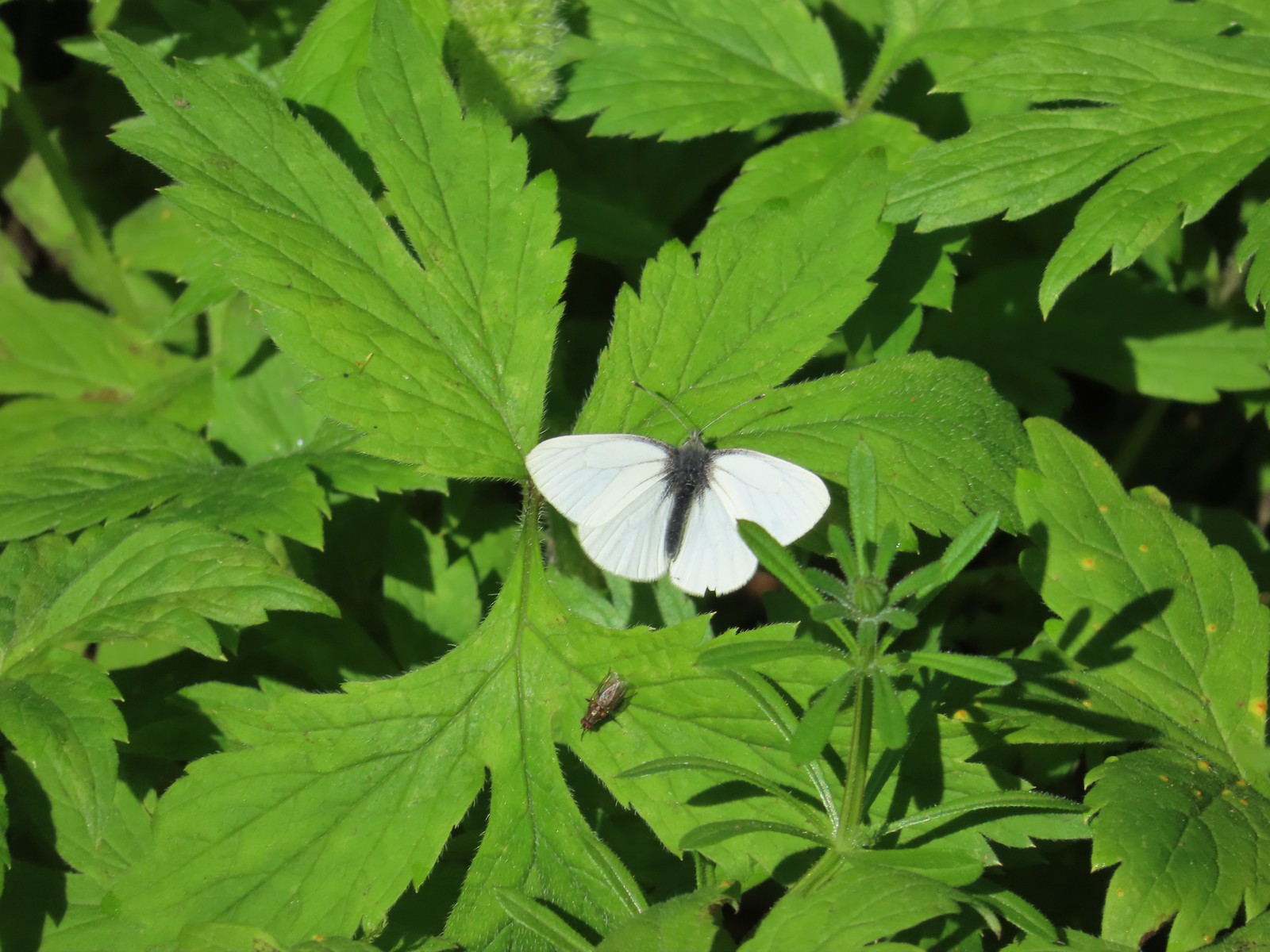 Male margined white?
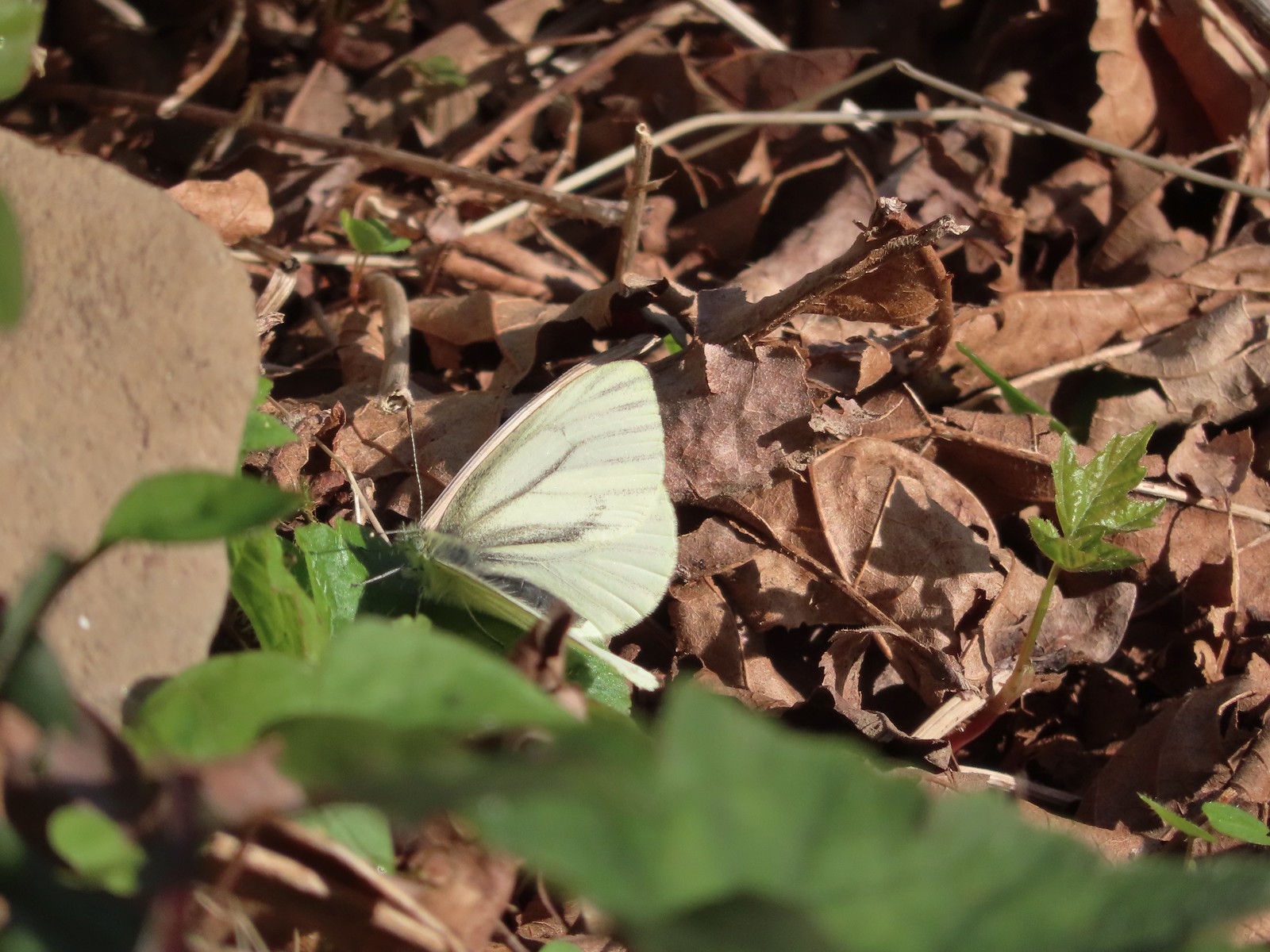 Female margined white?
 Slender toothwort
 The Canyon Spring Trail below in the trees.
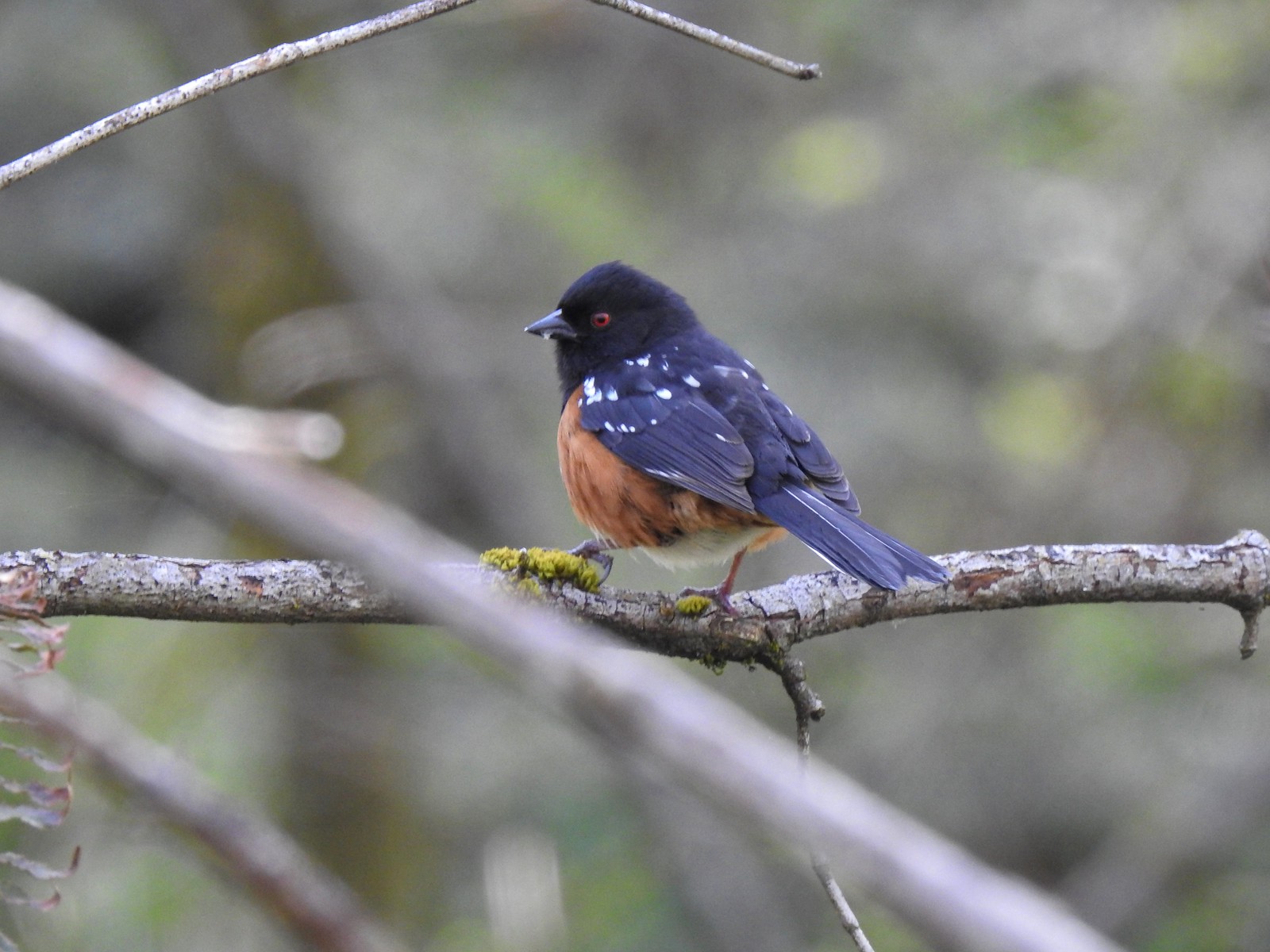 Spotted towhee
 Chipmunk
 Heading back beneath the ridge.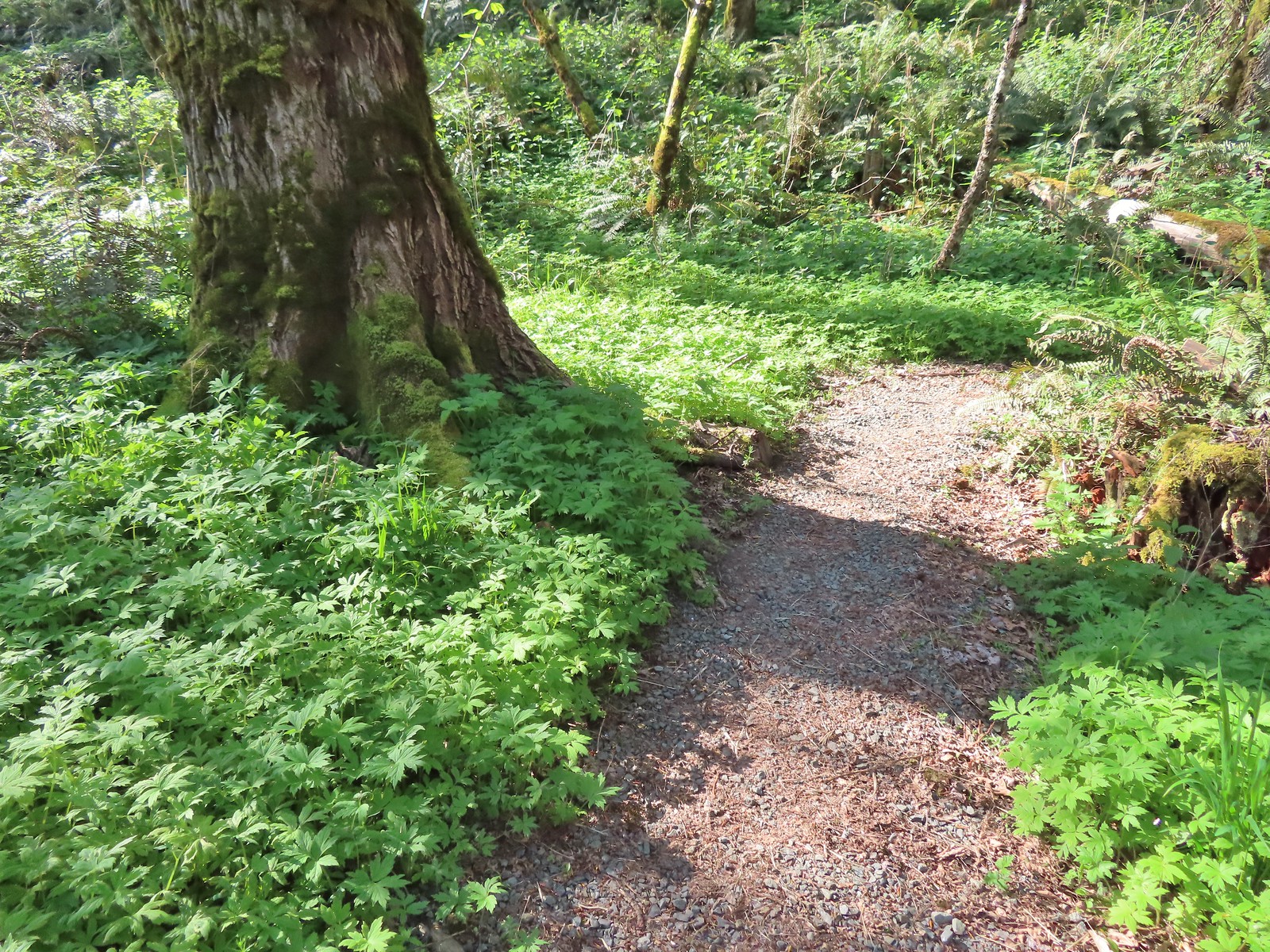
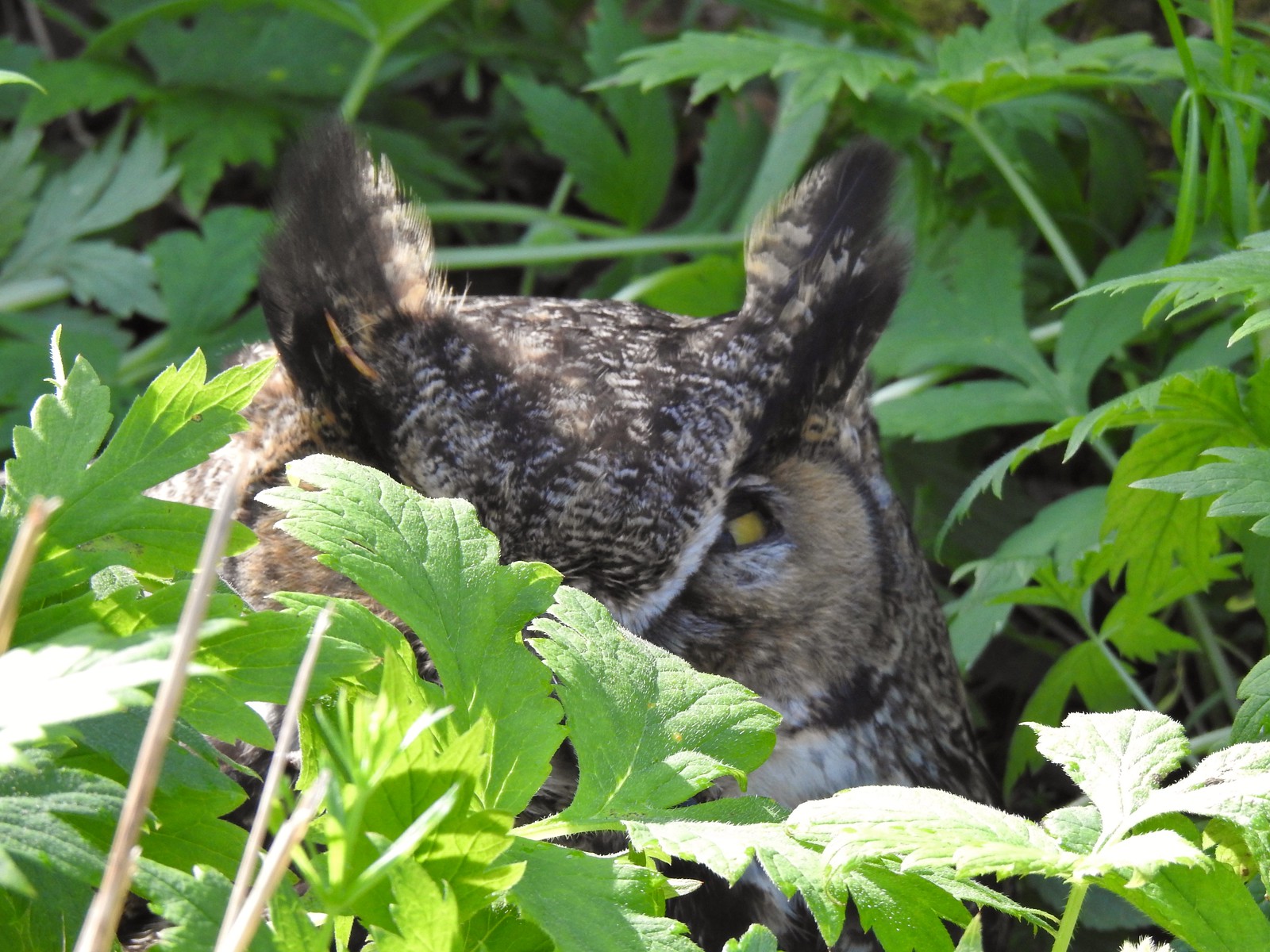

 Trillium and mushrooms
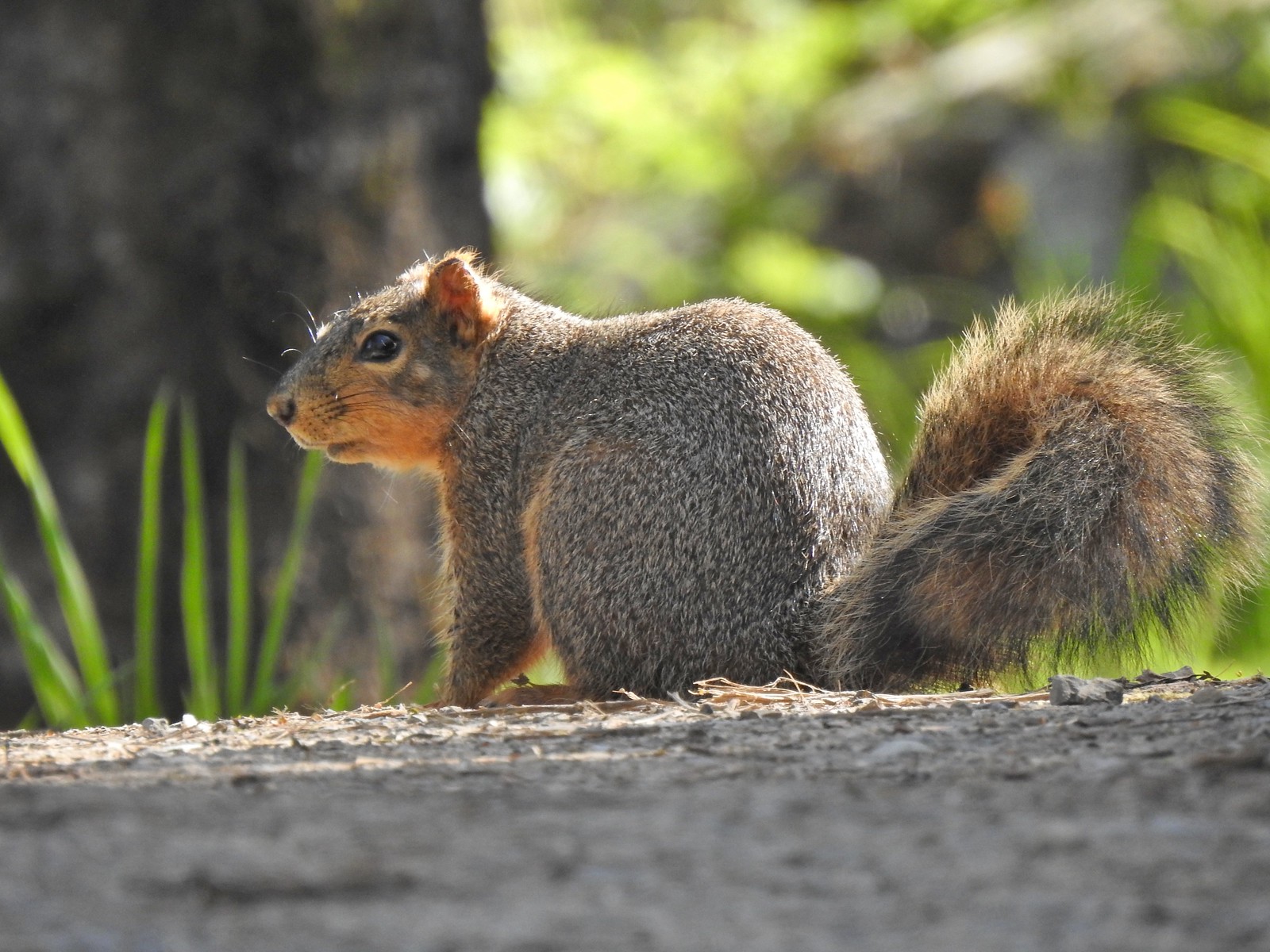 Squirrel
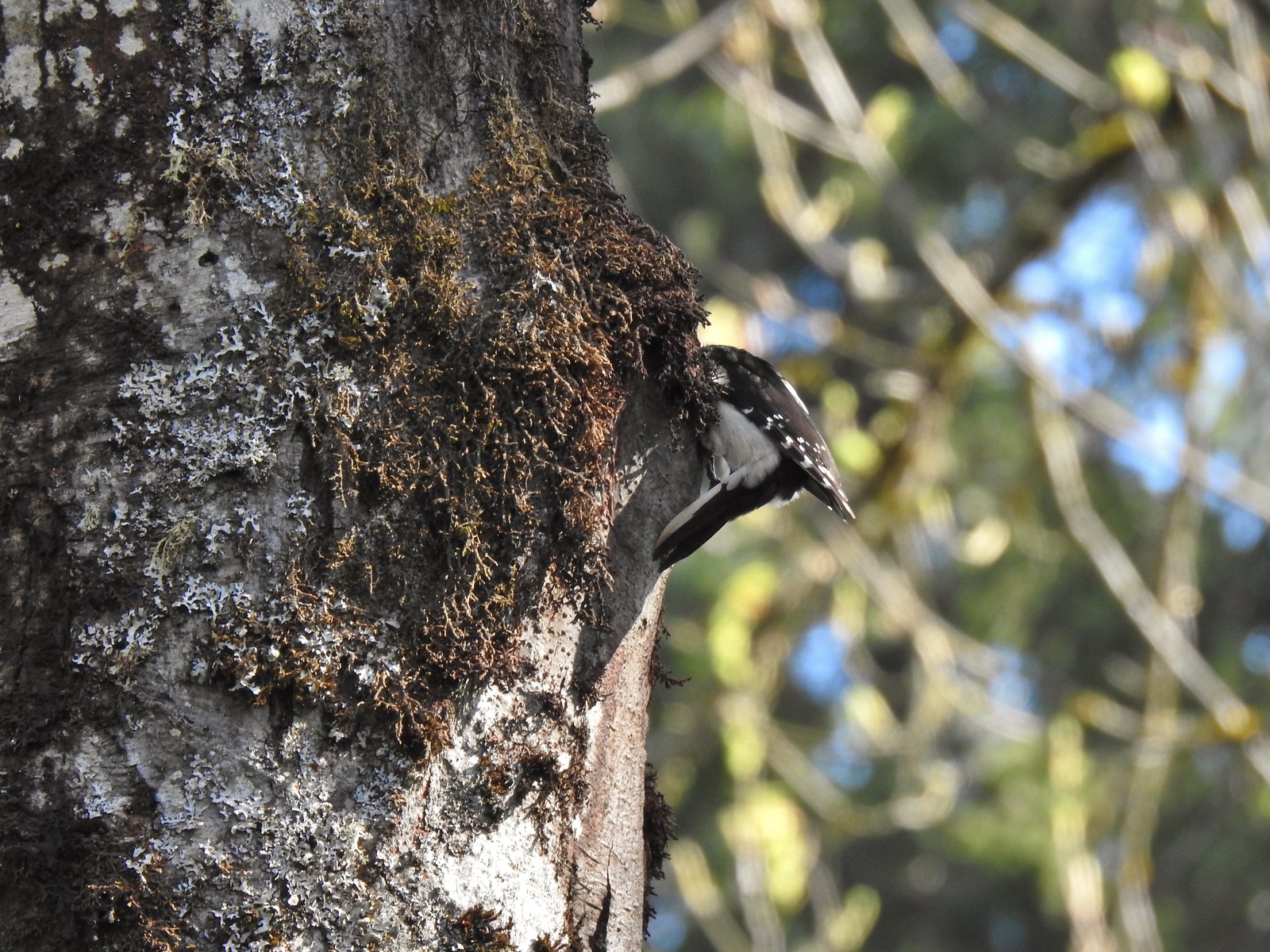 Woodpecker
 Stellar’s jay
 Back at the Tumble Falls Trail.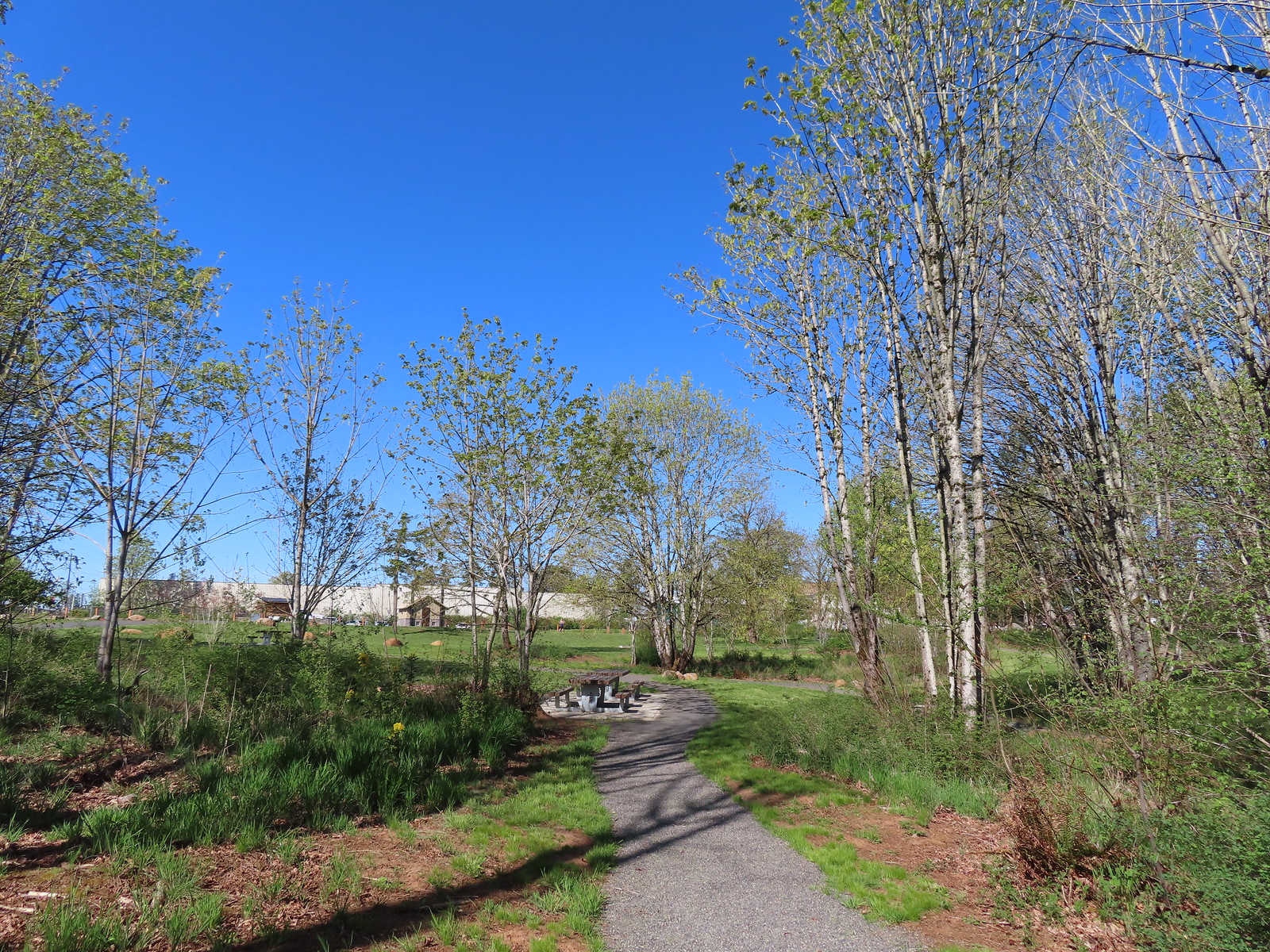
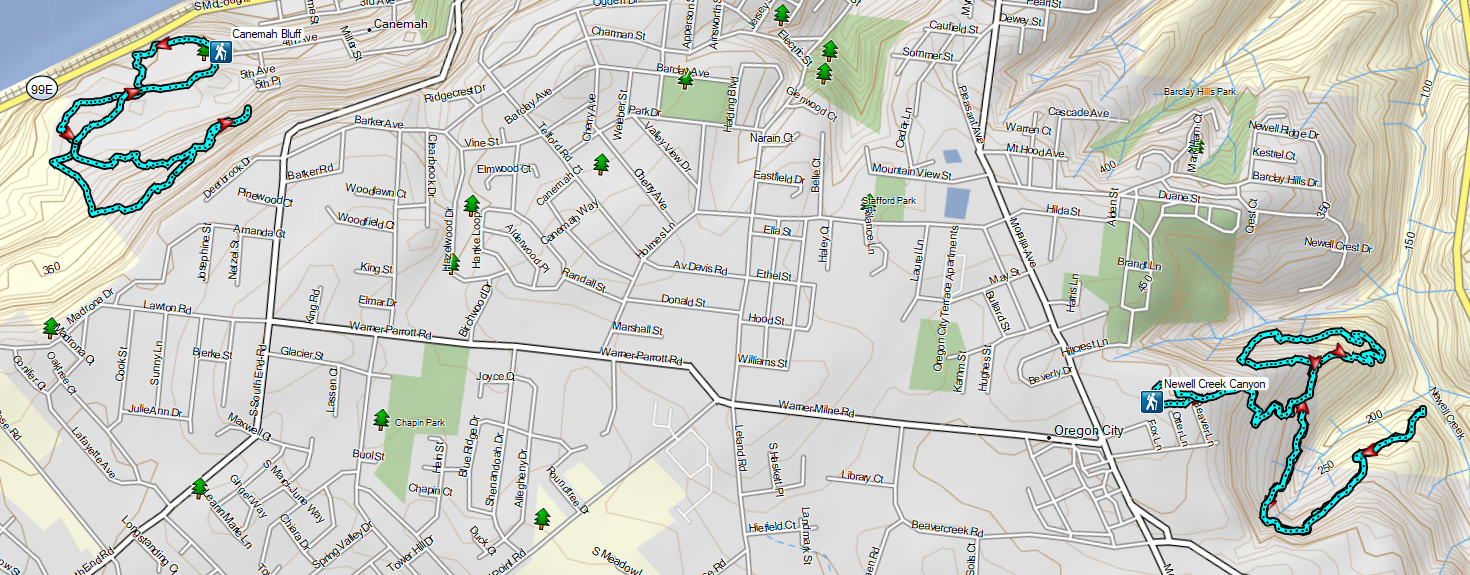

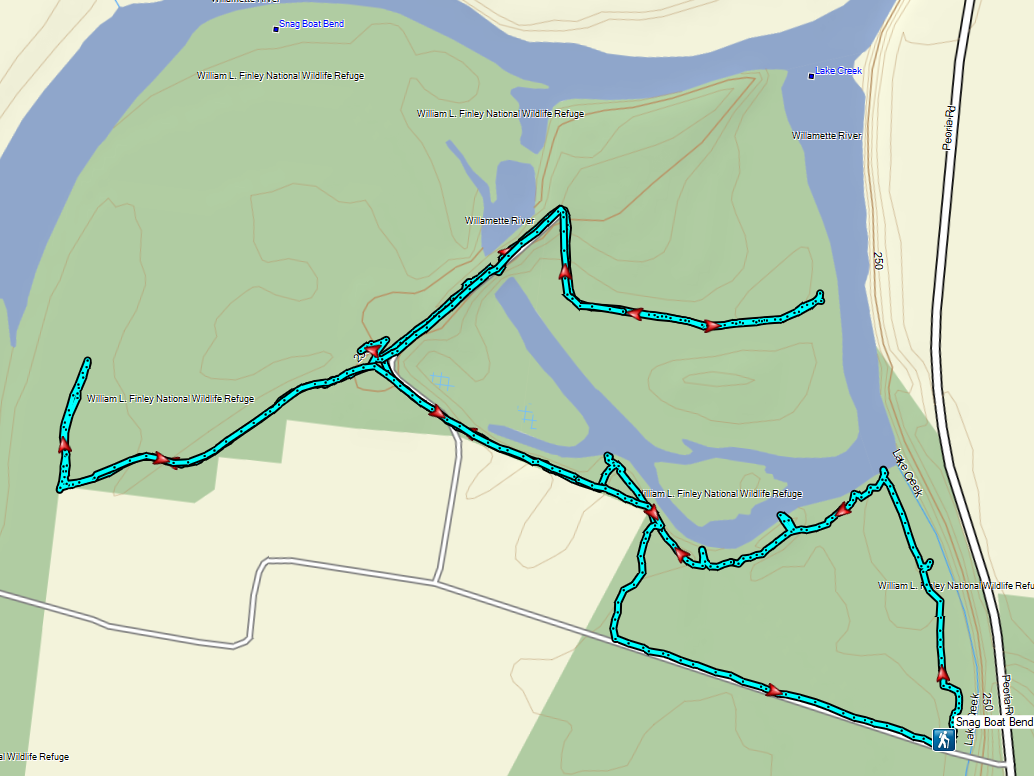

 wanderingyuncks